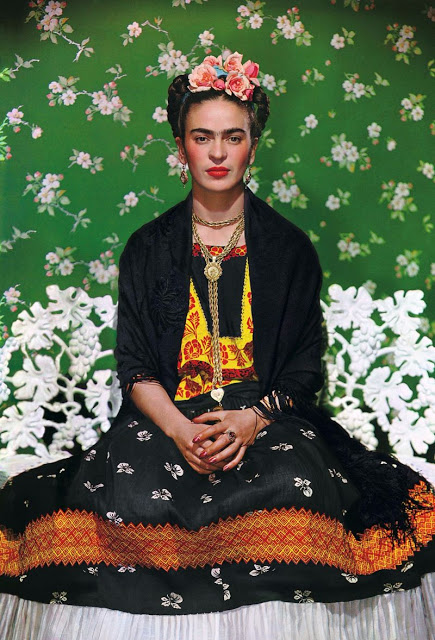
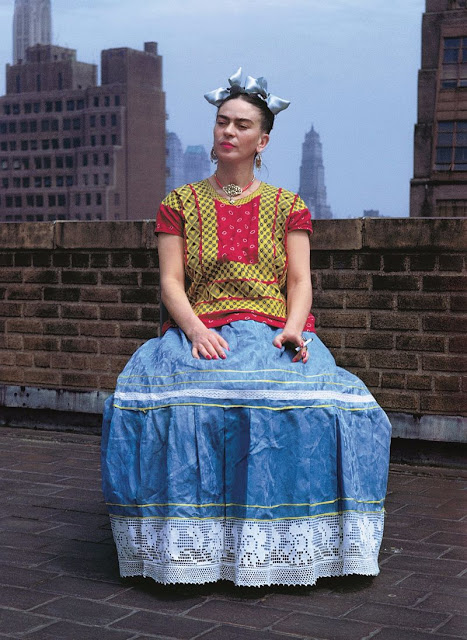
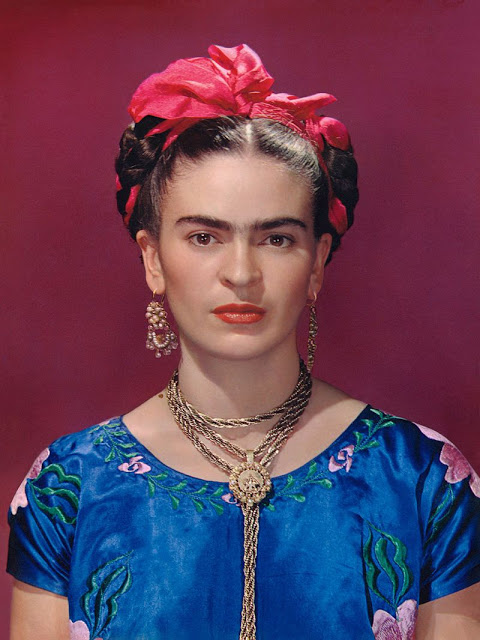
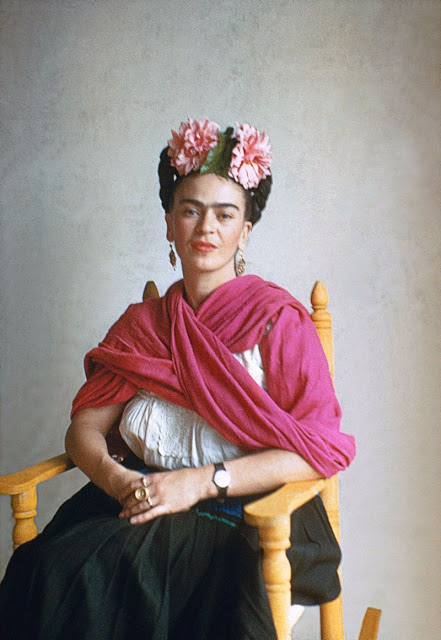
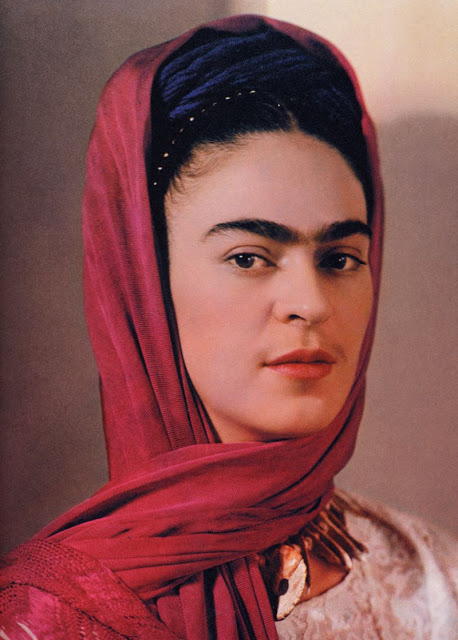
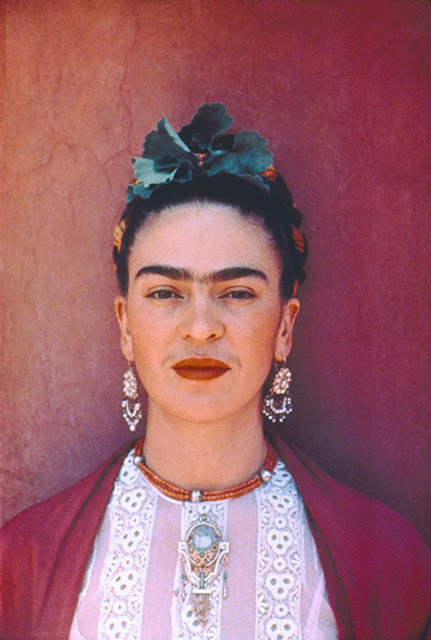
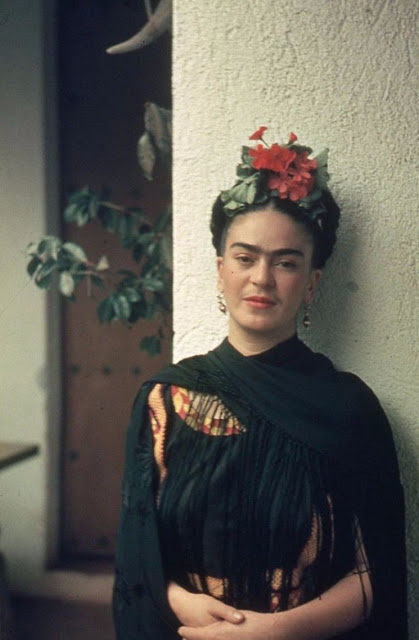
16 Gorgeous Color Photographs of Frida Kahlo During the 1930s & Early 1940s

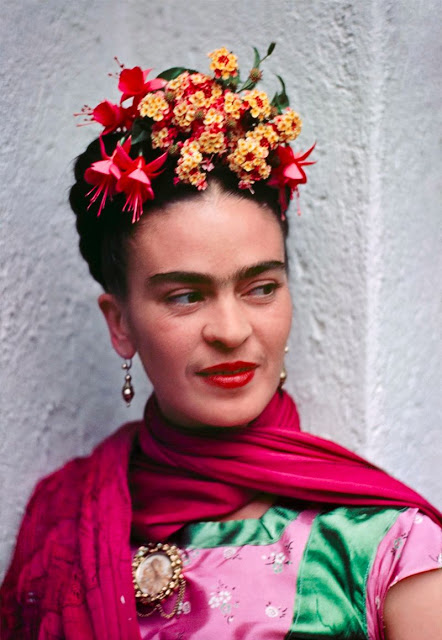
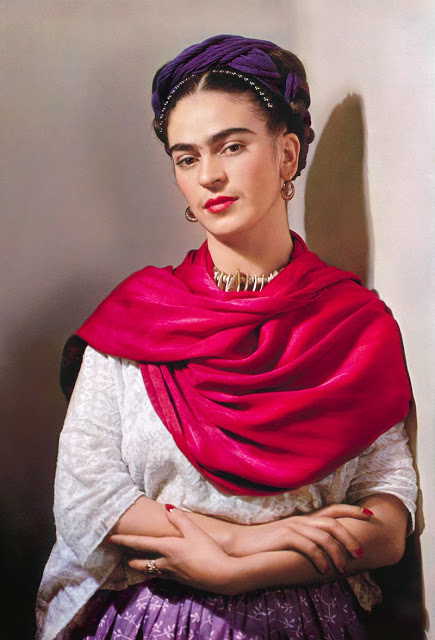
In May 1931, Nickolas Muray traveled to Mexico where he met Frida Kahlo, a woman he would never forget. The two were at the height of their on-again, off-again, ten-year relationship when these pictures were taken.

Their affair had started in 1931, after Muray was divorced from his second wife, and shortly after Kahlo’s marriage to Mexican muralist Diego Rivera. It outlived Muray’s third marriage, and Kahlo’s divorce and remarriage to Rivera, by one year, ending in 1941. They remained good friends until her death in 1954.

The photographs, dating from 1937 to 1946, explore Muray’s unique perspective; in the 1930s and 1940s he was Kahlo’s friend, lover and confidant. Muray’s photographs bring to light Kahlo’s deep interest in her Mexican heritage, her life and the people with whom she shared close friendship.

Magdalena Carmen Frida Kahlo y Calderón (6 July 1907 – 13 July 1954) was a Mexican painter known for her many portraits, self-portraits, and works inspired by the nature and artifacts of Mexico. Inspired by the country’s popular culture, she employed a naïve folk art style to explore questions of identity, postcolonialism, gender, class, and race in Mexican society. Her paintings often had strong autobiographical elements and mixed realism with fantasy. In addition to belonging to the post-revolutionary Mexicayotl movement, which sought to define a Mexican identity, Kahlo has been described as a surrealist or magical realist. She is known for painting about her experience of chronic pain.

Born to a German father and a mestiza mother, Kahlo spent most of her childhood and adult life at La Casa Azul, her family home in Coyoacán – now publicly accessible as the Frida Kahlo Museum. Although she was disabled by polio as a child, Kahlo had been a promising student headed for medical school until being injured in a bus accident at the age of 18, which caused her lifelong pain and medical problems. During her recovery, she returned to her childhood interest in art with the idea of becoming an artist.

Kahlo’s interests in politics and art led her to join the Mexican Communist Party in 1927, through which she met fellow Mexican artist Diego Rivera. The couple married in 1929 and spent the late 1920s and early 1930s travelling in Mexico and the United States together. During this time, she developed her artistic style, drawing her main inspiration from Mexican folk culture, and painted mostly small self-portraits that mixed elements from pre-Columbian and Catholic beliefs. Her paintings raised the interest of Surrealist artist André Breton, who arranged for Kahlo’s first solo exhibition at the Julien Levy Gallery in New York in 1938; the exhibition was a success and was followed by another in Paris in 1939. While the French exhibition was less successful, the Louvre purchased a painting from Kahlo, The Frame, making her the first Mexican artist to be featured in their collection. Throughout the 1940s, Kahlo participated in exhibitions in Mexico and the United States and worked as an art teacher. She taught at the Escuela Nacional de Pintura, Escultura y Grabado (“La Esmeralda”) and was a founding member of the Seminario de Cultura Mexicana. Kahlo’s always-fragile health began to decline in the same decade. She had her first solo exhibition in Mexico in 1953, shortly before her death in 1954 at the age of 47.

Kahlo’s work as an artist remained relatively unknown until the late 1970s, when her work was rediscovered by art historians and political activists. By the early 1990s, not only had she become a recognized figure in art history, but she was also regarded as an icon for Chicanos, the feminism movement, and the LGBTQ+ movement. Kahlo’s work has been celebrated internationally as emblematic of Mexican national and indigenous traditions and by feminists for what is seen as its uncompromising depiction of the female experience and form. (Wikipedia)
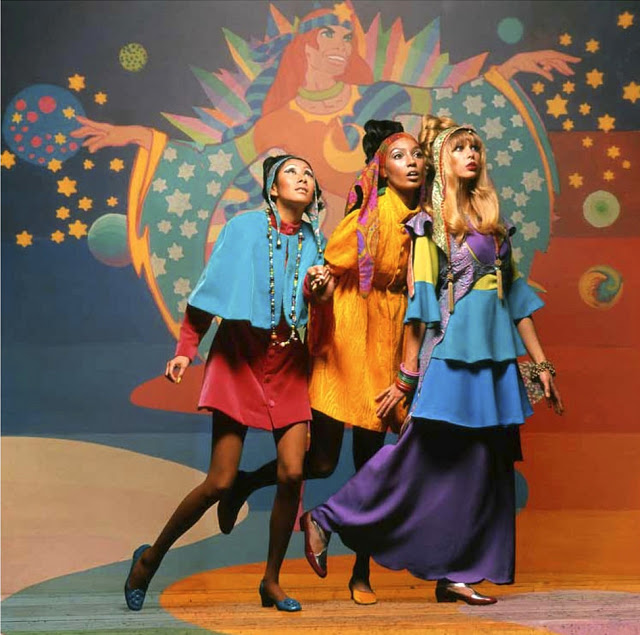
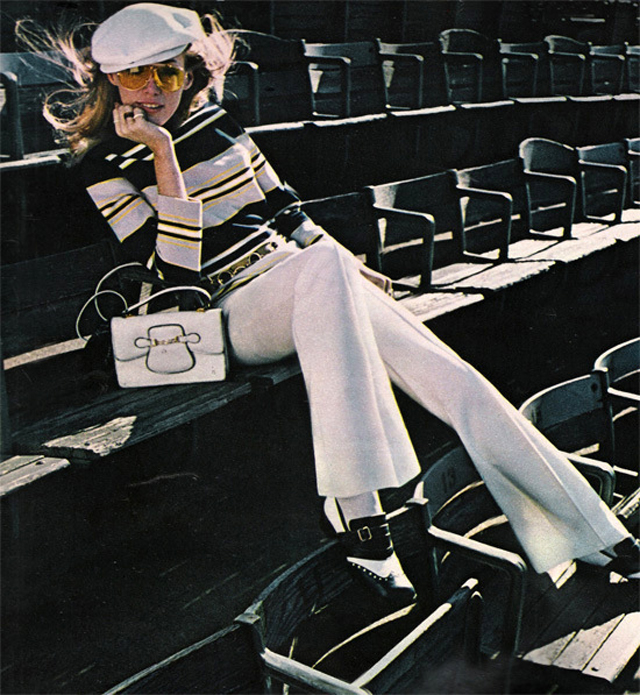
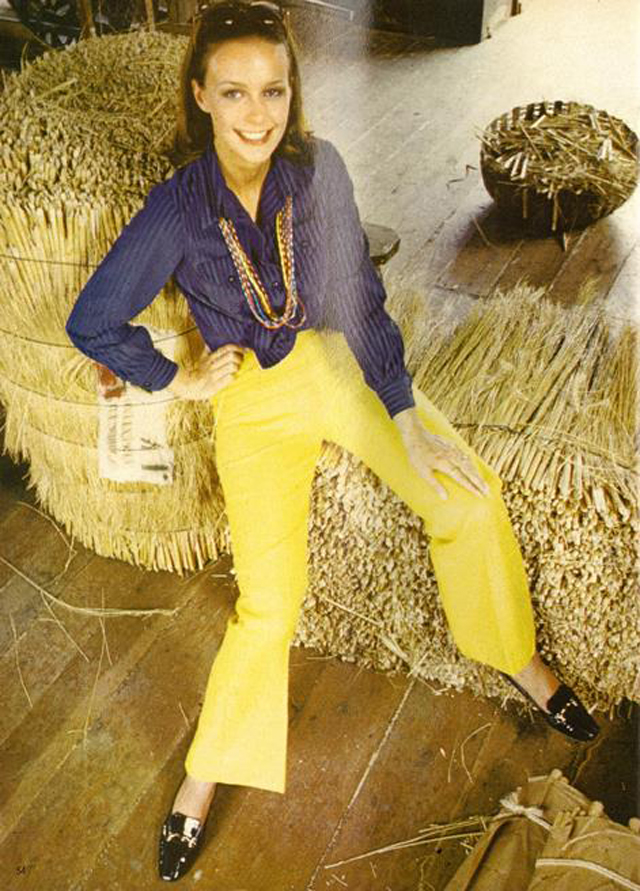
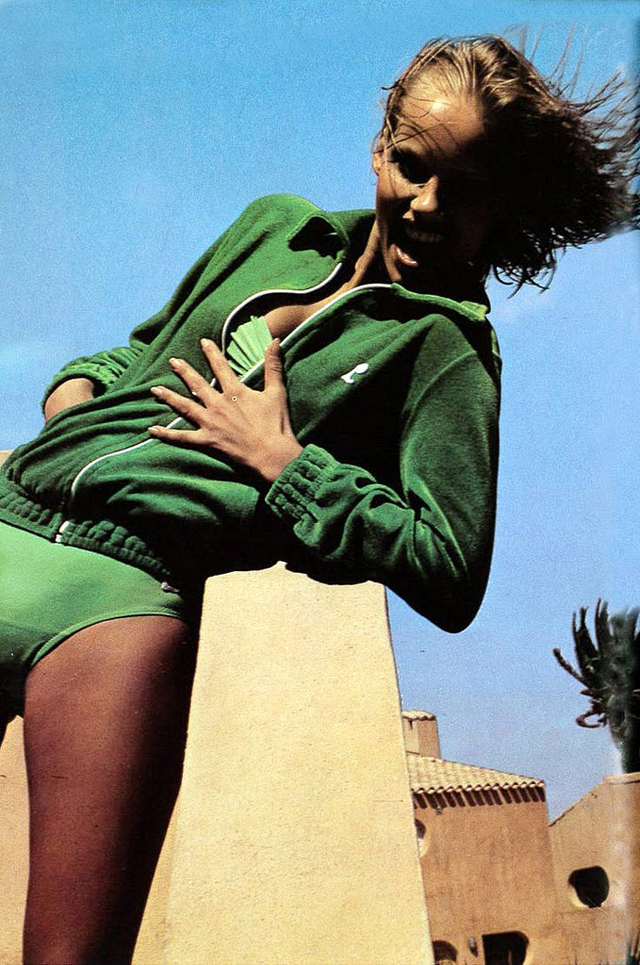
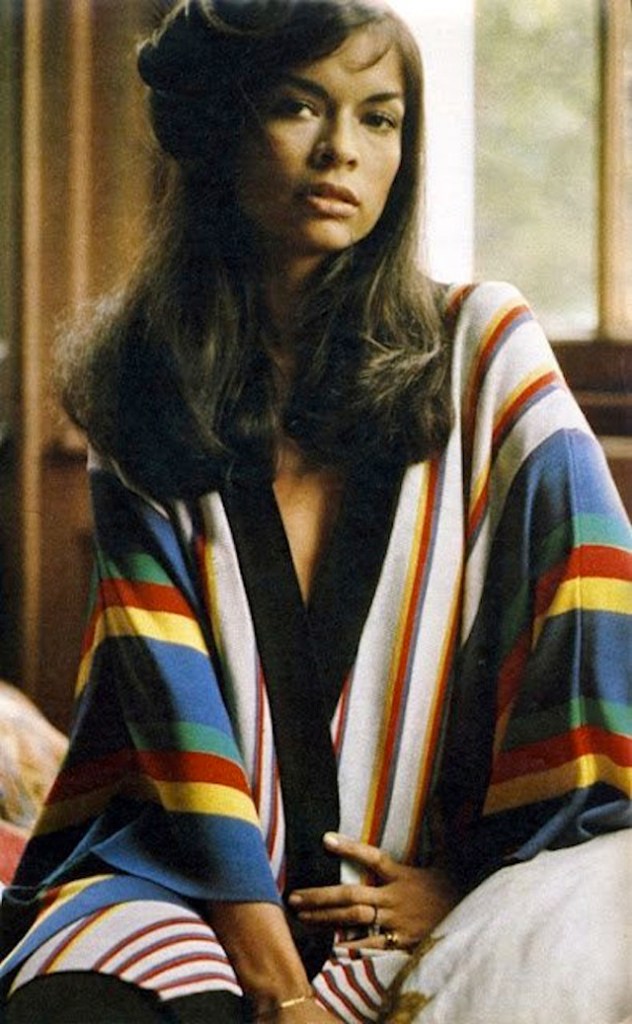
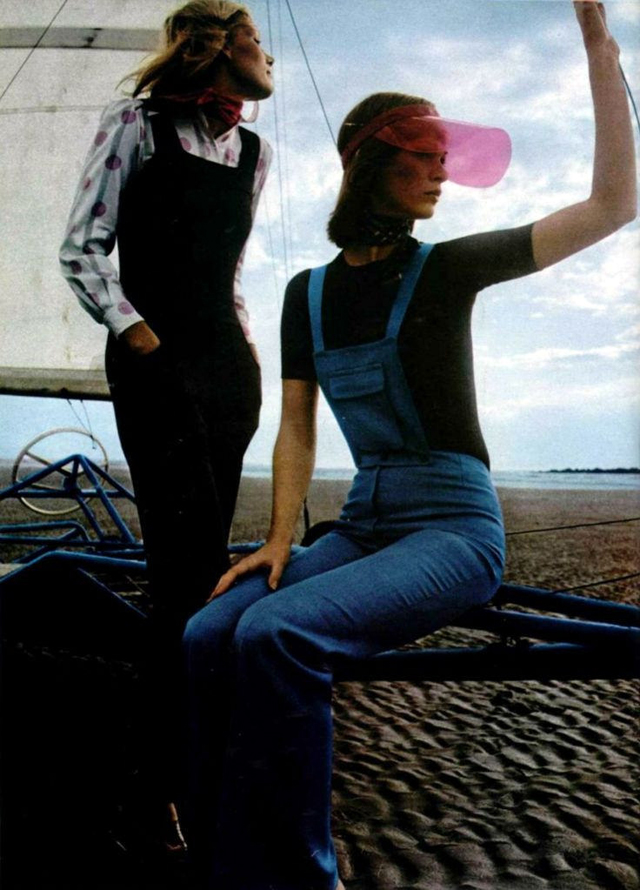
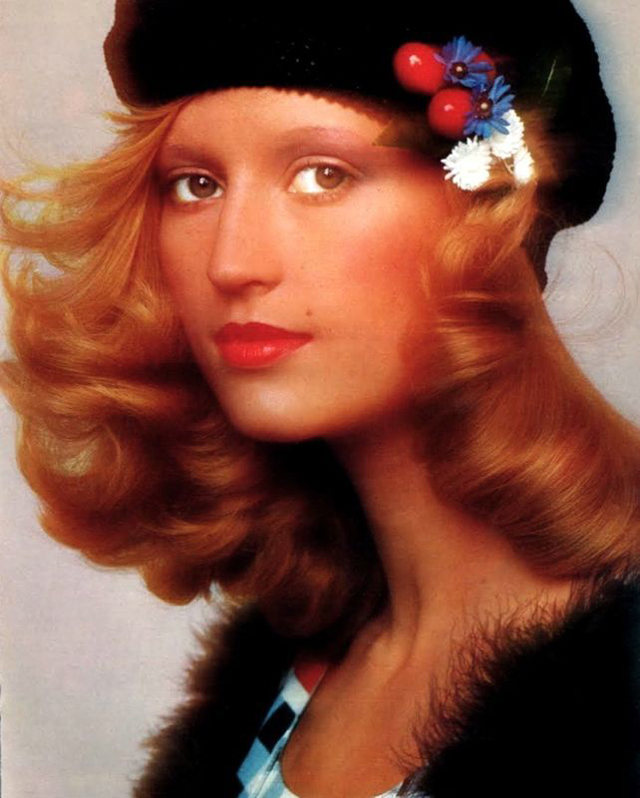
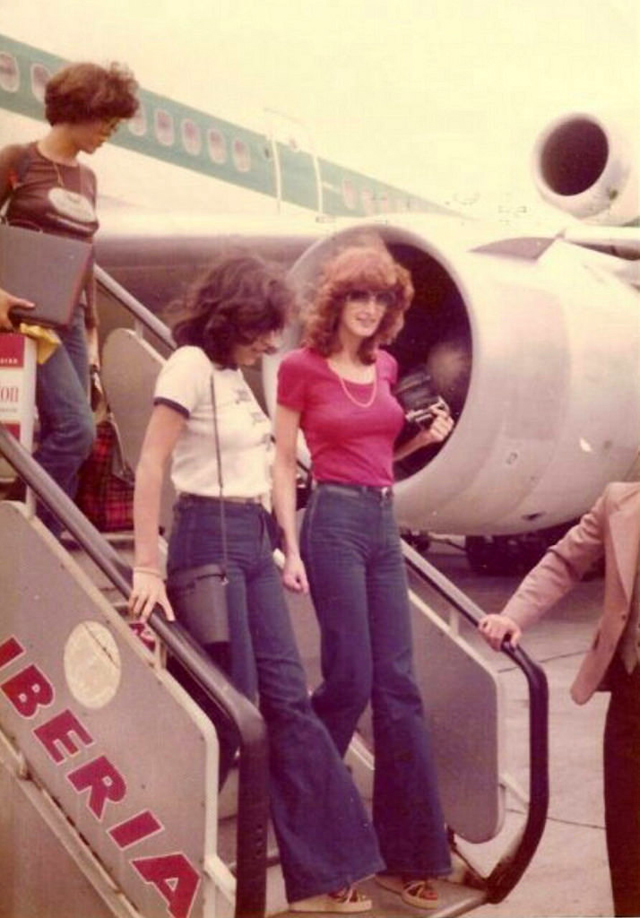
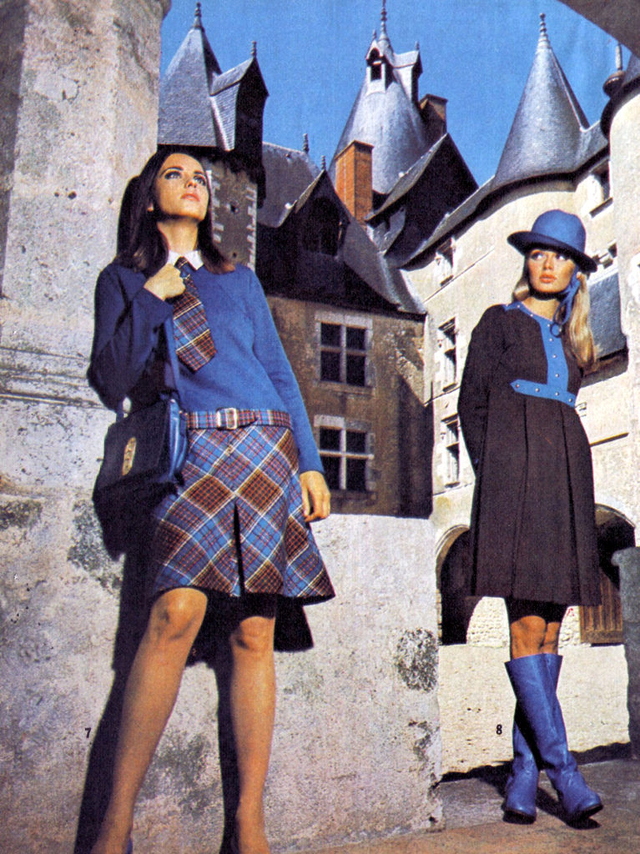
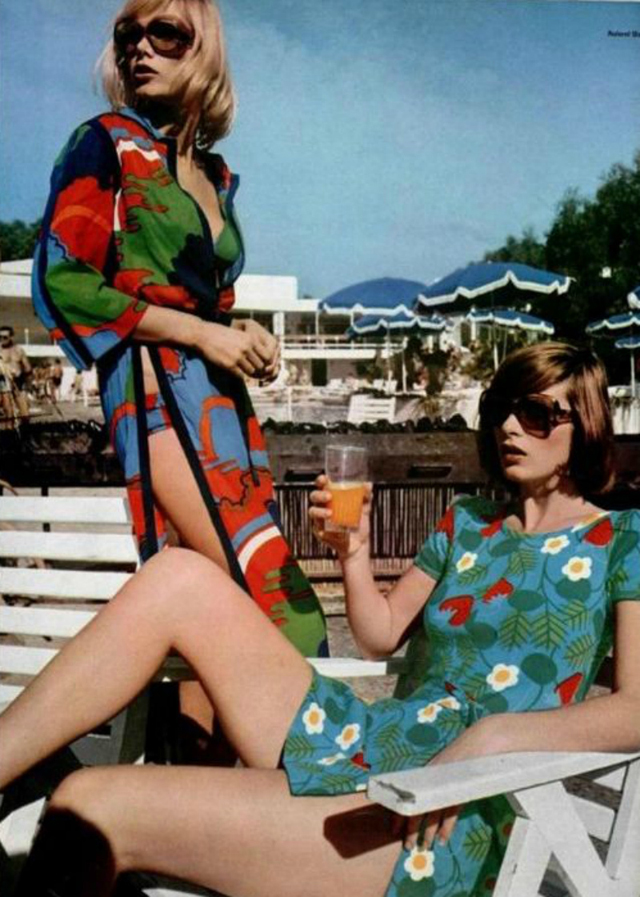
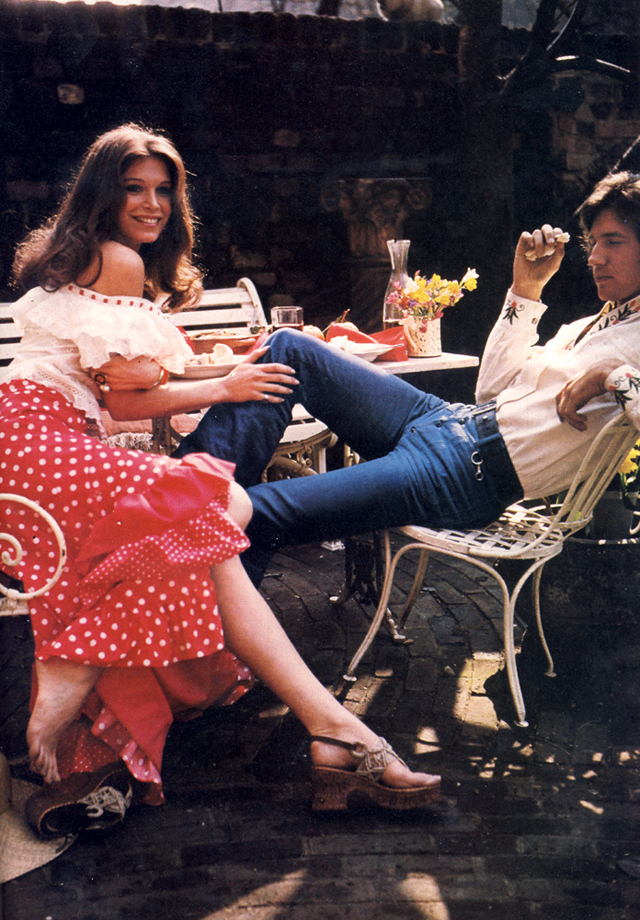
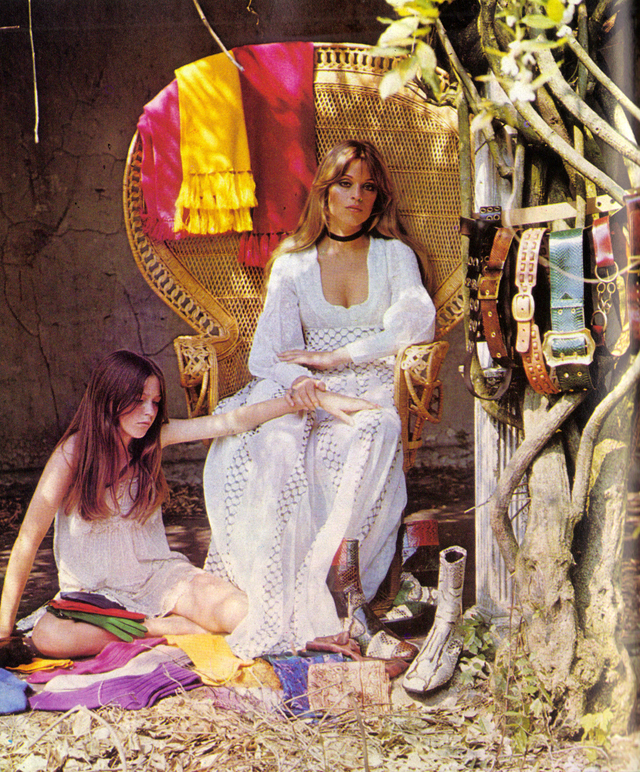
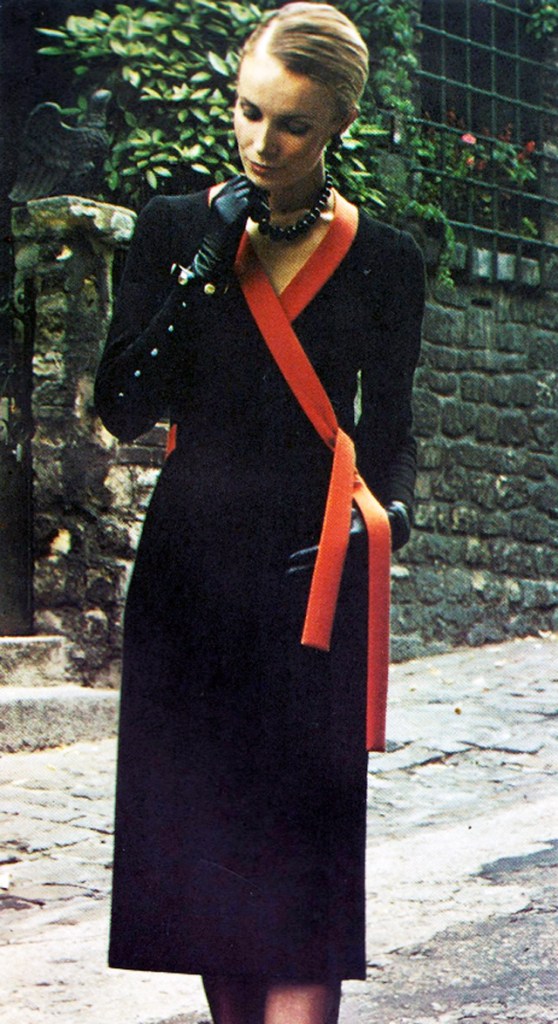
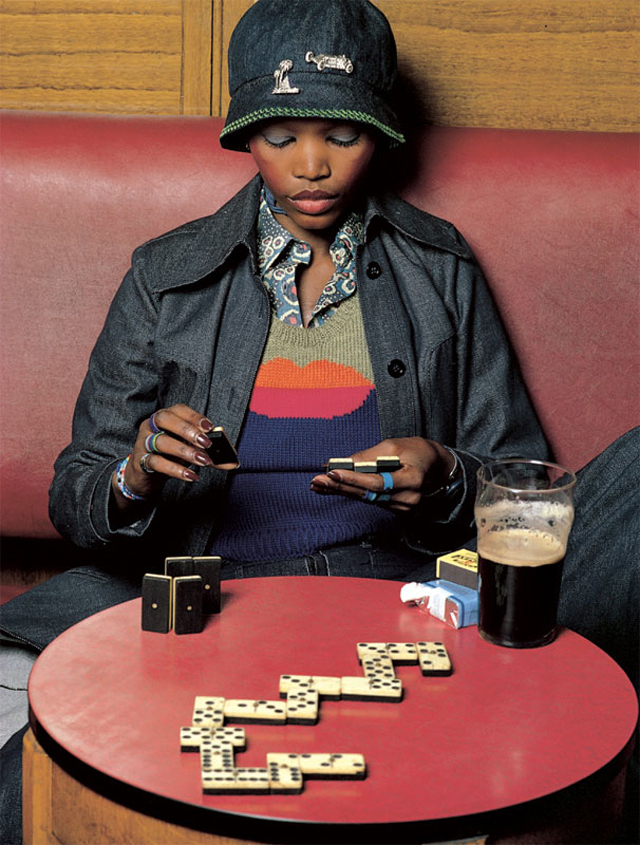
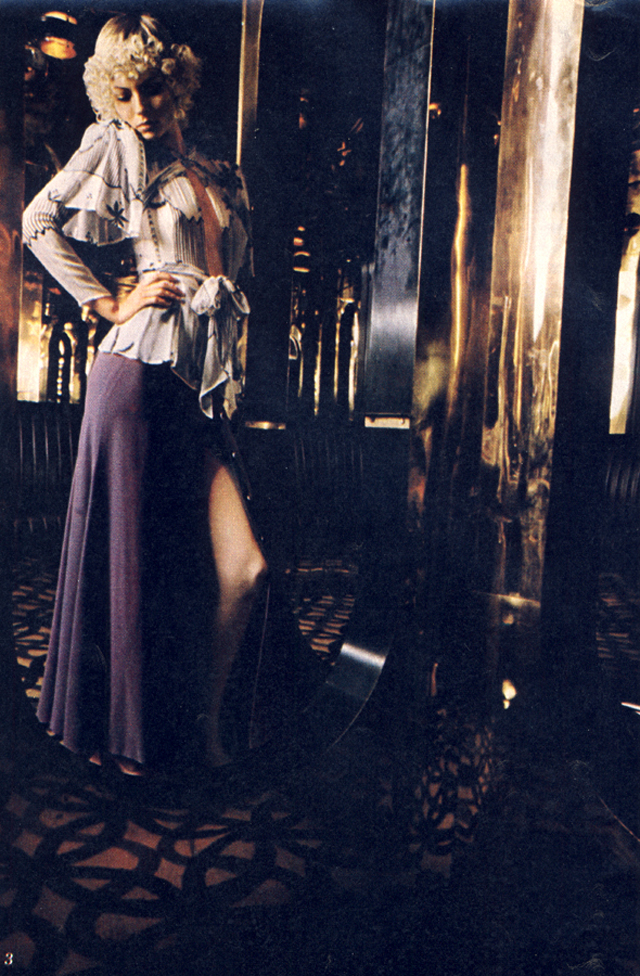
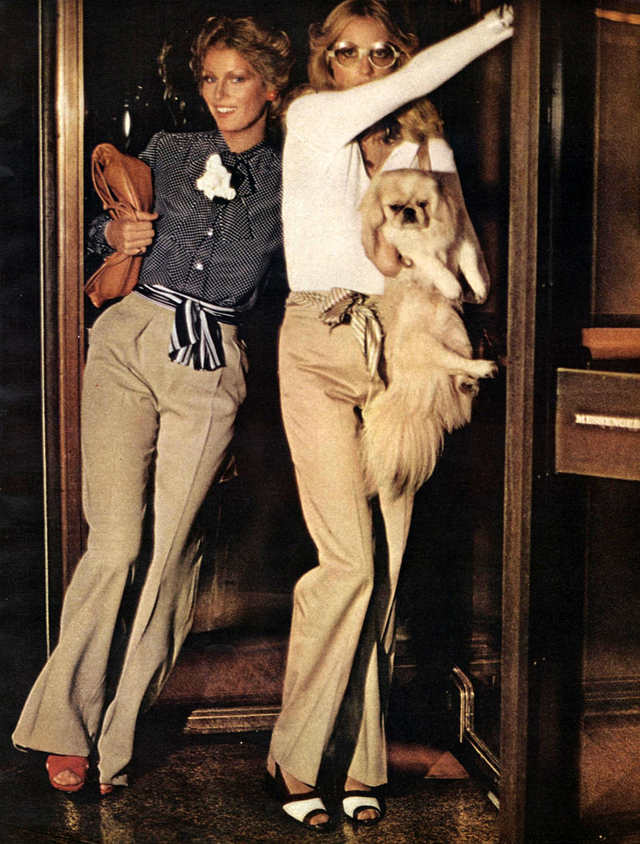
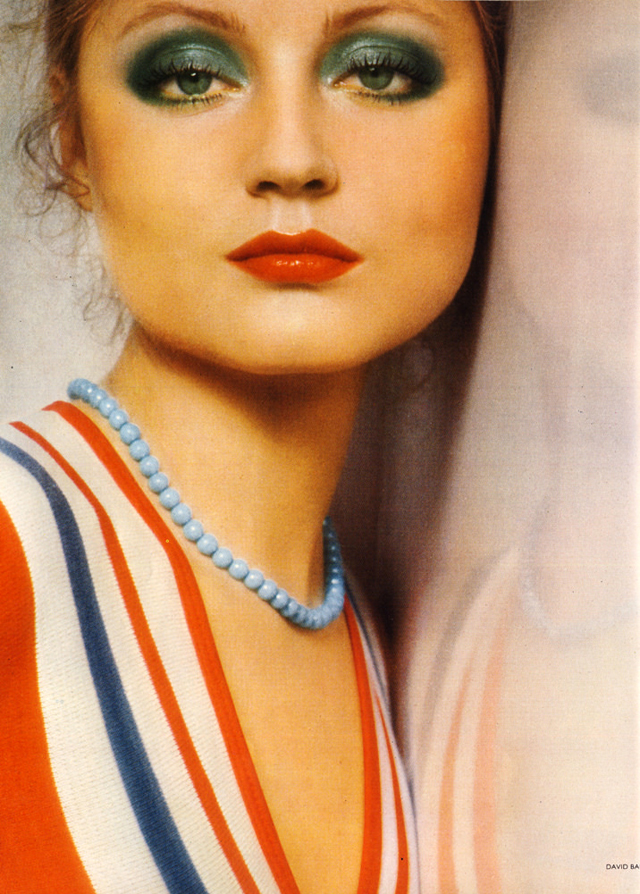
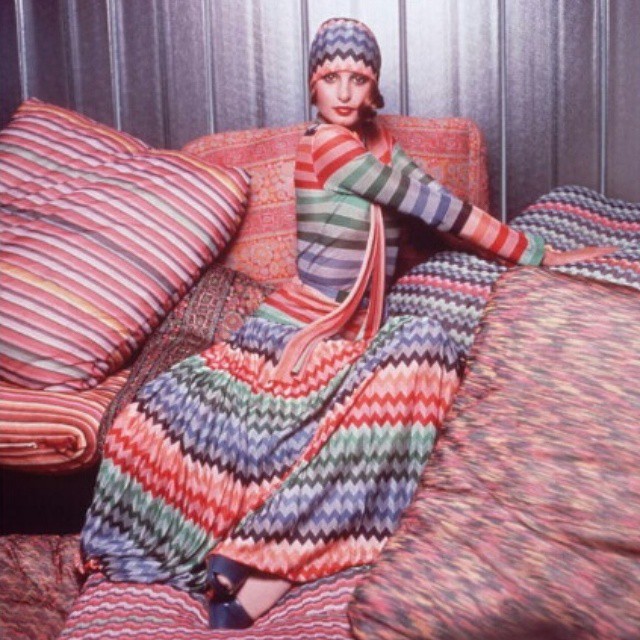
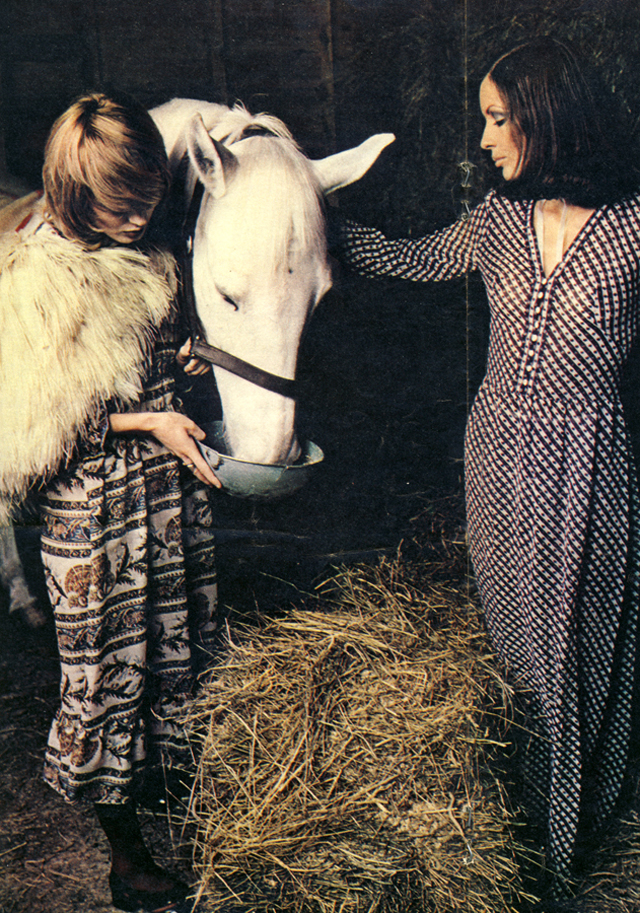
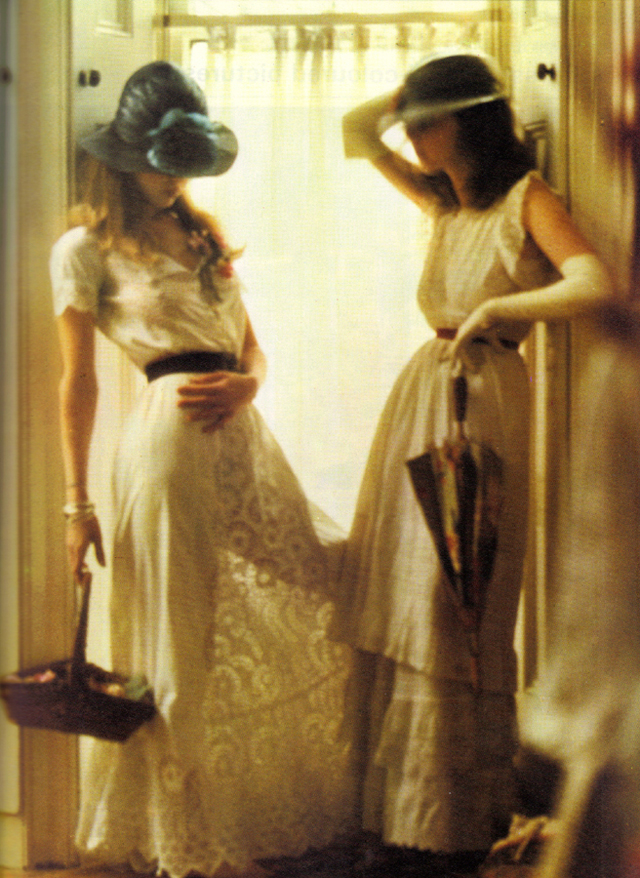
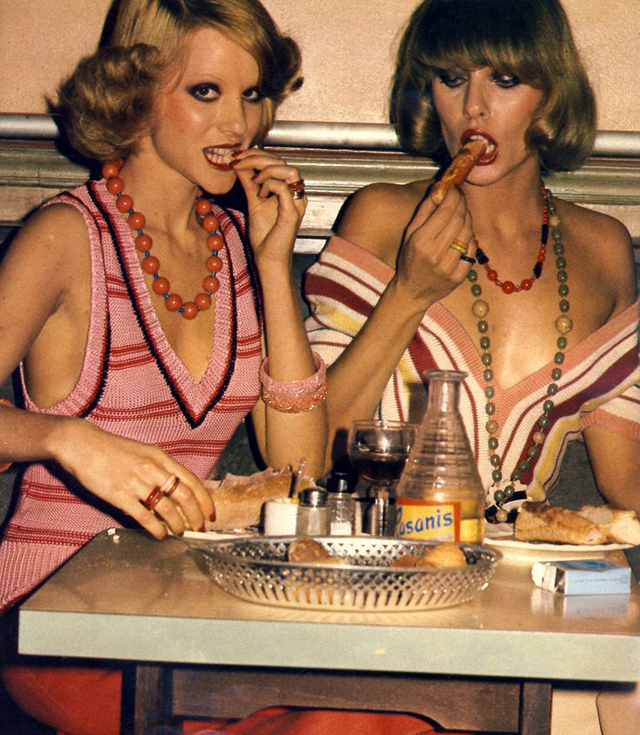
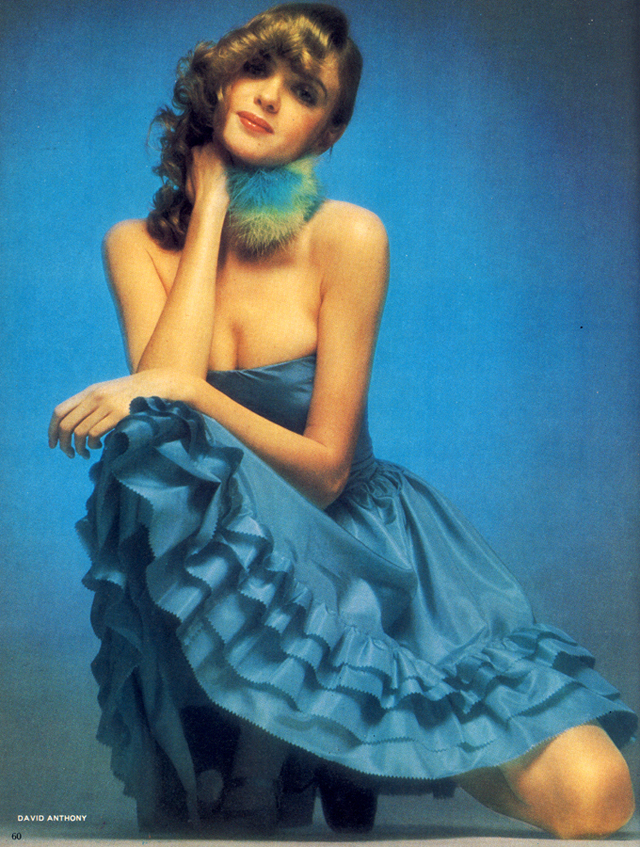
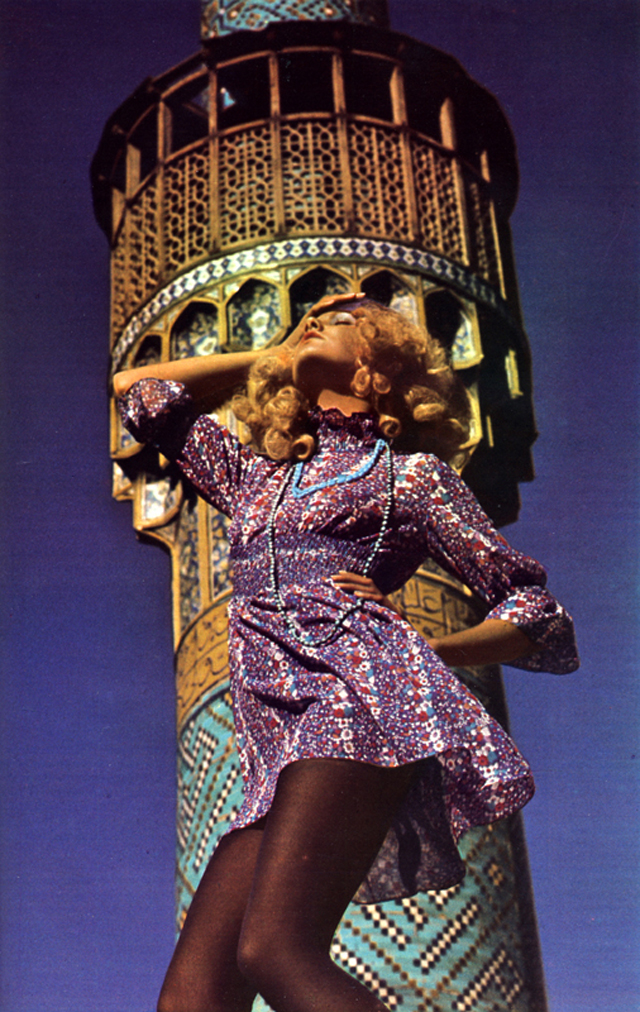
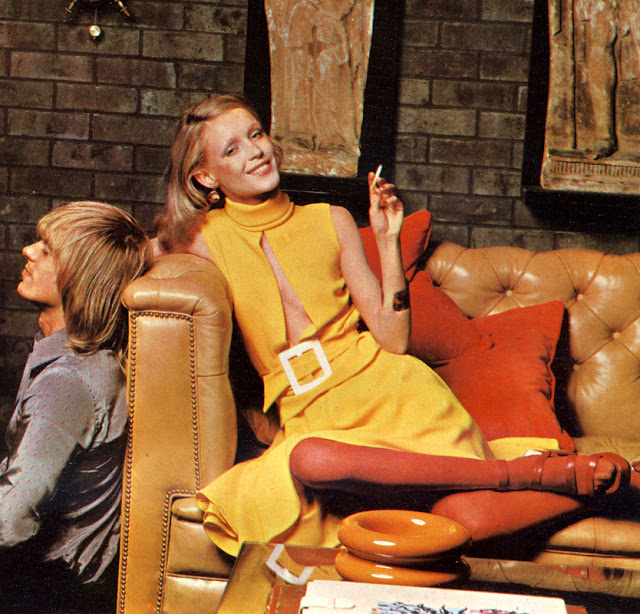
65 Beautiful Retro Photos Showing Women’s Fashion in the 1970s

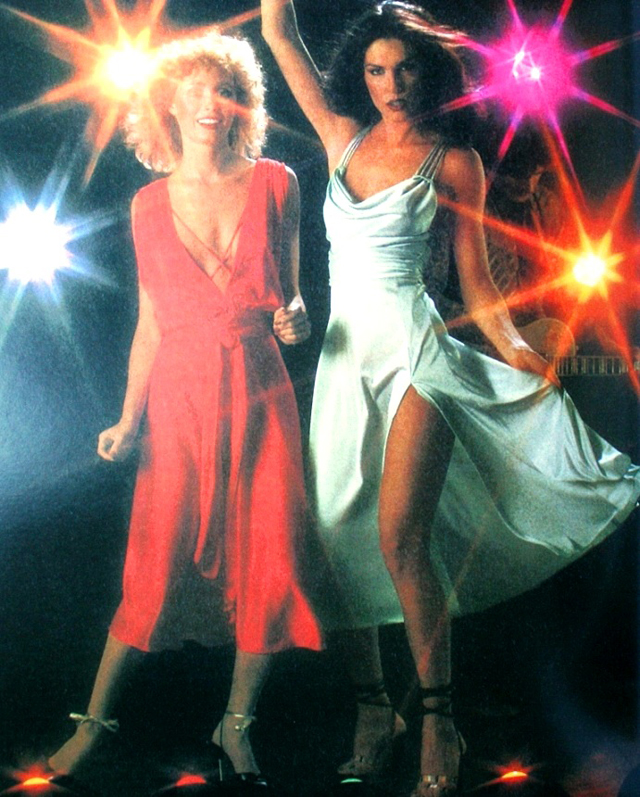
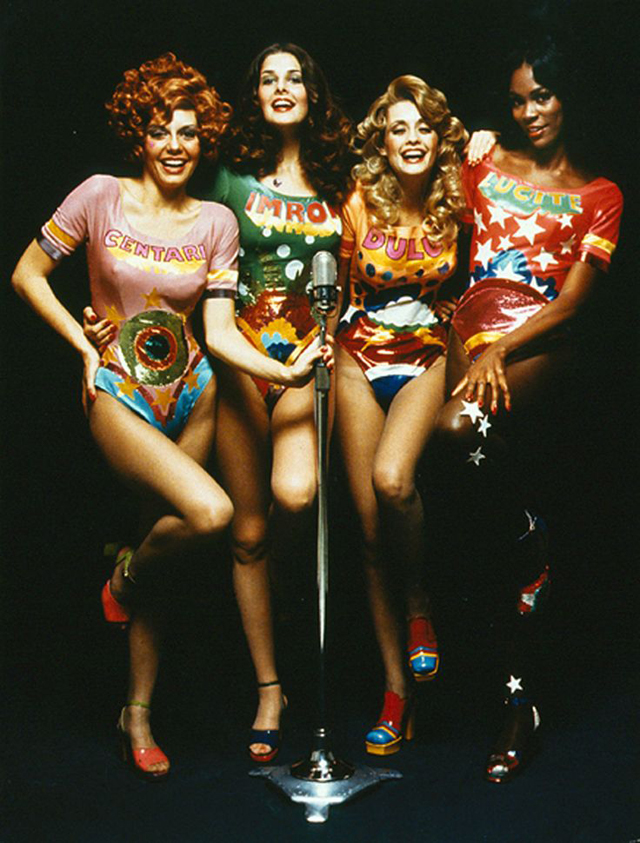
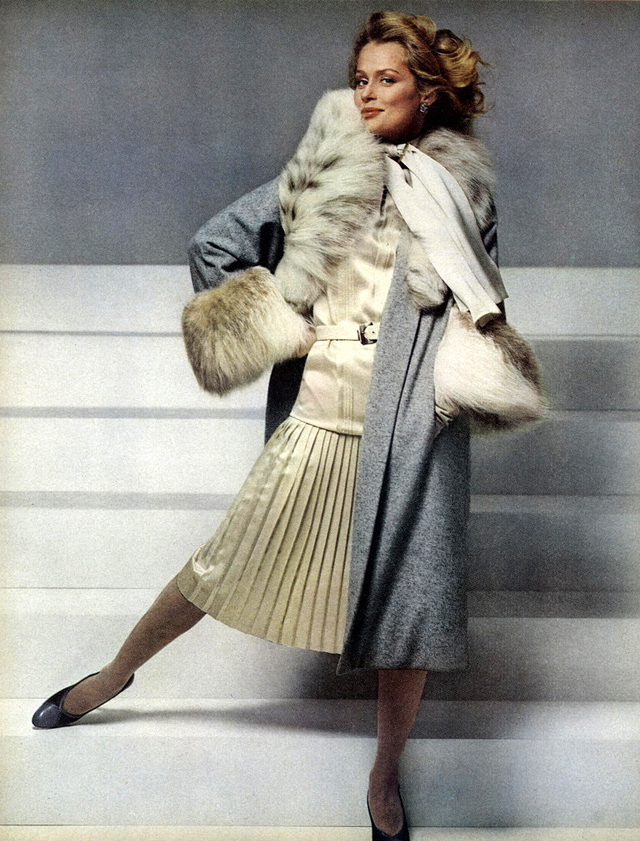
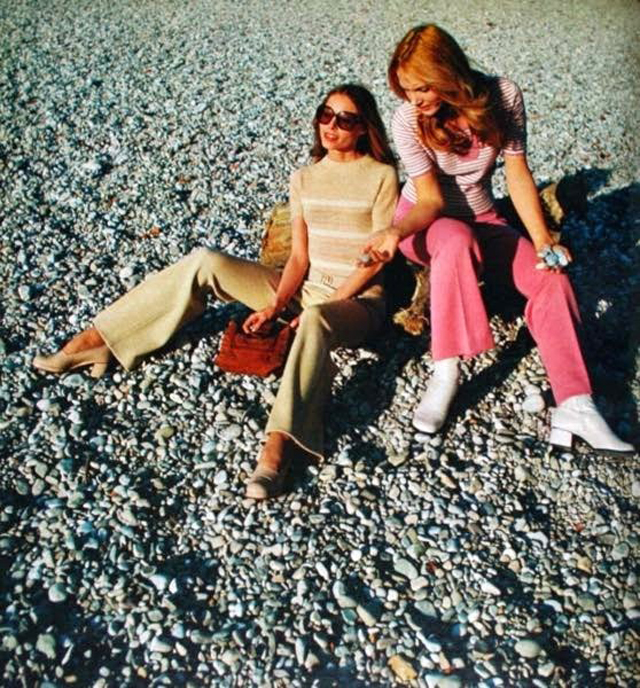
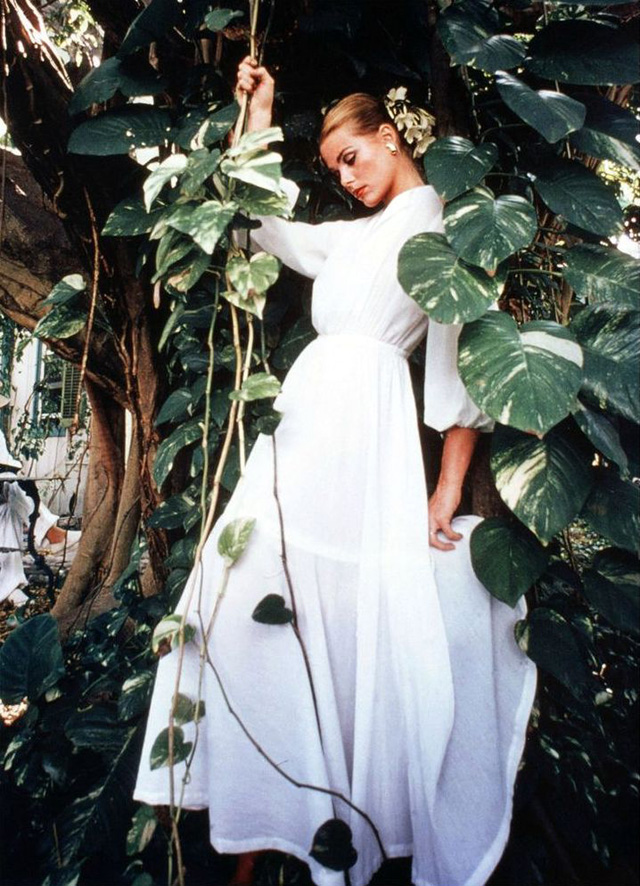
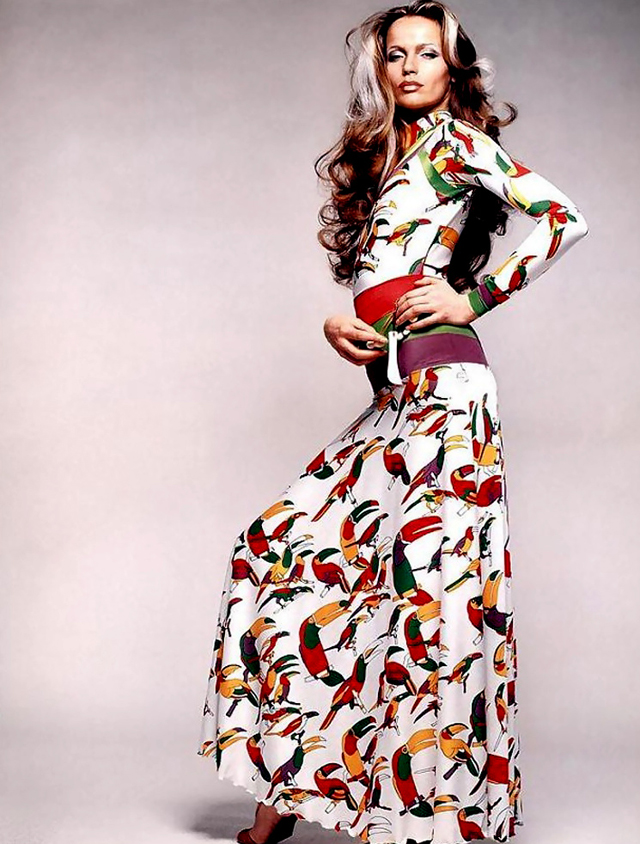
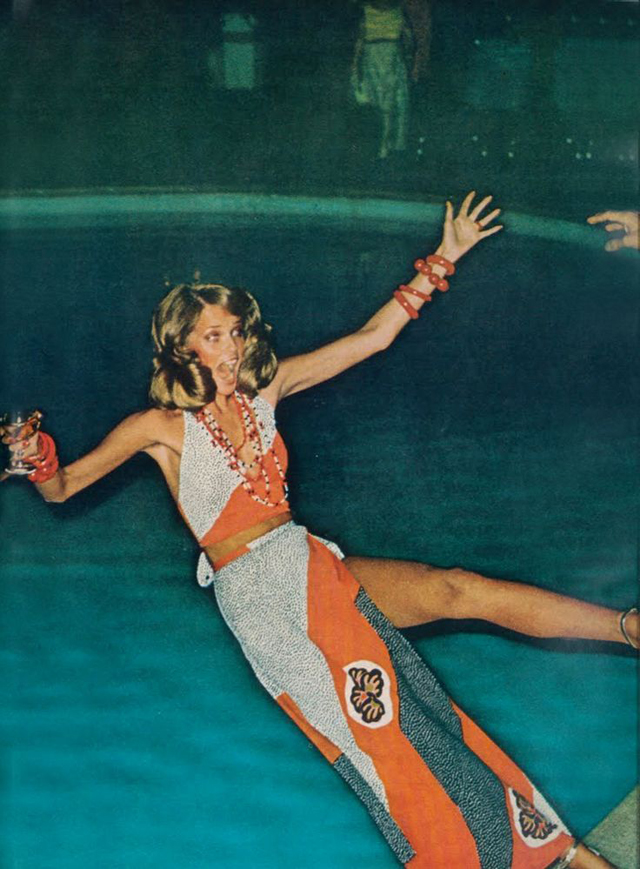
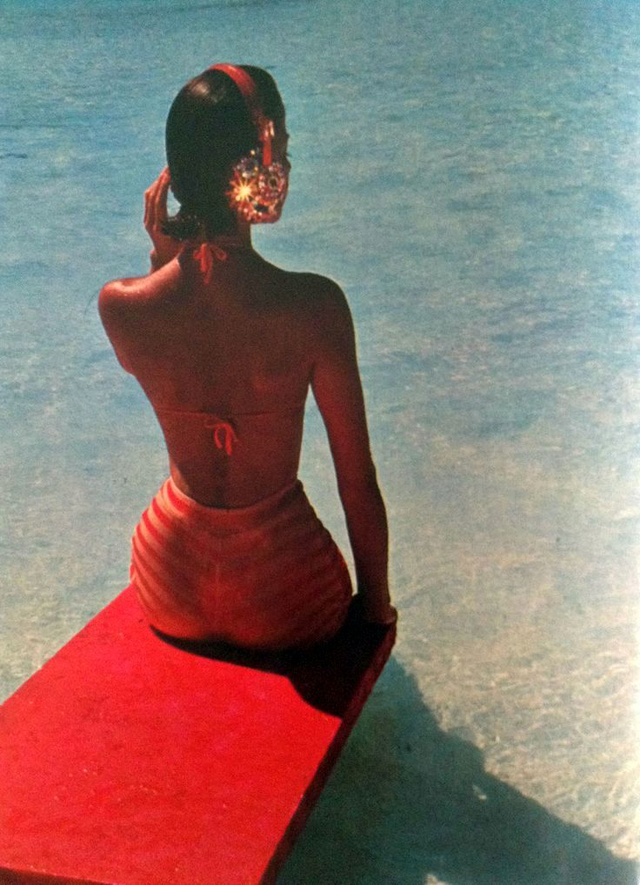
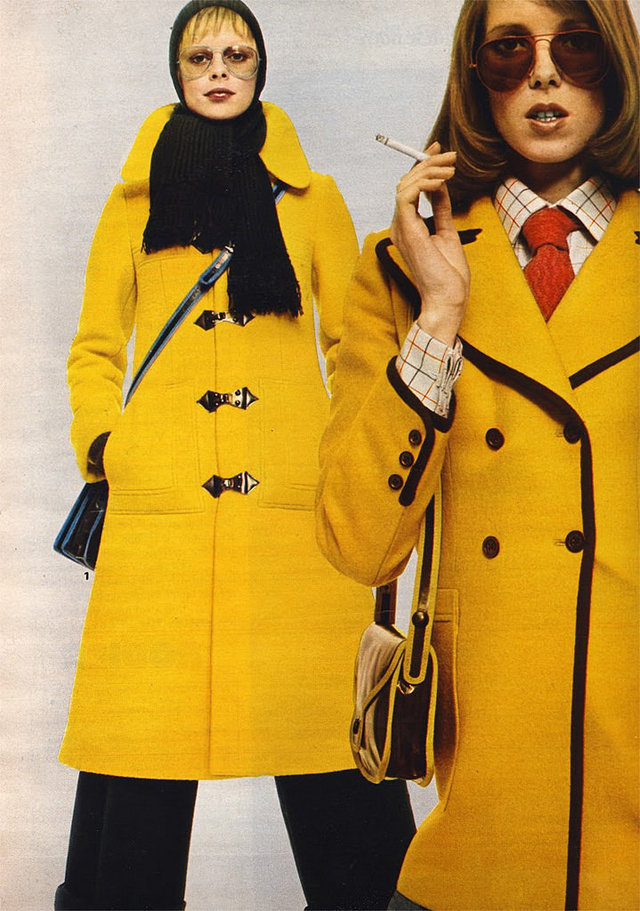
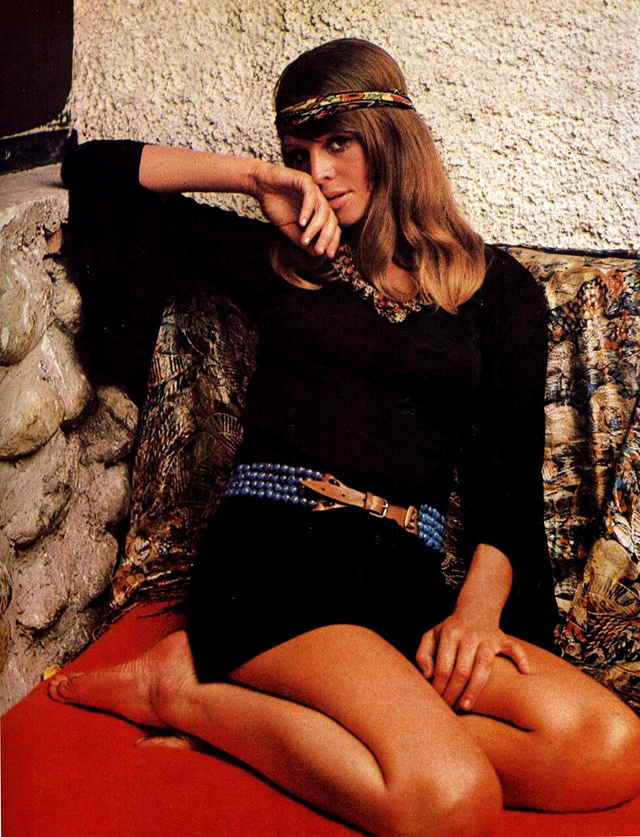
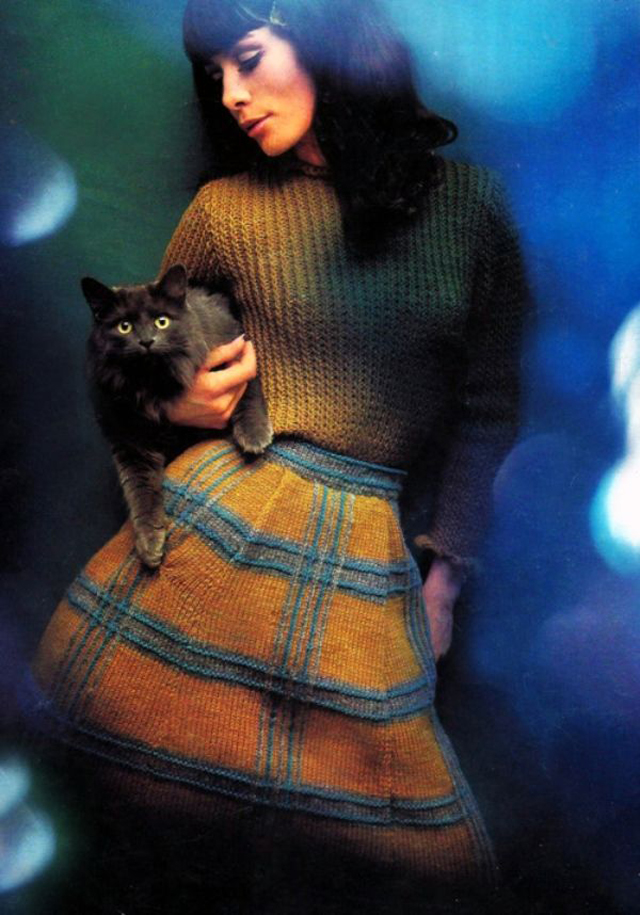
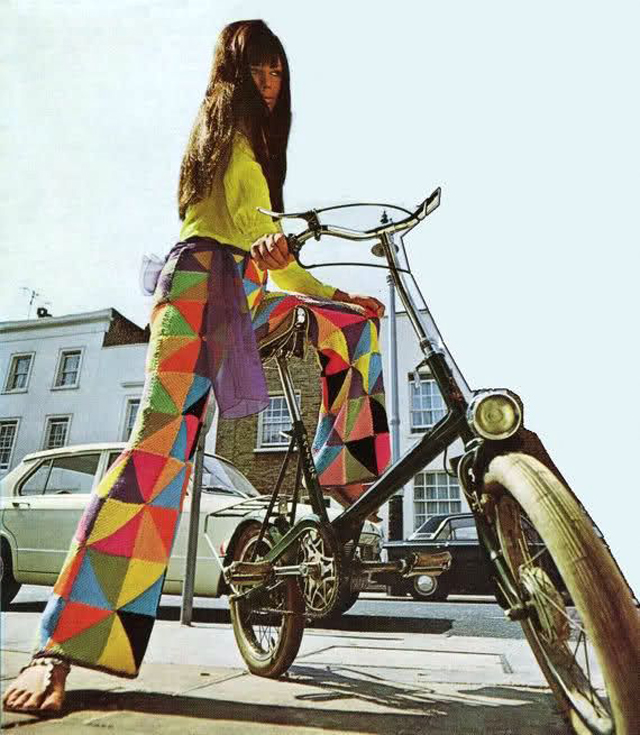
Fashion in the 1970s was about individuality. In the early 1970s, Vogue proclaimed “There are no rules in the fashion game now” due to overproduction flooding the market with cheap synthetic clothing. Common items included mini skirts, bell-bottoms popularized by hippies, vintage clothing from the 1950s and earlier, and the androgynous glam rock and disco styles that introduced platform shoes, bright colors, glitter, and satin.

New technologies brought advances in production through mass production, higher efficiency, generating higher standards and uniformity. Generally the most famous silhouette of the mid and late 1970s for both genders was that of tight on top and loose on bottom. The 1970s also saw the birth of the indifferent, anti-conformist casual chic approach to fashion, which consisted of sweaters, T-shirts, jeans and sneakers. The French designer Yves Saint Laurent and the American designer Halston both observed and embraced the changes that were happening in the society, especially the huge growth of women’s rights and the youth counterculture. They successfully adapted their design aesthetics to accommodate the changes that the market was aiming for.

Top fashion models in the 1970s were Lauren Hutton, Margaux Hemingway, Beverly Johnson, Gia Carangi, Janice Dickinson, Cheryl Tiegs, Jerry Hall, and Iman. (Wikipedia)
Pictures of the First Class Gyms on the Titanic and Cruise Liners From the Early 20th Century

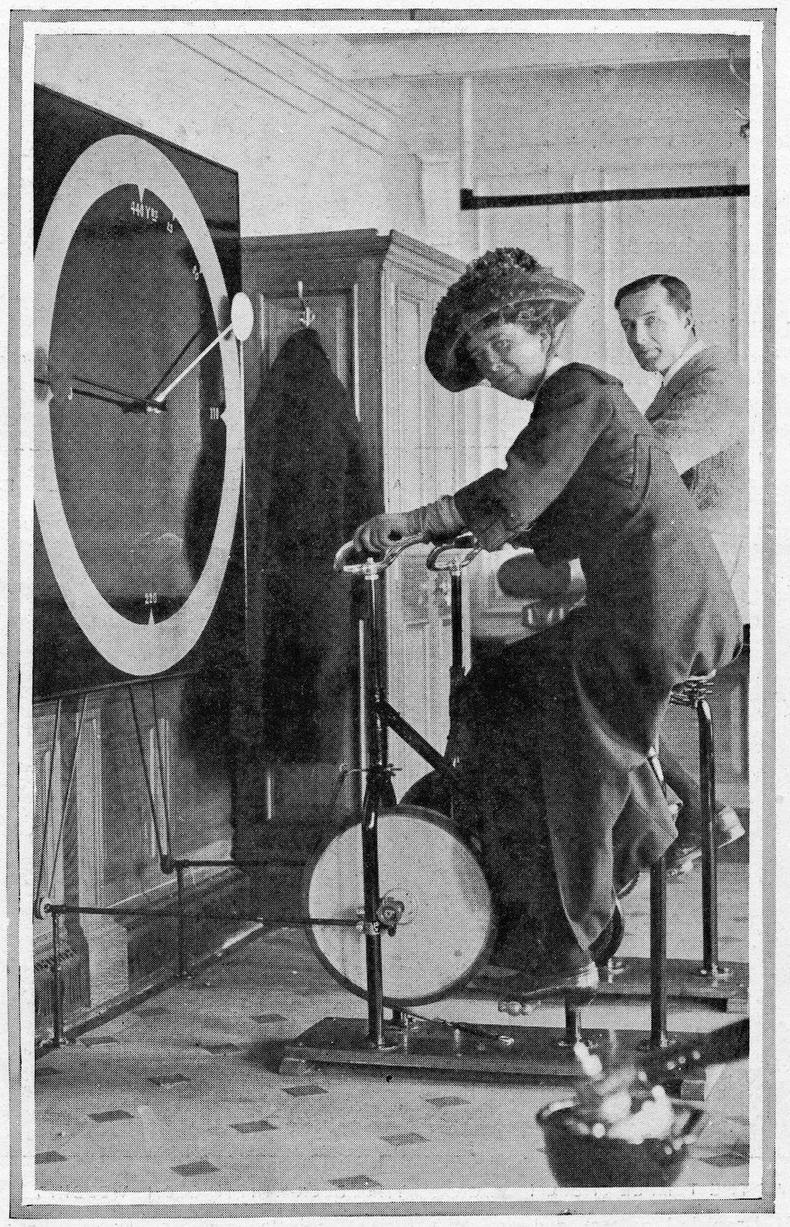
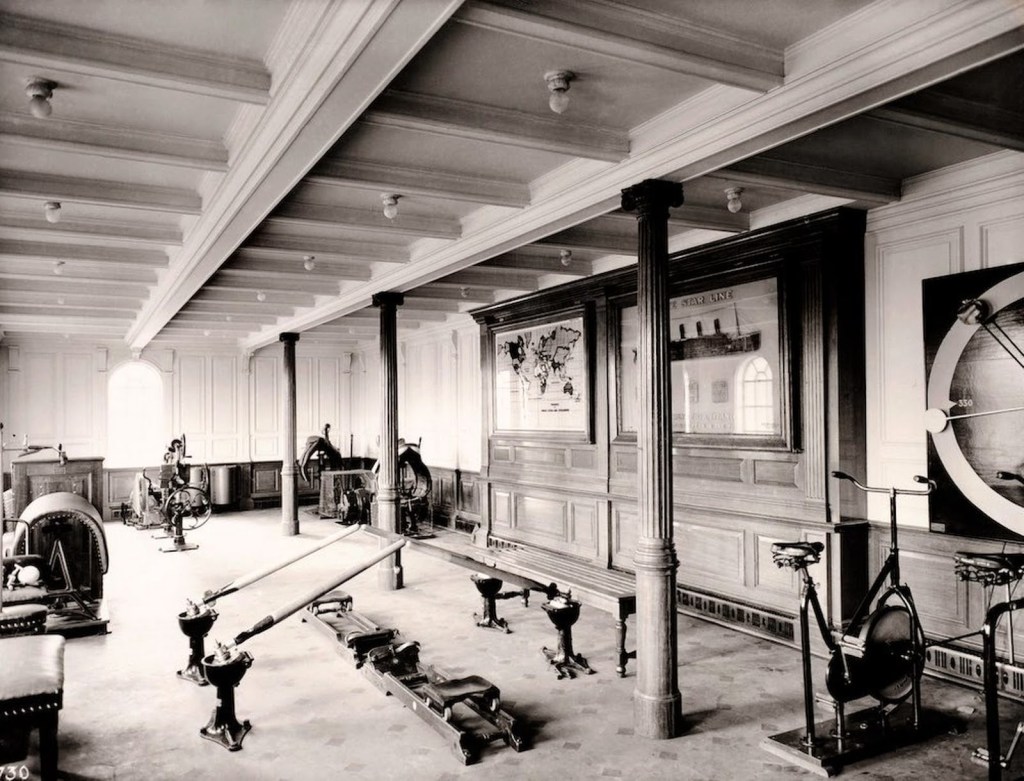
Titanic’s gymnasium was a wonderful innovation for an ocean-going liner. It had an electric camel, an electric horse, cycling machines and a rowing machine.

Tickets, priced one shilling, were available from the purser and entitled first class passengers to one session in this facility, under the watchful eye of the physical educator, Mr Thomas McCauley.

On the fateful night of 14/15 April 1912, McCauley, remained at his post in the gymnasium and went down with the ship.

RMS Titanic was a British passenger liner, operated by the White Star Line, which sank in the North Atlantic Ocean on 15 April 1912 after striking an iceberg during her maiden voyage from Southampton, UK, to New York City. Of the estimated 2,224 passengers and crew aboard, more than 1,500 died, which made the sinking possibly one of the deadliest for a single ship up to that time. It remains to this day the deadliest peacetime sinking of a superliner or cruise ship. The disaster drew much public attention, provided foundational material for the disaster film genre, and has inspired many artistic works.

RMS Titanic was the largest ship afloat at the time she entered service and the second of three Olympic-class ocean liners operated by the White Star Line. She was built by the Harland and Wolff shipyard in Belfast. Thomas Andrews, who was the chief naval architect of the shipyard at that time, died in the disaster.

Titanic was under the command of Captain Edward Smith, who went down with the ship. The ocean liner carried some of the wealthiest people in the world, as well as hundreds of emigrants from Great Britain and Ireland, Scandinavia and elsewhere throughout Europe, who were seeking a new life in the United States and Canada.

The first-class accommodation was designed to be the pinnacle of comfort and luxury, with a gymnasium, swimming pool, libraries, high-class restaurants, and opulent cabins. A high-powered radiotelegraph transmitter was available for sending passenger “marconigrams” and for the ship’s operational use. The Titanic had advanced safety features, such as watertight compartments and remotely activated watertight doors.

The ship was equipped with 16 lifeboat davits, each capable of lowering three lifeboats, for a total of 48 boats; the Titanic carried only 20 lifeboats, four of which were collapsible and proved hard to launch while the ship was sinking. Together, the 20 lifeboats were capable of holding 1,178 people—which was only about half the number of passengers on board, and only one-third of the number of passengers that the ship could have carried at full capacity (this was consistent with the maritime safety regulations of the era). In addition, when the ship sank, many of the lifeboats that had been lowered were only about half full. (Wikipedia)
Below is a collection of forgotten pictures of Titanic ship’s gym show how people worked out in the early 20th century.

March 1912. The first class gymnasium on board the Titanic. On the night of April 14, when the ship struck an iceberg, the physical instructor Mr. T. W. McCauley remained at his post and went down with the ship.
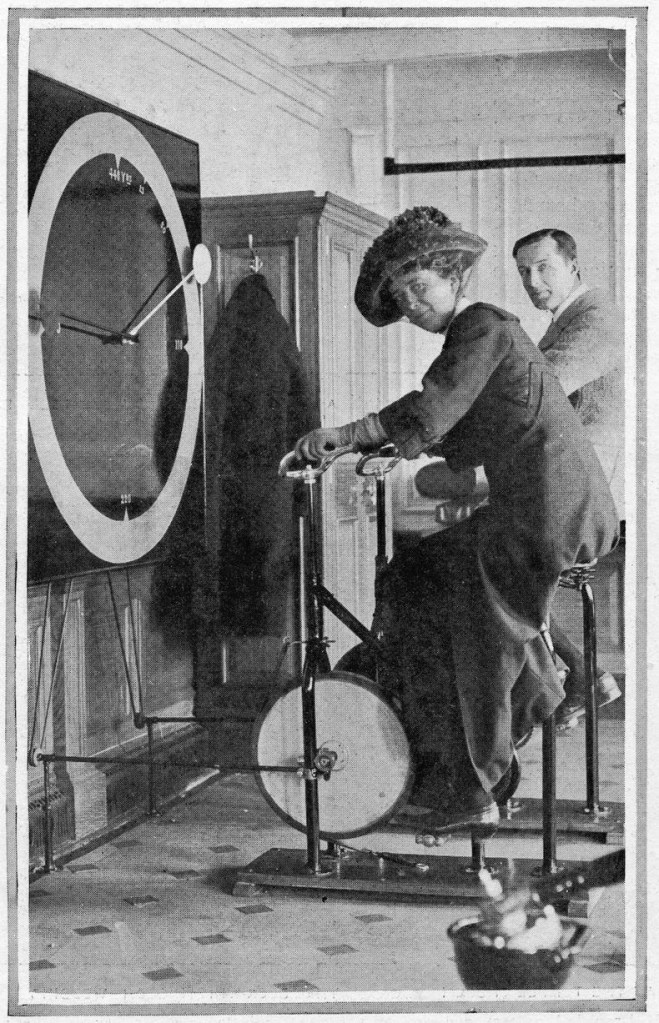
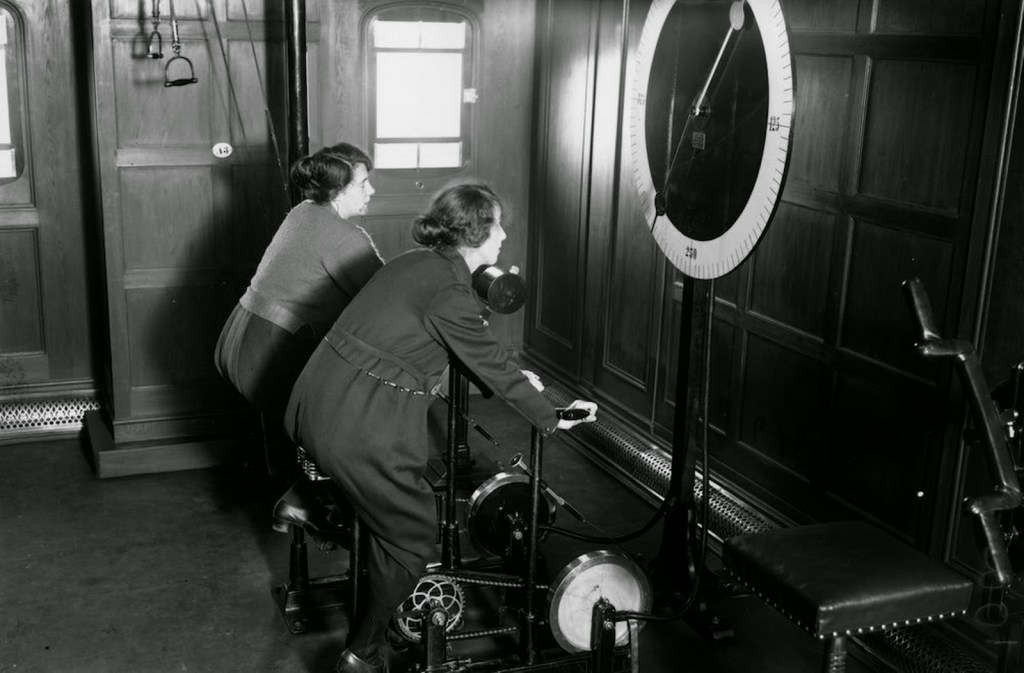
Passengers using “cycle racing machines” in the Titanic’s gymnasium. March 1912.
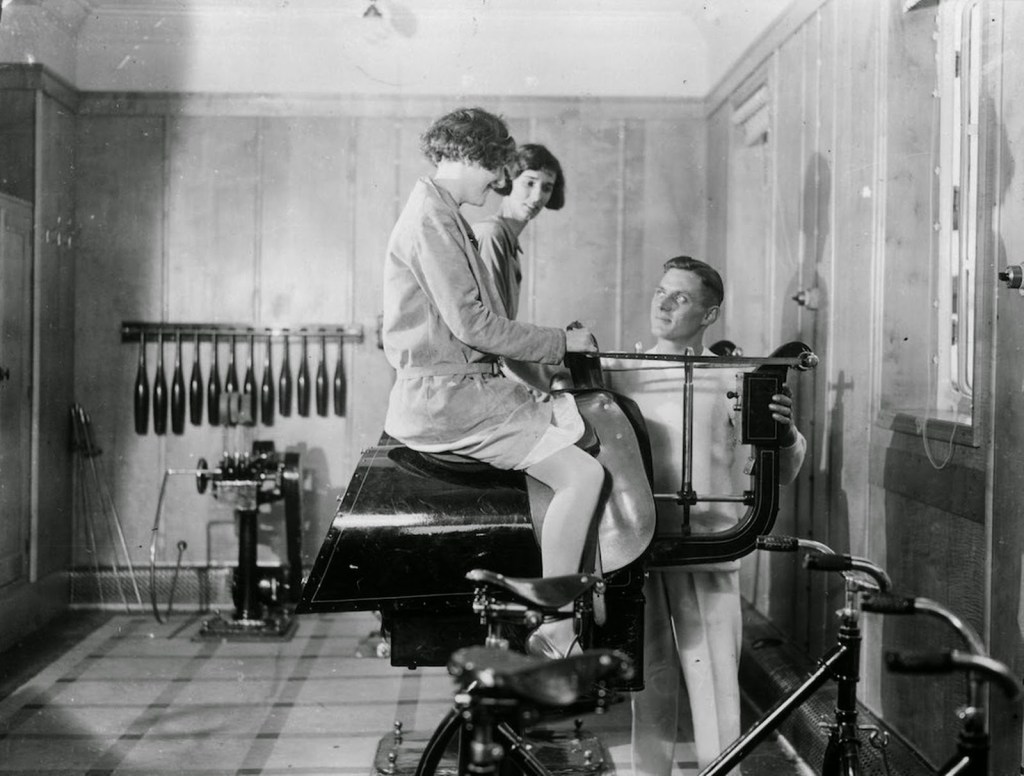
The gymnasium on the Titanic. Passengers could ride on a mechanical saddle or exercise “as if in a racing skiff.” 1912
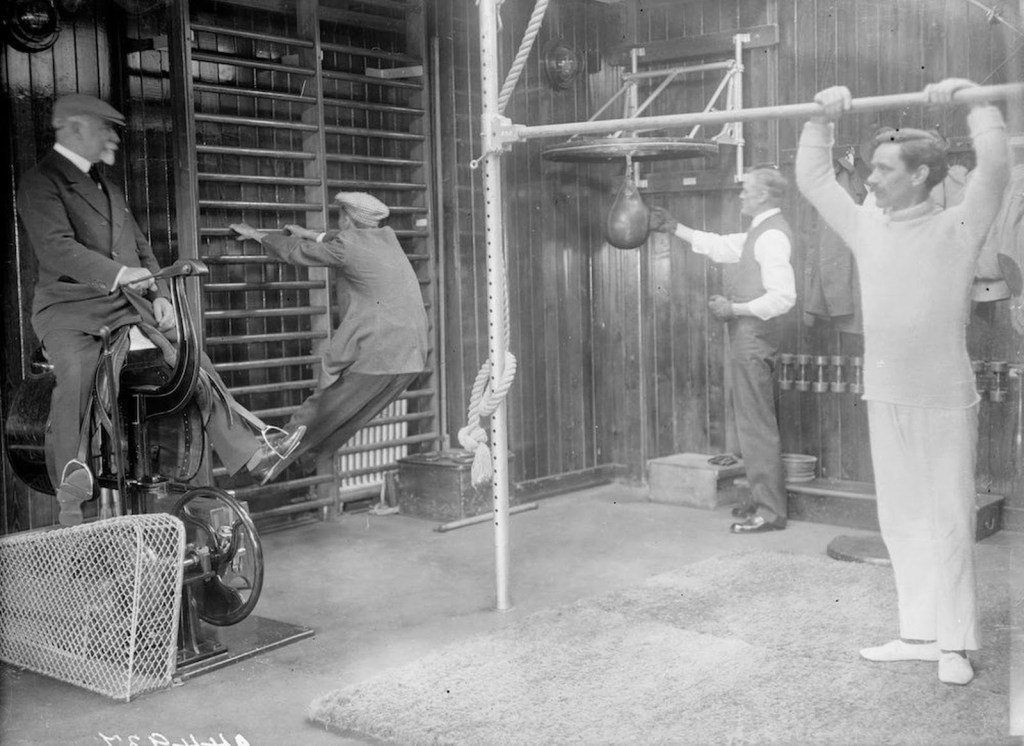
Passengers working out in the gym of the Cunard cruise liner Franconia, which was destroyed by a U-boat in 1916. Amongst the equipment is a punchbag and an early cycling machine.
Feb. 21, 1911. Edwardians riding exercise bikes whilst wearing day clothes in a gymnasium on board the Cunard line liner, RMS Franconia.
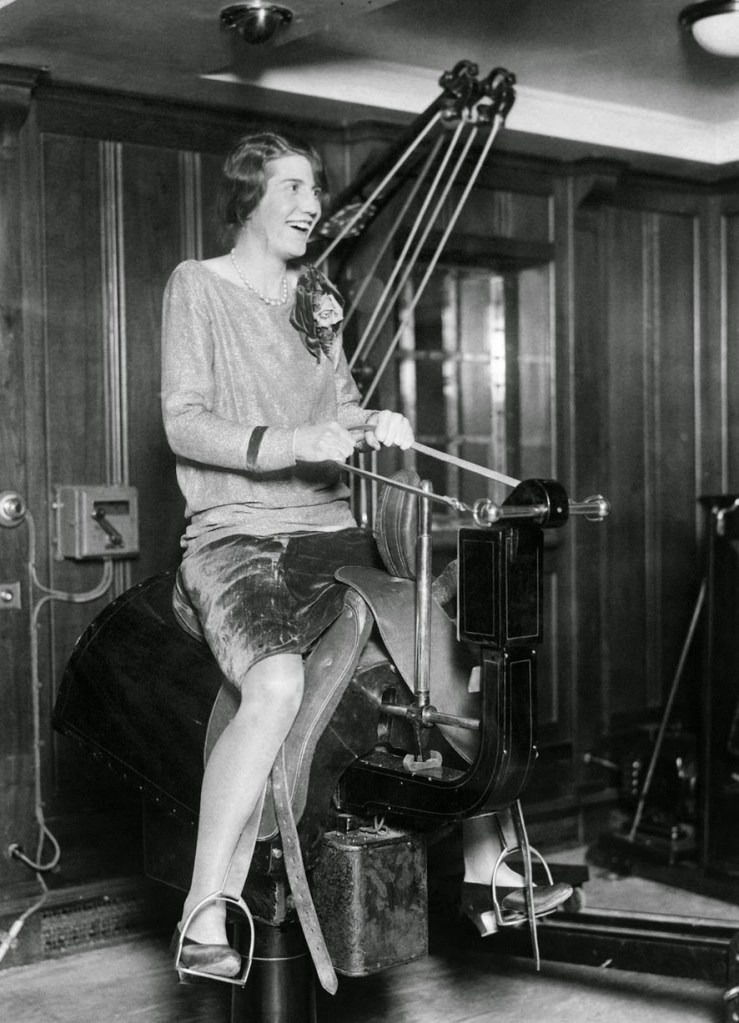
Mid 1920s. A young woman passenger riding the electric horse in the gym on the liner SS Bermuda.
Two women using the cycle machine in the gym on board the Homeric Liner, taken over from the Germans by White Star. 1922.
The gym on the Victoria Motorship. 1930
Gym of the Neptunia Transatlantic Liner. 1930
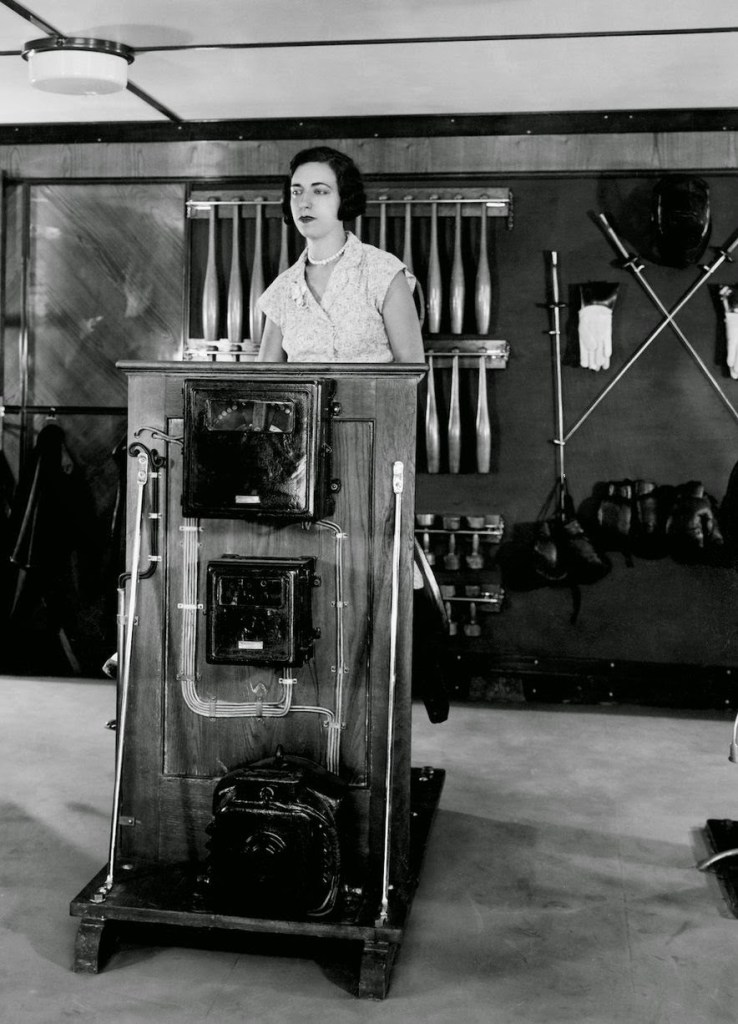
A woman using an apparatus in the gymnasium of the ocean liner S.S. Bremen. 1930s
On the Victoria Motorship.1930
The gym of the Victoria Transatlantic. 1930
The first class gym on the Liner Vulcania. 1930
Passengers on the Canadian Pacific liner Duchess of Bedford keep fit in the ship’s gymnasium. Dec.1931.
Passengers on the Canadian Pacific liner Duchess of Bedford keep fit in the ship’s gymnasium, with the help of a riding machine. 1931
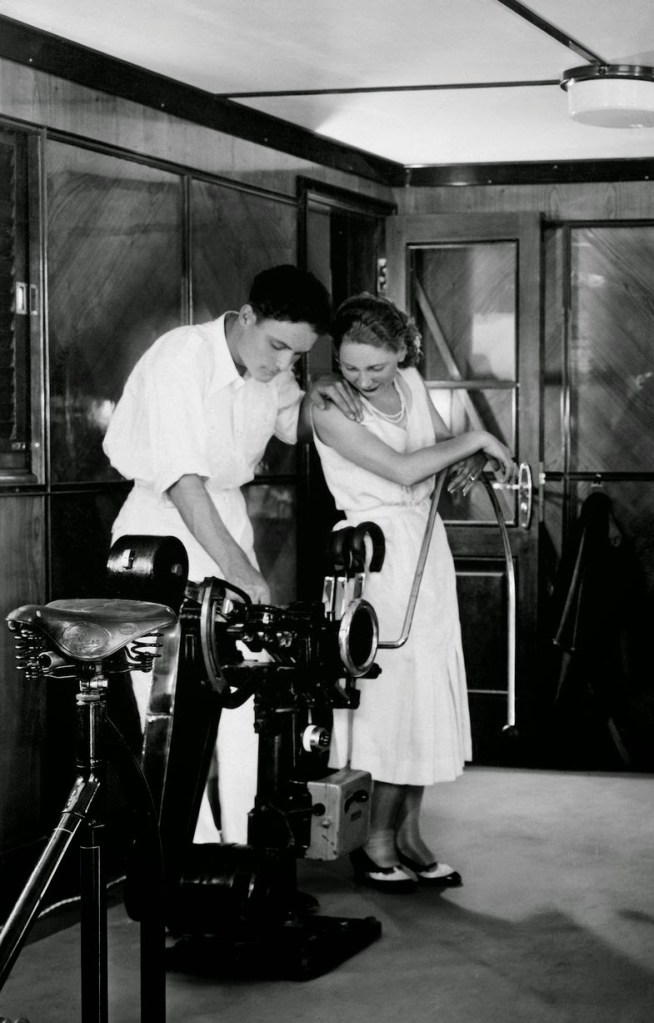
At the time of the installation of the English liner Queen Mary, workmen in the gymnasium of the ship are setting up exercise bikes, with an enormous meter indicating the distance covered. 1932

via National Museums Northern Ireland

Short But Tragic Life With Gangster: 45 Photos of Frances Shea, First Wife of East End Gangster Reggie Kray in the 1960s

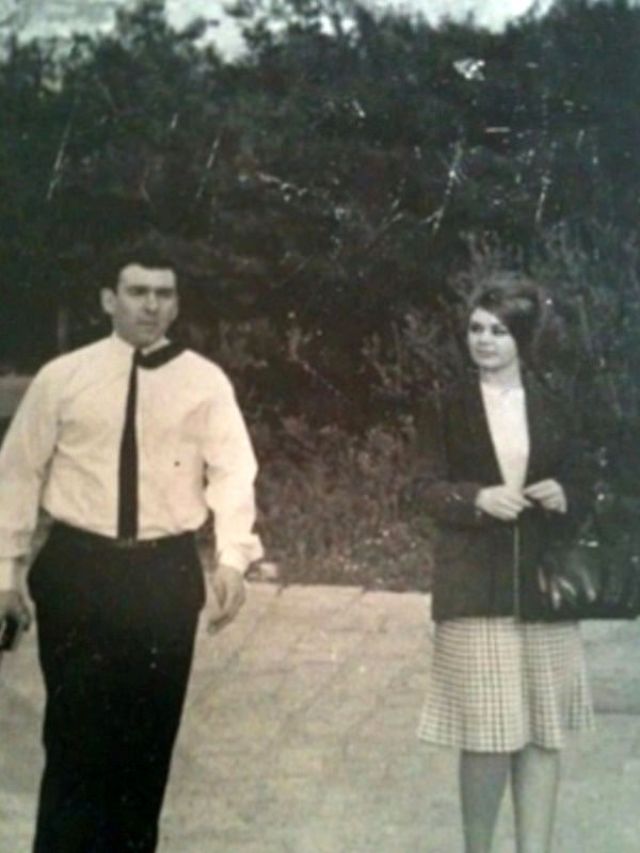
Born 1943 in Ormsby Street, Bethnal Green, East London, of Irish descent, Frances Shea was the beautiful, but doomed, first wife of Reggie Kray, one half of the infamous British gangster twins The Krays. Her father, Frank, had run the gambling at the Regency Club in Stoke Newington, which is how she came to the attention of the Kray twins.

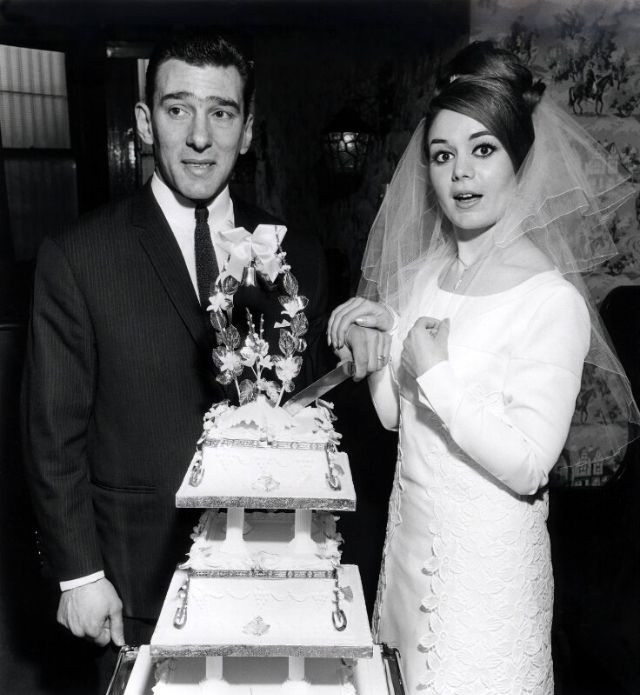
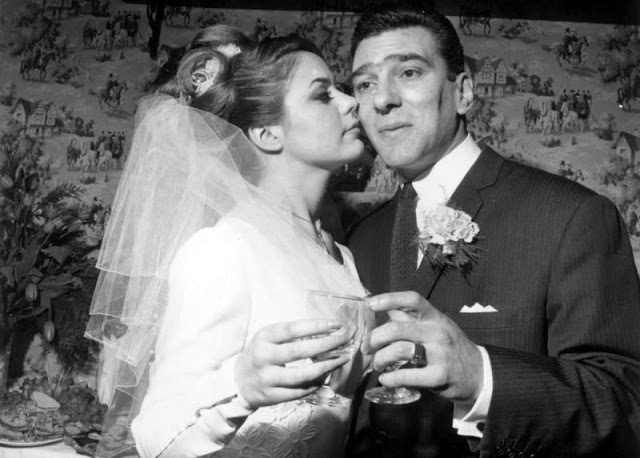
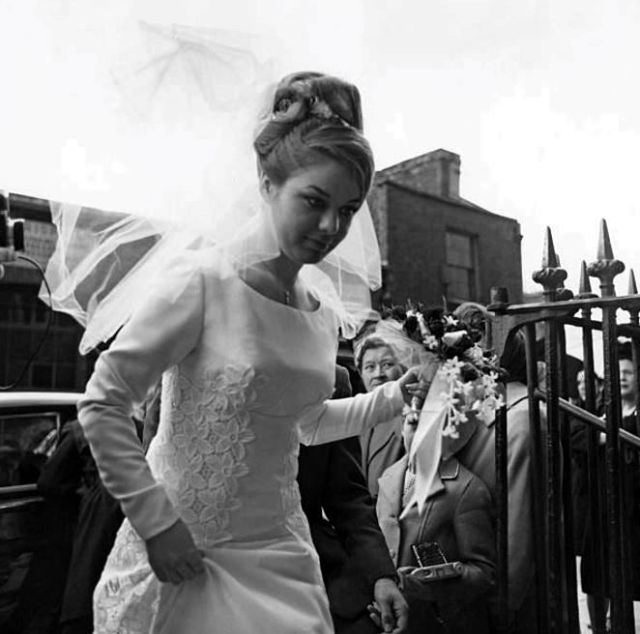
Reggie Kray and Frances met when she was just 16. He proposed to her in 1961, at Steeple Bay in Essex, when she was eighteen and he was twenty-seven. She refused, considering herself to be too young for marriage. The next year, he took her to Barcelona and to Milan and, in February 1965, he proposed to her again; this time, she accepted. The first priest they asked to officiate refused to do so, but a second one accepted, and they were married on the 20th of April 1965, at St. James’s Church in Bethnal Green.

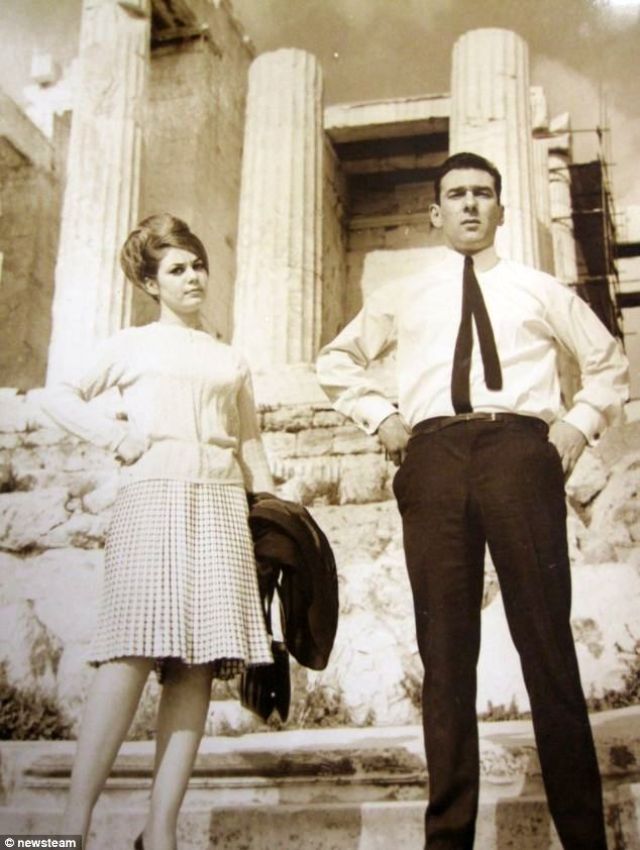
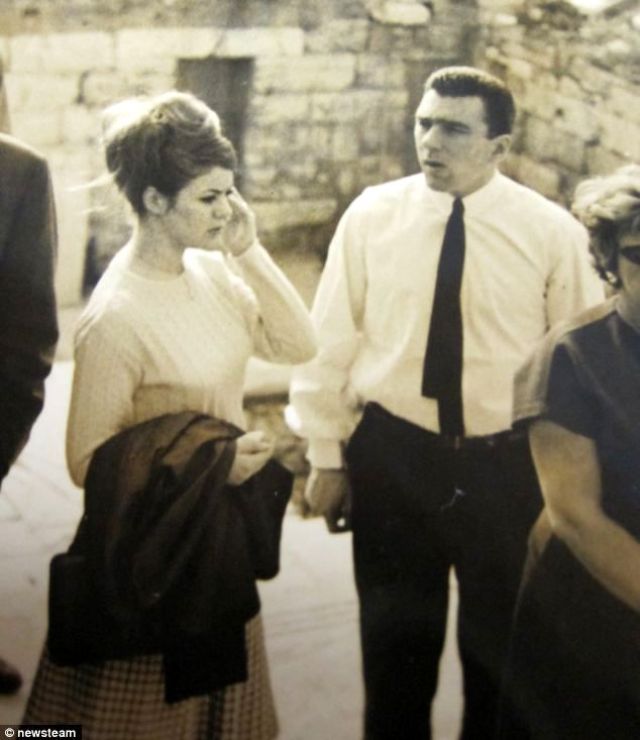
Their honeymoon was spent in Athens, Greece. Two months after the marriage, the bride left her husband and returned to live with her parents. One month after that, she attempted suicide by taking an overdose of barbiturates. On this occasion and on one subsequent, she was revived; however, on the 7th of June 1967, she succeeded in killing herself with sleeping tablets two years after their wedding and died aged 23.

Frances was said to be a pampered doll, controlled by a possesive Reggie Kray. Reggie became obsessed with trying to get her back. Frances hated what The Kray’s did. Her parents told Reggie Kray that their daughter’s last wish had been to revert to her maiden name, but he insisted that she be buried under her married name and wear her white satin wedding dress. However, Mrs. Shea persuaded the undertaker to clothe the corpse in tights and a slip, so that as little of her body as possible would be in contact with the hated dress.

It is worth mentioning that, before his arrest, Reggie visited her grave, sometimes several times a day; and that, six months before his own death, when he was let out of prison to attend the funeral of his brother Charlie, he was photographed kissing her tombstone.

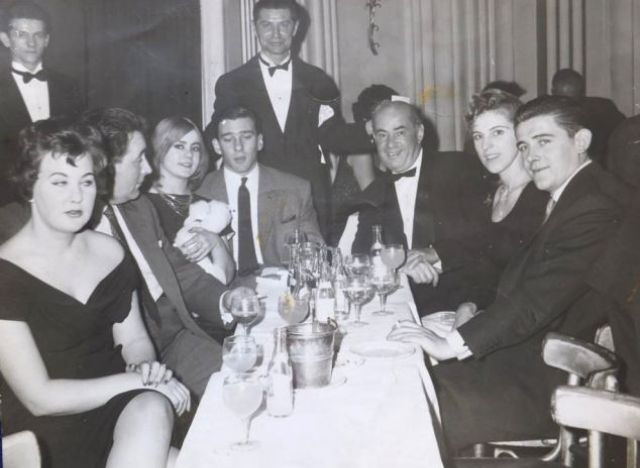
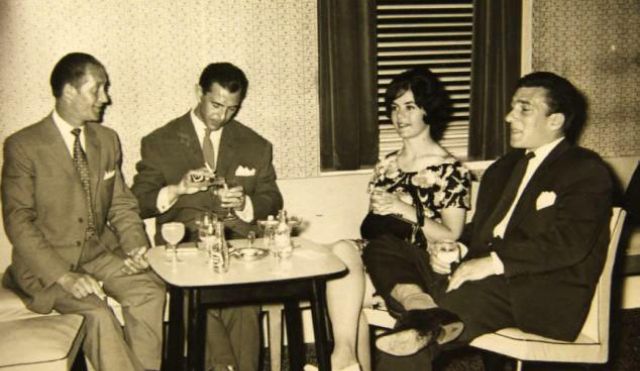
Frances Shea and gangster Reggie Kray (third and fourth from left) with friends at a London nightclub, circa 1962
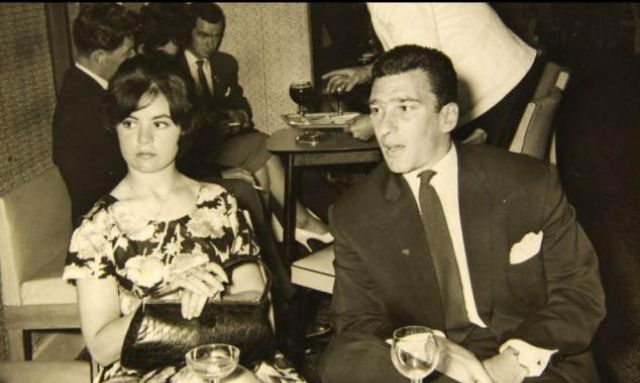
Frances Shea and Gangster Reggie Kray at a London nightclub, circa 1962
Frances Shea and gangster Reggie Kray with friends at a London nightclub, circa 1962
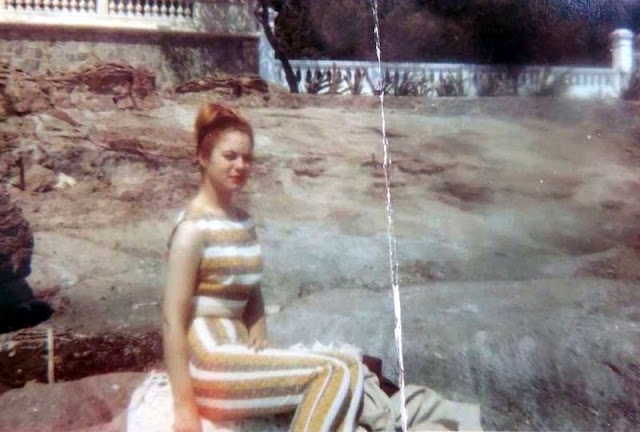
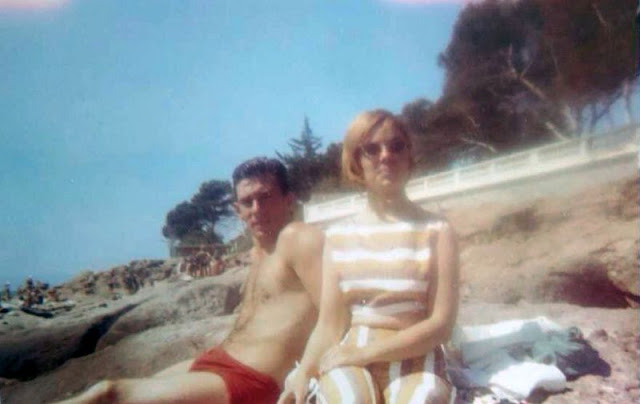
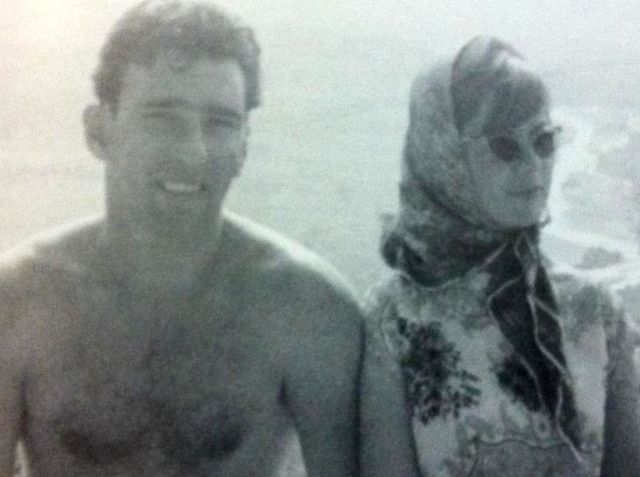
Reg and Francis sunbathing in 1962, in Southern Spain
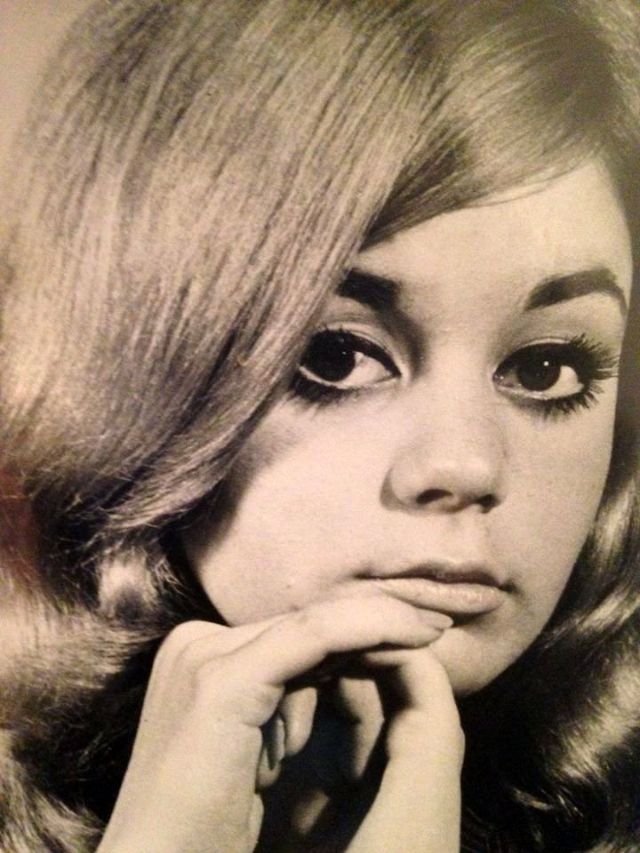
Young Frances Shea, wife of gangster Reggie Kray, circa 1962
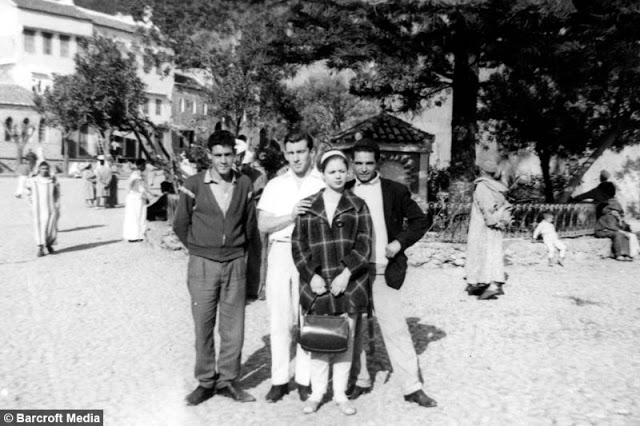
Reg Kray and Francis pose for a group photo with two unknown people, circa 1963, in Tangier, Morocco
(l-r) Johnny Squibb (very good friend of the Krays, particularly Reg), Reggie Kray and Frances Kray in Nov 1964 in Southern Spain
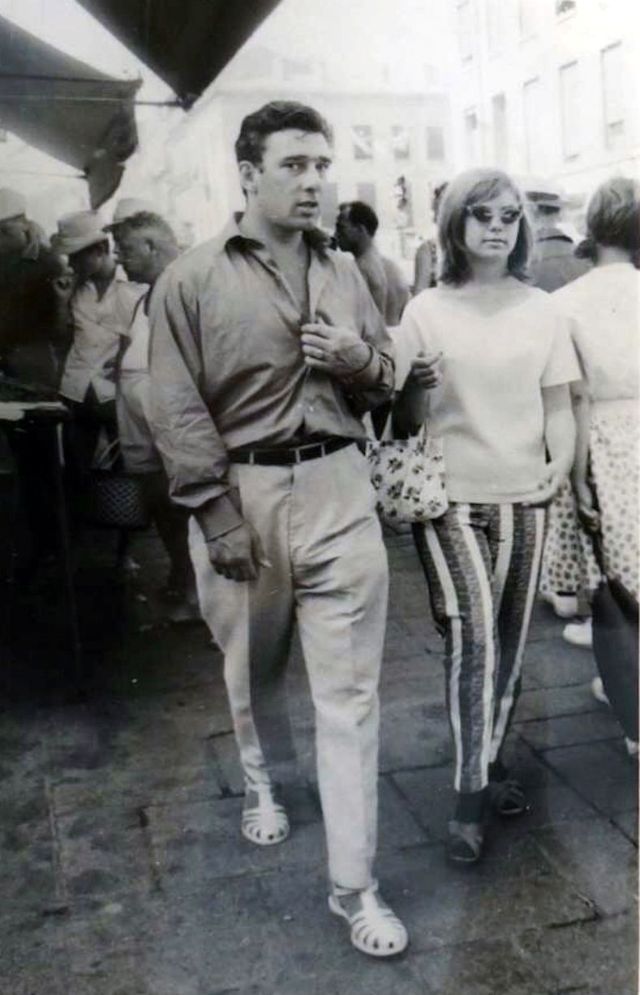
A dressed-down Reggie, in unbuttoned shirt and sandals, takes a walk with his wife Frances while holiday in November 1964 in southern Spain
Frances Shea taken by Reggie Kray while on holiday in November 1964 in southern Spain
Reggie (left) and his young wife Frances on holiday together in November 1964 in southern Spain
Reggie Kray and wife Frances sunbathing on the beach in November 1964 in southern Spain
Reggie Kray and Frances Shea outside the Kray home in Valance Road after he and Ronnie are acquitted of all charges of demanding money with menaces, 5th April 1965
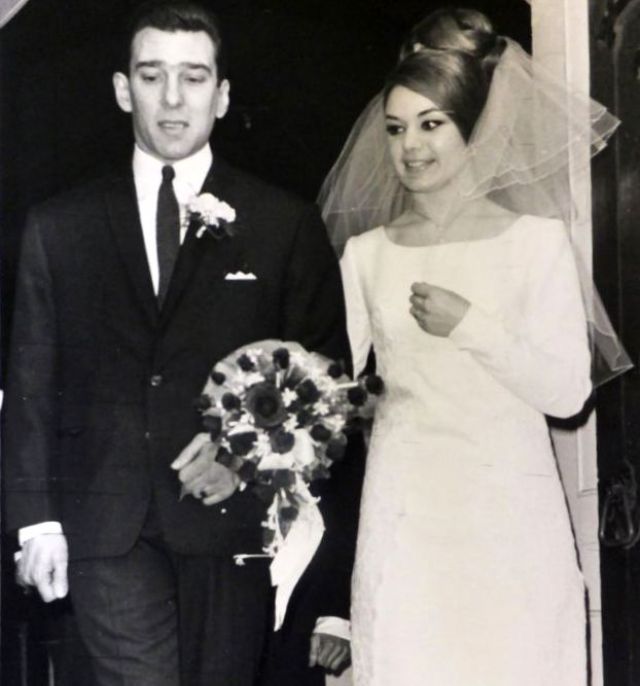
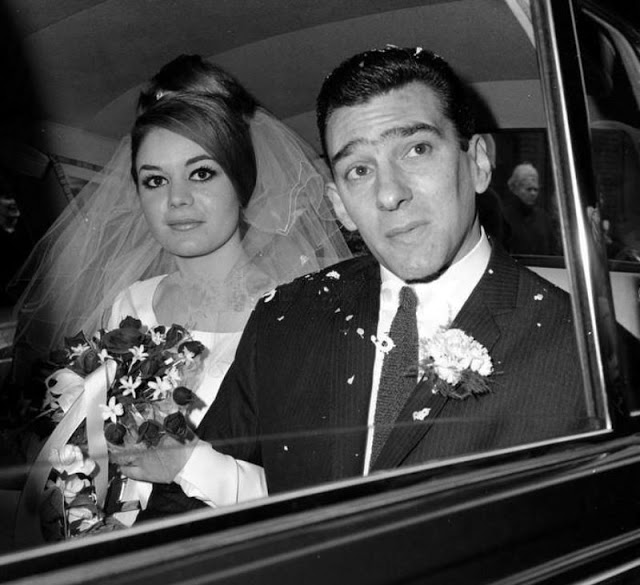
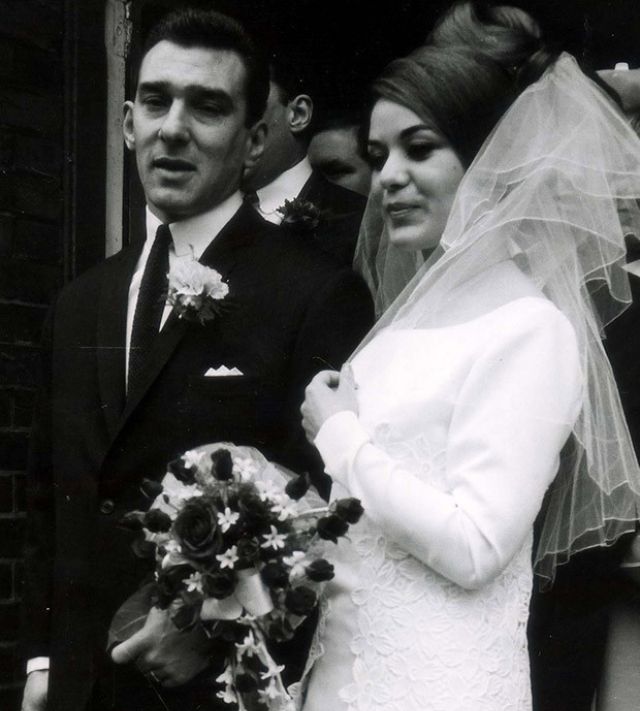
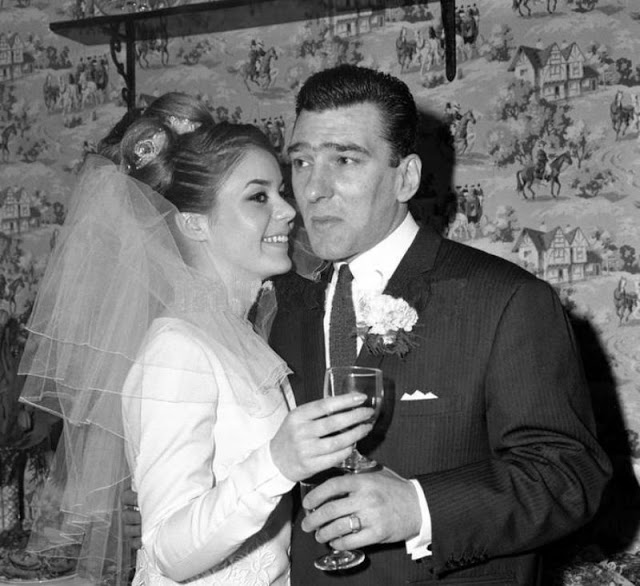
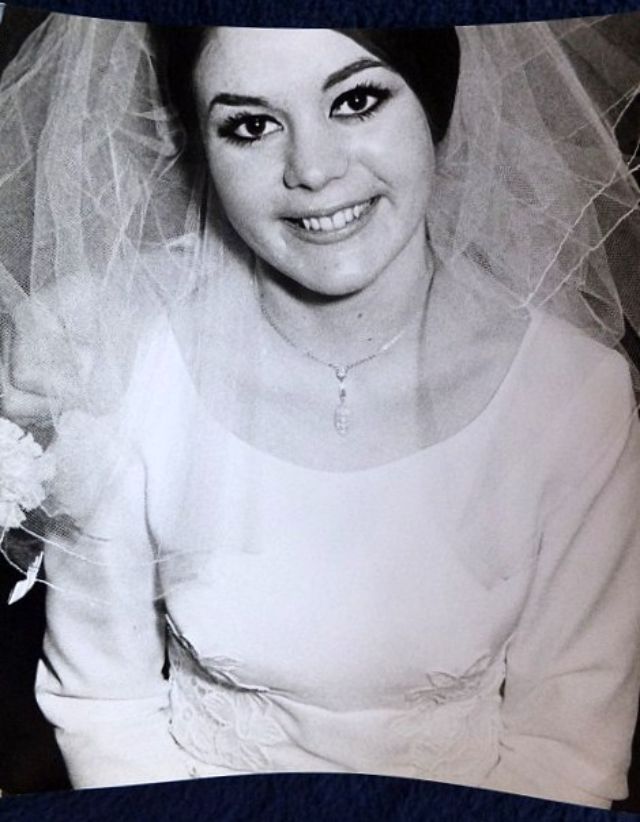
Frances Shea and gangster Reggie Kray on their wedding day, April 20th, 1965
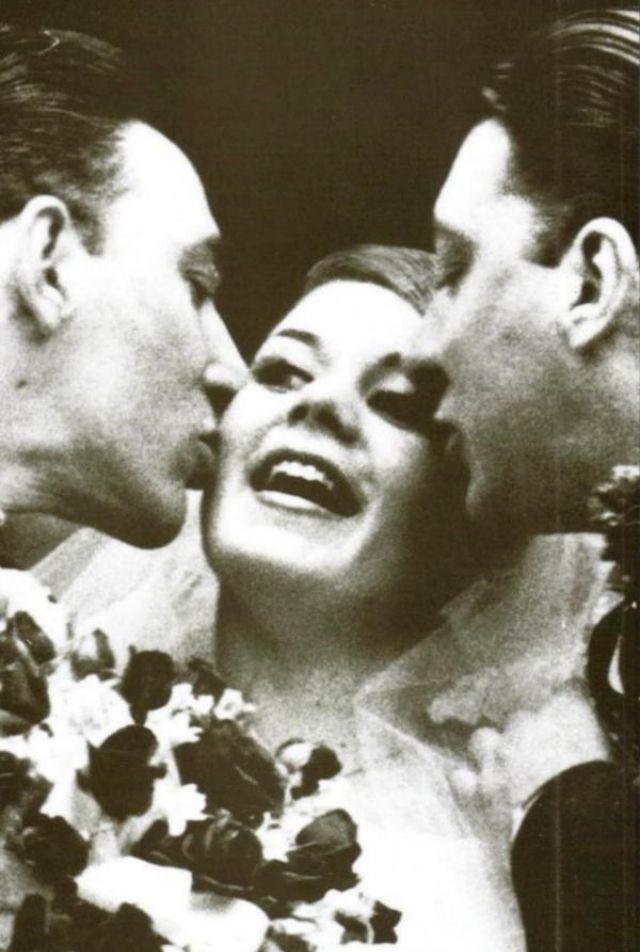
Frances Shea and gangster Reggie Kray on their wedding day, Ronnie Kray on the left, April 20th, 1965
Frances Shea and gangster Reggie Kray on their wedding day, April 20th, 1965
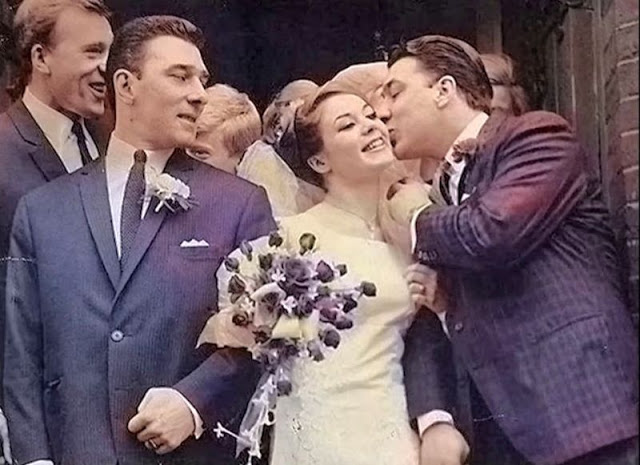
Frances Shea and gangster Reggie Kray on their wedding day, Ronnie Kray on the right, April 20th, 1965
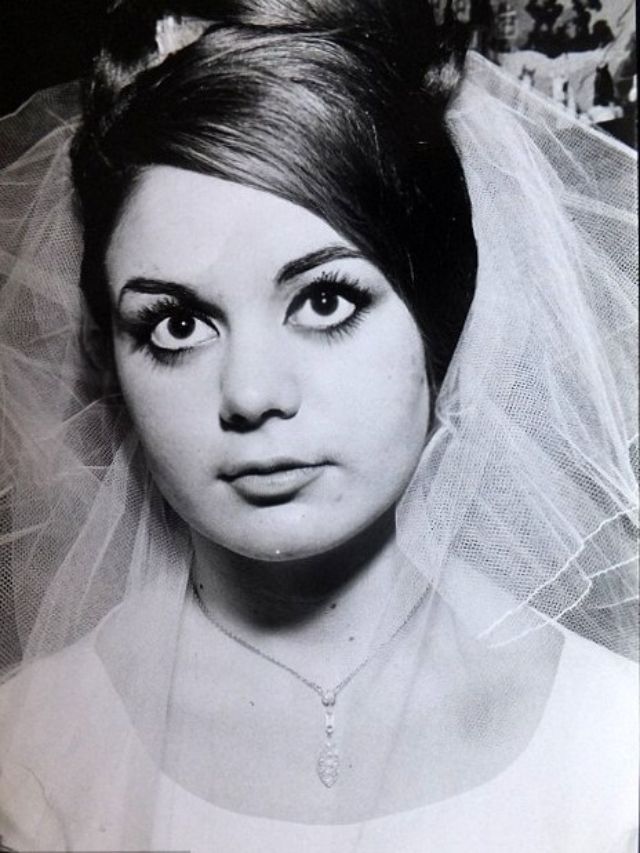
Frances Shea on her wedding day, April 20th, 1965
Frances Shea and Gangster Reggie Kray On Their Honeymoon In Greece, 1965
Frances Shea and Reggie Kray on their honeymoon at the Acropolis, Greece, April 1965
Reggie Kray and Frances Shea on their honeymoon in Athens, Greece, April 1965
Frances Shea and gangster Reggie Kray on holiday in Jersey, circa 1960s
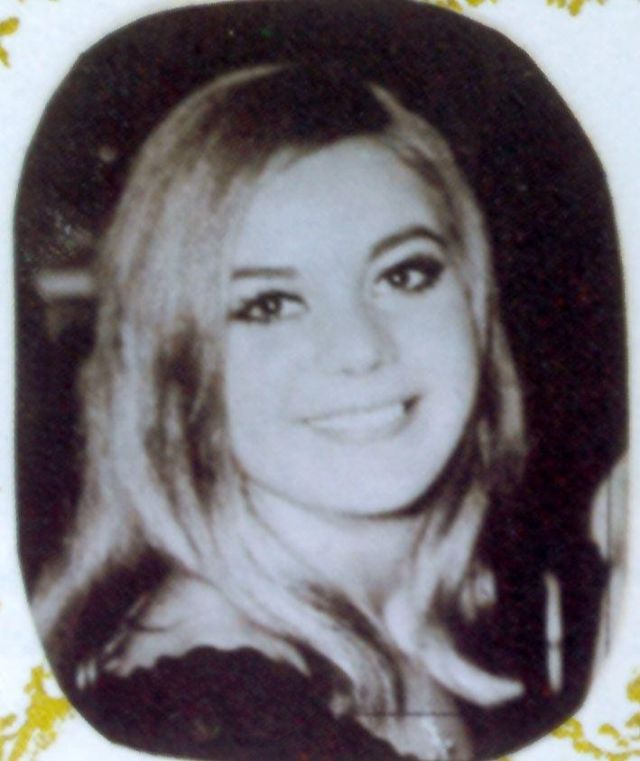
The funeral card photo of Frances Shea, 1967

France During the 1950s and 1960s

France, officially the French Republic, is a transcontinental country spanning Western Europe and overseas regions and territories in the Americas and the Atlantic, Pacific and Indian Oceans. Its metropolitan area extends from the Rhine to the Atlantic Ocean and from the Mediterranean Sea to the English Channel and the North Sea; overseas territories include French Guiana in South America, Saint Pierre and Miquelon in the North Atlantic, the French West Indies, and many islands in Oceania and the Indian Ocean. Due to its several coastal territories, France has the largest exclusive economic zone in the world. France borders Belgium, Luxembourg, Germany, Switzerland, Monaco, Italy, Andorra, and Spain in Europe, as well as the Netherlands, Suriname, and Brazil in the Americas via its overseas territory in French Guiana. Its eighteen integral regions (five of which are overseas) span a combined area of 643,801 km2 (248,573 sq mi) and over 67 million people (as of May 2021). France is a unitary semi-presidential republic with its capital in Paris, the country’s largest city and main cultural and commercial centre; other major urban areas include Marseille, Lyon, Toulouse, Lille, Bordeaux, and Nice.

Inhabited since the Palaeolithic era, the territory of Metropolitan France was settled by Celtic tribes known as Gauls during the Iron Age. Rome annexed the area in 51 BC, leading to a distinct Gallo-Roman culture that laid the foundation of the French language. The Germanic Franks formed the Kingdom of Francia, which became the heartland of the Carolingian Empire. The Treaty of Verdun of 843 partitioned the empire, with West Francia becoming the Kingdom of France in 987. In the High Middle Ages, France was a powerful but highly decentralised feudal kingdom. Philip II successfully strengthened royal power and defeated his rivals to double the size of the crown lands; by the end of his reign, France had emerged as the most powerful state in Europe. From the mid-14th to the mid-15th century, France was plunged into a series of dynastic conflicts involving England, collectively known as the Hundred Years’ War, and a distinct French identity emerged as a result. The French Renaissance saw art and culture flourish, conflict with the House of Habsburg, and the establishment of a global colonial empire, which by the 20th century would become the second-largest in the world. The second half of the 16th century was dominated by religious civil wars between Catholics and Huguenots that severely weakened the country. France again emerged as Europe’s dominant power in the 17th century under Louis XIV following the Thirty Years’ War. Inadequate economic policies, inequitable taxes and frequent wars (notably a defeat in the Seven Years’ War and costly involvement in the American War of Independence), left the kingdom in a precarious economic situation by the end of the 18th century. This precipitated the French Revolution of 1789, which overthrew the Ancien Régime and produced the Declaration of the Rights of Man, which expresses the nation’s ideals to this day.

France reached its political and military zenith in the early 19th century under Napoleon Bonaparte, subjugating much of continental Europe and establishing the First French Empire. The French Revolutionary and Napoleonic Wars shaped the course of European and world history. The collapse of the empire initiated a period of relative decline, in which France endured a tumultuous succession of governments until the founding of the French Third Republic during the Franco-Prussian War in 1870. Subsequent decades saw a period of optimism, cultural and scientific flourishing, as well as economic prosperity known as the Belle Époque. France was one of the major participants of World War I, from which it emerged victorious at great human and economic cost. It was among the Allied powers of World War II, but was soon occupied by the Axis in 1940. Following liberation in 1944, the short-lived Fourth Republic was established and later dissolved in the course of the Algerian War. The current Fifth Republic was formed in 1958 by Charles de Gaulle. Algeria and most French colonies became independent in the 1960s, with the majority retaining close economic and military ties with France.

France retains its centuries-long status as a global centre of art, science and philosophy. It hosts the fifth-largest number of UNESCO World Heritage Sites and is the world’s leading tourist destination, receiving over 89 million foreign visitors in 2018. France is a developed country with the world’s seventh-largest economy by nominal GDP and ninth-largest by PPP; in terms of aggregate household wealth, it ranks fourth in the world. France performs well in international rankings of education, health care, life expectancy and human development. It remains a great power in global affairs,[19] being one of the five permanent members of the United Nations Security Council and an official nuclear-weapon state. France is a founding and leading member of the European Union and the Eurozone, as well as a key member of the Group of Seven, North Atlantic Treaty Organization (NATO), Organisation for Economic Co-operation and Development (OECD) and La Francophonie. (Wikipedia)

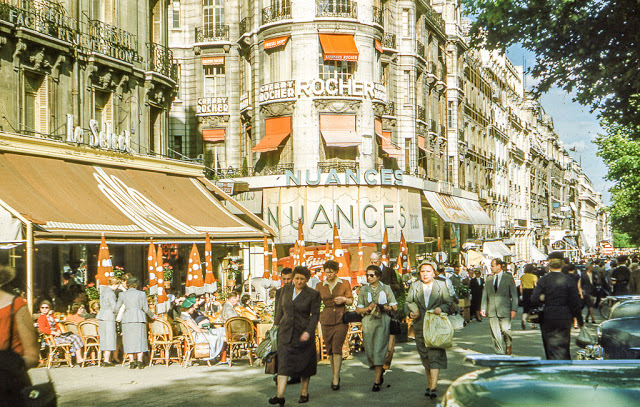
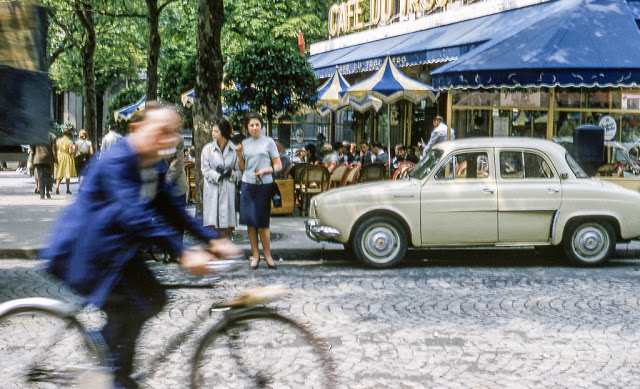
Le Café du Trocadéro,Paris in June 2, 1952
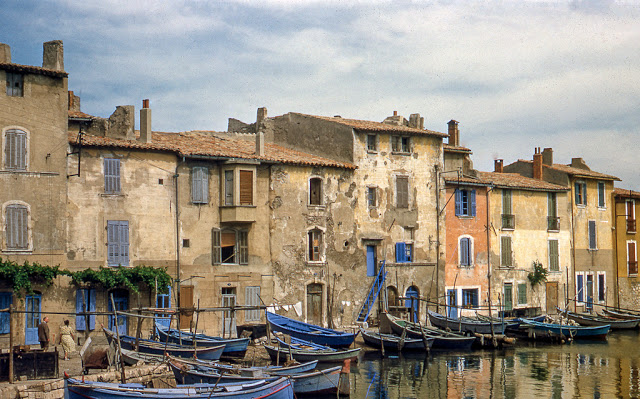
Martigues, France in June 8, 1952
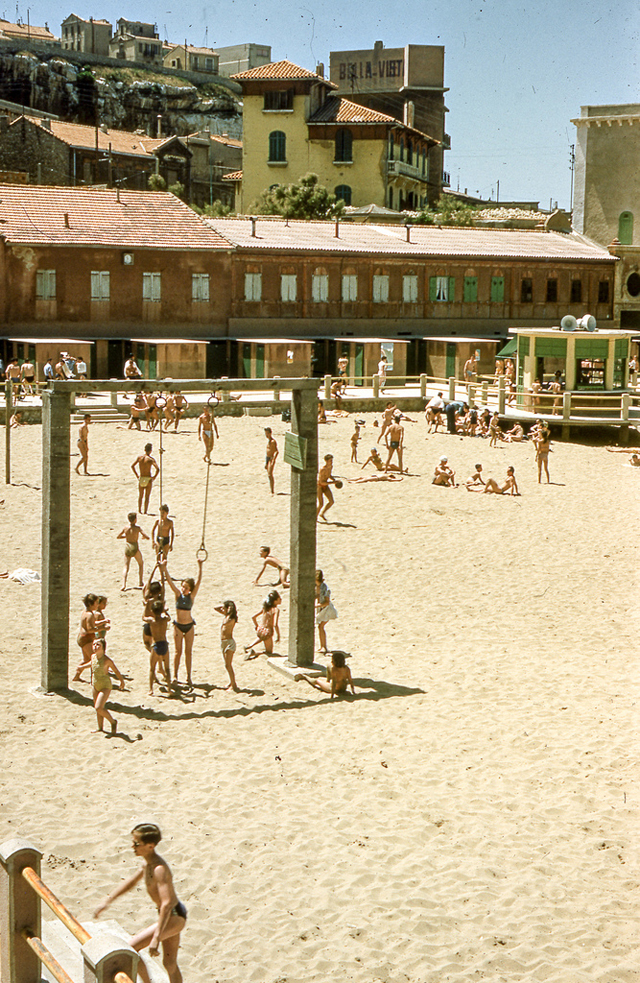
Plage des Catalans, Marseille in June 8, 1952
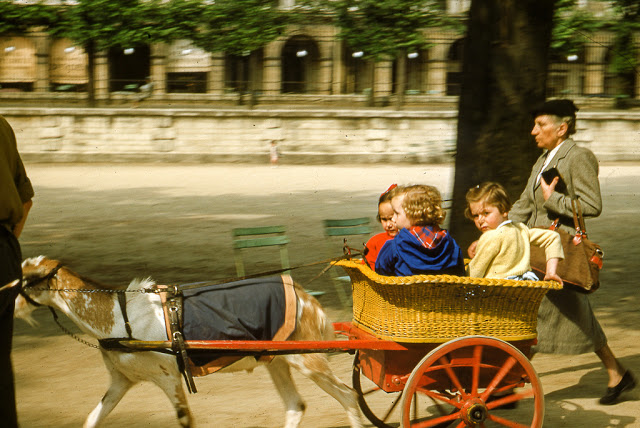
The Tuileries Garden, Paris in June 7, 1952
Avignon, France, May 22, 1954
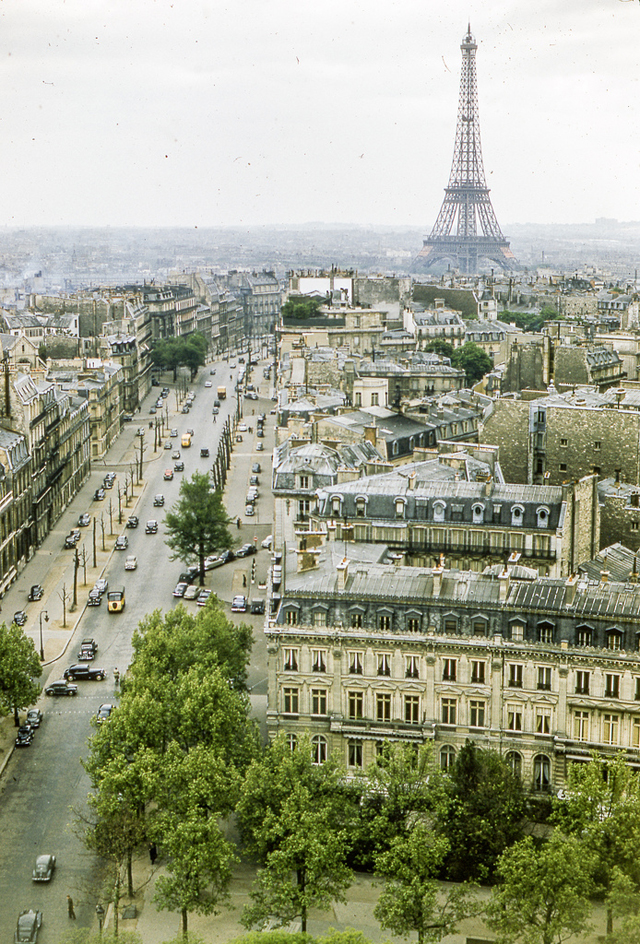
Looking down Avenue d’Iéna toward the Eiffel Tower, May 19, 1954
View of Paris from the Arc de Triomphe, May 19, 1954
Chamonix, Rhône-Alpes, June 26, 1960
Château de Rambouillet in Île-de-France, June 19, 1960
French chateau in June 19, 1960
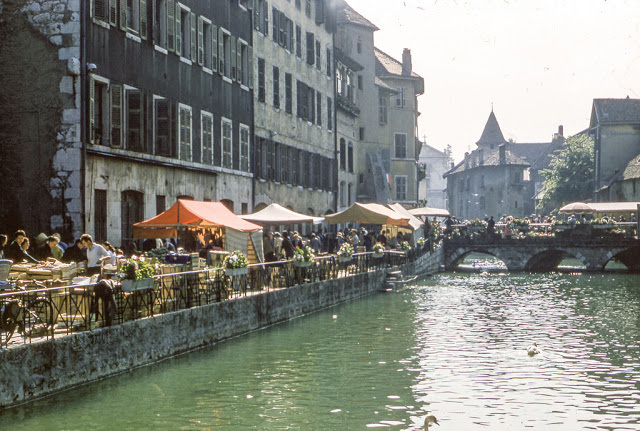
French market in Annecy, France, June 28, 1960
From a bridge on Le Thiou Rive in Annecy, France, June 28, 1960
Place du Trocadero, Paris, June 17, 1960
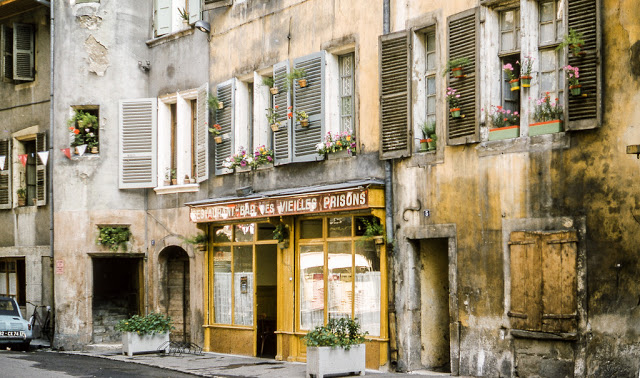
Restaurant-Bar des Vieilles Prisons in Annecy, France, June 28, 1960
View from Chartres Cathedral, June 19, 1960
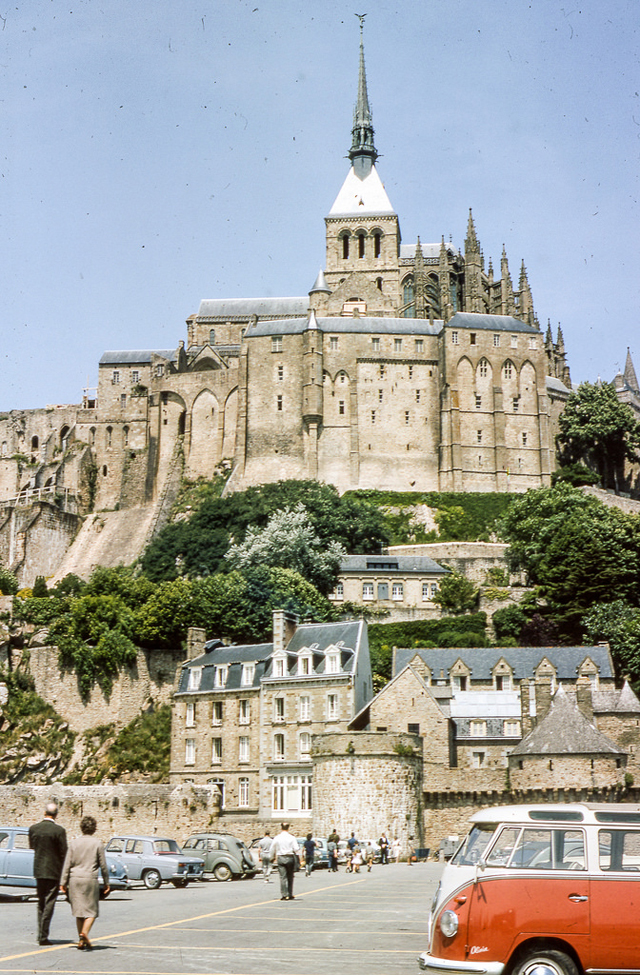
Mont Saint-Michel, June 12, 1964
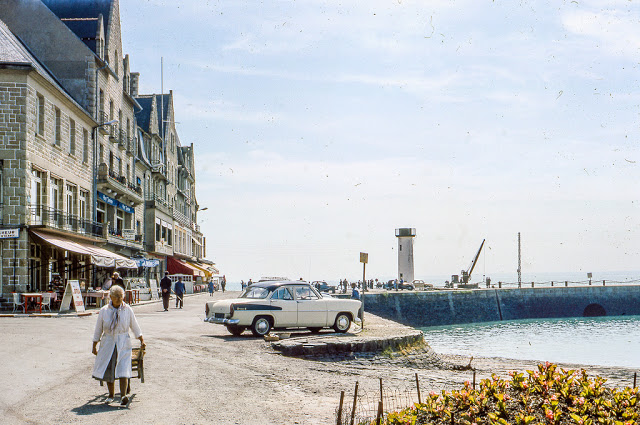
Saint-Malo, France, June 12, 1964

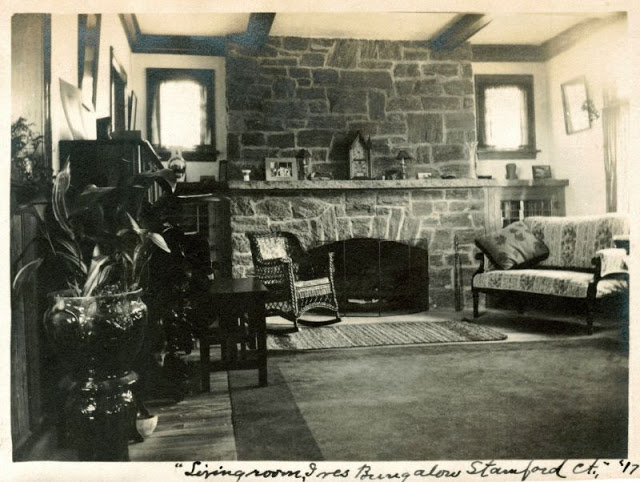
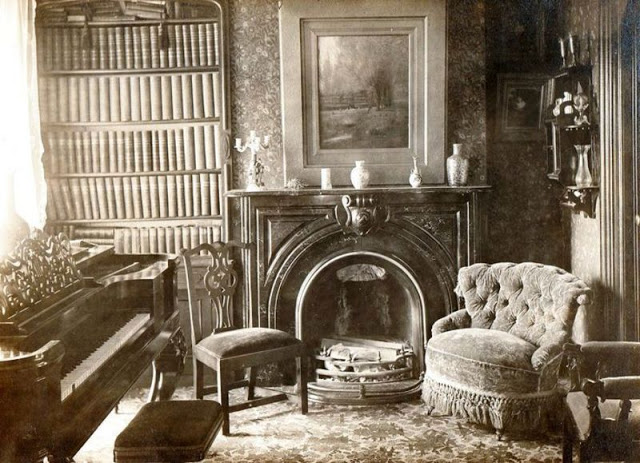
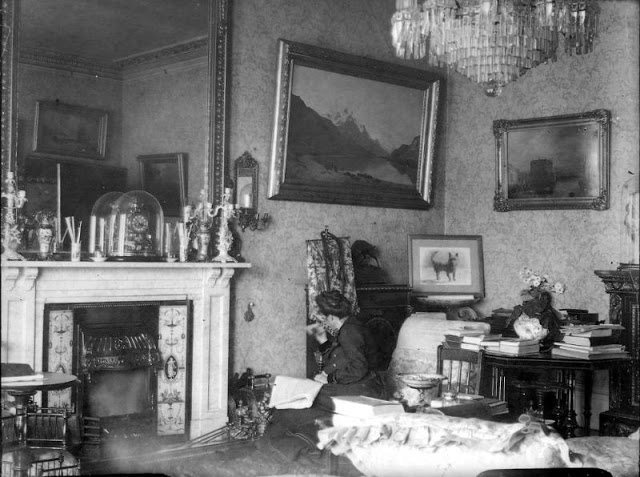
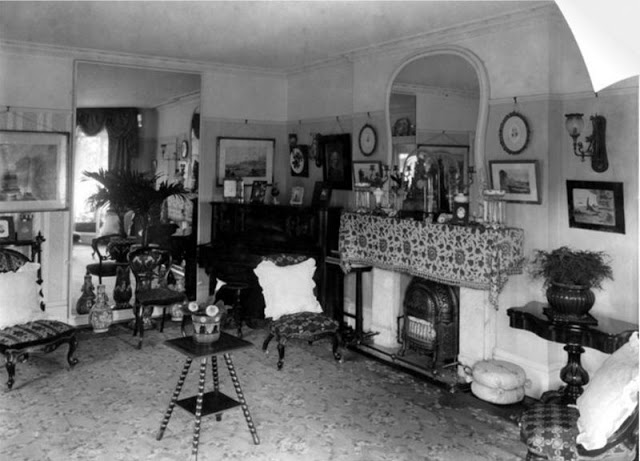
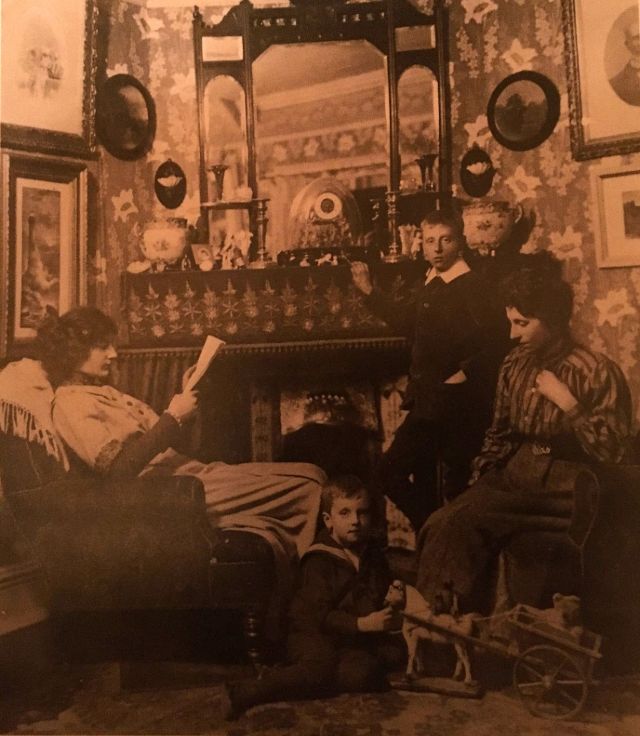
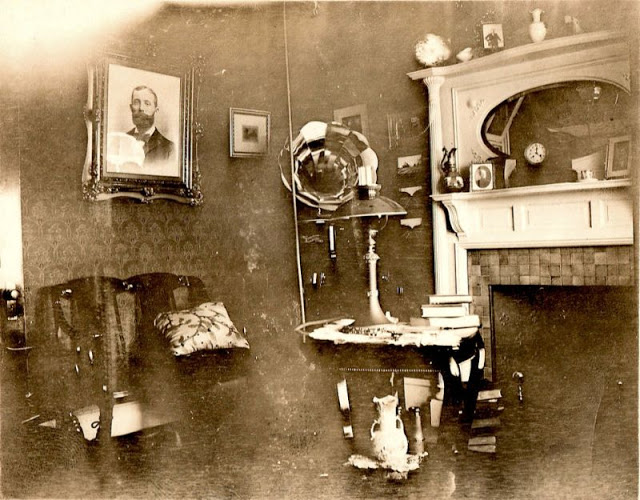
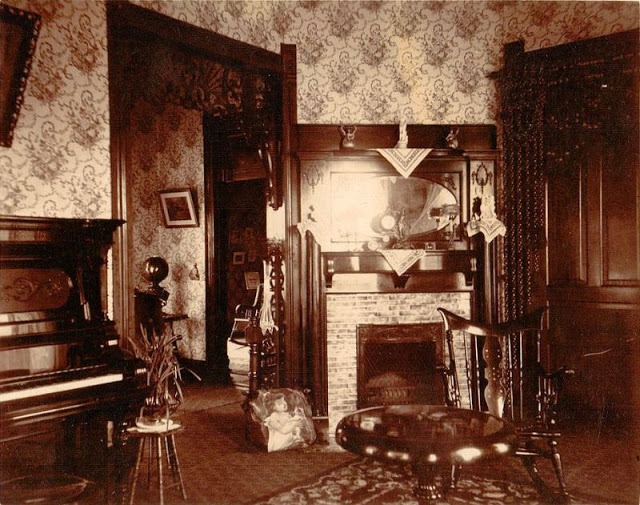
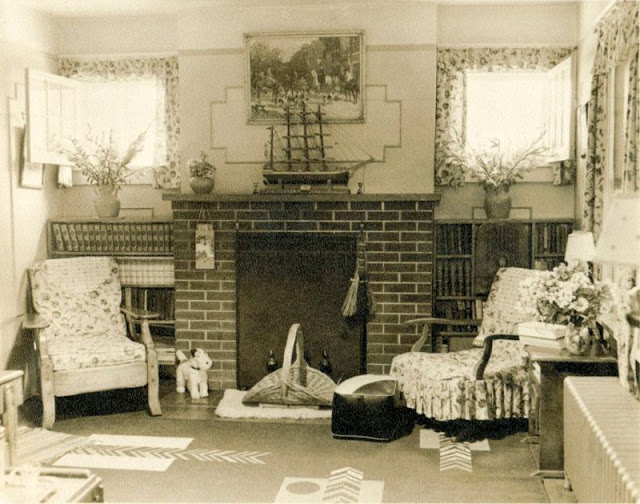
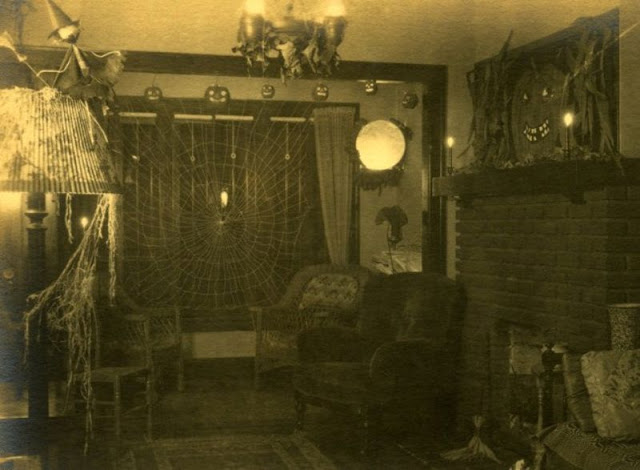
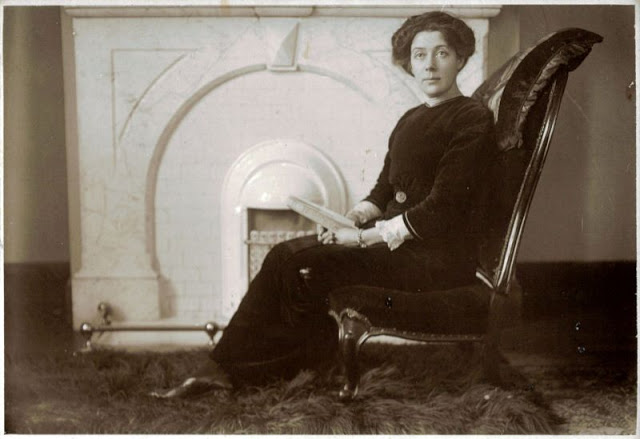
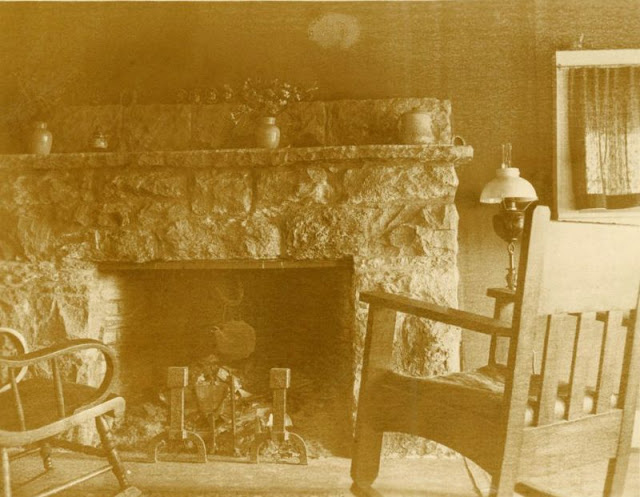
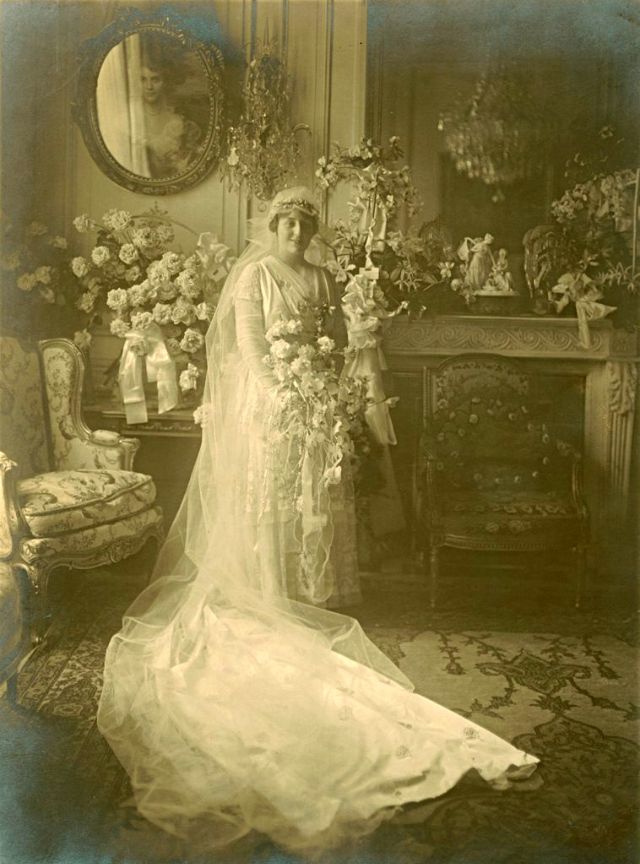
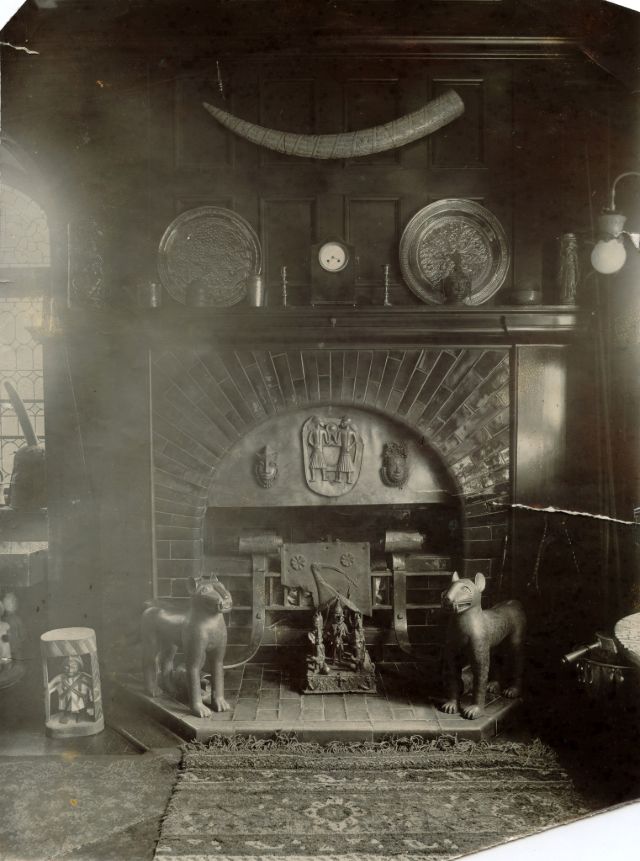
27 Vintage Photos Showing What Fireplaces Looked Like From the Late 19th and Early 20th Centuries

A fireplace is a structure made of brick, stone or metal designed to contain a fire. Fireplaces are used for the relaxing ambiance they create and for heating a room. Modern fireplaces vary in heat efficiency, depending on the design.

The fireplace was a necessity in early America. As the hub of the house, a burning hearth provided heat, housed multiple fires for cooking and baking, and served as the nucleus of family gatherings. In the 1600s and early 1700s, the typical fireplace was a walk-in: a wide, deep, open recess, generally with only the briefest semblance of a mantel, or no mantel at all. The firebox was usually wider than it was tall, especially in the homes of Dutch settlers.

True mantels were rare before the 1800s. The very earliest American hearths were flush with the wall. In English colonial homes, fireplaces typically were surrounded by simple, floor-to-ceiling paneling, usually plain vertical or bead-edged planks. By the second quarter of the 18th century, the fireplace had become the centerpiece of the main gathering room. Decorative paneling and other accents in the Georgian style were book-matched on either side of the opening, sometimes for the entire width of the wall.

As the Victorian age progressed, fireplaces became more ornate, with overmantels and columns. Options included complete cast-iron combination fireplaces and fireplaces with decorative tiles running along the legs of the surround. Later, surrounds were trimmed with glazed lozenge-shaped tile in a host of colors.

In the early 20th century, fireplaces and mantels became much simpler, with those in Colonial Revival houses harking back to the motifs popularized in the late 1700s and early 1800s, sometimes liberally mixing and matching elements like 1750s Georgian moldings with 1840s Greek Revival fluting. Surrounds were simply finished with brick or stone.

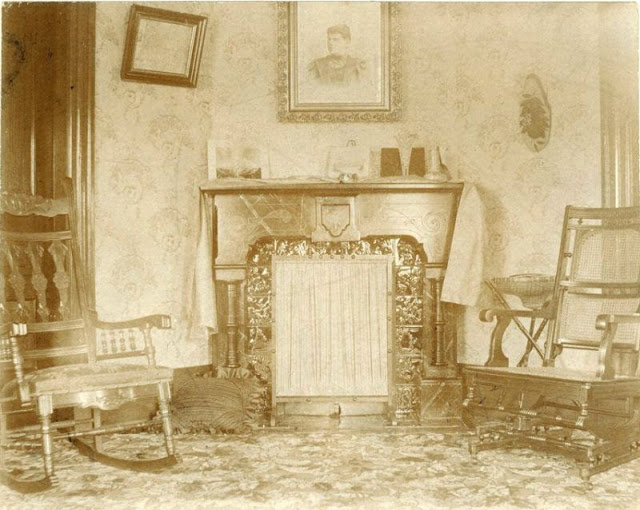
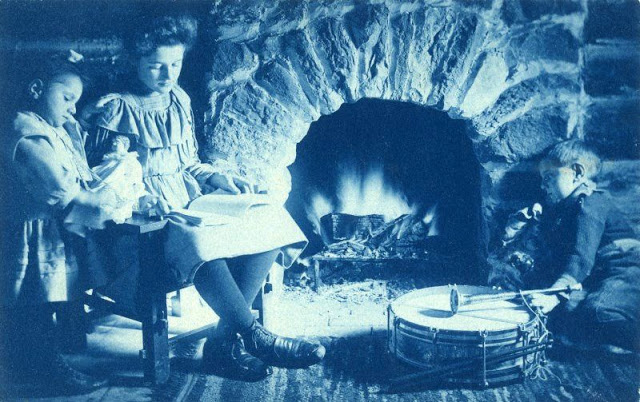
Whether highly ornate or simple and rustic, a fireplace continues to be a source of warmth and comfort in the home—still one of the most desired elements in any period house today. These vintage photos below show what fireplaces looked like from the late 19th and early 20th centuries.

50 Amazing Vintage Photos From the 1920s Volume 8

The 1920s (pronounced “nineteen-twenties”) was a decade that began on January 1, 1920, and ended on December 31, 1929. In America, it is frequently referred to as the “Roaring Twenties” or the “Jazz Age”, while in Europe the period is sometimes referred to as the “Golden Twenties”[1] because of the economic boom following World War I (1914-1918). French speakers refer to the period as the “Années folles” (“Crazy Years”),[2] emphasizing the era’s social, artistic, and cultural dynamism.

The 1920s saw foreign oil companies begin operations in Venezuela, which became the world’s second largest oil producing nation.[3] The devastating Wall Street Crash in October 1929 is generally viewed as a harbinger of the end of 1920s prosperity in North America and Europe. In the Soviet Union the New Economic Policy was created by the Bolsheviks in 1921, to be replaced by the first five-year plan in 1928. The 1920s saw the rise of radical political movements, with the Red Army triumphing against White movement forces in the Russian Civil War, and the emergence of far right political movements in Europe. In 1922, the fascist leader Benito Mussolini seized power in Italy. Economic problems contributed to the emergence of dictators in Eastern Europe to include Józef Piłsudski in Poland, and Peter and Alexander Karađorđević in Yugoslavia. First-wave feminism saw progress, with women gaining the right to vote in the United States (1920), Ireland (1921) and with suffrage being expanded in Britain to all women over 21 years old (1928).

In Turkey, nationalist forces defeated Greece, France, Armenia and Britain in the Turkish War of Independence, leading to the Treaty of Lausanne (July 1923), a treaty more favorable to Turkey than the earlier proposed Treaty of Sèvres. The war also led to the abolition of the Ottoman Caliphate. Nationalist revolts also occurred in Ireland (1919–1921) and Syria (1925–1927). Under Mussolini, Italy pursued a more aggressive foreign policy, leading to the Second Italo-Senussi War in Libya. In 1927, China erupted into a civil war between the Kuomintang (KMT)-led government of the Republic of China (ROC) and forces of the Chinese Communist Party (CCP). Civil wars also occurred in Paraguay (1922–1923), Ireland (1922–1923), Honduras (1924), Nicaragua (1926–1927), and Afghanistan (1928–1929). Saudi forces conquered Jabal Shammar and subsequently, Hejaz.

A severe famine occurred in Russia in 1921–1922 due to the combined effects of economic disturbance because of the Russian Revolution and the Russian Civil War, exacerbated by rail systems that could not distribute food efficiently, leading to 5 million deaths. Another severe famine occurred in China in 1928–1930, leading to 6 million deaths. The Spanish flu (1918–1920) and the 1918–1922 Russia typhus epidemic, which had begun in the previous decade, caused 25–50 million and 2–3 million deaths respectively. Major natural disasters of this decade include the 1920 Haiyuan earthquake (258,707~273,407 deaths), the 1922 Swatow typhoon (50,000–100,000 deaths), the 1923 Great Kantō earthquake (105,385–142,800 deaths), and the 1927 Gulang earthquake (40,912 deaths).

Silent films were popular in this decade, with the 1925 American silent epic adventure-drama film Ben-Hur: A Tale of the Christ being the highest-grossing film of this decade, grossing $9,386,000 worldwide. Other high-grossing films of this decade include The Big Parade and The Singing Fool. Sinclair Lewis was a popular author in the 1920s, with 2 of his books, Main Street and Elmer Gantry, becoming best-selling books in the United States in 1921 and 1927 respectively. Other best-selling books of this decade include All Quiet on the Western Front and The Private Life of Helen of Troy. Songs of this decade include “Are You Lonesome Tonight?” and “Stardust”. (Wikipedia)

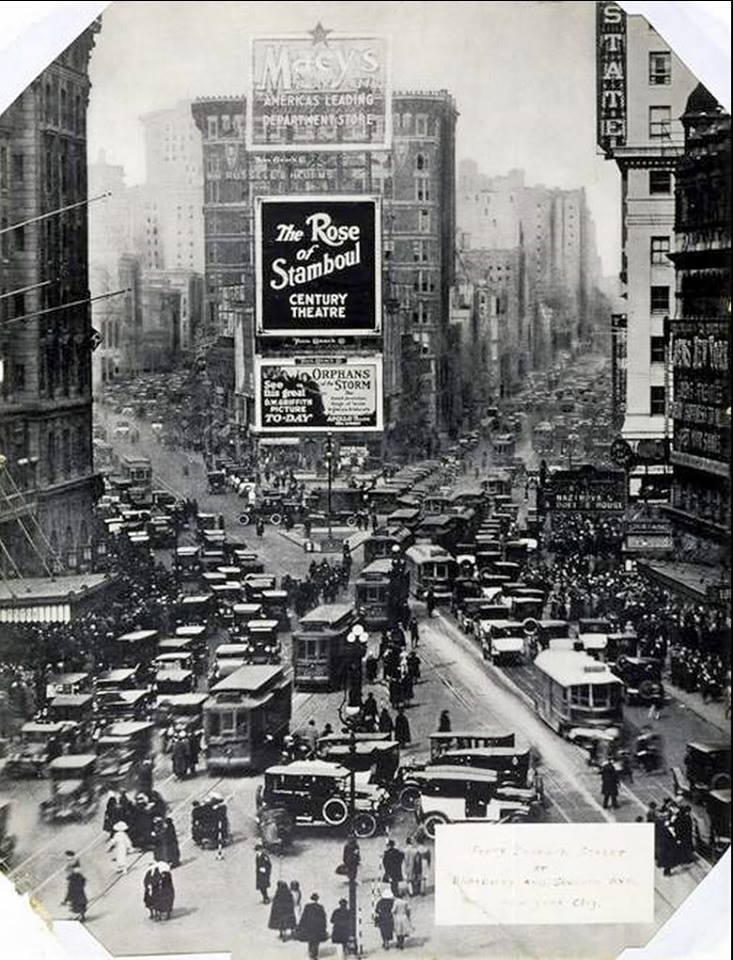
Times Square, NYC, 1922.
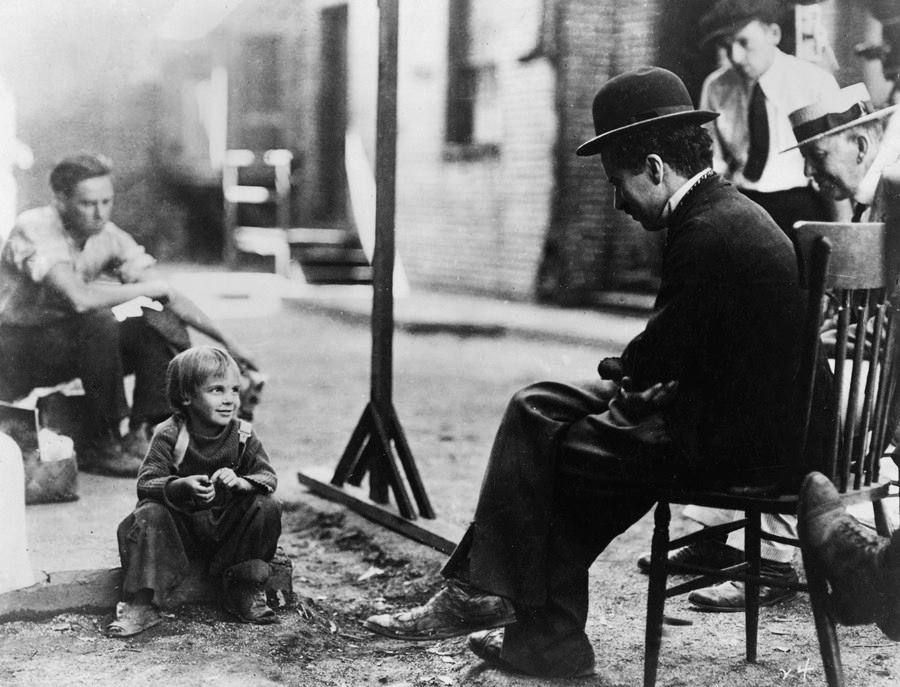
Charlie Chaplin interviewing a young vaudeville actor to co-star with him in The Kid, Los Angeles, 1920.
Ladies hailing a cab, Berlin, 1920s.
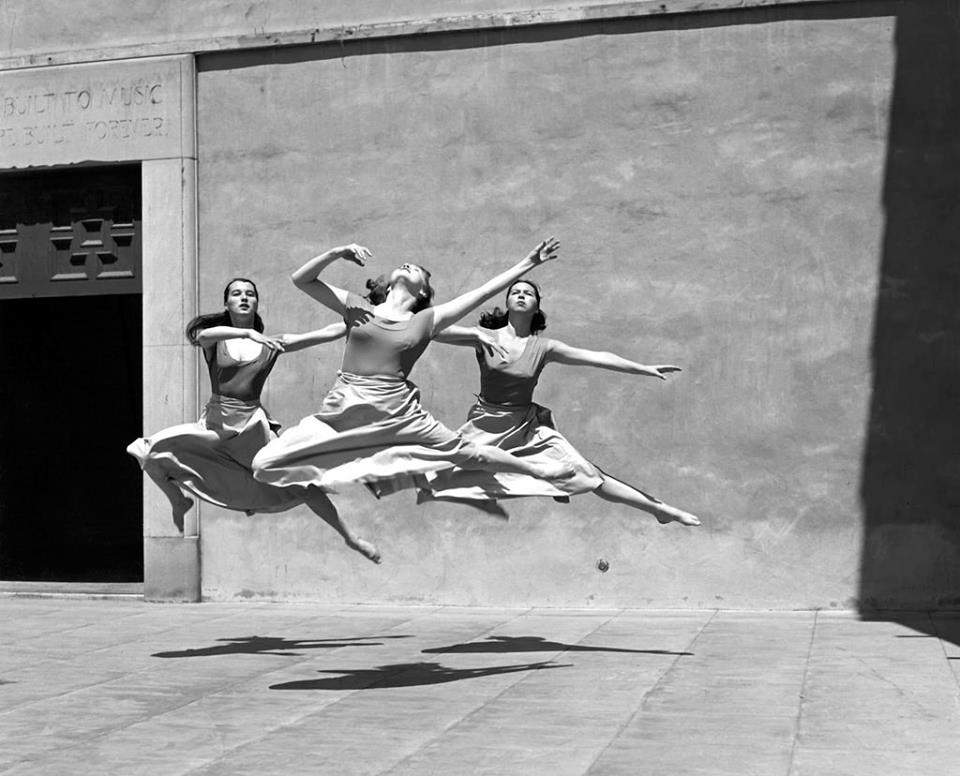
Three dancers in Mills College, California, 1929.
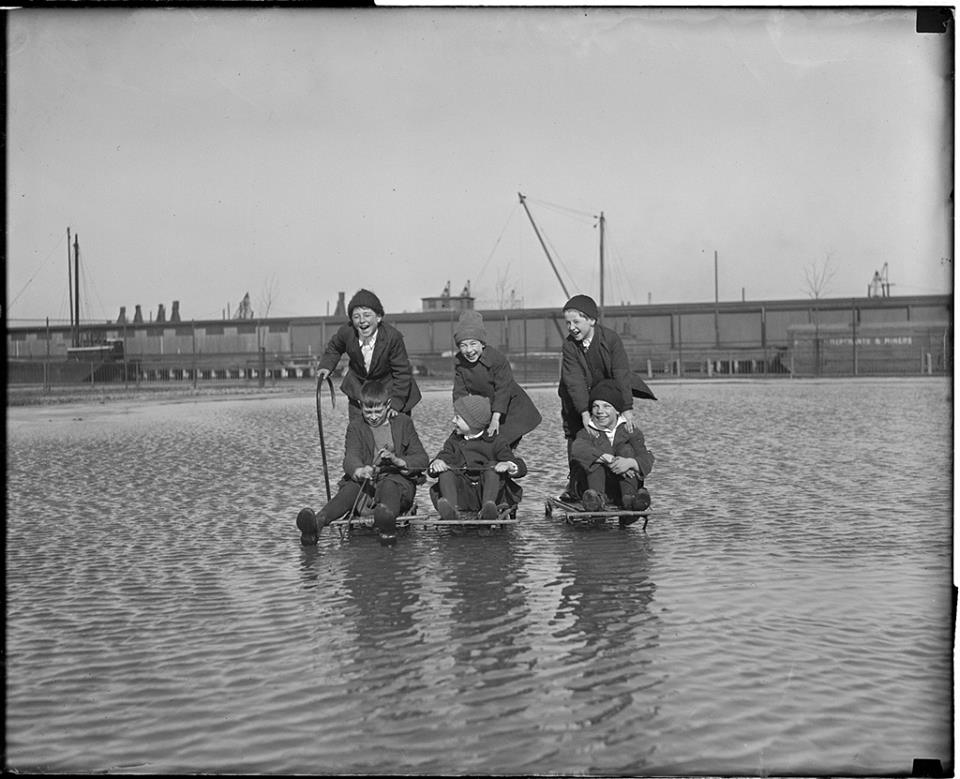
Kids sledding on underwater ice in Charlestown, Boston, 1921.
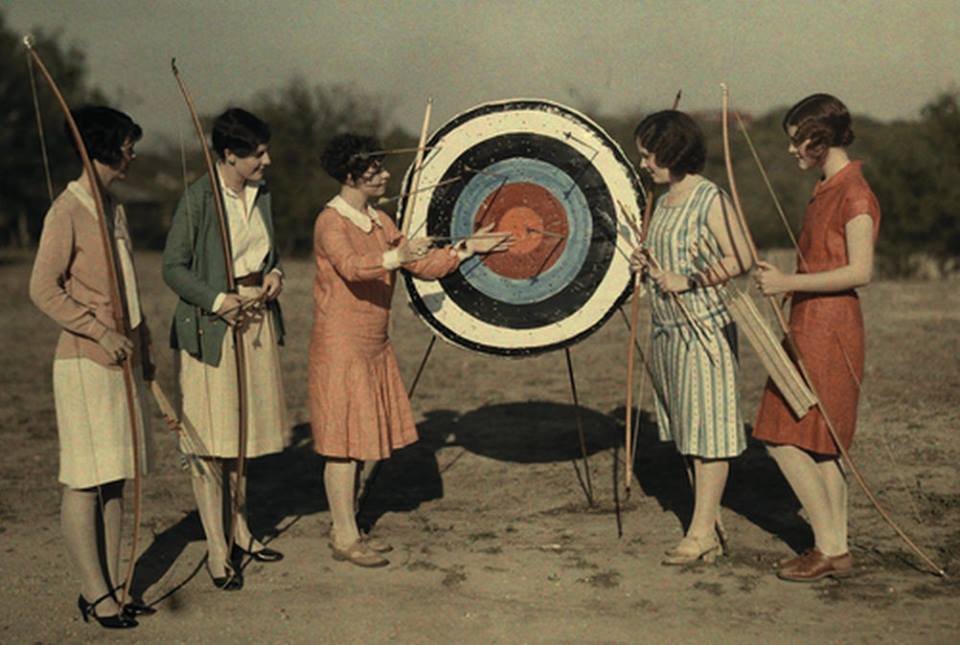
Ladies practising archery, 1920s.
Girls walking on Esplanade Street in Weymouth, Dorset, England, 1920s.
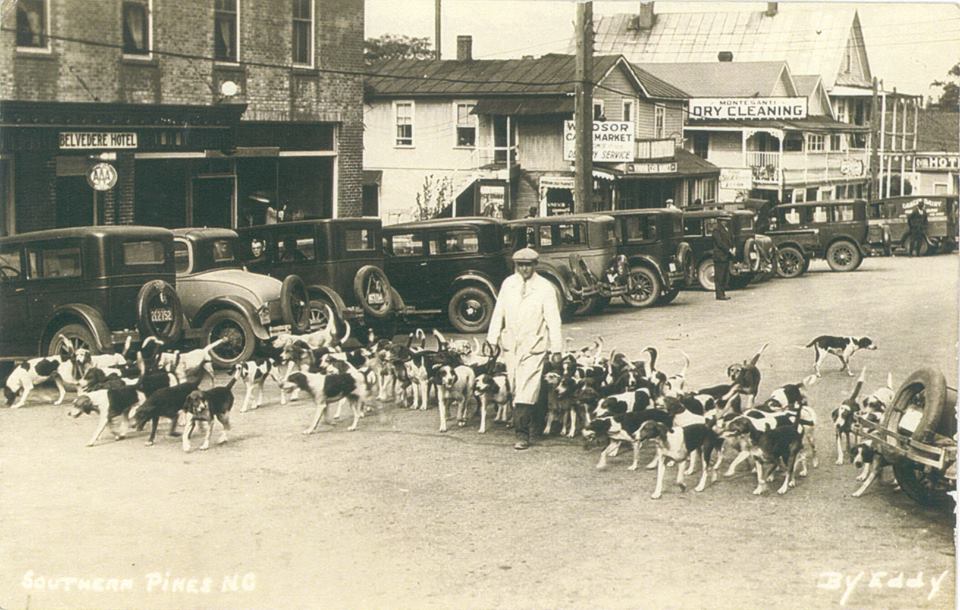
Hounds in New Jersey, 1920s.
A stylish woman at the Longchamp races in Paris, 1929.
Flapper Halloween, 1926.
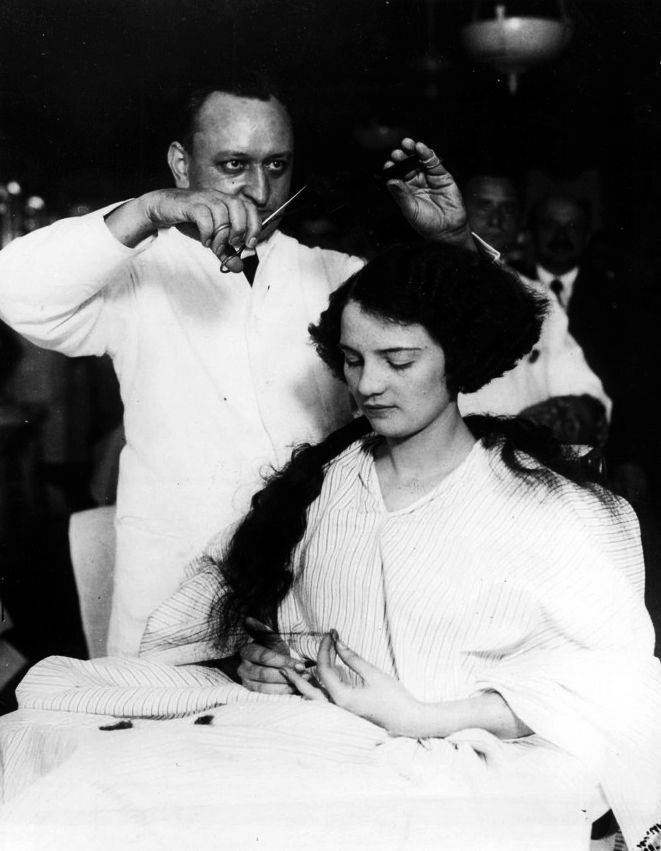
A young lady getting her hair bobbed in a men’s barber shop, 1920s.
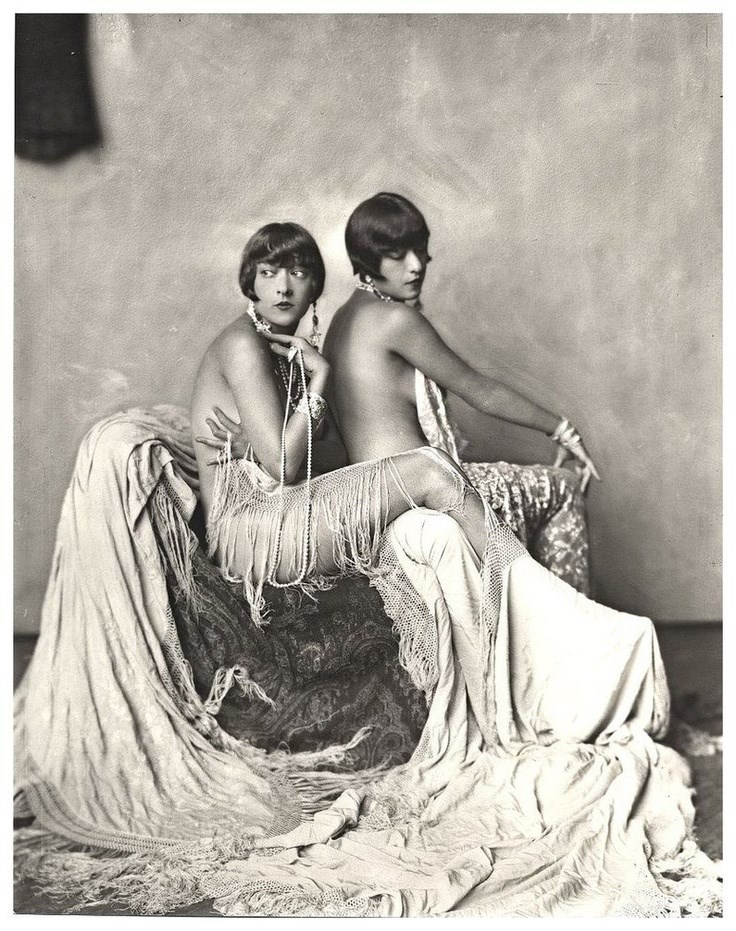
African-American showgirls in feline costumes, 1920s.
A crowd gathers around the first car radio in Canandaigua, NYC, 1923.
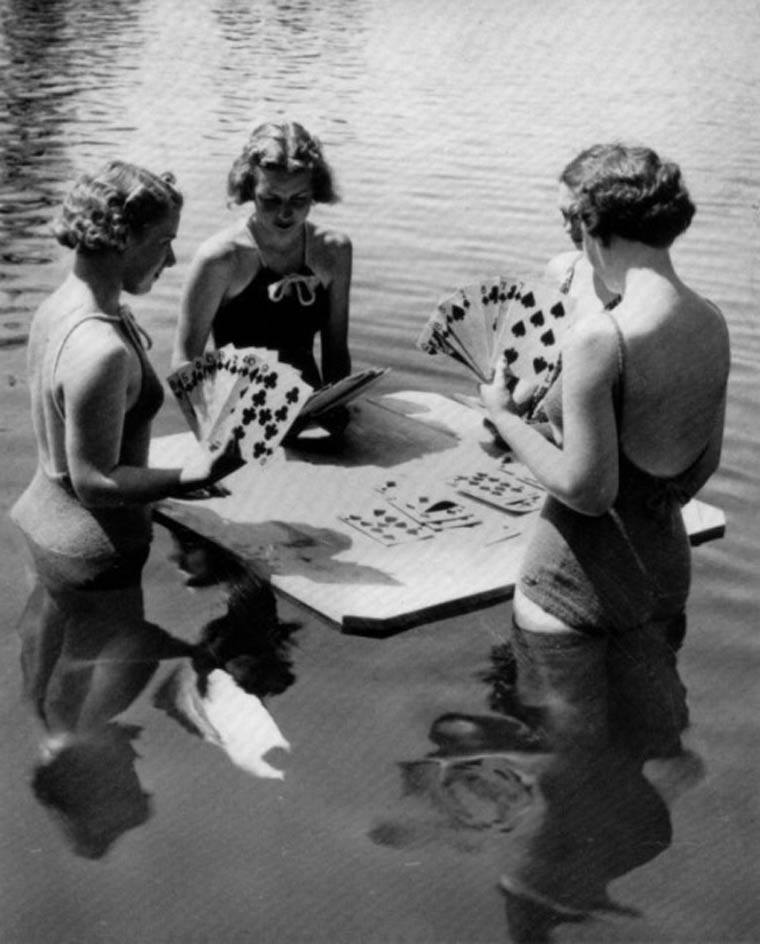
Girls playing cards, 1920s.
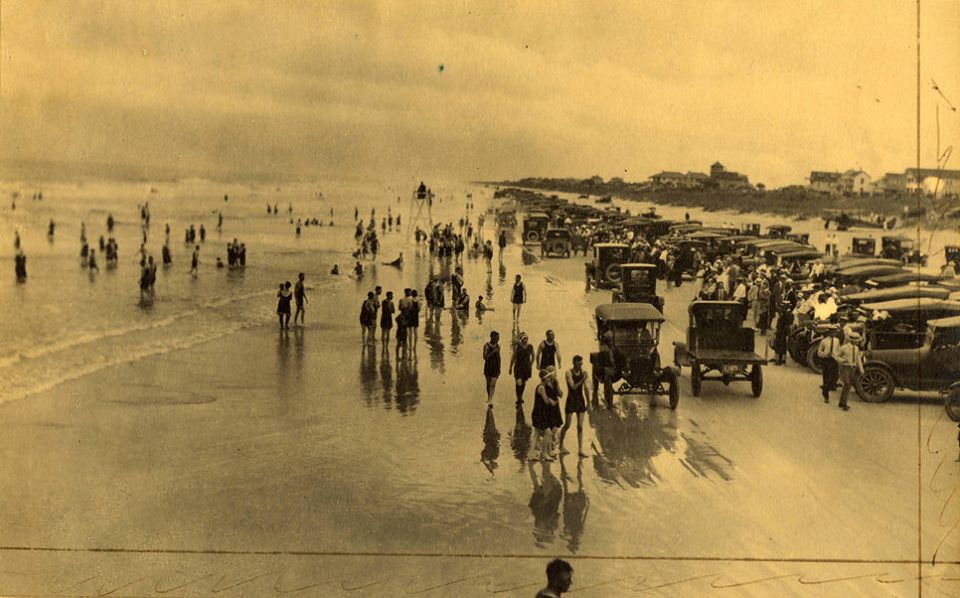
Daytona Beach in the 1920s.
Smoking flapper in the 1920s.
Ship Garthsnaid in Otago, New Zealand, 1920s.
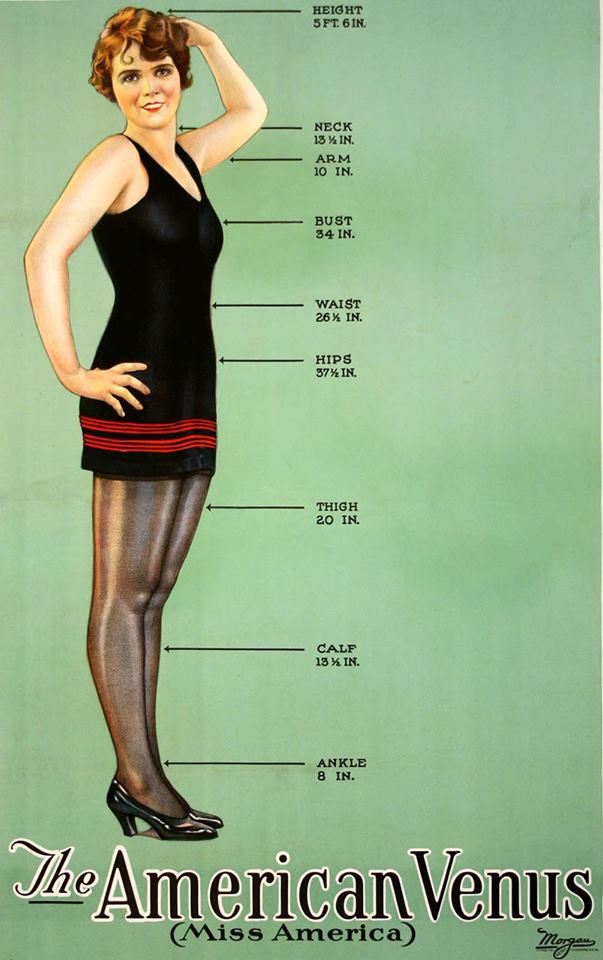
Ideal measurements for American women from the 1920s.
Modeling school, London, 1925.
Dog crawls through the Grey Man’s Path at Fair Head, Ballycastle, Northern Ireland, 1920s.
7th and Smithfield, Pittsburgh, Pennsylvania, 1929.
Greta Garbo in ‘The Kiss’, 1929.
Two girls at Wilson Beach, Chicago, 1922.
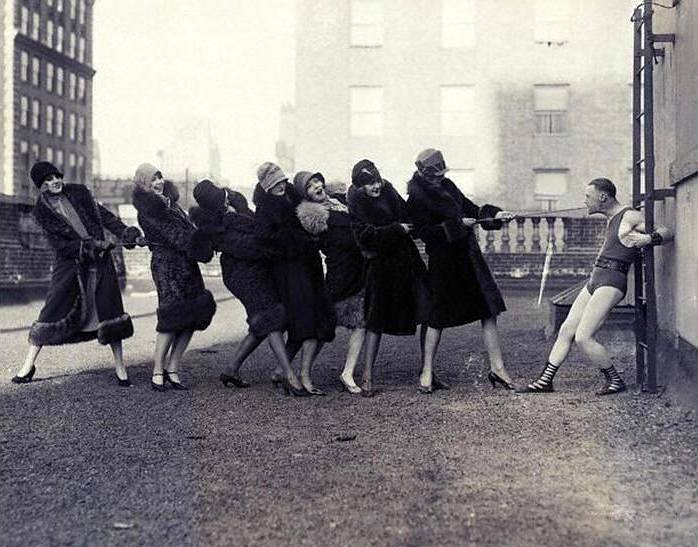
Chorus girls work on their high kicks on the roof of the Gaiety Theatre in London, 1920s.
Young girl in swimsuit of the 1920s.
Ice cream seller with horse-drawn wagon, 1920s
Playing golf on an under construction building, Los Angeles, 1927.
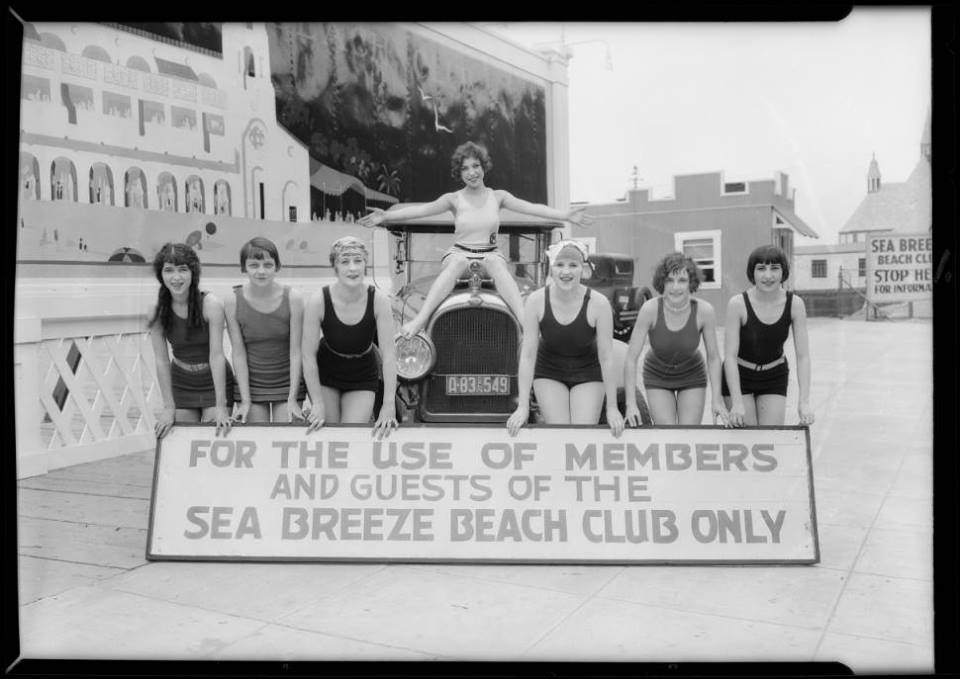
Pretty girls and a big sign advertising the Sea Breeze Beach Club, California, 1926.
In a heavy rainy day, 1929.
Coco Chanel wears an ensemble of her signature jersey at home in Paris, 1929.
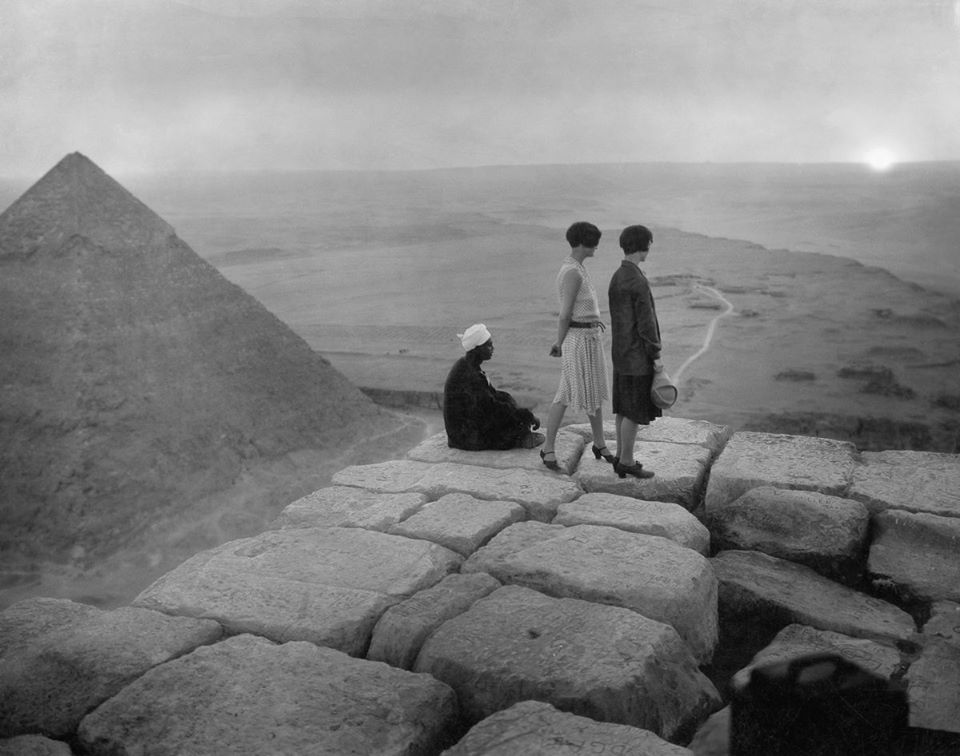
Tourists on the top of the Great Pyramid, 1925.
The Dolly sisters, 1924.
Josephine Baker and her Kitty, 1920.
Women playing softball, 1924
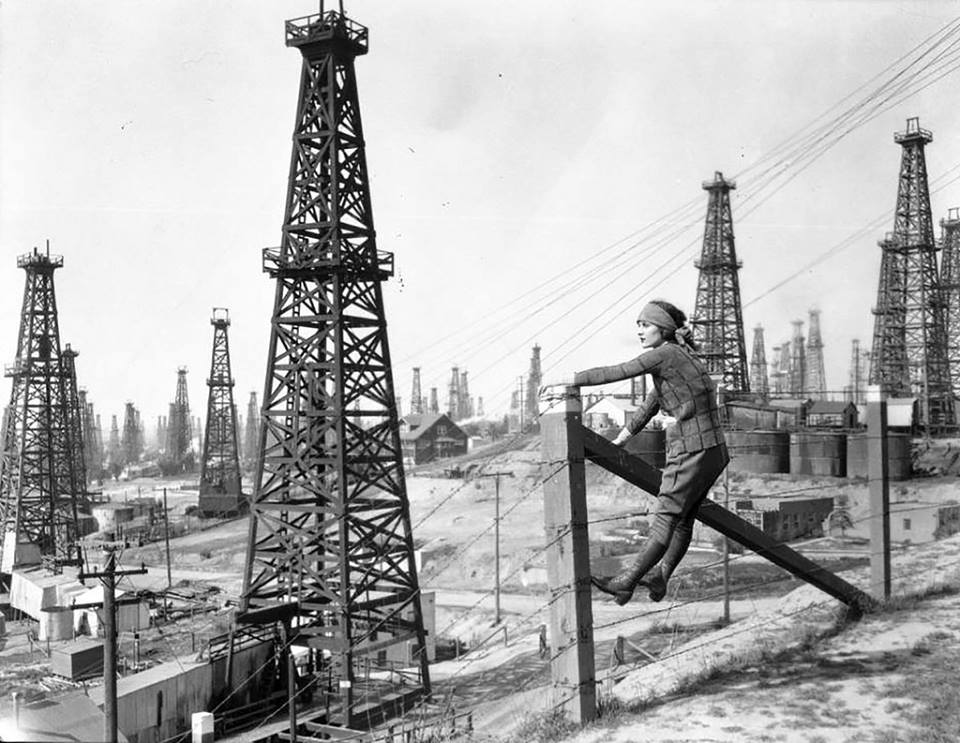
Girl posing on a fence at the Signal Hill oil field, Los Angeles, California, 1926.
The world’s strongest man, 1920s.
Children on Lenox Avenue, New York City, 1920s.
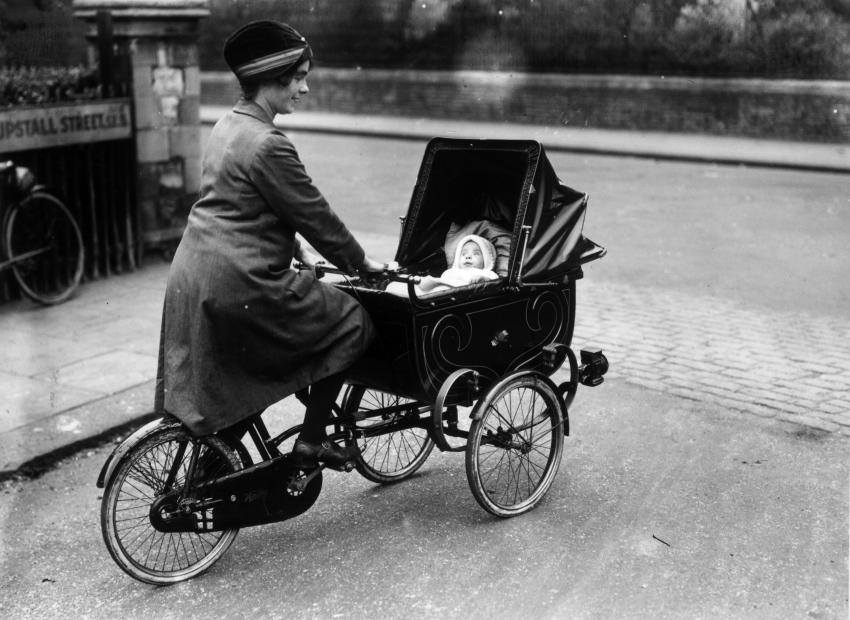
Baby in stroller bike, 1926.
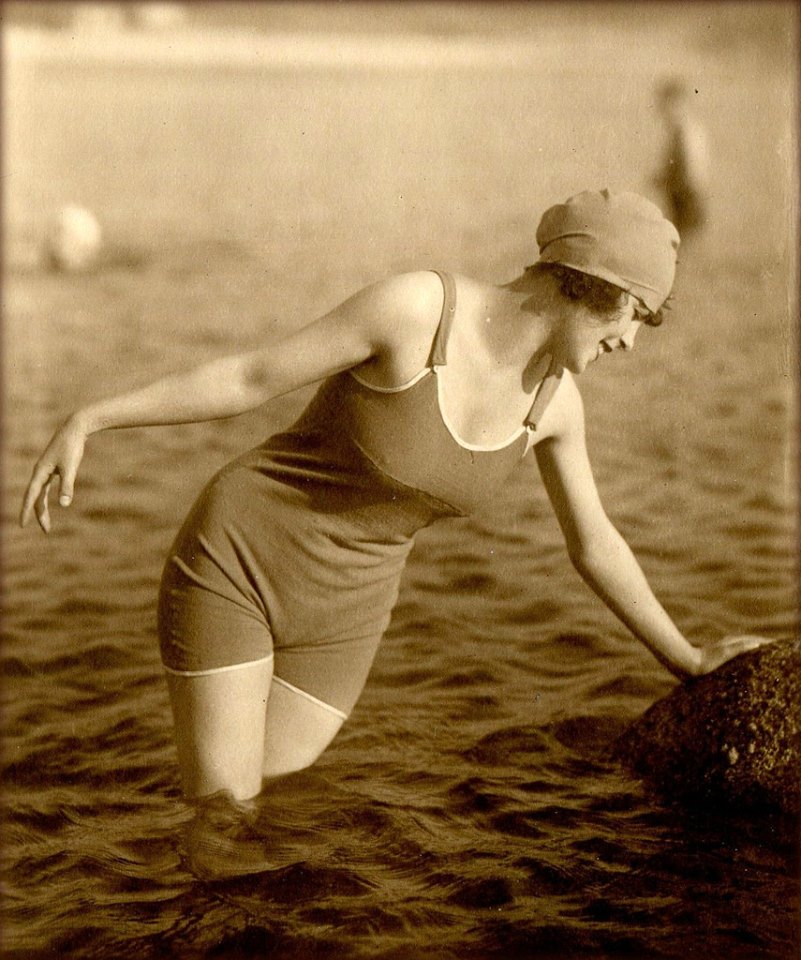
Young beauty in swimsuit, 1920s.
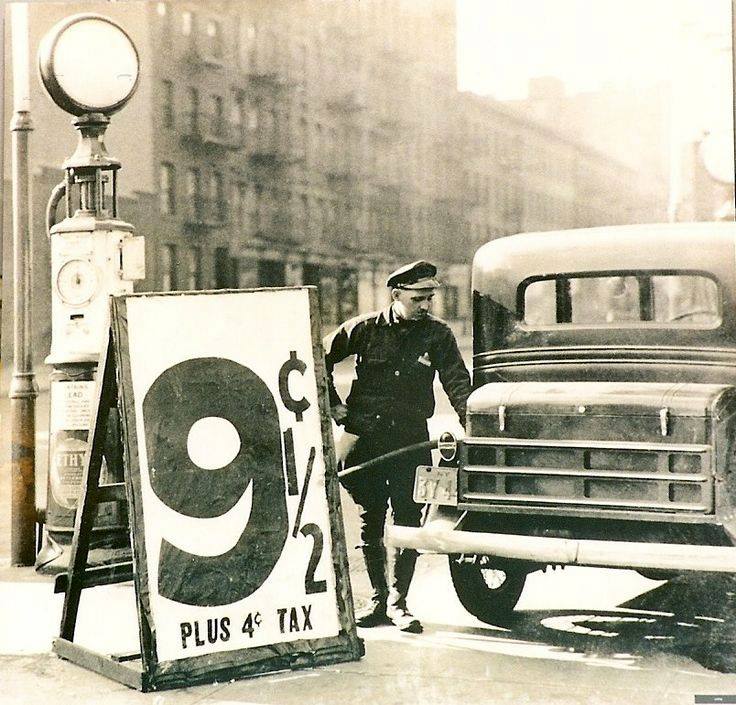
New York filling station in the 1920s.
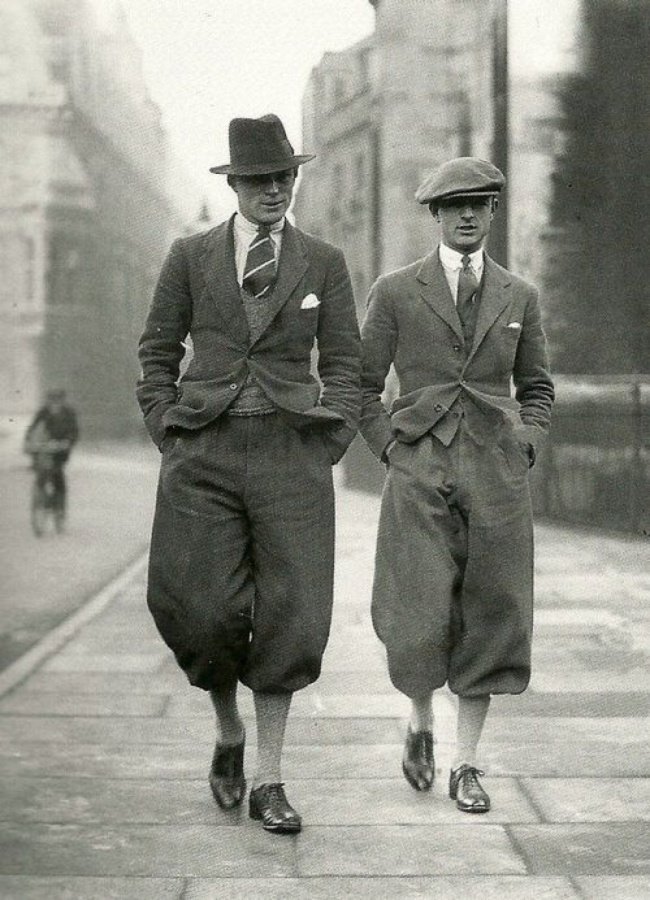
Cambridge undergraduates in plus fours, 1926.
Mary Pickford, 1922.
Students at Central High School, Washington DC in auto shop class, February 1927.
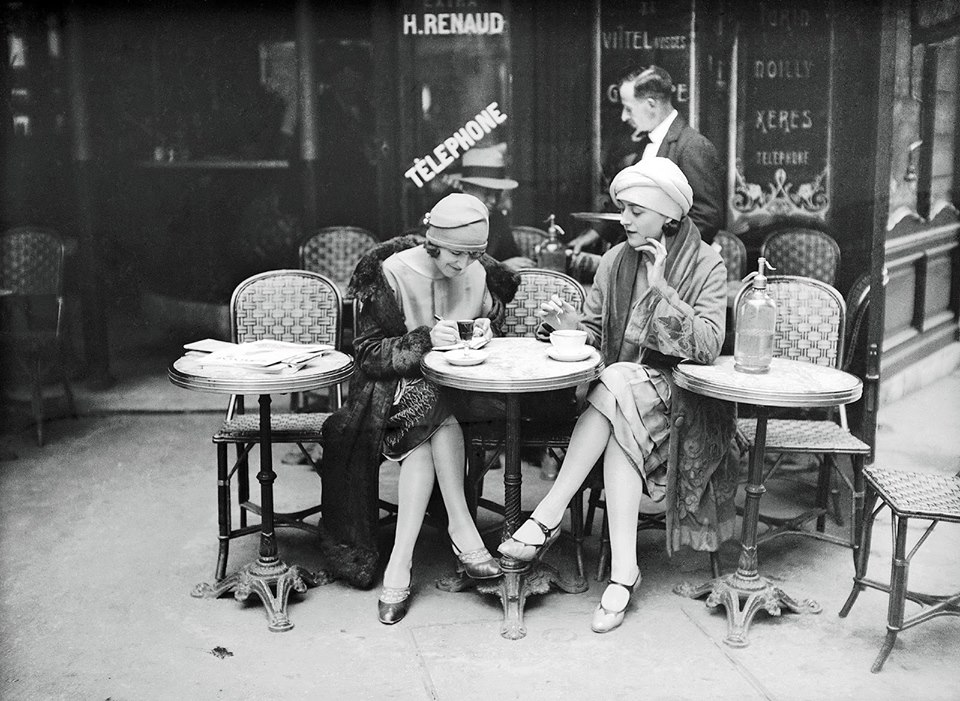
Paris café, 1925
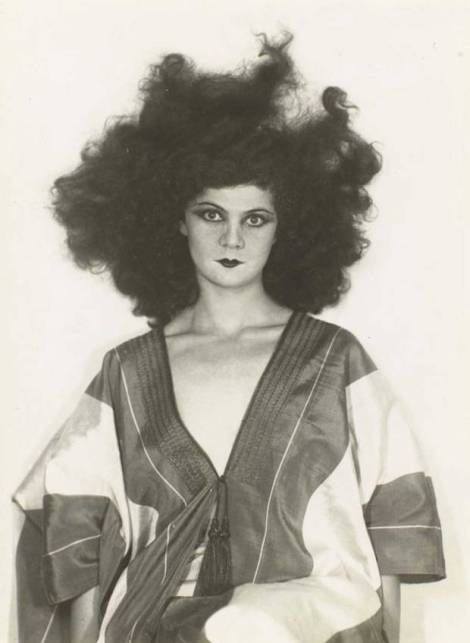
Lee Miller, 1929.
Market street, San Francisco, 1920s.
Unhappy boys in bunny costumes for a school play in 1929.
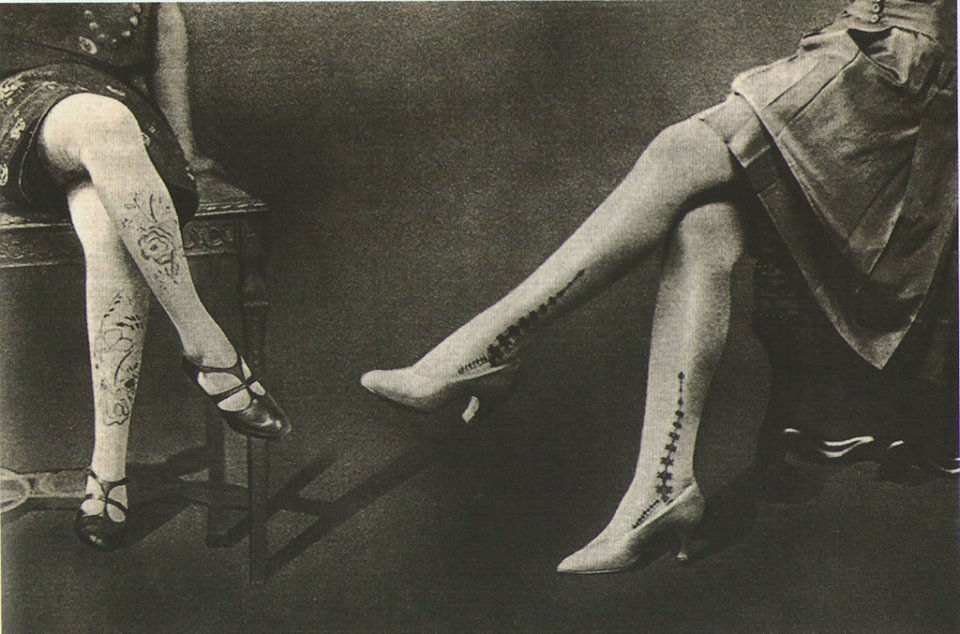
1925 flowery stockings
Delivering bread in Ireland, 1920s
Frankfurt Pharmacy, Rosemead, California, 1927

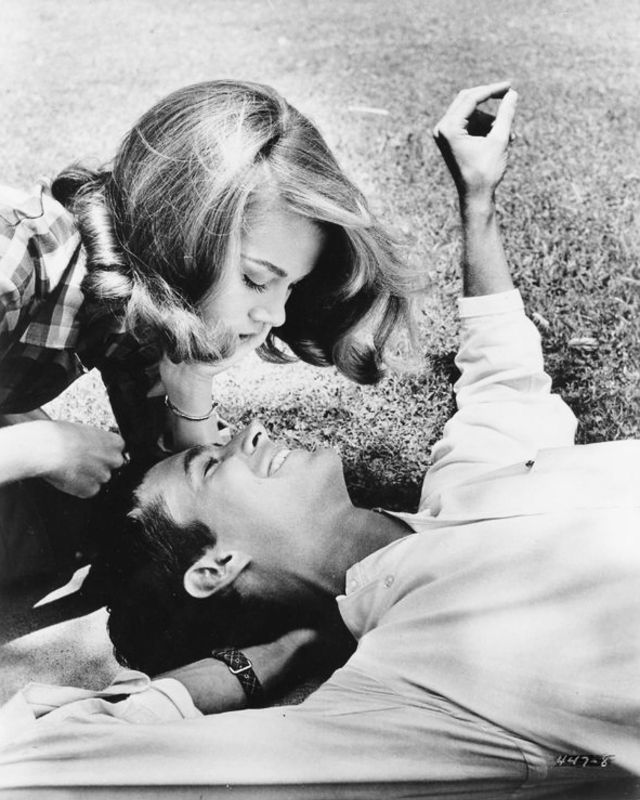
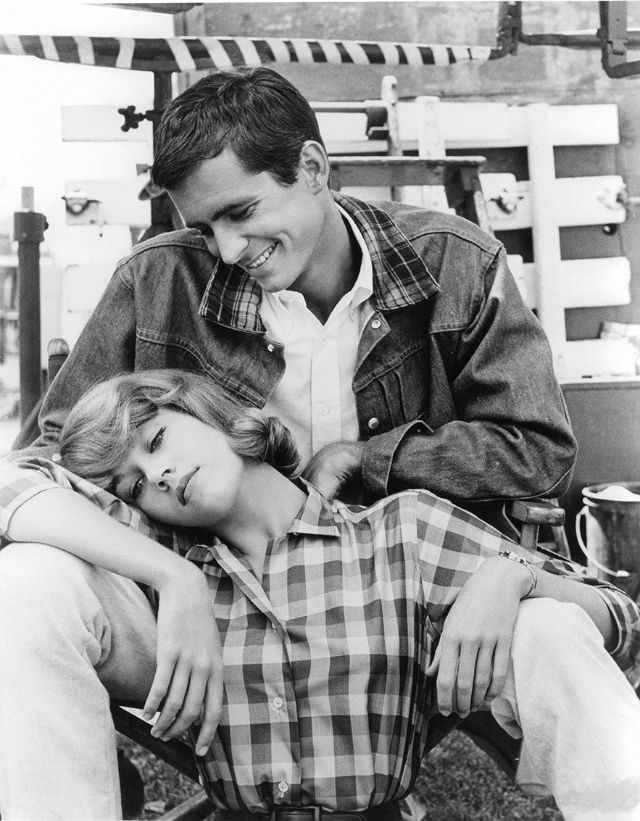
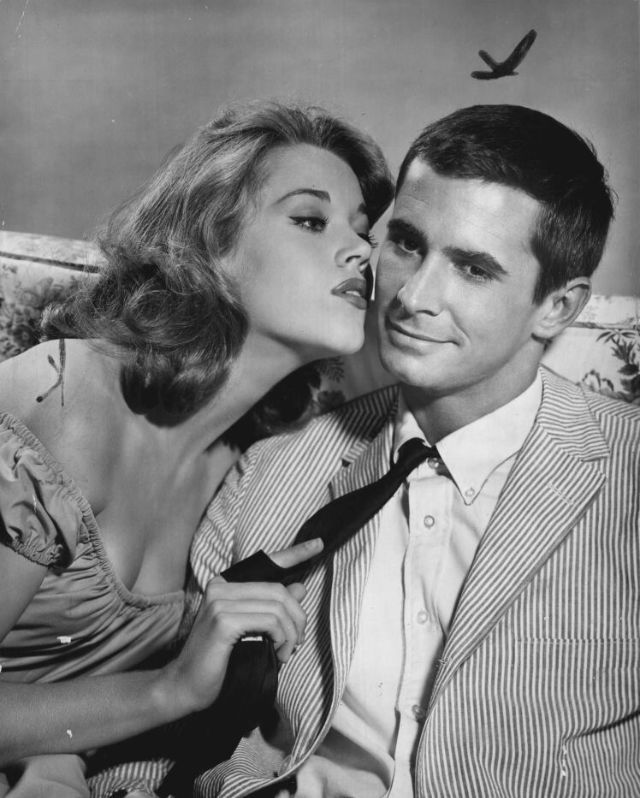
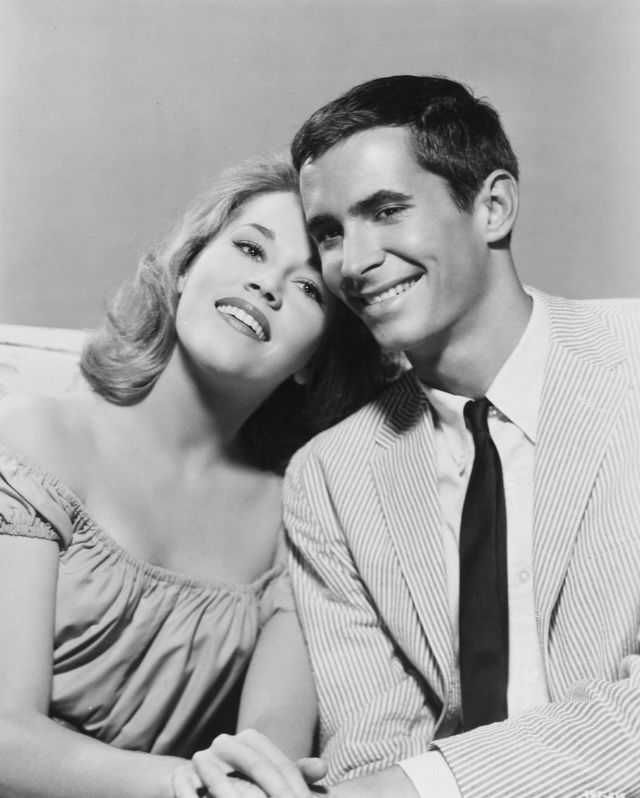
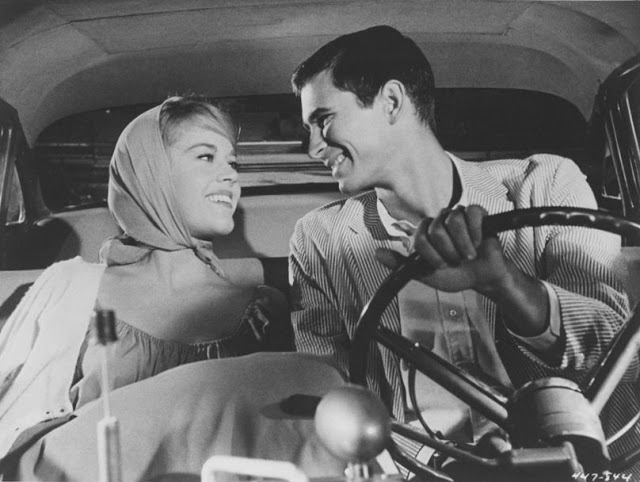
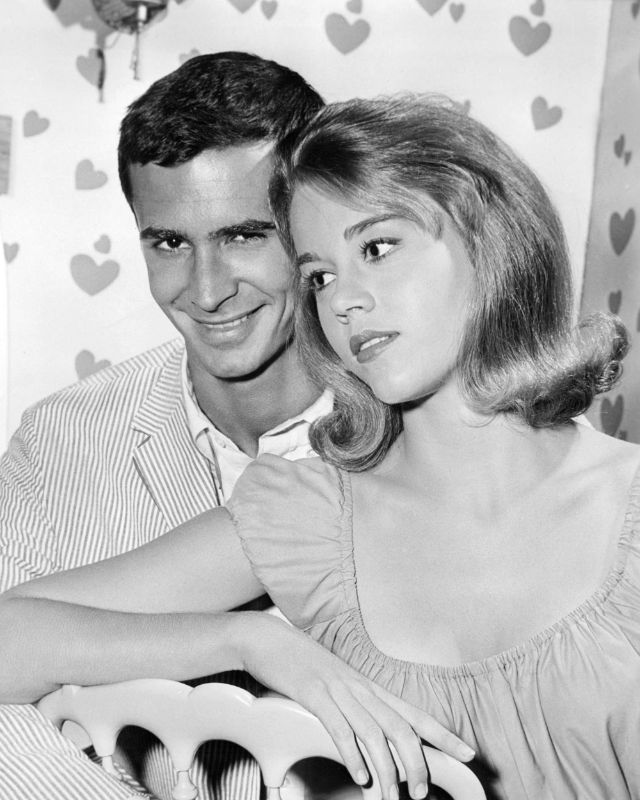
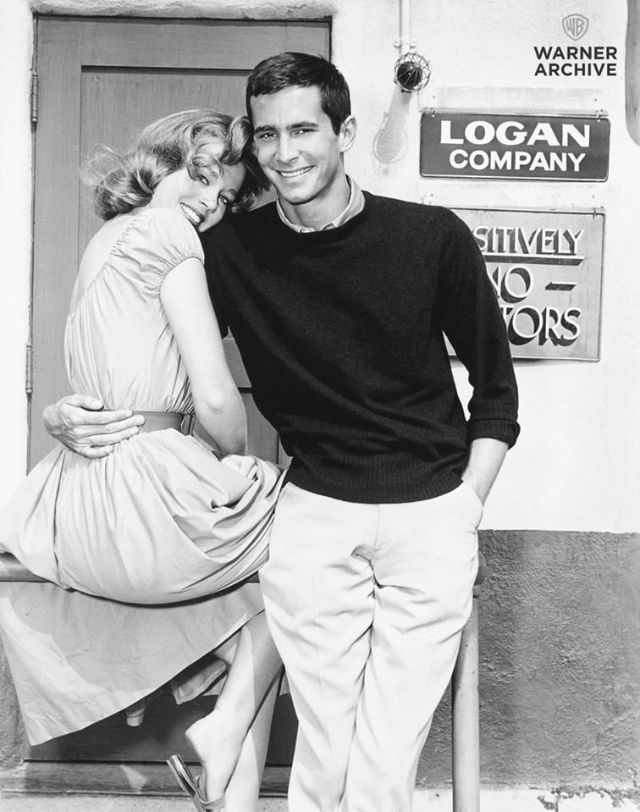
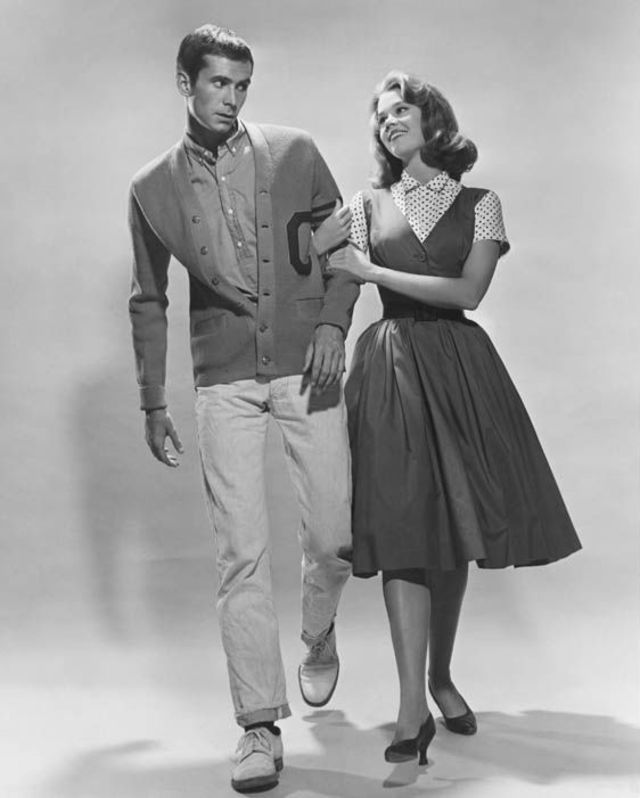
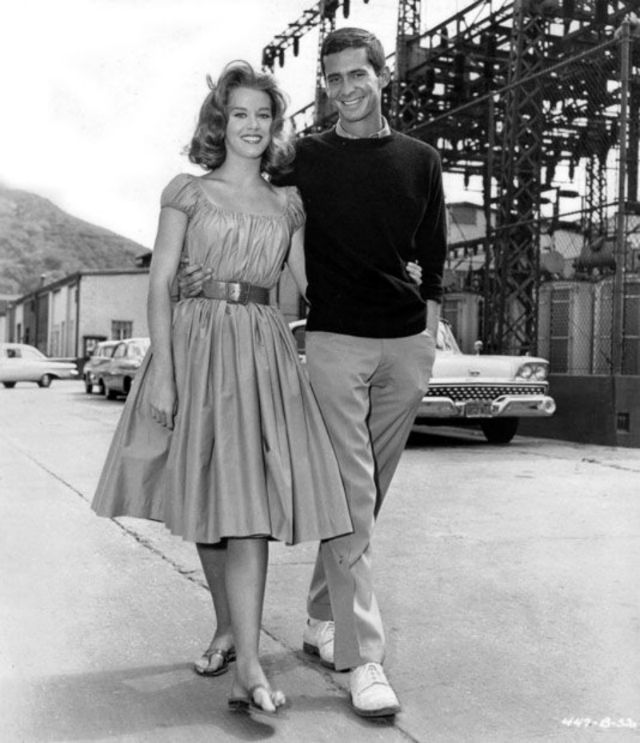
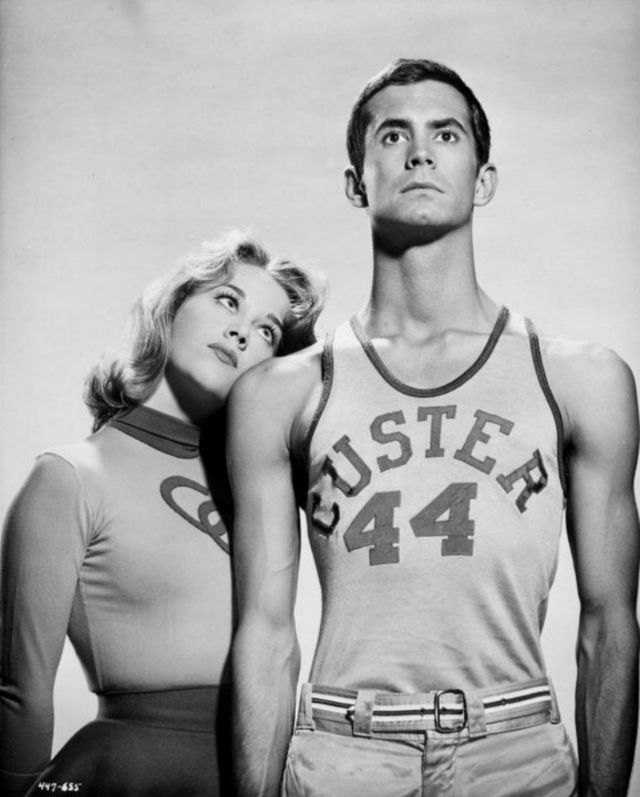
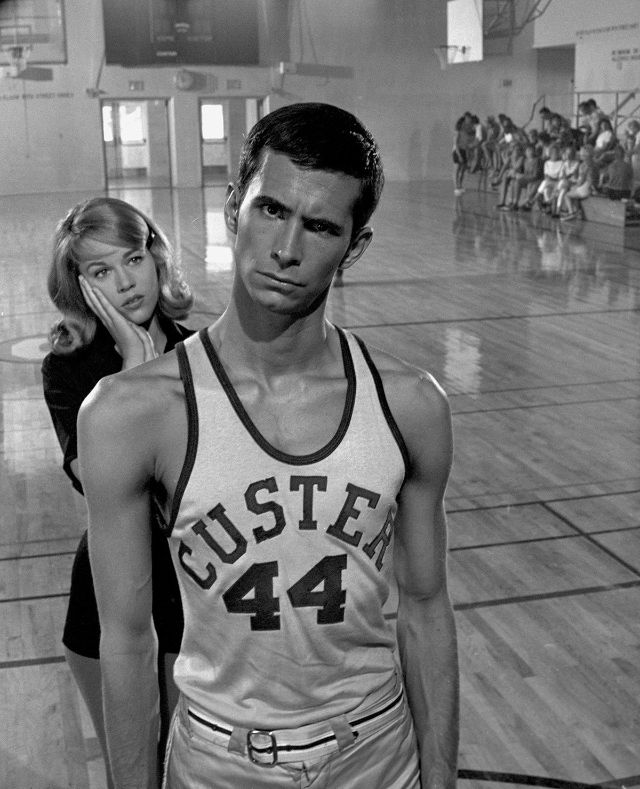
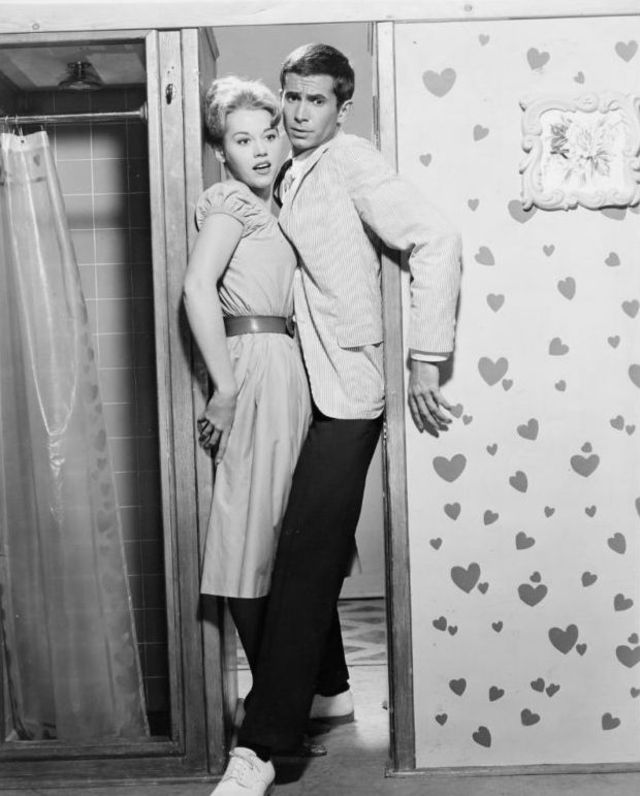
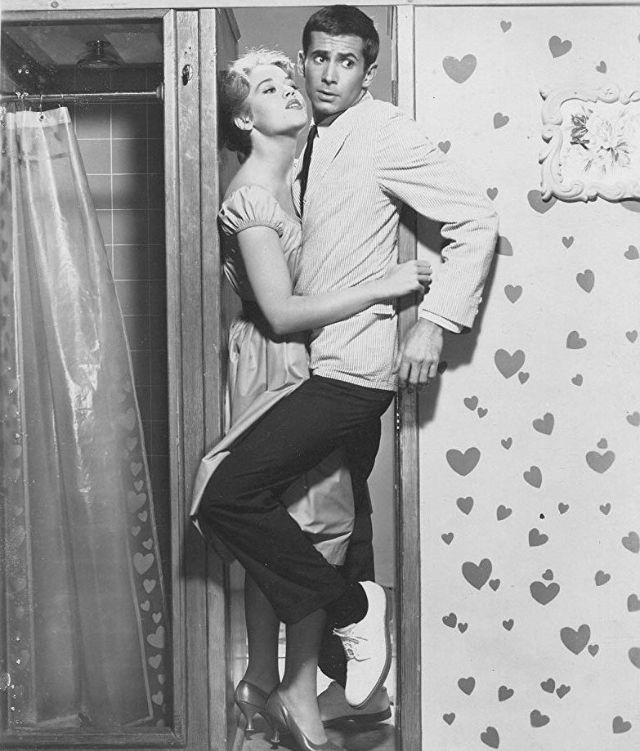
27 Vintage Photos of Jane Fonda and Anthony Perkins on the Set of Their 1960 Film “Tall Story”

Tall Story is a 1960 American romantic comedy film made by Warner Bros., directed by Joshua Logan and starring Anthony Perkins with Jane Fonda, in her first screen role. It is based on the 1957 novel The Homecoming Game by Howard Nemerov, which was the basis of a successful 1959 Broadway play titled Tall Story, by the writing team of Howard Lindsay and Russel Crouse. The film was a considerable departure from Logan’s previous two projects, the drama Sayonara, which won multiple Academy Awards, and the blockbuster South Pacific and was Robert Redford’s first film, where he played a basketball player in an uncredited role.

The film is a farcical social satire of American campus life, making fun of the way college life can become a marriage market for some students. Fonda portrays a character who is the complete opposite of the independent liberated woman she later personified.

Jane Fonda, who saw Tall Story on Broadway and hated it, was pleasantly surprised when she received the script and saw that her character June Ryder had been expanded into a larger role and was now, in fact, the major focus of the film. Logan, who was a longtime friend of Henry Fonda (he roomed with him during his bachelor years and directed him on stage in Mr. Roberts), always sensed that Jane had the talent to be a major star and wanted to prove his hunch by guiding her through her first feature.

The film’s working title was The Way the Ball Bounces. Producer/director Joshua Logan originally intended the film to be a vehicle for both Jane Fonda and Warren Beatty to make their screen debuts, but Warner Bros. would not approve the unknown Beatty for the part, and Logan had to settle for his second choice, Anthony Perkins.

Jane Fonda, who saw Tall Story on Broadway and hated it, but was pleased that her part in the film script had been expanded. Logan was a good friend of her father Henry Fonda and saw Jane as a potential major star. He wanted to guide her through her first film experience – she had been modeling for several years – but Fonda found it a “Kafkaesque nightmare,” explaining in her autobiography My Life So Far that during the making of Tall Story she suffered from bulimia, sleepwalking and irrational fears that she was “boring, untalented and plain.”

When Tall Story went into general release, the critics were unusually hard on the picture. Time magazine wrote “Nothing could possibly save the picture, not even the painfully personable Perkins doing his famous awkward act, not even a second-generation Fonda with a smile like her father’s and legs like a chorus girl.” The Films in Review writer said, “The film wouldn’t be reviewed in these pages but for the fact that Henry Fonda’s daughter Jane makes her screen debut in it. She is a good-looking lass and she can act.”

Below is a collection of some of vintage photographs of Jane Fonda and Anthony Perkins during the film.

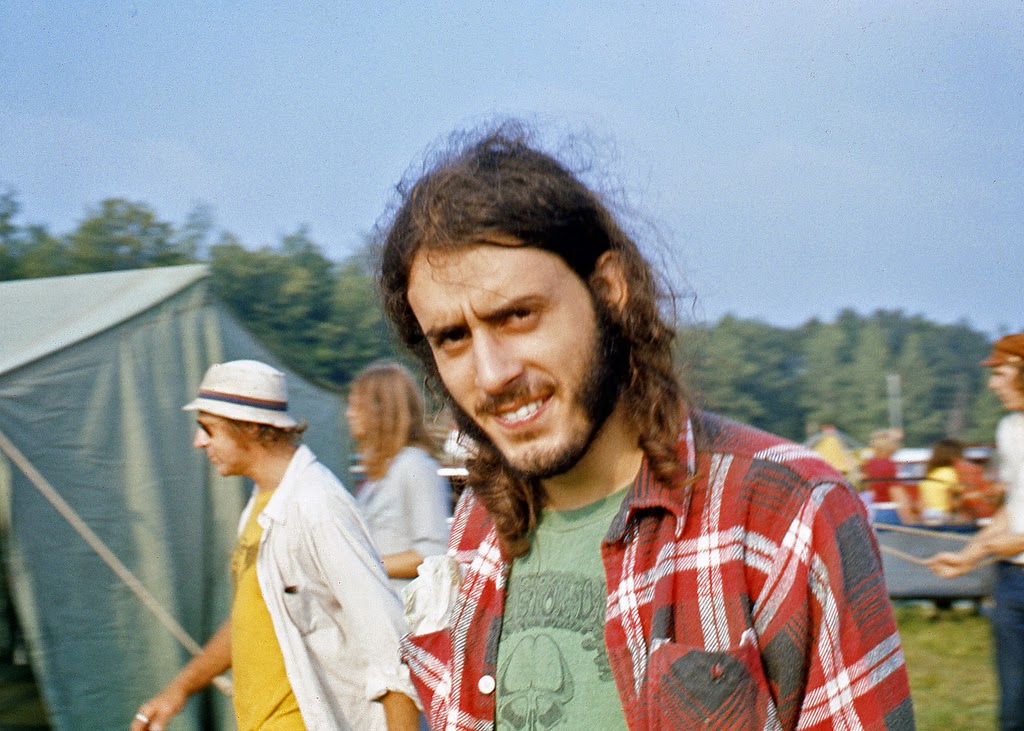
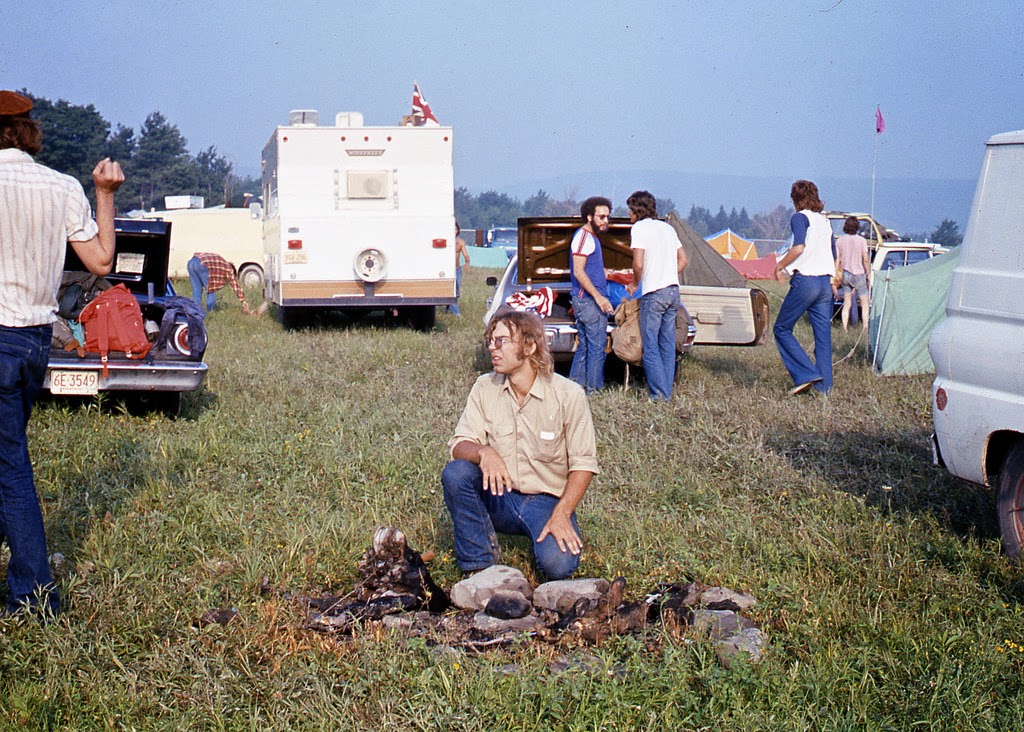
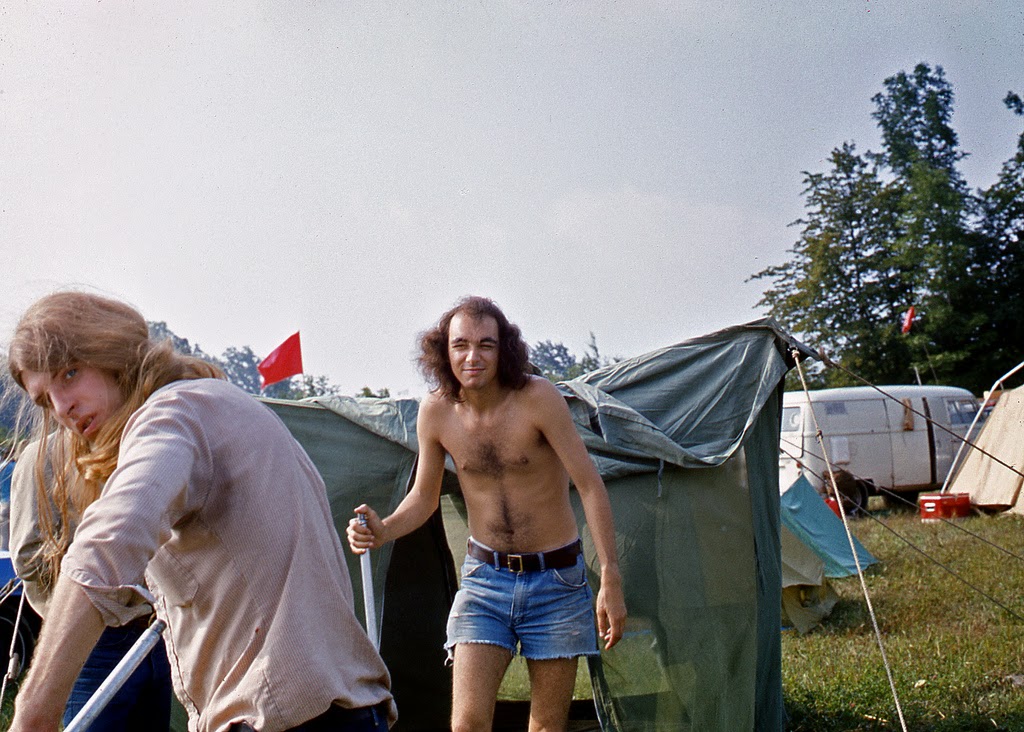
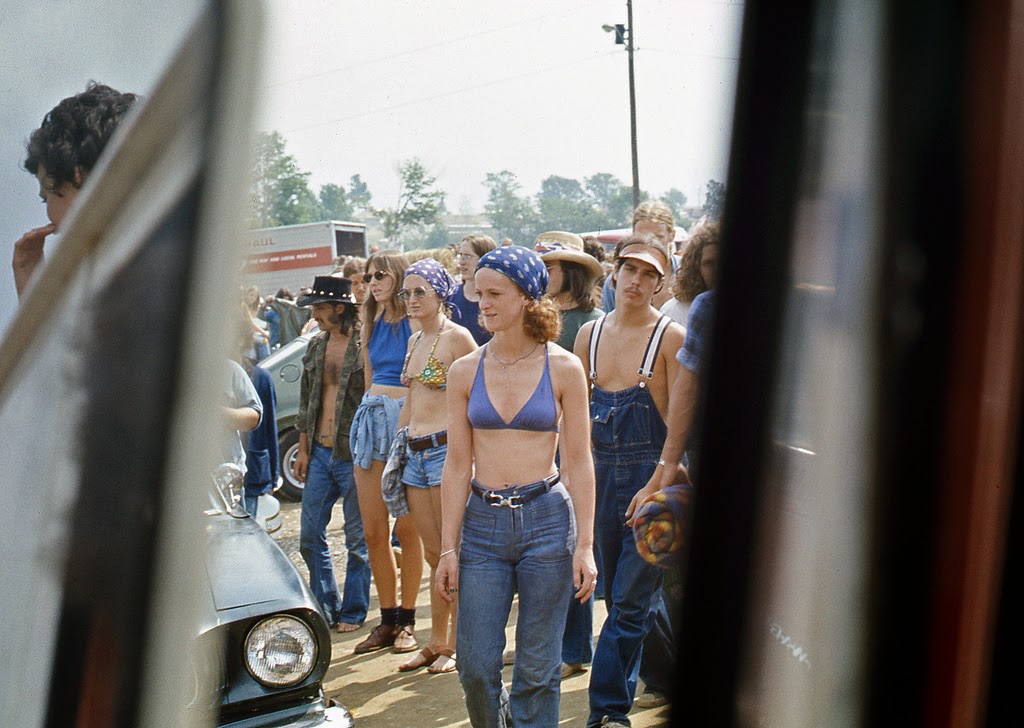
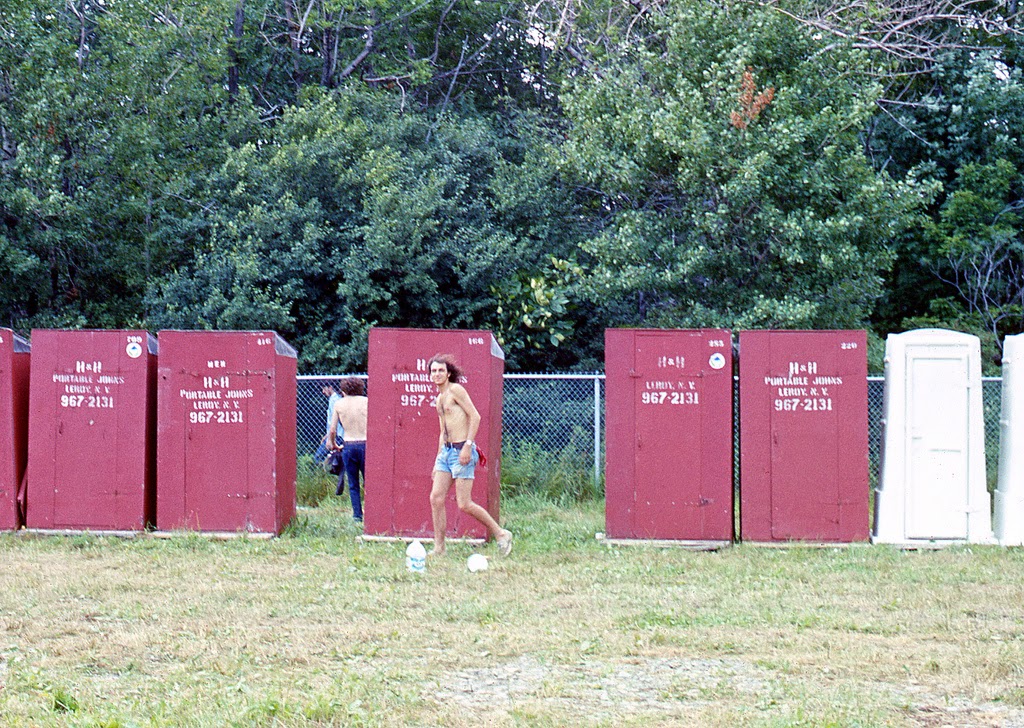
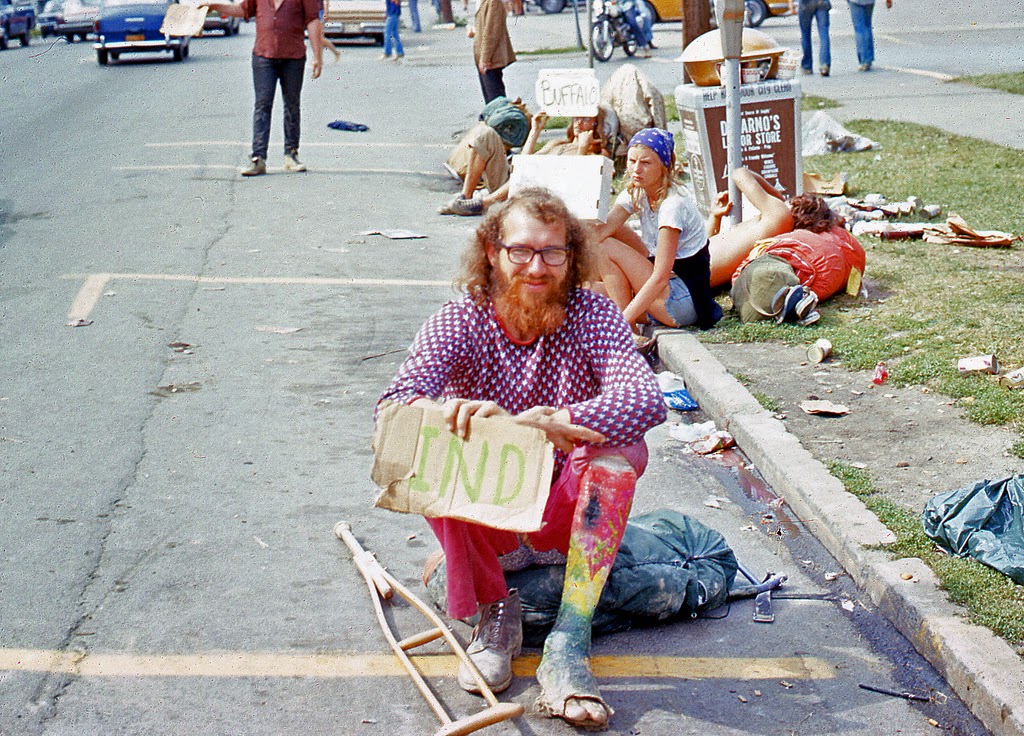
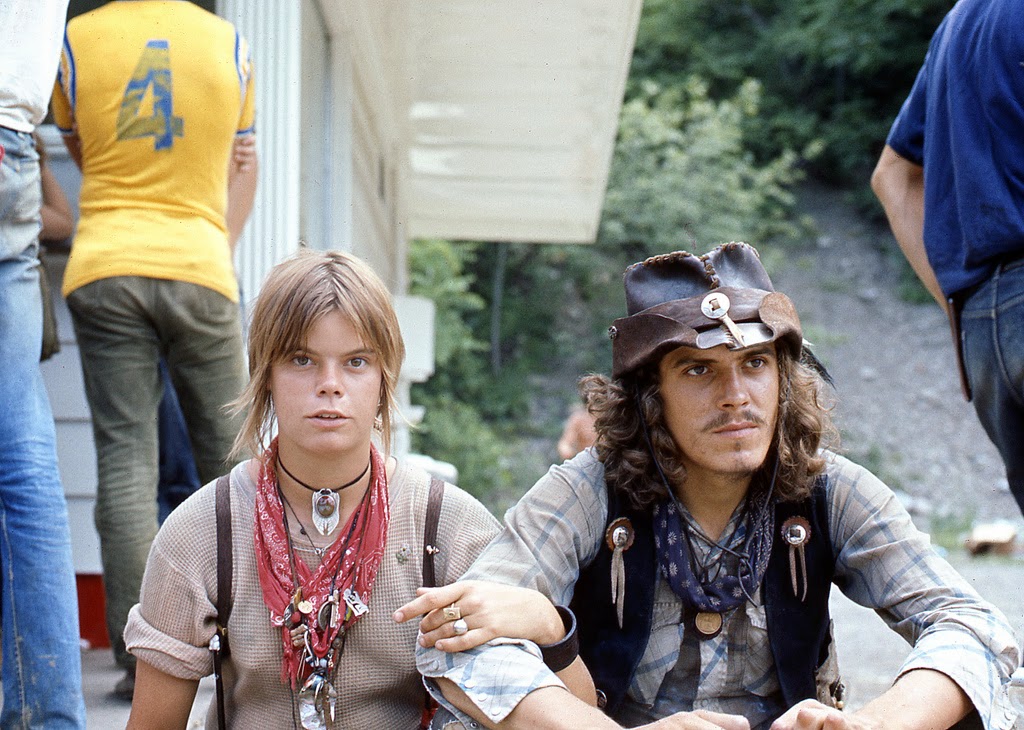
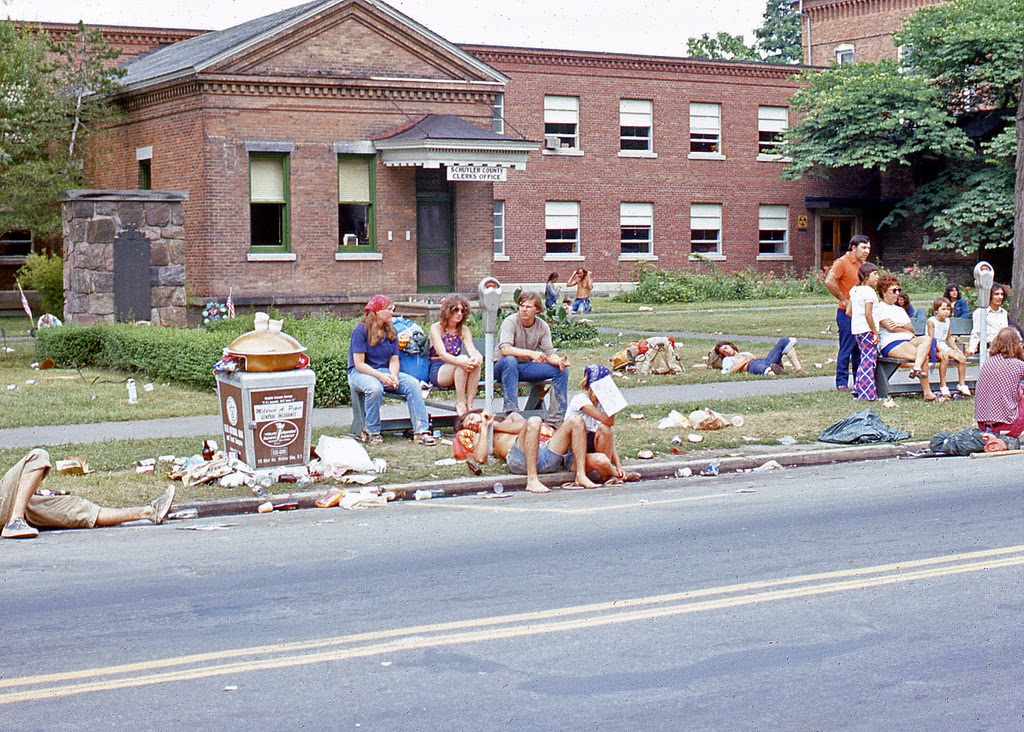
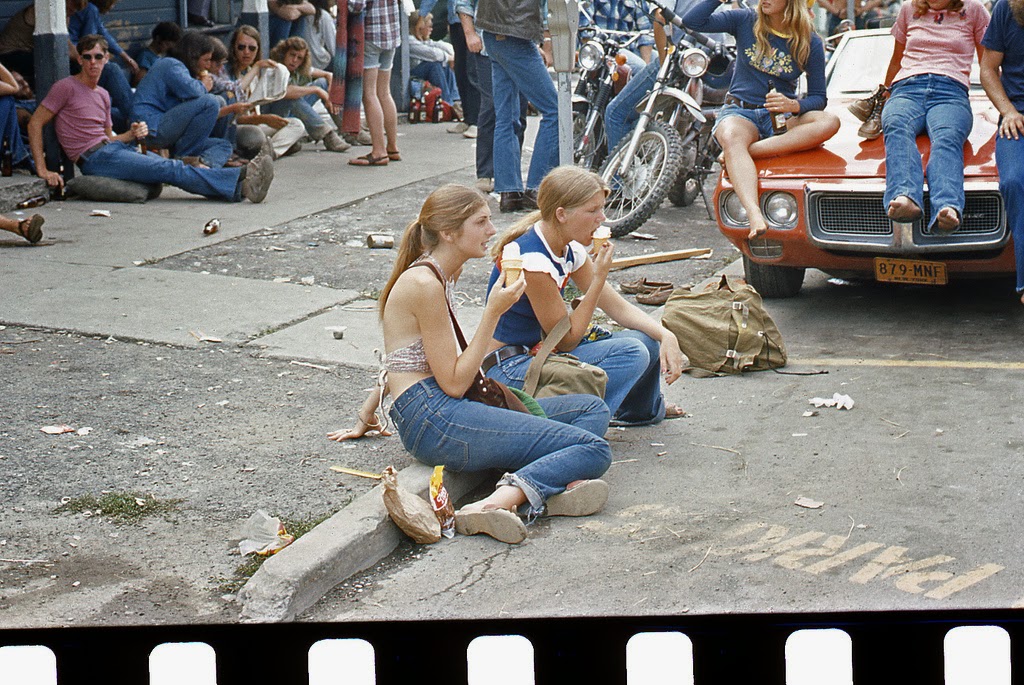
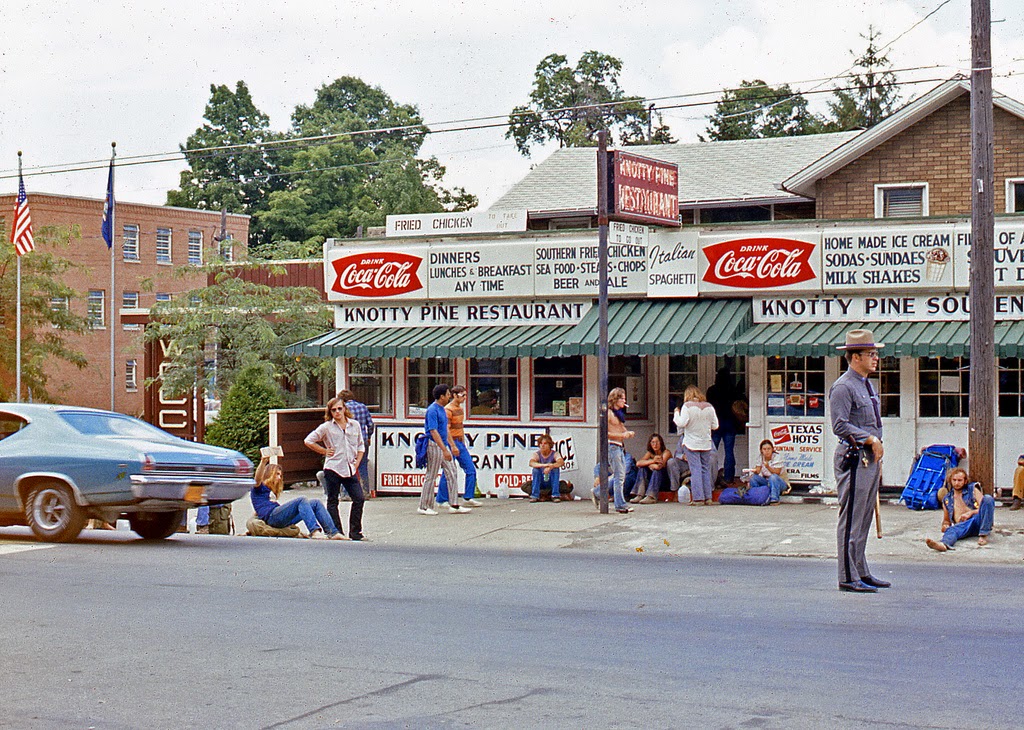
22 Fantastic Photos of Fans at 1973 Summer Jam Rock Festival at Watkins Glen

The Summer Jam at Watkins Glen was a 1973 rock festival which once received the Guinness Book of World Records entry for “Largest audience at a pop festival.” An estimated 600,000 rock fans came to the Watkins Glen Grand Prix Raceway outside Watkins Glen, New York, on July 28, 1973, to see the Allman Brothers Band, Grateful Dead and The Band perform.

The concert was produced by Shelly Finkel and Jim Koplik, two promoters who had organized a successful Grateful Dead concert at Dillon Stadium, Hartford, Connecticut, in 1972. At the Dillon Stadium concert, the Grateful Dead were joined on-stage by Dickey Betts, Berry Oakley, and Jai Johanny Johanson, members of The Allman Brothers Band. This impromptu jam planted the seeds that would eventually spawn the “Summer Jam” concert in Watkins Glen, NY.

Bill Graham’s FM Productions provided lights, staging and a 50,000-watt sound system. The sound system introduced a new concept: Digital delay lines to compensate for the speed of sound in air. New Jersey electronics company Eventide brought three digital delay units each capable of 200 milliseconds of delay. Four speaker towers were placed 200 feet (60 m) from the stage, their signal delayed 175 ms to compensate for the speed of sound between the main stage speakers and the delay towers. Six more speaker towers were placed 400 feet from the stage, requiring 350 ms of delay, and a further six towers were placed 600 feet away from the stage, fed with 525 ms of delay, the audio signal coming through all three modules. The most distant audience areas were unable to see the stage because of terrain, but they could hear the concert. Each Eventide DDL 1745 module contained many 1000-bit shift register integrated chips, and cost the same as a new car. The concept meant that the people in the front were not blasted with too much sound in an attempt to reach the back, and the people in the back enjoyed high fidelity sound. The system worked very well.

Similar to the 1969 Woodstock Festival, an enormous traffic jam created chaos for those who attempted to make it to the concert site. Long and narrow country roads forced fans to abandon their vehicles and walk 5–8 miles on that hot summer day. 150,000 tickets were sold for $10 each, but for all the other people it was a free concert.

Although the concert was scheduled to start on July 28, thousands of music fans were already at the concert site on the 27th. Robbie Robertson of the Band requested to do a soundcheck, but was perplexed that so many people were sitting in front of the stage. Bill Graham allowed the soundcheck with the crowd of people in front, and The Band ran through a few numbers to the delight of the audience. The Allman Brothers Band did their soundcheck next, playing “One Way Out” and “Ramblin’ Man”. Grateful Dead’s soundcheck turned into a legendary two-set marathon, featuring their familiar tunes such as “Sugaree”, “Tennessee Jed” and “Wharf Rat”. They also performed a unique jam that was eventually included on their retrospective CD box set So Many Roads (1965-1995).

On July 28, the day of the concert, 600,000 music fans had arrived in Watkins Glen. Grateful Dead performed first, playing two long sets. They opened with “Bertha” and played many hits such as “Box Of Rain”, “Jack Straw”, “Playing in the Band”, “China Cat Sunflower” and “Eyes of the World”.

The Band followed the Dead with one two-hour set. However, their set was cut in half by a drenching thunderstorm, in a scene again reminiscent of Woodstock, people were covered with mud. During the storm, keyboardist Garth Hudson performed his signature organ improvisation “The Genetic Method”; when the rain finally let up, the full Band joined Hudson on stage, and segued into their signature song “Chest Fever”.

Finally, the Allman Brothers Band performed for three hours. Their performance included songs from their soon-to-be-released album Brothers and Sisters, along with their standards “In Memory of Elizabeth Reed”, “Statesboro Blues”, “Les Brers in A Minor” and “Whipping Post”.

Following the Allmans’ second set, there was an hour encore jam featuring musicians from all three bands. The jam featured spirited renditions of “Not Fade Away”, “Mountain Jam”, and “Johnny B. Goode”.

Although there were no reports of violence at Watkins Glen, the day was marred by the death of Willard Smith, 35, a skydiver from Syracuse, New York. Smith dived from an airplane carrying flares. One of the flares ignited his body suit, and he was engulfed in flames. Smith’s body was eventually found in the woods near the concert site. There is also the unsolved disappearance of two high school teenagers (Mitchel Weiser and Bonnie Bickwit) from Brooklyn who were hitchhiking to the concert.

Many historians claimed that the Watkins Glen event was the largest gathering of people in the history of the United States. In essence, that meant that on July 28, one out of every 350 people living in America at the time was listening to the sounds of rock at the New York state racetrack. Considering that most of those who attended the event hailed from the Northeast, and that the average age of those present was approximately seventeen to twenty-four, close to one out of every three young people from Boston to New York was at the festival.

Summer Jam was the last concert event to be held at Watkins Glen International until 2011, when the rock band Phish organized and performed at a three day festival, called Super Ball IX, at the complex.

In 2013, a maintenance crew from Watkins Glen International found abandoned cars from the event in the woods on track property. (Wikipedia)
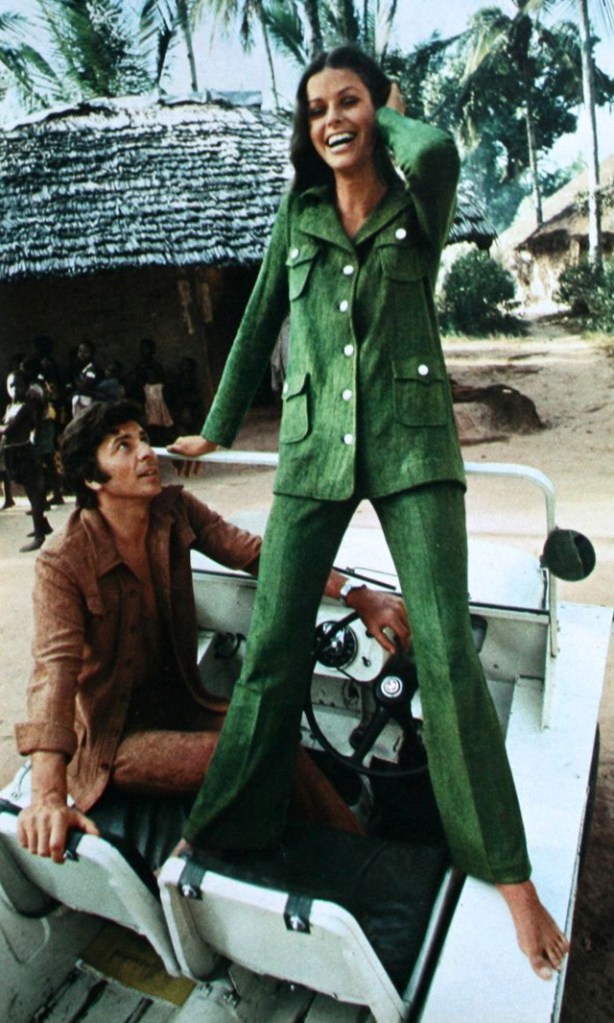
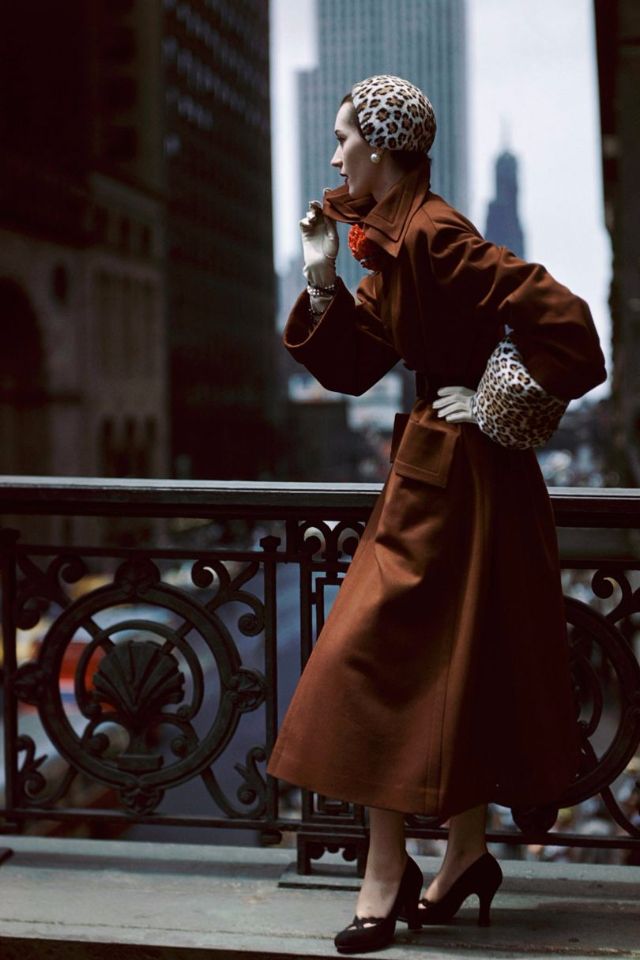
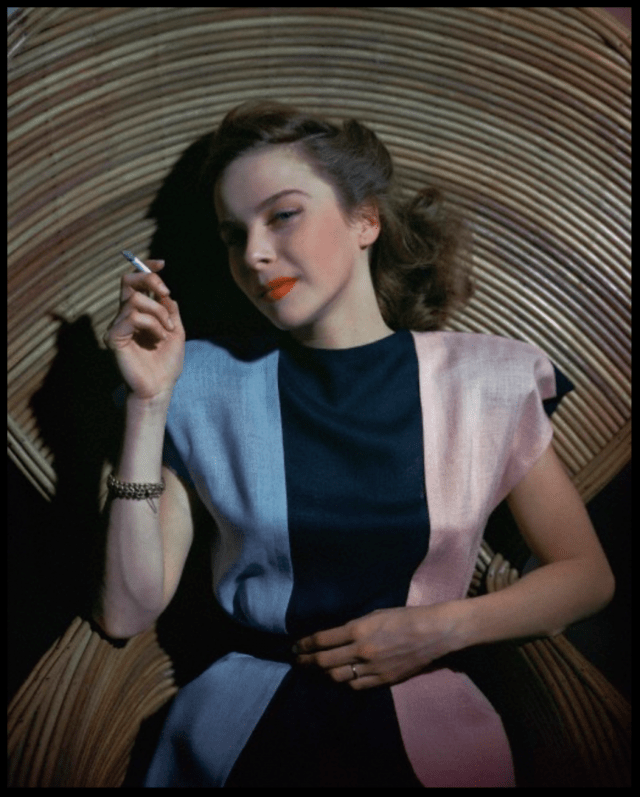
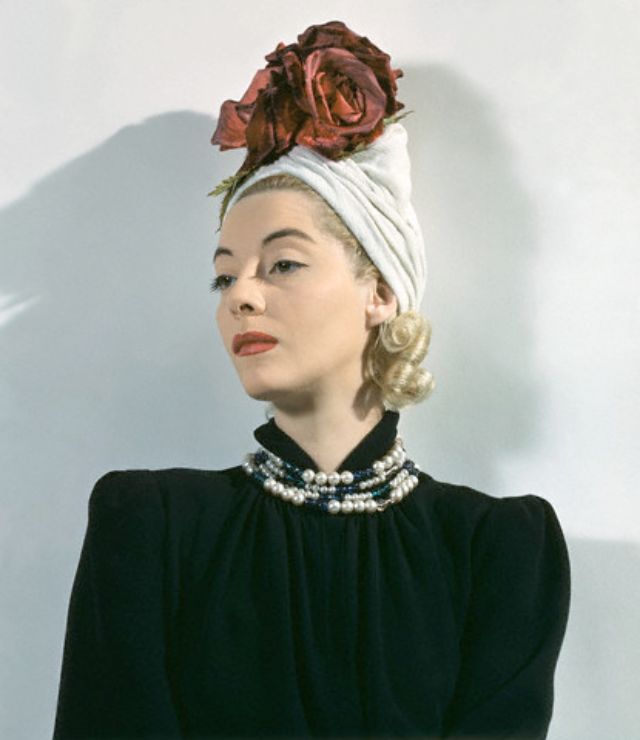
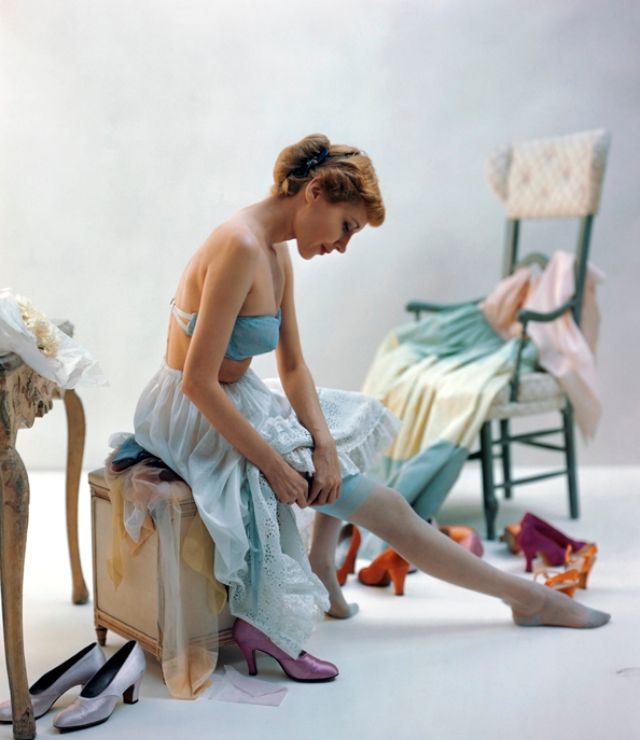
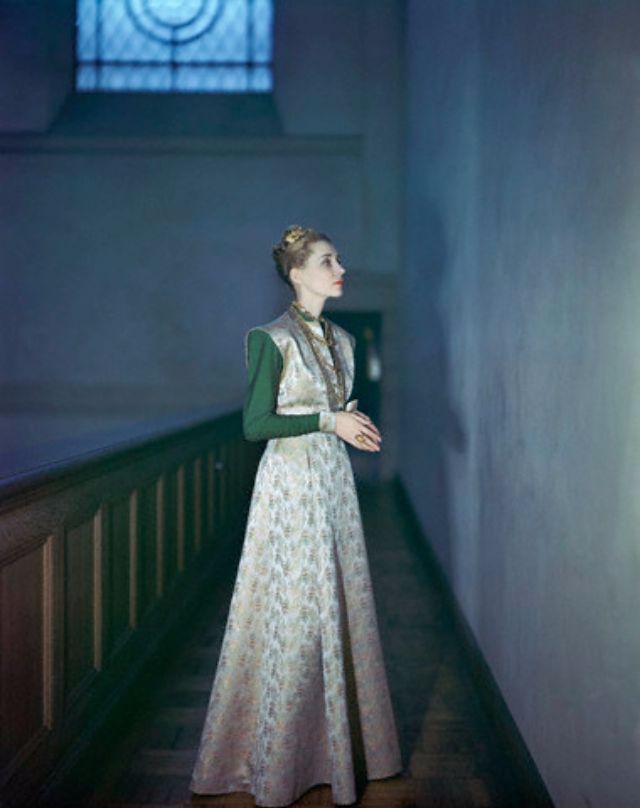
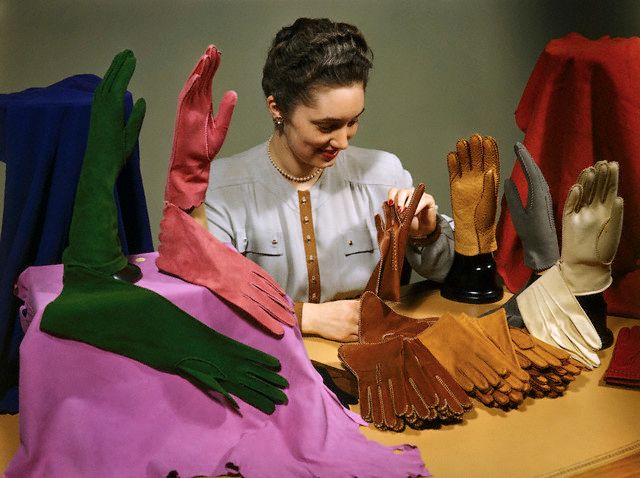
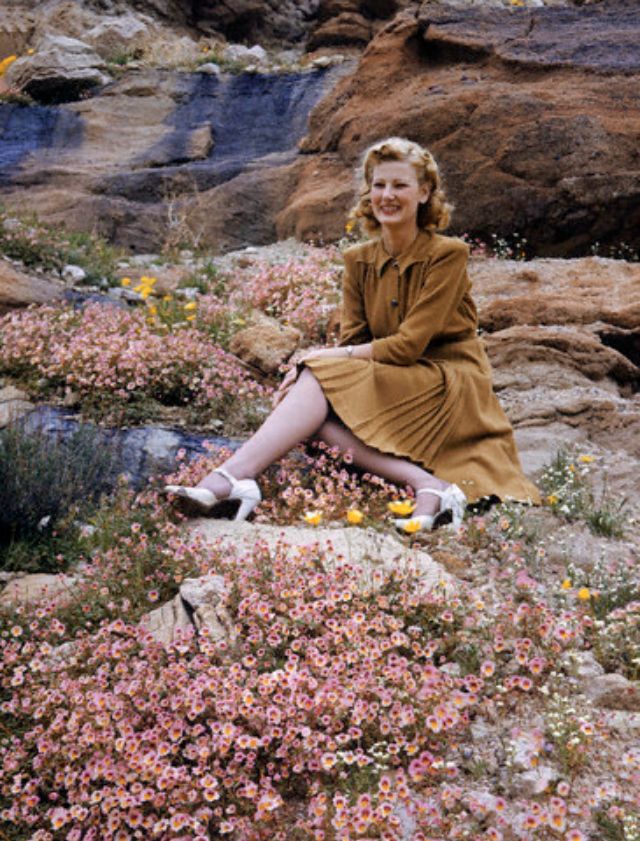
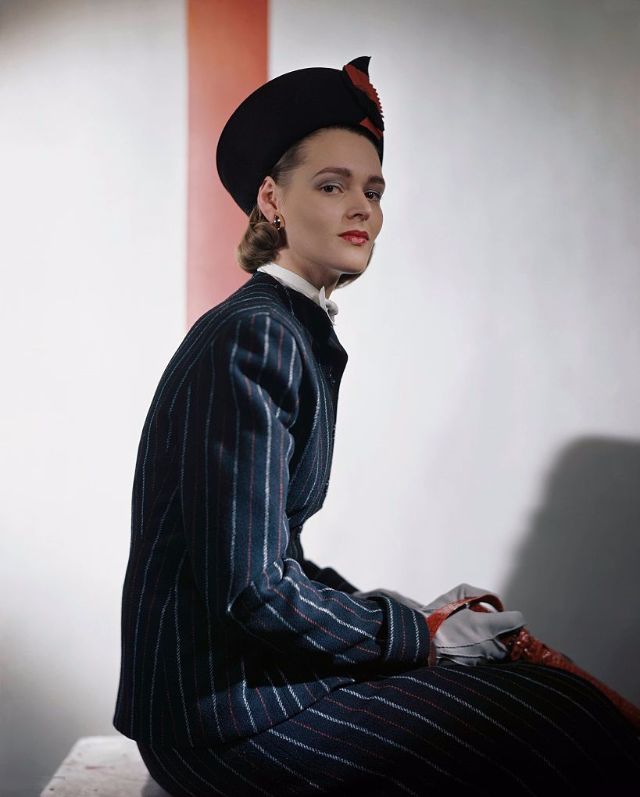
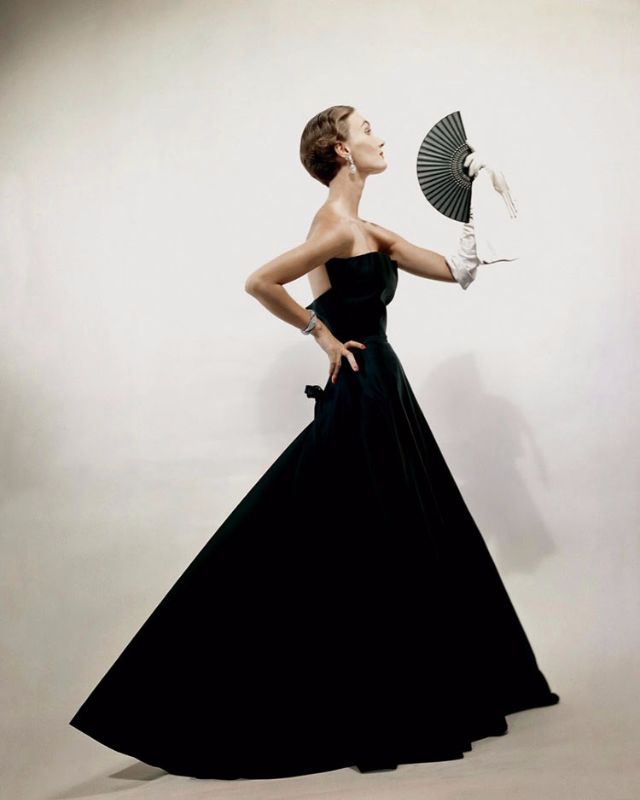
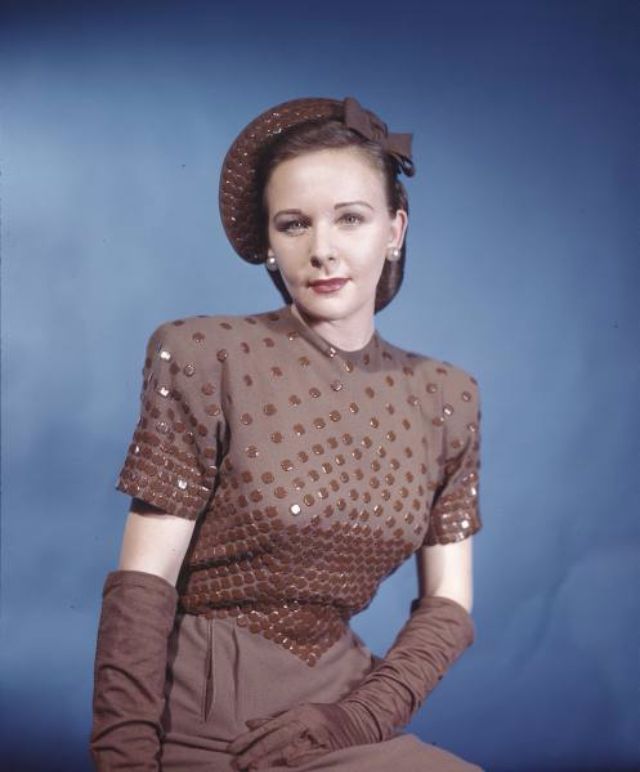
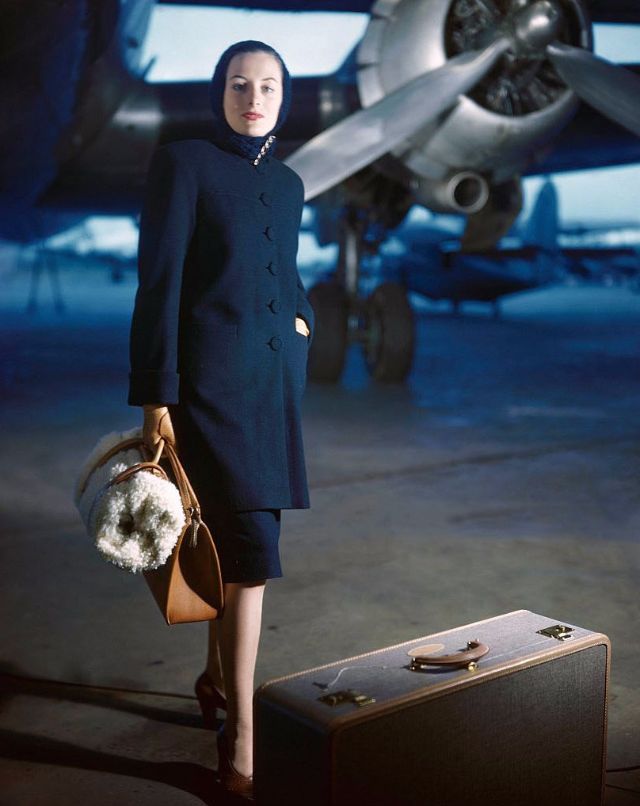
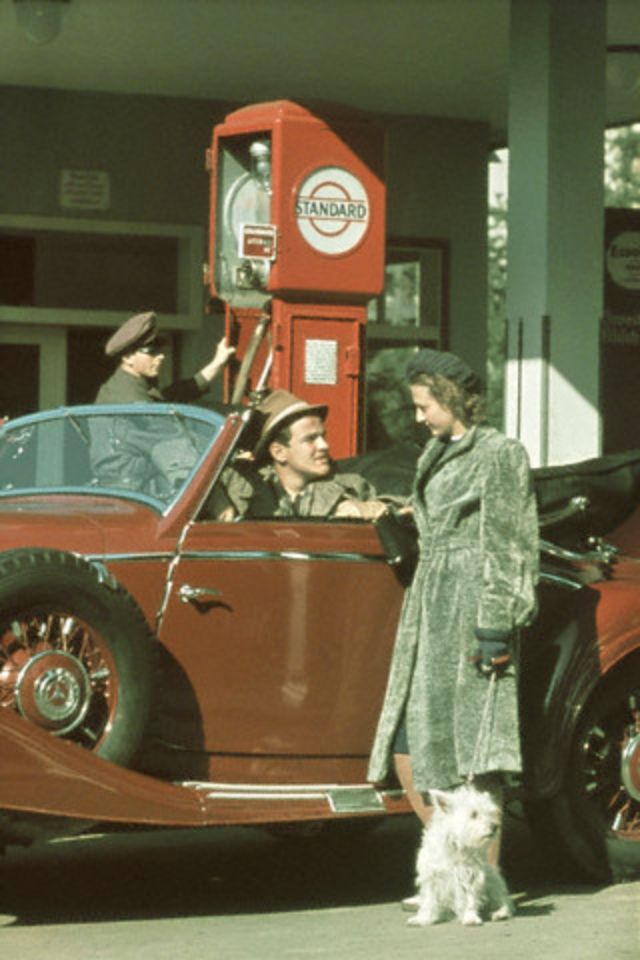
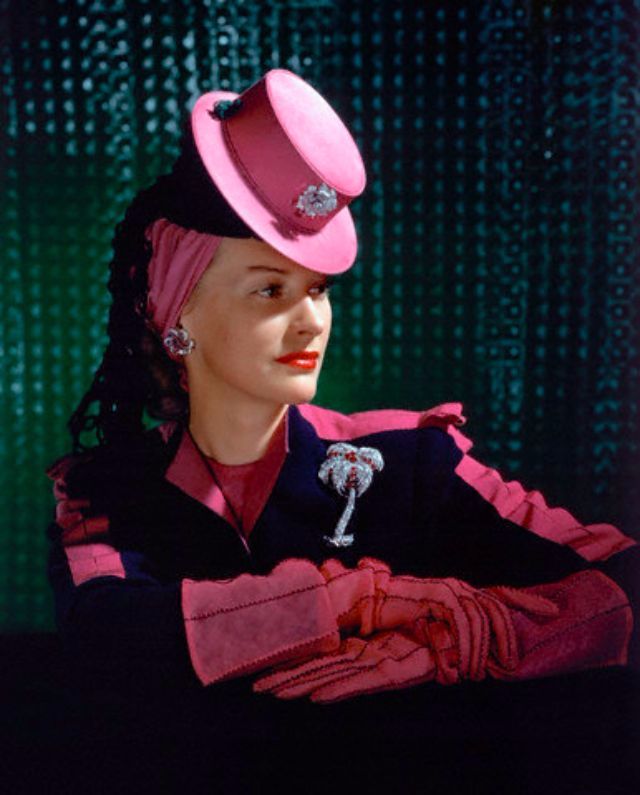
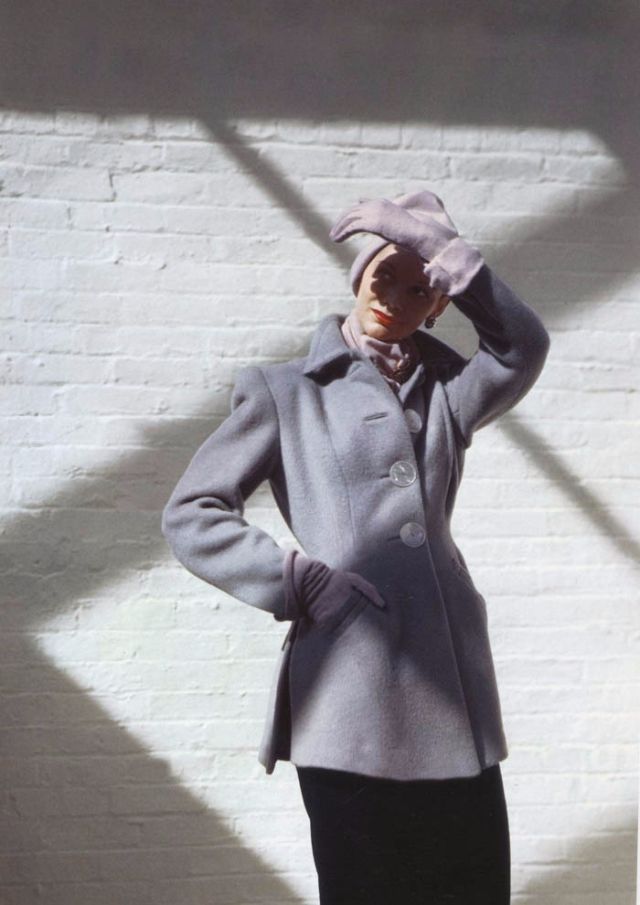
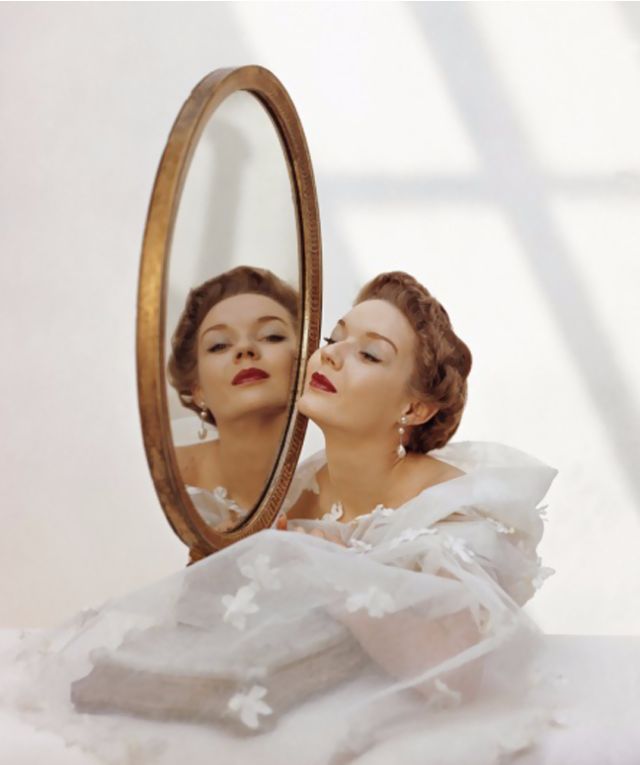
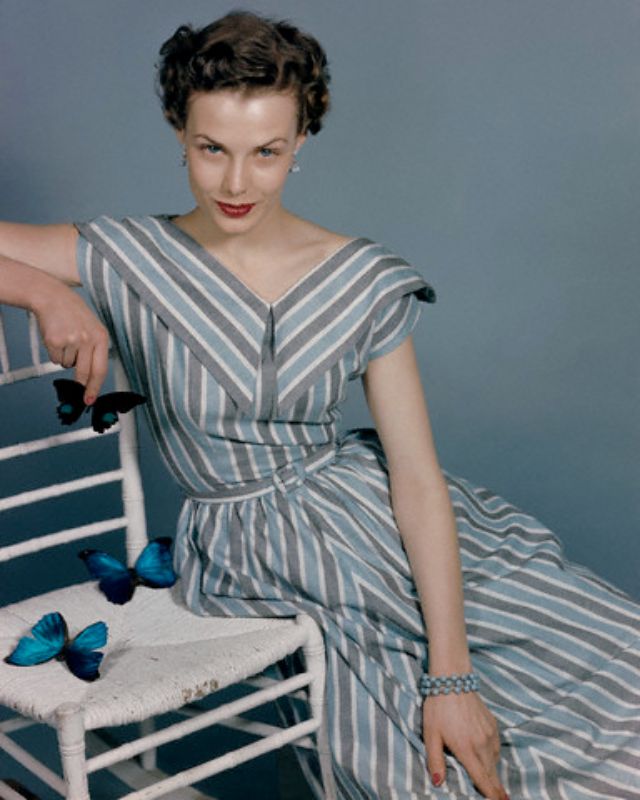
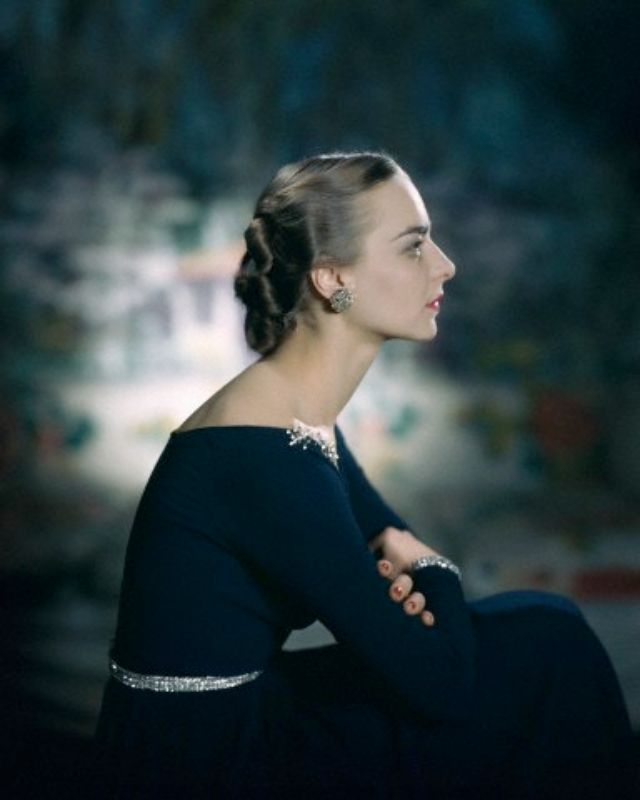
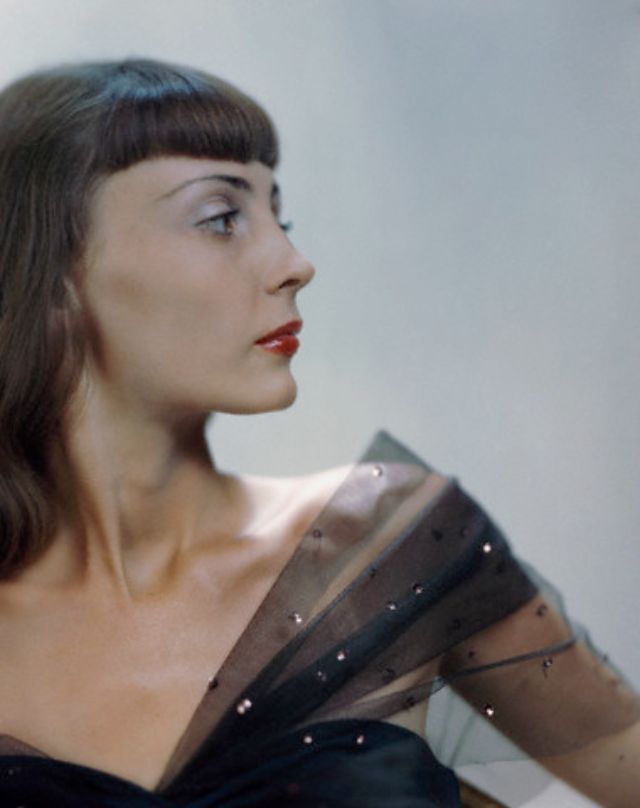
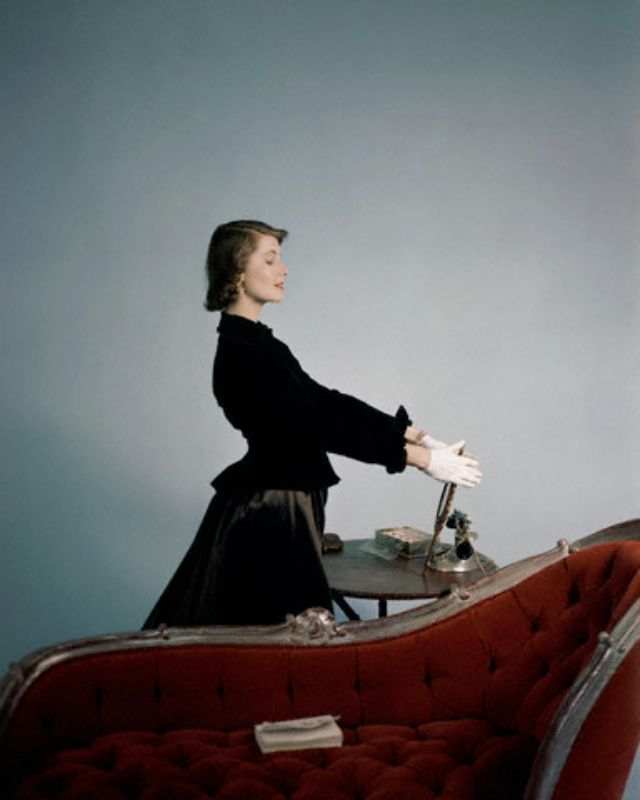
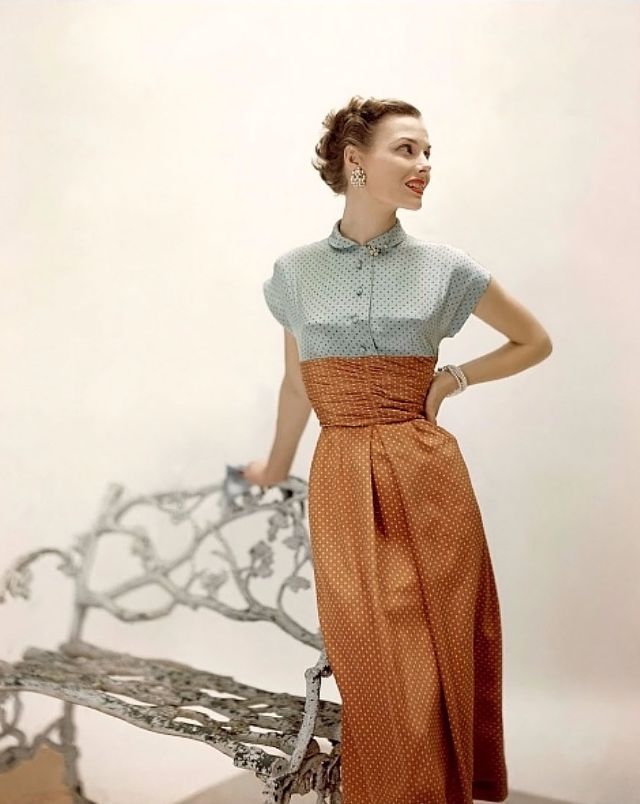
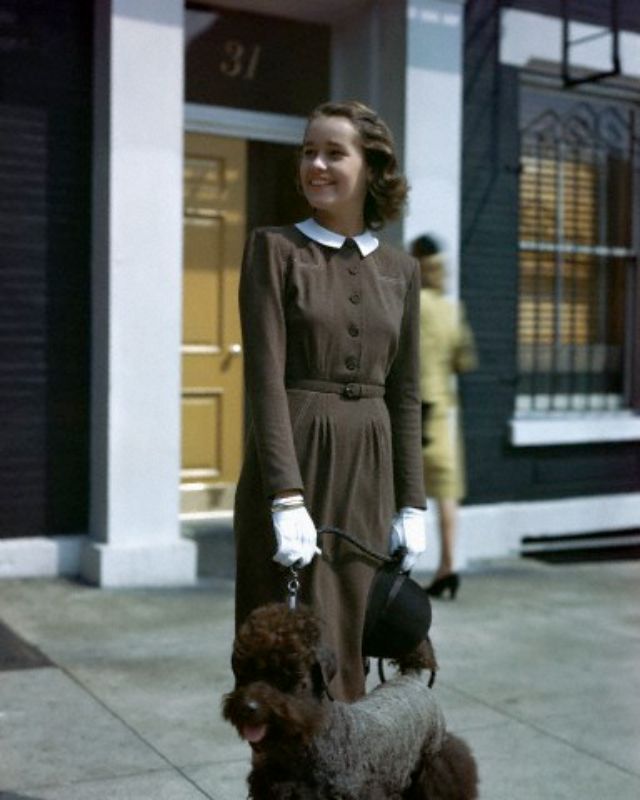
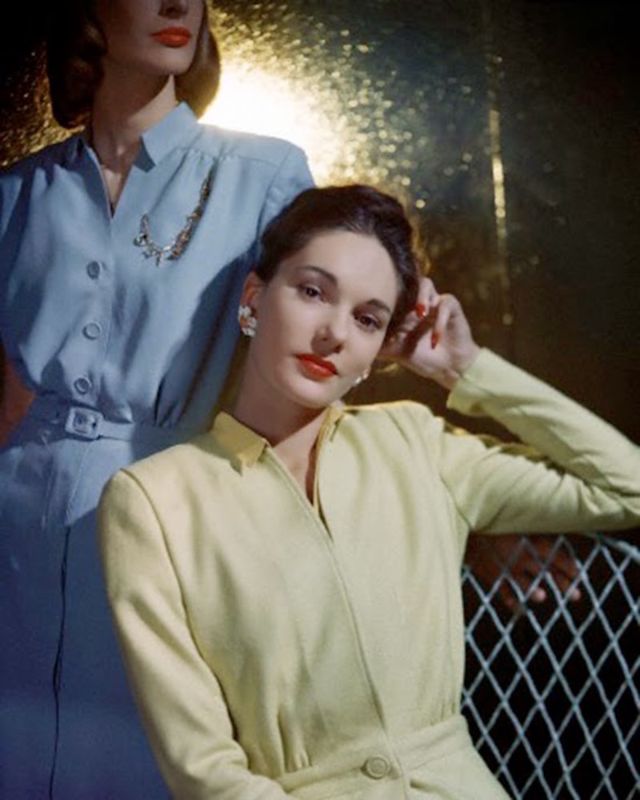
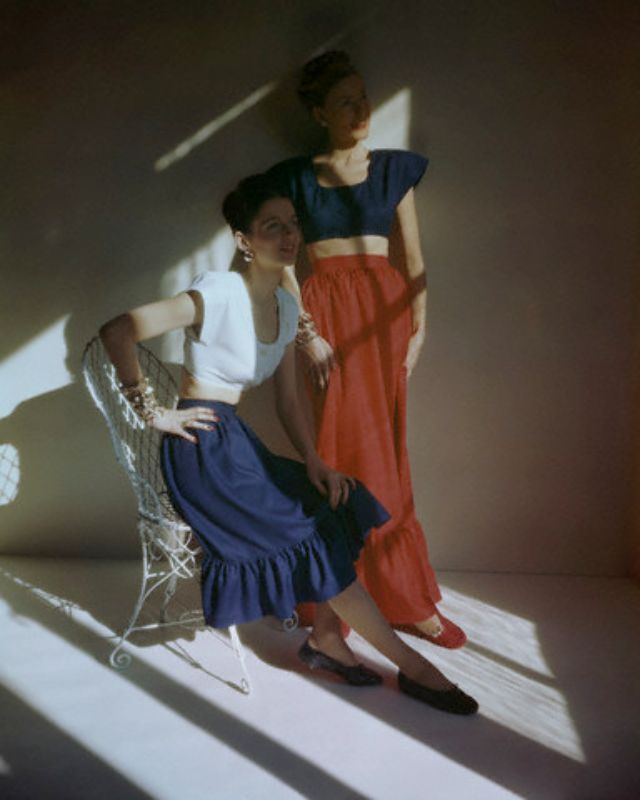
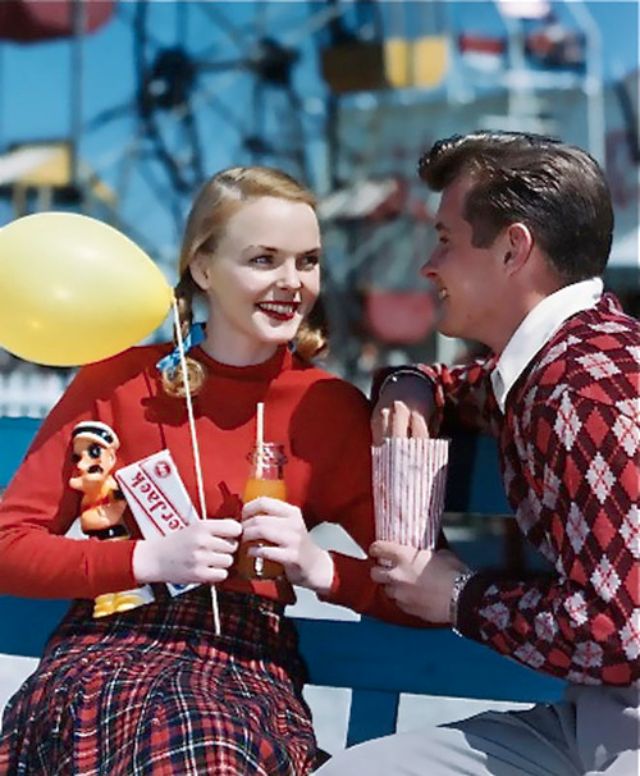
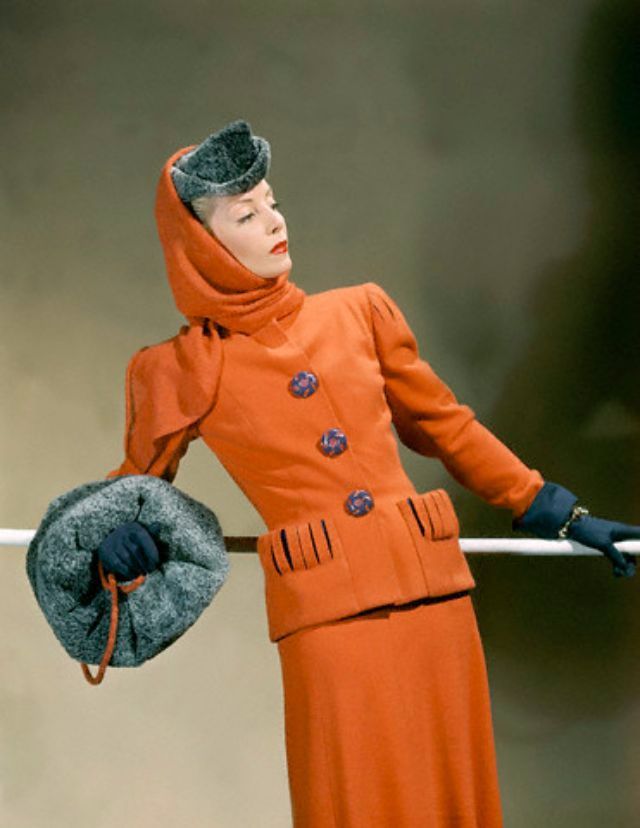
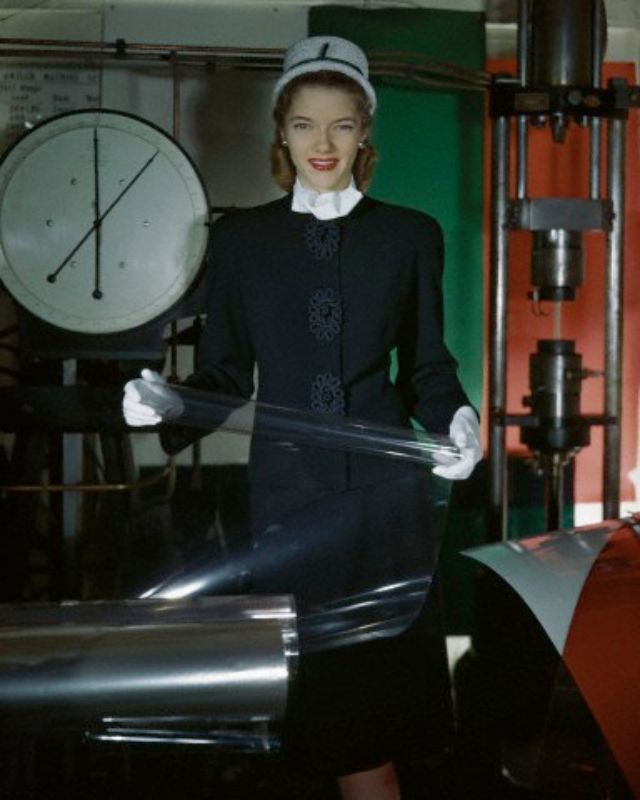
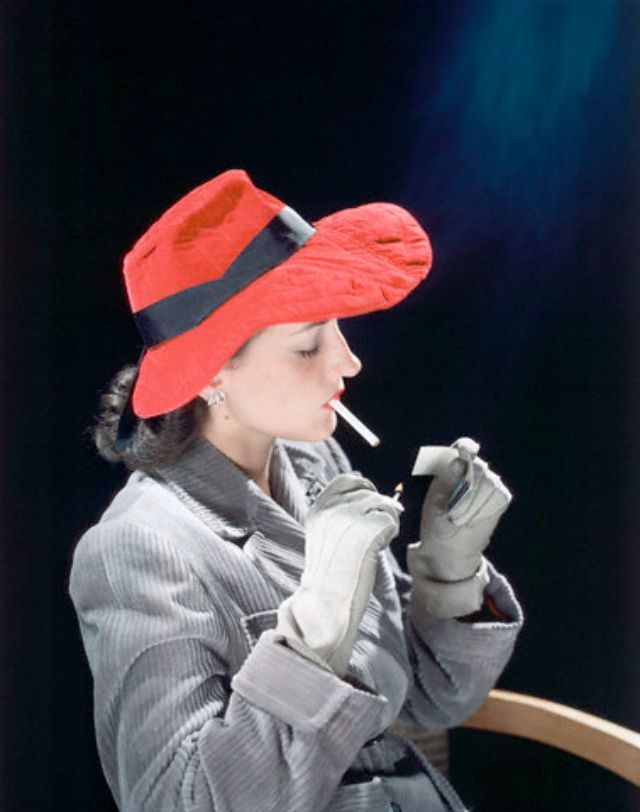
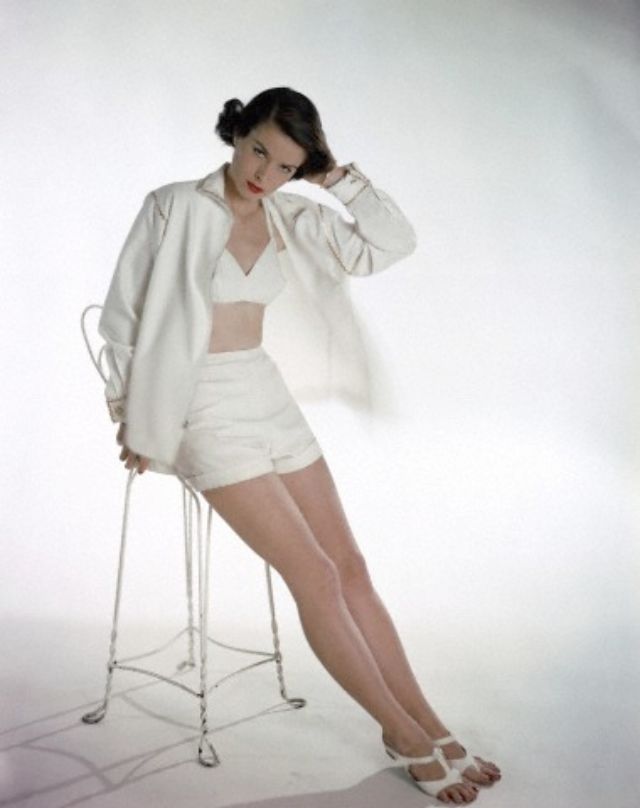
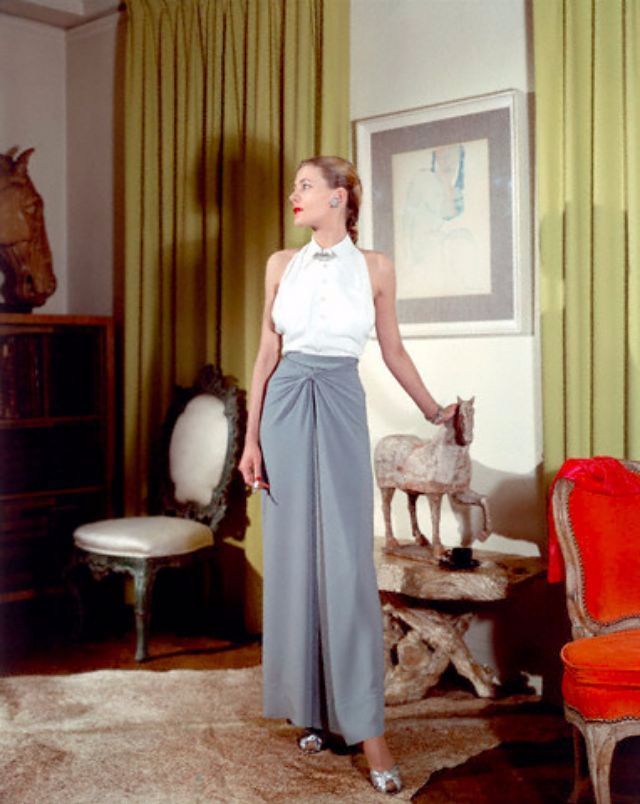
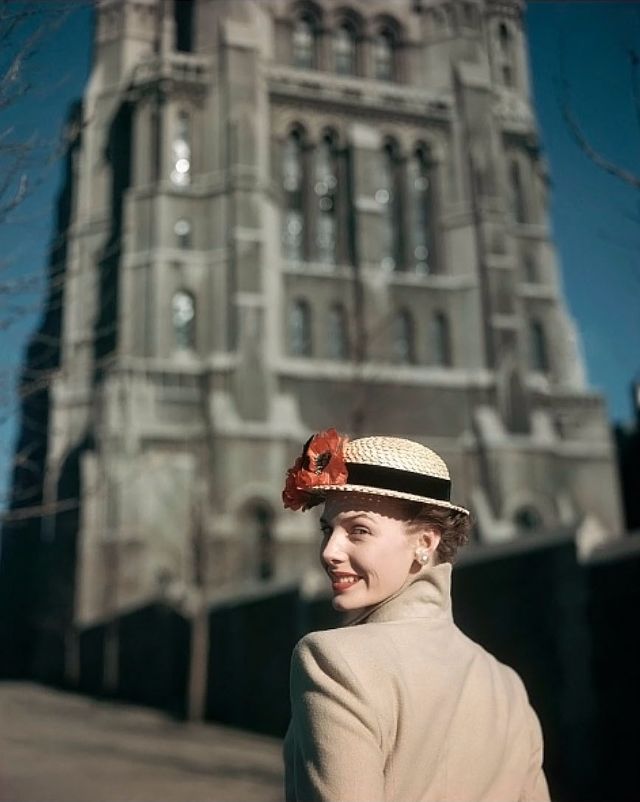
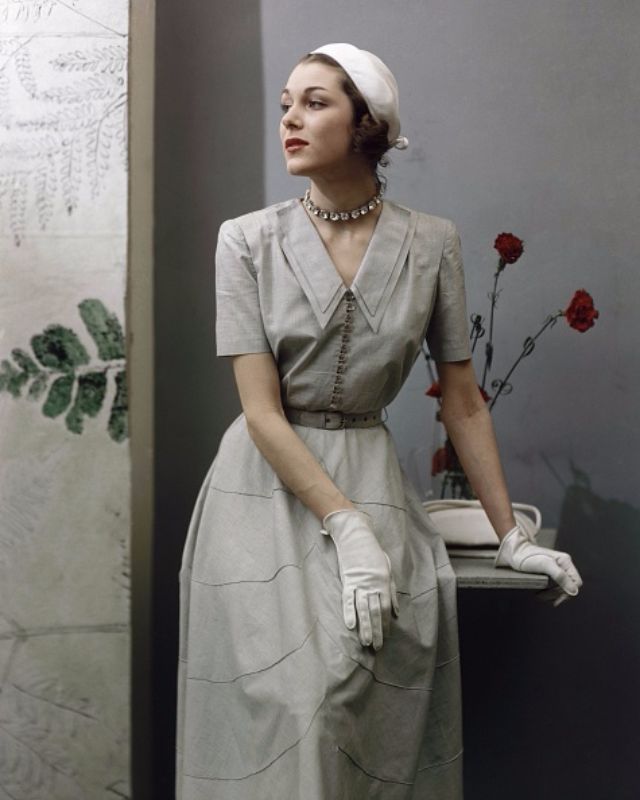
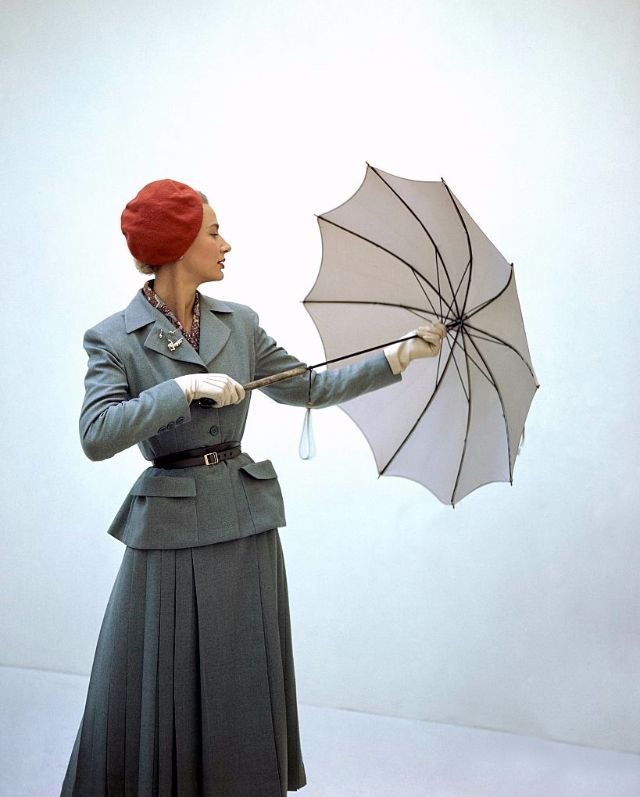
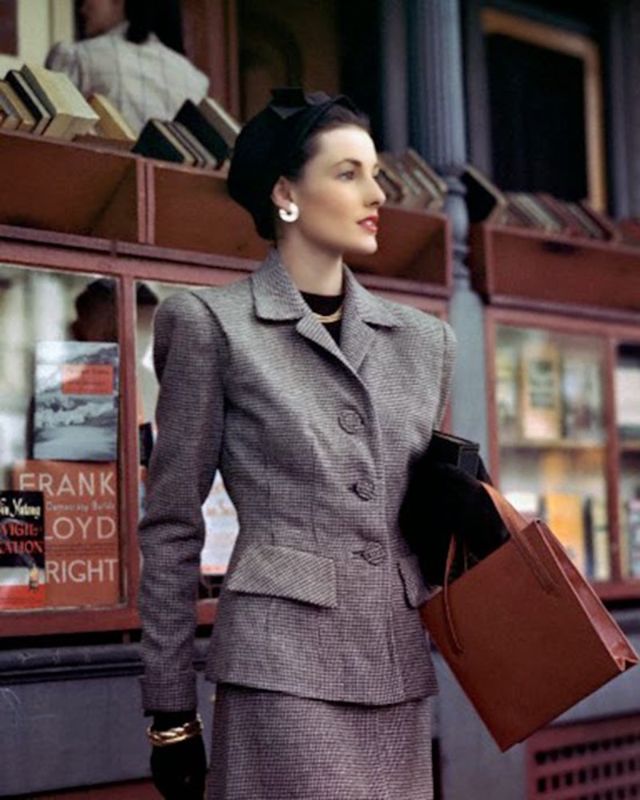
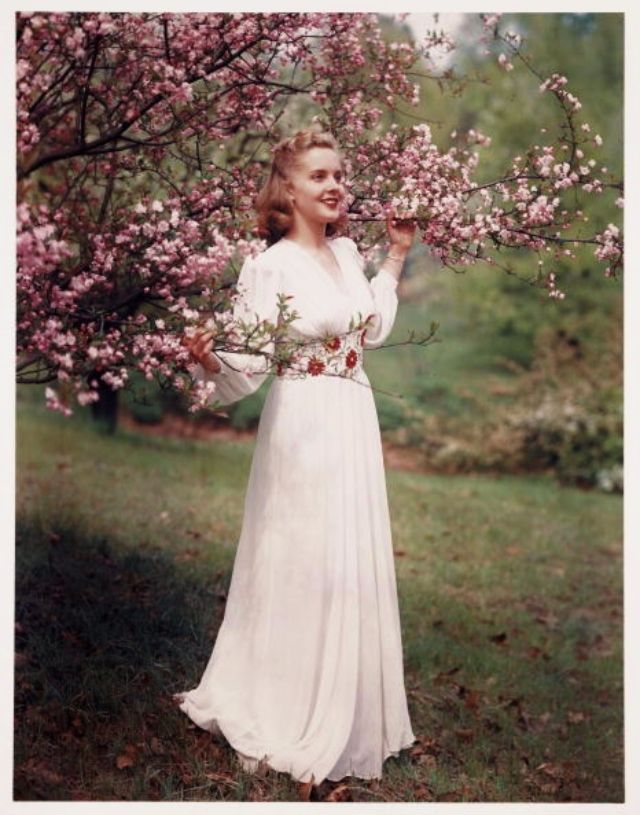
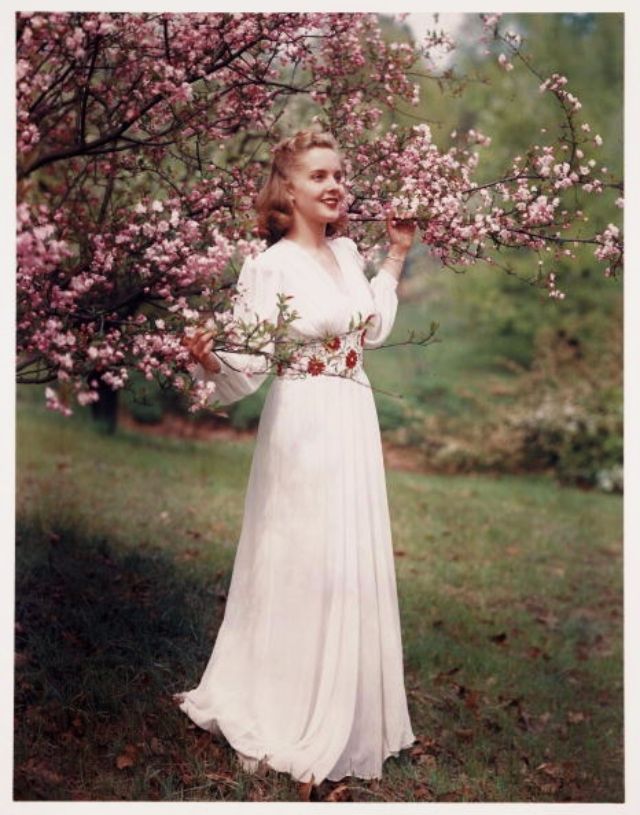
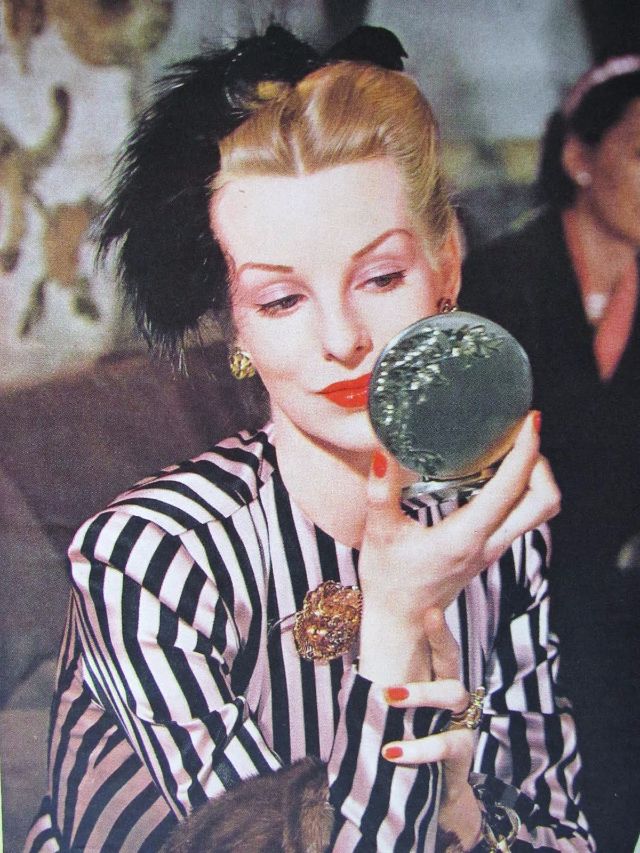
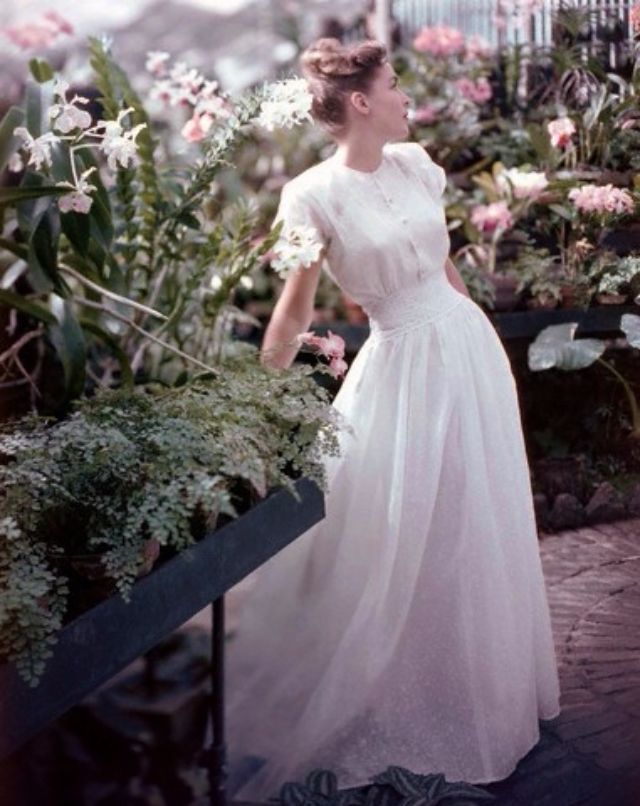
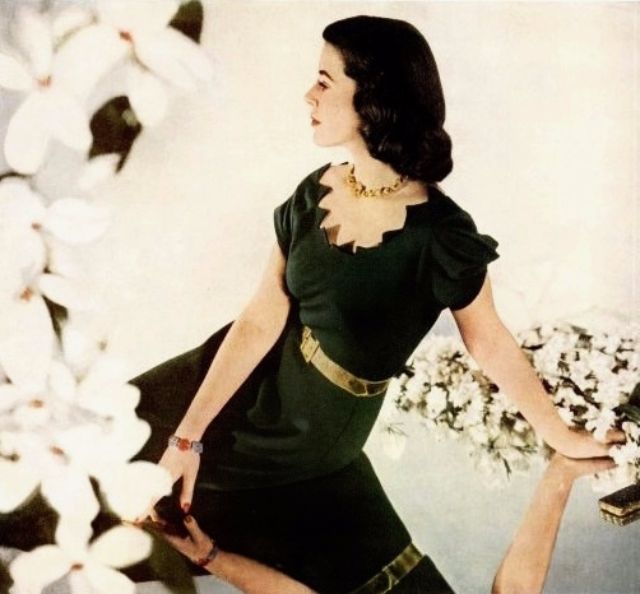
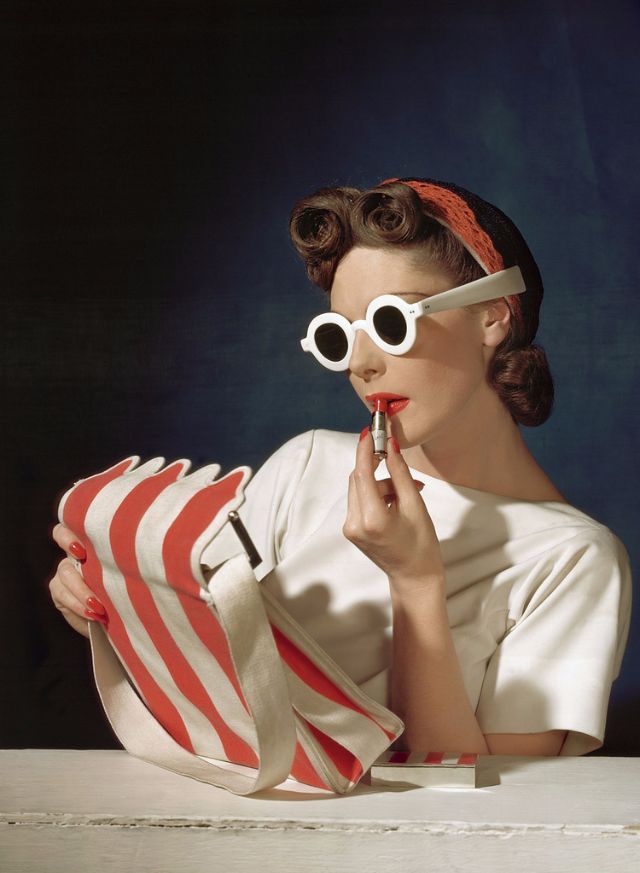
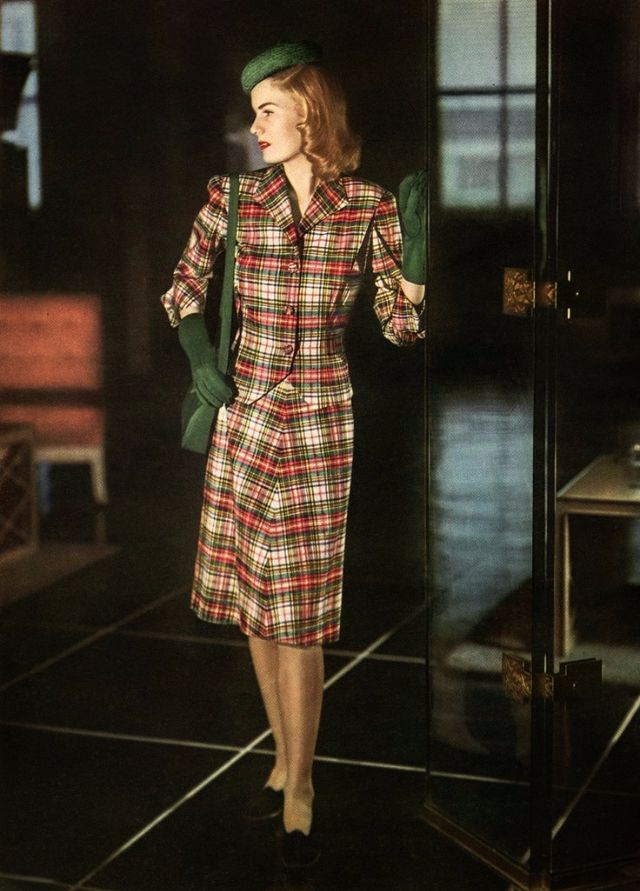
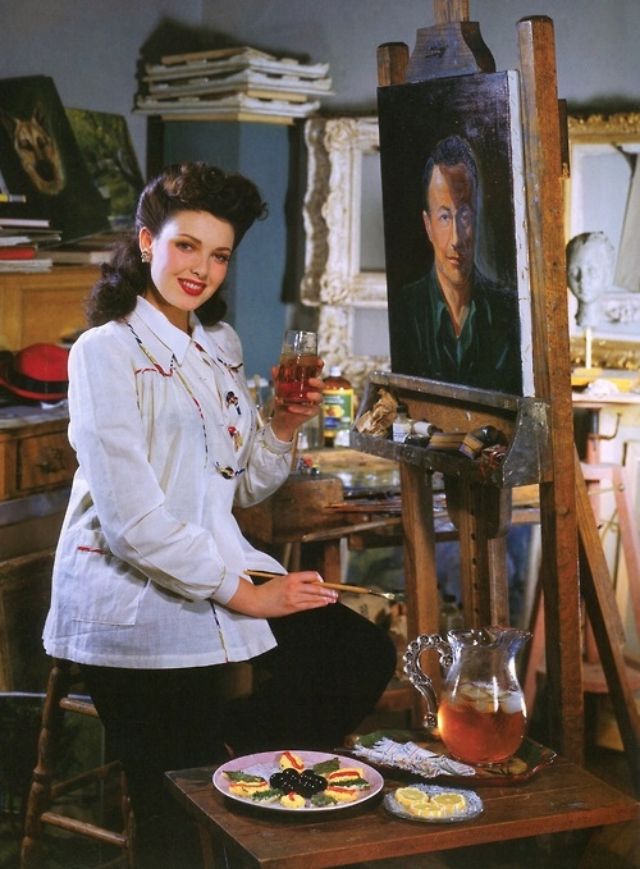
53 Gorgeous Color Photos Showing 1940s Female Fashion

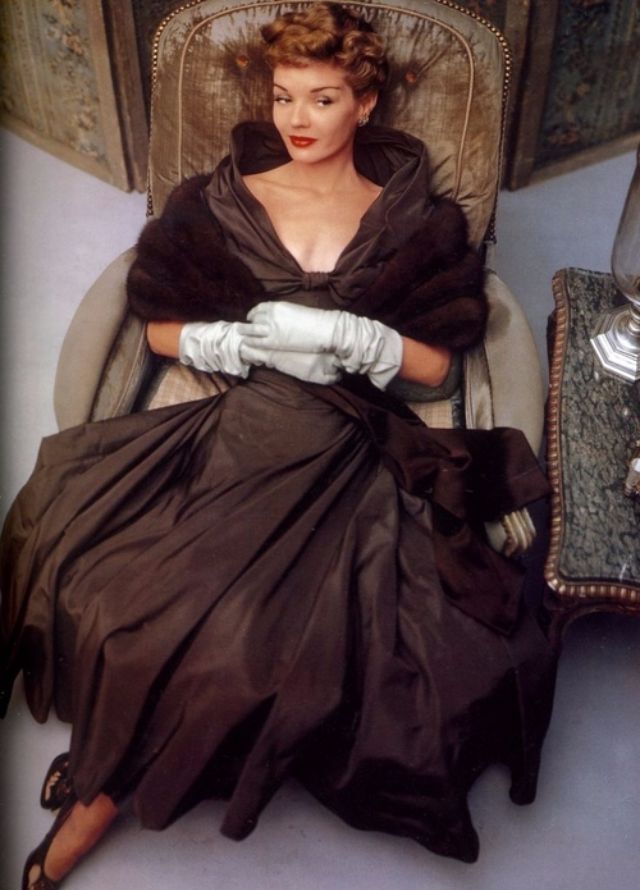
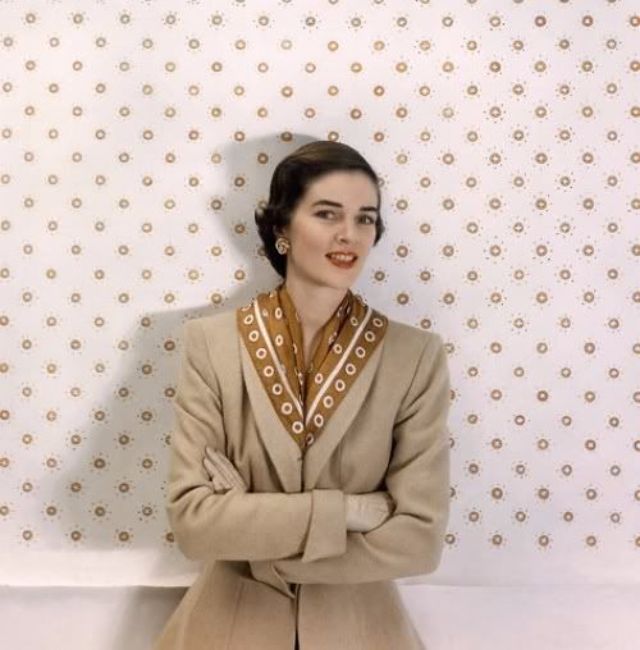
Wartime austerity led to restrictions on the number of new clothes that people bought and the amount of fabric that clothing manufacturers could use. Women working on war service adopted trousers as a practical necessity. The United States government requisitioned all silk supplies, forcing the hosiery industry to completely switch to nylon. In March 1942 the government then requisitioned all nylon for parachutes and other war uses, leaving only the unpopular cotton and rayon stockings. The industry feared that not wearing stockings would become a fad, and advised stores to increase hosiery advertising. When nylon stockings reappeared in the shops there were “nylon riots” as customers fought over the first deliveries.

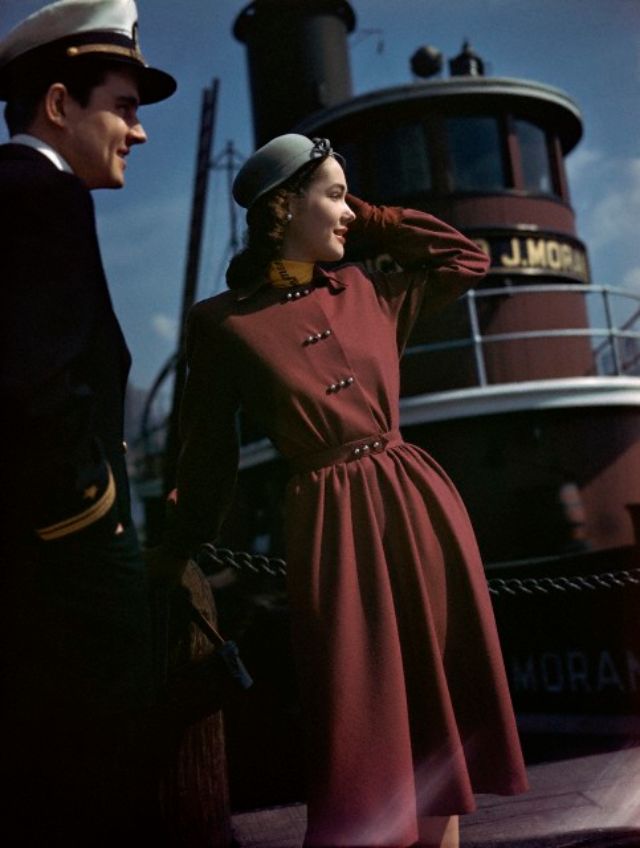
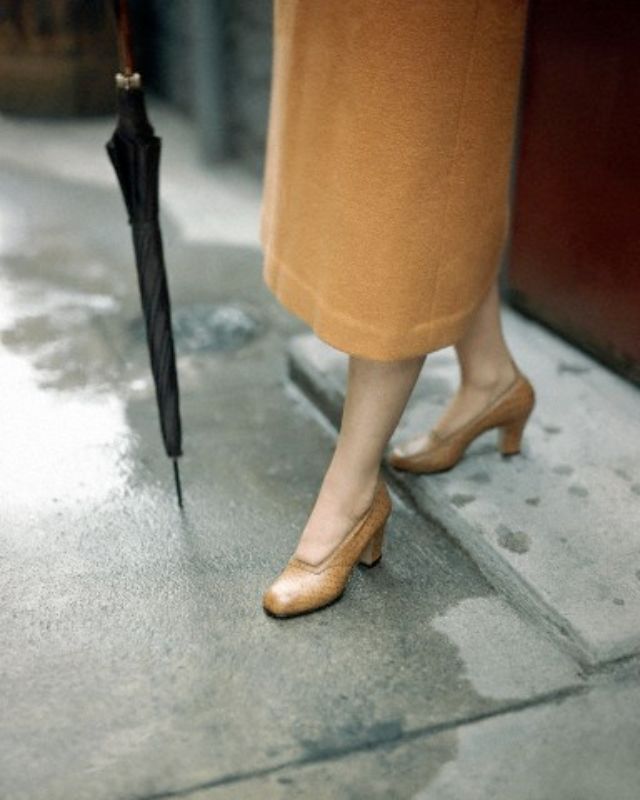
In Britain, clothing was strictly rationed, with a system of “points”, and the Board of Trade issued regulations for “Utility Clothes” in 1941. In America the War Production Board issued its Regulation L85 on March 8, 1942, specifying restrictions for every item of women’s clothing. Because the military used so much green and brown dye, manufacturers used more red dye in clothing. Easily laddered stockings were a particular concern in Britain; women were forced to either paint them on (including the back seam) or to join the WRNS, who continued to issue them, in a cunning aid to recruitment. Later in the war, American soldiers became a source of the new nylon stockings.

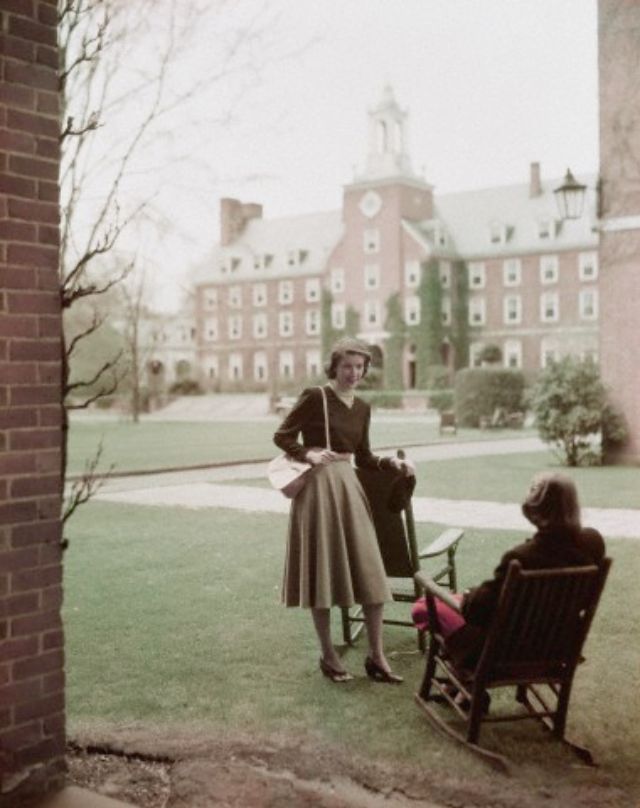
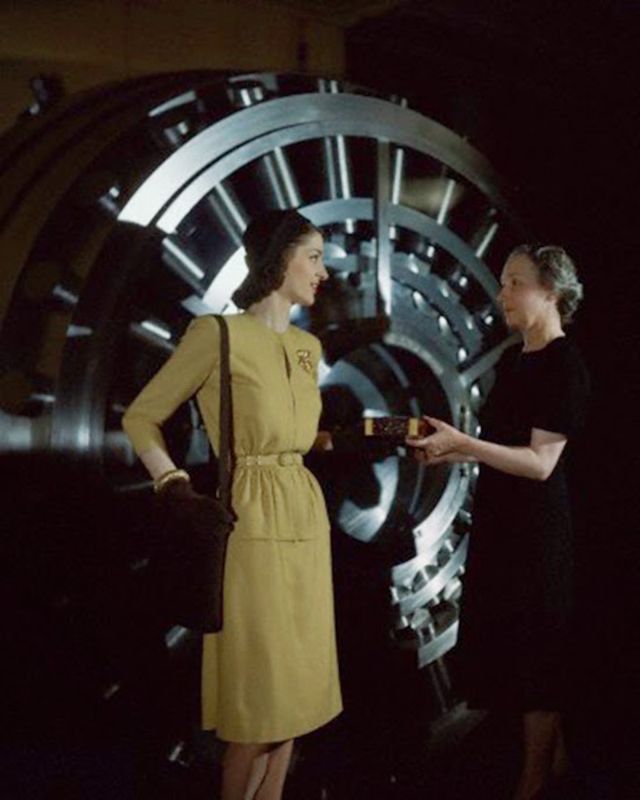
Most women wore skirts at or near knee-length, with simply-cut blouses or shirts and square-shouldered jackets. Popular magazines and pattern companies advised women on how to remake men’s suits into smart outfits, since the men were in uniform and the cloth would otherwise sit unused. Eisenhower jackets became popular in this period. Influenced by the military, these jackets were bloused at the chest and fitted at the waist with a belt. The combination of neat blouses and sensibly tailored suits became the distinctive attire of the working woman, college girl, and young society matron.

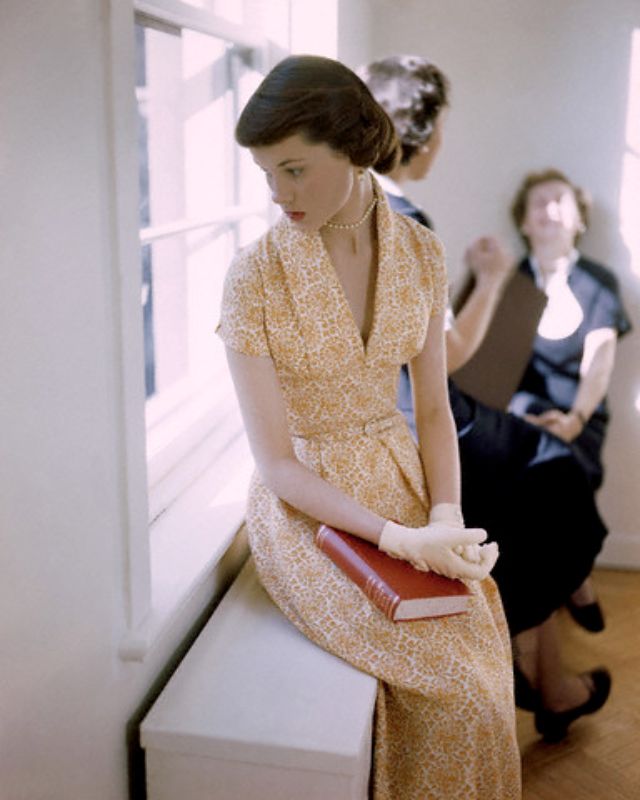
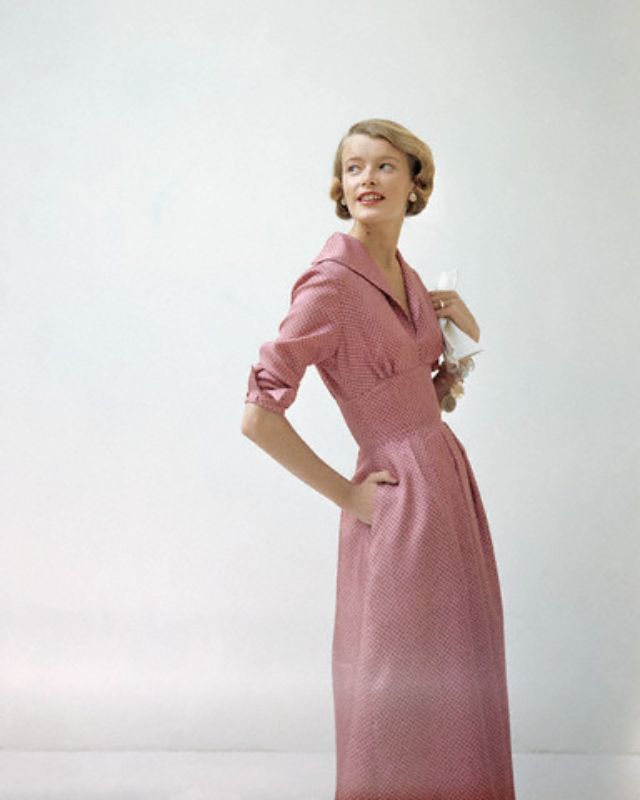
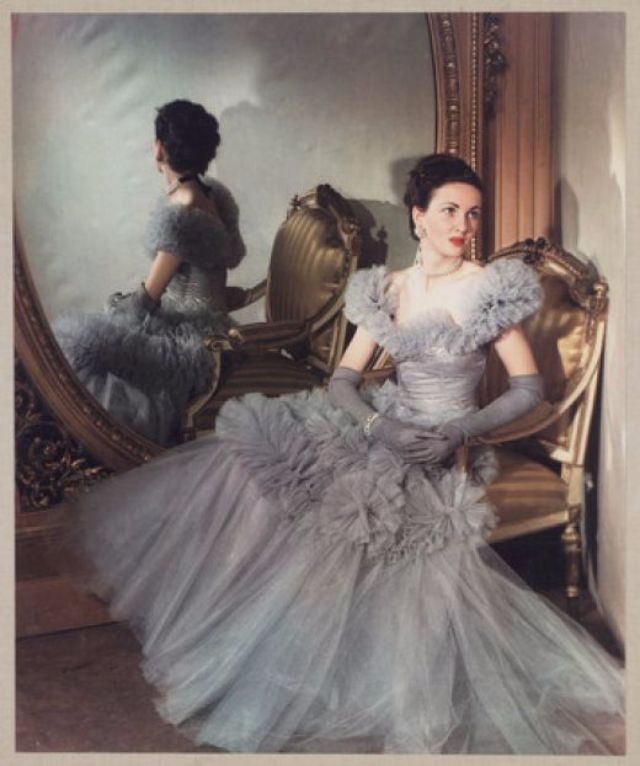
The shirtwaist dress, an all-purpose garment, also emerged during the 1930s. The shirtwaist dress was worn for all occasions, besides those that were extremely formal, and were modest in design. The dress could either have long or short sleeves, a modest neckline and skirt that fell below the knee. The bust was rounded but not particularly emphasized and the waistline was often belted in its normal position. Pockets were both functional and used for decoration and were accompanied by buttons down the front, around the sides or up the back of the dress. These dresses often were accompanied by coordination coats, which were made out of contrasting fabric but lined with the dress fabric. The jacket was often constructed in a boxy fashion and had wide lapels, wide shoulders and numerous pockets. The dress and coat combination created an overall effect of sensibility, modesty and girl next door lifestyle that contrasted the very popular, second-skin like style of the bias-cut evening gown.

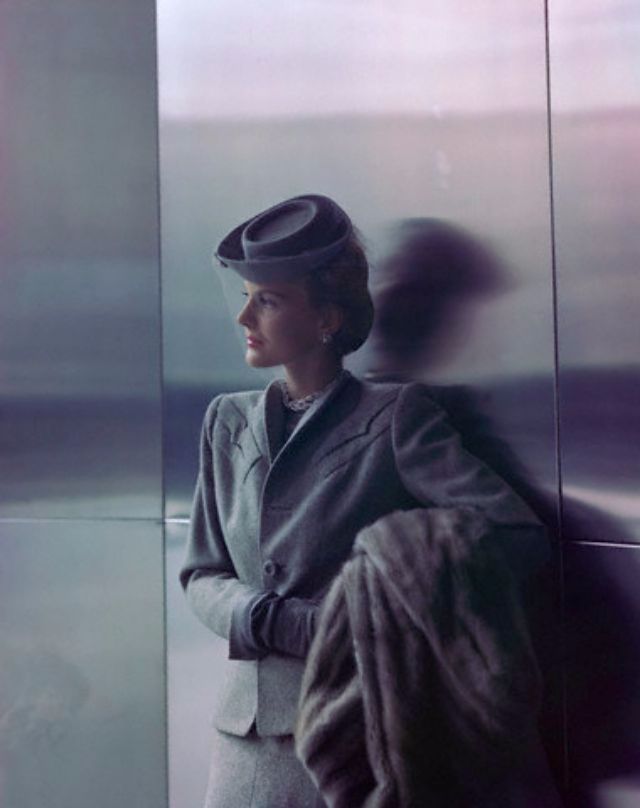
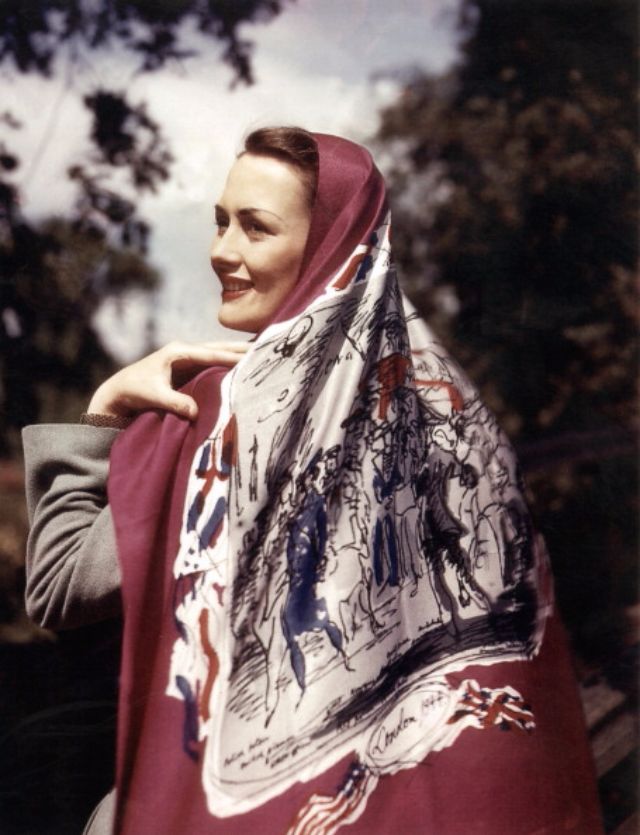
The 1940s was a period marked by iconic headwear. Because of the war, current European fashion was no longer available to women in the United States. In 1941, hatmakers failed to popularize Chinese and American Indian-based designs, causing one milliner to lament “How different when Paris was the fountainhead of style”. As with hosiery hatmakers feared that bareheadness would become popular, and introduced new designs such as “Winged Victory Turbans” and “Commando Caps” in “Victory Gold”. American designers, who were often overlooked, became more popular as American women began to wear their designs. American designers of ready-to-wear contributed in other ways too. They made improvements to sizing standards and began to use fiber content and care labels in clothing. Hats were one of the few pieces of clothing that was not rationed during WWII, therefore there was a lot of attention paid to these headpieces. Styles ranged from turbans to straw hats. The snood was an important accessory to a woman working in the factory. Snoods were fashionable and functional at the same time, they enabled factory women who were wearing pants and jumpsuits to still look feminine. Snoods pulled hair out of the face by containing it all at the back of the head in a hanging net. With all the long hair hanging in the net, the front of the hair was left out and could be curled and styled to glamourize the factory uniforms. Other popular headpieces were variations of headscarves, such as the bandana Rosie the Riveter is pictured wearing in the recruitment posters. Another variation of the headscarf was simply tying a square scarf folded in half under the chin. Later in the 1950s and 60s these headscarves became highly glamorized by celebrities like Audrey Hepburn, Brigitte Bardot, and Jacqueline Kennedy. This glamorized look came from women in the 1940s who wore headscarves over their victory rolls in order to make their simple clothes look dressed up. Draped turbans – sometimes fashioned from headscarves – also made an appearance in fashion, representing the working woman of the period. These were worn by women of all classes.This type of headwear could be glamorous or practical. Turbans were the most functional for the working woman because she was able to have all her hair out of her face and skip washing her hair by covering it with the turban. Both turbans and headscarves were useful for hiding curlers so when a woman got off work all she had to do was take out her curlers and her hair would be set for a night out. All these alternative options to hats were popular, not only for function and glamour, but also because the look could be achieved quite inexpensively.

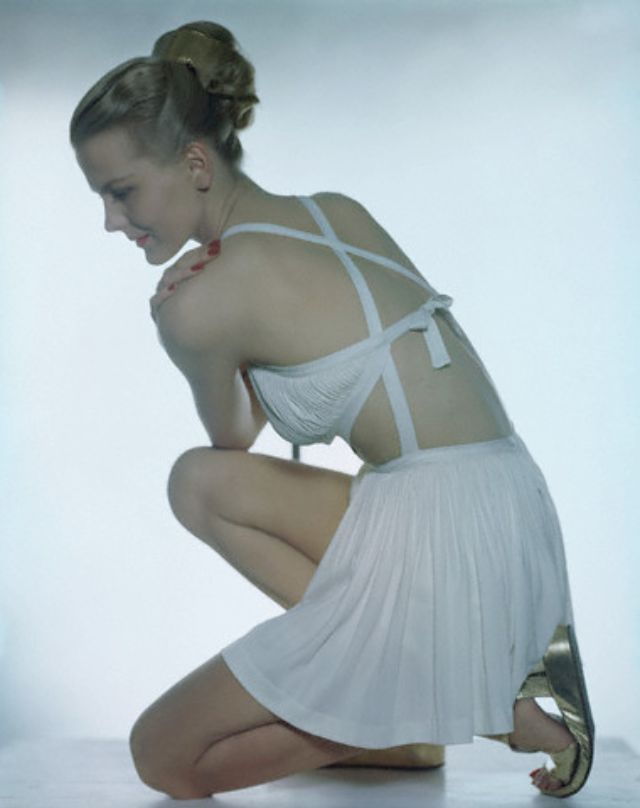
An important style that became popular due to the war was the two-piece swimsuit which later led to the Bikini. In 1942, the War Production Board passed a law called the L-85 which put restrictions on clothing production. For swimwear companies the L-85 meant they had to use 10 percent less fabric in all their designs, as a result swimsuits became smaller. Swimsuits had been becoming more minimal for a while but in 1944 Tina Leser debuted one of the first two-piece swimsuits. Even though the bottoms were high waisted, cut low on the legs, and paired with a modest bandeau, Lesers’ two piece was still considered a daring style for the era. According to Sarah Kennedy, author of The Swimsuit: A History of Twentieth-Century Fashion, unlike the bikini the two-piece was created out of necessity and was not meant to be shocking. Apparently there was an unspoken rule that bellybuttons must never show which accounts for the high waisted bottoms. Despite it being scandalous to some, the two-piece was eventually accepted because there really wasn’t another option. The L-85 did not only make swimsuits smaller, but it also pushed designers to become more creative with their designs, this led to suits that accentuated and drew attention to women’s bodies. This was done by putting boning in the swimwear. Two years after Leser debuted one of the first two-pieces, the bikini was invented in 1946 by a French engineer named Louis Réard. It was apparently named after the Bikini Atoll, which was the site of a nuclear bomb test in 1946, because Réard hoped its impact would be explosive in the fashion world. The bikini was even more daring than the two-piece, thus it did not become popular until 1953 when Brigitte Bardot was photographed in one at the Cannes Film Festival. Although the bikini did become popular in Europe in 1953 it did not become popular in the United States until the 1960s. (Wikipedia)
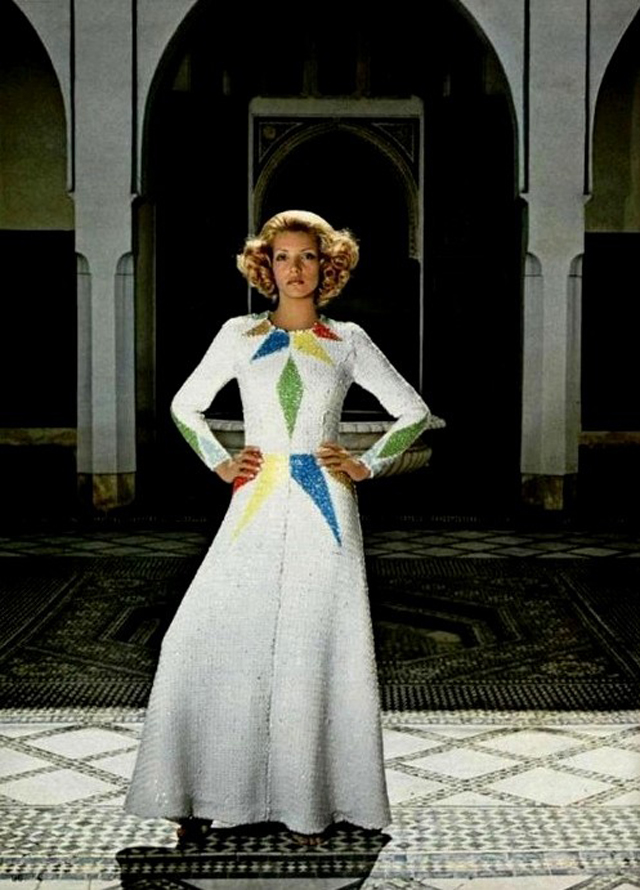
Despite the impact of the 2nd World War, the 1940s fashion still had its own definition. Take a look.

Yesterday Today

Bringing You the Wonder of Yesterday - Today

Skip to content ↓