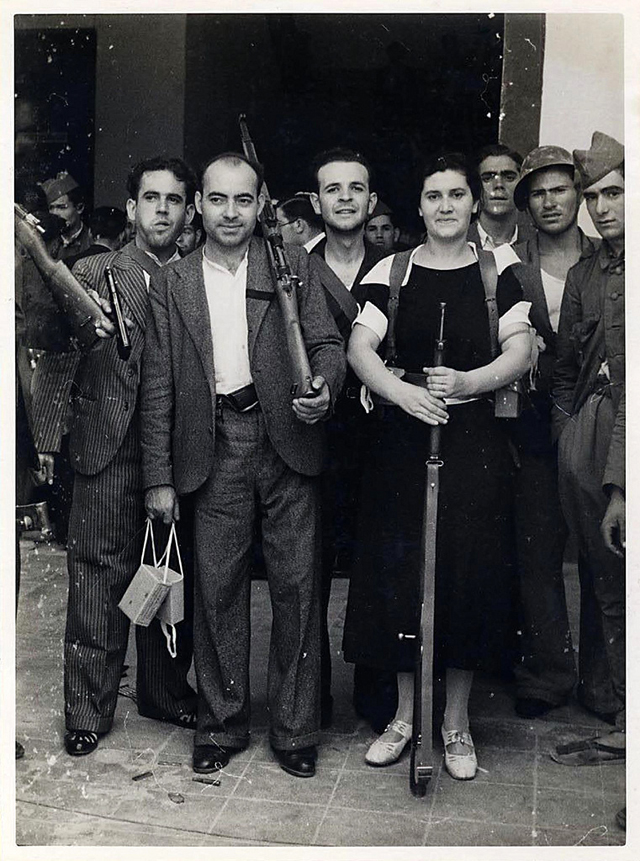
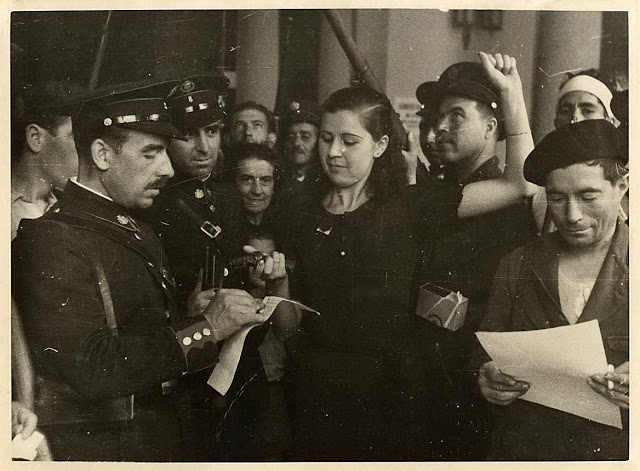
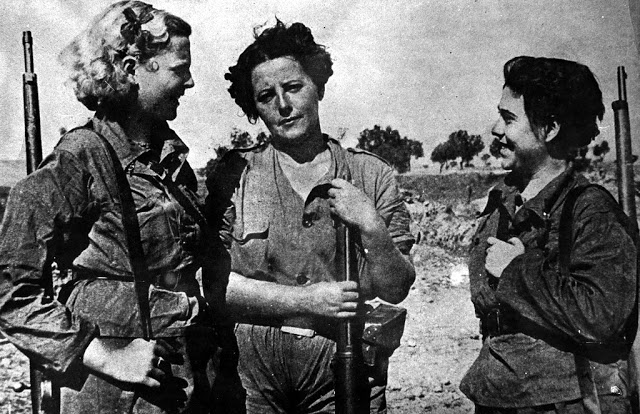
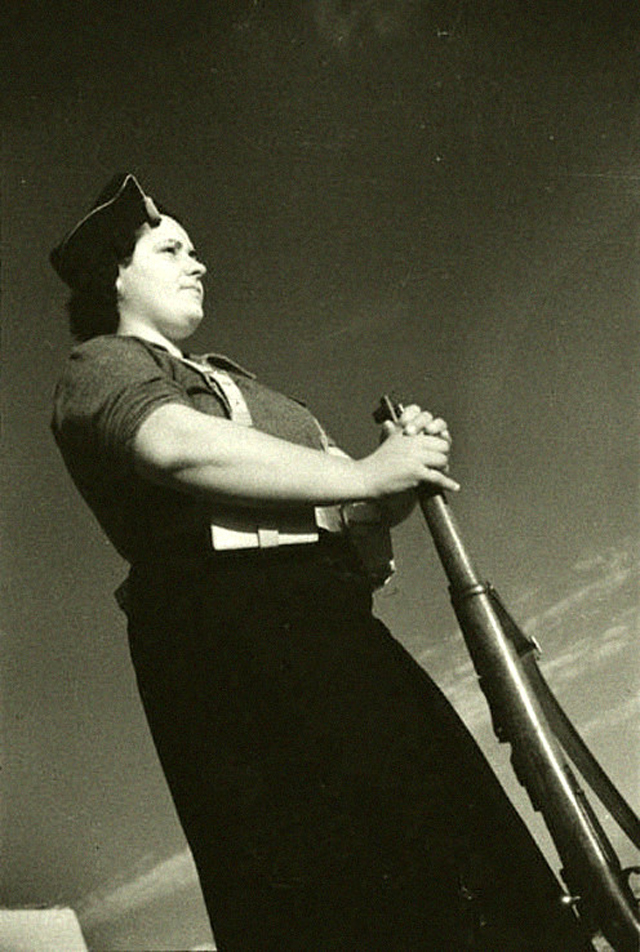
30 Amazing Photos of Female Combatants in the Spanish Civil War

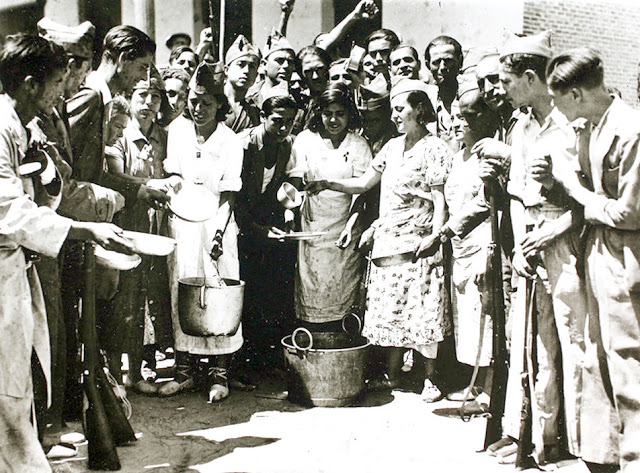
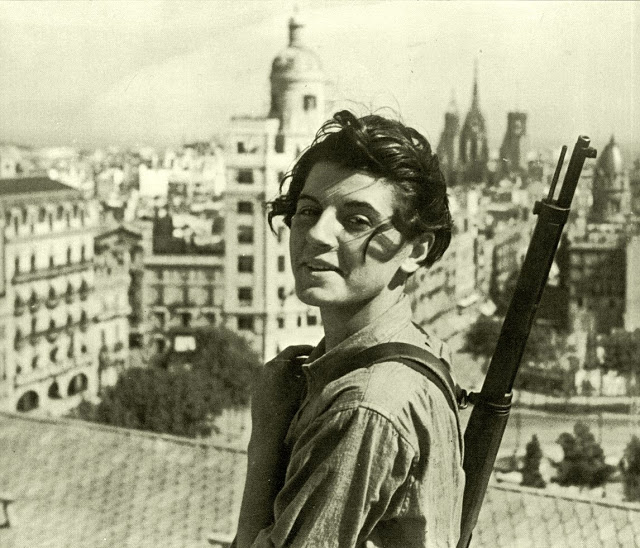
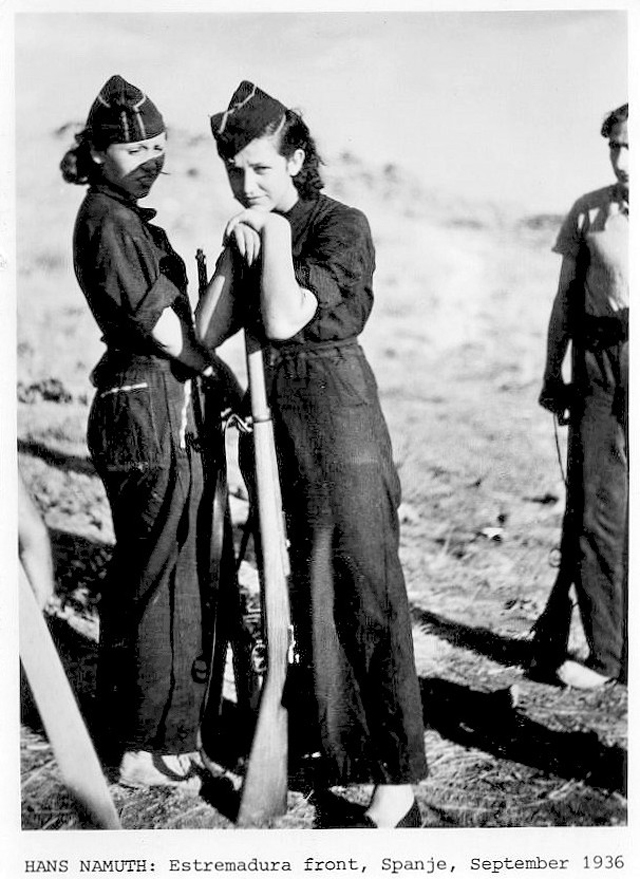
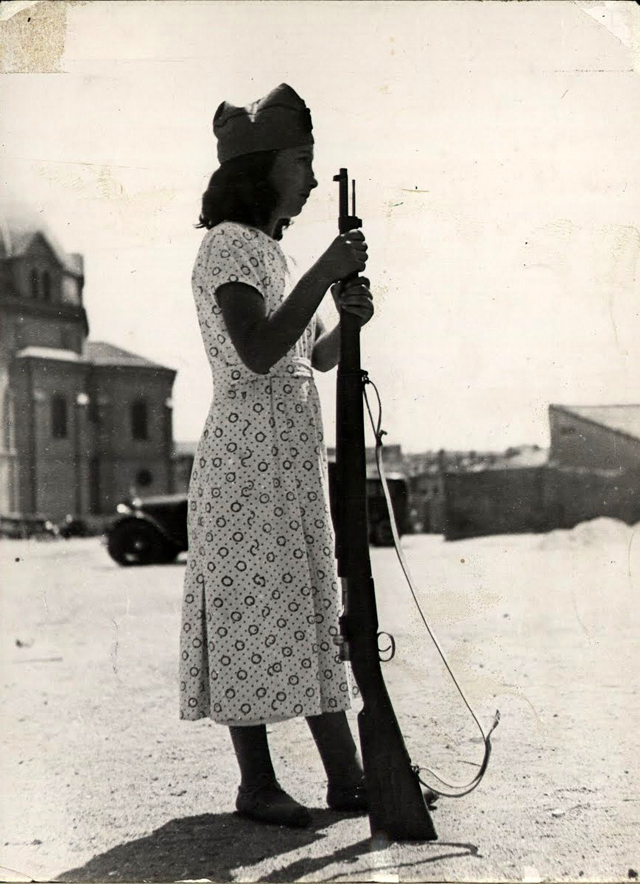
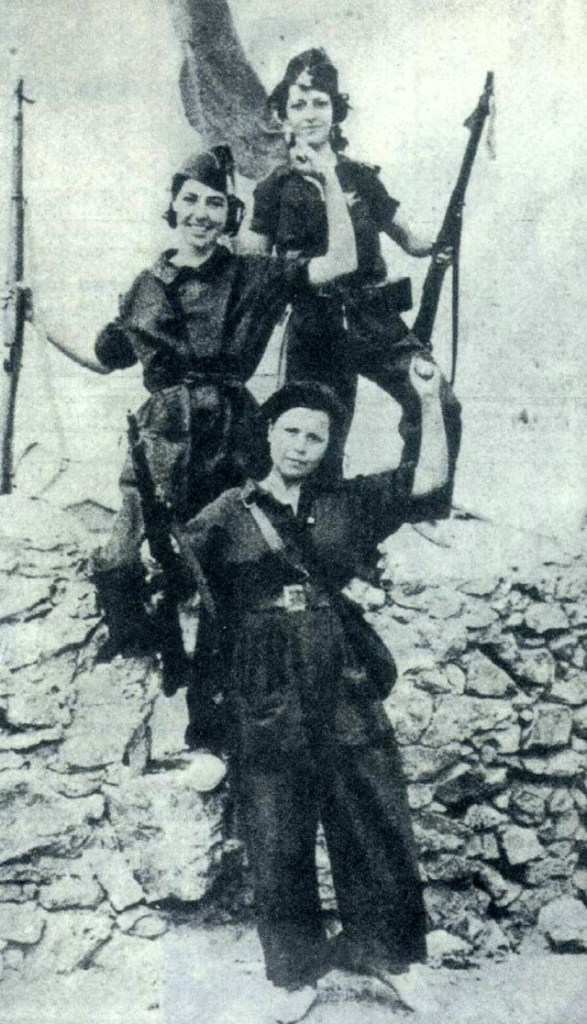
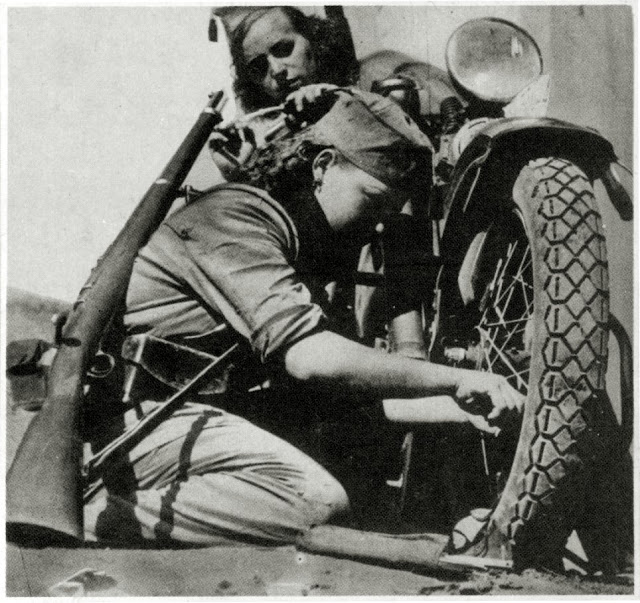
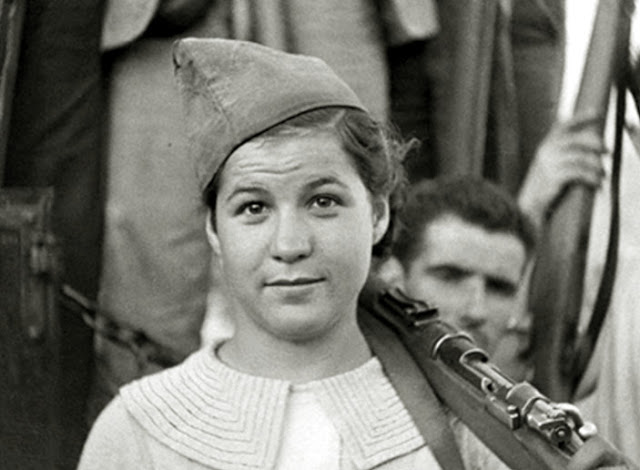
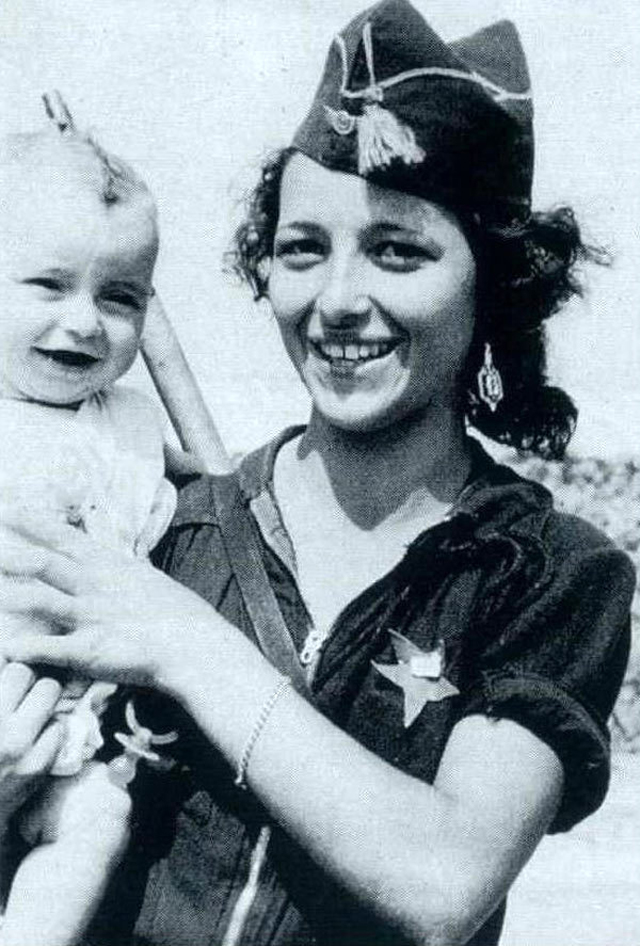
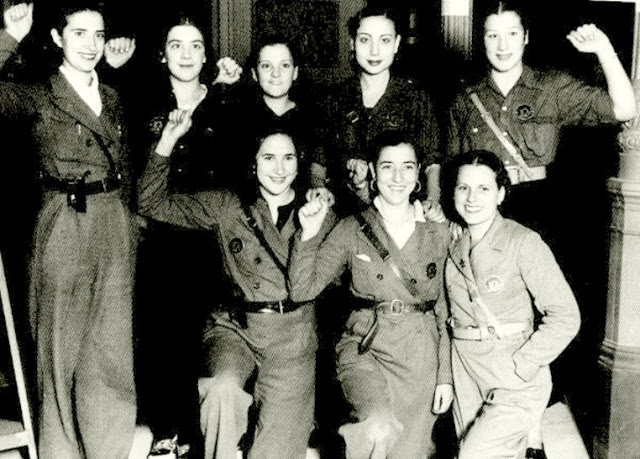
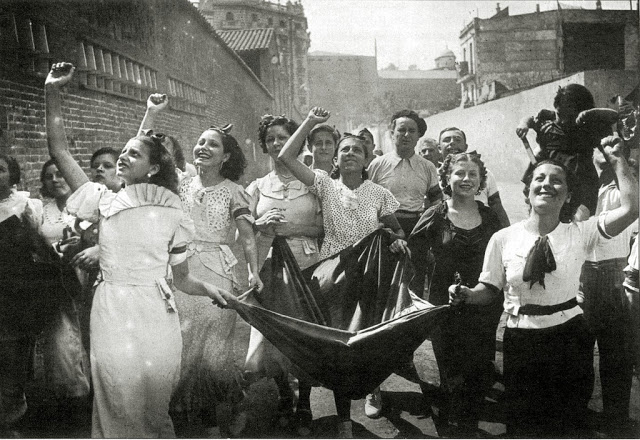
During the first few days of the Spanish Civil War, women played an integral role in the spontaneous uprising that prevented the immediate success of the Nationalist coup. Around one thousand of these women went on to join the militias who fought at the front. Women also played an important role in the defense of cities, with another several thousand forming sections of the armed rearguard. Indeed, women’s participation in the anti-fascist resistance constituted one of the greatest mass political mobilizations of women in Spain’s history.

By late 1936, attitudes towards women in combat began to change drastically, and by March 1937, the majority of milicianas had been removed from their combat positions. Though there existed a consensus around this issue among the male leadership of both the Republican government and left-wing political groups, female combatants viewed this turn of events differently. The majority of the milicianas had deep reservations about their recall from the front, and saw it as a retreat from the gains women had made during the war and revolution. Indeed, while the political leadership within the Republic presented numerous arguments for why it was necessary to remove women from combat, this book argues that the reason it was initially considered acceptable for women to fight, and then seen as undesirable eight months later, was connected to the course of the social revolution.

The Spanish Civil War (Spanish: Guerra Civil Española) was a civil war in Spain fought from 1936 to 1939. Republicans were loyal to the left-leaning Popular Front government of the Second Spanish Republic. The Popular Front was constituted by the Spanish Socialist Workers’ Party (PSOE), Communist Party of Spain (PCE), and the republicans: Republican Left (IR), (led by Azaña) and Republican Union (UR), led by Diego Martínez Barrio. This pact was supported by Galician (PG) and Catalan nationalists (ERC), the POUM, socialist union Workers’ General Union (UGT), and the anarchist trade union, the Confederación Nacional del Trabajo (CNT). Many anarchists who would later fight alongside Popular Front forces during the Spanish Civil War did not support them in the election, urging abstention instead. The Popular Front, fought against an insurrection by the Nationalists, an alliance of Falangists, monarchists, conservatives and traditionalists, led by a military junta among whom General Francisco Franco quickly achieved a preponderant role. Due to the international political climate at the time, the war had many facets and was variously viewed as class struggle, a religious struggle, a struggle between dictatorship and republican democracy, between revolution and counterrevolution, and between fascism and communism. According to Claude Bowers, U.S. ambassador to Spain during the war, it was the “dress rehearsal” for World War II. The Nationalists won the war, which ended in early 1939, and ruled Spain until Franco’s death in November 1975.

The war began after a pronunciamiento (a declaration of military opposition, of revolt) against the Republican government by a group of generals of the Spanish Republican Armed Forces, with General Emilio Mola as the primary planner and leader and having General José Sanjurjo as a figurehead. The government at the time was a coalition of Republicans, supported in the Cortes by communist and socialist parties, under the leadership of centre-left President Manuel Azaña. The Nationalist group was supported by a number of conservative groups, including CEDA, monarchists, including both the opposing Alfonsists and the religious conservative Carlists, and the Falange Española de las JONS, a fascist political party. After the deaths of Sanjurjo, Emilio Mola and Manuel Goded Llopis, Franco emerged as the remaining leader of the Nationalist side.

The coup was supported by military units in Morocco, Pamplona, Burgos, Zaragoza, Valladolid, Cádiz, Córdoba, and Seville. However, rebelling units in almost all important cities—such as Madrid, Barcelona, Valencia, Bilbao, and Málaga—did not gain control, and those cities remained under the control of the government. This left Spain militarily and politically divided. The Nationalists and the Republican government fought for control of the country. The Nationalist forces received munitions, soldiers, and air support from Fascist Italy and Nazi Germany, while the Republican side received support from the Soviet Union and Mexico. Other countries, such as the United Kingdom, the French Third Republic, and the United States, continued to recognise the Republican government but followed an official policy of non-intervention. Despite this policy, tens of thousands of citizens from non-interventionist countries directly participated in the conflict. They fought mostly in the pro-Republican International Brigades, which also included several thousand exiles from pro-Nationalist regimes.

The Nationalists advanced from their strongholds in the south and west, capturing most of Spain’s northern coastline in 1937. They also besieged Madrid and the area to its south and west for much of the war. After much of Catalonia was captured in 1938 and 1939, and Madrid cut off from Barcelona, the Republican military position became hopeless. Following the fall without resistance of Barcelona in January 1939, the Francoist regime was recognised by France and the United Kingdom in February 1939. On 5 March 1939, Colonel Segismundo Casado led a military coup against the Republican government. Following internal conflict between Republican factions in Madrid in the same month, Franco entered the capital and declared victory on 1 April 1939. Hundreds of thousands of Spaniards fled to refugee camps in southern France. Those associated with the losing Republicans who stayed were persecuted by the victorious Nationalists. Franco established a dictatorship in which all right-wing parties were fused into the structure of the Franco regime.

The war became notable for the passion and political division it inspired and for the many atrocities that occurred, on both sides. Organised purges occurred in territory captured by Franco’s forces so they could consolidate their future regime. Mass executions on a lesser scale also took place in areas controlled by the Republicans, with the participation of local authorities varying from location to location. (Wikipedia)

Here, below is a collection of 30 vintage photographs of female combatants during the Spanish Civil War from 1936 to 1939.

ca. 1936, Spain — A young Spanish woman who has joined the Republicans to fight against the rebel nationalist forces in the Civil War.

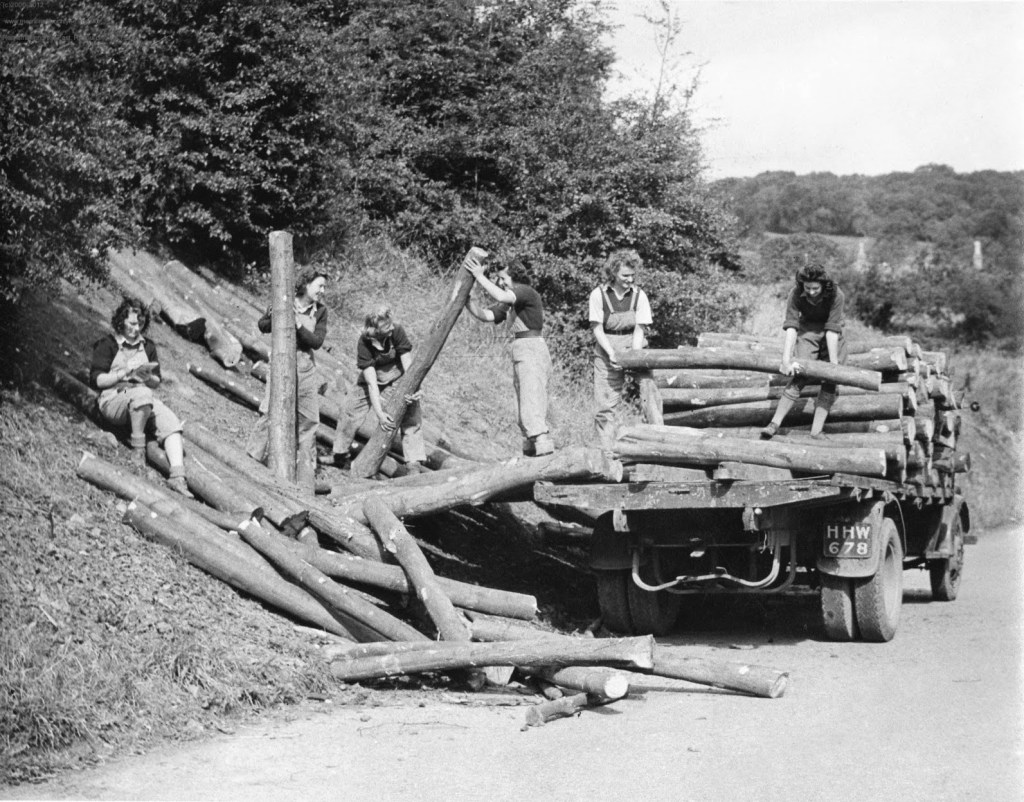
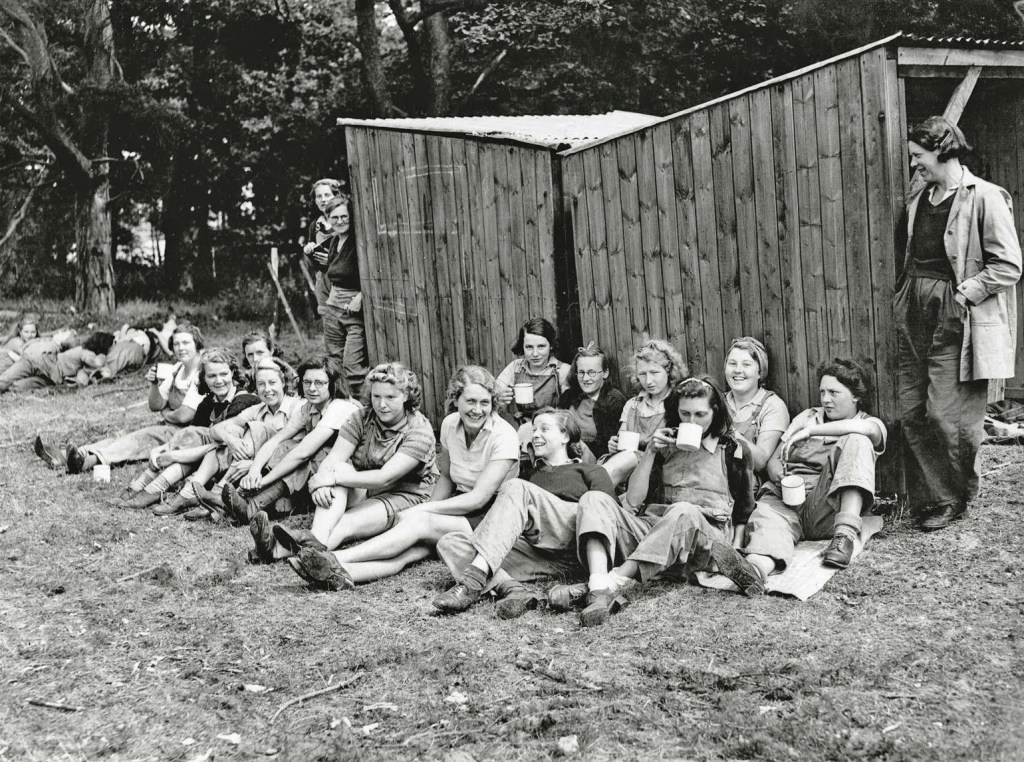
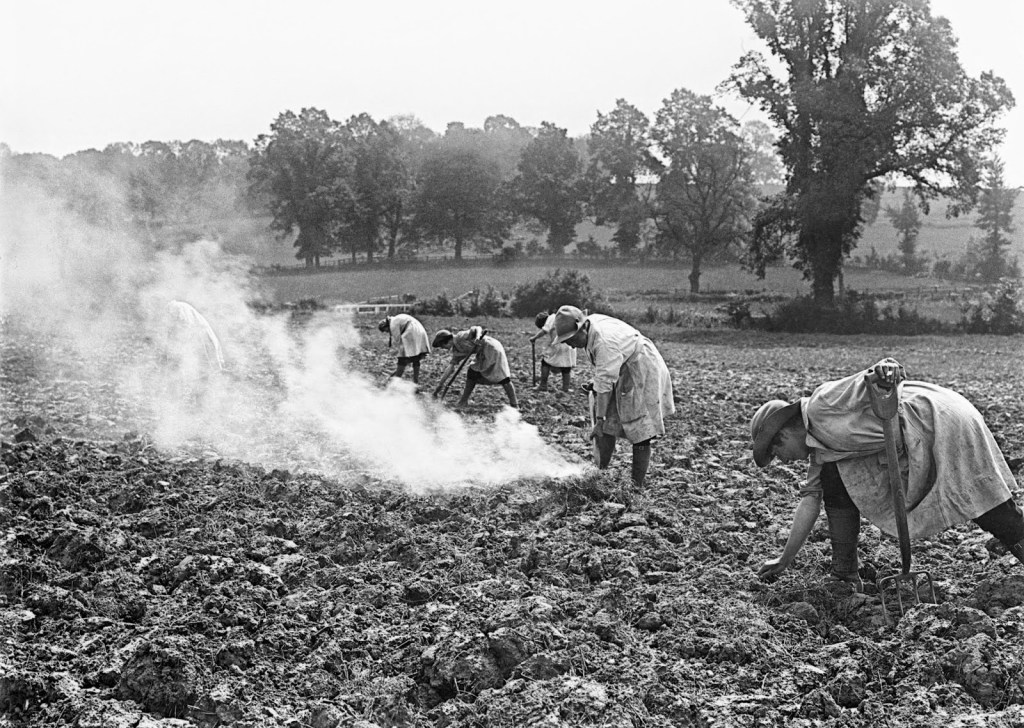
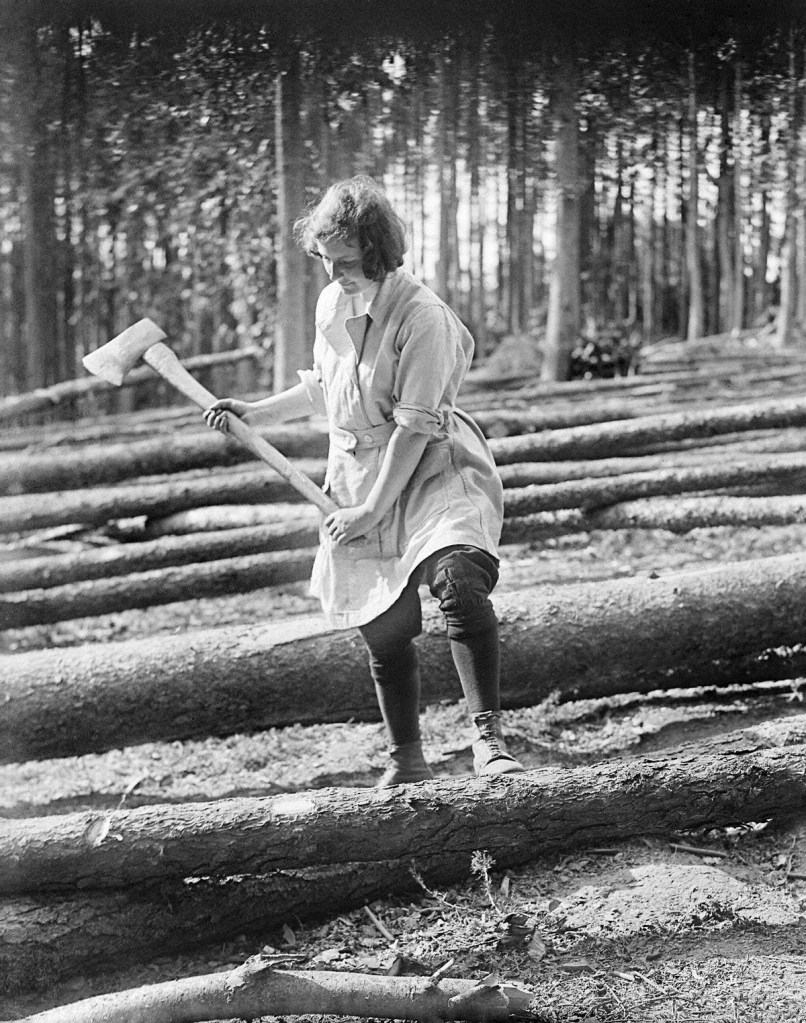
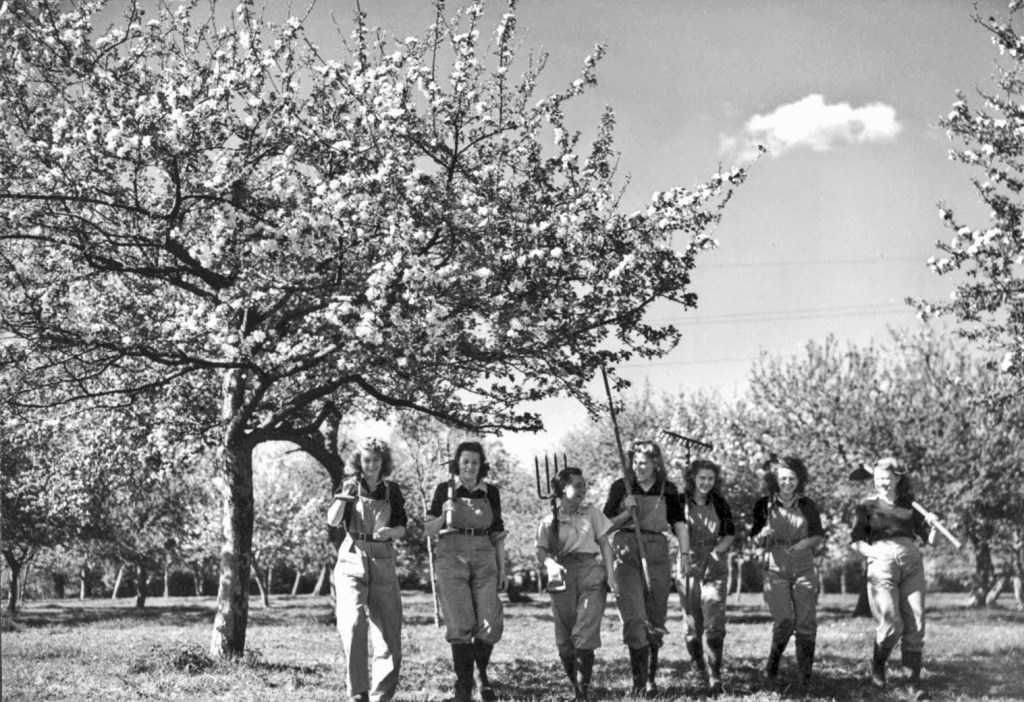
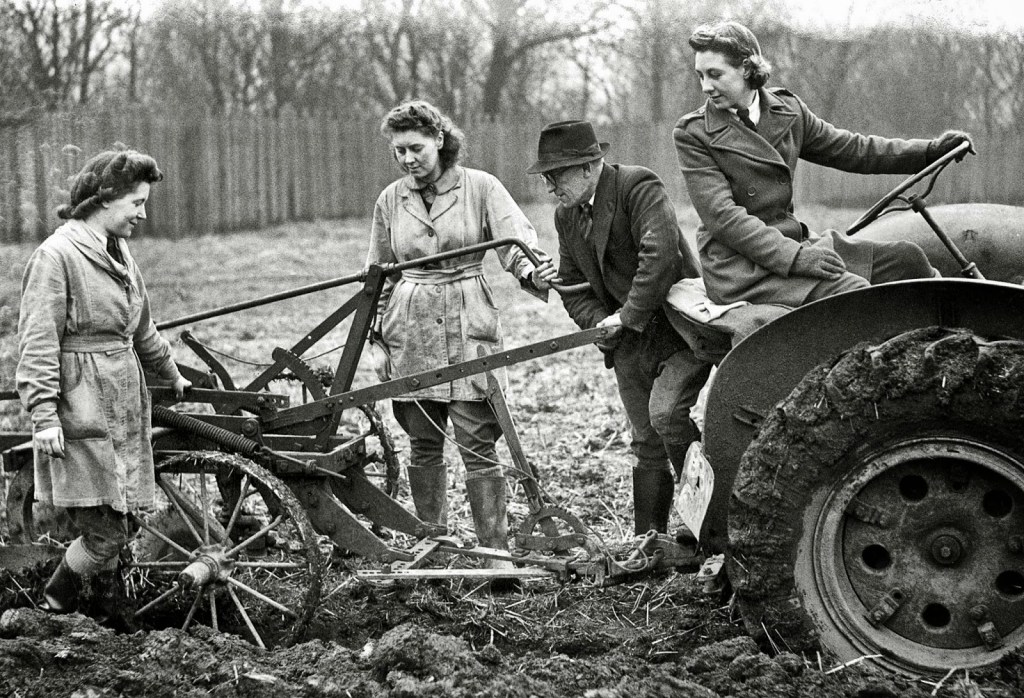
16 Vintage Photos of Land Girls During World War II

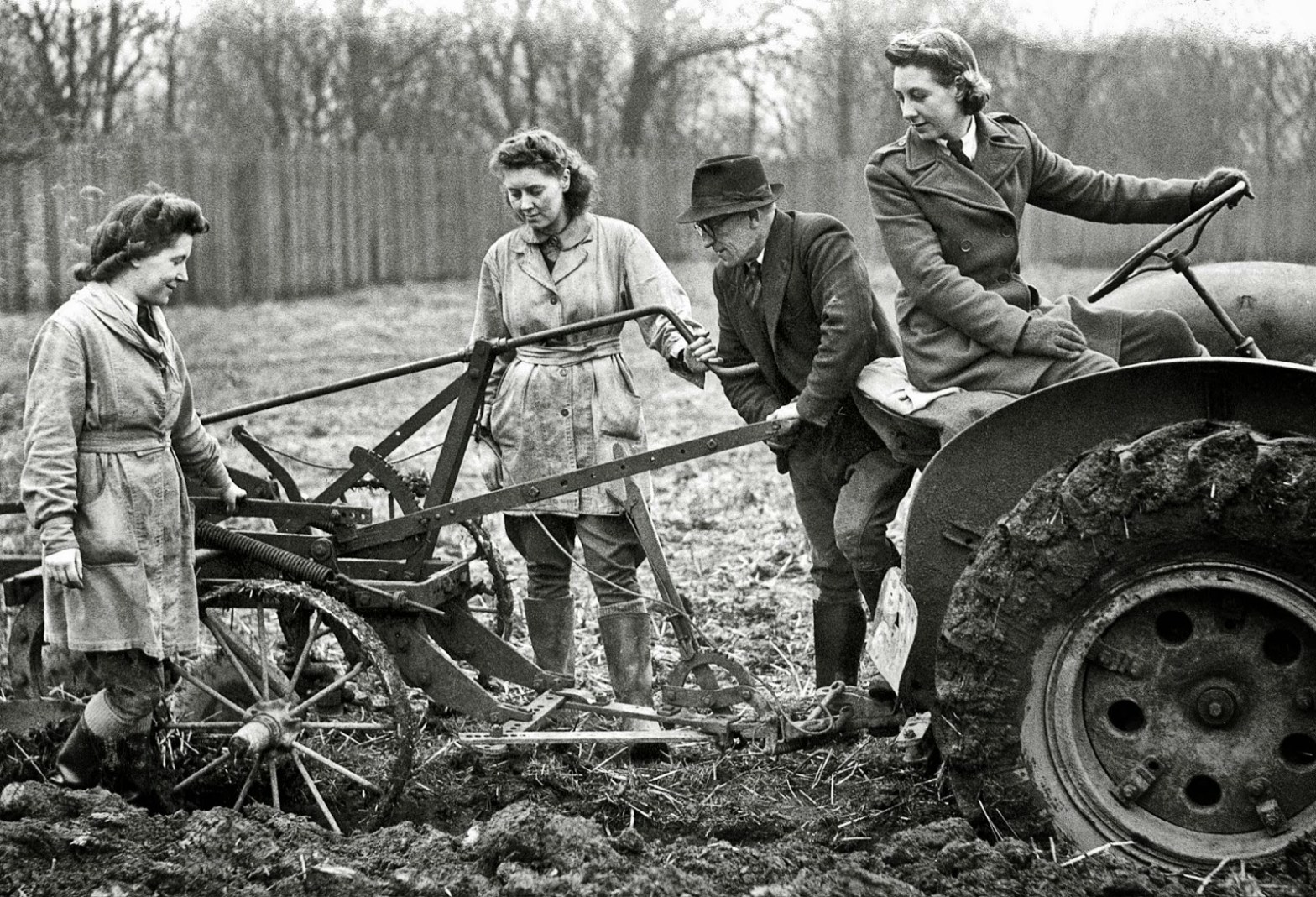
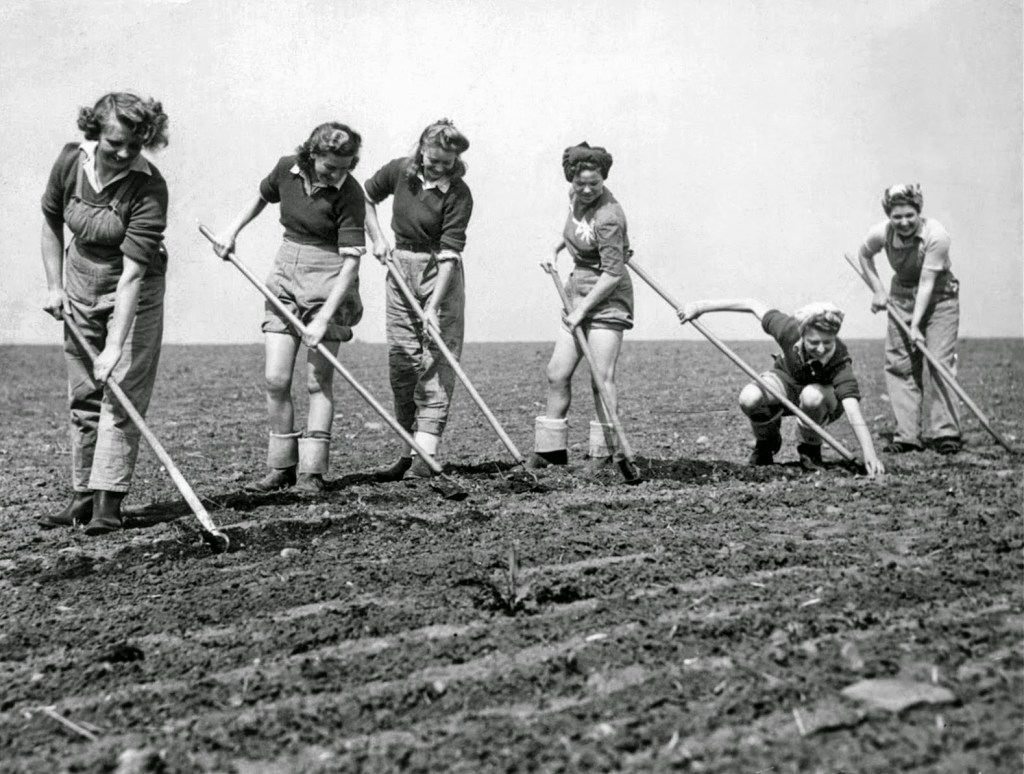
The Women’s Land Army (WLA) was a British civilian organisation created in 1917 during World War I so women could work in agriculture. It was revived from the disbanded World War One organisation in 1939 so that it could again organise women to replace workers called up to the military. Women who worked for the WLA were commonly known as Land Girls. In effect the Land Army operated to place women with farms that needed workers, the farmers being their employers. They picked crops and did all the jobs that the men had done. Notable members include Joan Quennell, later a Member of Parliament.

As the prospect of war became increasingly likely, the government wanted to increase the amount of food grown within Britain. To grow more food, more help was needed on the farms and so the government started the Women’s Land Army in July 1939. Though under the Ministry of Agriculture and Fisheries, it was given an honorary head – Lady Denman. At first it asked for volunteers. This was supplemented by conscription, so that by 1944 it had over 80,000 members.
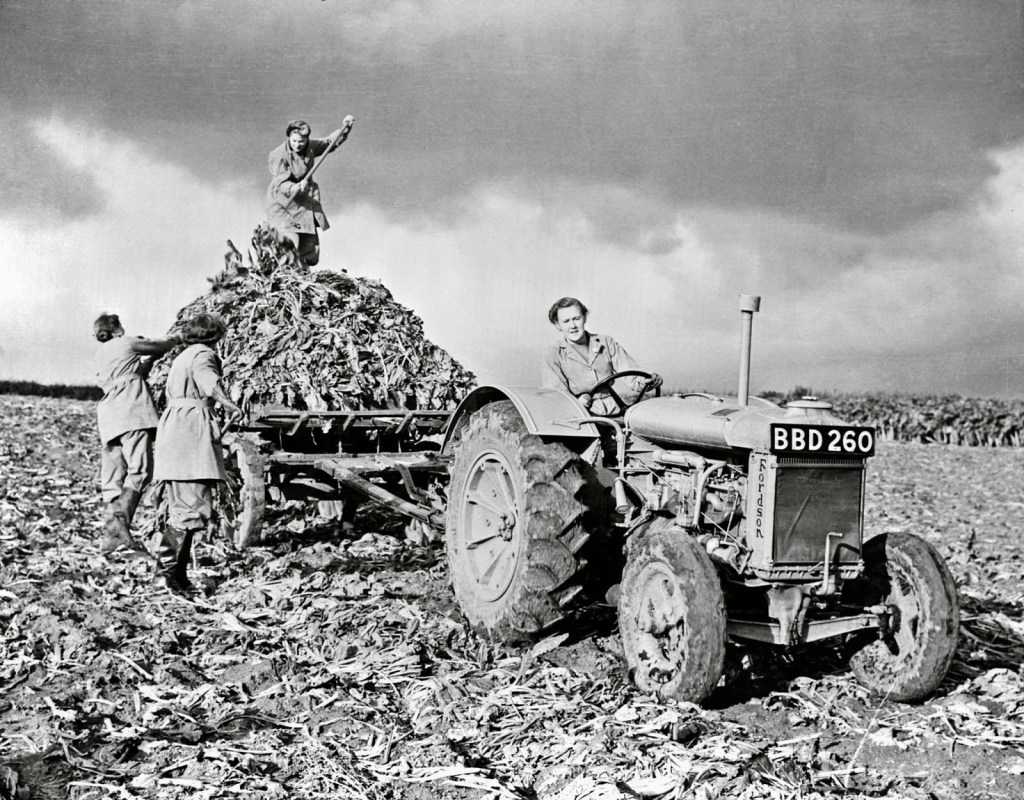
Inez Jenkins, who had served as Lady Deman’s assistant director during the establishment of the WLA served as Chief Administrative Officer until 1948. The last Chief of the WLA was Amy Curtis. The WLA lasted until its official disbandment on 30th November 1950.

The majority of the Land Girls already lived in the countryside but more than a third came from London and the industrial cities of the north of England. A separate branch was set up in 1942 for forestry industry work, officially known as the Women’s Timber Corps and with its members colloquially known as “Lumber Jills” – this was disbanded in 1946.

In 1943, during World War II, Amelia King was refused work because she was black. The decision was overturned after being raised in the House of Commons by her MP, Walter Edwards.

In December 2007, following campaigning by former Land Girl Hilda Gibson, the Department for Environment, Food and Rural Affairs (DEFRA) announced that the efforts of the Women’s Land Army and the Women’s Timber Corps would be formally recognised with the presentation of a specially designed commemorative badge to the surviving members. The badge of honour was awarded in July 2008 to over 45,000 former Land Girls.

In October 2012, the Prince of Wales unveiled the first memorial to the WLA of both World Wars, on the Fochabers estate in Moray, Scotland. The sculpture was designed by Peter Naylor. In October 2014, a memorial statue to the Women’s Timber Corps and both incarnations of the Women’s Land Army was unveiled at the National Memorial Arboretum in Staffordshire, England. (Wikipedia)

Discovered From a Crowd of The Beatles’ Fans, Beautiful Girl Dorothea McGowan Became a Professional Model in the 1960s

Born 1939 in Brooklyn, New York, former model and actress Dorothea (Dorothy) McGowan was discovered as a talent agent picked her out of a crowd of Beatles fans at Kennedy Airport. Her sole screen credit is for the 1966 French film Who Are You, Polly Maggoo?, in which she had the starring role of a supermodel.

As a model, McGowan appeared on countless covers of Vogue, Harper’s Bazaar, Elle, Glamour, and other publications in the 1960s. She was photographed by Richard Avedon, Irving Penn, Melvin Sokolsky, Francesco Scavullo, and others.

McGowan was one of photographer William Klein’s favorite models. After the release of his film Who Are You, Polly Maggoo?, she disappeared from public view and apparently neither acted nor modeled again.

She was married to, and divorced, from photographer Didier Dorot with whom she has two children.

In 2007, McGowan was living in Mamaroneck, New York.

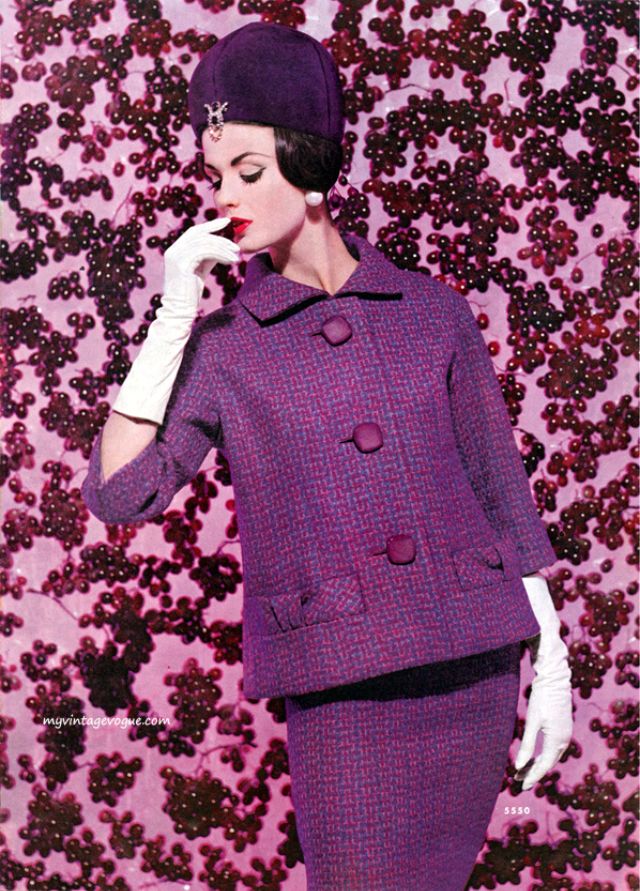
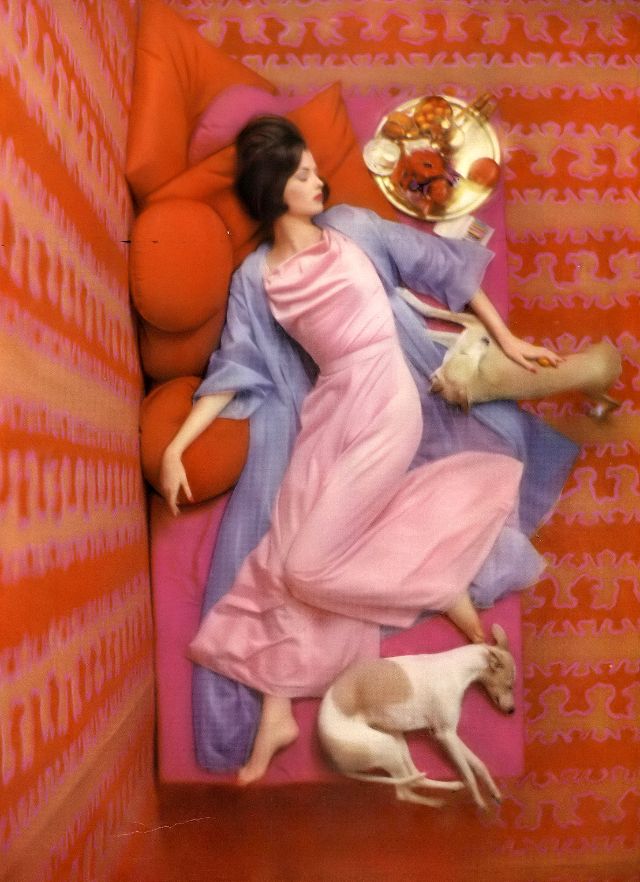
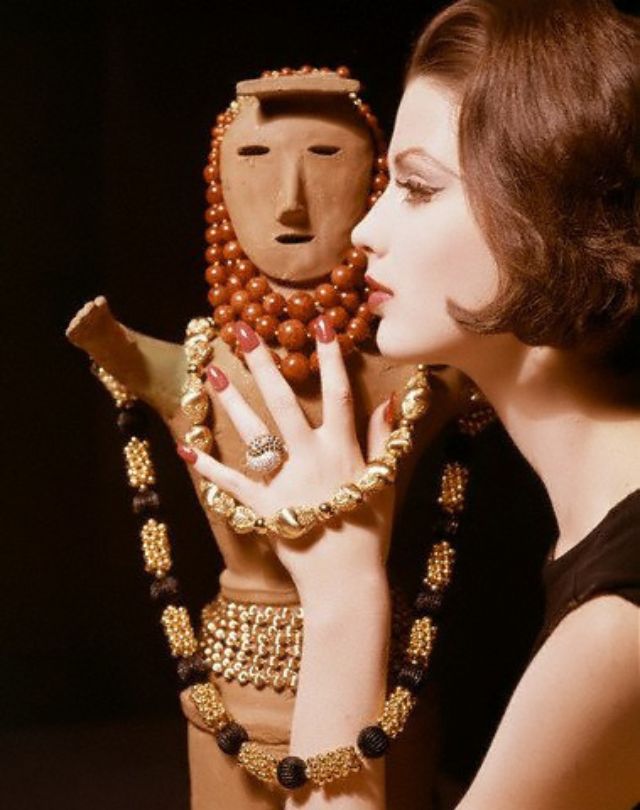
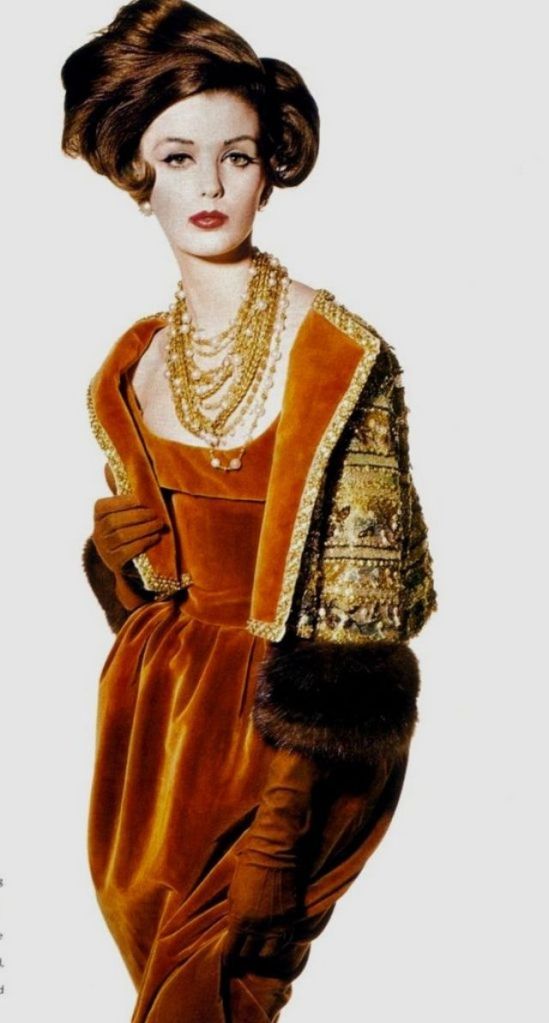
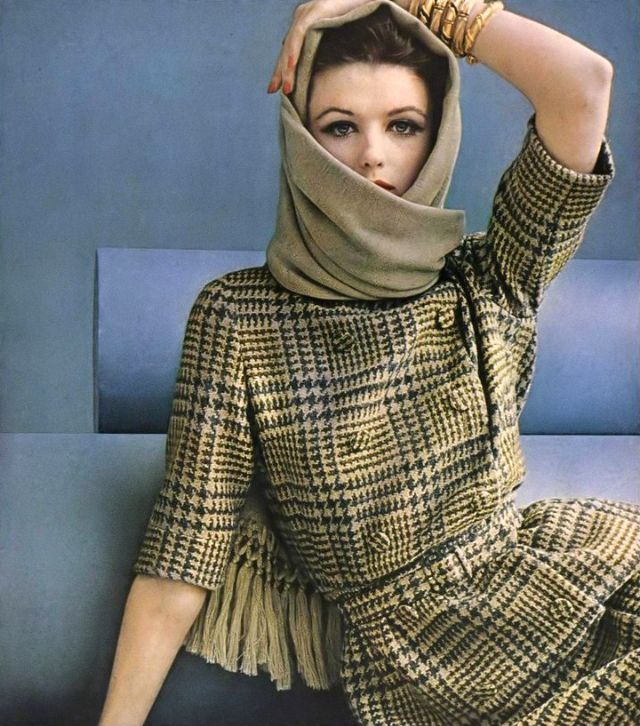
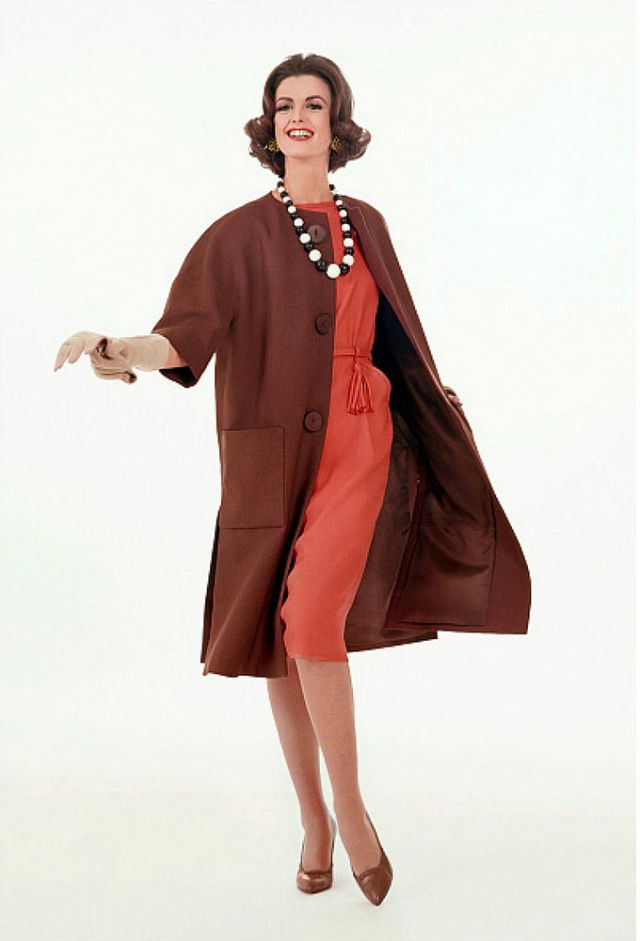
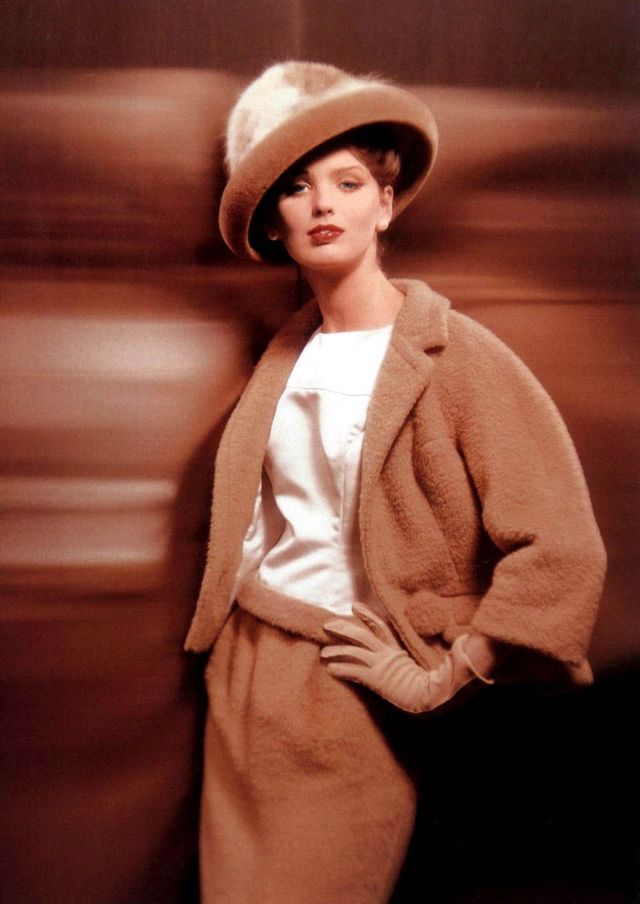
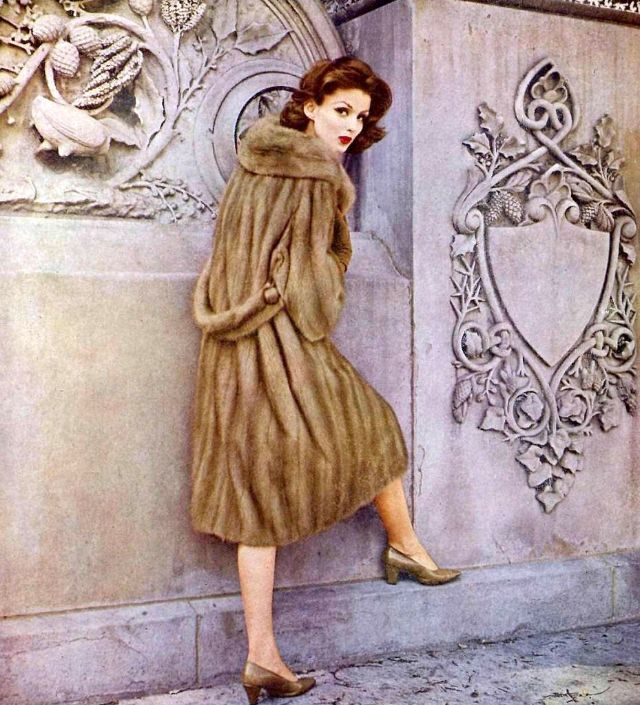
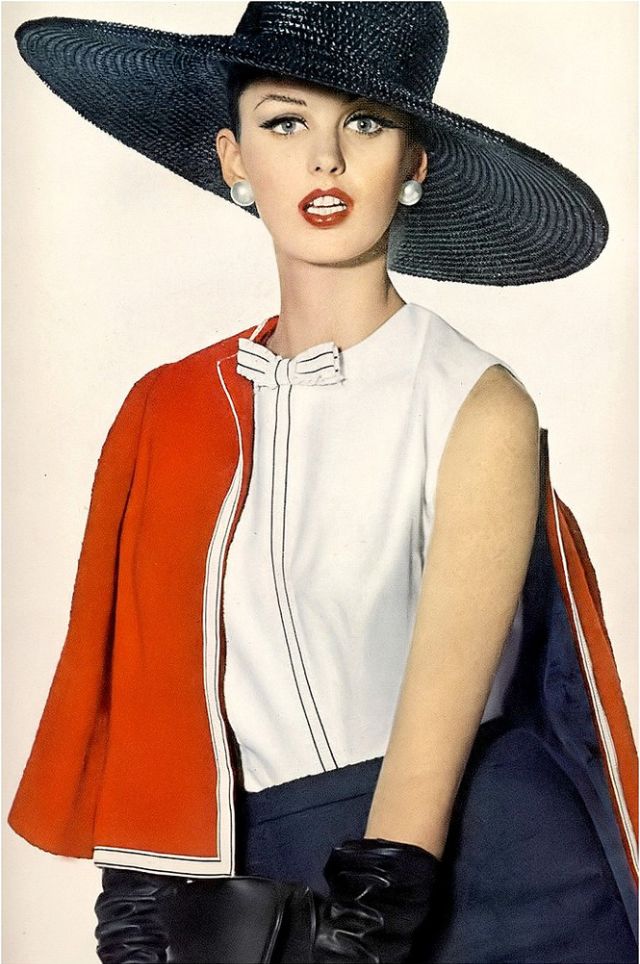
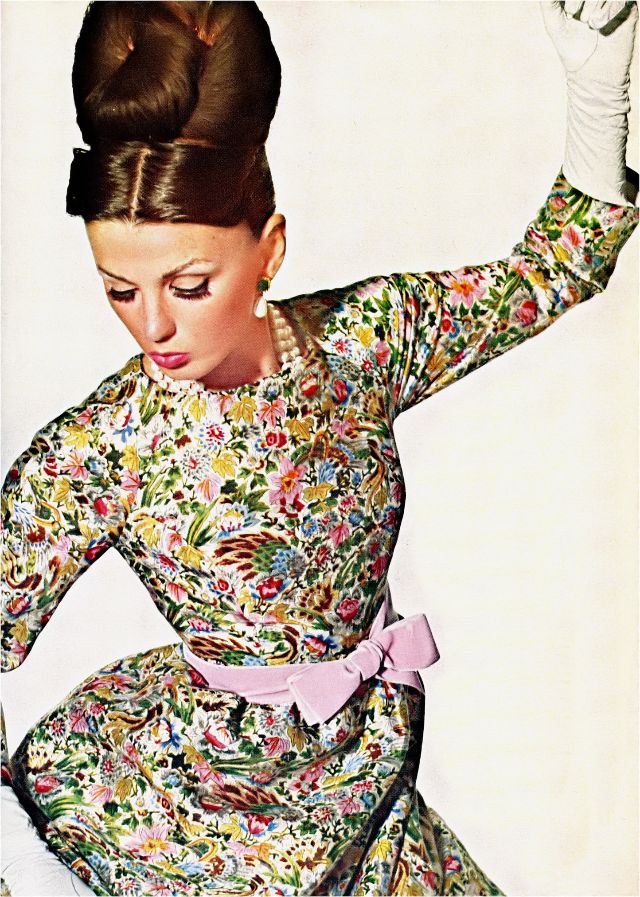
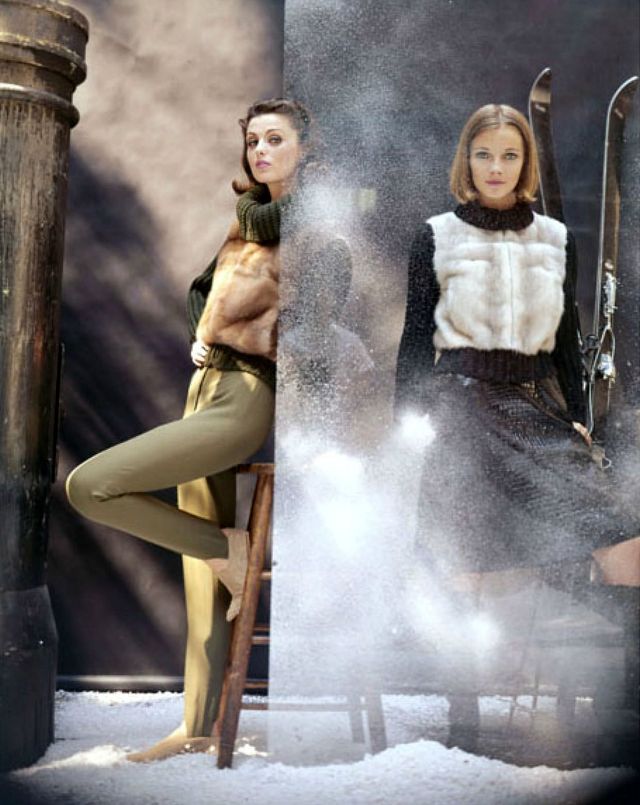
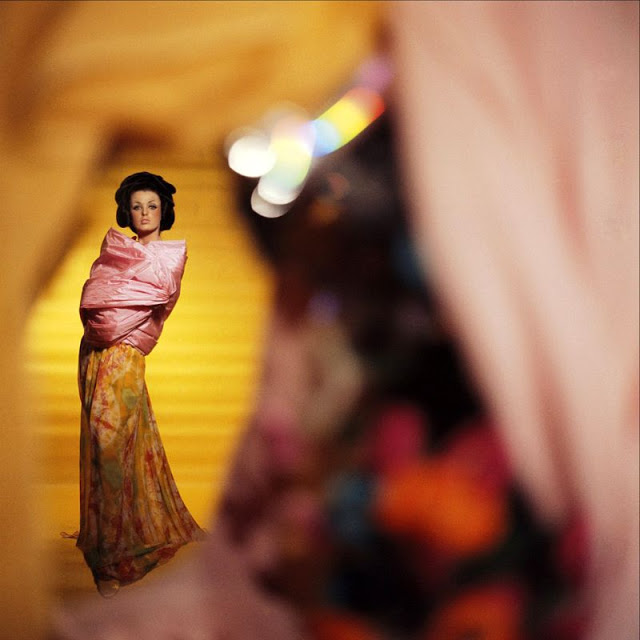
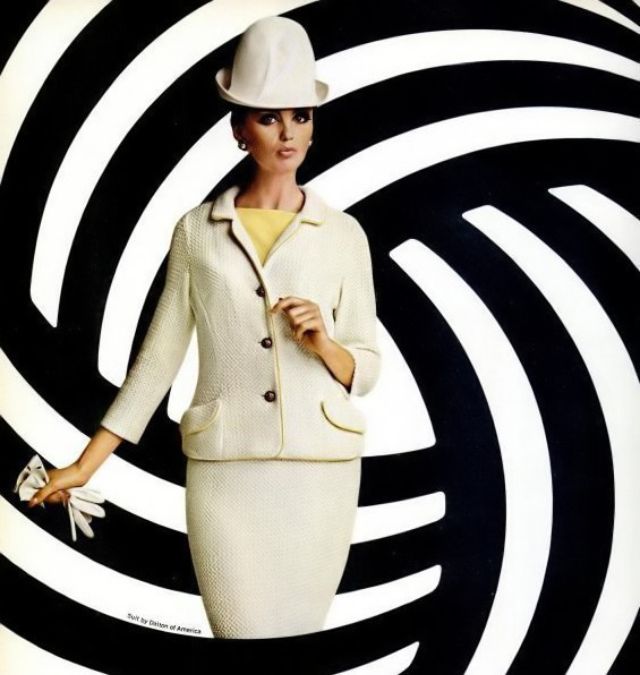
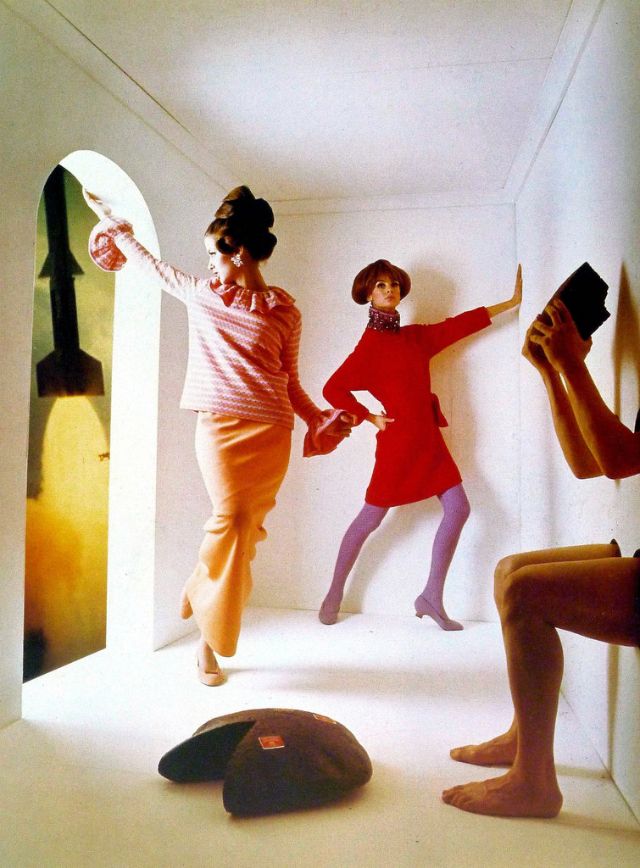
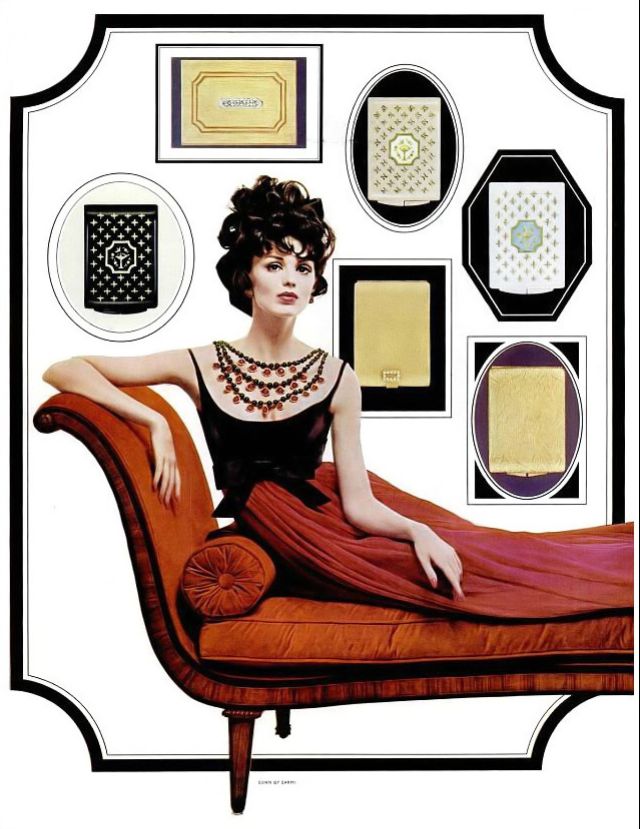
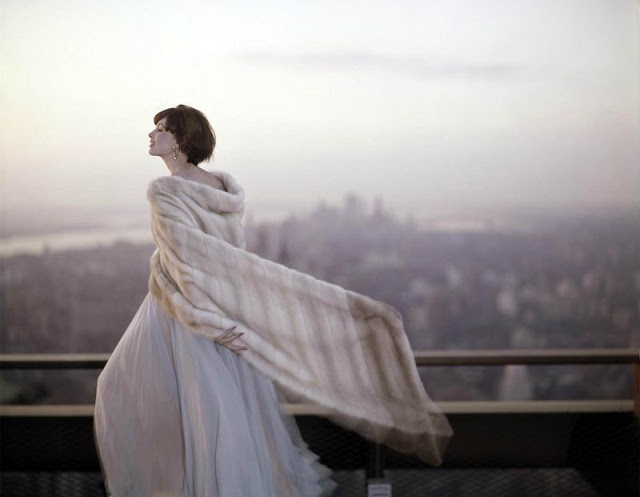
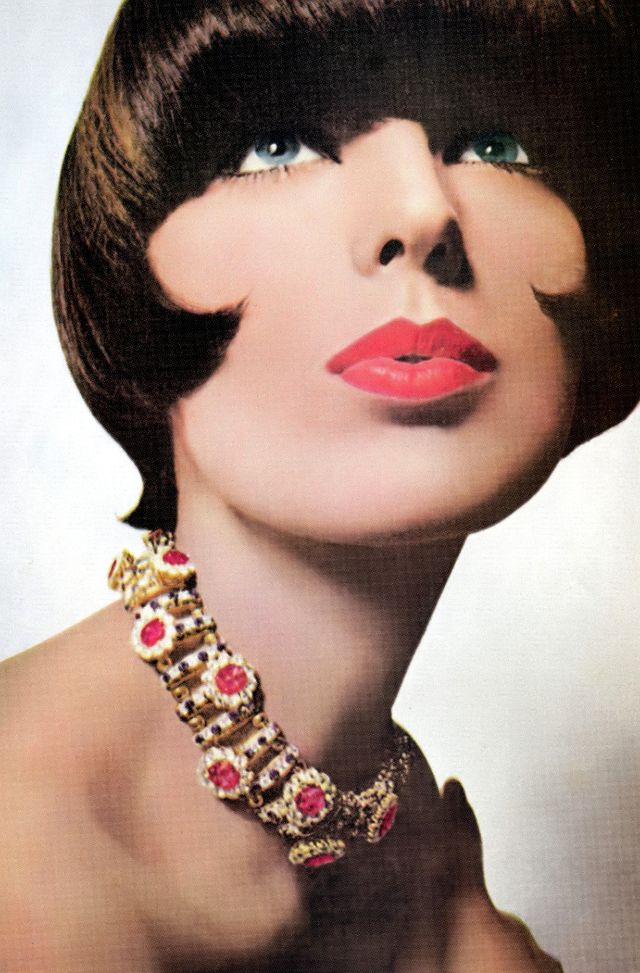
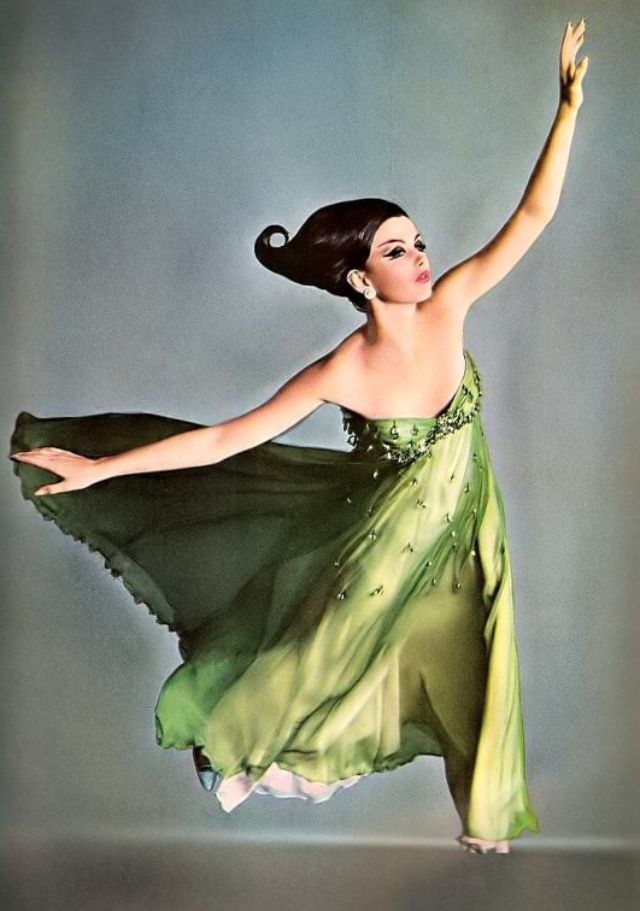
These glamorous color pictures that captured portrait of young Dorothea McGowan when she was a model from the 1960s.

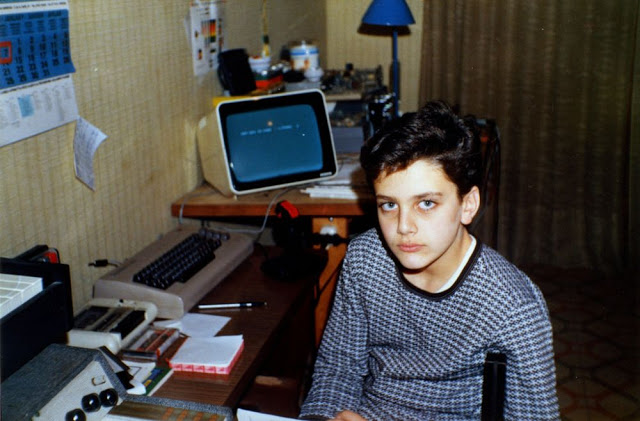
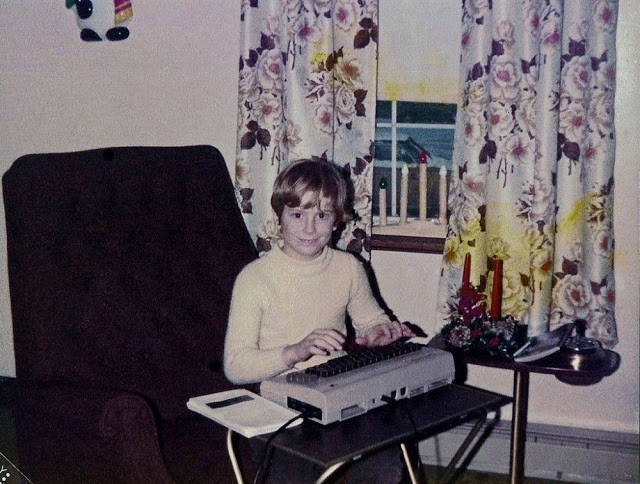
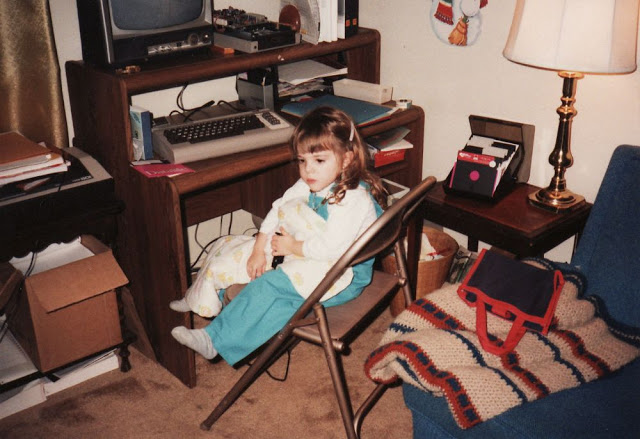
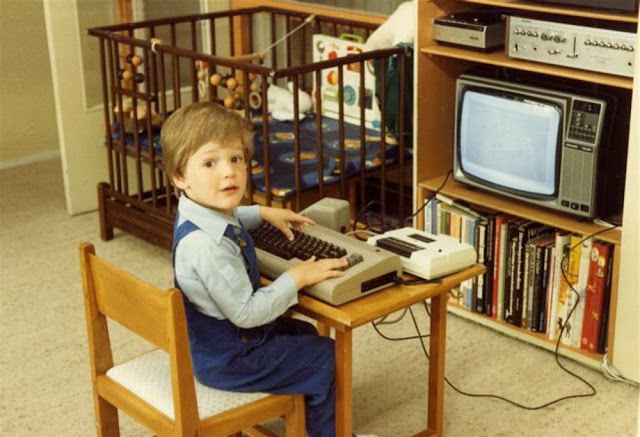
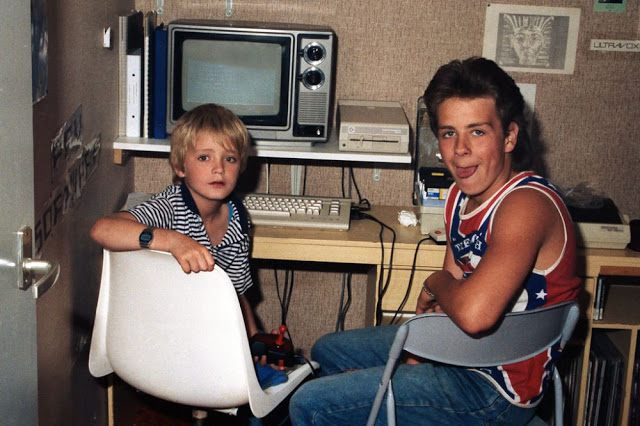
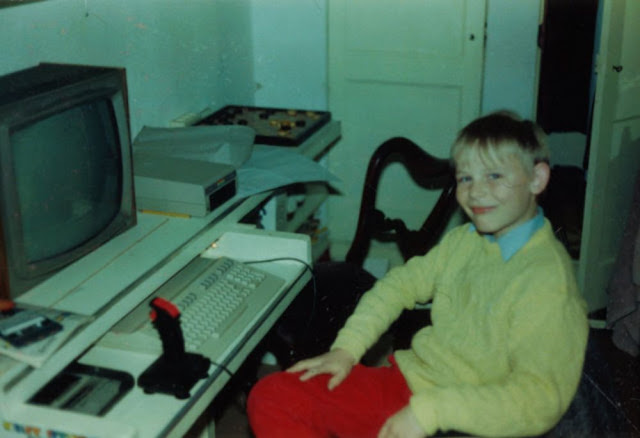
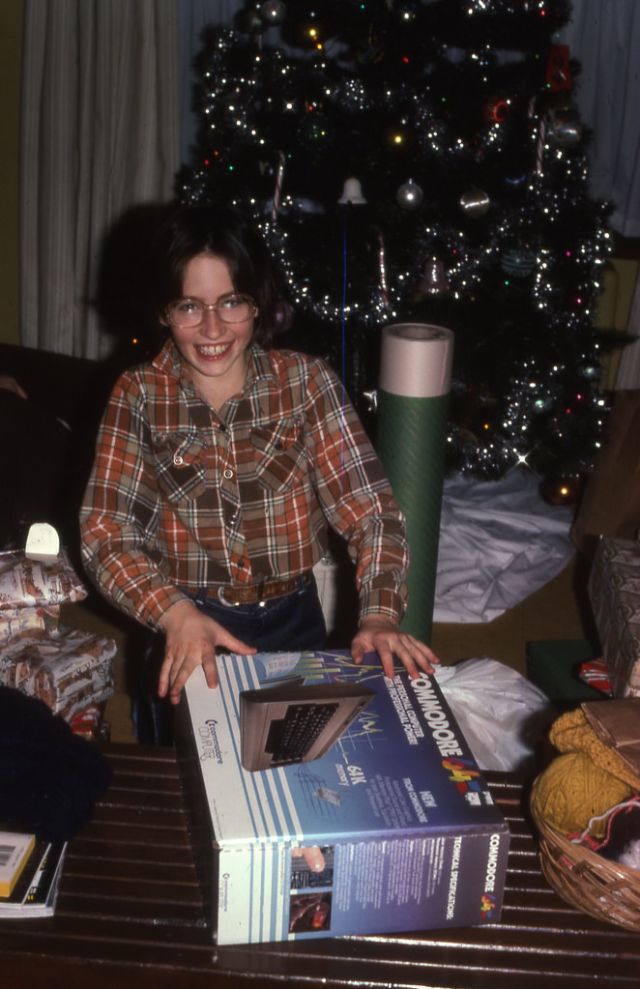
20 Vintage Photographs of People With Their Commodore 64, One of the Most Beloved Home Computers of All Time

The 8-bit home computer Commodore 64 (commonly known as the C64 or C=64), introduced by Commodore International in January, 1982, was a machine with remarkable market success. Volume production started sometime in the spring of 1982, with machines being released on to the market in August at a price of $595. During the his lifetime, sales totaled some 17 million units, making it the best-selling single personal computer model of all time.

For a substantial period of time (1983-1986), the Commodore 64 dominated the market with between 30% and 40% share and 2 million units sold per year, outselling the IBM PC clones, Apple computers, and Atari computers. Sam Tramiel, a former Atari president said in a 1989 interview “When I was at Commodore we were building 400 000 C64s a month for a couple of years.”

Part of the Commodore 64 success was because it was sold in retail stores instead of electronics stores, and that these machines can be directly plugged into an existing home television without any modifications. Commodore produced many of its parts in-house to control supplies and cost. Improving the reliability, as well as reduce manufacturing costs, eventually, it cost only about $25.00 to manufacture, and the consumer price of the C-64 dropped to around $200.00.

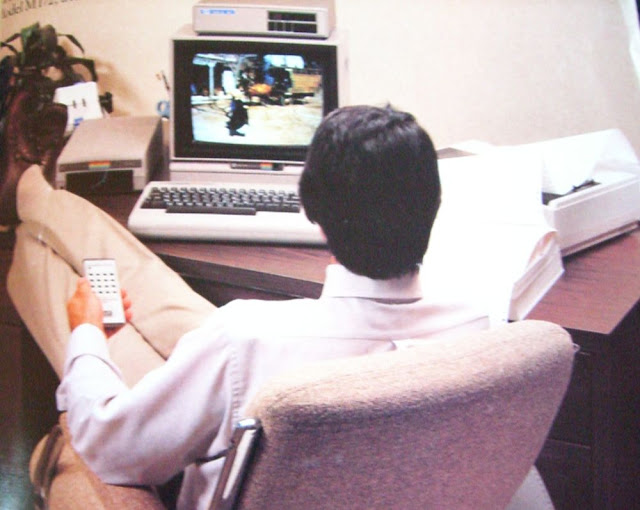
Another part of the Commodore 64 success was because approximately 10000 commercial software titles were made for the Commodore 64 including development tools, office applications, and games. The machine is also credited with popularizing the computer demo scene. The Commodore 64 is still used today by some computer hobbyists. Below are some amazing photographs of people posing with their Commodore 64 from the 1980s.

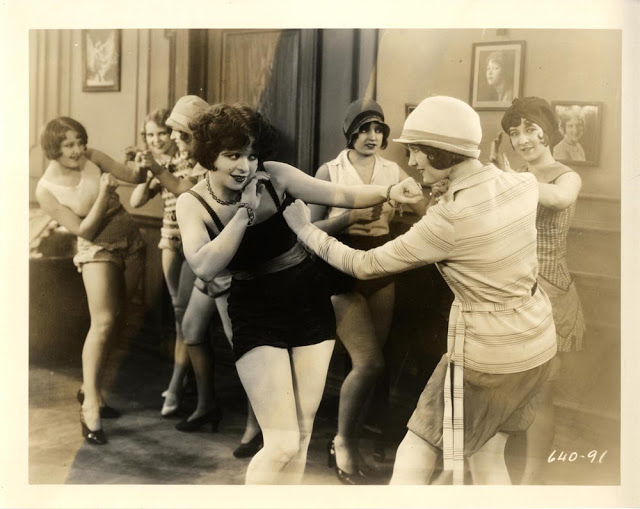
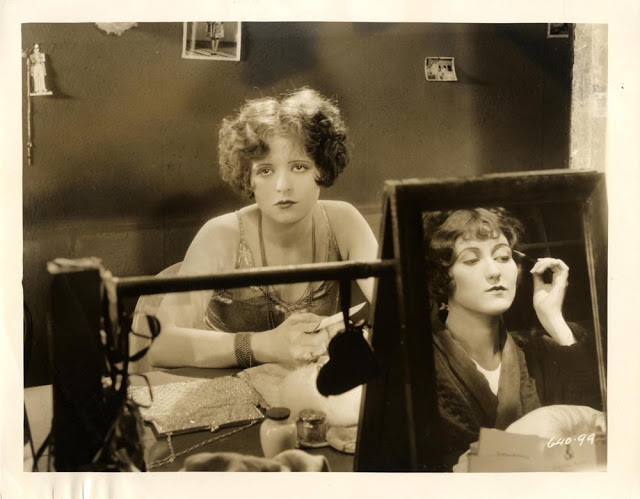
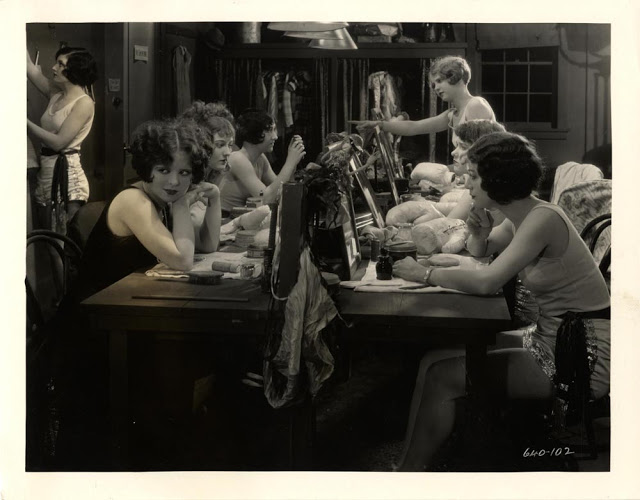
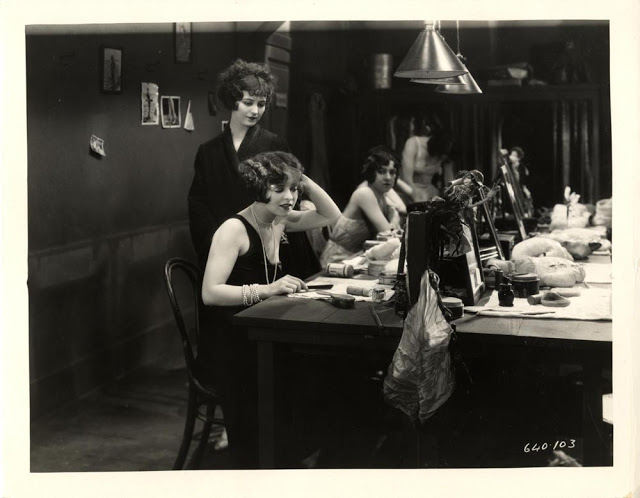
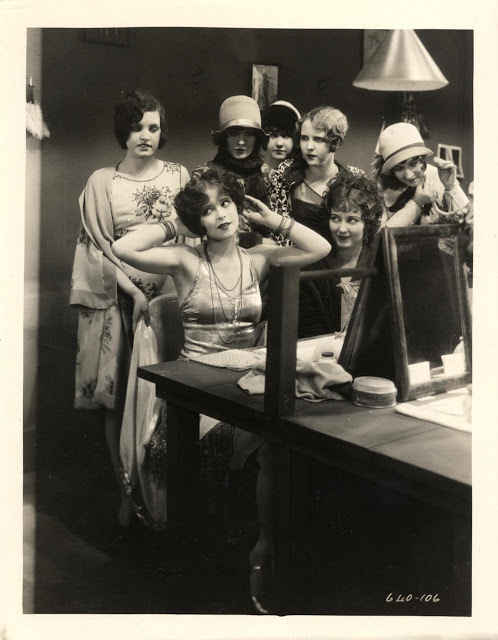
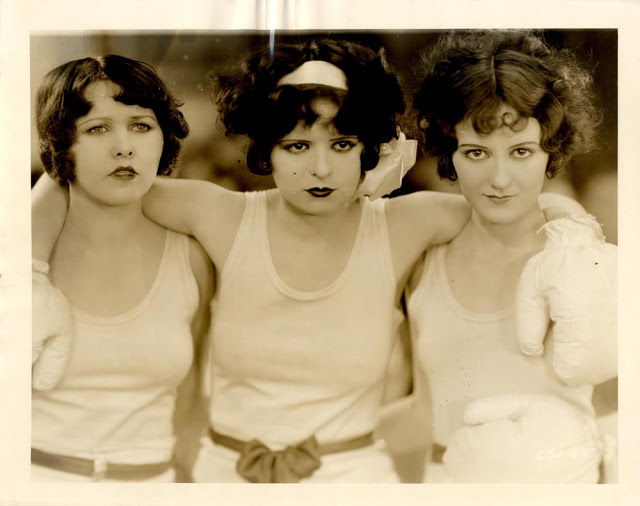
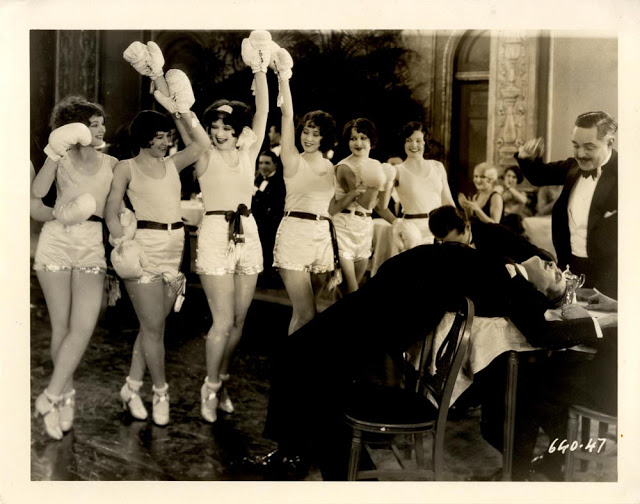
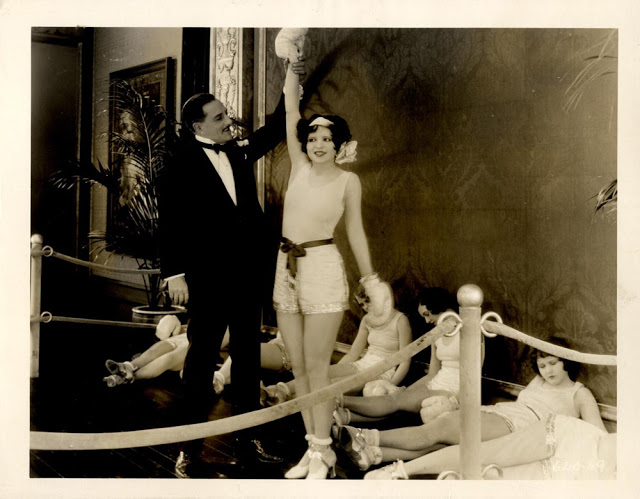
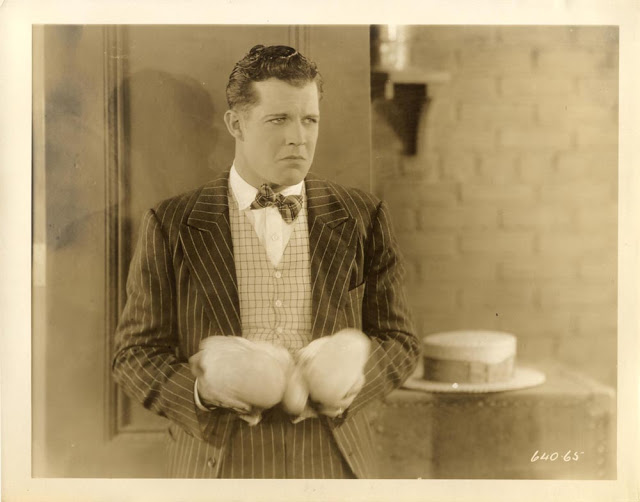
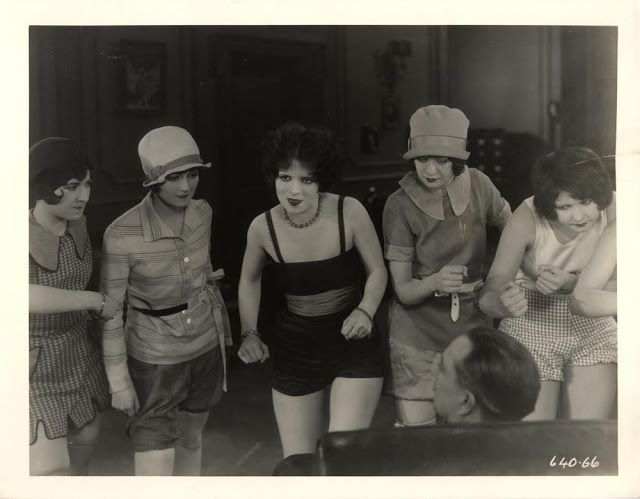
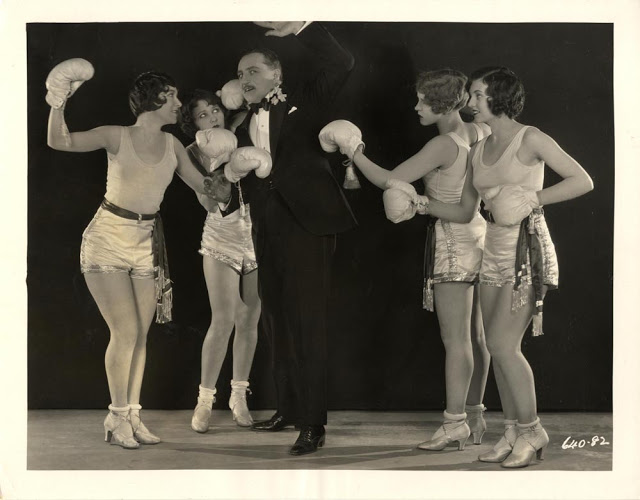
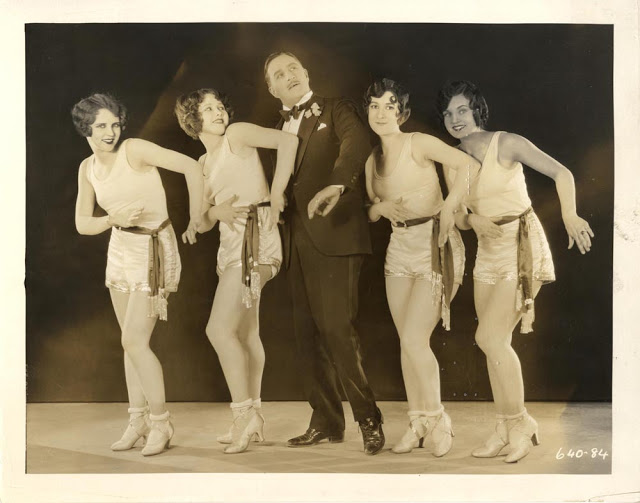
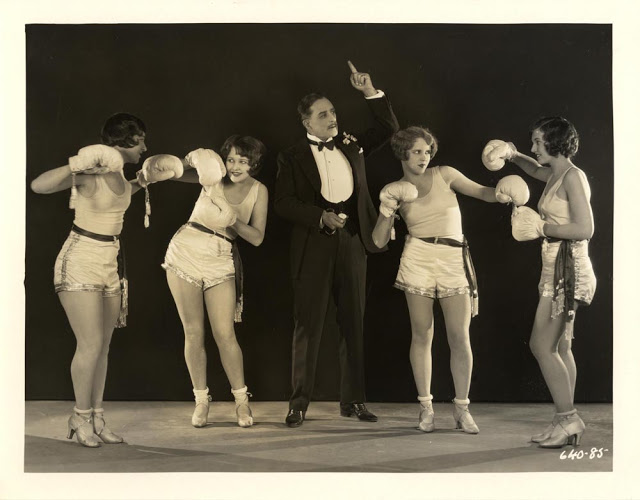
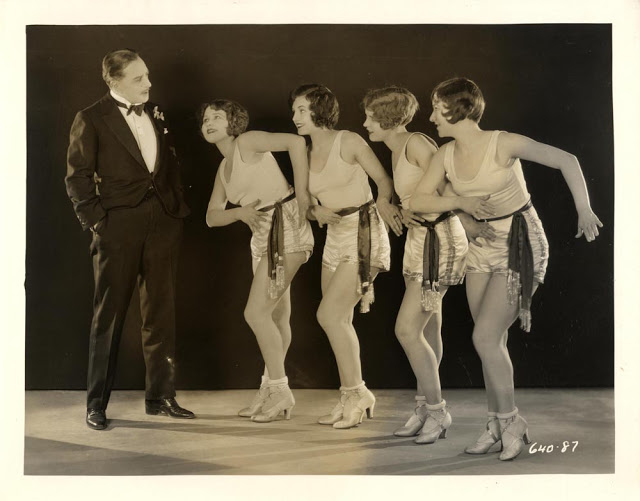
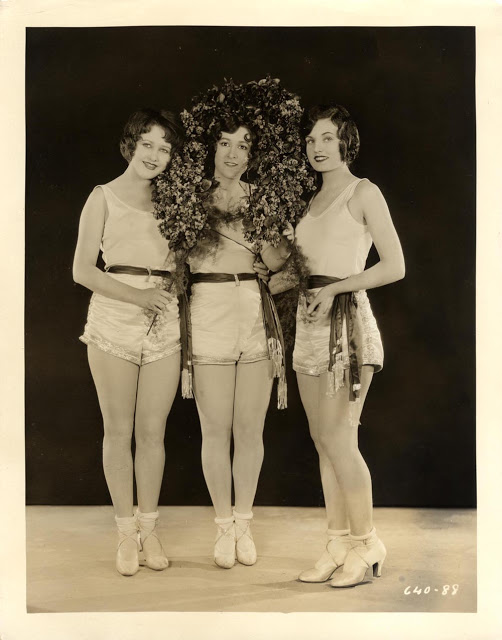
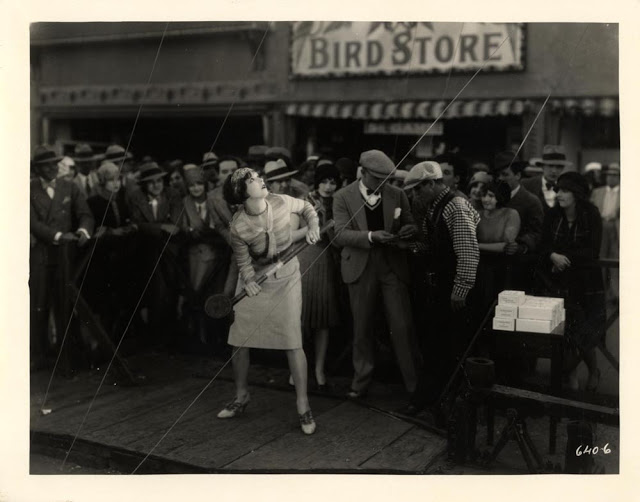
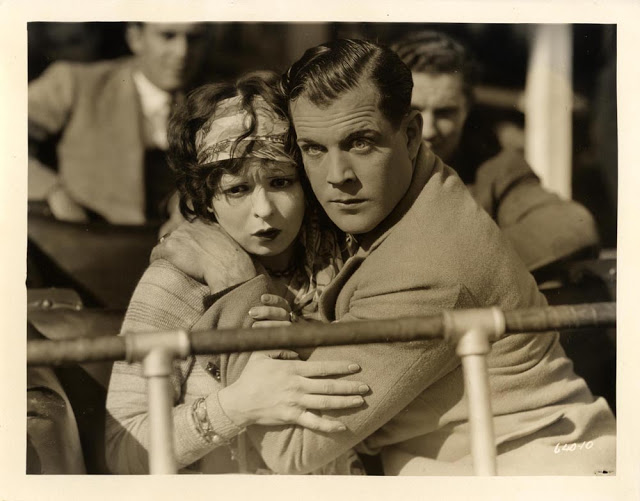
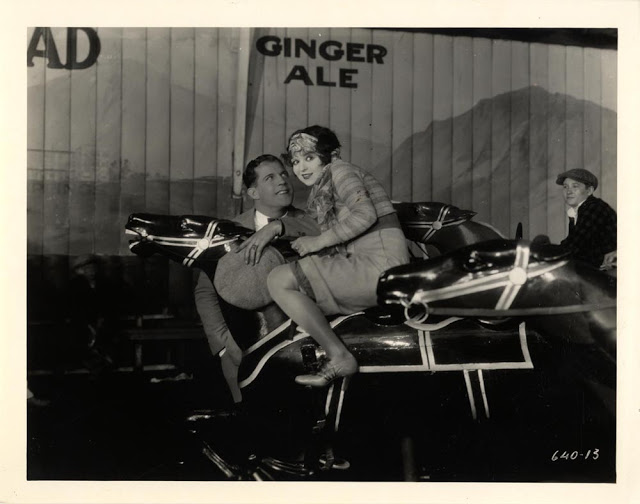
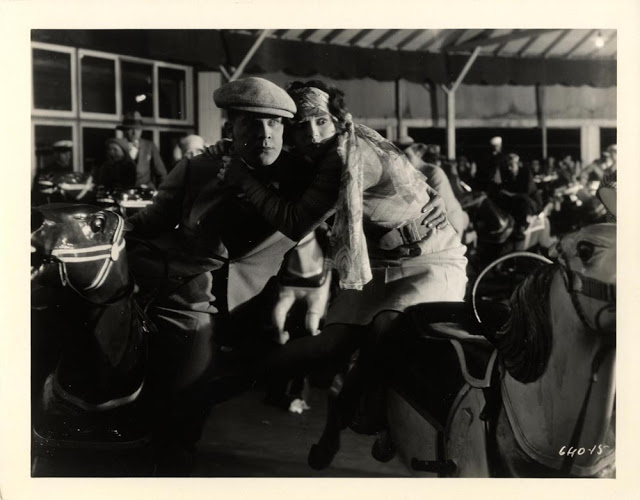
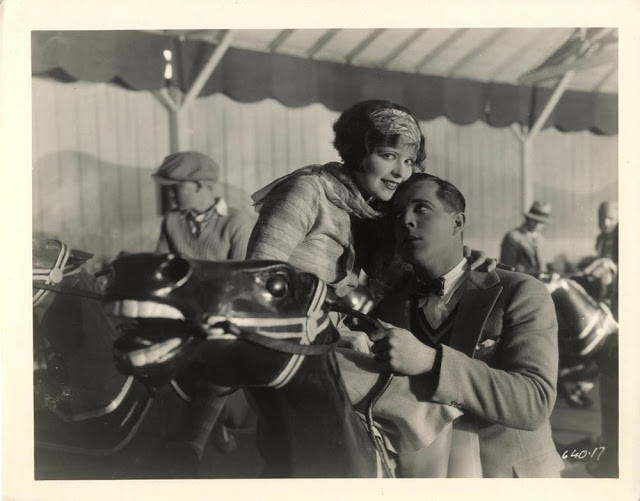
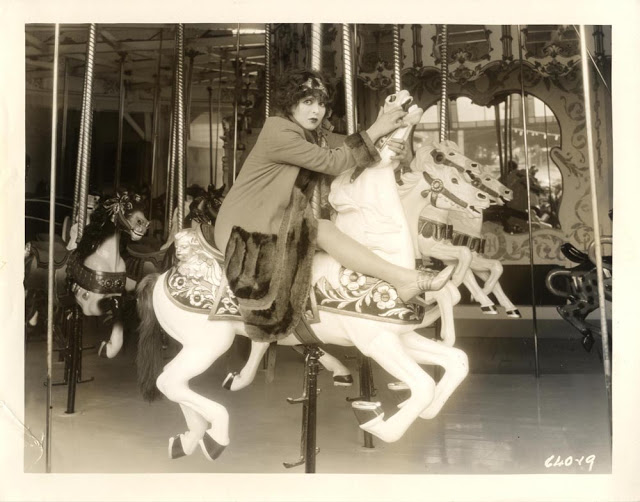
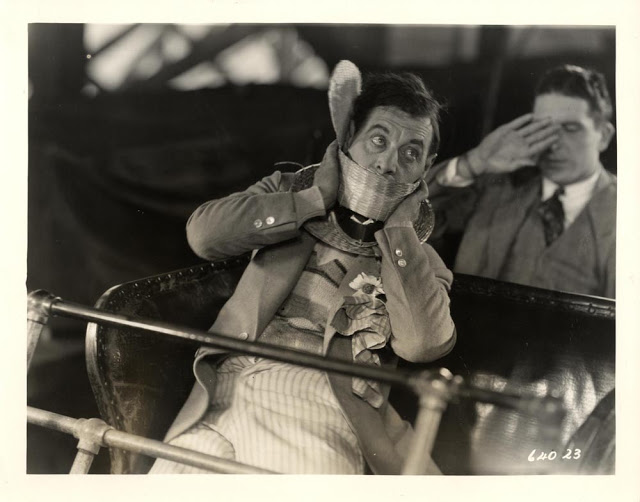
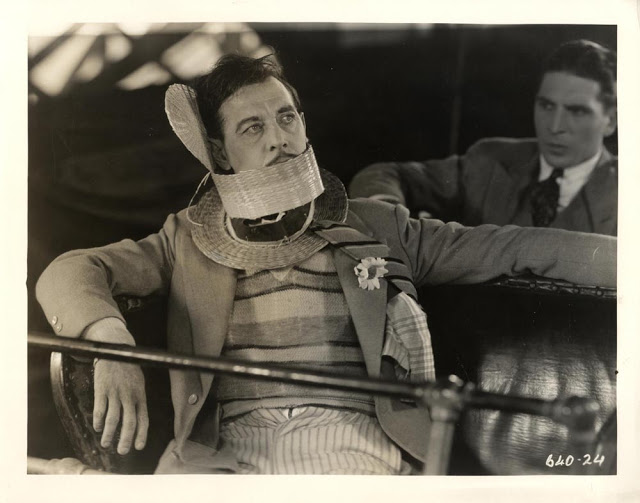
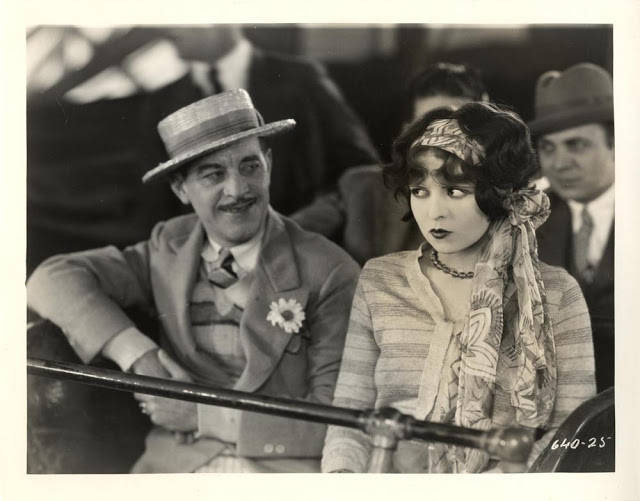
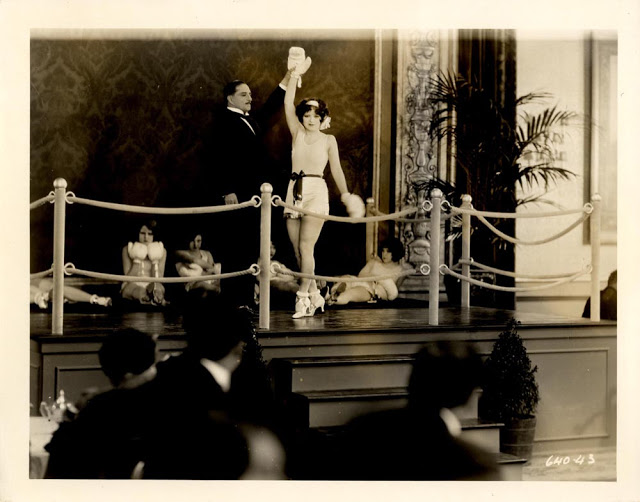
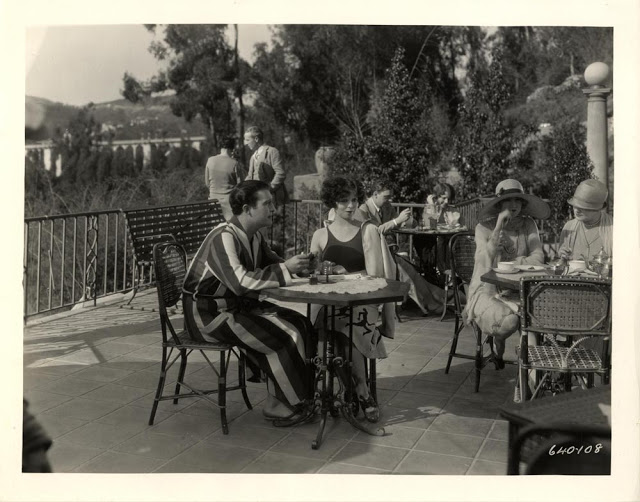
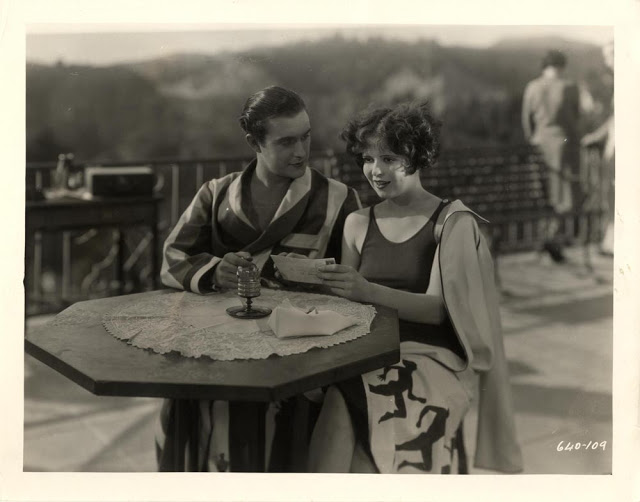
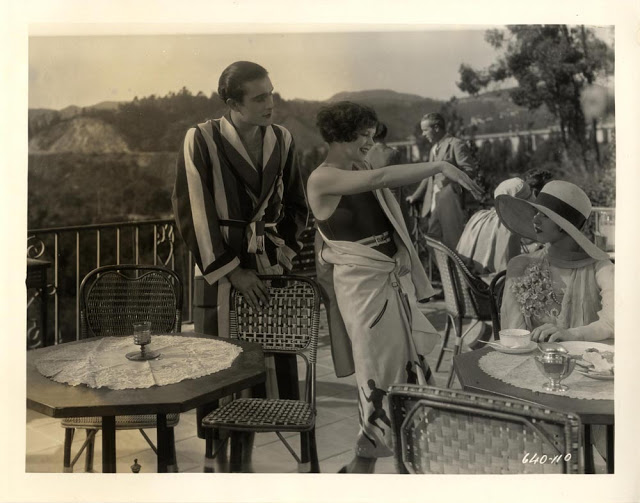
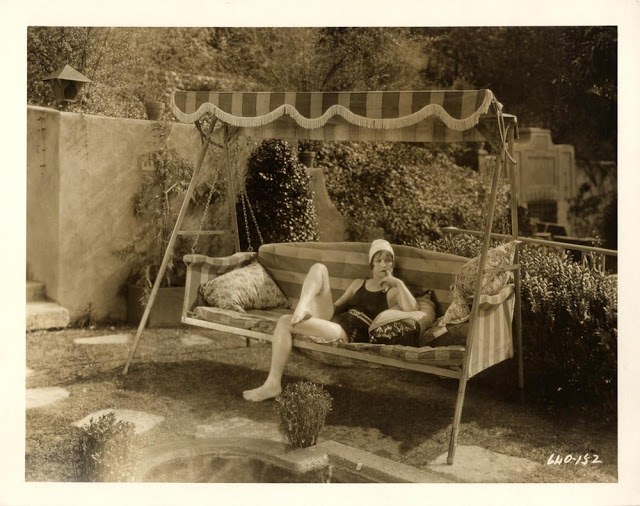
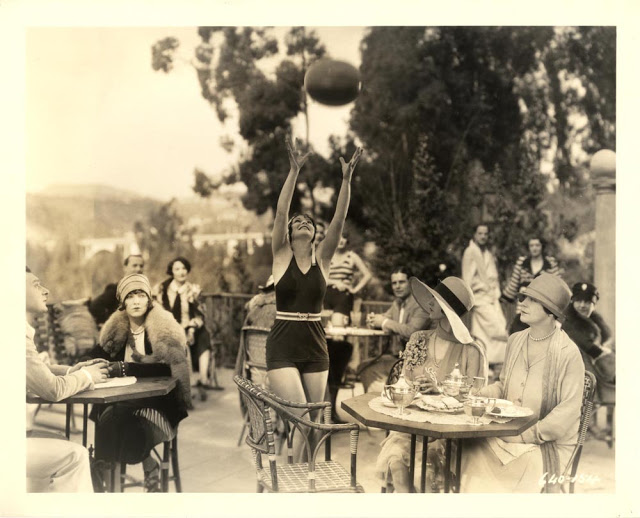
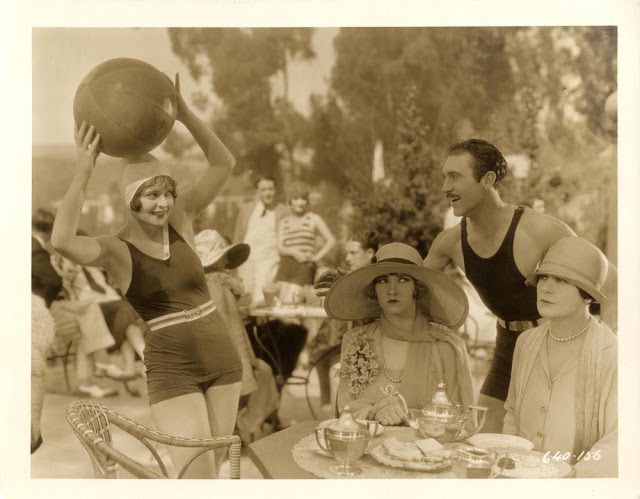
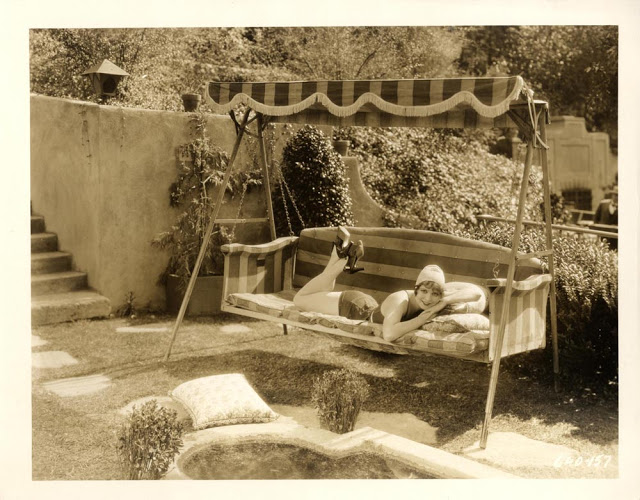
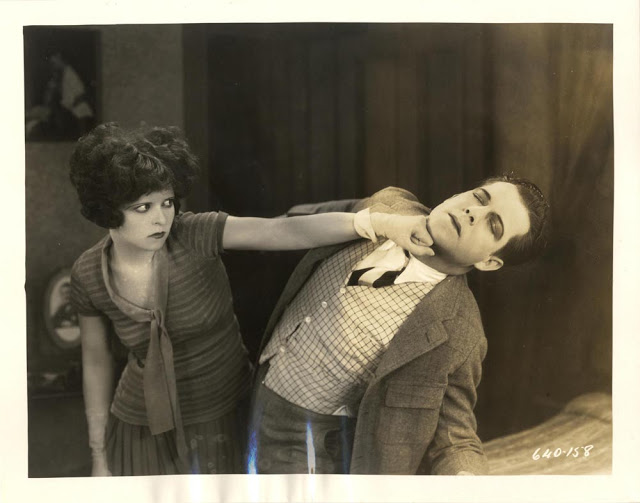
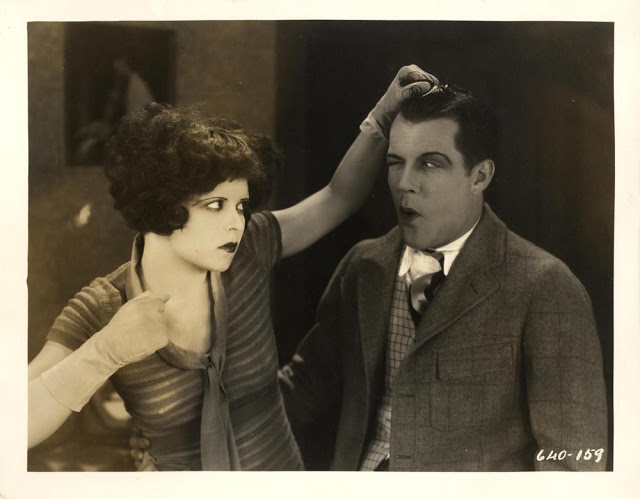
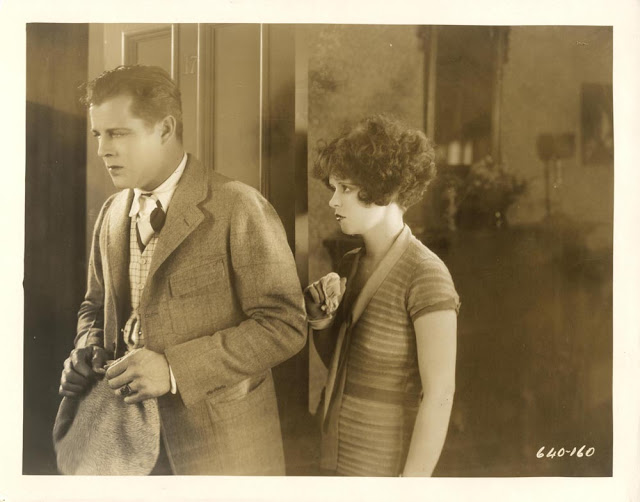
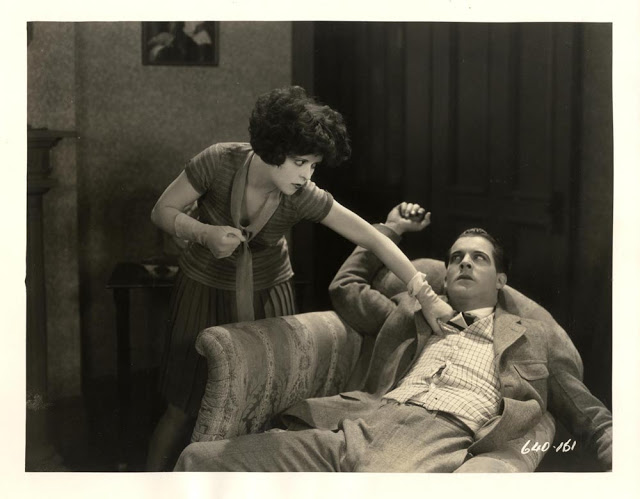
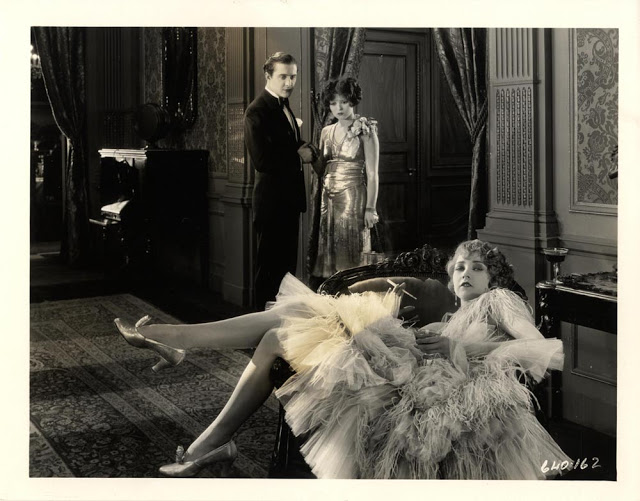
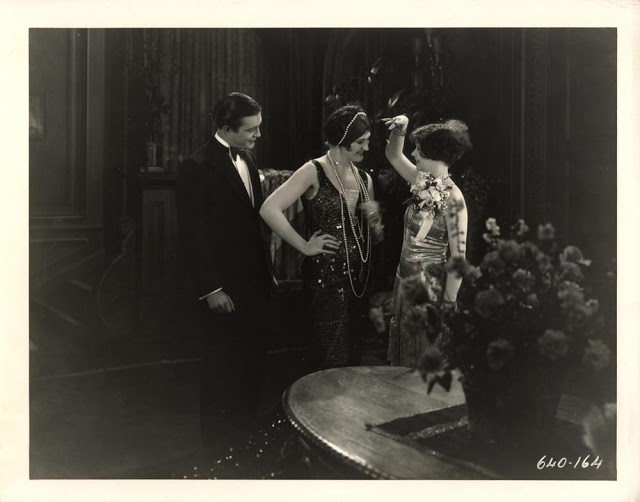
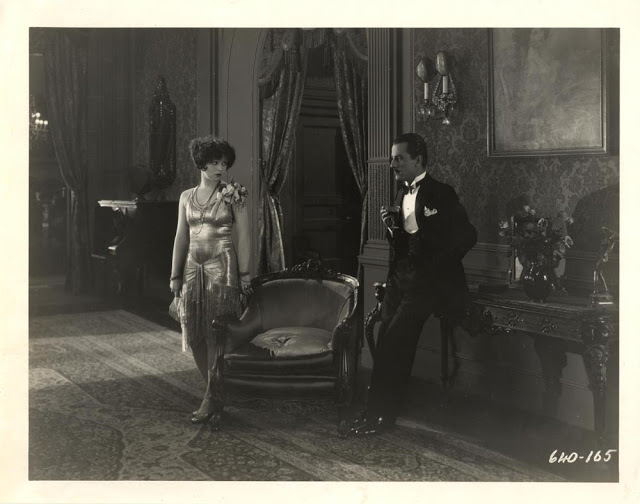
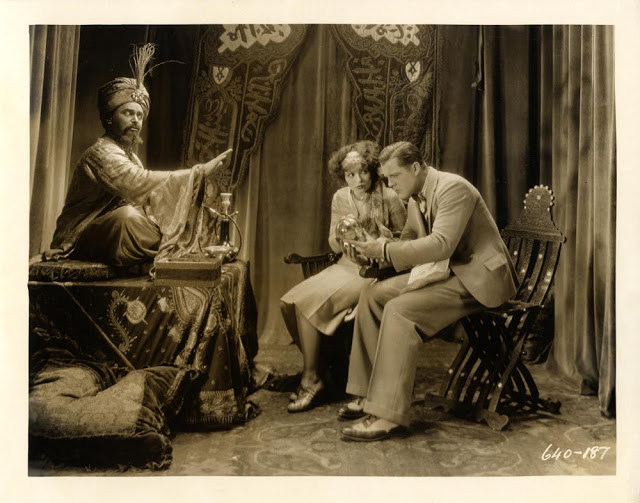
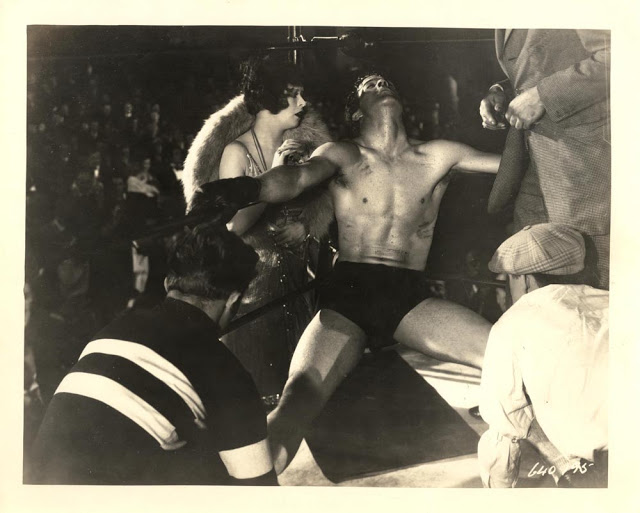
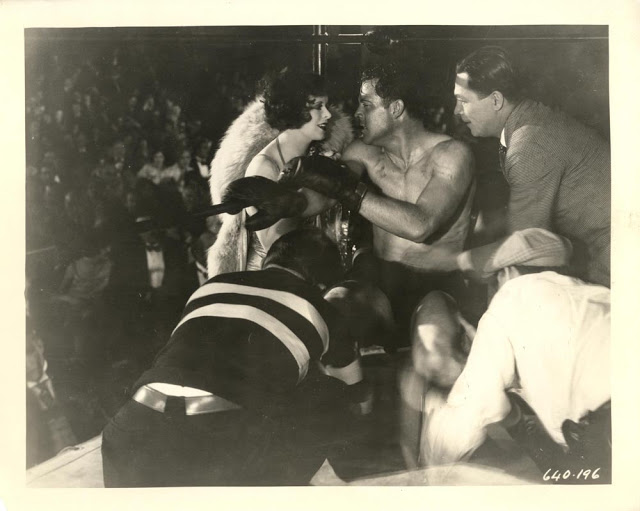
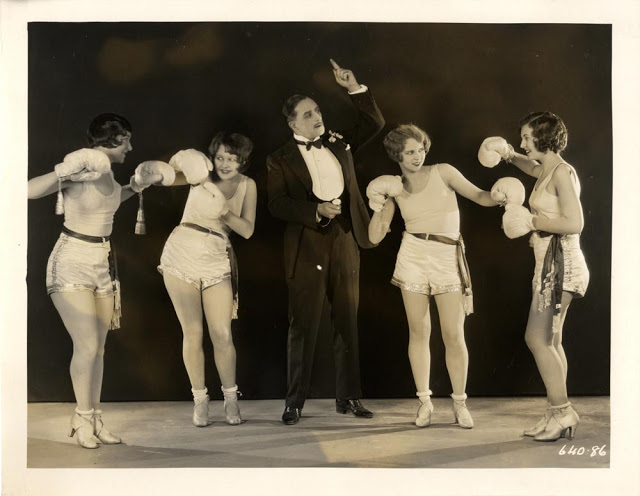
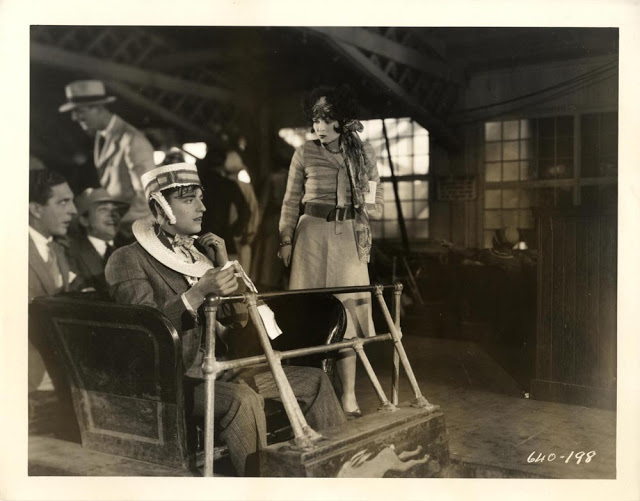
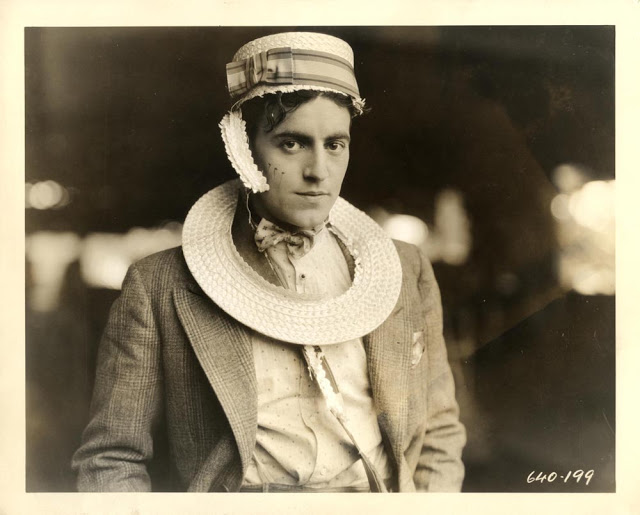
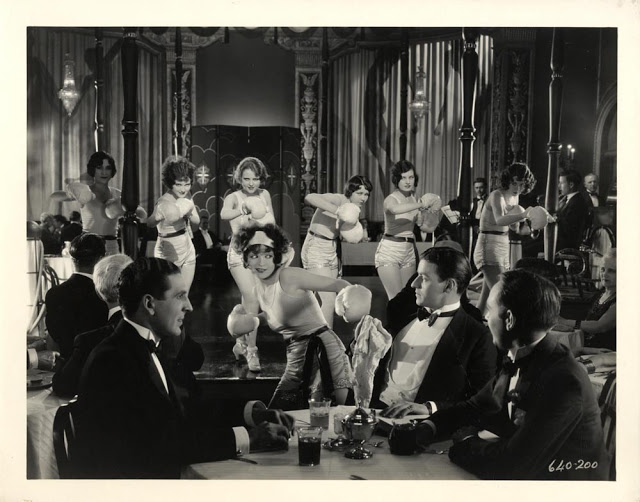
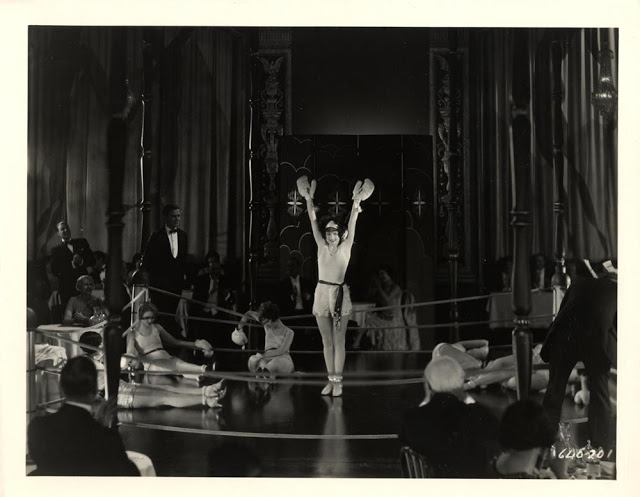
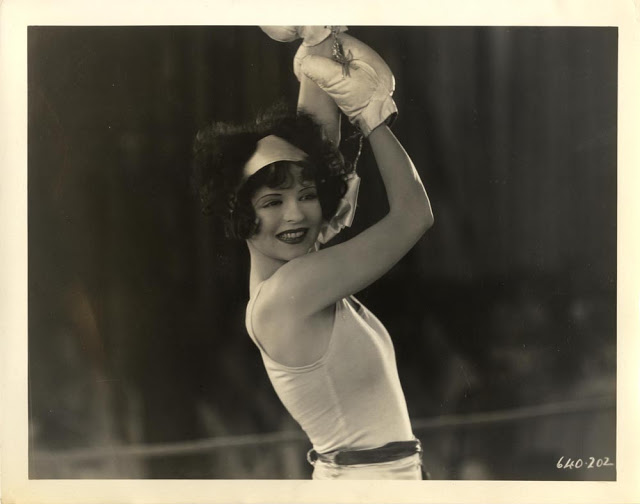
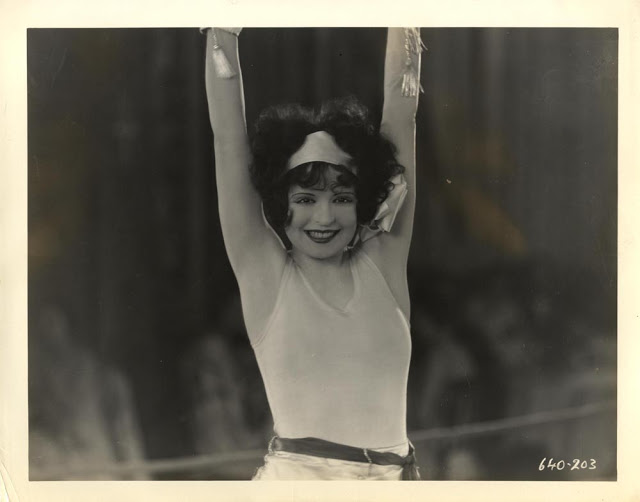
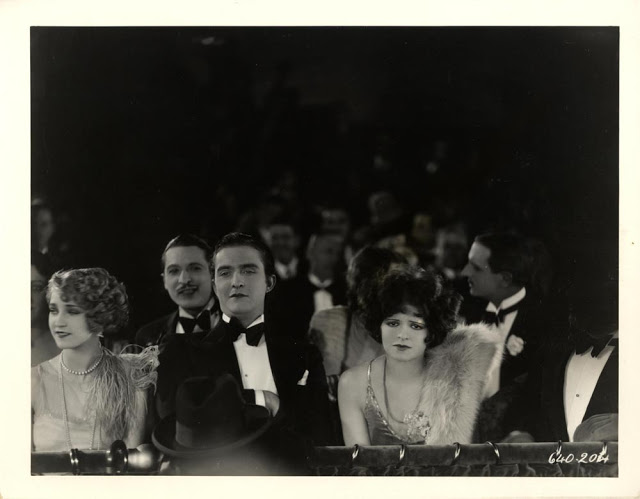
59 Vintage Photos From the Missing Clara Bow Film, “Rough House Rosie”, 1927

Clara Gordon Bow, destined to become “The It Girl”, was born on July 29, 1905 in Brooklyn, New York, and was raised in poverty and violence. Her often absentee and brutish father could not or did not provide and her schizophrenic mother tried to slit Clara’s throat when the girl spoke of becoming an actress. Bow, nonetheless, won a photo beauty contest which launched her movie career that would eventually number 58 films, from 1922 to 1933.

The movie It (1927) defined her career. The film starred Clara as a shopgirl who was asked out by the store’s owner. As you watch the silent film you can see the excitement as she prepared for her date with the boss, her friend trying hard to assist her. She used a pair of scissors to modify her dress to try to look “sexier.” The movie did much to change society’s mores as there were only a few years between World War I and Clara Bow, but this movie went a long way in how society looked at itself. Clara was flaming youth in rebellion. In the film she presented a worldly wisdom that somehow sex meant having a good time. But the movie shouldn’t mislead the viewer, because when her boss tries to kiss her goodnight, she slaps him. At the height of her popularity she received over 45,000 fan letters a month. Also, she was probably the most overworked and underpaid star in the industry. With the coming of sound, her popularity waned. Clara was also involved in several court battles ranging from unpaid taxes to being in divorce court for “stealing” women’s husbands. After the court trials, she made a couple of attempts to get back in the public eye. One was Call Her Savage (1932) in 1932. It was somewhat of a failure at the box office and her last was in 1933 in a film called Hoopla (1933).

She then married cowboy star Rex Bell at 26 and retired from the film world at 28. She doted on her two sons and did everything to please them. Haunted by a weight problem and a mental imbalance, she never re-entered show business. She was confined to sanitariums from time to time and prohibited access to her beloved sons. She died of a heart attack in West Los Angeles, on September 26, 1965 at age 60. Today she is finding a renaissance among movie buffs, who are recently discovering the virtues of silent film. The actress who wanted so much to be like the wonderful young lady in It (1927) has the legacy of her films to confirm that she was a wonderful lady and America’s first sex symbol. (IMDB)

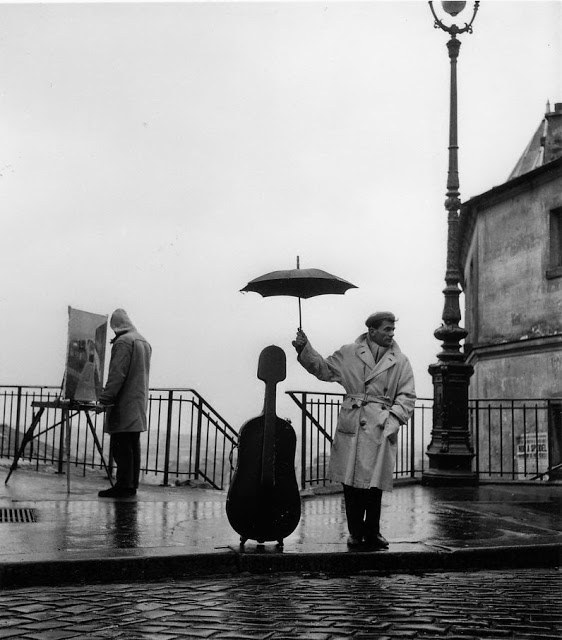
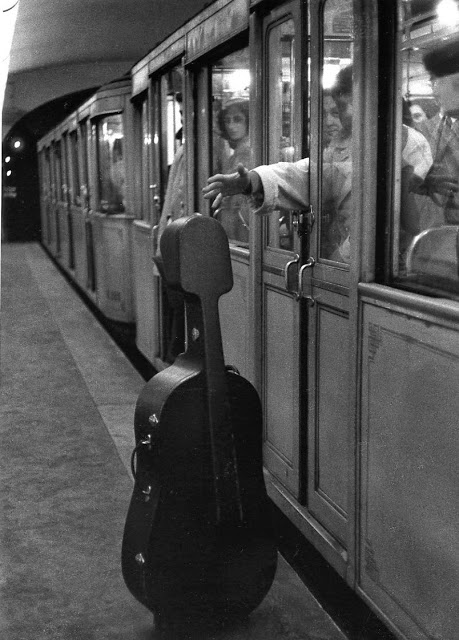
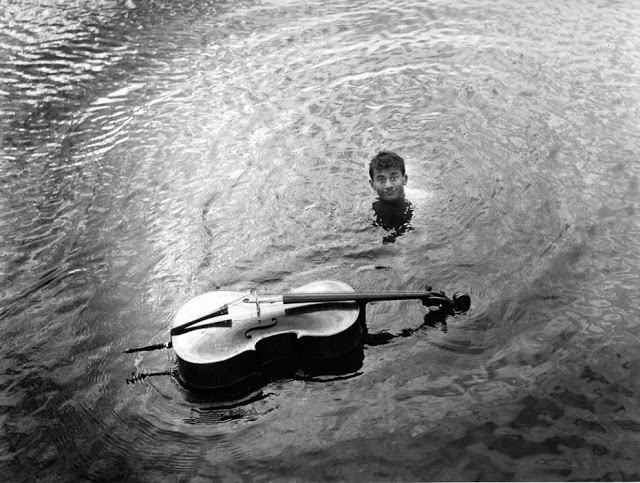
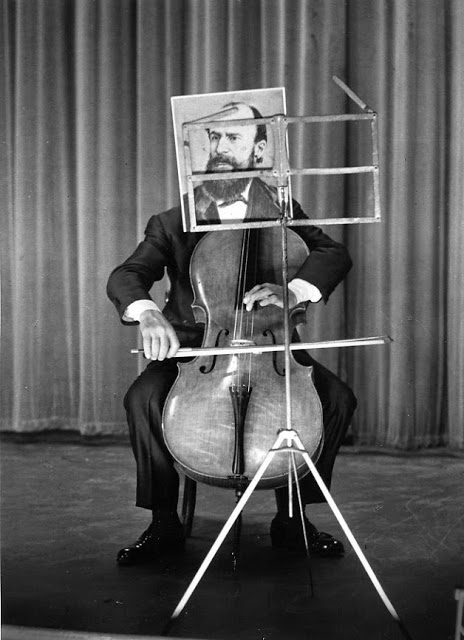
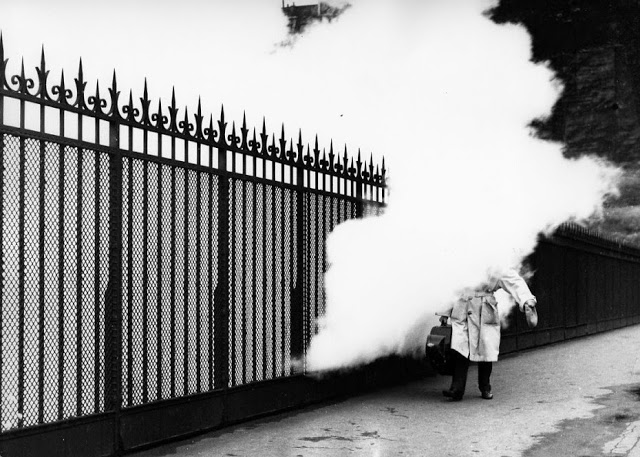
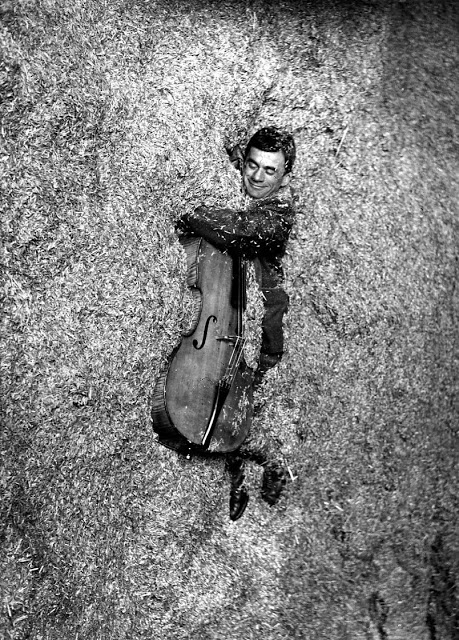
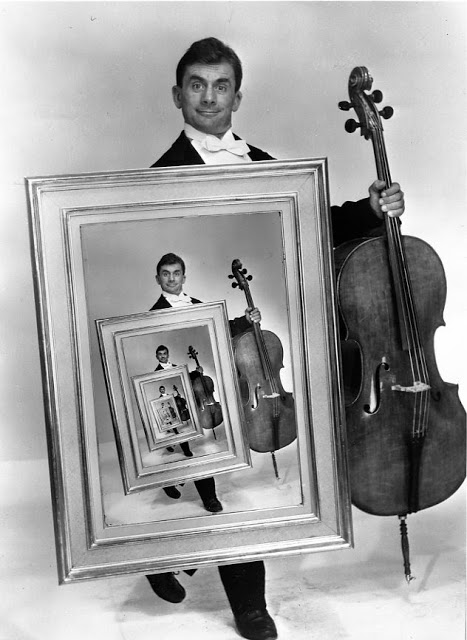
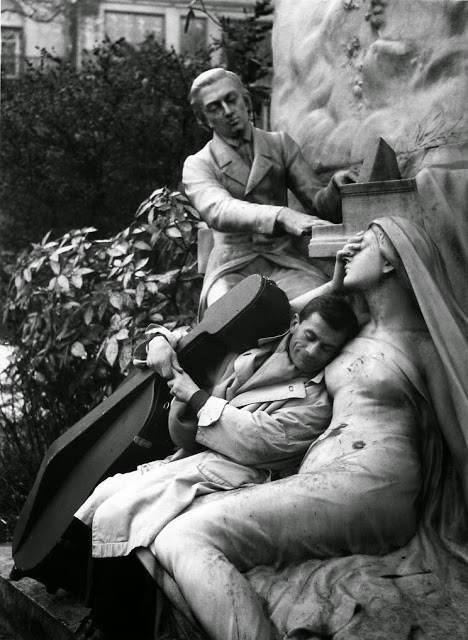
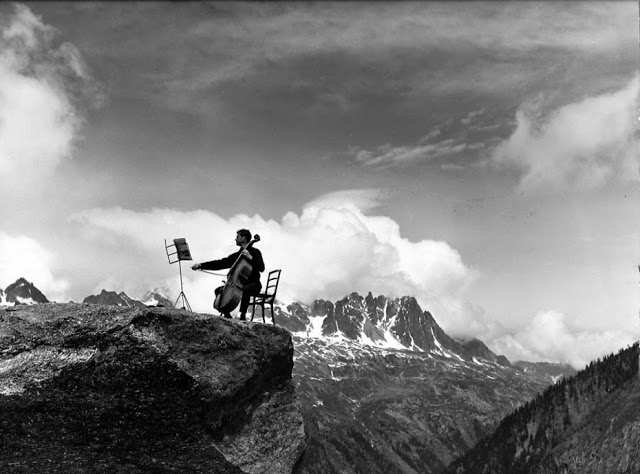
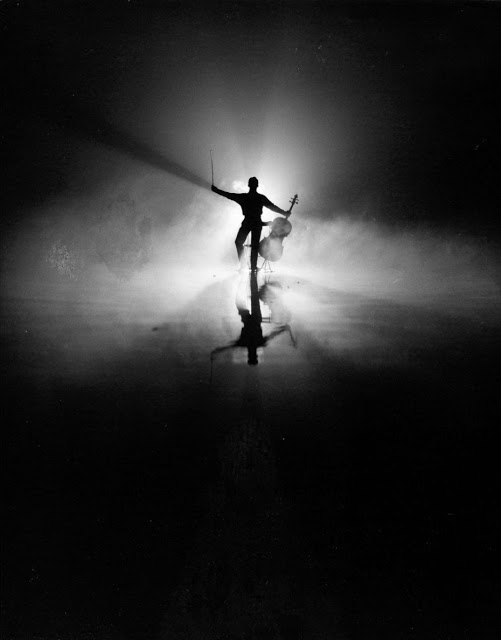
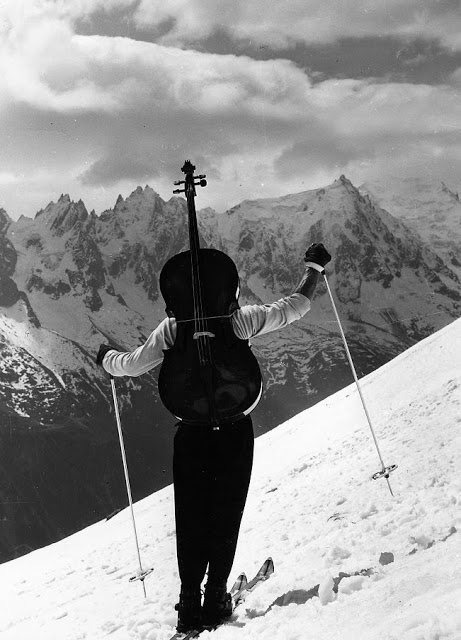
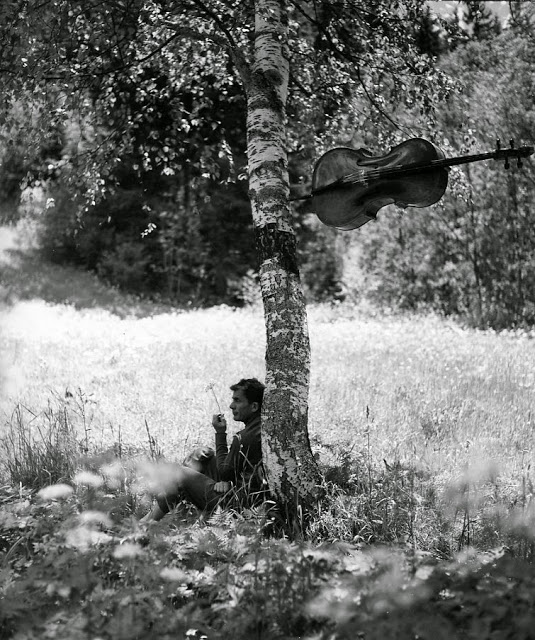
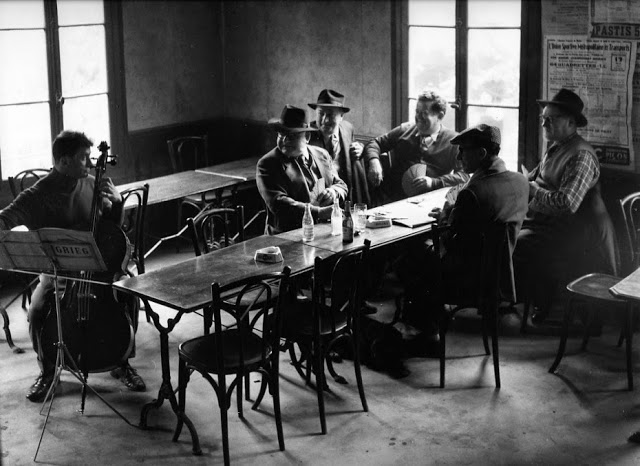
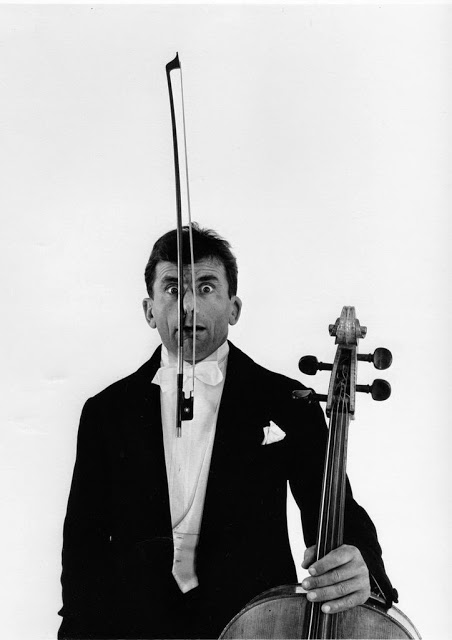
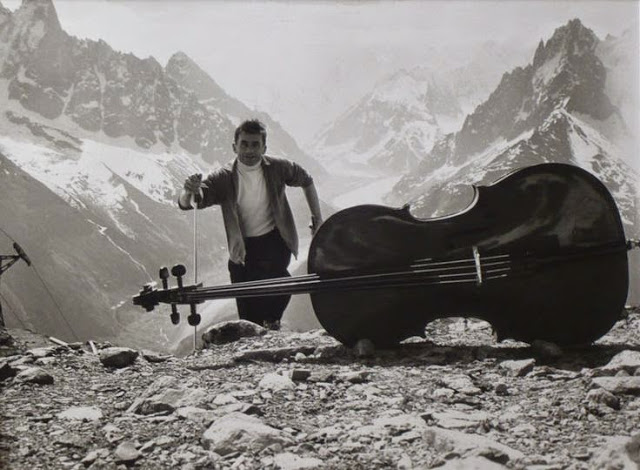
16 Stunning Photos of French Cellist Maurice Baquet With His Cello in the 1950s

Maurice Baquet is a multi-talented man: gifted cellist (1st prize at the Conservatoire de Paris), skier (member of the 1936 French Olympic Team), mountain climber (this talent used in several movies, including Premier de Cordée). He attracted poet Jacques Prevert’s attention when riding on his bicycle, holding his cello, and soon joined Prevert’s famed theater October group. Movies followed rapidly, and he became a favorite of the French public.

He has been active in several fields, outside of movies: a one-man show, music-hall, operettas (most of them with Luis Mariano; one of them was filmed – Andalousie (1951). He appeared on Broadway (My Aunt’s Feather, with Liliane Montevecchi), and on the London stage.

A great friend of famed photographer Robert Doineau, he wrote “Ballade pour violoncelle et chambre noire” adorned with magnificent photos of himself by Doisneau.

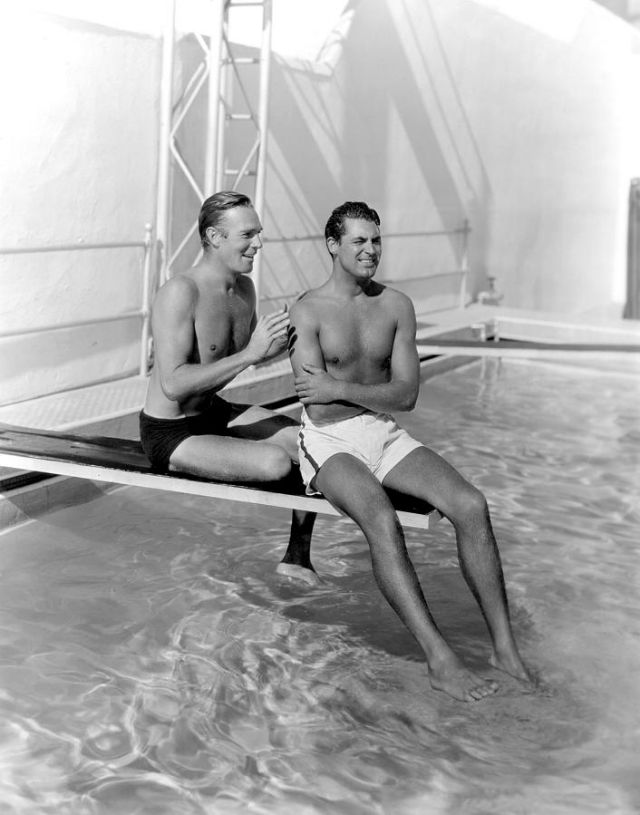
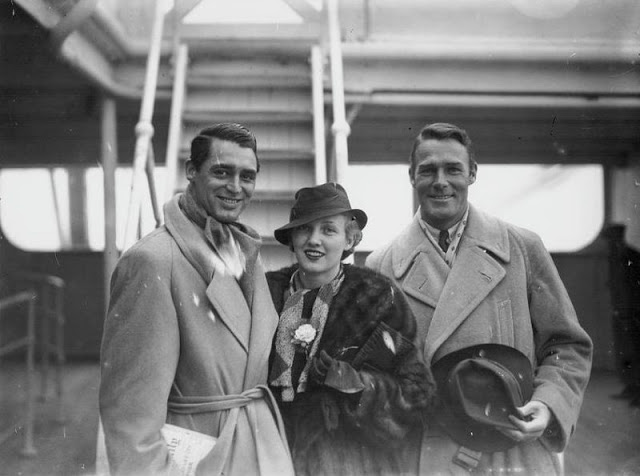
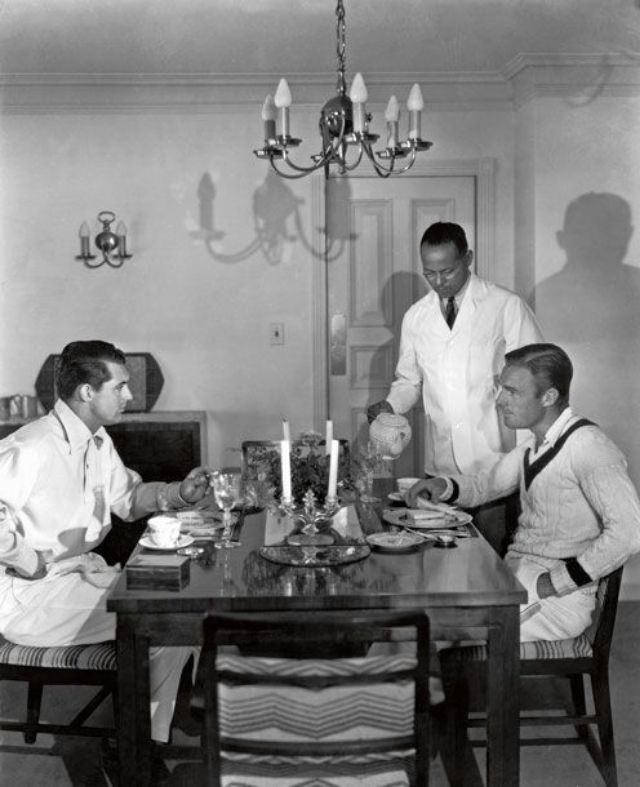
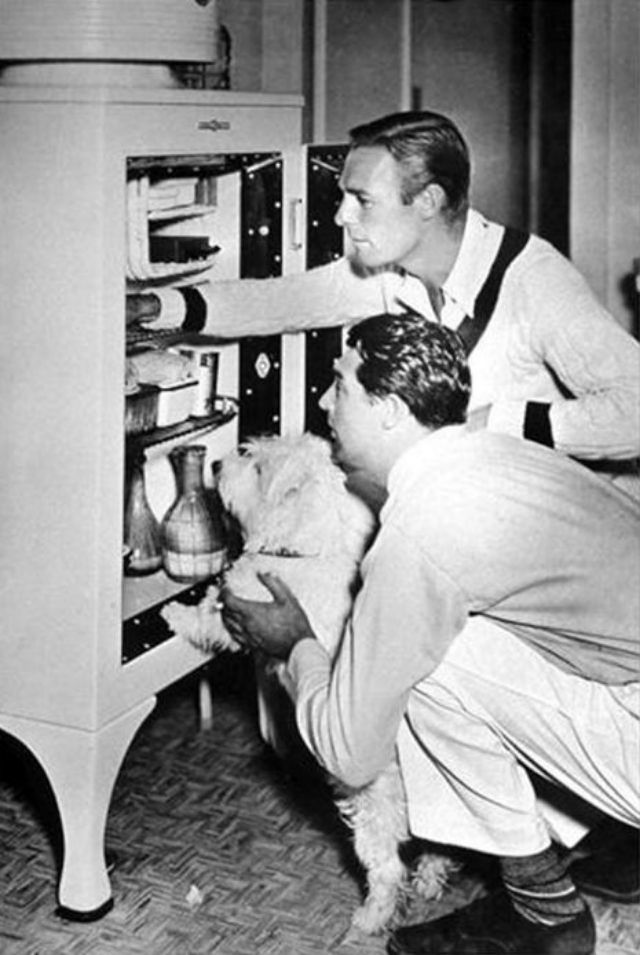
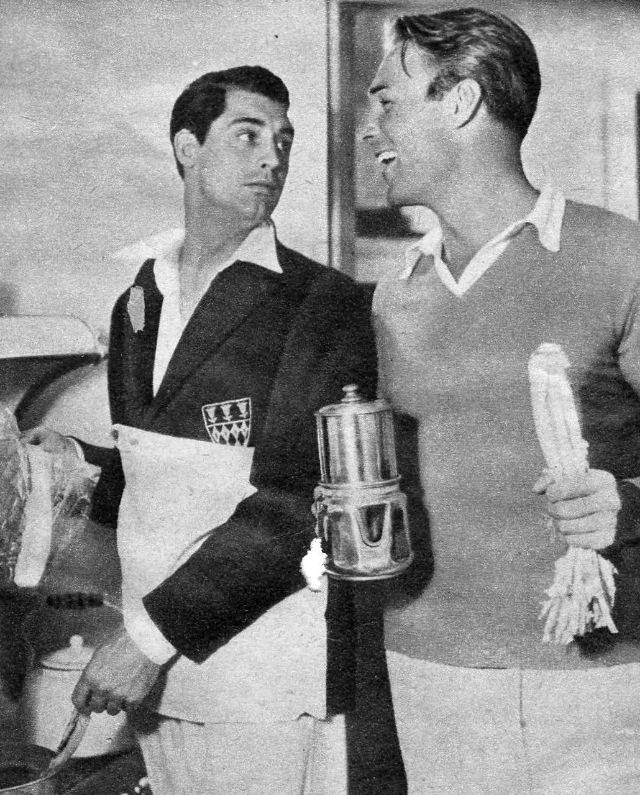
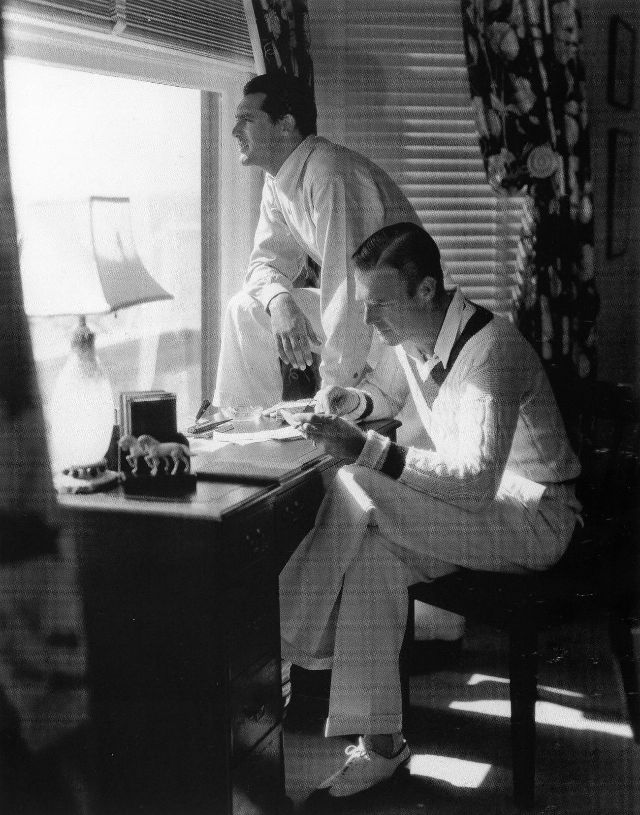
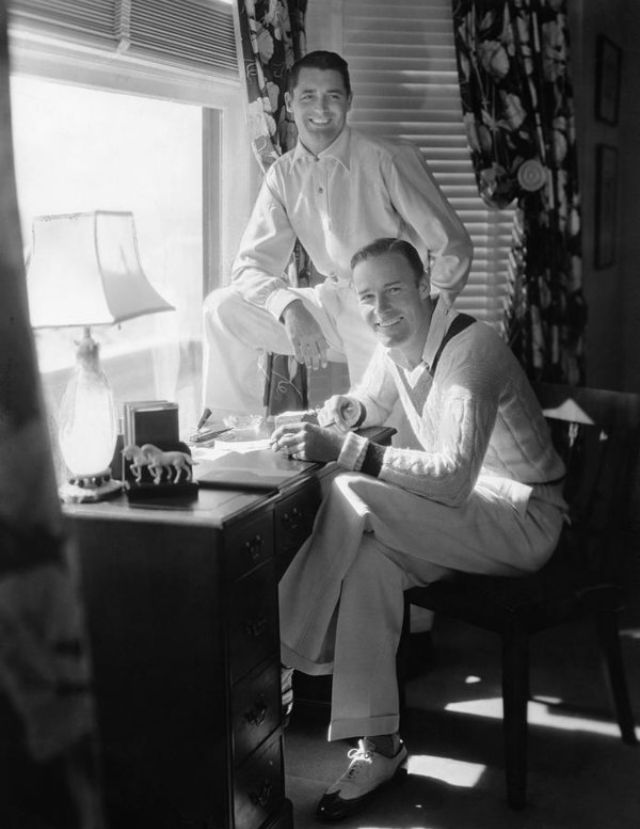
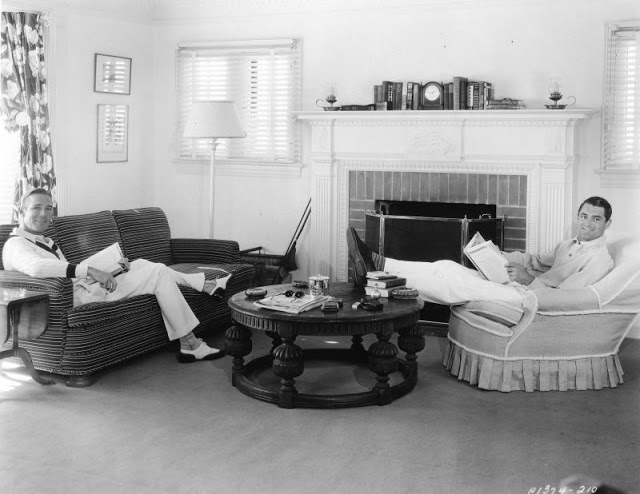
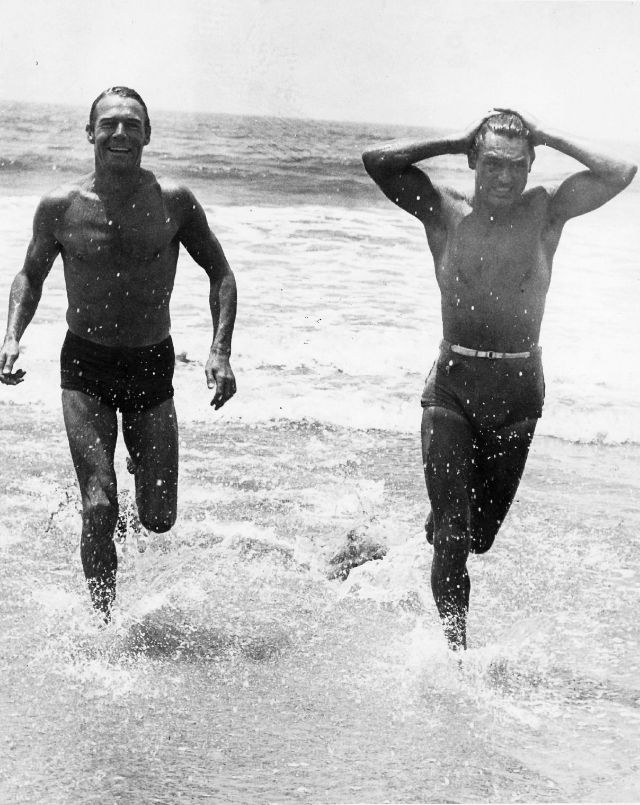
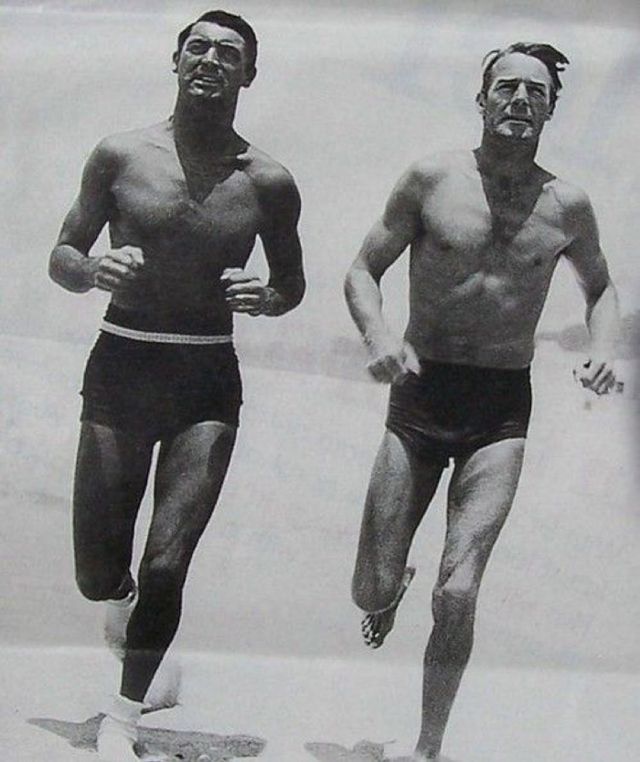
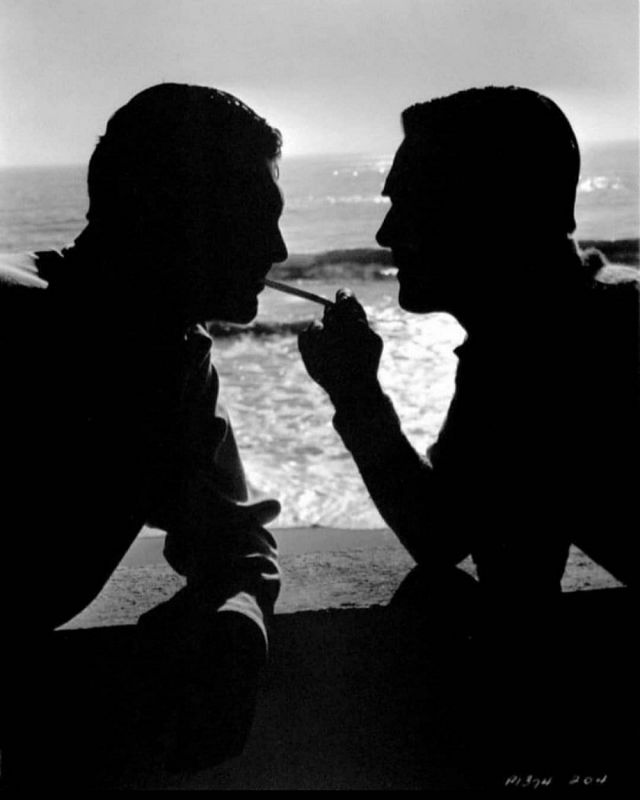
23 Vintage Photos of Cary Grant and Randolph Scott Together

In the 1930s, rumours spread fast that two very handsome Hollywood heartthrobs at the time, Cary Grant and Randolph Scott, were in a romantic relationship. But was it true, when Hollywood of that period was run by the strict studio system? With their public and personal life always got arranged by the studio, these leading men were, undoubtedly, never granted the rights to have their own homosexual relationships in plain sight.

They were said to first meet in 1932, on the set of the Paramount drama Hot Saturday, on which they immediately got along well with each other. Soon they began living together, sharing a Santa Monica beach house, which was jokingly known as “Bachelor Hall,” and a mansion in Los Feliz. For nearly 12 years, they lived together from time to time. There were also various reports of attractive and beautiful women repeatedly passing in and out of their house, though it was said that they were all made up by the studios.

Carole Lombard, the pair’s mutual friend, once quipped, “Their relationship is perfect. Randy pays the bills, and Cary mails them.” American fashion critic Richard Blackwell claimed in his memoir that they were “deeply, madly in love, their devotion complete” during his months living with them. However, Jennifer Grant, daughter of the two-time Oscar nominee, wrote in her memoir that, “Dad somewhat enjoyed being called gay. He said it made women want to prove the assertion wrong.”

By the mid-1940s, the pair were no longer living together. It was rumoured that their parting came from constant pressure from the studio heads to protect their image. Nonetheless, Grant and Scott still remained extremely close throughout their lives.

Here are some photos capturing the two of them together:

Chocolate birthday cake for both Cary Grant and Randolph Scott from Nancy Carroll on the Paramount set.
November 24, 1933. Cary Grant, Randolph Scott and Virginia Cherrill aboard the SS Pars on its arrival at Plymouth, England.
A servant pouring tea for the actors in their house.
Grant and Scott doing their daily activities in their house.
Washing dishes together.
In their house in Santa Monica.
Grant playing the piano while Scott listening.
The two actors casually chatting.
Grant and Scott doing their daily activities in their house.
Singing together.
The two actors standing in front of their house in Santa Monica.
In front of their new home which looks out over Santa Monica sea front.
Working out together.
Running on the beach.
Poolside at their Santa Monica beach front house.
Chatting and sharing smokes.
Randolph Scott, Virginia Bruce and Cary Grant enjoying beverages at a Hollywood event in California.

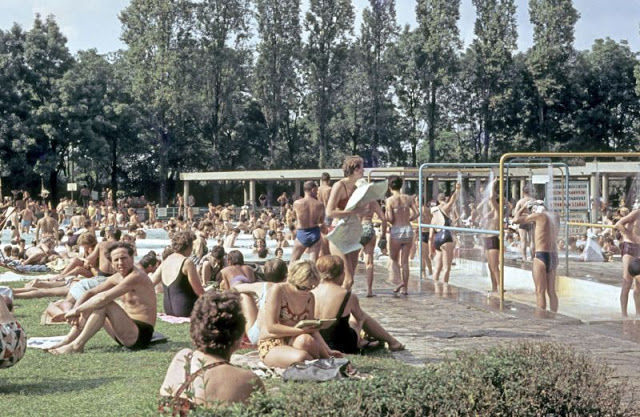
22 Wonderful Photos Showing Budapest During the Mid-1960s

Budapest is the capital and most populous city of Hungary. It is the ninth-largest city in the European Union by population within city limits; the city has an estimated population of 1,752,286 over a land area of about 525 square kilometres (203 square miles). Budapest, which is both a city and county, forms the centre of the Budapest metropolitan area, which has an area of 7,626 square kilometres (2,944 square miles) and a population of 3,303,786, comprising 33% of the population of Hungary.

The history of Budapest began when an early Celtic settlement transformed into the Roman town of Aquincum, the capital of Lower Pannonia. The Hungarians arrived in the territory in the late 9th century, but the area was pillaged by the Mongols in 1241–42. Re-established Buda became one of the centres of Renaissance humanist culture by the 15th century. The Battle of Mohács, in 1526, was followed by nearly 150 years of Ottoman rule. After the reconquest of Buda in 1686, the region entered a new age of prosperity, with Pest-Buda becoming a global city after the unification of Buda, Óbuda and Pest on 17 November 1873, with the name ‘Budapest’ given to the new capital. Budapest also became the co-capital of the Austro-Hungarian Empire, a great power that dissolved in 1918, following World War I. The city was the focal point of the Hungarian Revolution of 1848, the Battle of Budapest in 1945, as well as the Hungarian Revolution of 1956.

Budapest is a Beta + global city with strengths in commerce, finance, media, art, fashion, research, technology, education and entertainment. Hungary’s financial centre, it was ranked as the second fastest-developing urban economy in Europe in 2014. Budapest is the headquarters of the European Institute of Innovation and Technology, the European Police College and the first foreign office of the China Investment Promotion Agency. Over 40 colleges and universities are located in Budapest, including the Eötvös Loránd University, the Corvinus University, Semmelweis University and the Budapest University of Technology and Economics. Opened in 1896, the city’s subway system, the Budapest Metro, serves 1.27 million, while the Budapest Tram Network serves 1.08 million passengers daily.

The central area of Budapest along the Danube River is classified as a UNESCO World Heritage Site and has several notable monuments of classical architecture, including the Hungarian Parliament and the Buda Castle. The city also has around 80 geothermal springs, the largest thermal water cave system, second largest synagogue, and third largest Parliament building in the world. Budapest attracts around 12 million international tourists per year, making it a highly popular destination in Europe. It also topped the Best European Destinations 2020 list by Big7Media. Budapest also ranks as the third-best European city in a similar poll conducted by Which?. (Wikipedia)

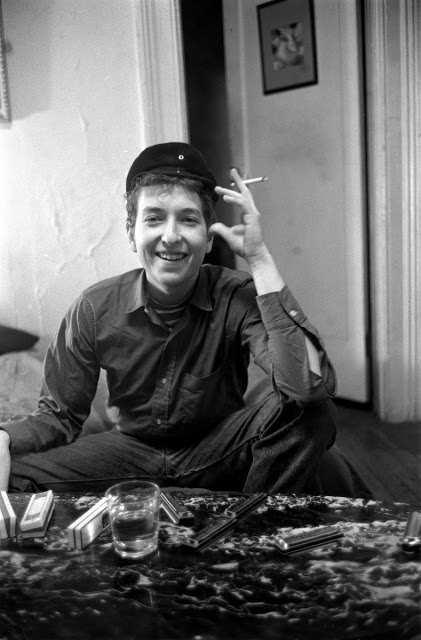
Bob Dylan’s Early Days in New York: 17 Intimate Photos of 20-Year-Old Folk Singer Inside His First Apartment

In November 1961, Bob Dylan was just 20 years old, a young folk Singer on the cusp of fame. His first paid performances, at Gerde’s Folk City in New York’s Greenwich Village, were starting to attract interest.

His first review had just come out, a surprising rave in the New York Times, which said, “Mr. Dylan is both a comedian and a tragedian.”

Meanwhile, Ted Russell was a photojournalist working regularly for LIFE magazine in New York when an RCA Records publicist hired him to photograph the label’s latest discovery, Ann-Margret.

Shortly afterward, the publicist moved to Columbia Records and invited Russell to take some pictures of its new hire, Bob Dylan. Russell liked the idea, thinking a story on an up-and-coming Village folk singer could interest LIFE.

“I wanted to do an essay on the trials and tribulations of an up-and-coming folk singer trying to make it in the big city,” Russell told the NY Times. “[The LIFE editors] gave me a big yawn, not the slightest interest.” Despite the lack of interest in that shoot, Russell ended up shooting Dylan twice more in 1963 and 1964, when he was already a star.

Robert Dylan (born Robert Allen Zimmerman; May 24, 1941) is an American singer-songwriter. Often regarded as one of the greatest songwriters of all time, Dylan has been a major figure in popular culture during a career spanning more than 60 years. Much of his most celebrated work dates from the 1960s, when songs such as “Blowin’ in the Wind” (1963) and “The Times They Are a-Changin'” (1964) became anthems for the civil rights and anti-war movements. His lyrics during this period incorporated a range of political, social, philosophical, and literary influences, defying pop music conventions and appealing to the burgeoning counterculture.

Following his self-titled debut album in 1962, which mainly comprised traditional folk songs, Dylan made his breakthrough as a songwriter with the release of The Freewheelin’ Bob Dylan the following year. The album features “Blowin’ in the Wind” and the thematically complex “A Hard Rain’s a-Gonna Fall”. Many of his songs adapted the tunes and phraseology of older folk songs. He went on to release the politically charged The Times They Are a-Changin’ and the more lyrically abstract and introspective Another Side of Bob Dylan in 1964. In 1965 and 1966, Dylan drew controversy when he adopted electrically amplified rock instrumentation, and in the space of 15 months recorded three of the most important and influential rock albums of the 1960s: Bringing It All Back Home (1965), Highway 61 Revisited (1965) and Blonde on Blonde (1966). His six-minute single “Like a Rolling Stone” (1965) expanded commercial and creative boundaries in popular music.

In July 1966, a motorcycle accident led to Dylan’s withdrawal from touring. During this period, he recorded a large body of songs with members of the Band, who had previously backed him on tour. These recordings were released as the collaborative album The Basement Tapes in 1975. In the late 1960s and early 1970s, Dylan explored country music and rural themes in John Wesley Harding (1967), Nashville Skyline (1969), and New Morning (1970). In 1975, he released Blood on the Tracks, which many saw as a return to form. In the late 1970s, he became a born-again Christian and released a series of albums of contemporary gospel music before returning to his more familiar rock-based idiom in the early 1980s. Dylan’s 1997 album Time Out of Mind marked the beginning of a renaissance for his career. He has released five critically acclaimed albums of original material since then, the most recent being Rough and Rowdy Ways (2020). He also recorded a series of three albums in the 2010s comprising versions of traditional American standards, especially songs recorded by Frank Sinatra. Dylan has toured continuously since the late 1980s on what has become known as the Never Ending Tour.

Since 1994, Dylan has published eight books of drawings and paintings, and his work has been exhibited in major art galleries. He has sold more than 125 million records, making him one of the best-selling musicians of all time. He has received numerous awards, including the Presidential Medal of Freedom, ten Grammy Awards, a Golden Globe Award and an Academy Award. Dylan has been inducted into the Rock and Roll Hall of Fame, Nashville Songwriters Hall of Fame and the Songwriters Hall of Fame. The Pulitzer Prize Board in 2008 awarded him a special citation for “his profound impact on popular music and American culture, marked by lyrical compositions of extraordinary poetic power”. In 2016, Dylan was awarded the Nobel Prize in Literature “for having created new poetic expressions within the great American song tradition”. (Wikipedia)

Dylan and Suze Rotolo
Dylan inside the kitchen of his W. 4th Street apartment
Dylan inside his first apartment in NYC on W. 4th Street
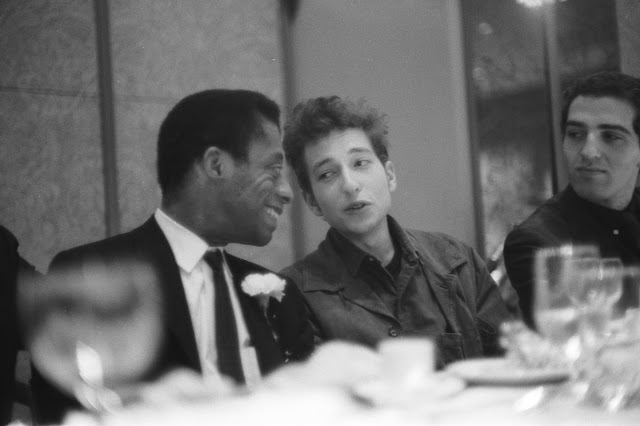
Dylan talking to James Baldwin at the Emergency Civil Liberties Committee’s Bill of Rights Dinner
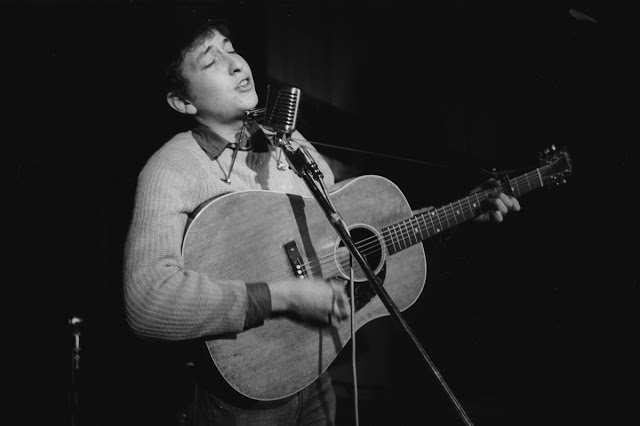
Dylan singing at Gerde’s Folk City in Greenwich Village
Dylan hands in pockets and smiling
Dylan with Mark Spoelstra in the basement of Gerde’s Folk City in Greenwich Village
Dylan about to go onstage at Gerde’s Folk City
Dylan and Rotolo
Dylan singing “House of The Rising Sun” at Gerde’s
Dylan on bed playing guitar and harmonica
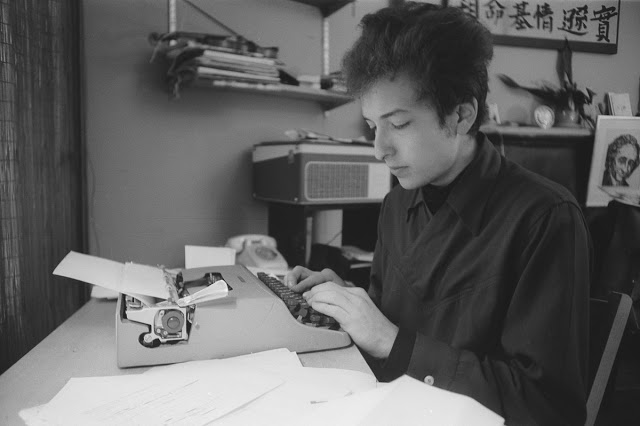
Bob Dylan typing
Dylan taking a break from writing
Dylan playing a record
Dylan smoking at typewriter
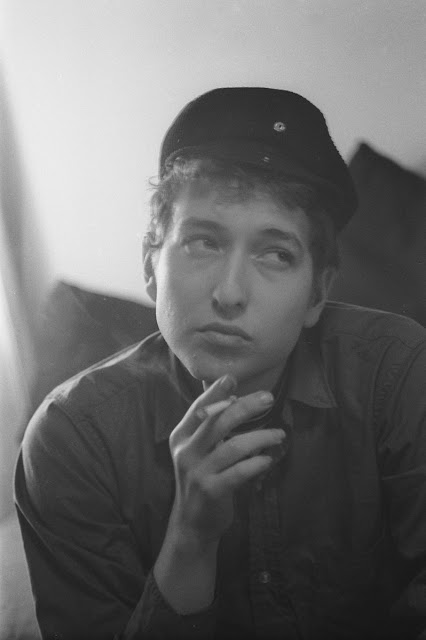
Dylan smoking cigarette
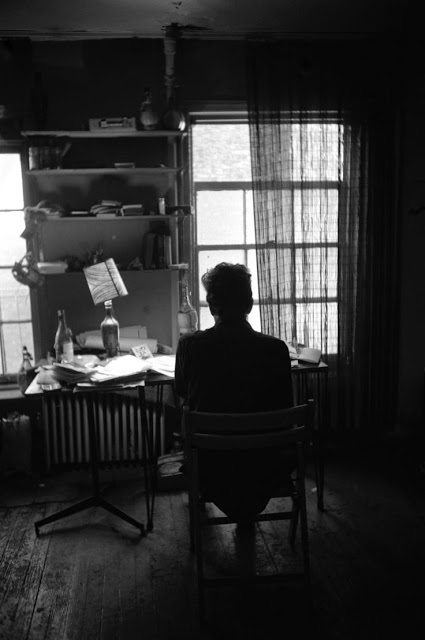
Dylan silhouetted against window

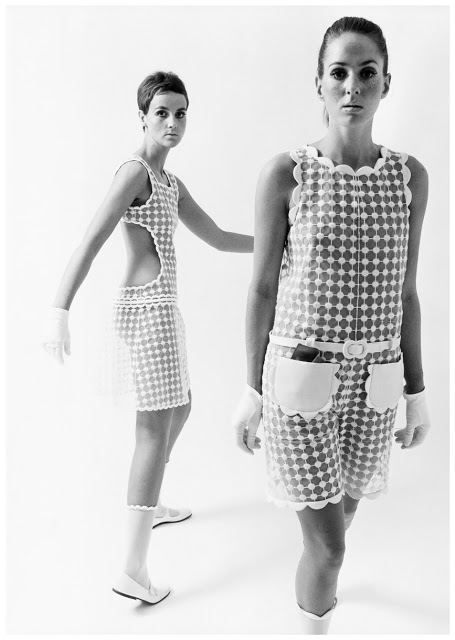
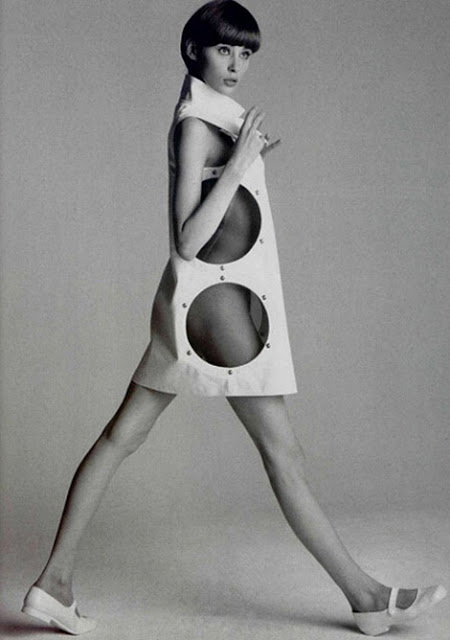
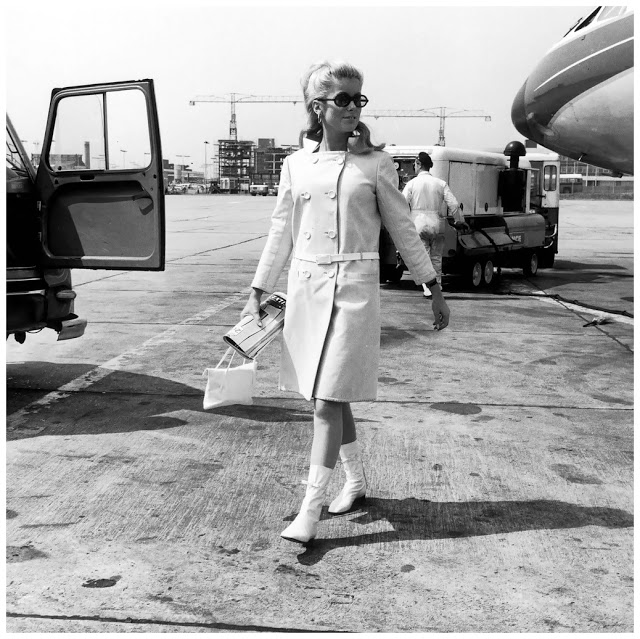
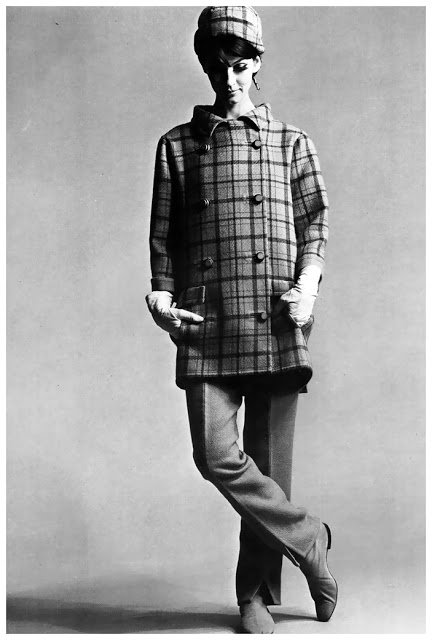
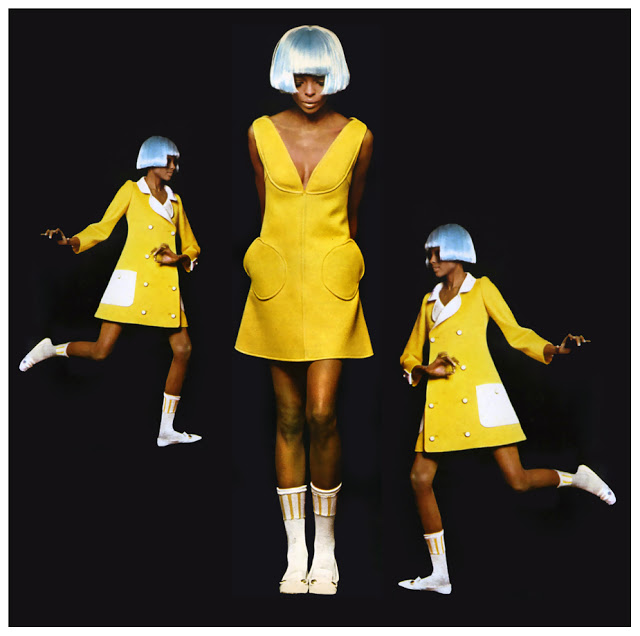
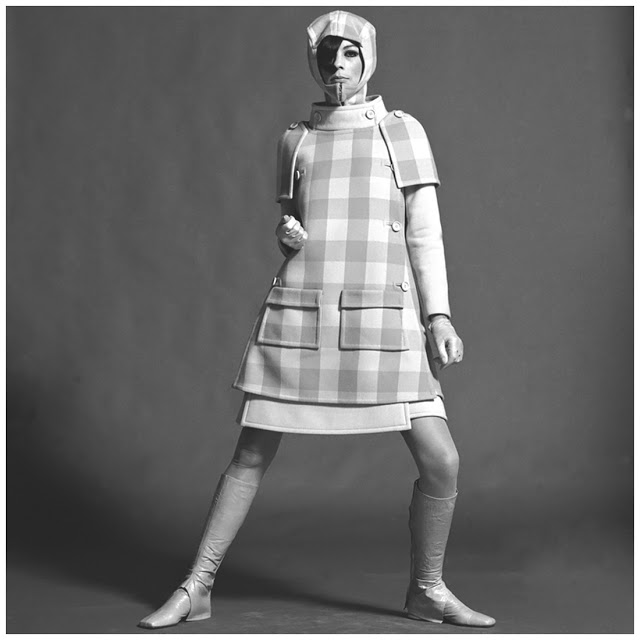
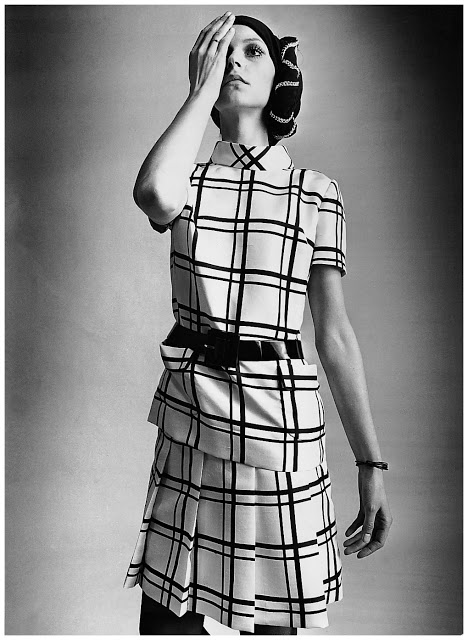
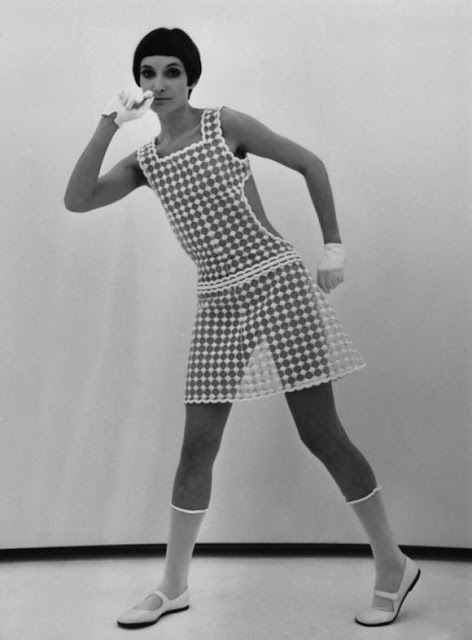
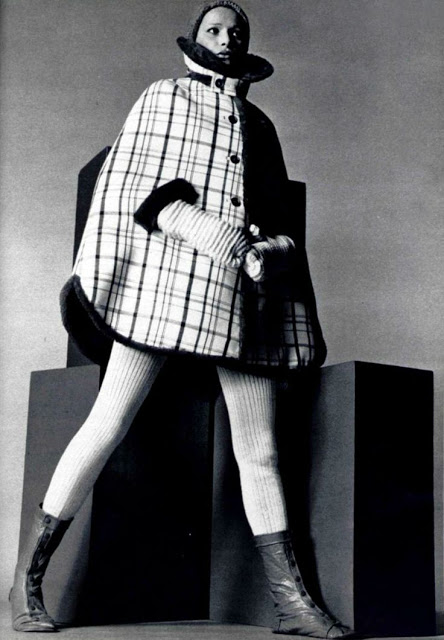
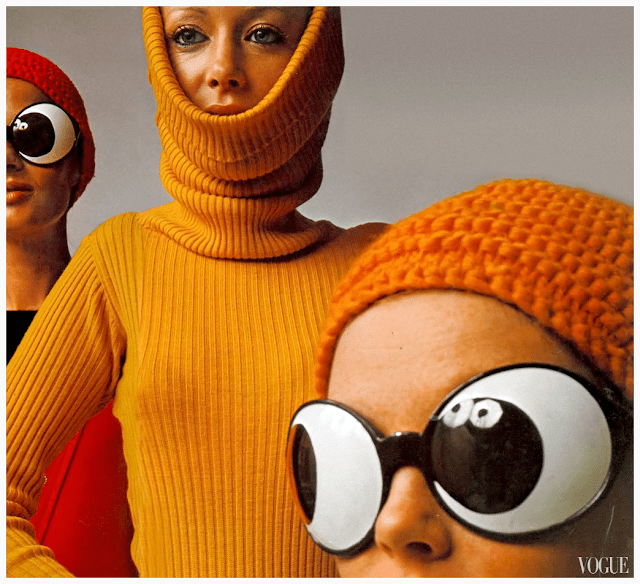
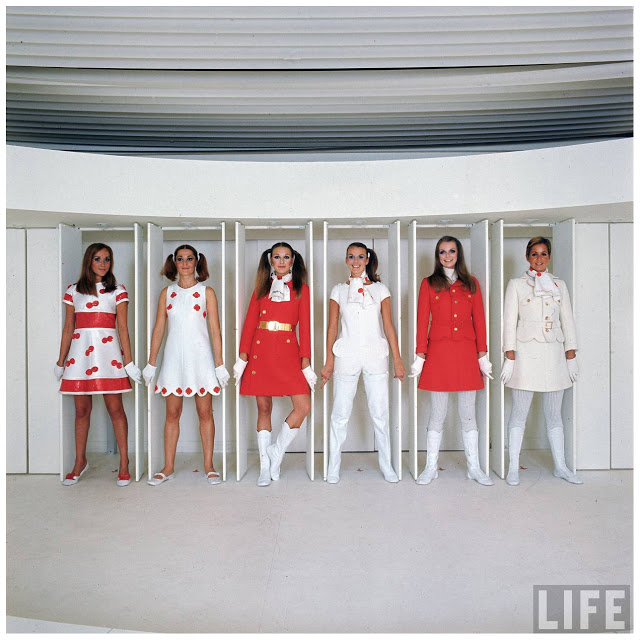
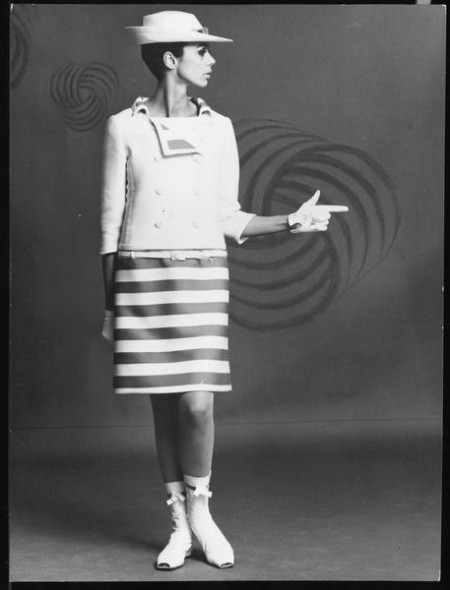
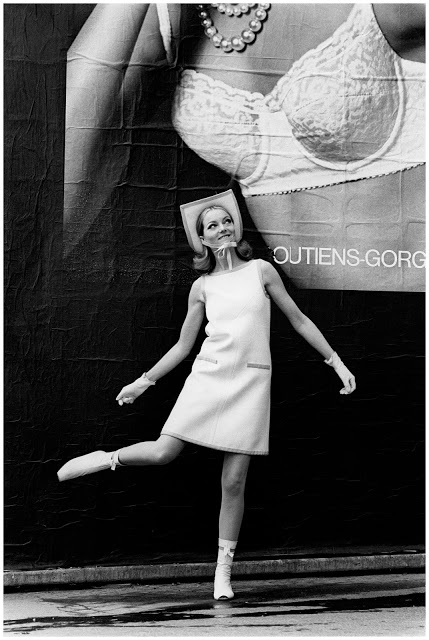
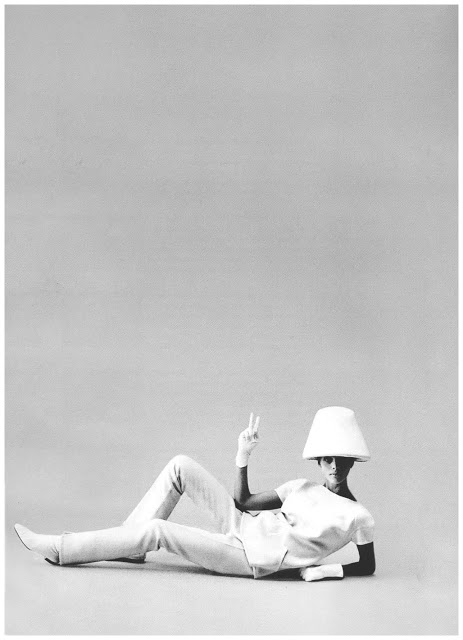
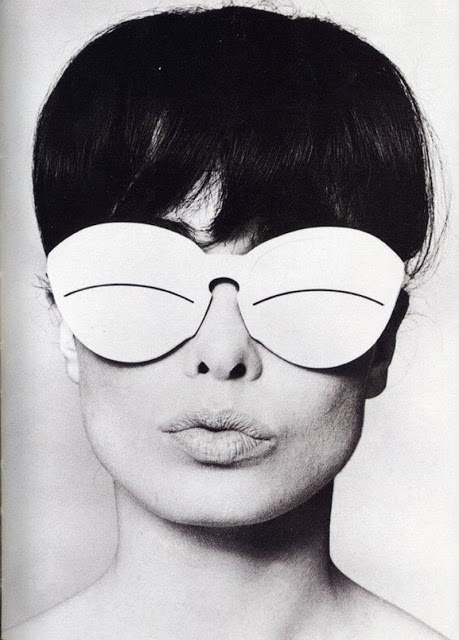
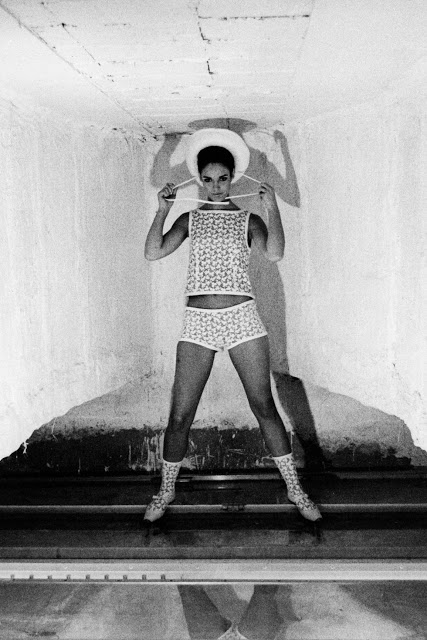
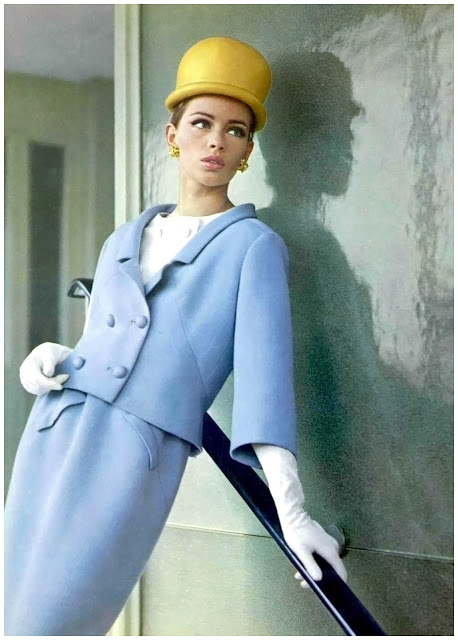
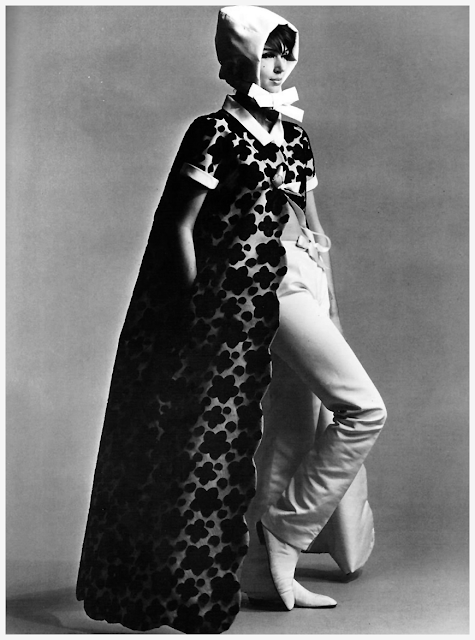
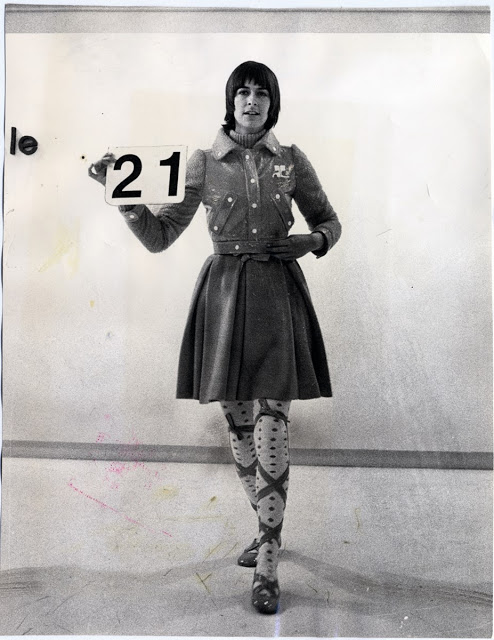
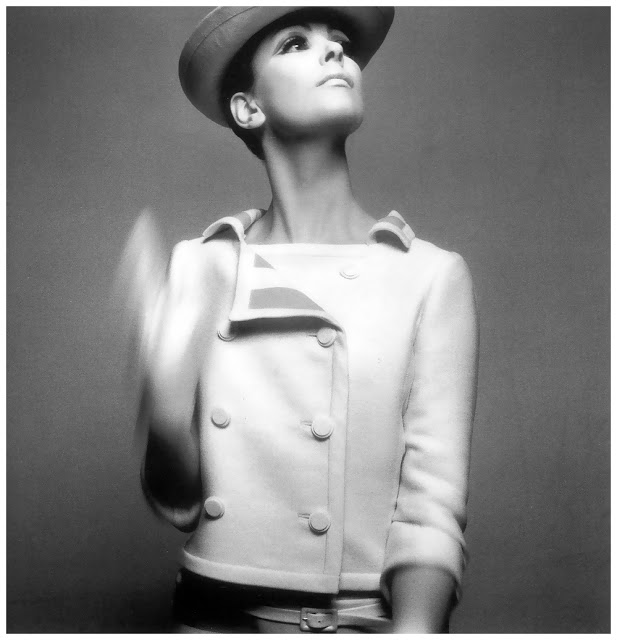
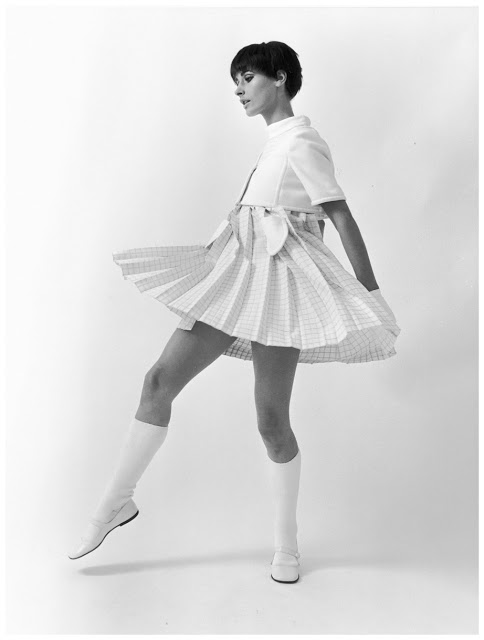
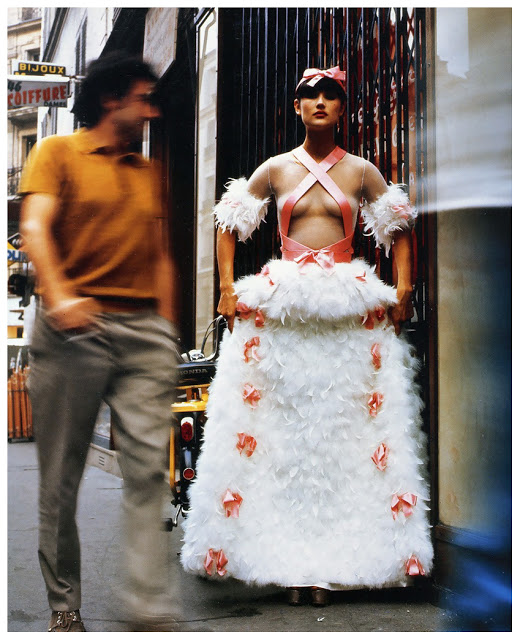
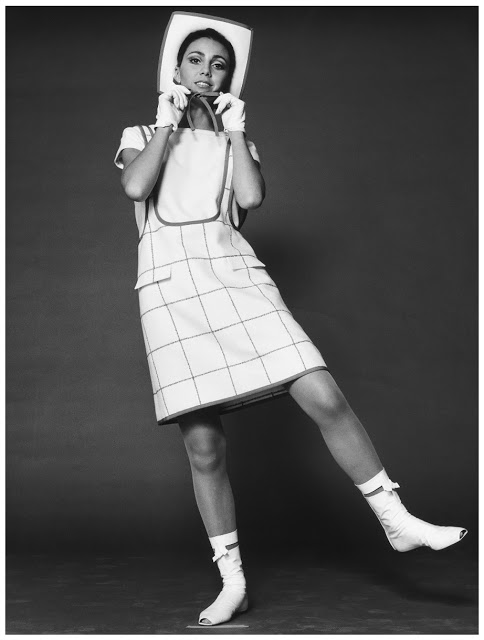
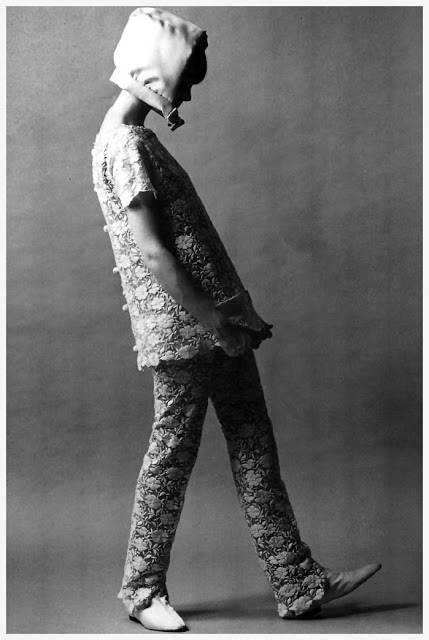
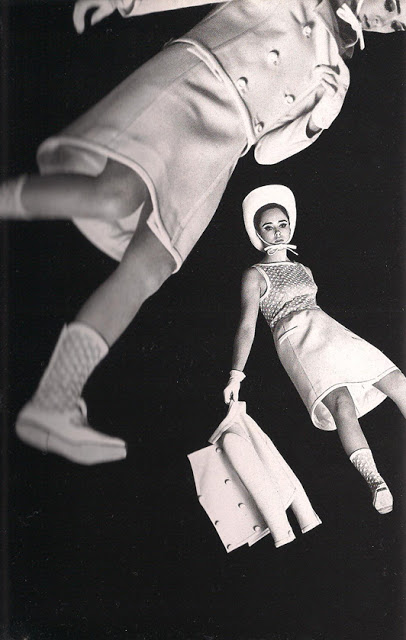
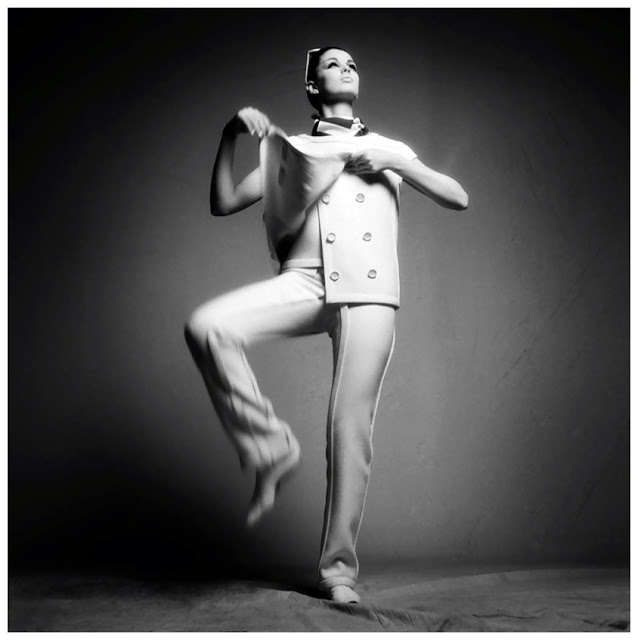
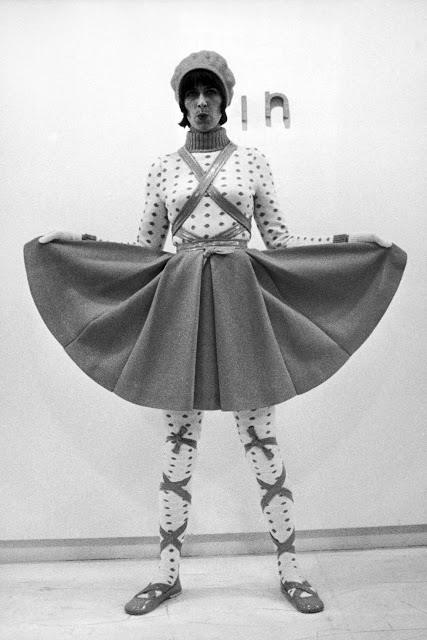
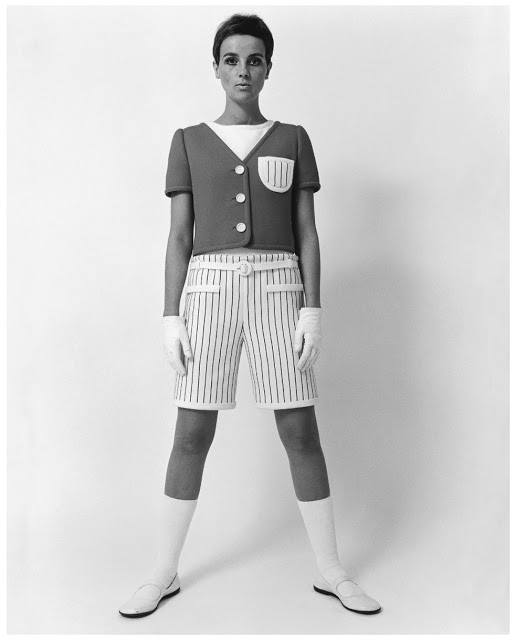
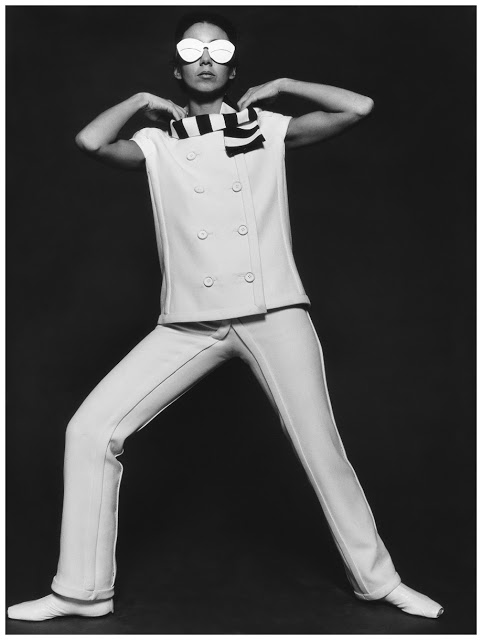
Futuristic Fashion Designs by André Courrèges from the 1960s

André Courrèges (9 March 1923 – 7 January 2016) was a French fashion designer. He was particularly known for his streamlined 1960s designs influenced by modernism and futurism, exploiting modern technology and new fabrics. Courrèges defined the go-go boot and along with Mary Quant, is one of the designers credited with inventing the miniskirt.

IWS_1319
IWS_1316
IWS_1313

Yesterday Today

Bringing You the Wonder of Yesterday - Today

Skip to content ↓