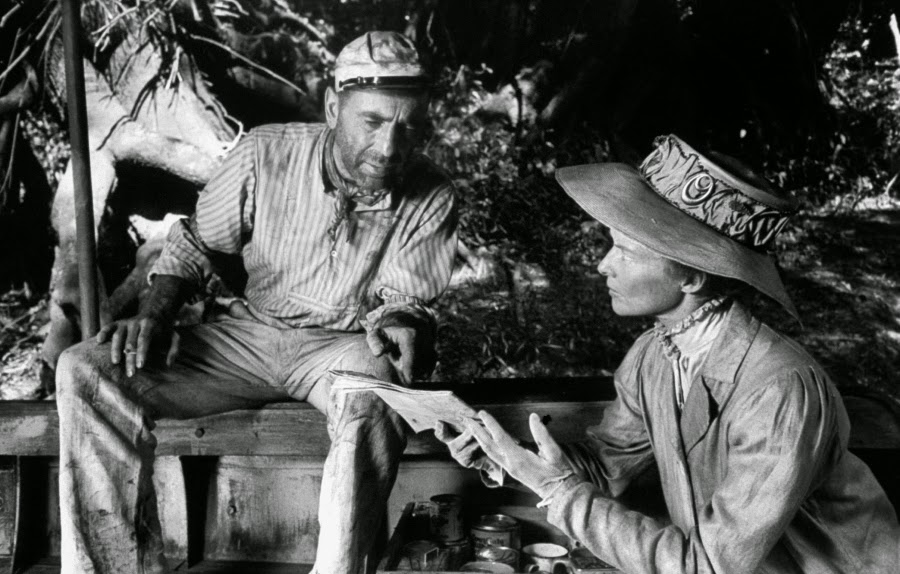
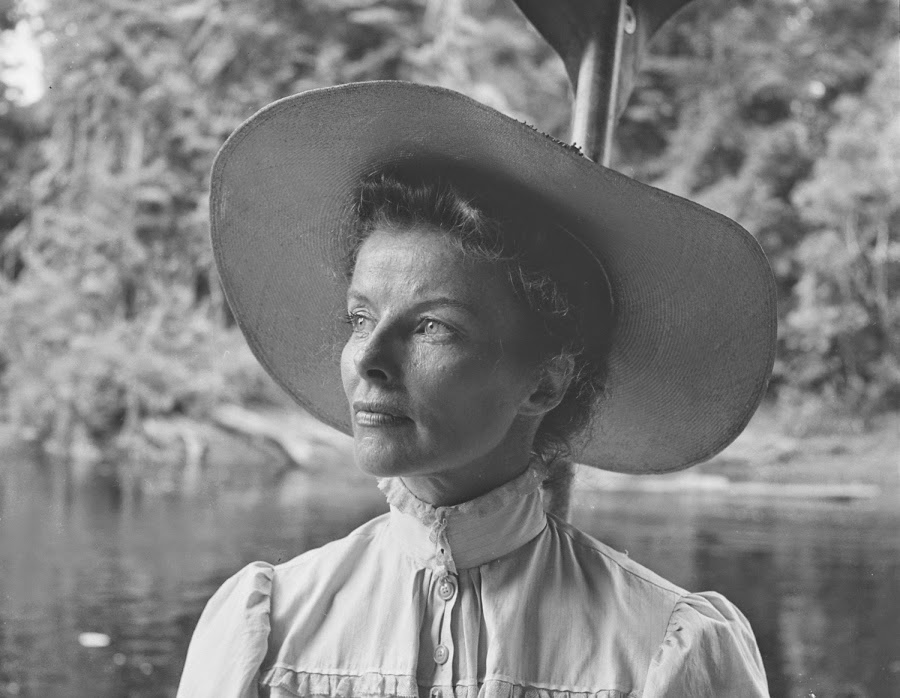
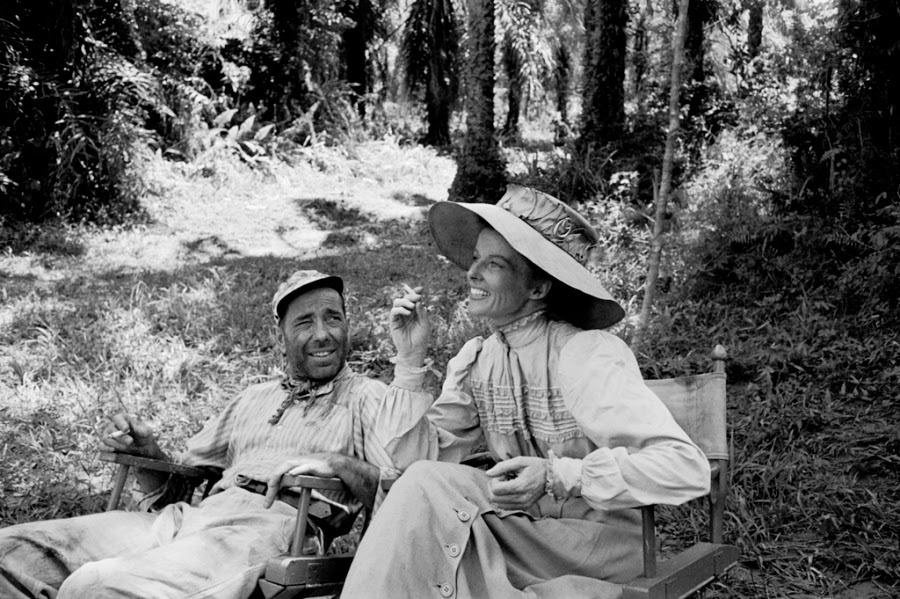
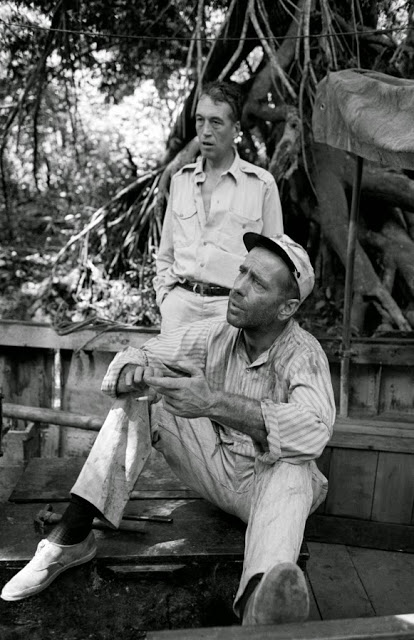
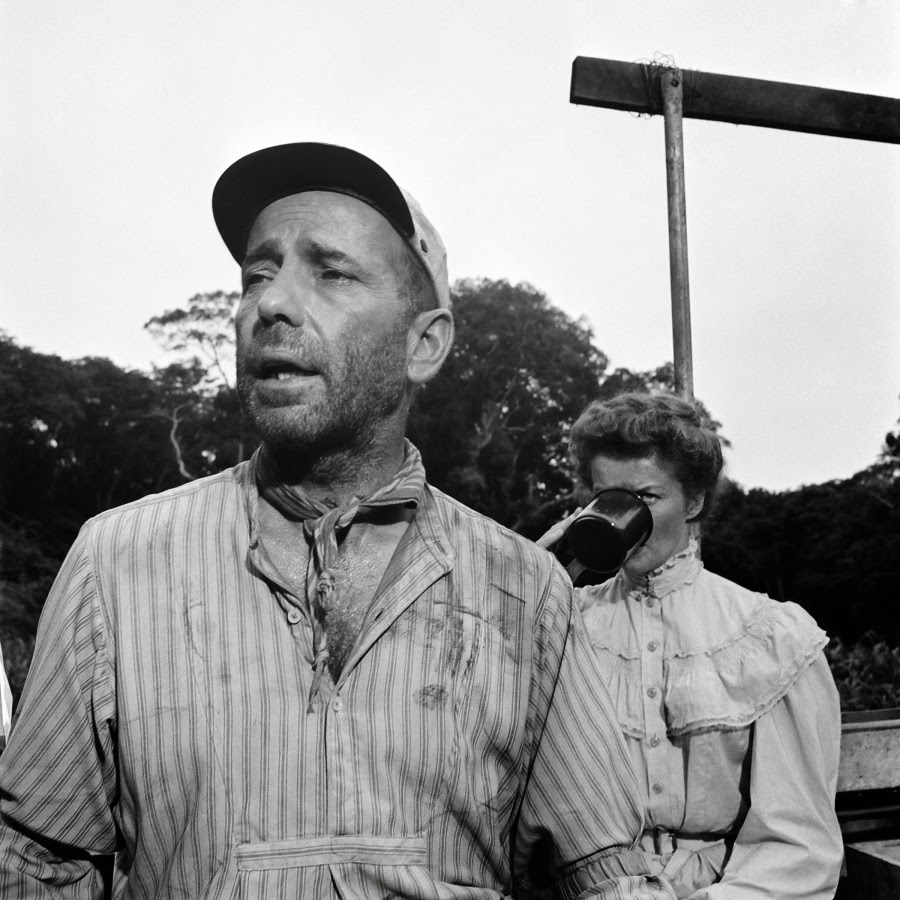
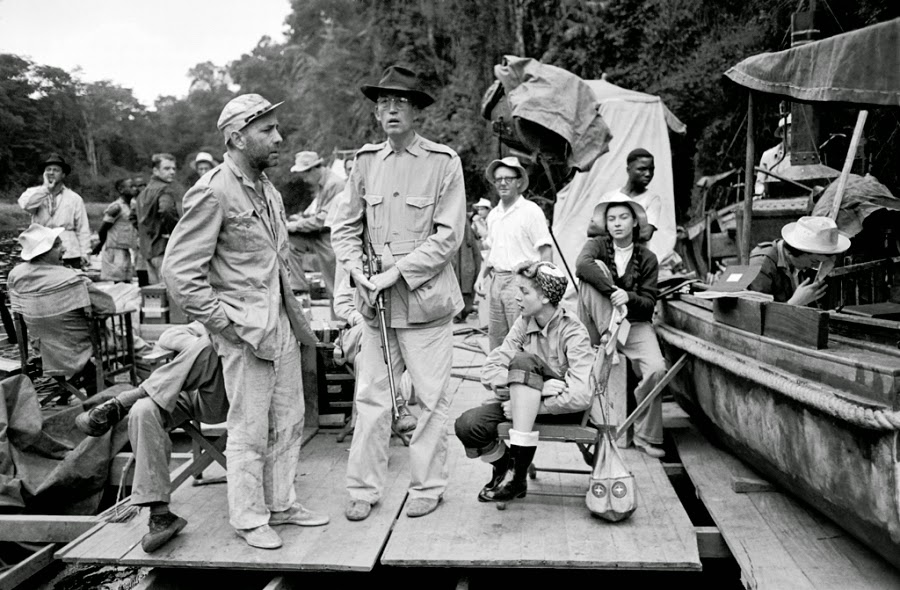
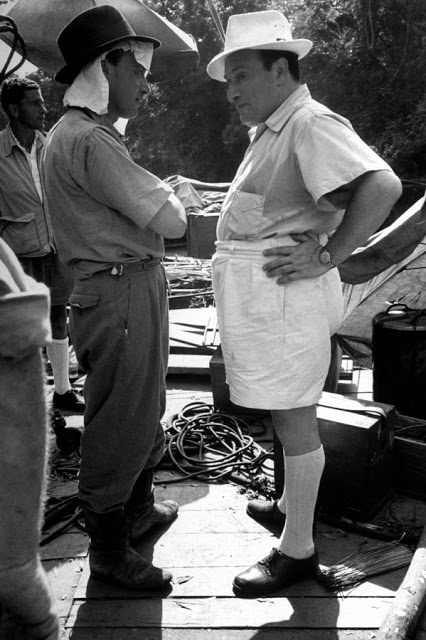
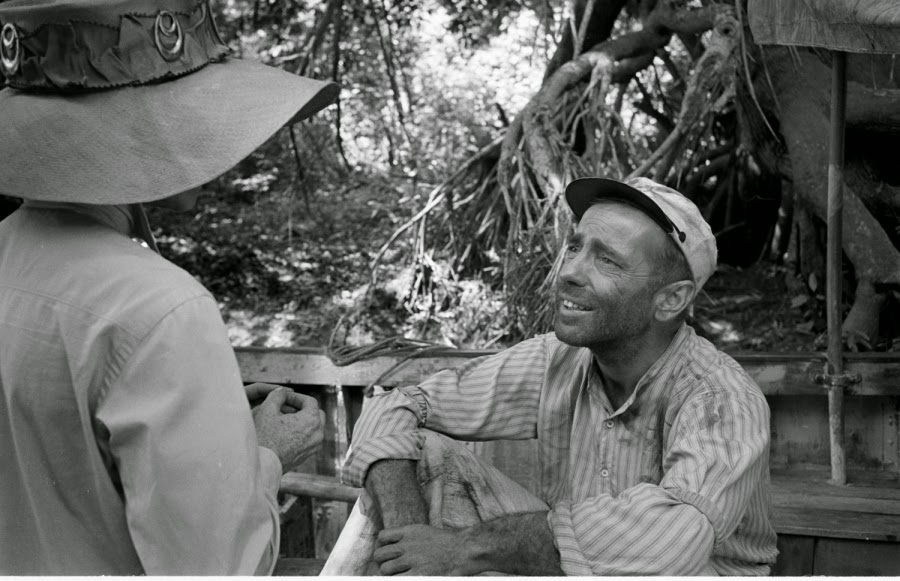
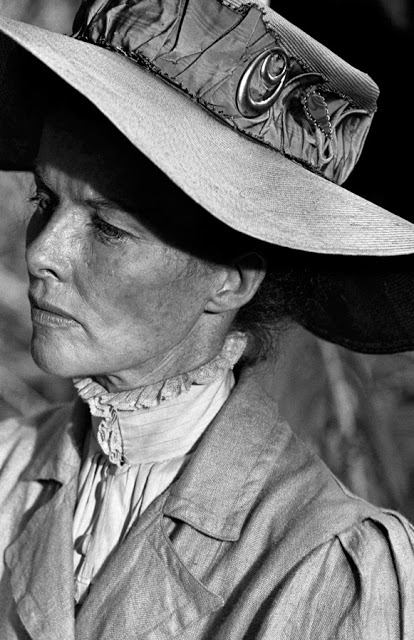
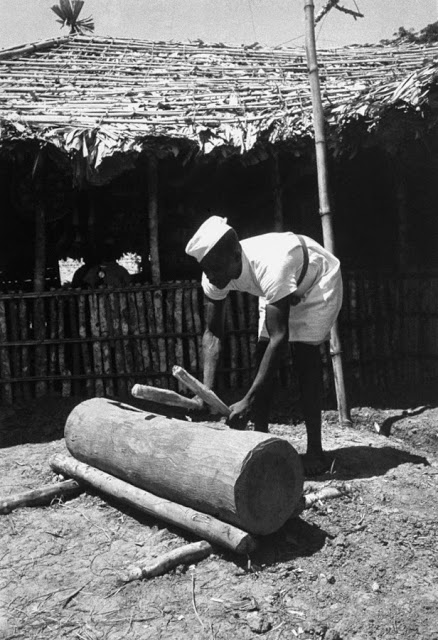
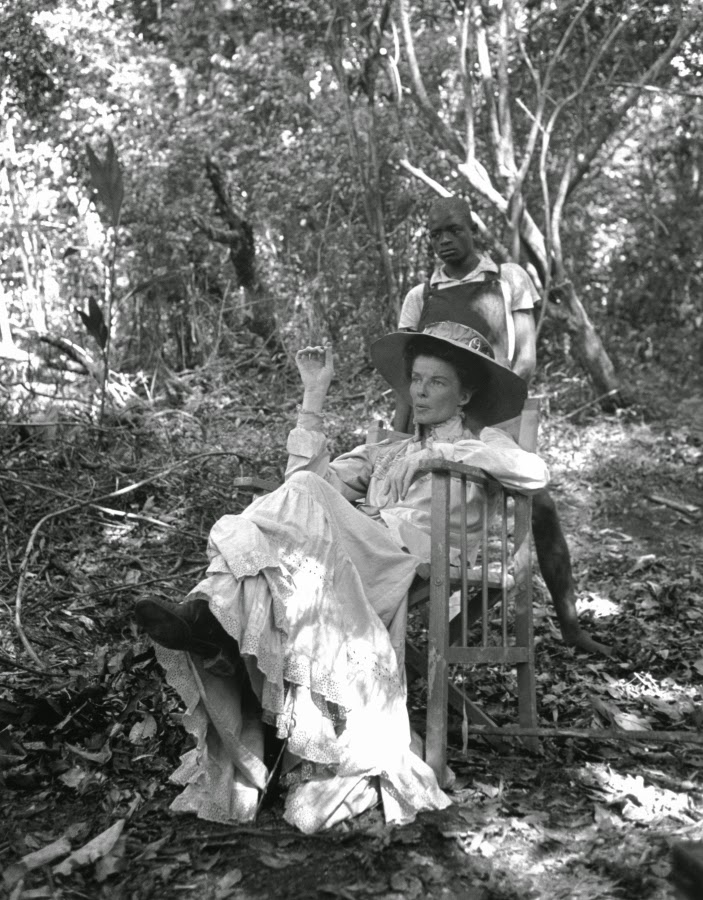
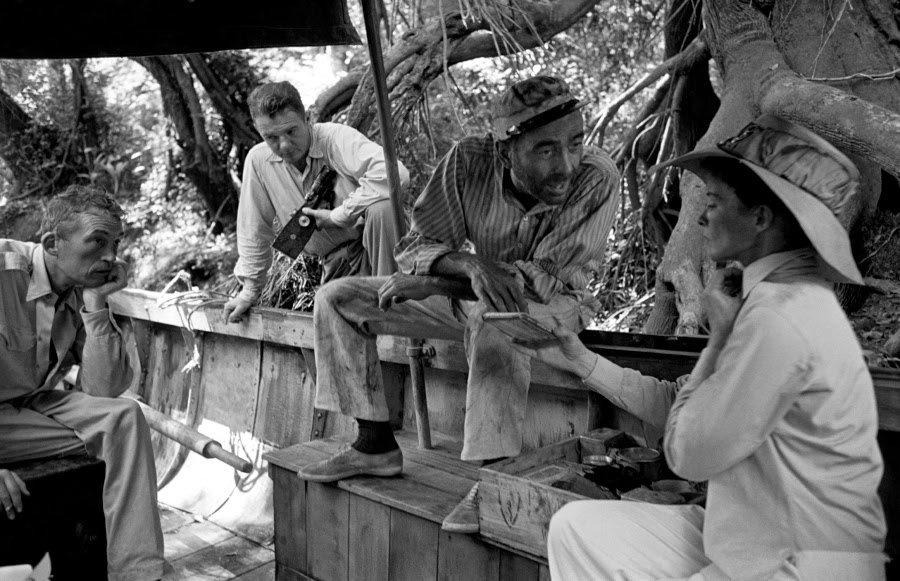
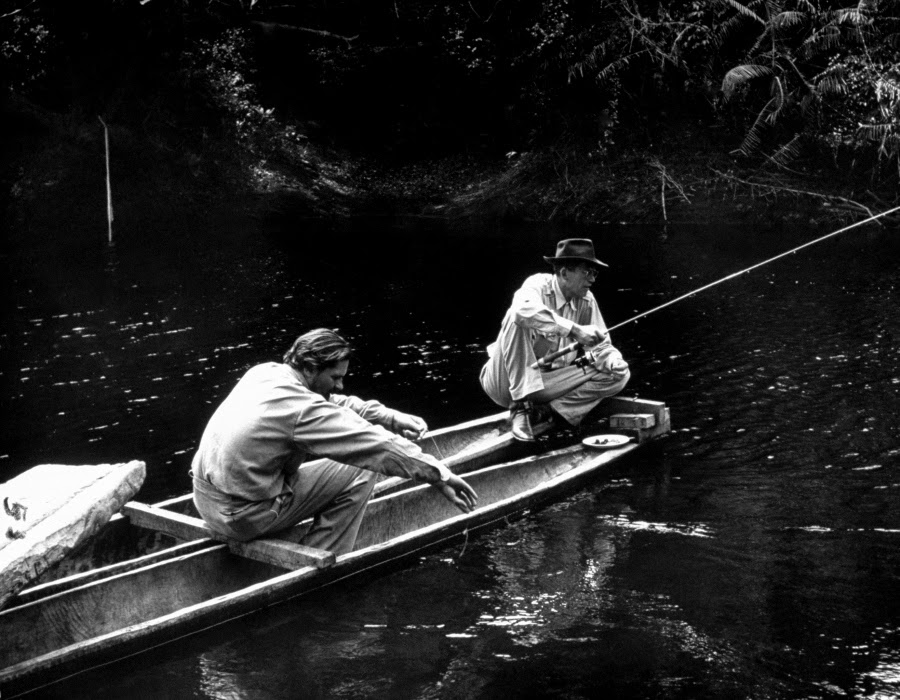
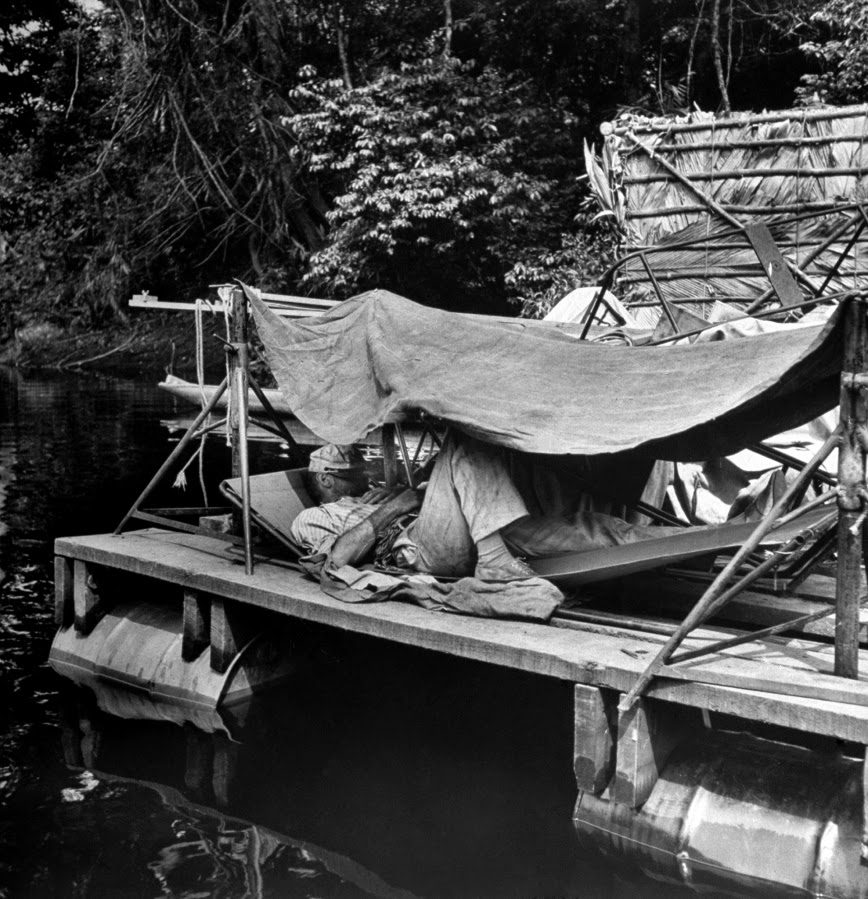
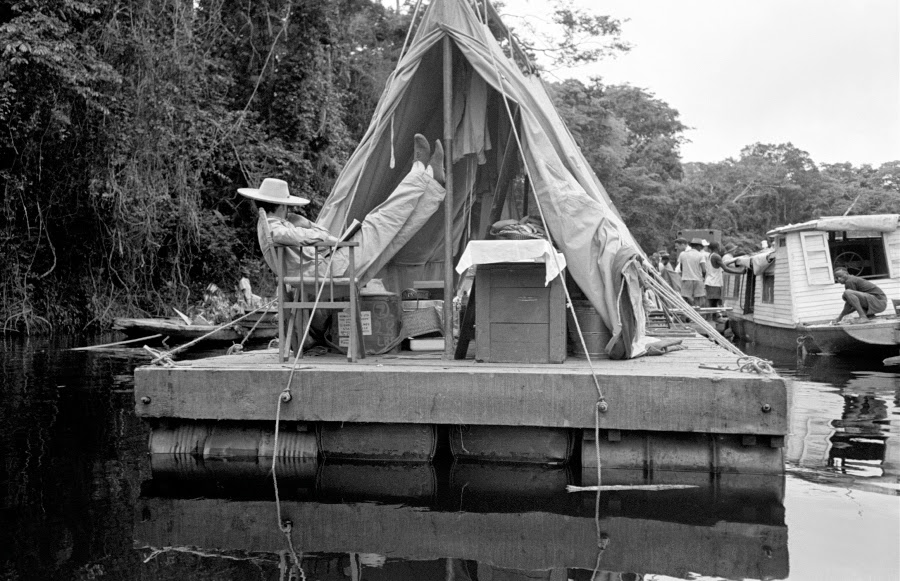
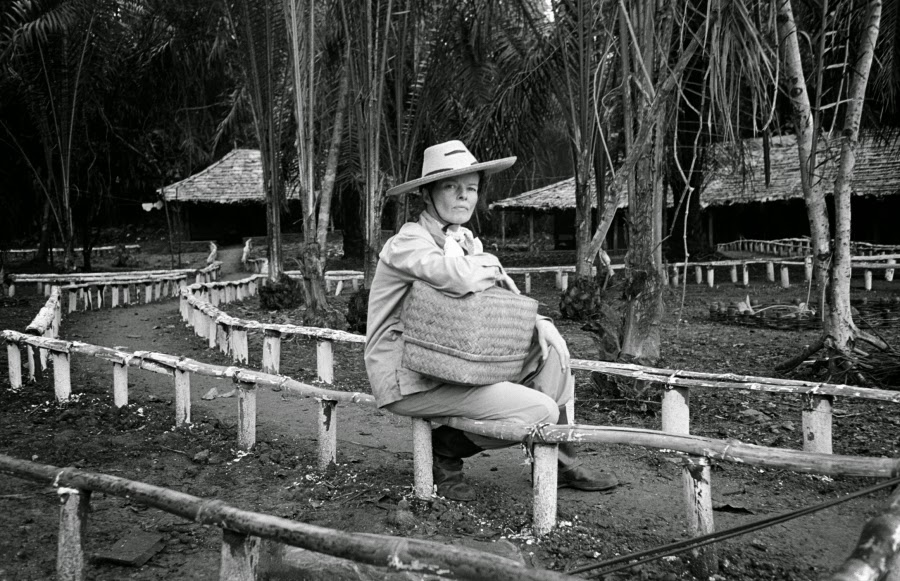
In 1951, two of the world’s most beloved — and highest paid — movie stars, Katharine Hepburn and Humphrey Bogart, followed director John Huston to a most un-Hollywood location: the sweltering jungle around the Ruki River, in the Belgian Congo (today known as the Democratic Republic of the Congo).
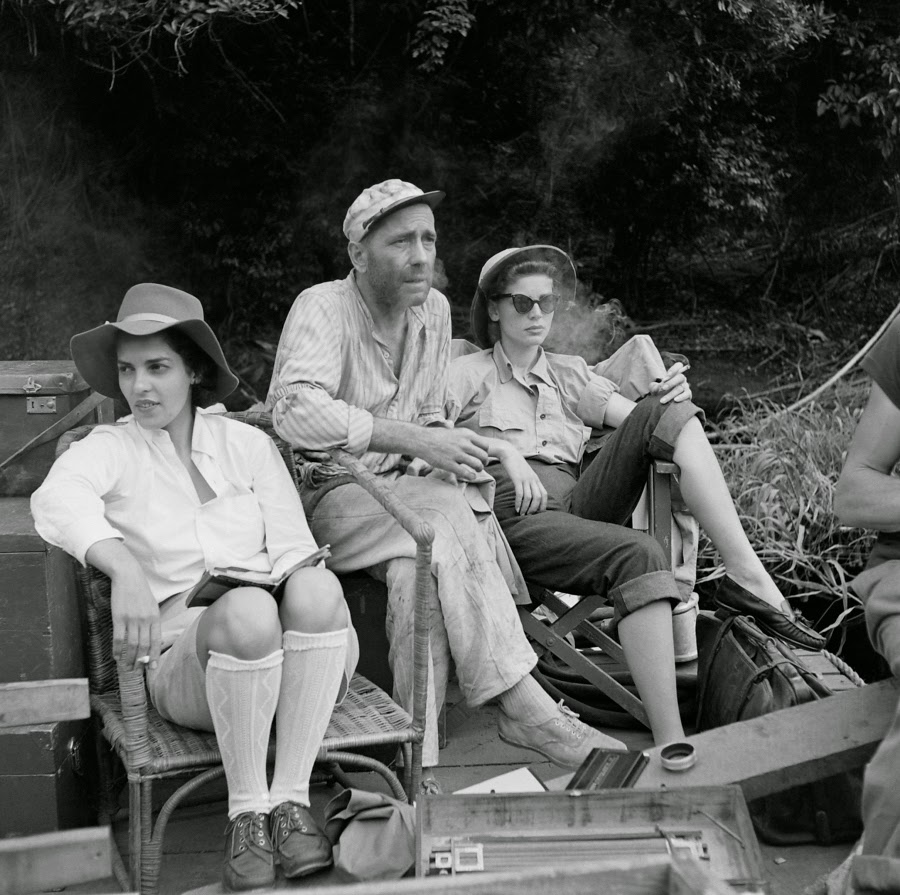
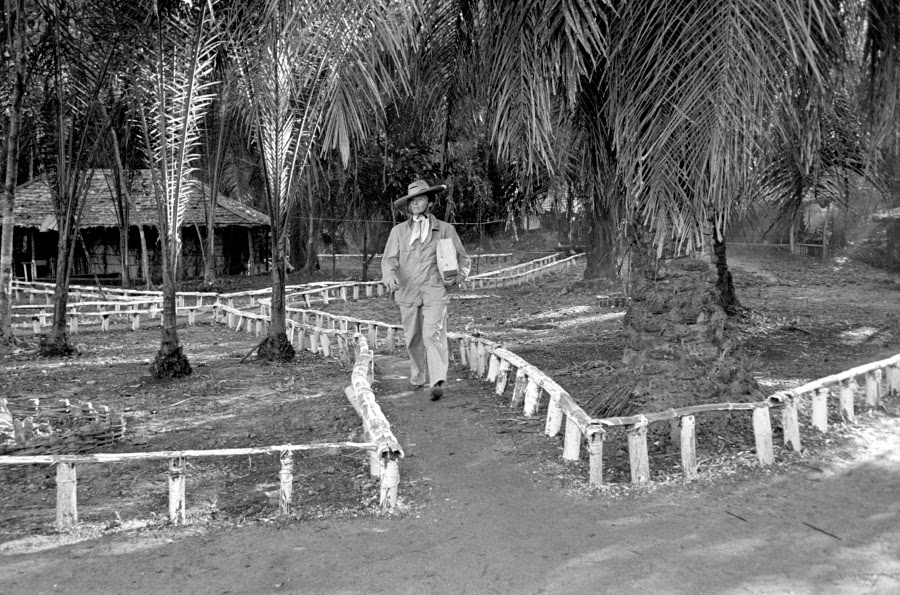
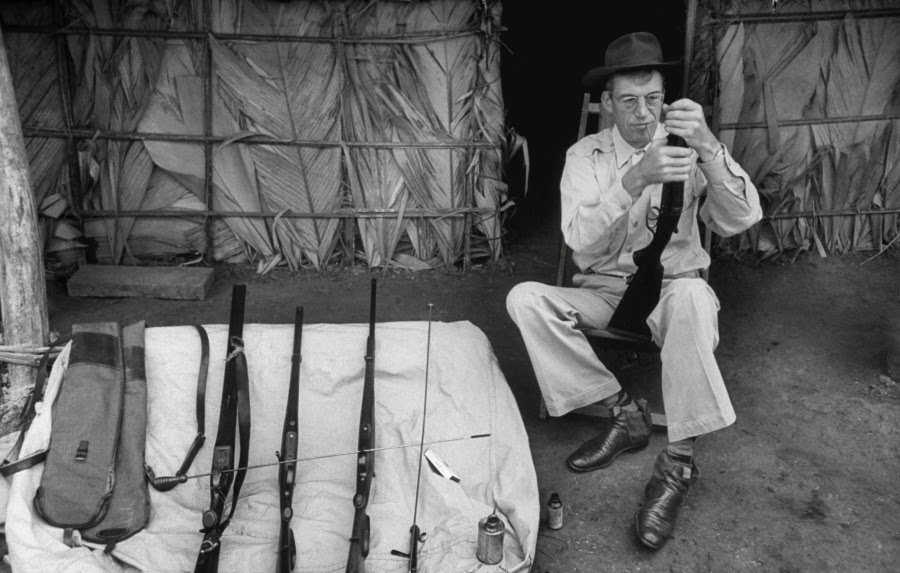
There, they spent seven weeks filming a WWI-era romantic-comedy-adventure film about a hard-drinking riverboat captain, Charlie Allnut (Bogart), and his burgeoning love affair with a prim Christian missionary, Rose Sayer (Hepburn). LIFE photographer Eliot Elisofon was there, too, capturing the stars and crew between takes on the arduous shoot.
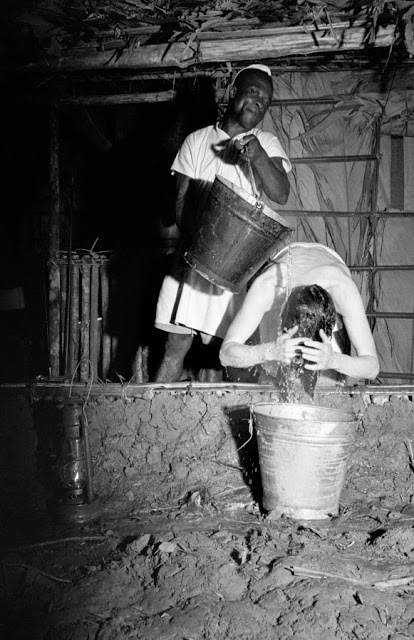
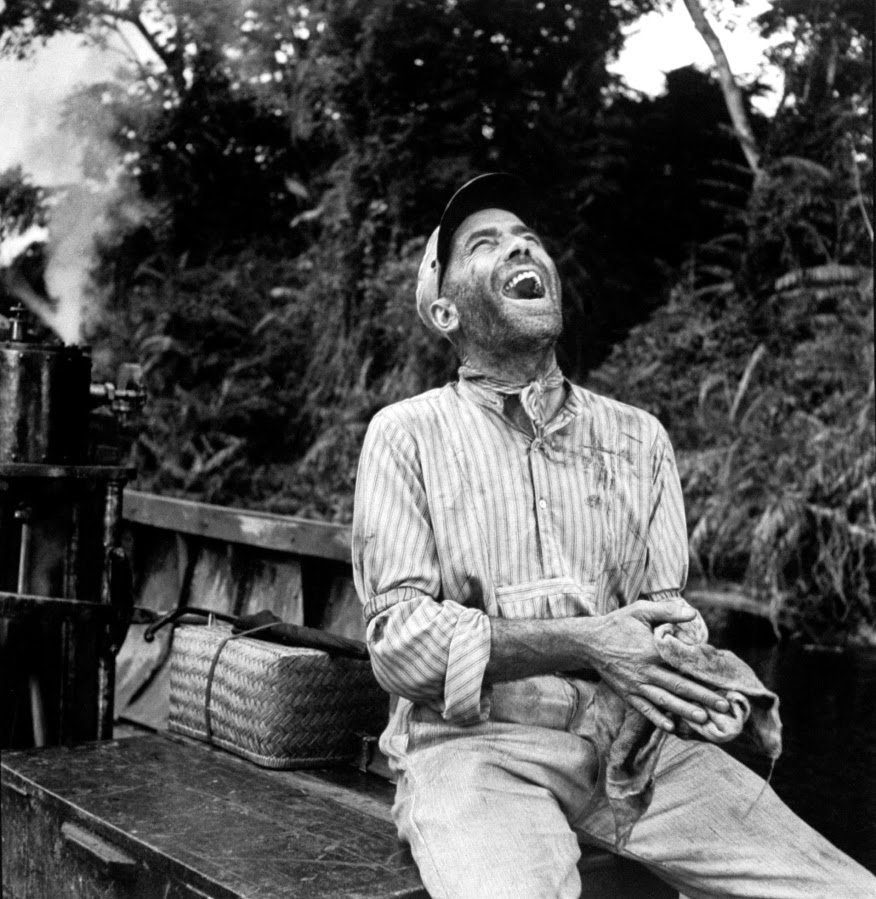
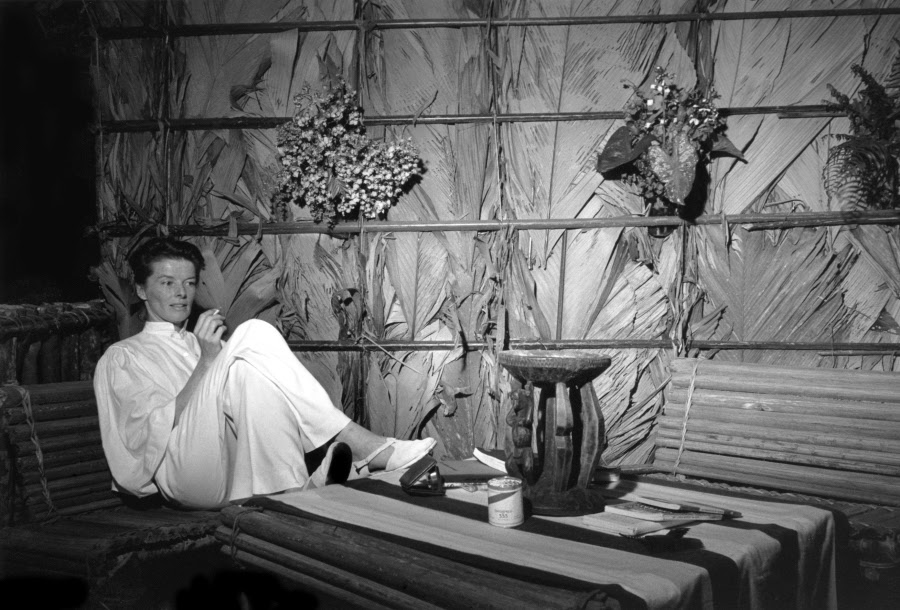
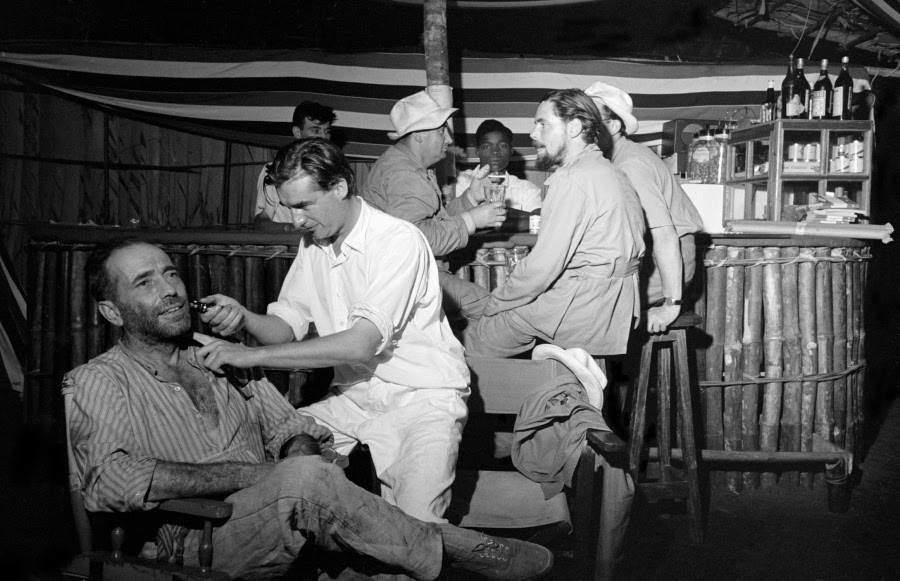
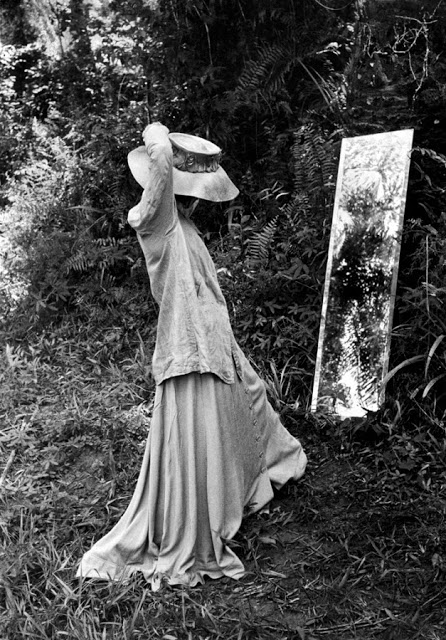
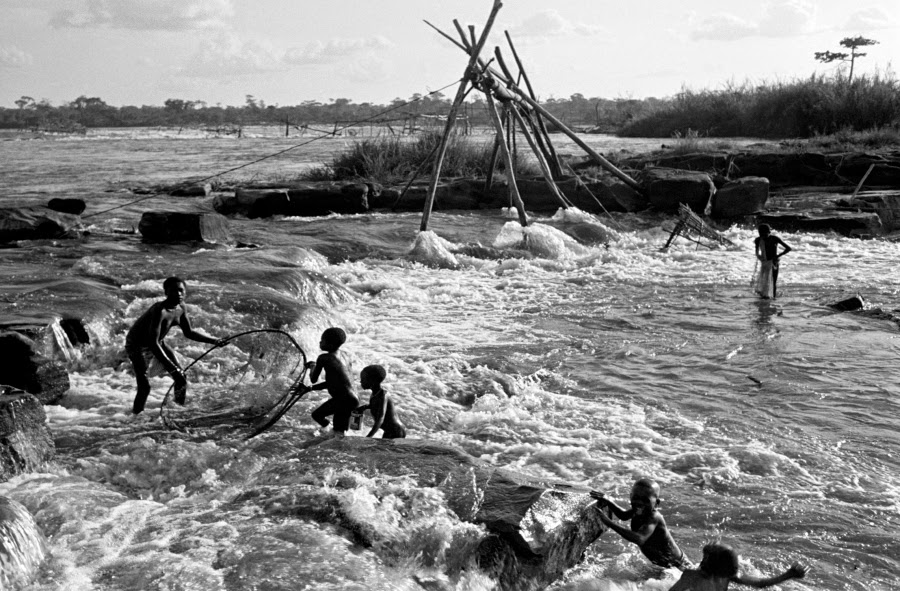
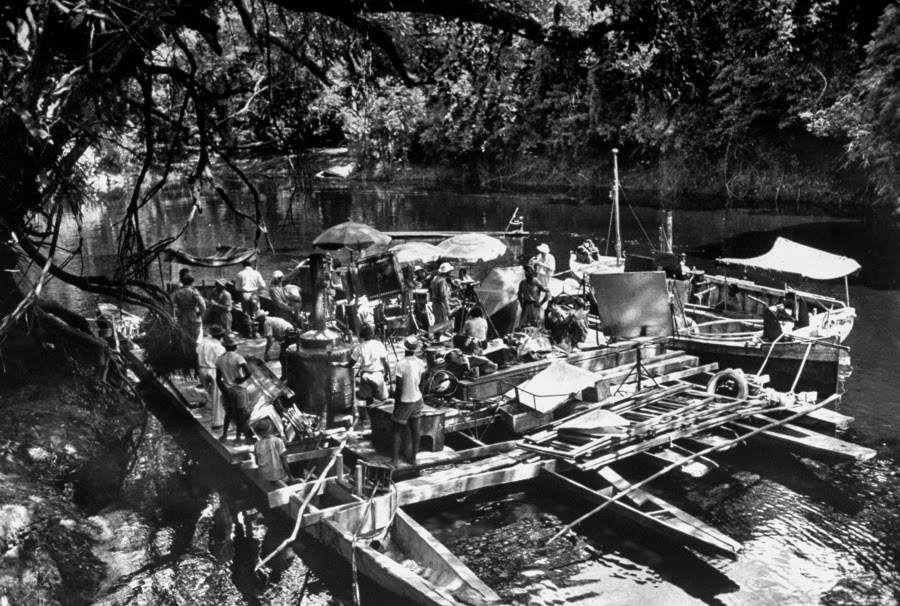
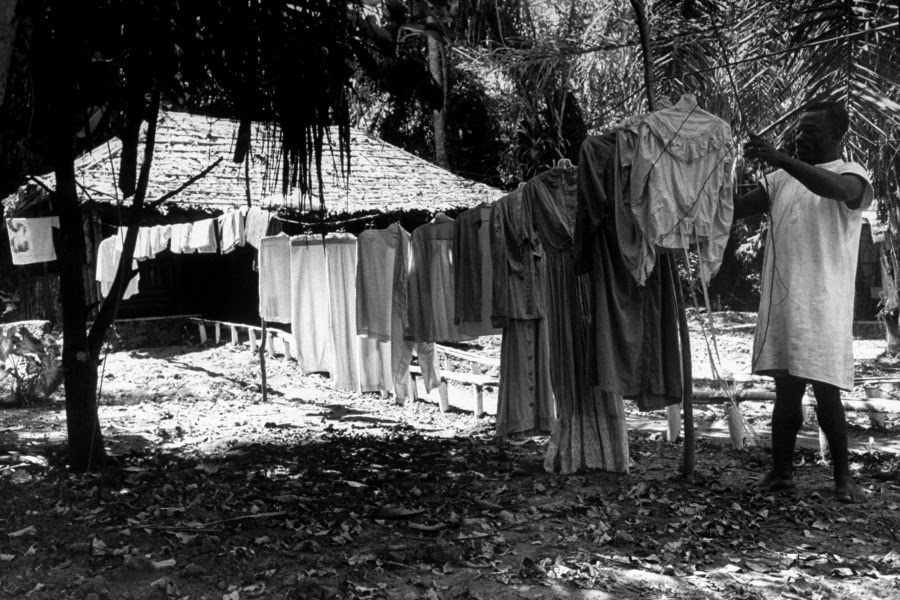
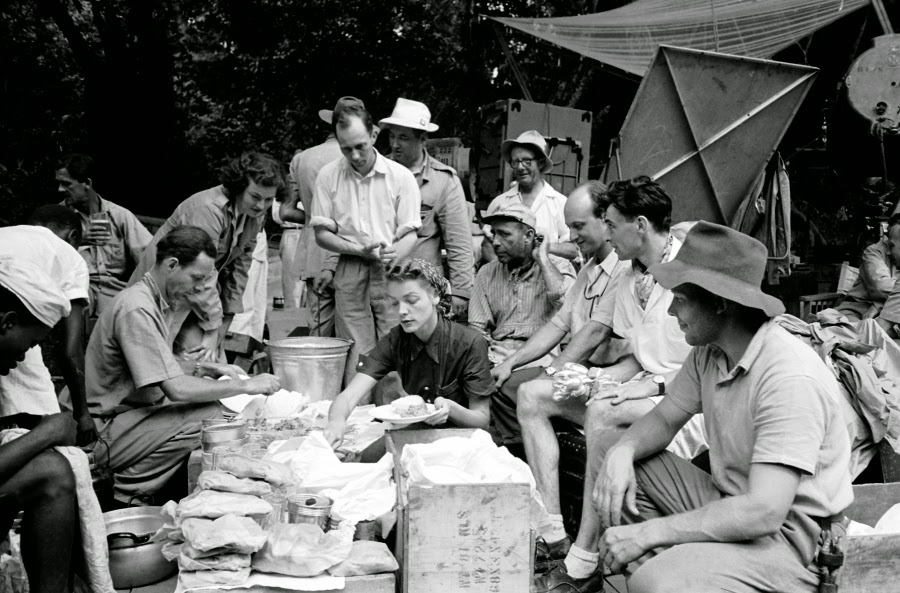
Humphrey Bogart and Katharine Hepburn on location in Africa for the filming of The African Queen, 1951.Katharine Hepburn on location in Africa for the filming of The African Queen, 1951.Humphrey Bogart’s wife Lauren Bacall kept him company during production; here, the couple enjoys a smoke with an unidentified woman, 1951.Humphrey Bogart and Katharine Hepburn on location in Africa for the filming of The African Queen, 1951.Director John Huston and Humphrey Bogart during filming of The African Queen, 1951.Humphrey Bogart and Katharine Hepburn on location in Africa for the filming of The African Queen, 1951.Off to work goes Hepburn, leaving the private bungalow which she decorated charmingly with native spears and flowers.Director John Huston examines one of his rifles during filming of The African Queen, 1951.Katharine Hepburn gives her hair its nightly wash on the set of The African Queen, with the help of Sonduco, a production employee.A deeply amused Humphrey Bogart on location in Africa for the filming of The African Queen.Katharine Hepburn allows LIFE’s Eliot Elisofon inside her private bungalow during filming of The African Queen.Humphrey Bogart’s beard gets a touch-up during filming of The African Queen.Katharine Hepburn adjusts her costume before a full-length mirror which was soon broken.Humphrey Bogart and director John Huston joined on the set by Lauren Bacall and crew members during filming of The African Queen.Swimming in the river during filming of The African Queen.A view of the rig necessary to allow filming of Charlie Allnut’s boat on the river in The African Queen.Humphrey Bogart and Katharine Hepburn on location in Africa for the filming of The African Queen.Chief cameraman Jack Cardiff and producer Sam Spiegel discuss technical specifications during filming of The African Queen. Spiegel went on to produce 1962’s Lawrence of Arabia, which won the Oscar for Best Picture.Humphrey Bogart and Katharine Hepburn in Africa during filming of The African Queen.Katharine Hepburn on location in Africa for the filming of The African Queen, 1951.A man beats a hollow log with sticks — the daily 6 a.m. wake-up call for the cast and crew of The African Queen.Katharine Hepburn enjoys a moment away from the filming of The African Queen.A local resident tends to the wardrobe for Katharine Hepburn on location for The African Queen.Lauren Bacall makes sandwiches while surrounded by her husband and the crew during a lunch break on location for The African Queen.Humphrey Bogart and Katharine Hepburn rehearse a scene while crew members watch, on location for The African Queen.At siesta time after lunch everybody took it easy. Director Huston (right) fished doggedly with technician Kevin McClory, never caught a thing.Bogart snoozes in a hammock under makeshift shelter on an equipment raft. He never had to study lines, learned them after two or three readings.Katharine Hepburn, her face concealed by her massive hat, puts up her feet.Katharine Hepburn on location in Africa for the filming of The African Queen, 1951.
(Photos by Eliot Elisofon—Time & Life Pictures/Getty Images)
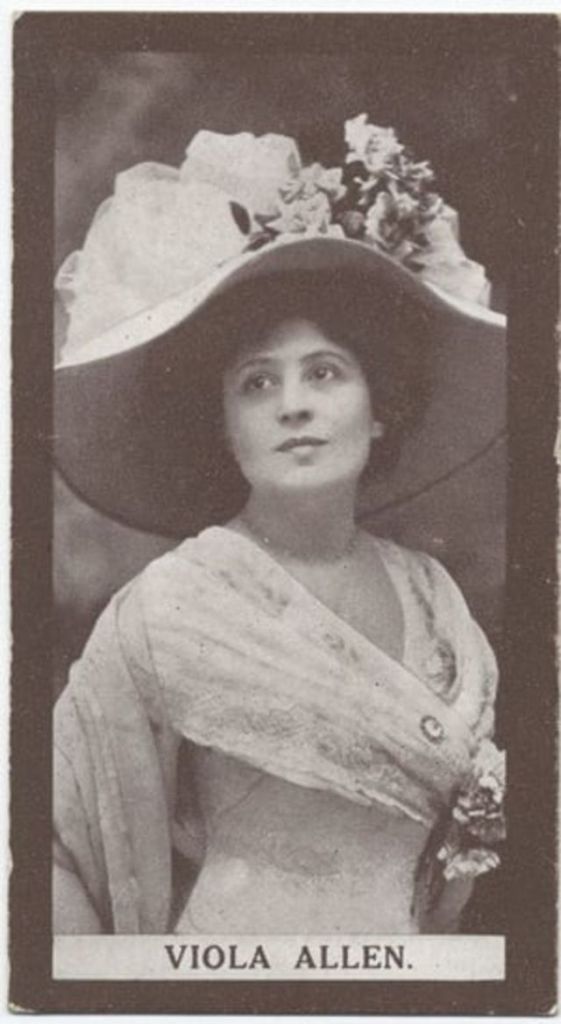
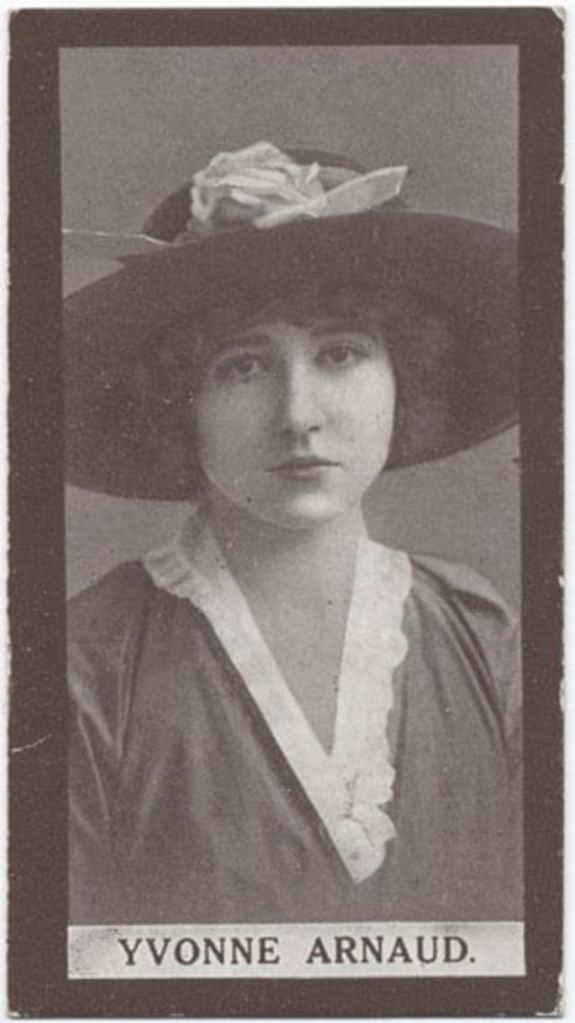
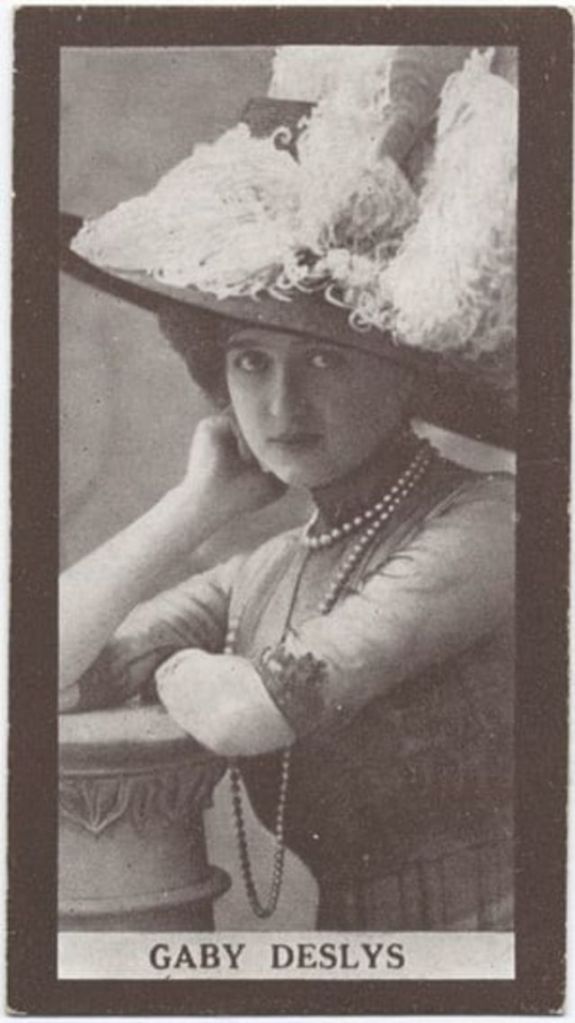
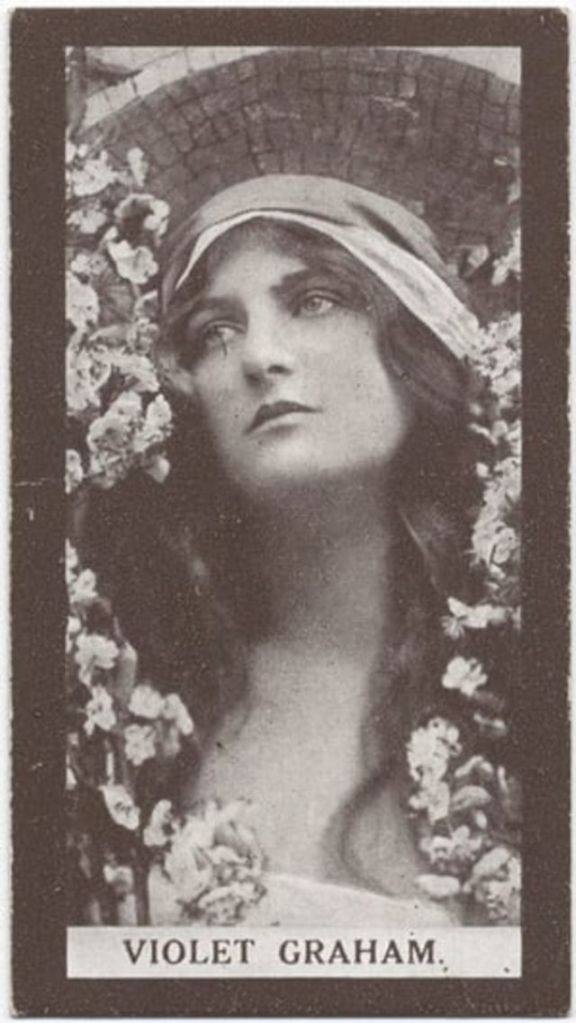
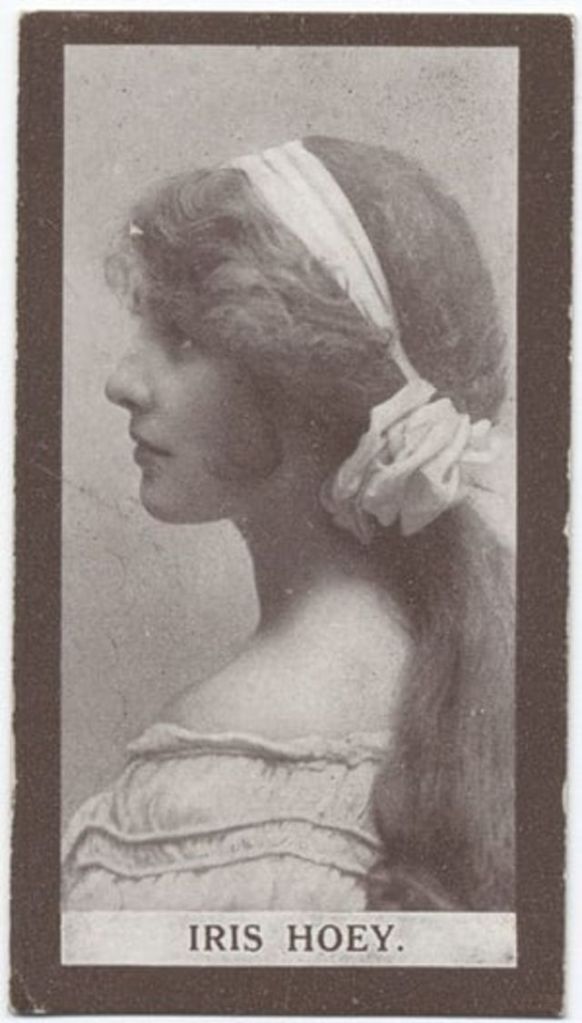
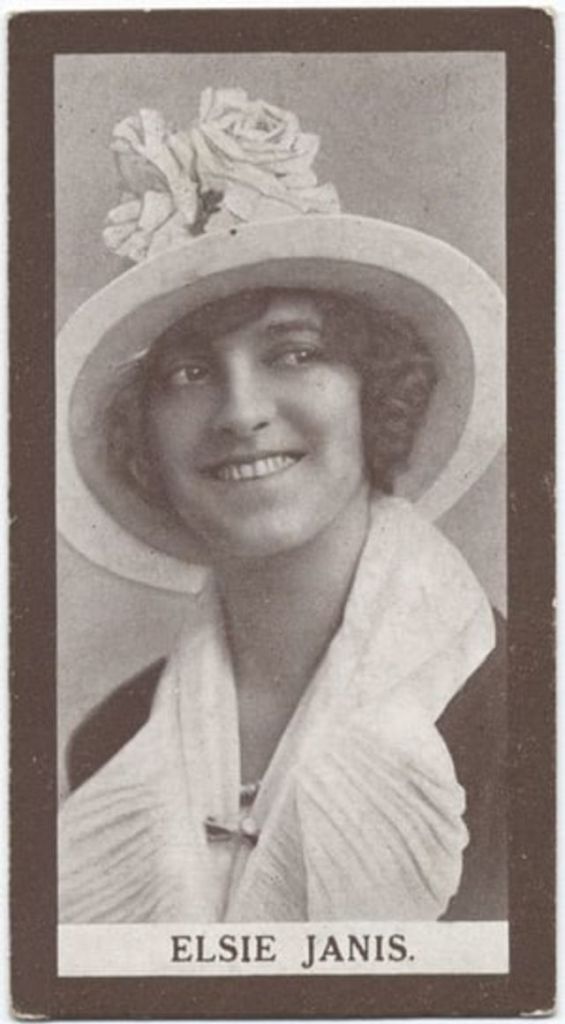
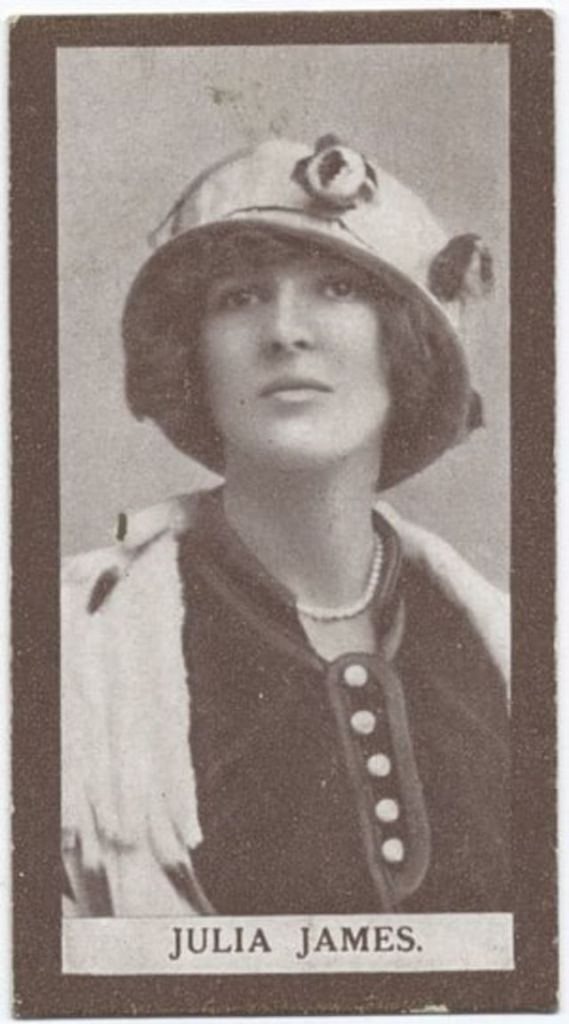
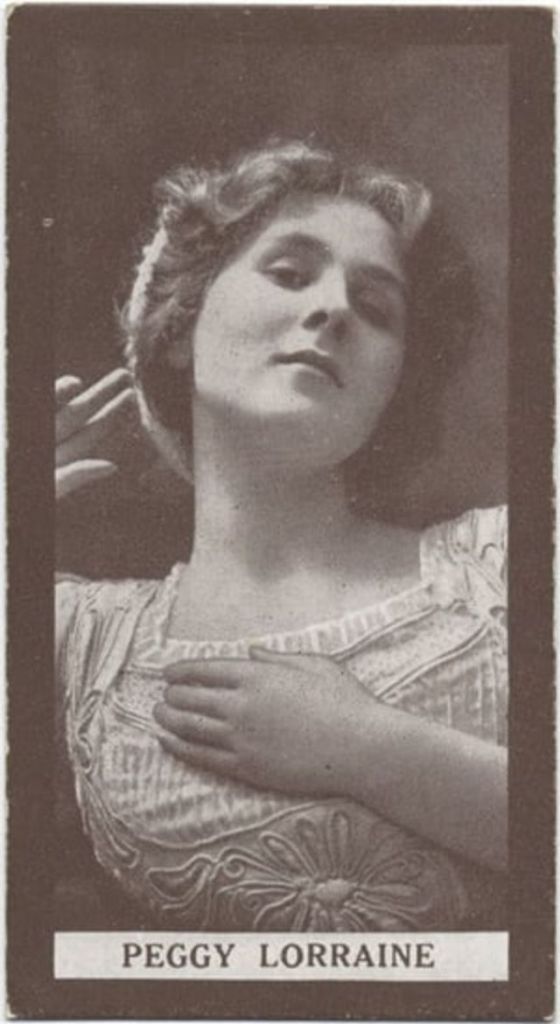
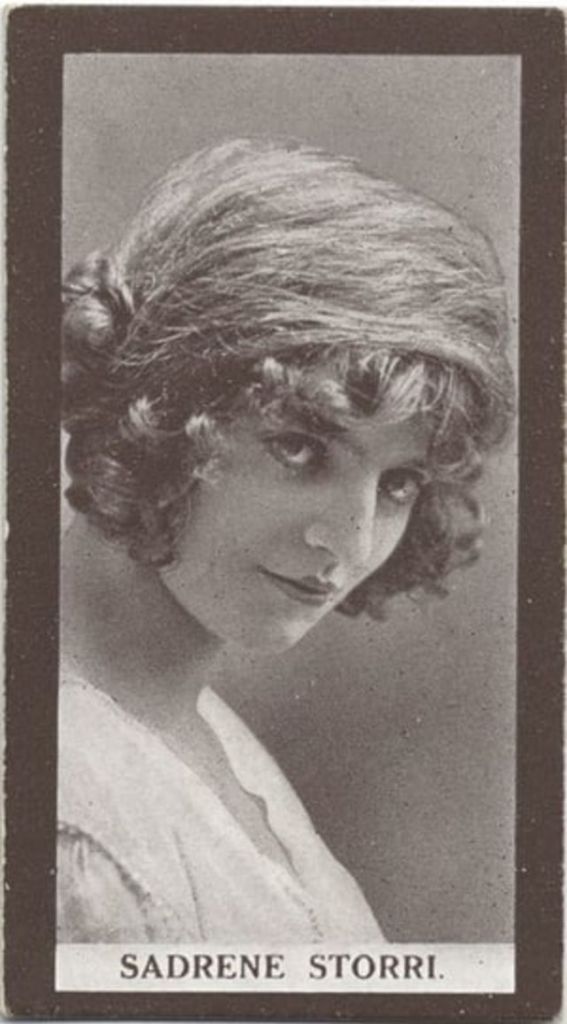
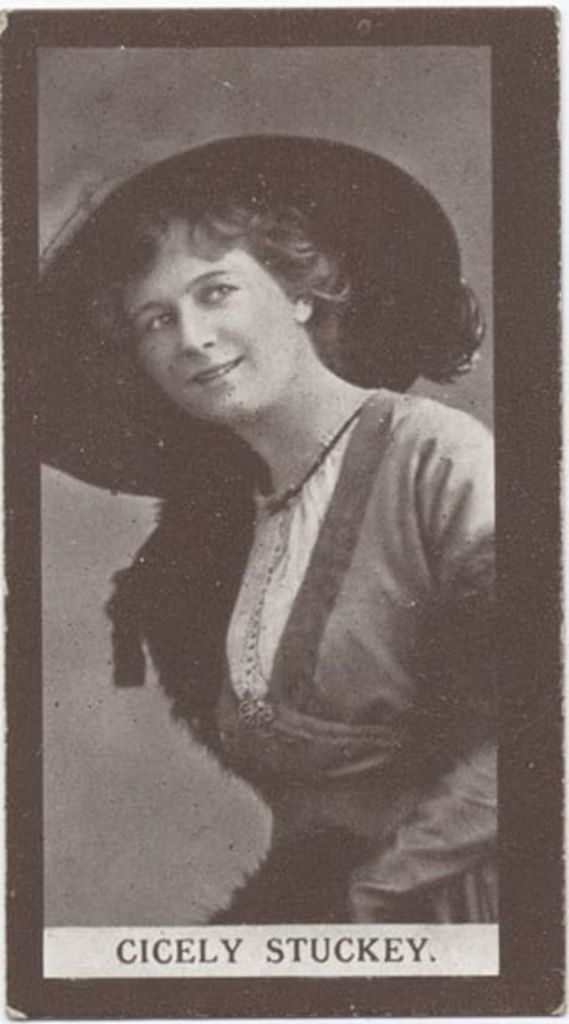
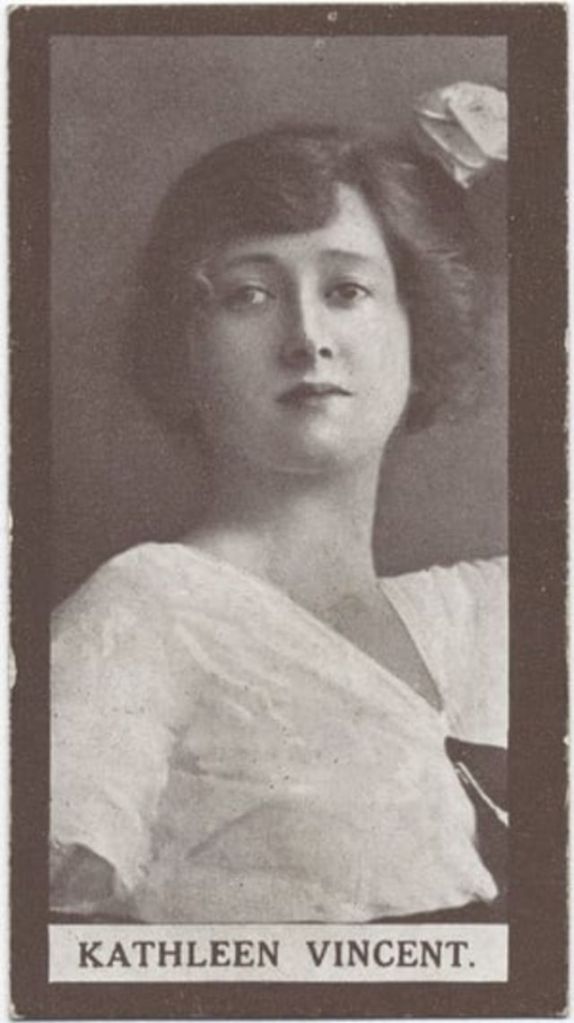
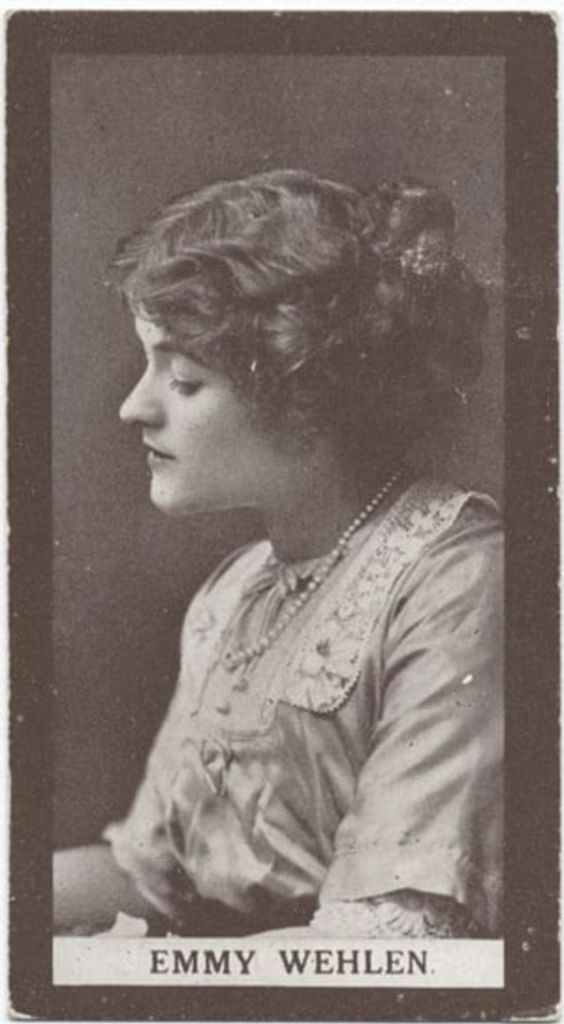
Tobacco cards were first included in cigarette packs in the 1870s, with the purpose of stiffening each pack to lessen the chance that it would be crushed or bent. It wasn’t long before some enterprising soul saw their potential for brand promotion and a new advertising medium was born.
By the mid-1880s, manufacturers were printing themed sets of tobacco cards, with each card in the set bearing a unique image. The idea was to encourage brand loyalty by creating consumers’ desire to complete a set — so the themes capitalized on the popularity of certain cultural interests. Baseball players, boxers, and aviators all appeared on tobacco cards. And so, of course, did beautiful young actresses.
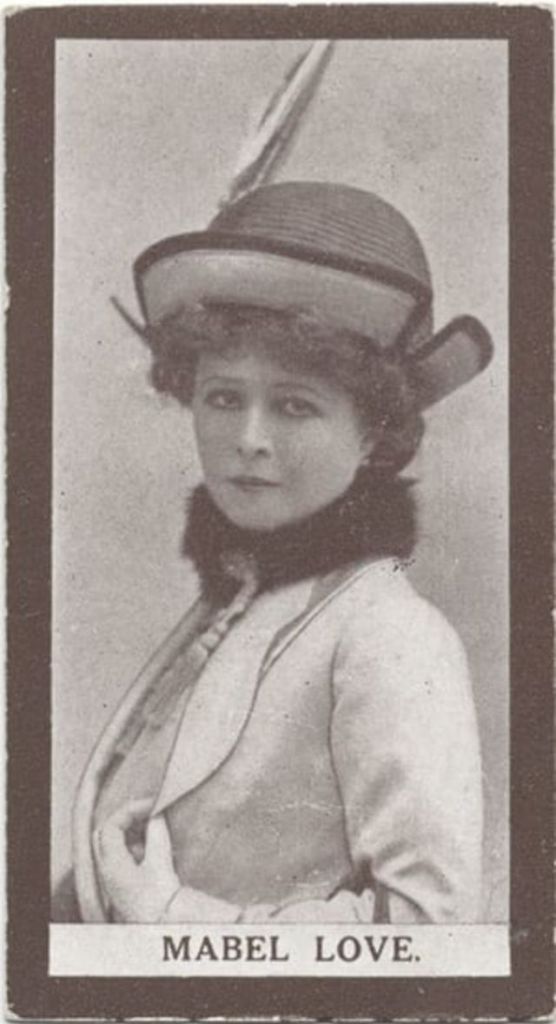
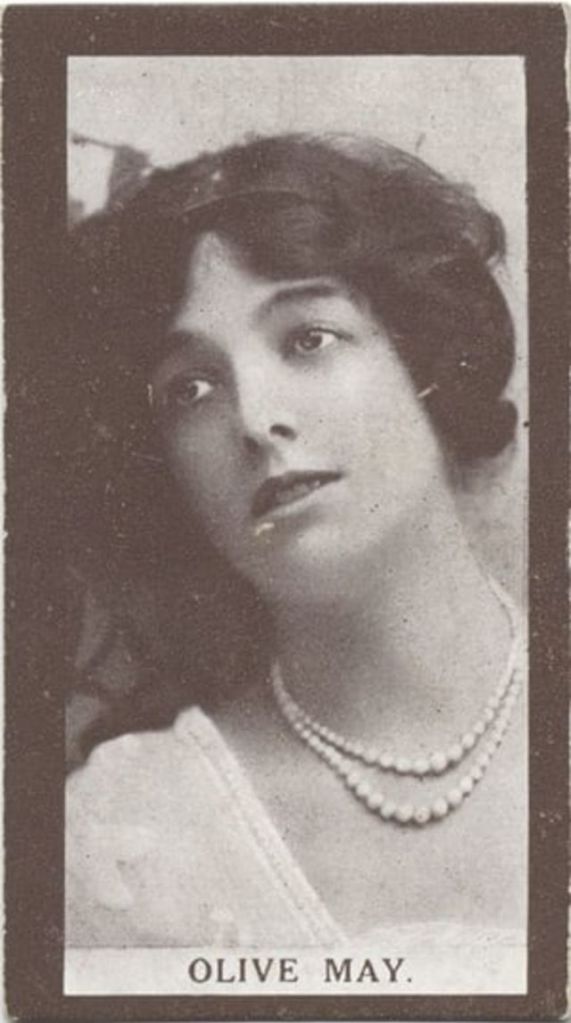
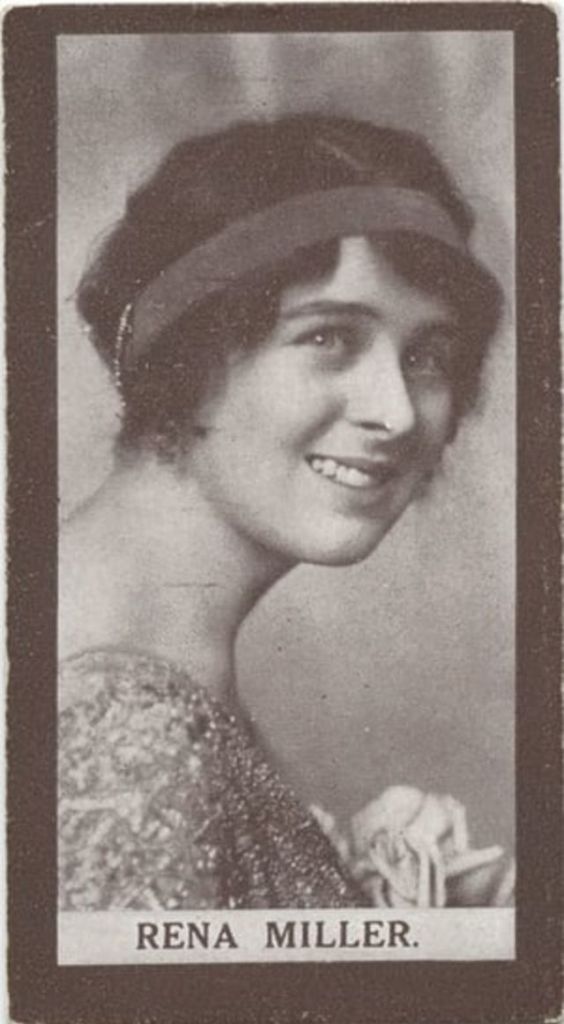
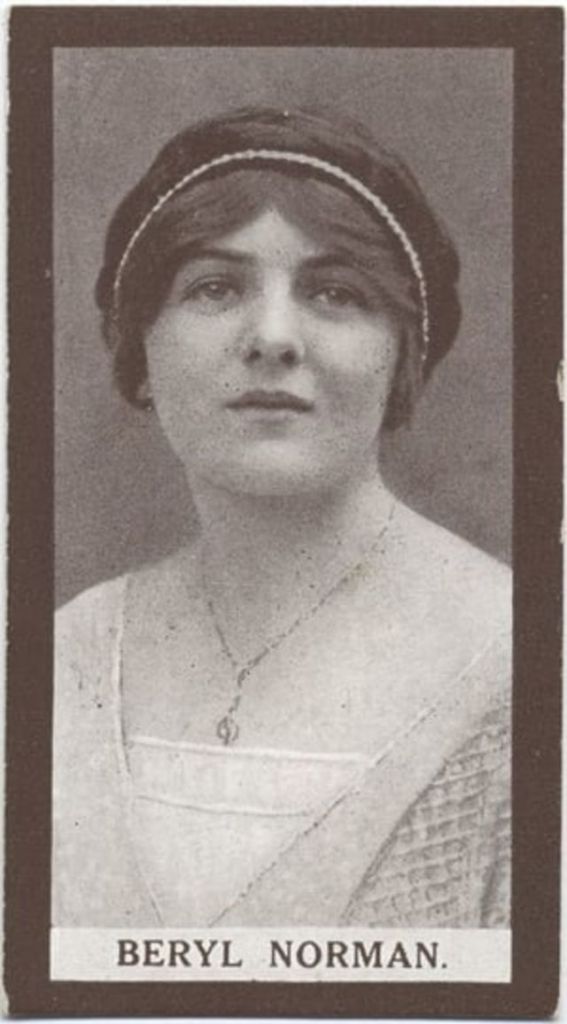
Below is a collection of 30 portraits of stage actresses cigarette cards from the early 1900s:
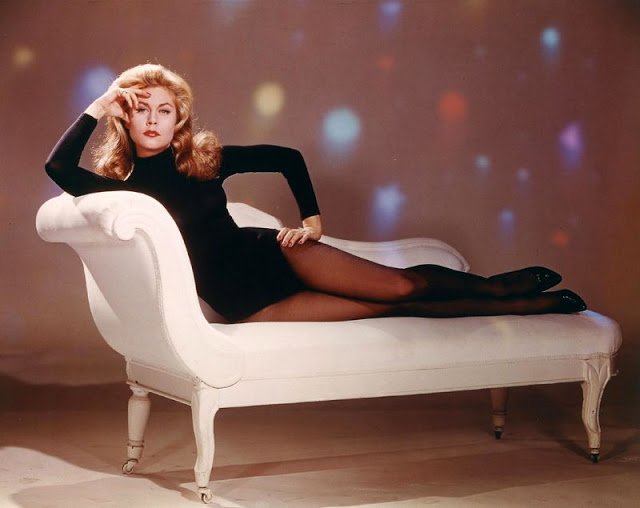
Born 1933 in Los Angeles, California, American film, stage, and television actress Elizabeth Montgomery whose career spanned five decades. She is best remembered for her leading role as Samantha Stephens on the television series Bewitched.
Montgomery began her career in the 1950s with a role on her father’s television series Robert Montgomery Presents, and won a Theater World Award for her 1956 Broadway debut in the production Late Love. In the 1960s, she became known for her role as Samantha Stephens on the ABC sitcom Bewitched. Her work on the series earned her five Primetime Emmy Award nominations and four Golden Globe Award nominations.
Subscribe to get access
Read more of this content when you subscribe today.
After Bewitched ended its run in 1972, Montgomery continued her career with roles in numerous television films, including A Case of Rape (1974), as Ellen Harrod, and The Legend of Lizzie Borden (1975) in the title role. Both roles earned her additional Emmy Award nominations.
Throughout her career, Montgomery was involved in various forms of political activism and charitable work. She has been cited as one of the earliest celebrities to support gay rights and advocate for AIDS patients, volunteering with the AIDS Project Los Angeles and amfAR at the height of the AIDS epidemic.
Montgomery died at home in 1995 because of colon cancer, at the age of 62. A star on the Hollywood Walk of Fame was presented in honor of Montgomery’s work in television on January 4, 2008.
Take a look at these glamorous photos to see the beauty of young Elizabeth Montgomery in the 1960s and early 1970s.
Subscribe to continue reading
Become a paid subscriber to get access to the rest of this post and other exclusive content.
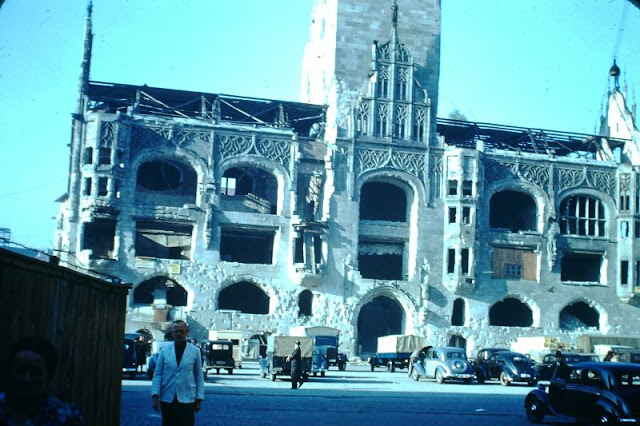
West Germany is the common English name for the Federal Republic of Germany, BRD) between its formation on 23 May 1949 and the German reunification through the accession of East Germany on 3 October 1990. During this Cold War period, the western portion of Germany and West Berlin were parts of the Western Bloc. West Germany was formed as a political entity during the Allied occupation of Germany after World War II, established from eleven states formed in the three Allied zones of occupation held by the United States, the United Kingdom, and France. Its provisional capital was the city of Bonn, and West Germany is retrospectively designated as the Bonn Republic.
At the onset of the Cold War, Europe was divided between the Western and Eastern blocs. Germany was de facto divided into two countries and two special territories, the Saarland and a divided Berlin. Initially, West Germany claimed an exclusive mandate for all of Germany, identifying as the sole democratically reorganised continuation of the 1871–1945 German Reich.
Three southwestern states of West Germany merged to form Baden-Württemberg in 1952, and the Saarland joined West Germany in 1957. In addition to the resulting ten states, West Berlin was considered an unofficial de facto eleventh state. While legally not part of West Germany, as Berlin was under the control of the Allied Control Council, West Berlin politically aligned with West Germany and was directly or indirectly represented in its federal institutions.
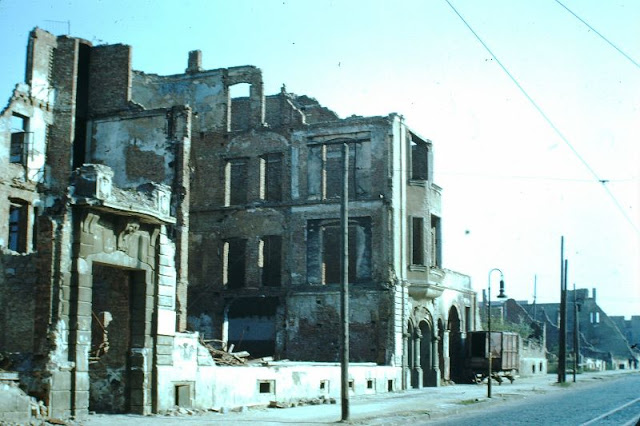
The foundation for the influential position held by Germany today was laid during the economic miracle of the 1950s (Wirtschaftswunder), when West Germany rose from the enormous destruction wrought by World War II to become the world’s third-largest economy. The first chancellor Konrad Adenauer, who remained in office until 1963, worked for a full alignment with NATO rather than neutrality, and secured membership in the military alliance. Adenauer was also a proponent of agreements that developed into the present-day European Union. When the G6 was established in 1975, there was no serious debate as to whether West Germany would become a member.
Following the collapse of the Eastern Bloc, symbolised by the opening of the Berlin Wall, both territories took action to achieve German reunification. East Germany voted to dissolve and accede to the Federal Republic of Germany in 1990. Its five post-war states (Länder) were reconstituted, along with the reunited Berlin, which ended its special status and formed an additional Land. They formally joined the federal republic on 3 October 1990, raising the total number of states from ten to sixteen, and ending the division of Germany. The reunited Germany is the direct continuation of the state previously informally called West Germany and not a new state, as the process was essentially a voluntary act of accession: the Federal Republic of Germany was enlarged to include the additional six states of the former German Democratic Republic. The expanded federal republic retained West Germany’s political culture and continued its existing memberships in international organisations, as well as its Western foreign policy alignment and affiliation to Western alliances such as the United Nations, NATO, OECD, and the European Economic Community. (Wikipedia)
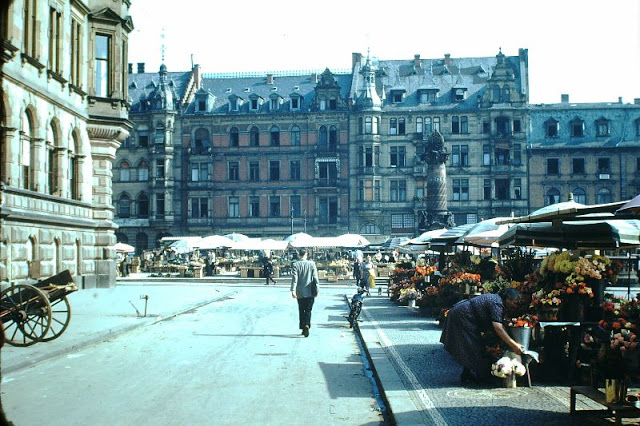
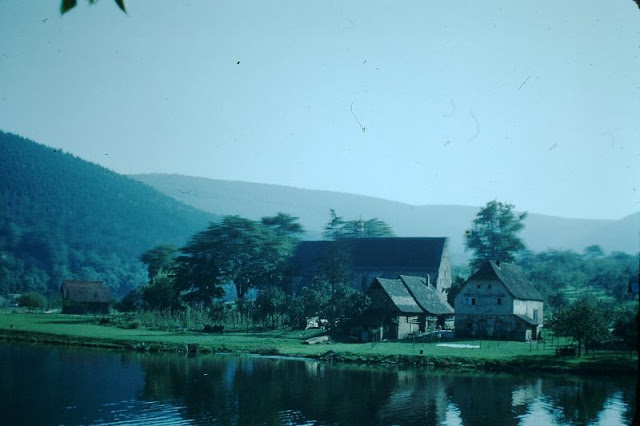
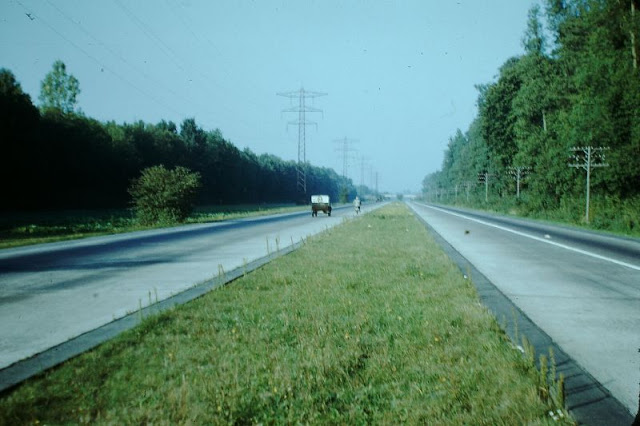
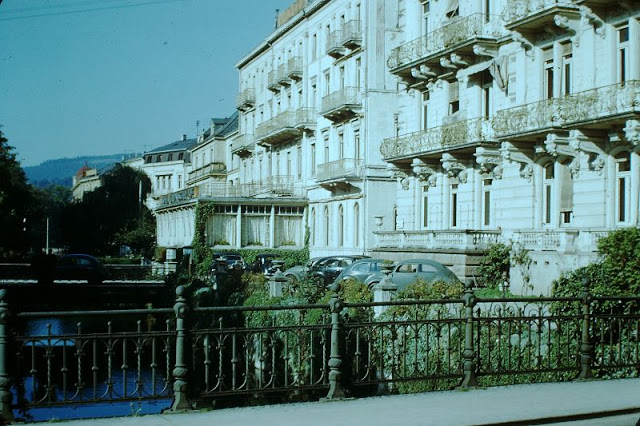
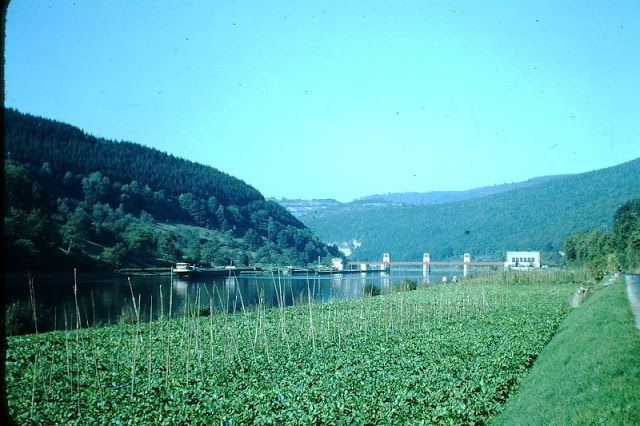
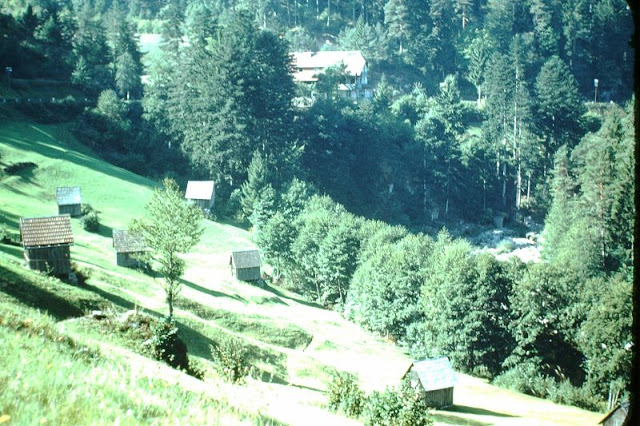
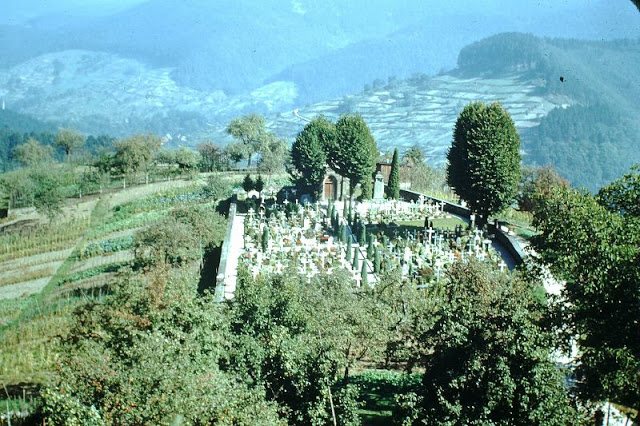
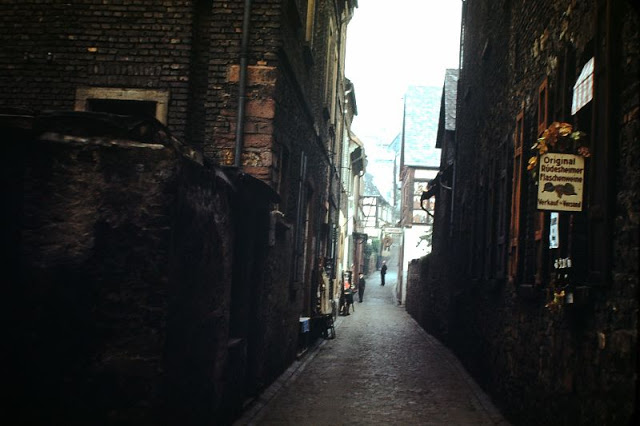
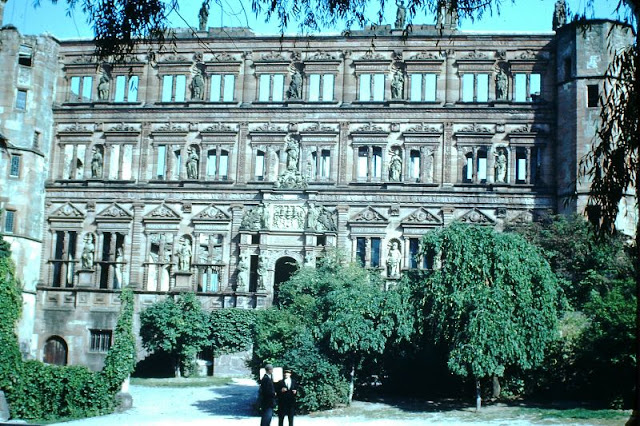
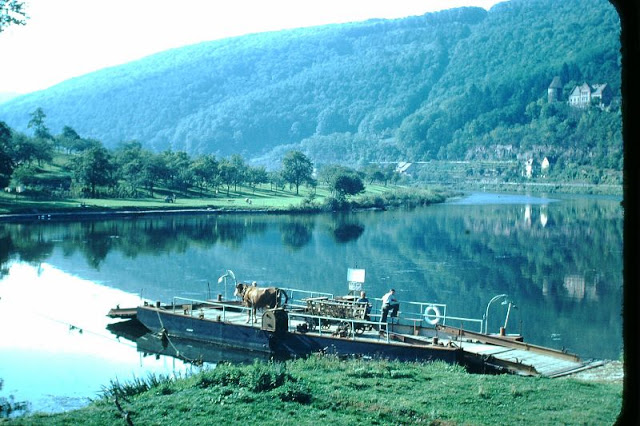
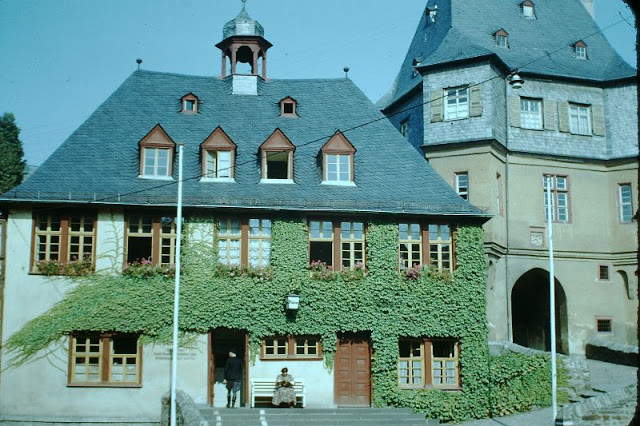
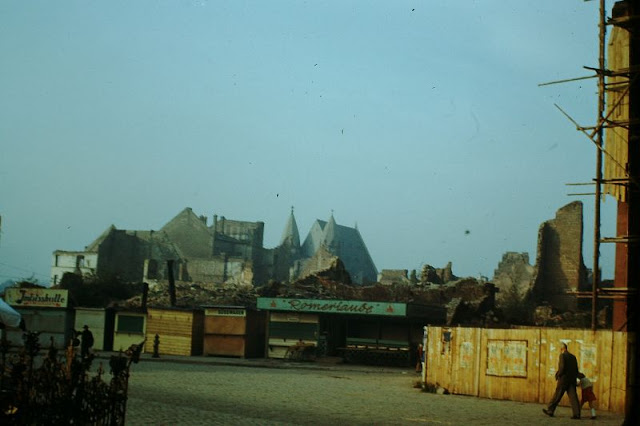
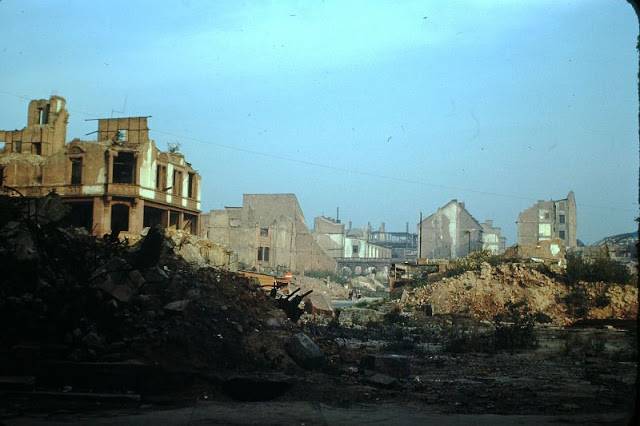
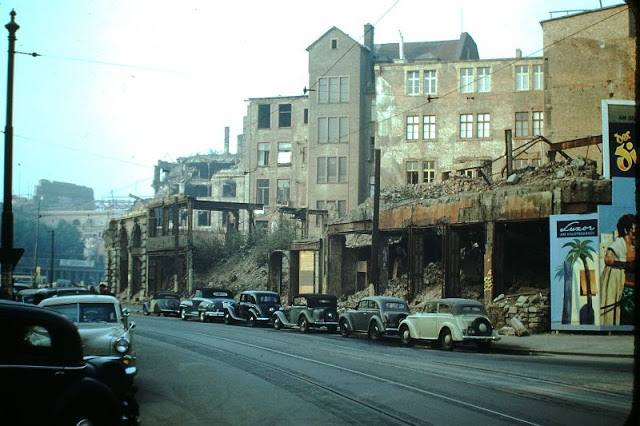
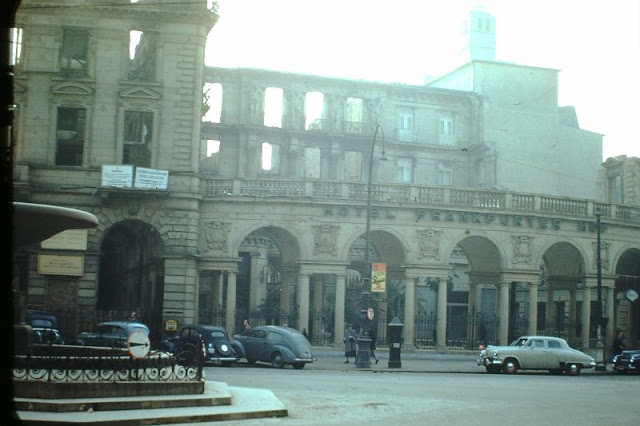
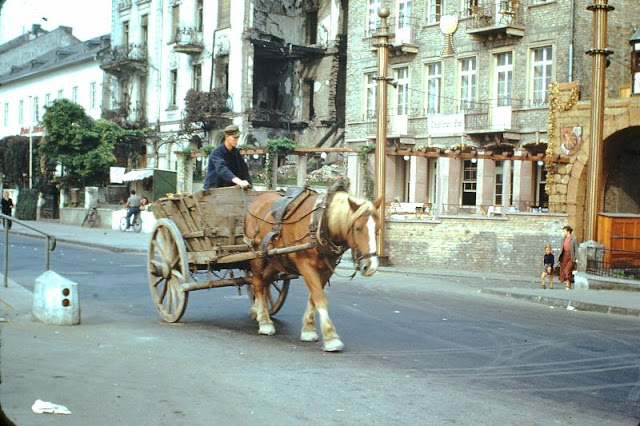
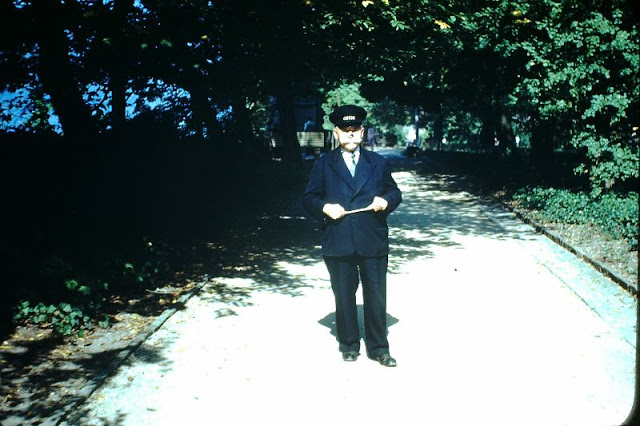
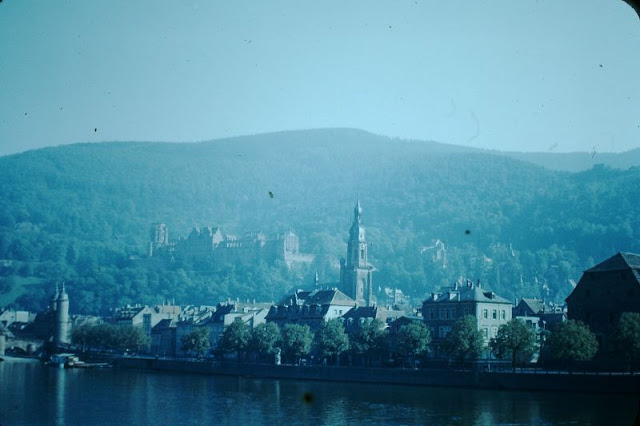
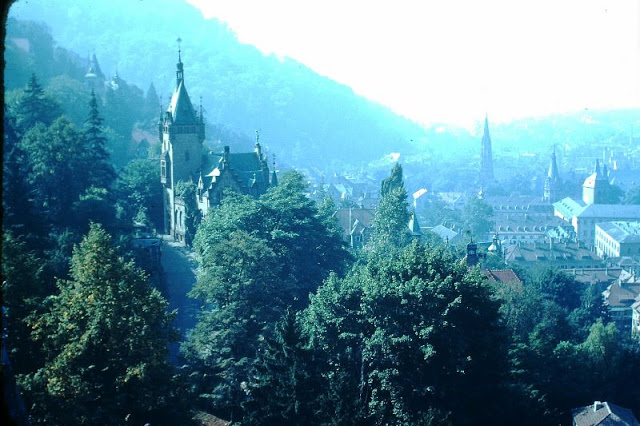
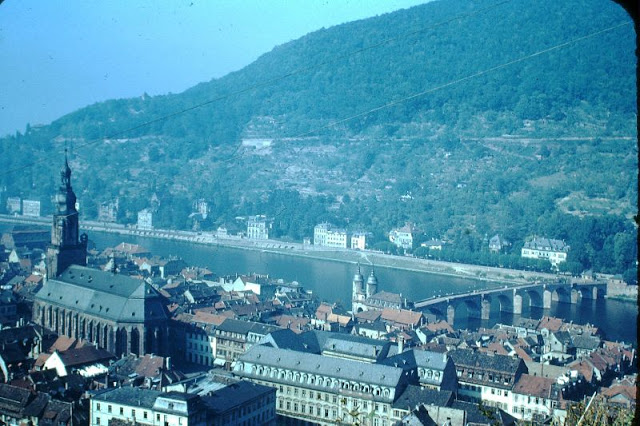
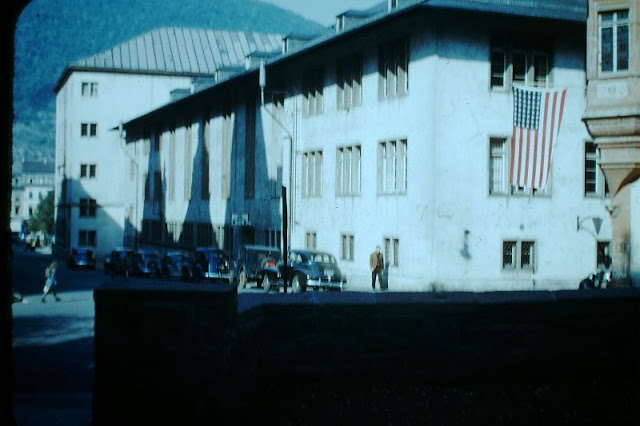
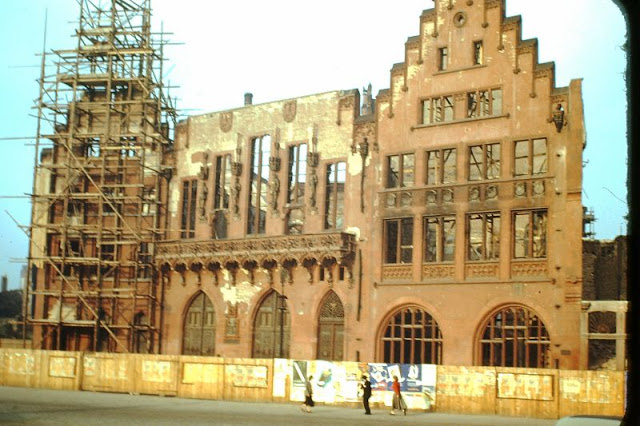
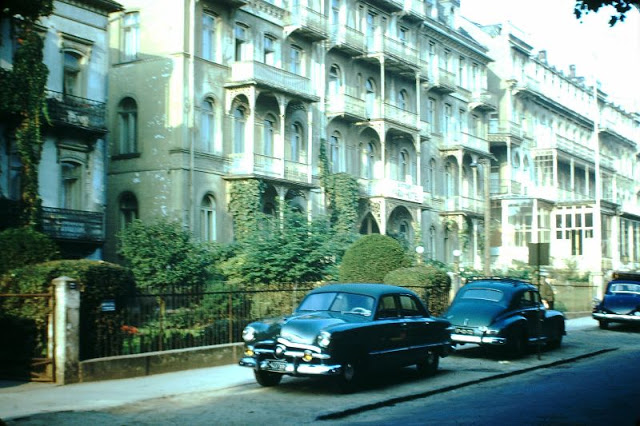
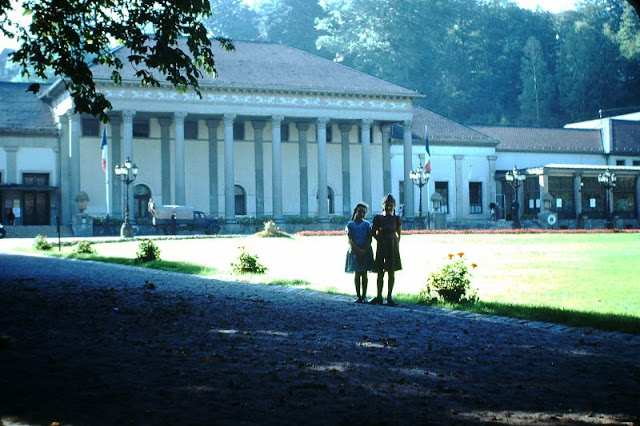
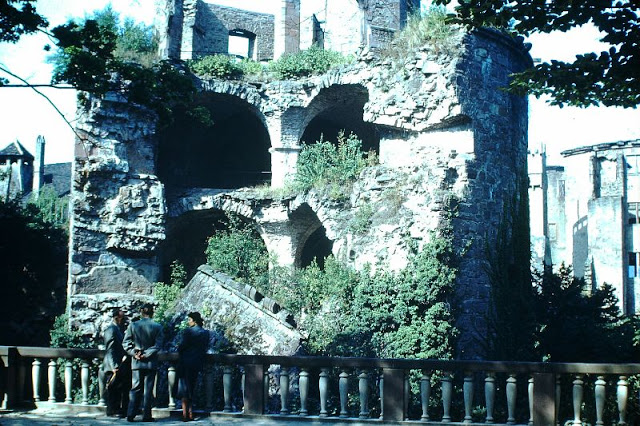
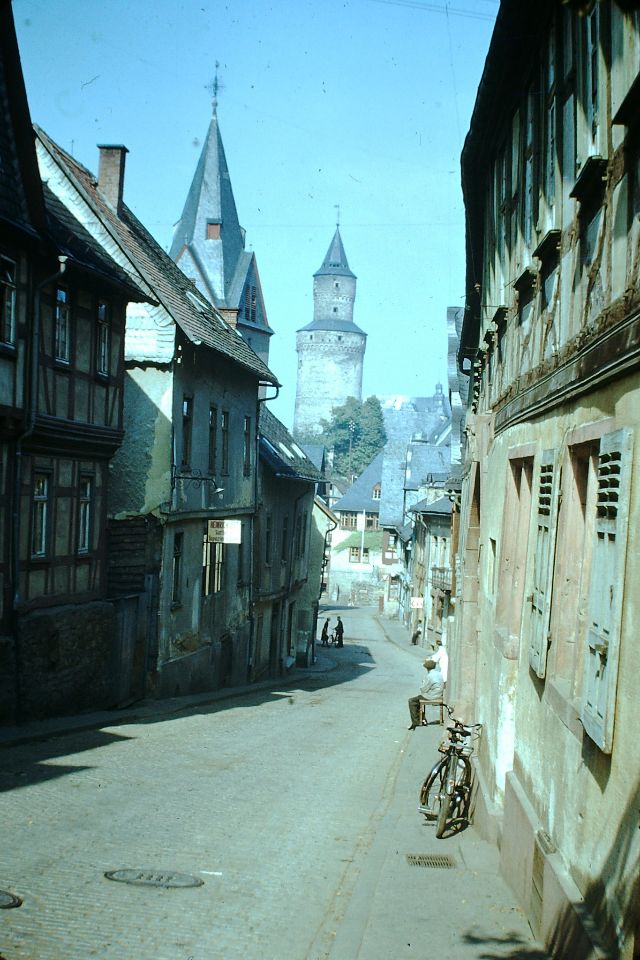
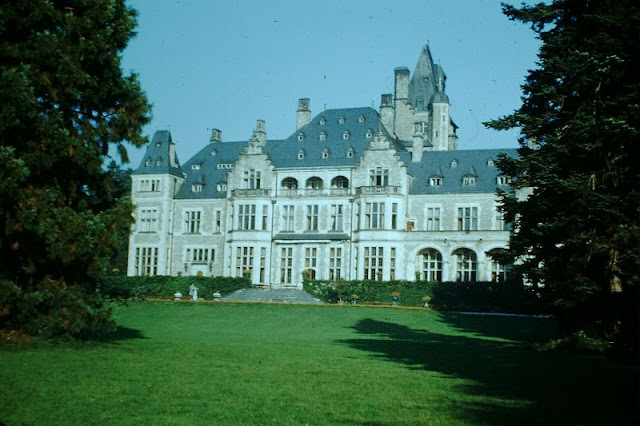
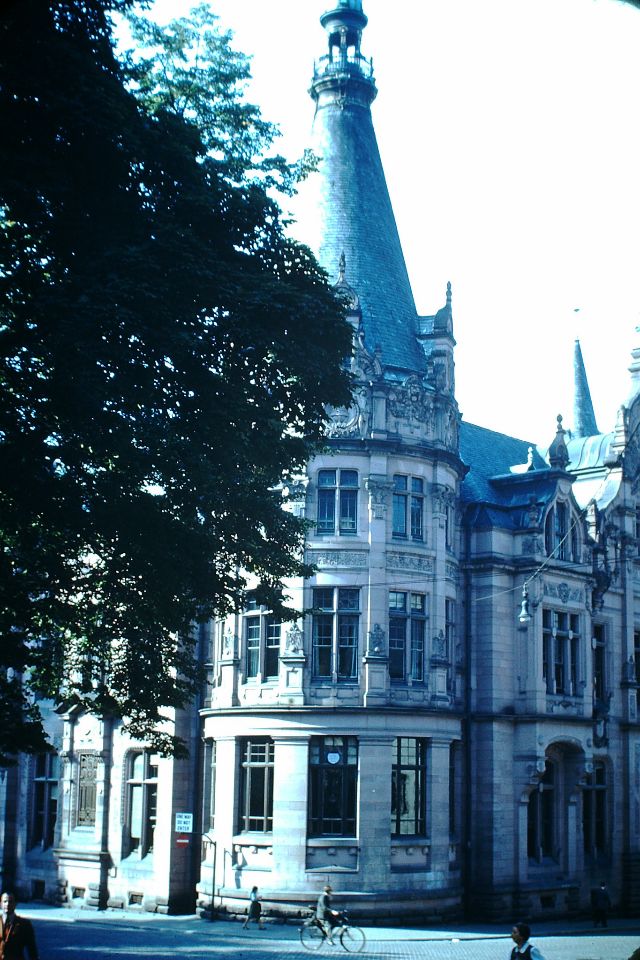
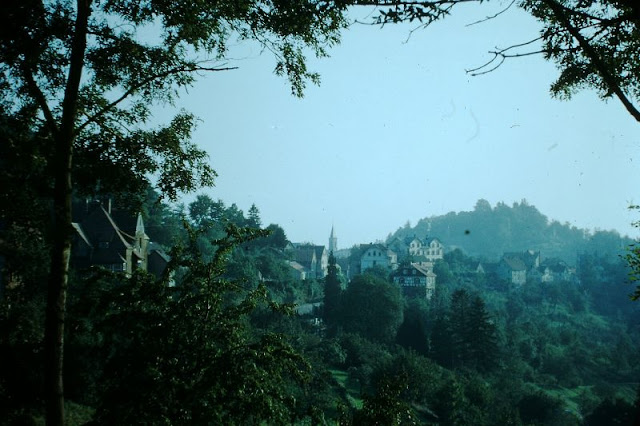
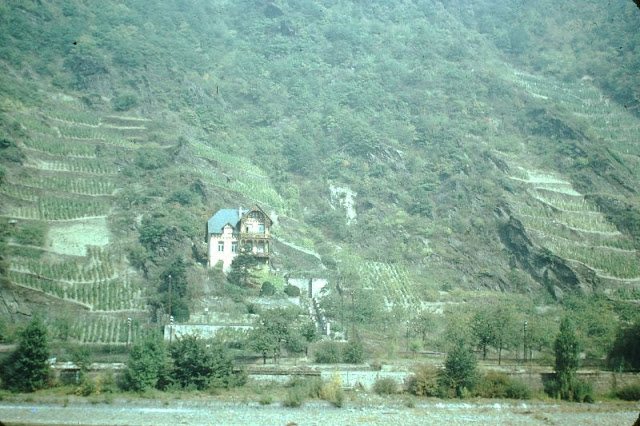
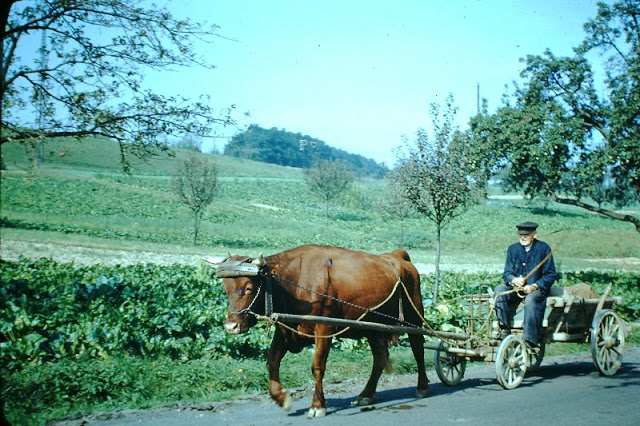
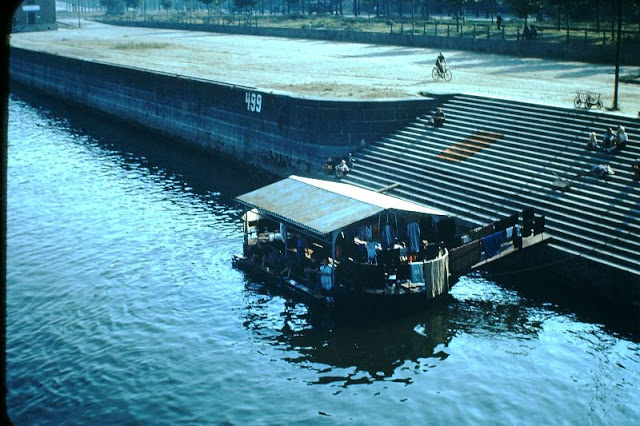
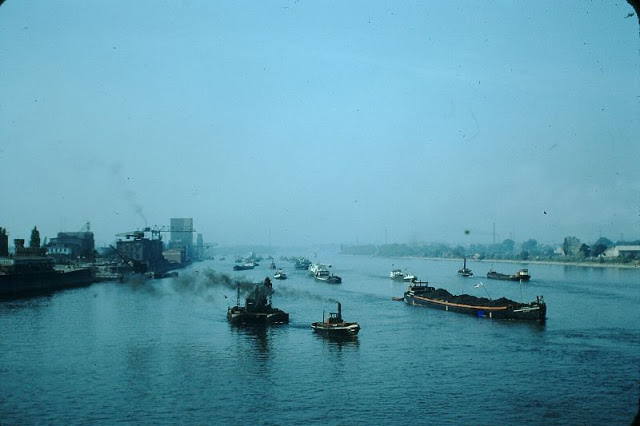
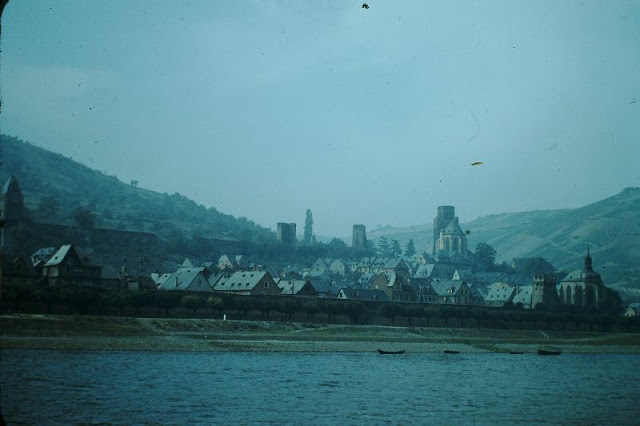
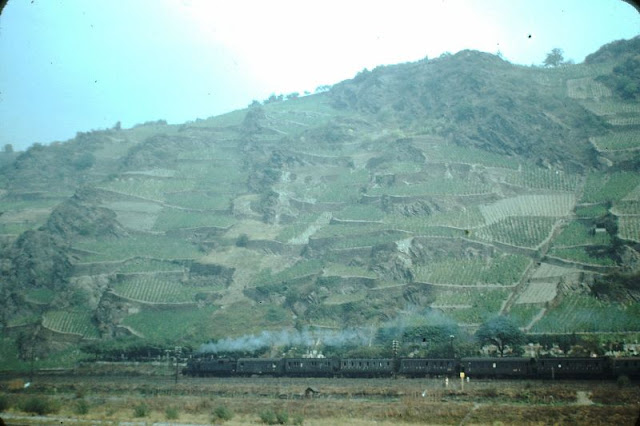
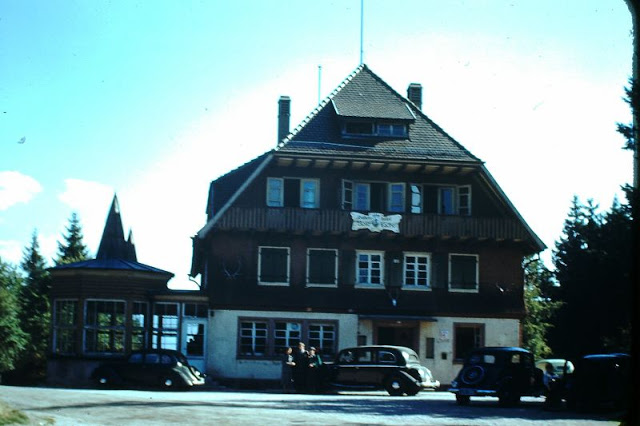
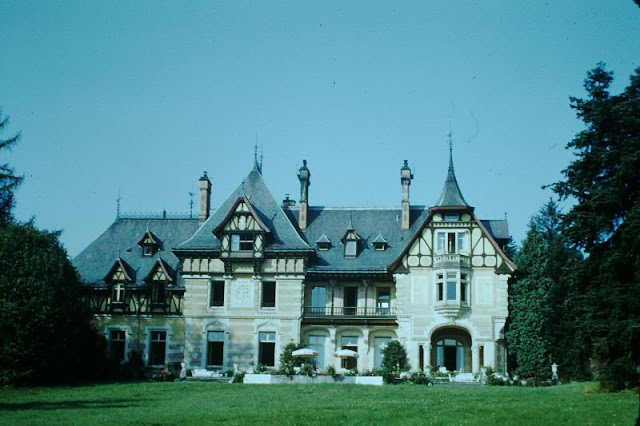
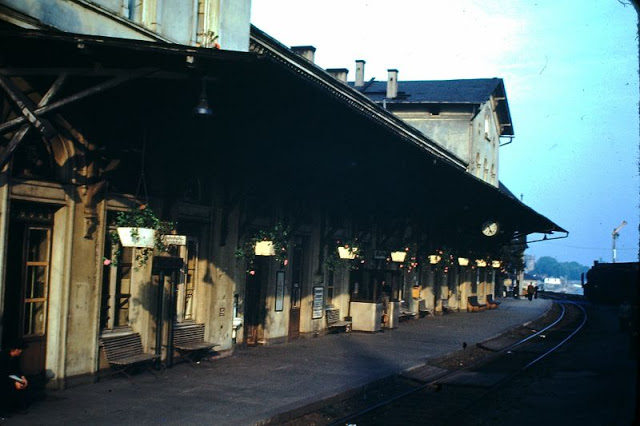
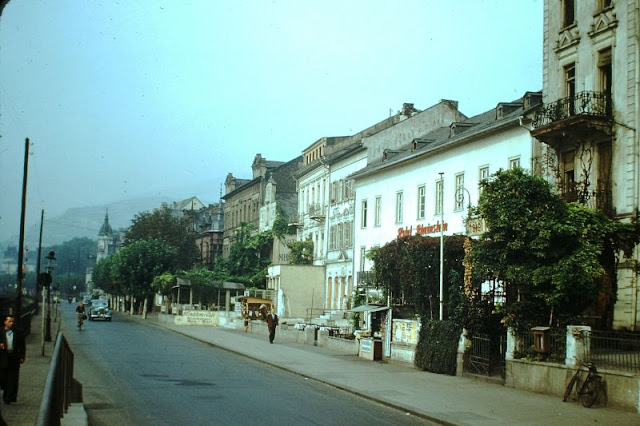
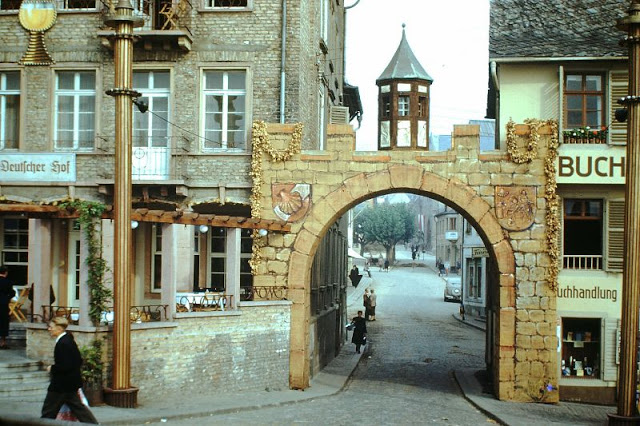
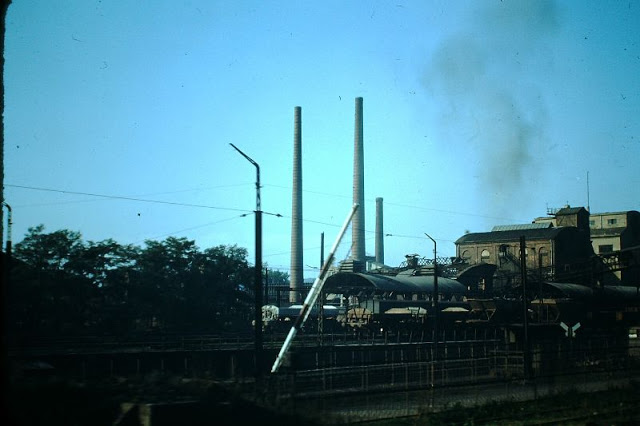
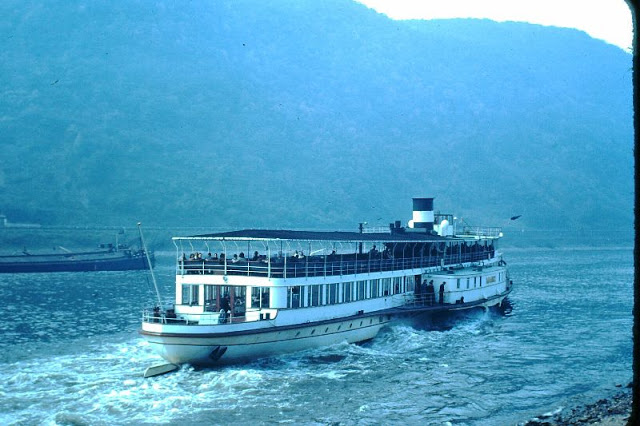
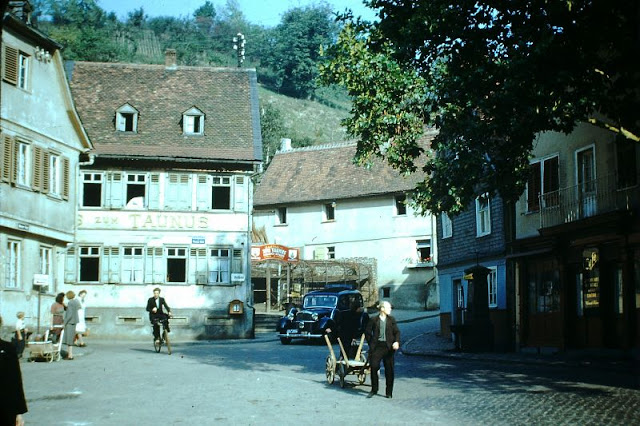
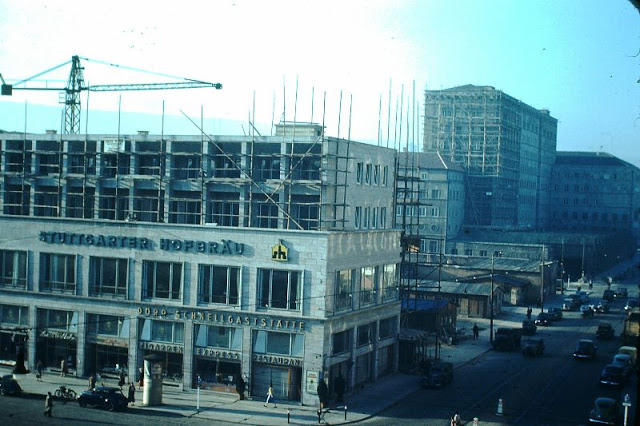
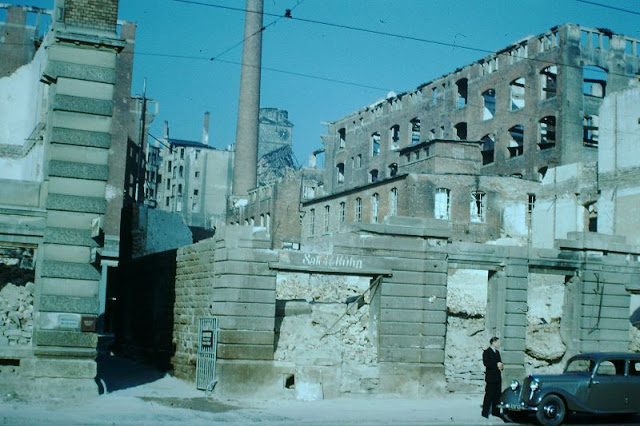
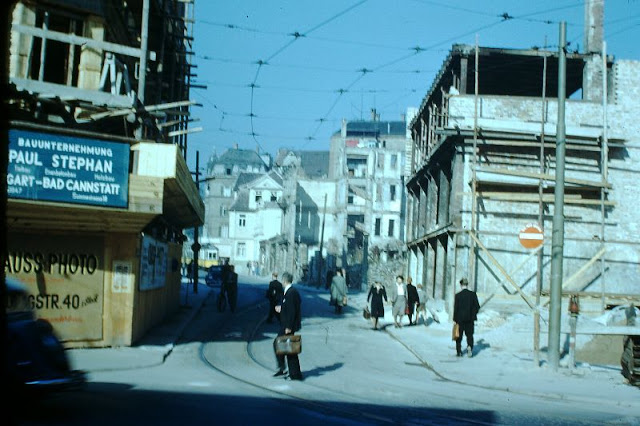
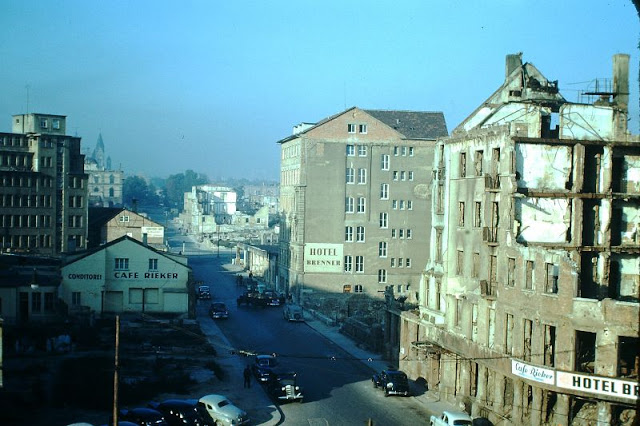
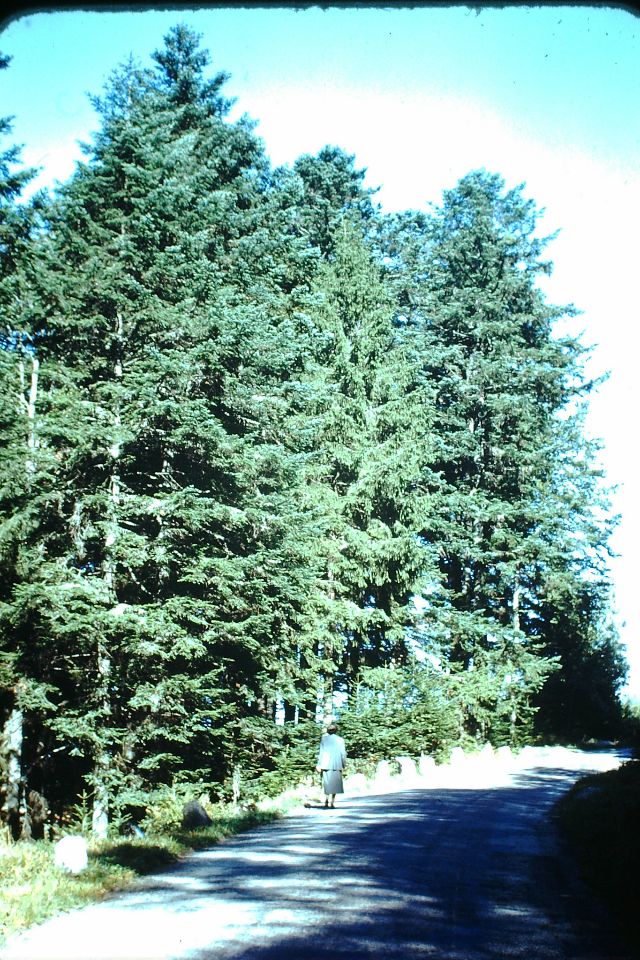
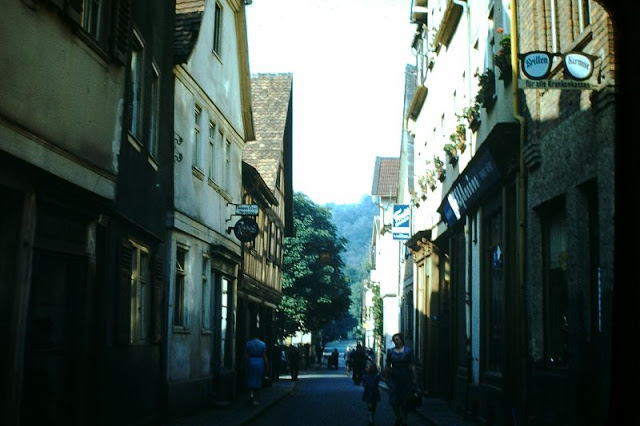
These color photos from Slides that capture everyday life of West Germany in 1949.
Wiesbaden Market1590 building in IdsteinAlong the Neckar RiverAutobahn-Karlsruhe to FrankfurtBaden-BadenBarge on Neckar RiverBetween Wildbad and Baden-BadenCemetery in Black ForestCity Hall in StuttgartDarmstadtDrosselgasse Street of wineshops, Rüdesheim am RheinFacade in Heidelberg CastleFerry on the River NeckarFirehouse in IdsteinFrankfurtFrankfurtFrankfurtFrankfurter Hof, FrankfurtGrape wagon in RüdesheimGuide at Heidelberg CastleHeidelberg castle from across the Neckar RiverHeidelberg from the CastleHeidelberg from the CastleHeidelberg UniversityHistoric Building where German Kings were crowned, FrankfurtHotel Ritters Park, Bad HomburgHQ Finest Hotel in Baden-BadenIn Heidelberg CastleKönigstein, SaxonyKronberg CastleLibrary of Heidelberg UniversityLindenfelsNear Lorelei, Rhine RiverOld man with oxen wagonPublic washhouse, The Rhine at MainzRhine River at MainzRhine River in South of KoblenzRhine RiverRote Lache Inn, Black ForestRothschild Home near FrankfurtRüdesheim Railway StationRüdesheim street along the RhineRüdesheimSaarbrückenSteamer leaving Niederlahnstein, Rhine RiverStreet in EppsteinStuttgartStuttgartStuttgartStuttgartTrees of Black ForestVillage in Nassau
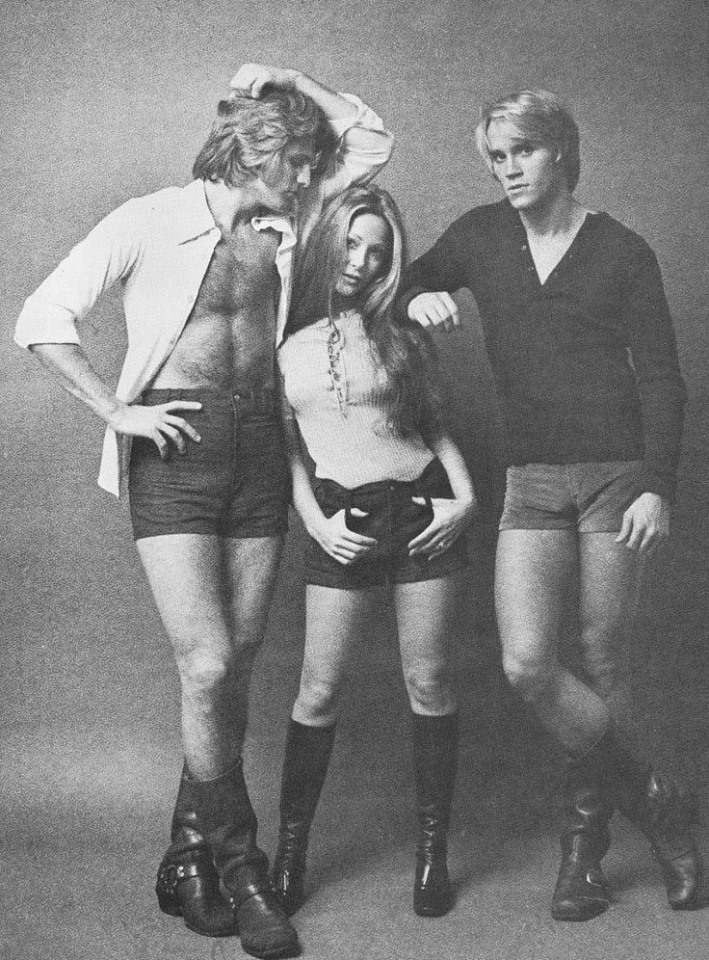
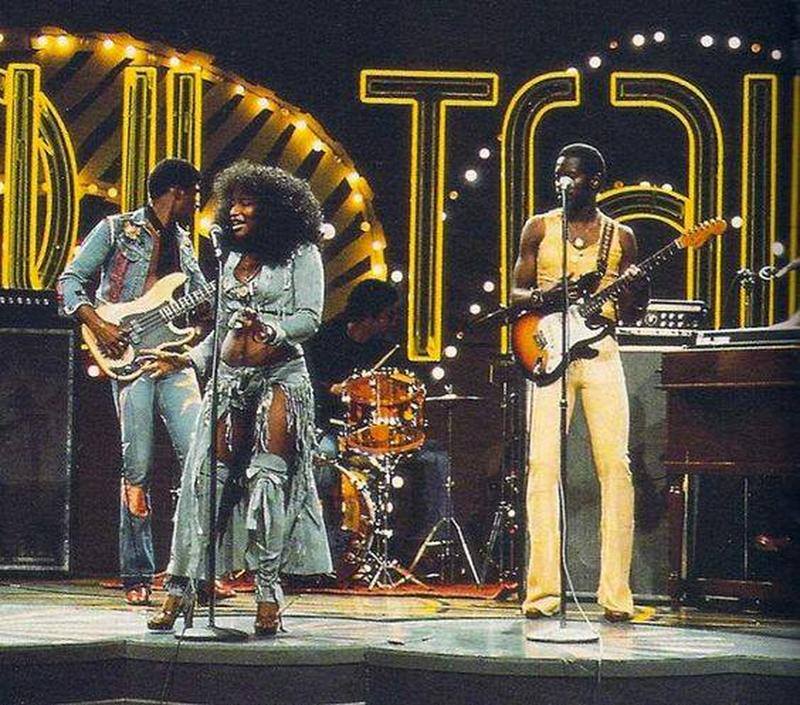
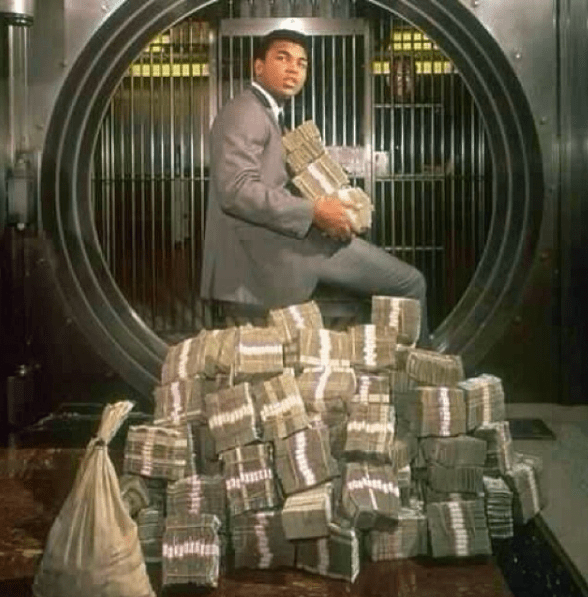
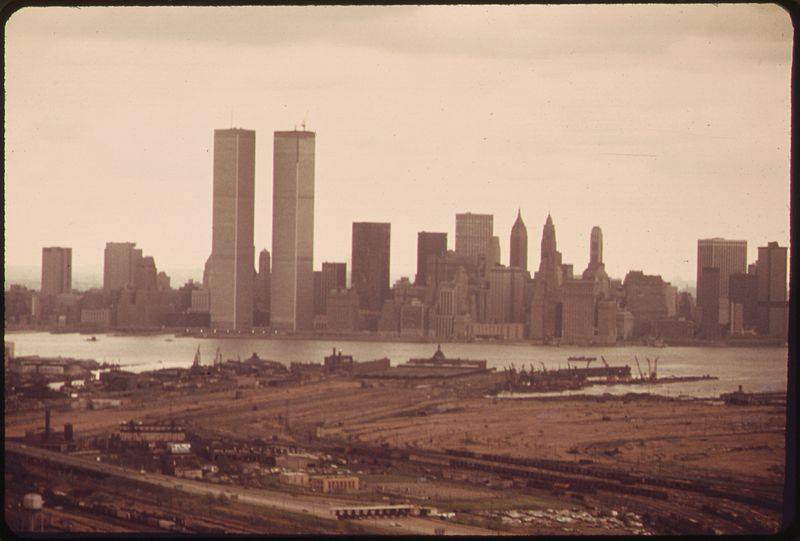
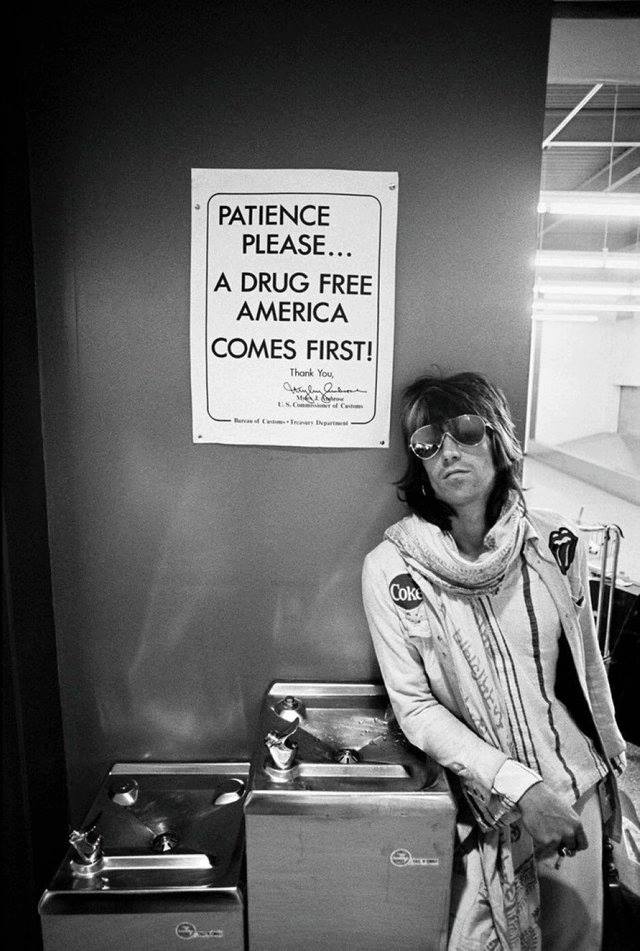
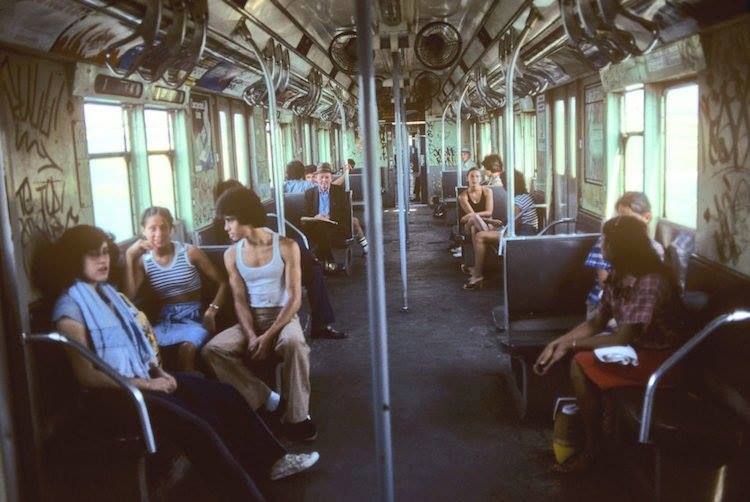
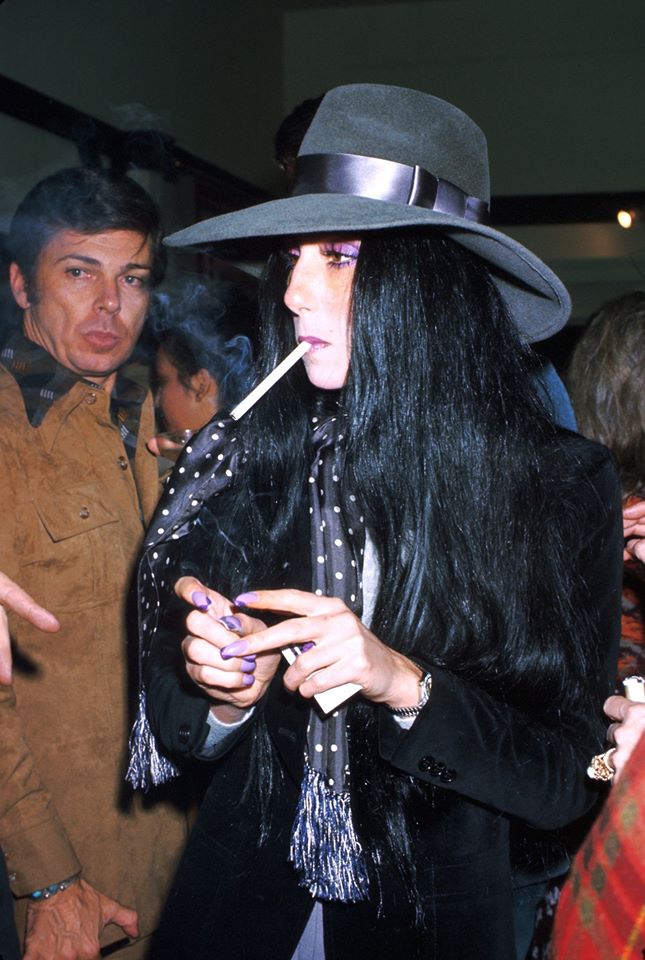
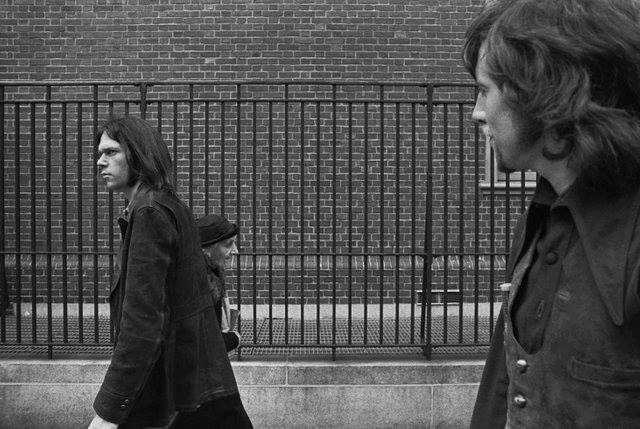
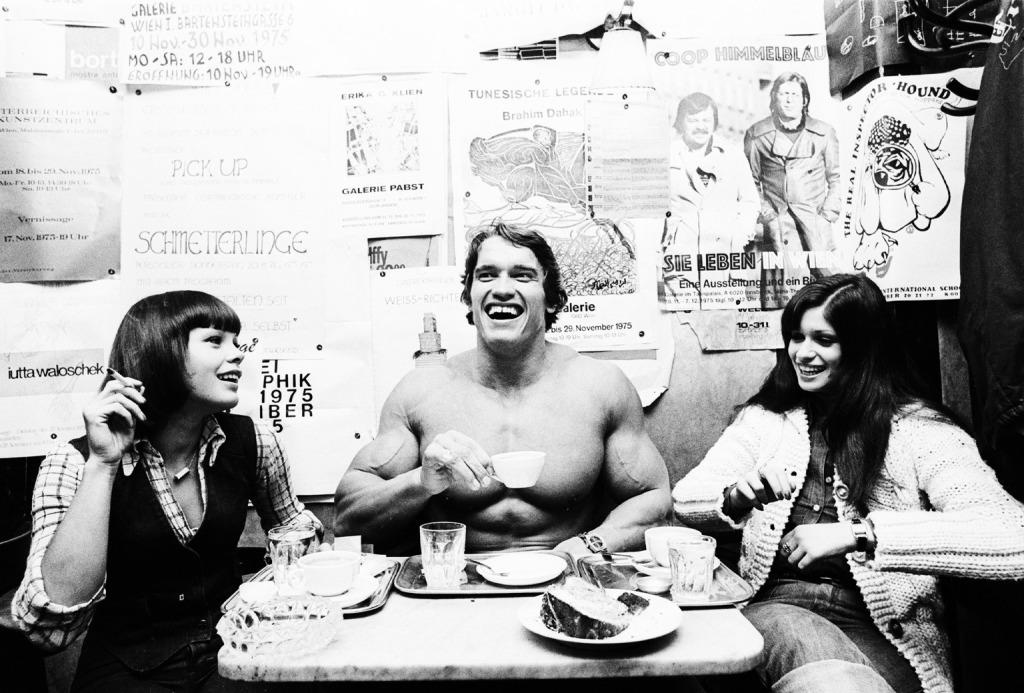
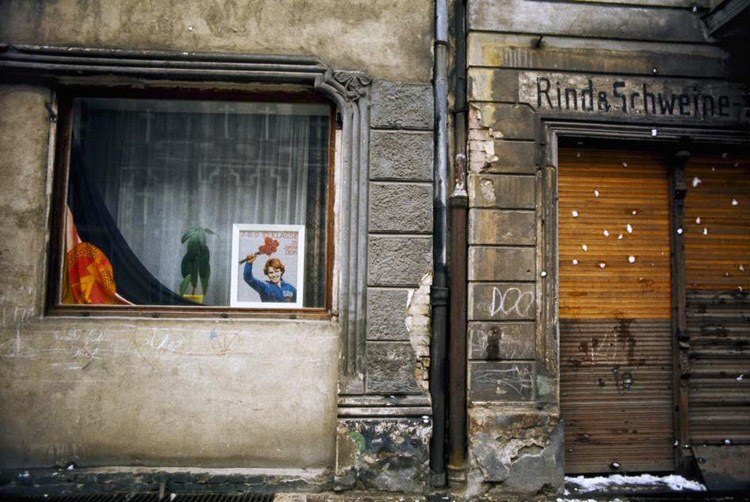
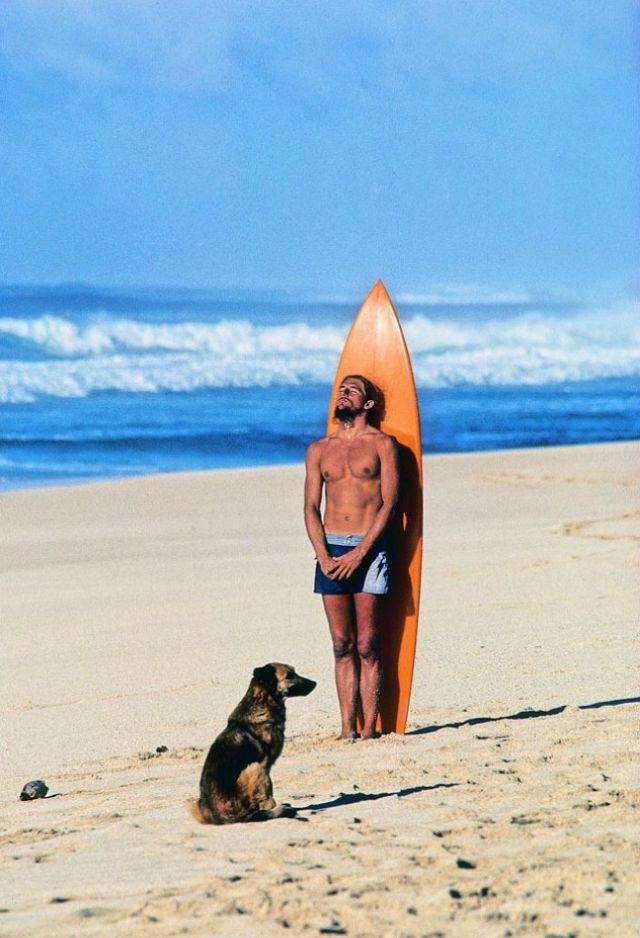
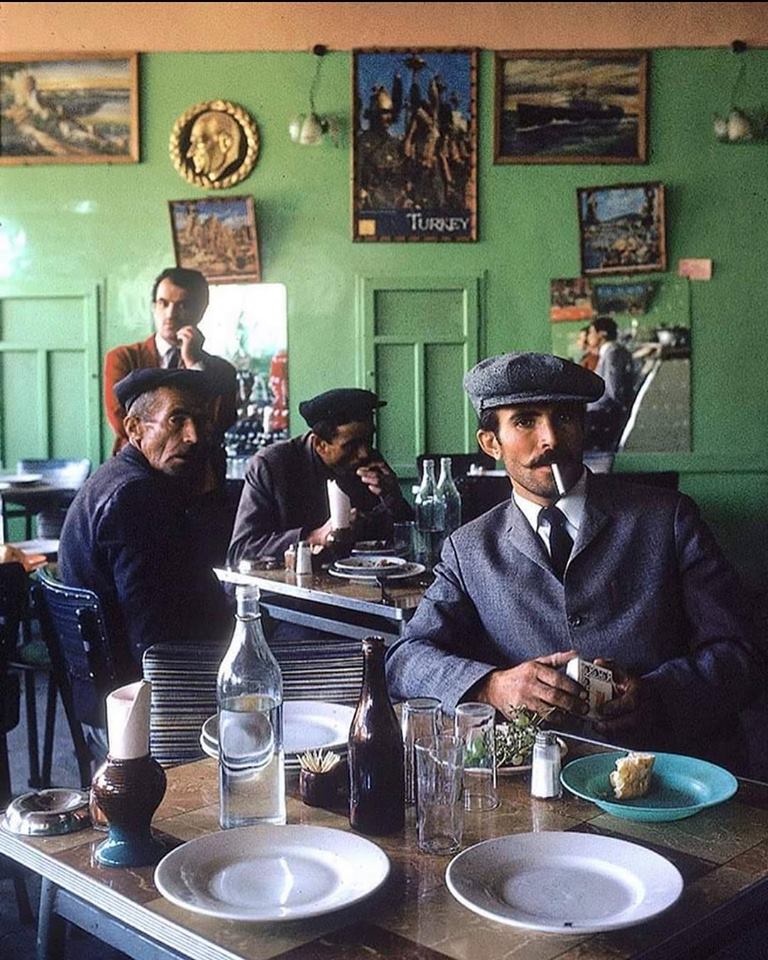
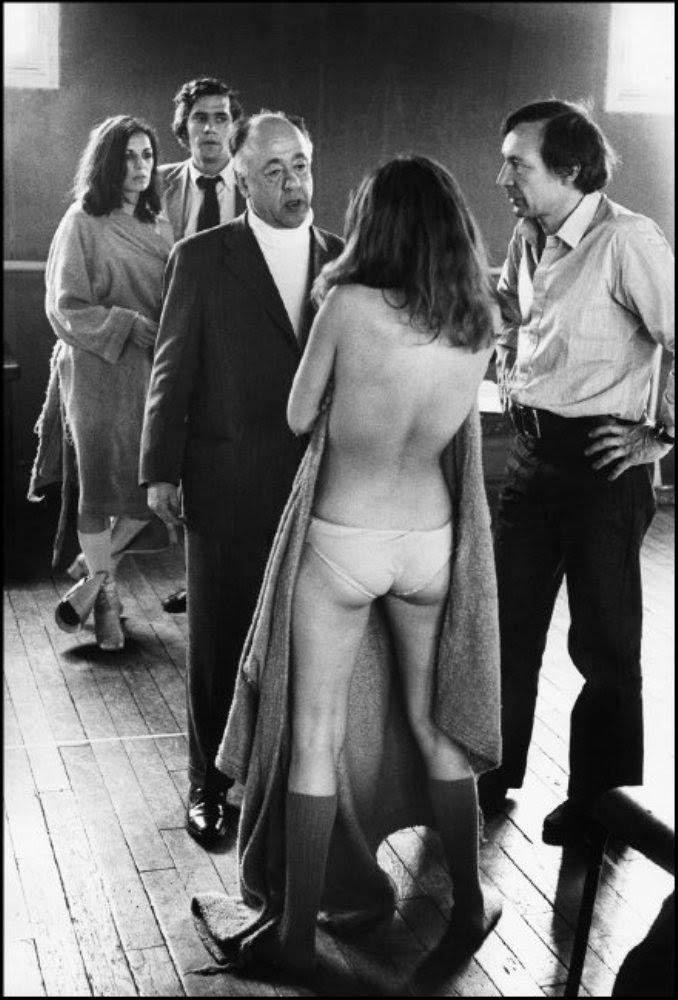
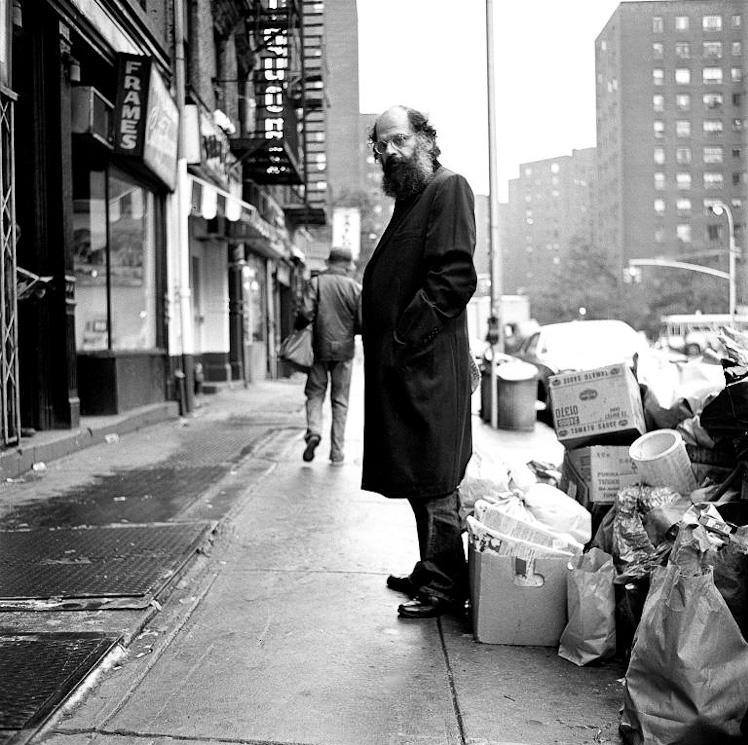
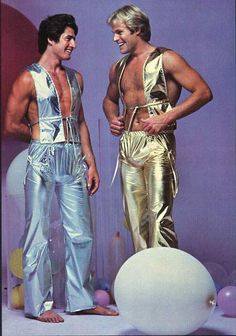
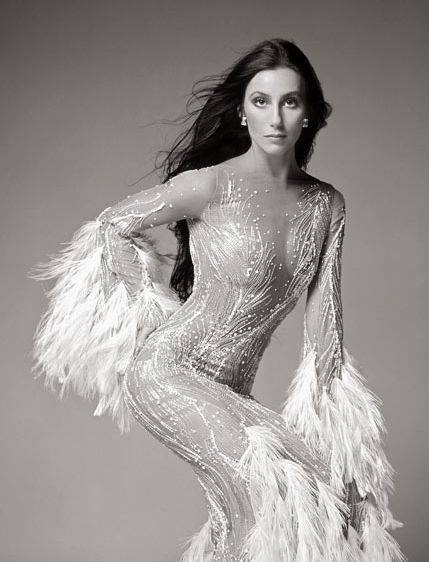
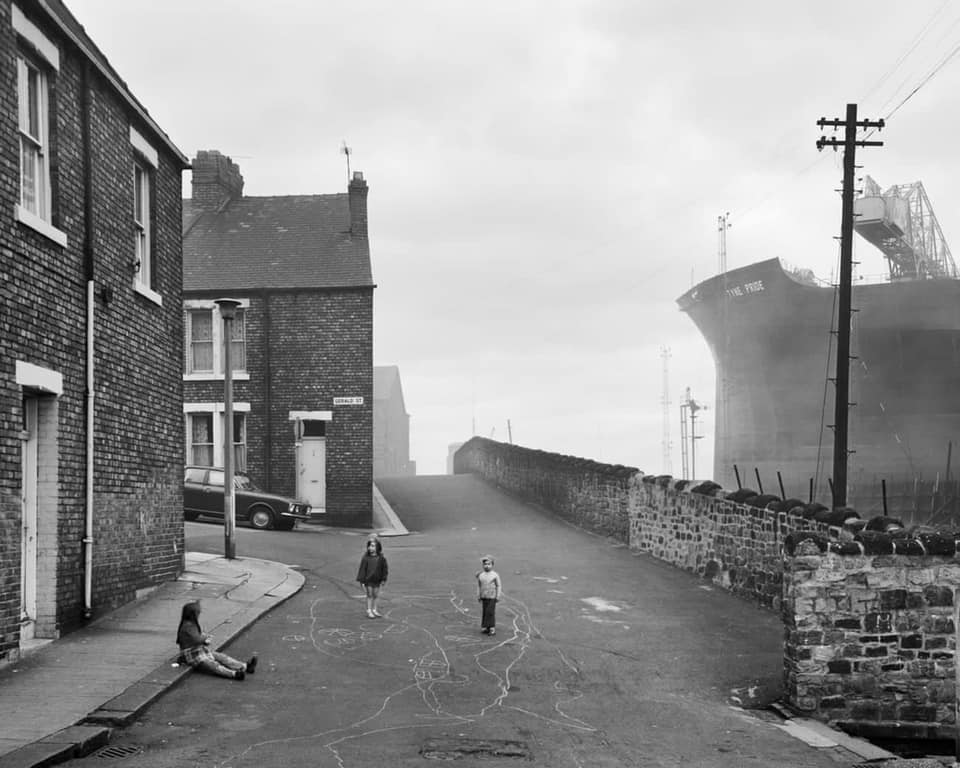
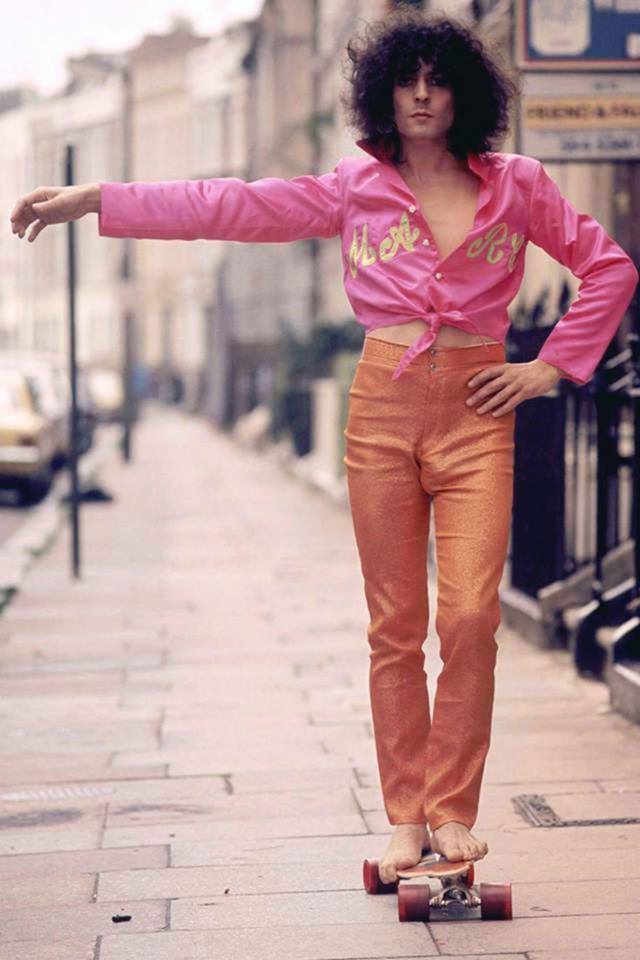
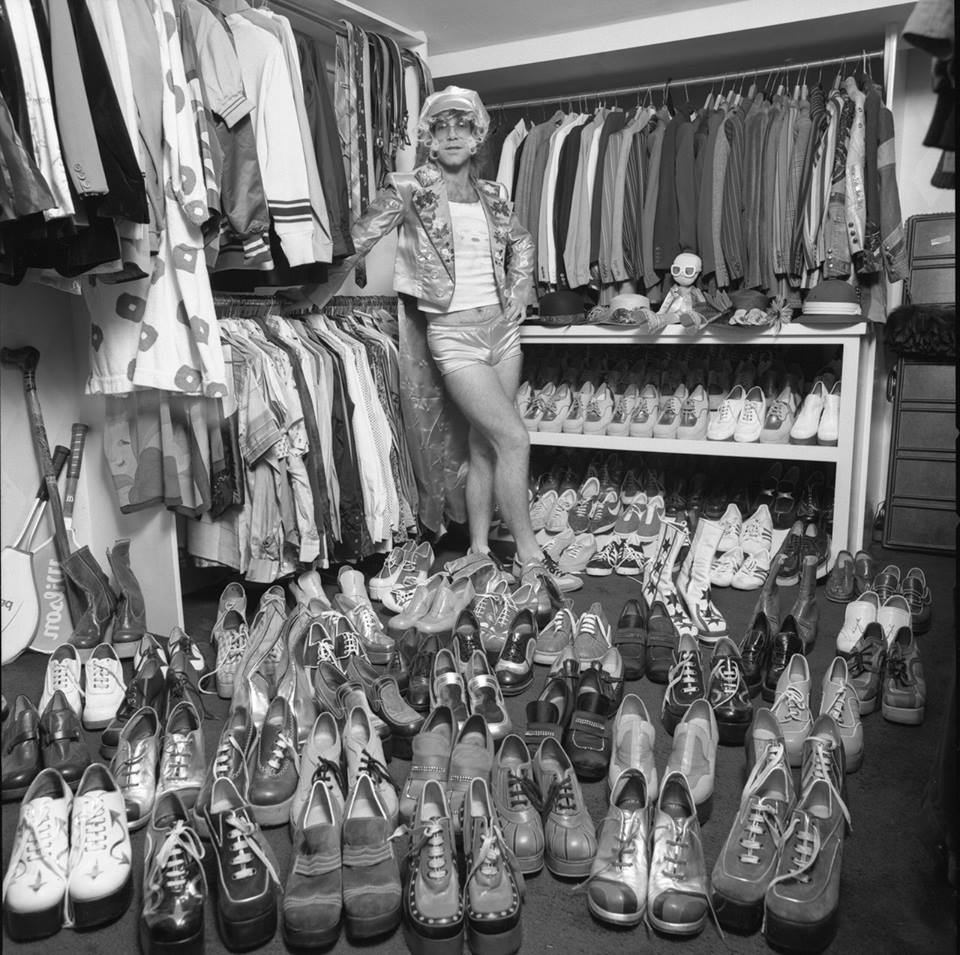
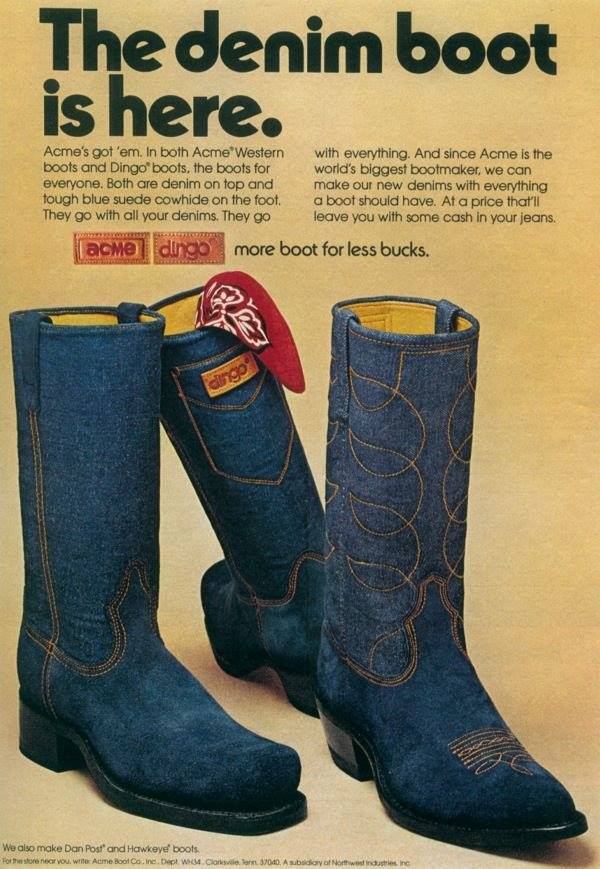
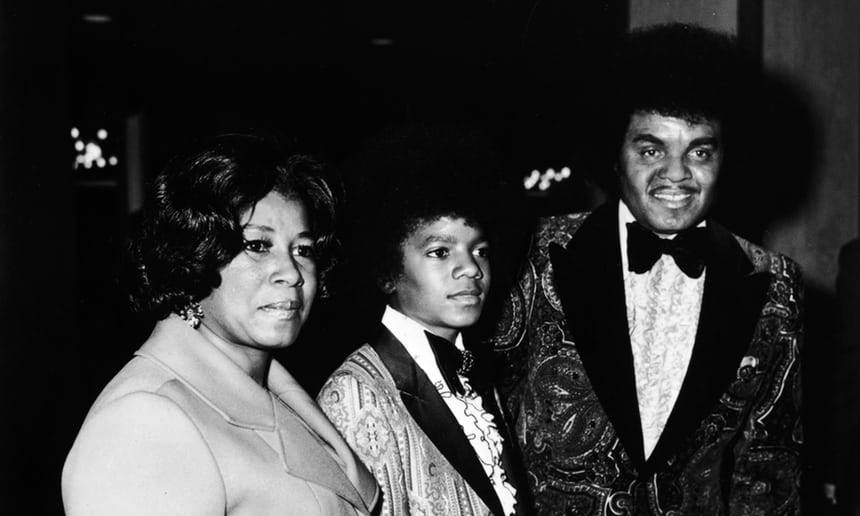
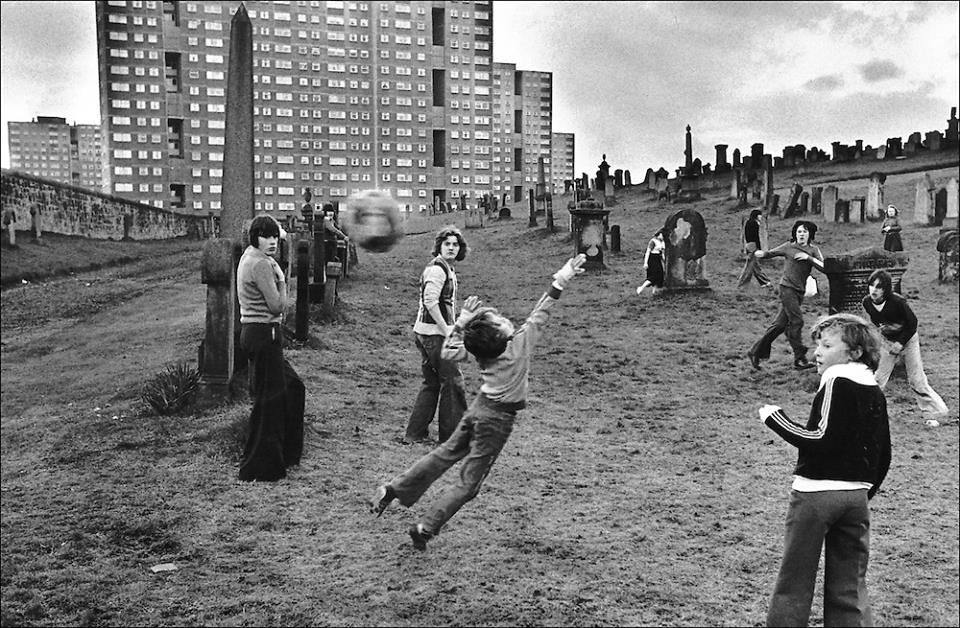
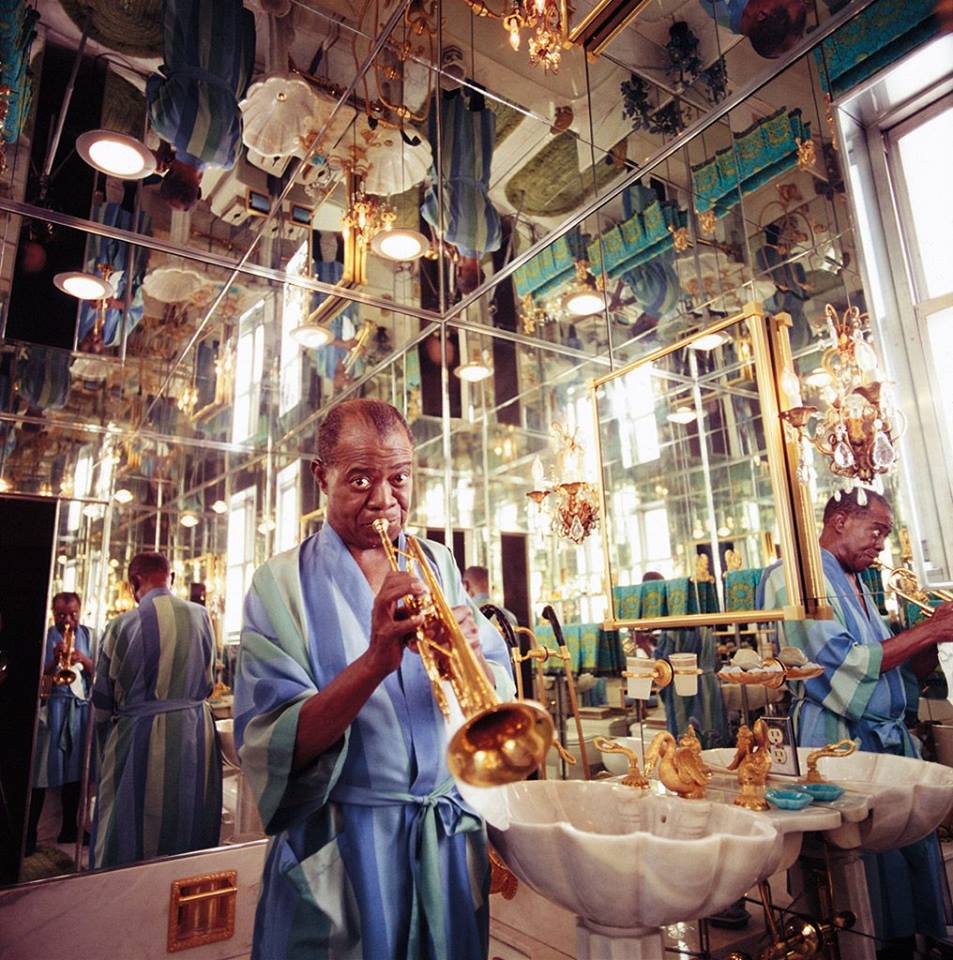
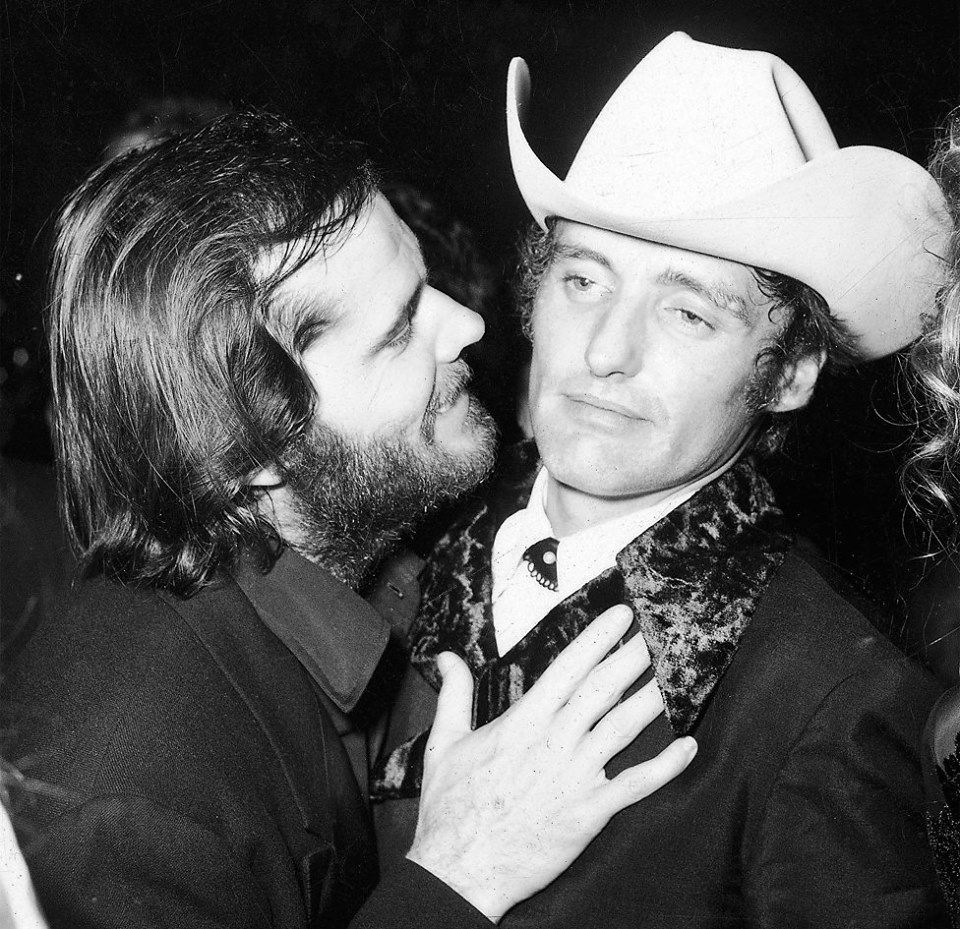
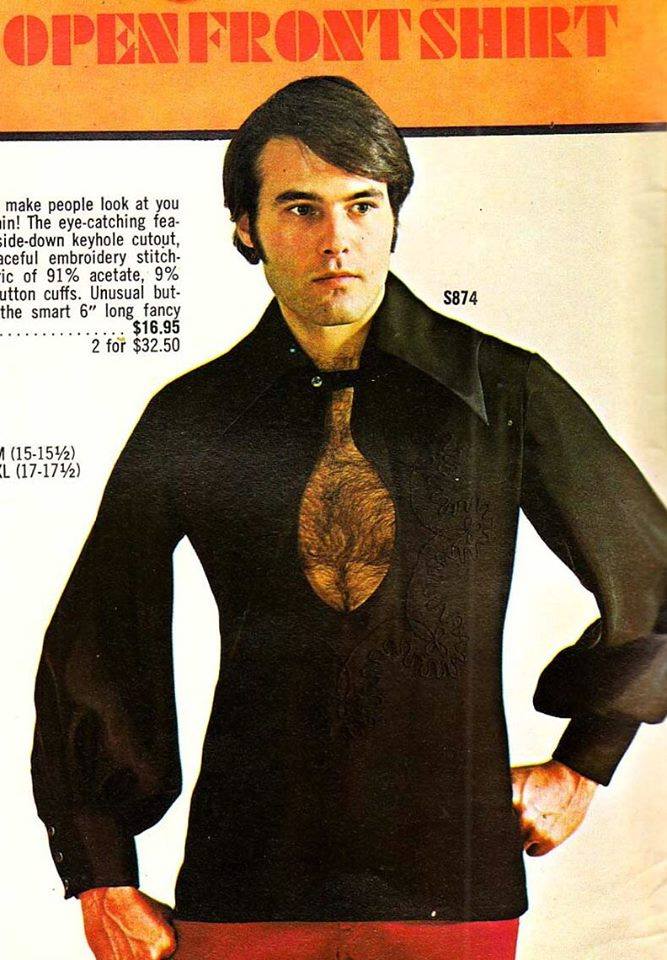
Chaka Khan performing on Soul Train, back in the 1970sMuhammad Ali with his winnings, 1974Robin Williams, at the age of 28, performing on a New York City street in front of a big crowd before he hit the big time (1979)Twin Towers, New York, May 1973Keith Richards posing by a sign in 1972.Taking a ride on the NYC subway in 1970s.Paul McCartney playing a song for daughter Stella in Los Angeles, 1975.Shafts of sunlight illuminating St. Peter’s Basilica in the Vatican, 1971.Cher, 1974.Clint Eastwood and Clyde on the set of “Every Which Way but Loose” (1978)Mississippi’s first interracial couple were married in 1970.Neil Young and Graham Nash wandering around New York City in 1970.Frank Zappa holding the burnt Stratocaster guitar that his friend Jimi Hendrix gave to him. (1977)Arnold Schwarzenegger at Cafe Hawelka in Vienna, 1975A storefront displays a propaganda poster in East Berlin, 1974John Wayne on location in Colorado for “The Cowboys,” 1971.Lower Manhattan, 1979.North Shore, Oahu, Hawaii, 1974.“Every bubble’s passed its FIZZical!” Corona fizzy drinks from the 1970s.Turkish men having lunch in Lokanda restaurant in the province of Nevsehir, 1970.14th Street, between 9th and 10th Avenues, NYC, 1976.Playwright Eugene Ionesco during a rehearsal of “Oh, Calcutta”, Paris, 1971Allen Ginsberg in New York City, 1974.Hot Pants & Boots for Men & Women, 1972Futuristic-disco fashions for men in the late 1970s.Cher, 1974.Woman cutting her birthday cake in Tehran, Iran, 1973.Elizabeth Taylor and Richard Burton at London’s Heathrow airport in July 1971David Bowie leaving the Cherokee Recording Studio in Hollywood (1975)Looking east on Camp Road, Wallsend, 1975.‘Unfriending’ before FacebookDrive-In Brains, 1970s1972 – The winning entry for the Co-op National Milkmen’s Uniform Design CompetitionIRA women members of Cumann na mBan on Easter Sunday in Scotch Street, Downpatrick, Northern Ireland, 1974.Mars selection box from Christmas 1971 containing a Mars Bar, Twix, Treets, Milky Way, Marathon, Spangles and Treets!Brooklyn by the East River, New York, 1974Dog On Wheels: Paris by Robert Doisneau – 1977Marc Bolan, 1970sElton John at home in 19751970s Family Photo‘The Denim Boot Is Here” – 1974Joe Jackson and Katherine at the Golden Globe awards with son Michel Jackson in 1973.Boys playing football at Sighthill Cemetary, Glasgow, 1976.Two boys in the mining village of Holmewood, Derbyshire, England, in 1973.Louis Armstrong in his mirrored bathroom (1971)Jack Nicholson and Anjelica Huston – 1974Jack Nicholson and Dennis Hopper talk at an Oscars after party, Los Angeles, April 1970Faye Dunaway at the Beverly Hills Hotel, 29 March 1977‘Open Front Shirt’, 1970sMarlon Brando before and after makeup on the set of The Godfather (1972)
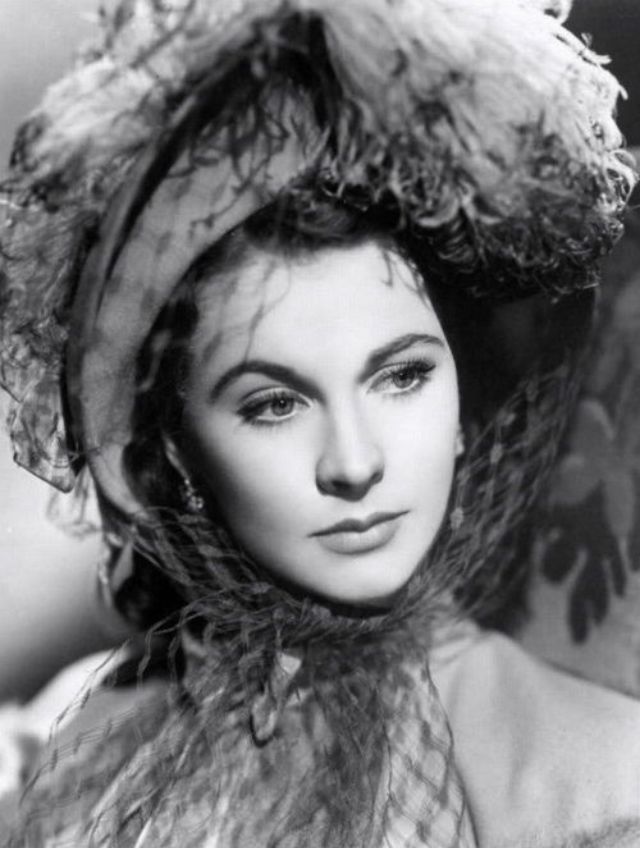
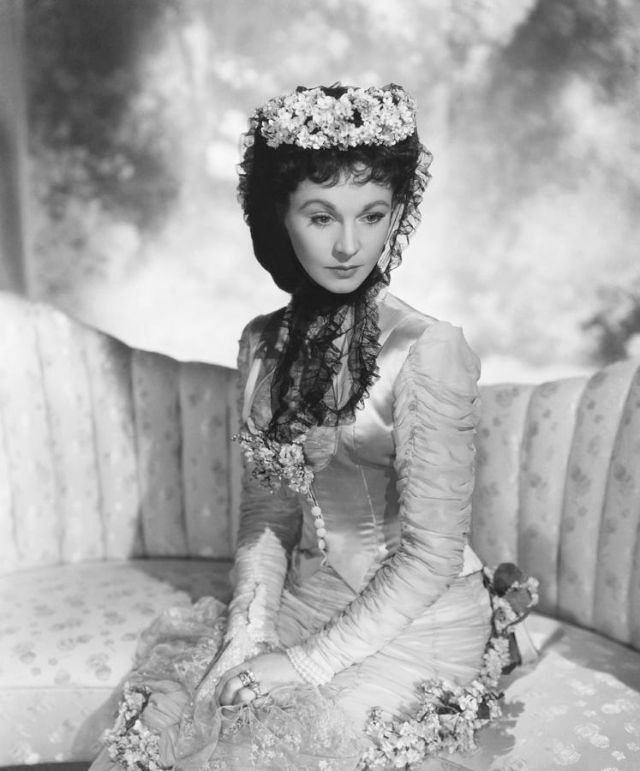
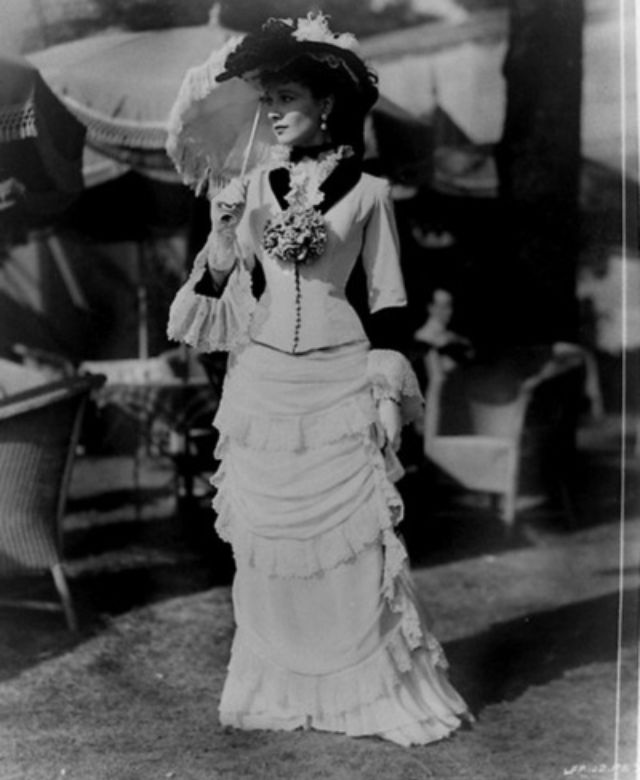
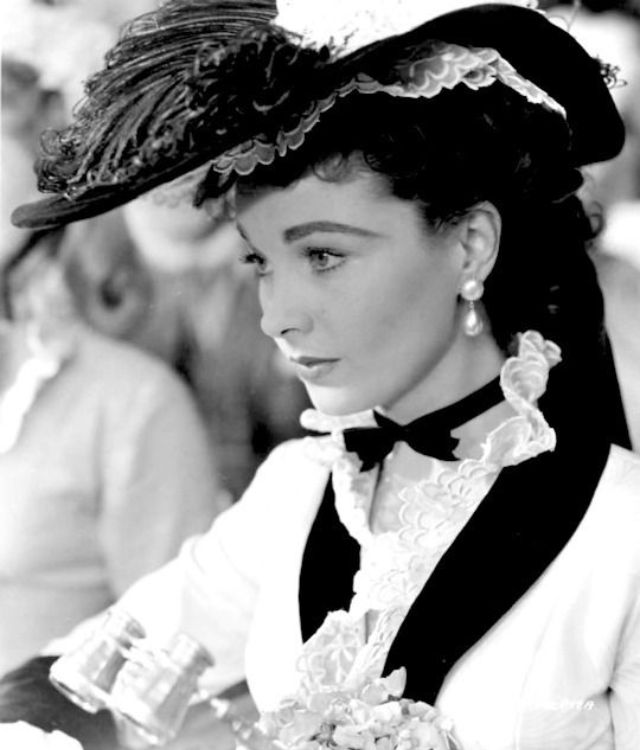
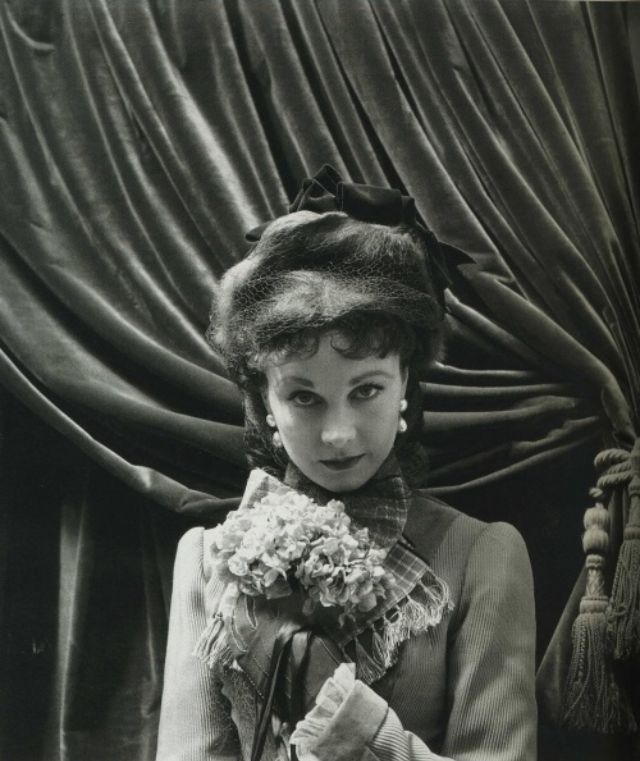
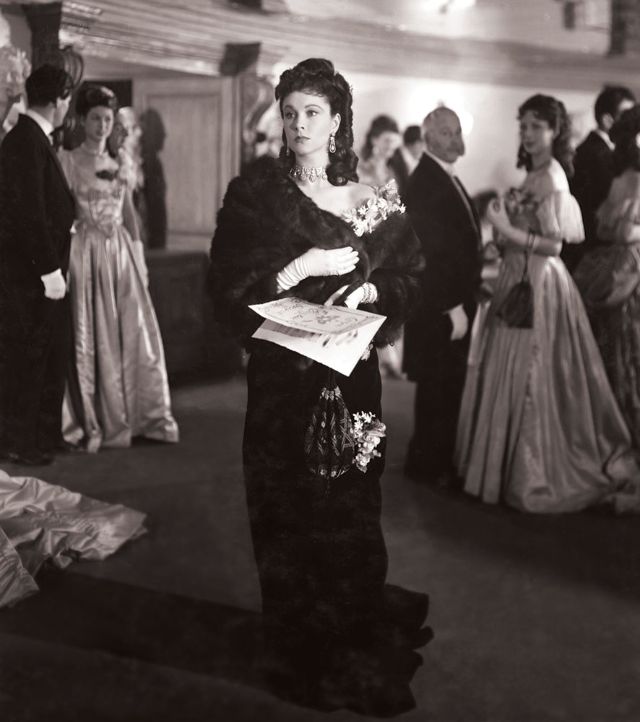
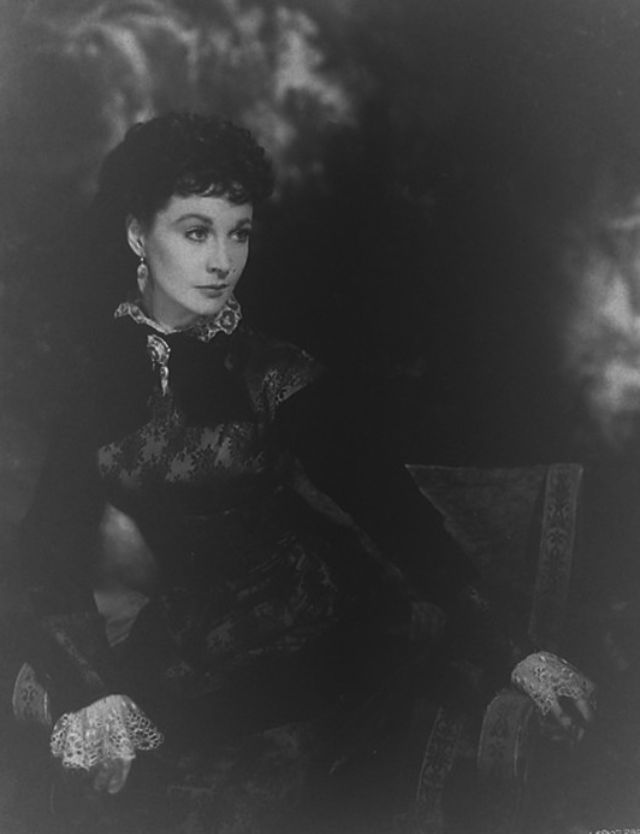
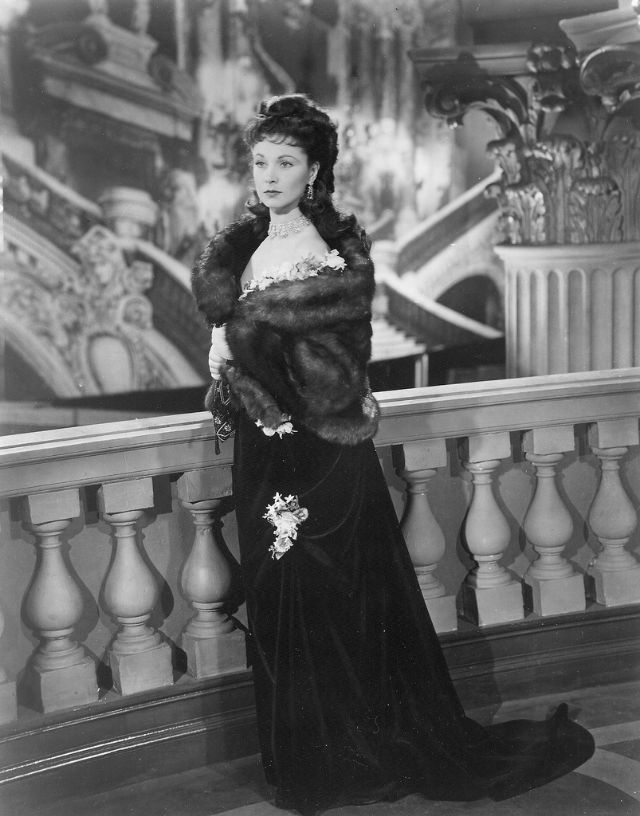
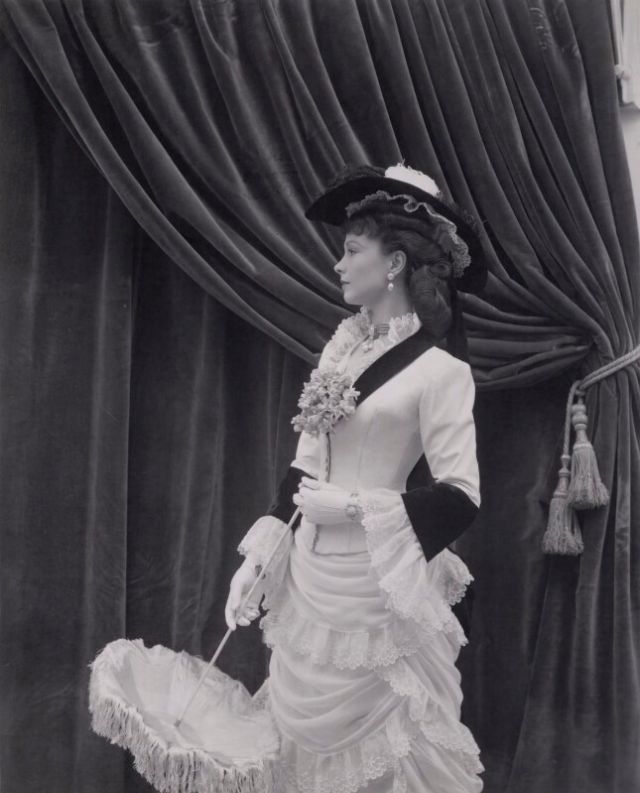
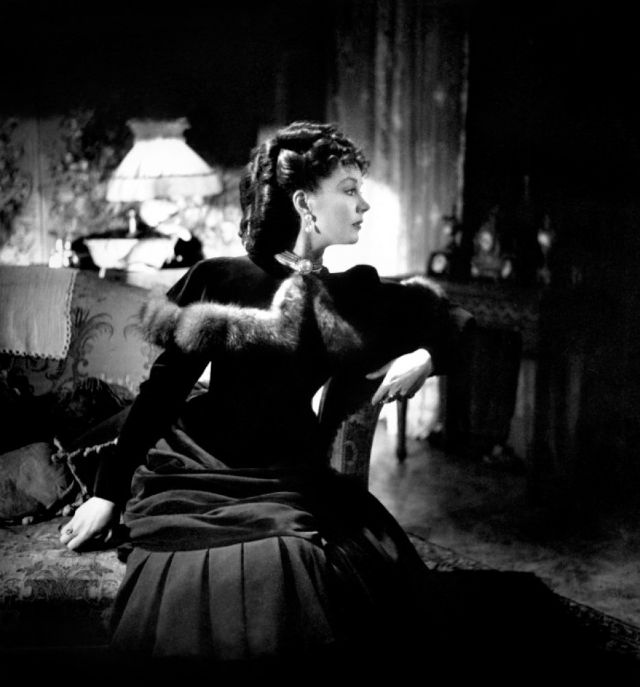
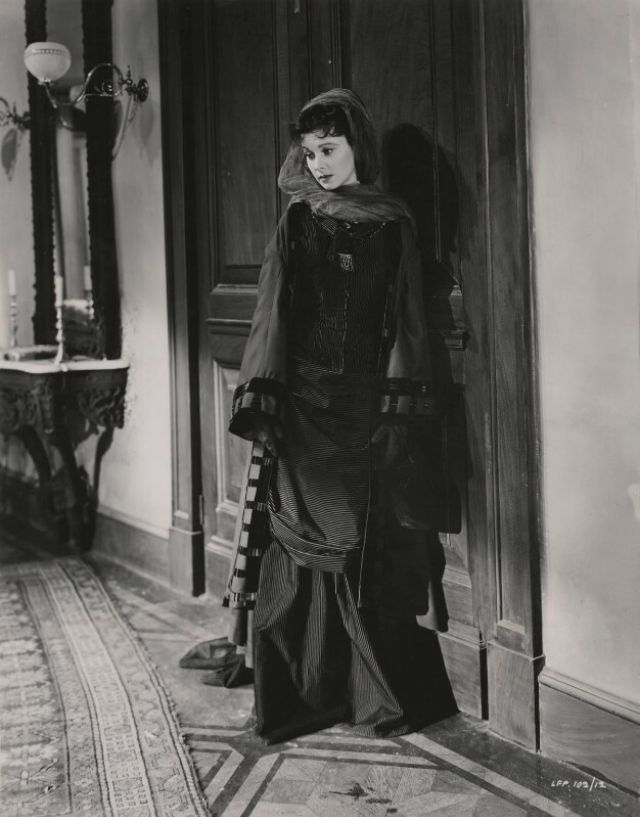
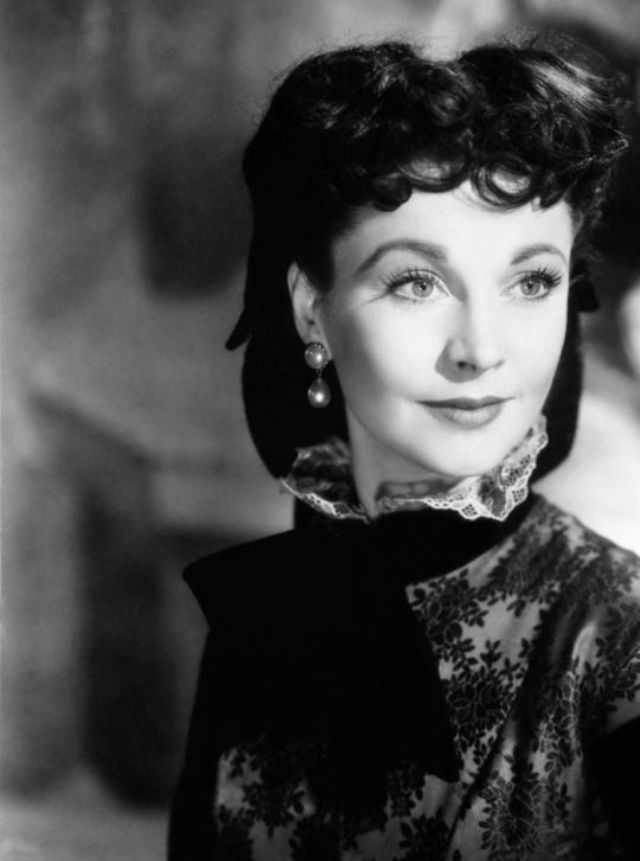
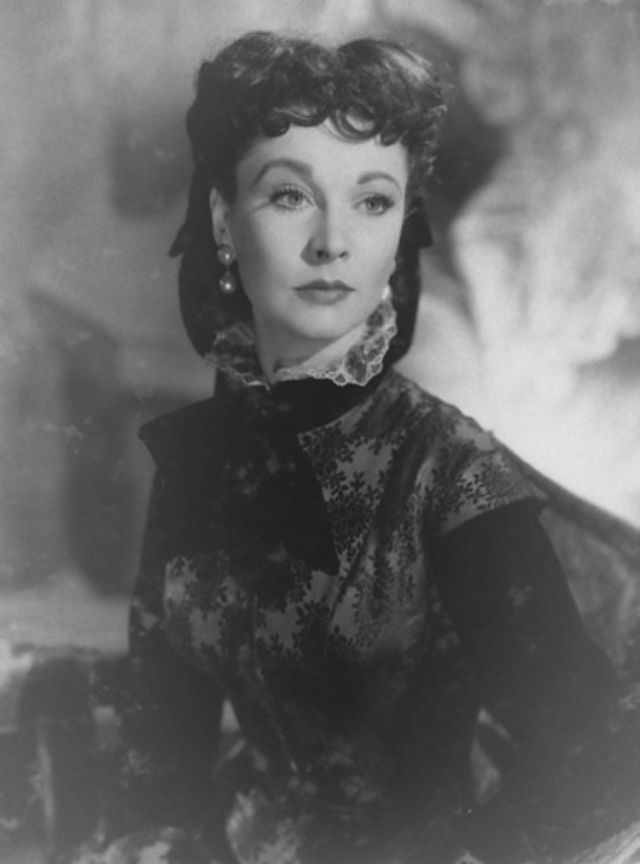
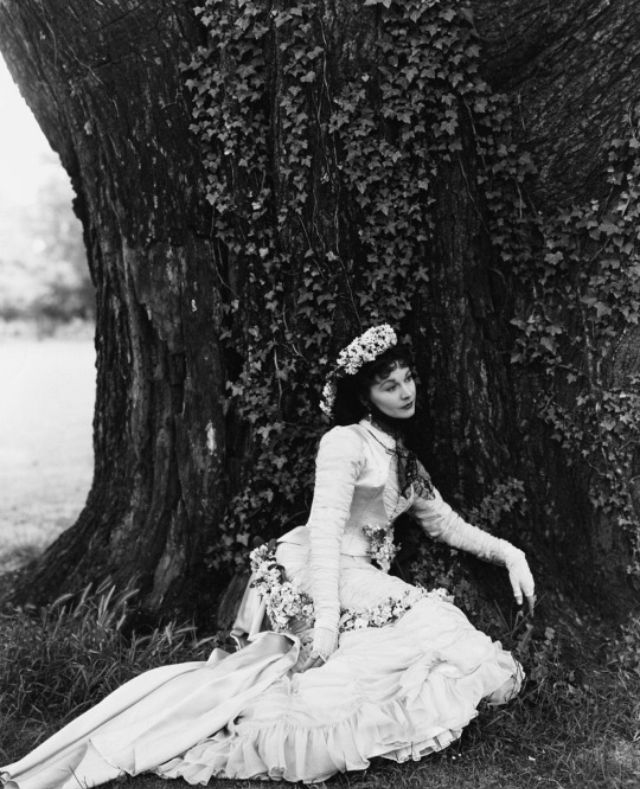
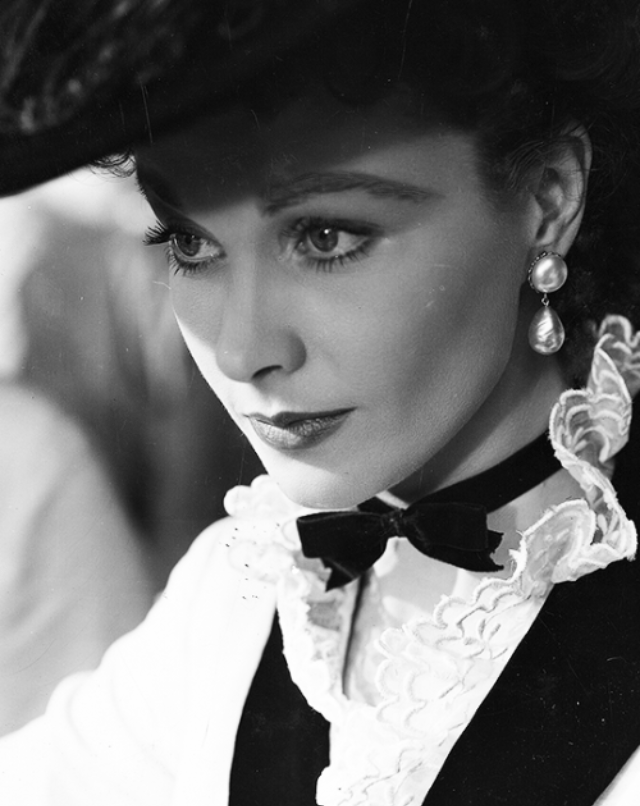
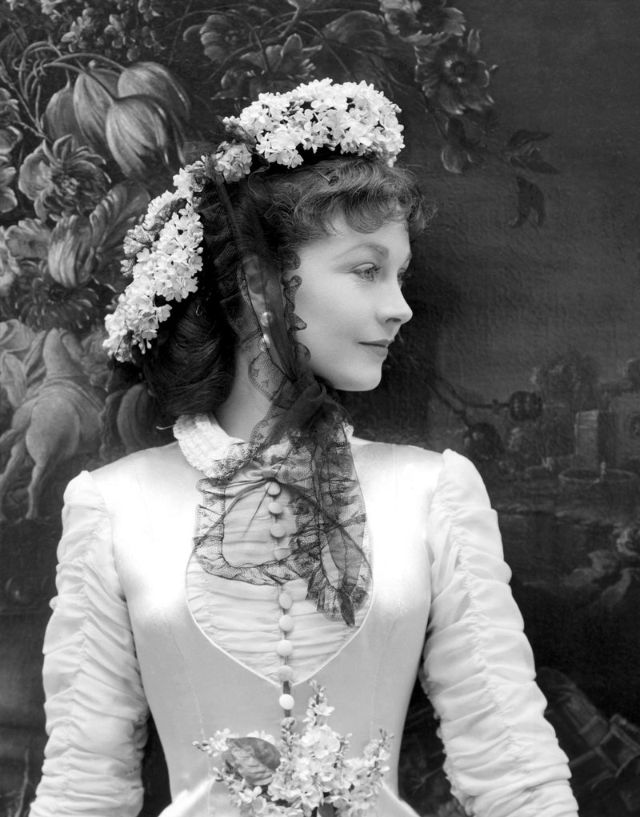
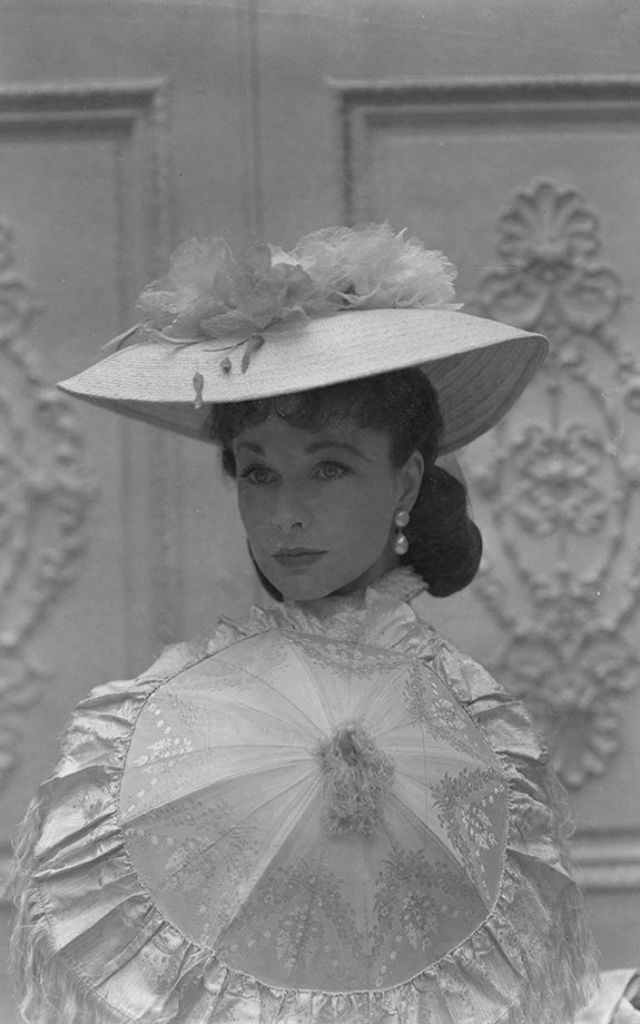
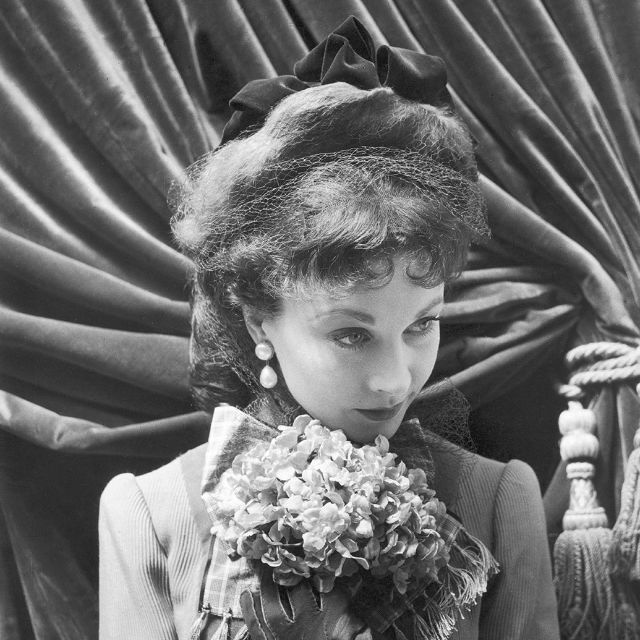
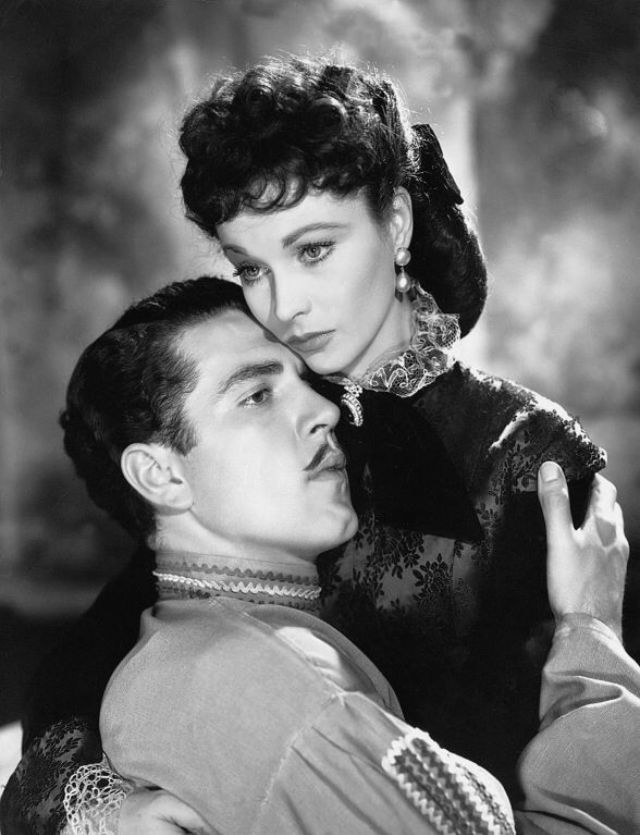
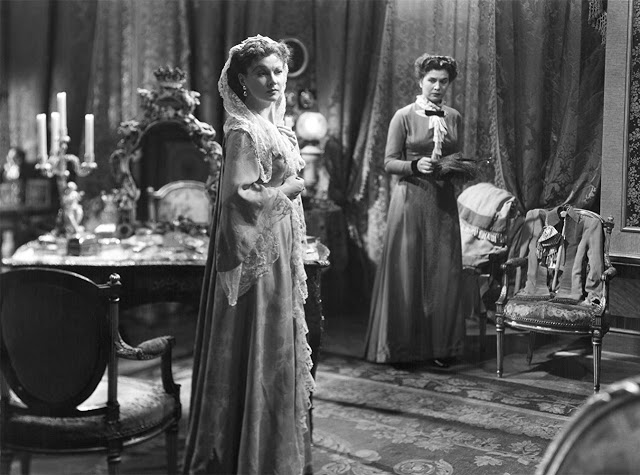
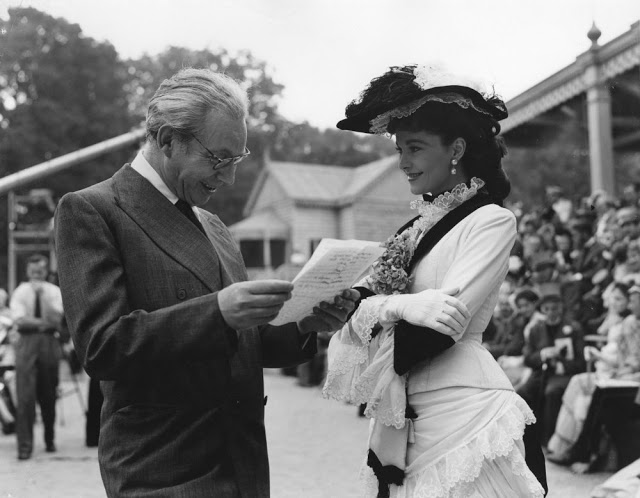
Anna Karenina is a 1948 British film based on the 19th-century novel of the same title by the Russian writer Leo Tolstoy, produced by Alexander Korda and distributed in the United States by 20th Century Fox. The film was directed by Julien Duvivier, and starred Vivien Leigh, Ralph Richardson and Kieron Moore, with costumes designed by Cecil Beaton.
Leigh plays the title role, a gentlewoman married to Alexei Karenin, a cold government official in St Petersburg. Anna is swept off her feet by Vronsky, a dashing young military officer, while he is also instantly infatuated with her on the day they met at the train station in Moscow. Their ensuing love affair will lead to tragic results.
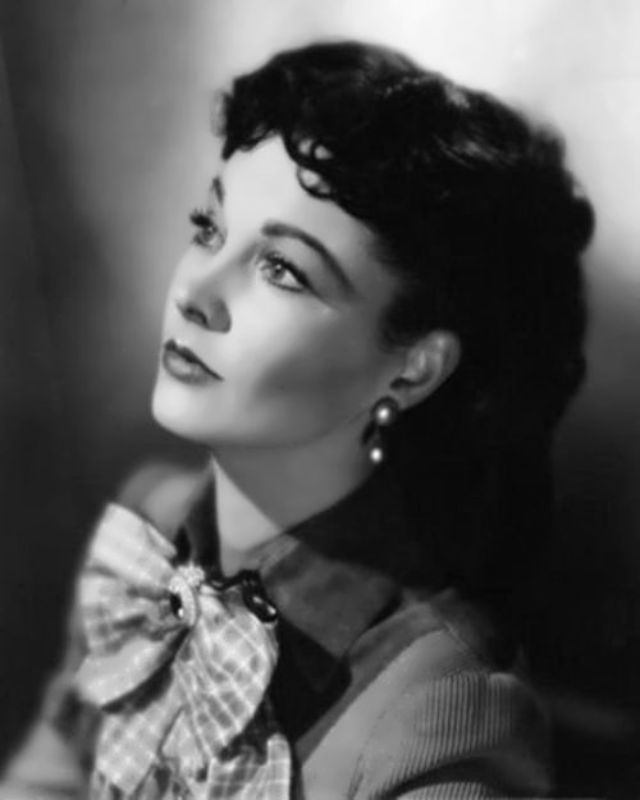
Vivien Leigh (5 November 1913 – 8 July 1967; born Vivian Mary Hartley and styled as Lady Olivier after 1947) was a British actress. She won the Academy Award for Best Actress twice, for her definitive performances as Scarlett O’Hara in Gone with the Wind (1939) and Blanche DuBois in the film version of A Streetcar Named Desire (1951), a role she had also played on stage in London’s West End in 1949. She also won a Tony Award for her work in the Broadway musical version of Tovarich (1963). Although her career had periods of inactivity, in 1999 the American Film Institute ranked Leigh as the 16th greatest female movie star of classic Hollywood cinema.
After completing her drama school education, Leigh appeared in small roles in four films in 1935 and progressed to the role of heroine in Fire Over England (1937). Lauded for her beauty, Leigh felt that her physical attributes sometimes prevented her from being taken seriously as an actress. Despite her fame as a screen actress, Leigh was primarily a stage performer. During her 30-year career, she played roles ranging from the heroines of Noël Coward and George Bernard Shaw comedies to classic Shakespearean characters such as Ophelia, Cleopatra, Juliet and Lady Macbeth. Later in life, she performed as a character actress in a few films.
At the time, the public strongly identified Leigh with her second husband, Laurence Olivier, who was her spouse from 1940 to 1960. Leigh and Olivier starred together in many stage productions, with Olivier often directing, and in three films. She earned a reputation for being difficult to work with and for much of her adult life, she had bipolar disorder, as well as recurrent bouts of chronic tuberculosis, which was first diagnosed in the mid-1940s and ultimately led to her death at the age of 53. (Wikipedia)
Tennis is a racket sport that can be played individually against a single opponent (singles) or between two teams of two players each (doubles). Each player uses a tennis racket that is strung with cord to strike a hollow rubber ball covered with felt over or around a net and into the opponent’s court. The object of the game is to manoeuvre the ball in such a way that the opponent is not able to play a valid return. The player who is unable to return the ball validly will not gain a point, while the opposite player will.
Tennis is an Olympic sport and is played at all levels of society and at all ages. The sport can be played by anyone who can hold a racket, including wheelchair users. The modern game of tennis originated in Birmingham, England, in the late 19th century as lawn tennis. It had close connections both to various field (lawn) games such as croquet and bowls as well as to the older racket sport today called real tennis.
The rules of modern tennis have changed little since the 1890s. Two exceptions are that until 1961 the server had to keep one foot on the ground at all times, and the adoption of the tiebreak in the 1970s. A recent addition to professional tennis has been the adoption of electronic review technology coupled with a point-challenge system, which allows a player to contest the line call of a point, a system known as Hawk-Eye.
Tennis is played by millions of recreational players and is also a popular worldwide spectator sport. The four Grand Slam tournaments (also referred to as the Majors) are especially popular: the Australian Open played on hard courts, the French Open played on red clay courts, Wimbledon played on grass courts, and the US Open also played on hard courts. (Wikipedia)
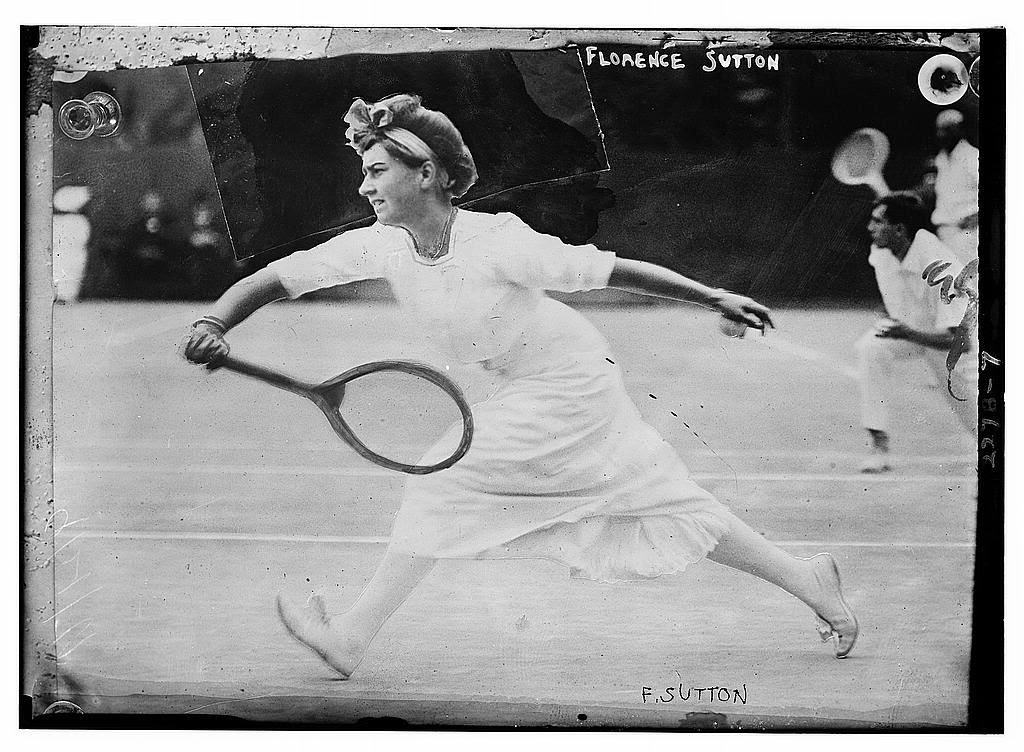
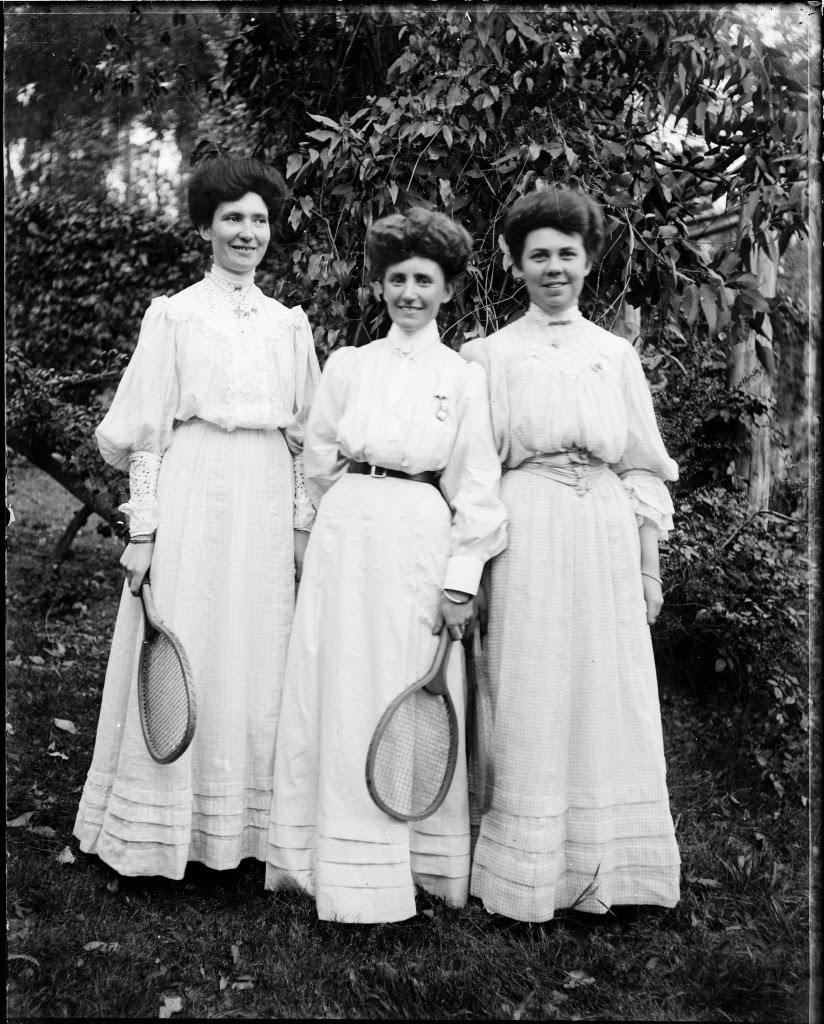
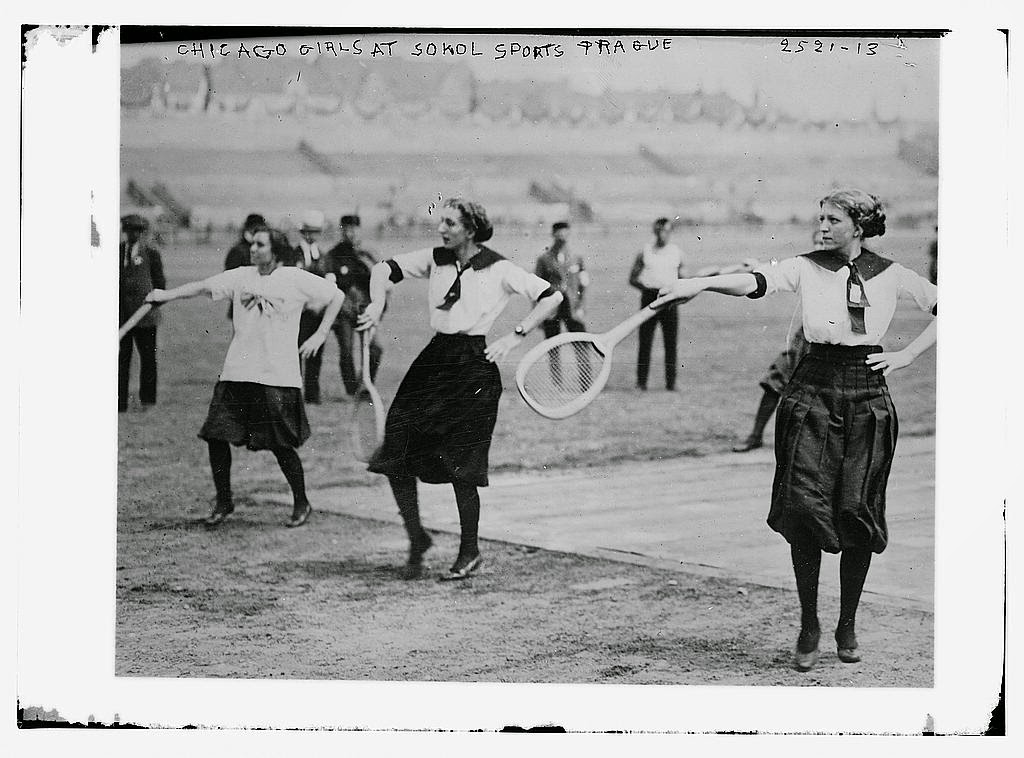
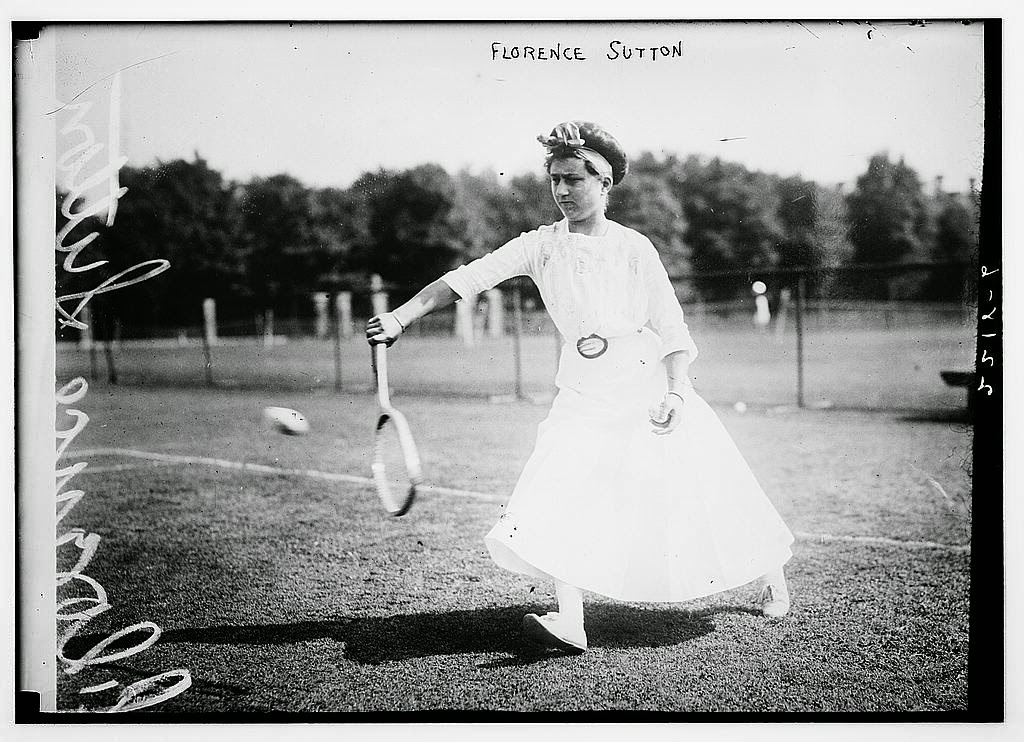
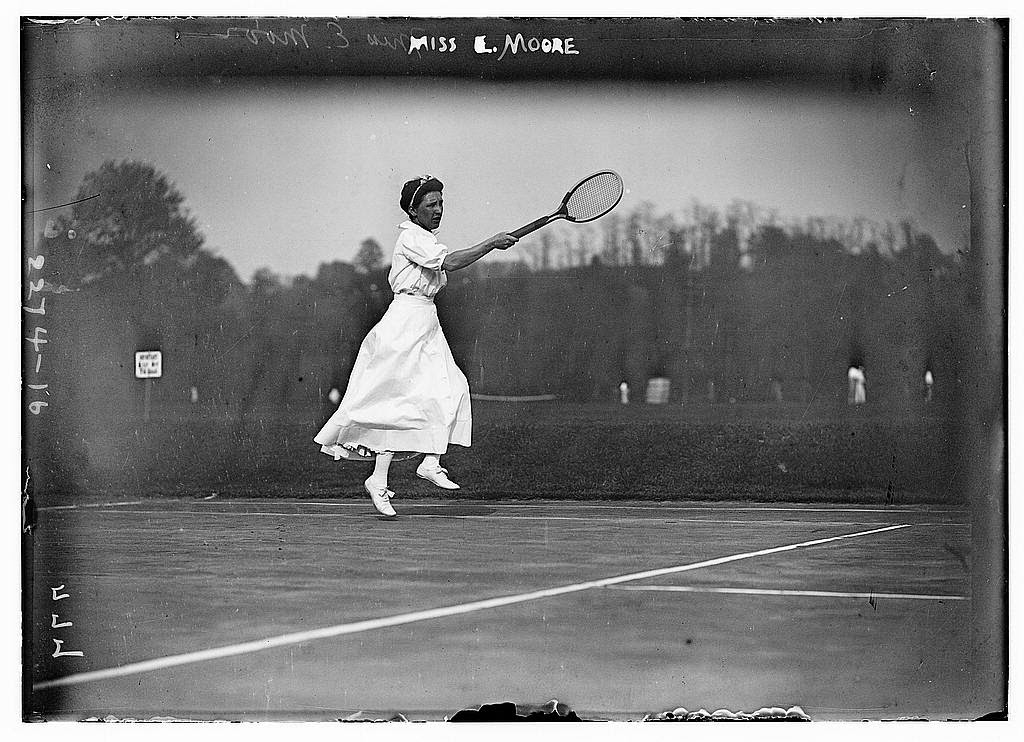
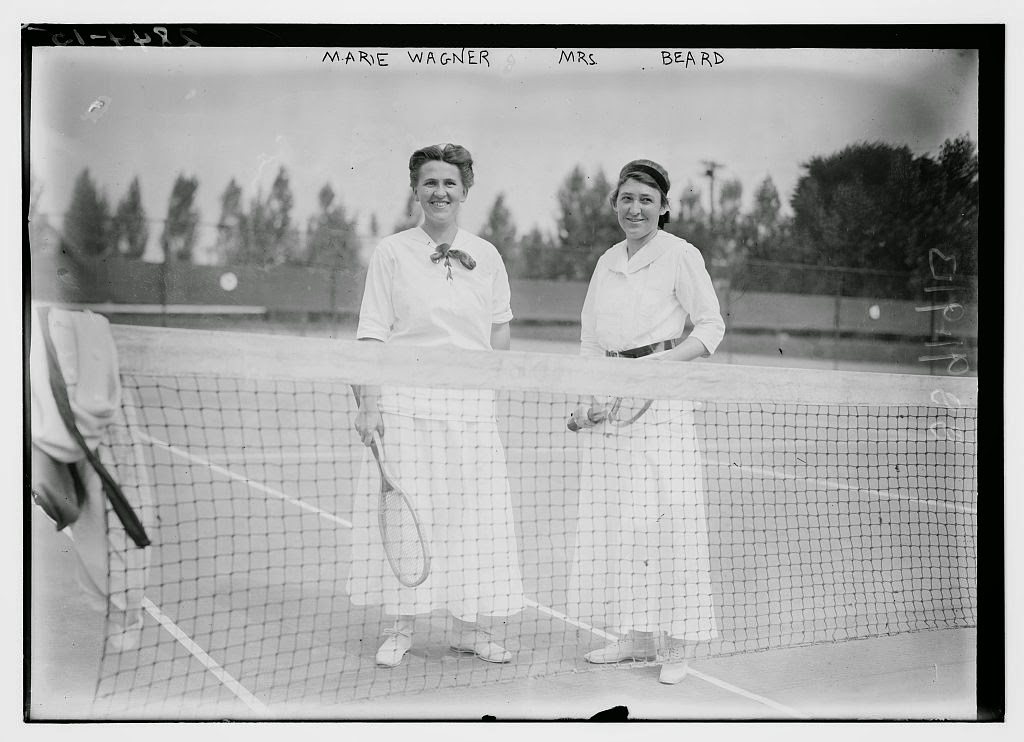
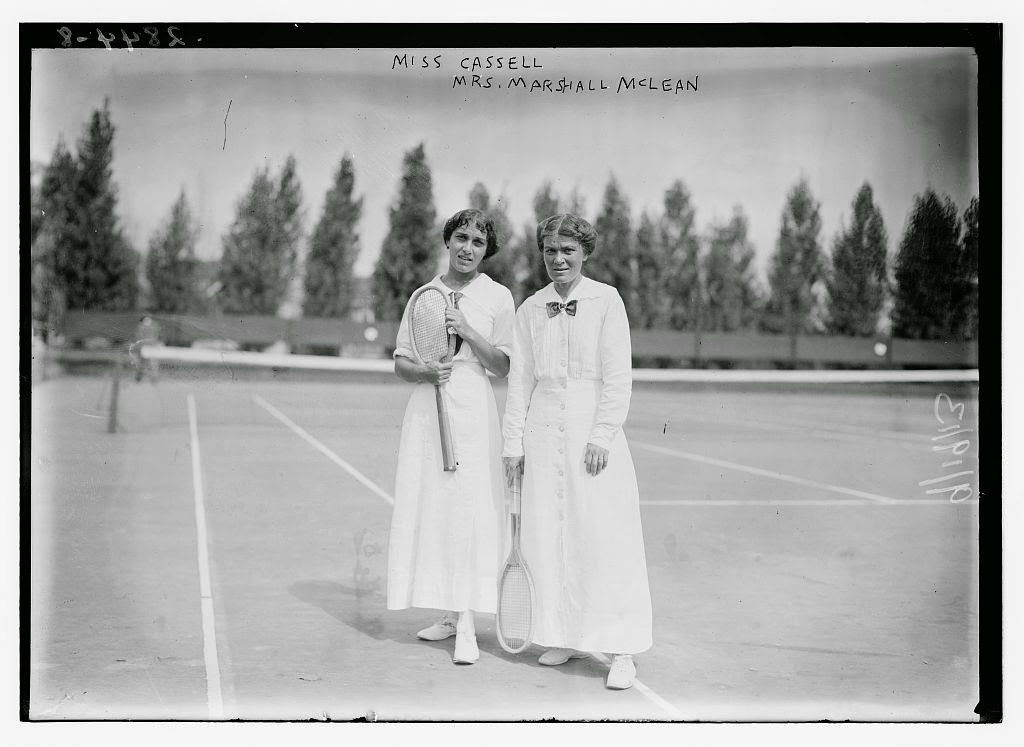
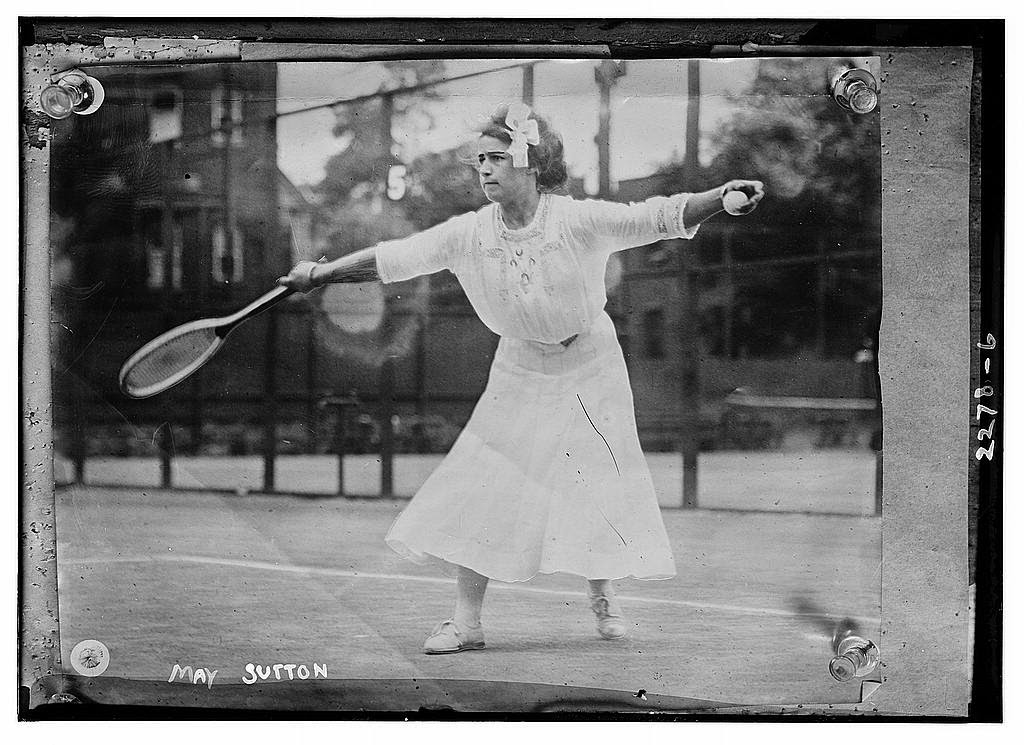
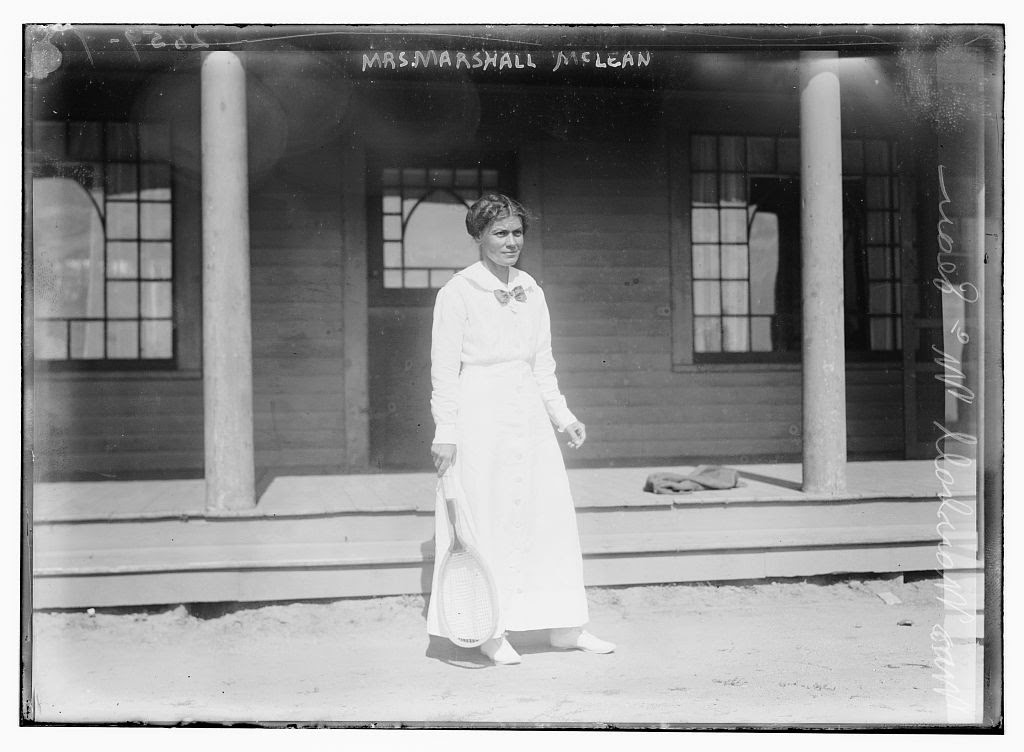
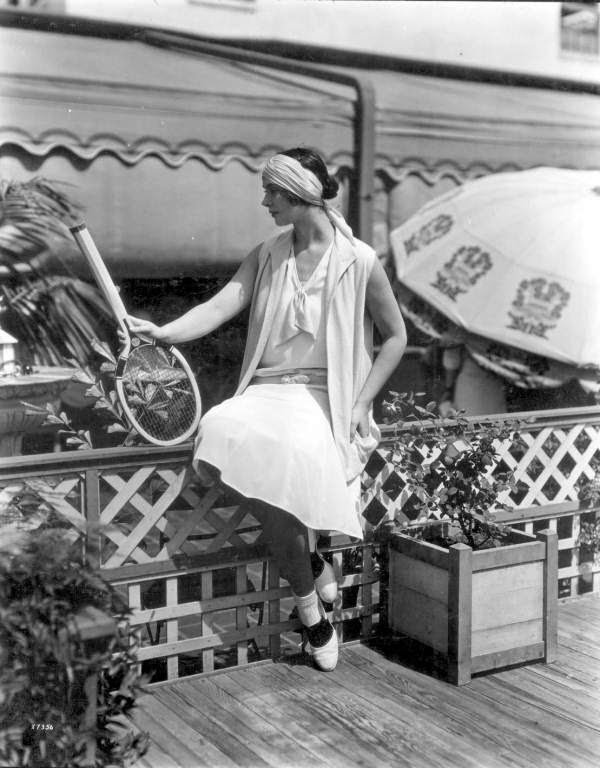
Tennis players, 1906.Three young women in light dresses holding tennis racquets, ca. 1900.Women playing tennis, 1906.Chicago girls at Sokol Sports, Prague, Austria, ca. 1912.Gladys Ingalls, ca. 1910s.American tennis player Florence E. Sutton (1883-1974), ca. 1910s.Elisabeth “Bessie” Holmes Moore (1876-1959), ca. 1910s. Elisabeth was a young tennis champion who won her first U.S. title in 1896.American tennis champion Marie Wagner (1883-1975) with Mrs. C.N. Beard, 1913.Tennis champions Clare Cassell and Mrs. Marshall McLean at the Montclair Athletic Club women’s singles tournament in Montclair, N.J., 1913.American tennis player Florence E. Sutton (1883-1974), ca. 1910s.May Sutton, ca. 1910s.American tennis player Florence E. Sutton (1883-1974), ca. 1910s.Tennis player Alberta Weber who played in the Women’s National Indoor Tennis Tournament at the Seventh Regiment Armory (Park Avenue Armory), New York City in March of 1915.tennis champion Mrs. Marshall McLean probably at the Montclair Athletic Club women’s singles tournament in Montclair, N.J., ca. 1910s.Woman models tennis fashions at Burdine’s: Miami, Florida, 1929.Walking women at Fyris Square, Uppsala, Sweden, 1902.St. Anne’s Union Lawn tennis club, Waterford, 1924.
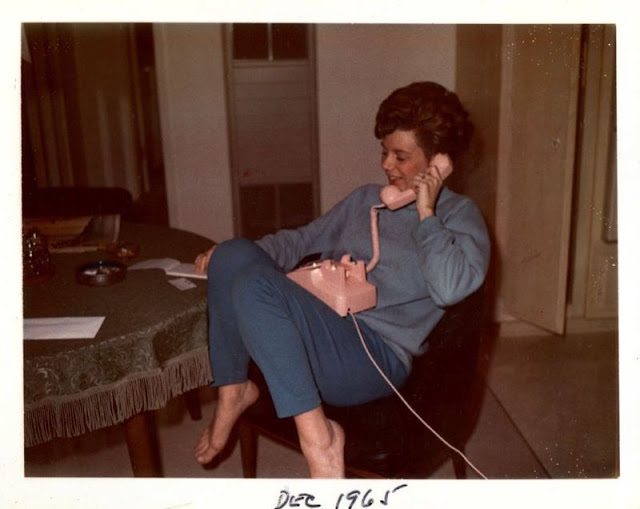
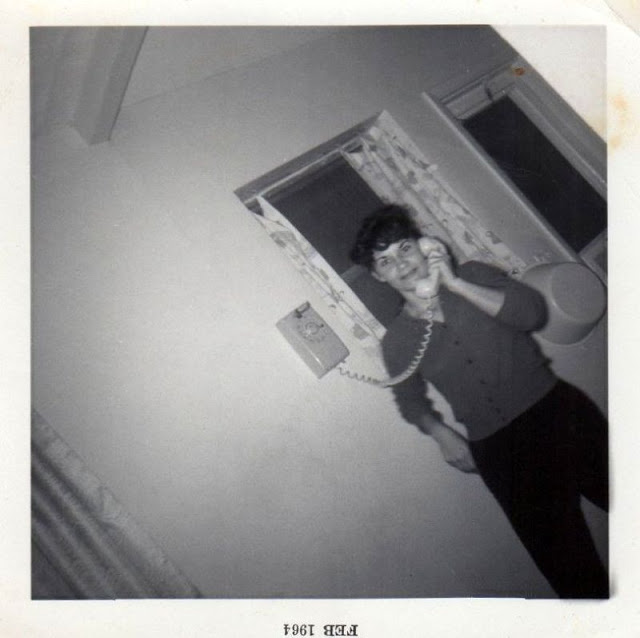
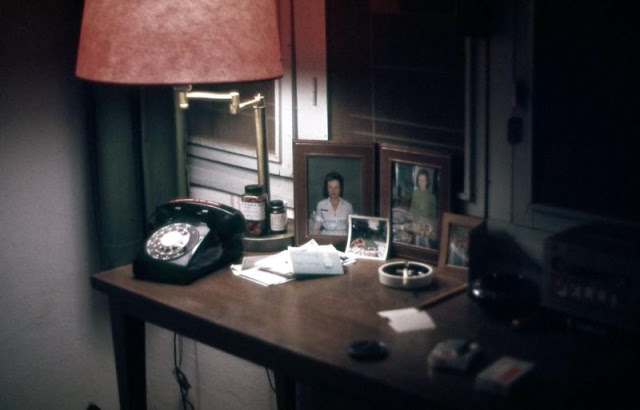
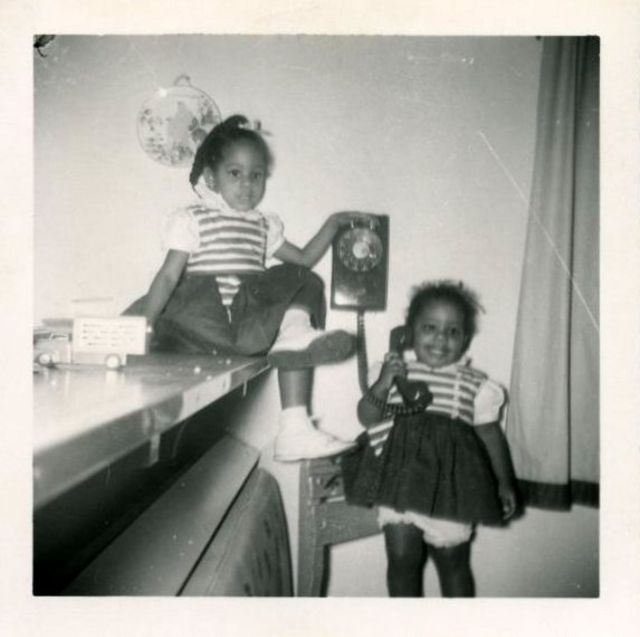
In the USA, at the start of the 1960s, telephones were generally the desk model with a rotary dial. Invariably in shiny black or possibly red, or “industrial” dark green.
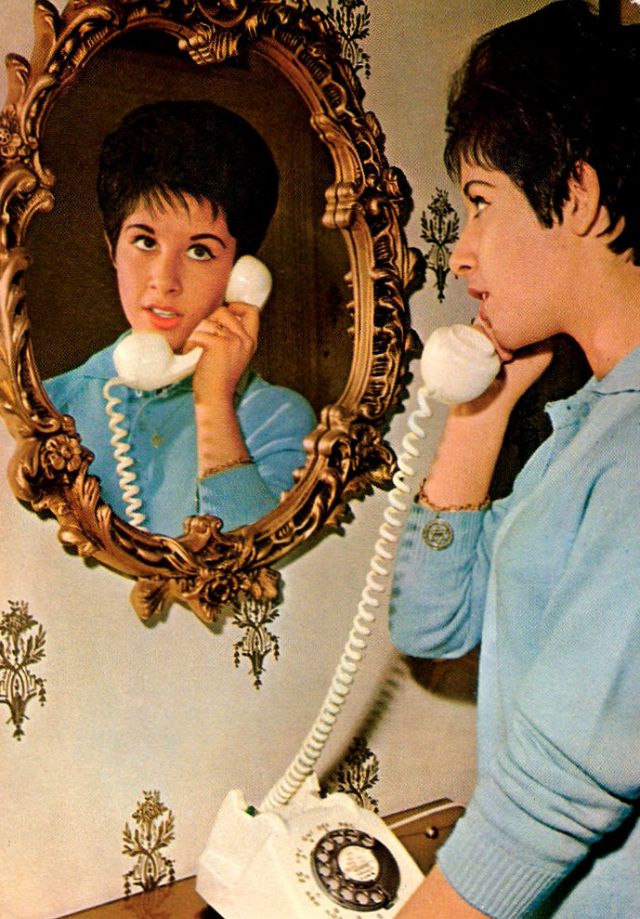
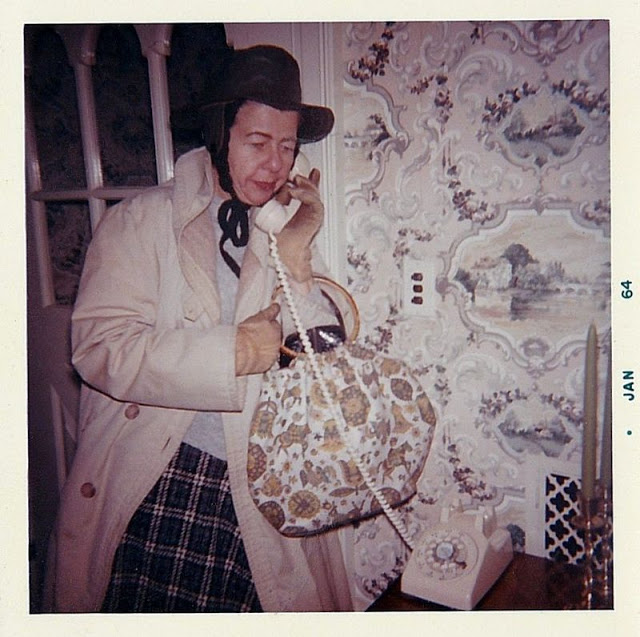
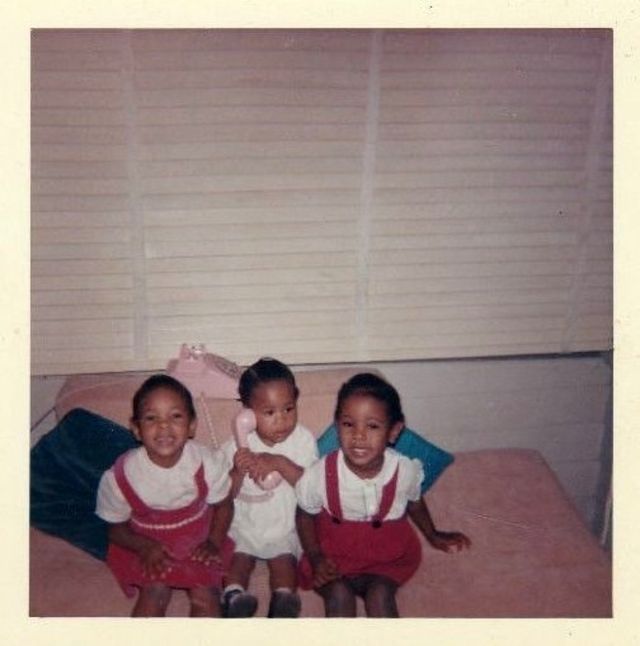
Around 1962 or 1963, phone designers started thinking about the aesthetics of the apparatus itself. It was small enough to fit unobtrusively on a bed nightstand. It also came in the then-chic plastic colors of pink, sage green, shrimp, powder blue, aqua, butter yellow and others.
Around the middle of the decade, you started seeing the wall-mount telephone in people’s homes, installed usually in the kitchen. Its coiled receiver cord was often very long indeed, so the user could wander up to 50′ away from the hung chassis. By this time, the phones came in a much wider range of fashionable colors, such as tangerine, purple, chrome yellow, harvest gold, avocado, flame red, mint green and others.
Around 1968–69, many Americans switched out their rotary dial phones for the then-new “touch-tone” dialers.
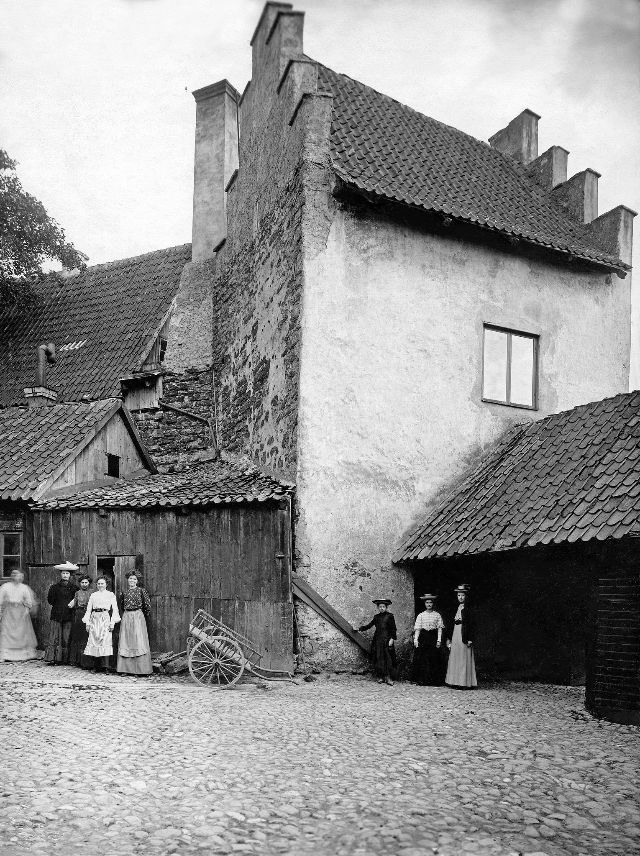
Sweden, officially the Kingdom of Sweden, is a Nordic country in Northern Europe. It borders Norway to the west and north, Finland to the east, and is connected to Denmark in the southwest by a bridge-tunnel across the Öresund. At 450,295 square kilometres (173,860 sq mi), Sweden is the largest country in Northern Europe, the third-largest country in the European Union, and the fifth largest country in Europe. The capital and largest city is Stockholm. Sweden has a total population of 10.4 million, the largest of the Nordic countries; and a low population density of 25.5 inhabitants per square kilometre (66/sq mi). 87% of Swedes live in urban areas, which cover 1.5% of the entire land area. The highest concentration is in the central and southern half of the country.
Sweden is part of the geographical area of Fennoscandia. The climate is in general mild for its northerly latitude due to significant maritime influence. In spite of the high latitude, Sweden often has warm continental summers, being located in between the North Atlantic, the Baltic Sea, and vast Russia. The general climate and environment vary significantly from the south and north due to the vast latitudinal difference, and much of Sweden has reliably cold and snowy winters. Southern Sweden is predominantly agricultural, while the north is heavily forested and includes a portion of the Scandinavian Mountains.
Germanic peoples have inhabited Sweden since prehistoric times, emerging into history as the Geats (Swedish: Götar) and Swedes (Svear) and constituting the sea peoples known as the Norsemen. An independent Swedish state emerged during the early 12th century. After the Black Death in the middle of the 14th century killed about a third of the Scandinavian population, the dominance of the Hanseatic League in Northern Europe threatened Scandinavia economically and politically. This led to the forming of the Scandinavian Kalmar Union in 1397, which Sweden left in 1523. When Sweden became involved in the Thirty Years’ War on the Protestant side, an expansion of its territories began and eventually the Swedish Empire was formed. This became one of the great powers of Europe until the early 18th century. Swedish territories outside the Scandinavian Peninsula were gradually lost during the 18th and 19th centuries, ending with the annexation of present-day Finland by Russia in 1809. The last war in which Sweden was directly involved was in 1814 when Norway was militarily forced into a personal union, which peacefully dissolved in 1905. Since then, Sweden has been at peace, maintaining an official policy of neutrality in foreign affairs. In 2014, Sweden celebrated 200 years of peace, breaking even Switzerland’s record for peace. Sweden was formally neutral through both world wars and the Cold War, although Sweden has since 2009 openly moved towards cooperation with NATO.
Sweden is a constitutional monarchy and a parliamentary democracy, with legislative power vested in the 349-member unicameral Riksdag. It is a unitary state, currently divided into 21 counties and 290 municipalities. Sweden maintains a Nordic social welfare system that provides universal health care and tertiary education for its citizens. It has the world’s eleventh-highest per capita income and ranks very highly in quality of life, health, education, protection of civil liberties, economic competitiveness, income equality, gender equality, prosperity and human development. Sweden joined the European Union on 1 January 1995, but has rejected NATO membership, as well as Eurozone membership following a referendum. It is also a member of the United Nations, the Nordic Council, the Council of Europe, the World Trade Organization and the Organisation for Economic Co-operation and Development (OECD).
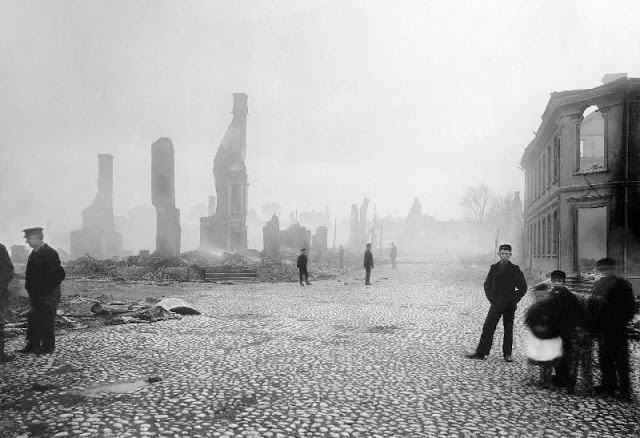
Åmål. The western part of Åmål, after the fire on the 9th of May, 1901. People and ruins
Subscribe to continue reading
Become a paid subscriber to get access to the rest of this post and other exclusive content.