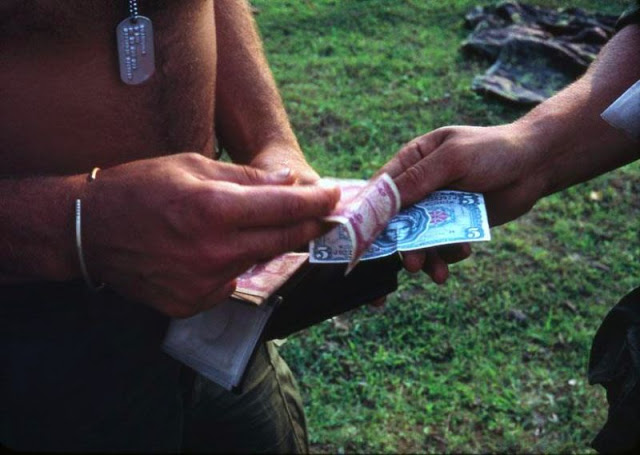
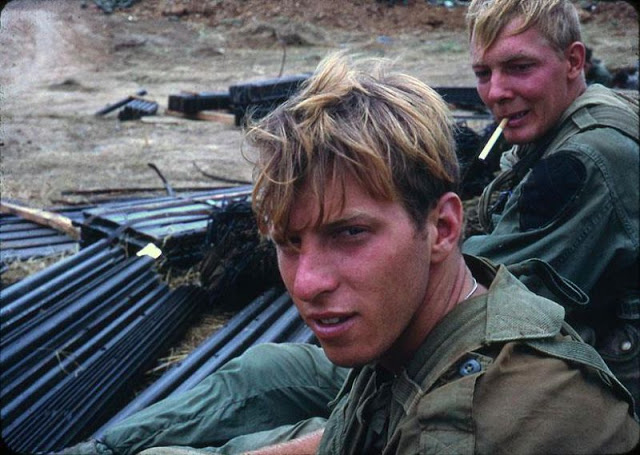
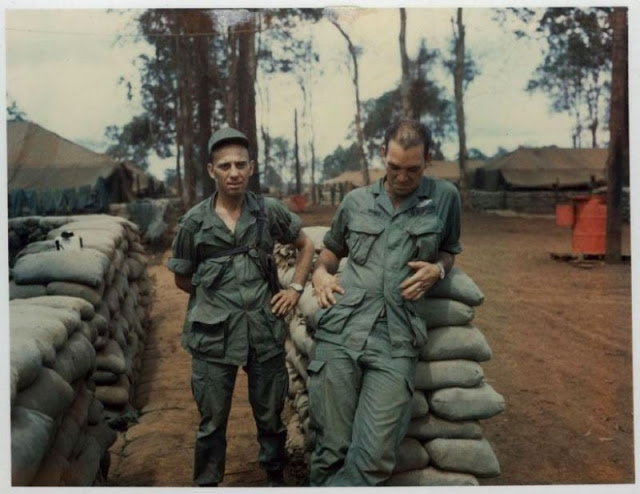
During the Vietnam War, life for soldiers changed an extreme amount. Not only did their lives change, but they became a significant amount more difficult.
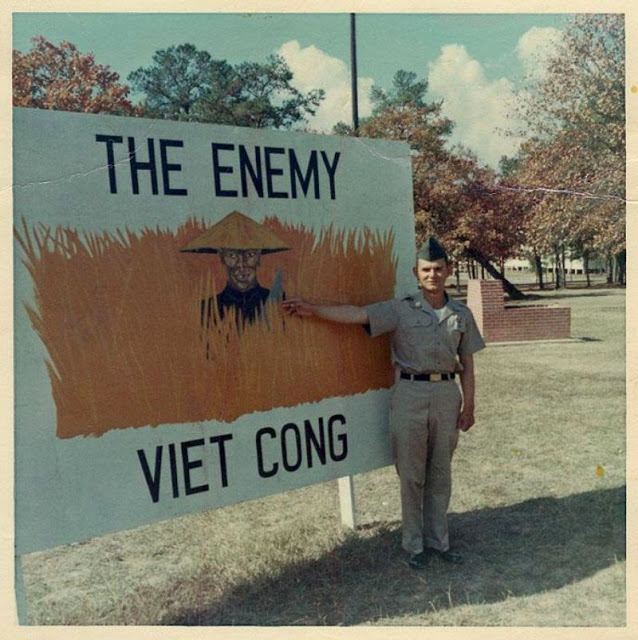
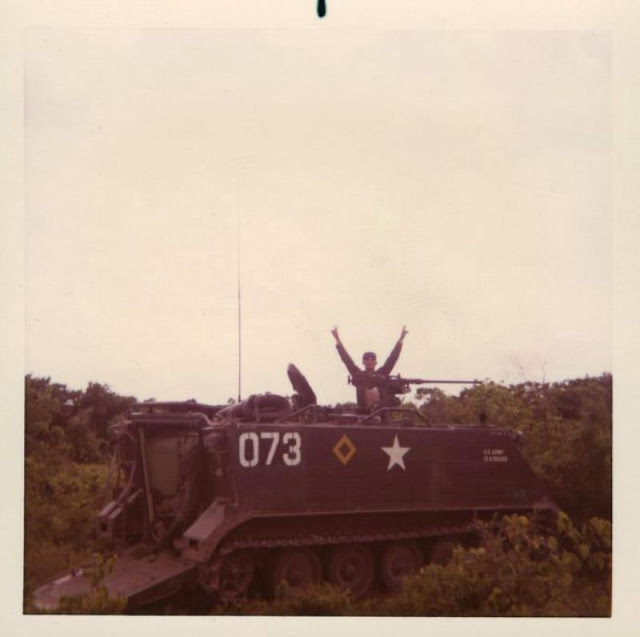
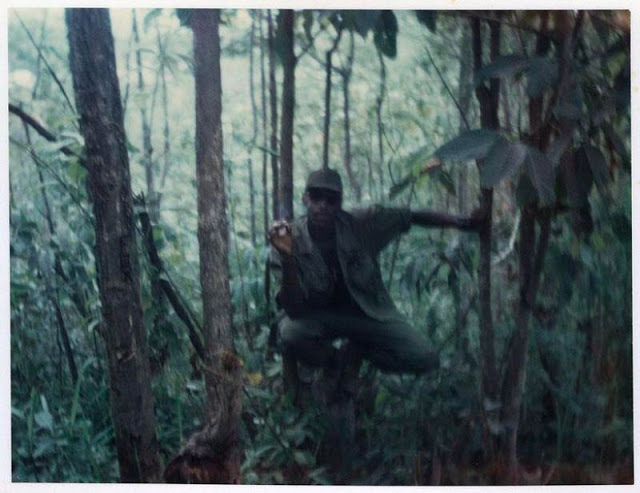
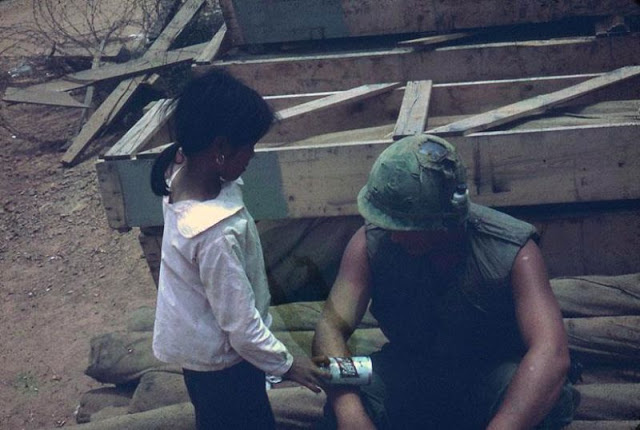
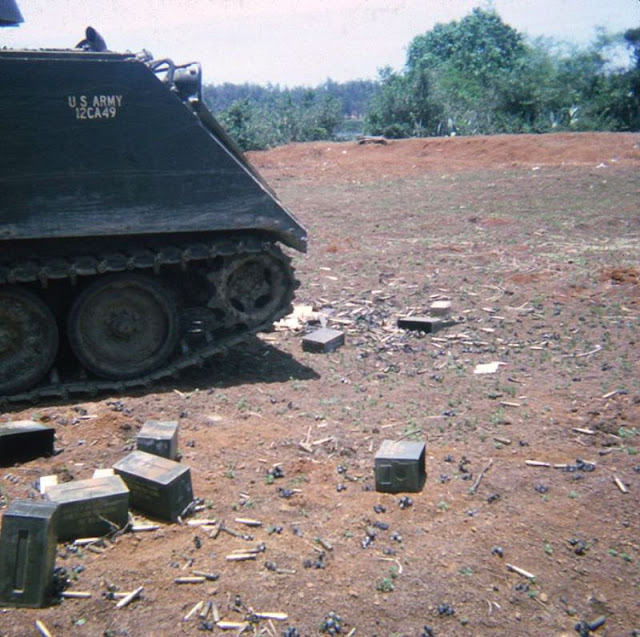
American soldiers were often young men who felt that they were serving their country and had never served in a war before. Because of this, they had no idea what they were fighting against. The Vietnam terrain was full of jungles, covered with booby traps and dense brush. There was constant heat, humidity, torrents of rain, and many different kinds of dangerous animals. The soldiers ended up becoming ill and injured due to the environment before the actual violence of the war even got to them.
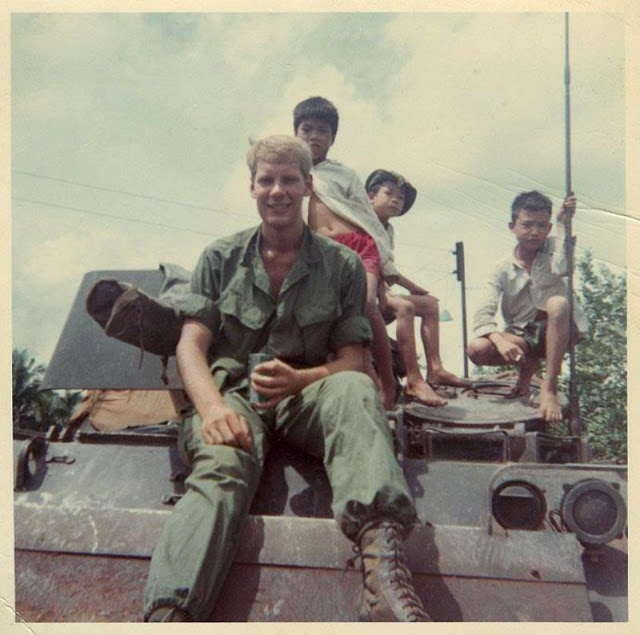
In addition to this, soldiers had no idea what sort of enemy they were fighting, as the American Government had underestimated the Vietnamese. The Vietcong had a complex network of underground tunnels. The Vietnamese were very well supplied, and were extremely well prepared to the Americans. This caused even just finding the enemy to be difficult for U.S. forces. In villages, it was hard for American troops to determine who were the enemies, because even women and children could help build traps, or house and feed the Vietcong. Vietnamese mothers would often hand off their baby to an American soldier, or a little boy would walk up to a soldier, and a grenade would explode off the child. For reasons like this, Americans were forced to kill civilians even if they had no proof that they were for sure the enemies, because there was no definite way to tell. Because of this, U.S. soldiers were often yelled at as “baby killers”, causing frustrations with the fighting conditions of the war.
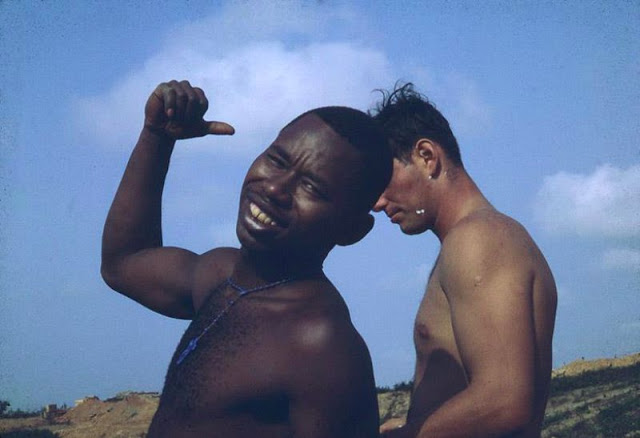
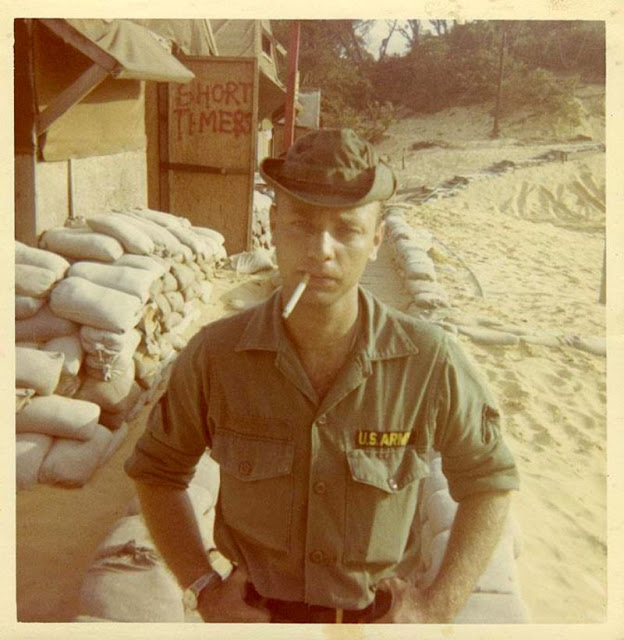
These issues in Vietnam caused soldier to suffer from low morale and become angry. Many fell into a fog of drugs. A majority began to smoke marijuana to try to ignore the horrors of the hell they were living in. The casualties of the men they had become close with hurt them more than they could handle. They fought for their country, yet their country did not support them. Their lives had turned into a nightmare, and the war in Vietnam could never be forgotten.
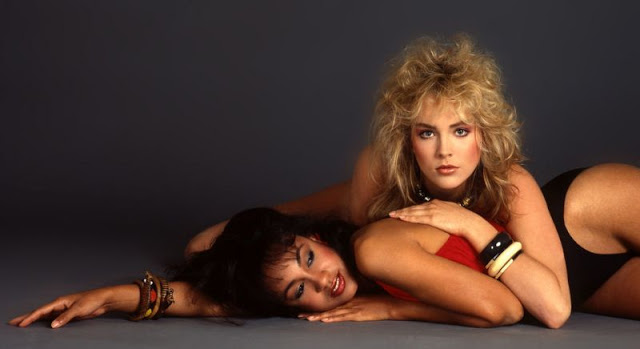
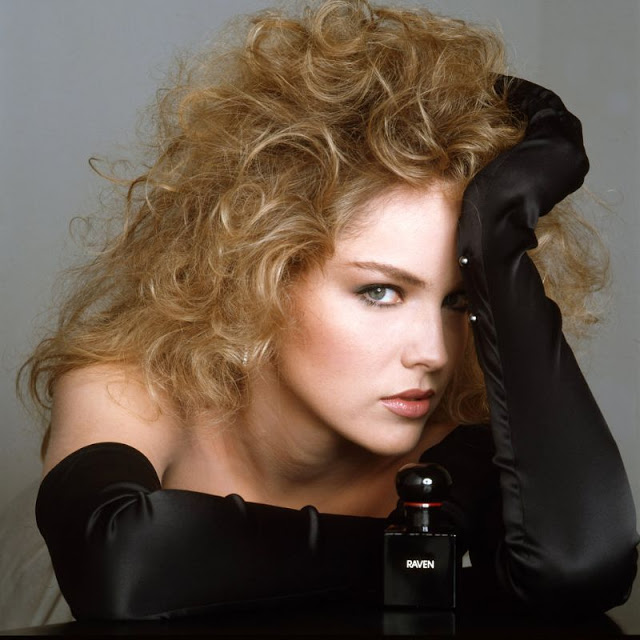
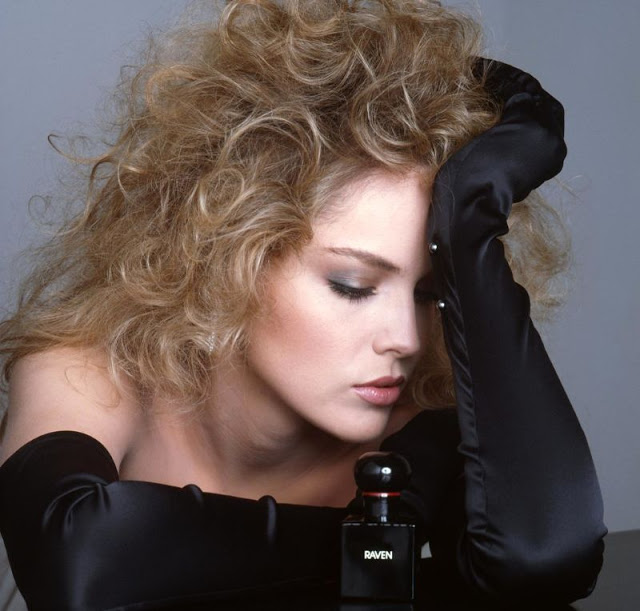
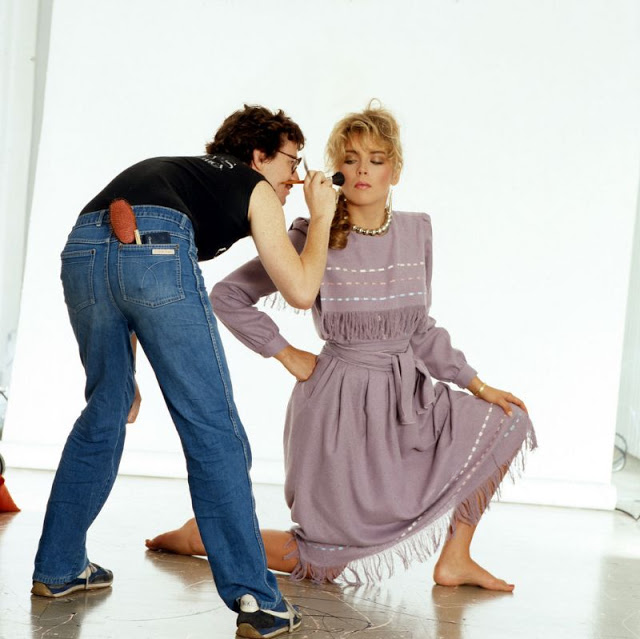
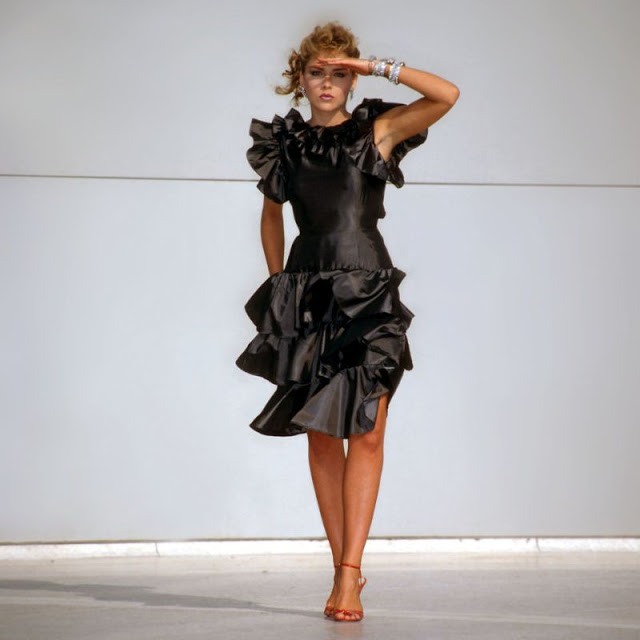
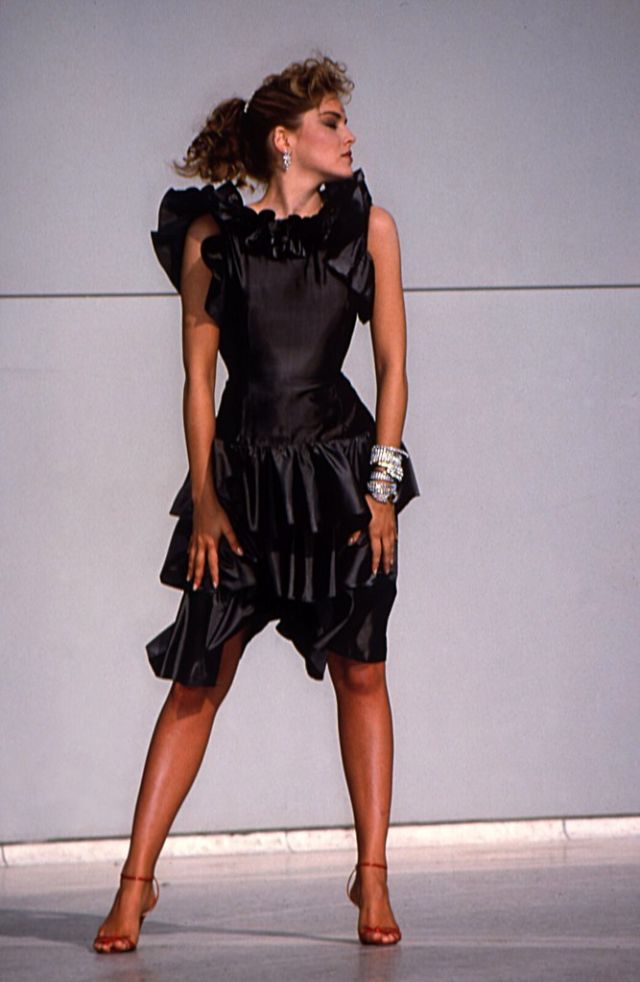
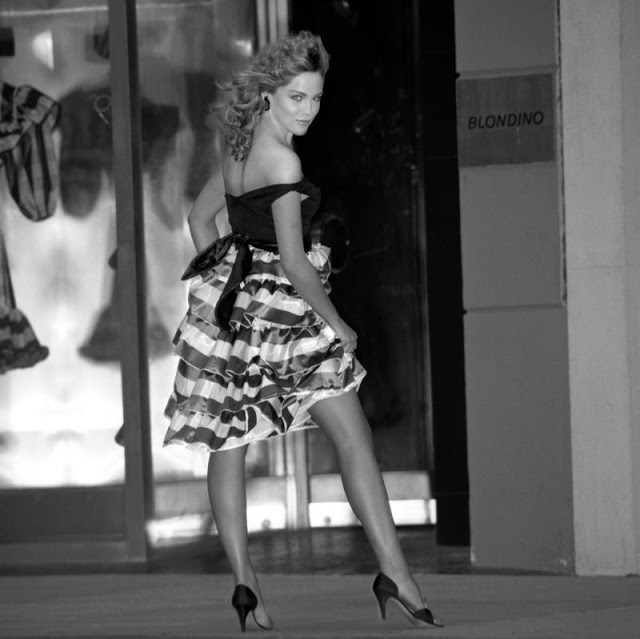
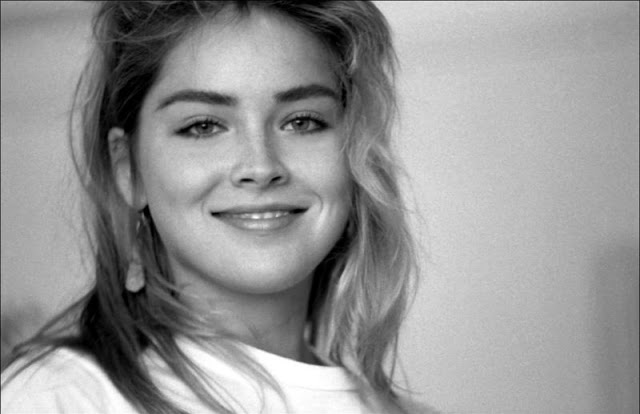
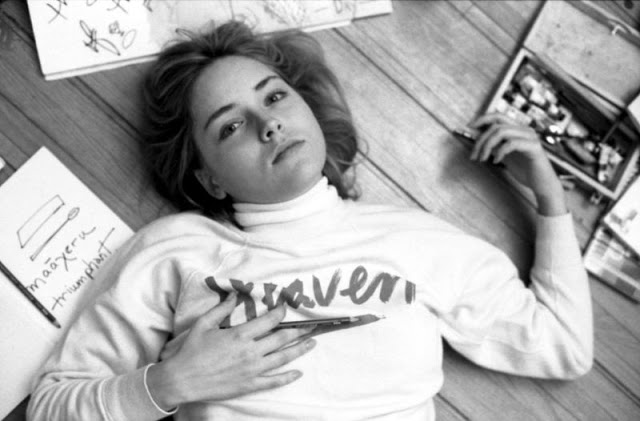
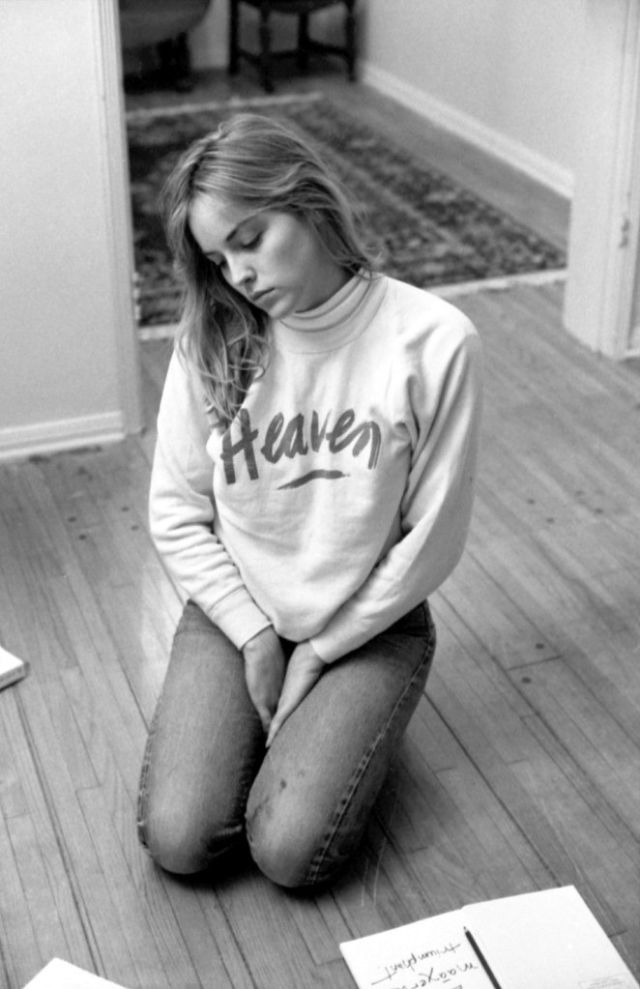
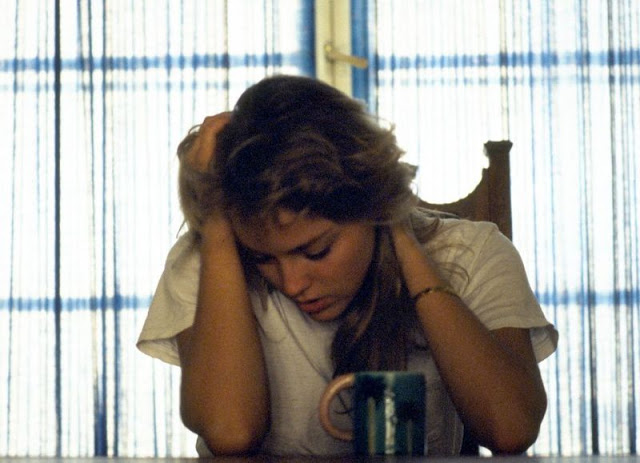
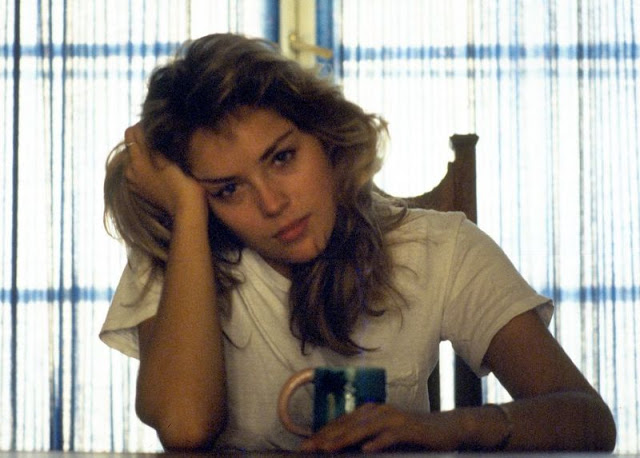
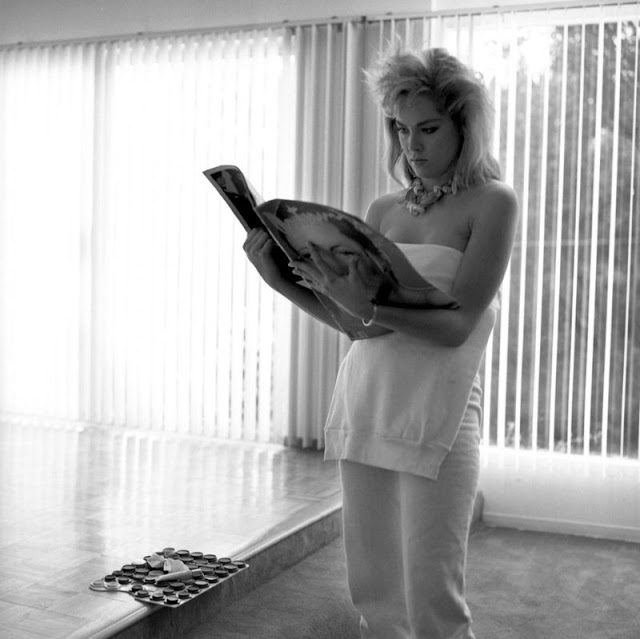
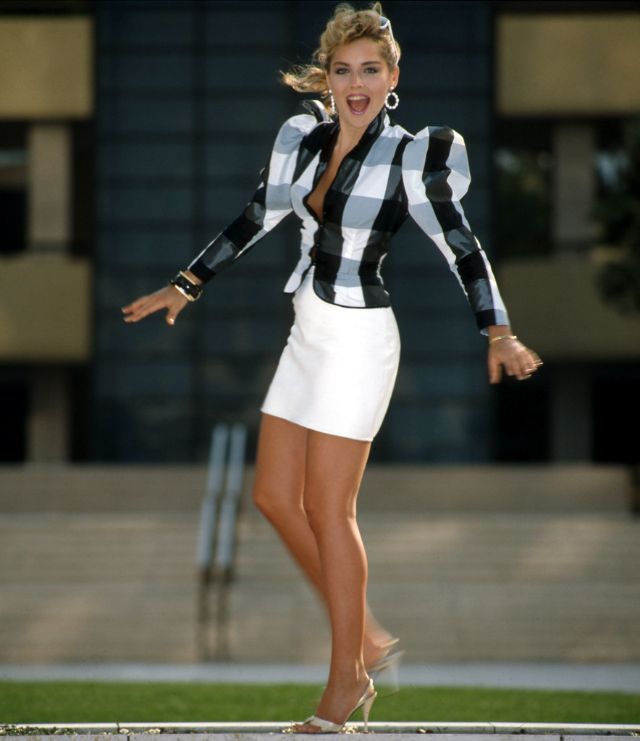
Sharon Vonne Stone (born March 10, 1958) is an American actress, producer, and former fashion model. Known for primarily playing femme fatales and women of mystery on film and television, she became one of the most popular sex symbols of the 1990s and is the recipient of various accolades, including a Primetime Emmy Award, a Golden Globe Award and a nomination for an Academy Award. She received a star on the Hollywood Walk of Fame in 1995, and was named Officer of the Order of Arts and Letters in France in 2005 (Commander in 2021). In 2018 she received the Gold Medal of the Italian Red Cross.
After modeling in television commercials and print advertisements, Stone made her film debut as an extra in Woody Allen’s dramedy Stardust Memories (1980) and played her first speaking part in Wes Craven’s horror film Deadly Blessing (1981). In the 1980s, she appeared in such pictures as Irreconcilable Differences (1984), King Solomon’s Mines (1985), Cold Steel (1987), and Above the Law (1988). She had a breakthrough with her part in Paul Verhoeven’s science fiction action film Total Recall (1990), before rising to international recognition when she portrayed Catherine Tramell in another Verhoeven film, the erotic thriller Basic Instinct (1992), for which she earned her first Golden Globe Award nomination for Best Actress in a Motion Picture – Drama.
Stone’s performance as a trophy wife in Martin Scorsese’s epic crime drama Casino (1995) earned her the best reviews of her career, the Golden Globe and an Academy Award nomination for Best Actress. Her other notable films include Sliver (1993), The Specialist (1994), The Quick and the Dead (1995), Sphere (1998), The Mighty (1998), The Muse (1999), Catwoman (2004), Broken Flowers (2005), Alpha Dog (2006), Bobby (2006), Lovelace (2013), Fading Gigolo (2013), The Disaster Artist (2017), Rolling Thunder Revue: A Bob Dylan Story by Martin Scorsese (2019), and The Laundromat (2019).
On television, Stone has had leading and supporting roles in productions such as the ABC miniseries War and Remembrance (1987), the HBO television film If These Walls Could Talk 2 (2000), Steven Soderbergh’s Mosaic (2017) and Ryan Murphy’s Ratched (2020). She made guest appearances in The Practice (2004) and Law & Order: Special Victims Unit (2010), winning the Primetime Emmy Award for Outstanding Guest Actress in a Drama Series for the former. (Wikipedia)
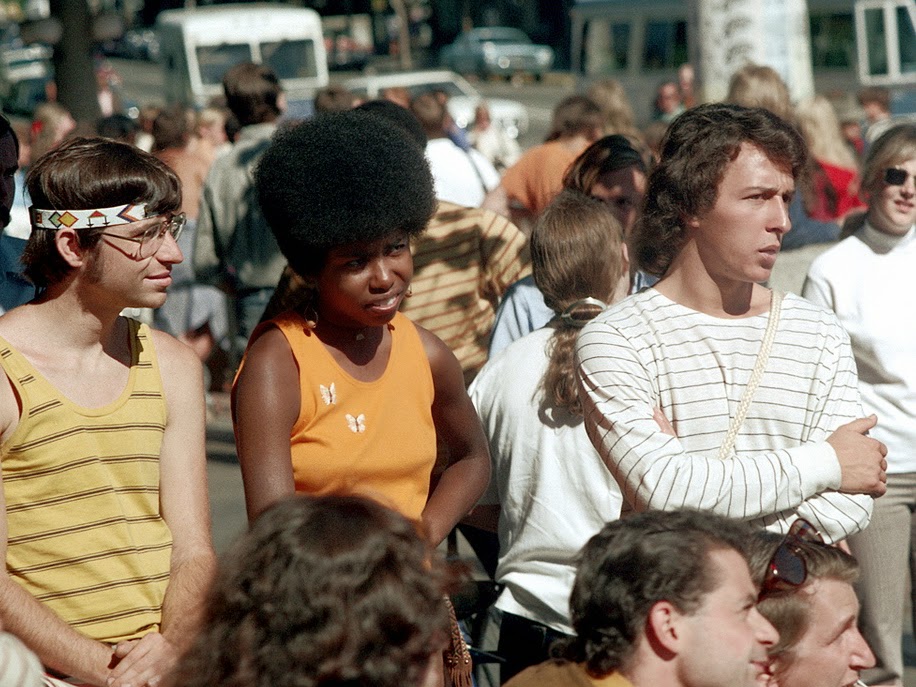
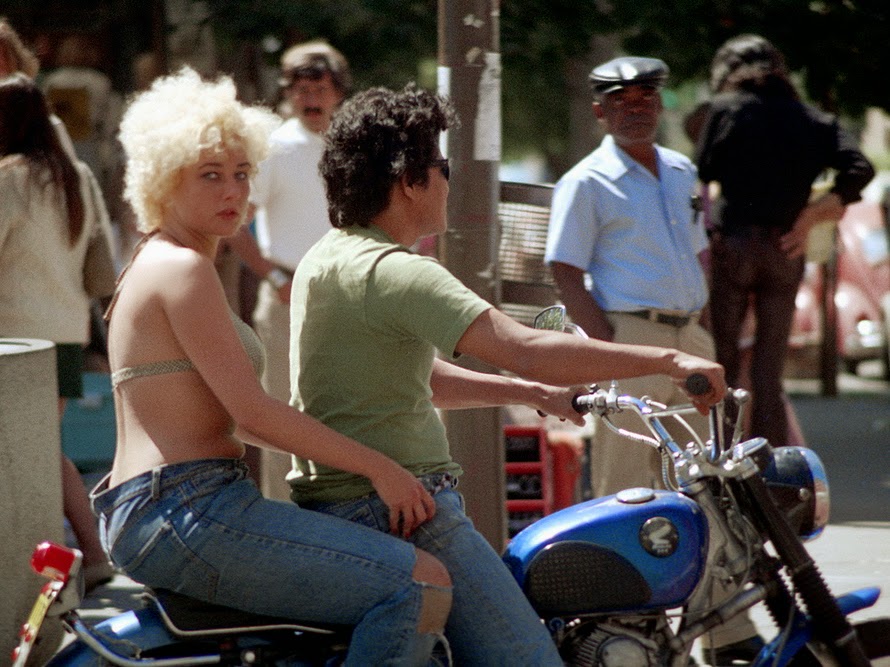
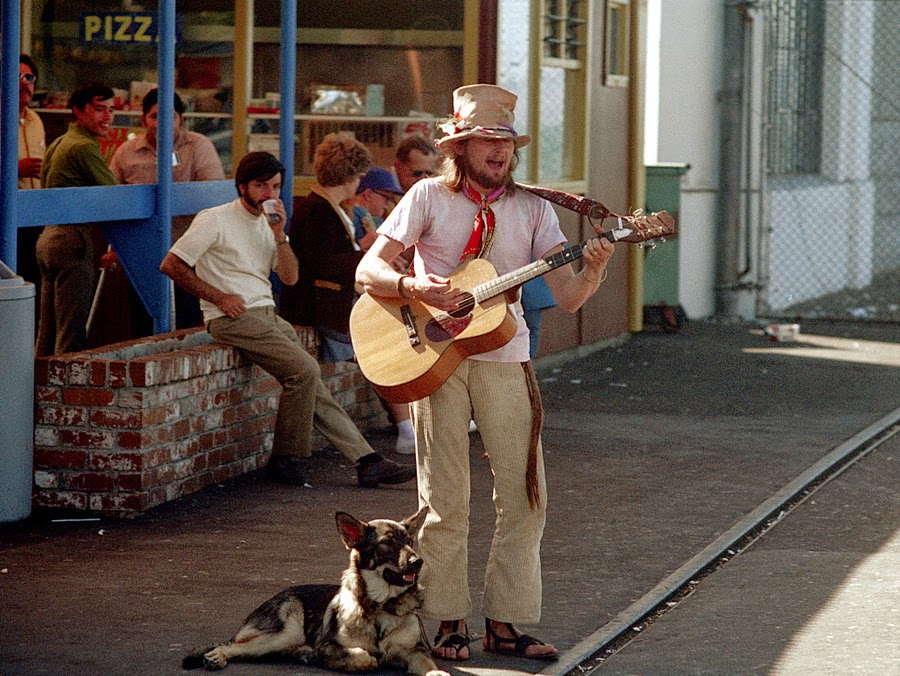
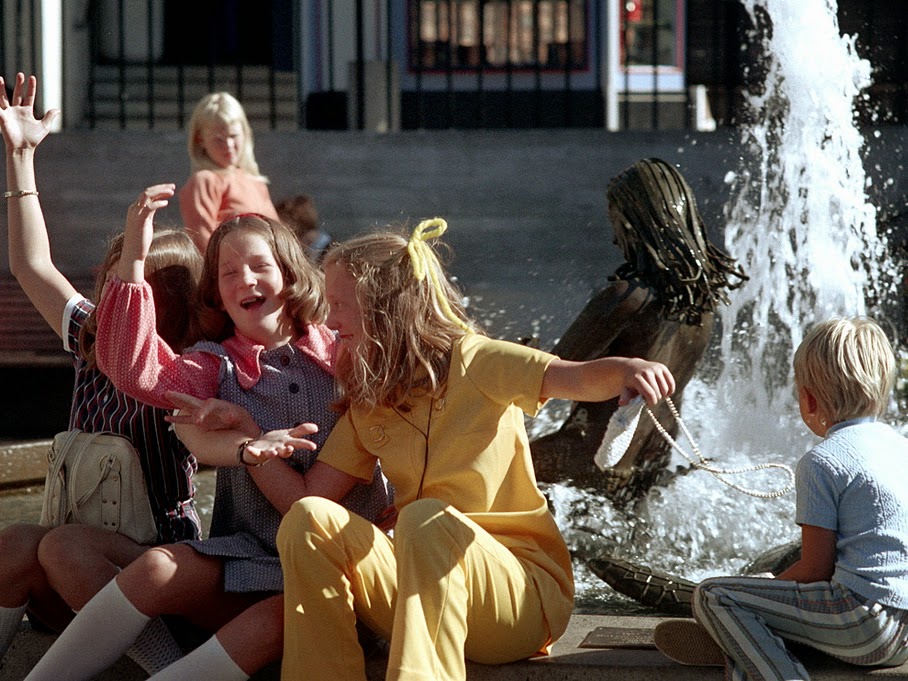
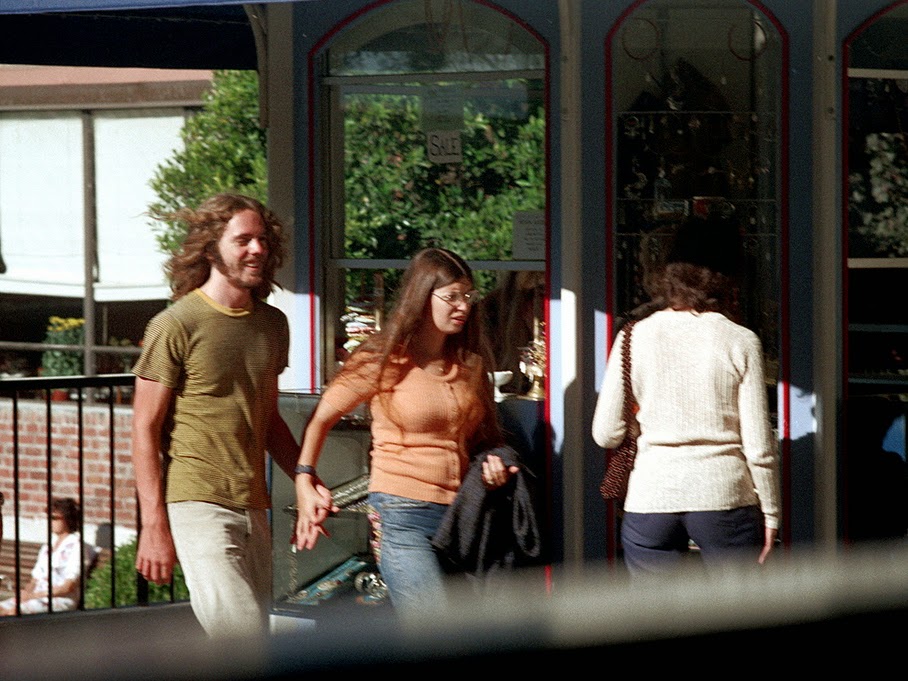
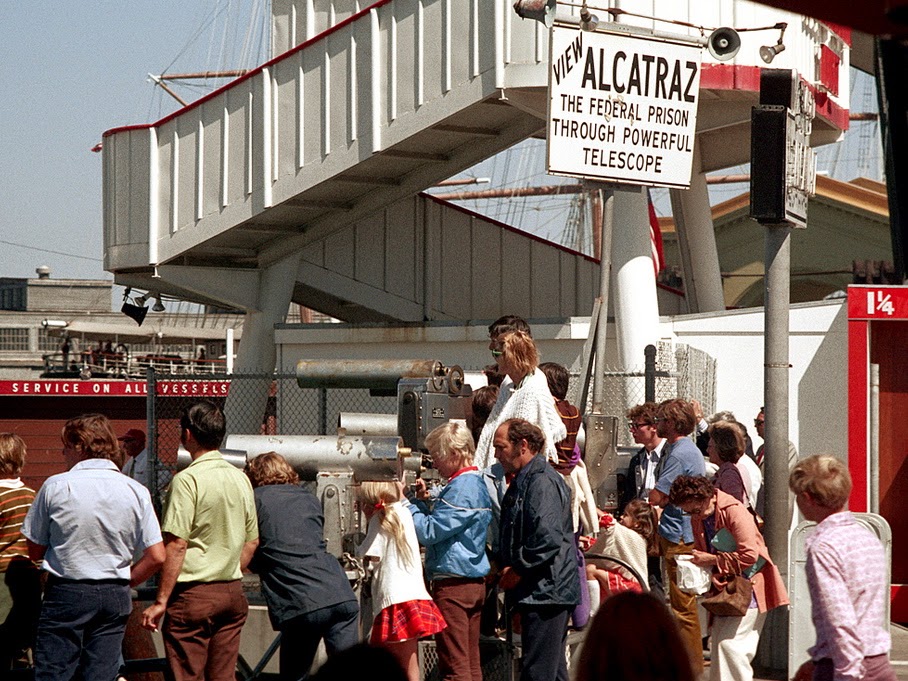
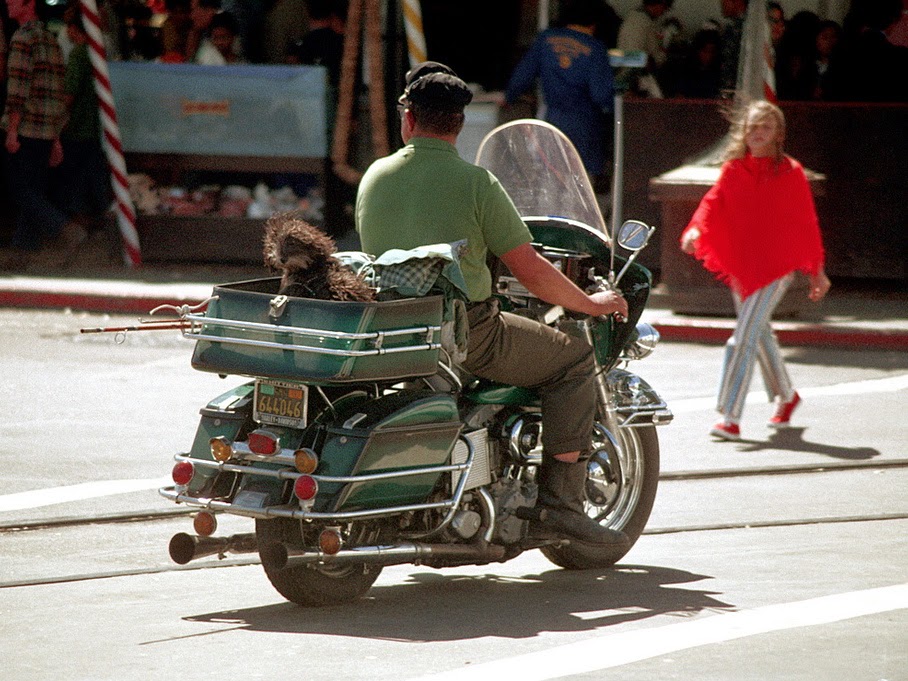
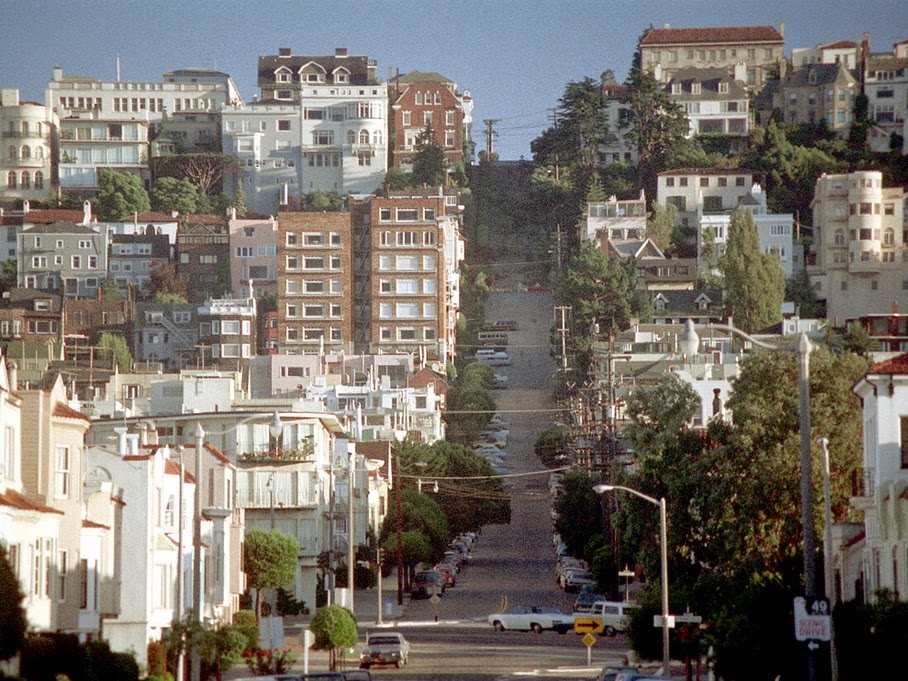
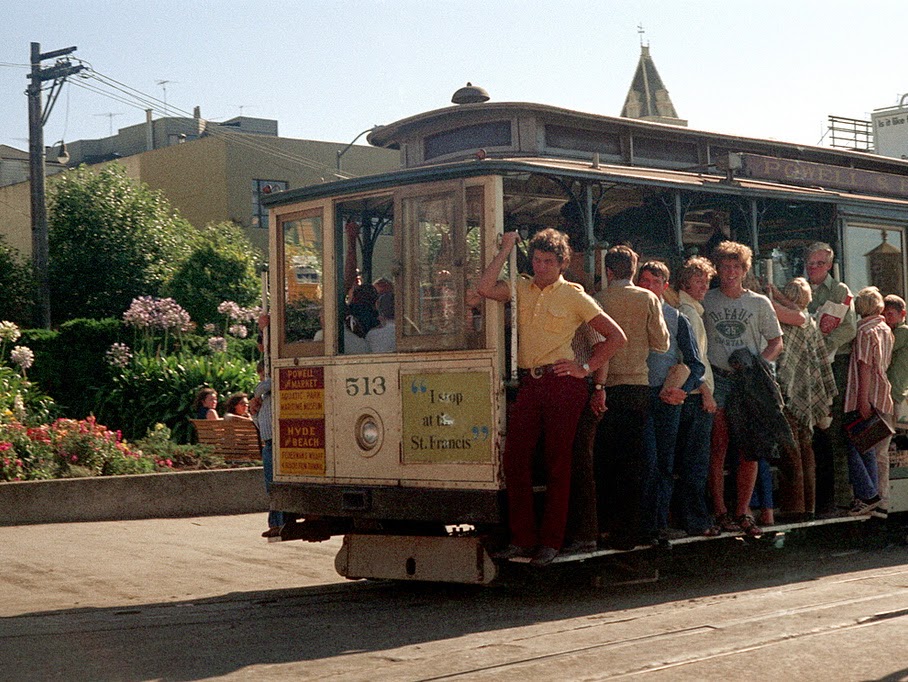
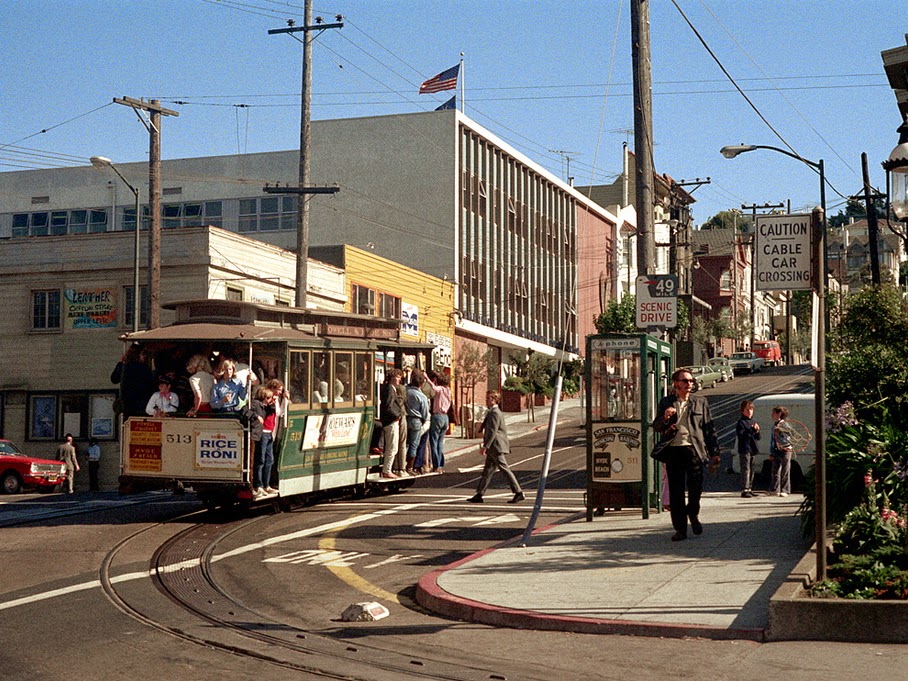
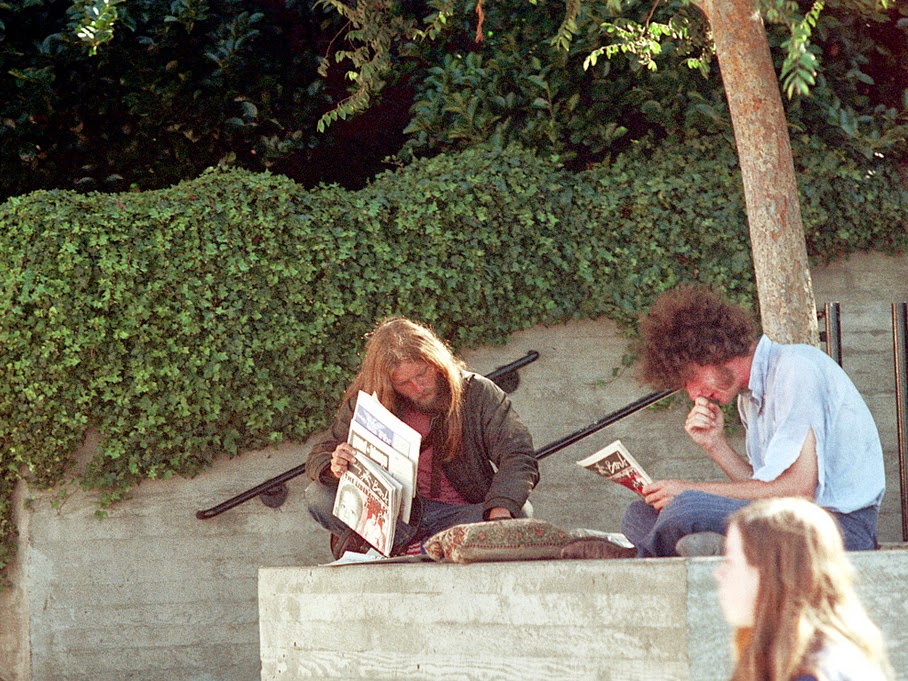
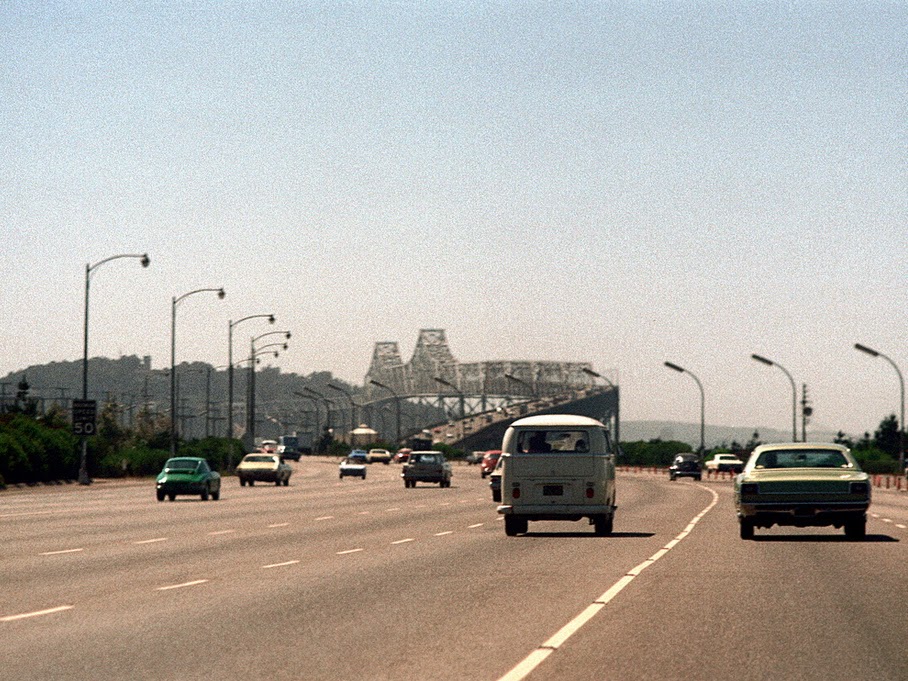
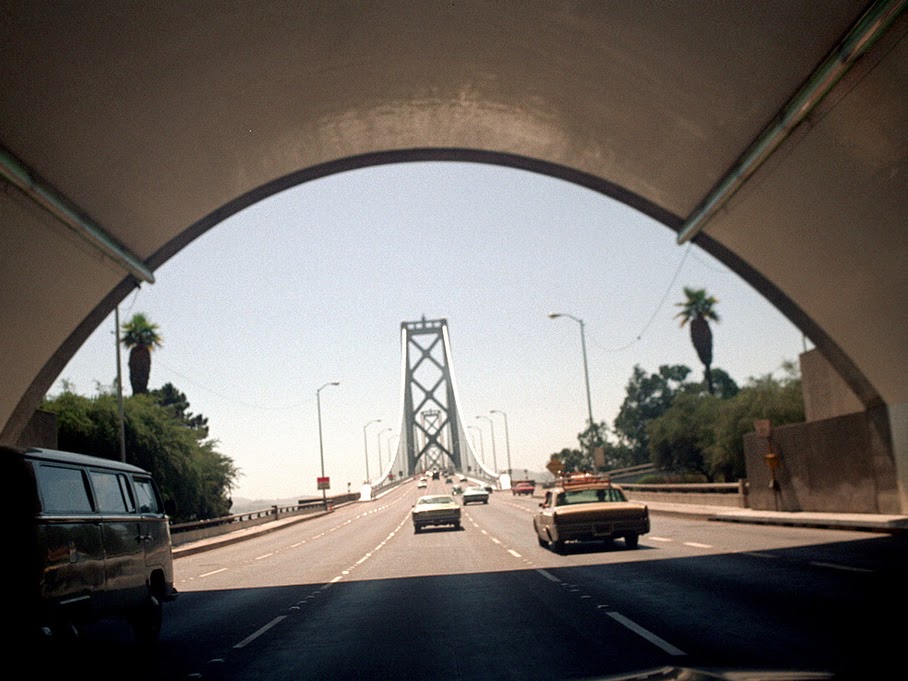
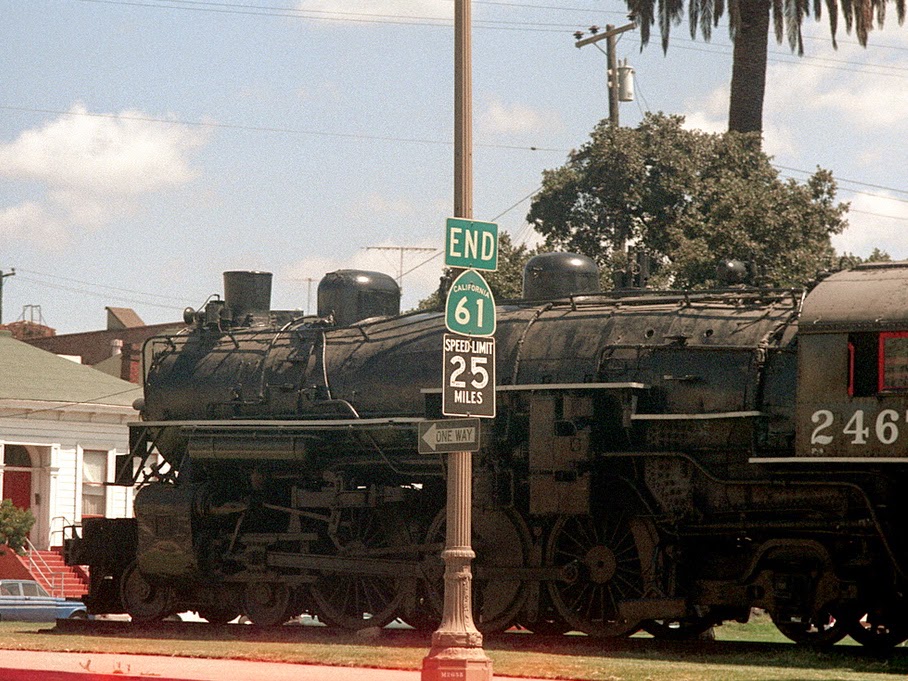
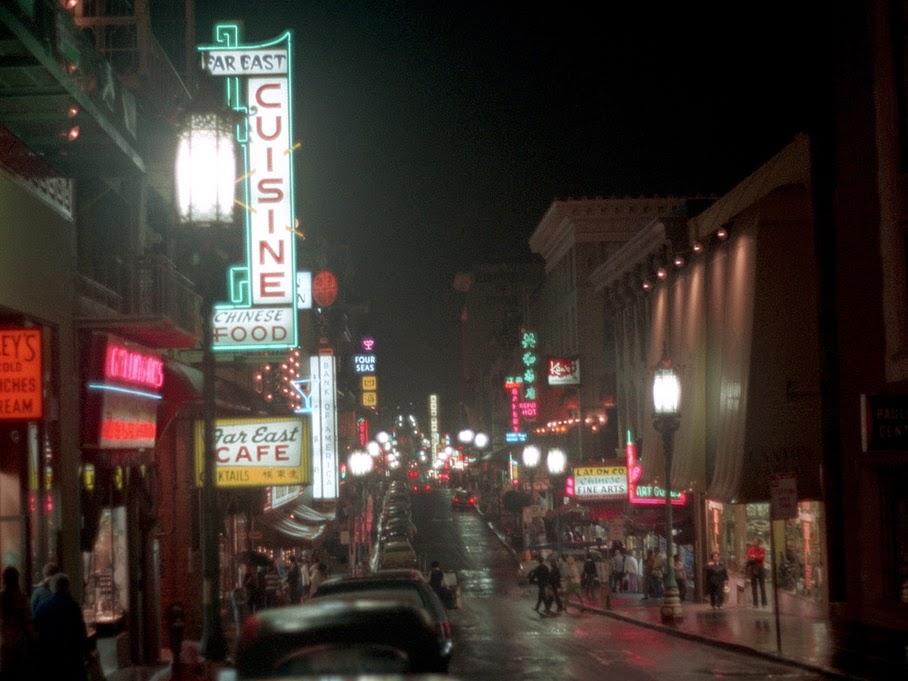
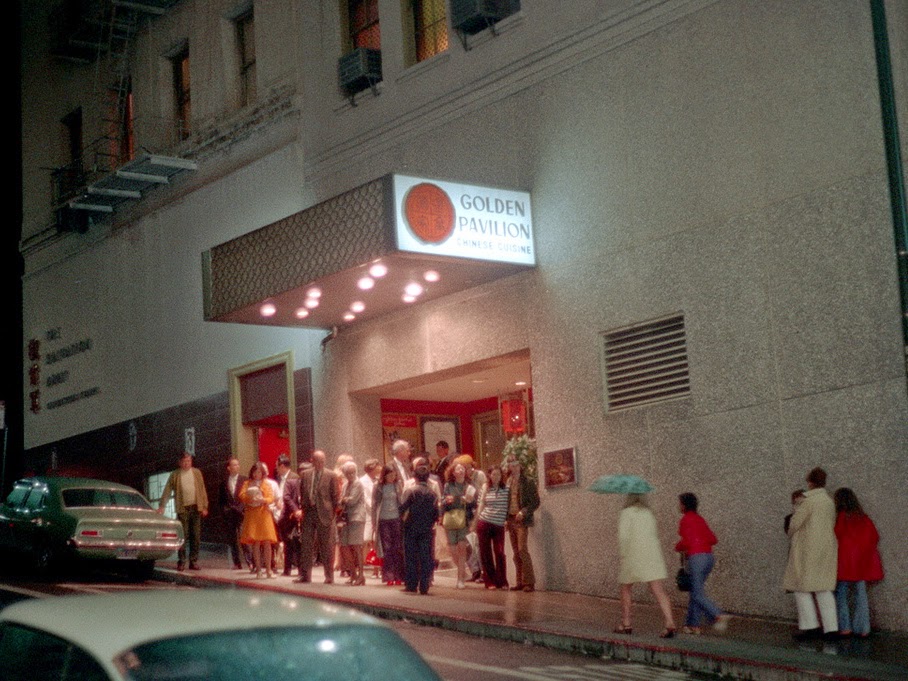
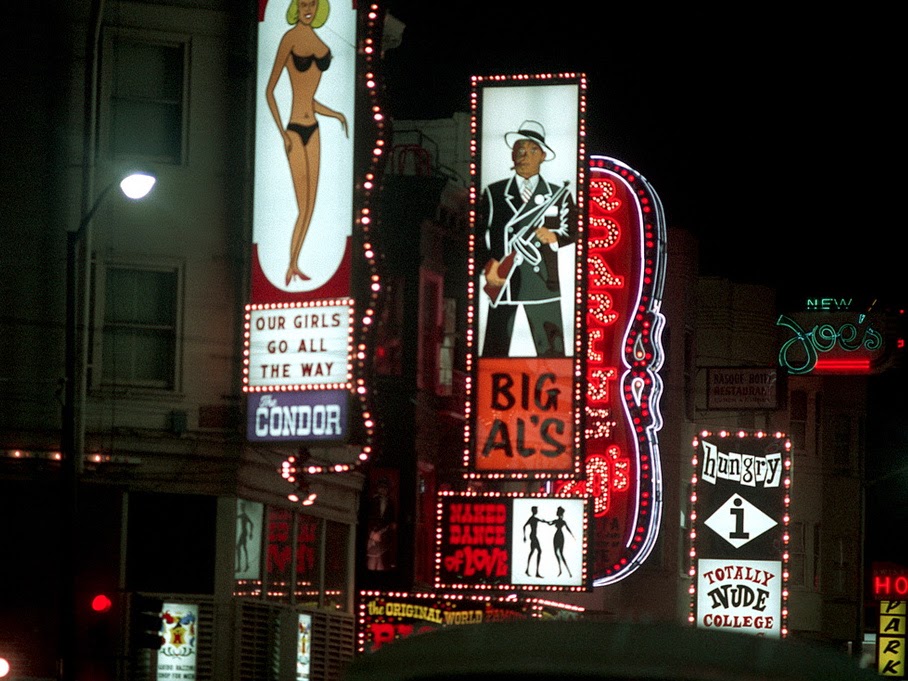
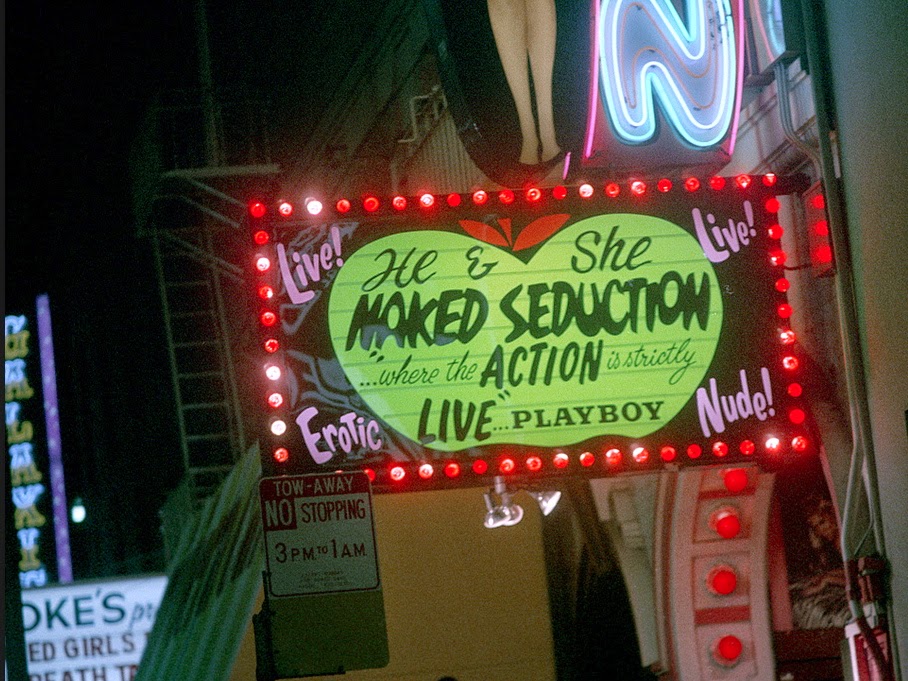
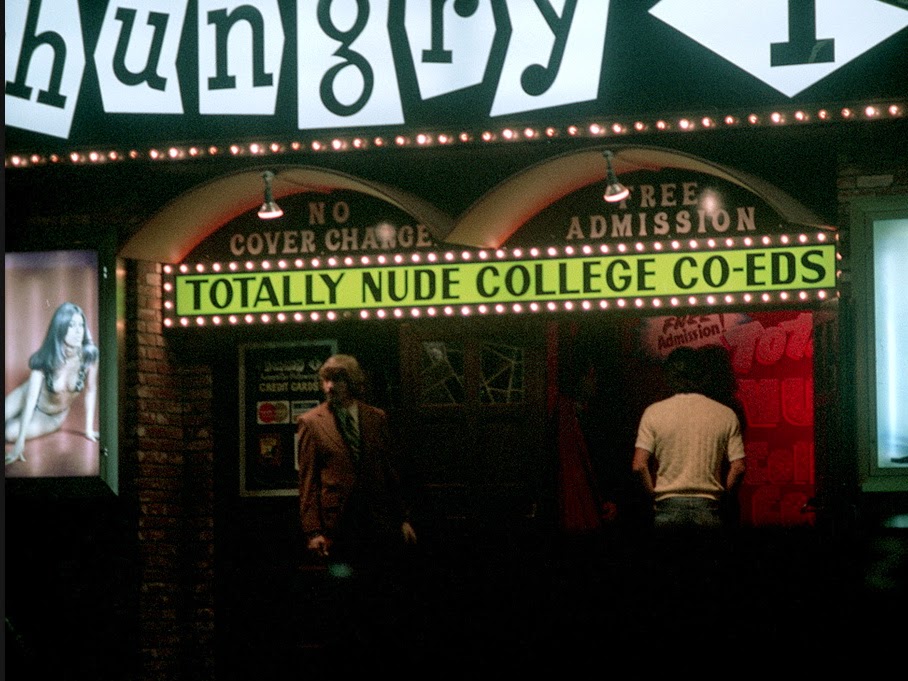
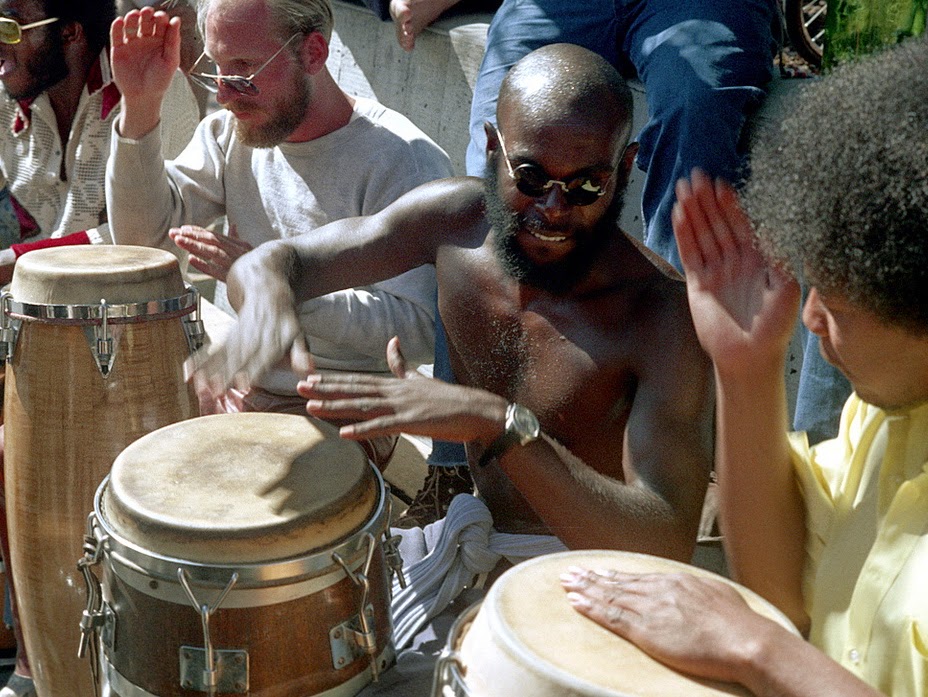
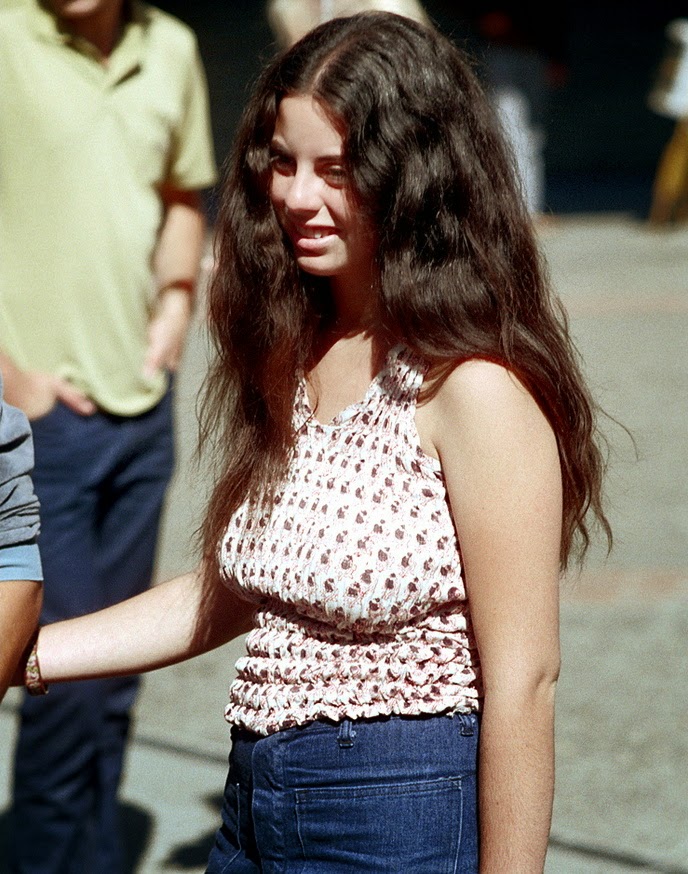
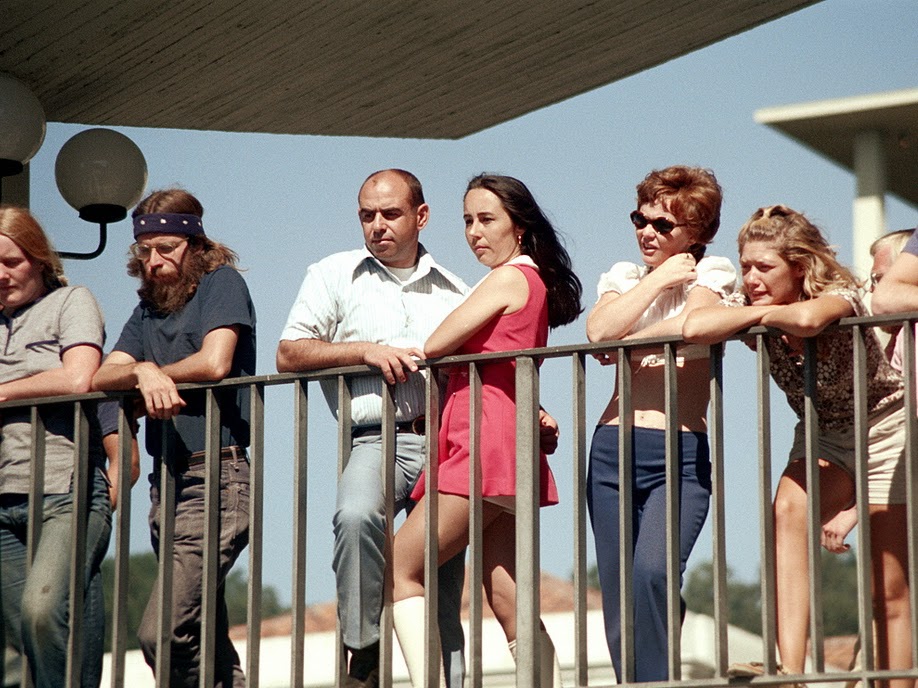
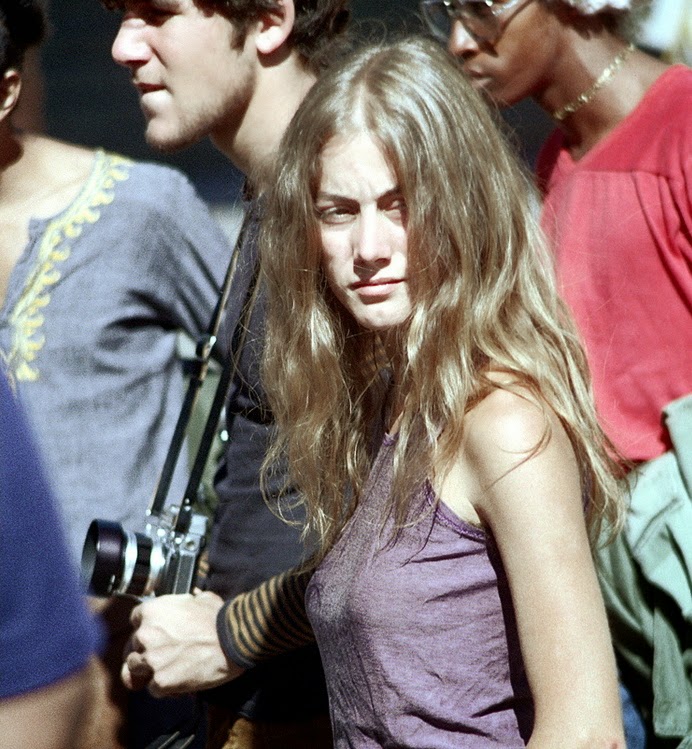
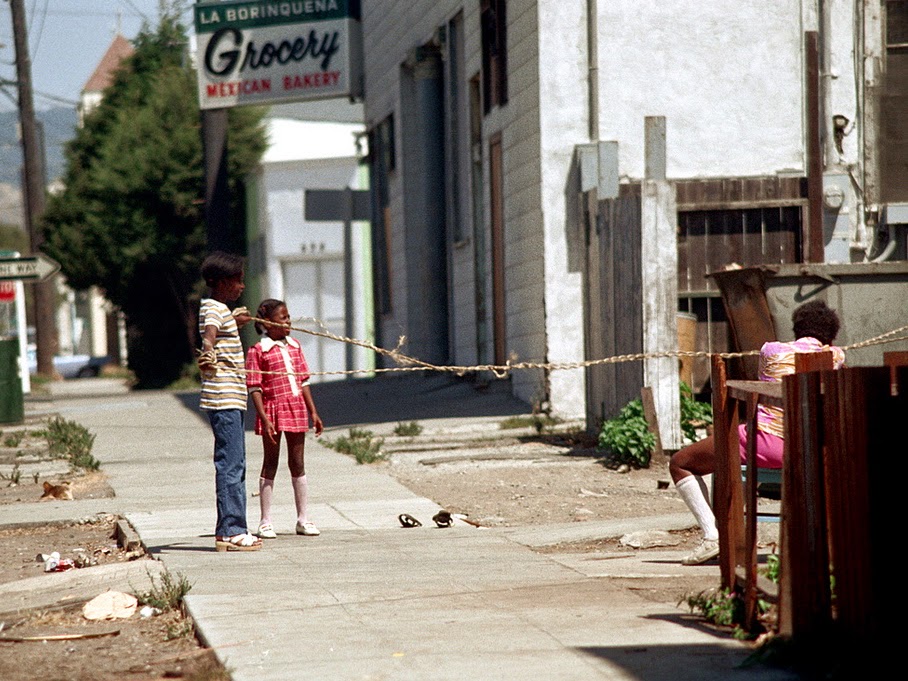
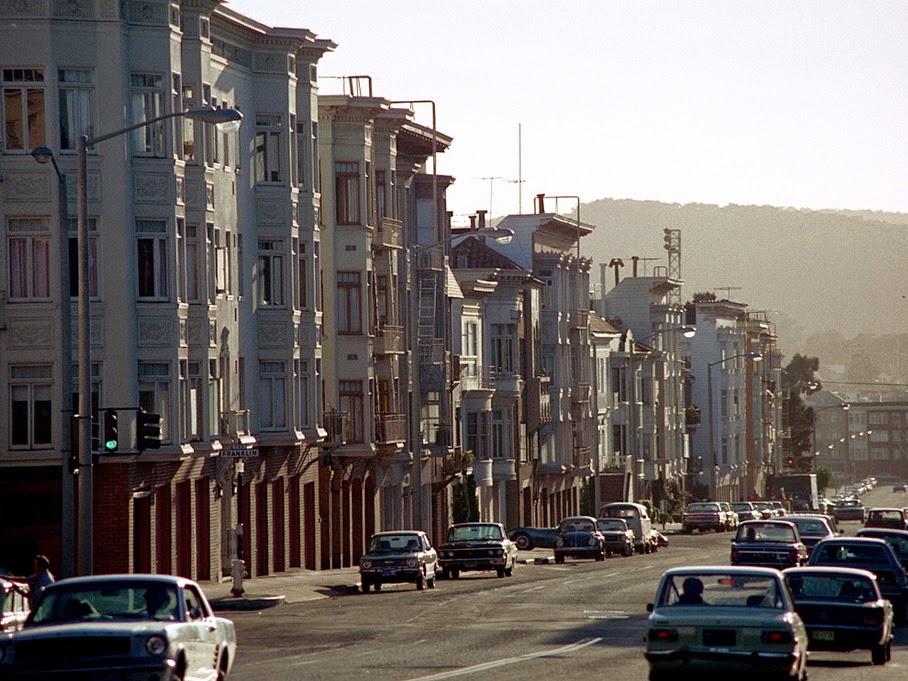
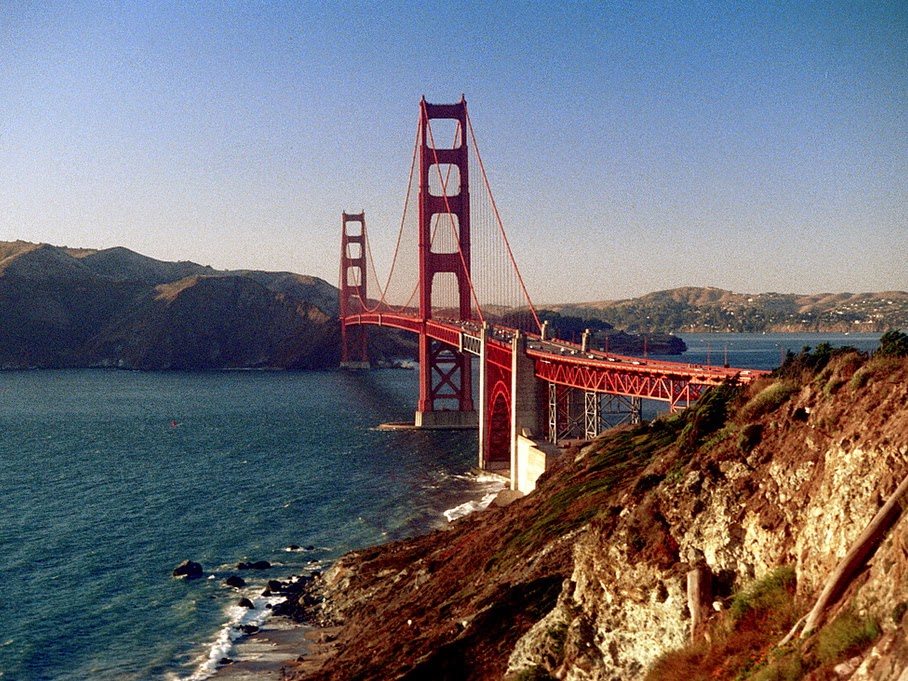
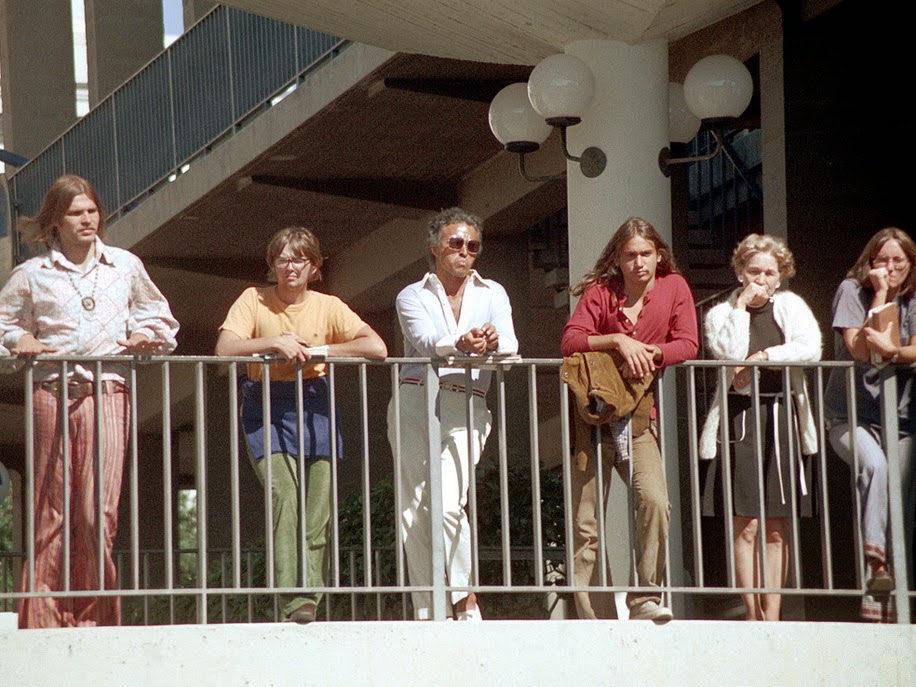
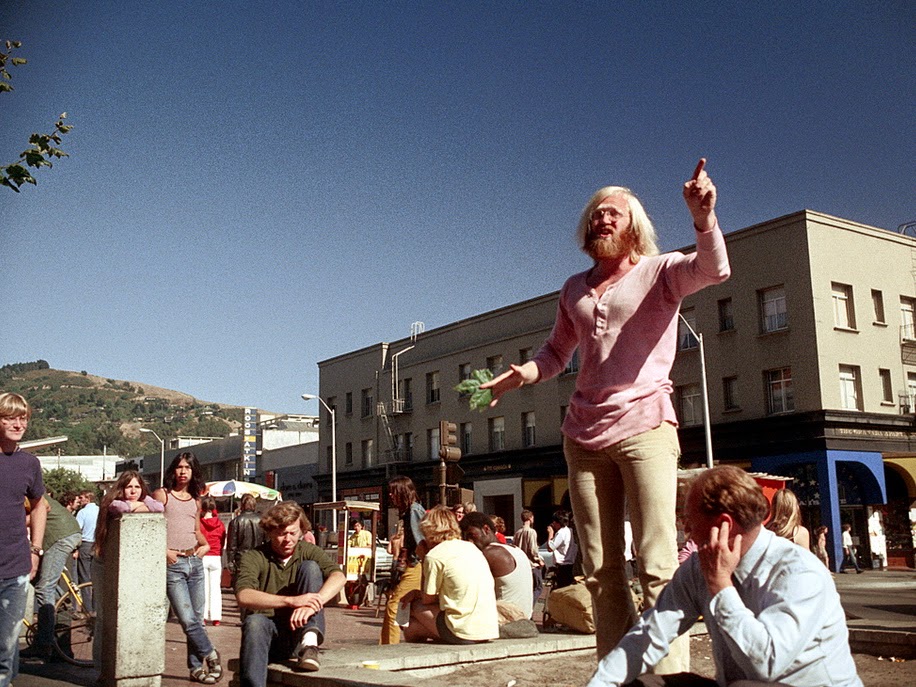
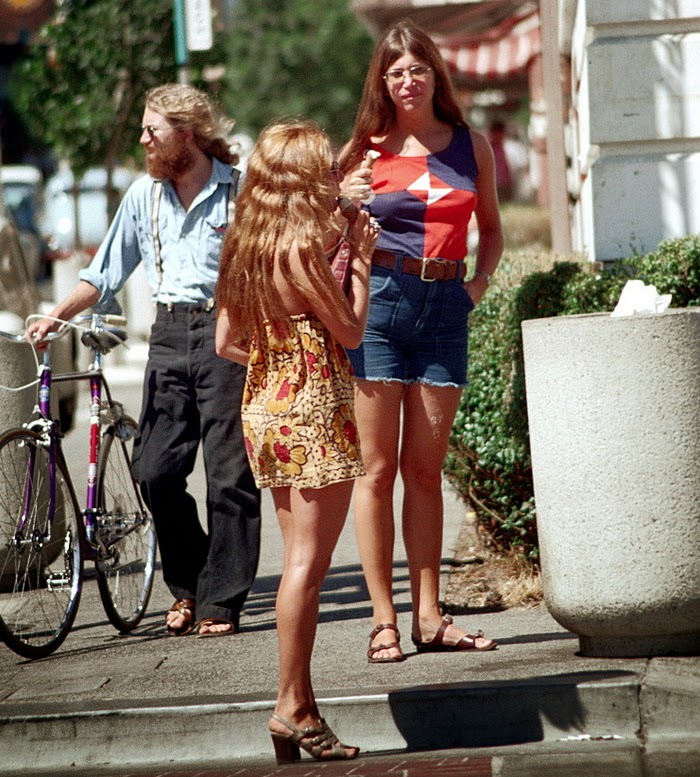
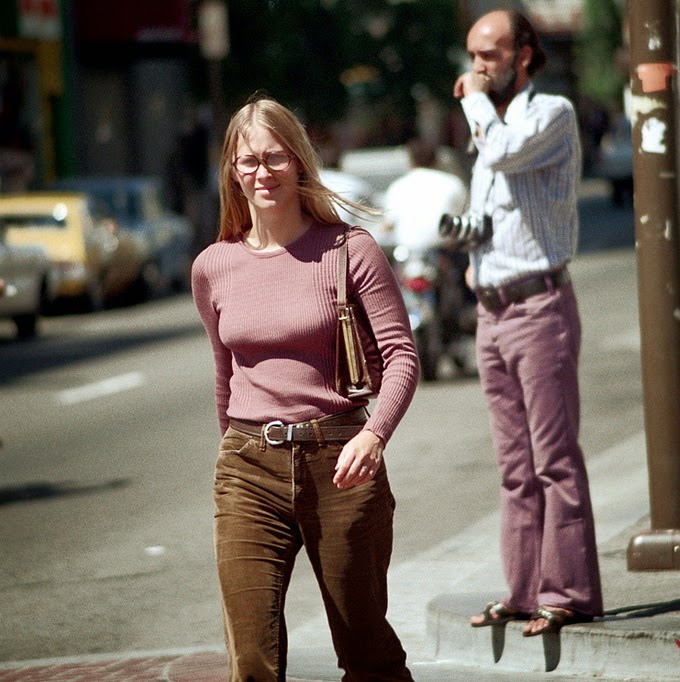
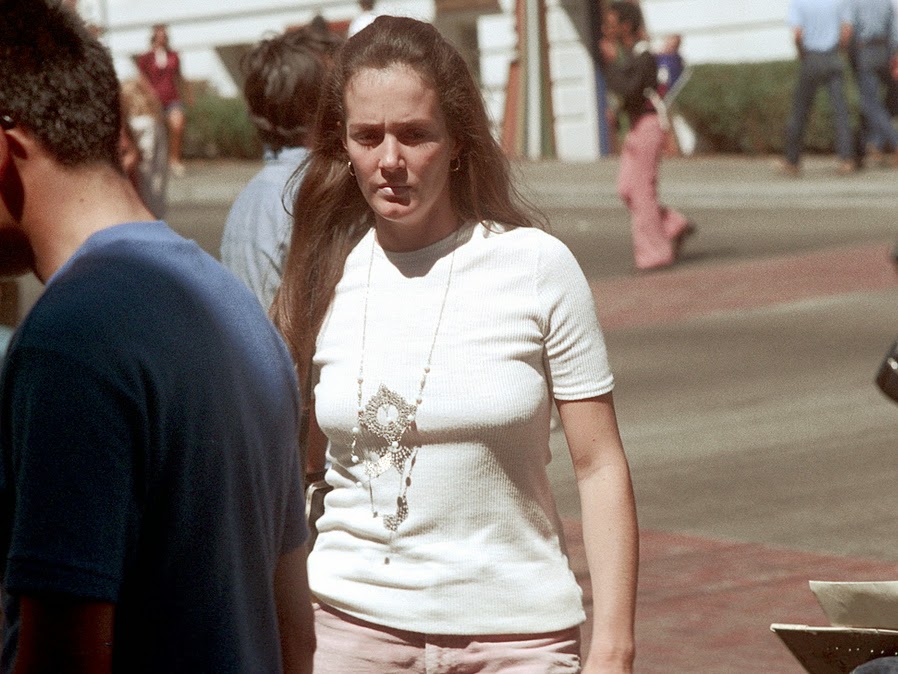
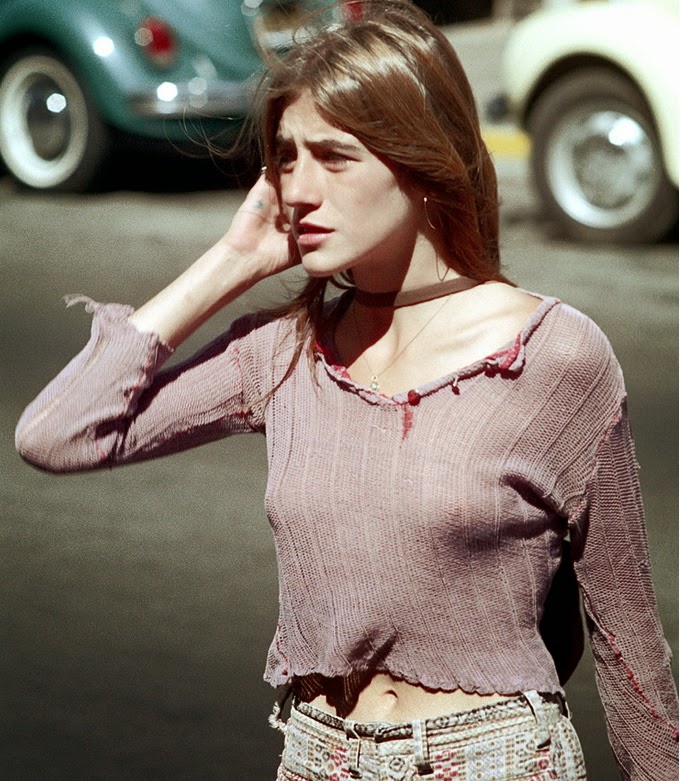
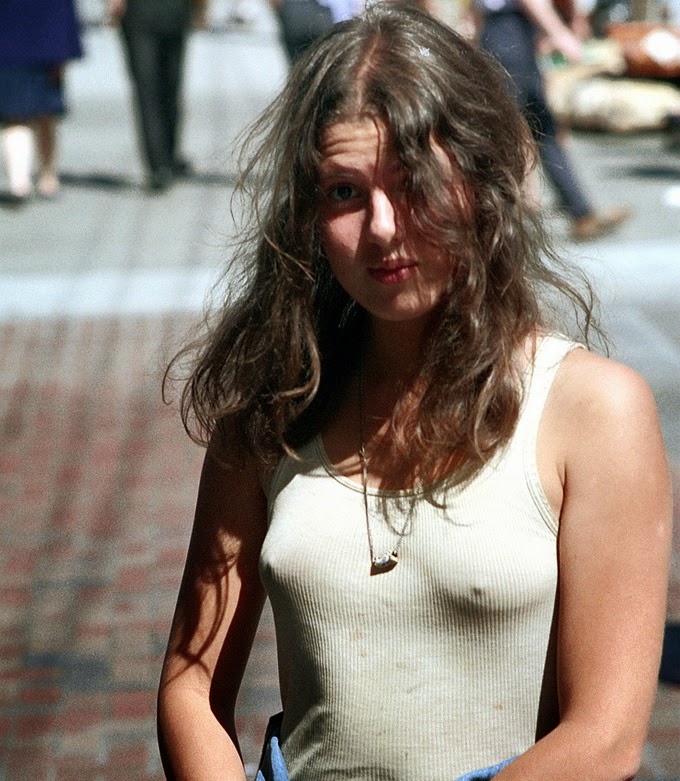
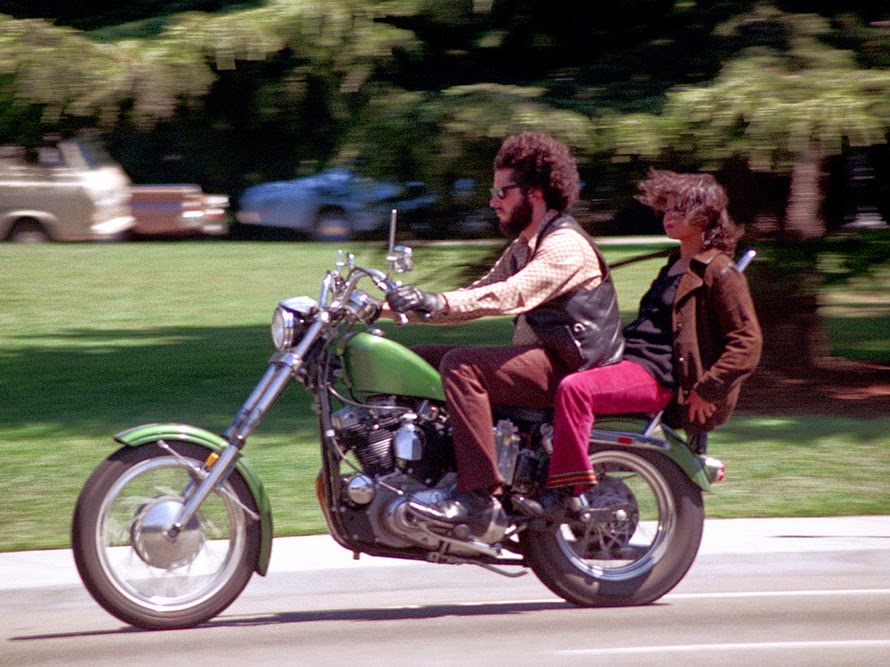
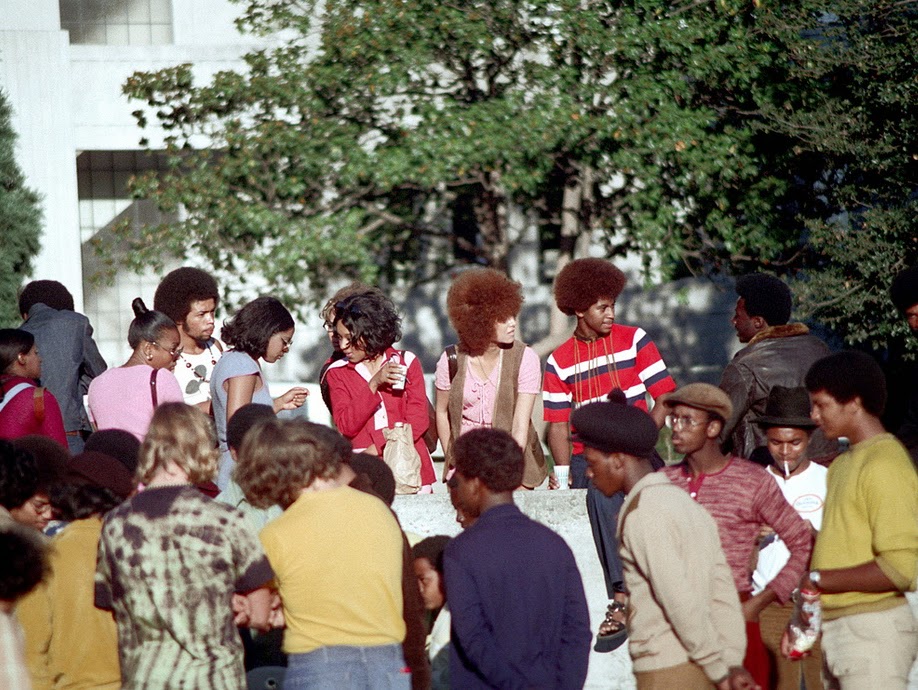
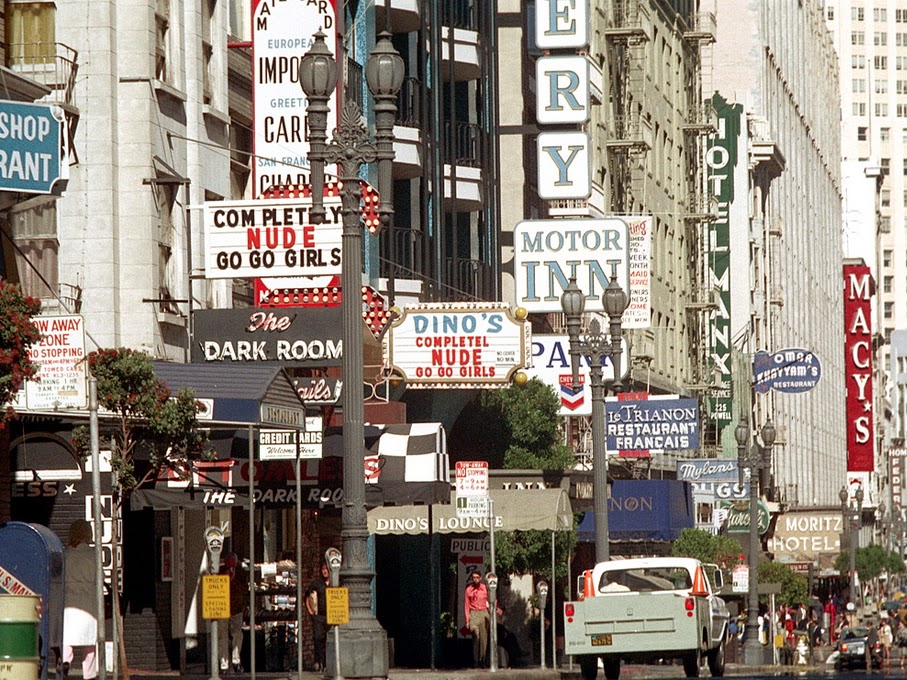
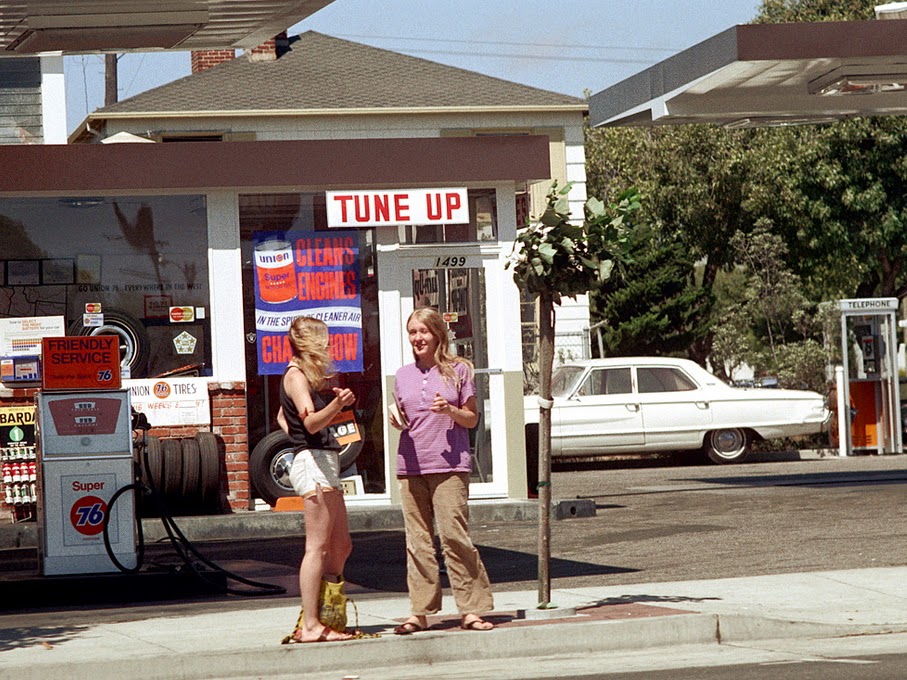
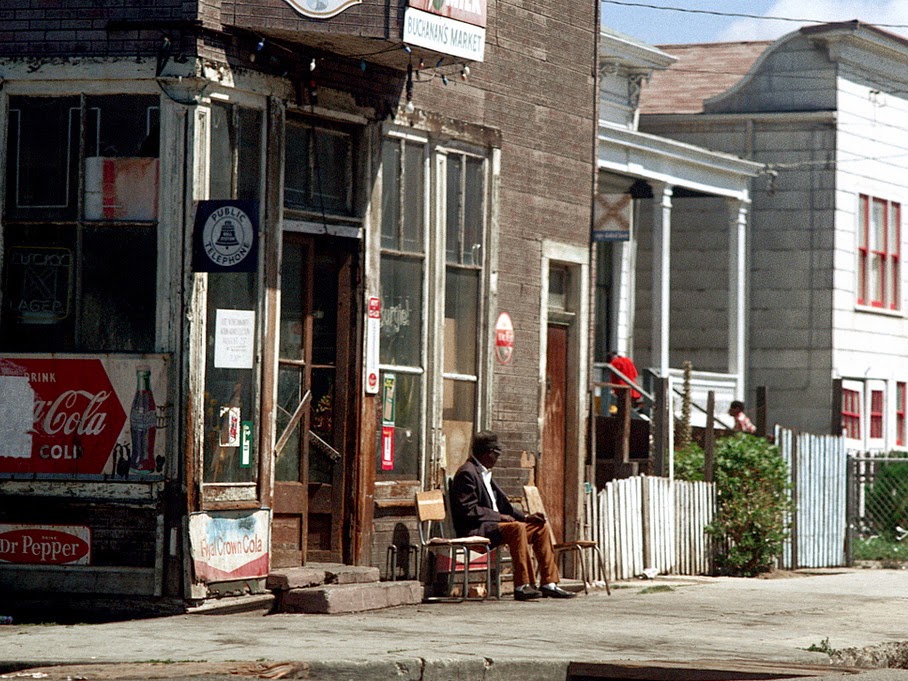
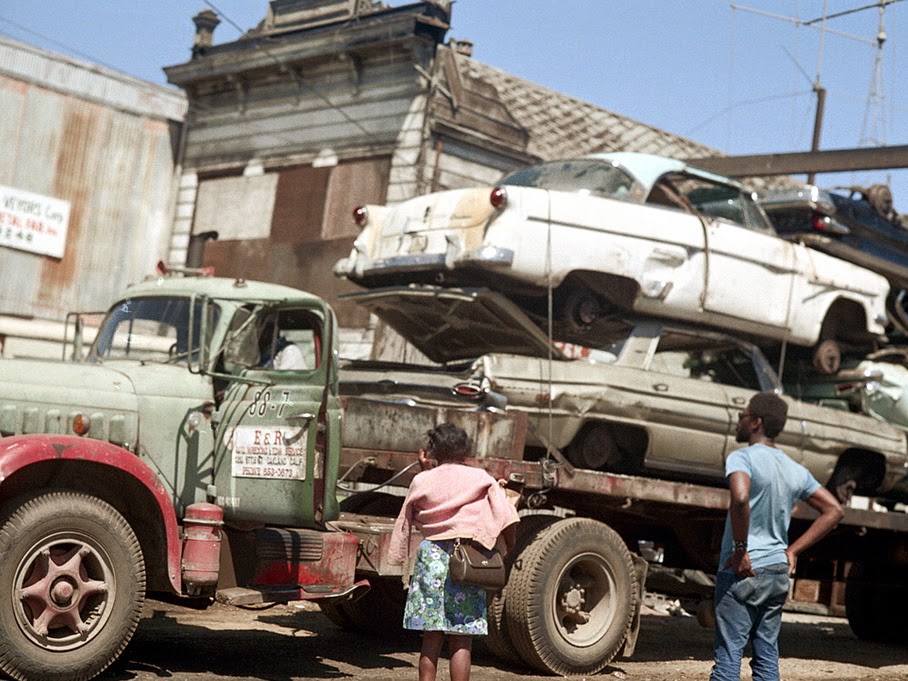
San Francisco in the 1970s was a global hub of culture. It was known worldwide for hippies and radicals. The city was heavily affected by drugs, prostitution and crime. Outcasts and the socially marginalized were attracted by a greater tolerance and acceptability of multi-cultures in the city. It grew as one of world’s biggest centres for the LGBT community and LGBT rights.
The Daily Mail described flamboyant 70s San Francisco as being characterized by “hippy street life when buskers, bongo players and impressive bouffants thronged the city by the bay.”
Here, below is a collection of 45 interesting color photographs of daily life in San Francisco were taken by photographer Nick DeWolf in August of 1971.
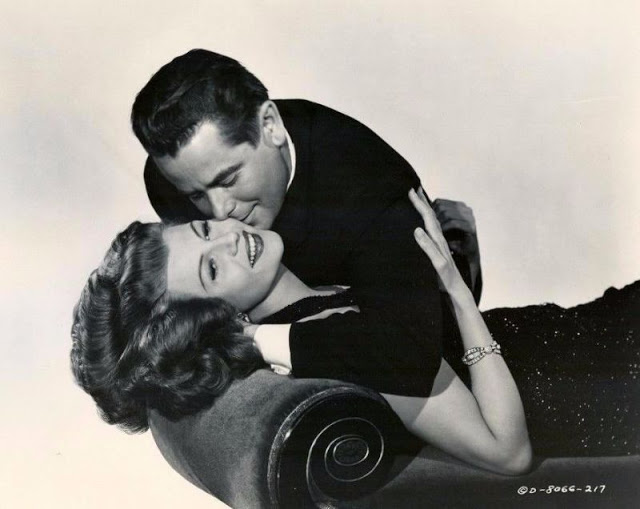
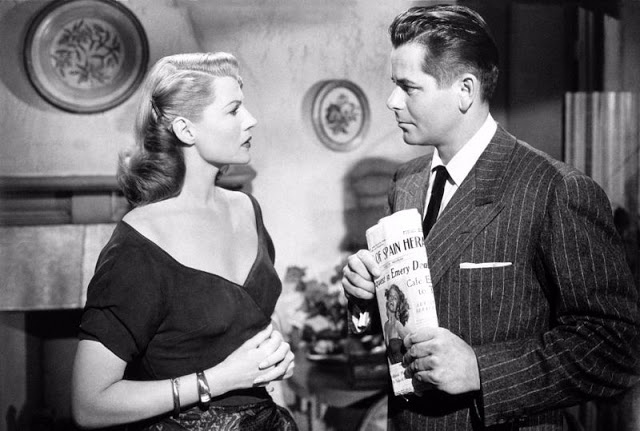
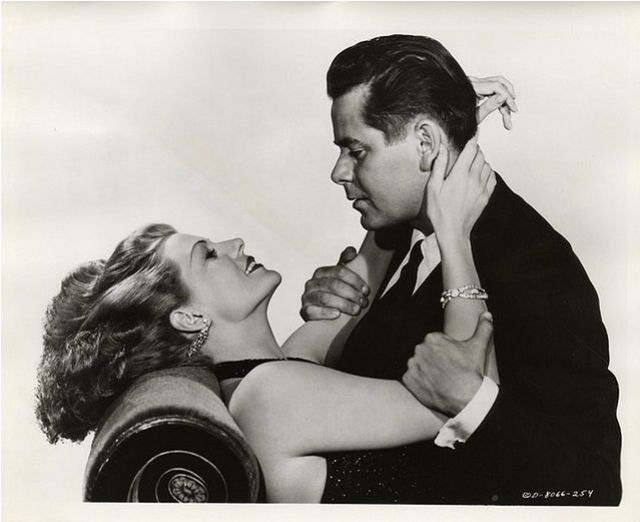
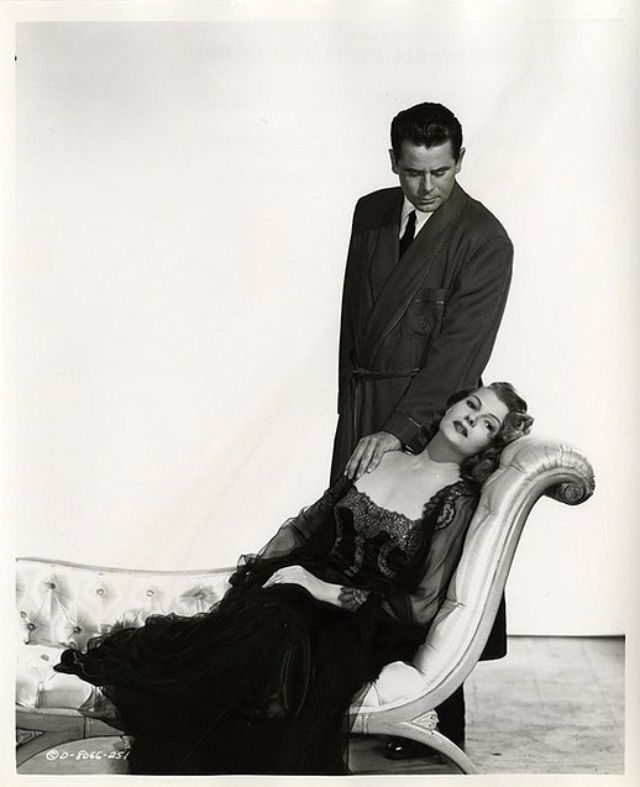
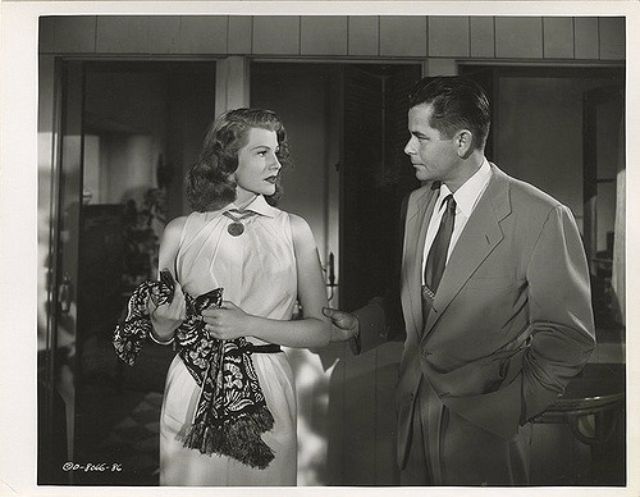
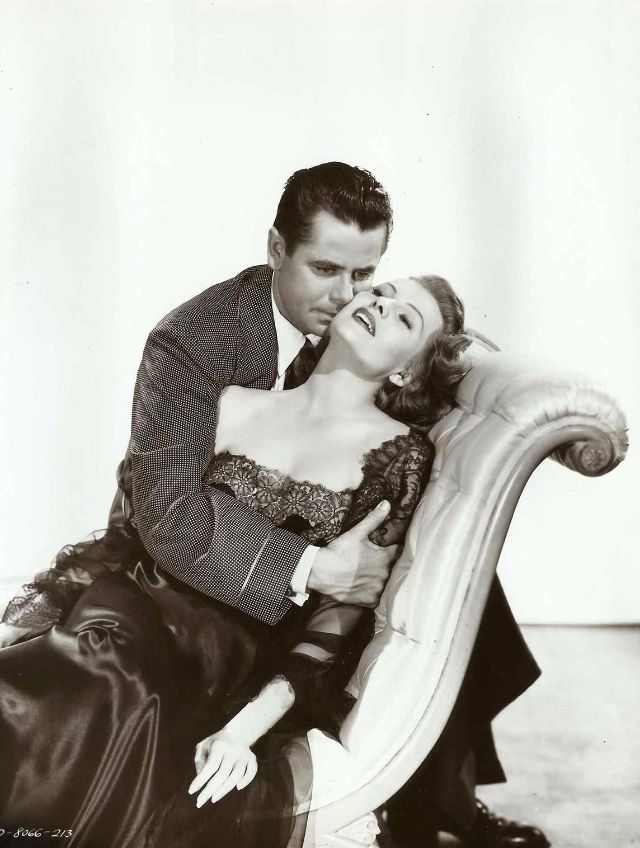
‘Affair in Trinidad’ is a 1952 film noir produced by Hayworth’s Beckworth Corporation, released by Columbia Pictures, and starring Rita Hayworth and Glenn Ford.
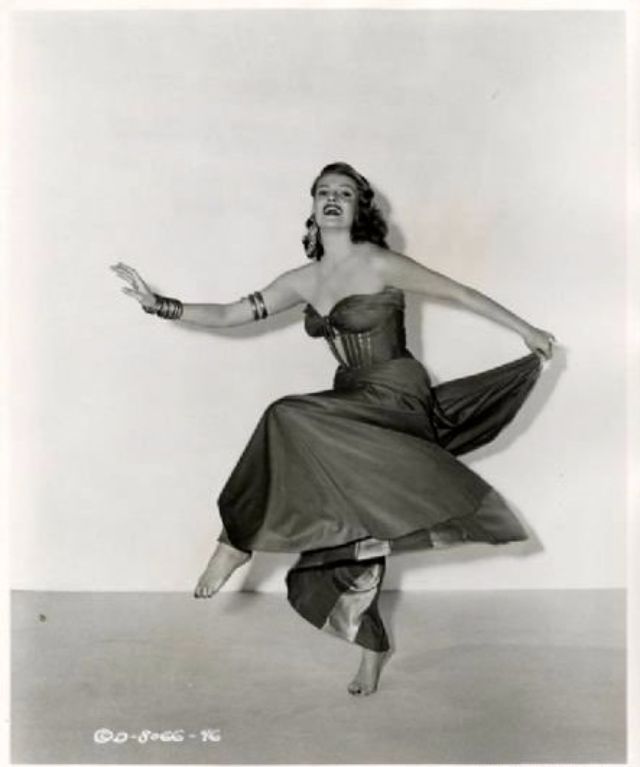
The film is notable as Hayworth’s “comeback” film after four years away from Columbia, as a re-teaming of the Gilda (1946) co-stars, and for a fiery opening number danced barefoot by Hayworth to calypso music. Hayworth’s singing voice is dubbed by Jo Ann Greer, who later also sang for her in Miss Sadie Thompson and Pal Joey.
The film’s gross take at the box office exceeded Gilda’s by one million dollars.
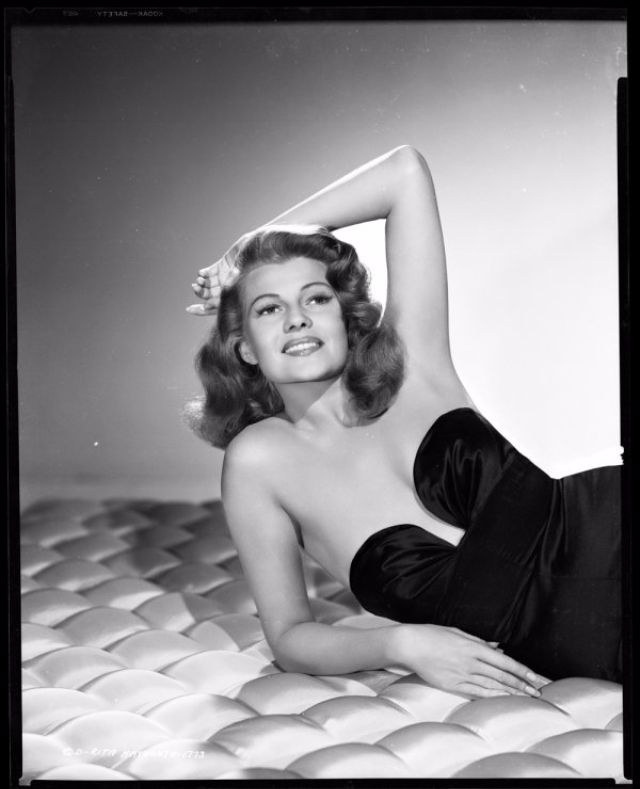
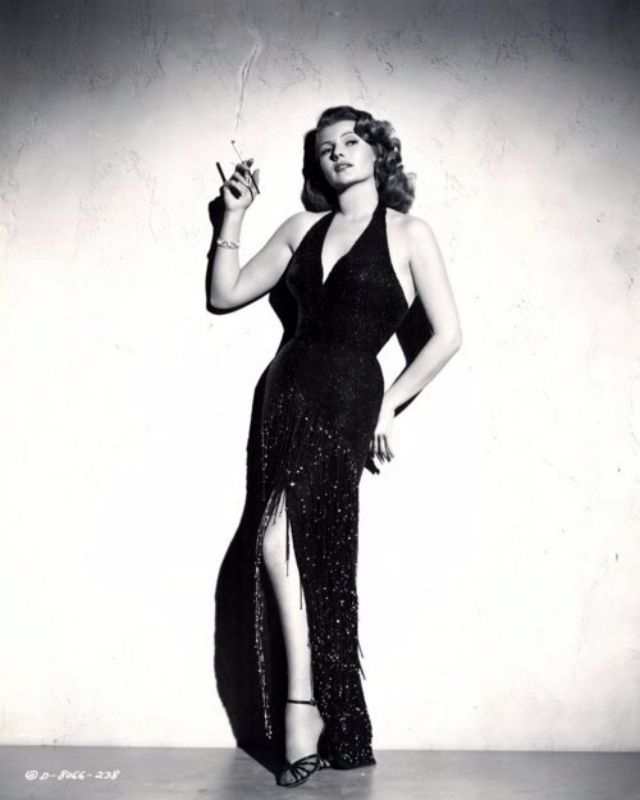
Rita Hayworth (born Margarita Carmen Cansino; October 17, 1918 – May 14, 1987) was a Spanish American actress, dancer, and producer. She achieved fame during the 1940s as one of the era’s top stars, appearing in 61 films over 37 years. The press coined the term “The Love Goddess” to describe Hayworth after she had become the most glamorous screen idol of the 1940s. She was the top pin-up girl for GIs during World War II.[1]
Hayworth is perhaps best known for her performance in the 1946 film noir Gilda, opposite Glenn Ford, in which she played the femme fatale in her first major dramatic role. She is also known for her performances in Only Angels Have Wings (1939), The Strawberry Blonde (1941), Blood and Sand (1941), The Lady from Shanghai (1947), Pal Joey (1957), and Separate Tables (1958). Fred Astaire, with whom she made two films, You’ll Never Get Rich (1941) and You Were Never Lovelier (1942), once called her his favorite dance partner. She also starred in the Technicolor musical Cover Girl (1944), with Gene Kelly. She is listed as one of the top 25 female motion picture stars of all time in the American Film Institute’s survey, AFI’s 100 Years…100 Stars.
In 1980, Hayworth was diagnosed with early-onset Alzheimer’s disease, which contributed to her death in 1987 at age 68. The public disclosure and discussion of her illness drew attention to Alzheimer’s, and helped to increase public and private funding for research into the disease.
These glamorous behind-the-scenes photos that captured Rita Hayworth while filming ‘Affair in Trinidad’ in 1952.
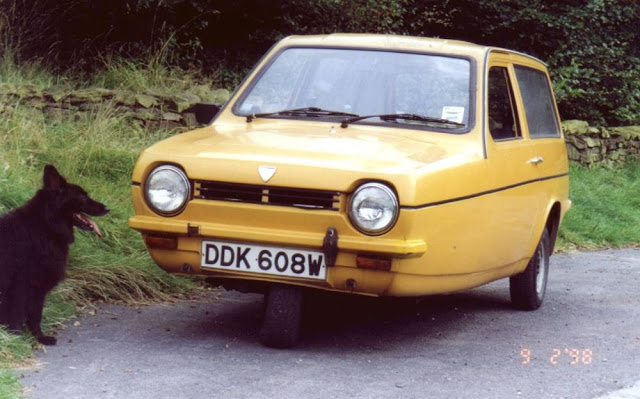
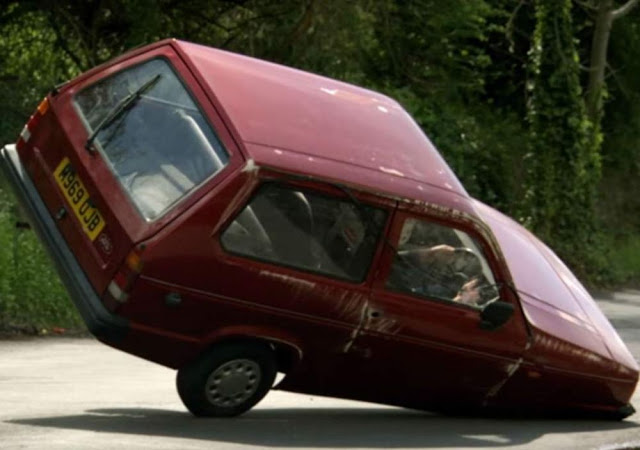
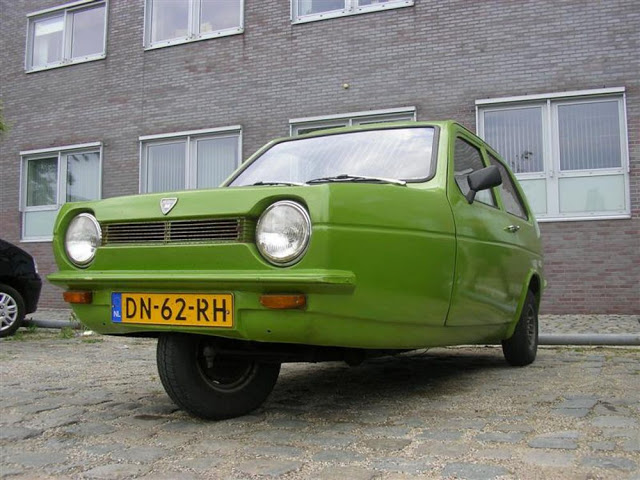
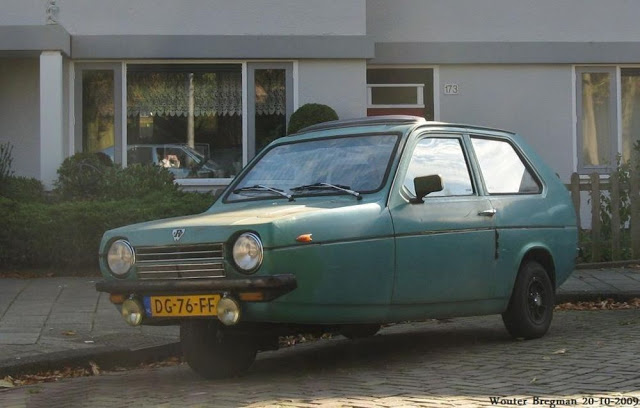
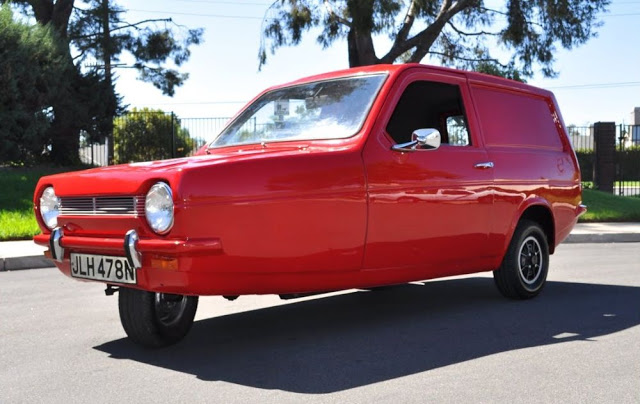
The Reliant Robin is a small three-wheeled car produced by the Reliant Motor Company in Tamworth, England. It was offered in several versions (Mk1, Mk2 and Mk3) over a period of 30 years. It is the second-most popular fibreglass car in history, with Reliant being the second-biggest UK-owned car manufacturer for a time.
Its steering wheel came off, its doors cracked in the wind, and it was voted the worst car ever. But the “plastic pig”, as it was called, was a good little product: a design classic, really. And it had a huge following that kept Reliant going for years. Some amazing people bought them, too – and even Princess Anne wanted one.
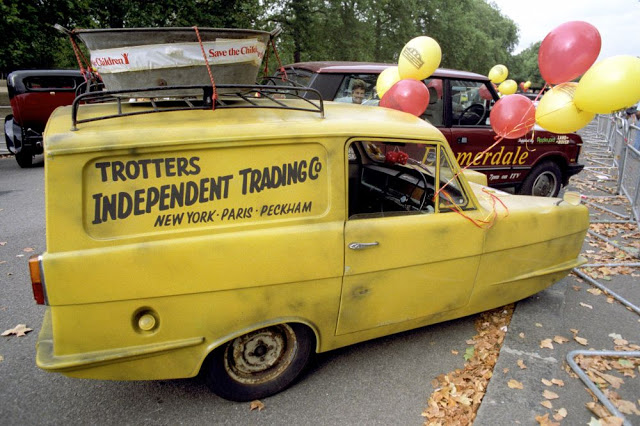
The Reliant Robin is staple material for comedian Jasper Carrott. However, perhaps two of the best known Reliants in British comedy are actually Reliant Regal Supervans — the dirty yellow van owned by the Trotter brothers in Only Fools and Horses, and the light blue van that always ends up getting tipped over, crashed into, bumped out of its parking space etc. by a British Leyland Mini in Mr. Bean.
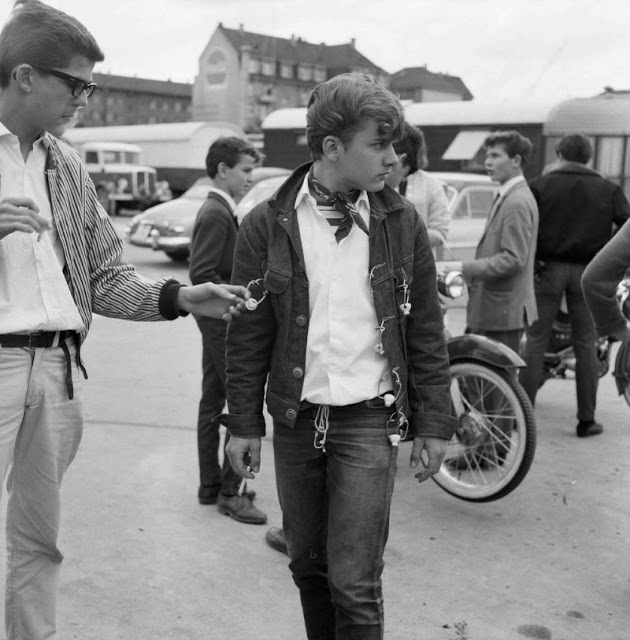
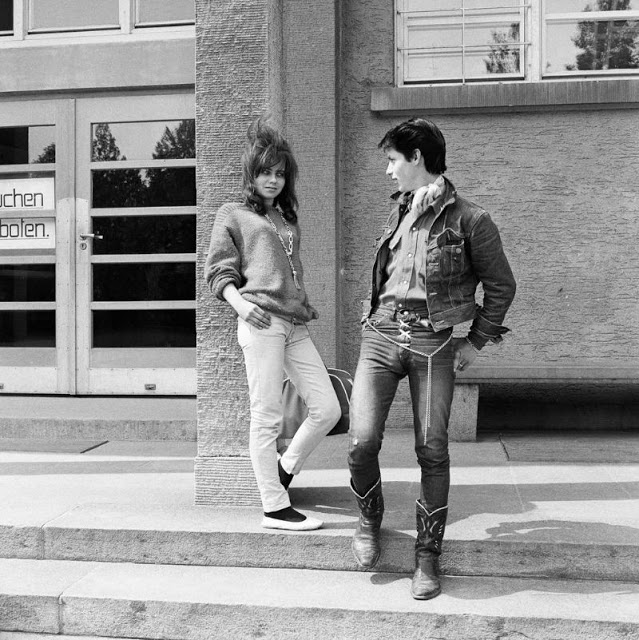
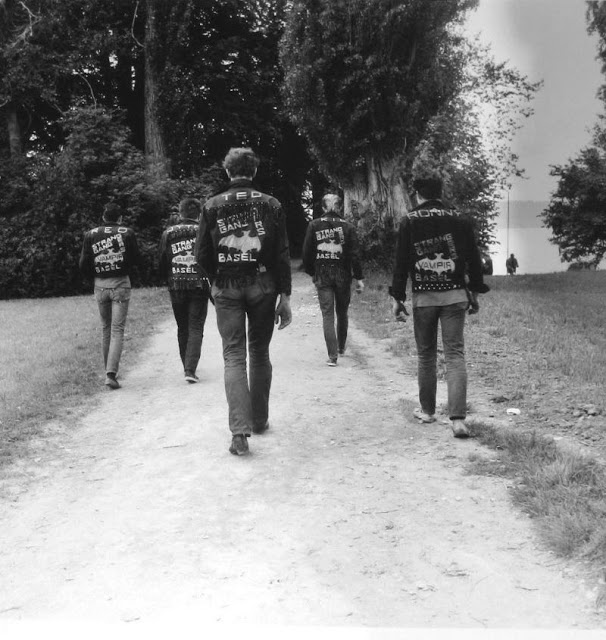
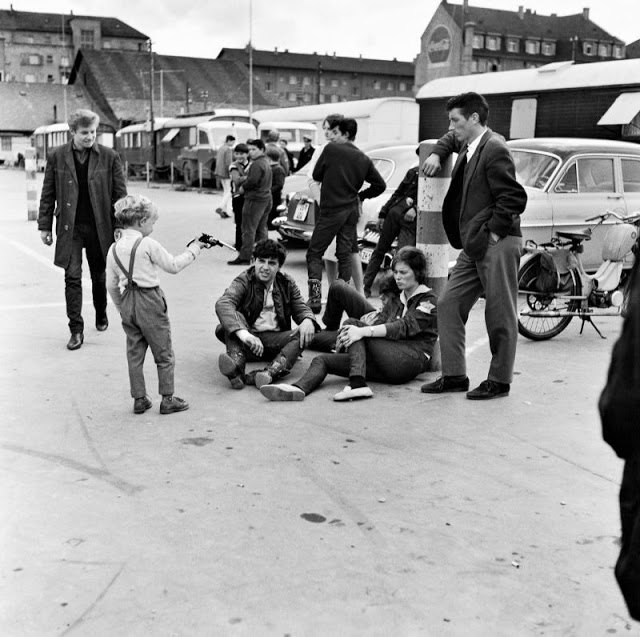
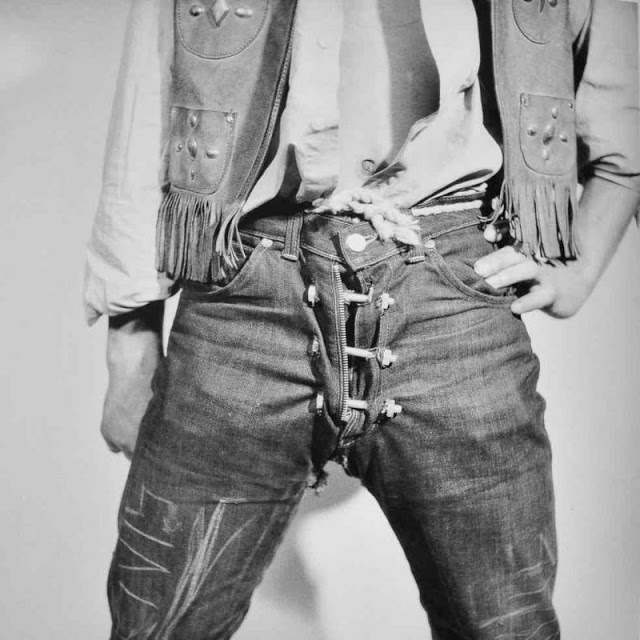
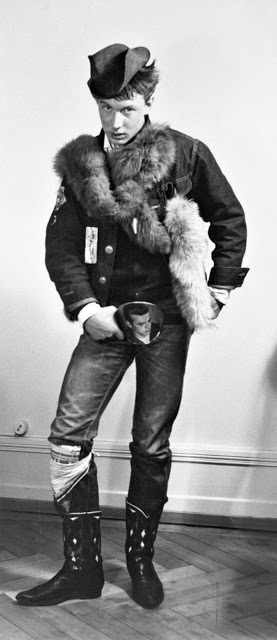
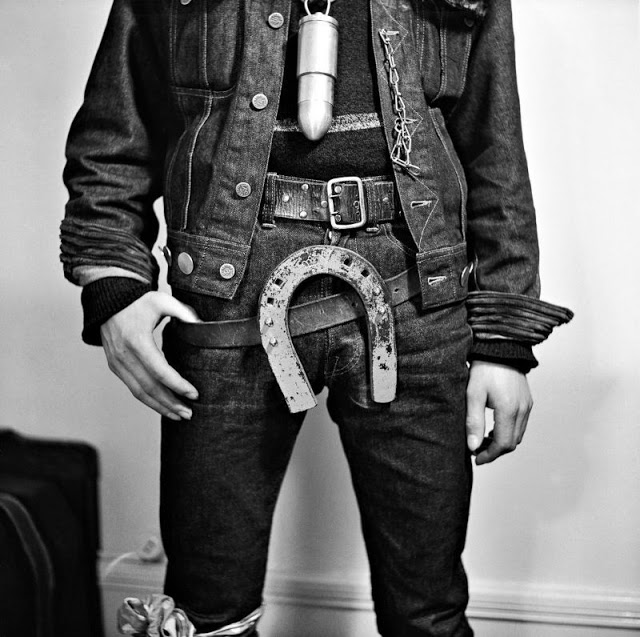
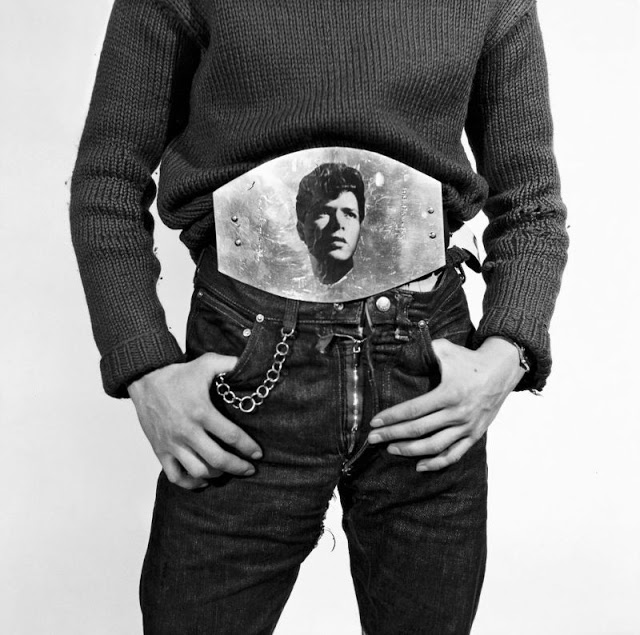
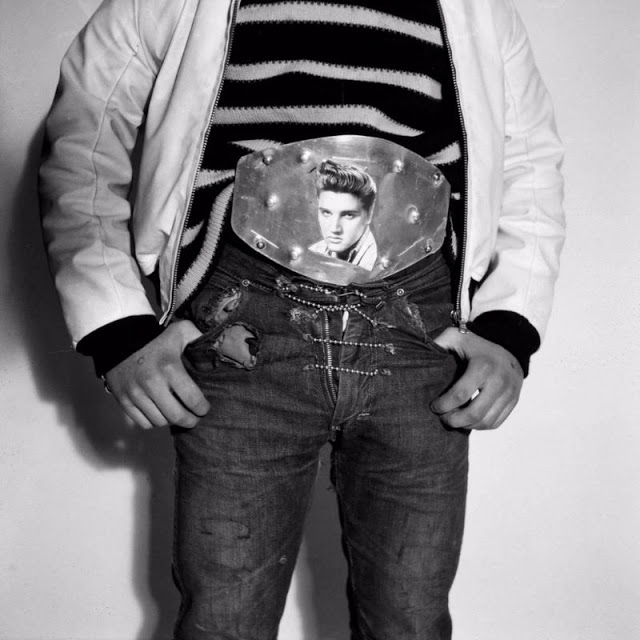
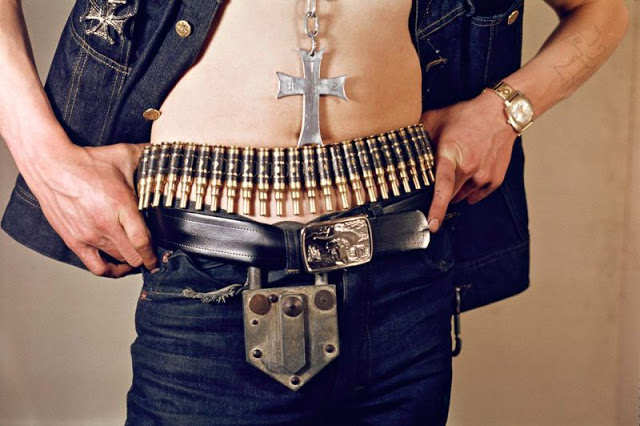
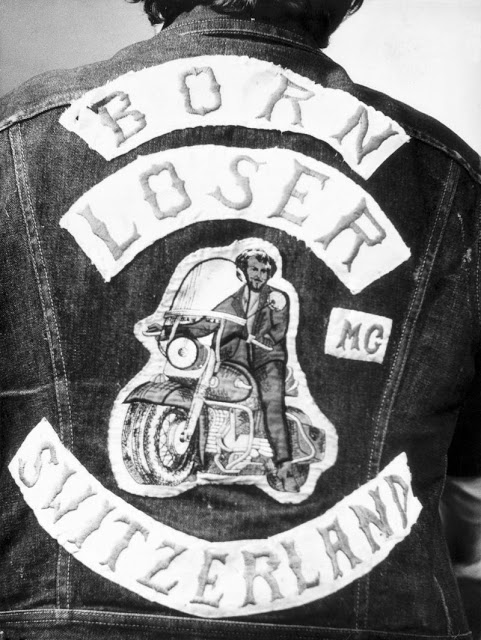
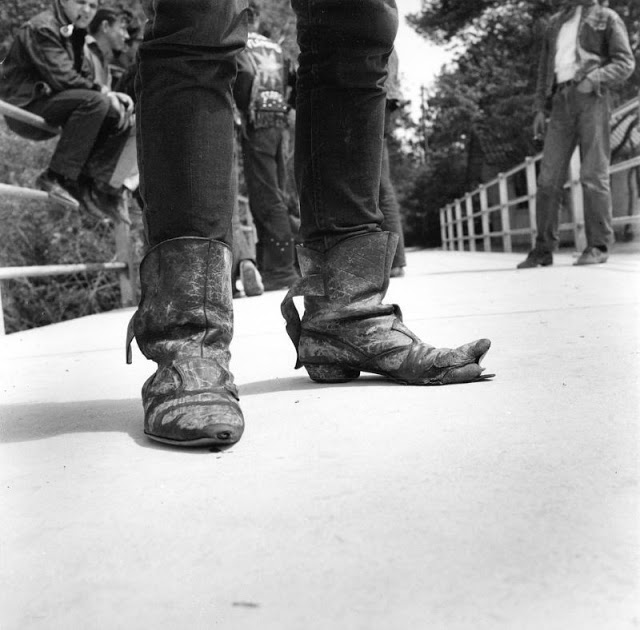
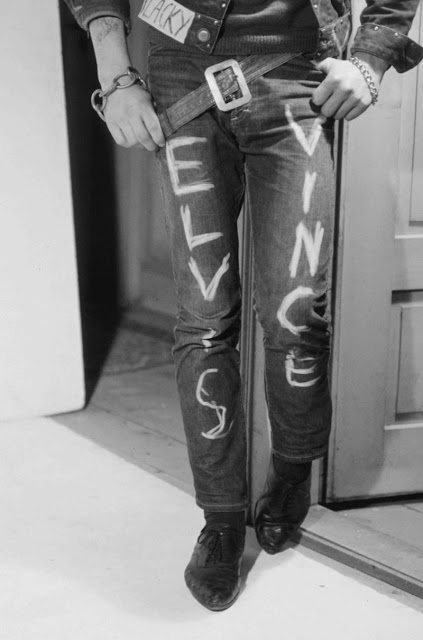
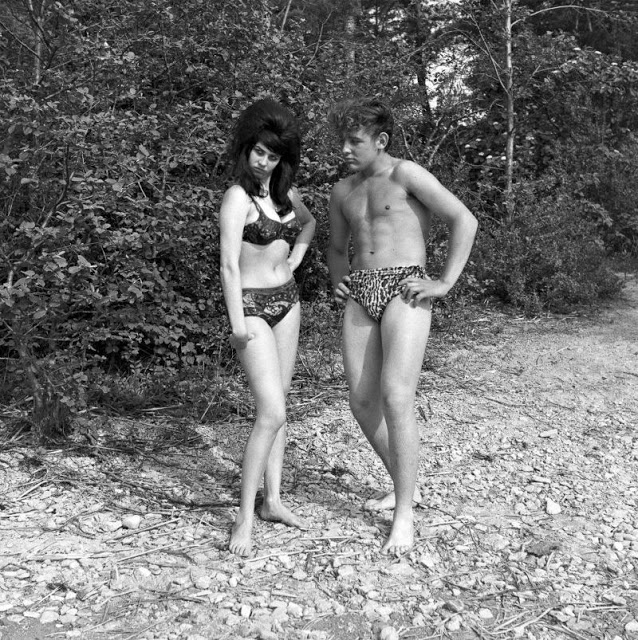
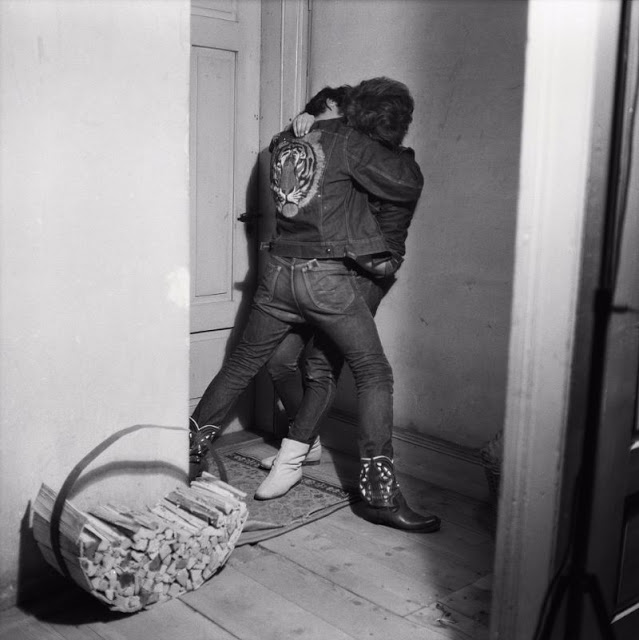
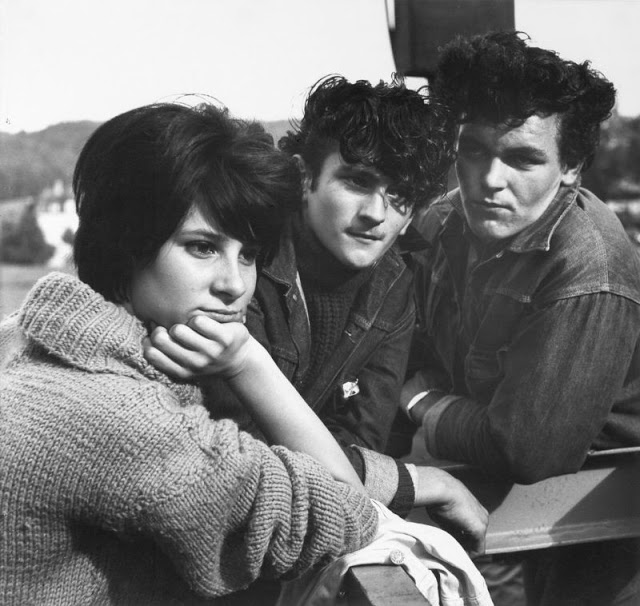
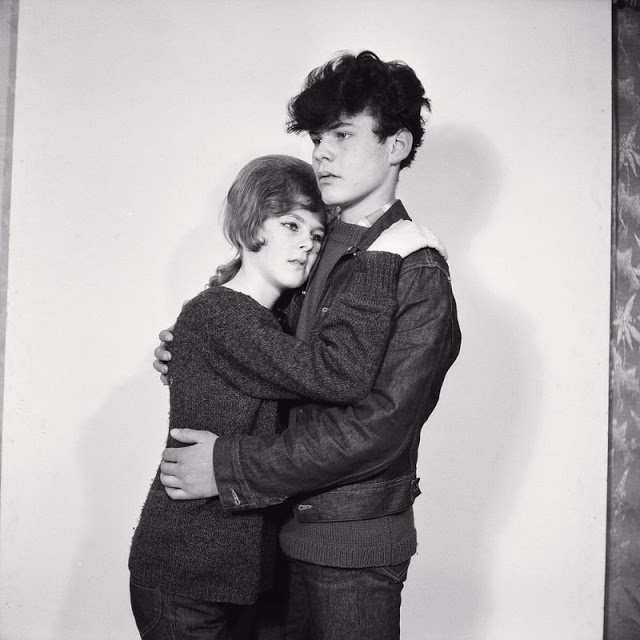
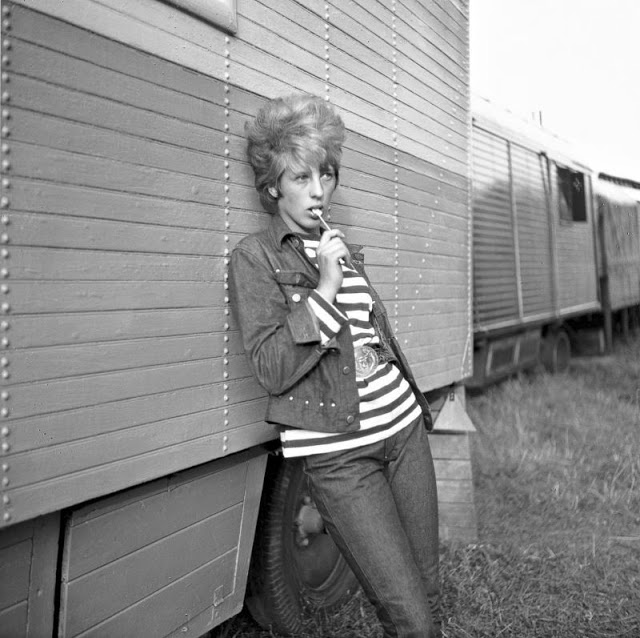
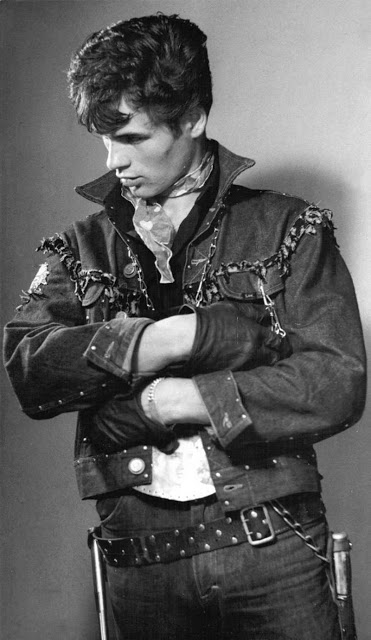
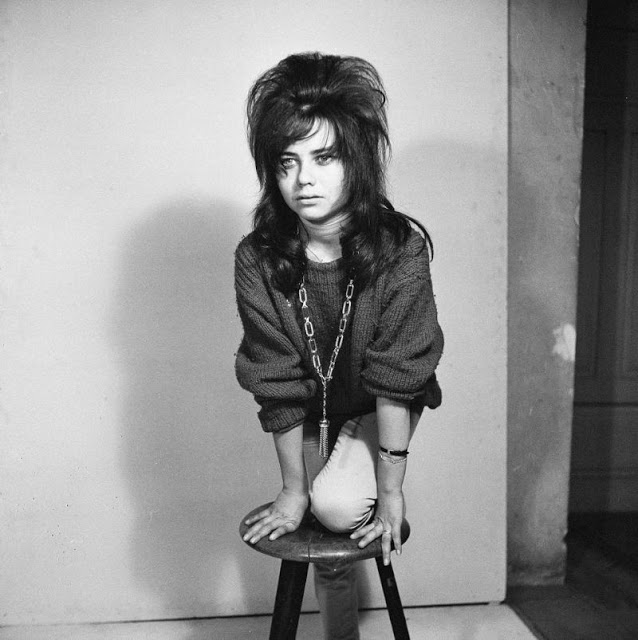
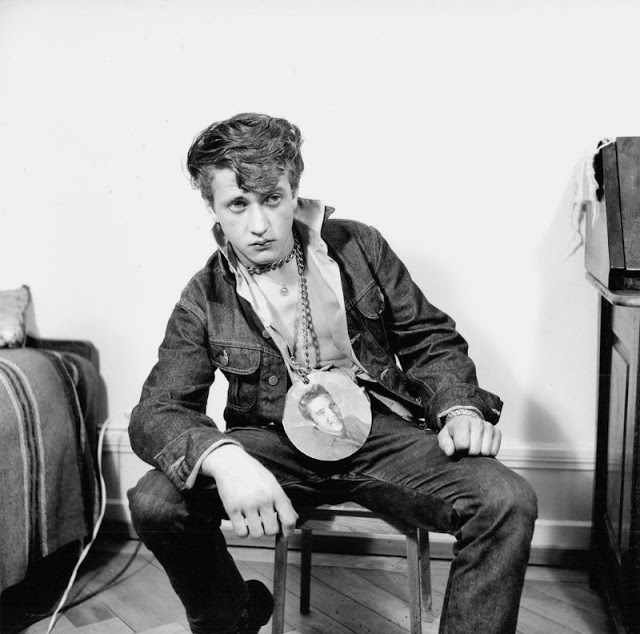
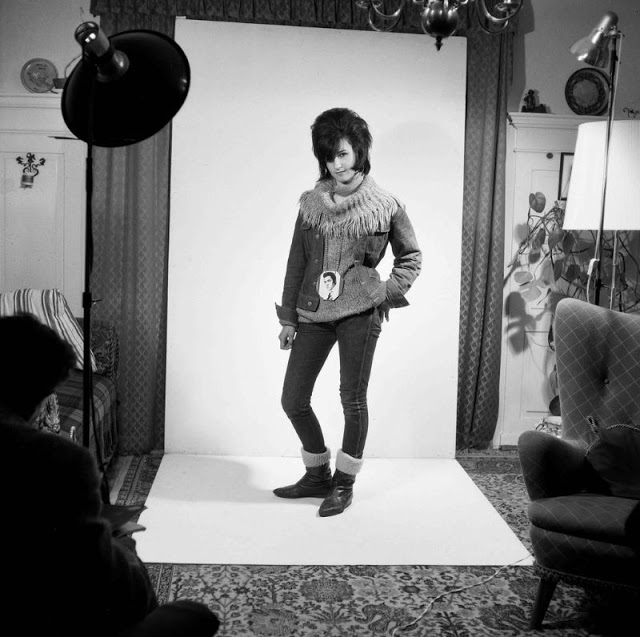
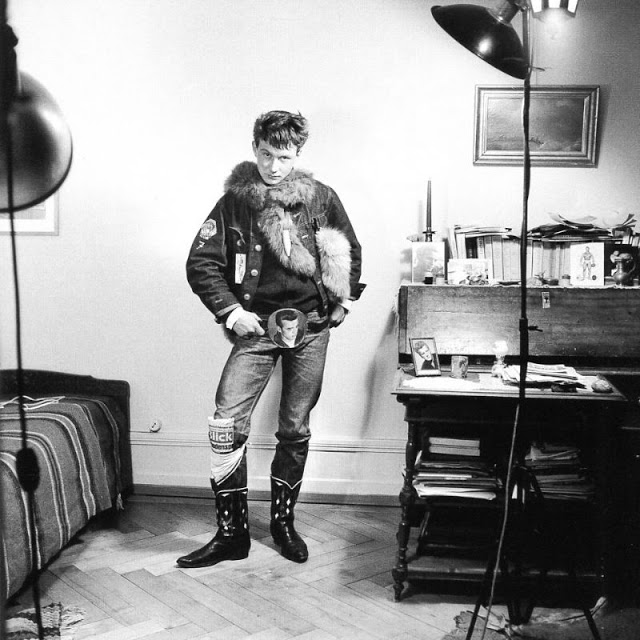
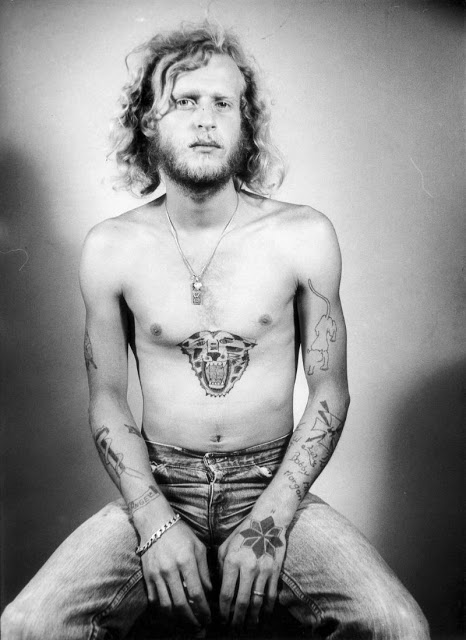
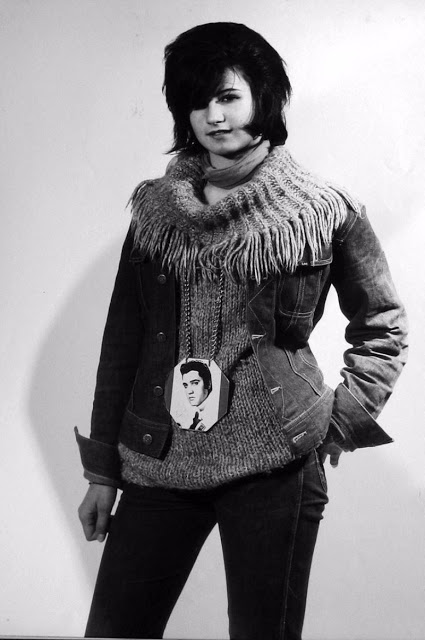
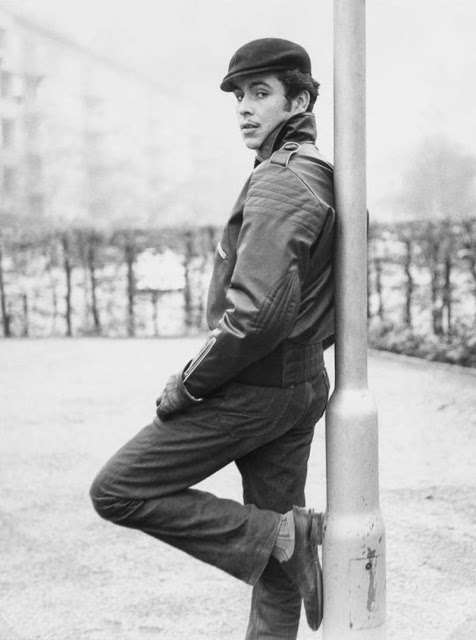
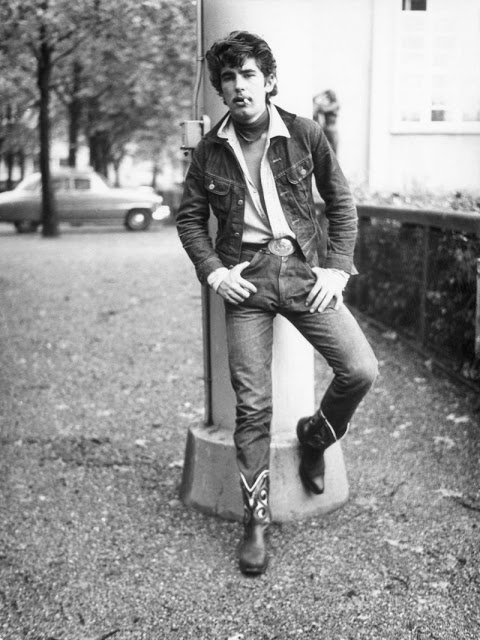
Karlheinz Weinberger (1921-2006). Living in Zurich, Switzerland, Weinberger was a self-taught “amateur” photographer whose day job working in a factory warehouse allowed him to pursue photography seriously in his free time. In the late 1940s Weinberger began to publish his pictures for a gay magazine using the pseudonym of Jim, and later was a freelance photographer for a Swiss sports magazine. Working in relative obscurity, Weinberger produced all the prints featured in this exhibition in his home darkroom, and these have remained inaccessible until recent years.
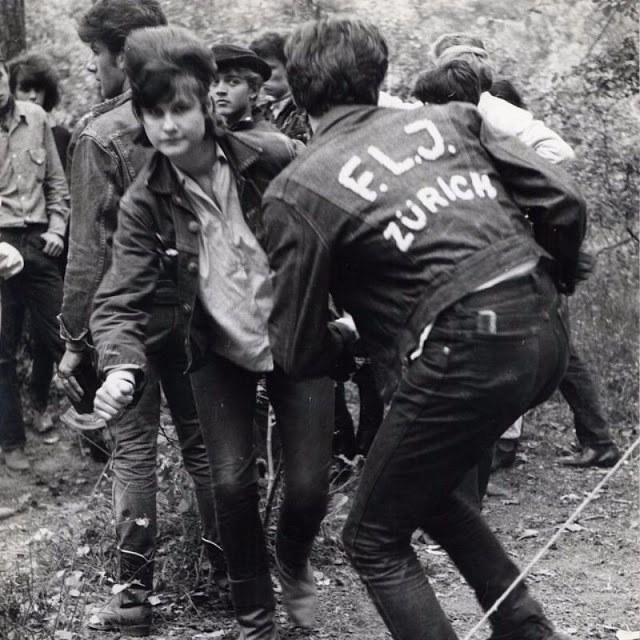
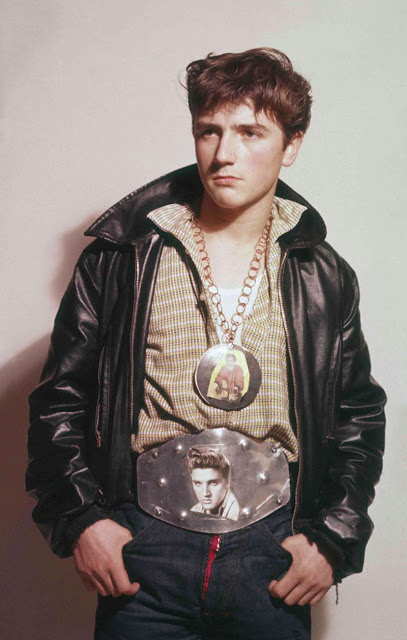
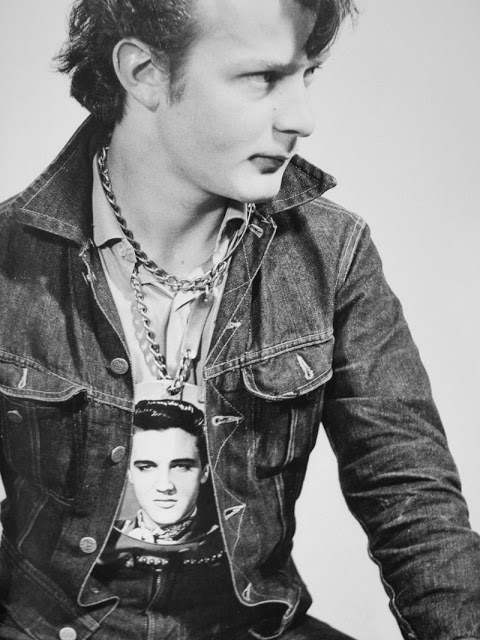
According to The Selvedge Yard, in 1958, Karlheinz Weinberger met a member of a small band of teenagers and began photographing them both at his home studio as well as at the public parks and carnivals where they gathered. In post war Switzerland, these self-named “rebels” were comprised of working class boys and girls dissatisfied with the conservative and conforming culture of the day. Inventing their own code of behavior and dress they affected a powerful gang identity expressed by an affinity for like-minded American imports such as James Dean, Elvis, blue jeans and motorbikes.
Later, in the mid-60s, the rebels dissipated both physically and in spirit, while others carried on their youthful resistance to the status quo, forming clubs of “rockers” and “bikers” that Weinberger followed with his camera on their outings into the Swiss countryside. Their retreat from the urban setting to a self-imposed isolation in nature embodied a more inward revolt, one of self-destructiveness and self-mutilation.
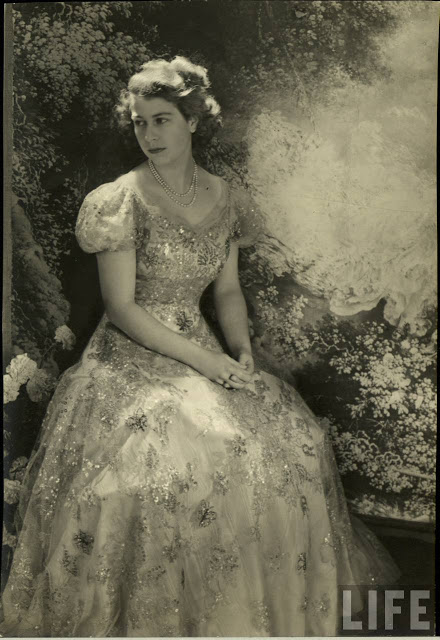
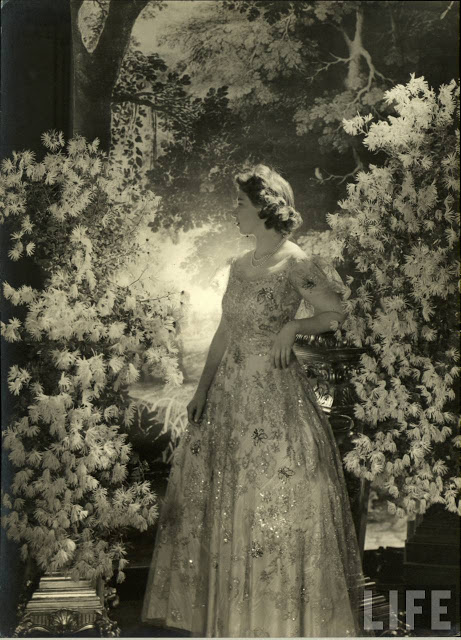
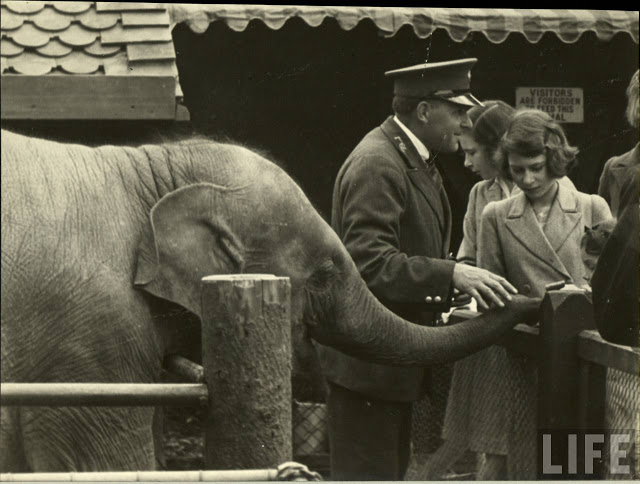
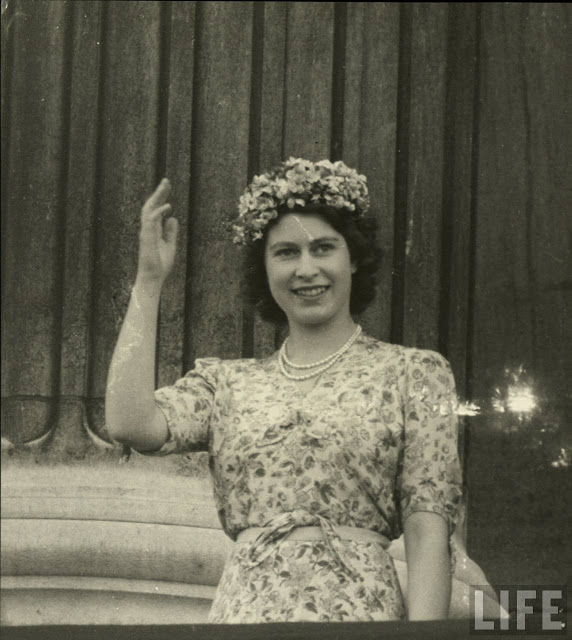
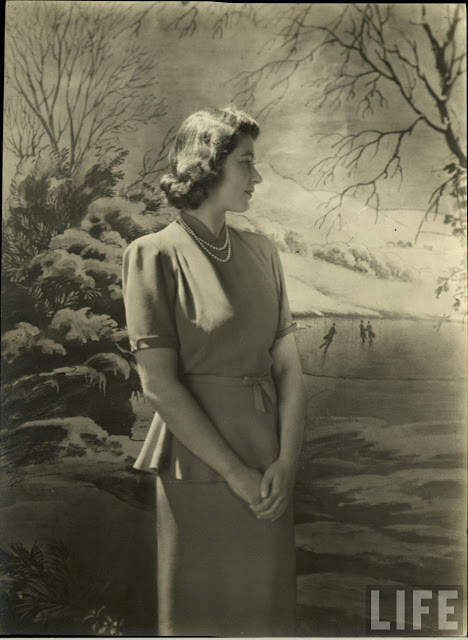
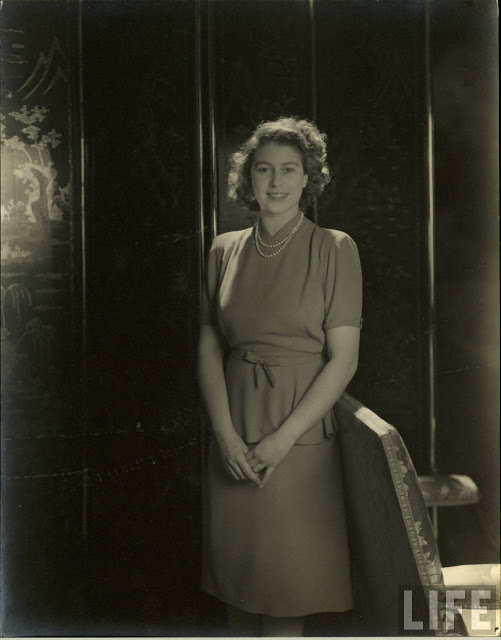
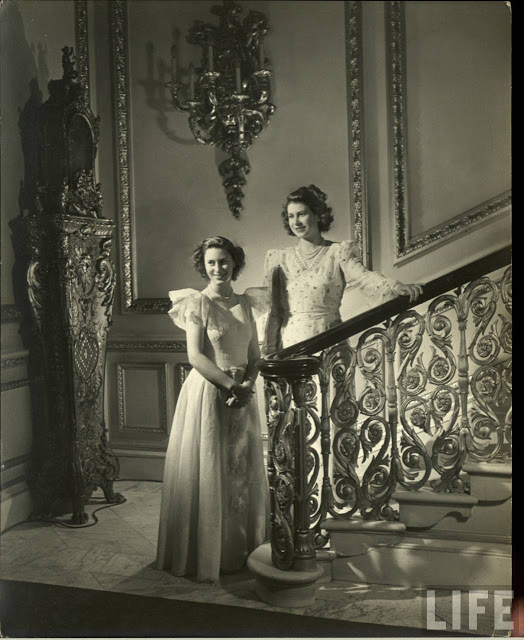
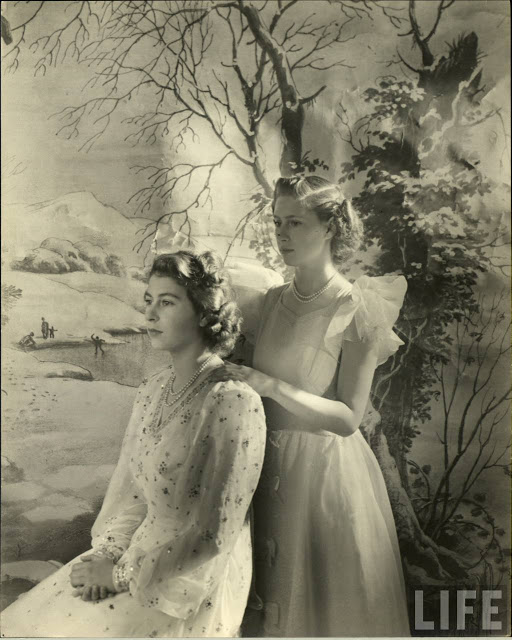
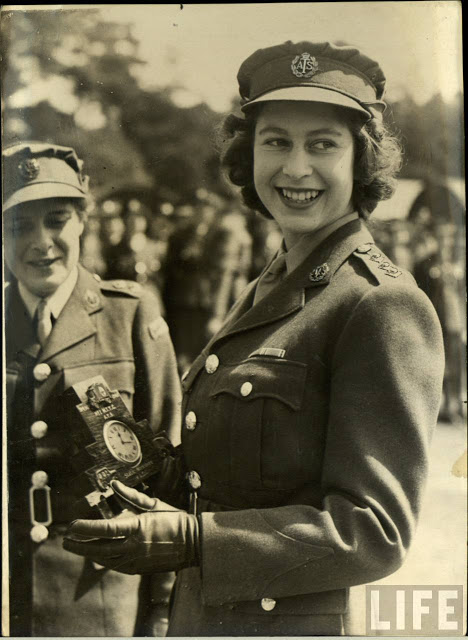
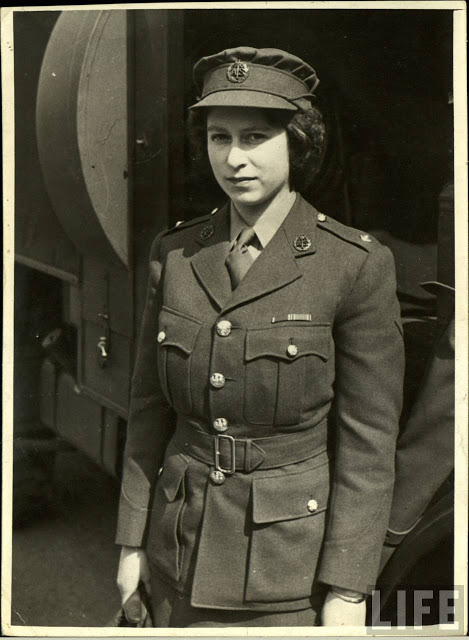
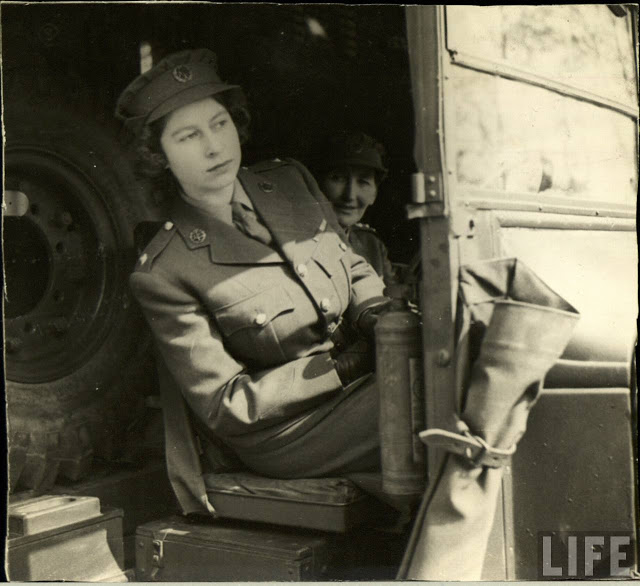
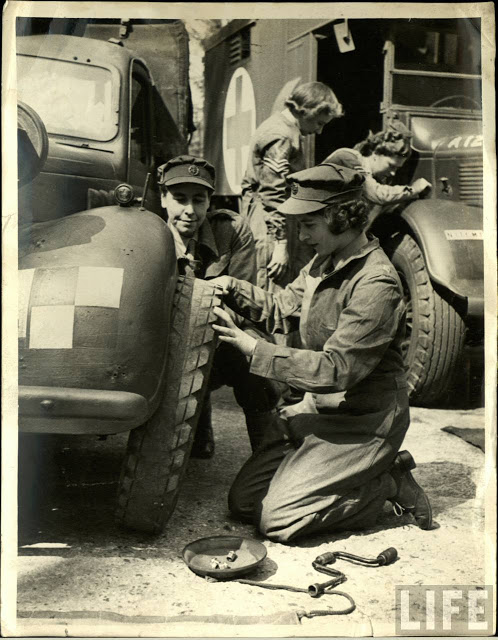
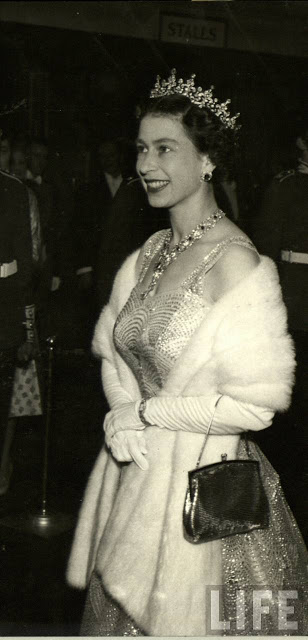
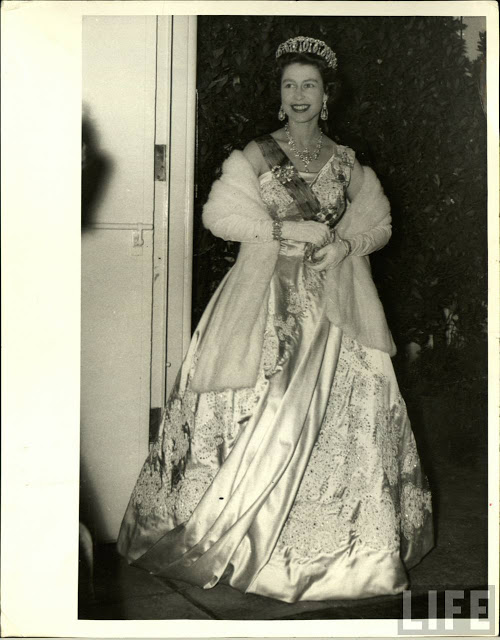
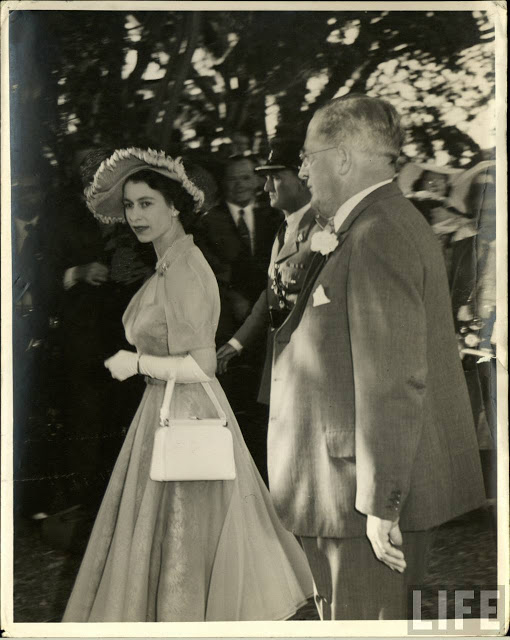
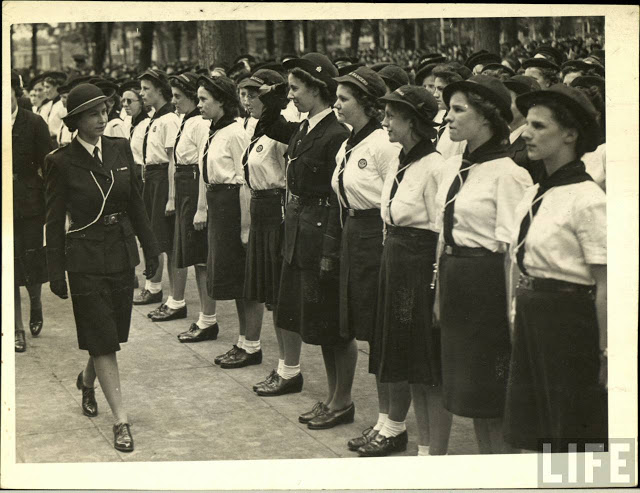
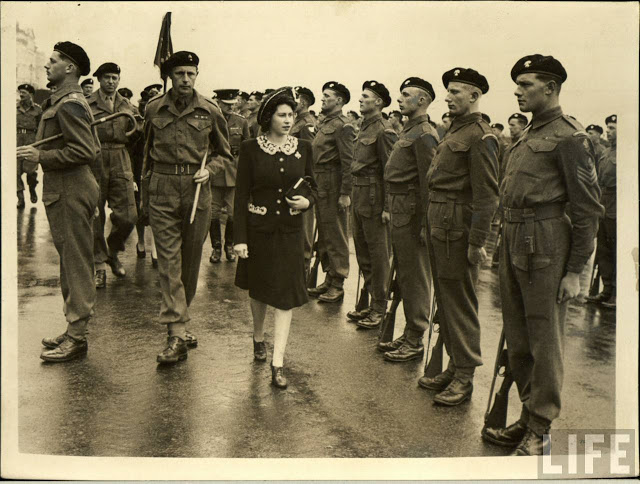
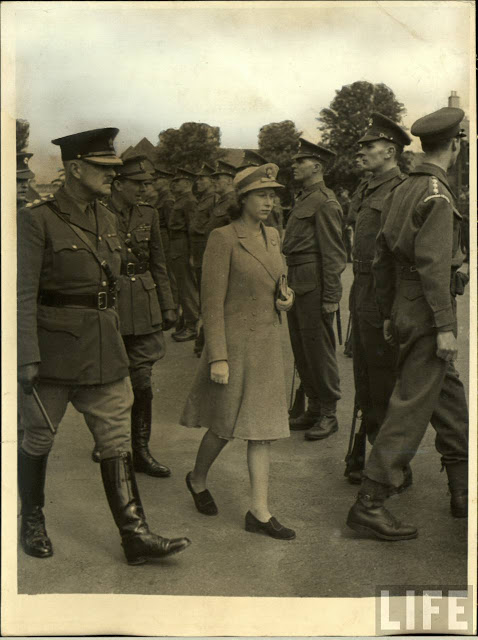
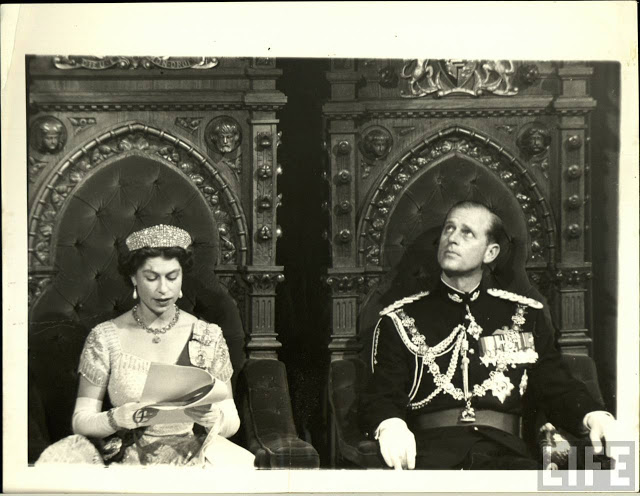
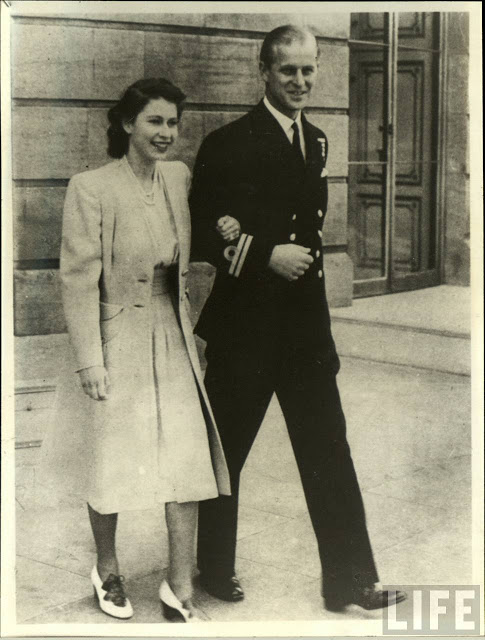
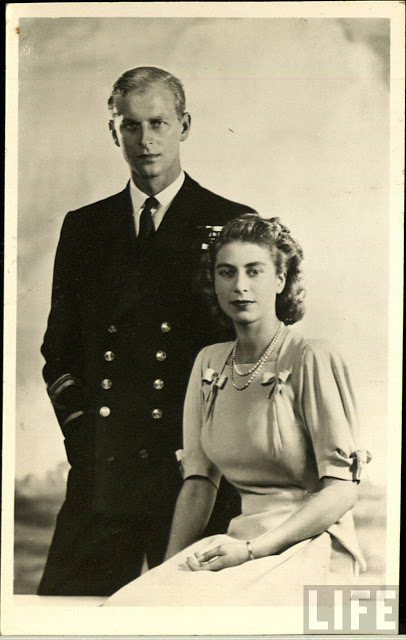
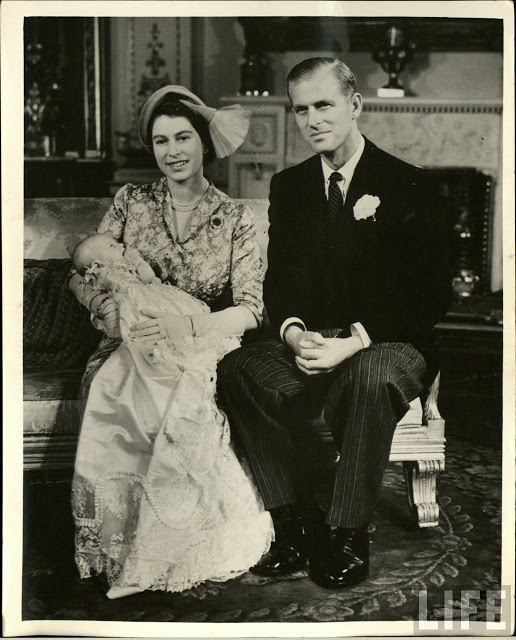
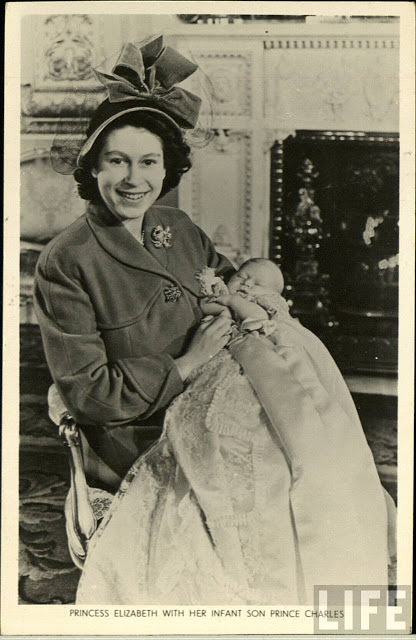
Elizabeth II (Elizabeth Alexandra Mary; born 21 April 1926) is Queen of the United Kingdom and 14 other Commonwealth realms.
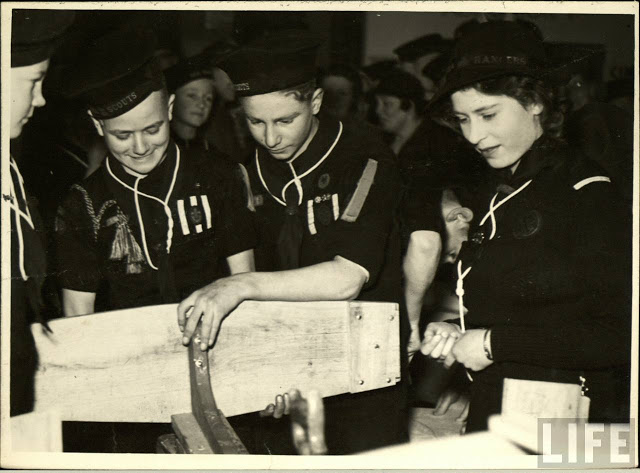
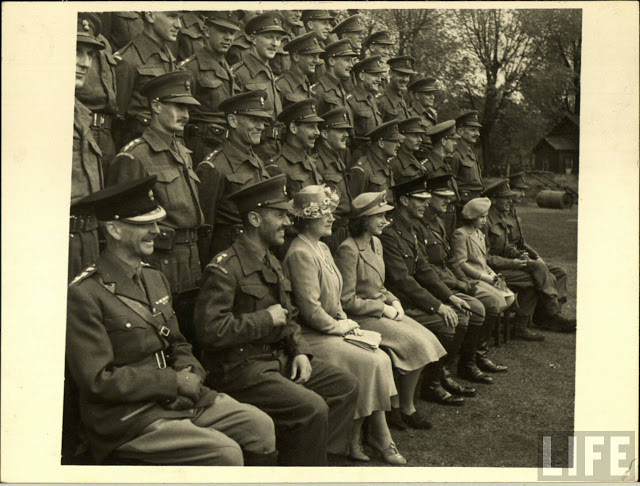
Elizabeth was born in Mayfair, London, as the first child of the Duke and Duchess of York (later King George VI and Queen Elizabeth). Her father acceded to the throne in 1936 upon the abdication of his brother, King Edward VIII, making Elizabeth the heir presumptive. She was educated privately at home and began to undertake public duties during the Second World War, serving in the Auxiliary Territorial Service. In November 1947, she married Philip Mountbatten, a former prince of Greece and Denmark, and their marriage lasted 73 years until Philip’s death in 2021. They had four children: Charles, Prince of Wales; Anne, Princess Royal; Prince Andrew, Duke of York; and Prince Edward, Earl of Wessex.
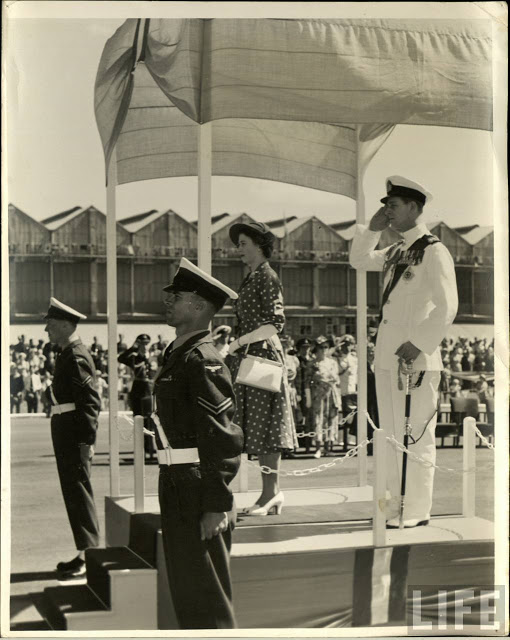
When her father died in February 1952, Elizabeth—then 25 years old—became queen regnant of seven independent Commonwealth countries: the United Kingdom, Canada, Australia, New Zealand, South Africa, Pakistan, and Ceylon, as well as Head of the Commonwealth. Elizabeth has reigned as a constitutional monarch through major political changes such as the Troubles in Northern Ireland, devolution in the United Kingdom, the decolonisation of Africa, and the United Kingdom’s accession to the European Communities and withdrawal from the European Union. The number of her realms has varied over time as territories have gained independence, and as some realms have become republics. Her many historic visits and meetings include a state visit to the Republic of Ireland in 2011 and visits to or from five popes.
Significant events have included the Queen’s coronation in 1953 and the celebrations of her Silver, Golden, Diamond and Platinum jubilees in 1977, 2002, 2012, and 2022 respectively. Elizabeth is the longest-lived and longest-reigning British monarch, the longest-serving female head of state in history, the oldest living and longest-reigning current monarch, and the oldest and longest-serving incumbent head of state. Elizabeth has occasionally faced republican sentiment and press criticism of the royal family, particularly after the breakdown of her children’s marriages, her annus horribilis in 1992, and the death in 1997 of her former daughter-in-law Diana, Princess of Wales. However, support for the monarchy in the United Kingdom has been and remains consistently high, as does her personal popularity. (Wikipedia)
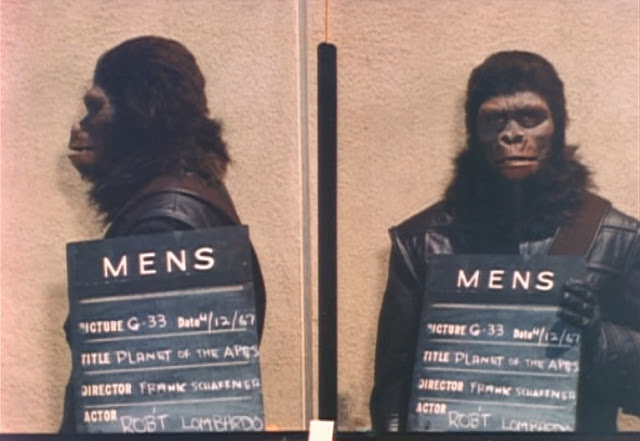
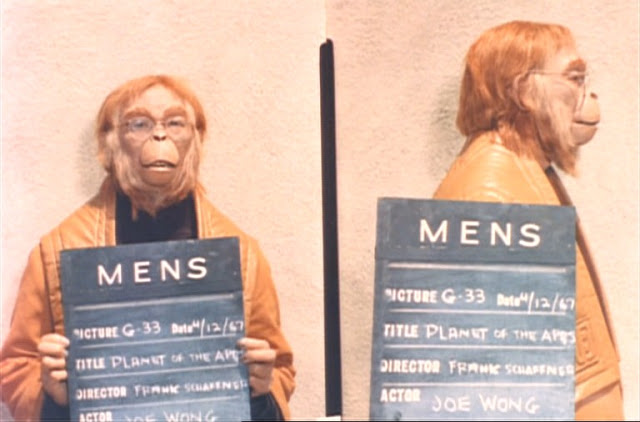
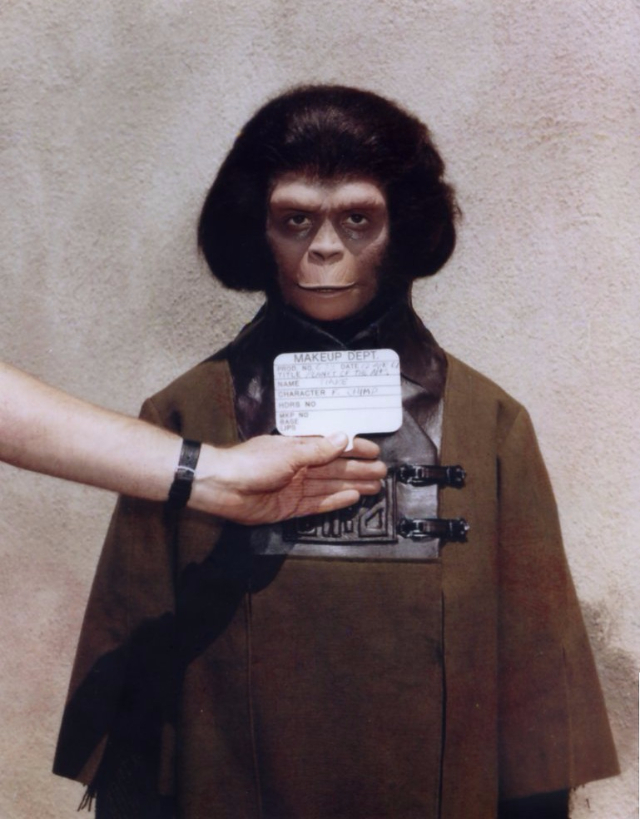
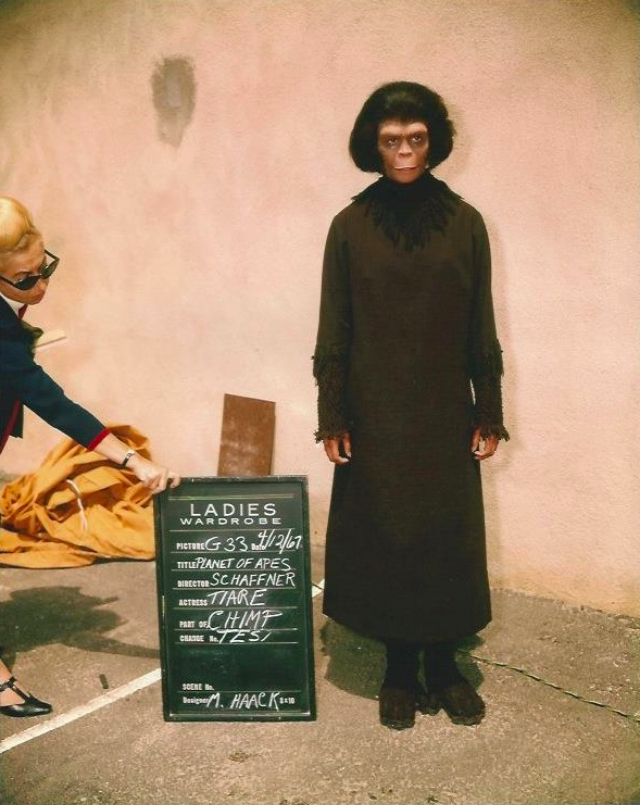
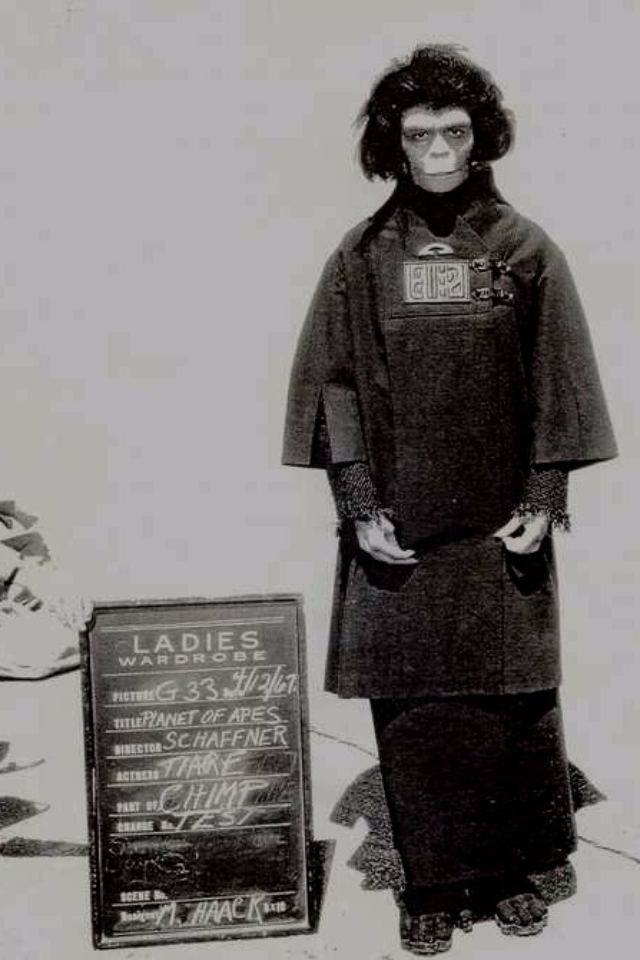
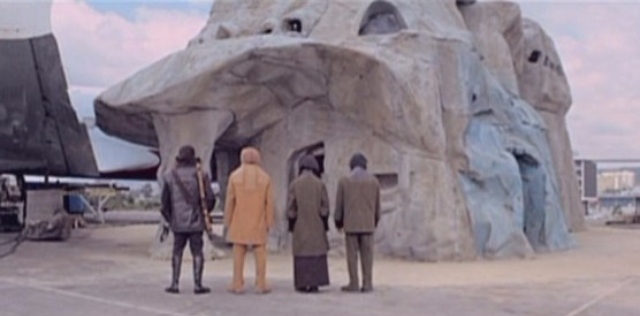
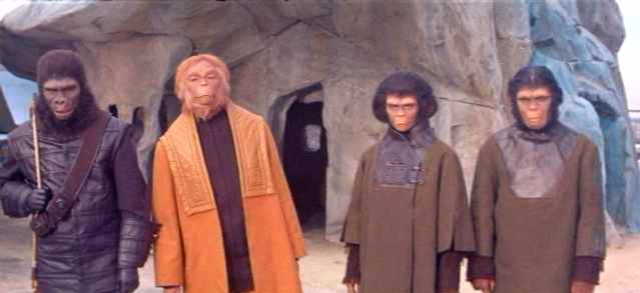
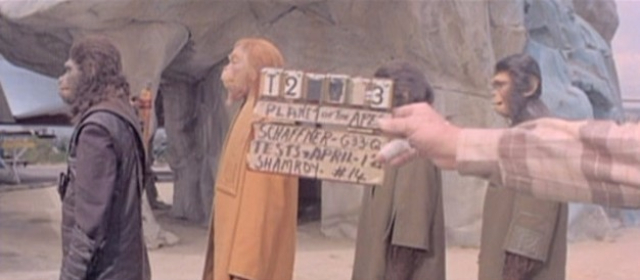
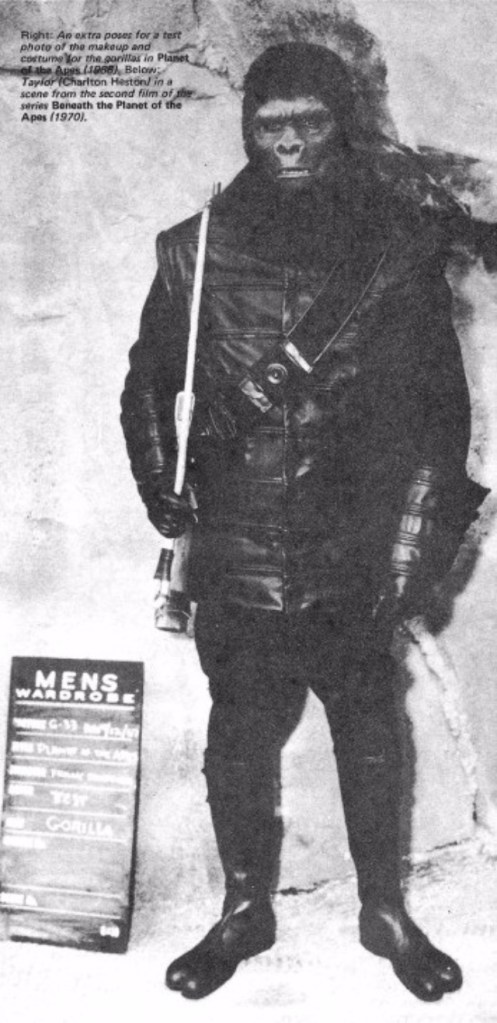
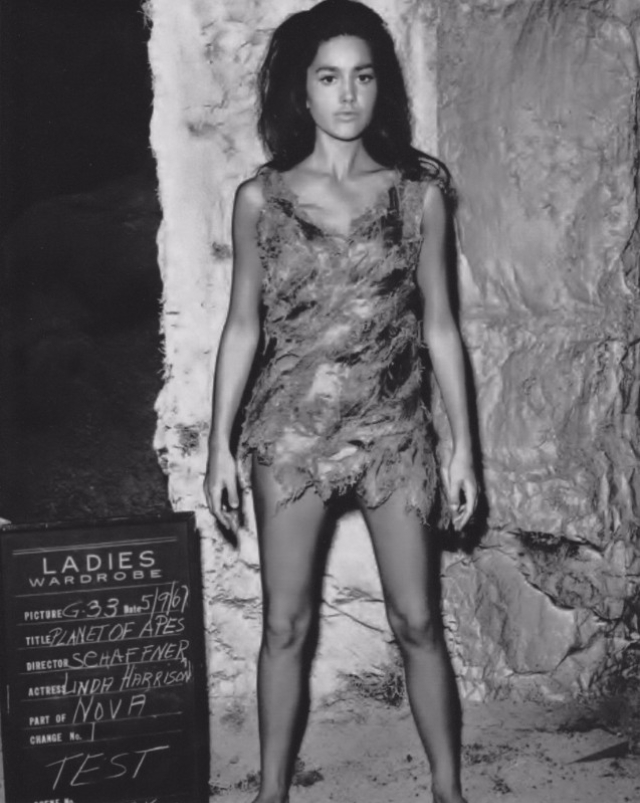
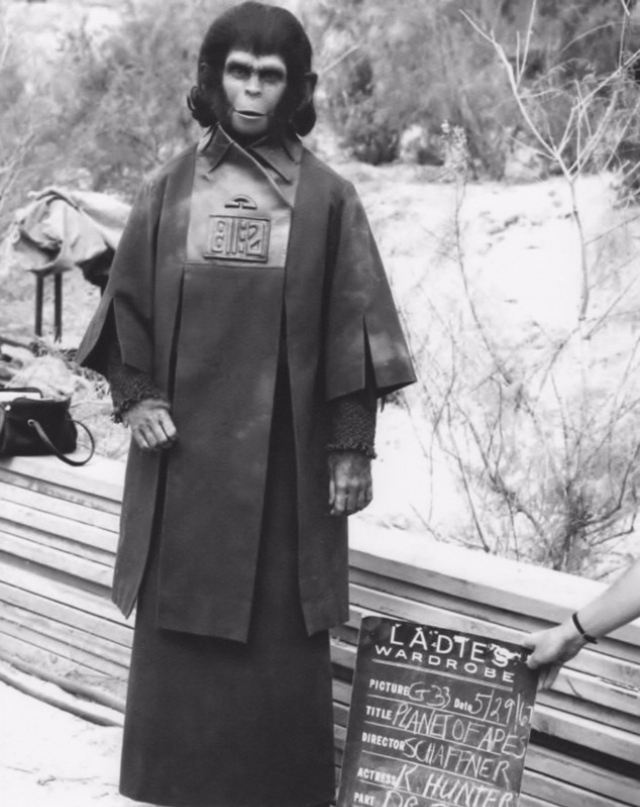
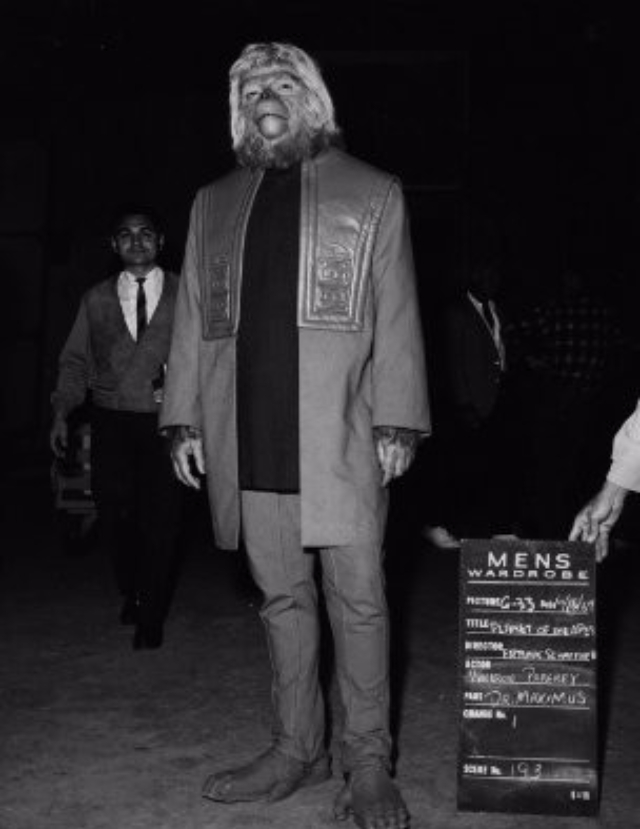
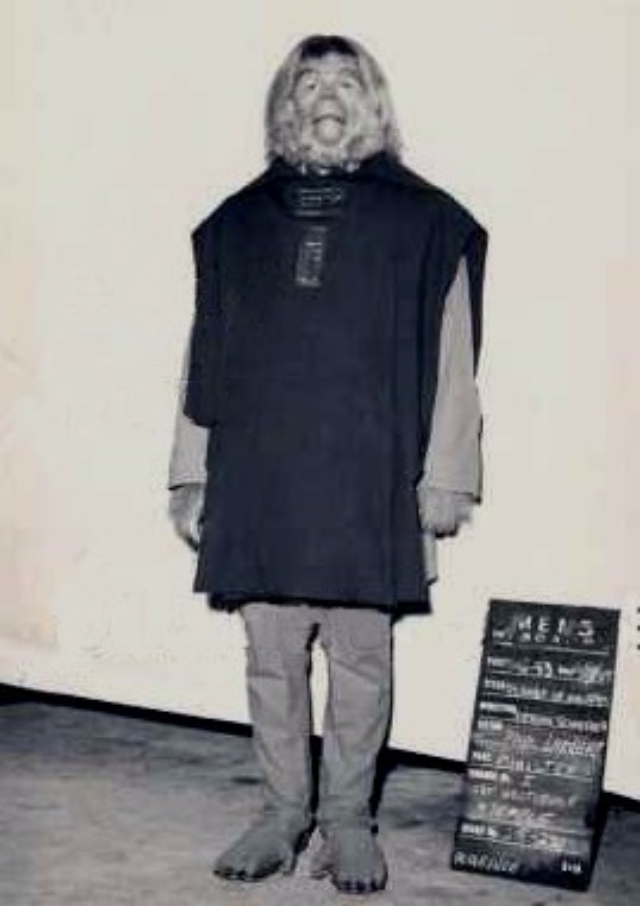
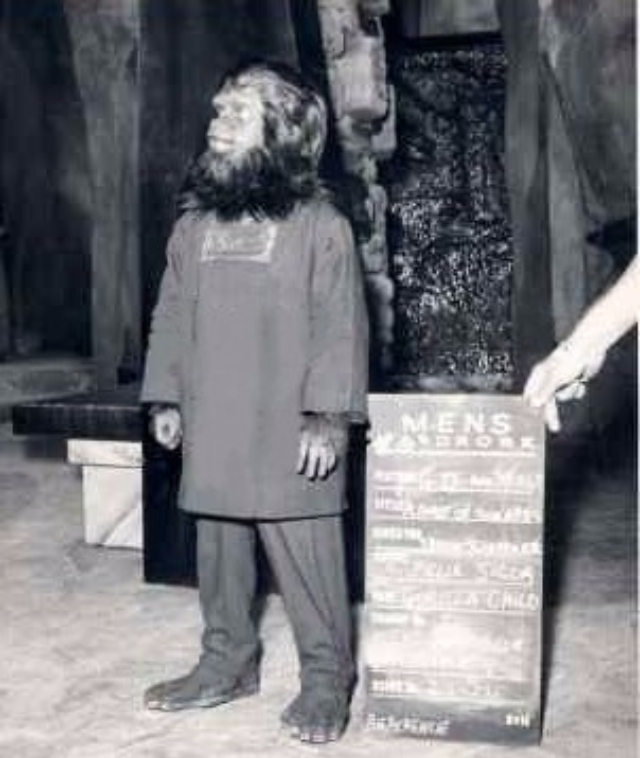
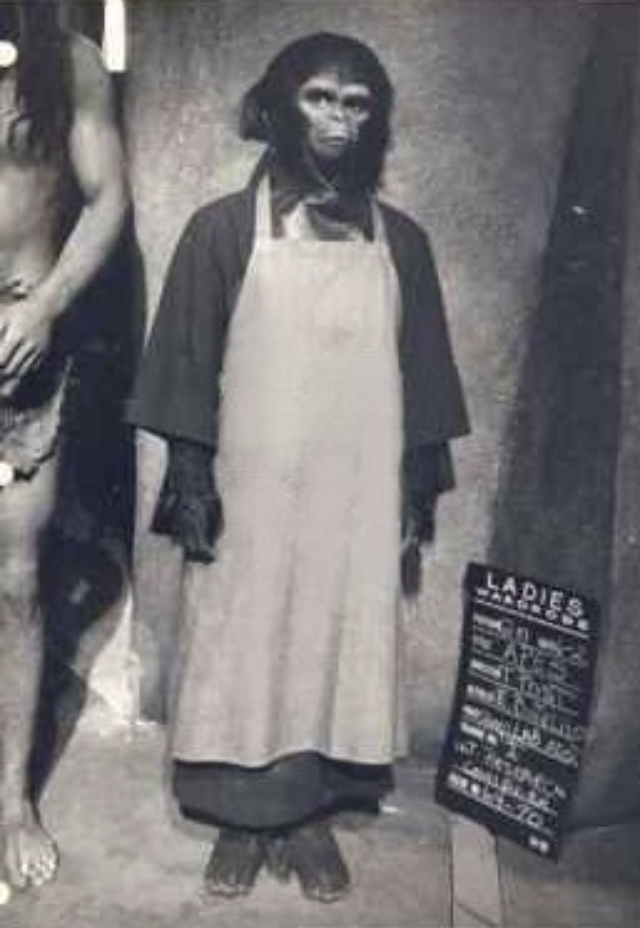
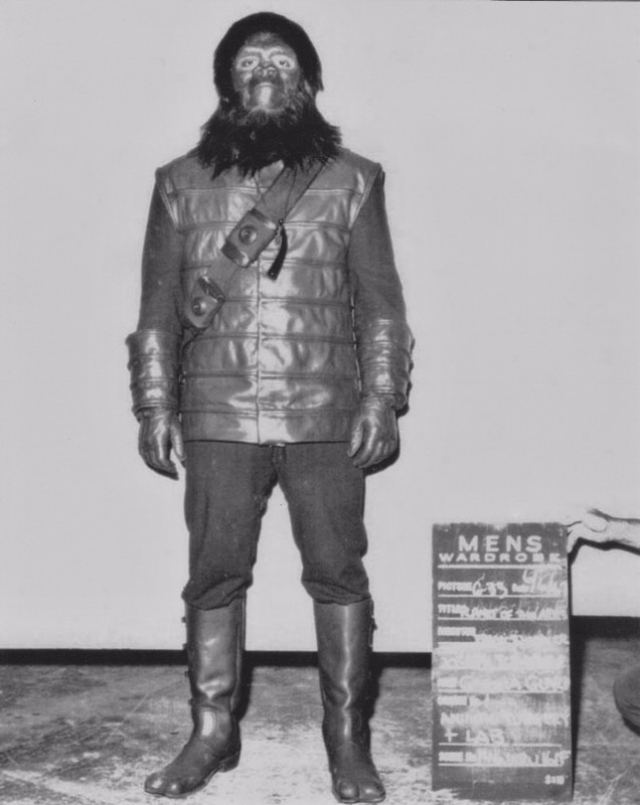
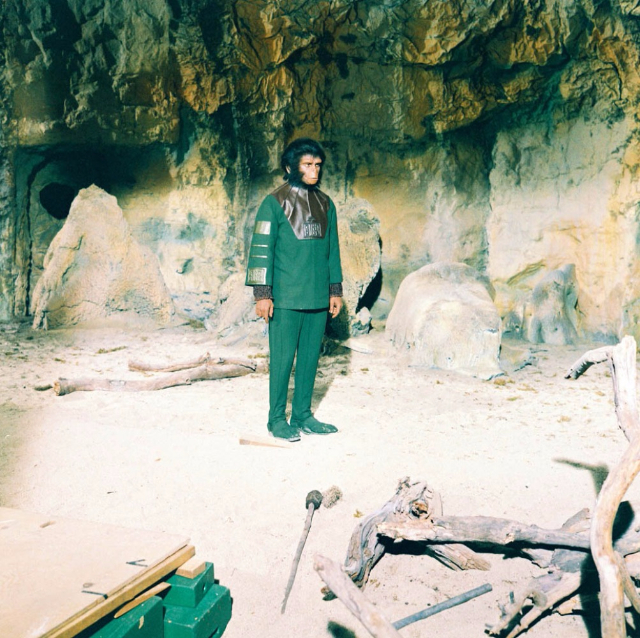
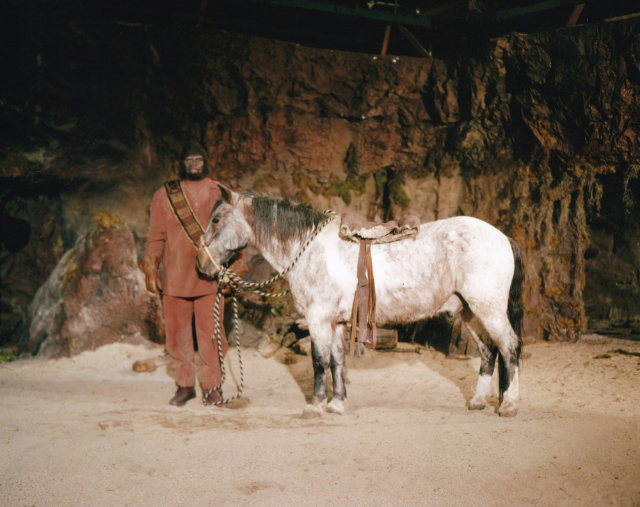
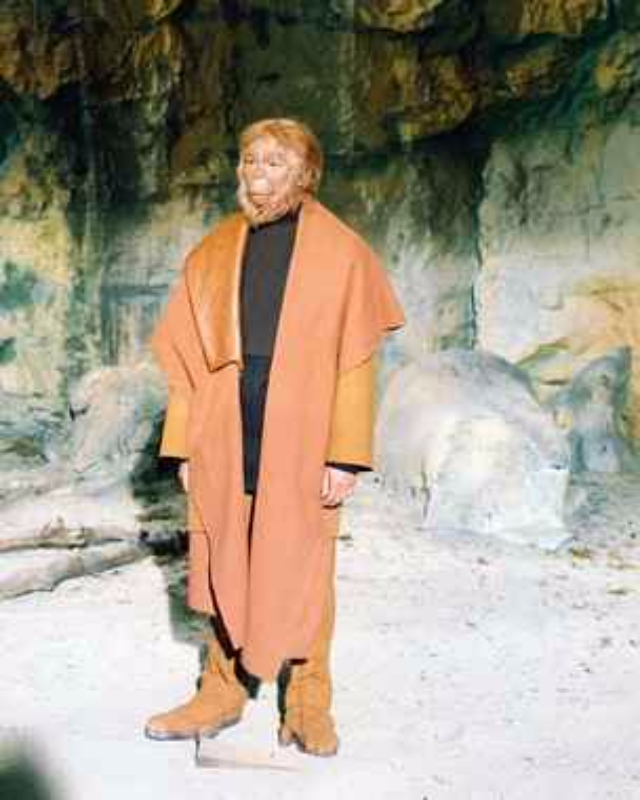
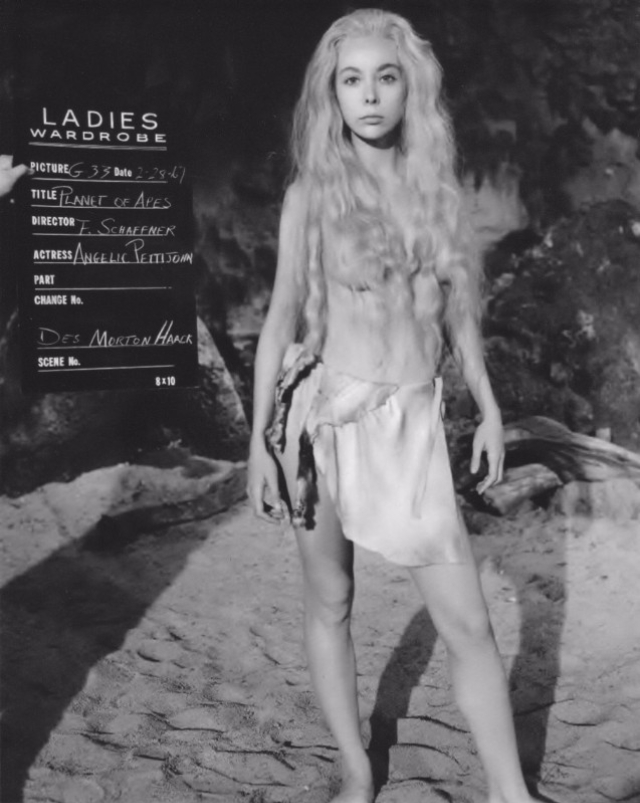
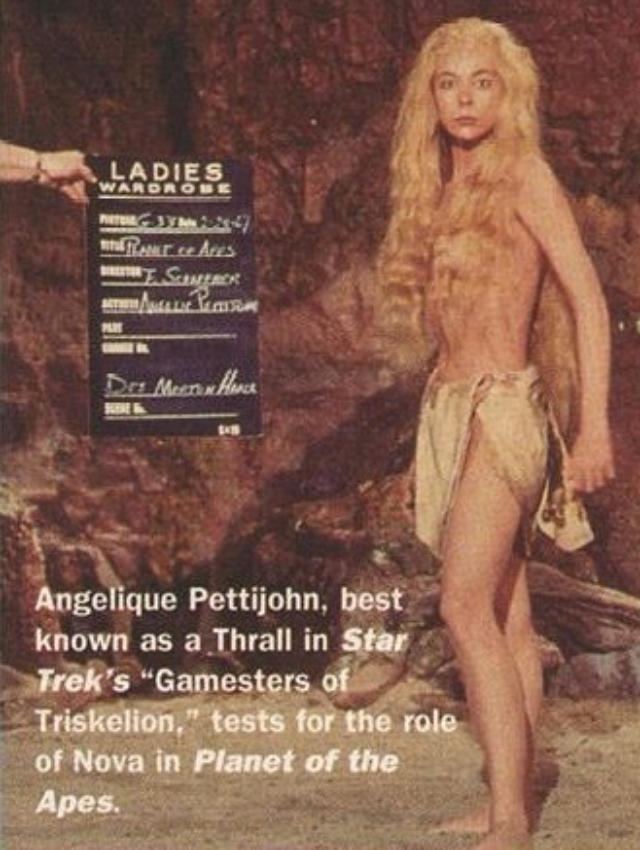
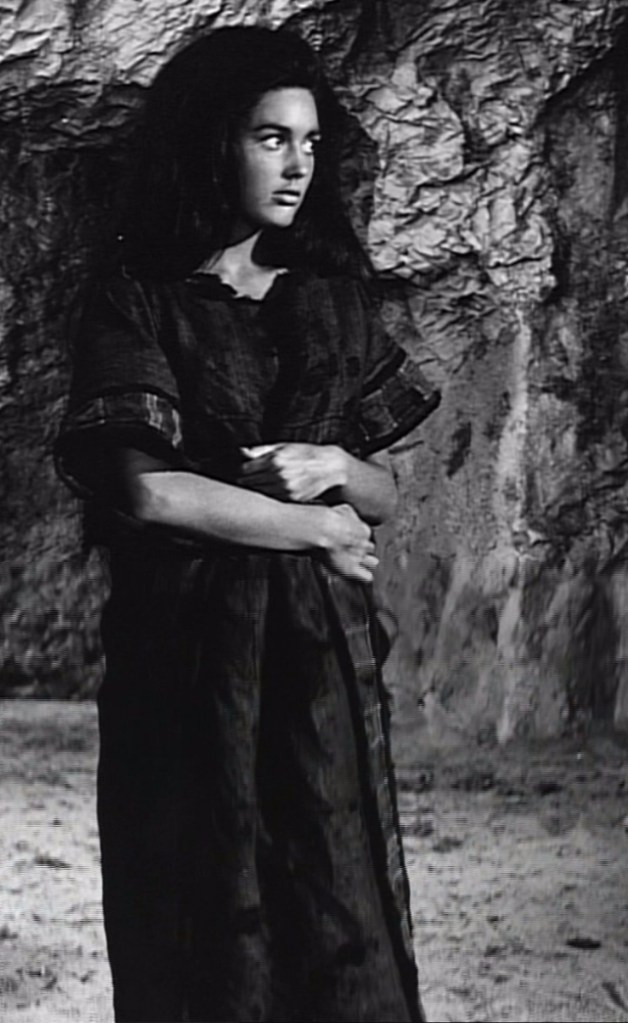
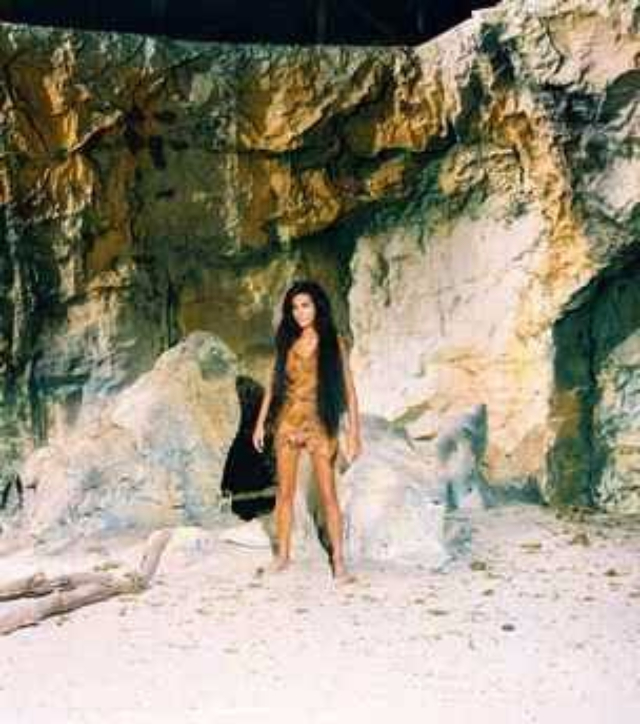
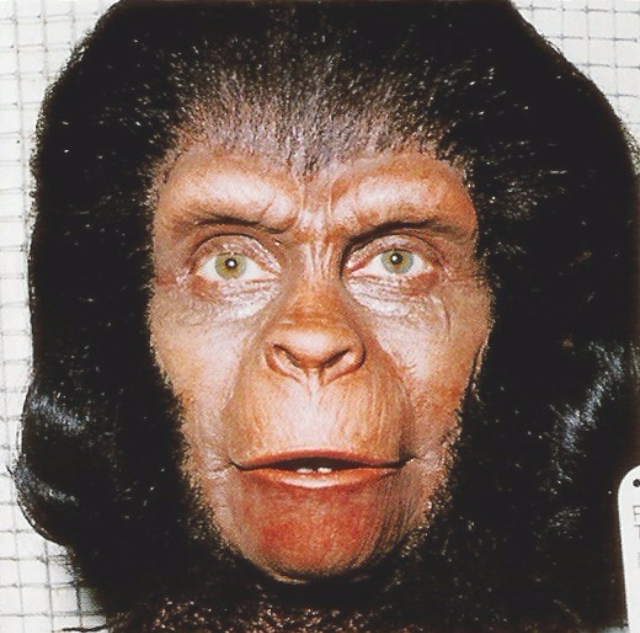
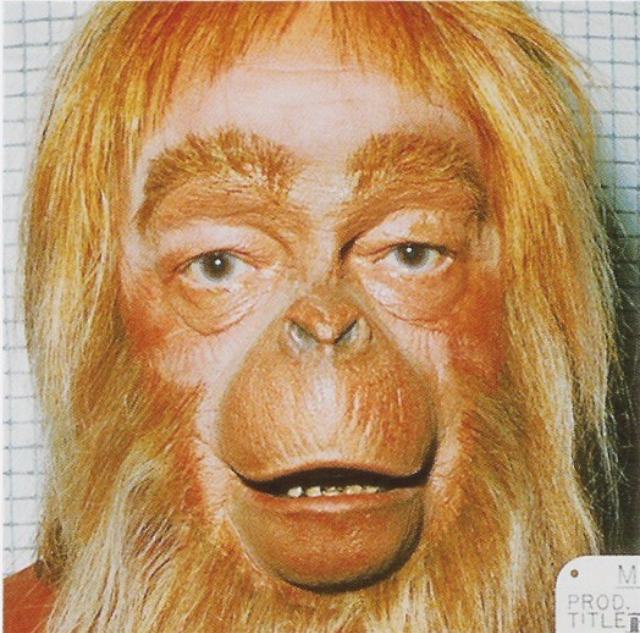
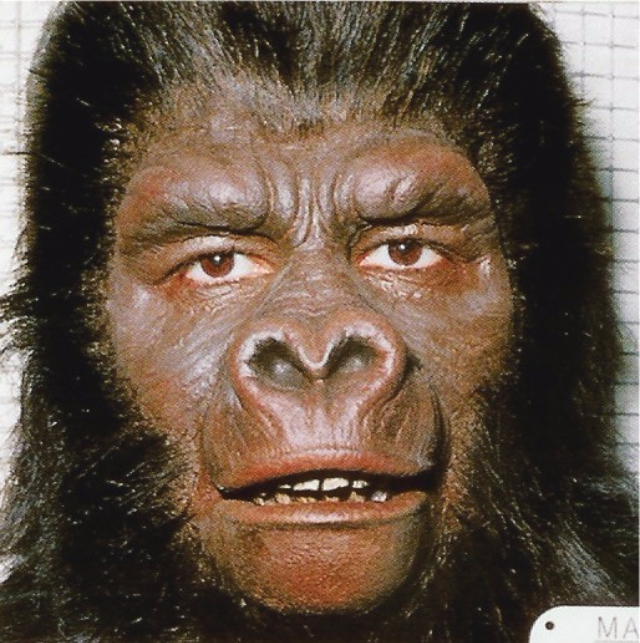
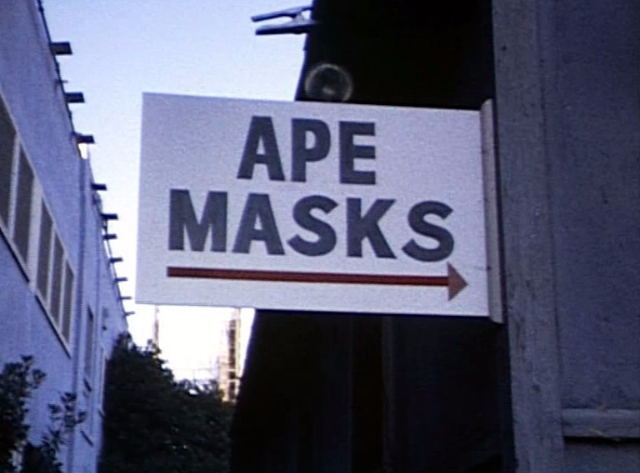
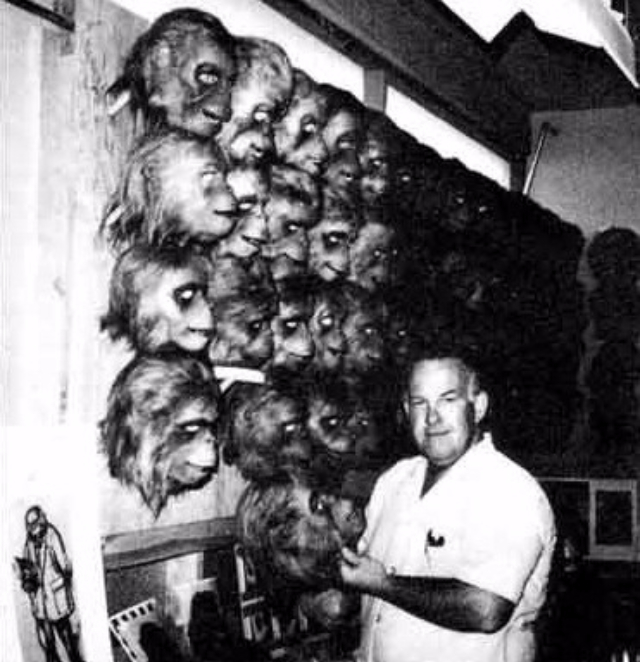
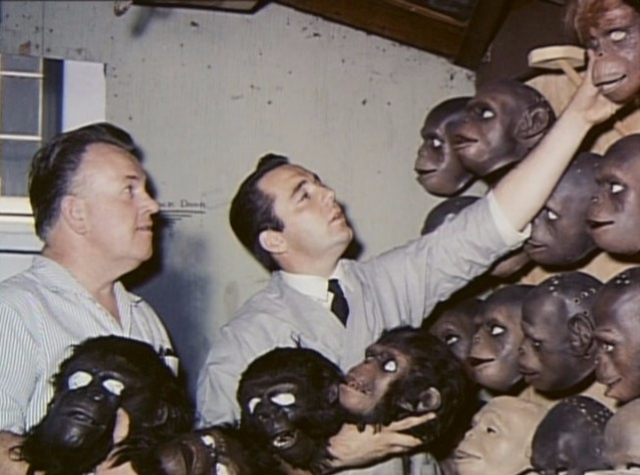
Planet of the Apes is an American science fiction media franchise consisting of films, books, television series, comics, and other media about a world in which humans and intelligent apes clash for control. The franchise is based on French author Pierre Boulle’s 1963 novel La Planète des singes, translated into English as Planet of the Apes or Monkey Planet. Its 1968 film adaptation, Planet of the Apes, was a critical and commercial hit, initiating a series of sequels, tie-ins, and derivative works. Arthur P. Jacobs produced the first five Apes films through APJAC Productions for distributor 20th Century Fox; following his death in 1973, Fox controlled the franchise.
Four sequels followed the original film from 1970 to 1973: Beneath the Planet of the Apes, Escape from the Planet of the Apes, Conquest of the Planet of the Apes, and Battle for the Planet of the Apes. They did not approach the critical acclaim of the original, but were commercially successful, spawning two television series in 1974 and 1975. Plans for a film remake stalled in “development hell” for over 10 years before Tim Burton’s Planet of the Apes was released in 2001. A reboot film series commenced in 2011 with Rise of the Planet of the Apes, which was followed by Dawn of the Planet of the Apes in 2014 and War for the Planet of the Apes in 2017. In 2019, Disney acquired the entertainment assets of 21st Century Fox including 20th Century Fox. That year, Disney announced further sequels to the 2011 reboot series are in production. The films have grossed a total of over US$2 billion worldwide, against a combined budget of $567.5 million. Franchise tie-ins include books, comics, video games and toys.
Planet of the Apes has received particular attention among film critics for its treatment of racial issues. Cinema and cultural analysts have also explored its Cold War and animal rights themes. The series has influenced subsequent films, media, and art, as well as popular culture and political discourse. (Wikipedia)
World War I or The First World War, often abbreviated as WWI or WW1 began on the 28th of July, 1914 and ended on the 11th of November, 1918. Referred to by contemporaries as the “Great War”, belligerents included much of Europe, Russia, the United States and Turkey, with fighting also expanding into the Middle East, Africa and parts of Asia. One of the deadliest conflicts in history, an estimated 9 million were killed in combat, while over 5 million civilians died from occupation, bombardment, hunger or disease. Millions of additional deaths resulted from genocides within the Ottoman Empire and the 1918 Spanish flu pandemic, which was exacerbated by the movement of combatants during the war.
By 1914, the European Great powers were divided into the Triple Entente of France, Russia, and Britain, and Triple Alliance, Germany, Austria-Hungary, and Italy. Tensions in the Balkans came to a head on 28 June 1914 following the assassination of Archduke Franz Ferdinand, the Austro-Hungarian heir, by Gavrilo Princip, a Bosnian Serb. Austria-Hungary blamed Serbia and led to the July Crisis, an unsuccessful attempt to avoid conflict through diplomacy. When Austria-Hungary declared war on Serbia on 28 July, Russia came to its defence and by 4 August the system of alliances drew in Germany, France and Britain, along with their respective empires. In November, the Ottoman Empire, Germany and Austria formed the Central Powers, while in April 1915, Italy joined Britain, France, Russia and Serbia as the Allied Powers.
Facing a war on two fronts, German strategy in 1914 was to first defeat France, then shift its forces to the East and knock out Russia, commonly known as the Schlieffen Plan. Their advance into France failed and by the end of 1914 the two sides faced each other along the Western Front, a continuous series of trench lines stretching from the Channel to Switzerland that changed little until 1917. By contrast, the Eastern Front was far more fluid, with Austria-Hungary and Russia gaining, then losing large swathes of territory. Other significant theatres included the Middle East, the Alpine Front and the Balkans, bringing Bulgaria, Romania and Greece into the war.
Shortages caused by the Allied naval blockade led Germany to initiate unrestricted submarine warfare in early 1917, bringing the previously neutral United States into the war on 6 April 1917. In Russia, the Bolsheviks seized power in the 1917 October Revolution and made peace in the March 1918 Treaty of Brest-Litovsk, freeing up large numbers of German troops. By transferring these to the Western Front, the German General Staff hoped to win a decisive victory before American reinforcements could impact the war, and launched the March 1918 German spring offensive. Despite initial success, it was soon halted by heavy casualties and ferocious defence; in August, the Allies launched the Hundred Days Offensive and although the German army continued to fight hard, it could no longer halt their advance.
Towards the end of 1918, the Central Powers began to collapse; Bulgaria signed an Armistice on 29 September, followed by the Ottomans on 31 October, then Austria-Hungary on 3 November. Isolated, facing revolution at home and an army on the verge of mutiny, Kaiser Wilhelm abdicated on 9 November and the new German government signed the Armistice of 11 November 1918, bringing the fighting to a close. The 1919 Paris Peace Conference imposed various settlements on the defeated powers, the best known being the Treaty of Versailles. The dissolution of the Russian, German, Ottoman and Austro-Hungarian empires led to numerous uprisings and the creation of independent states, including Poland, Czechoslovakia and Yugoslavia. For reasons that are still debated, failure to manage the instability that resulted from this upheaval during the interwar period ended with the outbreak of World War II in 1939. (Wikipedia)
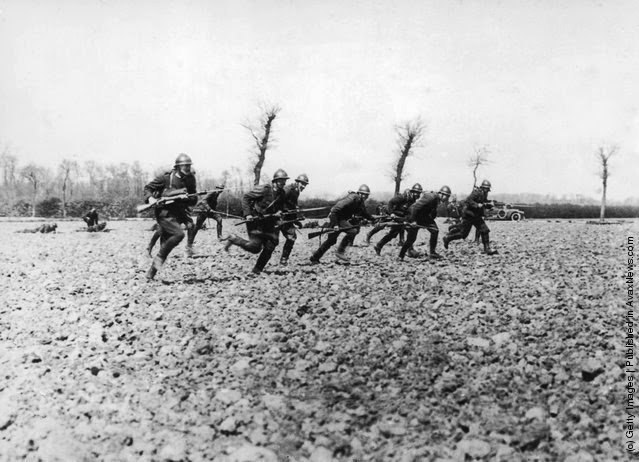
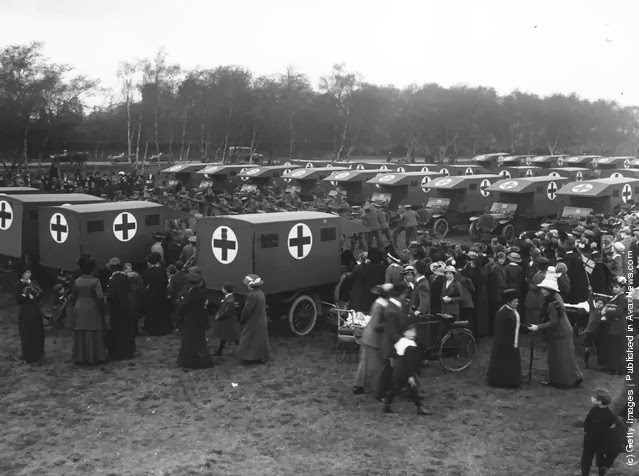
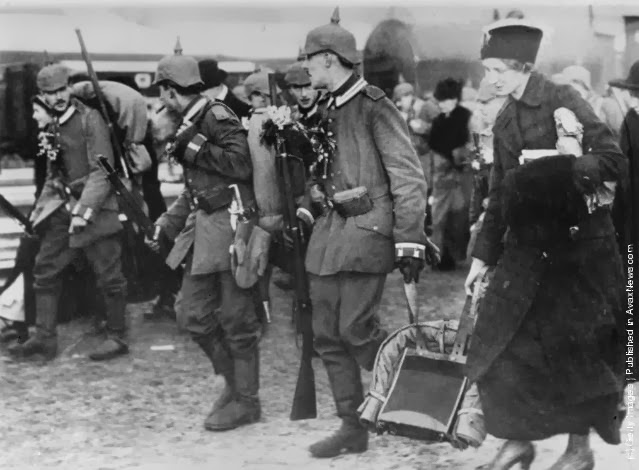
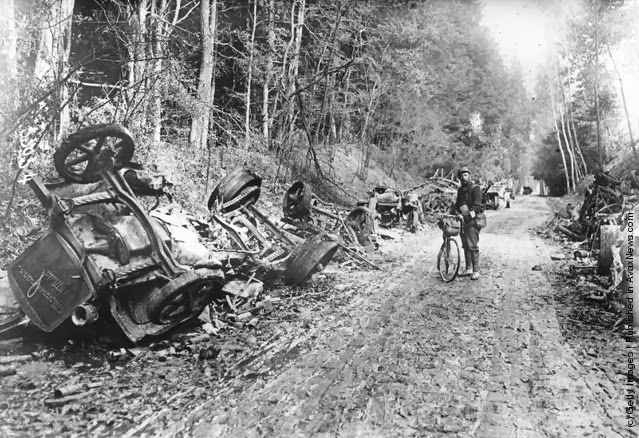
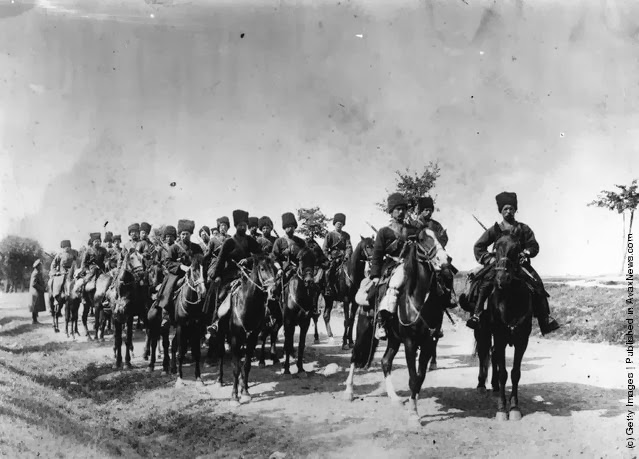
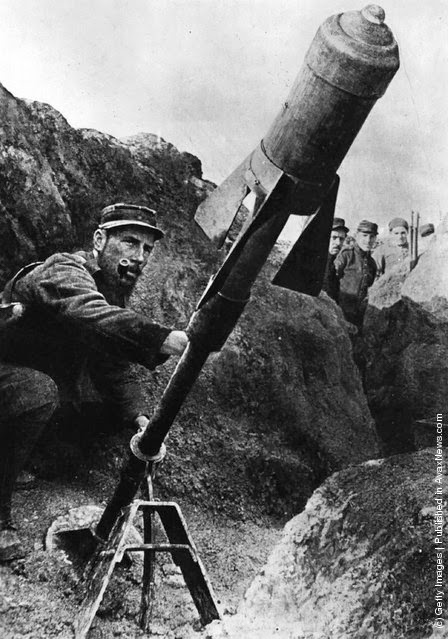
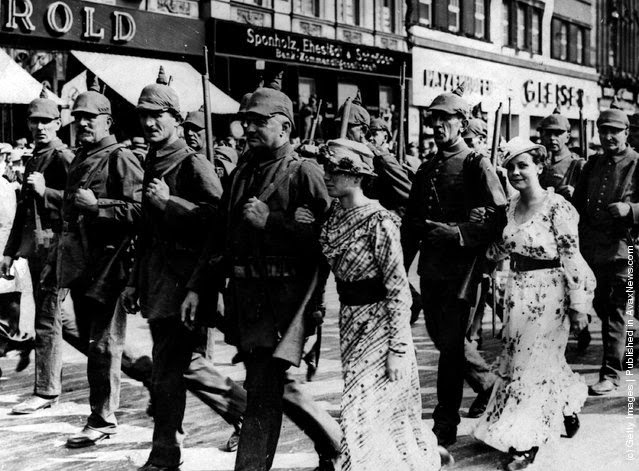
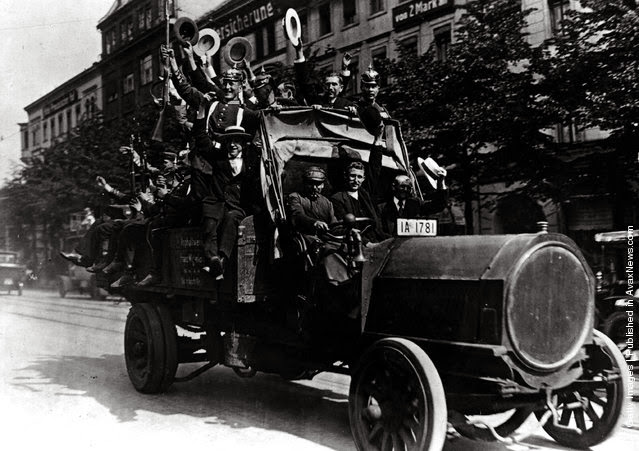
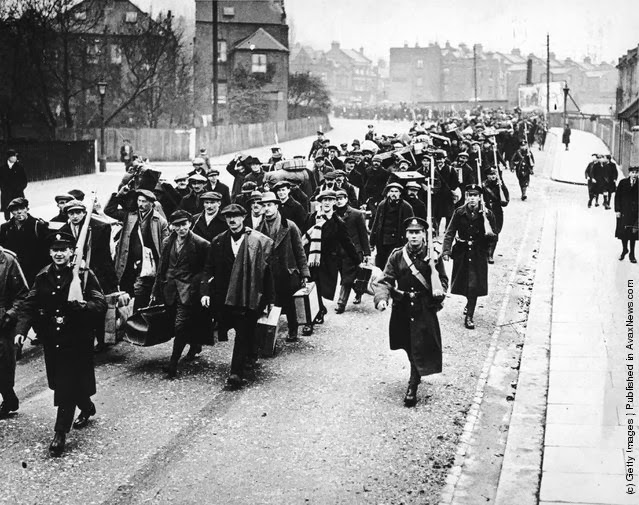
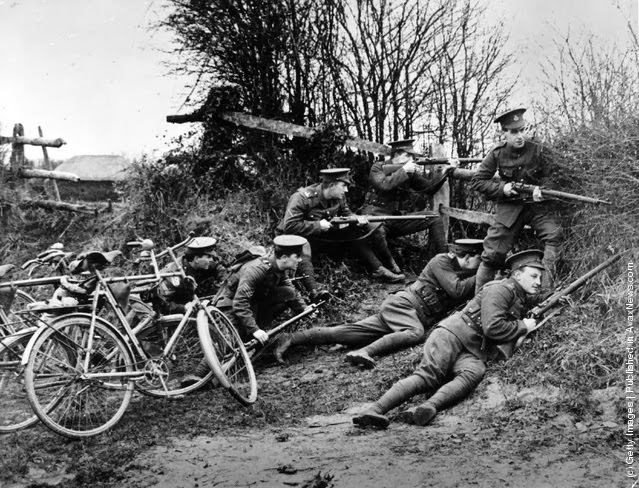
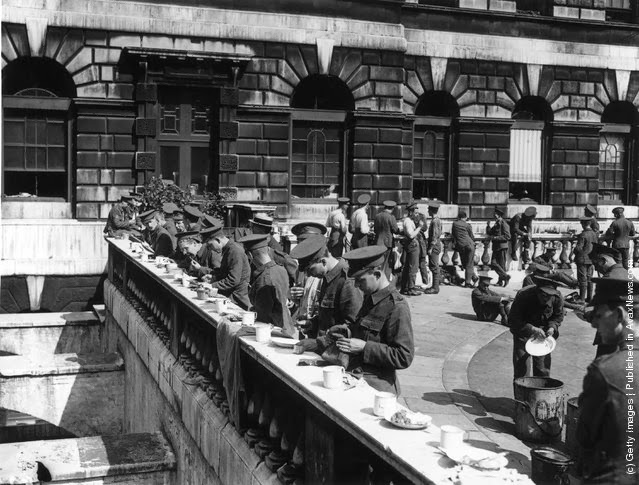
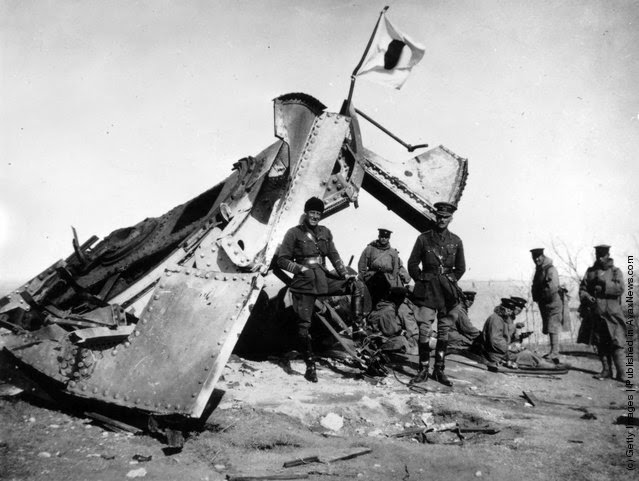
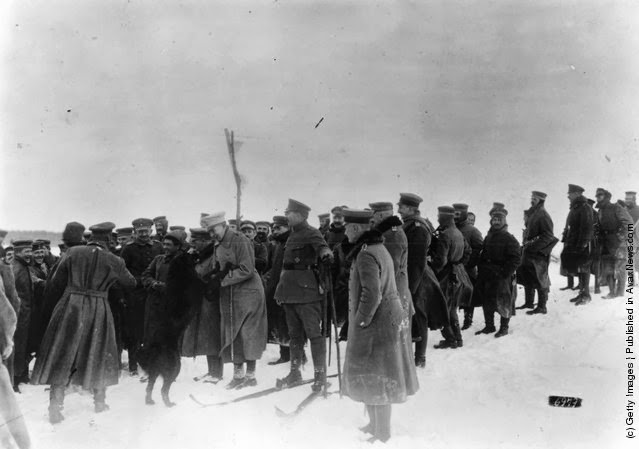
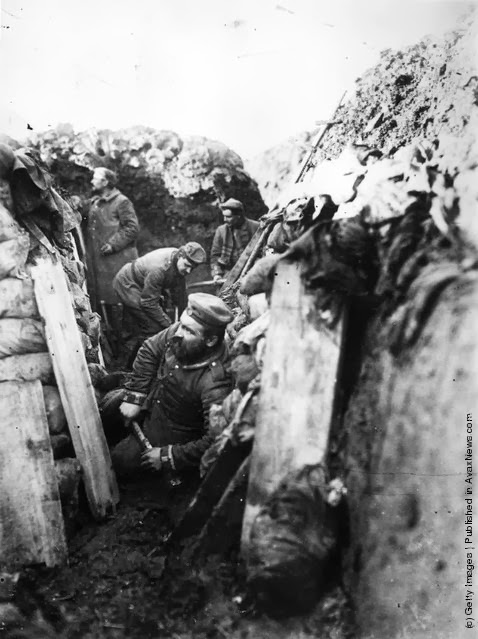
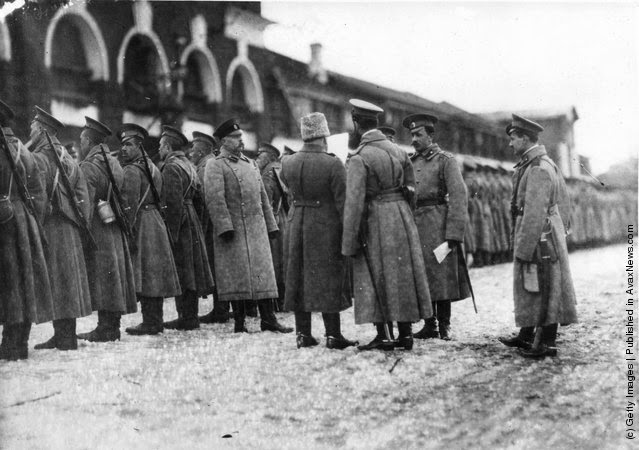
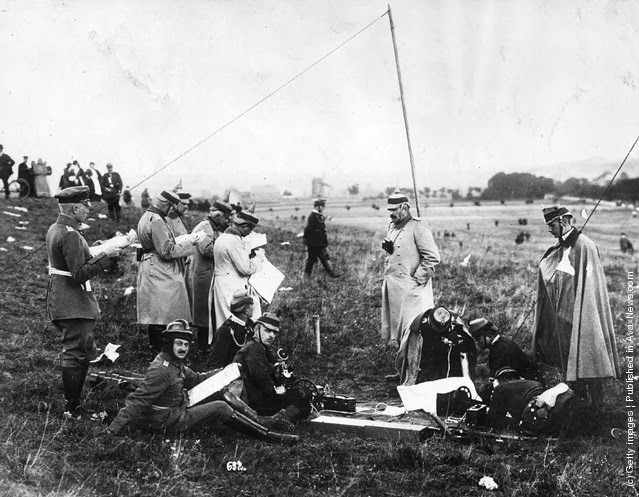
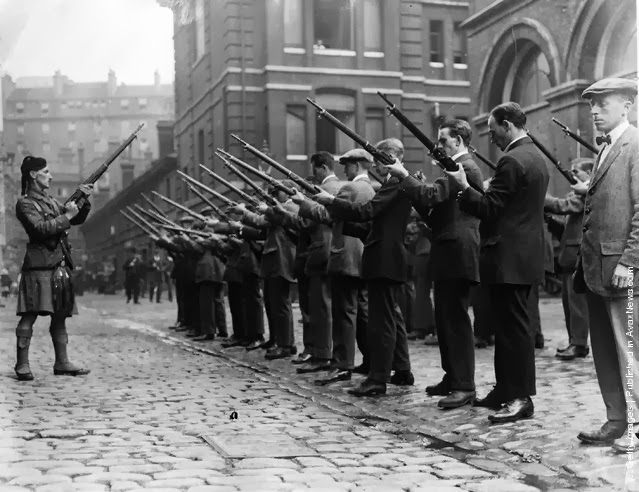
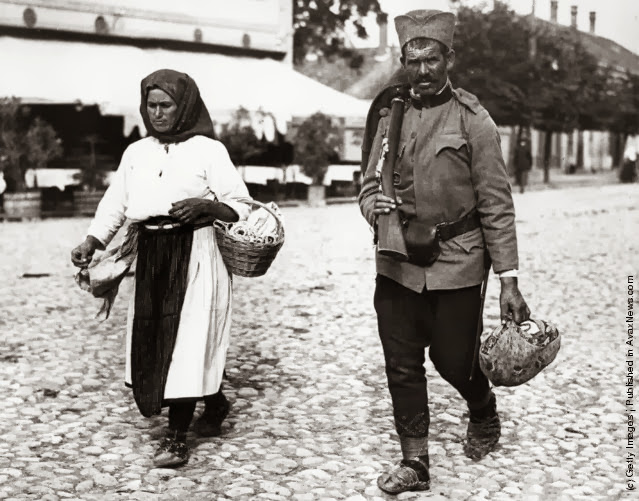
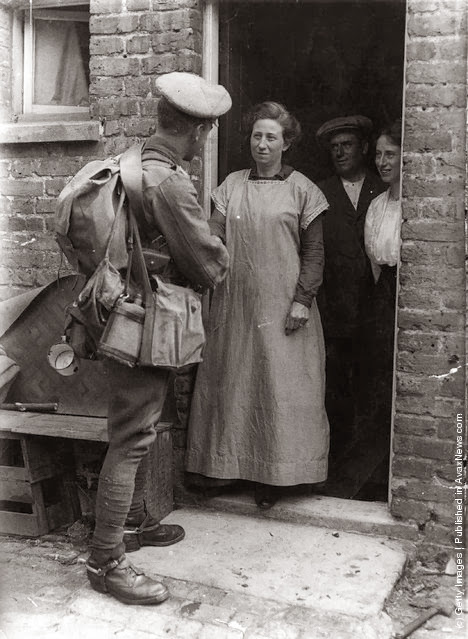
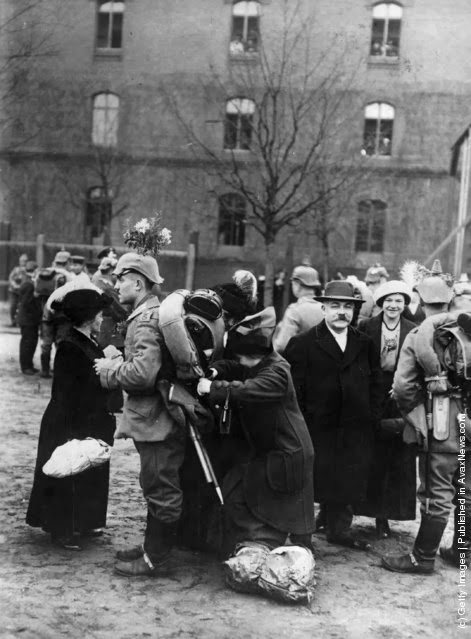
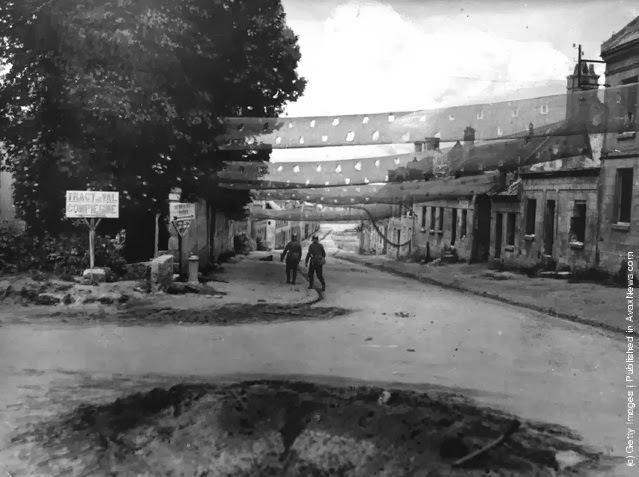
Belgian soldiers make a charge near the River Yser during World War I, circa 1914.Civilians watch as troops practice amongst a convoy of ambulances at Pilthey.German soldiers marching to the front during the first World War. A woman helps one man with his pack.A lone soldier with a bicycle stands amid the remains of a German motor convoy which lines a country lane after an attack by French field guns in the battle of the Aisne in France.Russian cossacks on the march.A French air-torpedo being fired from the trenches.Soldiers accompanied by their wives and girlfriends on the march during the mobilization of German forces.German army Reservists waving and cheering as they rush to join.New recruits march alongside armed officers following the outbreak of the First World War.A group of new recruits in training for service in the British Army during World War I.Members of the Territorial army having a meal outside Somerset House, London.British and Japanese officers stand by a Japanese flag flying over a wrecked German gun after the siege of Tsingtao.German and Russian troops in a neutral area during a concert by a German military band.German soldiers in the trenches during WWI.Russian generals and troops in WWI.German officers discussing the possibility of sending an airman of the 1st Army Corps to spy out enemy forces.Members of the London Scottish Regiment undertake rifle drill. The London Scottish Regiment was formed by Lord Elcho, 10th Earl of Wemyss, in 1859 as the London Scottish Rifle Volunteers. They are affiliated to the Gordon Highlanders and wear the Elcho tartan (Hodden Grey).A Serbian soldier of to the front is accompanied to the station by his wife.Soldiers, including two recruits who have brought some chickens, at Victoria prepare to board the train for the battle front.A British soldier says goodbye to his family before leaving for the war.A soldier with flowers on his helmet and equipment on his back prepares for departure during the mobilization of German forces.Camouflage netting, wire netting covered with sacking or other material toning with the street, and stretched from house to house, render the two German soldiers invisible to aerial observers. This form of aerial camouflage was widely used by both sides during the Great War.
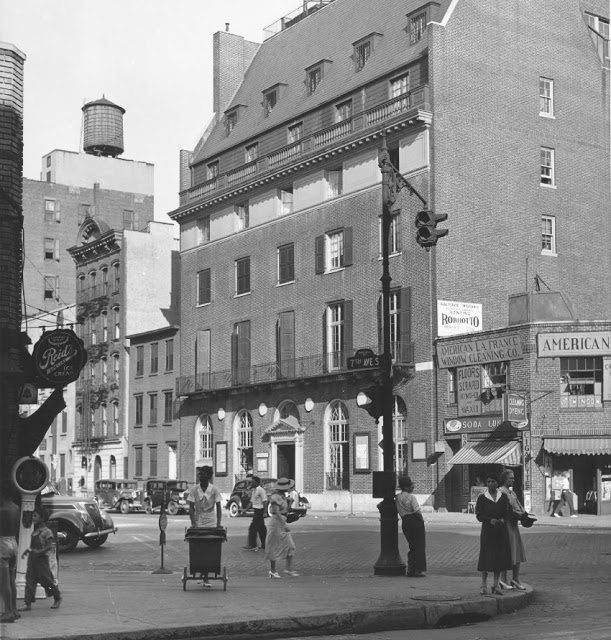
New York, often called New York City (NYC) to distinguish it from the state of New York, is the most populous city in the United States. With a 2020 population of 8,804,190 distributed over 300.46 square miles (778.2 km2), New York City is also the most densely populated major city in the United States. Located at the southern tip of the state of New York, the city is the center of the New York metropolitan area, the largest metropolitan area in the world by urban area. With over 20.1 million people in its metropolitan statistical area and 23.5 million in its combined statistical area as of 2020, New York is one of the world’s most populous megacities. New York City has been described as the cultural, financial, and media capital of the world, and is a significant influence on commerce, entertainment, research, technology, education, politics, tourism, dining, art, fashion, and sports. It is the most photographed city in the world. Home to the headquarters of the United Nations, New York is an important center for international diplomacy, and has sometimes been called the capital of the world.
Situated on one of the world’s largest natural harbors, New York City is composed of five boroughs, each of which is coextensive with a respective county of the state of New York. The five boroughs—Brooklyn (Kings County), Queens (Queens County), Manhattan (New York County), the Bronx (Bronx County), and Staten Island (Richmond County)—were created when local governments were consolidated into a single municipal entity in 1898. The city and its metropolitan area constitute the premier gateway for legal immigration to the United States. As many as 800 languages are spoken in New York, making it the most linguistically diverse city in the world. New York is home to more than 3.2 million residents born outside the United States, the largest foreign-born population of any city in the world as of 2016. As of 2018, the New York metropolitan area is estimated to produce a gross metropolitan product (GMP) of nearly $1.8 trillion, ranking it first in the United States. If the New York metropolitan area were a sovereign state, it would have the eighth-largest economy in the world. New York is home to the second highest number of billionaires of any city in the world.
New York City traces its origins to a trading post founded on the southern tip of Manhattan Island by Dutch colonists in approximately 1624. The settlement was named New Amsterdam (Dutch: Nieuw Amsterdam) in 1626 and was chartered as a city in 1653. The city came under English control in 1664 and was renamed New York after King Charles II of England granted the lands to his brother, the Duke of York. The city was regained by the Dutch in July 1673 and was renamed New Orange for one year and three months; the city has been continuously named New York since November 1674. New York City was the capital of the United States from 1785 until 1790, and has been the largest U.S. city since 1790. The Statue of Liberty greeted millions of immigrants as they came to the U.S. by ship in the late 19th and early 20th centuries, and is a symbol of the U.S. and its ideals of liberty and peace. In the 21st century, New York has emerged as a global node of creativity, entrepreneurship, and environmental sustainability, and as a symbol of freedom and cultural diversity. In 2019, New York was voted the greatest city in the world per a survey of over 30,000 people from 48 cities worldwide, citing its cultural diversity.
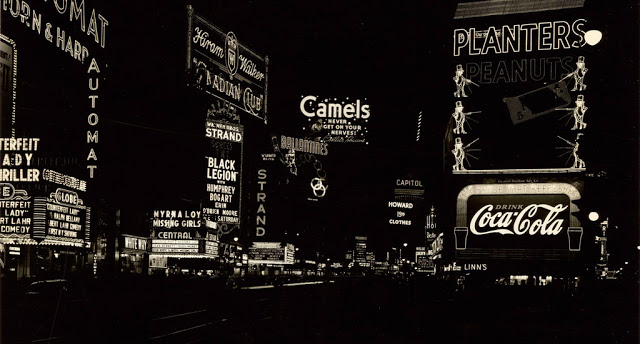
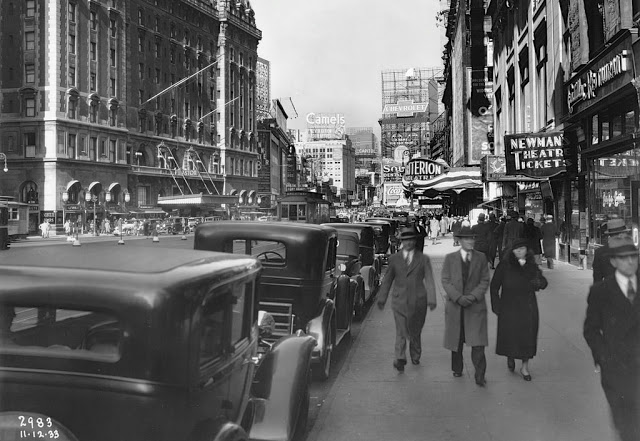
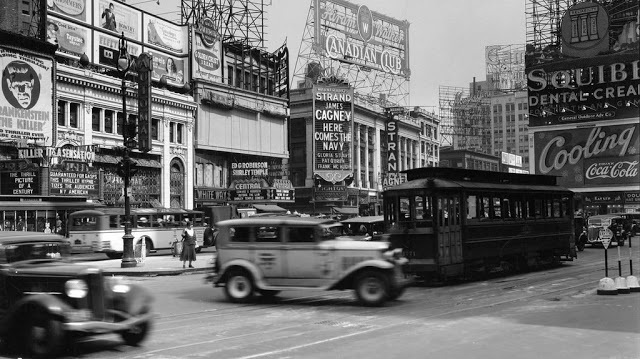
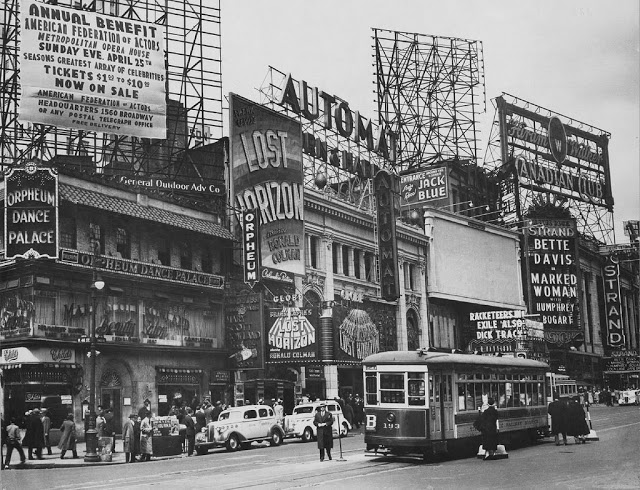
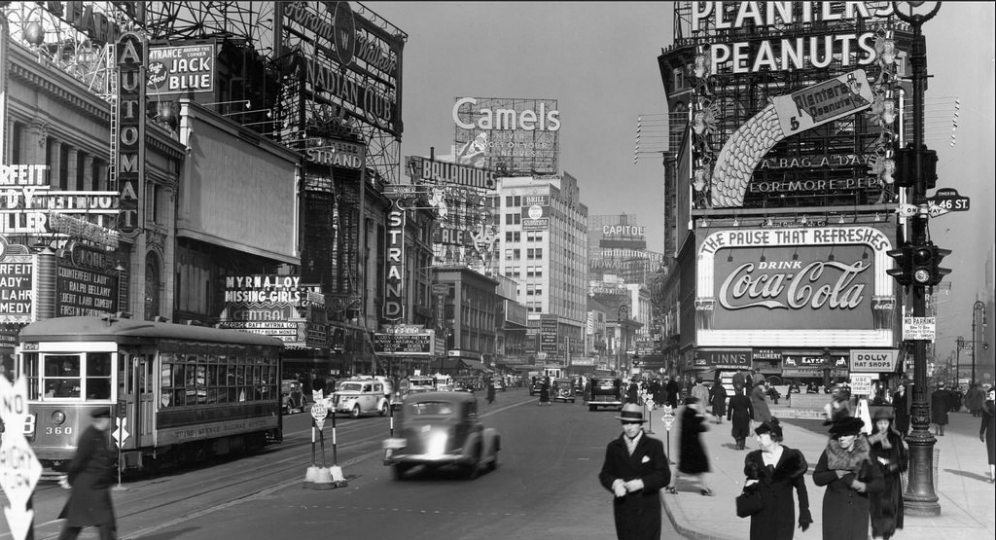
Many districts and monuments in New York City are major landmarks, including three of the world’s ten most visited tourist attractions in 2013. A record 66.6 million tourists visited New York City in 2019. Times Square is the brightly illuminated hub of the Broadway Theater District, one of the world’s busiest pedestrian intersections, and a major center of the world’s entertainment industry. Many of the city’s landmarks, skyscrapers, and parks are known around the world, as is the city’s fast pace, spawning the term New York minute. The Empire State Building has become the global standard of reference to describe the height and length of other structures. Manhattan’s real estate market is among the most expensive in the world. Providing continuous 24/7 service and contributing to the nickname The City That Never Sleeps, the New York City Subway is the largest single-operator rapid transit system worldwide, with 472 rail stations. The city has over 120 colleges and universities, including Columbia University, New York University, Rockefeller University, and the City University of New York system, which is the largest urban public university system in the United States. Anchored by Wall Street in the Financial District of Lower Manhattan, New York City has been called both the world’s leading financial center and the most financially powerful city in the world, and is home to the world’s two largest stock exchanges by total market capitalization, the New York Stock Exchange and Nasdaq. (Wikipedia)
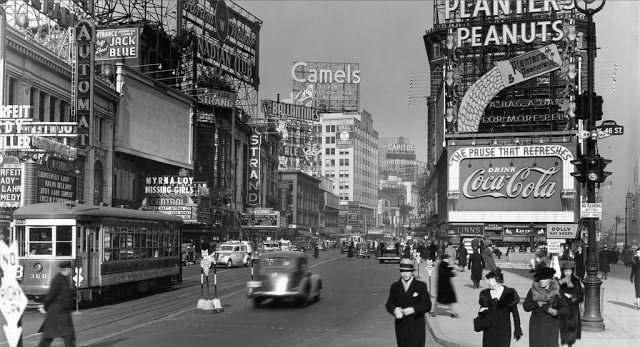
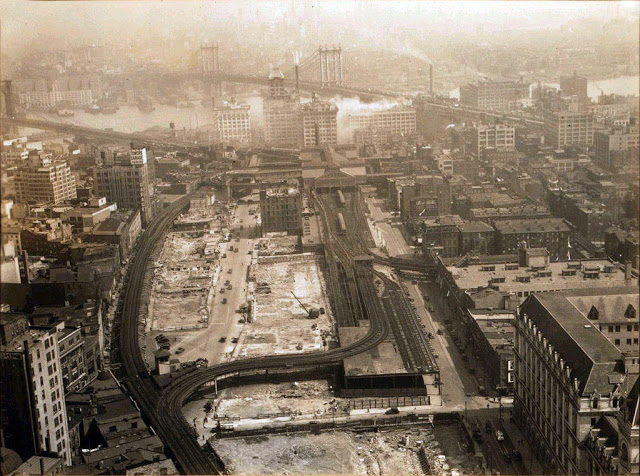
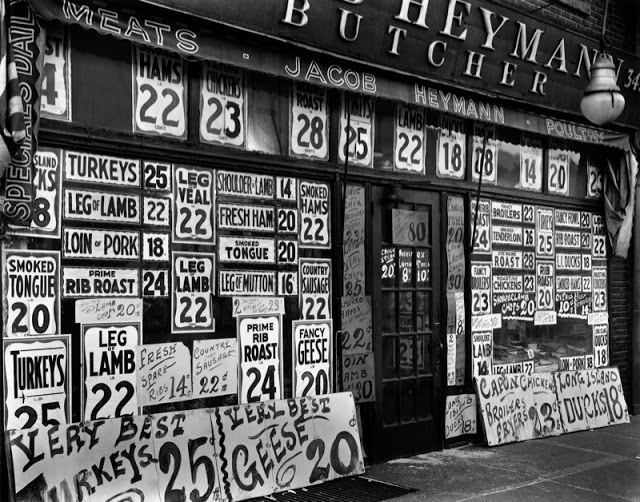
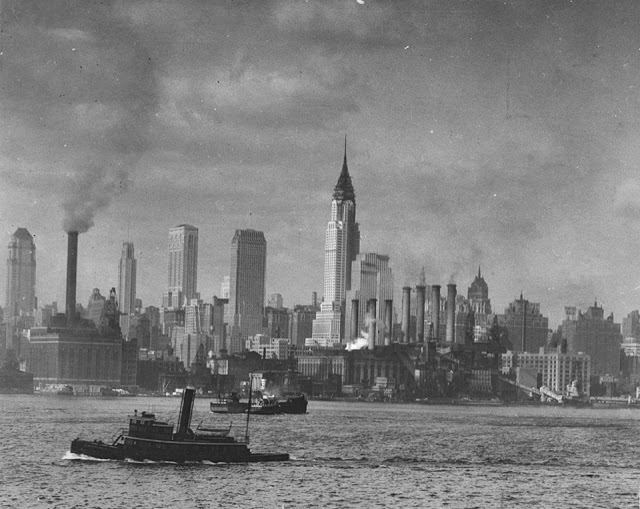
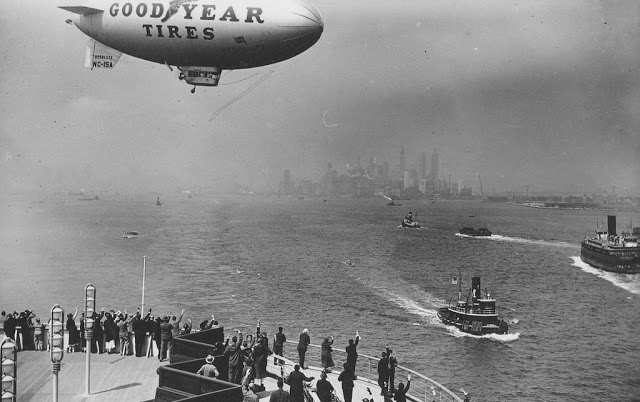
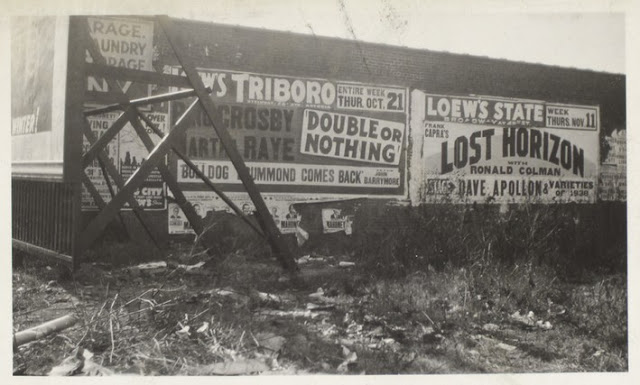
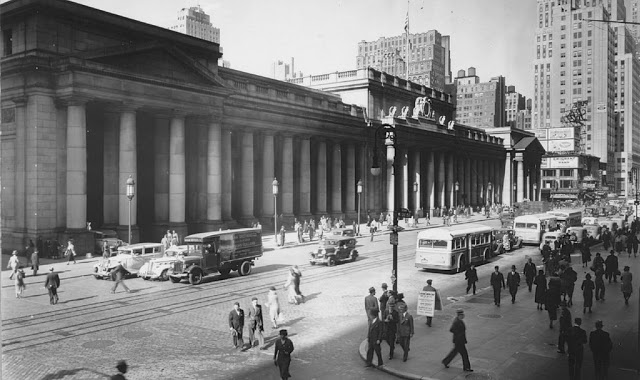
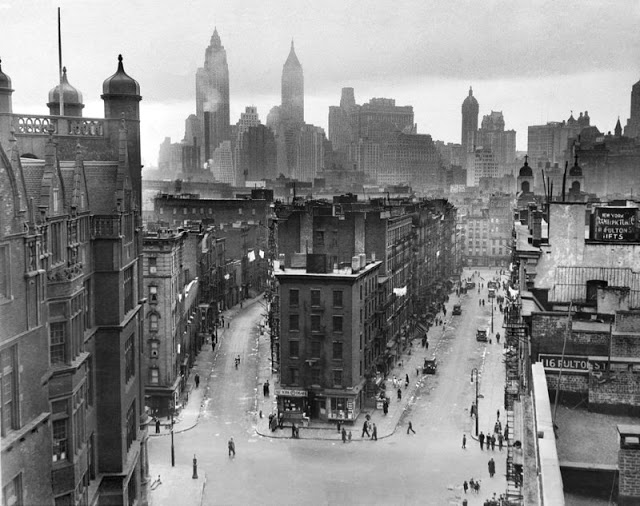
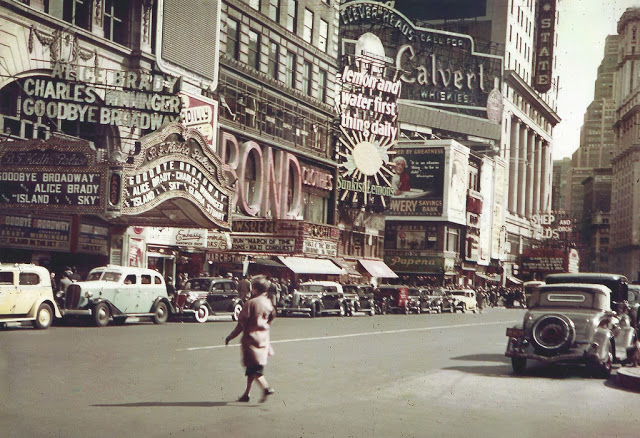
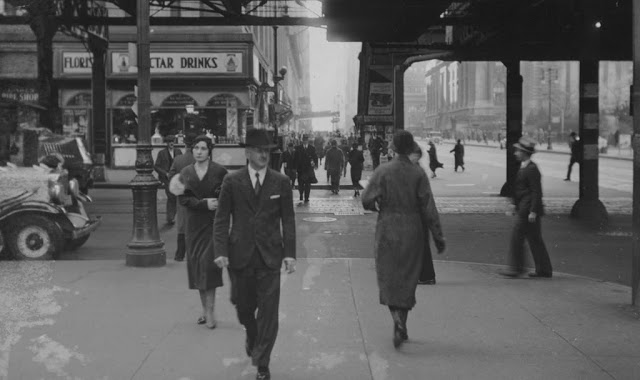
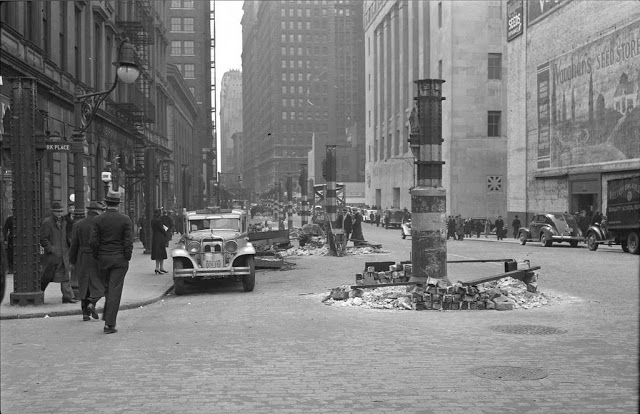
Downtown terminals at Sands Street station in 1936Jacob Heymann Butcher Shop, 345 Sixth Avenue, New York, 1938Manhattan skyline, May 12, 1930New York Harbor, 1935New York, 1937Pennsylvania Station, 1936The Lung Block, on the Lower East Side of Manhattan, 1933Times Square, 1938Times Square, January 13, 1937Times Square, November 12, 1933West 42nd Street & 6th Avenue, 19337th Avenue & 46th Street, 19347th Avenue toward Barrow Street, 1939Broadway & 46th Street , 1937Broadway & 46th Street, New York City, January 13, 1937Church Street & Park Place, with the remains of the 6th Avenue El, March 17, 1939Broadway & 46th Street, New York City. Wednesday, January 13, 1937.