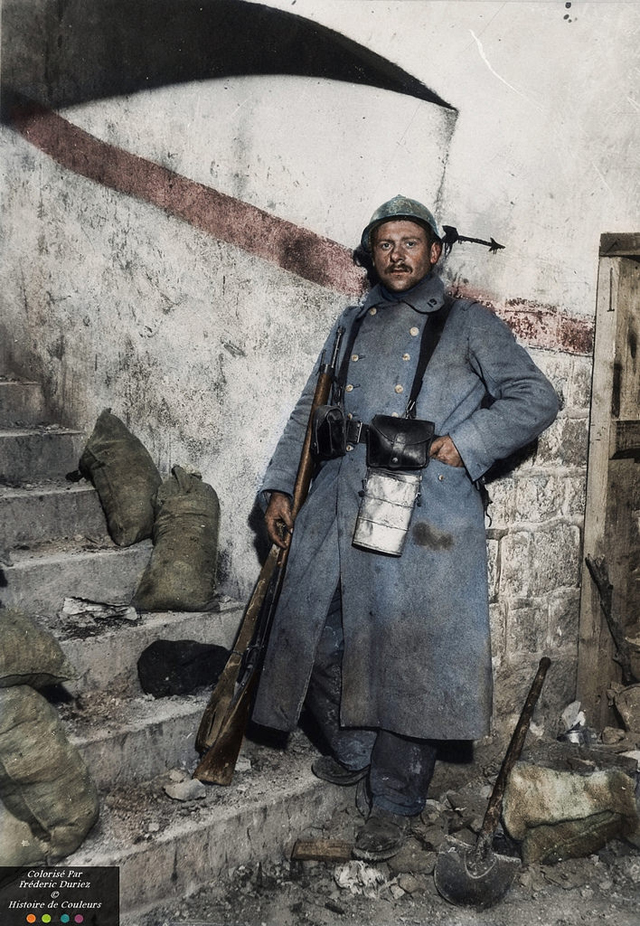
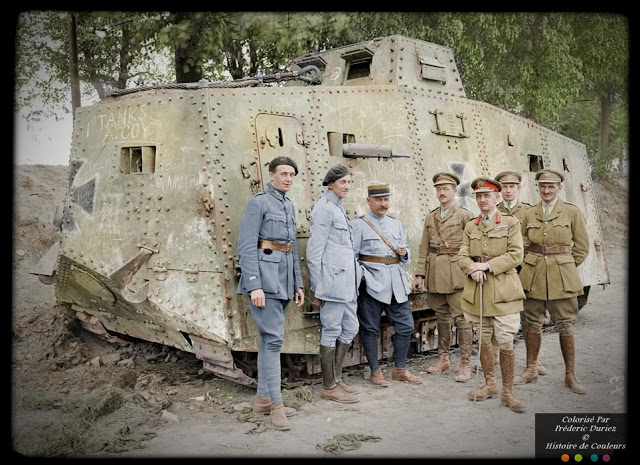
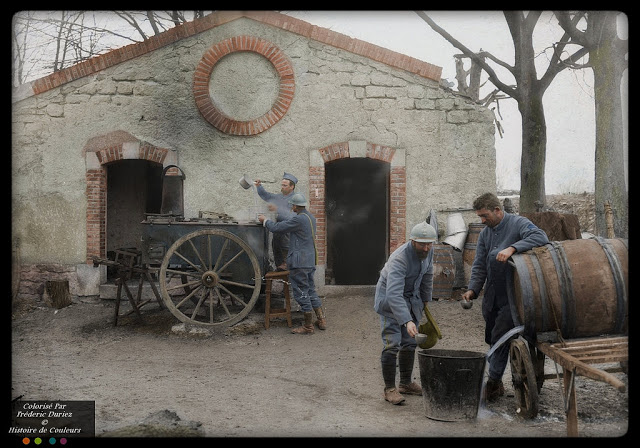
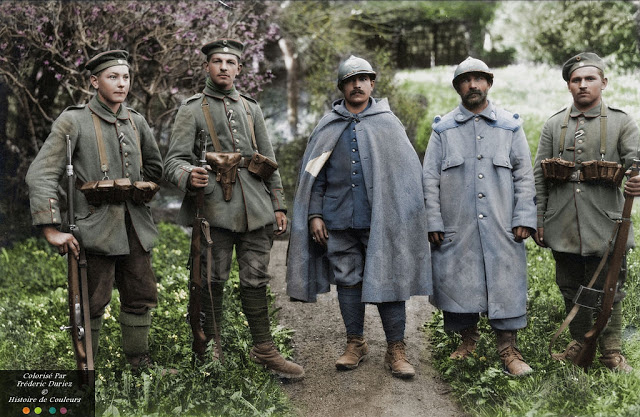
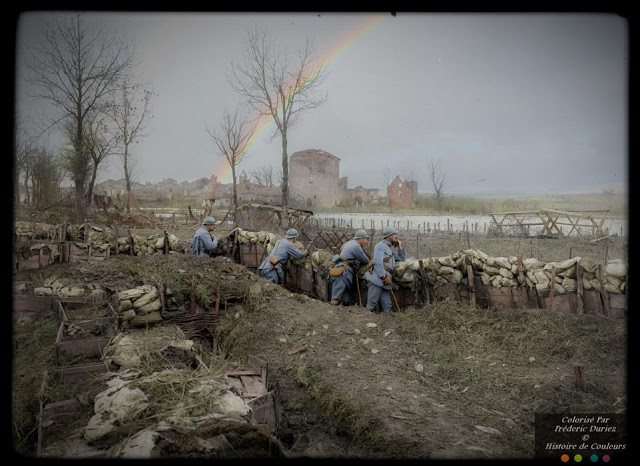
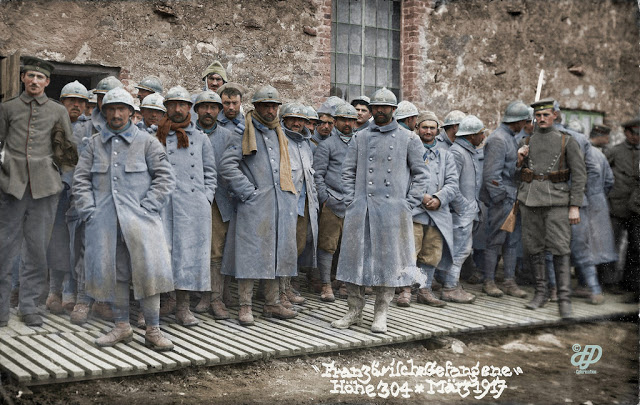
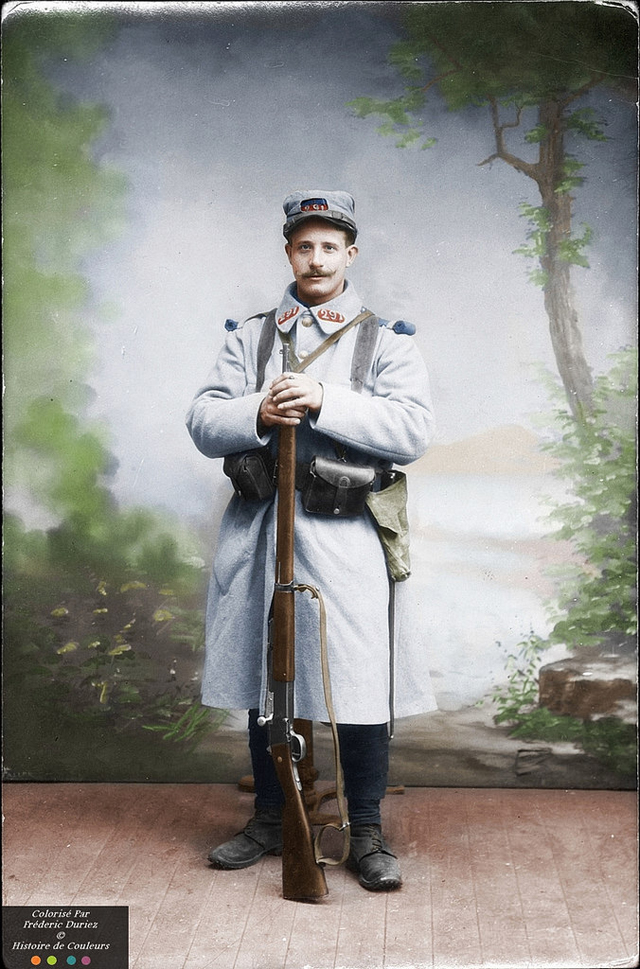
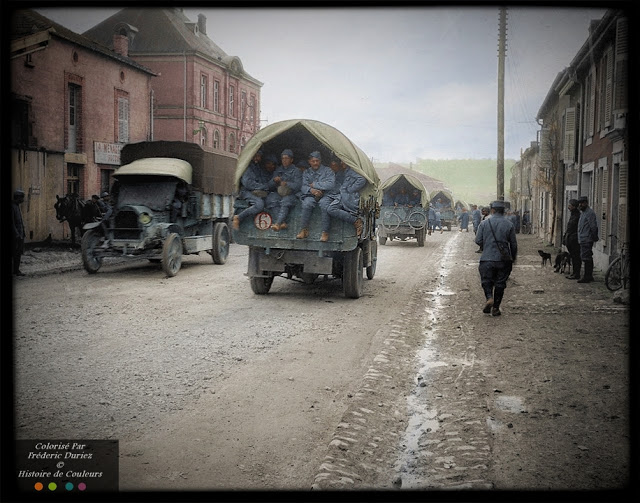
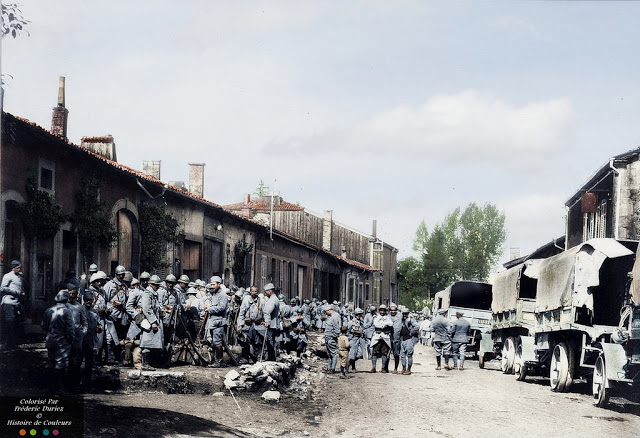
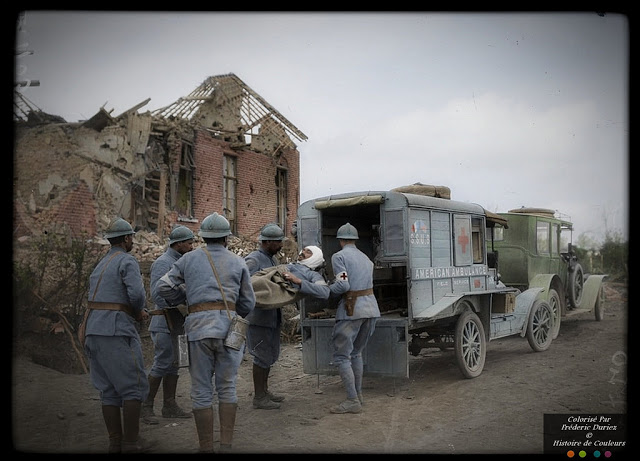
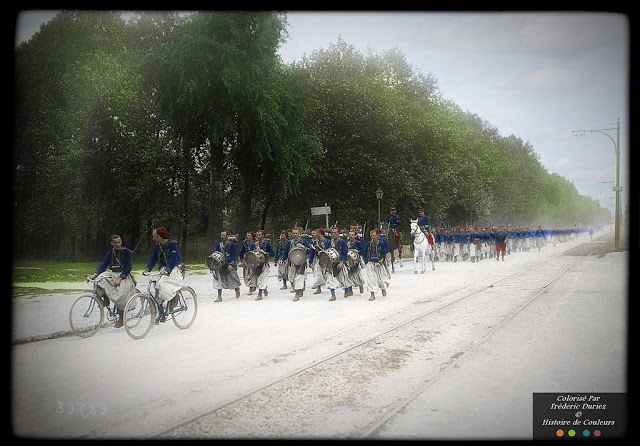
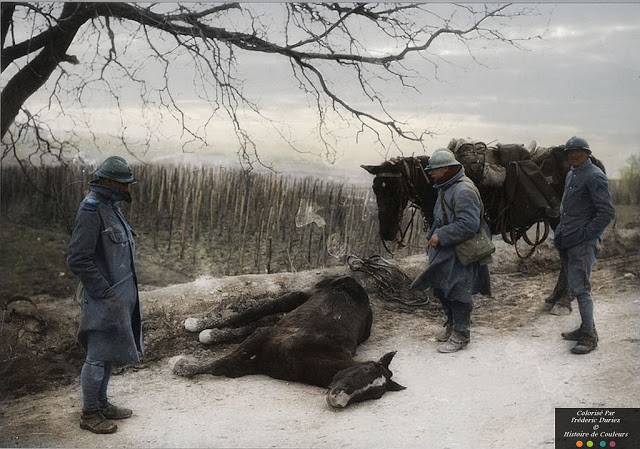
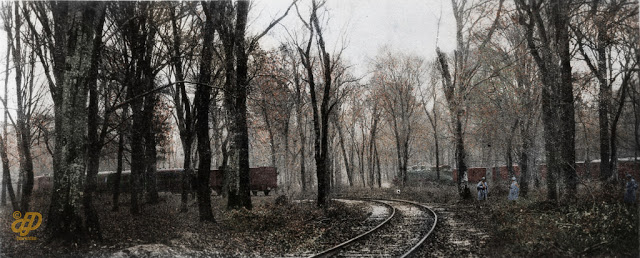
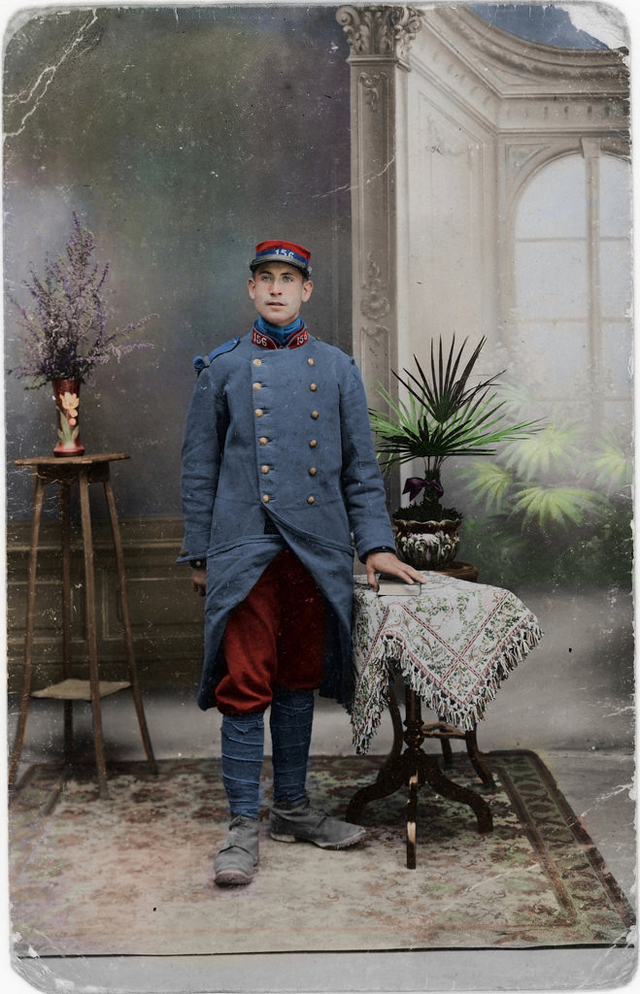
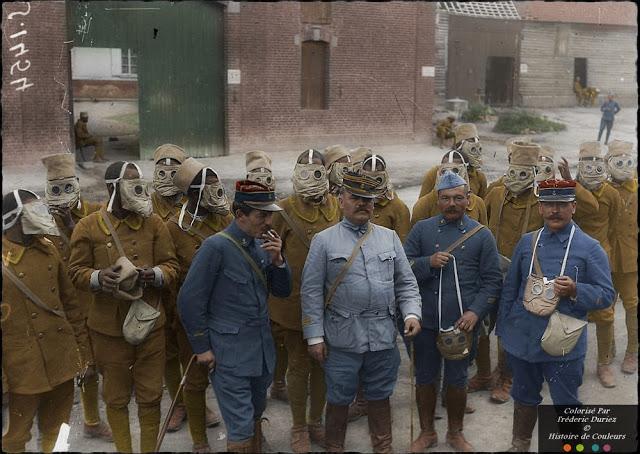
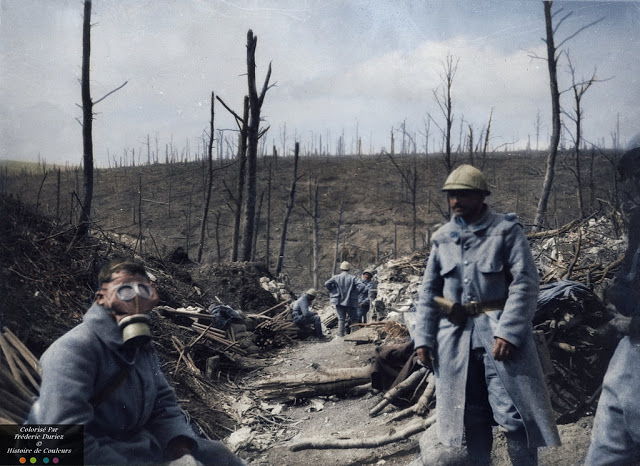
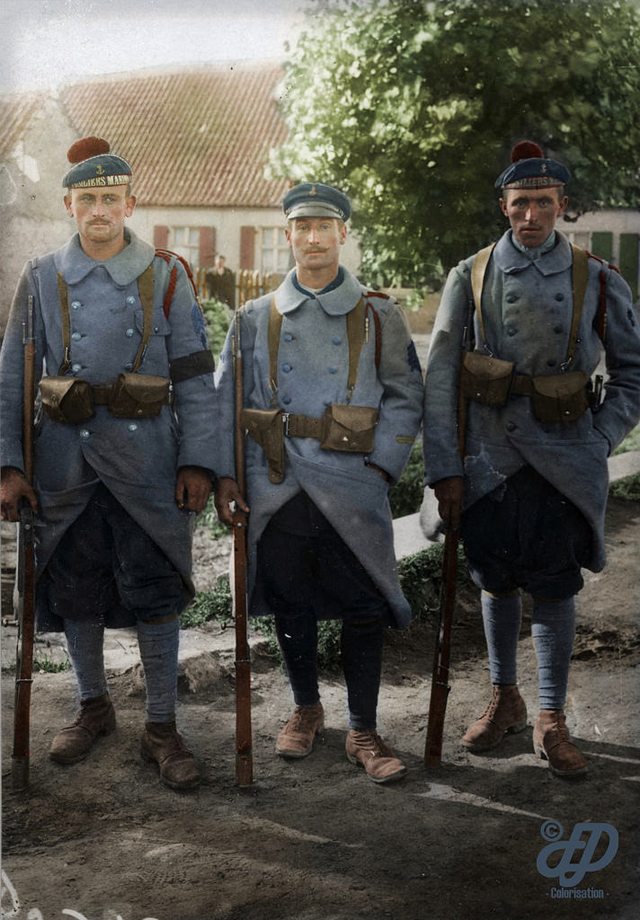
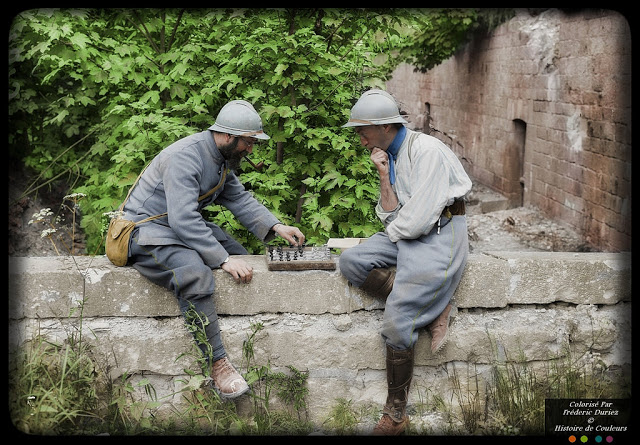
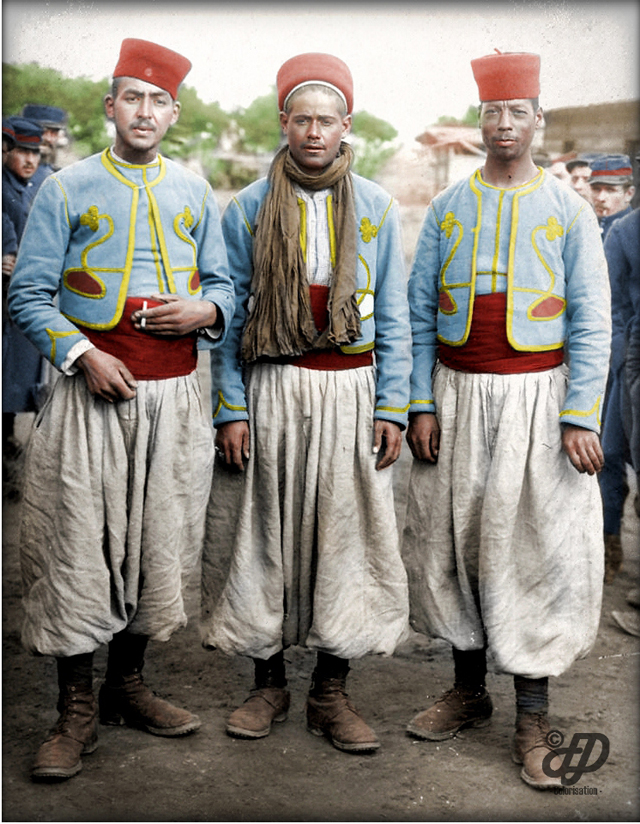
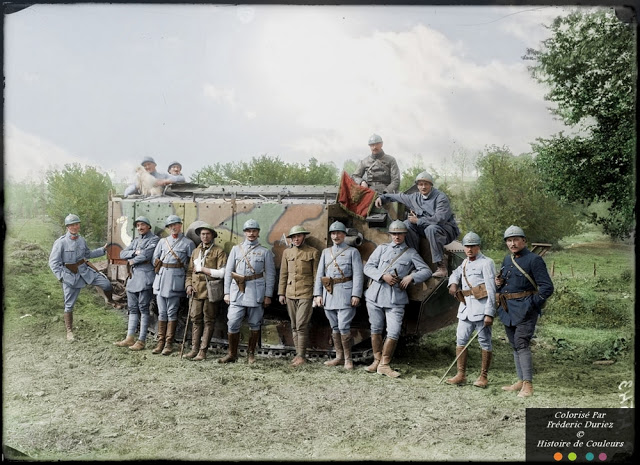
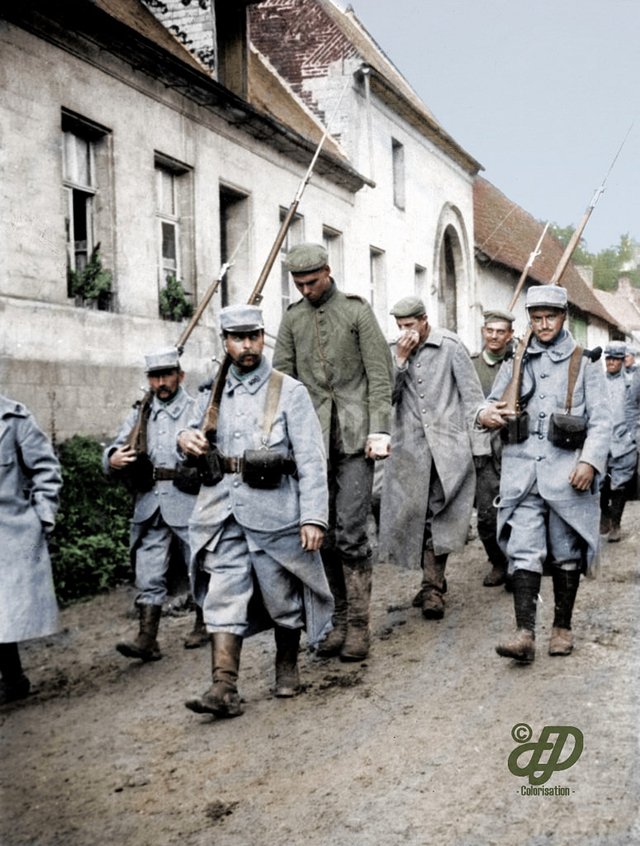
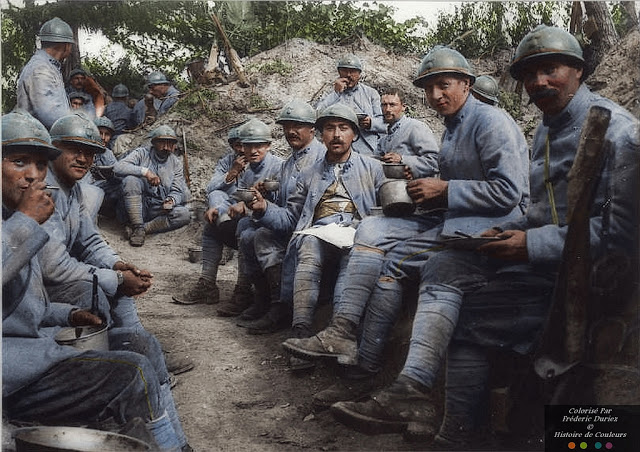
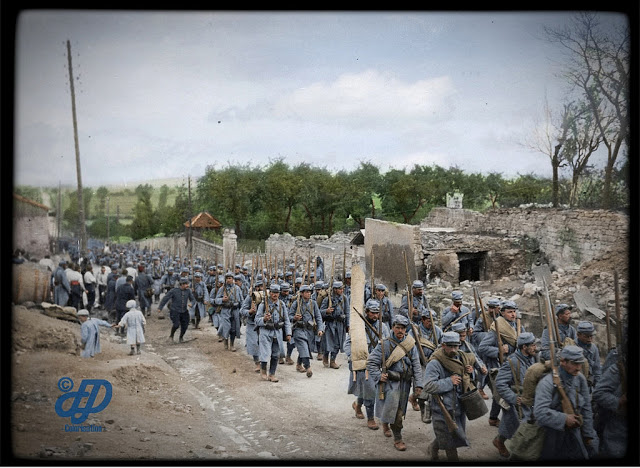
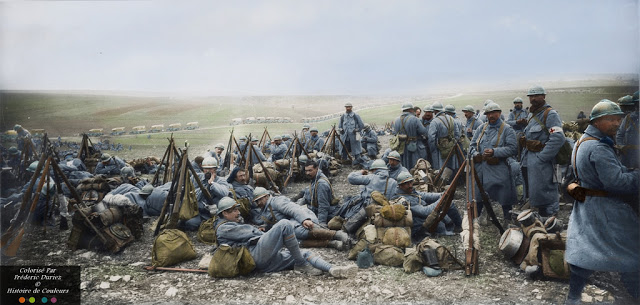
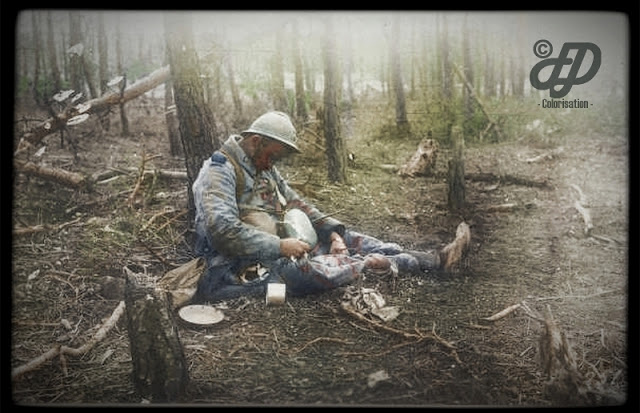
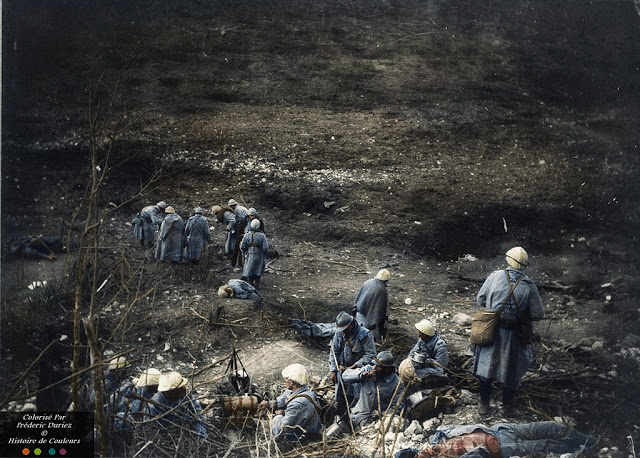
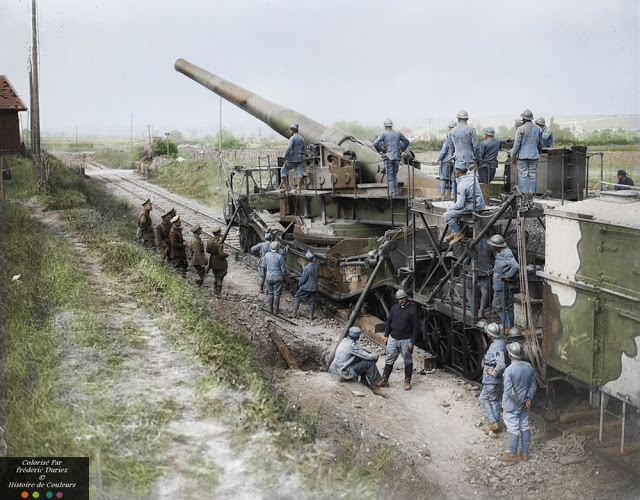
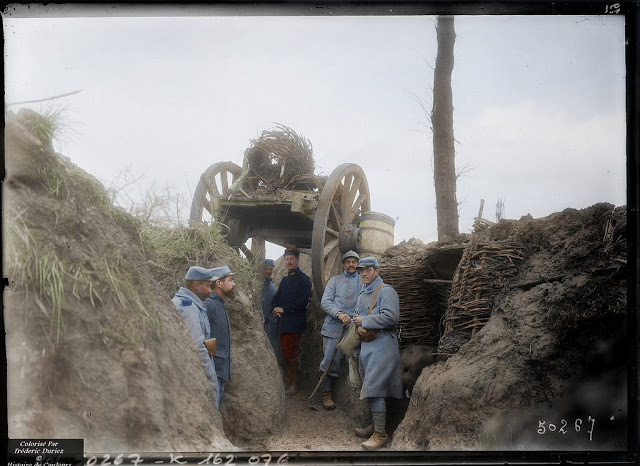
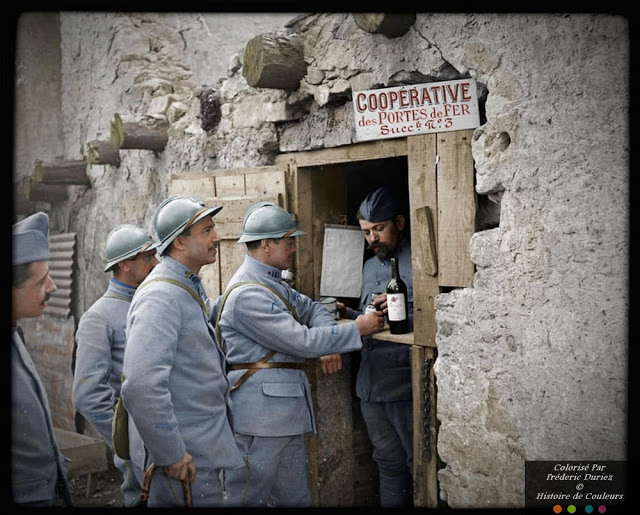
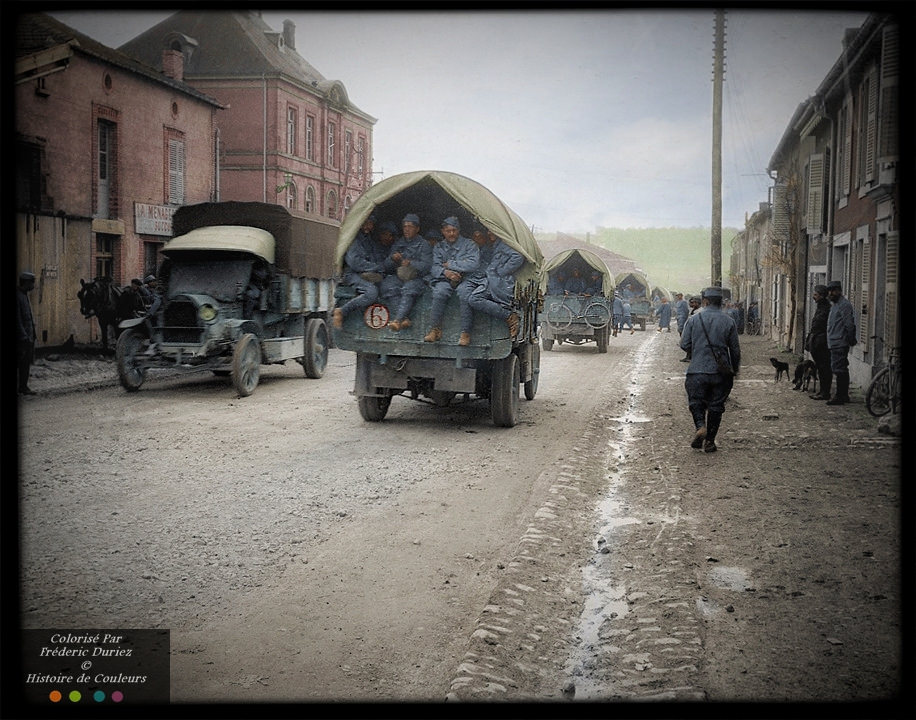
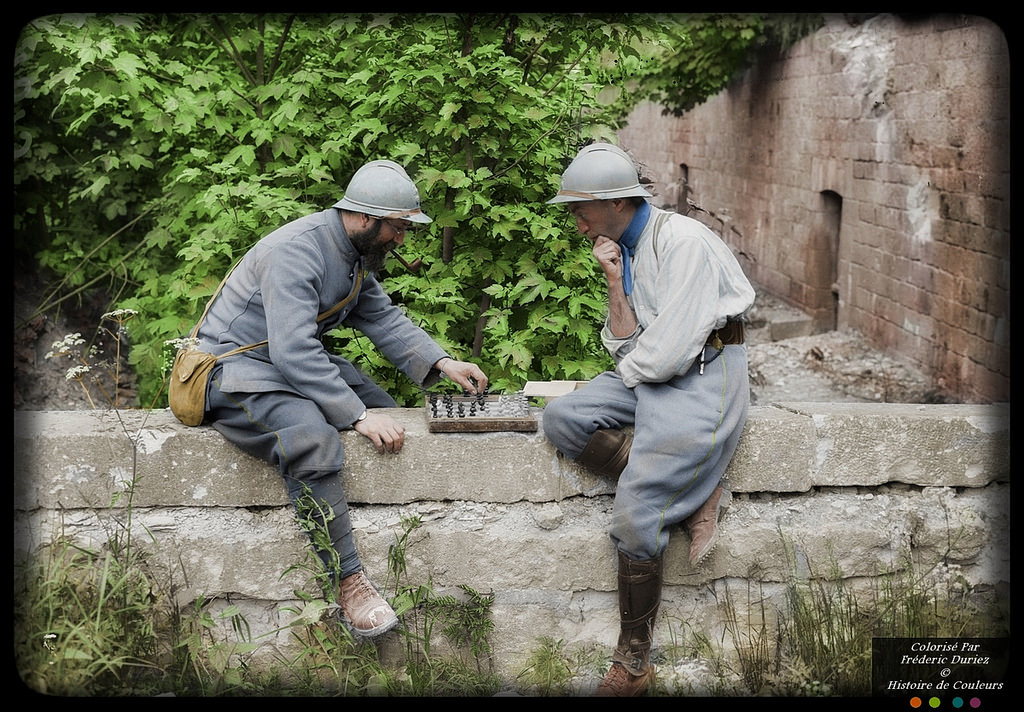
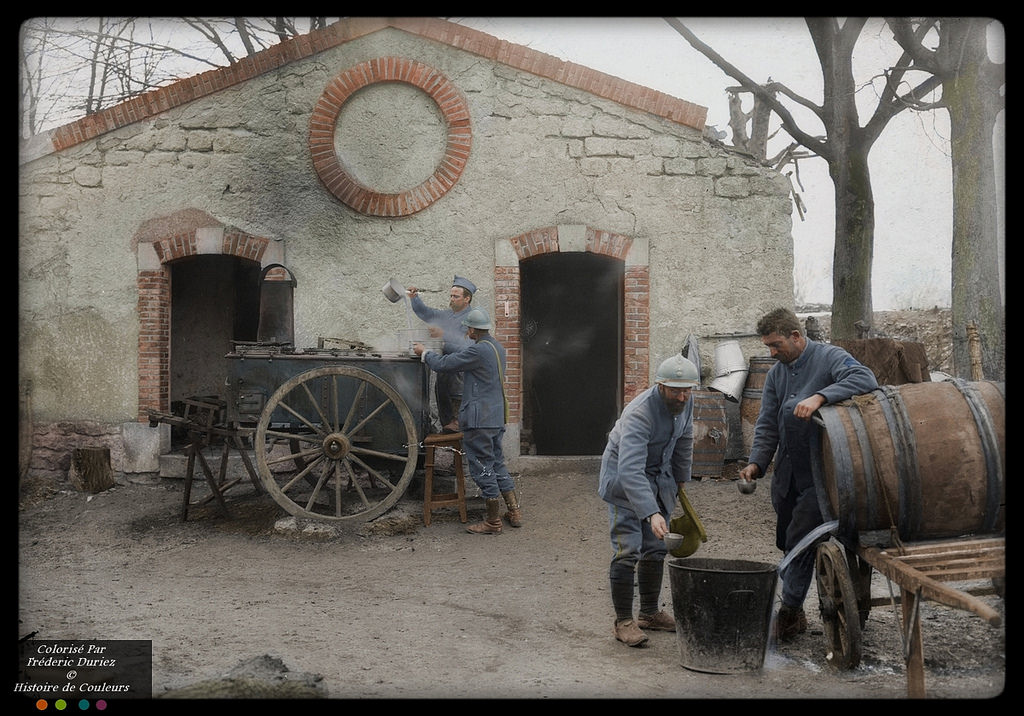
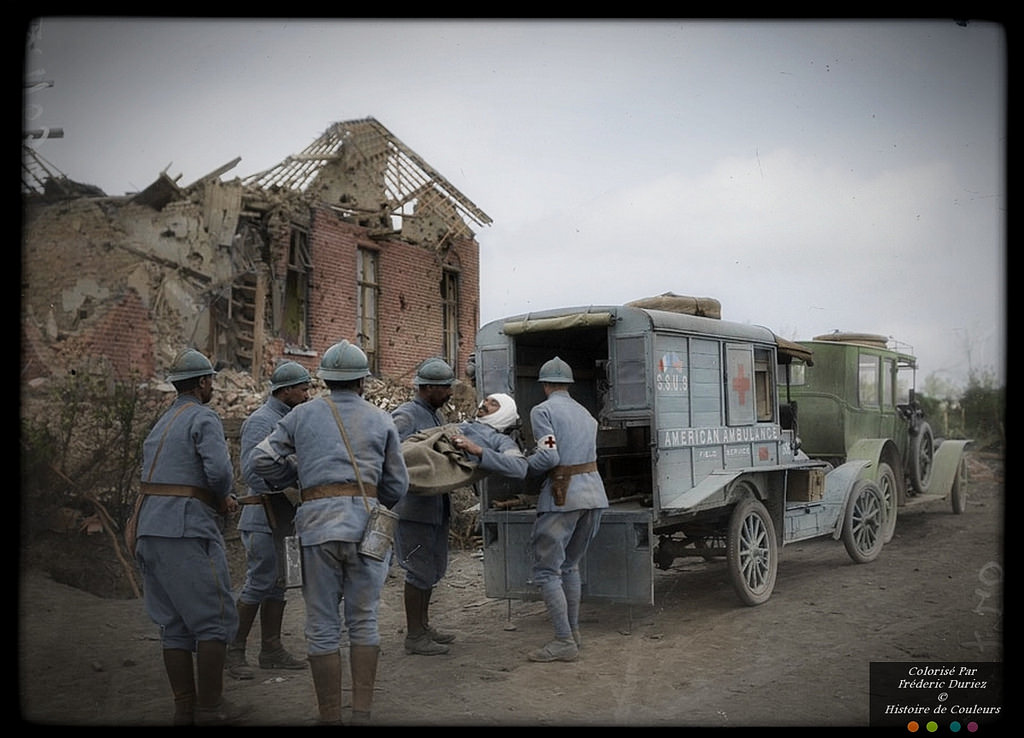
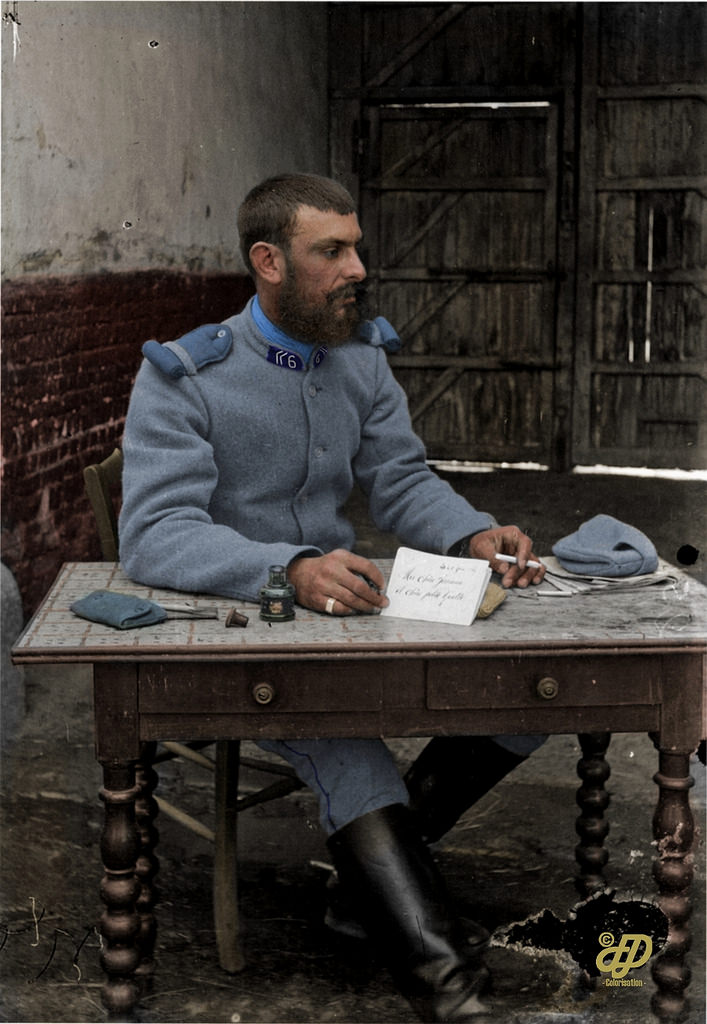
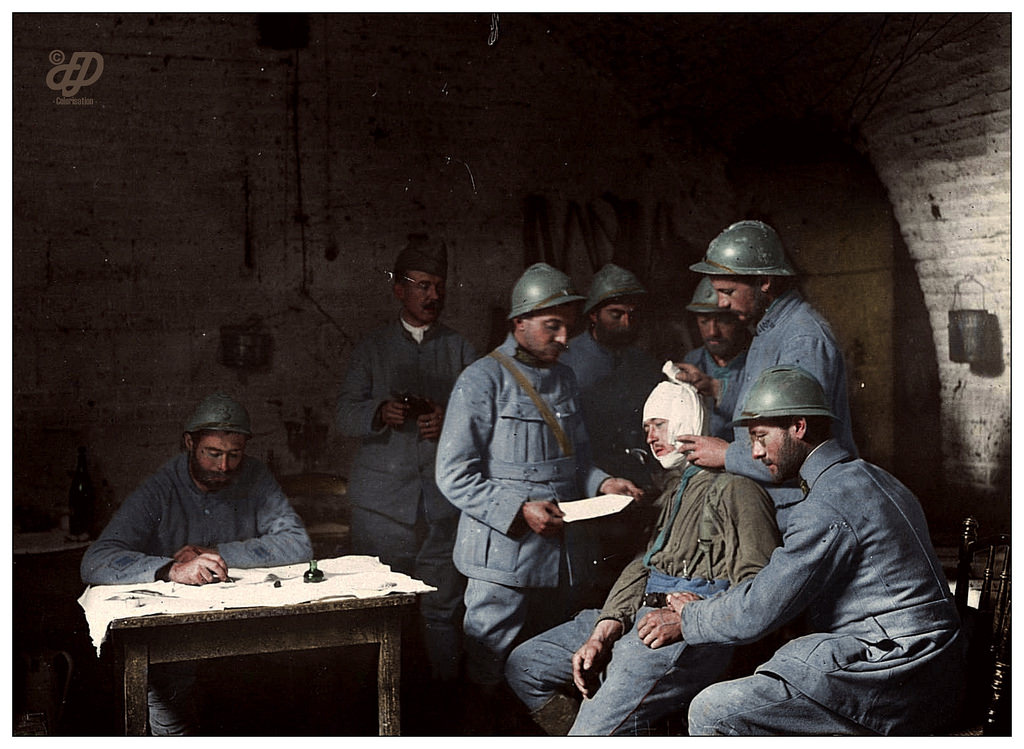
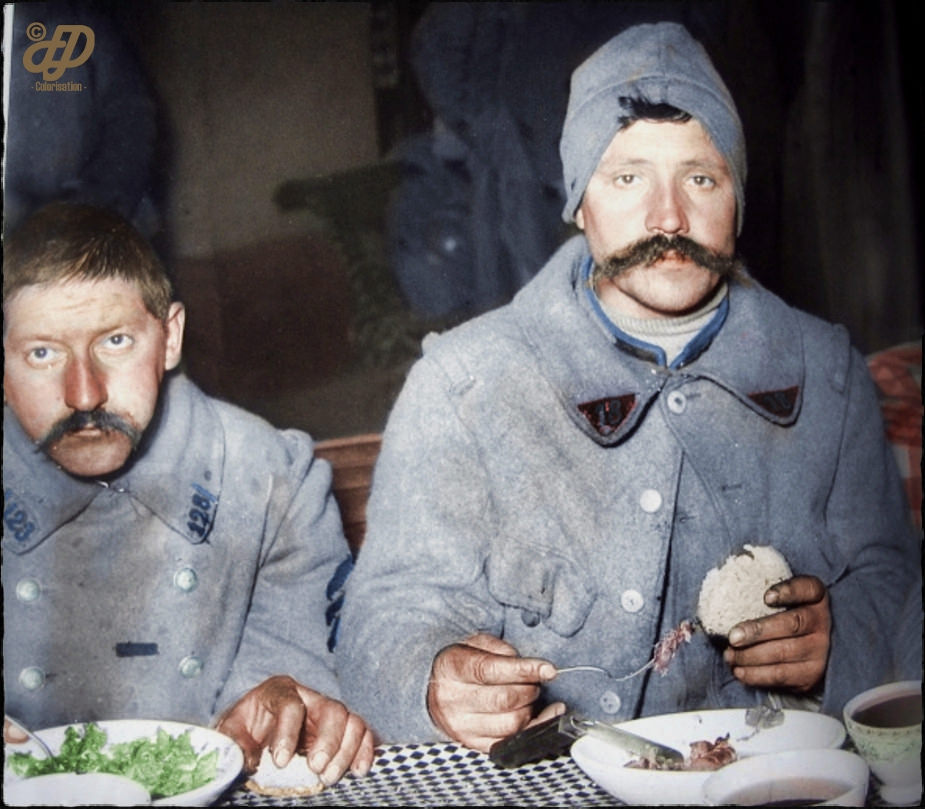
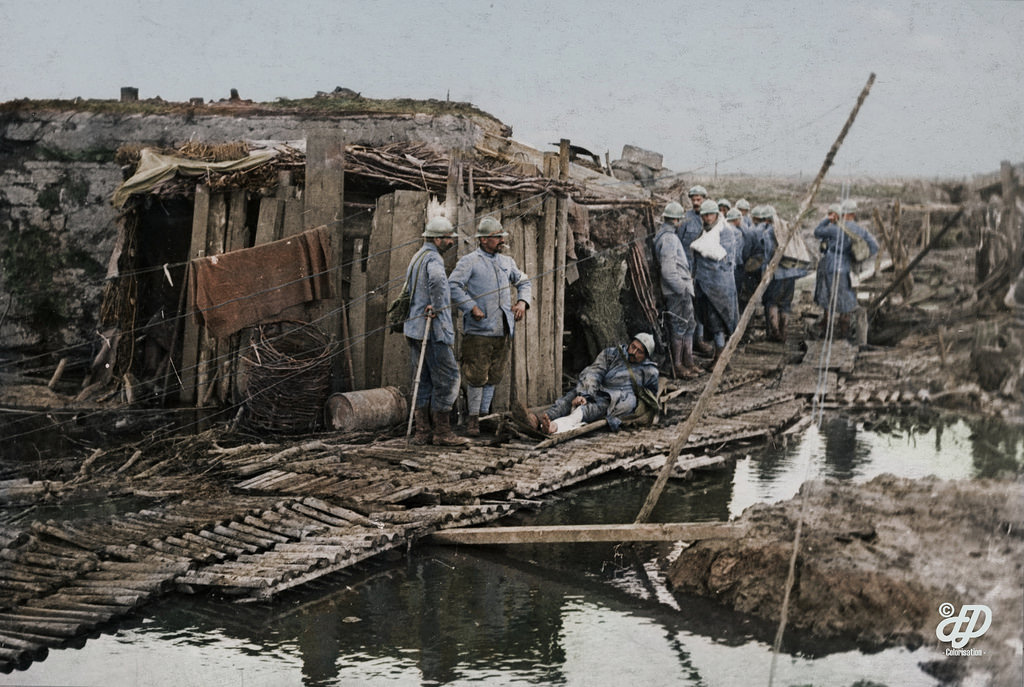
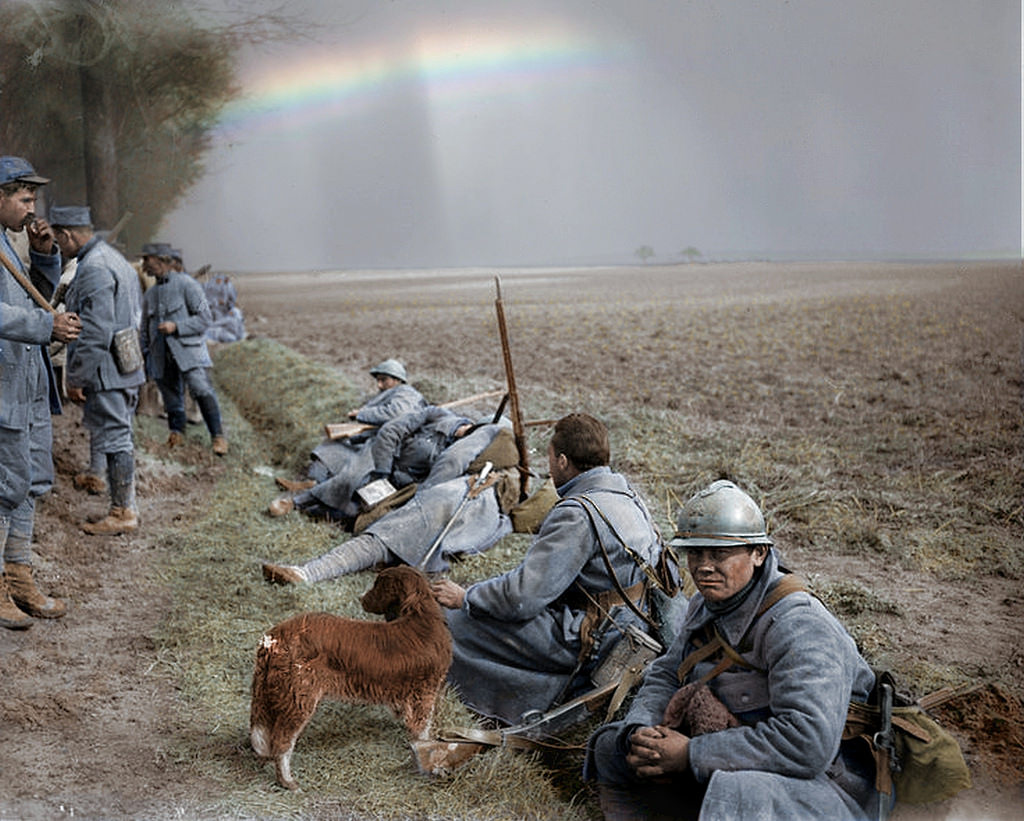
From August 1914 to early 1917, the French Army shouldered much of the the fighting on the Western Front – and with astonishing endurance. In one two-week period – August 16-31, 1914 – they suffered 210,993 casualties. By comparison, British casualties numbered 164,709 in the opening month – July 1916 – of the Somme offensive.
The French Army also adapted very well to the difficulties that trench warfare presented. They perfected the art of artillery “barrage” fire and they pioneered new & fresh platoon-level infantry tactics, focused on automatic weapons and rifle grenades. While the first day of the Somme – July 1, 1916 – was a disaster for the British, the French took all of their objectives.
In early 1917, 68 French divisions suffered mutinies. But the soldiers taking part in what were effectively military strikes neither refused to defend their trenches nor abandoned France’s war aims. The army itself would rally magnificently from this near collapse and would play a critical role in the coming Allied victory of 1918. From July to November 1918, French troops would capture 139,000 German prisoners. During the same period, the American Expeditionary Force would capture 44,142 Germans.
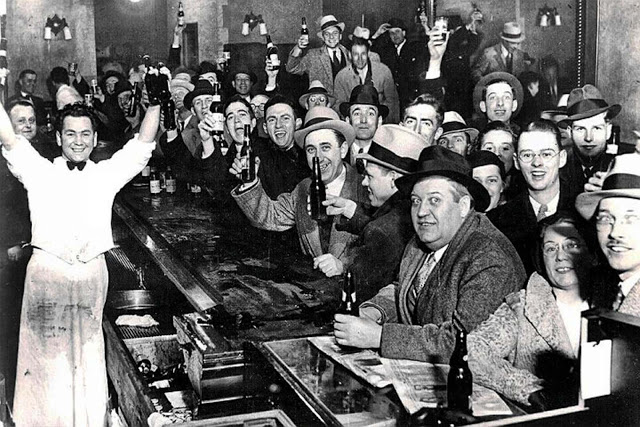
In the 1930s the Great Depression was just getting it’s steam, the epic American historical film Gone with the Wind was in theaters and radio shows were the popular form of entertainment. The slang of the ’30s was all about the blue collar side of life from alcohol to women, gambling and more.
Giggle Juice – The 1930s slang term was used to describe alcohol, often found in illegal speakeasies during the prohibition. I.e. “What’s in this giggle juice, it’s great!”
Blow Your Wig – Used to say that someone was very excited. I.e. “Don’t blow your wig, Johnny, it’s just a new car.”
Butter and Egg Man – This 1930s slang term was used to describe a person who was the money man, someone with a lot of money, etc. I.e. “Timmy’s the new butter and egg man, he’s loaded.”
Taking the Rap/Fall – The 1930s slang term was used when someone took the blame for crimes another committed. I.e. “Did you see Davy take the rap for Tony? He’s a real stand up guy.”
Ring a Ding Ding – Used as a way to describe or express that someone had a great time at a party. I.e. “This is a great party! Ring a ding ding!”
Grifter – The 1930s slang word was used to describe someone who was a con man or woman. I.e. “I think that grifter cheated me out of my money!”
Make Tracks – This 1930s slang term was a way to say that a person has/should leave quickly, in a hurry or abruptly. I.e. “I heard your father coming home and I had to make tracks.”
Slip Me Five – Used as a way to say that a person wanted to shake hands with another. I.e. “Lou, how’s it going? Slip me five, you old dog!”
Greaseball – This slang word was a way to tell or say that someone that they was unpopular, disreputable, unworthy, etc. I.e. “I don’t know how to tell you this, Anna, but your boyfriend is a greaseball.”
Clam Bake – The 1930s slang term was used to describe a party, always in conjunction with a fun time. I.e. “My birthday party is going to be a clam bake!”
Cat/Alligator – Used as a way to describe a person who was a fan of swing music. I.e. “My friend here is a cool cat, he’s a big fan of Glenn Miller.”
Bumping Gums – This 1930s slang term was used to say that someone was talking about nothing important. I.e. “Oh, I don’t have anything special to say, just bumping gums until the mechanic get’s done with my car.”
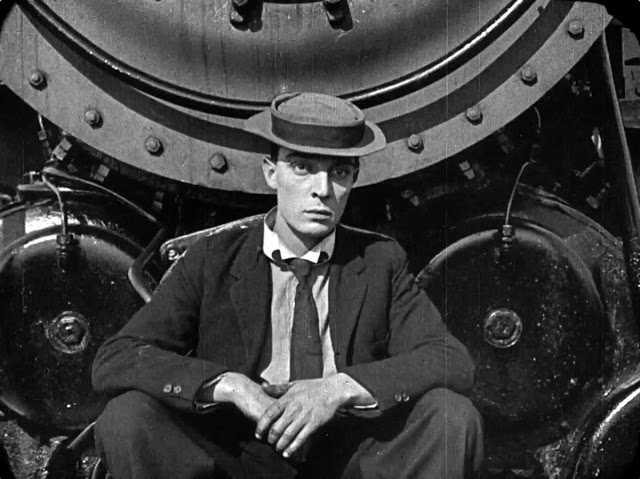
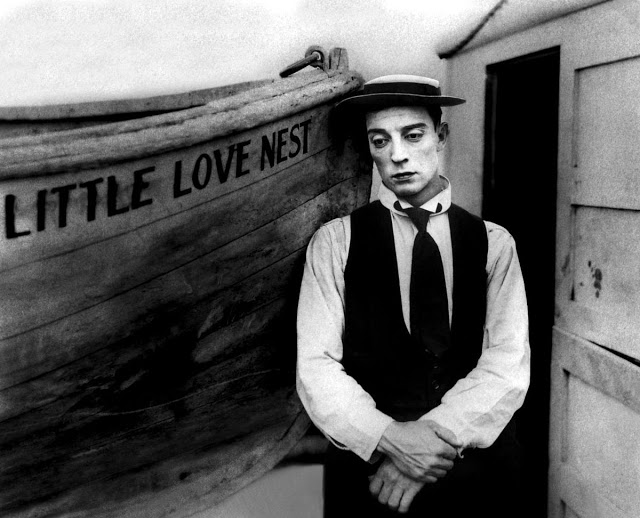
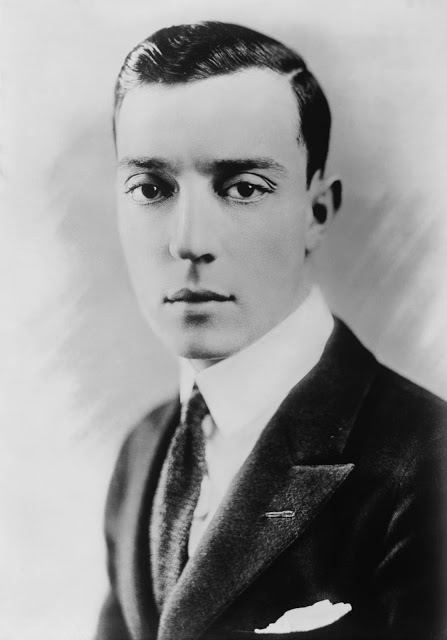
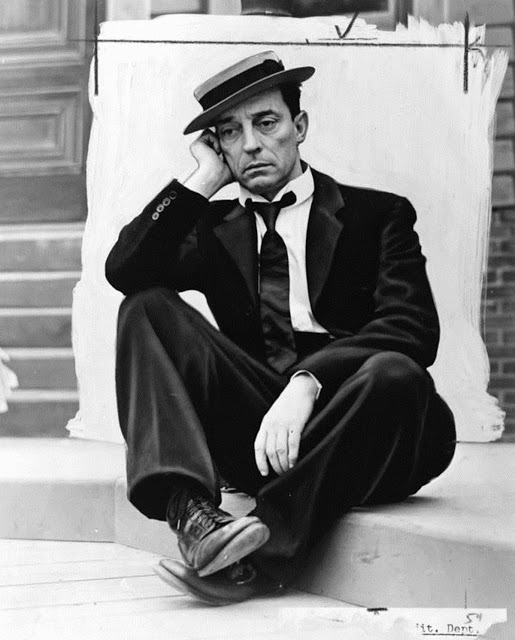
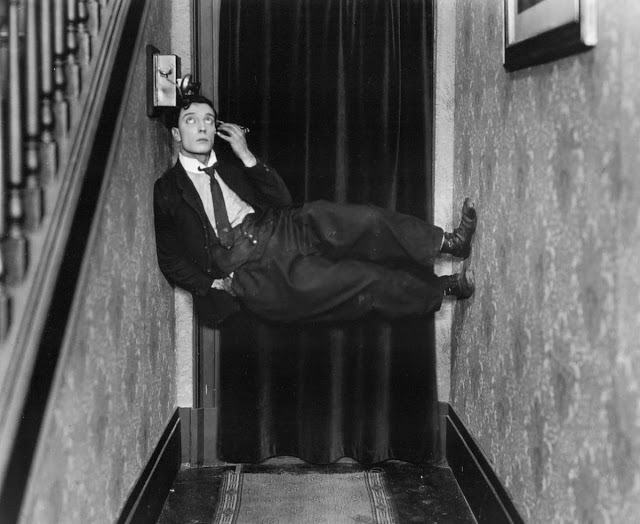
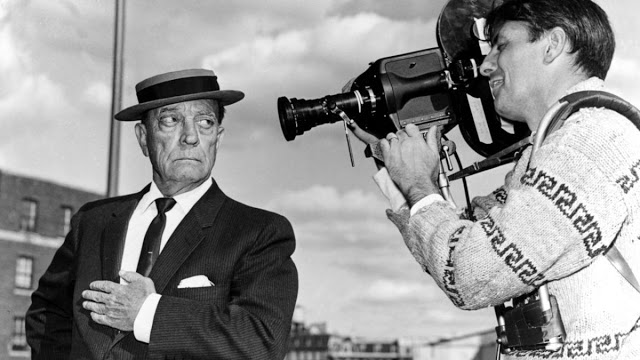
Joseph Frank “Buster” Keaton (October 4, 1895 – February 1, 1966) was an American actor, comedian and filmmaker. He is best known for his silent films, in which his trademark was physical comedy with a consistently stoic, deadpan expression that earned him the nickname “The Great Stone Face”. Critic Roger Ebert wrote of Keaton’s “extraordinary period from 1920 to 1929” when he “worked without interruption” as having made him “the greatest actor-director in the history of the movies”.[4] In 1996, Entertainment Weekly recognized Keaton as the seventh-greatest film director, and in 1999 the American Film Institute ranked him as the 21st-greatest male star of classic Hollywood cinema.
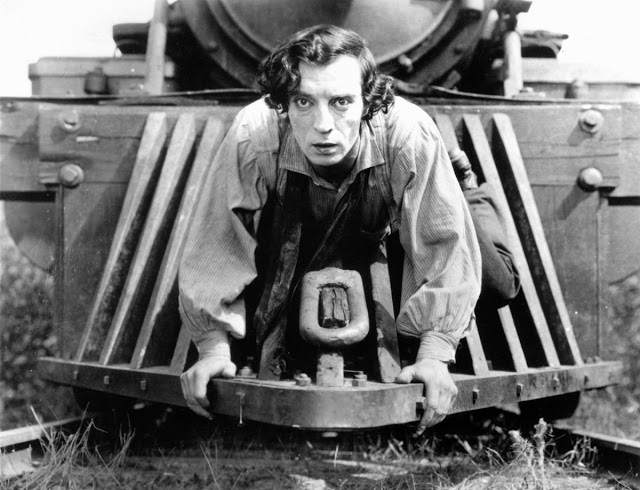
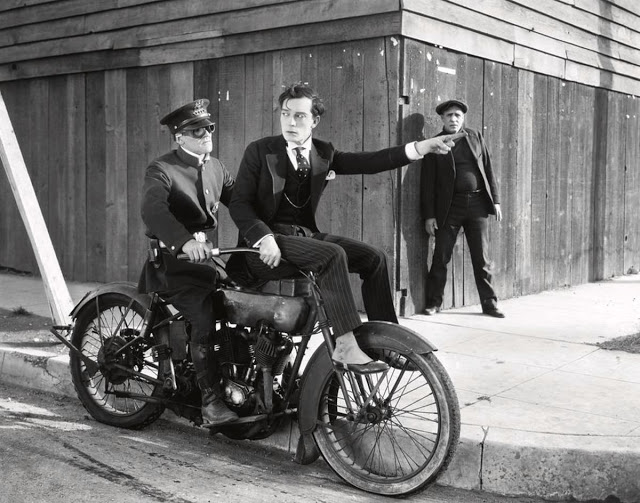
Working with independent producer Joseph M. Schenck, Keaton made a series of successful two-reel comedies in the early 1920s, including One Week (1920), The Playhouse (1921), Cops (1922), and The Electric House (1922). He then moved to feature-length films; several of them, such as Sherlock Jr. (1924), The General (1926), and The Cameraman (1928), remain highly regarded. The General is widely viewed as his masterpiece: Orson Welles considered it “the greatest comedy ever made…and perhaps the greatest film ever made”. His career declined when he signed with Metro-Goldwyn-Mayer and lost his artistic independence. His wife divorced him, and he descended into alcoholism. He recovered in the 1940s, remarried, and revived his career as an honored comic performer for the rest of his life, earning an Academy Honorary Award in 1959. (Wikipedia)
Keaton Was Institutionalized
There was a time in Buster Keaton’s life were he started to go down hill. He began to drink and had depression. His first wife Natalie Talmadge who was an actress took all of his money when they divorced. He was unstabilized he had to be put into an institution.
Most of Keaton’s Films Were Made Without a Script
“Two or three writers and I would start with an idea, and then we would work out a strong finish, and let the middle take care of itself as we went along, as it always does.” – Buster Keaton said in an interview.
Buster is His Nickname
When Keaton was a small child he fell down the stairs. He stood up as if he didn’t even fall. Someone said “That’s a real buster!” and that’s where he got his nickname.
Keaton Didn’t Find Out Abut His Broken Neck Till Years Later
When Keaton was filming Sherlock Jr. he broke his neck on the train track scene. He didn’t find out about his broken neck until he had his routine examination which was years later.
Buster Keaton’s Real Name
Buster Keaton’s birth name is Joseph Francis Keaton Vl. He was born on October 4, 1895.
His Nickname Was “The Great Stone Face”
He was called this because in his earlier movie he would sometimes smile but in his later work he wouldn’t. Some people would even claim that he could smile or laugh.
Buster Keaton Had Three Wives
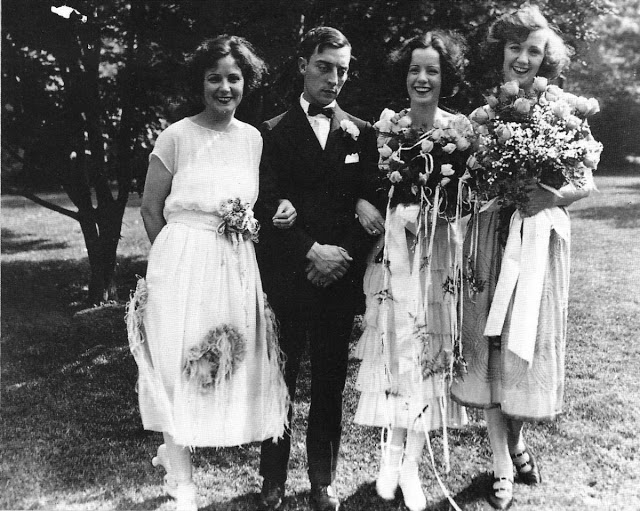
Buster Keaton’s first wife was Natalie Talmadge. They were married for twelve years and divorced in 1933. Buster Keaton’s second wife was Mae Scribbens. They were married for three years and divorced in 1936. Buster Keaton’s third wife was Eleanor Norris. They were married in 1940.
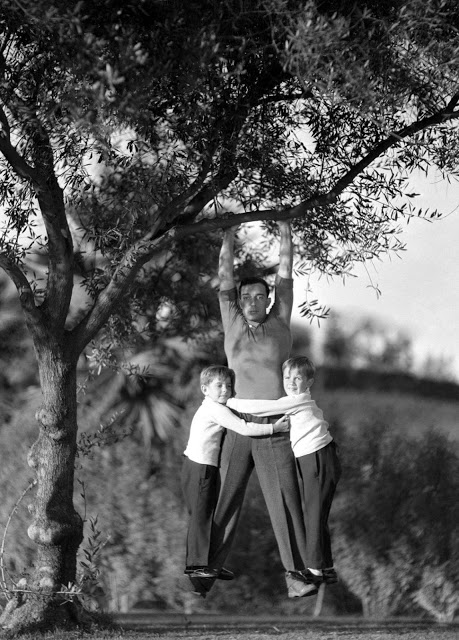
Buster Keaton Has Two Sons
Their names are Joseph and Robert. Their mother is Natalie Talmadge.
Keaton Has Been in Over 100 Films
Buster Keaton has been in about 147 films
Buster Keaton Died of Lung Cancer
Even though his stunts were very dangerous, the stunts he did had nothing to do with his death. Keaton died of lung cancer on February 1, 1966. This means he was 70 years old when he died.
Born on May 4, 1929, in Brussels, Belgium, Audrey Hepburn was a talented performer known for her beauty, elegance and grace. Often imitated, she remains one of Hollywood’s greatest style icons. A native of Brussels, Hepburn spent part of her youth in England at a boarding school there.
During much of World War II, she studied at the Arnhem Conservatory in The Netherlands. After the Nazis invaded the country, Hepburn and her mother struggled to survive. She reportedly helped the resistance movement by delivering messages, according to an article in The New York Times.
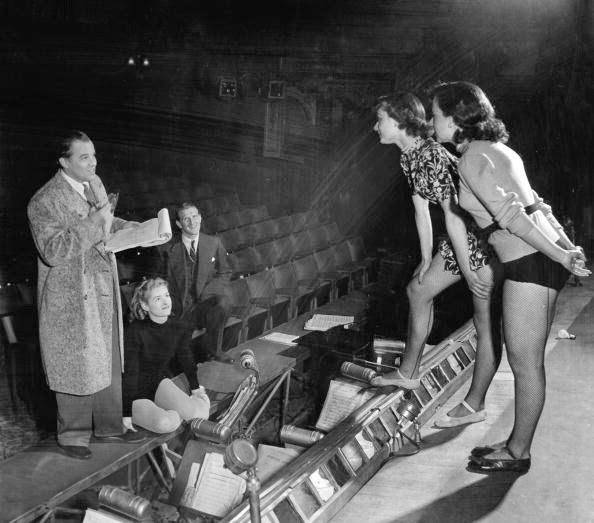
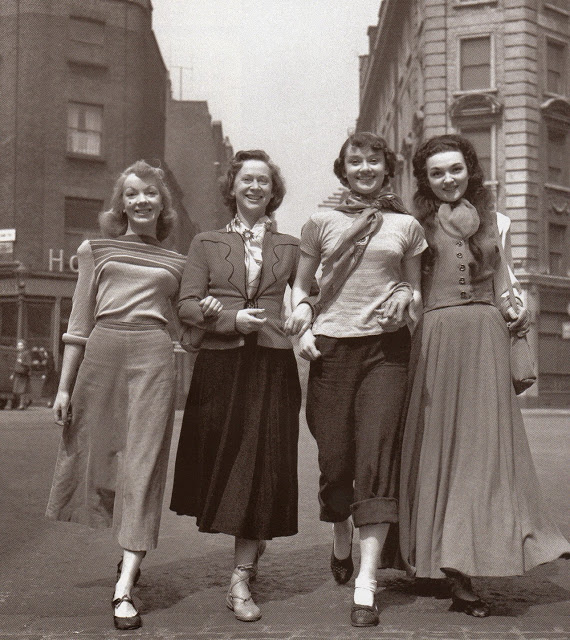
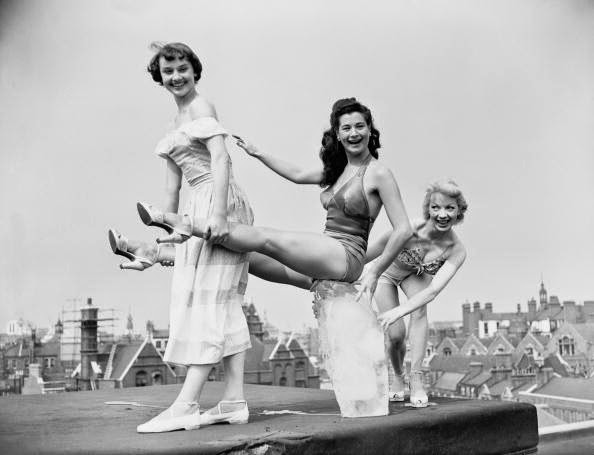
After the war, Hepburn continued to pursue an interest in dance. She studied ballet in Amsterdam and later in London. In 1948, Hepburn made her stage debut as a chorus girl in the musical High Button Shoes in London. More small parts on the British stage followed. She was a chorus girl in Sauce Tartare (1949), but was moved to a featured player in Sauce Piquante (1950).
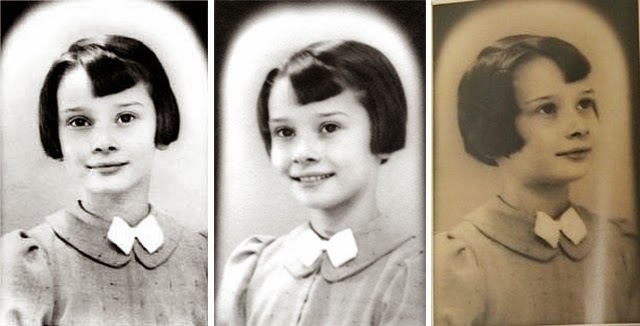
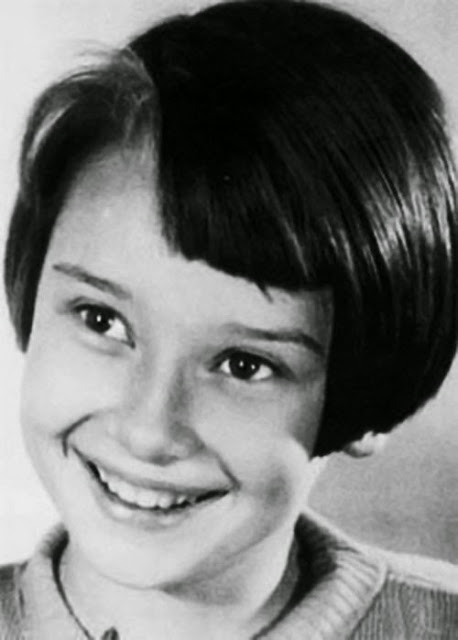
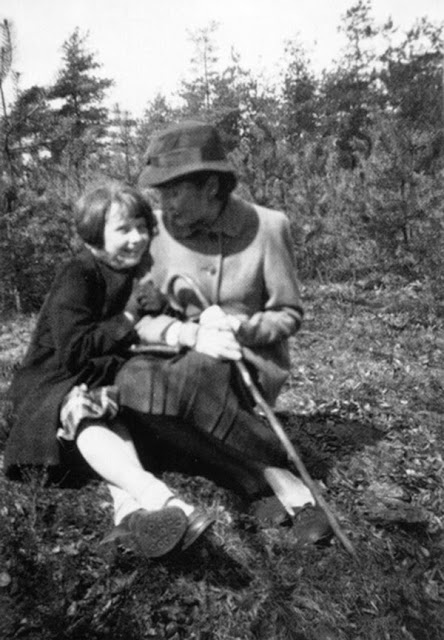
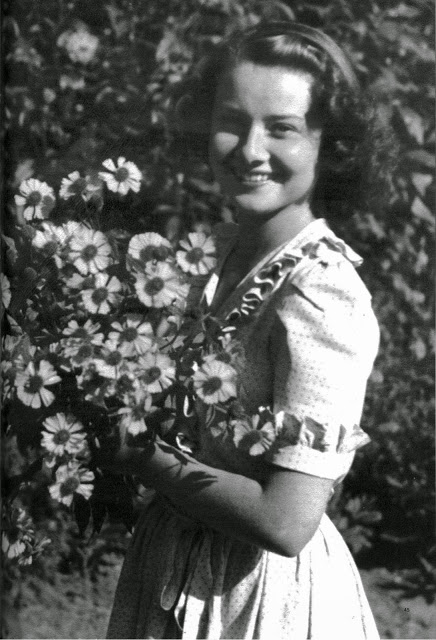
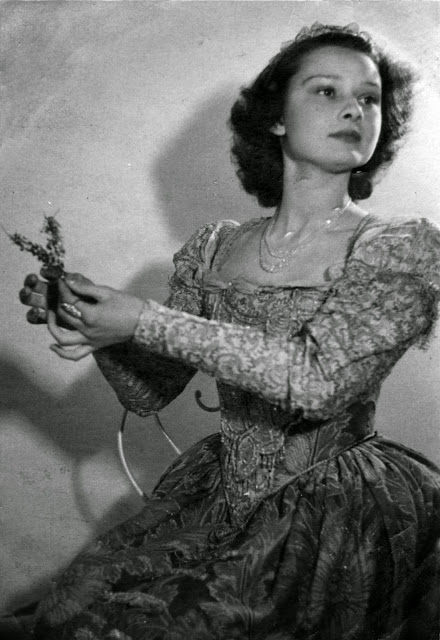
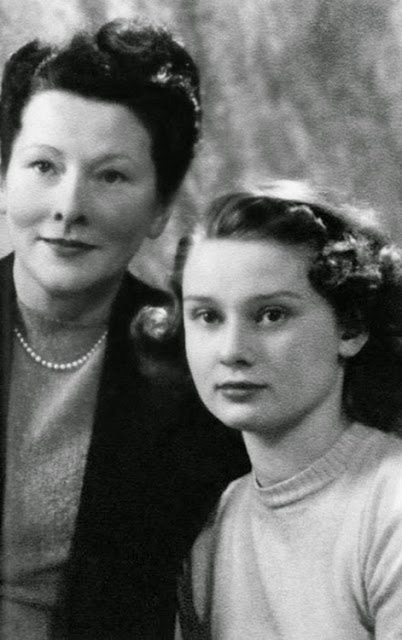
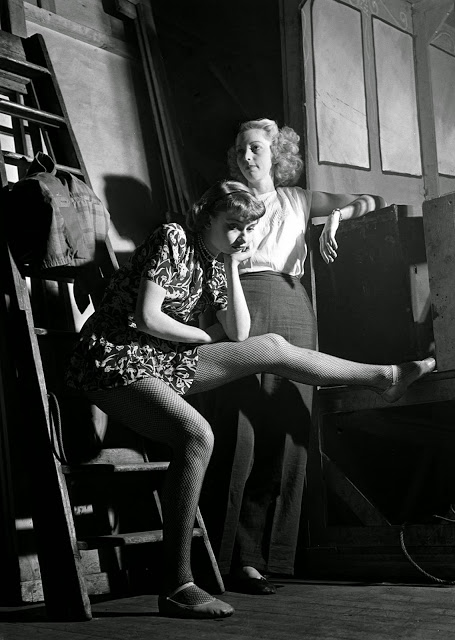
Here, below is a collection of rare photos of Audrey Hepburn as a child and a teenager from the 1930s and 1940s, before she becomes famous.
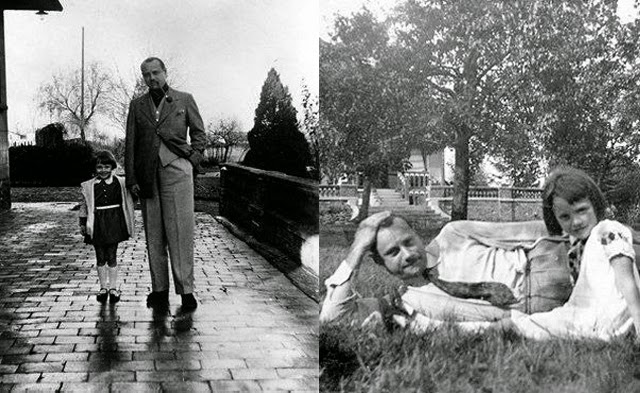
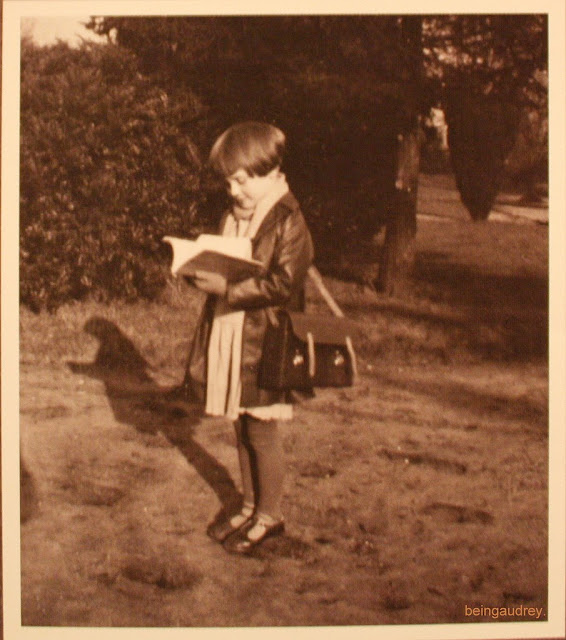
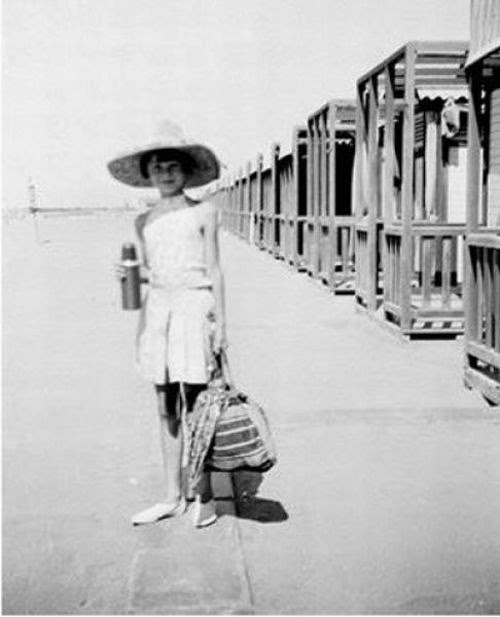
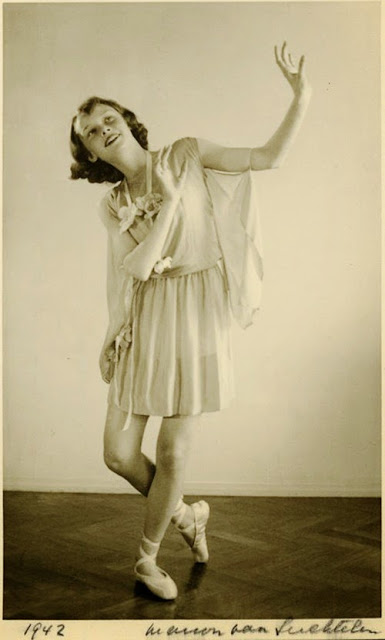
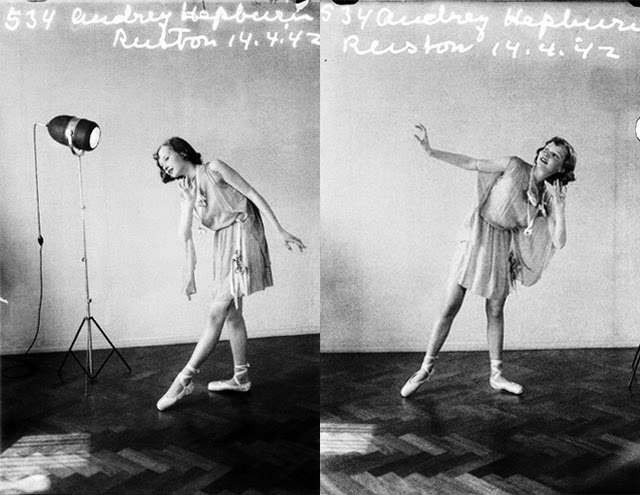
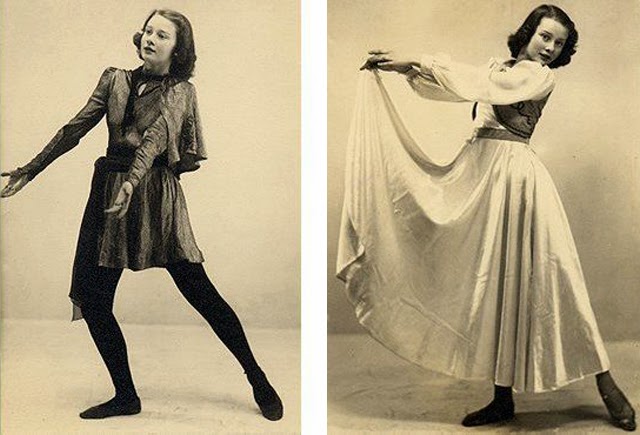
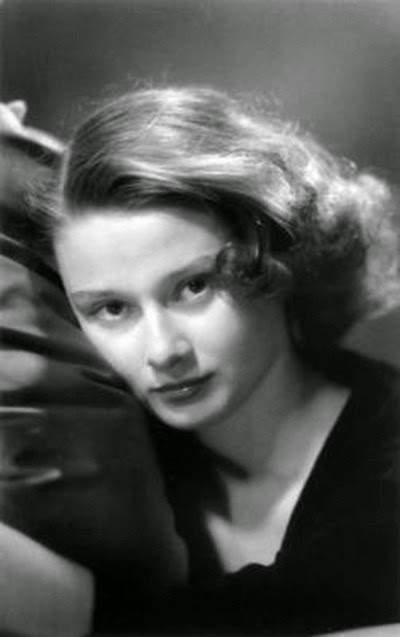
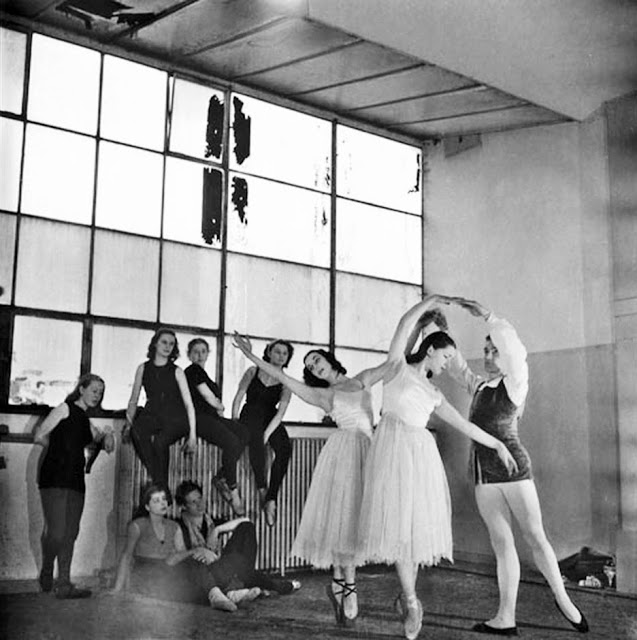
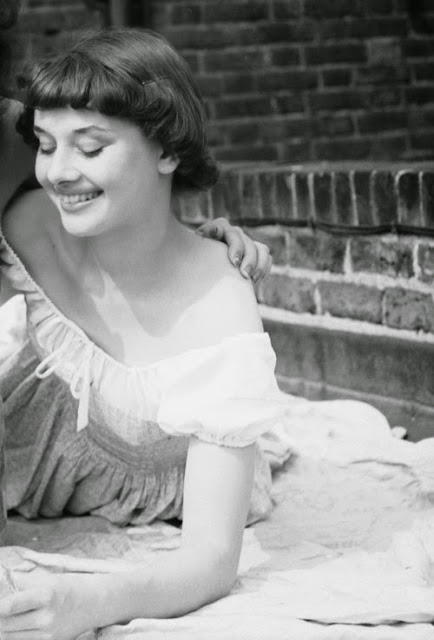
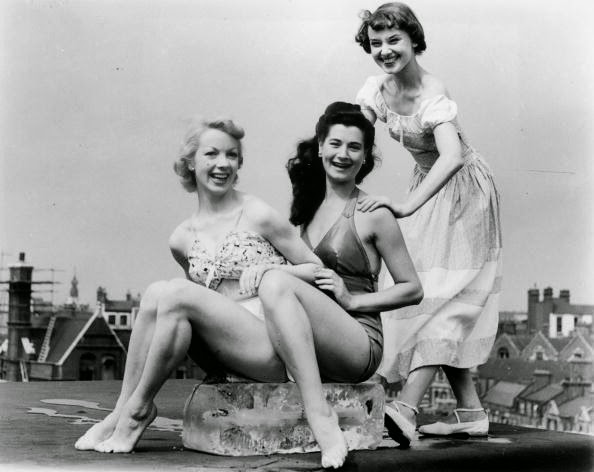
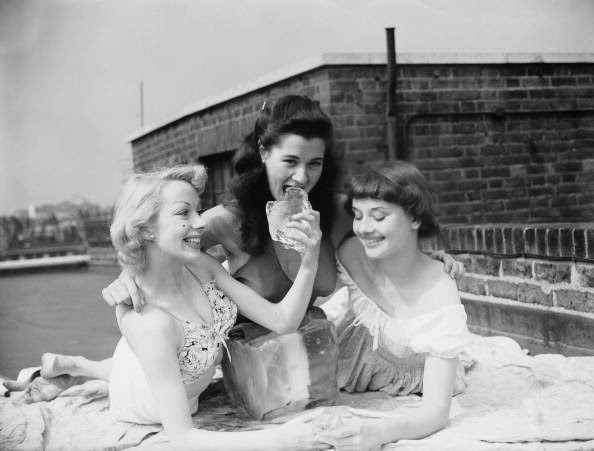
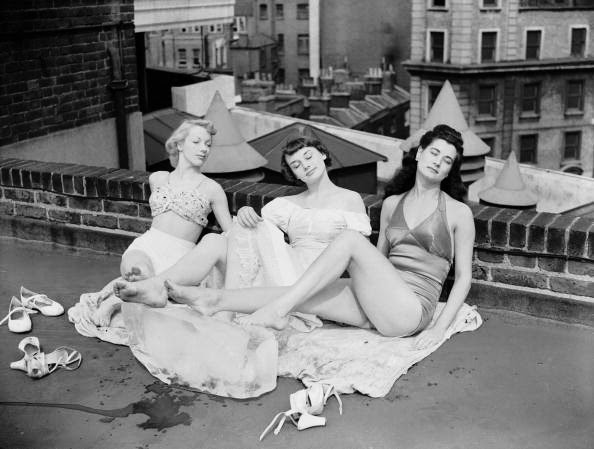
Ella Van Heemstra photographed with her daughter Audrey Hepburn, 1929. At the time this photograph was taken, baby Audrey wasn’t even one years old.Audrey Hepburn with her father Joseph Victor Anthony Ruston in Linkebeek, Belgium, 1933 (left) and 1934 (right).Audrey Hepburn, 5 years oldAudrey Hepburn’s first passport, 1936.Audrey at the beach in 1937, 8 years old, before the war.Audrey Hepburn, 1938.A young Audrey Hepburn, 1939.Audrey Hepburn and her Mother in Arnhem during the war, 1942.As a child Audrey Hepburn trained as a ballerina. During the war Audrey performed in several benefit performances to help the Dutch resistance. Photographed 1942.Audrey Hepburn at the age of 12 in one of her very first professional photo shoots. April 14, 1942.Audrey Hepburn, November 27, 1942Audrey, 13 years old.Audrey Hepburn during a dance recital in Arnhem, Holland, 1944.Audrey Hepburn photographed by Godfried de Groot, 1945.Audrey Hepburn, sitting, far right on the radiator, in the ballet studio of Sonia Gaskell in Zomerdijkstraat, 1945.Audrey Hepburn, 17 years old. The photograph was taken after the liberation of Holland, 1946.This photograph was taken by a Dutch photographer in Arnhem, in 1946, probably at the Arnhem Conservatory where Audrey took dancing lessons when she was 16.Audrey Hepburn and her mother, Baroness Ella Van Heemstra, 1946.Audrey Hepburn’s photograph from her British passport, 1946.Rare modeling pictures of Audrey Hepburn in 1946.Audrey Hepburn during auditions for High Button Shoes, London, 1948.Audrey Hepburn with the cast of a Christmas Party, 1949.The girl members of the cast arrive at the Cambridge Theatre rehearsal of Sauce Tartare, 1949. Left to right: Aud Johannsen, Nina Tarakanova, Audrey Hepburn and Marlana.Audrey Hepburn photographed on the roof of the Cambridge Theatre in London, June 28, 1949. She was performing as a chorus girl in the show Sauce Tartare.Chorus girls Audrey Hepburn, Aud Johanssen, and Enid Smeedon from the show Sauce Tartare keep cool with a block of ice on the roof of the Cambridge Theatre in London. June 28, 1949.
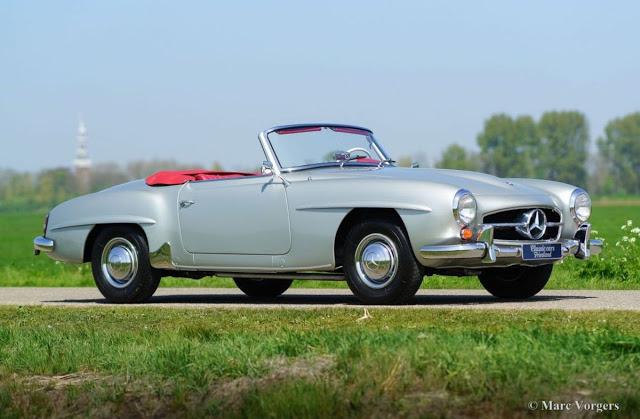
The Mercedes-Benz 190 SL is a two-door luxury roadster produced by Mercedes-Benz between May 1955 and February 1963. Internally referred to as W121, it was first shown in prototype at the 1954 New York Auto Show, and was available with an optional removable hardtop.
The 190 SL presented an attractive, more affordable alternative to the exclusive Mercedes-Benz 300 SL, sharing its basic styling, engineering, detailing, and fully independent suspension. Both cars had double wishbones in front and swing axles at the rear. Instead of the 300 SL’s expensive purpose-built W198 tubular spaceframe the 190 SL rode on a shortened monocoque R121 platform modified from the W121 small saloon.
The car was available either as a soft-top convertible or with removable hardtop). A small third-passenger transverse seat was optional. During its first years the 190 SL was available as a sports-racing model with small perspex windscreen and spartan one-piece leather covered bucket seats and aluminum doors.
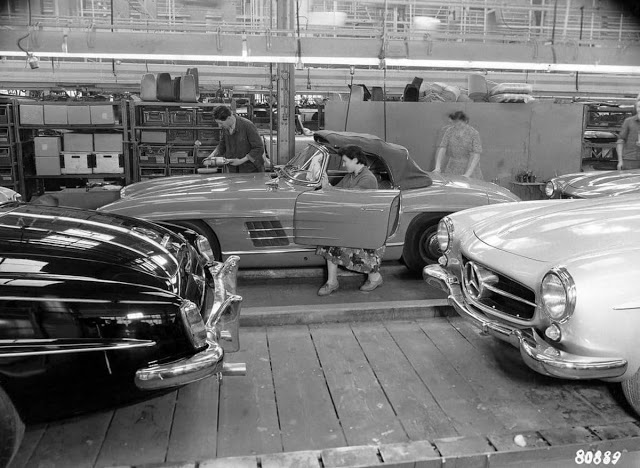
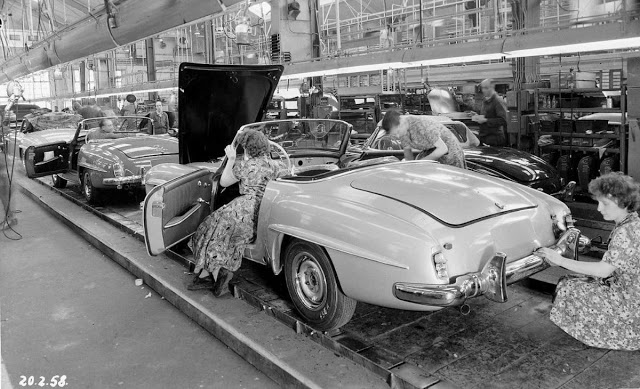
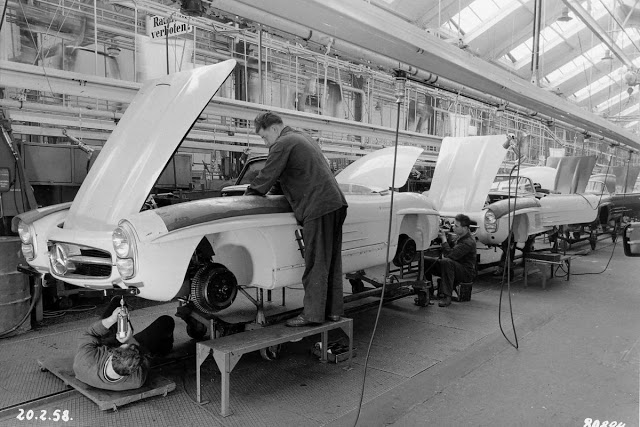
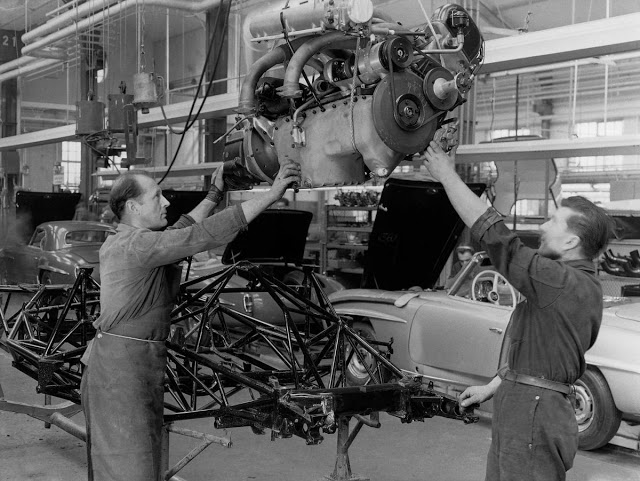
Below are some photographs from a Mercedes-Benz’s factory in February, 1958.
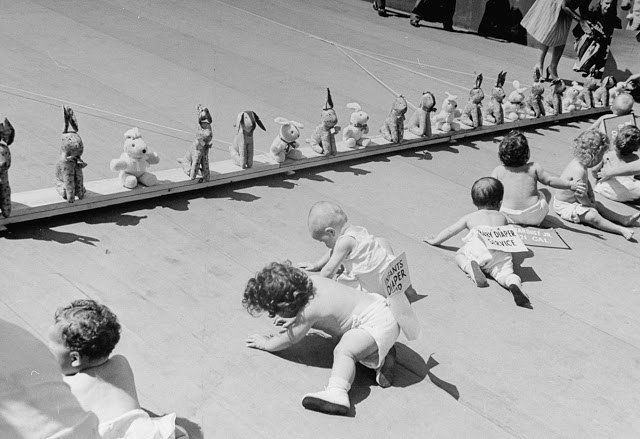
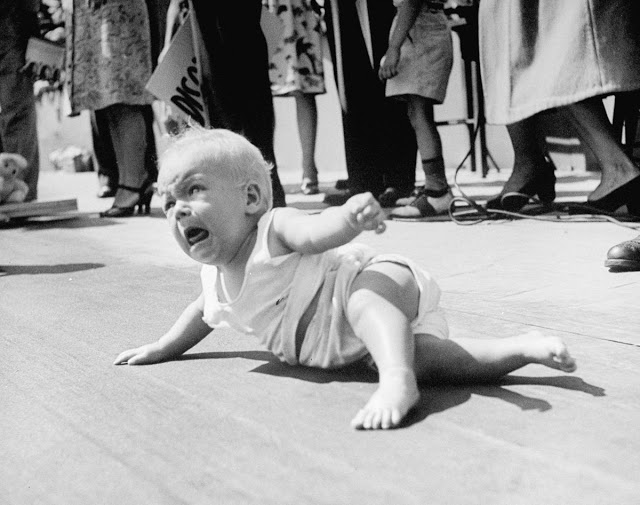
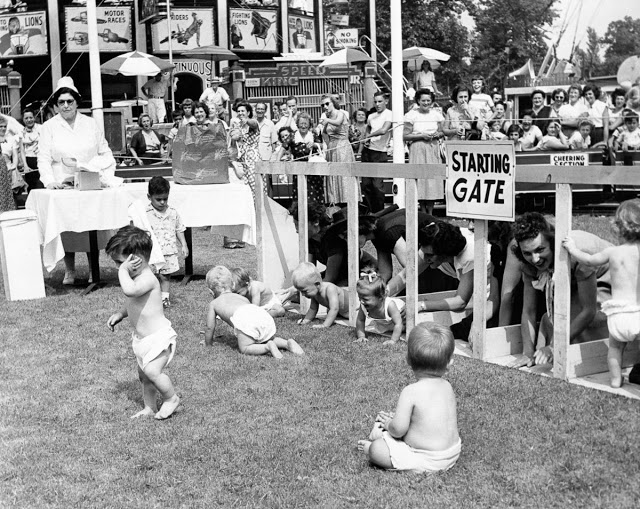
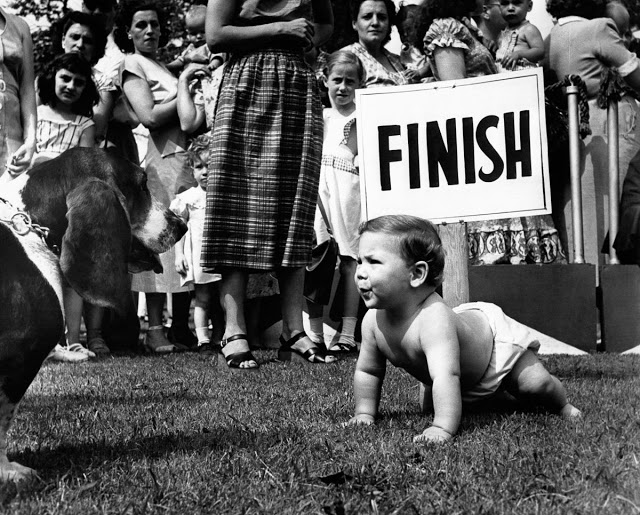
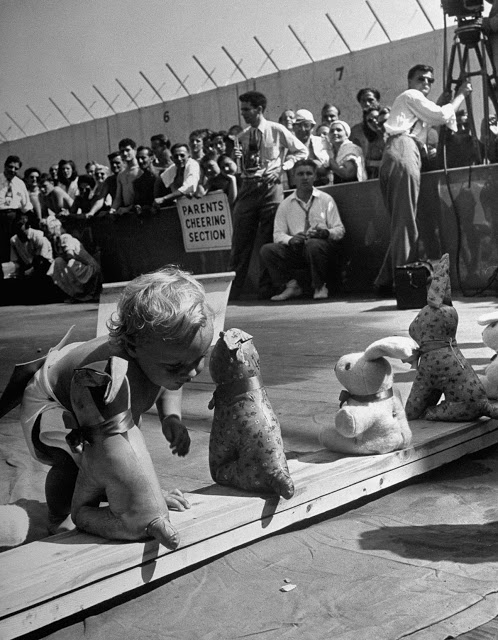
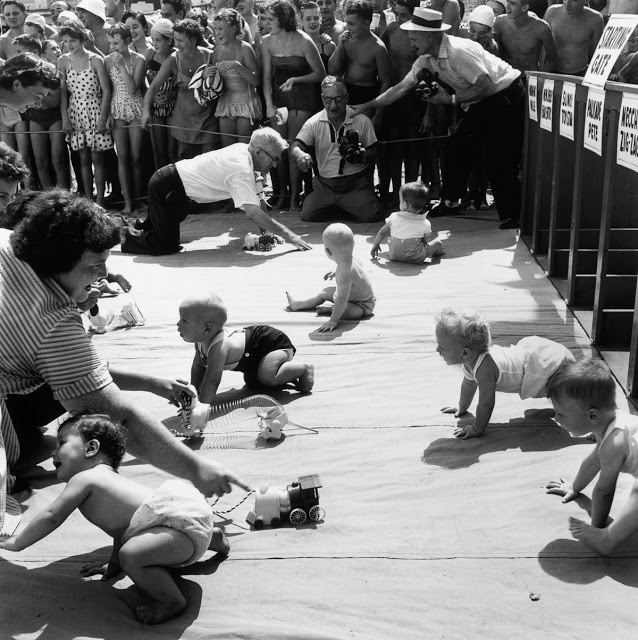
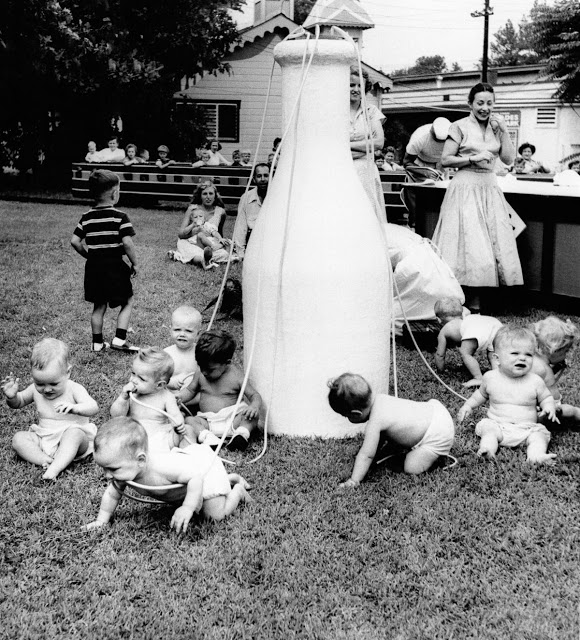
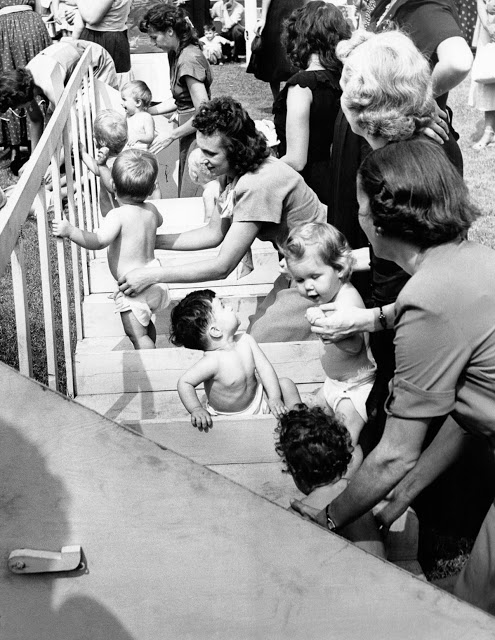
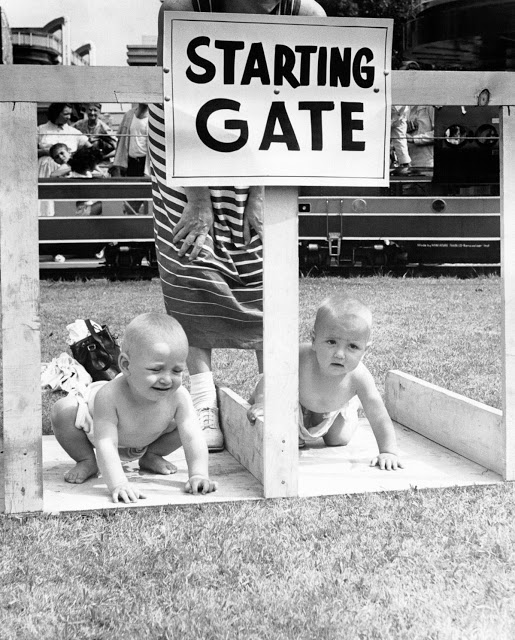
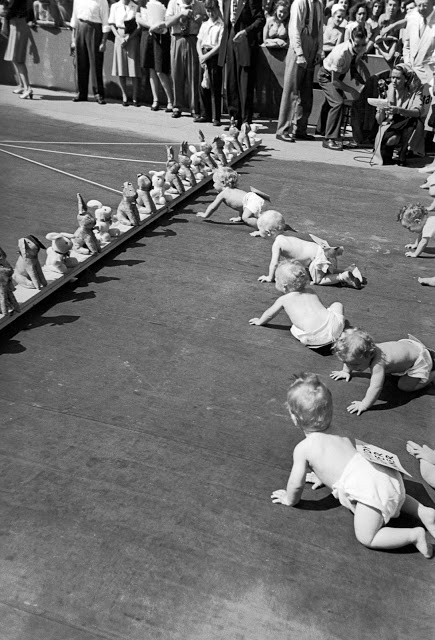
From 1946 to 1955 the sport of baby racing was an actual thing. At the fairgrounds in New Jersey’s Palisades park the annual baby racing competition, better known as the Diaper Derby, would take place. The event was sponsored by the National Institute of Diaper Services and was a true crowd pleaser as evidenced by the photos shown below.
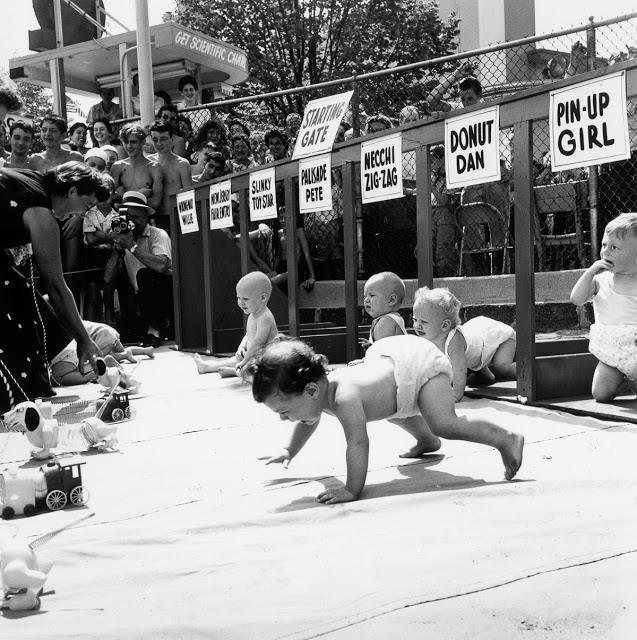
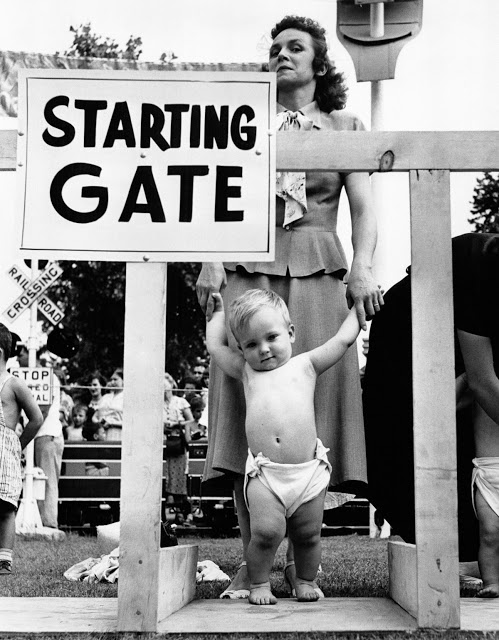
Babies need not have any special talents to be a participant in this very strange race often called “the slowest two minutes in sports.” The babies only uniform was that of a snugly fit diaper and a keen desire to win. Babies were lined up at the starting line by their mothers and once the race was started were urged to crawl to the finish line.
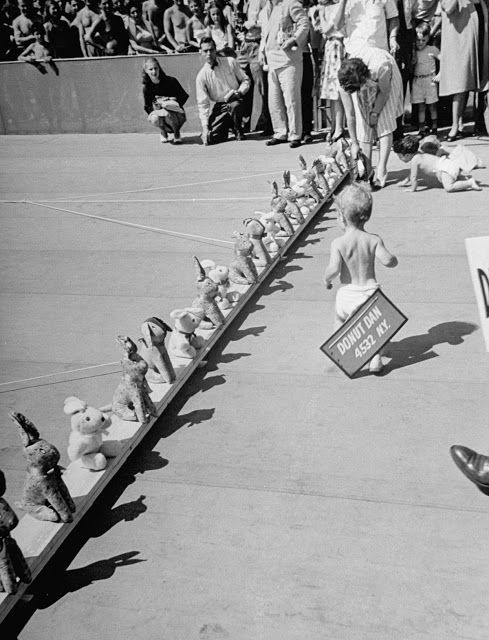
As a matter of fact, babies are capricious by nature, so the organizers would adorn the finish line with stuffed bears, bunnies, dogs, and other such animals that babies have an affinity for, in order to make it look as enticing as possible.
But it did not matter who arrived at the finish line ahead of the others, there were no losers in this lovable competition. Every baby got to take home the stuffed animal he or she was crawling after.
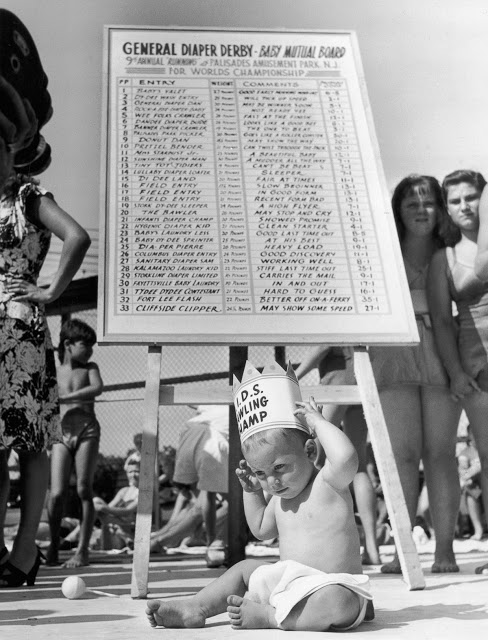
However, the champion of the Diaper Derby got to take home more than just a stuffed toy. The overall winner was given a $50 savings bond and a special crown. Yet there were rules to be followed in these competitions. If any baby stood up and walked they were then automatically disqualified.
As well, in order to make things more fun, each baby entered into the race was given a their own unique nickname. For example, one baby was given the moniker “Palisade Pete” while another went by the name “Donut Dan.”
During the course of the races babies would often fall asleep, or they would matter-of-factly just get up and walk away, not caring one bit about being disqualified. And it wasn’t just the babies who had it tough. Their mothers often had to wait for long periods of time for the race to finish as various unforeseen delays would further slow down the slowest race in the world.
In the end the babies got the stuffed toys and one lucky parent walked, or crawled, away with a $50 savings bond. Not too bad for an afternoon’s work.
Performance was in Elizabeth Taylor’s blood. Her mother had worked as an actress until she married. At the age of 3, the young Taylor started dancing, and eventually gave a recital for Princesses Elizabeth and Margaret. Not long after relocating to California a family friend suggested the Taylors’ daughter take a screen test.
She soon signed a contract with Universal Studios, and made her screen debut at the age of 10 in There’s One Born Every Minute (1942). Her breakout role, however, came in 1944 with National Velvet, in a role Elizabeth Taylor spent four months working to get. The film subsequently turned out to be a huge hit that pulled in more than $4 million and made the 12-year-old actress a huge star.
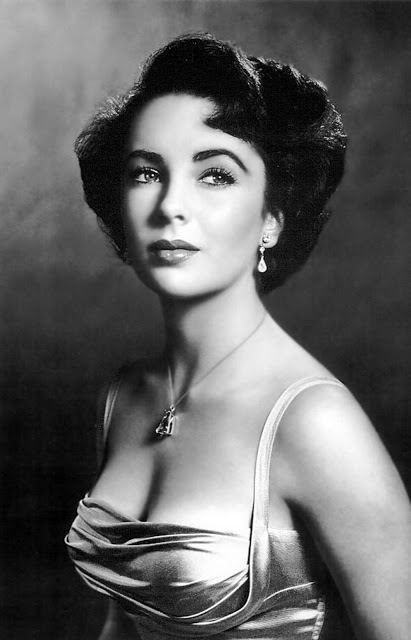
In October 1948, Taylor, who was only 16 at the time, arrived in a low-cut dress at Halsman’s New York City portrait studio, which still exists today and is now home to the Halsman Archive. “In my studio Elizabeth was quiet and shy. She struck me as an average teen-ager, except that she was incredibly beautiful,” Halsman reflected in his book Halsman: Sight and Insight.
Halsman had his one-of-a-kind hand-built 4×5 view camera ready to go with both black-and-white and color film.
“On a purely technical level, he pointed out that two sides of my face photographed differently,” Taylor would later recall. “One side looked younger; the other more mature. In posing for Halsman, I became instantly aware of my body.”
She also recalled Halsman shouting one particularly memorable instruction for her: “You have bosoms, so stick them out!”
According to TIME.com, Taylor had worn her own dazzling earrings but she didn’t wear a necklace. During the sitting, Halsman borrowed his wife Yvonne Halsman’s blue triangle pendant necklace and placed it around Elizabeth’s neck. This subtle decision added a new level of impact to the portrait. The necklace was later passed down to Halsman’s daughter Irene, who still cherishes the keepsake today.
“[Halsman] was the first person to make me look at myself as a woman… After my session with Halsman, I was much more determined to control my screen image.” She described the effect of the portrait session.
LIFE magazine ran a color portrait, a wider frame with Taylor facing right, in its Feb. 21, 1949 issue.
Halsman’s portrait of Taylor as it originally appeared in color the Feb. 21, 1949 issue of LIFE.
Halsman ran into Taylor a few weeks later in Hollywood and when approached by him, she couldn’t remember where they had met. “She could have not hurt me more,” he would later reflect. “Her words showed again how important a photograph can be and how unimportant the photographer who made it.”
(Photos by Philippe Halsman/Halsman Archive ,via TIME.com)
Madonna was riding high in 1985. Her second album, Like A Virgin, had produced a string of hits; she starred in the movie Desperately Seeking Susan; the song Crazy for You from the movie Vision Quest became her second #1 hit; TIME Magazine had her on its cover in May; and in August (on her 27th birthday) she married actor Sean Penn. And a scandal only added to her “buzz” when Playboy published nude photos of her (from her past) in its September issue.
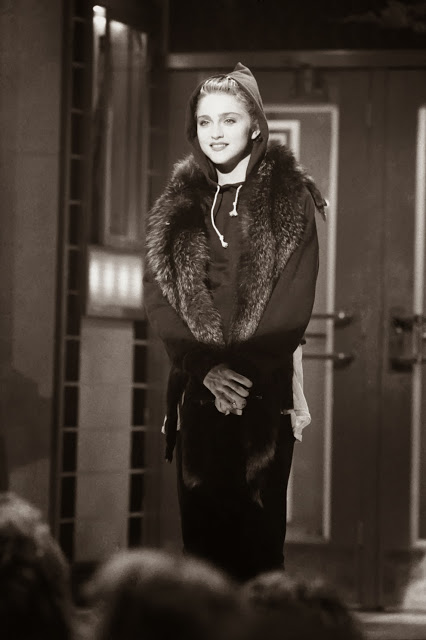
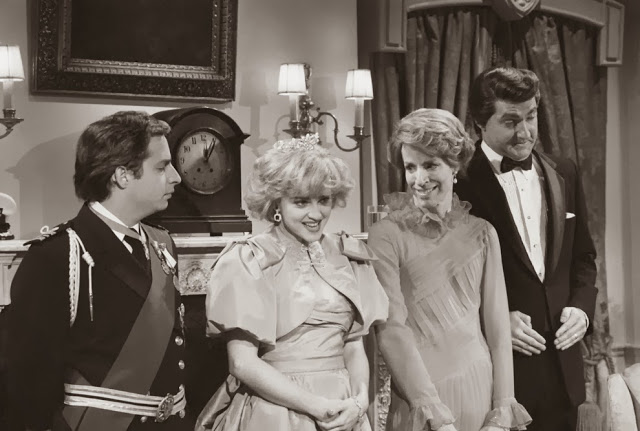
With all that was going on in her fledgling career it was a no-brainer for Saturday Night Live to have her host the first show of the 1985 season on Nov. 9. Surprisingly, she wasn’t called upon to sing – that honor went to the group Simple Minds (she’d get the chance in January 1993). One of the skits had her portraying Princess Diana visiting the Reagans with Prince Charles (played by Jon Lovitz).
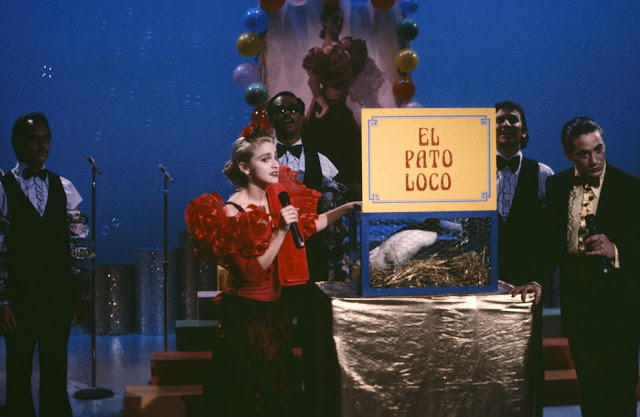
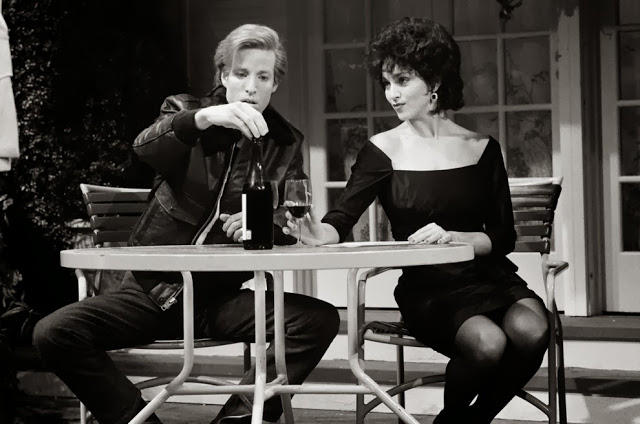
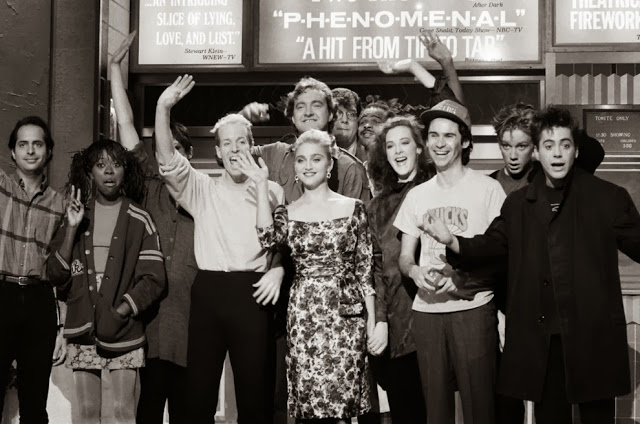
On November 9th, 1985, Madonna hosted the 11th season premiere of Saturday Night Live. The episode not only marked her first ever appearance on the show, but is also the only episode she has ever hosted to date.She also did a Latin style cover of A-ha’s “Take On Me,” with background vocals provided by Jon Lovitz, Damon Wayans, and Robert Smigel.Working as an assistant to Penn & Teller, during the duos guest performance.Getting some early practice on perfecting her faux British accent while playing Princess Di in the sketch “Nancy Reagan Meets Charles & Di.”During the opening monologue she poked fun at her recent wedding to Sean Penn.Giving off some “La Isla Bonita” vibes as ‘Marika’ in the sketch “El Spectaculare De Marika.”But more importantly, she shared the stage with Robert Downey Jr.!Terry Sweeney as ‘Clint Weston’ and Madonna as ‘Melinda Zumont’ in the sketch “Pinklisting,” which was social commentary on the growing paranoia of AIDS in Hollywood.Channeling Marilyn Monroe in the “National Inquirer Theatre” sketch, with Anthony Michael Hall as Bobby Kennedy, and Randy Quaid as John F. Kennedy.The sketch was a parody of Who’s Afraid of Virginia Woolf? and featured Jon Lovitz as Prince Charles, Randy Quaid as Ronald Reagan, and Terry Sweeney as Nancy Reagan.Taking her final bows during the closing credits with SNL cast members: (L-R) Jon Lovitz, Danitra Vance, Nora Dunn, Terry Sweeney, Randy Quaid, Joan Cusack, Dennis Miller, Anthony Michael Hall, and Robert Downey Jr.
Famous people’s final words should be, well, famous. But since most people don’t know which words will be their last, those final utterances can be revealing, touching or just plain odd.
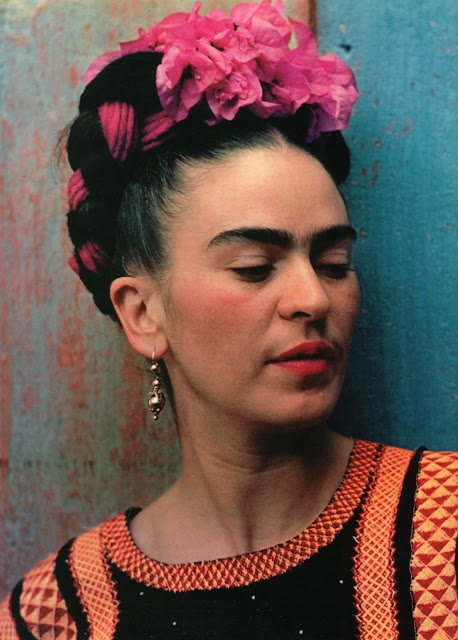
“I hope the exit is joyful and I hope never to return” — Frida Kahlo
Beset with medical problems throughout, Frida’s life was as explosive as her art. Her early death is often rumoured to be a suicide, compounded by the fact that there was no official autopsy. Her last words – “I hope the exit is joyful and I hope never to return” – were actually a diary entry, spurring the suicide rumors along.
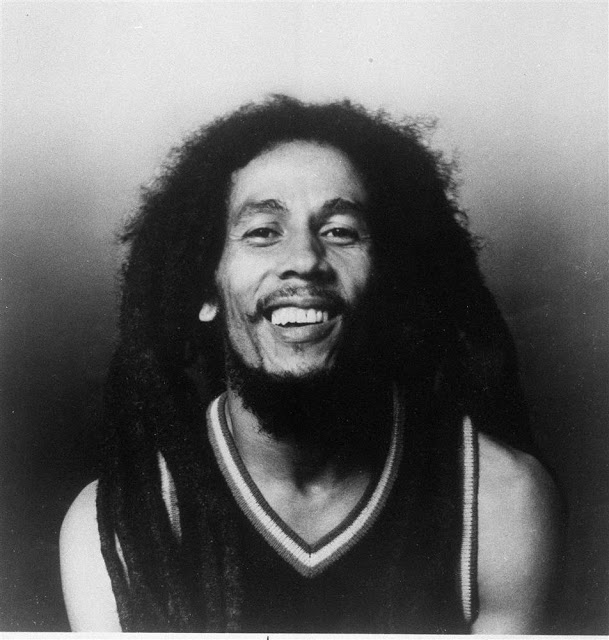
“Money can’t buy life” — Bob Marley
Suffering from cancer, but true to his rastafarian beliefs and refusing western medicine right till the end, reggae icon Bob Marley told his son Ziggy “Money can’t buy life” just moments before he died.
“You can get more with a kind word and a gun than you can get with a kind word alone” — Al Capone
There is absolutely no proof to suggest that these were the dreaded gangster’s last words, specially considering by the time he died, his body was racked with syphilis, pneumonia, a stroke and a cardiac arrest. Moreover, a few months before his death, his psychiatrist concluded that Capone’s illnesses had left him the mental capability of a 12-year-old child. However, the legend of the man’s life lives on and so does the belief that his last words were “You can get more with a kind word and a gun than you can get with a kind word alone.”
“I’m shot” — John Lennon
Mark Chapman, the man who shot Lennon, met the Beatles’ singer just hours before shooting him and asked him to sign an album outside the Dakota building in New York City. As Lennon and Yoko retuned after a stint at the recording studio, Chapman shot Lennon and then calmly walked to the side and flipped open a copy of JD Salinger’s Catcher in the Rye. A bloodied Lennon staggered into the building saying “I’m shot”, and that was the last time anyone heard him speak.
“OK, I won’t” — Elvis Presley
Elvis Presley’s then fiancé Ginger Alden recounted that the rock legend couldn’t sleep and told her that he was going to the bathroom to read. Elvis was heavily abusing prescription drugs at the time and she says she knew ‘reading’ was a euphemism for popping pills as he walked into the bathroom with three packets of those. She then called out to him, “Don’t fall asleep in there”. Assured by his response: “OK, I won’t”, Alden crashed. A few hours later Alden woke up to find Presley dead on the bathroom floor from an overdose.
“Say goodbye to Pat, say goodbye to the president, and say goodbye to yourself, because you’re a nice guy” — Marilyn Monroe
The mysteries and conspiracy theories surrounding Monroe’s death have only grown with time. And by most verifiable accounts, no one really knows what were her last words. The oft quoted line “Say goodbye to Pat, say goodbye to the president, and say goodbye to yourself, because you’re a nice guy” has been discredited by most sources as Peter Lawford never mentioned these words to the public or press till 1972. By then he had started suffering the effects of alcohol and drug abuse, and Lawford’s wife also called him a ‘pathological liar’, am impression solidified by the fact that Lawford’s version of Monroe’s last words would keep changing over the years.
“She won’t think anything about it” — Abraham Lincoln
Abraham Lincoln’s last words were to his wife. They were watching the play ‘Our American Cousin’ and his wife Mary was worried what the couple next to them might think of their public display of affection (they were holding hands). She whispered to him, “What will Miss Harris think of my hanging on to you so?” The President replied “She won’t think anything about it”, laughed at some line in the play and was assasinated moments later.
“No, you certainly can’t” — John F. Kennedy
There is some argument over what exactly did Kennedy say just moments before his death. What is known for sure is that he responded to Mrs Connolly’s comment with either “No, you certainly can’t” or “That’s very obvious.” The confusion exists because Jacqueline Kennedy testified on June 5, 1964 that the former is what her husband said — or “something” to this effect. Some sources have also claimed that just as the bullet struck him, JFK exclaimed “My God, I’ve been hit.” However, that theory was discounted by one of the Secret Service guys who was in the car with the President.
“Is everyone else all right?” — Bobby Kennedy
Bobby Kennedy had just won the primary and there was a celebration in full swing. A Palestinian Sirhan Sirhan shot him multiple times and despite taking a bullet to the head, Kennedy spoke to his wife Ethel Skakel Kennedy asking “Is everyone else all right?” He was rushed to the Good Samaritan Hospital for brain surgery, but died over the course of the day.
“I’m bored with it all” — Winston Churchill
Considered one of the greatest wartime leaders of the 20th century, Winston Churchill reportedly said “I’m bored with it all” just before slipping into a coma. He died nine days later.
“I finally get to see Marilyn” — Joe DiMaggio
Joe DiMaggio’s lawyer, Morris Engelberg was the one who revealed his final words – “I finally get to see Marilyn” – saying that even moments before his death, the Yankee great was pining for his one true love – Marilyn Monroe. Joe was married to Marilyn Monroe for all of nine months way back in 1954, but the legend goes that he never stopped loving her. After her death/suicide, Joe would get so depressed that his associates would have to scout for restaurants that didn’t have Monroe’s pictures on their walls.
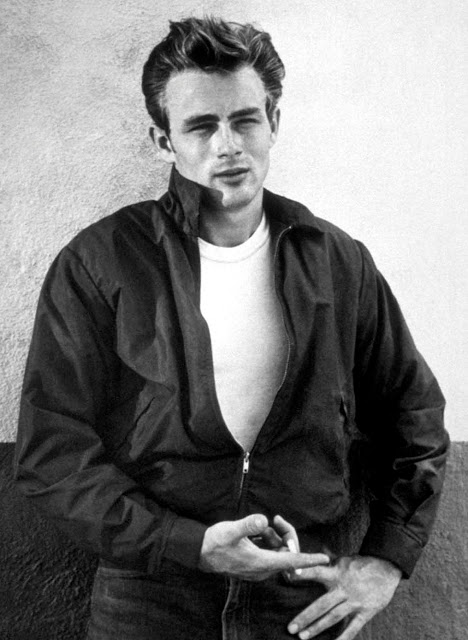
“That guy’s got to stop… He’ll see us” — James Dean
Out for a ride in his beloved Porsche 550 Spyder (which he had nicknamed Little Bastard) with close friend and mechanic Rolf Wütherich, James reportedly said “That guy’s got to stop… He’ll see us” after Wutherich asked him to slow down. Moments later, Dean died in a head-on collision while Wutherich survived. However, as with any massive crash, Wütherich also maintains that he doesn’t remember much of what happened that afternoon, giving rise to an urban legend which claims that James’ actual last words were “My fun days are over.”
“Brothers! Brothers, please! This is a house of peace!” — Malcolm X
Even though “Brothers! Brothers, please! This is a house of peace!” are considered Malcolm X’s last words by most, there are a few who think he may have said: “Now, now, brothers, break it up, be cool, be calm,” or “Let’s cool it, brothers,” in an attempt to calm down what turned out to be a staged disturbance at Manhattan’s Audubon Ballroom. Malcolm X was due to give a speech and as he and his bodyguards tried to get the gathering in order, he was assassinated by three men working in tandem.
“Make sure you play ‘Take My Hand, Precious Lord’. Play it real pretty” — Martin Luther King Jr.
Martin Luther King Jr’s last words were to ask musician Ben Branch “Make sure you play ‘Take My Hand, Precious Lord’. Play it real pretty.” Branch was to perform at an event King was going to attend later in the night. Just minutes later King was shot and never regained consciousness. Incidentally, ‘Take My Hand, Precious Lord’ was King’s favorite song. Gospel singer Mahalia Jackson would often sing it at civil rights rallies and decided to sing it at King’s funeral in April 1968. She later revealed that King had once told her that he wanted this song at his funeral.
“Jesus, I love you. Jesus, I love you” — Mother Teresa
A Nobel Peace Prize winner and founder of the Missionaries of Charity, Mother Teresa said “Jesus, I love you. Jesus, I love you” before she breathed her last, after battling multiple health issues over a decade.
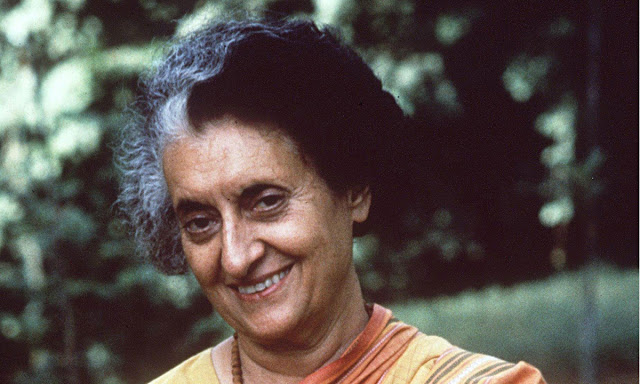
“Greetings to you” — Indira Gandhi
Indira Gandhi was assassinated by her own bodyguards on October 31, 1984 in response to Operation Bluestar, a military action that almost destroyed Sikhism’s holiest shrine, the Golden Temple at Amritsar. She had greeted her bodyguards with the customary Hindi greeting ‘Namaste’ which means ‘greetings to you’, before being gunned down. Ironically, her last speech, delivered just two days past signed off with the following words, “I don’t mind if my life goes in the service of the nation. If I die today every drop of my blood will invigorate the nation.”
“I’m going to get my things and get out of this house. Father hates me, and I’m never coming back” — Marvin Gaye
Saying “I’m going to get my things and get out of this house. Father hates me, and I’m never coming back,” Marvin Gaye stepped out of his parents house and was fatally shot by his father, Marvin Gay, Sr. on April 1, 1984 in Los Angeles. He was 44 years old at the time. The shooting followed an altercation with his father after he intervened in an argument between his parents.
“I feel certain that I am going mad again. I feel we can’t go through another of those terrible times…” — Virginia Woolf
Author Virginia Woolf committed suicide in March 1941, in the grip of a recurrence of mental illness. A suicide note found on the mantelpiece by her husband on March 28th included the phrase “I feel certain that I am going mad again. I feel we can’t go through another of those terrible times…” Her body was found weeks later in the River Ouse, her coat pockets filled with heavy rocks.
“Damn it… Don’t you dare ask God to help me” — Joan Crawford
Fiery on screen and even more so in life, Joan Crawford was suffering from cancer and had a cardiac arrest. But her fighting spirit lived on and she lingered for two days after the heart attack. As her struggle for life became more apparent one of her housekeepers started praying. The gutsy Crawford got quite miffed and ticked off the housekeeper, saying “Damn it… Don’t you dare ask God to help me.” And that was the last the world heard from her.
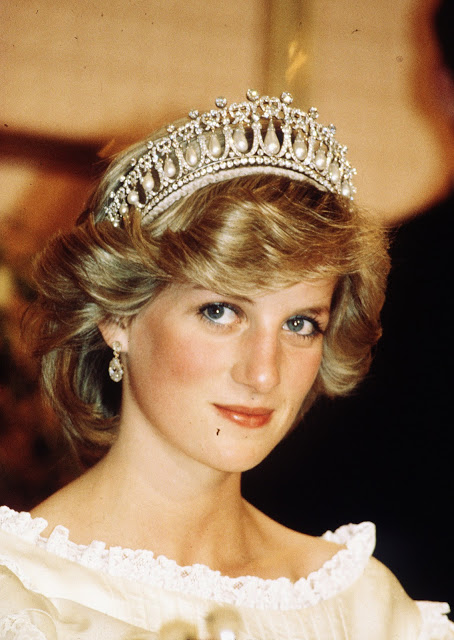
“My God, what’s happened?” — Princess Diana
Trapped in her car after a high-speed chase trying to evade paparazzi ended in a crash, the Princess was reeling in shock after realising the horror of the accident she’d been in. Her last conscious words – “My God, what’s happened?” – were to the paramedic Xavier Gourmelon.
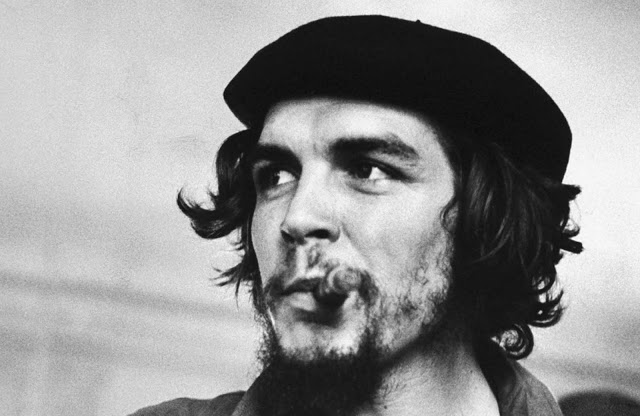
“You are only going to kill a man” — Che Guevara
Said by Che Guevara right before his execution in Bolivia.
“One never knows the ending. One has to die to know exactly what happens after death, although Catholics have their hopes” — Alfred Hitchcock
Hitchcock was the Master of Suspense, directing film masterpieces including Vertigo, North By Northwest and Psycho, among others too numerous to mention. He died in April of 1980 in Los Angeles; his funeral was held at the Good Shepherd Catholic Church.
“I should never have switched from Scotch to martinis” — Humphrey Bogart
Said by Humphrey Bogart just before dying from cancer of the esophagus in 1957. Perhaps best known for his performance in “Casablanca,” Bogart was a heavy smoker much of his life. He won his only Oscar for his role in the 1951 film “The African Queen.”
“I’m going away tonight” — James Brown
Said by James Brown to his longtime manager Charles Bobbit just before dying of congestive heart failure. Considered “the Godfather of Soul,” Brown passed away on Christmas morning in 2006 at the age of 73.
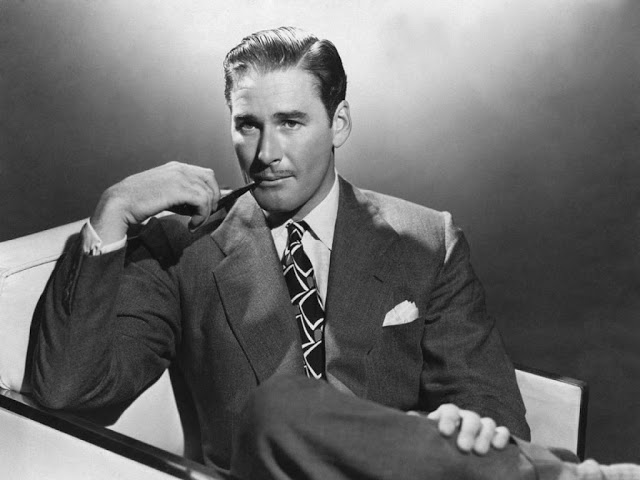
“I’ve had a hell of a lot of fun and I’ve enjoyed every minute of it” — Errol Flynn
Said by Errol Flynn just before dying from a massive heart attack in 1959. The swashbuckling actor, dead at 50, was buried with six bottles of whiskey.
“Is everybody happy? I want everybody to be happy. I know I’m happy” — Ethel Barrymore
Said to her housekeeper Anna Albert just before dying in 1959 at the age of 79. The actress had been ill for some time from rheumatism and heart troubles. She took interest in all aspects of show business; a popular theater in New York City is named after her.
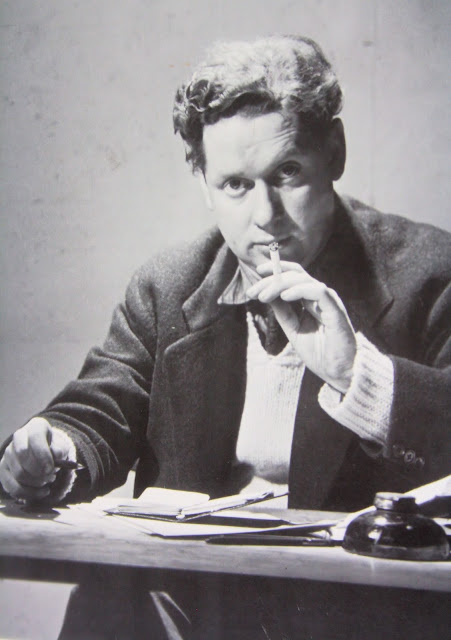
“I’ve had 18 straight whiskies… I think that’s the record” — Dylan Thomas
Said by Dylan Thomas as he returned to the Hotel Chelsea in New York. Thomas died in 1953 at the age of 39, after succumbing to pneumonia. Although always a heavy drinker, his final words remain the subject of debate.
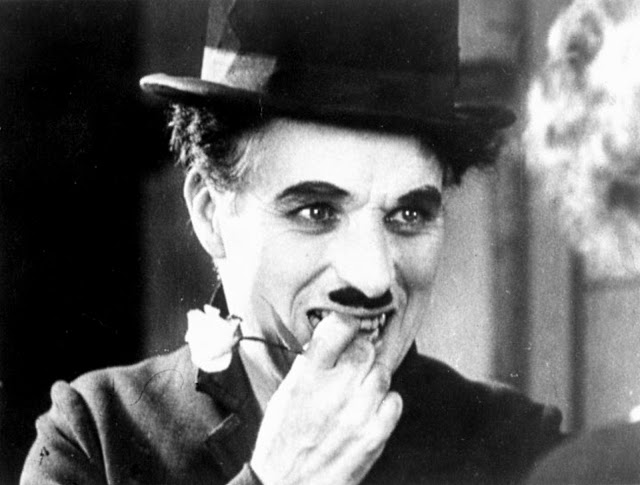
28 “Why not? After all, it belongs to him” — Charlie Chaplin
Said by Charlie Chaplin after a priest told him, “May the Lord have mercy on your soul.” The major star of the silent film era died in 1977 of natural causes. In a bizarre twist, Chaplin’s body was stolen from a cemetery in Switzerland by men who demanded a $600,000 ransom from Chaplin’s widow. The men were arrested and the body was recovered.
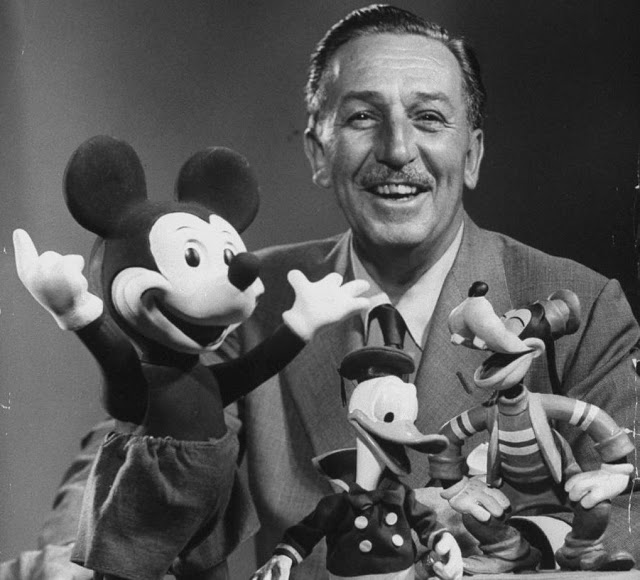
“Kurt Russell” — Walt Disney
Written by Walt Disney on a piece of paper just before he died of lung cancer. To this day, no one knows why he wrote Russell’s name. At the time, Russell was a child star working for the Disney studio. Disney died in 1966 at the age of 65.
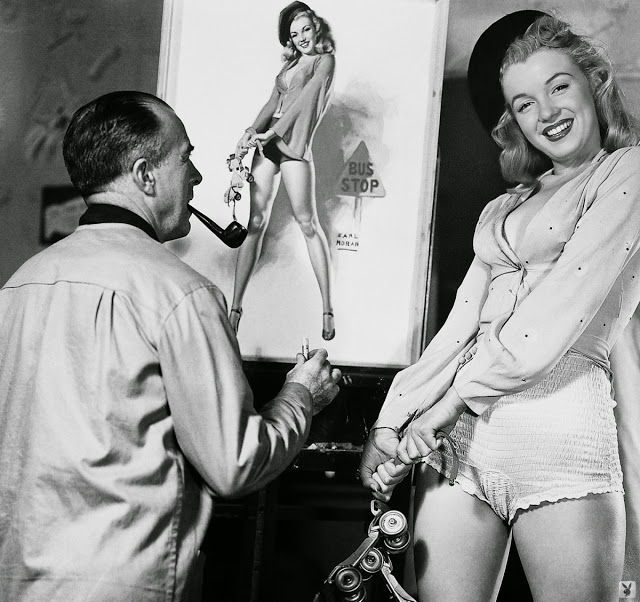
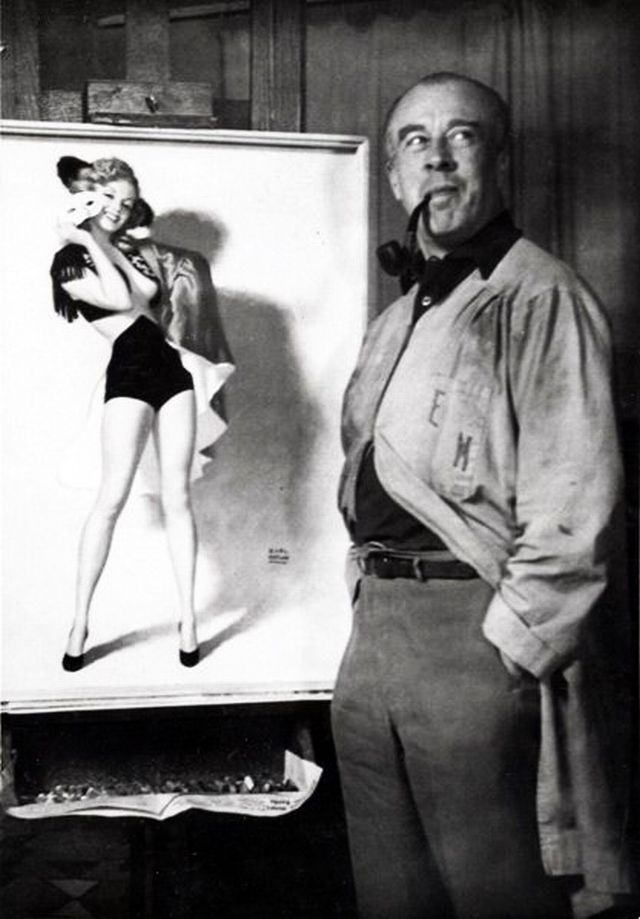
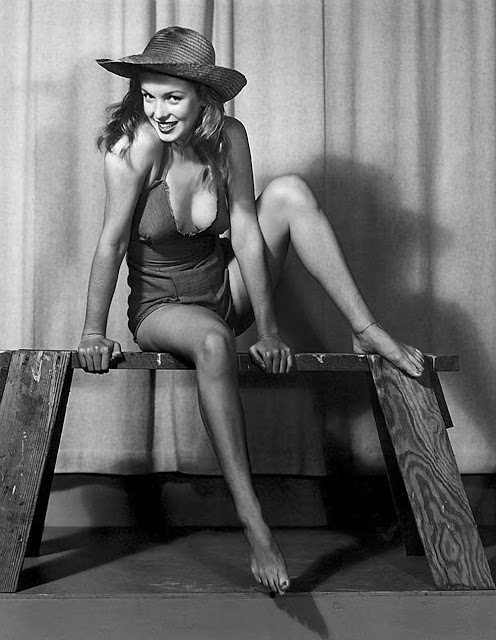
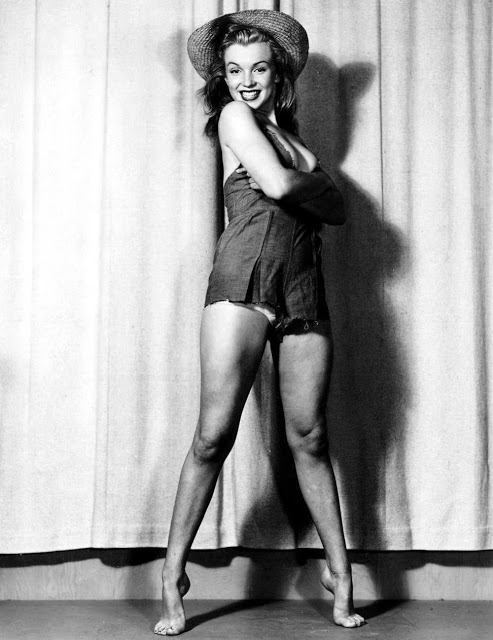
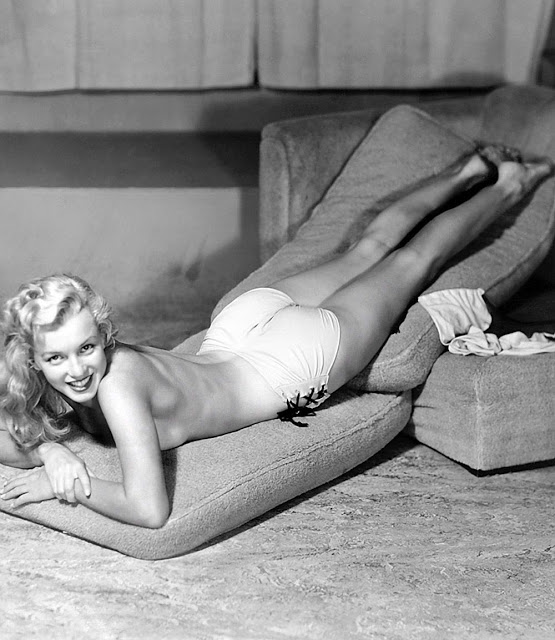
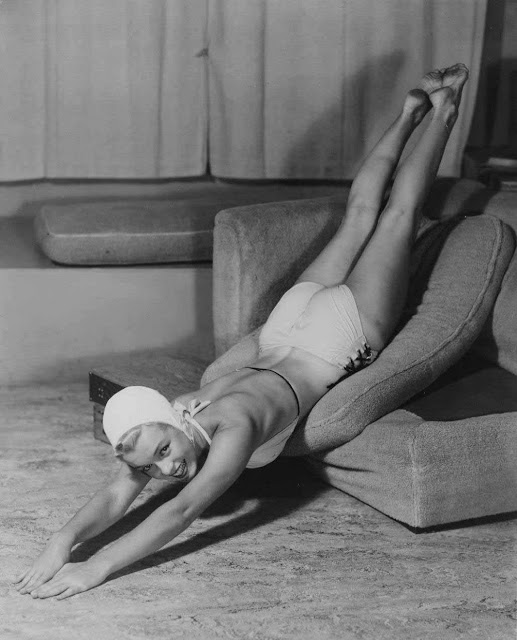
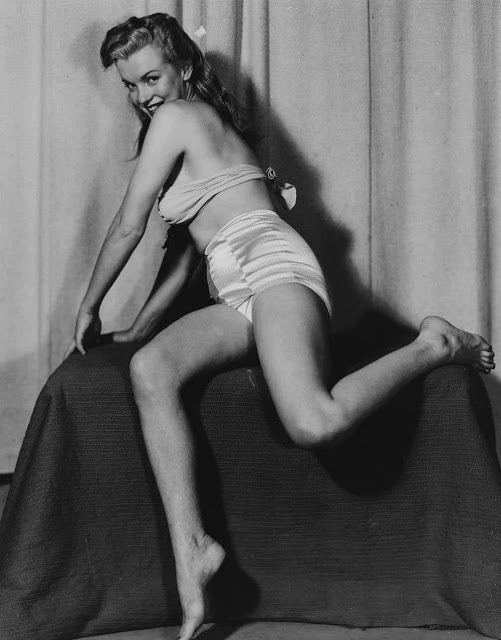
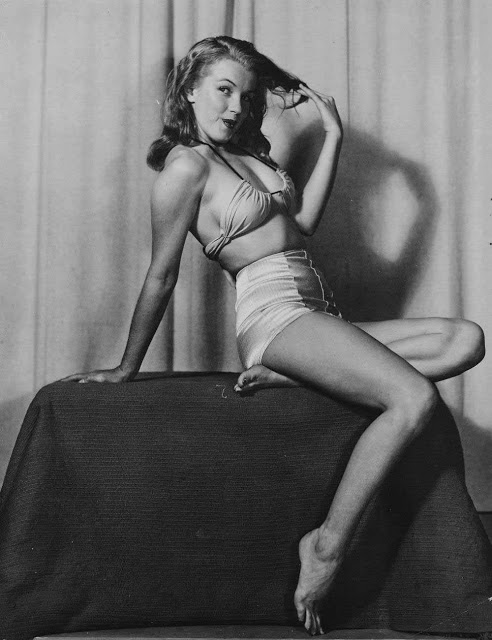
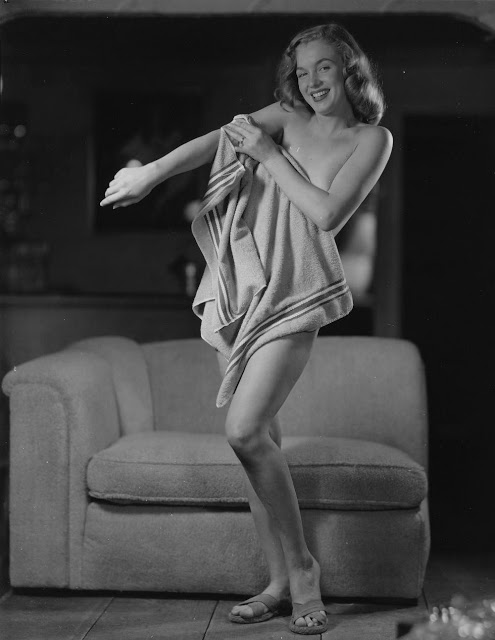
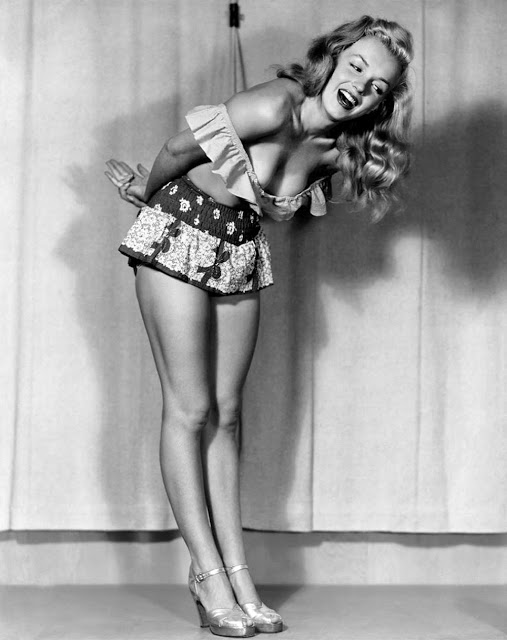
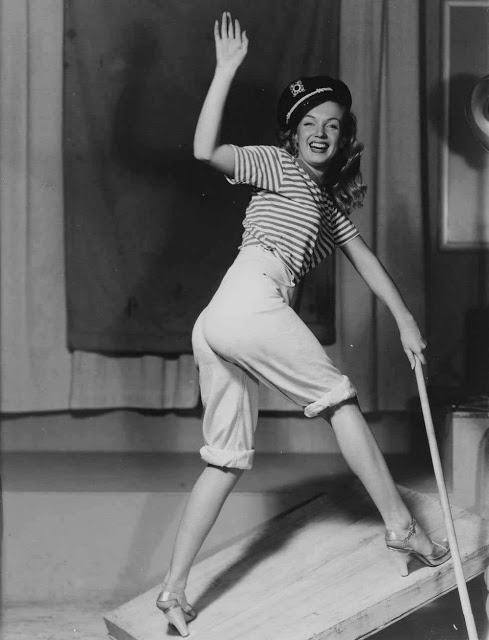
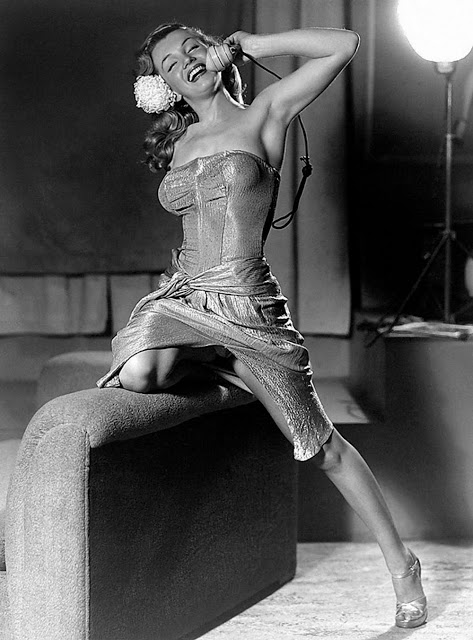
When Marilyn Monroe posed for Earl Moran in the first of their sessions that took place between 1946 and 1950, she was just 19 and an aspiring actress, while Moran had established himself as a leading illustrator of beautiful women; his work for magazines and calendars placed him in the company of Alberto Vargas and George Petty.
Earl Moran hired a young model named Norma Jean Dougherty through the Blue Book Agency in Los Angeles, in 1946. This was one of Marilyn’s earliest regular modeling assignments, to help pay the rent while she fought for an entree into the movie business. She posed for him off and on for the next four years. He usually took photos of her, which he used as reference for his pinup illustrations. He paid Marilyn ten dollars an hour to photograph her in various costumes and states of toplessness from 1946 to 1949.
Moran’s Marilyn work was used, among others, by major calendar company Brown & Bigelow. Forty years later, in January 1987, Playboy magazine published some of Moran’s 1946 nude photos of Marilyn.
Marilyn Monroe posed for Earl Moran – Bus Stop. One of his most famous photo’s/paintings of Marilyn done in 1946, titled ‘Bus Stop’. It featured Marilyn in a cheesecake pose, standing next to a bus stop, with skates in her hand.Illustrator Earl Moran posed with Marilyn Monroe ‘Spanish Girl’ pastel.