Ota Benga: The Man Who Was Caged In A Zoo

1906 photograph of Ota Benga taken at the Bronx Zoo.

Ota Benga was a Mbuti (Congo pygmy) man born in the Ituri Rainforest of the Belgian Congo in 1883. His village was attacked by the Force Publique, established by King Leopold II of Belgium as a militia to enslave the natives for labor in order to utilize the large supply of rubber in the Congo. During the assault Benga’s wife and two children were killed. Benga survived only because he was on a hunting expedition when the Force Publique attacked his village. He would later be captured by “Baschelel” (Bashilele) slave traders.

In 1904 American businessman and explorer Samuel Phillips Verner travelled to Africa under contract from the St. Louis World Fair to bring back a group of 12 pygmies to be part of an exhibition. when he got to Africa, Verner met with a tribe known as the Baschelel(ph) and he found that they had a pygmy in a cage as a captive. He managed to negotiate an agreement to purchase of Ota Benga for several bags of salt and a spool of brass wire. Verner later professed he had rescued Benga from cannibals.
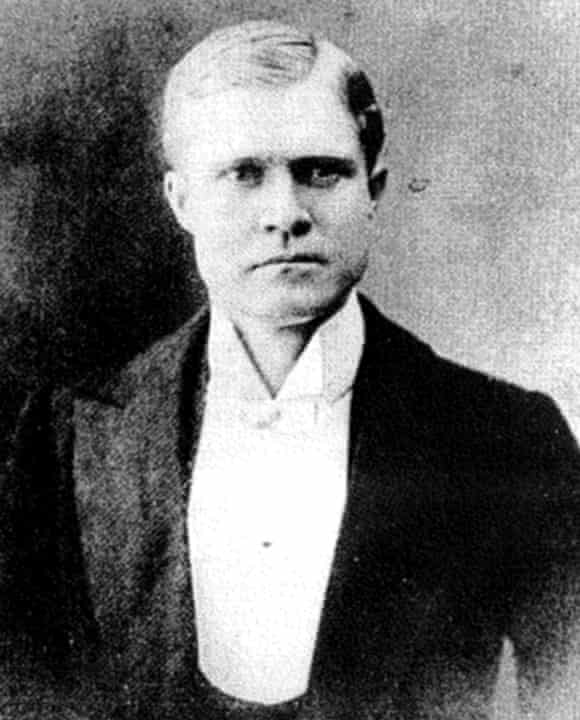
Samuel P Verner took Benga captive in Congo and brought him back to the United States.

Verner and Benga travelled together until they reached a Batwa village. The villagers did not trust the muzungu (white man) due to the abuses of King Leopold’s forces. With some persuasion from Benga, four Batwa, all male, ultimately decided to accompany them to St. Louis. Verner managed to recruit other non-pygmy Africans to make the trip including the son of King Ndombe, ruler of the Bakuba.

The group was brought to St. Louis, Missouri, in late June 1904 without Verner, who had been stricken with malaria. The St. Louis World Fair had already begun, an instantly the Africans became the prime attraction. Ota Benga was the most popular of the group with people especially eager to see his teeth, which had been filed to sharp points in his early youth as ritual decoration. One newspaper called Ota Benga the “the only genuine African cannibal in America”, claimed “[his teeth were] worth the five cents he charges for showing them to visitors”. It did not take the Africans long to develop an entrepreneurial spirit and begin charging for photographs and performances.
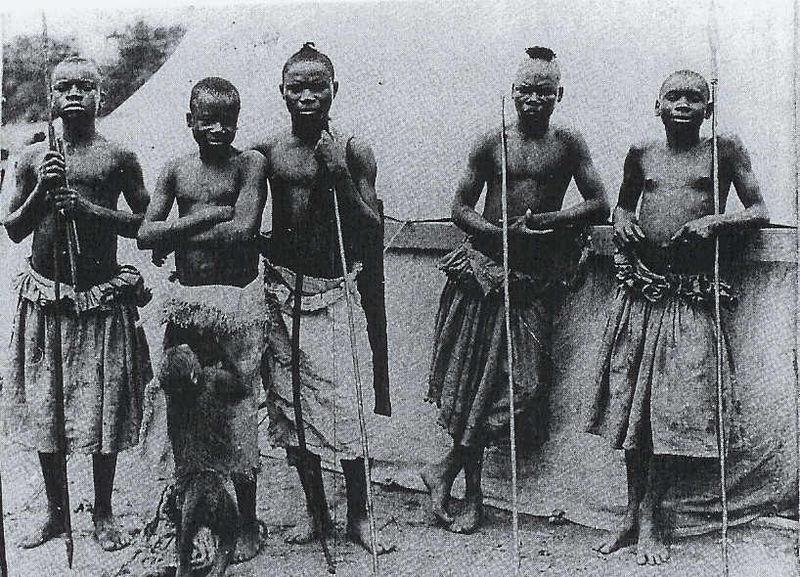
Benga (second from left) and the Batwa in St. Louis.
Ota Benga, at the 1904 St. Louis World’s Fair, showing his sharpened teeth.

When Verner arrived a month later, he realized the pygmies were more prisoners than performers. Their attempts to enjoy the forests surrounding St. Louis on Sundays was interrupted by the publis’s incessant obsession with them. At the end of the World’s Fair Verner was awarded the gold medal in anthropology for his efforts in bringing the pygmies to St. Louis.

Benga went with Verner when he returned the other Africans to the Belgian Congo. He briefly lived amongst the Batwa (becuse his village had been wiped out in the aforementioned attack), while continuing to accompany Verner on his African mission. He married a Batwa woman who later died of snakebite, and very little is known of this second marriage. Not feeling that he belonged with the Batwa, and being totally alone, Benga decided to return with Verner to America and landed in New York in 1906.

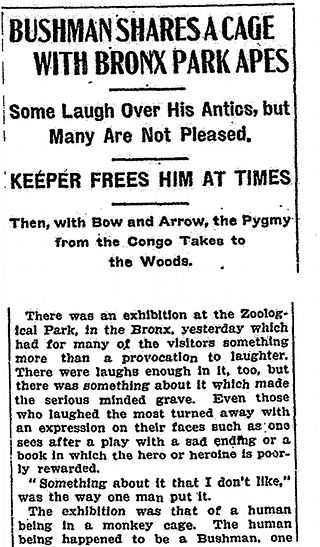
After a brief stint at the American Museum of Natural History, Verner took Benga to the Bronx Zoo. Shortly thereafter Benga was displayed as part of the New York Anthropological Society’s exhibit on human evolution. Once again he became the most popular public display item in America.

Ota Benga at the American Museum of Natural History, 1906.

African-American clergymen immediately protested to zoo officials about the exhibit. James H. Gordon stated that “Our race, we think, is depressed enough, without exhibiting one of us with the apes … We think we are worthy of being considered human beings, with souls.” Gordon felt that the exhibit was antagonistic to Christianity and was in effect a promotion of Darwinism: “The Darwinian theory is absolutely opposed to Christianity, and a public demonstration in its favor should not be permitted.”

Reverend James Gordon led the protests against Ota Benga’s exhibition and captivity at the Bronx Zoo. 1906.

One report states that as many as 400,000 people a day went up to the zoo just to see Ota Benga. The 1900s were a decade when the theory of evolution was still being hotly debated. It wasn’t as broadly accepted even in the scientific community as it is today. And people were probably led to believe by the nature of the exhibition that this was a missing link. This was a bridge between the animals and the humans that had never been seen before.

After the dispute, Benga was given free reign of the zoo. Despite this, and because of continued verbal and physical prods from the gathered crowds at the zoo, he became more vexatious and somewhat violent. Eventually the zoo finally removed Benga from the grounds. For reasons unknown, Verner an Benga decided that it was best that he stay in America.

Toward the end of 1906, Benga was released into Reverend Gordon’s custody.

Gordon placed Benga in the Howard Colored Orphan Asylum, a church-sponsored orphanage which he supervised. As the unwelcome press attention continued, in January 1910, Gordon arranged for Benga’s relocation to Lynchburg, Virginia, where he lived with a local family.

In order that Benga could more easily assimilate into local society, Gordon arranged for the Benga’s teeth to be capped and gave him American-style clothes. He was then sent to elementary school to improve his English as well as other subjects.

Once he felt his English had improved to acceptable levels, Benga decided to leave school. He began working at a Lynchburg tobacco factory. He proved to be a valued employee because he could climb up the poles to get the tobacco leaves without having to use a ladder. His fellow workers knicknamed him “Bingo”. He would tell his life story in exchange for sandwiches and root beer. He began to plan a return to Africa but when World War I broke out, he was unable to do so.

Benga became despondent as his dreams of a return to Africa diminished. On 20 March 1916, at the age of 32, he built a ceremonial fire, chipped off the caps on his teeth, and shot himself in the heart with a stolen pistol. He was finally free.

Thus ended Ota Benga’s heart-rending saga of unhappiness and abuse at the hands of a great many misguided and deluded people.

Ota Benga at the 1904 St. Louis World Fair
A group of pygmies, including Ota Benga, dancing at the St. Louis World Fair.
New York times article covering Ota Benga’s display in Bronx Zoo, 1906.
Samuel P Verner in Congo in 1902 with members of the Batetela tribe.

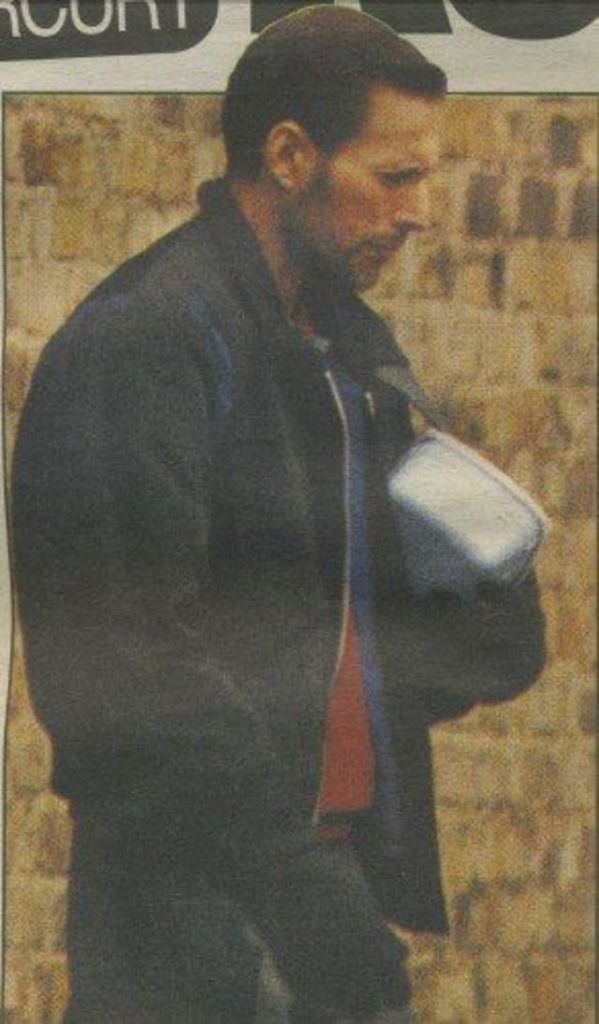
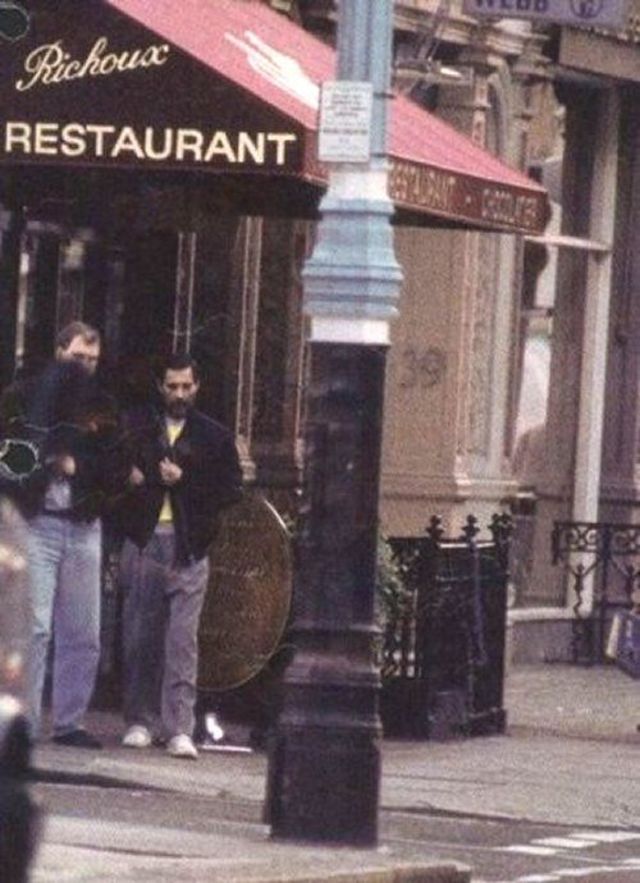
Rare Photos of Freddie Mercury in the Summer of 1991, Just Months Before He Died of Bronchial Pneumonia From AIDS

Born Farrokh Bulsara in Tanzania to Pakistani parents, Freddie Mercury set off to London just after he turned 16 years old. In 2002 he landed the 58th place in the top 100 famous British people. While the Rolling Stone magazine gave him a top place in the list of the greatest singers of all time.

Sufferer of Aids, the British musician died following pneumonia on 24 November 1991. Freddie kept his passion going up until is death. He had only publicly announced that he was a carrier of the virus the day before he died.

Freddie Mercury was a brave man in his last days as the band’s lead guitarist Brian May revealed in the book entitled ‘Somebody to Love: The Life, Death and Legacy of Freddie Mercury’: “He never asked for sympathy from anyone else. He was a very strong person and always liked to be in control of his own destiny.”

“There was no drama, no tears in his eyes,” May said. “He was incredibly self-contained. We didn’t feel we could speak about it to anyone.”

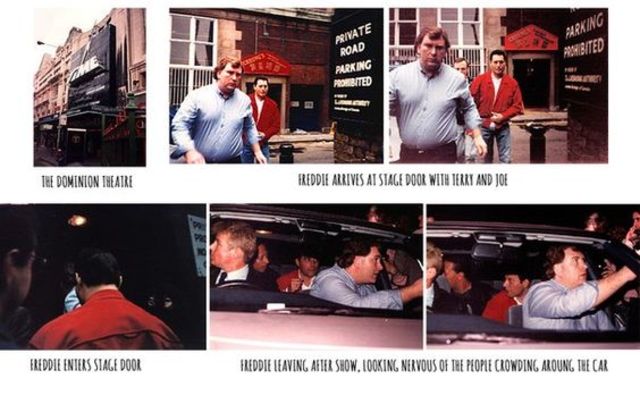
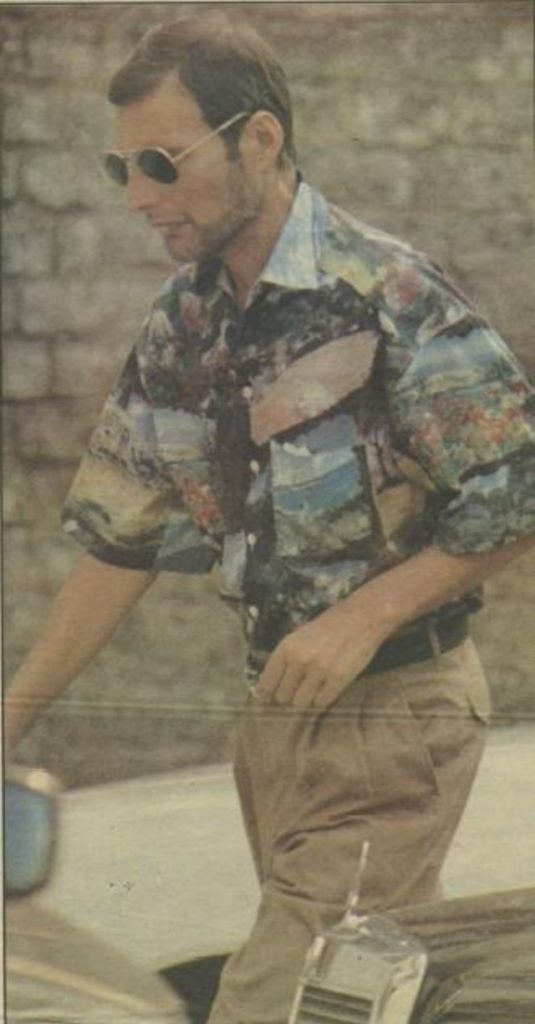
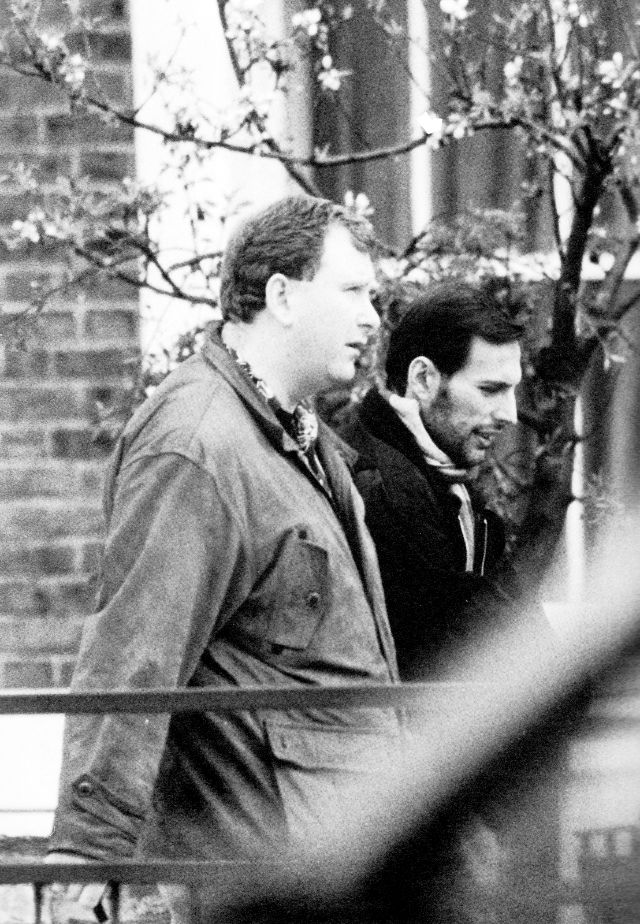
With a drawn face and an unusually skeletal appearance in these rare photographs, it is difficult to recognize the signer who used to be full of passion and vibrancy.

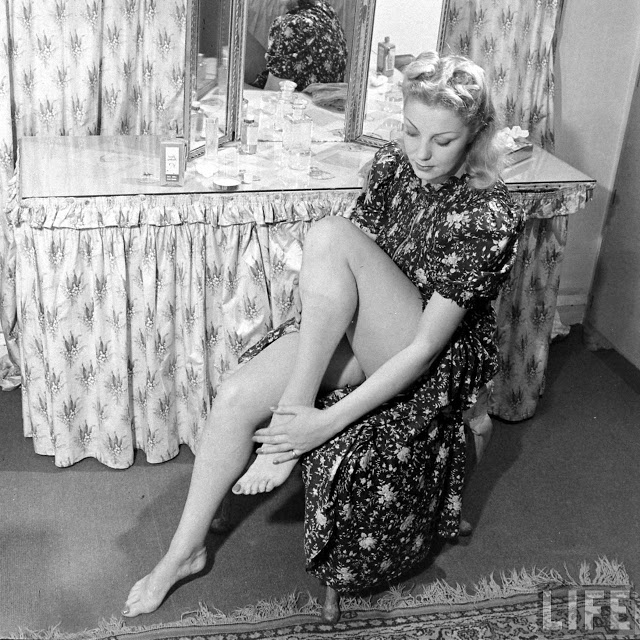
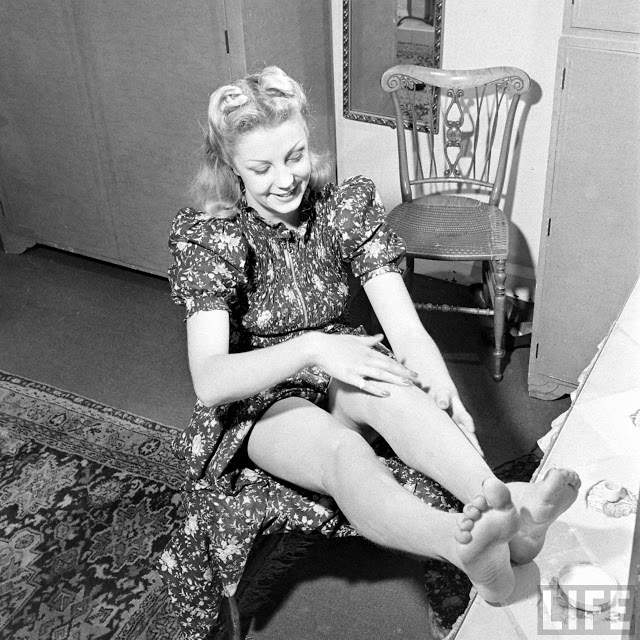
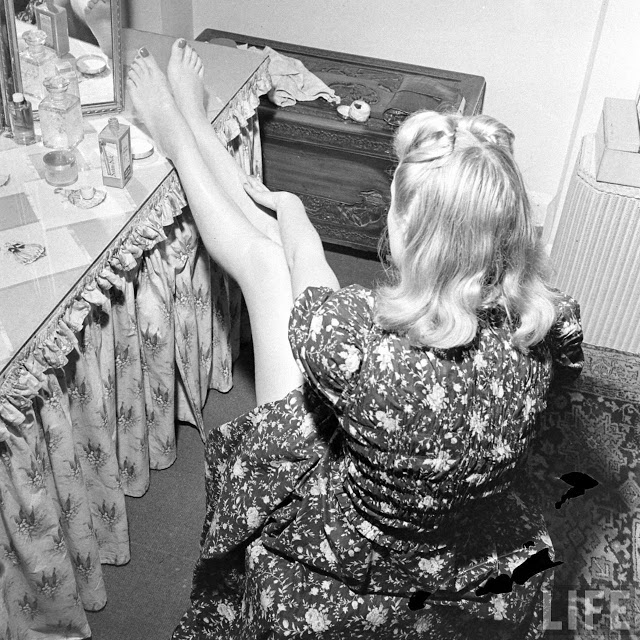
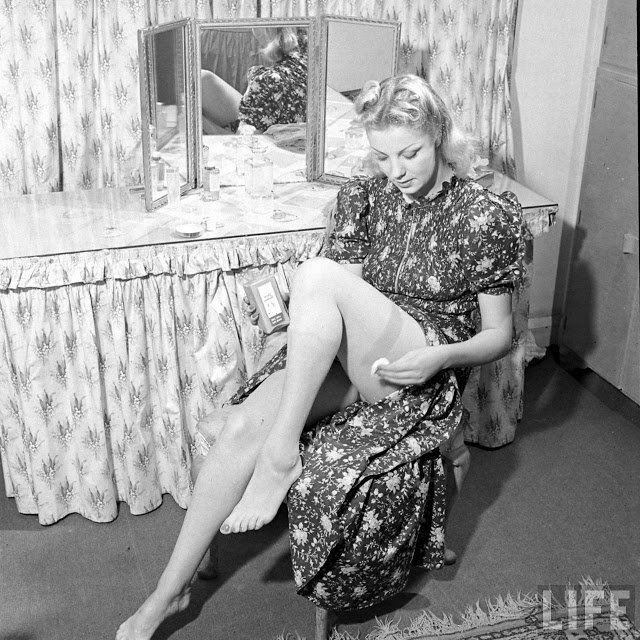
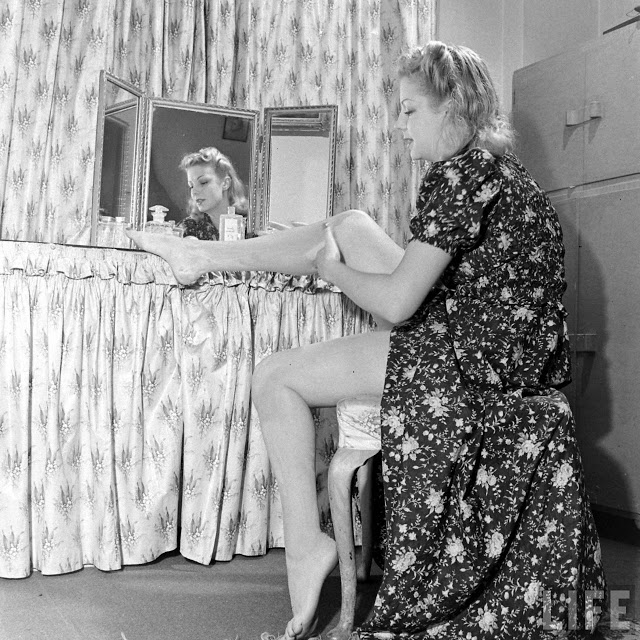
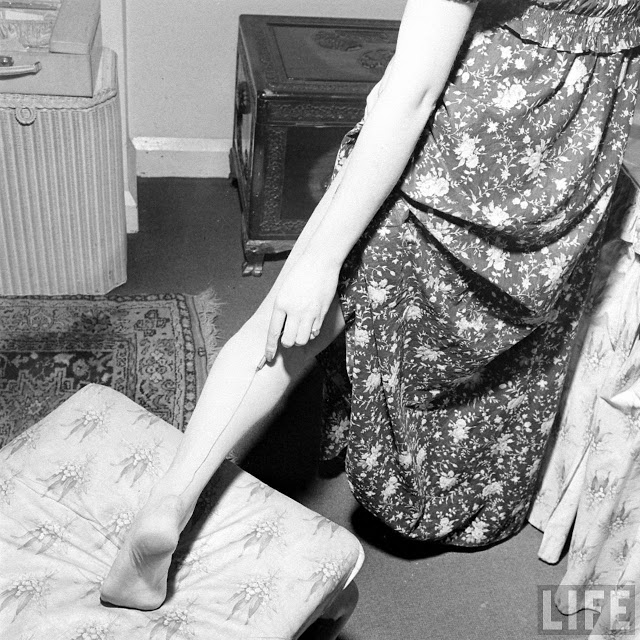
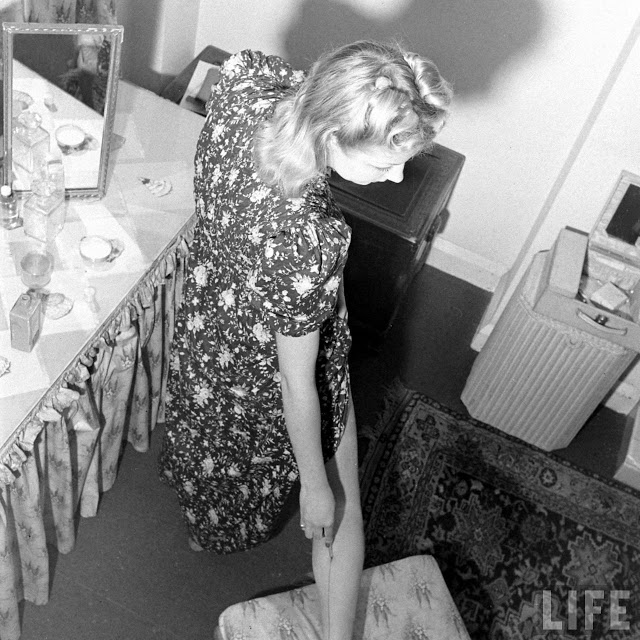
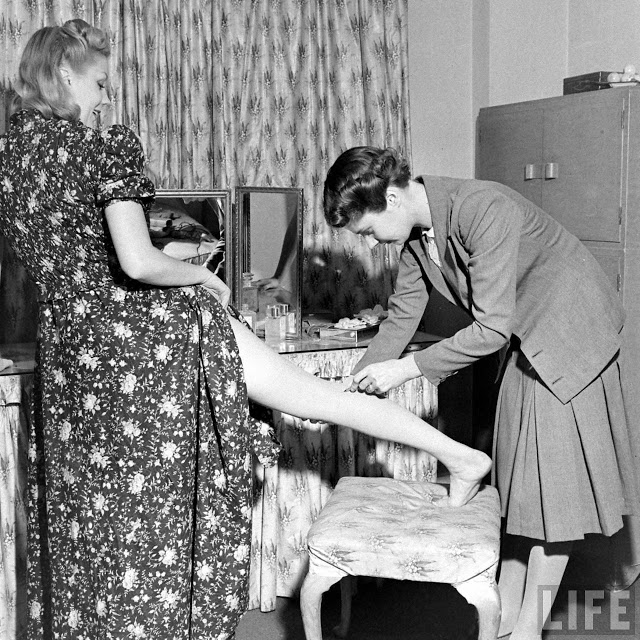
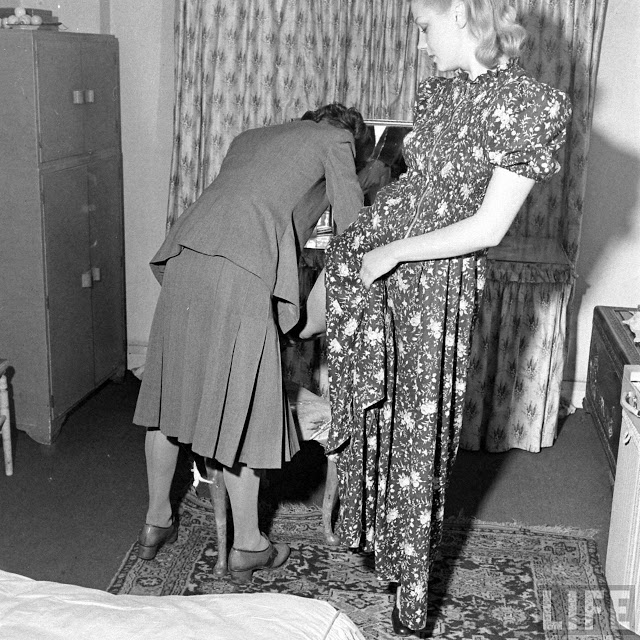
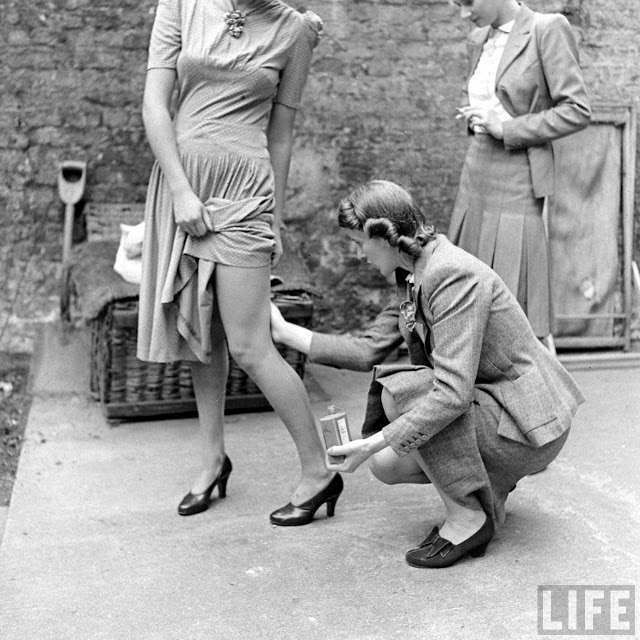
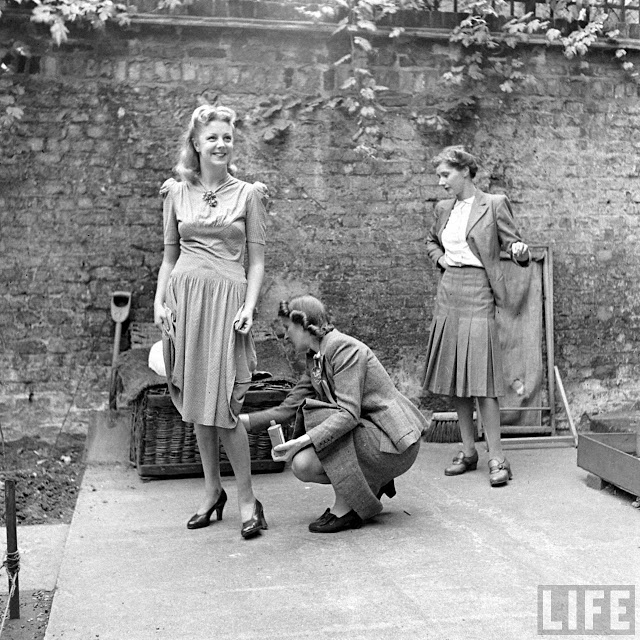
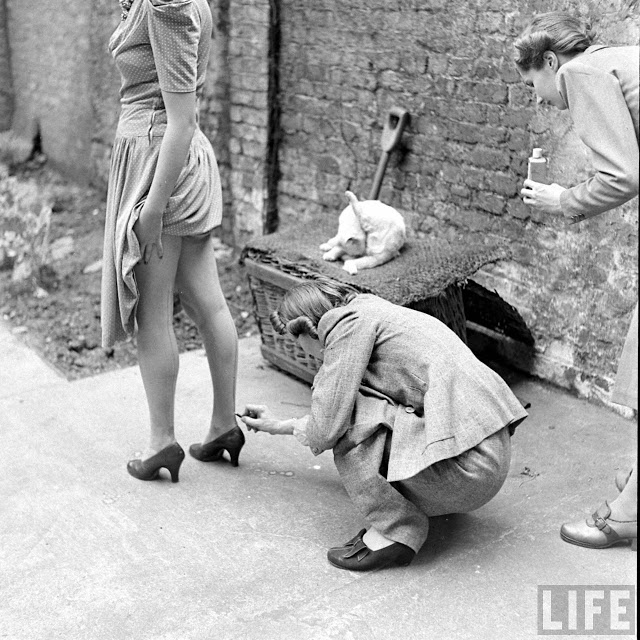
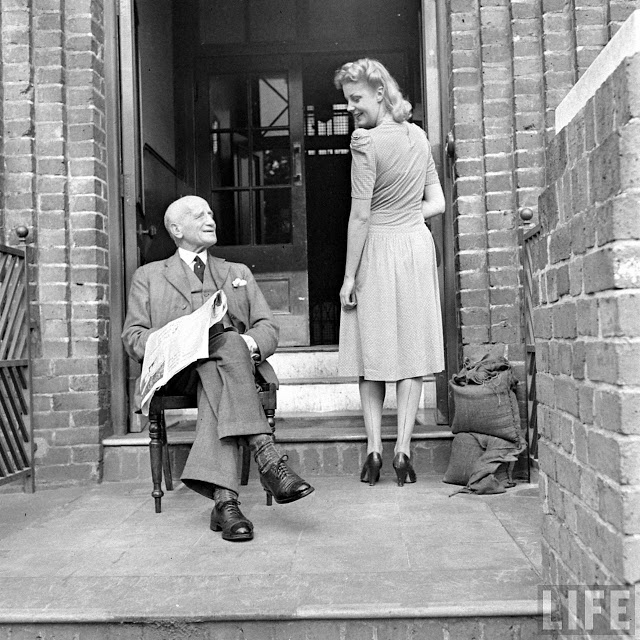
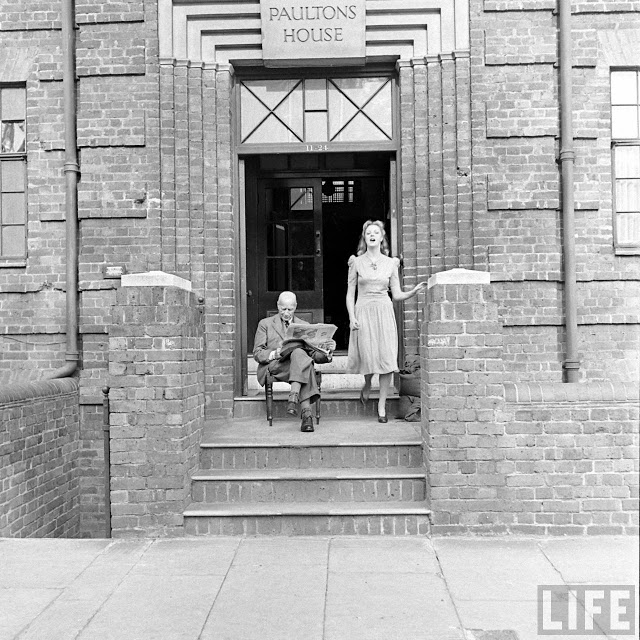
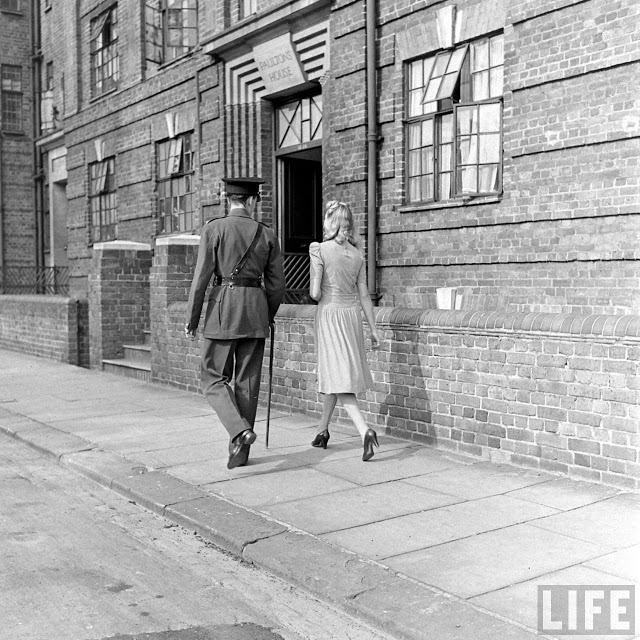
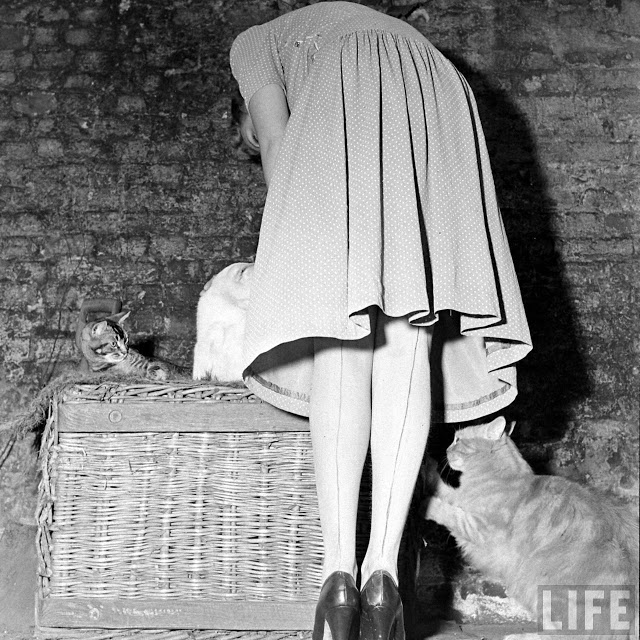
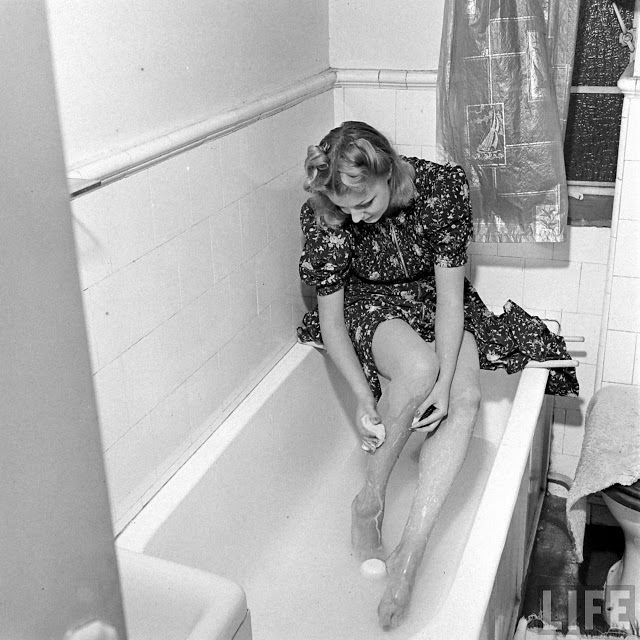
1940s War Fashion: A Young Woman Demonstrating How to Achieve the Full Leg Effect With Liquid Stockings in 1941

Until the end of the 1930s the best women’s stockings were made from silk. This changed in the United States when DuPont began manufacturing nylon in 1939. Nylon stockings went on limited sale in October of that year followed by a national launch at selected stores in 1940. DuPont struggled to keep up with demand and American women were still complaining of shortages in 1942 when the United States joined the war. Commercial quantities of nylon stockings would not reach the rest of the world until after 1945.

Although most nylon was used to make stockings, some was bought by the American military to replace silk in the manufacture of parachutes. When the United States entered the war, DuPont shifted nylon production to a war footing and production was channeled into national defense uses, including parachutes and bomber tyres, and supplies of nylon for stockings dried up. Silk stockings were also unavailable, as trade with Japan ceased and the American army requisitioned all stores of silk for parachutes, munitions and other military uses.

Women were asked to collect silk and nylon stockings and hand them in to help the war effort.

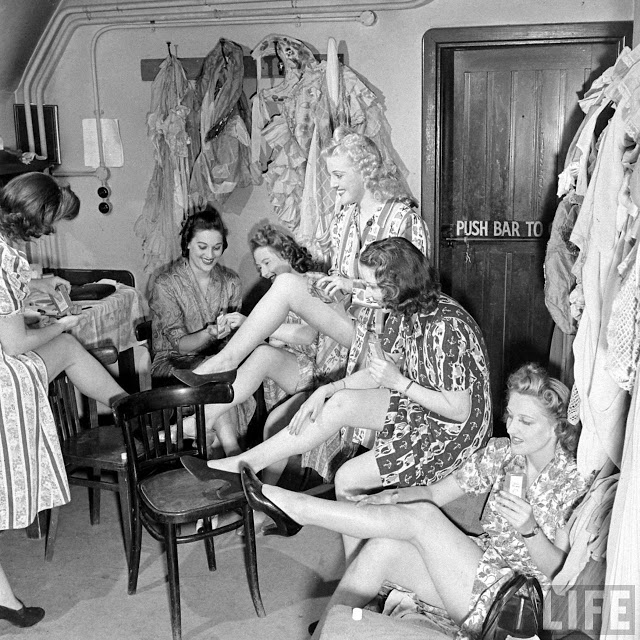
As silk and nylon stockings vanished from the shelves, women looked to alternatives. Depending on the occasion, what was available, their degree of patriotism and their economic situation, they substituted with stockings made from other fibres, wore socks, covered their legs with trousers, went bare-legged or used leg make-up – also known as cosmetic stockings, liquid stockings, bottled stockings and phantom hose – to give the appearance of stockings.

In England, wartime austerity led some women to try their hand at making their own cosmetic stockings from published recipes.

Applying the cosmetic stocking liquid, lotion, cream or stick evenly so that there were no streaks would also have taken practice. Fortunately, help on how to achieve the best results was available from the place of purchase and from articles in newspapers and magazines.

The end of the war saw nylon stockings return to the shelves followed by a corresponding decline in the use of substitutes. DuPont began producing nylon for stockings within two-weeks of the Japanese surrender and this produced what reporters of the time called the ‘nylon riots’ of 1945 and 1946 as women scrambled to buy them in the United States. In those parts of the world where things remained economically depressed and/or clothes remained rationed, cosmetic stockings lingered longer and were still being sold in the 1950s, well after the war was over.

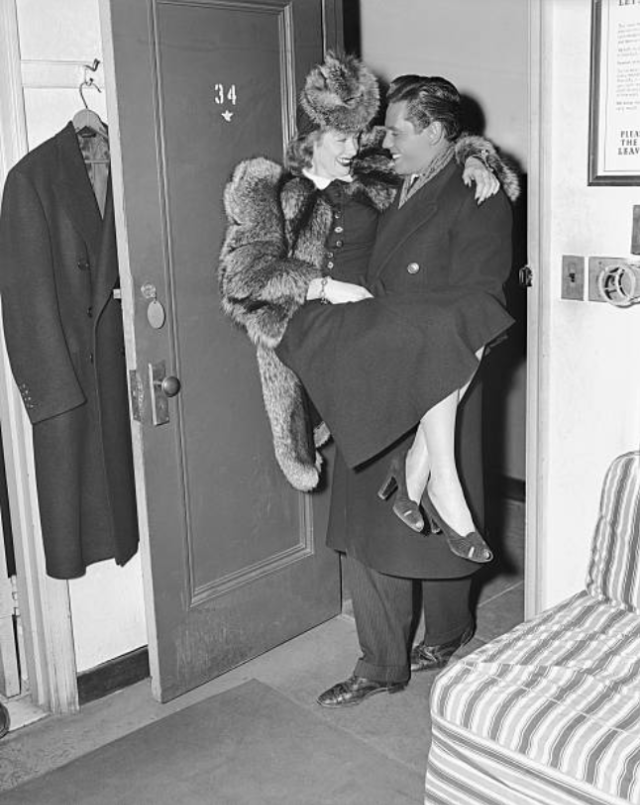
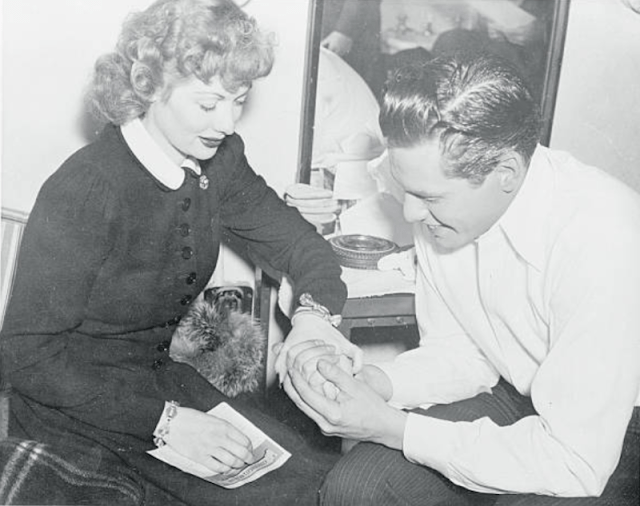
Romantic Images of Newlyweds Desi Arnaz and Lucille Ball at the Roxy Theatre on November 30, 1940

Actress Lucille Ball and Desi Arnaz, Cuban glamour boy, who eloped to Greenwich, Connecticut, express their happiness while waiting for Desi to make his next stage appearance at a New York theater. Wedding ceremony caused Desi to miss the first show.

They met in Hollywood, during filming of picture, Too Many Girls, in which both appeared. Arnaz gave his age as 25; Miss Ball said she was 26.

Here below is a small set of romantic images of newlyweds Desi Arnaz and Lucille Ball at the Roxy Theatre on November 30, 1940.

Rare Photos of 3-Year-Old Norma Jeane (Later Marilyn Monroe) With Her Family on the Beach of Santa Monica in 1929

Subscribe to get access

Read more of this content when you subscribe today.

Marilyn Monroe (born Norma Jeane Mortenson; June 1, 1926 – August 4, 1962) was an American actress, model and singer. Famous for playing comedic “blonde bombshell” characters, she became one of the most popular sex symbols of the 1950s and early 1960s and was emblematic of the era’s sexual revolution. She was a top-billed actress for a decade, and her films grossed $200 million (equivalent to $2 billion in 2020) by the time of her death in 1962. Long after her death, Monroe remains a major icon of pop culture. In 1999, the American Film Institute ranked her sixth on their list of the greatest female screen legends from the Golden Age of Hollywood.

Born and raised in Los Angeles, Monroe spent most of her childhood in foster homes and an orphanage; she married at age sixteen. She was working in a factory during World War II when she met a photographer from the First Motion Picture Unit and began a successful pin-up modeling career, which led to short-lived film contracts with 20th Century Fox and Columbia Pictures. After a series of minor film roles, she signed a new contract with Fox in late 1950. Over the next two years, she became a popular actress with roles in several comedies, including As Young as You Feel and Monkey Business, and in the dramas Clash by Night and Don’t Bother to Knock. She faced a scandal when it was revealed that she had posed for nude photographs prior to becoming a star, but the story did not damage her career and instead resulted in increased interest in her films.

By 1953, Monroe was one of the most marketable Hollywood stars; she had leading roles in the film noir Niagara, which overtly relied on her sex appeal, and the comedies Gentlemen Prefer Blondes and How to Marry a Millionaire, which established her star image as a “dumb blonde”. The same year, her nude images were used as the centerfold and on the cover of the first issue of Playboy. She played a significant role in the creation and management of her public image throughout her career, but she was disappointed when she was typecast and underpaid by the studio. She was briefly suspended in early 1954 for refusing a film project but returned to star in The Seven Year Itch (1955), one of the biggest box office successes of her career.

When the studio was still reluctant to change Monroe’s contract, she founded her own film production company in 1954. She dedicated 1955 to building the company and began studying method acting under Lee Strasberg at the Actors Studio. Later that year, Fox awarded her a new contract, which gave her more control and a larger salary. Her subsequent roles included a critically acclaimed performance in Bus Stop (1956) and her first independent production in The Prince and the Showgirl (1957). She won a Golden Globe for Best Actress for her role in Some Like It Hot (1959), a critical and commercial success. Her last completed film was the drama The Misfits (1961).

Monroe’s troubled private life received much attention. She struggled with addiction and mood disorders. Her marriages to retired baseball star Joe DiMaggio and to playwright Arthur Miller were highly publicized, and both ended in divorce. On August 4, 1962, she died at age 36 from an overdose of barbiturates at her Los Angeles home. Her death was ruled a probable suicide. (Wikipedia)

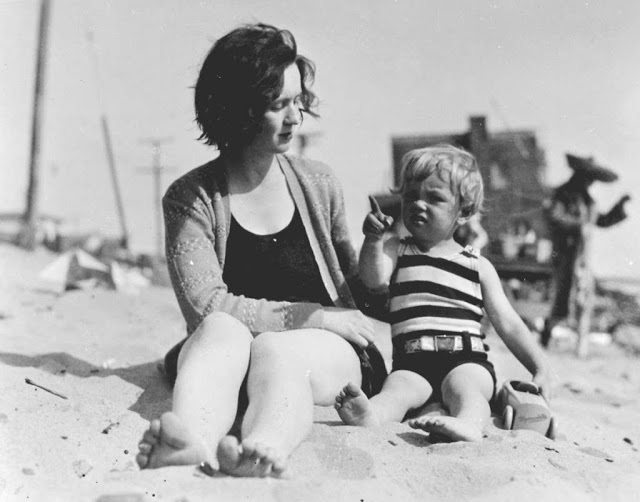
Here’s a gallery of three-year-old Norma at the beach. The photographs of a young Marilyn Monroe were taken in 1929.

Subscribe to continue reading

Become a paid subscriber to get access to the rest of this post and other exclusive content.

50 Amazing Vintage Photos From the 1940s Volume 7

Woman wearing Rennee’s formal nudity fashions, 1946.
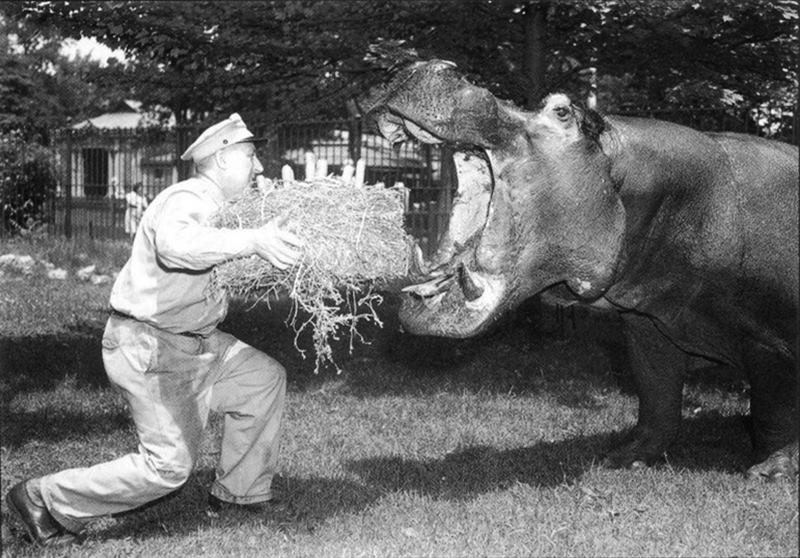
Zookeeper giving hippo bundle of hay, 1947.
Postwoman during wartime in England, 1942.
Demolition of the Boulevard apartment block to prepare for the construction of the War Office, Washington, D.C., 1940
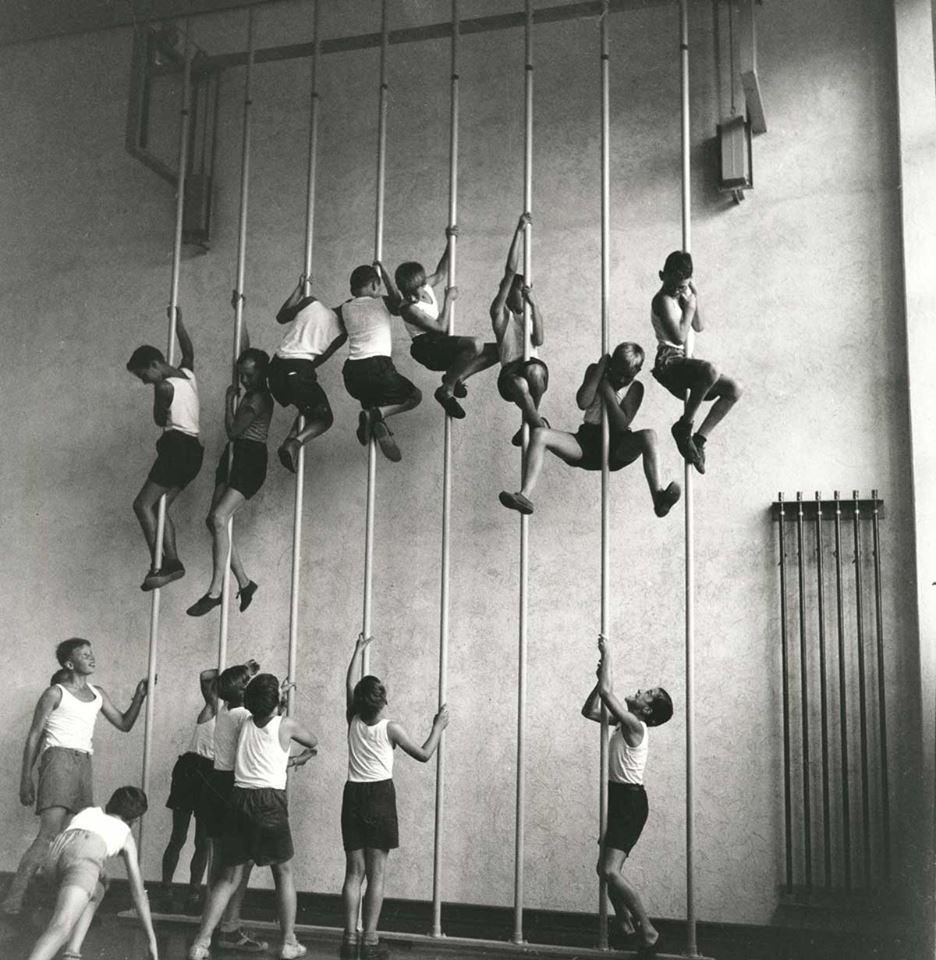
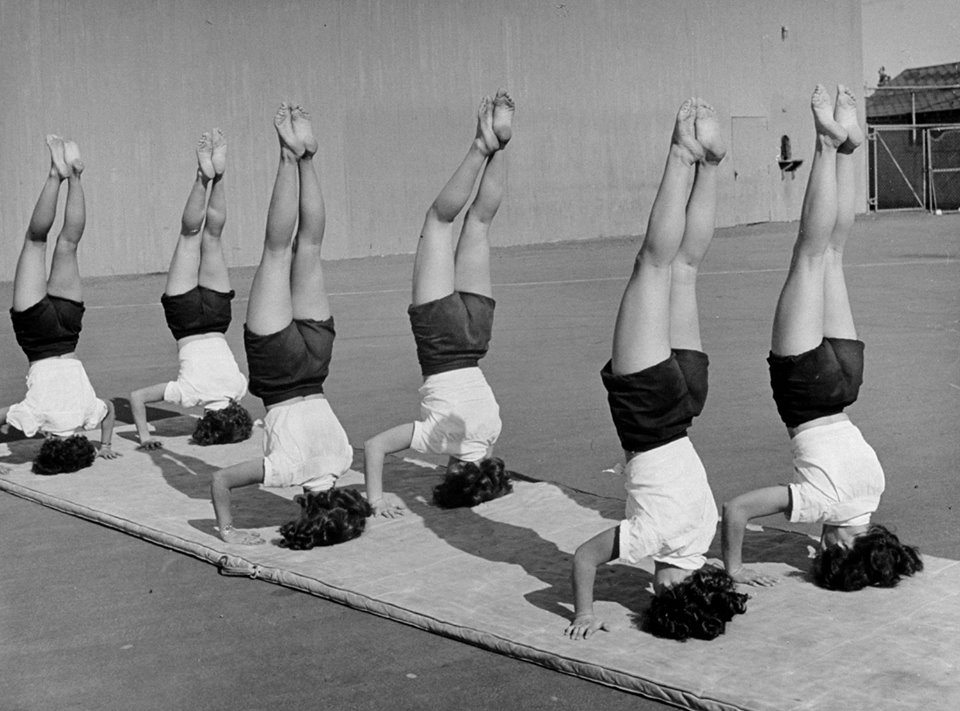
Gym class, 1940.
Have donut holes gotten smaller down through the years? This compelling vintage chart says yes.
A women’s bowling team poses on the front of Chevrolet in a showroom, San Francisco, California, 1945
New Yorker reads headline “Nazi Army Now 75 Miles From Paris.” May 18, 1940.
Girls from Hoover High School stand on their heads in gymnastics class, San Diego, California, 1946.
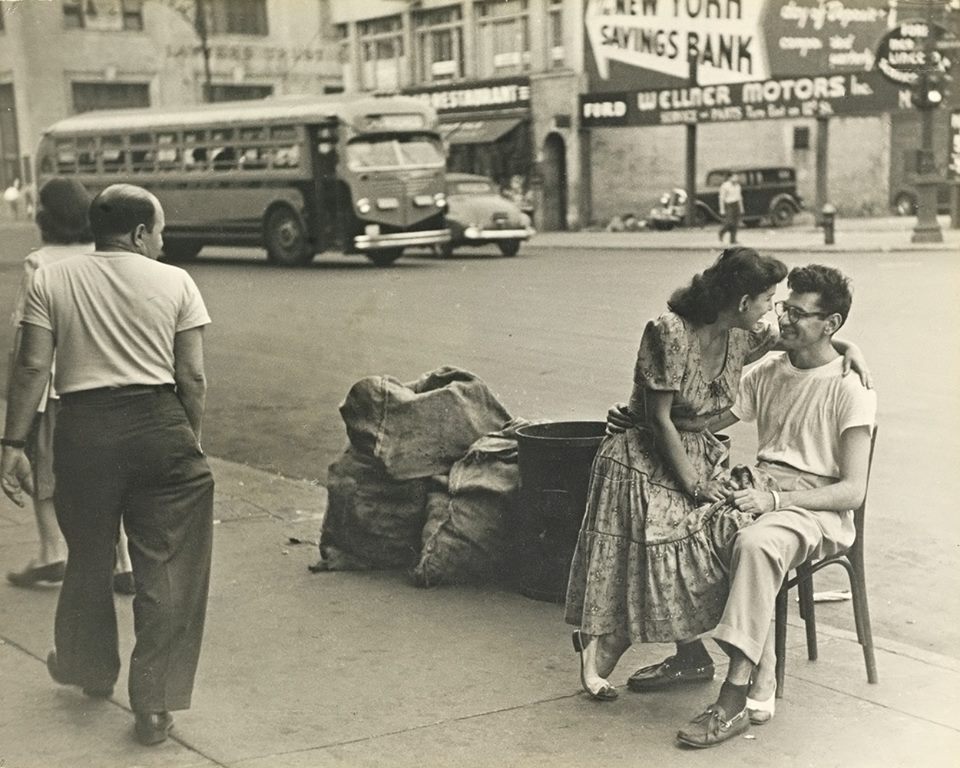
Couple in front of their candy store in New York City, 1949.
3 year old boy in a night club at 5 in the morning on New Year’s day, New York, 1943.
Hollywood beach, Florida, 1949
A British soldier takes advantage of the opportunity to have a bath in Tobruk, Libya. 17th February 1942.
Spanish-American girl singing folk songs to her little brothers and sisters in Albuquerque, New Mexico, 1943.
Sunset Boulevard, Los Angeles, California, 1948
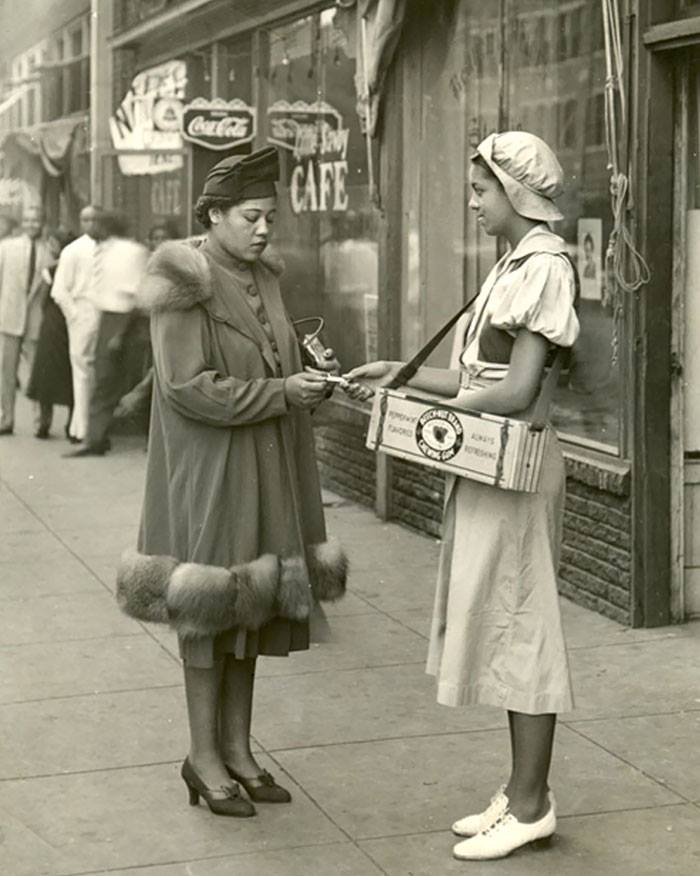
Beech-nut Gum girl, Harlem, 1940.
Veronica Lake, 1944.
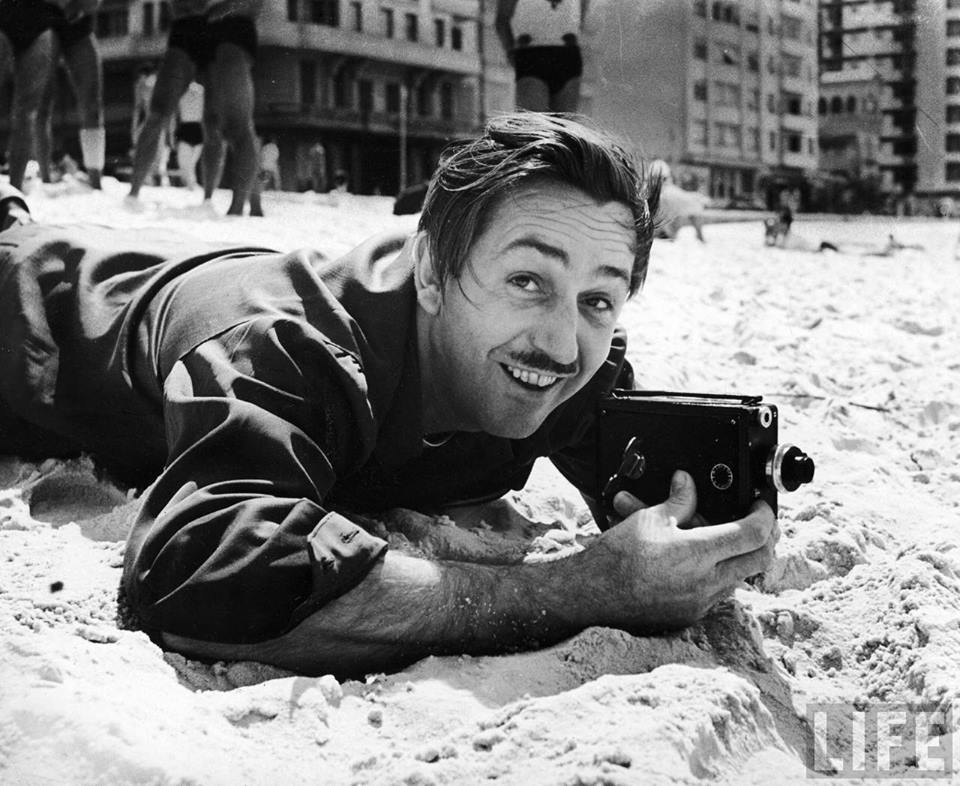
Walt Disney on the beach. Brazil, 1941.
Street scene in London, 1949
Bonny Ann Weber on rearing pony in Potlatch parade, Seattle, 1941
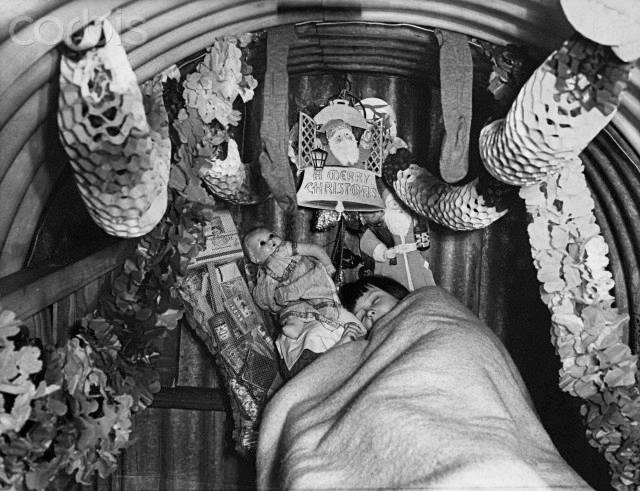
Wartime shelter festively decorated for the sleeping child’s Christmas, 1940
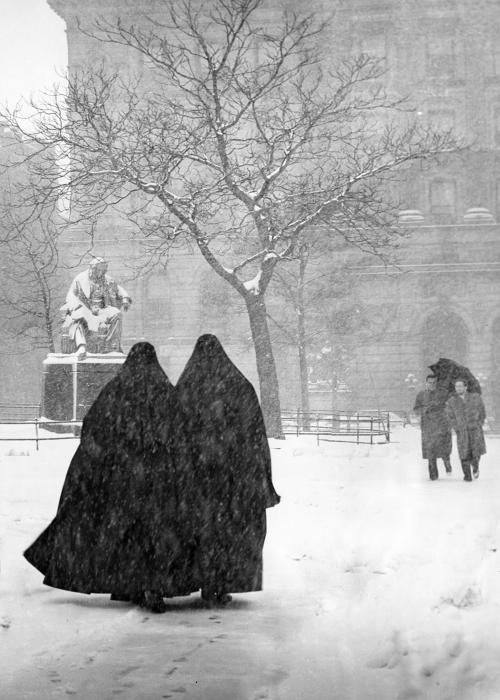
Nuns in snow, New York City, 1946
The children army, neighborhood children playing, Washington DC, 1942
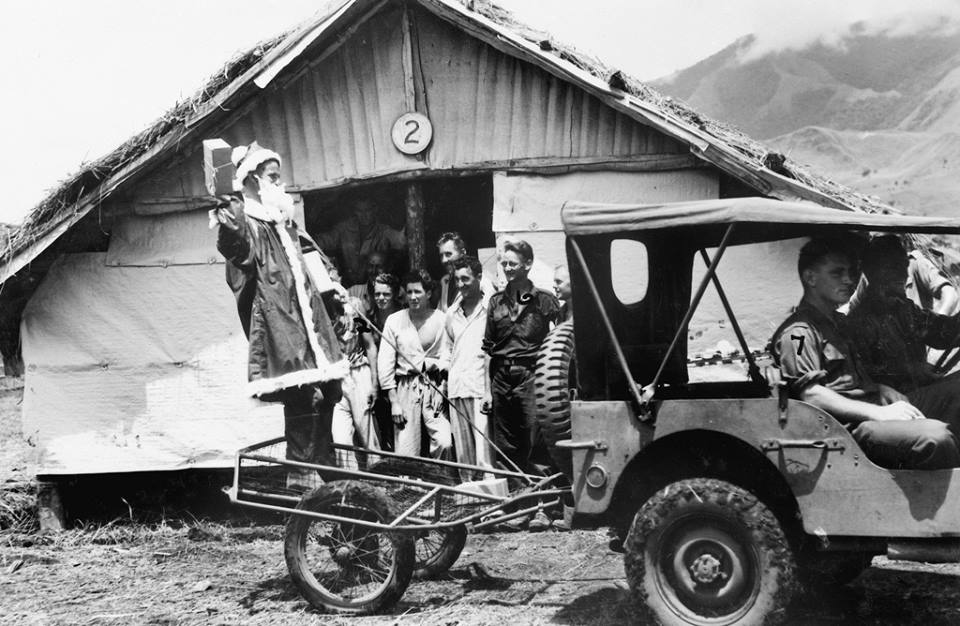
Christmas in the Ramu Valley, New Guinea, 1943.
Backstage of Mark Foy’s fashion parade, Sydney, 1947
Newspaper photographer with women showing nylon stockings, 1942
Men in Victorian and Edwardian swimsuits, 1940s
Bathing beauties, 1944
Bowling in Denton, Texas, 1942.
The New York Times writers, 1942
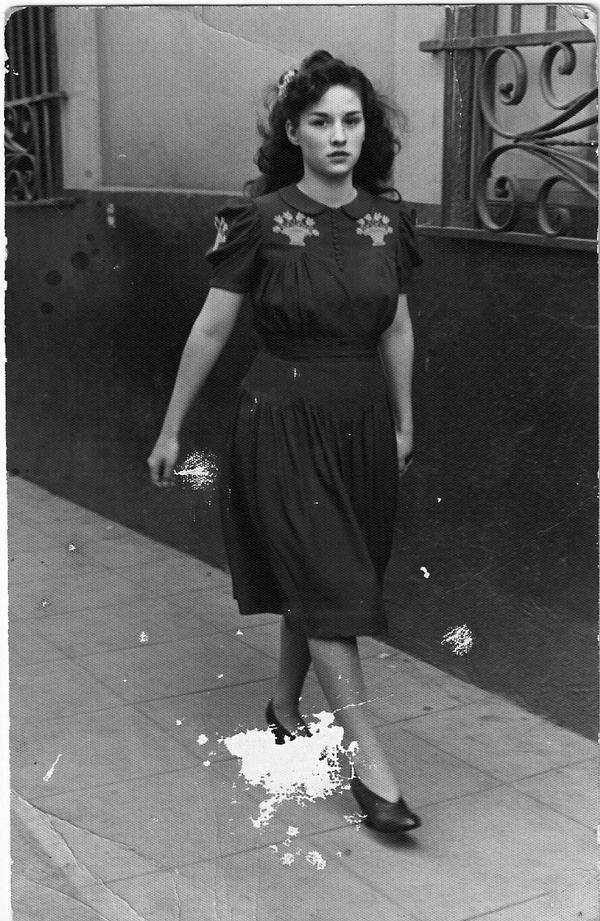
Girl in the street, Cuba, 1940s.
Soldiers of the Hungarian Second Army having fun, 1942
A military policeman posing on his motorcycle in Columbus, Georgia, 1942
A woman playing badminton on a beach in Tel Aviv, 1948
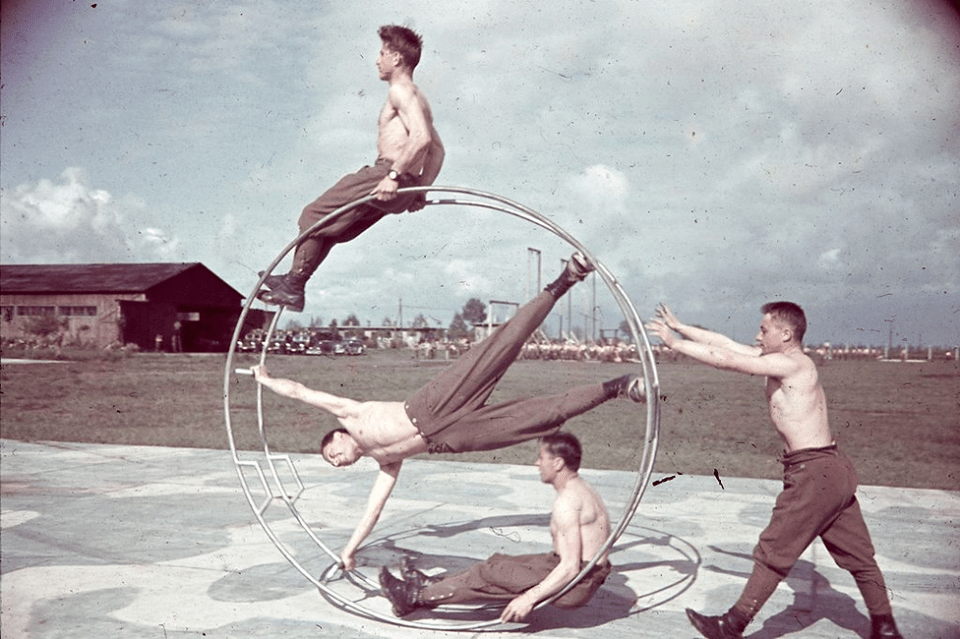
Film players at the Venice Pier Fun House in 1940. As the bowl spins, people fight for leverage to stay in the center.
Orchard Street & Rivington Street, New York City, 1949.
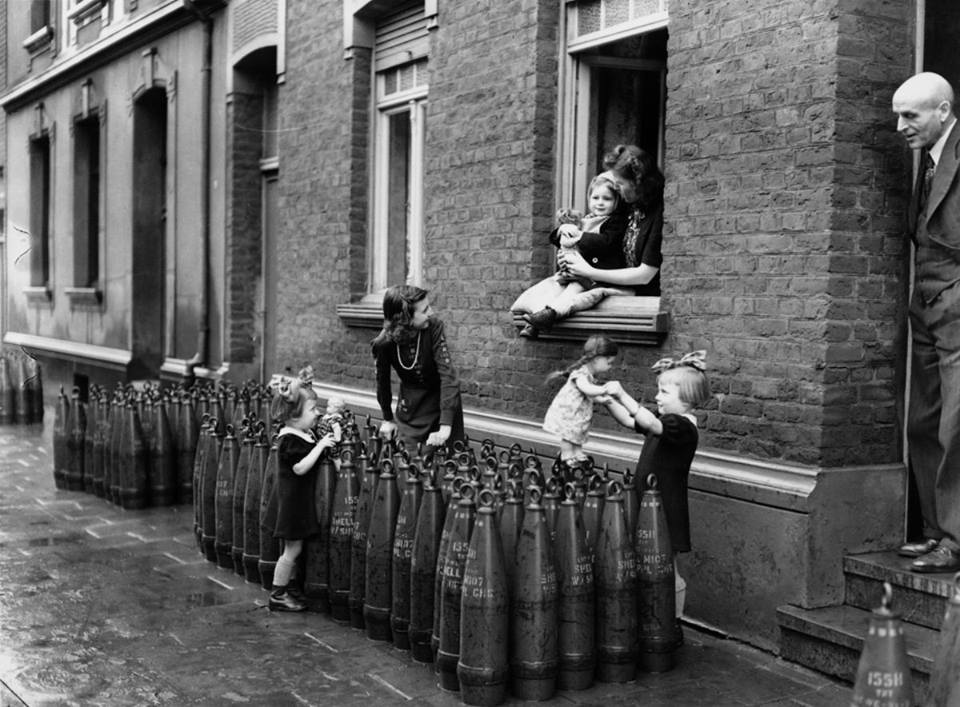
Young girls play with their dolls seemingly unfazed by the piling shells around their homes, Munich, 1943
A dawn scene of Union Street after a night raid, Bristol, 1941
The end of WWII is celebrated in Moscow’s Red Square, May 9, 1945
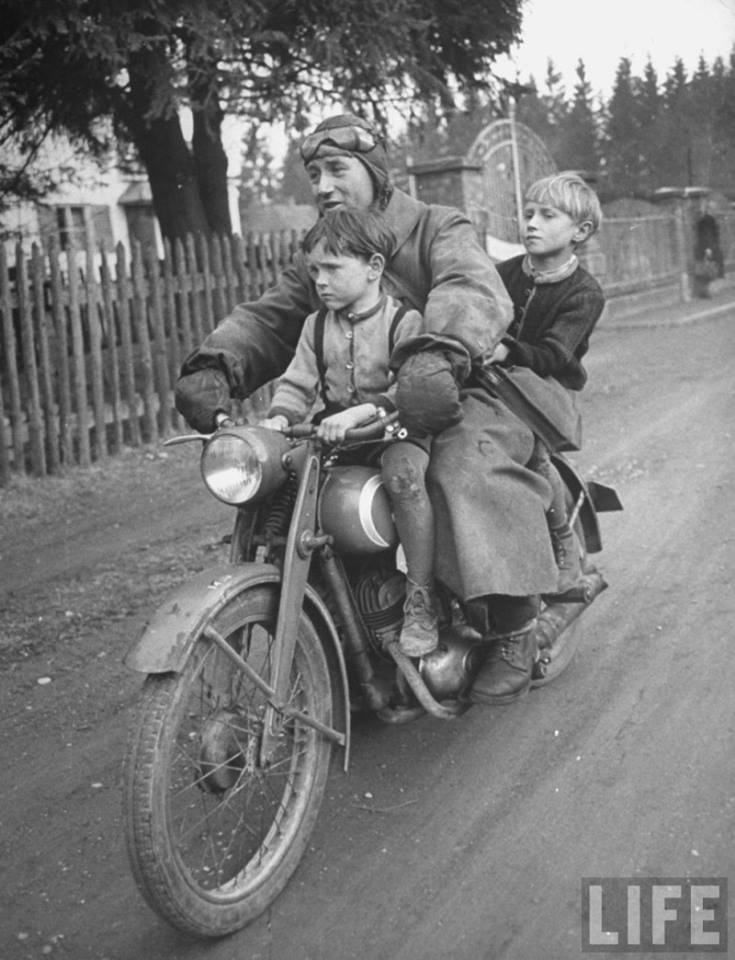
A man riding a motorcycle with his two children, Munich, Germany, May 1949.
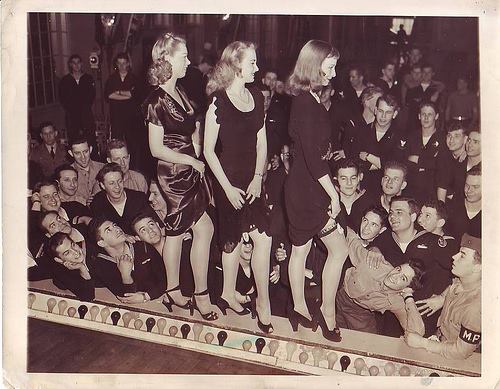
Sailors watching stocking fashion show during WWII
Piccadilly Circus, London, 1940s
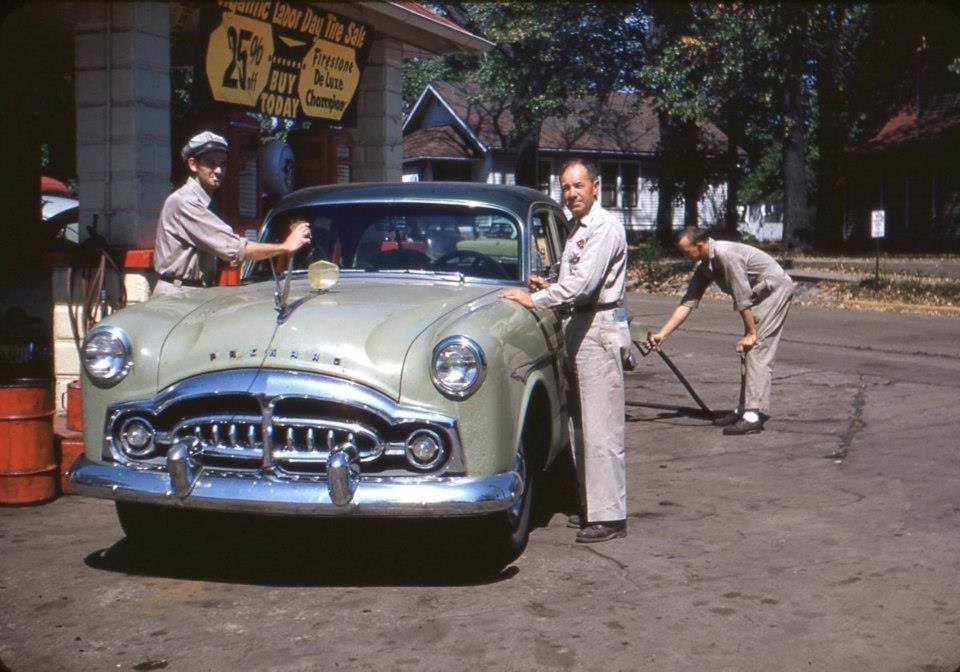
Back when they called them “service stations”, 1940s.
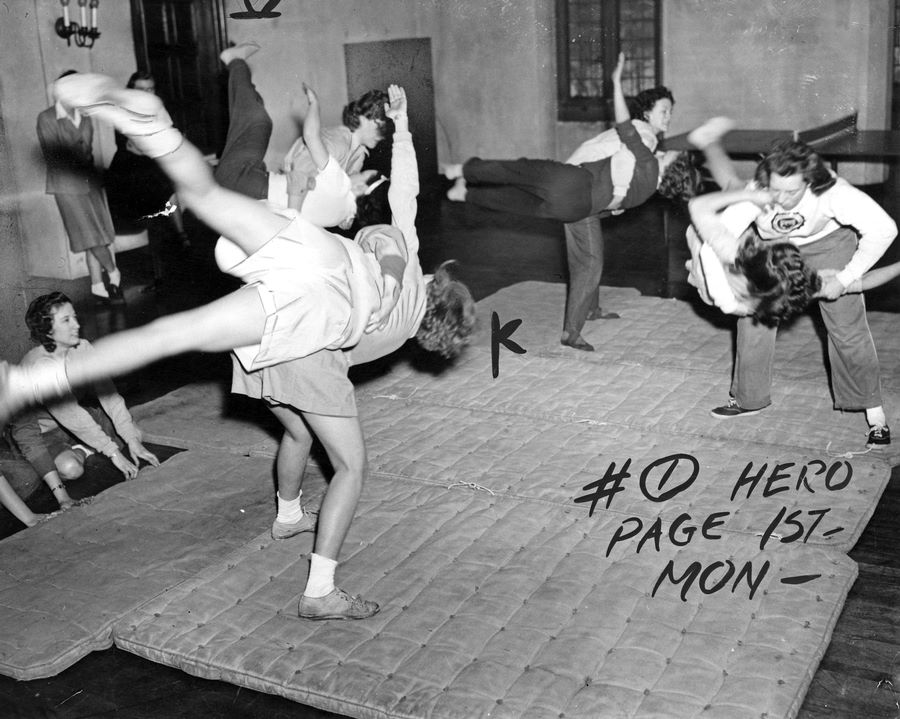
Girls at the University of Chicago learn Jiu-jitsu, 1943
Spring break, Southern California, 1947.
Snow day, looking south on Broadway from 12th Street, Los Angeles, 1944.
Cycles and sidecars at the famous Paris restaurant Maxim’s, 1942
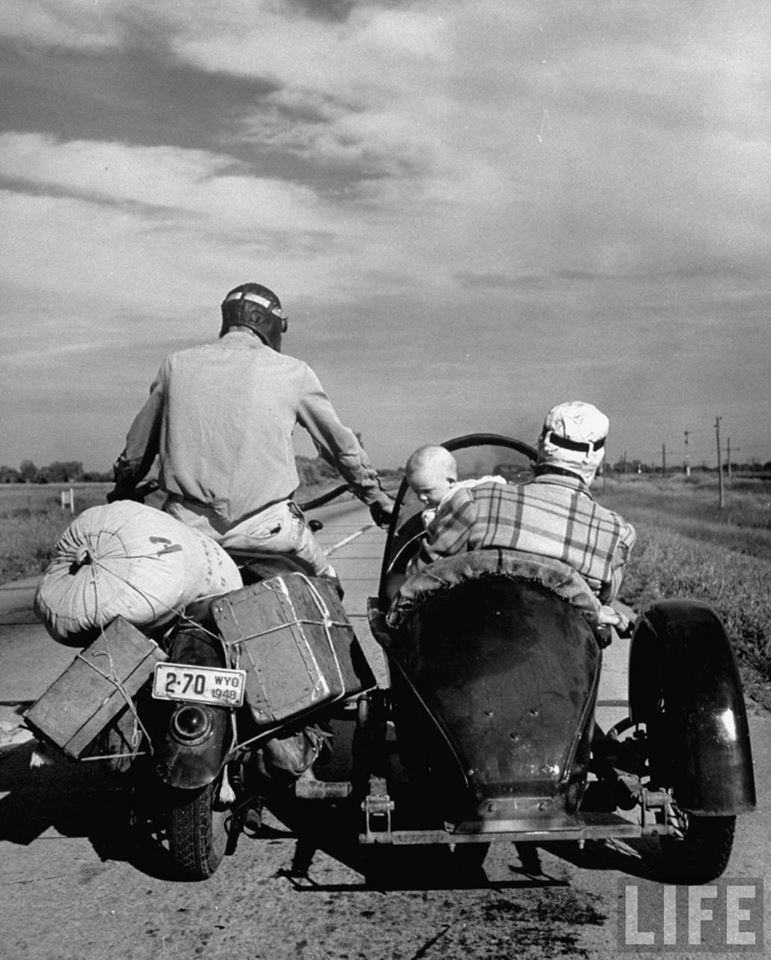
Family driving on motorcycle and sidecar from Omaha, Nebraska to Salt Lake City, Utah along Highway 30, July 1948.
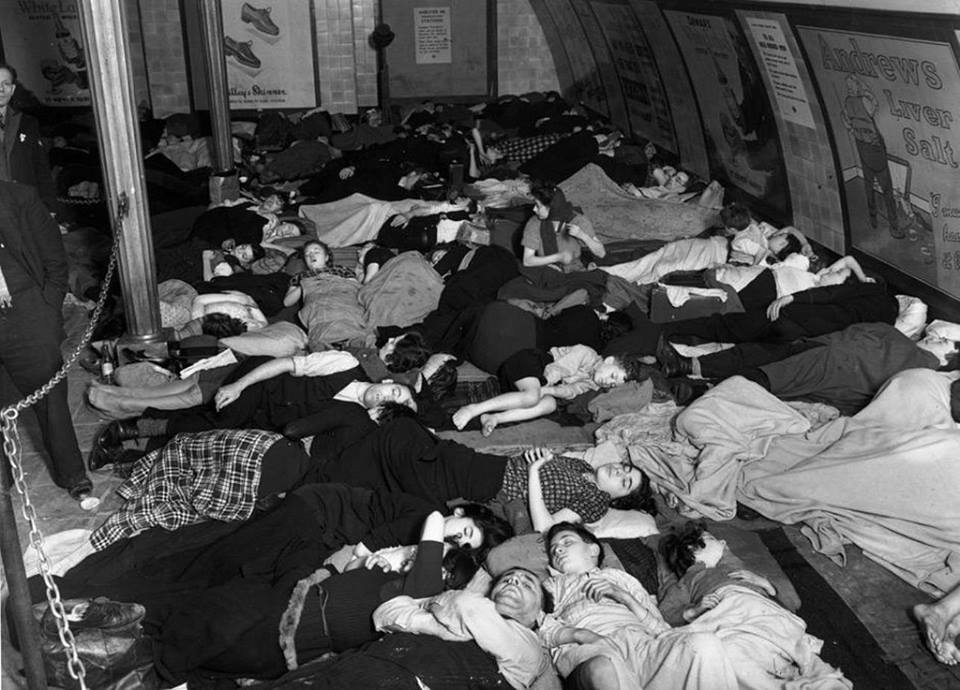
Escaping the German raids people sleep in the London underground during the battle of Britain, 1940
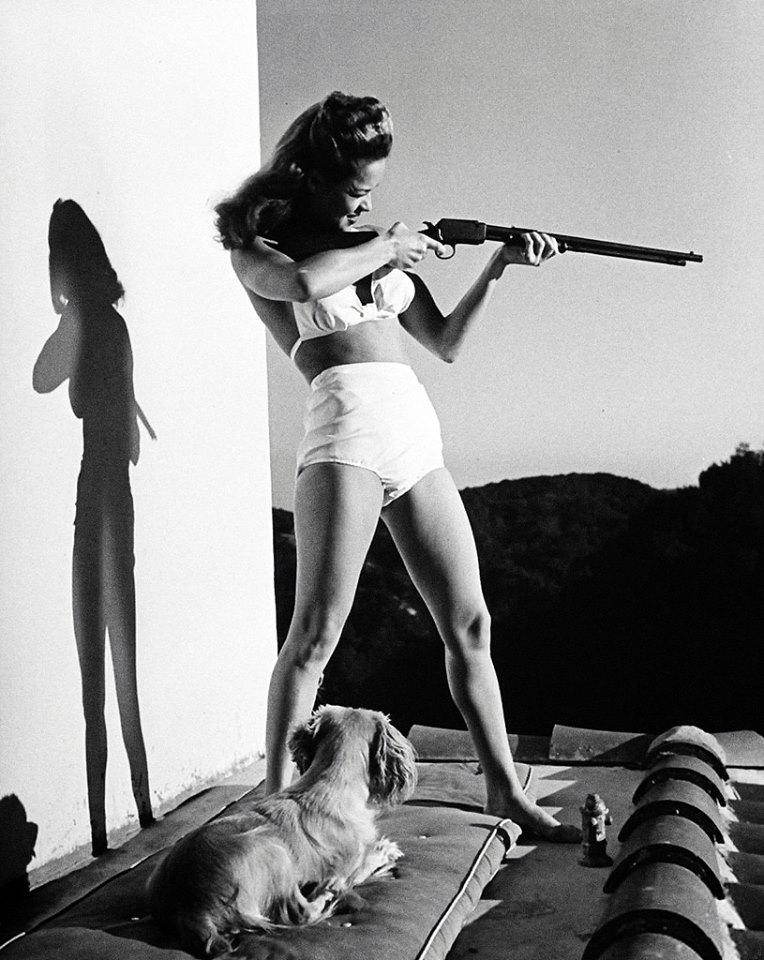
Dona Drake in bikini with rifle, Los Angeles, 1942.

18 Vintage Photos of Broadway Legend Carol Channing

Carol Elaine Channing (January 31, 1921 – January 15, 2019) was an American actress, singer, dancer, and comedienne, who starred in Broadway and film musicals. Her characters usually had a fervent expressiveness and an easily identifiable voice, whether singing or for comedic effect.

Channing created the lead roles in Gentlemen Prefer Blondes in 1949 and Hello, Dolly! in 1964, winning the Tony Award for Best Actress in a Musical for the latter. She revived both roles several times throughout her career, playing Dolly on Broadway for the final time in 1995. She was nominated for her first Tony Award in 1956 for The Vamp, followed by a nomination in 1961 for Show Girl. She received her fourth Tony Award nomination for the musical Lorelei in 1974.

As a film actress, she won the Golden Globe Award and was nominated for the Academy Award for Best Supporting Actress for her performance as Muzzy in Thoroughly Modern Millie (1967). Her other film appearances include The First Traveling Saleslady (1956) and Skidoo (1968). On television, she appeared as an entertainer on variety shows. She performed The White Queen in the TV production of Alice in Wonderland (1985), and she had the first of many TV specials in 1966, titled An Evening with Carol Channing.

Channing was inducted into the American Theater Hall of Fame in 1981 and received a Lifetime Achievement Tony Award in 1995. She continued to perform and make appearances well into her 90s, singing songs from her repertoire and sharing stories with fans, cabaret-style. She was one of the “legends” interviewed in the award-winning documentary, Broadway: The Golden Age, by the Legends Who Were There. She released her autobiography Just Lucky I Guess in 2002, and Larger Than Life was released in 2012, a documentary film about her career. (Wikipedia)

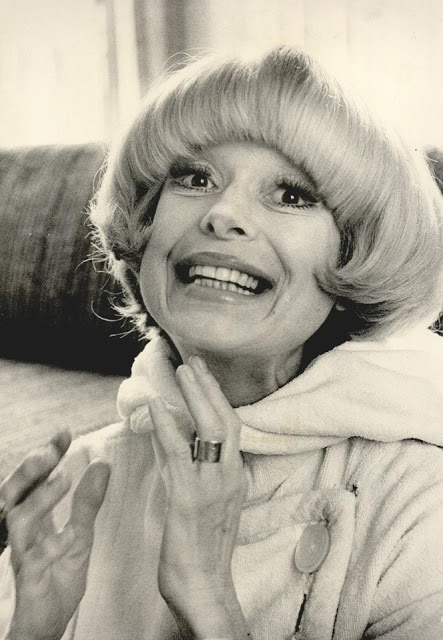
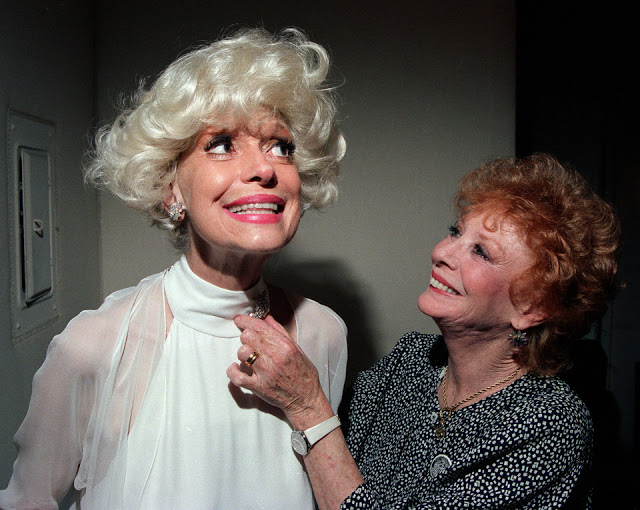
Here, below is a gallery of 18 amazing vintage photos of Carol Channing from between the 1950s and 1980s:

Carol Channing is shown in the role of Lorelei Lee in the original Broadway production of “Gentlemen Prefer Blondes” at the Ziegfeld Theatre in New York City in 1950. The musical comedy opened on Dec. 8, 1949.
American singing star Carol Channing wears red and white striped gloves with her navy blue coat on arrival at London Airport, May 16, 1955. She will be on holiday here for two weeks, and then goes on to Paris and Istanbul.
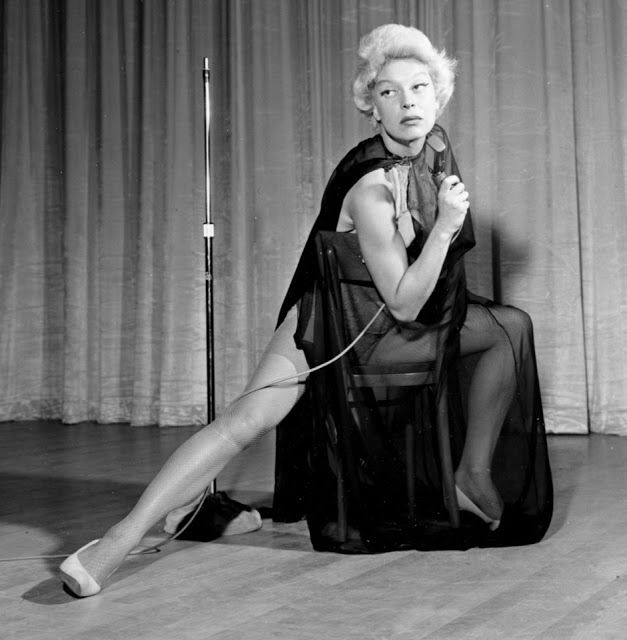
Actress and comedienne Carol Channing performs in her first nightclub opening appearance in Las Vegas, Nev., on July 9, 1957. Channing wears an $11.85 costume as she impersonates Marlene Dietrich, who recently appeared on a neighboring stage in a $20,000 gown.
Carol Channing and Jules Munshin team up for photographer in dressing room pose backstage at the Eugene O’Neill Theatre after Broadway opening of Show Girl in New York, Jan. 12, 1961. Miss Channing stars in the musical revue. Munshin plays opposite her.
Fulfilling a longtime ambition, musical and nightclub star Carol Channing is about to appear in a big time production of a Bernard Shaw play. She’s rehearsing for “The Millionaires” June 26, 1963, which opens a seven-month tour on July 8 in Louisville, Kentucky. The title role will be Carol’s first dramatic stage part on Broadway when the play opens there after the tour. Carol is passing up profitable nightclub offers to carry out the dream she’s had since college days.
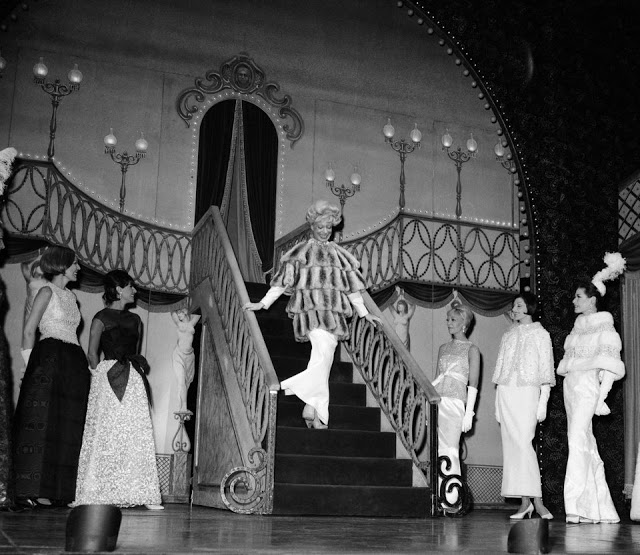
Carol Channing, star of the musical “Hello, Dolly!” wears a Luis Estevez fur as she descends a stairway during a scene from the show staged as part of a fashion presentation at the St. James Theater in New York, Wednesday, June 3, 1964.
Carol Channing holds a sold out advertisement poster of “Hello, Dolly” and two original books from which the hit musical came, June 11, 1967 in Houston. She received the mementos after the afternoon performance of the musical at Houston. Carol Channing’s final performance in “Hello, Dolly” will be in tonight’s show. It will be her 1,272 performance in about three and one half years.
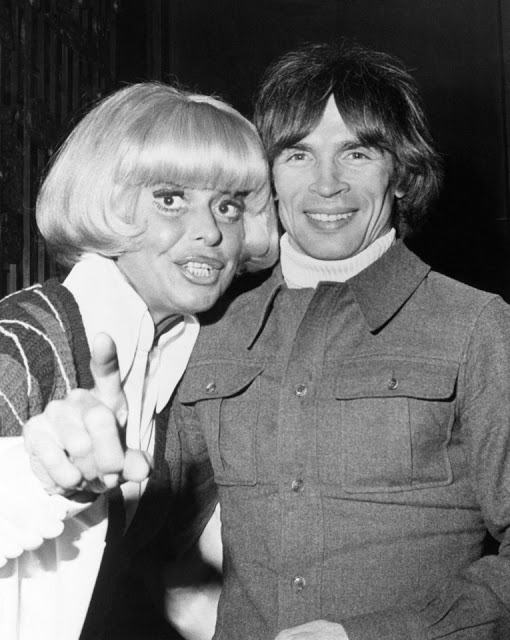
“Lorelei” star Carol Channing, hostess at a special screening of MGM’s “That’s Entertainment!” at the Ziegfeld Theater in New York chats with one of her guests, ballet superstar Rudolph Nureyev, May 1974.
British actress Elizabeth Taylor, left, receives a ring that is part of Carol Channing’s costume in the title role of the Broadway musical “Lorelei.” Taylor and Channing met in the latter’s dressing room in New York, United States on Tuesday, August 13, 1974 for the exchange of the bauble.
April 25, 1975: Actress Carol Channing greets the crowd downtown at the Civic Center Music Hall during the Channing Festival of Fashion, a benefit for the Festival of the Arts.
Carol Channing puts her arms around George Burns as she teaches her partner the “Hustle” at Regine’s disco in New York’s Delmonico Hotel, Aug. 16, 1976. They will open their two-person revue on Tuesday at the Westbury Music Fair in Westbury, New York.
Nov. 21, 1977: Carol Channing was back in Oklahoma.
Carol Channing, star of the original “Hello, Dolly,” is back on Broadway again in a revival of the show. The musical had its first preview performance, March 2, 1978.
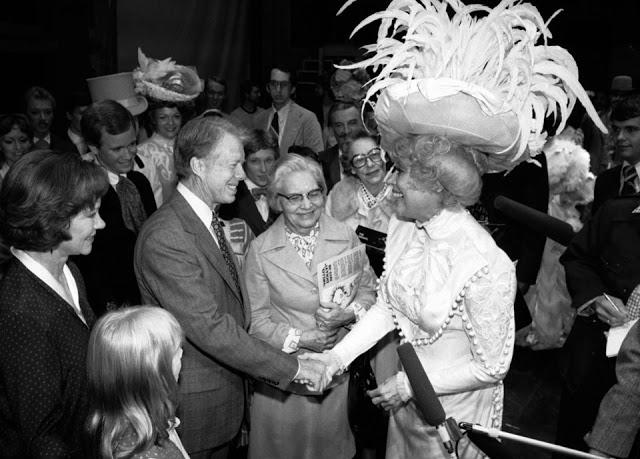
President Jimmy Carter shakes hands with Carol Channing after he and his family attended a performance of the musical “Hello Dolly” starring Miss Channing which is playing at the National Theater in Washington, Oct. 19, 1978. Also in the photo are, from left: first lady Rosalynn Carter, daughter Amy Carter, President Carter, Allie Smith, mother of Rosalynn Carter, and Miss Channing.
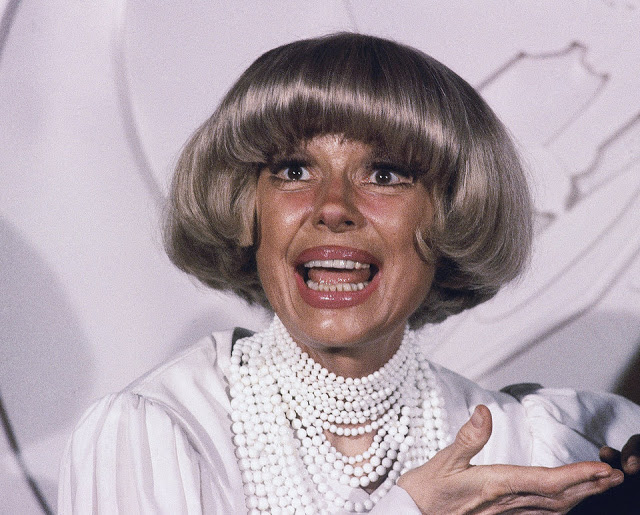
Actress Carol Channing at the Grammy Awards, Feb. 24, 1982 in Los Angeles.
Broadway star Carol Channing hugs the Budweiser Dalmatian as St. Louis Cardinals owner August A. “Gussie” Busch, Jr., waves to crowd as they toured the Busch Stadium field on a beer wagon before World Series in St. Louis, Oct. 20, 1982. Miss Channing sang a special Cardinals song in the pre game festivities.
Oct. 25, 1984: Edward L. Gaylord, editor and publisher of The Oklahoman, presents an award to actress Carol Channing for being Oklahoma’s goodwill ambassador.
Actress Gwen Verdon, right, pins a diamond brooch on actress-singer Carol Channing for the 43rd Annual Tony Awards ceremony in New York City, June 4, 1989. Both Channing and Verdon, who are presenting awards, are loaned diamond jewelry from Tiffany’s for the awards show.

Amazing Photos of Jackson Hole, Wyoming in 1948

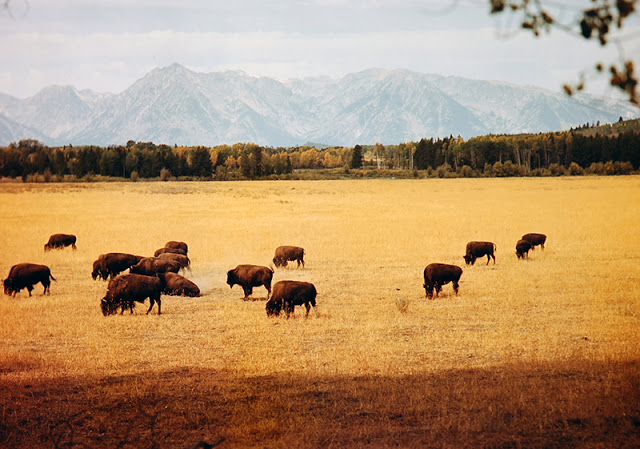
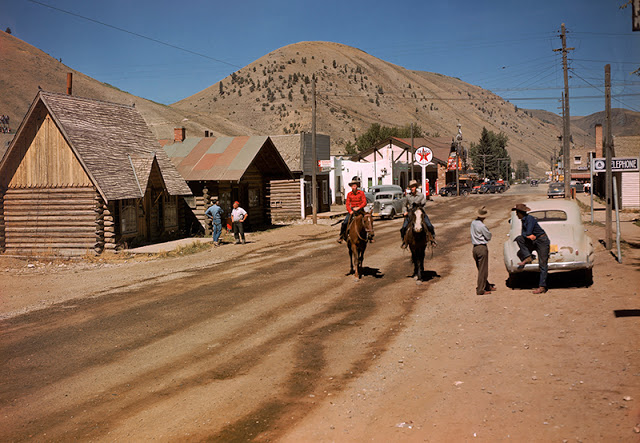
The Jackson Hole valley of today is a major hub of tourism in the American West: skiers in the winter, national park-goers in the summer and mountain lovers all year round. But its primary tourism draw—long before the word “resort” became associated with the peaceful Wyoming locale—was once its dude ranches. Back then, its cowboy bars served actual cowboys, its main street was paved with dirt and its vast expanses were more populated with bison than with people. In 1948, LIFE photographer Alfred Eisenstaedt captured the region’s quiet yet dramatic beauty in vivid Technicolor, preserving it—at least on film—for posterity.

For decades the amazing landscape of Jackson Hole has attracted visitors, but well before they arrived for the world-class skiing, or renowned Western art scene, or the national parks, people flocked to Jackson’s dude ranches.

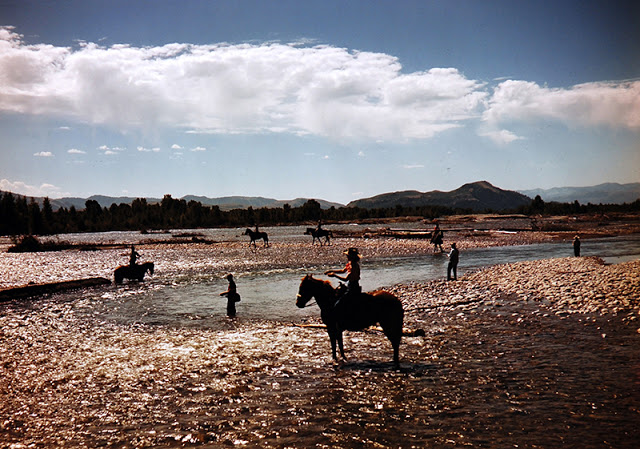
The valley was settled like much of the West, by cowboys and ranchers. There were more bison than there were people in the area. The romantic idea of riding a horse below the stunningly jagged mountain peaks drew the area’s first tourists who came to stay at the region’s dude ranches.

Alfred Eisenstaedt, a LIFE photographer, represented the valley in 1948 when “cowboy” was still a common profession in the valley and tourists visited real working ranches staying for weeks at a time.
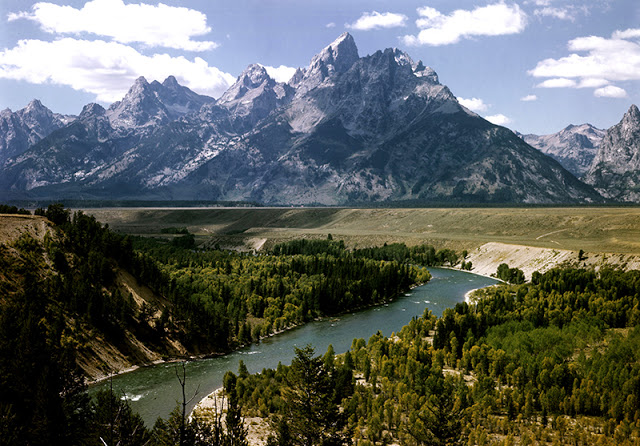
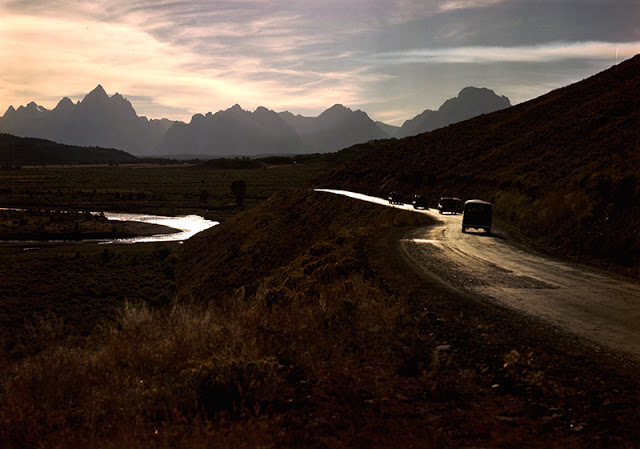
Snake River with the Grand Tetons in the background, Jackson Hole, Wyoming.
Jackson Hole, Wyoming
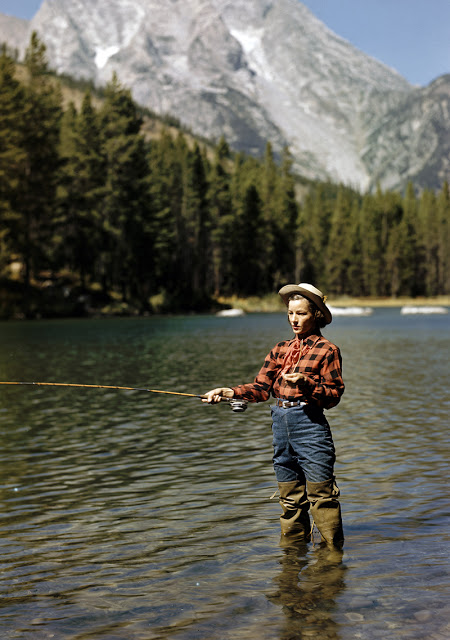
Young cowgirl Esther Allen trout fishing in String Lake. Teton Mountains behind.
Jackson Hole, Wyoming
Exterior of The Cowboy Bar with patrons hanging out outside.
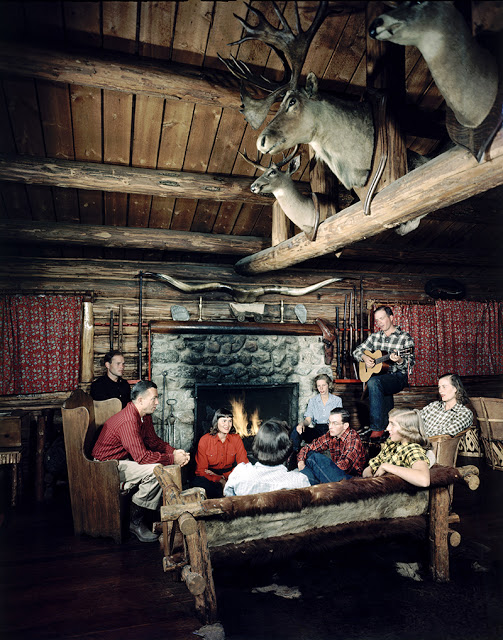
Guests sitting around fireplace and listening to live music at Bearpaw Dude Ranch.Jack Huyler, son of owner, is playing guitar.
Room full of patrons gambling at The Cowboy Bar. Gambling permitted during tourist season.
Broadway, Jackson Hole, Wyoming.
Jackson Hole, Wyoming
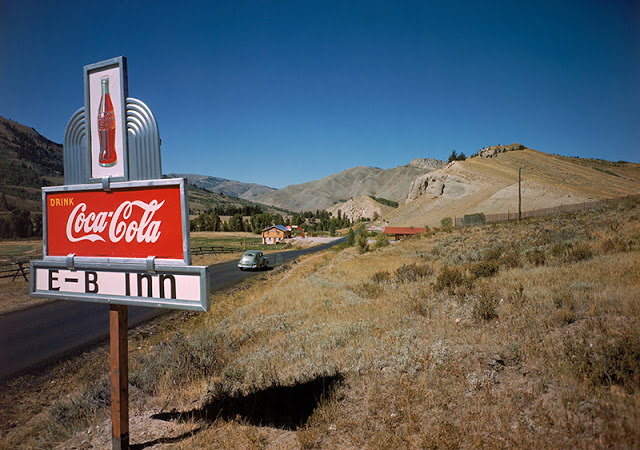
Highway 189 entering Jackson Hole, Wyoming.
Jackson Hole, Wyoming
Jackson Lake and Grand Teton Mountain Range seen from the Ranch owned by Mr. and Mrs. Berol.
Jackson Hole, Wyoming
Moose feeding in stream.
Entering Jackson Hole from the east along the Blackrock Creek with the Grand Tetons in the background, Wyoming.

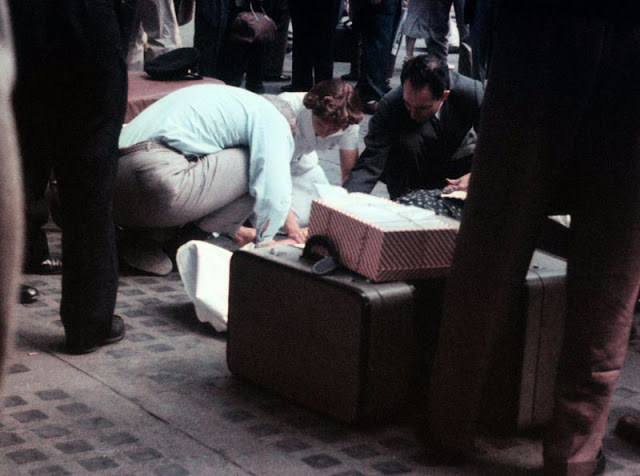
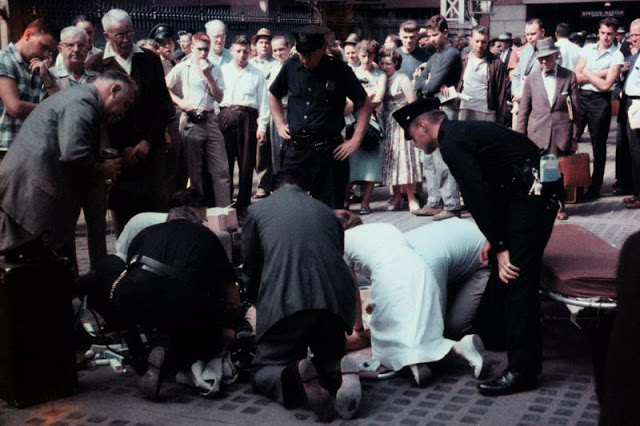
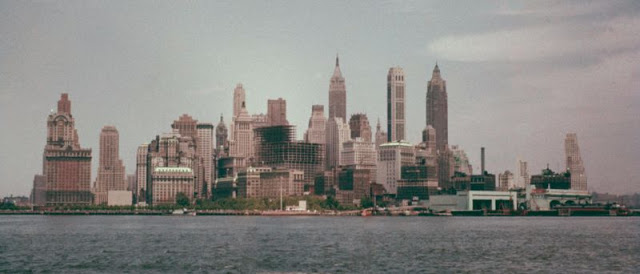
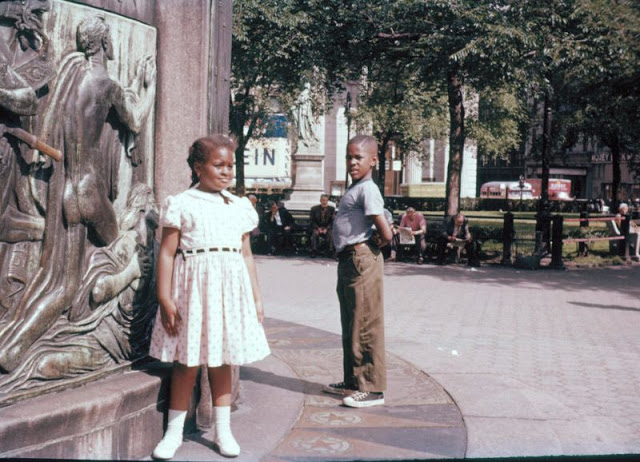
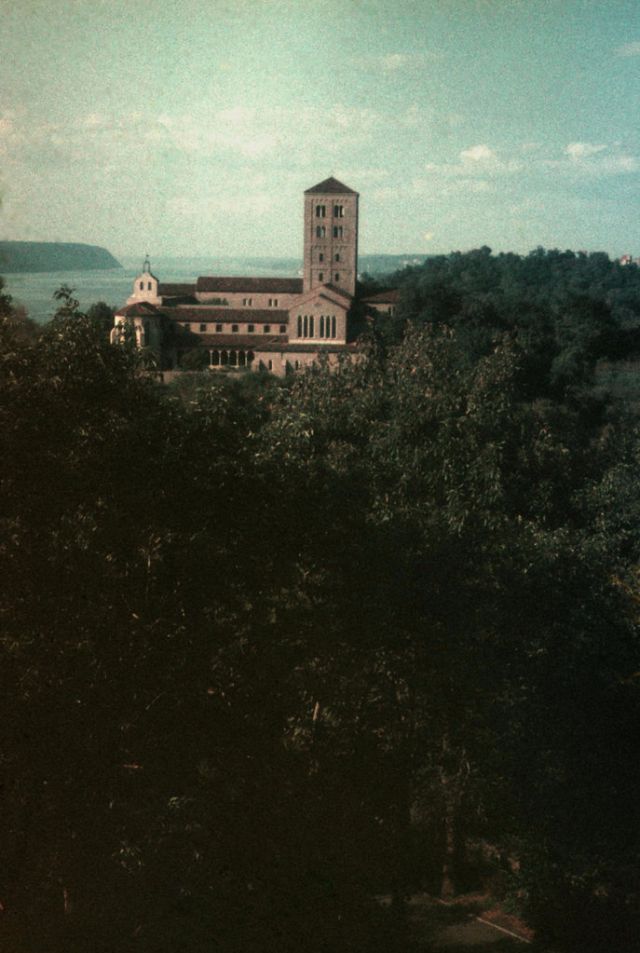
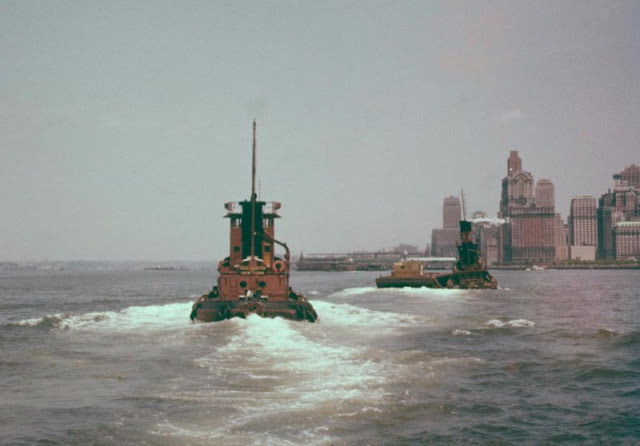
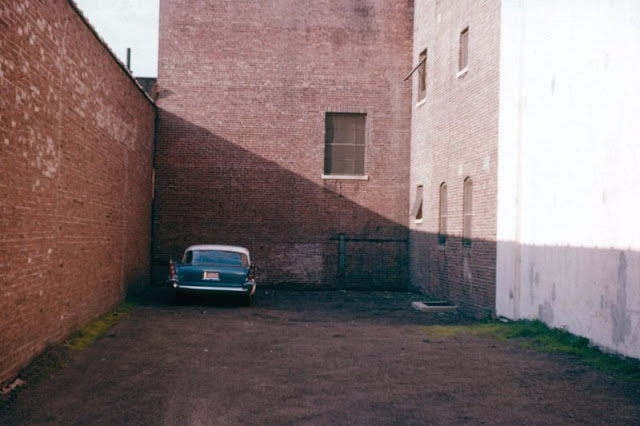
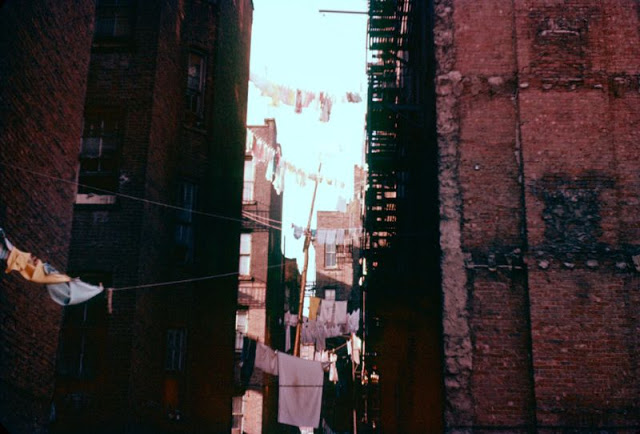
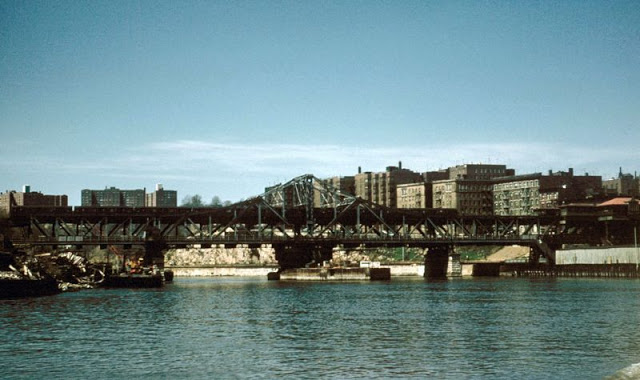
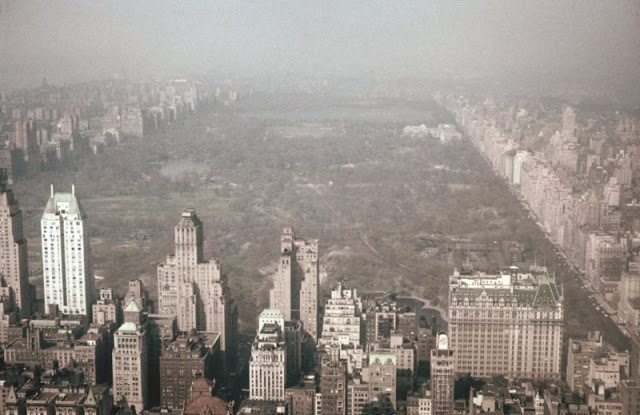
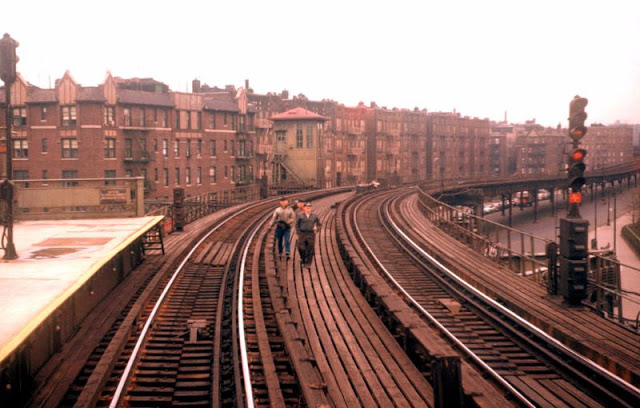
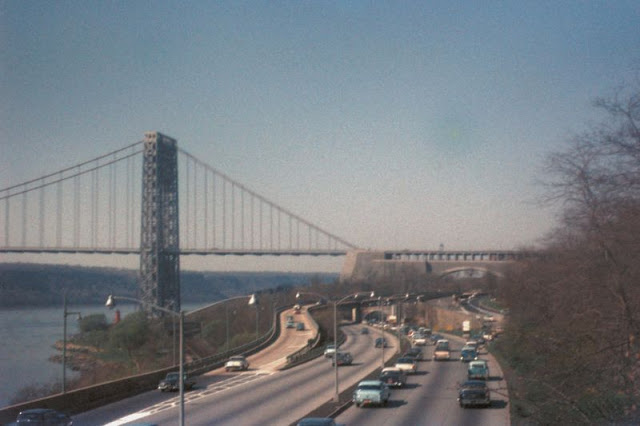
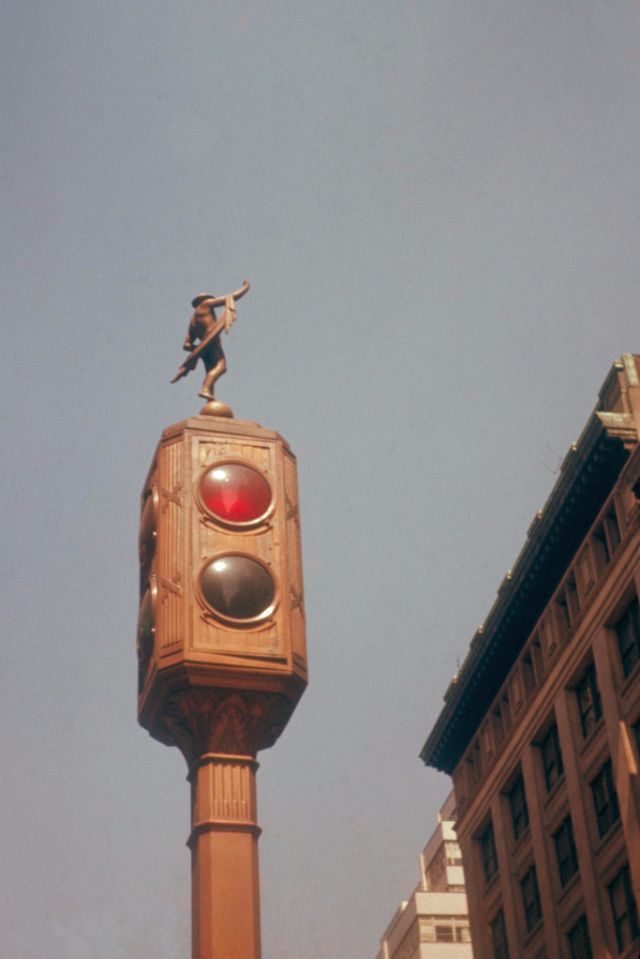
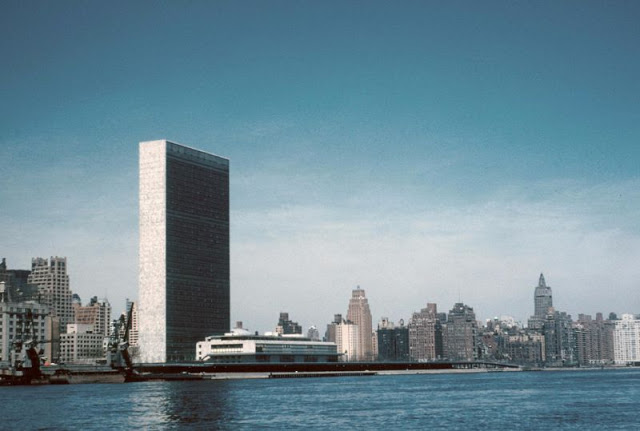
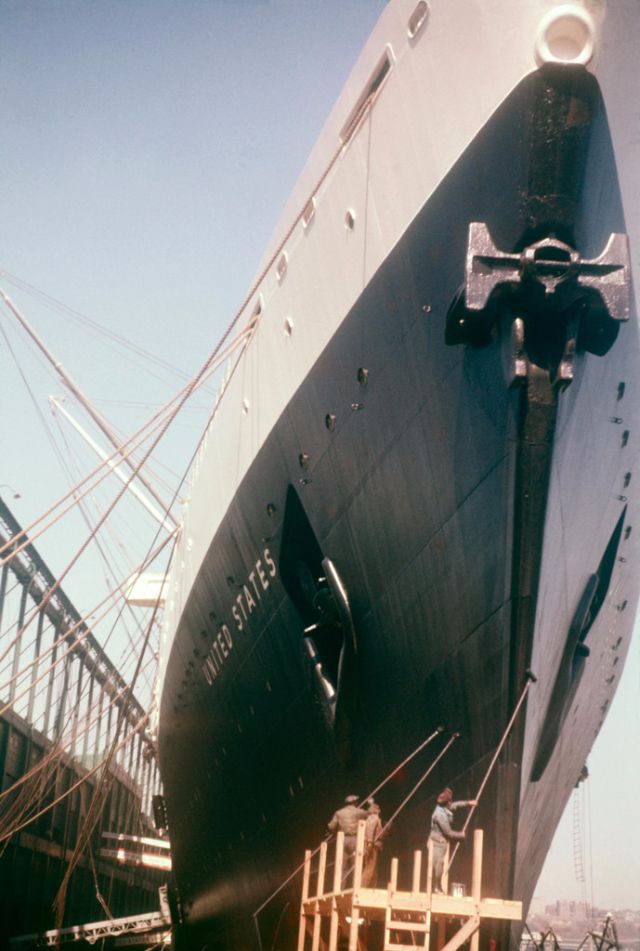
New York in the 1950s

Immediately after World War II, New York City became known as one of the world’s greatest cities. However, after peaking in population in 1950, the city began to feel the effects of white flight to the suburbs, a downturn in industry and commerce as businesses left for places where it was cheaper and easier to operate, an increase in crime, and an upturn in its welfare burden, all of which eventually reached a nadir in the city’s fiscal crisis of the 1970s, when it barely avoided defaulting on its obligations and declaring bankruptcy.

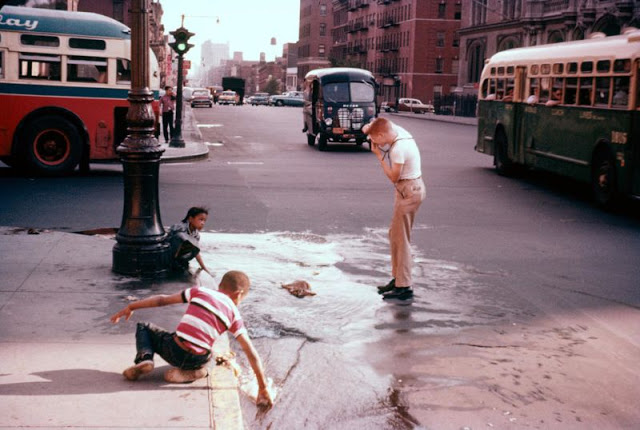
New York City has always been a glamourous destination. Whether visiting Times Square, or the Brooklyn Bridge, or even New York’s street vendors, there’s a sense of nostalgia for better days that most of us didn’t even experience first hand.

Whether you frequent the Big Apple or not, take a minute for a bit of late 1950s charm. Visit and enjoy the people and sights of a New York City past.

Grady Stiles – The Murderous “Lobster Boy”

Subscribe to get access

Read more of this content when you subscribe today.

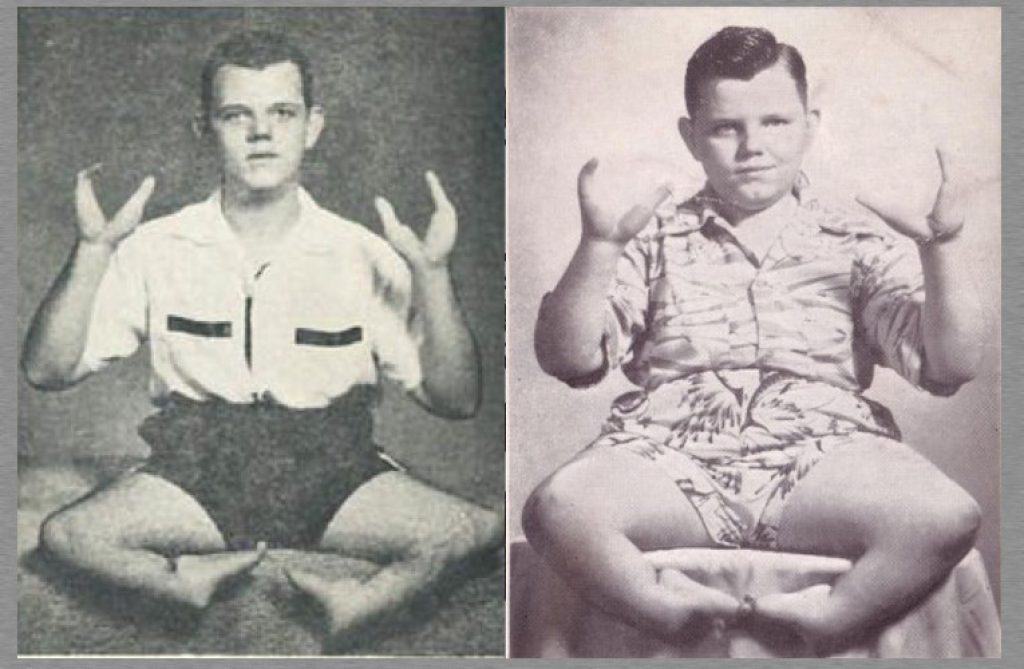
Born in Pittsburgh, Pennsylvania in 1937, Grady Stiles Jr., aka “Lobster Boy”, was one in a long line of people in the Stiles family, dating back to 1840, who suffered from a rare and strange physical condition known as ectrodactyly. This genetic condition was one in which the fingers and toes are fused together to form claw-like extremities.

Grady Stiles Sr. was a sideshow attraction in a traveling carnival when his son was born and he jumped at the opportunity to add his son to the freak show act at the age of seven. Stiles Sr. married twice and had four children, two of whom also had ectrodactyly.

Many have viewed this disorder as a handicap, yet for the Stiles family it was seen, and used as, an opportunity. As far back as the 1800s, as the family grew and produced more children with unusual hands and feet, they developed a circus act: The Lobster Family, which became a carnival freak show staple throughout the early 20th century.

Grady Stiles, the Lobster Boy, as an adult (L) and as a child (R).

Subscribe to continue reading

Become a paid subscriber to get access to the rest of this post and other exclusive content.

Yesterday Today

Bringing You the Wonder of Yesterday - Today

Skip to content ↓