





Bringing You the Wonder of Yesterday – Today

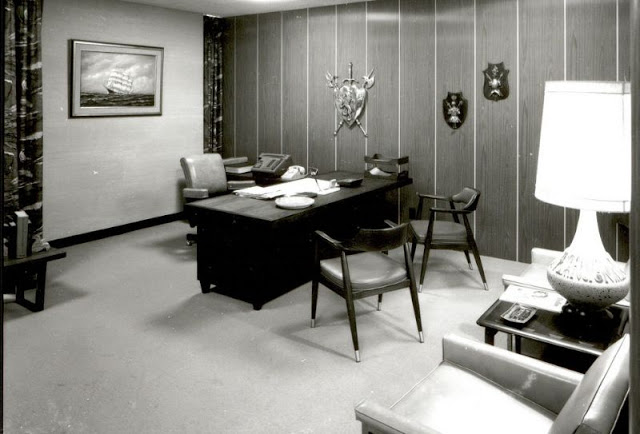
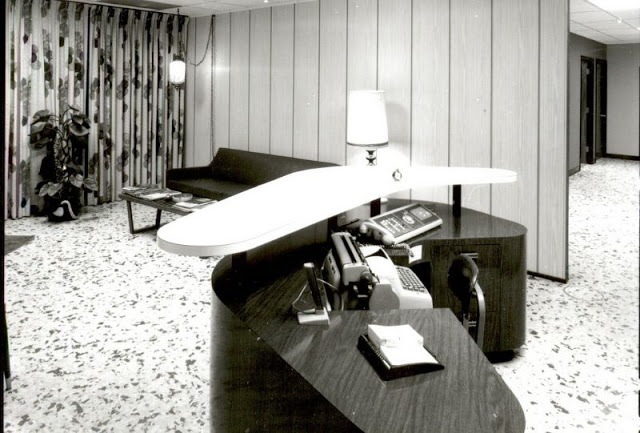
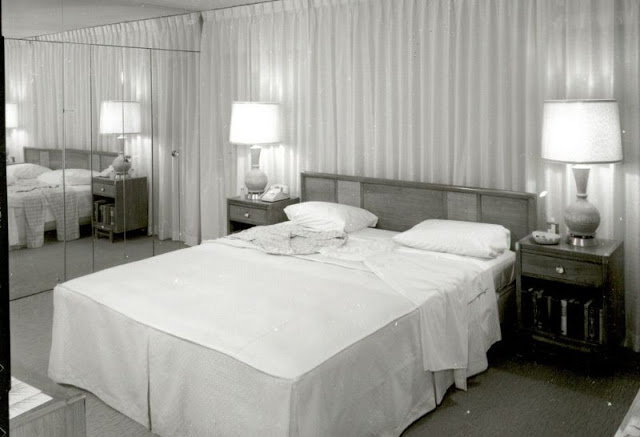
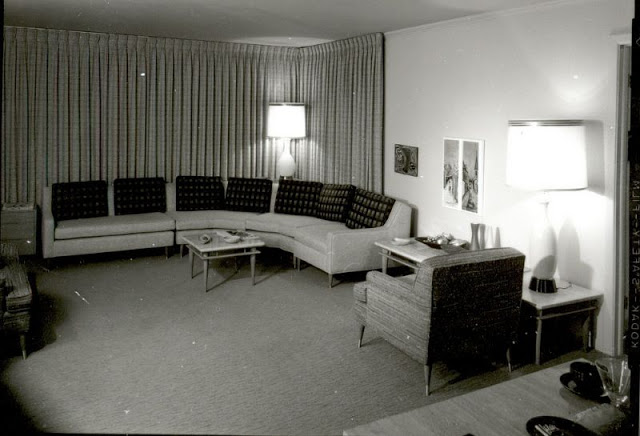
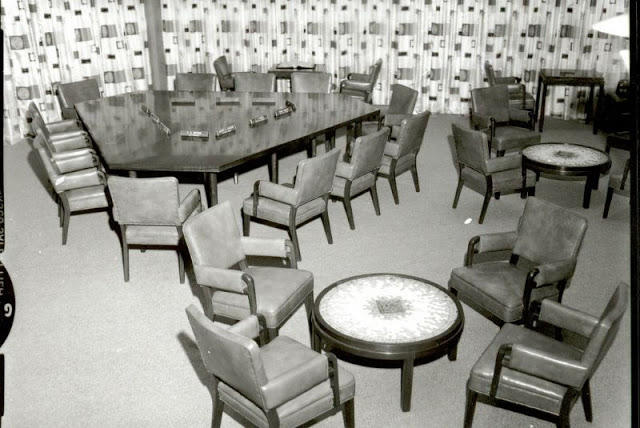
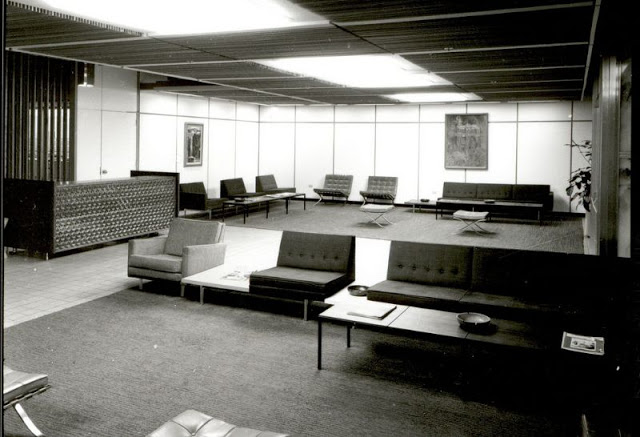
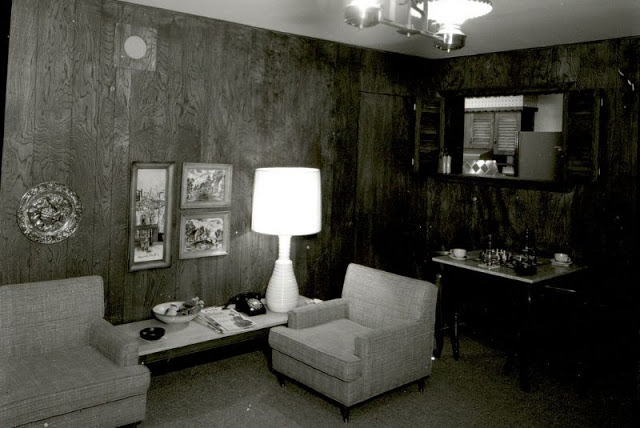
These photos show modern rooms in Dallas during the 1950s. They were taken by Tom Collins who spent his early years as a photographer taking photos for businesses, advertising firms, architects, and newspapers.







The American Civil War (April 12, 1861 – May 9, 1865; also known by other names) was a civil war in the United States between the Union (states that remained loyal to the federal union,[e] or “the North”) and the Confederacy (states that voted to secede, or “the South”). The central cause of the war was the status of slavery, especially the expansion of slavery into territories acquired as a result of the Louisiana Purchase and the Mexican–American War. On the eve of the Civil War in 1860, four million of the 32 million Americans (~13%) were enslaved black people, almost all in the South.
The practice of slavery in the United States was one of the key political issues of the 19th century. Decades of political unrest over slavery led up to the Civil War. Disunion came after Abraham Lincoln won the 1860 United States presidential election on an anti-slavery expansion platform. An initial seven southern slave states declared their secession from the country to form the Confederacy. Confederate forces seized federal forts within territory they claimed. The last-minute Crittenden Compromise tried to avert conflict but failed; both sides prepared for war. Fighting broke out in April 1861 when the Confederate army began the Battle of Fort Sumter in South Carolina, just over a month after the first inauguration of Abraham Lincoln. The Confederacy grew to control at least a majority of territory in eleven states (out of the 34 U.S. states in February 1861), and asserted claims to two more. Both sides raised large volunteer and conscription armies. Four years of intense combat, mostly in the South, ensued.
During 1861–1862 in the war’s Western Theater, the Union made significant permanent gains—though in the war’s Eastern Theater the conflict was inconclusive. On January 1, 1863, Lincoln issued the Emancipation Proclamation, which made ending slavery a war goal, declaring all persons held as slaves in states in rebellion “forever free.” To the west, the Union destroyed the Confederate river navy by the summer of 1862, then much of its western armies, and seized New Orleans. The successful 1863 Union siege of Vicksburg split the Confederacy in two at the Mississippi River. In 1863, Confederate General Robert E. Lee’s incursion north ended at the Battle of Gettysburg. Western successes led to General Ulysses S. Grant’s command of all Union armies in 1864. Inflicting an ever-tightening naval blockade of Confederate ports, the Union marshaled resources and manpower to attack the Confederacy from all directions. This led to the fall of Atlanta in 1864 to Union General William Tecumseh Sherman and his march to the sea. The last significant battles raged around the ten-month Siege of Petersburg, gateway to the Confederate capital of Richmond.
The Civil War effectively ended on April 9, 1865, when Confederate General Lee surrendered to Union General Grant at the Battle of Appomattox Court House, after Lee had abandoned Petersburg and Richmond. Confederate generals throughout the Confederate army followed suit. The conclusion of the American Civil War lacks a clean end date: land forces continued surrendering until June 23. By the end of the war, much of the South’s infrastructure was destroyed, especially its railroads. The Confederacy collapsed, slavery was abolished, and four million enslaved black people were freed. The war-torn nation then entered the Reconstruction era in a partially successful attempt to rebuild the country and grant civil rights to freed slaves.
The Civil War is one of the most studied and written about episodes in the history of the United States. It remains the subject of cultural and historiographical debate. Of particular interest is the persisting myth of the Lost Cause of the Confederacy. The American Civil War was among the earliest to use industrial warfare. Railroads, the telegraph, steamships, the ironclad warship, and mass-produced weapons saw wide use. In total the war left between 620,000 and 750,000 soldiers dead, along with an undetermined number of civilian casualties. President Lincoln was assassinated just five days after Lee’s surrender. The Civil War remains the deadliest military conflict in American history. The technology and brutality of the Civil War foreshadowed the coming World Wars. (Wikipedia)
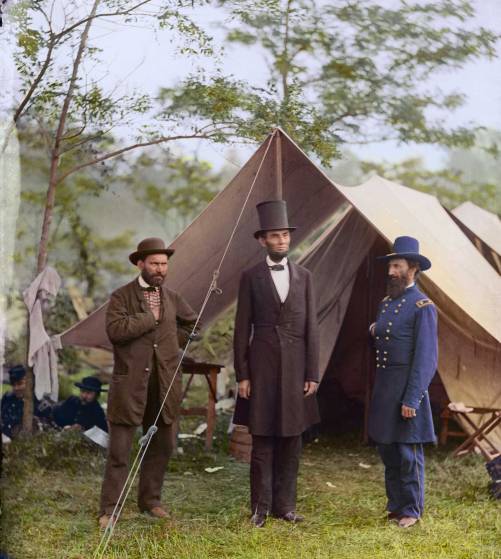
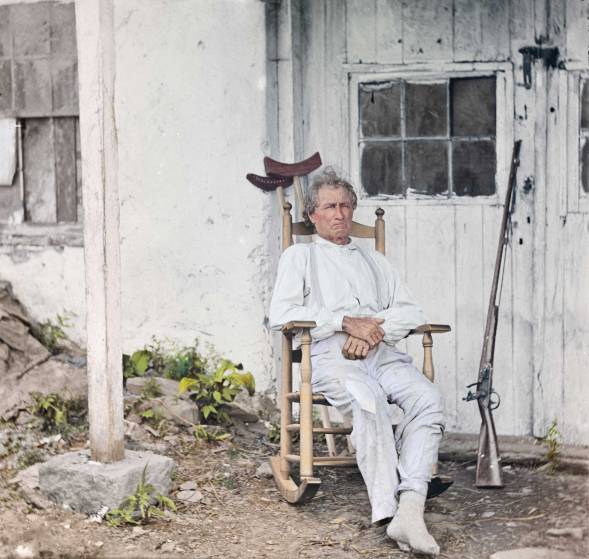
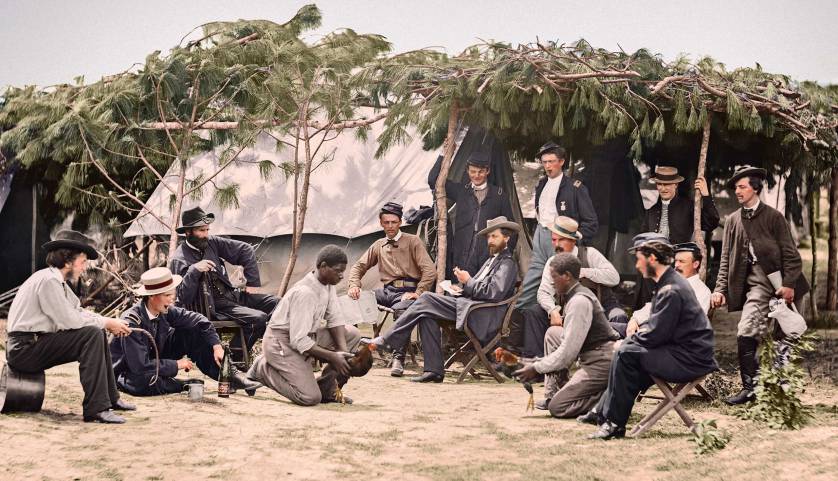
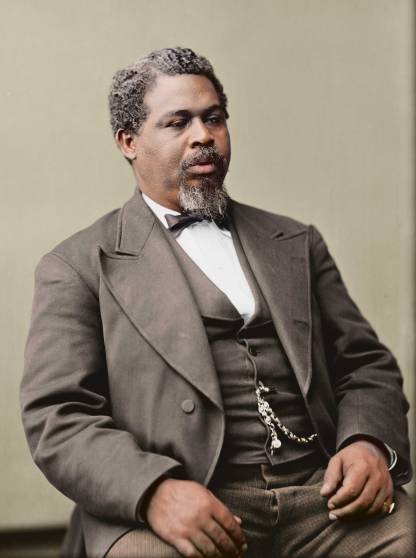
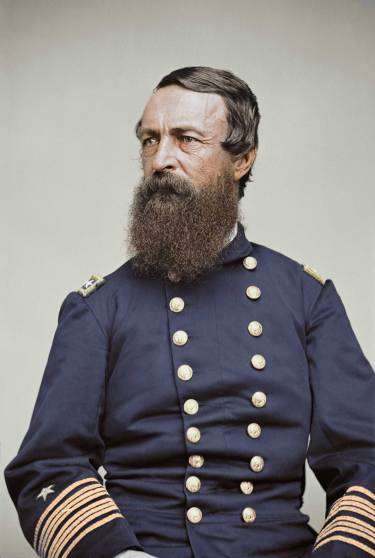
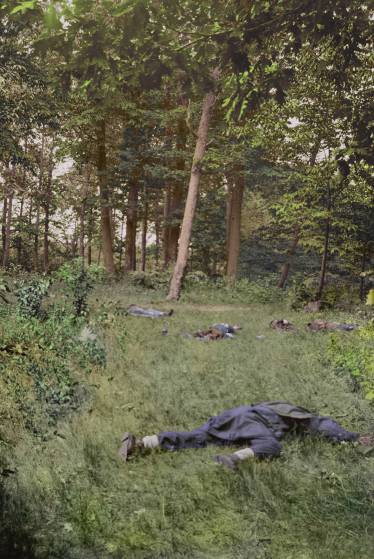
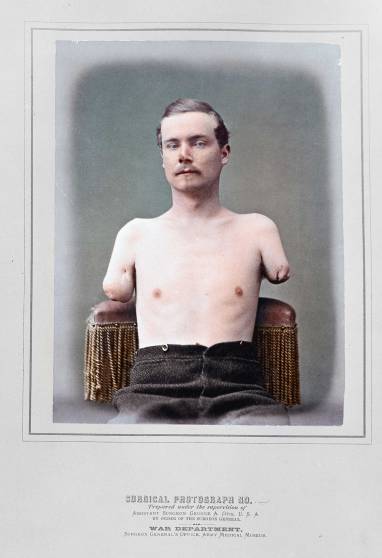
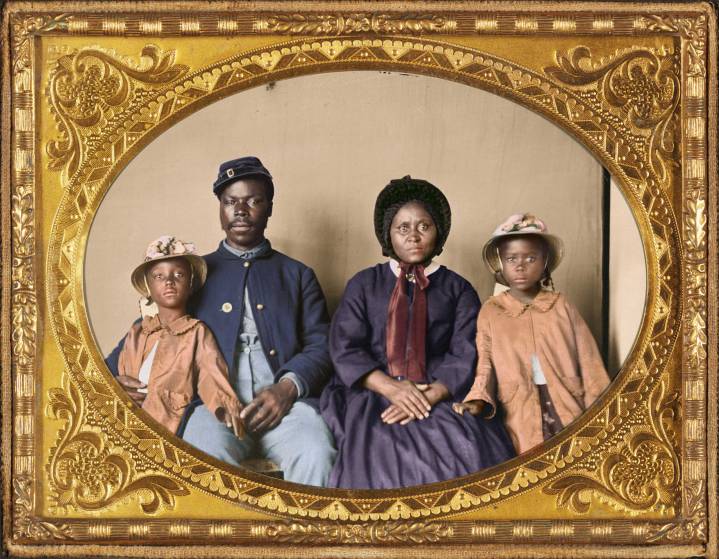
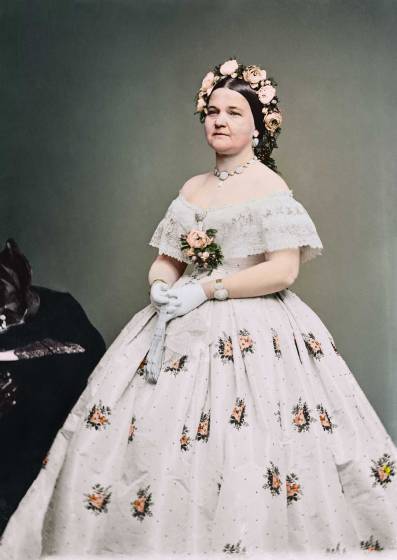
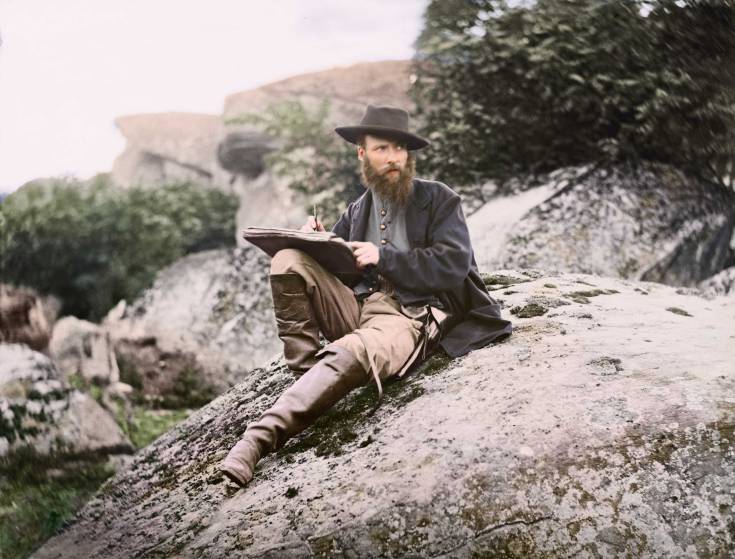
Here, TIME commissioned Sanna Dullaway, a photo editor based in Sweden, to colorize some of the most iconic images of the Civil War. The end result, which can take up to three hours to achieve per picture, offers a novel and contemporary perspective to history.




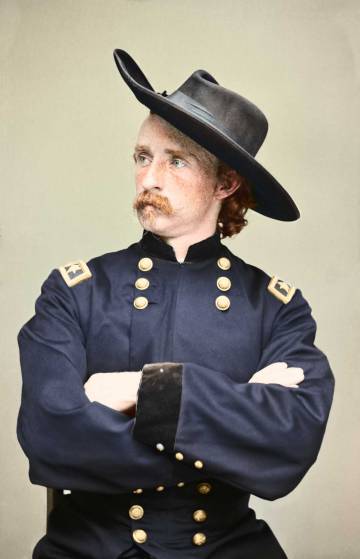

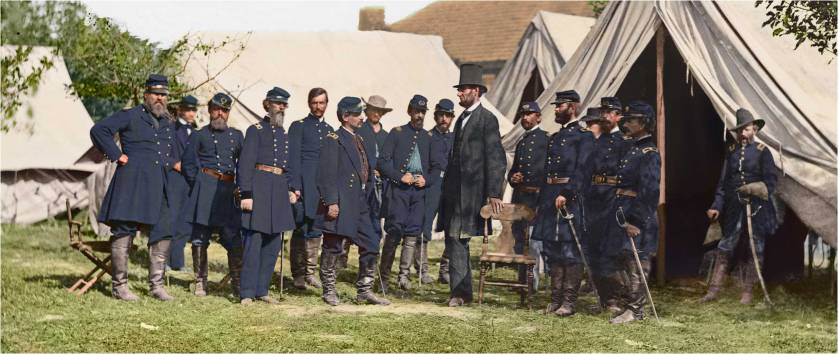

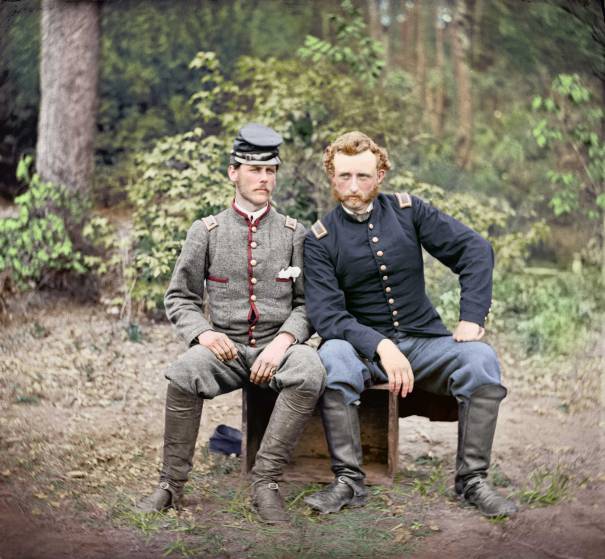
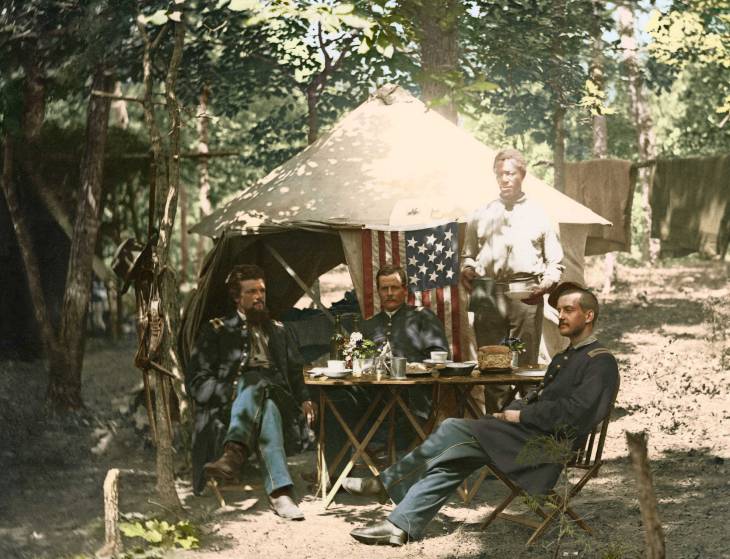




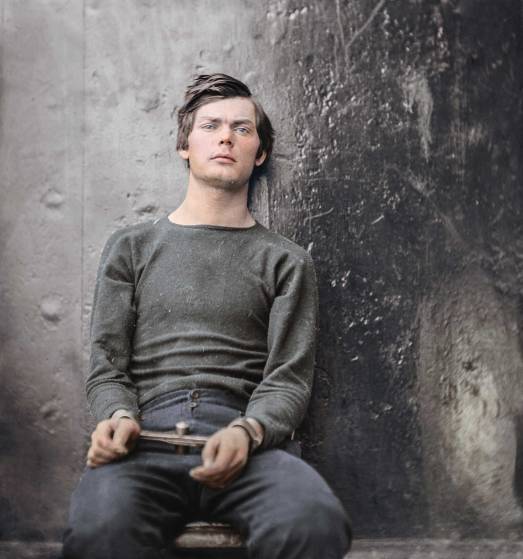

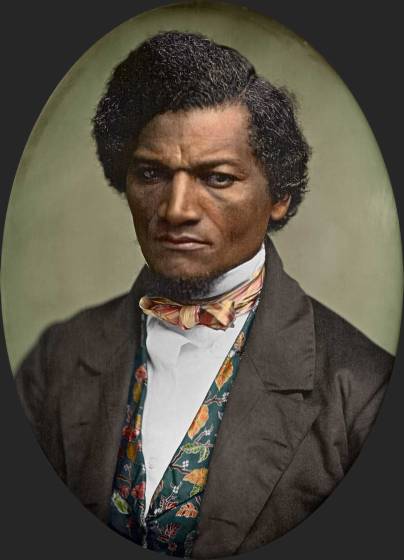
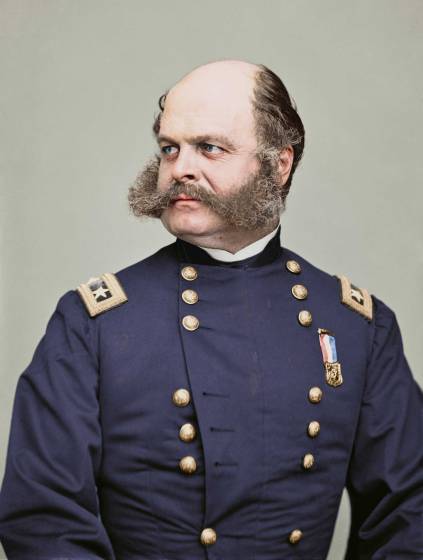
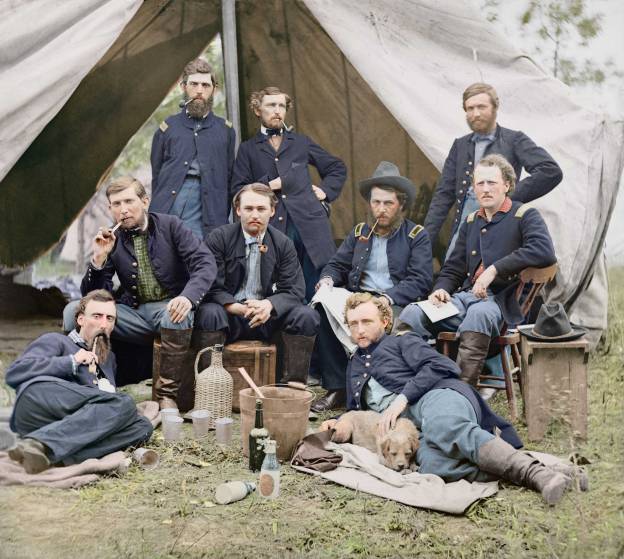

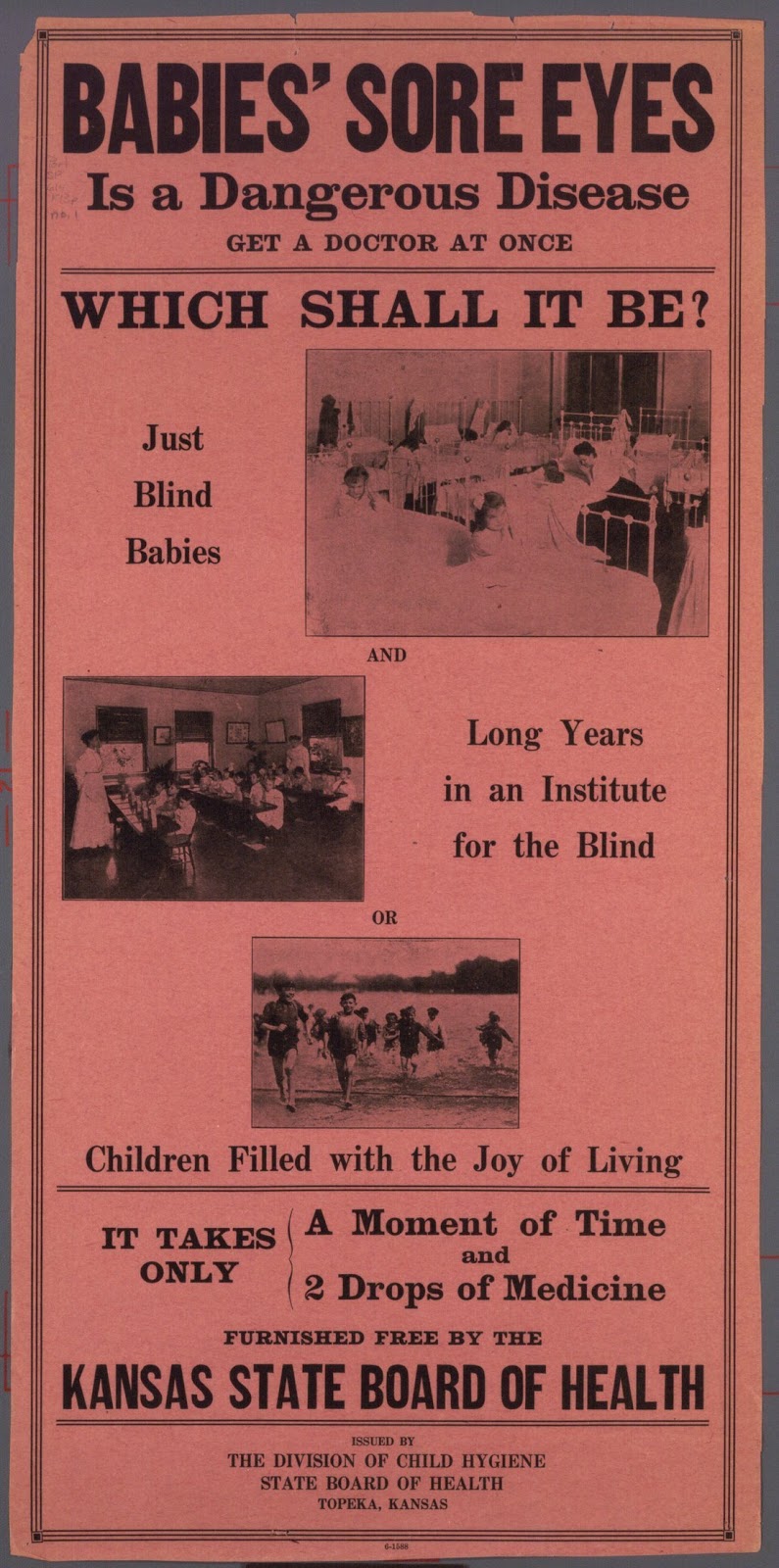
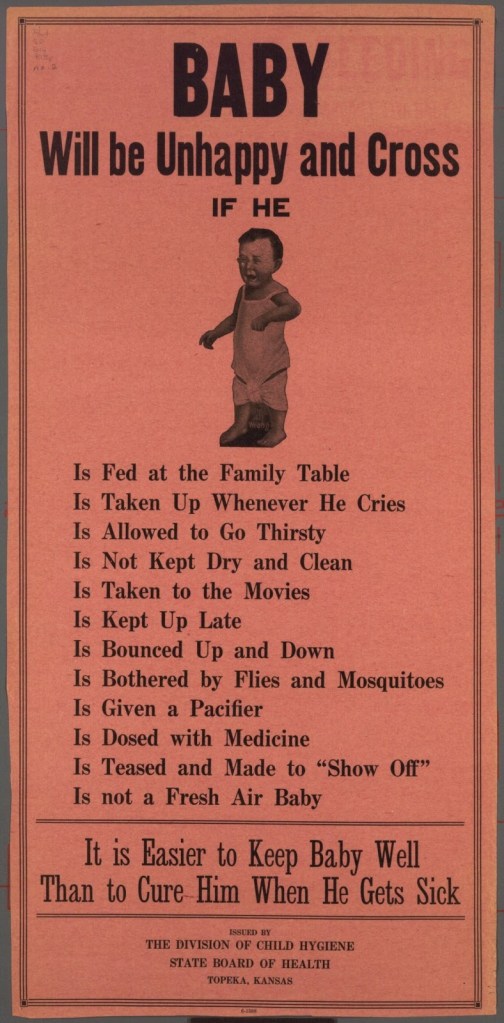
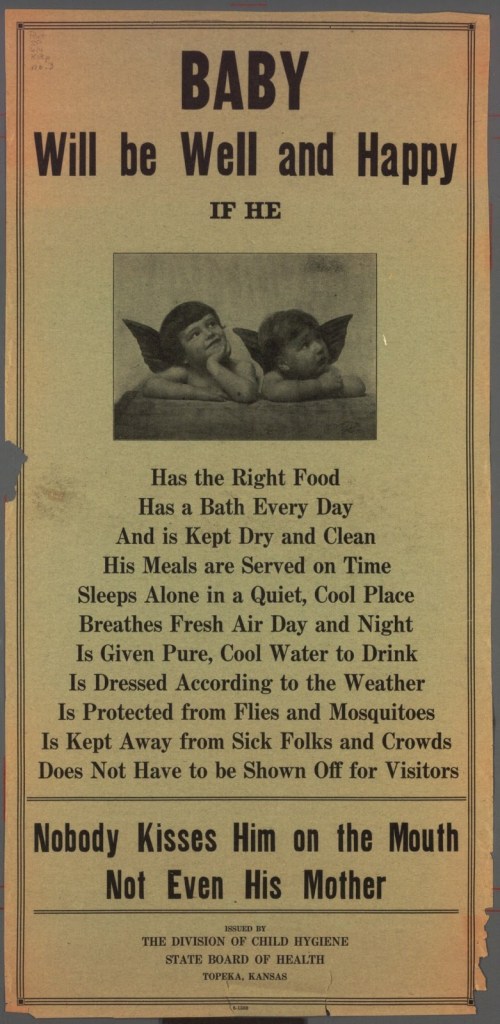
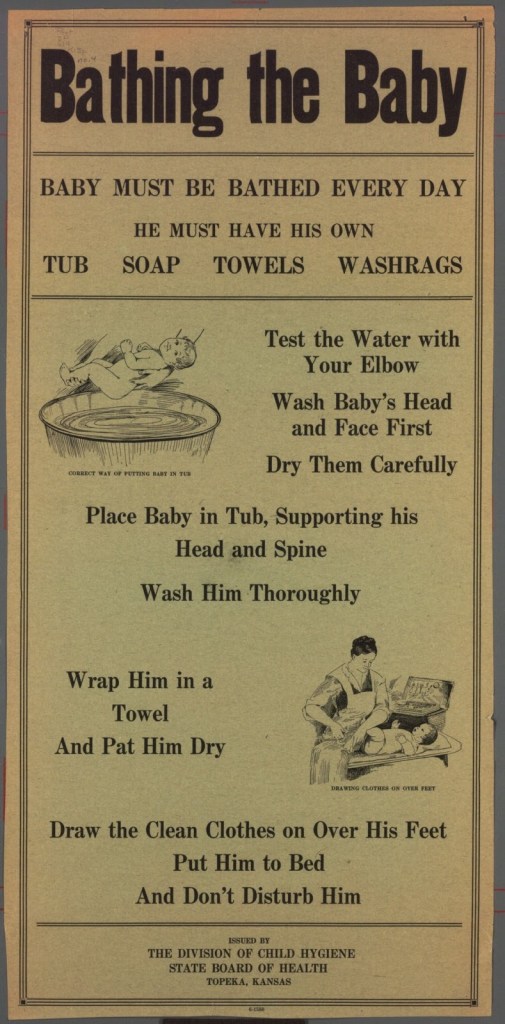
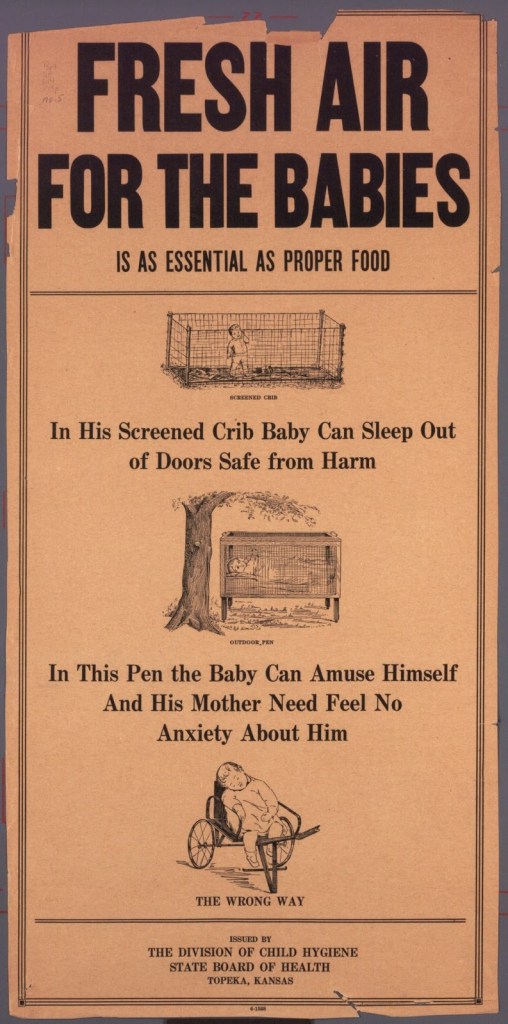
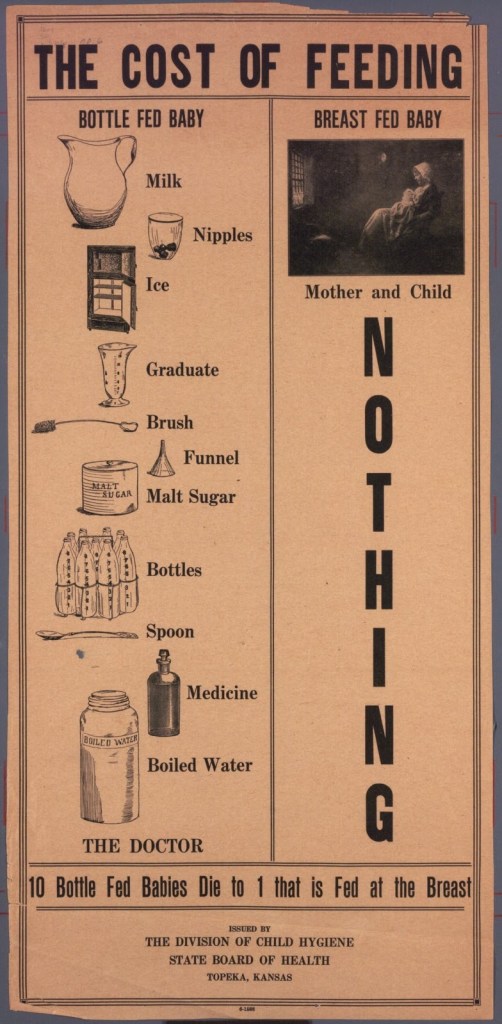
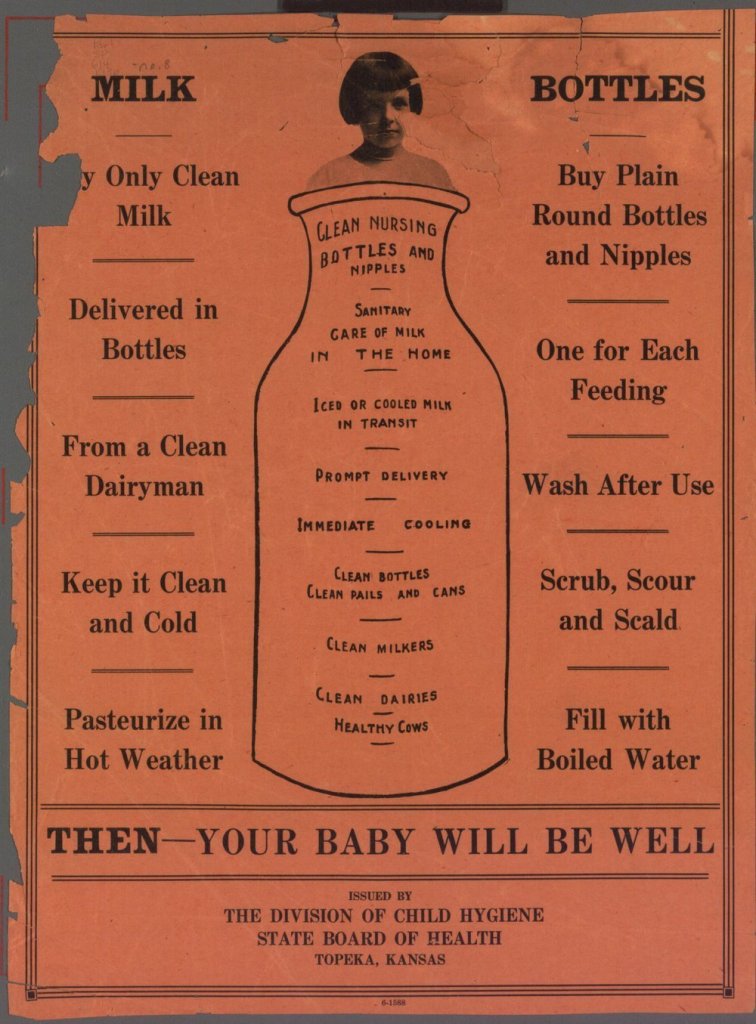
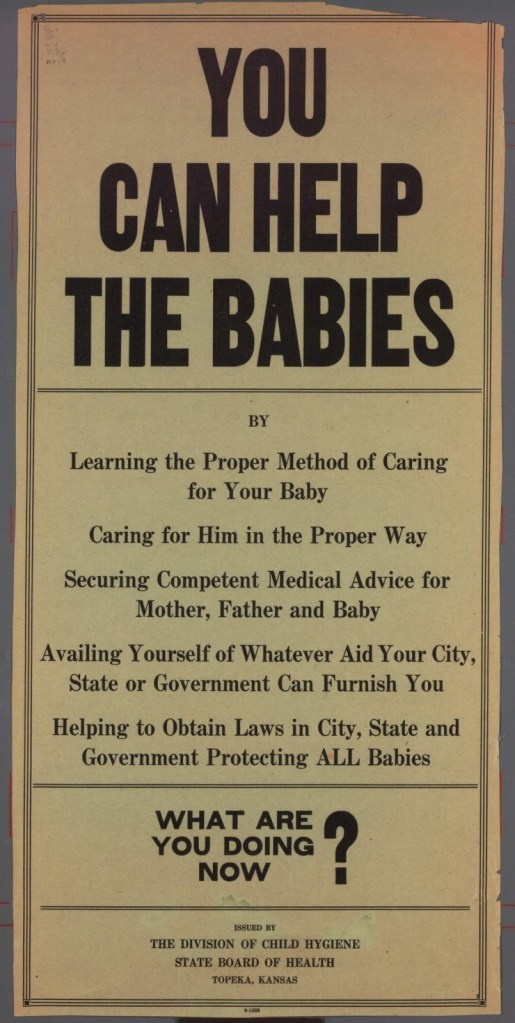
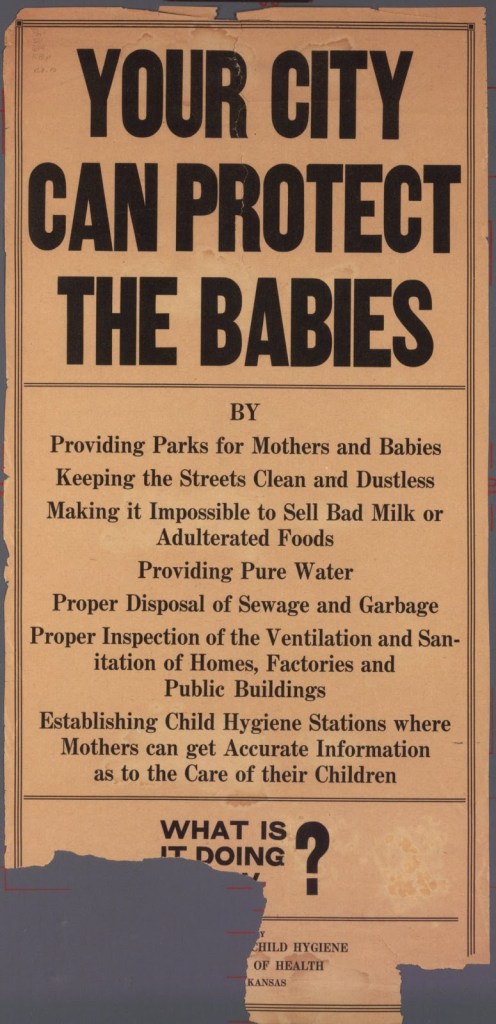
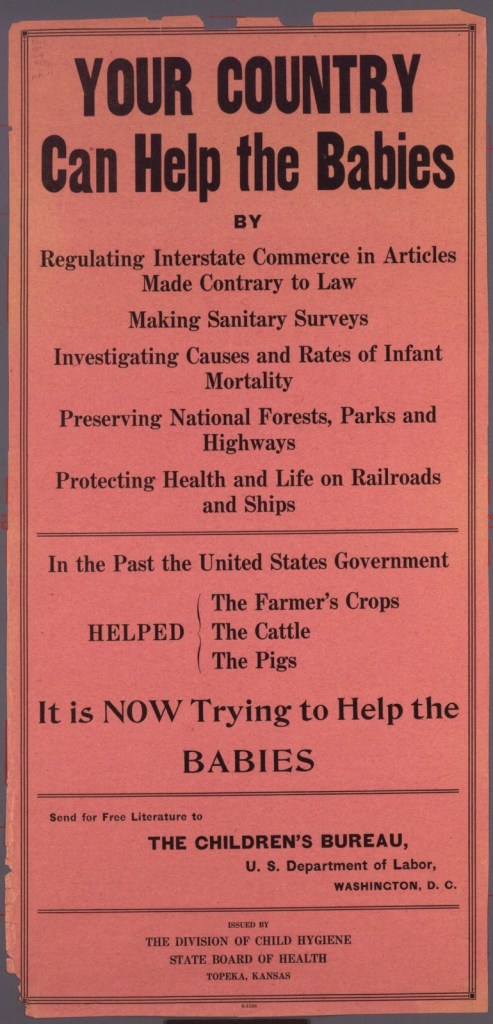
When it comes to childrearing advice, we’ve come a long way, baby.
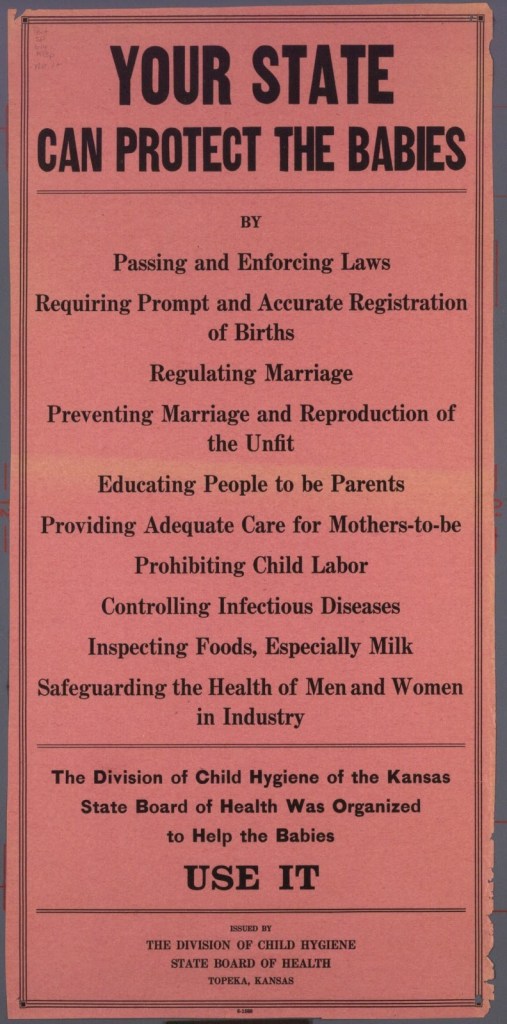
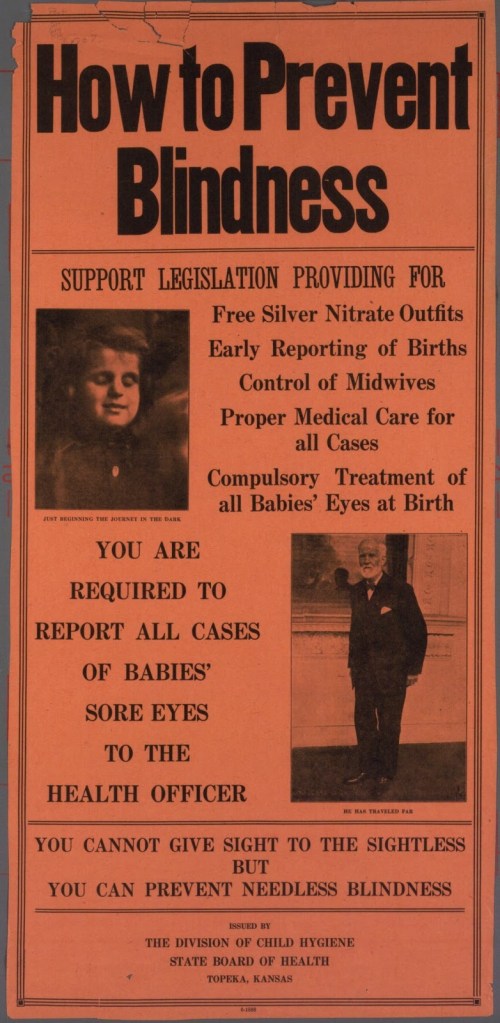
Modern parenting isn’t easy. Childcare books and blogs are filled with so much contradictory advice, it makes you want to throw your own tantrum. But there’s good news: You don’t live in centuries past, when baby advice wasn’t merely contradictory; it was also bizarre and borderline criminal.
Below are some baby care guides from the Kansas State Board of Health from between the 1900s and 1920s:
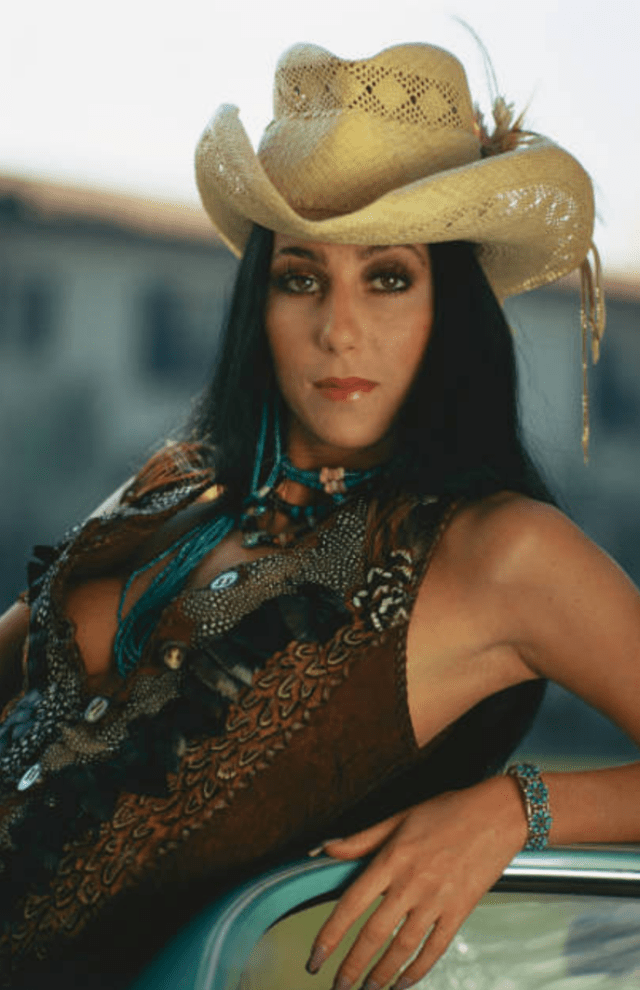
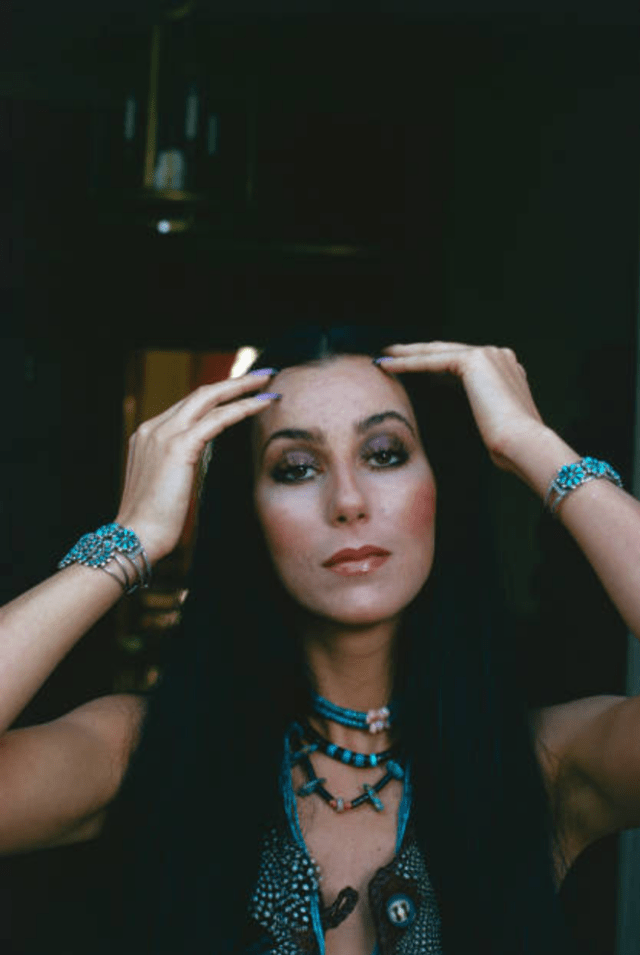
Cher (born Cherilyn Sarkisian; May 20, 1946) is an American singer, actress and television personality. Often referred to by the media as the “Goddess of Pop”, she has been described as embodying female autonomy in a male-dominated industry. Cher is known for her distinctive contralto singing voice and for having worked in numerous areas of entertainment, as well as adopting a variety of styles and appearances throughout her six-decade-long career.
Cher gained popularity in 1965 as one-half of the folk rock husband-wife duo Sonny & Cher after their song “I Got You Babe” peaked at number one on the US and UK charts. Together they sold 40 million records worldwide. Her solo career was established during the same time, with the top-ten singles “Bang Bang (My Baby Shot Me Down)” and “You Better Sit Down Kids”. She became a television personality in the 1970s with her CBS shows; first The Sonny & Cher Comedy Hour, watched by over 30 million viewers weekly during its three-year run, and then the namesake Cher. She emerged as a fashion trendsetter by wearing elaborate outfits on her television shows.
While working on television, Cher released the US Billboard Hot 100 number-one singles “Gypsys, Tramps & Thieves”, “Half-Breed”, and “Dark Lady”, becoming the female artist with the most number-one singles in United States history at the time. After her divorce from Sonny Bono in 1975, she released the disco album Take Me Home (1979) and earned $300,000 a week for her 1979–1982 concert residency in Las Vegas.
In 1982, Cher made her Broadway debut in the play Come Back to the 5 & Dime, Jimmy Dean, Jimmy Dean and starred in its film adaptation. She subsequently garnered critical acclaim for her performances in films such as Silkwood (1983), Mask (1985), The Witches of Eastwick (1987), and Moonstruck (1987), the last of which won her the Academy Award for Best Actress. She then revived her music career by recording the rock-inflected albums Cher (1987), Heart of Stone (1989), and Love Hurts (1991), all of which yielded successful singles such as “I Found Someone”, “If I Could Turn Back Time”, and “Love and Understanding”. Cher contributed to the soundtrack for her next film, Mermaids (1990), which spawned the UK number-one single “The Shoop Shoop Song (It’s in His Kiss)”. She made her directorial debut with a segment in the abortion-themed anthology If These Walls Could Talk (1996).
Cher reached a new commercial peak in 1998 with the dance-pop album Believe, whose title track topped the Billboard Year-End Hot 100 singles of 1999 and became the biggest-selling single of all time by a female artist in the UK. It features pioneering use of Auto-Tune to distort her vocals, known as the “Cher effect”. Her 2002–2005 Living Proof: The Farewell Tour became one of the highest-grossing concert tours of all time, earning $250 million. In 2008, she signed a $60 million deal to headline the Colosseum at Caesars Palace in Las Vegas for three years. During the 2010s, she landed starring roles in the films Burlesque (2010) and Mamma Mia! Here We Go Again (2018) and released studio albums Closer to the Truth (2013) and Dancing Queen (2018), both of which debuted at number three on the Billboard 200.
Having sold 100 million records, Cher is one of the world’s best-selling music artists. Her achievements include a Grammy Award, an Emmy Award, an Academy Award, three Golden Globe Awards, the Billboard Icon Award, and awards from the Kennedy Center Honors and the Council of Fashion Designers of America. She is the only artist to date to have a number-one single on a Billboard chart in six consecutive decades, from the 1960s to the 2010s. Aside from music and acting, she is noted for her political views, social media presence, philanthropic endeavors, and social activism, including LGBT rights and HIV/AIDS prevention. (Wikipedia)
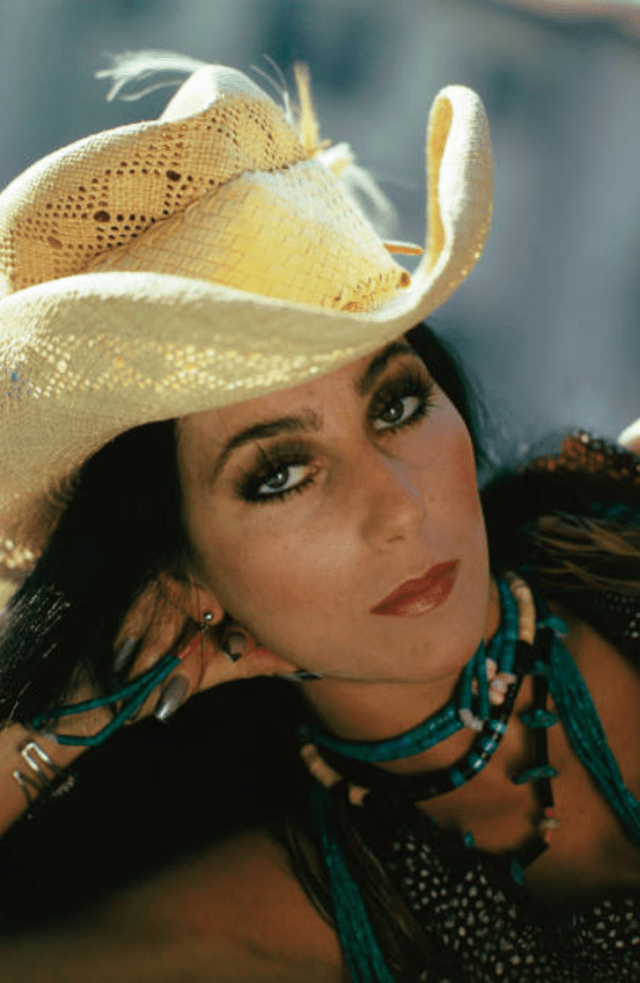
Here, below are some beautiful portraits of Cher taken by Douglas Kirkland for People Weekly in 1975.



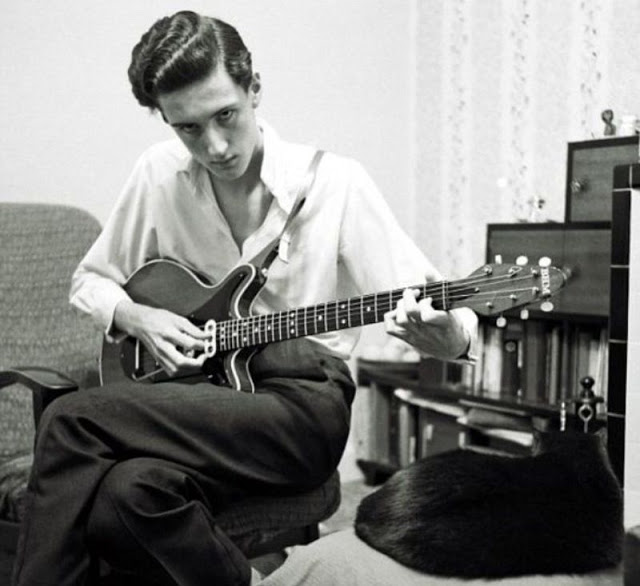
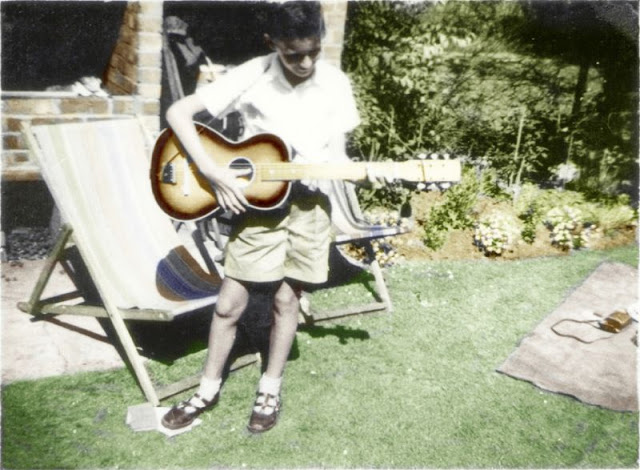
Born 1947 in Hampton, Middlesex, English musician, singer, and songwriter Brian May is best known as the lead guitarist of the rock band Queen. He uses a home-built electric guitar called the Red Special. His compositions for the band include “We Will Rock You”, “Tie Your Mother Down”, “I Want It All”, “Fat Bottomed Girls”, “Flash”, “Hammer to Fall”, “Save Me”, “Who Wants to Live Forever”, and “The Show Must Go On”.
In 2005, a Planet Rock poll saw May voted the seventh greatest guitarist of all time. He was ranked at No. 26 on Rolling Stone’s list of the “100 Greatest Guitarists of All Time”. In 2012, May was ranked the second greatest guitarist in a Guitar World magazine readers poll, and in 2018, he received the Grammy Lifetime Achievement Award which recognises “the most distinctive recordings in music history”.
May was appointed a CBE by Queen Elizabeth II in 2005 for “services to the music industry and for charity work”.
Before Queen, here are some rare photos that captured teenager Brian May in the late 1950s and early 1960s.







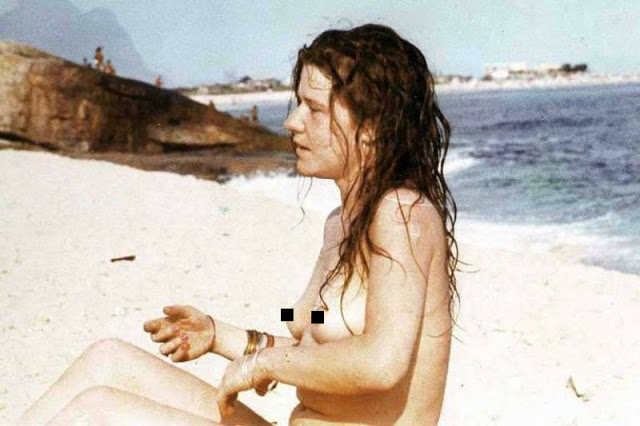
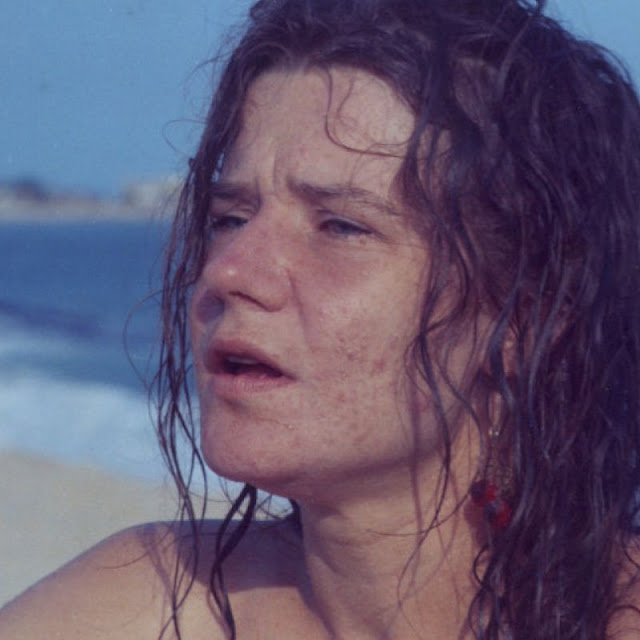
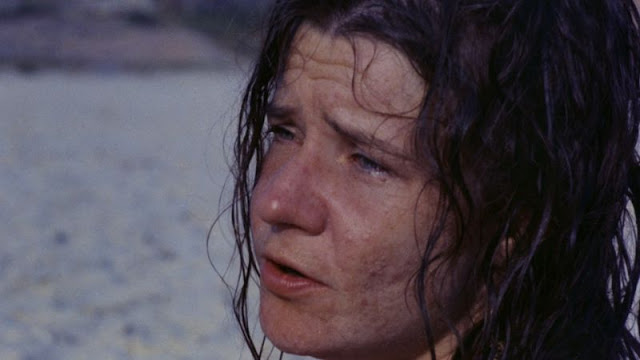
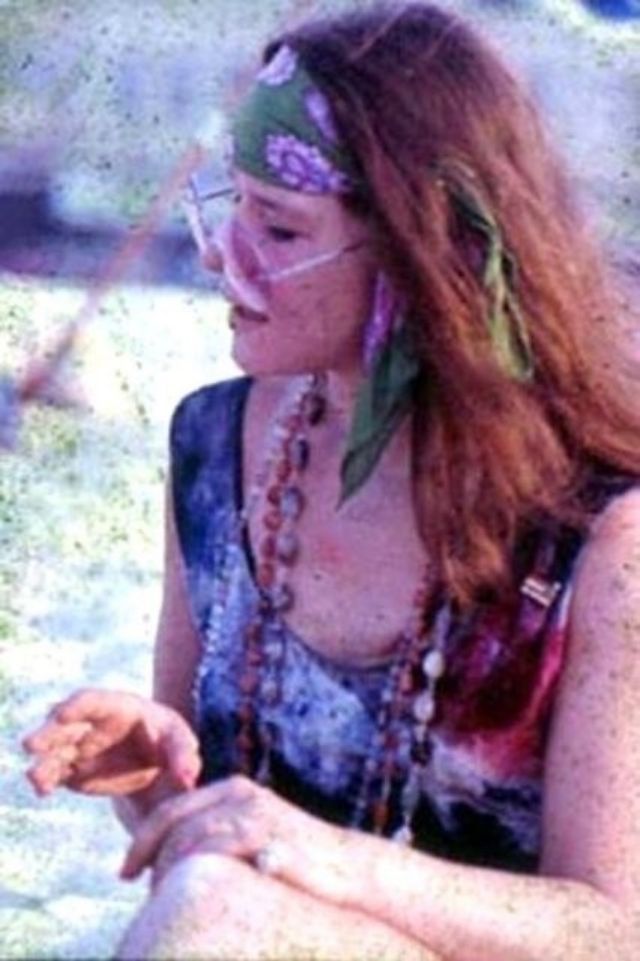
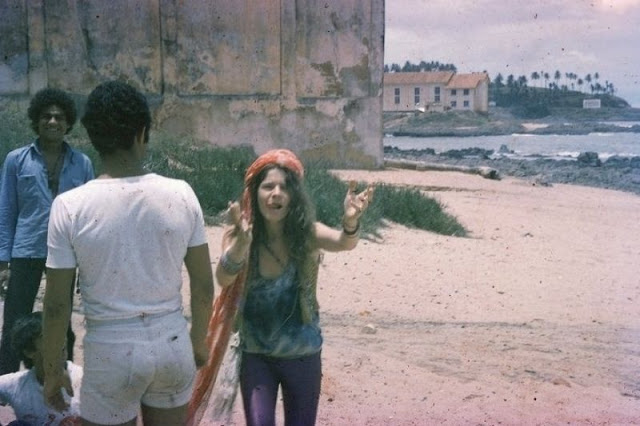
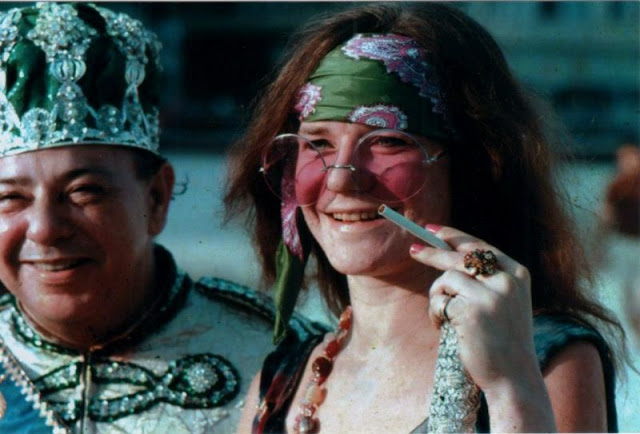
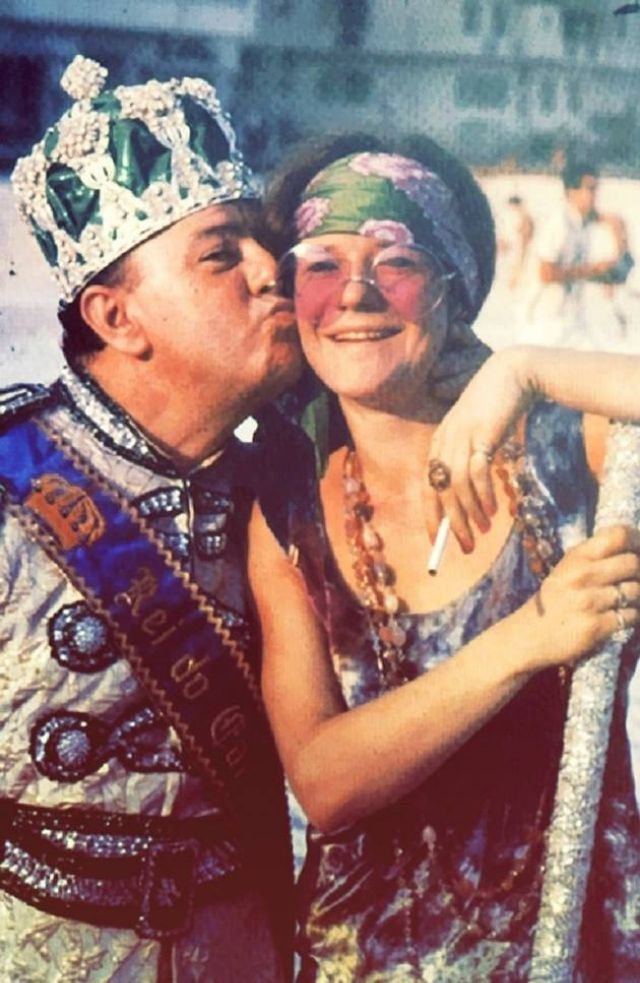
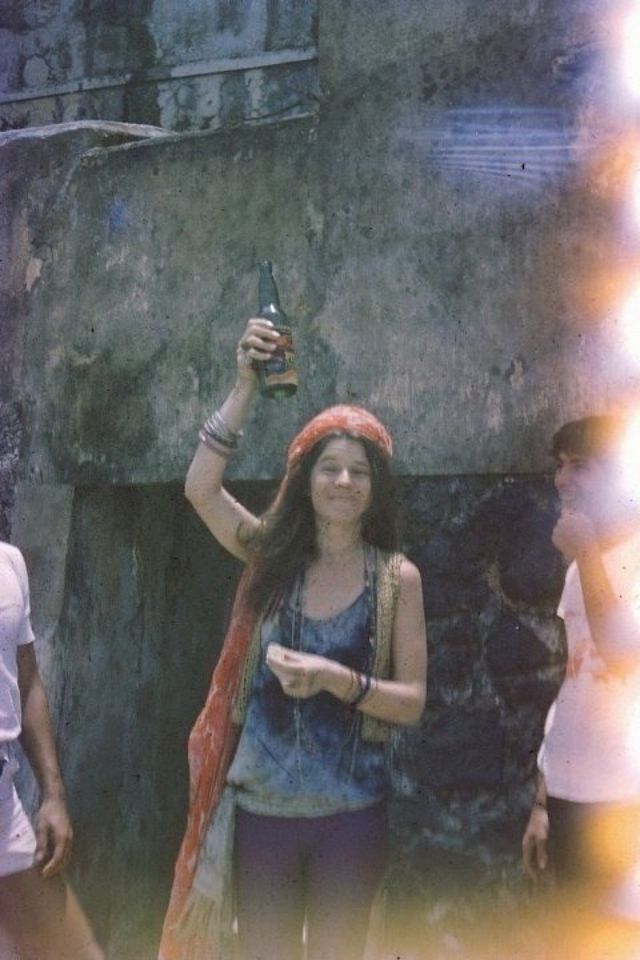
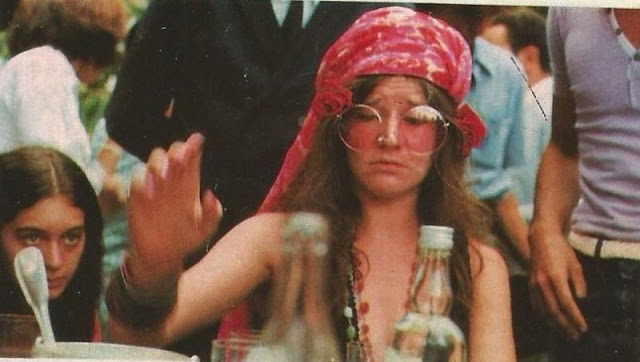
The Brazilian magazine Trip published for the first time the lost Janis Joplin topless photos in Copacabana, Rio de Janeiro, in the summer of 1970.
Pretty much unknown in Brazil, the singer landed in Rio de Janeiro to have some fun during the Carnival, sunbathe and get away from heroin, which at the time was rare to find in South America.
It didn’t work out that well – Janis drank like crazy, had sex on the beach, sang in a whorehouse and was almost sent to jail.
From a young age, she would gladly get hammered: whisky, weed, amphetamines, acid, tobacco, vodka, cocaine, methadone, heroin and anything that would make her go crazy. Her only boyfriend died in Vietnam. She used to rip her clothes off on stage and tell that, after “making love” with a thousand people in a show, she would go back to her room and sleep alone.
The pictures are from a Brazilian photographer, Ricky Ferreira, who hosted Janis Joplin in his apartment: – “Ah, she knew she was a genius. She could be stoned, but she was aware of her role as an artist, she knew she was wonderful. But she had a depressive side, low self-esteem. She was rejected in Port Arthur, Texas, where she was born because she would only go out with musicians, most of which were black. She was fragile, very distressed, really down. She had happy moments, laughing like a little girl, but she had a hard life. Now, imagine this woman coming to Brazil at that time! What was Brazil for her? What is Brazil for the average American? Snakes on the streets, Indians with their butts off? Imagine, in 1970, in the middle of the military dictatorship! ”
Eight months after coming to Rio de Janeiro, Janis Joplin passed away, at the age of 27, the same age as Jim Morrison, Jimi Hendrix, and Brian Jones.











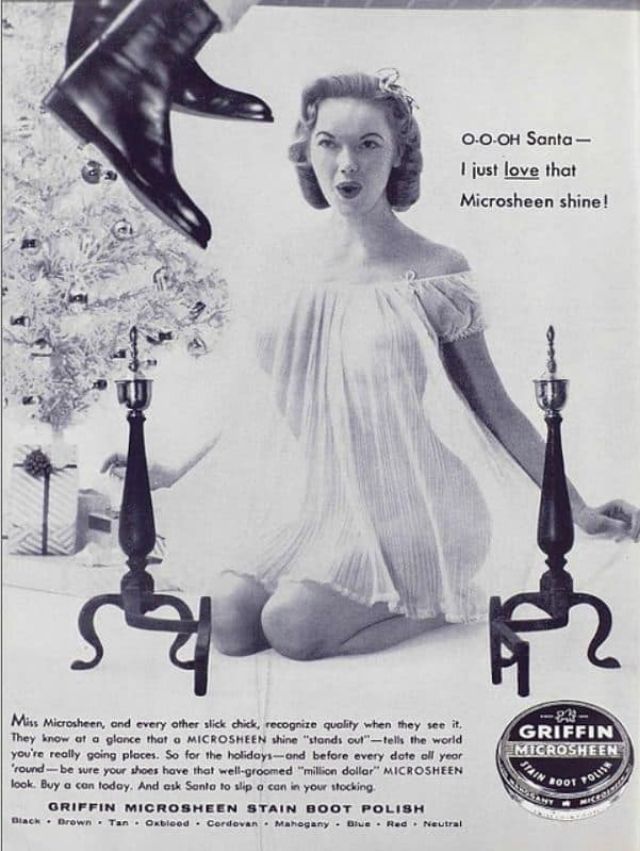
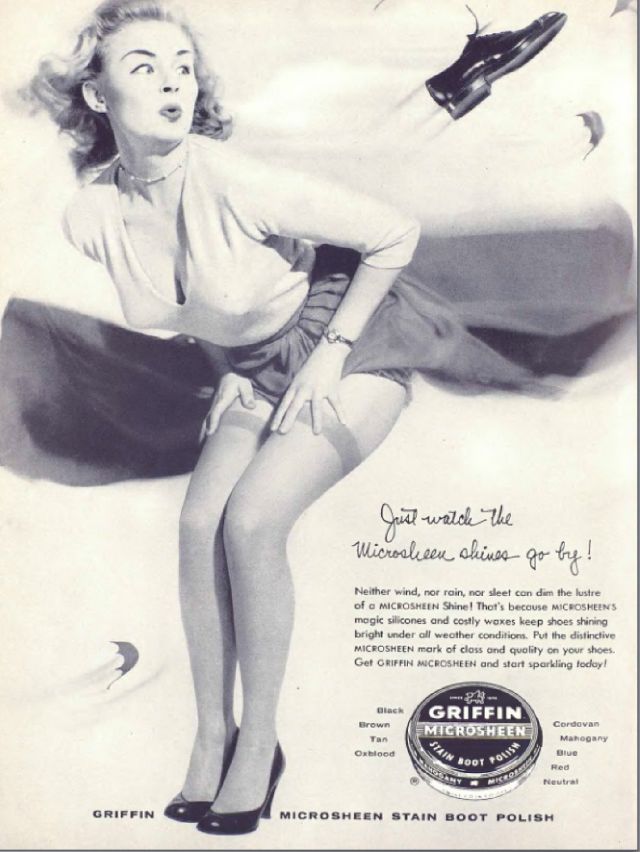
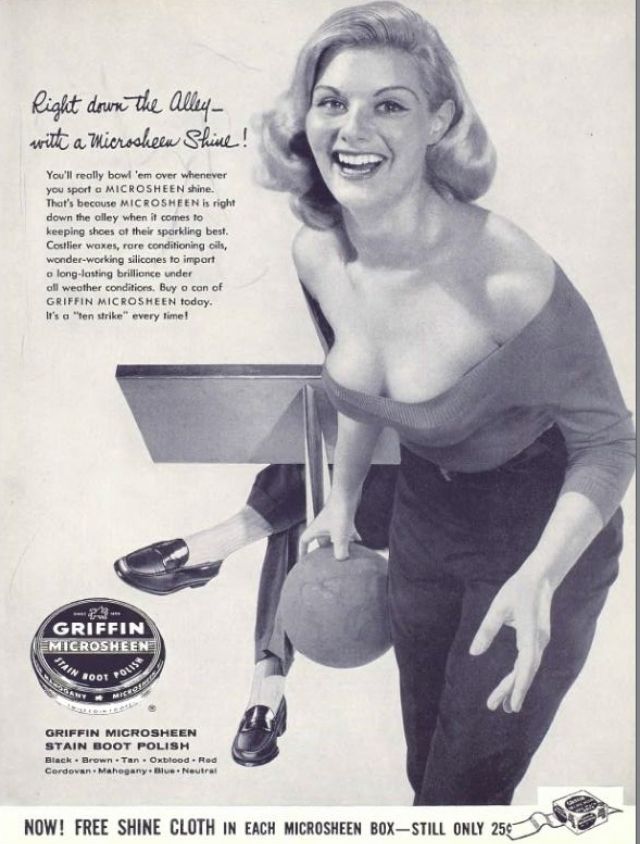
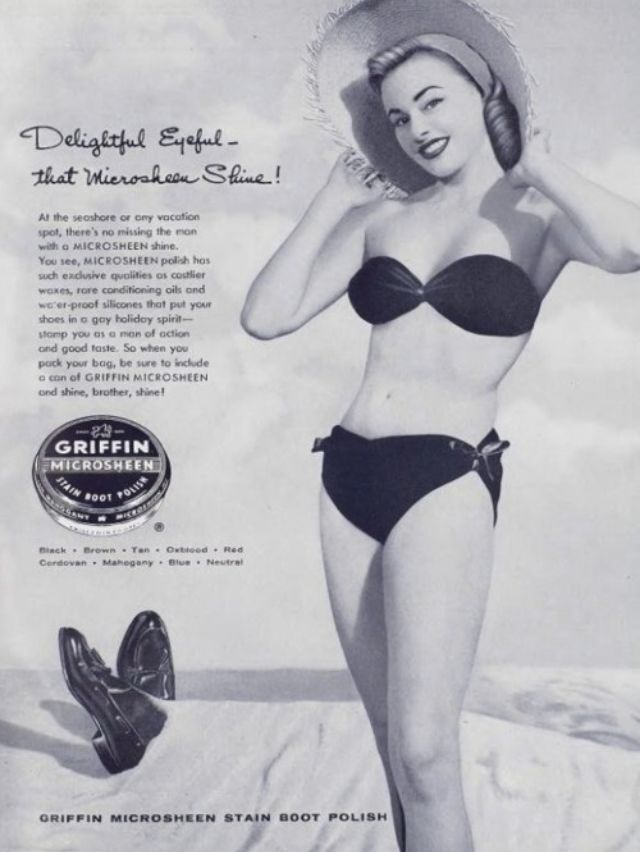
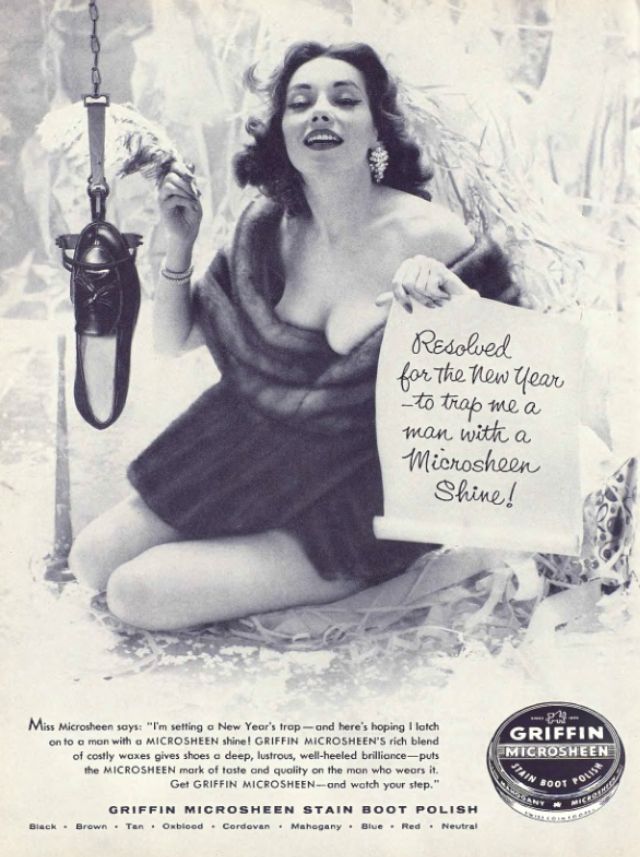
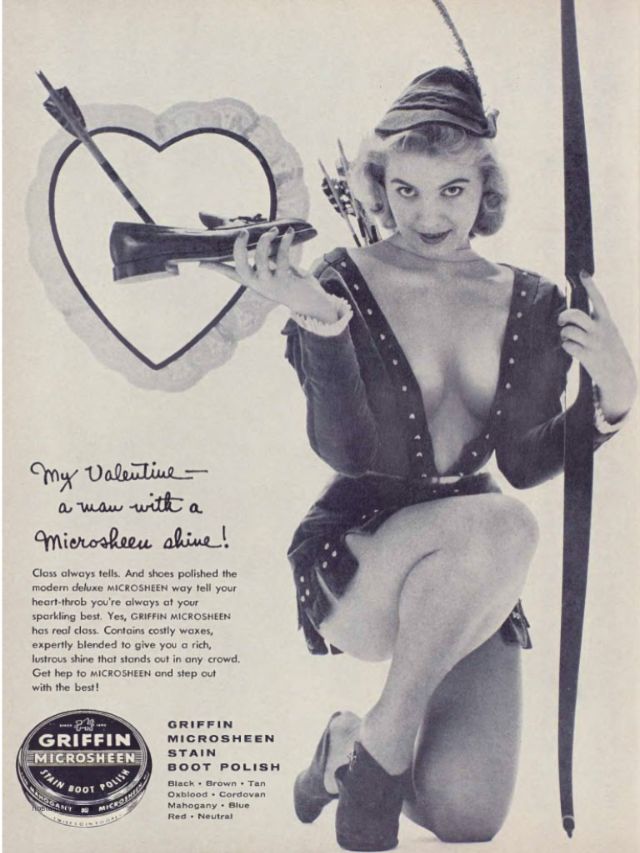
The 1950s were an innocent time in America as far as mainstream advertising went. But one campaign was quite racy.
The Griffin Microsheen ads were for men’s shoe polish. But nary a man’s face and rarely a man’s foot ever made an appearance in the campaign. All the ads are from the mid- to late-1950s.






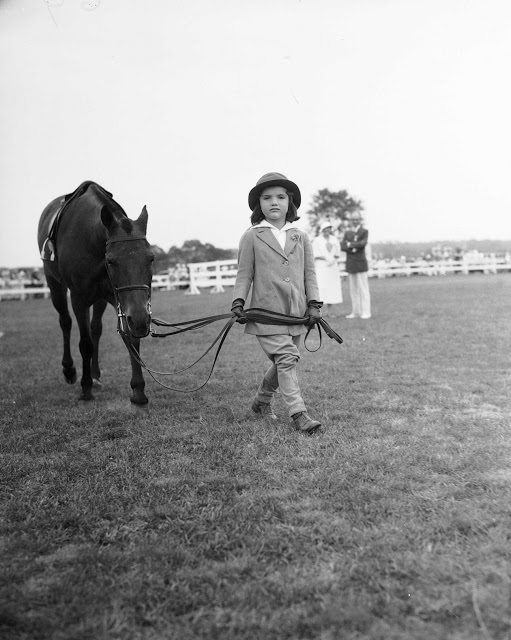
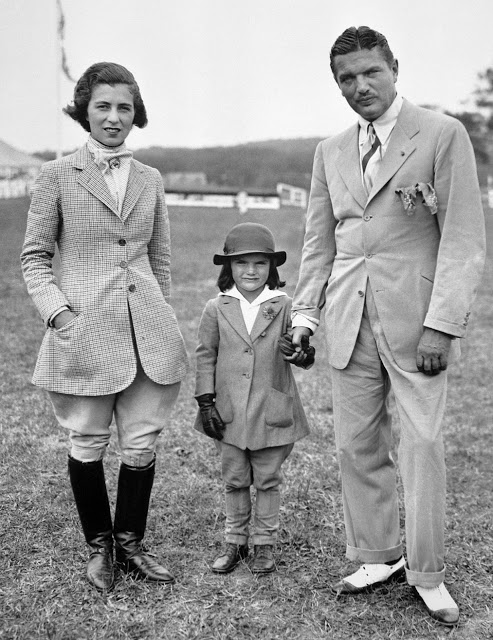
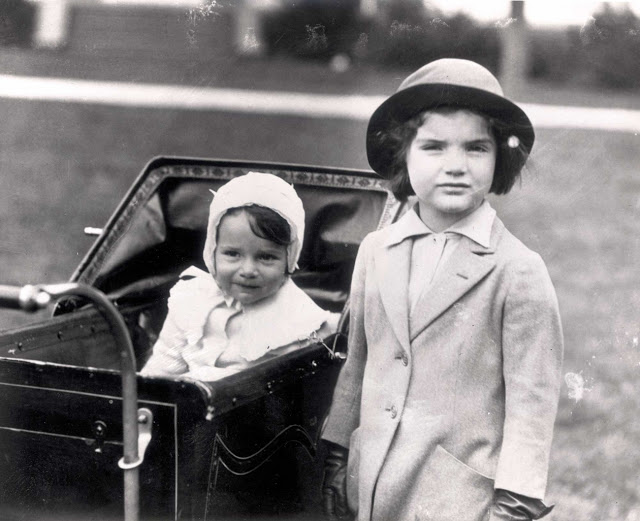
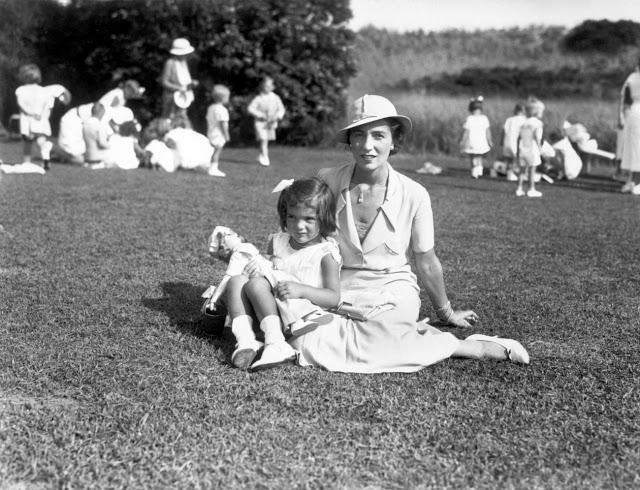
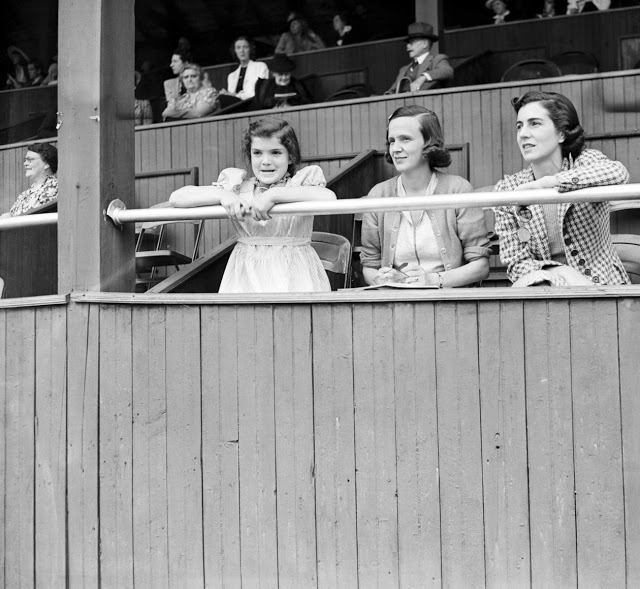
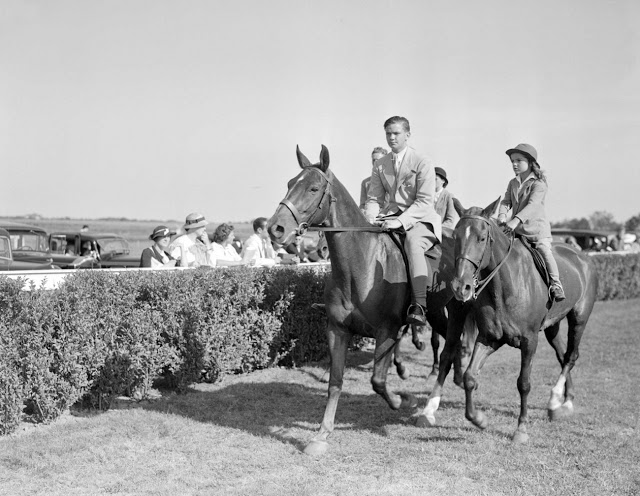
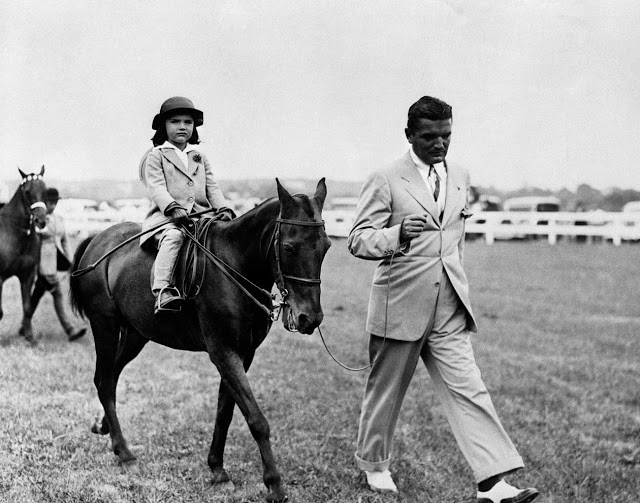
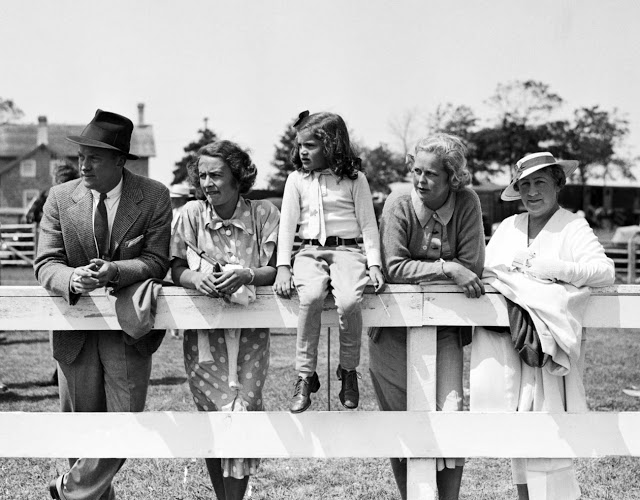
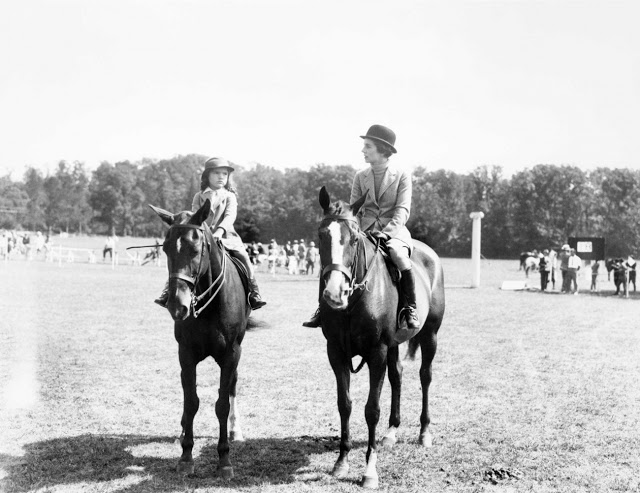
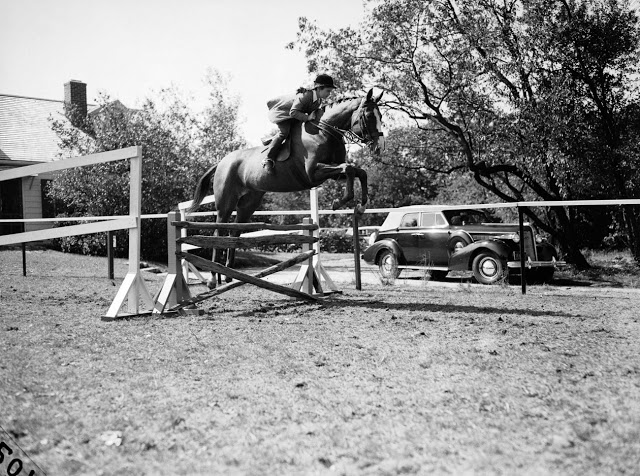
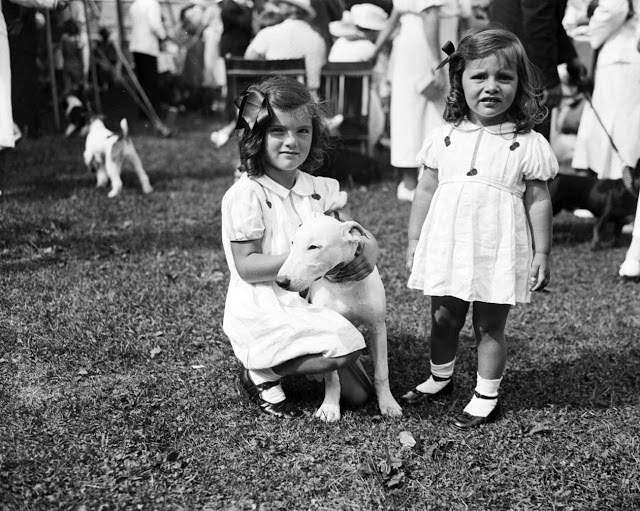
Before she was a First Lady, Jackie Kennedy was a little girl who loved horses as these pictures show.
Jackie Kennedy, née Bouvier, was born in Southampton, Long Island, New York, the daughter of wealthy Wall Street stockbroker John Vernou Bouvier III (1891–1957) and his wife Janet Norton Lee (1907–1989). She had a younger sister, Caroline Lee Bouvier, born in 1933, later known as Lee Radziwill.
Her early years were spent in New York City and East Hampton, Long Island, at the Bouvier family estate called “Lasata”. She became at a very early age an accomplished equestrienne, a sport that would remain a lifelong passion. As a child, she also enjoyed drawing, reading and writing poems.
Despite significant wealth, her parents’ marriage was not a success. Jack was an alcoholic and had multiple affairs, and the Bouviers separated in 1936.
These photographs of a very young Jackie show something of her passion for both her father and for her horse, at and around the time of the end of her parent’s marriage.
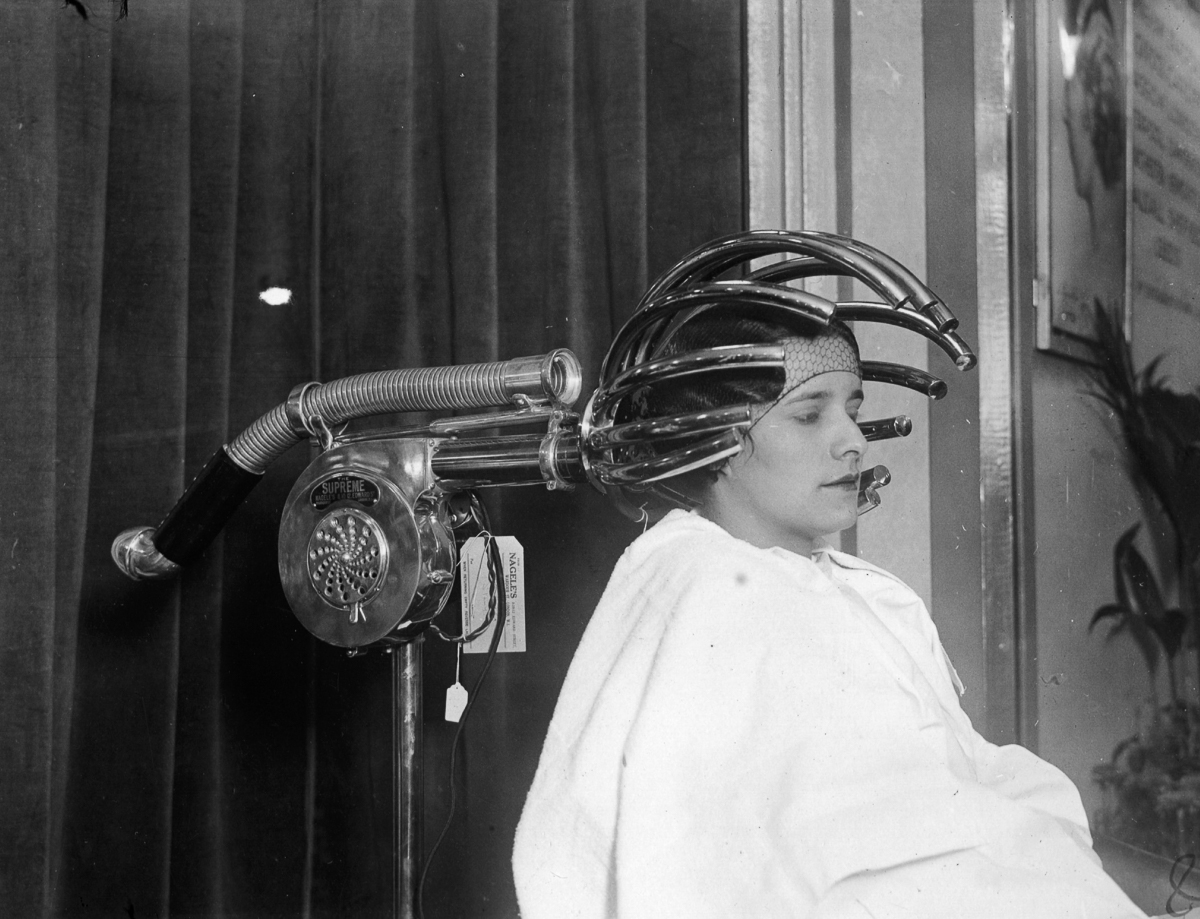
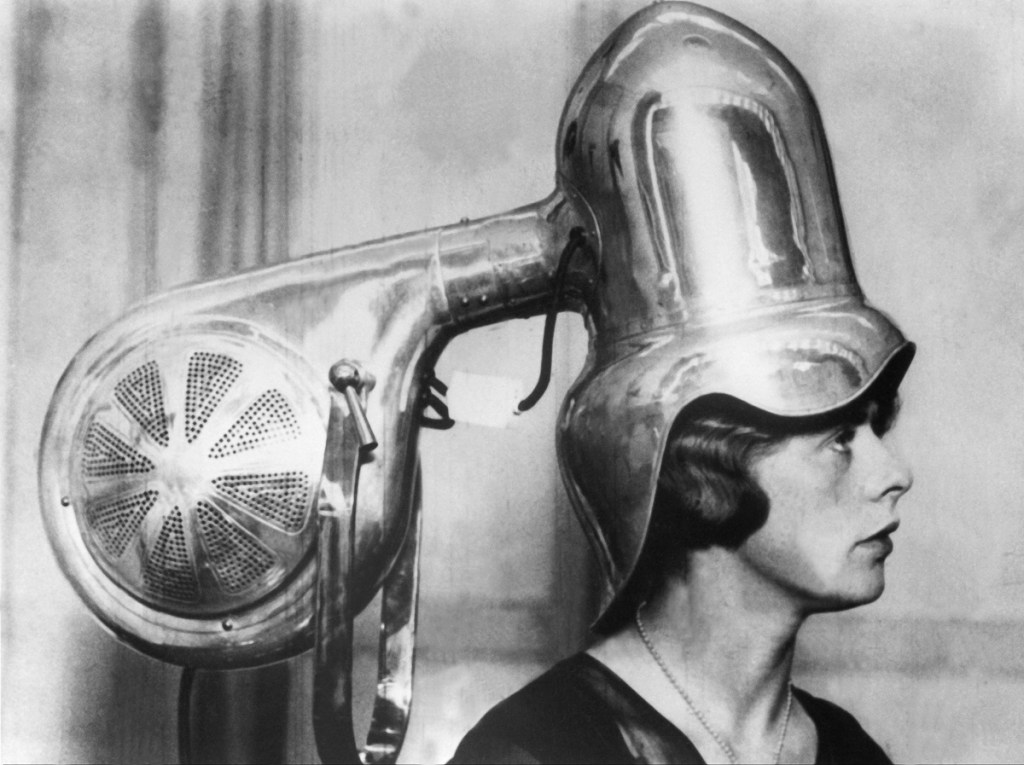
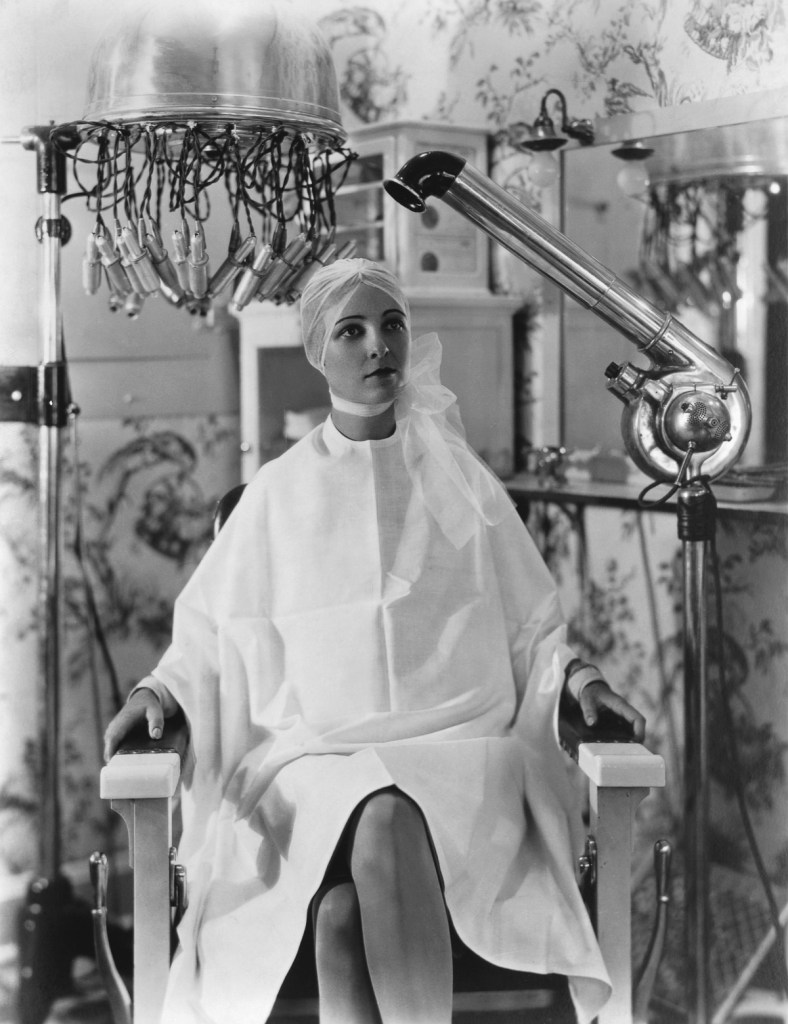
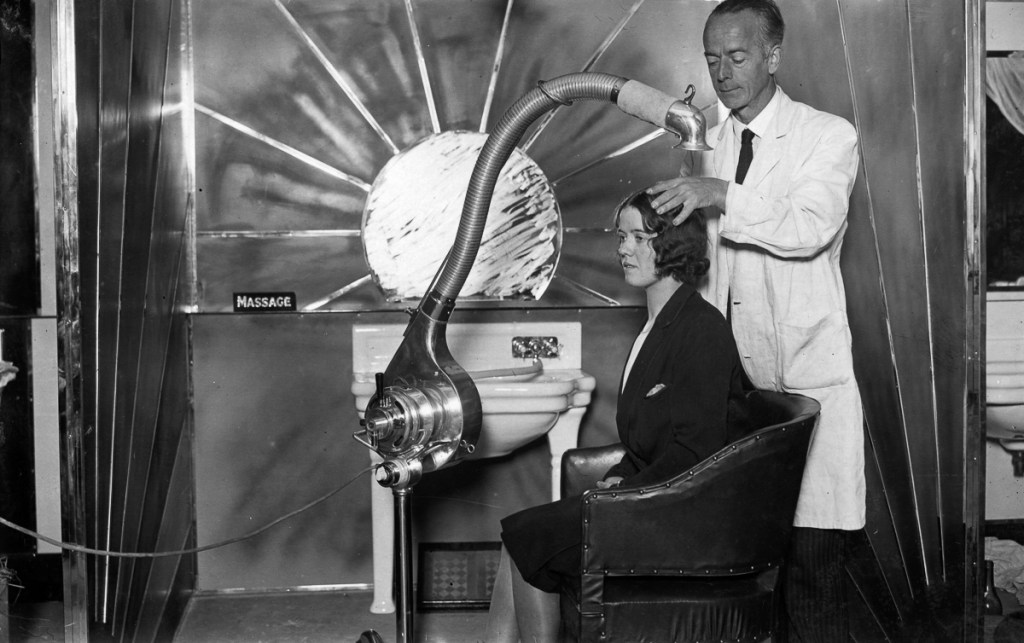
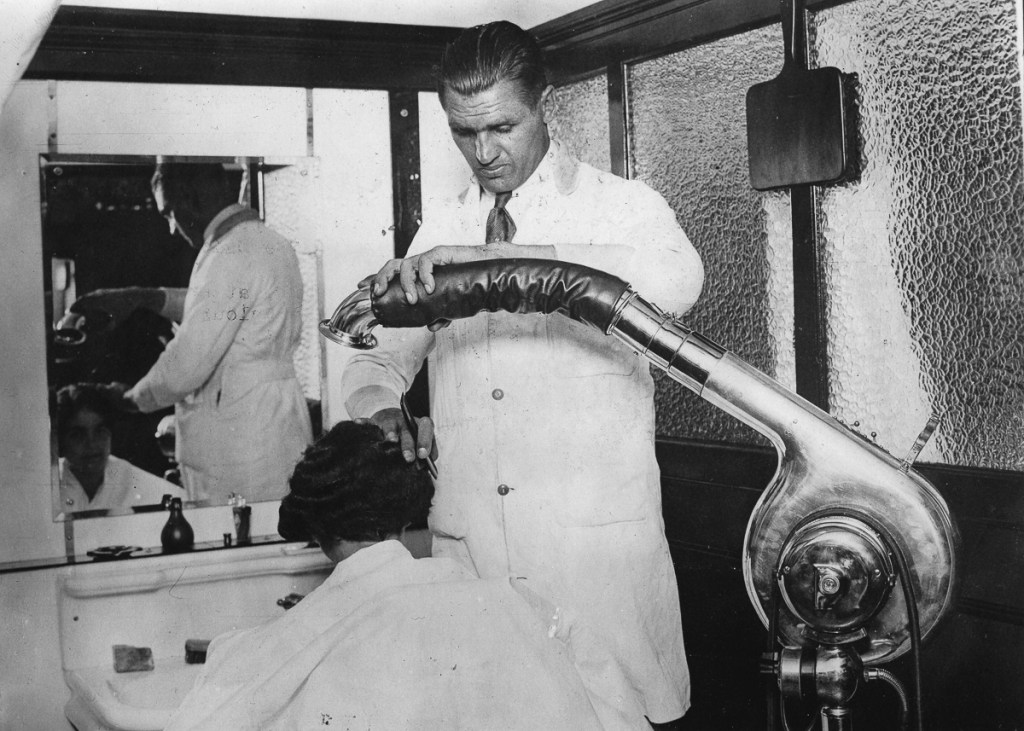
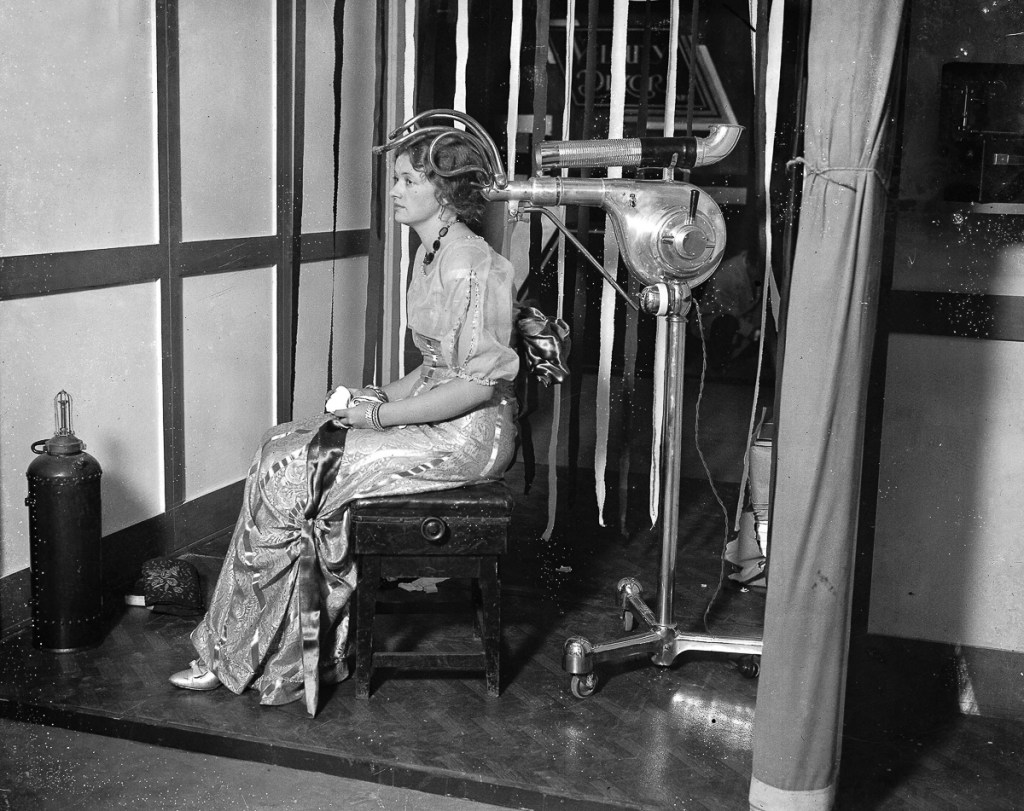
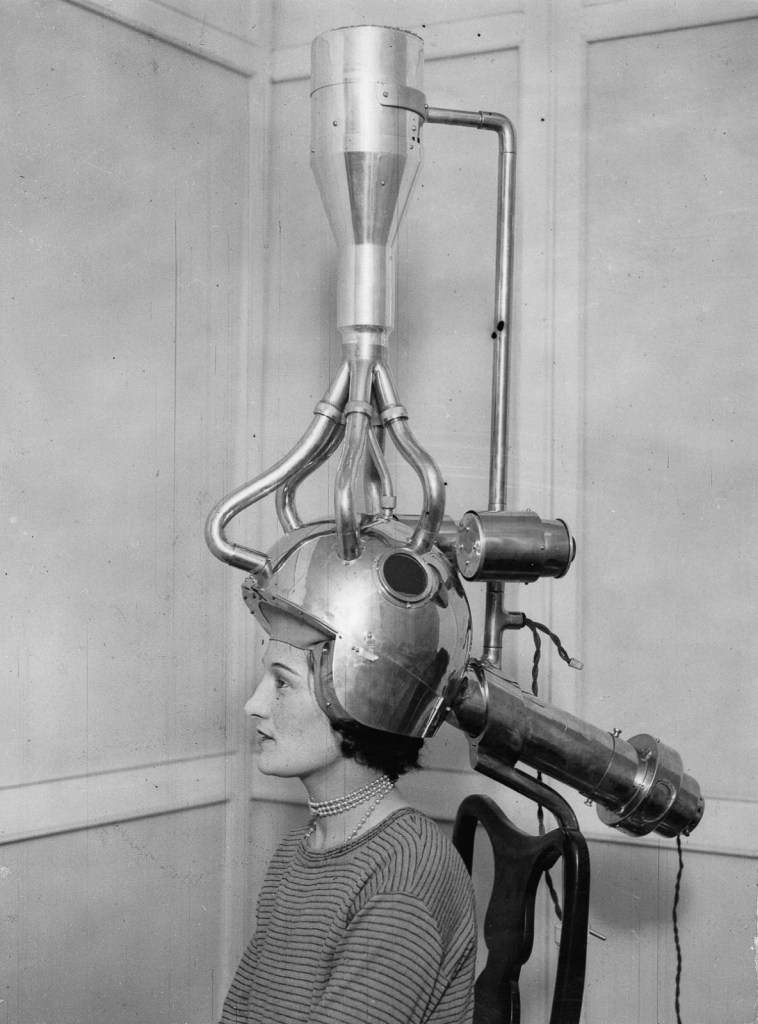
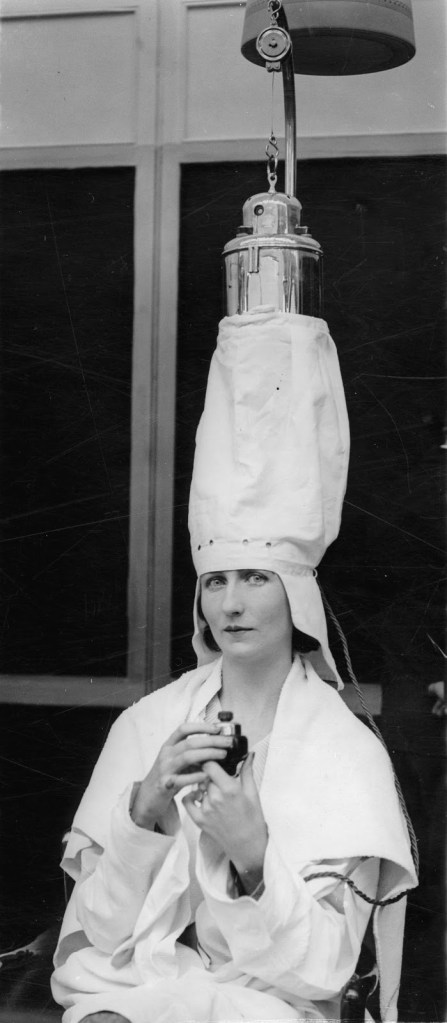
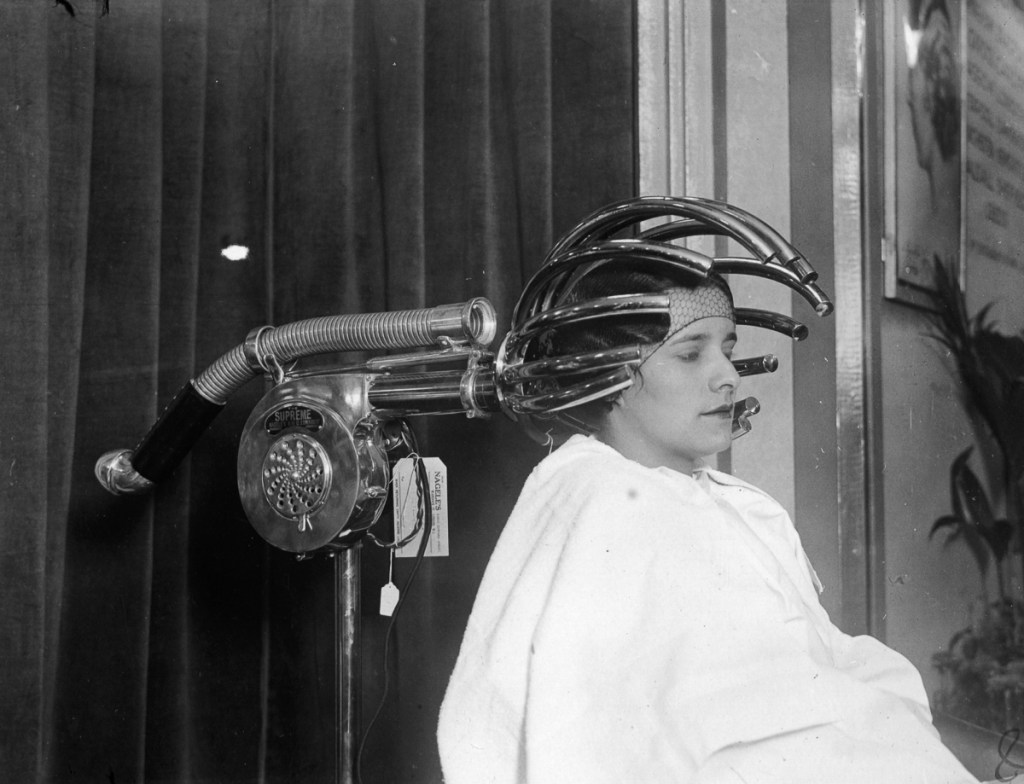
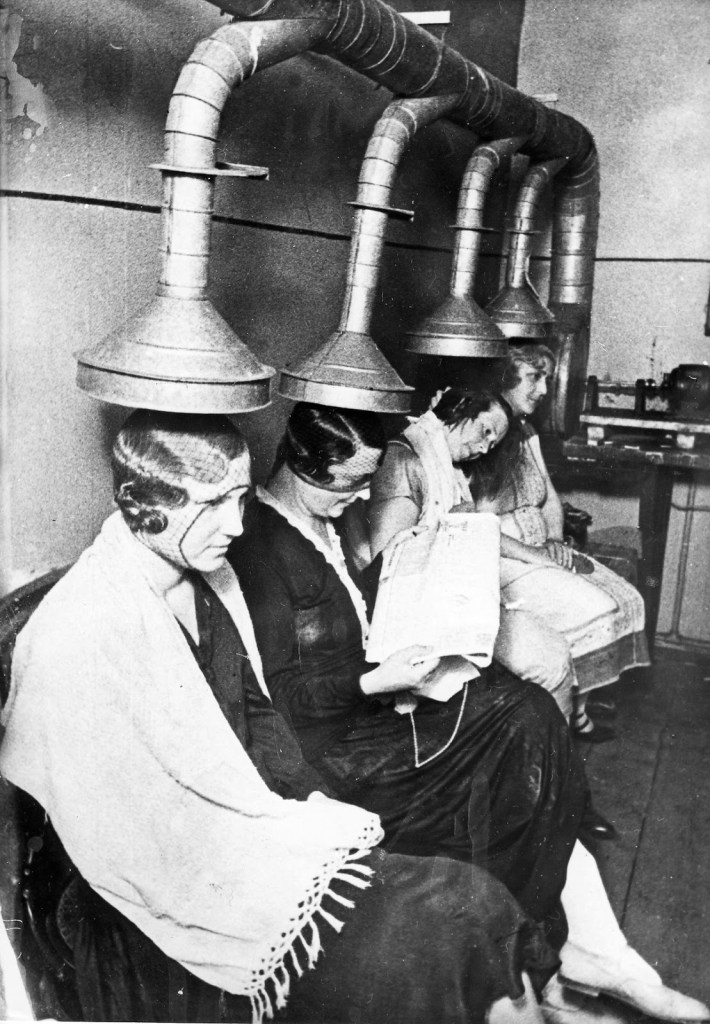
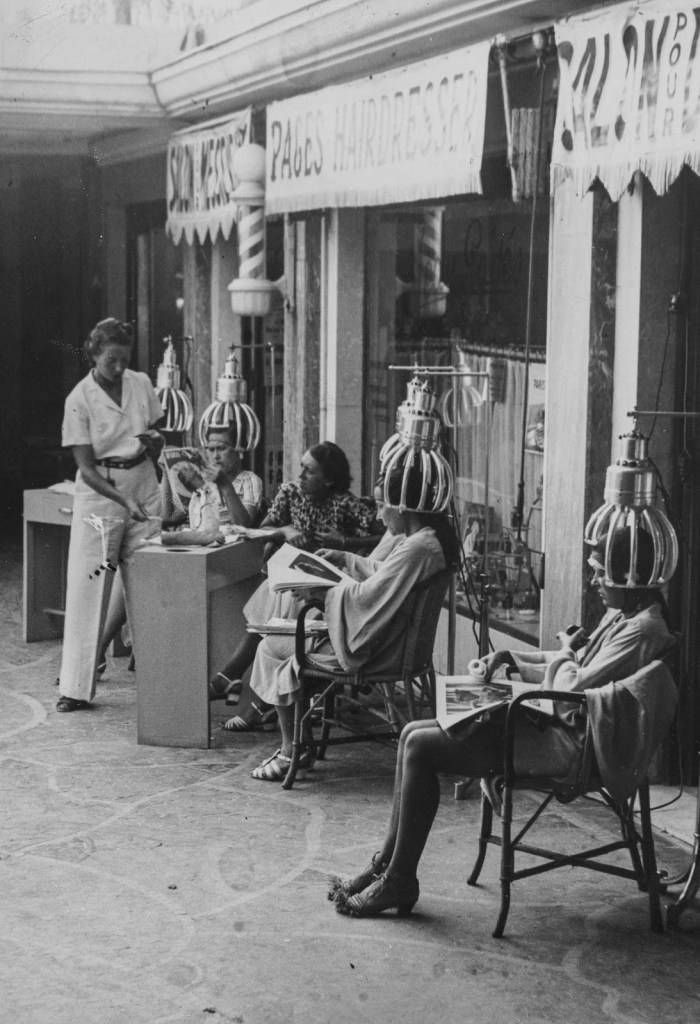
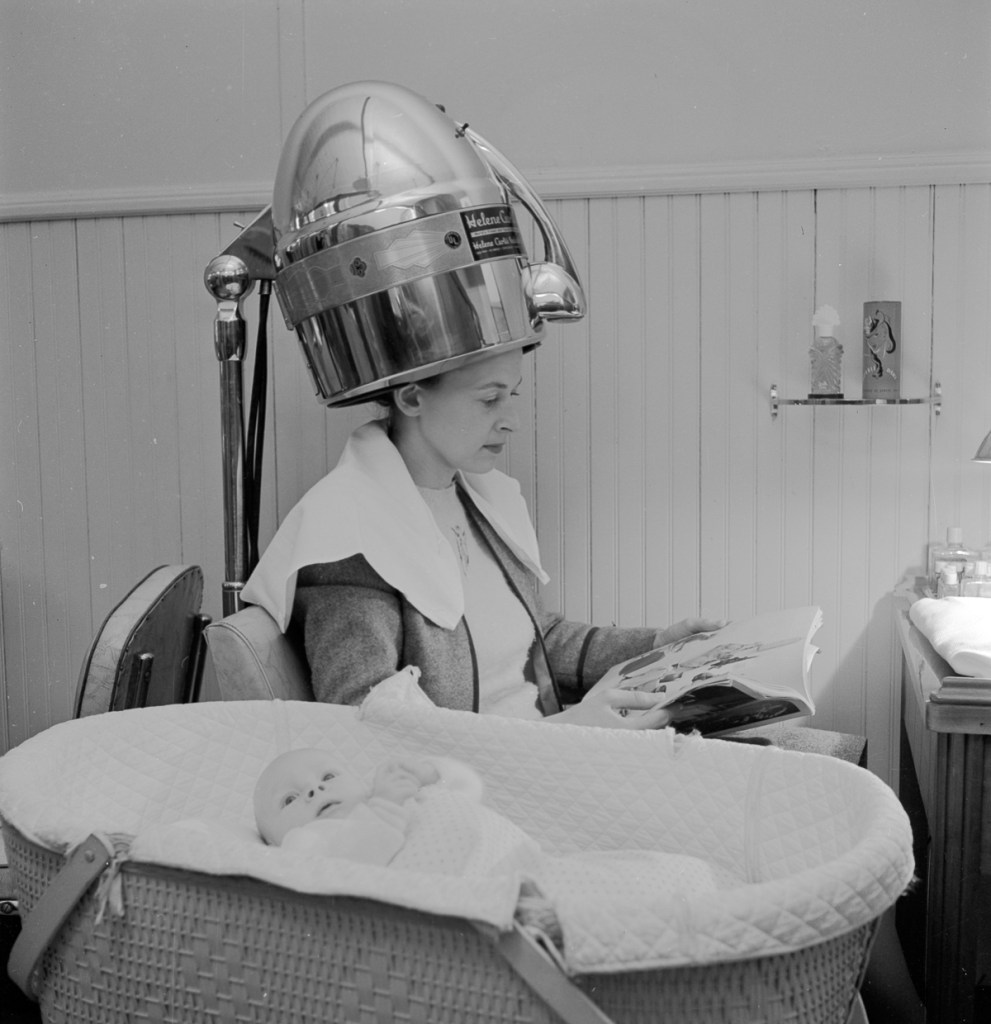
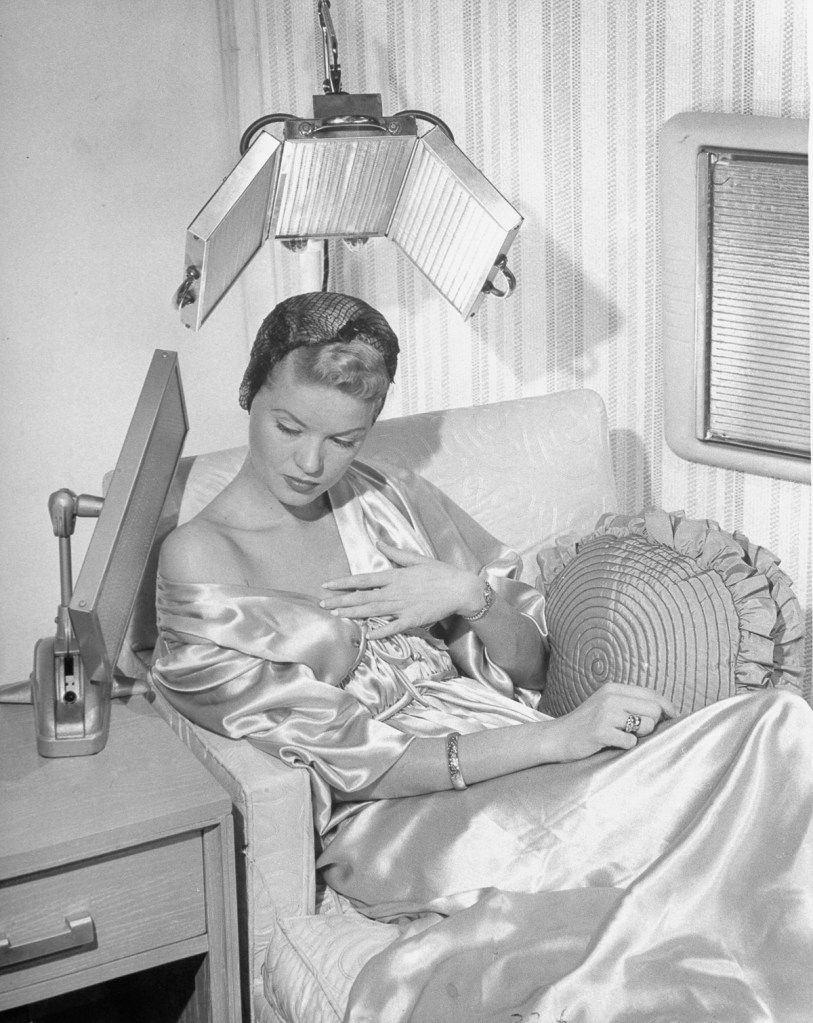
Before the invention of hair dryers, women would often attach hoses to the exhaust ends of vacuum cleaners to blow-dry their hair.