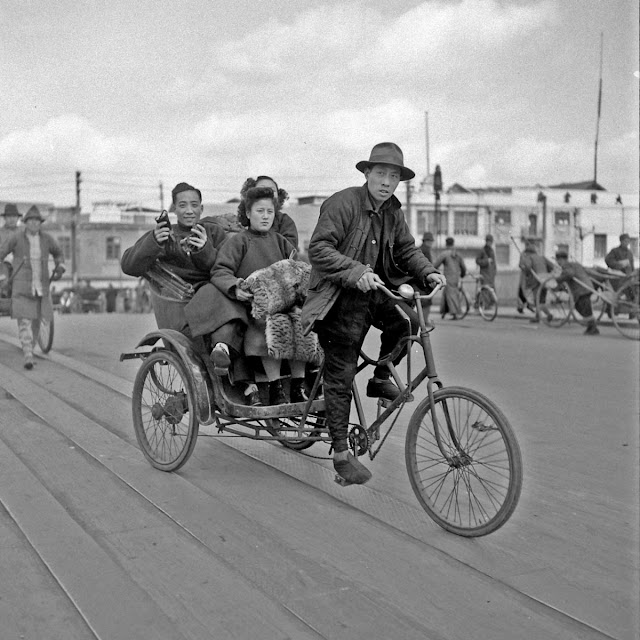
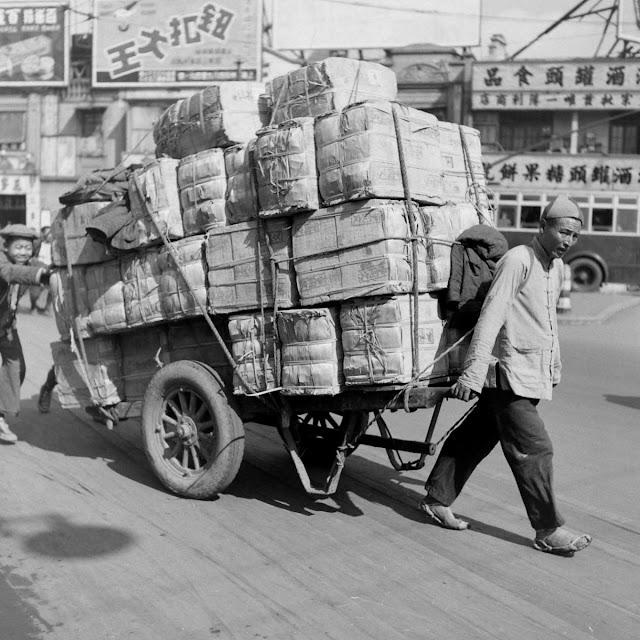
“A great, wicked and quite extraordinary city” was how, in 1947, LIFE described Shanghai. In 1947, four million people had made the City their residence (today, that number is 26 million). It seemed that at any one time, a very substantial proportion of the population was on the Shanghai streets.
“The traffic has become a monstrous, screaming blend of rickshaws, coolie-powered push carts, limousines, three-wheeled pedicabs, jeeps and six-ton trucks,” exclaimed LIFE.
These vintage photographs, taken by Mark Kauffman (1921-1994), depict some of the many and various human-powered vehicles to be found on the streets of Shanghai in 1947.
Kauffman was an award-winning photographer for LIFE magazine. At 17, he became the youngest photographer ever to shoot a cover for the magazine, when he did a photo portrait of Eleanor Roosevelt. He was a staff photographer for over 30 years, covering events in the United States, Europe and the Far East. He received the White House News Photographers’ Grand Award in 1953. He later served as director of photography for Playboy magazine for five years and was a professor of photography at California Polytechnic State University.
Subscribe to continue reading
Become a paid subscriber to get access to the rest of this post and other exclusive content.
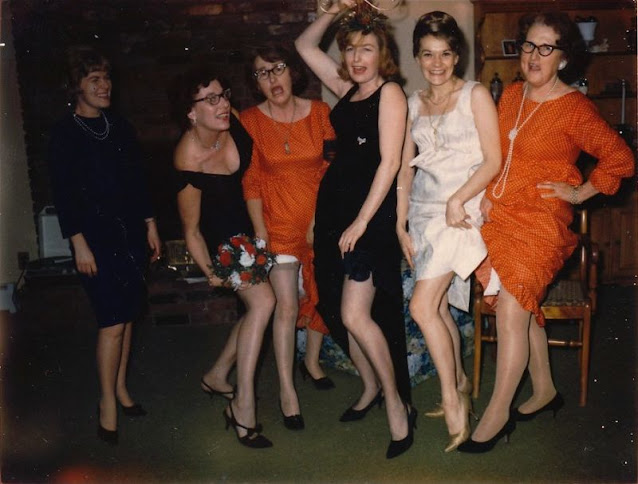
The 1960s were the time of the hippies, “Make love, not war”, The Beatles and Woodstock. It brings images of cultural revolution, peace symbols, flower power, beach culture, short skirts, flares and lots of hair.
Girls looked like Twiggy or Lulu. The decade finishes with the opening of the musical Hair and its shocking (for the time) nudity. The 1960s were the carefree and colorful years.
Cool photos show what house parties looked like during the Sixties.
Subscribe to continue reading
Become a paid subscriber to get access to the rest of this post and other exclusive content.
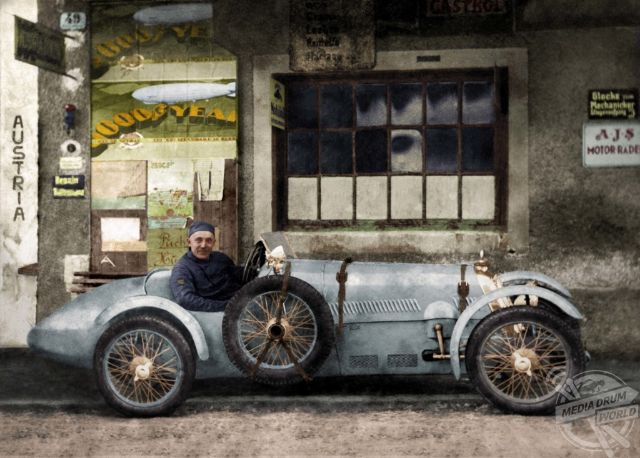
Vivid colorized images have revealed the evolution of the automobile and motorcycle throughout history.
The re-imagined pictures show the first woman to obtain a motorcycle license in Washington DC in 1937, a Maxwell car in 1916 and the first official Austrian Formula 1 mechanic in his custom-made motor. Other shots also show an Alfa Romeo race car in 1922, men observing a car wreck in America in 1923 and a postman using a motorbike in 1915.
The original black and white images were colorized over a period of 40 to 50 hours by Austrian photographer Mario Unger.
“Color reduces the time distance to the photographed object I think,” he said. “It also adds mood and feeling while black and white somehow reduces this. I thought this would be a very nice and interesting project.”
The history of the motorcycle begins in the second half of the 19th century. Motorcycles are descended from the “safety bicycle,” a bicycle with front and rear wheels of the same size and a pedal crank mechanism to drive the rear wheel.
Senator Wetmore in “horseless Carriage,” 1905.
Subscribe to continue reading
Become a paid subscriber to get access to the rest of this post and other exclusive content.
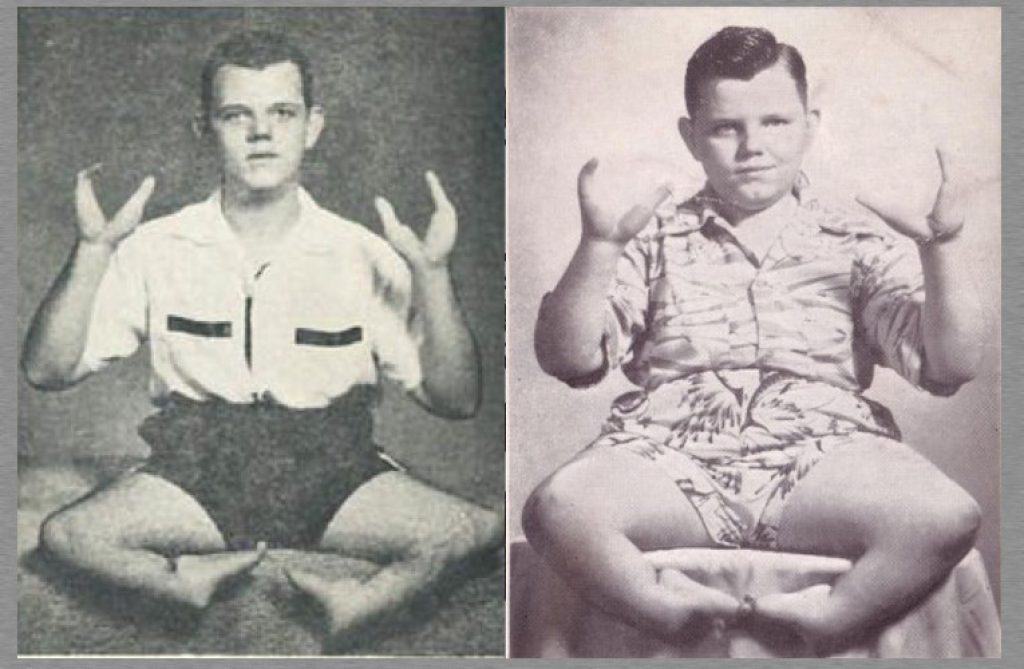
Born in Pittsburgh, Pennsylvania in 1937, Grady Stiles Jr., aka “Lobster Boy”, was one in a long line of people in the Stiles family, dating back to 1840, who suffered from a rare and strange physical condition known as ectrodactyly. This genetic condition was one in which the fingers and toes are fused together to form claw-like extremities.
Grady Stiles Sr. was a sideshow attraction in a traveling carnival when his son was born and he jumped at the opportunity to add his son to the freak show act at the age of seven. Stiles Sr. married twice and had four children, two of whom also had ectrodactyly.
Many have viewed this disorder as a handicap, yet for the Stiles family it was seen, and used as, an opportunity. As far back as the 1800s, as the family grew and produced more children with unusual hands and feet, they developed a circus act: The Lobster Family, which became a carnival freak show staple throughout the early 20th century.
Grady Stiles, the Lobster Boy, as an adult (L) and as a child (R).
Subscribe to continue reading
Become a paid subscriber to get access to the rest of this post and other exclusive content.
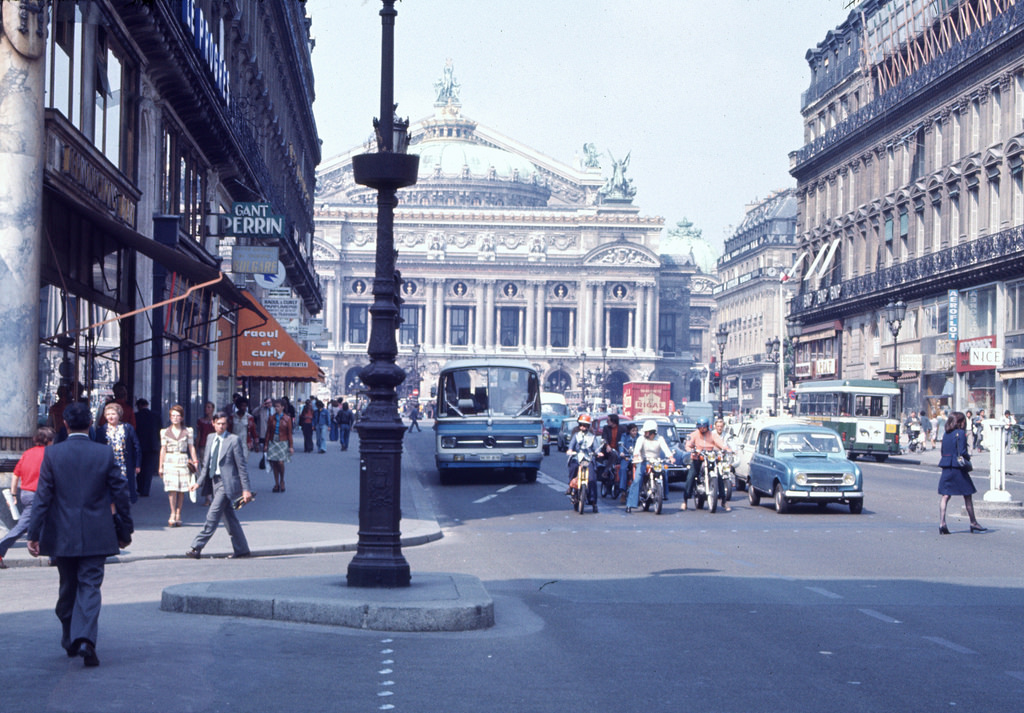
Paris is the capital and most populous city of France, with an estimated population of 2,165,423 residents in 2019 in an area of more than 105 km² (41 sq mi), making it the 34th most densely populated city in the world in 2020. Since the 17th century, Paris has been one of the world’s major centres of finance, diplomacy, commerce, fashion, gastronomy, science, and arts, and has sometimes been referred to as the capital of the world. The City of Paris is the centre and seat of government of the region and province of Île-de-France, or Paris Region, with an estimated population of 12,997,058 in 2020, or about 18% of the population of France, making it in 2020 the second largest metropolitan area in the OECD, and 14th largest in the world in 2015. The Paris Region had a GDP of €709 billion ($808 billion) in 2017. According to the Economist Intelligence Unit Worldwide Cost of Living Survey, in 2021 Paris was the city with the second-highest cost of living in the world, tied with Singapore, and after Tel Aviv.
Paris is a major railway, highway, and air-transport hub served by two international airports: Paris–Charles de Gaulle (the second-busiest airport in Europe) and Paris–Orly. Opened in 1900, the city’s subway system, the Paris Métro, serves 5.23 million passengers daily; it is the second-busiest metro system in Europe after the Moscow Metro. Gare du Nord is the 24th-busiest railway station in the world and the busiest located outside Japan, with 262 million passengers in 2015. Paris is especially known for its museums and architectural landmarks: the Louvre received 2.8 million visitors in 2021, despite the long museum closings caused by the COVID-19 virus. The Musée d’Orsay, Musée Marmottan Monet and Musée de l’Orangerie are noted for their collections of French Impressionist art. The Pompidou Centre Musée National d’Art Moderne has the largest collection of modern and contemporary art in Europe. The Musée Rodin and Musée Picasso exhibit the works of two noted Parisians. The historical district along the Seine in the city centre has been classified as a UNESCO World Heritage Site since 1991; popular landmarks there include the Cathedral of Notre Dame de Paris on the Île de la Cité, now closed for renovation after the 15 April 2019 fire. Other popular tourist sites include the Gothic royal chapel of Sainte-Chapelle, also on the Île de la Cité; the Eiffel Tower, constructed for the Paris Universal Exposition of 1889; the Grand Palais and Petit Palais, built for the Paris Universal Exposition of 1900; the Arc de Triomphe on the Champs-Élysées, and the hill of Montmartre with its artistic history and its Basilica of Sacré-Coeur.
Paris hosts several United Nations organisations: the UNESCO, the Young Engineers / Future Leaders, the World Federation of Engineering Organizations, and other international organisations such as the OECD, the OECD Development Centre, the International Bureau of Weights and Measures, the International Energy Agency, the International Federation for Human Rights, the International Organisation of La Francophonie; along with European bodies such as the European Space Agency, the European Banking Authority or the European Securities and Markets Authority. Other international organisations were founded in Paris such as the CIMAC in 1951 (International Council on Combustion Engines | Conseil International des Machines à Combustion), or the modern Olympic Games in 1894 which was then moved to Lausanne, Switzerland.
Tourism recovered in the Paris region in 2021, increasing to 22.6 million visitors, thirty percent more than in 2020, but still well below 2019 levels. The number of visitors from the United States increased by 237 percent over 2020. Museums re-opened in 2021, with limitations on the number of visitors at a time and a requirement that visitors wear masks.
The football club Paris Saint-Germain and the rugby union club Stade Français are based in Paris. The 80,000-seat Stade de France, built for the 1998 FIFA World Cup, is located just north of Paris in the neighbouring commune of Saint-Denis. Paris hosts the annual French Open Grand Slam tennis tournament on the red clay of Roland Garros. The city hosted the Olympic Games in 1900, 1924 and will host the 2024 Summer Olympics. The 1938 and 1998 FIFA World Cups, the 2007 Rugby World Cup, as well as the 1960, 1984 and 2016 UEFA European Championships were also held in the city. Every July, the Tour de France bicycle race finishes on the Avenue des Champs-Élysées in Paris.
Subscribe to continue reading
Become a paid subscriber to get access to the rest of this post and other exclusive content.
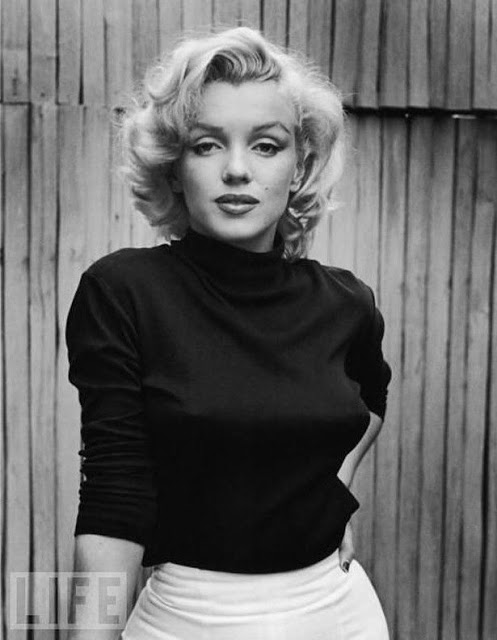
Life was an American magazine published weekly from 1883 to 1972, as an intermittent “special” until 1978, and as a monthly from 1978 until 2000. During its golden age from 1936 to 1972, Life was a wide-ranging weekly general-interest magazine known for the quality of its photography.
Life was independently published for its first 53 years until 1936 as a general-interest and light entertainment magazine, heavy on illustrations, jokes, and social commentary. It featured some of the most notable writers, editors, illustrators and cartoonists of its time: Charles Dana Gibson, Norman Rockwell and Jacob Hartman Jr. Gibson became the editor and owner of the magazine after John Ames Mitchell died in 1918. During its later years, the magazine offered brief capsule reviews (similar to those in The New Yorker) of plays and movies currently running in New York City, but with the innovative touch of a colored typographic bullet resembling a traffic light, appended to each review: green for a positive review, red for a negative one, and amber for mixed notices.
In 1936, Time publisher Henry Luce bought Life, only wanting its title: he greatly re-made the publication. Life became the first all-photographic American news magazine, and it dominated the market for several decades. The magazine sold more than 13.5 million copies a week at one point. Possibly the best-known photograph published in the magazine was Alfred Eisenstaedt’s photograph of a nurse in a sailor’s arms, taken on August 14, 1945, as they celebrated Victory over Japan Day in New York City. The magazine’s role in the history of photojournalism is considered its most important contribution to publishing. Life’s profile was such that the memoirs of President Harry S. Truman, Prime Minister Winston Churchill and General Douglas MacArthur were all serialized in its pages.
After 2000, Time Inc. continued to use the Life brand for special and commemorative issues. Life returned to regularly scheduled issues when it became a weekly newspaper supplement from 2004 to 2007. The website life.com, originally one of the channels on Time Inc.’s Pathfinder service, was for a time in the late 2000s managed as a joint venture with Getty Images under the name See Your World, LLC. On January 30, 2012, the Life.com URL became a photo channel on Time.com. (Wikipedia)
Subscribe to continue reading
Become a paid subscriber to get access to the rest of this post and other exclusive content.
Magdalena Carmen Frida Kahlo y Calderón (6 July 1907 – 13 July 1954) was a Mexican painter known for her many portraits, self-portraits, and works inspired by the nature and artifacts of Mexico. Inspired by the country’s popular culture, she employed a naïve folk art style to explore questions of identity, postcolonialism, gender, class, and race in Mexican society. Her paintings often had strong autobiographical elements and mixed realism with fantasy. In addition to belonging to the post-revolutionary Mexicayotl movement, which sought to define a Mexican identity, Kahlo has been described as a surrealist or magical realist. She is known for painting about her experience of chronic pain.
Born to a German father and a mestiza mother, Kahlo spent most of her childhood and adult life at La Casa Azul, her family home in Coyoacán – now publicly accessible as the Frida Kahlo Museum. Although she was disabled by polio as a child, Kahlo had been a promising student headed for medical school until being injured in a bus accident at the age of 18, which caused her lifelong pain and medical problems. During her recovery, she returned to her childhood interest in art with the idea of becoming an artist.
Kahlo’s interests in politics and art led her to join the Mexican Communist Party in 1927, through which she met fellow Mexican artist Diego Rivera. The couple married in 1929 and spent the late 1920s and early 1930s travelling in Mexico and the United States together. During this time, she developed her artistic style, drawing her main inspiration from Mexican folk culture, and painted mostly small self-portraits that mixed elements from pre-Columbian and Catholic beliefs. Her paintings raised the interest of Surrealist artist André Breton, who arranged for Kahlo’s first solo exhibition at the Julien Levy Gallery in New York in 1938; the exhibition was a success and was followed by another in Paris in 1939. While the French exhibition was less successful, the Louvre purchased a painting from Kahlo, The Frame, making her the first Mexican artist to be featured in their collection. Throughout the 1940s, Kahlo participated in exhibitions in Mexico and the United States and worked as an art teacher. She taught at the Escuela Nacional de Pintura, Escultura y Grabado (“La Esmeralda”) and was a founding member of the Seminario de Cultura Mexicana. Kahlo’s always-fragile health began to decline in the same decade. She had her first solo exhibition in Mexico in 1953, shortly before her death in 1954 at the age of 47.
Kahlo’s work as an artist remained relatively unknown until the late 1970s, when her work was rediscovered by art historians and political activists. By the early 1990s, not only had she become a recognized figure in art history, but she was also regarded as an icon for Chicanos, the feminism movement, and the LGBTQ+ movement. Kahlo’s work has been celebrated internationally as emblematic of Mexican national and indigenous traditions and by feminists for what is seen as its uncompromising depiction of the female experience and form. (Wikipedia)
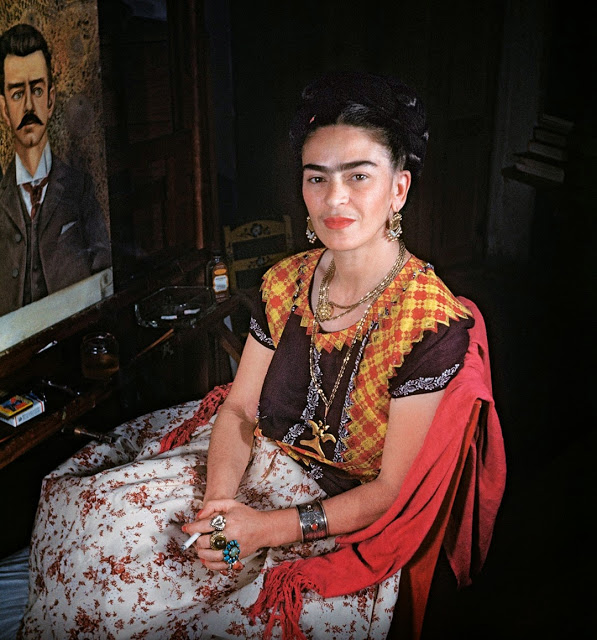
These powerful photographs, among the last taken before Kahlo’s death, bear poignant witness to Frida’s beauty and talent.
Frida Kahlo at work, 1951
Subscribe to continue reading
Become a paid subscriber to get access to the rest of this post and other exclusive content.
The Cardiff Giant was one of the most famous hoaxes in American history. It was a 10-foot-tall (3.0 m), 3,000 pound purported “petrified man” uncovered on October 16, 1869, by workers digging a well behind the barn of William C. “Stub” Newell in Cardiff, New York. He covered the giant with a tent and it soon became an attraction site. Both it and an unauthorized copy made by P. T. Barnum are still being displayed. The original is currently on display at The Farmers’ Museum in Cooperstown, New York.
Subscribe to continue reading
Become a paid subscriber to get access to the rest of this post and other exclusive content.
Born 1909 in Battery Point, Tasmania, Australian actor Errol Flynn was considered the natural successor to Douglas Fairbanks, he achieved worldwide fame during the Golden Age of Hollywood.
Flynn was known for his romantic swashbuckler roles, frequent partnerships with Olivia de Havilland, and reputation for his womanizing and hedonistic personal life. His most notable roles include the eponymous hero in The Adventures of Robin Hood (1938), which was later named by the American Film Institute as the 18th greatest hero in American film history, the lead role in Captain Blood (1935), Major Geoffrey Vickers in The Charge of the Light Brigade (1936), and the hero in a number of Westerns such as Dodge City (1939), Santa Fe Trail (1940), and San Antonio (1945).
Flynn developed a reputation for womanizing, hard drinking, chain smoking and, for a time in the 1940s, narcotics abuse. He was linked romantically with Lupe Vélez, Marlene Dietrich and Dolores del Río, among many others. He was also a regular attendee of William Randolph Hearst’s equally lavish affairs at Hearst Castle, though he was once asked to leave after becoming excessively intoxicated.
Flynn died of myocardial infarction in 1959 at the age of 50. These vintage portrait photos show a young and handsome Errol Flynn in the 1930s and 1940s.
Subscribe to continue reading
Become a paid subscriber to get access to the rest of this post and other exclusive content.