
Bringing You the Wonder of Yesterday – Today

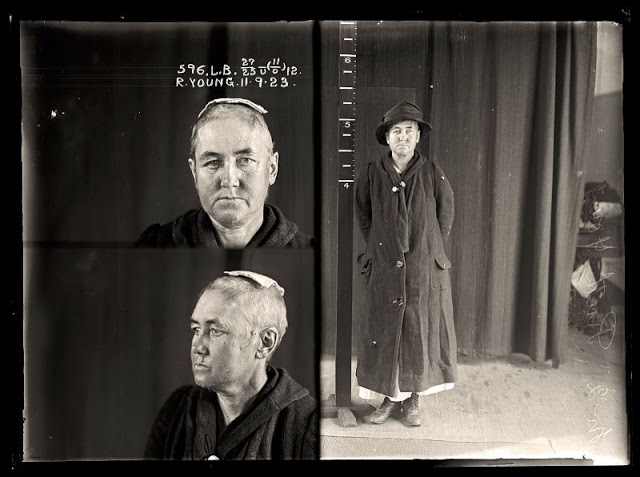
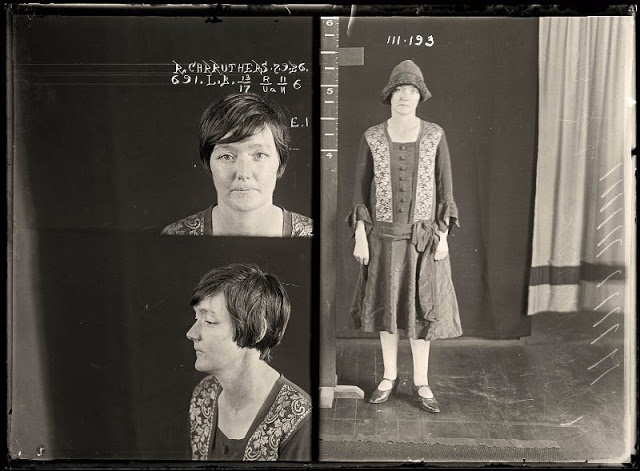
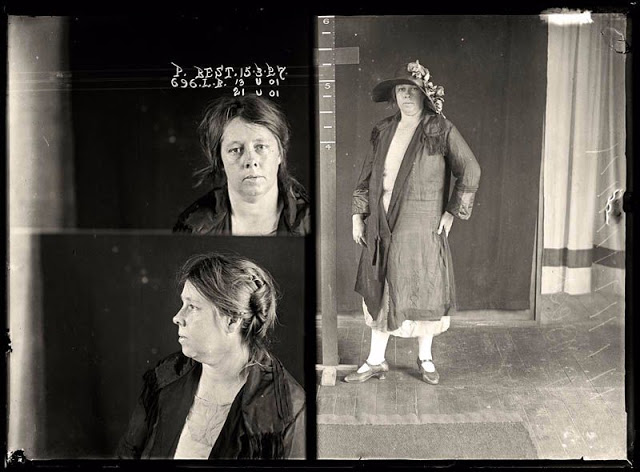
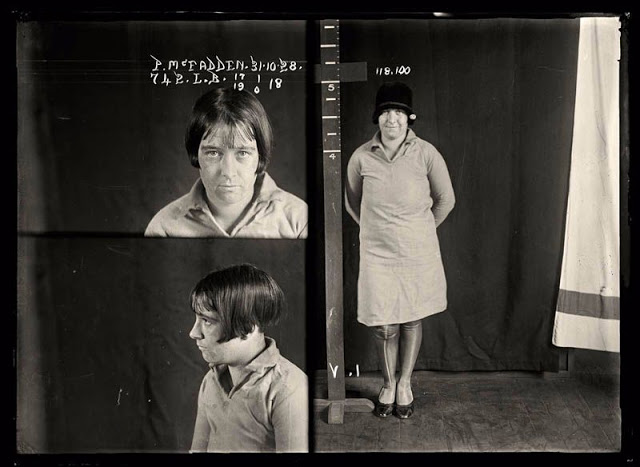
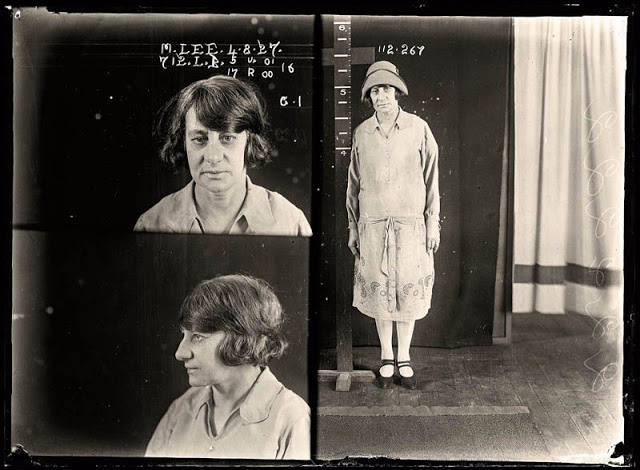
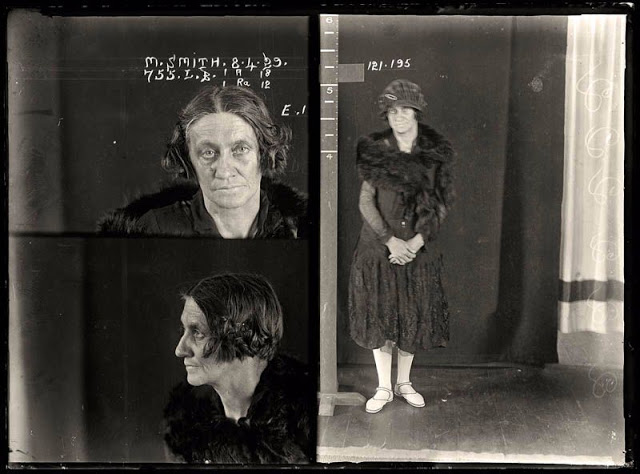
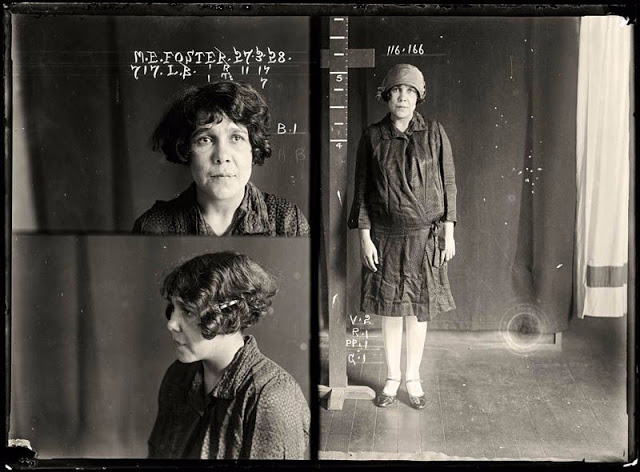
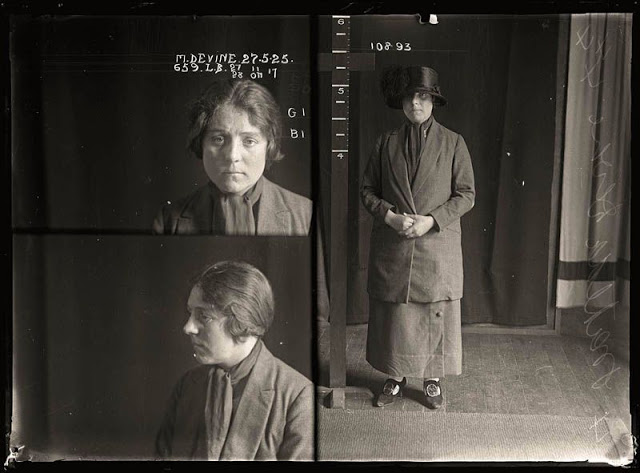
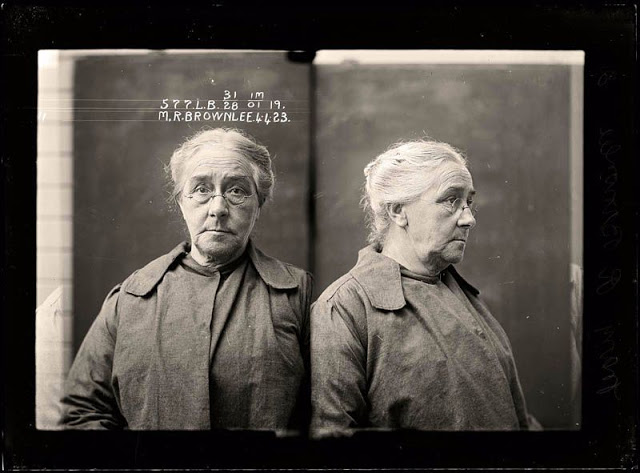
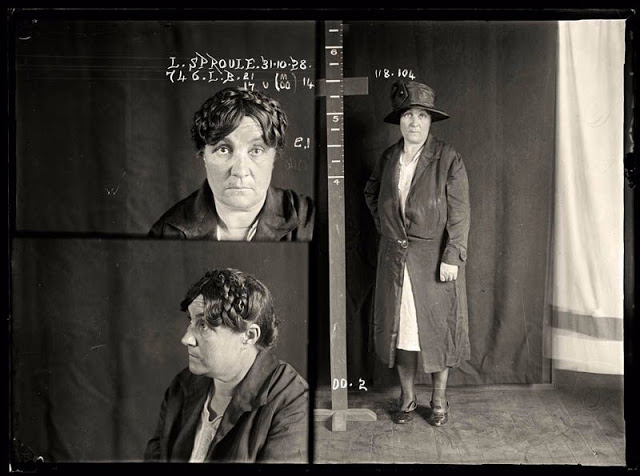
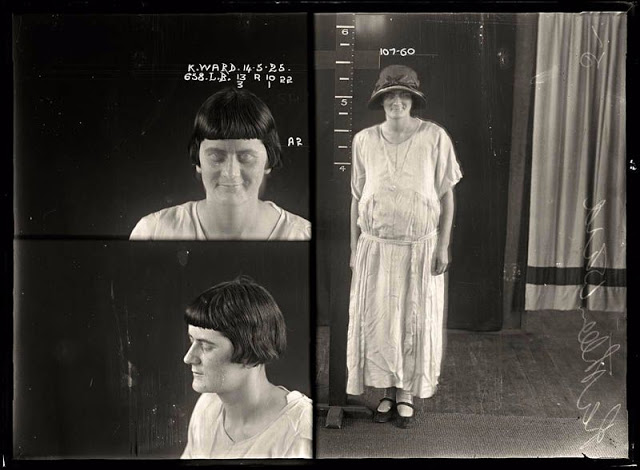
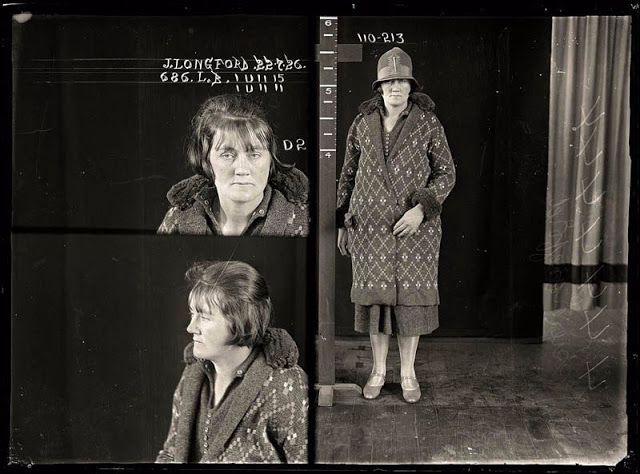
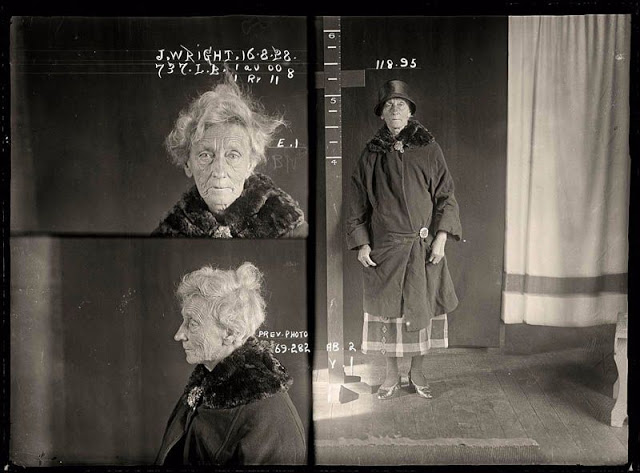
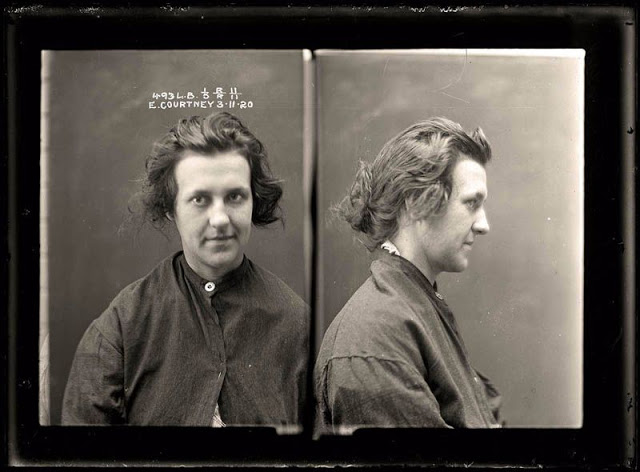
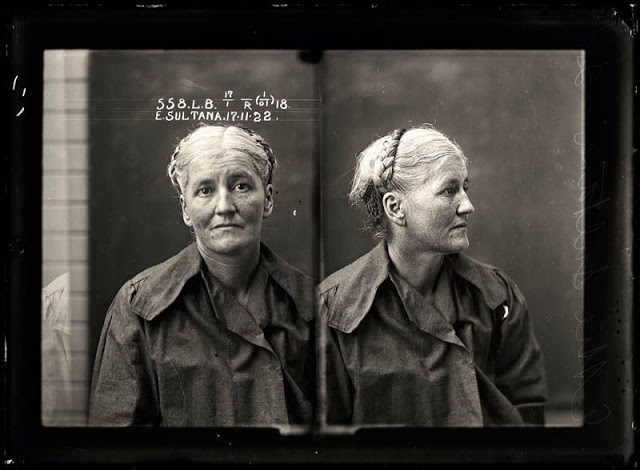
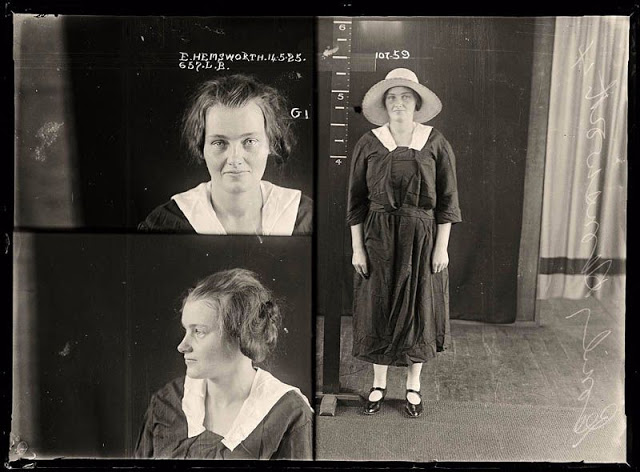
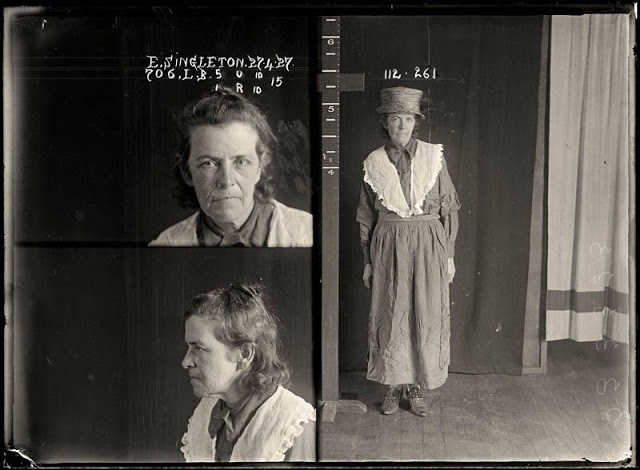
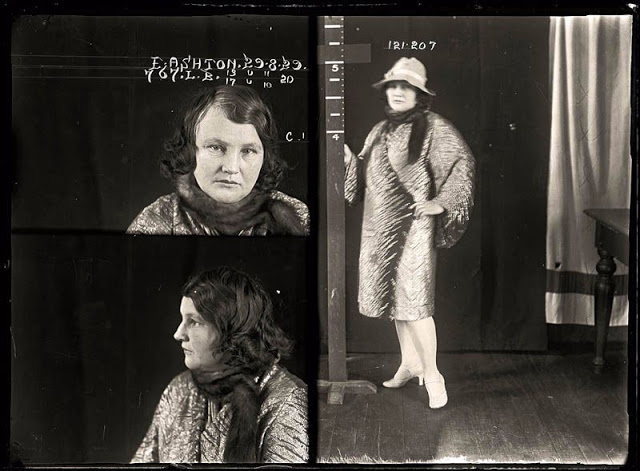
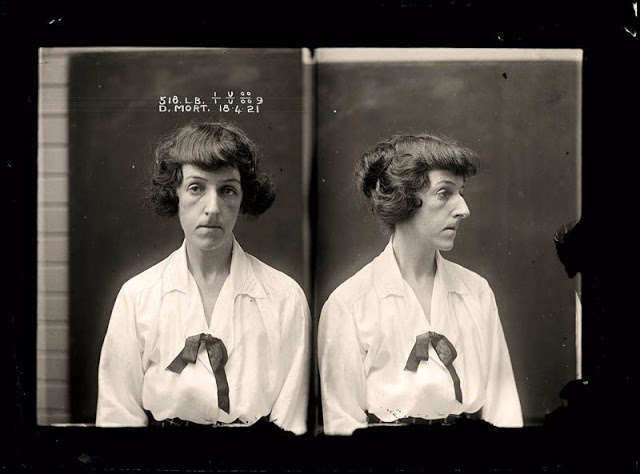
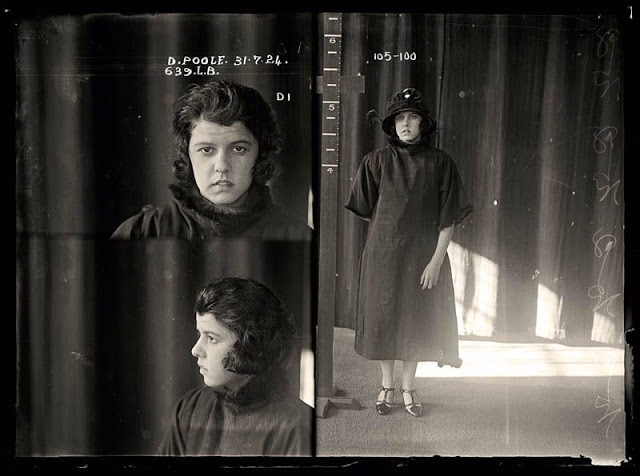
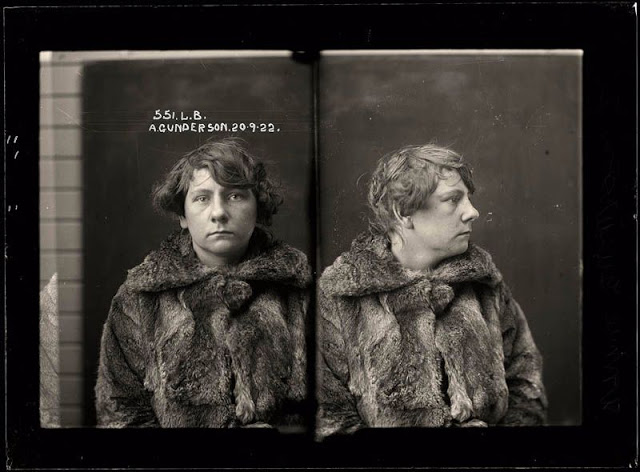
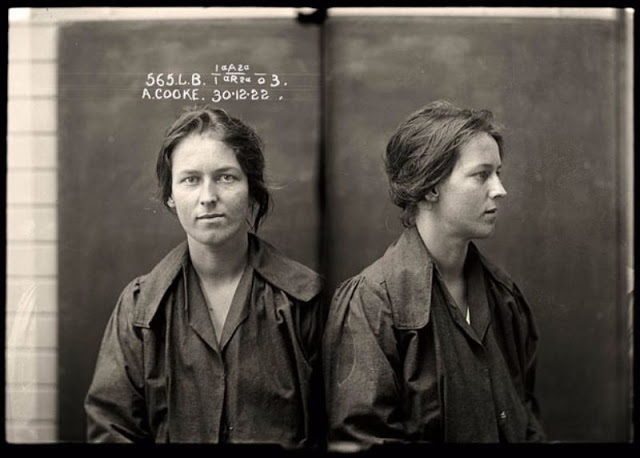
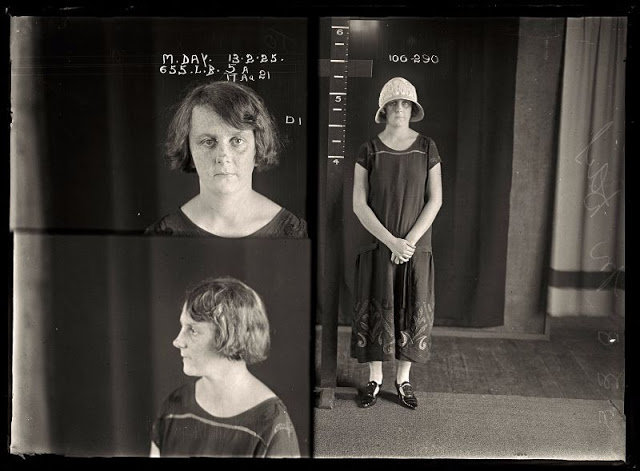
These mugshots show women criminals from the 1920s. They mostly came from Australia and New Zealand.
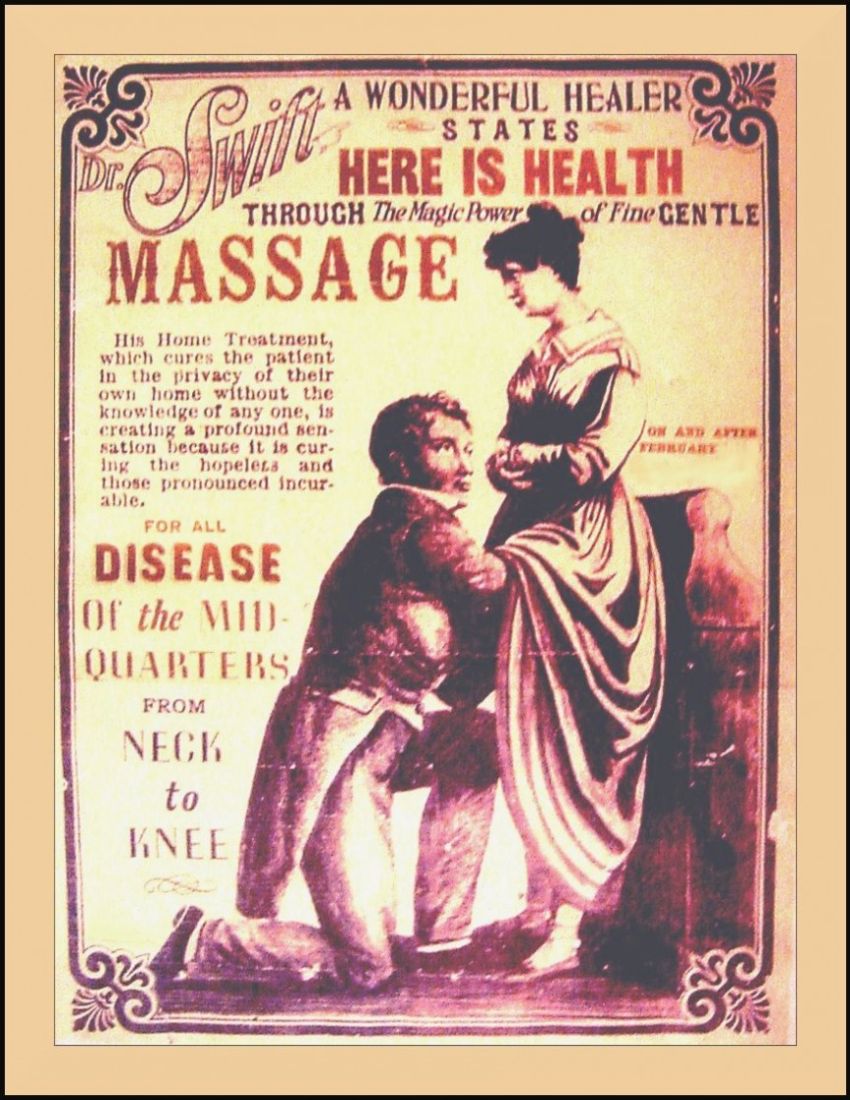
Victorian era advertisement for a massage treatment to cure female “hysteria.” You don’t have to be Einstein to figure out exactly what the “doctor” is doing, and as shocking as it may seem to modern sensibilities, treatments such as this were considered perfectly acceptable in the 19th and early 20th century.
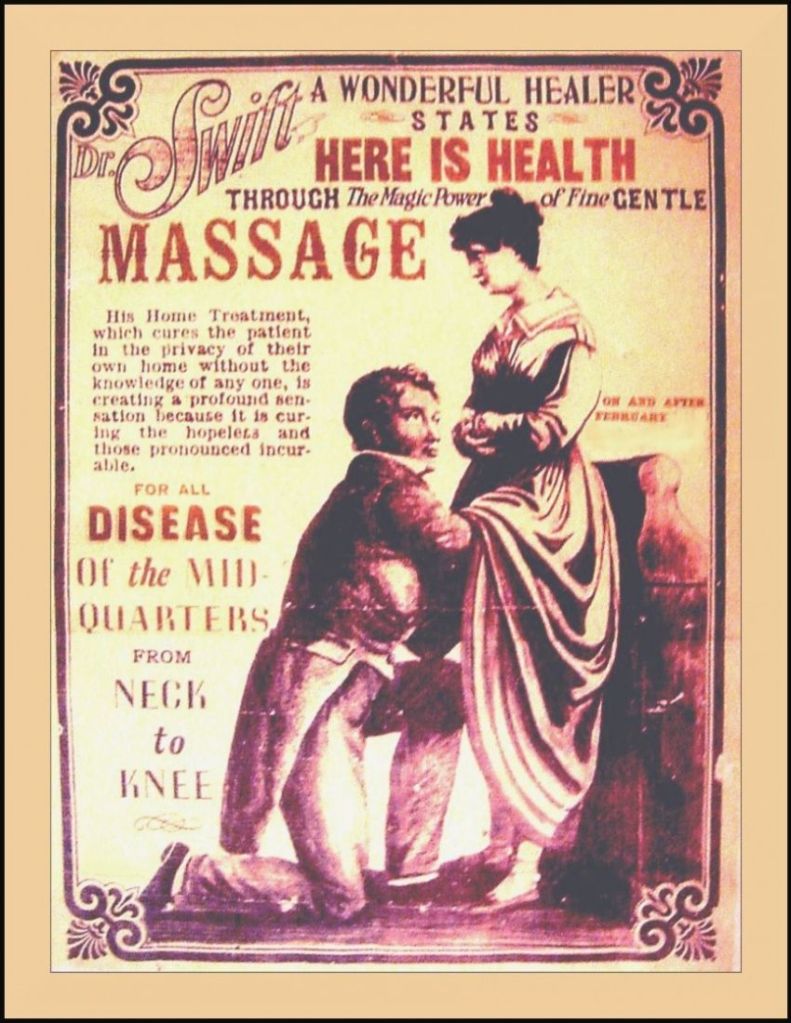
The ad definitely appears to say that “His Home Treatment, which cures the patient in the privacy of their home without the knowledge of any one, is creating a profound sensation because it is curing the hopeless and those pronounced incurable for all disease of the mid-quarters from neck to knee.”
But man, who was (is) Dr. Swift?

They may be man’s best friend, but man has also changed them beyond all recognition, these incredible pictures of dog breeds reveal.
A hundred years ago, dogs like the Bull Terrier, Boxer, English Bulldog, and Dachshund were well-proportioned, generally healthy, and physically active. Today’s versions of these breeds are markedly different.
Over the years, several breeds have been bred to exaggerate certain physical traits at the expense of their health, longevity, and quality of life. The Science of Dogs blog put together a side-by-side comparison of several popular dog breeds from the 1915 book Dogs of All Nations by Walter Esplin Mason showing what they look like today.
The bull terrier was first recognized as a breed by the American Kennel Club (AKC) in 1885. In 1915, it appears to have been a fit, good-looking dog, with a well-proportioned head and slim torso. Dogs of All Nations called it “the embodiment of agility, grace, elegance and determination”, and the “gladiator of the canine race”.
But today, bull terriers are bred to have a football-shaped head and thick, squat body – a far cry from the lean and handsome dog of 1915.
The AKC now states that the dog’s face “should be oval in outline and be filled completely up giving the impression of fullness with a surface devoid of hollows or indentations, ie, egg shaped”. According to Science of Dogs, it also developed extra teeth and a habit of chasing its tail.
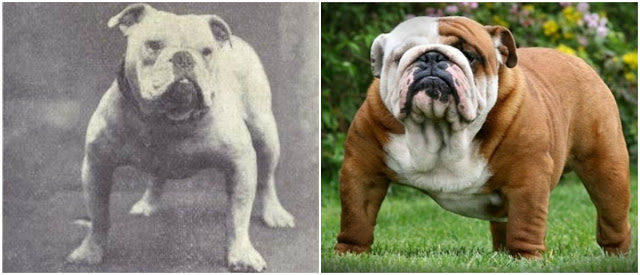
Few dogs have been as artificially shaped by breeding as the English bulldog. In Great Britain, the dogs were used for bull-baiting – a bloodsport where dogs were used to bait and attack bulls – until it became illegal in 1835. In 1915, the bulldog already had some of the characteristic features we see today, like saggy jowls and a squat stance.
Today, breeders have bred the bulldog to have more pronounced facial wrinkles, and an even thicker and squater body. The AKC describes the ideal dog as having a “heavy, thick-set, low-swung body, massive short-faced head, wide shoulders and sturdy limbs”. Sadly, bulldogs suffer from a number of health issues, such as breathing problems and overheating.
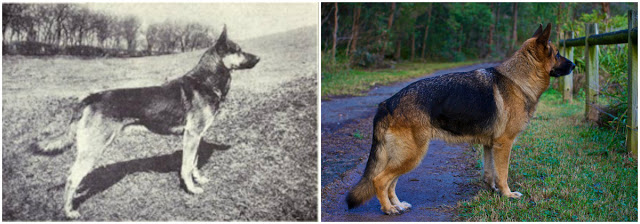
German shepherds have come to symbolise everything from loyalty and companionship to police brutality. The AKC first recognised is as a breed in 1908. In 1915, Dogs of All Nations describes it as a “medium sized dog” weighing just 55 lbs (24 kg), with a “deep chest, straight back and strong loins”.
But today’s German shepherds are bred to be considerably larger (75 to 95 lbs or 34 to 43 kg), with a more sloping back. The AKC describes the ideal specimen as “a strong, agile, well muscled animal, alert and full of life”.
However, they are also prone to health problems, such as hip dysplasia, where the leg bones don’t fit properly into the hip socket, and bloat, a condition in which the stomach can expand with air and twist, which can sometimes be fatal.
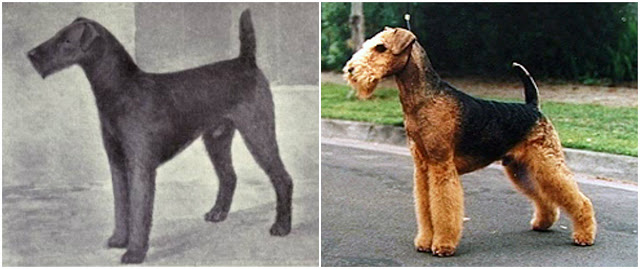
Though you can’t tell from this photo, Dogs of All Nations described the coloring of the Airedale’s head and ears as a rich tan, as well as the legs up to the thighs and elbows. And the dog’s coat was “hard and wiry”, but not long enough to be “ragged”.
Today, the color appears not to have changed much, but the fur of modern Airedales definitely looks longer and more “ragged” than it was in 1915. Airedales are considered the largest of all terriers, and are sporting and playful.
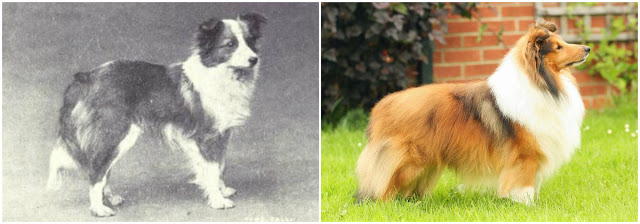
The Shetland sheepdog, or Sheltie, wasn’t recognized by the American Kennel Club until 1911, just four years before the book this image is from was published. At that time, the book reports that it weighed just 7 to 10 lbs (3 to 4 kg), and appears to have had medium-length fur.
Today, the dogs have been bred to be larger, weighing at least 20 lbs (9 kg), though still sleight. And their fur has become unmistakably longer than in 1915. The AKC now describes them as “small, alert, rough-coated, longhaired working dog”. They are also very intelligent, and good at herding.
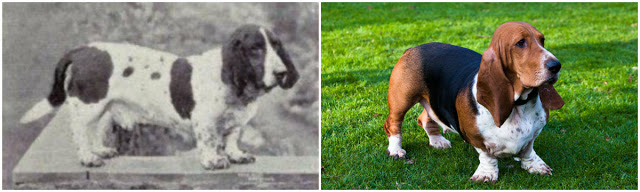
Look at how low to the ground today’s Basset Hound is. His shorter stature is the result of changes to the rear leg structure. He also has surplus skin, and needlessly long ears. Today’s Basset Hound’s droopy eyes are prone to eyelid abnormalities, and he also often suffers from problems related to his vertebra.
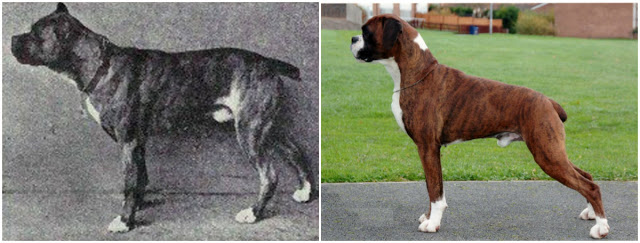
See how much shorter the Boxer’s face on the right is? Boxers are brachycephalic dogs, meaning they have pushed-in faces. Like many brachy breeds, the Boxer’s already short muzzle has been bred even shorter over the years, and slightly upturned as well. Brachys have difficulty breathing and controlling their body temperature, which often places extreme limitations on their physical abilities.
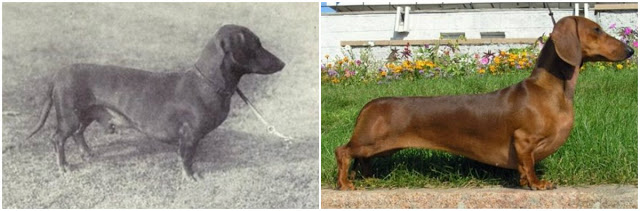
Dachshunds a century ago had short but functional legs and necks in proportion to their overall size. Since then, they have been bred for longer backs and necks, jutting chests, and legs so short their bellies barely clear the floor. Doxies have the highest risk of any breed for intervertebral disc disease, which can cause paralysis. They are also prone to dwarfism-related disorders, progressive retinal atrophy (PRA), and leg problems.
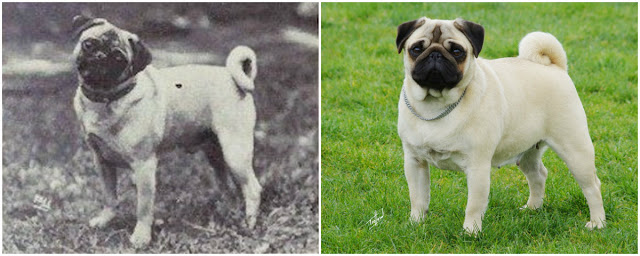
The Pug is another brachycephalic dog that has been bred to exaggerate the trait. The result? High blood pressure, heart problems, low blood oxygen levels, breathing problems, a tendency to overheat/develop heatstroke, dental issues, and skin fold dermatitis. At the other end of this poor dog is a “highly desirable” double-curl tail, which is actually a genetic defect that can result in paralysis.
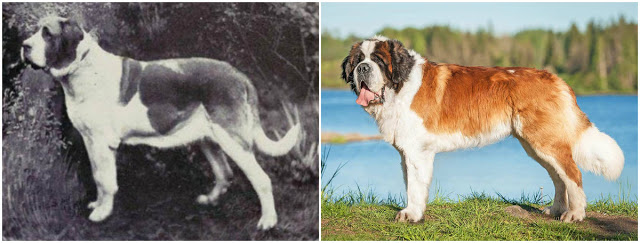
Today’s version of this once-highly skilled working dog is supersized, with a pushed-in face and excess skin. The St. Bernard doesn’t do much work these days, because he quickly overheats. Some of the diseases he’s prone to include eye and eyelid abnormalities, Stockard’s paralysis (a spinal cord disorder), and bleeding disorders.
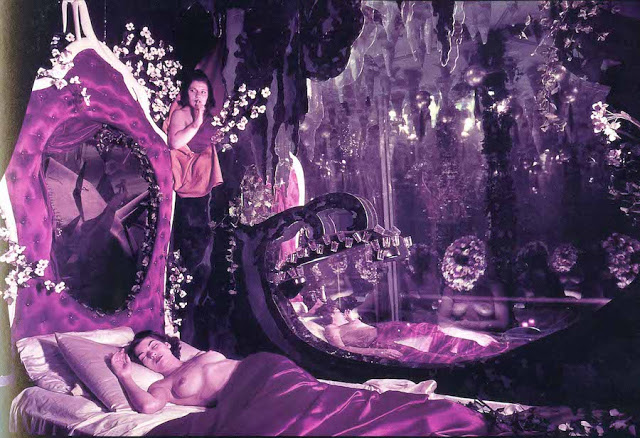
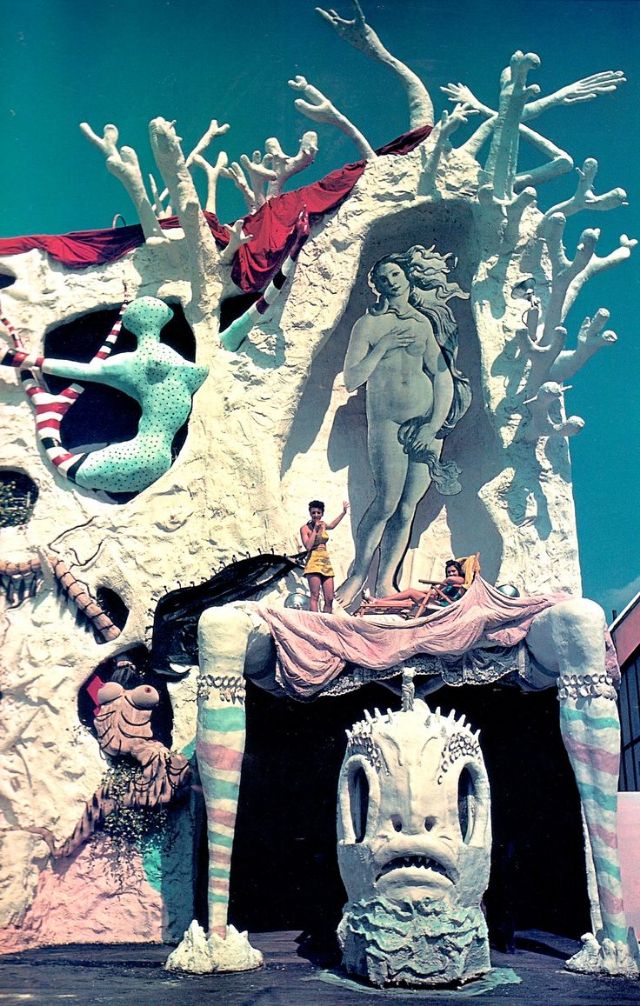
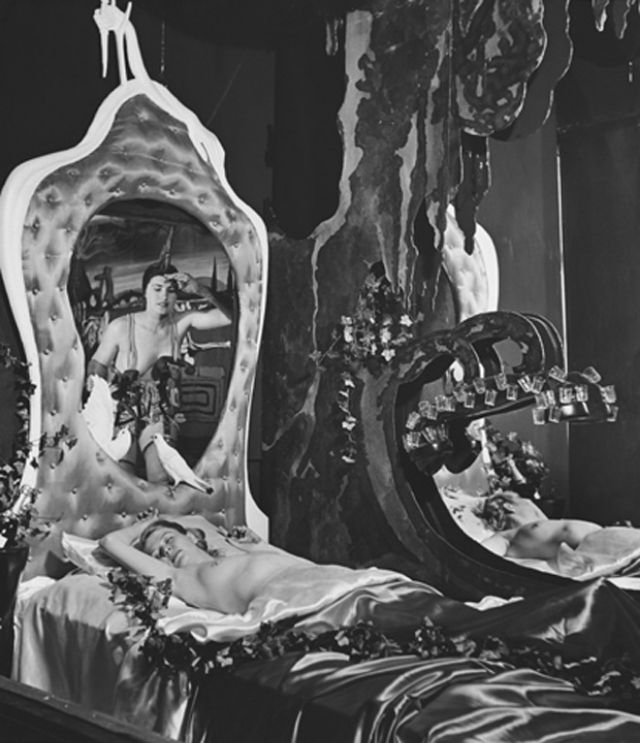
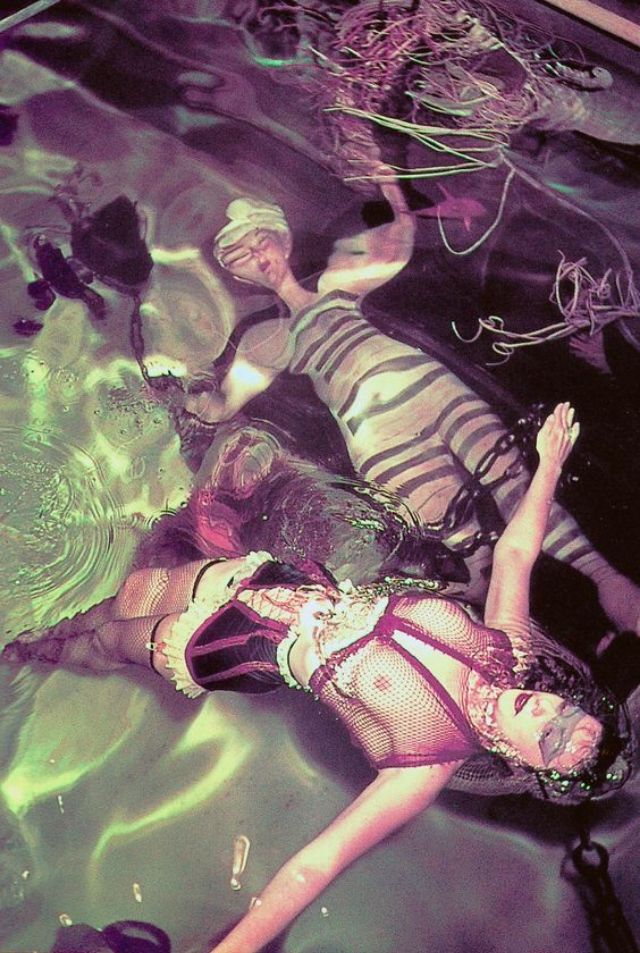
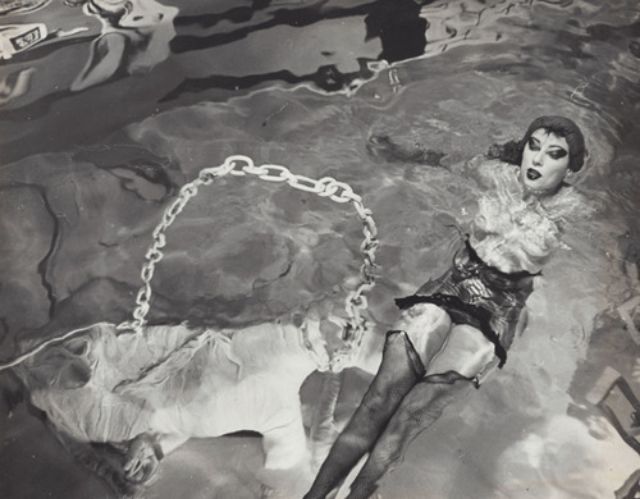
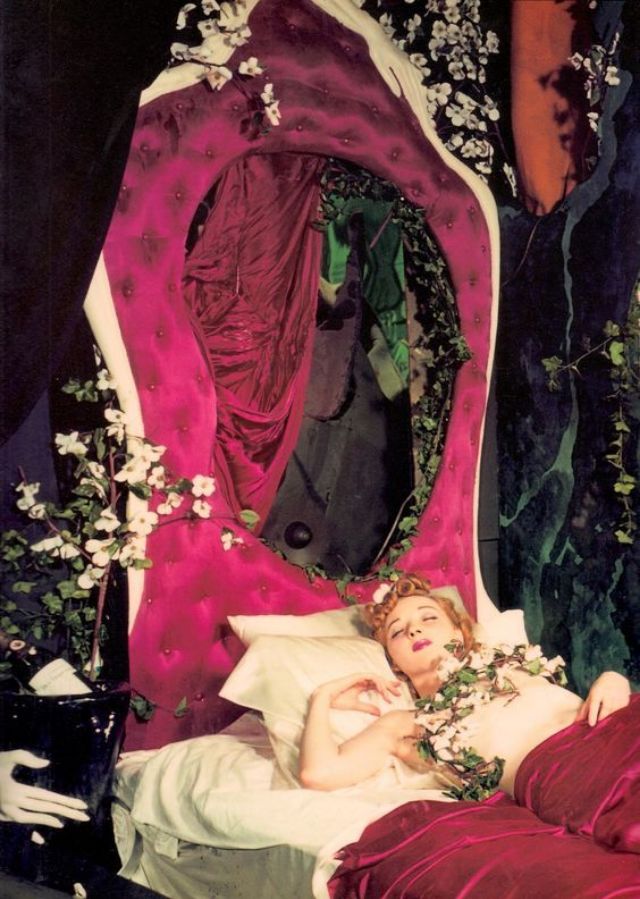
In June 1939 Salvador Dalí designed a pavilion for the New York World’s Fair built by the architect Ian Woodner. The building was named Dream of Venus.
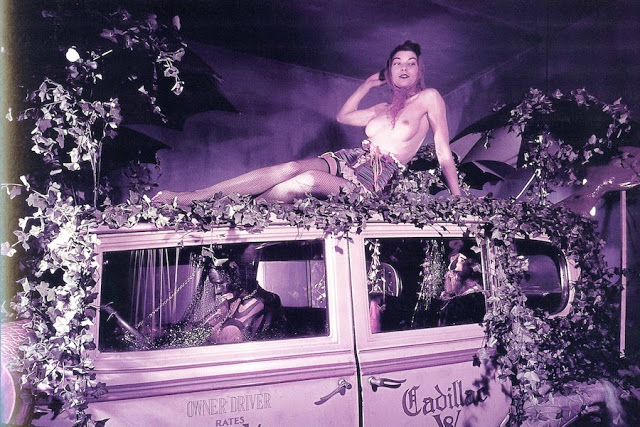
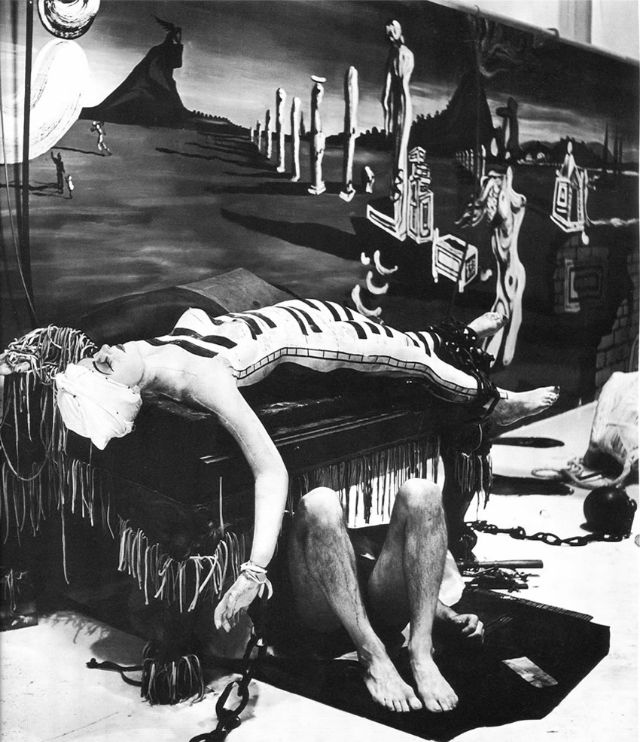
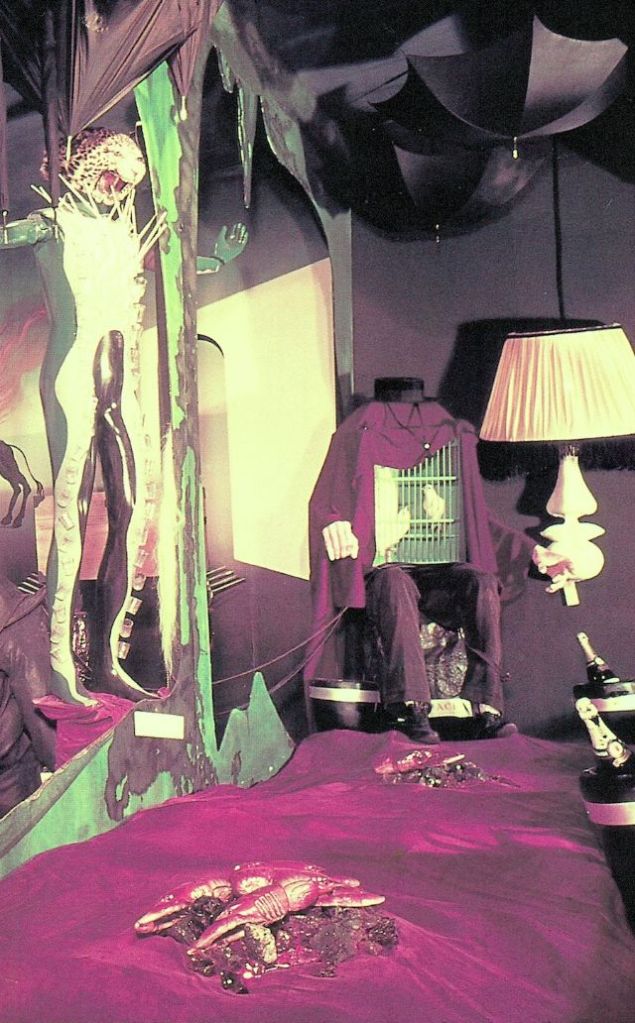
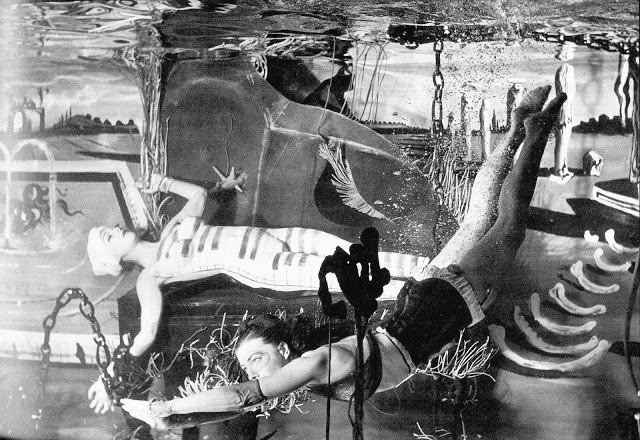
Dalí’s Dream of Venus is the most recent addition to the still-growing list of amusement-area girl shows and easily the most amazing. Weird building contains a dry tank and a wet tank. In the wet tank girls swim under water, milk a bandaged-up cow, tap typewriter keys which float like seaweed. Keyboard of piano is painted on the recumbent female figure made of rubber. In dry tank… a sleeping Venus reclines in 36-foot bed, covered with white and red satin, flowers, and leaves. Scattered about the bed are lobsters frying on beds of hot coals and bottles of champagne… All this is most amusing and interesting.
The building’s modern, expressionistic exterior, with an entrance framed by a woman’s legs, and shocking interior, including the bare-breasted “living liquid ladies” who occupied the tanks, caused quite a stir. The funhouse was so successful that it reopened for a second season, but once torn down it faded from memory and its outlandishness became the stuff of urban myth.
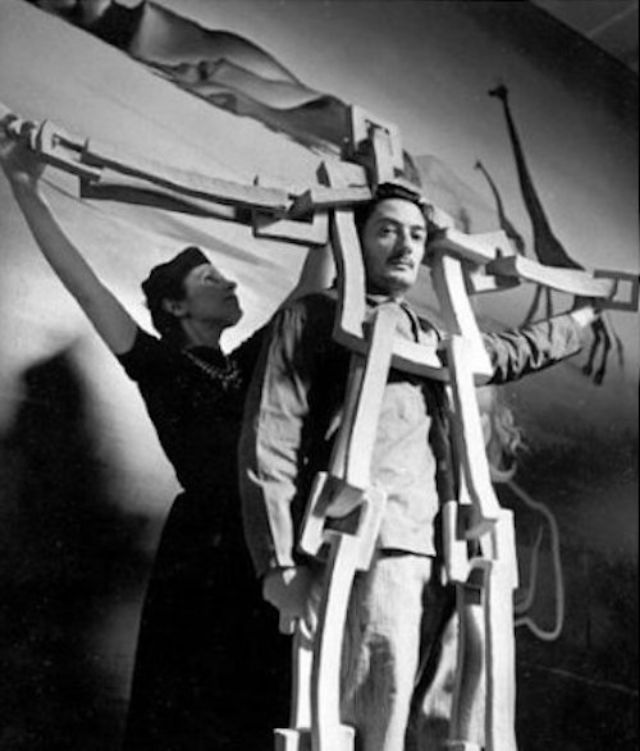
These photographs of the Dream of Venus by Eric Schaal has been discovered in 2002. In stunning black-and-white and early Kodachrome, they show both the construction and the completion of the funhouse-from Dalí painting a melting clock to showgirls parading for their audience. Salvador Dalí’s Dream of Venus reveals not only an eccentric work of architecture, but also a one-of-a-kind creation by one of the most fertile imaginations of the 20th century.







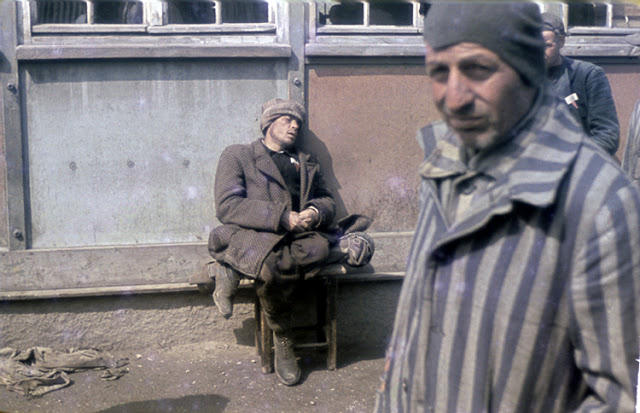
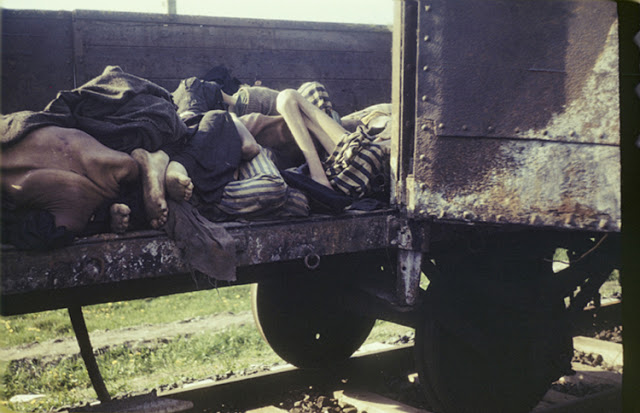
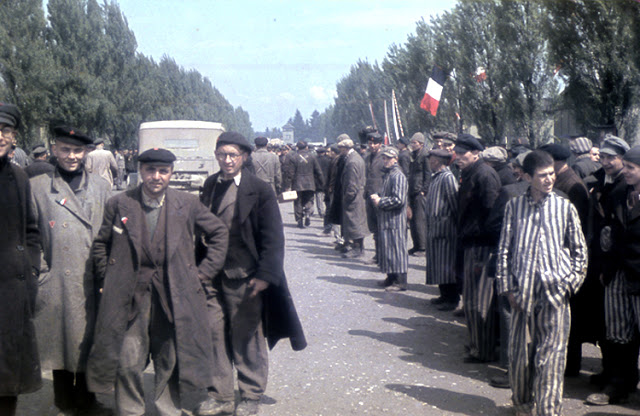
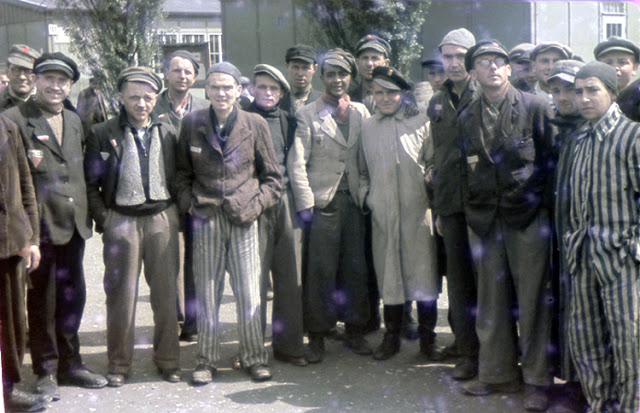
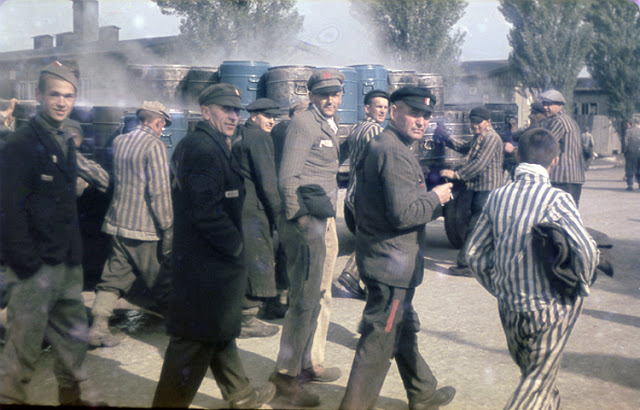
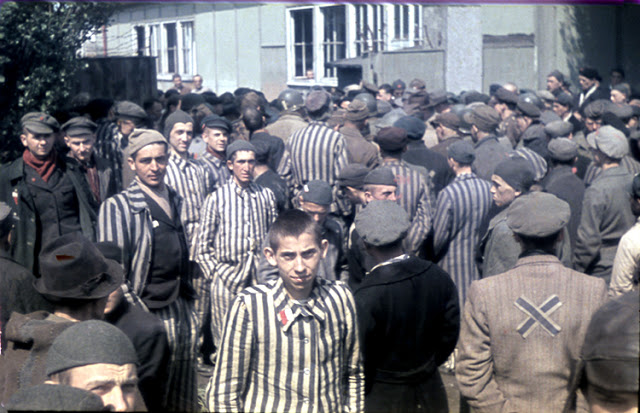
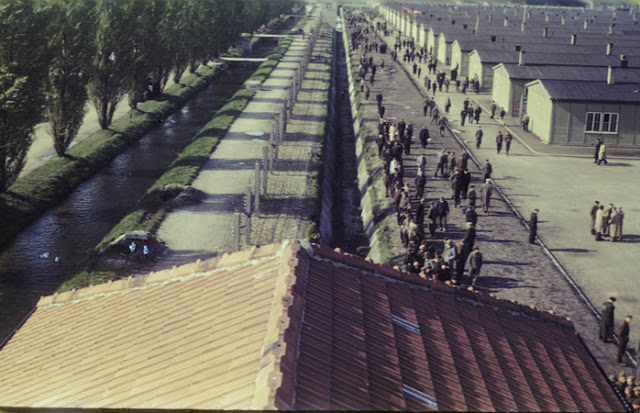
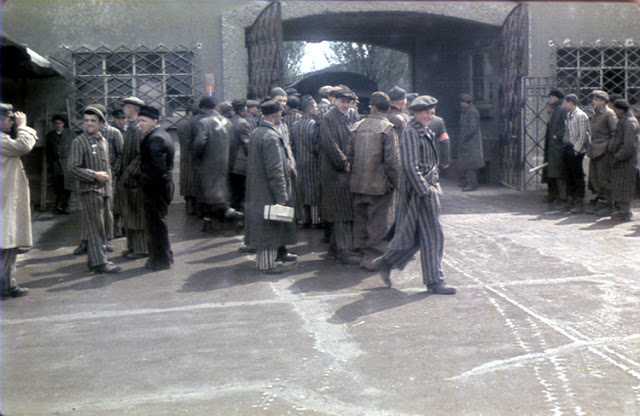
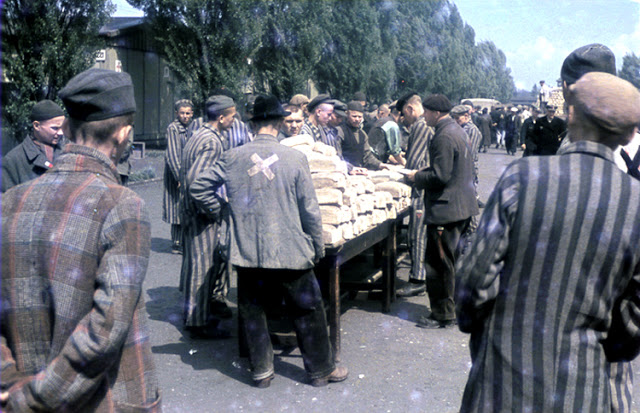
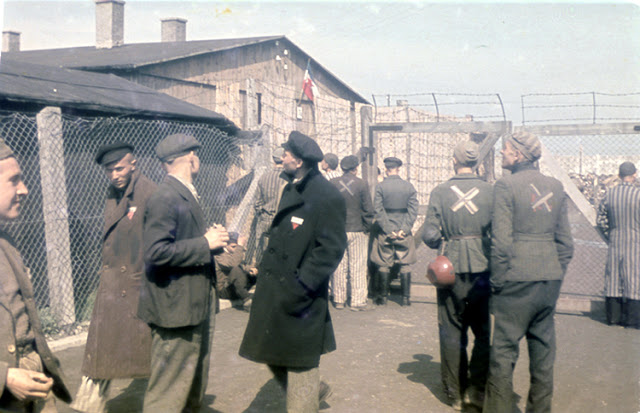
Nazi Germany maintained concentration camps throughout the territories it controlled before and during the Second World War. The first Nazi camps were erected in Germany in March 1933 immediately after Hitler became Chancellor and his Nazi Party was given control over the police through Reich Interior Minister Wilhelm Frick and Prussian Acting Interior Minister Hermann Göring. Used to hold and torture political opponents and union organizers, the camps initially held around 45,000 prisoners.
Heinrich Himmler’s SS took full control of the police and concentration camps throughout Germany in 1934–35. Himmler expanded the role of the camps to holding so-called “racially undesirable elements” of German society, such as Jews, criminals, homosexuals, and Romani.

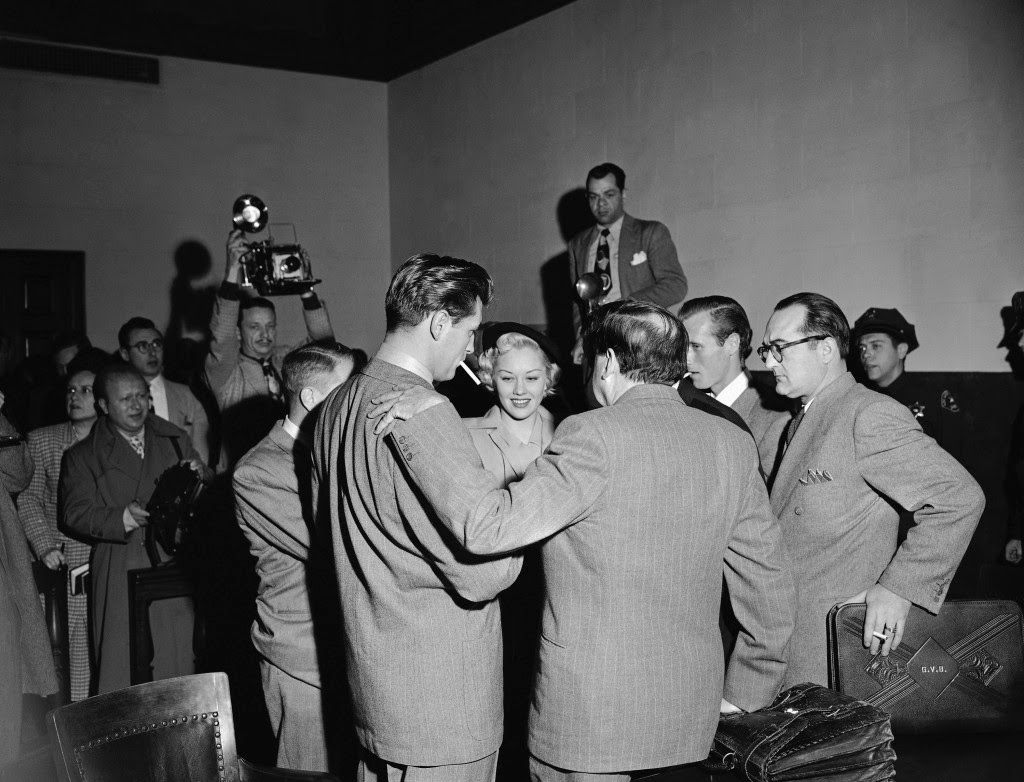
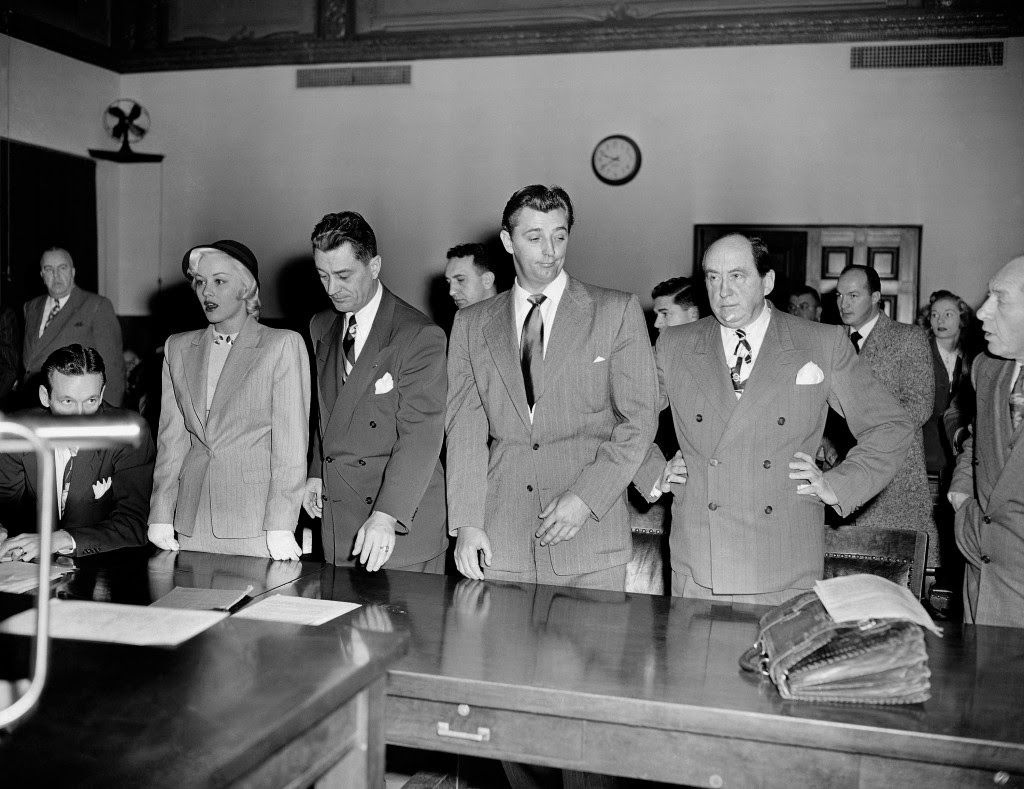
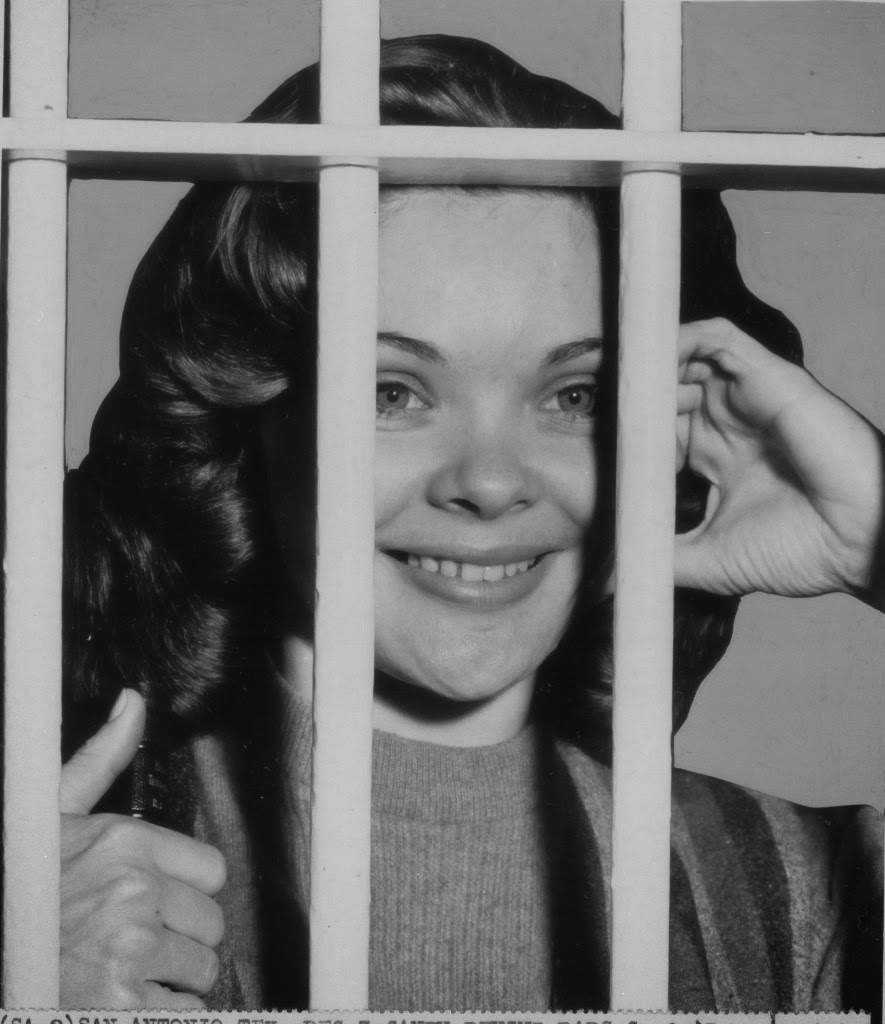
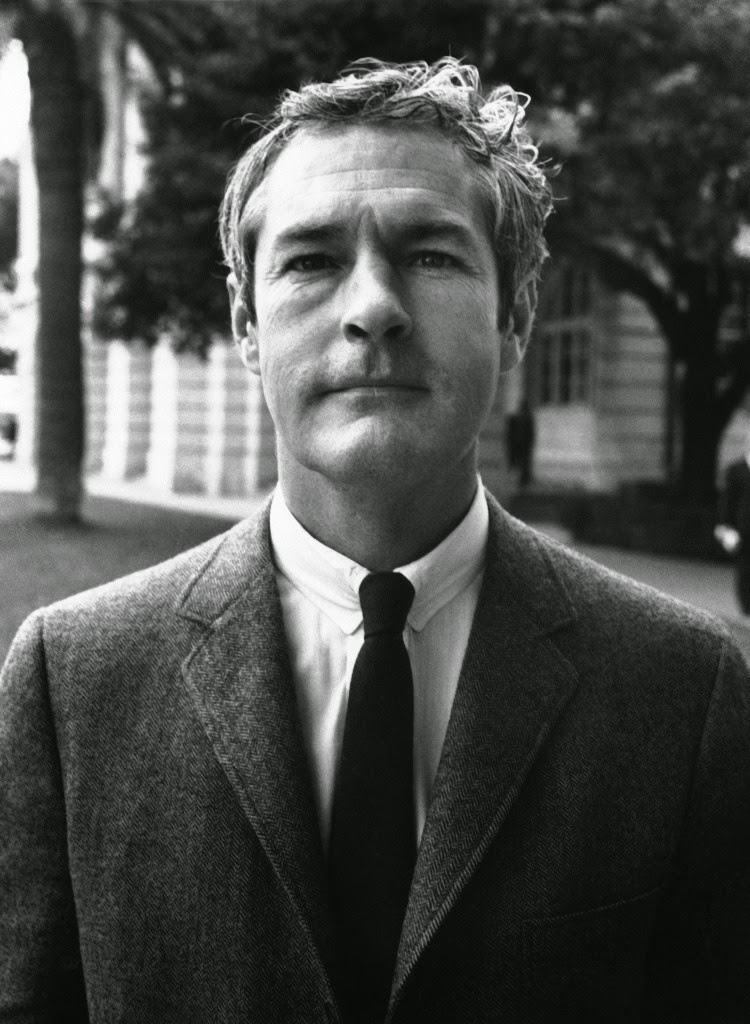
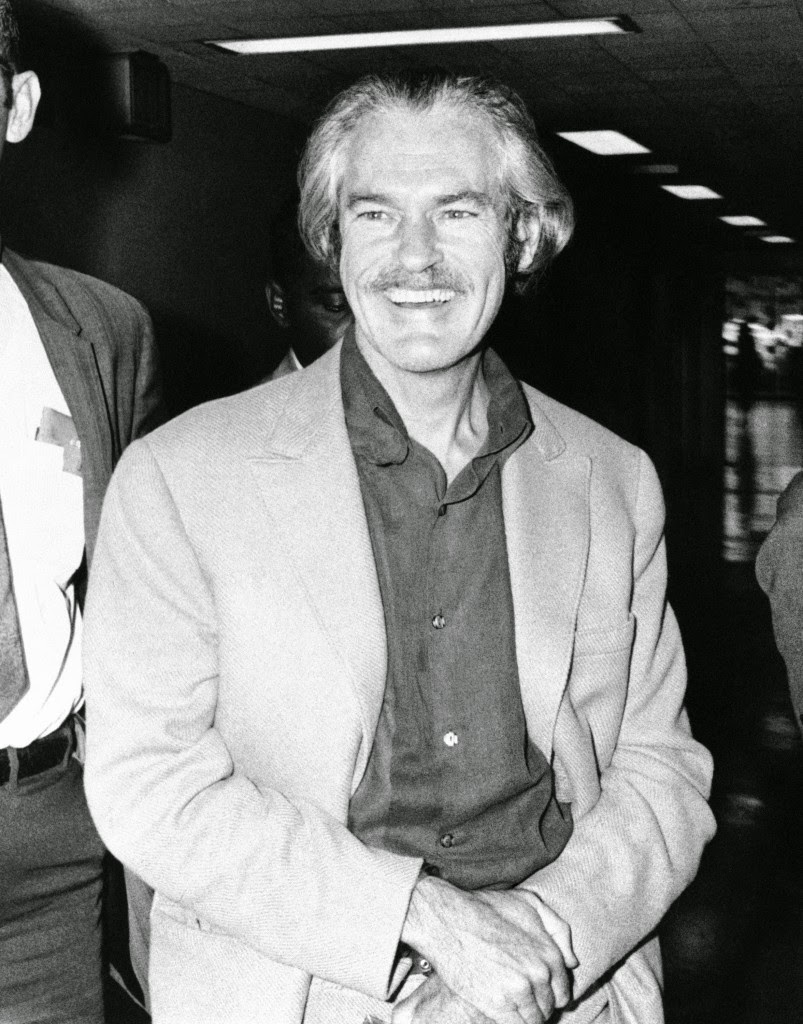
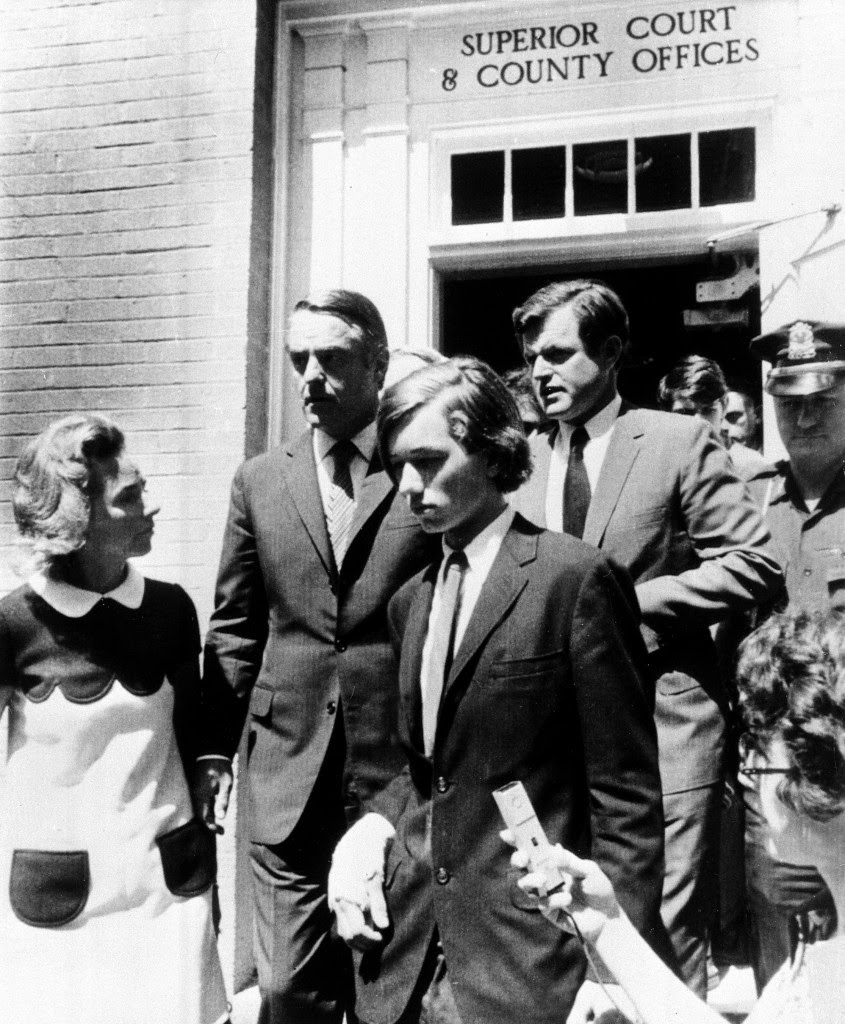
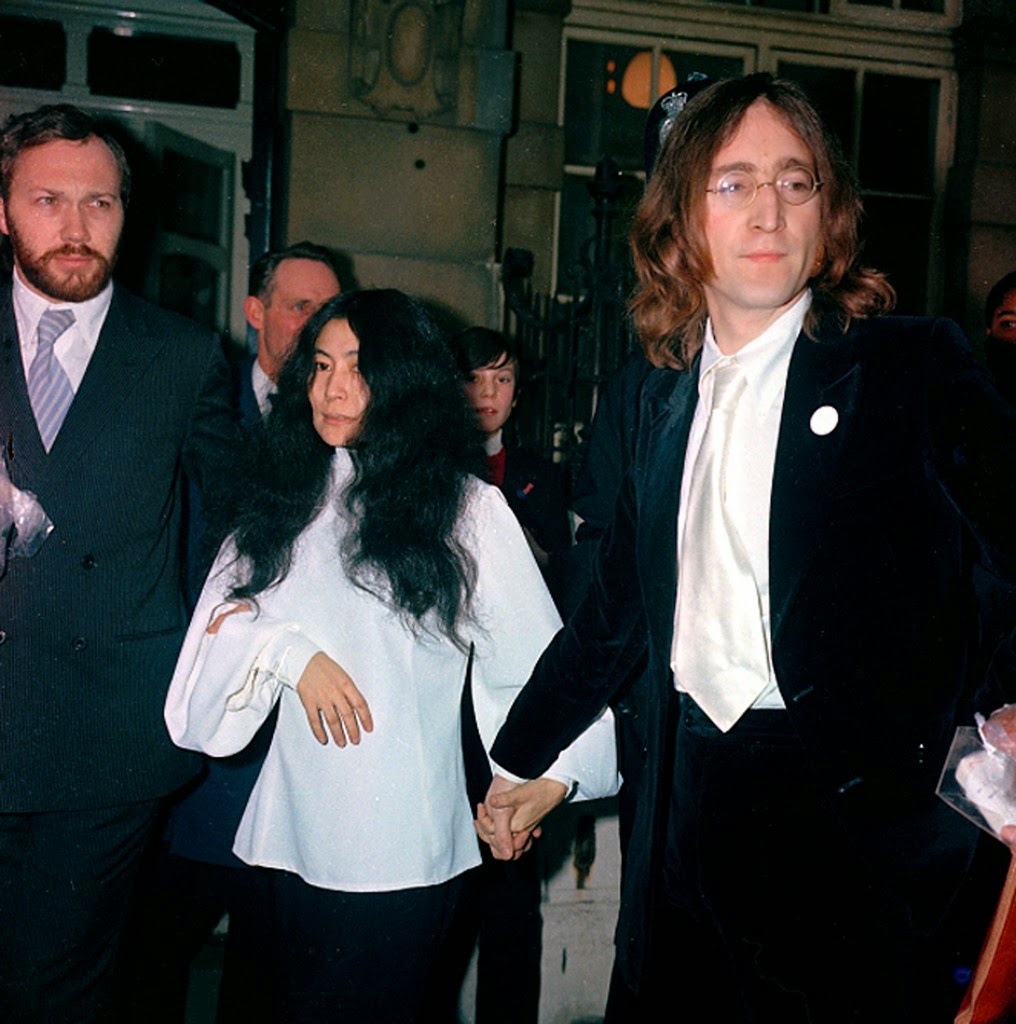
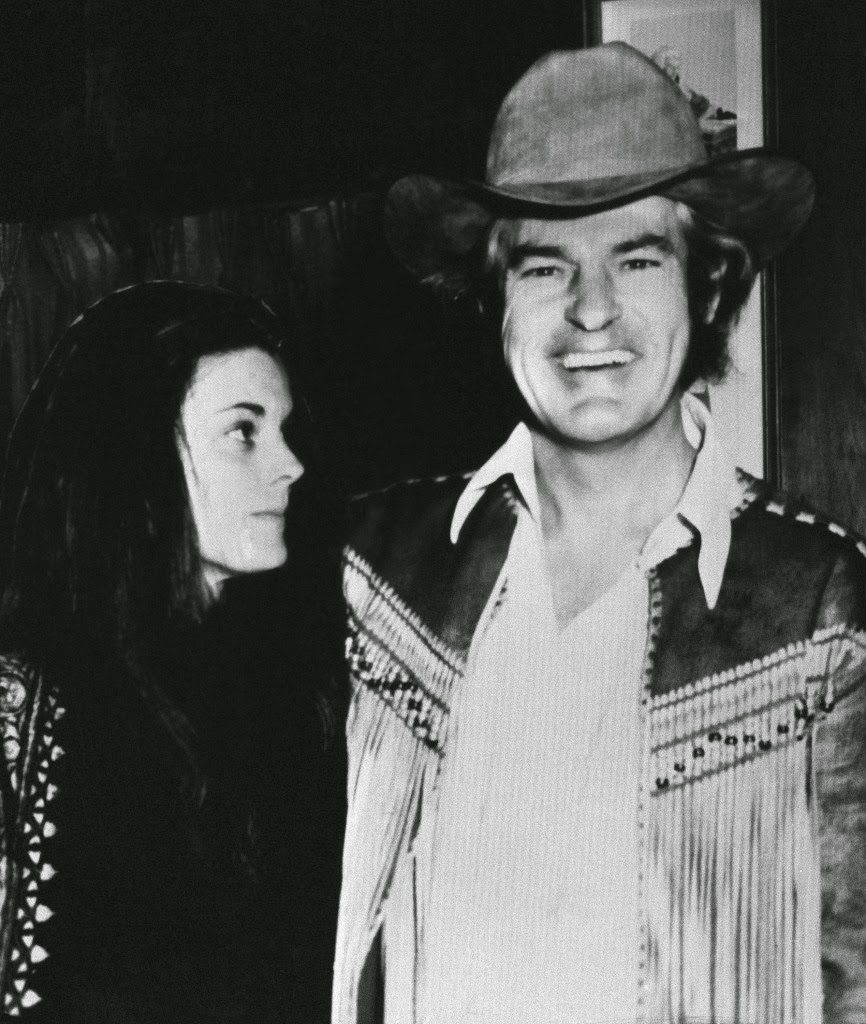
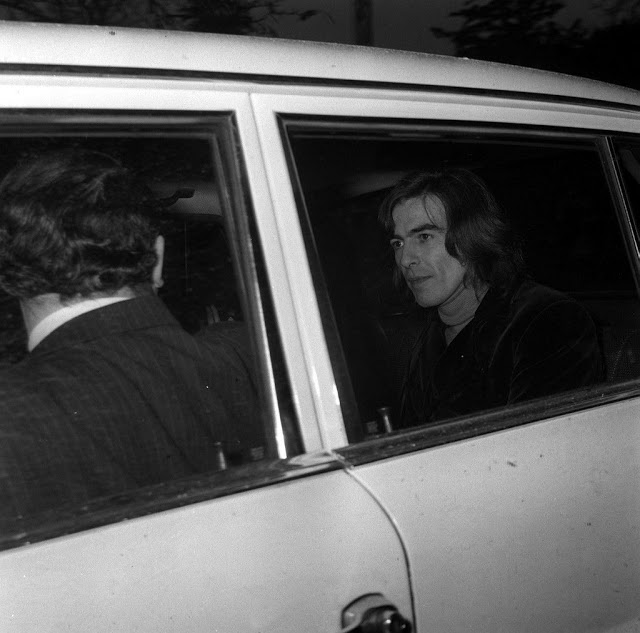
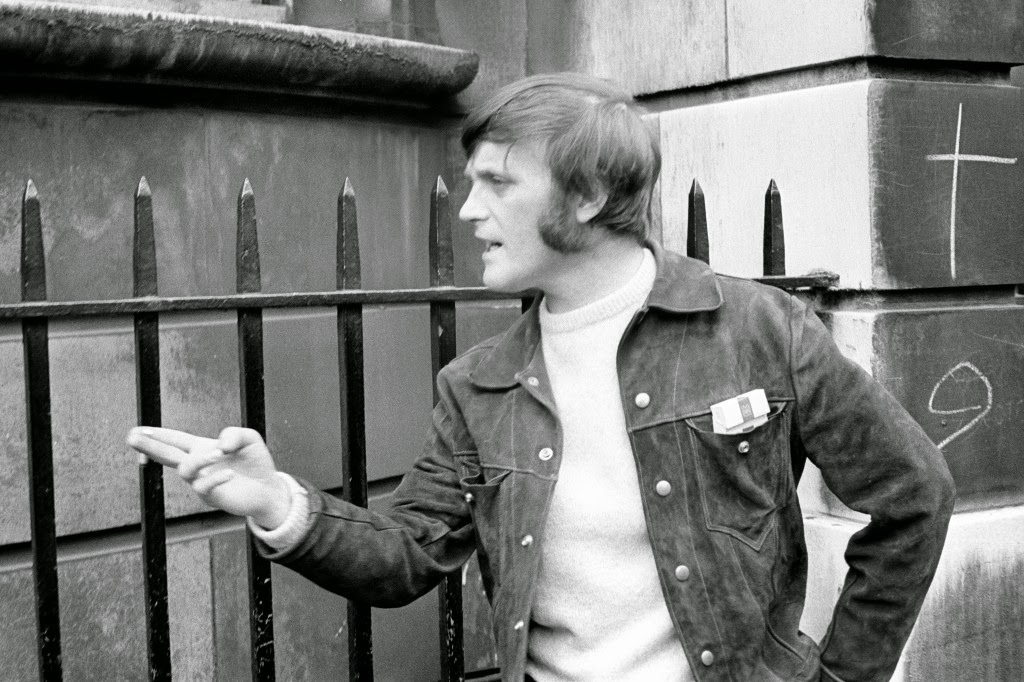
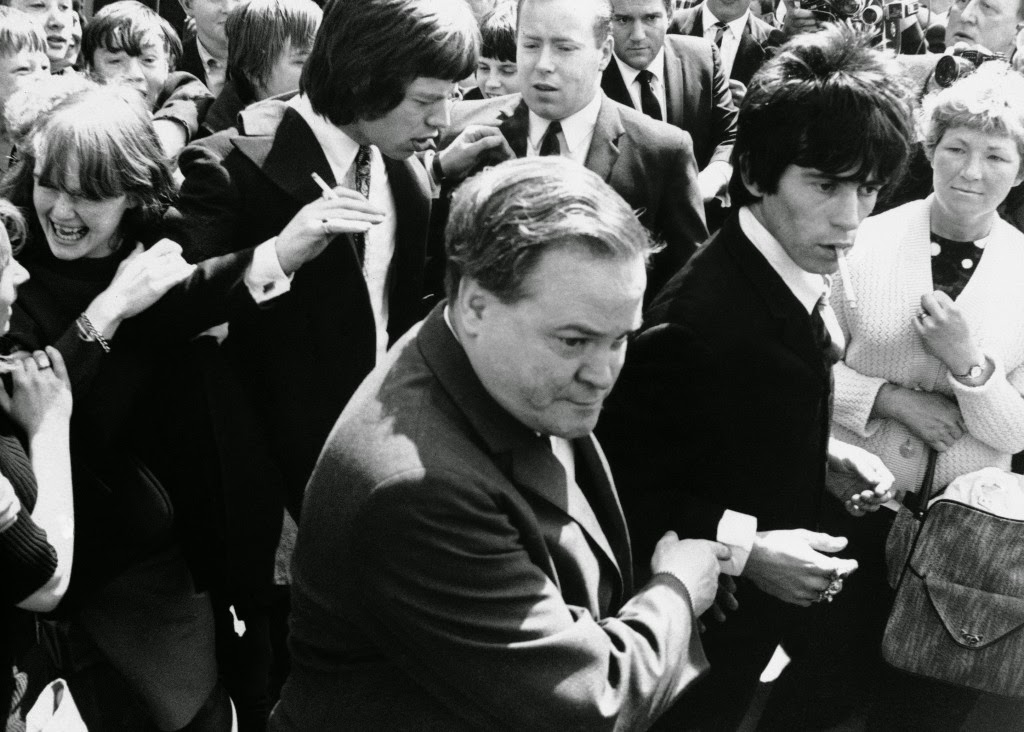
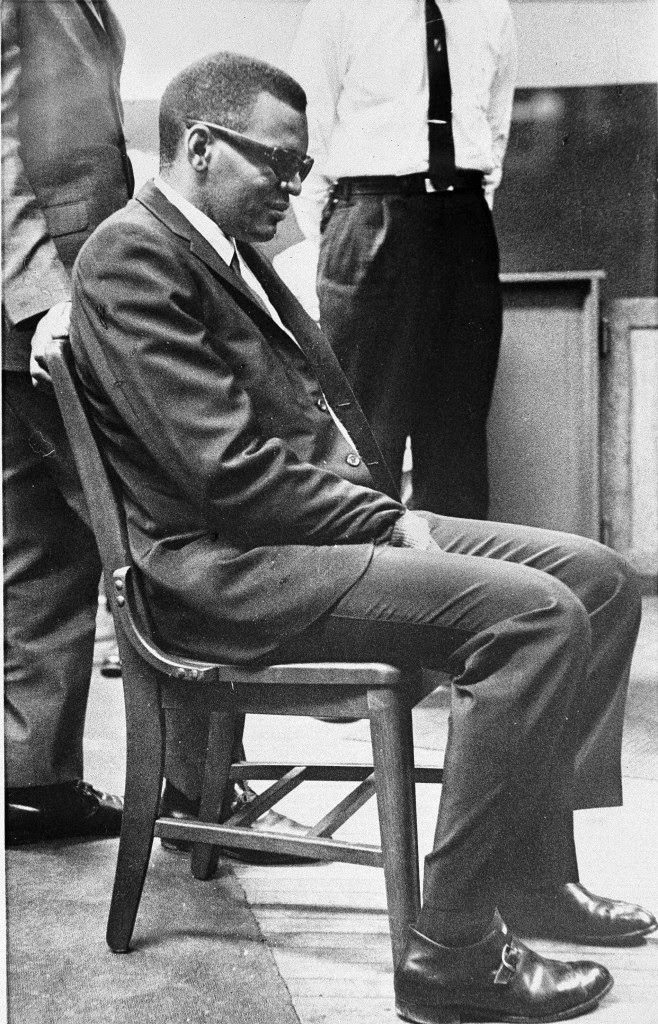
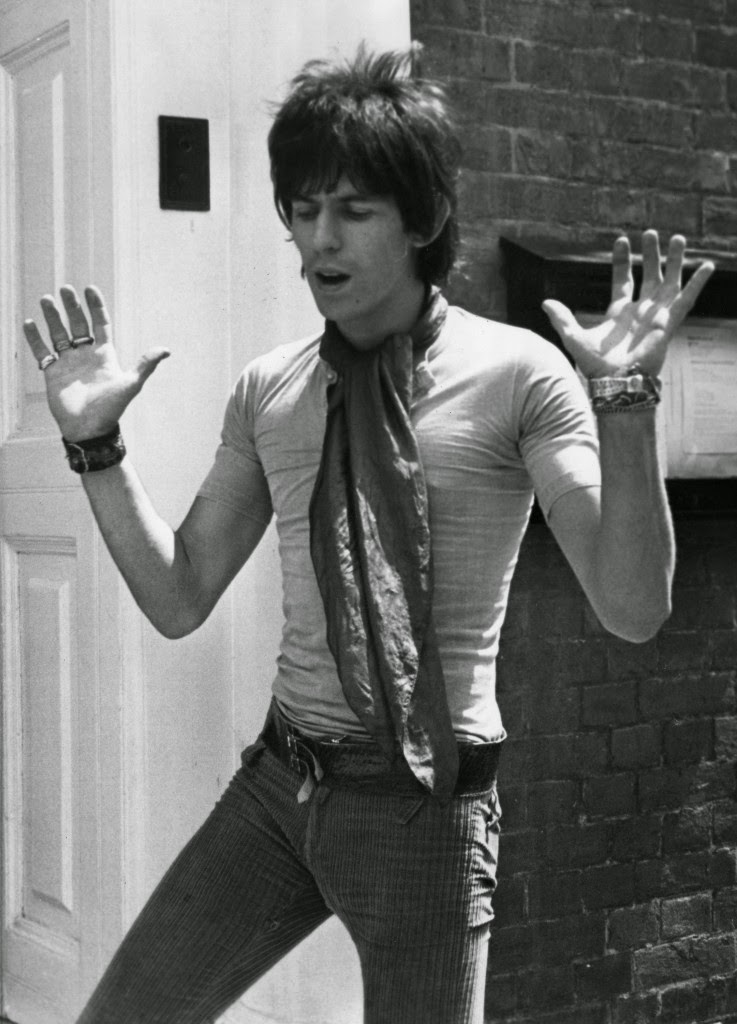
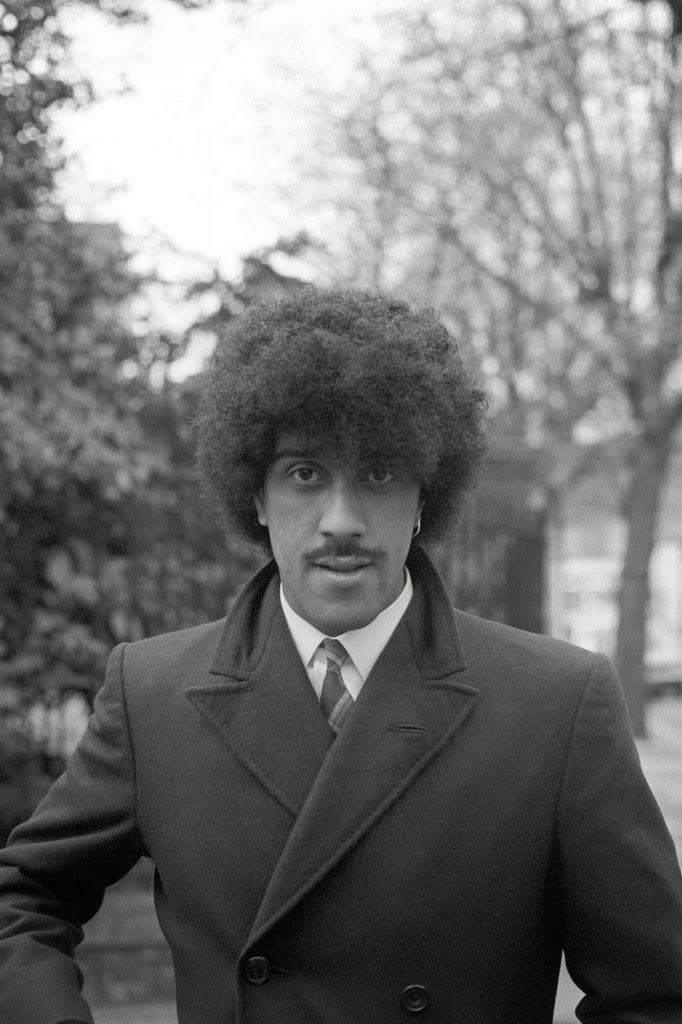
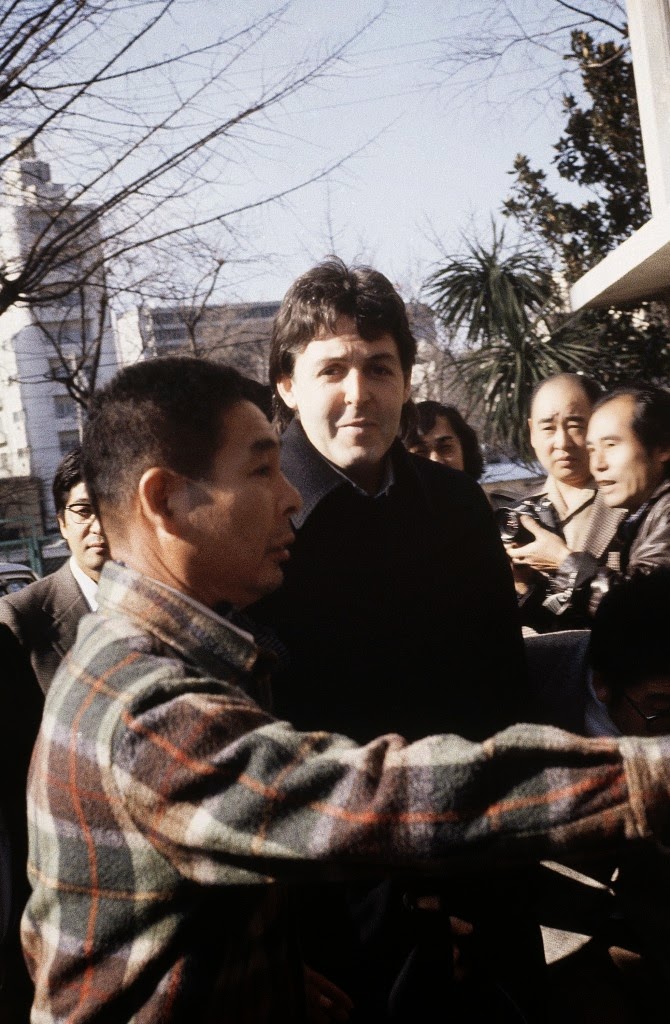
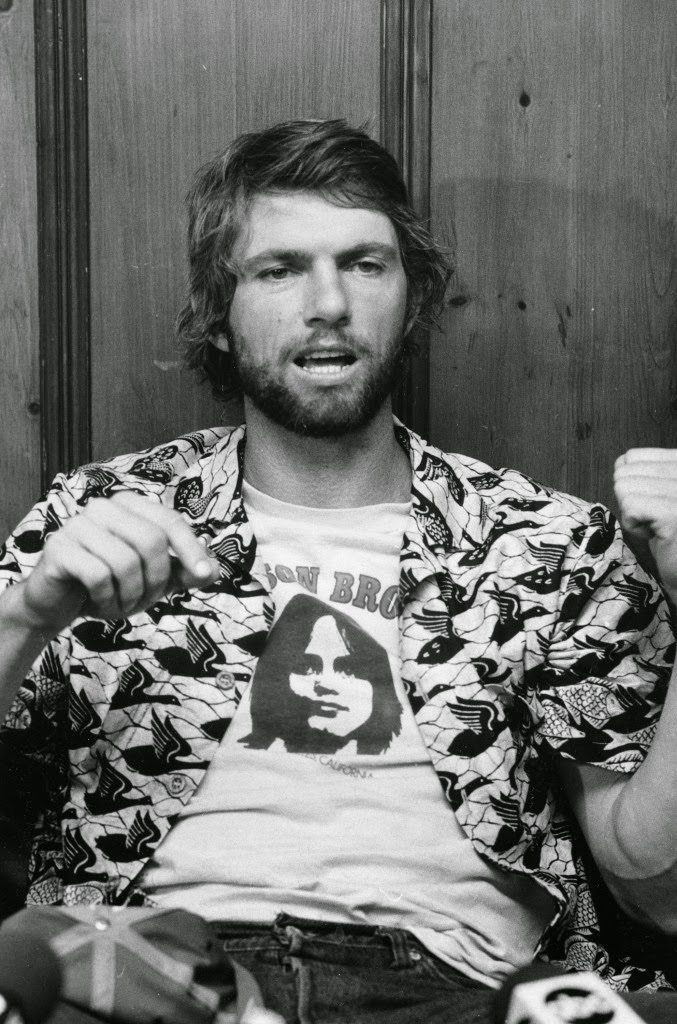
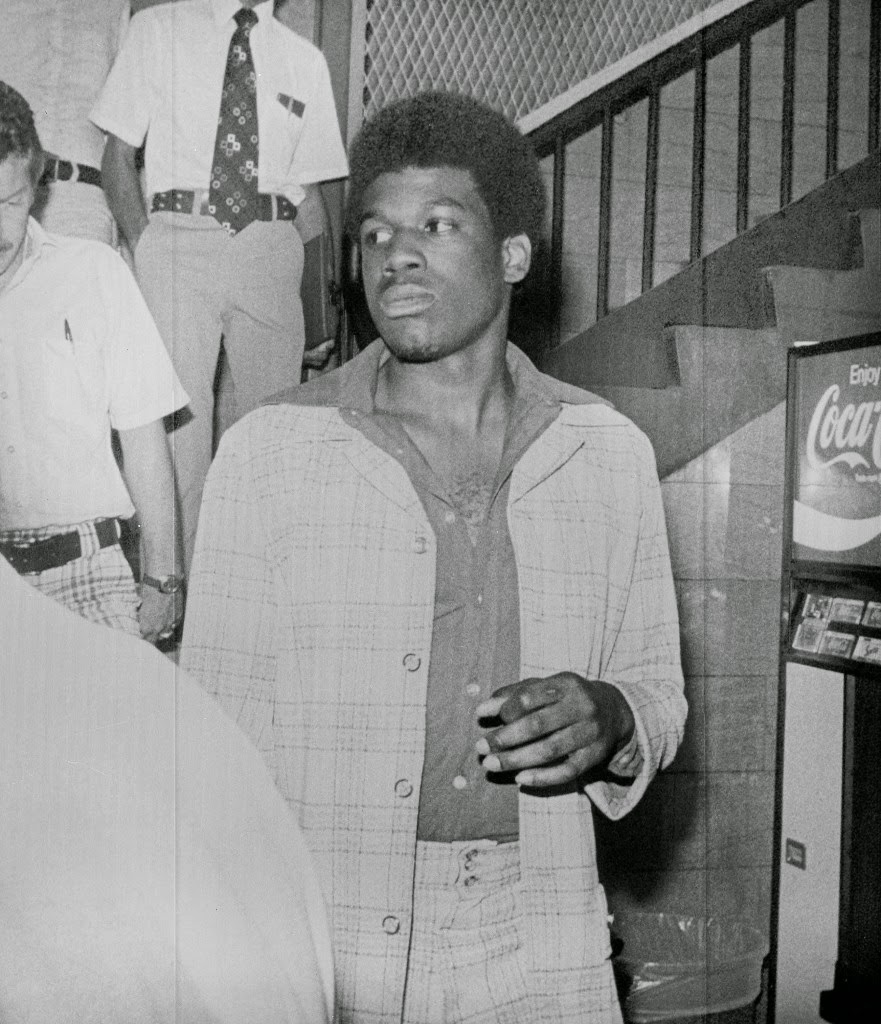
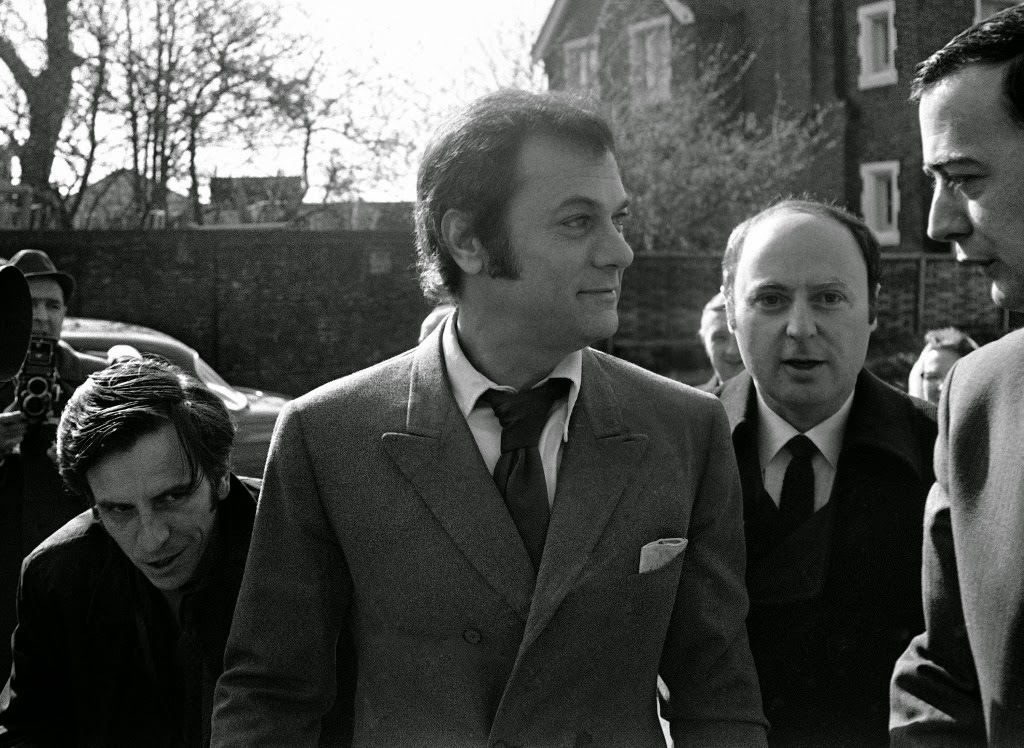
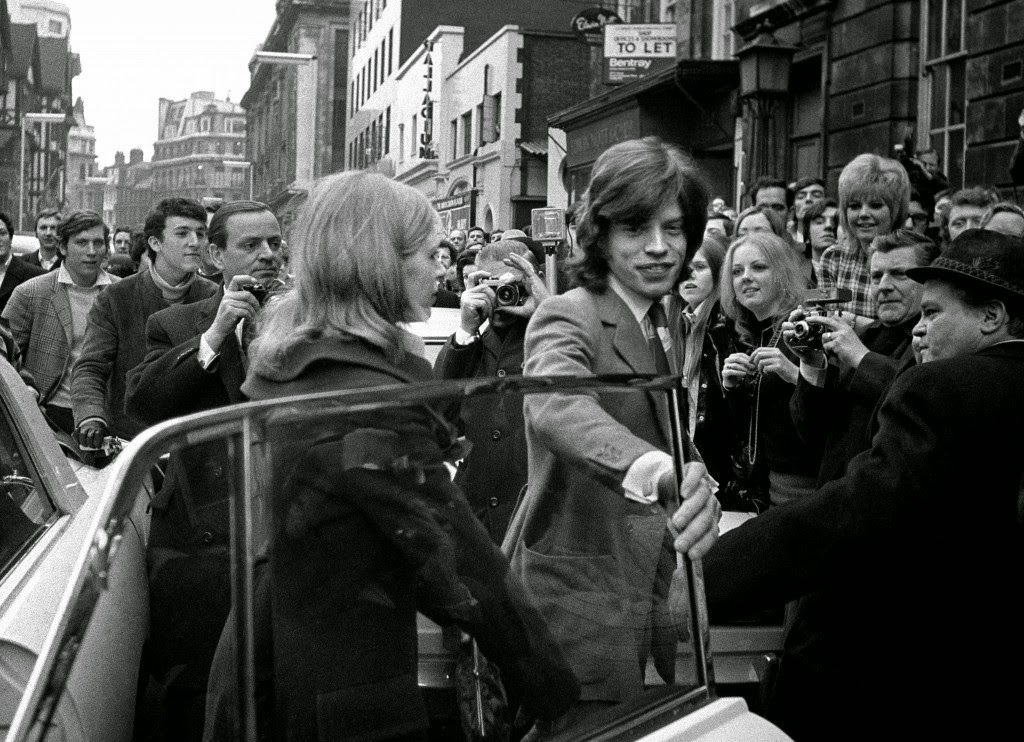
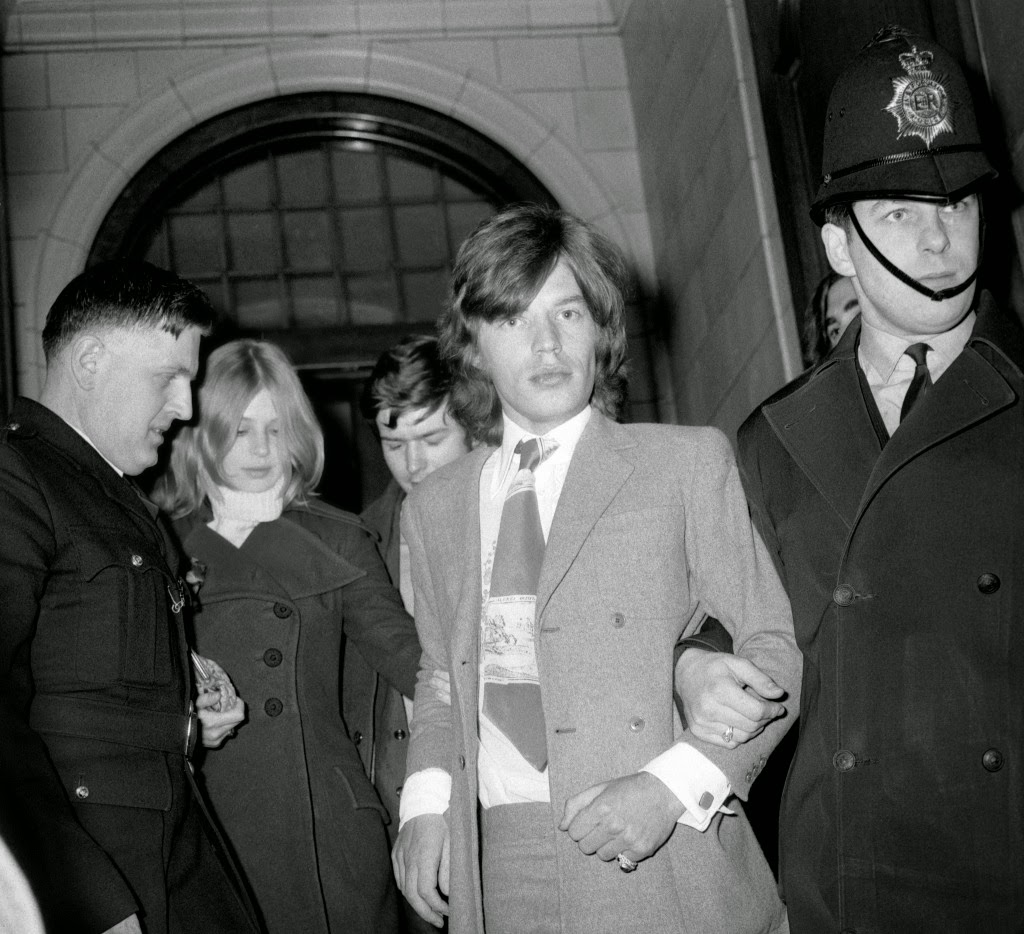
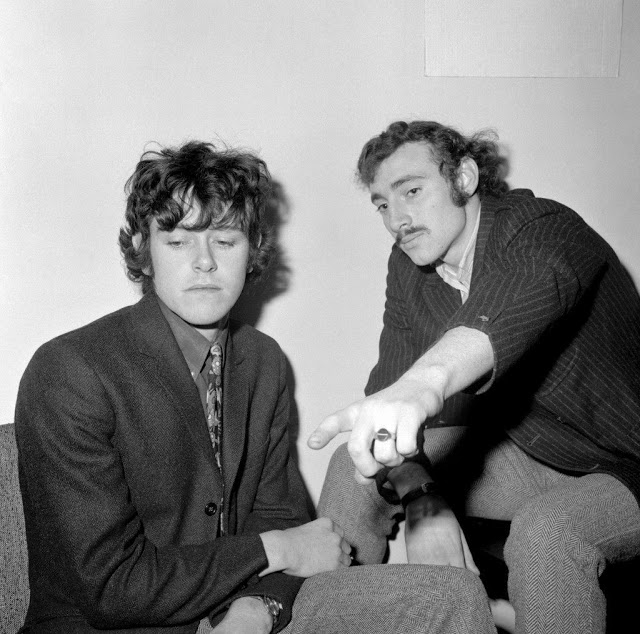
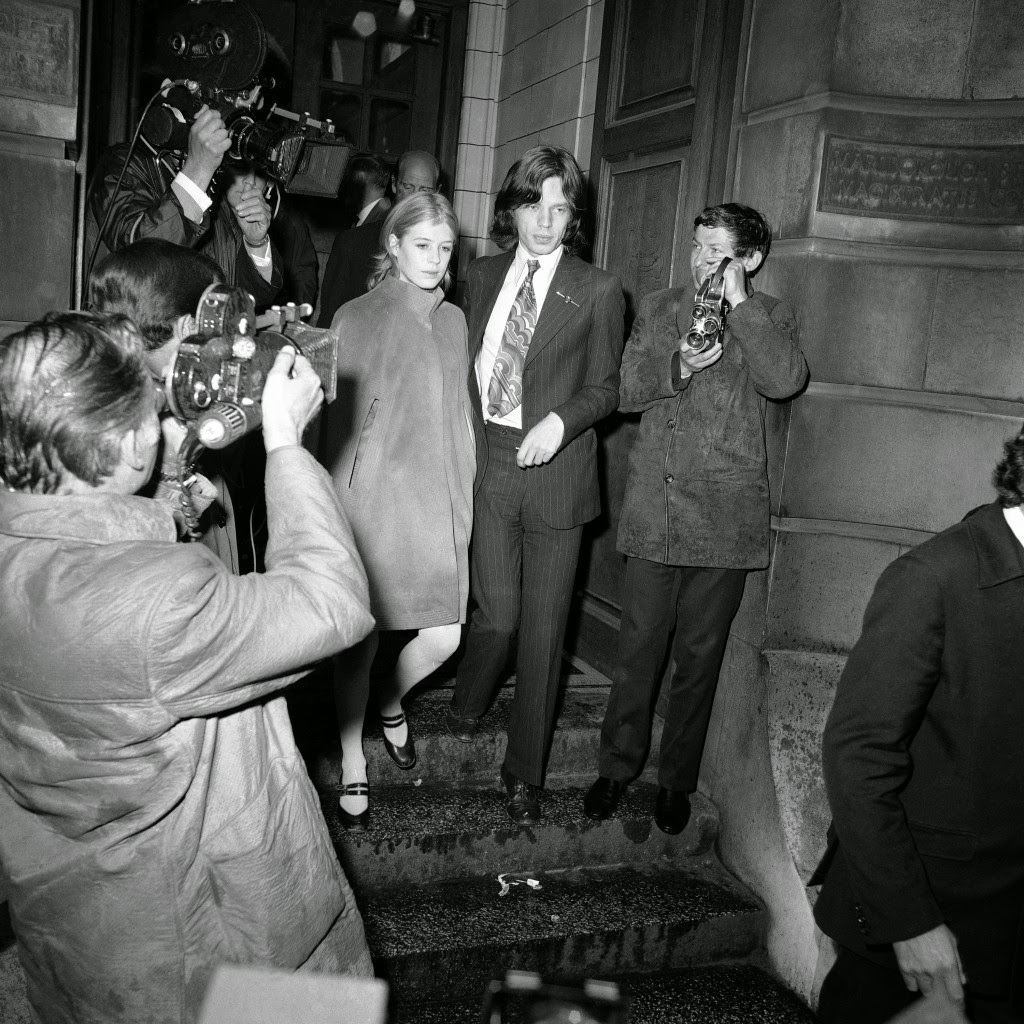
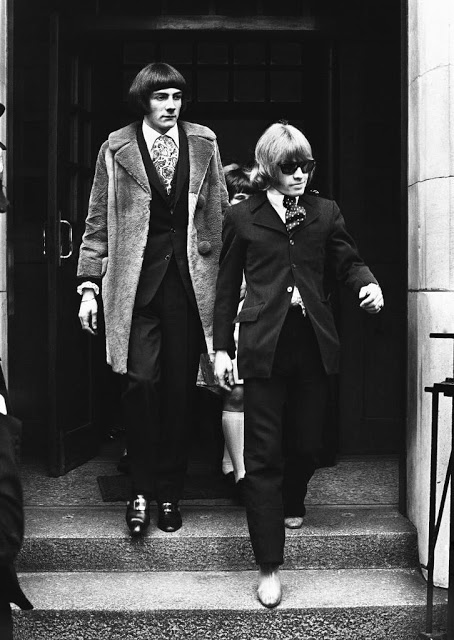
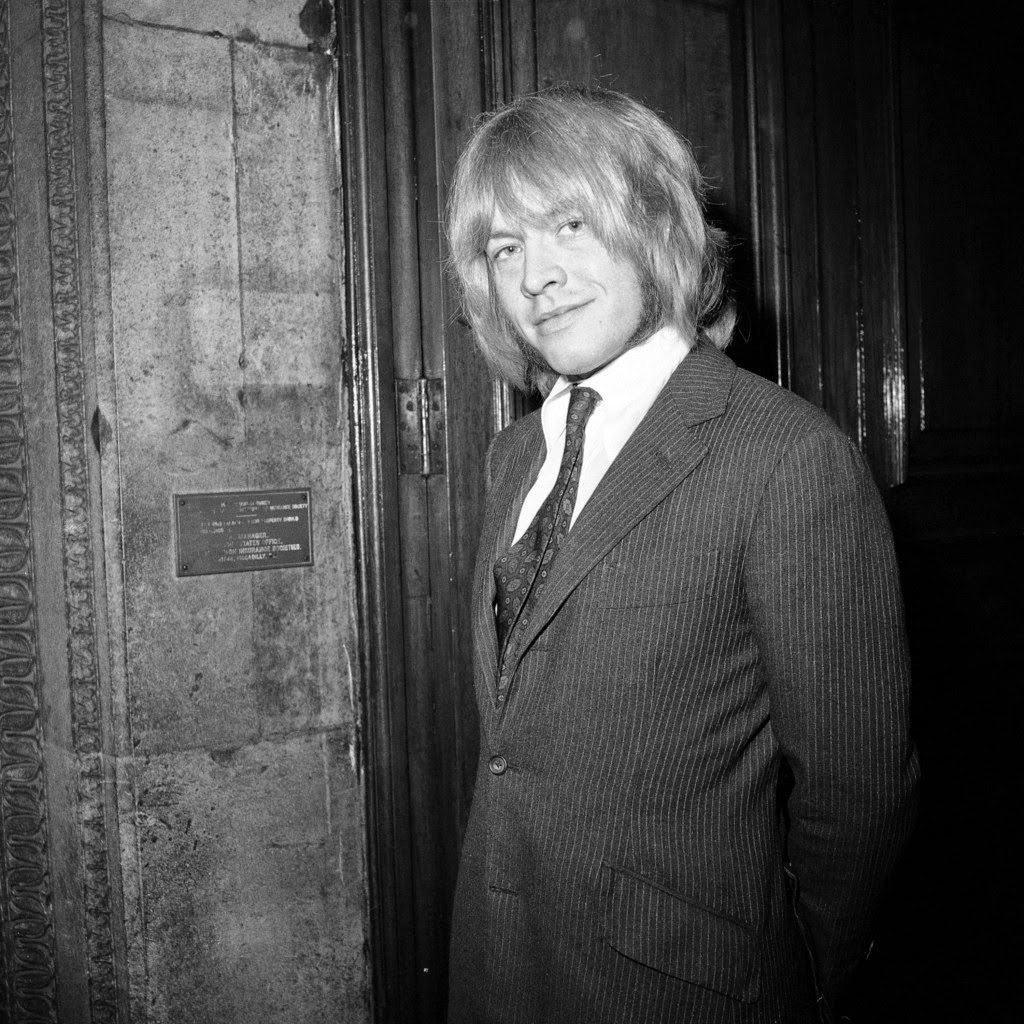
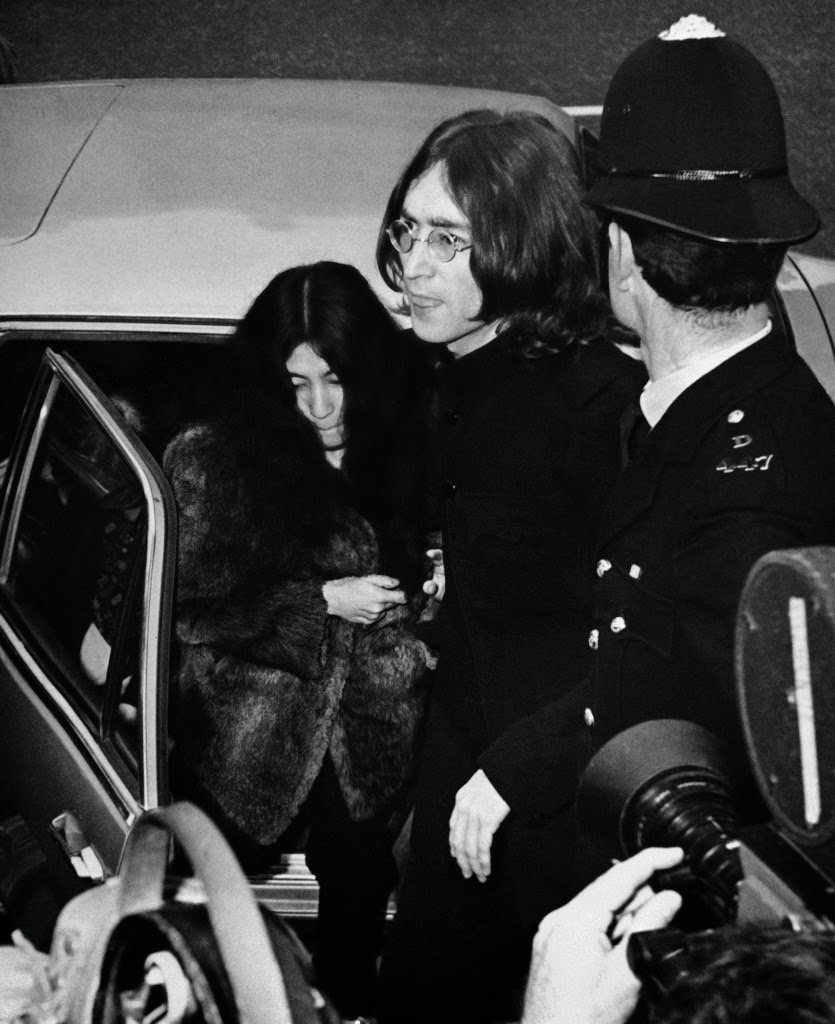
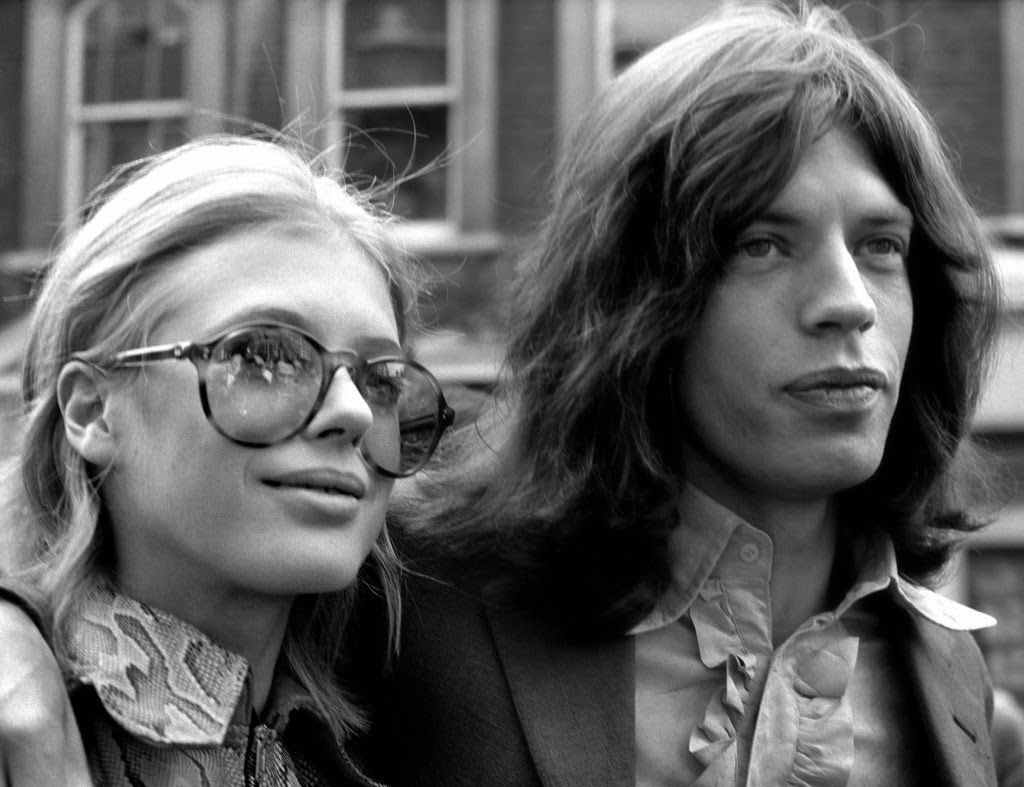
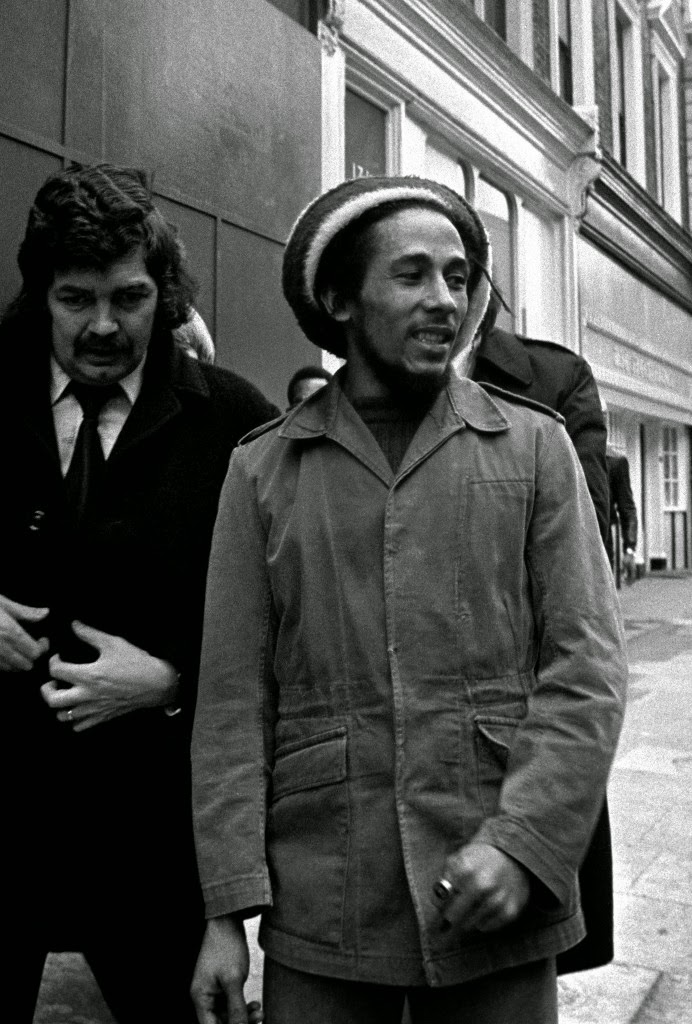
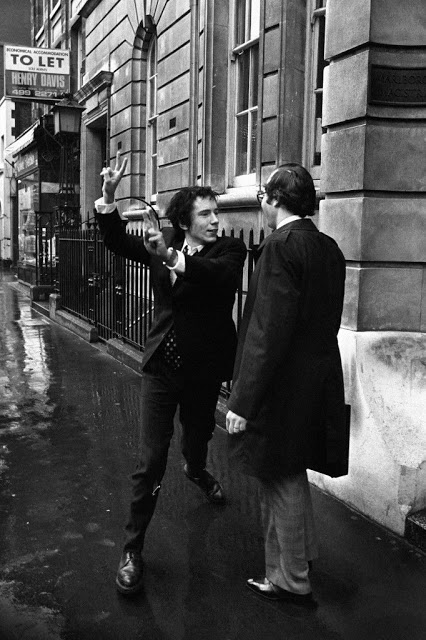
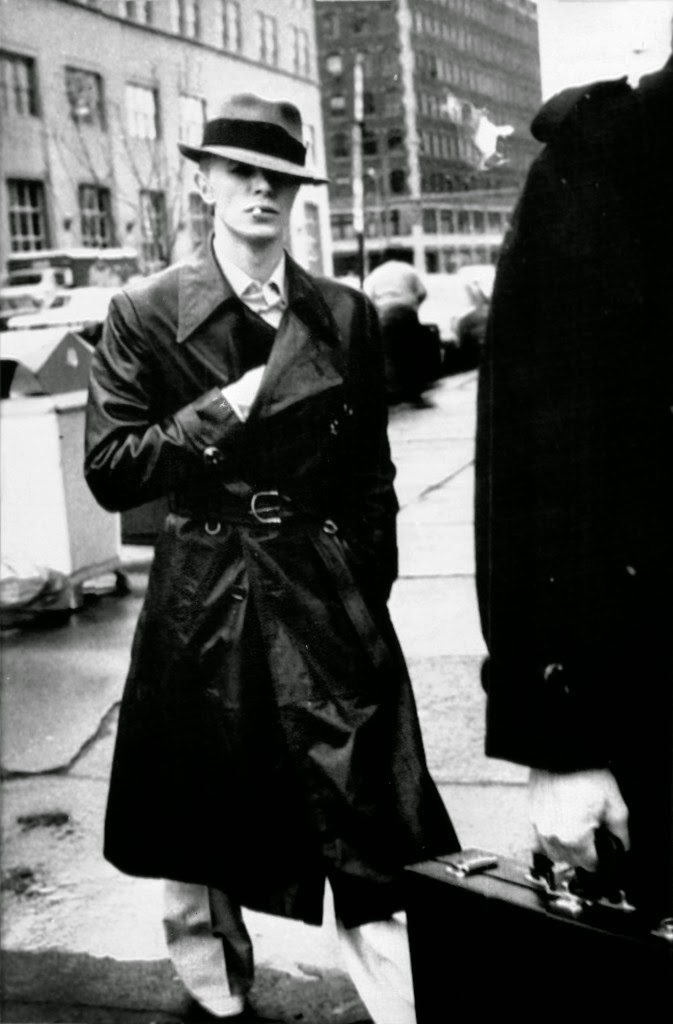
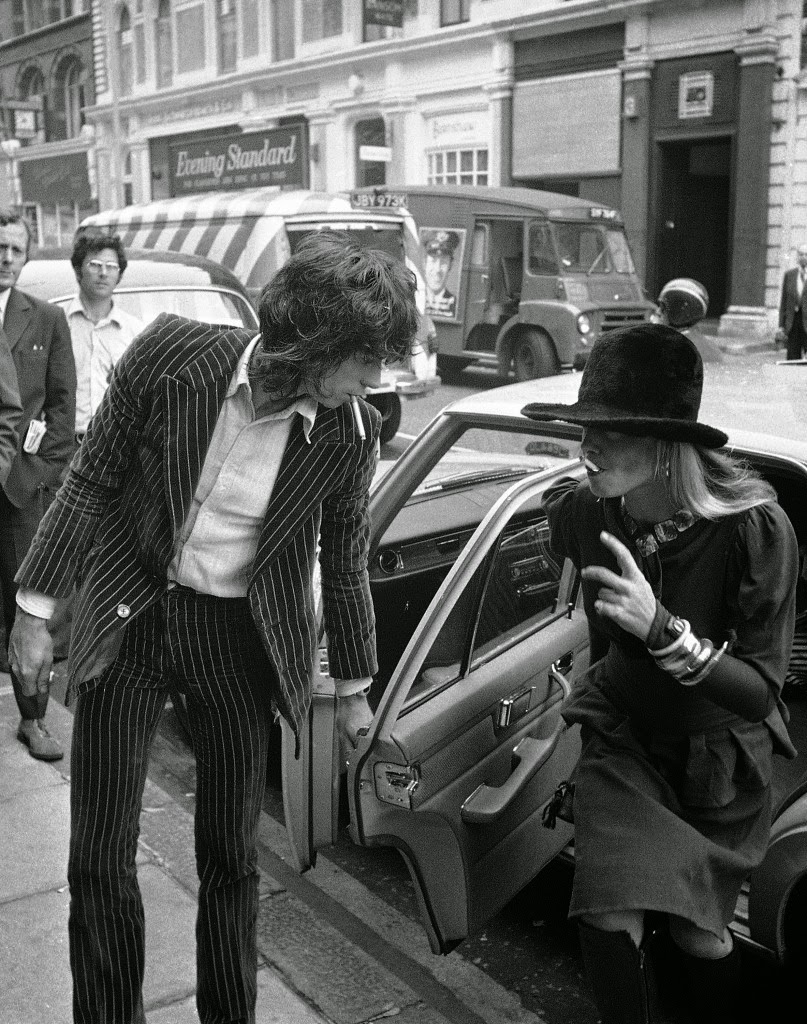
Marijuana is the evil weed that will drive you to madness. Here are some of old pictures of famous faces who have been arrested for cannabis possession.
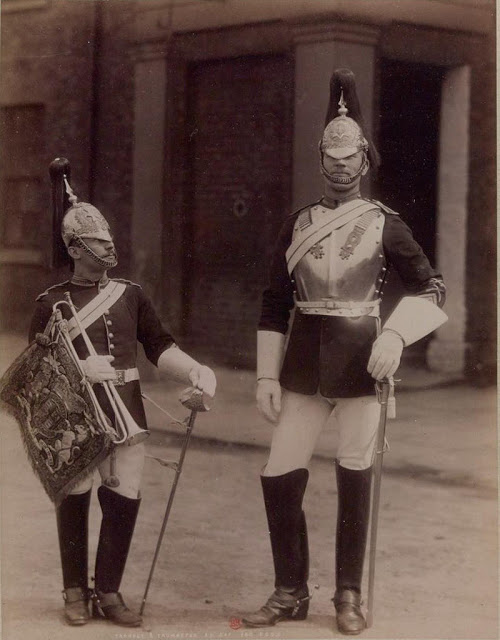
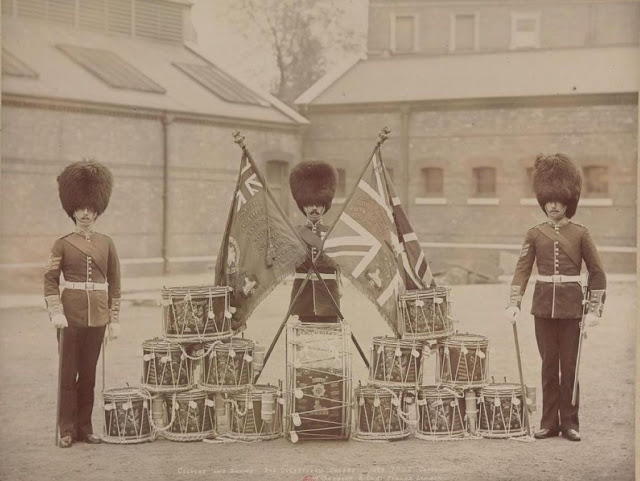
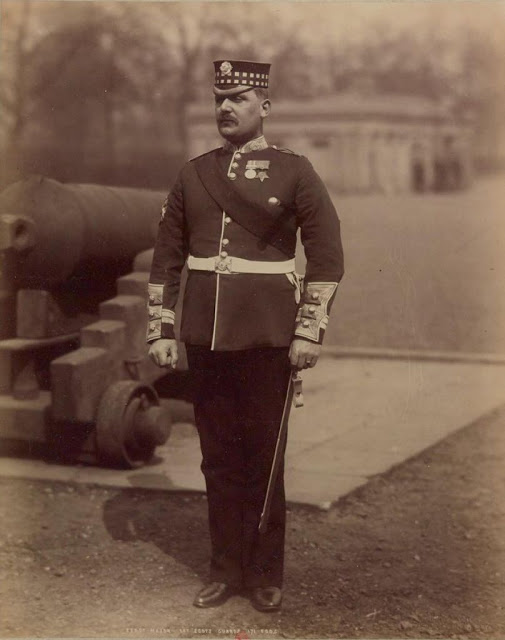
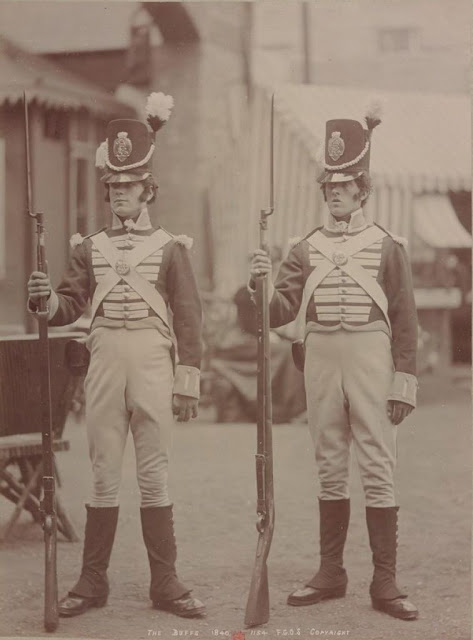
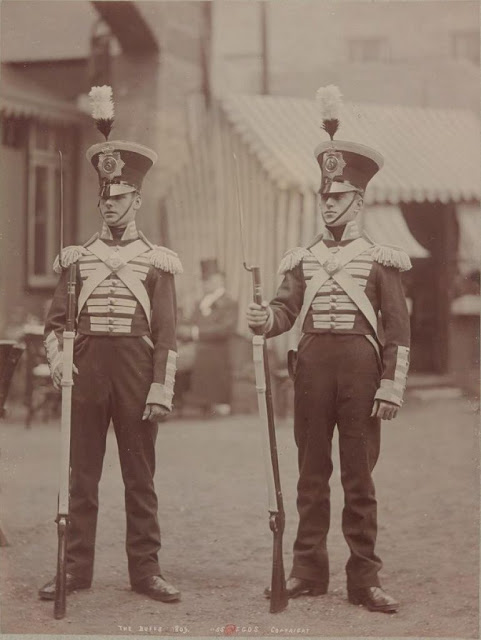
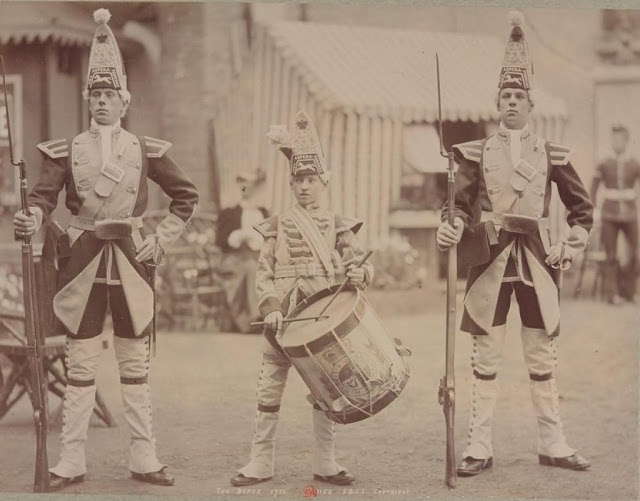
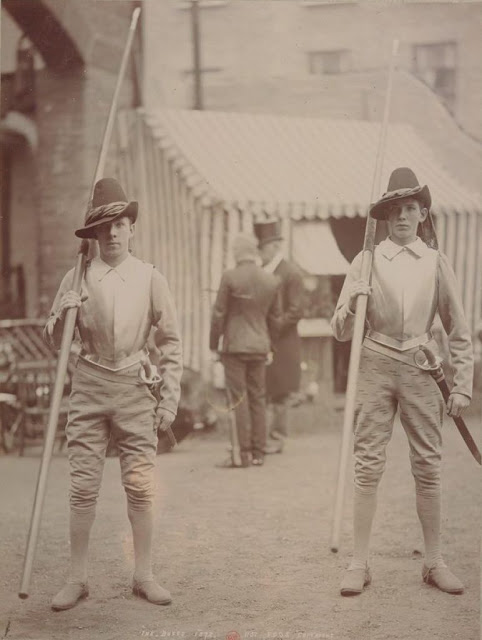
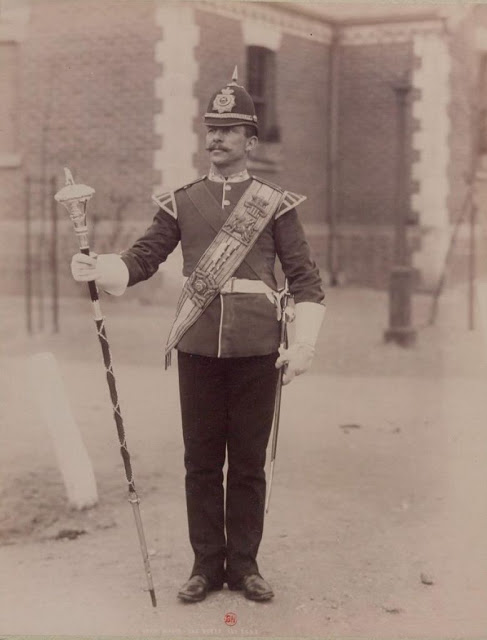
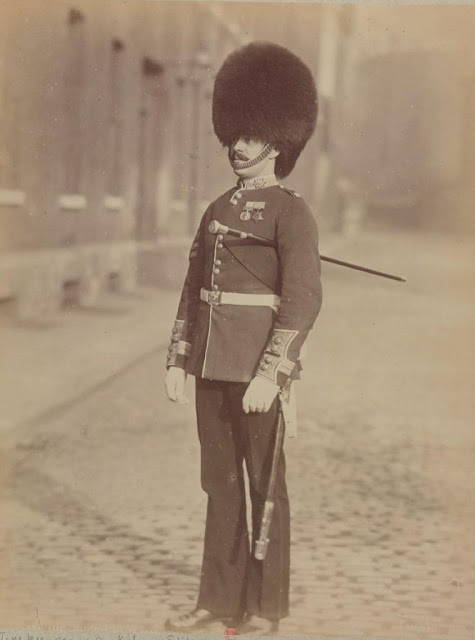
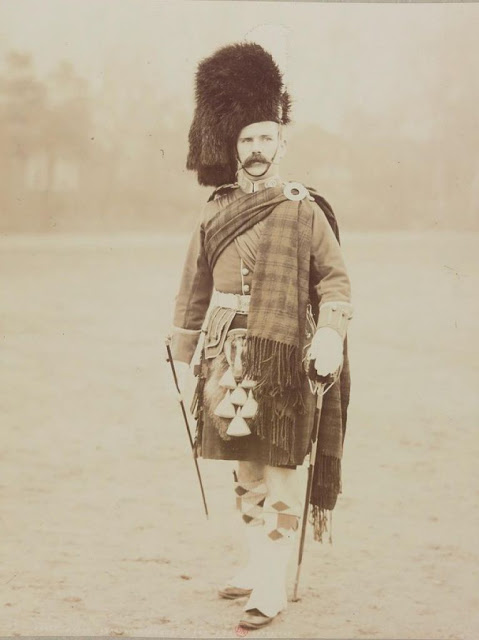
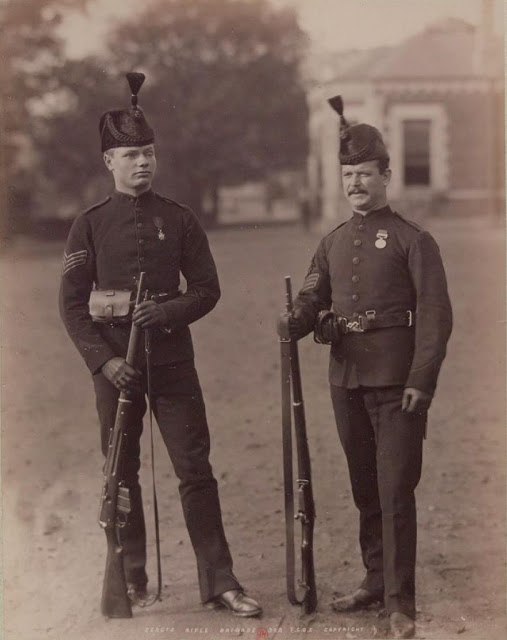
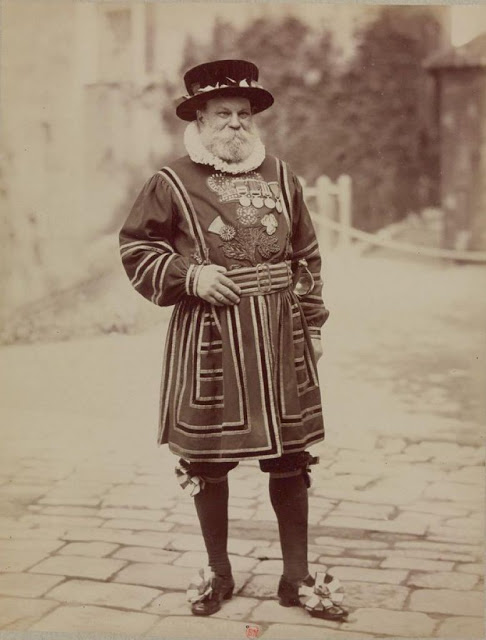
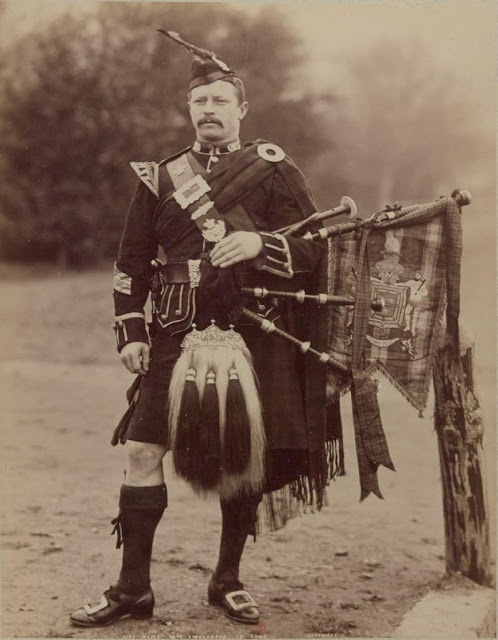
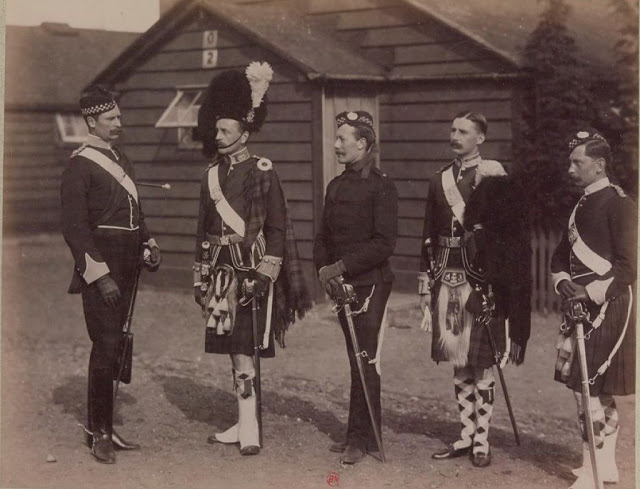
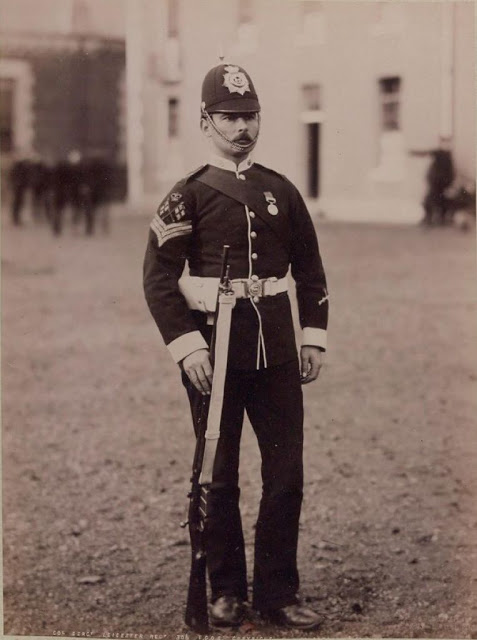
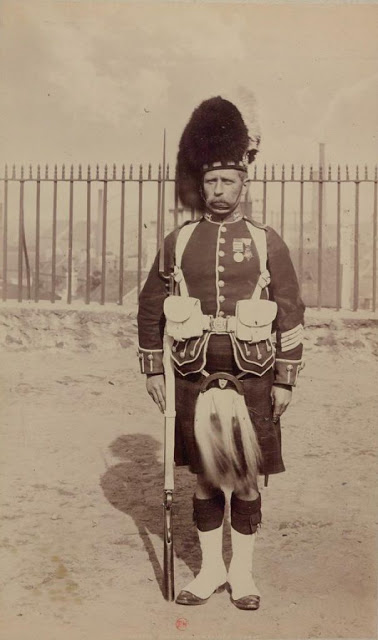
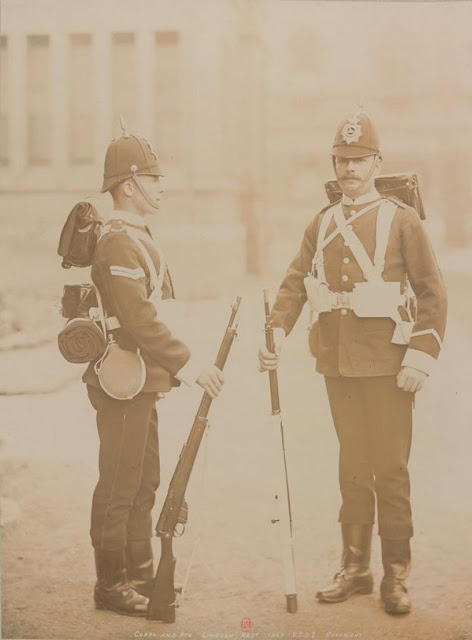
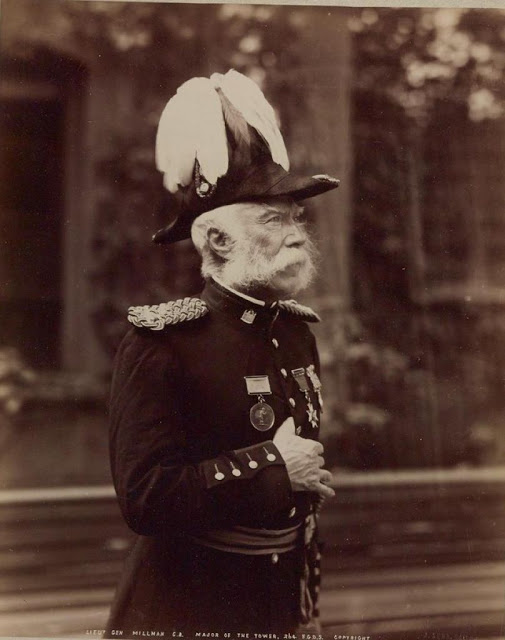
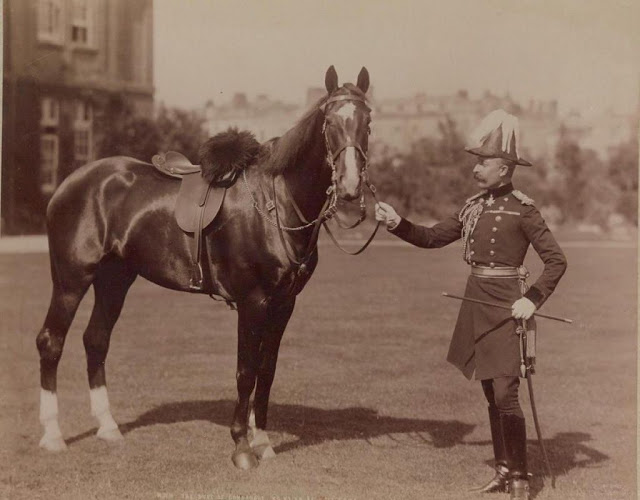
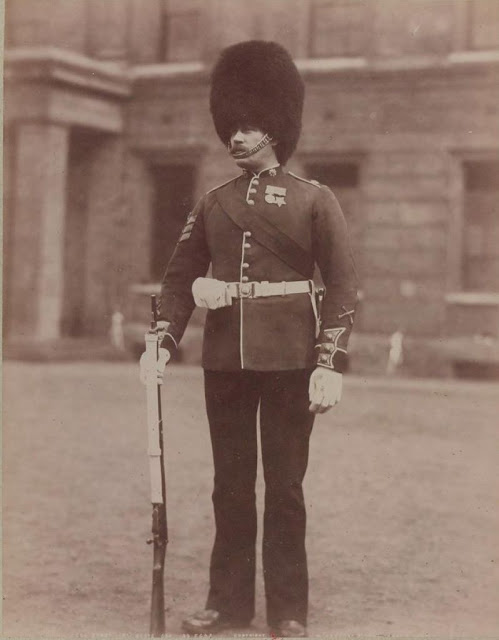
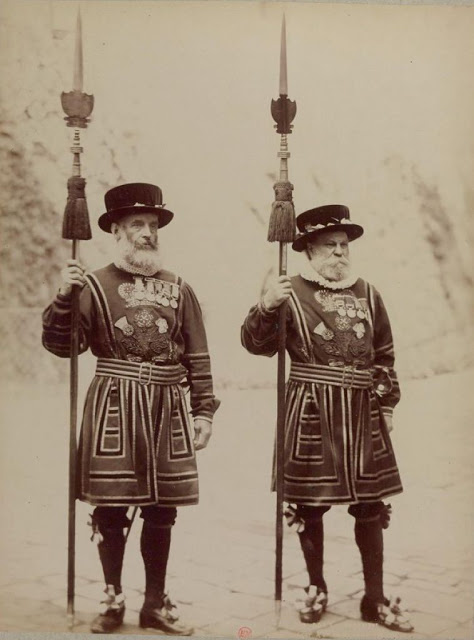
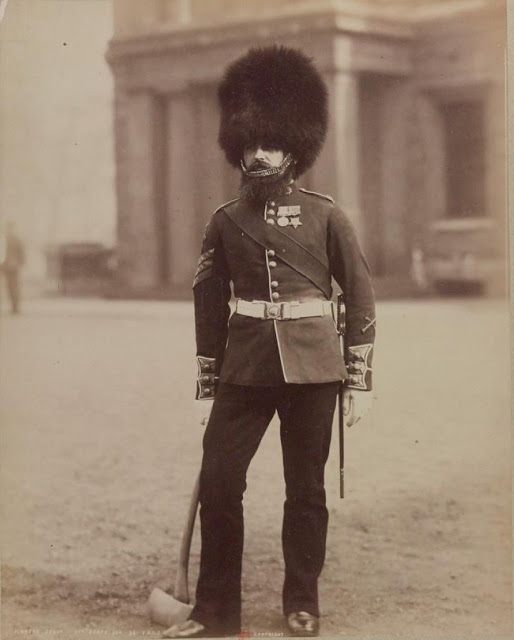
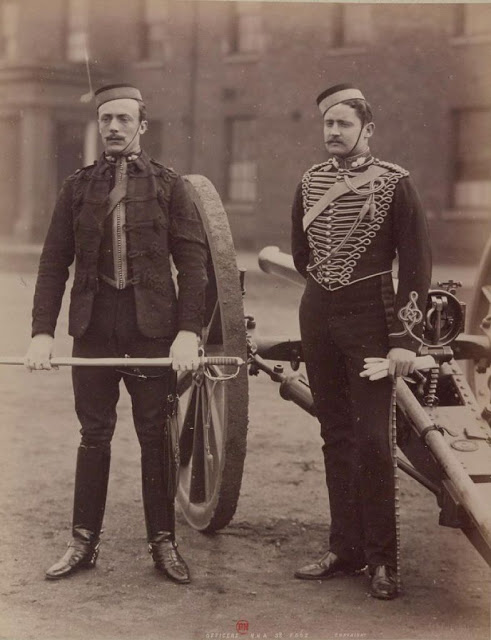
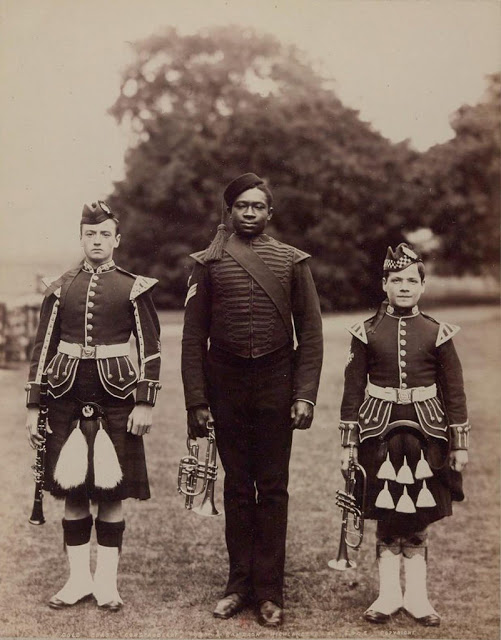
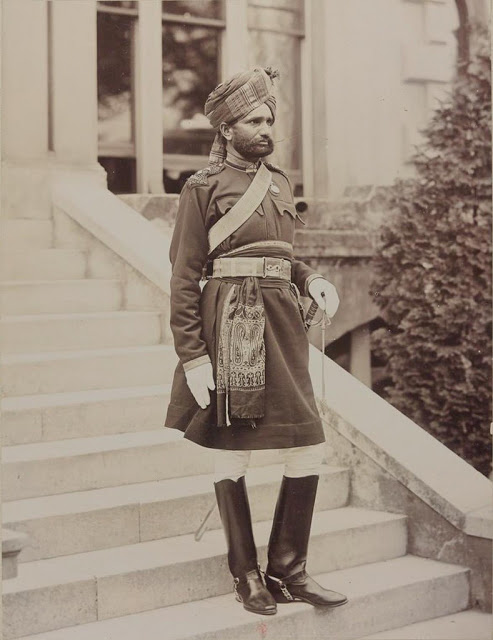
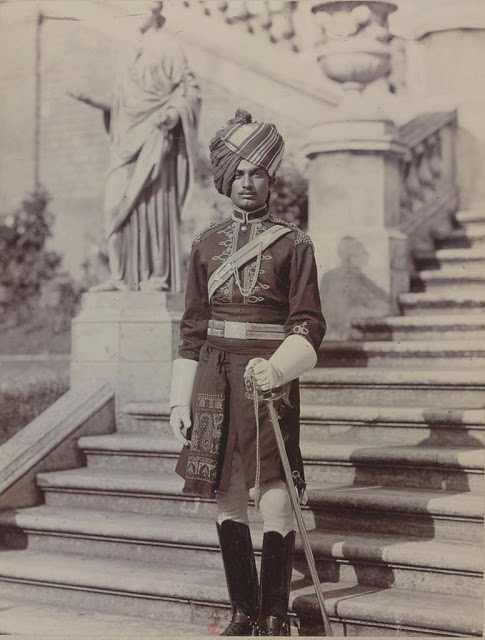
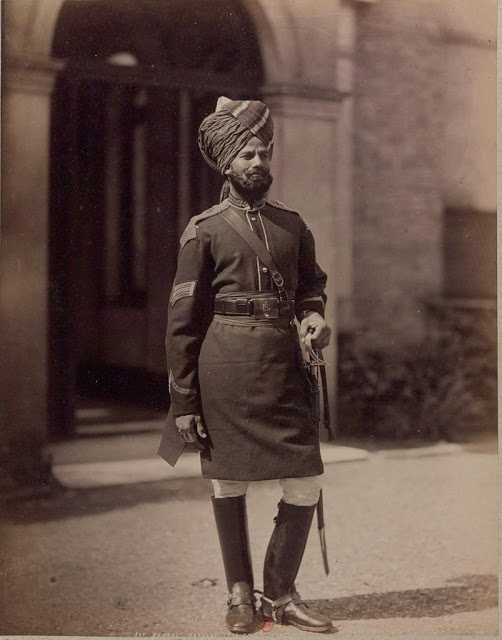
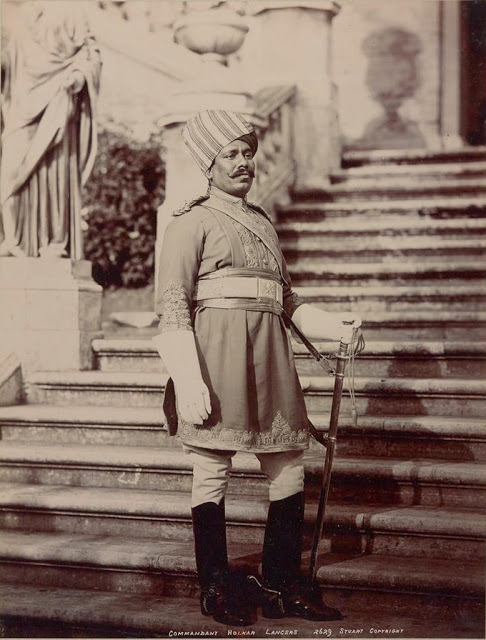
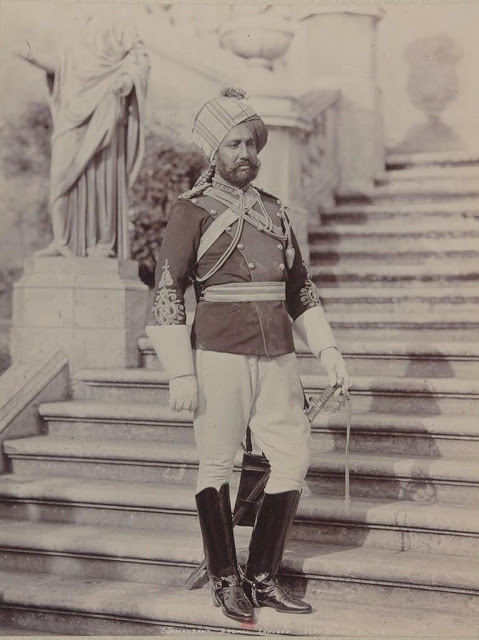
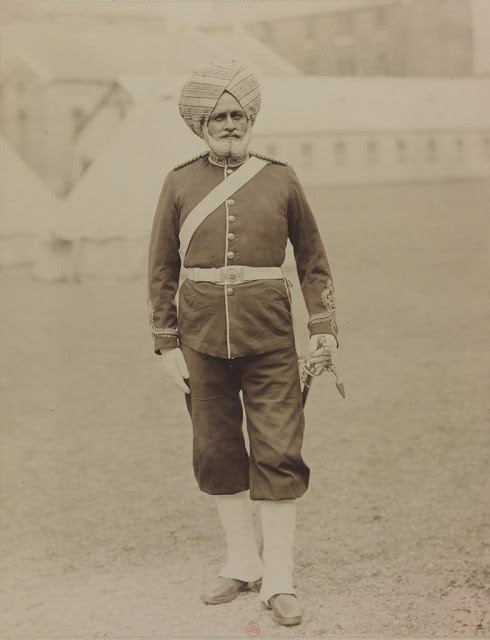
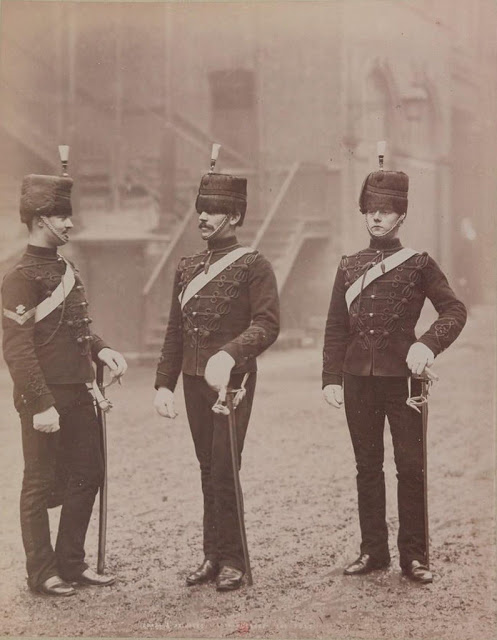
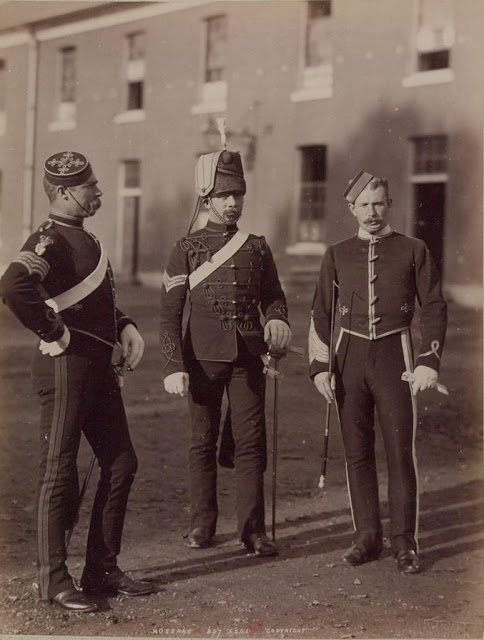
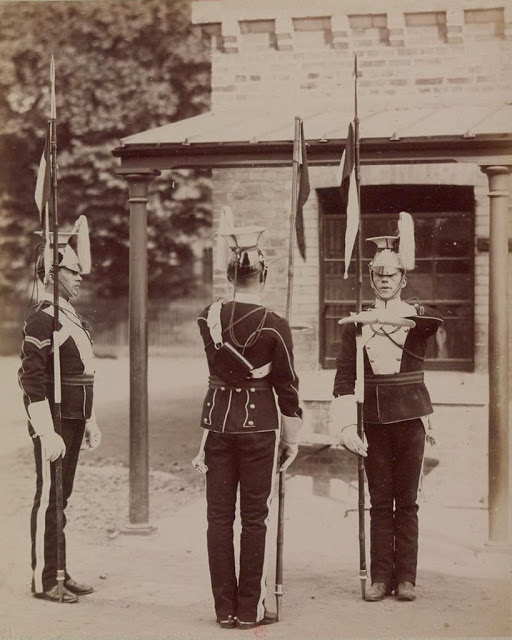
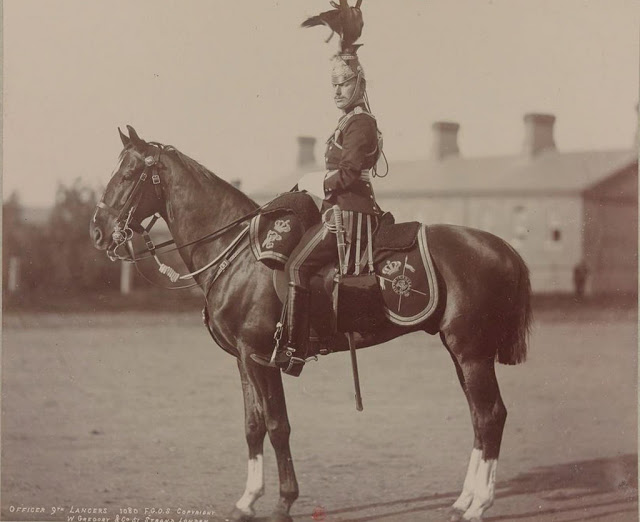
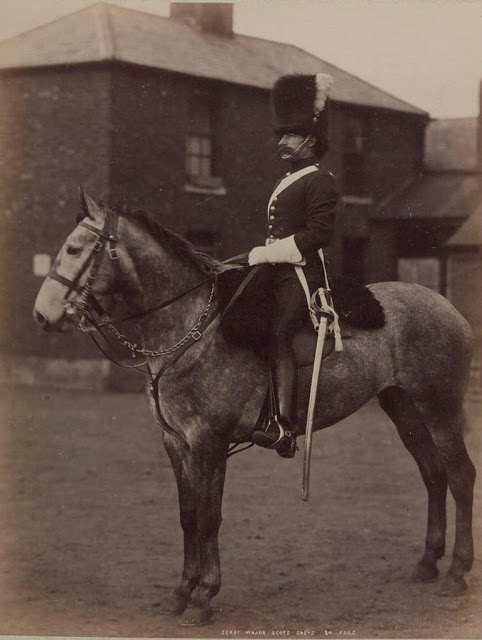
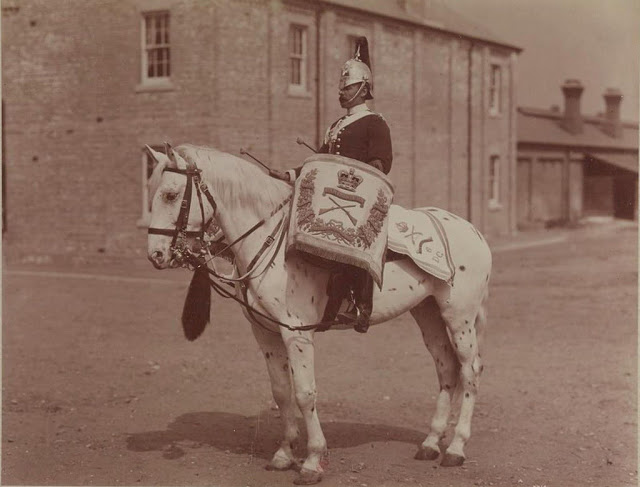
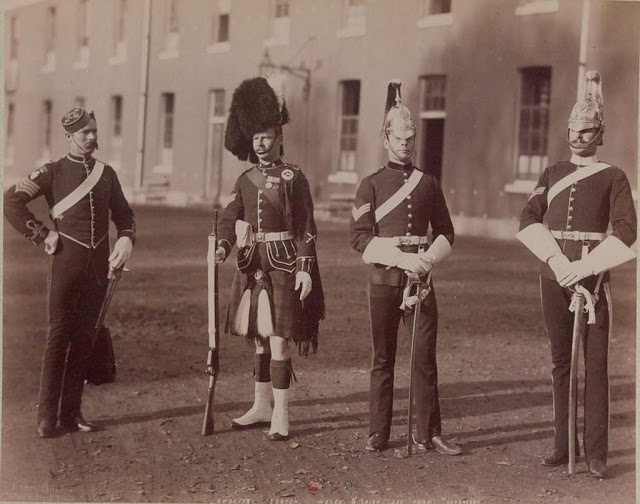
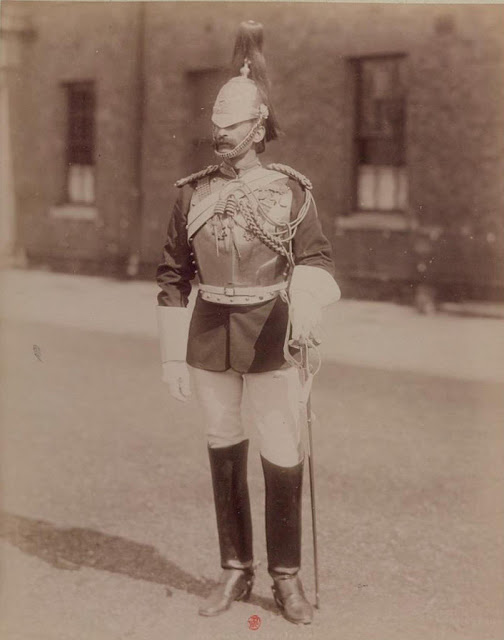
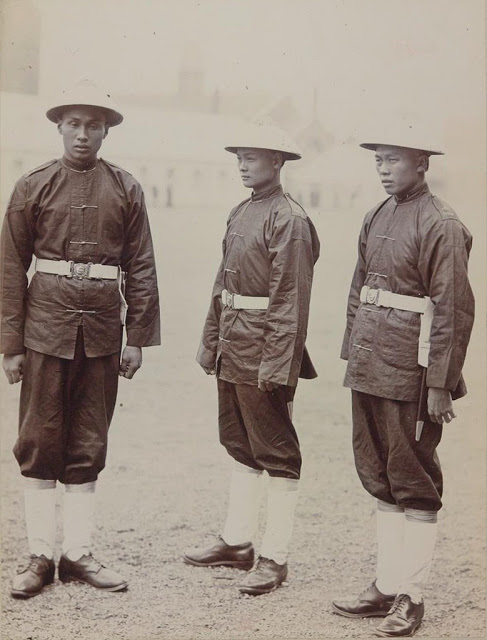
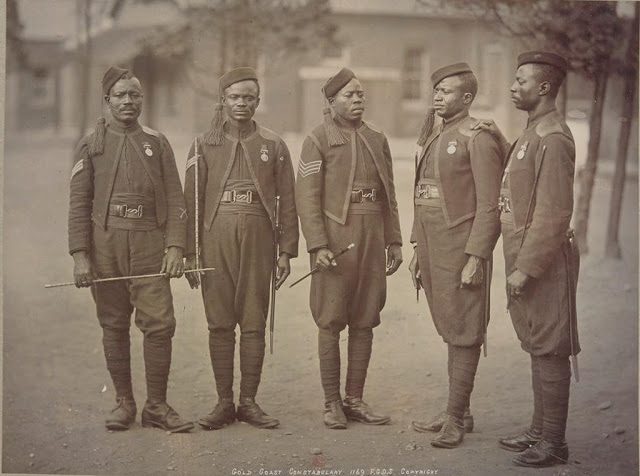
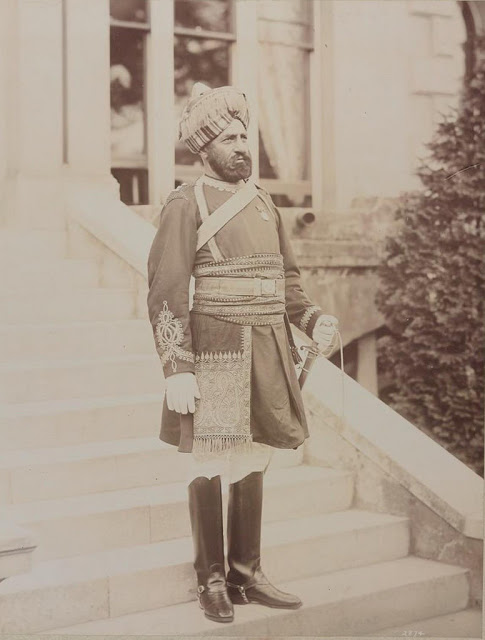
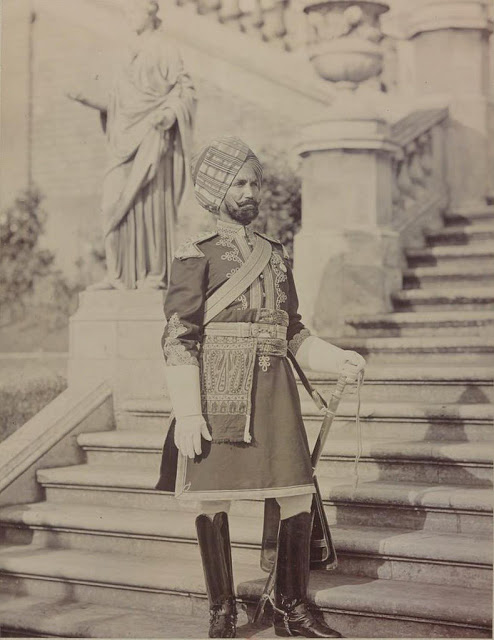
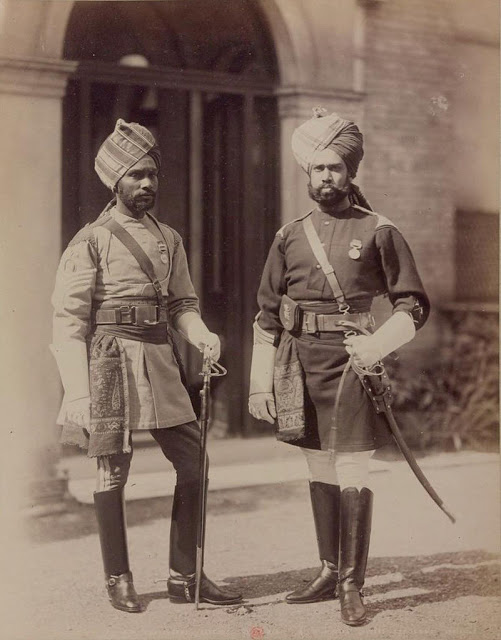
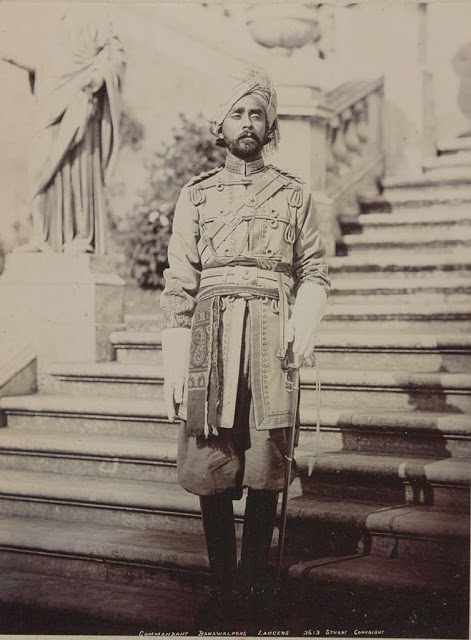
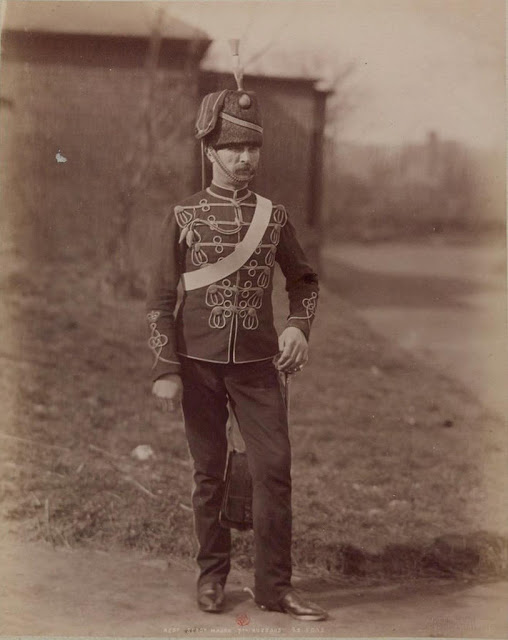
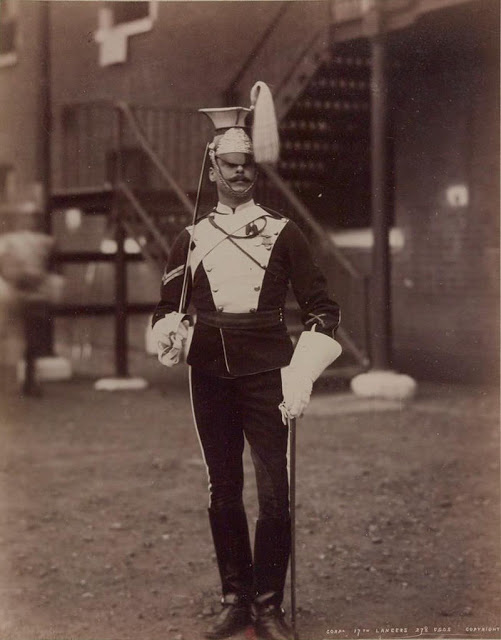
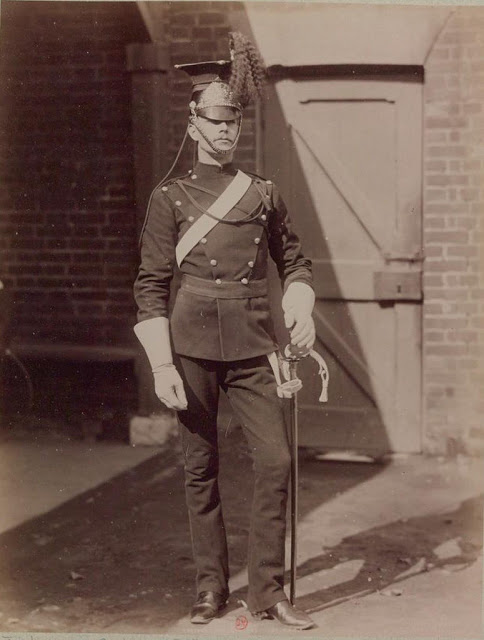
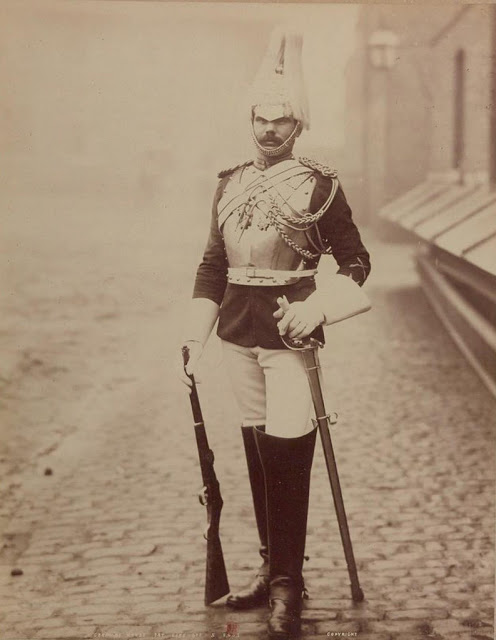
The British Army during the Victorian era served through a period of great technological and social change. Queen Victoria ascended the throne in 1837, and died in 1901. Her long reign was marked by the steady expansion and consolidation of the British Empire, and industrialisation and the enactment of liberal reforms (by both Liberal and Conservative governments) within Britain.
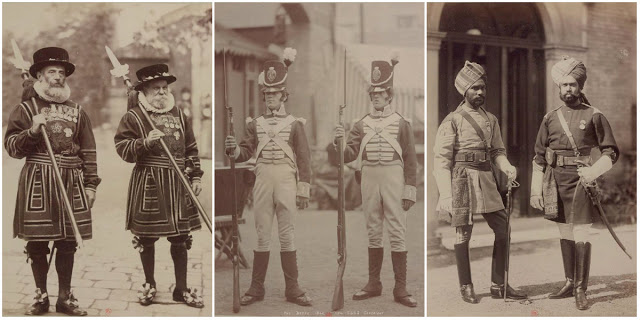
The British Army began the period with few differences from the British Army of the Napoleonic Wars that fought at Waterloo. There were three main periods of the Army’s development during the era. From the end of the Napoleonic Wars to the mid-1850s, the Duke of Wellington and his successors attempted to maintain its organisation and tactics as they had been in 1815, with only detail changes. In 1854, the Crimean War, and the Indian Rebellion of 1857 highlighted the shortcomings of the Army, but entrenched interests prevented major reforms from taking place. From 1868 to 1881, sweeping changes were made by Liberal governments, giving it the broad structure it retained until 1914.
On Victoria’s death, the Army was still engaged in the Second Boer War, but other than expedients adopted for that war, it was recognisably the army that would enter the First World War. The Industrial Revolution had changed its weapons, transport and equipment, and social changes such as better education had prompted changes to the terms of service and outlook of many soldiers. Nevertheless, it retained many features inherited from the Duke of Wellington’s army, and since its prime function was to maintain the expanding British Empire, it differed in many ways from the conscripted armies of continental Europe.
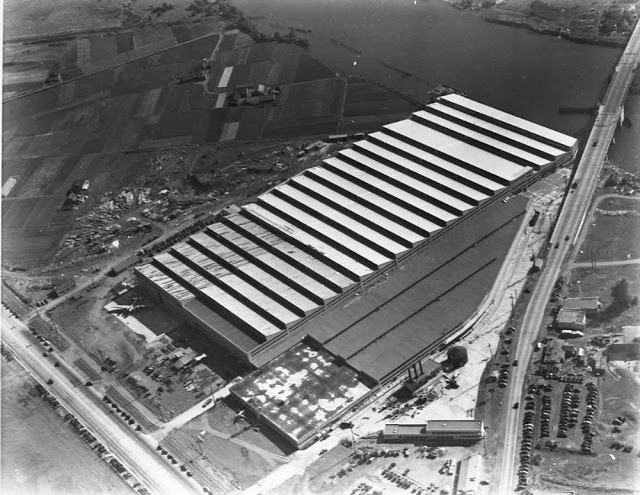
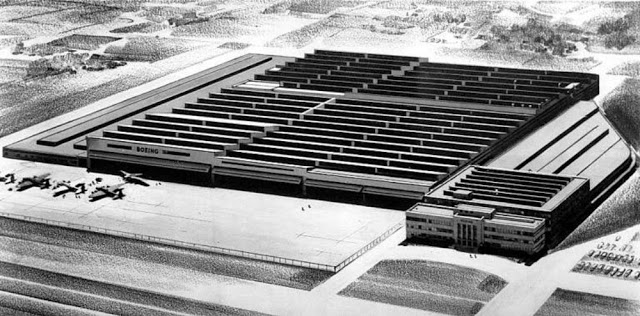
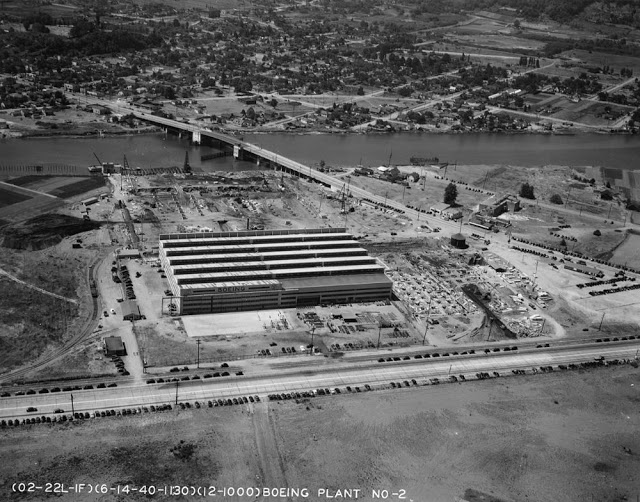
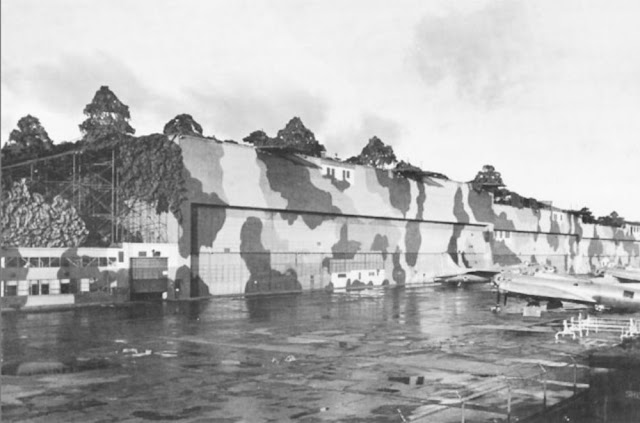
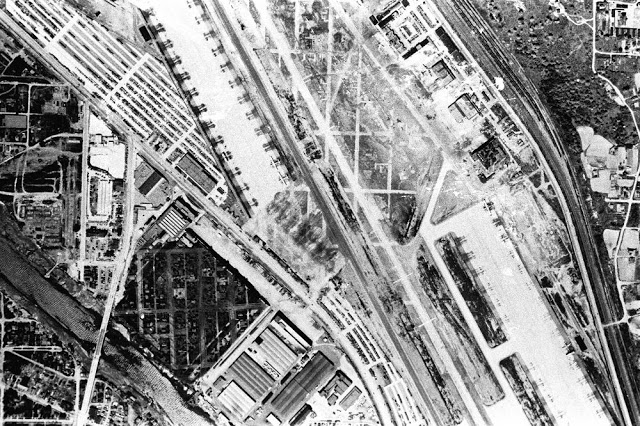
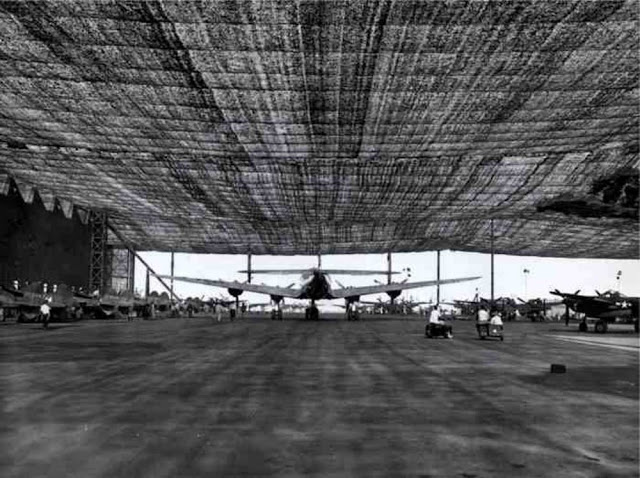
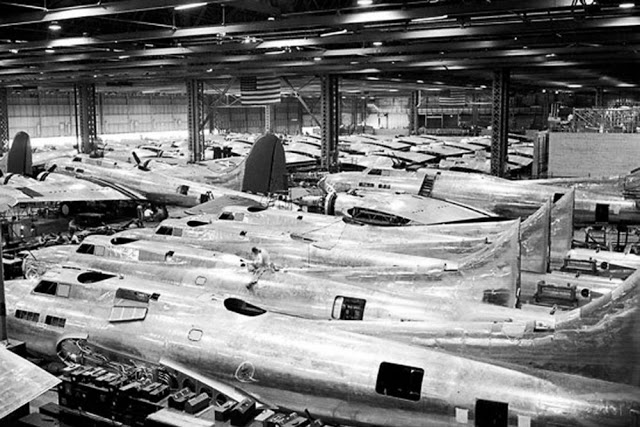
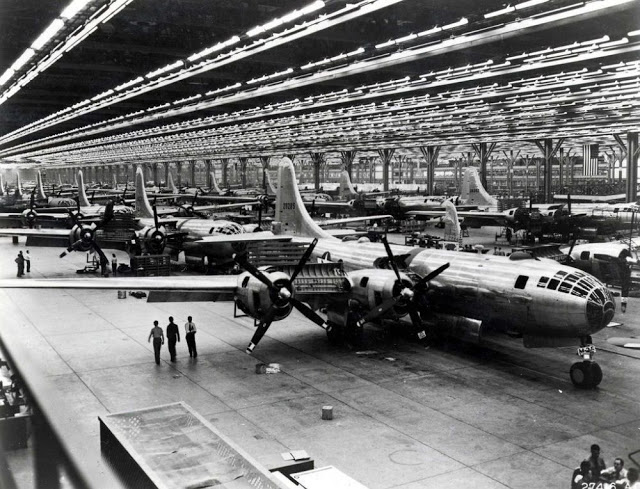
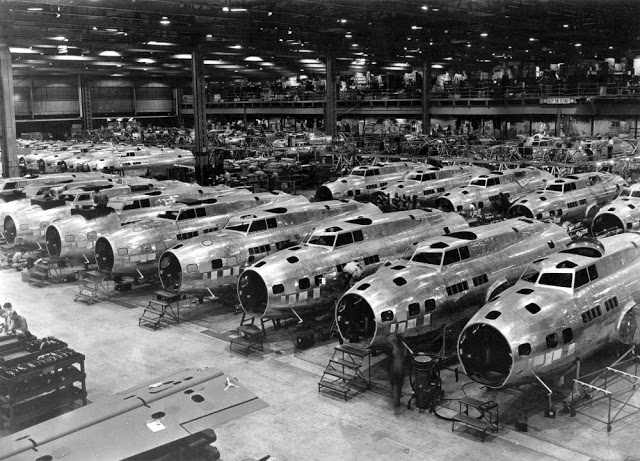
During World War II, a strange, house-filled neighborhood could be seen in the middle of an industrial area from the air. A close-up look would reveal that it was camouflage for Boeing’s Plant No. 2, where thousands of B-17 bombers were produced.
Following the attack on Pearl Harbor, Japanese submarines were spotted off the San Francisco Bay and near Santa Barbara in 1942. The West Coast was the next presumed target for the Japanese so the U.S. decided to hide its major wartime factories.
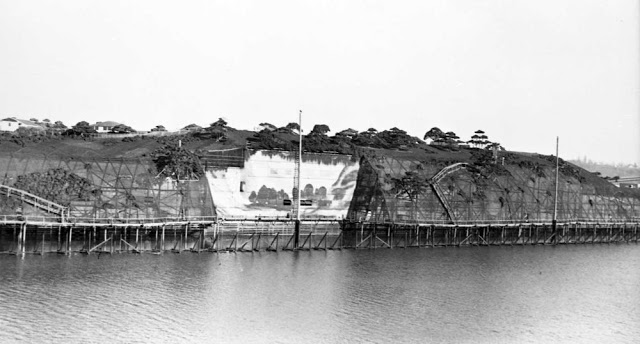
John Stewart Detlie, a Hollywood set designer, helped “hide” Boeing’s Seattle plant using his Hollywood design techniques with this camouflage. The fake housing development covered nearly 26 acres with netting. Built almost entirely from plywood and cardboard – with trees made from chicken wire and painted burlap – the town looked convincing enough from the air to hide the factory from any bombers flying by. Factory workers took a series of secret tunnels through fake cafes and shops to get to the factory each morning.