Wonderful Photographs of Princess Diana Relaxing in the Countryside in the Early 1980s

It’s rare to see royals stomping about through the mud, but a recently unearthed set of photographs shows Princess Diana and Prince Charles doing exactly that.

These rare candid photographs belonged to the late housekeeper of Queen Elizabeth’s cousin Princess Alexandra. They were discovered by the housekeeper’s son and reveal a relaxed Princess Diana in the early years of her marriage to Prince Charles.

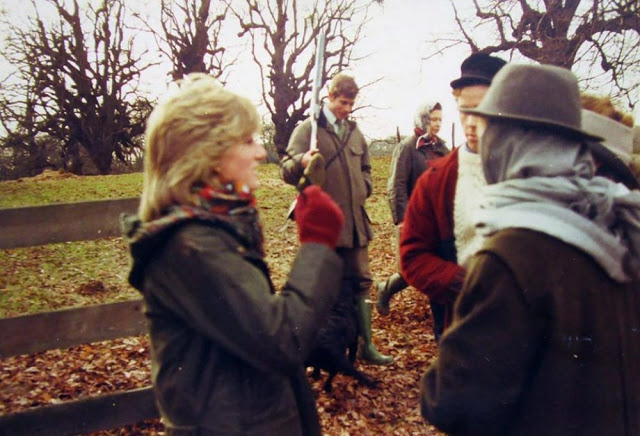
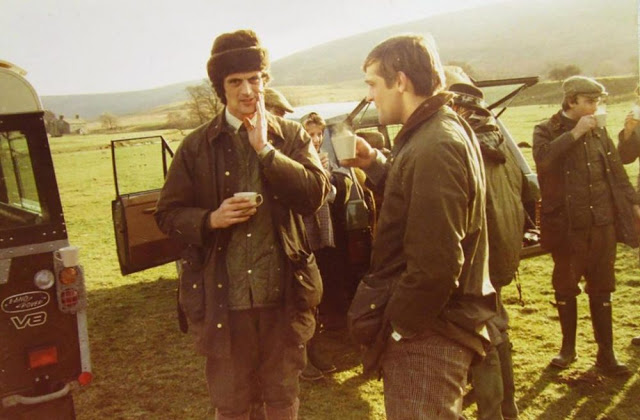
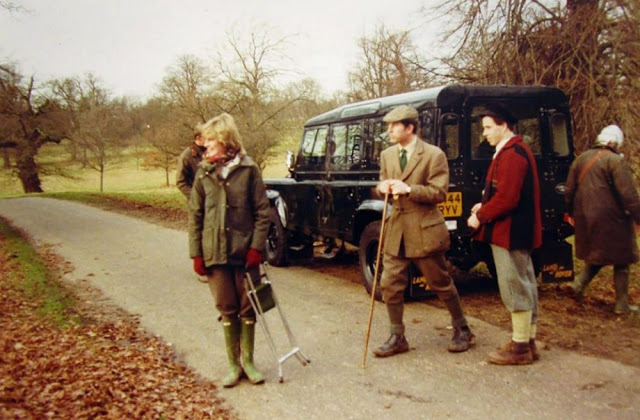
The photos offer a rare glimpse into Diana’s life away from the public eye. They show the late Princess of Wales enjoying a country shoot in the early 1980s with Prince Charles and friends. Diana looked at ease in the countryside as she joined a shooting party during what appears to be the autumn season. She was dressed casual for the outing sporting an olive green jacket and taupe pants, which she accessorized with a printed scarf, red mittens and boots.

Diana, Princess of Wales (born Diana Frances Spencer; 1 July 1961 – 31 August 1997), was a member of the British royal family. She was the first wife of Charles, Prince of Wales—the heir apparent to the British throne—and mother of Princes William and Harry. Diana’s activism and glamour made her an international icon and earned her enduring popularity as well as unprecedented public scrutiny, exacerbated by her tumultuous private life.

Diana was born into the British nobility and grew up close to the royal family on their Sandringham estate. In 1981, while working as a nursery teacher’s assistant, she became engaged to Prince Charles, the eldest son of Queen Elizabeth II. Their wedding took place at St Paul’s Cathedral in 1981 and made her Princess of Wales, a role in which she was enthusiastically received by the public. They had two sons, William and Harry, who were then second and third in the line of succession to the British throne. Diana’s marriage to Charles suffered due to their incompatibility and extramarital affairs. They separated in 1992, soon after the breakdown of their relationship became public knowledge. Their marital difficulties became increasingly publicised, and they divorced in 1996.

As Princess of Wales, Diana undertook royal duties on behalf of the Queen and represented her at functions across the Commonwealth realms. She was celebrated in the media for her unconventional approach to charity work. Her patronages initially centred on children and the elderly but she later became known for her involvement in two particular campaigns, that involving the social attitudes towards and the acceptance of AIDS patients, and the campaign promoted through the International Red Cross for the removal of landmines. She also raised awareness and advocated for ways to help people affected with cancer and mental illness. The Princess was initially noted for her shyness, but her charisma and friendliness endeared her to the public and helped her reputation survive the acrimonious collapse of her marriage. Considered to be very photogenic, she was a leader of fashion in the 1980s and 1990s. Diana’s death in a car crash in Paris led to extensive public mourning and global media attention. Her legacy has had a deep impact on the royal family and British society. (Wikipedia)
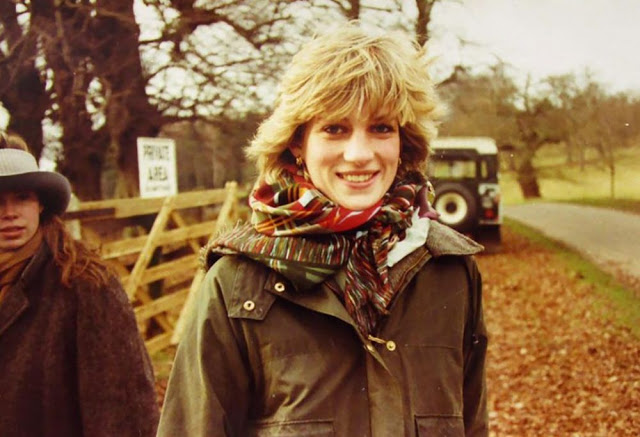
Princess Diana, centre, smiles at the camera while dressed in a Barbour and silk tartan scarf while on a shoot in the countryside. Behind her is Princess Margaret’s daughter Lady Sarah Chatto, left.
Princess Diana, left, and her husband Prince Charles, centre, look out across the fields, which are covered in leaves.
Diana, left, appears relaxed and at ease while chatting to friends.
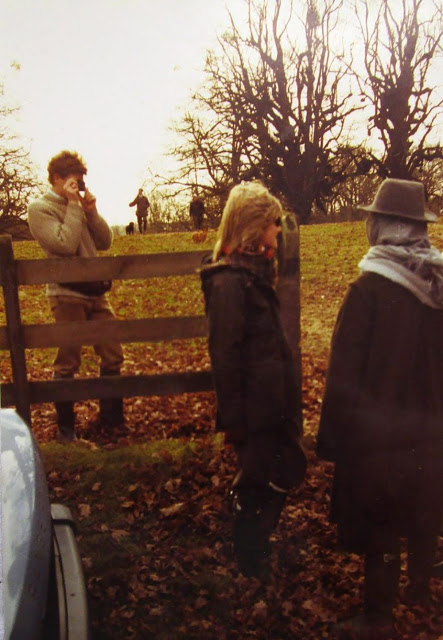
Diana, centre, looks out onto the fields as a male friend, left, photographs the group.
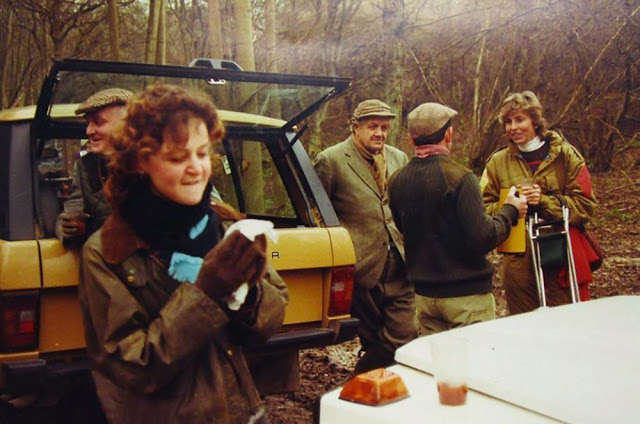
The shooting party were photographed tucking into snacks and hot drinks.
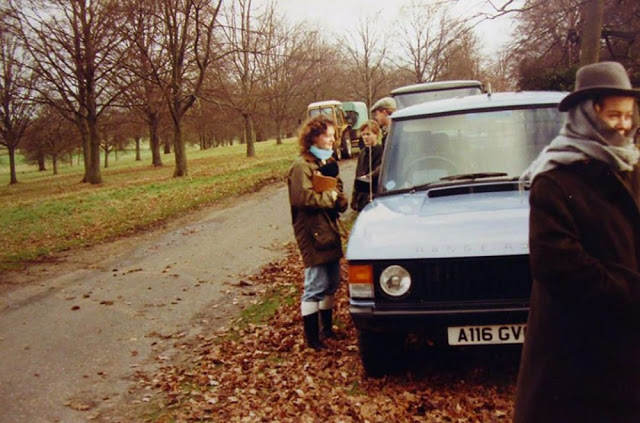
The group were spotted gathering by their Range Rovers before making their way into the fields.
The group, all dressed in Barbour jackets, are believed to be in the grounds of a country mansion.

Here Are 17 Amazing Rules Pregnant Women Had to Follow in the 1950s

Back in the 1950s, there were many pregnancy rules that are no longer rules today. Many studies have been conducted over the decades to find what was harmful to pregnant women and what was not was behind the changes. That being said, the rules that pregnant women had to follow in the 1950s are starkly different from the recommendations set out today. Below are 17 crazy rules from the past.

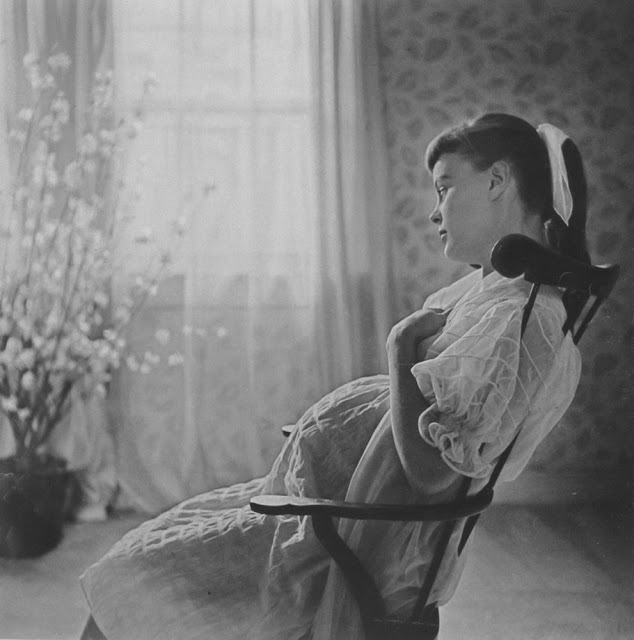
Pregnant girl, 1950s.
  1. There weren’t any at home pregnancy tests back in the 1950s. In fact, if you were to be tested for pregnancy, a urine sample would be collected and sent to the lab. The urine would then be injected into a rabbit, and if the rabbit died then that would indicate a “positive” test. Thus comes the phrase “the rabbit done died. ”
  2. Smoking and drinking were not discouraged during pregnancy. In fact, it was not uncommon for the doctor to offer his patient a cigarette while they discussed her pregnancy in his office.
  3. All pregnant women were considered frail and prescribed a lot of bedrest during pregnancy. They were also instructed not to reach for things over their head, as this was believed to cause the umbilical cord to wrap around the baby’s neck.
  4. Sitting on cold cement was discouraged because it would cause hemorrhoids.
  5. If you gained too much weight during pregnancy, you were then prescribed a diet pill, which were referred to as “black beauties.”
  6. A previous miscarriage would put you at high risk for pregnancy and were given Thalidomide during pregnancy. In all actuality, this drug causes birth defects in children and often resulted in missing limbs.
  7. It was considered very poor taste for women to attend funerals during pregnancy.
  8. The words “pregnant” and “pregnancy” were not spoken in public, rather were replaced with “expecting,” “with child” and “in the family way. ”
  9. A woman stayed in the hospital for at least one week after giving birth.
  10. If you were past your due date, your husband was advised to take you in car ride down a bumpy road, which was believed to induce labor.
  11. After delivery, your husband and family weren’t allowed anywhere near you or the baby until you both were cleaned up.
  12. It was believed that women should not experience any pain during delivery and were often “knocked out” during the process with anesthetic.
  13. In the hospital, the mother was only permitted to see the baby during bottle feedings (breastfeeding was not recommended).
  14. Smoking during the hospital stay was not uncommon and women were provided with ash trays by their bedside.
  15. Fathers and family could only see the baby at the hospital through a glass window in the nursery.
  16. Due to the possibility of germs, no visitors to your house were allowed once you came home with the baby during the first few months.
  17. The baby was not allowed to leave the house until it was baptized.

12 Vintage Photographs Capture the Life at an Outdoor “Bench School” in 1939

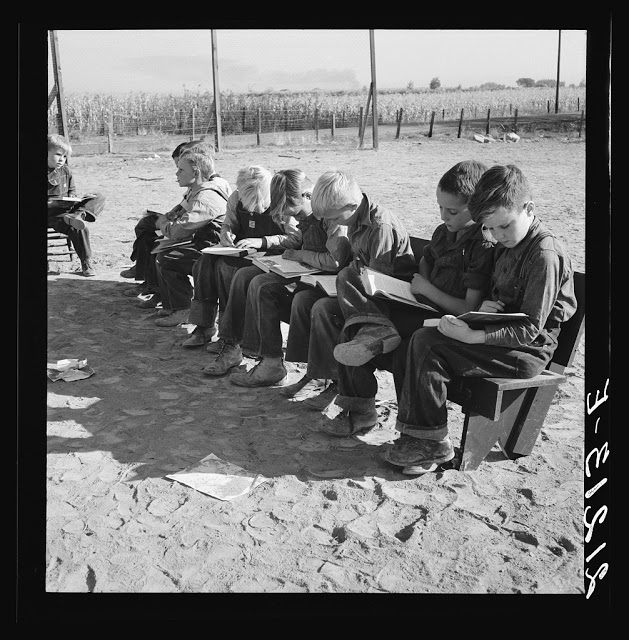
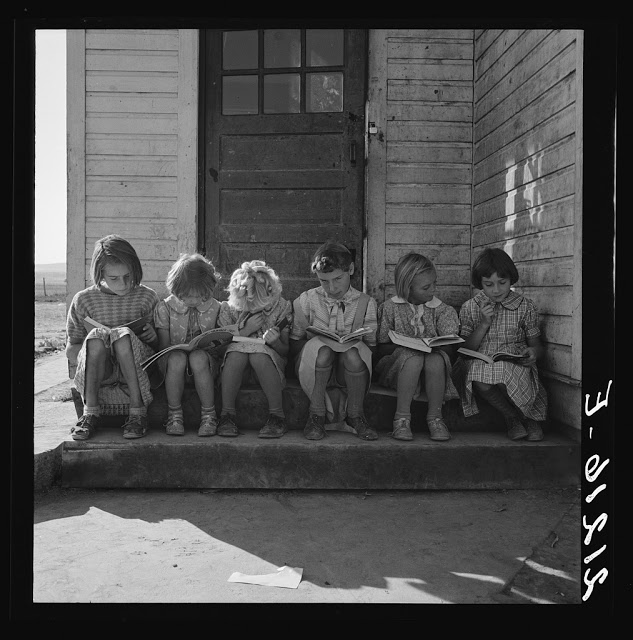
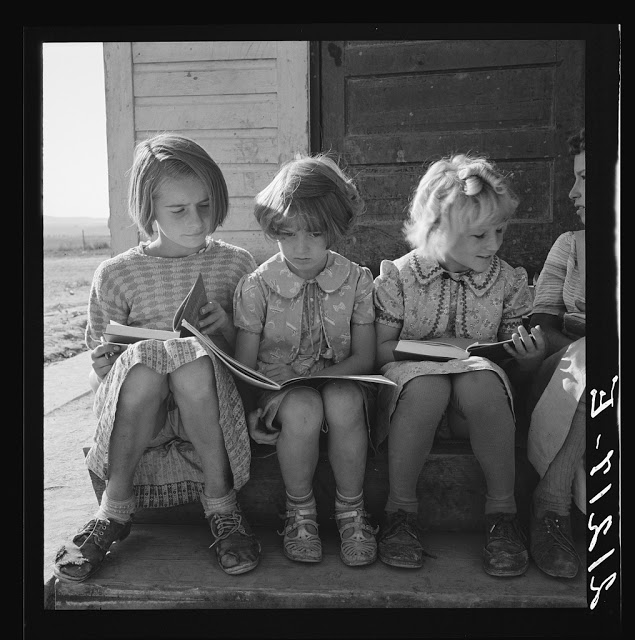
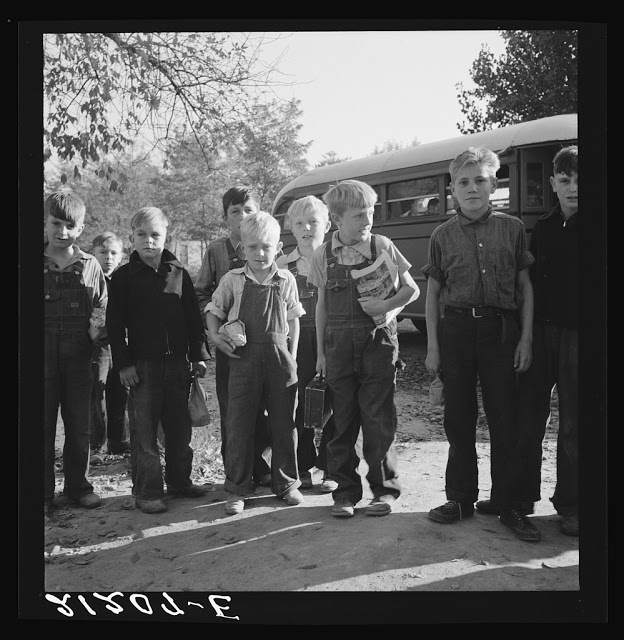
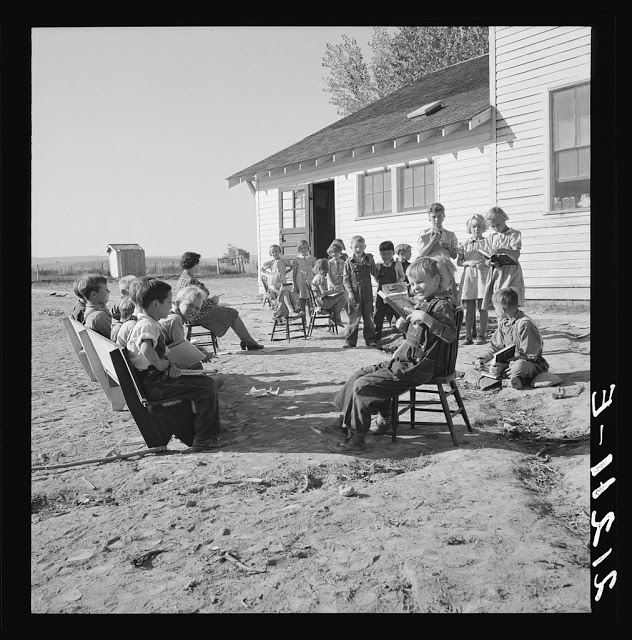
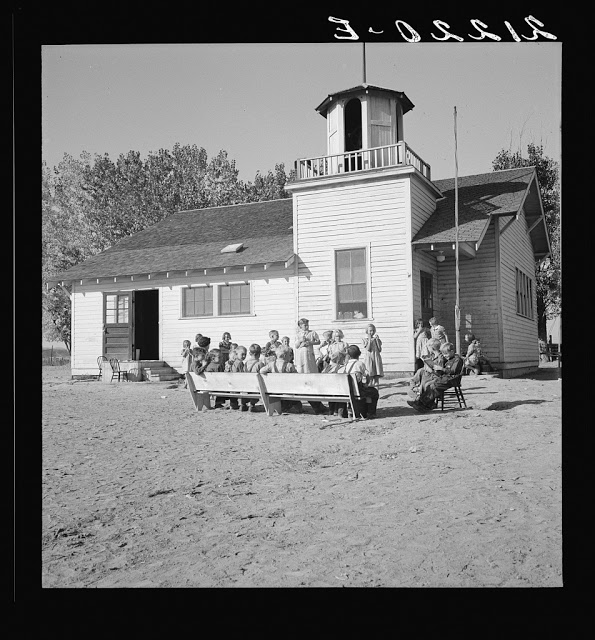
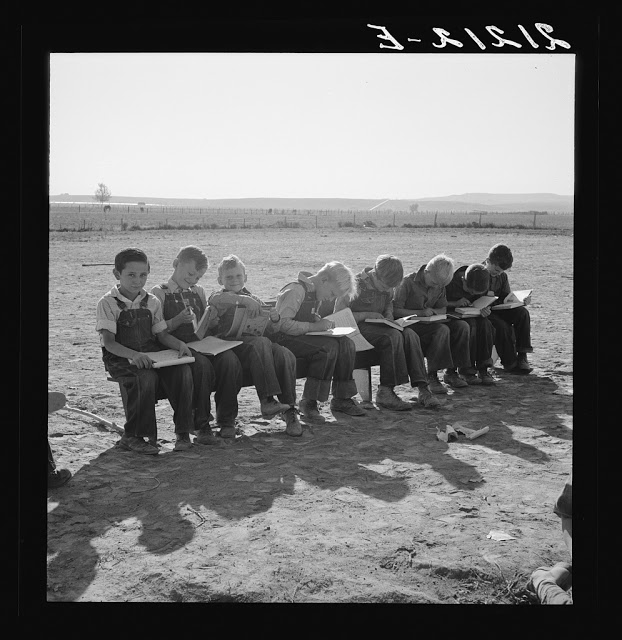
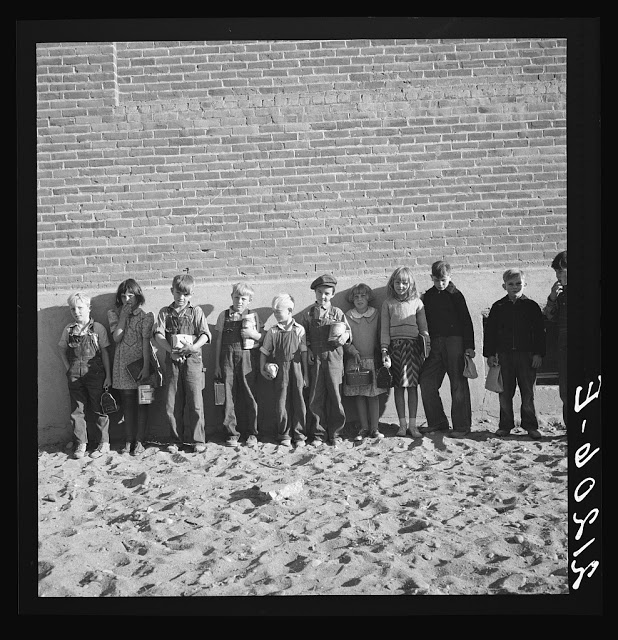
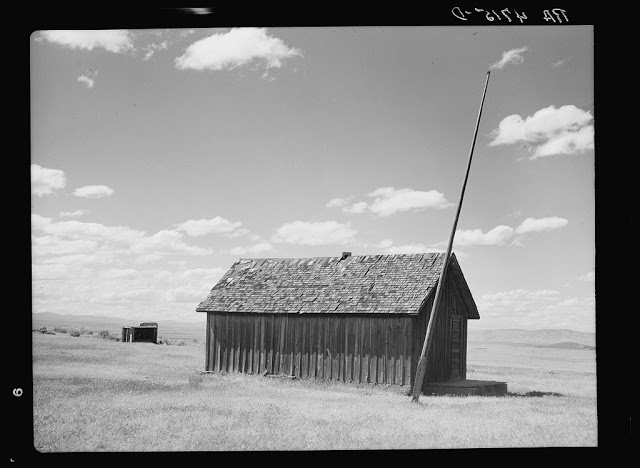
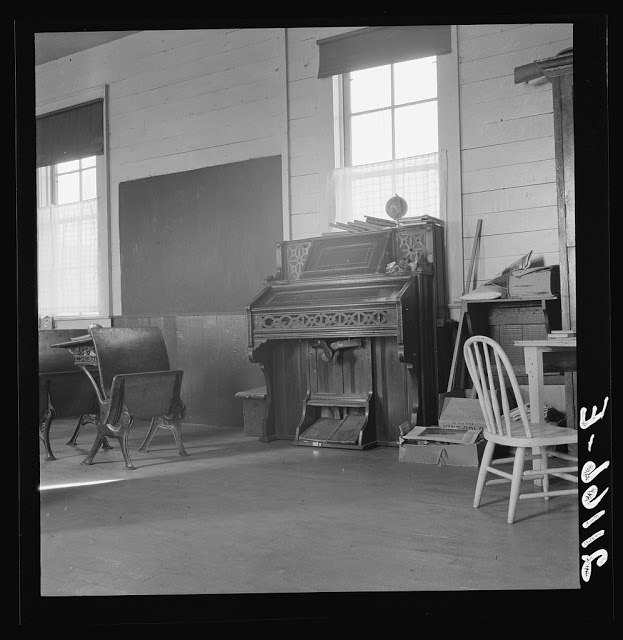
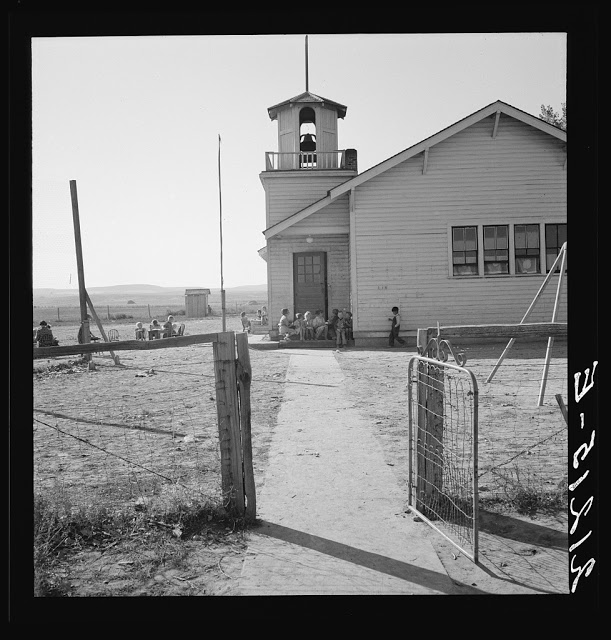
During the end of the Great Depression in 1939, many rural schools held classes outside due to the oppressive heat. Here is a day in the life of the enrollment of the Lincoln “Bench School” outside of Ontario, Oregon. They were more fortunate than most: the county had a bus that went to pick up most of the kids from the surrounding farms.

Images: Library of Congress

12 Colorized Photographs Showing Native Americans at the White House for Citizenship Ceremony in the 1920s

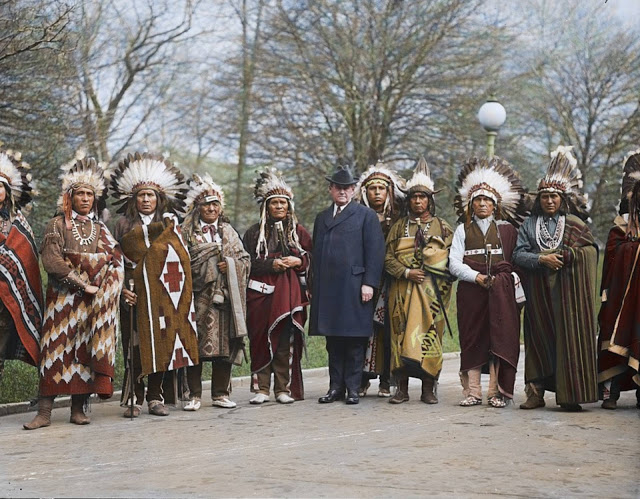
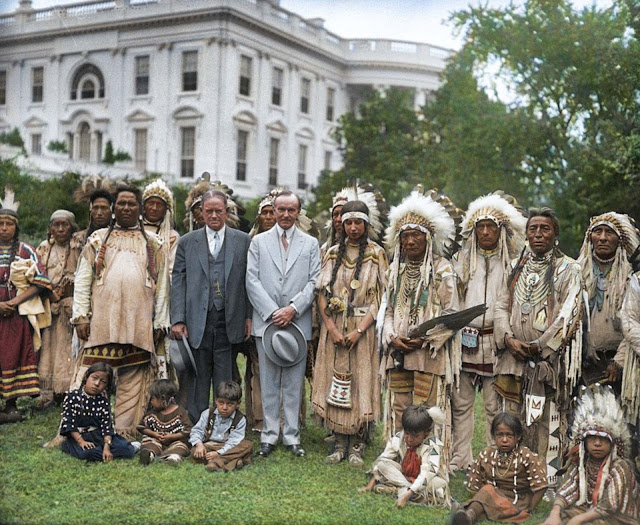
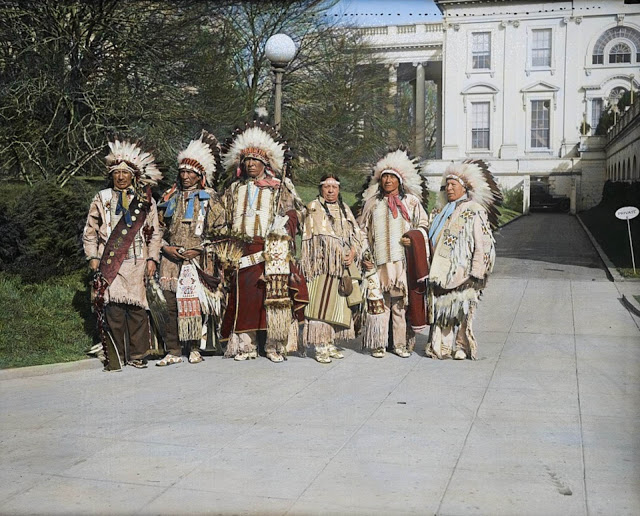
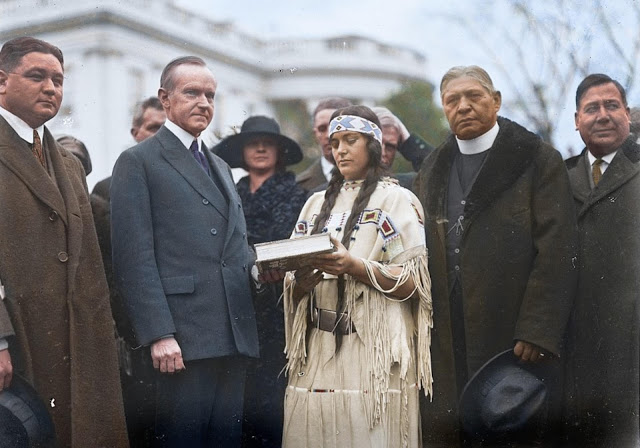
These incredible photographs were colorized by British colorization specialist Royston Leonard. The remarkable pictures show the group during the 1920s, with some of the leaders meeting with then American president, Calvin Coolidge, at the White House.

In 1924, the Indian Citizenship Act was proposed by Representative Homer P. Snyder and signed by President Calvin Coolidge, meaning the indigenous peoples including the Native American tribe, also known as Native Indians, were granted full U.S. citizenship.

Despite being granted full citizenship in 1924, not all Native Americans were granted the right to vote until 1957 due to discriminatory state laws which used a variety of excuses to prevent members of tribes from fully exercising their rights

The Indian Citizenship Act of 1924, also known as the Snyder Act, was proposed by Representative Homer P. Snyder (R) of New York and granted full U.S. citizenship to the indigenous peoples of the United States, called “Indians” in this Act.
While the Fourteenth Amendment to the United States Constitution defined as citizens any person born in the U.S., the amendment had been interpreted to restrict the citizenship rights of most Native people. The act was signed into law by President Calvin Coolidge on June 2, 1924. It was enacted partially in recognition of the thousands of Indians who served in the armed forces during World War I.

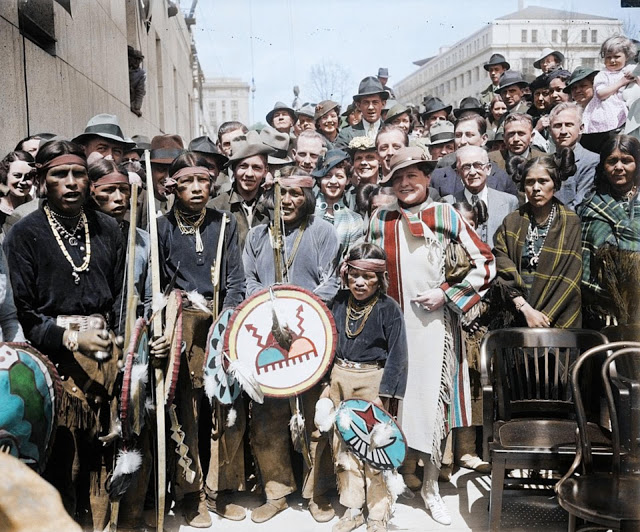
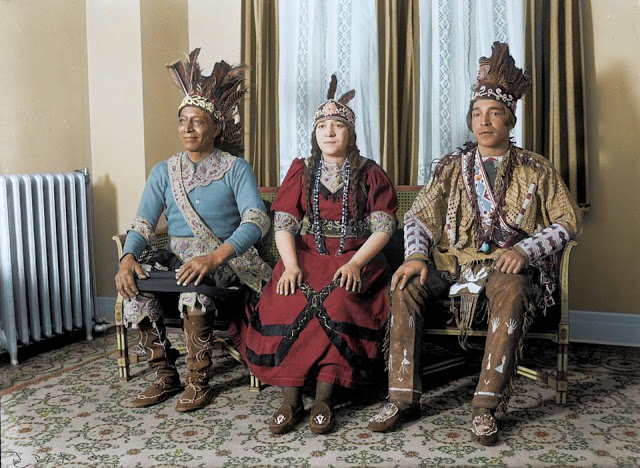
1927 – President Calvin Coolidge poses for a picture with a group of Native Americans outside the White House, three years after the 1924 Indian Citizenship Act. STUNNING images of the indigenous Native Americans have been brought back to life through vivid colorisation. The remarkable pictures show the group during the 1920s, with some of the leaders meeting with then American president, Calvin Coolidge, at the White House.
Native Americans, pictured here at the White House in traditional dress, were only granted full US citizenship in 1924 by the then President Calvin Coolidge, who was later granted honorary tribal membership by Sioux Chief Henry Standing Bear.
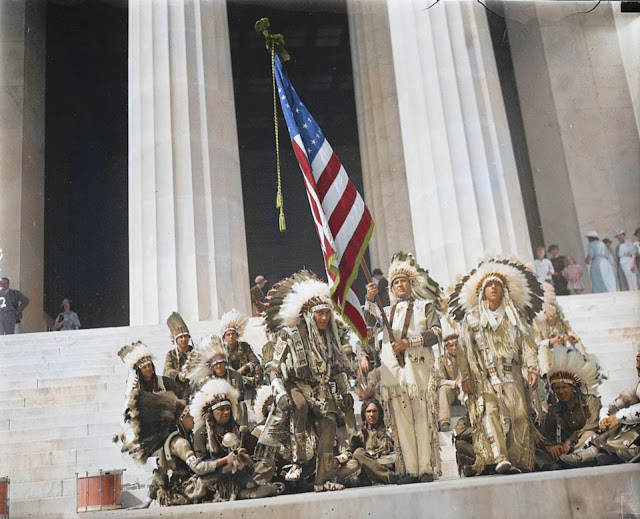
A group of Native American men wearing their traditional attire while raising the Stars and Stripes at the Lincoln Memorial in 1936, 12 years after President Calvin Coolidge granted them US citizenship.
President Coolidge with Native American tribes, 1924.
Native Americans at the White House, circa 1929.
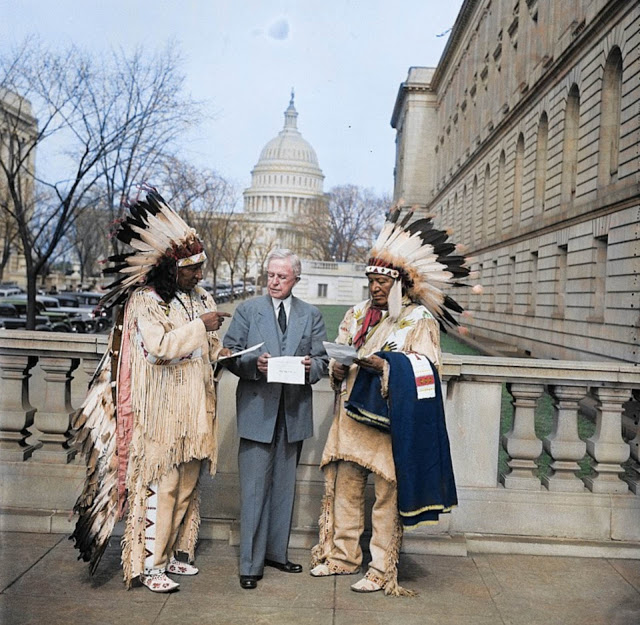
Two Native American elders, dressed in traditional garb discussing policy with a member of President Coolidge’s staff.
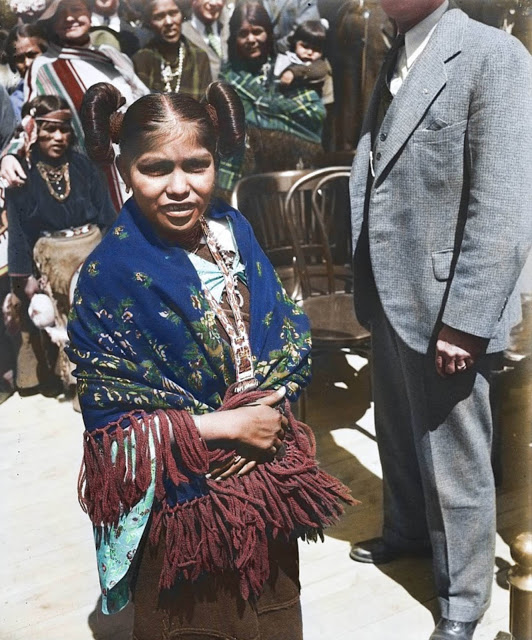
Native American girl.
This remarkable photograph shows Native American men, women, and children in Washington D.C., to speak to President Coolidge. In 1924, Coolidge signed the Indian Citizenship Act, granting citizenship to indigenous people. Well-deserved: they had been in the country for generations before the “Americans” who automatically receive citizenship at birth.
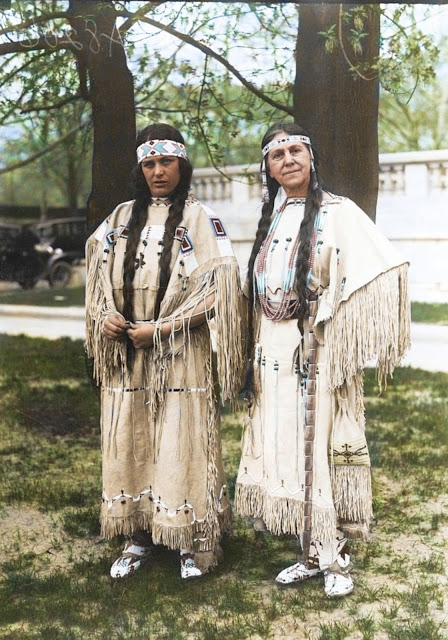
These Native American women traveled to Washington DC in 1924 to celebrate the newly-signed Indian Citizenship Act.
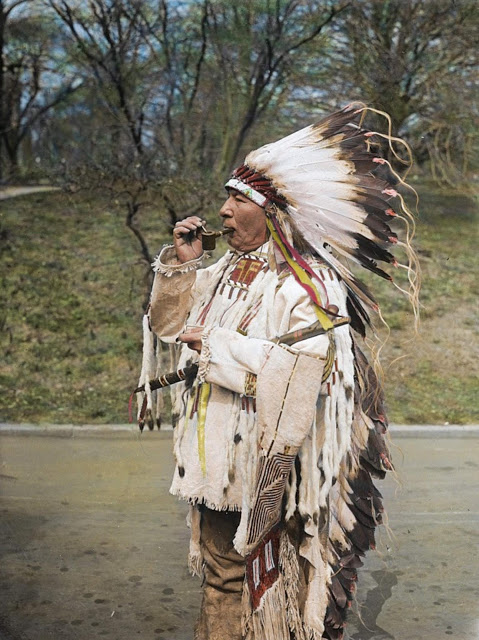
This Native American elder was photographed around 1925.
This Native American woman, center is meeting US President Calvin Coolidge in 1923 in advance of the Indian Citizenship Act.
Native Americans posing for group portrait in 1915.

Vintage Photos and the Story of “Olga the Headless Girl” in the Late 1930s and 1940s

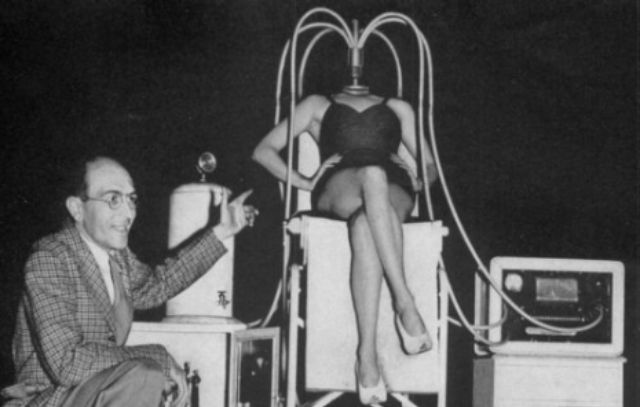
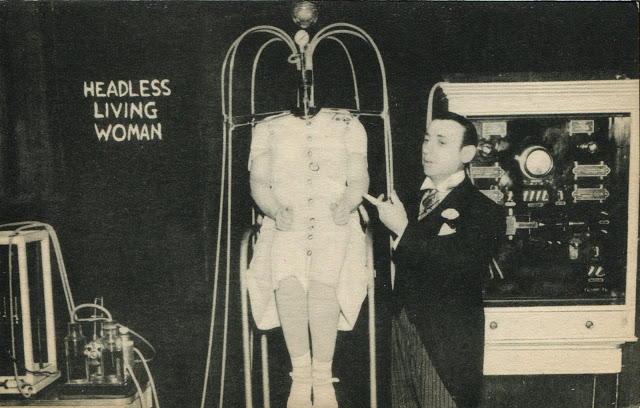
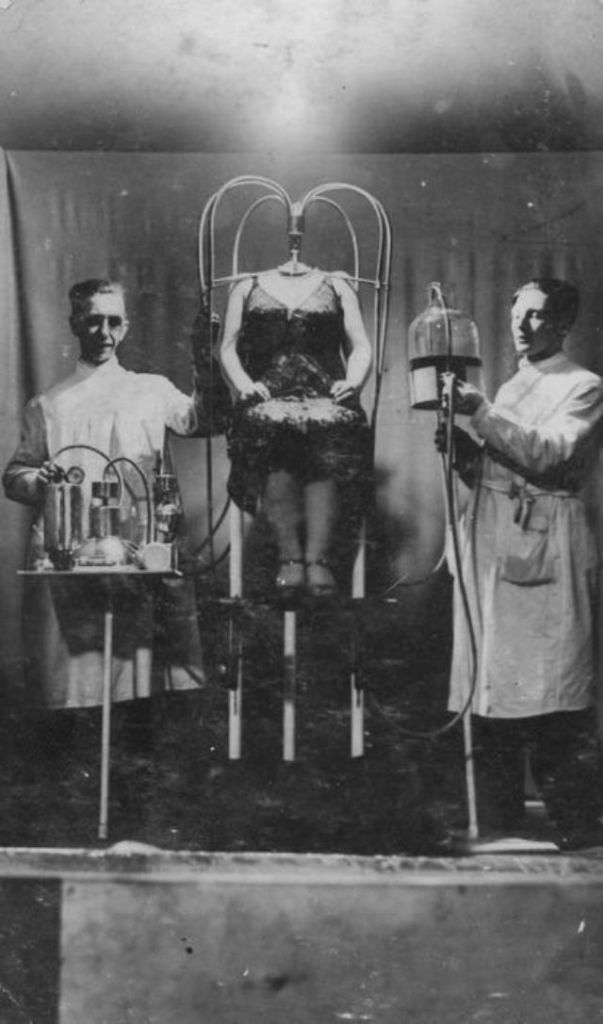
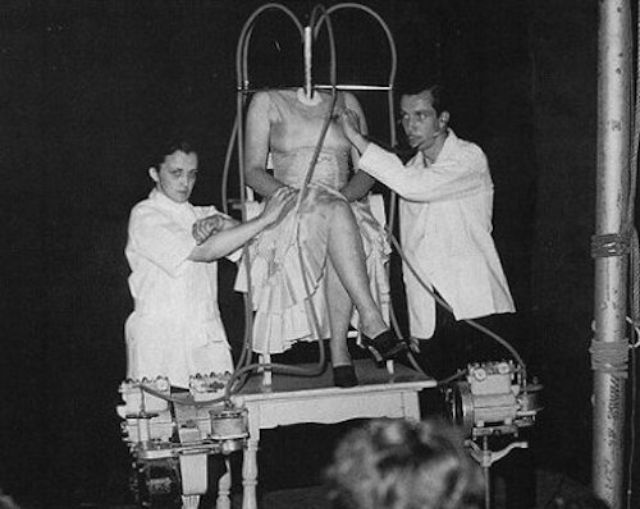
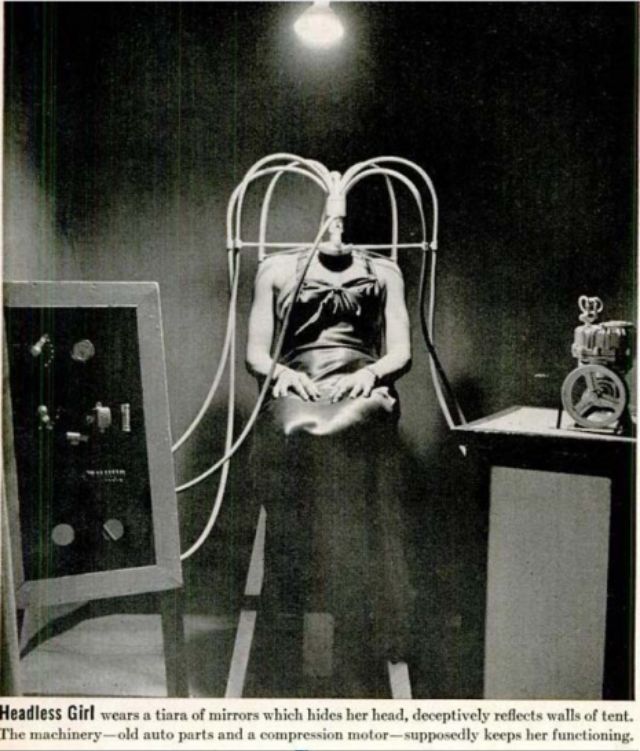
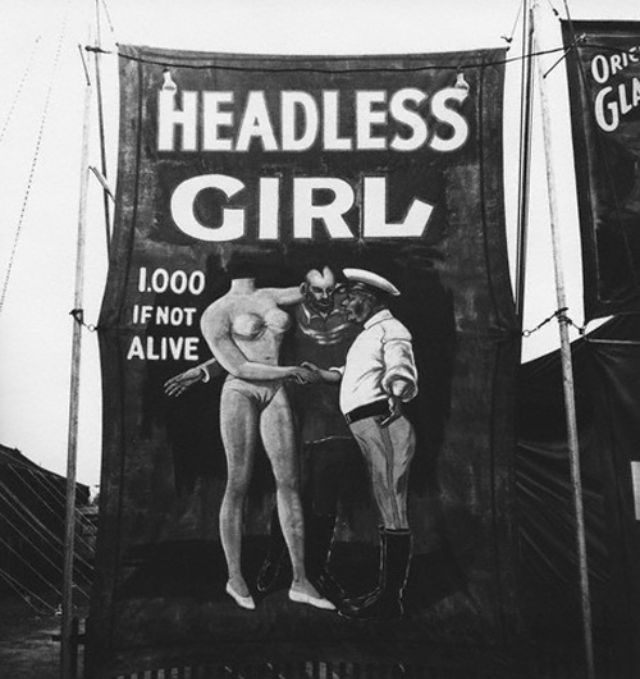
The Headless Lady illusion was a popular magic trick performed at sideshows in the 1940s. As the story goes, the poor woman lost her head in a horrible accident, but doctors were able to keep her alive through the miracle of new scientific technology.

Fargo, “Olga the Headless Girl” was an illusionary sideshow and was first brought to the United States in 1937 from Hamburg, Germany, by a man who billed himself as “Doctor” Heineman. It was also a featured exhibit at the New York World’s Fair of 1939 and became a very popular sideshow amusement

Heineman staged “Olga, the Headless Girl” in Blackpool, England before bringing the exhibit to America. Its popularity in England at the time is substantiated by the fact that in 1938 there were at least nine Olga shows.

Egon Heineman with “Olga the Headless Woman,” Blackpool, England late 1930s.
A “Headless Woman” making an appearance at the Iowa State Fair.
Novelist, editor, and magician, Clayton Rawson with a “Headless Woman” at the New York World’s Fair, 1939. Rawson authored a mystery novel ‘The Headless Lady’ in 1940.
A “Headless Girl” giving a radio interview in New Jersey.

The “Headless Girl” routine was a rather terrifyingly realistic looking illusion, especially given the time period in which it came to be. When Olga was displayed in a store window in London, shocked onlookers recoiled at the headless torso of a woman with tubes running from her throat to a contraption that supposedly controlled her food intake.

Olga would be copied by other illusionists who called her “Tina” and the classier sounding “Mademoiselle Yvette” who all claimed that the woman—despite not having a head—was being kept alive by the feeding tubes and unexplainable technology. As you will see in the photos, the headless girl act is optically baffling. To help bolster the authenticity of the headless girl, many of the attractions would include backstory as to how the poor thing lost her head—such as a shark attack or an unfortunate showgirl who parted ways with her head thanks to a truck.

According to Sideshow World, the headless girl illusion continued to appear around the U.S. and the world through the 1980s and a version even made an appearance at Ozzfest in 2002.

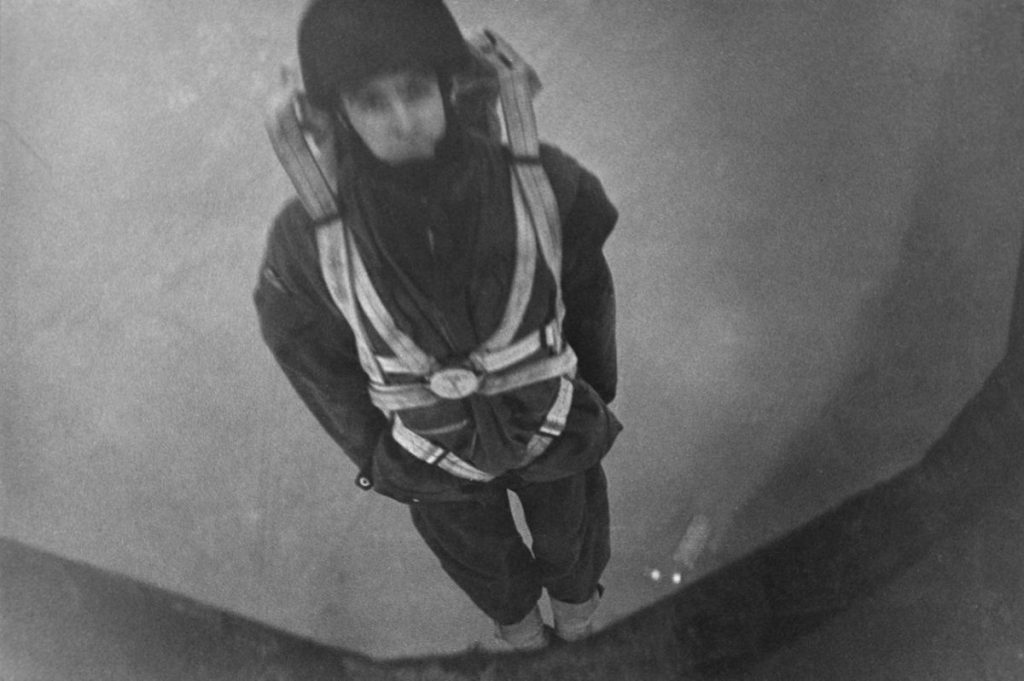
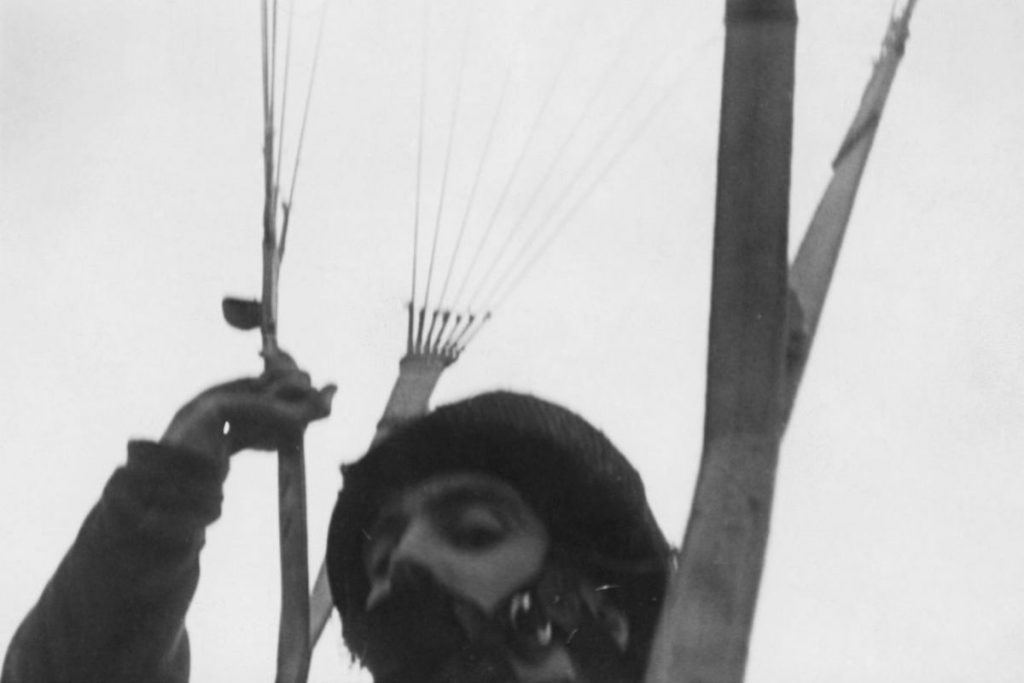
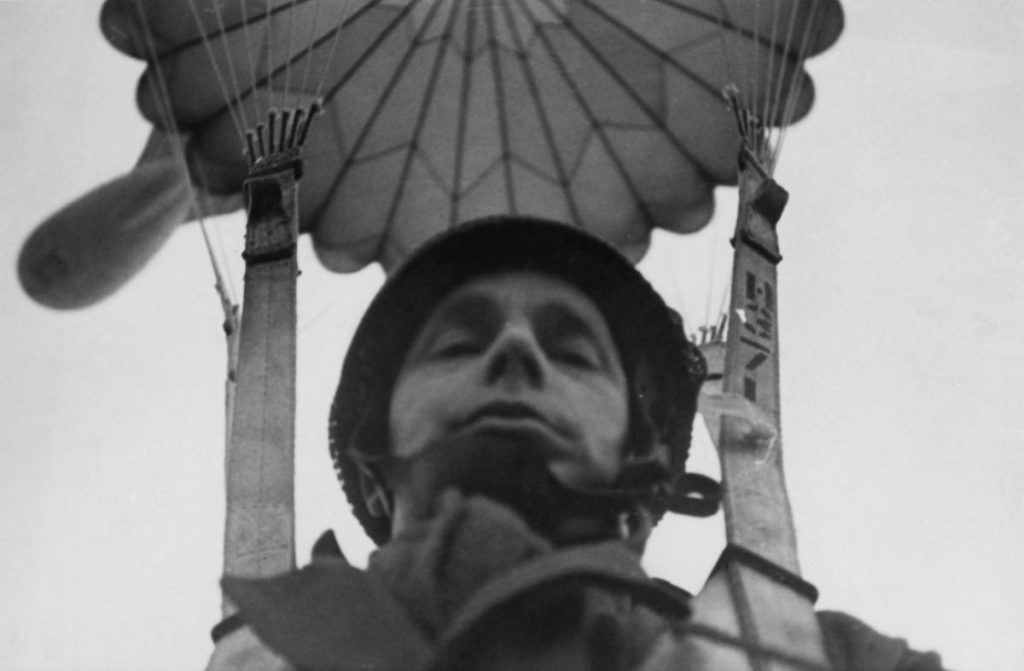
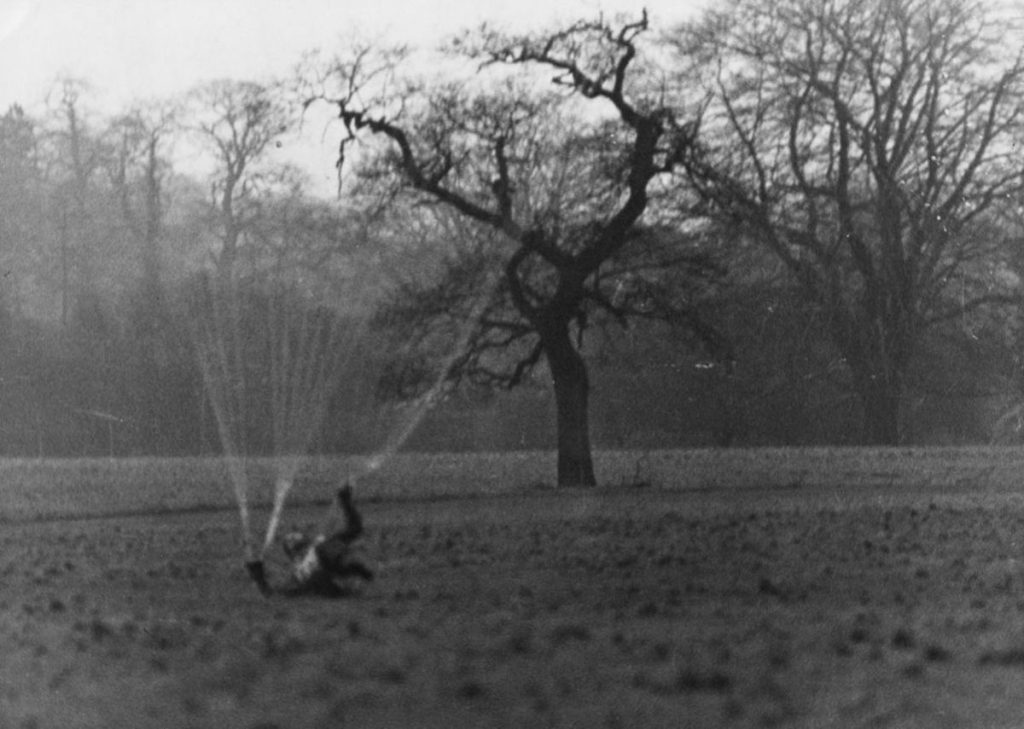
The Paratrooper’s Selfies : 12 Snapshots Whilst Falling to Earth in 1944

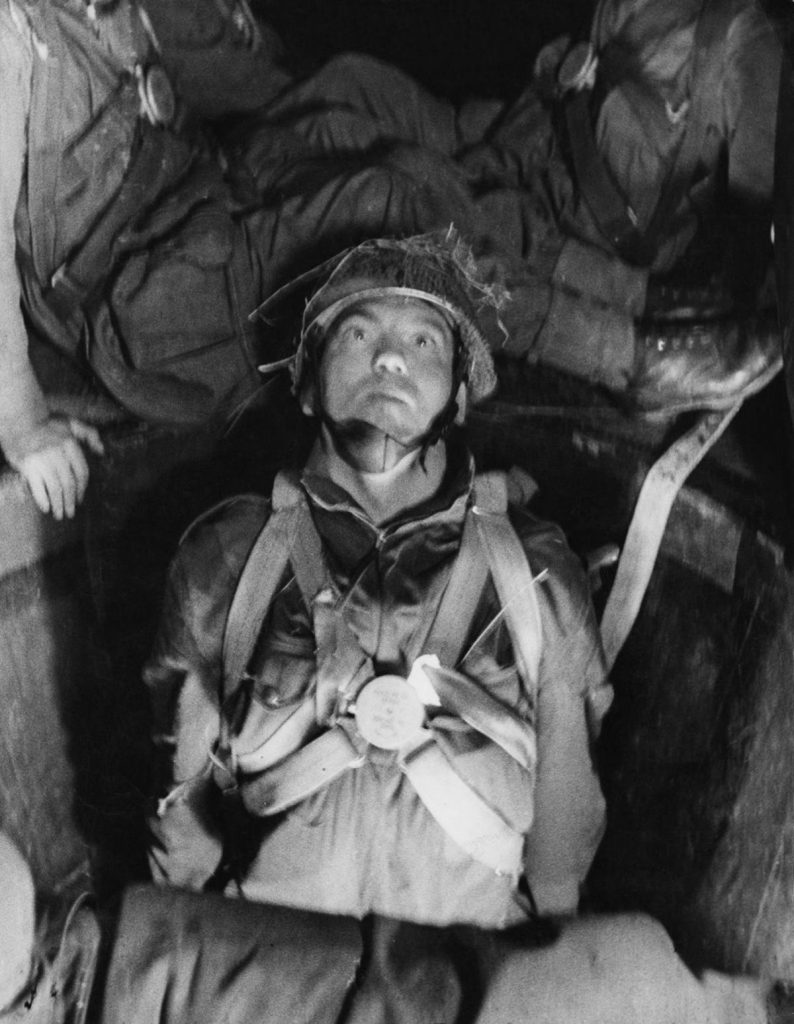
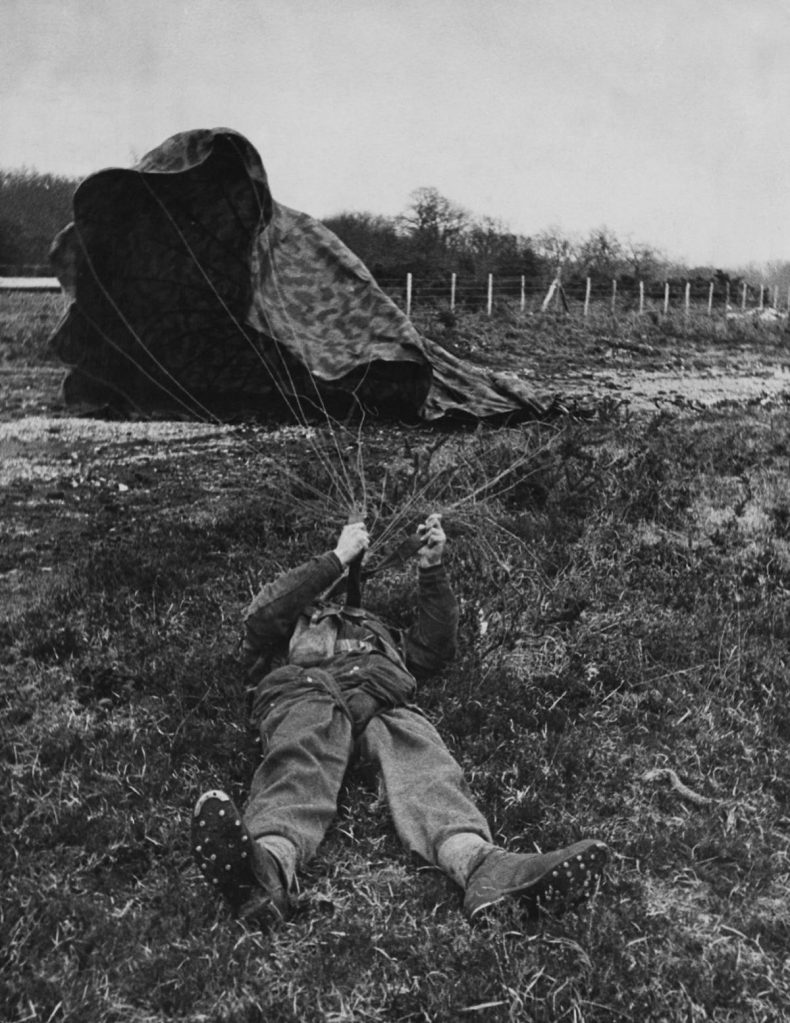
In 1944, Picture Post photographer Haywood Magee boarded an Armstrong Whitworth Whitley bomber at RAF Ringway, Cheshire, England. Already onboard were men of the 10th Battalion Parachute Regiment. As one paratrooper prepared to jump, Magee handed him a camera with the instructions to aim it at his face, don’t drop the thing, and click.

In 1944, Picture Post photographer Haywood Magee boarded an Armstrong Whitworth Whitley bomber at RAF Ringway, Cheshire, England. Already onboard were men of the 10th Battalion Parachute Regiment. As one paratrooper prepared to jump, Magee handed him a camera with the instructions to aim it at his face, don’t drop the thing and click. The resulting images, which you can see below, are blurred and grainy but engaging, not least of all because they might well be the first selfies taken by a British soldier. The images were published in the magazine’s March 18, 1944 issue under the headline: “A Paratrooper Makes a Jump – And We Jump with Him.” Well, we watch:

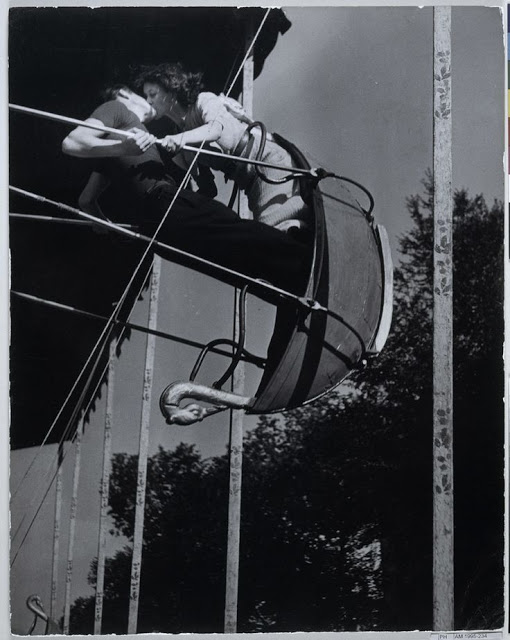
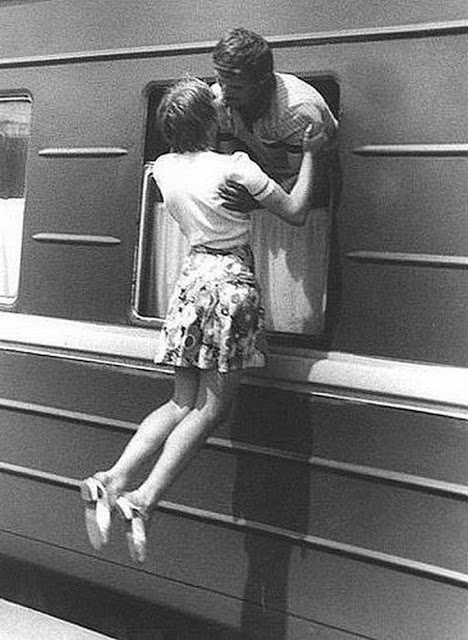
The Power of Love: Romantic Kisses From the Past That You Have Rarely Seen Today

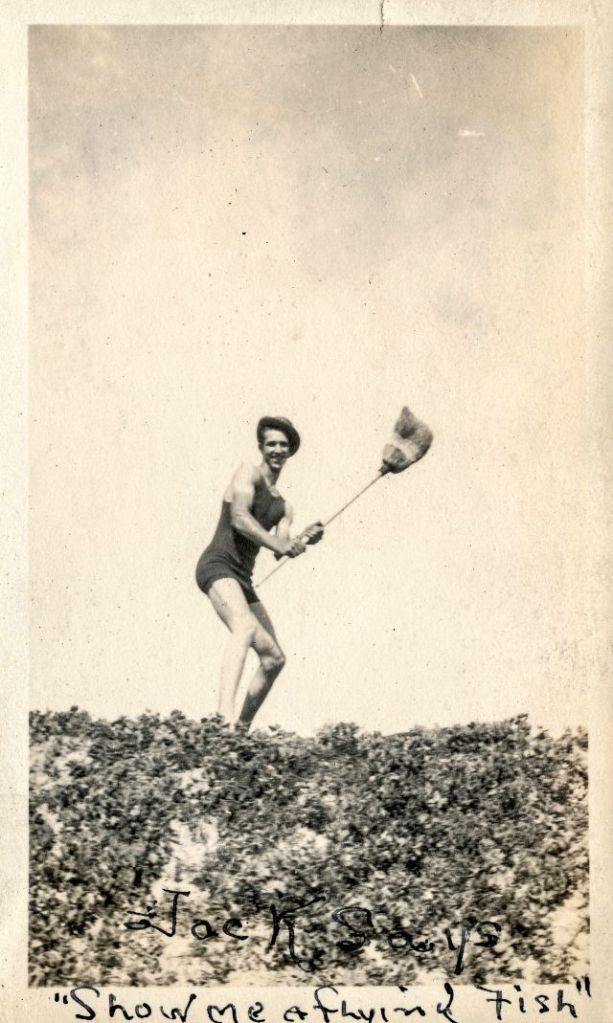
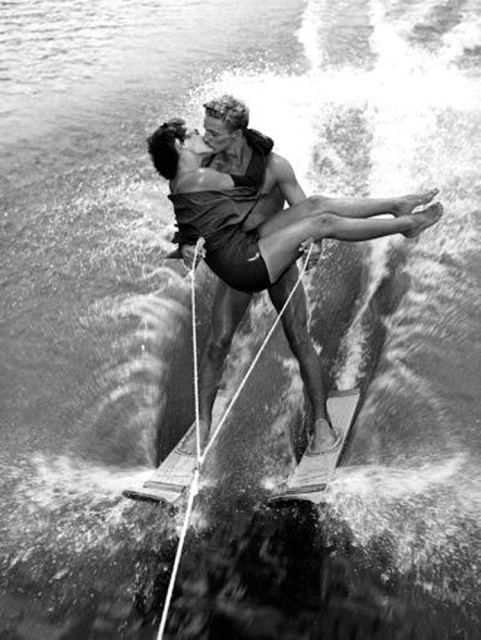
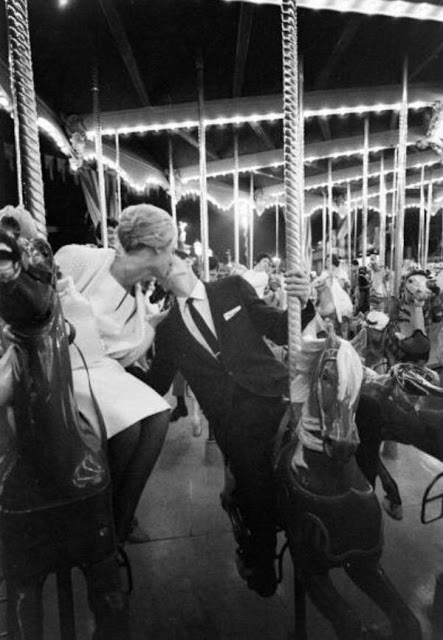
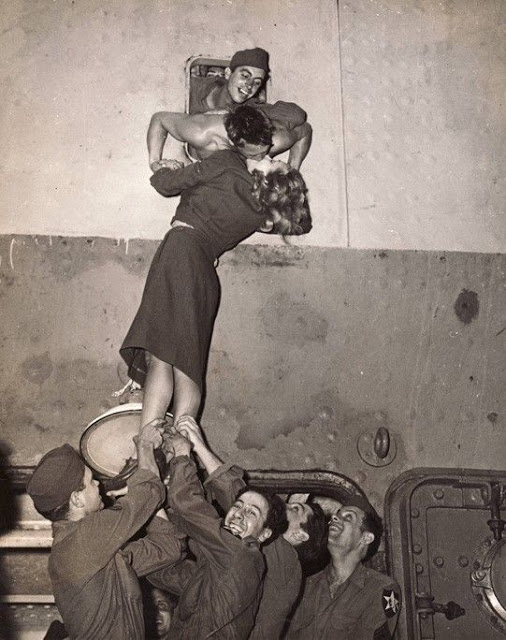
A kiss is the touch or pressing of one’s lips against another person or an object. Cultural connotations of kissing vary widely.

Depending on the culture and context, a kiss can express sentiments of love, passion, romance, sexual attraction, sexual activity, sexual arousal, affection, respect, greeting, friendship, peace and good luck, among many others.

In some situations a kiss is a ritual, formal or symbolic gesture indicating devotion, respect, or sacrament. The word came from Old English cyssan (“to kiss”), in turn from coss (“a kiss”)
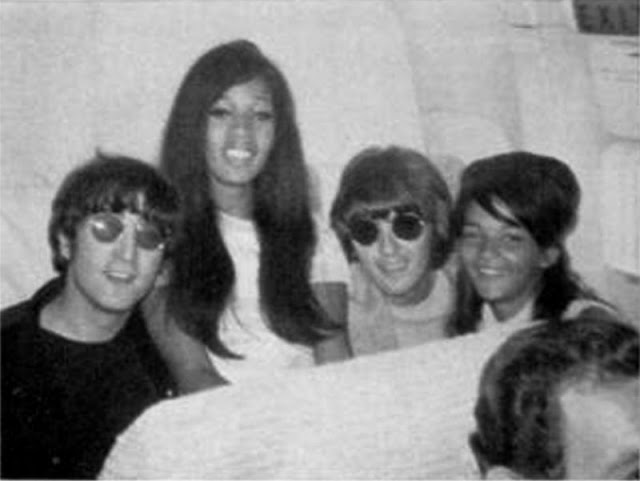
The Ronettes With The Beatles

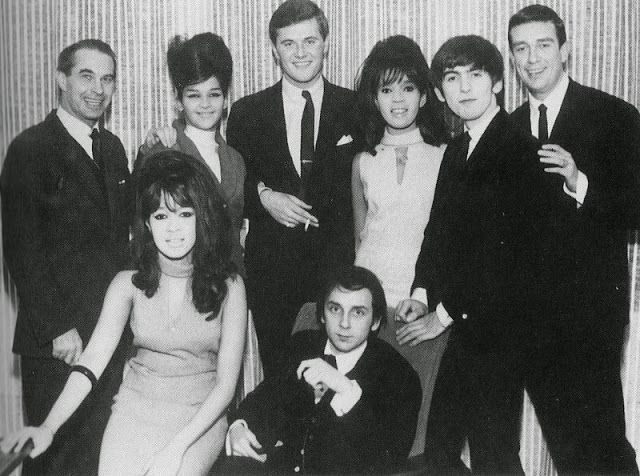
During their trip to the U.K in early 1964, The Ronettes were introduced to The Beatles, and spent personal time with them during the tour.

There was at least one night of dancing with John, George and Ringo, as Ronnie later recalled, noting that Paul McCartney was then involved with Jane Asher. Estelle and George Harrison had paired off in the dancing that evening, as Ronnie remembered, while she spent some time with John Lennon.

The Ronettes, in fact, having befriended The Beatles on their first tour of Britain, were on hand February 8, 1964 to welcome The Beatles as they arrived in New York for their first U.S. visit and Ed Sullivan Show appearance.

Two years later, in August 1966, The Ronettes (minus Ronnie) would join The Beatles on their 14-city U.S./Canada tour as one of the opening acts.

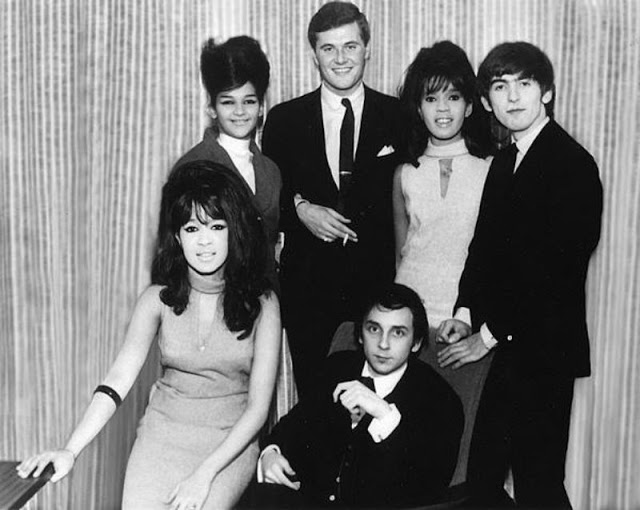
George with the Ronnetts and Phil Spector (and someone else) in 1964.
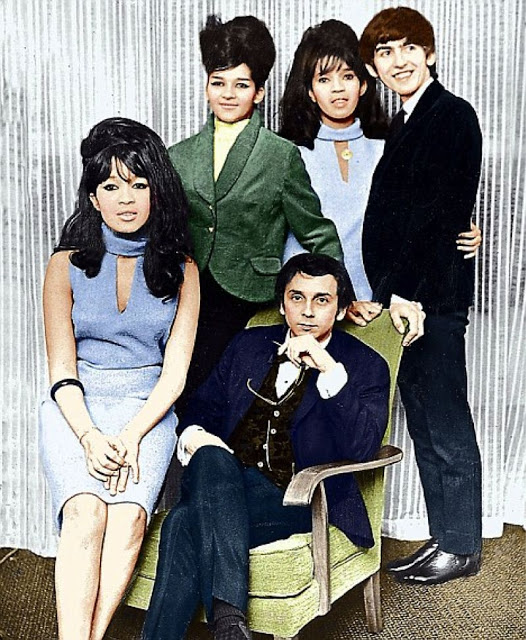
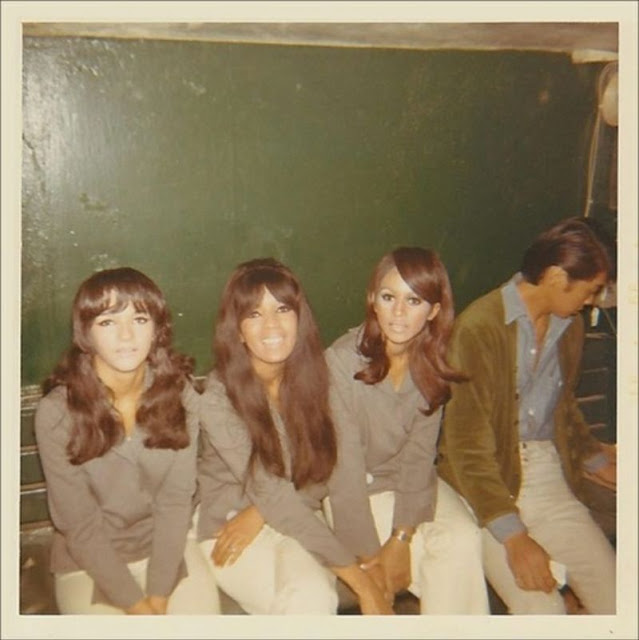
The Ronettes (Veronica Bennett, Nedra Talley and Estelle Bennett) with Phil Spector and George Harrison in 1964.
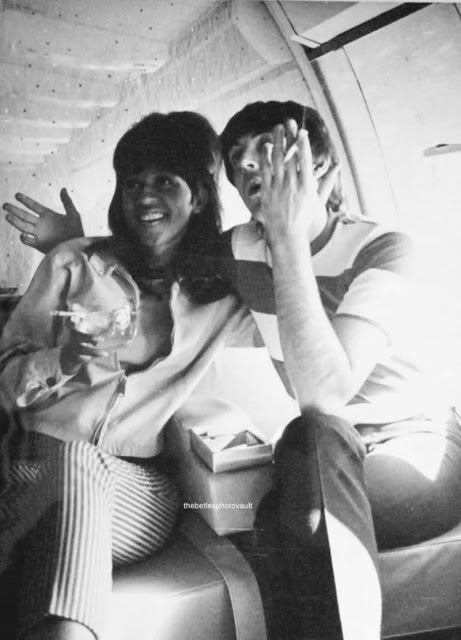
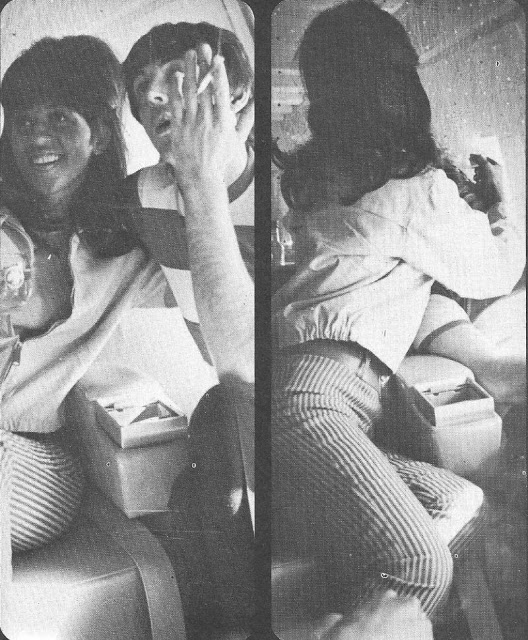
29th August 1966. Paul with Estelle Bennett of the Ronettes during the Beatles flight to San Francisco.
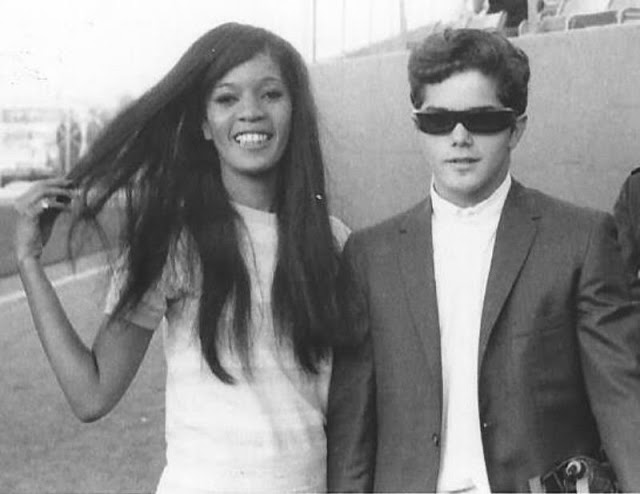
Estelle with a fan before The Beatles final concert at Candlestick Park in San Francisco in, August, 1966. The Ronettes opened for The Beatles on their last tour.
A fan taken snapshot of the Ronnettes (including Estelle) before the Beatles 1966 concert in Cleveland where they were the opening act.

Yesterday Today

Bringing You the Wonder of Yesterday - Today

Skip to content ↓