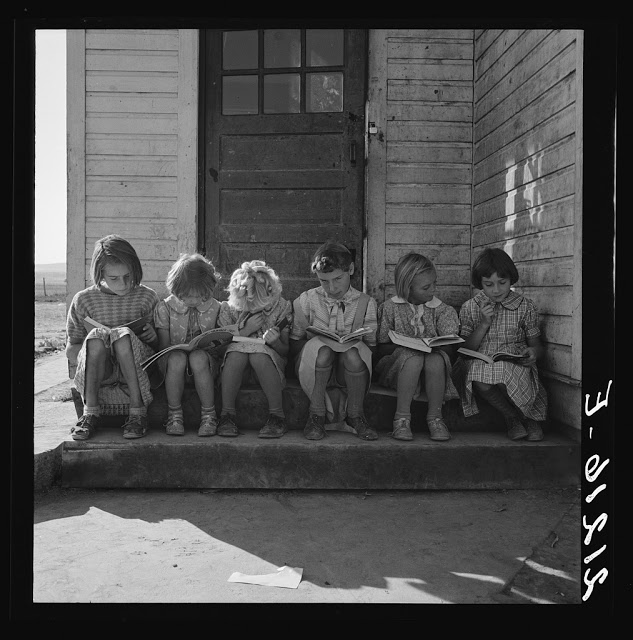
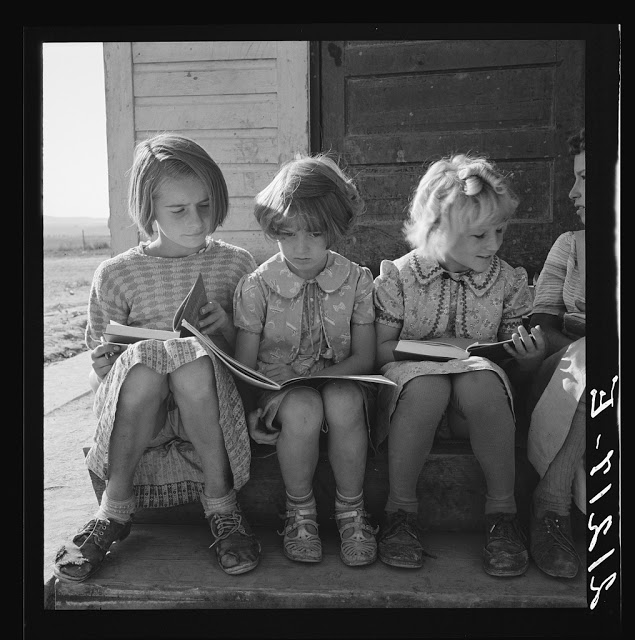
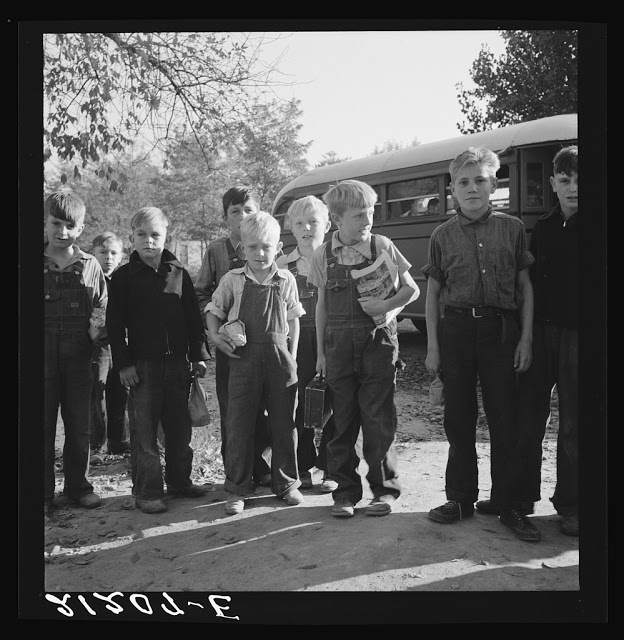
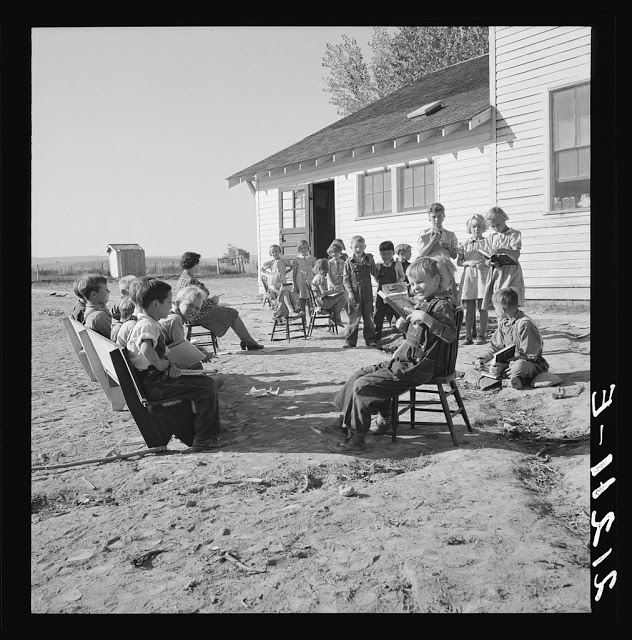
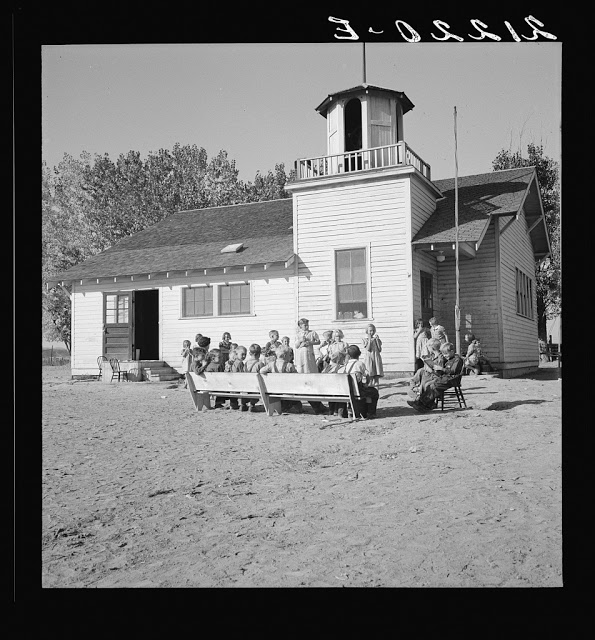
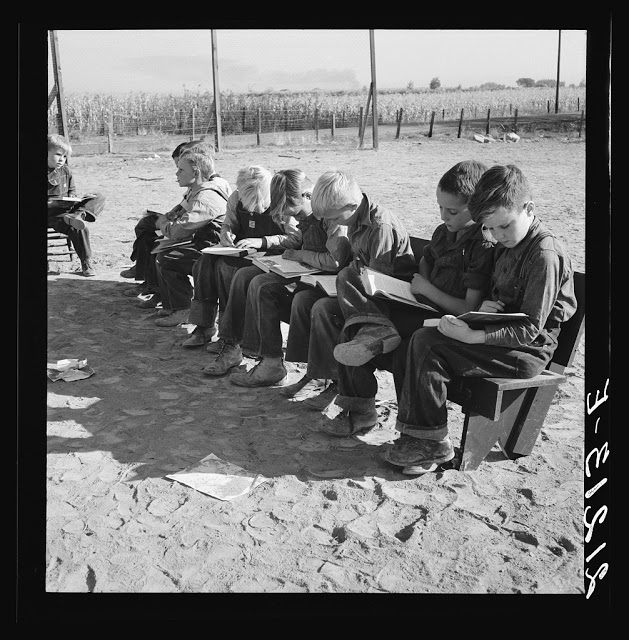
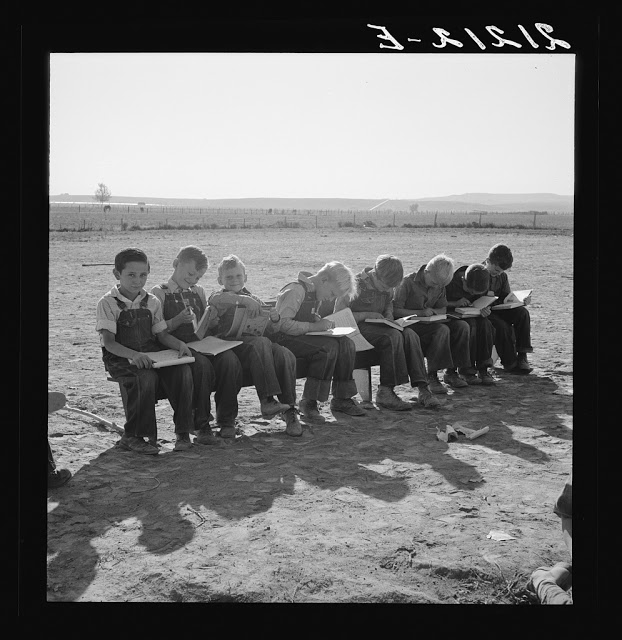
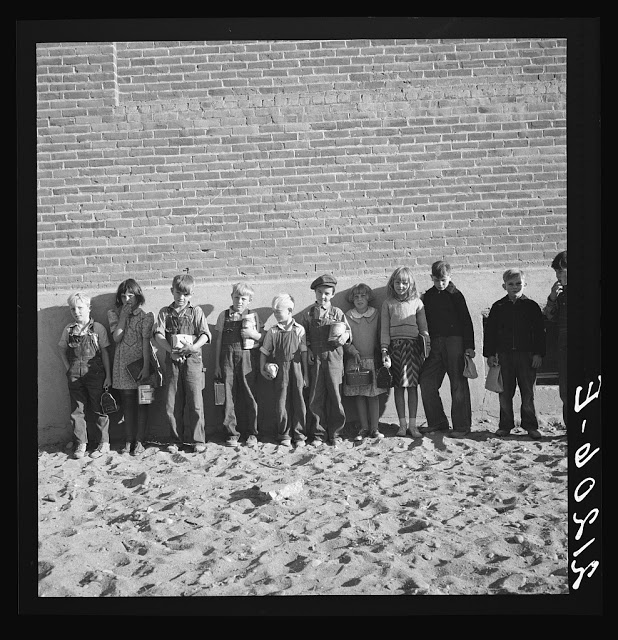
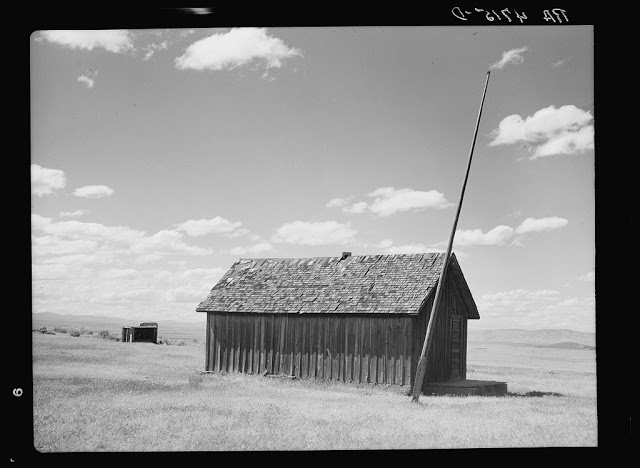
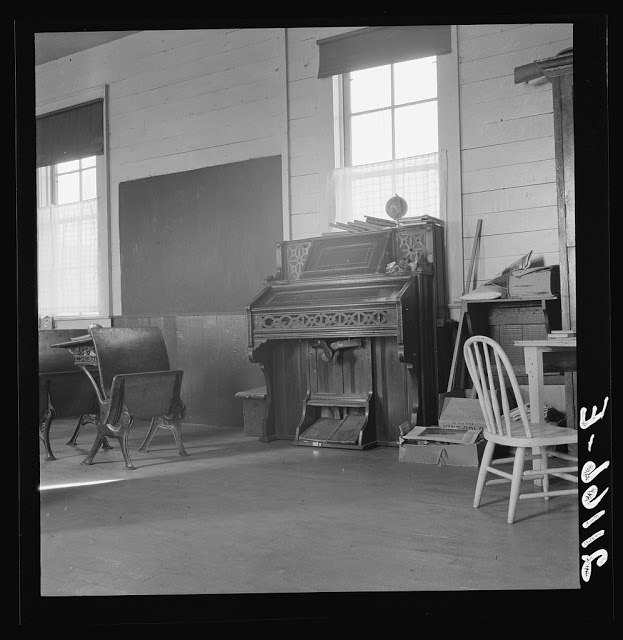
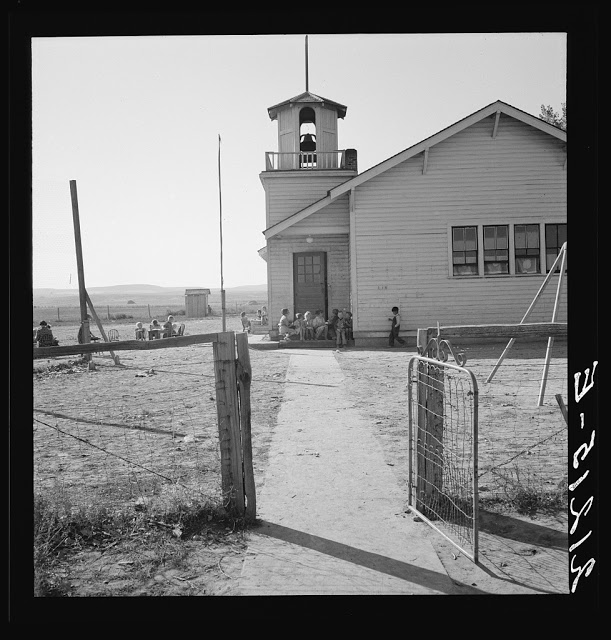
During the end of the Great Depression in 1939, many rural schools held classes outside due to the oppressive heat. Here is a day in the life of the enrollment of the Lincoln “Bench School” outside of Ontario, Oregon. They were more fortunate than most: the county had a bus that went to pick up most of the kids from the surrounding farms.
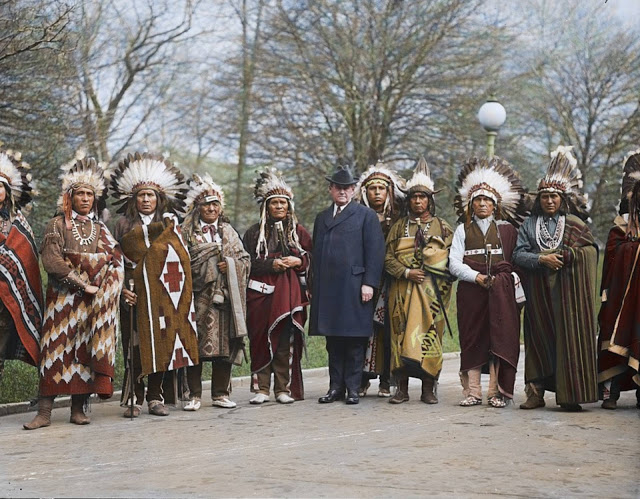
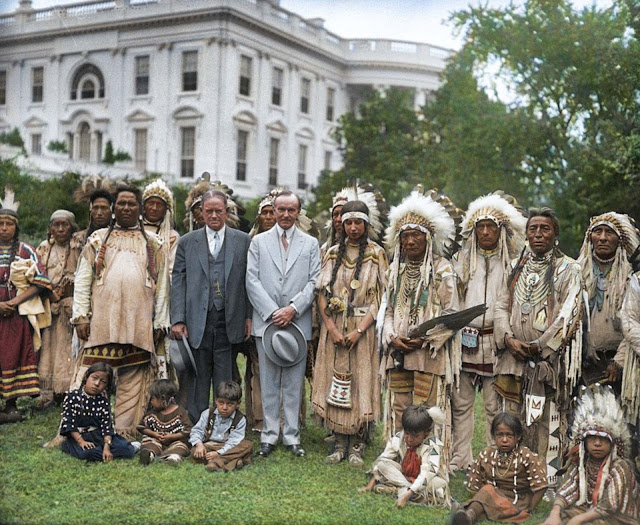
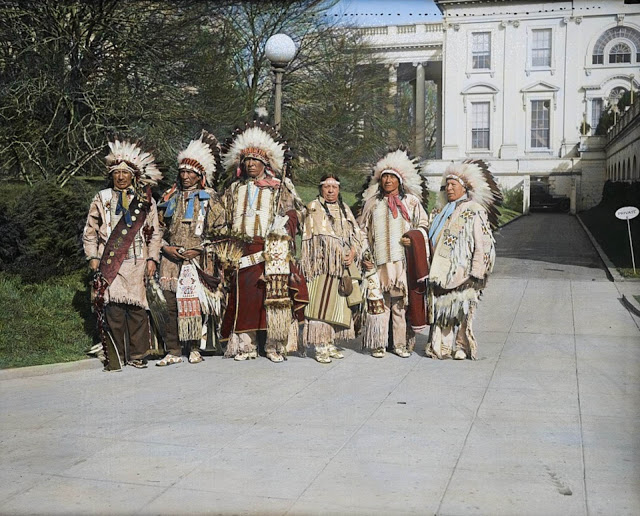
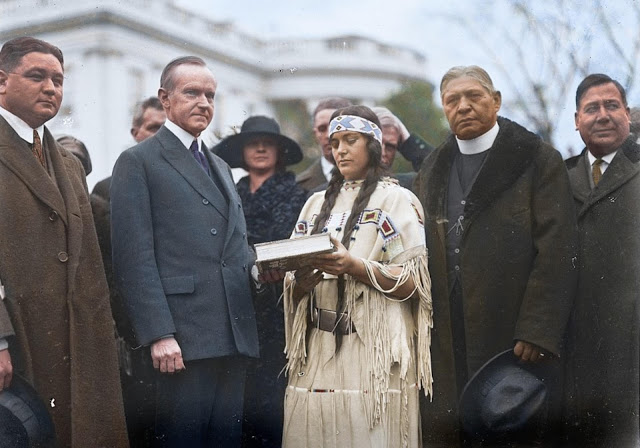
These incredible photographs were colorized by British colorization specialist Royston Leonard. The remarkable pictures show the group during the 1920s, with some of the leaders meeting with then American president, Calvin Coolidge, at the White House.
In 1924, the Indian Citizenship Act was proposed by Representative Homer P. Snyder and signed by President Calvin Coolidge, meaning the indigenous peoples including the Native American tribe, also known as Native Indians, were granted full U.S. citizenship.
Despite being granted full citizenship in 1924, not all Native Americans were granted the right to vote until 1957 due to discriminatory state laws which used a variety of excuses to prevent members of tribes from fully exercising their rights
The Indian Citizenship Act of 1924, also known as the Snyder Act, was proposed by Representative Homer P. Snyder (R) of New York and granted full U.S. citizenship to the indigenous peoples of the United States, called “Indians” in this Act.
While the Fourteenth Amendment to the United States Constitution defined as citizens any person born in the U.S., the amendment had been interpreted to restrict the citizenship rights of most Native people. The act was signed into law by President Calvin Coolidge on June 2, 1924. It was enacted partially in recognition of the thousands of Indians who served in the armed forces during World War I.
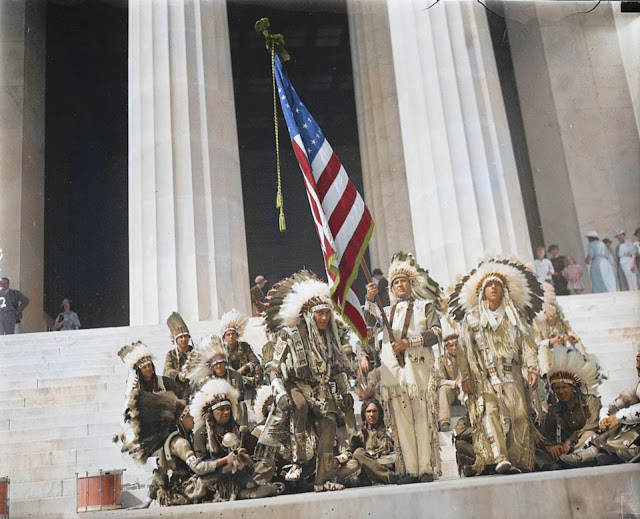
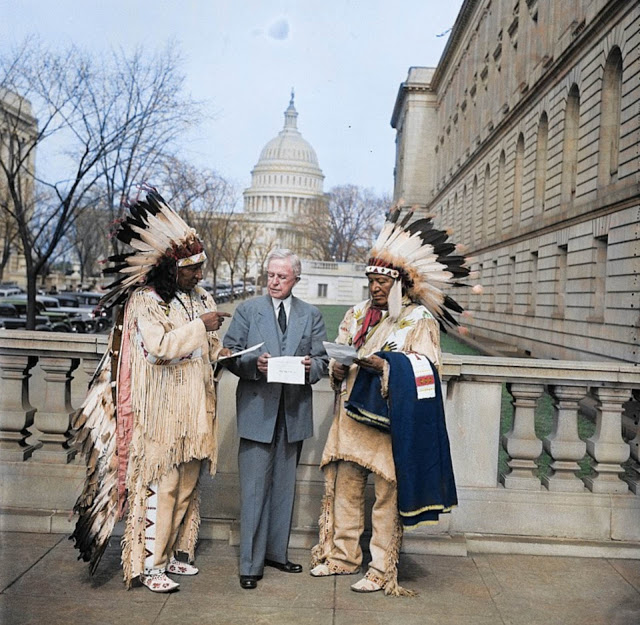
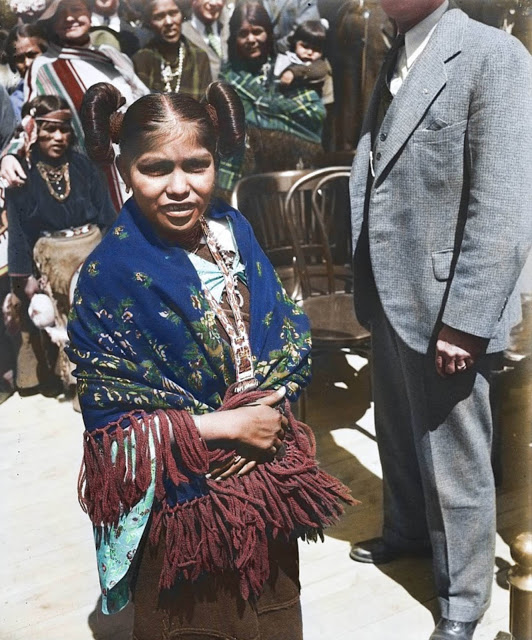
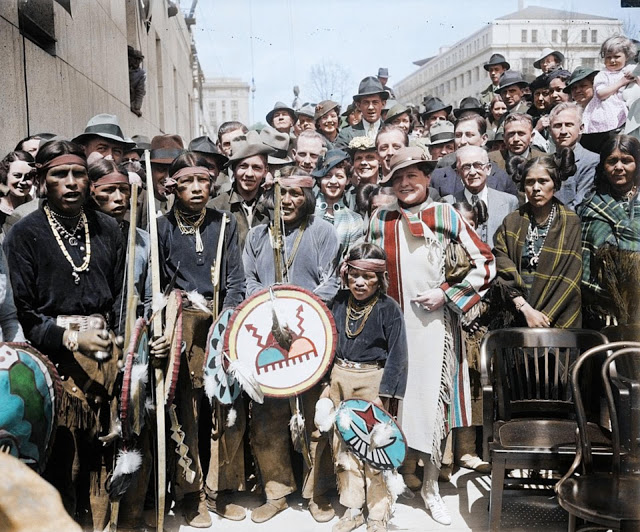
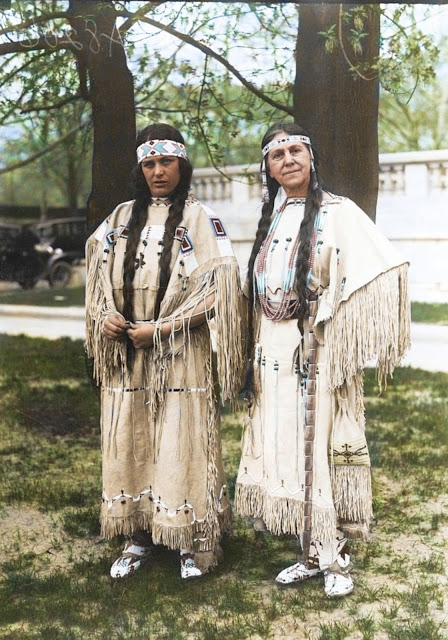
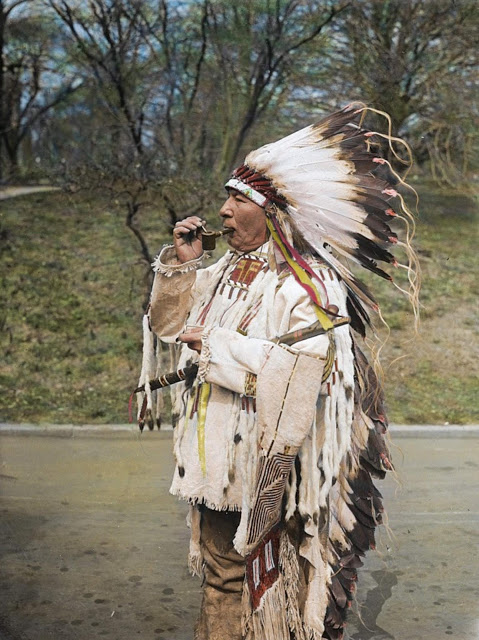
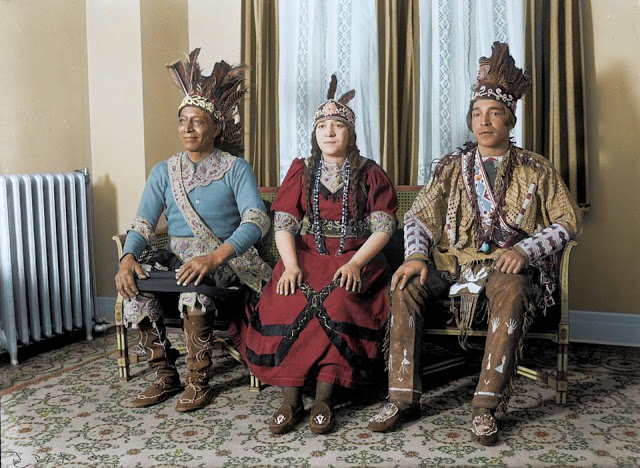
1927 – President Calvin Coolidge poses for a picture with a group of Native Americans outside the White House, three years after the 1924 Indian Citizenship Act. STUNNING images of the indigenous Native Americans have been brought back to life through vivid colorisation. The remarkable pictures show the group during the 1920s, with some of the leaders meeting with then American president, Calvin Coolidge, at the White House. Native Americans, pictured here at the White House in traditional dress, were only granted full US citizenship in 1924 by the then President Calvin Coolidge, who was later granted honorary tribal membership by Sioux Chief Henry Standing Bear.A group of Native American men wearing their traditional attire while raising the Stars and Stripes at the Lincoln Memorial in 1936, 12 years after President Calvin Coolidge granted them US citizenship.President Coolidge with Native American tribes, 1924.Native Americans at the White House, circa 1929.Two Native American elders, dressed in traditional garb discussing policy with a member of President Coolidge’s staff. Native American girl. This remarkable photograph shows Native American men, women, and children in Washington D.C., to speak to President Coolidge. In 1924, Coolidge signed the Indian Citizenship Act, granting citizenship to indigenous people. Well-deserved: they had been in the country for generations before the “Americans” who automatically receive citizenship at birth.These Native American women traveled to Washington DC in 1924 to celebrate the newly-signed Indian Citizenship Act.This Native American elder was photographed around 1925.This Native American woman, center is meeting US President Calvin Coolidge in 1923 in advance of the Indian Citizenship Act.Native Americans posing for group portrait in 1915.
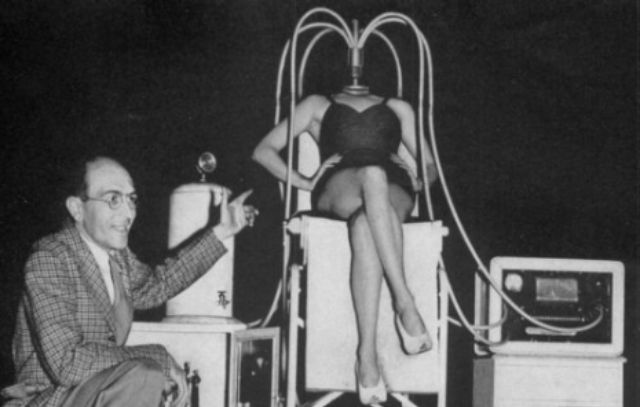
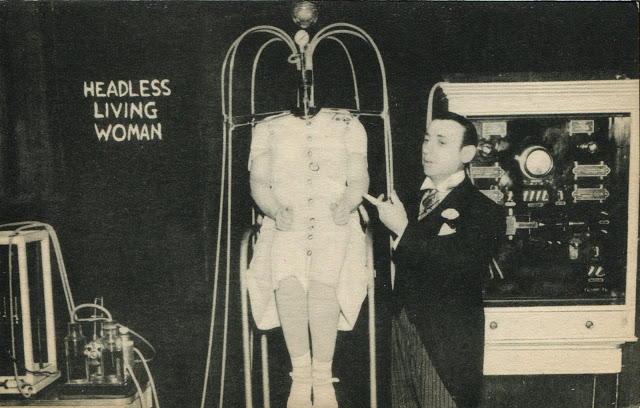
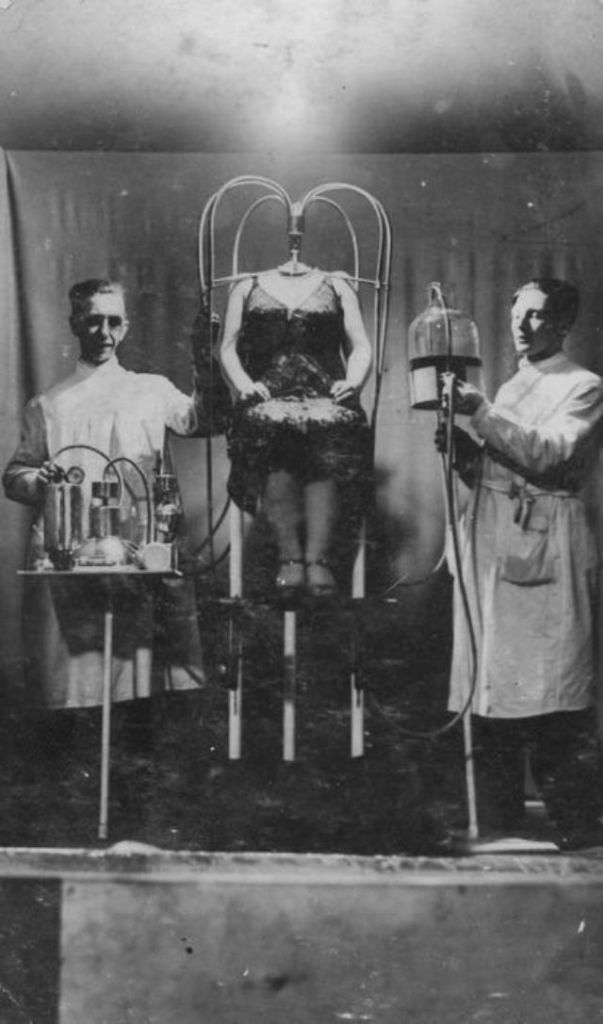
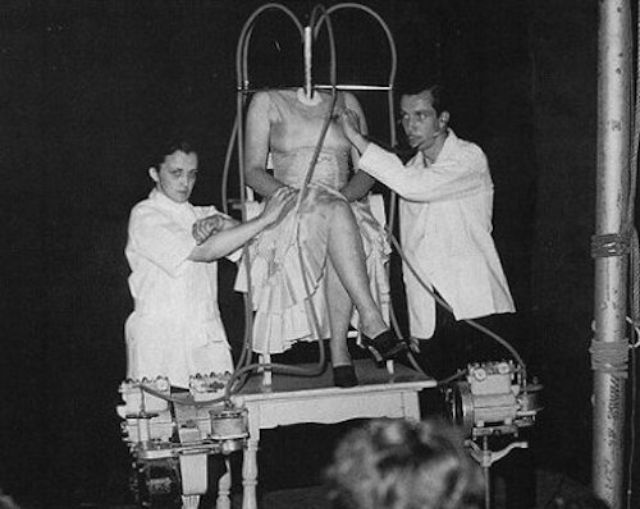
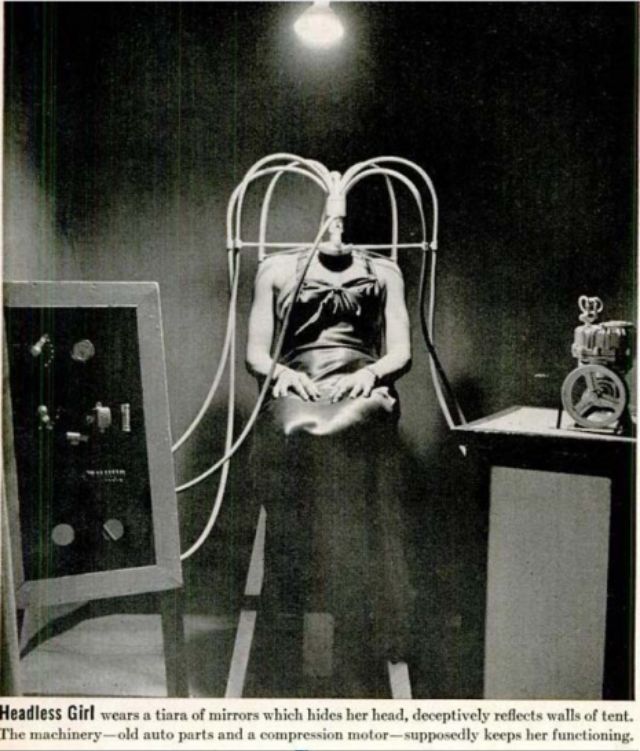
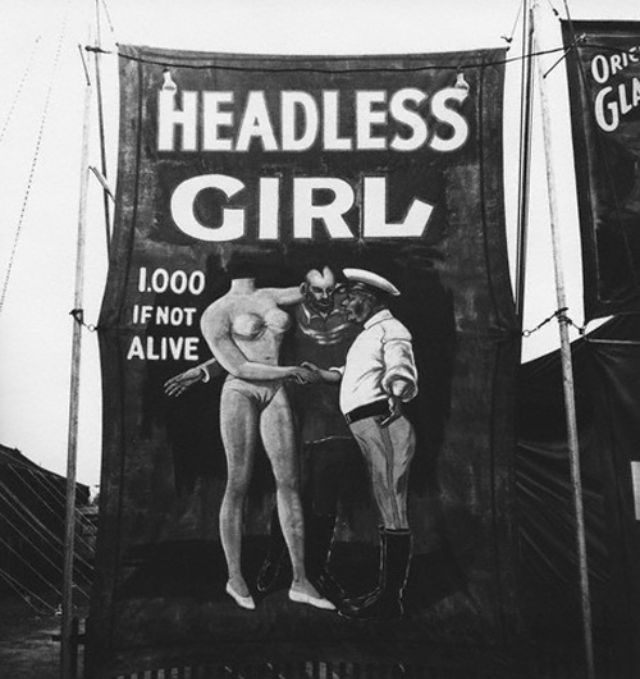
The Headless Lady illusion was a popular magic trick performed at sideshows in the 1940s. As the story goes, the poor woman lost her head in a horrible accident, but doctors were able to keep her alive through the miracle of new scientific technology.
Fargo, “Olga the Headless Girl” was an illusionary sideshow and was first brought to the United States in 1937 from Hamburg, Germany, by a man who billed himself as “Doctor” Heineman. It was also a featured exhibit at the New York World’s Fair of 1939 and became a very popular sideshow amusement
Heineman staged “Olga, the Headless Girl” in Blackpool, England before bringing the exhibit to America. Its popularity in England at the time is substantiated by the fact that in 1938 there were at least nine Olga shows.
Egon Heineman with “Olga the Headless Woman,” Blackpool, England late 1930s.A “Headless Woman” making an appearance at the Iowa State Fair.Novelist, editor, and magician, Clayton Rawson with a “Headless Woman” at the New York World’s Fair, 1939. Rawson authored a mystery novel ‘The Headless Lady’ in 1940.A “Headless Girl” giving a radio interview in New Jersey.
The “Headless Girl” routine was a rather terrifyingly realistic looking illusion, especially given the time period in which it came to be. When Olga was displayed in a store window in London, shocked onlookers recoiled at the headless torso of a woman with tubes running from her throat to a contraption that supposedly controlled her food intake.
Olga would be copied by other illusionists who called her “Tina” and the classier sounding “Mademoiselle Yvette” who all claimed that the woman—despite not having a head—was being kept alive by the feeding tubes and unexplainable technology. As you will see in the photos, the headless girl act is optically baffling. To help bolster the authenticity of the headless girl, many of the attractions would include backstory as to how the poor thing lost her head—such as a shark attack or an unfortunate showgirl who parted ways with her head thanks to a truck.
According to Sideshow World, the headless girl illusion continued to appear around the U.S. and the world through the 1980s and a version even made an appearance at Ozzfest in 2002.
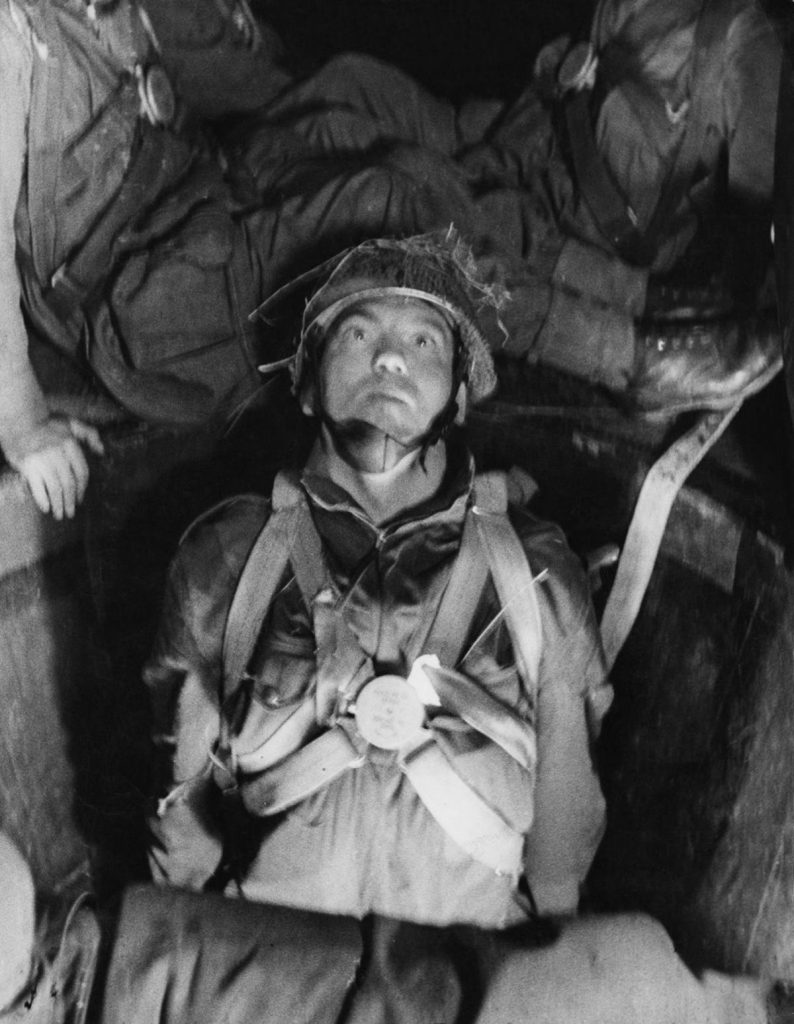
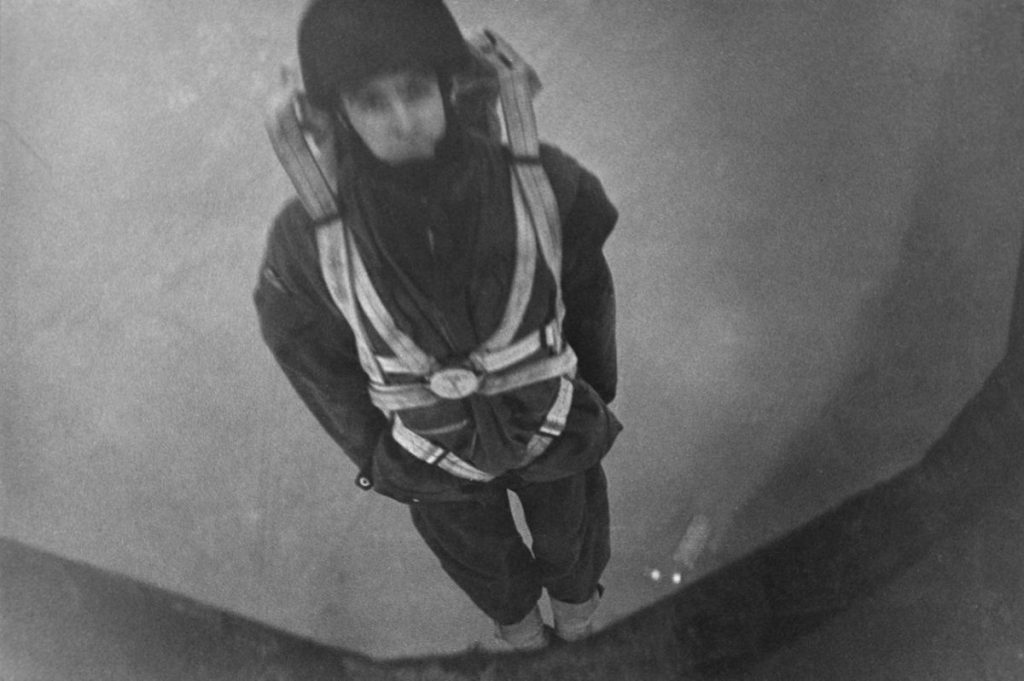
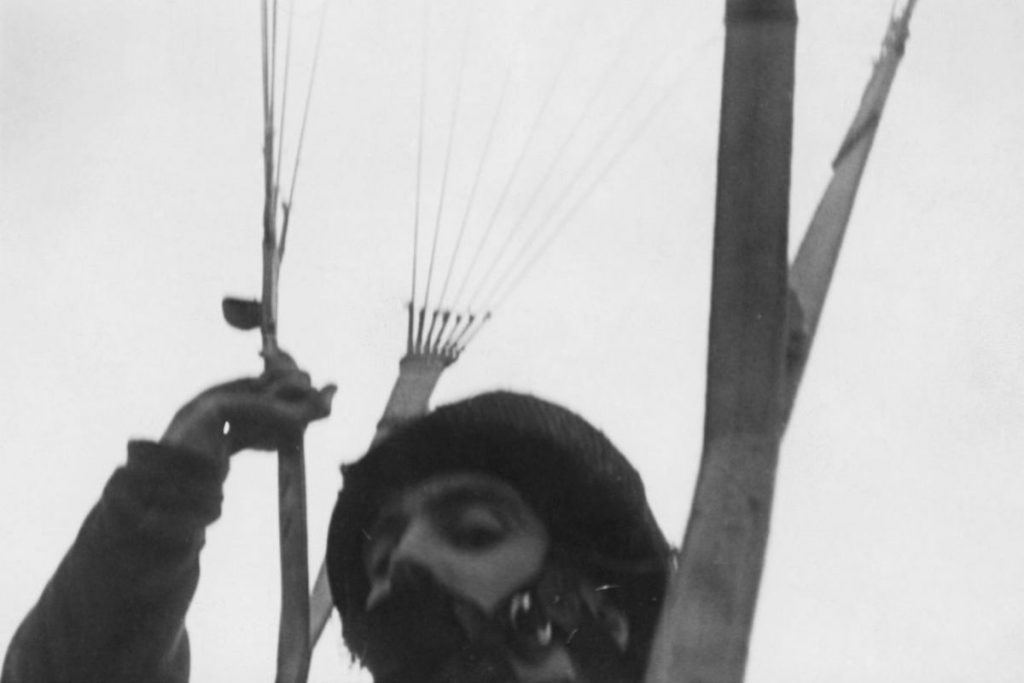
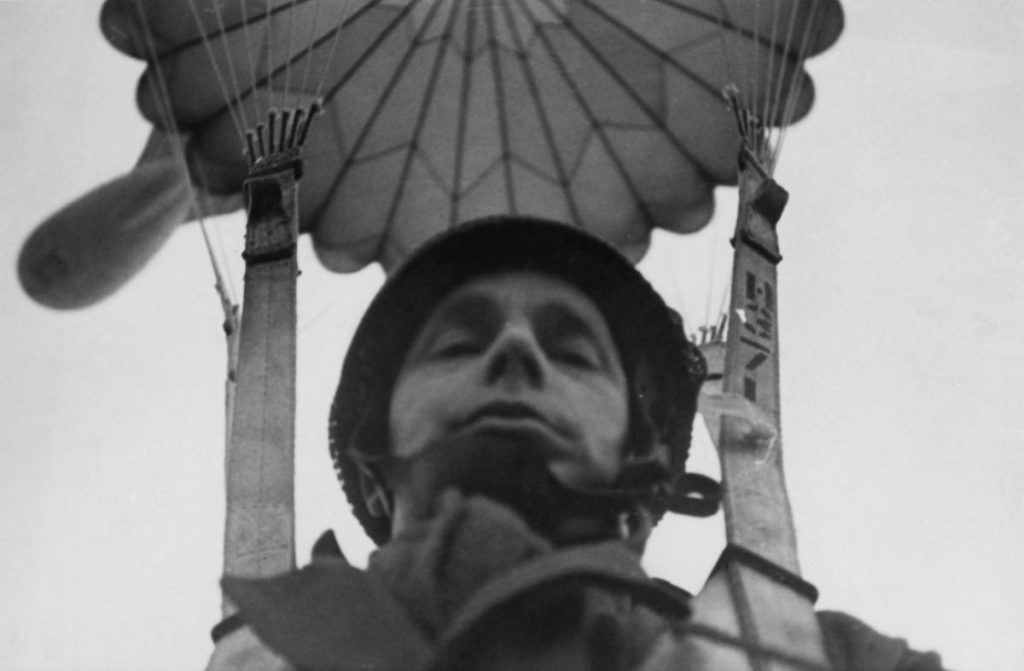
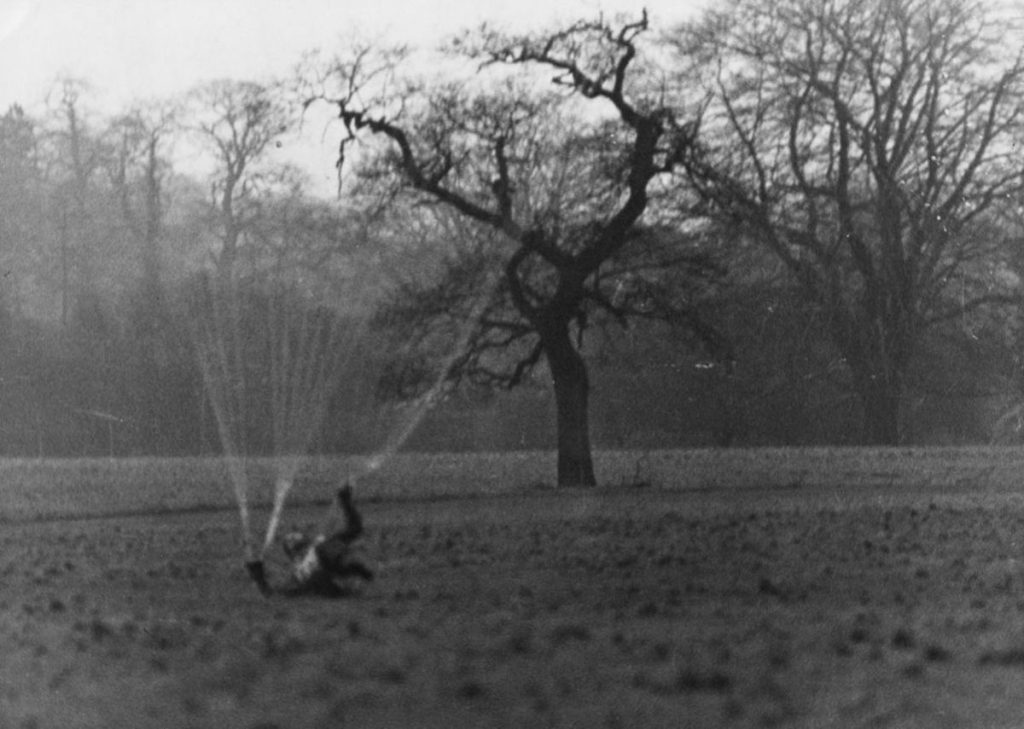
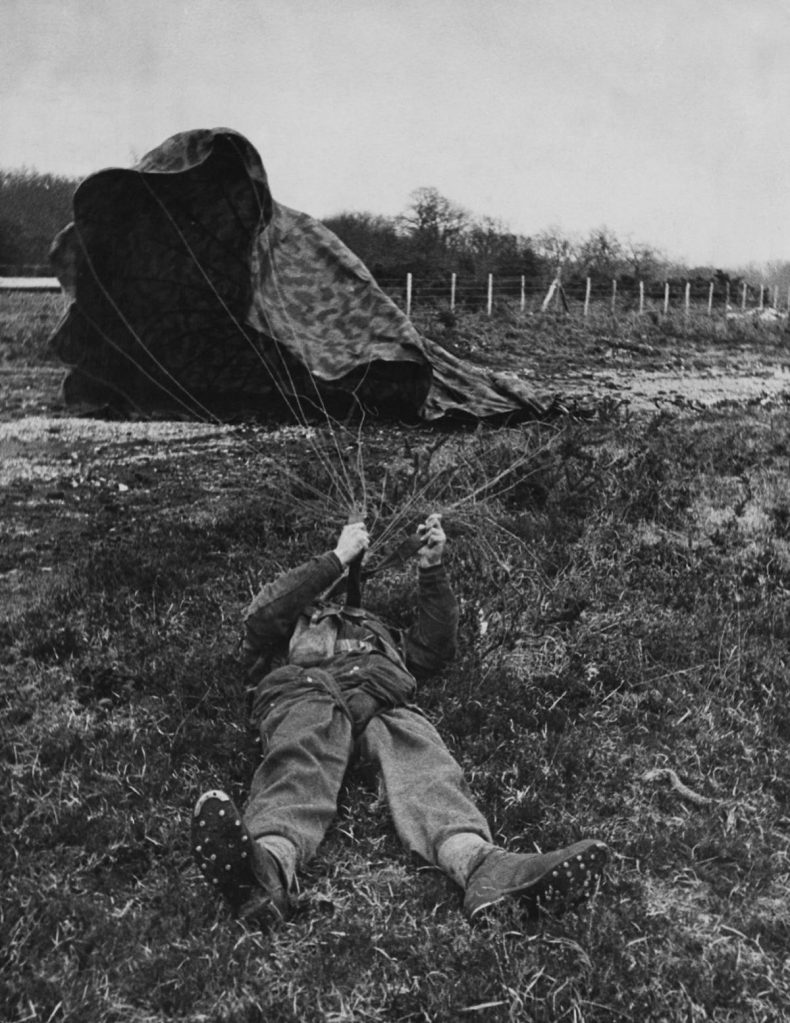
In 1944, Picture Post photographer Haywood Magee boarded an Armstrong Whitworth Whitley bomber at RAF Ringway, Cheshire, England. Already onboard were men of the 10th Battalion Parachute Regiment. As one paratrooper prepared to jump, Magee handed him a camera with the instructions to aim it at his face, don’t drop the thing, and click.
In 1944, Picture Post photographer Haywood Magee boarded an Armstrong Whitworth Whitley bomber at RAF Ringway, Cheshire, England. Already onboard were men of the 10th Battalion Parachute Regiment. As one paratrooper prepared to jump, Magee handed him a camera with the instructions to aim it at his face, don’t drop the thing and click. The resulting images, which you can see below, are blurred and grainy but engaging, not least of all because they might well be the first selfies taken by a British soldier. The images were published in the magazine’s March 18, 1944 issue under the headline: “A Paratrooper Makes a Jump – And We Jump with Him.” Well, we watch:
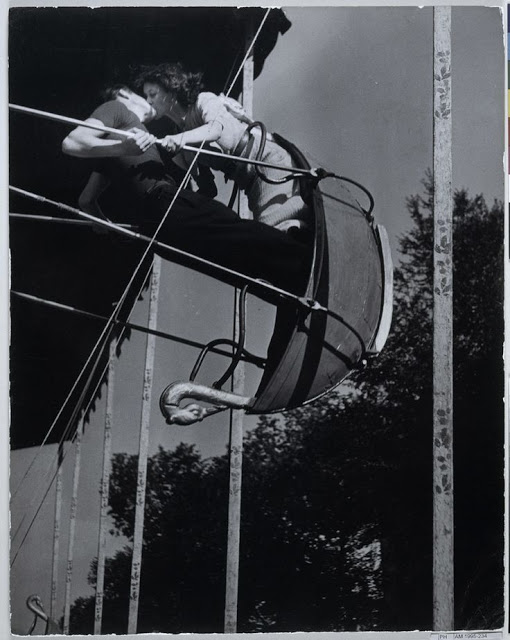
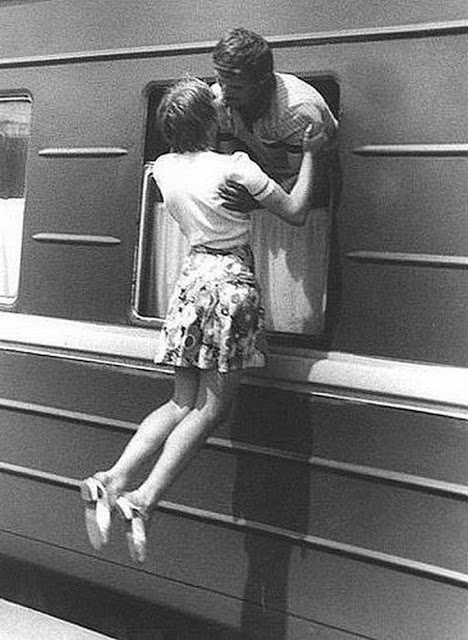
A kiss is the touch or pressing of one’s lips against another person or an object. Cultural connotations of kissing vary widely.
Depending on the culture and context, a kiss can express sentiments of love, passion, romance, sexual attraction, sexual activity, sexual arousal, affection, respect, greeting, friendship, peace and good luck, among many others.
In some situations a kiss is a ritual, formal or symbolic gesture indicating devotion, respect, or sacrament. The word came from Old English cyssan (“to kiss”), in turn from coss (“a kiss”)
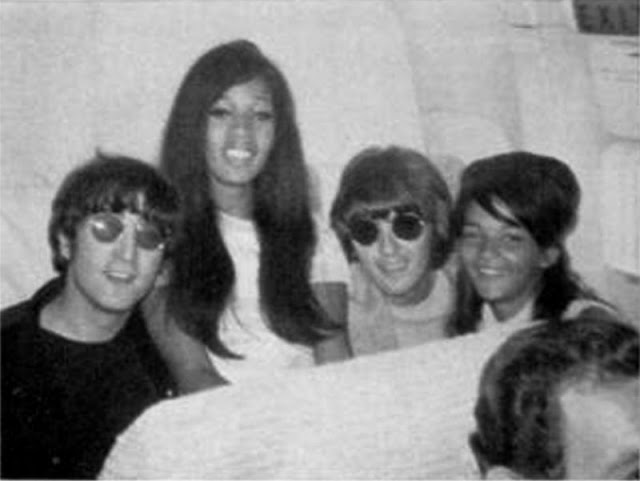
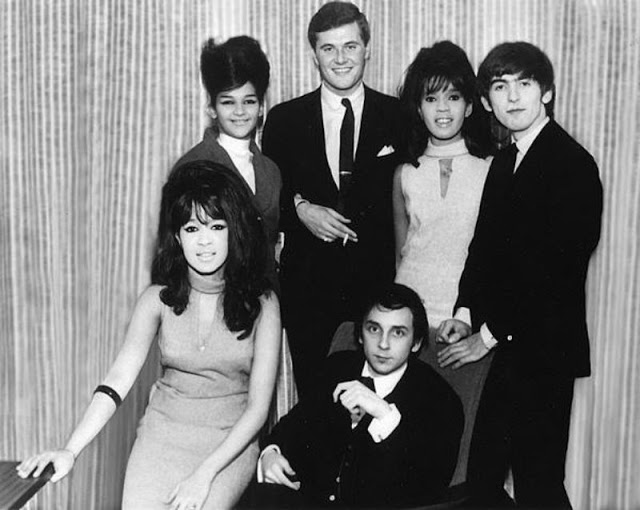
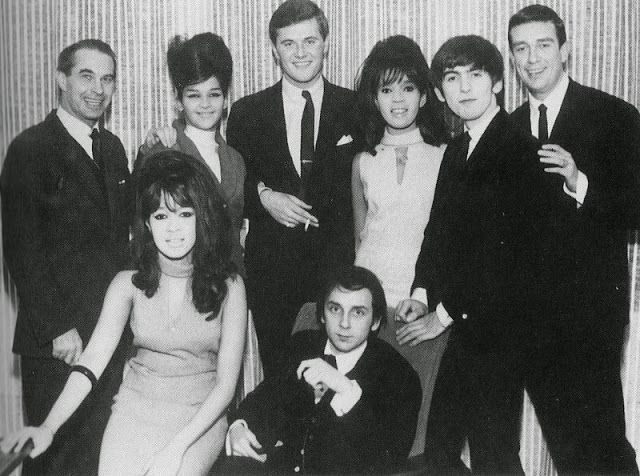
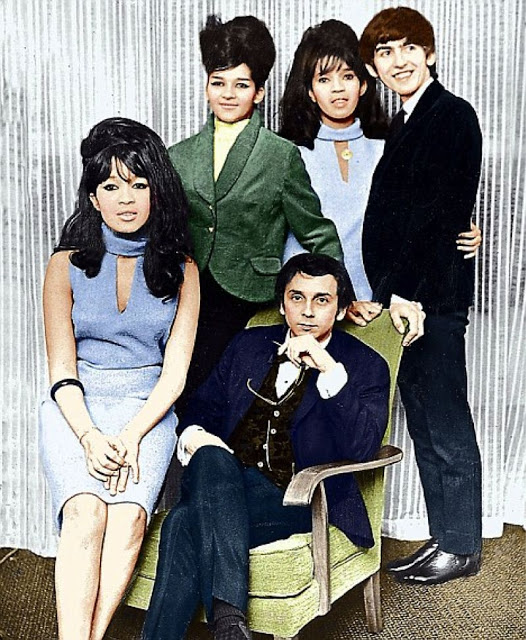
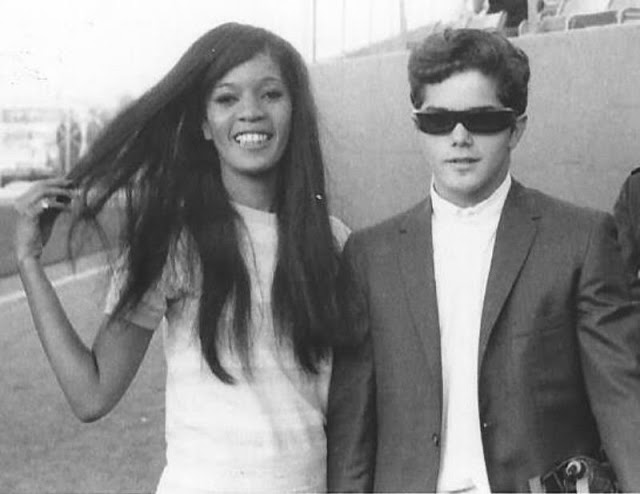
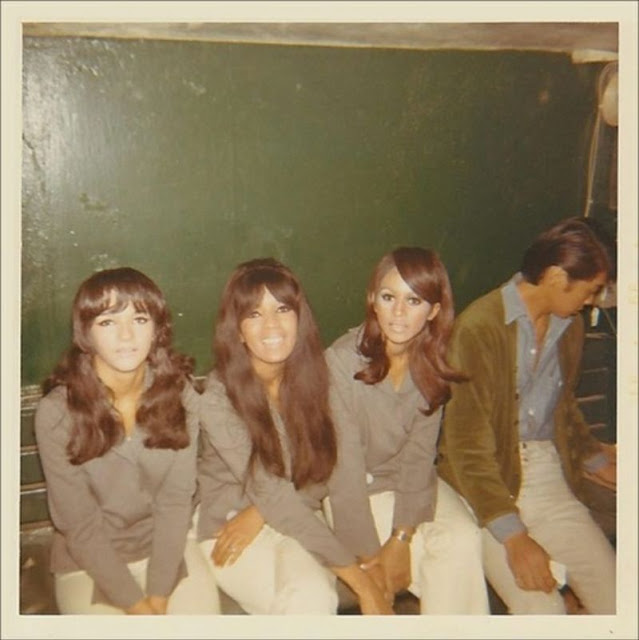
During their trip to the U.K in early 1964, The Ronettes were introduced to The Beatles, and spent personal time with them during the tour.
There was at least one night of dancing with John, George and Ringo, as Ronnie later recalled, noting that Paul McCartney was then involved with Jane Asher. Estelle and George Harrison had paired off in the dancing that evening, as Ronnie remembered, while she spent some time with John Lennon.
The Ronettes, in fact, having befriended The Beatles on their first tour of Britain, were on hand February 8, 1964 to welcome The Beatles as they arrived in New York for their first U.S. visit and Ed Sullivan Show appearance.
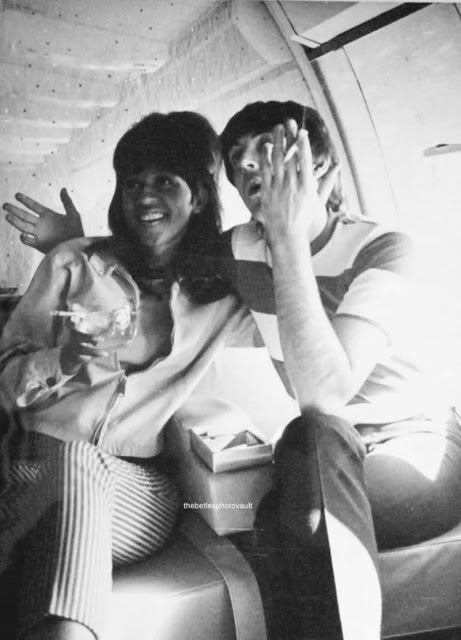
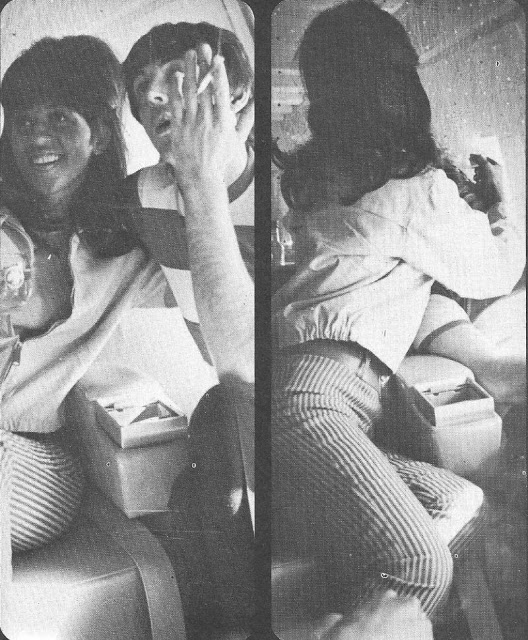
Two years later, in August 1966, The Ronettes (minus Ronnie) would join The Beatles on their 14-city U.S./Canada tour as one of the opening acts.
George with the Ronnetts and Phil Spector (and someone else) in 1964.George with the Ronnetts and Phil Spector (and someone else) in 1964.The Ronettes (Veronica Bennett, Nedra Talley and Estelle Bennett) with Phil Spector and George Harrison in 1964.29th August 1966. Paul with Estelle Bennett of the Ronettes during the Beatles flight to San Francisco.Estelle with a fan before The Beatles final concert at Candlestick Park in San Francisco in, August, 1966. The Ronettes opened for The Beatles on their last tour.A fan taken snapshot of the Ronnettes (including Estelle) before the Beatles 1966 concert in Cleveland where they were the opening act.
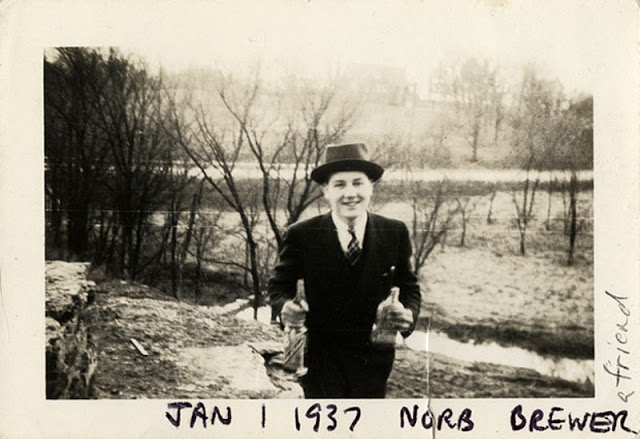
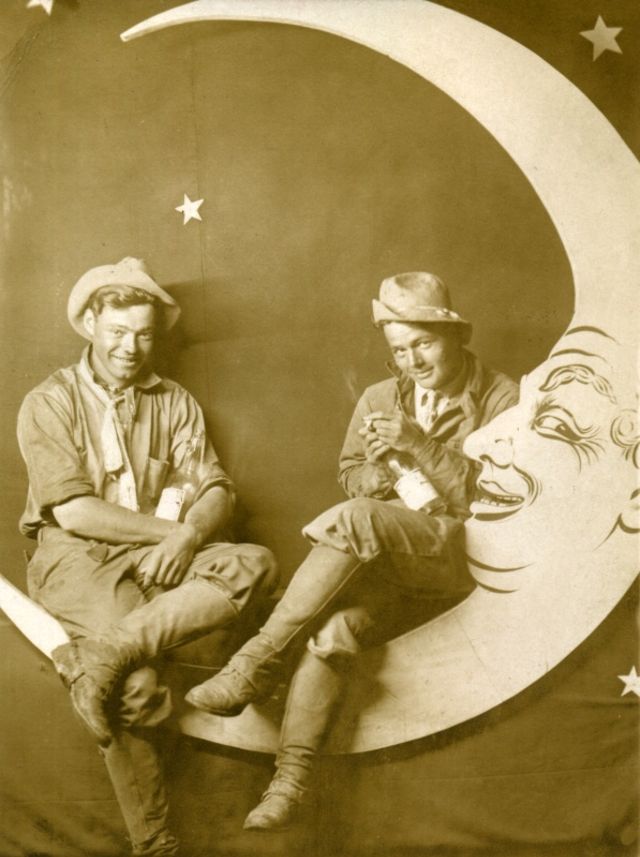
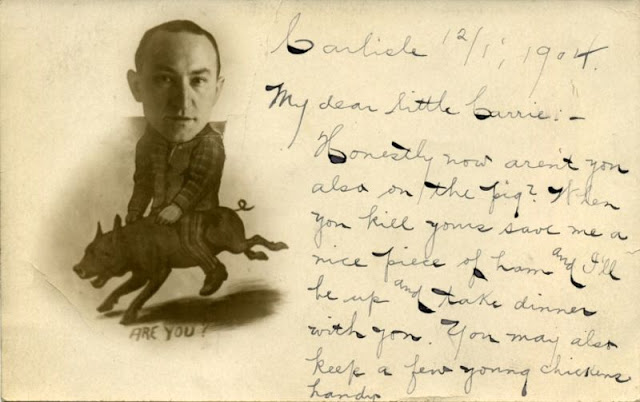
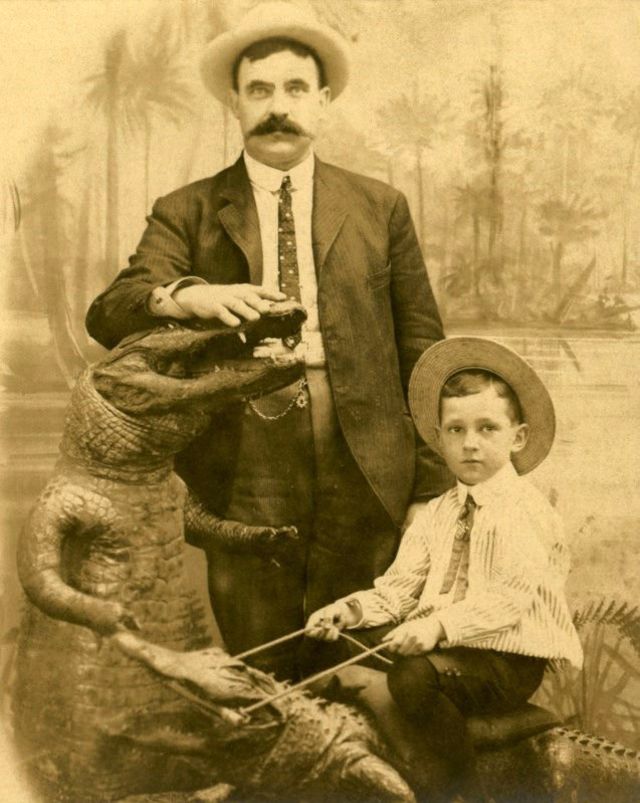
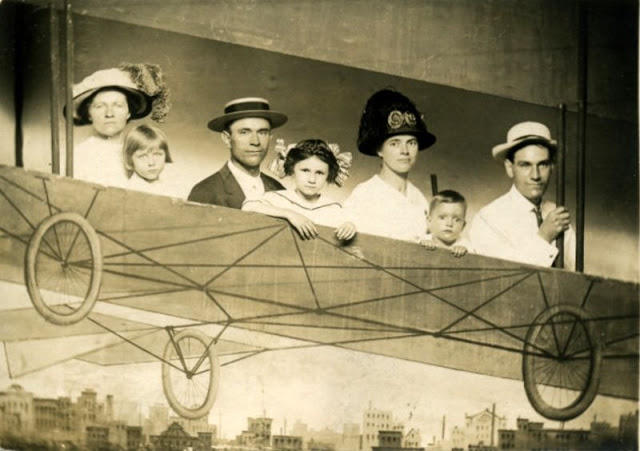
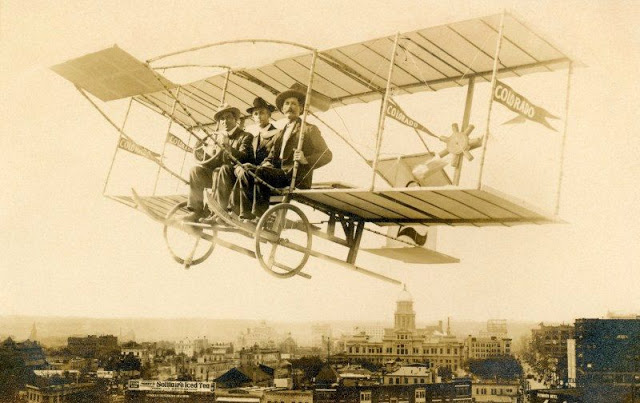
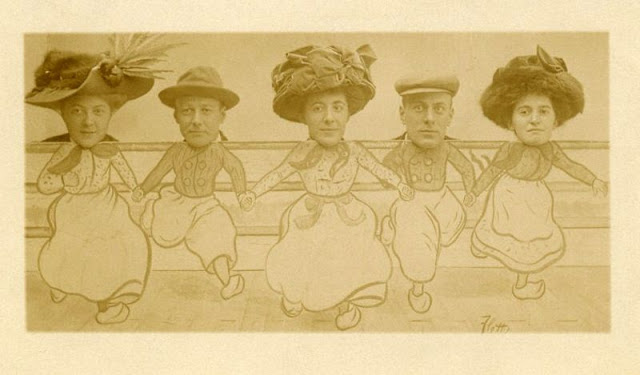
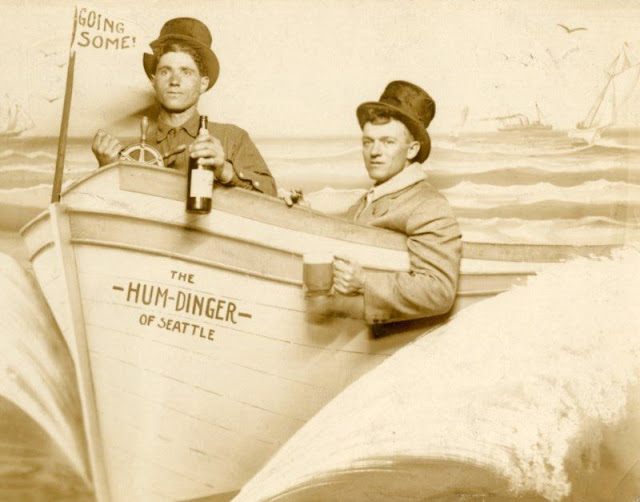
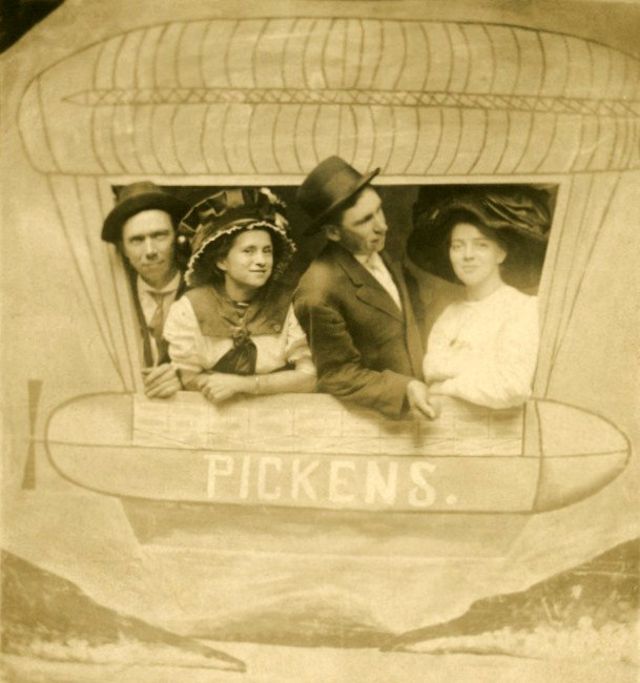
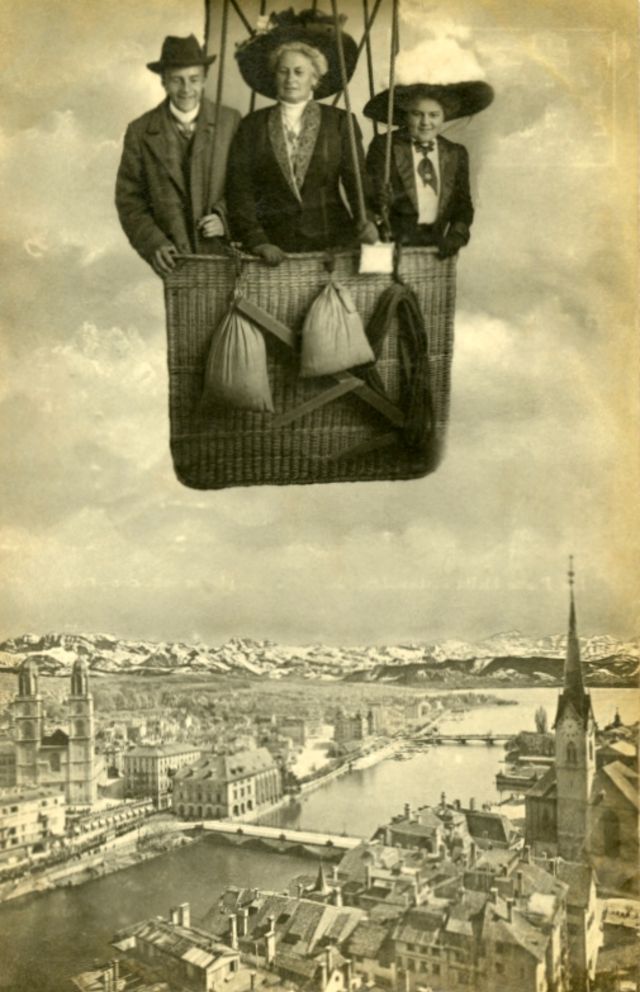
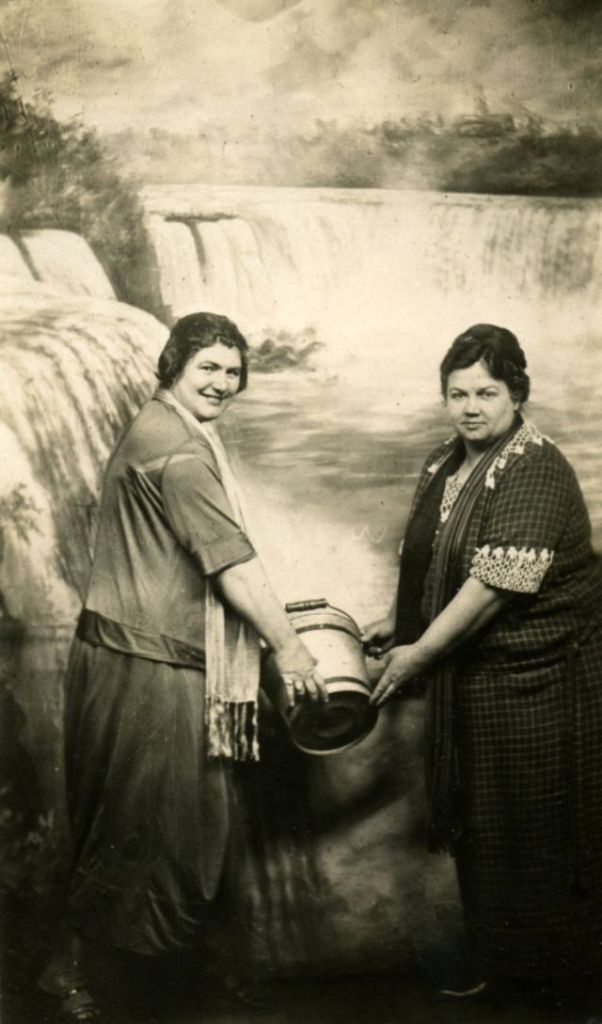
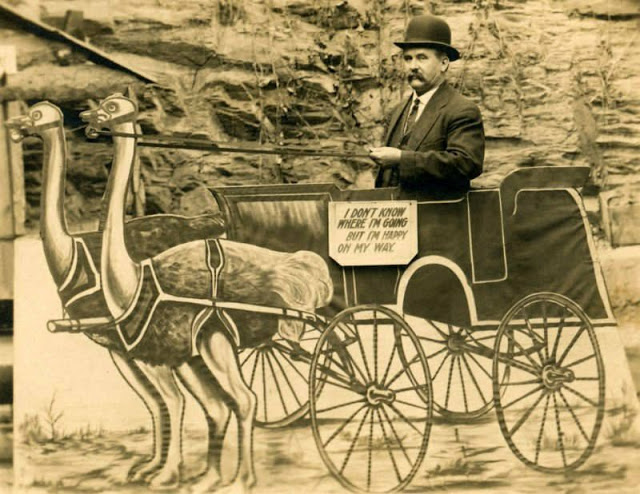
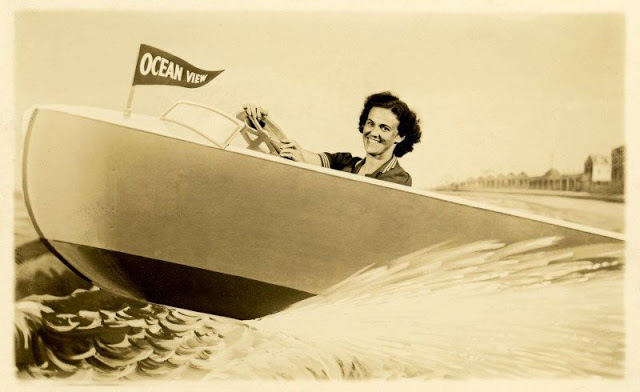
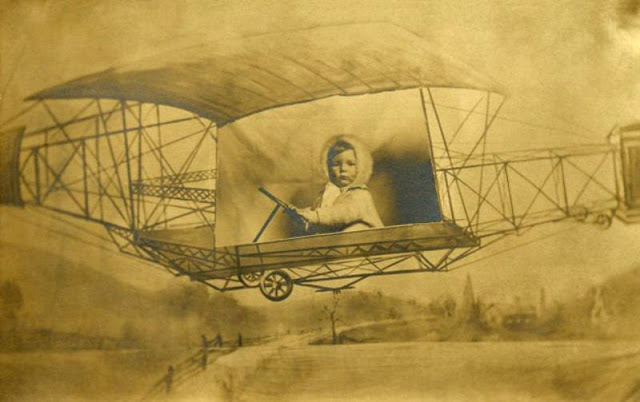
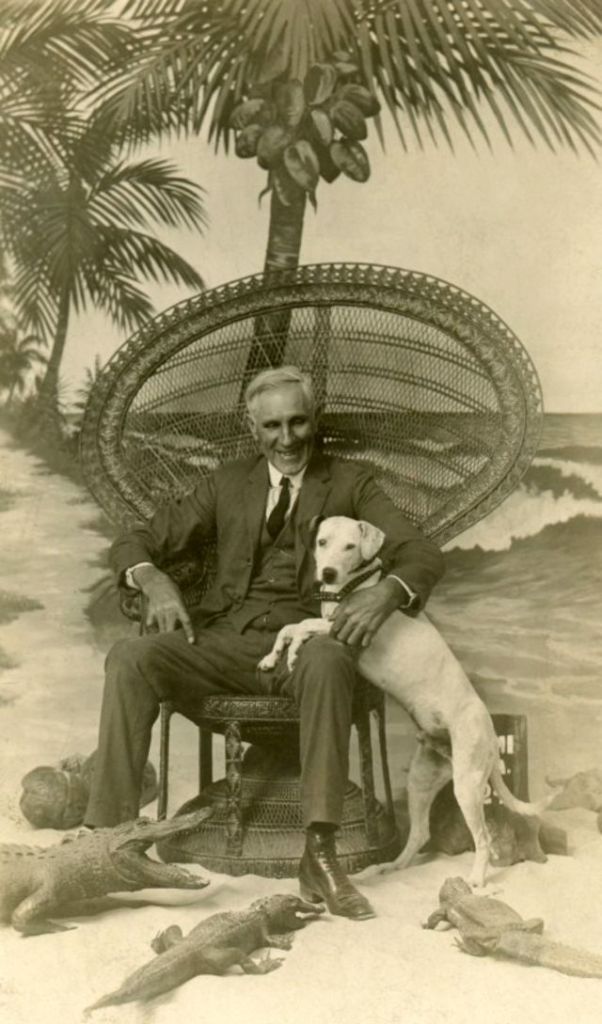
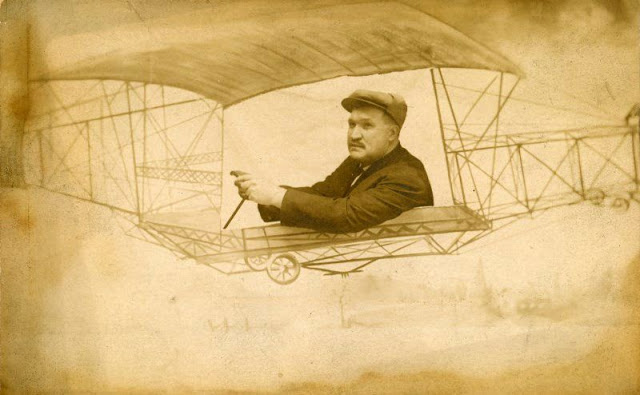
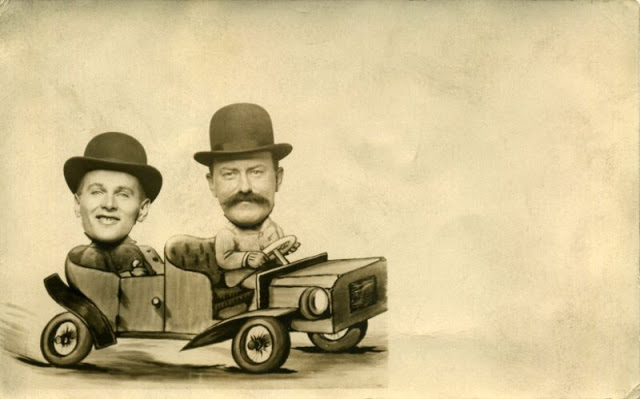
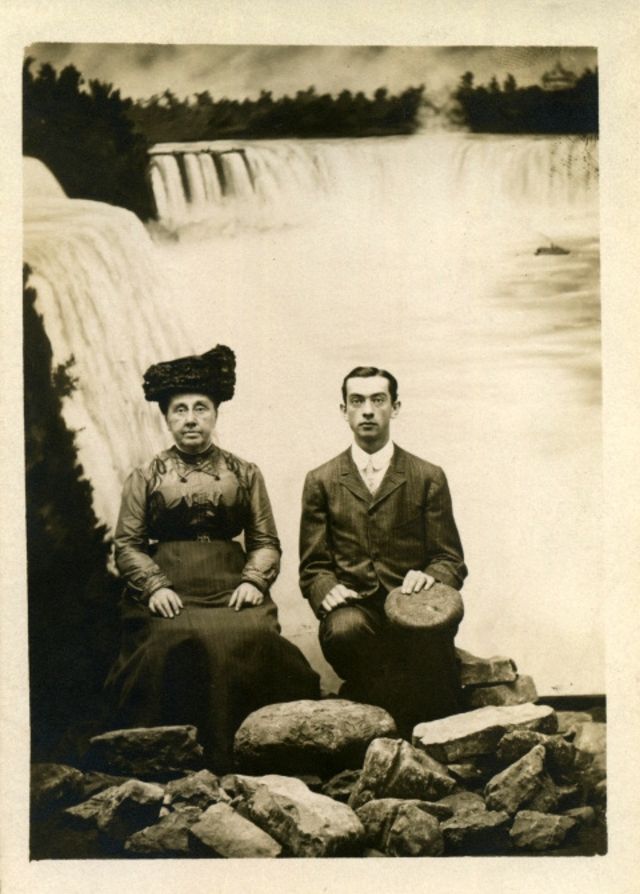
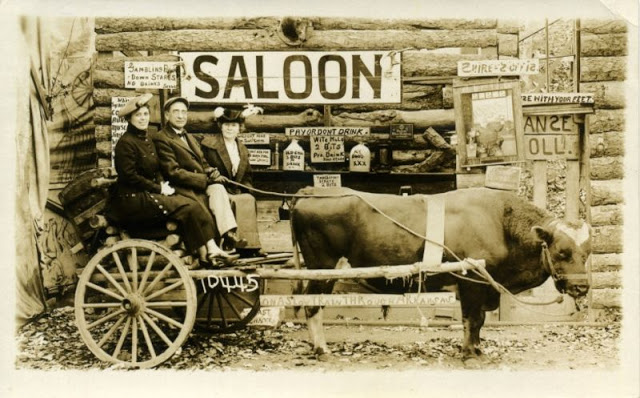
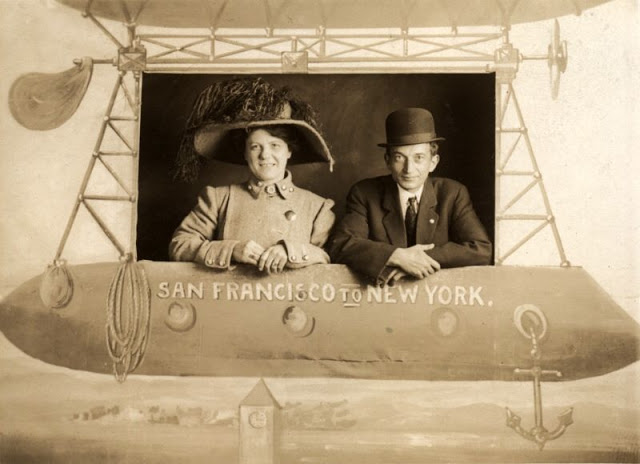
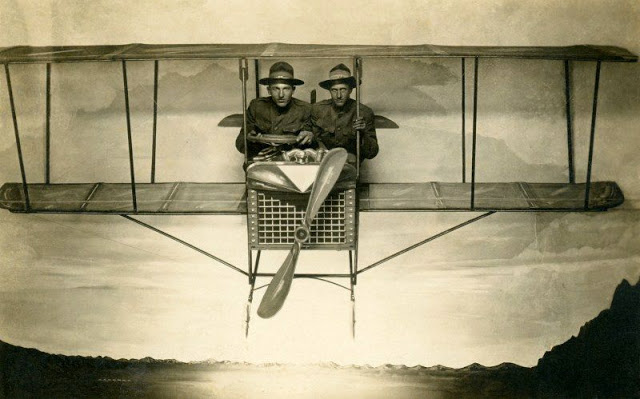
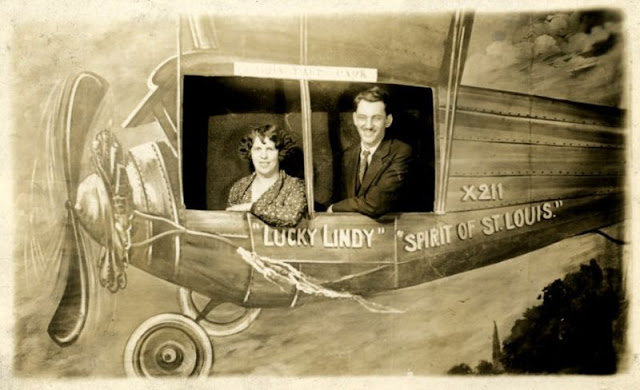
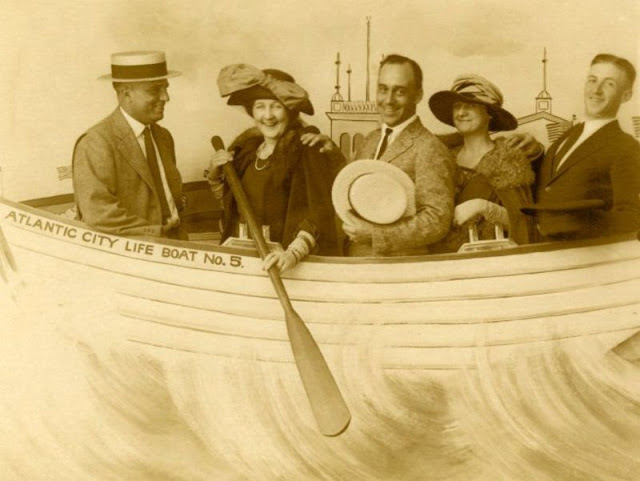
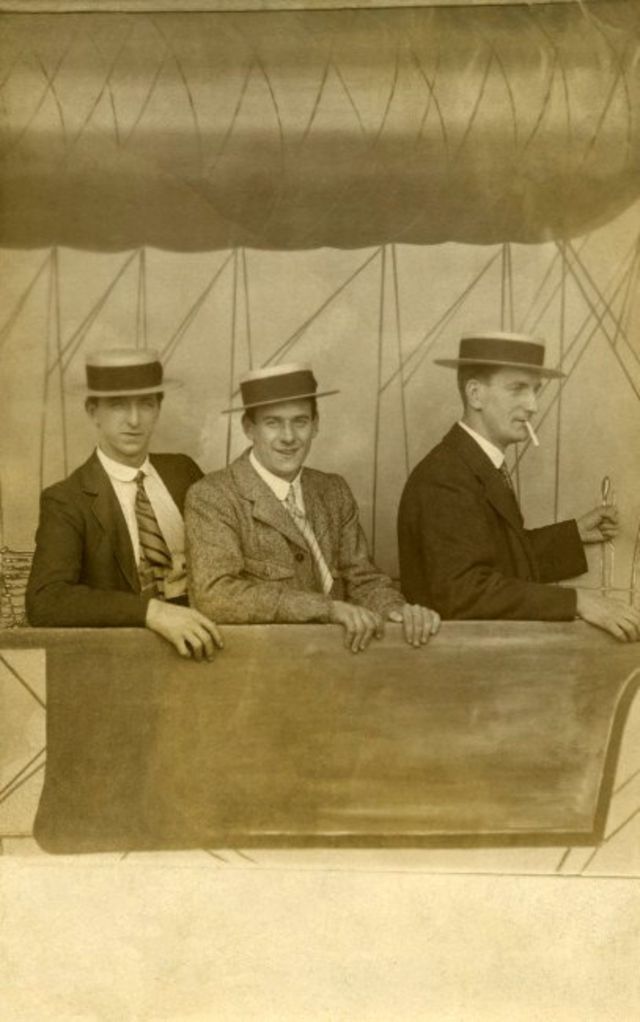
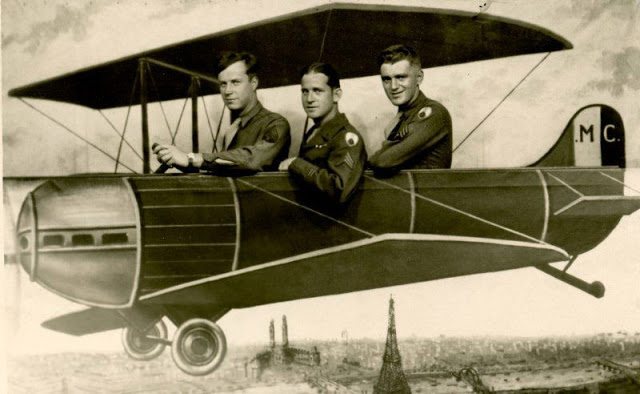
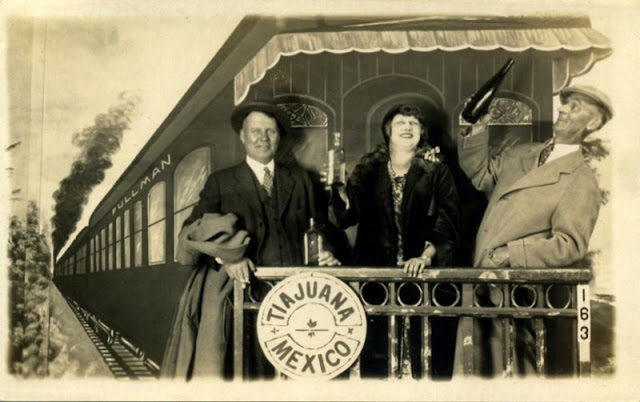
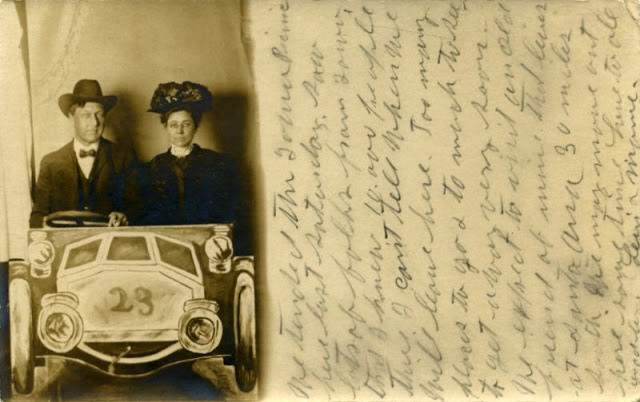
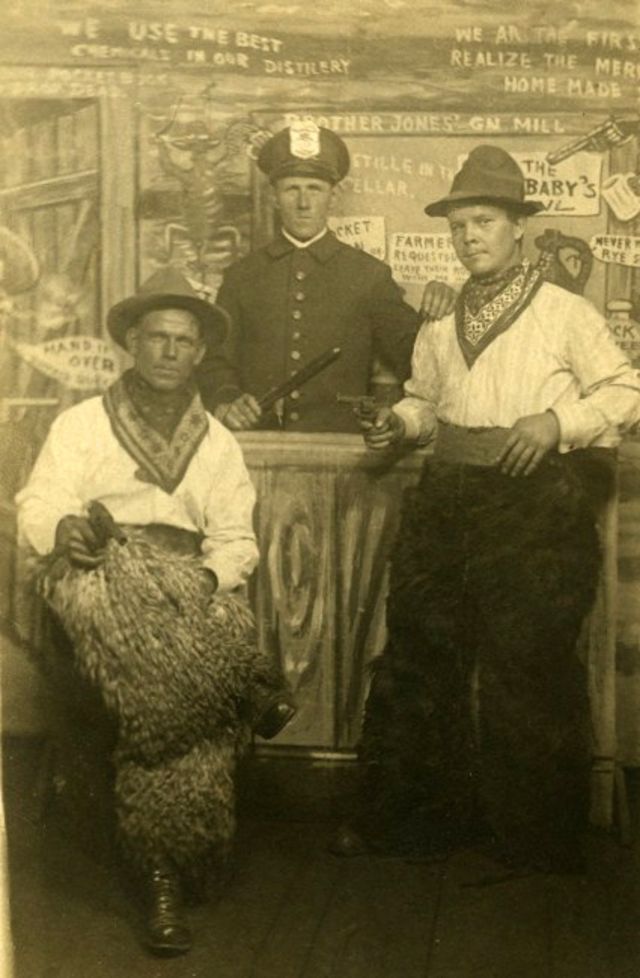
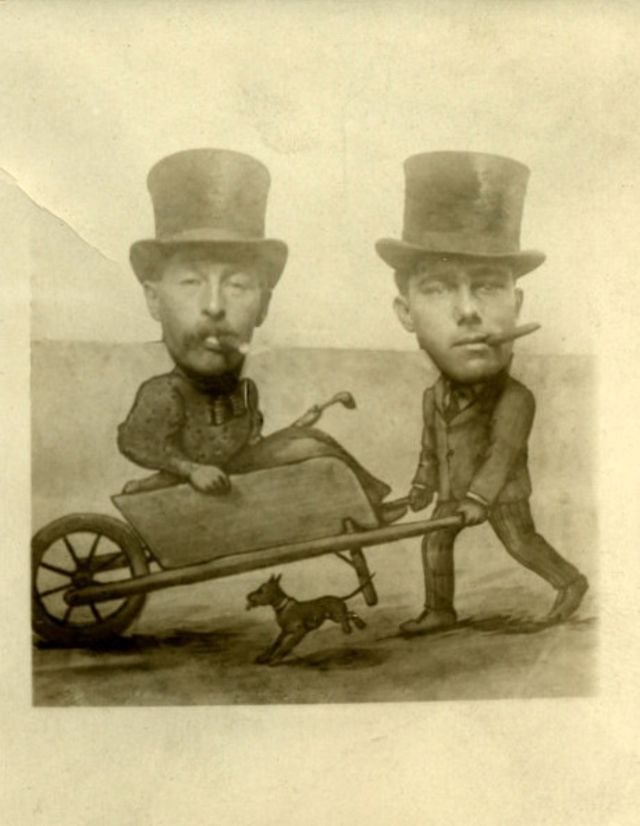
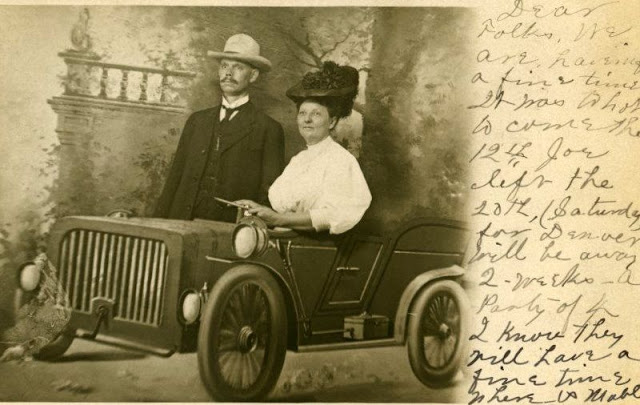
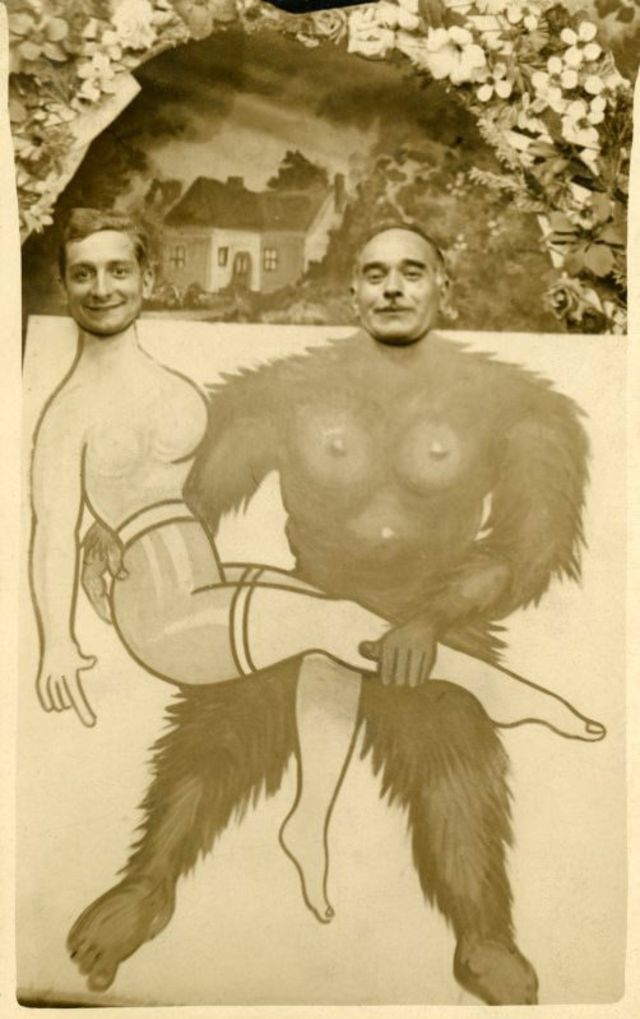
Aboard the Airship NollAtlantic City Life BoatAunt Lora and Uncle Will Are Coming HomeBraving the Whirlpool Rapids at Niagara FallsComing Towards Home with Lena Under the SeatDaddy on the Deck of the F-6 SubmarineDriving and RelaxingDriving the Red Devil AwayFahrt ins BlaueFather and Son with AlligatorsFlying FamilyFlying High in ColoradoFlying High in PittsburghGarden of the Gods, ColoradoGoing Dutch on the Boardwalk, Atlantic City, N.JGoing Some with the Hum dinger of SeattleGrinning on Airship PickensHigh over ZurichHigh-Flying FivesomeHolding a Bucket Under Niagara FallsI Don’t Know Where I’m Going But I’m Happy on My WayI Don’t Know Where I’m Going But I’m on My WayI’ll Eat Oranges for You – You Throw Snowballs for MeInflight Infant in an Early BiplaneMan and Dog with Alligators on the BeachMan in a BiplaneMen in Bowler HatsMother and Son at Niagara FallsNew Orleans JailOn a Slow Train through ArkansasOn an Airship from San Francisco to New YorkOut for a DrivePaddling Their Own Canoe at Olcott BeachSeeing BlackpoolSoldiers AloftSpirit of St. LouisThe Jolly Crew of Atlantic City Life Boat No. 5Three Dapper Gents in an AirshipThree Guys in a Plane over ParisTiajuana TipplersToo Many Places to Go and Too Much to SeeTwo Cowboys and a Policeman at Brother Jones’ Gin MillTwo Guys, Two Bottles, and a Paper MoonTwo Men and a WheelbarrowWe Are Having a Fine TimeYou Are the Gorilla of My Dreams
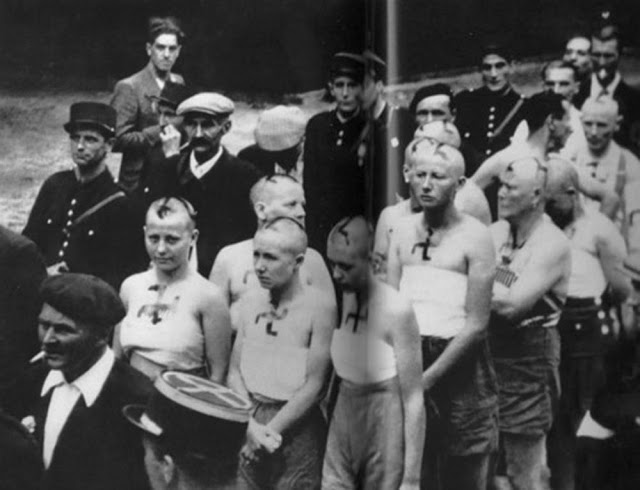
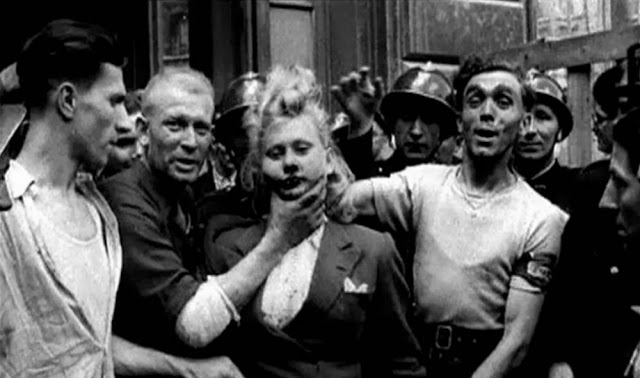
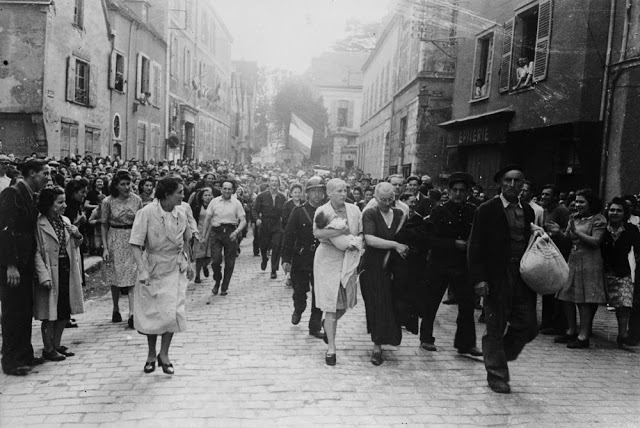
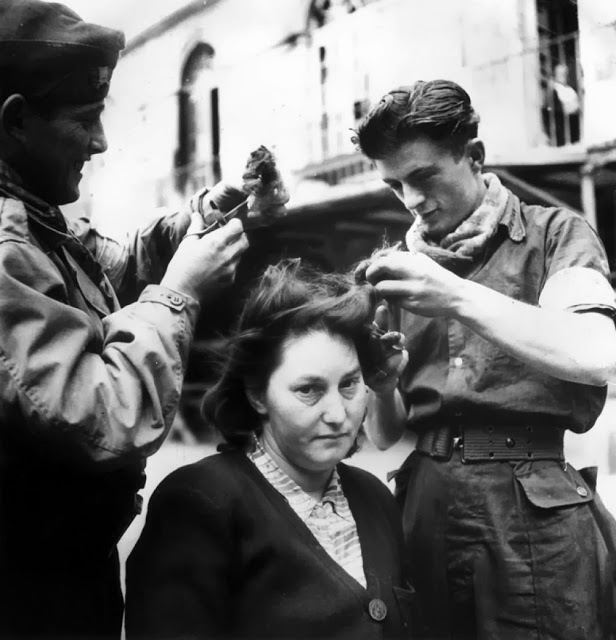
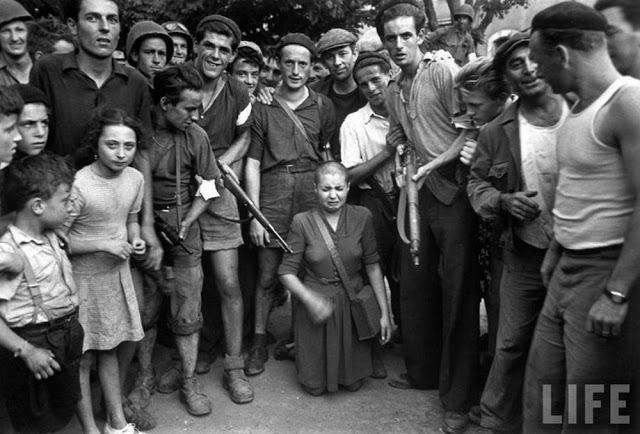
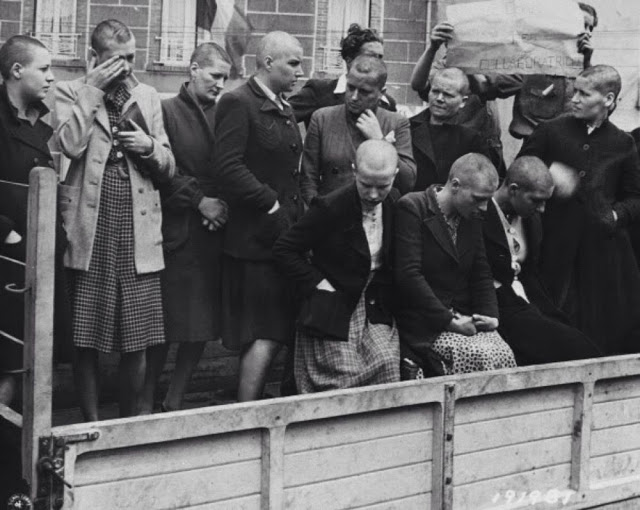
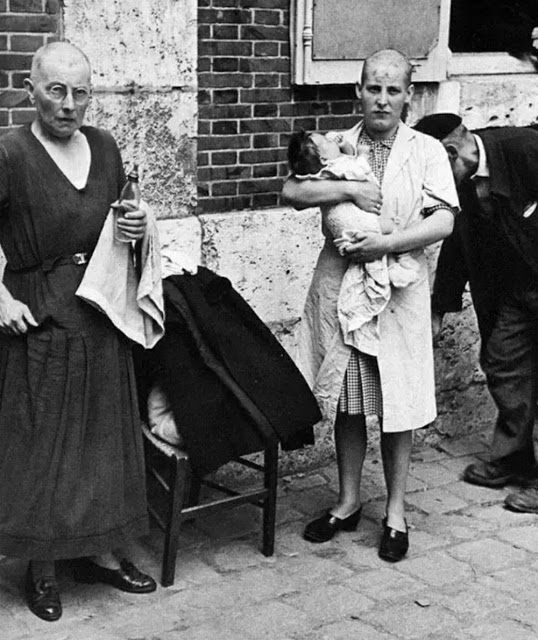
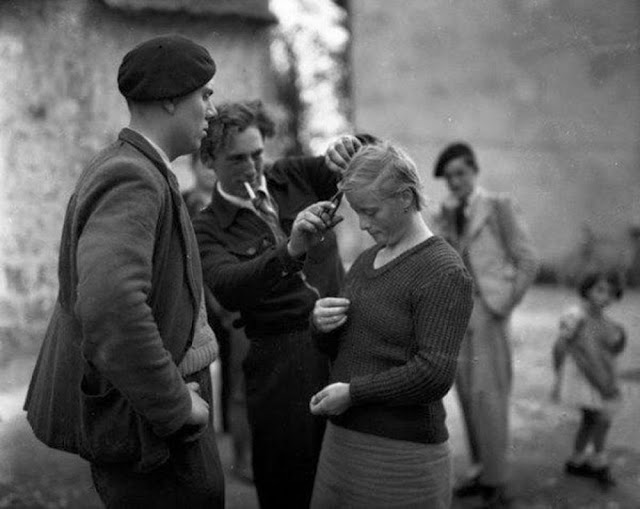
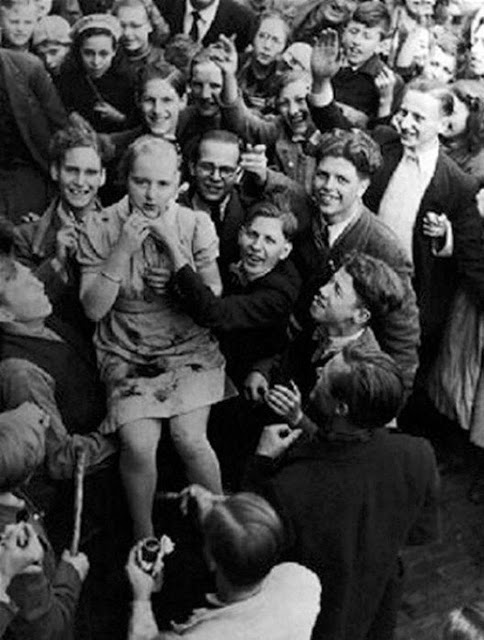
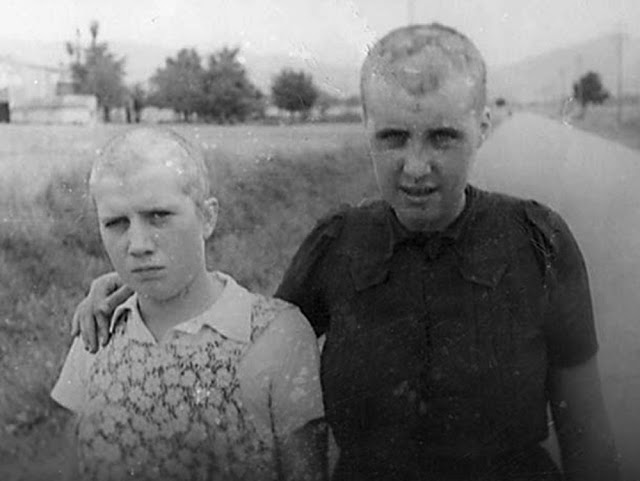
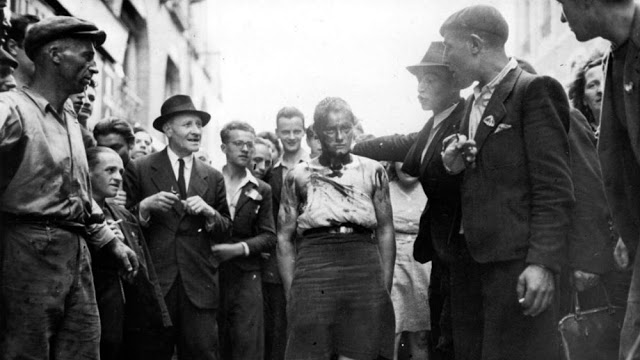
At the end of World War II, many French people accused of collaboration with Germany endured a particularly humiliating act of revenge: their heads were shaved in public.
There are thousands upon thousands of joyful pictures of the liberation of France in 1944. But among the cheering images there are also shocking ones. These show the fate of women accused of “collaboration horizontale”. To sum it up, when a woman who had engaged in collaboration horizontale — that means having sex with occupying troops — was punished, her head was forcibly shaved as the first step. Depending upon how the partisans felt, she also might have been disrobed, tarred and feathered, and perhaps beaten.
The punishment of shaving a woman’s head had biblical origins. In Europe, the practice dated back to the dark ages, with the Visigoths. During the middle ages, this mark of shame, denuding a woman of what was supposed to be her most seductive feature, was commonly a punishment for adultery. Shaving women’s heads as a mark of retribution and humiliation was reintroduced in the 20th century. After French troops occupied the Rhineland in 1923, German women who had relations with them later suffered the same fate. And during the Second World war, the Nazi state issued orders that German women accused of sleeping with non-Aryans or foreign prisoners employed on farms should also be publicly punished in this way.
The humiliating scenes often took place in front of jeering crowds. Members of the resistance were suppose to be doing the shaving but in fact many of them weren’t from the resistance – they were in fact collaborators themselves seeking to divert attention away from themselves. Many of the collaborators were prostitutes or young mothers whose husbands were in prisoner of war camps. The only way they could feed themselves and their children was to have a liaison with a German.