Women love beauty. That has been certainly evident from the past. So the beauty salons have been increasingly appearing widely and constantly upgrading to serve the standards of ladies.
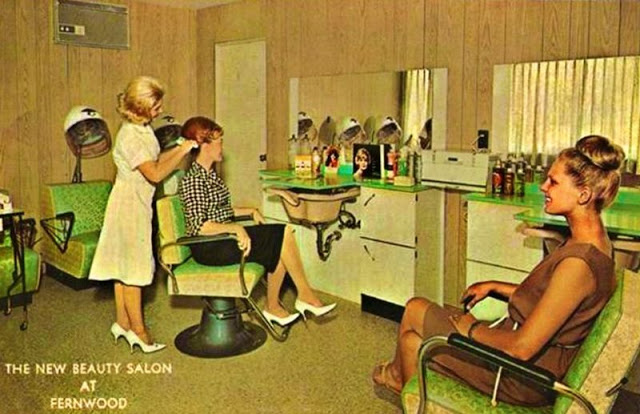
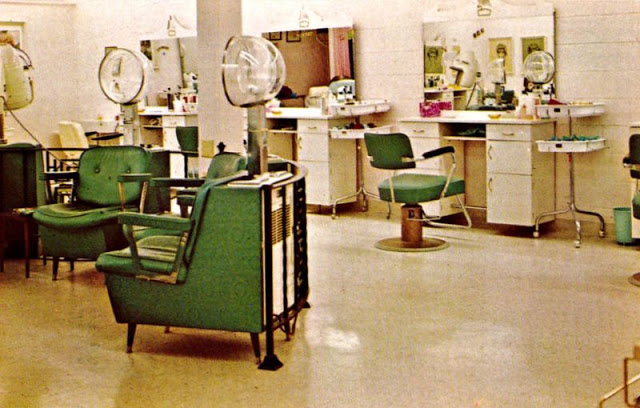
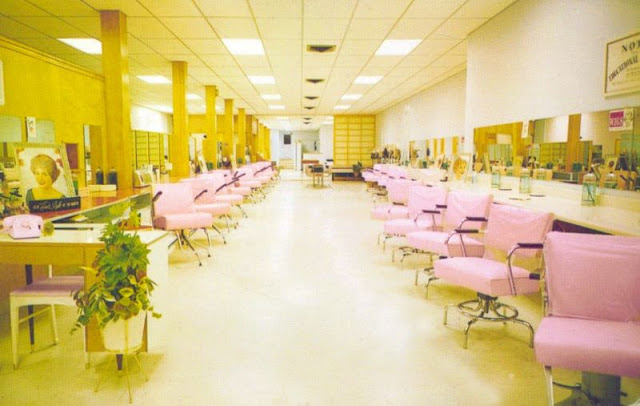
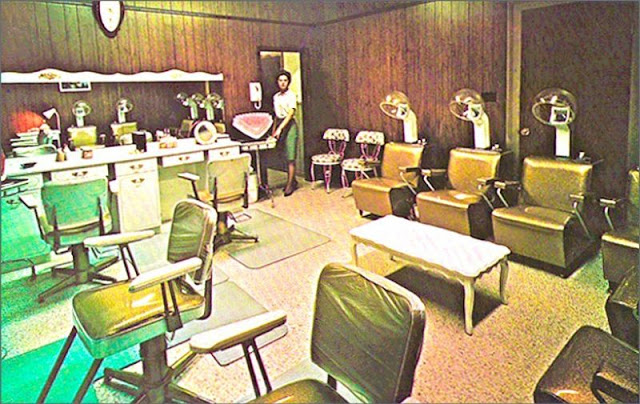
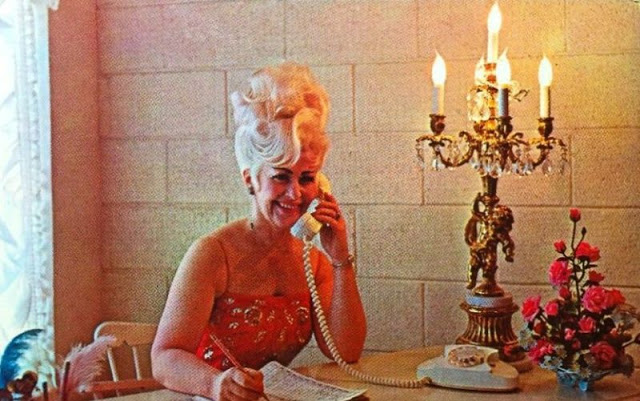
Take a look at these old pics to see what American beauty salons looked like in the 1950s and 1960s.
Beauty Shop Interior. 3 steps to beauty. 352 N. Queen St., Lancaster, PennsylvaniaFernwood Beauty Salon, Bushkill, PennsylvaniaFine Arts Beauty Academy Inc. 858 Begen Avenue, Jersey City, New JerseyLa Belle Dame Beauty Salon. 74 Sherwood mall, Newport News, VirginiaLakeland Beauty College, Lakeland, FloridaLorraine Beauty Salon. 11 South First Street, Alhambra, CaliforniaMoler Beauty College. Hair dryers. 146 Union Avenue, Memphis, TennesseeMoler Beauty College. Hair dryers. 146 Union Avenue, Memphis, TennesseeWarrens Beauty Salon, Tupelo, MississippiZsa Zsa’s International Salon of Beauty. Personalized European services for youthful appearance. 2187 E. 14th street, San Leandro California
In the early 1900s, a librarian could purchase a bookmobile for as little as $1,000. By the late 1930s, there were as many as 60 bookmobiles nationwide. The Great Depression and two World Wars then sharply curtailed services and bookmobile production around the country.
During the boom years of the 1950s, bookmobile production resurged. Many credit the Library Services Act of 1956 for expanding bookmobile services to reach more than 30 million people in smaller rural communities.
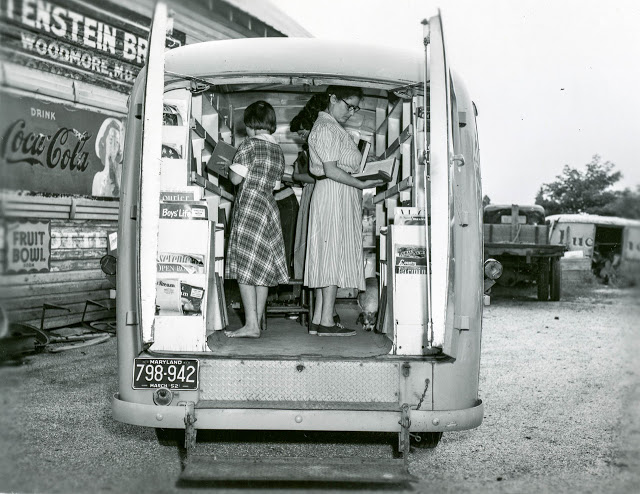
Here’s some interesting vintage photos of the Prince George’s County Memorial Library bookmobile in Woodmore, Maryland on July 18, 1951.
Women in World War I were mobilized in unprecedented numbers on all sides. The vast majority of these women were drafted into the civilian work force to replace conscripted men or to work in greatly expanded munitions factories. Thousands served in the military in support roles, and in some countries many saw combat as well.
In a number of countries involved in the war, women became heroes for resistance work and espionage, work related to the medical profession, journalism and combat. Many of them were recognized with medals awarded by their own and other countries.
Of the hundreds or possibly even thousands of women who fought for their countries, many had to disguise their gender. When discovered, they were generally dismissed from service, as was the case in Britain and France. In other countries like Germany, Serbia, and Russia they were allowed to serve openly. (Wikipedia)
The First World War brought many changes in the lives of British women. It is often represented as having had a wholly positive impact, opening up new opportunities in the world of work and strengthening their case for the right to vote. Here are 12 facts about women during the First World War which help to illustrate the ways in which women’s lives changed during this period, via Imperial War Museums.
Women were already working
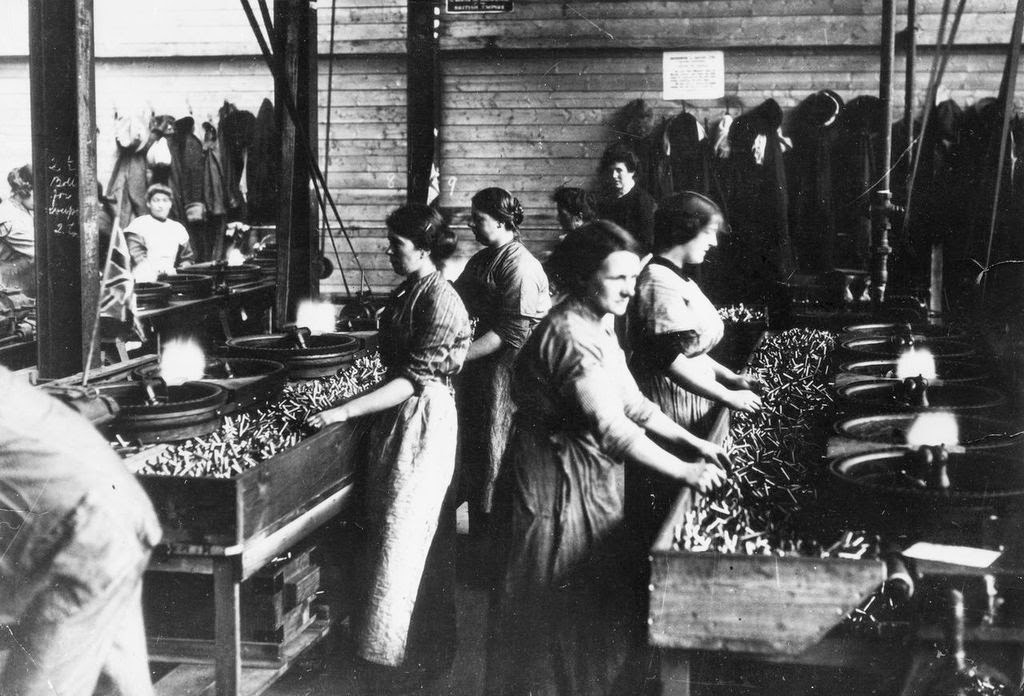
Women in paid employment were not a new phenomenon in 1914. They made up a substantial part of the industrial workforce even before the First World War, although they were mainly concentrated in textile manufacture. After 1915, when the need for shells intensified, women were brought into munitions manufacturing in large numbers. By 1918 almost a million women were employed in some aspect of munitions work.
Women on the beat
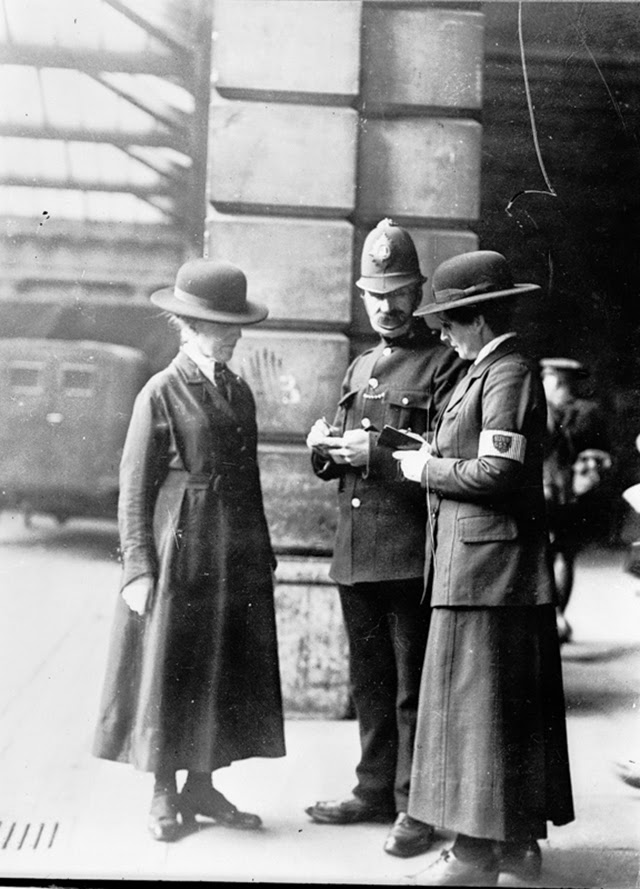
The first women police officers served during the First World War. One of the main responsibilities of the Women’s Patrols – as they were initially known – was to maintain discipline and monitor women’s behaviour around factories or hostels. They also carried out inspections of women to ensure that they did not take anything into the factories which might cause explosions. As is shown here, they also patrolled other public areas such as railway stations, streets, parks and public houses.
All aboard the transport industry
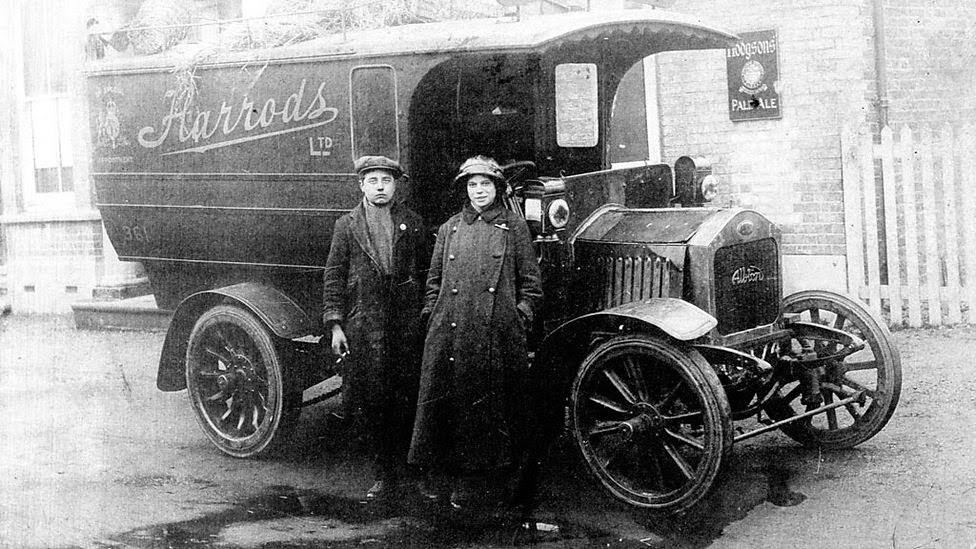
One of the areas of employment where new opportunities opened up for women was in transport. Women began working as bus conductresses, ticket collectors, porters, carriage cleaners and bus drivers. During the war the number of women working on the railways rose from 9,000 to 50,000. While new jobs did become available to women during wartime, many of these opportunities were closed to them after the war as servicemen returned to their jobs.
The need for childcare increased
For women with children who wanted – or needed – to take on paid work, childcare could be a problem. The pressing need for women to work in munitions did prompt the government to provide some funds towards the cost of day nurseries for munitions workers, and by 1917 there were more than 100 day nurseries across the country. However, there was no provision for women working in any other form of employment and most had to rely on friends and family to help care for their children while they were at work.
Women braved dangerous working conditions
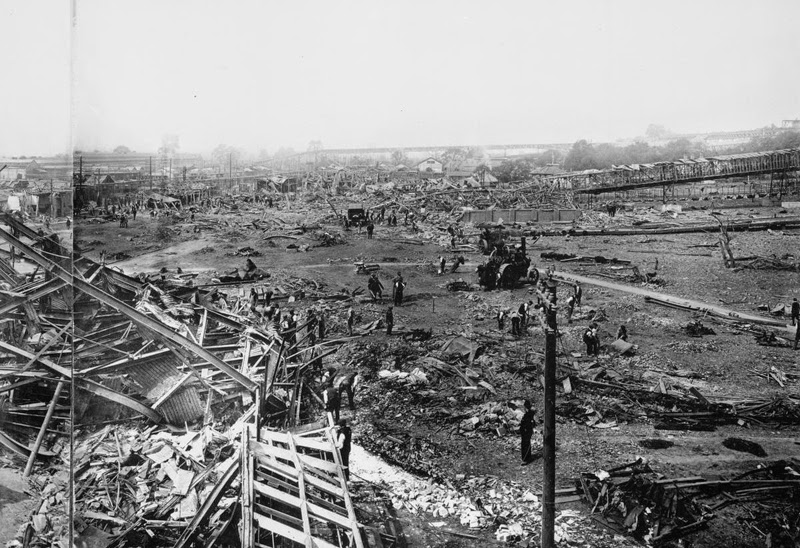
Munitions work was relatively well paid – especially for women previously employed in domestic service. But it was often unpleasant, dangerous and involved working long hours. Women in large shell filling factories worked with TNT. This poisonous explosive could cause a potentially fatal condition called toxic jaundice, indicated by the skin turning yellow. There were also several devastating explosions in which women workers were killed. The aftermath of one of the worst, at Chilwell, Nottinghamshire is shown in this photograph.
Women wanted to join up…
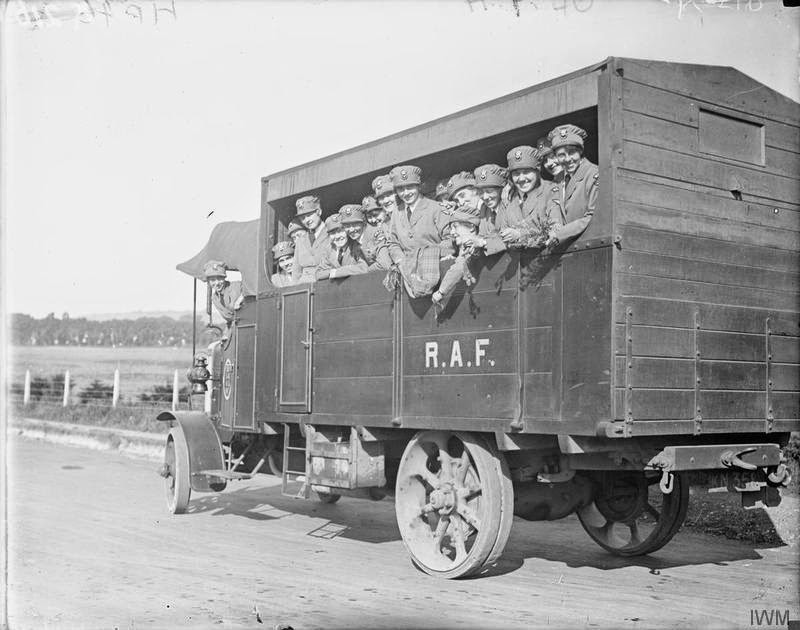
Pressure from women for their own uniformed service to assist the war effort began in August 1914. After a War Office investigation which showed that many jobs being done by soldiers in France could instead be done by women, the Women’s Army Auxiliary Corps (WAAC) was established in December 1916. In April 1918, the WAAC was renamed Queen Mary’s Army Auxiliary Corps. The Women’s Royal Naval Service was formed in November 1917 and the Women’s Royal Air Force was set up on 1 April 1918. In total, over 100,000 women joined Britain’s armed forces during the war.
…And some did their bit ‘unofficially’
Even before the formation of the women’s services, some pioneering women made their own way to the front to help the war effort. In 1914, when the War Office turned down an offer of help from Scottish doctor Elsie Inglis with the words, ‘My good lady, go home and sit still’, she set up the Scottish Women’s Hospitals on the fighting fronts. Inglis herself went to Serbia to treat the sick and wounded.
Women’s football became popular
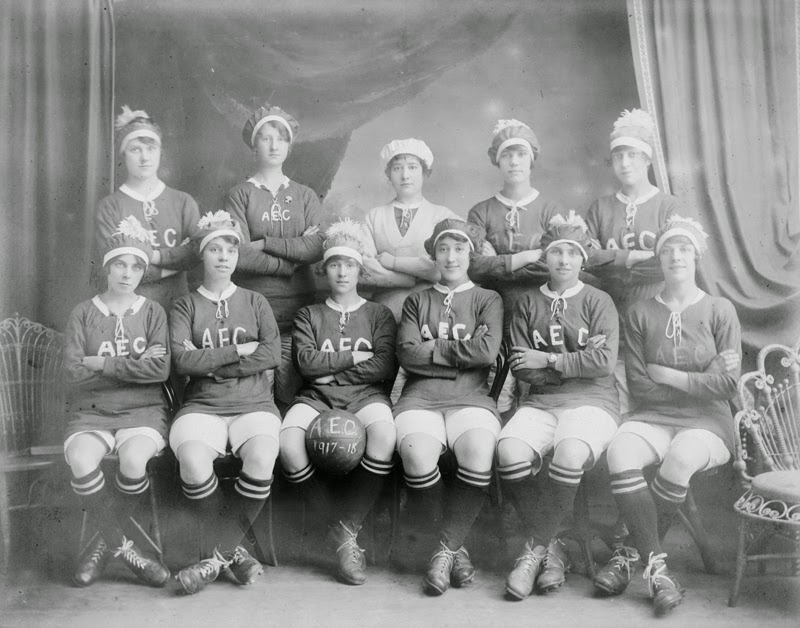
Working together in large numbers opened up new leisure and recreation opportunities for women. Sport was encouraged amongst female workers as it was thought to be good for their health and general moral wellbeing. Many munitions factories developed their own ladies’ football teams such as the one shown in this photograph. The most famous of these teams were Dick, Kerr’s Ladies FC in Preston. Founded in 1917, their matches drew large crowds. They continued to enjoy success until women were banned from playing in Football League grounds in 1921.
The suffrage movement fractured
Christabel Pankhurst (centre) and her mother Emmeline (left) founded the Women’s Social and Political Union (WSPU) in Manchester in 1903. It used militant campaigning to try to gain women the vote. Its members were known as suffragettes. During the war, Emmeline and Christabel led the WSPU in supporting the war effort. By contrast, Sylvia Pankhurst (right) opposed the war and in 1914 broke away from the WSPU.
Only the over-30s won the vote
The Women’s Social and Political Union (WSPU) suspended campaigning for women’s suffrage during the war. This recognised the need to support the war effort, but also that such support could ultimately benefit the campaign. This tactic appeared to pay off. In February 1918, the Representation of the People Act gave the vote to all men over 21 years of age and to women over 30. However it was another ten years later before this was extended to women over 21. In December 1919, Lady Astor became the first woman to take a seat in Parliament.
Singledom went on the rise
Over 750,000 British men died during the First World War – 9% of all British men under the age of 45. At the time – and in subsequent years – it was felt that the losses amounted to a ‘lost generation’ of young men. During the 1920s, newspaper headlines talked of ‘surplus’ women who would never find husbands. While many middle class women did remain unmarried due to the lack of available men in the relatively narrow social sphere in which they moved, some women in this period remained single by choice or by financial necessity. Professions such as teaching and medicine were opening up to women, but only if they remained unmarried.
Work clothes affected women’s fashion
Women serving in the auxiliary services or working in manufacturing, transport and on the land wore a range of uniforms and clothes, sometimes including trousers. Although women’s fashions were already evolving by 1914, the move to more practical clothing during wartime undoubtedly accelerated the pace of change.
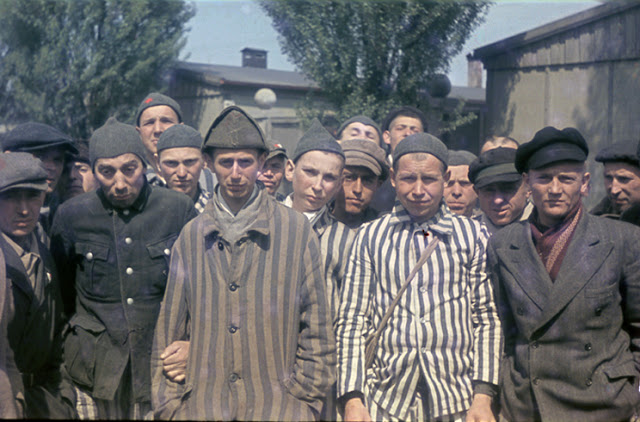
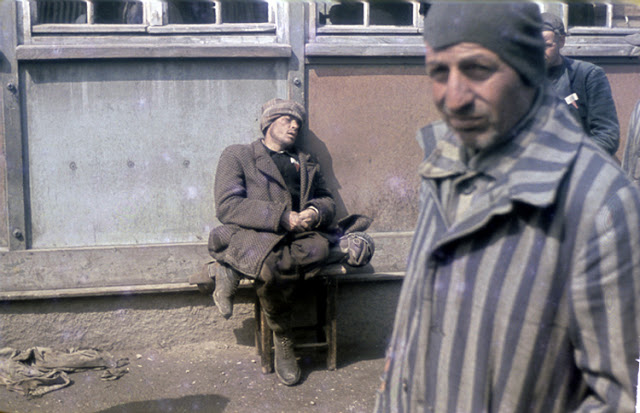
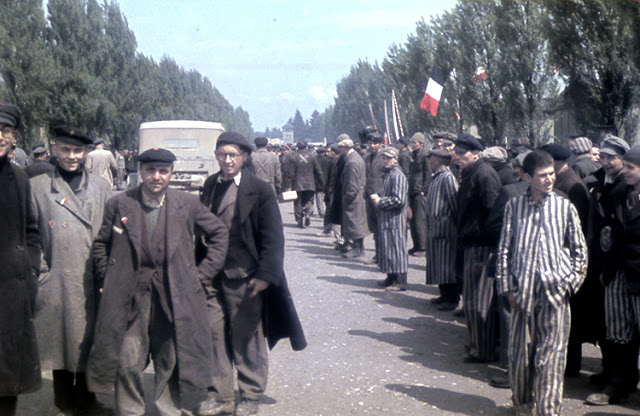
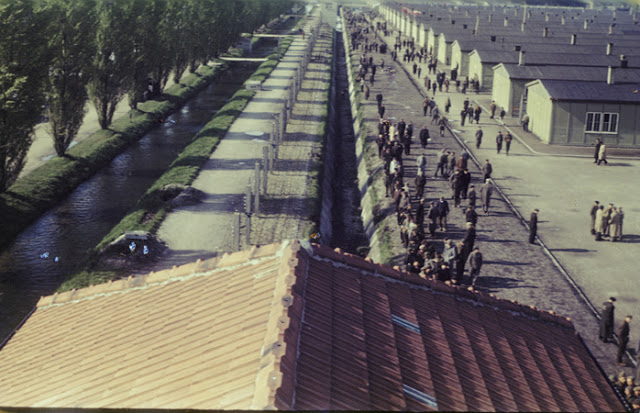
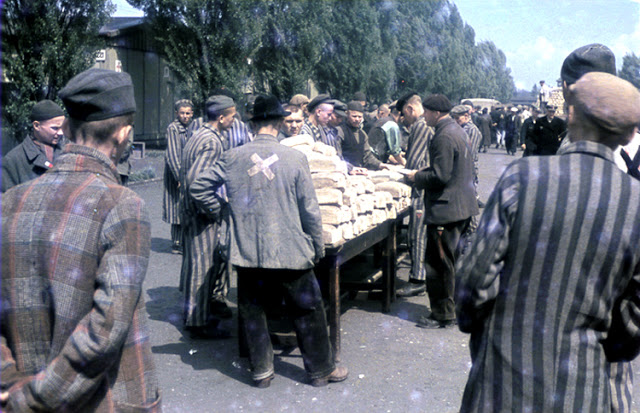
From 1933 to 1945, Nazi Germany operated more than a thousand concentration camps on its own territory and in parts of German-occupied Europe.
The first camps were established in March 1933 immediately after Adolf Hitler became Chancellor of Germany. Following the 1934 purge of the SA, the concentration camps were run exclusively by the SS via the Concentration Camps Inspectorate and later the SS Main Economic and Administrative Office. Initially, most prisoners were members of the Communist Party of Germany, but as time went on different groups were arrested, including “habitual criminals”, “asocials”, and Jews. After the beginning of World War II, people from German-occupied Europe were imprisoned in the concentration camps. Following Allied military victories, the camps were gradually liberated in 1944 and 1945, although hundreds of thousands of prisoners died in the death marches.
More than 1,000 concentration camps (including subcamps) were established during the history of Nazi Germany and around 1.65 million people were registered prisoners in the camps at one point. Around a million died during their imprisonment. Many of the former camps have been turned into museums commemorating the victims of the Nazi regime. (Wikipedia)
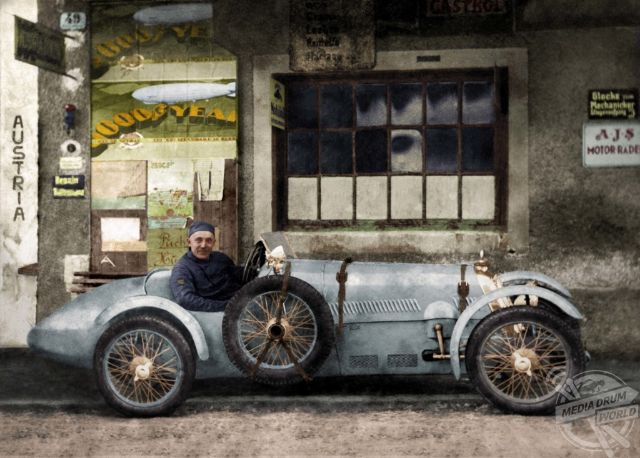
Vivid colorized images have revealed the evolution of the automobile and motorcycle throughout history.
The re-imagined pictures show the first woman to obtain a motorcycle license in Washington DC in 1937, a Maxwell car in 1916 and the first official Austrian Formula 1 mechanic in his custom-made motor. Other shots also show an Alfa Romeo race car in 1922, men observing a car wreck in America in 1923 and a postman using a motorbike in 1915.
The original black and white images were colorized over a period of 40 to 50 hours by Austrian photographer Mario Unger.
“Color reduces the time distance to the photographed object I think,” he said. “It also adds mood and feeling while black and white somehow reduces this. I thought this would be a very nice and interesting project.”
The history of the motorcycle begins in the second half of the 19th century. Motorcycles are descended from the “safety bicycle,” a bicycle with front and rear wheels of the same size and a pedal crank mechanism to drive the rear wheel.
Senator Wetmore in “horseless Carriage,” 1905.
Subscribe to continue reading
Become a paid subscriber to get access to the rest of this post and other exclusive content.
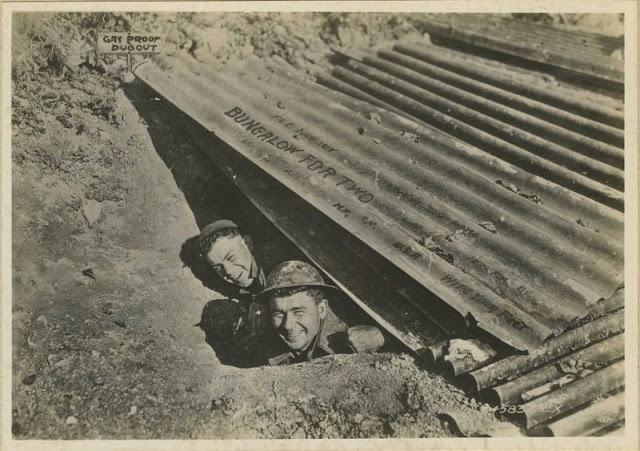
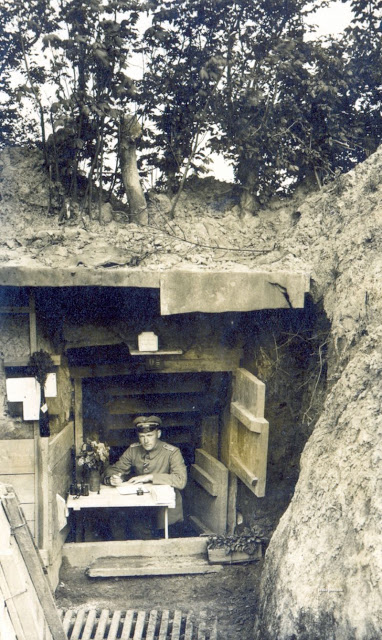
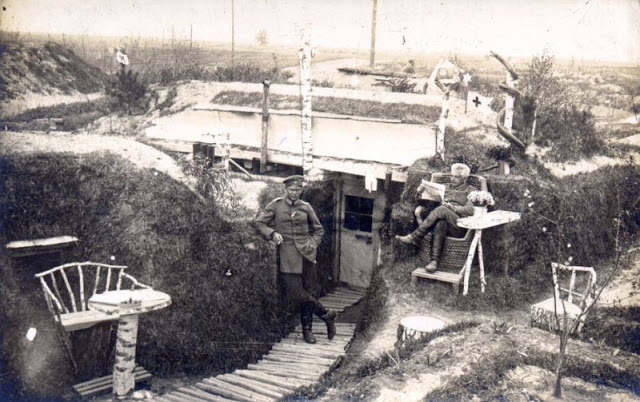
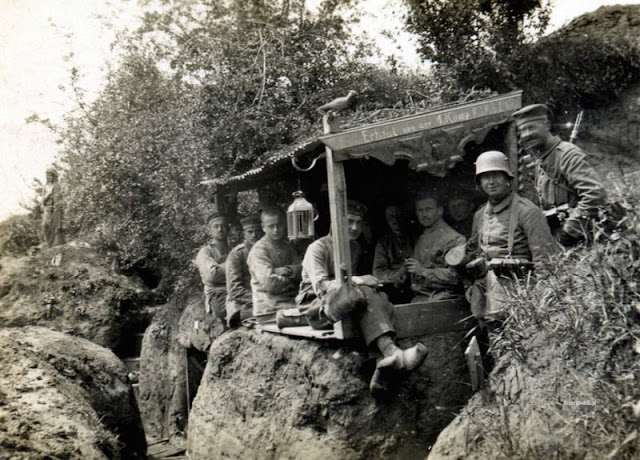
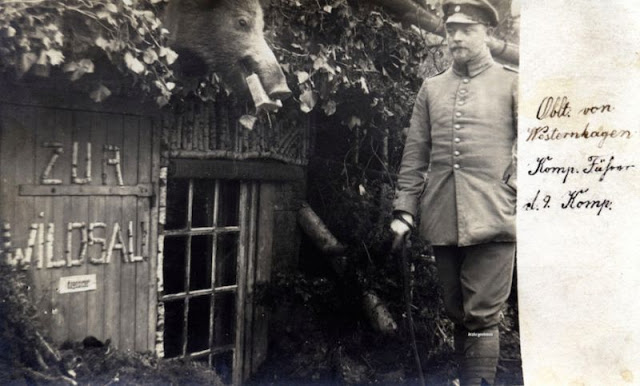
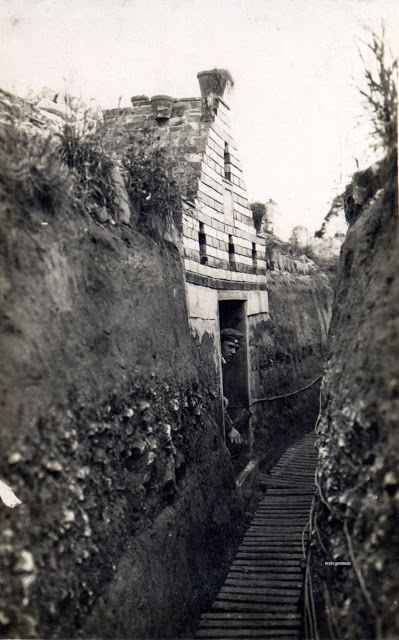
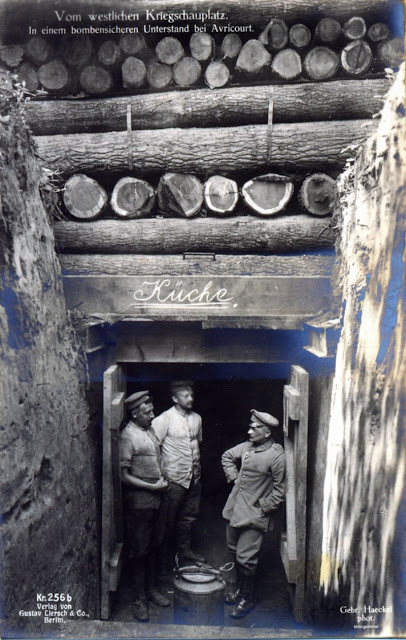
Dugouts were protective holes dug out of the sides of trenches. The size of dugouts varied a great deal and sometimes could house over ten men. A manual published by the British Army recommended dugouts that were between 2 ft. and 4 ft. 6 in. wide, roofed with corrugated iron or brushwood and then covered with a minimum of 9 inches of earth.
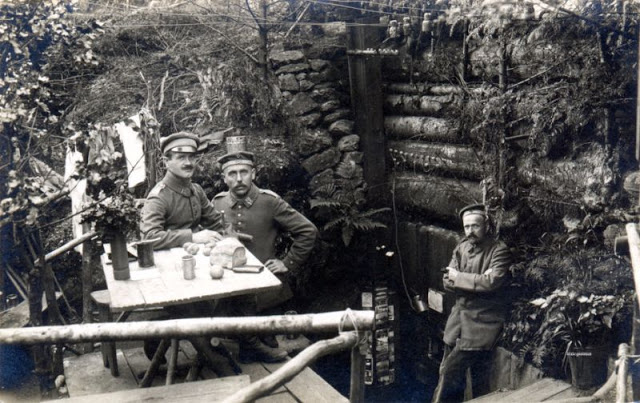
They were used as a form of underground shelter and rest for both troops and officers. Occupants of dugouts would eat their meals, arrange meetings and often make their bed there.
Dugouts were considered much safer than resting or lying in the open since they afforded some form of protection against not only the weather but, far more critically, from enemy shell-fire. However it was not unusual for direct shell hits to burrow through to dugouts, killing or maiming all occupants.
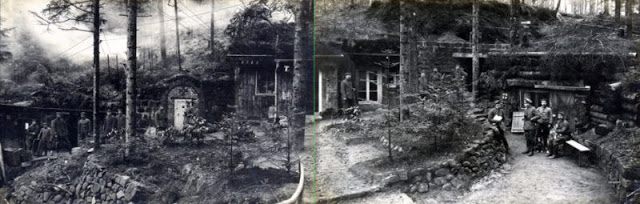
As the war went on dugouts grew in size. By 1917 dugouts at Messines could hold two battalions of soldiers at a time. Large dugouts were also built into the side of communication trenches so that they were not directly in line of fire from enemy guns. These often served as the battalion headquarters and provided sleeping accommodation for the officers.
World War I, often abbreviated as WWI or WW1, also known as the First World War and contemporaneously known as the Great War and by other names, was an international conflict that began on 28 July 1914 and ended on 11 November 1918. It involved much of Europe, as well as Russia, the United States and Turkey, and was also fought in the Middle East, Africa and parts of Asia. One of the deadliest conflicts in history, an estimated 9 million were killed in combat, while over 5 million civilians died from occupation, bombardment, hunger or disease. The genocides perpetrated by the Ottomans and the 1918 Spanish flu pandemic spread by the movement of combatants during the war caused many millions of additional deaths worldwide.
In 1914, the Great Powers were divided into two opposing alliances: the Triple Entente, consisting of France, Russia, and Britain, and the Triple Alliance, made up of Germany, Austria-Hungary, and Italy. Tensions in the Balkans came to a head on 28 June 1914 following the assassination of Archduke Franz Ferdinand, the Austro-Hungarian heir, by Gavrilo Princip, a Bosnian Serb. Austria-Hungary blamed Serbia and the interlocking alliances involved the Powers in a series of diplomatic exchanges known as the July Crisis. On 28 July, Austria-Hungary declared war on Serbia; Russia came to Serbia’s defence and by 4 August, the conflict had expanded to include Germany, France and Britain, along with their respective colonial empires. In November, the Ottoman Empire, Germany and Austria formed the Central Powers, while in April 1915, Italy joined Britain, France, Russia and Serbia as the Allied Powers.
Facing a war on two fronts, German strategy in 1914 was to defeat France, then shift its forces to the East and knock out Russia, commonly known as the Schlieffen Plan. This failed when their advance into France was halted at the Marne; by the end of 1914, the two sides faced each other along the Western Front, a continuous series of trench lines stretching from the Channel to Switzerland that changed little until 1917. By contrast, the Eastern Front was far more fluid, with Austria-Hungary and Russia gaining, then losing large swathes of territory. Other significant theatres included the Middle East, the Alpine Front and the Balkans, bringing Bulgaria, Romania and Greece into the war.
Shortages caused by the Allied naval blockade led Germany to initiate unrestricted submarine warfare in early 1917, bringing the previously neutral United States into the war on 6 April 1917. In Russia, the Bolsheviks seized power in the 1917 October Revolution and made peace in the March 1918 Treaty of Brest-Litovsk, freeing up large numbers of German troops. By transferring these to the Western Front, the German General Staff hoped to win a decisive victory before American reinforcements could impact the war, and launched the March 1918 German spring offensive. Despite initial success, it was soon halted by heavy casualties and ferocious defence; in August, the Allies launched the Hundred Days Offensive and although the German army continued to fight hard, it could no longer halt their advance.[8]
Towards the end of 1918, the Central Powers began to collapse; Bulgaria signed an Armistice on 29 September, followed by the Ottomans on 31 October, then Austria-Hungary on 3 November. Isolated, facing revolution at home and an army on the verge of mutiny, Kaiser Wilhelm abdicated on 9 November and the new German government signed the Armistice of 11 November 1918, bringing the fighting to a close. The 1919 Paris Peace Conference imposed various settlements on the defeated powers, the best known being the Treaty of Versailles. The dissolution of the Russian, German, Ottoman and Austro-Hungarian empires led to numerous uprisings and the creation of independent states, including Poland, Czechoslovakia and Yugoslavia. For reasons that are still debated, failure to manage the instability that resulted from this upheaval during the interwar period ended with the outbreak of World War II in 1939. (Wikipedia)
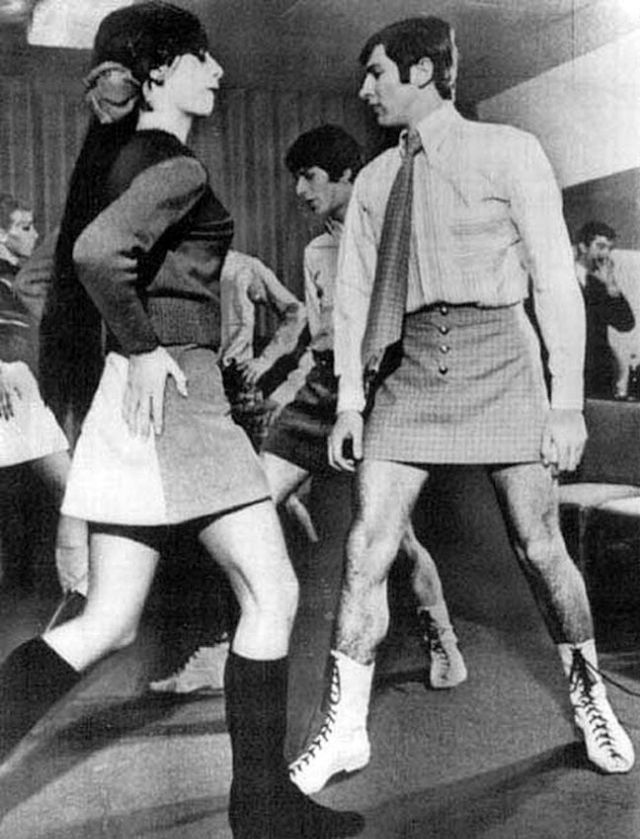
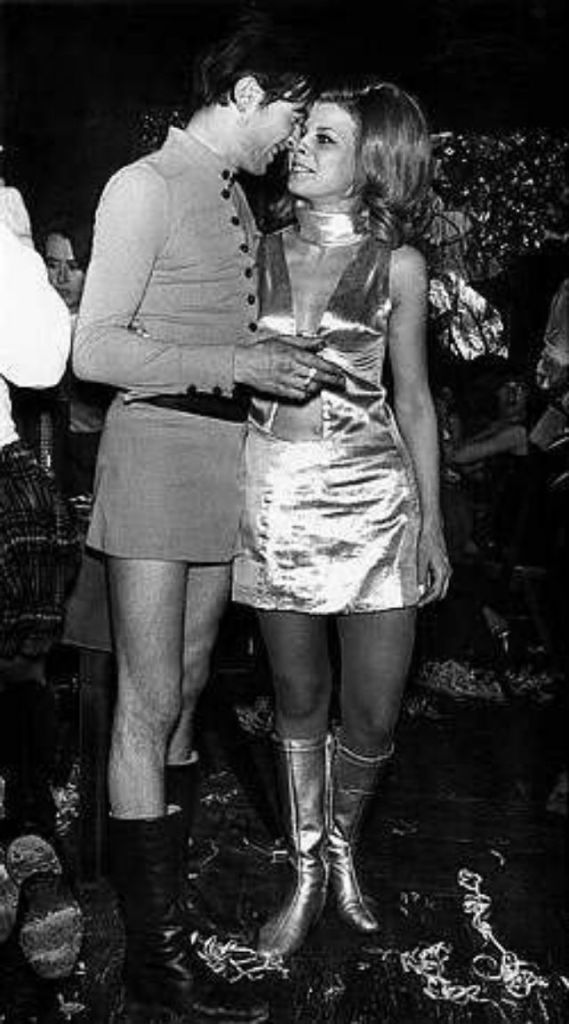
This was a brief fashion in the mid ’60s. An internal memoranda of Dorcus He-Skirts – which did not make it to the market – says “hire only men with large, hairy, developed legs, because in all probability they will be frequently chased by men wielding bats and clubs; models must be able to outrun their critics.”
The jingle for the campaign: She Skirt – He-Skirt – They-Skirt – We-Skirt! Wear a lotta Dorcus and the gang’ll all say Gee Skirt! Men, you gotta bare it for a solid Dorcus Whee Spurt! He-Skirt! He-Skirt! He-Skirt! He-Skirt!
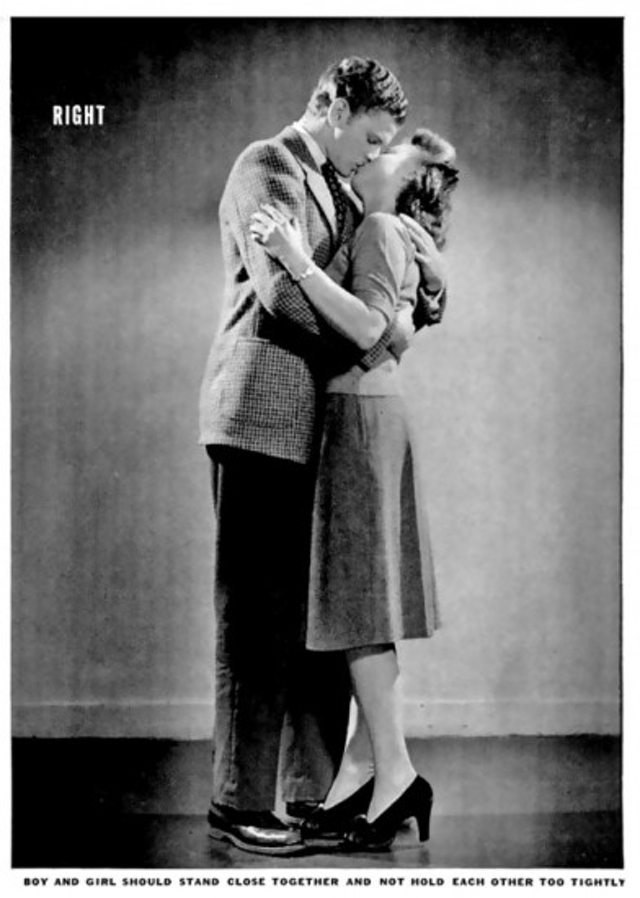
LIFE magazine published this guide for actors in 1942, but it may still come in handy today.
According to these romantic pictures from the magazine, there are some vital basic steps to follow to achieve the perfect clinch.
First, the how-to guide recommends that kissers should not stand too far apart – pointing out that actors doing this on stage look ‘juvenile if they are so stand-offish’.
WRONG: Actors kissing on-stage look too juvenile if they are so stand-offishRIGHT: Boy and girl should stand close together and not hold each other too tightly
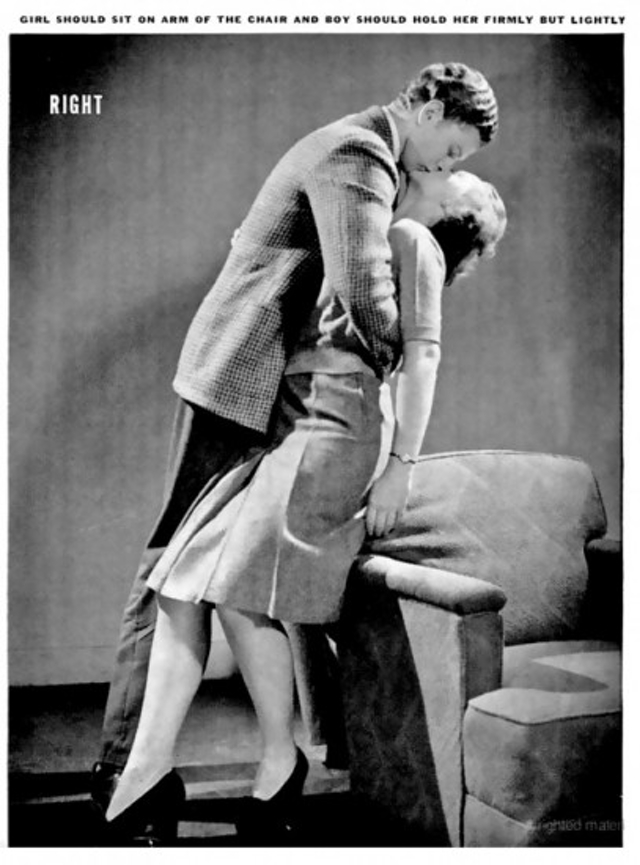
The next thing to remember is not to ‘sprawl all over the chair’ in a moment of heated passion. This is apparently considered ungraceful and is ‘bad technique.’
Instead, the girl should avoid all danger of her sensible skirt riding up by sitting on the arm of a chair while the boy holds her.
WRONG: Sprawling all over the chair is considered ungracefulRIGHT: Girl should sit on arm of the chair and boy should hold her firmly but lightly
He should do so ‘firmly but lightly’, the etiquette guide continues.
While some of the strict advice may seem quaint, the instructions from a back issue of LIFE magazine have provoked fierce debate over points of style.
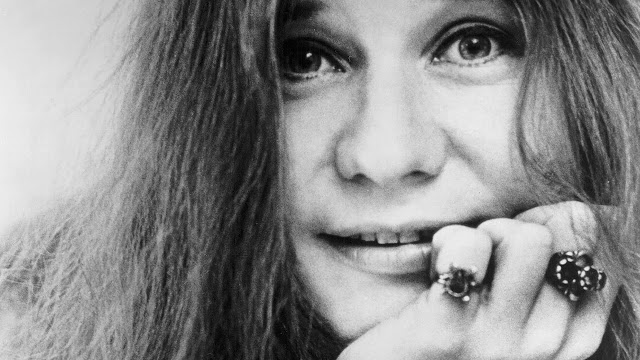
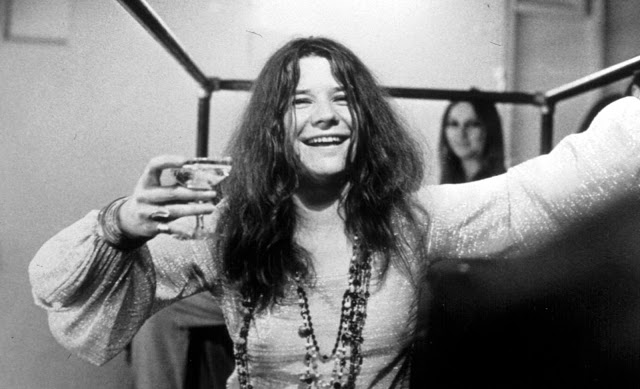
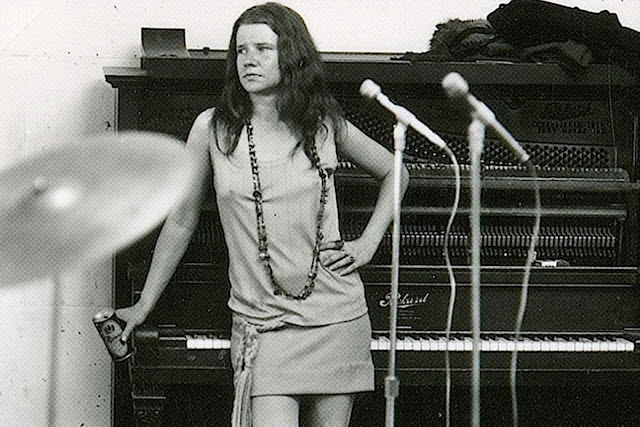
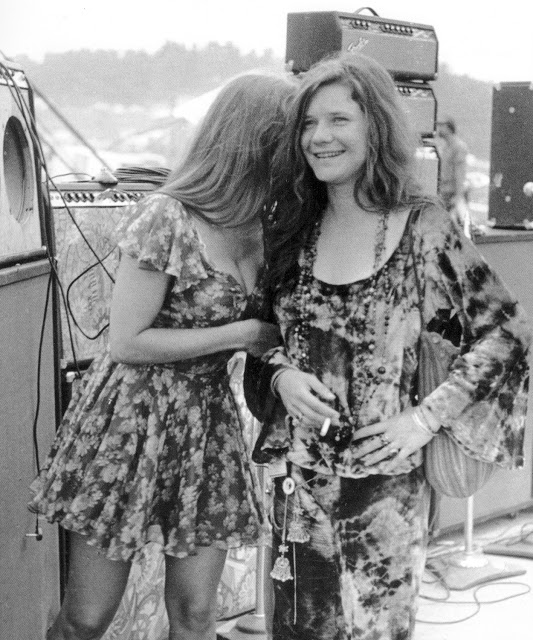
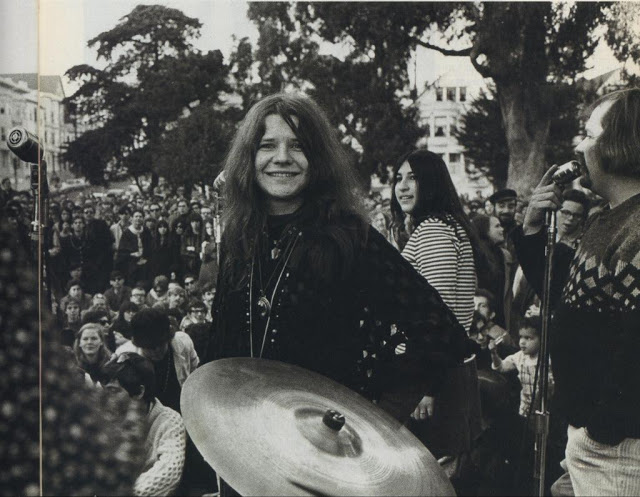
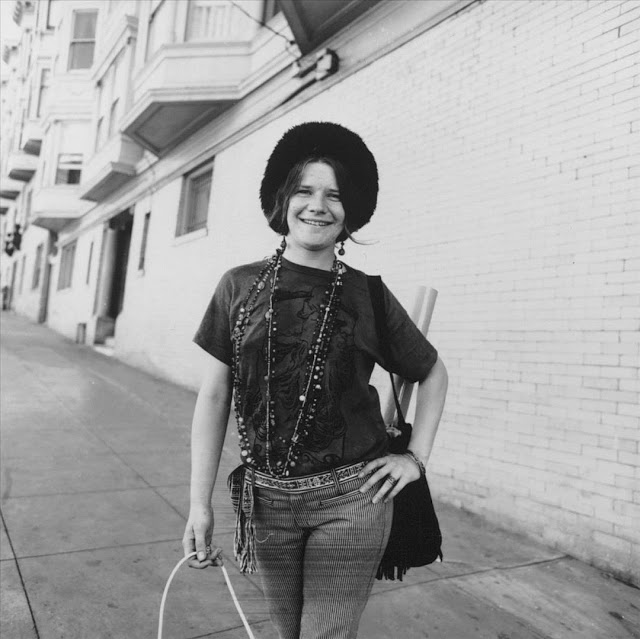
Janis Joplin, often referred to as the “Queen of Rock and Roll,” is best remembered for her rebellious lifestyle, her psychedelic Porsche, her free flowing fashion sense and above all, her distinctive voice.
Rolling Stone ranked her as 46th on their 2004 list of the 100 Greatest Artists of All Time, and in 2008 she was ranked number 28. Her songs have withstood the test of time, with over 15.5 million albums sold in the US. In honor of a legend who died at the young age of 27, here are 27 facts about the queen of rock ‘n’ roll.
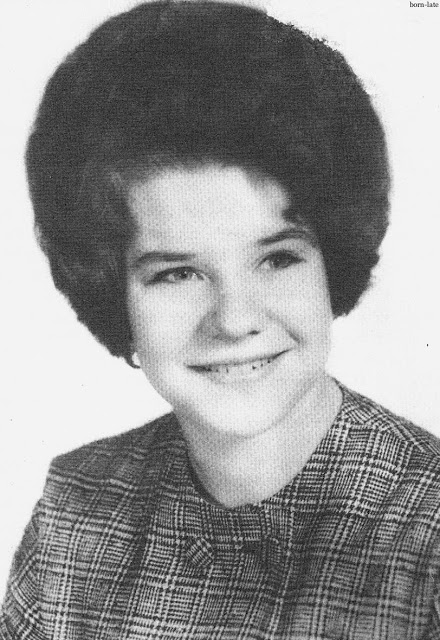
She Was Voted “Ugliest Man on Campus” at the University of Texas Which Left Her With Emotional Scars
Janis Joplin was not considered by many during that time to be conventionally pretty. It was because of this that her self-esteem was effected for the entirety of her life. Growing up, she had been slightly overweight and had problems with acne that left her with an incredibly negative view of herself. As a child, Joplin was bullied for her looks and for being different.
The bullying continued all the way up until her first year of college at the University of Texas in Austin. A fraternity actually ended up voting her as “Ugliest Man on Campus” which rightfully hurt her deeply and she never forgot about it. Joplin ended up dropping out of college and she left Texas for San Francisco to escape the “angry men who liked to pick on her” as she would say.
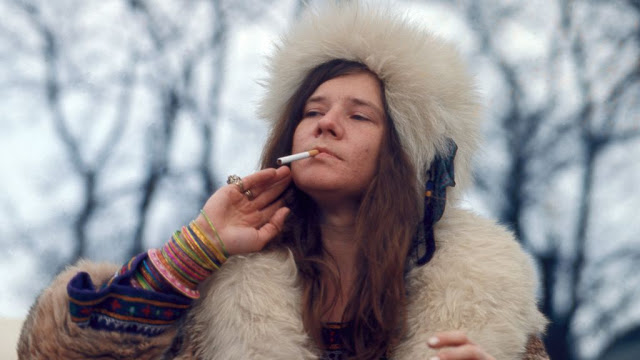
She Loved Southern Comfort So Much, the Company Gave Her a Fur Coat in Return for the Publicity
Like Joplin’s personality, and voice, her fashion sense was just as unique as her voice which was uniquely her own and was often loud and mismatched. Someone who attended the university with her said, “She goes barefooted when she feels like it, wears Levis to class because they’re more comfortable, and carries her autoharp with her everywhere she goes so that in case she gets the urge to break into song, it will be handy.”
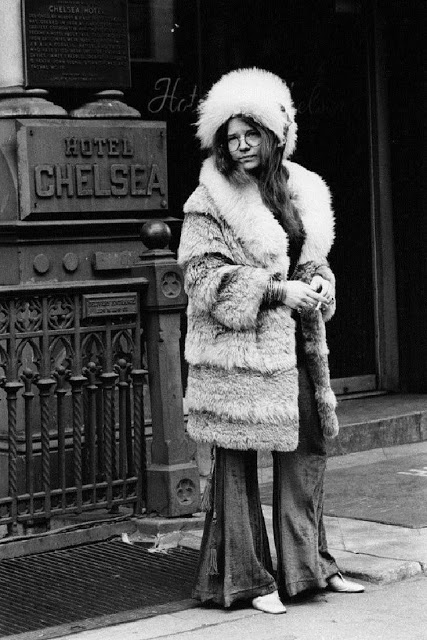
Apparently, one accessory she never went anywhere without was a bottle of the sweet, whiskey-flavored liqueur Southern Comfort. It sure came in handy when she was fighting off the lead singer of The Doors, and it got her a free coat. In fact, the Southern Comfort company was so pleased with all the free product placement, they gave her a lynx fur coat. It seemed to go perfectly with all the booze, and her psychedelic custom-painted Porsche.
She Changed Her Will Two Days Before She Died So Her Friends Could Party
She Changed Her Will Two Days Before She Died So Her Friends Could Party
It seems almost odd that Joplin would change her will a mere two days before she died. During the change, she made a few requests that would benefit her friends and family, with some additional wealth going to her siblings. She ended up asking for $2,500 to be set aside and used for her friends to throw a party. The request allowed 200 people to have an all-night gathering at the Lion’s Share, which was her favorite San Anselmo bar. In her words, she said it was so, “my friends can get blasted after I’m gone.” Hash Brownies were (unknowingly) shared in her honor as her friends and family mourned. Joplin ended up being cremated and her ashes were scattered over the Pacific Ocean as well as along Stinson Beach in Northern California.
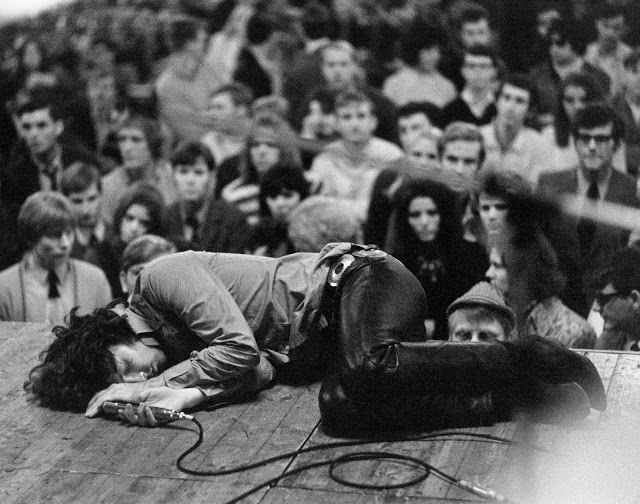
Jim Morrison Was Fascinated by Her, So She Broke a Bottle Over His Head
Since they were two of the biggest music stars of the 1960s, it seemed almost inevitable that Janis Joplin and Jim Morrison would get together. Producer Paul Rothchild invited them both to a party since they both liked to drink, and they had hit it off even when they were sober.
Janis had been a pleasant drunk, but Morrison often exhibited violent and obnoxious behavior. After he was rejected by Joplin since she was turned off by his behavior. and Morrison only became more interested in her. He followed her around until Joplin hit him over the head with a bottle of Southern Comfort and knocked him out. Since she was disinterested, Morrison was still incredibly set on winning her over, even asking people for her phone number saying, “What a great woman! She’s terrific!” However, Joplin really said no.
Despite Her Low Self-esteem, She Still Ditched Most of Her Clothes on Stage
Photographer Bob Seidemann wanted to use a photo of Joplin in order to make a statement about the idealism of hippie culture and so he asked her if she’d pose topless. Joplin decided she would just rather pose completely naked, even though she didn’t have to.
Bob Seidemann recalls, “That’s the way she was. She wanted to take her clothes off real bad.” The photo was published in 1972, a few years after her death. Joplin also had no problem taking her clothes off while performing in front of crowds of people. A concert promoter at Pittsburgh’s Civic Arena remembers her being later to the stage because she had been having sex in her dressing room. When she emerged, he said that “When I got there, Janis was finally walking up to the stage. She wore a sheer netted skirt with no underwear. When the spotlight hit her, you could see everything.”
Joplin Was Arrested After a Concert for Swearing on Stage
In 1969, Morrison was arrested while doing a concert tin Miami for exposing himself on stage. Following this incident, the people of Florida were incredibly worried when Joplin came to Tampa in November. While she was performing for an incredibly rowdy crowd, the lights were turned on and the show stopped to get the audience to calm down.
Officers then got onto the stage and asked Joplin to help them quiet down the crowd. Instead of assisting them, she decided to refuse and then yell obscenities at the cops. Soon the crowd quieted down enough so that the show could go on and Joplin was allowed to finish. She was then arrested in her dressing room and was asked to spend the night in jail, but the charges were eventually dropped when a judge claimed she was exercising her freedom of speech.
On the Night She Died, She Was Stood Up
There are many stories involving Janis Joplin’s experiences with men, and how they caused her emotional distress. But she was also bisexual and had just as troubled relationships with women as well. It was recorded that she had had an on-again/off-again relationship with Peggy Caserta that, when added up, lasted longer than most of the relationships she had with men.
She grew up in the 1950s where any time of non-heterosexuality was considered a sin and a work of evil. Her sexual preferences also caused her a lot of anguish as well. During the time of her death, she had been engaged to Berkeley student Seeth Morgan, apparently having found the right man. On the night she died, she was supposed to be having a threesome with her fiancé and Peggy Caserta but both of them failed to show. It seemed to have been her final heartbreak before her passing.
She Always Had Billie Holiday’s Autobiography on Her, and Bought a Gravestone for Bessie Smith
She Always Had Billie Holiday’s Autobiography on Her, and Bought a Gravestone for Bessie Smith
She spent a good amount of years playing folk music, but it was actually the blues that had captured her heart. She once said, “I want to be the first black-white person.” Billie Holiday, who was one of the greatest and most iconic voices of the blues genre, was one of Joplin’s heroes. Joplin cherished Holiday’s autobiography Lady Sings The Blues, her entire life, basically like her bible. Their lives are very much identical in the ay that Holiday also had many problems with men, struggled with drug use, and also died from a heroin overdose.
Joplin also admired Bessie Smith, even bigger than her love for Holiday. She said that Smith had been her biggest influence and inspiration to begin singing and felt such a great connection with her that she believed she was her reincarnation. Smith died in a car accident at the age of 43 and was buried in a grave left unmarked because her family refused to pay for a grave marker. When Joplin discovered this, she was outraged, and paid for a tombstone along with the daughter of one of Smith’s employees. They wrote this epitaph, “The Greatest Blues Singer in the World Will Never Stop Singing.”
Leonard Cohen Wrote “Chelsea Hotel No. 2” About Joplin, After a Fling They Had After Meeting in an Elevator
Joplin was a firm believer in free love, and she seemed to have many flings with many different men throughout her life. She even said, “I live pretty loose. You know, balling with strangers and stuff.” She was very open about who she loved physically, but she often felt like her lovers let her down. Joplin once ran into musician Leonard Cohen in the Chelsea Hotel elevator in 1968 and the two spent the night together.
She added him to her list of heartbreaks saying, “Really heavy, like slam-in-the-face it happened. Twice. Jim Morrison and Leonard Cohen. And it’s really strange ’cause they were the only two that I can think of, like prominent people, that I tried to… without really liking them up front, just because I knew who they were and wanted to know them. And then they both gave me nothing.”
Cohen wrote about their fling in his classic song “Chelsea Hotel No. 2,” but he didn’t admit it was about Joplin until years after she had died. He recalled, “She wasn’t looking for me, she was looking for Kris Kristofferson.”
She Was Ostracized in School for Believing in Desegregation
While Joplin was growing up in port Rather, Texas, the town itself was racially segregated. Her parents, who were more interested in intellectual pursuits such as art, and culture. These traits in addition to Joplin’s strong belief in desegregation, set her apart from the other students and residents of Texas, and they often made fun of her for it. She would often be called names when she walked to class and thanks to a group of football players, Joplin often skipped classes and only attended the ones she needed to graduate. She said, “They laughed me out of class, out of town, and out of state.” Her proud stance on segregation also stemmed from her love of folk and blues music which she eventually adopted as her own.
Despite Her Rebellious Lifestyle, She Got Good Grades and Was Close With Her Parents
She is often remembered for her rebelliousness and free living lifestyle, but she also had a softer, sensitive and intellectual side as well. She was interested in reading, painting, writing poetry, and was interested in her studies at school. Her love of books continued throughout her life and she even attempted to promote F.Scott Fitzgerald to Raquel Welch when they appeared on the Dick Cavett Show.
Joplin’s relationship with her family after growing up with a business college mother and an oil engineer father displayed her sensitive side as well. She stayed in contact with her parents throughout her life, and wrote them eloquent letters about the things going on inside her head and the realities. Despite her participation in the 1960s counterculture, she often looked for their approval, which ended up causing her pain when they rejected her lifestyle.
She Died of a Heroin Overdose and Became a Member of the 27 Club
A doctor once told her that if she continued with her current lifestyle, she wouldn’t live until the age of 24. She was insanely proud when she proved him wrong. Many people around her during this time were enduring in psychedelic drugs such as LSD, but Joplin stuck mainly to her alcohol, and then she developed an addiction to heroin in the mid 1960s. Her drug usage and drinking grew worse and by 1969, she was apparently shooting up to $200 worth of heroin a day. Some of her friends tried to intervene and she managed to quit the habit, only to relapse later on.
On October 4th, 1970, she was scheduled to record vocals for a track called “Buried Alive in the Blues” that was going to appear on her upcoming solo album entitled, Pearl. Instead, she was found dead in her hotel room, killed by an overdose. Her death at the age of 27 puts her in the “27 club” which contains other artists who passed away at the same age including, Jim Morrison, Jimi Hendrix, Kurt Cobain, and Amy Winehouse.
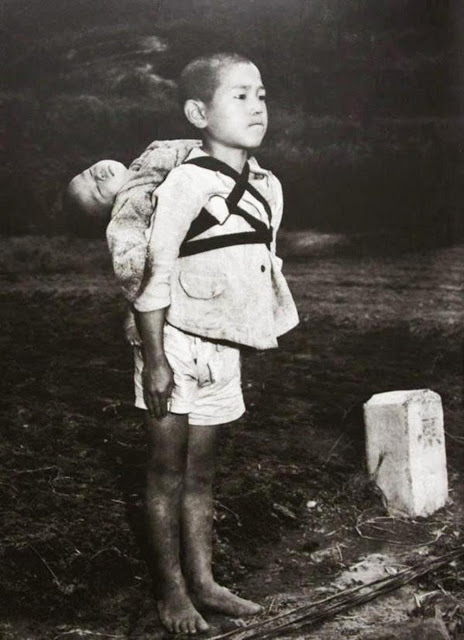
This heart rending photo was taken by Joe O’Donnell, who was sent by the U.S. military to document the horrors inflicted upon the Japanese by air raids and atomic bombs in 1945.
In this photo, the little boy had bought his brother to a cremation spot. He was barefooted and in perhaps trying to play the role of oldest functioning family member left remaining, he was clearly copying the stand-to-attention stance he would have seen amongst the warring uniformed adults.
Joe O’Donnell in his words:
“I saw a boy about ten years old walking by. He was carrying a baby on his back. In those days in Japan, we often saw children playing with their little brothers or sisters on their backs, but this boy was clearly different. I could see that he had come to this place for a serious reason. He was wearing no shoes. His face was hard. The little head was tipped back as if the baby were fast asleep.
“The boy stood there for five or ten minutes. The men in white masks walked over to him and quietly began to take off the rope that was holding the baby. That is when I saw that the baby was already dead. The men held the body by the hands and feet and placed it on the fire.
“The boy stood there straight without moving, watching the flames. He was biting his lower lip so hard that it shone with blood. The flame burned low like the sun going down. The boy turned around and walked silently away.”