13 of the Most Bizarre and Breathtaking Television Set Designs That Ever Existed

A television set or television receiver, more commonly called the television, TV, TV set, tube,[1] telly, or tele, is a device that combines a tuner, display, and loudspeakers, for the purpose of viewing and hearing television broadcasts, or using it as a computer monitor. Introduced in the late 1920s in mechanical form, television sets became a popular consumer product after World War II in electronic form, using cathode ray tube (CRT) technology. The addition of color to broadcast television after 1953 further increased the popularity of television sets in the 1960s, and an outdoor antenna became a common feature of suburban homes. The ubiquitous television set became the display device for the first recorded media in the 1970s, such as Betamax, VHS and later DVD. It has been used as a display device since the first generation of home computers (e.g. Timex Sinclair 1000) and dedicated video game consoles (e.g. Atari) in the 1980s. By the early 2010s, flat-panel television incorporating liquid-crystal display (LCD) technology, especially LED-backlit LCD technology, largely replaced CRT and other display technologies.[2][3][4][5][6] Modern flat panel TVs are typically capable of high-definition display (720p, 1080i, 1080p, 4K, 8K) and can also play content from a USB device. By the late 2010s and early 2020s, most flat panel TVs began to offer 4K and 8K resolutions. (Wikipedia)

When televisions were still a luxury, high-tech item, designers wanted to make them look as crazily futuristic and beautiful as possible. Here are 13 of the most bizarre and breathtaking historical TV set designs that ever existed, dating from 1928 through 1991.

Massive Luxury Kuba Komet, 1957-1962
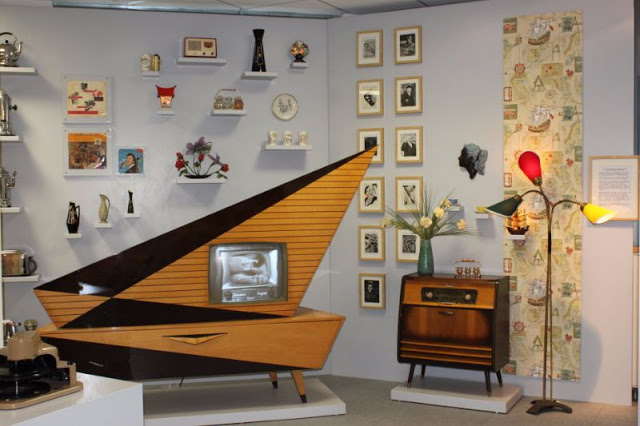
How cool is this midcentury modern TV console? Shaped like a sailboat, it features an upper section that rotates like a sail on a mast so you can tilt the 23-inch screen in the desired direction. The lower cabinet holds additional multi-media features with a pull-out, 4-speed phonograph, a TV tuner and a multi-band radio receiver.

First Publicly Available Russian TV, 1932

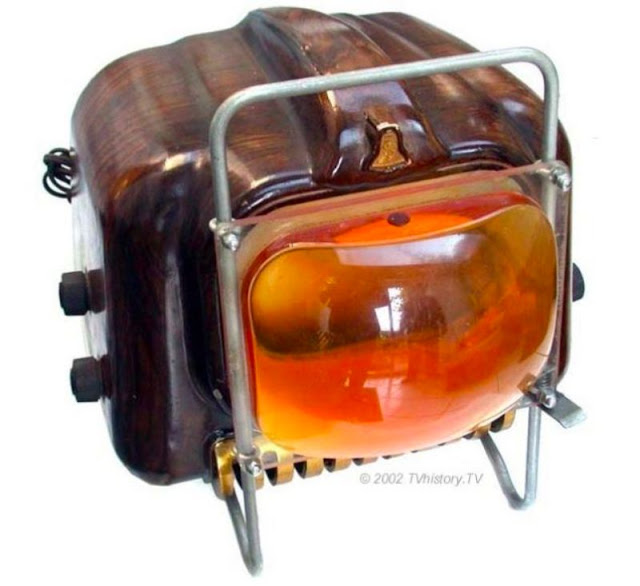
The first television set that was available to the public in Russia looks exactly like you would expect – basically, as if it were a piece of military equipment.

GE Performance Television, 1978
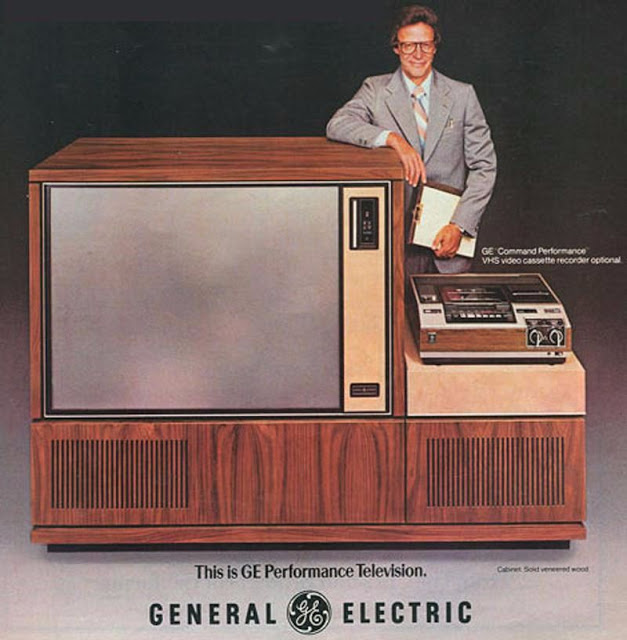
Once upon a time, having a gigantic ugly faux-wood-covered box in your living room was considered a sign of prestige. The GE Performance Television is about as ridiculous as it gets, especially since the picture was terrible owing to the fact that it was essentially just a regular TV tube flipped and back-projected onto that giant screen. GE marketed it as “a super-size TV with a picture three times as big as a 25-inch diagonal console and the ‘chairside convenience’ of random access remote control.”

Zenith CBS Mechanical Color Wheel, 1948
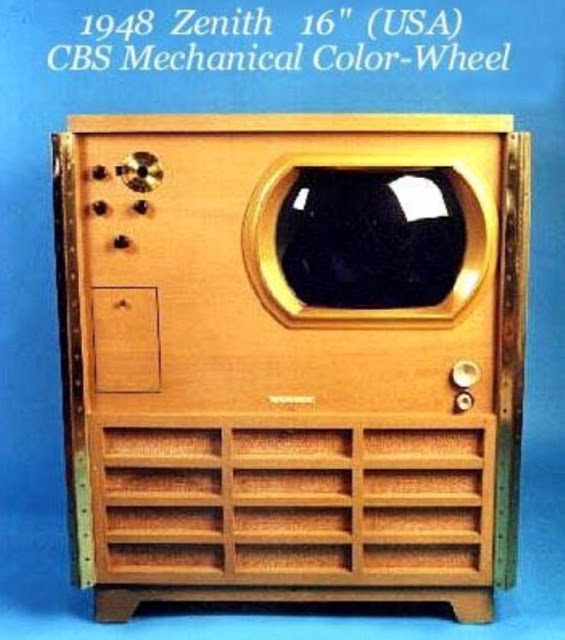
Before ‘real’ color TVs were available, CBS labs came up with this contraption – essentially a black-and-white television equipped with a spinning mechanical wheel of red, blue and green filters that added color to the picture seen on the screen. CBS was all ready to start selling these things when RCA protested that an all-electronic color system (which they were researching, but had not yet developed) would make more sense. Ultimately, the Zenith design was briefly used as a teaching tool for surgery, but never sold to the public.

Phillips Discoverer Space Helmet TV, 1991
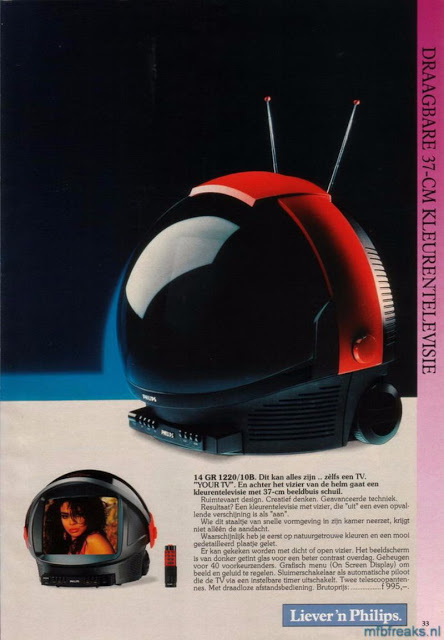
This novelty television didn’t really do anything special – it just looks cool, modeled after a space helmet with a closing lid.

Depression-Era TV Concept with Home Shopping and a ‘Like’ Button, 1935

This concept was just a pipe dream from the beginning, but it’s a fascinating look at what innovators thought was possible for the future back when America was in the depths of the Great Depression. Sci-fi publisher Hugo Gernsback envisioned a system that’s a combination TV, radio, newspaper and home shopping device. The idea is that communication would go both ways, enabling people at home to give broadcasters instant feedback on what was playing via applause, pressing a certain button to indicate approval or instantly ordering what was shown on the screen.

Semivisor by Rene Barthelemy, 1928
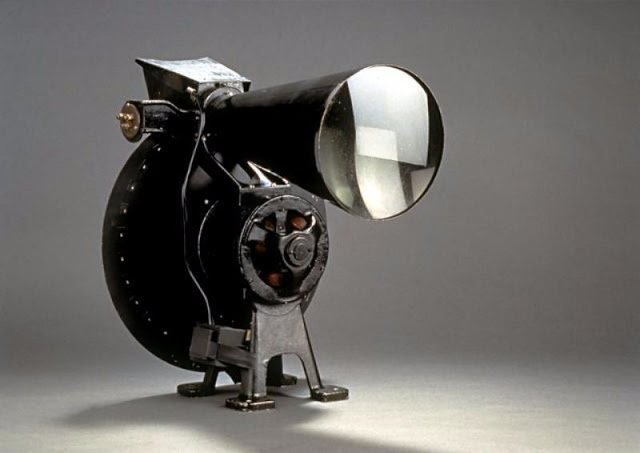
An early design from France by early television pioneer Remy Barthelemy doesn’t look much like a TV; it functioned more like a projector.

Marconiphone Television 702, 1937
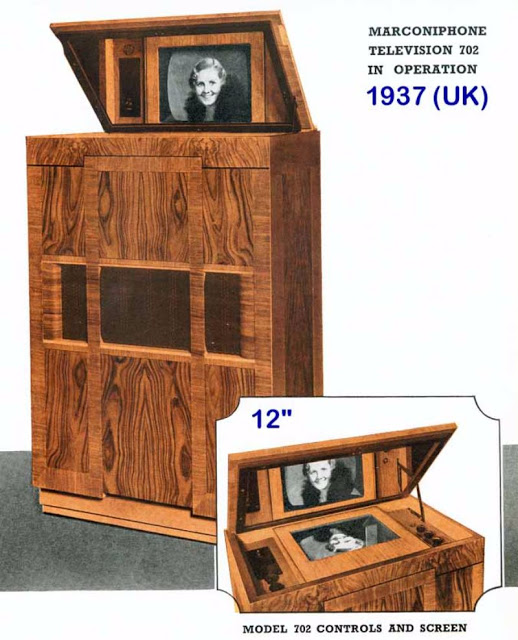
This British television set, the Marconiphone, has a 12-inch screen mountaineer vertically inside a wooden cabinet, with the image reflected onto a mirror. There’s no way to change the channel, because it only had one channel when it was made: the BBC. A working model sold at auction in London in 2011 for $27,500.

Sonora Sphinx, France, 1949

Leave it to the French to design a television set that looks like a piece of Art Noveau decor. The Sonora Sphinx features a case made of painted aluminum; it’s virtually impossible to find one today.

Phonola Marziano TV, Italy, 1957

Named the ‘Marziano’ (Italian for Martian), this stylish and futuristic TV set features a screen rising up from a minimalist wooden cabinet in which all of the controls were hidden. They were manufactured for five years, but only a few are known to still exist.

Teleavia Panoramic III, 1957

That same year saw a similar design, this one in sleek black and gold. The Teleavia Panoramic III wouldn’t look entirely out of place in a modern living room. A surviving set sold for thousands at auction recently, with a starting bid of over $6,439.

2-Piece Portable TV, 1958

This ‘portable’ TV featured in Popular Science in 1958 had a long cable connecting the screen to the cabinet, so it could be moved around the room.

The Flying Saucer/Eyeball TV, 1960s

This micro-TV was known as ‘The Eyeball’ or ‘The Flying Saucer’ back when it was available in the late ’60s and early ’70s. The screen measures just five inches.

Rolled Stockings: The Style of the 1920s, And How They Became So Trendy

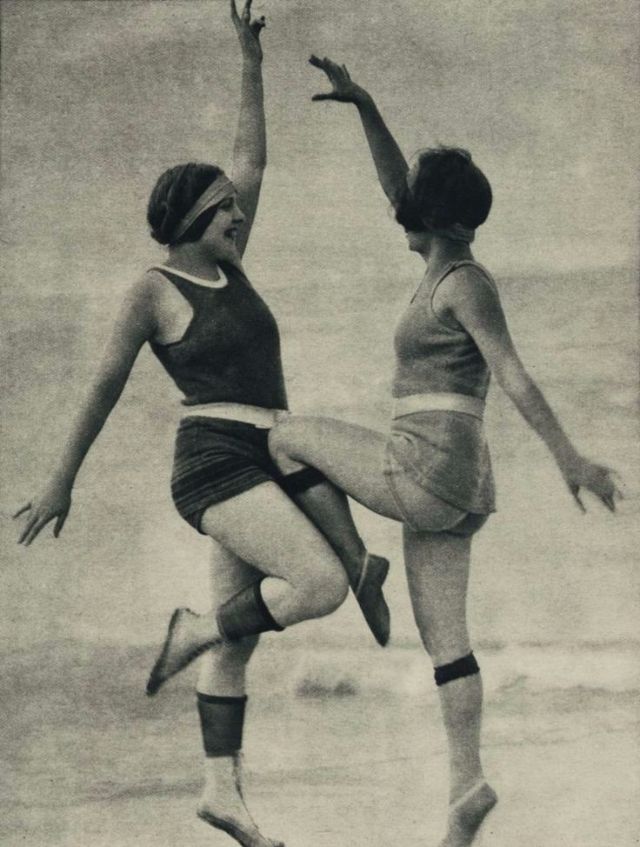
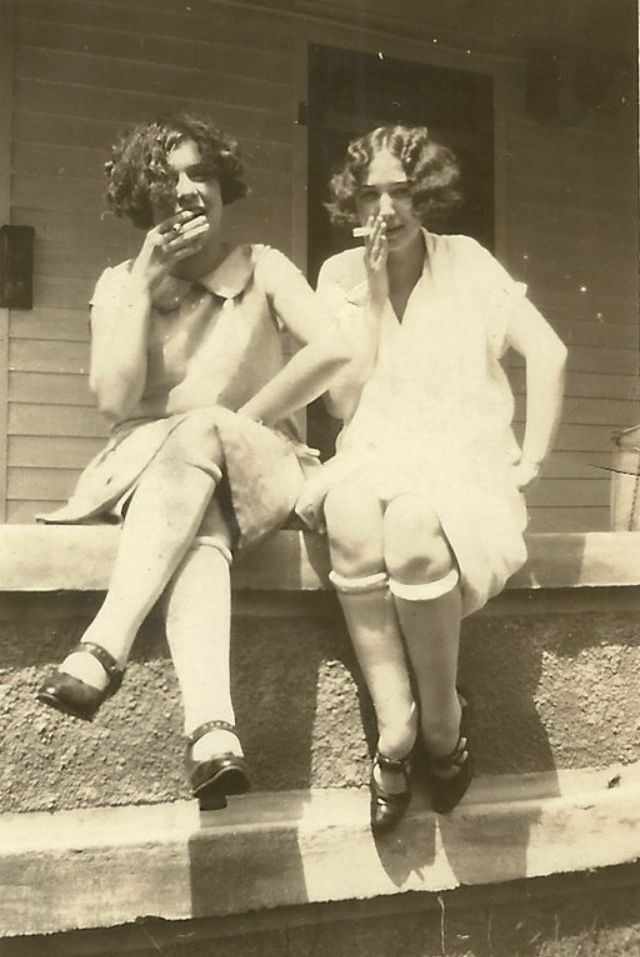
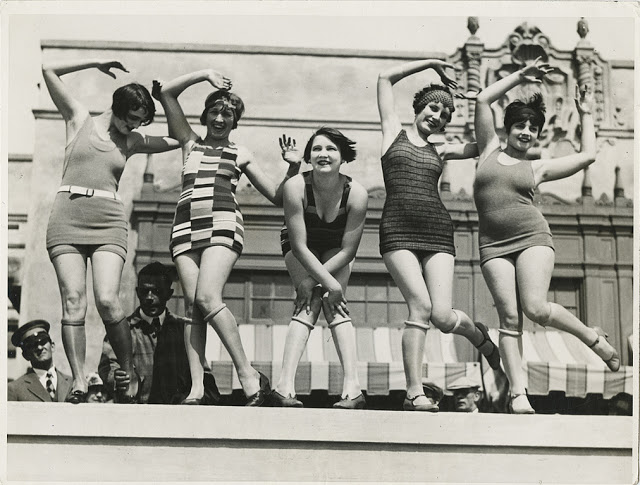
During the early 1920s, some women began rolling down their thigh high stockings – sometimes to mid-thigh height, and sometimes lower – to just below the knee. The look was especially popular in warm weather, and rolled stockings were even worn with bathing suits.

Most women in the 1920s typically wore thigh high stockings with garter straps, which attached to a long corset-like girdle that covered the hips. And up until the 1920s, women were completely covered.

Showing the knees was considered to be “the epitome of immoral dress.” The rolled stocking trend caught on anyway.

Rolled stockings were especially popular among young women ‘rebelling’ against wearing garter straps with corsets or girdles. And fashion was changing – dress styles were becoming shorter and less form-fitting. Rolling down your stockings must’ve felt so “freeing.”

The trend was so popular by the late 1920s that there was even a movie, Rolled Stockings. It was a silent film made in 1927 that starred Louise Brooks.

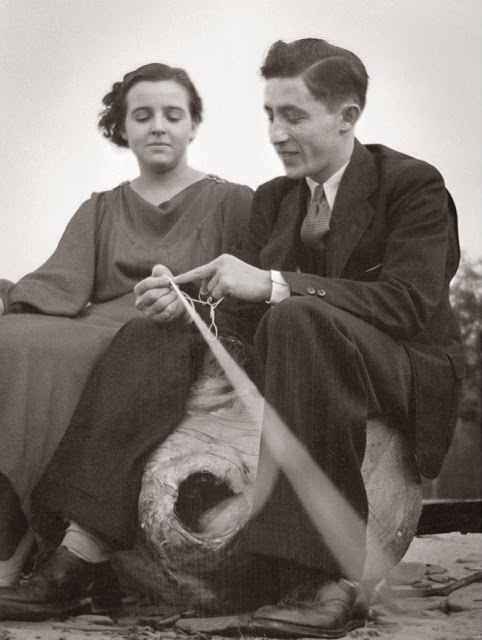
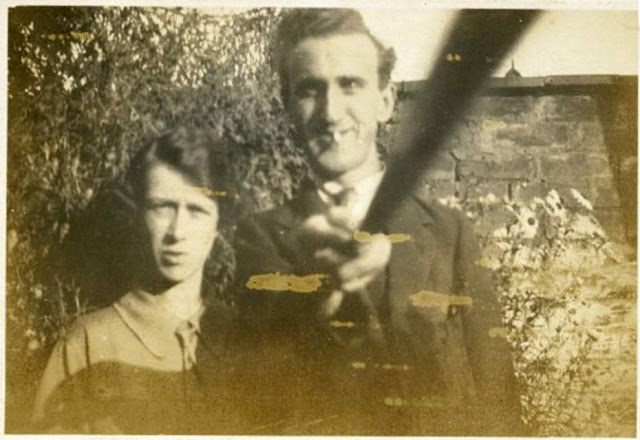
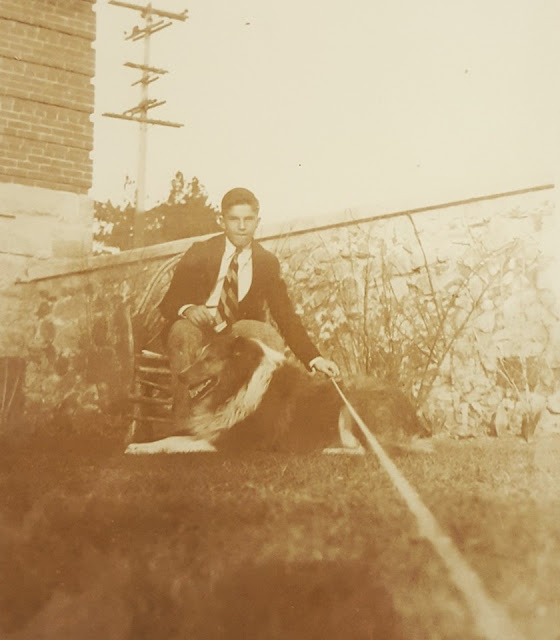
17 Fantastic Selfies From the 1930s by Using Strings or Sticks

Not using a mirror as a common method at this time, these people from the 1930s know how to take a good self-portrait photo by using a string or a stick connected to the shutter…

22 Vintage Portraits of Beautiful Women Who Tested for the Role of Scarlett O’Hara in “Gone With the Wind”

Gone with the Wind is a 1939 American epic historical romance film adapted from the 1936 novel by Margaret Mitchell. The film was produced by David O. Selznick of Selznick International Pictures and directed by Victor Fleming. Set in the American South against the backdrop of the American Civil War and the Reconstruction era, the film tells the story of Scarlett O’Hara (portrayed by Vivien Leigh), the strong-willed daughter of a Georgia plantation owner, following her romantic pursuit of Ashley Wilkes (Leslie Howard), who is married to his cousin, Melanie Hamilton (Olivia de Havilland), and her subsequent marriage to Rhett Butler (Clark Gable).

The film had a troubled production. The start of filming was delayed for two years until January 1939 because of Selznick’s determination to secure Gable for the role of Rhett. The role of Scarlett was difficult to cast, and 1,400 unknown women were interviewed for the part. The original screenplay by Sidney Howard underwent many revisions by several writers to reduce it to a suitable length. The original director, George Cukor, was fired shortly after filming began, and was replaced by Fleming, who in turn was briefly replaced by Sam Wood while taking some time off due to exhaustion. Post-production concluded in November 1939, just a month before its release.

It received generally positive reviews upon its release in December 1939. The casting was widely praised, but its long running time received criticism. At the 12th Academy Awards, it received ten Academy Awards (eight competitive, two honorary) from thirteen nominations, including wins for Best Picture, Best Director (Fleming), Best Adapted Screenplay (posthumously awarded to Sidney Howard), Best Actress (Leigh), and Best Supporting Actress (Hattie McDaniel, becoming the first African American to win an Academy Award). It set records for the total number of wins and nominations at the time.

Gone with the Wind was immensely popular when first released. It became the highest-earning film made up to that point, and held the record for over a quarter of a century. When adjusted for monetary inflation, it is still the highest-grossing film in history. It was re-released periodically throughout the 20th century and became ingrained in popular culture. Although the film has been criticized as historical negationism, glorifying slavery and the Lost Cause of the Confederacy myth, it has been credited with triggering changes in the way in which African Americans were depicted cinematically. The film is regarded as one of the greatest films of all time, and in 1989 it was selected for preservation in the United States National Film Registry. (Wikipedia)

Louise Platt
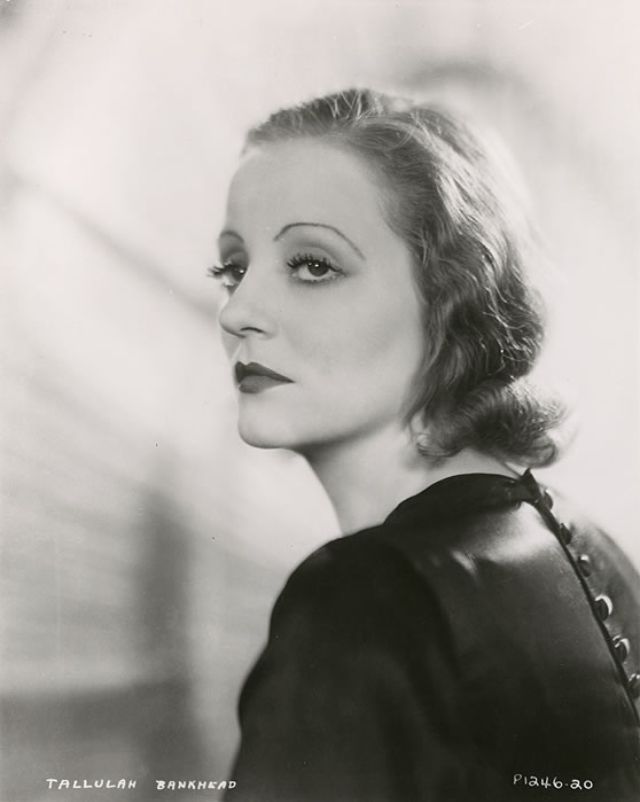
Tallulah Bankhead
Elizabeth Whitney
Linda Watkins
Adele Longmire
Haila Stoddard
Edythe Marrener (later, Susan Hayward)
Linda Lee
Brenda Marshall (aka Ardis Ankerson)
Paulette Goddard
Ellen Drew (aka Terry Ray)
Anita Louise
Carole Lombard
Frances Dee
Nancy Coleman
Marcella Martin
Austine McDonnel
Lana Turner
Diana Barrymore
Jean Arthur
Joan Bennett
Vivien Leigh

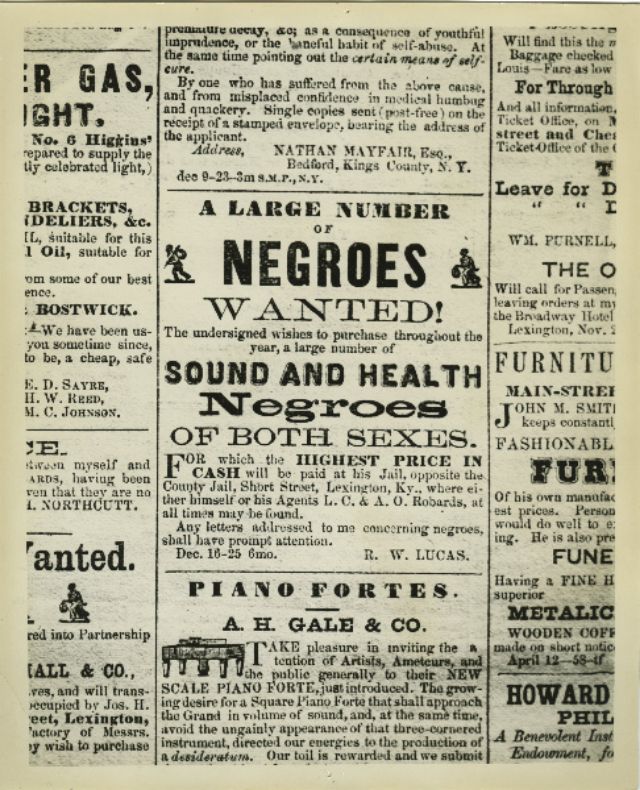
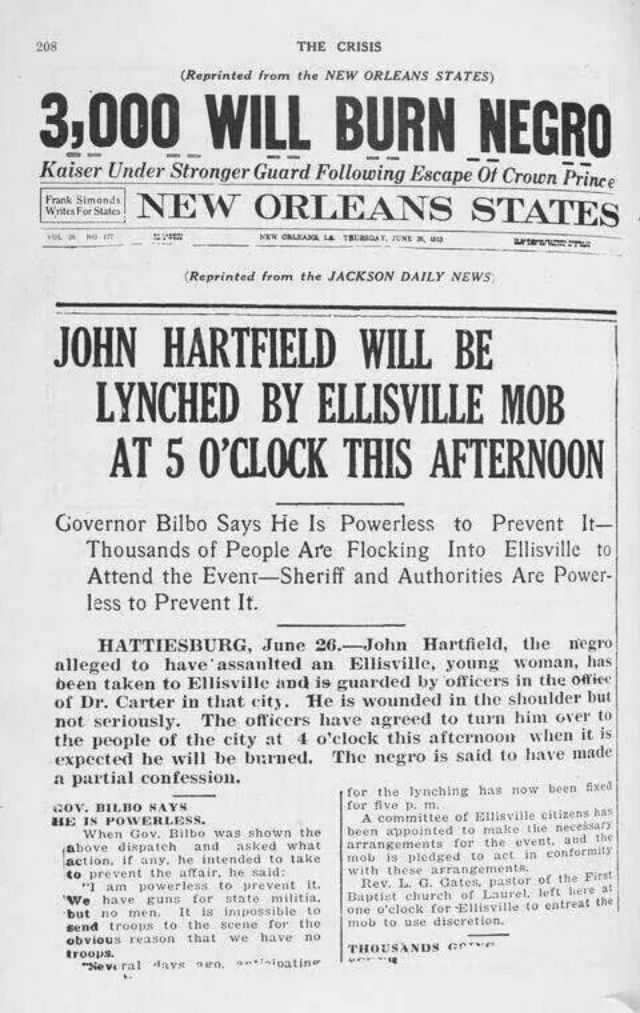
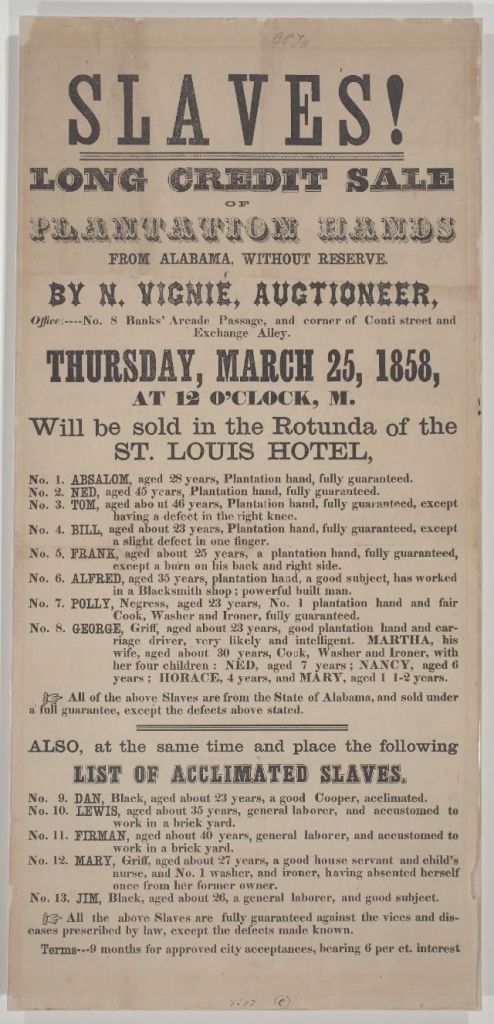
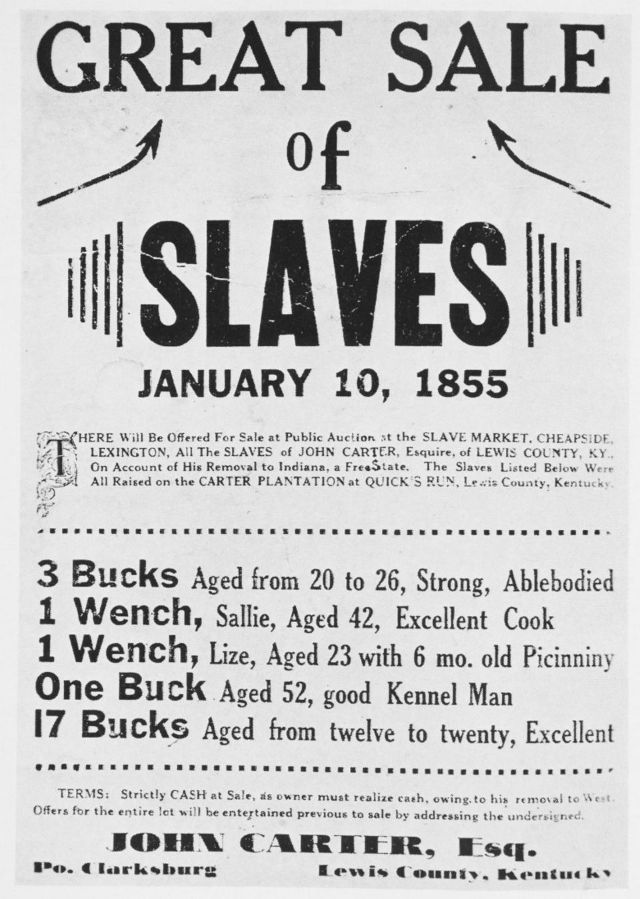
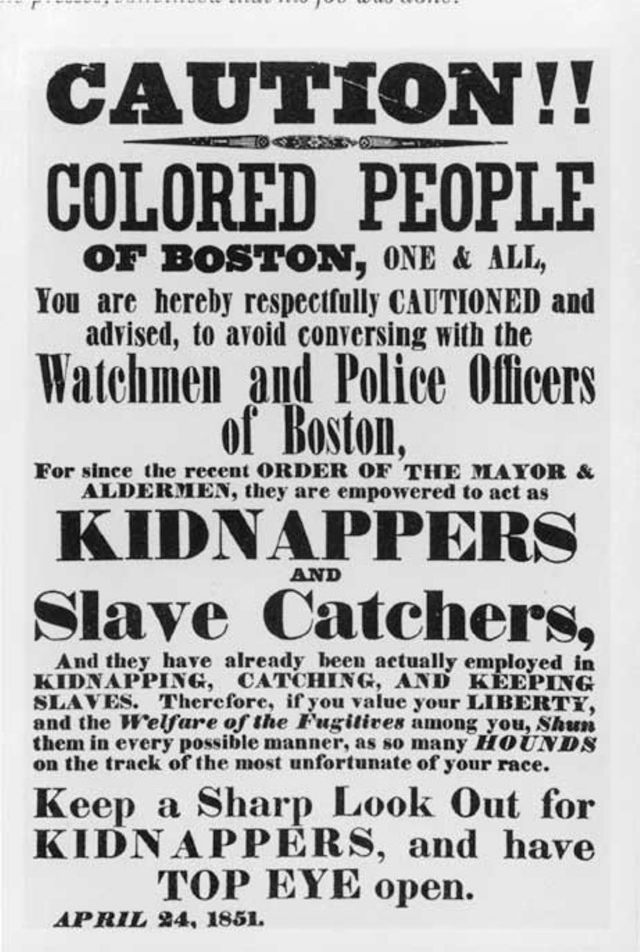
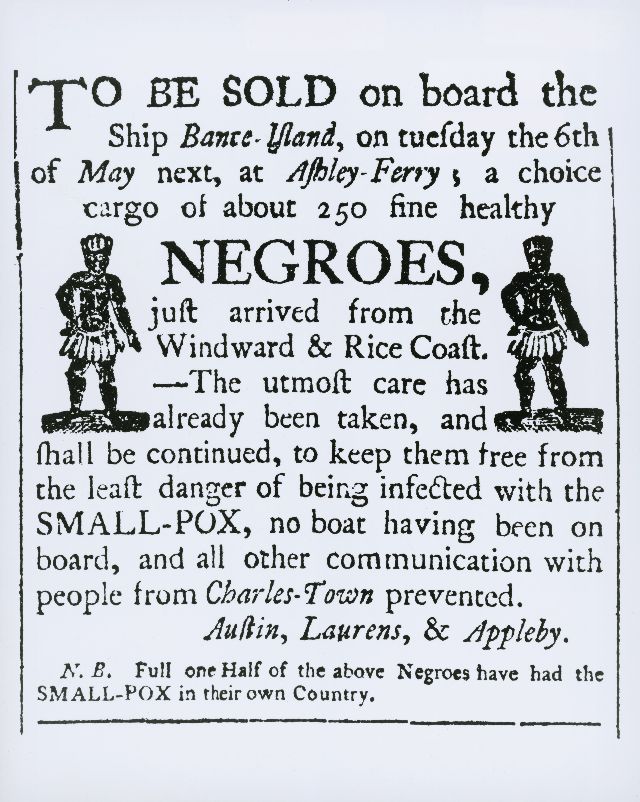
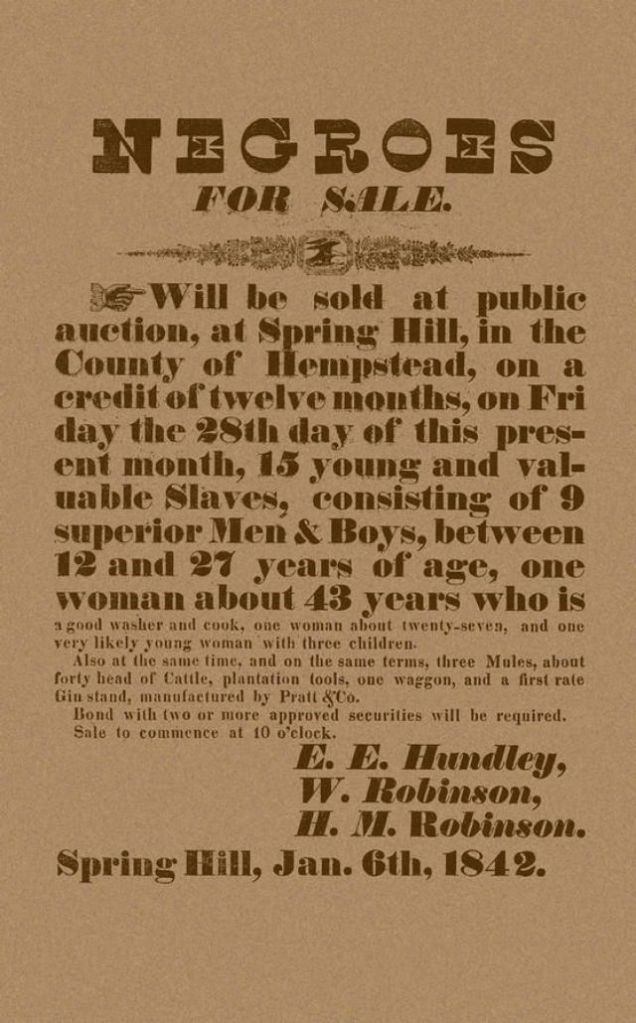
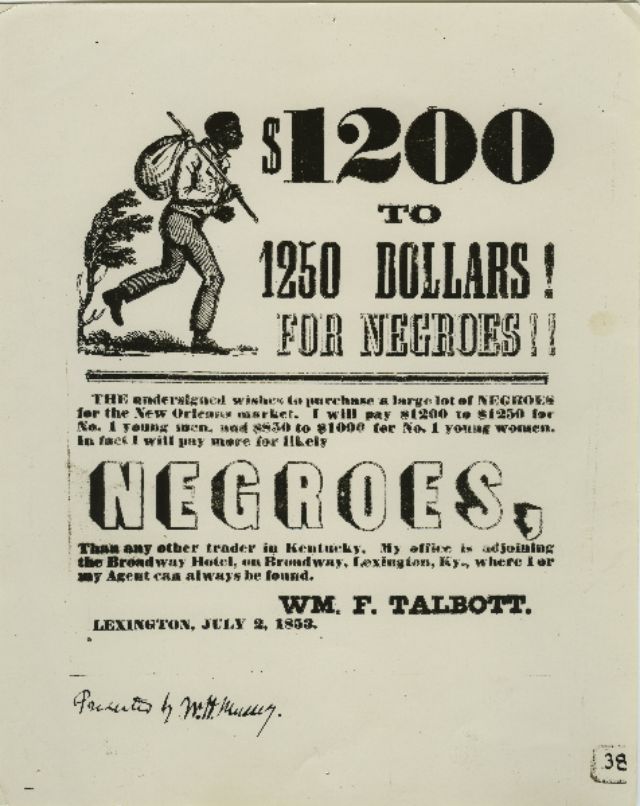
Unbelievable American Slave Sale and Auction Ads From the 19th Century

The legal institution of human chattel slavery, comprising the enslavement primarily of Africans and African Americans, was prevalent in the United States of America from its founding in 1776 until the ratification of the Thirteenth Amendment on December 6, 1865. The Amendment prohibited “slavery [and] involuntary servitude, except as a punishment for crime.”

Slavery was established throughout European colonization in the Americas. From 1526, during early colonial days, it was practiced in Britain’s colonies, including the Thirteen Colonies that formed the United States. Under the law, an enslaved person was treated as property and could be bought, sold, or given away. Slavery lasted in about half of U.S. states until its abolition in 1865. In the decades after the end of Reconstruction, many of slavery’s economic and social functions were continued through segregation, sharecropping, and convict leasing.

By the time of the American Revolution (1775–1783), the status of enslaved people had been institutionalized as a racial caste associated with African ancestry. During and immediately following the Revolution, abolitionist laws were passed in most Northern states and a movement developed to abolish slavery. The role of slavery under the United States Constitution (1789) was the most contentious issue during its drafting. Although the creators of the Constitution never used the word “slavery”, the final document, through the three-fifths clause, gave slave owners disproportionate political power by augmenting the congressional representation and the Electoral College votes of slaveholding states. All Northern states had abolished slavery in some way by 1805; sometimes, abolition was a gradual process, and hundreds of people were still enslaved in the Northern states as late as the 1840 Census. Some slaveowners, primarily in the Upper South, freed their slaves, and philanthropists and charitable groups bought and freed others. The Atlantic slave trade was outlawed by individual states beginning during the American Revolution. The import trade was banned by Congress in 1808, although smuggling was common thereafter.  It has been estimated that about 30% of congressmen who were born before 1840 were, at some time in their lives, owners of slaves. Some have argued that this affected the progress of legislation against slavery.

The rapid expansion of the cotton industry in the Deep South after the invention of the cotton gin greatly increased demand for slave labor, and the Southern states continued as slave societies. The United States became ever more polarized over the issue of slavery, split into slave and free states. Driven by labor demands from new cotton plantations in the Deep South, the Upper South sold more than a million slaves who were taken to the Deep South. The total slave population in the South eventually reached four million. As the United States expanded, the Southern states attempted to extend slavery into the new western territories to allow proslavery forces to maintain their power in the country. The new territories acquired by the Louisiana Purchase and the Mexican Cession were the subject of major political crises and compromises. By 1850, the newly rich, cotton-growing South was threatening to secede from the Union, and tensions continued to rise. Slavery was defended in the South as a “positive good”, and the largest religious denominations split over the slavery issue into regional organizations of the North and South.

When Abraham Lincoln won the 1860 election on a platform of halting the expansion of slavery, seven slave states seceded to form the Confederacy. Shortly afterward, the Civil War began on April 12, 1861, when Confederate forces attacked the U.S. Army’s Fort Sumter in Charleston, South Carolina. Four additional slave states then joined the confederacy after Lincoln, on April 15, called forth in response “the militia of the several States of the Union, to the aggregate number of seventy-five thousand, in order to suppress [the rebellion].” Due to Union measures such as the Confiscation Acts and the Emancipation Proclamation in 1863, the war effectively ended chattel slavery in most places. Following the Union victory in May 1865, and upon ratification of the Thirteenth Amendment in December 1865, chattel slavery was abolished in any place subject to the jurisdiction of the United States. (Wikipedia)

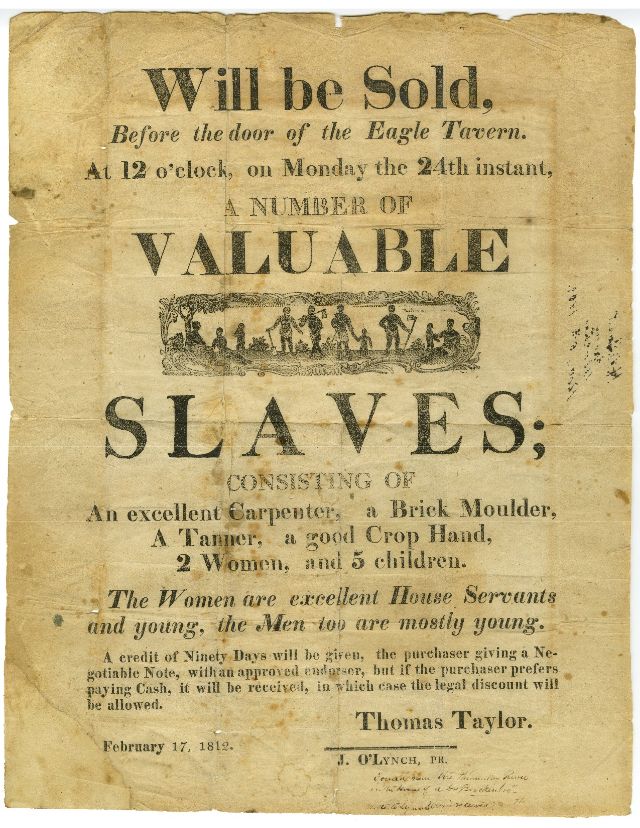
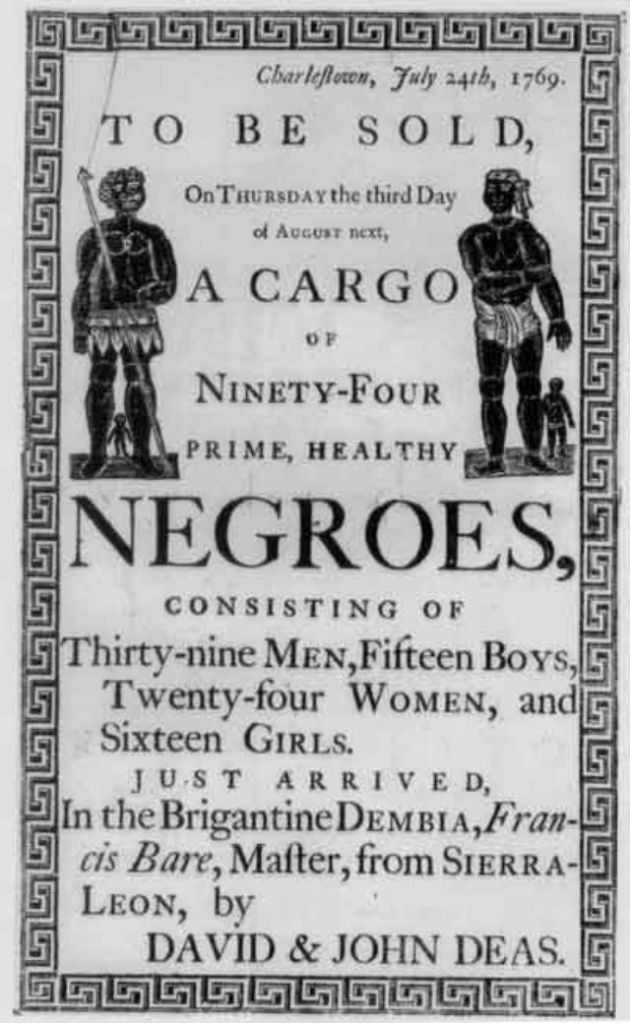
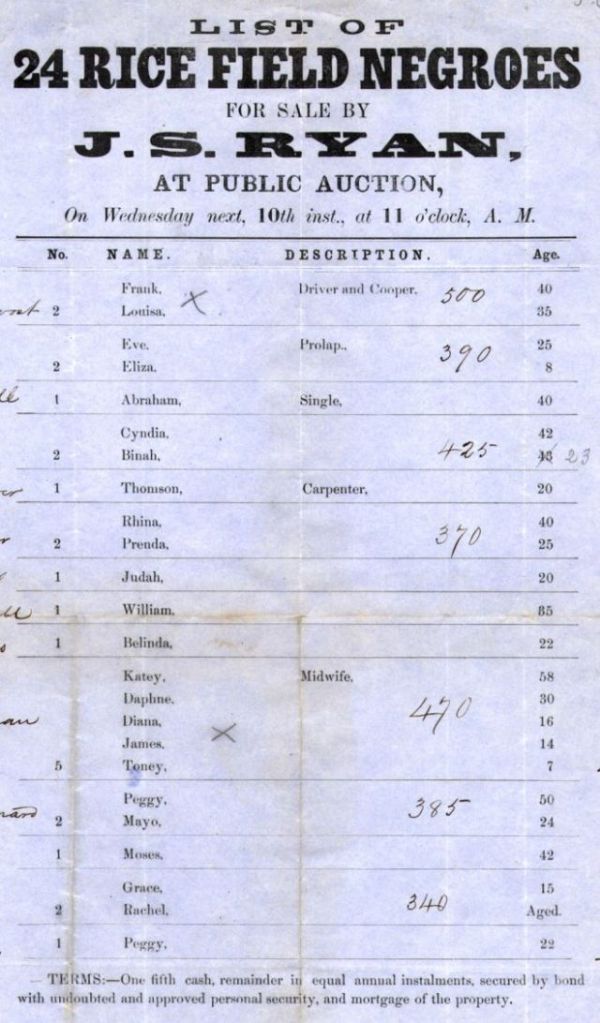
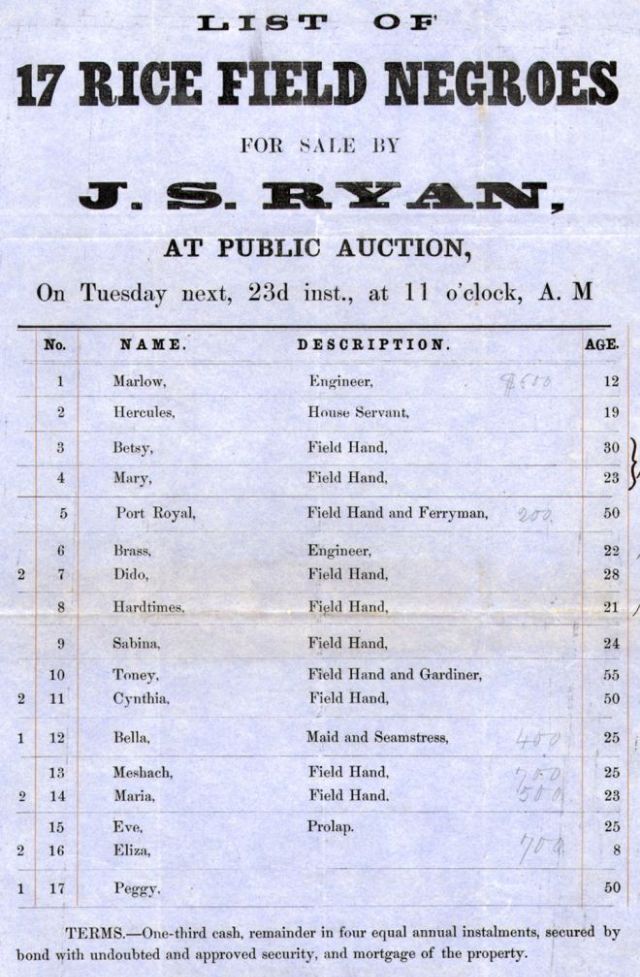
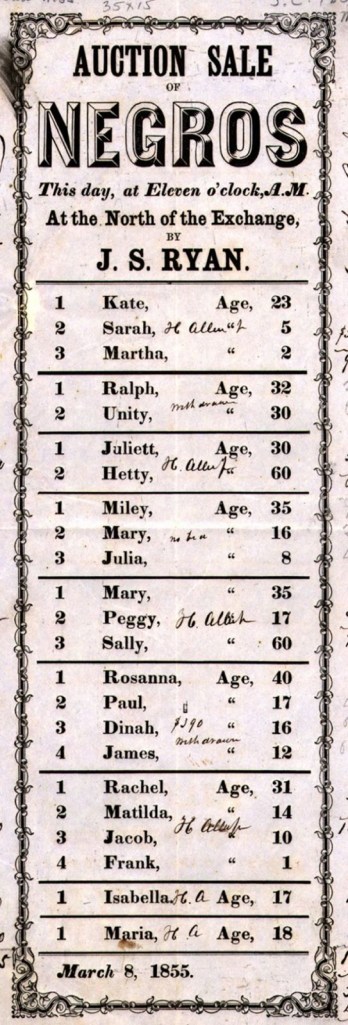
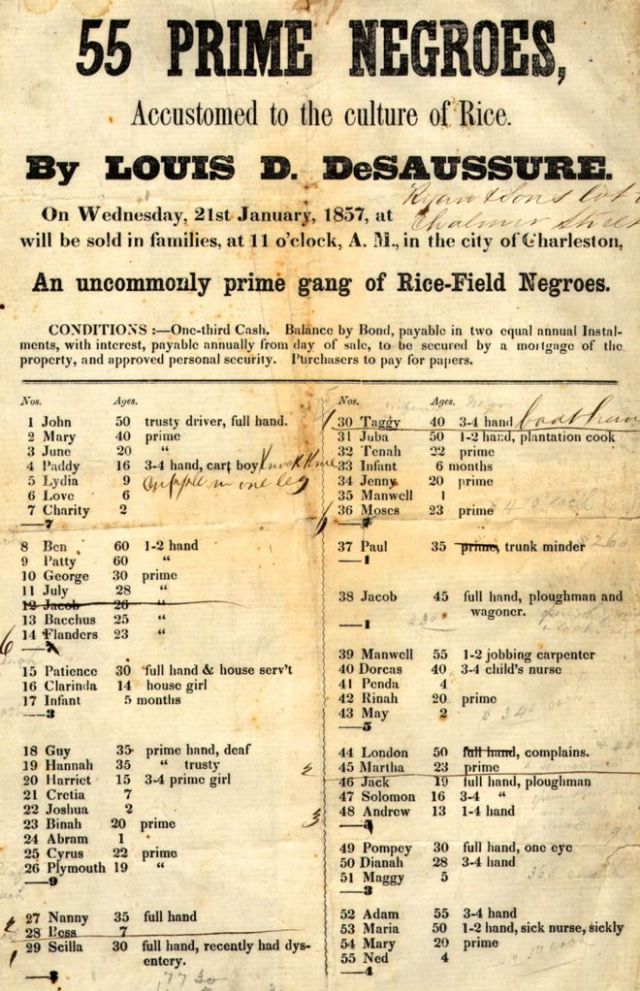
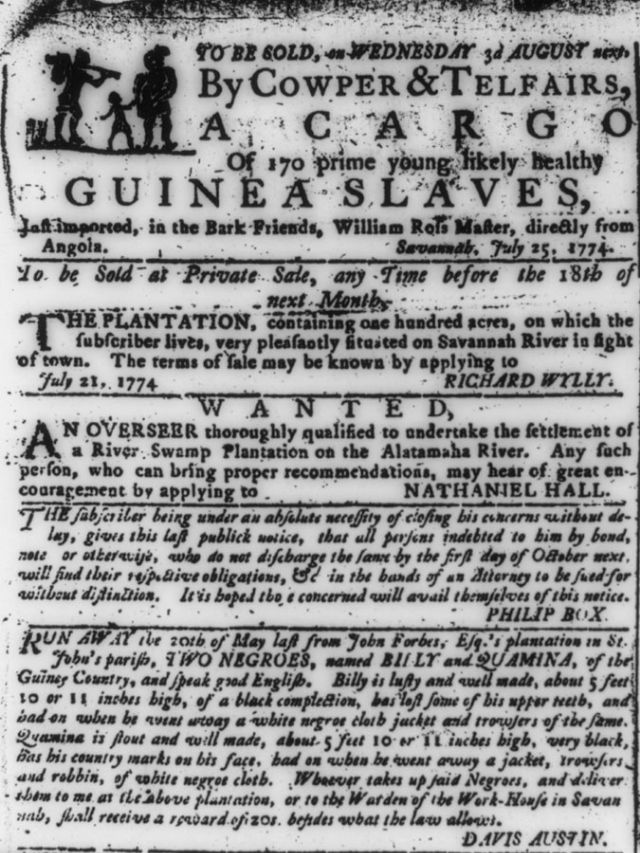
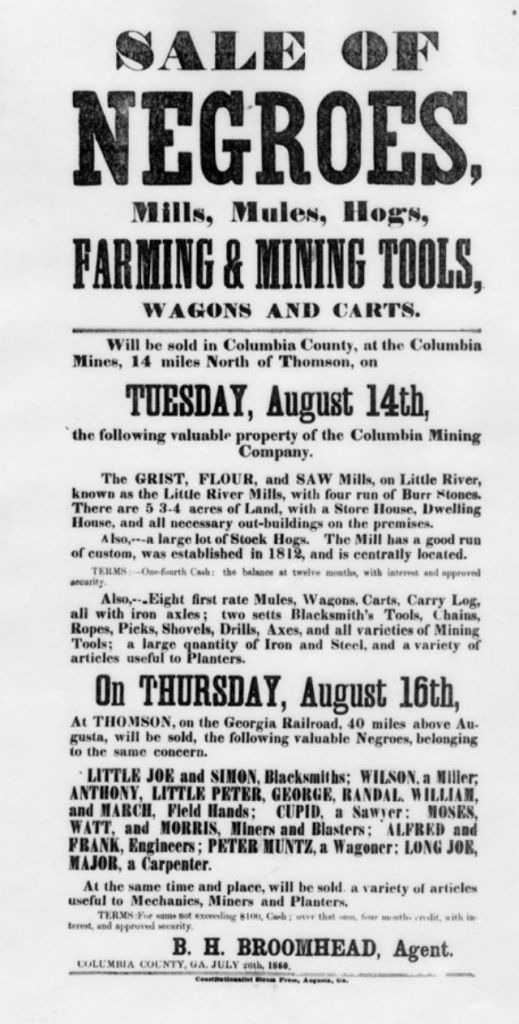
Once in the Americas, slaves were sold, by auction, to the person that bid the most money for them. It was here that family members would find themselves split up, as a bidder may not want to buy the whole family, only the strongest, healthiest member.

Slave auctions were advertised when it was known that a slave ship was due to arrive. Posters like these would be displayed around the town.

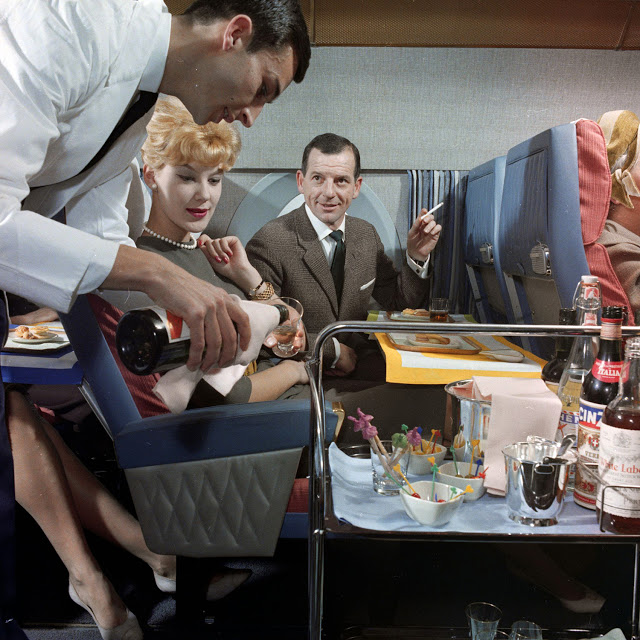
Amazing Photos From Swissair Reveal What It Was Really Like to Fly in the 1960s

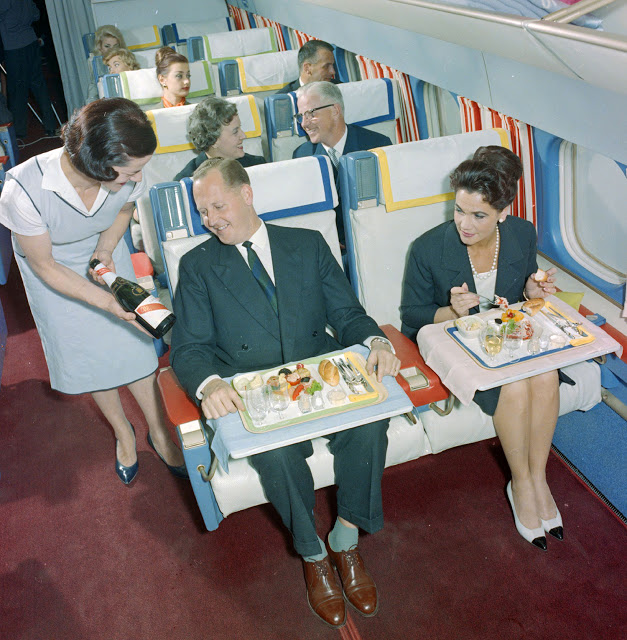
Swiss airline Swissair has published photos from its archives ’60s. Passengers in those days we flew like kings: enjoying personal space, gobbling up delicious food, sipping cocktails under a cigarette right in the chair. It looked like “the Golden era of passenger aviation.”

Yvette Martinelli war später Vorgesetzte des Kabinenpersonals

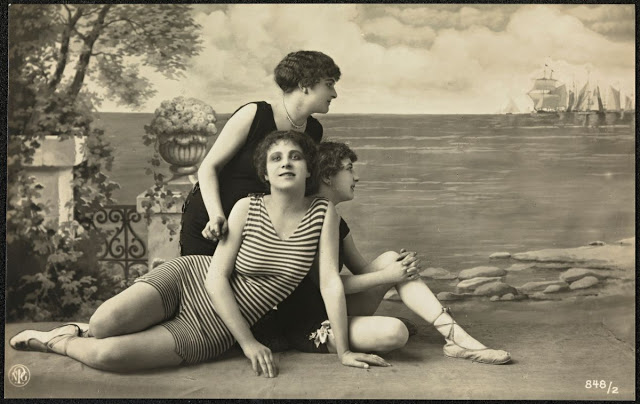
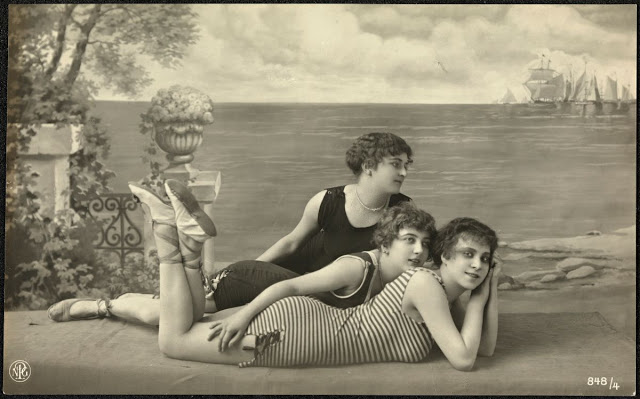
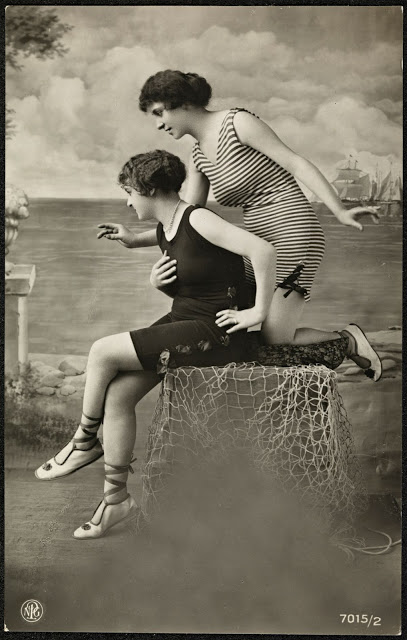
Women’s Swimsuit Fashion in Norway During the 1920s

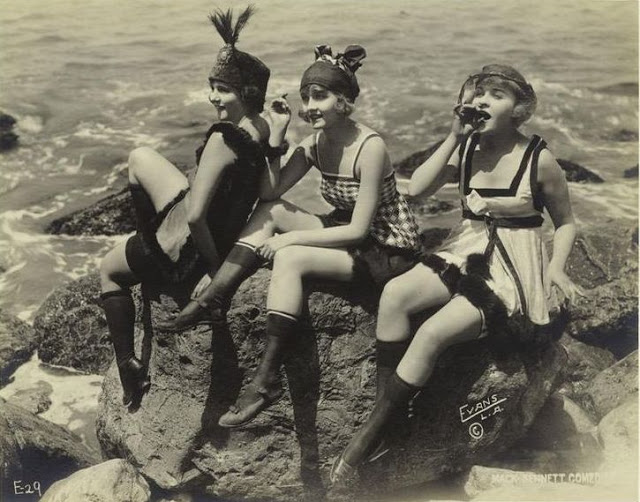
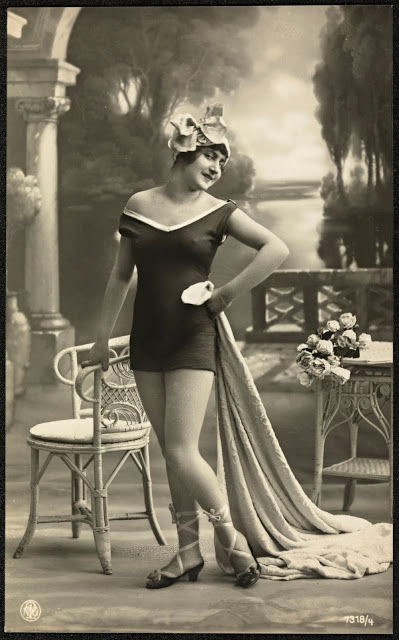
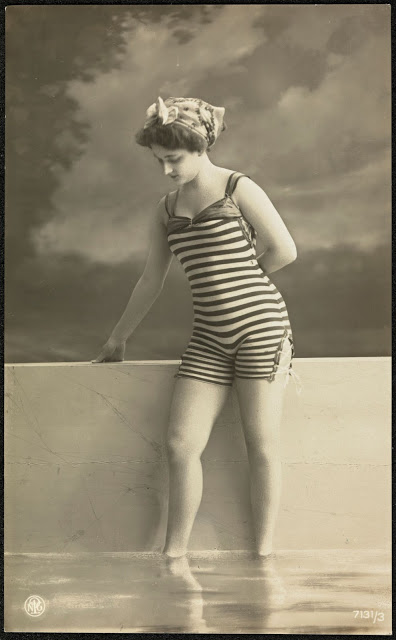
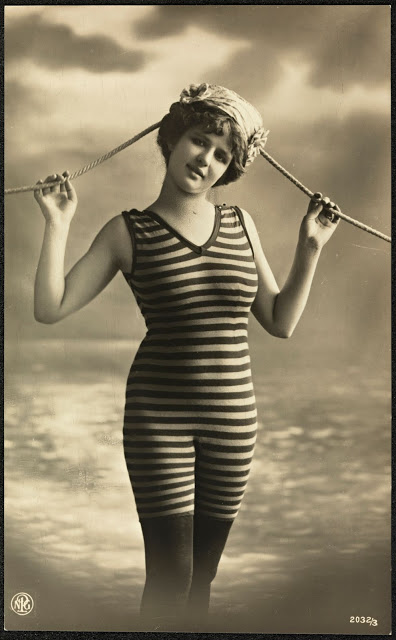
By the early 1920s women’s bathing suits were reduced to a one piece garment with a long top that covered shorts. Though matching stockings were still worn, vintage swimwear began to shrink and more and more flesh was exposed from the bottom of the trunks to the tops of the stockings.

By the mid-1920s Vogue magazine was telling its readers that “the newest thing for the sea is a jersey bathing suit as near a maillot as the unwritten law will permit.”

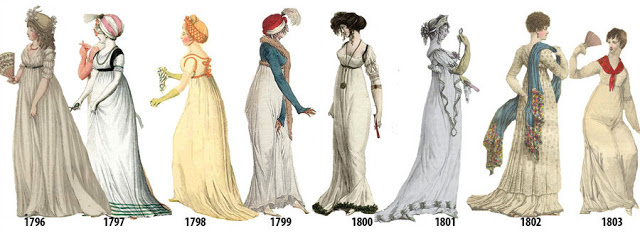
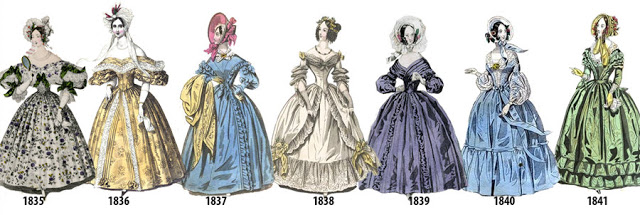
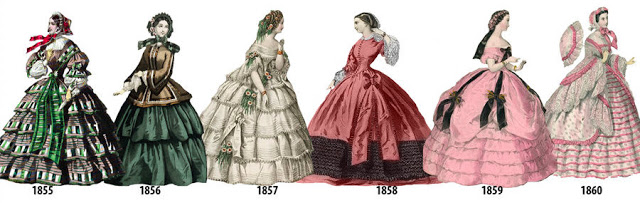
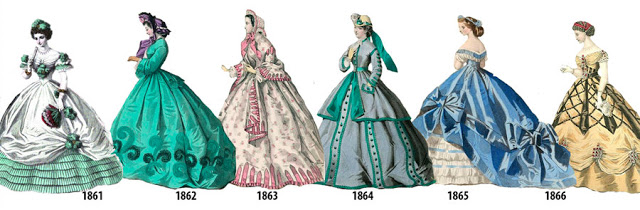
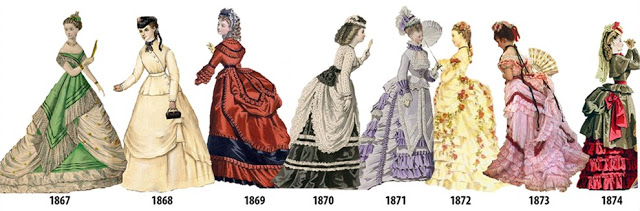
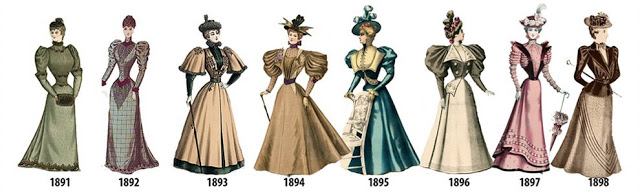
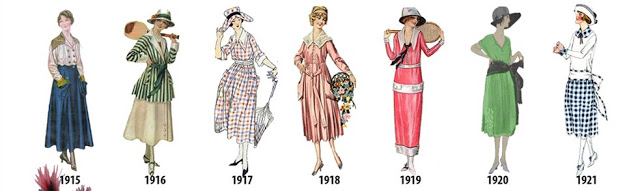
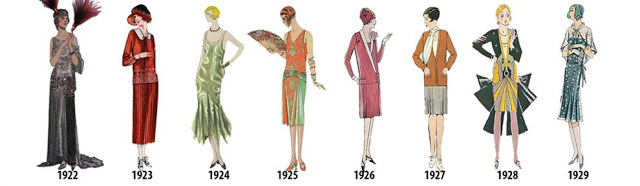
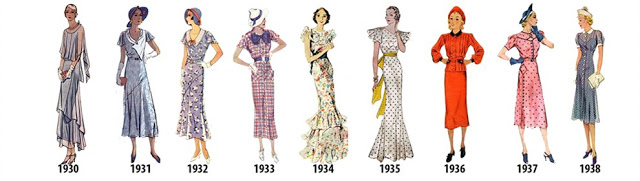
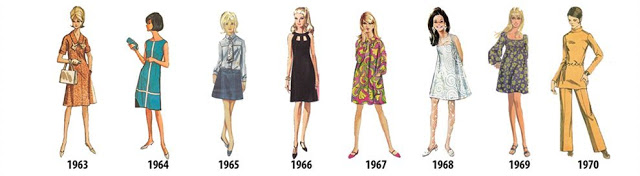
Collected From a Number of Fashion Plates, These Images Illustrate Women’s Fashion in Every Year From 1784 to 1970

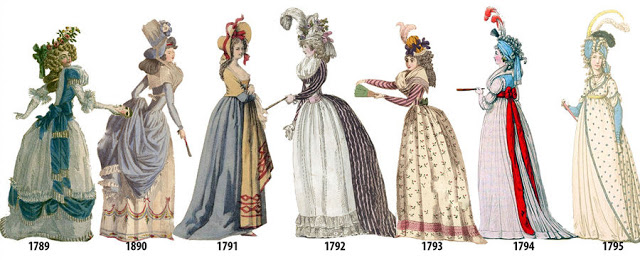
Shown here is a timeline of women’s high fashion from 1784 to 1970, focusing entirely on trends in Europe and North America.

Meticulously compiled using a number of historic fashion plates, this timeline showcases the many shifts in styles that occurred in women’s fashion over the course of nearly 200 years, from 1784 to 1970.

While fashion illustrations may not be as widely created or used today, some contemporary artists continue to keep the craft alive with their dazzling designs and dedication to documenting today’s styles.

Weird Inventions From the 1940s

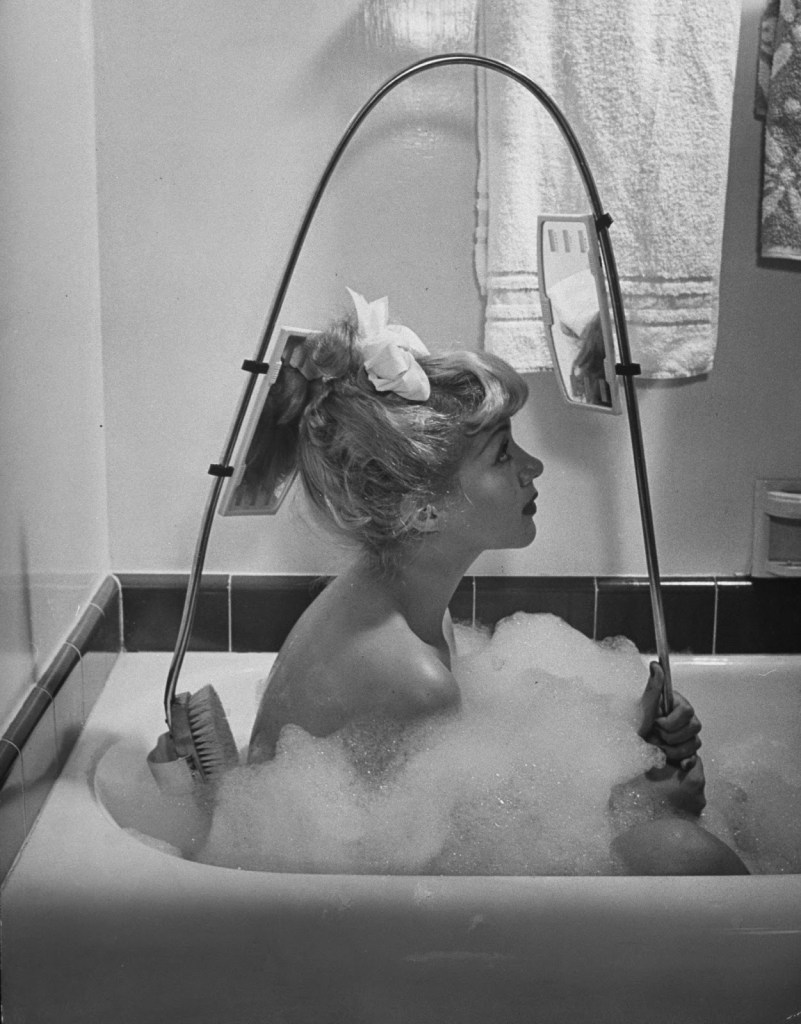
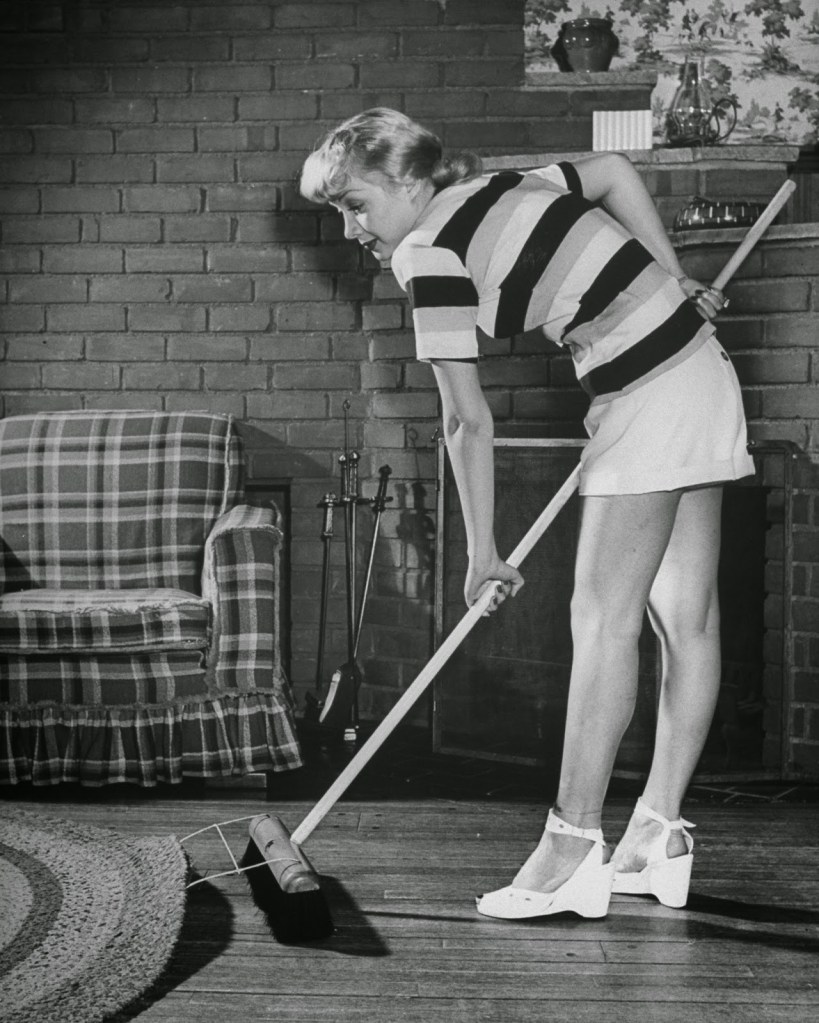
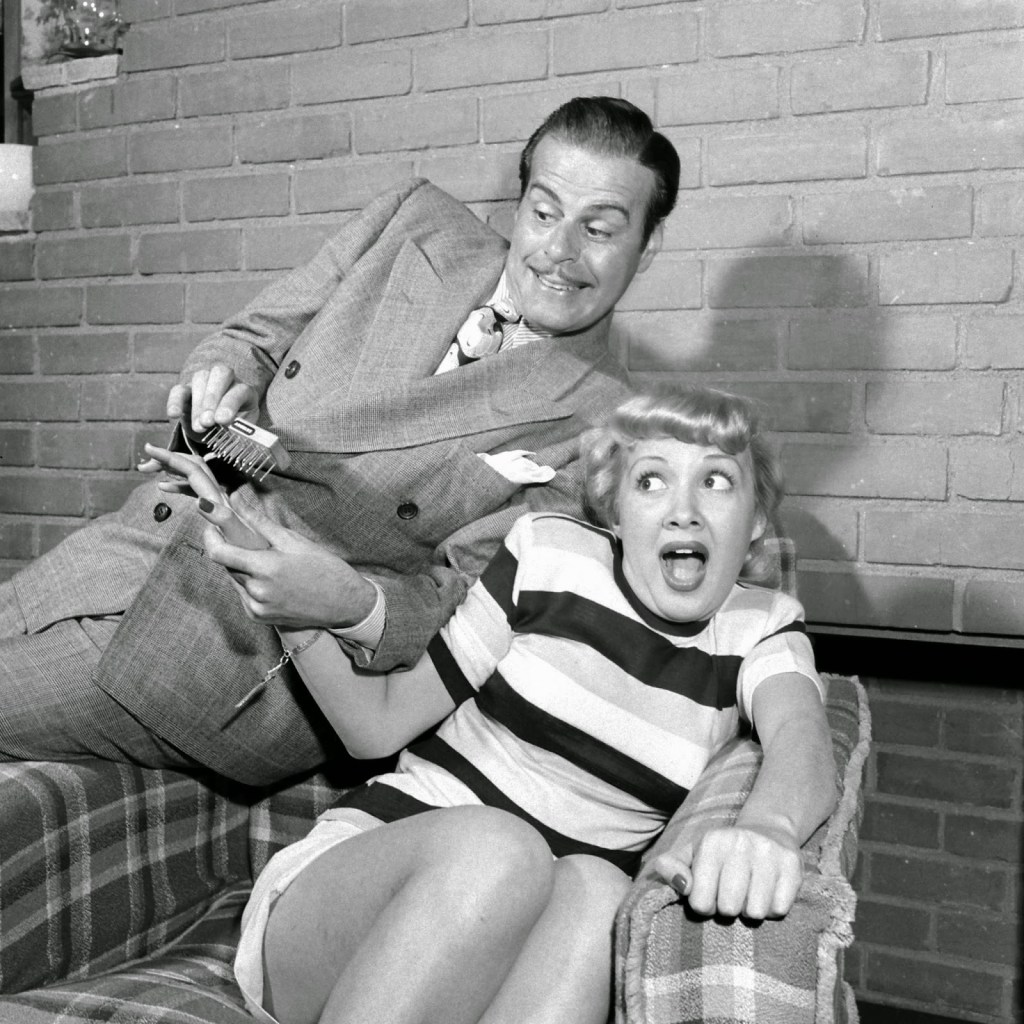
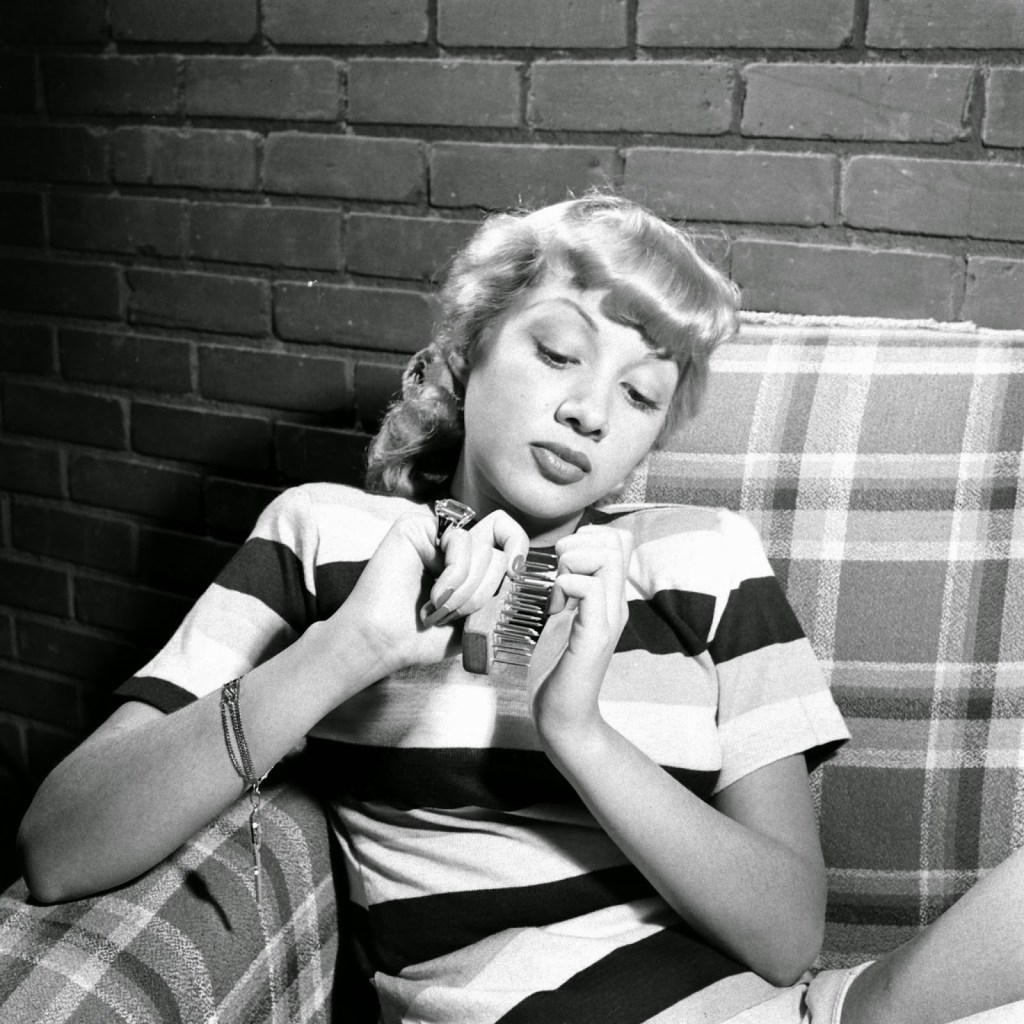
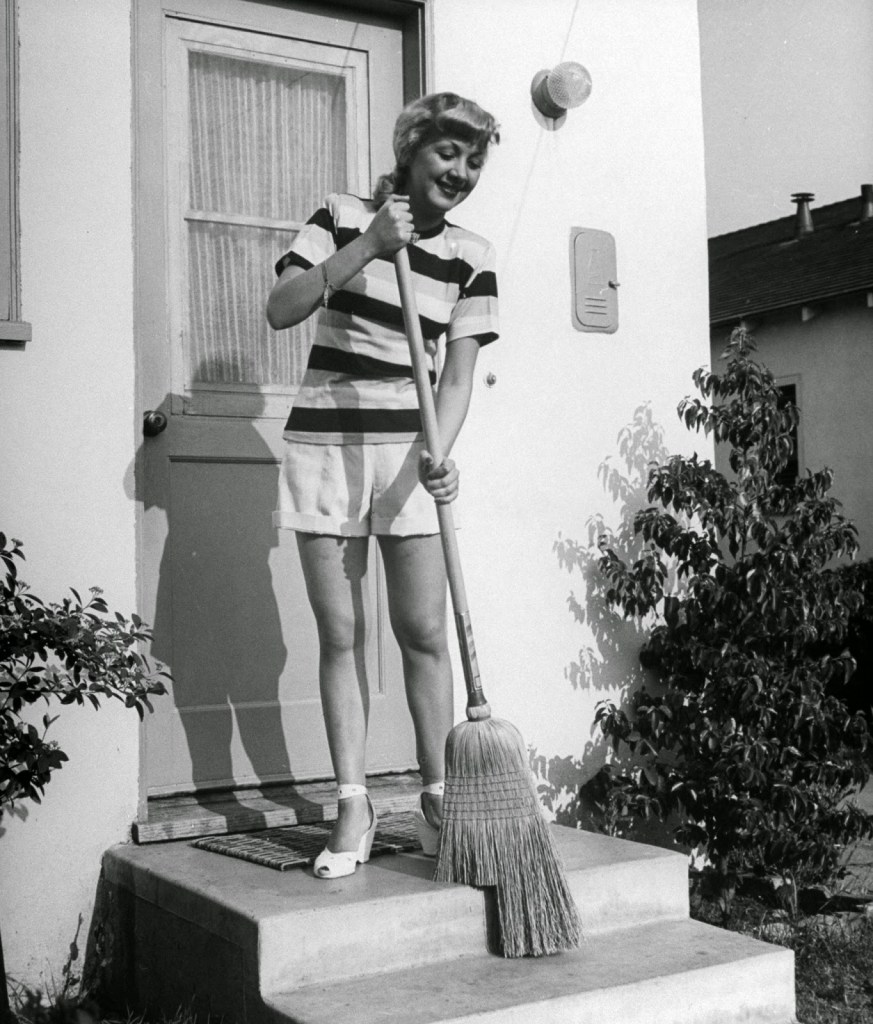
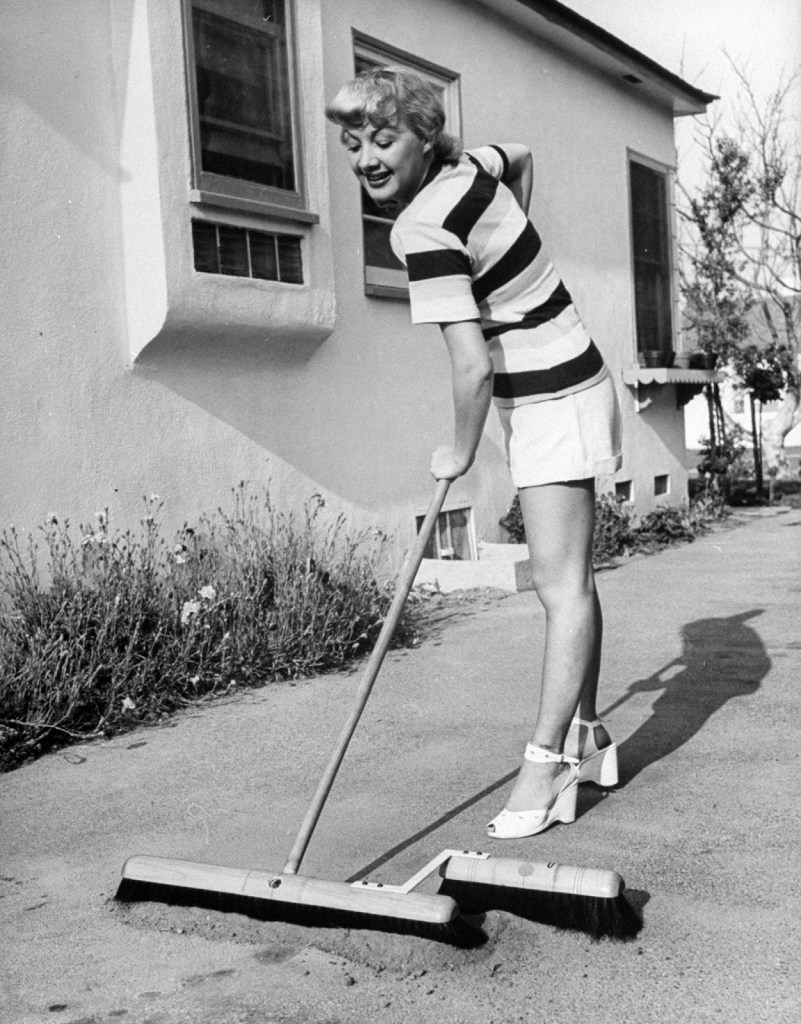
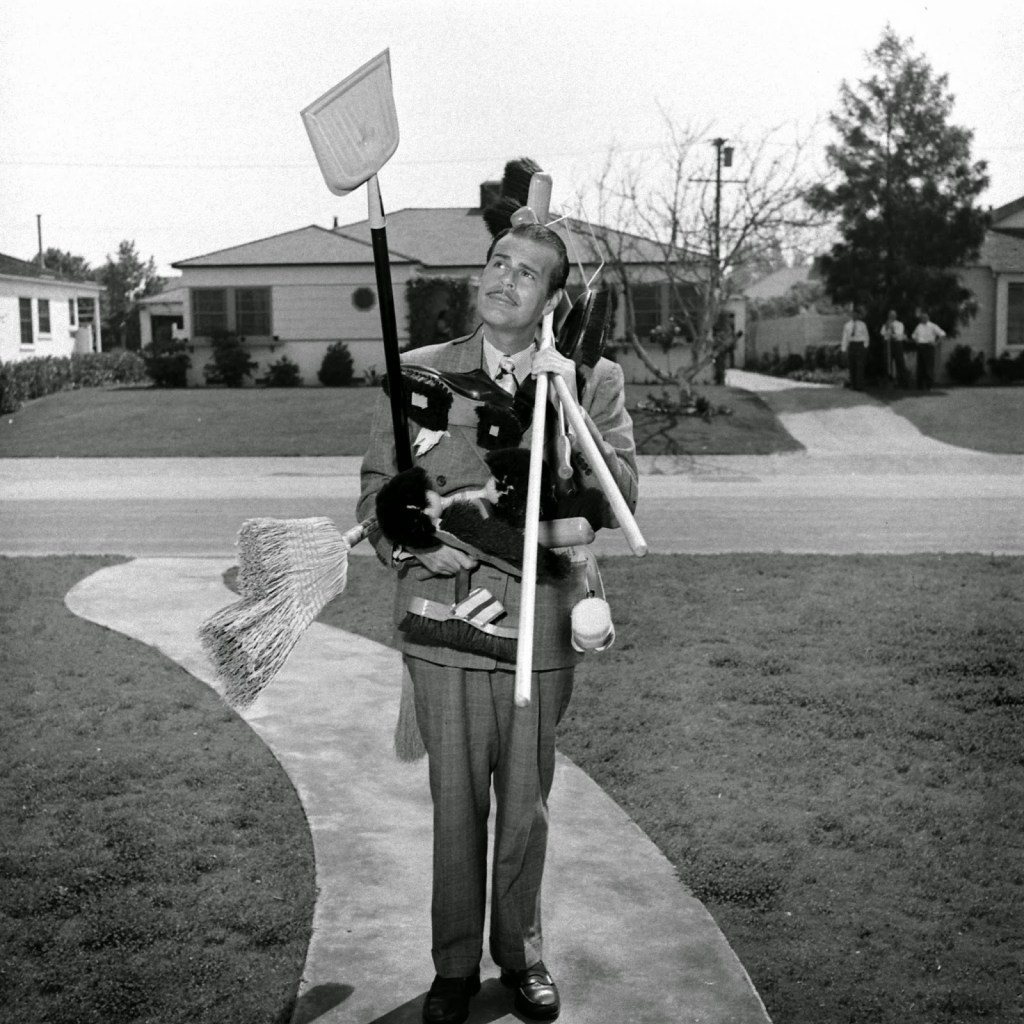
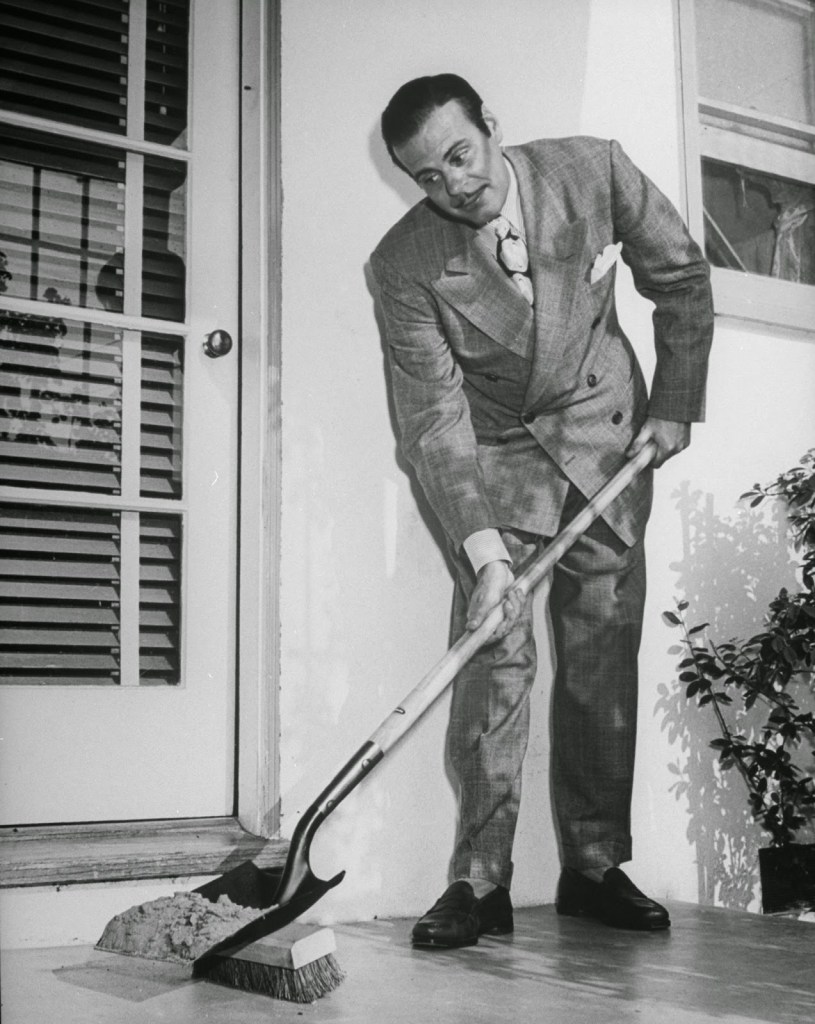
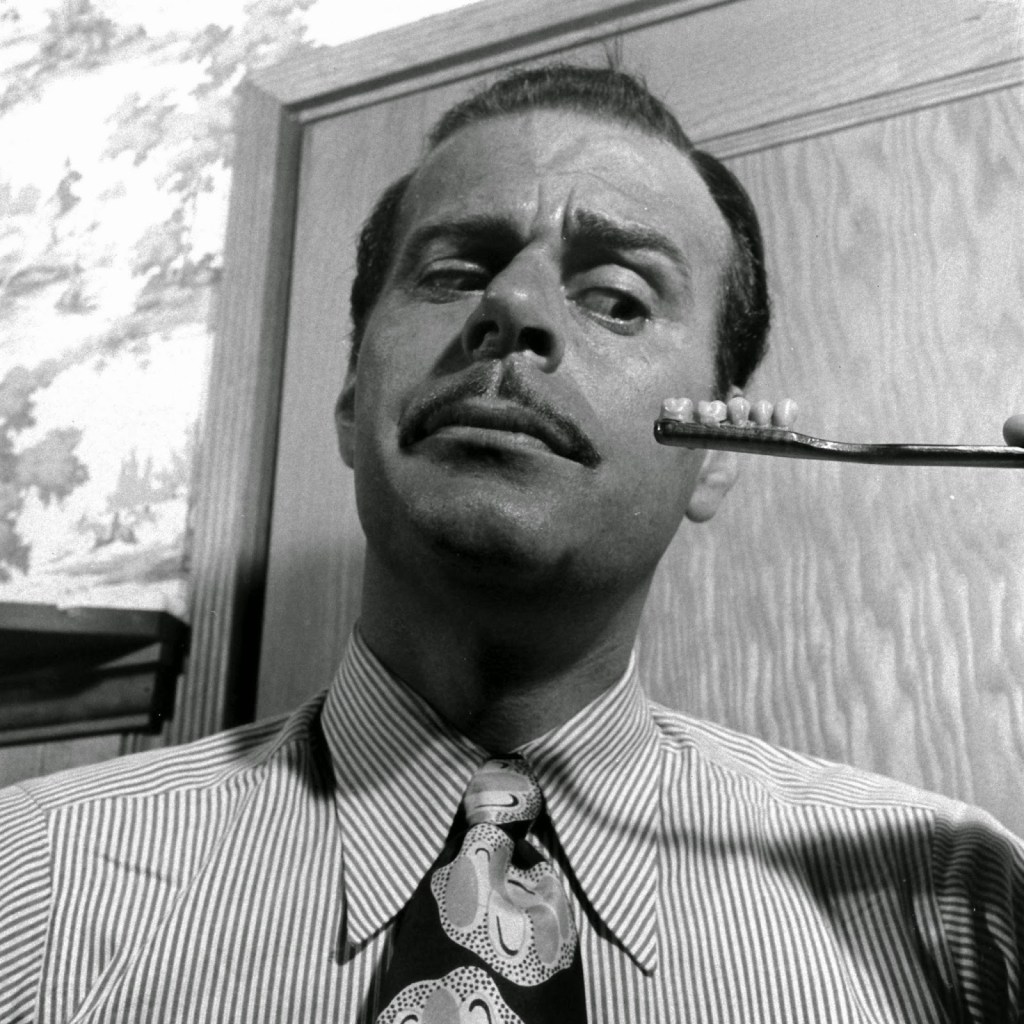
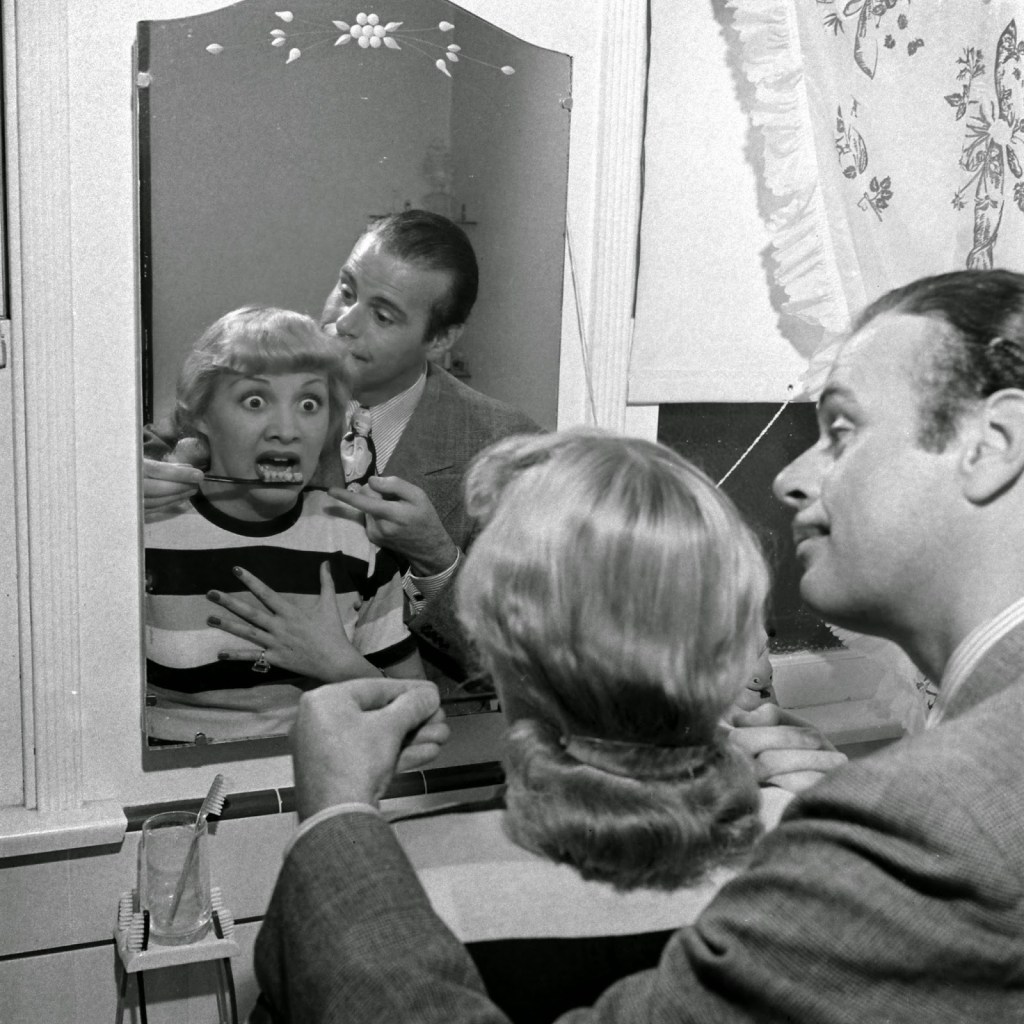
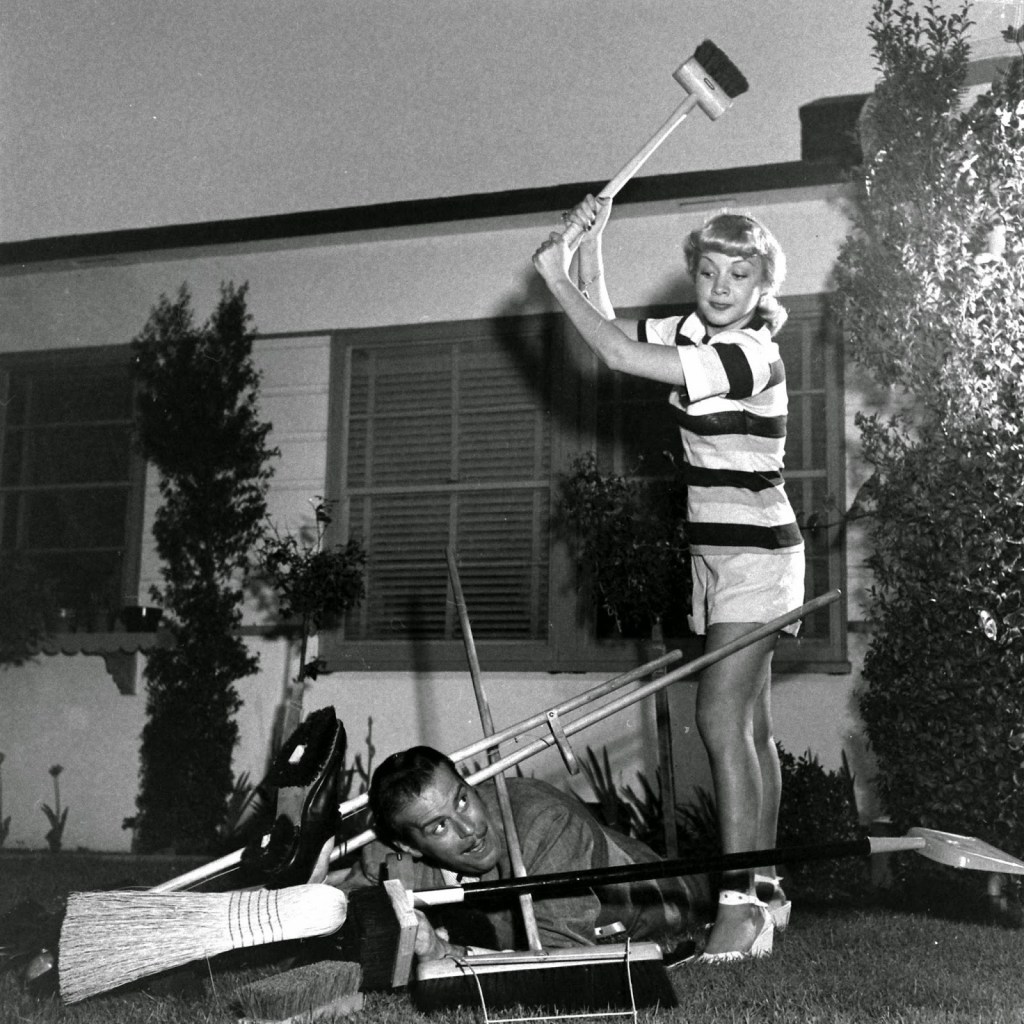
Facing a decrease in demand during the war years, the Los Angeles Brush Manufacturing Corporation created a catalog full of facetious inventions, simply “to take their minds off the ugly fact that they had no brushes to sell.”

In a photo shoot by Allan Grant published in LIFE in 1947, actress Olga San Juan and comedian Billy de Wolfe took those inventions—a series of brushes of questionable utility—for a test drive.

New back brush lets bather see just what she is up to.
Brushes on feet allow housewife to read while scrubbing floor.
Useful brush lifts rug so dirt can be swept under it.
Comedian Billy de Wolfe with actress Olga San Juan demonstrating nail brush.
Actress Olga San Juan demonstrating nail brush.
Cutaway broom here demonstrated by Paramount actress Olga San Juan quickly sweeps two-steps at a time.
Dribble attachment assures a much neater job because it catches dirt that dribbles off the main brush.
Comedian Billy de Wolfe with useful brushes for housewives.
Shovel-brush, used by Comedian Billy de Wolfe, is artfully designed to sweep and scoop in one simple motion.
Comedian Billy de Wolfe with tooth brush.
Comedian Billy de Wolfe and actress Olga San Juan with tooth brush.
Actress Olga San Juan and comedian Billy de Wolfe having fun with housewife brushes.

Photos: Allan Grant—The LIFE Picture Collection

The Volkswagen Theory of Evolution – How the VW Beetle Changed Over the Years

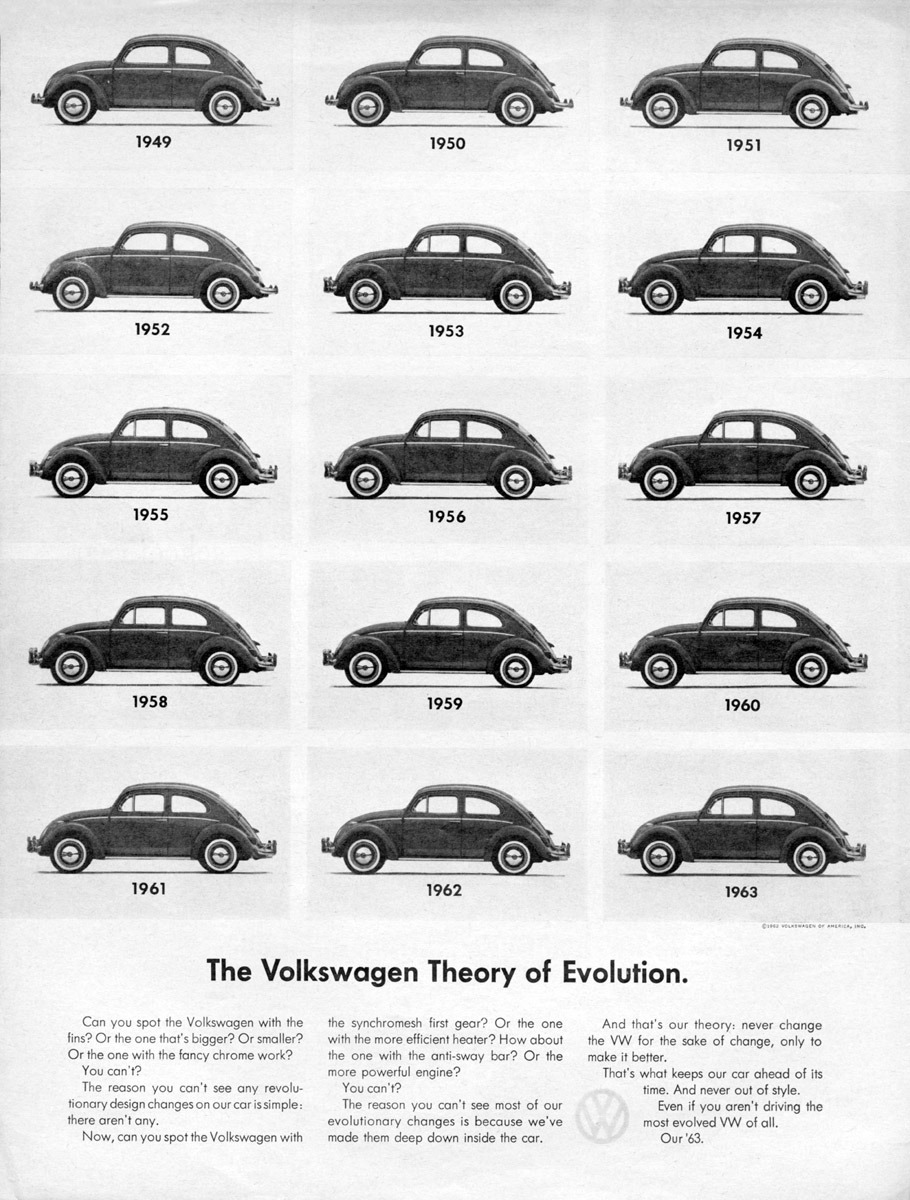
Here’s a scan of a Volkswagen advertisement from 1963. The ad features a grid of black and white photos of the VW Beetle from 1949 to 1963 in order to highlight how little the Beetle’s design changed during that period. The ad is titled “The Volkswagen Theory of Evolution.”

Can you spot the Volkswagen with the fins? Or the one that’s bigger? Or smaller? Let’s see.

The Volkswagen Theory of Evolution, Bill Bernbach, 1963.

Adman Bill Bernbach played off a growing discontent with planned obsolescence by advertising the VW Beetle as cool in its anti-style; the models never changed.

According to National Museum of American History, in the late 1950s Volkswagen differentiated itself from American competitors by highlighting how little its cars’ designs changed. One of the company’s advertisements from 1959 assured customers that, although the Volkswagen Beetle “changes continually throughout each year… none of these changes you merely see. We do not believe in planned obsolescence. We don’t change a car for the sake of change… VW owners keep their cars year after year, secure in the knowledge that their used VW is worth almost as much as a new one.” Volkswagen’s promise seems to have appealed to American consumers; by 1970, Americans had bought over four million of the company’s cars.
Yesterday Today

Bringing You the Wonder of Yesterday - Today

Skip to content ↓