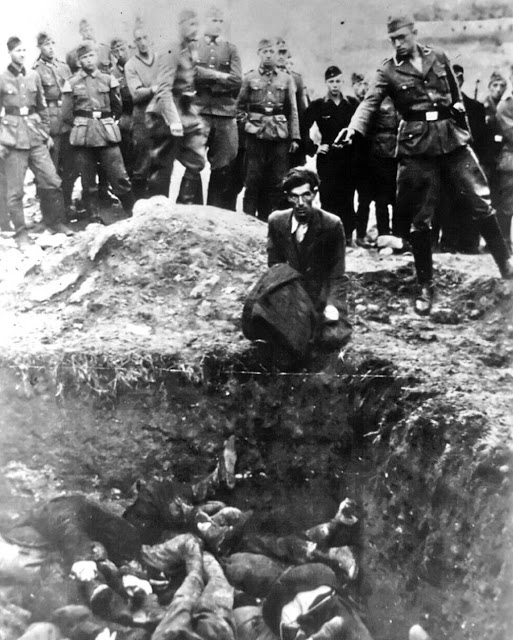
“The Last Jew of Vinnitsa” is an iconic photograph picturing the imminent execution of a Jewish man in the vicinity of the Ukrainian town of Vinnytsia during a massacre perpetrated by Nazi SS and Ukrainian militia. The photograph was found from the personal album of an Einsatzgruppen soldier (from Nazi death squad). It is named after the handwritten inscription located at its back.
The executioner is a member of Einsatzgruppe D, a paramilitary death squad of the Nazi SS. The picture was taken at the third and final massacre at Vinnytsia in 1942, in which Ukrainian militia participated to a greater extent. It is often wrongly dated at 1941, the year in which the two previous massacres took place, which had far higher casualties according to Wehrmacht Lieutenant Erwin Bingel. Unlike what is suggested by the inscription, not all of the Jews of Vinnytsia died in the massacres: a few survived by joining the partisans or by going into hiding. The photograph was found in a photo album belonging to a German soldier.
The three SS-led massacres at Vinnitsa took place on the 16 and 22 September 1941 and in 1942, and resulted in the virtual extinction of the town’s large Jewish population. There was one eye-witness to the procedure involved. Lieutenant Erwin Bingel, a Wehrmacht officer was ordered to report to the Town Commandant of Uman, in the Ukraine, and instructed to set up guards on all railways in the area, and around the airport.
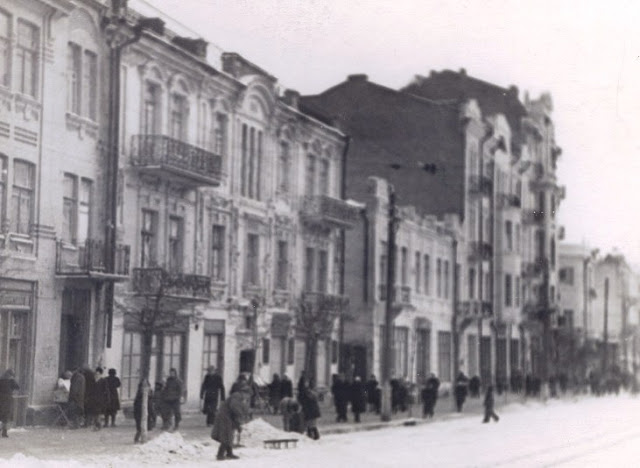
Vinnitsa during the time Bingel was there.
On the 22 September 1941 Lieutenant Bingel and his men witnessed a second massacre in Vinnitsa. This was followed by a third, also in Vinnitsa, carried out by Ukrainian militia who had been trained by the SS, and were commanded by a small group of SS officers and NCO’s.
In the first two massacres, Bingel calculated first twenty-four thousand and then twenty-eight thousand Jews were killed. In the third, Ukrainian militia killings, six thousand were murdered.
Lieutenant Bingel recalled:
“In the morning at 10.15, wild shooting and terrible human cries reached our ears. At first I failed to grasp what was taking place, but when I approached the window from which I had a broad view over the whole of the town park, the following spectacle unfolded before my eyes and those of my men, who, alerted by the tumult, had meanwhile gathered in my room.
Ukrainian militia on horseback, armed with pistols, rifles and long straight cavalry swords, were riding wildly inside and around the town park. As far as we could make out, they were driving people along before their horses- men, women and children.
A shower of bullets was then fired at this human mass. Those not hit outright were struck down with the swords. Like some ghostly apparition, this horde of Ukrainians, let loose and commanded by SS officers, trampled savagely over human bodies, ruthlessly killing innocent children, mothers and old people whose only crime was that they had escaped the great mass murder, so as eventually to be shot or beaten to death like wild animals.”
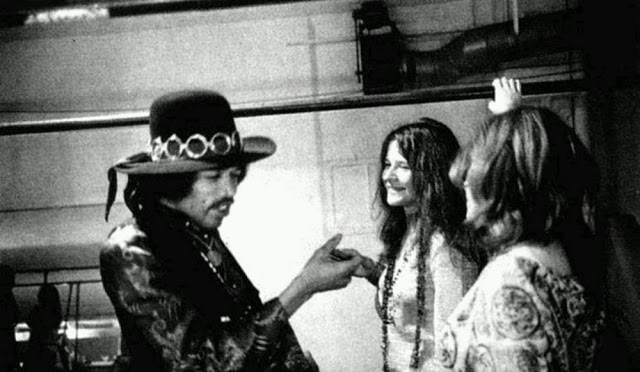
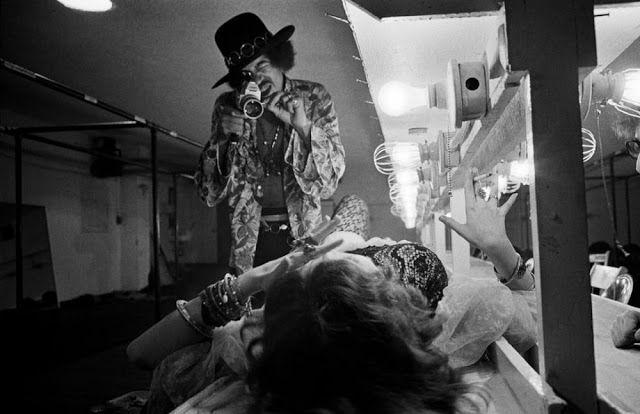
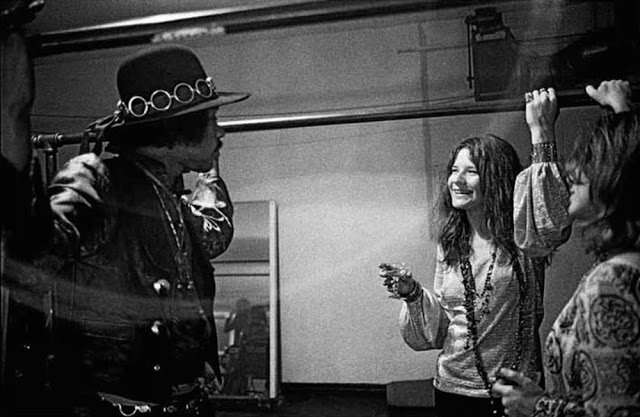
Both Jimi Hendrix and Janis Joplin became famous after appearing at the Monterey Pop Festival. It was an event that threw them into the national spotlight. They became friends and hung out backstage whenever they played the same gig. The rumors that they were lovers are false!
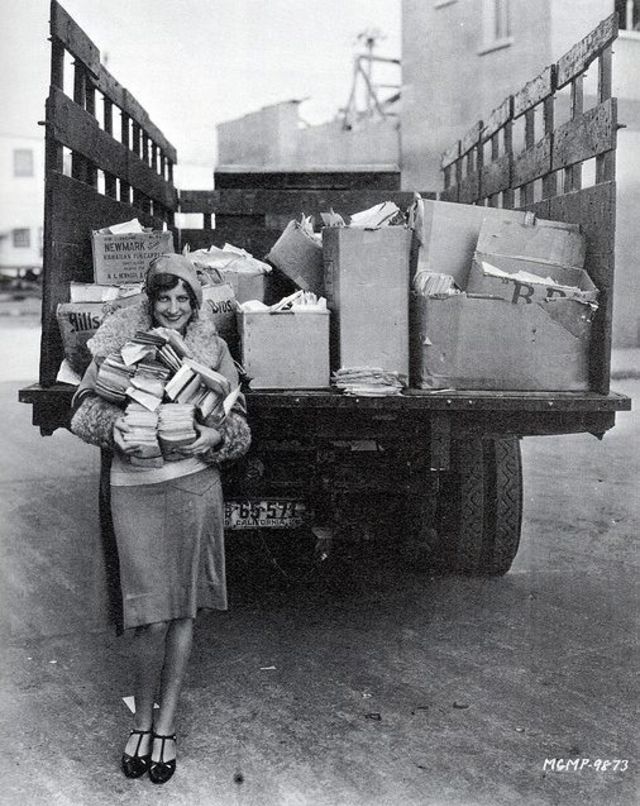
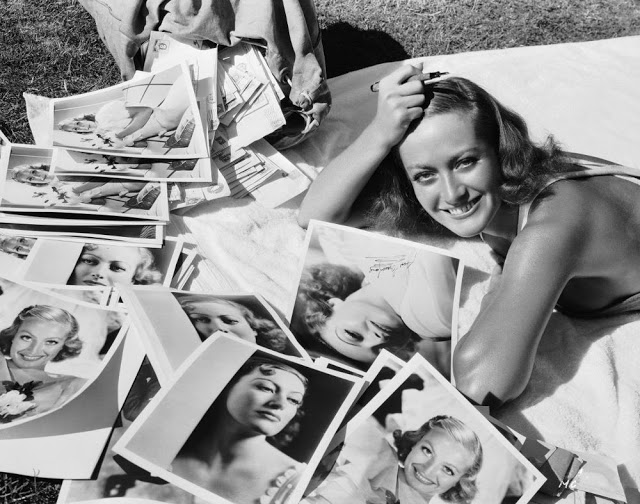
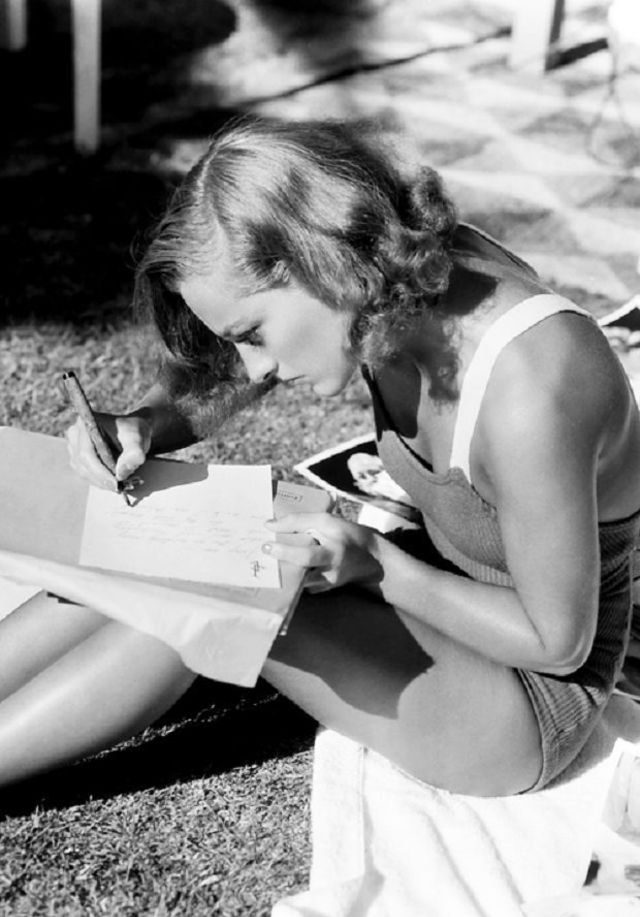
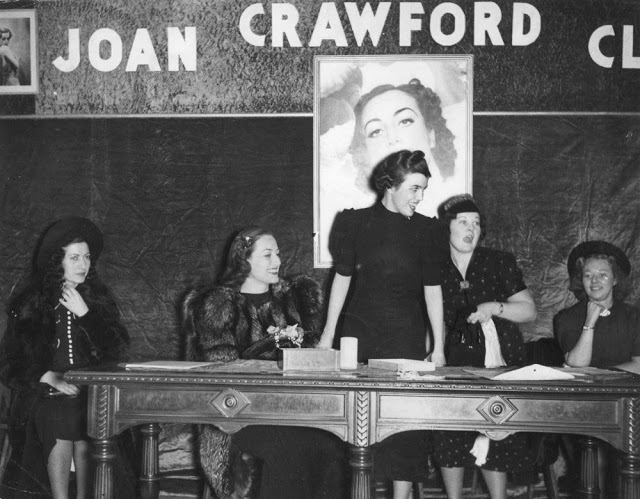
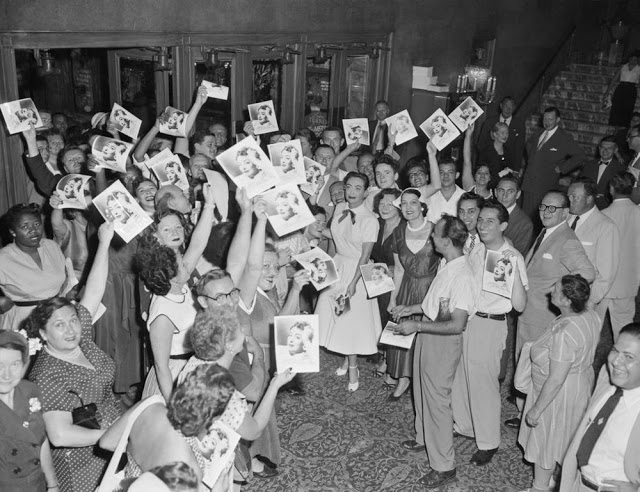
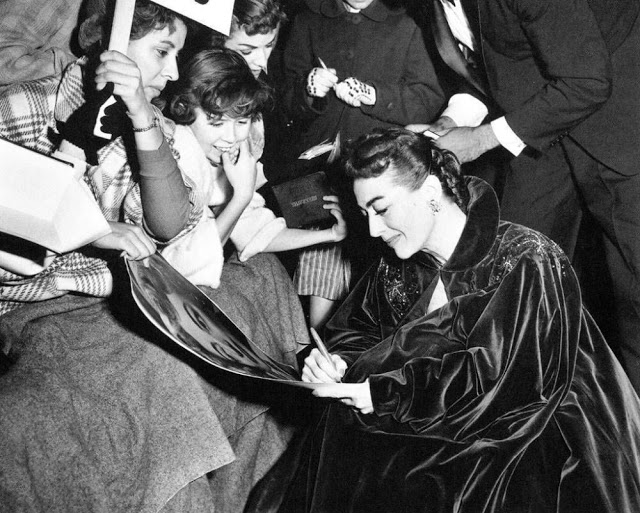
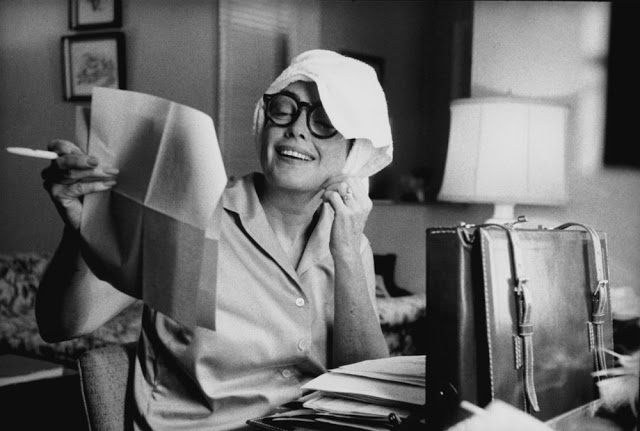
Though many stars paid assistants to correspond with fans, Crawford wasn’t one of them. Throughout her career, she personally responded to her fan mail, typing letters herself and signing them in her own hand. In fact, Crawford wrote so many of these letters and signed so many photos through the years that her signature is considered extremely common —and therefore not valuable to memorabilia collectors.
“Sometimes people question why I love my public so,” she said. “It’s because the studio didn’t make me a star. They gave me the chance to be one. It’s the audiences that made me a star. I never forget them or what I owe them.”
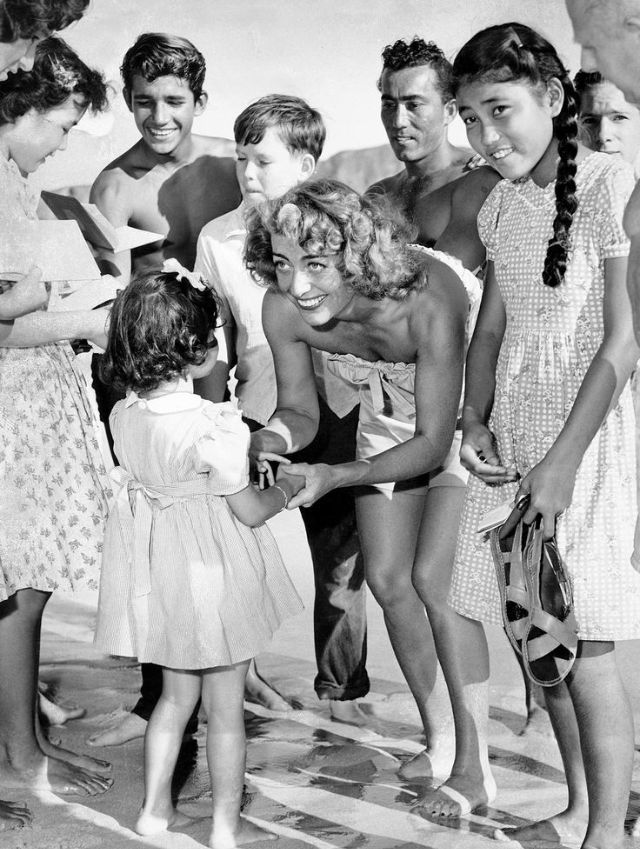
Joan’s relationship with her fans was one of her most valued. She replied to millions of fan letters from 1925-1977. She always referred to her fans as “friends” and did become close friends with many of them. One such example would be Betty Barker; a fan turned friend whom Joan decided to take in as her personal secretary. She knew Joan for 40 years. Joan showed great honesty, kindness, and generosity towards her fans. They were the ones who made her a star and she wanted to repay them. Her long lasting correspondence with many of her fans was due to her obvious trust in them. She opened up to them possibly more than people in her personal life. An excerpt from a letter to a fan dated 1927 is one of the earliest examples of how real and honest she could be:
“…I’m home now. Home where I can run away from everyone and hide till I want to come out of my shell. Home where I’m able to relax. Home where the bear walls know my every secret. Well, after all Dan, don’t you understand? It’s just my home, the only place where I am able to hide, the only place in all the world I can run to and as I walk in my front gate and close it it seems as if I’m closing the gate to all activities, all human beings and deeds. I’m in my world, to do as I will. Now do you know? My walls do not expect me to act, to be a woman or to be a lady. They expect only the child, who plays with her toys, or they expect my tears.”
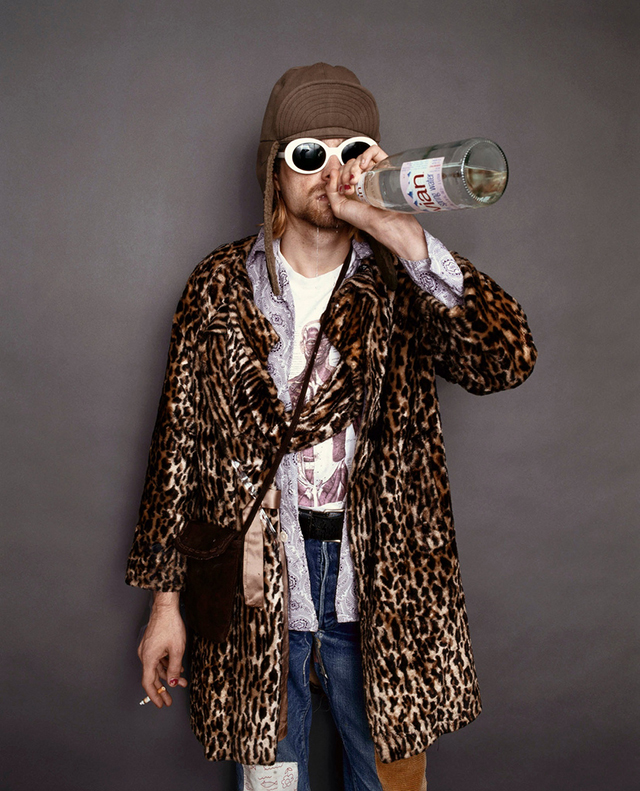
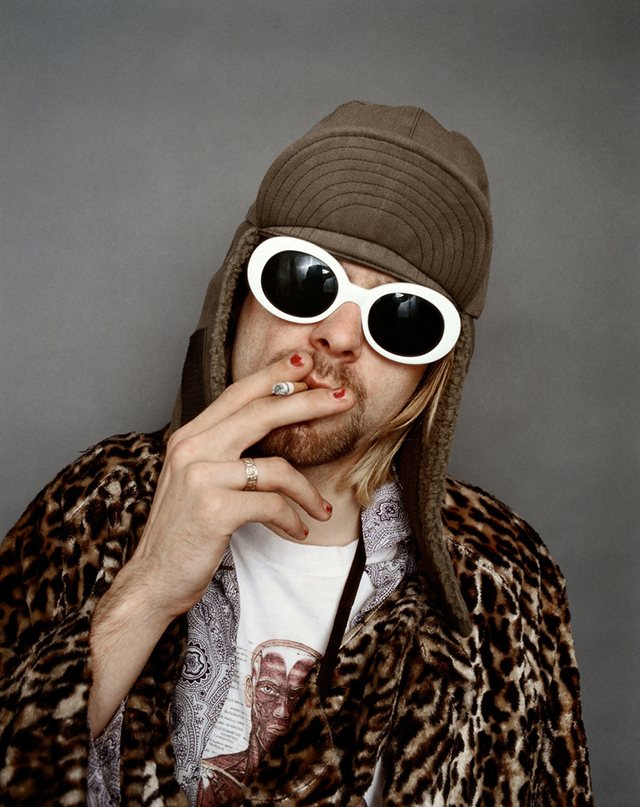
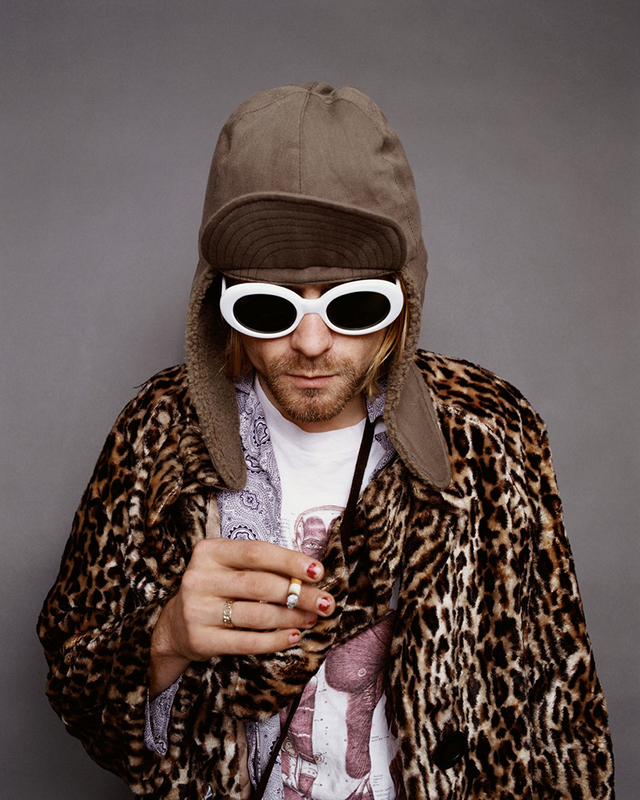
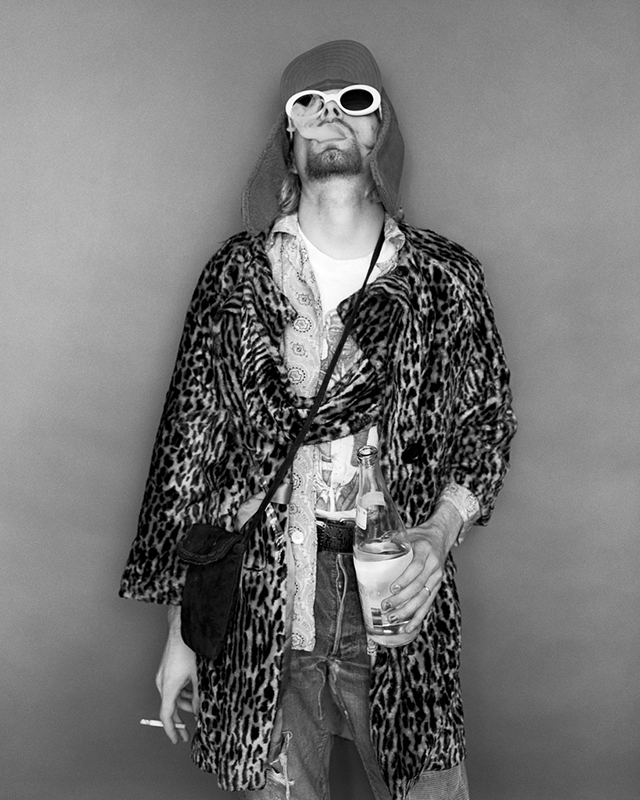
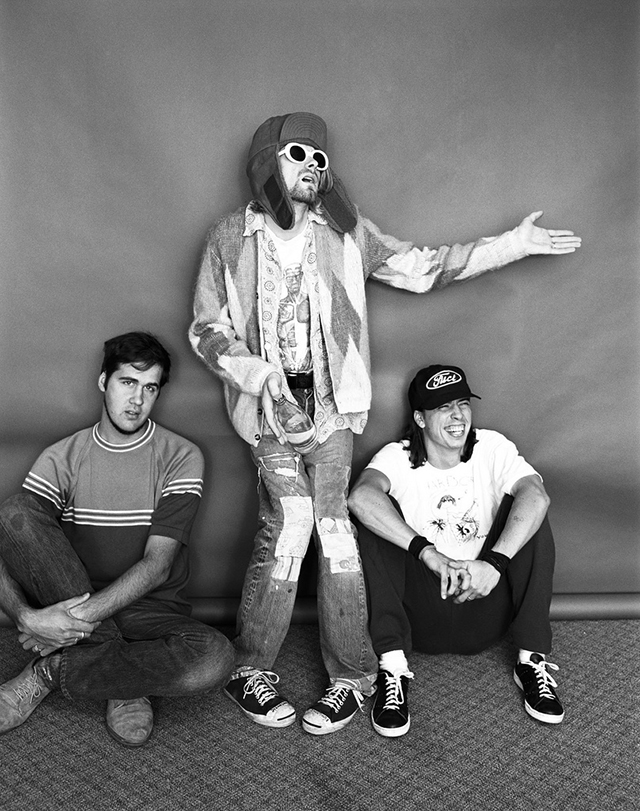
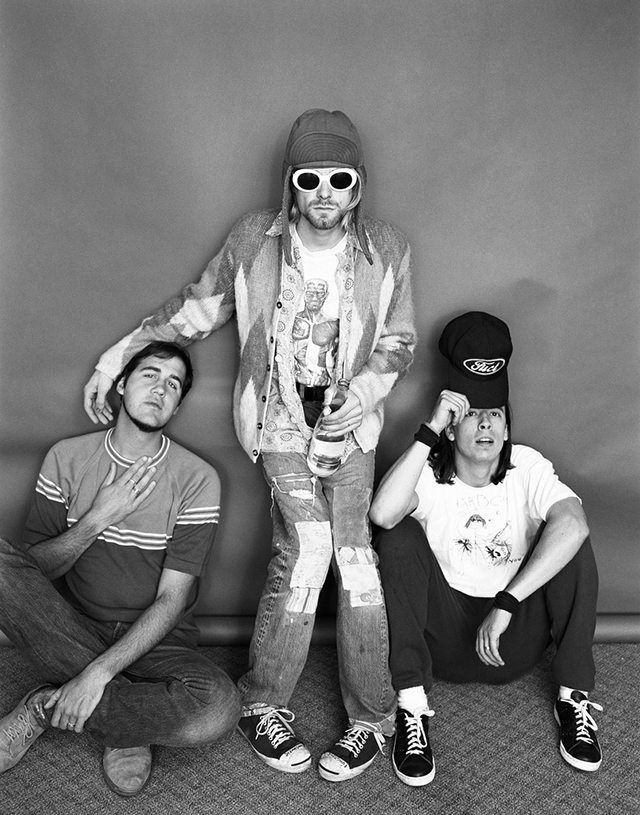
In November 1993, about five months before Cobain died, Jesse Frohman, who has photographed countless celebrities and artists, was commissioned by Sunday Observer magazine of London to shoot Nirvana. They were going to be in New York performing at the Roseland Ballroom. The shoot was scheduled to take five hours. Frohman and his assistants quickly put together a makeshift studio in a small room at the New York hotel where the group was staying. Their manager had nixed the original plan to shoot outdoors.
Band members Dave Grohl and Krist Novocelic arrived promptly at 11:00 a.m., when the shoot was to begin, but lead singer Kurt Cobain was nowhere to be found. Three hours later, Cobain showed up in a pair of large, white Jackie O sunglasses. In a whisper, he asked for a bucket. Frohman asked, “Sure, but what for?” Cobain replied, “‘Cause I think I’m gonna puke.” Frohman’s insightful portrait of an idol transcends the nature of celebrity photography. The pictures are as humanizing as they are glorifying. Cobain appears as a goofily provocative iconoclast, while revealing a more depressing side of the life of a great artist dependent on drugs. These photographs, captured not long before the time of his death, provide a fascinating insight into the end of the life of a rock star.
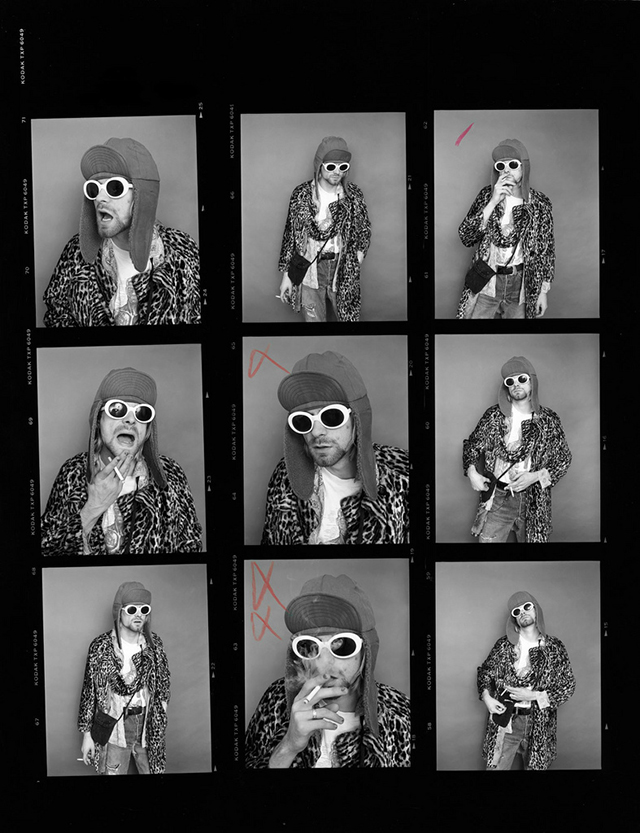
Here’s the contact sheets of the shoot back from the photo lab captured some amazing moments — some of Cobain’s last.
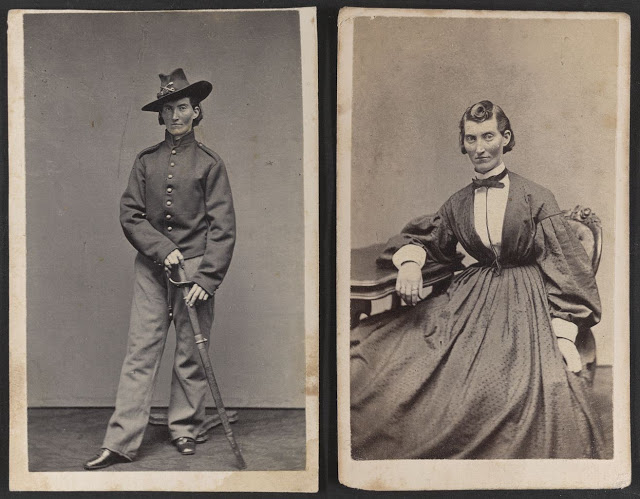
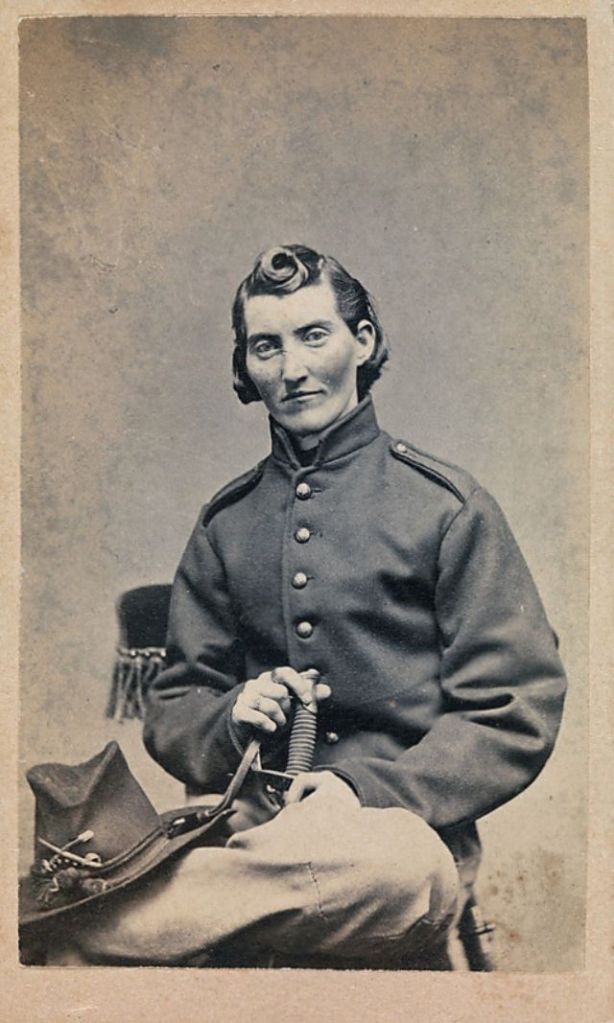
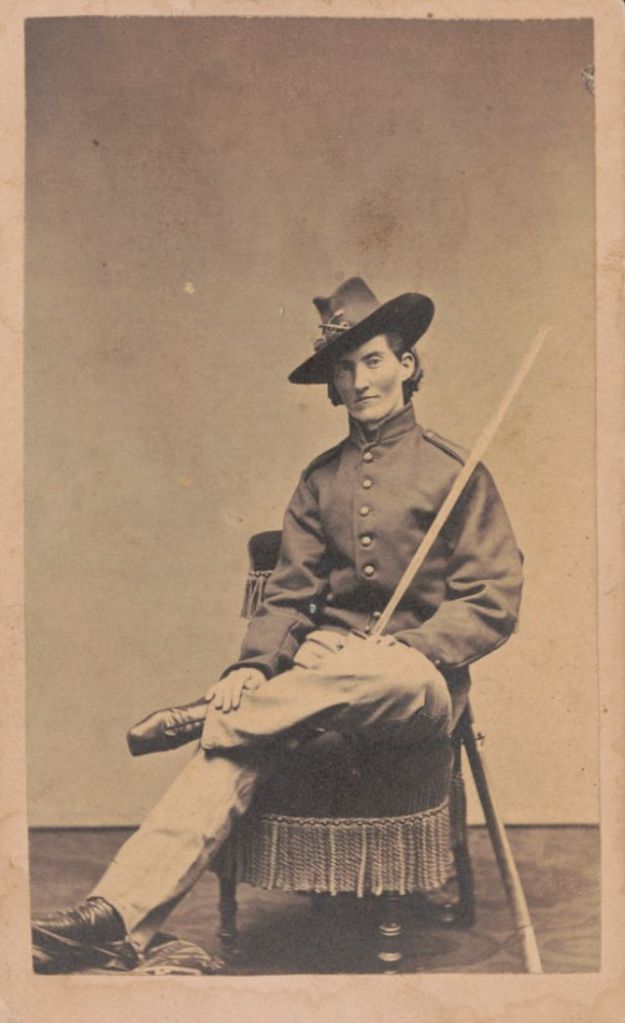
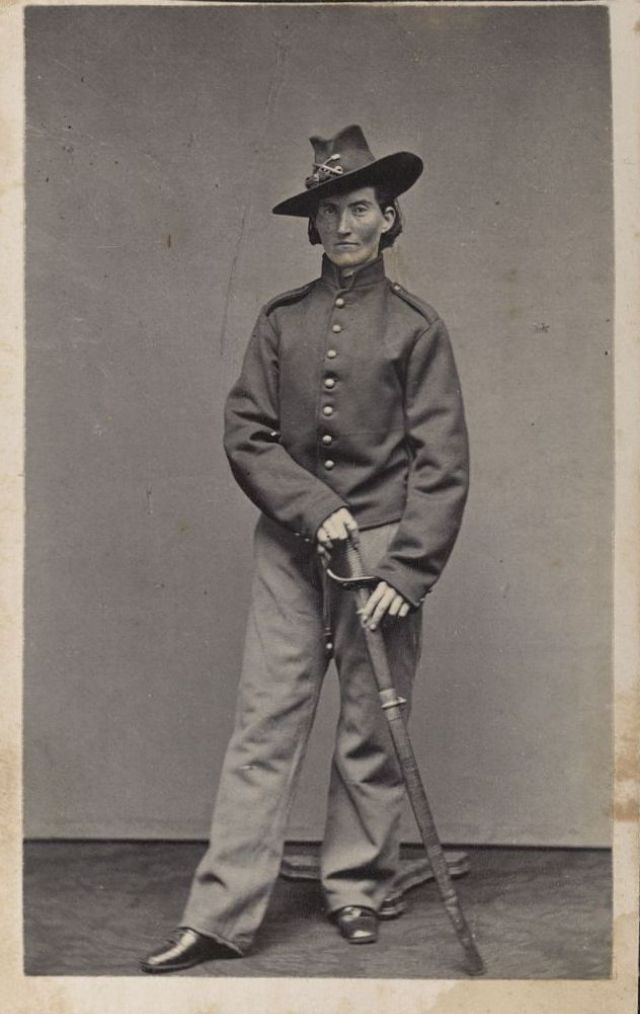
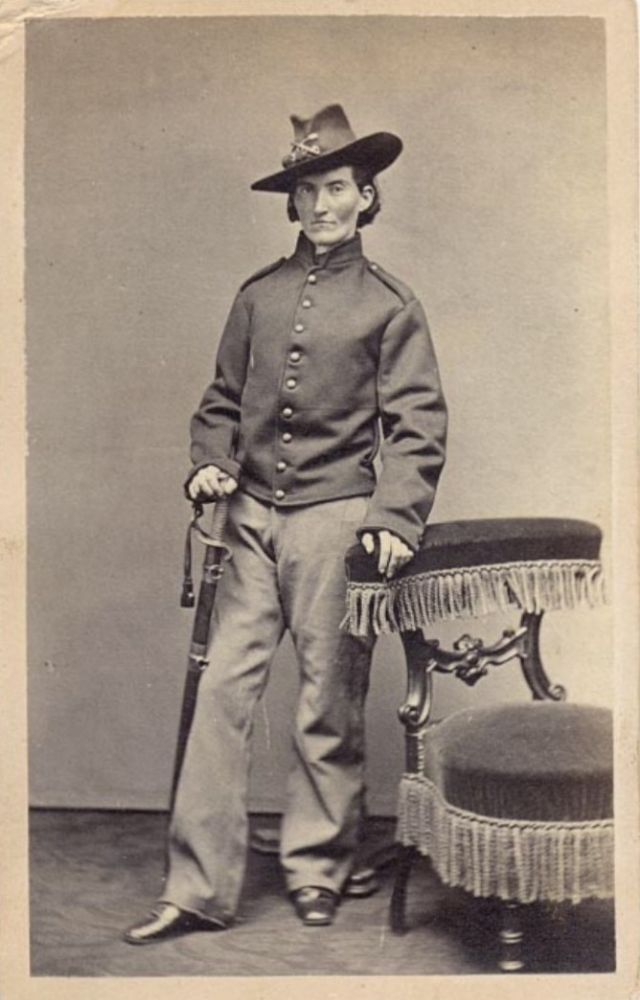
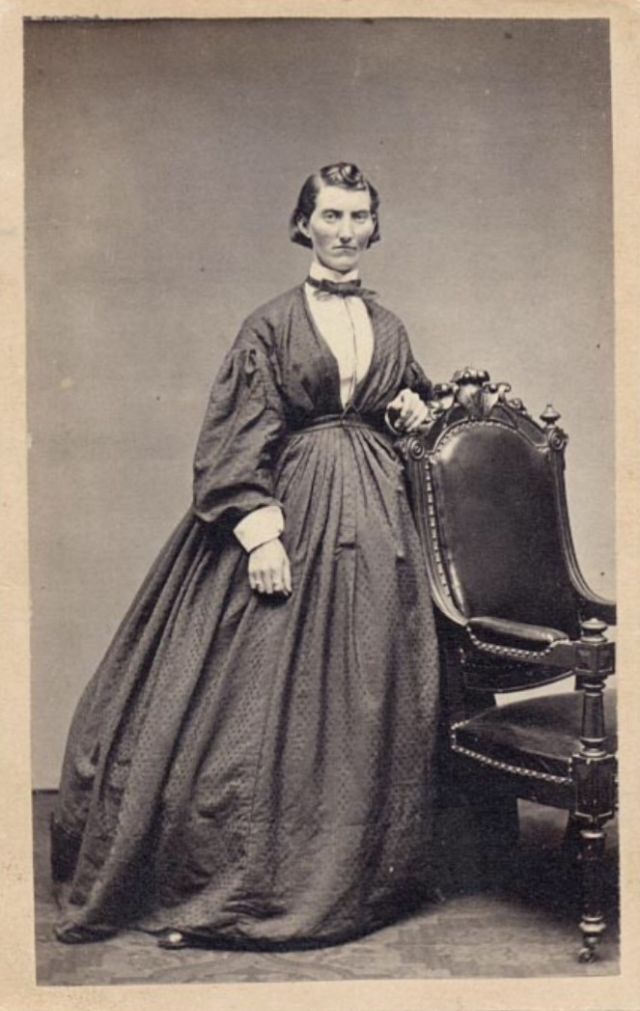
Several hundred women disguised themselves as men and took the bold step of leaving the comforts of home to serve their country during the Civil War. Frances Clalin Clayton disguised herself as a man and took the name Jack Williams in order to fight in the army. For several months, she served in Missouri artillery and cavalry corps.
Frances Clayton enlisted in the Union Army under the pseudonym “Jack Williams” in order to serve alongside her husband during the Civil War.
Frances Clalin was born in Illinois in the 1830s. She married Elmer Clayton and gave birth to three children. The Claytons lived on a farm in Minnesota.
Some women dressed like men and marched off to war with a relative. Others enlisted because they had no means to support themselves after their loved one left home. More than a few were enticed by the wages promised by the army, because money meant freedom from their old roles and the ability to start a new, more independent life. And some female soldiers of the Civil War were simply patriotic and wanted to serve their country.
Conflicting stories were published in several newspapers, making it extremely difficult to find the truth about Clayton’s Civil War activities. Most sources agree that she took the name Jack Williams and that she enlisted in the Union Army with her husband Elmer in the fall of 1861. For reasons unknown, although the Claytons lived in Minnesota, they enlisted with a regiment from Missouri.
It is impossible to say with any certainty which units they served in, but most historians agree that she served in both cavalry and artillery regiments. On February 13, 1862, Clayton fought in the Battle of Fort Donelson (Tennessee), where the Union was finally victorious after a three-day battle. During this battle, Clayton was wounded, but her true identity remained hidden.
Sources concur that she fought in seventeen battles in addition to Fort Donelson, and that she was wounded three times and taken prisoner once. Many agree that, although her husband was killed during the Battle of Stones River December 31, 1862, Clayton continued to fight after watching her husband die at her feet.
Clayton had the right look to portray a soldier; she was fortunate enough to be tall with a masculine physique. To be even more realistic, she practiced walking, talking and chewing like a man. Taking the name Jack Williams, she was said to be an excellent horse(wo)man, and good with a sword. She was well trained and could be counted on to do her duties well, but Clayton was also respected for her demeanor.
How Clayton was discovered to be a woman is a bit uncertain. One version is that she allowed her true identity to become known after the Battle of Stones River, and was discharged a few days later in Louisville. Another story states that Clayton was wounded in the hip at Stones River, and was discharged after her injury was discovered. She tried to correct the misinformation, but unfortunately created more doubt about what really happened.
After being discharged, she decided to go back to Minnesota, to collect the bounty owed her deceased husband and herself, as well as to get some of Elmer’s belongings. It is possible that she wanted to reenlist, but for some reason did not. The train she was riding on was attacked by Confederate bushwhackers, who took her papers and her money.
Clayton then traveled from Missouri to Minnesota, to Grand Rapids, Michigan, and then to Quincy, Illinois, where a fund was created by former soldiers and friends to help her apply for payment from the government. She was last reported to be on the way to Washington, DC.
Her story was published in at least six different newspapers, but they often got the details wrong. According to Clayton herself, she was wounded at the Battle of Fort Donelson, but her identity was not discovered. Unfortunately, there is precious little information available about Frances Clayton, which is most likely why she escaped detection for so long.
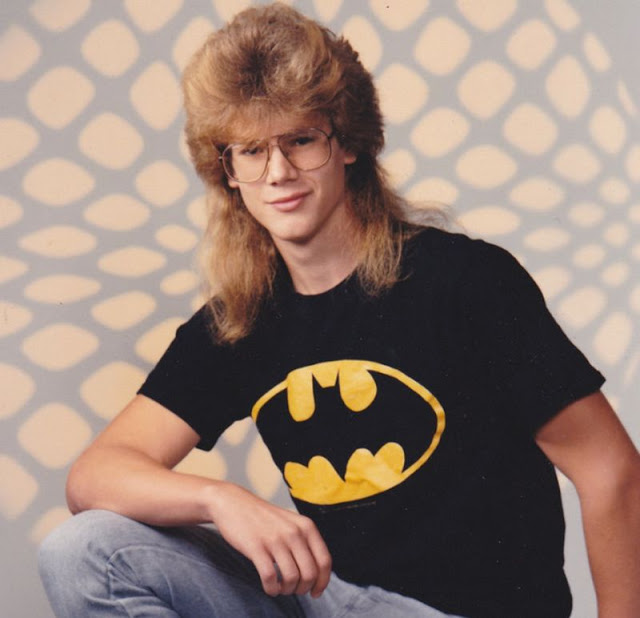
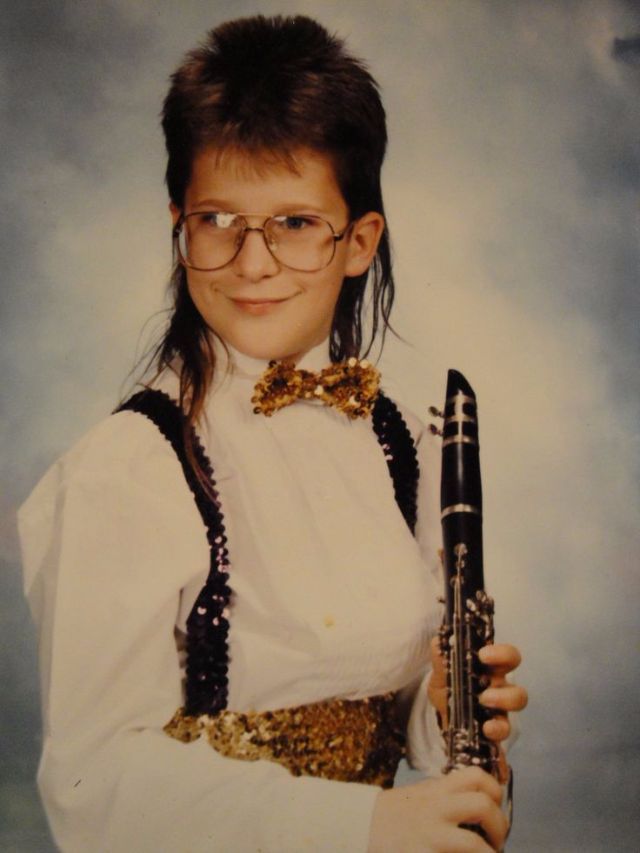
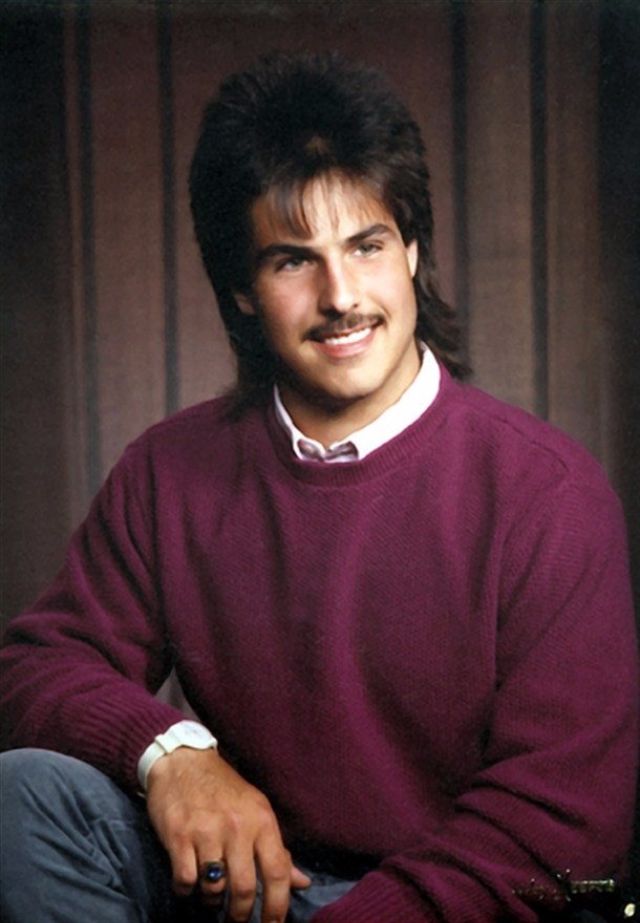
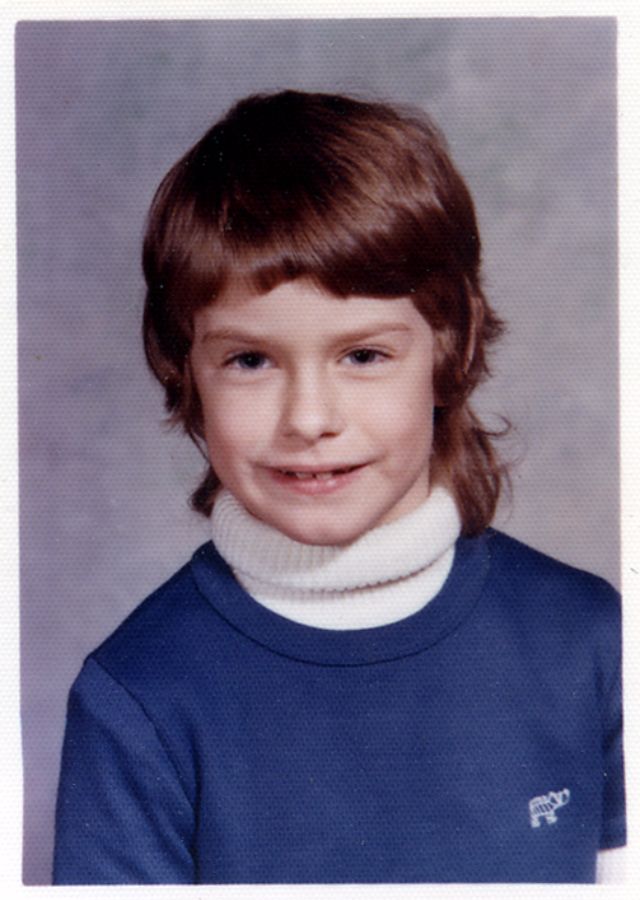
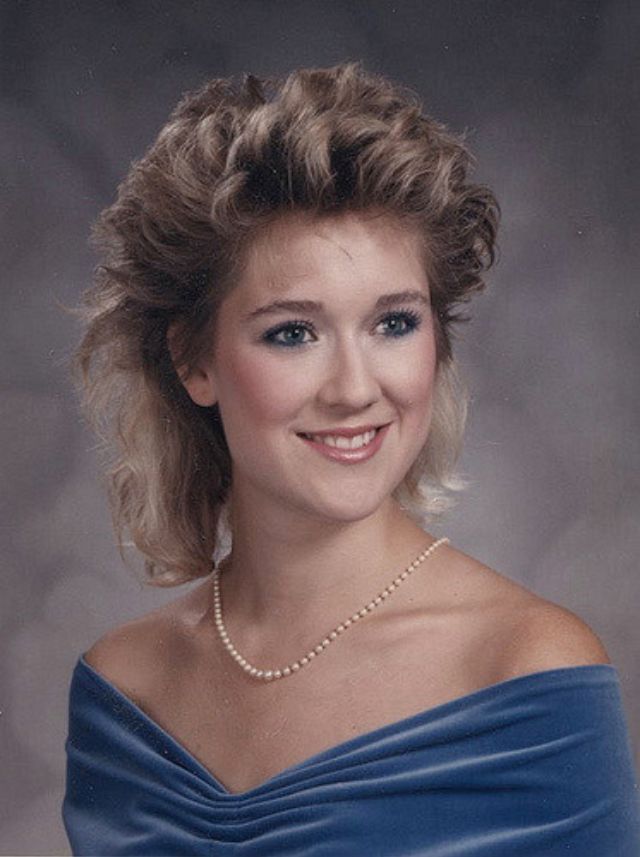
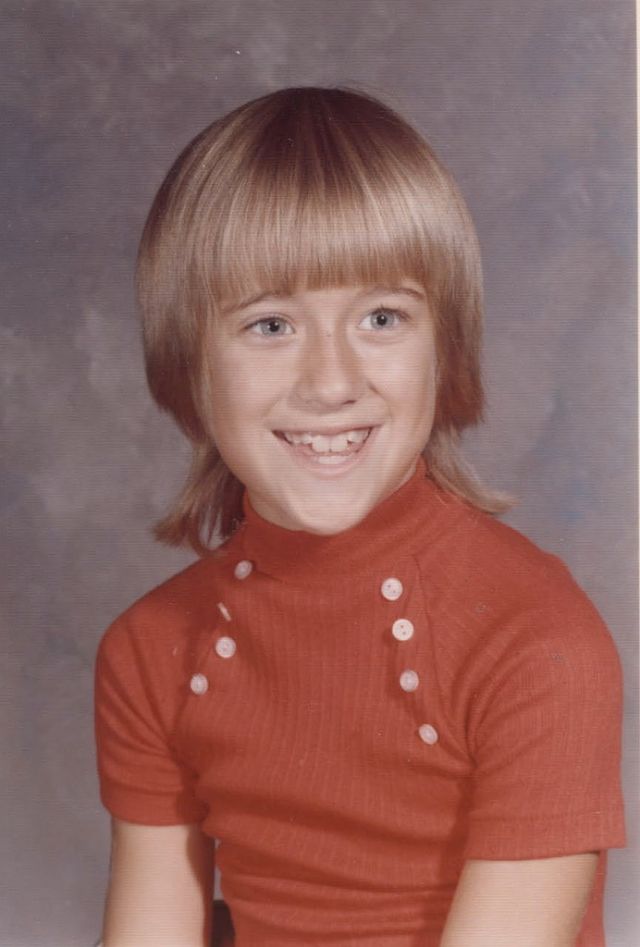
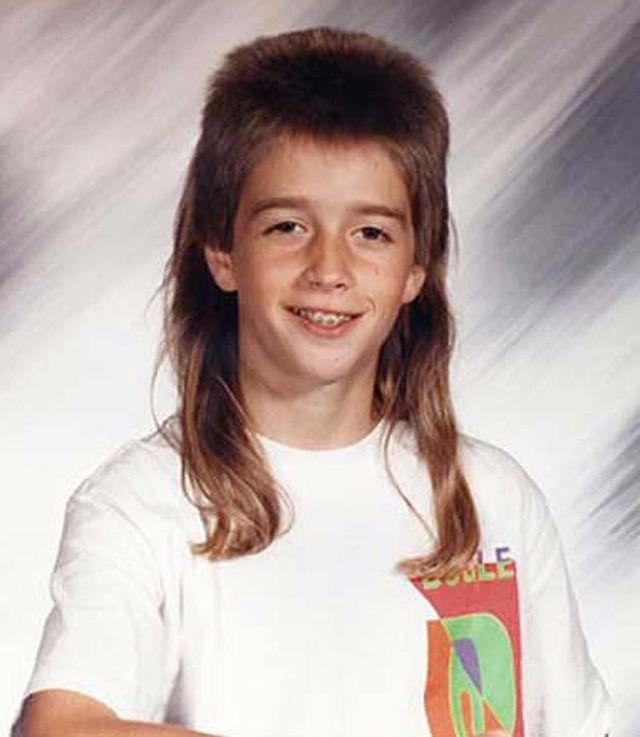
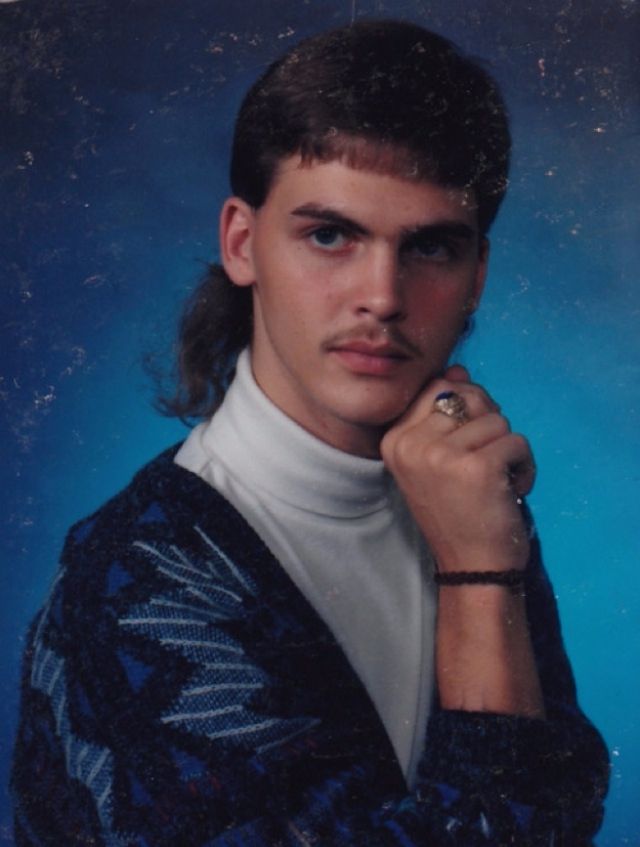
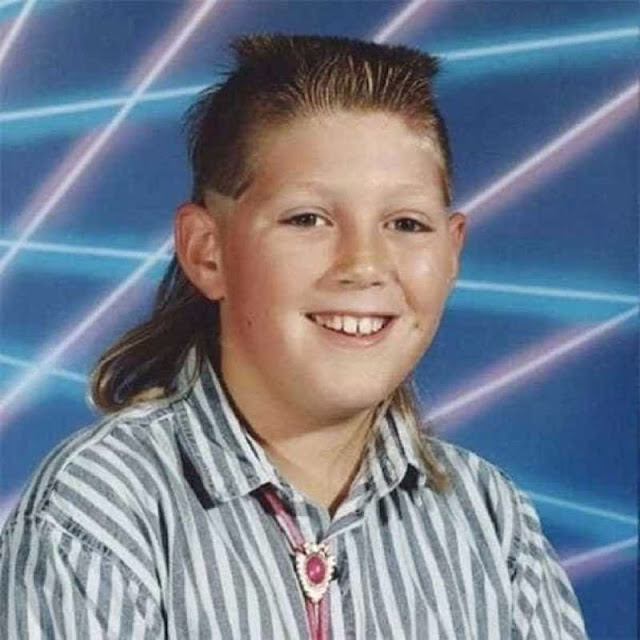
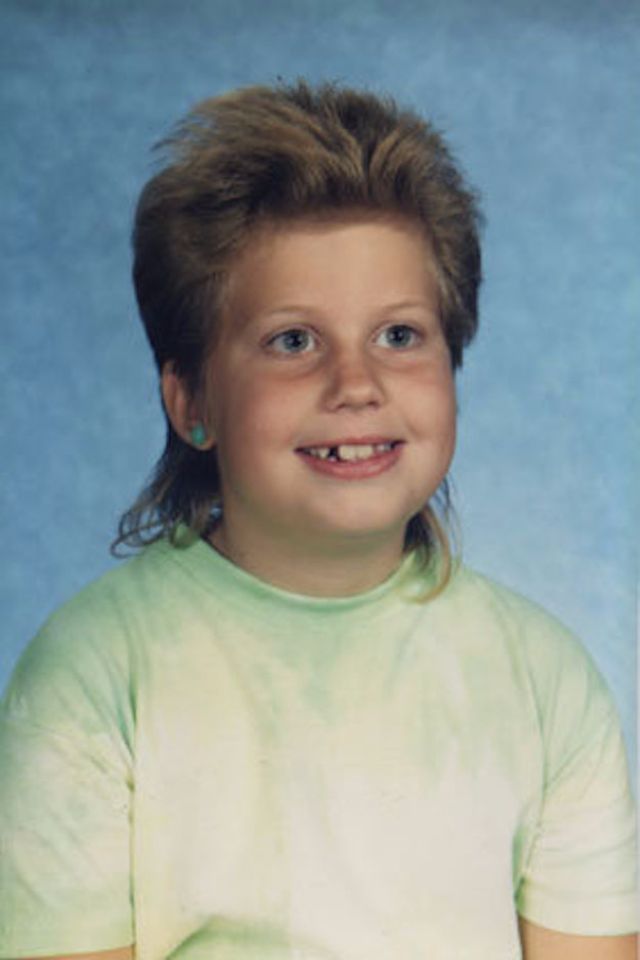
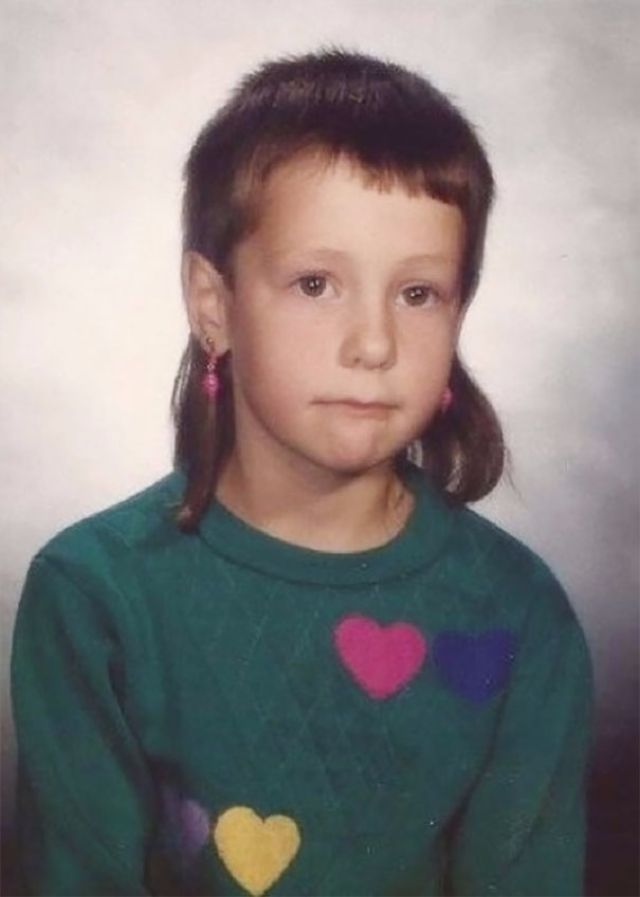
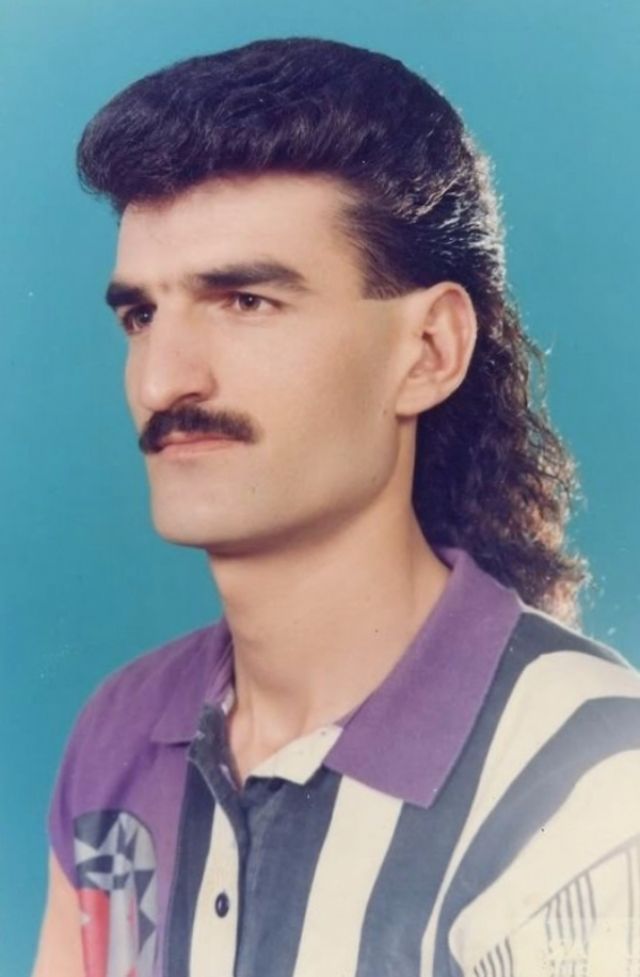
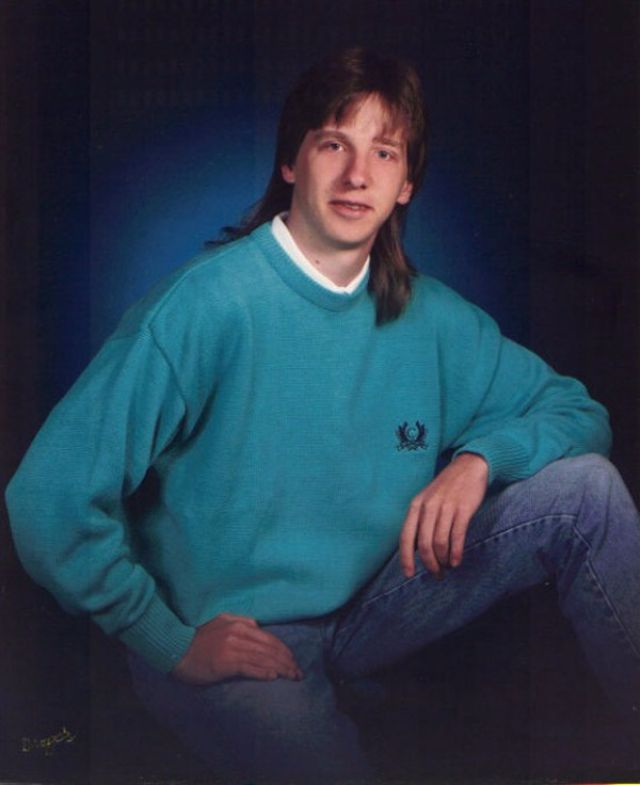
The mullet is a hairstyle that is short at the front and sides and long in the back.
Mullets were used by rock stars Rod Stewart, David Bowie, Andy Mackay of Roxy Music, and Paul McCartney as far back as the early 1970s.
The zenith of the mullet’s popularity in 1980s continental Europe has been described as an “age of singing tattooed Swedish Flokati Rugs”.
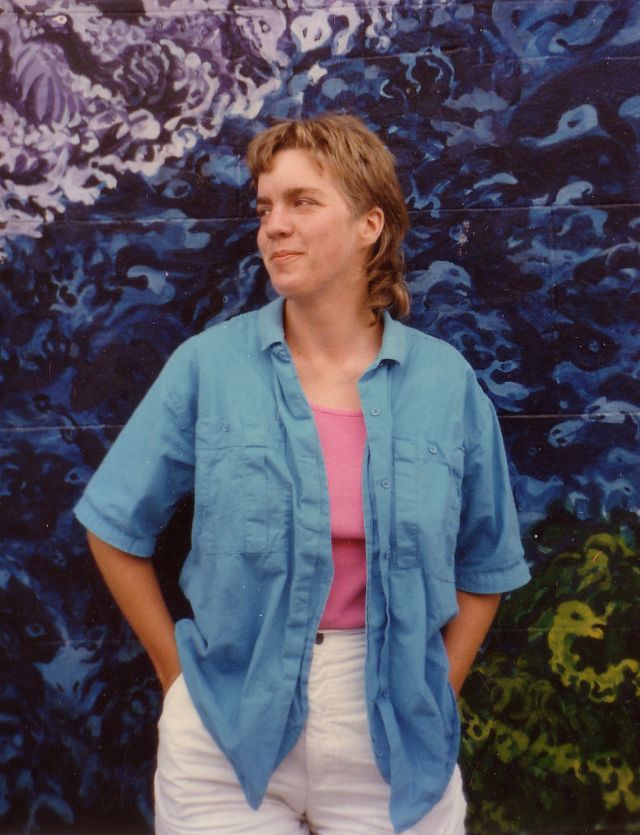
In the United States of the 1980s, the mullet became popular within lesbian culture, where it came to be used as a way of identifying oneself as a member of that culture in public.
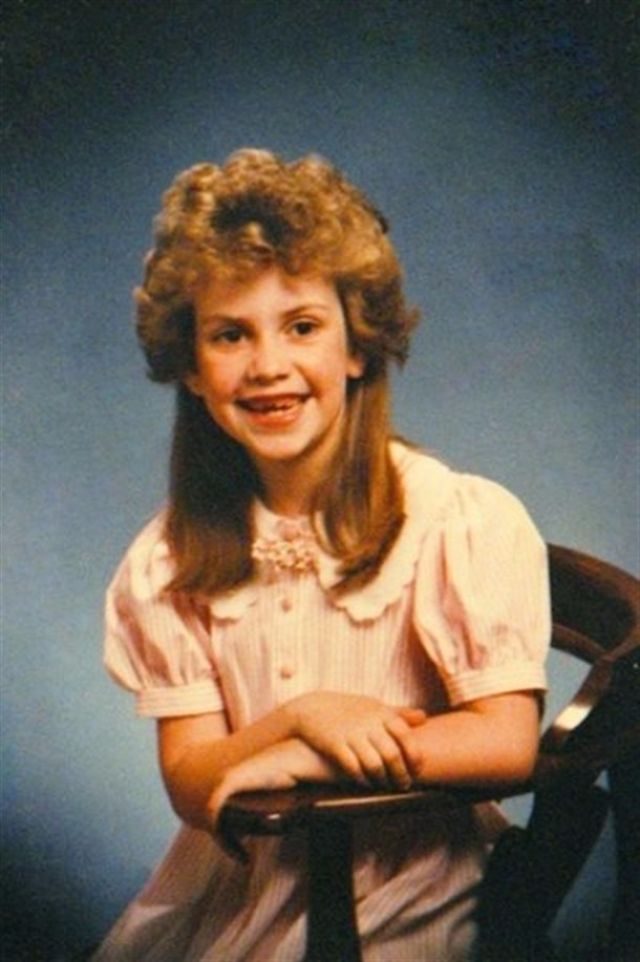
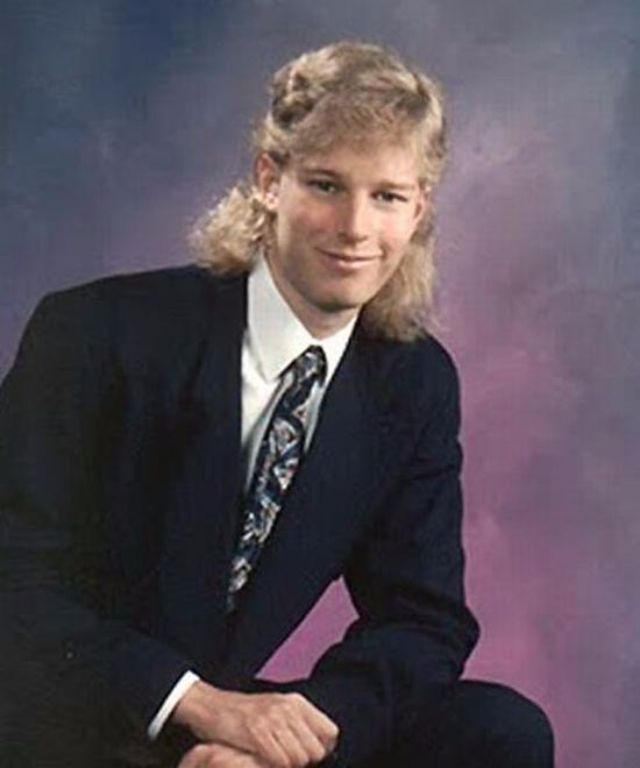
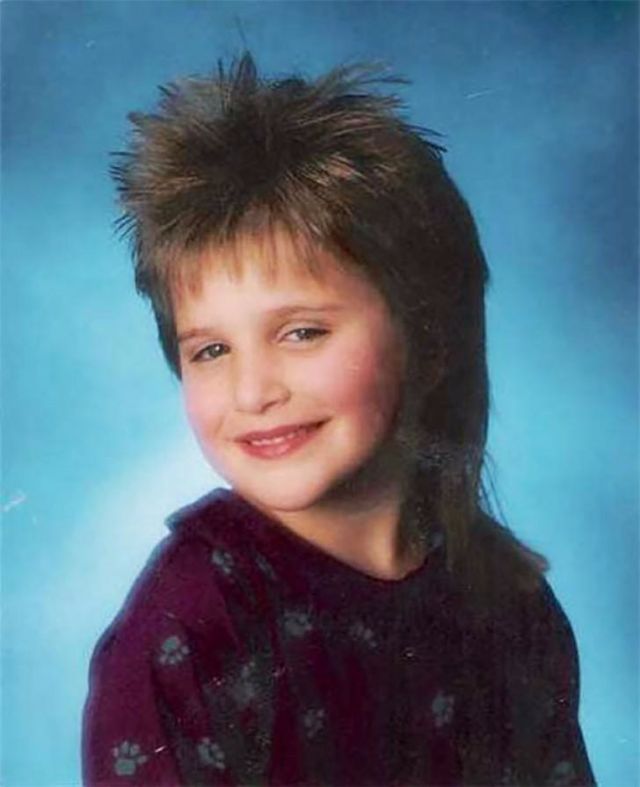
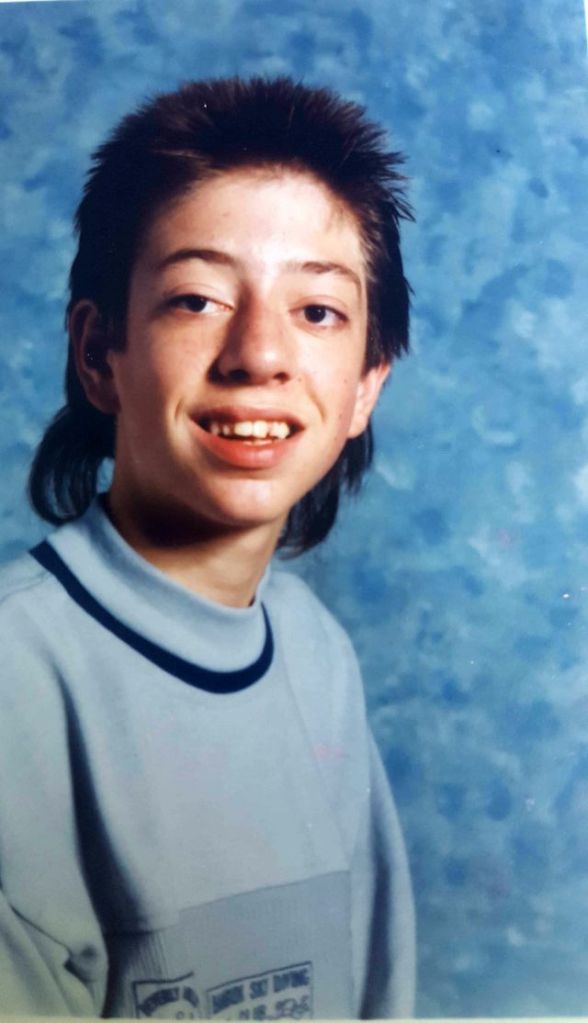
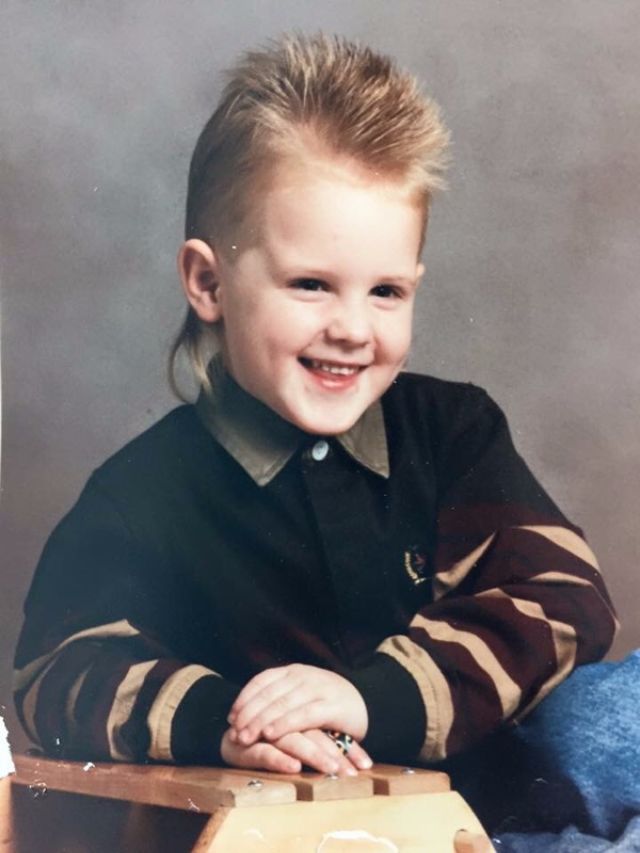
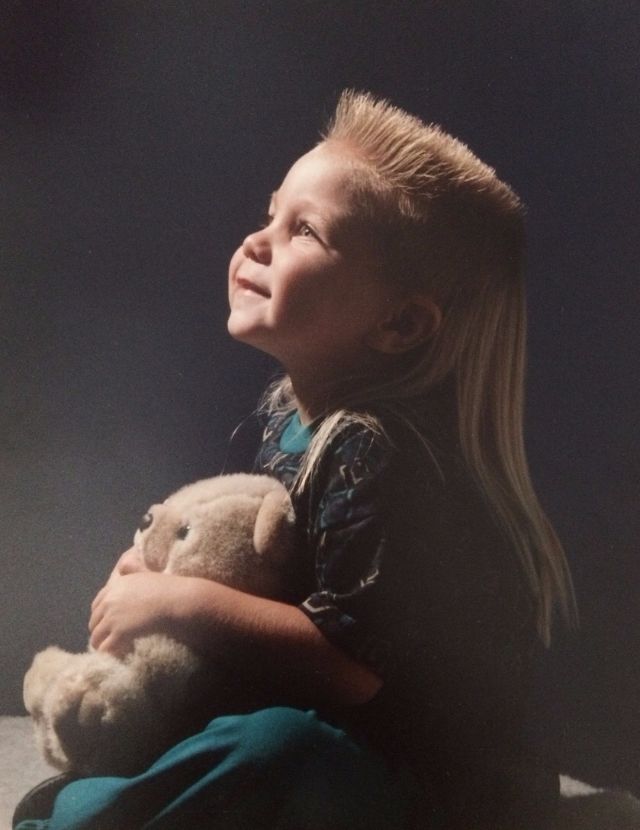
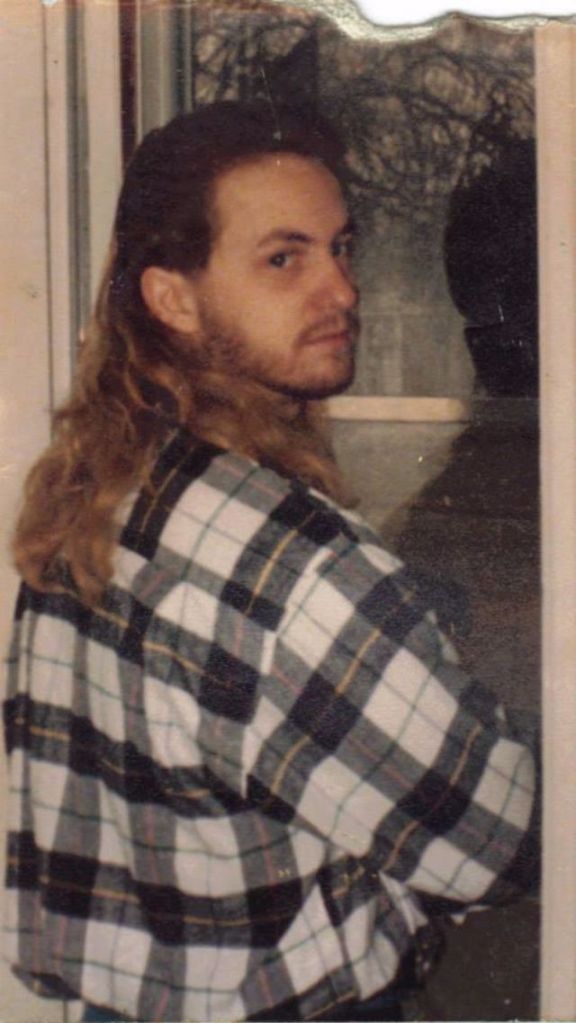
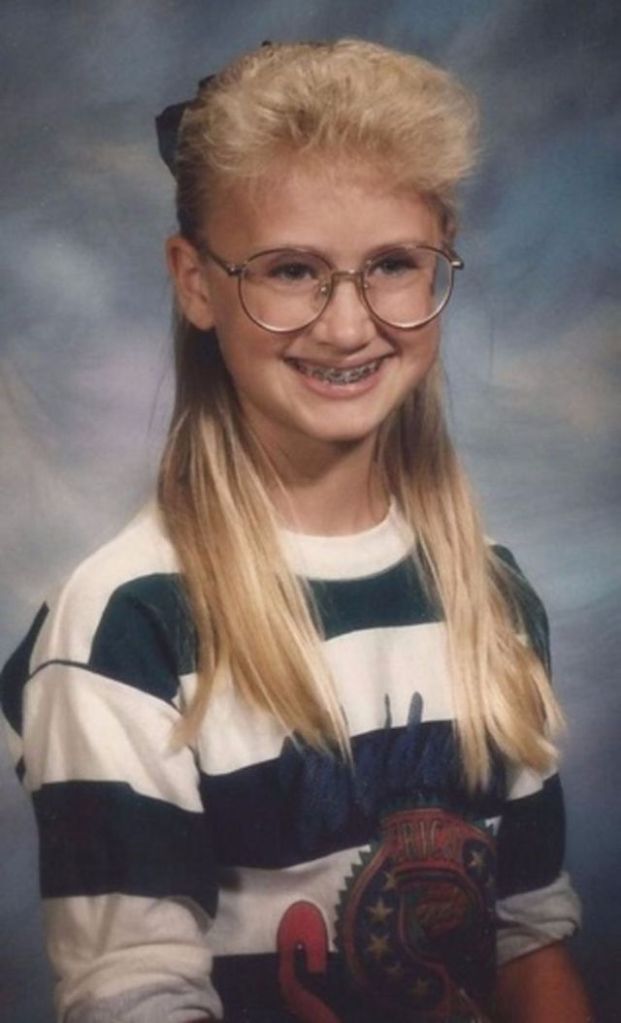
These interesting photos show people in mullet hairstyles from between the 1970s and early 1990s.
When General Motors announced they would kill the legendary Oldsmobile brand in 2004, automotive enthusiasts couldn’t believe their ears. They were one of the longest-serving American car manufacturers, producing over 35 million vehicles. Indeed, one of the most respectable names in the business was going away. It was hard to comprehend that news, but GM wasn’t joking. Oldsmobile was gone.
Certainly, there were significant economic reasons for that decision. In fact, it was obvious the company at the beginning of the 21st century was not the same as it was in the past. Modern times brought modern standards in design, technology and performance, but Olds just couldn’t keep up. GM probably did the right thing, but Oldsmobile’s departure left a big void in the hearts of millions of fans.
One of the reasons why Oldsmobile was a favorite was its muscle car lineup. This wasn’t just another car company that made and sold muscle cars. This was the brand that produced the first proto muscle car in 1949. This made Olds special in the muscle car universe as well as an iconic company in the segment.
Over the years, Oldsmobile produced some of the fastest, most powerful cars. And they continued to add to their performance portfolio almost to the end. Never extremely popular, Oldsmobile muscle cars were often a step above the rest of the field. And not just in terms of power, but also in terms of style, luxury and appearance. So here are the best, most memorable Oldsmobile muscle cars they ever produced.
1949 Oldsmobile Rocket 88
For the 1949 model year, Oldsmobile presented two important things: the 88 model series and a new 303 CID V8 engine they called the Rocket V8. And both innovations would prove influential in Oldsmobile history. The 88 model was relatively light and compact, and the Rocket V8 was a hot engine with a two-barrel carburetor and 135 HP on tap.
The combination of a light body and powerful engine in the 1949 Oldsmobile 88 made it the first muscle car from Detroit. The 1949 Olds 88 enjoyed quite a success with customers and on the race track, too. It won six out of nine NASCAR races that year, proving competitive on the drag strips as well.
The car was the theme of one of the first rock and roll songs ever made, Rocket 88, by the Kings of Rhythm. All of this makes this car extremely influential in the automotive history and also in the history of rock.
1961 Oldsmobile Starfire
Although Oldsmobile started the muscle car segment, it wasn’t active until 1961. This was when the rest of Detroit’s manufacturers introduced more powerful models. And they gained respect on the street as well as on the strips. Oldsmobile saw the potential, so they introduced the Starfire. This was their top of the line model featuring an engine from the bigger models.
All big Oldsmobiles used 394 V8s with 325 HP ratings. But in Starfire, the engine delivered 330 HP and gave the 1961 model its performance credentials. However, these models weren’t true muscle cars since they were more luxury machines. But they still delivered power, performance and looks. Those three features made the Starfire a great introduction to future Olds muscle models.
1962 Oldsmobile Jetfire
Back in the early 1960s, Oldsmobile was known as an innovative company that was not afraid to introduce new systems in their cars. In those days, every GM division was competing to present something new and better. So, Oldsmobile chose turbocharging as the new technology they wanted to perfect.
The engineers took the compact F-85 model and kept its small 215 CID V8 engine that produced 185 HP. But, they also gave it a new forced induction intake system including a Garett turbocharger and a special Turbo Rocket Fuel tank. The tank consisted of distilled water, methanol and a corrosion inhibitor mixture that went into the fuel and air mixture to prevent detonation.
In those days, turbochargers were primitive and prone to detonation or pre-ignition, which could ruin the engine. But the Jetfire V8 included state-of-the-art technology, so initially, the market was interested. The new V8 delivered 215 HP, which was one HP per cubic inch. This made it one of the best performance cars of the day. With the 0 to 60 mph times of around eight seconds, it was almost as fast as the Corvette.
However, the Jetfire had problems from the beginning. But, most of the issues were owner-related. People praised the power delivery of the new Jetfire model. However, they weren’t used to the operating procedures of the turbo engine. So, some owners forgot to fill the Turbo Rocket Fuel tank with distilled water, methanol and a corrosion inhibitor mixture.
This caused a loss of power and even failure of the engine in the long run. Soon, the Jetfire had a bad reputation, despite praises from several automotive magazines. After two years and around 10,000, Oldsmobile killed the car and turbocharging technology. Today, only a few fans remember the mighty 1962 and 1963 Oldsmobiles.
1964 Oldsmobile 442
Even though the Pontiac GTO takes all the credit as being the first modern muscle car, not many people know they presented the Oldsmobile 442 the same year. However, Oldsmobile was much more discrete about advertising a new model as an option on the Cutlass line. From the beginning, the 442 was marketed as the gentleman’s hot rod. It was an elegant, well-equipped muscle car with luxury appointments and reserved styling.
Yet it delivered a brutal performance. The name 442 caused a lot of controversies back in the day, but the meaning was simple. It was a four-barrel carburetor, four on the floor and a dual exhaust. However, you could order it with an automatic transmission.
But if you wanted the most out your 442, you would take the manual instead. The 1964 442 was an option on their midsized models on anything except for station wagons. Under the hood was the 330 V8 with 310 HP. And since it was an Oldsmobile, they built and equipped it slightly than similar cars from the rest the lineup.
1965 Oldsmobile 442
The 442 met universal praise as a more refined and elegant alternative to the popular Pontiac GTO. The sales weren’t as good as Pontiac’s. Even so, Oldsmobile decided to invest in the muscle car class with a slightly restyled but mechanically upgraded 1965 model. Under the hood was the new 400 V8 engine with 345 HP and convincing performance. The sales rose to over 20,000, which showed Oldsmobile got it right with the 442.
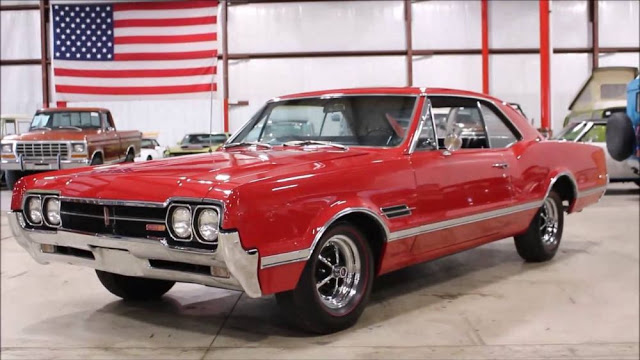
1966 Oldsmobile 442 W30
For 1966, the 442 got a mild refresh and five HP more. This meant the 400 V8 could produce 350 HP. This rating placed the Oldsmobile among the most powerful Detroit muscle cars back then. But the most interesting model was the W30. If you opted for that, you got special ram air induction with tubes going from the front bumper to the carburetors.
You also got a hotter cam and a few other go-fast options. But being a little conservative, Oldsmobile didn’t put any wild graphics or emblems on the car. So, although the W-30, was significantly faster than the regular model, it looked the same.
The price of the W-30 package wasn’t high, but people somehow overlooked this model. For that reason, they only made 54 of them. This is a small percentage from over 20,000 442s built for 1966 model year.
1966 Oldsmobile Toronado
Back in the day, Oldsmobile represented the cutting-edge division of GM. This is because they presented models far ahead of their time. In fact, the company displayed power and style on the global market. And one such cutting-edge car is the 1966 Oldsmobile Toronado. This was a big, powerful personal luxury coupe with a twist since it was front wheel drive.
In those days, only a few imports were front wheel drive. And all domestic cars, regardless of the class or engine, were rear wheel drive. However, Oldsmobile wanted to introduce something else, so they constructed an ingenious FWD system. The designers drew a fantastic looking shape with a low roof and hidden headlights.
Also, the power came from a big block 455 V8 producing 385 HP. The Toronado was a success since it provided superb driving, which left its competitors in the dust. With 385 HP on tap and great handling, those Oldsmobile Toronados were full-size muscle cars. The first out of two generations were the best. However, future Toronados were just Cadillac Eldorados with a different grille.
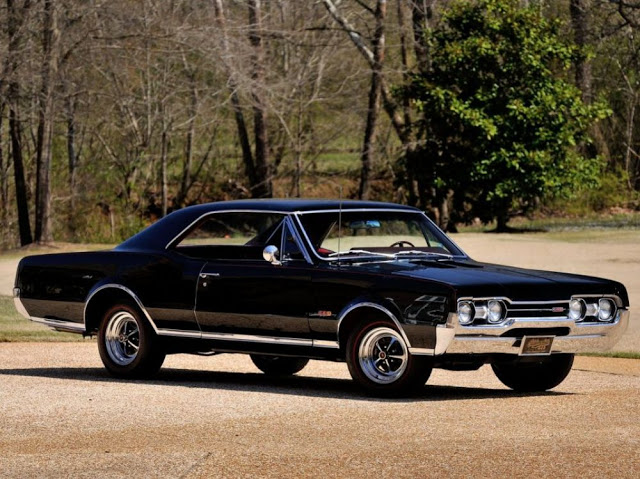
1967 Oldsmobile 442
Despite being a popular muscle car, Oldsmobile kept the 442 line as an option for the Cutlass until 1967 when it finally became a separate model. This meant the 1967 model had more options, several power levels and a long list of equipment. For starters, the 400 V8 produced 320 HP, but you could get a hotter 350 HP rating.
However, if you had an irresistible need for speed, you could opt for the rare W30 version. It included a lot of go-fast options and 360 HP. Although most muscle car experts argue those engines produced even more power, Oldsmobile remained a conservative brand.
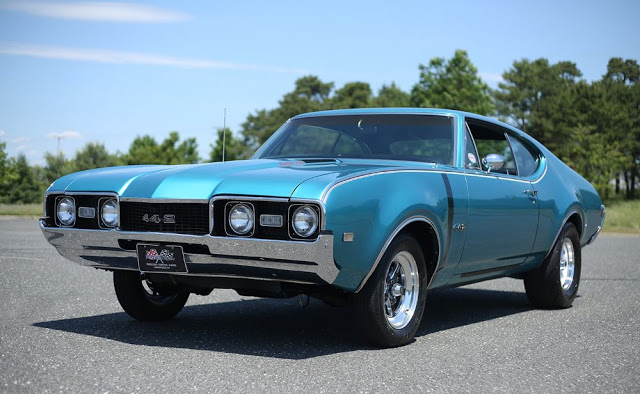
1968 Oldsmobile 442
For the 1968 model year, all General Motors intermediate cars got brand new bodies with new designs, longer wheelbases and wider tracks. The new look was cool with a sloping rear end in semi-fastback style. This was perfect for muscle cars and the new 442. But mechanically, things weren’t much different from the previous year.
The 400 engine was again standard with same power ratings. However, the engine was new with an updated bore and stroke as well as a bit more torque. Oldsmobile also concentrated on handling, presenting a more composed car than any of their rivals. Magazine testers loved the ability of the 442 to tackle corners and outbrake any other muscle car in its class.
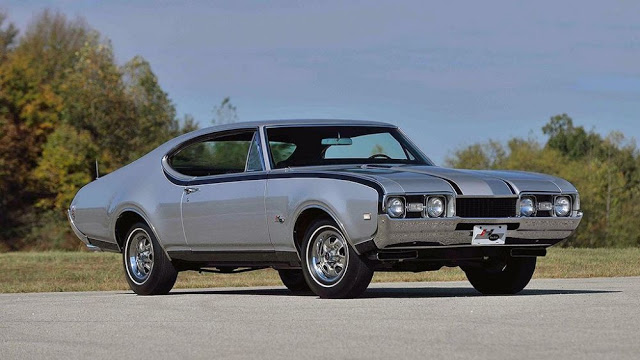
1968 Hurst Olds
One of the most successful collaborations between a major car company and a small aftermarket outfit was the deal between Hurst and Oldsmobile. Back in the late 1960s, Hurst transformed the Oldsmobile 442 into one of the fastest cars available on the North American market. And they equipped them with their famous shifter. But the finishing touch was its signature gold and white, or black and silver paint job.
At the time, Oldsmobile was under GM’s ban forbidding the company from putting engines larger than 400 CID in intermediate cars. This meant that the popular 442 model couldn’t receive the biggest available engines. And due to that, it was inferior to those Mopar muscle cars with engines of up to 440 CID. However, since Hurst was an independent company, GM rules didn`t apply.
So, Oldsmobile shipped partially disassembled 442s to Hurst where they installed the biggest engine Oldsmobile had, the mighty 455 V8 with 390 HP. The Hurst Olds package also got numerous other performance upgrades like the ram air induction system. The also added a heavy-duty suspension and brakes. Since the Hurst Olds was a limited production factory hot rod, it was quite expensive. Also, the convertible wasn’t available for 1968.
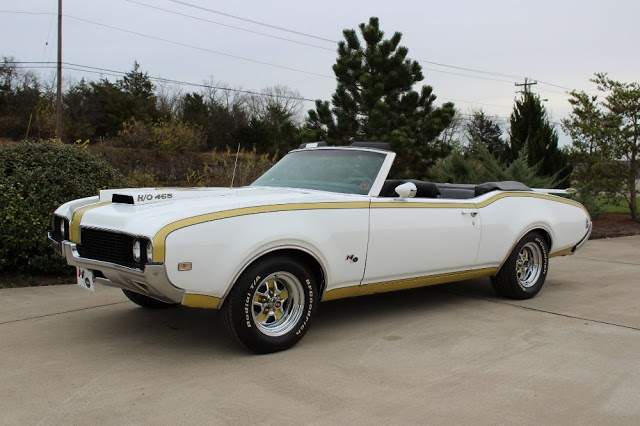
1969 Hurst Olds 442 Convertible
The 1968 Hurst Olds were all coupes. But, in 1969, Hurst produced three convertibles for promotional purposes only. They were fully dressed in eye-catching gold and white paint schemes with white top and interiors, rear spoilers and Oldsmobile Rally style wheels. And those cars toured America promoting Hurst with Linda Vaughan, a famous muscle car pin-up girl.
They even had a big replica shifter on the back and a place for Linda to stand on while driving around the raceways doing promotional work. In 1969, Hurst Olds production was exactly 909 cars, including 906 regular coupes. They also built three crazy-looking convertibles with 455 V8 engines and 390 HP under the ram air hood.
1970 Oldsmobile 442 W30
The 1970 model year was big for the Oldsmobile 442 and all GM muscle cars. General Motors lifted their corporate ban on putting engines bigger than 400 CID in intermediate bodies. So, all GM muscle cars, including the 442, got the big block and more power. But in 1970 the 442 got the mighty 455 V8 with 370 HP and 500 lb-ft of torque.
Since the 442 was more luxurious than other muscle cars, it was also somewhat heavier. This made it a little slower. However, it was still an extremely capable machine with 0 to 60 mph times of just 5.7 seconds. Also, the 1970 model got a mild redesign, more options and a stripes package.
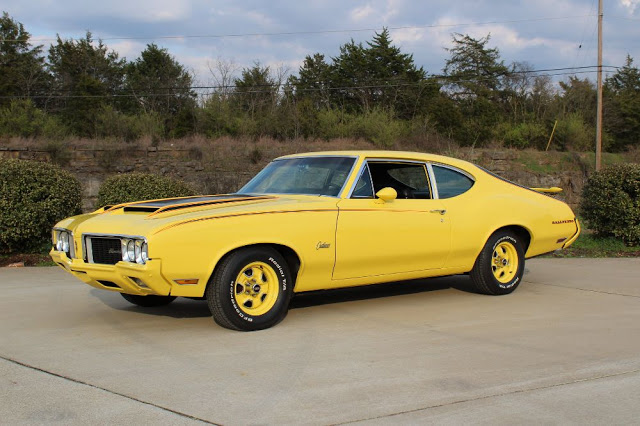
1970 Oldsmobile Rally 350
To fight the tightening regulations destroying the muscle car class, Oldsmobile introduced a bright yellow Rally 350 model. It was a clever way to avoid high insurance premiums with smaller yet still powerful 350 V8 engines producing 310 HP. This model was basically a 442 muscle car, but with a smaller engine and a lower price.
The most interesting feature was the yellow color along with the yellow bumpers, spoiler and wheel inserts. It looked like somebody dropped the Oldsmobile Cutlass in a tank of bright yellow paint. Other manufacturers introduced similar models, but this Oldsmobile is best known due to its unmistakable appearance.
However, the Rally 350 wasn’t a big success on the market despite clever engineering. In fact, they only built 3,547 of them in 1970. And although most Oldsmobile performance cars are famous among most car fans, they forgot about the Rally 350, so it is rare to see one today.
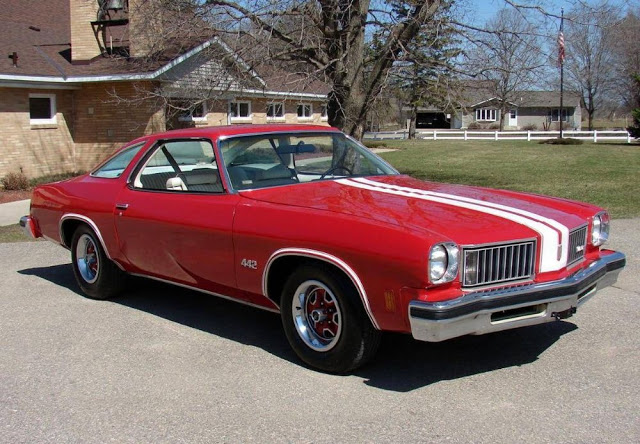
1973-4 Oldsmobile 442
The new design, the Colonnade style coupe and the rising emissions and safety standards affected the 442 lineup that returned as an option on the midsize Olds lineup. The muscle car era was gone. But Olds fought back as one of the last powerful muscle cars.
The 455 was still available, but only with 300 HP in the expensive W30 package with the four-speed manual transmission. Despite the power, those models weren’t as fast or capable as earlier cars. And today, they are not as valuable or sought after by collectors.
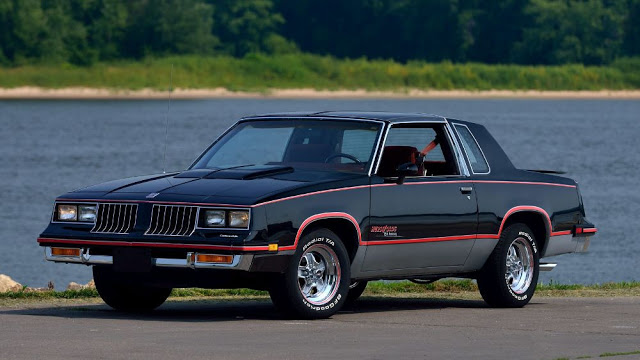
1979 Hurst Olds
Hurst returned with the 442 model in 1979. This was a highly unusual move since the muscle car era ended many years before. The 1979 model was a compact sized Cutlass with a Hurst treatment. Also, it had a white and gold paint job, a T-top option and lots of other goodies.
However, under the hood was a 350 V8 engine that delivered just 170 HP. That wasn’t much by any standards. However, it was significantly more than the 130 HP that the other Oldsmobiles provided.
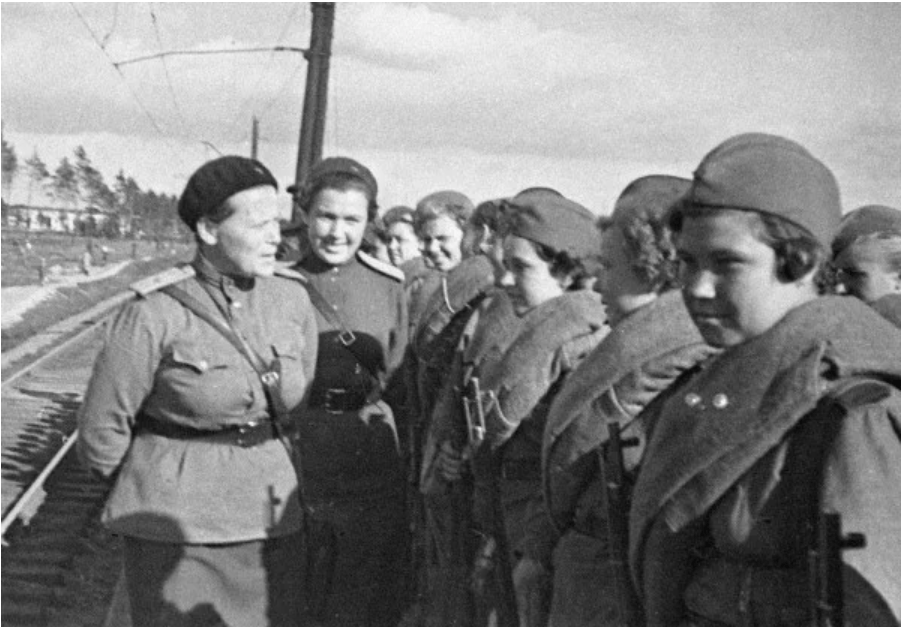
Stories about military history often focus on battlefield tactics and strategy. When they do focus on people, it is usually on a male soldier. However, during WWII, the Germans often executed female soldiers on sight.
This is doubly amazing because it suggests women were a significant part of the fighting forces and that they provoked a visceral reaction from the Germans who captured them.
Ancient battlefields were often just outside their city walls, and rulers formed armies composed of people who were normally peace-time farmers.
With limited manpower, the bulk of the conscripts were needed for fighting. The remaining camp followers transported supplies, prepared the food, and performed other non-combat functions in order to maximize the availability of men for combat.
Soviet soldiers of the Eastern Front during a short rest after fighting, 1 April 1944.
The lack of weapons and armor for camp followers allowed them to carry more supplies than the soldiers, thus extending the operating range. It also sped up the march to their destination.
Based on rough estimates from other ancient armies, it has been concluded that non-combatants constituted roughly 33% to 50% of the army. It is assumed that these additional women and children allowed the maximum number of soldiers to perform military tasks, such as scouting or building and manning city walls.
But when the army was defeated or attacked in their camps or cities, the women often became easy victims or active participants in battle.
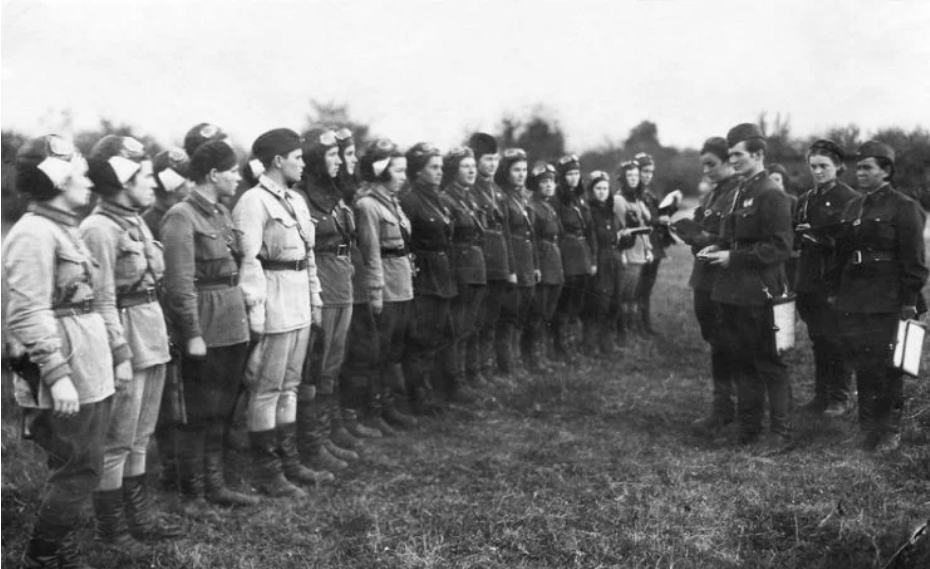
Soviet women in WWII: 588th Night Bomber regiment.
In crusader cities under siege, women were recorded as manning the wall with a pot as a helmet. Some scholars suggest the strange headgear highlighted the otherness of women fighting in a traditionally male domain.
The women normally filled the role of water carrier and additionally boosted morale. Ancient Greek women and slaves would hurl stones and boiling water to kill invading soldiers. Again, note the nontraditional weapons.
The women present in crusading camps often faced the enemy when the army was defeated and fled. One account includes a camp follower killing a soldier with a knife. A Muslim victim being killed by a woman was used by writers to make the enemy seem less manly, with the knife implying a cooking instrument rather than a weapon.
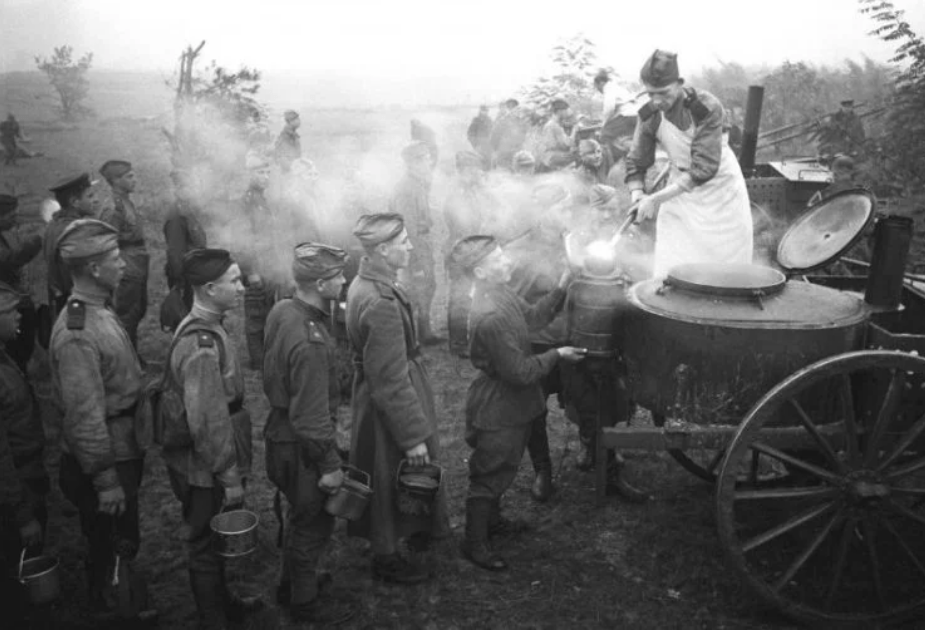
Russian WWII soldiers eating.
The rise of total warfare often blurred the lines even further. Sherman’s march to the sea attacked the population that supported secession as well as the army fighting for it.
Airpower theorists like Billy Mitchell and Giulio Douhet promised that these strikes at the population would undermine morale and become such a horror that they could easily win the wars. Their theories didn’t pan out as nations developed defenses against air attacks.
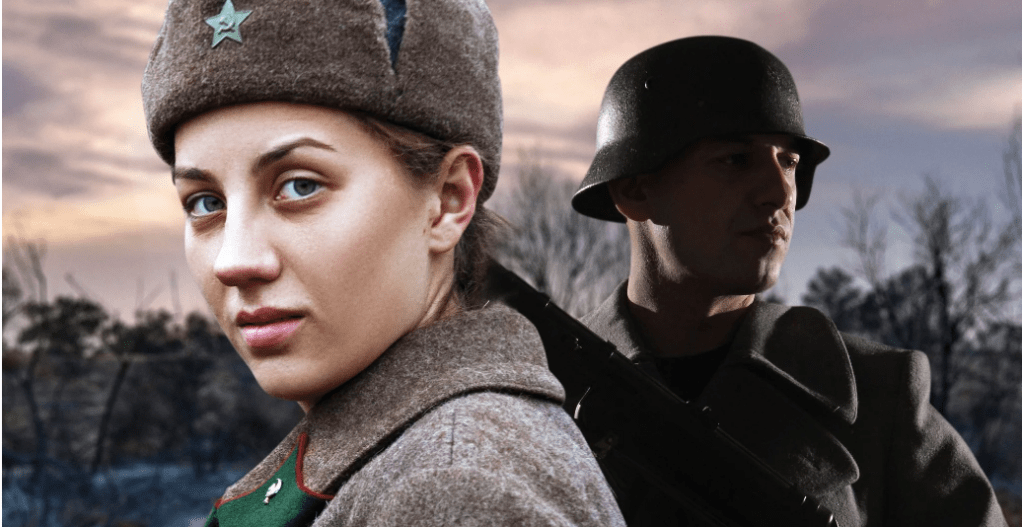
This environment of partisan warfare behind the lines, massive armored warfare, and desperate loss on the front lines resulted in the women of the Soviet Union volunteering in huge numbers. The Soviet government itself treated women differently by promoting the image of the “martyr heroine” in Russian propaganda.
Female Soviet Soldiers in the Great Patriotic War
The Germans also had propagandist views of women that were almost the inverse of the Soviet “martyr heroine.” The Russians viewed women as heroically defending the motherland. In contrast, the Germans had rather simplistic views of women with a virgin/whore dichotomy.
Language itself was further used to delegitimize them. They were called Flintenweiber, or “rifle broad” instead of Soldatinnen, “female soldier.”
The women deemed Flintenweiber ended up on the wrong side of the virgin/whore dichotomy by taking up the activity of soldiering, wearing a uniform, and fighting in the field. Their very existence was a violation of a traditionally male purview.
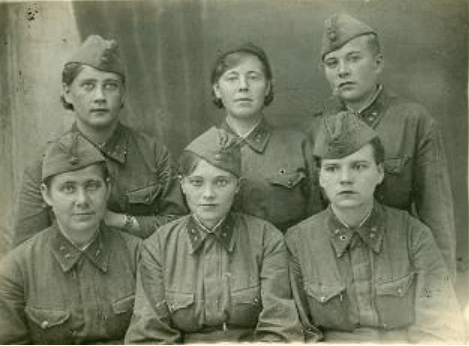
Females in the Soviet army, c. 1943.
The ideology and delegitimizing language combined with imminent practical concerns such as sabotage forced their execution on sight. In fact, the leader of the 4th Panzer division included both in the same breath: “Insidious and cruel partisans as well as degenerate Flintenweiber don’t belong in a POW camp but hung from the nearest tree.”
Much like the Muslim and Christian historians who viewed fighting women as an example of their opponent’s degenerate state, the Nazis portrayed women fighters as a direct result of the evils and degeneracy of Bolshevism.
Interestingly, there were some cases where they were kept alive. Wendy Jo Gertejanssen showed that at least 15,000 Soviet women, among them at least 1,000 Soviet Red Army members, were forced to serve as prostitutes in the German’s field brothels for the army.
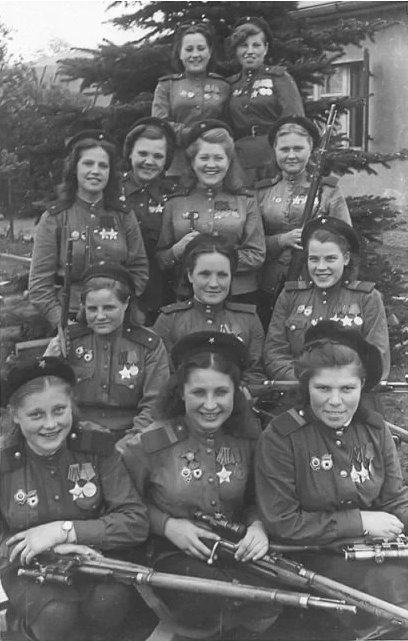
Female snipers of the Soviet 3rd Shock Army/1st Belorussian Front during WWII. May, 1945.
A major exception to this was women who claimed upon capture that they were nurses. They often did this regardless of their actual training. Nurses formed an exception to the Flintweiber stereotype and came closer to the caring virgin women from myth.
This might have saved them from death but did not save them from being sent to concentration camps and assisting Nazi doctors in their unholy experiments. After Jewish women and Poles, Soviet women constituted the highest number of prisoners in concentration camps.
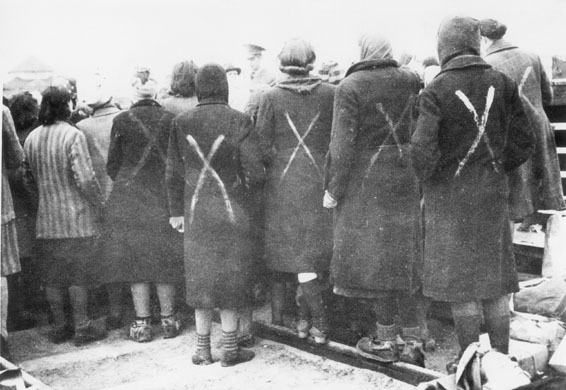
Surviving female prisoners gathered when the Red Cross arrived at Ravensbrück in April 1945. The white paint camp crosses show they were prisoners, not civilians.
About 18,000 women ended up in Ravensbruck, and the number of women killed is estimated at tens to hundreds of thousands.
The end result of this was to increase the intensity of warfare. Women knew they would be raped and killed upon capture and so they fought to the death.
This made standard German operations more difficult, and it increased the viciousness of the counter-insurgency operations in rear areas.
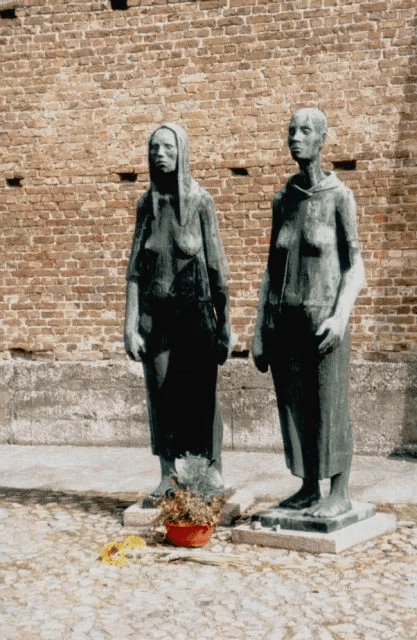
Ravensbrück concentration camp. The monument Zwei Stehende (Two Women Standing) erected in front of the Wall.
In turn, this often created more insurgents who’d had their homes burned or destroyed by Germans hunting insurgents. This resulted in a conflict made even more intense and brutal.
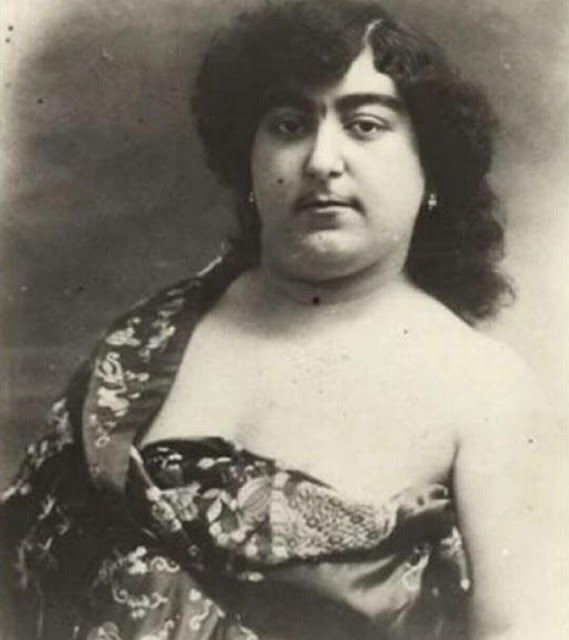
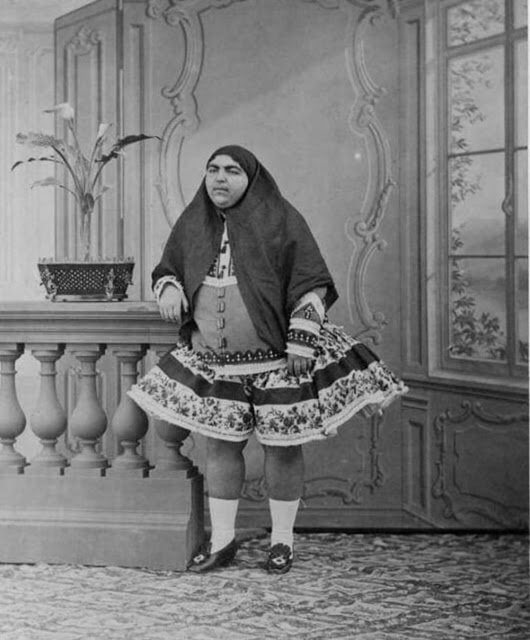
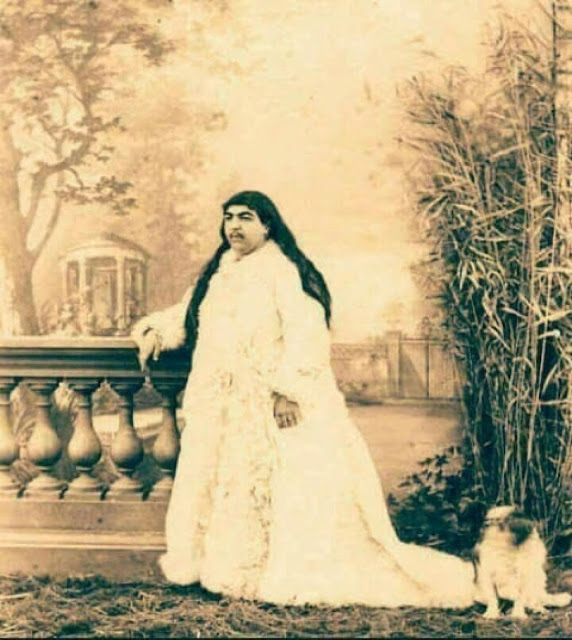
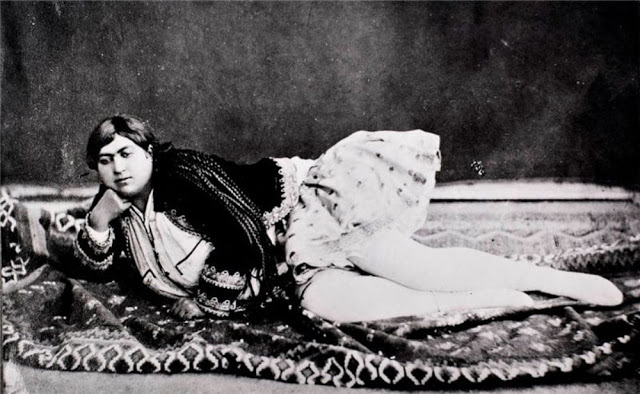
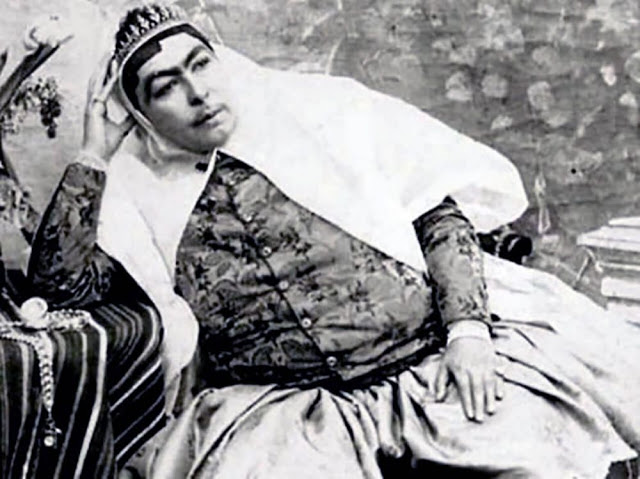
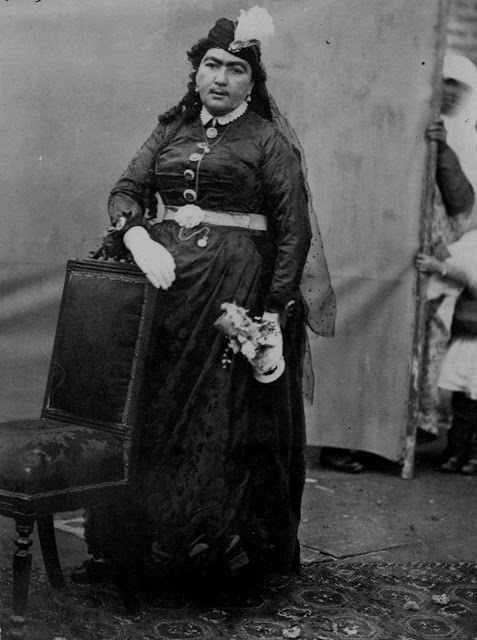
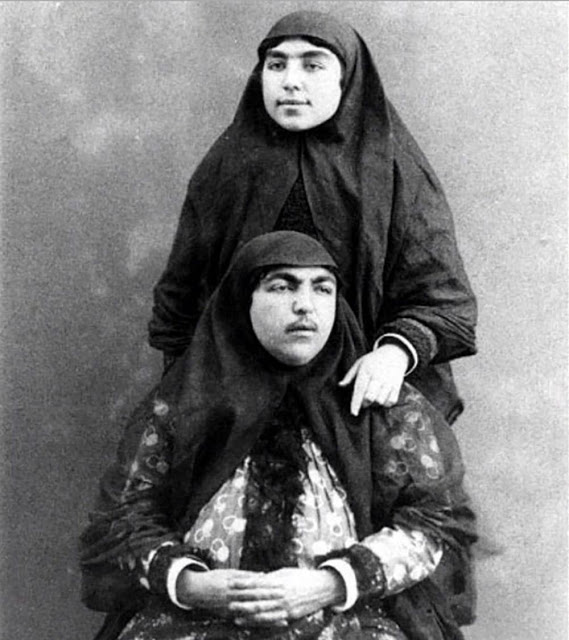
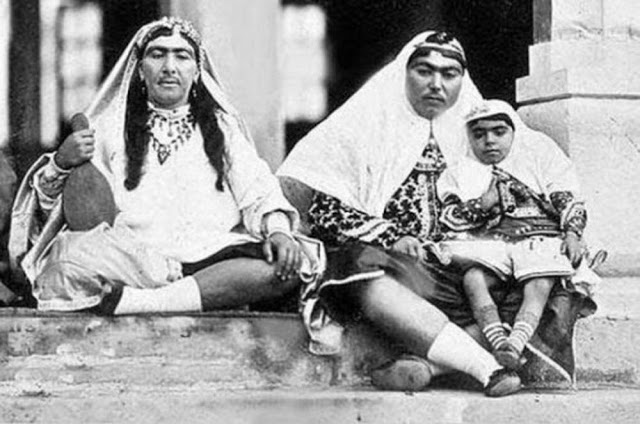
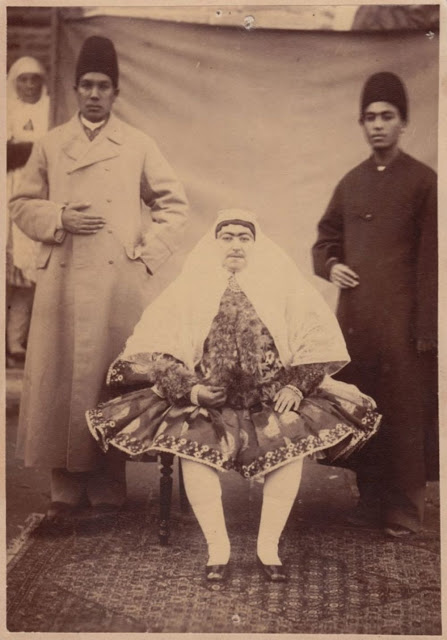
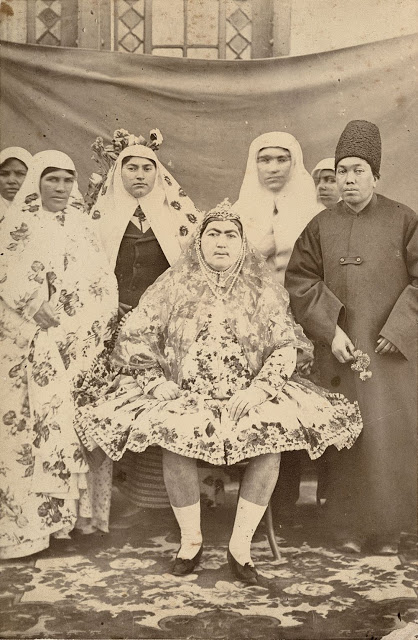
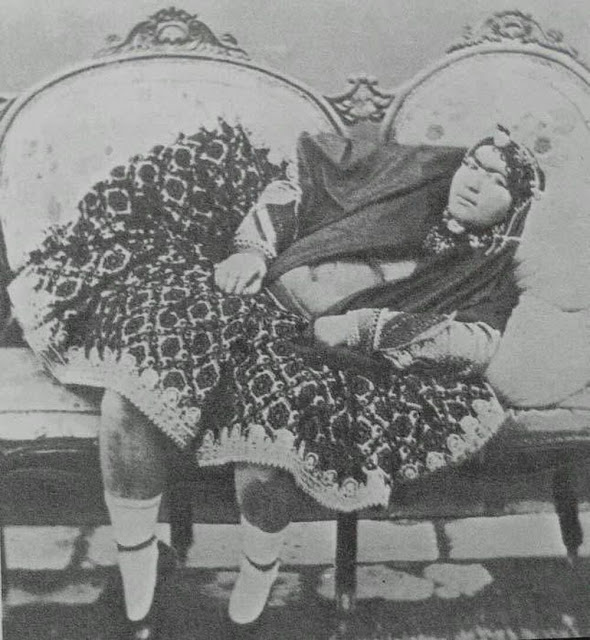
The definition of beauty has evolved drastically over the time. Every country has its version of what a woman should look like to be considered beautiful. In 19th century Persia, the Western beauty standards were not dominant. So of course, they had their own beauty standards and their own concept of beauty.
The more masculine a woman was, more beautiful she was accepted. The opposite was also true for men. Women with heavy brows and faint mustaches considered so attractive that they were sometimes painted on or augmented with mascara and young beardless men with slim waists and delicate features. In 19th century portraits of lovers, the genders are barely distinguishable, identified only by their headgear.
But, after Iran started to be more modern, aka more Westernized, this beauty standards were lost. West beauty standards started to be more dominant and homosexuality was no longer permitted.
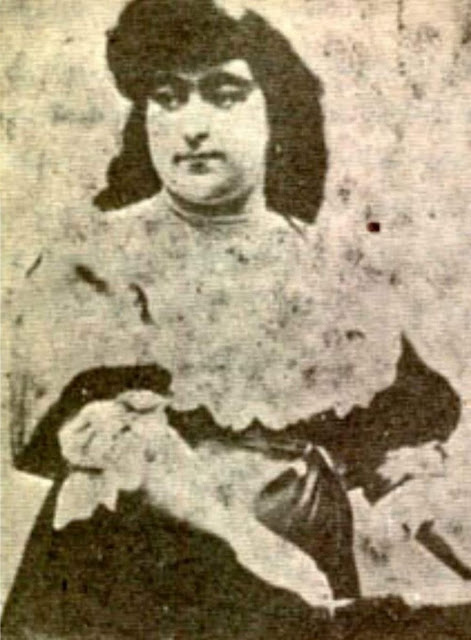
Now, feast your eyes on Princess Qajar, who was considered the ultimate symbol of beauty in Persia during the early 1900s. So much in fact, a total of 13 young men killed themselves because she rejected their love.
Zahra Khanom Tadj es-Saltaneh (1883–1936) was a Persian princess and memoirist of the Qajar Dynasty, a daughter of Naser al-Din Shah, the King of Persia from 1843 to May 1896 by his wife Turan es-Saltaneh. She was married to Amir Hussein Khan Shoja’-al Saltaneh and had four children, two daughters and two sons. They later divorced. She was the love interest of the Persian poet Aref Qazvini, who wrote his poem Ey Taj for her.
Taj Saltaneh was a trailblazer for women’s rights in Iran and a feminist. She was a prominent founding member of Iran’s underground women’s rights group Anjoman Horriyyat Nsevan (the Society of Women’s Freedom), working for equal rights for women circa 1910.
She was a writer, a painter, an intellectual and an activist who hosted literary salons at her house once a week. She was the first woman in court to take off the hijab and wear western clothes.
Her life and her writing and her role as a feminist is a subject of Middle Eastern studies in universities from Tehran University to Harvard.
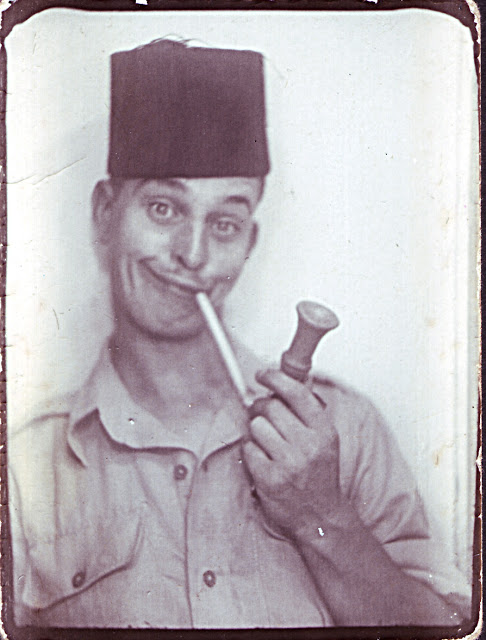
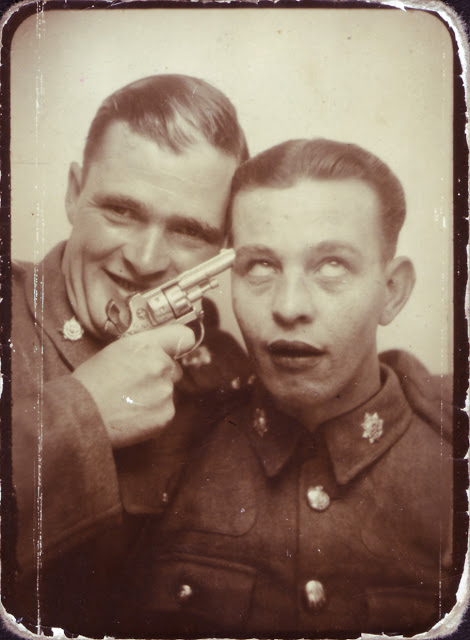
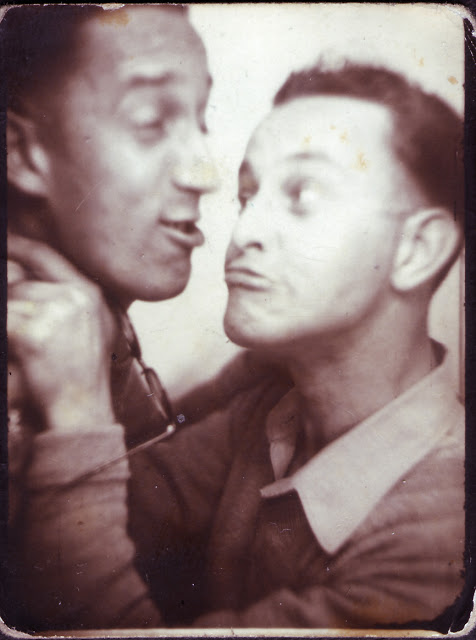
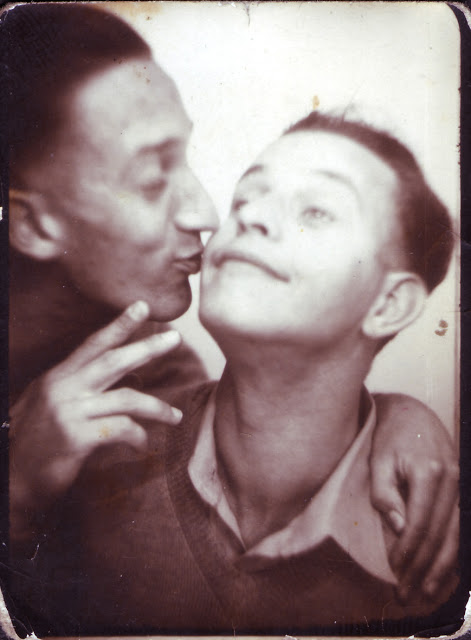
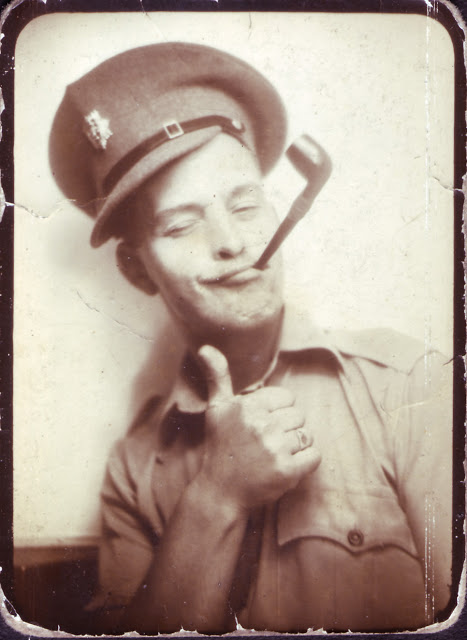
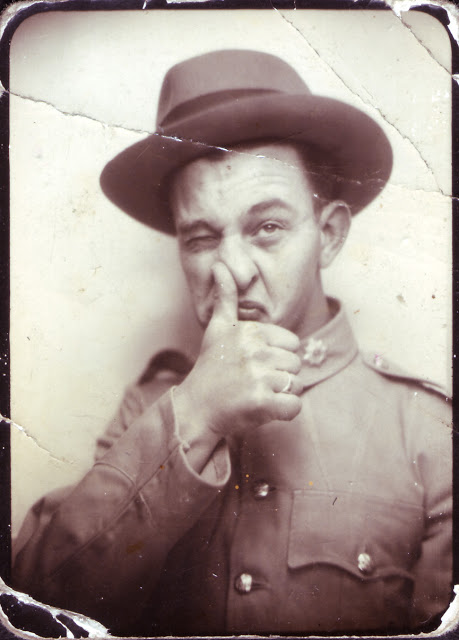
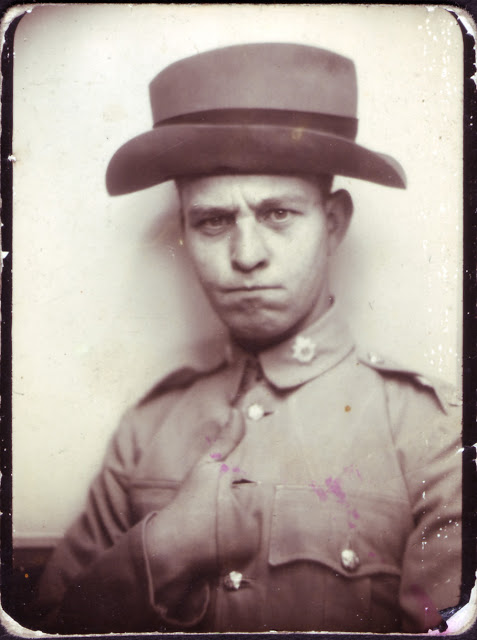
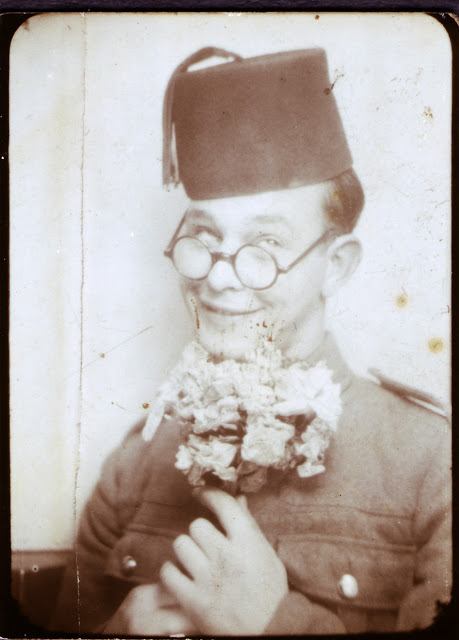
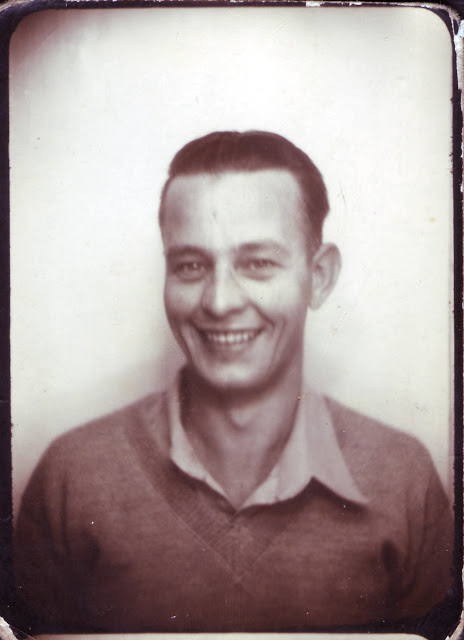
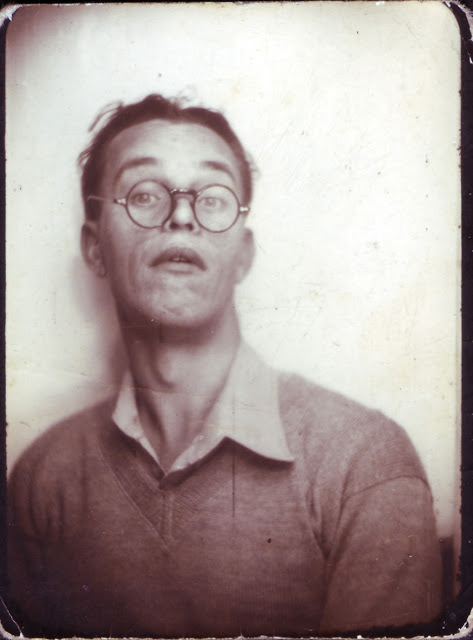
These funny photobooths are from war-time photo album of John Beat, 14 BSD, RASC. North Africa, where he was in stores and supplies as part of the Royal Army Service Corp. Ever the joker, John posed for some souvenir photos with his best friends on leave in Cairo in March 1942.