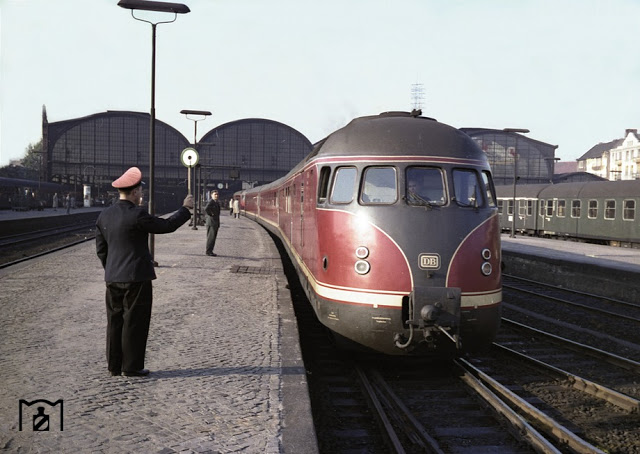
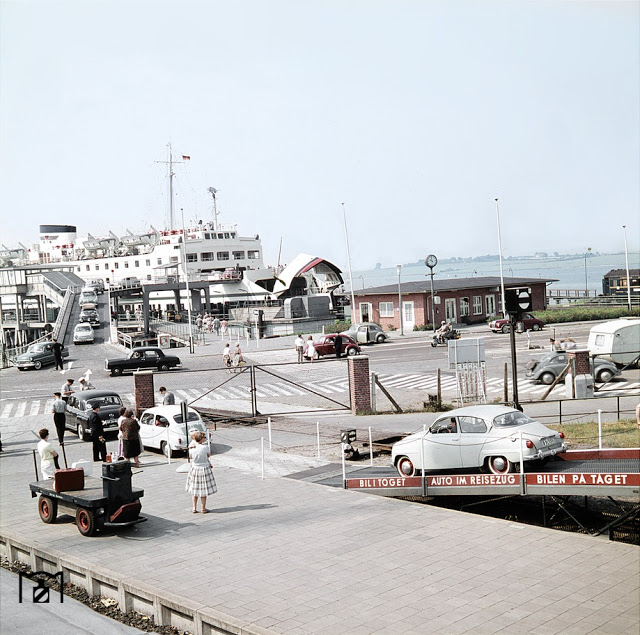
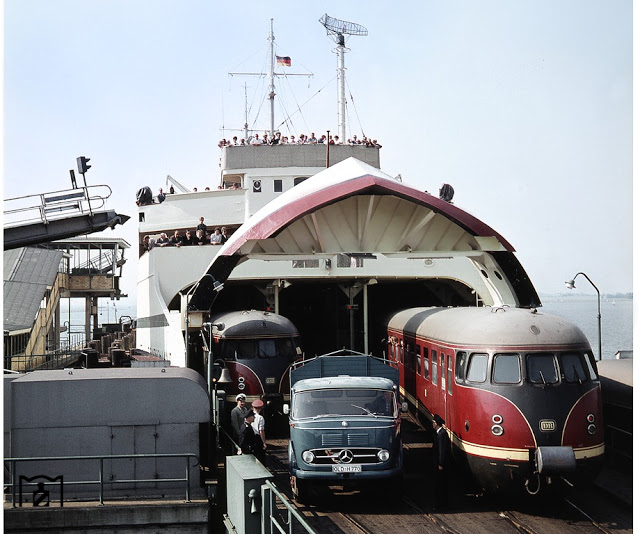
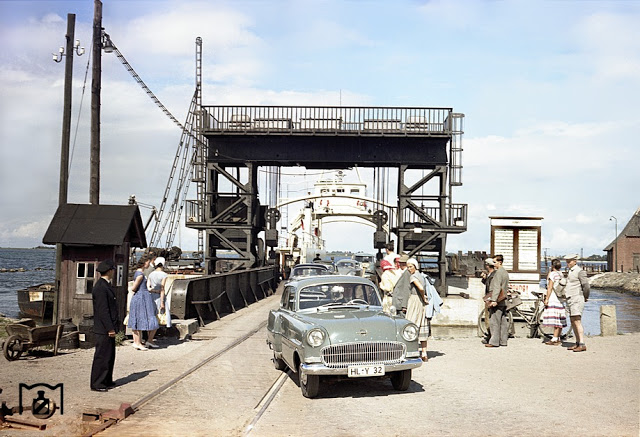
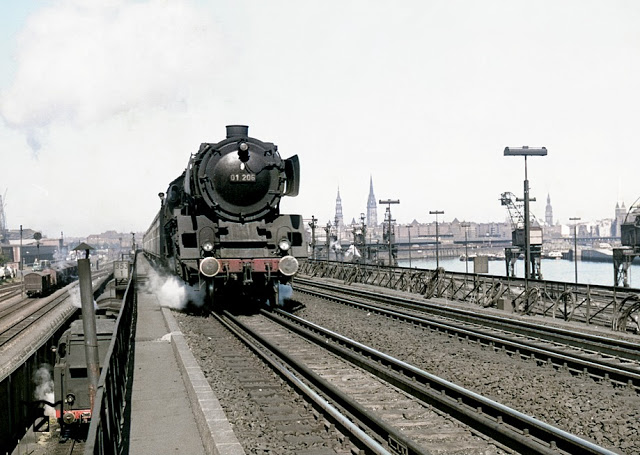
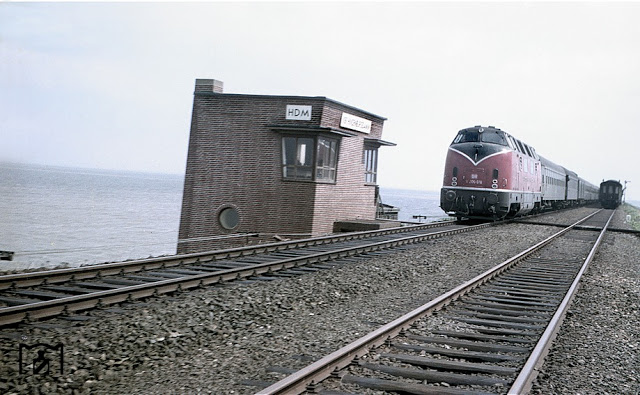
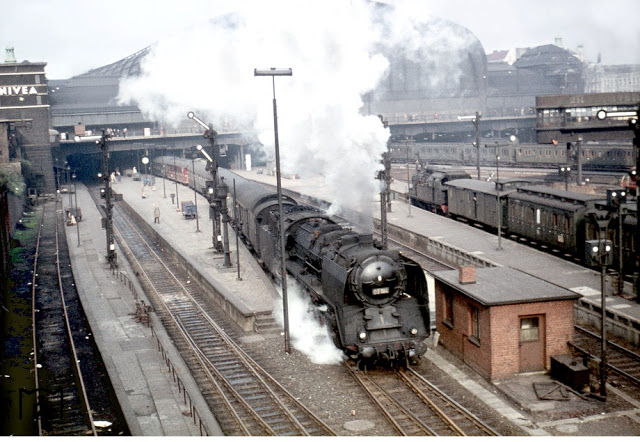
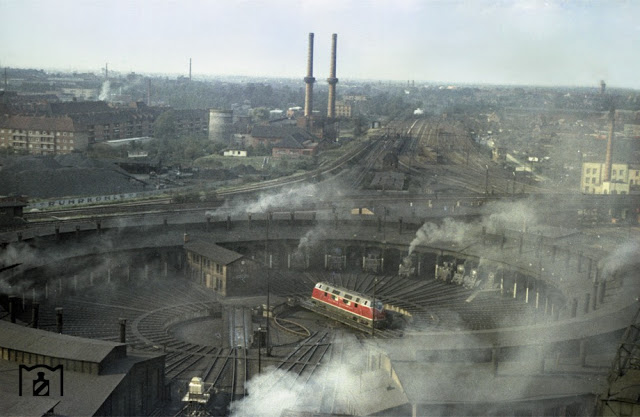
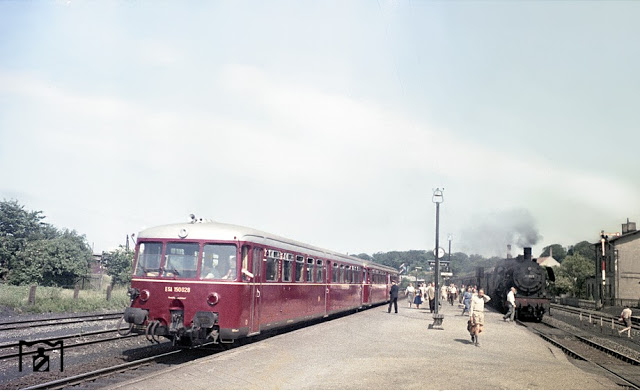
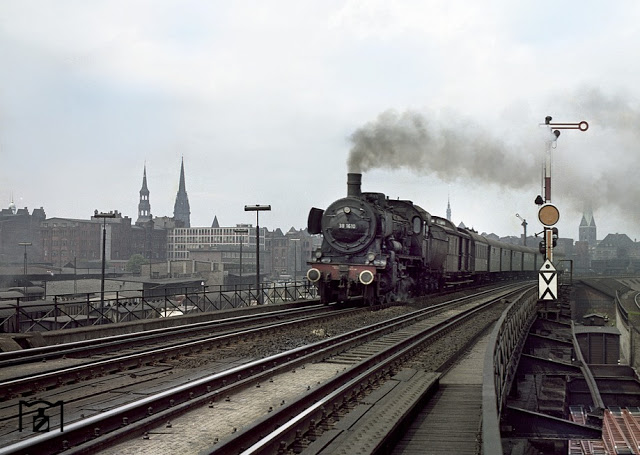
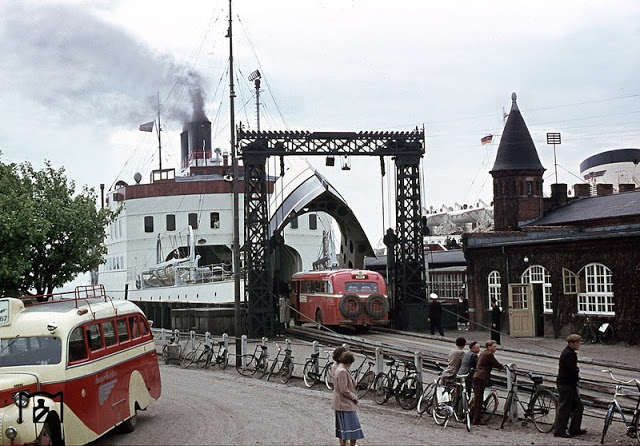
Hamburg, officially the Free and Hanseatic City of Hamburg (German: Freie und Hansestadt Hamburg; Low Saxon: Friee un Hansestadt Hamborg), is the second-largest city in Germany after Berlin, as well as the overall 7th largest city and largest non-capital city in the European Union with a population of over 1.84 million. Hamburg’s urban area has a population of around 2.5 million[1] and its metropolitan area is home to more than five million people. The city lies on the River Elbe and two of its tributaries, the River Alster and the River Bille. One of Germany’s 16 federated states, Hamburg is surrounded by Schleswig-Holstein to the north and Lower Saxony to the south.
The official name reflects Hamburg’s history as a member of the medieval Hanseatic League and a free imperial city of the Holy Roman Empire. Before the 1871 Unification of Germany, it was a fully sovereign city state, and before 1919 formed a civic republic headed constitutionally by a class of hereditary grand burghers or Hanseaten. Beset by disasters such as the Great Fire of Hamburg, North Sea flood of 1962 and military conflicts including World War II bombing raids, the city has managed to recover and emerge wealthier after each catastrophe.
Hamburg is Europe’s third largest port, after Rotterdam and Antwerp. Major regional broadcaster NDR, the printing and publishing firm Gruner + Jahr and the newspapers Der Spiegel and Die Zeit are based in the city. Hamburg is the seat of Germany’s oldest stock exchange and the world’s oldest merchant bank, Berenberg Bank. Media, commercial, logistical, and industrial firms with significant locations in the city include multinationals Airbus, Blohm + Voss, Aurubis, Beiersdorf, and Unilever. Hamburg is also a major European science, research, and education hub, with several universities and institutions. The city enjoys a very high quality of living, being ranked 19th in the 2019 Mercer Quality of Living Survey.
Hamburg hosts specialists in world economics and international law, including consular and diplomatic missions as the International Tribunal for the Law of the Sea, the EU-LAC Foundation, and the UNESCO Institute for Lifelong Learning, multipartite international political conferences and summits such as Europe and China and the G20. Both former German chancellors Helmut Schmidt and Angela Merkel were born in Hamburg. The former Mayor of Hamburg, Olaf Scholz, has been the current German chancellor since December 2021.
Hamburg is a major international and domestic tourist destination. The Speicherstadt and Kontorhausviertel were declared World Heritage Sites by UNESCO in 2015. Hamburg’s rivers and canals are crossed by around 2,500 bridges, making it the city with the highest number of bridges in Europe. Aside from its rich architectural heritage, the city is also home to notable cultural venues such as the Elbphilharmonie and Laeiszhalle concert halls. It gave birth to movements like Hamburger Schule and paved the way for bands including The Beatles. Hamburg is also known for several theatres and a variety of musical shows. St. Pauli’s Reeperbahn is among the best-known European entertainment districts. (Wikipedia)
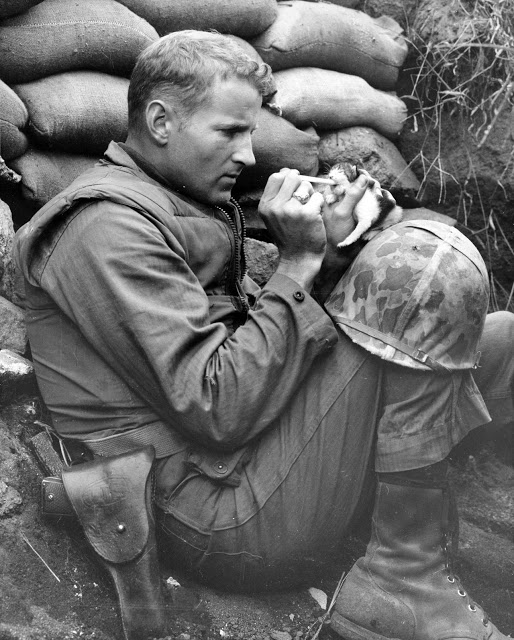
In the middle of the Korean War, this kitten found herself an orphan. Luckily, she found her way into the hands of Marine Sergeant Frank Praytor. He adopted the two-week-old kitten and gave her the name “Miss Hap” because, he explained, “she was born at the wrong place at the wrong time”. There’s a juxtaposition between the soldier and the human. He’s dressed for war but hasn’t lost the ability to care for another living creature.
It was circulated that her mother was killed by a mortar barrage near Bunker Hill. That was not true. Sergeant Praytor, in a 2009 article in The Graybeards (the official publication of the Korean War Veteran’s Association), stated that Miss Hap’s mother was shot by a Marine up the line because of her yeowling. Since that would have caused negative reactions, Corps publicity told the mortar barrage story instead.
Miss Hap was one of two surviving kittens. Sergeant Praytor took care of her while the other was given to another man – who rolled over in his sleep and accidentally killed it. The photo above was taken by Staff Sergeant Martin Riley. Sergeant Praytor was feeding Miss Hap slightly watered-down canned milk with a medicine dropper. She was later weaned onto meat out of “C” ration cans.
Staff Sergeant Riley’s photograph was circulated and published in more than 1,700 American newspapers in 1953, including The New York Times. After Sergeant Praytor went home, Miss Hap was left behind in Korea. However, she was left in good hands and became a mascot in the Division PIO office. Sergeant Praytor saw her one more time when he returned briefly. Miss Hap’s second guardian was Cpl. Conrad Fisher of Cicero, Illinois who hoped to take her home. On whether or not Cpl Fisher was able to bring Miss Hap home, Sergeant Praytor remarked, “I like to think he did.”
In 2010, Praytor wrote, “Miss Hap was weaned on meat out of C rations and grew into a big girl who thought I was her father. When I left Korea, I left her in the care of another Marine. When I returned in ’55, she was alive and well. At 83, I’m still saving orphans. Have two cats, Molly and Max. They never leave the house.”
This dramatic photograph of Ethel Kennedy stirred controversy and debate over the ethics of photojournalism following its publication hours after the assassination of Senator Robert F. Kennedy in Los Angeles, 1968. Led to where her husband lay Mrs Kennedy bent down by his side and whispered “I’m with you my baby”. She then stood, turned to the crown and shouted “give him air.”
Ethel Kennedy, shortly after Robert F. Kennedy’s assassination in 1968. (Photo by Harry Benson)
Harry Benson has captured this moment of raw emotion and trauma perfectly. Her outreached hand is blurred and slightly obscures her face, yet her eyes engage the viewer and reveal her anguish. Just after securing this shot, Benson was knocked to the floor by a Kennedy aide. Instinctively he changed films and hid the valuable spool, which featured many of his iconic pictures of the scene, down his sock.
“Bobby Kennedy, to me, was the first celebrity political person,” Benson says. “He was like Bruce Springsteen, Mick Jagger, Paul McCartney. He was an event.”
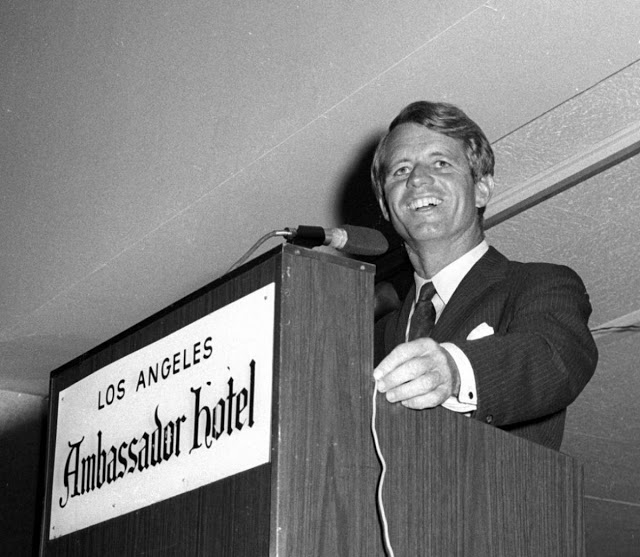
Senator Robert F. Kennedy speaks to a jubilant crowd at the Ambassador Hotel in Los Angeles, minutes before his death. (Photo by Harry Benson)
Legendary photographer Harry Benson is best known for his intimate photographs of the Beatles, but his wide-ranging career as a journalist spanned pop culture, politics, and social upheaval; from relaxed photos of celebrities like Princess Diana and Michael Jackson to shots of the Berlin Wall coming down and scenes of Martin Luther King Jr.’s funeral.
His front-row seat to history includes the day that Bobby Kennedy was tragically shot in Los Angeles in 1968. Kennedy was giving a speech at the Ambassador Hotel after winning the California presidential primary when he was shot several times by Sirhan Sirhan, a 22-year-old of Palestinian descent who felt betrayed by Kennedy’s support of Israel. Five others were also wounded in the attack; Kennedy died the next day.
“You’d thought of yourself like the guy in the bar who would say, ‘God if I was there that night—I would have done this, I would have done that.’ Now, I’m there; Now I’ve got to do it. So my main thing, purpose was to get as close as I could to Bobby, take pictures and walk around there,” Benson says of the famous night in Los Angeles.
Shortly after the photograph was taken, Benson was knocked to the ground. “They punched me and all that, and while I’m changing film, other people were shot around me. I was the last photographer to leave.”
“I put the film in my sock, because if a policeman comes up to me and says, ‘I want your film,’ and he’s got a gun, I want to photograph for Life magazine; I don’t want to die for it,” Benson recalls.
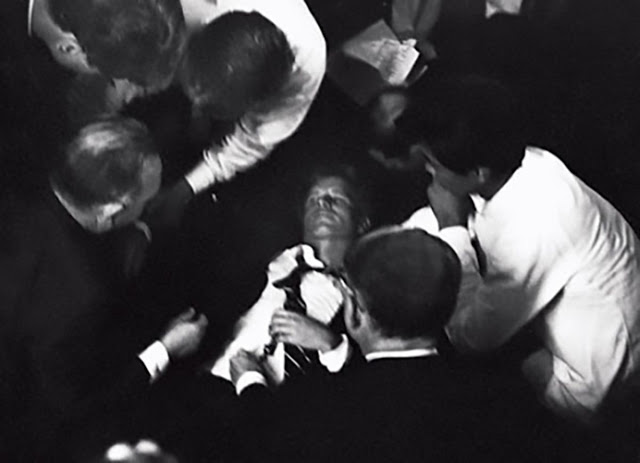
Robert F. Kennedy moments after being shot at the Ambassador Hotel in Los Angeles, 1968. (Photo by Harry Benson)
Some people have criticized Benson for taking the pictures, and that fateful night still haunts him. But he has no regrets: “Other photographers who were there held back, but I knew I needed to record this. History was happening right in front of me. I am a photographer and this is what I do.”
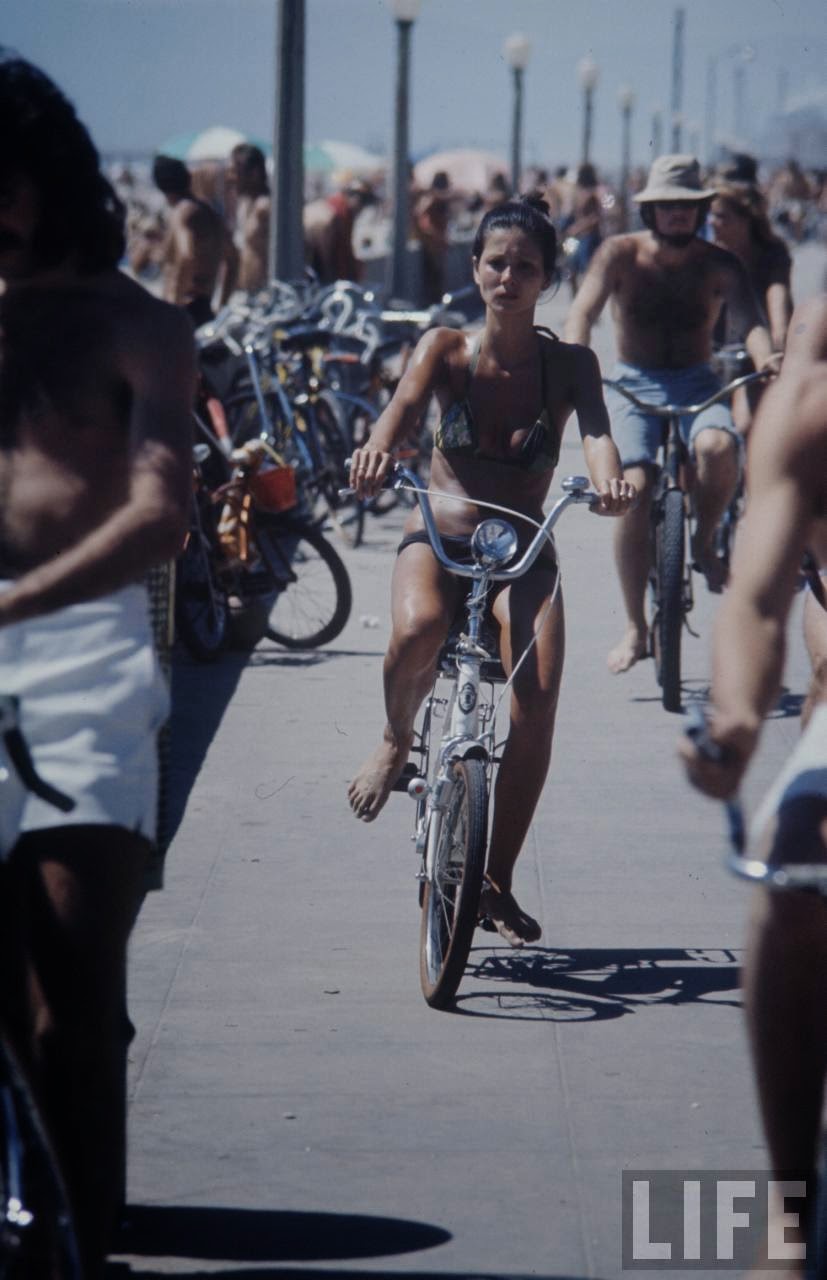
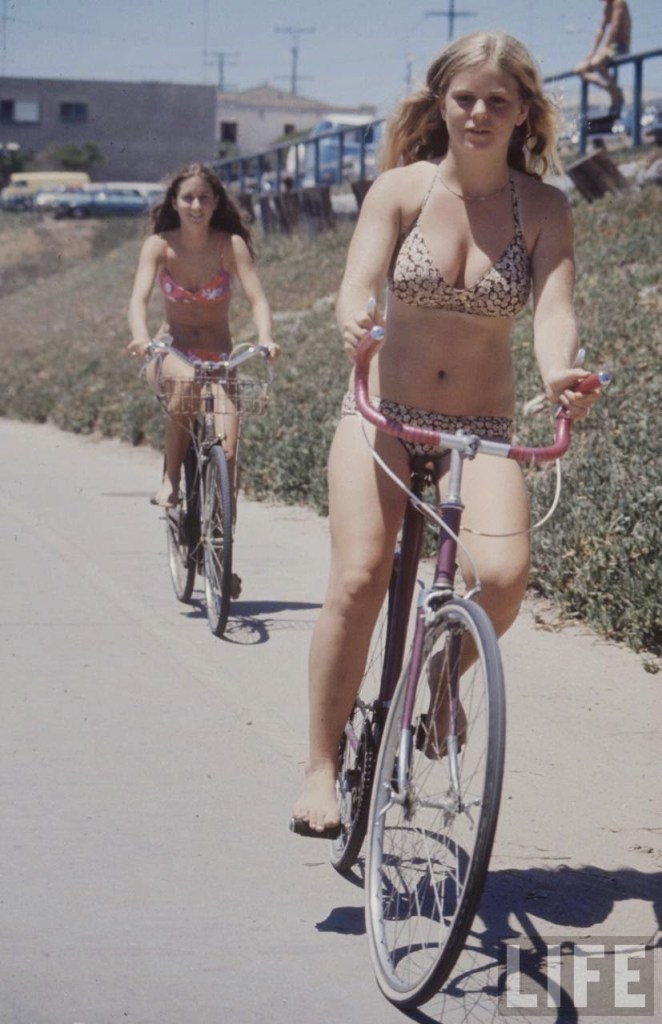
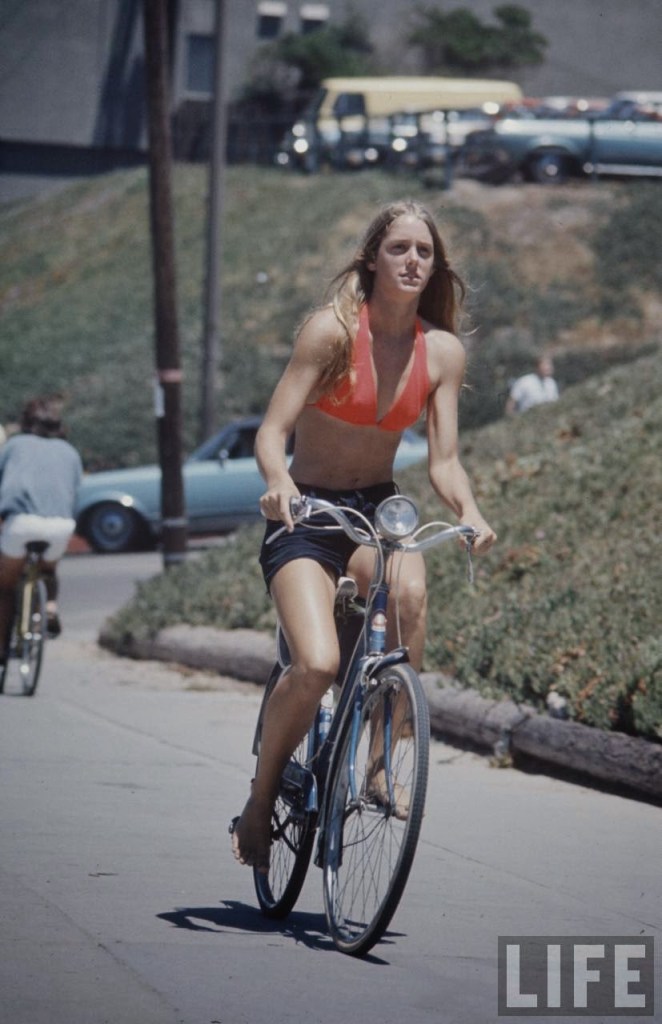
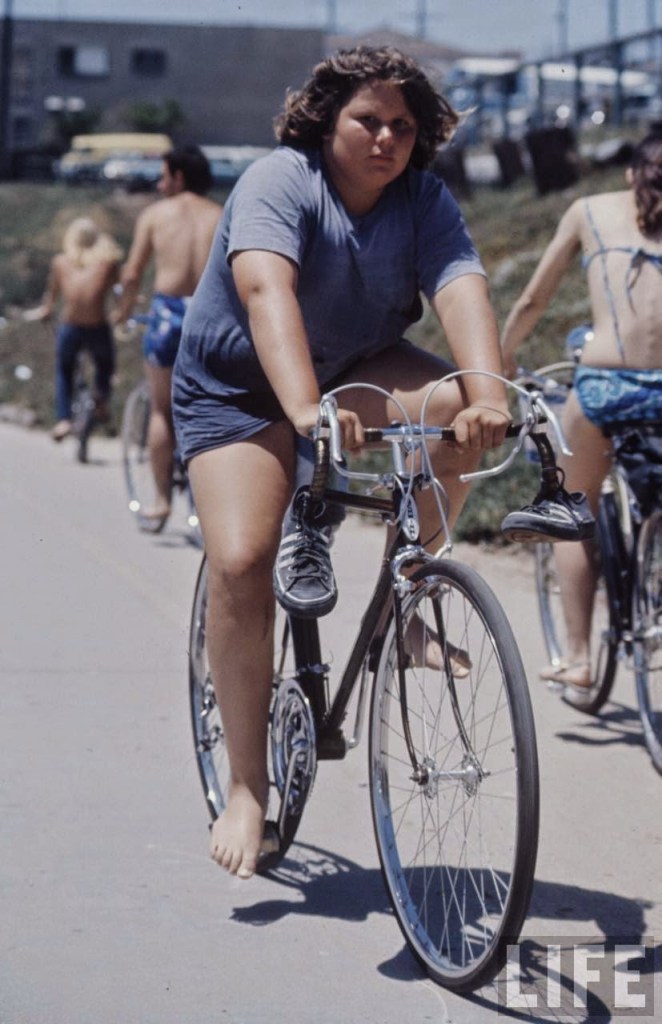
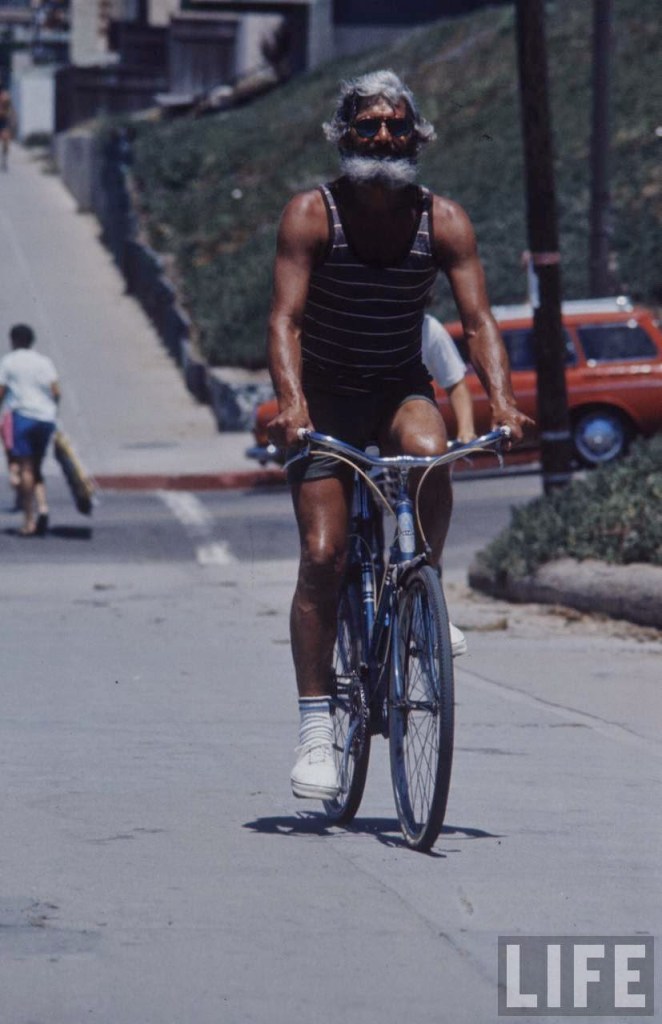
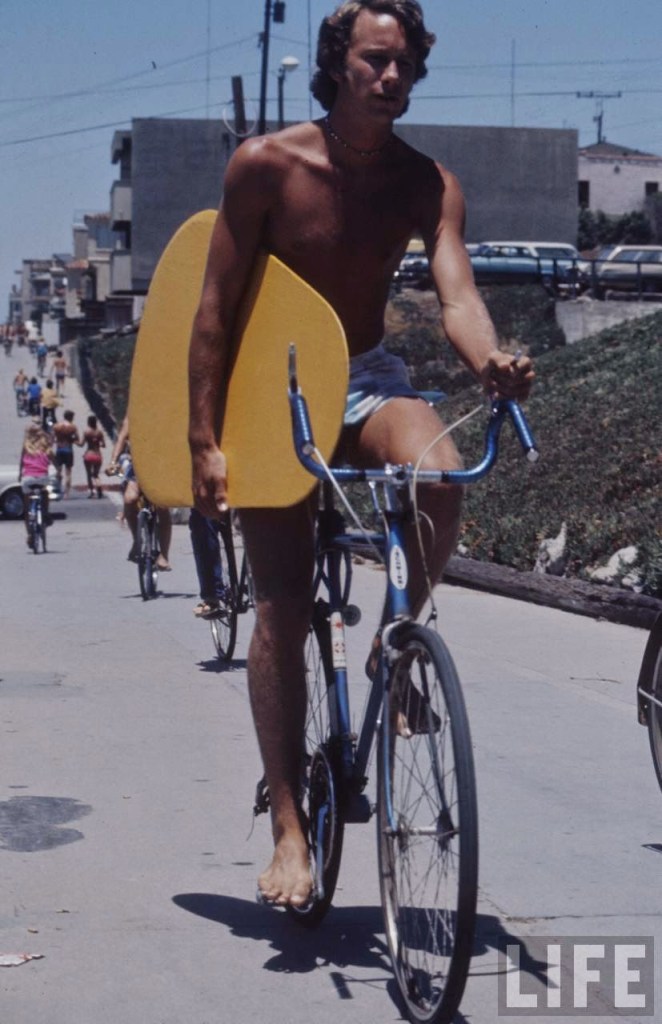
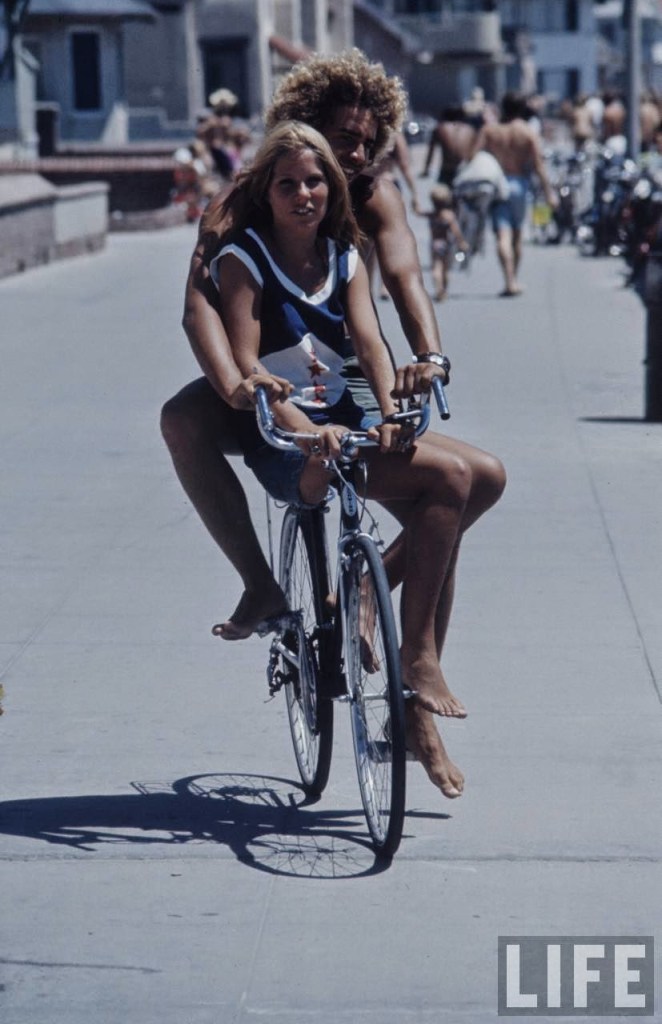
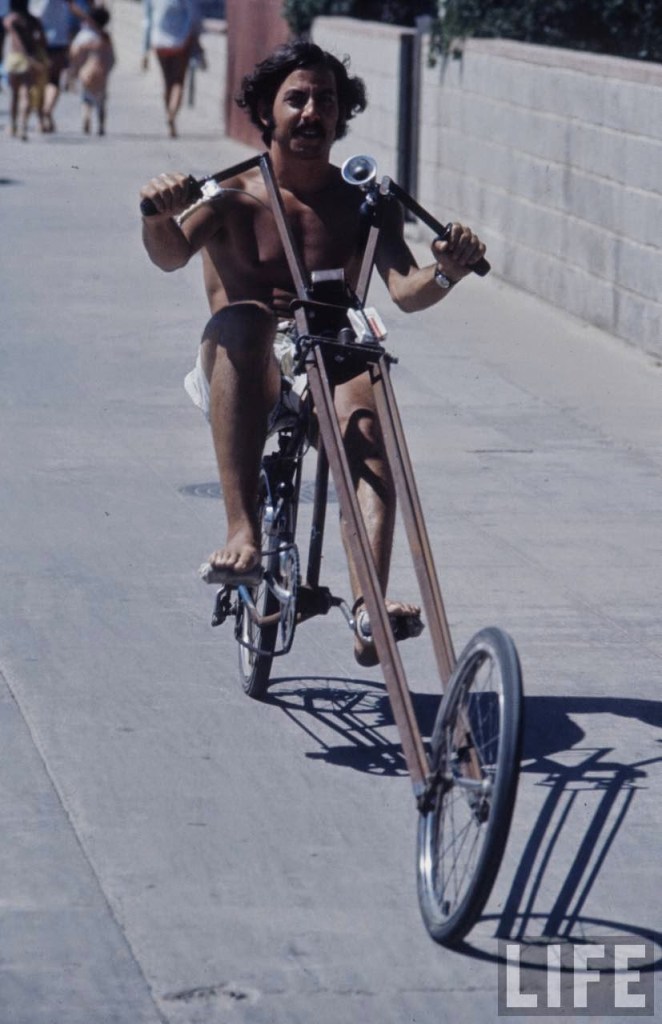
San Francisco in the 1970s was a global hub of culture. It was known worldwide for hippies and radicals. The Daily Mail described flamboyant 1970s San Francisco as being characterized by “hippy street life when buskers, bongo players and impressive bouffants thronged the city by the bay.”
These fascinating photographs, taken by LIFE photographer Bill Eppridge, captured people cycling on streets in San Francisco in the summer of 1970s.
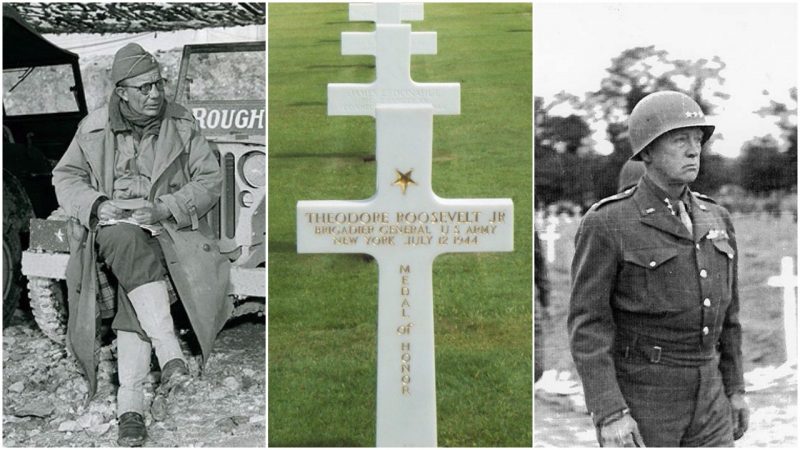
A son will often attempt to live up to the legacy of their father, and when your father happens to be former President, Rough Rider, and man extraordinaire Teddy Roosevelt, that can be quite a tall order. Named after his father, Theodore Roosevelt Jr. fought in both World Wars and demonstrated the type of bravery that must clearly run in the Roosevelt blood.
He made multiple petitions to be on the first wave of the D-Day invasion and when command finally relented, Roosevelt was the only General to be there with the men when the ramps first dropped. General Omar Bradley once noted when asked that the single most heroic thing he had ever seen in combat was Ted Roosevelt on Utah Beach.
For his actions that day, Theodore Roosevelt Jr would receive the Medal of Honor and prove the most difficult thing to do in any war just might be killing a man named Theodore Roosevelt.
An Untraditional Path to Service
Born in 1887 the eldest son of future President Teddy Roosevelt, Theodore was given his father’s namesake and all the burden of living up to it. However, his father would also impress upon him the need for military training and for every man to be prepared to do his part when the time should come.
Roosevelt would go on to attend Harvard and after graduating in 1909, he entered the business world. Proving to be highly skilled, he was able to build quite a personal fortune prior to World War 1 which might have given other men a little more incentive to sit out the war if possible. But other men didn’t have to call the famed Rough Rider of San Juan Hill daddy.
In 1915, the US military had set up a summer camp for business and professional men to receive military training at their own expense. This was used as a method to assess and increase military readiness as war erupted throughout Europe and would prove essential in building a junior officer’s corps for a rapidly expanding army needed to fight World War 1. Three of Teddy’s 4 sons were graduates of this camp and were offered commissions when the US joined the war.
In his younger days as Assistant Secretary To The Navy
Now a Major, Roosevelt would find himself in command of a battalion in the war and become notorious for leading from the front with his men. He took it upon himself to see after the welfare of his men and personally purchased combat boots for his battalion out of his great personal wealth.
He was promoted to Lieutenant Colonel and was given command of the 26th Regiment in the First Division. During the summer of 1918, he was seriously wounded and gassed at Soissons close to the same time younger brother Quentin was killed in combat. By war’s end, Roosevelt had received the Distinguished Service Cross as well as the French Chevalier Legion d’honneur.
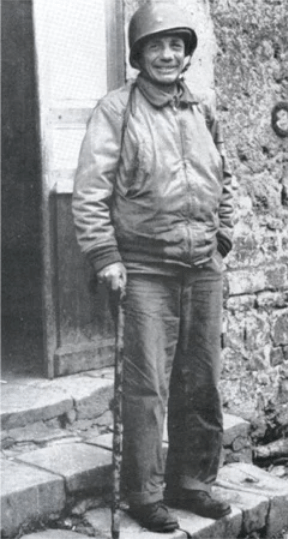
A Political Path to War After the war, Roosevelt would keep up his military training despite injuries frequently requiring the use of a cane. In addition, he simultaneously followed his father’s path into politics. He was elected to the New York State Assembly before being appointed by President Harding to be the Assistant Secretary of the Navy.
In 1924, he was the Republican candidate for Governor of New York where a public feud with cousin and prominent Democrat Franklin Delano Roosevelt took front stage. Theodore would lose the election and any possible affections he might have had with FDR. The next 10 years would see Roosevelt serving overseas as Governor of Puerto Rico and the Governor-General of the Philippines.
By the mid-1930’s, he was back in America pursuing a variety of business interests while the clouds of war began to gather over Europe. In 1940, he took a military refresher course which saw him promoted to Colonel. Just in time for the shooting to start, Roosevelt was back on active duty and given command of the 26th Infantry Regiment, 1st Infantry Division.
After a promotion to Brigadier General, 1942 would see Roosevelt in North Africa as second in command of the 1st Infantry Division under Major General Terry Allen. Much as in the first World War, Roosevelt could regularly be seen on the front lines making on the spot decisions with complete disregard for incoming fire around him.
General Theodore Roosevelt Jr.
However, Roosevelt’s unconventional military background also led him to be criticized by notable Generals such as Patton and Bradley. While his bravery in combat was beyond dispute, his willingness to become over involved with the men and detouring from the finer points of military discipline was the subject of intense debate.
Eventually, General Omar Bradley relieved both Allen and Roosevelt from command of the 1st Division and had them reassigned. Roosevelt would continue to see action in Sicily and Italy before making his way to England in preparation for D-Day.
History on Utah Beach As part of the 4th Infantry Division, Roosevelt made multiple requests to be allowed to be present for the first wave of the invasion. Casualties were expected to be remarkably high and it wasn’t deemed a good use of experience to have a General fall as soon as the ramps dropped.
Roosevelt thought otherwise as he believed he could paint an accurate picture of the battle in progress and make any adjustments on the spot. The Division commander eventually relented and approved Roosevelt’s request while stating that he never expected to see Roosevelt alive again.
American Soldiers land at Utah Beach
History would prove Roosevelt correct as the landing craft for the division had drifted approximately a mile south before hitting the beach. As one of the first men off his craft, General Roosevelt was able to assess the situation and coordinate the impromptu assault.
He was quoted as saying to his battalion commanders, “We’ll start the war from right here!” With his trademarked confidence and calm, he walked up and down the beach directing the action with utter disregard for his own safety.
When the rest of the Generals decided to join the war, General Roosevelt was present to greet them offering top-tier information on which the staff could rely. Roosevelt continued to help the Allies push into France and was put forward for a promotion to Major General and given command of his own division.
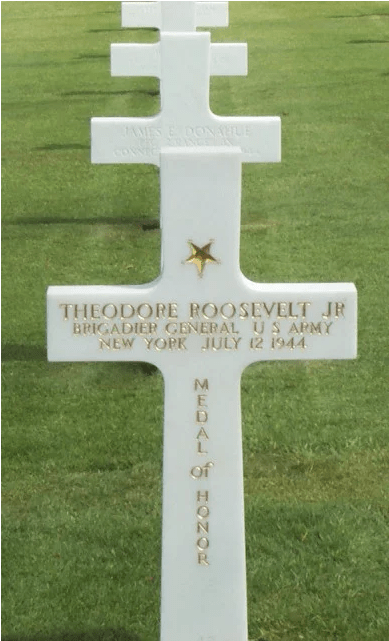
Roosevelt’s grave in Normandy.
However, on July 12th, 1944, the Roosevelt who suffered health problems in part due to his World War 1 wounds suffered a heart attack at the age of 56 and died in France. He was buried at the American cemetery in Normandy and for his actions on June 6th, 1944 he was awarded the Medal of Honor.
When his father, Teddy, died at the age of 60 in 1919 while in his sleep, it was said that “Death had to take Roosevelt sleeping, for if he had been awake, there would have been a fight.” It would seem that a similar trait was true of Junior as it would take a heart attack to do what the entirety of the German army could not.
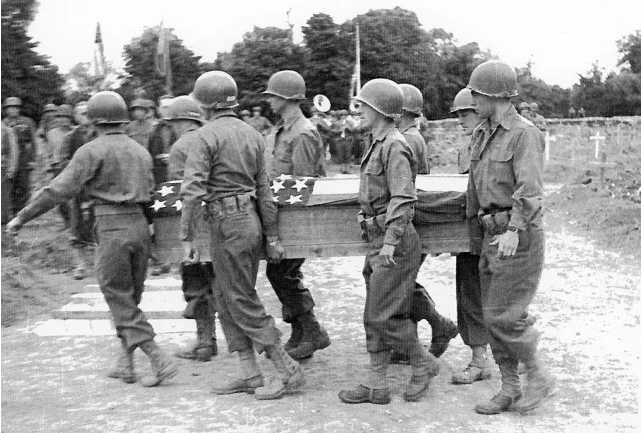
The secret funeral of Teddy Roosevelt Jr.
Like father, like son, both men have secured their place in military history and when Theodore Roosevelt Jr. died, he had made a name that would stand on its own.
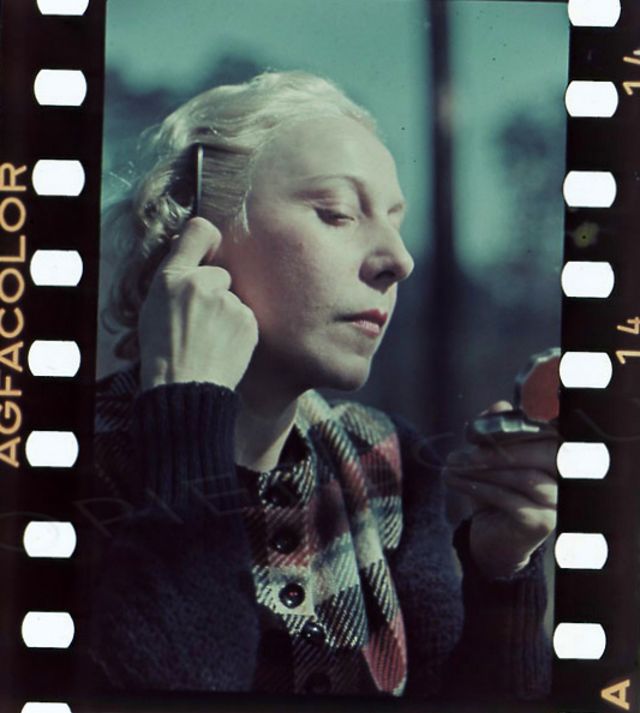
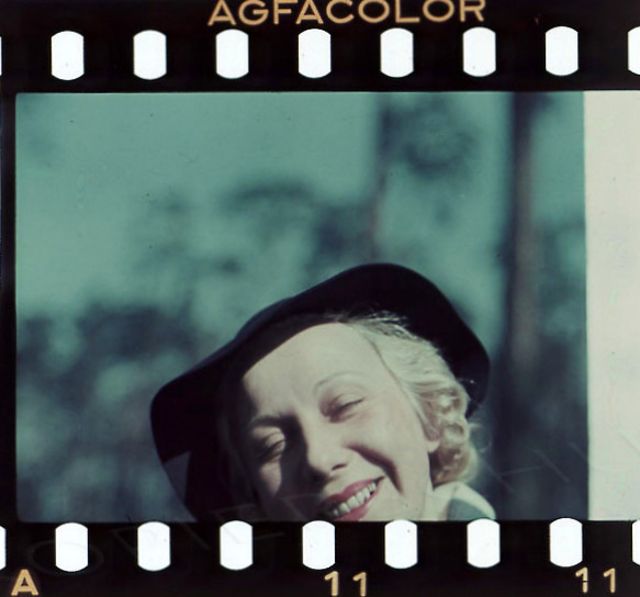
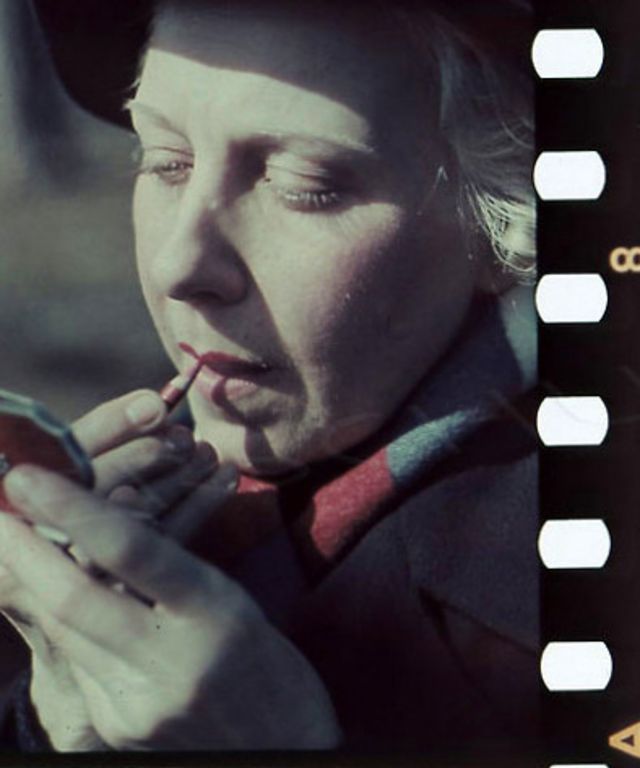
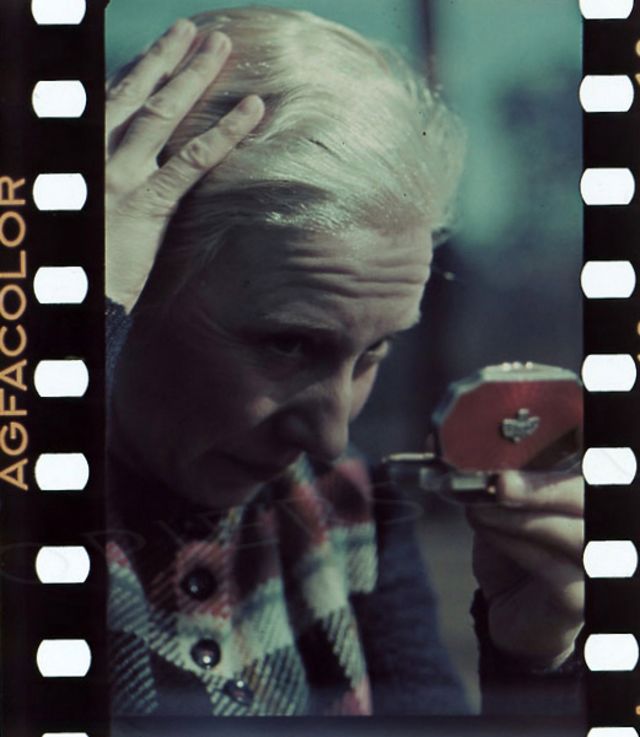
Agfacolor was the name of a series of color film products made by Agfa of Germany. The first Agfacolor, introduced in 1932, was a film-based version of their Agfa-Farbenplatte (Agfa color plate), a “screen plate” product similar to the French Autochrome.
In late 1936 Agfa introduced Agfacolor Neu (New Agfacolor), a pioneering color film of the general type still in use today. The new Agfacolor was originally a reversal film used for making “slides”, home movies and short documentaries. By 1939 it had also been adapted into a negative film and a print film for use by the German motion picture industry.
After World War II, the Agfacolor brand was applied to several varieties of color negative film for still photography, in which the negatives were used to make color prints on paper. The reversal film was then marketed as Agfachrome.
These fabulous agfacolor slides were found by apfelauge that show portrait of an unknown German woman in the late 1930s.
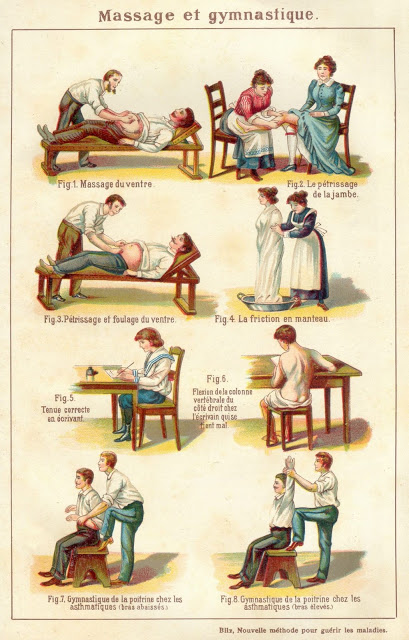
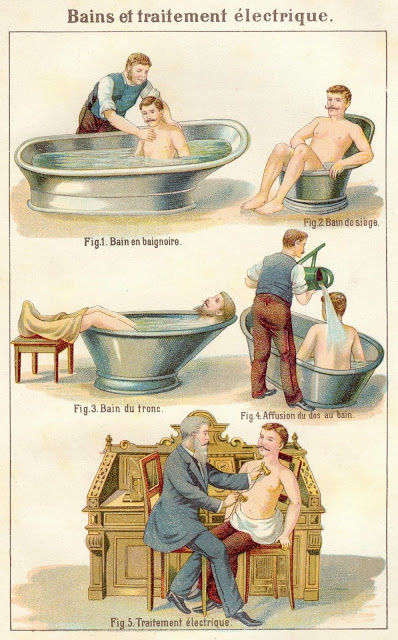
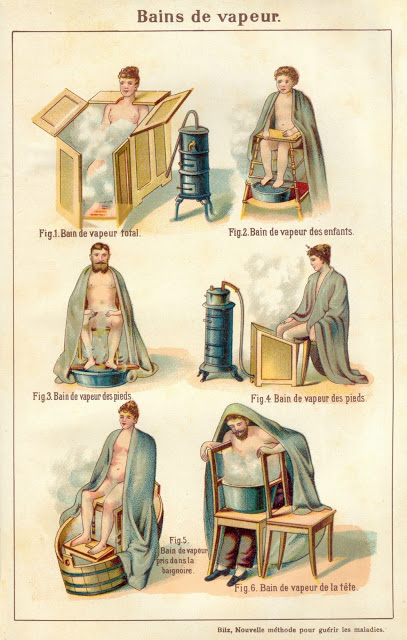
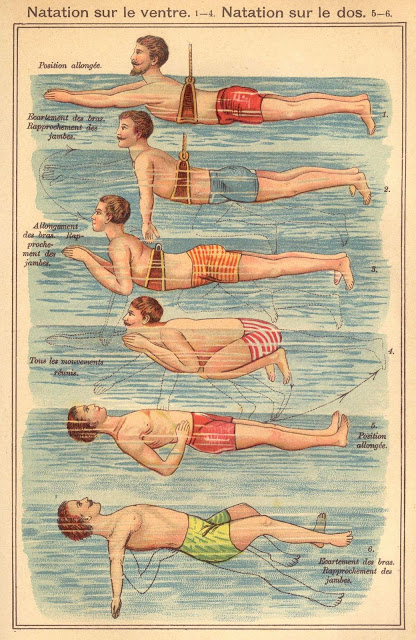
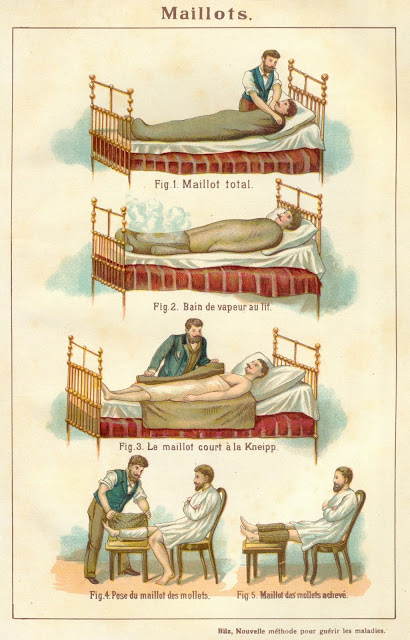
This French edition of Friedrich Eduard Bilz’s 1888 naturopathic medicine guide Das Neue Naturheilverfahren (The New Natural Healing) is charmingly illustrated in the familiar style of early twentieth-century medical art. It offers visual directions to various methods of curing disease, from steam baths to massage to swimming and is one of the best of its kind.
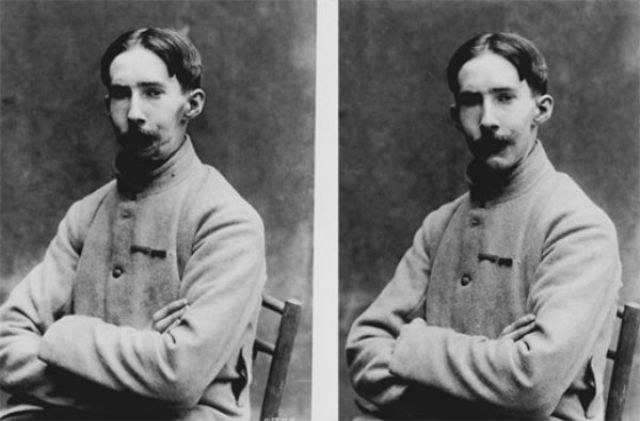
Born in Philadelphia in 1878, Anna Coleman Ladd was a classically trained sculptress who in 1917 founded the American Red Cross Studio for Portrait Masks in Paris.
Anna was inspired to offer her talent as an artist to help soldiers in France after reading an article about Francis Derwent Wood and his “Tin Noses Shop” in England (where Wood was creating masks for disfigured soldiers).
Anna’s husband, Dr. Maynard Ladd, was already in France organizing pediatric hospitals. Anna prevailed upon his Red Cross connections to help her establish the Studio for Portrait Masks for Mutilated Soldiers in Paris.
By November of 1917 Anna had found prospective clients from the front-line hospitals. Shortly after that, with the help of Diana Blair (from the Harvard Medical unit), Jane Poupelet (a French sculptor) and two English sculptors (Louise Brent and Robert Vlerick), she was ready to open the studio.
Anna didn’t want to just hide the soldier’s disfigurement. She wanted to restore his sense of self – “his personality, his hopes and ambitions.” To do this she created a homelike environment where the men would feel at ease. The studio was filled with light and laughter.
Anna and her assistants took time to talk with the men, to get to know them. She often interviewed friends and family members and pored over pictures of the man before the war.
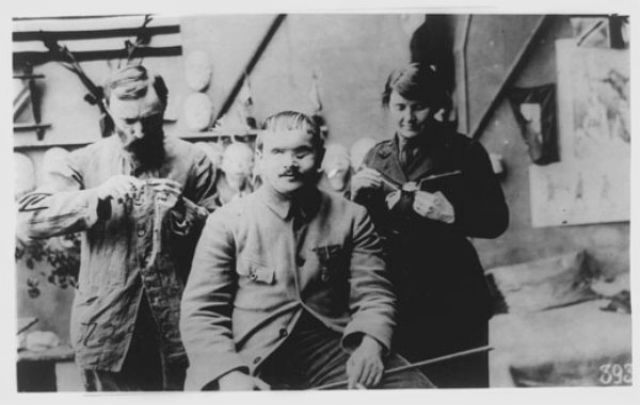
The first step, in the actual process of restoring a mutilé’s face, was to make a plaster cast of his damaged face. Then, using the information garnered from her interviews and photographs, Anna would build-up the missing or ruined features on the plaster cast until the soldier said, “C’est moi!” (It’s me!).
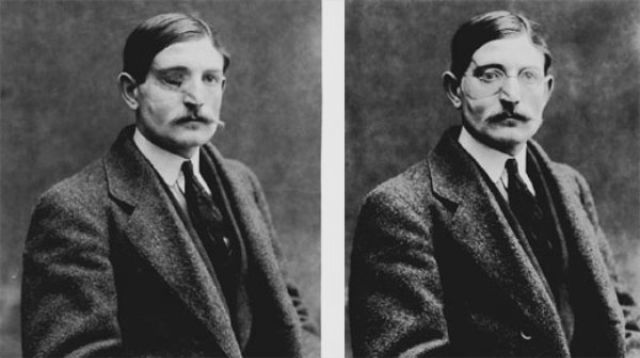
Next a gutta percha (a type of latex) mask was made of the area that need to be restored. Some masks covered the whole face but most were partial masks, covering a chin and one cheek, or a nose and an eye, whatever had been damaged.
The gutta percha mask was suspended in a copper bath for two days until a thin film of copper was deposited on it, resulting in a light weight copper mask that could be painted. Anna painted the mask while it was on the man’s face to better match his skin tones.
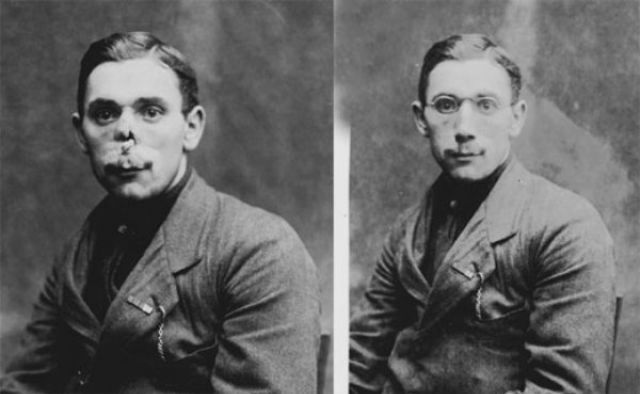
Eyes were painted on if needed but eyelashes, eyebrows and even mustaches were created with fine copper wire that looked natural and would withstand the occasional mustachio twirling so popular with Frenchmen. Most masks were held in place with spectacles but, if a soldier didn’t want glasses, Anna found alternative methods, like thin wire or ribbon, to secure the mask.
To further create a natural effect, a small hole was left between the new lips so a man could smoke a cigarette while wearing his mask. A video of Anna at her studio still exists in which you can see Anna and her assistants creating and fitting masks on soldiers.
The average cost of the masks was only $18 due, in large part, to the fact that Anna’s services were donated.
Reports vary as to the number of masks that Anna and her team created. Some say 60, others say over 100. But the impact on the lives of the soldiers they helped—and their families—is immeasurable.
Anna Ladd returned to the United States in December of 1918 where she resumed her career as a sculptor. Sometime in the late 1930s she and her husband moved to California where she remained active as an artist.
Anna died in Montecito, California on June 4, 1939. She was survived by her husband and two daughters.
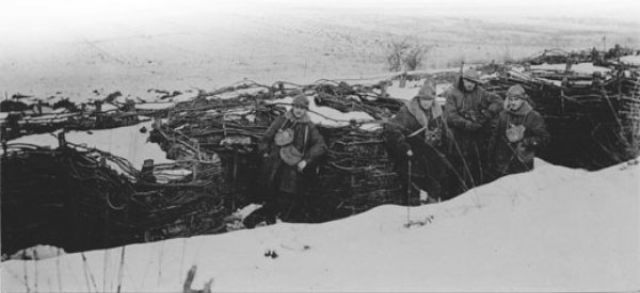
Sculptors and artists designed lifelike masks for gravely wounded soldiers.Life in the trenches, wrote the British poet Siegfried Sassoon, “is audacious and invincible, until it is whirled away in enigmatic helplessness and ruin.” Enemies popped up from the earth to shoot at each other, producing a bumper crop of head wounds.Sculptor Anna Coleman Ladd (above right) perfected mask-making in her Paris studio. “We give the soldiers a warm welcome,” Ladd wrote.With an unidentified assistant, Ladd fits a French soldier with a paper-thin metal mask, secured by ear-pieces from spectacles and plated from a plaster mold of the man’s face. Ladd made a point of befriending “those brave faceless ones.”Sculptor Anna Coleman Ladd adapted Francis Derwent Wood’s methods at her Studio for Portrait Masks in Paris.Portraits in Ladd’s Paris workrooms documented the progress of patients who were the beneficiaries of new noses, jaws and eyes.Masks were painted on their wearers to precisely match skin color.Some masks bristled with lifelike mustaches.Soldiers gained confidence to reenter society. “Thanks to you,” one wrote to Ladd, “I will have a home….The woman I love…will be my wife.”Some soldiers came to a 1918 Christmas party in Ladd’s Paris studio swaddled in bandages while others wore new faces. Festooned with flags, trophies and flowers, the place was designed to be cheerful. Mirrors were banned from some treatment centers to save patients from seeing their mangled faces. By the end of 1919, some 185 men would be wearing new Ladd Studio faces.Anna Coleman Ladd in her studio painting a mask worn by a French soldier who was disfigured in World War I is shown in this c. 1918 photograph.This July 1918 scene at Ladd’s studio shows casts taken from the soldiers’ mutilated faces, on the upper row; the lower row shows the faces that Ladd modeled on the foundation of the life mask with help of photographs taken before the wound was received.
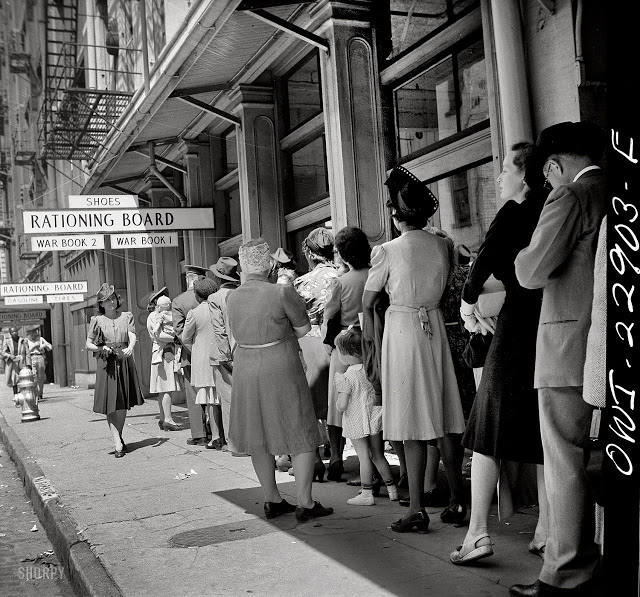
During the Second World War, you couldn’t just walk into a shop and buy as much sugar or butter or meat as you wanted, nor could you fill up your car with gasoline whenever you liked. All these things were rationed, which meant you were only allowed to buy a small amount (even if you could afford more). The government introduced rationing because certain things were in short supply during the war, and rationing was the only way to make sure everyone got their fair share.
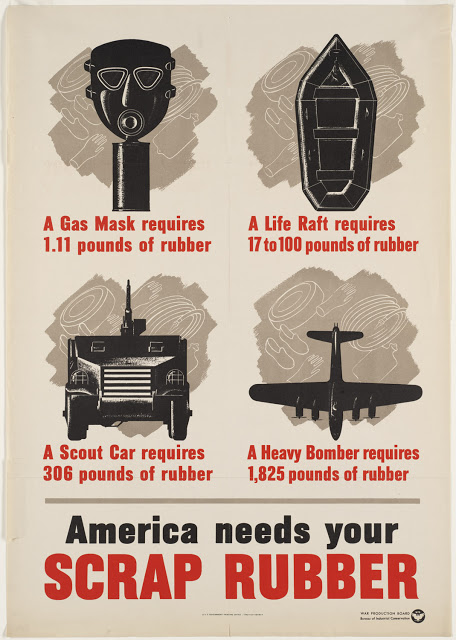
The Japanese attack on Pearl Harbor dramatically ended the debate over America’s entrance into the war that raged around the world. As eager volunteers flooded local draft board offices ordinary citizens soon felt the impact of the war. Shoes were rationed because leather and rubber were in short supply. (Rubber especially, as Japan controlled Southeast Asia, where the bulk of the world’s rubber was produced.)
Line for the Rationing Board on Gravier Street, New Orleans.The Shoe Line: 1943 March. New Orleans, Louisiana. Line at rationing board.
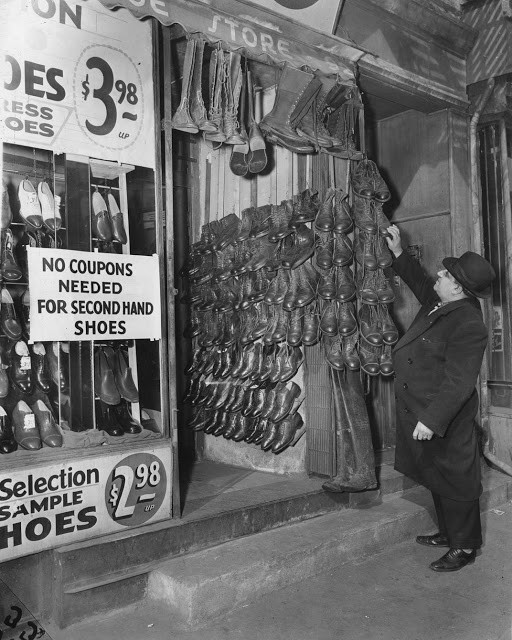
Starting September 30, 1942, men’s rubber boots and rubber work shoes were placed under rationing. To obtain a new pair, a man had to apply to the local ration board, prove he needed the shoes for essential industry—not for sport—and turn in the old pair. Galoshes and overshoes were not rationed because they used less crude rubber, but sportsmen couldn’t get boots, and sneakers were no longer produced.
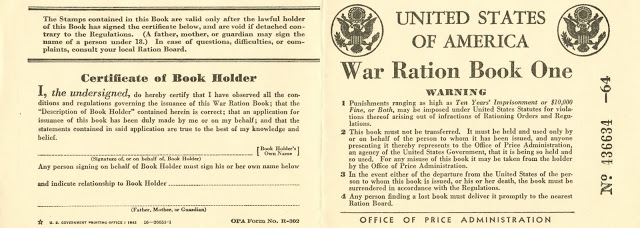
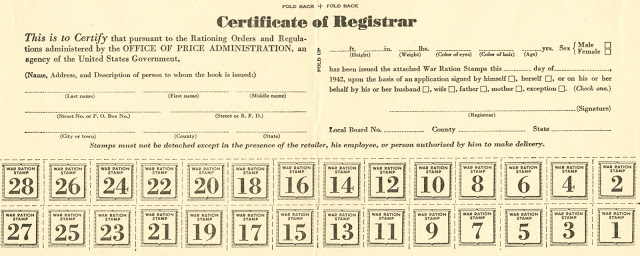
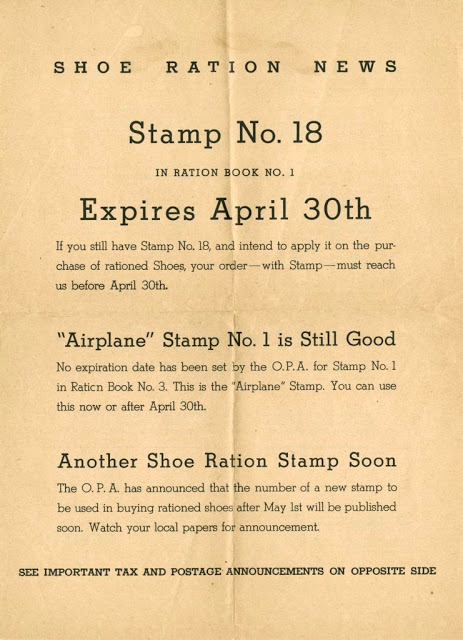
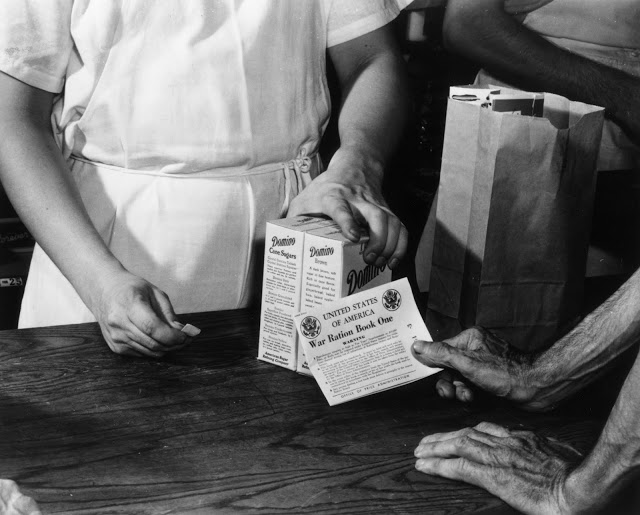
On February 7, 1943, the United States instituted rationing of leather shoes to begin on February 9. Each man, woman, and child could purchase up to three pairs of leather shoes a year, using designated stamps in War Ration Book One, and later in Books Three and Four. To simplify the system, only six shades of leather were produced. However, the supply of leather continued to decrease. On March 20, 1944, the ration was reduced to two pairs of leather shoes per year. Shoe rationing continued until October 30, 1945.
The strict rule that the ration stamp had to be torn from the book in the presence of the retailer was lifted for catalog purchases. If you wanted an extra pair of shoes, you had to fill out a long application at the ration board, listing every pair of footwear you owned, and explaining why another pair was essential for your occupation and why another pair was required to prevent serious hardship.
No exceptions were made for children and their rapidly growing feet. Families pooled their stamps, and adults made do with fewer shoes to provide for their children’s needs. However, pediatricians and podiatrists complained publicly that shoe rationing would produce a generation of “foot cripples.”
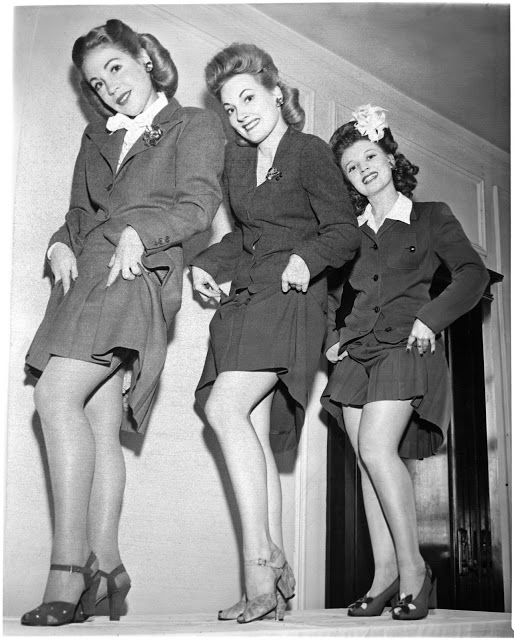
To make do with less, people took care of the footwear they already owned, keeping rubber boots clean, dry, and away from excess heat or cold, and repairing shoes and boots whenever possible. Shoes made of fabric, such as espadrilles, were not rationed and became fashionable. Women also turned to fabric purses and belts.
Scrap Rubber poster
Some people did not make do. Theft and black market profiteering were a continuing problem. For example, on May 3, 1944, a man was arrested in Pittsburg, California for stealing seven pairs of shoes from a shipment. The June 8, 1944 issue of the Antioch Ledger reported his sentence—six months or $500.
All told, shoe rationing lasted more than three years. When it concluded in late October 1945, more than a month after the war ended, OPA chief Chester Bowles called it “one of our most successful programs.” “By giving everyone a little less,” Bowles said, distilling the sense of shared sacrifice that defined the effort, the OPA ensured that there was enough “to go around.”
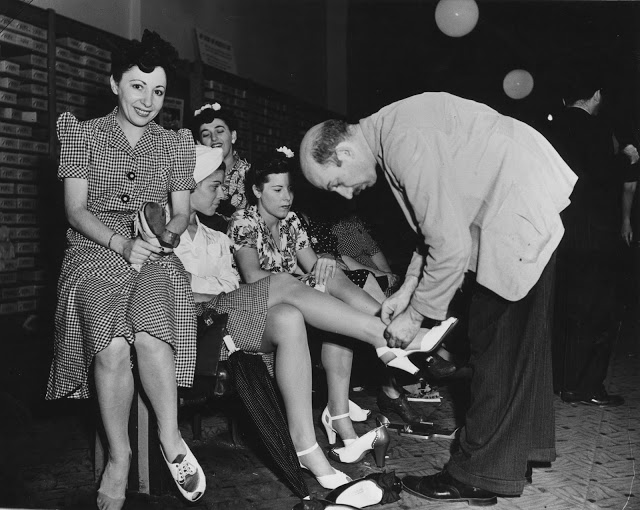
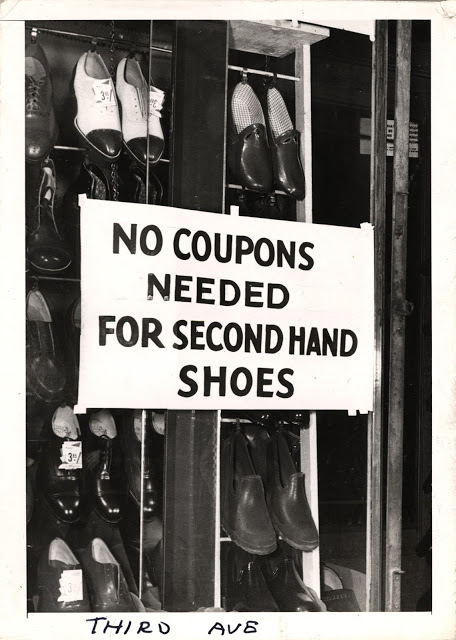
July 1942: Close-up of a man behind a counter handing over two boxes of Domino sugar to a man handing over a War Ration Book. In an effort to ration sugar, coupons from the War Ration Books assured a just distribution of the nation’s sugar supply to all.June 14, 1943: With the all important No. 17 coupon expiring Tuesday, New York shoe stores were jammed even on Sunday. These young ladies are trying on some white models at a store on Delancey St., on lower East Side, New York, 1943.View of shoes with a sign that reads ‘No Coupons Needed for Second Hand Shoes’, New York, February 1943. Business doubled recently at a store on 92 Third Avenue that sells factory rejects and second hand shoes not affected by rationing. General sales of shoes increased on the first day of rationing; most are bought by working men.Wartime rationing: Shopping for secondhand shoes in New York, 1943.A number of people crowd into a shoe store on the last day for War Ration shoe coupon 17. Washington, DC, June 1943.Three Models Showcasing Shoes made from Material that is not being Rationed during WWII, Chicago, Illinois, USA, 1944.