Valley Of Death: 33 Historic Photos From The Crimean War

These haunting Crimean War photos represent some of the first battlefield photos ever taken and reveal the history of this overlooked conflict that shaped Europe for decades.

When the Crimean War broke out between the Russian Empire and the Ottoman Empire and its allies in 1853, photographers took their new technology to the front lines to show the world for the first time what war was really like.

While these photos weren’t as graphic as images captured during subsequent wars (in fact, they were hardly graphic at all), many historians nevertheless regard the Crimean War as the birthplace of war photography.

As TIME wrote, describing the works of noted Crimean War photographers like Roger Fenton, James Robertson, Felice Beato, and Carol Szathmari:

“Their pictures might lack the often-brutal drama of modern war photography, but they nevertheless serve as compelling documentation of the look and, in a sense, the logistics of mid-19th-century warfare.”

The Crimean War itself began in part because of a dispute between the Roman Catholic Church and the Russian Orthodox Church over church access rights to religious sites in the Holy Land, which was then part of the struggling Ottoman Empire, famously dubbed the “sick man of Europe” by Russia’s Tsar Nicholas.

Moreover, the two sides each had their own supporters with their own agendas. Imperial Russian forces looking to expand their influence in what’s now Ukraine naturally supported the Russian Orthodox Church. On the other hand, Britain and the Ottomans both sought to stop the advance of the Russian Empire and curb their growth as a rival European power. Both Britain and the Ottomans joined with Catholic-led France on the Roman Catholic side of the divide.

And while the two churches settled their differences, their imperial supporters did not, and the Ottomans declared war on Russia in 1853. The war raged for more than two years in the area surrounding the Black Sea, namely the Crimean peninsula on the northern coast.

The fighting was marked by a series of now historic events and clashes including the Battle of Balaclava, during which the British were able to fight off a major Russian charge at a critical naval base along the Black Sea and launch their own successful offensive known as the Charge of the Light Brigade, later immortalized in verse by poet Alfred Lord Tennyson.

Much of that time was spent on a single siege against the Russian naval stronghold at Sevastopol starting in 1854. The Ottoman allies hoped the siege would take just a few weeks but it ended up lasting 11 months. Ultimately, nearly a quarter of a million total soldiers died at Sevastopol before Russian forces fell, ending the Crimean War altogether (along with the fact that the allies had cut Russian supply lines across the Sea of Azov) with an allied victory in late 1855.

One factor that may help explain Russia’s defeat is alcohol. Tn the words of Politico:

“From the inebriate and undisciplined peasant conscripts to their inept, corrupt and often even more soused army commanders, the lackluster military that Russia put into the field in Crimea was the unhappy product of the imperial state’s centuries-long promotion of a vodka trade that had become the tsars’ greatest source of revenue.”

One Russian soldier who fought in the Battle of Alma River recalled just how bad things could get when commanders were under the influence or otherwise confused and negligent:

“During the five hours that the battle went on we neither saw nor heard of our general of division, or brigadier, or colonel. We did not during the whole time receive any orders from them either to advance or to retire; and when we retired, nobody knew whether we ought to go to the right or left.”

And when alcohol wasn’t plentiful, that could prove troublesome as well. “We are to have no vodka, and how can we fight without it?” one veteran soldier reportedly said at the outset of the Sevastopol siege, expressing concern that the fighting might not turn out so well for Russia.

And beyond just the soldiers, many Russian commanders were frequently intoxicated on the battlefield according to contemporaneous accounts. This caused Russia’s battlefield defeats to be particularly embarrassing.

Regardless of the cause of Russia’s defeat, the Treaty of Paris made the Black Sea neutral territory, closing it to warships, and thus significantly curtailing the influence of the Russian Empire in the area.

The treaty’s Black Sea provision proved especially important. Neither Russia nor Turkey were now allowed to have military personnel or fortifications along the coast of the sea. This put a major halt on Russian imperial expansion in the region.

Furthermore, the conflict proved to have far-reaching geopolitical consequences for decades to come. As HISTORY wrote:

“The Peace of Paris, signed on March 30, 1856, preserved Ottoman rule in Turkey until 1914, crippled Russia, facilitated the unification of Germany, and revealed the power of Britain and the importance of sea power in global conflict.”

The Crimean War thus informed the nationalistic power grabs that dominated 19th-century Europe and eventually set the stage for World War I. The balance of power in Europe had forever been changed.

But aside from the far-reaching consequences of the war, the immediate human cost was certainly devastating.

The allies suffered approximately 223,000 total casualties throughout the war with a whopping 120,000 or so the result of disease. The Russians fared even worse: They suffered more than half a million casualties, more than half of which died from non-combat causes.

Alongside such suffering, the Crimean War also helped pave the way for battlefield photography itself, forever giving the public a new perspective on war.

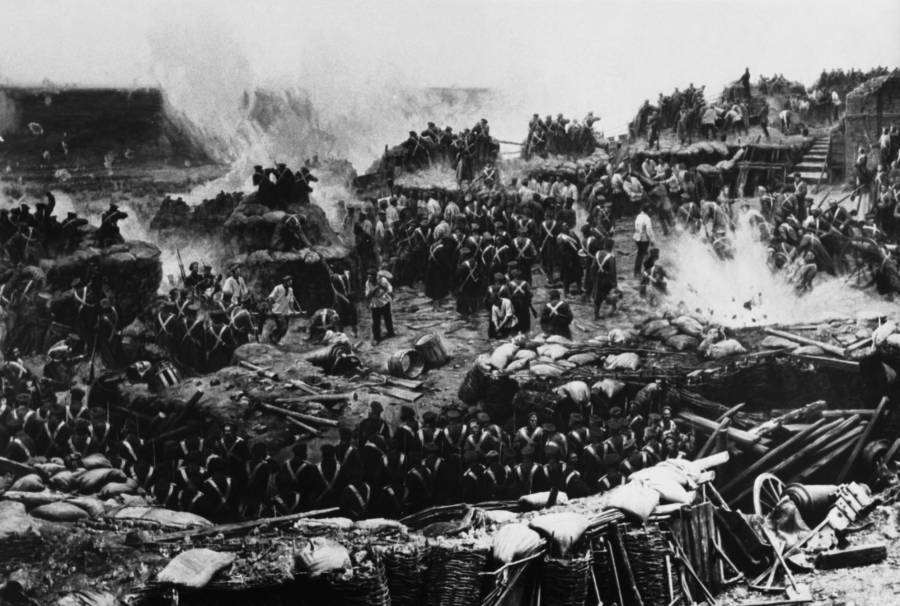
Soldiers battle during the Crimean War. Circa 1855.
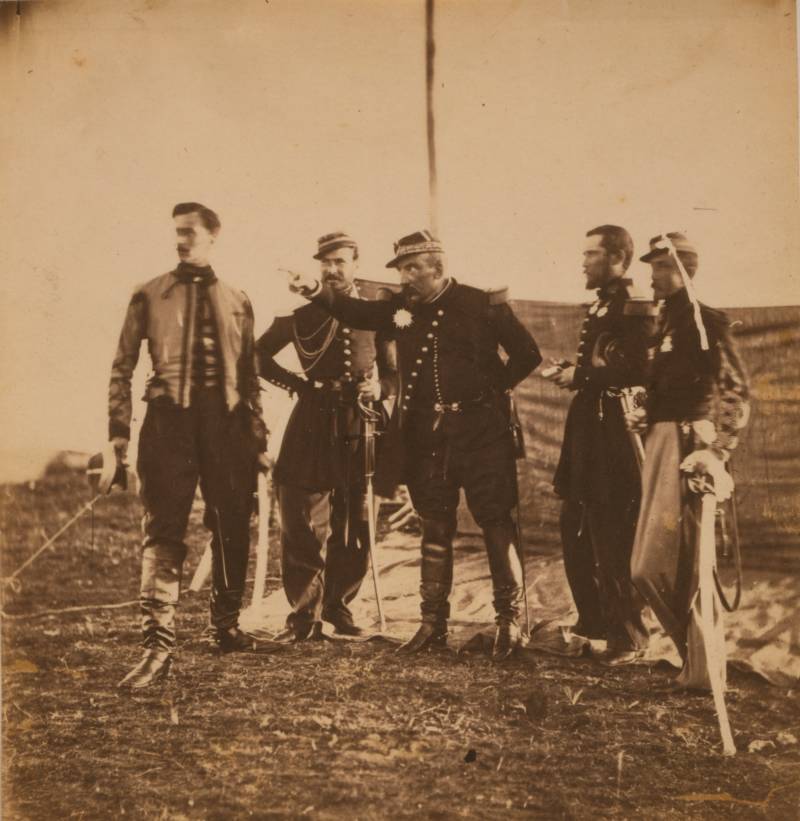
General Pierre Bosquet of France gives orders to his men. 1855.
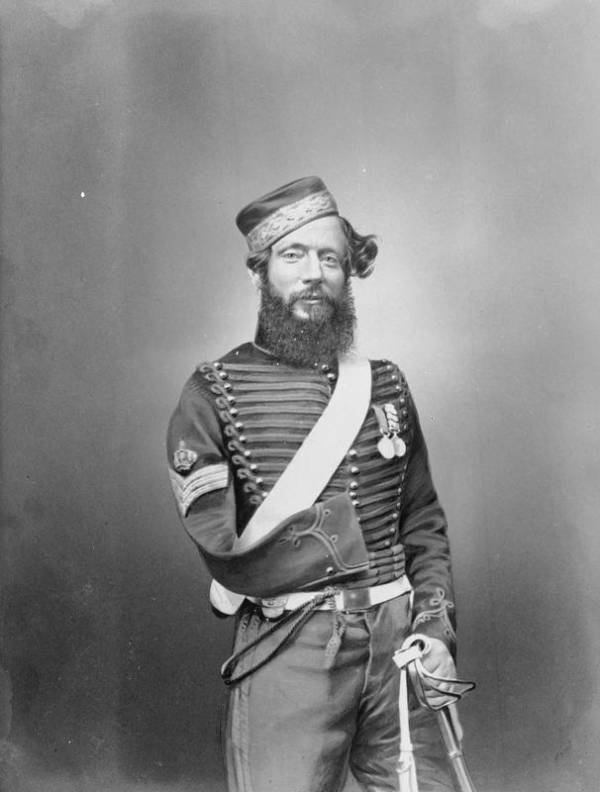
Sergeant J. Brease of Britain’s 11th Hussars, who lost his arm in the Battle of Inkerman. Circa 1854-1856.
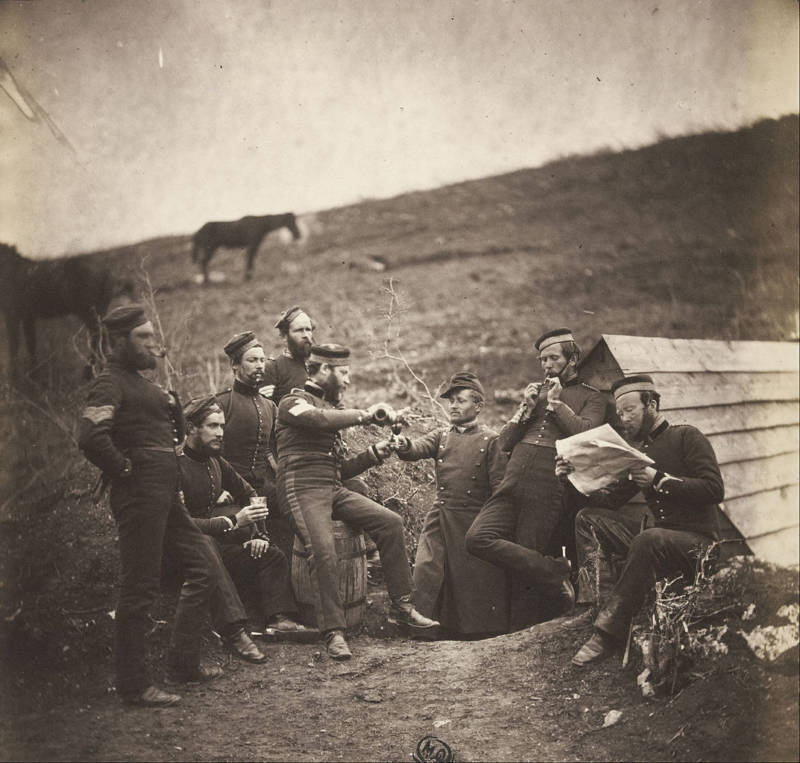
British and French soldiers relax and share a drink during the Crimean War. Location unspecified. 1855.
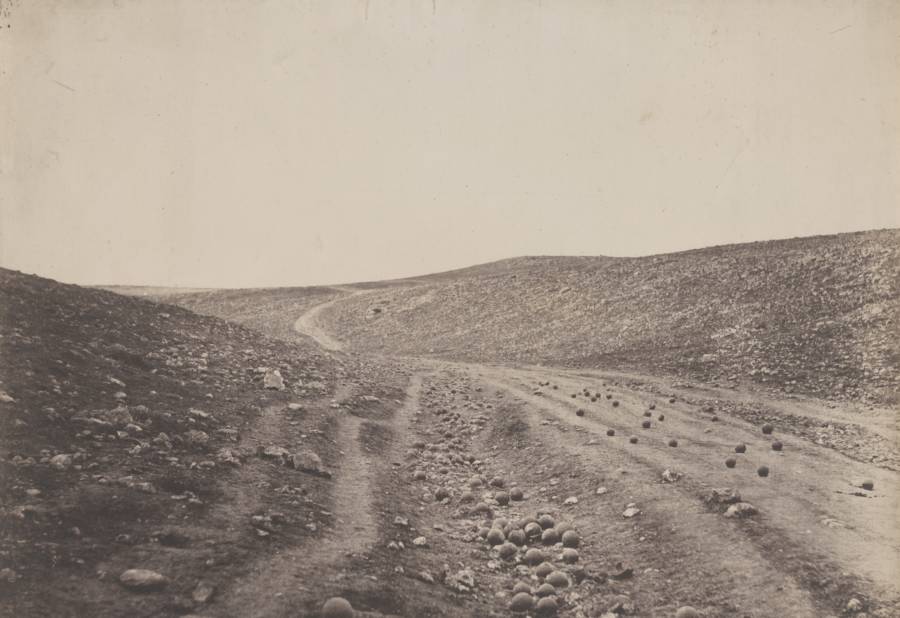
Titled “Valley of the Shadow of Death,” this iconic photo shows a road in Sevastopol littered with cannonballs. April 23, 1855.
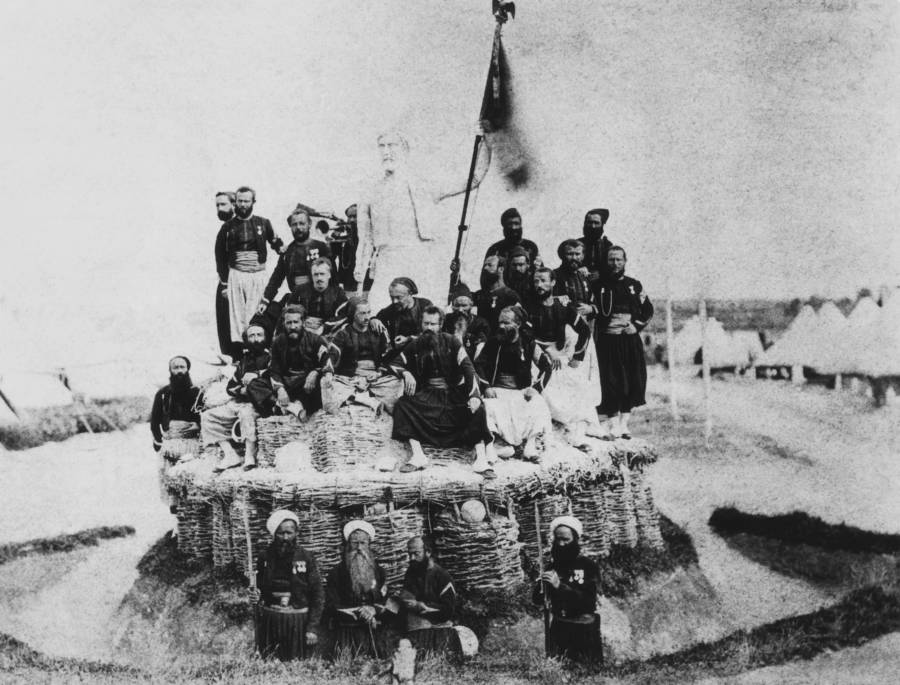
Soldiers involved in the taking of Malakoff in 1855.
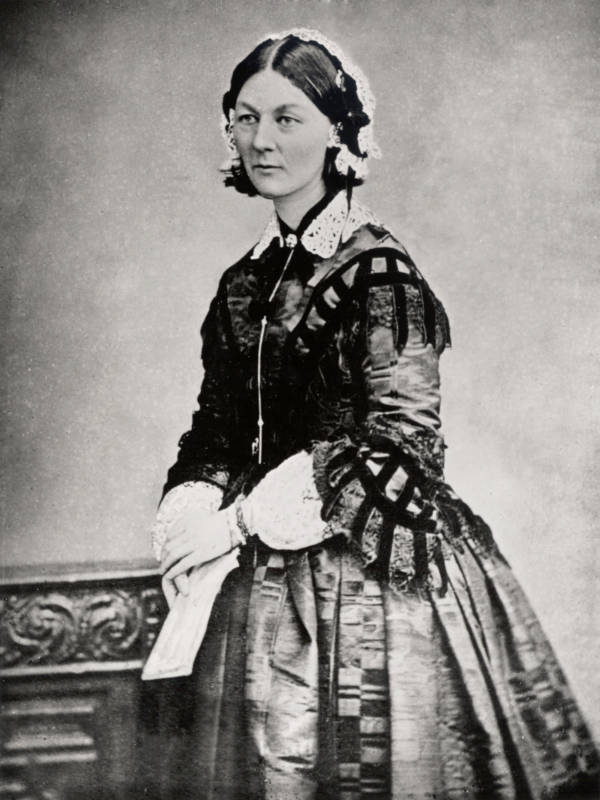
Britain’s Florence Nightingale, who famously helped modernize battlefield nursing during the Crimean War. 1860.
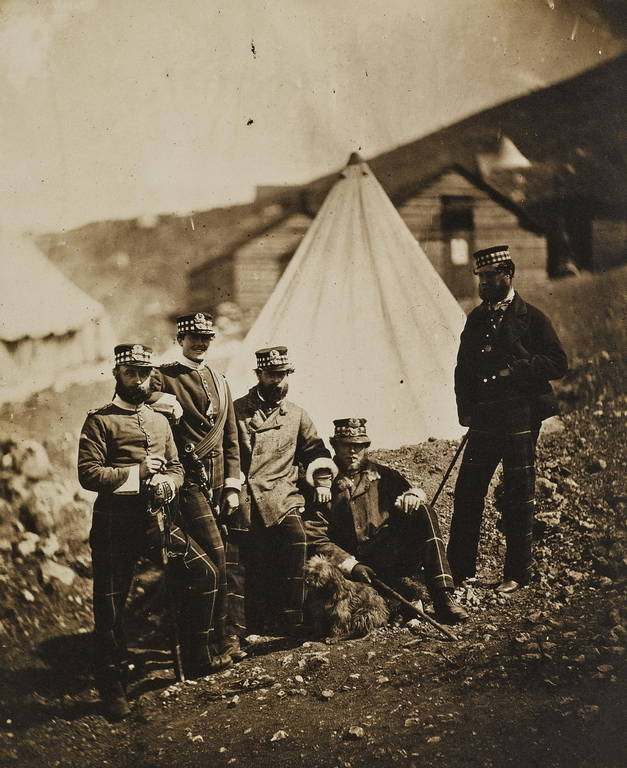
Officers of Britain’s 71st Highlanders. 1856.
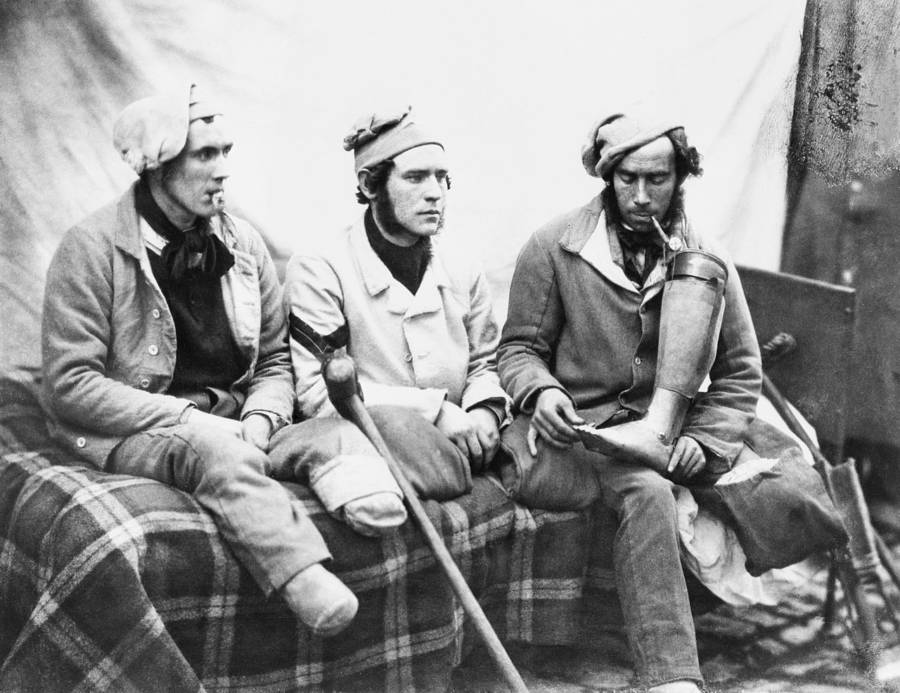
British soldiers of the Crimean War who have lost limbs. Circa 1854-1856.
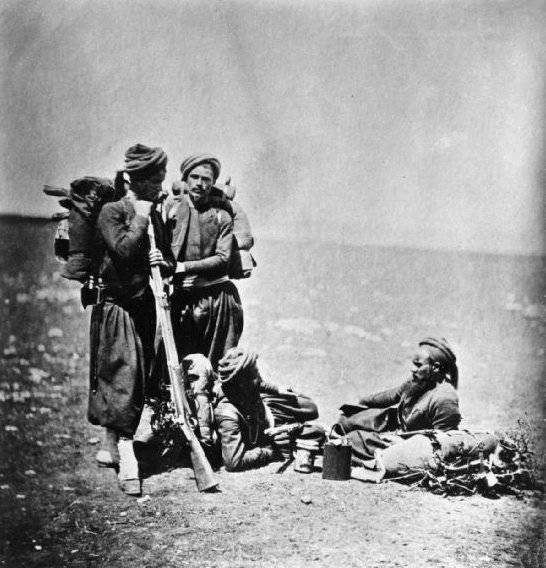
North African soldiers fighting for France take a rest. Location unspecified. Circa 1854-1856.
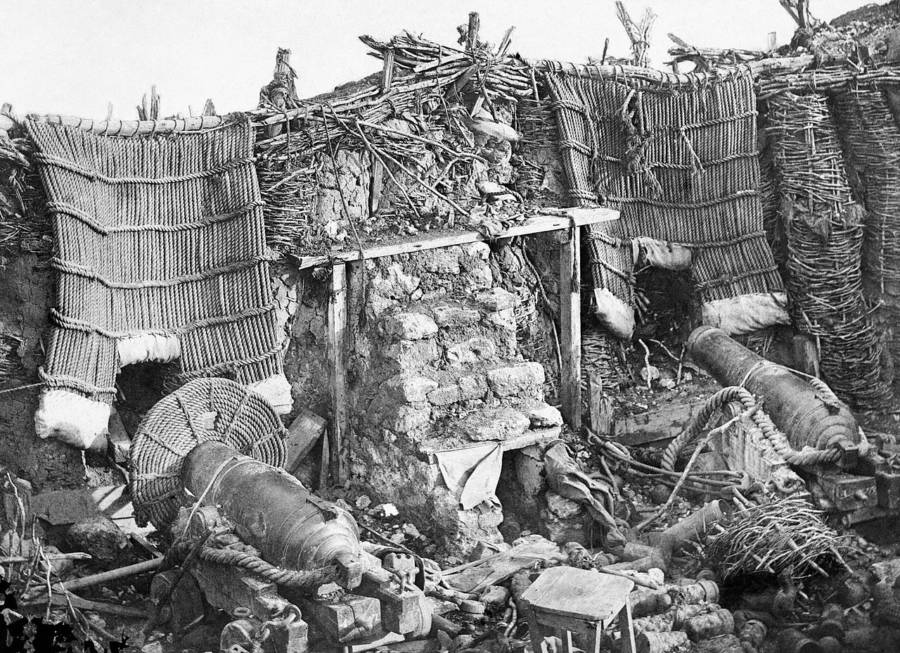
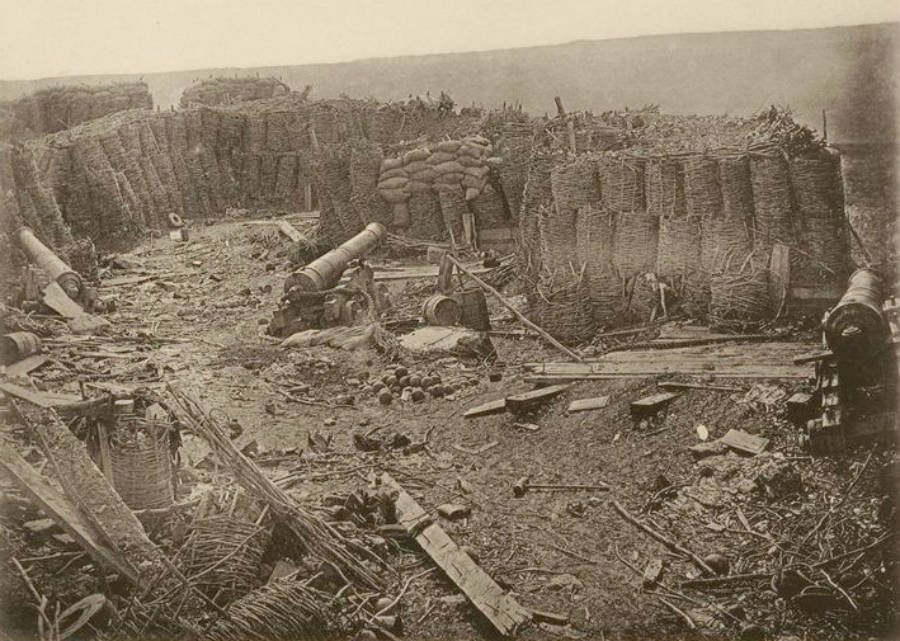
The ruins of a Russian post used to defend Sevastopol. Circa 1854-1856.
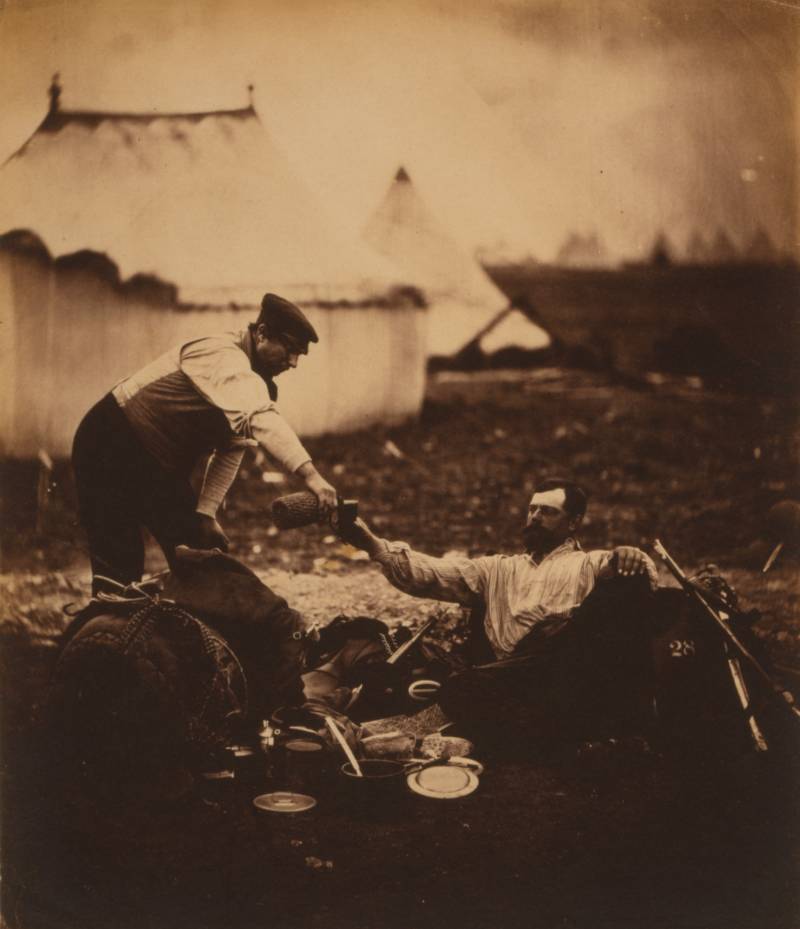
Major Hallewell of Britain lounges about while a servant pours him a drink. 1855.
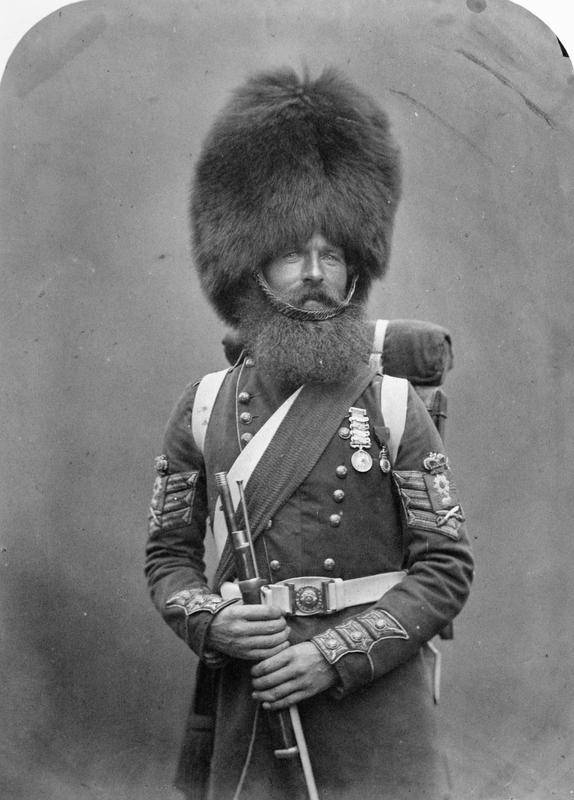
Colour Sergeant William McGregor of Britain’s Scots Fusilier Guards. Circa 1854-1856.
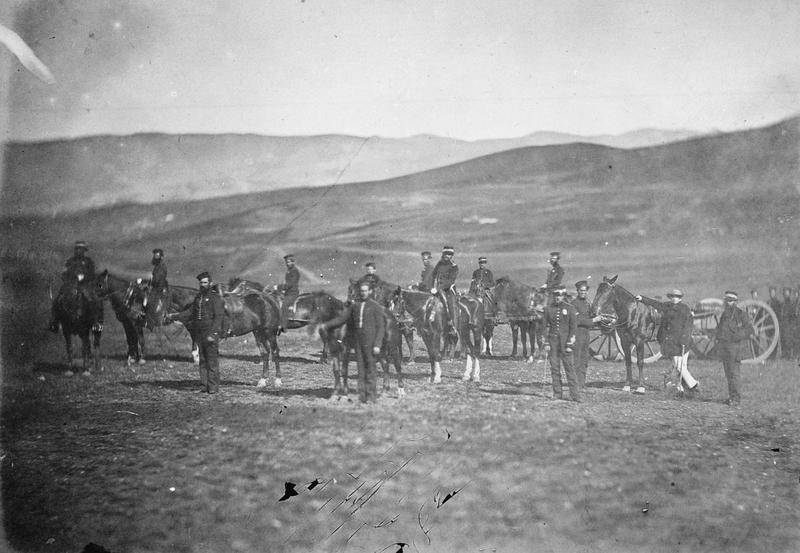
An unspecified gun team stands with their horses. Location unspecified. Circa 1854-1856.
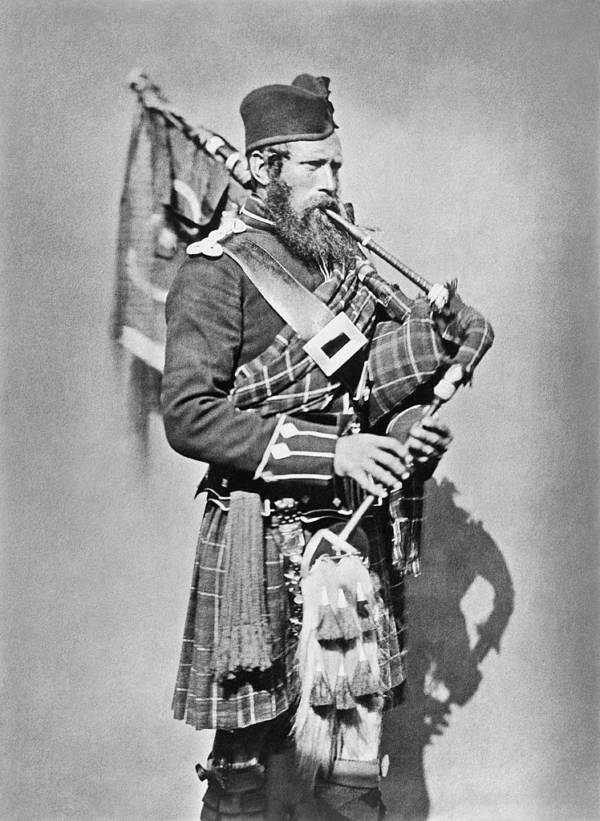
Pipe Major John Macdonald of Britain’s 72nd Highlanders, with bagpipes. Circa 1854-1856.
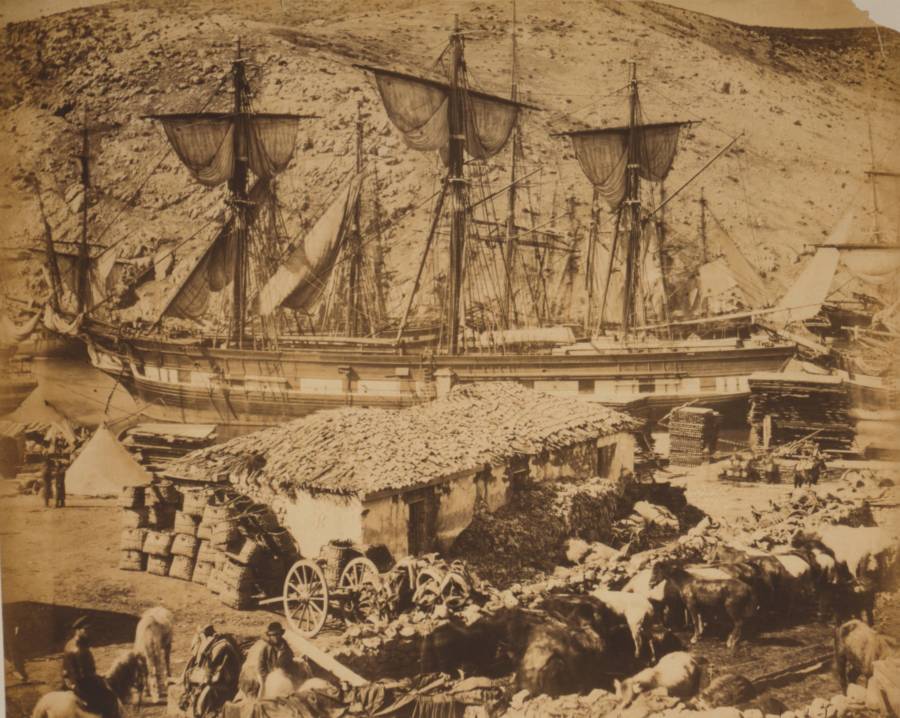
Balaklava harbor. 1855.
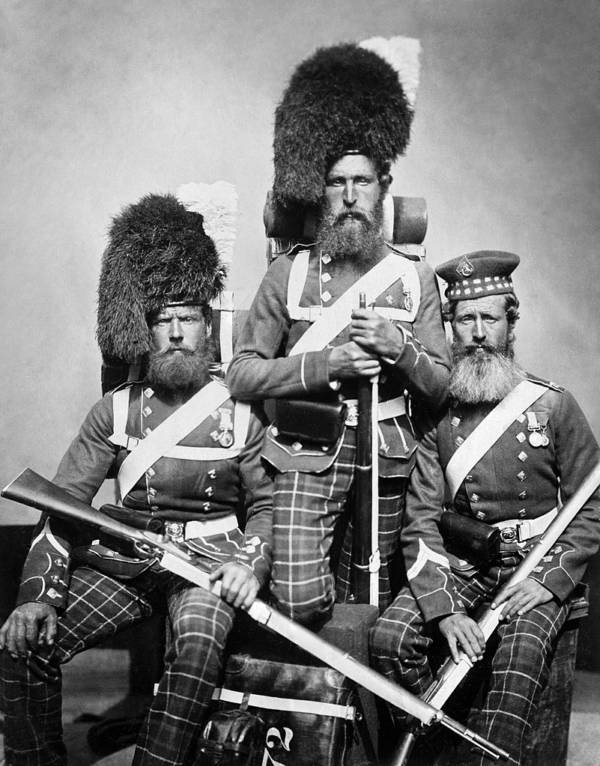
Soldiers of the 72nd Highlanders. Circa 1854-1856.
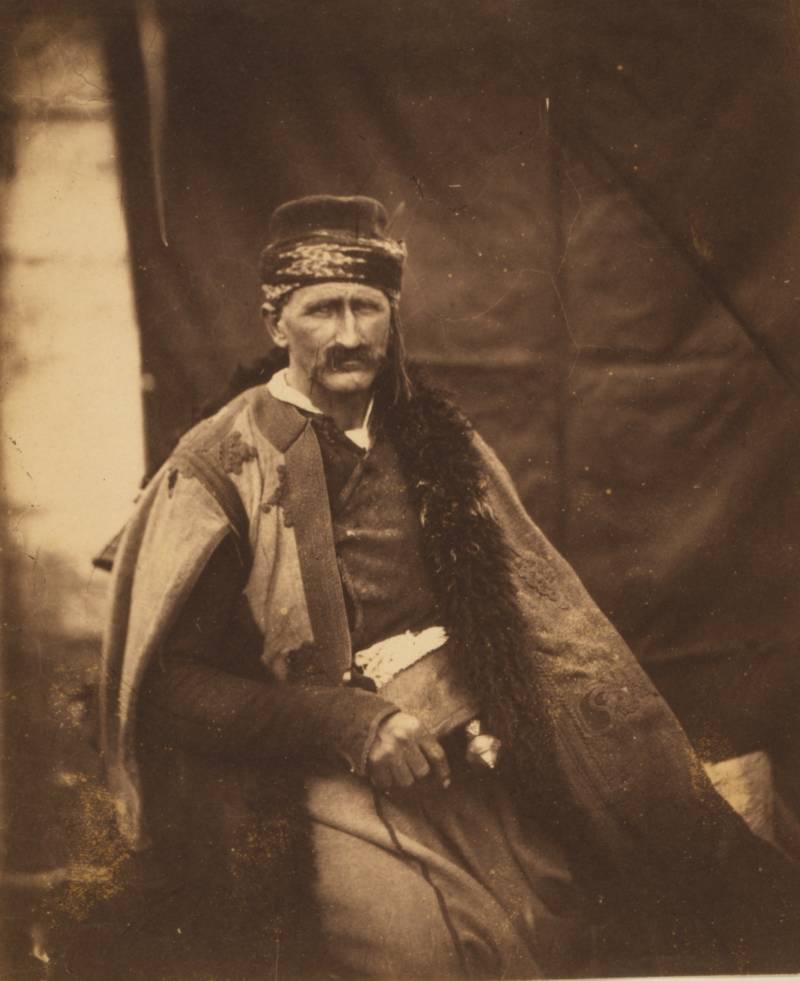
A Croat chieftain. 1855.
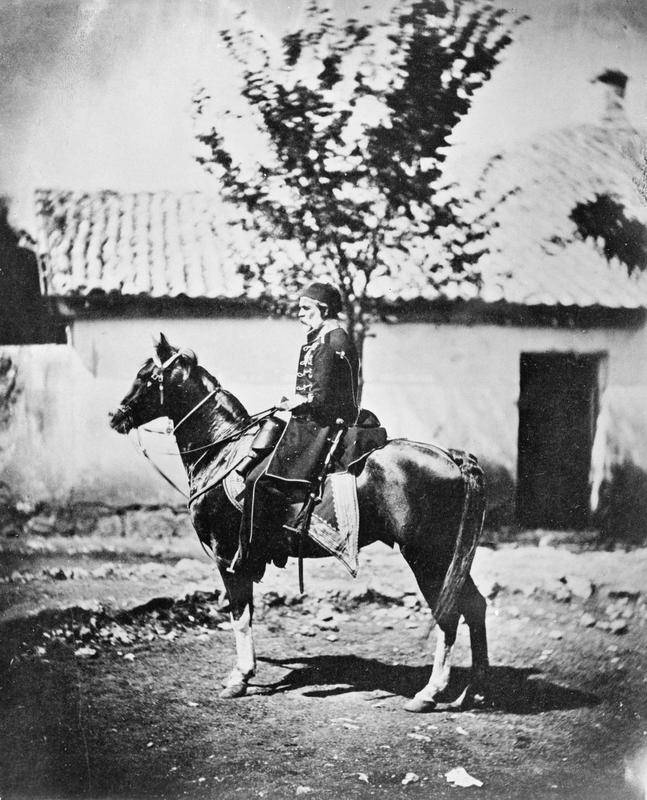
Ottoman commander Omar Pasha on his horse. Circa 1854-1856.
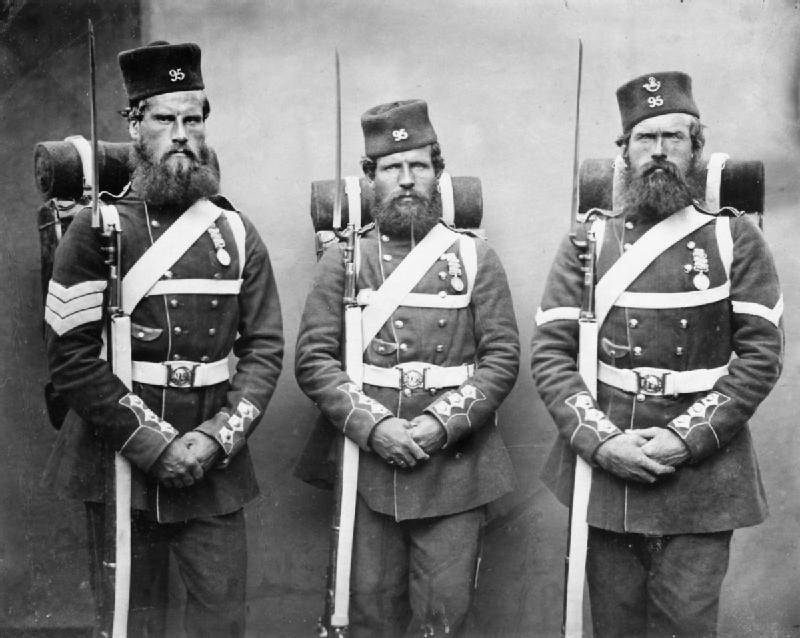
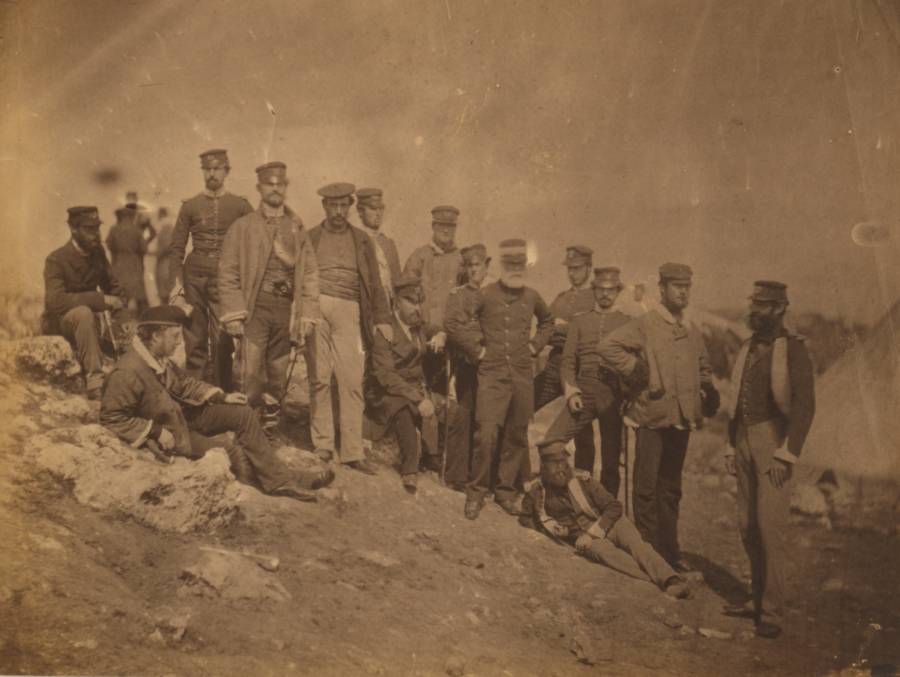
Officers of Britain’s 95th Regiment. Circa 1854-1856.
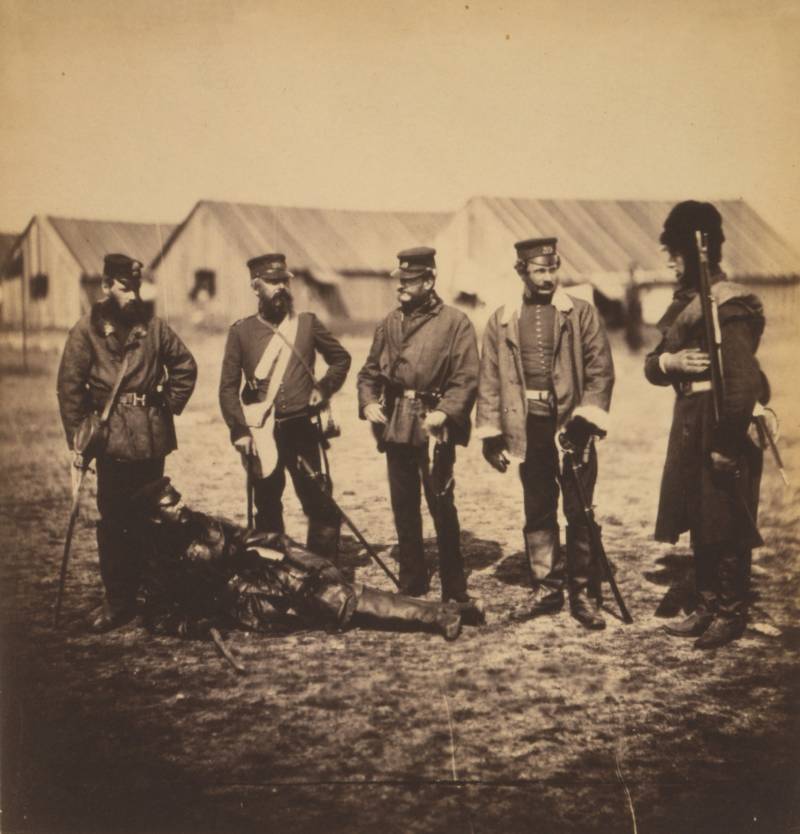
Lieutenant Colonel Munroe of Britain and his officers, dressed in uniform. 1855.
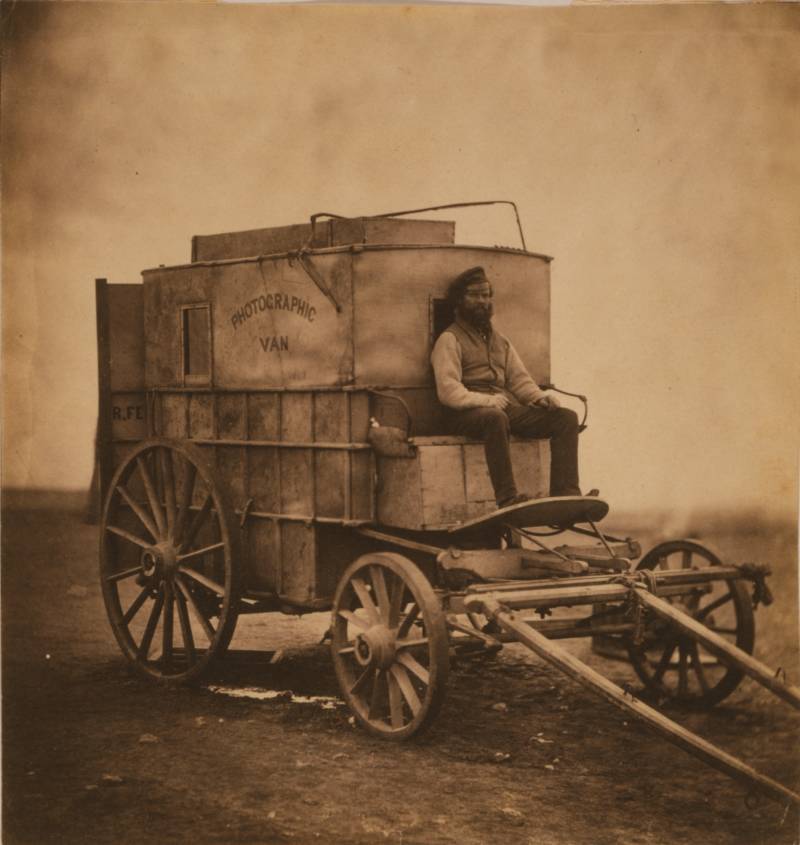
Photographer Roger Fenton’s assistant, Marcus Sparling, sits on his photographic van. 1855.
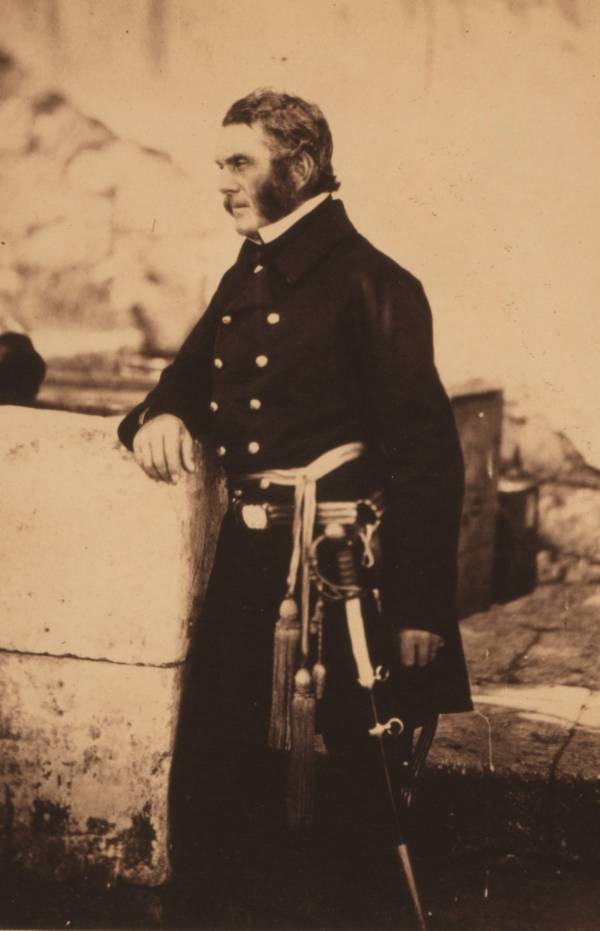
Major General James B. Estcourt of Britain. 1855.
Men of the British 89th Regiment, also known as the “Royal Irish Fusiliers.” 1855.
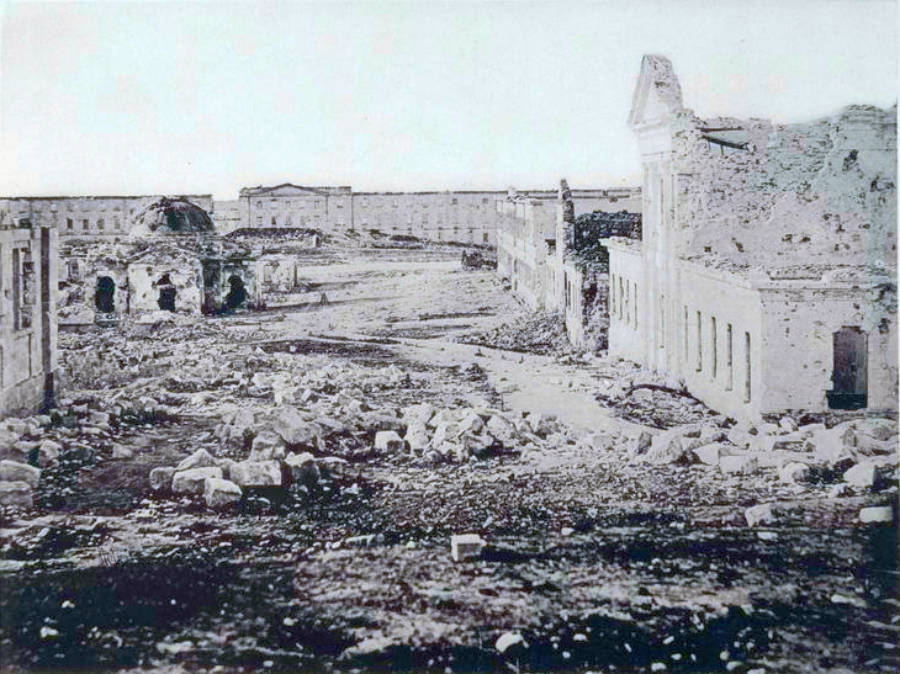
A Russian barracks lies in ruins just after the war. 1856.
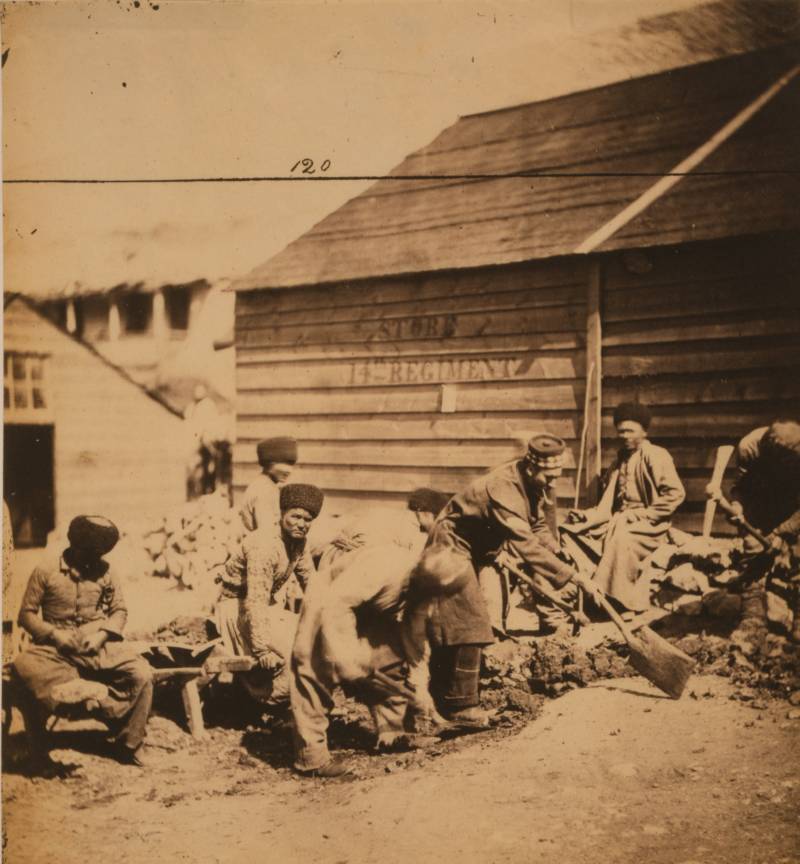
A group of laborers repair a road. Balaklava. 1855.
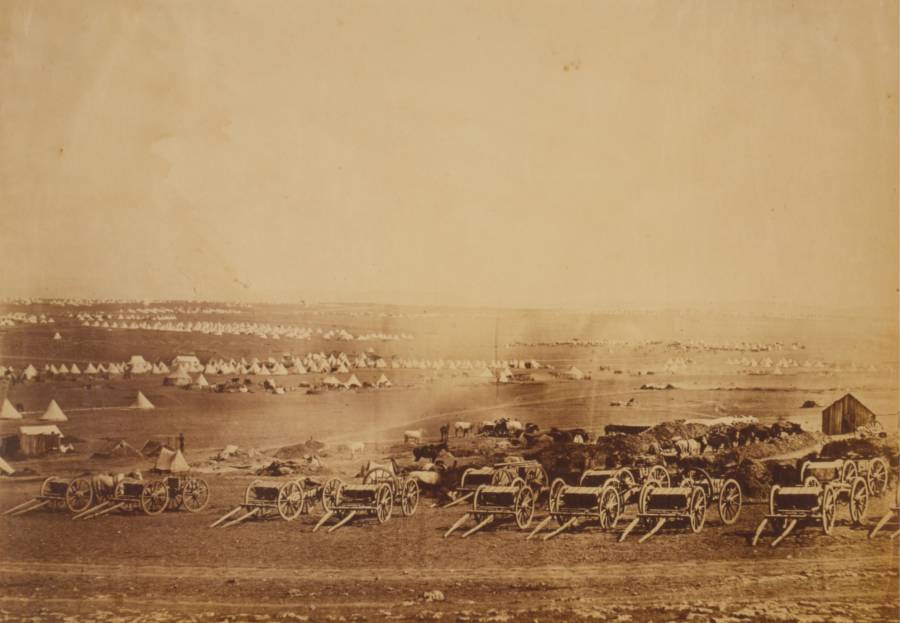
Several artillery wagons sit on a plateau near Sevastopol. 1855.
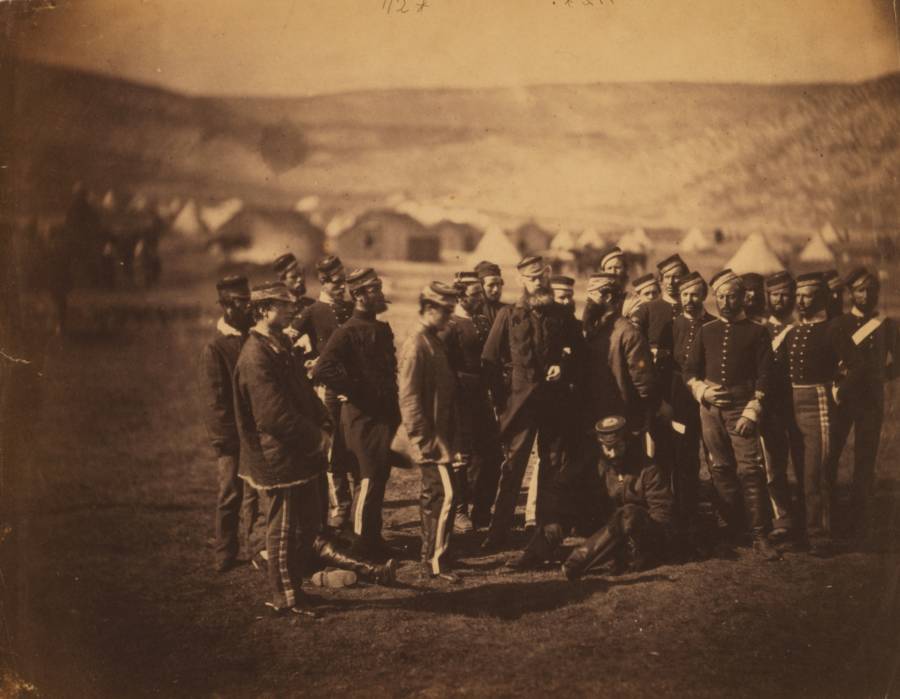
Several officers from Britain’s 13th Light Dragoons. 1855.
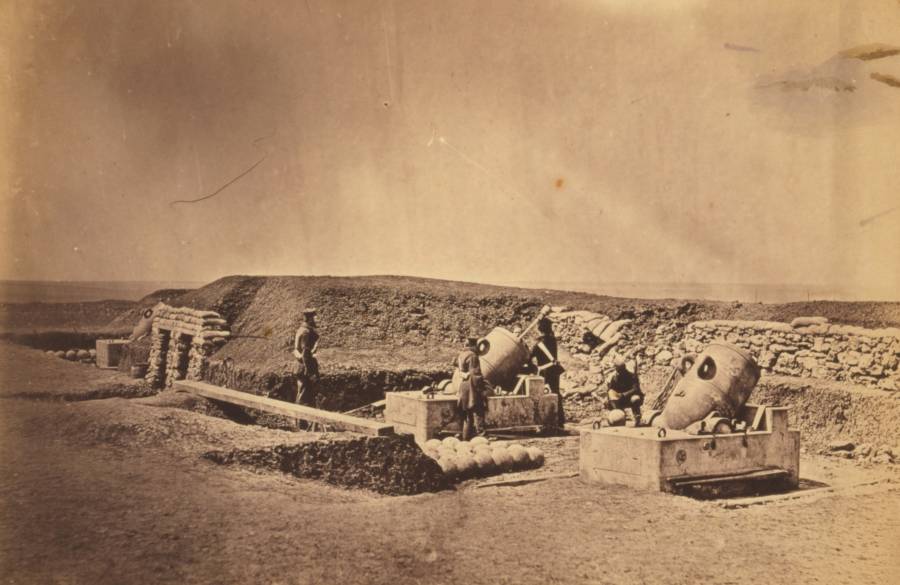
Fighters stand amid mortar batteries with bomb-proof shelters. 1855.
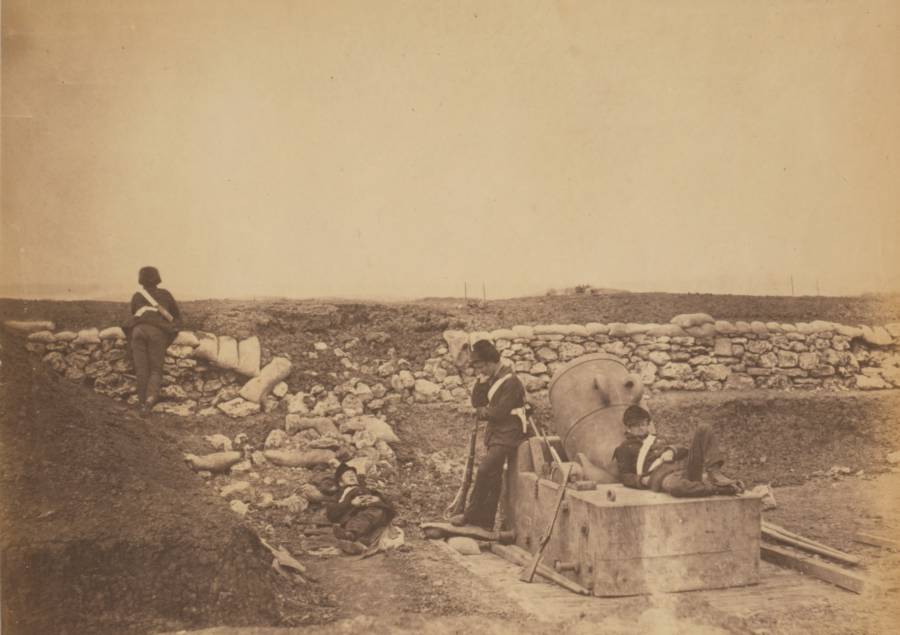
Men rest near a mortar battery. 1855.
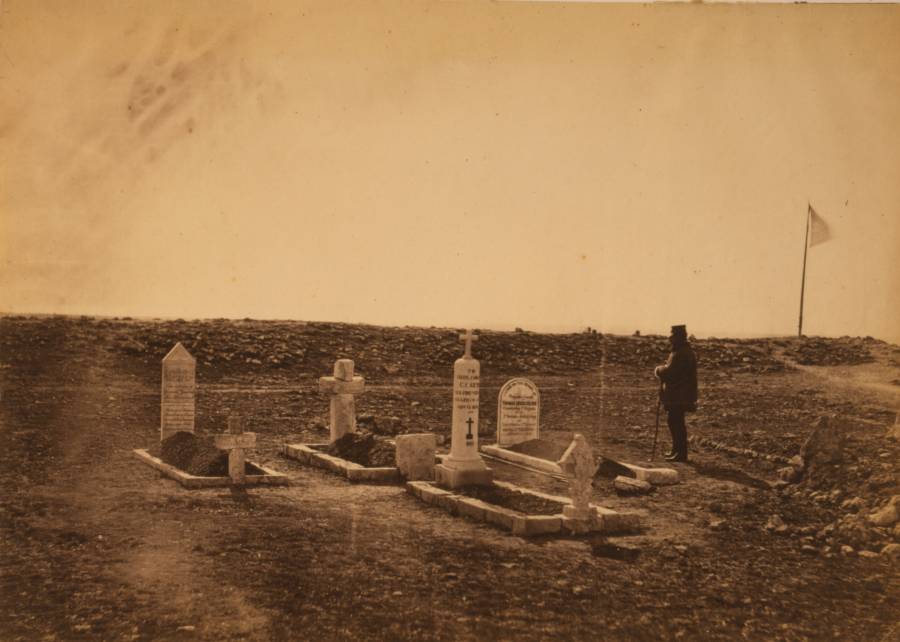
A man stands near a cemetery for English generals. Cathcart Hill. 1855.
A battery on Malakhov Hill. 1856.
Several officers of Britain’s 17th Regiment. 1855.

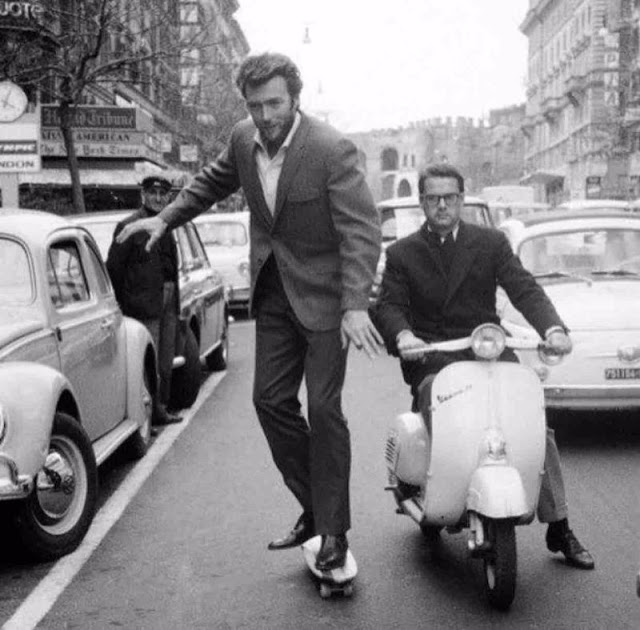
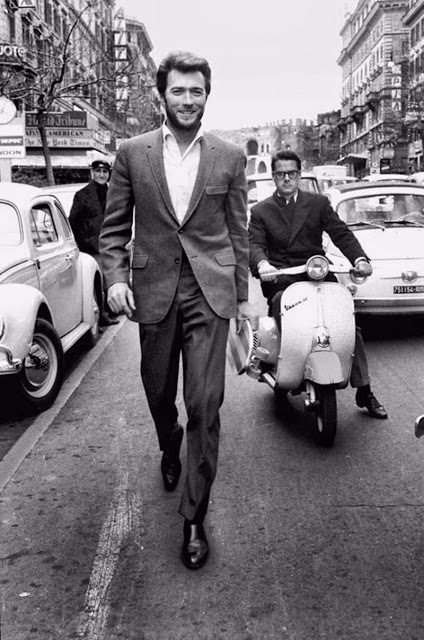
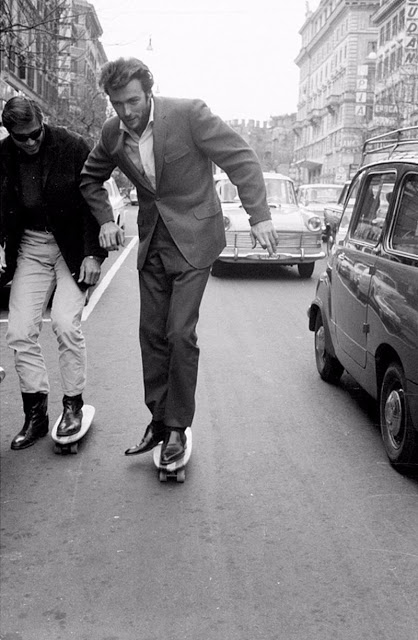
Clint Eastwood Skateboarding on Via Veneto, Rome in 1965

Clinton Eastwood Jr. (born May 31, 1930) is an American actor, film director, producer, and composer. After achieving success in the Western TV series Rawhide, he rose to international fame with his role as the “Man with No Name” in Sergio Leone’s “Dollars Trilogy” of Spaghetti Westerns during the mid-1960s and as antihero cop Harry Callahan in the five Dirty Harry films throughout the 1970s and 1980s. These roles, among others, have made Eastwood an enduring cultural icon of masculinity. Elected in 1986, Eastwood served for two years as the mayor of Carmel-by-the-Sea, California.

An Academy Award nominee for Best Actor, Eastwood won Best Director and Best Picture for his Western film Unforgiven (1992) and his sports drama Million Dollar Baby (2004). His greatest commercial successes are the adventure comedy Every Which Way but Loose (1978) and its action comedy sequel Any Which Way You Can (1980). Other popular Eastwood films include the Westerns Hang ‘Em High (1968) and Pale Rider (1985), the action-war film Where Eagles Dare (1968), the prison film Escape from Alcatraz (1979), the war film Heartbreak Ridge (1986), the action film In the Line of Fire (1993), and the romantic drama The Bridges of Madison County (1995). More recent works are Gran Torino (2008), The Mule (2018), and Cry Macho (2021). Since 1967, Eastwood’s company Malpaso Productions has produced all but four of his American films.

In addition to directing many of his own star vehicles, Eastwood has also directed films in which he did not appear, such as the mystery drama Mystic River (2003) and the war film Letters from Iwo Jima (2006), for which he received Academy Award nominations, the drama Changeling (2008), and the biographical sports drama Invictus (2009). The war drama biopic American Sniper (2014) set box-office records for the largest January release ever and was also the largest opening ever for an Eastwood film.

Eastwood’s accolades include four Academy Awards, four Golden Globe Awards, three César Awards, and an AFI Life Achievement Award. In 2000, he received the Italian Venice Film Festival’s Golden Lion award, honoring his lifetime achievements. Bestowed two of France’s highest civilian honors, he received the Commander of the Ordre des Arts et des Lettres in 1994, and the Legion of Honour medal in 2007. (Wikipedia)

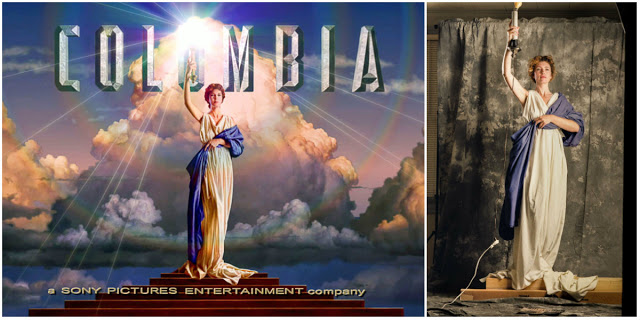
In 1992, a 28-Year-Old Jenny Joseph Modeling for What Would Become Today’s Columbia Pictures Logo

Founded in 1918 by siblings Harry and Jack Cohn and friend Joel Brandt as CBC Film Sales Corporation, Columbia Pictures is one of the oldest studios in Hollywood. In its early years, the studio mostly churned out low-budget fare, leading the Cohns and Brandt to re-brand themselves in 1924 as the more sophisticated-sounding Columbia Pictures. Their name and torch-bearing female logo refer to Lady Columbia, which is the mostly forgotten female symbol of the United States.

The Columbia Pictures logo, featuring a woman carrying a torch and wearing a drape (representing Columbia, a personification of the United States), has gone through five major revisions. Originally in 1924, Columbia Pictures used a logo featuring a female Roman soldier holding a shield in her left hand and a stick of wheat in her right hand. The logo changed in 1928 with the woman wearing a draped flag and torch. The woman wore the stola and carried the palla of ancient Rome, and above her were the words “A Columbia Production” (“A Columbia Picture” or “Columbia Pictures Corporation”) written in an arch. The illustration was based upon the actress Evelyn Venable, known for providing the voice of The Blue Fairy in Walt Disney’s Pinocchio.

The current logo was created in 1992, and started its use in films the year after, when Scott Mednick and The Mednick Group was hired by Peter Guber to create logos for all the entertainment properties then owned by Sony Pictures. Mednick hired New Orleans artist Michael Deas, to digitally repaint the logo and return the woman to her a “classic” look. Michael Deas hired Jenny Joseph, a graphics artist for The Times-Picayune, as a model for the logo. Due to time constraints, she agreed to help out on her lunch break.

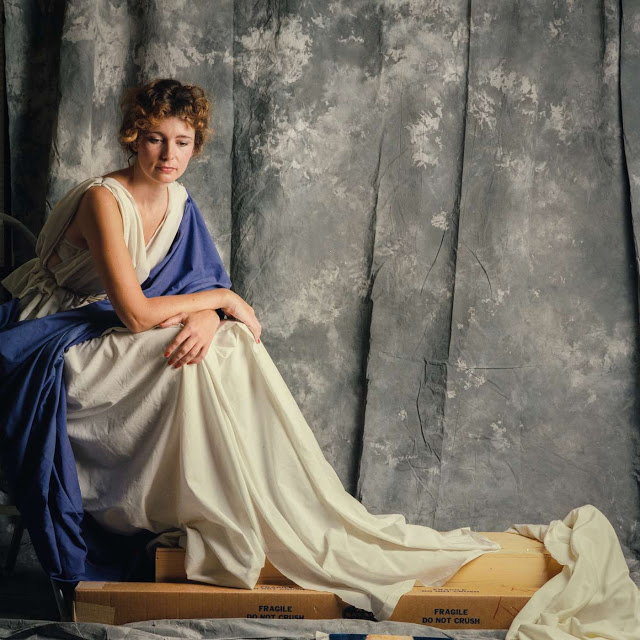
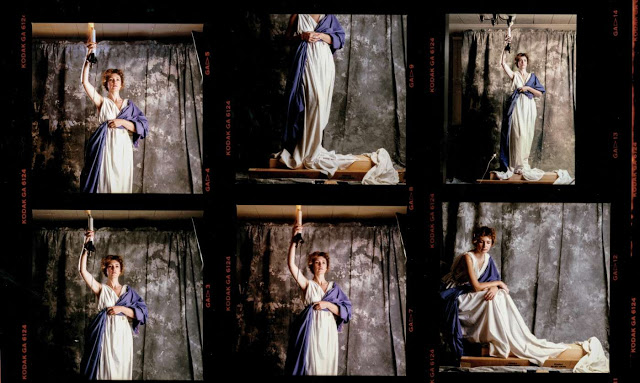
The original Lady Columbia was draped in an American flag, but Deas was told to change the color scheme to white, orange, and blue. (In a 2013 interview, Deas said he couldn’t remember whether it was due to legal or trademark issues.) The photo shoot lasted four hours by photographer Kathy Anderson in the living room of her New Orleans apartment, which had been converted to a small photo studio.

“When the amazingly talented illustrator (and friend) Michael Deas asked me to shoot reference photos for a painting, I had no idea how iconic that artwork would become,” Anderson said. “My penchant for large soft box light modifiers was perfect for the assignment. A co-worker, Times-Picayune newspaper page designer Jenny Joseph was the perfect model and the rest is history.”

Deas used the resulting images for his iconic painting. It’s the only time Joseph has ever modeled, but millions of people have seen her face for the last 25 years every time they go to the movies. Not a bad torch to bear.

In 2012, Jenny Joseph gave an interview to WWL-TV: “So we just scooted over there come lunchtime and they wrapped a sheet around me and I held a regular little desk lamp, a side lamp,” she said, “and I just held that up and we did that with a light bulb.” Deas went on to say, “I never thought it would make it to the silver screen and I never thought it would still be up 20 years later, and I certainly never thought it would be in a museum, so it’s kind of gratifying.”

David Bowie With Goggles and Motorcycle in Los Angeles, 1974

Photographer Steve Schapiro was invited to photograph David Bowie in a photoshoot in 1974, he recalled: “It’s 4 a.m. in the morning and I am just finishing up this day’s shoot with Bowie on his bike lit by the headlights of a car. He seems to be creating another character for his repertoire.”

David Robert Jones OAL (8 January 1947 – 10 January 2016), known professionally as David Bowie, was an English singer-songwriter and actor. A leading figure in the music industry, Bowie is regarded as one of the most influential musicians of the 20th century. He was acclaimed by critics and musicians, particularly for his innovative work during the 1970s. His career was marked by reinvention and visual presentation, and his music and stagecraft had a significant impact on popular music.

Bowie developed an interest in music as a child. He studied art, music and design before embarking on a professional career as a musician in 1963. “Space Oddity”, released in 1969, was his first top-five entry on the UK Singles Chart. After a period of experimentation, he re-emerged in 1972 during the glam rock era with his flamboyant and androgynous alter ego Ziggy Stardust. The character was spearheaded by the success of Bowie’s single “Starman” and album The Rise and Fall of Ziggy Stardust and the Spiders from Mars, which won him widespread popularity. In 1975, Bowie’s style shifted towards a sound he characterised as “plastic soul”, initially alienating many of his UK fans but garnering him his first major US crossover success with the number-one single “Fame” and the album Young Americans. In 1976, Bowie starred in the cult film The Man Who Fell to Earth and released Station to Station. In 1977, he again changed direction with the electronic-inflected album Low, the first of three collaborations with Brian Eno that came to be known as the “Berlin Trilogy”. “Heroes” (1977) and Lodger (1979) followed; each album reached the UK top five and received lasting critical praise.

After uneven commercial success in the late 1970s, Bowie had three number-one hits: the 1980 single “Ashes to Ashes”, its album Scary Monsters (and Super Creeps), and “Under Pressure” (a 1981 collaboration with Queen). He reached his peak commercial success in 1983 with Let’s Dance: its title track topped both the UK and US charts. Throughout the 1990s and 2000s, Bowie continued to experiment with musical styles, including industrial and jungle. He also continued acting: his roles included Major Jack Celliers in Merry Christmas, Mr. Lawrence (1983), Jareth the Goblin King in Labyrinth (1986), Pontius Pilate in The Last Temptation of Christ (1988), and Nikola Tesla in The Prestige (2006), among other film and television appearances and cameos. He stopped touring after 2004 and his last live performance was at a charity event in 2006. In 2013, Bowie returned from a decade-long recording hiatus with The Next Day. He remained musically active until his death from liver cancer at his home in New York City. He died two days after both his 69th birthday and the release of his final album, Blackstar (2016).

During his lifetime, his record sales, estimated at over 100 million records worldwide, made him one of the best-selling music artists of all time. In the UK, he was awarded ten platinum, eleven gold and eight silver album certifications, and released 11 number-one albums. In the US, he received five platinum and nine gold certifications. He was inducted into the Rock and Roll Hall of Fame in 1996. Rolling Stone named him among the greatest artists in history and—after his death—the “greatest rock star ever”. (Wikipedia)

Opening Day at Disneyland, 1955

During the week of July 17, 1955, Walt Disney’s new theme park, named “Disneyland,” opened to the public in Anaheim, California. The 17th, a Sunday, was intended to be an “international press preview,” limited to selected invitees who could ride the attractions, witness the parades, and take part in the televised dedication of the park. However, many counterfeit invitations were distributed, and more than 20,000 eager guests showed up, overwhelming many areas of the 160-acre park. The official public opening came the next day, July 18, and within several weeks, Disney reported that more than 1 million people had visited the site. Here, a look back at the opening days of Disneyland in 1955.

Children run through the gate of Sleeping Beauty’s Castle at Disneyland, Walt Disney’s theme park, in July 1955. The park opened to the public the week of July 17, 1955.
Mickey and Minnie Mouse appear at Disneyland’s opening day, on July 17, 1955.
American movie producer, artist, and animator Walt Disney (1901 – 1966) smiles as he stands in front of the Fantasyland castle at the grand opening of Disneyland, Anaheim, California July 17, 1955.
The Disneyland parking lot, full on opening day, July 17, 1955.
This aerial view shows Disneyland as 22,000 invited guests attend opening day festivities of the amusement park in Anaheim, Ca., on July 17, 1955. The 160-acre theme park, built on an orange grove, was open to the public July 18. (AP Photo)
Dumbo and other characters from Disney movies appear in a parade down Main Street, U.S.A., at the Disneyland opening on July 17, 1955.
Disneyland’s opening-day parade, photographed on July 17, 1955.
(Original Caption) Eddie Fisher, (left) was a host at the opening of the Walt Disney’s “Disneyland” where he served on the Coca-Cola refreshment corner. Shown are Eddie Fisher as he gives a drink to aluminum clad spaceman Don MacDonald as Debbie Reynolds looks on.
Visitors take a ride on Mr. Toad’s Wild Ride at Disneyland on July 17, 1955.
A crowded Mark Twain Riverboat sails at Disneyland in July 1955.
Showgirls in costume sit at an outdoor table and drink from mugs at Disneyland in July 1955.
A children’s saloon, the Golden Horseshoe, photographed at Disneyland on July 17, 1955.
A pack of “wild animals,” caged for safekeeping at Disneyland in July 1955.
Guests enjoy the Autopia attraction on July 17, 1955.
People rest in Tomorrowland’s Space Port on July 17, 1955.
Tourists enter Frontierland, a re-creation of the Old West, in Disneyland, ca. 1955.
The Painted Desert in Frontierland, photographed on July 17, 1955
Walt Disney character Mickey Mouse rides in the locomotive cab of a circus train as it arrives at a station in Disneyland, Anaheim, California, July 18, 1955. The train is a real-world version of the one depicted in the animated Disney film, ‘Dumbo.’
Crowds of people watch the ‘Tomorrowland’ portion of a parade in celebration of the opening of the Disneyland amusement park, Anaheim, California, July 17, 1955.
Parade participants ready themselves and their costumes for a the televised grand opening of Disneyland, Anaheim, California July 17, 1955. Minnie and Mickey (the latter with mask off) and Donald Duck are among thoses visible.
Children run into Disneyland on opening day, July 17, 1955.
Visitors ride the Mad Hatter’s Tea Party attraction in Fantasyland on July 17, 1955.
Park attendees relax under sunshades near a TWA rocket in Disneyland in July 1955.
View of the Tomorrowland Boats (renamed the Phantom Boats) attraction at Disneyland, Anaheim, California, 1955. The attraction lasted only from the park’s opening in 1955, until 1956.
A little girl laughs with excitement while riding a carousel at Disneyland in July 1955.

Execution by Cannon in Shiraz, Iran From the Mid-Late 19th Century

Execution by cannon was a method of execution in which the victim was typically tied to the mouth of a cannon which was then fired. The prisoner is generally tied to a gun with the upper part of the small of his back resting against the muzzle. When the gun is fired, his head is seen to go straight up into the air some forty or fifty feet; the arms fly off right and left, high up in the air, and fall at, perhaps, a hundred yards distance; the legs drop to the ground beneath the muzzle of the gun; and the body is literally blown away altogether, not a vestige being seen.

Blowing from a gun was a reported means of execution as long ago as the 16th century, by the Mughal Empire, and was used until the 20th century. The method was utilized by Portuguese colonialists in the 16th and 17th centuries, from as early as 1509 across their empire from Ceylon (modern day Sri Lanka) to Mozambique to Brazil. The Mughals used the method throughout the 17th century and into the 18th, particularly against rebels.

This method of execution is most closely associated with the colonial government of the British Raj. Following the Indian Rebellion of 1857, “blowing from a gun” was a method the British used to execute rebels as well as for those natives found guilty of desertion. Using the methods previously practised by the Mughals, the British began implementing blowing from guns in the latter half of the 18th century.

The destroying of the body and scattering the remains over a wide area had a particular religious function as a means of execution in the Indian subcontinent as it effectively prevented the necessary funeral rites of Muslims and Hindus. Thus, for believers the punishment was extended beyond death. This was well understood by foreign occupiers and the practice was not generally employed by them as concurrent foreign-occupiers of Africa, Australasia or the Americas.

Most recently there was an exceptional use of the practice in Afghanistan in 1930, against 11 Panjshiri rebels.

Before iPhone, There Was Ericofon, aka Cobra Phone

The Ericofon is a one-piece plastic telephone created by the Ericsson Company of Sweden and marketed through the second half of the 20th century. It was the first commercially marketed telephone to incorporate the dial and handset into a single unit. Because of its styling and its influence on future telephone design, the Ericofon is considered one of the most significant industrial designs of the 20th century. It is in the collection of the Museum of Modern Art in New York City. In Sweden, the Ericofon is known as the cobra telephone for its resemblance to a coiled snake.

The original phone was produced in two slightly different designs. The earliest version is slightly taller, with the earpiece at nearly a 90-degree angle to the base. A later version has a shorter handle, with the earpiece angled slightly downward. The two versions are referred to as the old case and the new case. The old case was molded in two pieces, while the new case was molded as a single piece. Both versions were initially produced in 18 colors. They used the four-prong plug common in the United States at the time.

A third version, the model 700, was produced beginning in 1976. It is easily distinguished from earlier Ericofons by its squarish design, as well as changes to the handle and plug.

Most Ericofons had mechanical rotary dials, typical of all phones made in the era. While Ericofons produced by Ericsson used miniature buzzers as ringers, North Electric introduced the electronic “Ericotone” ringer. The Ericotone ringer used a simple, one-transistor oscillator circuit to produce a distinctive “chirping” sound. This was one of the earliest uses of a transistor in a telephone; telephones with mechanical bell ringers and rotary dials did not need transistors.

North Electric introduced a touch-tone version of the Ericofon in the United States in 1967. Production of this variant was much lower than that of the rotary-dial Ericofons. A design flaw in the hook switch mechanism can cause the touch-tone version of the phone to become unusable if it is set down too forcibly. North Electric ceased production of the Ericofon for North America in 1972.

Ericsson introduced a push-button version of the Ericofon, the model 700, for the company’s 100th anniversary in 1976. The model 700 had a squarer design than earlier models. It was not a touch-tone phone. Instead, its electronics generated electrical pulses as its buttons were pressed, simulating the pulses produced by a rotary dial. Ericsson continued to produce rotary-dial Ericofons until about 1980.

46 Gorgeous Photos of Farrah Fawcett From the 1970s

Farrah Fawcett in a skintight red bikini flashing her gorgeous smile. This sounds like a recipe for a great photograph, and in 1976, it proved to be true. The photographs were taken by Bruce McBroom at her house one summer day in 1976.

“She was amazingly beautiful and sweet, and it’s not fair that things like this happen to good people,” said McBroom about Fawcett. “I think she will be remembered as this wonderful, wholesome all-American girl that’s on the poster.”

Bruce McBroom graduated from the Photography Department of the Los Angeles Trade Tech College, and worked as an apprentice to Sid Avery in Hollywood. He was also a photographer in the U.S. Army Signal Corps. As a freelance photographer, he covered the Rock & Roll scene. In the 1960s he photographed The Beatles, Jimi Hendrix, Janis Joplin and The Doors.

During his career he also worked for several major motion picture studios. His many film projects included The Godfather II, 10, E.T., 48 Hours, Twins, The Hunt for Red October, City Slickers, In the Line of Fire and Coming to America. His most famous work is the famous shot of Farrah Fawcett in a red swimsuit – the biggest selling poster of all time.

Farrah Leni Fawcett (born Ferrah Leni Fawcett; February 2, 1947 – June 25, 2009) was an American actress, fashion model, and visual artist. A four-time Primetime Emmy Award nominee and six-time Golden Globe Award nominee, Fawcett rose to international fame when she played a starring role in the first season of the television series Charlie’s Angels (1976–1977).

Fawcett began her career in the 1960s appearing in commercials and guest roles on television. During the 1970s, she appeared in numerous television series, including recurring roles on Harry O (1974–1976), and The Six Million Dollar Man (1974–1978) with her then-husband, film and television star Lee Majors. Her iconic red swimsuit poster sold six million copies in its first year of print. Fawcett’s breakthrough role was the role of private investigator Jill Munroe in Charlie’s Angels, which co-starred Kate Jackson and Jaclyn Smith. The show propelled all three actresses to stardom. After appearing in the show’s first season in 1976, Fawcett decided to leave Charlie’s Angels. She later returned as a guest star in six episodes during the show’s third and fourth seasons (1978–1980). For her work in Charlie’s Angels, Fawcett received her first Golden Globe nomination.

In 1983, Fawcett received positive reviews for her performance in the Off-Broadway play Extremities. She was subsequently cast in the 1986 film version and received a Golden Globe nomination. She received Emmy Award nominations for her role as a battered wife in The Burning Bed (1984) and for her portrayal of real-life murderer Diane Downs in Small Sacrifices (1989). Her 1980s work in TV movies earned her four additional Golden Globe nominations. Although Fawcett weathered some negative press for a rambling appearance on The Late Show with David Letterman in 1997, she garnered strong reviews that year for her role in the film The Apostle with Robert Duvall. In the 21st century, she continued acting on television, holding recurring roles on the sitcom Spin City (2001) and the drama The Guardian (2002–2003). For the latter, she received her third Emmy nomination. Fawcett’s film credits include Love Is a Funny Thing (1969), Myra Breckinridge (1970), Logan’s Run (1976), Sunburn (1979), Saturn 3 (1980), The Cannonball Run (1981), Extremities (1986), The Apostle (1997), and Dr. T & the Women (2000).

Fawcett was diagnosed with anal cancer in 2006 and died three years later at age 62. The 2009 NBC documentary Farrah’s Story chronicled her battle with the disease. She posthumously earned her fourth Emmy nomination for her work as a producer on Farrah’s Story. (Wikipedia)

22 Amazing Photographs Documenting Female Pilots Training for Duty in Sweetwater, Texas during WWII

In 1943, LIFE Magazine devoted a cover story to the Women Airforce Service Pilots training in Sweetwater, Texas.

July 19, 1943 cover of LIFE magazine.

Looking at the images from this 1943 LIFE cover story about their training, it’s easy to see why the women of the WASP program fought for that recognition. Though the “girl pilots” seemed to be enjoying themselves during their training in Sweetwater, Texas, they were devoted to their physical and classroom training, and able to meet the challenges the Army sent their way—including planes not designed for shorter pilots.

Hair streams in breeze as fledgling girl pilot solos her trainer in a primary practice flight.
Sunburned nose and forehead are daubed with protective cream by Rebecca Edwards of Yazoo City, Miss., 22-year-old widow whose husband was killed during duty with the Army Air Forces. Standing next to Rebecca and leaning against the corner of the primary hangar from which both of the girls fly is Lorena Daly of Bakersfield, Calif. They each have on the G.I. coveralls, called “zoot suits” in Avenger Field lingo, that are regulation uniform for all working hours. Though suits are not very glamorous, the girls like their comfort and freedom.
Marching around wishing well at Avenger Field, girls toss coins for luck if they’re due for a flight with an Army pilot. Always the trainees march in formation to the “Hup, two, three, four!” of their section leader, going to mess, ground school or flight line.
Jacqueline Cochran, glamorous speed flier who developed Women’s Flying Training Detachment, is center of this group of protogees in flight-line ready room. While girls wait their turn to fly, they question Miss Cochran on her trip to England and other experiences.
In ground school subjects the girls study more diligently than the aviation cadets who preceded them at Avenger Field, according to the instructors. If marks are low students have extra study halls in the evening to catch up. Trainees above are in meteorology class, learning to read symbols and weather maps of the sort that they will use as ferry pilots.
Flight dispatcher looking through binoculars as she watches overflight training traffic of trainee pilots of the Women’s Flying Training Detachment at Avenger Field.
Female pilot of the US Women’s Air Force Service posed with her leg up on the wing of an airplane.
Short-legged girls stow extra cushions in basic trainer before starting instrument flight, called a “buddy ride” because it’s always flown in pairs, with one girl checking the other.
Cockpit procedure in twin-engine trainer is the first lesson Instructor Helen Duffy (right) gives her advanced students. When flying this plane, girls are near end of training.
Fifinella Macot, designed by Walt Disney for the girl pilots, trims blouse of Anne Armstrong McClellan, 21-year-old from Sonoma, Calif. Anne, whose young pilot-husband has been missing since Bataan, majored in aeronautics at college and wants to fly after the war.
“Arms to the side-raise:” snaps brisk command of an Army officer as a section of girl pilots begin their daily calisthenics drill, while overhead a primary trainer circles for attitude…
This drill is tough sledding during the first week or two when the girls arrive soft from civilian life. Then the kinks iron out of their muscles and the exercises are fun.
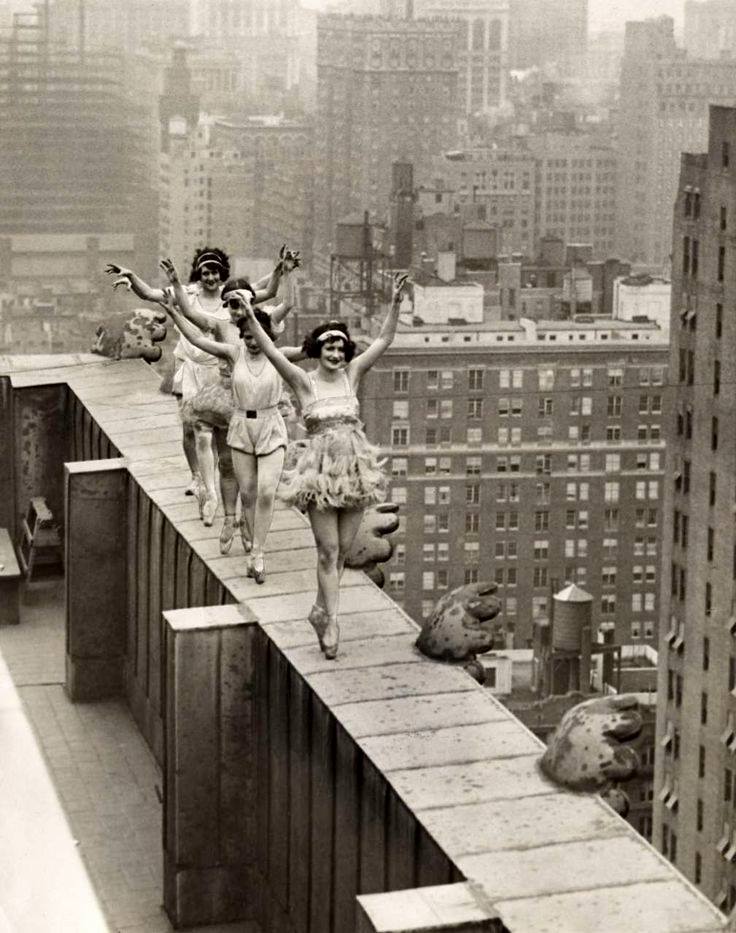
In official dress uniform of white blouse, tan slacks and overseas cap, Shirley Slade smiles as her hair ruffles in Texas wind, free from the pigtail anchoring it has in LIFE’s cover picture. The girls wear dress slacks for drill demonstrations and at graduation ceremony.
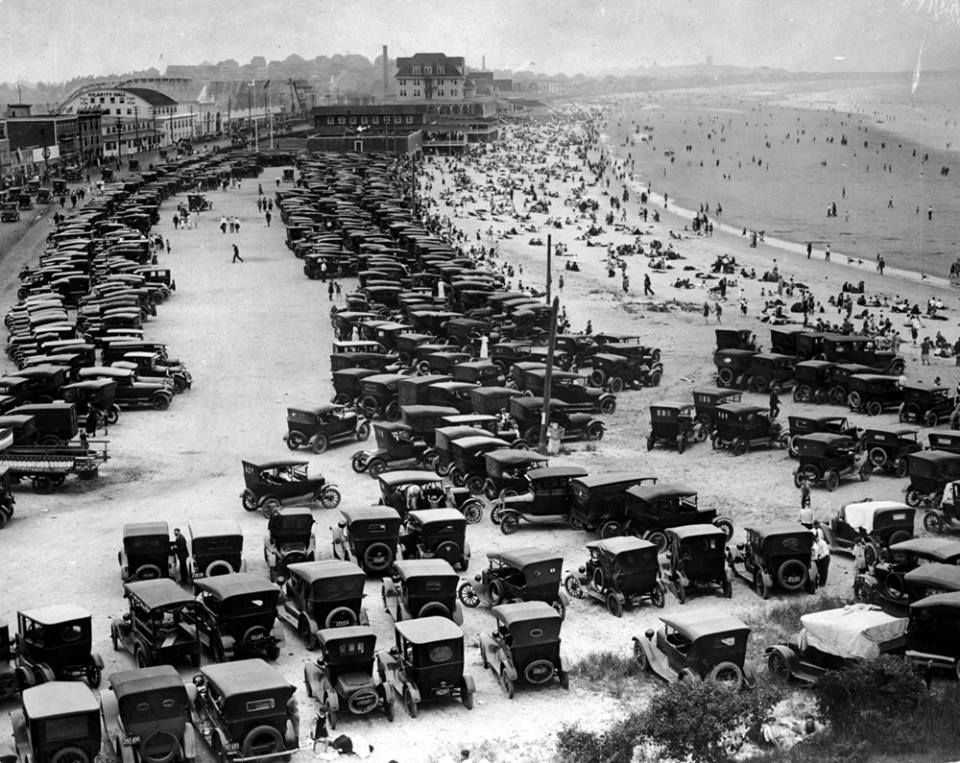
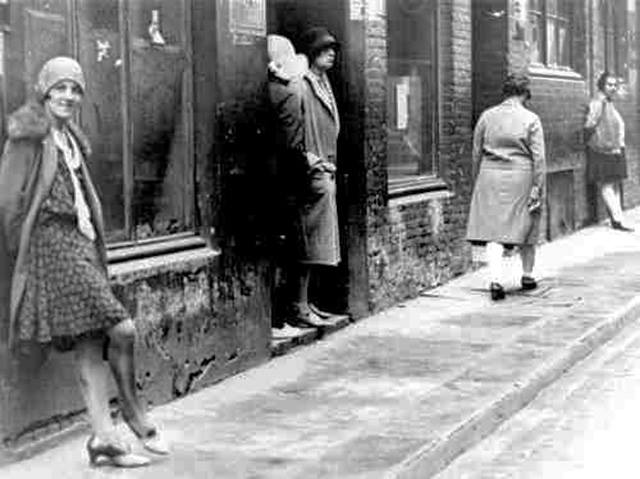
“Ready-room Lieutenants,” Mary Thielges of Dansville, N.Y. and Virginia Mullins of Nashville, Tenn., find part of policing job is to clear flight line of cigaret butts. Girls take turns at being officer-of-the-day and other duties.
Cross-country-flight is plotted by Janet Zuchowski of Newburg, N.Y. and Alice Jean May of Englewood, N.J. Norman Schaeffer who aids them, is one of civilian flight instructors that train girls under Army supervision.
Wearing favorite white baseball cap, Phyllis Jarman of Ypsilanti, Mich. writes up a report in her workbook. Like many Avenger Field pilots, Phyllis started flying in a program of the Civil Aeronautics Administration.
Hard bench is a feather bed to Elaine Jones, Houston Texas, who was flying until 3 A.M. previous night.
Letter home is written by Madge Rutherford to folks in Indianapolis as she awaits her flight period on the basic line. Ordinarily a girl will fly two-one-hour periods in an afternoon on the line. With “buddy rides” in basic, the time is doubled.
In primary ready room, studious girls memorize the Morse code until the whir of a returning PT flight is heard. Then they get parachutes and take over pilots seats themselves.
Parachute pillow suits Jean Landis of El Cajon, Calif. between instrument flights. Note the white adhesive above her right knee, on which Jean scribbles take-off and landing time.
A Sunday sunbath for Avenger pilots.

(Photos: Peter Stackpole—The LIFE Picture Collection/Getty Images)

Incredible Colorized Images of Australia’s Most Notorious Female Criminals of the Early 20th Century

Mesmerizing colorized photos show the most notorious female criminals in 1920s Australia, including the fearsome London born razor-gang leader Matilda Devine.

These pictures are from a series of around 2,500 “special photographs” taken by the New South Wales Police Department photographers between 1910 and 1930. They were mostly taken in the cells at the Central Police Station, Sydney.

This series of expertly colorized pictures looks into the souls of their female counterparts Down Under, many of whom were British immigrants. The pictures have been colorized by Matt Loughrey of My Colorful Past.

Mrs Osbourne, location and details unknown, around 1919.
Matilda Devine, 27 May 1925, had 79 convictions for prostitution related offences including indecent language and offensive behaviour.
Alice Cooke at the Sydney Women’s Reformatory in 1922. By the time she was 24 Alice Cooke had created an impressive number of aliases and at least two husbands, and was convicted of bigamy and theft.
Barbara Turner, 10 October 1921, Central Police Station, Sydney. Con woman Barbara Taylor Turner was known as one of the greatest swindlers of the early 20th century, conning thousands of pounds out of local solicitors using six aliases.
Ellen Kreigher, who had just been arrested and charged with murder, 13 July 1923, Central Police Station, Sydney.
Alice Fisher, 23 May 1919, State Reformatory for Women, Long Bay, NSW.
Thief Muriel Goldsmith, criminal record number, 231LB, 29 October 1915. State Reformatory for Women, Long Bay, NSW.
Vera Crichton at the Sydney Women’s Reformatory in 1924. Was arrested after being caught conspiring to procure a miscarriage.
Daphne Barker, 26 April 1923, probably at the Central Police Station, Sydney. Details unknown.
Valerie Lowe, 15 February 1922, Central Police Station, Sydney. Valerie Lowe was arrested in 1921 for breaking into an army warehouse and stealing boots and overcoats which were worth 29 pounds 3 shillings.

(Original photographs by The Sydney Justice & Police Museum / Colorized by My Colorful Past)

Yesterday Today

Bringing You the Wonder of Yesterday - Today

Skip to content ↓