The Last Photos of Archduke Franz Ferdinand and His Wife Sophie in Sarajevo Moments Before Their Assassination, 1914

The assassination of Archduke Franz Ferdinand and his wife Sophie on June 28, 1914, is widely seen as the central, precipitating event of the First World War: the spark that lit the conflagration.

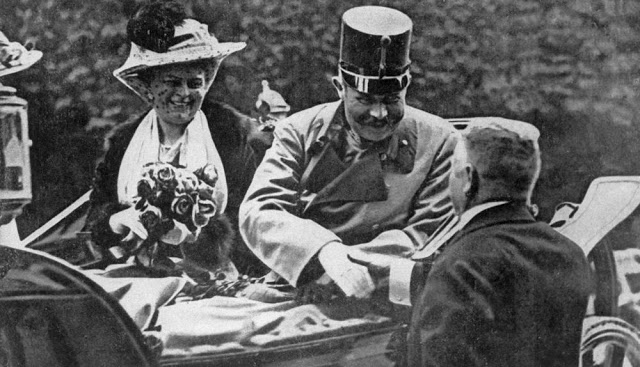
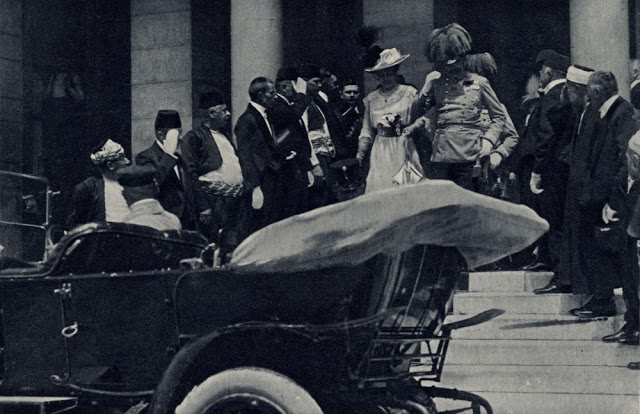
Archduke Franz Ferdinand with his wife on the day they were assassinated by Gavrilo Princip, June 28, 1914.

In the summer of 1914, Franz Ferdinand and wife Sophie accepted an invitation to visit the capital of Bosnia, Sarajevo. He had been informed of terrorist activity conducted by the nationalist organization the “Black Hand,” but ignored the warnings. On the morning of June 28, 1914, the Royal couple arrived by train and a six-car motorcade drove them to city hall for an official reception. The Archduke and his wife were in the second car with the top rolled back in order to give the crowds a good view.

At 10:10 a.m., as the motorcade passed the central police station, a Black Hand agent, Nedjelko Cabrinovic, hurled a hand grenade at the archduke’s car. The driver accelerated when he saw the flying object, and the bomb exploded underneath the wheel of the next car, injuring two of its occupants along with a dozen spectators. Franz Ferdinand is reputed to have shouted in anger to local officials, “So, you welcome your guests with bombs?!” He also reportedly stated, “What is the good of your speeches? I come to Sarajevo on a visit, and I get bombs thrown at me. It is outrageous.”

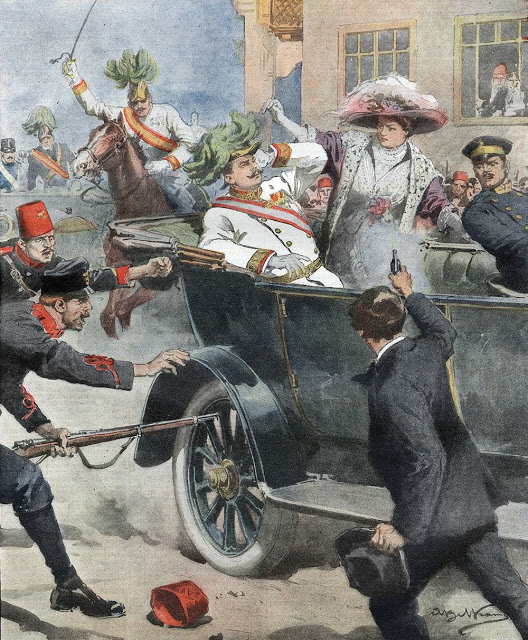
On the route back to the palace, the Archduke’s driver took a wrong turn into a side street, where 19-year-old nationalist Gavrilo Princip was waiting. As the car backed up, Princip approached and fired his gun, striking Sophie in the abdomen and the archduke in the neck. Both died before reaching the hospital.

Assassination illustrated in the Italian newspaper Domenica del Corriere, 12 July 1914 by Achille Beltrame.

At trial, it was noted that the three assassins from Belgrade tried to take all blame on themselves. Nedeljko Cabrinovic claimed the idea of killing Franz Ferdinand came from a newspaper clipping he received in the mail at the end of March announcing Franz Ferdinand’s planned visit to Sarajevo. He then showed the newspaper clipping to Princip and the next day they agreed they would kill Franz Ferdinand. Princip explained to the court he had already read about Franz Ferdinand’s upcoming visit in German papers. Princip went on to testify that, at about the time of Easter (19 April), he wrote an allegorical letter to Ilic informing him of the plan to kill Franz Ferdinand. Trifko Grabež testified that he and Princip, also at about the time of Easter, agreed between them to make an assassination of either Governor Potiorek or Franz Ferdinand and a little later settled on Franz Ferdinand. The defendants refused or were unable to provide details under examination.

On 26 March, Danilo Ilic and Muhamed Mehmedbašic had already agreed to kill Franz Ferdinand based on instructions from Belgrade predating the newspaper clipping and the discussions amongst the three assassins in Belgrade.

The assassination of Archduke Franz Ferdinand gave the hardliners in Austria-Hungary the opportunity to take action against Serbia and put an end to their fight for independence. In July 1914, the situation escalated. After demanding impossible reparations and failing to receive them, Austria-Hungary declared war against Serbia. As was expected, the complex web of alliances was activated as Russia declared war on Austria-Hungary, Germany declared war on Russia, and France and Britain declared war on Germany and Austria-Hungary. World War I had begun.

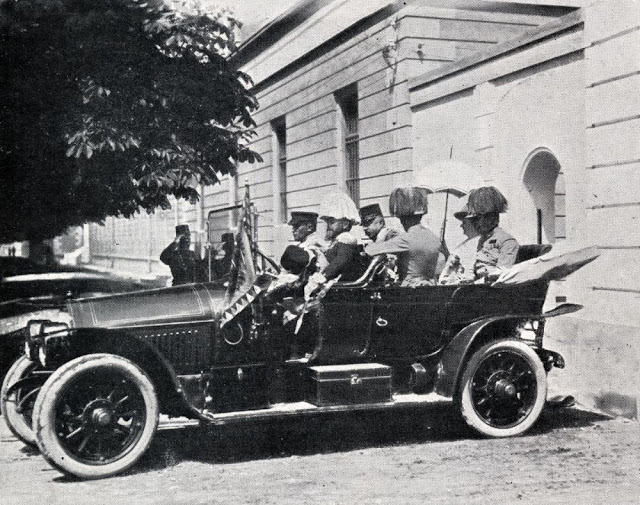
The Archduke and Duchess in the car, the morning they were killed. Sarajevo, June 28, 1914..
The Archduke and his wife emerging from the Sarajevo Town Hall to board their car on the morning the were killed.
The Archduke and his wife leaving the train in Sarajevo, June 28, 1914.
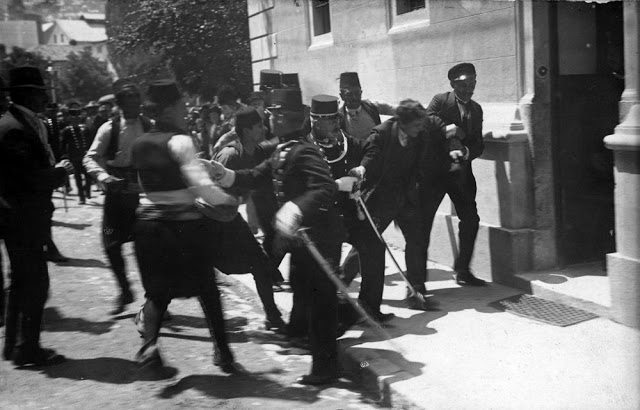
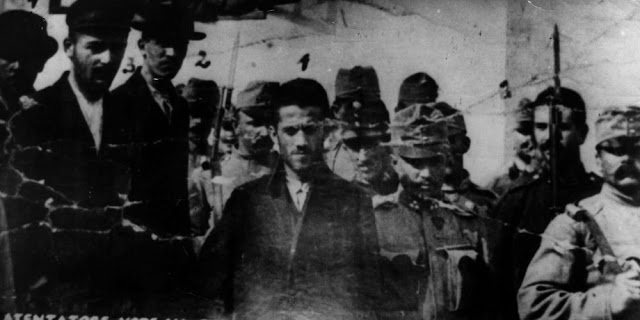
This picture is often said to depict the arrest of Gavrilo Princip, although several scholars say that it depicts the arrest of Ferdinand Behr, a bystander who was initially suspected of involvement in the assassination.
Gavrilo Pricip is arrested moments after the assassination.
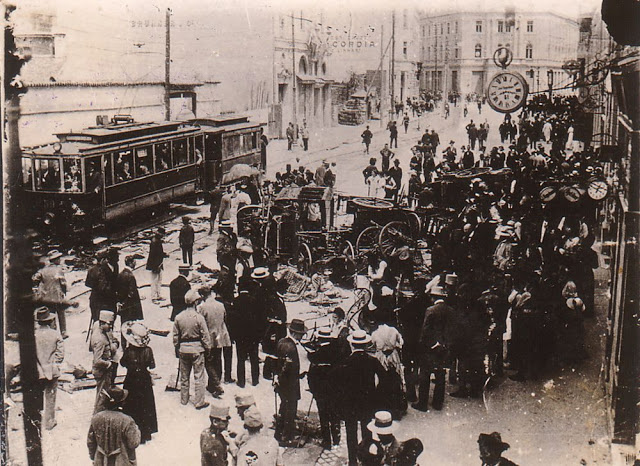
Crowds on the streets in the aftermath of the Anti-Serb riots in Sarajevo, 29 June 1914.
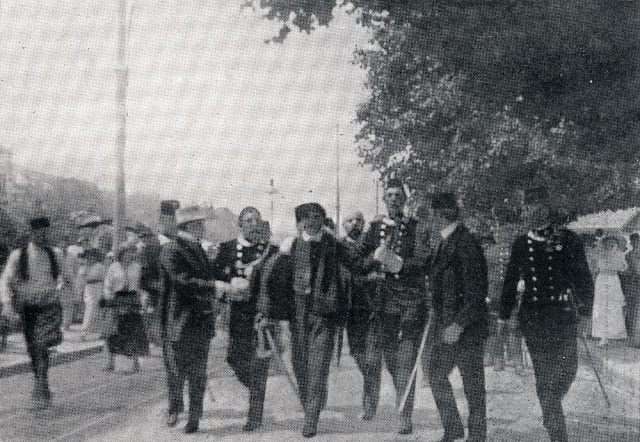
Gavrilo Princip outside the courthouse.
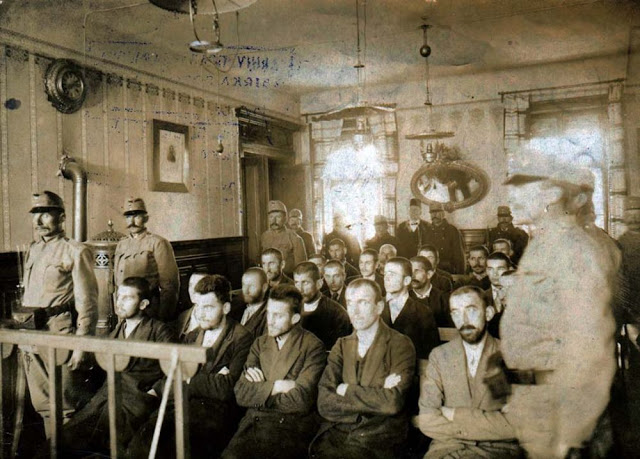
Gavrilo Princip, seated in the centre of the first row, on trial on 5 December 1914.
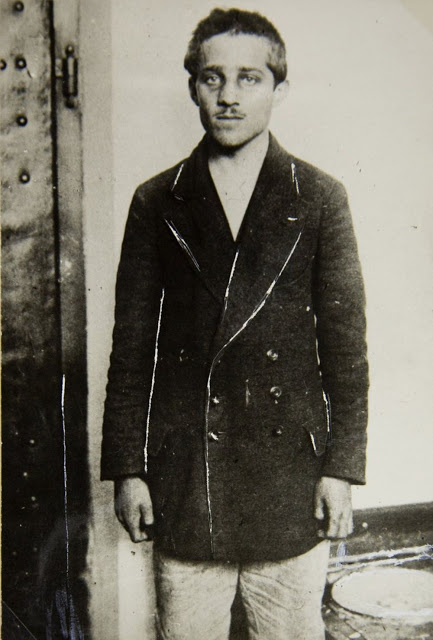
Gavrilo Pricip, a 19-year-old Bosnian-Serb, was arrested for the assassination of Ferdinand.
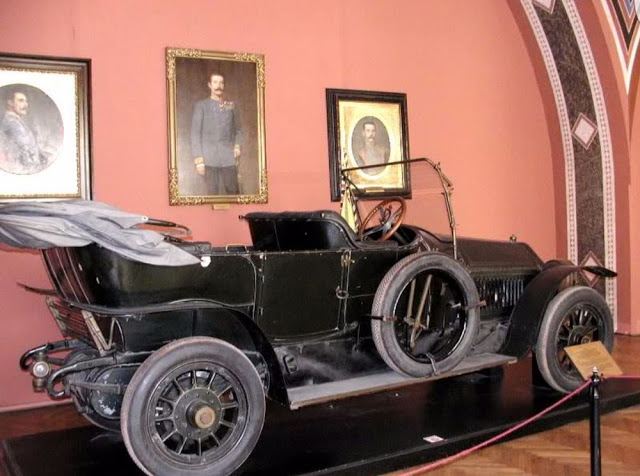
The 1911 Gräf & Stift 28/32 PS Double Phaeton in which the Archduke Franz Ferdinand was riding at the time of his assassination, Museum of Military History, Vienna (2003).
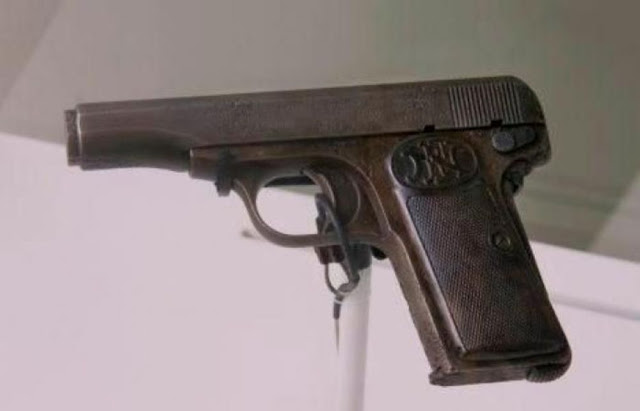
Princip’s FN Model 1910 pistol, Museum of Military History, Vienna (2009).
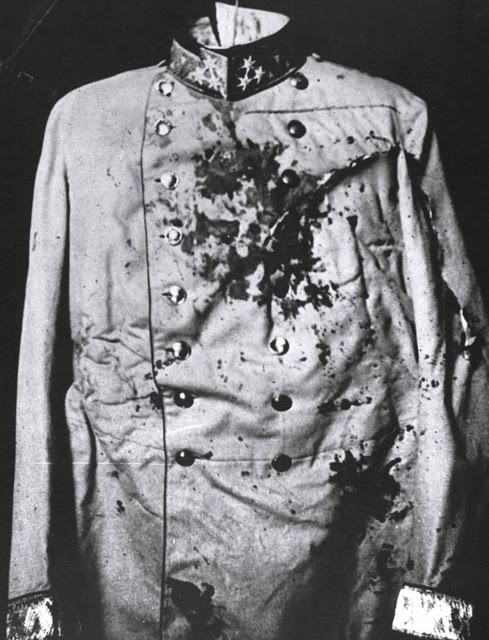
The bloodstained uniform of Archduke Franz Ferdinand of Austria, being displayed sometime after his assassination.

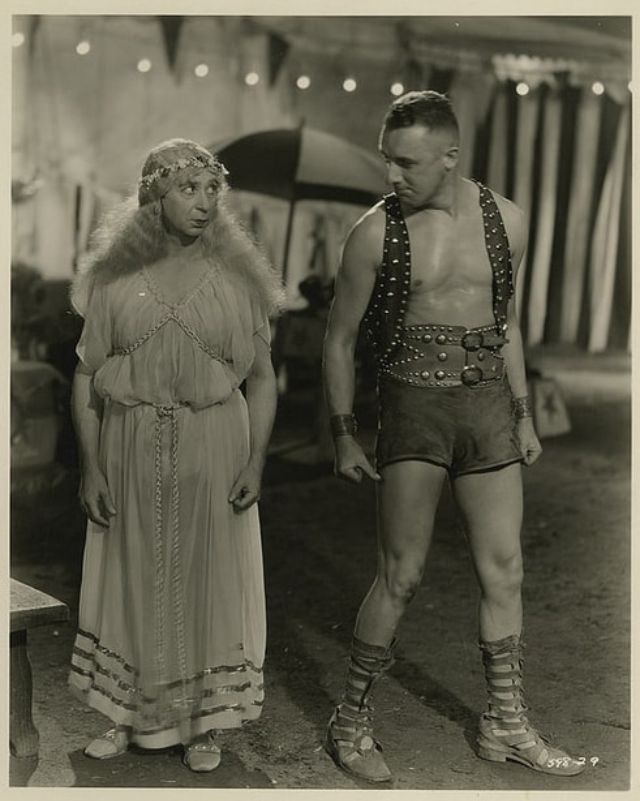
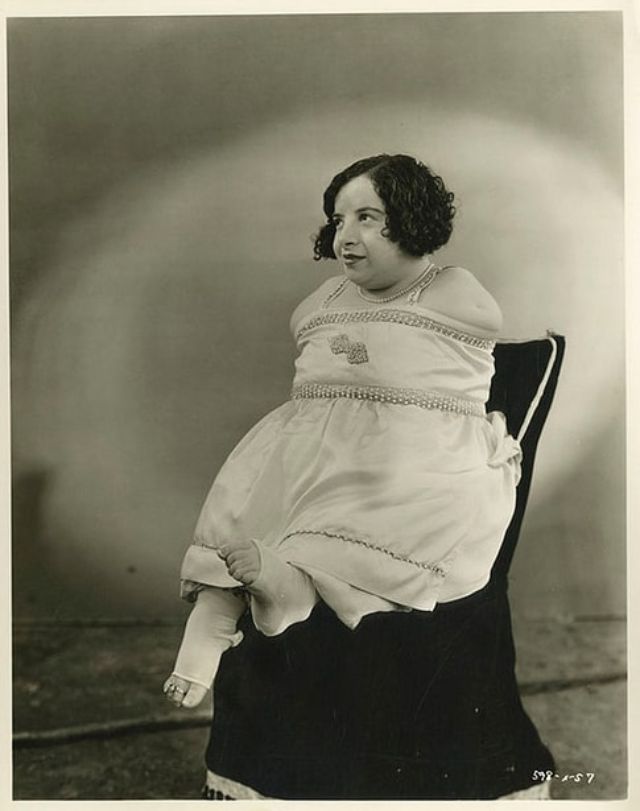
18 Vintage Cast Photos From Tod Browning’s 1932 Cult Classic ‘Freaks’

Freaks has earned its place in history as one of the all-time great cult films, though it wasn’t always beloved. The film was reviled by both critics and audiences upon release in 1932.

While it may have been seen as taboo at most had it been released within the past 10 or so years, its release in the early 20th century was met with horror and led to such a reaction that it was banned in the U.K. for 30 years and it was pulled before its domestic run was over, the only film from MGM to ever do so. In fact, such was the outrage and disdain – as well as financial loss for the studio – that director Tod Browning, who directed the 1931 Dracula, would basically lose his career. Whereas he was once making several films per year, he only made four more films over seven years after Freaks.

While we expect the titular characters to be the monsters, it turns out that the opposite is true. The freaks in the film are the ones who are wronged, who are vilified just for being different. This discrimination wasn’t just a response from audiences upon seeing the film, it began in production. According to anecdotes, actors and studio folk would leave the cafeteria in disgust when the “freaks” would come in for their meals. Additionally, a woman threatened to sue the studio when she claimed that she suffered a miscarriage after participating in a test screening.

Originally running around 90 minutes, the film was cut extensively and the original version has been lost, never to be found again. The final version that we are able to watch these days clocks in at just over an hour, which leaves people wondering what Browning’s original vision looked like.

While we can’t see Freaks the way it was intended to be, there are some gorgeous cast portraits that show the stars of the film in stunning clarity which have been collected by Decaying Hollywood and presented for you below.

Jenny Lee & Elvira Snow
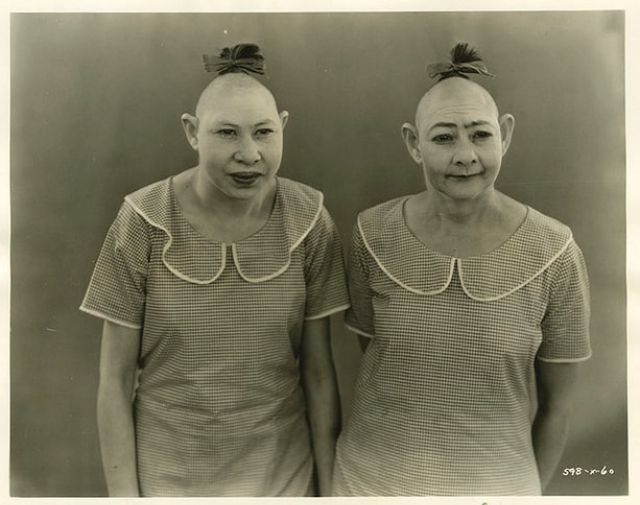
Daisy and Violet Hilton
Francis O’Connor
Francis O’Connor
Guests at the Banquet
Harry & Daisy Earles
Henry Victor
Henry Victor
Henry Victor and Olga Baclanova
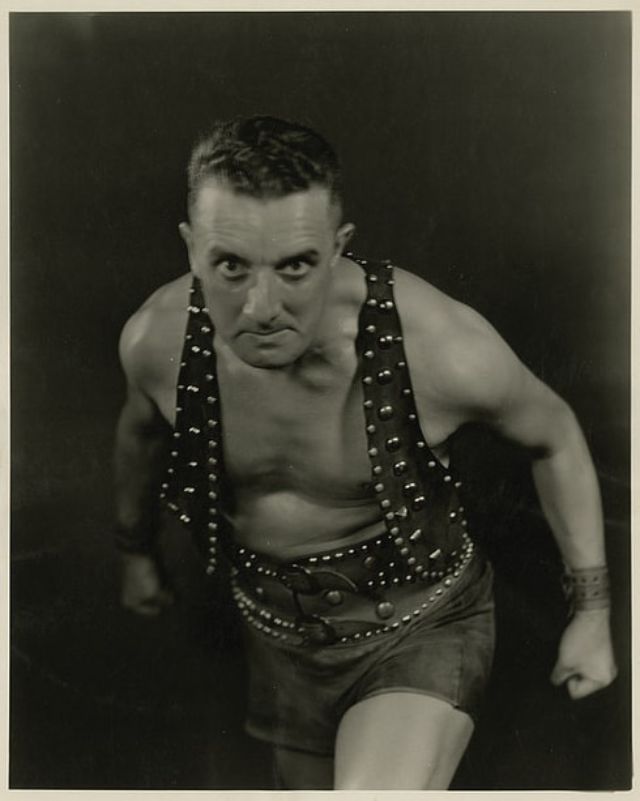
Johnny Eck
Josephine Joseph
Leila Hyams
Martha Morris
Olga Backlanova
Peter Robinson
Prince Randian
Schlitzie and Wallace Ford
Wallace Ford and Leila Hyams

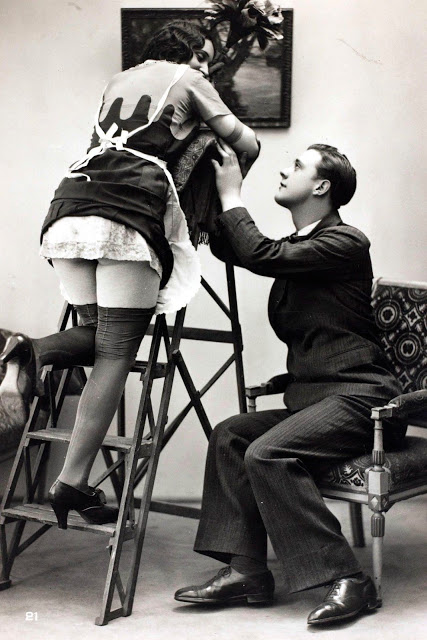
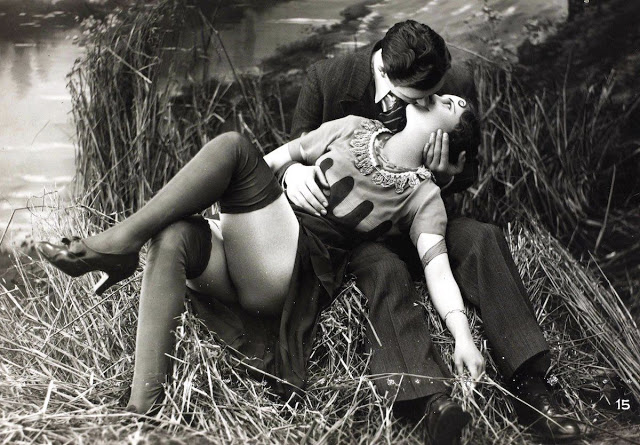
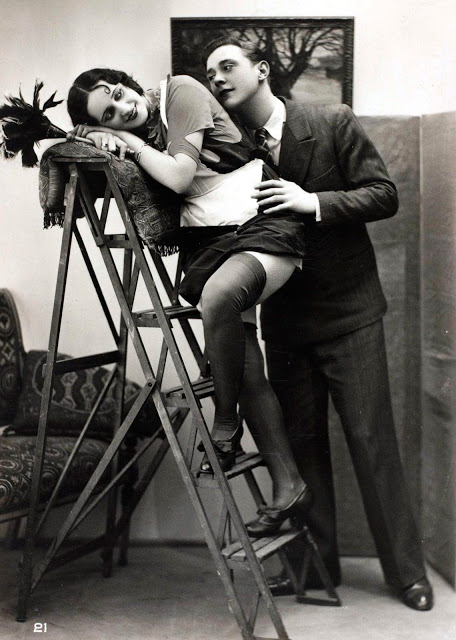
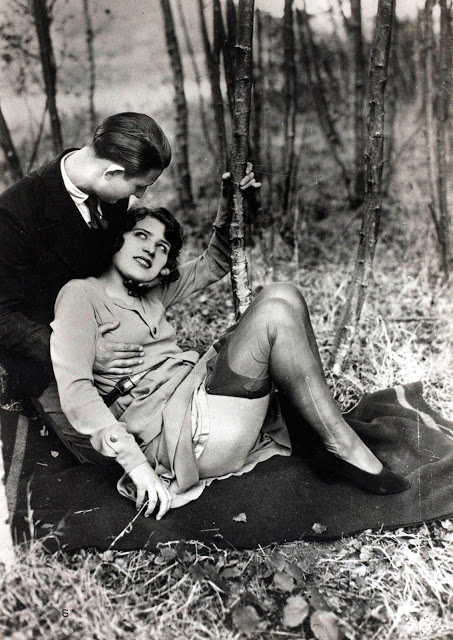
“Naughty” French Postcards From the 1920s

Taking erotic pictures and then sending them to your partner seems like something people have always managed to do. In the late 19th century and the early 20th though, taking photographs was not that easy, and exchanging “French Postcards” was that time’s sexting.

Most of these postcards were made in France, hence the informal “French Postcards,” and they were a lucrative practice for early photographers, who would produce these under a nickname as they had to avoid being stigmatized and protect themselves from having troubles with the law. Sending these postcards via mail was actually illegal in the U.S. and the only way to find them was in stores and through French street traders.

In 1944, George Stinney Jr., 14, Became the Youngest American Executed in the 20th Century When He Was Sent to the Electric Chair

George Stinney Jr. became the youngest person to be executed in the U.S in the 20th century when he was sent to the electric chair in 1944, but more than 70 years after his death his conviction was been overturned.

George Stinney mugshot, 1944.

On the afternoon of March 23, 1944, Betty June Binnicker, 11, and Mary Emma Thames, 7, failed to return home. The next morning searchers, George Stinney Sr. among them, discovered the girls’ bodies lying in a water-filled ditch. Both girls’ skulls were crushed and one of the girl’s bicycles lay on top of their bodies.

According to an article reported by the wire services on March 24, 1944, and published widely, with the mistake of the boy’s name preserved, the sheriff announced the arrest and said that “George Junius” had confessed and led officers to “a hidden piece of iron.” Both girls had suffered blunt force trauma to the face and head.

Betty June Binnicker and Mary Emma Thames.

Reports differed as to what kind of weapon had been used. According to a report by the medical examiner, these wounds had been “inflicted by a blunt instrument with a round head, about the size of a hammer.” Both girls’ skulls were punctured. The medical examiner reported no evidence of sexual assault to the younger girl, though the genitalia of the older girl were slightly bruised.

After a short investigation, police took George Stinney Jr. and his brother John into custody. They released John, but a few hours later, Stinney confessed to murdering the girls. The sawmill fired Stinney Sr. and the family had to move and rarely saw George Jr. again because his incarceration was 50 miles away.

Geroge Stinney Jr., third from left, is seen in this 1944 newspaper photo entering South Carolina’s death house at the state prison in Columbia.

A mere 10 days later, the State tried Stinney for the girls’ murders. Records indicate 1,000 people crammed the courthouse. Blacks were not allowed inside.

The jury was all-white and the trial concluded that same day with Judge P.H. Stoll presiding. The court had appointed Charles Plowden as Stinney’s counsel. Plowden was a tax commissioner campaigning for a Statehouse seat.

Solicitor Frank McLeod represented the State. He presented evidence from law enforcement that Spinney confessed to the crime. While law enforcement testified that a confession occurred, no written confession exists in the record today. Nothing remains from documentary evidence indicating whether the court admitted a murder weapon, bloody clothes or other demonstrative evidence.

Plowden called no witnesses, did not cross examine, and never filed an appeal. No one challenged the sheriff’s recollection of the confession. The jury deliberated 10 minutes and found Stinney guilty.

The same day Judge P.H. Stoll sentenced Stinney to death by electrocution. The entire process had lasted two-hours. No appeals were filed and no stays of execution requested.

George Stinney Jr.’s fingerprints from 1944 are kept at the South Carolina Department of Archives and History.
People from across the country wrote letters to Governor Olin D. Johnston regarding George Stinney Jr.’s death sentence in 1944. Most of them sought mercy on the child’s behalf. Courtesy the South Carolina Department of Archives and History.

The day before the scheduled execution, the NAACP protested to Governor Olin D Johnston. The execution proceeded.

On June 16, 1944, Stinney became the youngest person to die in the electric chair and the youngest person executed in the United States in the 20th century. Standing 5 feet 1 inch (155 cm) tall and weighing just over 90 pounds (40 kg), the straps don’t fit and an electrode was too big for his leg. His feet could not touch the floor.

Re-enactment of execution of George Stinney Jr.

According to writer Joy James, as the first 2,400-volt surge of electricity hit Stinney, the mask covering his face slipped off, “revealing his wide-open, tearful eyes and saliva coming from his mouth.”

His family buried his burned body in an unmarked grave hoping the anonymity would allow him to rest in peace.

70 years, 5 months, 29 days later

On December 17, 2014 South Carolina Circuit Judge Carmen T. Mullen vacated Stinney’s murder conviction. Judge Mullen called it a “great and fundamental injustice.”

Mullen did not rule that the conviction of Mr. Stinney for the murder of two white girls was wrong on the merits. She did find, however, that the prosecution had failed in numerous ways to safeguard Swinney’s constitutional rights from the time police took him into custody until his death by electrocution.

The all-white jury could not be considered a jury of the teenager’s peers, Judge Mullen ruled, and Stinney’s court-appointed attorney did “little to nothing” to defend him. Stinney’s confession was most likely coerced and unreliable, Mullen added, “due to the power differential between his position as a 14-year-old black male apprehended and questioned by white, uniformed law enforcement in a small, segregated mill town in South Carolina.”

Amie Ruffner, the sister of George Stinney, is seen with her family during January, 2014 hearing in South Carolina to vacate the murder conviction of her brother, who was executed at age 14 for the murders of two white girls in 1944. “They took my brother away and I never saw my mother laugh again,” said Amie Ruffner. “I would love his name to be cleared.”

Family members of both Betty Binnicker and Mary Thames expressed disappointment at the court’s ruling. They said that, although they acknowledge Stinney’s execution at the age of 14 is controversial, they never doubted the boy’s guilt.

Frankie Bailey Dyches, Betty June Binnicker’s niece, disagreed. “I believe that he confessed,” said Dyches, who was born after the 1944 killings. “He was tried, found guilty by the laws of 1944, which are completely different now — it can’t be compared — and I think that it needs to be left as is.”

The niece of Betty Binnicker claimed she and her family have extensively researched the case, and argues that “people who [just] read these articles in the newspaper don’t know the truth.” Binnicker’s niece alleges that, in the early 1990s, a police officer who had arrested Stinney had contacted her and said: “Don’t you ever believe that boy didn’t kill your aunt.” These family members said that the claims of a deathbed confession from an individual confessing to the girls’ murders have never been substantiated.

The Conservative Headlines site has stated, “Make no mistake: George Stinney Jr was 100% guilty. The white Marxists, the media, and black power groups are perfectly comfortable pretending like he is innocent to advance their political agenda. They are completely comfortable spitting on the graves of two little dead girls. To advance the cause of the far-left, murderous thugs are converted into saints and innocent victims into criminals.”

In June 2014, the A.N.D. erected a marked grave.

14 Vintage Photographs That Show Glamour College Fashions of the 1950s

The 1950s bridged the gap between the reserved and conservative styles of the late 1940s and the fun and quirky looks that would define 1960s fashion. Hemlines grew shorter, waistlines wandered up and down, before disappearing completely, and the West seemed obsessed with making up for wartime limitations with excessive glamour and consumerism.

Though not as diverse as many of the decades that would follow it, the 1950s saw a great deal of change in style from beginning to end. With WWII – and the rationing and sensible styles it brought – having coming to an end, the fashion world struggled to find a new look for the world in which it found itself.

Fashion, then, went in two distinct directions. On the one hand, the fashion houses promoted more conformity in how people should dress and look, with elegant but simple styles. On the other hand, teens were responsible for the creation of rebellious subcultures that created unique styles of their own, like Teddy Boys, Greasers, Hepcats, and even Beatniks.

Photos by Nina Leen/LIFE archives

Early Photographs of Streets of Glasgow From the Late 19th Century

Created between 1868 and 1871 as part of a commission from the City of Glasgow Improvements Trust, the Fife-born photographer Thomas Annan’s photographs of the working class areas of old Glasgow helped document the impoverished living conditions of the working class at the time.

Glasgow is the most populous city in Scotland and the fourth-most populous city in the United Kingdom, as well as being the 27th largest city by population in Europe. In 2020, it had an estimated population of 635,640. Straddling the border between historic Lanarkshire and Renfrewshire, the city now forms the Glasgow City Council area, one of the 32 council areas of Scotland, and is governed by Glasgow City Council. It is situated on the River Clyde in the country’s West Central Lowlands.

Glasgow grew from a small rural settlement on the River Clyde to become the largest seaport in Scotland, and tenth largest by tonnage in Britain. Expanding from the medieval bishopric and royal burgh, and the later establishment of the University of Glasgow in the 15th century, it became a major centre of the Scottish Enlightenment in the 18th century. From the 18th century onwards, the city also grew as one of Britain’s main hubs of transatlantic trade with North America and the West Indies. With the onset of the Industrial Revolution, the population and economy of Glasgow and the surrounding region expanded rapidly to become one of the world’s pre-eminent centres of chemicals, textiles and engineering; most notably in the shipbuilding and marine engineering industry, which produced many innovative and famous vessels. Glasgow was the “Second City of the British Empire” for much of the Victorian era and the Edwardian era.

In the late 19th and early 20th centuries, Glasgow’s population grew rapidly, reaching a peak of 1,127,825 people in 1938. The population was greatly reduced following comprehensive urban renewal projects in the 1960s which resulted in large-scale relocation of people to designated new towns, such as Cumbernauld, Livingston, East Kilbride and peripheral suburbs, followed by successive boundary changes. Over 985,200 people live in the Greater Glasgow contiguous urban area, while the wider Glasgow City Region is home to over 1,800,000 people, equating to around 33% of Scotland’s population. The city has one of the highest densities of any locality in Scotland at 4,023/km2. Natives or inhabitants are known as Glaswegians, and are well known for their distinctive dialect and accent.

Glasgow has the largest economy in Scotland and the third-highest GDP per capita of any city in the UK. Glasgow’s major cultural institutions – the Burrell Collection, Kelvingrove Art Gallery and Museum, the Royal Scottish National Orchestra, Scottish Ballet and Scottish Opera – enjoy international reputations. The city was the European Capital of Culture in 1990 and is notable for its architecture, culture, media, music scene, sports clubs and transport connections. It is the fifth-most visited city in the United Kingdom.[15] The city hosted the 2021 United Nations Climate Change Conference (COP26) at its main events venue, the SEC Centre. Glasgow hosted the 2014 Commonwealth Games and the first European Championships in 2018, and was one of the host cities for UEFA Euro 2020. The city is also well known in the sporting world for football, particularly the Old Firm rivalry between Celtic and Rangers. (Wikipedia)

High Street, 1868
Saltmarket, 1868
Saltmarket, Glasgow, 1868
High Street, 1878
High Street, 1868
Interior of Glasgow Cathedral
Main Street, Gorbals, 1868
Saltmarket, 1868

The Ideal Female Body Shape of the 1920s

In 1928, a group of Hollywood film studio artists drew “the ideal screen type.” An amalgamation of the famous disembodied parts of Hollywood stars, the ideal screen type was doe-eyed and fair, holding her willowy arms at a coy akimbo. Beside the artists’ illustration of the composite ideal appeared the remarkable photographic image of the composite ideal’s real-life double: silent film star Anita Page.

Hollywood constantly measured the perfection of it’s starlets beauty against ideal types. The examples include Norma Talmadge, Pola Negri, Clara Bow, Gloria Swanson, Gilda Gray, Aileen Pringle, Mary Pickford, and Greta Garbo.

Born Anita Pomares, in Flushing, Queens, Salvadoran-American silent film star Anita Page possessed a beauty that was uncannily familiar: the eyes of Mary Pickford, the smooth white arms of Clara Bow, and the wasp-waist of Bebe Daniels. Had the camera trained its lens more closely upon Anita’s exquisite nose, this shot would have recorded her beautifully-full Latina nose as well. But beyond her composite physicality, Anita was also described as simultaneously both “a blonde, blue-eyed Latin” and “The Most Beautiful Girl in Hollywood.” No other Latina actress in Hollywood of the 1920s and 30s, aside from Anita Page, achieved star status without either effacing or caricaturing the Latin aspects of her body.

Can It Be Done? These Vintage Ideas From the 1930s That Seem to Have Been Implemented Today

That television newspaper + the car phone = the smartphone, right? And how about Skype for intramural television? All this is from Scoops magazine UK (1934/1935).

Beautiful Color Pictures From Classic Film “Irma la Douce” (1963)
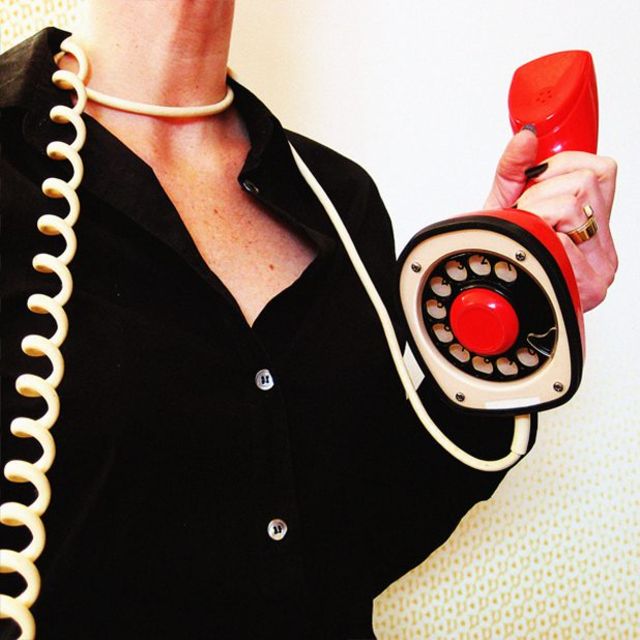
Irma la Douce is a 1963 romantic comedy starring Jack Lemmon and Shirley MacLaine, directed by Billy Wilder. It is based on the 1956 French stage musical Irma La Douce by Marguerite Monnot and Alexandre Breffort. Below is a collection of 17 beautiful color photos from motion picture Irma la Douce, taken by LIFE photographer Gjon Mili in 1963.

(Photos: Gjon Mili/LIFE archives)

The Isolator: This Insane Anti-Distraction Helmet From 1925 Would Fit Into Any Modern Open Office

Maybe you blame your smartphone or your open office for the fact that you can’t concentrate at work. But distraction isn’t exactly a new problem: In the 1920s, Hugo Gernsback published a design for a creepy-looking helmet that blocks out sound and vision so someone can focus on their work. As a writer, editor and inventor, he had a lot to do and no time for distractions. And yet, they lurked everywhere he looked. So, he created something he called “The Isolator”.

A full-face helmet made from solid wood, Gernsback’s invention claimed to cut out 95 per cent of any noise bothering the wearer. Another handy feature was the minimal vision it allowed. A small piece of glass granted the person wearing it sight, but even that was painted black, with only a thin segment scraped clear to allow you to see paper in front of them.

The good (and maybe bad) of being both an inventor and publisher, is no one can stop you publishing images of your own ridiculous inventions. This contraption was featured in Gernsback’s own magazine, Science and Invention, in 1925.

Later, the inventor added an oxygen tank when it was found wearers were getting sleepy inside the quiet, dark and – as it turns out – carbon-dioxide-filled helmet.

Laugh all you want, but it seems as though the Isolator may have actually worked – at least for Gernsback. His editing and writing output was so vast that some now dub him the Father of Science Fiction.

Yesterday Today

Bringing You the Wonder of Yesterday - Today

Skip to content ↓