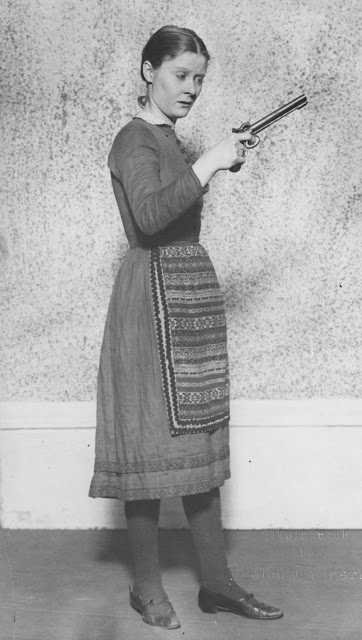
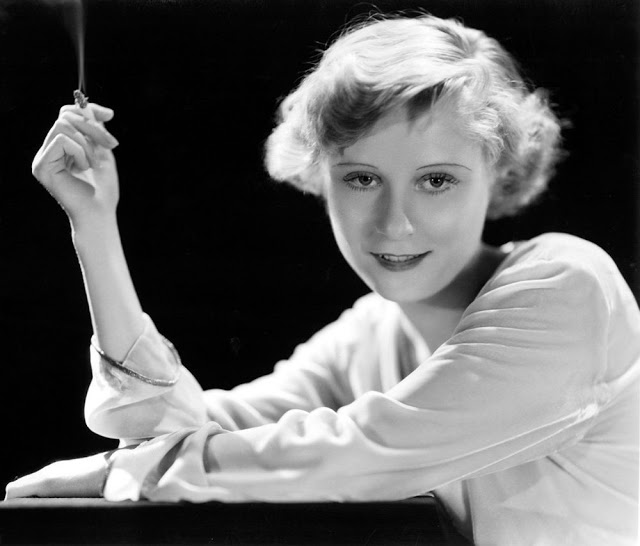
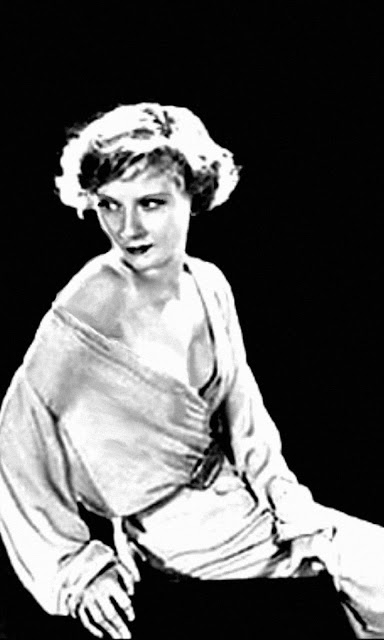
Portraits of Peg Entwistle, the Young Actress Who Committed Suicide by Jumping Off the Hollywood Sign in 1932

“I am afraid, I am a coward. I am sorry for everything. If I had done this a long time ago, it would have saved a lot of pain. P.E.”
In 1932, Peg Entwistle, a New York stage actress, became the symbol of the dark side of the Hollywood dream. Emboldened by her Broadway success, the ambitious young actress soon set her sights on the silver screen. She packed her bags for Hollywood and moved in with her uncle on Beachwood Drive – virtually in the shadow of the Hollywood Sign.
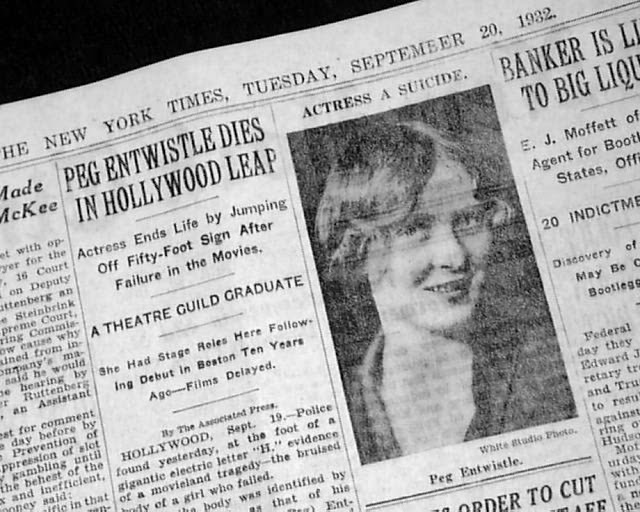
Unfortunately, Peg failed to make a splash, and she spent most of the brutally hot summer of ’32 hanging around her uncle’s house, waiting for a phone call that never came. Finally, on the evening of September 18th, Peg told her uncle that she was going to meet some friends at a nearby drug store, but this was a sad lie.

She instead made the arduous hike up the canyon hill to the Hollywood Sign, her one-time beacon of hope but now a symbol of failure and rejection. She climbed 50 feet up a workman’s ladder to the top of the “H” and plunged to her death. Peg Entwistle – dubbed by tabloids as the “The Hollywood Sign Girl” – was only 24 years old.

According to Hollywood legend, a letter to Peg arrived the day after her death from the Beverly Hills Playhouse. She was offered the lead role in a play… about a woman driven to suicide.
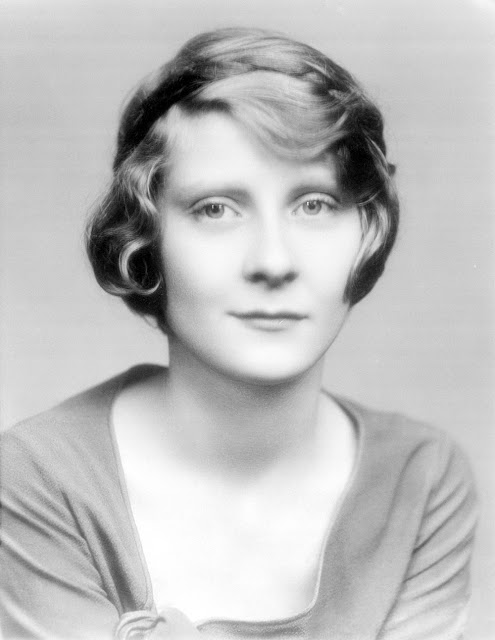
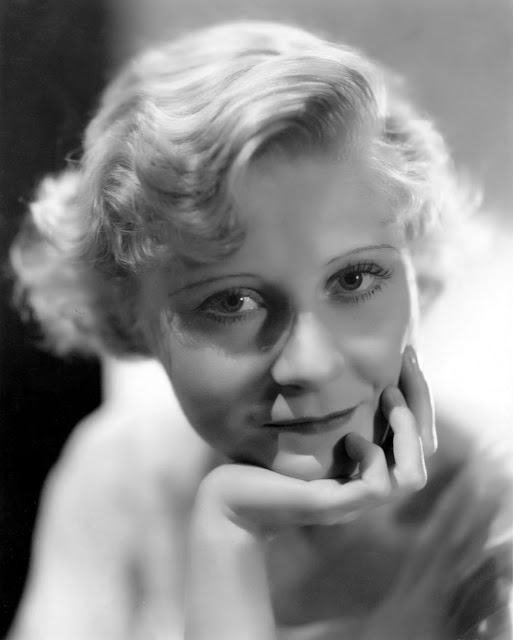
Born in Wales, Millicent Lilian “Peg” Entwistle immigrated to New York City in 1913, where she began a promising career on Broadway. In 1926, she was recruited by the New York Theatre Guild and performed in many Broadway shows, including The Man from Toronto, The Uninvited Guest, and her longest-running and most-remembered performance as Sidney Toler in Tommy. Her performances were positively received, and she remained on tour with the New York Theatre Guild in between Broadway shows.

Despite her career success, she had a troubled home life. She married actor Robert Keith in 1927, but the marriage soon fell apart. She filed for divorce in 1929, citing abuse and domestic cruelty. She also claimed that Keith had secretly been married before and had a six-year-old son she had never been told about.

Then, her Broadway career ended rather abruptly in 1932 when her show Alice Sit-by-the-Fire closed unexpectedly and paid Entwistle far less than she had been promised. Following her initial success on Broadway, she decided to move in with her uncle in Los Angeles and attempt to begin a Hollywood acting career. However, she found only a small supporting role in the film Thirteen Women.

Some people have an idea about Peg Entwistle: She was a small-town girl, a failed actress, both on the New York stage and then in Los Angeles, where she fought to get into the movie business. Her one movie bombed, with Peg singled out for bad reviews, and she was cut from the RKO studio’s list of actresses under contract. Broke, she was forced to pose for photographers nearly naked. Unable to take it anymore, Peg threw herself off the sign that symbolizes the city of dreams, the dreams that rejected her.

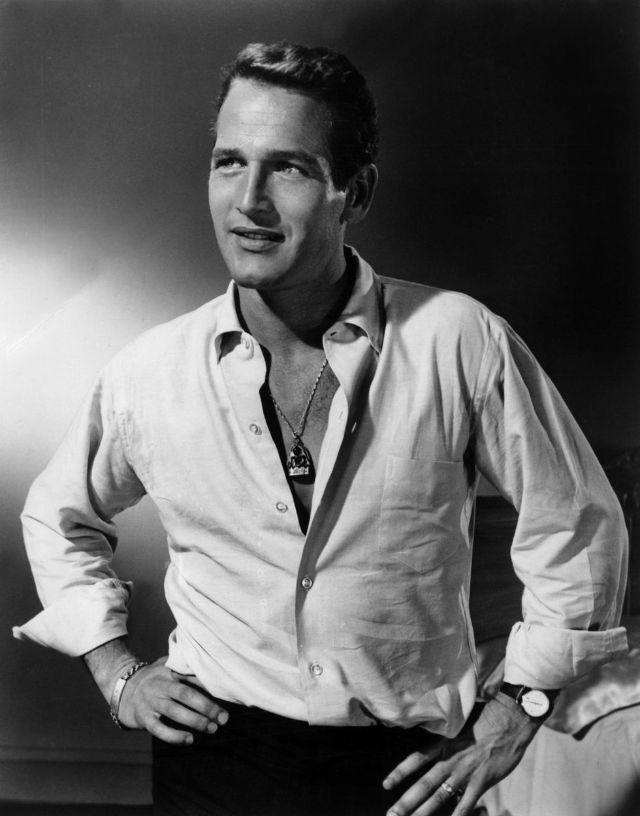
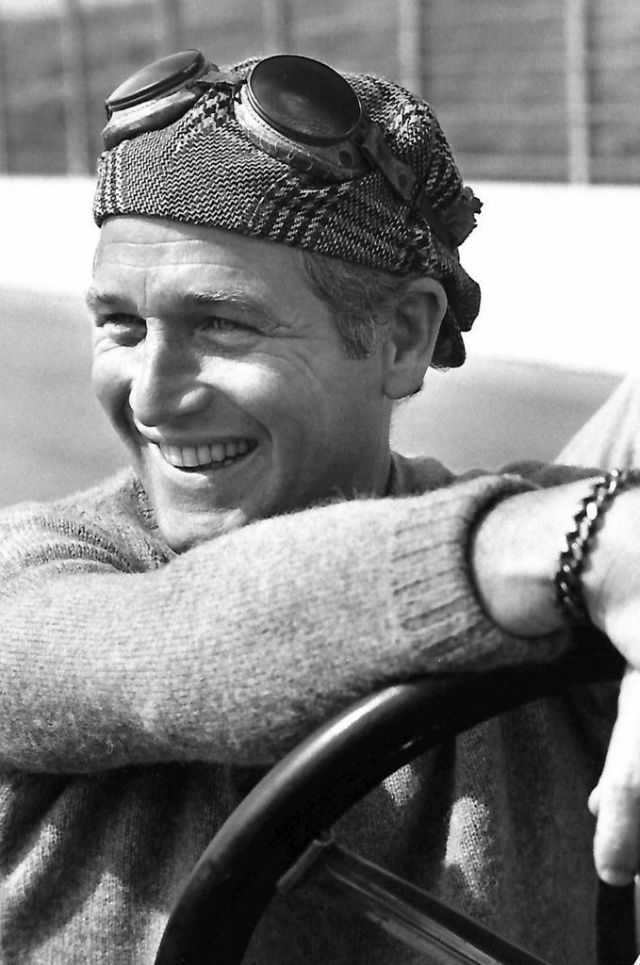
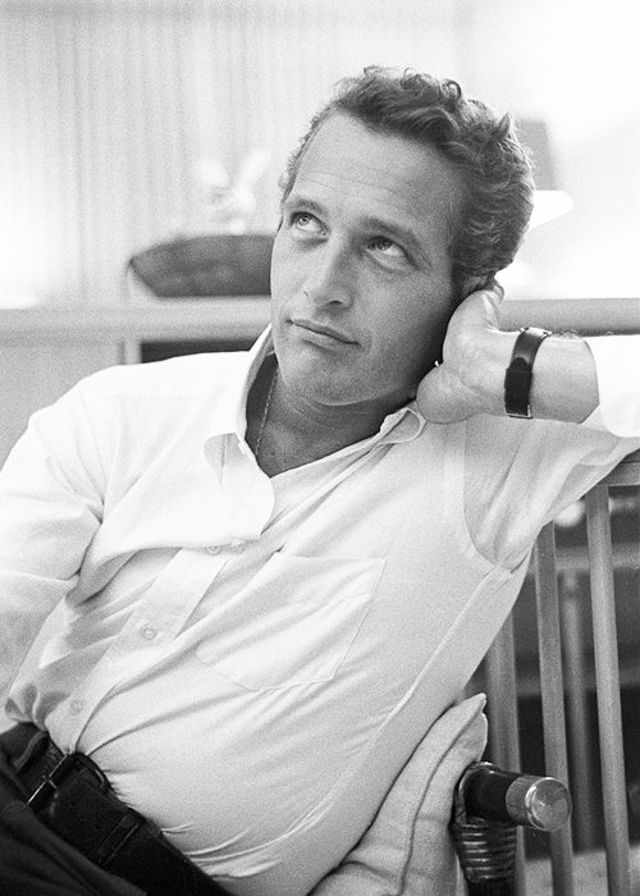
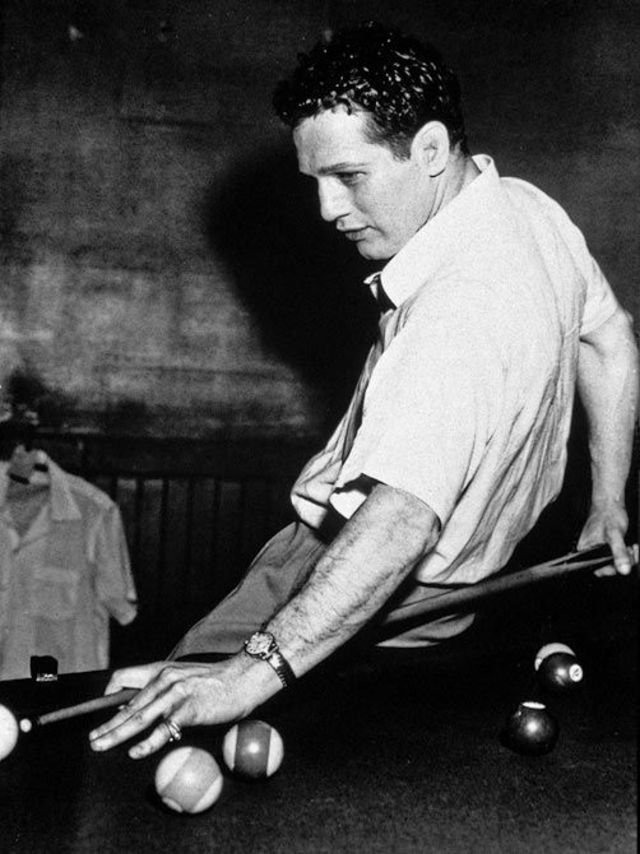
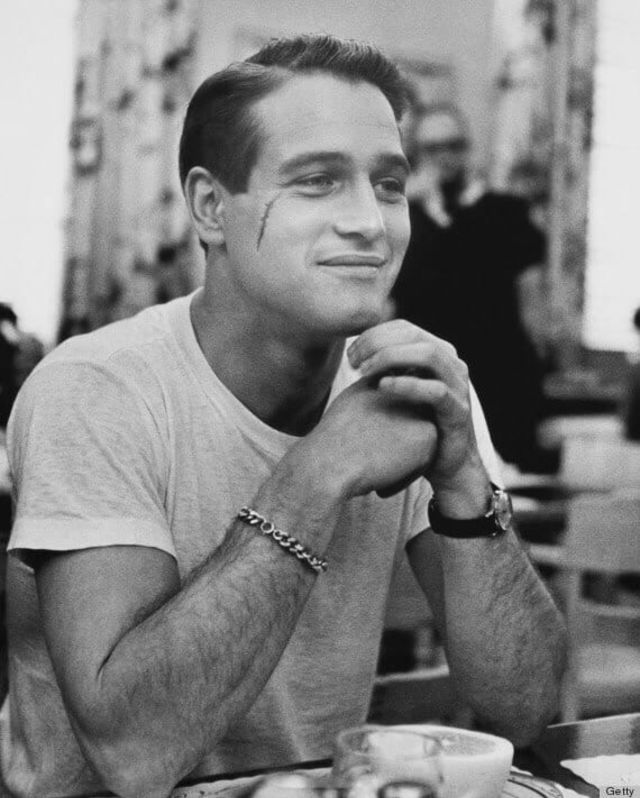
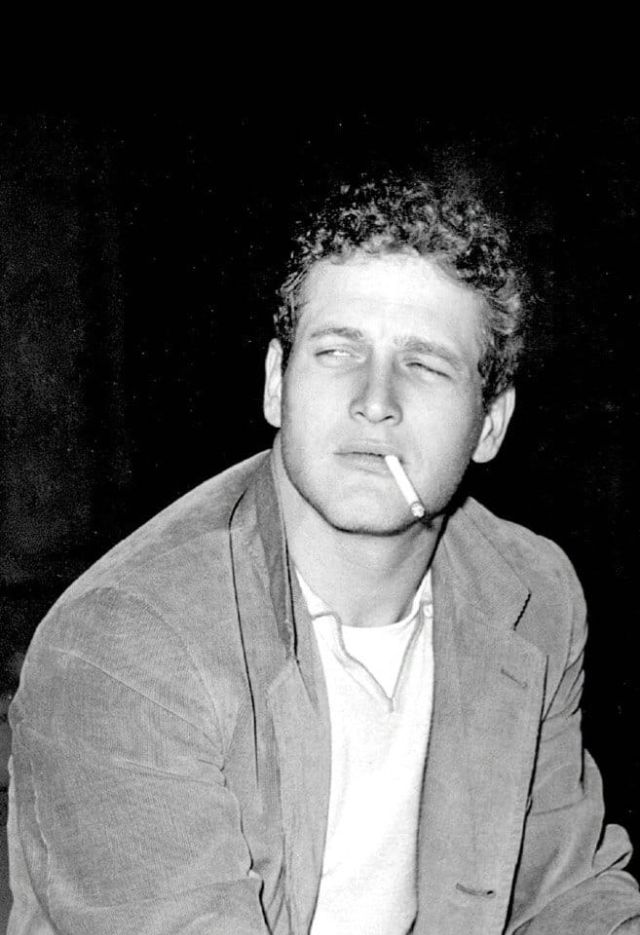
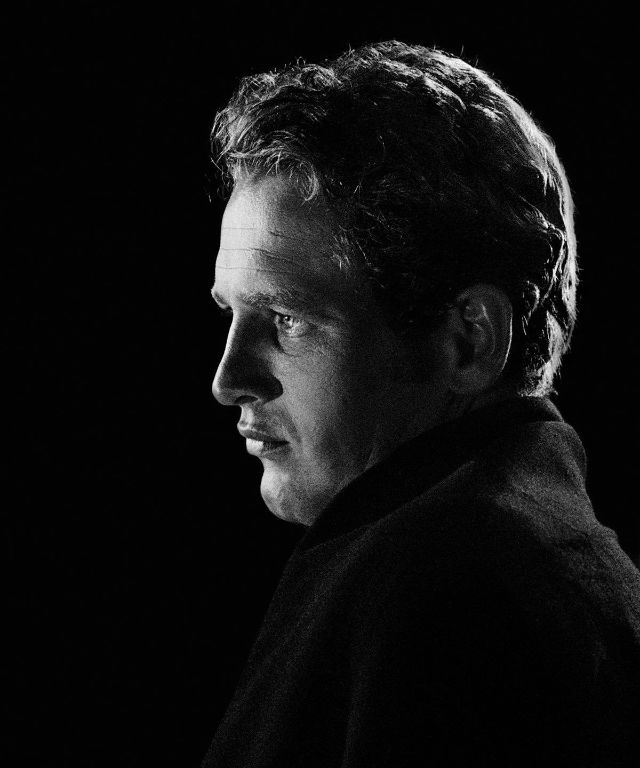
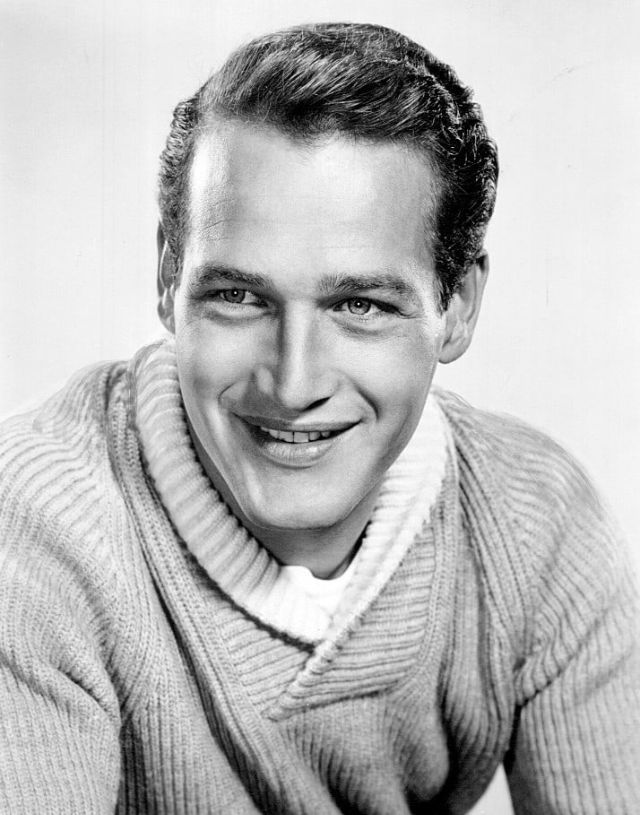
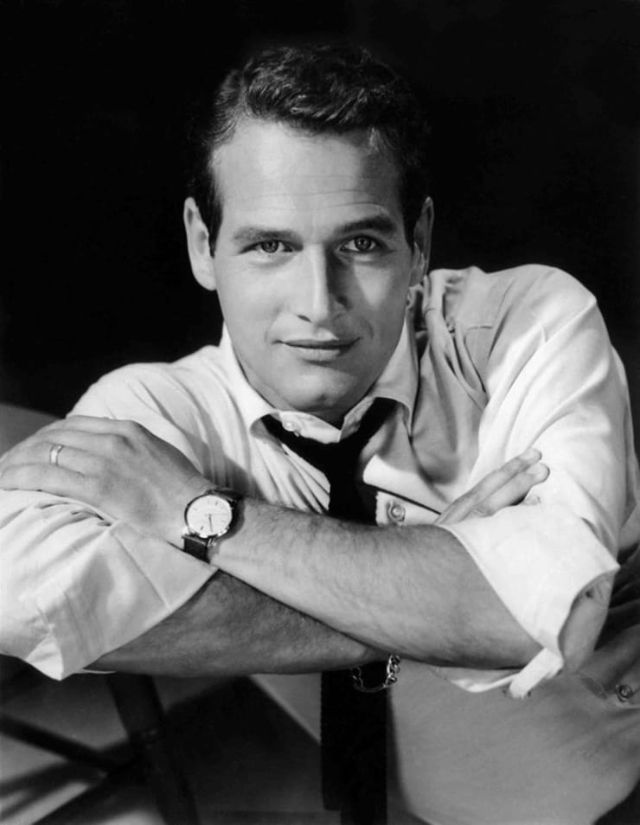
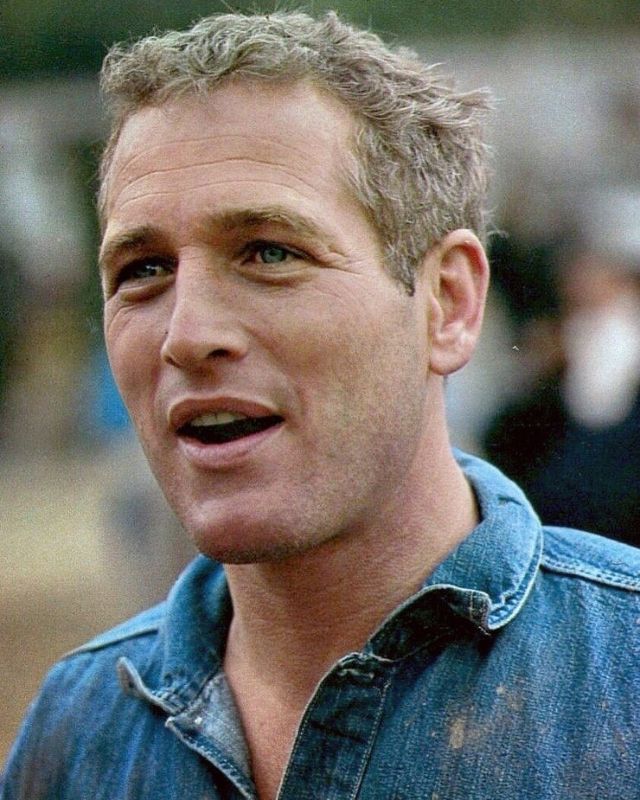
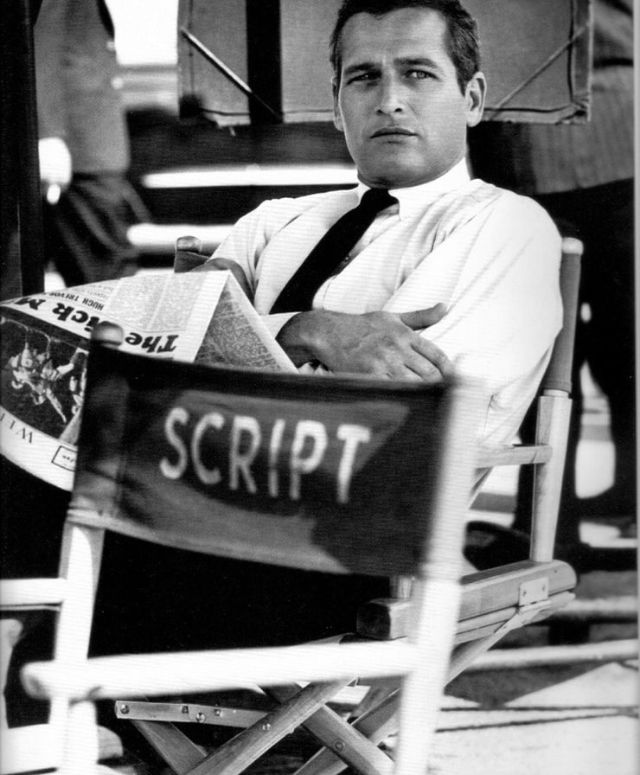
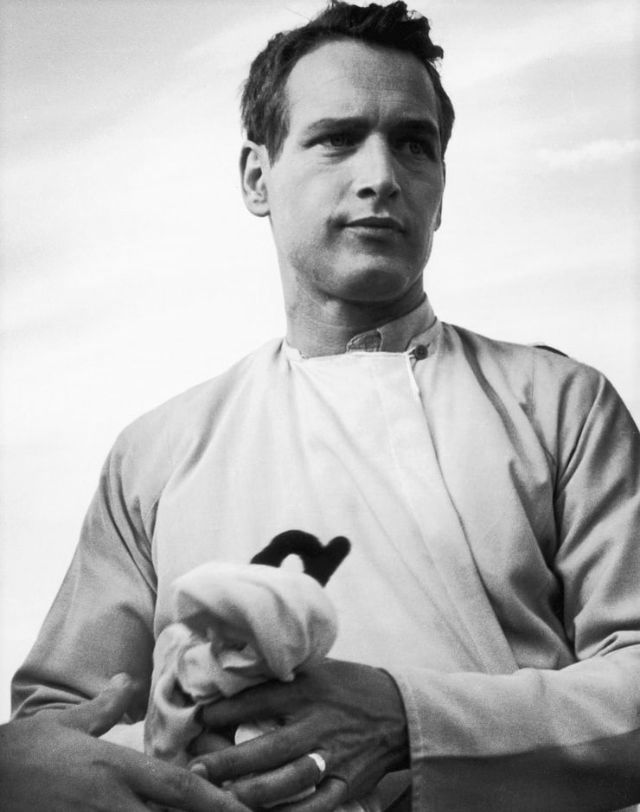
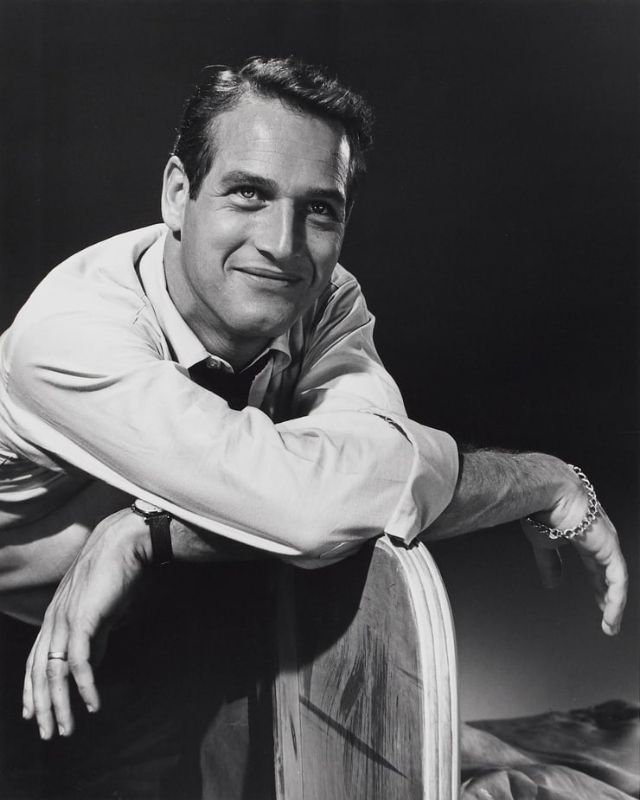
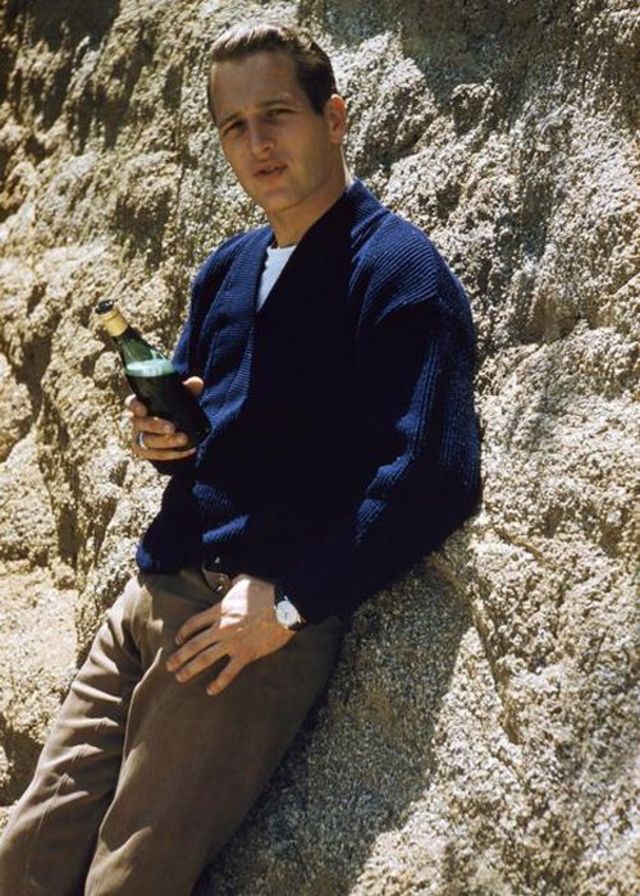
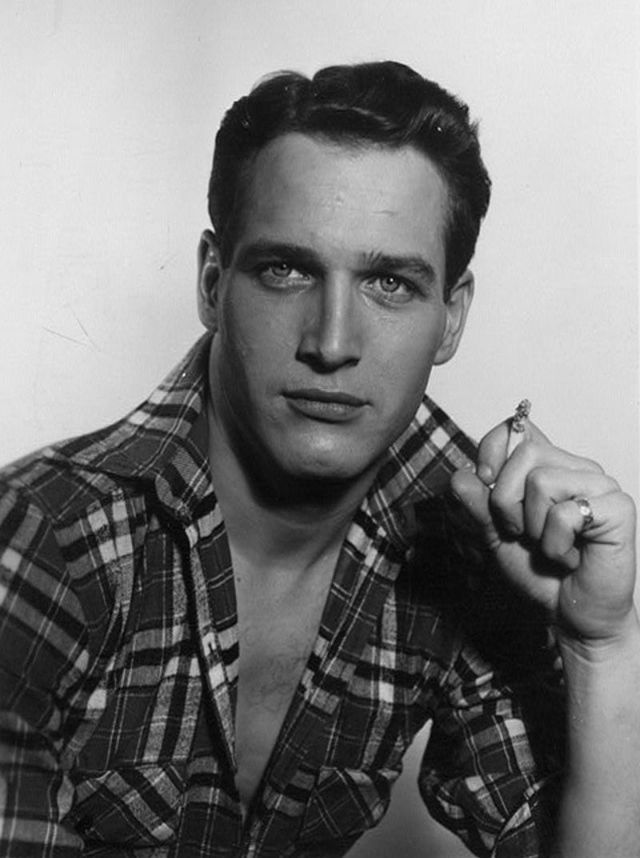
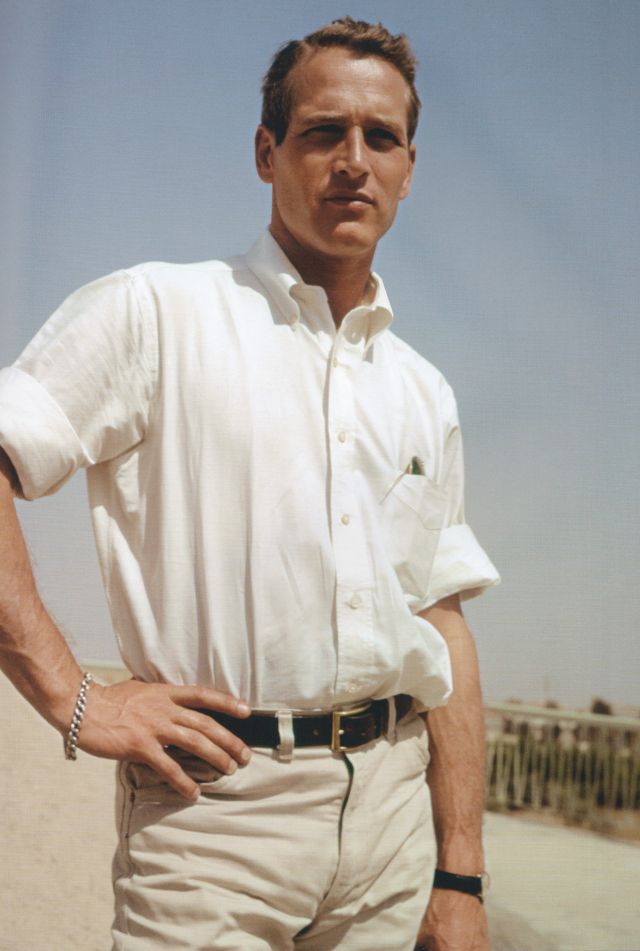
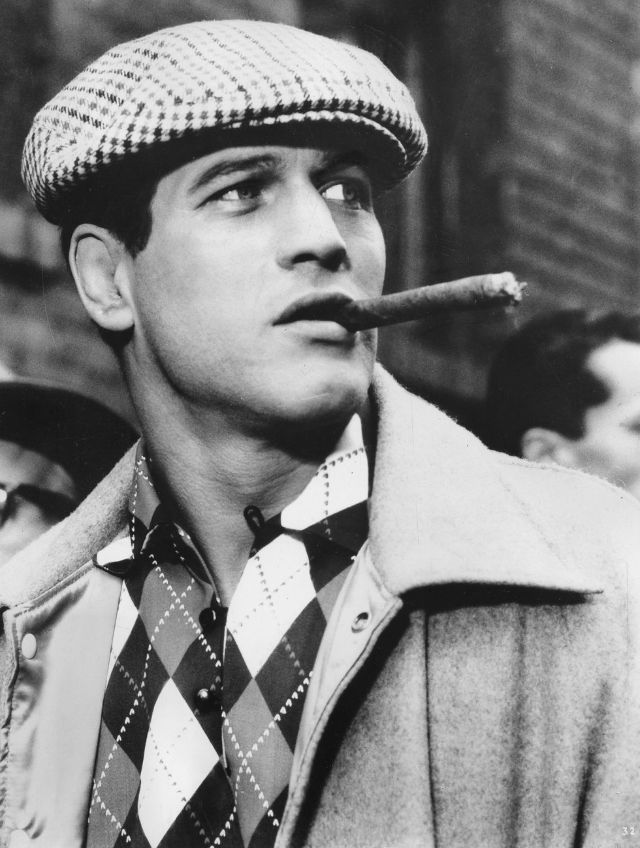
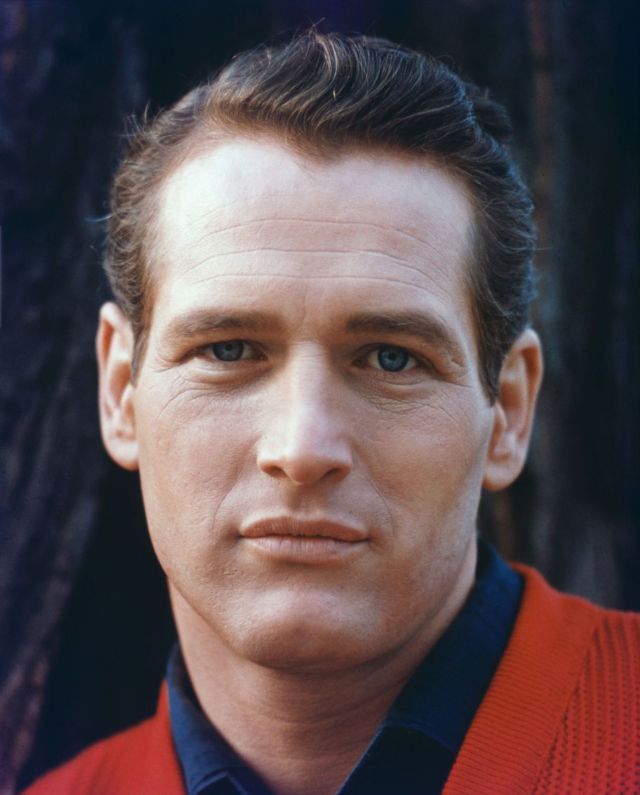
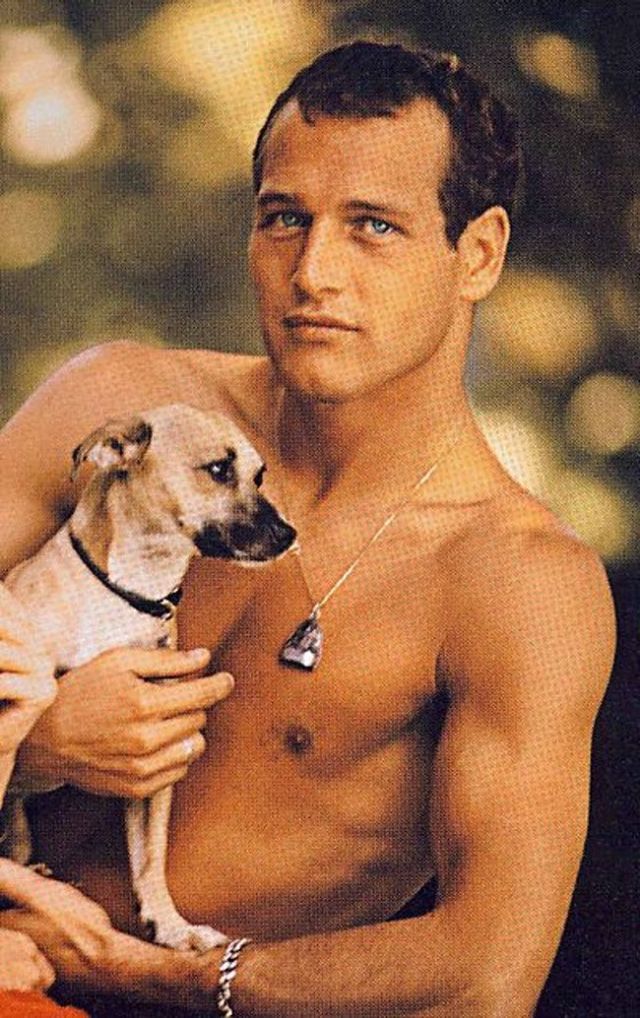
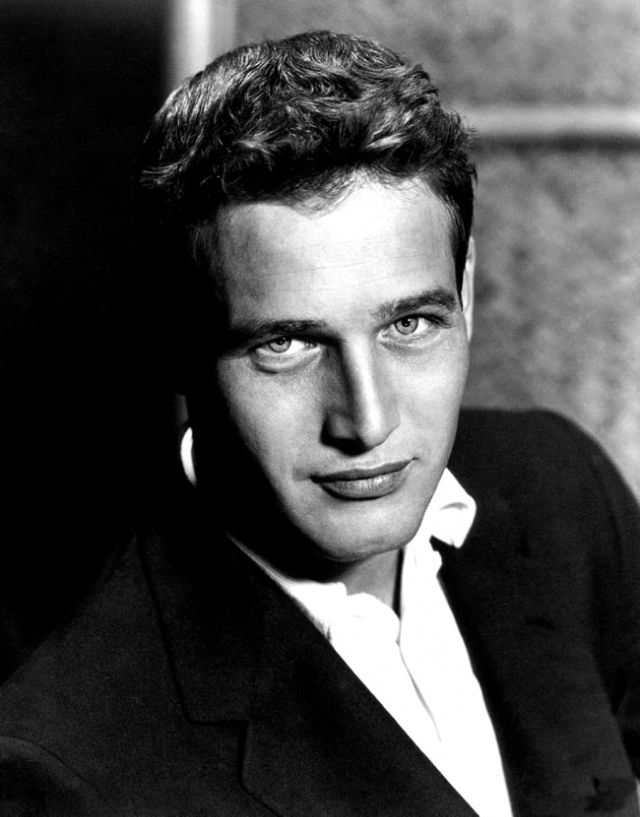
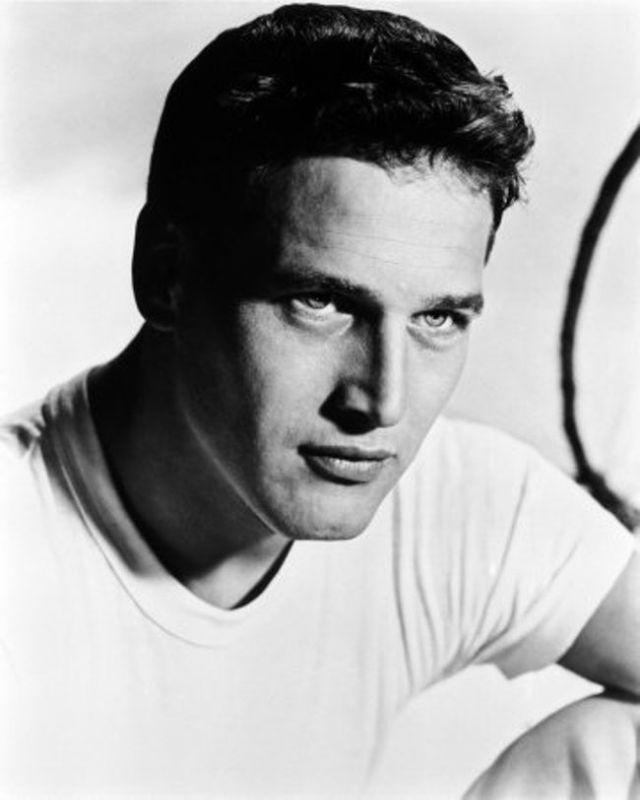
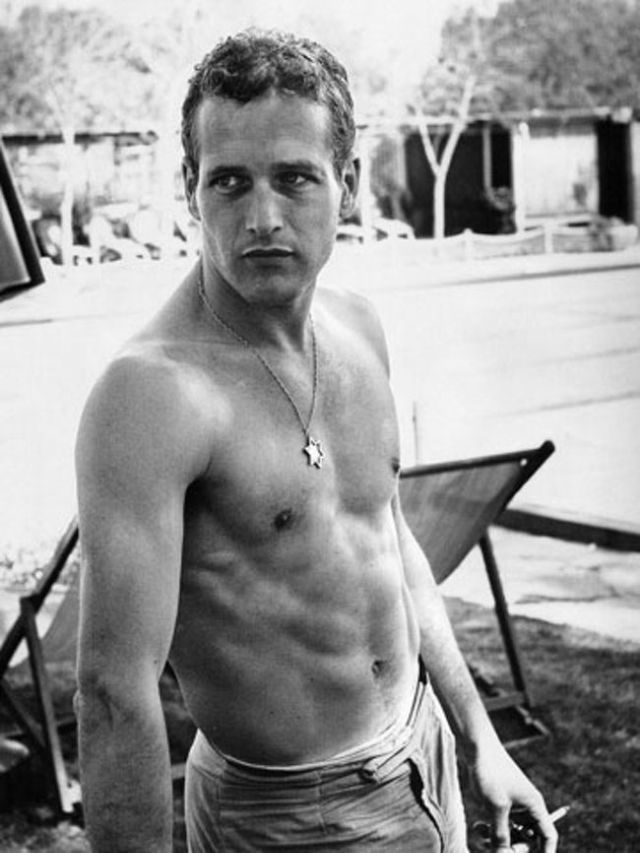
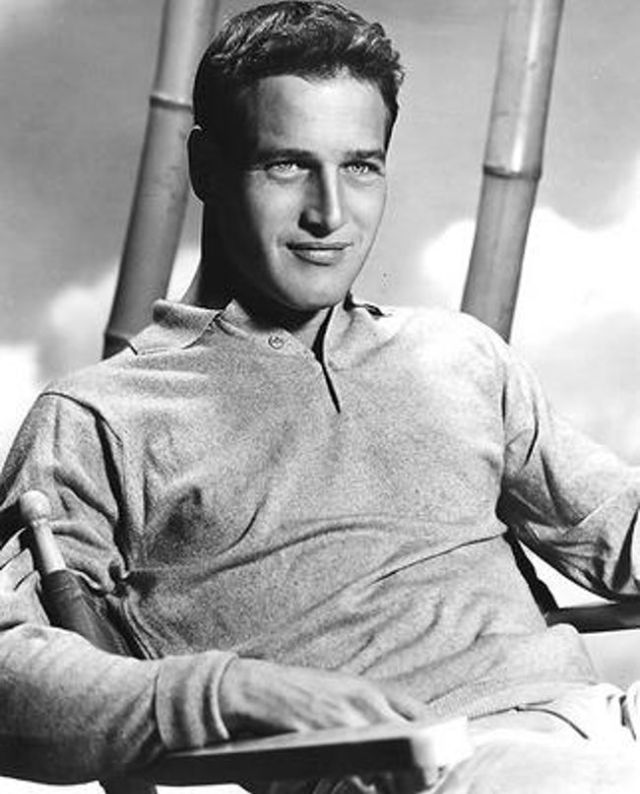
30 Vintage Photos of Paul Newman in the 1950s and 1960s

Paul Newman (January 26, 1925 – September 26, 2008) was an Academy Award winning American actor who was also an accomplished entrepreneur, professional racing driver, activist and philanthropist. Famous for his dashing looks and striking blue eyes, he is regarded as one of the most handsome men ever to have graced Hollywood.

A highly talented actor who won multiple awards for his performances, he was also a successful racing driver with several national championships to his name. The son of a sports store owner, he acquired his penchant for acting from his theater-loving mother. He participated in his school plays though he was more interested in athletics at that time.

As a young man he enlisted in the U.S. Navy Air Corps and served as a radio operator during the World War II. After the war he studied drama and ventured into the Broadway. He got noticed for his good looks and well-built physique which landed him film roles in Hollywood. It did not take him long to establish himself as a successful actor with films like The Hustler and The Color of Money to his credit.

In addition to being an actor, he was also an entrepreneur who co-founded Newman’s Own, a food company, which donates all profits to charity. The legendary actor was also well-known for his involvement in philanthropic endeavors.

In June 2008, it was widely reported in the press that he had been diagnosed with lung cancer and was receiving treatment for the condition at the Sloan-Kettering hospital in New York City. A. E. Hotchner, who partnered in the 1980s with Newman to start Newman’s Own, told the Associated Press in an interview in mid-2008 that Newman had told him about being afflicted with the disease about 18 months prior. Newman’s spokesman told the press that the star was “doing nicely”, but neither confirmed nor denied that he had cancer.

Newman died on the morning of September 26, 2008, in the presence of his family. He was 83 years old. His body was cremated after a private funeral service near his home in Westport.

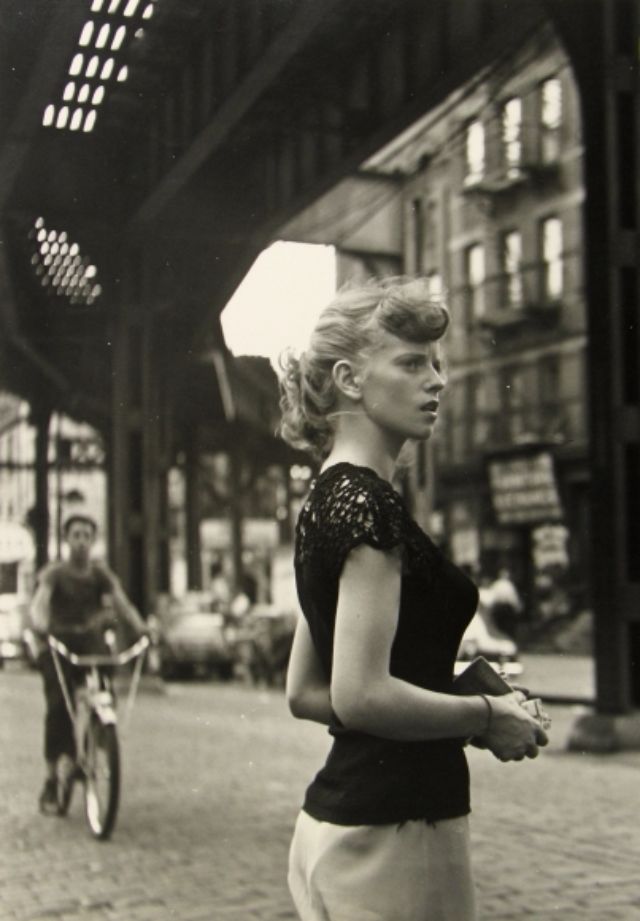
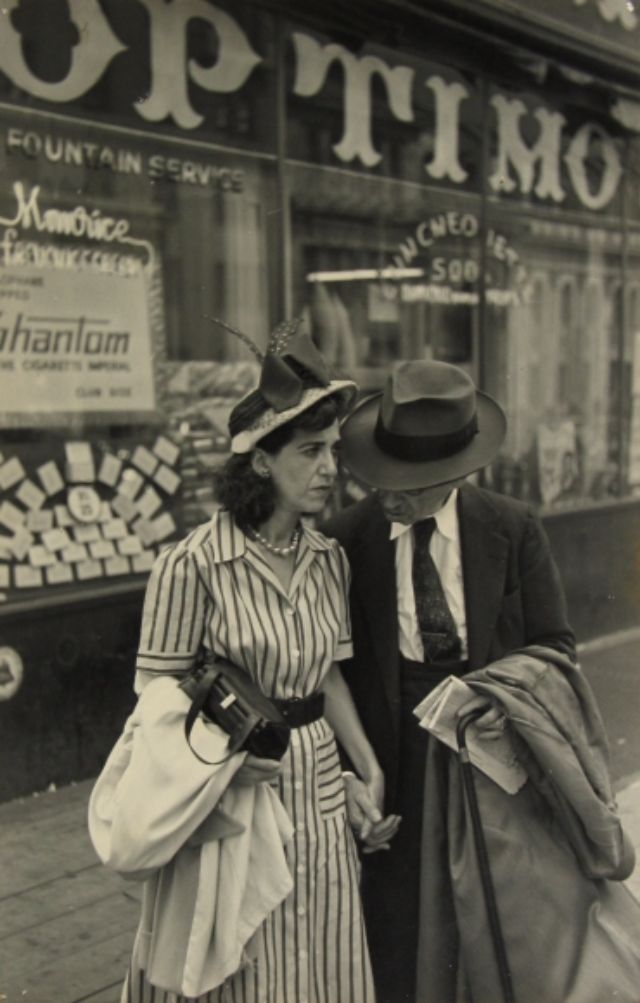
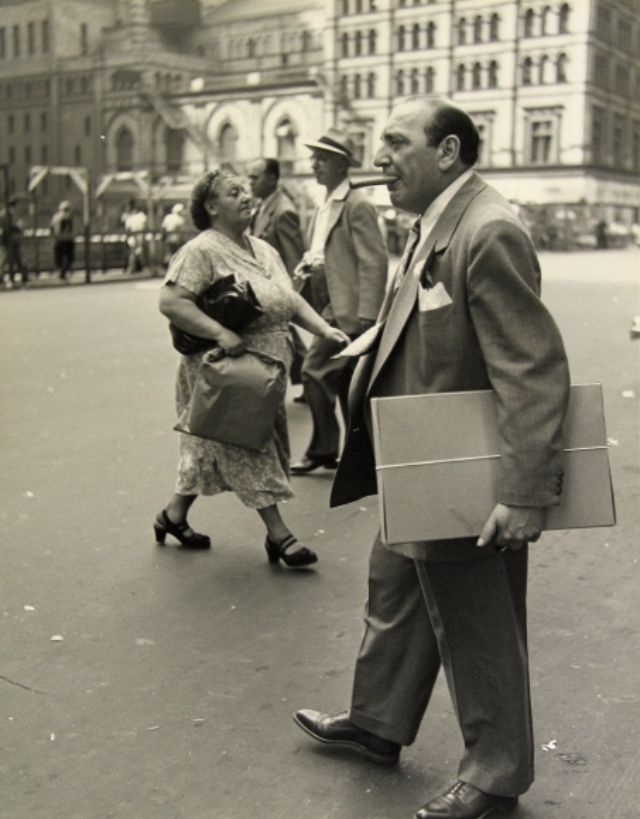
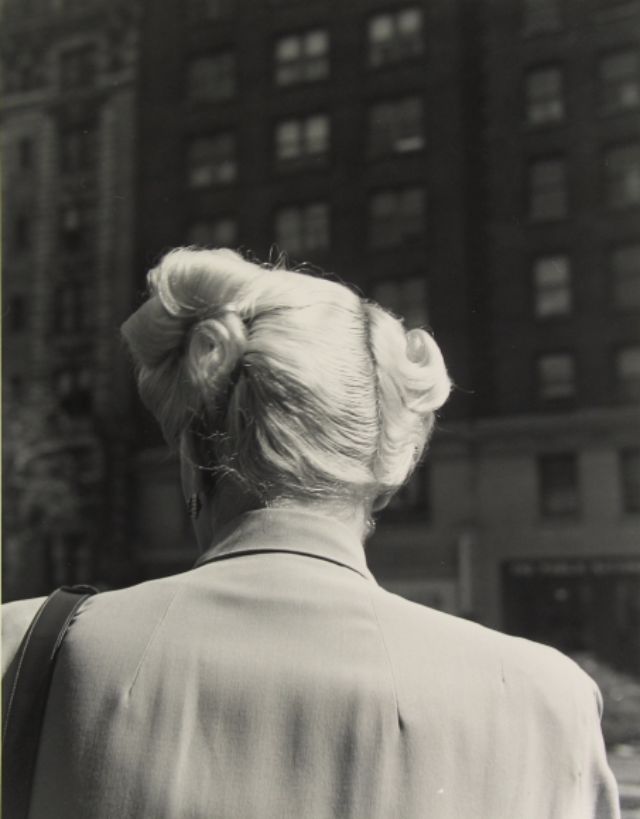
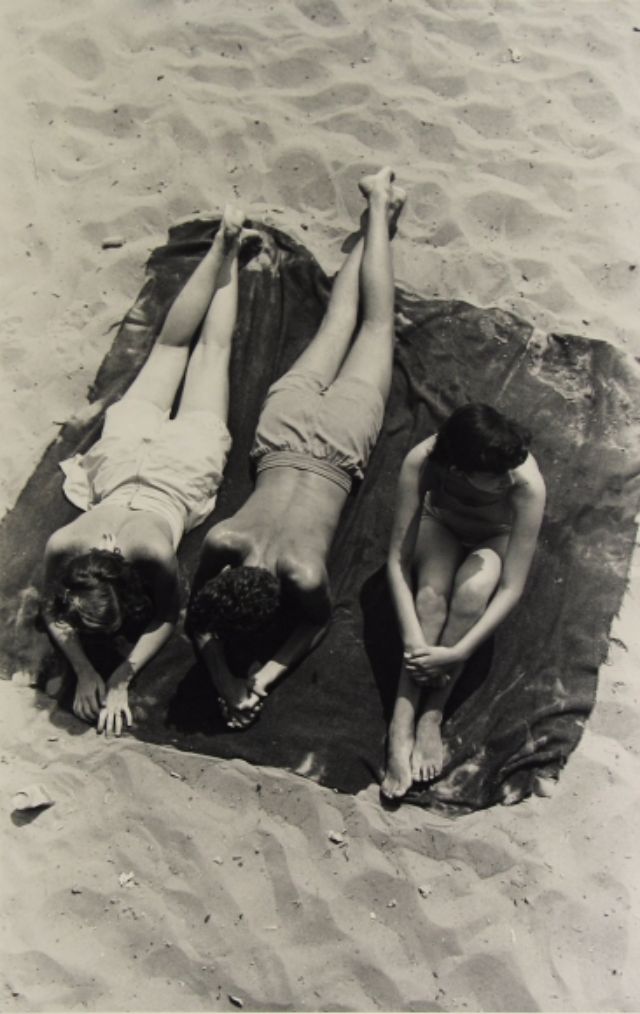
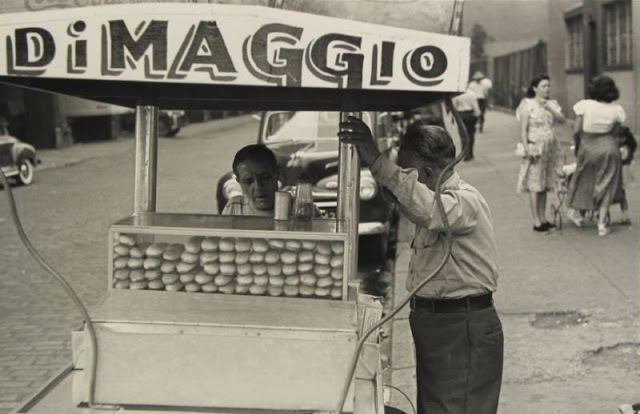
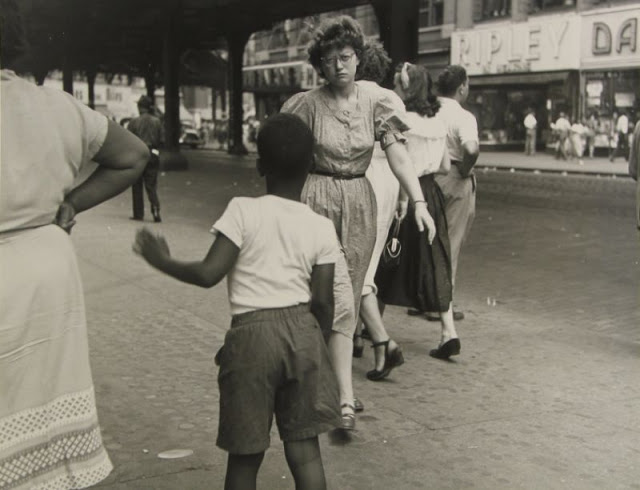
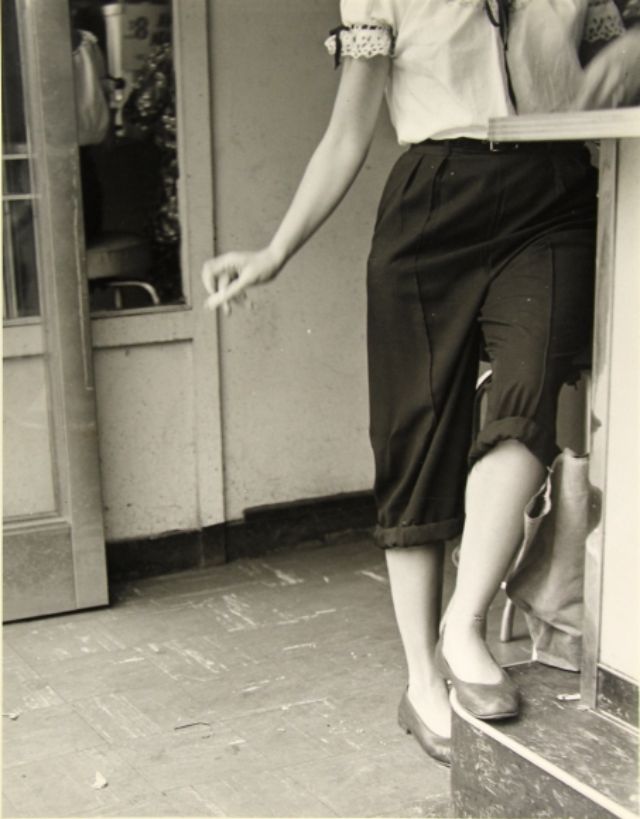
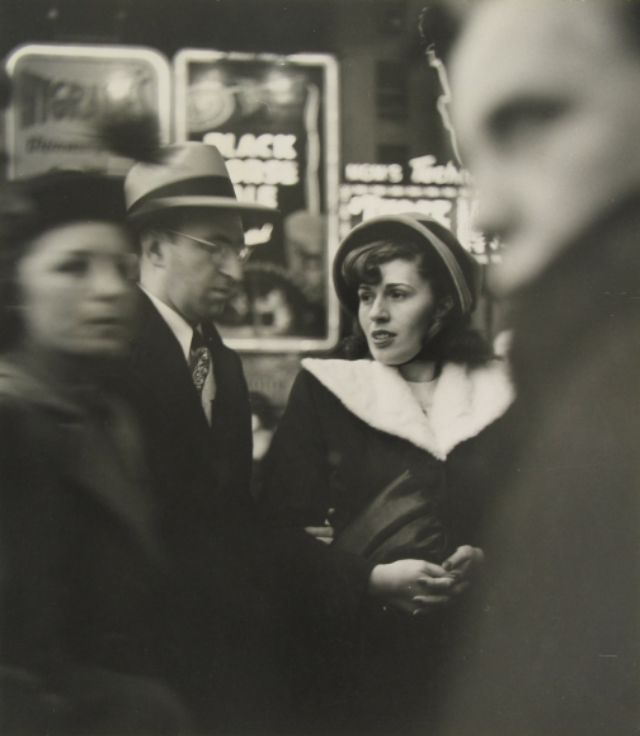
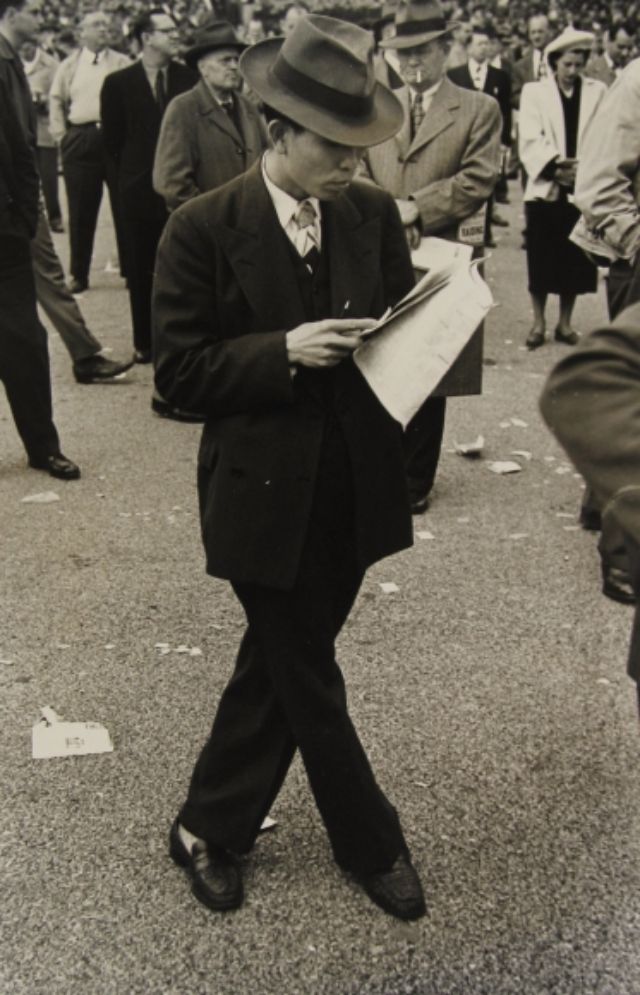
41 Amazing Photos Showing Life in New York in the Late 1940s

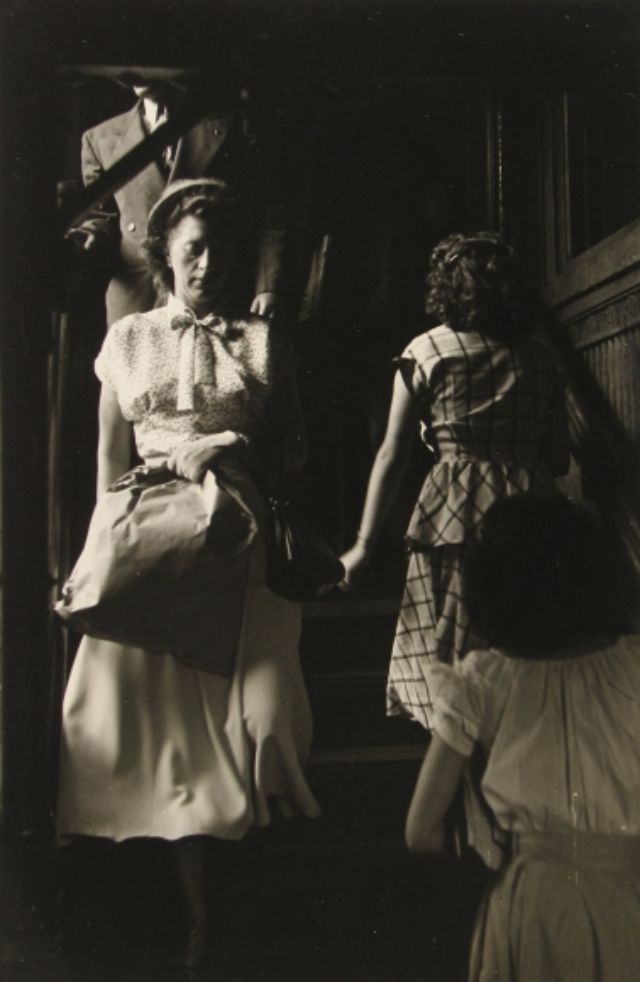
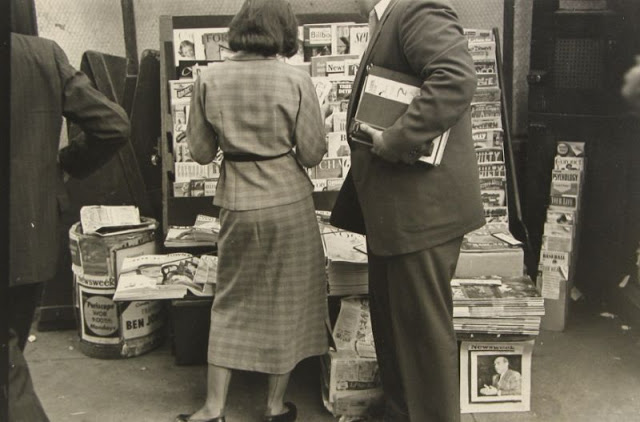
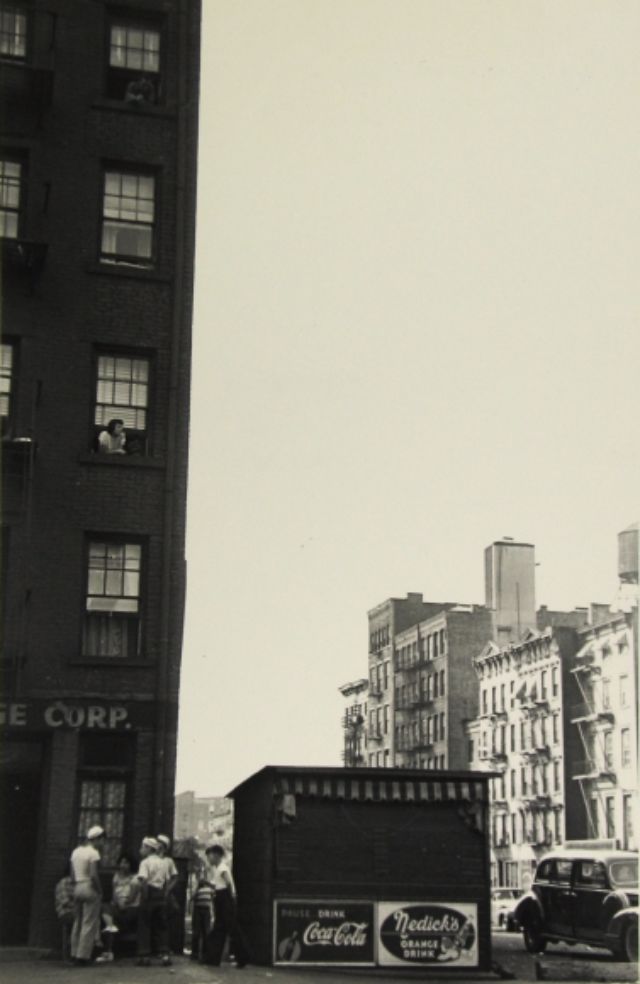
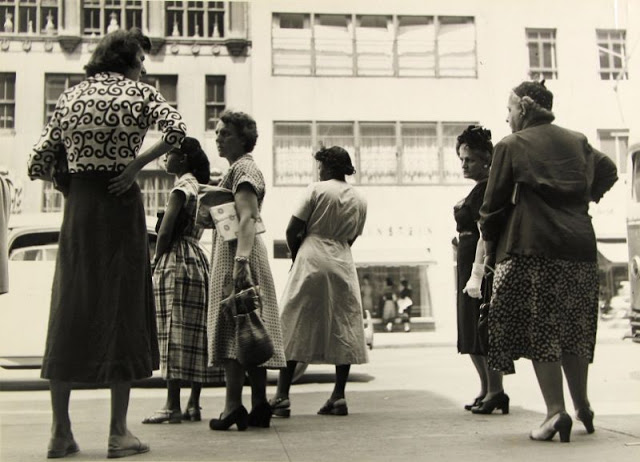
Homer Page (1918-1985) was an American documentary photographer whose most famous photographs were taken in New York City in 1949-1950, after he received a grant from the Guggenheim Foundation.

Page studied art and social psychology at the University of California, graduating in 1940. He worked in the shipyards in the Oakland-San Francisco Bay Area during World War II. His neighbor and later his mentor, photographer Dorothea Lange, encouraged him to take up photography in 1944. By 1947, he was featured in a major show at the Museum of Modern Art in New York.

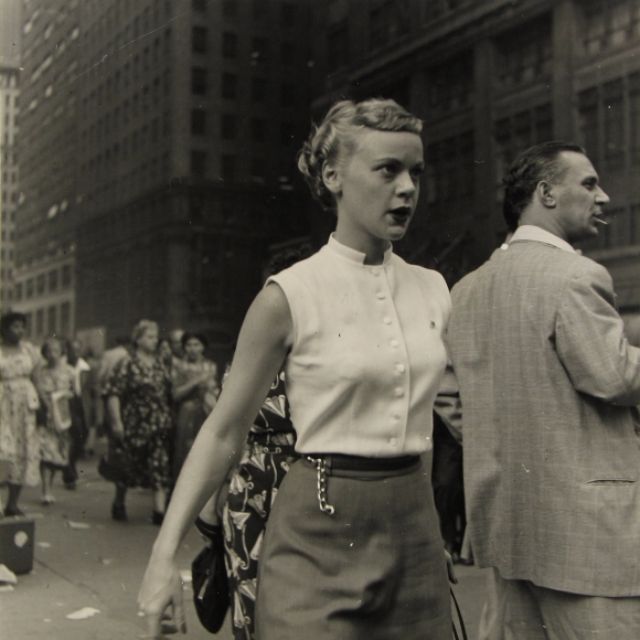
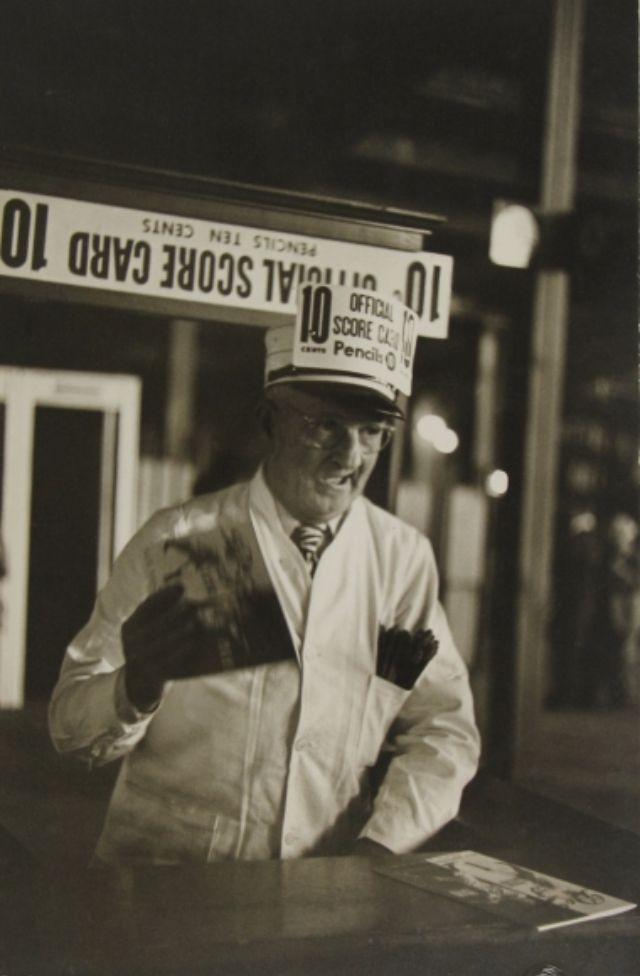
Page received a Guggenheim Fellowship in 1949 and spent a year documenting modern urban culture, primarily by photographing people on the streets of New York City. Most of his subjects appear unaware of his presence.

(Photos by Homer Page)

Rare Photographs Capture the Moment Some of the Nazis’ Most Notorious Murderers Were Brought to Justice, 1945

These rare photos show some of the world’s most infamous monsters just moments after their reign of terror came to an end. The pictures, which form part of a stunning group of previously unseen snaps documenting the Second World War, were found in an old suitcase belonging to a former Spitfire pilot.

Nazi killers Franz Hossler and Irma Grese can be seen relaxing in the black and white photos which have only just been uncovered. In the photos, evil Hossler, who was commander at Auschwitz concentration camp and then deputy commandant of Bergen-Belsen, can be seen smirking.

The mass murderers were caught on camera along with dozens of other defendants at Celle Prison in Germany by Flight Lieutenant Keith Parfitt.

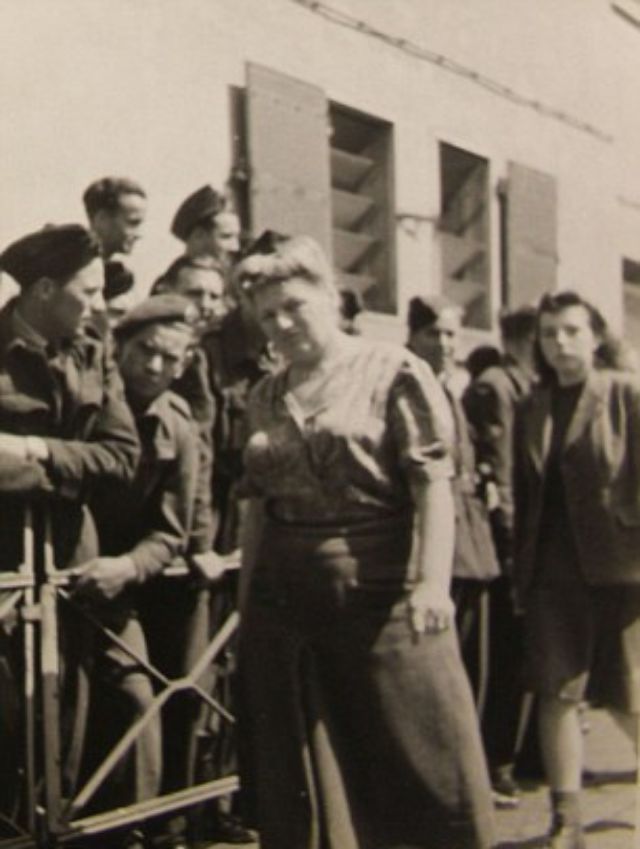
Pictured on the left is Herta Bothe, alongside two other female prisoners.
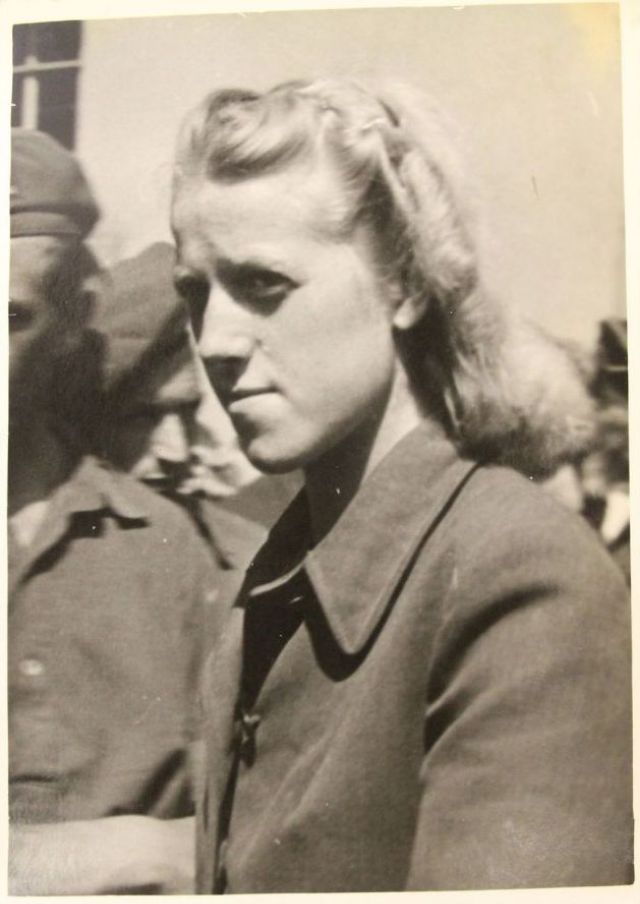
Herta Bothe can be seen looking stern as she is caught.

In September 1942, Herta Bothe became the SS-Aufseherin camp guard at the Nazi German Ravensbrück concentration camp for women. The former nurse took a four-week training course and was sent as an overseer to the Stutthof camp near Danzig (now Gdansk). There she became known as the “Sadist of Stutthof” due to her brutal beatings of prisoners.[citation needed]

In July 1944, she was sent by Oberaufseherin Gerda Steinhoff to the Bromberg-Ost (Bromberg East) subcamp.[1]

On 21 January 1945, the 24-year-old Bothe accompanied a death march of women prisoners from central Poland to the Bergen-Belsen concentration camp near Celle. While en route to Bergen-Belsen, she and the prisoners stayed temporarily at Auschwitz concentration camp, arriving at Belsen between 20–26 February 1945.[1]

Guard at Bergen-Belsen

19 April 1945 Bergen-Belsen SS women camp guards are paraded for work in clearing the dead. The women include Hildegard Kanbach (first from left), Magdalene Kessel (second from left), Irene Haschke (centre, third from right), the Head Wardress, Herta Ehlert (second from right, partially hidden) and Herta Bothe (first from right). Herta Bothe (also known as Hertha Bothe) accompanied a death march of women from central Poland to Bergen-Belsen. She was sentenced to 10 years imprisonment and released early from prison on 22 December 1951. Elisabeth Volkenrath was head wardress of the camp and sentenced to death. She was hanged on 13 December 1945. Irene Haschke was sentenced to 10 years imprisonment.
Once in the camp Bothe supervised a group of sixty women prisoners. The camp was liberated on 15 April 1945.

She is said to have been the tallest woman arrested; she was 6′ 3″ (1.91 m) in height. Bothe also stood out from other Aufseherinnen because, while most of the SS women wore black jackboots, she was in ordinary civilian shoes. The Allied soldiers forced her to place corpses of dead prisoners into mass graves adjacent to the main camp. She recalled in an interview some sixty years later that, while carrying the corpses, they were not allowed to wear gloves, and she was terrified of contracting typhus. She said the dead bodies were so rotten that the arms and legs tore away when they were moved. She also recalled the emaciated bodies were still heavy enough to cause her considerable back pain. Bothe was arrested and taken to a prison at Celle.

At the Belsen Trial she was characterized as a “ruthless overseer” and sentenced to ten years in prison for using a pistol on prisoners. Bothe admitted to striking inmates with her hands for camp violations like stealing but maintained that she never beat anyone “with a stick or a rod” and added that she never “killed anyone.” Her contention of innocence was deemed questionable as one Bergen-Belsen survivor claimed to have witnessed Bothe beat a Hungarian Jew named Éva to death with a wooden block while another teenager stated that he saw her shoot two prisoners for reasons he could not understand. Nevertheless, she was released early from prison on 22 December 1951 as an act of leniency by the British government. (Wikipedia)

Franz Hossler (far right), was a feared concentration camp commander.

Franz Hößler, also Franz Hössler; 4 February 1906 – 13 December 1945) was a Nazi German SS-Obersturmführer and Schutzhaftlagerführer at the Auschwitz-Birkenau, Dora-Mittelbau and Bergen-Belsen concentration camps during World War II. Captured by the Allies at the end of the war, Hößler was charged with crimes against humanity in the First Bergen-Belsen Trial, found guilty, and sentenced to death. He was executed by hanging at Hameln Prison in 1945.

Bothe (left) was a Nazi concentration camp guard imprisoned for war crimes but eventually released.
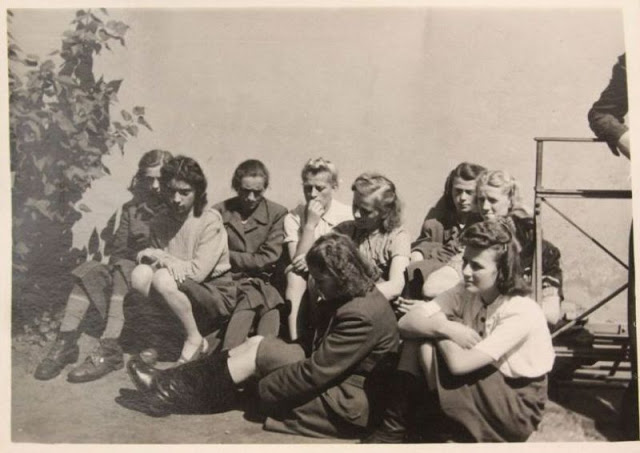
A group of young women sit outside the jail where 45 people faced charges for war crimes in 1945.
Detained alongside Hossler and Grese, they were among dozens to be arrested at the site towards the end of the Second World War.
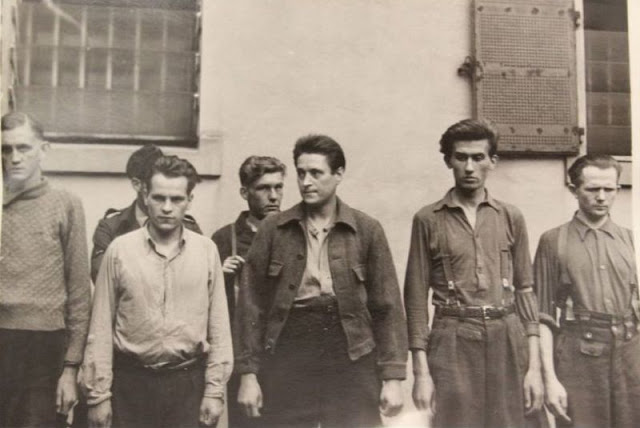
A group of unidentified prisoners are lined up against a wall during their detainment at Celle Prison, in Germany.
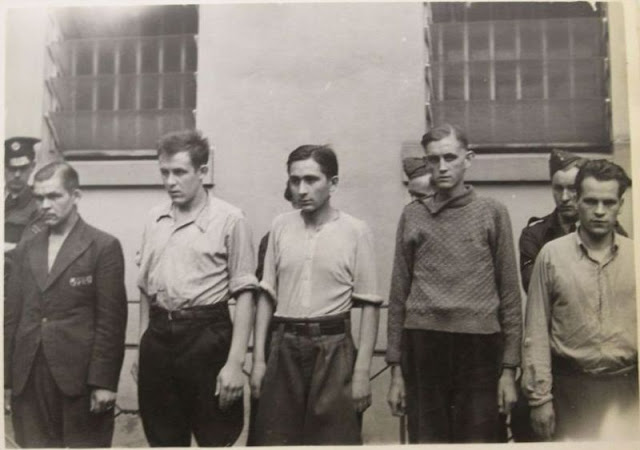
A group of men are marched out of the jail cells before two rows of Allied soldiers acting as prison guards.
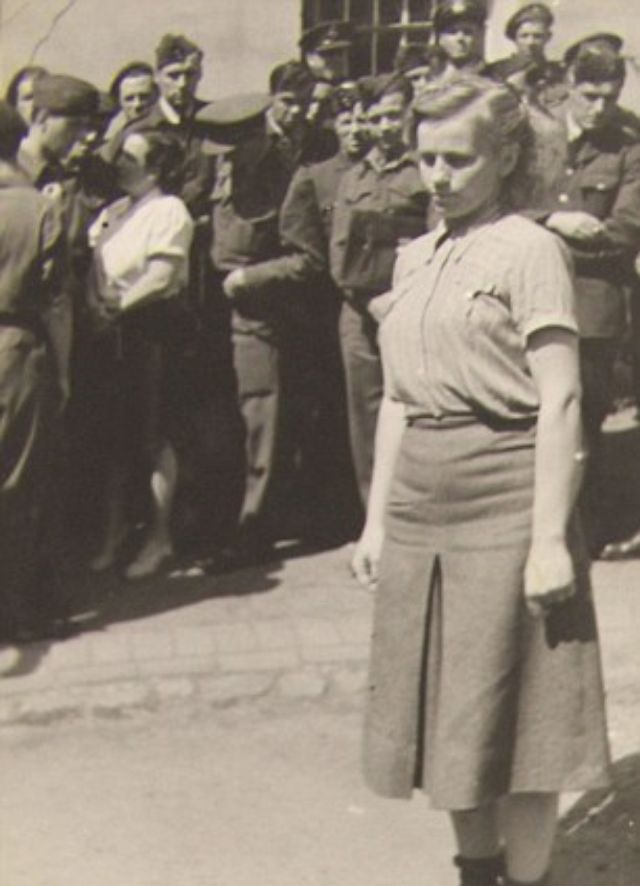
More than a dozen women, suspected of being complicit in war crimes, are displayed before a gathered crowd.
A woman is marched before gathered crowds during the war crimes trial held after the liberation of the Bergen-Belsen death camp.
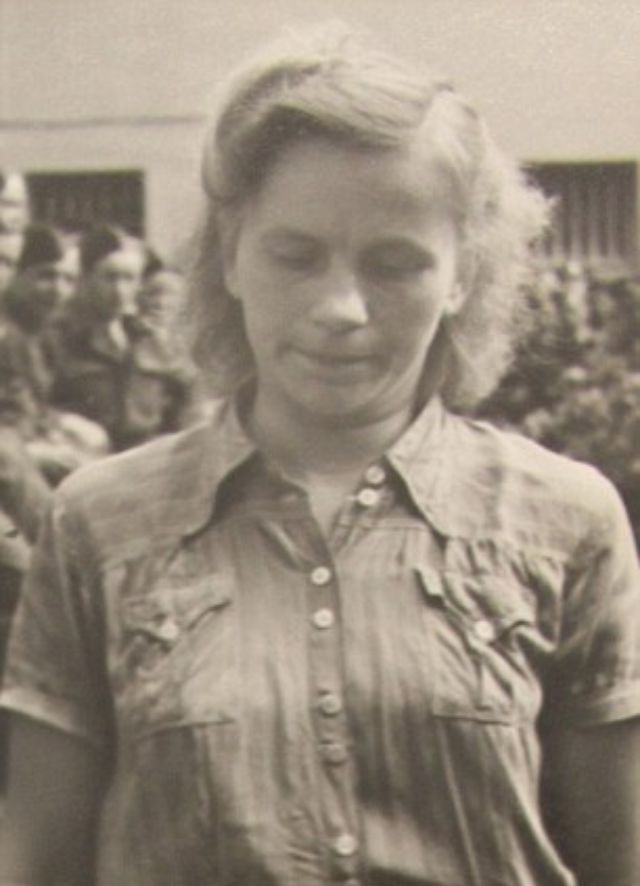
The unidentified prisoner was arrested after the liberation of Burgen-Belsen death camp.
Pictured is an unidentified prisoner.
1938 Police Shootout in Los Angeles

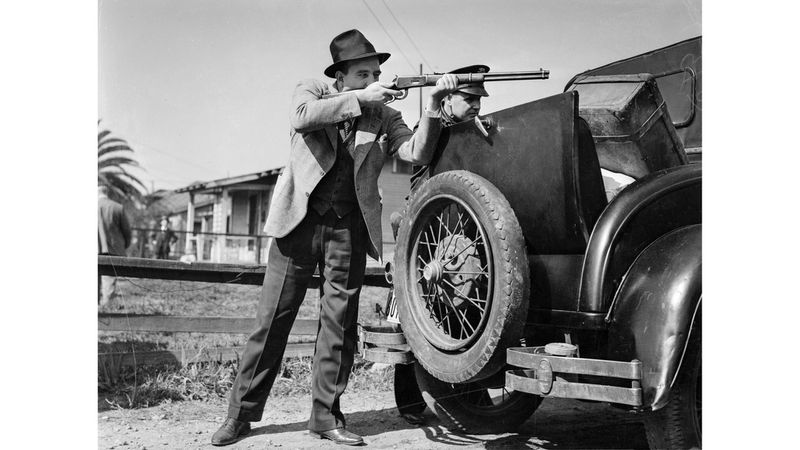
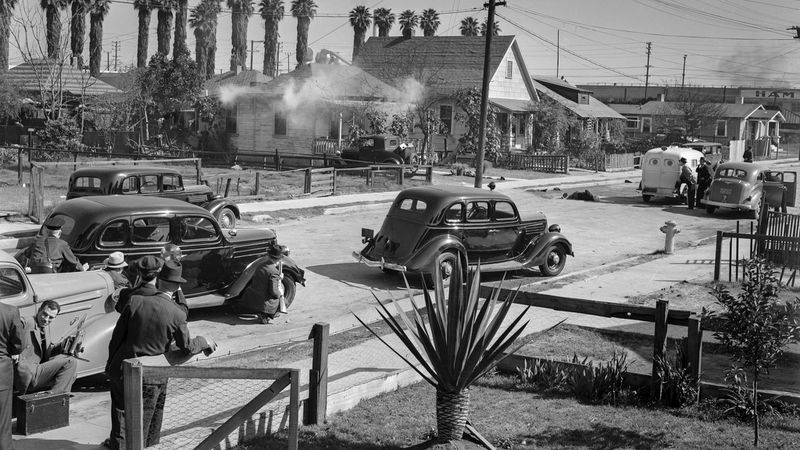
Feb. 17, 1938: Tear gas issues from a home in the 1700 block of East 22nd Street as police trade shots with barricaded suspect George Farley. (J.H. McCrory / Los Angeles Times Archive/UCLA)

Subscribe to get access

Read more of this content when you subscribe today.

The bodies of a deputy city marshal and his helper — shot and killed by George Farley as they tried to serve an eviction notice on him — lie in front of a barricaded home. They were Deputy Marshal T. Dwight Crittenden and Leon W. Romer, both 60.

Farley, 55, was wounded five times and captured after police stormed the house. He was later convicted of two counts of manslaughter and ordered to serve 10 to 20 years in San Quentin State Prison.

Subscribe to continue reading

Become a paid subscriber to get access to the rest of this post and other exclusive content.

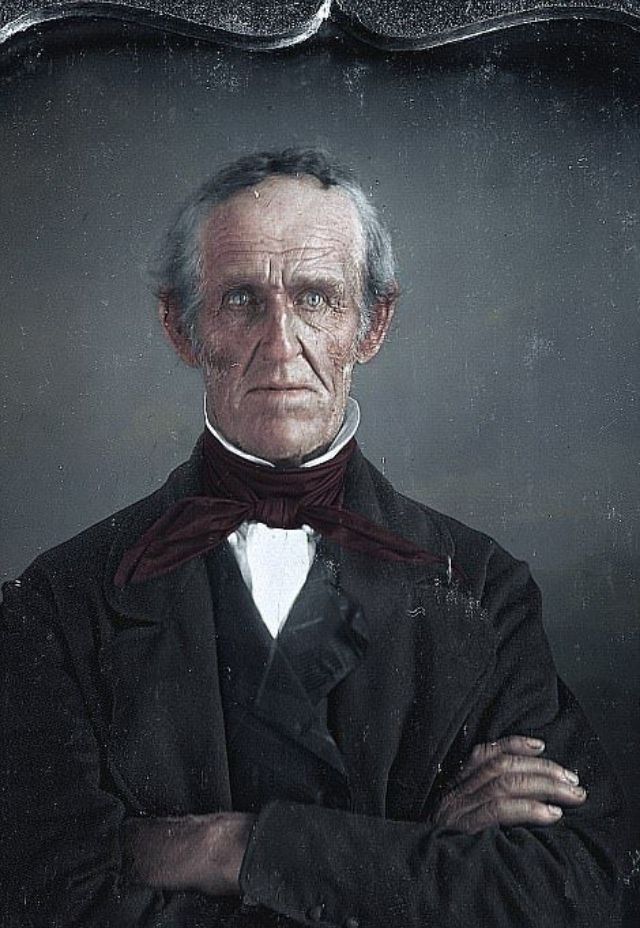
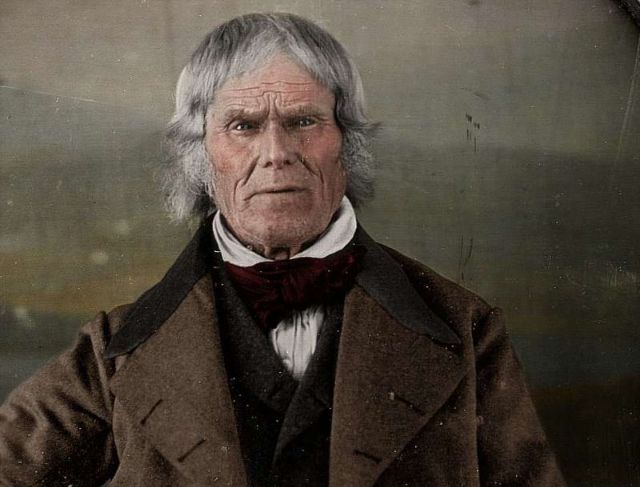
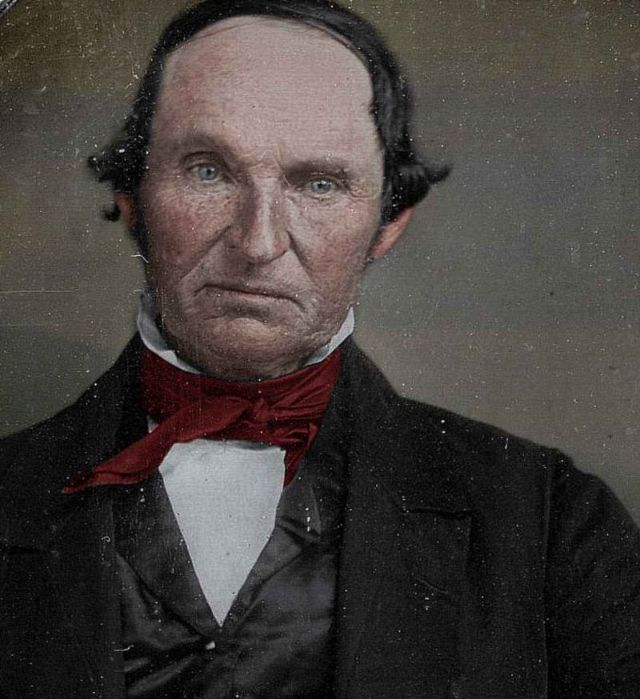
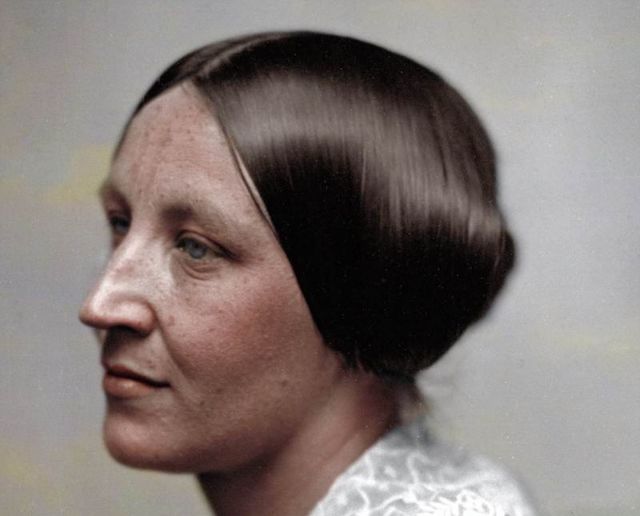
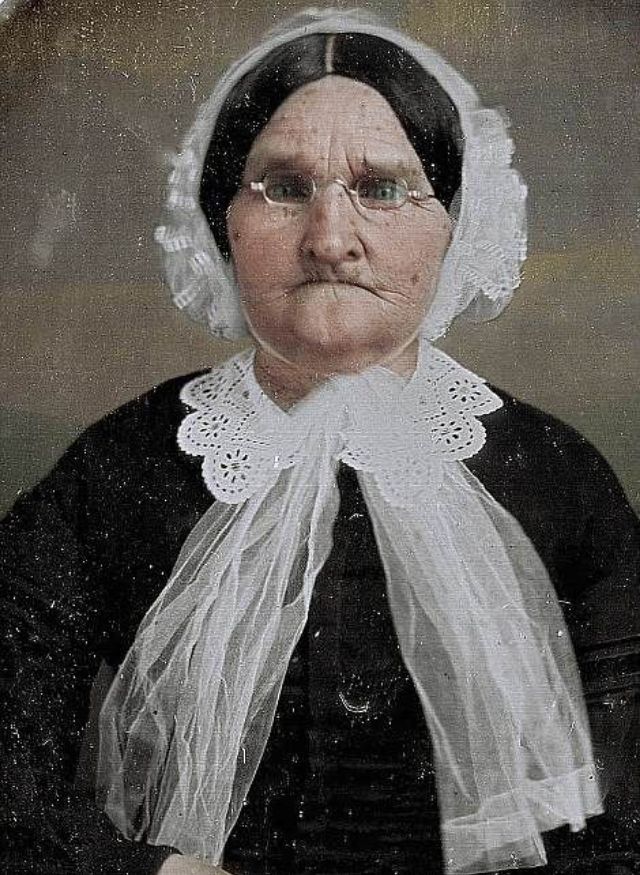
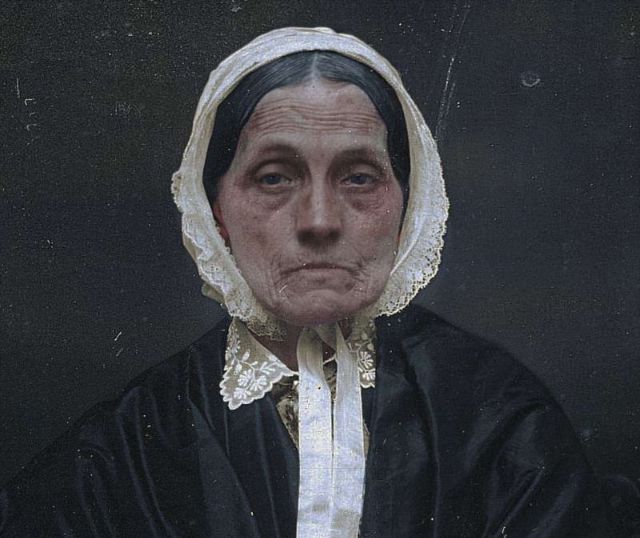
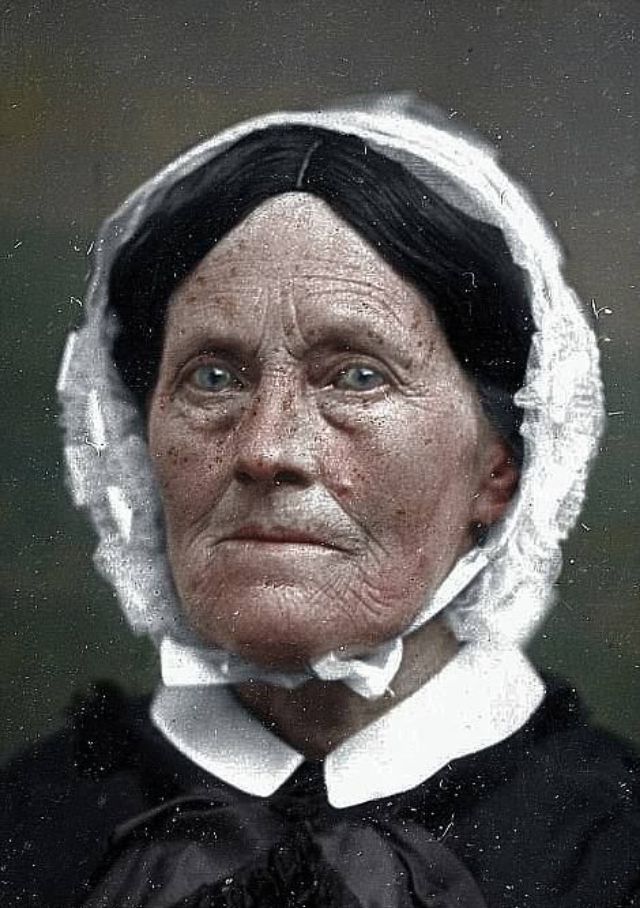
Earliest Portrait Photos Ever Taken Bring Americans From the 1840s to Life After Being Colorized

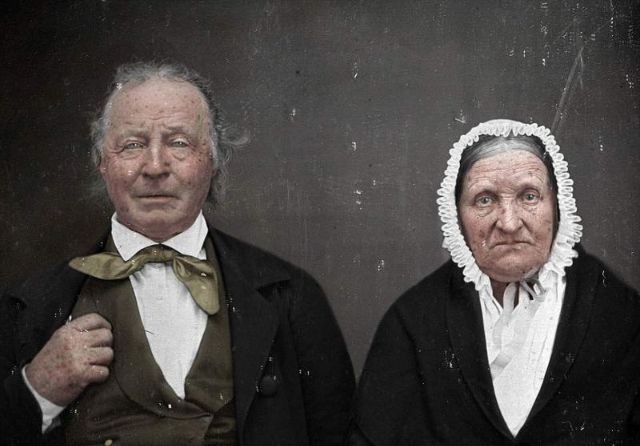
These amazing photographs were all taken in the 1840s using the daguerreotype which had just been invented. Images show various people from 1840s New York and bring to life how people looked and dressed in that era. They believed to have been taken by legendary early American photographer Matthew Brady, show a selection of 11 portraits taken as daguerreotype images.

Images: My Colorful Past

25 Amazing Photos Showing Life in Portugal During the Late 1960s and Early 1970s

Portugal, officially the Portuguese Republic, is a country whose mainland is located on the Iberian Peninsula, in Southwestern Europe, and whose territory also includes the Atlantic archipelagos of the Azores and Madeira. It features the westernmost point in mainland Europe, and its Iberian portion is bordered to the west and south by the Atlantic Ocean and to the north and east by Spain, the sole country to have a land border with Portugal. Its two archipelagos form two autonomous regions with their own regional governments. The official and national language is Portuguese. Lisbon is the capital and largest city.

Portugal is the oldest continuously existing nation state on the Iberian Peninsula and one of the oldest in Europe, its territory having been continuously settled, invaded and fought over since prehistoric times. It was inhabited by pre-Celtic and Celtic peoples, visited by Phoenicians-Carthaginians, Ancient Greeks and ruled by the Romans, who were followed by the invasions of the Suebi and Visigothic Germanic peoples. After the invasion of the Iberian Peninsula by the Moors, most of its territory was part of Al-Andalus. Portugal as a country was established during the early Christian Reconquista. Founded in 868, the County of Portugal gained prominence after the Battle of São Mamede (1128). The Kingdom of Portugal was later proclaimed following the Battle of Ourique (1139), and independence from León was recognized by the Treaty of Zamora (1143).

In the 15th and 16th centuries, Portugal established the first global maritime and commercial empire, becoming one of the world’s major economic, political and military powers. During this period, today referred to as the Age of Discovery, Portuguese explorers pioneered maritime exploration with the discovery of what would become Brazil (1500). During this time Portugal monopolized the spice trade, divided the world into hemispheres of dominion with Castile, and the empire expanded with military campaigns in Asia. However, events such as the 1755 Lisbon earthquake, the country’s occupation during the Napoleonic Wars, and the independence of Brazil (1822) erased to a great extent Portugal’s prior opulence. A civil war between liberal constitutionalists and conservative absolutists in Portugal over royal succession lasted from 1828 to 1834.

After the 1910 revolution deposed the monarchy, the democratic but unstable Portuguese First Republic was established, later being superseded by the Estado Novo authoritarian regime. Democracy was restored after the Carnation Revolution (1974), ending the Portuguese Colonial War. Shortly after, independence was granted to almost all its overseas territories. The handover of Macau to China (1999) marked the end of what can be considered one of the longest-lived colonial empires in history.
Portugal has left a profound cultural, architectural and linguistic influence across the globe, with a legacy of around 250 million Portuguese speakers, and many Portuguese-based creoles. It is a developed country with an advanced economy and high living standards. Additionally, it ranks highly in peacefulness, democracy, press freedom, stability, social progress, prosperity and English proficiency. A member of the United Nations, the European Union, the Schengen Area and the Council of Europe (CoE), Portugal was also one of the founding members of NATO, the eurozone, the OECD, and the Community of Portuguese Language Countries. (Wikipedia)

Neal Slavin is a world-class photographer and film director. His well- known photographic books include PORTUGAL with an Afterword by Mary McCarthy, WHEN TWO OR MORE ARE GATHERED TOGETHER and BRITONS.

He has photographed for most of the major magazines around the world including The New York Times Magazine, The London Sunday Times Magazine, Esquire, Frankfurter Algemeine Zeitung, Oprah Magazine, Rolling Stone, Life, Geo, and New York Magazine to name just a few.

Slavin’s work encompasses a professional career of over 40 years, during which he has photographed a myriad of subjects including such celebrities as Steven Spielberg, Harrison Ford, Barbra Streisand and Phil Collins, among others. He has also pursued his own art which has led to the publication of the three aforementioned books.

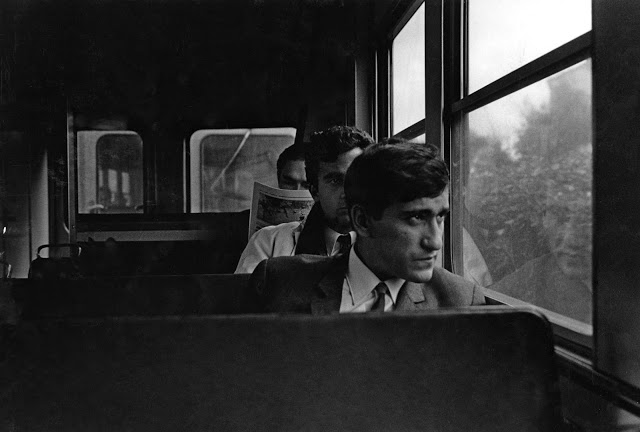
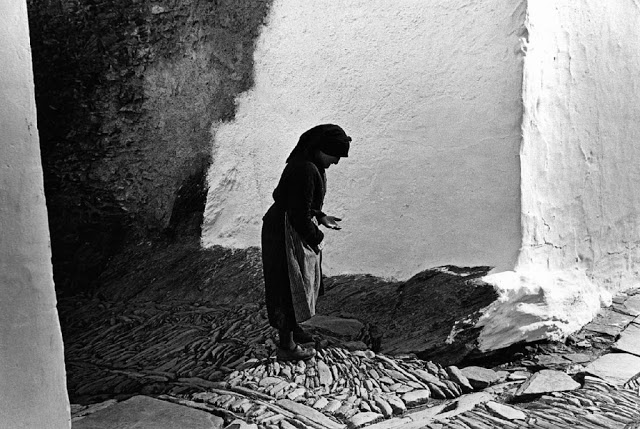
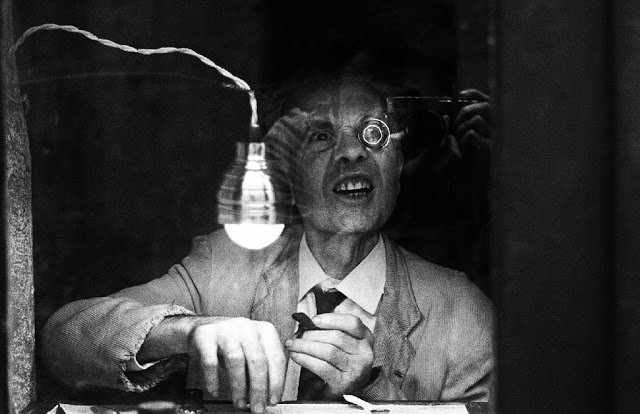
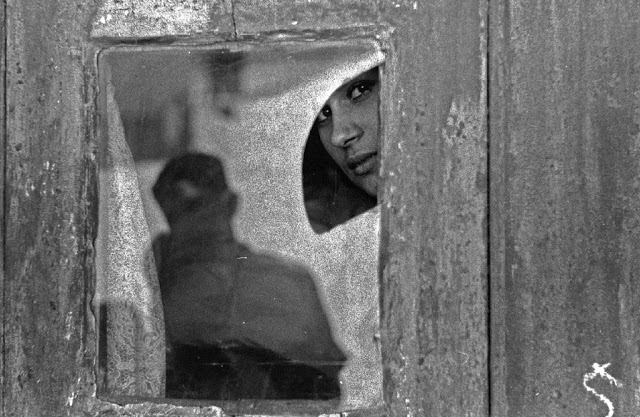
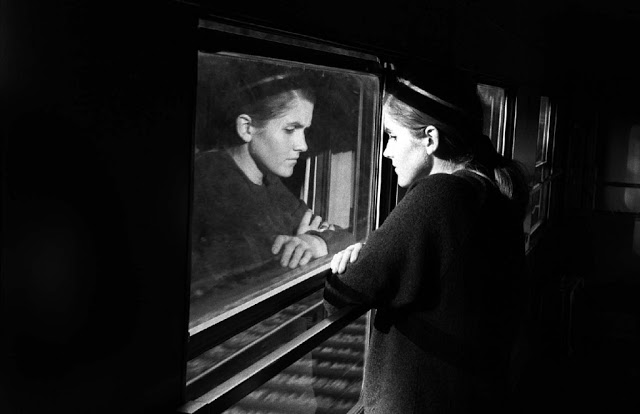
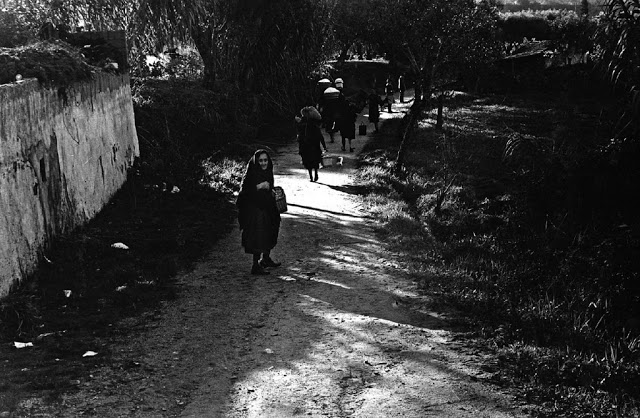
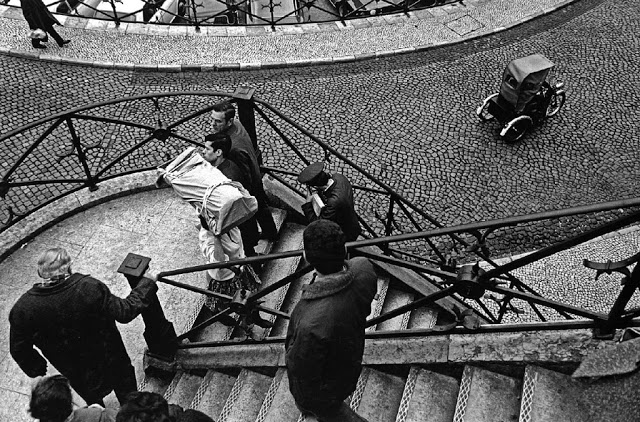
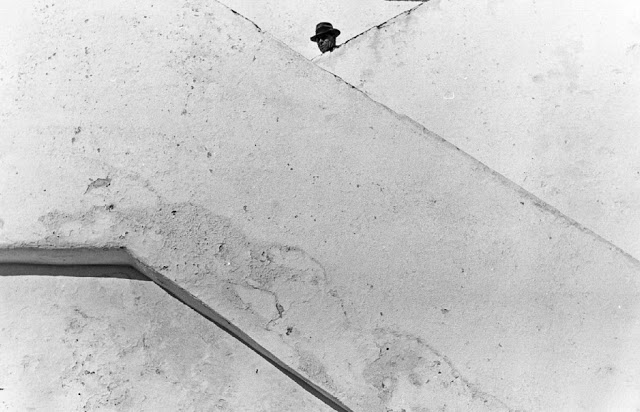
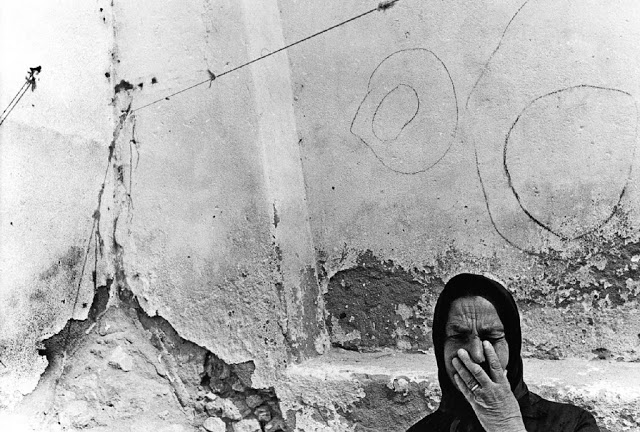
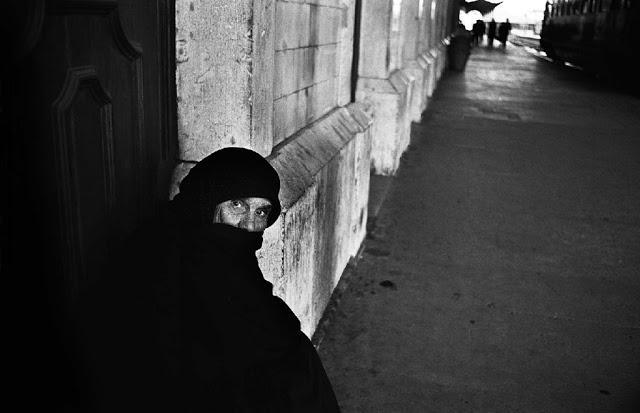
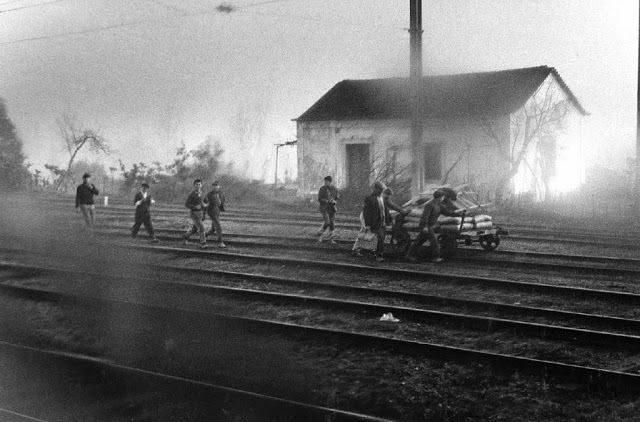
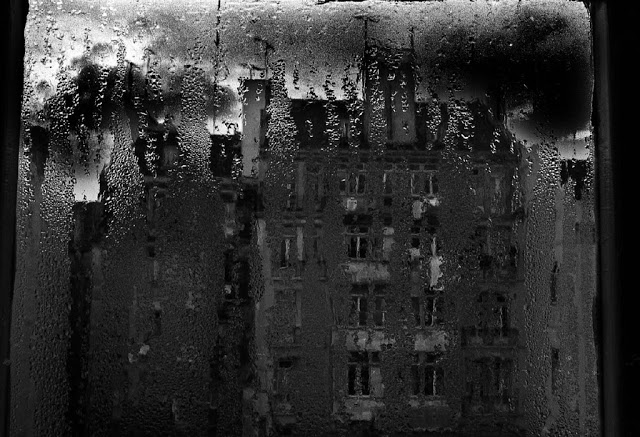
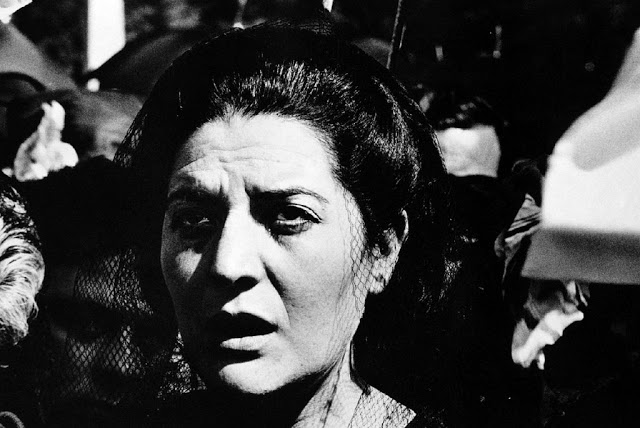
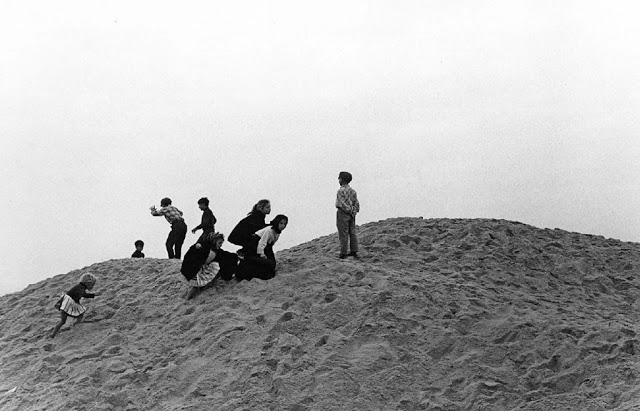
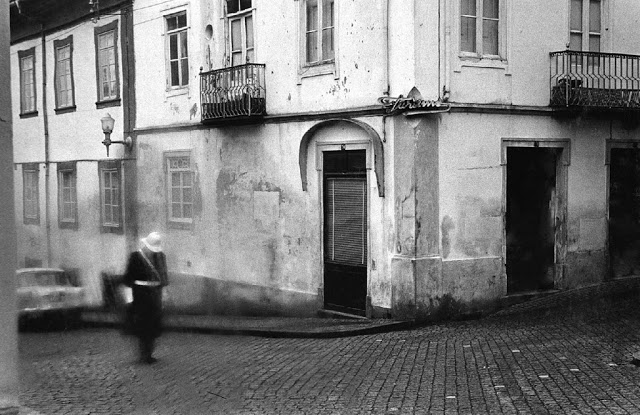
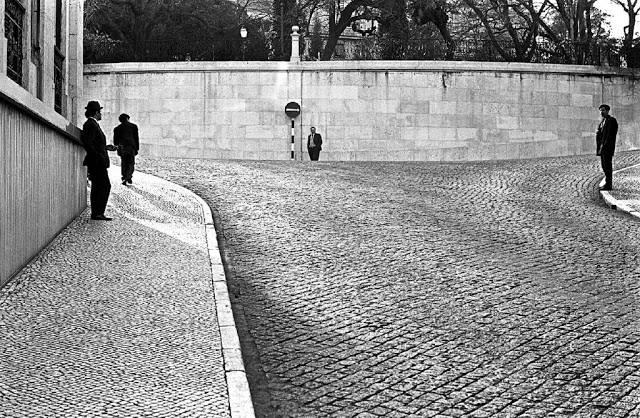
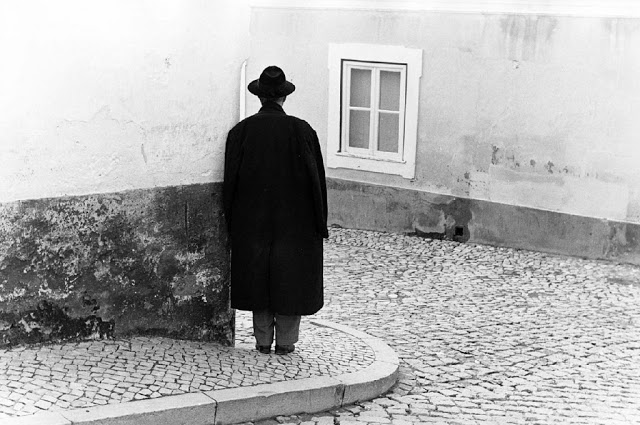
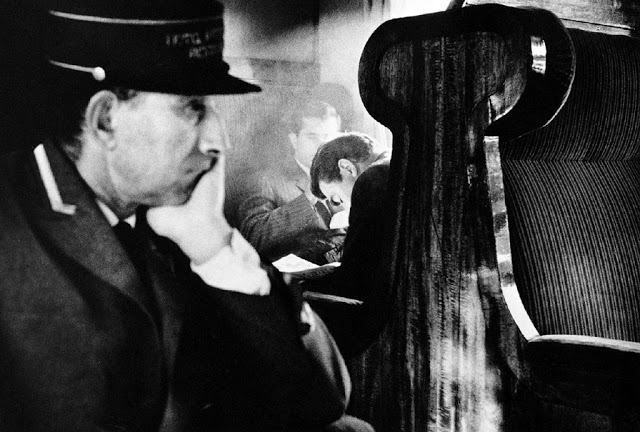
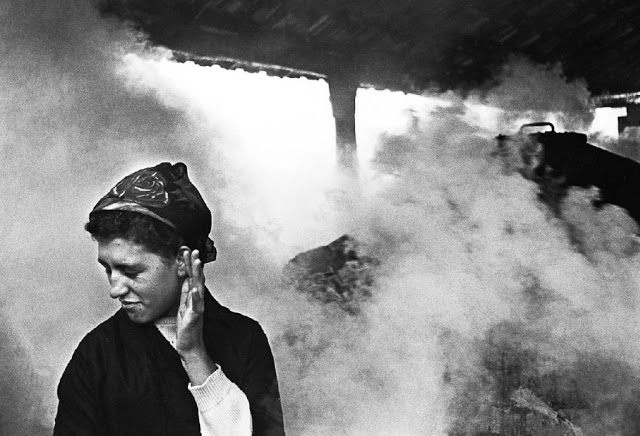
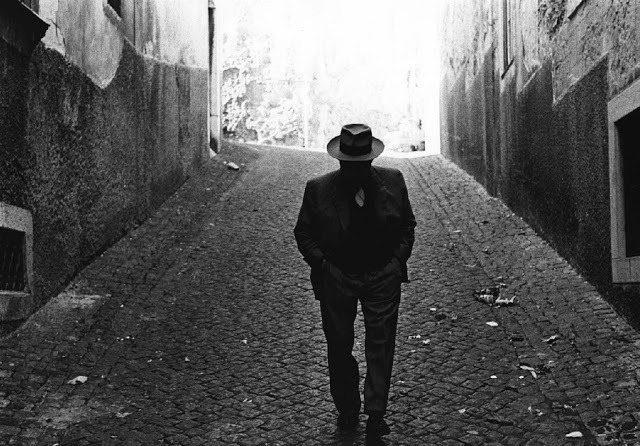
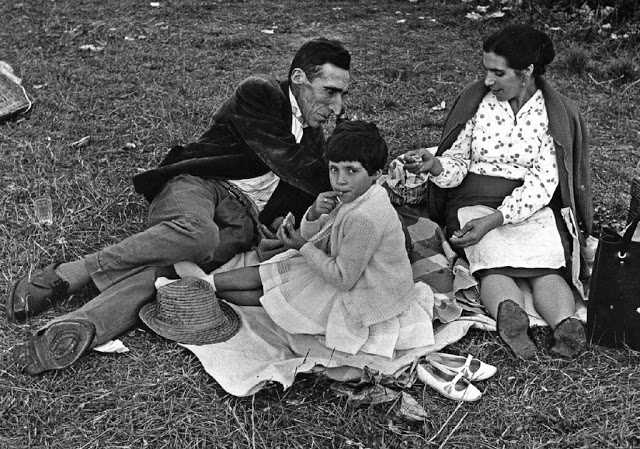
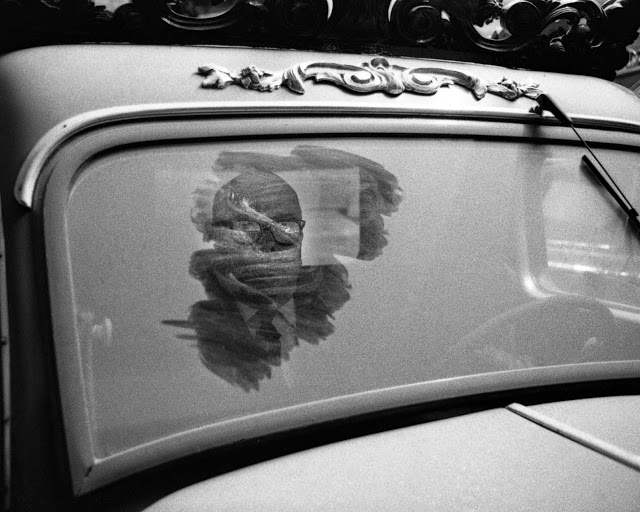
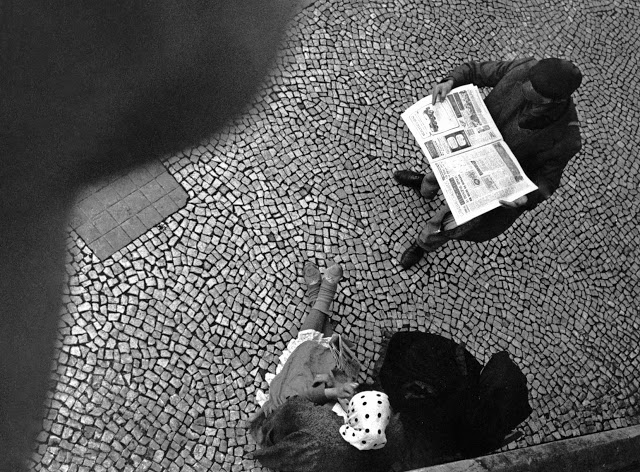
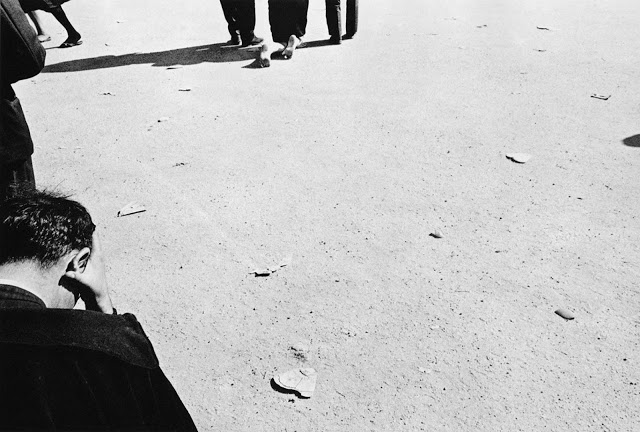
These 25 impressive black and white photographs play with shadows and contrast of Portugal taken by Slavin during the late 1960s and early ’70s.

(All images © Neal Slavin)

10 Sad and Strange Facts About Victorian Post-Mortem Photography

The invention of the daguerreotype in 1839 made portraiture much more commonplace, as many of those who were unable to afford the commission of a painted portrait could afford to sit for a photography session. This cheaper and quicker method also provided the middle class with a means for memorializing dead loved ones.

Post-mortem photography was very common in the nineteenth century when “death occurred in the home and was quite an ordinary part of life.” As photography was a new medium, it is plausible that “many daguerreotype post-mortem portraits, especially those of infants and young children, were probably the only photographs ever made of the sitters.

These photographs served as keepsakes to remember the deceased. The later invention of the carte de visite, which allowed multiple prints to be made from a single negative, meant that copies of the image could be mailed to relatives. Approaching the 20th century, cameras became more accessible and more people began to be able to take photographs for themselves.

People Would Have Photos Taken of Their Loved Ones in Caskets

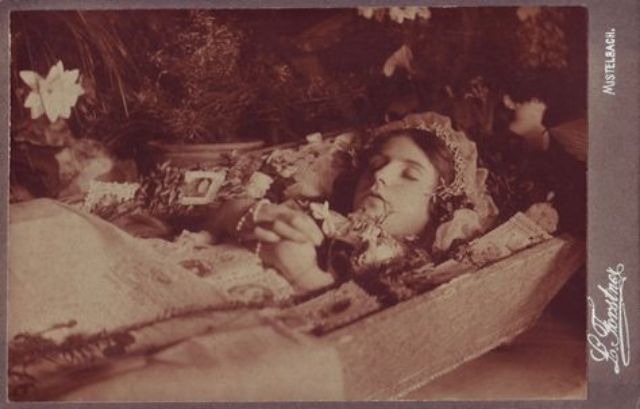
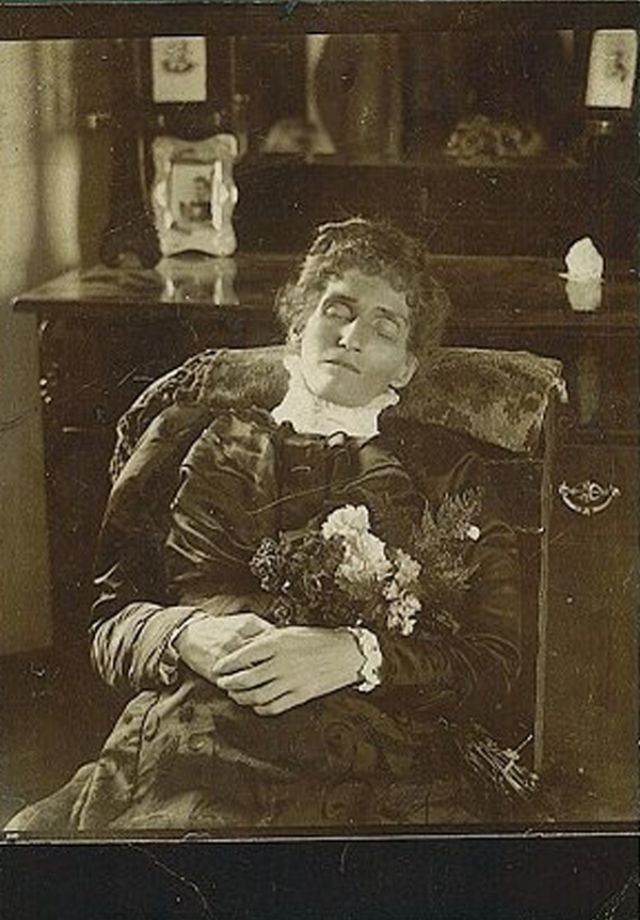
The earliest Victorian death photos were simple: the dead person was photographed in a casket, usually in the parlor of their home before loved ones came to pay their respects. These were a simple way of remembering the deceased, and served as a form of memento mori, a popular Latin phrase of the time that translates to “remember that you will die.”

Mothers Would Hide Behind a Sheet While Holding Their Deceased Children

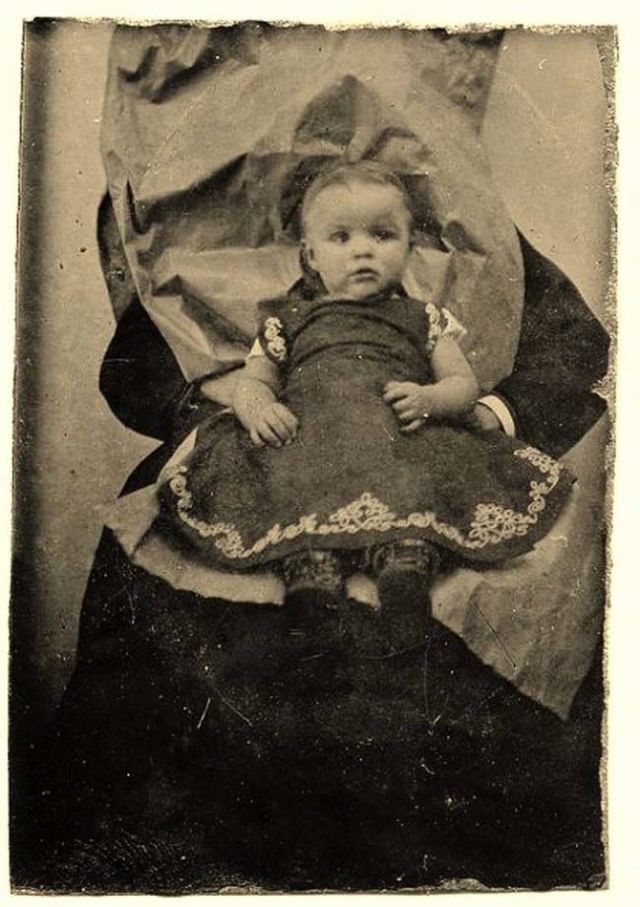
These photos, called “hidden mother” pictures, were taken because the mother didn’t want to be seen. So she simply hid behind a sheet and held the baby in her arms. (In some cases, the baby photographed isn’t dead, the mother is simply there to hold him or her still, so researchers often have a hard time determining which of these photos feature deceased babies.)

Artists Would Paint Open Eyeballs on the Dead’s Eyelids

Later in the Victorian period, photography advanced to the point where simple, Photoshop-like touches were possible. After the picture was developed, things like rosy cheeks could be painted on to make the deceased look more lifelike. Open eyes were painted onto the photo negative to further disguise the dead as the living.

Stands Sometimes Held Up the Bodies of the Deceased

In order to make the deceased look so full of life that he or she was standing, special stands were used. These stands would be disguised by curtains and by the body of the deceased person itself. In this case, you can see the base of the stand behind the boy’s feet, and someone or something is holding his head straight from behind the curtain.

Parents Would Pose Alongside Their Dead Children

Childhoood death rates during the Victorian era were very high, thanks to diseases like smallpox and tuberculosis. Many children did not make it to the age of three. Sadly, the only photo taken of an entire family might be one with the youngest in a coffin.

Brothers and Sisters Would Pose Alongside Their Deceased Siblings

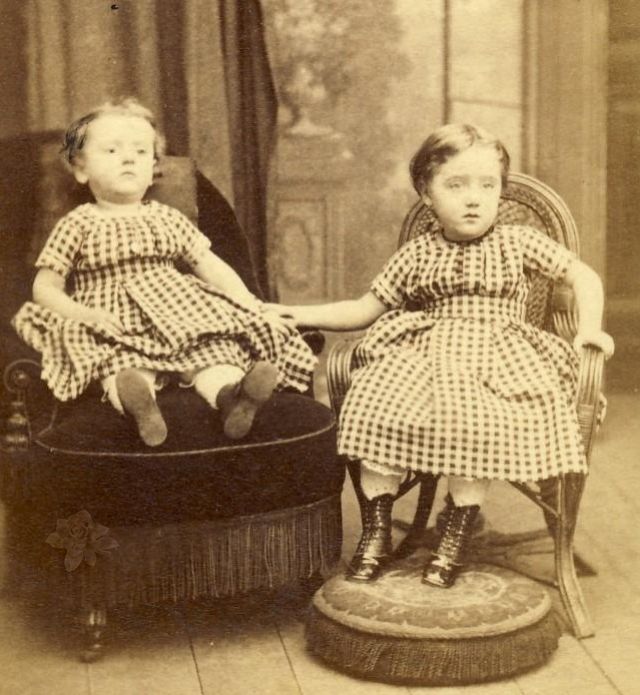
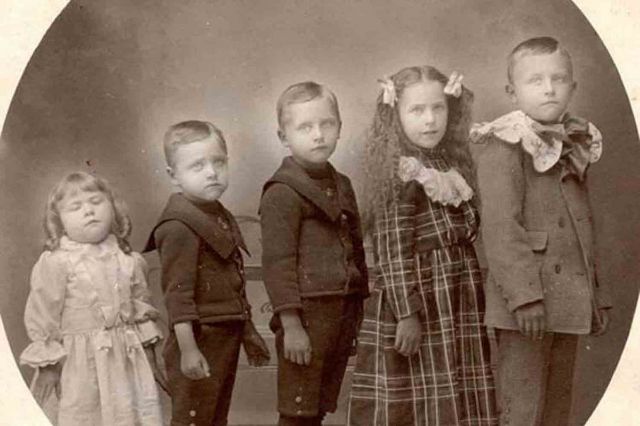
In some cases, living siblings would be made to pose alongside their recently deceased brothers and sisters. This particular picture has three living brothers and one sister lined up, with their dead sister on the very left. This type of family portrait would be displayed in the parlor of the home, so that everyone would remember the deceased youngest.

Props Were Used to Help Remember the Dead

During the later part of the Victorian period, the deceased were posed with some of their favorite items. Young girls were photographed alongside dolls, while adults were posed with other things, like books, letters, or flowers. This was done to help the living remember their dead loved ones and their personality, profession, or hobbies.

Photos of Deceased Infants Were Unfortunately Popular

The mortality rate for infants was extremely high during the Victorian period due to the lack of penicillin and vaccinations. Because of this, there are a lot of surviving post mortem photographs of deceased infants. These pictures helped the parents of these children remember their very short lives.

A Living Spouse Posed Alongside an Expired One

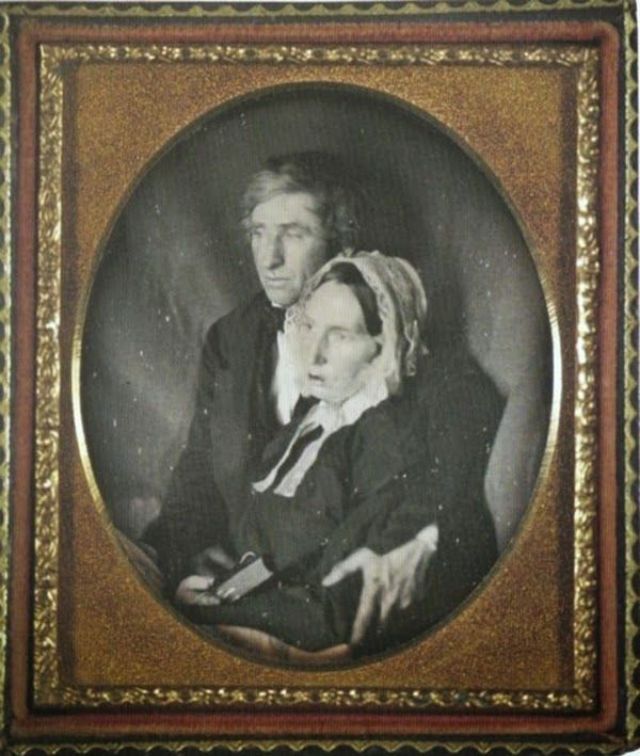
For married couples who couldn’t afford standard family photographs, pictures were usually taken on two different occasions: the day of their wedding, and the day that one of them died. The latter pictures were taken to prove how devoted the surviving spouse was to the deceased.

Some Photos Were Taken With More Than One Deceased Person in Them

Some post-mortem photos had multiple generations of deceased people in them. This photo, of a father and child, is a good example of that. Even though the man looks alive, the stiffness of his hands and the blank look on his face make it obvious that he is not.

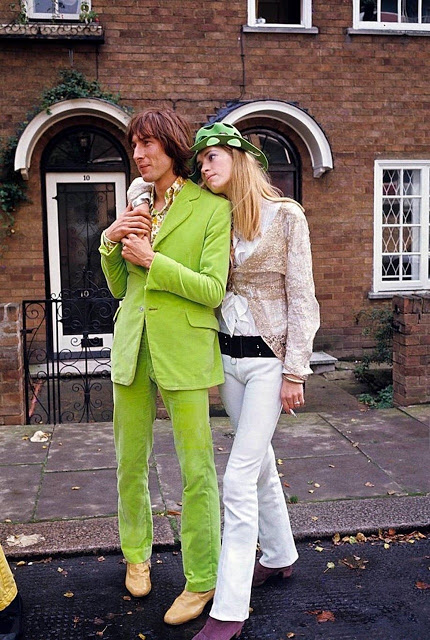
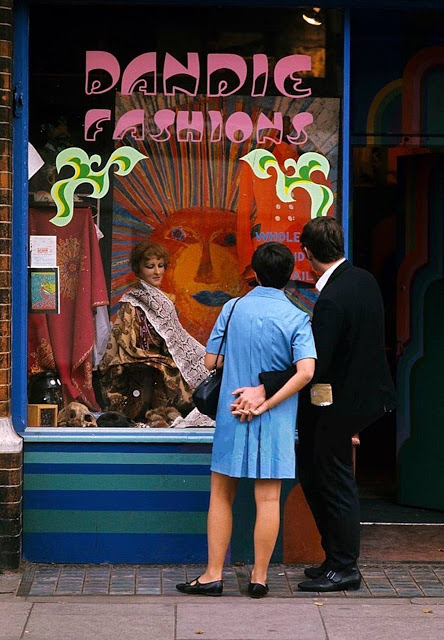
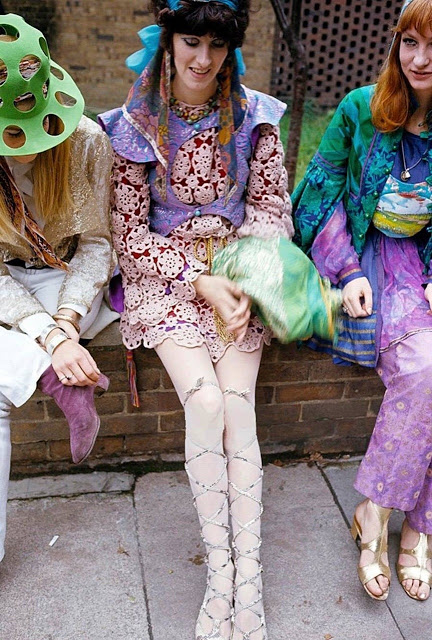
10 Fantastic Photos Showing Psychedelic Hippie Fashion in London in 1967

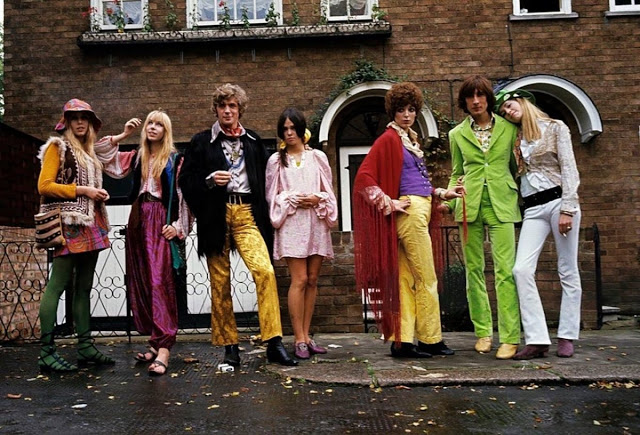
Psychedelic fashion was a quintessential 1960s movement. Although it was eventually, and to some degree opportunistically, embraced by virtually every mainstream design and sector of the fashion industry, it would be hard to isolated a single designer or even a cluster of designers who could be credited for its invention or promotion.

Nevertheless, the psychedelic preoccupation with light and the total environment reached a paradigm at the Manhattan boutique Paraphernalia in 1966, when electrical engineer Diana Dew devised a vinyl dress that turned-on at the command of the wearer. A miniaturized potentiometer fit on the belt of the dress and regulated the frequency of the blinking hearts or stars, which could be coordinated to the throbbing beat of the disco soundtrack. That same year, Yves Saint Laurent brought psychedelic light and color to pop art’s disembodied trademarks with a bridal gown that flashed an incandescent flower, which enlivened the runway show’s traditional finale.

Psychedelic sensibility was essential to the second phase of 1960s’ fashion vocabulary, the move away from some of the sleeker and brusquer characteristics of mod fashion. It was consanguineous with the second phase’s absorption of folk and tribal lexicon, the experimentation in role playing and persona construction made possible by the improvised costumes adopted by youth cultures and spilling out into the Western world’s clothes-wearing population at large. The unprecedented outfits certainly owed something to the phantasmagoria of acid visions. Tribal and psychedelic converged with mottled patterns of African and Indonesian fabrics, the phosphorescent splotches and showers of tie-dye.

A complete series of photos from the October 1967 issue of Paris Match magazine on the psychedelic fashion in London. Photos by Philippe Le Tellier.

Photos by Philippe Le Tellier.

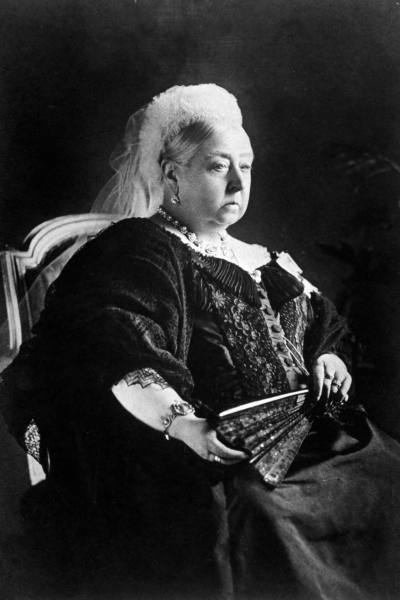
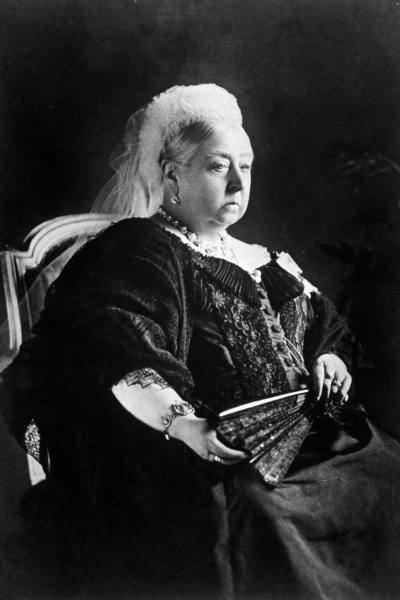
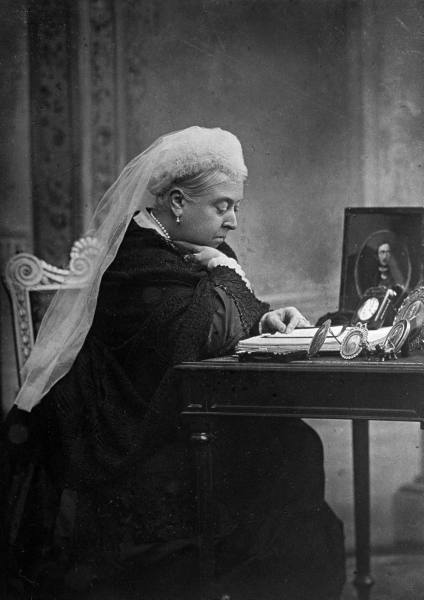
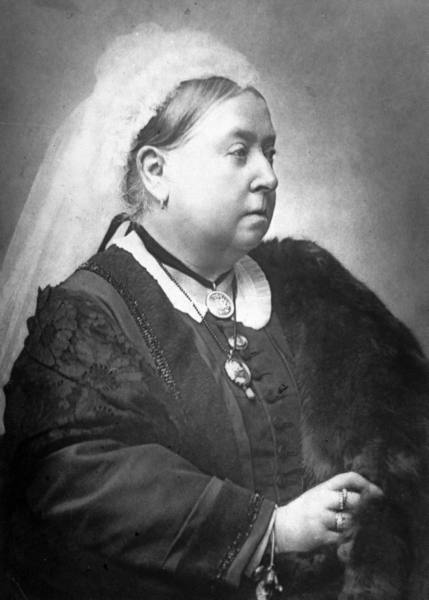
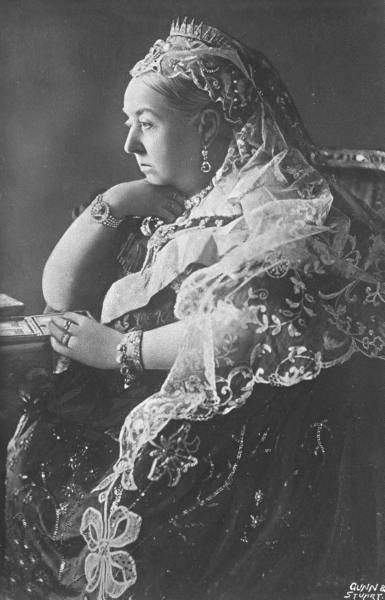
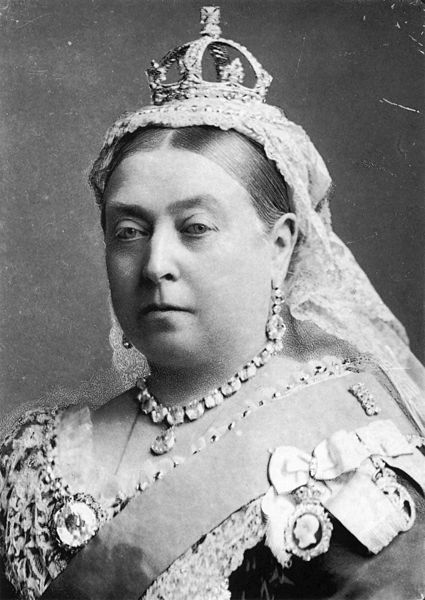
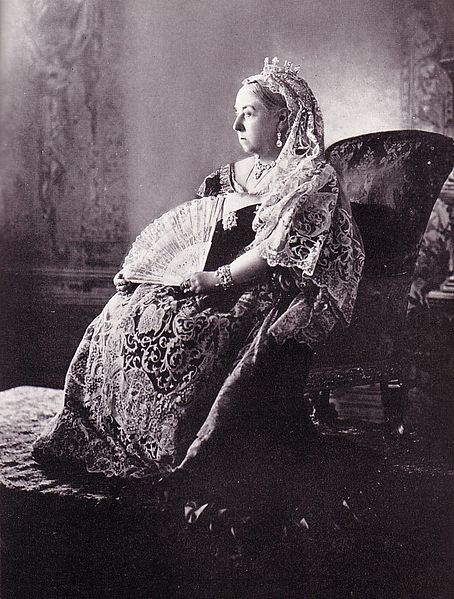
Portraits of Queen Victoria

Victoria (Alexandrina Victoria; 24 May 1819 – 22 January 1901) was Queen of the United Kingdom of Great Britain and Ireland from 20 June 1837 until her death in 1901. Known as the Victorian era, her reign of 63 years and seven months was longer than any previous British monarch. It was a period of industrial, political, scientific, and military change within the United Kingdom, and was marked by a great expansion of the British Empire. In 1876, the British Parliament voted to grant her the additional title of Empress of India.

Victoria was the daughter of Prince Edward, Duke of Kent and Strathearn (the fourth son of King George III), and Princess Victoria of Saxe-Coburg-Saalfeld. After the deaths of her father and grandfather in 1820, she was raised under close supervision by her mother and her comptroller, John Conroy. She inherited the throne aged 18 after her father’s three elder brothers died without surviving legitimate issue. Though a constitutional monarch, Victoria privately attempted to influence government policy and ministerial appointments; publicly, she became a national icon who was identified with strict standards of personal morality.

Victoria married her first cousin Prince Albert of Saxe-Coburg and Gotha in 1840. Their children married into royal and noble families across the continent, earning Victoria the sobriquet “the grandmother of Europe” and spreading haemophilia in European royalty. After Albert’s death in 1861, Victoria plunged into deep mourning and avoided public appearances. As a result of her seclusion, British republicanism temporarily gained strength, but in the latter half of her reign, her popularity recovered. Her Golden and Diamond Jubilees were times of public celebration. She died on the Isle of Wight in 1901. The last British monarch of the House of Hanover, she was succeeded by her son Edward VII of the House of Saxe-Coburg and Gotha. (Wikipedia)

Below are some of old black and white portraits of Queen Victoria.

Yesterday Today

Bringing You the Wonder of Yesterday - Today

Skip to content ↓