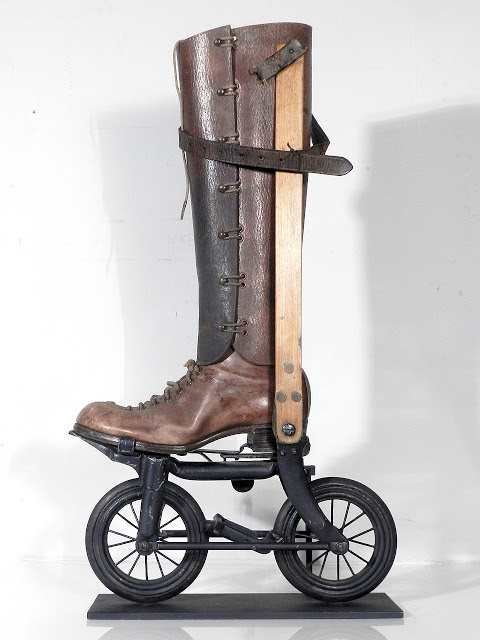
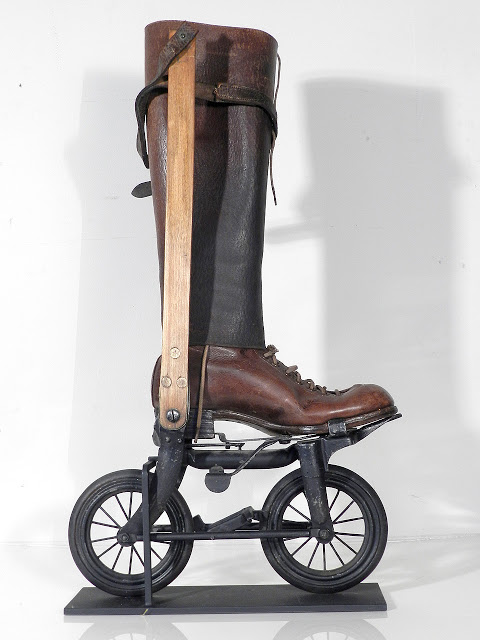
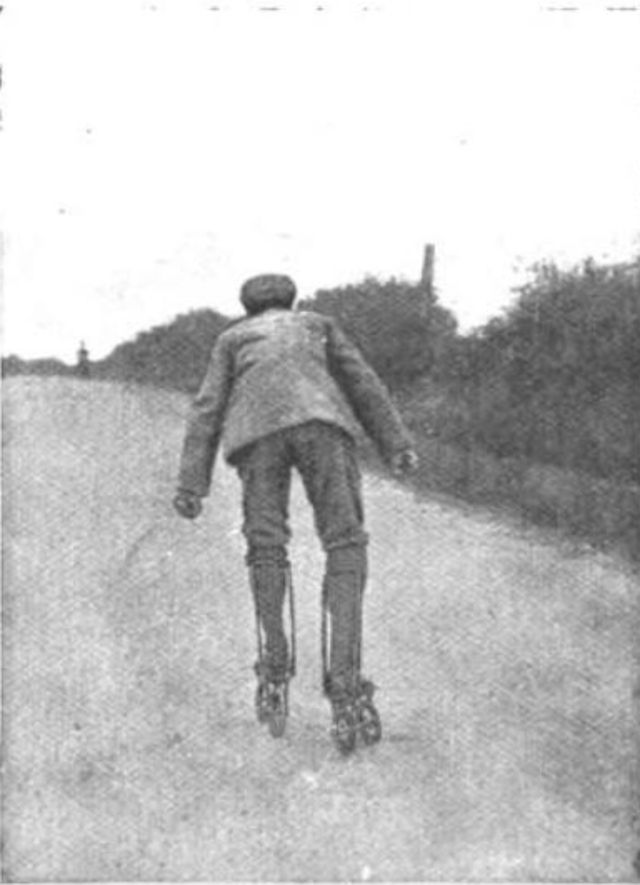
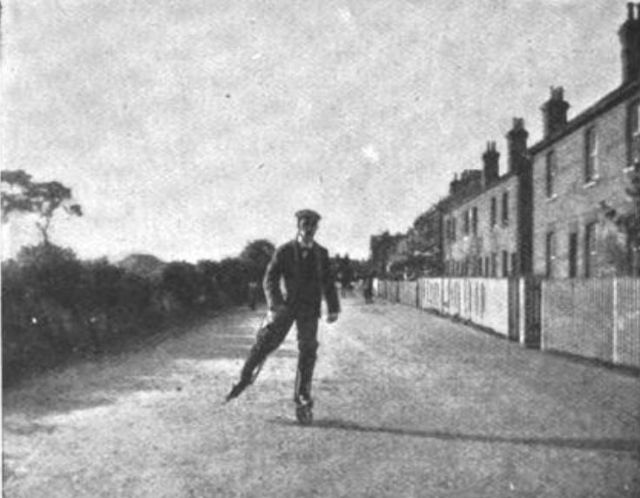
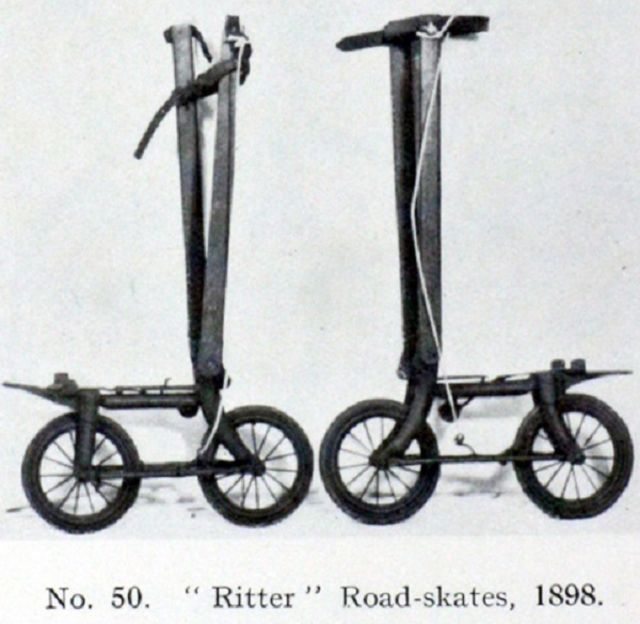
Long Before Inline Skates Were a Thing, There Were Ritter’s Aptly Named Road Skates, ca. 1898

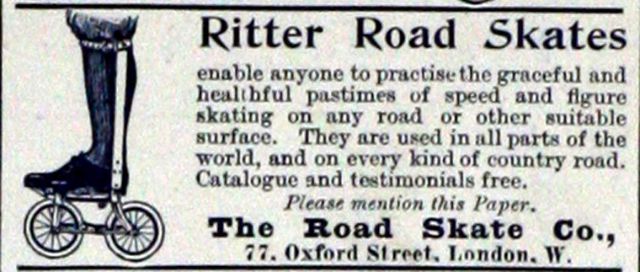
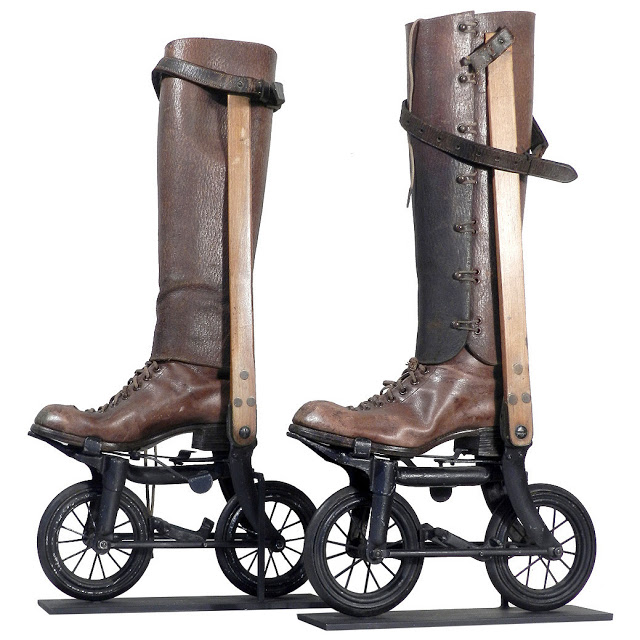
Like inline skates, they were meant to free skating enthusiasts of those pesky iceless roads. As an advertisement reads, “Ritter Road Skates allow anyone to practice the graceful and healthful pastimes of speed and figure skating on any road or other suitable surface.”

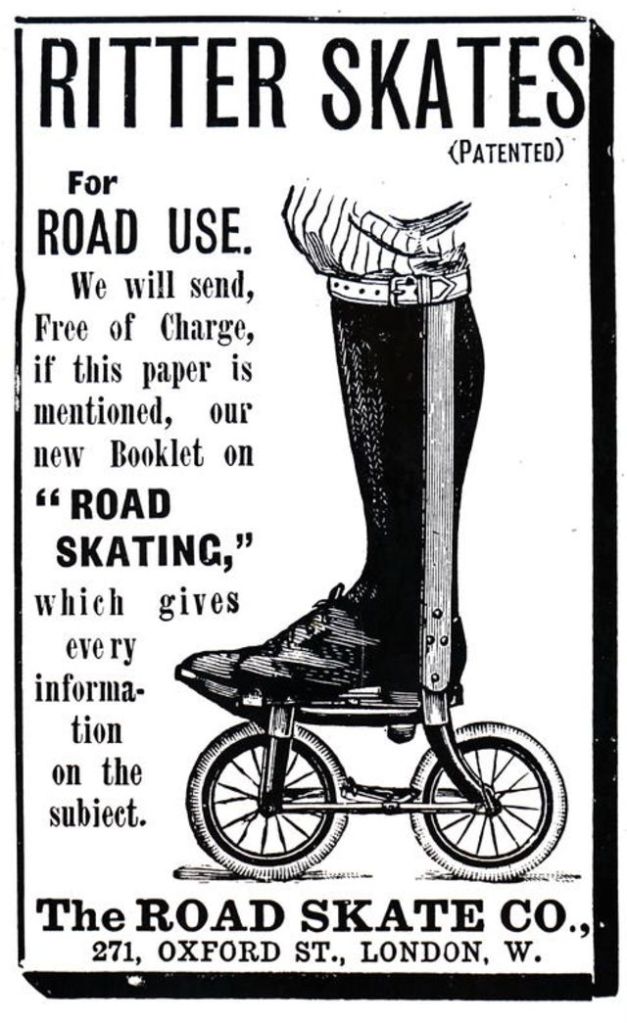
The skates were sold by the Road Skate Co of Oxford Street, and the company also issued a booklet – free of charge – on ‘Road Skating’ which purports to give “every information on the subject.”

Road Skates were invented by Mr. Ritter, a Swiss, who was foreman at the original Napier Works at Vine Street, Lambeth, London, where (later) the first Napier motor-cars were made. The Ritter skates were popular around 1897/ 1898, and several well-known cyclists, notably M. S. Napier, Walter Munn, and A. Hoffman, formed a club and skated on the road every week-end.

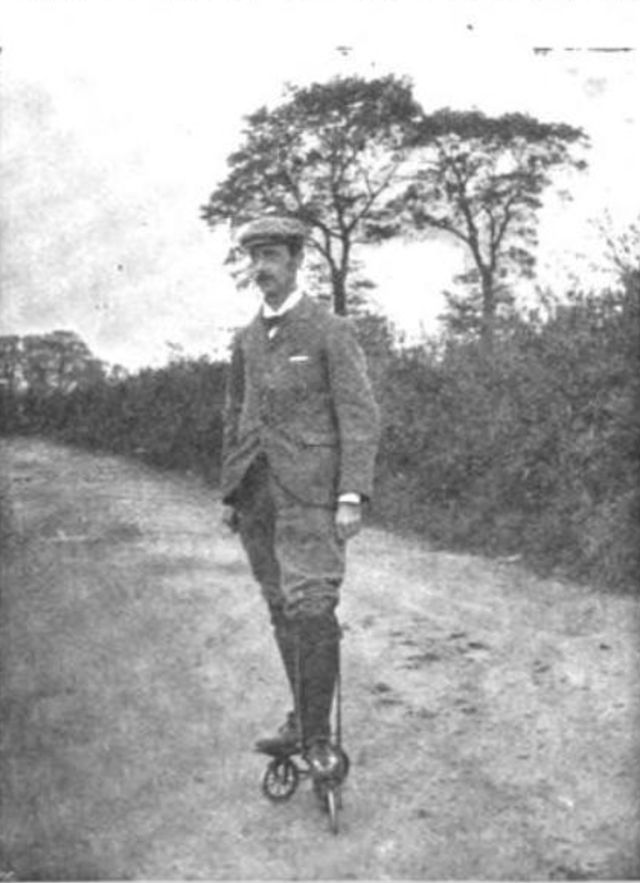
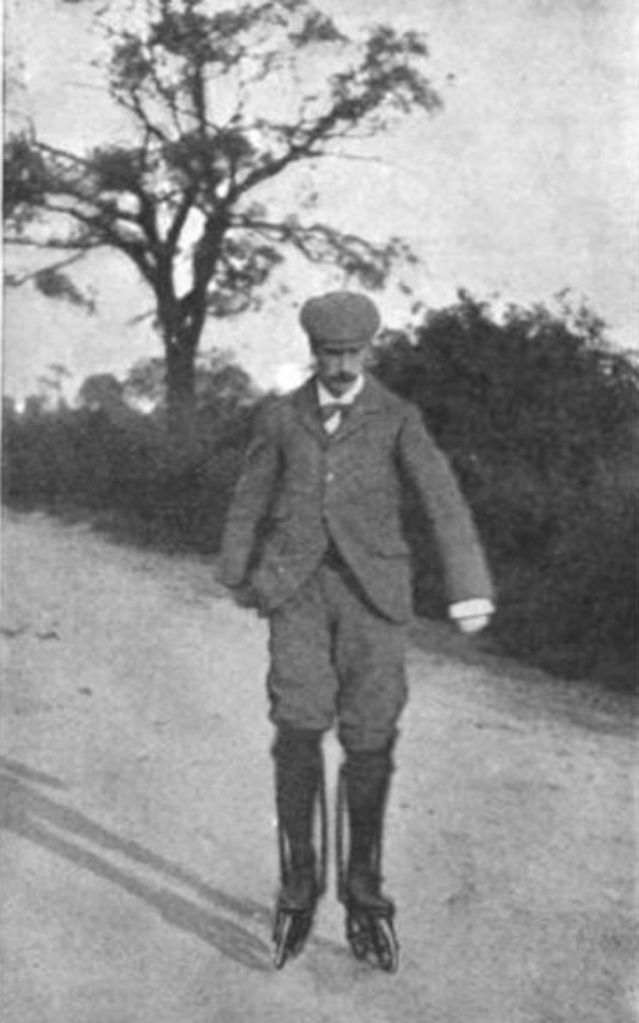
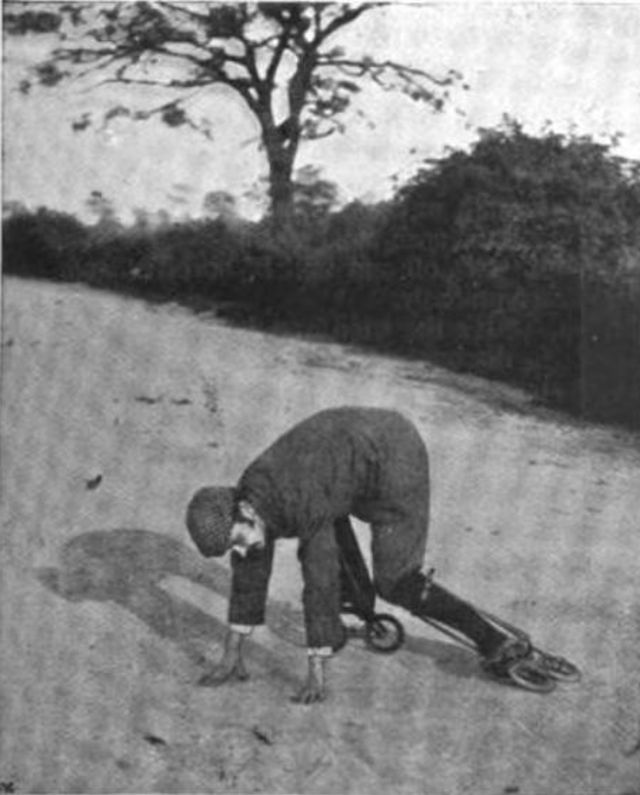
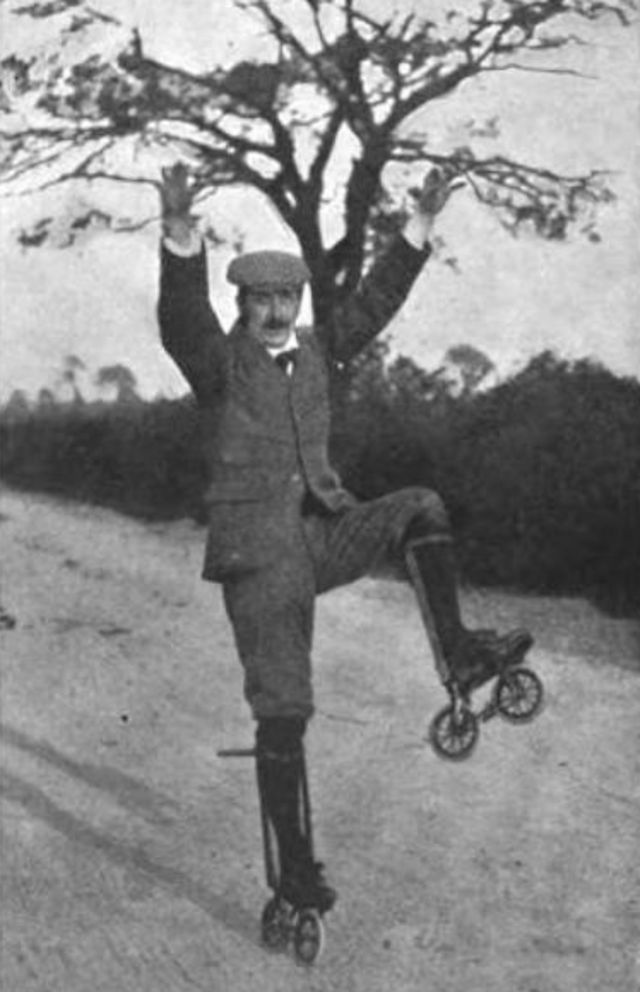
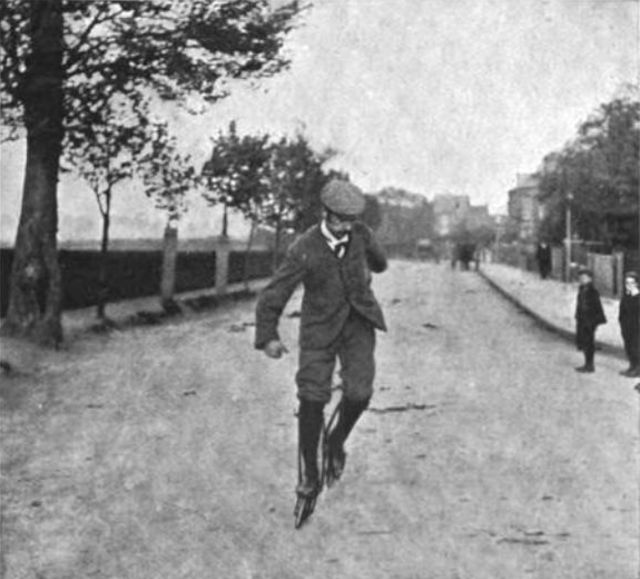
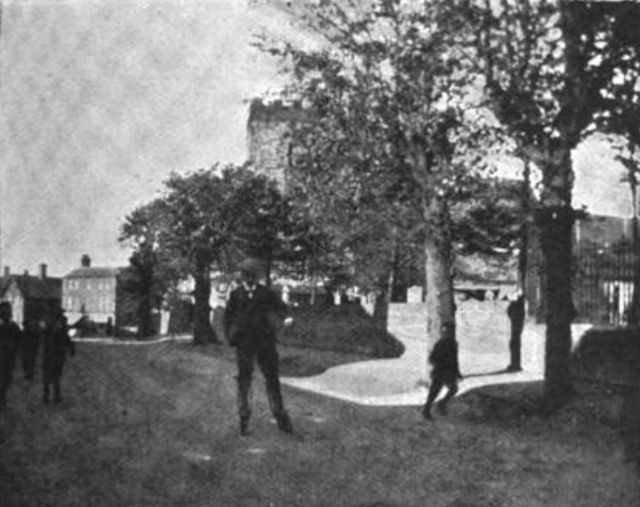
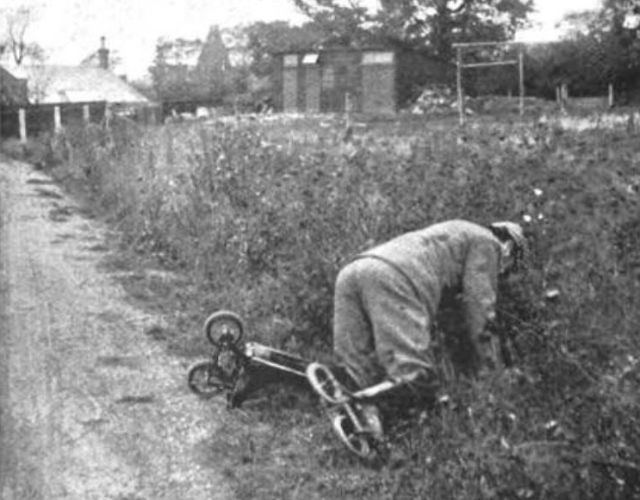
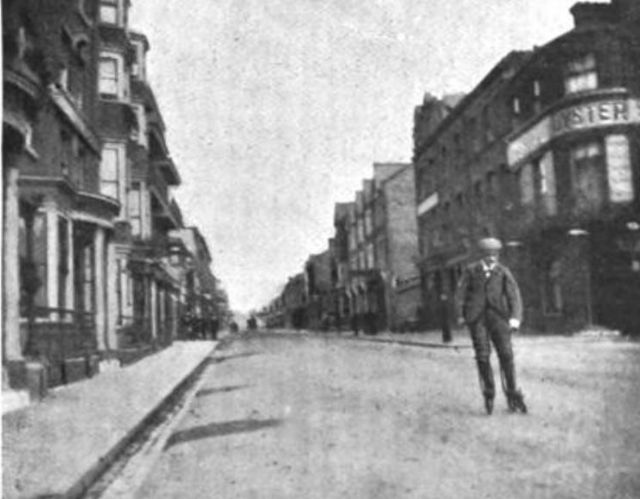
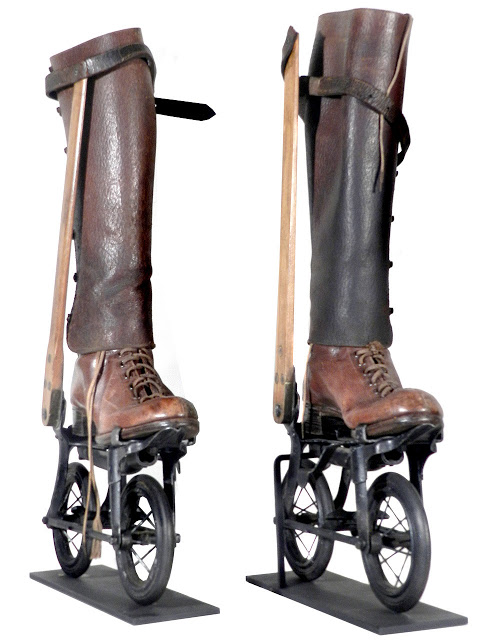
The fellow in the photos is George A. Best. In 1898 he bravely strapped on a pair of Road Skates and reviewed them for The Strand Magazine. Best’s review was ultimately quite brutal. He described the contraptions as “… nothing so much as a pair of miniature bicycles.” The process of getting back up from a fall, he described as a “… series of complicated and spasmodic movements …”

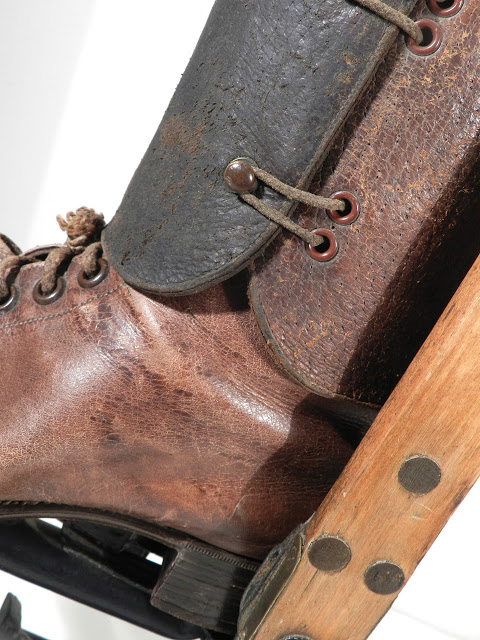
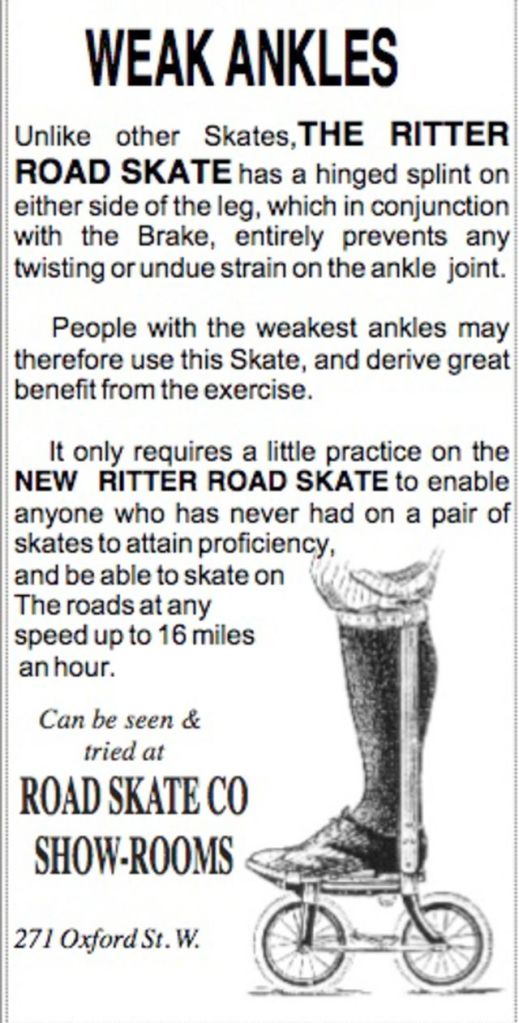
Road Skates were available in several sizes for men and women. A cord was attached at one end to the brakes by the wheels while the other end was held by the rider. Each skate was marked left or right. The splints that run the length of the lower leg are there to keep the rider stable as well as to prevent ankle injuries.

As anachronistic as Ritter’s Road Skates may have been, they were not the first single-rowed skates to have been invented. That title belongs to Belgian inventor John Joseph Merlin who experimented with the idea as early as 1760. Ritter’s Road Skates were, however, a seemingly natural progression to the bicycle and roller skates boom that had taken over Victorian England in the mid 19th century. Several well known cyclists, like Montague Napier and Walter Munn, had at one point formed a club and and been witnessed skating the roads on the weekends. Purportedly, the Road Skates were also used by London’s District Messenger Service.
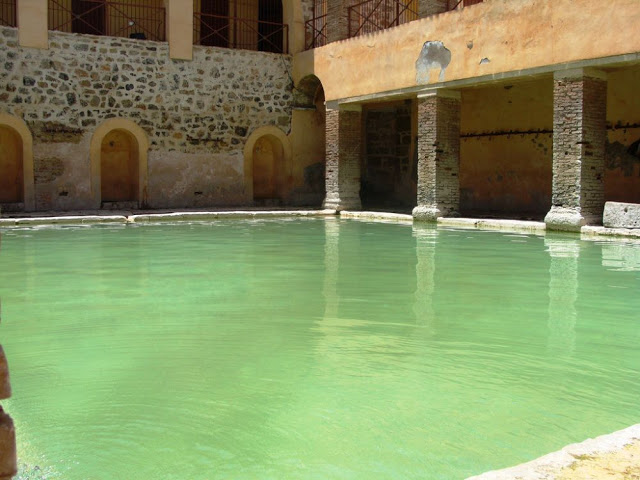
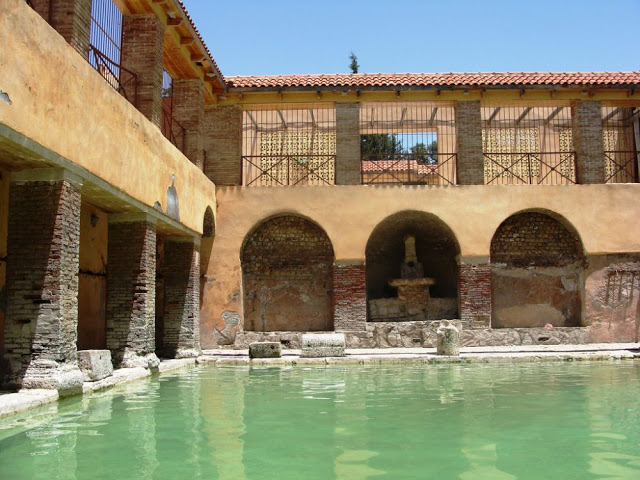
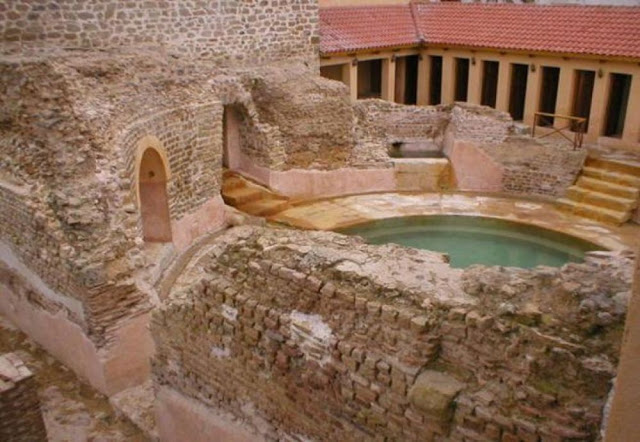
Hammam Essalhine: A Roman Bathhouse Still in Use After 2,000 Years in Khenchela, Algeria

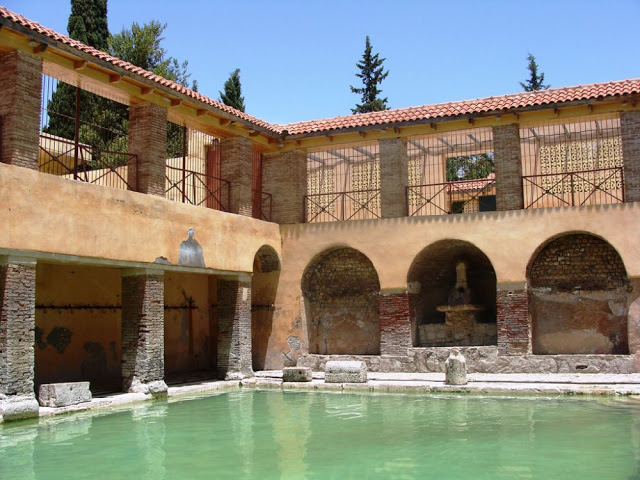
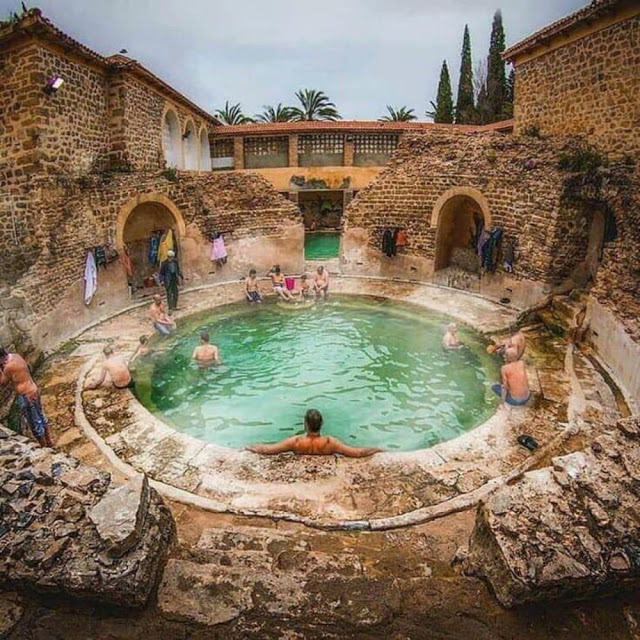
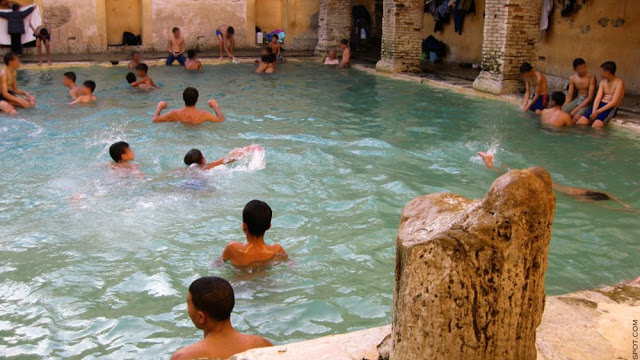
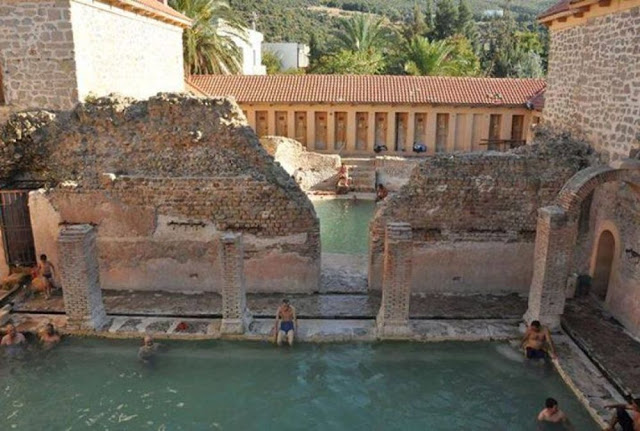
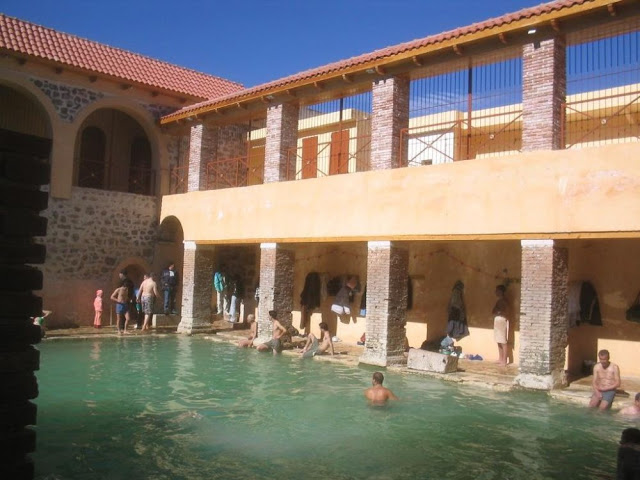
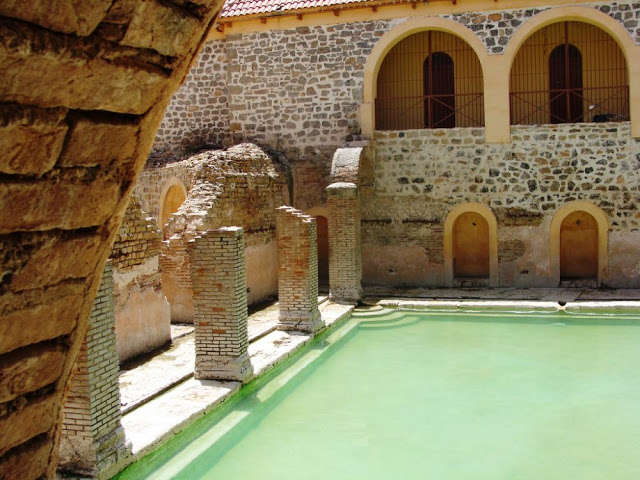
A two thousand year old public bathhouse from the Roman period is still used by locals in the town of Khenchela, Algeria. Most of the bathhouse has been preserved, but the ancientness of the place is still apparent in the architecture.

Algeria has hundreds of hot springs or fountains that back to thousands of years. The most famous one is Hammam Essalihine (the bath of the righteous or thermal baths of Flavius) which is a tourist and therapeutic site that is situated in the middle of an enchanting mountainous and forested region (Aures Mountains); precisely in “El Hamma” district, 7 km from Khenchela, an Algerian province.

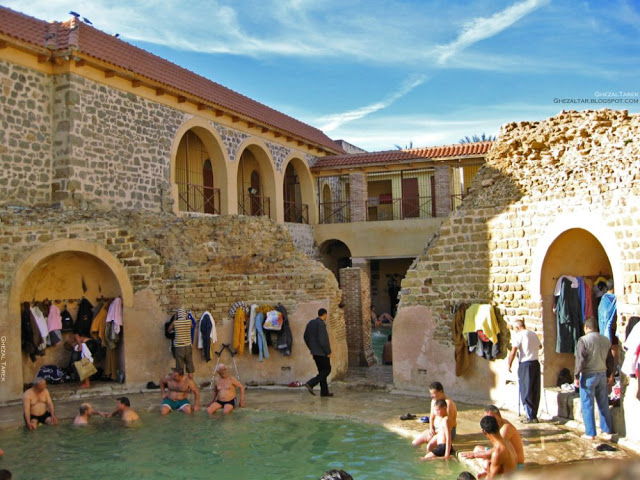
The bathhouse in Khenchela was repaired and renovated after it was reportedly damaged in an earthquake during the 14th century. Ottoman workers repaired the bathhouse using bricks after the earthquake, and even more recent additions include doors for the changing rooms to add privacy.

Hammam Essalhine spa is known for the therapeutic virtues of its waters. Its water is so pure and very rich with minerals, and its temperature is around 70°C. The water’s chemical composition gives it therapeutic properties indicated for rheumatic, respiratory and dermatological diseases. In addition that this resort can treat several diseases, it offers all the appropriate treatments like relaxation, massage and functional rehabilitation equipment, in addition to the hydrotherapy sessions offered by a couple of physiotherapists.

In this spa, there are two pools; the rectangular pool and the circular pool, one for men and the other for women, with eight meter in diameter and a depth of 1.45 m, as well as 44 thermal cabins. Despite of the historical importance for the region of this tourist structure, it lacks a lot of infrastructures.

The traditional public facilities continue to be used as part of the daily bathing ritual, where local people can use the free source of hot water to clean themselves. Bathhouses are also used as a social gathering place to discuss matters of importance in a relaxed and sometimes jovial environment. Topics of discussion range from sports, gossip, jokes, and to a lesser extent politics and war, which remain controversial issues.

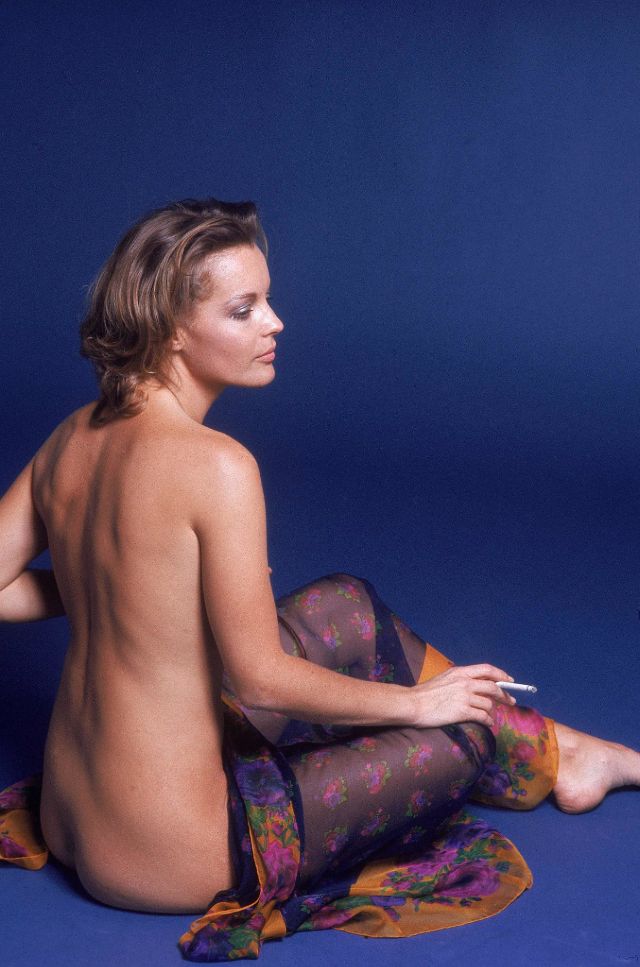
28 Stunning Photos of Romy Schneider Taken in the Early 1970s

Born 1938 as Rosemarie Magdalena Albach in Vienna, German-French film actress and voice actress Romy Schneider started her career in the German Heimatfilm genre in the early 1950s when she was 15.

From 1955 to 1957, she played the central character of Empress Elisabeth of Austria in the Austrian Sissi trilogy, and later reprised the role in a more mature version in Visconti’s Ludwig. Schneider then moved to France, where she made successful and critically acclaimed films with some of the most notable film directors of that era.

Schneider continued to work in France during the 1970s, most notably with director Claude Sautet on five films. By the time, she became an icon in France. Schneider’s last film was La Passante du Sans-Souci (The Passerby, 1982).

In July 1981, Schneider’s son David died at the age of 14 after attempting to climb the spiked fence at his stepfather’s parents’ home and puncturing his femoral artery in the process. Schneider began drinking alcohol excessively after his death. However, Claude Pétin—a friend of hers—said that she no longer drank at the time of her own death.

Schneider was found dead in her Paris apartment on 29 May 1982 from cardiac arrest.

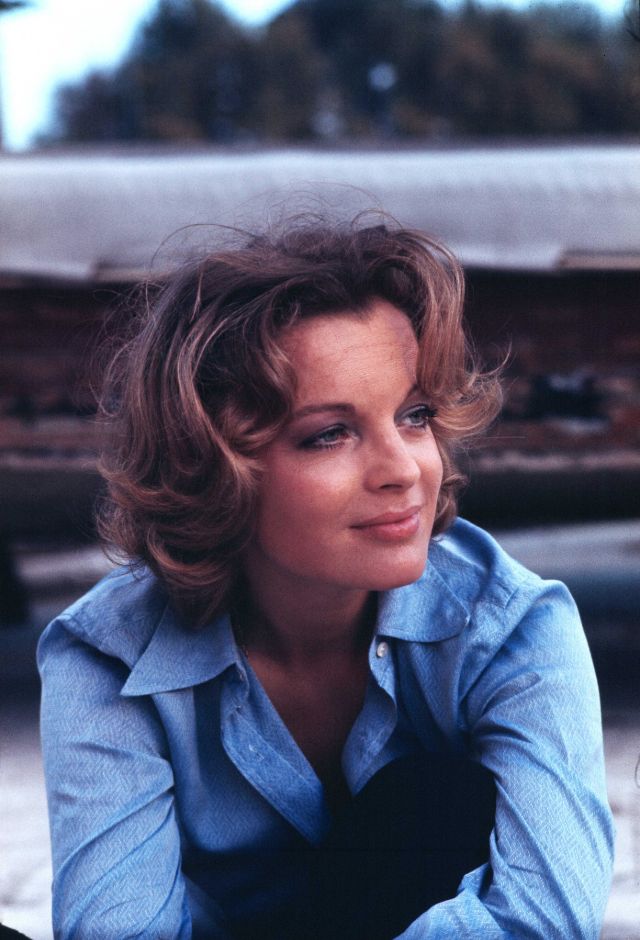
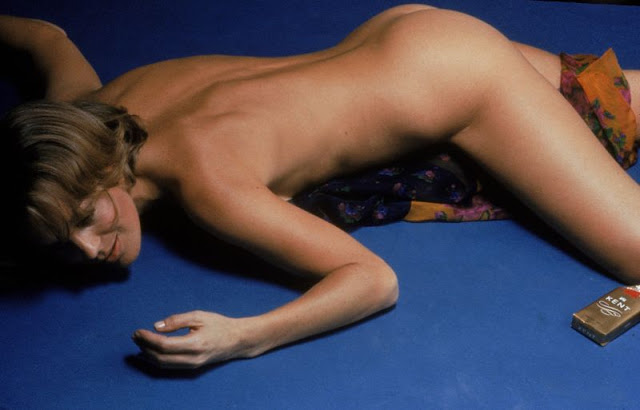
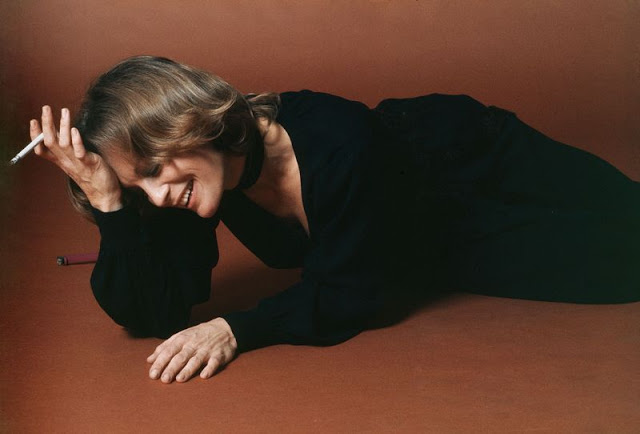
These stunning photos of Romy Schneider were taken by Swiss photographer and film director Eva Sereny in 1972.

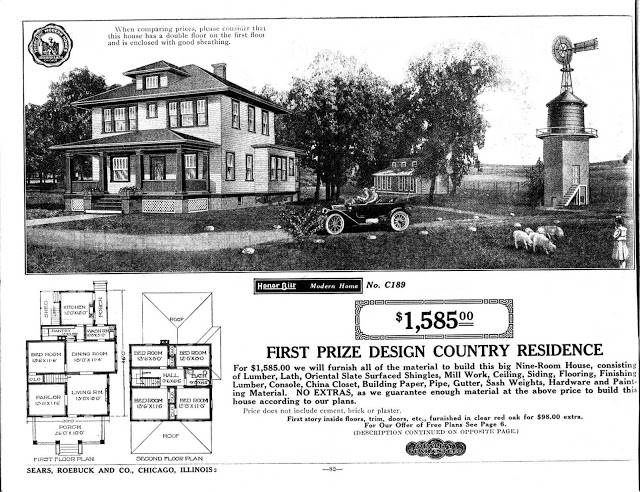
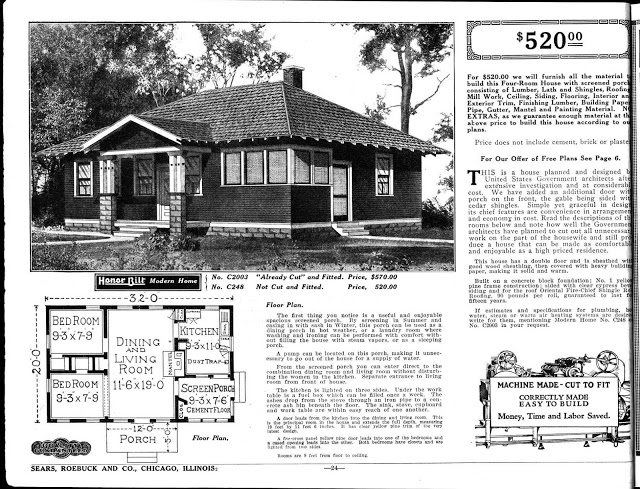
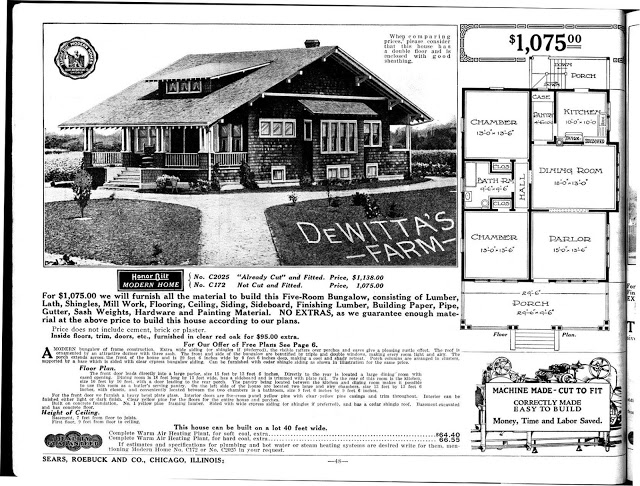
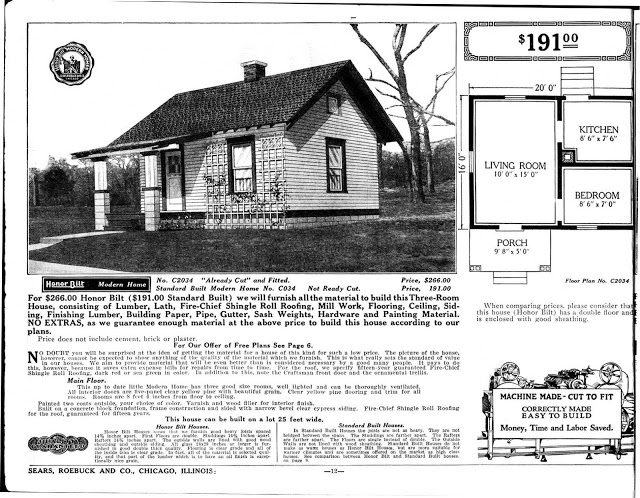
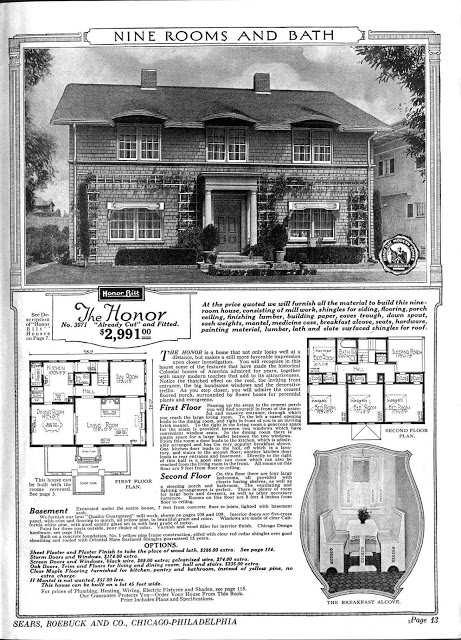
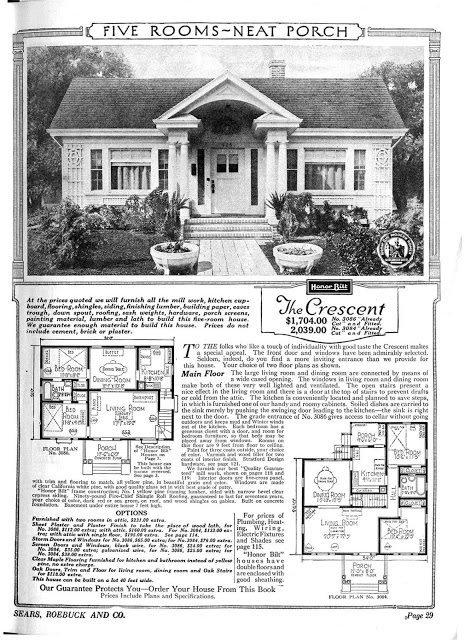
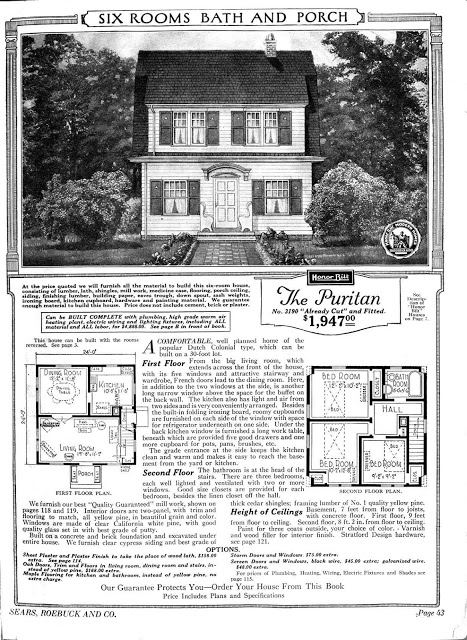
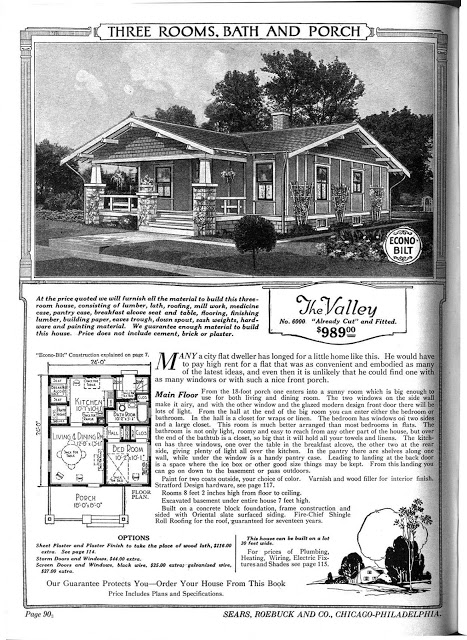
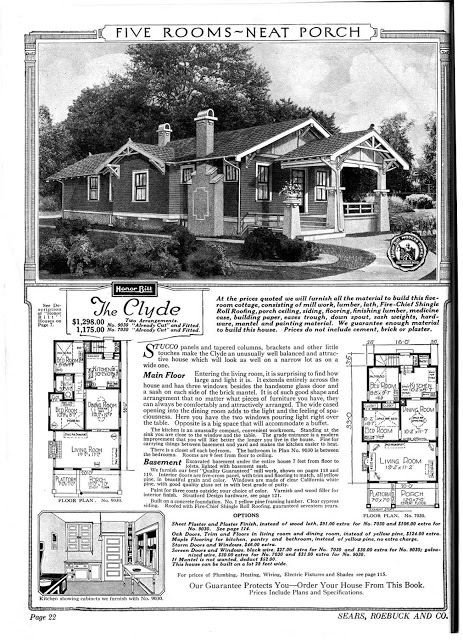
Sears Catalog ‘Kit Homes’ From the Early 20th Century

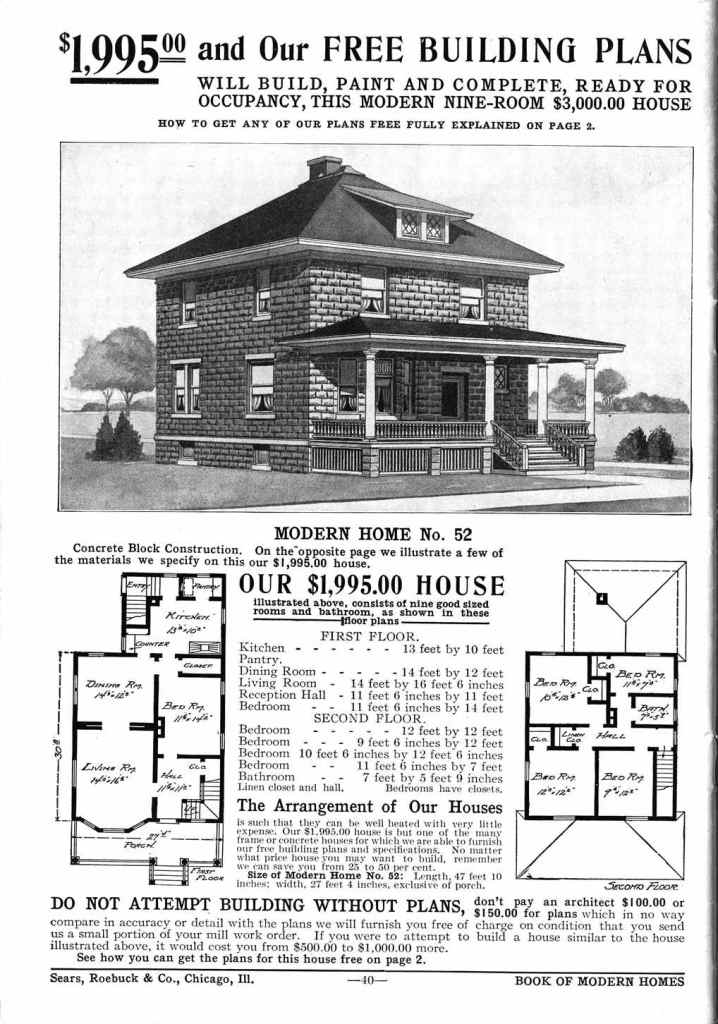
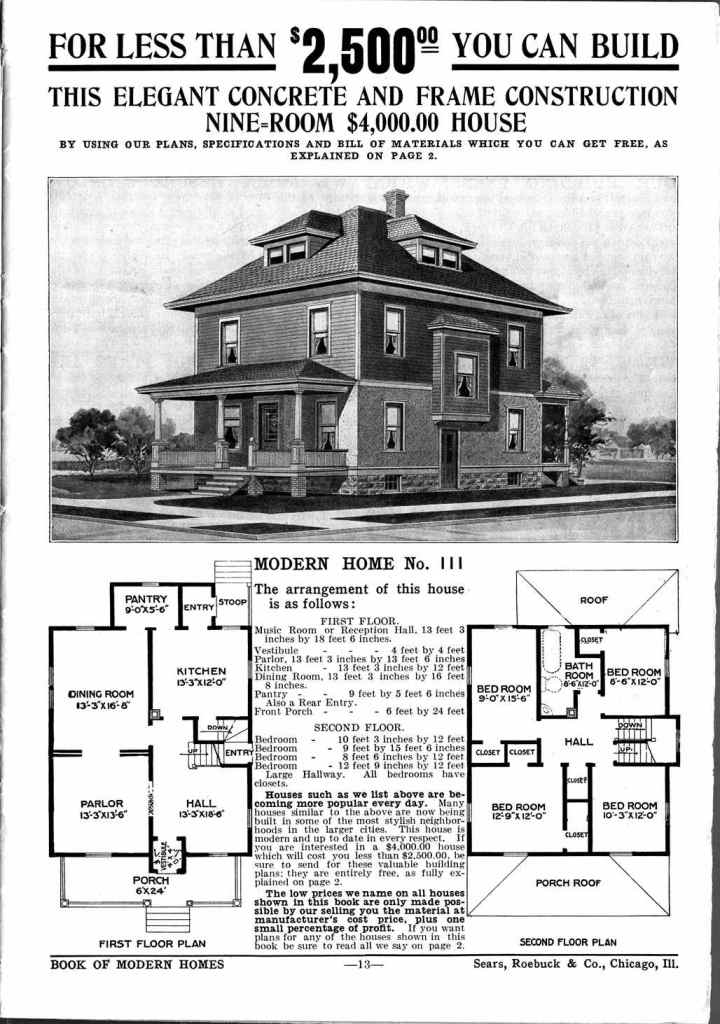
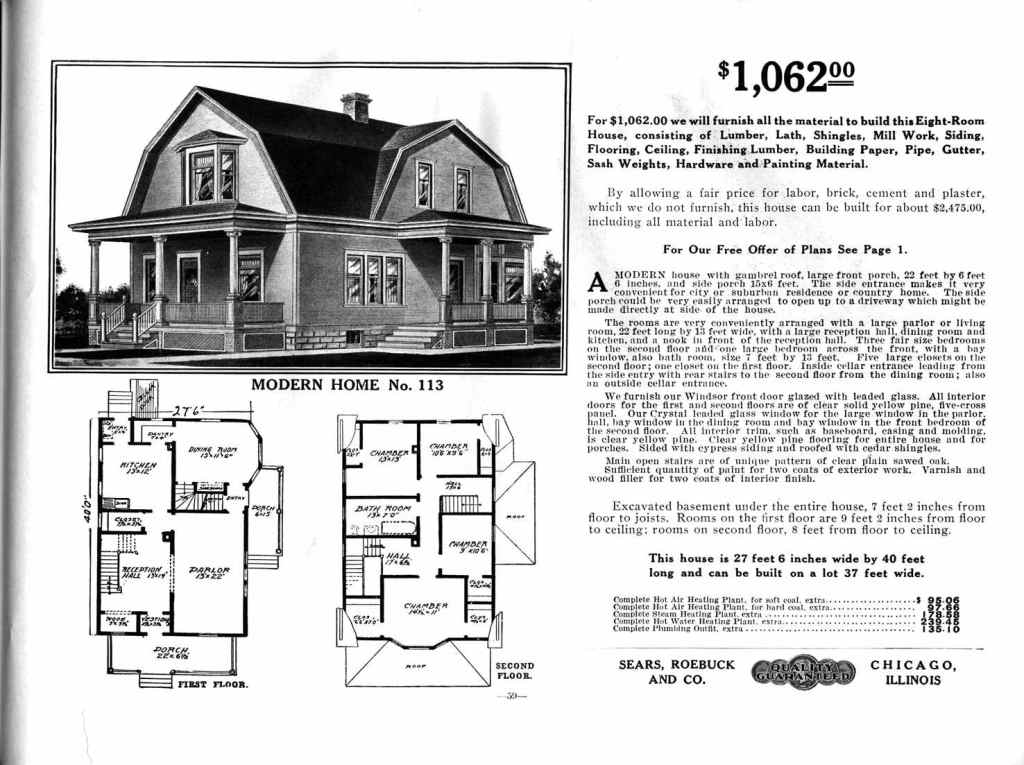
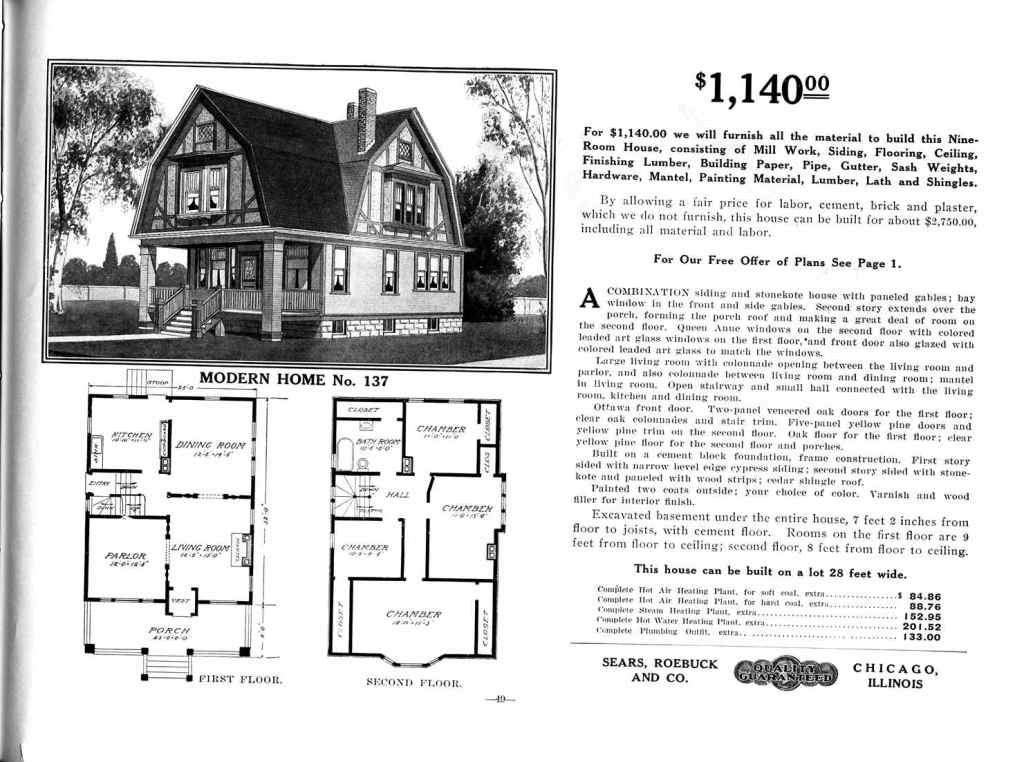
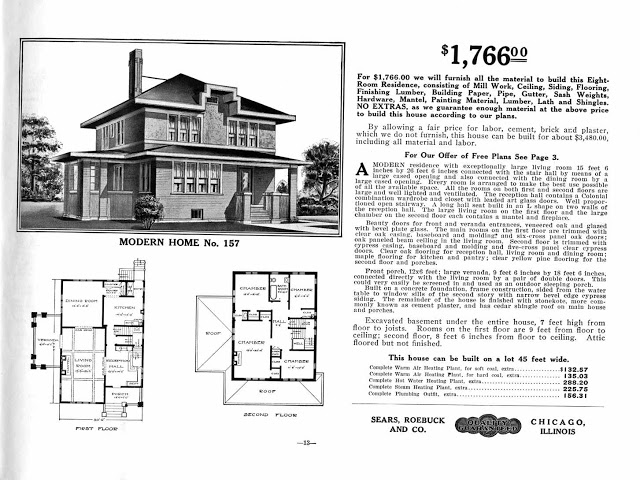
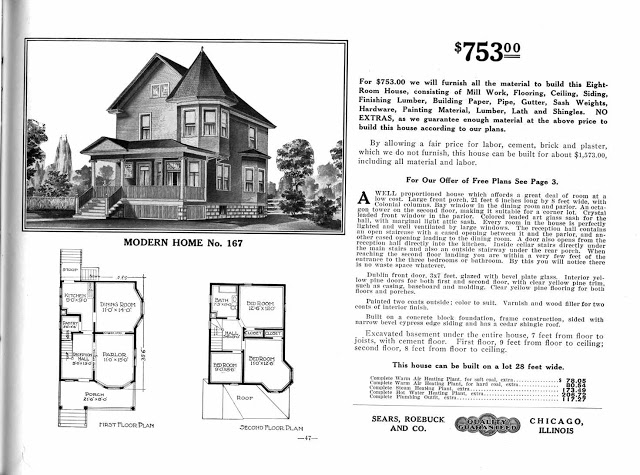
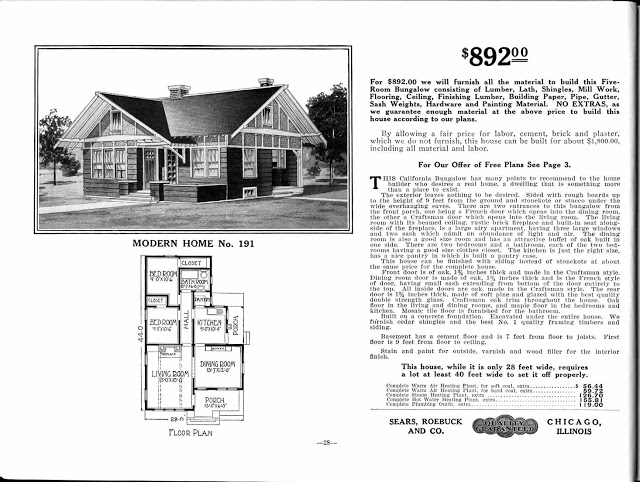
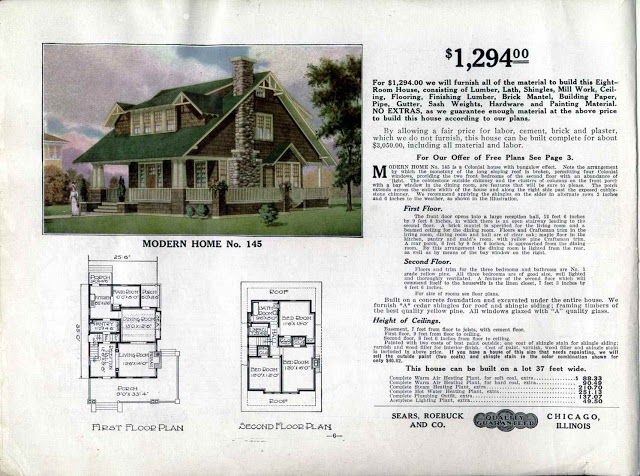
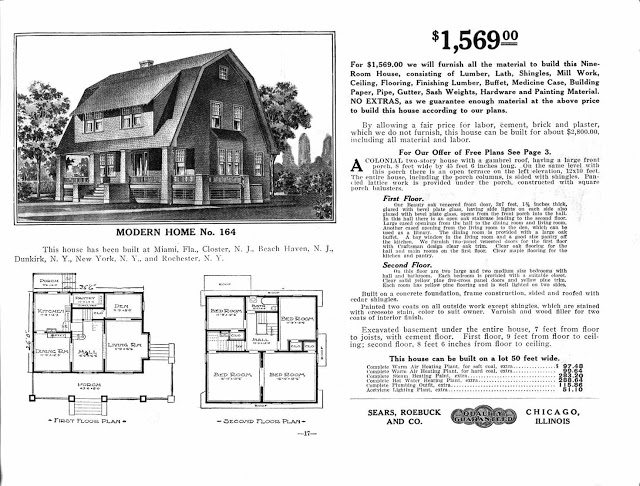
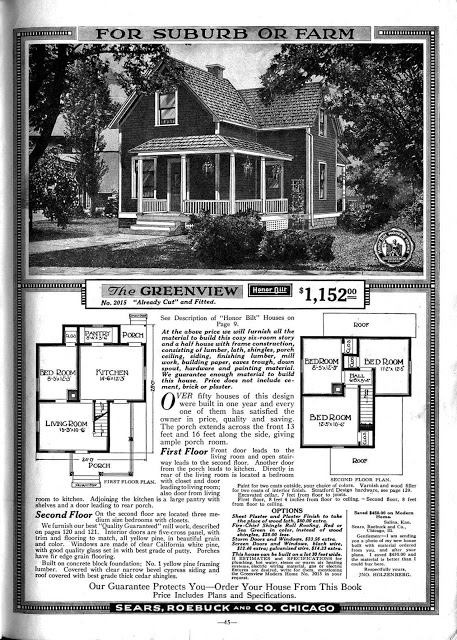
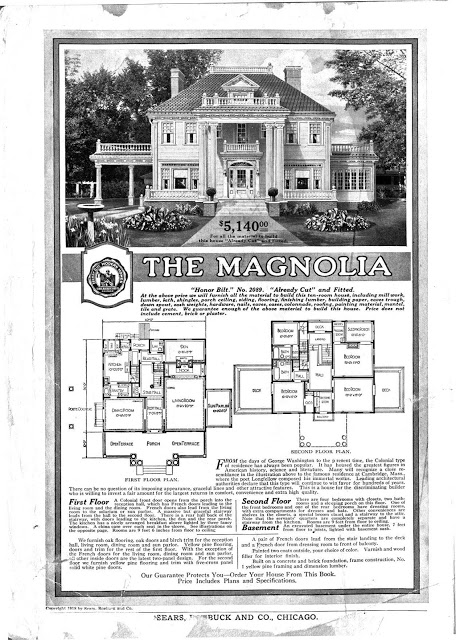
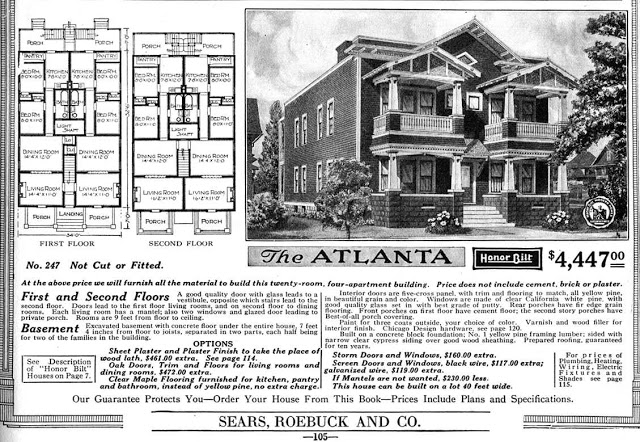
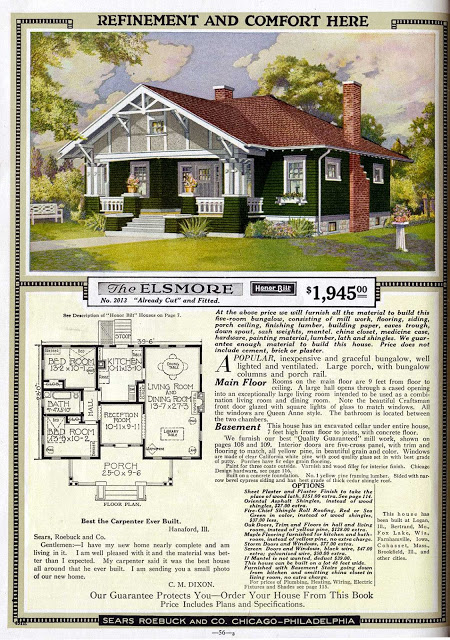
Sears Catalog Homes (sold under the Sears Modern Homes name) were catalog and kit houses sold primarily through mail order by Sears, Roebuck and Company, an American retailer. Sears reported that more than 70,000 of these homes were sold in North America between 1908 and 1940. More than 370 different home designs in a wide range of architectural styles and sizes were offered over the program’s 33-year history.

Sears homes can be found across the continental United States. While sold primarily to East Coast and Midwest states, Sears homes have been located as far south as Florida and as far west as California. Examples have also been found in Alaska. A handful of Sears homes have been identified in Canada.

Sears Modern Homes offered the latest technology available to house buyers in the early part of the twentieth century. Central heating, indoor plumbing, and electricity were all new developments in house design that “Modern Homes” incorporated, although not all of the houses were designed with these conveniences. Primarily shipped via railroad boxcars, these kits included most of the materials needed to build a house. Once delivered, many of these houses were assembled by the new homeowner, relatives, friends and neighbors, in a fashion similar to the traditional barn-raisings of farming families. Other homeowners relied on local carpenters or contractors to assemble the houses. In some cases, Sears provided construction services to assemble the homes. Some builders and companies purchased homes directly from Sears to build as model homes, speculative homes or homes for customers or employees.

Sears discontinued its Modern Homes catalog after 1940. A few years later, all sales records were destroyed during a corporate house cleaning. As only a small percentage of these homes were documented when built, finding these houses today often requires detailed research to properly identify them. Because the various kit home companies often copied plan elements or designs from each other, there are a number of catalog and kit models from different manufacturers that look similar or identical to models offered by Sears. Determining which company manufactured a particular catalog and kit home may require additional research to determine the origin of that home. National and regional competitors in the catalog and kit home market included Aladdin, Bennett, Gordon-Van Tine, Harris Brothers, Lewis, Pacific Ready Cut Homes, Sterling and Montgomery Ward (Wardway) Homes.

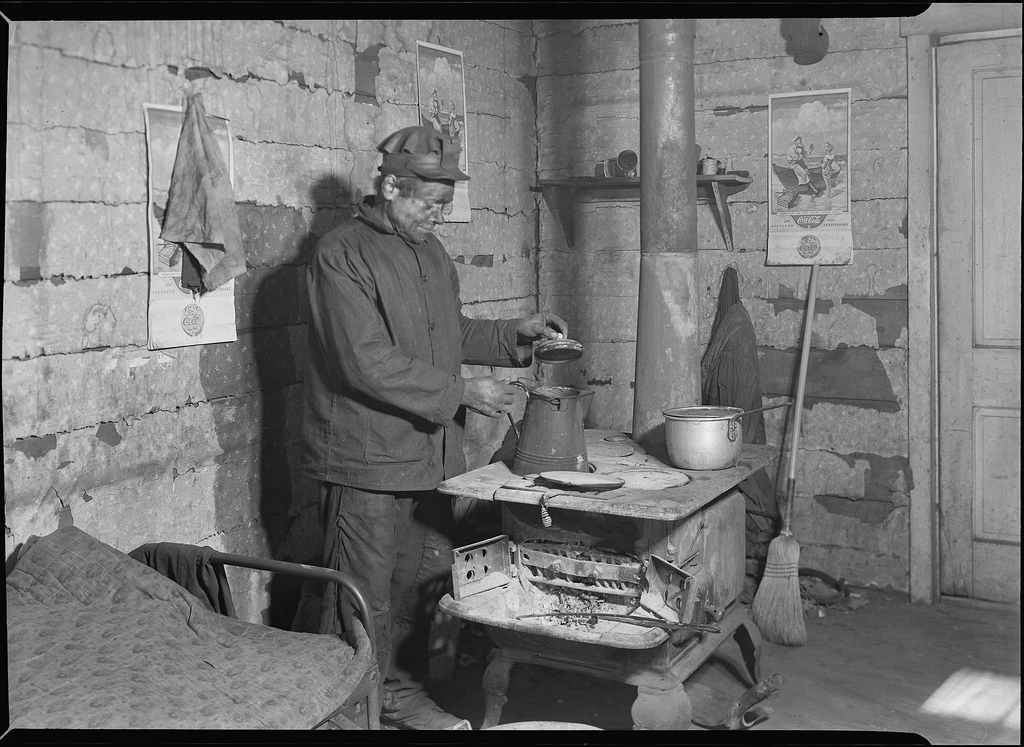
48 Vintage Photos of Life in Depression-era Coal Mining Town Scott’s Run, West Virginia, 1937

The coaling industry, in comparison to the boom of the 1920s, had basically collapsed by 1932. Already suffering, the industry could not sustain the economic downturn brought about by the Stock Market Crash of 1929. Residents of Scotts Run not only suffered from unemployment, but also from ethnic and racial prejudice and limited educational opportunities.

The rampant poverty in Scotts Run attracted the attention of Protestant missionaries and the American Friends Service Committee in 1931. Later in 1933, the Roosevelt administration sent relief workers. Scotts Run became America’s image for the bleakness of the Great Depression. One writer for Atlantic Monthly declared that Scotts Run was “the damndest cesspool of human misery I have ever seen in America.” Although the suffering at Scotts Run was probably no different than in other coal hollows of Appalachia, it garnered national attention because of its accessibility to photographers, reporters, social workers, and government officials through automobile and railroad.

First Lady Eleanor Roosevelt also brought national attention to the Run. Roosevelt first toured the mine camps of the area in 1933, and returned several times, forging long-term relationships. Following the first lady were media outlets and famous photographers such as Walker Evans, Marion Post Wolcott, and Ben Shahn. Eleanor Roosevelt’s involvement culminated in the relocation of a number of families at the resettlement community of Arthurdale in nearby Preston County.

Local relief efforts also existed. The Scotts Run Settlement House, in existence since 1922, provided a large amount of assistance. Another example was Morgantown’s First Presbyterian Church’s establishment of a missionary project for Scotts Run, which opened The Shack, a community center which eventually was used to start a co-op for supplemental farming.
The 1930s marked a steady decline in industrial work in Scotts Run. Many of the residents relocated, some to Arthurdale, and many of the younger male residents served in the armed forces during World War II and did not return to the area upon the war’s end.

National Research Project
In 1936–37, documentary photographer Lewis Hine created photo studies of 14 American industrial communities, including Scotts Run, for the National Research Project of the Works Progress Administration.

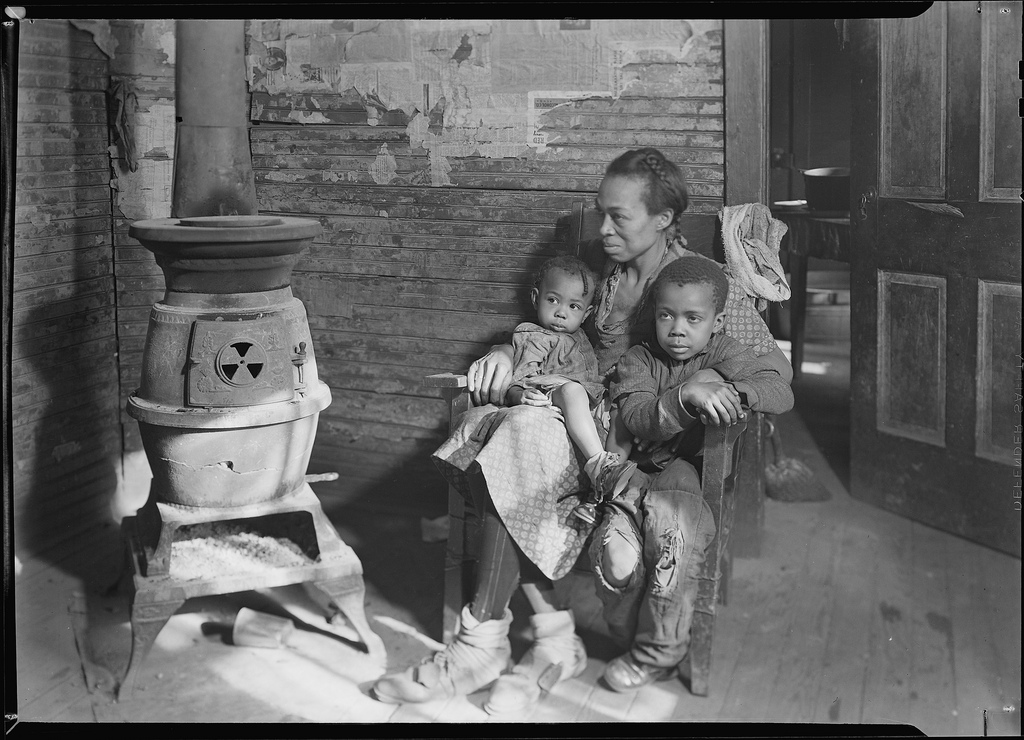
Scott’s Run, West Virginia. Employed bachelor at home in Sessa Hill, March 1937
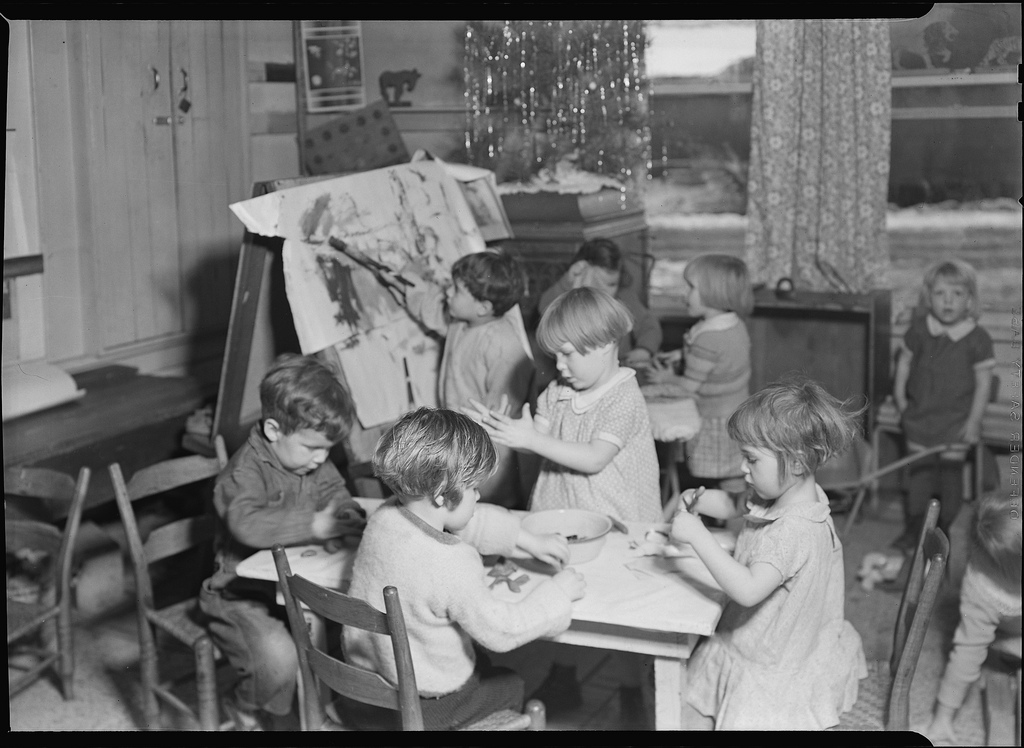
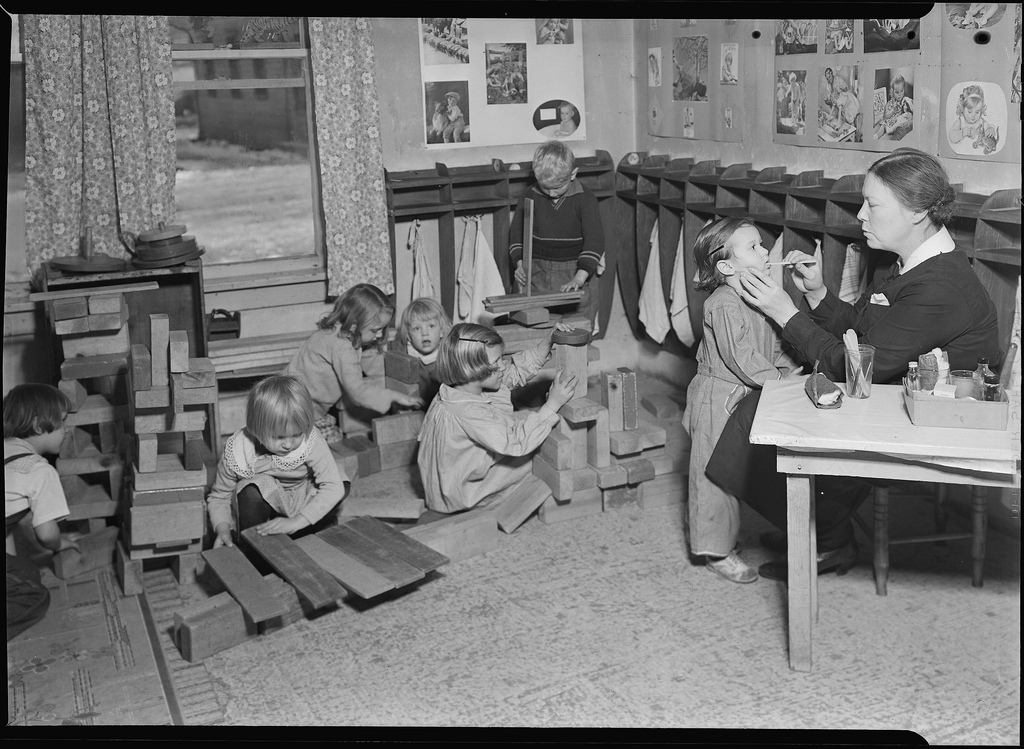
Interior of the Jere WPA nursery – These children are from unemployed miners’ homes, March. Scott’s Run, West Virginia. 1937
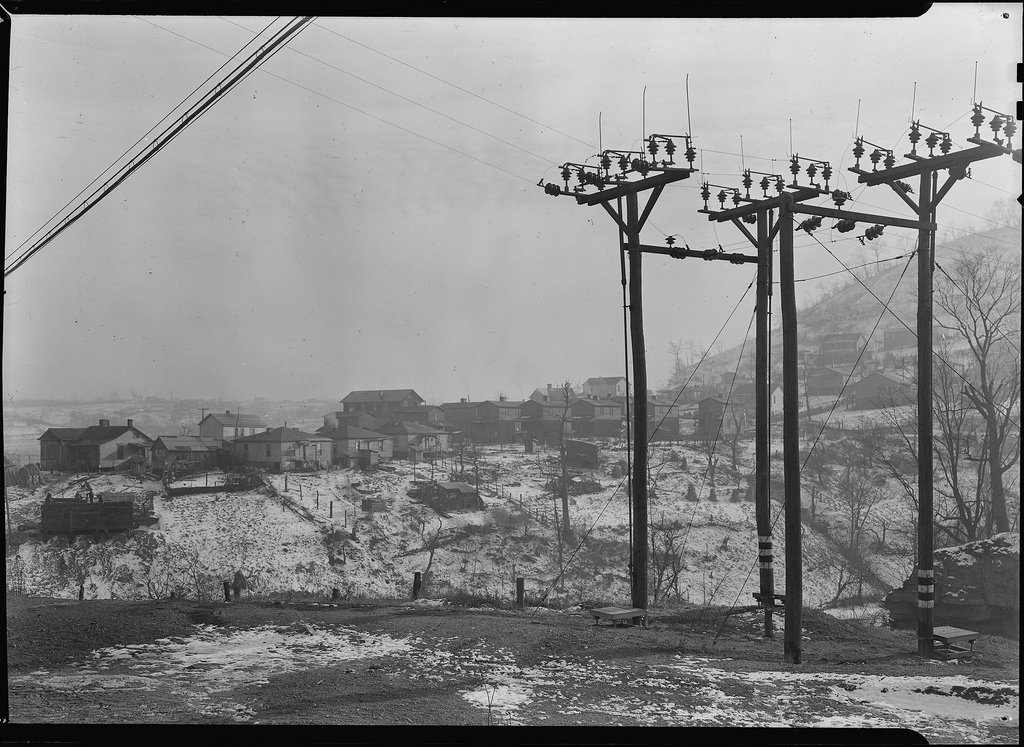
The Patch – One of the worst camps in Scott’s Run, March 1937
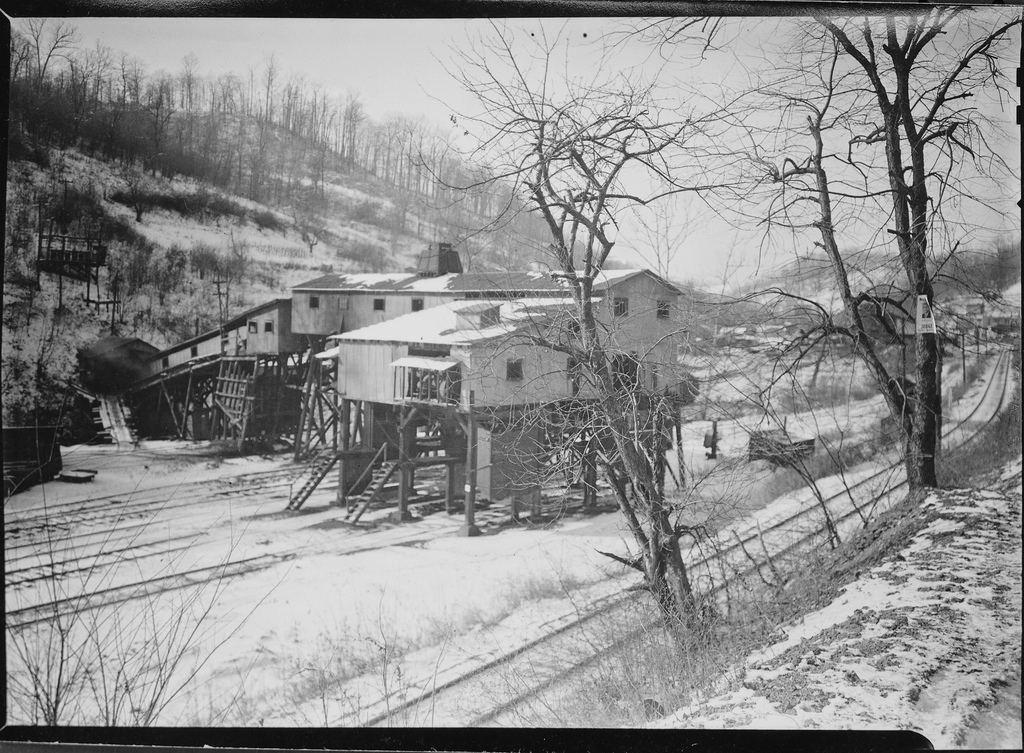
Jere, mine tipple – Mine bankrupt and closed since December 1936. The camp of this mine is considered a stranded community, March 1937
New Hill – A new camp. The best community on Scott’s Run, March 1937
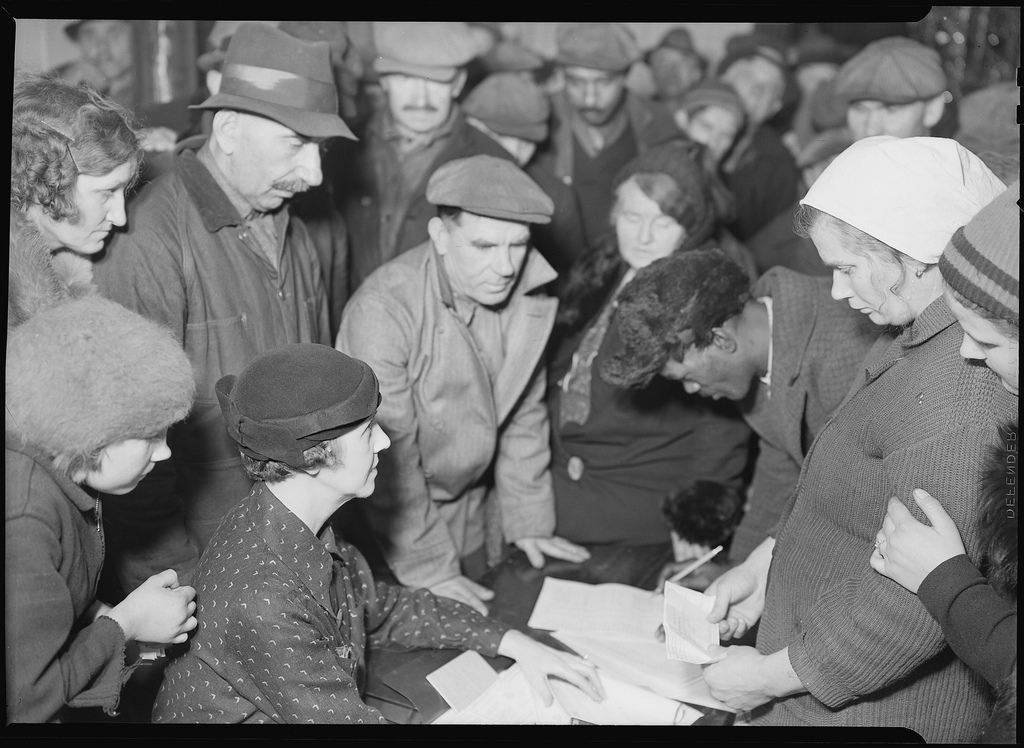
Scott’s Run, West Virginia. Unemployed men attending meeting of the Workers Alliance Council, March 1937
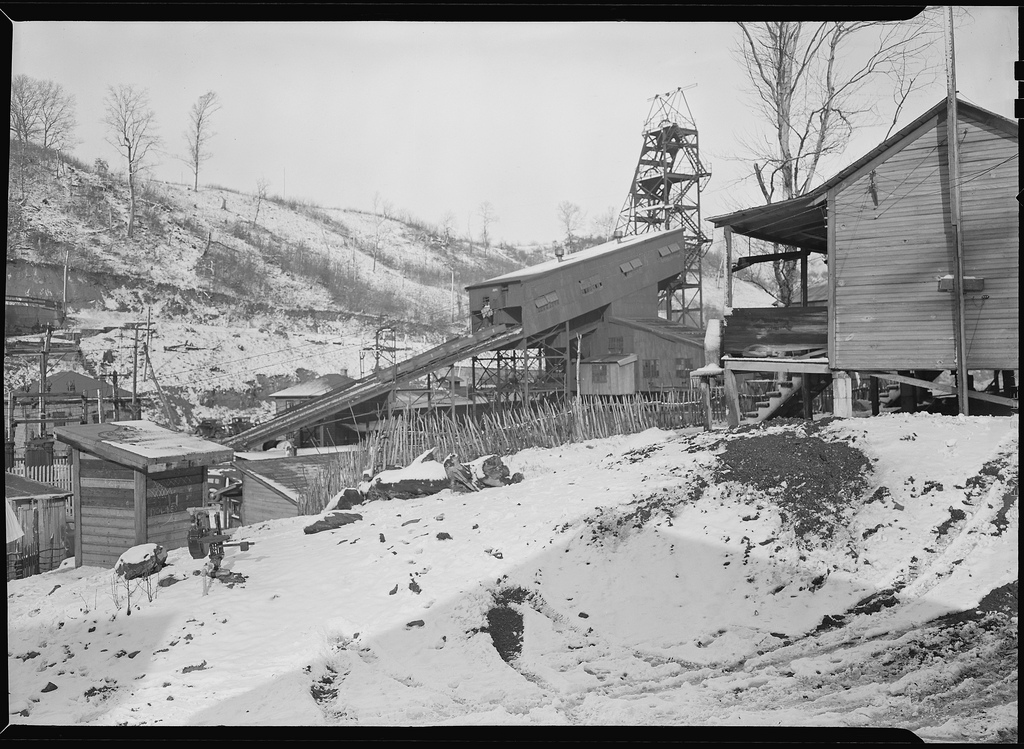
An abandoned coal camp on Scott’s Run, West Virginia, December 22, 1936. Mine closed early in 1936. Scene taken from main highway entering Scott’s Run, March 1937
Scott’s Run, West Virginia. Johnson family – father unemployed, March 1937
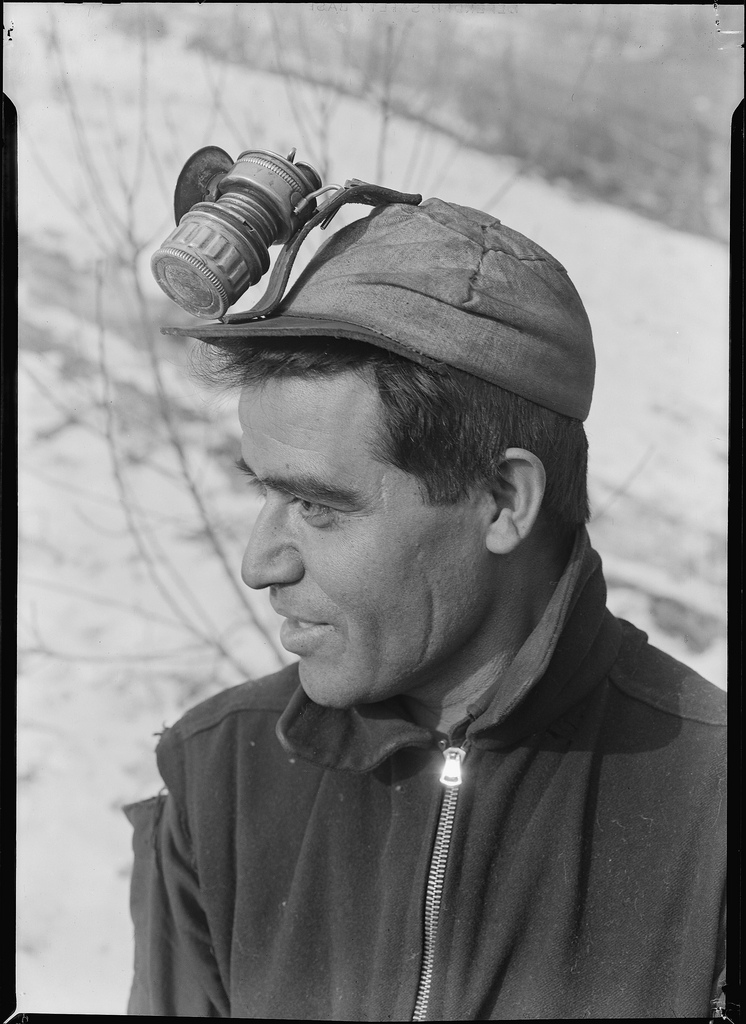
Scott’s Run, West Virginia. Vincent Lopez – miner, March 1937
Scott’s Run, West Virginia. Pursglove Mines Nos. 3 and 4, March 1937
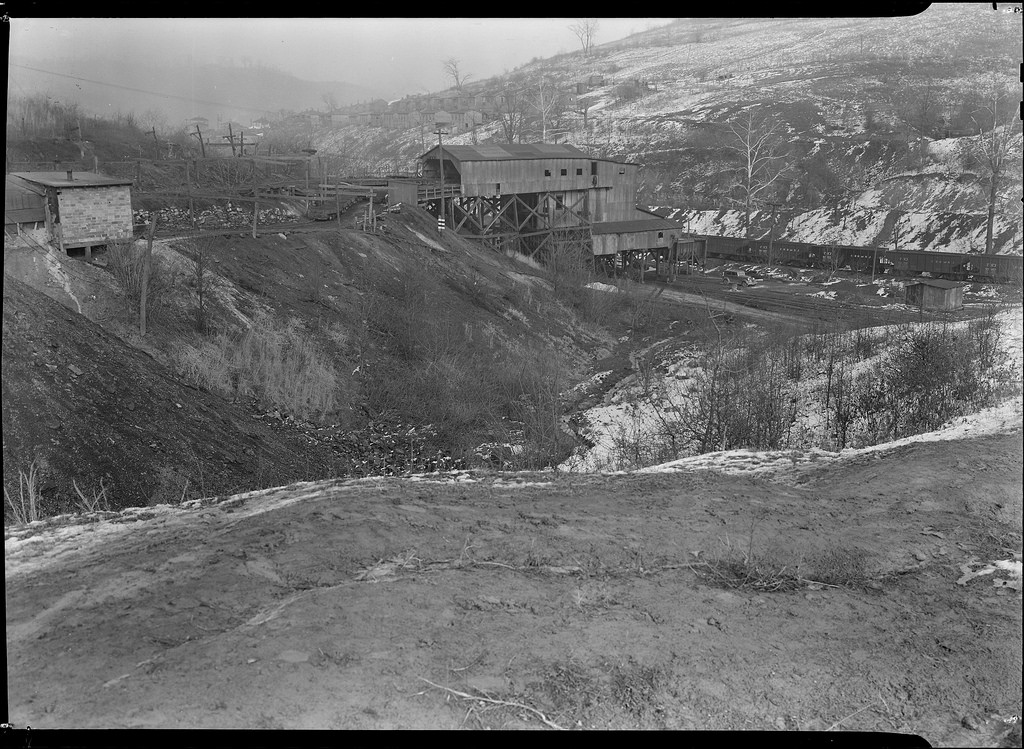
Scott’s Run, West Virginia. Chaplin Hill Mine Tipple, March 1937
Scott’s Run, West Virginia. The Shack Community Center, March 1937
Scott’s Run, West Virginia. Interior of the Jero WPA nursery – These children are from unemployed miners’ homes, March 1937
Scott’s Run, West Virginia. This building is a part of the abandoned mine buildings of the stranded camp of Jere, March 1937
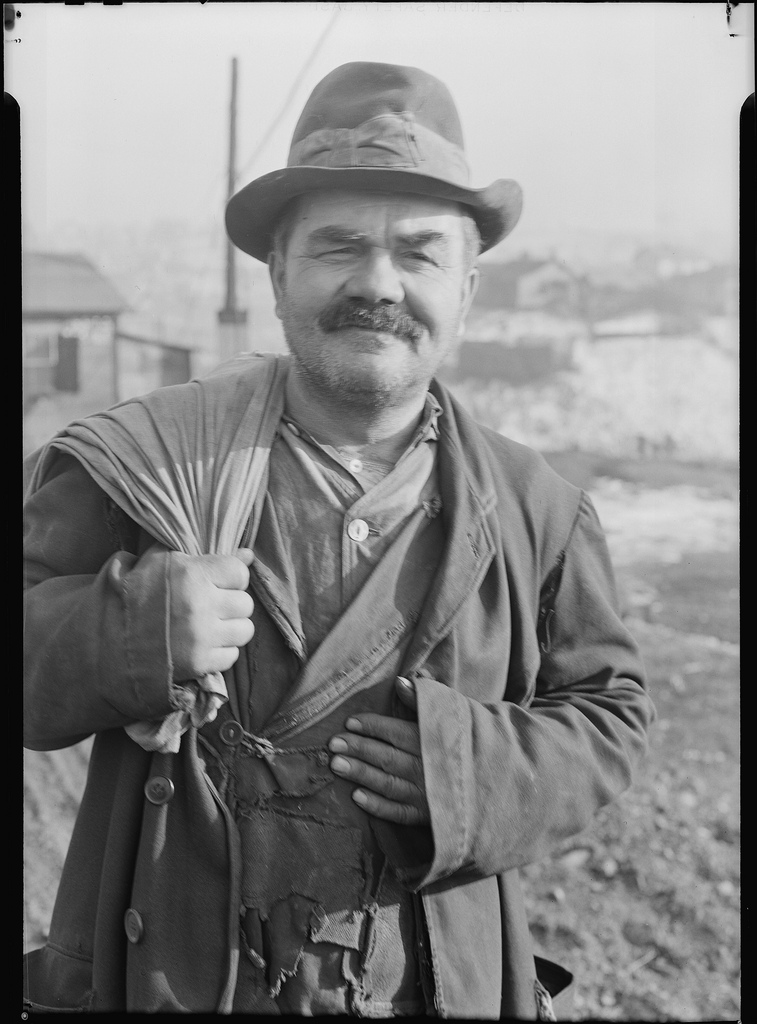
Scott’s Run, West Virginia. Peter Percupu, Romanian miner, unemployed, known in Scott’s Run as Ground Hog. Too old to find employment in the mines, March 1937
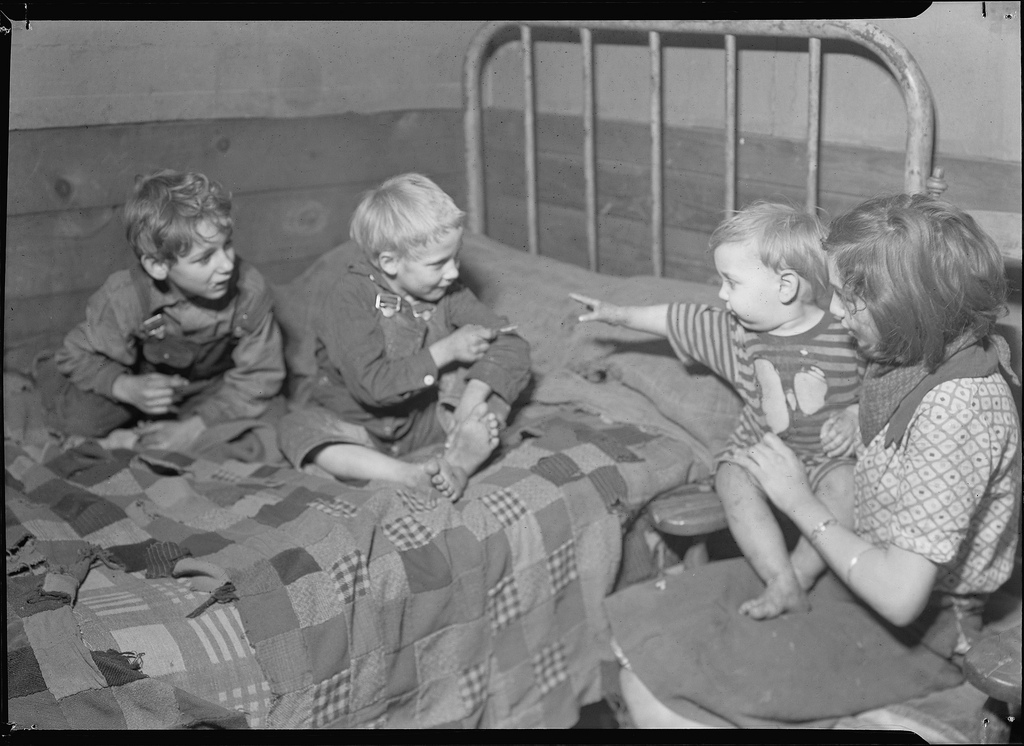
Scott’s Run, West Virginia. Children of employed miner at Sessa Hill – Ewra Hennar’s children, 1936
Scott’s Run, West Virginia. Unemployed men attending meeting of the Workers Alliance Council, 1936
Scott’s Run, West Virginia. Miner’s child – This boy was digging coal from mine refuse on the road side, 1936
Scott’s Run, West Virginia. Sessa Hill – The mine is a small locally owned operation where conditions are generally bad, 1936
Scott’s Run, West Virginia. Unemployed men attending meeting of the Workers Alliance Council, 1936
Scotts’ Run, West Virginia. Miner’s child digging coal from mine refuse (Mexican). Bertha Hollow, 1936
Scott’s Run, West Virginia. The Shack Community Center, 1936
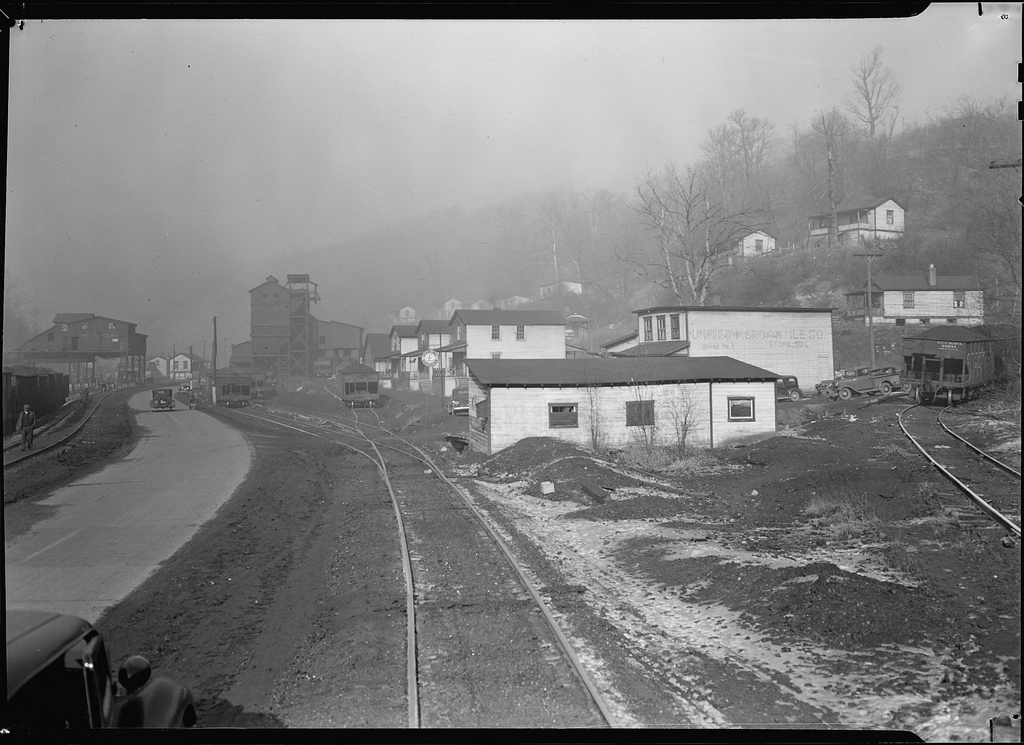
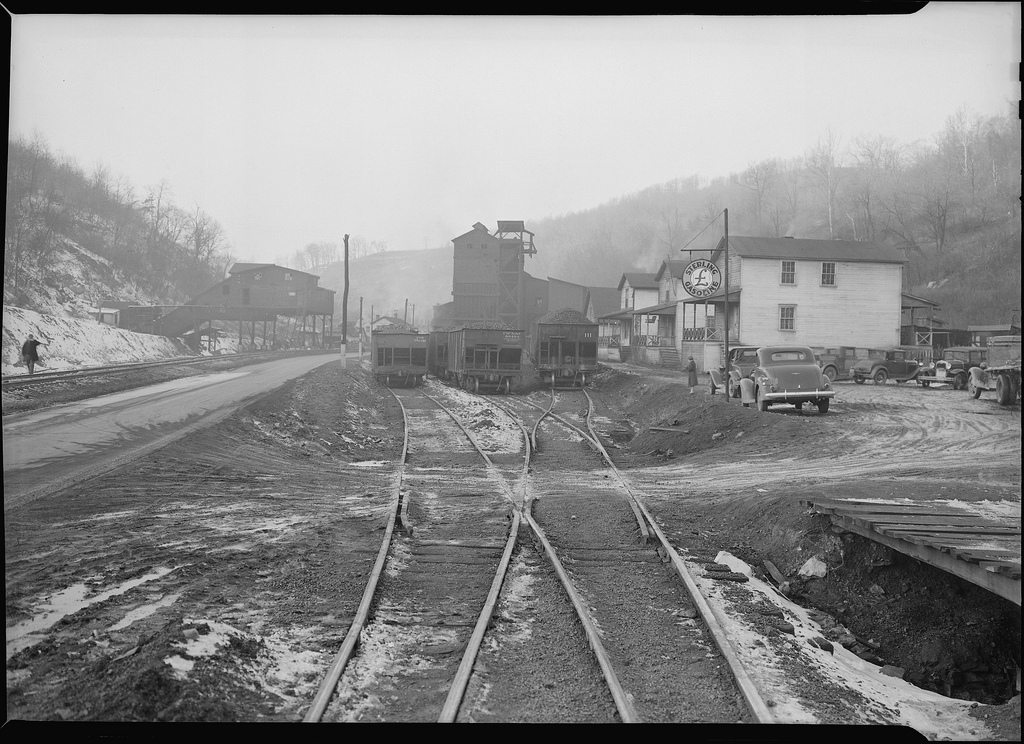
Scott’s Run, West Virginia. Pursglove No. 2 – Scene taken from main highway shows company store and typical hillside camp, March 1937
Scott’s Run, West Virginia. Employed miner’s family, March 1937.
Scott’s Run, West Virginia. Pursglove Nos. 3 and 4, March 1937.
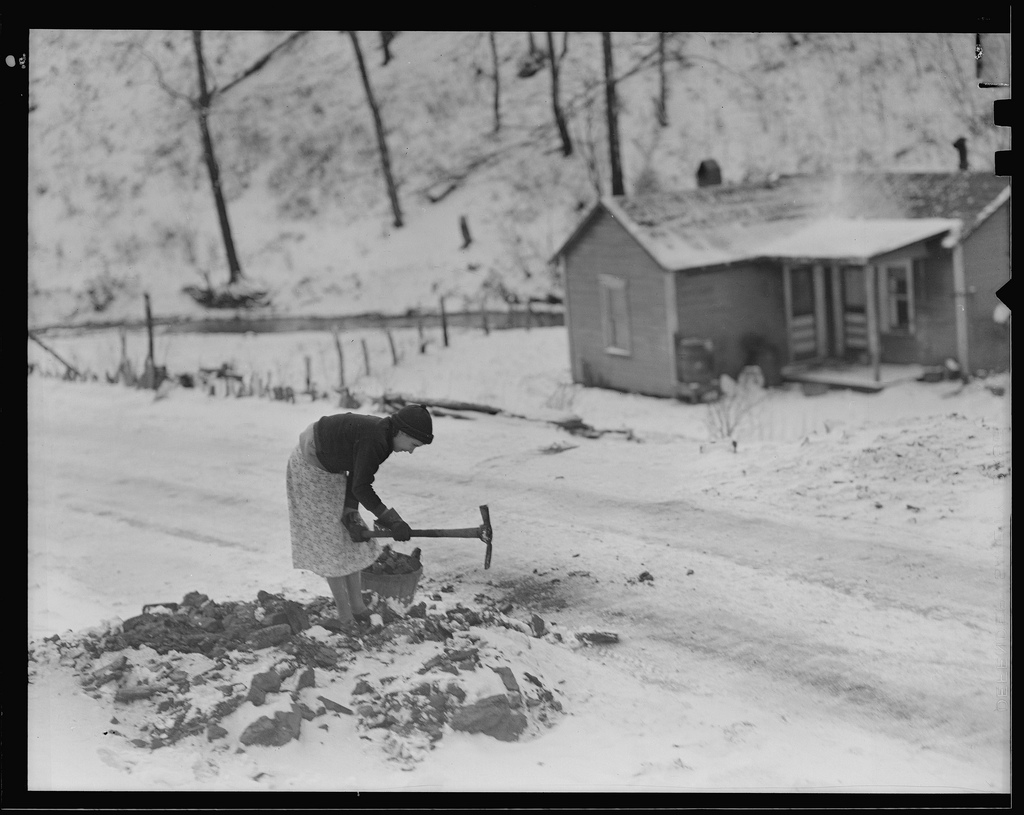
Scott’s Run, West Virginia. Woman gathering coal from mine refuse, March 1937
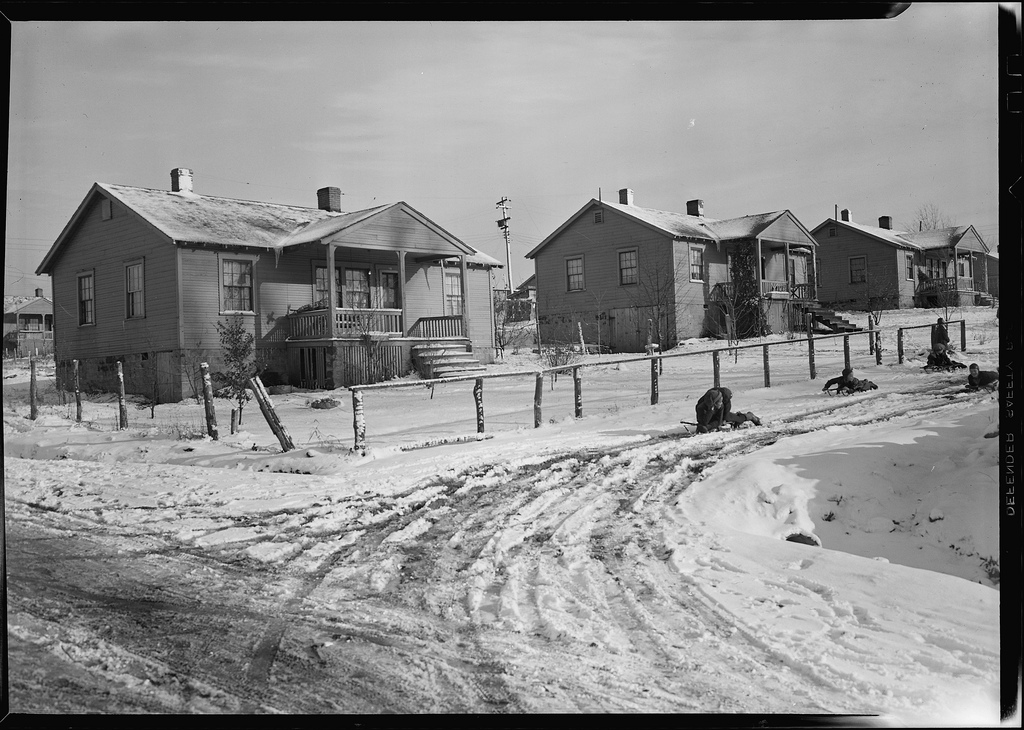
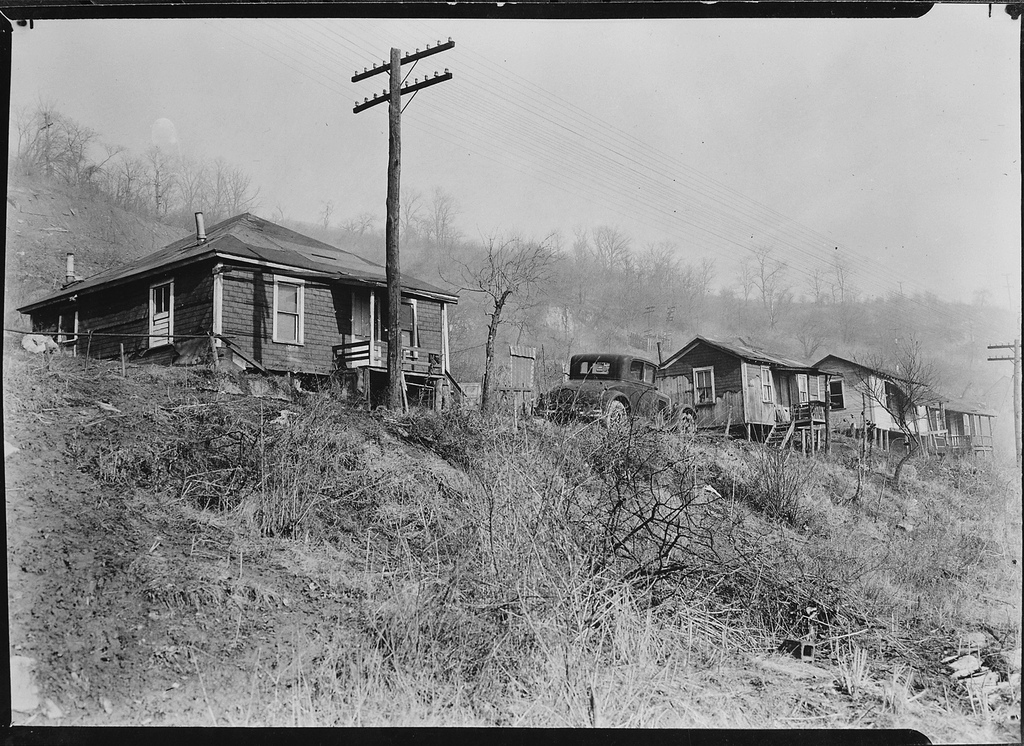
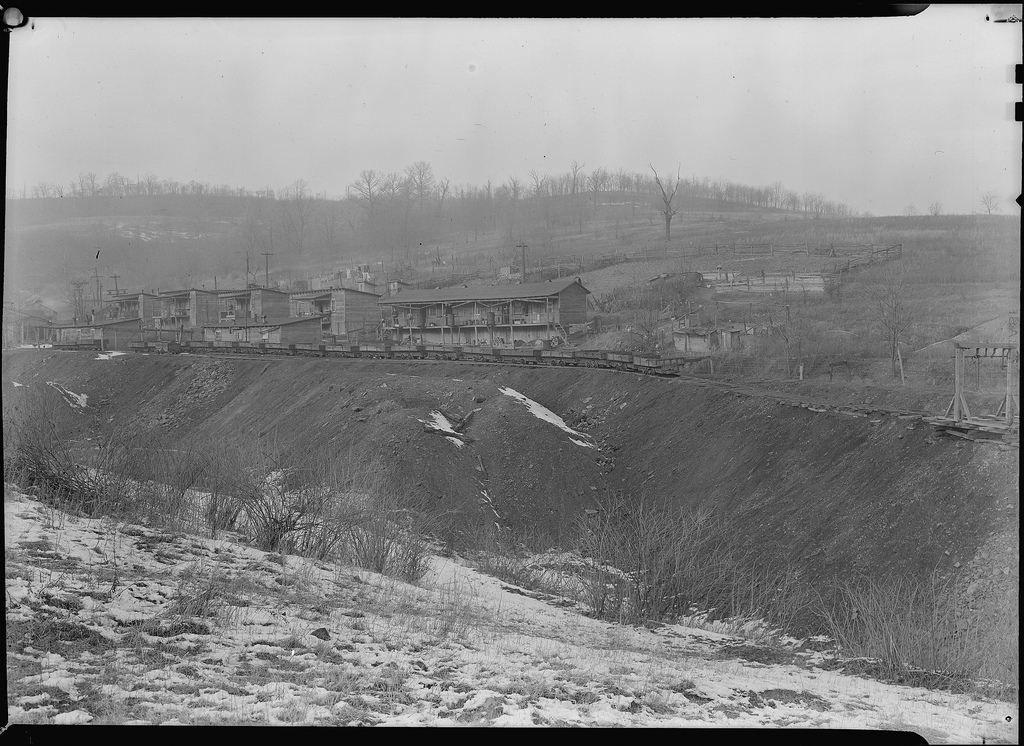
Scott’s Run, West Virginia. Pursglove No. 5. Scene taken from main highway shows typical hillside camp. The houses are multiple dwellings, March 1937
Scott’s Run, West Virginia. The Patch. One of the worst camps in Scott’s Run. The stream is an auxiliary branch that flows into Scott’s Run can be seen towards the right of this picture. These houses were originally built as single bachelor apartments; there are from six to eight separate housekeeping units in the buildings. Many of them are now occupied by families living in one room, March 1937
Scott’s Run, West Virginia. Troop Hill — an abandoned coal camp on Scott’s Run, West Virginia, December 22, 1936. Mine closed early in 1936. Scene taken from main highway entering Scott’s Run, March 1937
Scott’s Run, West Virginia. Chaplin Hill. This scene is typical of many camps built near the mine. In the background can be seen several of the government sanitary privies. These houses are multiple dwellings which accommodate several families. It is one of the few camps on Scott’s Run which affords space for hogs and garden, 1936
Scott’s Run, West Virginia. Chaplin Hill Mine Tipple. This mine as bankrupt and closed during the summer of 1936. The company was reorganized and began to operate under new management in November 1936.
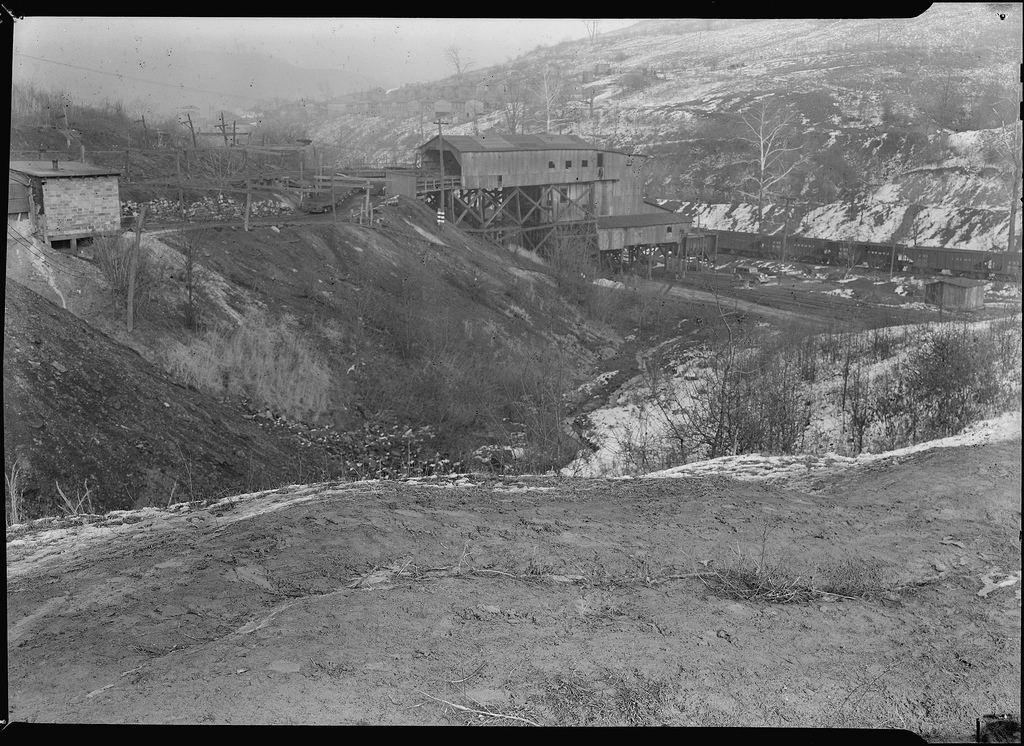
Scott’s Run, West Virginia. Cassville, mine tipple. This mine is operating and supplies work for three separate camps (Cassville, New Hill, and the Patch). To the left of picture is shown one of the government privies built by WPA workers in a sanitation campaign organized to eliminate the old typical filthy mine camp toilets, March 1937
Scott’s Run, West Virginia. Bertha Hill Camp. The mine in this camp has been bankrupt and changed hands several times in the last two years. In the summer of 1936 this camp was considered abandoned; in December the mine, under new management, began to operate, March 1937
Scott’s Run, West Virginia. Miner returning from work at New Hill. There are no mine wash houses in West Virginia. Miners change their clothes and bathe in wash tub in their home and bring much of the mine dirt with them, March 1937
Scott’s Run, West Virginia. Unemployed miners, March 1937
Scott’s Run, West Virginia. Unemployed men and women, March 1937
Scott’s Run, West Virginia. Unemployed miner, March 1937
Scott’s Run, West Virginia. Miner Herb Venn, photographed as he dressed for a trip to Morgantown, March 1937
Scott’s Run, West Virginia. Mexican miner’s child. This boy was digging coal from mine refuse on the road side. The picture was taken December 23, 1936 on a cold day; Scott’s Run was buried in snow. The child was barefoot and seemed to be used to it. He was a quarter mile from his home, 1936
Scott’s Run, West Virginia. Children of employed miners at Miller Hill, March 1937
Scott’s Run, West Virginia. Miner’s child at Miller Hill camp, March 1937
Scott’s Run, West Virginia. Pursglove No. 2. Scene taken from main highway shows company store and typical hillside camp, March 1937
Scott’s Run, West Virginia. Pursglove Mines Nos. 3 and 4. This is the largest company of Scott’s Run. Scene shows main Scott’s Run Highway and atmosphere loaded with coal dust and typical of Scott’s Run on any working day, March 1937
Scott’s Run, West Virginia. Another view of Pursglove Mines Nos. 3 and 4, March 1937
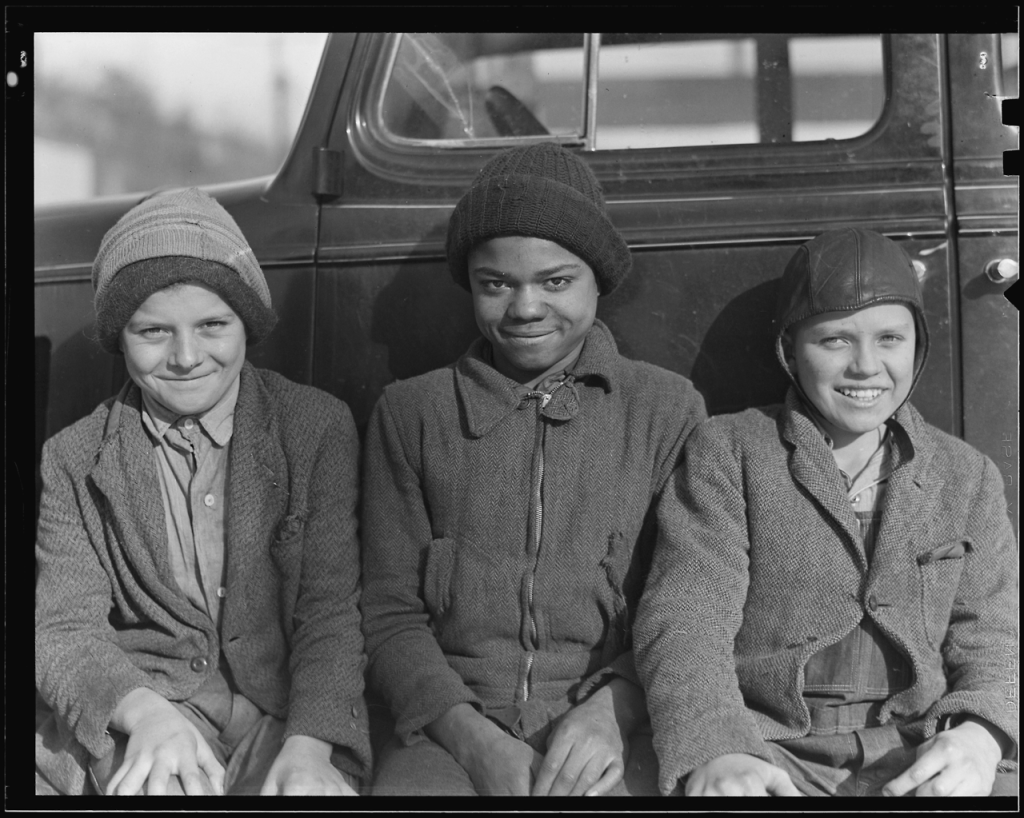
Scott’s Run, West Virginia. Children of miners. March 1937

A Street Vendor Selling Mummies in Egypt, 1875

Egyptian street vendors have been catering to the whims of tourists since forever, apparently: Selling ancient mummies to wealthy European and American tourists as “tourist souvenirs” was apparently commonplace in Egypt around the nineteenth century. Mummies were readily available from street vendors — such as the one pictured below from 1865 — for tourists to bring back home.

During the Victorian era, Napoleon’s conquest of Egypt threw open the Gates of Egypt’s history for the Europeans. At that time, mummies were not accorded the respect that they deserved from the European elites and in fact, mummies could be purchased from street vendors to be used as the main event for parties and social gatherings that took place in the 18th century. The elites of the era would often hold “Mummy Unwrapping Parties”, which, as the name suggests, had the main theme in which a Mummy would be unwrapped in front of a boisterous audience, cheering and applauding at the same time.

As the Industrial Revolution progressed, so Egyptian mummies were exploited for more utilitarian purposes: huge numbers of human and animal mummies were ground up and shipped to Britain and Germany for use as fertilizer. Others were used to create mummy brown pigment or were stripped of their wrappings, which were subsequently exported to the US for use in the paper-making industry. The author Mark Twain even reported that mummies were burnt in Egypt as locomotive fuel.

As the nineteenth century advanced, mummies became prized objects of display and scores of them were purchased by wealthy European and American private collectors as tourist souvenirs. For those who could not afford a whole mummy, disarticulated remains – such as a head, hand or foot – could be purchased on the black market and smuggled back home.

So brisk was the trade in mummies to Europe that even after ransacking tombs and catacombs there just were not enough ancient Egyptian bodies to meet the demand. And so fake mummies were fabricated from the corpses of the executed criminals, the aged, the poor and those who had died from hideous diseases, by burying them in the sand or stuffing them with bitumen and exposing them to the sun.

Excellent Vintage Photos That Show 10 Ways to Become an Sexy Edwardian Woman

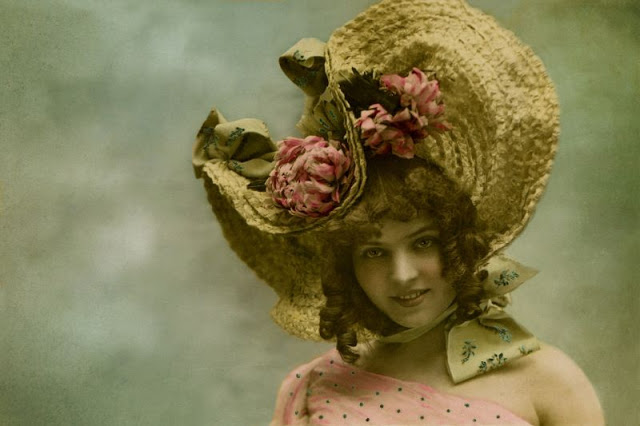
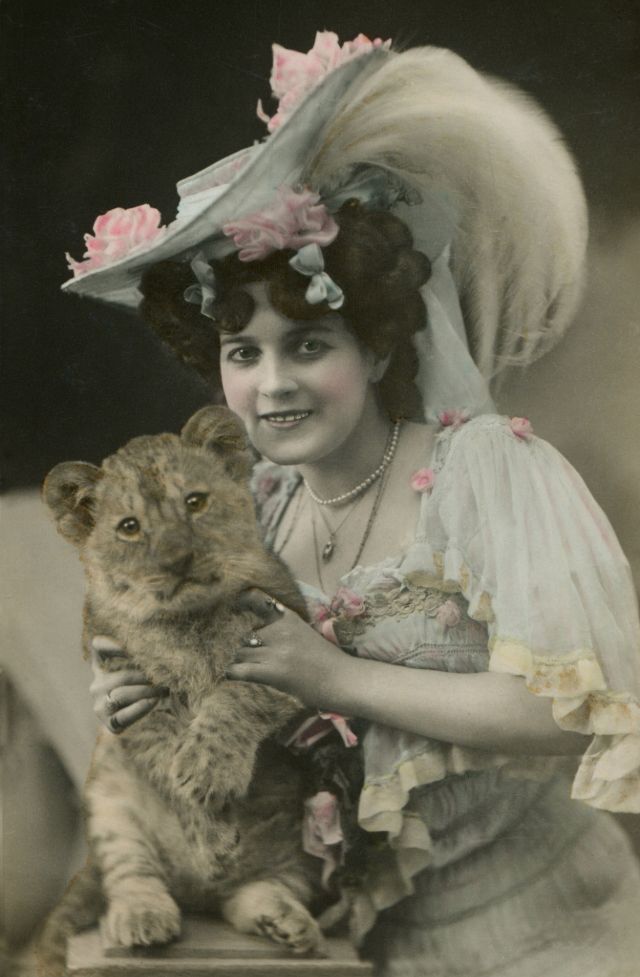
Edwardian women are not only elegant, they’re also very sexy. So how to become a sexy woman in this era?

Over the Top.
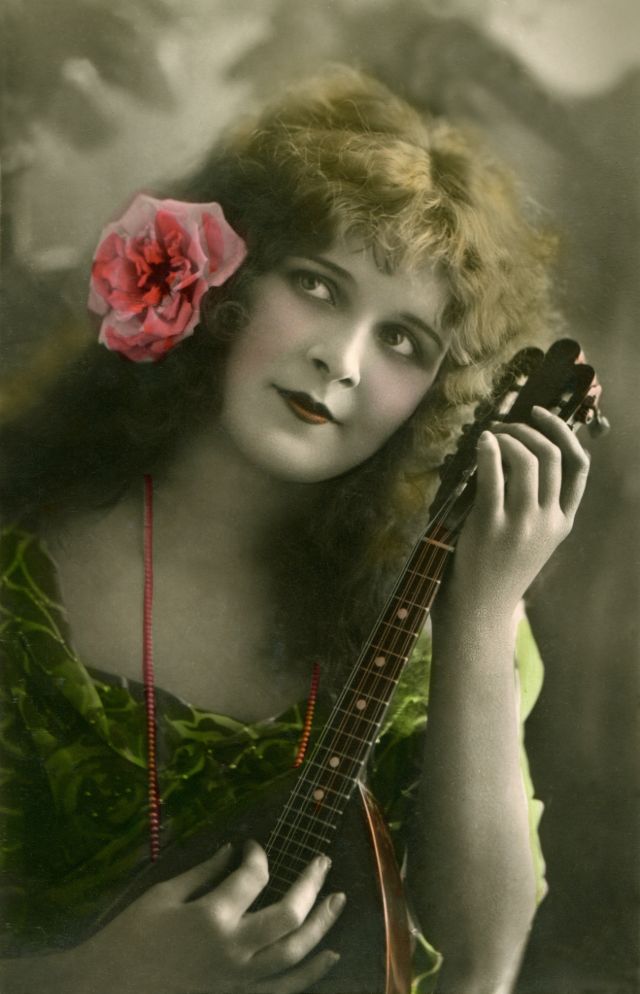
Perfect Pitch. She may only know three cords, but who really cares?
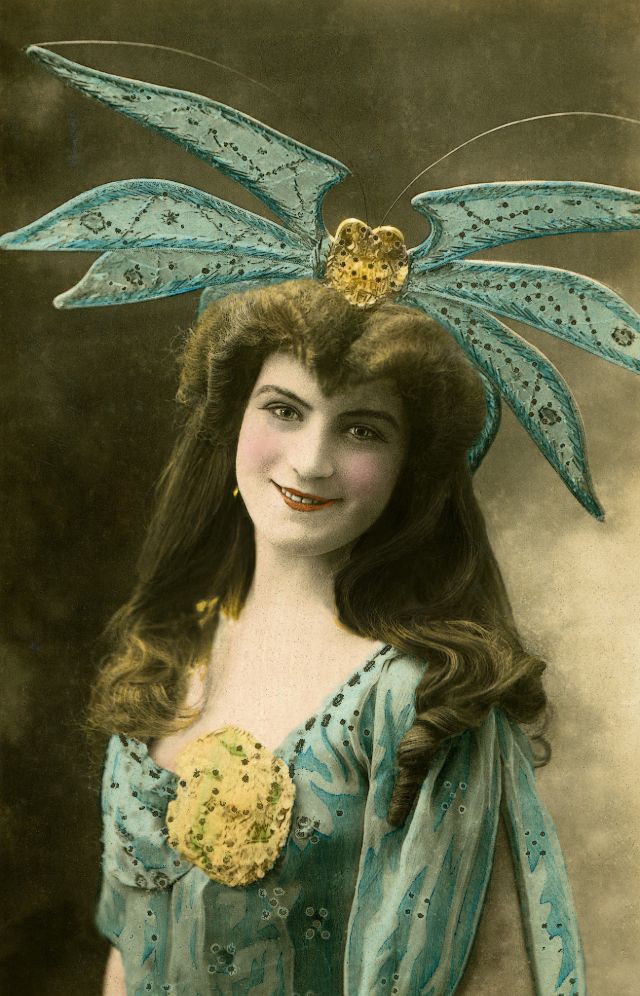
Princess Vampire.
The First Cheerleader.
Two Kittens.
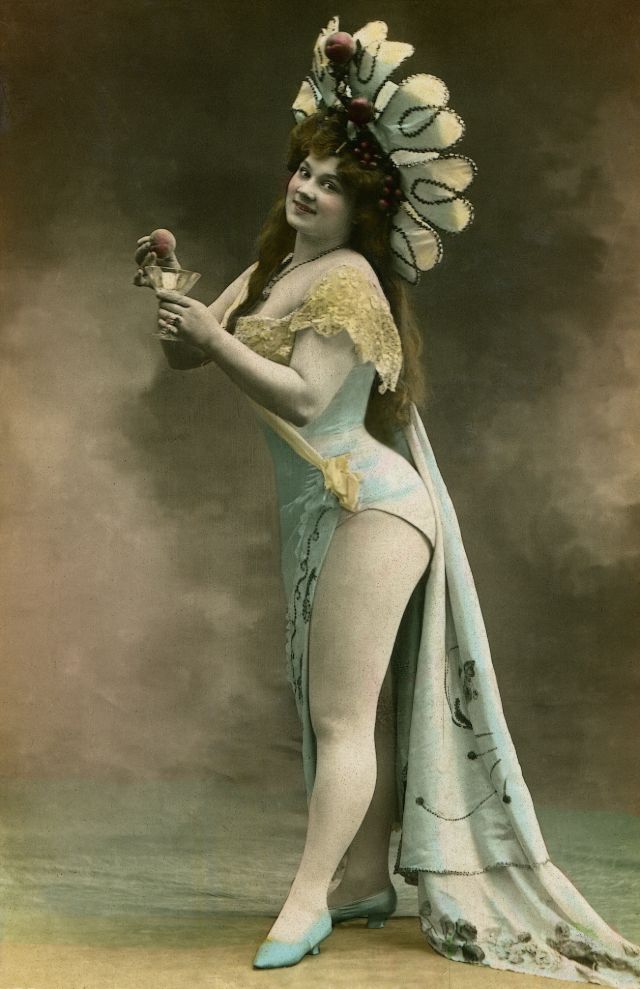
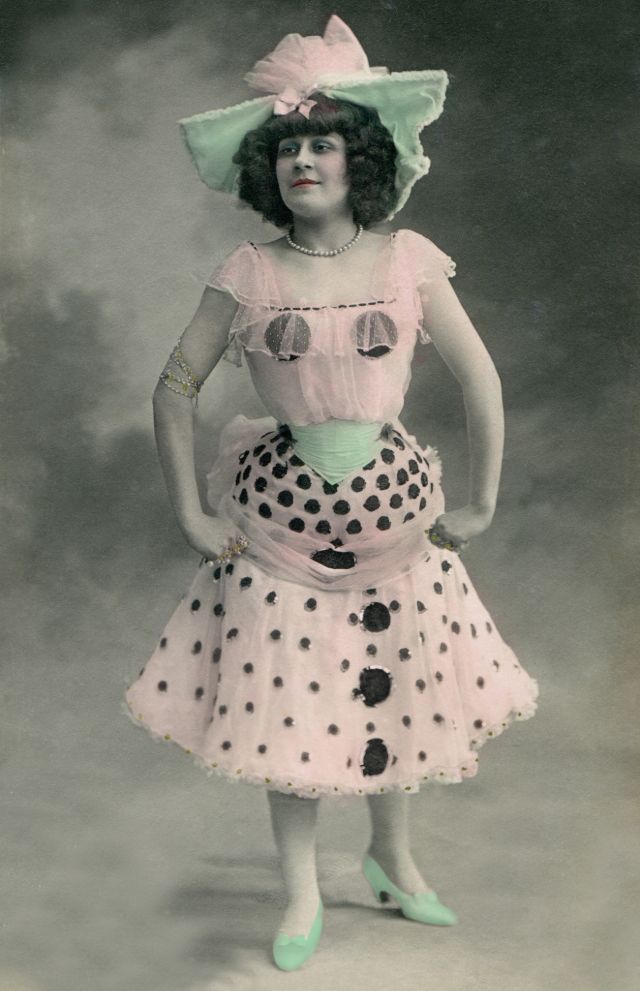
A Peach and a Pose. (Portrait of the lovely Folies Bergère dancer Ève de Milo).
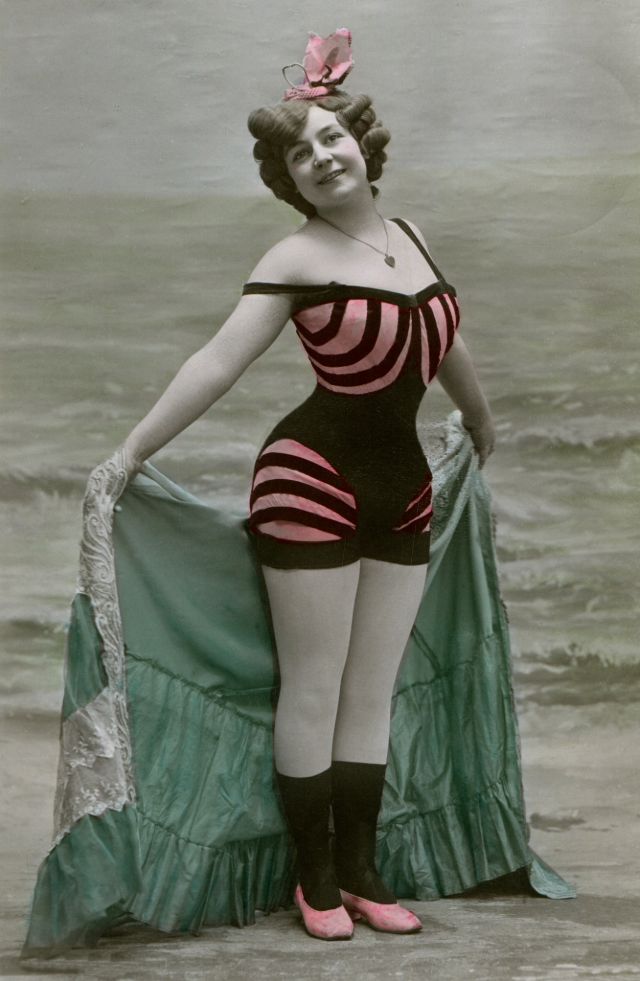
A Quick Peek.
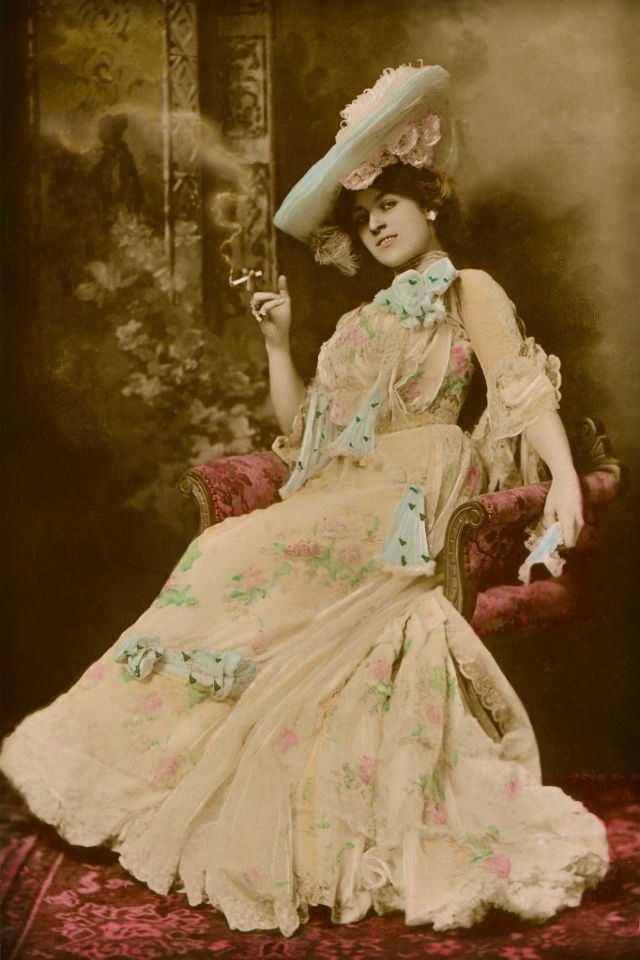
Elegant and Defiant. The cigarette became a symbol for her profession.
Femme Fatale.
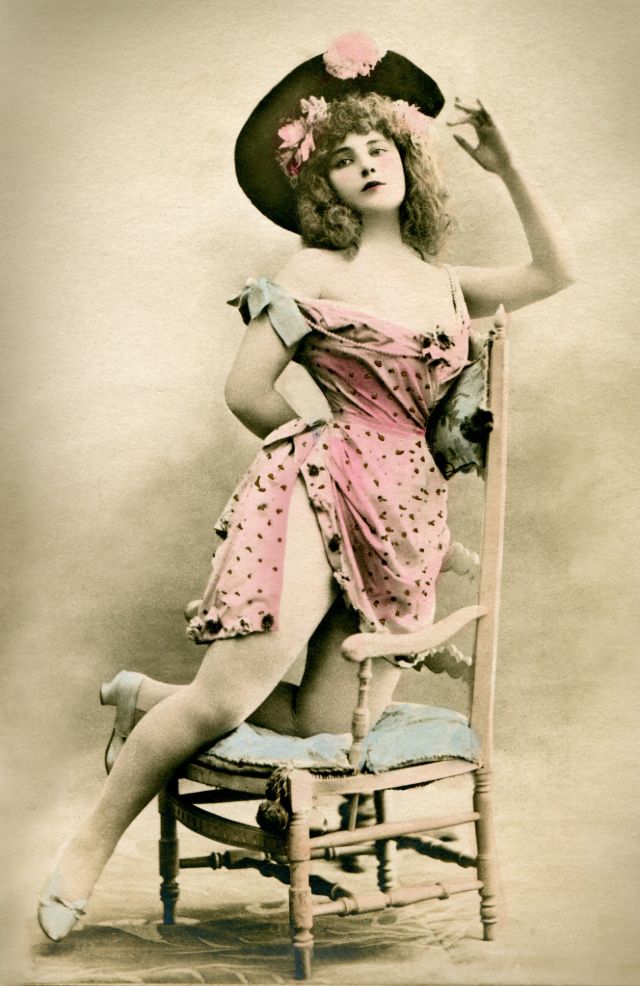
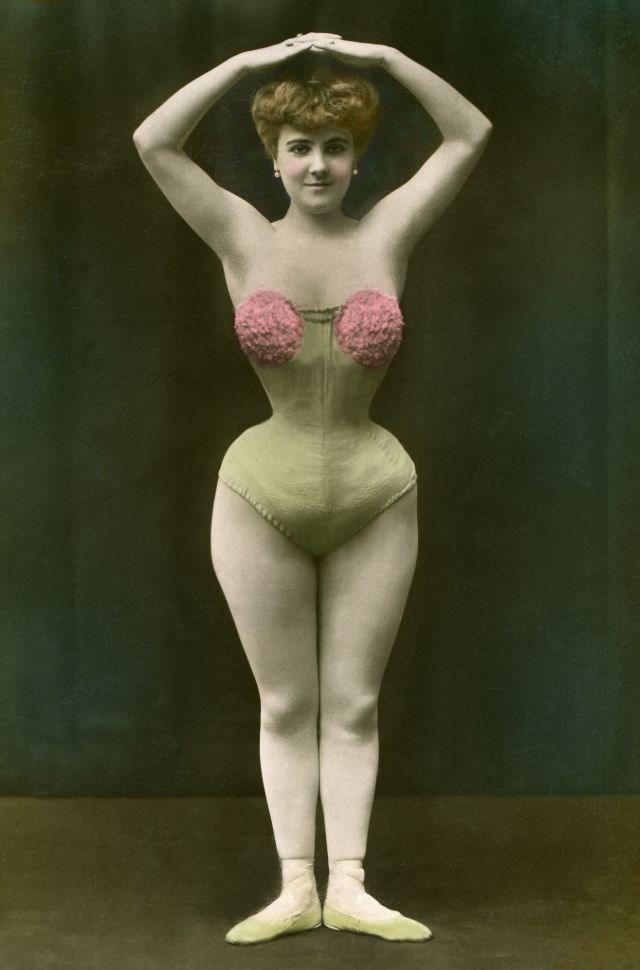
Origins of Lady Gaga. This is a circa 1902 photo of Jane Derval who was a dancer at the legendary cabaret “Folies Bergère” in Paris. Derval (like “Lady Gaga” of today) was no stranger to some of the most bizarre fashion contrivances ever put together.

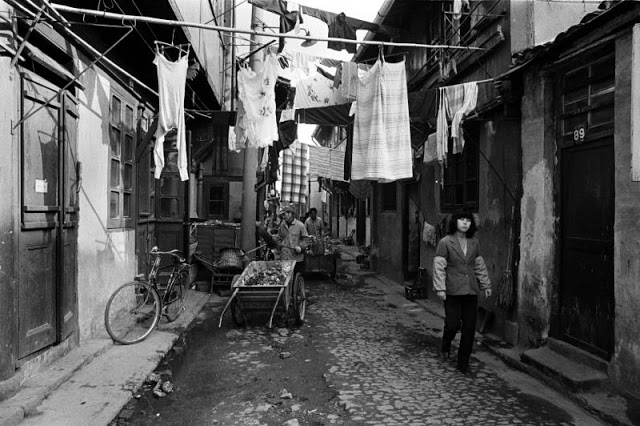
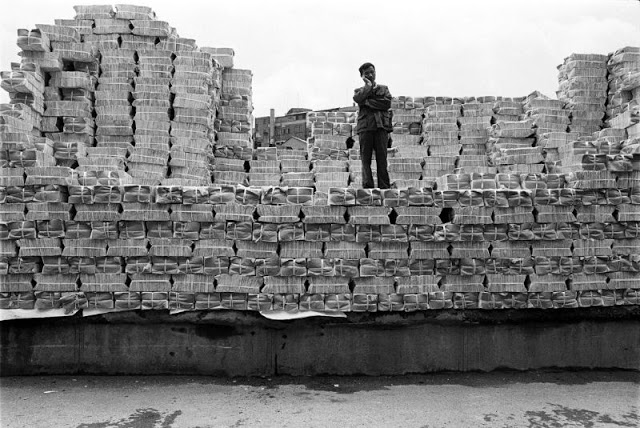
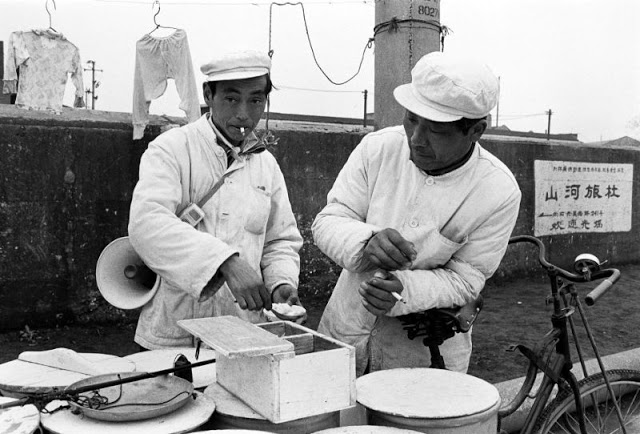
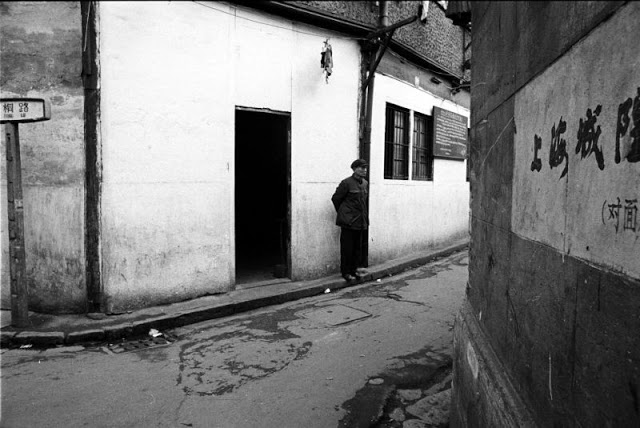
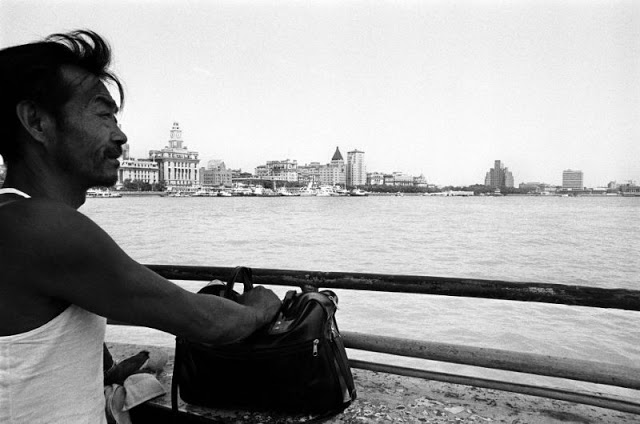
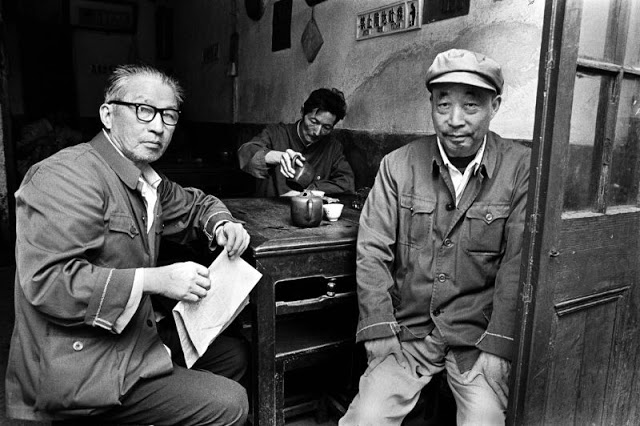
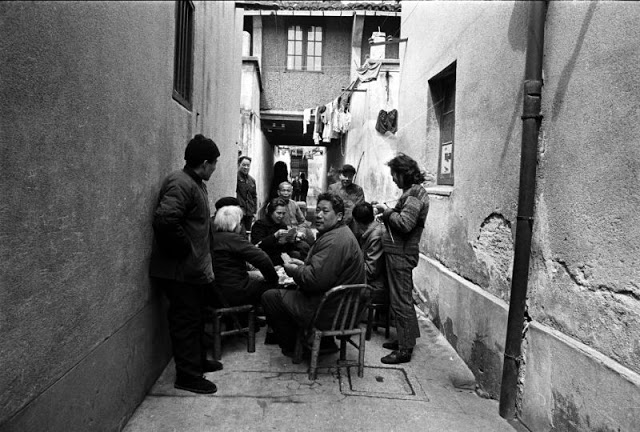
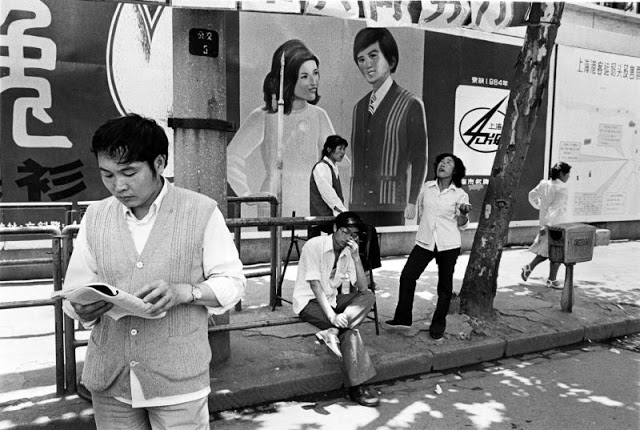
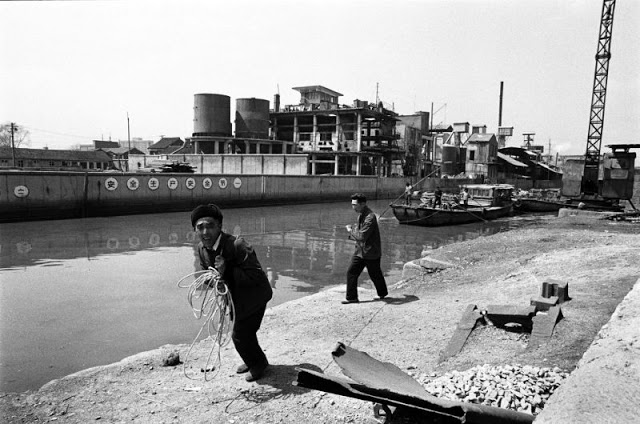
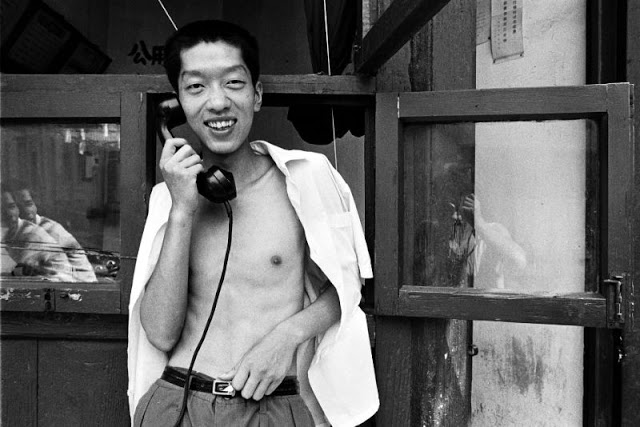
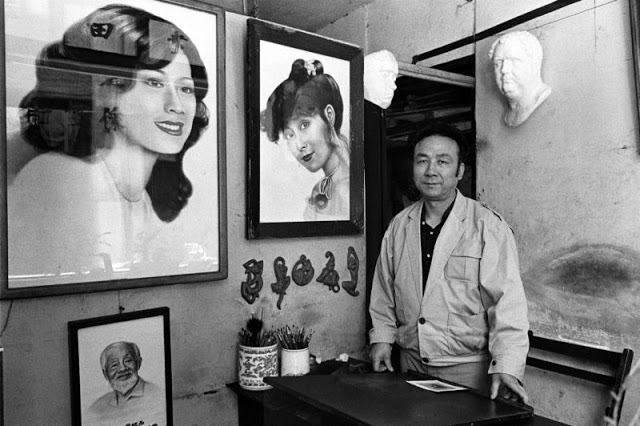
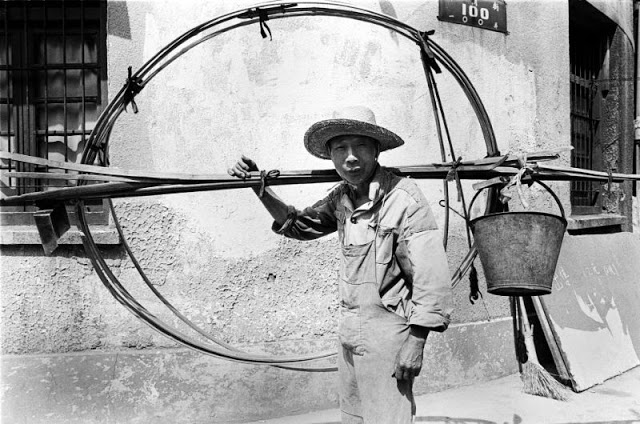
30 Amazing Black and White Photos That Document Everyday Life of Shanghai in the Mid-1980s

Shanghai, is one of the four direct-administered municipalities of the People’s Republic of China. The city is located on the southern estuary of the Yangtze River, with the Huangpu River flowing through it. With a population of 24.87 million as of 2020, it is the most populous urban area in China, the most populous city proper in the world and the only city in East Asia with a GDP greater than its corresponding capital. Shanghai is a global center for finance, business and economics, research, education, science and technology, manufacturing, tourism, culture and transportation, and the Port of Shanghai is the world’s busiest container port.

Originally a fishing village and market town, Shanghai grew in importance in the 19th century due to both domestic and foreign trade and its favorable port location. The city was one of five treaty ports forced to open to European trade after the First Opium War. The Shanghai International Settlement and the French Concession were subsequently established. The city then flourished, becoming a primary commercial and financial hub of Asia in the 1930s. During the Second Sino-Japanese War, the city was the site of the major Battle of Shanghai. After the war, with the communists takeover of the mainland in 1949, trade was limited to other socialist countries and the city’s global influence declined.

By the 1990s, economic reforms introduced by Deng Xiaoping a decade earlier resulted in an intense redevelopment of the city, especially the Pudong New Area, aiding the return of finance and foreign investment. The city has since re-emerged as a hub for international trade and finance; it is the home of the Shanghai Stock Exchange, one of the largest stock exchanges in the world by market capitalization and the Shanghai Free-Trade Zone, the first free-trade zone in mainland China. As of 2020, Shanghai is classified as an Alpha+ (global first-tier) city by the Globalization and World Cities Research Network and ranked as having the 3rd most competitive and largest financial center in the world behind New York City and London by the Global Financial Centres Index. It has the largest metro network of any city in the world, the sixth-highest number of billionaires of any city in the world, the fifth-largest number of skyscrapers of any city in the world, the fifth-largest scientific research output of any city in the world, and highly ranked educational institutions including Fudan University, Shanghai Jiao Tong University, Tongji University, East China Normal University, Shanghai University, Shanghai University of Finance and Economics, and East China University of Science and Technology.

Shanghai has been described as the “showpiece” of the booming economy of China. Featuring several architectural styles such as Art Deco and shikumen, the city is renowned for its Lujiazui skyline, museums and historic buildings including the City God Temple, Yu Garden, the China Pavilion and buildings along the Bund, which includes Oriental Pearl TV Tower. Shanghai is also known for its sugary cuisine, distinctive local language and vibrant international flair. As an important international city, Shanghai is the seat of the New Development Bank, a multilateral development bank established by the BRICS states and the city hosts more than 70 foreign representatives and numerous national and international events every year, such as Shanghai Fashion Week, the Chinese Grand Prix and ChinaJoy. Shanghai is the highest earning tourist city in the world, with the seventh most five-star hotels in the world, and the second tallest building in the world, the Shanghai Tower. In 2018, Shanghai hosted the first China International Import Expo (CIIE), the world’s first import-themed national-level expo. (Wikipedia)

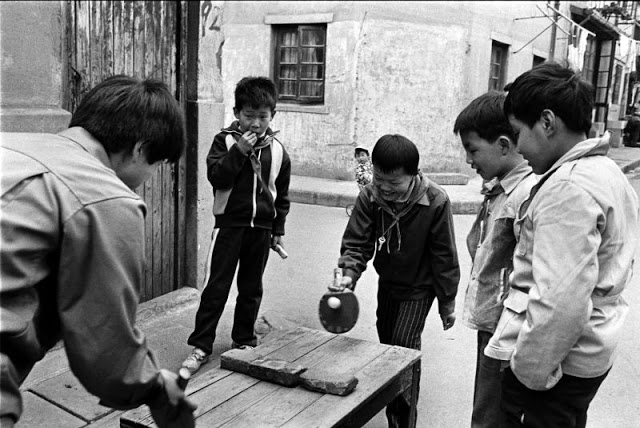
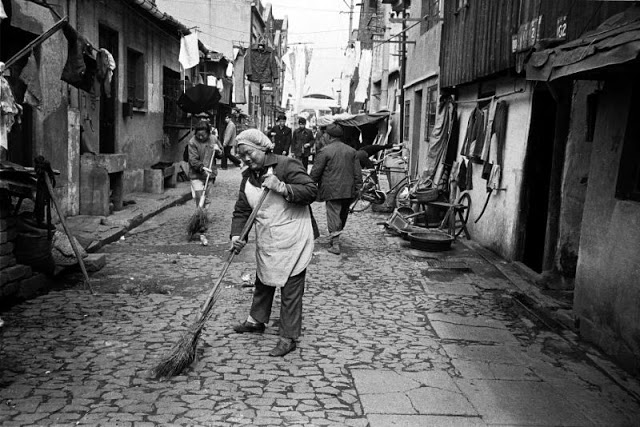
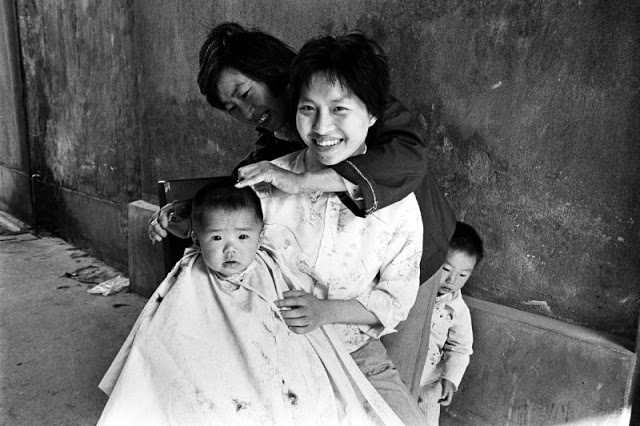
These amazing photos were taken by Belgian-American photographer Jerome De Perlinghi that documented everyday life of Shanghai from between 1985 and 1987.

(Photos © Jerome De Perlinghi)

Amazing Photos From the 19th Century Reveal the Slave Auctions and How People in America Were Selling People

When the North American continent was first colonized by Europeans, the land was vast, the work was harsh, and there was a severe shortage of labor. Men and women were needed to work the land. White bond servants, paying their passage across the ocean from Europe through indentured labor, eased but did not solve the problem. Early in the seventeenth century, a Dutch ship loaded with African slaves introduced a solution—and a new problem—to the New World. Slaves were most economical on large farms where labor-intensive cash crops, such as tobacco, could be grown.

By the end of the American Revolution, slavery had proven unprofitable in the North and was dying out. Even in the South the institution was becoming less useful to farmers as tobacco prices fluctuated and began to drop. However, in 1793 Northerner Eli Whitney invented the cotton gin; this device made it possible for textile mills to use the type of cotton most easily grown in the South.

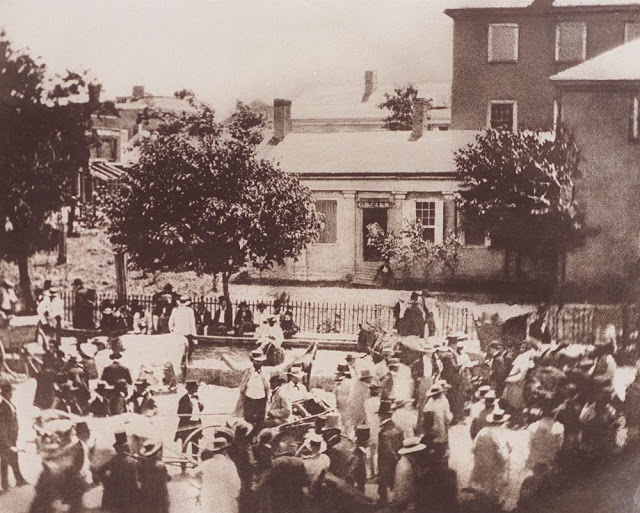
It is almost impossible to believe it, but not so long ago in America you could find several businessmen in town squares across the South engaged in purchasing humans. These shocking pictures from the 19th century demonstrate the commonplace slave auctions that occurred before the Civil War purged slavery from the country.

In the 19th century, market days were held each week in the South and farmers brought livestock, and goods to sell. Alongside these items, people were also sold – just as if they were livestock…

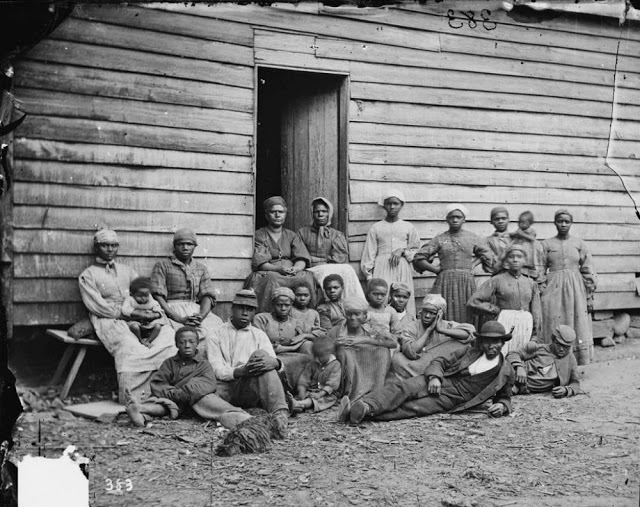
American slaves who managed to escape their imprisonment after fleeing the Confederacy and reached Union lines in Cumberland Landing, Virginia in 1861 – the same year when the momentous Civil War started.
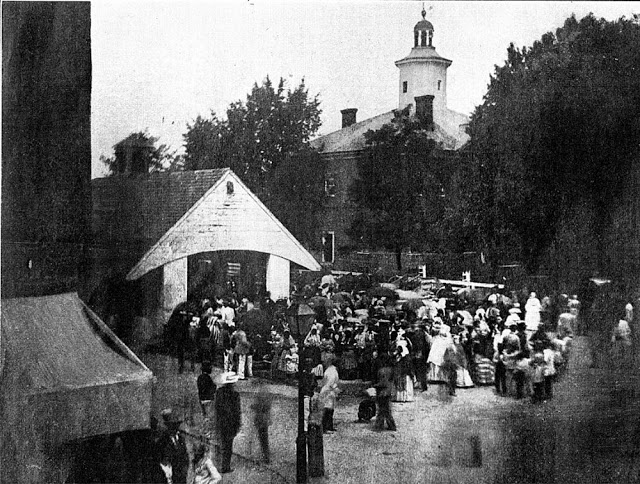
A photograph of what is believed to be a crowd of people gathered for a slave auction in Easton, Maryland, circa 1850s.
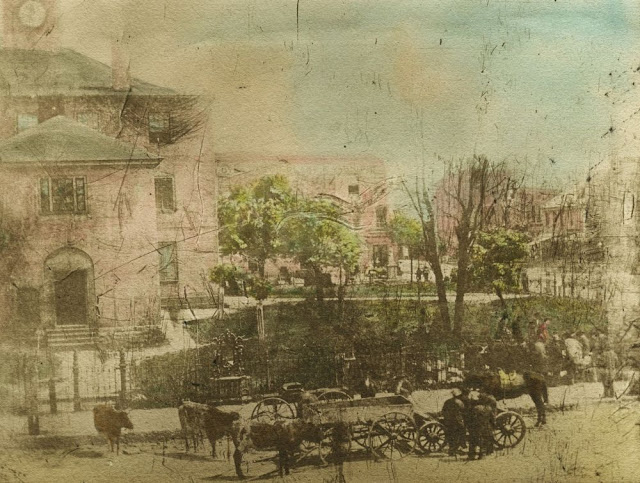
A building with a business advertising ‘AUCTION & NEGRO SALES’ in Whitehall Street, Atlanta, 1864, just one year before the South was crushed by the Union and slavery terminated as an institution in the United States.
Photograph said to be taken during a slave auction in Cheapside Plaza in Lexington, Kentucky, circa 1862.
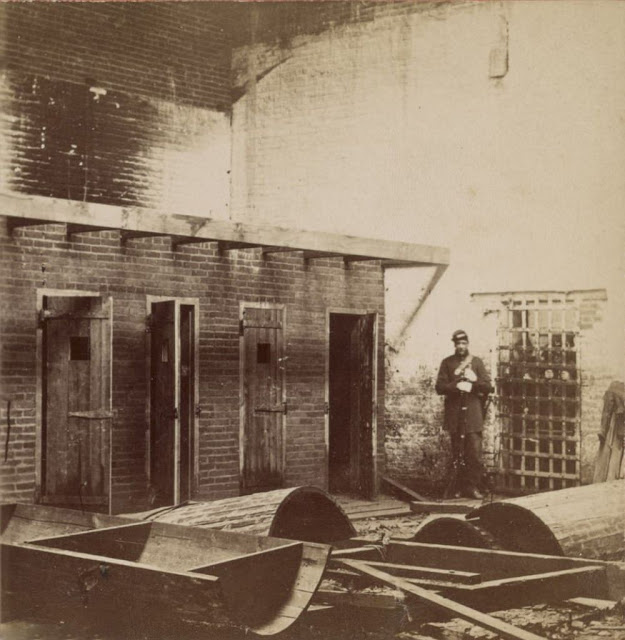
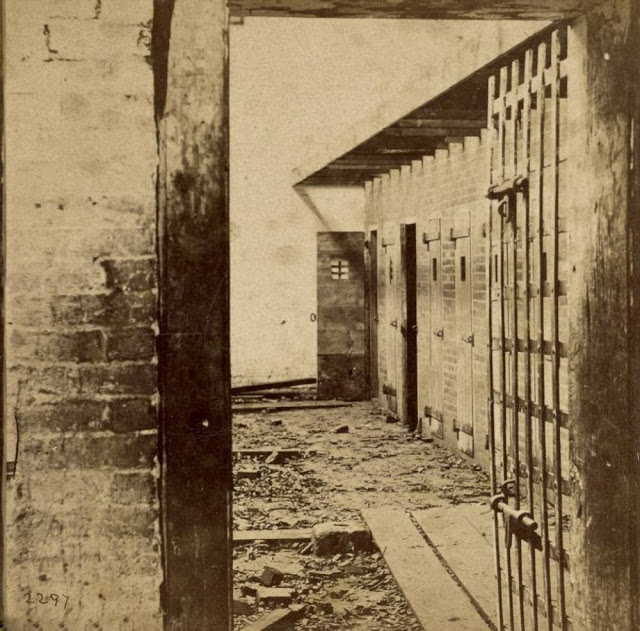
Interior of slave trader’s in Alexandria, Virginia, with soldier, others behind grate. The original photo was taken sometime between 1861 and 1869.
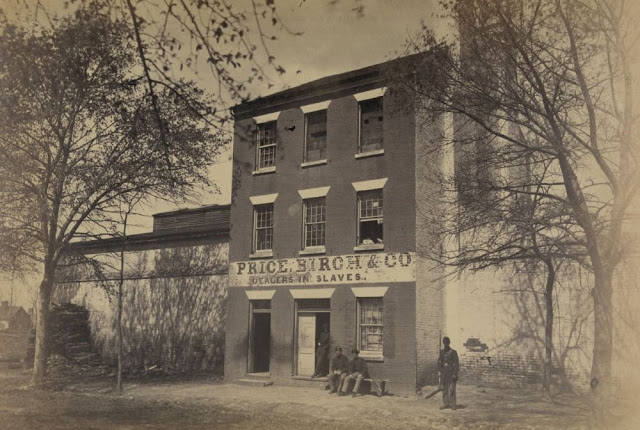
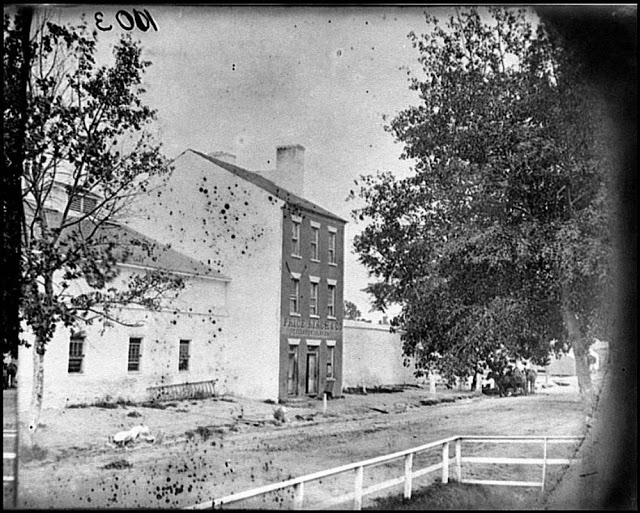
This photograph shows Price, Birch & Co, a slave dealership in Virginia that was captured by Union forces during the Civil War. Inside are pens where slaves were held before being auctioned.
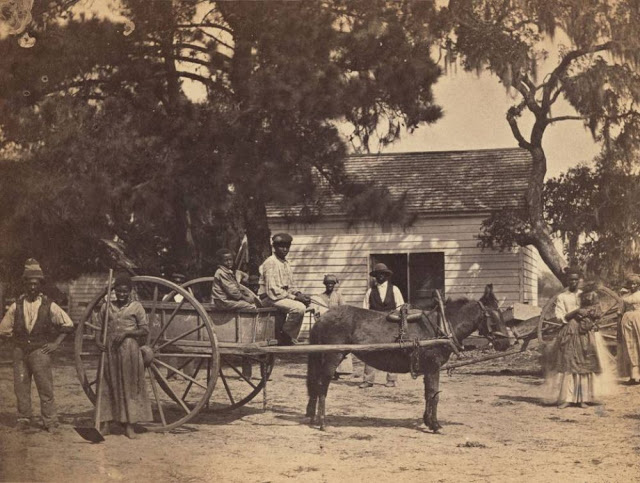
A group of slaves at the Cassina Point plantation on Edisto Island, South Carolina in 1862.
A group of slaves who made it to a Union-controlled part of the US during the American Civil War. They are pictured relaxing in Yorkstown, Virginia in 1861.
Interior view of a slave pen in Alexandria Virginia, circa 1861-1865.
Hand-colored photograph said to be taken during the last public slave auction on Cheapside Street in Lexington, Kentucky, circa 1860s.
Price, Birch & Company, Slave Dealer – 283 Duke Street, Alexandria, VA, August 1863.
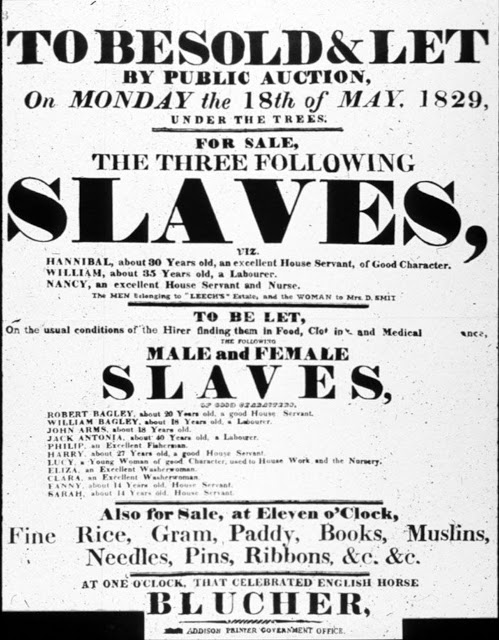
A poster of a slave auction in the British Atlantic Colony of St. Helena. The event was held May 18, 1829.

Attendants Packing Up Some of the 3000 Human Skulls to Be Transferred to the Natural History Museum in London, 1948

Attendants from the Hunterian Museum of the Royal College of Surgeons packing up some of the 3,000 human skulls stored in a shed in Lincoln’s Inn Fields, London, before their transfer to the Natural History Museum on July 1, 1948. The skulls include those of Chinese pirates, Eskimos and Maoris.

The nucleus of human skulls arranged in the Museum for comparison was greatly extended during the course of the nineteenth century, the rate of acquisition accelerating during the 1860s to 1880s as Darwinian theories of evolution were applied in the fields of comparative anatomy and physical anthropology. Under these principles, human skulls in the Museum were arranged into a rigorous comparative series, and by the beginning of the twentieth century the Catalogue of the Specimens Illustrating the Osteology (1907) ran to over 1,300 entries. At least 700 of these records — many of which comprised multiple human skulls, as well as skeletons and separate bones — originated from Africa, Asia, America and Australia.

Also included in the Hunterian Museum at this time, catalogued separately by its originator, was the collection of the venerable practitioner and eminent anthropologist Joseph Barnard Davis (1801–1881), which was purchased by the College in the early 1880s. According to his own account, Davis had 1,474 osteological specimens in his collection in 1867, to which he added ‘upwards of 300 skeletons and skulls’ over the following seven years.

During this period extensive collections of human skulls were also created elsewhere in Europe, two of the largest of which were in Paris and Berlin. The scientific pursuit of curiosity in the development of these collections —the “strong desire to know or learn something” — contrasts strikingly with more subjective responses to the dead.

In the mid-twentieth century, some 3,000 human skulls (including material from Barnard Davis’s collection) were transferred from the RCS in Lincoln Inn Fields to the Natural History Museum in South Kensington.

Today there are “almost 20,000 human remains in the Museum (many of which are partial skeletons or individual bones, as well as skulls) … more than half of which are from the British Isles”, leaving c. 10,000 others originating from all over the world.

Yesterday Today

Bringing You the Wonder of Yesterday - Today

Skip to content ↓