Montparnasse Derailment: The Story Behind the Incredible Images of the Train That Broke Through a Building in Paris, 1895

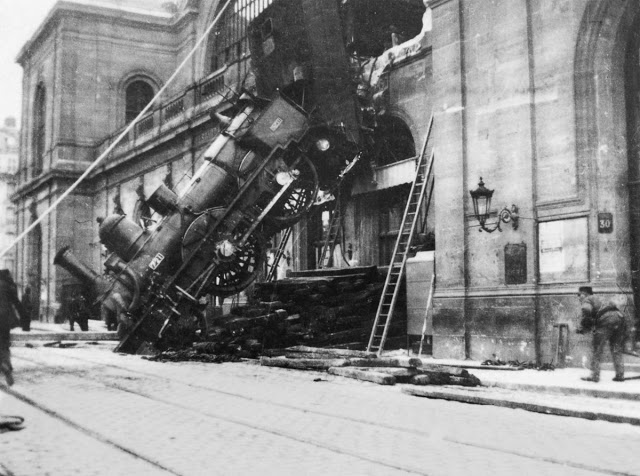
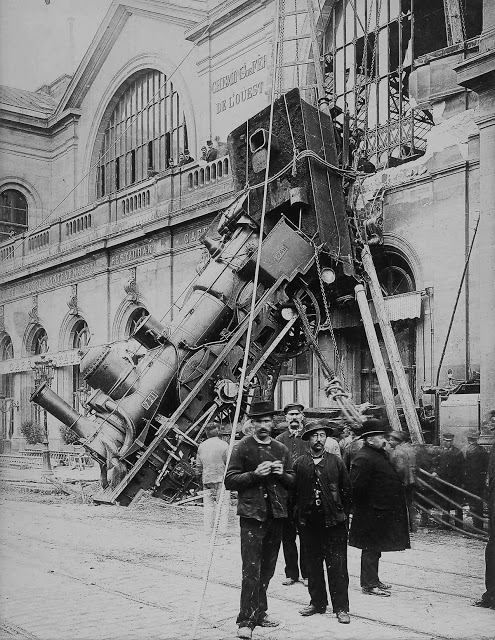
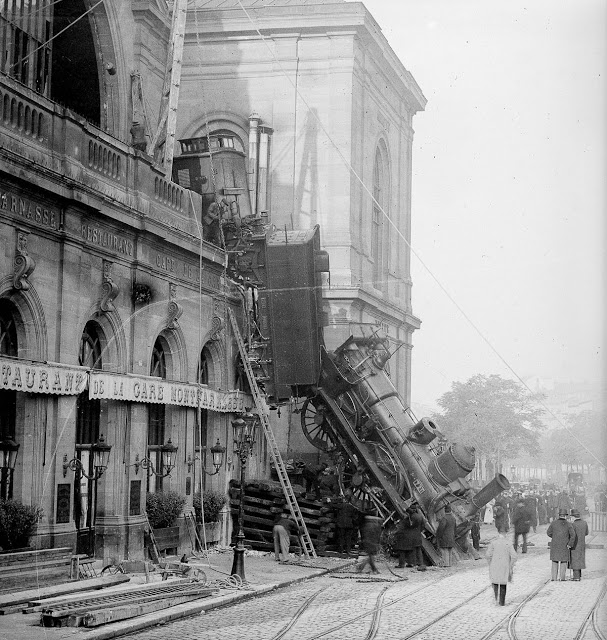
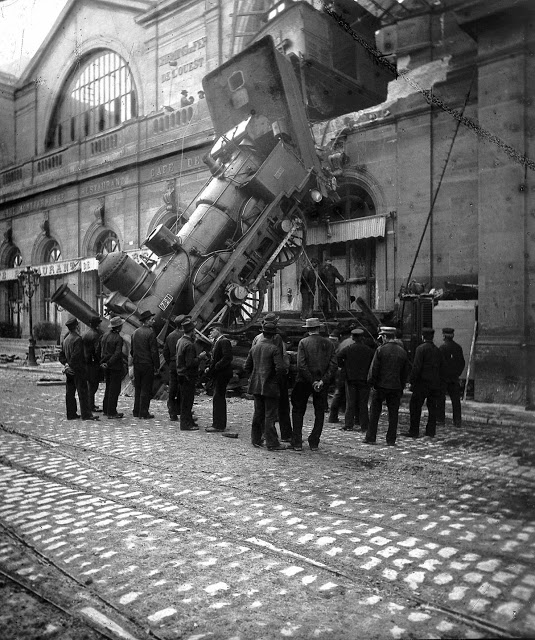
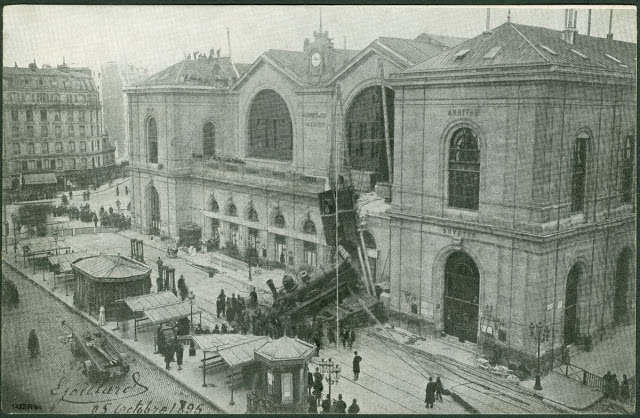
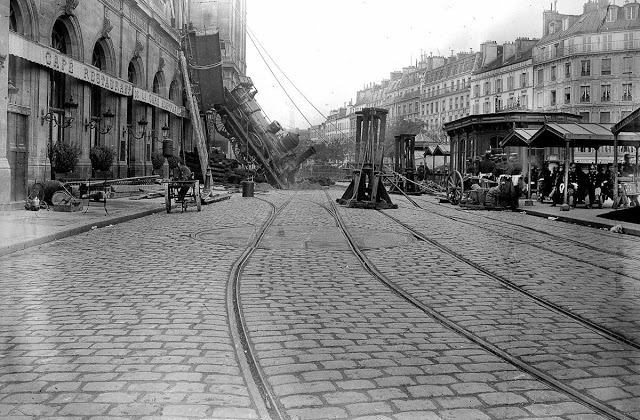
These incredible photos of the wreck at Gare Montparnasse in Paris shows a very dramatic scene of a train that has crashed through the wall and partially tumbled to the street. The cause? Both mechanical failure and human error. The train was late, so the driver had it pull into the station at a high speed. It had two different types of braking systems: handbrakes and an air brake known as a Westinghouse brake. The conductor realized that the train was going too fast and applied the Westinghouse brake, however it didn’t work. Read on for the story behind the incredible images.
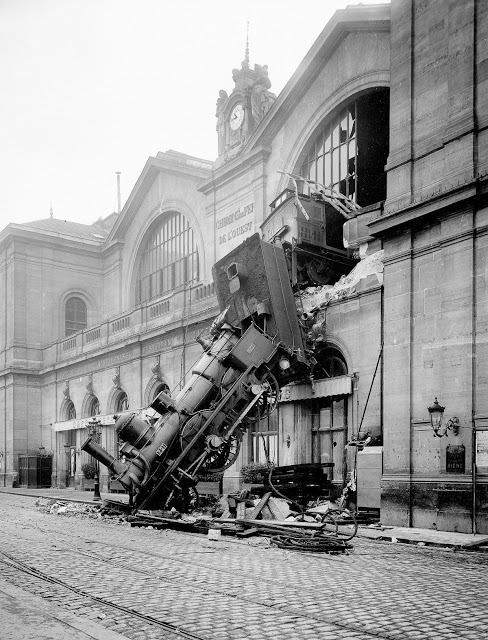
At first glance, the photos look like stills from an old disaster movie or a spectacular example of theme park scenery welcoming visitors to some wild new ride. However, these extraordinary images are actually testament to a real-life tragedy, the derailment of the Granville-Paris Express that on October 22, 1895 tore through the façade of the Gare Montparnasse, injuring a number of its conductors as well as a handful of passengers and claiming the life of a particularly unlucky mother of two.

Guillaume-Marie Pellerin had spent much of his life working the railroads. With 19 years of engineering experience behind him, the Express was in safe hands. As he fired up the engines that fateful Tuesday morning and the train pulled out of Granville station on time, there was nothing to suggest that the journey would result in one of the most infamous and instantly recognizable disasters in transportation history.

The route was a relatively simple one, roughly 400km from the seaside resort of Granville on the Lower Normandy coastline to the terminal at Paris Montparnasse. The train comprised a steam locomotive, three baggage cars, a postal car, and six passenger carriages. These days, the same journey takes around three hours, but back in 1895 it required closer to seven; despite a punctual start, Pellerin and his crew eventually realized that they were running a couple of minutes behind schedule. Keen to keep good time, the engineer made the momentous decision to approach Montparnasse at cruising speed, stoking the coals until the train was flat out at close to 60km/h.

With the station in sight, Pellerin applied the Westinghouse air brake which, unfortunately for all involved, chose that particular moment to fail. Conductor Albert Mariette, whose duty it was to apply the locomotive’s emergency handbrake, found himself temporarily indisposed, buried beneath a mountain of overdue paperwork. Failing to gauge the urgency of the situation until it was already too late, Mariette slammed on the brakes just a few feet short of the buffer and could only look on in horror as the train mounted the platform, skidded 100 feet across the station concourse before ploughing through the station facade and plummeting a final 30 feet to the Place de Rennes below.

Despite the damage to the station, the locomotive itself remained largely intact and all six passenger carriages stopped short of the obliterated façade, mercifully resulting in only a few minor injuries, a couple of squashed suitcases and some top hats knocked askew. Sadly, the sole casualty of the incident would usually have been nowhere near the scene. Marie-Augustine Aguilard, standing in for her newspaper vendor husband, was crushed by falling masonry as she stood awaiting his return.

An inquest into the disaster led to Pellerin, the engineer, being charged 50 francs for his reckless speeding while Mariette, the conductor who failed to apply brakes in a timely fashion, was also slapped with a hefty 25-franc fine. The train remained exactly where it had come to rest for two days while the investigation into its derailment was underway. An initial attempt to move it using a team of fourteen horses proved fruitless, ten men and a 250-ton winch eventually being required to lower the errant locomotive to the ground, where it was carted off for repair and found to have suffered remarkably little damage.
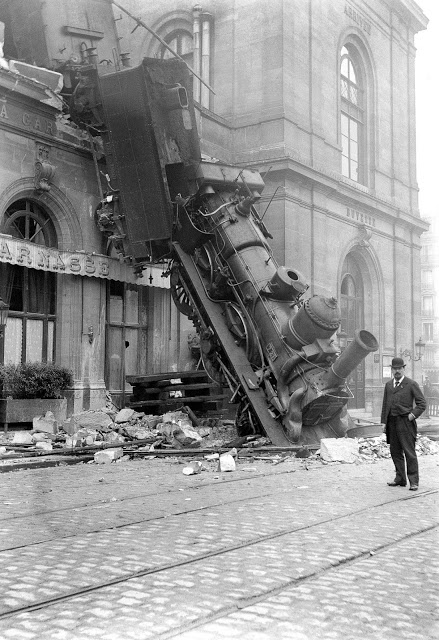
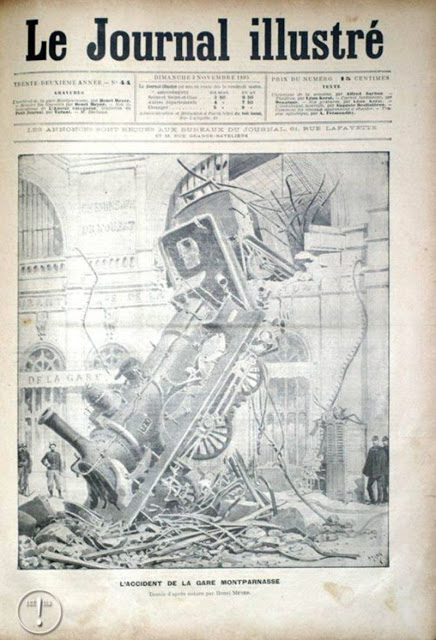
A newspaper clipping about the incident.

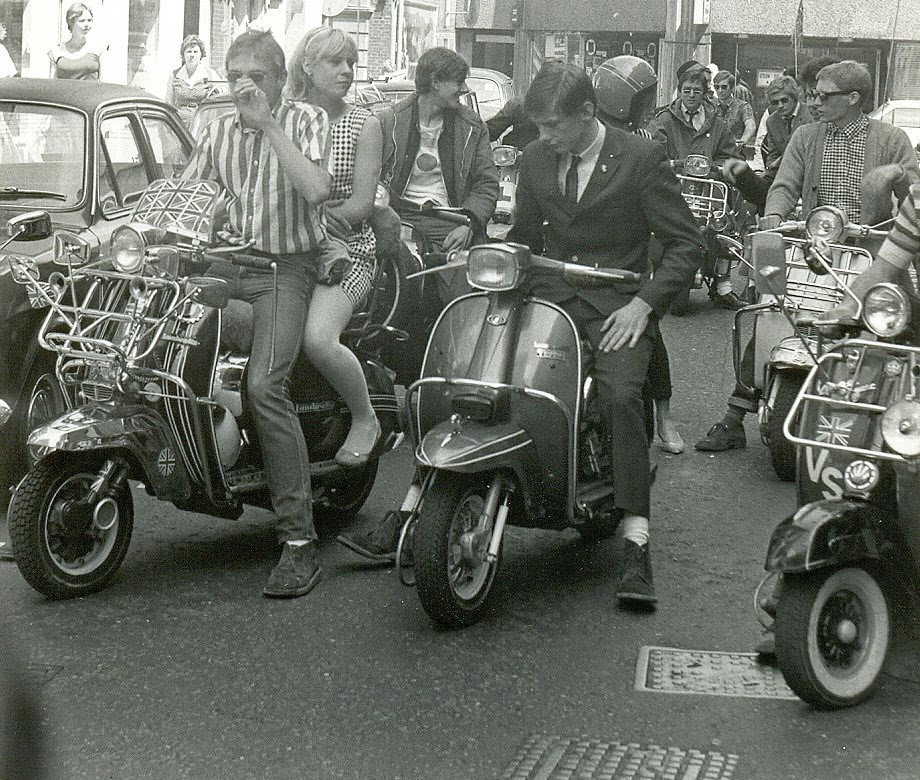
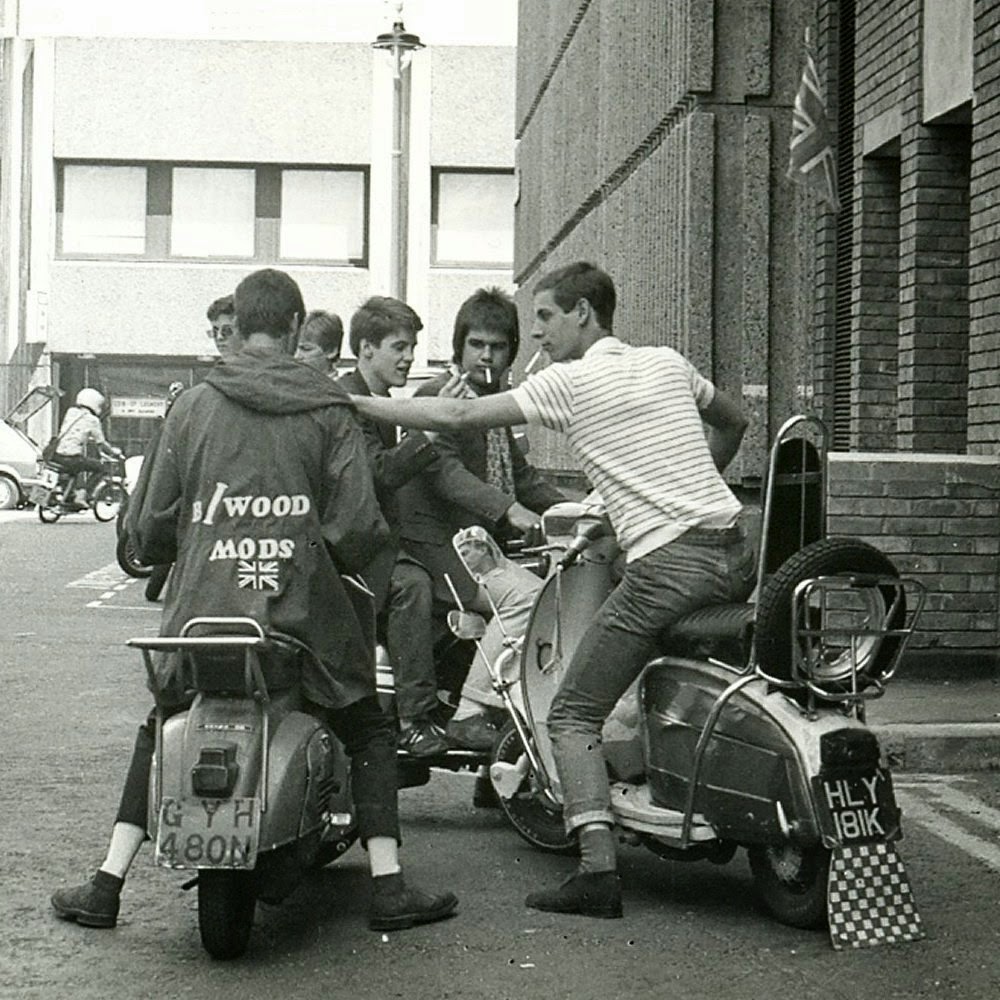
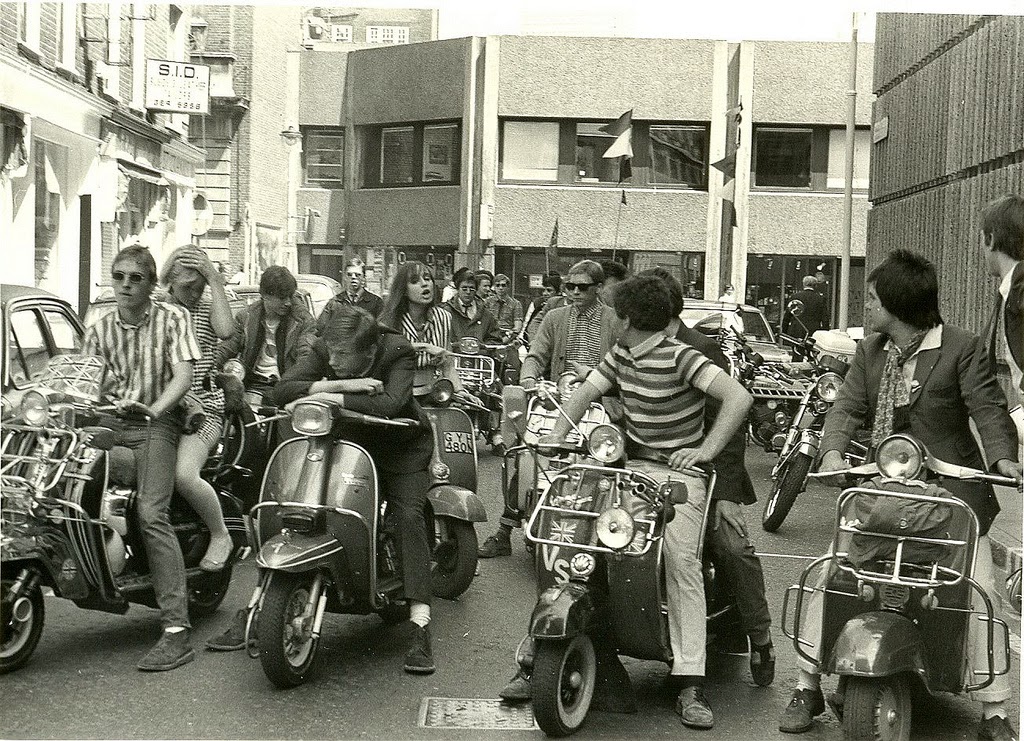
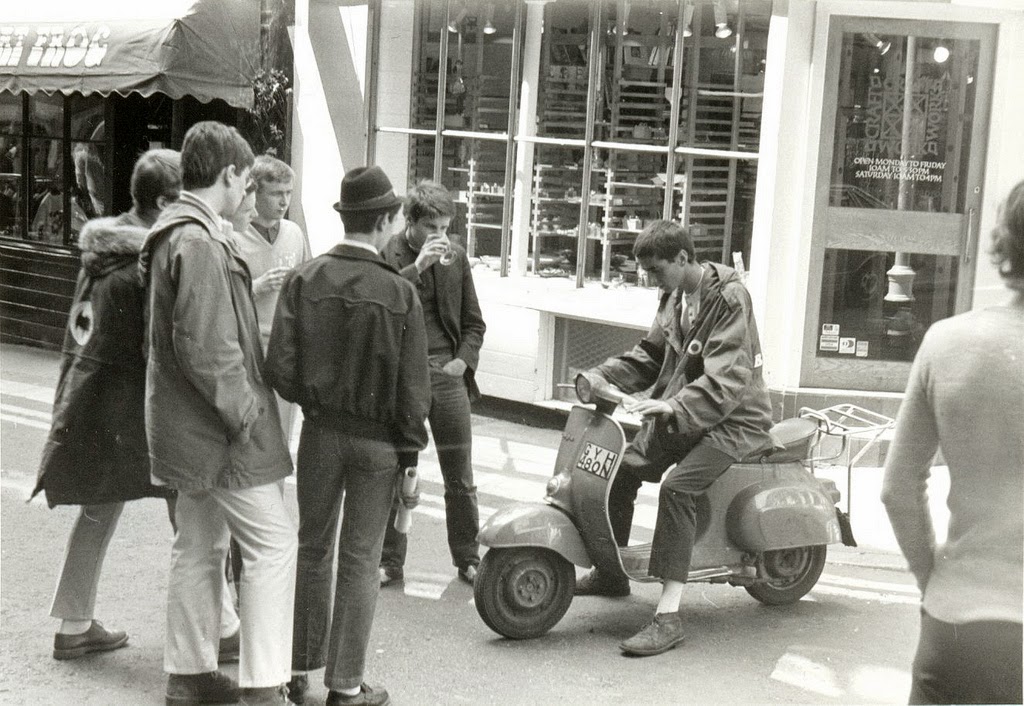
Mods on Scooters in London, 1979

Mod is a subculture that began in London and spread throughout Great Britain and elsewhere, eventually influencing fashions and trends in other countries, and continues today on a smaller scale. Focused on music and fashion, the subculture has its roots in a small group of stylish London-based young men in the late 1950s who were termed modernists because they listened to modern jazz. Elements of the mod subculture include fashion (often tailor-made suits); music (including soul, rhythm and blues, ska, jazz, and later splintering off into freakbeat); and motor scooters (usually Lambretta or Vespa). In the mid-1960s, the subculture listened to power pop rock groups with mod following, such as The Who and The Small Faces, after the peak Mod era. The original mod scene was associated with amphetamine-fuelled all-night dancing at clubs.

During the early to mid-1960s, as mod grew and spread throughout the UK, certain elements of the mod scene became engaged in well-publicised clashes with members of a rival subculture: rockers. The mods and rockers conflict led sociologist Stanley Cohen to use the term “moral panic” in his study about the two youth subcultures, which examined media coverage of the mod and rocker riots in the 1960s.

By 1965, conflicts between mods and rockers began to subside and mods increasingly gravitated towards pop art and psychedelia. London became synonymous with fashion, music, and pop culture in these years, a period often referred to as “Swinging London”. During this time, mod fashions spread to other countries and became popular in the United States and elsewhere—with mod now viewed less as an isolated subculture, but emblematic of the larger youth culture of the era.

As mod became more cosmopolitan during the “Swinging London” period, some working class “street mods” splintered off, forming other groups such as what eventually became known as skinheads. There was a mod revival in the United Kingdom in the late 1970s, which attempted to replicate the “scooter” period look and styles of the early to mid-1960s. It was followed by a similar mod revival in North America in the early 1980s, particularly in southern California. (Wikipedia)

The Models for ‘American Gothic’, 1940s

On show with the late Grant Wood’s American Gothic, one of the most famed U.S. paintings of its generation, went the models who posed for it, Nan Wood Graham, the painter’s sister, wife of an oil-station operator, and Dr. B. H. McKeeby, a dentist.

American Gothic is a painting by Grant Wood in the collection of the Art Institute of Chicago. Wood’s inspiration came from what is now known as the American Gothic House, and a decision to paint the house along with “the kind of people I fancied should live in that house.”

The painting shows a farmer standing beside his spinster daughter. The figures were modeled by the artist’s sister and their dentist. The woman is dressed in a colonial print apron evoking 19th-century Americana, and the couple are in the traditional roles of men and women, the man’s pitchfork symbolizing hard labor, and the flowers over the woman’s right shoulder suggesting domesticity.

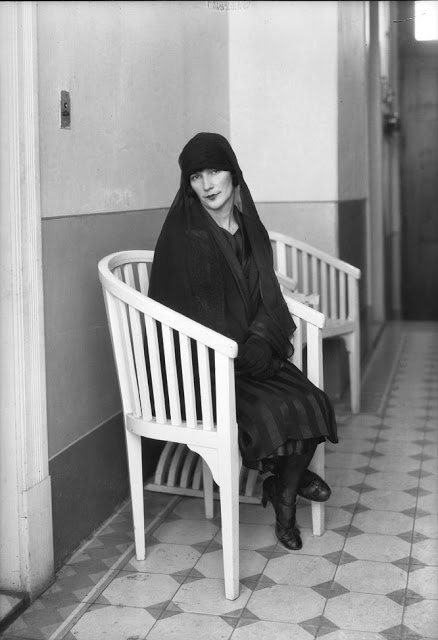
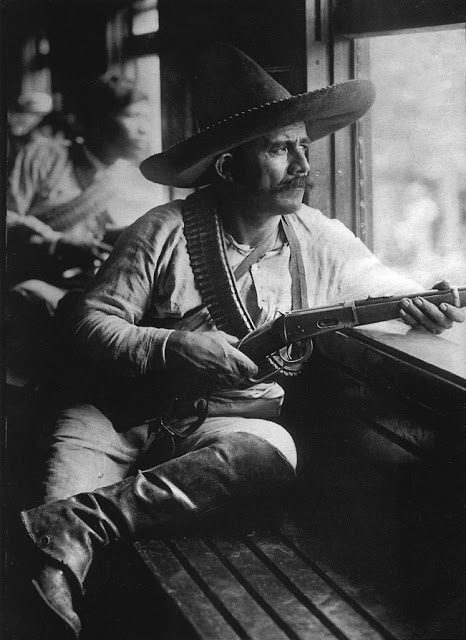
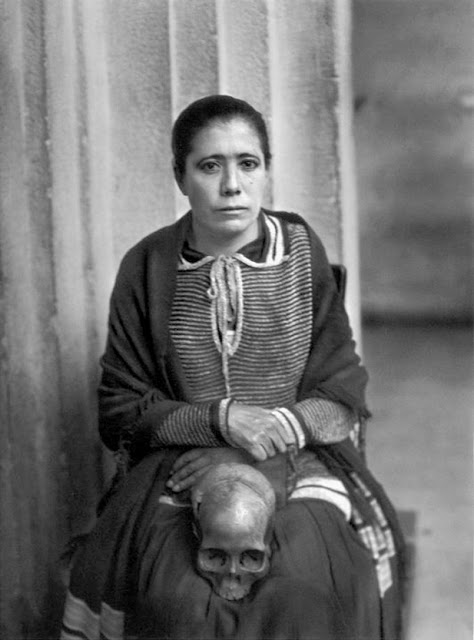
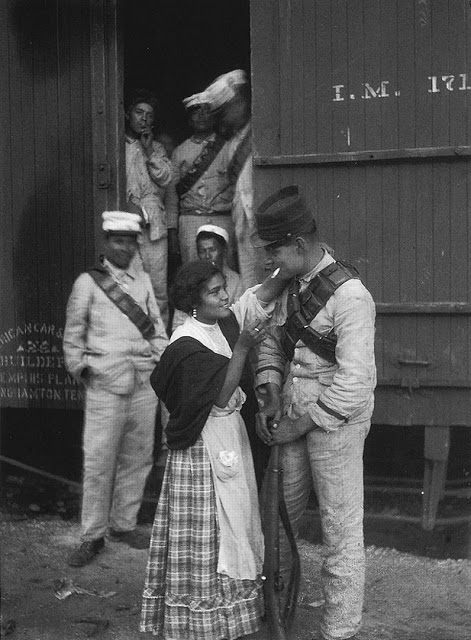
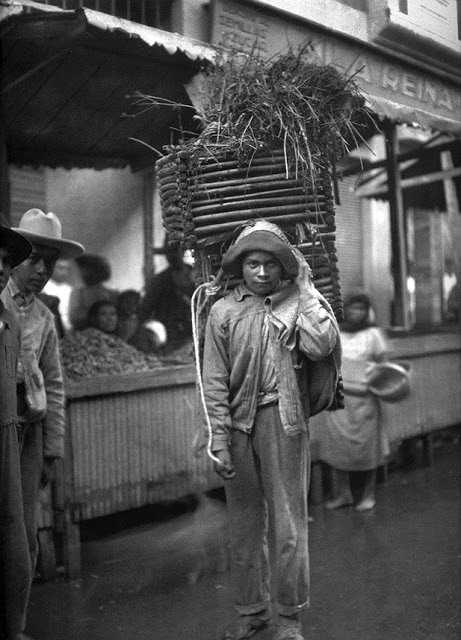
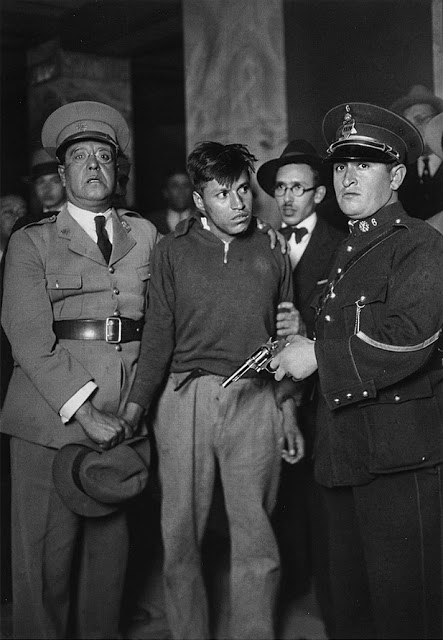
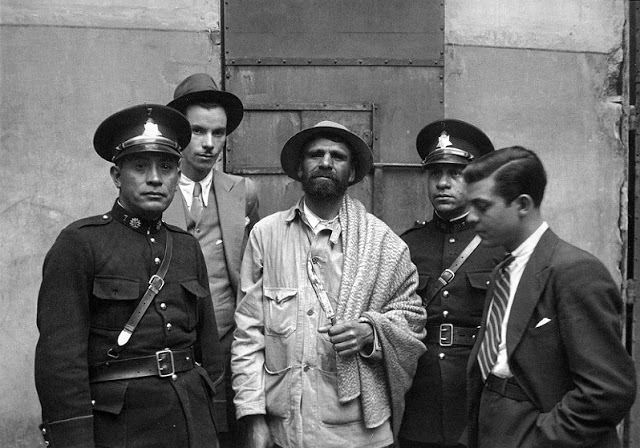
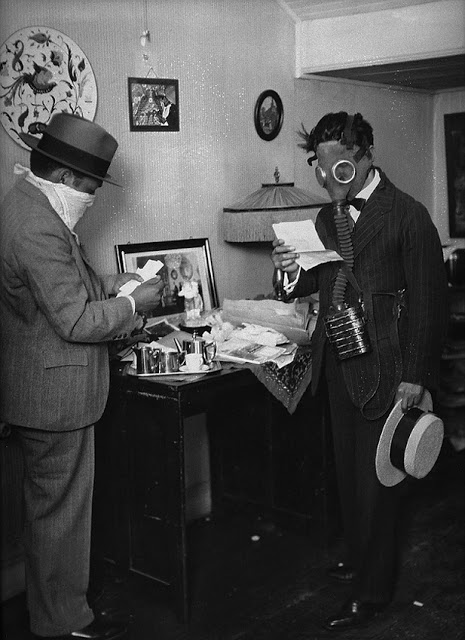
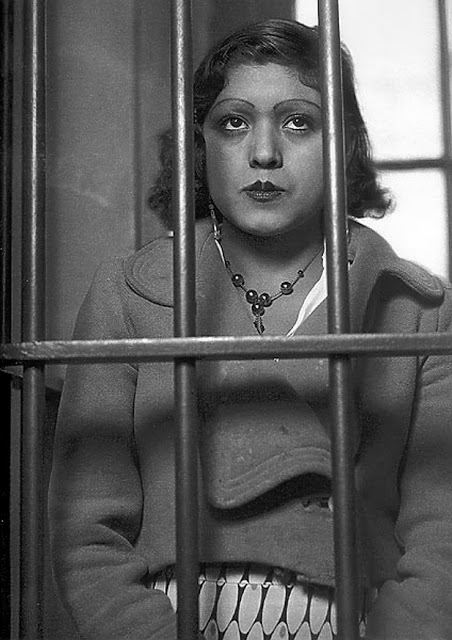
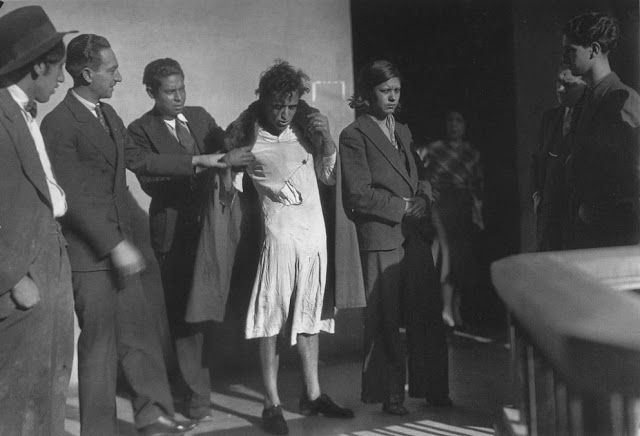
30 Amazing Photographs Showing Life in Mexico During the Early 20th Century

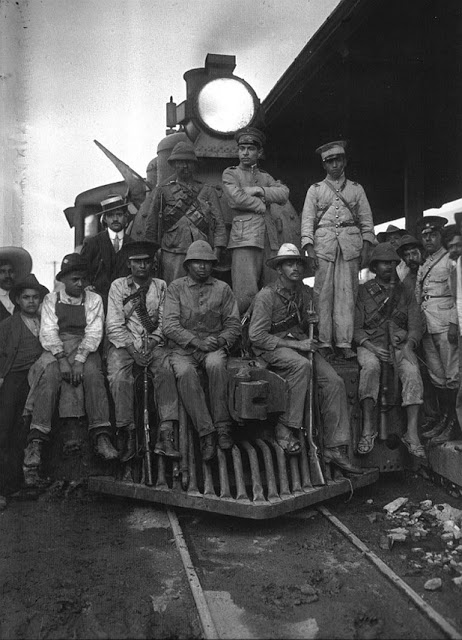
Agustín Víctor Casasola (1874-1928), others cite: (1874-1938) was a Mexican photographer and partial founder of the Mexican Association of Press Photographers.

Casasola began his career as a typographer for the newspaper El Imparcial, eventually moving to reporter then on to photographer in the early 1900s. He became a photographer in 1894. By 1911 Casasola was credited with founding the first Mexican press agency, Agencia Fotografica Mexicana. Casasola was later thanked by the interim president in 1911, Francisco León de la Barra, for having “inaugurated a new phase of freedom in the press photography.” By the end of 1912 the agency had expanded and changed its name to Agencia Mexicana de Informacion Fotografica. The agency brought on more photographers and began purchasing pictures from foreign agencies and amateurs, then redistributing those photographs to newspapers.

When El Imparcial went out of business in 1917, Casasola recovered the newspaper’s archives, eventually compiling many of the photographs into the famed “Album histórico gráfico” which covered the events of the Mexican Revolution. Casasola only managed to print the first 6 volumes covering the years 1910 to 1912. It is believed the work did not fare well due to the changing attitude of people wanting to move on from the death and suffering that plagued the civil war.

In 1920, Casasola as well as other notable Mexican photographers founded the Mexican Association of Press photographers.

Casasola’s collection was later dubbed the Casasola Archive where it was later housed at the National Institute of Anthropology and History of Mexico, the collection totaling over 500,000 prints and negatives.

Mexico, officially the United Mexican States, is a country in the southern portion of North America. It is bordered to the north by the United States; to the south and west by the Pacific Ocean; to the southeast by Guatemala, Belize, and the Caribbean Sea; and to the east by the Gulf of Mexico. Mexico covers 1,972,550 square kilometers (761,610 sq mi), making it the world’s 13th-largest country by area; with approximately 126,014,024 inhabitants, it is the 10th-most-populous country and has the most Spanish-speakers. Mexico is organized as a federation comprising 31 states and Mexico City, its capital and largest metropolis. Other major urban areas include Guadalajara, Monterrey, Puebla, Toluca, Tijuana, Ciudad Juárez, and León.

Pre-Columbian Mexico traces its origins to 8,000 BC and is identified as one of the six cradles of civilization; it was home to many advanced Mesoamerican civilizations, most notably the Maya and the Aztecs. In 1521, the Spanish Empire conquered and colonized the region from its base in Mexico City, establishing the colony of New Spain. The Catholic Church played an important role in spreading Christianity and the Spanish language, while also preserving some indigenous elements. Native populations were subjugated and heavily exploited to mine rich deposits of precious metals, which contributed to Spain’s status as a major world power for the next three centuries, and to a massive influx of wealth and a price revolution in Western Europe. Over time, a distinct Mexican identity formed, based on a fusion of European and indigenous customs; this contributed to the successful Mexican War of Independence against Spain in 1821.

Mexico’s early history as a nation state was marked by political and socioeconomic upheaval. The Texas Revolution and the Mexican–American War in the mid 19th century led to huge territorial losses to the United States. Liberal reforms were enshrined in the Constitution of 1857, which sought to integrate indigenous communities and curtail the power of the church and the military. This triggered an internal war of Reform and intervention by France, in which conservatives installed Maximilian Habsburg as emperor against the Republican resistance led by Benito Juárez. The last decades of the 19th century were marked by the dictatorship of Porfirio Díaz, who sought to modernize Mexico and restore order. The Porfiriato era ended in 1910 with the decade-long Mexican civil war, which killed approximately 10% of the population and after which the victorious Constitutionalist faction drafted a new 1917 Constitution, which remains in effect to this day. The revolutionary generals ruled as a succession of presidents until the assassination of Alvaro Obregón in 1928. This led to the formation of the Institutional Revolutionary Party the following year, which governed Mexico until 2000.

Mexico is a developing country, ranking 74th on the Human Development Index, but has the world’s 15th-largest economy by nominal GDP and the 11th-largest by PPP, with the United States being its largest economic partner. Its large economy and population, global cultural influence, and steady democratization make Mexico a regional and middle power; it is often identified as an emerging power but is considered a newly industrialized state by several analysts. However, the country continues to struggle with social inequality, poverty and extensive crime; it ranks poorly on the Global Peace Index, due in large part to ongoing conflict between the government and drug trafficking syndicates that led to over 120,000 deaths since 2006.

Mexico ranks first in the Americas and seventh in the world for the number of UNESCO World Heritage Sites. It is also one of the world’s 17 megadiverse countries, ranking fifth in natural biodiversity. Mexico’s rich cultural and biological heritage, as well as varied climate and geography, makes it a major tourist destination: as of 2018, it was the sixth most-visited country in the world, with 39 million international arrivals. Mexico is a member of United Nations, the G20, the Organisation for Economic Co-operation and Development (OECD), the World Trade Organization (WTO), the Asia-Pacific Economic Cooperation forum, the Organization of American States, Community of Latin American and Caribbean States, and the Organization of Ibero-American States. (Wikipedia)

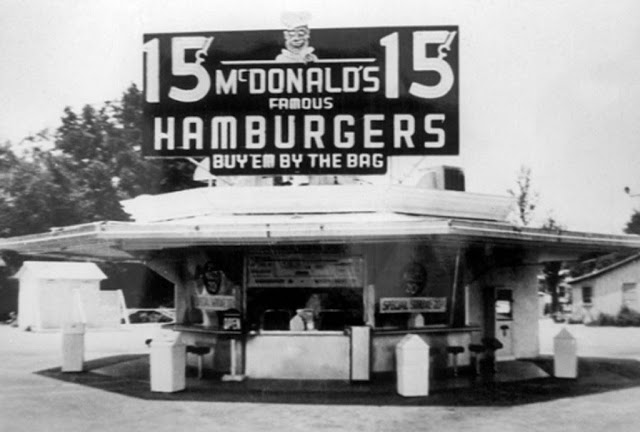
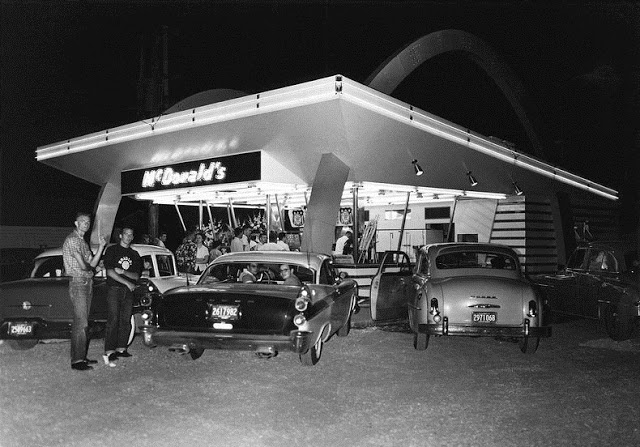
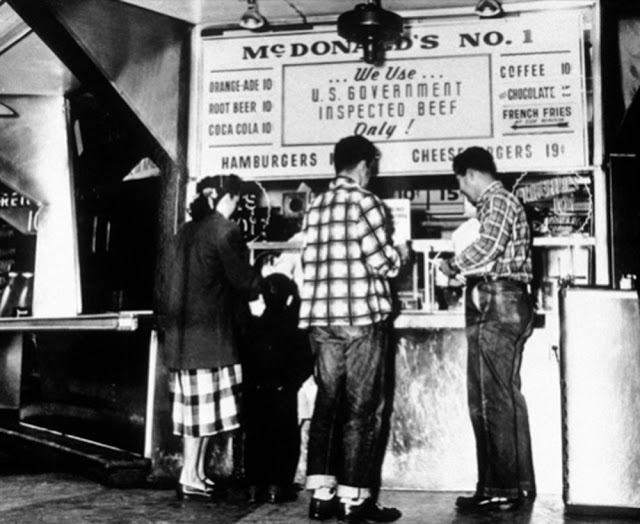
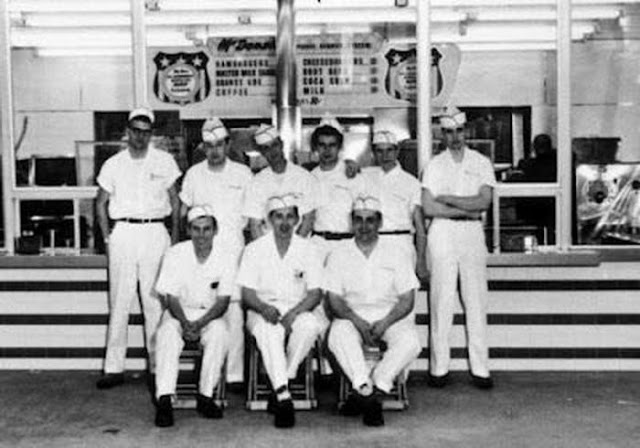
Amazing Vintage Photos of McDonald’s First Restaurant

The McDonald’s restaurant concept was introduced in San Bernardino, California by Dick and Mac McDonald of Manchester, New Hampshire. It was modified and expanded by their business partner, Ray Kroc, of Oak Park, Illinois, who later bought out the business interests of the McDonald brothers in the concept and went on to found McDonald’s Corporation.

In 1937, Patrick McDonald opened “The Airdrome”, an octagonal food stand, on Huntington Drive (Route 66) near the Monrovia Airport in Monrovia, California. Hamburgers were ten cents, and all-you-can-drink orange juice was five cents.

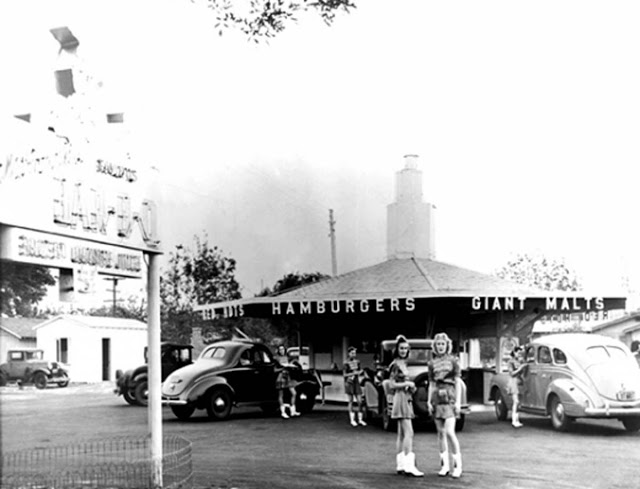
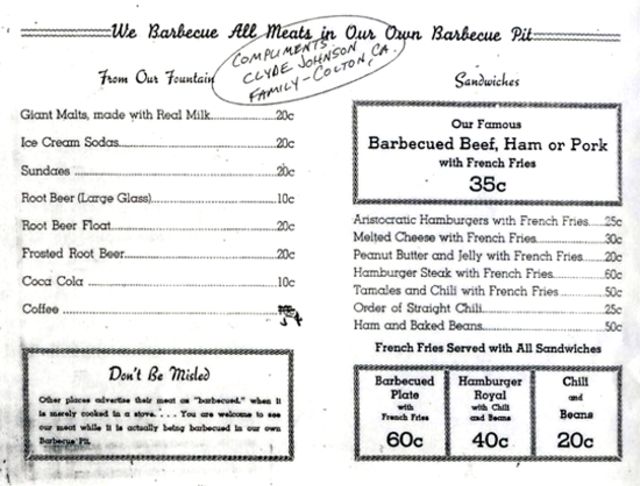
In 1940, his two sons, Maurice and Richard (“Mac” and “Dick”), moved the entire building 40 miles (64 km) east, to West 14th and 1398 North E Streets in San Bernardino, California. The restaurant was renamed “McDonald’s Famous Barbeque” and served over forty barbequed items.

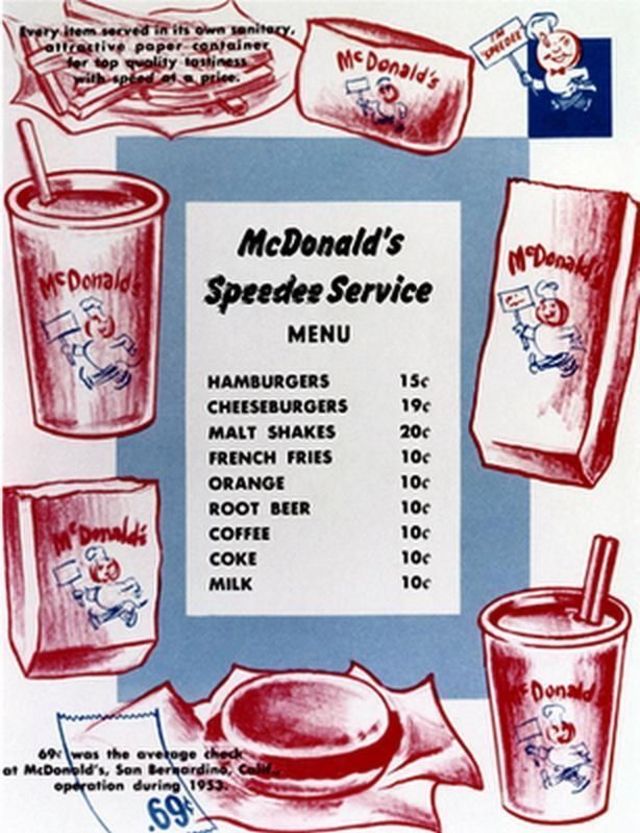
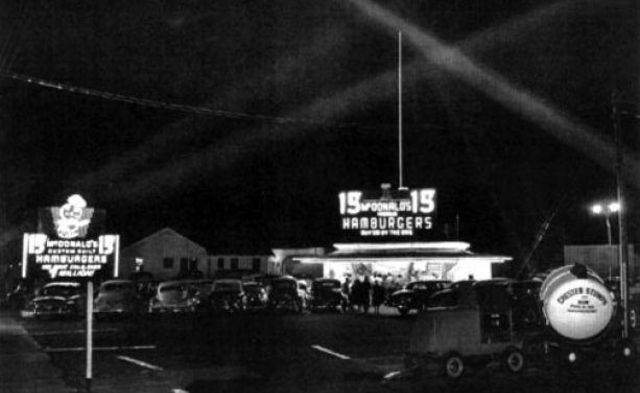
In October 1948, after the McDonald brothers realized that most of their profits came from selling hamburgers, they closed down their successful carhop drive-in to establish a streamlined system with a simple menu of just hamburgers, cheeseburgers, french fries, shakes, soft drinks, and apple pie. The carhops were eliminated to make McDonald’s a self-serve operation. Mac and Dick McDonald had taken great care in setting up their kitchen like an assembly line to ensure maximum efficiency. The restaurant’s name was again changed, this time to simply “McDonald’s,” and reopened its doors on December 12, 1948.

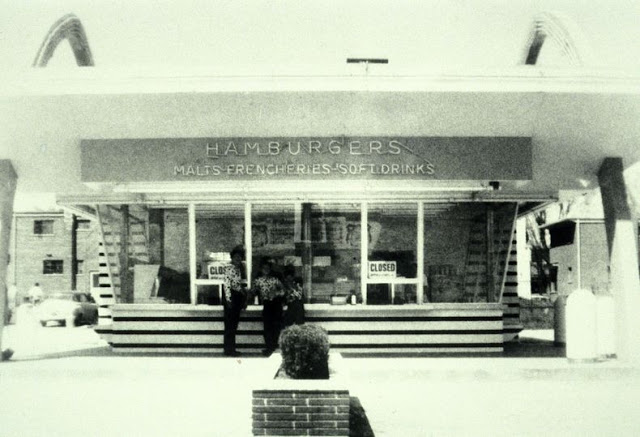
The first McDonald’s opened by Richard and Maurice McDonald on May 15, 1940, at West 14th St. and 1398 North E St. in San Bernardino, California. Female carhops in majorette boots and short skirts served customers.
McDonald Brother’s store in San Bernadino, California
Customers at a McDonald’s restaurant.
McDonald’s reopened in December 1948 as a self-service drive-in restaurant.
Original crew members in front of first store in Des Plaines, Illinois.
Exterior shot of the first store in Des Plaines, Illinois.
McDonald’s menu in 1943.
McDonald’s menu in 1948.
Speedee service logo, 1948

Mary Wallace: The First Female Bus Driver for Chicago Transit Authority, Beginning in 1974

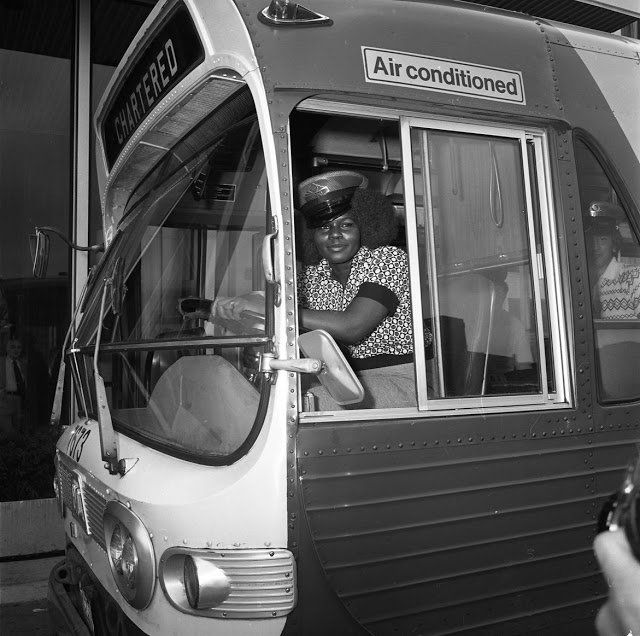
In 1974, Englewood native, Mary Wallace, drove into history when she became the first woman to drive a Chicago Transit Authority (CTA) bus. Wallace was a popular driver who remained on the job for 33 years before retiring.

“I used to work for the Planning & Placement Center when I was going to college, and we had job orders for CTA bus drivers. So I decided I wanted to check this out for myself, and I did. I went for three years, and they kept saying no…”

People kept the wisecracks about female drivers to them-selves, but Mary Wallace remembers the mixed reactions she used to get from CTA riders on her bus routes when they noticed a woman behind the wheel.

“I would get cheers from the ladies and stares from the guys,” Wallace said in an interview with Chicago Sun-Times in 2007, recalling the start of her career with the CTA in 1974.

Wallace first applied to become a bus driver when she was 19 “because the CTA didn’t have any women and somebody needed to break that ice.” Plus, driving a bus seemed like a great may to meet new people, Wallace said. She had to badger the CTA for three years, though, before the agency hired her.

“They said, ‘We just can’t hire you as a bus operator because we don’t have the facilities. We could hire you as something else,’” Wallace said. “But I kept going down there and calling every week.”

Wallace started out driving the State Street bus in June 1974, the first of several routes she’d have during her 17 years as a bus operator. During that time, she was a fixture in the news under such colorful headlines as “CTA liberates its bus drivers” and “Fair sex first for the CTA will leave the driving to Ms. Wallace said the other drivers rarely gave her a hard time, but some guys were” jealous because I had my own private bathroom” in the bus garage.

Handling a 40-foot bus was easy, thanks to power steering. But early on, Wallace thought about quitting several times be-cause of security concerns.

Like other bus drivers lacking seniority, Wallace worked nights, and more than once, she had to fend off passengers who tried to attack her. Even so, Wallace said she’s glad she stayed on the job to see how the CTA has changed over the years.

“When I opened this door, it opened up a whole lot of opportunities,” she said.

Haunting Photographs That Captured the Horror of Martin Luther King Jr.’s Assassination

Martin Luther King Jr., an African-American clergyman and civil rights leader, was fatally shot at the Lorraine Motel in Memphis, Tennessee, on April 4, 1968, at 6:01 p.m. CST. He was rushed to St. Joseph’s Hospital, where he died at 7:05 p.m. He was a prominent leader of the Civil Rights Movement and a Nobel Peace Prize laureate who was known for his use of nonviolence and civil disobedience.

James Earl Ray, a fugitive from the Missouri State Penitentiary, was arrested on June 8, 1968, at London’s Heathrow Airport, extradited to the United States, and charged with the crime. On March 10, 1969, he pleaded guilty and was sentenced to 99 years in the Tennessee State Penitentiary. He later made many attempts to withdraw his guilty plea and to be tried by a jury, but was unsuccessful. Ray died in prison in 1998.

The King family and others believe that the assassination was the result of a conspiracy involving the U.S. government, the mafia, and Memphis police, as alleged by Loyd Jowers in 1993. They believe that Ray was a scapegoat. In 1999, the family filed a wrongful-death lawsuit against Jowers for the sum of $10 million. During closing arguments, their attorney asked the jury to award damages of $100, to make the point that “it was not about the money”. During the trial, both sides presented evidence alleging a government conspiracy. The accused government agencies could not defend themselves or respond because they were not named as defendants. Based on the evidence, the jury concluded that Jowers and others were “part of a conspiracy to kill King” and awarded the family $100. The allegations and the finding of the Memphis jury were later disputed by the United States Department of Justice in 2000 because of the lack of evidence. The assassination was one of four major assassinations of the 1960s in the United States, coming several years after the assassination of John F. Kennedy in 1963 and the assassination of Malcolm X in 1965, and two months before the assassination of Robert F. Kennedy in June 1968. (Wikipedia)

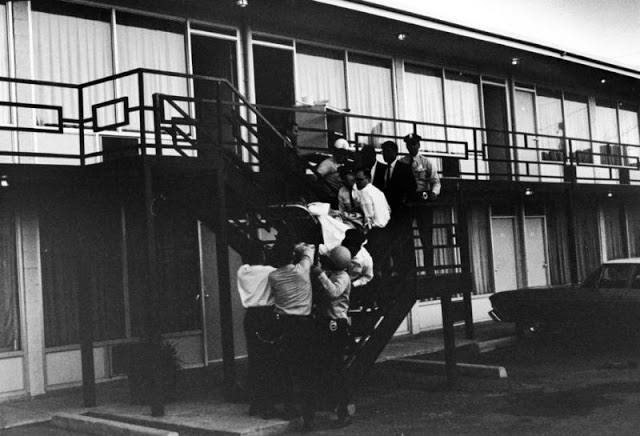
Had Joseph Louw decided to finish his dinner on April 4, 1968, the photographs that captured the horror of Martin Luther King Jr.’s assassination may never have come to be. Louw, a young South African photographer and filmmaker at work on a documentary about King, had been eating dinner in a Memphis restaurant during the hour before tragedy struck. A sudden urge to watch the NBC nightly news brought him back to the Lorraine Motel, where he soon heard a single shot fired.

Louw, who was staying three doors down from King, immediately rushed onto the balcony, where he saw King collapse to the ground. After realizing there was nothing he could do to help, he ran inside to get his camera. “At first,” he told LIFE the following week, “it was just a matter of realizing the horror of the thing. Then I knew I must record it for the world to see.”

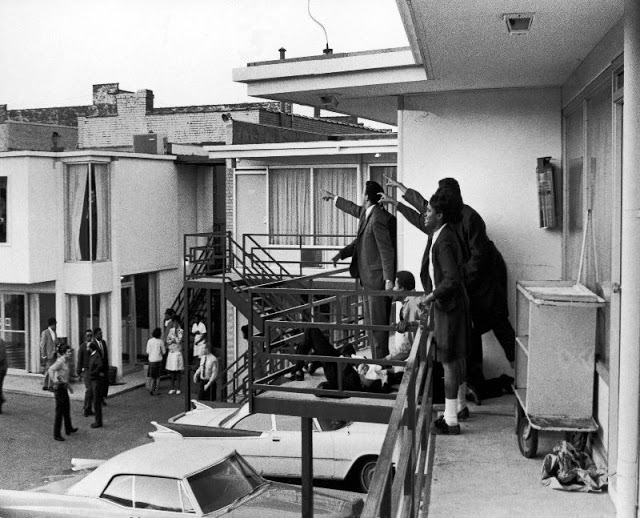
Louw captured the chaos and emotion that hovered over that April evening. He shot four rolls of film, but one image in particular remains emblazoned on the memories of those alive to see it at the time. In the moments following the shot, as King lay unconscious on the balcony, his comrades turned their attention to a sight in the distance: the assassin, getting away. They pointed their fingers in concert in the direction of his flight.

Civil rights leader Andrew Young (L) and others standing on balcony of Lorraine motel pointing in direction of assailant after assassination of civil rights ldr. Dr. Martin Luther King, Jr., who is lying at their feet.

Louw rushed to the studio of fellow photographer Ernest C. Withers to develop the film. As he did, his hands shook. “I remember the last stage of developing,” he said. “It was the longest 10 minutes of my life. The first picture I looked at was Dr. King laying behind the railing. I never did photograph him full in the face. I felt I had to keep my distance and respect.”

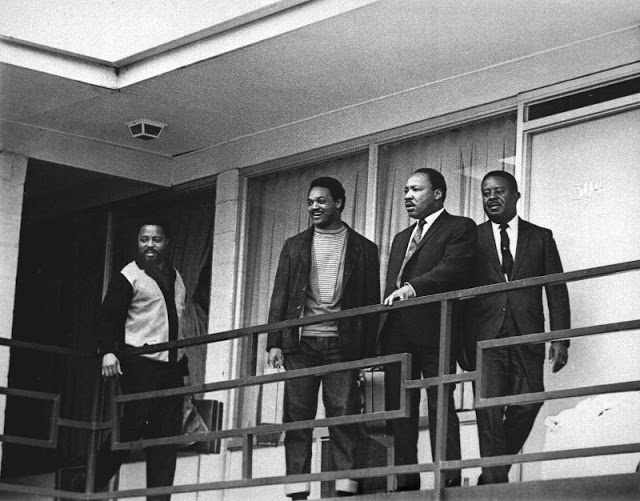
Martin Luther King standing on the balcony on the day of his assassination along with his best friend Ralph Abernathy on the right. On the left is Jesse Jackson, to his left another preacher.
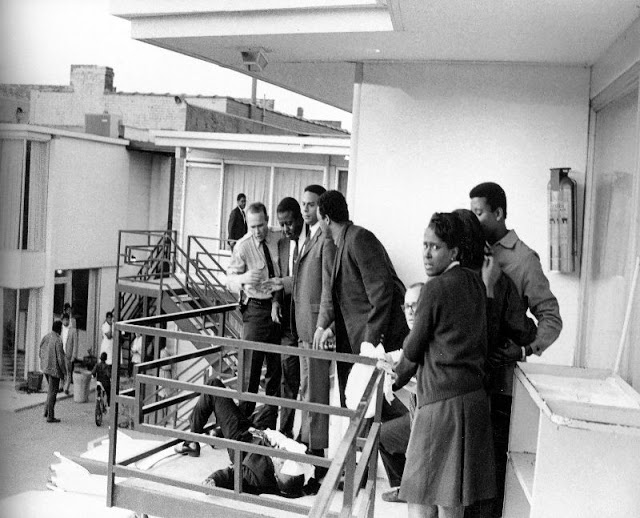
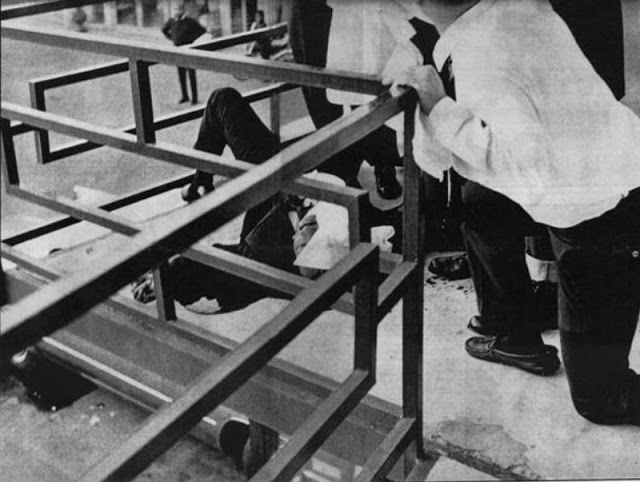
The first police officer made it on to the balcony. The man standing to the right of the police officer is King’s best friend Ralph Abernathy. You can see the pain on that mans face as he’s looking down at his friend dying.
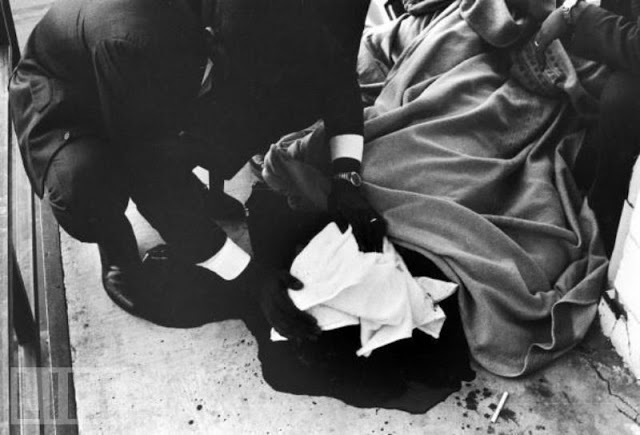
Ralph Abernathy and others crouched down tending to King who has a small white Motel towel on the wound in his right jaw.
Blood beginning to pool around King’s head.
King from almost directly above him with Ralph Abernathy holding the towel to his face.
The other man bent down on the right side of Martin Luther King is Andrew Young, a preacher and friend of King.
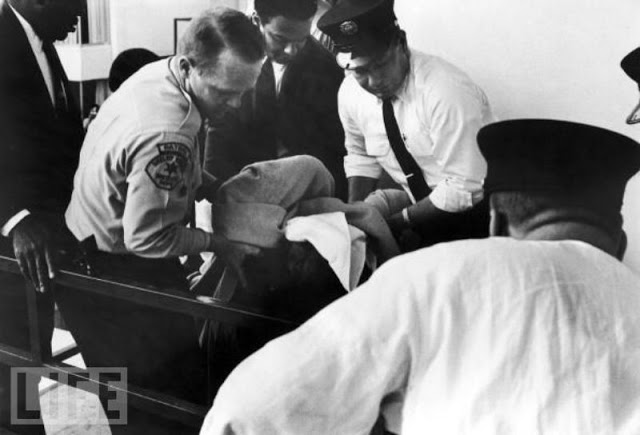
Police try to get him onto a stretcher.
Police and paramedics getting King situated on the stretcher by strapping him on and what not. Notice the spot of blood on one of the officer’s hands.
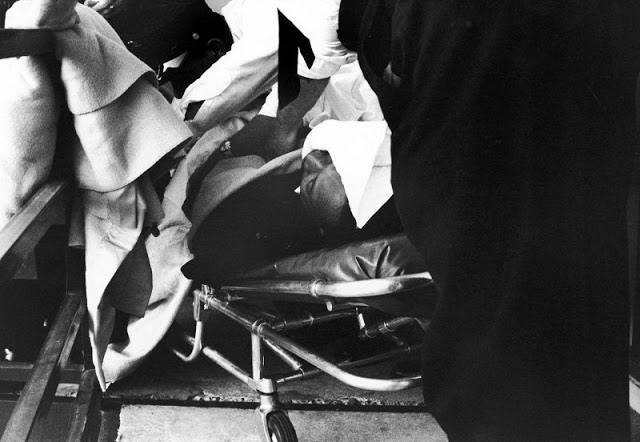
King loaded onto the stretcher while someone tries to put pressure on the towel that’s being held to the wound.
Everyone working together to get King down the stairs and into an ambulance.

(Photos by Joseph Louw—The LIFE Images Collection/Getty Images)

Marriage Advice for Young Ladies From a Suffragette in 1918

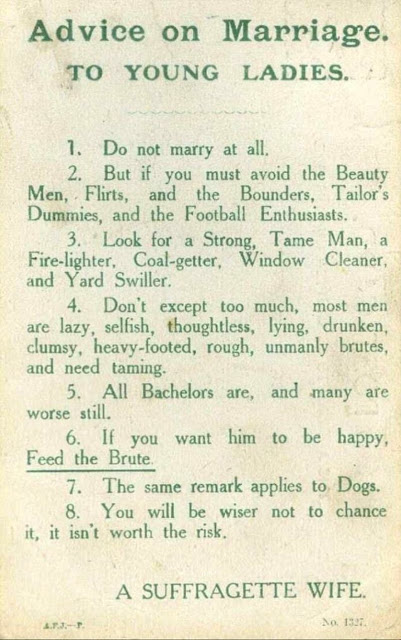
The suffragettes fought hard for their right to vote and be strong independent women, but they also fought for equality when it came to men and women. Hence, the “Advice on Marriage. To Young Ladies”. It truly is a hilarious piece of advice that was probably created in 1918, but still very relevant today. The leaflet is on display at the Pontypridd Museum in Wales.

The anonymous suffragette started off her list of eight tips include not marrying at all. She advised young ladies to avoid “flirts”, “tailor’s dummies” and “football enthusiasts”, but instead look for a window cleaner or yard swiller – someone who cleans the yard.

The suffragette warned women “not to expect too much”, and described most men as “lazy, selfish, thoughtless, lying, drunken, clumsy, heavy-footed, rough, unmanly brutes, and need taming”.

She added that if a woman wants to keep her husband happy, she should “feed the brute” – commenting that the “same remark applies to dogs”.

She finished off her advice with the line: “You will be wiser not to chance it, it isn’t worth the risk”.

Twain in Tesla’s Lab: The Friendship Between Nikola Tesla and Mark Twain

Nikola Tesla and Mark Twain were friends and mutual admirers. Tesla – recognized as a scientist, inventor and discoverer, Twain – famous writer, travel writer and a satirist – both of them were real dreamers.

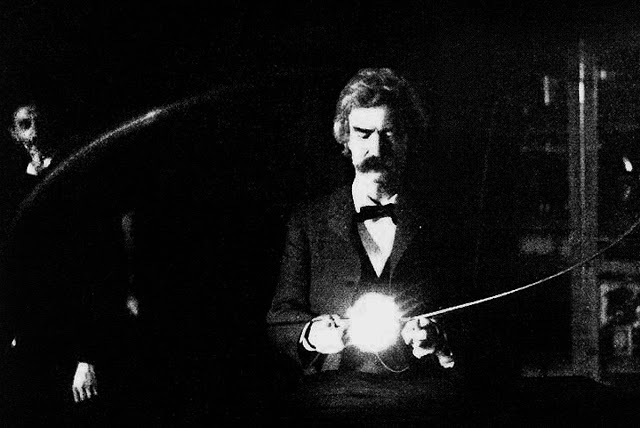
Mark Twain (penname of Samuel Langhorne Clemens) in the lab of Nikola Tesla, spring of 1894. Clemens is holding Tesla’s experimental vacuum lamp, which is powered by a loop of wire which is receiving electromagnetic energy from a Tesla coil (not visible). Tesla’s face is visible in the background.

As well as being a gifted writer, Samuel Clemens (Mark Twain) was fascinated with technology. When he was born in 1835, sailing was the usual means of crossing the Atlantic, and burning oil or gas the usual means of lighting the night. When he died in 1910 steamships carried him across the Atlantic (and Pacific) in record time and electricity was becoming a household amenity.

One of the scientists seeking applications for electricity was Nikola Tesla (1856-1943), who was born in Serbia before emigrating to the US. Most of his scientific work focused on electricity, and he made a number of important inventions, including the Tesla coil and the polyphase motor. Tesla used the coil to conduct experiments, but because the coil can produce enormous electrical sparks it is still used in electricity demonstrations.

Tesla and Clemens seem to have established a friendship in the 1890s. Tesla later recalled how he had read some of Clemens’s early works while recovering from an illness in Serbia during the 1870s.

Clemens had long been fascinated by electricity and had invested in the development of an electrical motor during the 1880s. His particular interest in Tesla began after hearing about a motor that Tesla had invented under the company Westinghouse. He recognised that Tesla’s motor, which used alternating current, was superior to that of his inventor partner, James W Paige, which used direct current. Tesla apparently advised Clemens against investing in Paige’s motor, although Clemens still lost a large sum on Paige’s mechanical typesetter.
During the 1890s Clemens and his family were living in Europe, partly to escape from financial troubles and partly with a view to improving the health of his wife and daughter. However, Clemens returned frequently to New York. He was involved in the foundation of the Players Club in 1888, and in 1894 invited Tesla join it. He also visited Tesla in his laboratory, where he took part in experiments.

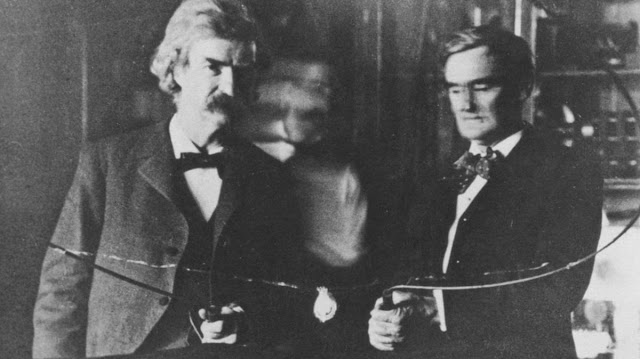
There is very little surviving correspondence between the two, but there are some striking photographs taken in Tesla’s laboratory using phosphorescent light.

Nikola Tesla (blurred at centre) performs an electrical experiment for writer Samuel Clemens (left), aka Mark Twain, and actor Joseph Jefferson in 1894.

The most famous account of Clemens’s participation in an experiment is when he spent too long on an electromechanical oscillator ( a vibrating plate) that Tesla thought might be medically therapeutic. The plate acted as a strong laxative and Clemens had to rush for the toilet.

Tesla’s profile had risen in the very public debates over the appropriate way to supply electricity to households. Thomas Edison advocated the use of direct current and this was initially installed in many homes. Alternating current was considered dangerous. Edison used it to electrocute animals in an attempt to permanently associate AC with destruction and preserve his preferred DC system.

Clemens was one of America’s most celebrated writers and no stranger to controversy. He was outspoken and critical of fellow writers. He commented on political and social issues such as race, imperialism, trade unions and feminism.

The friendship of Tesla and Clemens was established at a time when professional categories were more fluid. The line between scientist and entrepreneur was hard to draw. Interesting the wider public in your research was still an important component of developing a career. Tesla saw nothing odd about inviting friends into his laboratory to view experiments.

Although most scientists today still see the importance of engaging the public, the laboratory has became a space for scientists only.

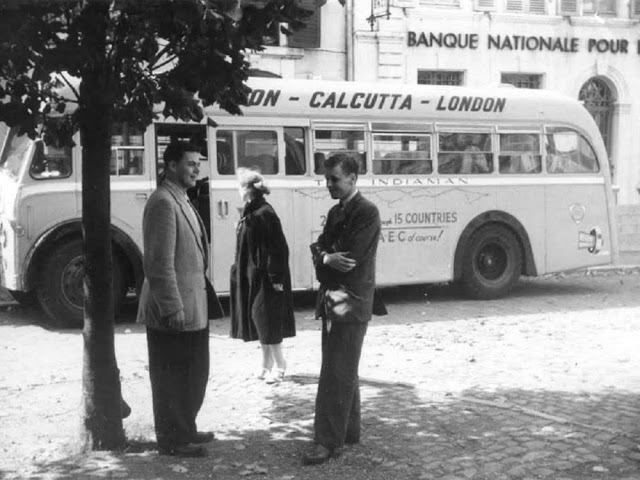
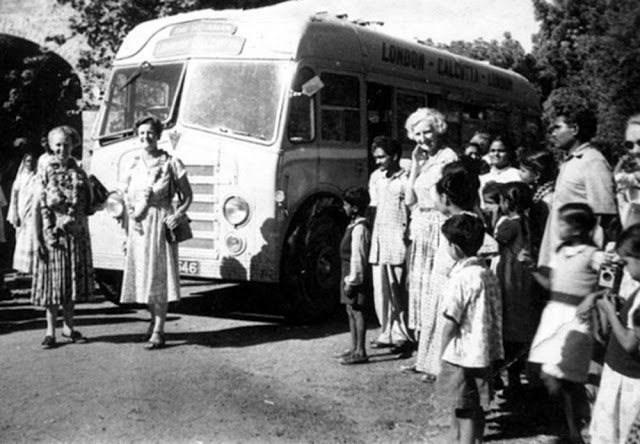
The London to Calcutta Bus Service, the World’s Longest Bus Route.

The bus service from London, England to Calcutta, India (now Kolkata) is considered to be the longest bus route in the world. The service, which was started in 1957, was routed to India via Belgium, Yugoslavia and West Pakistan. This route is also known as the Hippie Route. According to the reports, it took about 50 days for the bus to reach Calcutta from London. The voyage was 32669 km (20300 miles) long. It was in service until 1976. The cost of the trip was £85. This amount includes food, travel and accommodation.

The bus service was operated by Albert Travel. The maiden travel began in London on April 15, 1957. The first service ended on June 5 in Kolkata. That is, it takes about 50 days to complete the journey. The countries the bus traveled during its journey: from England to Belgium, and from there to India via West Germany, Austria, Yugoslavia, Bulgaria, Turkey, Iran, Afghanistan, and West Pakistan. After entering India, it eventually reached Calcutta via New Delhi, Agra, Allahabad and Banaras.

The trip was equipped with reading facilities, separate sleeping bunks for everyone, and fan-operated heaters. There was a kitchen with all equipment and amenities. There was a forward observation lounge on the upper deck of the bus. The trip was more like a tour than just a trip. The bus provided radio and music system for parties. It had time to spend at major tourist destinations along the way, including Banaras and the Taj Mahal on the banks of the Ganges. Shopping was also allowed in Tehran, Salzburg, Kabul, Istanbul and Vienna.

Yesterday Today

Bringing You the Wonder of Yesterday - Today

Skip to content ↓