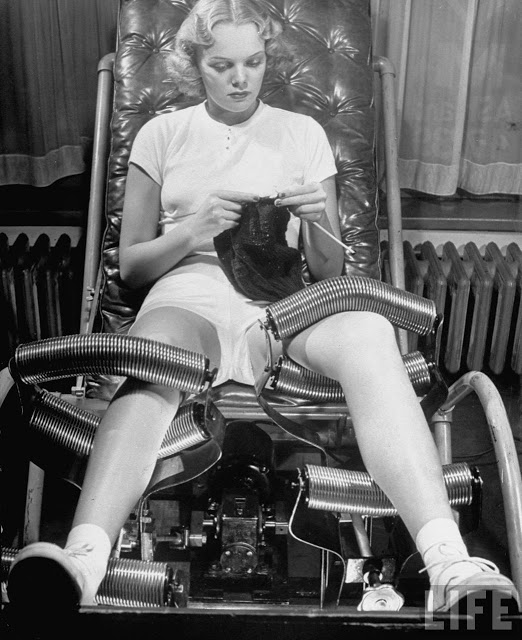
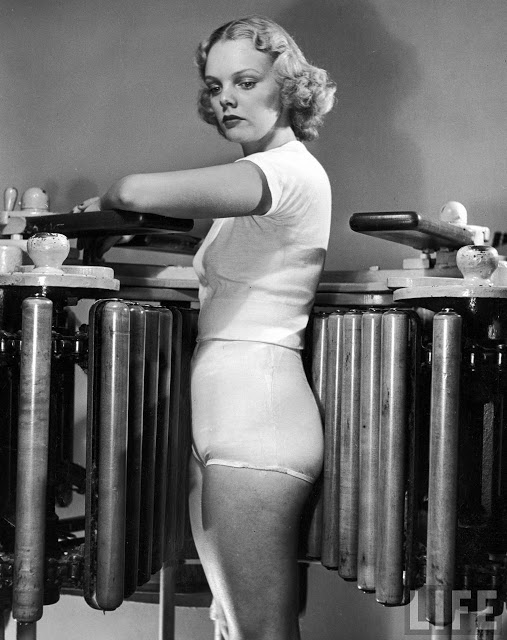
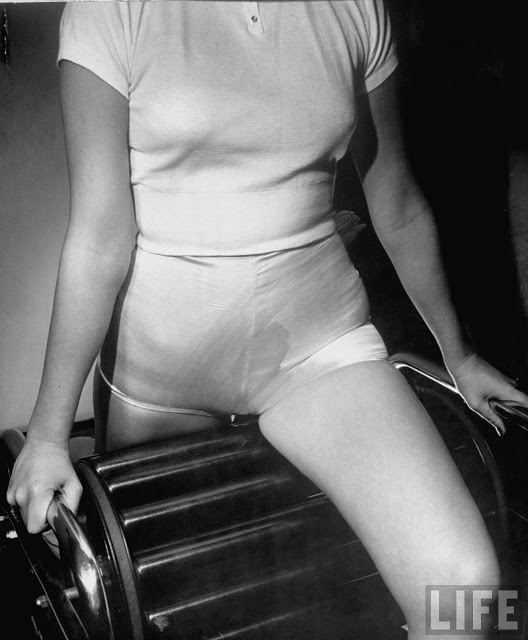
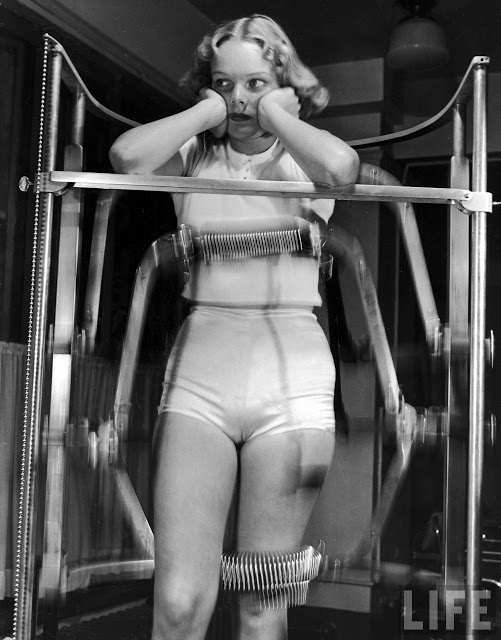
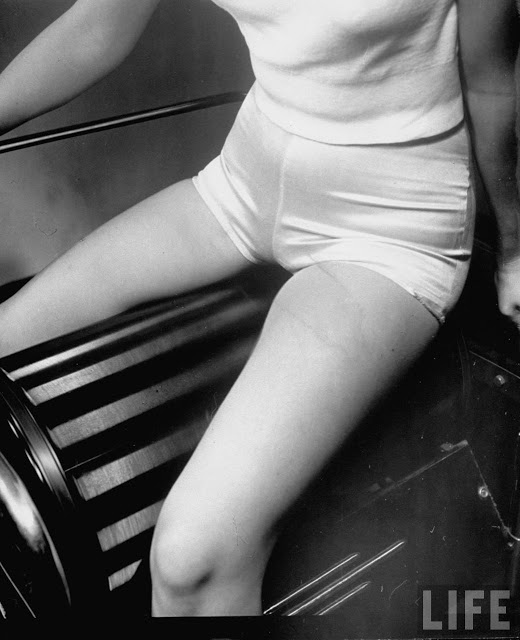
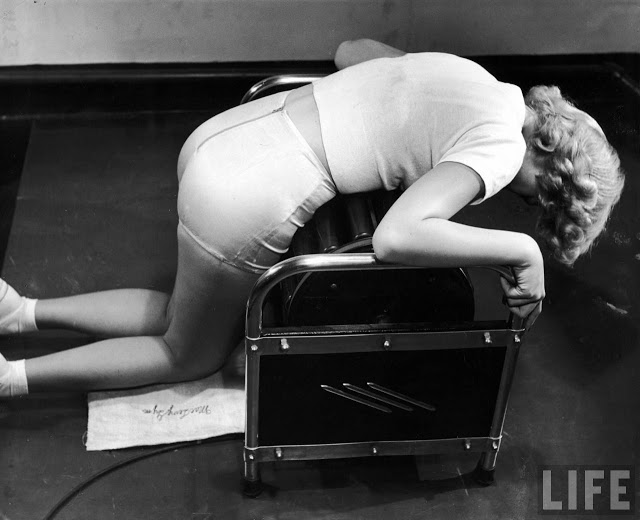
In November 1940, LIFE photographer Alfred Eisenstaedt went to New York City and captured model Pat Ogden testing out the trendiest fitness fad of the decade – the Slenderizing Salon. Using metal rollers to massage women’s “problem areas,” the Slenderizing Salon claimed to help women lose weight without exercise by stimulating muscle contractions.
Model Pat Ogden at slenderizing salon knitting in padded chair while leg rollers work from thigh to ankle.Model Pat Ogden at slenderizing salon using Wooden Barrel Massager to reduce hips and buttocks.Model Pat Ogden at slenderizing salon working out on Roaler Massager.Model Pat Ogden at slenderizing salon enduring the rigors of the Slendo Massager that runs rollers up-and-down to electrically rub away stomach, hips and thighs.Model Pat Ogden at slenderizing salon.Model Pat Ogden (L) at slenderizing salon operating a Back Ring Roller designed to work on fatty parts of back from waist up. Ann Miller (R) using a modified Slendro Massager to reduce hips.Model Pat Ogden at slenderizing salon undergoing abdomen massage on the Roaler Massager.
Throughout American’s history, many of the men who ultimately served as president of the United States have had some pretty head-scratching facts attached to their biography. Here now are the very strangest:
Abraham Lincoln: Booze Slinger
Long before Abraham Lincoln became president or hunted any vampires, he briefly paid the bills by running a combination store and bar in partnership with his friend William F. Berry. There was only one problem with this scheme—Berry was a notorious alcoholic. After owning the store for several months, Berry applied for, and received, a “tavern permit” for their business—he may even have forged Lincoln’s signature on the joint bond application.
It should be noted that Lincoln was not a fan of selling booze by the drink in their store, and this disagreement ultimately led to the end of their partnership. But for a period of about three weeks in 1833, you could have walked into “Berry & Lincoln” in New Salem to load up on gingham fabric and seeds for your farm, all while slamming down a peach brandy or Holland gin, possibly served up by the future president himself.
After Berry started drinking up all the profits himself, Lincoln noped out of the situation—selling his share in the store to Berry, who died just a couple of years later—saddling Lincoln with all the store’s accrued debts. Lincoln ended up taking a job as the New Salem postmaster to pay back all the debt. Apparently, Honest Abe had never heard the old adage, “never go into business with friends.”
John Quincy Adams: Skinny Dipper
Now, here’s something that could have only happened in the age before the Internet and smartphones. According to many reports, including one from the New Republic, John Quincy Adams — who, for those who did not pay attention in history class, was our sixth president – had a thing for skinny-dipping. Indeed, one of the 40-plus men to hold office in the White House loved to take off his clothes and go for a quiet dip in D.C.’s famous Potomac River.
According to the Huffington Post, Adams’ daily ritual, which began at 5 a.m., had less to do with a weird sexual fetish, and more to help him deal with the stress of, you know, being president of the United States. Ironically, Adams’ penchant for nude swimming was actually quite known among the press. Case in point: journalist Anne Royall was able to secure her history-making interview with Adams by hiding his clothes until he agreed to answer her questions. Strangely enough, Adams was not the only president who loved to take his clothes off and go for a dip. Among the others, according to the New Republic: Theodore Roosevelt, Franklin Roosevelt and, perhaps less surprisingly, John F. Kennedy.
Grover Cleveland: Former Hangman
Way back in the day, the law stated that anyone found guilty of first-degree murder must be hanged by the neck, and that the execution must be carried out by the sheriff of that particular county. According to a New York Times article published all the way back in July 1912, Grover Cleveland actually had to carry out this law while he served as the Sheriff of Erie County back in 1872. At one point during his term, a young Irishman named “Jack” Morrissey was sentenced to death after being convicted of killing his mother. The Times writes that Cleveland “surprised the community and his friends” by announcing that he would, in fact, go through with performing the execution. Much of Cleveland’s motivation was fueled by the fact that he was sick of people passing off the “obnoxious and degrading” task of executing murderers to the office’s Deputy Sheriff, Jacob Emerick, to whom the public had nicknamed “Hangman Jack.”
“Jake and his family have as much right to enjoy public respect as I have,” Cleveland was quoted as saying, “and I am not going to add the weight that has already brought him close to public execration.” After performing Morrissey’s execution, Cleveland was reported to have been sick for several days. “He was not so stolid and phlegmatic as very any persons have been led to believe,” the Times wrote.
Jimmy Carter: UFO-Observer
Is the truth really out there? According to former President Jimmy Carter, maybe. Politico writes that in 1969, the then-Governor of Georgia claimed he saw an Unidentified Flying Object during a visit to the Lions Club in Leary.
“It was the darndest thing I’ve ever seen,” Carter later said of the alleged sighting. Carter actually filed a report on the incident for years later, and made UFO research a big component of his successful presidential campaign in 1976. Carter ultimately backed off on said research by the time he got to the White House — releasing that information to the public, he thought, would have been a threat to national security, which only made him seem that much more paranoid. However, decades later, Carter stood by his alleged sighting, recounting his experience in a 2007 interview with CNN. By that point, though, Carter claimed it was “impossible” that the unidentified object was actually aliens. Which, yeah, crazy.
Thomas Jefferson: Extreme Stage Fright
He may be immortalized on Mount Rushmore, but when it came to public speaking, even a nervous first-grader could have wiped the floor with him. Who are we talking about? Oh, just Founding Father Thomas Jefferson.
That’s right, while Jefferson was an excellent writer — as evidenced by the Declaration of Independence — he reportedly suffered from crippling stage fright. As a lawyer, he struggled to even present cases, and he never even spoke during the monumental Second Continental Congress. “I never heard him utter three Sentences together,” claimed John Adams.
From what we can tell, Jefferson may have only delivered two speeches himself — his two presidential inaugural addresses. Today, these speeches are among America’s most famous inaugural addresses, but anyone who actually attended these speeches would have had a hard time telling you what they were about. Jefferson spoke so quietly, the people in the audience had to strain to hear him. Duke University actually did a study, and found that Jefferson likely suffered from undiagnosed social phobia. So, for all you shy folks and shut-ins out there, you too can become president! If Jefferson could do it, so can you.
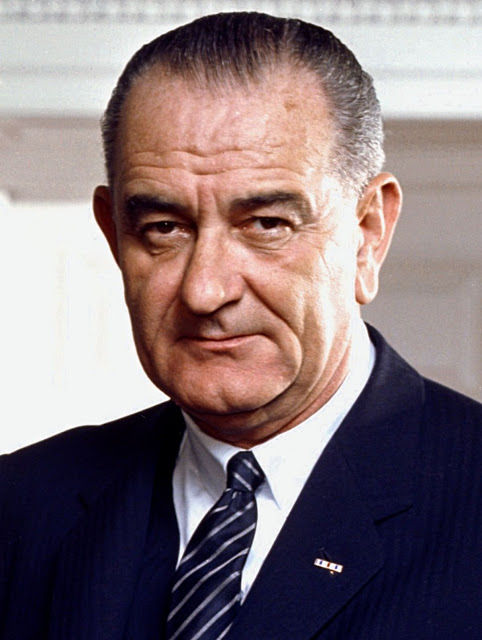
Lyndon B. Johnson: Proud of His Dong
While Lyndon Baines Johnson was well-known for things like his “War on Poverty”, signing the Voting Rights Act, or escalating the war in Vietnam, one part of his legacy is decidedly more perverted. According to information from Robert Caro’s exhaustive biography The Years of Lyndon Johnson, LBJ wasn’t remotely shy about his bodily functions—or his private parts. If the need to pee hit him, he’d whip out his member—which he affectionately dubbed “Jumbo”— and let loose right then and there, even if “there” was the parking lot of the U.S. House office building. He even was known to give dictation to staffers while moving his bowels on his private office toilet, but there’s no word if this practice included unwavering eye-contact.
According to notes by book reviewer Marshall Frady, if another legislator walked into a public restroom while Johnson was finishing his business, he’d turn around while brandishing “Jumbo,” exclaiming, “Have you ever seen anything as big as this?” He also was fond of scratching or adjusting his dangly bits whenever the need struck, reaching ostentatiously into a pocket and unabashedly jiggling things around until everything was arranged to his satisfaction. So basically, it sounds like LBJ was a lot like our Uncle Earl—the one who can be counted on every Thanksgiving to drink an entire bottle of Canadian Mist before passing out pantsless on Grandma’s couch while watching the big game.
George Washington: Booze Distiller and Partier
George Washington, the first U.S. president lived in a time where drinking booze was both encouraged and pretty darn common. So it makes sense he would open a distillery at Mount Vernon. It may even make sense that it produced almost 11,000 gallons of whiskey in 1799, more than any other distillery in the U.S. at the time. So, this Founding Father was no teetotaler. In fact, many people have talked about Washington’s propensity for adult beverages, including a pretty big bar tab he ran up at City Tavern, Philadelphia.
The Mount Vernon website is quick to quote Washington, however, when he talked about moderation. The story goes that Washington had a carpenter named Thomas Green, who was a pretty hard drinker. The site says Washington told him, “An aching head and trembling limbs … are the inevitable effects of drinking, disincline hands from work; hence begins sloth and that listlessness which ends in idleness.” In other words, “up your tolerance, son.” Washington didn’t fire Green for being a raging drunk — dude just couldn’t hold his drink. Washington could, however, and expected everyone else to as well.
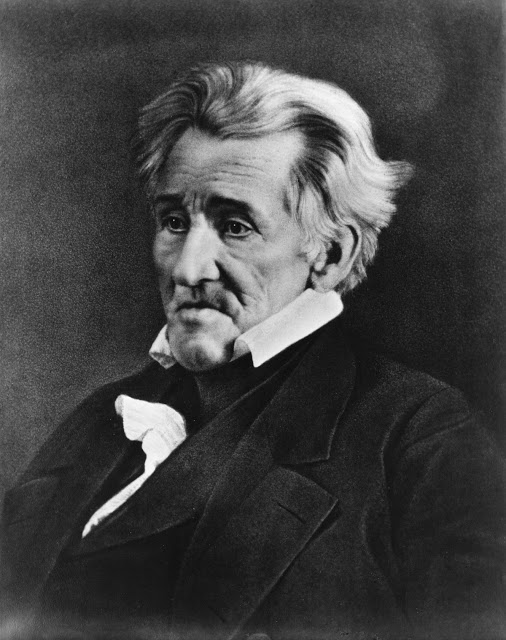
Andrew Jackson: Owner of a Dirty Bird
Andrew Jackson may have been responsible for the atrocities of the Trail of Tears, and may have been a notorious brawler, but apparently he had a whimsical side as well. As the story goes, Jackson taught his pet parrot, Poll, to swear. At his funeral, the parrot swore so profusely that attendees were shocked, and Poll had to be removed. There is some debate about whether or not this is true, but history leans on the side of yes. The Reverend William Menefee Norment wrote a book about Jackson and, according to him, Poll went off.
According to Norment’s book Andrew Jackson and Early Tennessee History, thousands of people attended Jackson’s funeral on June 10, 1845. On that day, the African gray parrot (a “wicked parrot” according to Norment”) whom Jackson had purchased for his wife, but bonded with after her death, apparently unleashed a string of profanity so offensive, it had to be removed from the service. Now, the million dollar question is — did Jackson sit and work with the bird to teach it the curse words? Or did it just hear Jackson himself cuss a blue streak and the parrot picked it up? President Potty Mouth, perhaps?
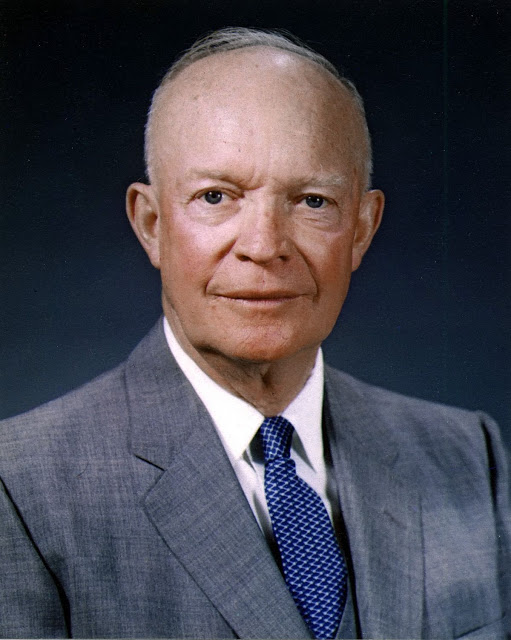
Dwight Eisenhower: His War on Squirrels
Dwight Eisenhower did a lot of cool things when he was president. To blow off steam, he really liked to play golf. He loved it so much, in fact, he wanted to practice his putt closer to work and home, so he had a putting green installed in 1954. However, President Truman’s beloved squirrels (he liked to feed them) started burying nuts in the green, ticking off Eisenhower to no end. In his frustration, he joked that all the squirrels should be shot (was he joking?), and told the groundskeeping staff to do something about the darn squirrels.
The poor groundskeepers tried to scare them — the squirrels weren’t scared. Then, the staff started a trap-and-release program, where they let the squirrels out in some park in DC. That didn’t do much to keep the population down, but Eisenhower did get into some hot water for trying to “rehome” the little fuzzy-tailed rodents. His opponents, in particular, jumped right on it, saying he was an enemy of wildlife. Wildlife in general? Ike liked. But squirrels? Ike did not like, and he wanted them gone.
Ronald Reagan: Obsessed with the Stars
Astrology—it’s not just for girls reading Teen Vogue or your crazy Aunt Linda. That’s right, even one of our former presidents was a horoscope devotee. For years, the Reagans were known to be fans of the astrological arts. This interest in stargazing goes as far back as the ’60s: when Reagan took office as California’s governor in 1967, he was sworn in at a strange time: 12:10 AM. Supposedly this time may have been chosen because the stars indicated it was particularly fortuitous.
What started as mostly an innocent New Age hobby turned into an obsession for Nancy Reagan after March 30th, 1981 — the day Ronald Reagan was shot. Reportedly, astrologer Joan Quigley had warned Nancy something bad would happen that day, and after the assassination attempt, Nancy became obsessed with her husband’s safety, telling Quigley, “I’m scared every time he leaves the house.” The Reagans came to depend on Quigley, with Nancy admitting in her memoir that the astrologer was consulted to help in “determining Ronnie’s schedule.”
If the idea of a sitting president turning to a pseudoscience so to set his schedule scares the crap out of you, it may go even deeper than that. Another astrologer, Joyce Jillson, claimed she even helped pick George Bush as Reagan’s running-mate. Additionally, Quigley alleged in her own memoir that her role was much larger than Nancy had let on. While President Reagan claimed that “No policy or decision in my mind has ever been influenced by astrology,” in 1990 Quigley told the anchors of CBS’ This Morning that “through Nancy, I really had a direct line to the president.”
To be honest, Quigley’s claim makes a lot of sense in retrospect — if “Reaganomics” was actually inspired by messages in the stars, that could explain why it was such a disaster.
Calvin Coolidge: Ol’ Vaseline Head
We’ve heard about plenty of people resorting to alternative medicine to stay healthy, but Calvin Coolidge may ultimately take the cake. According to the (admittedly) sleazy-sounding book, White House: Confidential, the 30th president “enjoyed having petroleum jelly slathered on his head” every morning while he ate breakfast in bed. The reason: Coolidge apparently believed that somehow, some way, slabbing a bunch of Vaseline-esque jelly on his head over breakfast would be great for his health. Incidentally, various reports also claimed that, while serving as Vice President, Coolidge acquired the nickname “Silent Cal” because he wasn’t much of a casual talker. Which, after hearing about Coolidge’s love affair with petroleum jelly, actually totally makes sense.
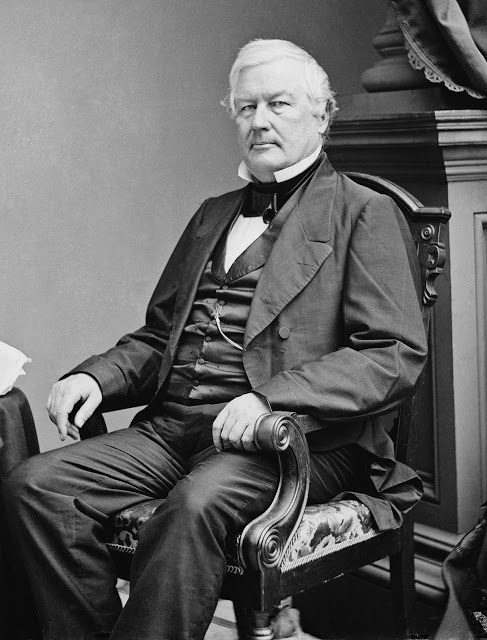
Millard Fillmore: Bibliophile to the Extreme
Millard Fillmore isn’t one of the most memorable or popular presidents, but one thing about him is super weird and super cool. The cool part is that he loved books. See, he grew up in a really poor family, and his dad owned a total of three books — a Bible, an almanac, and a hymnal. Fillmore ended up loving books, however, and he and his wife actually formed the first White House permanent library. He even spent White House money on the first book (a dictionary) before the budget for the library was even approved by Congress.
Fillmore loved books so much that, on the Christmas Eve morning in 1851, he literally risked his life for them. The story goes that on that morning, fire chiefs alerted our nation’s capital that the Library of Congress was on fire. What started the fire? Shoulder shrug emoji. But Fillmore hopped on one of the fire engines (horse-drawn, because it was a long time ago) to pitch in and help. Inspired by Fillmore’s bravery, a few congressmen and cabinet members joined in too. Fillmore ordered the bucket brigade from the nearby local Navy yard to help out too. It took until noon the next day to extinguish the flames, and in the end, 35,000 books were lost. Fillmore, book-lover that he was, rebuilt the library.
Yep, Fillmore risked his life (and his budget) for the love of books. Our kind of dude.
Benjamin Harrison: Afraid of Electricity
When President Benjamin Harrison first took office in 1889, there wasn’t yet electricity in the White House—all illumination was provided by gaslights. But even though Harrison oversaw the installation of electric lighting into the executive residence in 1891, he and his wife refused to touch any of the light switches themselves. This wasn’t out of vanity or disdain for menial tasks—the couple were genuinely afraid of being electrocuted by the newfangled technology.
According to White House History, “few people at the time had enough faith in electric lighting to use it exclusively–its use was barely a decade old.” Put that way, we can kind of understand Harrison’s fear of going boom just because he wanted a little extra light—we all know that one old person convinced their cell phone is going to kill them, or that going outside with wet hair will give them pneumonia.
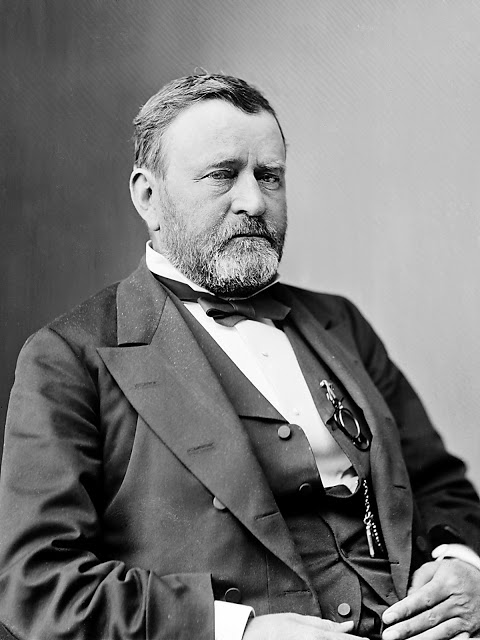
Ulysses Grant: Not as Bloody as We Thought
Would you believe that former General Ulysses S. Grant—commonly called a “bloody butcher” because of his battle tactics—was actually a would-be pacifist? Reportedly, Grant was not as much of a fan of violence as you might expect from observing just about anything he ever did. He claimed that he detested war, and even had an aversion to guns. Additionally, according to a PBS biography of the 18th president, “He despised killing animals and hated blood so much he refused to eat meat unless it was charred.” When he ran for election, his campaign slogan was actually “Let Us Have Peace.”
When he won, America had a Republican president, with anti-war and anti-gun views, who despised killing animals and hated eating meat. It just goes to show you how much the political parties of the U.S. have changed since then.
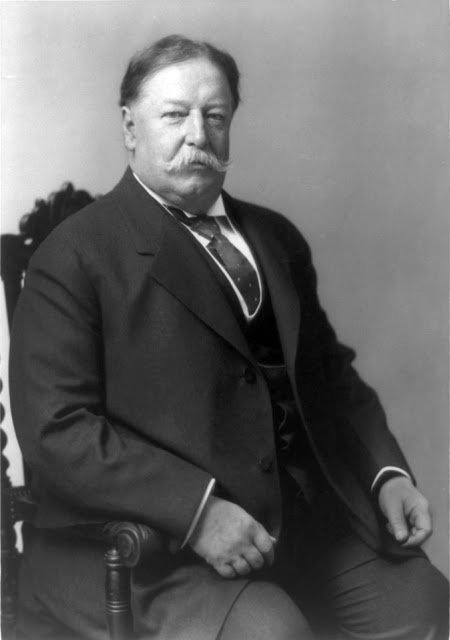
William Howard Taft: Too Big for His Bathtub
Stop us if you’ve heard this one before: A man walks into a store and gets the largest tub of butter he can find. When he checks out, the cashier asks him, “what are you going to do with all that butter?” The man replies, “it’s a secret, and I’d butter not spread it around.”
That’s a bad joke, but one White House staffers during the Taft era might’ve used to conceal the embarrassing truth. That’s because, for the last century-plus, a story has gone around that William Taft, American’s largest president, once got stuck in a bathtub and had to be prised out by four men and the aid of a pound of butter. The rumor has been so pervasive, it’s even spawned its own children’s book.
There’s no hard evidence this actually happened, as it’s based solely on the claim of a long-time White House usher in his autobiography. But there’s plenty of evidence that Taft did have oversized bathtubs made for him. The USS North Carolina had to outfit a cabin with an extra-wide bathtub for Taft’s trip to the Panama Canal and, according to a 1909 issue of Engineering Review, a Manhattan company custom-made the tub with “pondlike dimensions” for the journey. You know you’ve eaten too much ham when your bathtub gets accurately described as a pond.
After Taft’s return to the States, the 7’1″ long tub was removed and sent to the White House, where it faithfully served him for the remainder of his presidency.
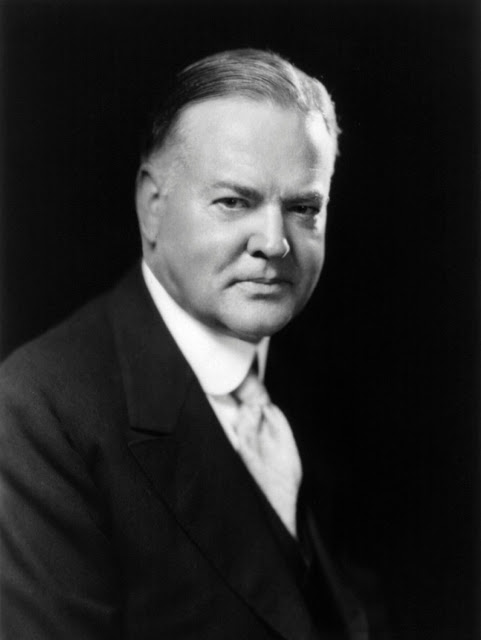
Herbert Hoover: Trapped in the Closet
No, that title doesn’t mean what you think it means—Hoover wasn’t secretly gay, and he wasn’t an R. Kelly fan (that we know of). Actually, it refers to the primarily African-American servants who worked at the White House during Hoover’s term in office. According to long-time White House correspondent Kenneth Walsh, Hoover and his wife didn’t want to see the staff doing their work in the executive residence, and didn’t wish for the staff to see them, either.
As a result, workers in the White House developed a system for avoiding Hoover or the First Lady. Walsh explains, “sometimes they’d ring a bell a couple of times that it was the president, three times if it was the first lady. And they’d pile into closets, they’d hide behind bushes so the president couldn’t see them.” This set a precedent, with servants hiding from the president and his family through the next several administrations, until Harry Truman noticed and put a stop to it.
What we want to know is, what was a maid to do when cleaning the presidential bathroom and they heard Hoover’s footsteps coming. Did they risk his wrath by being spotted, or did they duck behind the shower curtain while he did his presidential business?
Warren Harding: Terrible Poker Shark
President Warren Harding often felt overwhelmed by the pressures of his job, and he turned to more recreational pastimes to blow off steam. When he needed a break, he’d call in his “Ohio gang,” a group of crooked politicians that he enjoyed playing poker and drinking booze with. Because who makes for a better gambling buddy than a crooked cheat with no morals and fewer scruples?
Teddy Roosevelt’s daughter, Alice, described the atmosphere at these games: “The study was filled with cronies, the air heavy with tobacco smoke, trays with bottles containing every imaginable brand of whiskey, cards and poker chips ready at hand — a general atmosphere of waistcoat unbuttoned, feet on the desk, and spittoons alongside.” While President Harding certainly enjoyed himself, there was just one big problem — he wasn’t that great at poker. Apparently Harding didn’t know when to hold ’em, or when to fold ’em — he got in so deep during one game, he ended up gambling away the official White House china. Oops!
John F. Kennedy: Lots and Lots of Drugs
John F. Kennedy may have been one of the most charming and good-looking presidents in U.S. history, but behind closed doors, he was battling multiple illnesses, and used just as many drugs to treat them. Kennedy’s secrets were uncovered by Boston University history professor Robert Dallek, who revealed in his book, An Unfinished Life: John F. Kennedy, 1917-1963, that Kennedy suffered from colitis, prostatitis, Addison’s disease and osteoporosis of the lower back, among other things.
“There was hardly a day that went by that he didn’t suffer terribly,” Dallek told Good Morning America. According to Dallek, Kennedy frequently took drugs ranging from codeine, to Ritalin and a thyroid hormone. “To fight the pain, Kennedy took as many as 12 medications at once, taking more during times of stress,” ABC News reported. In fact, during the both the Bay of Pigs scandal and the Cuban Missile Crisis, Dallek says that Kennedy was on multiple drugs to treat his various pains and illnesses. At one point, he even took anti-anxiety medications to treat the side effects of some of his other drugs, according to the report.
Shockingly enough, Dallek says that, despite Kennedy’s overflowing medicine cabinet, he was mostly able to keep his ailments a secret from the public, often out of fear that the news would damage his political campaigns. Fair enough. But we’re pretty sure there’s a pill for that.
24,000,000 rifle and machine gun rounds were fired by the Soviets in the last month of the battle alone.
1942 was a tumultuous year for all the parties involved in the fierce fighting that was World War II. The Germans had invaded most of mainland Europe and Northern Africa by this point of the war. A massive invasion of the Soviet Union was launched in June of 1941 and was mostly blunted after major gains outside of key cities due to fierce Soviet resistance coupled with harsh weather conditions.
The Germans needed key victories to take place if they had any hope of taking over all of the USSR. Several areas were looked at for an offensive, and eventually Operation Blau was created.
Operation Blau would involve three phases: “The first would be an advance to Voronezh to establish a blocking position that would protect the advance of the flank as it turned south. Then German forces would turn south toward the Donets and the Lower-Don; formations from Romania, Hungary and Italy would follow to mop up and man a lengthening flank. Finally, the First and Fourth Panzer Aries would attack across the Don into the Caucasus, while the Sixth Army advanced across the steppe toward Stalingrad.”
Waffen-SS infantry and armour advancing, Summer 1942.
Originally, Stalingrad was not a key objective in the campaign. It was going to be surrounded and besieged, like Leningrad. However, Hitler eventually decided that the city would be taken. For one, it would anger Stalin, as the city was in his name. The larger reason for the takeover is that it was a major tank building hub and denying it to the Soviets would definitely hurt.
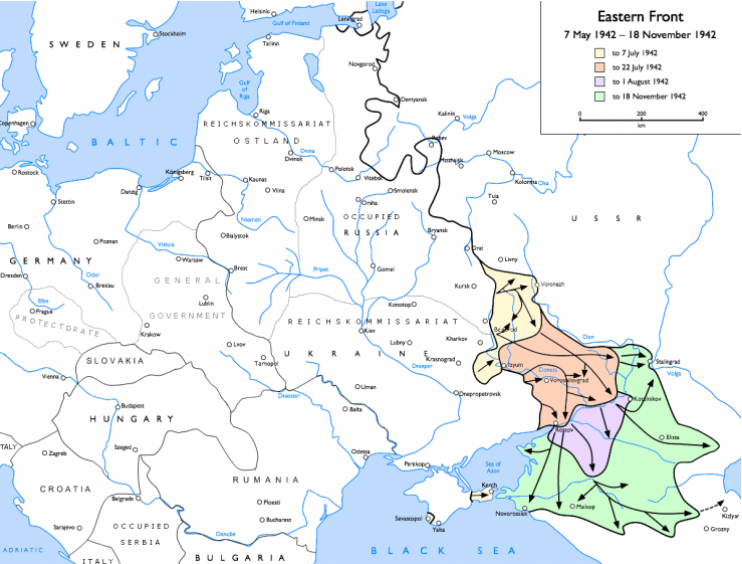
Operation Blau was launched on 8 May. “A week later it was over, and 170,000 Russians had been taken prisoner; only Sevastopol, which would not fall until 2 July, still held out in the Crimea.” This opened the path towards Kharkov, but a problem had occurred. The Soviets counter-attacked towards Kharkov, and the German Field Marshal, Fedor von Bock, worried that Operation Blau would have to be aborted.
Hitler doubted this and told him to advance the attack by one day. This proved to be successful. “By the beginning of June, 239,000 prisoners had been captured and 1240 tanks destroyed on the Kharkov battlefield.” The path to Stalingrad was officially open, and General Paulus and the German Sixth Army made the advance towards the city.
The German advance from 7 May to 18 November 1942.
However, Paulus had to advance towards Stalingrad unsupported by tanks. They were to hold the city while Army Group South pushed into the Caucasus to take over the oil fields.
The battle would start with the Luftwaffe reducing “much of the southwestern Russian city of Stalingrad to rubble in a series of devastating attacks. Over a thousand tons of bombs were dropped on the city and its crucial supply line, the Volga waterway.” In just a single week of 1942, “200 aircraft were destroyed in a single week in August” by the Luftwaffe.
The Germans had an estimated 170,000 men, 500 tanks and 3,000 artillery pieces while the Soviets could only muster 90,000 troops, 120 tanks and 2,000 guns. Such an imbalance would easily put the advantage in the Germans’ hands, especially considering the Luftwaffe’s support and almost complete air superiority.
“At about 0340 hours on 23 August 1942, units of the 16th Panzer Division crossed the river Don on engineer-built pontoon bridges. Once over the river and disregarding their flanks, they first headed north for about three hours and then swung east across the open steppe.” Thus, the fight for Stalingrad had started.
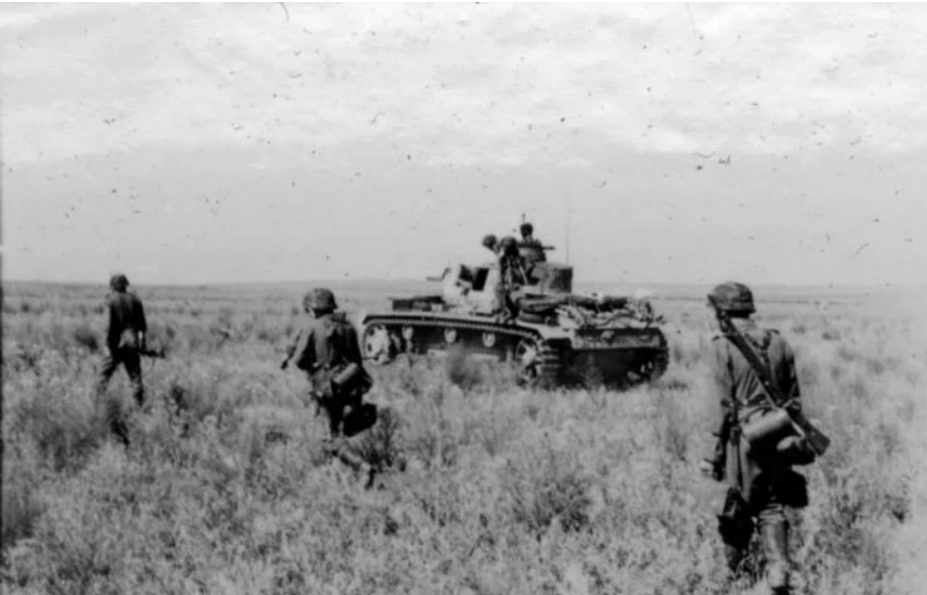
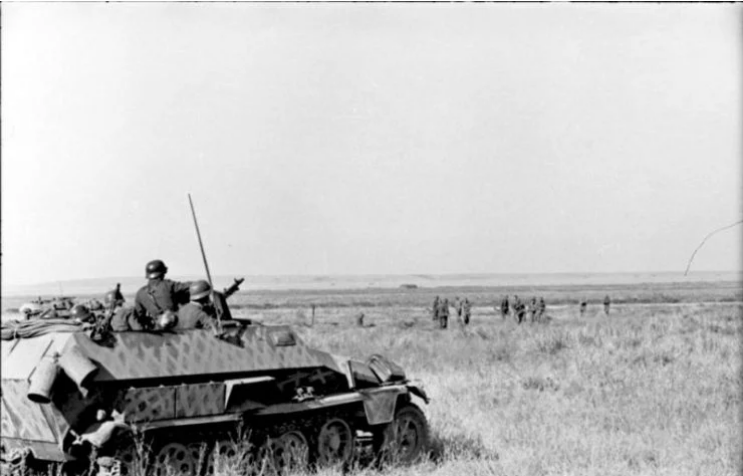
German troops and a Sd.Kfz. 251 armored half-track on the Russian steppe, August 1942.
The actual first assaults on the city itself didn’t start until 14 September “with a two-pronged assault by 51st Corps on the centre and south, supported by a push from the extreme southern suburbs by Fourth Panzer Army.” Artillery knocked out Marshal Chuikov’s headquarters, and the Germans were able to push up the Mamayev Kurgan towards the railway station. The station changed hands 15 times but was finally taken by the Germans on 19 September.
In the south of the city, the Fourth Panzer Army met resistance around a grain silo, where only 50 men held up three German divisions. On 26 September the Fourth Panzer Army reached the Volga and split the Sixty-Fourth Army from Chuikov’s Sixty-Second.
Hitler made a statement to the German people via radio broadcast, informing his country of the attack on Stalingrad and its aims. At this point in the campaign, Hitler was sure that the city would be taken. “The occupation of Stalingrad, which will also be carried through, will deepen this gigantic victory and strengthen it, and you can be sure that no human being will drive us out of this place later on.”
German Gebirgsjäger in the Caucasus.
On 27 September the main attack was shifted towards the Factory district. The Germans’ aims were to capture the Red October, Barrikady and Tractor factories, and eventually to control the Volga. At the end of October, 90 percent of the city was in German hands. However, it had taken a heavy toll.
Stalin had a particular liking to this city, hence its stalwart defense. The city was the sight of the southern clique revolution, and it was the largest city to bear his name. On 28 July he made a proclamation to all Soviet Soldiers – “Not a step backward!”
J. Stalin in 1943
The battle was especially difficult for the Germans, as they had made swift advances in all theaters of combat through their mobile tactics. However, in the confines of a dense city maneuver was heavily limited. Therefore, the Germans had to change their tactics. Another crippling factor in the battle was the bombardment of the city in the beginning of the battle.
Advance towards Stalingrad.
While it had thoroughly displaced the defenders originally, it now also provided excellent cover in the rubble for those same defenders. Savage house to house fighting ensued, and one German officer explained best what the Germans were up against:
“We have fought for fifteen days for a single house with mortars, grenades, machine-guns and bayonets. Already by the third day fifty-four German corpses are strewn in the cellars, on the landings, and the staircases. The front is a corridor between burnt-out rooms; it is the thin ceiling between two floors. Help comes from neighbouring houses by fire-escapes and chimneys. There is a ceaseless struggle from noon to night.
From storey to storey, faces black with sweat, we bombed each other with grenades in the middle of explosions, clouds of dust and smoke…. Ask any soldier what hand-to-hand struggle means in such a fight. And imagine Stalingrad; eighty days and eighty nights of hand-to-hand struggle…Stalingrad is no longer a town.”
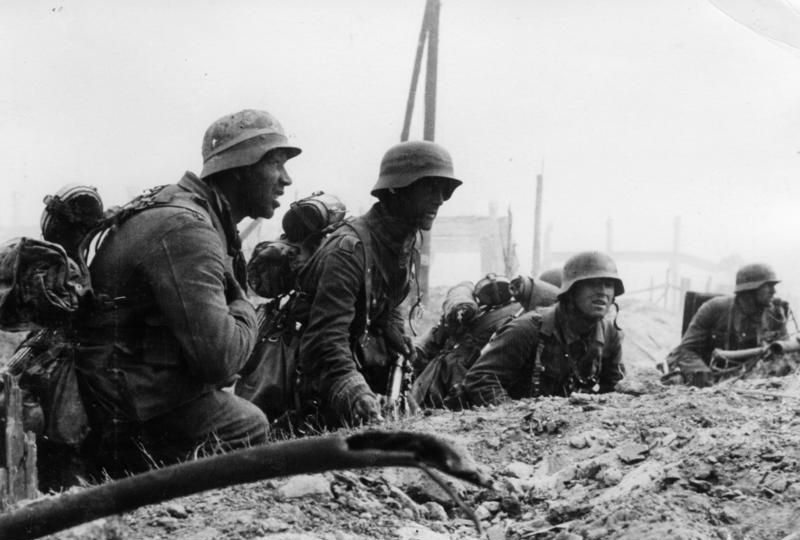
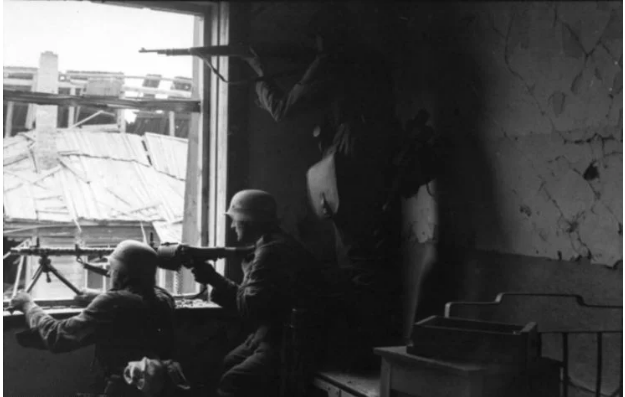
German soldiers during the battle of Stalingrad.
Fighting ground to a lull in the middle of October. The Germans had most of the city by this point, but they still did not control the Volga, nor could they effectively stop it from supplying troops. Fighting resumed on 11 November with a final assault on the Soviet positions.
Failure here would give the initiative to the Soviets, who could then eliminate the German defenders. Paulus had already lost half his fighting strength, and the Volga would soon freeze, helping Chuikov even more.
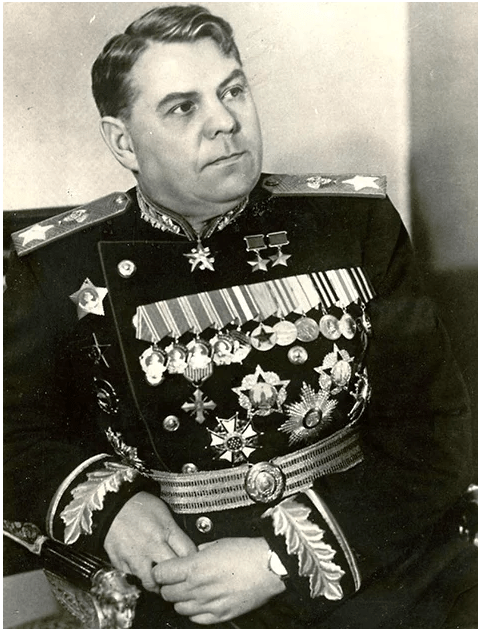
Unbeknownst to the Germans, Marshal Zhukov and Colonel General Vasilevskiy had been planning a counter offensive for Stalingrad. This offensive would take place in two phases – Operation Uranus and Operation Mars. Uranus’ goal was to “encircle the German forces fighting on the Volga; weak Romanian forces on the flanks of Stalingrad offered a tempting target.”
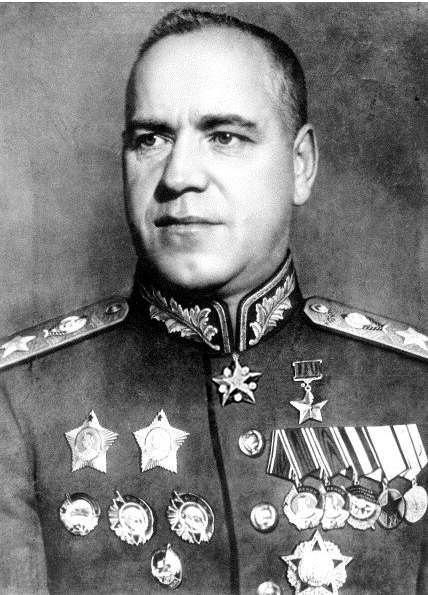
Georgy Konstantinovich ZhukovAleksandr Vasilevsky
Operation Mars’ goal was to “take out the exposed Rzhev salient in Army Group Center.”
Uranus would prove to be the Germans’ undoing. On 19 November, over 3,500 artillery pieces opened up on the Romanians. The Fifth Tank and Twenty-First Armies broke through the Romanian defenses and advanced over 43 miles in the first day. The next day, the Fifty-First Army destroyed the Romanian VI Corps, thus creating a breakthrough on two fronts towards Stalingrad.
Unfortunately for the Germans, the response from Hitler was his usual ignorance. He believed the front could be put back together, but in reality, it was already destroyed.
Operation Mars
At this point Stalingrad was for the most part surrounded. The only hope for the Sixth Army was a massive airlift campaign that would keep the defenders alive. Hitler also refused a retreat for the Sixth Army, thus making sure they would be forced to fight for their lives until the battle was over.
The amount of supplies needed to keep the Sixth Army alive was tremendous at around 800 tons a day, and could never realistically be achieved. By this point in the war, the Red Army was able to finally gain some air superiority. This, coupled with anti-aircraft fire and poor weather, only allowed around 117 tons of supplies to reach the Germans each day.
Soviet assault troops in the battle
As an attempt to relieve the defenders of Stalingrad, Marshal Von Manstein launched “Operation Winter Storm.” The goal of the operation was to allow a breakthrough to the city to help resupply and reinforce the men, along with stopping the Soviet counter-attack from crushing the forces inside the city.
The operation was launched on December 12 and needed to cover a distance of 60 miles to the city. However, the offensive was checked and stopped 35 miles south of the city.
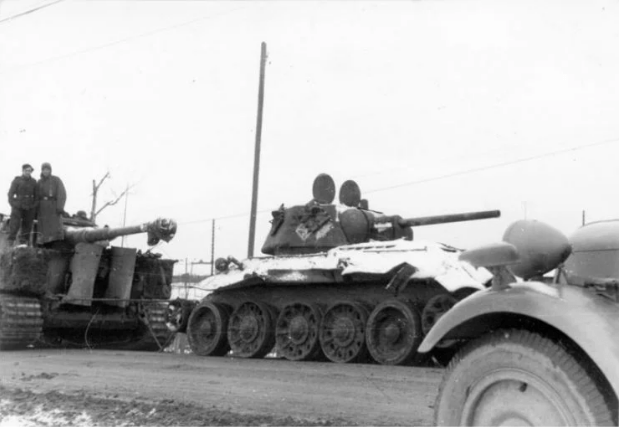
Panzer VI (Tiger I) und T34 during Operation Winter Storm.
At the same time, Zhukov was launching Operation Little Saturn. This operation threatened the German position in the south. At this point in the battle, however, the German position was deteriorating. The Luftwaffe was only able to bring in on average 70 tons of supplies to that area, when it needed around 300 to keep the men alive.
Eventually the closest air field to Stalingrad was overrun, further limiting supplies to the besieged troops. The Germans were losing ground inch by bloody inch inside the city while the Soviet forces closed in tighter around the city.
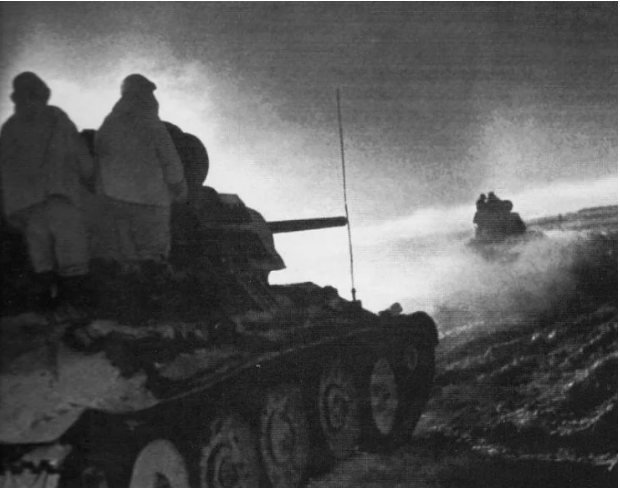
Soviet forces during Operation Little Saturn
“On 8 January, Nikolay Voronov and Konstantin Rokossovsky sent Paulus a summons to surrender, promising medical care and rations.” They warned that the Soviet winter had only begun, but Paulus would have none of it. He feared that even a breakout would offend Hitler, and therefore declined the offer.
The Soviets responded to his answer on 10 January. Seven thousand guns, the largest concentration of artillery in history, opened on the city. The soldiers were slowly pushed in to the ruins of the city, and by January 24 were split into two. The next day, “the Russian forces on the eastern shore of the river crossed the Volga and joined Chuikov’s Sixty-Second Army stalwarts in their pockets around the Barrikady and Red October Factories.”
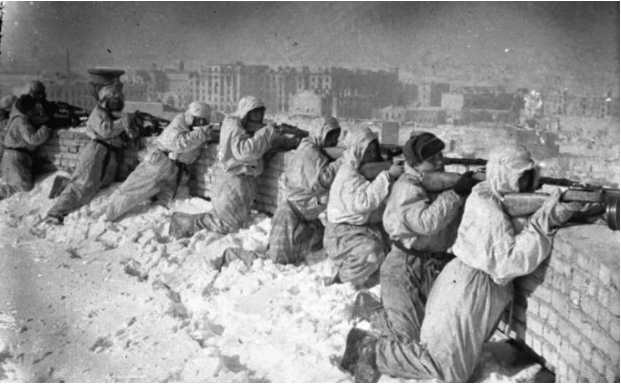
Soviets defend a position.
Hitler promoted Paulus to field marshal in hopes that this would deter him from surrendering. No field marshal had ever surrendered, and “he thus ‘pressed a suicide’s pistol into Paulus’s hand.’” However, on the same day he was promoted his headquarters were overrun.
It would take a few more days for the rest of the defenders of Stalingrad to surrender, on February 2. Ninety thousand unwounded men, coupled with 20,000 wounded, were now in Soviet hands. Of these, only around 5,000 survived the Soviet POW camps.
German soldiers as prisoners of war. In the background is the heavily fought-over Stalingrad grain elevator.
The casualties incurred by this bloody battle are truly horrendous. Approximately 147,000 Germans and Romanians died, while around half a million Soviets died.
Regarding ammunition, 911,000 artillery shells, 990,000 mortar shells, and 24,000,000 rifle and machine gun rounds were fired by the Soviets in the last month of the battle alone.
This is only a small scope of the battle, as each side launched uncountable numbers of bullets and explosives at each other throughout the several months of conflict. This battle is regarded by most historians as the true turning point in the war, before Hitler would finally be on the run and slowly be ground down to a defeat.
Stalingrad was originally merely a city, but eventually was turned into one of the bloodiest battles in the war. The city has changed dramatically since the days of battle, even in name. The story however will always be the same. Hitler strove for a prize to keep the oil fields to the south safe when he had captured them, and instead incurred a defeat from which Germany could not recover.
Spanish flu, also known as the Great Influenza epidemic or the 1918 influenza pandemic, was an exceptionally deadly global influenza pandemic caused by the H1N1 influenza A virus. The earliest documented case was March 1918 in Kansas, United States, with further cases recorded in France, Germany and the United Kingdom in April. Two years later, nearly a third of the global population, or an estimated 500 million people, had been infected in four successive waves. Estimates of deaths range from 17 million to 50 million, and possibly as high as 100 million, making it one of the deadliest pandemics in human history.
“Spanish flu” is a misnomer. The pandemic broke out near the end of World War I, when wartime censors suppressed bad news in the belligerent countries to maintain morale, but newspapers freely reported the outbreak in neutral Spain, creating a false impression of Spain as the epicenter. Limited historical epidemiological data make the pandemic’s geographic origin indeterminate, with competing hypotheses on the initial spread.
Most influenza outbreaks disproportionately kill the young and old, with a higher survival rate in-between, but this pandemic had unusually high mortality for young adults. Scientists offer several explanations for the high mortality, including a six-year climate anomaly affecting migration of disease vectors with increased likelihood of spread through bodies of water. The virus was particularly deadly because it triggered a cytokine storm, ravaging the stronger immune system of young adults, although the viral infection was apparently no more aggressive than previous influenza strains. Malnourishment, overcrowded medical camps and hospitals, and poor hygiene, exacerbated by the war, promoted bacterial superinfection, killing most of the victims after a typically prolonged death bed.
The 1918 Spanish flu was the first of three flu pandemics caused by H1N1 influenza A virus; the most recent one was the 2009 swine flu pandemic. The 1977 Russian flu was also caused by H1N1 virus. (Wikipedia)
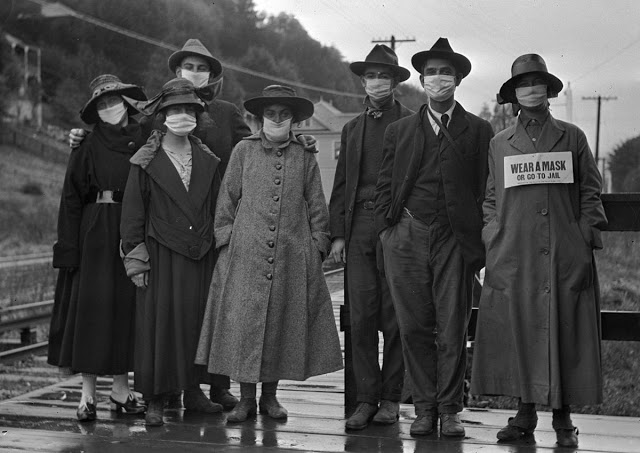
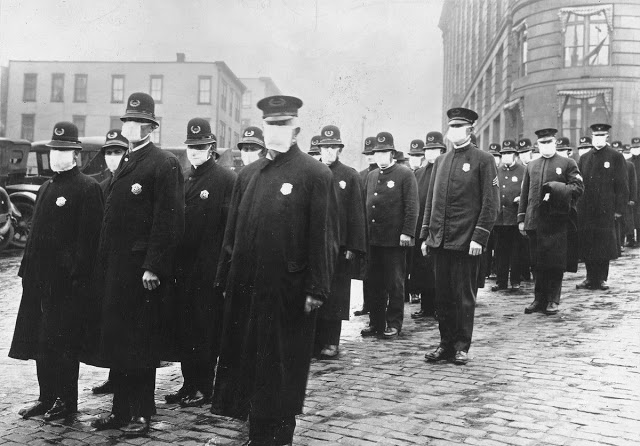
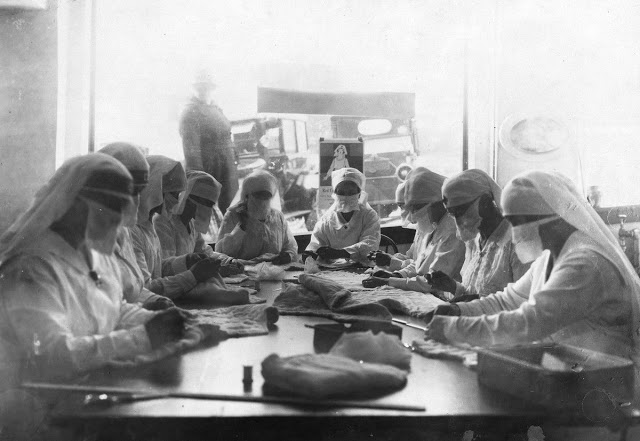
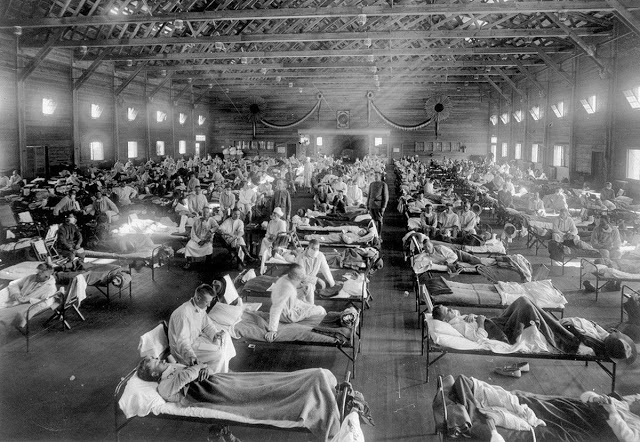
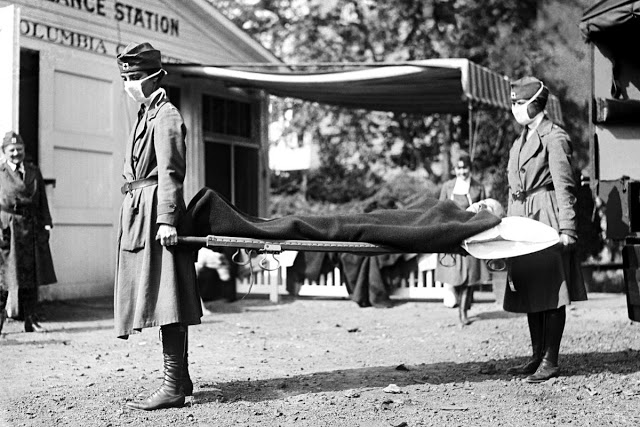
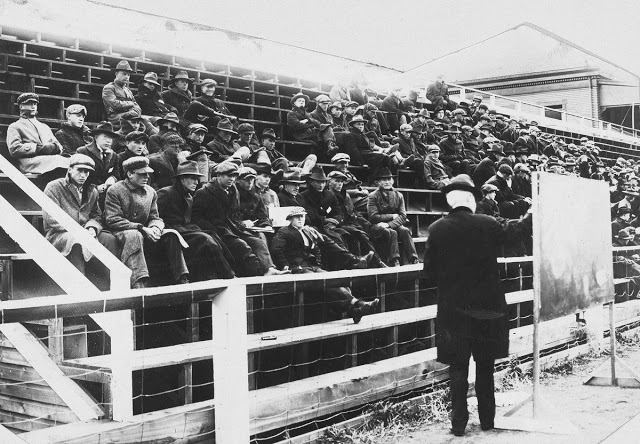
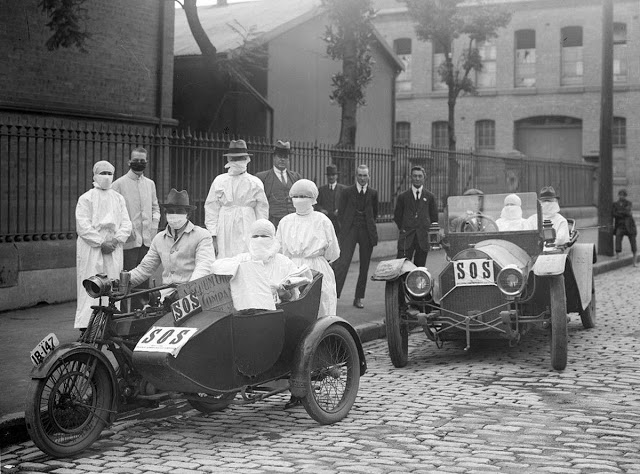
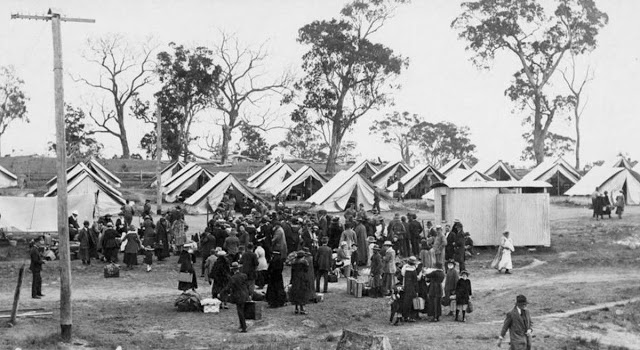
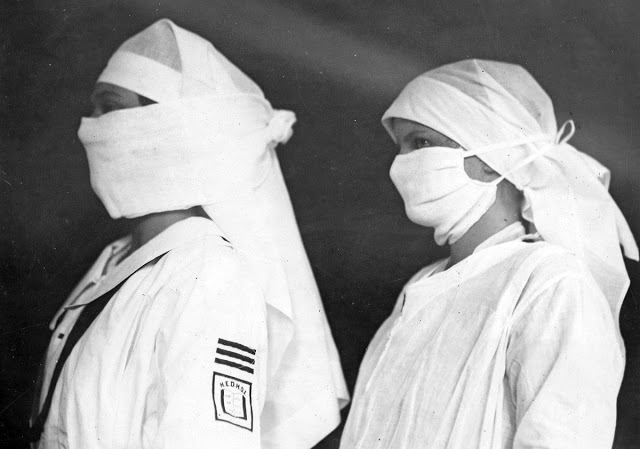
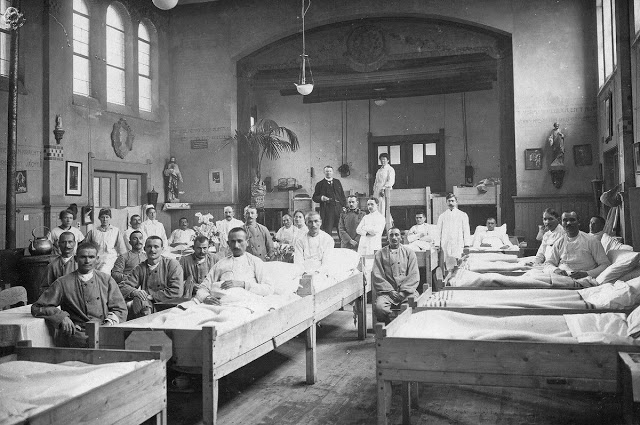
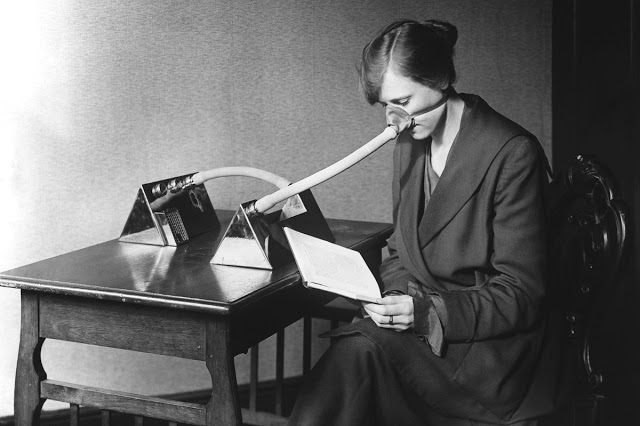
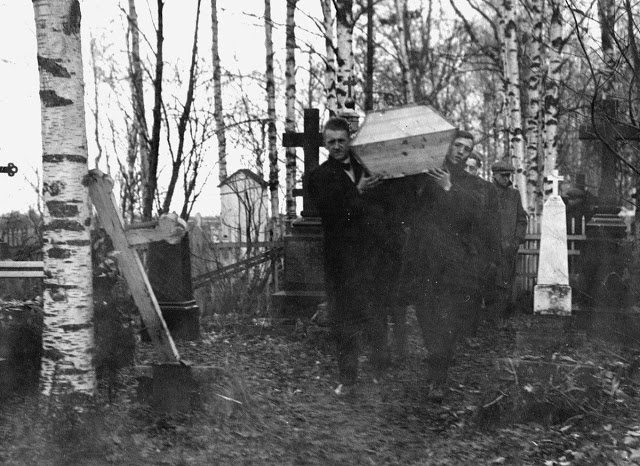
Gathered here are images from the battle against one of the deadliest events in human history, when the flu killed up to 6 percent of the Earth’s population in just over a year.
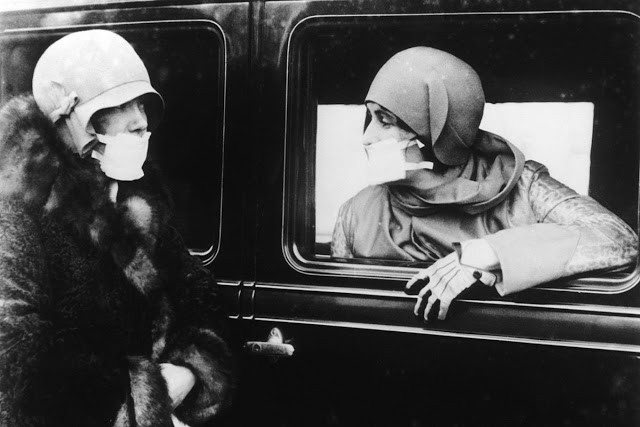
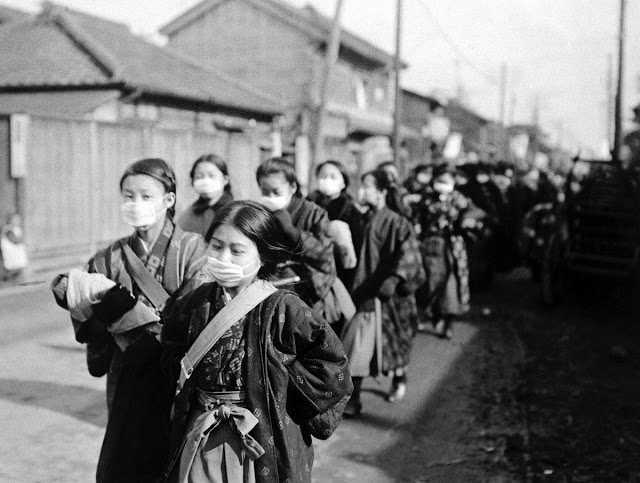
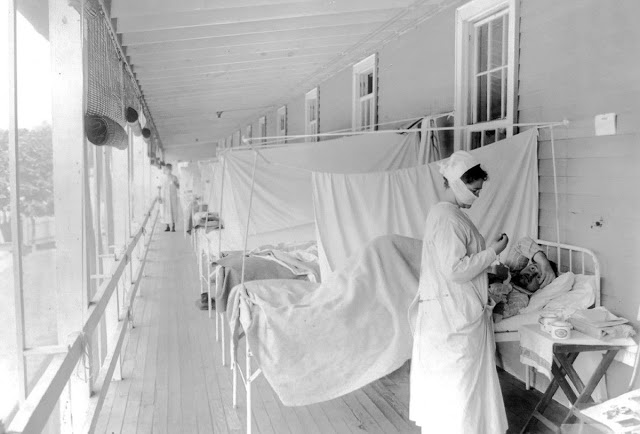
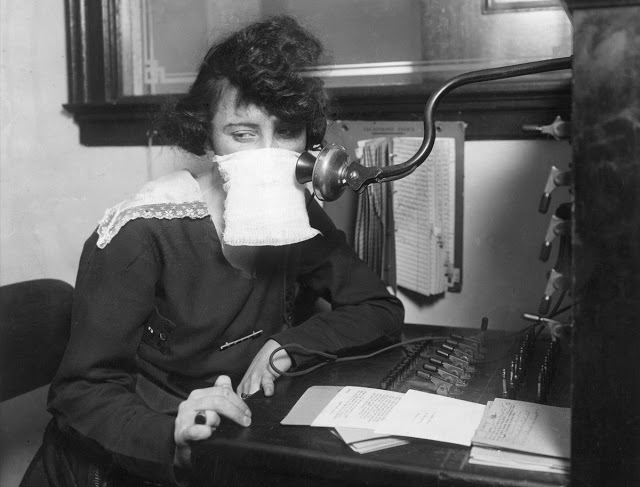
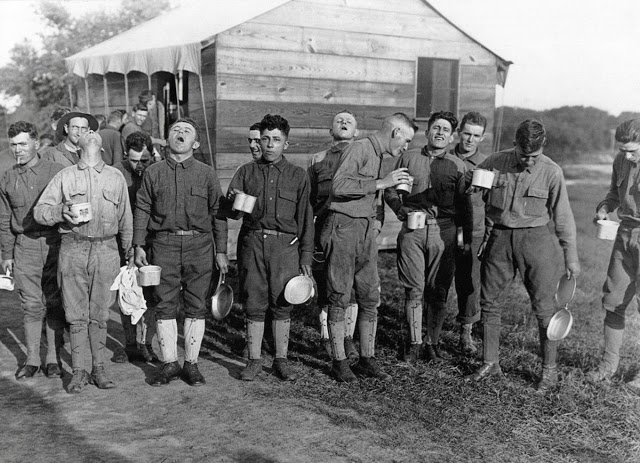
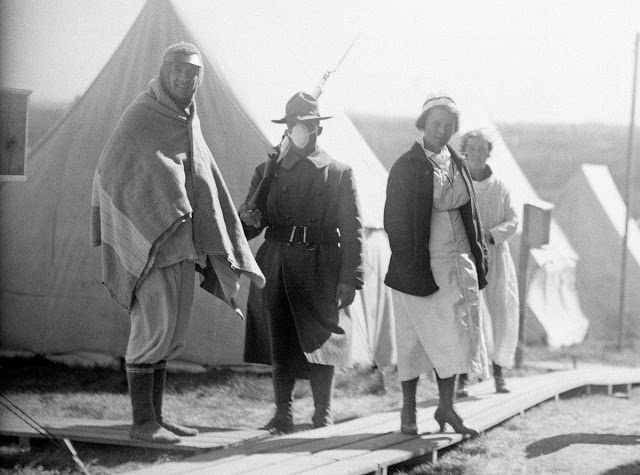
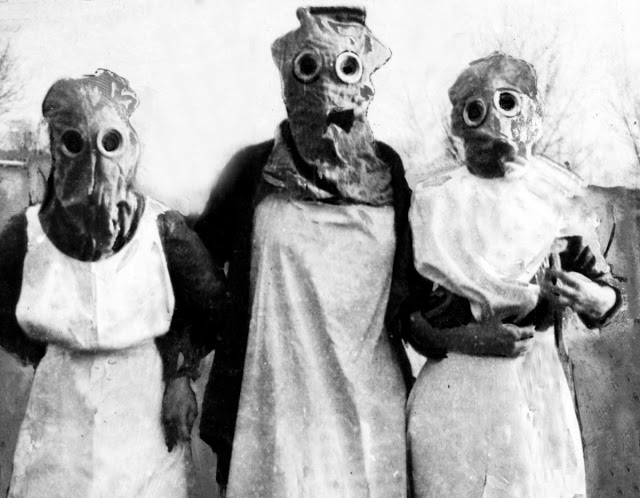
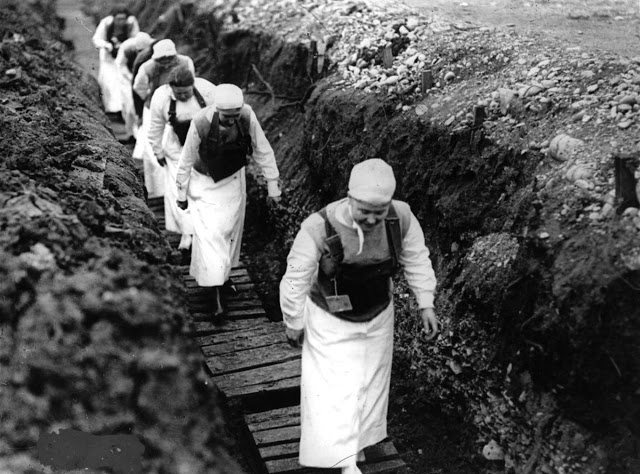
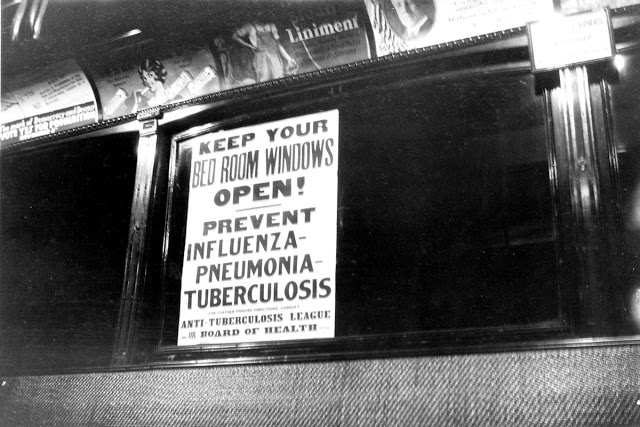
California, 1918. The 1918 Spanish flu killed up to 50 million people around the world and has been called “the mother of all pandemics”.A U.S. Army camp hospital in Aix-Les-Baines France during World War I. It is estimated that 20 percent – 40 percent of U.S. soldiers and sailors were ill, primarily from influenza virus, during the height of the war causing tremendous suffering and impacts on mission readiness.Policemen stand in a street in Seattle, Washington, wearing protective masks made by the Seattle Chapter of the Red Cross, during the influenza epidemic in 1918.Combating influenza in Seattle in 1918, workers wearing masks on their faces in a Red Cross room.Corpsmen in caps and gowns ready to attend patients in the influenza ward of the U.S. Naval Hospital on Mare Island, California, on December 10, 1918.Influenza victims crowd into an emergency hospital near Fort Riley, Kansas in 1918.A typist wears her influenza mask in October of 1918. Worried by the hold that disease had taken in New York City, practically all workers covered their faces in gauze masks as a protection against disease.Court is held in the open air in San Francisco in 1918.The congregation prays on the steps of the Cathedral of Saint Mary of the Assumption, where they gathered to attend mass and pray during the influenza epidemic, in San Francisco, California.While schools were closed during the influenza pandemic, many American children made toys for refugee children overseas.The U.S. Army 39th regiment wear masks to prevent influenza in Seattle in December of 1918. The soldiers are on their way to France.Japanese school girls wear protective masks to guard against the influenza outbreak.A girl stands next to her sister, who is lying in bed, in November of 1918. The young girl became so worried that she telephoned the Red Cross Home Service, which came to help the woman fight the influenza virus.Red Cross Motor Corps members on duty during the influenza epidemic in the United States, in St. Louis, Missouri, in October of 1918.An emergency hospital set up in Brookline, Massachusetts, to care for influenza cases, photographed in October of 1918.Convalescing influenza patients, isolated due to an overcrowded hospital, stay at the U.S. Army’s Eberts Field facilities in Lonoke, Arkansas, in 1918.A nurse takes the pulse of a patient in the influenza ward of the Walter Reed hospital in Washington, D.C., in November of 1918.A telephone operator wears protective gauze in 1918.Recovering soldiers watch a motion picture show wearing flu masks at U.S. Army Hospital Number 30 in Royat, France.An American soldier has his throat sprayed to prevent influenza in December of 1918 at Love Field in Dallas, Texas.Soldiers gargle with salt water to prevent influenza on September 24, 1918, at Camp Dix, New Jersey.Volunteer nurses from the American Red Cross tend to influenza patients in the Oakland Municipal Auditorium, used as a temporary hospital in 1918.A scene in the influenza camp at Lawrence, Maine, where patients are given fresh air treatment. This extreme measure was hit upon as the best way of curbing the epidemic. Patients are required to live in these camps until cured.British Red Cross nurses close to the front line in Flanders, wearing their gas masks, against the threat of German gas attacks. Doctors and nurses faced the same realities of war as the soldiers they were treating.American nurses carrying gas masks walk through a trench in France, 1918.Red Cross nurses and a patient at the Red Cross Emergency Ambulance Station in Washington, DC, 1918.Nurses care for victims of the Spanish flu epidemic in Lawrence, Massachusetts, 1918.Baseball players at the height of the Spanish flu, 1918.An open-air barber shop. Public events were encouraged to be held outdoors to hinder the spread of the disease during the influenza epidemic. Photographed at the University of California, Berkeley, in 1919.Physics class, University of Montana, Missoula, 1919. During the influenza epidemic, classes were held outdoors.In Sydney, Australia, nurses leave Blackfriars Depot in Chippenedale during the flu epidemic in April of 1919.People arrive at a quarantine camp in Wallangarra, Australia, during the influenza epidemic of 1919.Nurses in Boston hospitals are equipped with masks to fight influenza in the spring of 1919.Serbian soldiers are treated for influenza on February 5, 1919, in Rotterdam, Netherlands, at the auxiliary hospital for Serbians and Portuguese. The auxiliary hospital was located in Schoonderloostraat, the building of the Society of St. Aloysius. In the center is Captain Dragoljub N. Ðurkovic with a member of the medical staff.A woman wears a flu mask during the Spanish flu epidemic Feb. 27, 1919.Original caption from the National Archives: “February, 1919. U.S. Army at Archangel Front, Russia. Funeral of member of crew of U.S.S. Ascutney. Three members died in Archangel and many were sick with influenza.”Graves of U.S. soldiers who died of influenza in Devon, England, photographed on March 8, 1919. The graves contain the bodies of 100 American wounded soldiers at Paignton Military Hospital that died from the epidemic of influenza that spread over England.A health warning about influenza from the Anti-Tuberculosis League, posted on the inside of a public transport vehicle.A UK man sprays the top of a bus with an anti-flu gas March 2, 1920.Two women wearing flu masks during the flu epidemic.
Solidifying the mood for the 1940s, the entry of the United States into World War II on December 8, 1941, following the Japanese attack on Pearl Harbor put another constraint on menswear. Natural fibers were now only used on uniforms and practicality outweighed any possible trend.
Escaping from the somberness of everyday life, Americans looked to the cinema and Hollywood. The films captured the prominent styles of the era, particularly for the working man. In addition to the Esquire jacket that boasted broad shoulders and a loose fit, men found their confidence in double-breasted suits, white shirts and straight, pleated trousers.
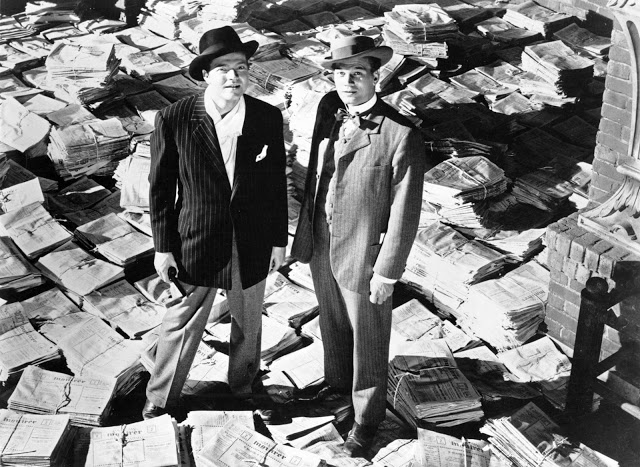
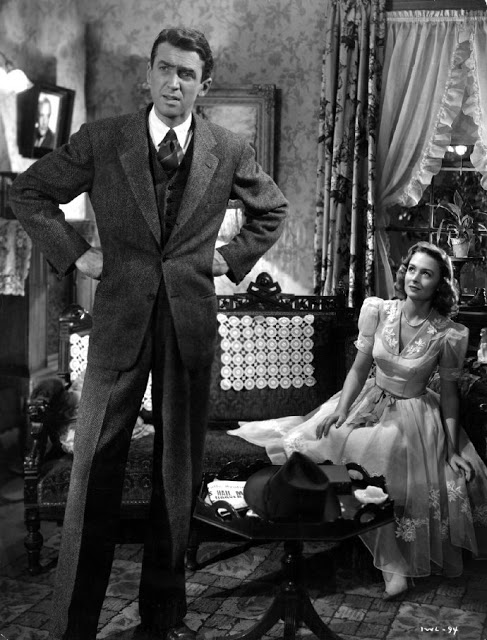
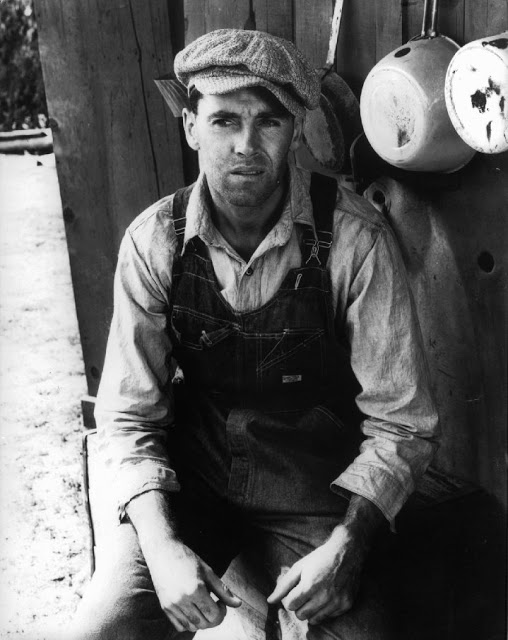
Relaxed Pinstripe Suiting: Orson Welles and Joseph Cotten, pictured left to right, in the 1941 classic Citizen Kane. “Following the death of a publishing tycoon, news reporters scramble to discover the meaning of his final utterance.”Portraying Rick Blaine in Casablanca (1942), actor Humphrey Bogart starred in the movie with Ingrid Bergman as Isla Lund. The famous image of Bogart in a trench and fedora is one of the most memorable of the era. “Set in unoccupied Africa during the early days of World War II: An American expatriate meets a former lover, with unforeseen complications.”A still featuring James Stewart and Donna Reed in It’s a Wonderful Life (1946). Playing George Bailey, Stewart keeps his style professional in a three-piece tweed suit. “An angel helps a compassionate but despairingly frustrated businessman by showing what life would have been like if he never existed.”The Common Man: Henry Fonda wears overalls as the impoverished Tom Joad in The Grapes of Wrath (1940). “A poor Midwest family is forced off of their land. They travel to California, suffering the misfortunes of the homeless in the Great Depression.”A film noir classic, Alan Ladd, wearing a two-button suit and solid knit tie, joins Veronica Lake for The Blue Dahlia (1946). “An ex-bomber pilot is suspected of murdering his unfaithful wife.”Suited Gentlemen: Katherine Hepburn is the center of attention as Cary Grant, James Stewart and John Howard vie for her attention in the 1940 classic The Philadelphia Story. “When a rich woman’s ex-husband and a tabloid-type reporter turn up just before her planned remarriage, she begins to learn the truth about herself.”
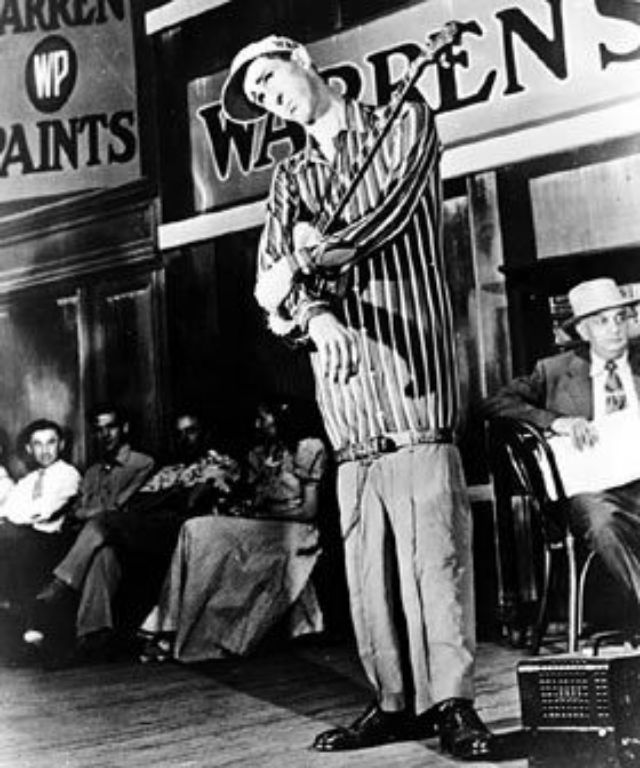
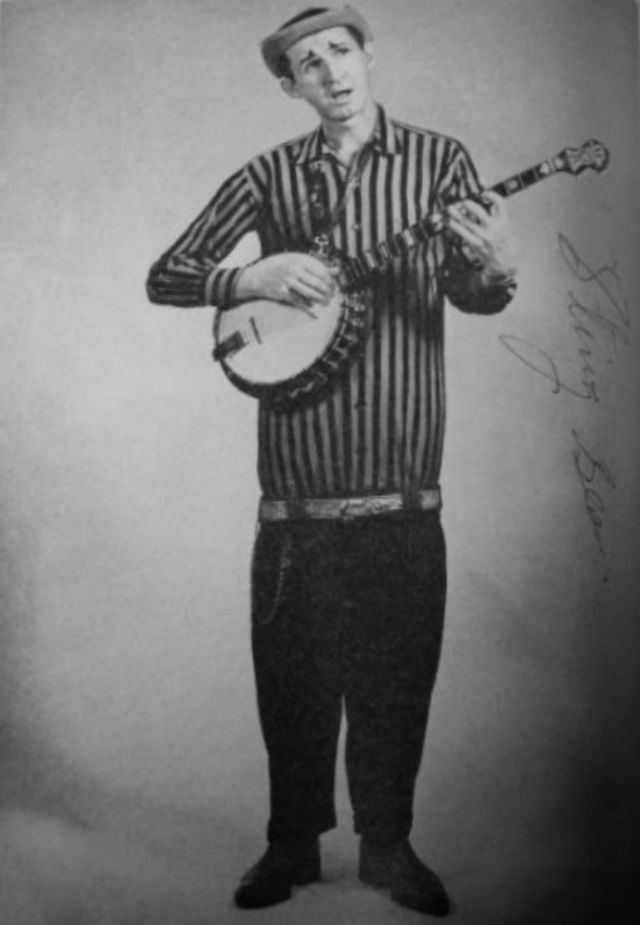
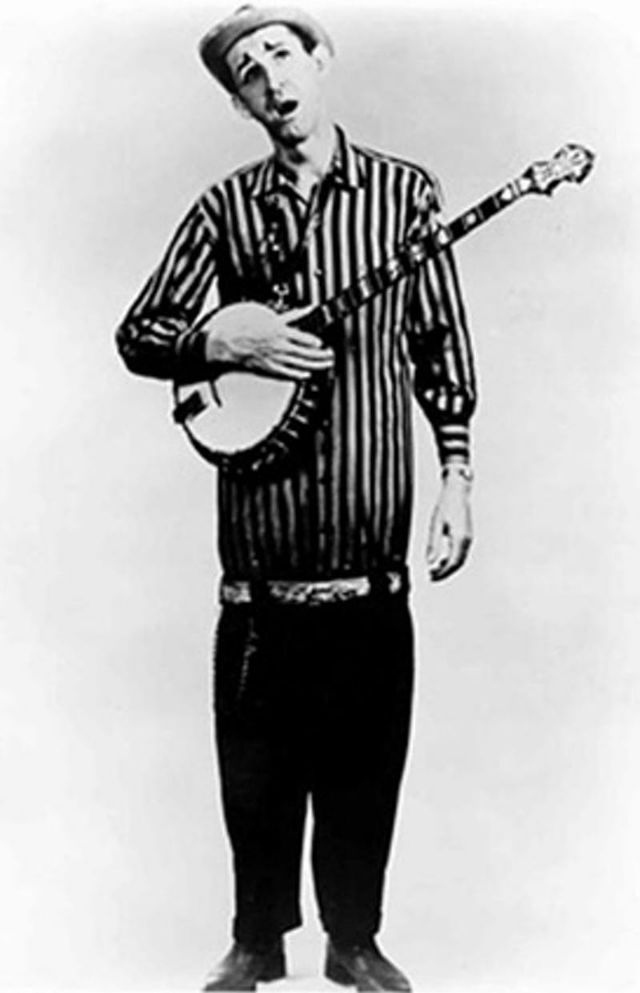
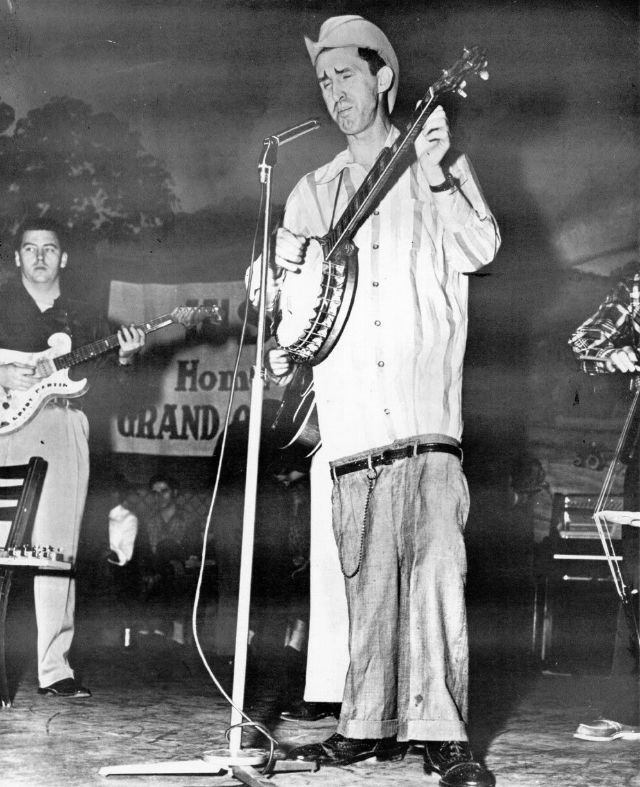
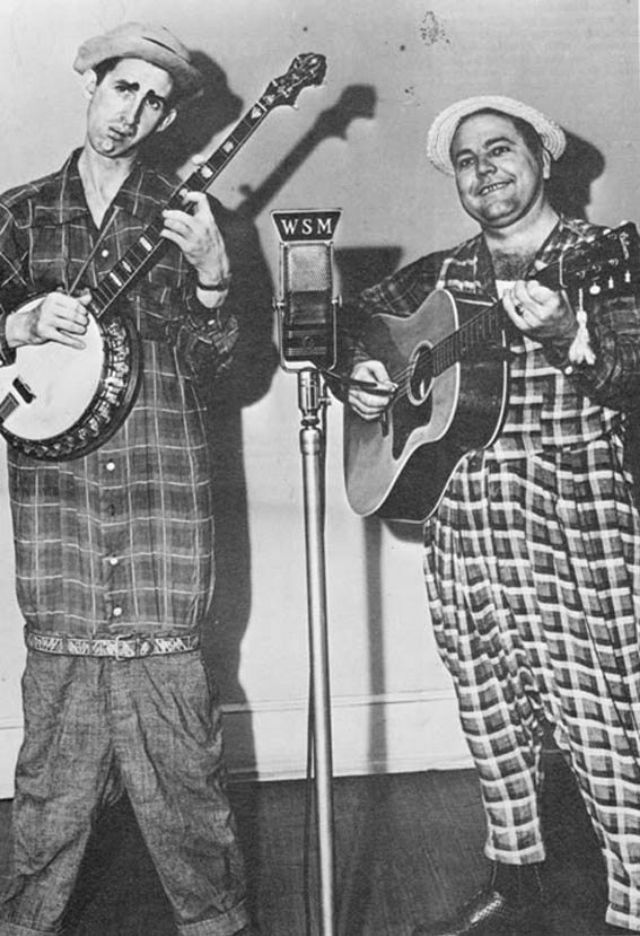
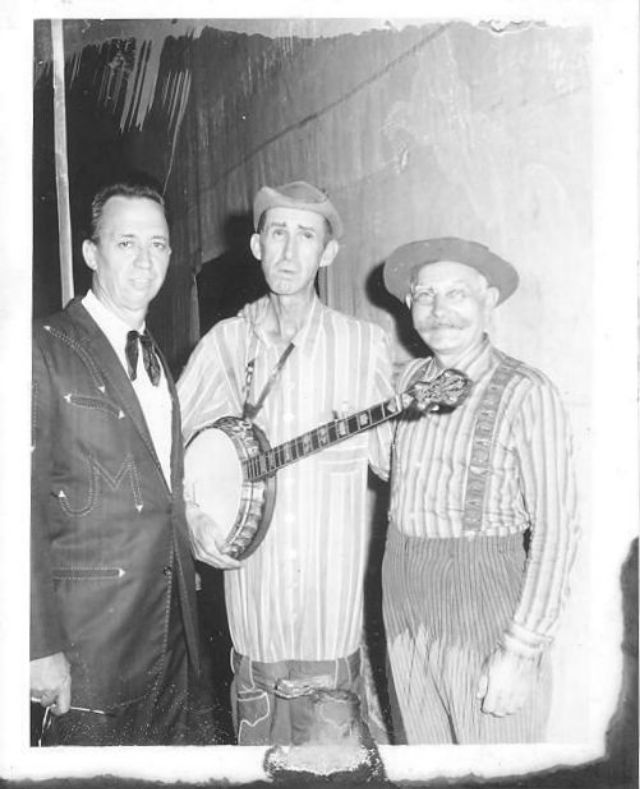
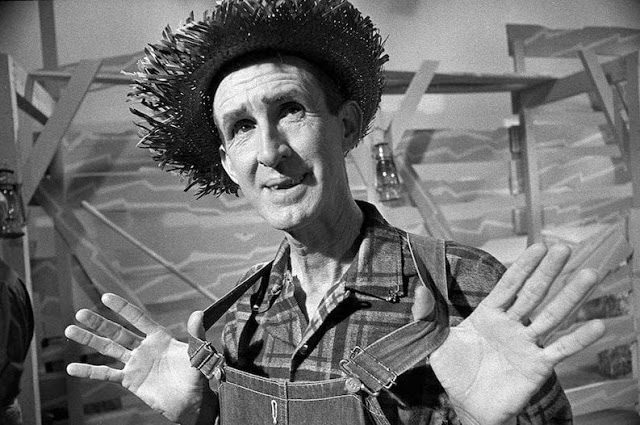
To millions of younger country music fans, David Akeman (1915–1973), better known as Stringbean, was one of the comedy powerhouses of the Grand Ole Opry and television’s Hee Haw, of which he was one of the original cast members.
Akeman was well-known for his “old-fashioned” banjo picking style, careful mix of comedy and music, and his memorable stage wardrobe (which consisted of a long nightshirt tucked into a pair of short blue jeans belted around his knees–an early form of sagging–giving him the comical appearance of a very tall man with stubby legs).
Akeman’s career came to a sudden end when he and his wife were brutally murdered by burglars at their rural Tennessee home in 1973.
Below are some vintage photos of Stringbean in his famous pants.
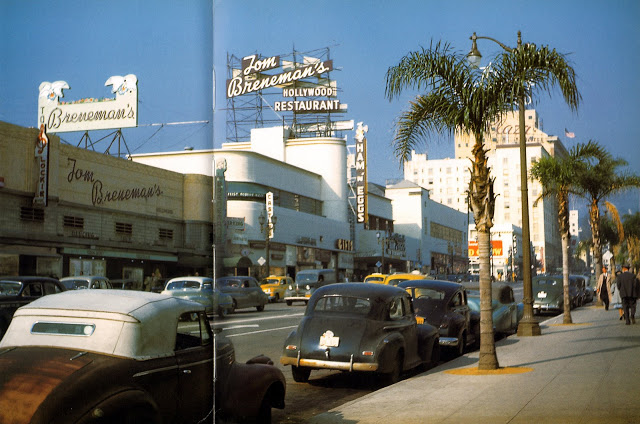
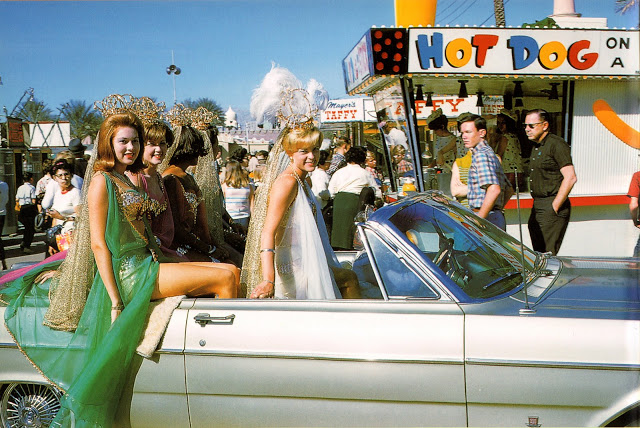
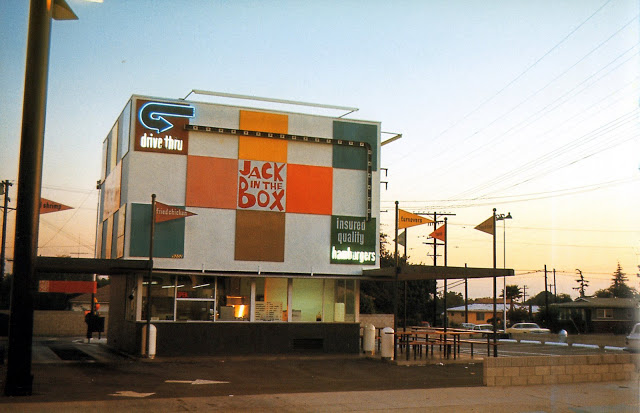
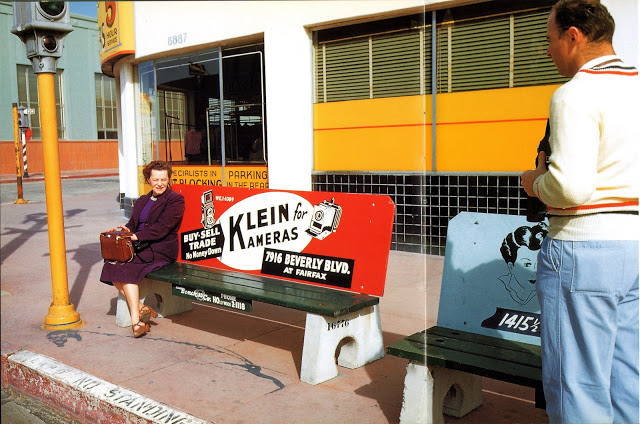
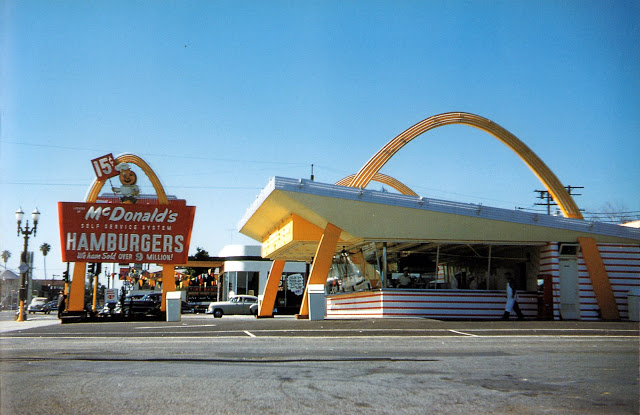
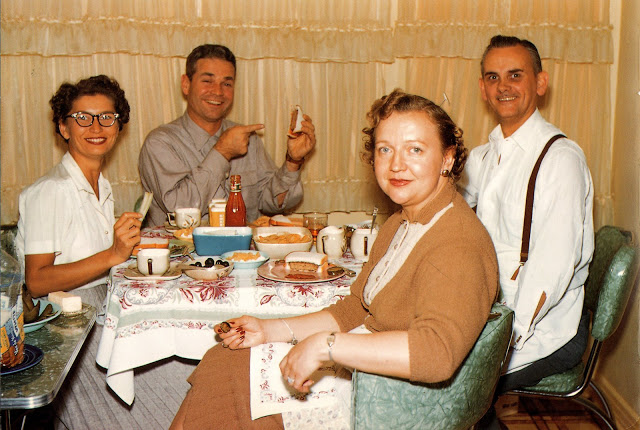
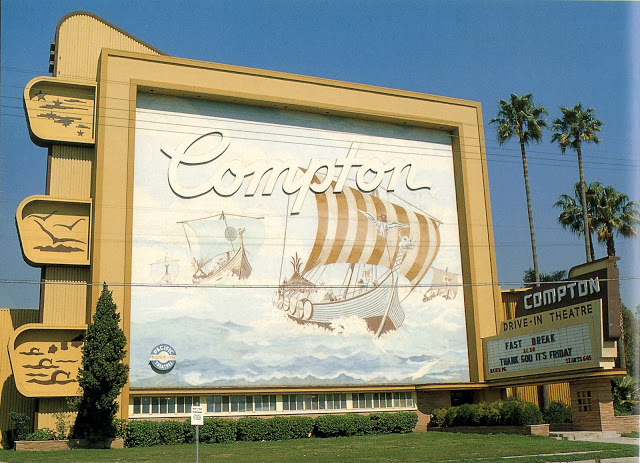
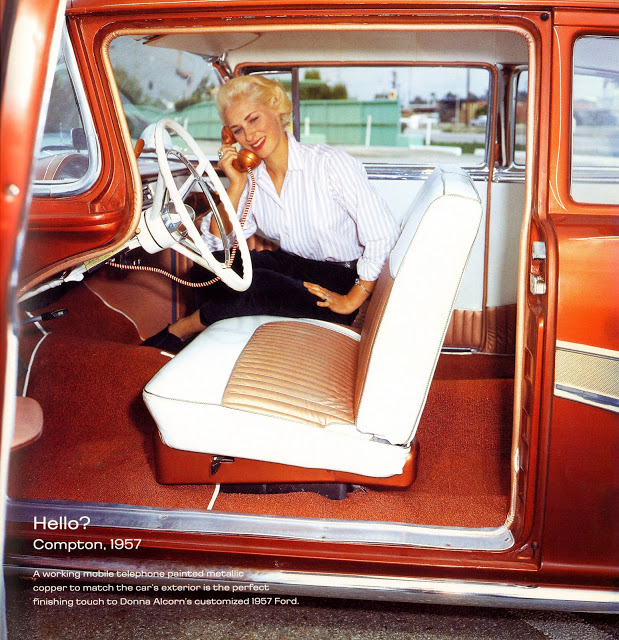
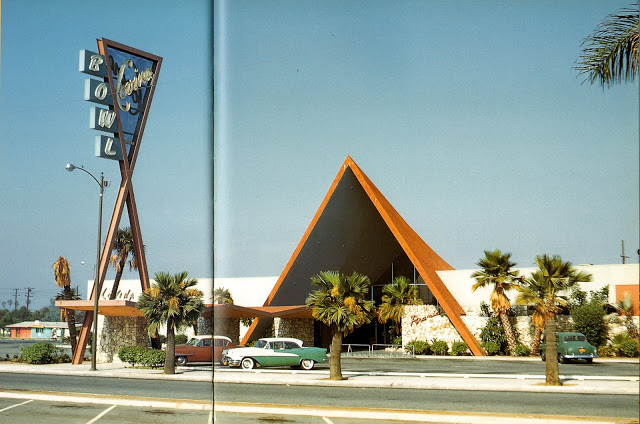
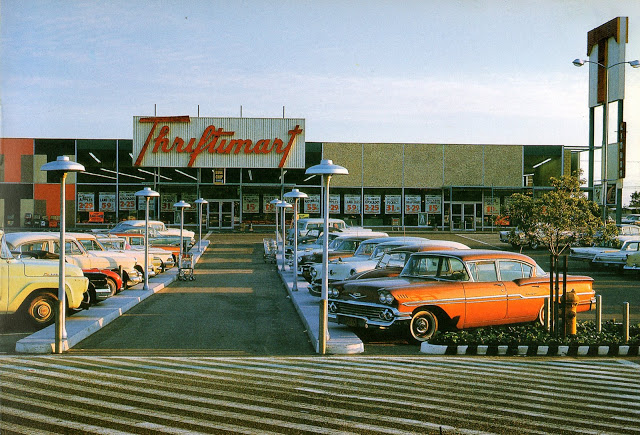
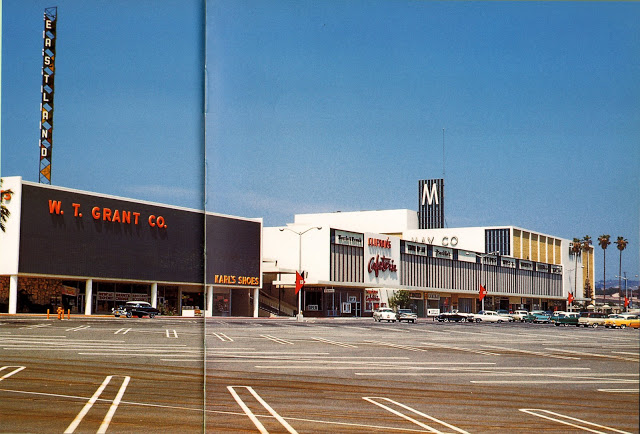
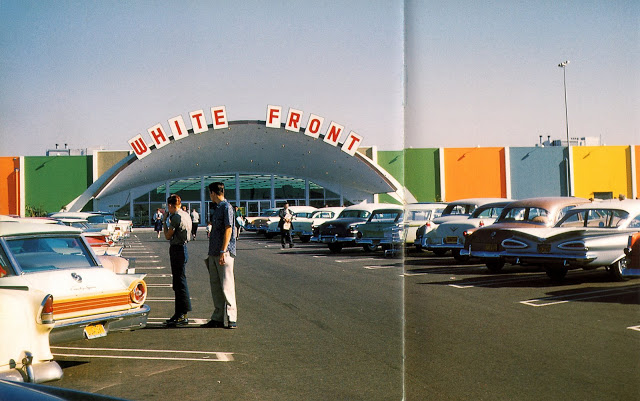
Charles Phoenix is a dude who has done a great service to mankind. He has traveled to countless thrift stores and estate sales rescuing abandoned family slides from the 1940s, ’50s and ’60s. These particular photographs are from his book, Southern Californialand: Mid-Century Culture in Kodachrome.
“There’s a lot of specialness and magic from our culture in the mid-twentieth century era that’s gone unseen,” he told BLEEP Magazine. “It’s not a surprise some things have slipped through the cracks, but it’s my job to find this stuff and put it on a pedestal. It’s a very interesting period of time, nothing is more interesting to me than the mid-twentieth century culture of America. That’s where I thrive.”
Indio, 1966Jack in the Box, 1964Los Angeles, 1956McDonald’s, 1954Alhambra, 1955Compton drive-in, 1977Compton, 1957Covina Bowl, 1956Downey, 1964Orange Grove, 1956Palm Springs, 1953Thriftimart, 1962Vine Hollywood, 1948West Covina, 1957White Front, 1961
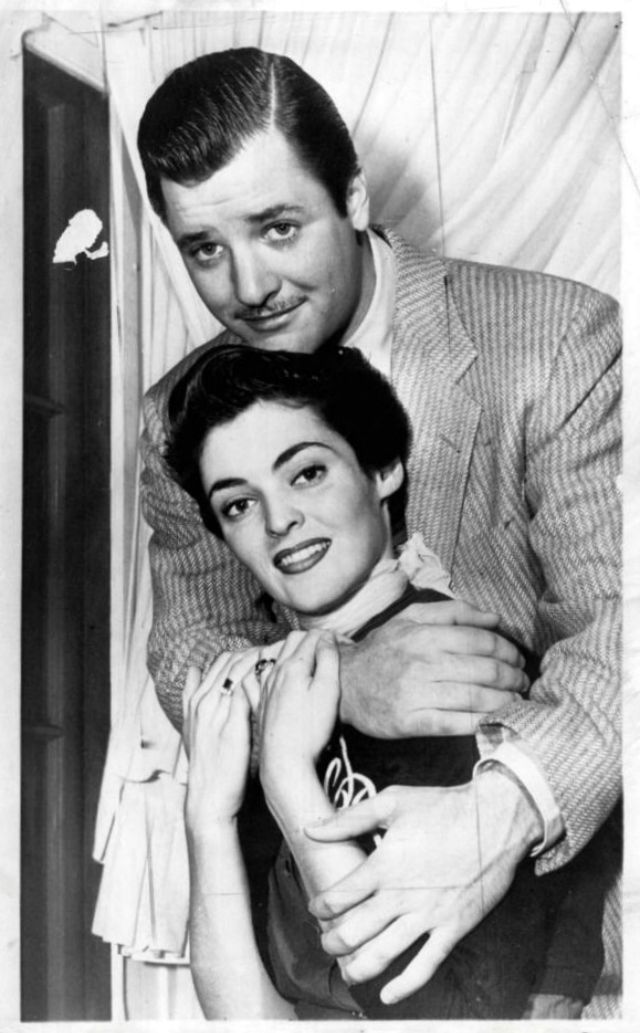
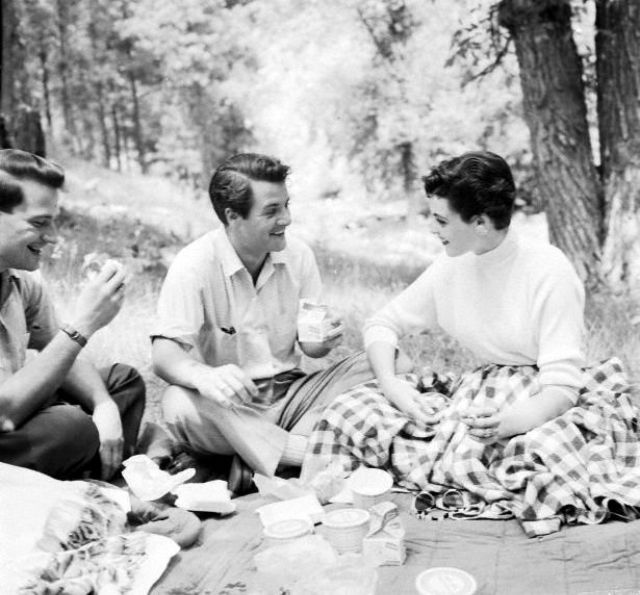
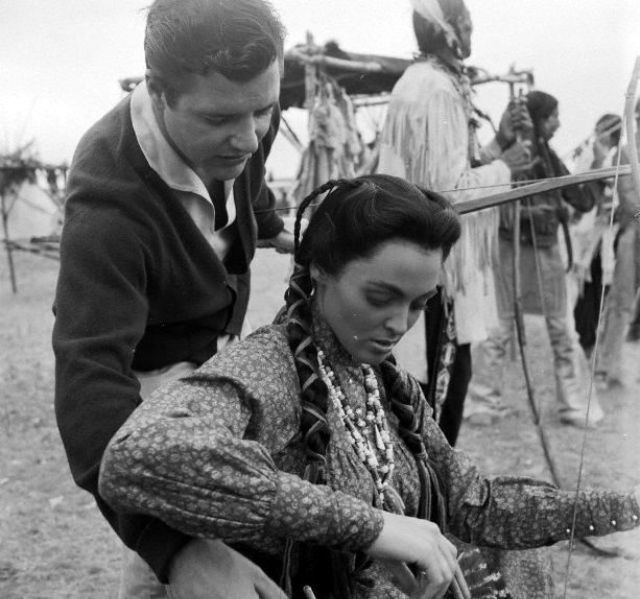
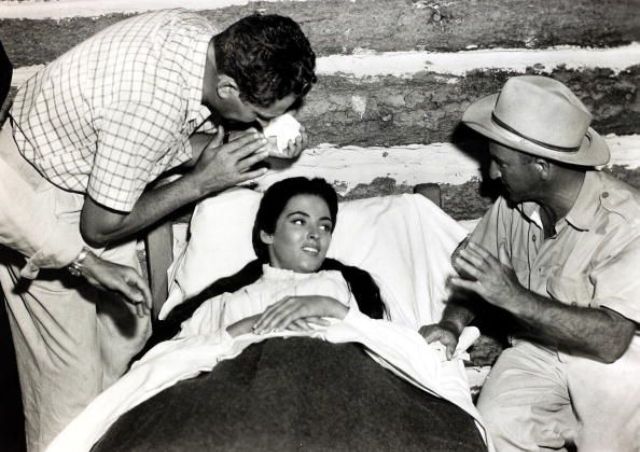
Born February 3, 1934 in Jamestown, New York, American Hollywood starlet Suzan Ball was a second cousin of fellow actress Lucille Ball. She came to Hollywood with her family in 1941, and sang with the Mel Baker Orchestra from 1948-1953.
Ball’s first part in Hollywood was as a harem girl in Aladdin and His Lamp (1952) at Monogram. She got an interview with the talent department of Universal-International and signed a contract.
In 1952, Ball was proclaimed “The New Cinderella Girl of 1952”. She had a fleeting romance with Scott Brady, who she met on the set of Untamed Frontier (1952), and they planned to marry. Ball then filmed City Beneath the Sea (1953) and fell for Anthony Quinn, who was still married. Their romance lasted only a year because Quinn was still in love with his wife, Katherine DeMille.
On her next film, East of Sumatra (1953), Ball suffered an injury to her right leg during a dance number. Later in 1953, while filming War Arrow (1953), she was told by doctors that her leg had developed tumors. Later that year at home, she slipped on some spilled water and broke her leg. Ball was rushed to the hospital and operated on to remove the tumors. The operation was not a success and she was told that amputation of her right leg would be necessary.
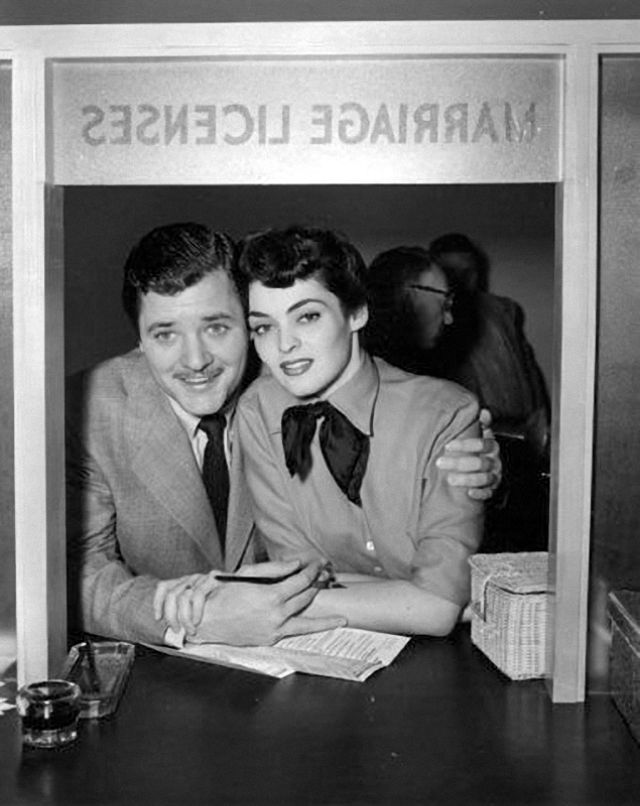
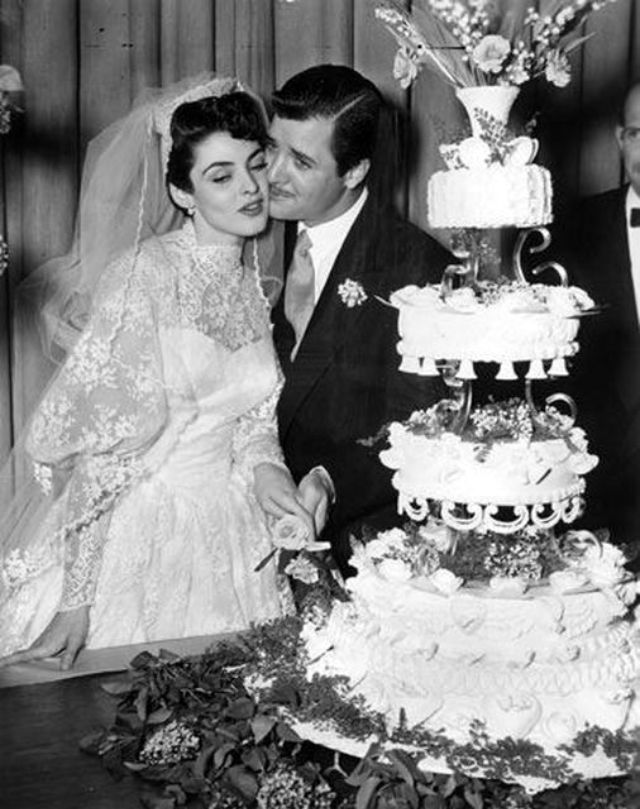
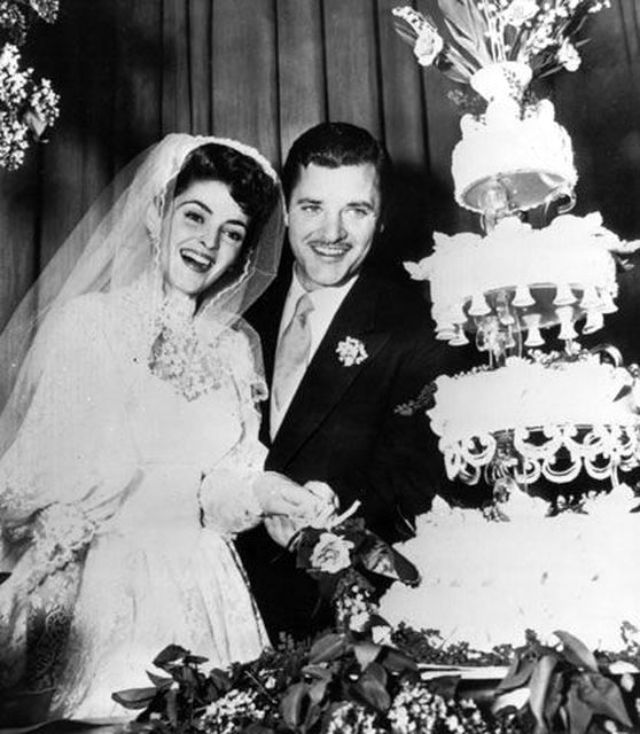
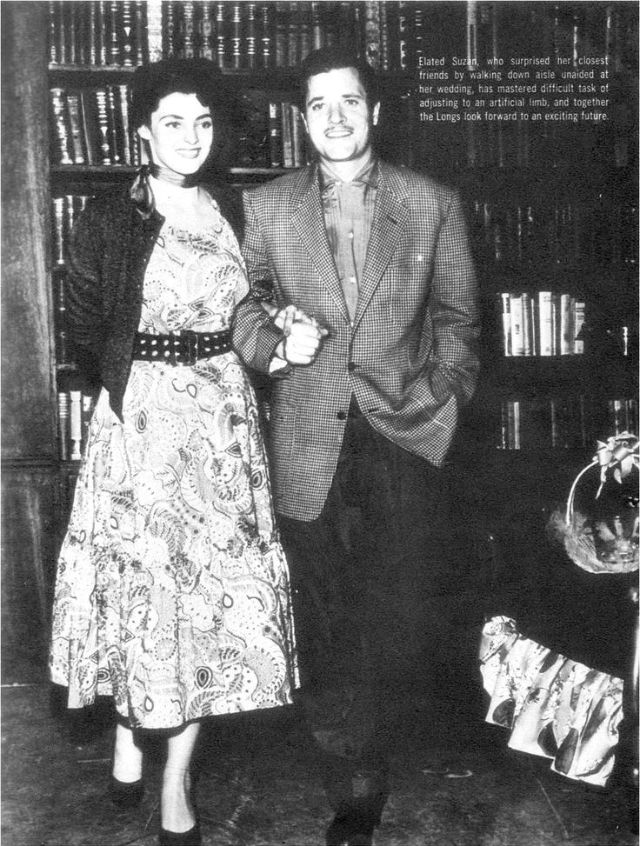
In December of 1953, Ball became engaged to Richard Long. On January 12, 1954, her leg was amputated. On April 4th, 1954, she was married to Long in Santa Barbara wearing an artificial limb.
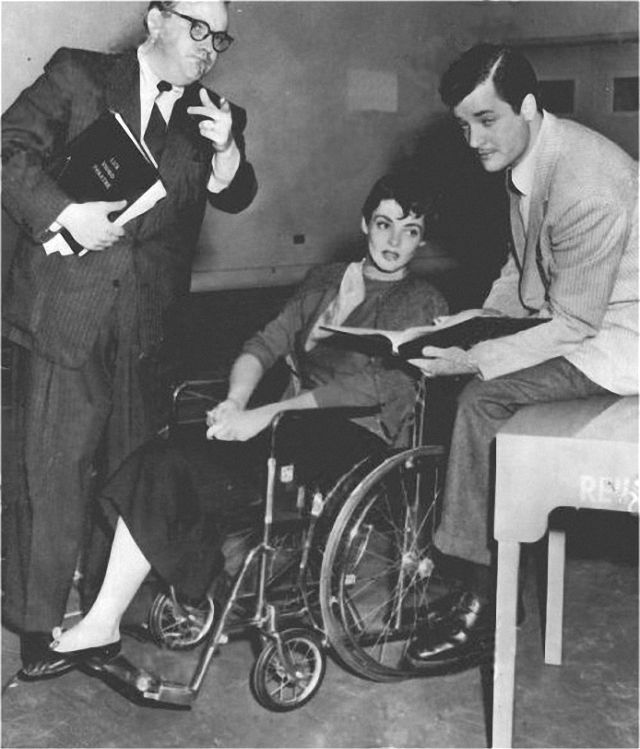
In May 1955, Ball embarked on a nightclub tour. In July, while rehearsing a scene for an episode of Climax! (1954), she collapsed and was rushed to the hospital. Doctors found that the cancer had spread to her lungs.
On August 5th, 1955, Ball died of cancer, only six months after her 21st birthday. She fought her battle with cancer for 16 months and lost. Ball was buried at Forest Lawn Cemetary. Her husband Richard was always praised for his love and devotion to Ball during her long illness.
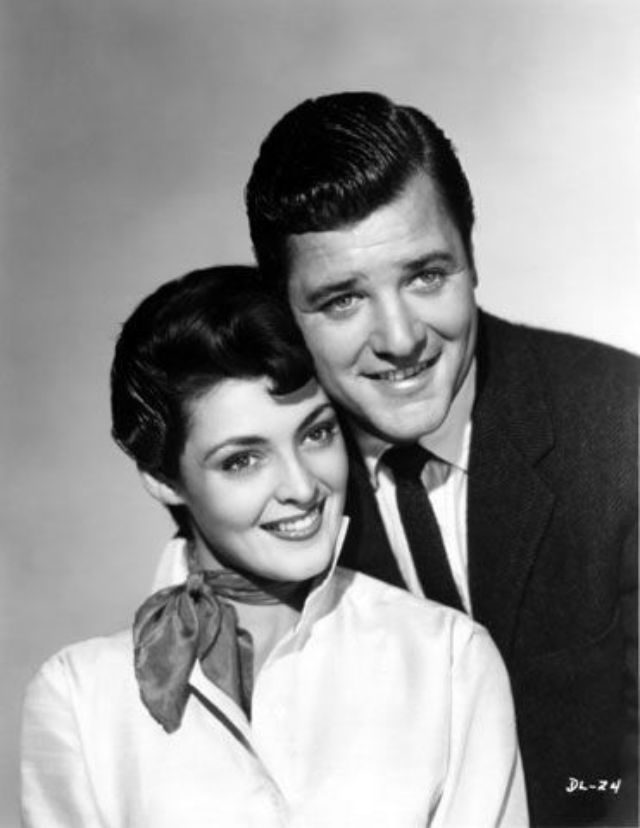
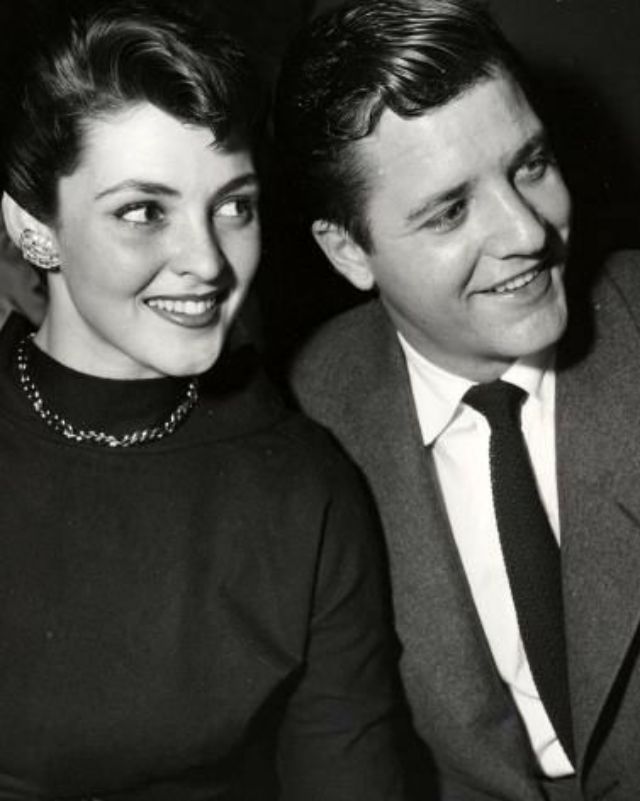
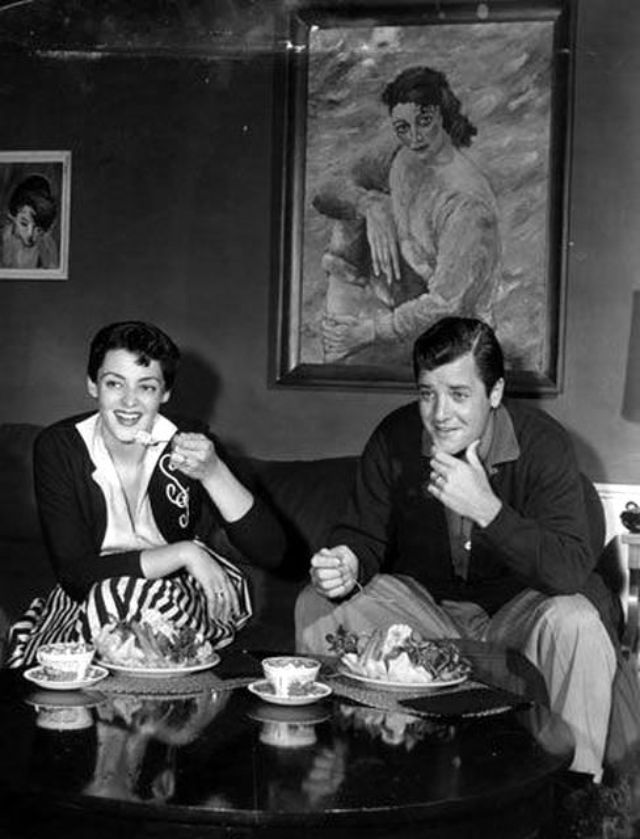
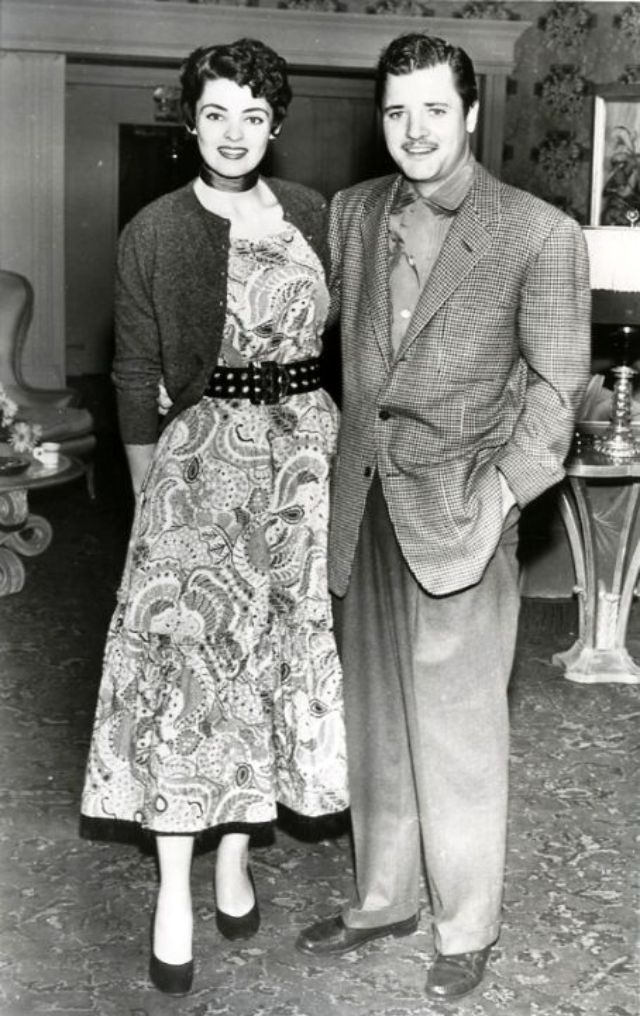
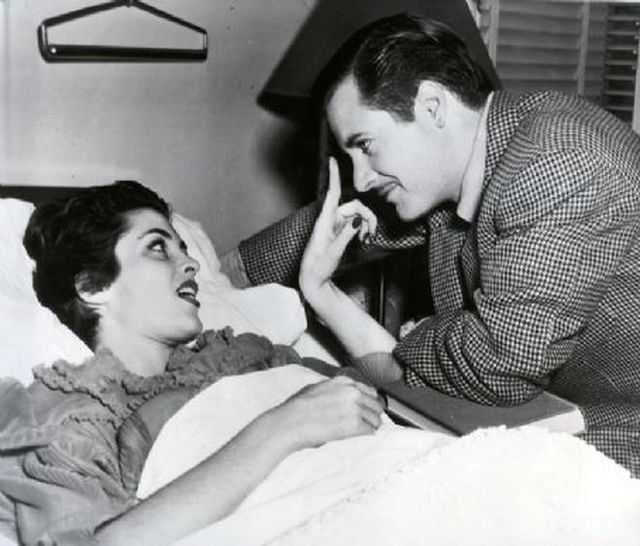
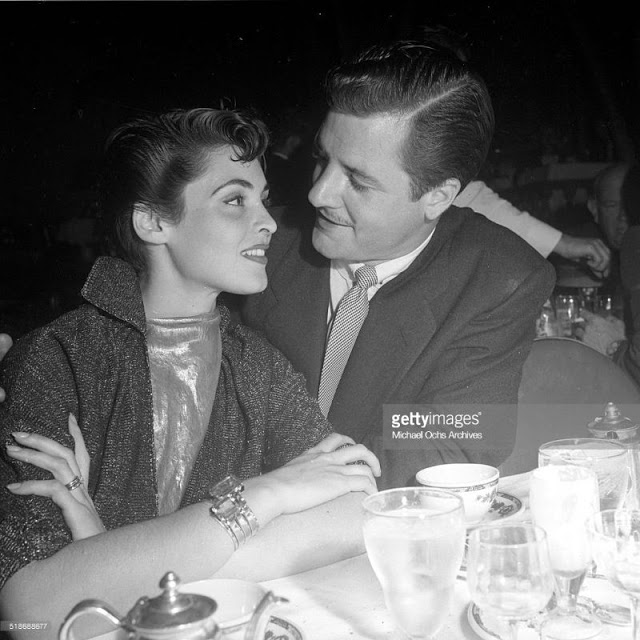
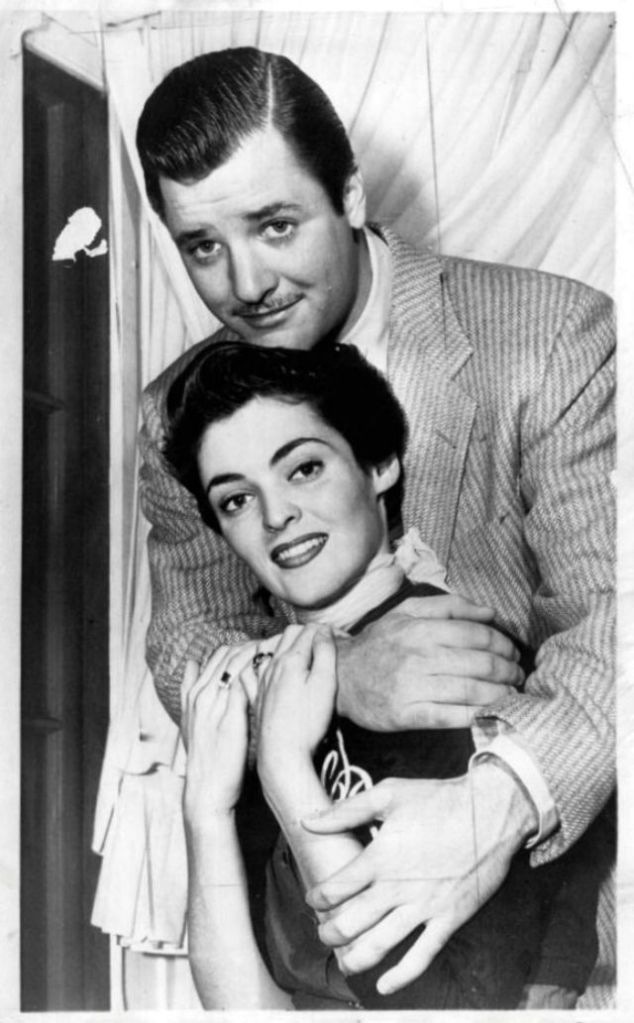
Here below is a beautiful photo collection that shows sweet moments of Suzan Ball and his husband Richard Long during her short happy time.
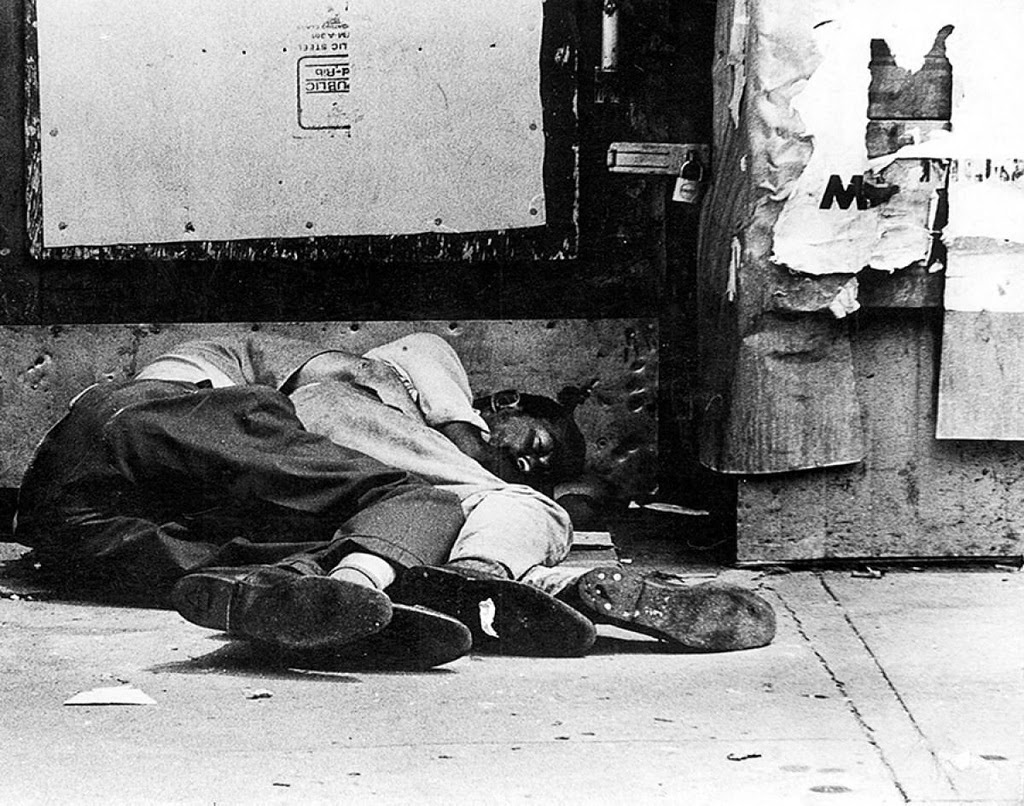
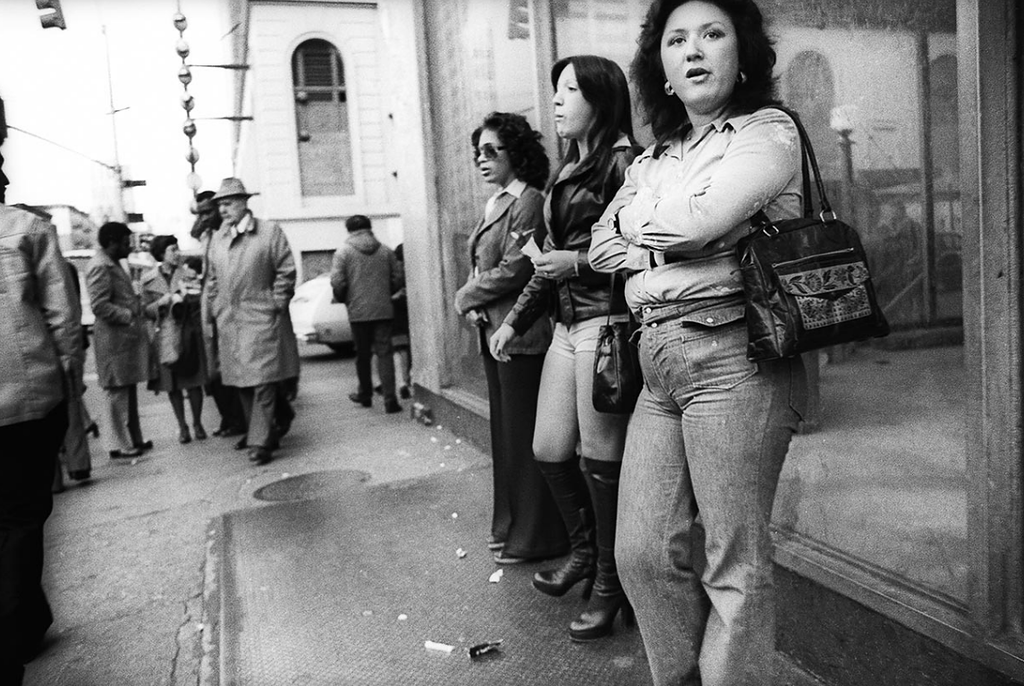
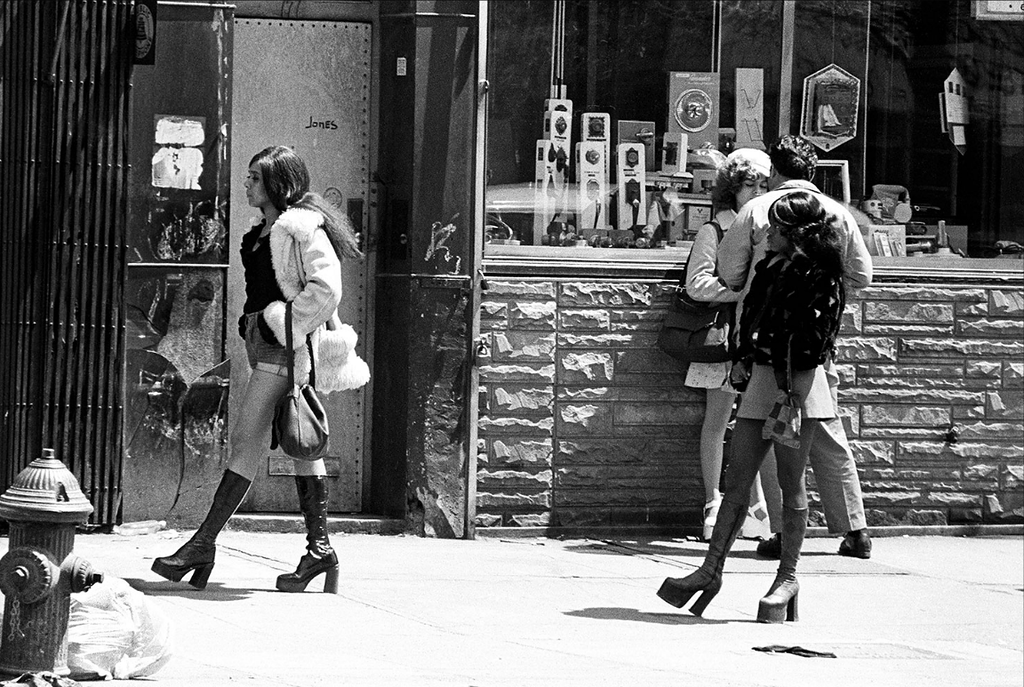
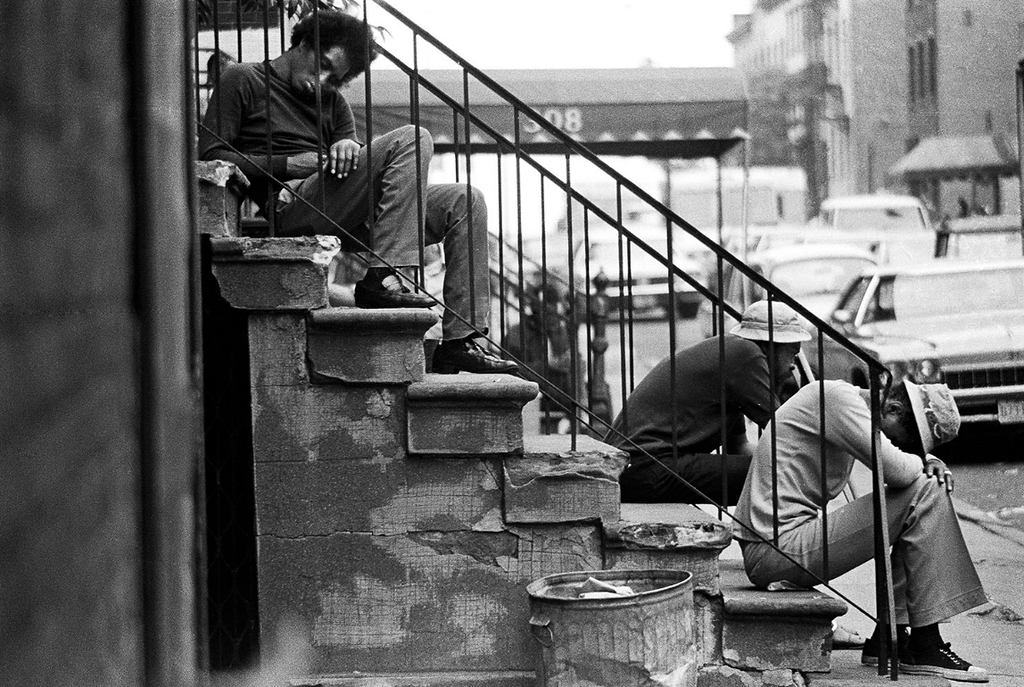
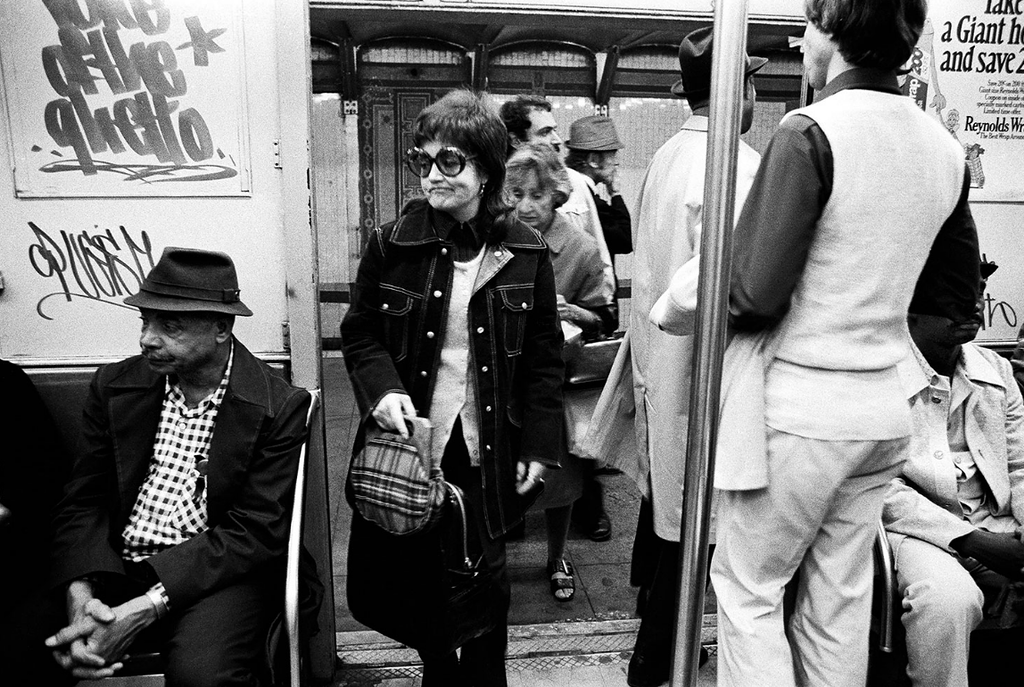
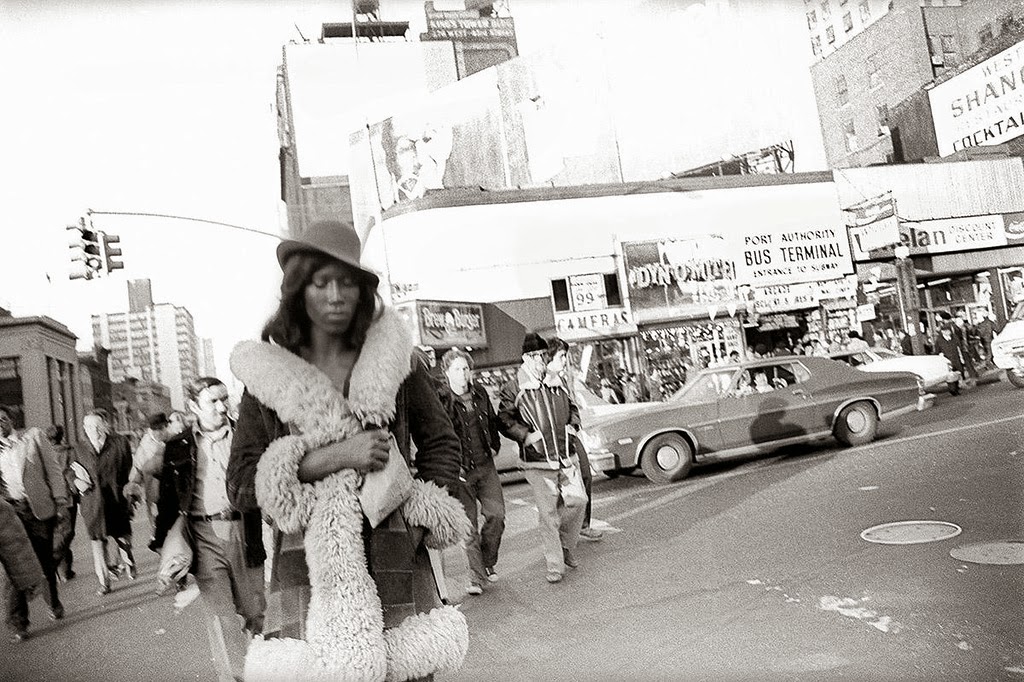
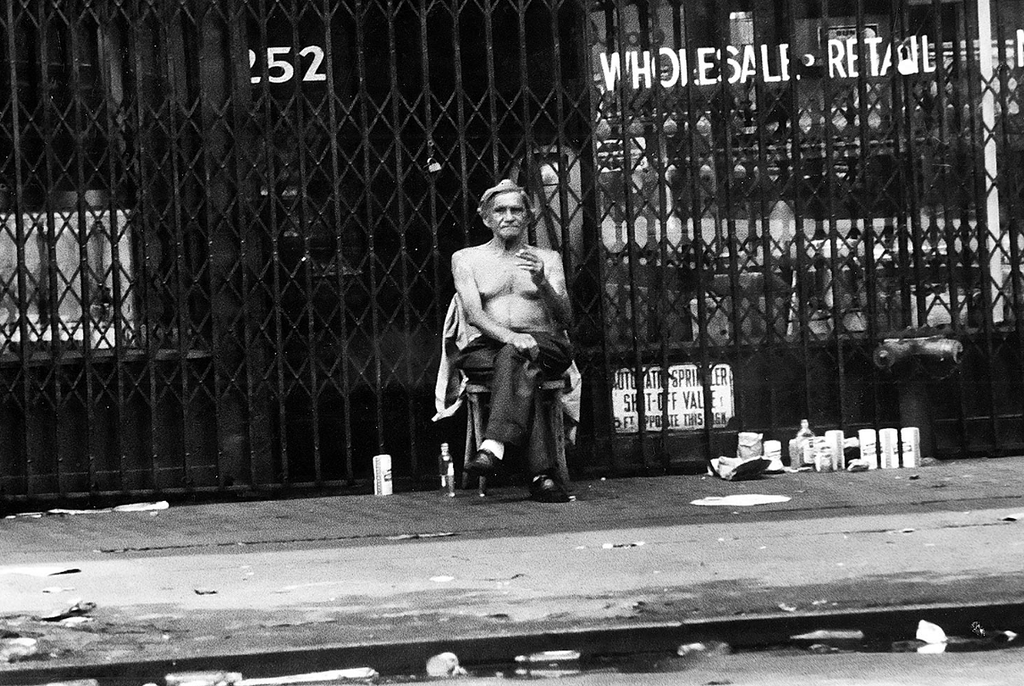
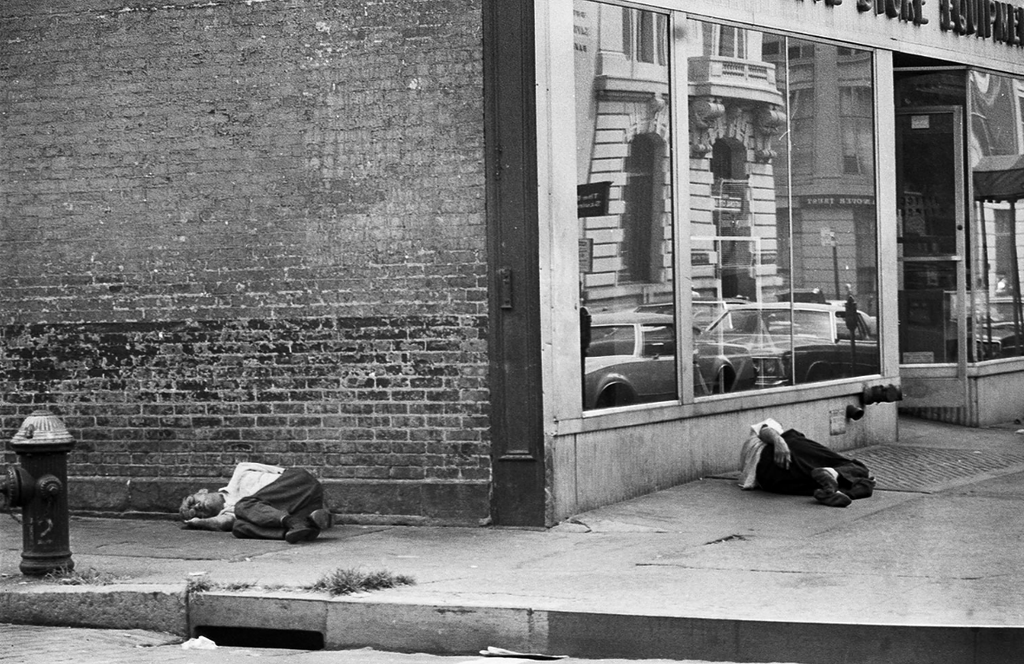
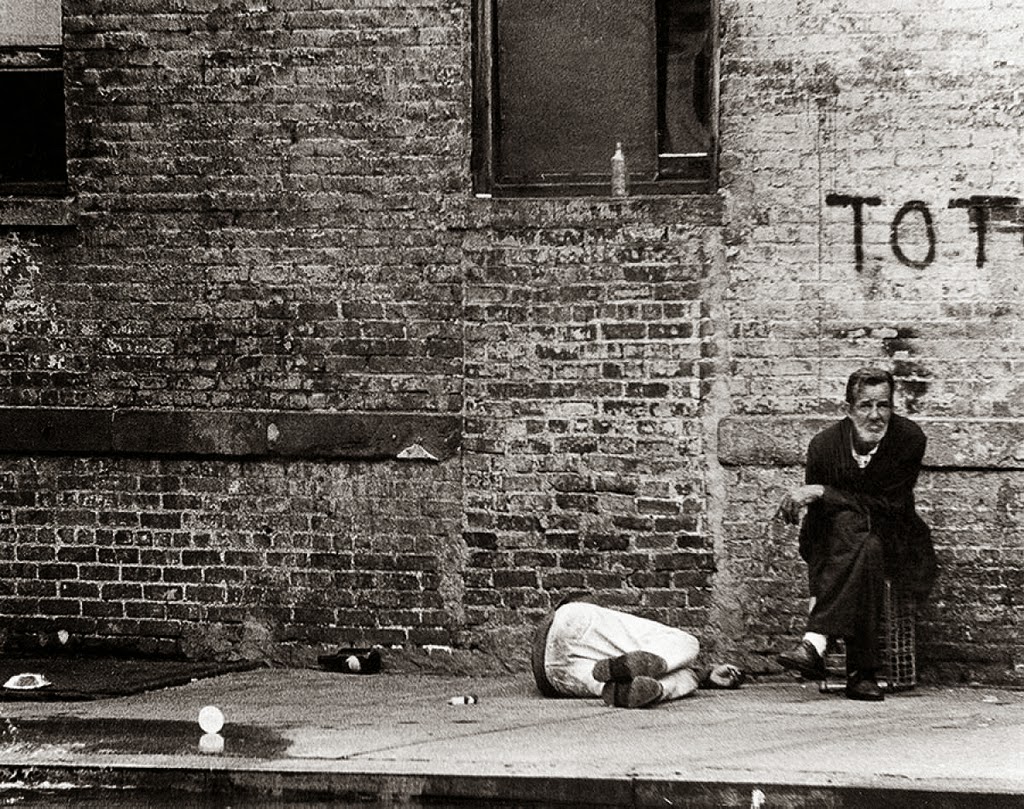
Forget the disco era, the 1970s in New York City was all about danger. With pimps and prostitutes populating the streets, an economic collapse and a crime-filled subway system, the streets of Manhattan were gritty and dark. Check out photographer Leland Bobbe’s shots of New York during a period when it hit an all-time low…
New York, often called New York City (NYC) to distinguish it from the state of New York, is the most populous city in the United States. With a 2020 population of 8,804,190 distributed over 300.46 square miles (778.2 km2), New York City is also the most densely populated major city in the United States. Located at the southern tip of the state of New York, the city is the center of the New York metropolitan area, the largest metropolitan area in the world by urban area. With over 20.1 million people in its metropolitan statistical area and 23.5 million in its combined statistical area as of 2020, New York is one of the world’s most populous megacities. New York City has been described as the cultural, financial, and media capital of the world, significantly influencing commerce, entertainment, research, technology, education, politics, tourism, dining, art, fashion, and sports, and is the most photographed city in the world. Home to the headquarters of the United Nations, New York is an important center for international diplomacy, and has sometimes been called the capital of the world.
Situated on one of the world’s largest natural harbors, New York City is composed of five boroughs, each of which is coextensive with a respective county of the state of New York. The five boroughs—Brooklyn (Kings County), Queens (Queens County), Manhattan (New York County), the Bronx (Bronx County), and Staten Island (Richmond County)—were created when local governments were consolidated into a single municipal entity in 1898. The city and its metropolitan area constitute the premier gateway for legal immigration to the United States. As many as 800 languages are spoken in New York, making it the most linguistically diverse city in the world. New York is home to more than 3.2 million residents born outside the United States, the largest foreign-born population of any city in the world as of 2016. As of 2018, the New York metropolitan area is estimated to produce a gross metropolitan product (GMP) of nearly $1.8 trillion, ranking it first in the United States. If the New York metropolitan area were a sovereign state, it would have the eighth-largest economy in the world. New York is home to the second highest number of billionaires of any city in the world.
New York City traces its origins to a trading post founded on the southern tip of Manhattan Island by Dutch colonists in approximately 1624. The settlement was named New Amsterdam (Dutch: Nieuw Amsterdam) in 1626 and was chartered as a city in 1653. The city came under English control in 1664 and was renamed New York after King Charles II of England granted the lands to his brother, the Duke of York. The city was regained by the Dutch in July 1673 and was renamed New Orange for one year and three months; the city has been continuously named New York since November 1674. New York City was the capital of the United States from 1785 until 1790, and has been the largest U.S. city since 1790. The Statue of Liberty greeted millions of immigrants as they came to the U.S. by ship in the late 19th and early 20th centuries, and is a symbol of the U.S. and its ideals of liberty and peace. In the 21st century, New York has emerged as a global node of creativity, entrepreneurship, and environmental sustainability, and as a symbol of freedom and cultural diversity. In 2019, New York was voted the greatest city in the world per a survey of over 30,000 people from 48 cities worldwide, citing its cultural diversity.
Many districts and monuments in New York City are major landmarks, including three of the world’s ten most visited tourist attractions in 2013. A record 66.6 million tourists visited New York City in 2019. Times Square is the brightly illuminated hub of the Broadway Theater District, one of the world’s busiest pedestrian intersections, and a major center of the world’s entertainment industry. Many of the city’s landmarks, skyscrapers, and parks are known around the world, as is the city’s fast pace, spawning the term New York minute. The Empire State Building has become the global standard of reference to describe the height and length of other structures. Manhattan’s real estate market is among the most expensive in the world. Providing continuous 24/7 service and contributing to the nickname The City That Never Sleeps, the New York City Subway is the largest single-operator rapid transit system worldwide, with 472 rail stations. The city has over 120 colleges and universities, including Columbia University, New York University, Rockefeller University, and the City University of New York system, which is the largest urban public university system in the United States. Anchored by Wall Street in the Financial District of Lower Manhattan, New York City has been called both the world’s leading financial center and the most financially powerful city in the world, and is home to the world’s two largest stock exchanges by total market capitalization, the New York Stock Exchange and Nasdaq. (Wikipedia)