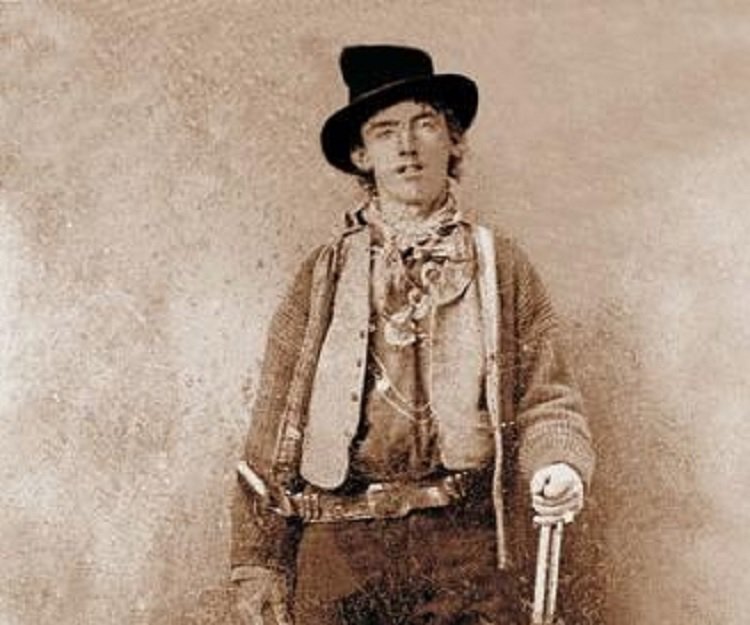
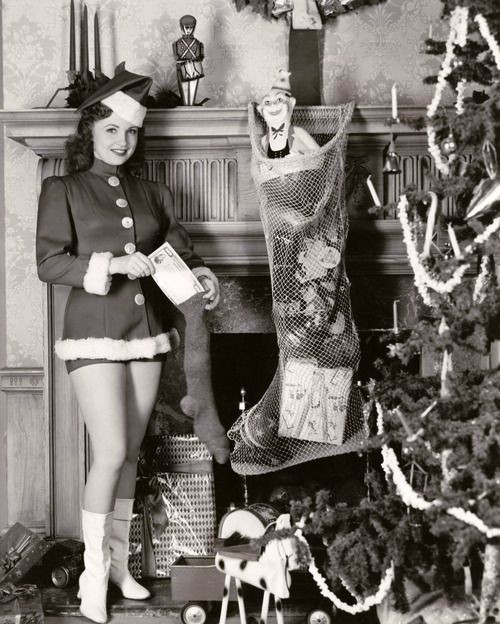
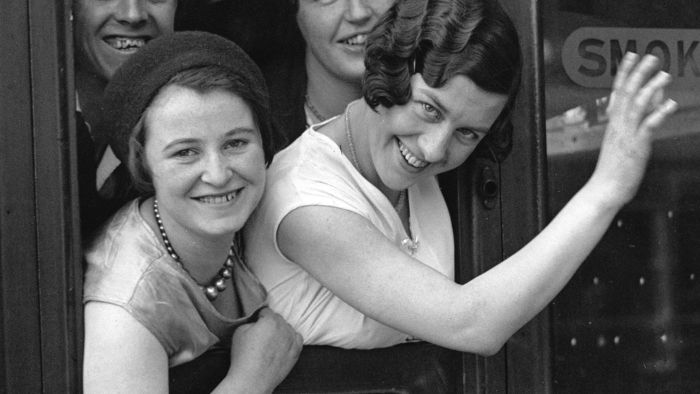
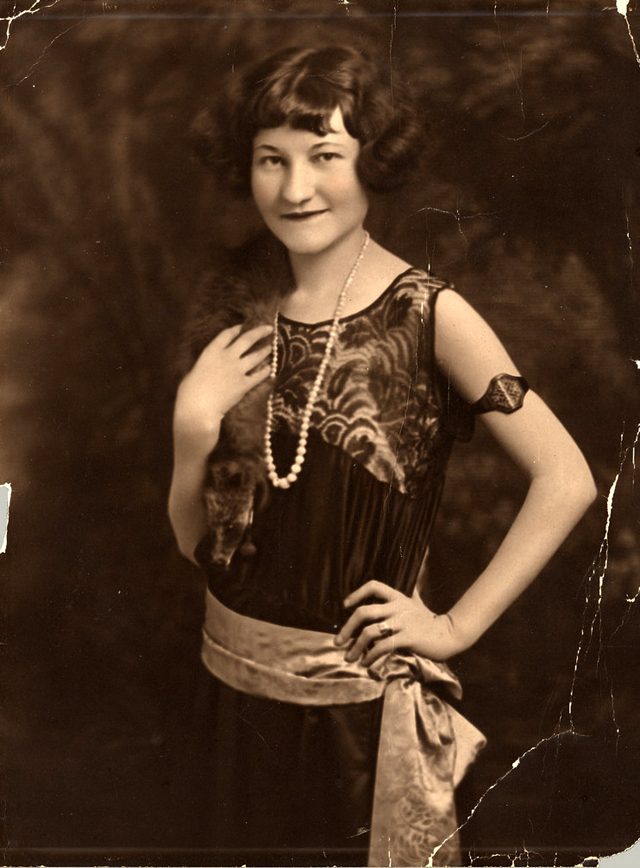
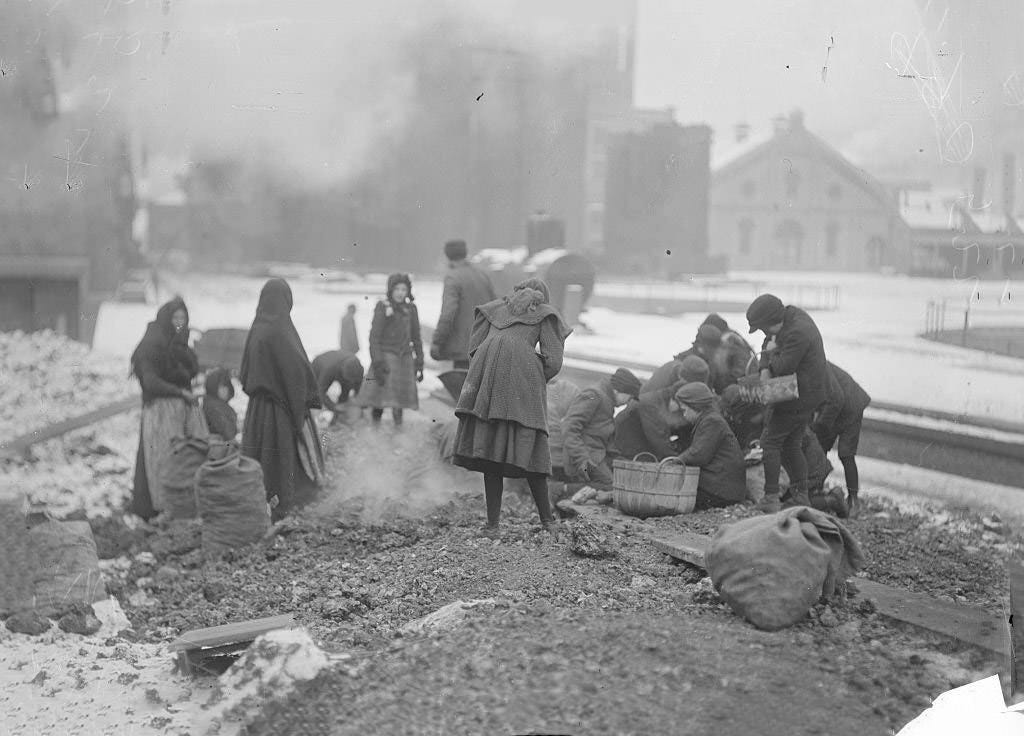
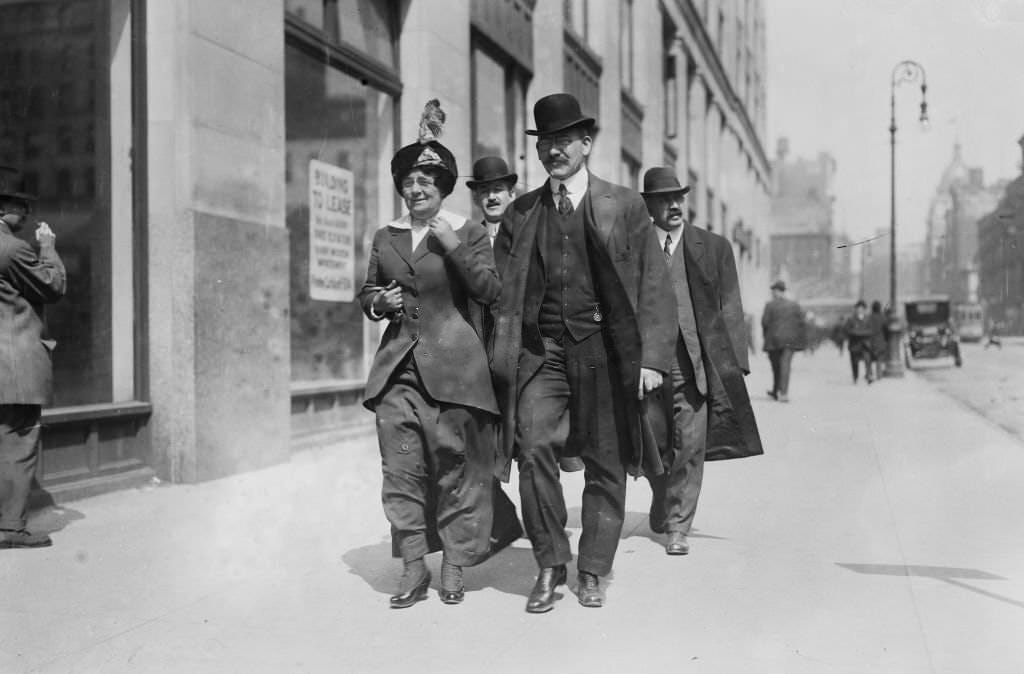
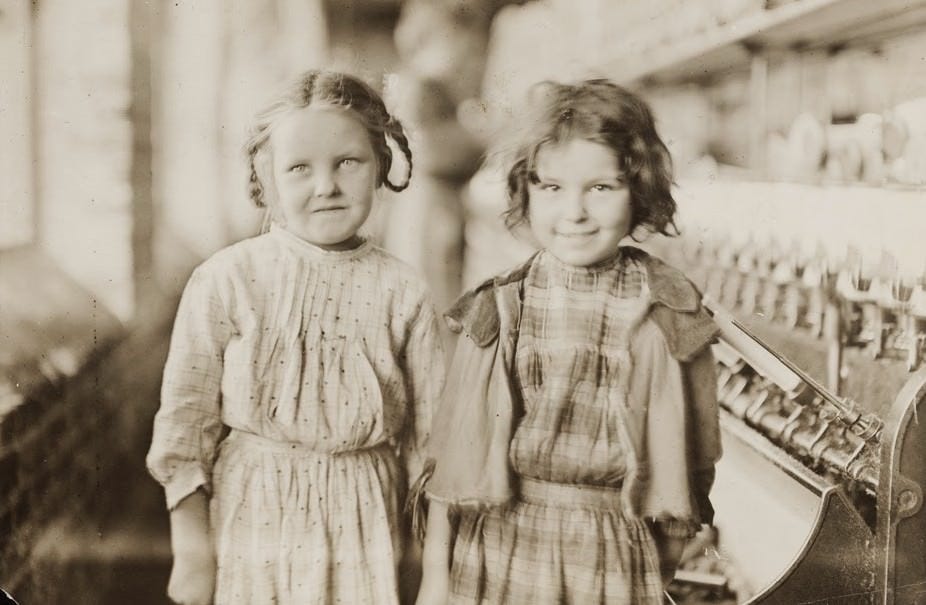
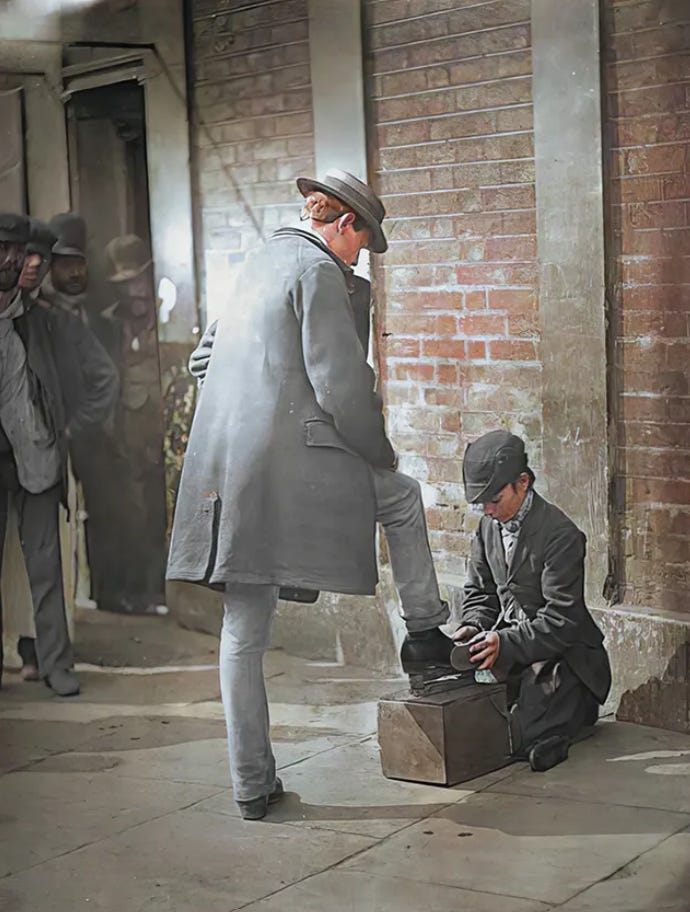
The early 20th century was a pivotal moment in the history of criminal justice, marked by the widespread adoption of “scientific” methods of identification and documentation. At the heart of this revolution was the mugshot. Far from being mere photographs, these stark, standardized portraits were the culmination of a movement to professionalize policing and create a universal system for tracking and identifying criminals. While their original purpose was purely objective—to capture a likeness for a police file—these images have since transcended their utilitarian origins, offering a haunting and intimate glimpse into the lives of those who existed on the margins of society.
Subscribe to continue reading
Become a paid subscriber to get access to the rest of this post and other exclusive content.
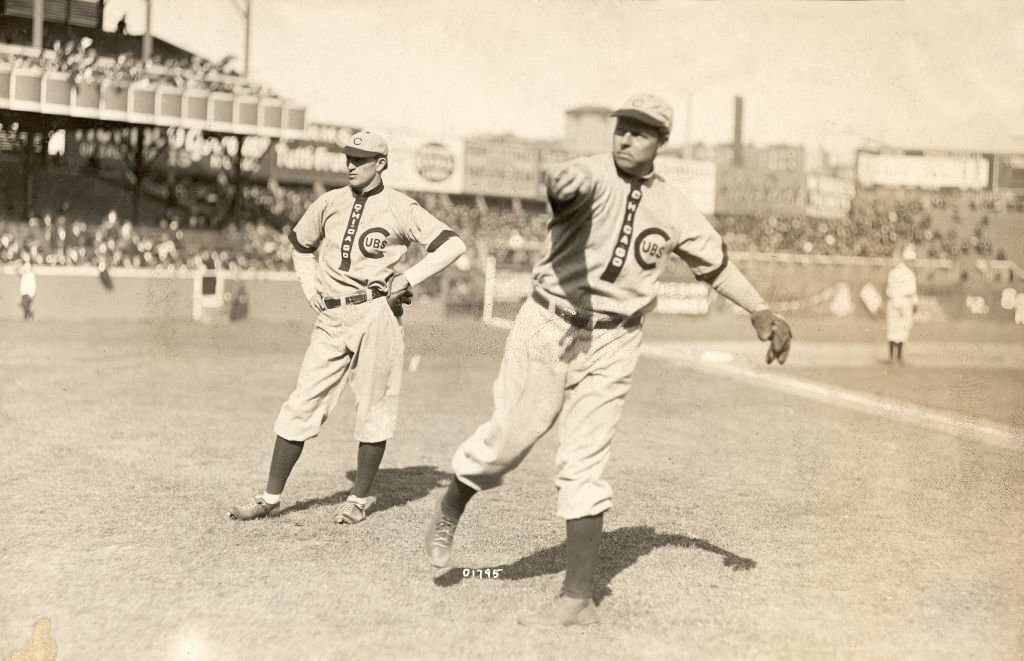
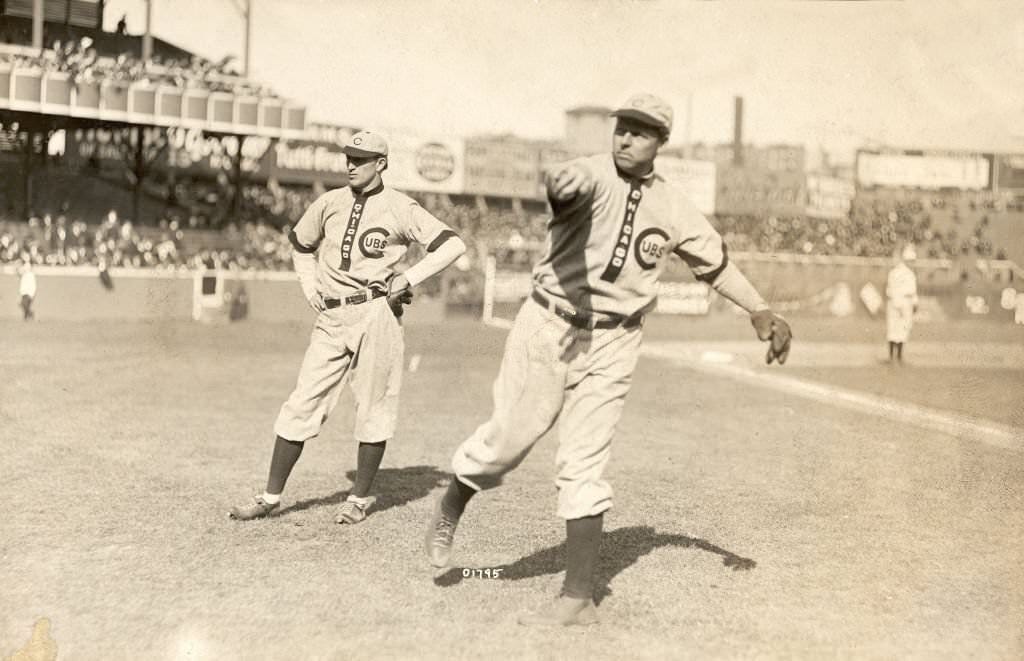
Mordecai Brown, nicknamed “Three Finger” due to a childhood farm injury, was a dominant pitcher in the early 1900s. He was a key player for the Chicago Cubs, leading their pitching staff to two World Series championships in 1907 and 1908. Brown was known for his low earned-run average and his unique pitching style, which was a direct result of his injury.
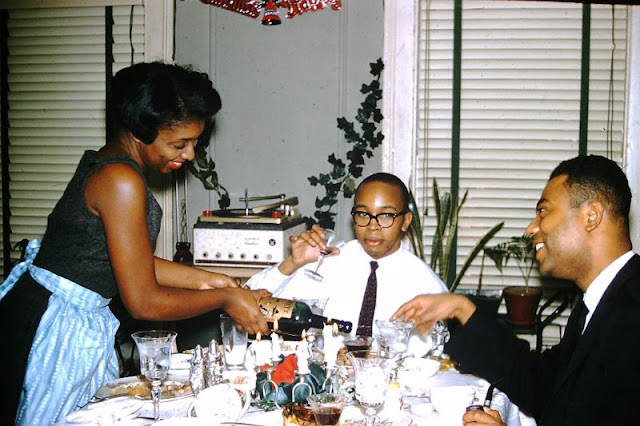
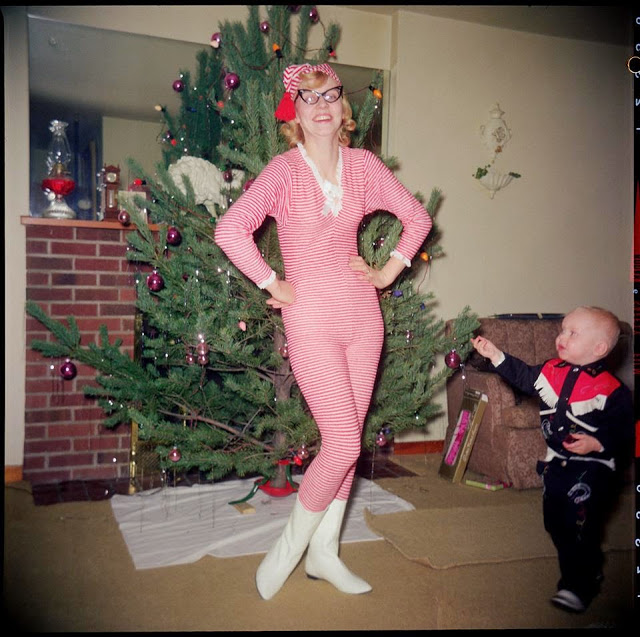
Christmas in mid‑century America occupies a special place in the cultural imagination. The post‑war years — roughly 1946 to 1964 — were marked by prosperity, optimism, and a booming population. Families were settling into new suburban homes, televisions were becoming household staples, and American manufacturing was at its peak. Against this backdrop, America’s newfound Christmas awareness morphed into the view that Christmas is a national ritual, shaped by abundance, mass media, and a growing sense of shared cultural identity. The vintage images from this era capture this transformation with remarkable clarity.
One of the most striking features of Christmas in the 1950s and ’60s is the sheer exuberance of the décor. After many decades of economic hardship and wartime rationing, Americans felt the need to embrace the Christmas holiday with gusto, in an otherwise bleak existence. Tinsel trees — especially the iconic aluminum models — shimmered in living rooms illuminated by colour-wheel spotlights. Ornaments, once manufactured in Germany, were now produced in America and sold at reasonable prices. This shift helped democratize holiday decorating, creating a distinctly American Christmas aesthetic: bold, bright, and unapologetically cheerful.
With the rise in prominence of the department store, Santa also became a defining tradition. While many Christmas traditions existed before 1945, the post‑war boom elevated them into a wonderful childhood experience. Families flocked in droves to stores in the downtown shopping area, where beautiful, intricate window displays astounded shoppers. At the same time, the fully stocked toy departments created a magical atmosphere. Children patiently waited in long lines for what seemed like an eternity for the chance to tell the white-bearded man in a red suit their wishes for a happy Christmas and a happy life. These visits to Santa Claus are often captured in candid, slightly awkward photographs that now feel irresistibly charming. These visits to the stores and to Santa Claus reinforced the idea that Christmas was a shared cultural event — one that blended commerce, fantasy, and family ritual.
The medium of television, which was developing during this period, would play a very transformative role. By the time the 1950s arrived, television ownership had exploded after the cost of TV sets plummeted, leading to a rapid rise in TV ownership. Rising, the production of holiday television programming flourished due to increased demand, and it quickly became part of the public’s seasonal offerings. Families gathered around their tv sets and watched variety‑show specials, animated shorts, and later on, the now‑classic Rankin/Bass productions. These tv shows created a standardized Christmas pathos across the USA, from Rudolph’s glowing nose to Frosty’s top hat. For many children, the holiday season was inseparable from the glow of the television screen — a new kind of hearth for a modern age.
Food traditions evolved rapidly during this period. The 1950s and 1960s emphasized convenience and noveltyregarding food, bringing to holiday tables such new items as gelatin salads, canned hams, and brightly frosted cakes and cookies. Items like cookbooks and women’s magazines heavily promoted Christmas recipes that appealed to many homemakers. Also, the era’s prosperity meant families could indulge in treats that had been scarce during the Depression of the 1930s and the wartime years in the first half of the 1940s. Christmas baking — cookies, fruitcakes, and pies — became a cherished domestic ritual, often passed down through generations.
The most enduring legacy of Christmas in the 1950s and 1960s was the emotional landscape it created. Photographs from this time period illustrated families gathering around trees and children unwrapping toys with an astounding amount of energy and joy. In addition, communities that gathered together for parades, pageants, and church services benefited greatly from these Christmas festivities. Even as the consumer culture was created and expanded, the heart of Christmas remained deeply rooted in connection and shared experience.
As we reflect upon these photos today, more than nostalgia is evident. We see a picture of America defining itself through ritual and celebration. The Christmases of the 1950s and ’60s were born of optimism and abundance, as well as a desire for stability and meaning in a rapidly changing world. The traditions forged in those decades — from Santa visits to televised specials — continue to shape how Americans celebrate the holiday today.
By revisiting these vintage photographs, we’re often reminded that Christmas is as much about memory as it is about the present. The holiday season of the 1950s and 1960s, with its tinsel‑draped exuberance and warm simplicity, remains to this very day a testament to society’s resilience, and a time when America embraced both modernity and tradition — and found joy.
These vintage photos show how Americans celebrated Christmas in the 1950s and 1960s.
Subscribe to continue reading
Become a paid subscriber to get access to the rest of this post and other exclusive content.
Hollywood has always known how to sparkle — and Christmas was the perfect excuse. Long before Instagram filters and influencer feeds, the stars of the silver screen celebrated the holidays with dazzling charm.
These vintage photographs transport us back to a time when Christmas trees glittered under studio lights, ornaments gleamed like jewels, and Hollywood’s biggest names turned festive moments into timeless glamour.
During the 1930s, movie stars were photographed beside modest trees, most often decorated with handmade ornaments. The tremendous warmth of these images showcased the resilience of families living through the Depression. Even in hard times, elegance was never forgotten.
By the 1940s, Hollywood was at its golden peak. Rita Hayworth trimmed her tree in satin gowns. Bette Davis and Joan Crawford brought their trademark intensity to holiday portraits. Christmas wasn’t just personal — it became a studio showcase of style and sophistication.
The postwar years created a new type of holiday sparkle. The 1950s and 1960s were a time of bold fashion, brighter lights, and a profound sense of optimism. Marilyn Monroe, Jayne Mansfield, and Sophia Loren posed with oversized ornaments and candy canes, blending playful glamour with holiday cheer.
These photographs, so captivating and enduring, are a mixture of intimacy and spectacle. Audiences were given access by their favourite stars, who invited them into their holiday celebrations, while maintaining that essential air of mystery. The tinsel shimmered, the studio lights glowed, and Hollywood’s leading ladies embodied a magic that feels both familiar and magical.
When we remember the past, we become more aware of more than just celebrities enjoying Christmas. We are witness to the cultural heartbeat of an era — how traditions were shaped by glamour, how Hollywood became a guiding star for popular imagination, and how the holidays offered rare moments of softness in lives otherwise defined by ambition.
“Tinsel & Stardust” is so much more than a compendium of vintage images. It illustrates and showcases a wonderful celebration of memory and style, as well as the enduring attraction of Hollywood at Christmastime. These photos show us that even in the glittering world of Hollywood fame, the holidays will always be about joy, connection, and a touch of magic.
Step back into a decade defined by resilience and refinement, where elegance was not just a style but a way of life. These rare photographs of women from the 1930s give us a glimpse of a world caught between tradition and modernity—moments of quiet grace, bold fashion, and unspoken strength which are preserved in silver tones. Each image whispers of forgotten stories, inviting us to rediscover the beauty, poise, and spirit of a generation that shaped the course of history.
During the 1930s, women’s lives were marked by hardship, resilience, and slow but significant social change. The Great Depression changed their roles at home and in the workforce, requiring them to adapt in ways that would lay the groundwork for future transformations.
The 1930s were a turbulent time for women. During the previous decade, many women had celebrated the hard-won right to vote. Still, the optimism of that decade was very quickly snatched from their grip by the terrible effects of the Great Depression. The economic collapse that occurred marked women’s lives increasingly by scarcity, improvisation, and the new requirement to contribute financially to their households. Families were forced to rely on women’s wages more than ever before in history.
At home, women had become the managers of survival. With family incomes drastically reduced—median annual earnings in 1935–1936 were around $1,160, translating to only $20–25 a week—women were forced to make every dollar count. They began working outside the home to purchase essential household goods. Women would continue with their traditional tasks like sewing clothes, preserving food, and practicing small economies, likes buying day-old bread or cooking multiple dishes at once in order to save fuel. Eleanor Roosevelt eloquently wrote about this spirit in her 1933 book It’s Up to the Women, in which she urged women to face the current crisis with courage and determination. For so many, the daily rhythm of cooking, cleaning, and mending became even more prominent because their family’s survival depended on their ingenuity.
In the workforce, women faced both necessity and hostility. Those women who were married increasingly sought jobs to support their families. They did this despite being often criticized for “taking jobs” from unemployed men. Single women, meanwhile, were a vital part of the workforce, mostly working as teachers, secretaries, or nurses. It should be noted that women faced a large amount of discrimination: women subsequently were paid less than men, and Black women in particular were often given the lowest-paying jobs, most often in domestic service. Employers frequently assumed men were more valuable, so women had to be better educated to compete with men who had far less education.
Despite all the pitfalls that they faced, women’s contributions were significant. They were instrumental in keeping their families afloat, and their inclusion in the workplace strongly sparked debates about gender roles and fairness. The Depression of the 1930s highlighted the paradox of a woman’s place in society: they were required and expected to remain homemakers, yet the survival of their family often dictated that, for the unit to survive, the household became very dependent on their wages. This dichotomy laid bare the fragility of traditional gender norms and signalled the expanded roles women would take on during World War II.
From a cultural perspective, women were still expected to uphold society’s ideals of femininity and domesticity. Photographs from this era often show women dressed neatly, even when their lives were filled with household labour. The traditional female role was that women would greet their husbands with a clean home and a hot meal, reinforcing the notion that their first duty was to maintain and sustain family stability. Yet beneath these images lay the reality of exhaustion, sacrifice, and quiet strength.
The onset of the 1930s saw the start of a newly reinvigorated and organized women’s activism. While the large-scale feminist movements of earlier decades had diminished after suffrage, women’s enduring fortitude during the Depression would lay a strong foundation for future change. Because they could endure great hardship, manage households under impossible conditions, and work while facing workplace discrimination, they laid the foundation for the more dynamic women’s movements of the mid-20th century.
In sum, women in the 1930s lived lives of contradiction: celebrated as homemakers yet indispensable as workers, confined by stereotypes yet quietly reshaping society.Their resilience during the Great Depression not only sustained families but also redefined gender roles, proving that women’s labour—whether in the kitchen or the office—was central to survival and progress.
Subscribe to get access
Read more of this content when you subscribe today.
There’s a peculiar magic to vinyl records. They weren’t just about the music — they were tactile, oversized canvases where artists and labels could project an image, a mood, a fantasy. Sometimes, though, those fantasies went spectacularly off the rails. Enter the world of “sexy” album covers that were prevalent during the 1970s and 1980s. It was a veritable parade of polyester, awkward poses, and misguided attempts at seduction that now read more like comedy than allure.
The era was ripe for this kind of misfire. Disco fever, glam rock excess, and the dawn of MTV created a culture obsessed with image. Musicians and marketers alike believed that sex appeal could sell anything. But when their version of “sexy” was wrung through the aesthetics of shag carpets, neon fonts, and questionable photography, the results were most often unintentionally hilarious. What was meant to smoulder ended up smirking; what was supposed to entice only embarrassed.
Look through the assembled album covers, and you’ll notice these recurring themes: shirtless men holding onto saxophones as if they were lovers; women who posed in ways that defy both anatomy and dignity; and couples who were locked in embraces that failed at looking passionate rather than the painfully staged specimen that it was. There’s the overuse of soft‑focus lenses, the obsession with leather and lace, and the inexplicable decision to set a “seductive” mood against backdrops like bowling alleys or suburban living rooms. It’s as if someone handed a photographer the word “sexy” and said, “Just wing it.”
What makes these covers so fascinating today is the cultural shift in how we read them. At the time of their creation, the musical acts’ and record labels’ art directors made honest, as well as earnest, attempts to exude both desire and glamour. Now, roll ahead to the mid-2020s, and these artifacts of kitsch are stark reminders that sex appeal is as much about context as it is about content. The very things that were supposed to make them alluring — the pouty expressions, the suggestive props, the exaggerated body language — are precisely what make them ridiculous to modern eyes. They’re not sexy; they’re camp.
And yet, there’s a kind of charm in their failure. These music album covers are time capsules of a special moment in music marketing when it was less polished, more experimental, and occasionally much more desperate. This work reveals the gap between aspiration and execution, between what artists thought audiences wanted and what audiences actually found appealing. In that gap lies humour, nostalgia, and a reminder that cultural tastes are never fixed — they evolve, and what once seemed daring can later seem absurd.
So laugh freely at these “sexy fails.” Marvel at the audacity of a crooner sprawled across a bearskin rug, or a funk band posing in satin shorts that leave little to the imagination. Cringe at the awkwardness, but also appreciate the sincerity. These covers weren’t ironic; they were genuine attempts to seduce. And that sincerity, misplaced as it was, is what makes them so entertaining now.
In the end, these albums prove a simple truth: sexiness can’t be forced. It’s not about props, poses, or polyester. It’s about authenticity — something these covers sorely lacked, and something that makes them, decades later, irresistibly funny.
There’s nothing less sexy than sexy-gone-mad, and these vintage vinyl covers are pure ‘sexy fail’ gold.
Oh, how you will laugh…
Subscribe to get access
Read more of this content when you subscribe today.
Mordecai Brown, nicknamed “Three Finger” due to a childhood farm injury, was a dominant pitcher in the early 1900s. He was a key player for the Chicago Cubs, leading their pitching staff to two World Series championships in 1907 and 1908. Brown was known for his low earned-run average and his unique pitching style, which was a direct result of his injury.
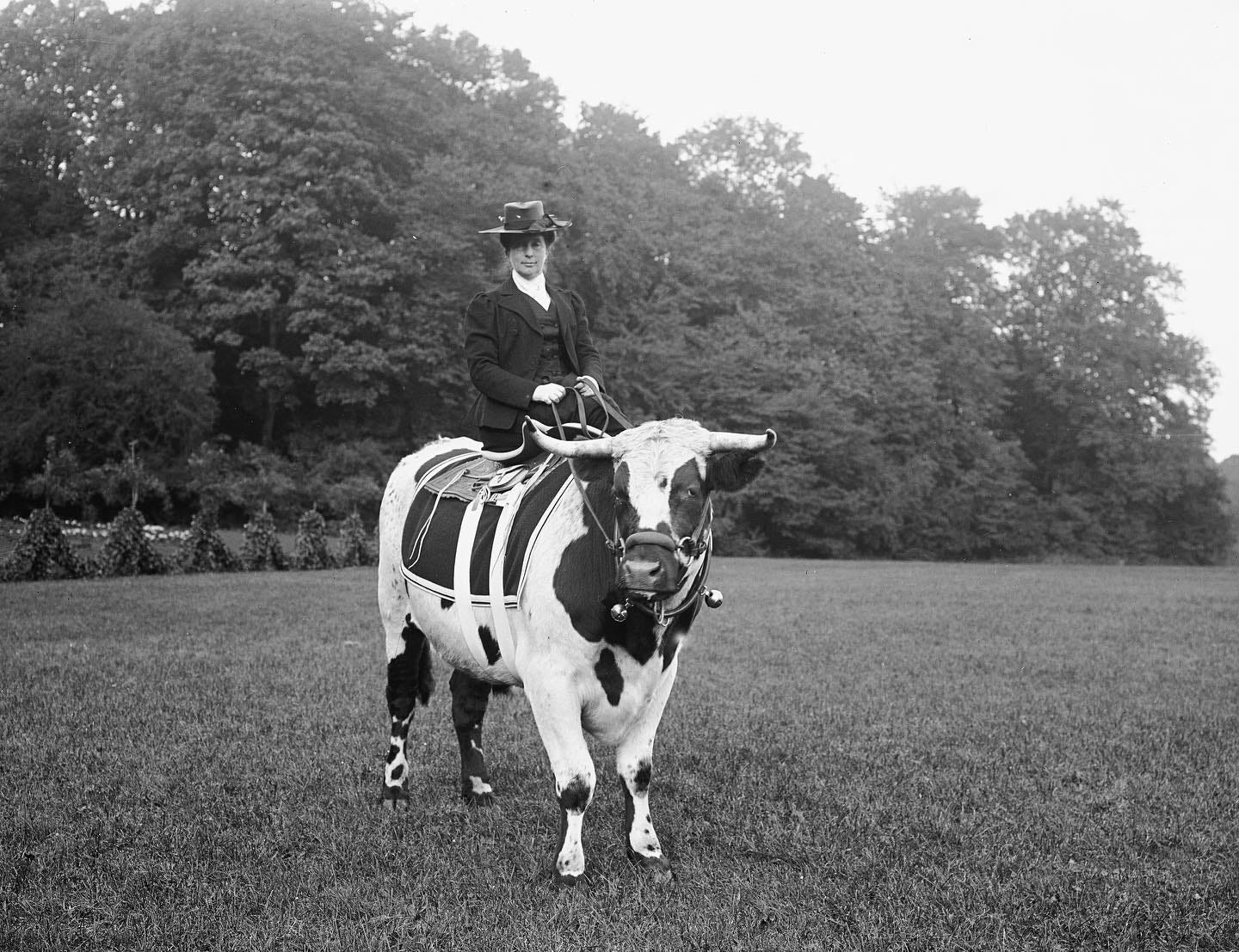
Princess Marie of Orléans (Danish Princes by marriage) ridding on a bull. Marie was an untraditional princess however she was very popular with the Danish people. Denmark. 1907.
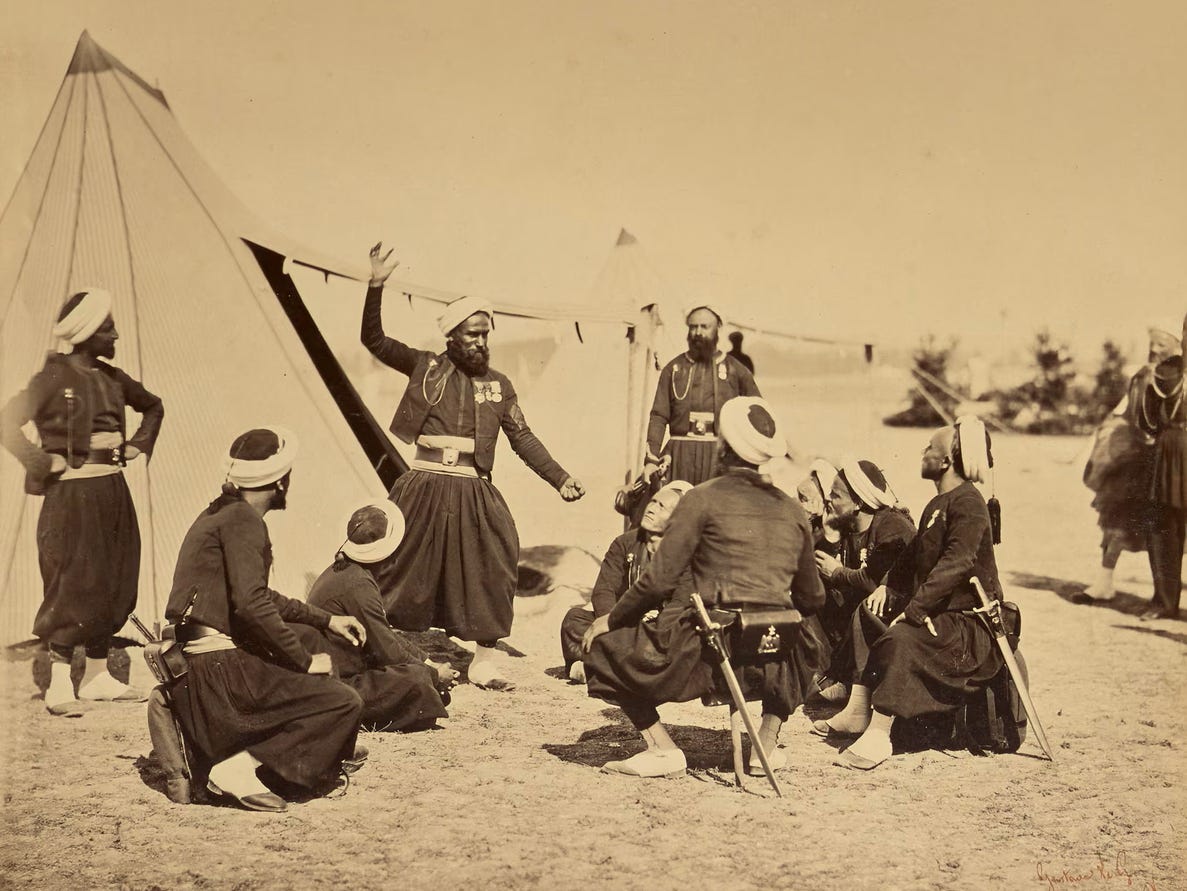
Image: Camp de Châlons: The Zouave Storyteller, photographed in Châlons-en-Champagne, France, 1857 by Gustave Le Gray. A moment of camaraderie among soldiers of the Imperial Guard, captured during Napoleon III’s grand military maneuvers.
This evocative photograph was taken in 1857 at the Camp de Châlons, located near Châlons-en-Champagne, France. It was part of a commissioned series titled Souvenirs du Camp de Châlons: au Commandant Verly, documenting the life and spectacle of Napoleon III’s military encampment. The photographer Gustave Le Gray (1820–1884) was one of the most celebrated figures in early photography, renowned for his technical mastery and artistic composition.
The image shows a group of Zouaves—elite light infantry of the French Imperial Guard—gathered around a tent, listening to a storyteller. The Zouaves, initially inspired by North African troops, were known for their distinctive uniforms and spirited demeanour. Le Gray’s photograph captures not just military life, but also the human moments of leisure and storytelling that punctuated the camp’s daily rhythm.
The Camp de Châlons was established by Napoleon III in 1856 as a site for large-scale military maneuvers and displays. In 1857, it hosted over 20,000 troops, and Le Gray’s images were intended to form a prestigious album for presentation to high-ranking officers and dignitaries.
“The most effective way to destroy people is to deny and obliterate their own understanding of their history.” ~ George Orwell
Please Consider Supporting Our Ongoing Efforts to Bring You, Our Valued Readers, Interesting and Informative Historical Content. Your Financial Support on a Monthly basis Goes A Long Way in Helping Us to continue our work. You can show your support by clicking on the “Subscriber Content” link below. Alternatively, if you would like, you can make a one-time donation at https://www.buymeacoffee.com/YesterdayToday
If you buy something through our site, we might earn a commission, but this will not affect the price you pay for the item.
Thank You for Considering Supporting Us.
Michael
Yesterday Today
***Or you can support us monthly, or yearly, below:***
Subscribe to get access
Read more of this content when you subscribe today.
Elizabeth Montgomery’s only talent was not just twitching her nose and making magic happen on our televisions every week—she enchanted millions of people with her charm, skill, and amazing spirit in everything she undertook. Most popularly known for her iconic role as Samantha Stephens on the immensely popular television sitcom Bewitched, Montgomery’s life was a tapestry composed of dazzling highs, personal trials, and a legacy that continues to sparkle to this day, decades after her passing.
Subscribe to get access
Read more of this content when you subscribe today.
Elizabeth Victoria Montgomery was born on April 15, 1933, in Los Angeles, California, into a very prominent show business family. Her father, Robert Montgomery, was a celebrated actor and director, and her mother, Elizabeth Allen, was a Broadway actress. With a pedigree like that, there was little doubt that Elizabeth would find her way to the stage.
After attending the Spence School in New York and taking part in training at the American Academy of Dramatic Arts, Montgomery made her television debut in 1951 on her father’s show, Robert Montgomery Presents. Her early performances revealed a natural ease and emotional depth that would become her trademarks.
Subscribe to continue reading
Subscribe to get access to the rest of this post and other subscriber-only content.