
Subscribe to continue reading
Become a paid subscriber to get access to the rest of this post and other exclusive content.
Bringing You the Wonder of Yesterday – Today
Become a paid subscriber to get access to the rest of this post and other exclusive content.
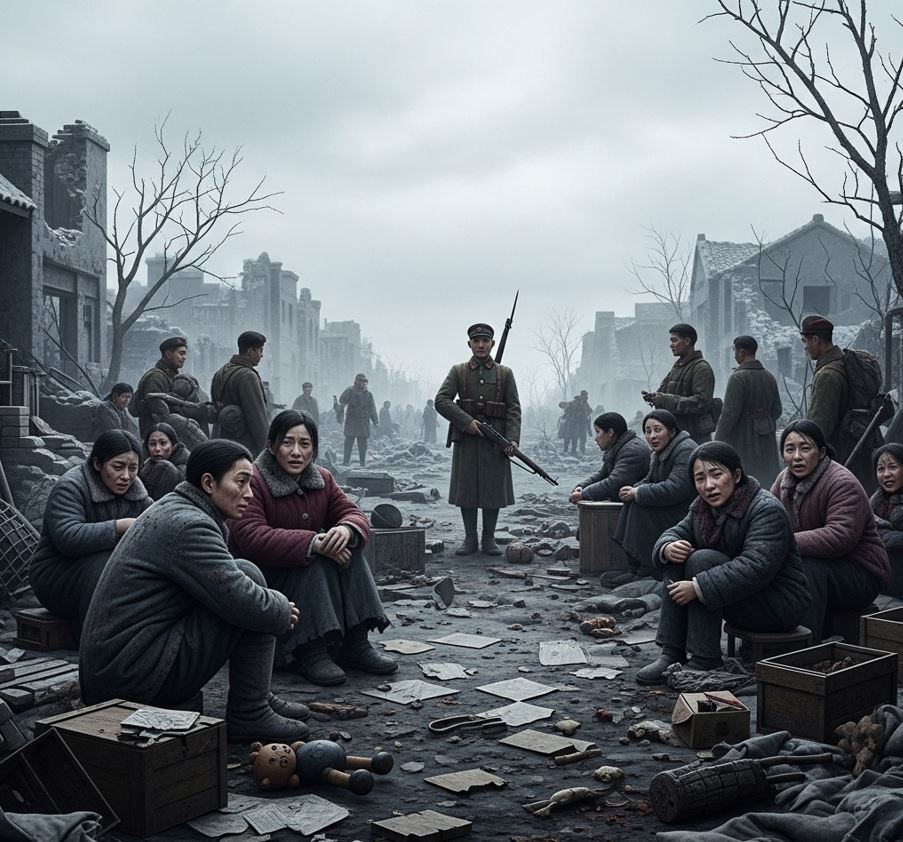
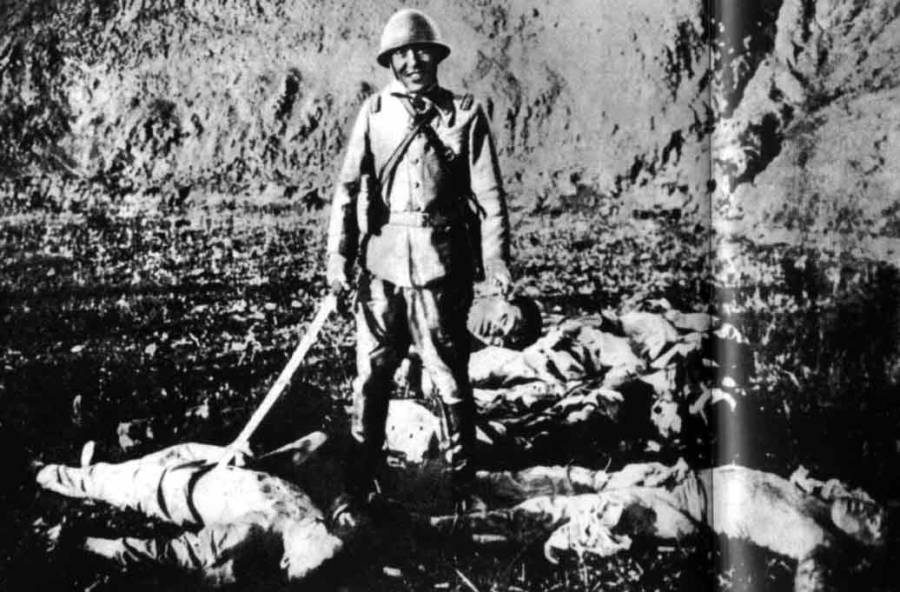
Image: A Japanese soldier poses with the severed head of one of his victims. The Rape of Nanking, December 1937.
Read more of this content when you subscribe today.
The name Nanking, now the sprawling capital of Jiangsu province in eastern China, is forever etched with the indelible stain of one of the 20th century’s most horrific atrocities. In the winter of 1937, following the fall of the city to the Imperial Japanese Army, an unimaginable barbarity unfolded, a period of systematic rape, mass murder, and unspeakable cruelty that has come to be known as the Rape of Nanking, or the Nanking Massacre. For six terrifying weeks, the city became a living hell, its civilian population subjected to the unrestrained savagery of invading forces, leaving a legacy of trauma and a contentious historical debate that continues to this day.
The seeds of this catastrophe were sown in the escalating tensions between China and Japan throughout the early 20th century. Japan, driven by expansionist ambitions and a desire for resources, had steadily encroached upon Chinese territory, culminating in the full-scale invasion that began in July 1937. The Nationalist government of China, under Chiang Kai-shek, mounted a valiant but ultimately outmatched defense. Shanghai fell in November, and the Japanese army, buoyed by their victories and fueled by a potent mix of ultranationalism and dehumanization of the enemy, advanced relentlessly towards the Nationalist capital, Nanking.
The defense of Nanjing was poorly organized and ultimately futile. Chiang Kai-shek ordered the withdrawal of most of his seasoned troops, leaving behind a significantly smaller and less experienced garrison tasked with holding a sprawling city against a battle-hardened and numerically superior enemy. As the Japanese forces closed in, panic gripped the city. Civilians, desperately seeking refuge, clogged the streets, while many Chinese soldiers, abandoning their posts, discarded their uniforms and attempted to blend in with the terrified populace.
Become a paid subscriber to get access to the rest of this post and other exclusive content.

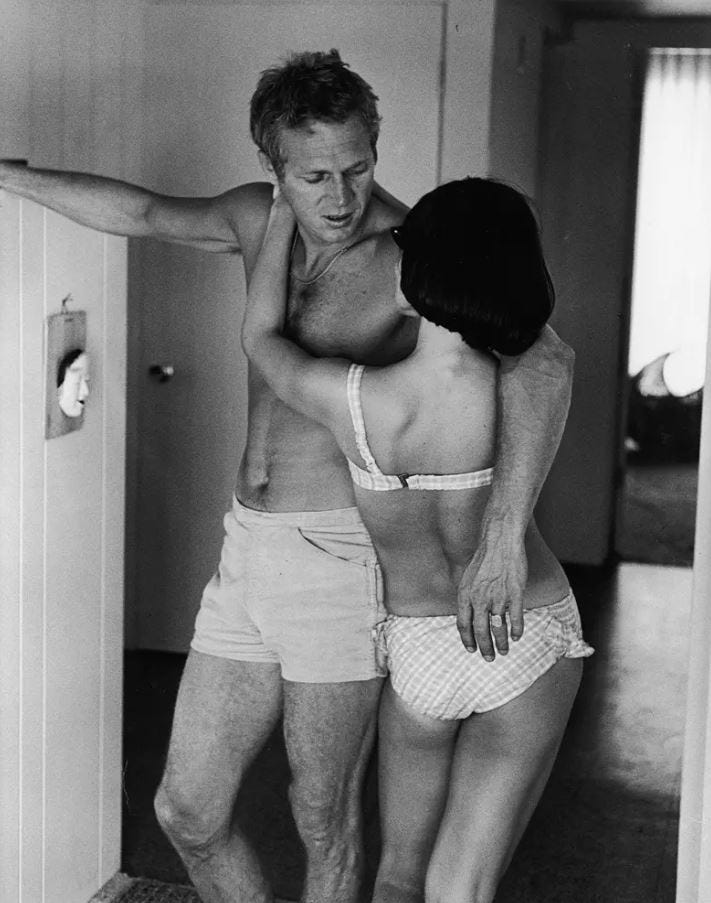
Steve McQueen and his wife, Neile, Palm Springs, June 1963.
Impact-Site-Verification: 640c38c5-a874-4821-8b73-b8191e9aeadb
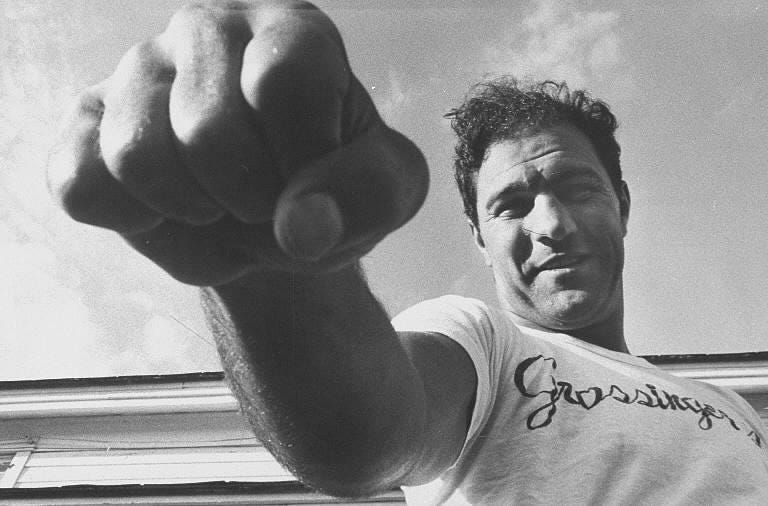
A close-up of the fist of boxing heavyweight contender Rocky Marciano as he smiles smugly while standing outside at his training camp at Grossinger’s. 1955.
Yesterday Today’s Substack is a reader-supported publication. To receive new posts and support my work, consider becoming a free or paid subscriber.Subscribed
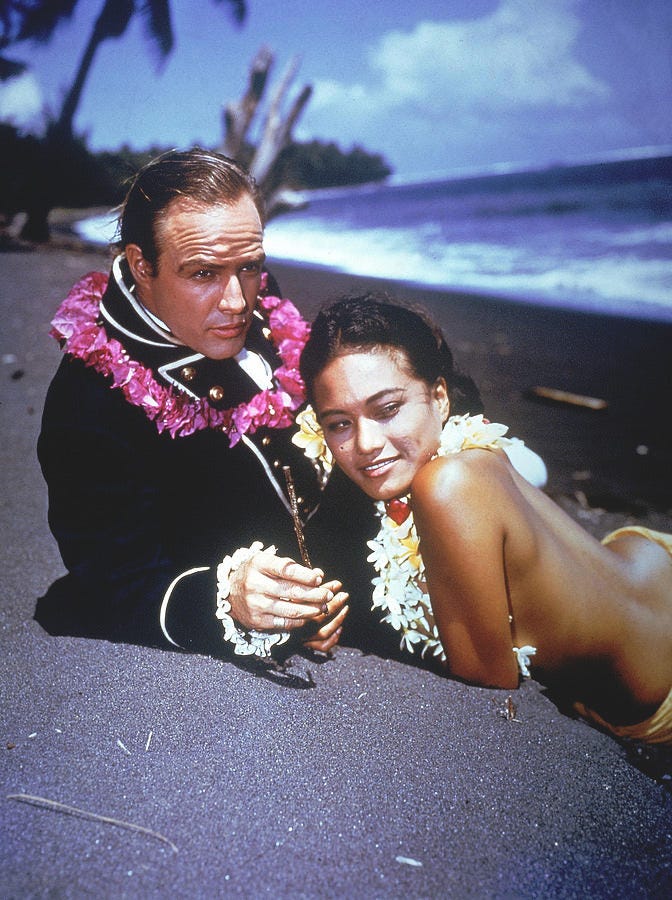
Actor Marlon Brando with Mutiny on the Bounty native Tahitian actress Tarita Teriipaia lying together on the beach during a break in filming in Tahiti. 1961.
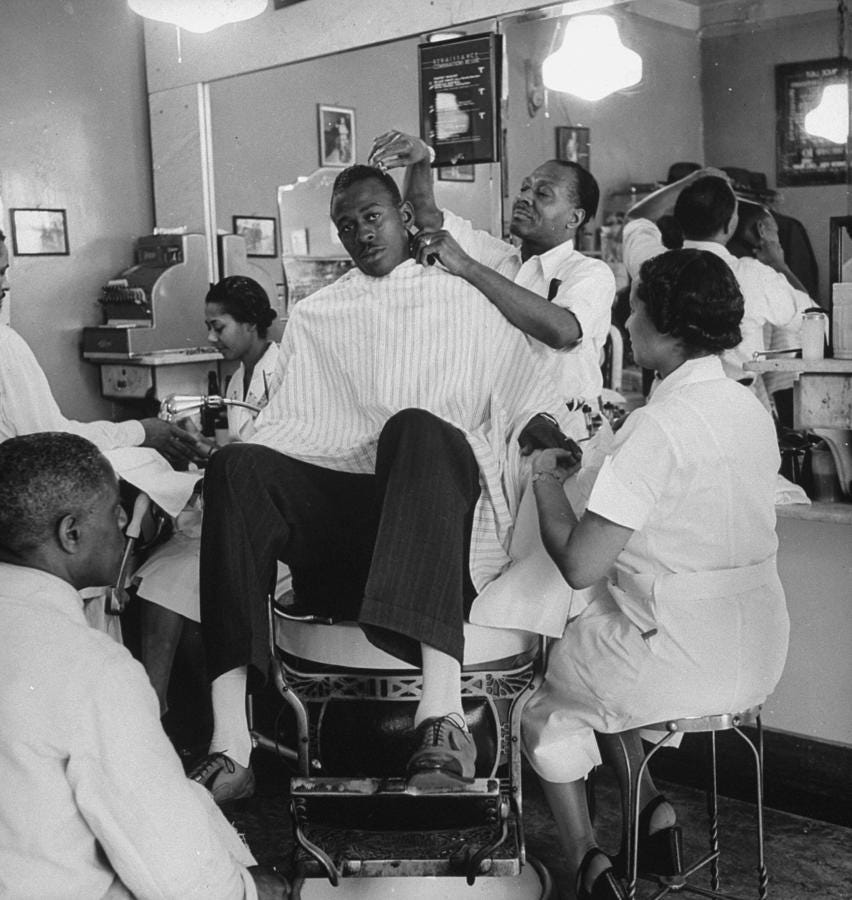
New York Yankees player, and baseball great, Satchel Paige (centre), is shown getting a manicure, haircut, shave and his shoes shined. 1941.
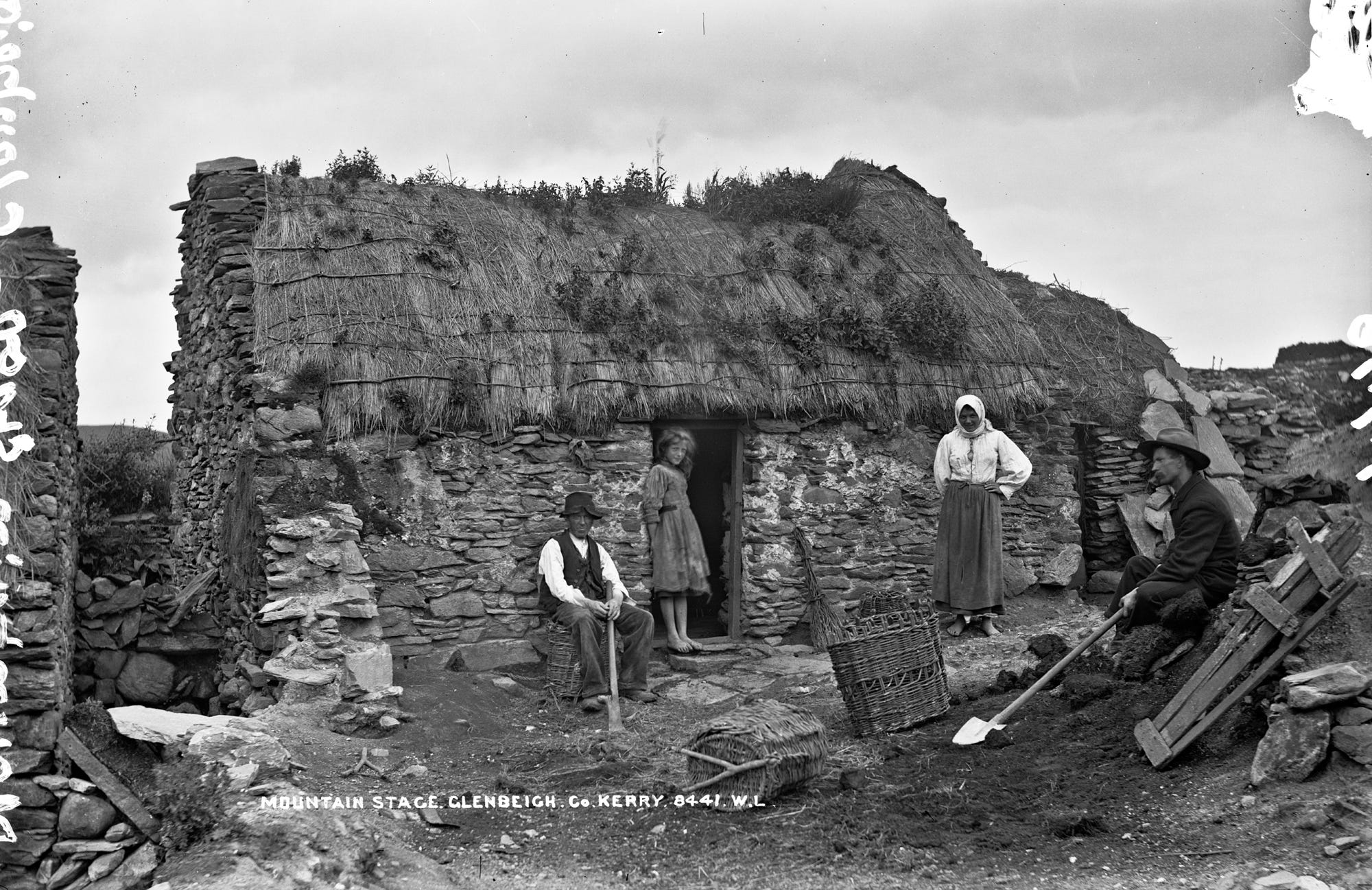
This amazing image of poverty, destitution and sheer misery certainly makes one cringe. Cringe for the people who had to live in such terrible conditions. Some of the worst were in Donegal but this is in the Kingdom of Kerry and shows that tough times affected people all over Ireland. This photograph was taken in 1887.
#Ireland1880s
https://amzn.to/45tdD31
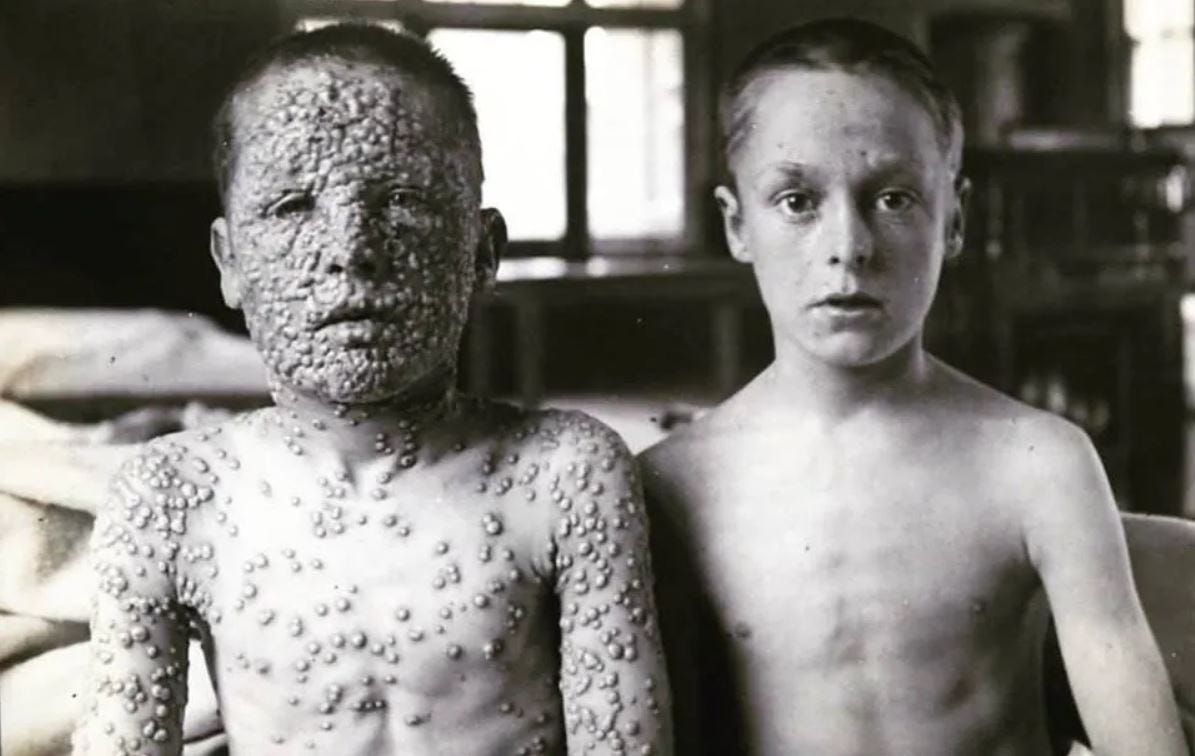
This photograph, taken in 1901 by Dr. Allan Warner of the Isolation Hospital in Leicester, UK, shows two boys, both aged 13 years. The one on the right was vaccinated in infancy, the other was not vaccinated. They were both infected with smallpox from the same source on the same day. Notice that while the one on the left is in the fully pustular stage, the one on the right has had only two spots, which have aborted and have already scabbed. 1/2
For all you Anti-Vaxxers out there.
#Smallpox
https://amzn.to/43DqeOP
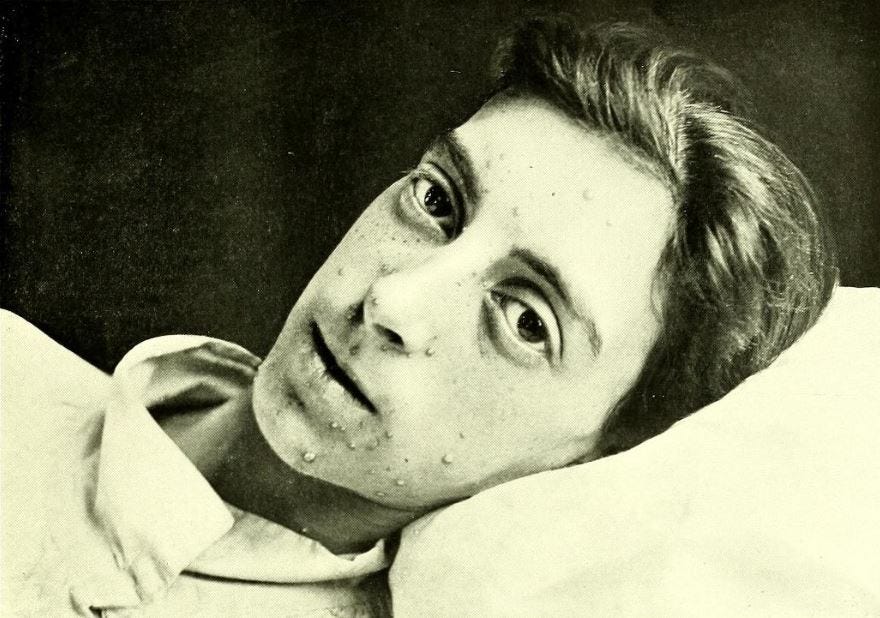
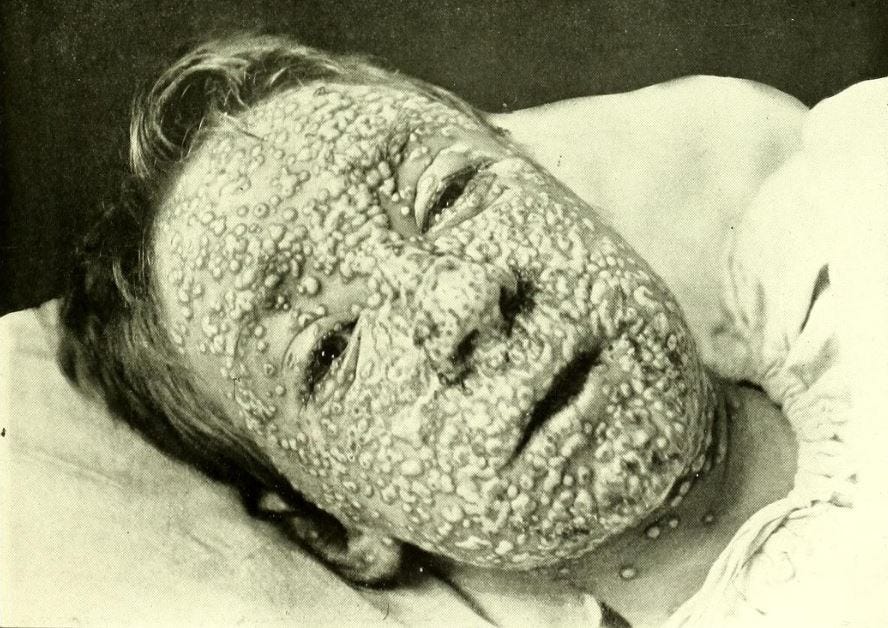
These two images, also taken in 1901 by Dr. Allan Warner, show two sisters, one 13 years old and the other 14 years old, showing the difference between being vaccinated at birth and not being vaccinated as a child. With the rise of anti-vaccination sentiment and tendencies today, we would do well to heed the lessons of these two sets of photographs. 2/2
#Smallpox
https://amzn.to/43Pec5X
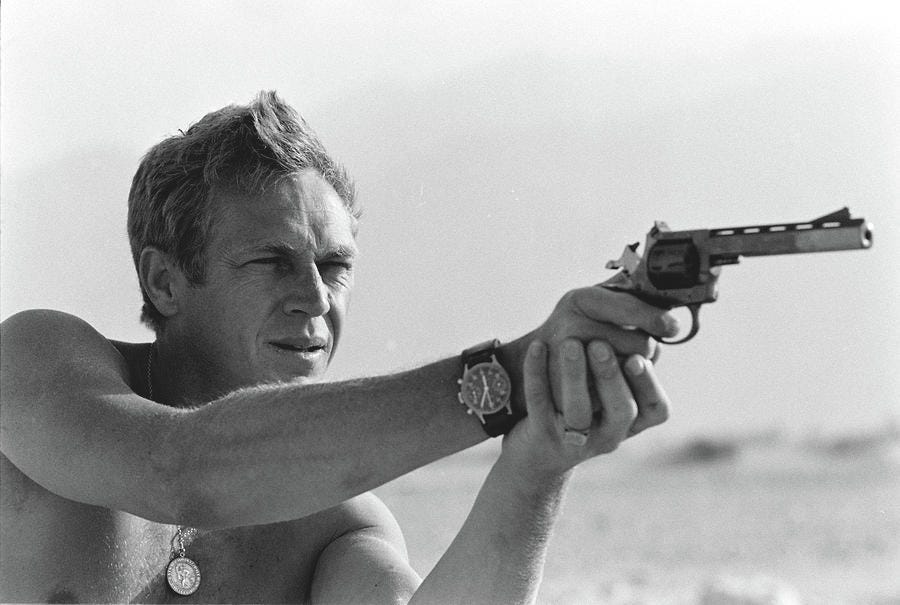
Actor Steve McQueen holding a pistol and taking aim in a desert area around Palm Springs, California, June 1963.
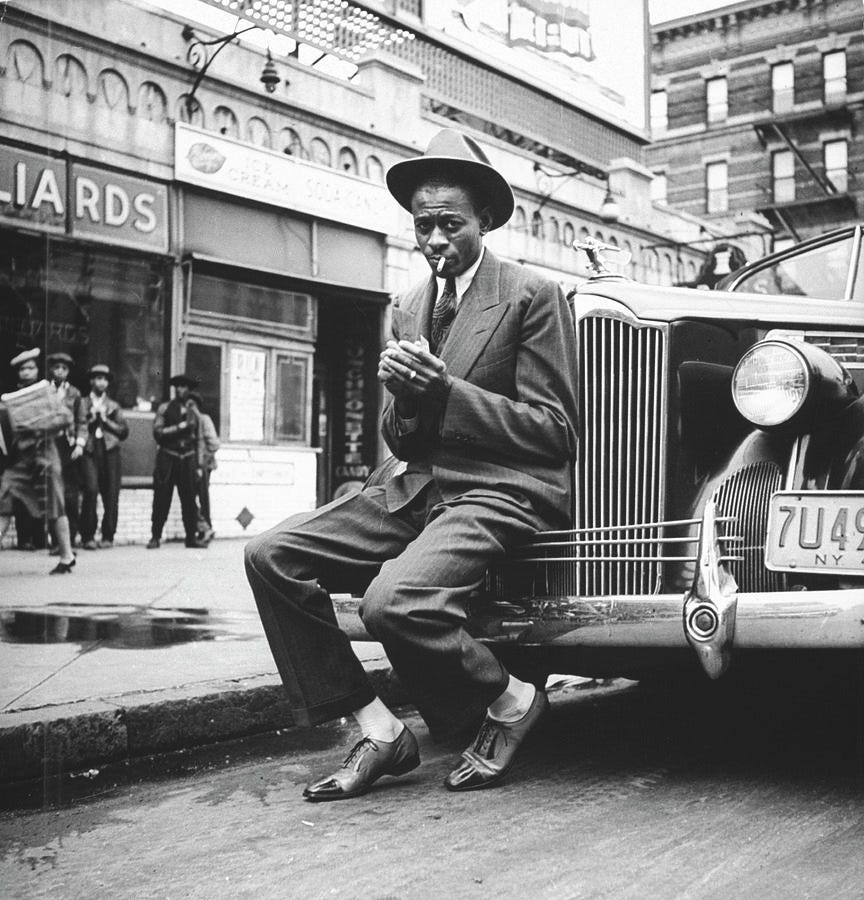
Baseball player Satchel Paige sitting on the front of an automobile while lighting his cigarette outside a billiards hall in Harlem, New York, 1941.
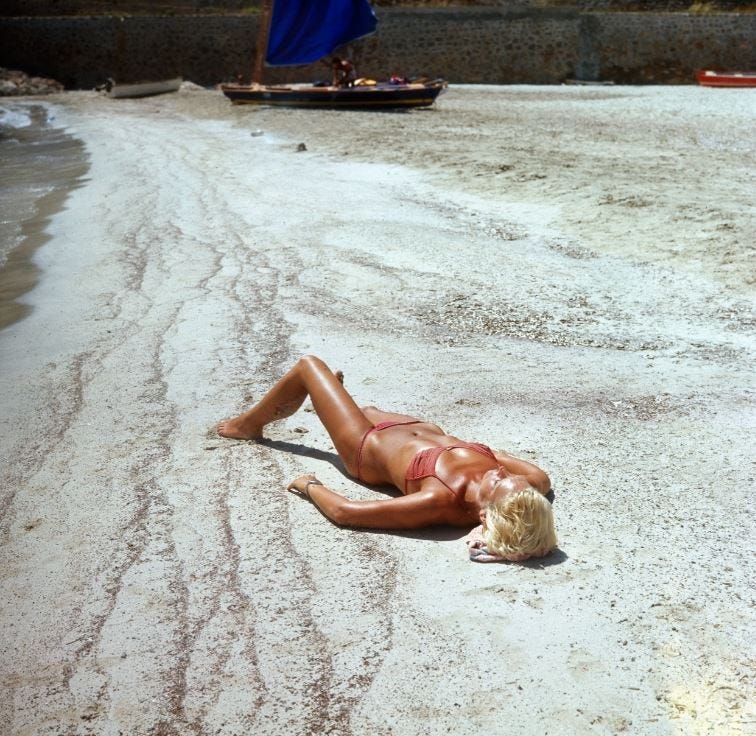
A sunbather on a beach in Ibiza, Balearic Islands, Spain in 1976.
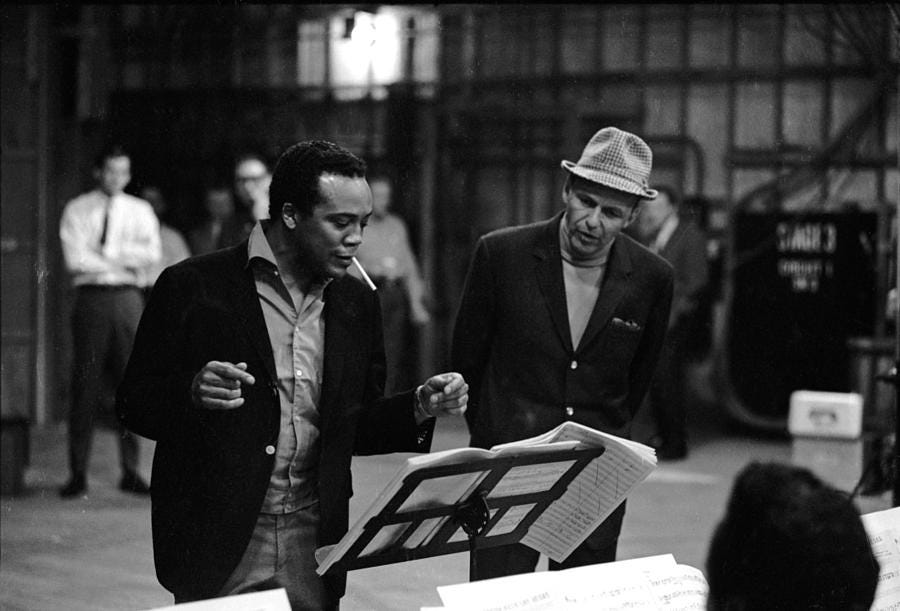
American jazz musician, arranger, and composer Quincy Jones (1933-2024)(left) works with singer and actor Frank Sinatra (1915-1998) on a soundstage, 1964.
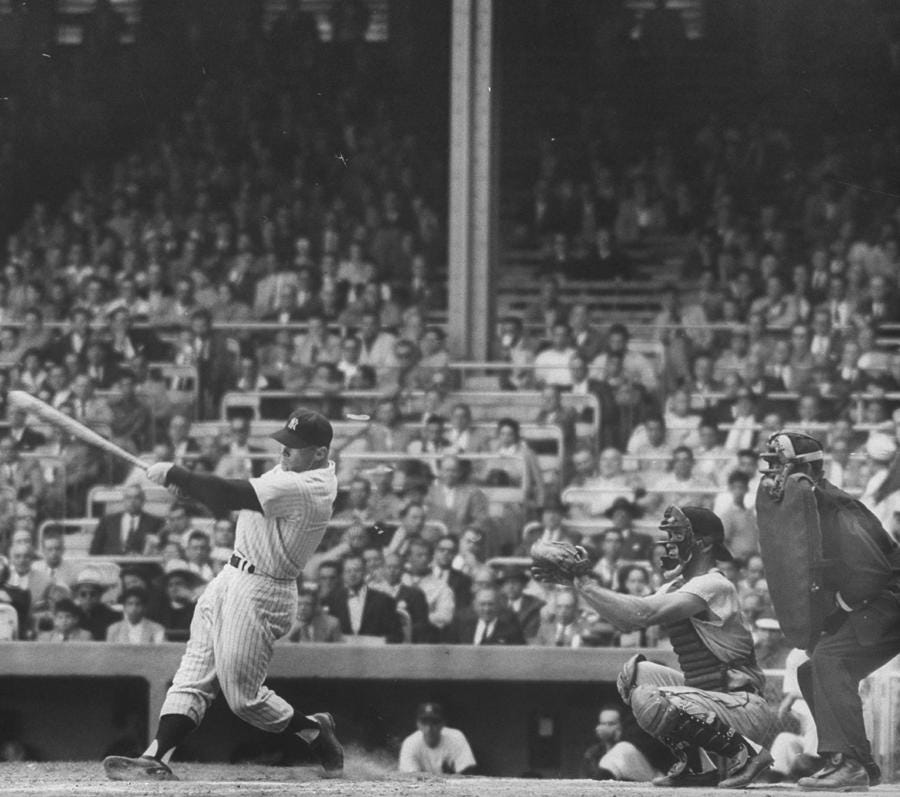
Yankee Mickey Mantle in action, swinging bat with a catcher and umpire behind him. 1965.
#MickeyMantle
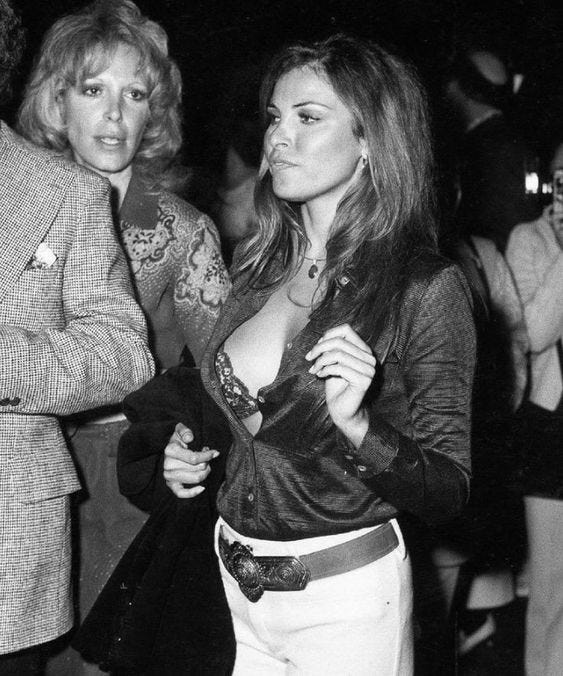
Raquel Welch, during the release of ‘Bandolero!’ (1968).
#RaquelWelch
Subscribe to our Page and receive notifications of new posts automatically so you do not miss a thing – it is free!!!
Please consider supporting our ongoing efforts to bring you, our valued readers, engaging and thoughtful historical content. Your monthly financial support (see link at bottom) goes a long way in helping us continue our work. Alternately, if you would like, you may make a one-time donation at https://www.buymeacoffee.com/YesterdayToday
If you buy something through our site, we might earn a commission, but this will not affect the price you pay for the item.
Thank you for your support.
Michael
Yesterday Today
Read more of this content when you subscribe today.

Read more of this content when you subscribe today.
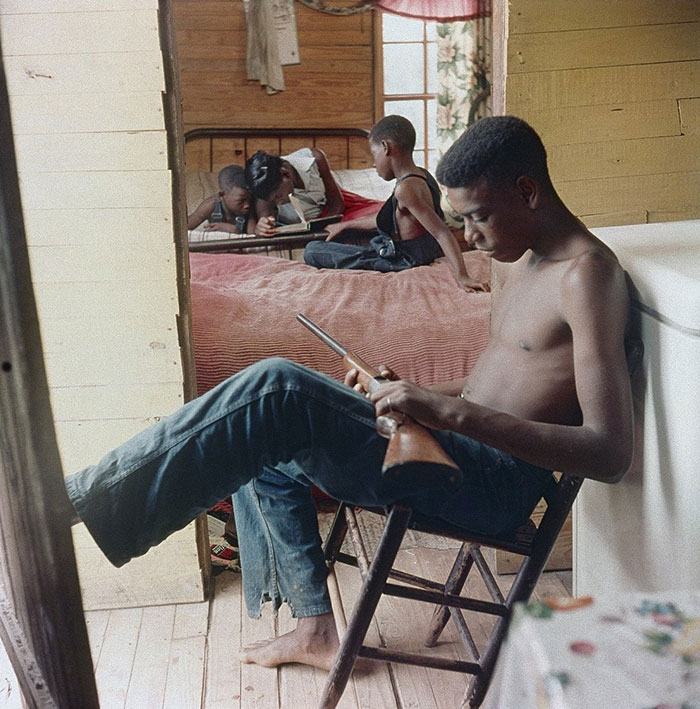
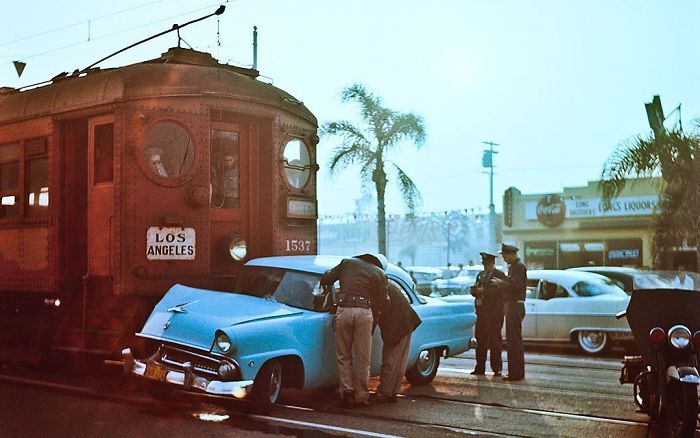
Life in America During the 1950s
The 1950s were a defining decade for the United States, marked by economic prosperity, social conformity, and the early stirrings of cultural change. Following the devastation of World War II, the country experienced rapid economic growth, suburban expansion, and technological advancements that shaped daily life. However, beneath this seemingly idyllic existence, tensions brewed as civil rights movements gained momentum and Cold War anxieties loomed large.
Economically, the post-war boom led to rising incomes and a surge in consumer culture. The American Dream was centered on homeownership, stable employment, and material comforts, with suburban neighborhoods sprouting across the country. The rise of the automobile industry and highway infrastructure made commuting easier, reinforcing the idea of suburban living. Shopping malls, television sets, and fast food restaurants became symbols of convenience and modernity.
Social life in the 1950s was characterized by conformity and traditional gender roles. Men were expected to be breadwinners, while women were largely confined to domestic roles as homemakers and mothers. Popular media reinforced these ideals, portraying nuclear families in TV shows such as Leave It to Beaver and Father Knows Best. Though these images painted a rosy picture of family life, they often masked the dissatisfaction that many individuals—especially women—felt with their limited roles.
Amid this conformity, racial segregation persisted, particularly in the South. African Americans faced systemic discrimination in education, housing, and employment, despite their contributions to society. The seeds of the Civil Rights Movement began to take root, with landmark events such as the Brown v. Board of Education Supreme Court ruling in 1954, which declared school segregation unconstitutional. Leaders like Martin Luther King Jr. and Rosa Parks helped galvanize the fight for equality, setting the stage for the struggles of the 1960s.
Culturally, the 1950s witnessed the rise of rock ‘n’ roll and rebellious youth. Elvis Presley, Chuck Berry, and Little Richard brought a fresh sound that resonated with teenagers, challenging the rigid norms of previous generations. The Beat Generation, led by writers like Jack Kerouac and Allen Ginsberg, questioned mainstream values and sought deeper spiritual and artistic fulfillment. Hollywood reflected these tensions with films such as Rebel Without a Cause, starring James Dean, which highlighted youthful angst and dissatisfaction.
The decade was also dominated by Cold War fears and the looming threat of nuclear war. The rivalry between the United States and the Soviet Union intensified, leading to the Korean War and an arms race. Americans were encouraged to build fallout shelters and practice “duck and cover” drills in schools, demonstrating the pervasive fear of Soviet aggression. The Red Scare, driven by Senator Joseph McCarthy, led to accusations of communist infiltration, creating paranoia in government and entertainment industries.
Despite these challenges, the 1950s laid the foundation for profound changes in American society. Economic prosperity and technological advancements improved living standards, while cultural shifts and civil rights activism challenged outdated norms. The decade was both a time of comfort and crisis, stability and change—ultimately shaping the nation’s future in ways that would become more evident in the turbulent 1960s.
Become a paid subscriber to get access to the rest of this post and other exclusive content.
Read more of this content when you subscribe today.
Jane Fonda’s visit to North Vietnam in July 1972 remains one of the most controversial moments in American history. The trip, intended as a peaceful protest against the Vietnam War, led to intense backlash, earning her the nickname “Hanoi Jane”. This event altered the public’s perception of her Hollywood image in a negative way for decades, which would have a trickle-down effect on her career, activism, and personal life. In this essay, we explore her motivations, the immediate response from the American public and government, the global reaction, and the long-term consequences of her actions.
Reasons for Jane Fonda’s Visit
By the early 1970s, Jane Fonda had become a prominent anti-war activist, aligning herself with groups like Vietnam Veterans Against the War (VVAW). She firmly believed that the U.S. government was misleading the public regarding the war and wanted to expose the extreme suffering of the Vietnamese people.
Fonda ultimately decided to travel to North Vietnam because her profoundly negative views towards the Vietnam War compelled her to speak out as she could. Her activism had been growing for several years, influenced by leftist intellectuals in France and her interactions with American soldiers disillusioned by the conflict. Fonda thought that the U.S. government was misleading the public about the war’s realities and was causing immense suffering to the Vietnamese people. It was her aim that her trip would be a witness to the firsthand impact of the U.S. bombing campaigns. She also sought to amplify the voices of the downtrodden Vietnamese people. She brought with her a package of letters from American prisoners of war (POWS) to their families, intending to facilitate communication and demonstrate their well-being, countering claims of mistreatment.
At age 34, she made a two-week trip to Hanoi in July 1972. By that point in the war, over 60,000 American soldiers were dead, and over one million Vietnamese had become casualties in the conflict. These statistics created an urgency for Fonda to act as strongly as she could.
During the two-week trip, Fonda would visit hospitals, schools, and war museums, while witnessing the devastation caused by multiple devastating American bombing campaigns. She also took part in Radio Hanoi broadcasts, urging American pilots to cease bombing North Vietnam, calling their missions nothing short of “genocidal”.
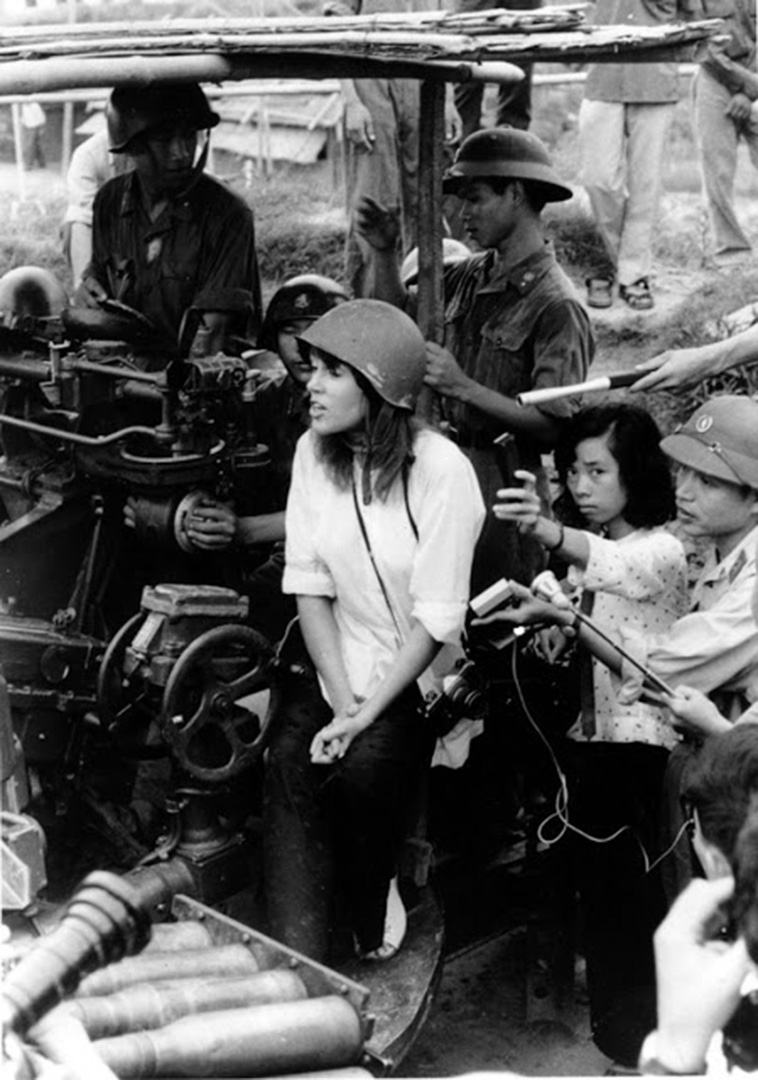
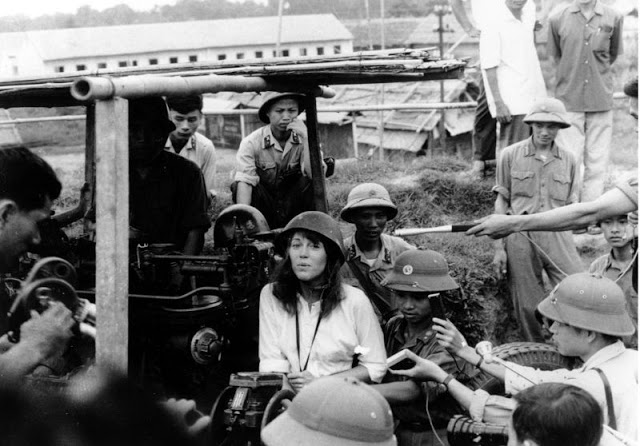
However, the most infamous moment of the excursion occurred when Fonda was photographed sitting on a North Vietnamese anti-aircraft gun. This weapon was purported to have been used to shoot down American planes. This image would do the most damage to her image and haunt her for the remainder of her life.
Immediate Response from the American Public and Government
The United States reacted swiftly and with furious intent. Many Americans felt that Fonda’s actions were extremely treasonous, going so far as to accuse her of betraying U.S. troops and of aiding the Vietnamese.
Veterans groups would condemn her, with some calling for her prosecution in the courts. Despite an immense feeling of betrayal, the American government failed to take legal action, but federal officials strongly denounced her trip. The government also never formally charged her with treason or violating the Logan Act, which disallows American citizens from negotiating with foreign governments. Fonda’s actions were seen as severely undermining the American war effort and benefiting the North Vietnamese, who would make full use of the propaganda gift that Jane Fonda had handed them.
The media fueled the outrage, amplifying the narrative that she had sided with the enemy. The image of her sitting on a North Vietnamese anti-aircraft gun, a weapon used to shoot down American planes, became a potent symbol of this perceived treachery. She earned the infamous nickname “Hanoi Jane.” The calls grew very loud for her to be prosecuted as a traitor, and these sentiments reverberated nationwide.
Another effect this debacle had on the actress’s life was that many lawmakers strongly considered banning her films nationwide.
Global Reaction
Outside the U.S., reactions were mixed. North Vietnam had welcomed her as a symbol of American dissent. Anti-war activists worldwide also praised her courage. Allied nations were undoubtedly divided—some viewed her as a hero, while others considered her reckless.
Her trip highlighted the deep divisions within the American nation in 1972 about the Vietnam War, a fact that reinforced the growing polarization between pro-war and anti-war factions.
Long-Term Effects on Jane Fonda’s Life (1972–2025)
The fallout generated by her trip would last for decades, shaping her career, activism, and personal life in many different ways.
Her Hollywood career suffered tremendously initially, with some studios and audiences refusing to hire her or boycotting her films. Despite this, she remained stoically defiant, insisting that her intentions were peaceful and aimed at ending the war. Professionally, she faced a significant backlash due to her actions. While she continued to work, the “Hanoi Jane” controversy caused her acting career to suffer tremendously for decades. Many Americans boycotted her films, and the issue would resurface repeatedly throughout her life, often during awards ceremonies or career retrospectives. Despite the years-long backlash, she eventually regained her Hollywood success, but the controversy never faded. Some veterans refused to forgive her, and protests followed her public appearances.
In 2011, Fonda reminisced on her website that the photo op with the anti-aircraft gun, which had earned her the nickname “Hanoi Jane” and angered millions of Americans, came about after Vietnamese soldiers serenaded her with a Communist folk song. “I heard these words: ‘All men are created equal; they are given certain rights; among these are life, liberty and happiness,'” she would relate in the article. Then someone led her to a weapon, stating that it had taken part in shooting down large numbers of American planes, and multiple flashbulbs went off. “It is possible it was a setup. I will never know.”
Fonda also told the TV investigative news program 60 Minutes in 2005 that during her trip to North Vietnam, where she met with peasants, artists and intellectuals, it was, she felt, worthwhile — but she conceded that the taking of the photograph was a huge mistake. “The image of Jane Fonda, Barbarella, Henry Fonda’s daughter, sitting on an enemy aircraft gun was a betrayal,” she said, “the largest lapse of judgment I can imagine.”
Personally, the whole experience took an immense toll on her. Fonda has repeatedly expressed her regret for the pain that she caused to the large numbers of American soldiers and their families, particularly regarding the photograph of the anti-aircraft gun, which she described as a thoughtless and deplorable act. She has made numerous attempts to reconcile with veterans, often meeting privately to listen to their experiences and offer apologies. She has also made multiple attempts to reconcile with veterans through funding Vietnam War memorials and meeting with former soldiers.
This effort to seek understanding and forgiveness has been a recurring theme in her life.
Even in 2025, more than five decades later, the “Hanoi Jane” label persists in the minds of many. While a younger generation may have a less visceral reaction, for those who lived through the Vietnam War era, the controversy remains a potent symbol of a deeply divisive time. Fonda’s activism on other issues, such as women’s rights and climate change, has often been viewed through the lens of this past event.
Despite the decades-long controversy, Jane Fonda has never stopped speaking out on issues she believed in, proving that her activism and resilience defined her legacy.
Conclusion
Jane Fonda’s 1972 trip to North Vietnam was a defining moment in her life and American history. While her intentions were rooted in anti-war activism, the optics of her actions led to decades of backlash. The incident shaped her career, activism, and public perception, making her one of the most polarizing figures in modern American history.
Subscribe to get access to the rest of this post and other subscriber-only content.
Read more of this content when you subscribe today.
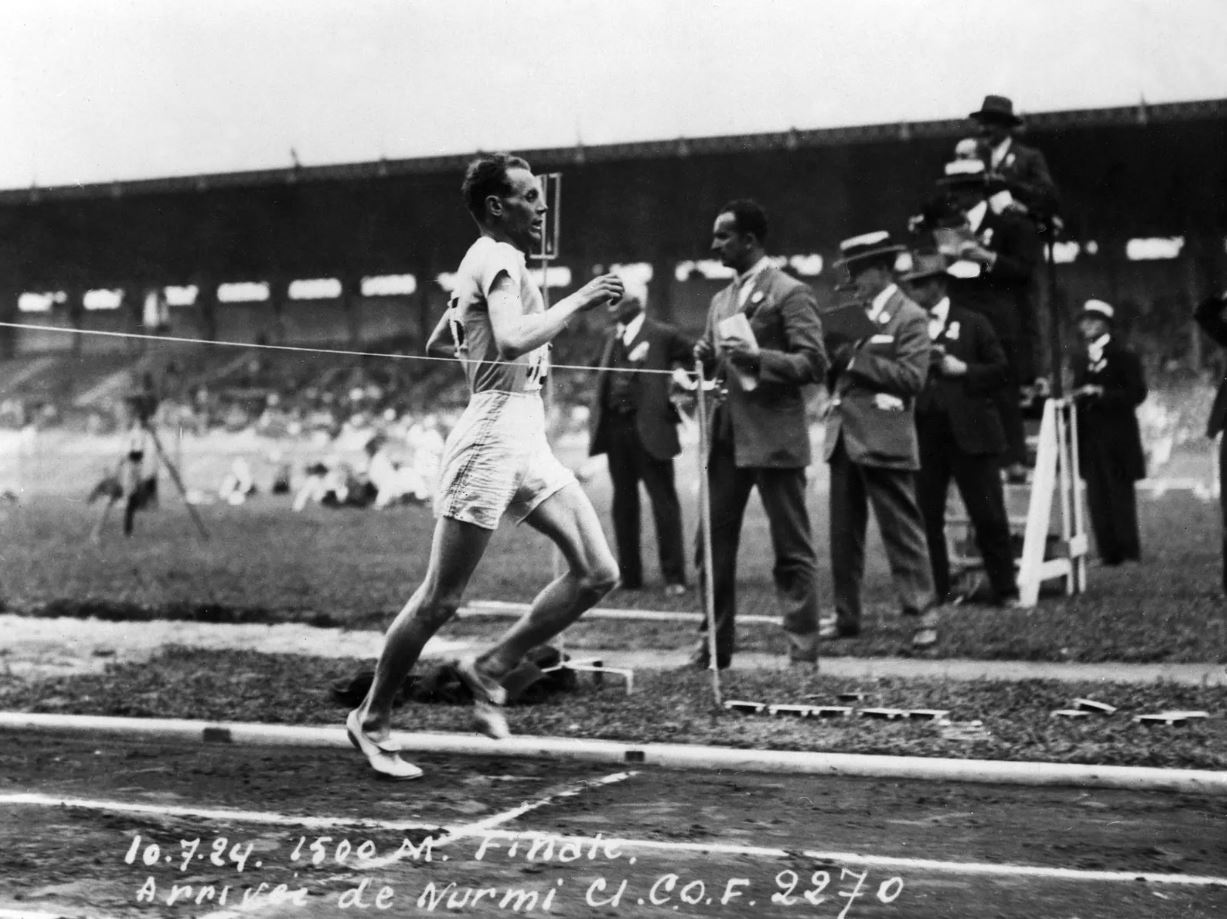
The 1924 Paris Olympics, officially known as the Games of the VIII Olympiad, marked a historic moment in sports. Held from May 4 to July 27, the event was a grand spectacle, featuring 3,089 athletes from 44 nations—more than ever before. These Games were notable for their emphasis on modernization and organization, introducing the Olympic motto Citius, Altius, Fortius (Faster, Higher, Stronger), which continues to inspire athletes today. Paris transformed into a buzzing hub of athleticism, with competitions spread across various locations, including Stade Olympique Yves-du-Manoir. The inclusion of new sports, such as canoeing and women’s fencing, reflected the growing diversity and evolution of the Olympic movement.
Become a paid subscriber to get access to the rest of this post and other exclusive content.
Read more of this content when you subscribe today.
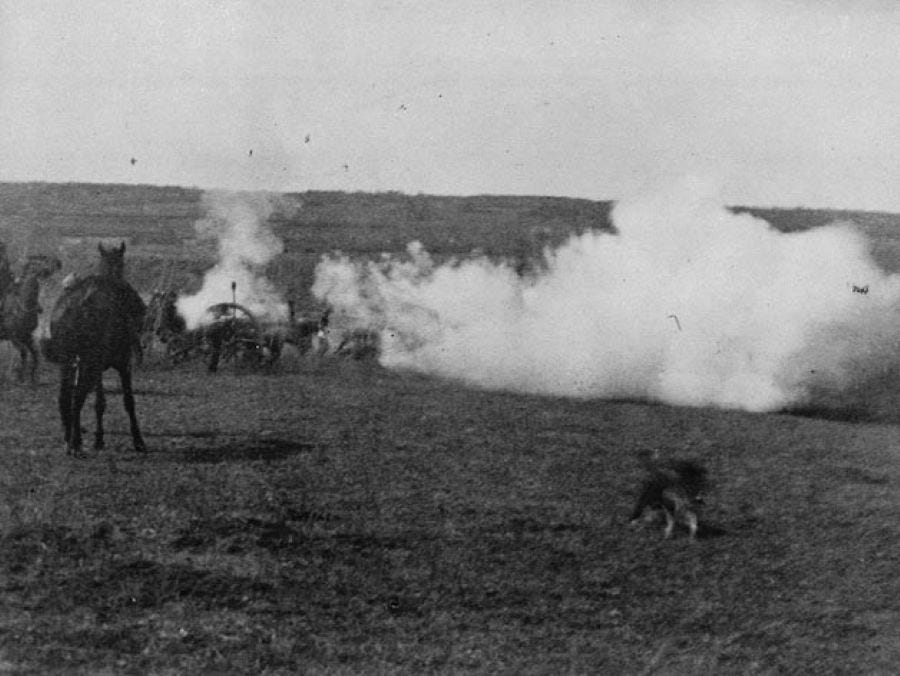
Image: “Shelling Batoche, last shot before the attack on the guns” (guns from Battery A, Canadian Artillery Regiment, bombarding Batoche with a gun firing 9-pounder cannonballs. May 9, 1885. Batoche, Saskatchewan, during the Northwest Rebellion. Photographed by James Peters.
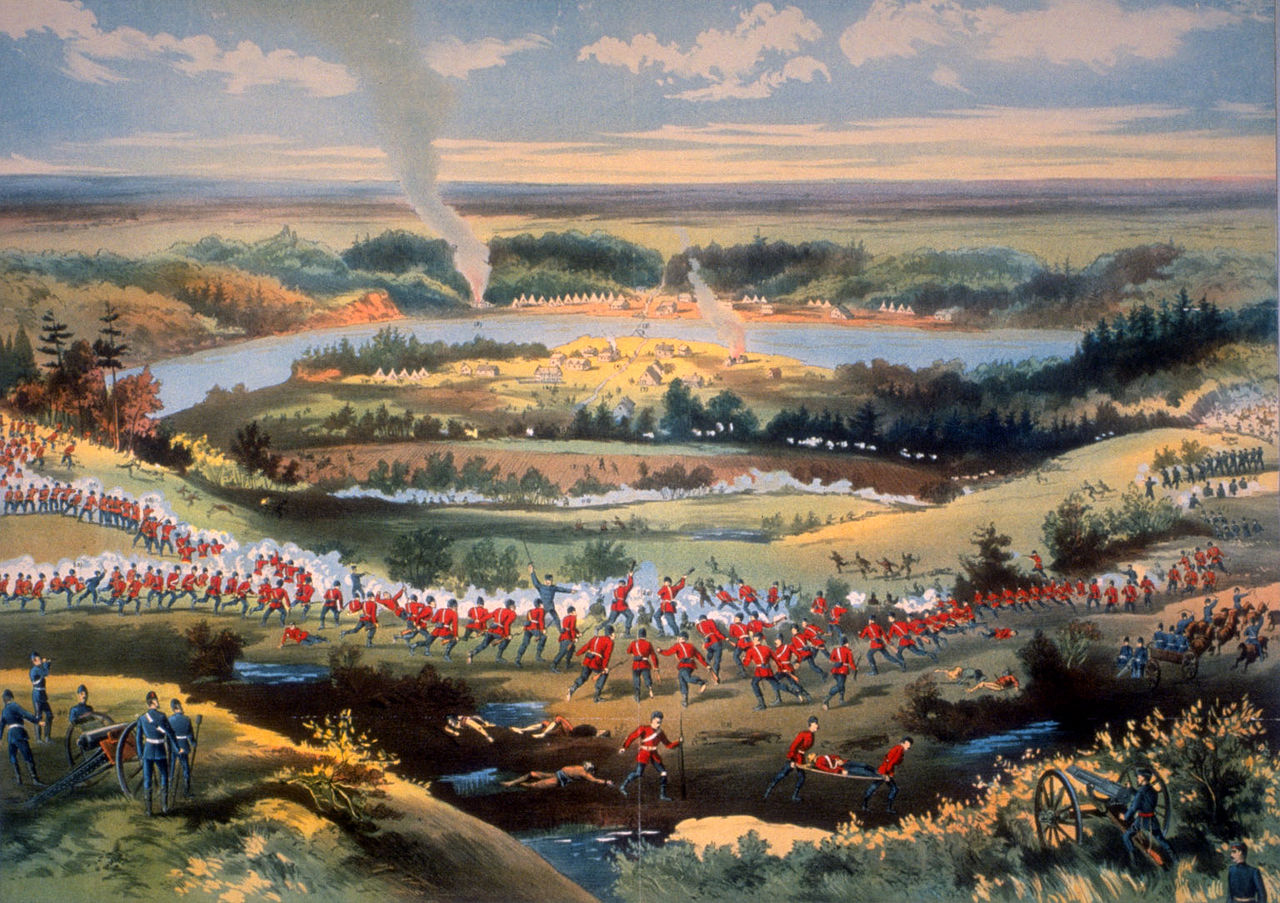
The North-West Rebellion of 1885 was a pivotal moment in Canadian history, marking a violent confrontation between the Métis, their Indigenous allies, and the Canadian government. The rebellion was fueled by grievances over land rights, political representation, and the rapid expansion of settlers into the western territories. Led by Louis Riel, the Métis sought to assert their autonomy, while Indigenous leaders such as Big Bear and Poundmaker fought to protect their people from government encroachment. The Canadian government, under Prime Minister John A. Macdonald, responded with military force, sending troops commanded by General Frederick Middleton and Colonel William Otter to suppress the uprising.
Become a paid subscriber to get access to the rest of this post and other exclusive content.

Read more of this content when you subscribe today.
“California Dreamin'” is one of the most iconic songs of the 1960s, capturing the longing for warmth and escape that resonated with many during the era. Released in December 1965 by The Mamas & the Papas, the song became a defining anthem of the California sound, blending folk rock with sunshine pop. Written by John and Michelle Phillips in 1963, the lyrics express Michelle’s yearning for the warmth of Los Angeles while enduring a cold winter in New York City. The song’s melancholic yet dreamy tone, combined with its rich harmonies and evocative flute solo, helped it stand out in a crowded musical landscape.
The Mamas & the Papas were a folk-rock group that emerged in the mid-1960s, consisting of John Phillips, Michelle Phillips, Denny Doherty, and Cass Elliot. They were originally part of a folk group called The New Journeymen before evolving into their more famous incarnation. Their music was characterized by lush vocal harmonies and a blend of folk, rock, and pop influences. The group quickly gained popularity after signing with Dunhill Records, thanks in part to their association with Barry McGuire, who had originally recorded “California Dreamin'” with them as backing vocalists.
The song’s journey to success was not immediate. Initially, it struggled to gain traction in Los Angeles, but a radio station in Boston helped propel it to national fame. By early 1966, “California Dreamin'” had climbed the charts, peaking at No. 4 on the Billboard Hot 100. Its wistful lyrics and haunting melody struck a chord with listeners, making it one of the most enduring songs of the decade. The track was later inducted into the Grammy Hall of Fame in 2001 and was certified three-times platinum by the Recording Industry Association of America in 2023.
Musically, “California Dreamin'” is notable for its distinctive arrangement. The song features an alto flute solo performed by jazz musician Bud Shank, which adds a unique texture to the track. The guitar introduction, played by P.F. Sloan, sets the mood with its melancholic yet inviting tone. The harmonies of the group, particularly the interplay between Doherty’s lead vocals and the backing vocals of the others, create a rich and immersive listening experience.
Beyond its musical qualities, “California Dreamin'” became a cultural touchstone. It was embraced by the counterculture movement and was frequently associated with the optimism and escapism of the 1960s. The song’s themes of longing and change resonated with many, particularly those caught in the turbulence of the era. It was also widely covered by various artists, further cementing its status as a classic.
The legacy of The Mamas & the Papas extends beyond this single hit. They went on to release other successful songs, including “Monday, Monday” and “Dedicated to the One I Love.” However, internal tensions and personal struggles eventually led to their breakup in the late 1960s. Despite their relatively short time together, their influence on folk rock and pop music remains significant.
“California Dreamin'” continues to be celebrated as one of the greatest songs of all time. Rolling Stone placed it at number 420 in its “500 Greatest Songs of All Time” list in 2021. Its evocative lyrics and timeless melody ensure that it remains a favorite among music lovers, evoking a sense of nostalgia and wanderlust that transcends generations. Whether heard on a rainy day or during a road trip to the West Coast, the song’s magic endures.
#CaliforniaDreamin
This is a “Free Post”; we hope you enjoy it. Please consider supporting our efforts to bring you informative, engaging, and enjoyable historical content. You can support us monthly below.
Alternately, you could make a one-time donation at https://www.buymeacoffee.com/YesterdayToday
Read more of this content when you subscribe today.
Read more of this content when you subscribe today.
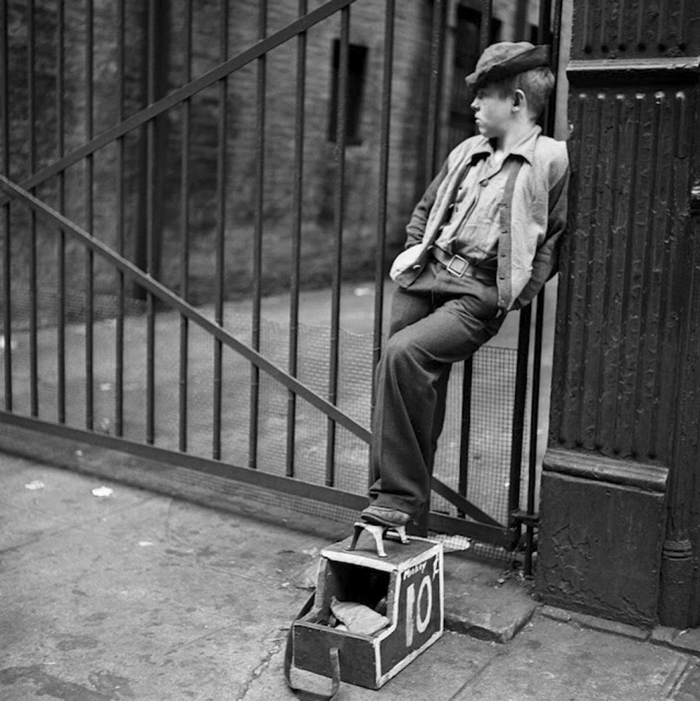
Stanley Kubrick, the legendary filmmaker behind classics like 2001: A Space Odyssey and The Shining, did not begin his artistic journey behind a movie camera, but rather behind a still camera. As a teenager in the 1940s, Kubrick roamed the streets of New York City capturing the energy, emotions, and contradictions of urban life. His early work as a photographer, particularly for Look magazine, not only honed his technical skills but also shaped his cinematic vision, helping to define the visual and thematic style that would later become his signature as a director.
Kubrick’s passion for photography ignited when his father gifted him a Graflex camera. Enthralled by the power of images, he began to document the everyday lives of New Yorkers—boxing matches, bustling street corners, intimate portraits of strangers. He was particularly drawn to moments of isolation and quiet contemplation, themes that would later dominate his films. His ability to frame an image in a way that conveyed deep emotion was evident even in his teenage years, showing an instinct for visual storytelling that surpassed many of his contemporaries.
When Kubrick was only 17, his photograph of a despondent news vendor reacting to Franklin D. Roosevelt’s death was published in Look magazine. This striking image marked the beginning of his career as a professional photographer. Throughout the late 1940s, Kubrick worked for Look, crafting photo essays that told layered, cinematic stories—almost like short films captured in still form. He meticulously arranged each shot, used dramatic lighting, and experimented with composition, techniques that would later be foundational in his approach to filmmaking.
One of Kubrick’s most significant lessons from his photography days was how to direct human subjects. He learned to evoke genuine expressions from people, a skill that seamlessly translated to working with actors. His ability to frame and light a shot was cinematic long before he ever touched a film camera. His time on the streets of New York gave him an intimate understanding of human nature, an observational patience, and an appreciation for realism that informed his filmic masterpieces.
Kubrick’s experiences as a young photographer also trained him to think visually and tell stories through composition. The controlled aesthetics and careful blocking of his photographs bore a striking resemblance to the way he would later compose scenes in his movies. His films often feature meticulous symmetry, a deep understanding of light and shadow, and compositions that feel like moving photographs. The deliberate pacing of his films owes much to his early experiences waiting for the perfect shot, understanding that visual storytelling required patience and precision.
His transition from photography to film was a natural evolution. Having mastered the ability to capture singular, powerful images, he now sought movement, sound, and narrative depth. His first film projects borrowed heavily from his photographic instincts—short documentaries like Day of the Fight (1951) were almost an extension of his boxing photo series for Look. It was evident that his experience in photography had shaped his cinematic technique, allowing him to construct stories with a painterly eye for detail.
In retrospect, Kubrick’s teenage years, spent wandering the streets of New York with a camera, laid the foundation for his filmmaking style. His meticulous framing, his fascination with human behavior, and his ability to tell stories through images were all born out of the countless hours he spent documenting life through his lens. Photography was not just an early phase of Kubrick’s career—it was the crucible in which his artistic sensibilities were forged, leading him to become one of the most visually distinctive directors of all time.

Subscribe to get access to the rest of this post and other subscriber-only content.

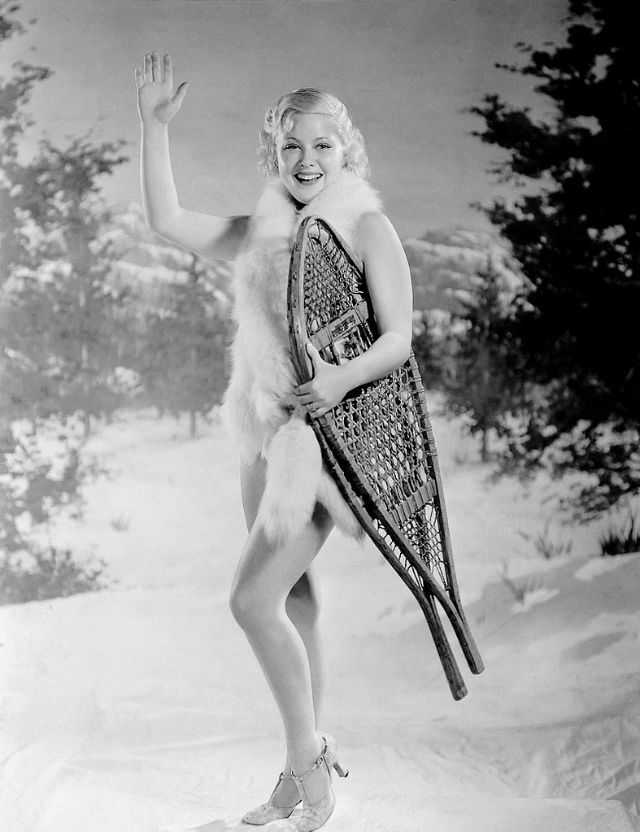
Mary Carlisle (born Gwendolyn Witter; February 3, 1914 – August 1, 2018) was an American actress, singer, and dancer, she was best known for her roles as a wholesome ingénue in numerous 1930s musical-comedy films.
She was the standard prototype of the porcelain-pretty collegiate and starry-eyed romantic interest in a host of Depression-era films and although her name may not ring a bell to most, Mary Carlisle enjoyed a fairly solid decade in the cinematic limelight.
The petite Boston-born, blue-eyed blonde was born on February 3, 1914, and brought to Hollywood in 1918, at age 4, by her mother after her father passed away. The story goes that the 14-year-old and her mother were having lunch at the Universal commissary when she was noticed by producer Carl Laemmle Jr., who immediately gave her a screen test. Her age was a hindering factor, however, and Mary completed her high school studies before moving into the acting arena. An uncle connected to MGM helped give the young hopeful her break into the movies as a singer/dancer a few years later.
Mary started out typically as an extra and bit player in such films as Madam Satan (1930), The Great Lover (1931) and in Grand Hotel (1932) in which she played a honeymooner. The glamorous, vibrant beauty’s career was given a build-up as a “Wampas Baby Star” in 1933 and soon she began finding work in films playing stylish, well-mannered young co-eds. Although she performed as a topline actress in a number of lightweight pictures such as Night Court (1932) with Anita Page, Murder in the Private Car (1934) starring Charles Ruggles, and It’s in the Air (1935) alongside Jack Benny, she is perhaps best remembered as a breezy co-star to Bing Crosby in three of his earlier, lightweight ’30s musicals: College Humor (1933), Double or Nothing (1937) and Doctor Rhythm (1938). In the last picture mentioned she is the lovely focus of his song “My Heart Is Taking Lessons”. Her participation in weightier material such as Kind Lady (1935) was often overshadowed by her even weightier co-stars, in this case Basil Rathbone and Aline MacMahon.
Disappointed with the momentum of her career and her inability to extricate herself from the picture-pretty, paragon-of-virtue stereotype, Mary traveled and lived in London for a time in the late ’30s. Following her damsel-in-distress role in the horror opus Dead Men Walk (1943) with George Zucco and Dwight Frye, Mary retired from the screen, prompted by her marriage to James Blakeley, a flying supervisor, the year before. The Beverly Hills couple had one son. Her husband, a former actor who also appeared in ’30s musicals with Crosby as a dapper second lead (e.g., in Two for Tonight (1935)), later became an important executive (producer, editor, etc.) at Twentieth Century-Fox.
In later years Mary managed an Elizabeth Arden Salon in Beverly Hills and received a star on the Hollywood Walk of Fame. Her husband passed away in 2007. Mary herself lived to the ripe old age of 104 on August 1, 2018.
Read more of this content when you subscribe today.

Subscribe to get access to the rest of this post and other subscriber-only content.
