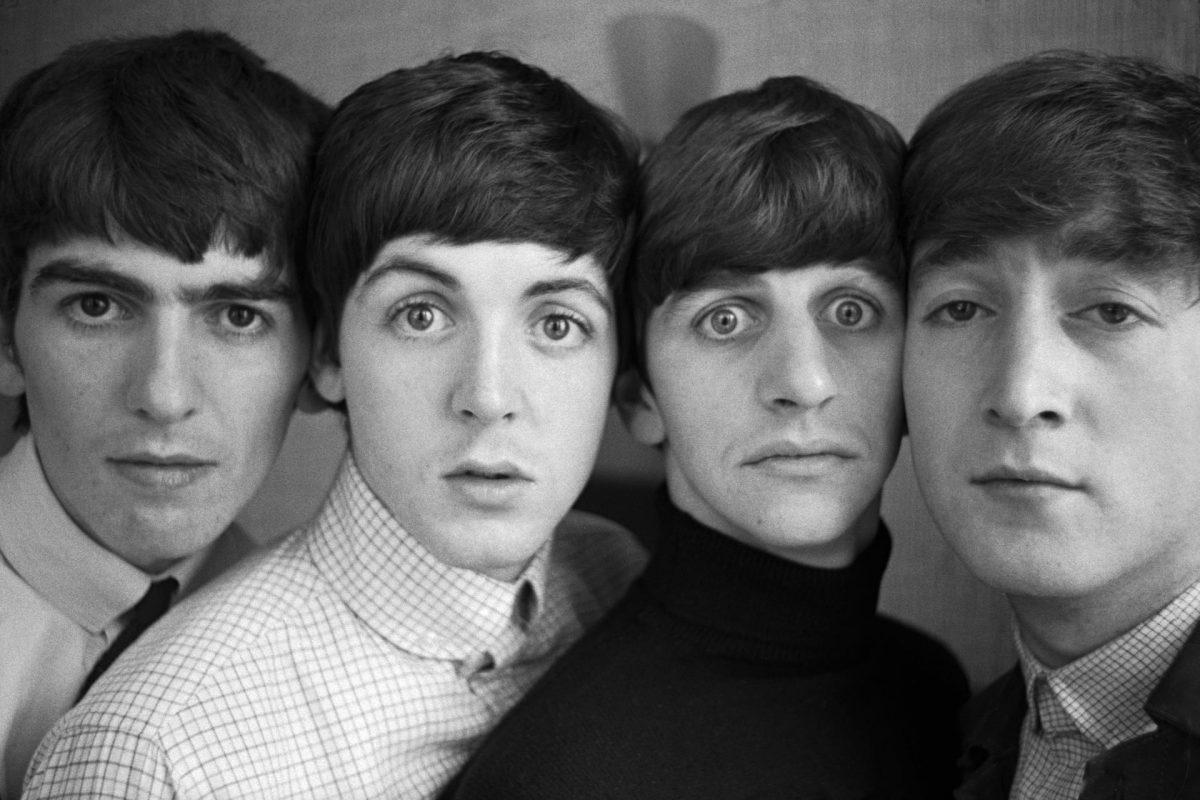
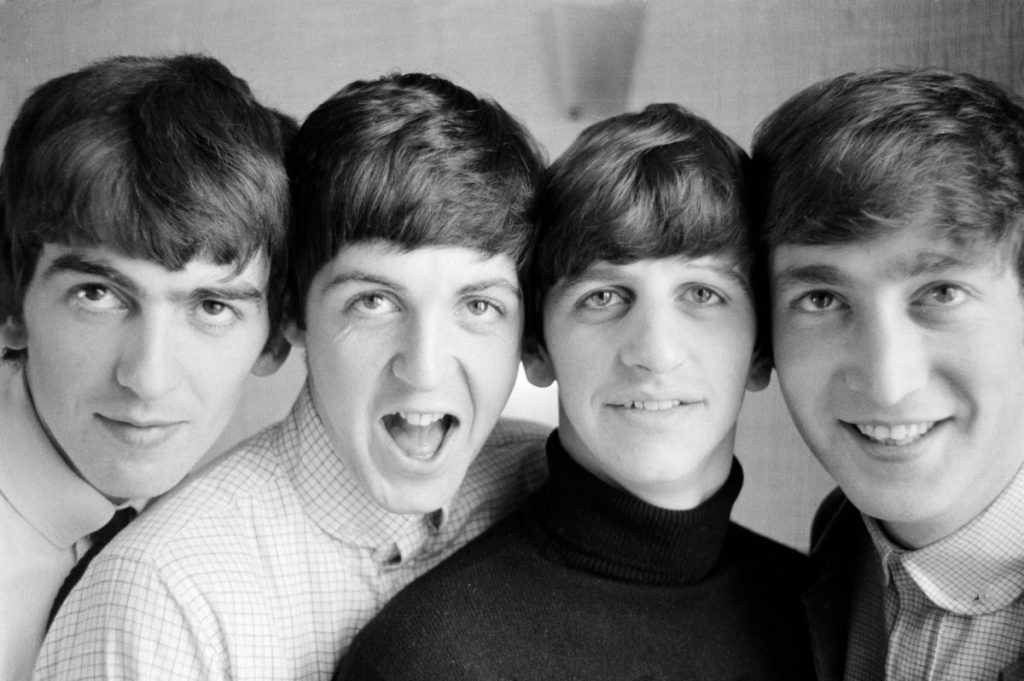
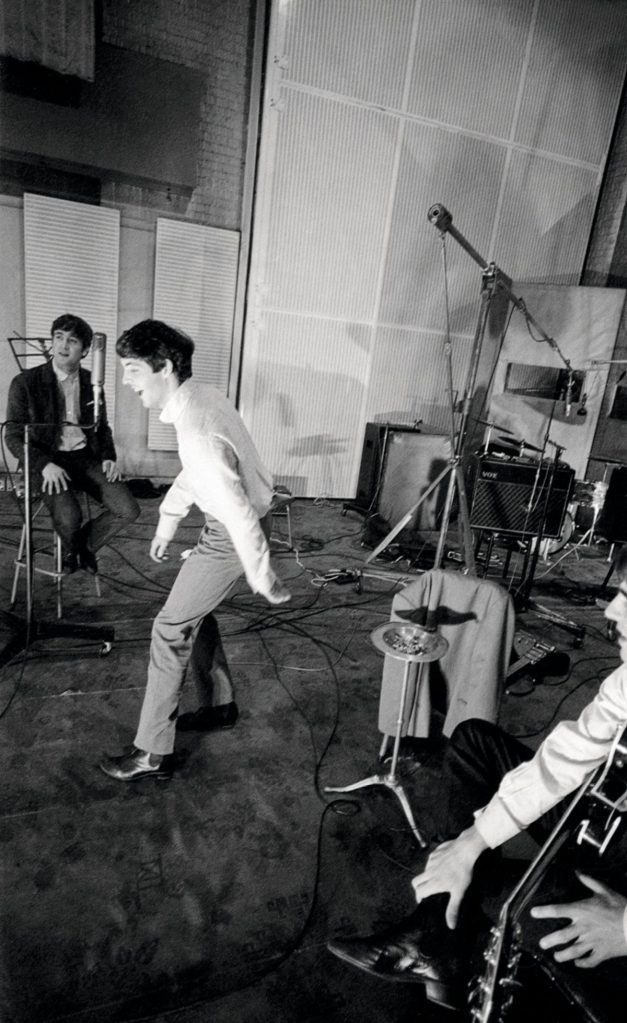
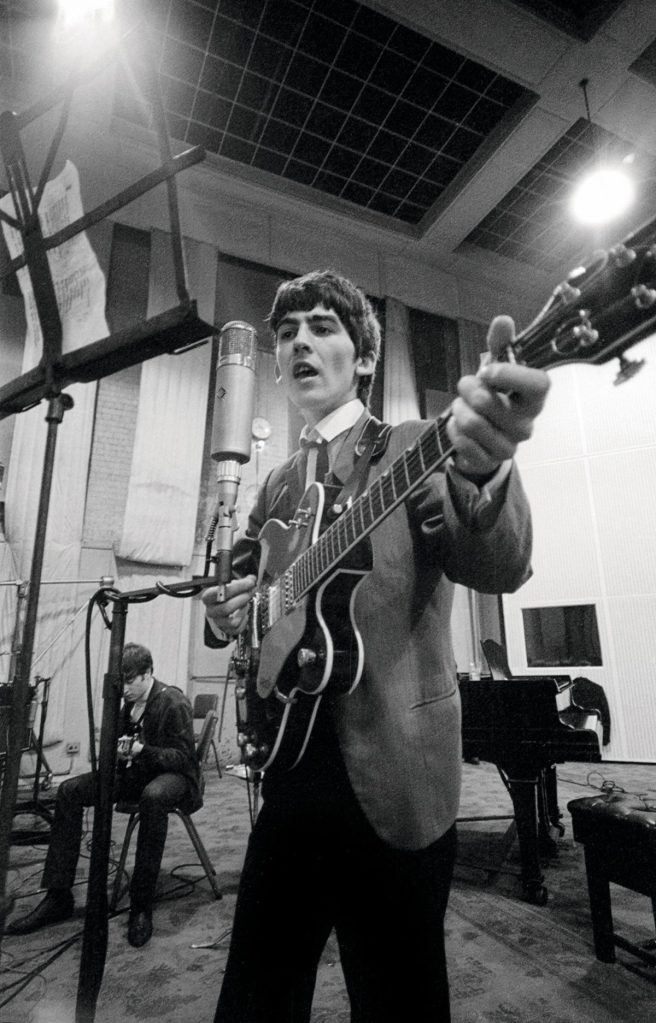
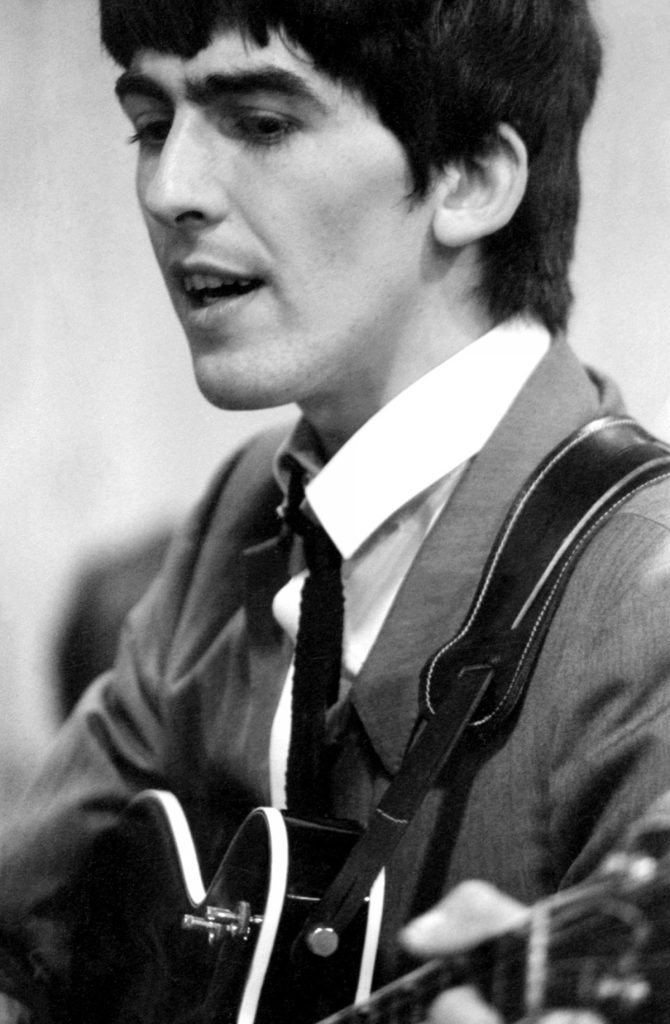
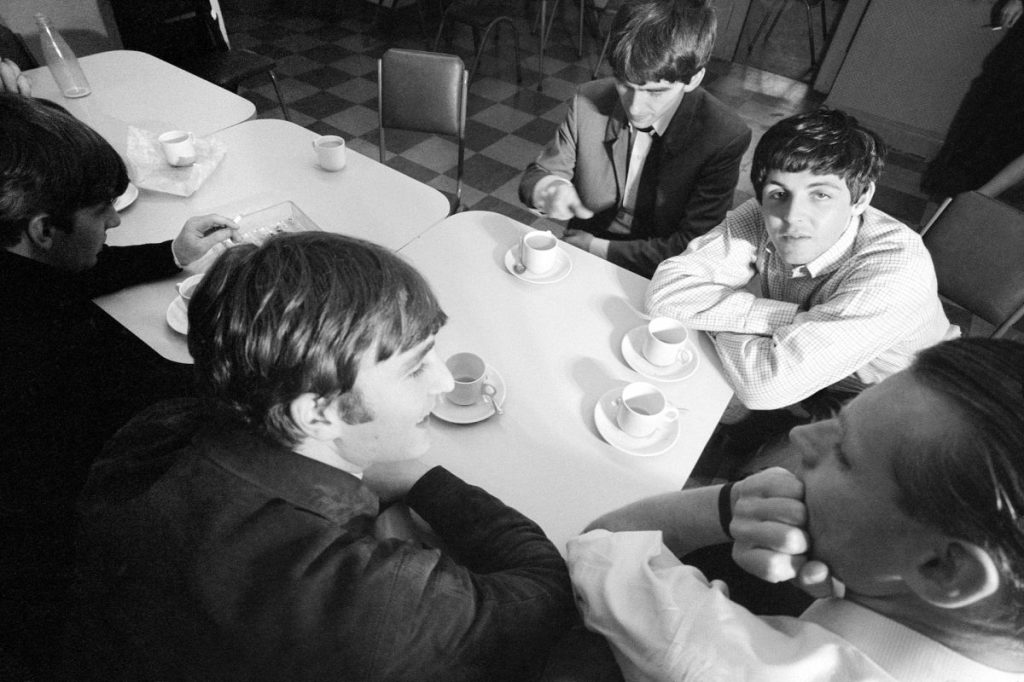
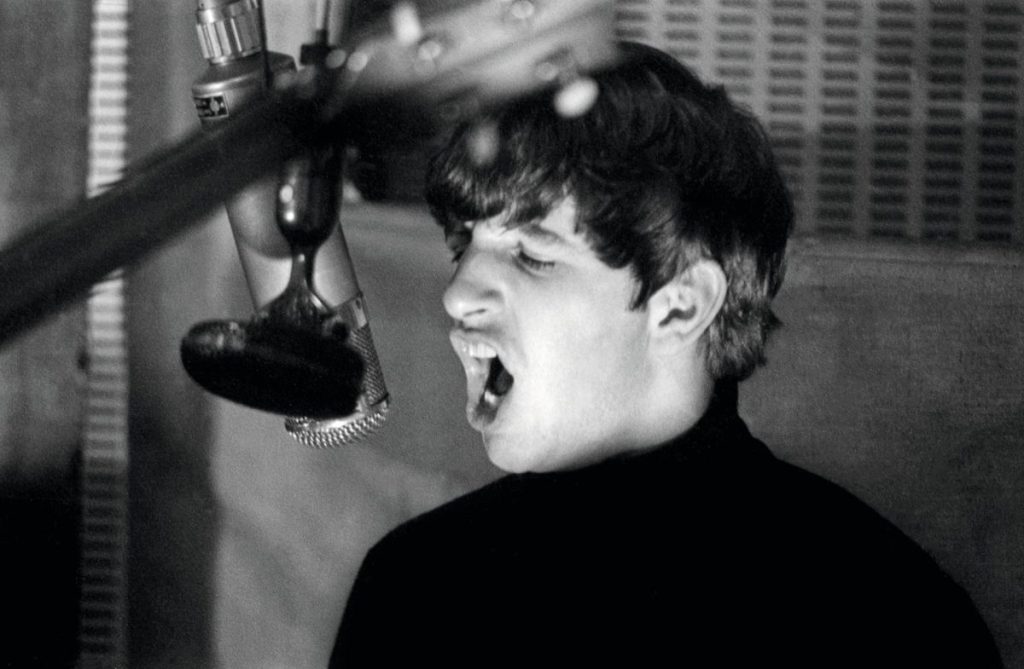
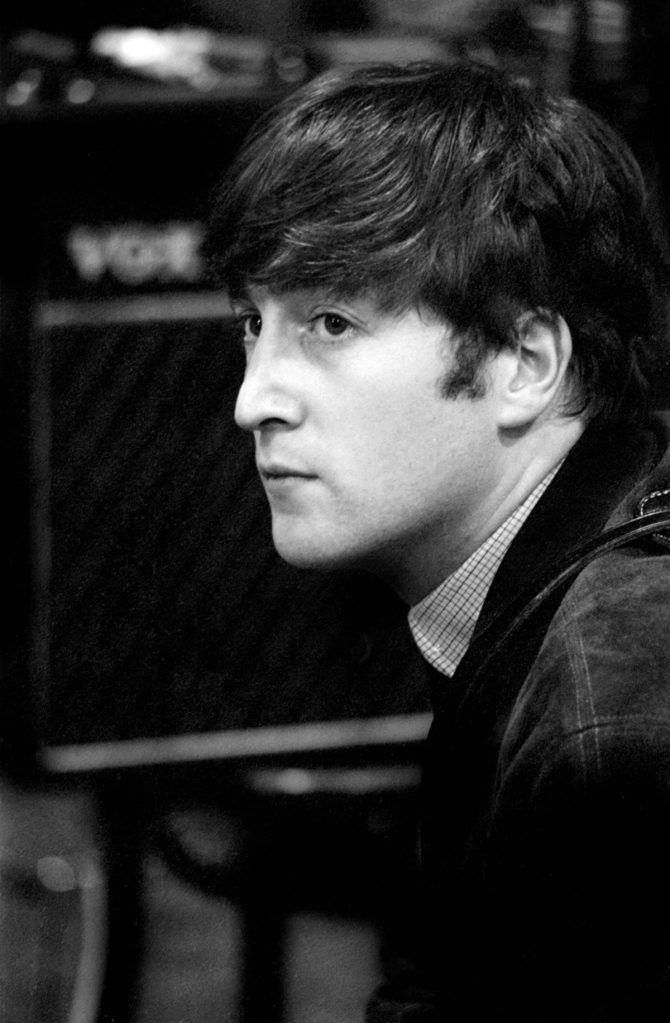
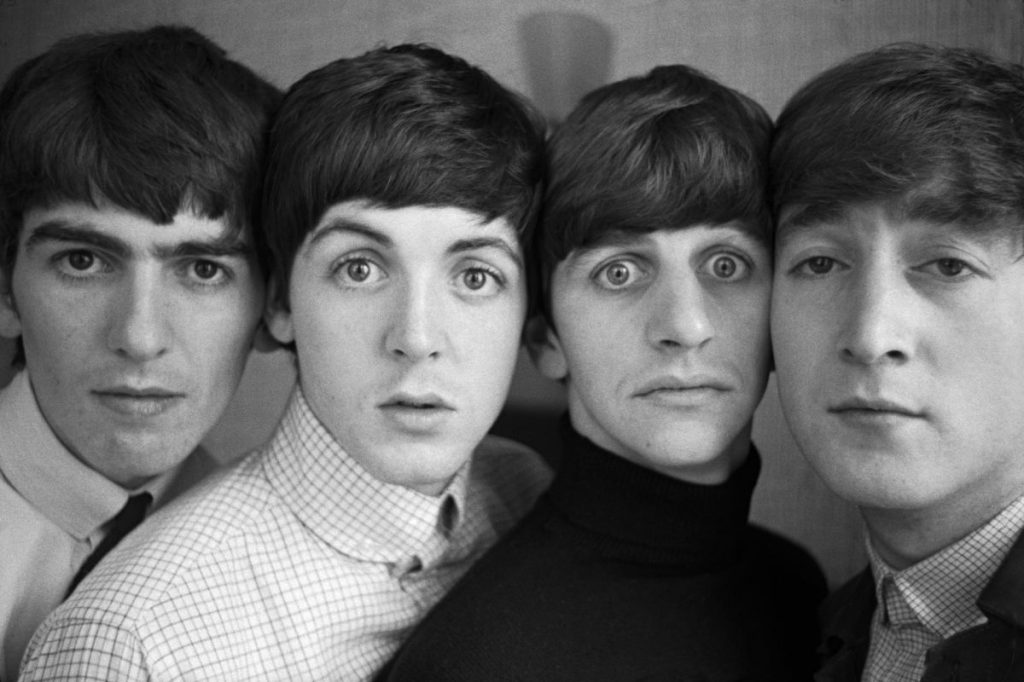
In 1963 Jeremy Banks, an editor at Queen magazine, invited Norman Parkinson (21 April 1913 – 15 February 1990) to photograph the Beatles. Parkinson had left Vogue in 1959 and was now working at Queen (later Harper’s & Queen and then just Harper’s). It was September 12 1963 when Parkinson arrived at London’s Abbey Road. He’d no colour film so all the images are in black and white. The band were busy recording their LP With the Beatles. On the day’s roster were: Hold Me Tight, Don’t Bother Me, Little Child and I Wanna Be Your Man. The band – John Lennon, Paul McCartney, Ringo Starr and George Harrison – had spent the preceding week preforming for the Saturday Club at the Playhouse Theatre in central London, shows at The Gaumont in Taunton, The Odeon in Luton, Fairfield Halls in Croydon, and Blackpool’s ABC Theatre. At 6:30, the Beatles broke for a 30-minute tea break. At 11pm left Abbey Road for their rooms at the President Hotel on Russell Square.
The Beatles at the President Hotel, Russell Square in London, on 12 September 1963.The band in discussion with their svengali George Martin
The term “Baby Boom” is used to identify a massive increase in births following World War II. Baby boomers are those people born worldwide between 1946 and 1964, the time frame most commonly used to define them. There are about 76 million boomers in the U.S., representing about 29 percent of the population. In Canada, they are known as “Boomies;” six million reside there. In Britain, the boomer generation is known as “the bulge.”
World War II ended in 1945. Most members of the armed forces came home en masse, numbering in the millions. To integrate millions of young veterans into the American economy, the 78th Congress passed the GI Bill of Rights on June 22, 1944. It was the most far-reaching item of veterans legislation passed in the nation’s history. VA loans for homes and farms were made available to GIs at low interest rates, and low or no down payment. In addition, the GI Bill made higher education a reachable goal with low-interest loans.
The first baby boomers reached the standard retirement age of 65 in 2011. Today, members of the baby boomer generation are just beginning to leave the labor force and enter retirement.
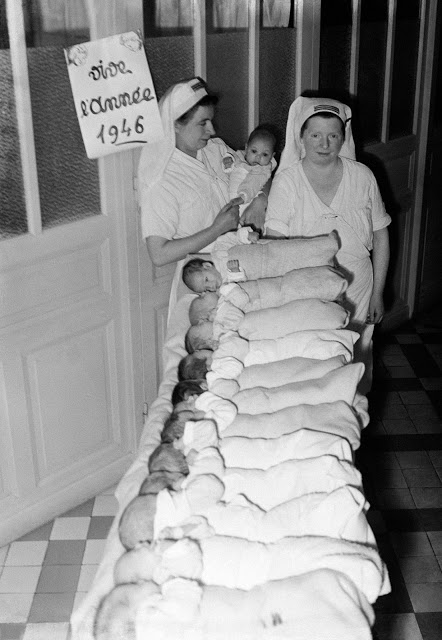
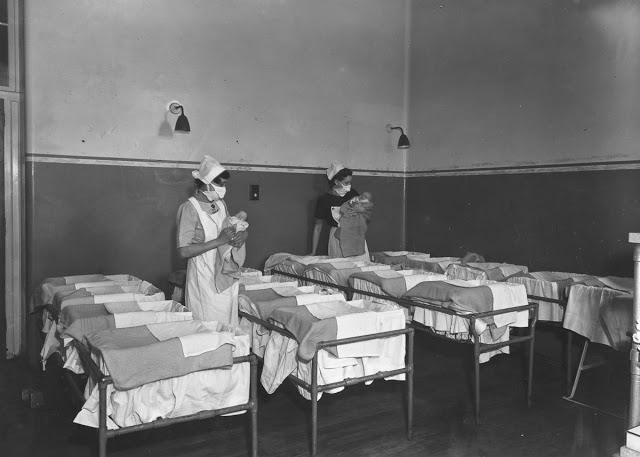
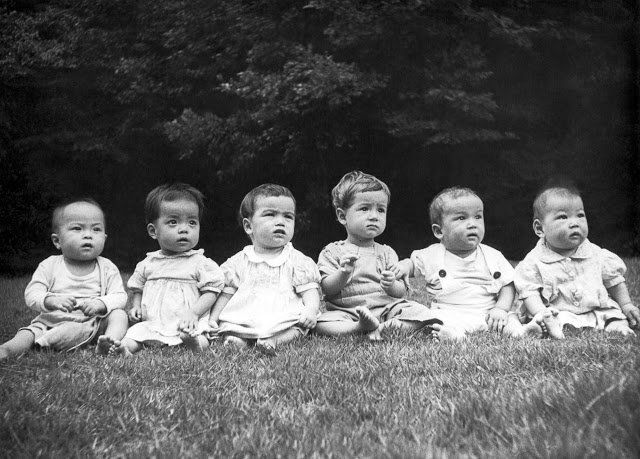
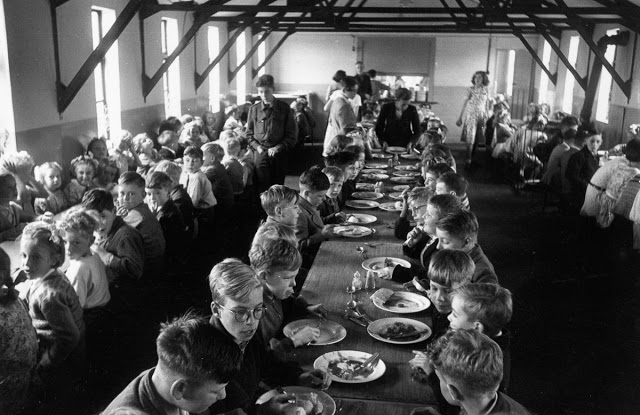
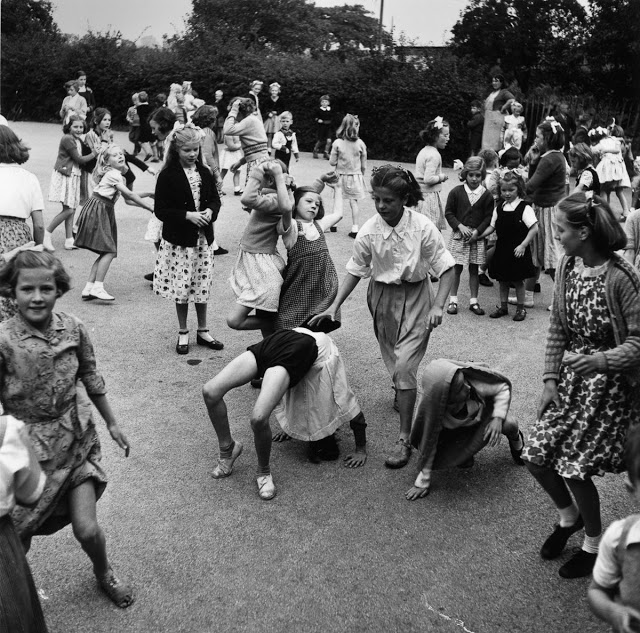
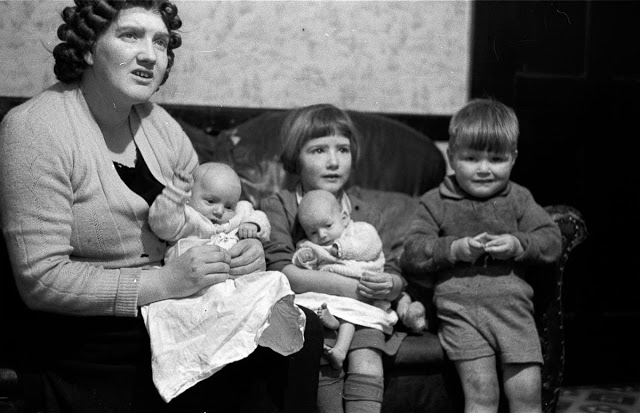
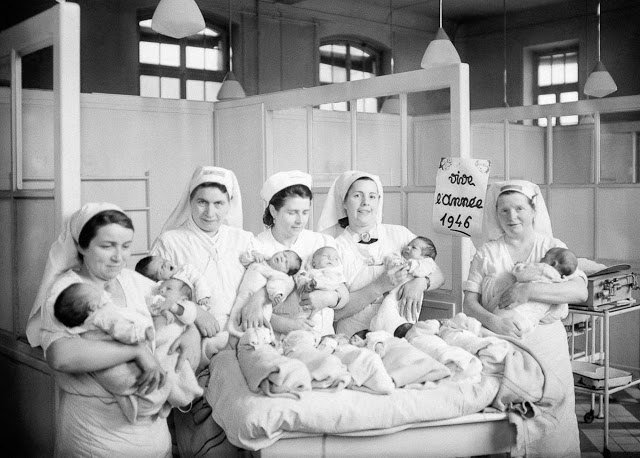
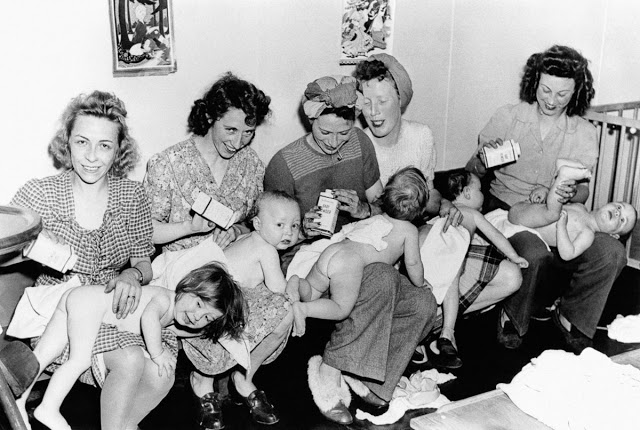
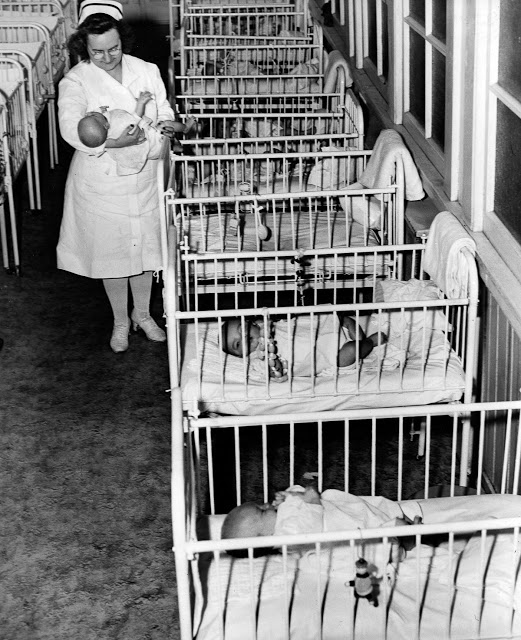
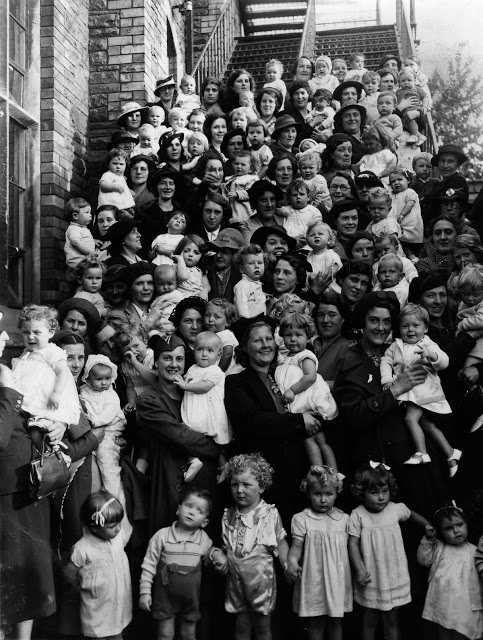
A staff nurse greets some new arrivals at the Queen Charlotte Hospital in London. Jan. 25, 1945.Nurses hold babies in a maternity ward at Guy’s Hospital, London. Dec. 1, 1947.Infants and toddlers in an orphanage in post-war Japan, c.1948.An overcrowded dining hall at Walsgrave Colliery School near Coventry, England filled by children of the post war baby boom, 1952.A crowd of schoolchildren in the playground of Walsgrave Colliery School near Coventry, England, 1952.27-year-old Briton Ivy Bourne, mother of triplets and twins. Her mother had a total of 22 children, including one set of triplets and four sets of twins. Jan. 31, 1953.The Finslater triplets at home, March 1955.Nurses with newborns at a hospital in Paris. Jan. 1, 1946.New mothers change their babies’ diapers in New York City. March 15, 1946.A nurse cares for one of many infants at St. Ann’s Infant Asylum in Washington, D.C. May 16, 1946.Participants in a baby show in England, c.1950.The first babies of the new year in a maternity ward in Paris. Jan. 1, 1946.Prisoner mothers bathe their babies in a hospital ward at Holloway Prison in London, March 1947.
Argentina, officially the Argentine Republic, is a country in the southern half of South America. Argentina covers an area of 2,780,400 km2 (1,073,500 sq mi), making it the largest Spanish-speaking nation in the world by area. It is the second-largest country in South America after Brazil, the fourth-largest country in the Americas, and the eighth-largest country in the world. It shares the bulk of the Southern Cone with Chile to the west, and is also bordered by Bolivia and Paraguay to the north, Brazil to the northeast, Uruguay and the South Atlantic Ocean to the east, and the Drake Passage to the south. Argentina is a federal state subdivided into twenty-three provinces, and one autonomous city, which is the federal capital and largest city of the nation, Buenos Aires. The provinces and the capital have their own constitutions, but exist under a federal system. Argentina claims sovereignty over a part of Antarctica, the Falkland Islands and South Georgia and the South Sandwich Islands.
The earliest recorded human presence in modern-day Argentina dates back to the Paleolithic period. The Inca Empire expanded to the northwest of the country in Pre-Columbian times. The country has its roots in Spanish colonization of the region during the 16th century. Argentina rose as the successor state of the Viceroyalty of the Río de la Plata, a Spanish overseas viceroyalty founded in 1776. The declaration and fight for independence (1810–1818) was followed by an extended civil war that lasted until 1861, culminating in the country’s reorganization as a federation. The country thereafter enjoyed relative peace and stability, with several waves of European immigration, mainly Italians and Spaniards, radically reshaping its cultural and demographic outlook; over 60% of the population has full or partial Italian ancestry, and Argentine culture has significant connections to Italian culture.
The almost-unparalleled increase in prosperity led to Argentina becoming the seventh-wealthiest nation in the world by the early 20th century. In 1896, Argentina’s GDP per capita surpassed that of the United States and was consistently in the top ten before at least 1920. Currently, it is ranked 71st in the world. Following the Great Depression in the 1930s, Argentina descended into political instability and economic decline that pushed it back into underdevelopment, although it remained among the fifteen richest countries for several decades. Following the death of President Juan Perón in 1974, his widow and vice president, Isabel Perón, ascended to the presidency, before being overthrown in 1976. The following military junta, which was supported by the United States, persecuted and murdered thousands of political critics, activists, and leftists in the Dirty War, a period of state terrorism and civil unrest that lasted until the election of Raúl Alfonsín as president in 1983.
Argentina is a regional power, and retains its historic status as a middle power in international affairs. Argentina is a developing country that ranks 46th in the Human Development Index, the second-highest in Latin America after Chile. It maintains the second-largest economy in South America, and is a member of G-15 and G20. Argentina is also a founding member of the United Nations, World Bank, World Trade Organization, Mercosur, Community of Latin American and Caribbean States and the Organization of Ibero-American States. (Wikipedia)
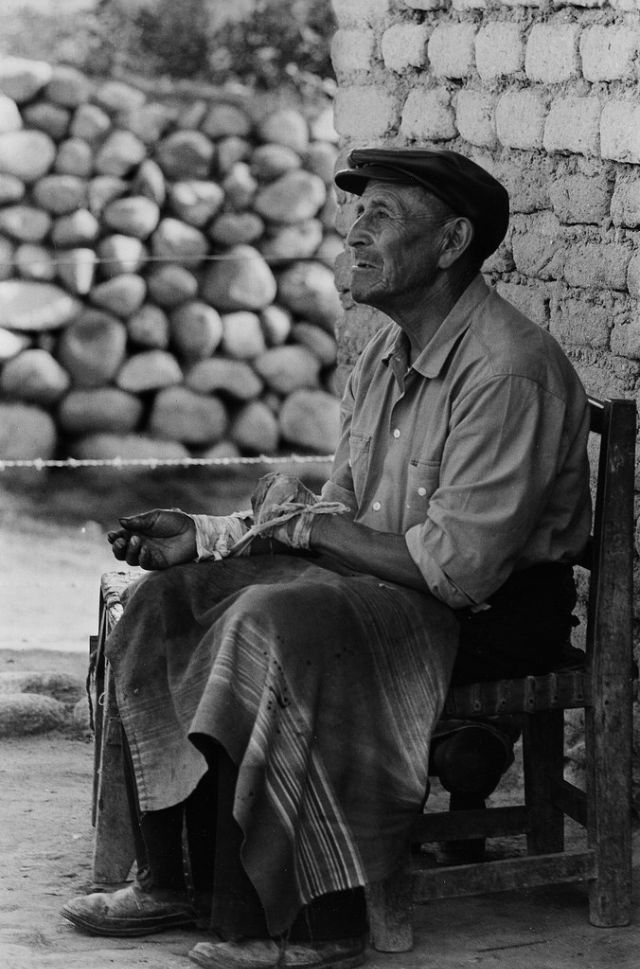
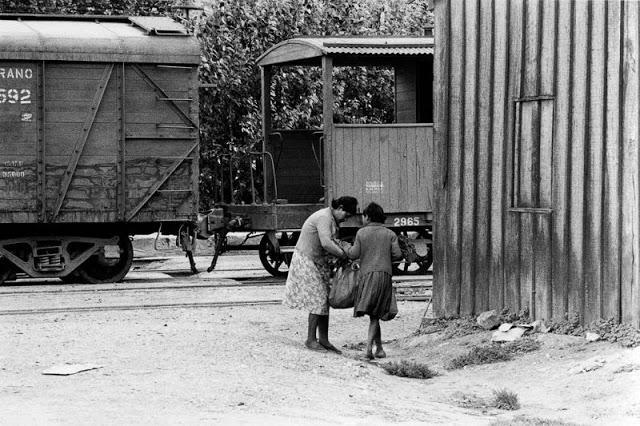
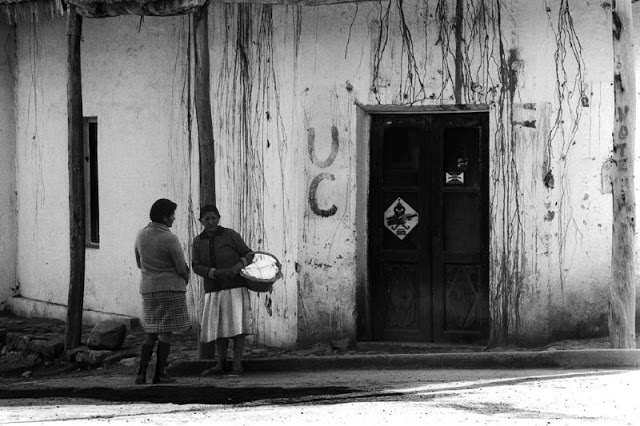
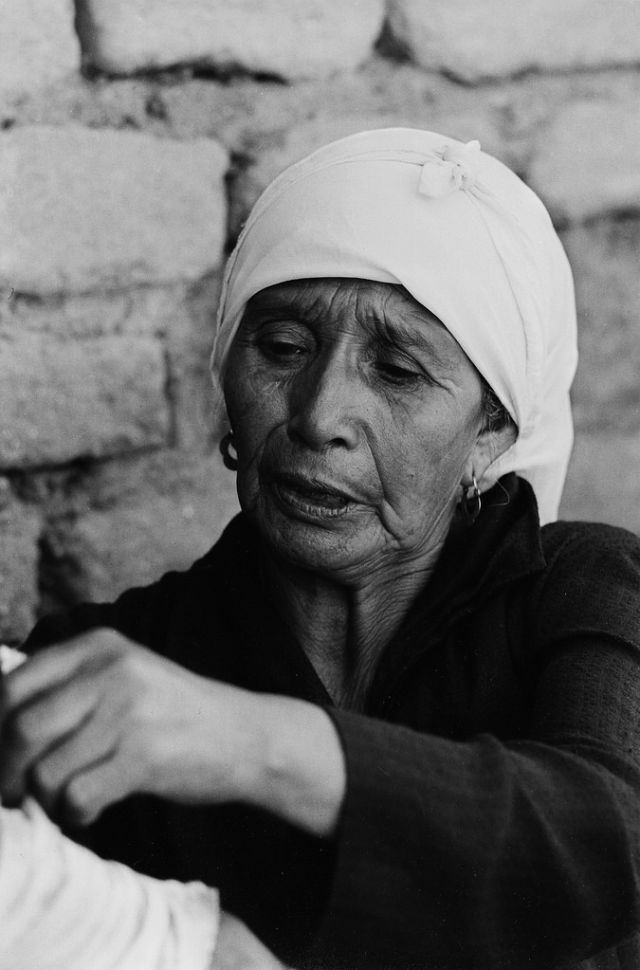
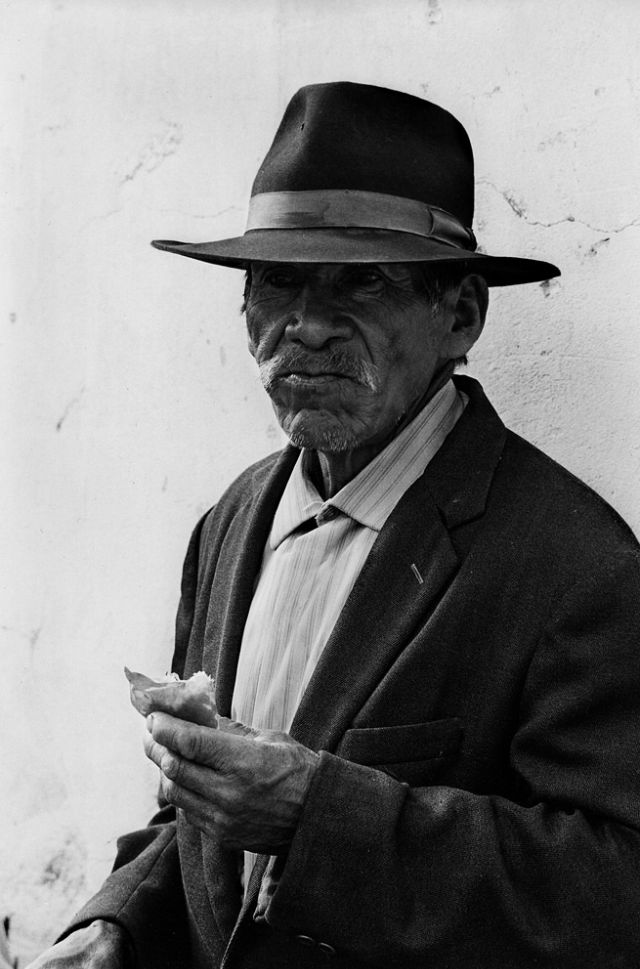
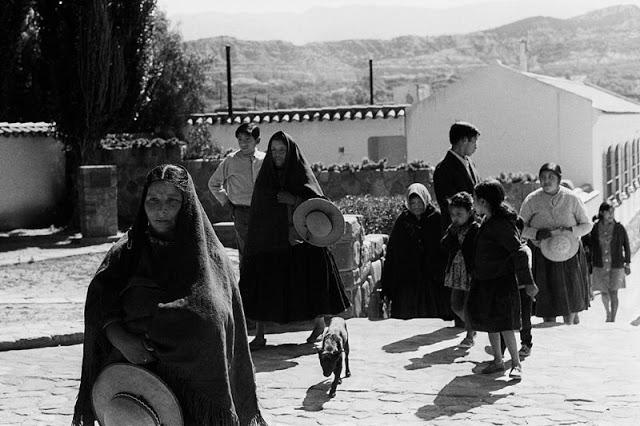
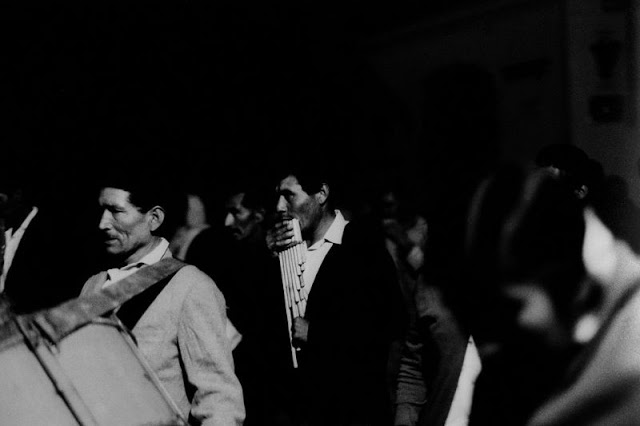
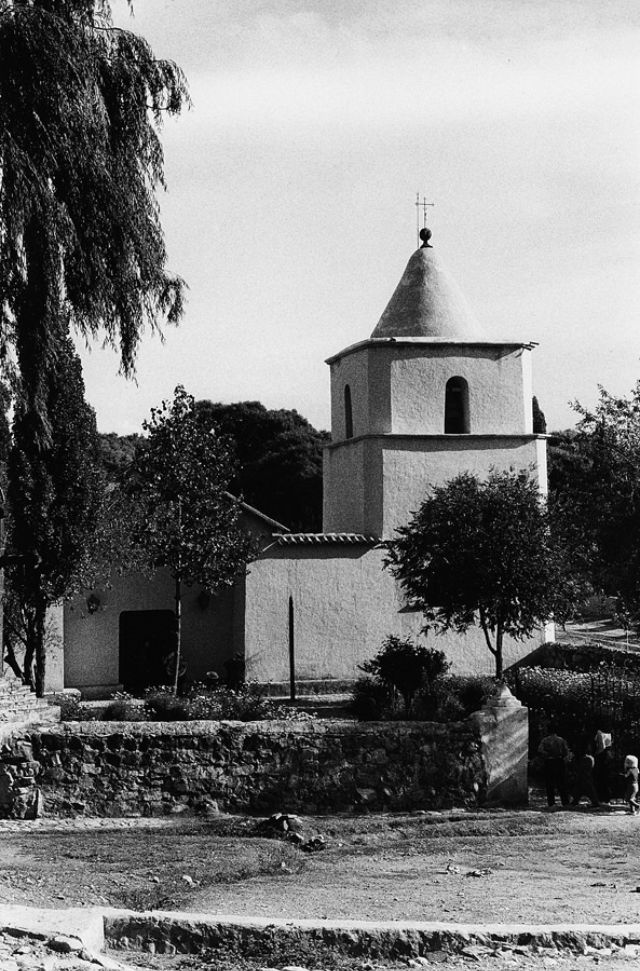
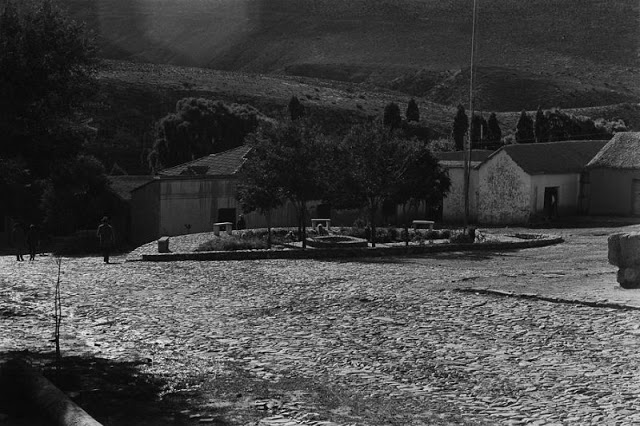
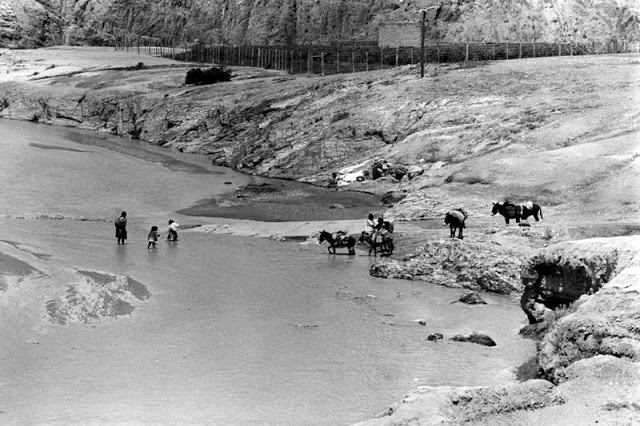
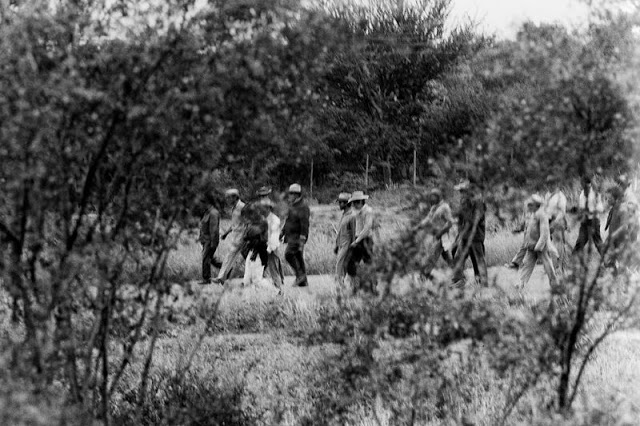
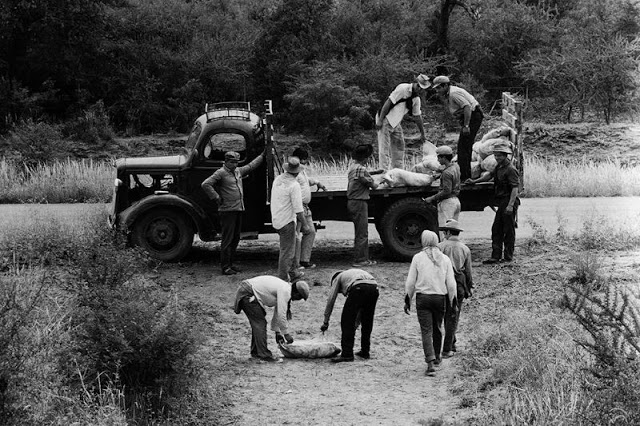
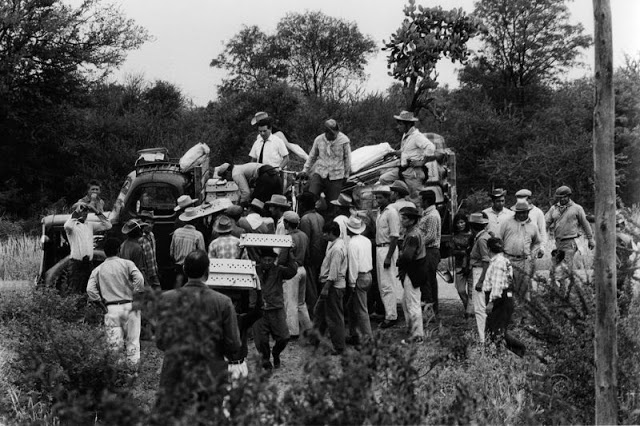
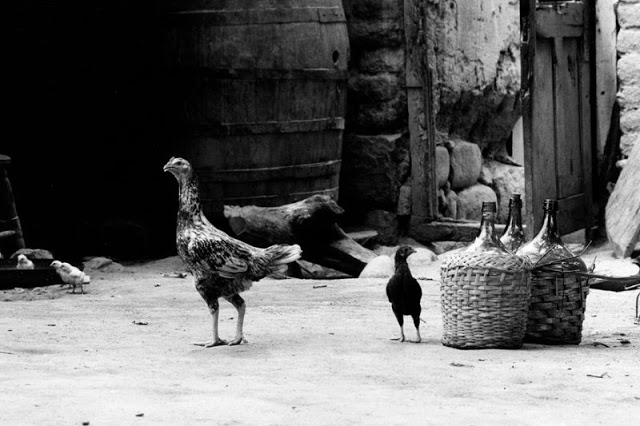
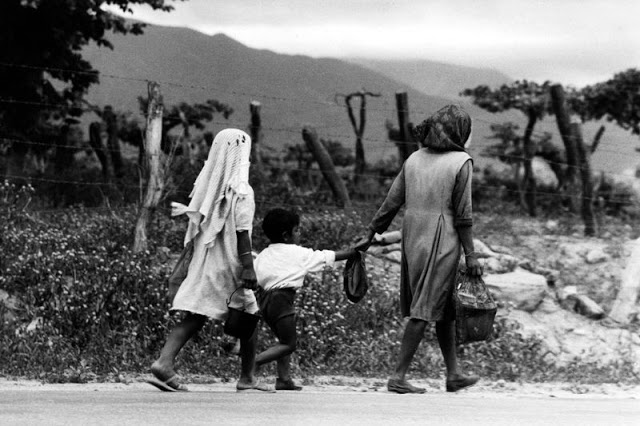
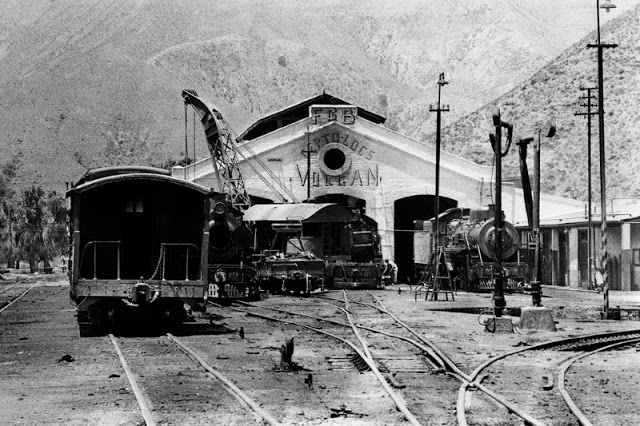
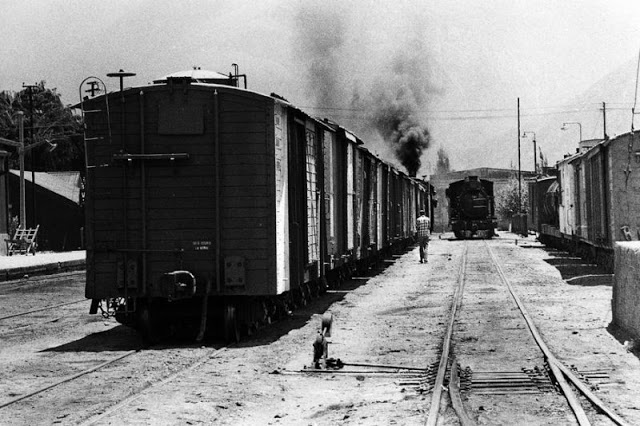
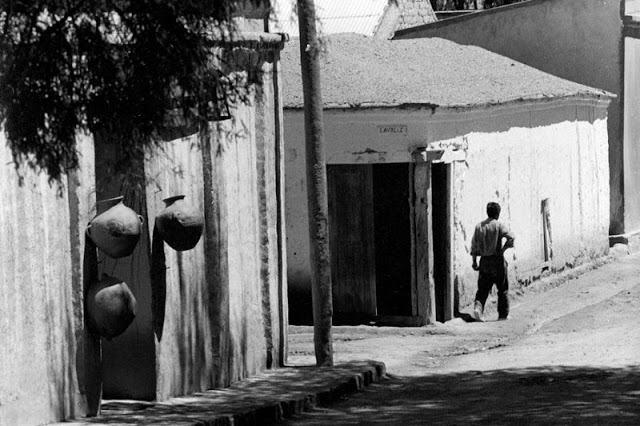
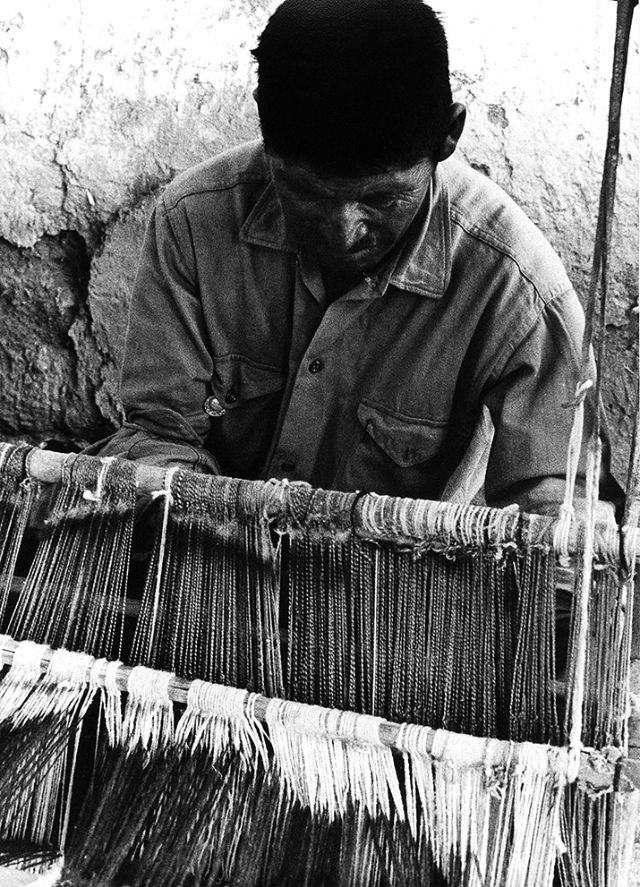
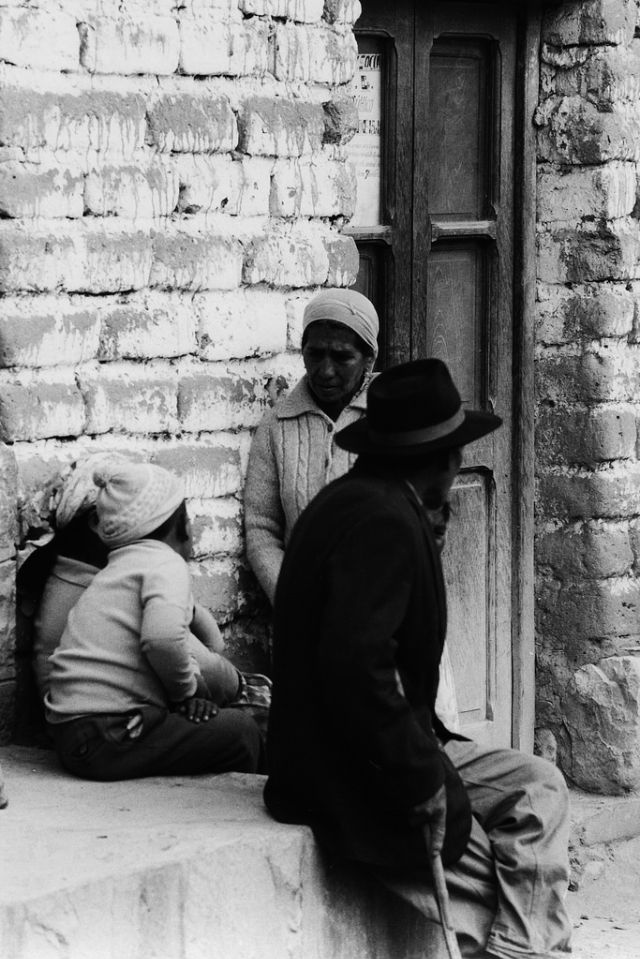
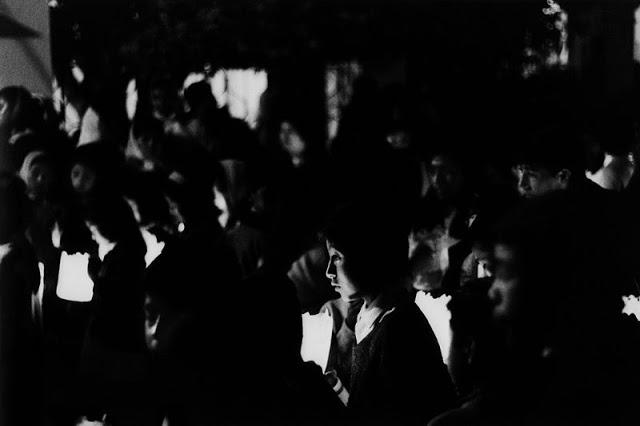
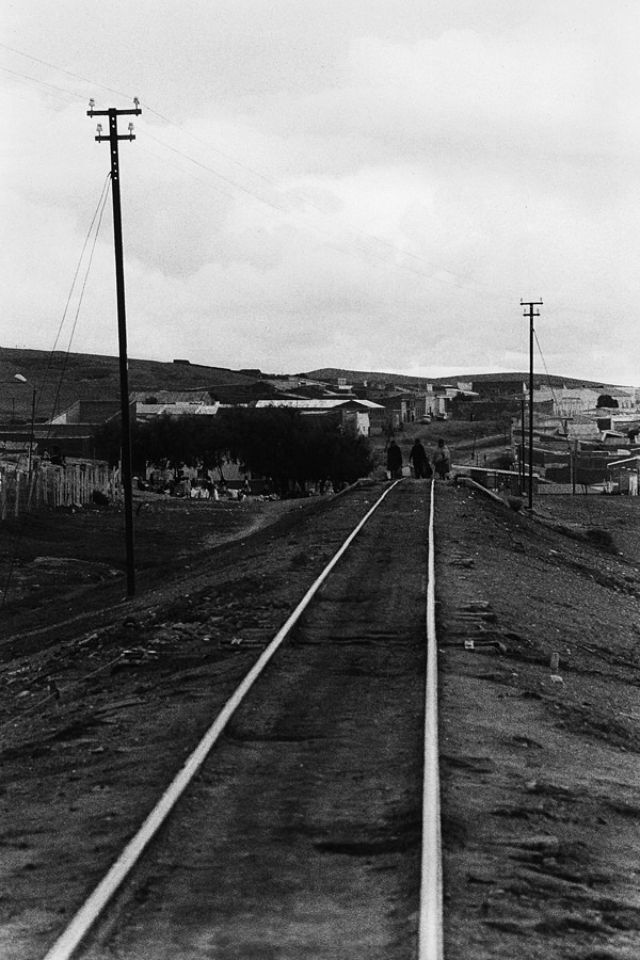
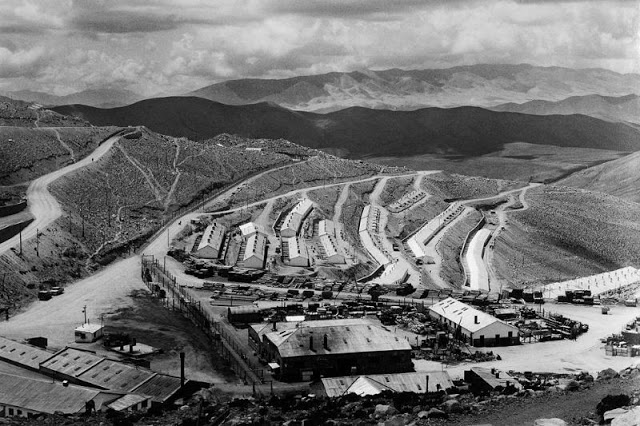
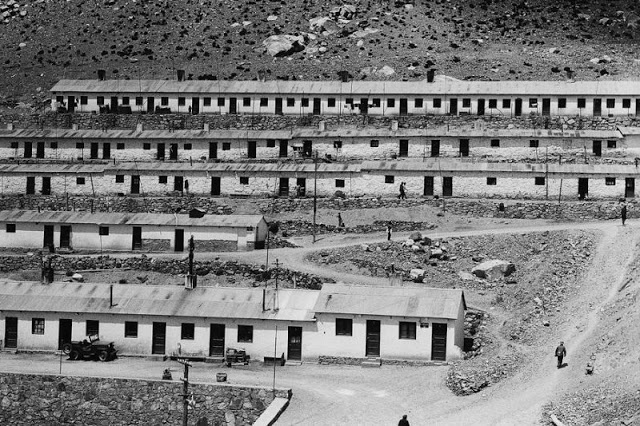
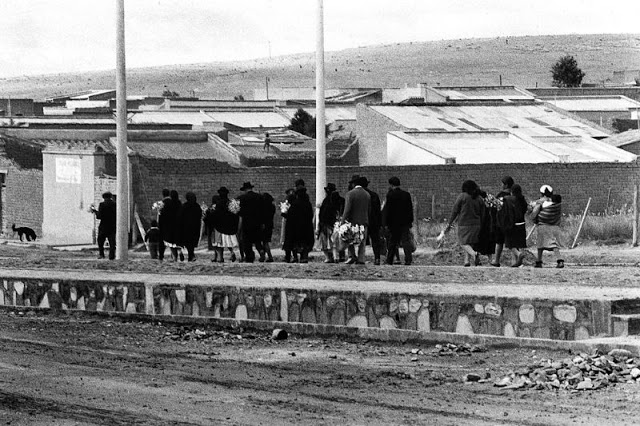
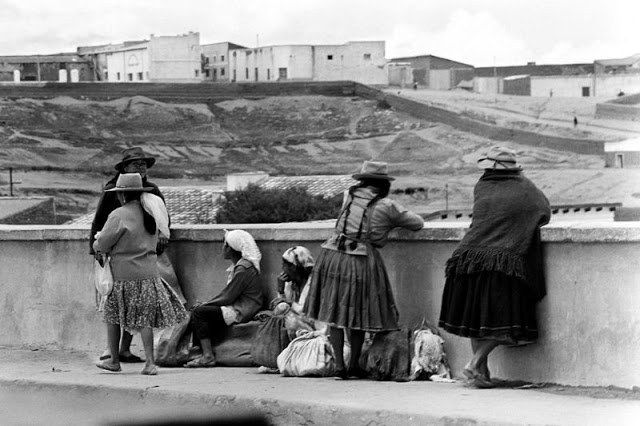
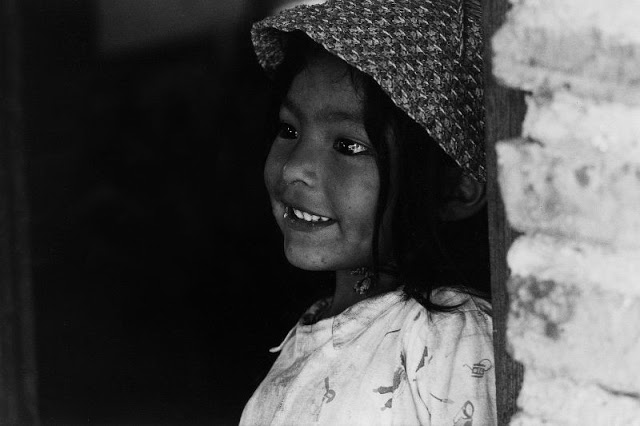
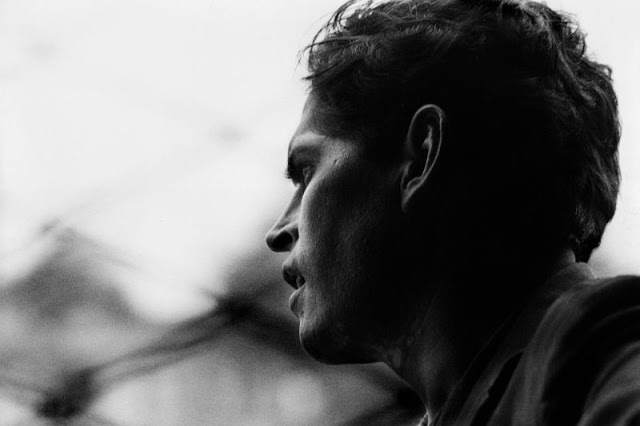
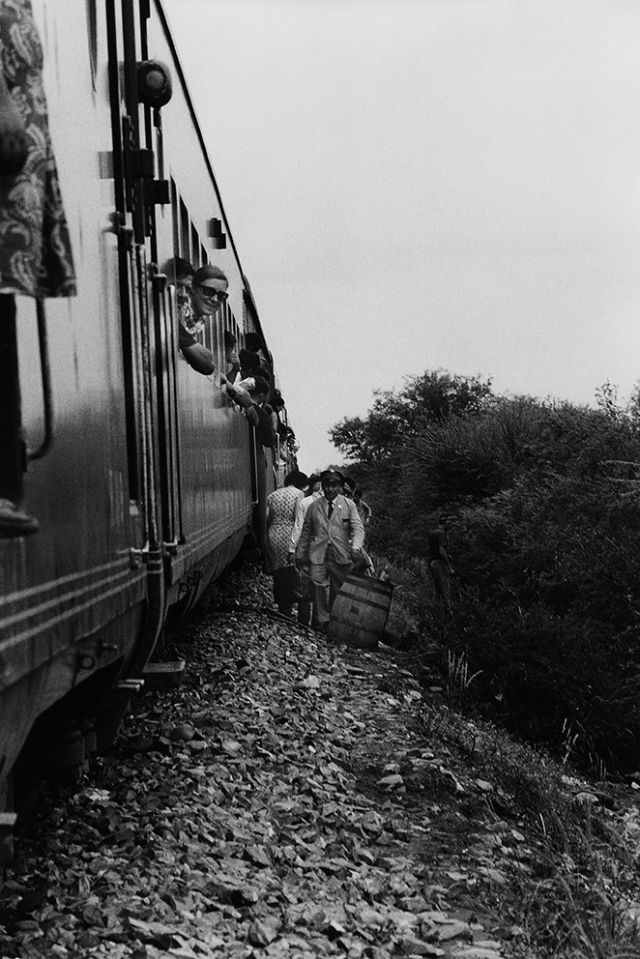
These amazing photos were taken by photographer Juan Rafael Onetto that documented everyday life of Northern Argentina in 1970. The cities include Santiago de Estero, Salta, and especially Jujuy province.
On July 20, 1969, the astronaut Neil Armstrong became the first human being to walk on another world, famously marking the moment with the phrase: “That’s one small step for man, one giant leap for mankind.” After months of preparation, preceded by years of development and testing, the crew of NASA’s Apollo 11 lifted off from Florida on July 16, arriving at the moon on July 19. While Command Module Pilot Michael Collins remained in lunar orbit, Armstrong and Lunar Module Pilot Edwin “Buzz” Aldrin descended to the surface and spent two and a half hours on the moon, setting up experiments, taking photos, and gathering samples. After their safe return home, the crew were celebrated by politicians and the public as they embarked on a 45-day goodwill tour, visiting a total of 27 cities in 24 countries. Below, 50 photos of the historic Apollo 11 mission.
A portrait of the Apollo 11 astronaut Buzz Aldrin, taken by his fellow astronaut Neil Armstrong, standing on the lunar surface on July 20, 1969. Aldrin has his left arm raised and is likely reading the checklist sewn on the wrist cover of his glove.
Subscribe to continue reading
Become a paid subscriber to get access to the rest of this post and other exclusive content.
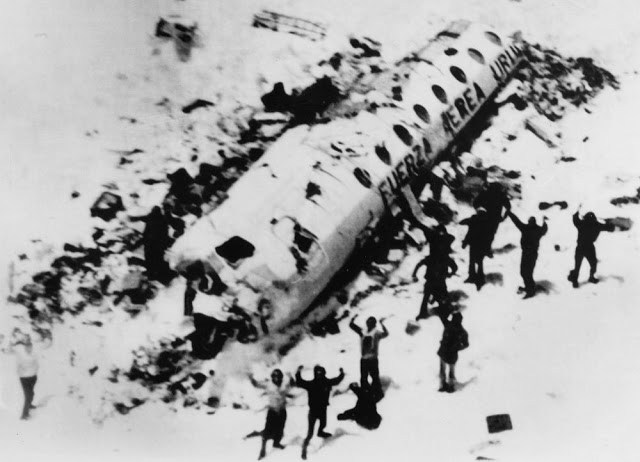
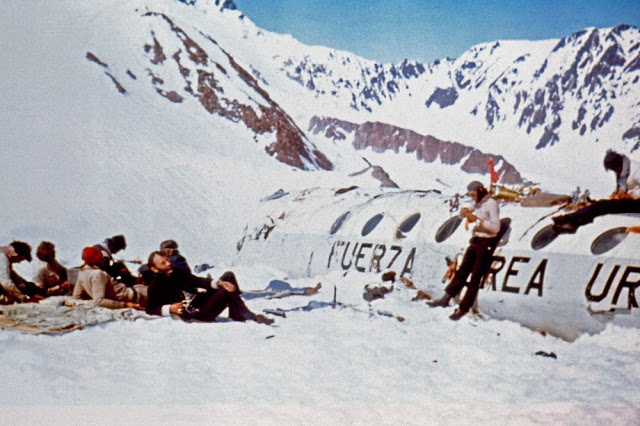
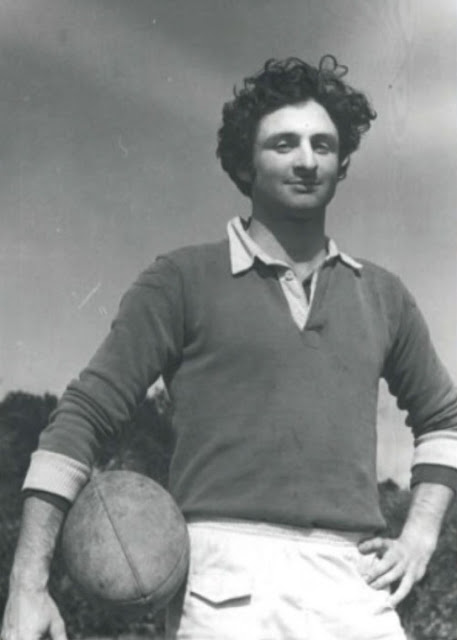
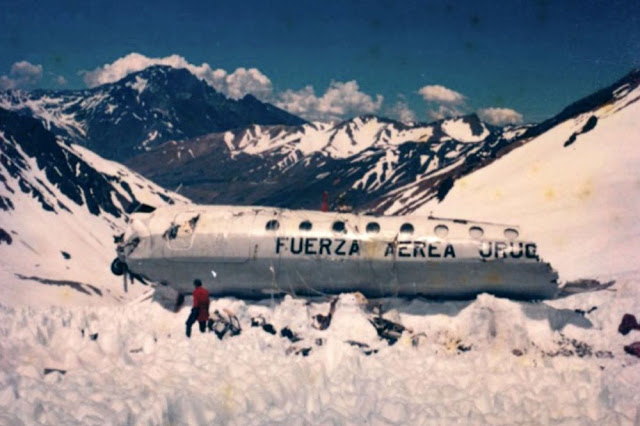
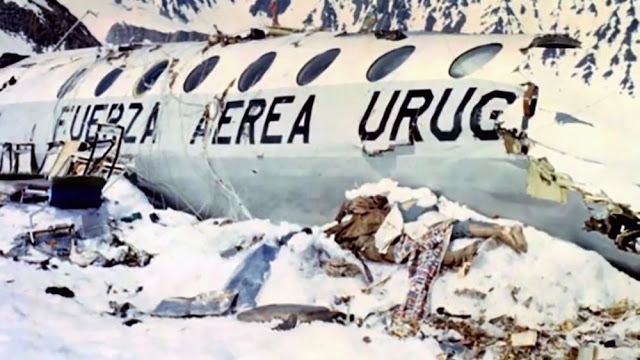
Uruguayan Air Force Flight 571, also known as Miracle Flight 571, was a chartered flight originating in Montevideo, Uruguay, bound for Santiago, Chile, that crashed high in the Andes mountains on 13 October 1972. The accident became known as the Andes flight disaster (Tragedia de los Andes) and the Miracle of the Andes (Milagro de los Andes).
While crossing the Andes during poor weather, the inexperienced co-pilot of the Fairchild FH-227D mistakenly believed they had reached Curicó, despite instrument readings that indicated otherwise. The aircraft began descending too early to reach Pudahuel Airport and struck a mountain, shearing off both wings and the tail section. The remaining portion of the fuselage slid down the mountain about 725 metres (2,379 ft) before striking ice and snow on a glacier. The flight was carrying 45 passengers and crew, including 19 members of the Old Christians Club rugby union team, along with their families, supporters, and friends.
Survivors of 1972 Andes plane crash.Survivors of 1972 Andes plane crash.
The flight carrying 19 members of a rugby team, family, supporters, and friends originated in Montevideo, Uruguay and was headed for Santiago, Chile. While crossing the Andes, the inexperienced co-pilot who was in command mistakenly believed they had reached Curicó, Chile, despite instrument readings indicating differently. He turned north and began to descend towards what he thought was Pudahuel Airport. Instead, the aircraft struck the mountain, shearing off both wings and the rear of the fuselage. The forward part of the fuselage careened down a steep slope like a toboggan and came to rest on a glacier. Three crew members and more than a quarter of the passengers died in the crash, and several others quickly succumbed to cold and injuries.
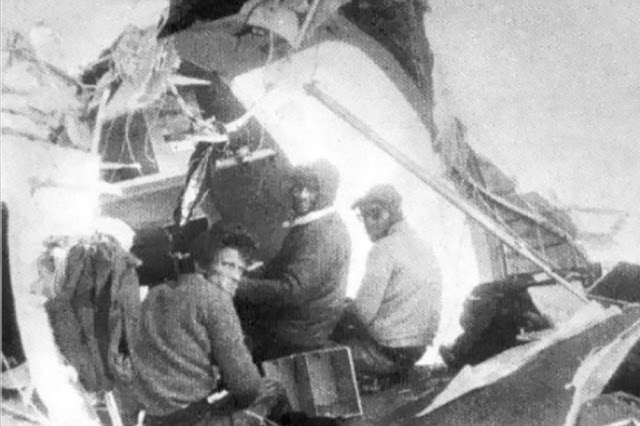
On the tenth day after the crash, the survivors learned from a transistor radio that the search had been called off. Faced with starvation and death, those still alive agreed that should they die, the others may consume their bodies so they might live. With no choice, the survivors ate the bodies of their dead friends.
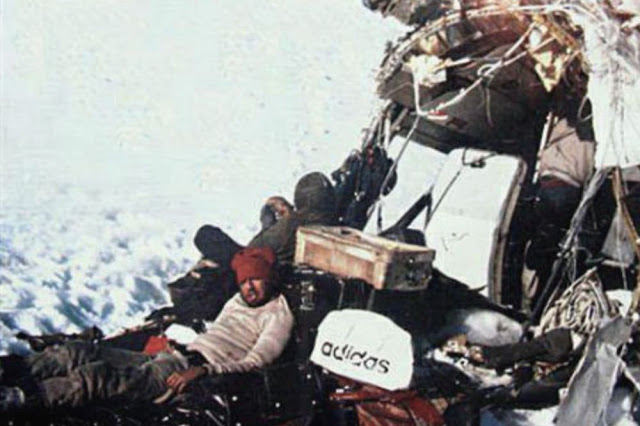
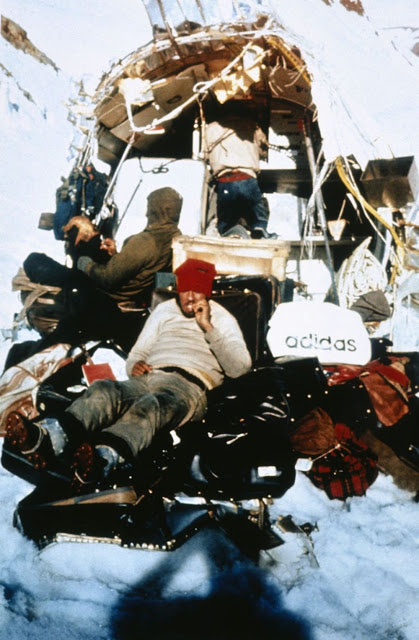
Survivors of Flight 571 outside of the plane.Survivors of Flight 571 outside of the plane.Survivors of Flight 571 outside of the plane.
Roberto Canessa was a second-year medical student when the plane he had chartered with his rugby team mates crashed into the mountains. “Eating human flesh, you feel like you’re the most miserable person on the earth,” he said. “But in my mind, there was the idea that my friend was giving me a chance of survival that he didn’t have.”
Canessa broken his silence to tell his own story in a memoir, I Had To Survive. The specter of resorting to cannibalism haunts him still. “We had long since run out of the meagre pickings we’d found on the plane, and there was no vegetation or animal life to be found,” he recalled. “After just a few days we were feeling the sensation of our own bodies consuming themselves just to remain alive.”
Roberto Canessa in the early 1970s.
“The bodies of our friends and team-mates, preserved outside in the snow and ice, contained vital, life-giving protein that could help us survive. But could we do it?
“For a long time we agonized. I went out in the snow and prayed to God for guidance. Without His consent, I felt I would be violating the memory of my friends; that I would be stealing their souls.
“We wondered whether we were going mad even to contemplate such a thing. Had we turned into brute savages? Or was this the only sane thing to do? Truly, we were pushing the limits of our fear.”
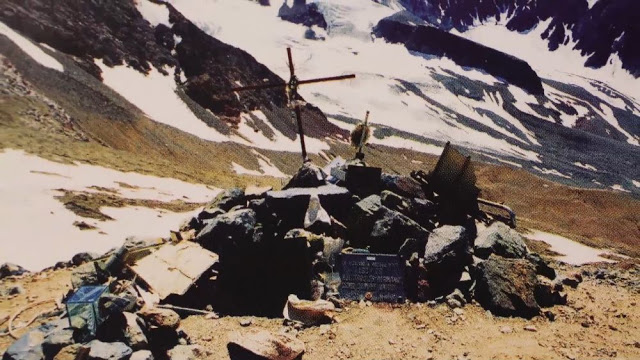
Fuselage of Air Force Flight 571 that crashed in the Andes in 1972.Fuselage of Air Force Flight 571 that crashed in the Andes in 1972.Survivors of Flight 571.Survivors of Flight 571 outside of the plane’s wreckage.Survivors of Flight 571 outside of the plane’s wreckage.
Roberto said he managed to reconcile himself when he remembered the words he had said himself in the aftermath of the crash: that if he died, the rest could use his body to survive. “For me, it was an honor to say that if my heart stopped beating, my arms and legs and muscles could still be part of our communal mission to get off the mountain. I wanted to know I’d still be playing my part,” he explained.
Seventeen days after the crash, 27 remained alive when an avalanche filled the rear of broken fuselage they used as shelter, killing eight more survivors. The survivors had little food and no source of heat in the harsh conditions. They decided that a few of the strongest people would hike out to seek rescue. Nando Parrado and Roberto Canessa, lacking mountaineering gear of any kind, climbed from the glacier at 3,570 metres (11,710 ft) to the 4,670 metres (15,320 ft) peak blocking their way west. Over 10 days they trekked about 24 kilometres (15 mi) seeking help. The first person they saw was Chilean arriero Sergio Catalán, who gave them food and then rode for ten hours to alert authorities. The story of the passengers’ survival after 72 days drew international attention. The last 16 survivors were rescued on 23 December 1972, more than two months after the crash.
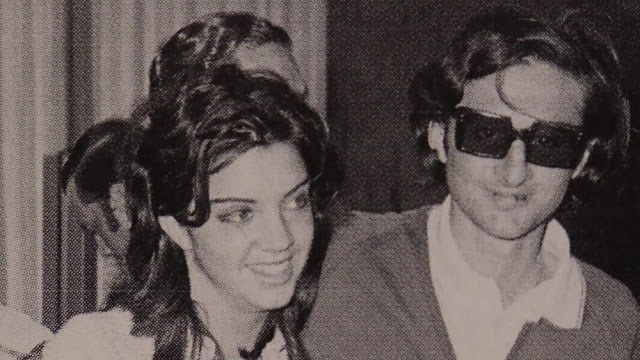
(L-R) Nando Parrado and Roberto Canessa with shepherd (above) who saved their lives.Roberto and Nando reach civilization after their rescue.Roberto returns to civilization.
The survivors were concerned about what the public and family members of the dead might think about their acts of eating the dead. There was an initial public backlash, but after they explained the pact the survivors made to sacrifice their flesh if they died to help the others survive, the outcry diminished and the families were more understanding. The incident was later known as the Andes flight disaster and, in the Hispanic world, as El Milagro de los Andes (The Miracle of the Andes).
“And now, as a doctor, I cannot help associating that event — using a dead body to continue living — with something that would be realized the world over in the coming decades: organ and tissue transplants,” Roberto said. “We were the ones to break the taboo. But the world would break it with us in the years to come, as what was once thought bizarre became a new way to honor the dead.”
(L-R) Roberto Canessa with his mother and wife Lauri.Lauri and Roberto Canessa in the early 1970s.Roberto Canessa with wife Lauri in 2016.
“Gradually, each of us came to our own decision in our own time. And once we had done so, it was irreversible. It was our final goodbye to innocence.
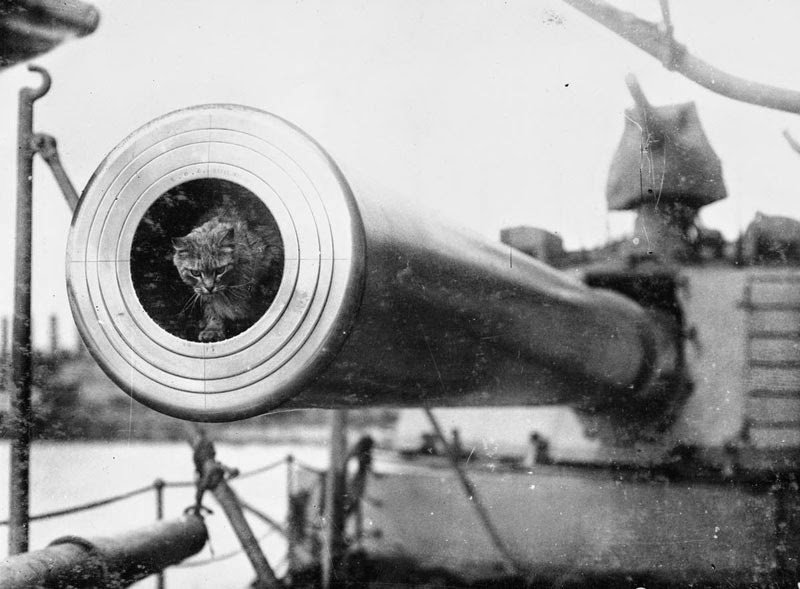
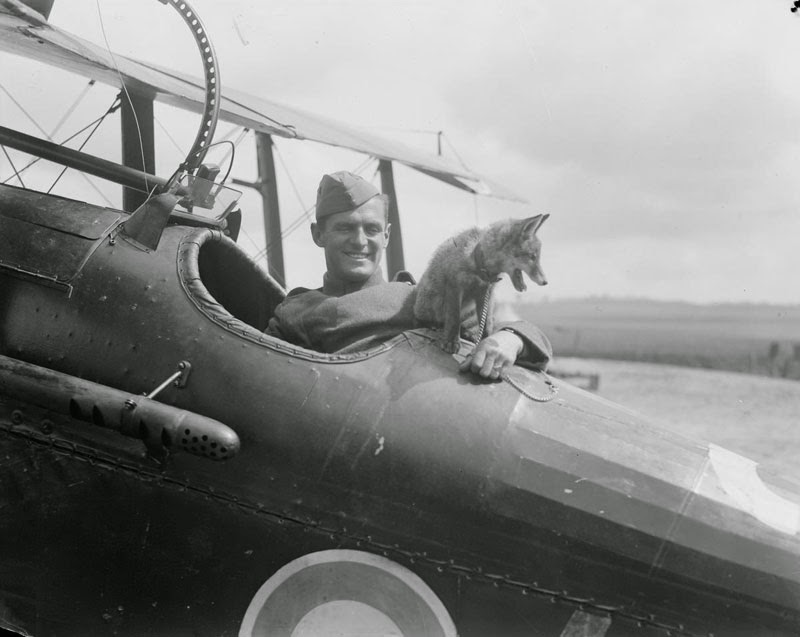
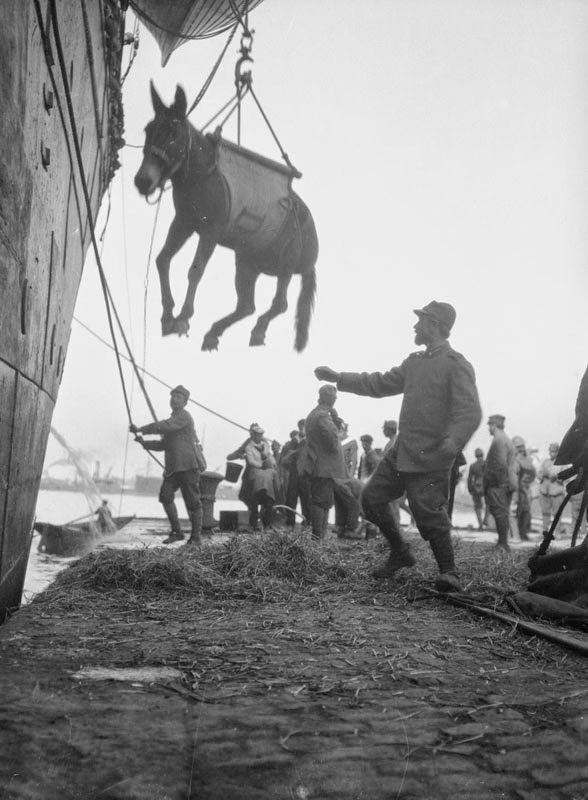
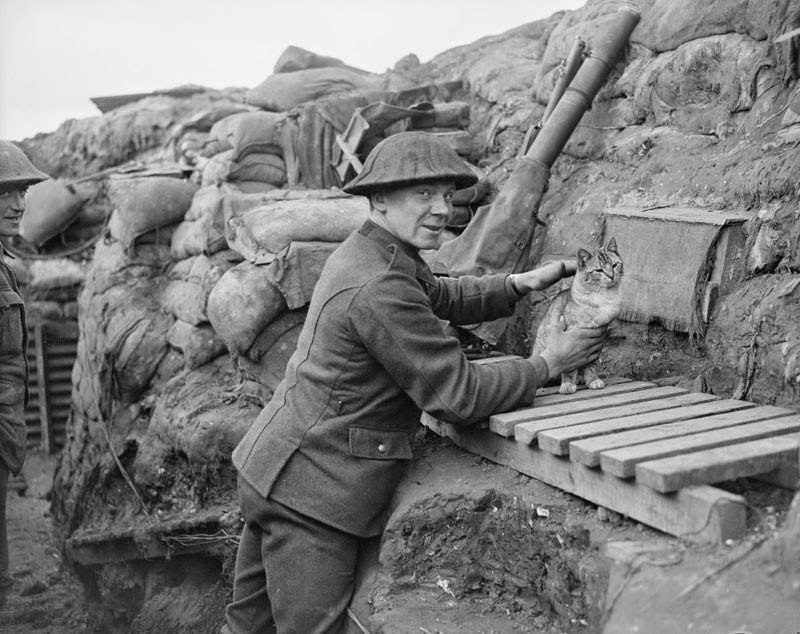
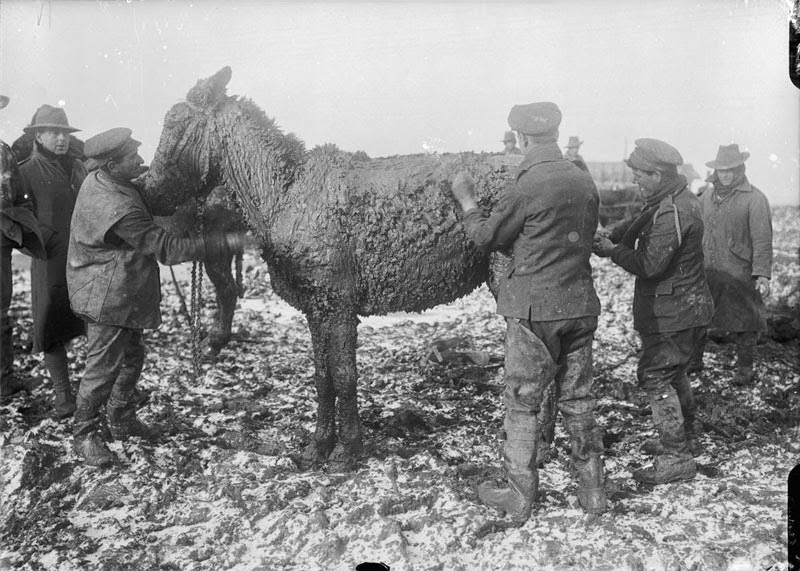
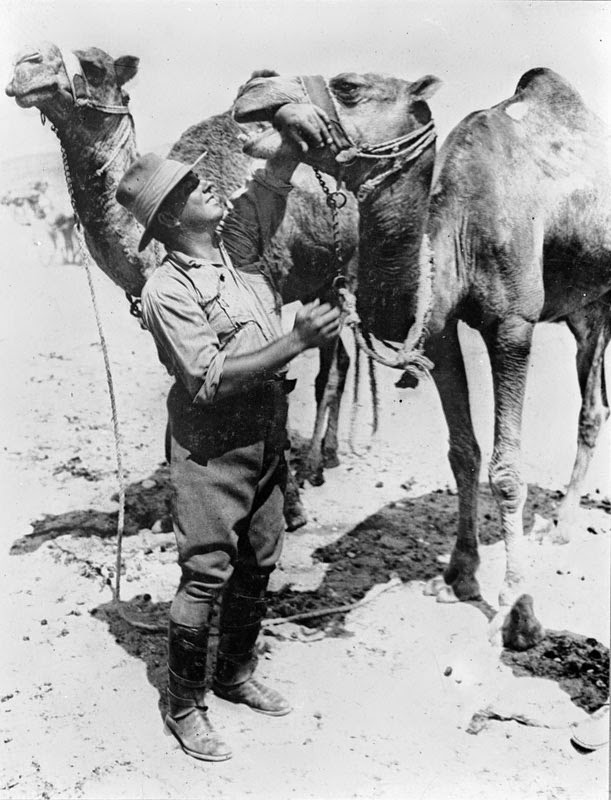
Over 16 million animals served in the First World War. They were used for transport, communication and companionship. Animals were not only used for work. Dogs, cats, and more unusual animals including monkeys, bears and lions, were kept as pets and mascots to raise morale and provide comfort amidst the hardships of war.
Togo, the cat mascot of the battleship HMS Dreadnought.The fox cub mascot of No.32 Squadron at Humieres Aerodrome, St Pol, France, 5 May 1918.Camels carrying wounded men to safety on the North West Frontier of India, 1917.French Red Cross dogs line up for inspection on the Western Front, 1914.German transport driver and horses wearing gas masks on the Western Front, 1917.The monkey mascot of the Third Army Trench Mortar School sits on a captured German trench mortar, 20 May 1917.Italians landing mules at Salonika in October, 1916.A gunner of the York and Lancaster Regiment with the regimental cat in a trench near Cambrin, France, 6 February 1918.French troops with two carrier pigeons strapped in their travelling basket.A German war dog, fitted with apparatus for laying telephone wires, walking across muddy ground, 1917.British troops scraping mud from a mule near Bernafay Wood on the Western Front, 1916. British military authorities tried to ensure that animal handlers cared for their animals properly.German soldiers wearing respirators as they place carrier pigeons into a gas-proof chamber, presumably during an anti-gas drill.An Australian demonstrating the docility of his camel by putting his wrist in its mouth, Egypt, 17 September 1917.A dog handler of the Royal Engineers (Signals) reads a message brought to him by a messenger dog, France, 19 May 1918.A pack horse with a gas mask is loaded up with equipment during the Battle of Pilckem Ridge, Belgium, 31 July 1917.
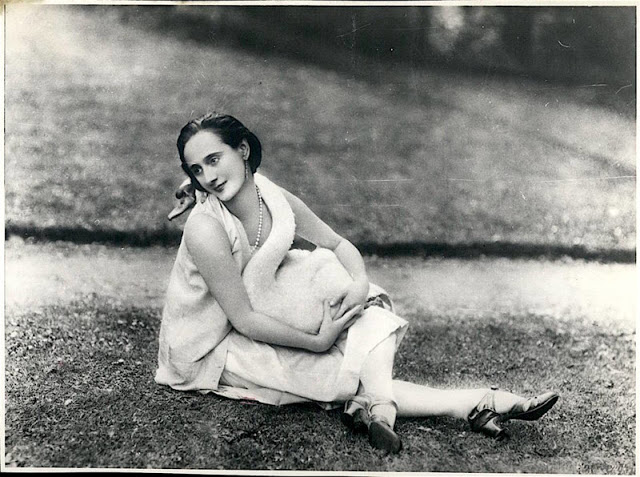
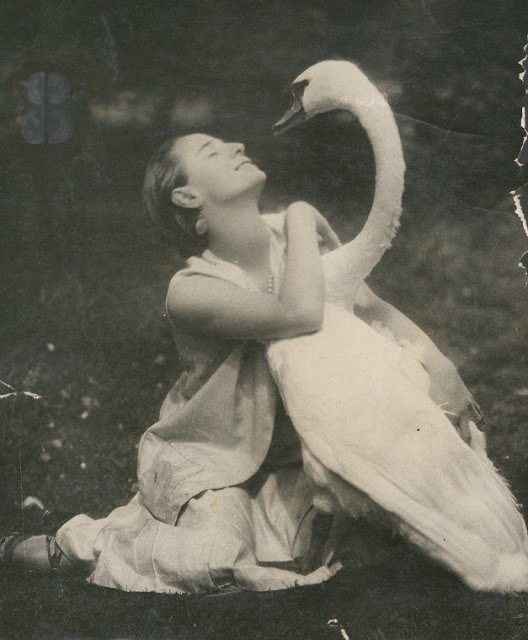
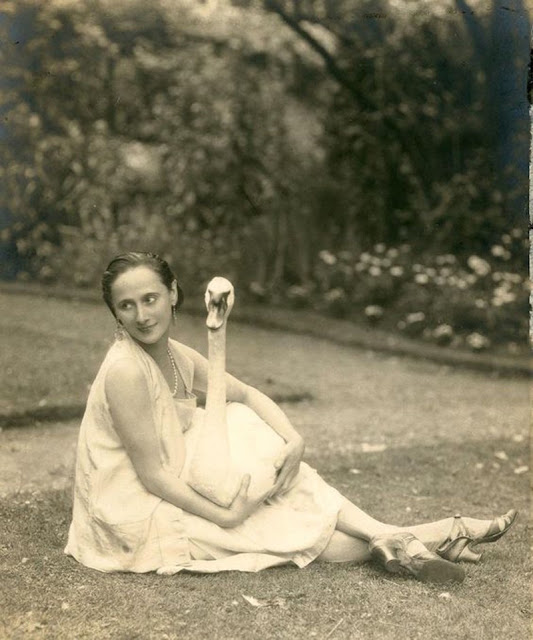
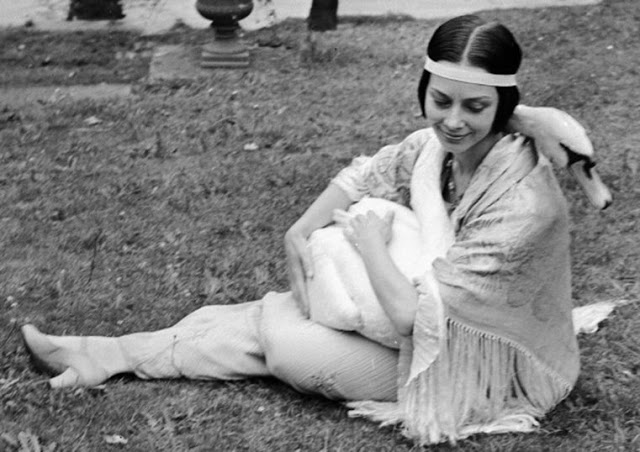
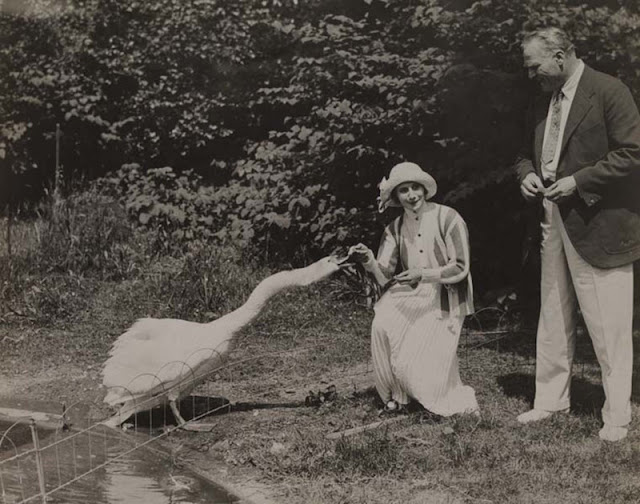
Anna Pavlova (1881-1931) was a Russian prima ballerina of the late 19th and the early 20th centuries. She was a principal artist of the Imperial Russian Ballet and the Ballets Russes of Sergei Diaghilev. Pavlova is most recognized for the creation of the role The Dying Swan and, with her own company, became the first ballerina to tour ballet around the world.
In 1912, Pavlova took up residence in Ivy House by London’s Hampstead Heath and stocked the ornamental lake with swans. Anna had a particularly impressive relationship with one of the swans named Jack and was often photographed by the press at Ivy House, bonding with her pet swan, a bird not typically known for its friendliness towards humans. But then again, neither was Anna…
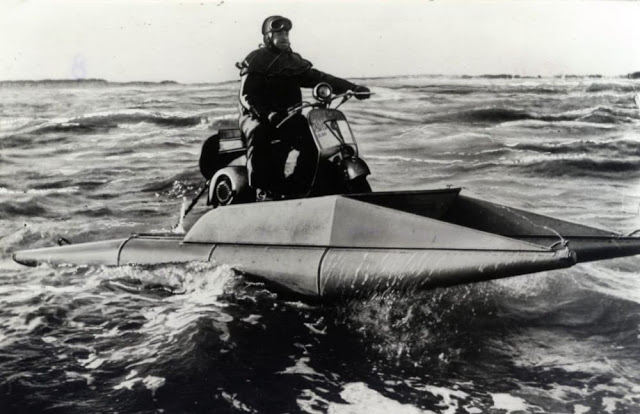
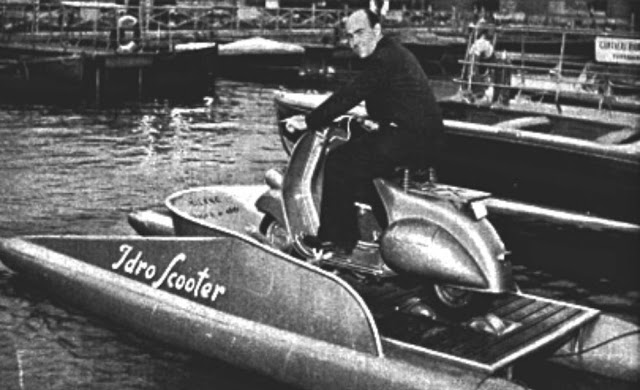
In 1952, French motorcycle racing champion Georges Monneret leaving Paris, France for for Calais, where he was met with a crew who installed a pair of custom pontoons to scooter. It was an amphibious craft powered by a 1952 125cc Vespa Douglas. From there, Monneret went about crossing the famed English Channel aboard the waterborne scooter.
This idea came to him by reading an Italian magazine in which an Italian, whose history did not remember his name, ventured on a lake with a scooter mounted on floats.
It all started with the Paris to London race in 1952. Georges had always been into racing so of course he wanted to not just win, but to beat a record while he was at it. He decided that the fastest way to England was via the channel but to cross he would have to build a craft that allowed him to take his Vespa on, cross and ride it back off. He set about designing such a craft, working out different techniques and learning watercraft engineering till eventually, it was born.
The craft consisted of two long aluminium pontoons, a wooden platform for the Vespa, a steering system that used the front wheel of the Vespa to steer the rudder and two rollers beneath the rear wheel to power the three bladed propeller via a three speed gearbox. The propeller could also be raised and lowered for beach landings. It was very simple but it worked. It was stable and the Vespa could be taken on and off to ride in a matter of minutes. It was perfect for the journey. The Vespa also had a larger fuel tank installed.
On October 8, 1952, at midnight, Georges Monneret left the Place de la Concorde in Paris with his destination set as Calais. The race had begun. All the opponents ride from Paris to Calais as fast as they could. After 4 hours and 55 minutes, Georges reached Calais, everyone else arrived later and they all went to the hotel for a drink while they waited for the next ferry. All except for one person, Georges.
He rolled out his watercraft while his opponents watched in amazement and jealousy. The craft was mechanically perfect and the Vespa was running brilliant. It seemed perfect, but of course here had to be one problem, the weather was not on his side. He strapped up the Vespa as tight as he could and set off out to the channel in good spirits. The waves were huge but he was determined to get his record. Unfortunately the heavy waves damaged the craft’s drive shaft forcing him to turn back to Calais and make repairs as it was impossible to do it at sea.
At 8 am, Monneret set out again more determined than ever. He “rode” out of the harbour to find that luckily the weather had calmed down slightly making crossing the channel so much easier. He was thrown about by the remaining waves until he eventually made it to Dover at 5pm where he was greeted by the amazed and slightly shocked locals. He unstrapped the Vespa and hurried to London as quickly as he could. I’m happy to report that he did win the race and as a bonus, gained his record. Being that brave, he definitely deserved it. Overall it took him 15 hours from Paris to London.
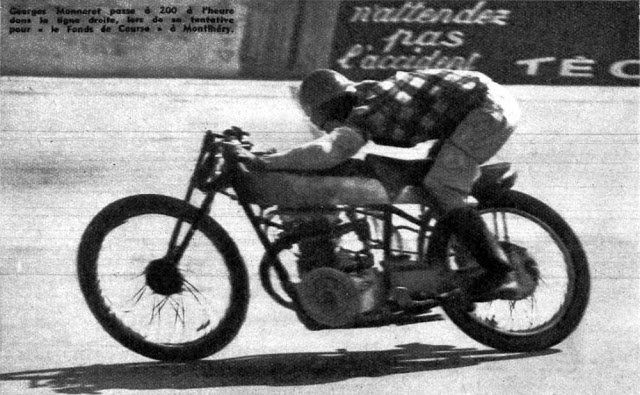
Of course, crossing the Channel was only one of Monneret’s many feats, as the French motorcycle racer won 499 wins and 183 world records during his career, including winning the Circuit of Orleans in 1935, the Motorcycle Grand Prix of France in 1936, and placing second of the 1939 24 Hours of Le Mans.
Georges Monneret during the “Fonds de Course” 1938 at Monthléry.
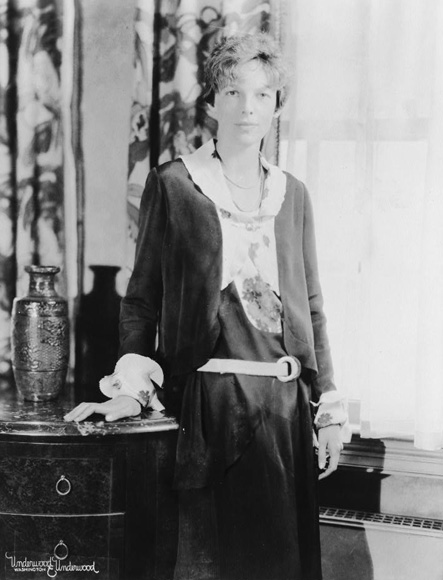
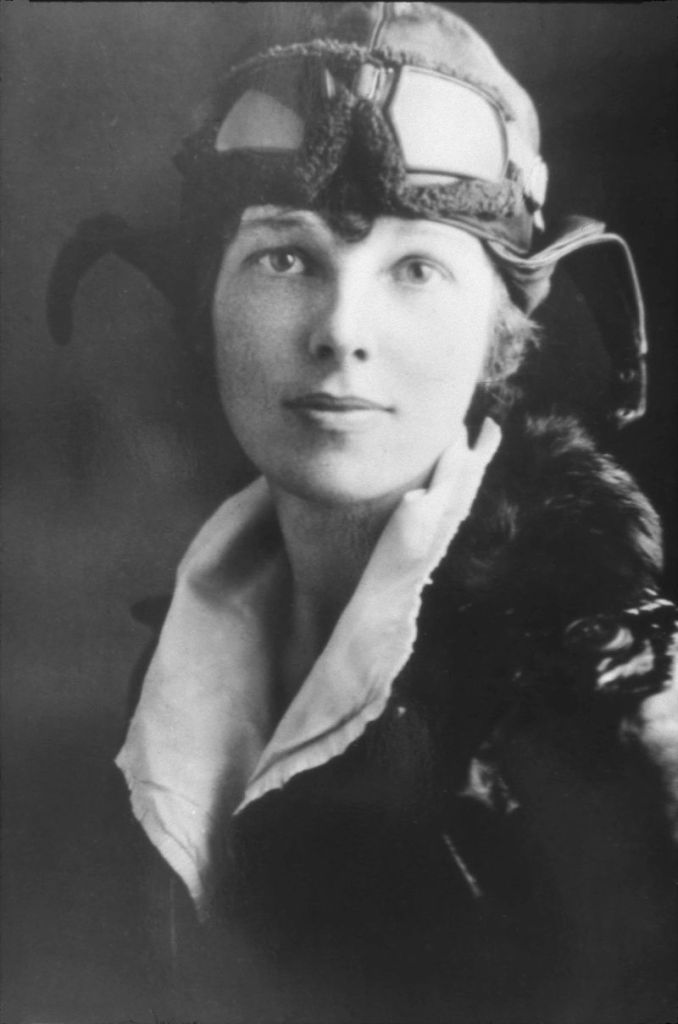
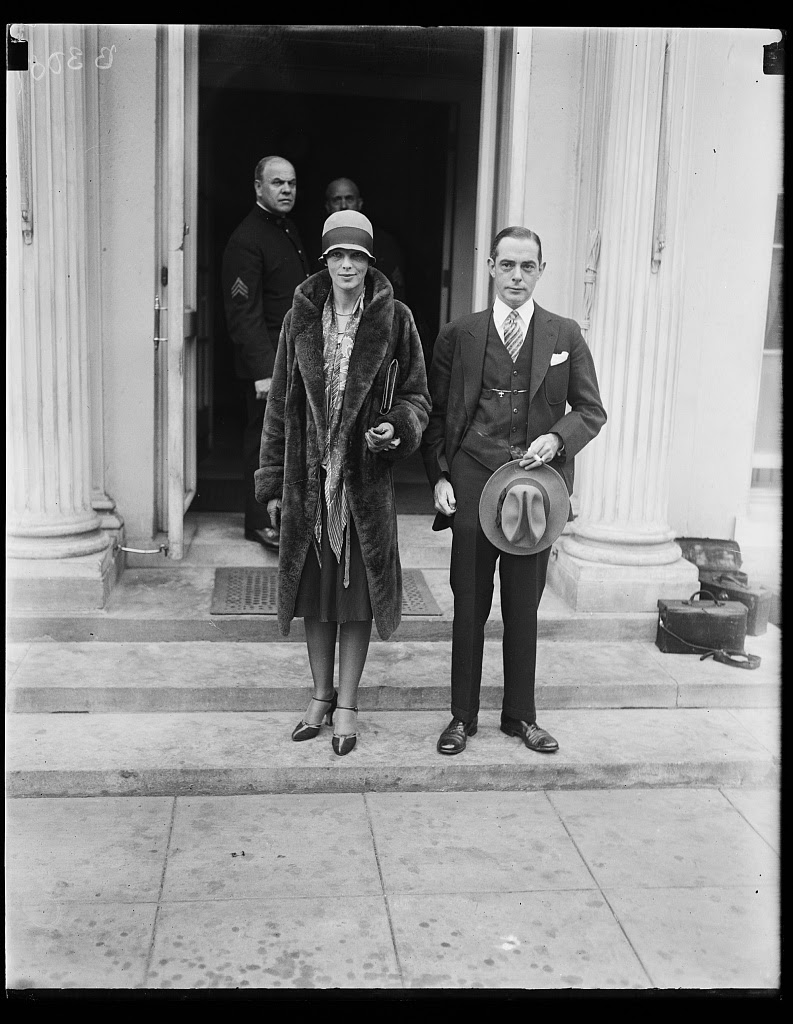
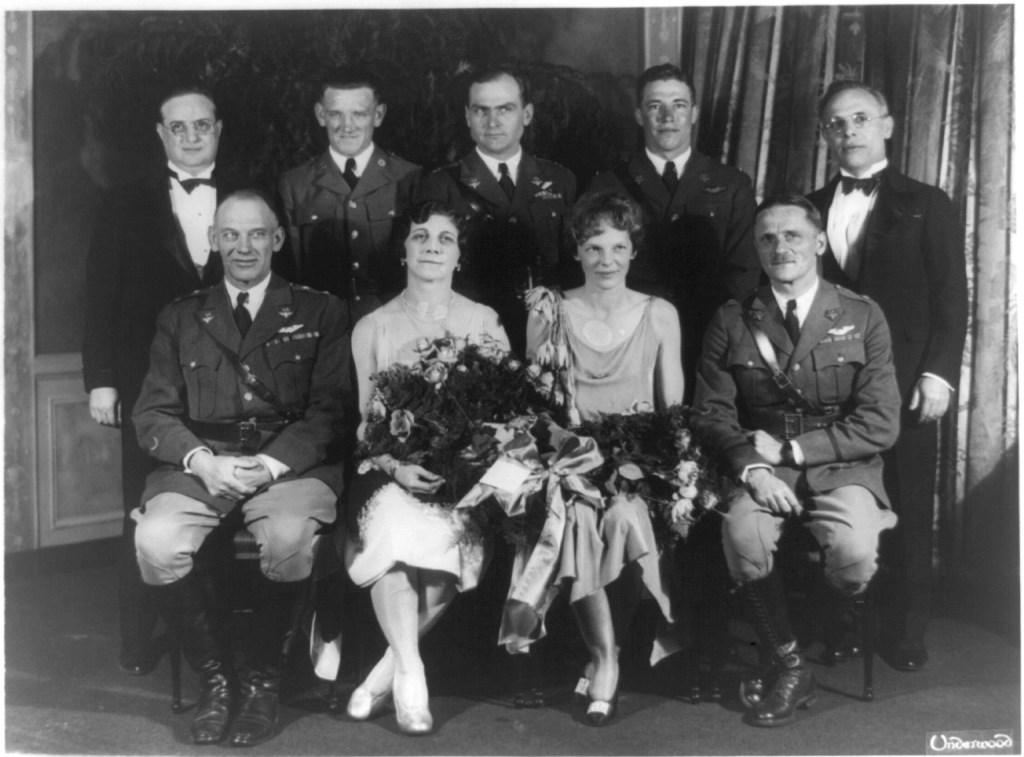
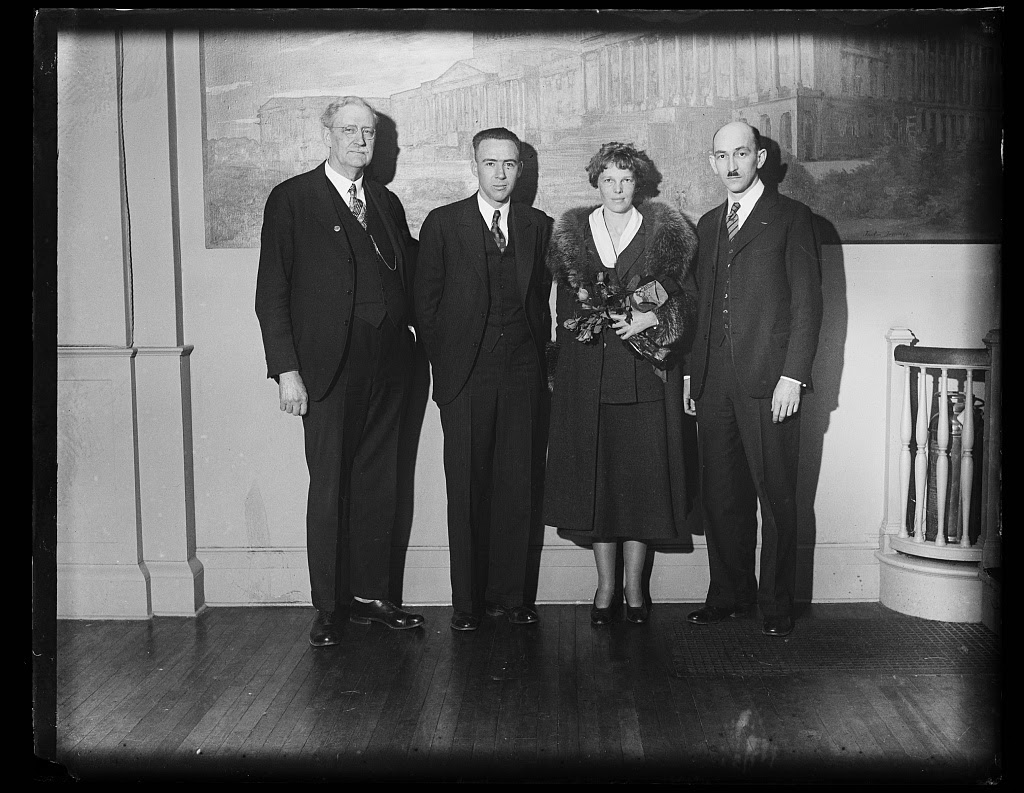
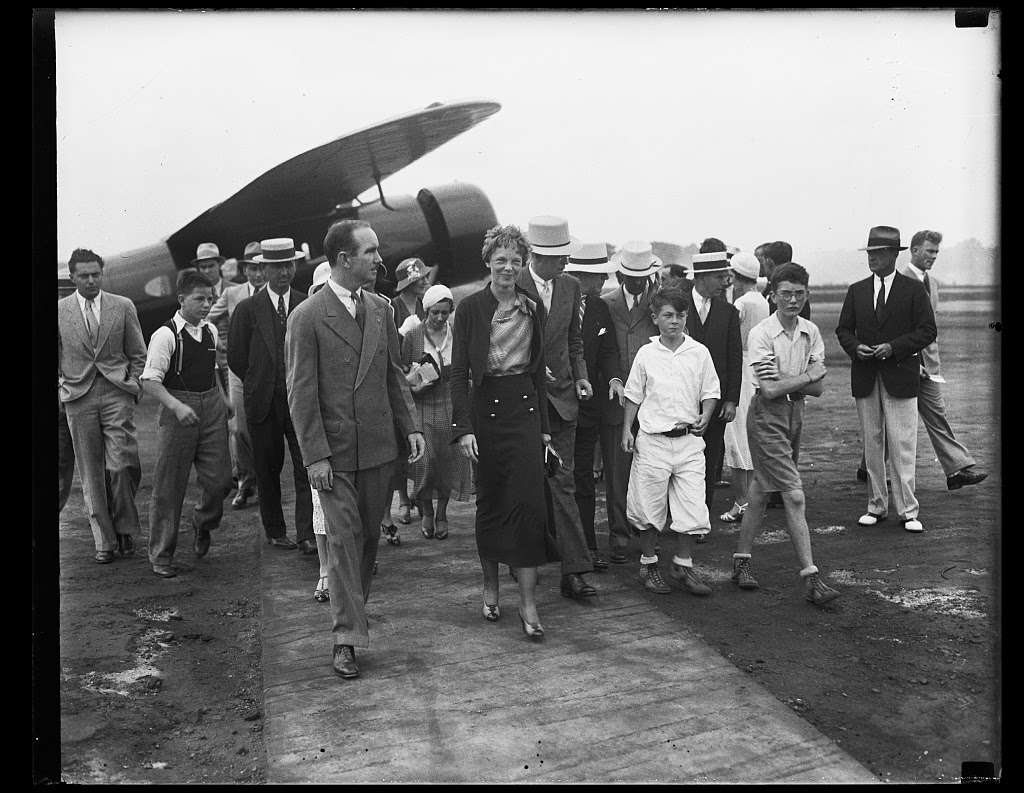
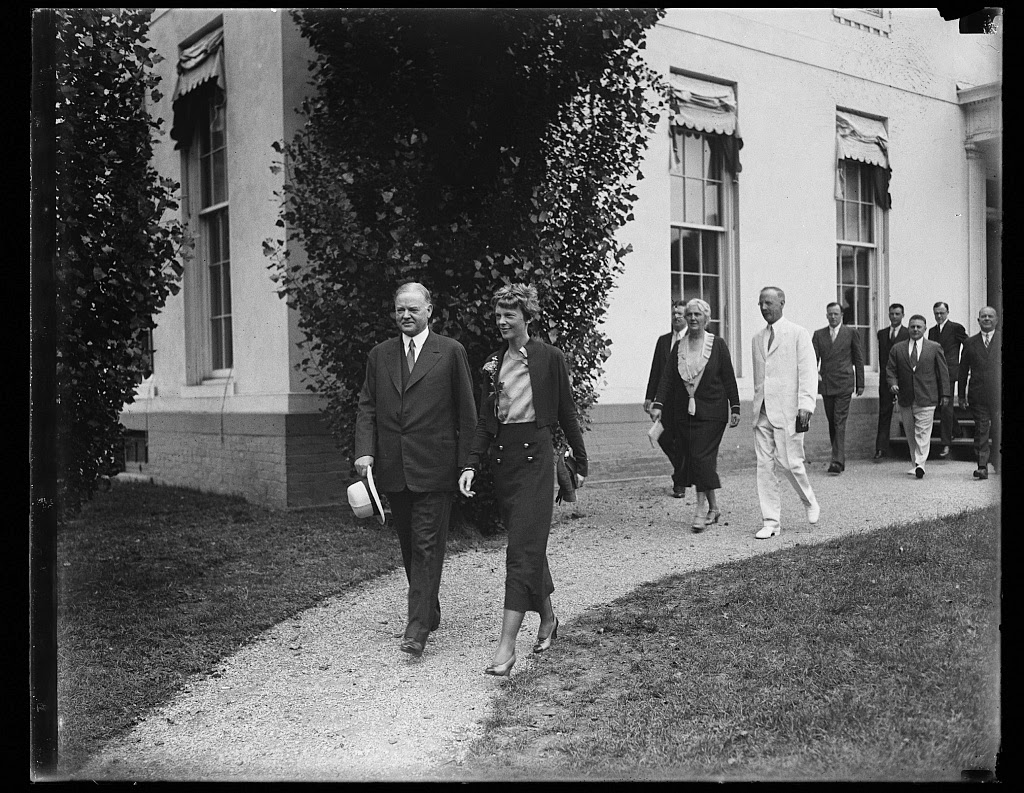
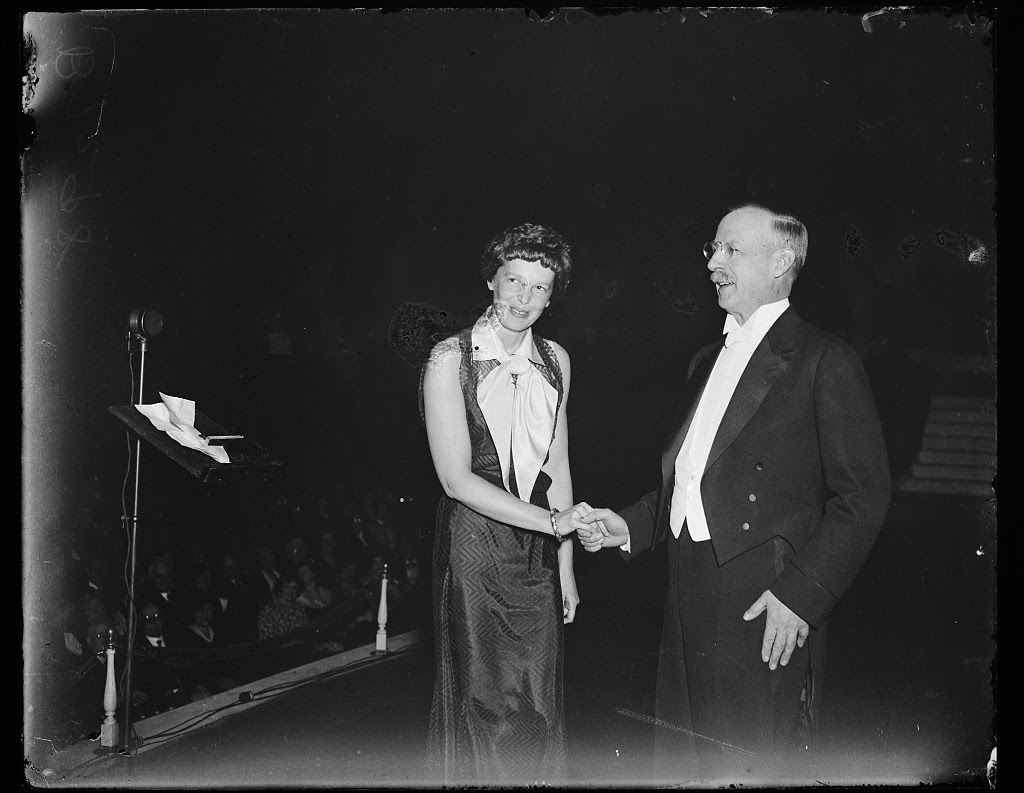
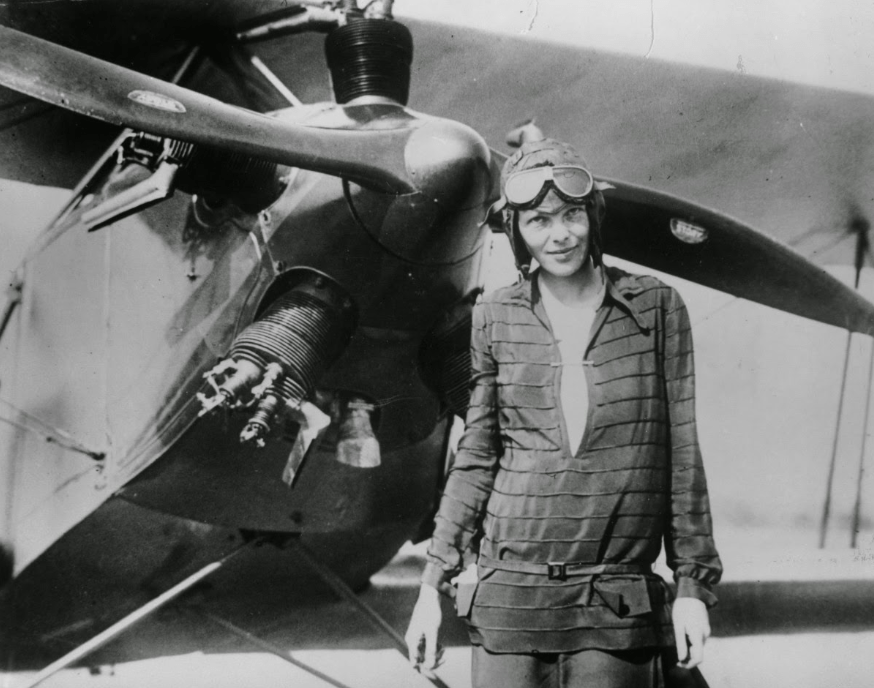
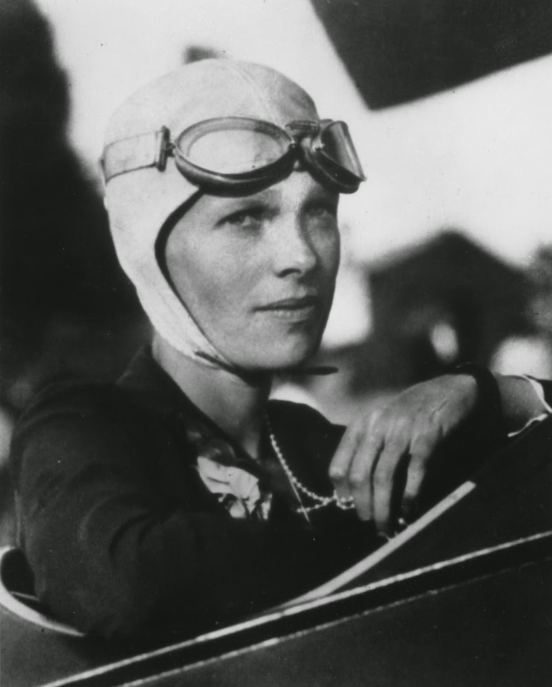
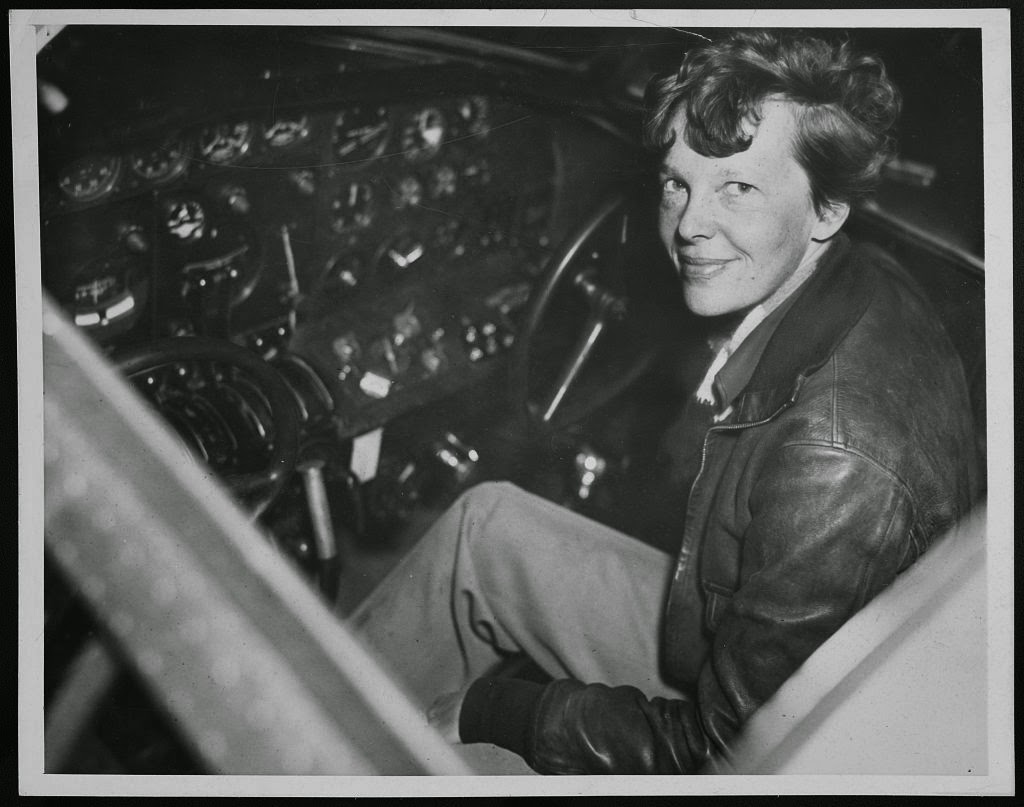
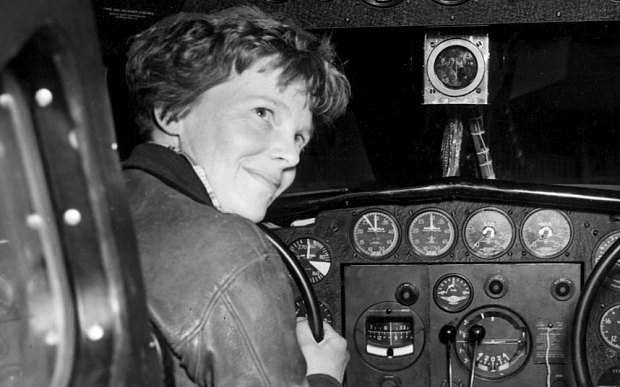
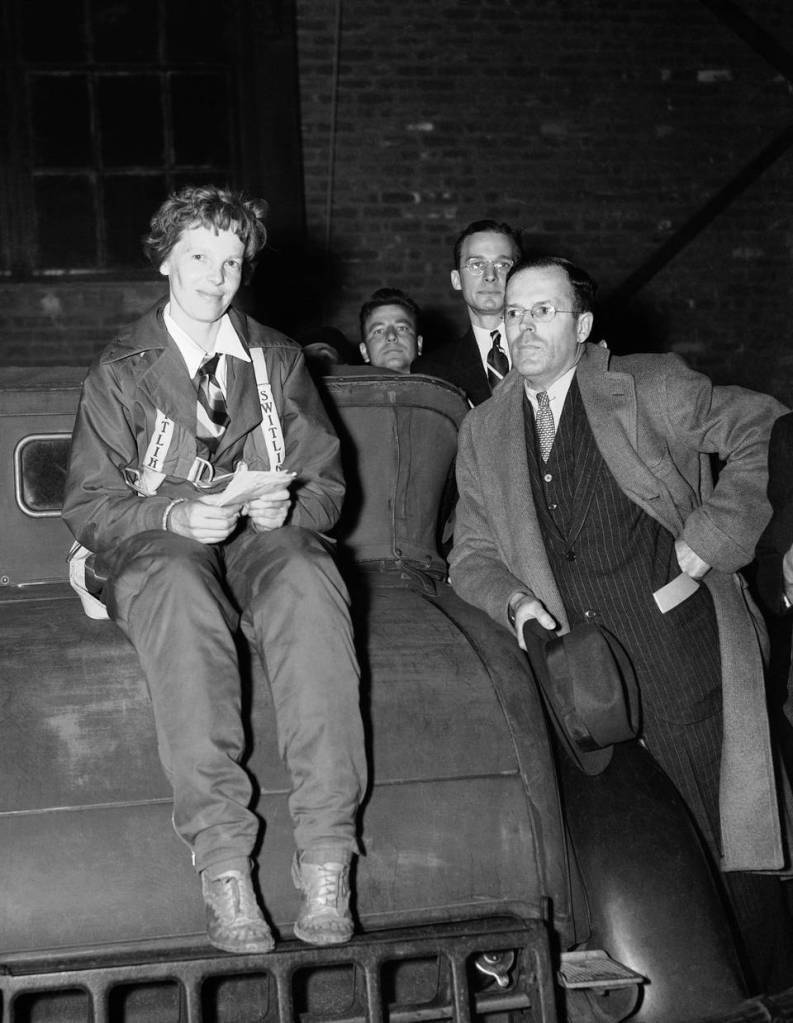
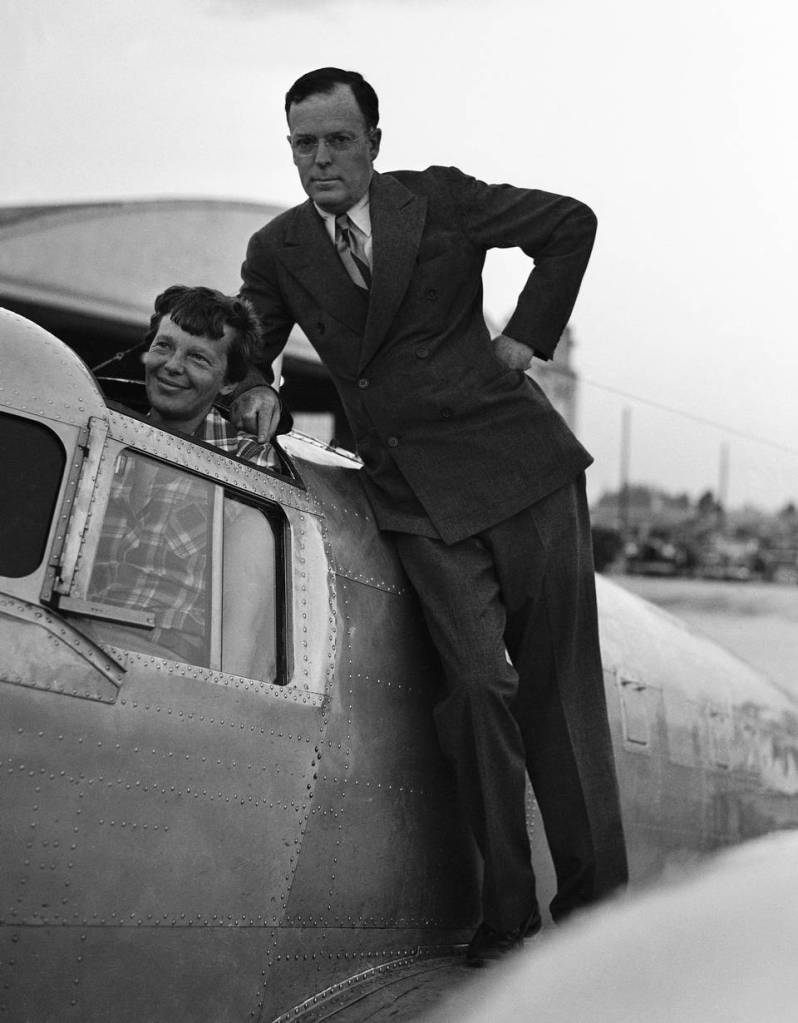
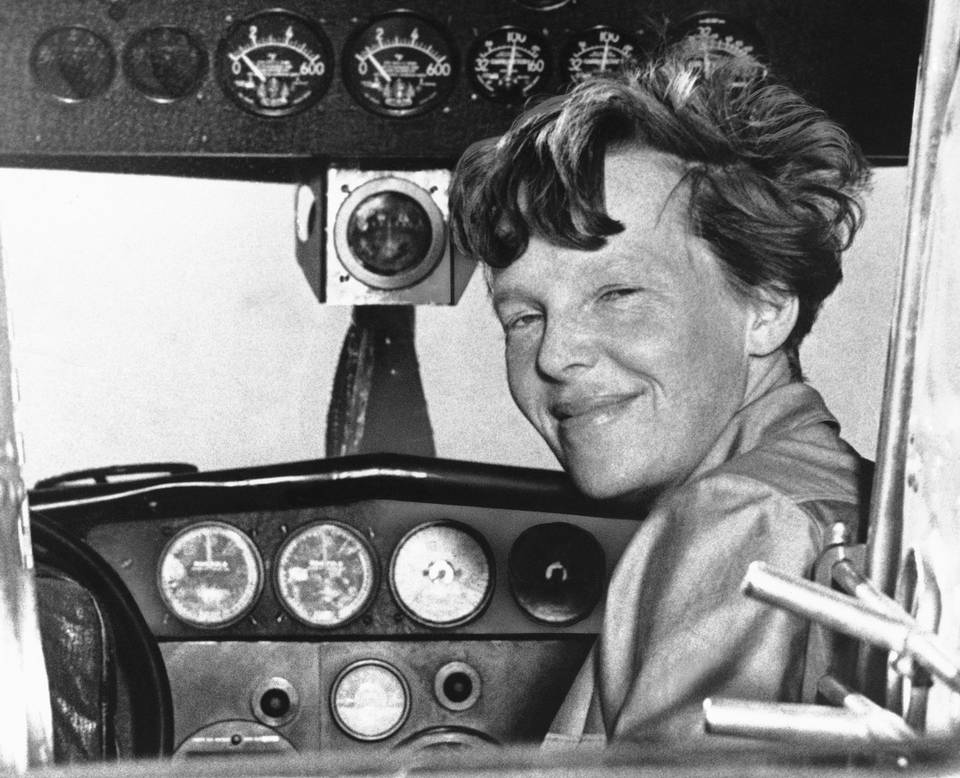
Amelia Mary Earhart (born July 24, 1897 – disappeared July 2, 1937, declared dead January 5, 1939) was an American aviation pioneer and author. Earhart was the first female aviator to fly solo across the Atlantic Ocean. She set many other records, was one of the first aviators to promote commercial air travel, wrote best-selling books about her flying experiences, and was instrumental in the formation of The Ninety-Nines, an organization for female pilots.
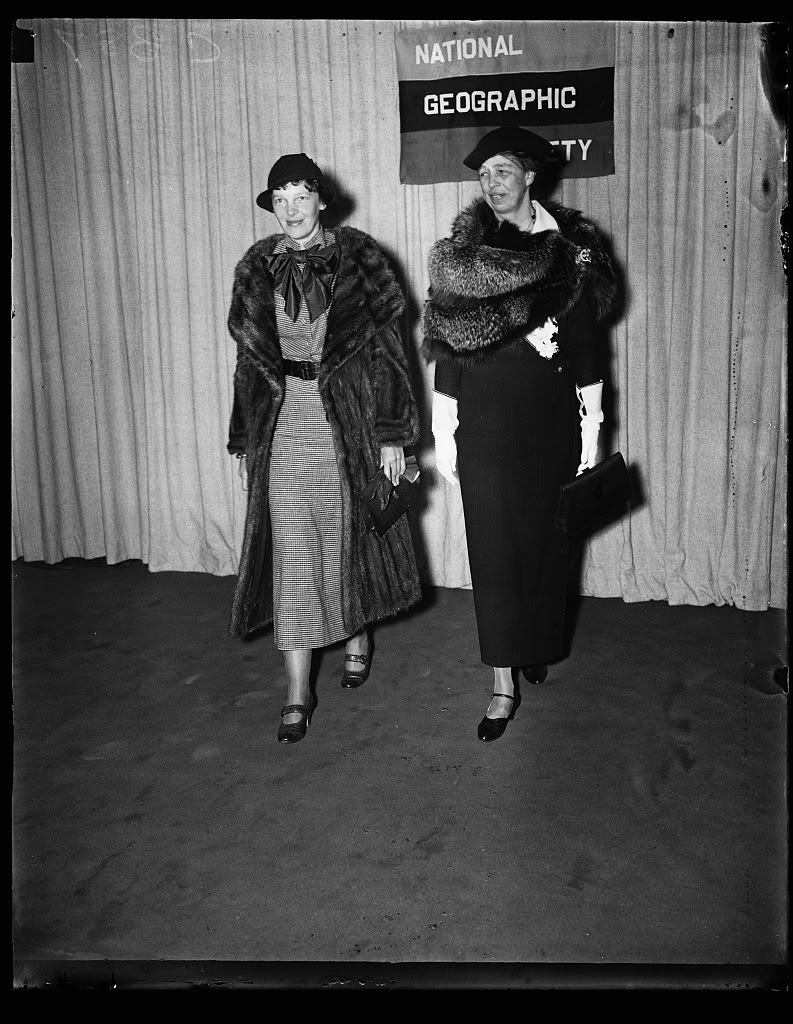
Born and raised in Atchison, Kansas, and later in Des Moines, Iowa, Earhart developed a passion for adventure at a young age, steadily gaining flying experience from her twenties. In 1928, Earhart became the first female passenger to cross the Atlantic by airplane (accompanying pilot Wilmer Stultz), for which she achieved celebrity status. In 1932, piloting a Lockheed Vega 5B, Earhart made a nonstop solo transatlantic flight, becoming the first woman to achieve such a feat. She received the United States Distinguished Flying Cross for this accomplishment. In 1935, Earhart became a visiting faculty member at Purdue University as an advisor to aeronautical engineering and a career counselor to women students. She was also a member of the National Woman’s Party and an early supporter of the Equal Rights Amendment. Known as one of the most inspirational American figures in aviation from the late 1920s throughout the 1930s, Earhart’s legacy is often compared to the early aeronautical career of pioneer aviator Charles Lindbergh, as well as to figures like First Lady Eleanor Roosevelt for their close friendship and lasting impact on the issue of women’s causes from that period.
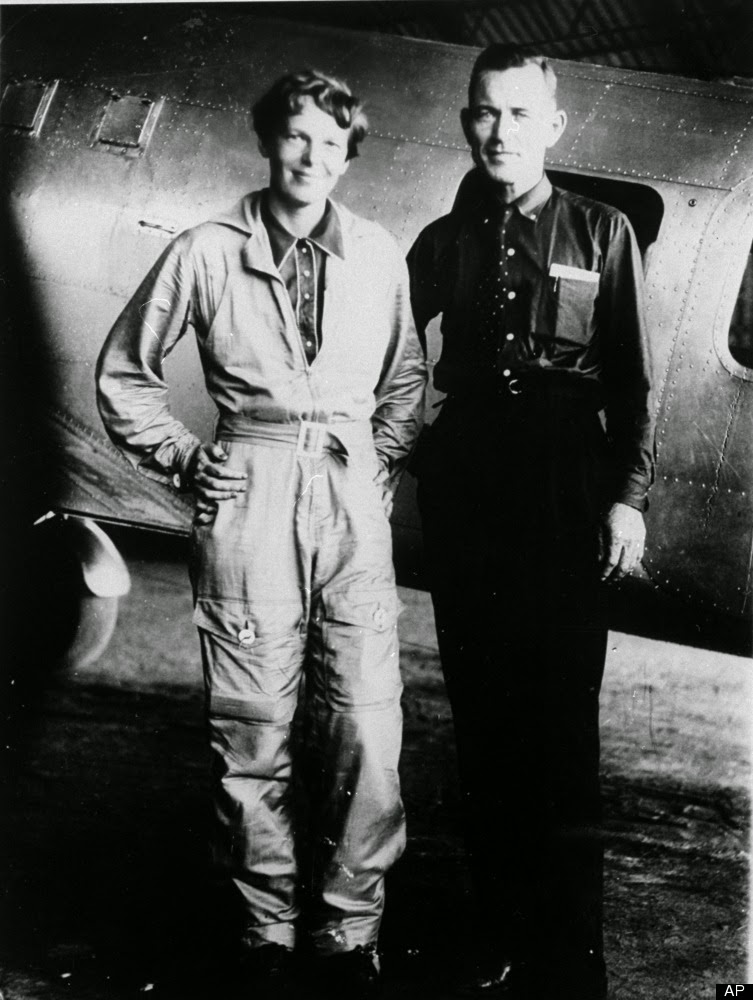
During an attempt at becoming the first female to complete a circumnavigational flight of the globe in 1937 in a Purdue-funded Lockheed Model 10-E Electra, Earhart and navigator Fred Noonan disappeared over the central Pacific Ocean near Howland Island. The two were last seen in Lae, New Guinea, on July 2, 1937, on the last land stop before Howland Island and one of their final legs of the flight. She presumably lost her life in the Pacific during the circumnavigation, just three weeks prior to her fortieth birthday. Nearly one year and six months after she and Noonan disappeared, Earhart was officially declared dead. Investigations and significant public interest in their disappearance still continue over 80 years later.
Decades after her presumed death, Earhart was inducted into the National Aviation Hall of Fame in 1968 and the National Women’s Hall of Fame in 1973. She now has several commemorative memorials named in her honor around the United States, including an urban park, an airport, a residence hall, a museum, a research foundation, a bridge, a cargo ship, an earth-fill dam, four schools, a hotel, a playhouse, a library, multiple roads, and more. She also has a minor planet, planetary corona and newly-discovered lunar crater named after her. She is ranked ninth on Flying’s list of the 51 Heroes of Aviation. (Wikipedia)
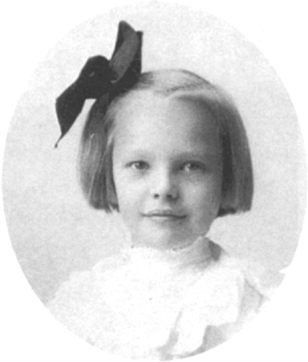
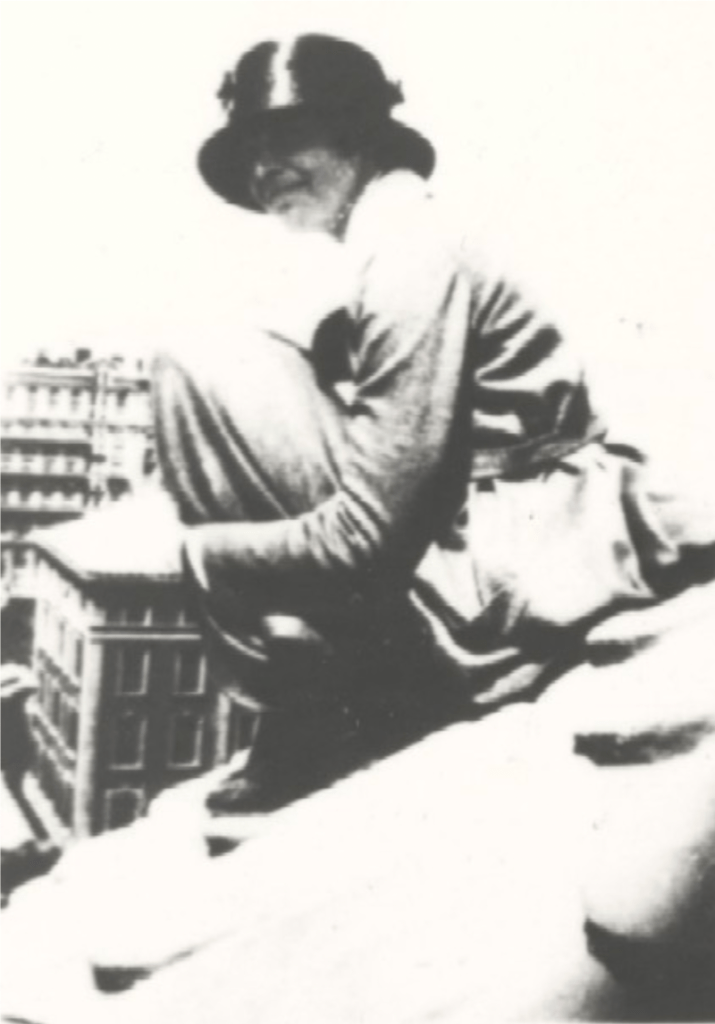
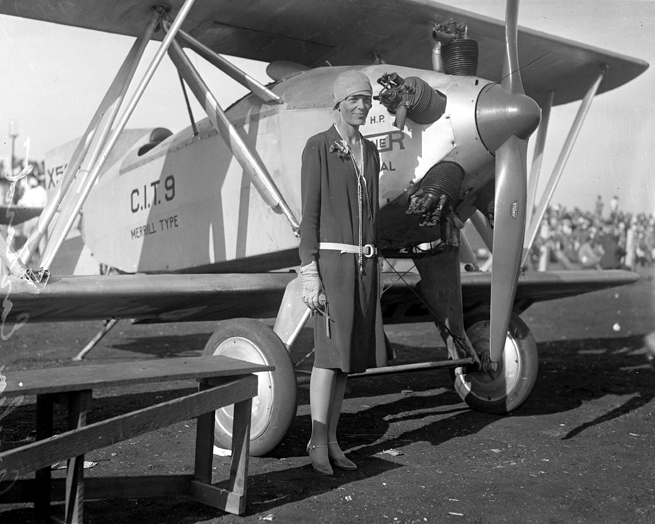
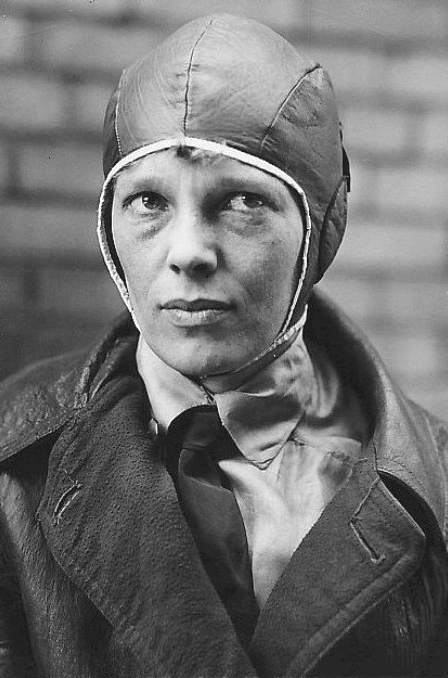
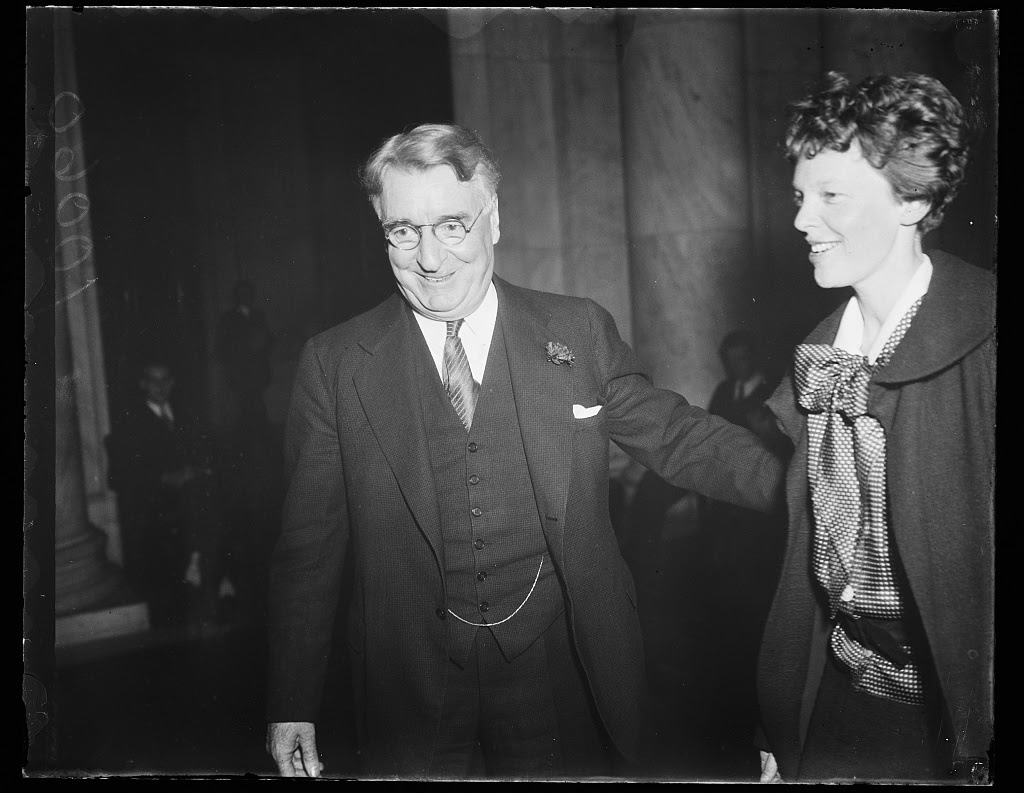
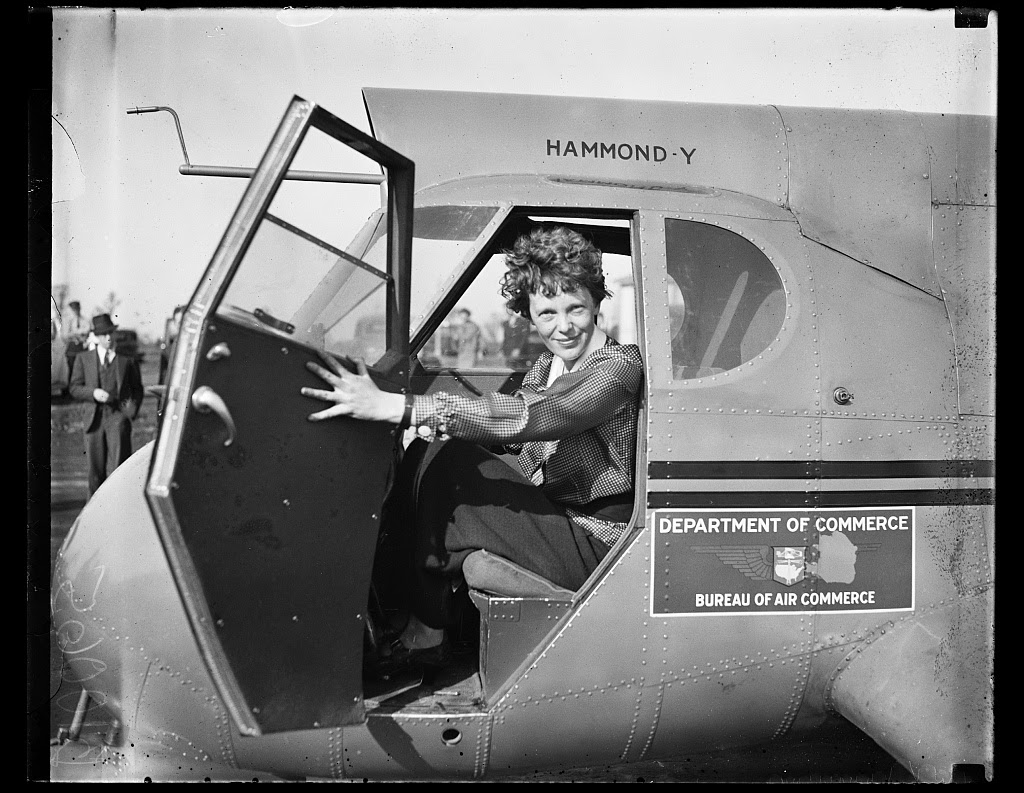
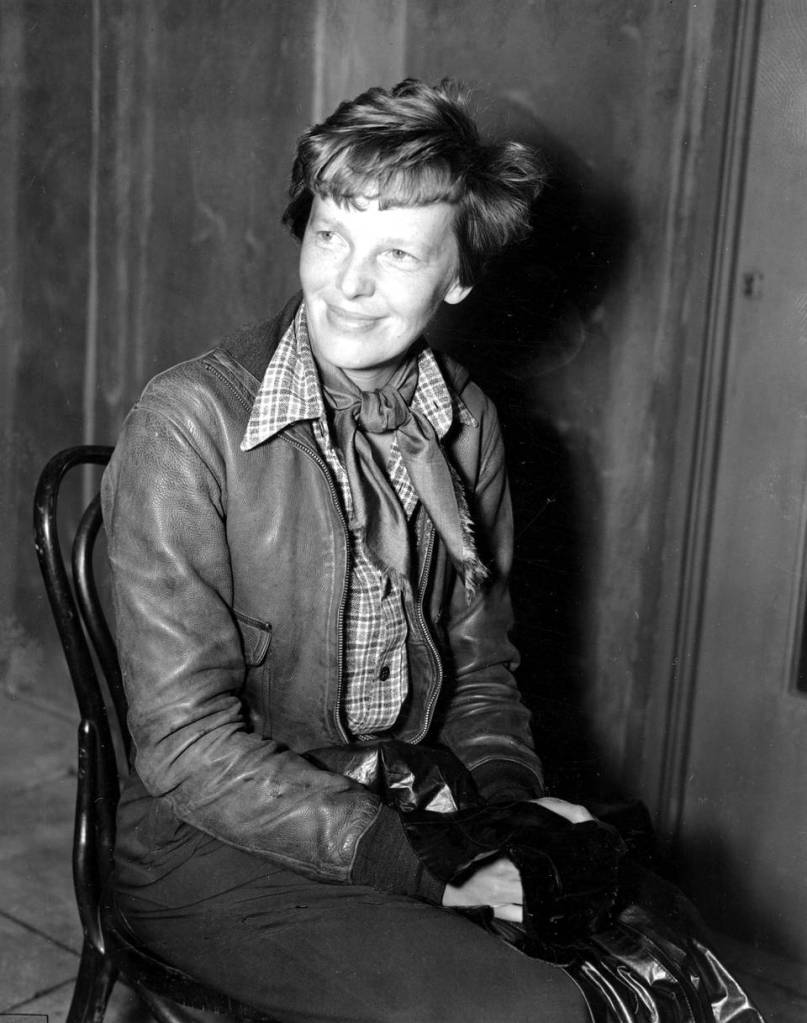
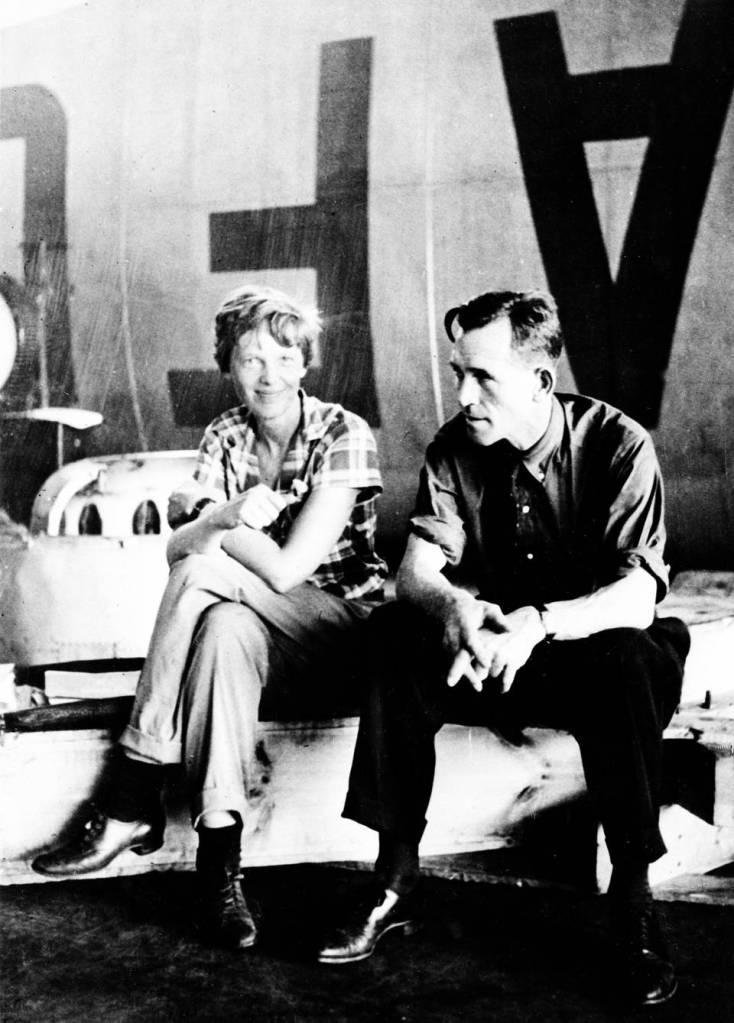
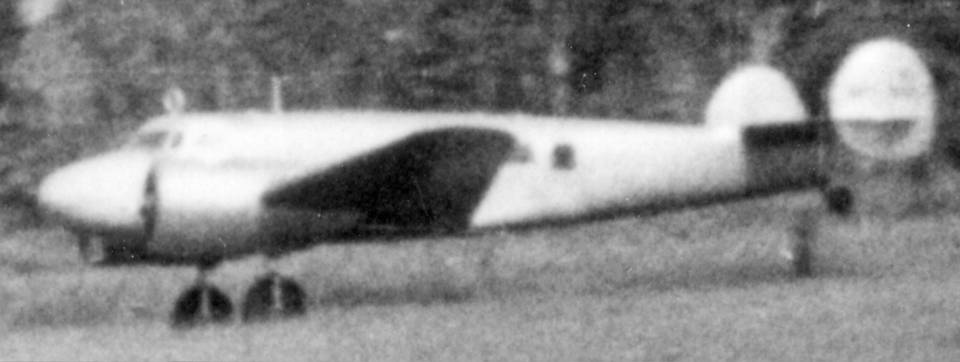
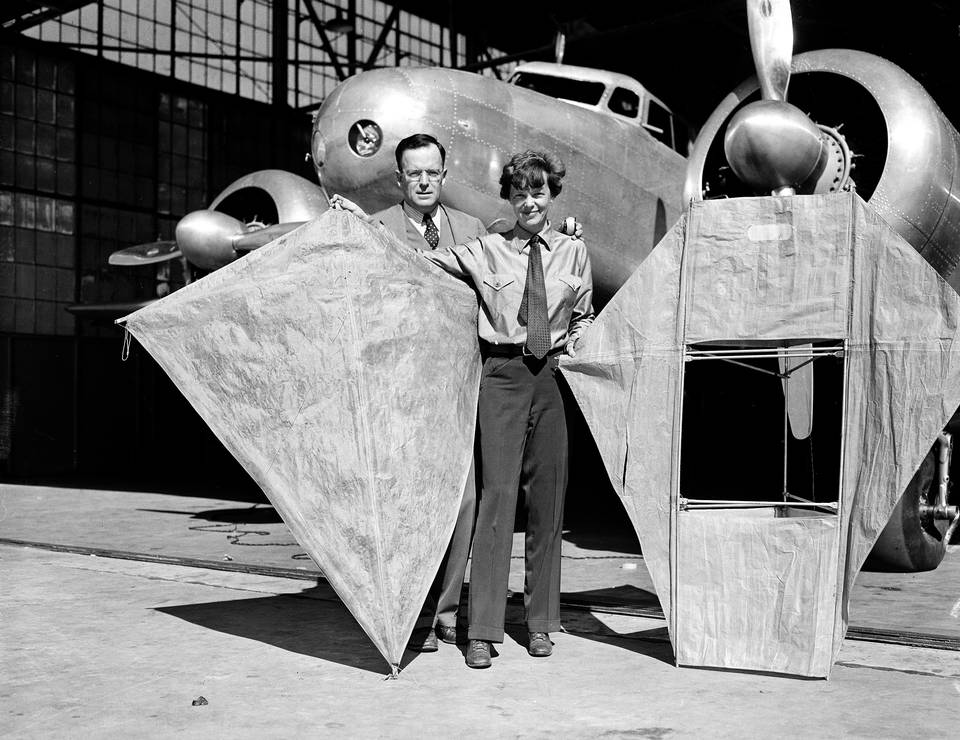
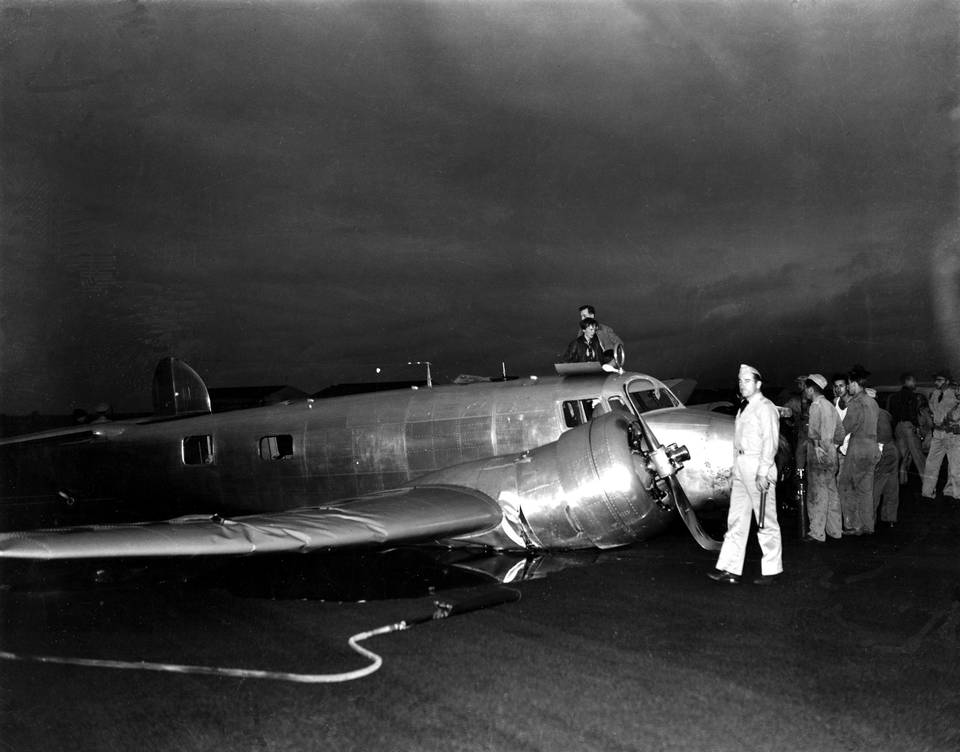
American aviatrix Amelia Earhart arrives in Southampton, England, after her transatlantic flight on the “Friendship” from Burry Point, Wales, on June 26, 1928.Amelia Earhart, 1932.Earhart as a childAmelia Earhart in evening clothes.Earhart perched atop the dome of Low Memorial Library at Columbia in 1920. Earhart recalled in a 1933 interview, that “The first adventure I had at Columbia was in the air. I climbed to the top of the Library and then I descended into the intricate tunnels.”Neta Snook and Amelia Earhart in front of Earhart’s Kinner Airster, c.1921.Amelia Earhart — wearing a dress, standing beside a Merrill CIT-9 Safety Plane, circa 1928.Photo of Amelia Earhart prior to her transatlantic crossing of June 17, 1928Studio portrait of Amelia Earhart, c. 1932. Putnam specifically instructed Earhart to disguise a “gap-toothed” smile by keeping her mouth closed in formal photographs.Photo of Amelia Earhart and her husband, George Putnam. 1931.Amelia Earhart talking to Charles T.P. Ulm at Oakland Airport, California, USA, just prior to attempted trans-Pacific flight in Stella Australis, 1934Earhart and Noonan by the Lockheed L10 Electra at Darwin, Australia on June 28, 1937Earhart’s pilot license #6017 photoAmelia Earhart the first woman to pilot a plane solo across the Atlantic, is shown with her husband, George Putnam, aboard the city boat Riverside as they return to New York City on June 20, 1932.Amelia Earhart, June 30, 1932.Amelia Earhart is shown climbing out of the cockpit after piloting her plane from Los Angeles to Oakland, Calif., on March 10, 1937.Amelia Earhart with her Lockheed Vega surrounded by a crowd after she became the first woman to fly solo from Hawaii to California in 1935.Amelia Earhart climbs out of her plane at Oakland Airport after completing her 18-hour, 2,400-mile flight from Honolulu on Jan. 14, 1935.Amelia Earhart, with her husband, George Putnam, after completing her nonstop flight from Mexico City, a 2,100-mile journey, in 14 hours and 20 minutes, May 8, 1935, Newark, N.J.Amelia Earhart and her husband George Putnam, talk over plans for Earhart’s second attempt to fly around the world. May 29, 1937.George Putnam, right, bids his wife, Amelia Earhart, “Happy Landings” as she started her 28,000-mile aerial jaunt around the globe, June 1, 1937, in Miami, Fla.Amelia Earhart and her navigator, Fred Noonan, pose in front of their twin-engine Lockheed Electra in Los Angeles at the end of May 1937, prior to their historic flight to circle the globe.Amelia EarhartPreparation of the Lockheed Electra plane, used for the around-the-world flight by Amelia Earhart, is shown in 1937 in Oakland, Calif.Amelia Earhart waves from the Electra before taking off from Los Angeles on March 10, 1937. Earhart is flying to Oakland, Calif., where she and her crew will begin their around-the-world flight on March 18.Amelia Earhart and her navigator, Fred Noonan, are seen shortly after their landing in the Dutch East Indies, on June 21, 1937. It was one of the last happy landings on their attempted around-the-world flight before they disappeared on July 2, somewhere over the Pacific Ocean.Amelia Earhart inspects the twin-engine Lockheed Electra monoplane being built for her use in long-distance flights at the plant, on May 26, 1936, in Burbank, Calif.The only known picture of Earhart’s Lockheed Electra taking off from Lae, New Guinea on July 1, 1937, for the 2,550-mile flight to Howland Island.Amelia Earhart and her husband, George Putnam, on March 6, 1937, in Oakland, Calif.Amelia Earhart, navigator Frederick Noonan, behind her, and Capt. Harry Manning emerge from the Electra after it crashed on takeoff from Luke Field, near Pearl Harbor, Hawaii, on March 20, 1937.Amelia Earhart is shown in this undated photo.Amelia Earhart and her navigator, Fred Noonan, 10 days before their disappearance in the Pacific