The Last Public Execution By Guillotine, 1939

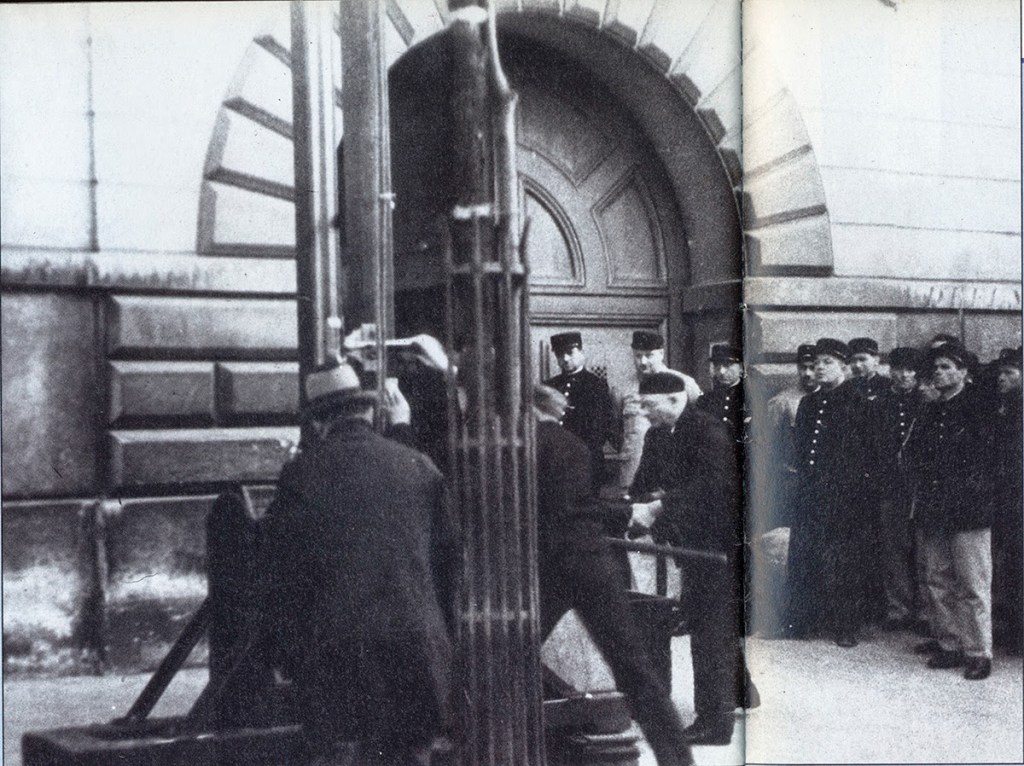
In the early morning of 17 June 1939, Eugène Weidmann became the last person to be publicly executed by guillotine. He had been convicted of multiple kidnappings and murders, including that of a young American socialite.

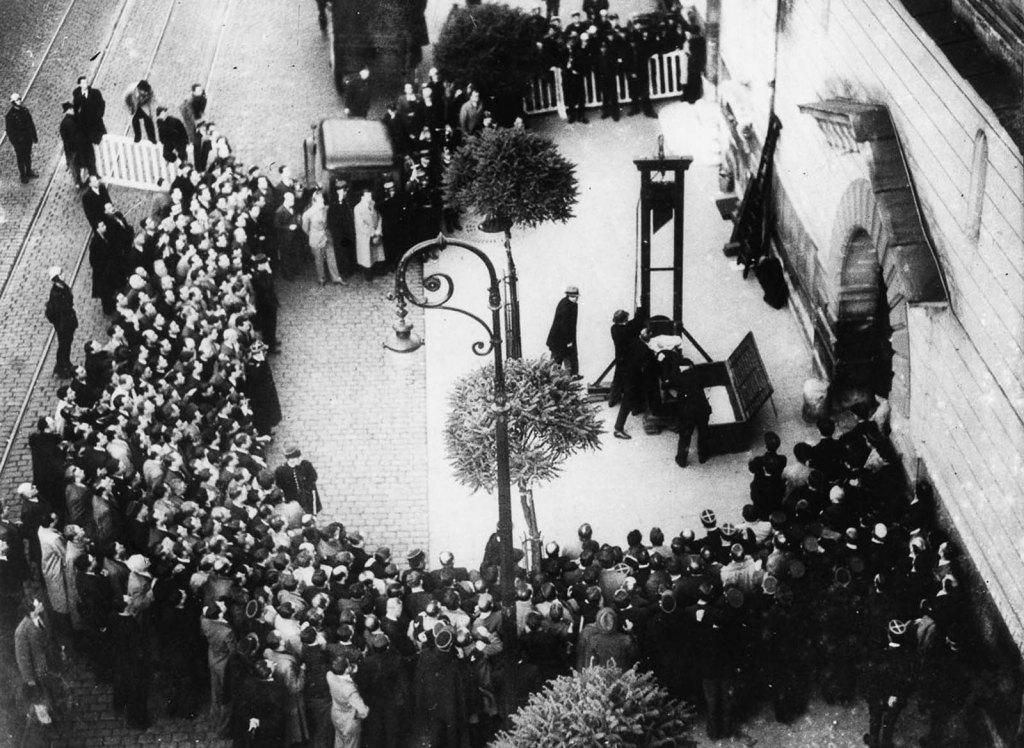
Weidmann is placed in the guillotine seconds before the blade falls.

Beginning with the botched kidnapping of an American tourist, the inspiring dancer Jean de Koven, Eugène Weidmann murdered two women and four men in the Paris area in 1937. His other victims included a woman lured by the false offer of a position as a governess; a chauffeur; a publicity agent; a real estate broker; and a man Weidmann had met as an inmate in a German prison. On the surface, his crimes seemed in most cases to have had a profit motive, but they generally brought him very small winnings. Born in Frankfurt-am-Main in 1908, Weidmann early showed himself to be an incorrigible criminal. He had been sent to a juvenile detention facility and then served prison terms for theft and burglary in Canada and Germany prior to his arrival in Paris in 1937.

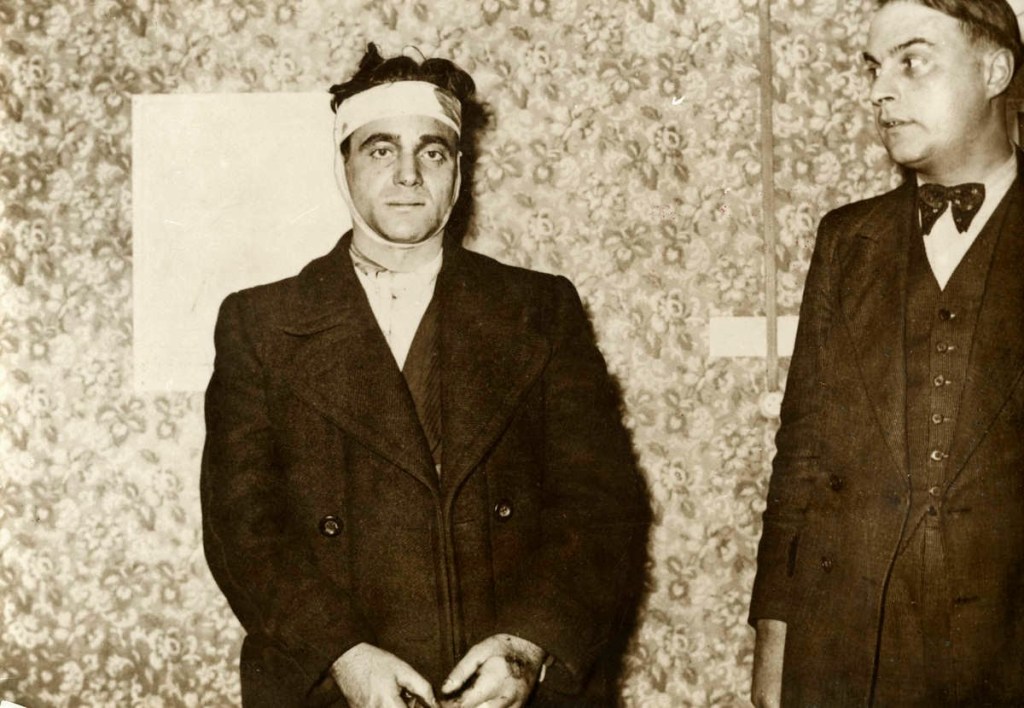
Weidmann is led away in handcuffs after his capture by police.
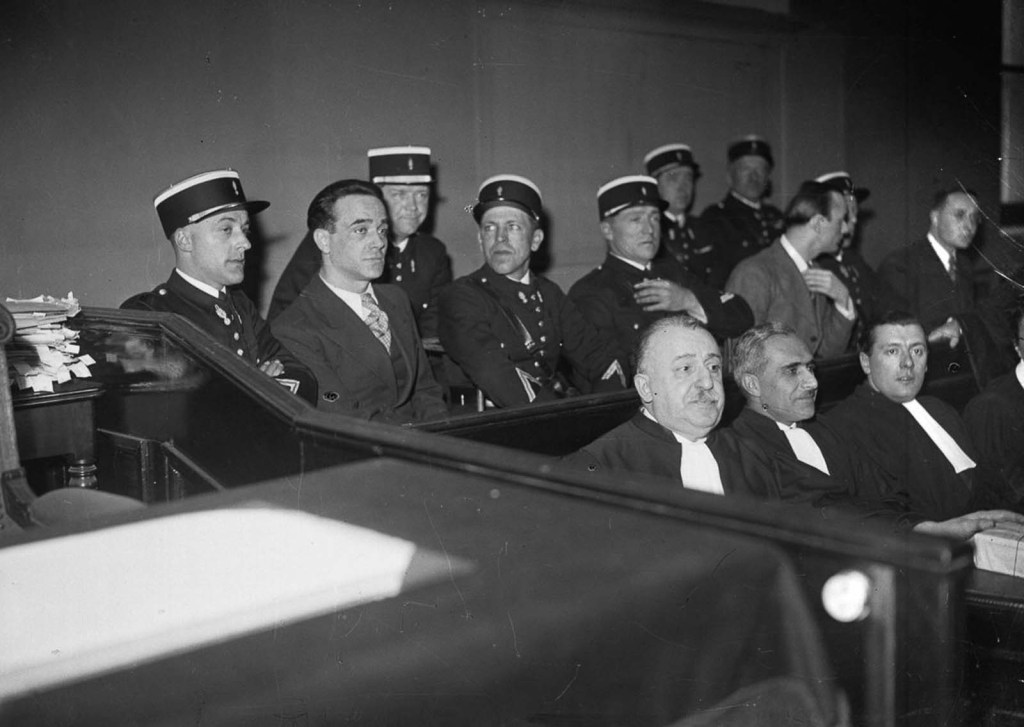
Eugène Weidmann under arrest.
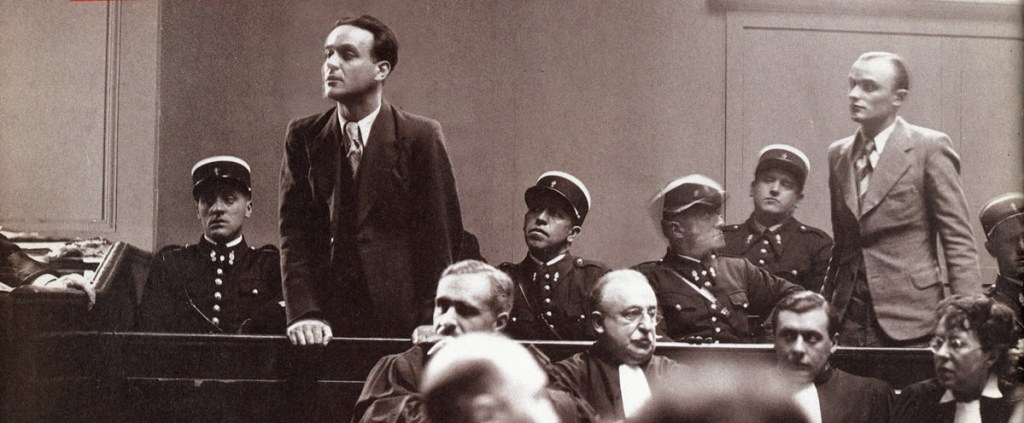
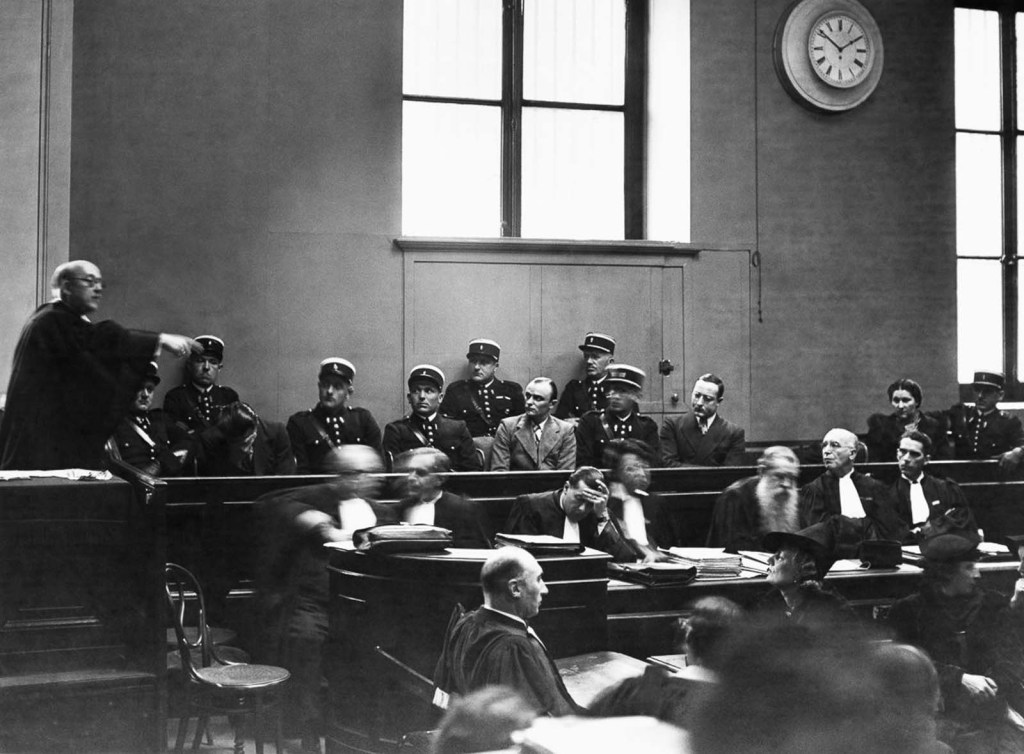
During the trial of Eugene Weidmann.
The trial, March 24, 1939.
Weidmann on trial in France.

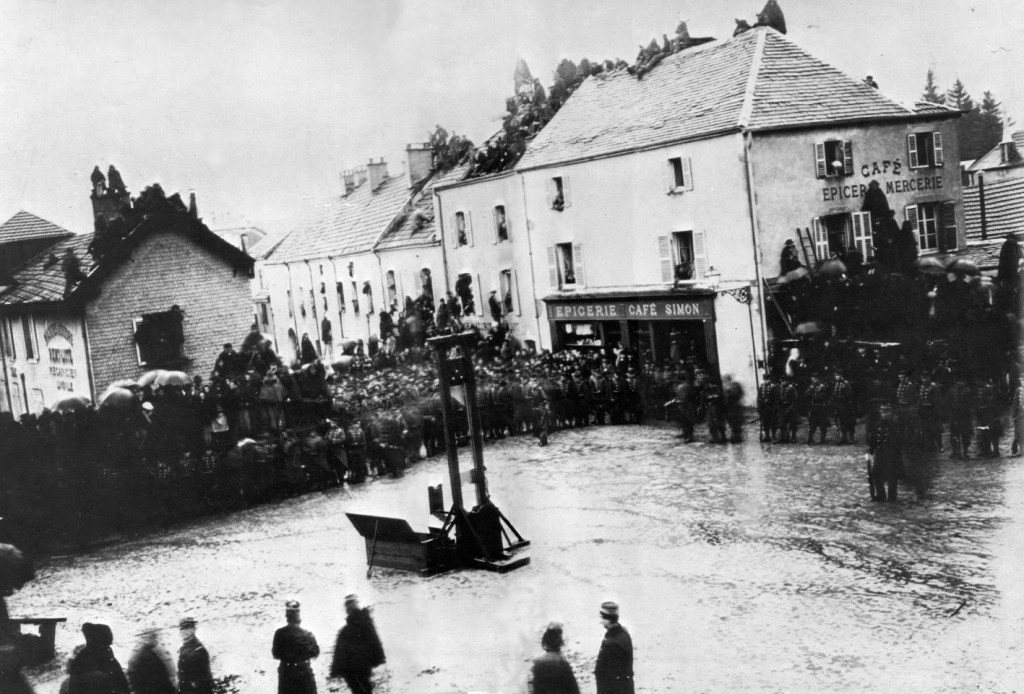
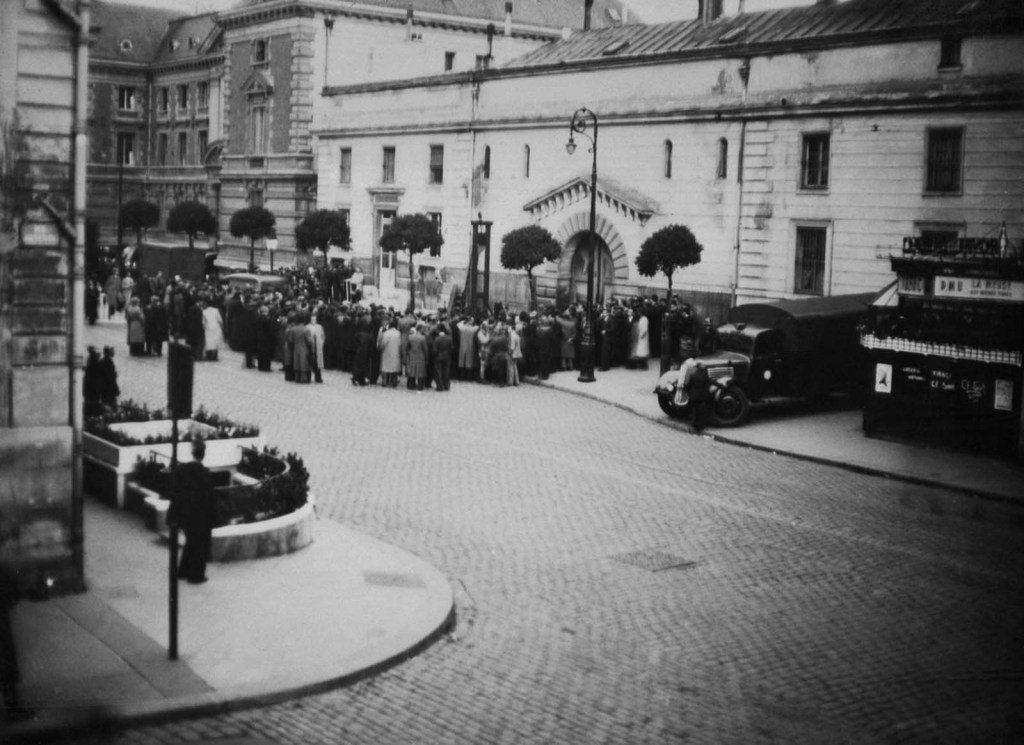
After a sensational and much-covered trial, Weidmann was sentenced to death. On the morning of June 17, 1939, Weidmann was taken out in front of the Prison Saint-Pierre, where a guillotine and a clamoring, whistling crowd awaited him. Among the attendees was future acting legend Christopher Lee, then 17 years old. Weidmann was placed into the guillotine, and France’s chief executioner Jules-Henri Desfourneaux let the blade fall without delay.

Rather then react with solemn observance, the crowd behaved rowdily, using handkerchiefs to dab up Weidmann’s blood as souvenirs. Paris-Soir denounced the crowd as “disgusting”, “unruly”, “jostling, clamoring, whistling”. The unruly crowd delayed the execution beyond the usual twilight hour of dawn, enabling clear photographs and one short film to be taken.

After the event the authorities finally came to believe that “far from serving as a deterrent and having salutary effects on the crowds” the public execution “promoted baser instincts of human nature and encouraged general rowdiness and bad behavior”. The “hysterical behavior” by spectators was so scandalous that French president Albert Lebrun immediately banned all future public executions.

Guillotine was the only mean of execution that the French republic had ever known, the device was in service from 1792 to 1977. For almost 200 years the guillotine executed tens of thousands of culprits (or not) without ever failing to deliver a quick and painless death.

While it is easy to see the guillotine as barbaric, it is actually a lot less gruesome than it looks. Capital punishment was very common in pre-revolutionary France. For nobles, the typical method of execution was beheading; for commoners, it was usually hanging, but less common and crueler sentences were also practiced. When Dr. Joseph-Ignace Guillotin proposed the new method of execution to the National Assembly, it was meant to be more humane than previous capital punishments and also to be an equal method of death for all criminals regardless of rank.
Compared to many forms of capital punishment practiced to this day, the guillotine remains one of the best if we are judging based on pain and “cleanness”. In fact, the guillotine was developed with the idea of creating the most humane way to execute people. The condemned don’t feel pain, death is almost instantaneous and there are very few ways for things to be botched. The head of the victim remains alive for about 10-13 seconds, depending on the glucose and blood levels in his brain at the time. However, the head is believed to be more than likely knocked unconscious by the force of the blow and blood loss.
Preparing the guillotine (the spot was changed later).
Weidmann is led to the guillotine, passing by the trunk that will be used to transport his body.
A crowd awaiting Weidmann’s execution gathers around the guillotine outside the Prison Saint-Pierre.
The guillotine in action.

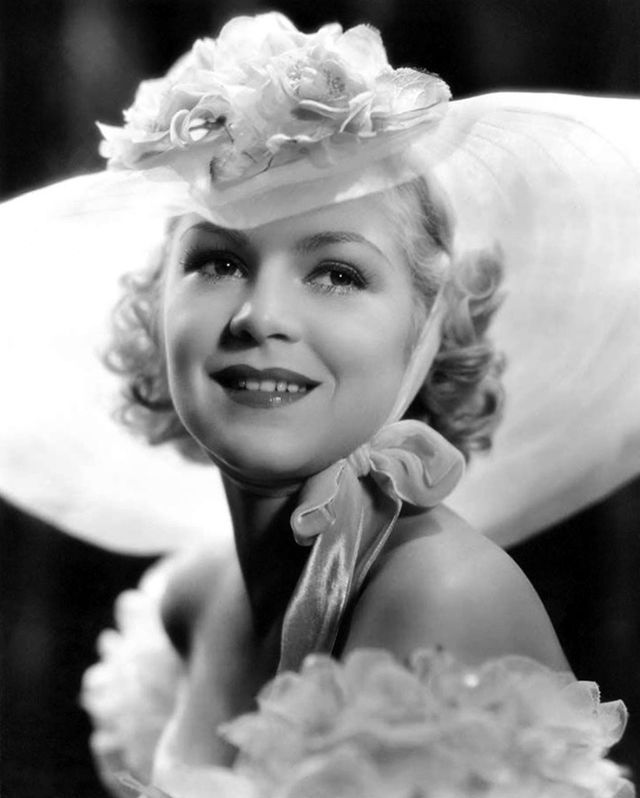
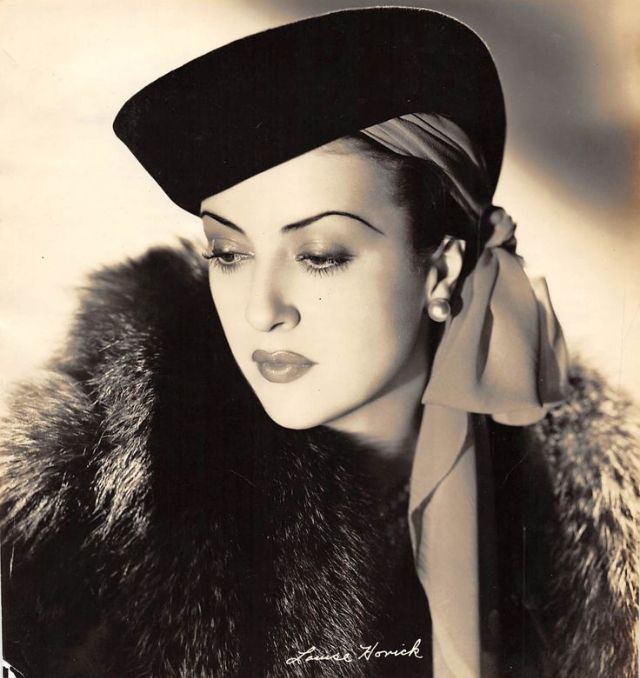
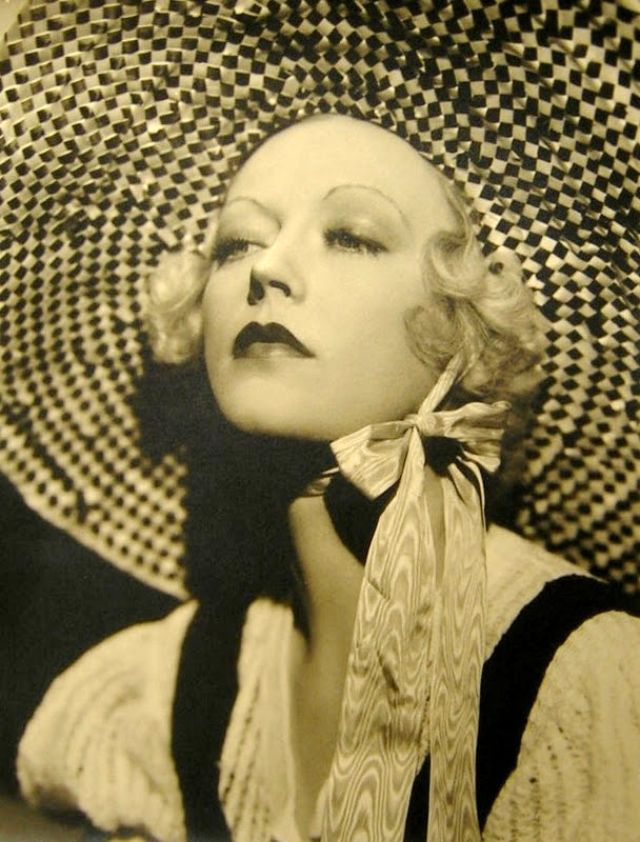
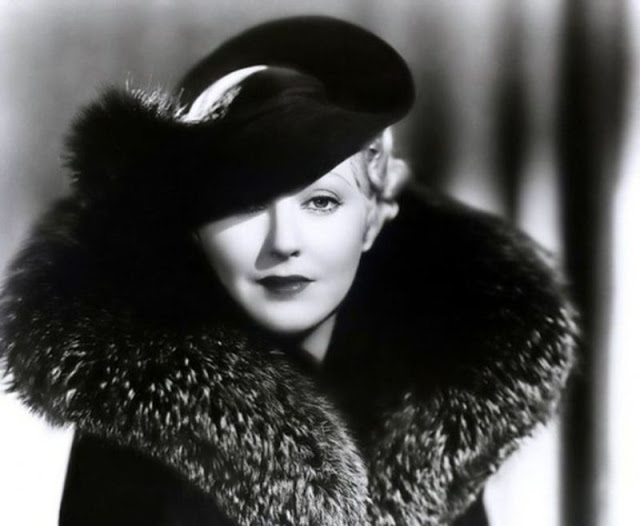
60 Stunning Photos Showing Hat Styles of Beautiful Women From Between the 1920s and 1950s

Greta Nissen, 1920s
Kay Francis, 1920s
Martha Mansfield, early 1920s
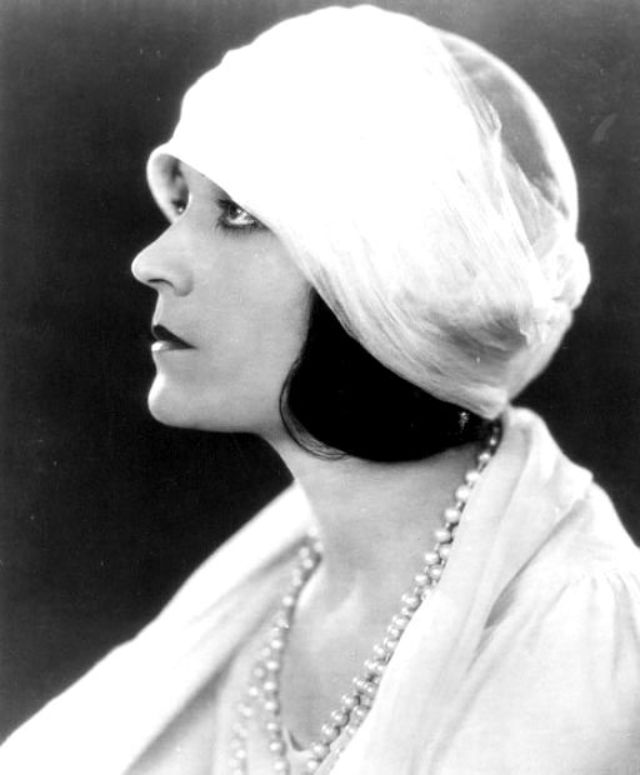
Pola Negri, 1920s
Gloria Swanson, 1921
Lillian Gish, 1926
Greta Garbo, 1928
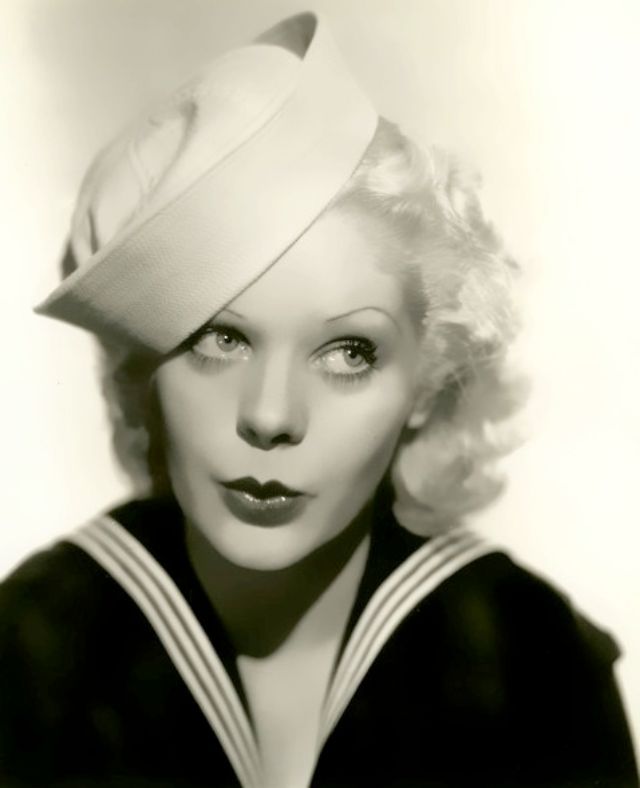
Alice Faye, 1930s
Anna May Wong, 1930s
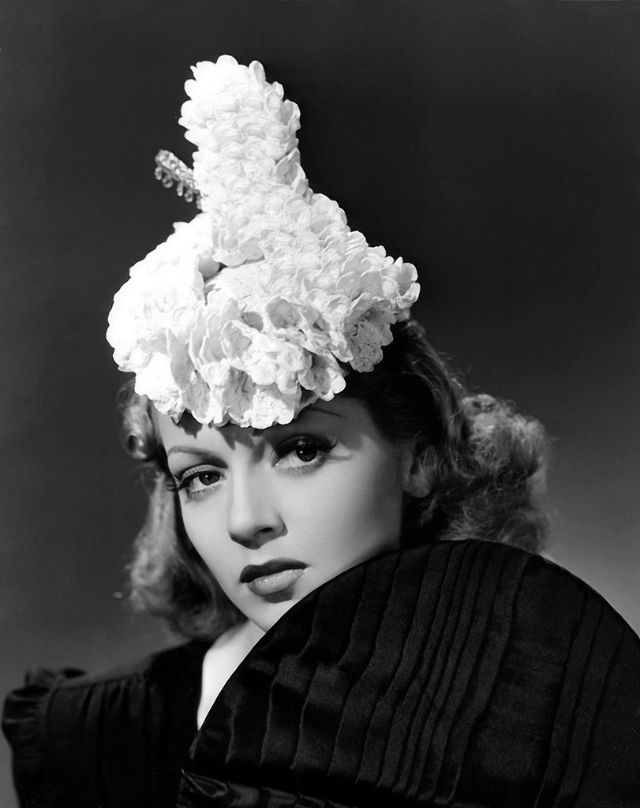
Claire Trevor, 1930s
Dolores del Rio, 1930s
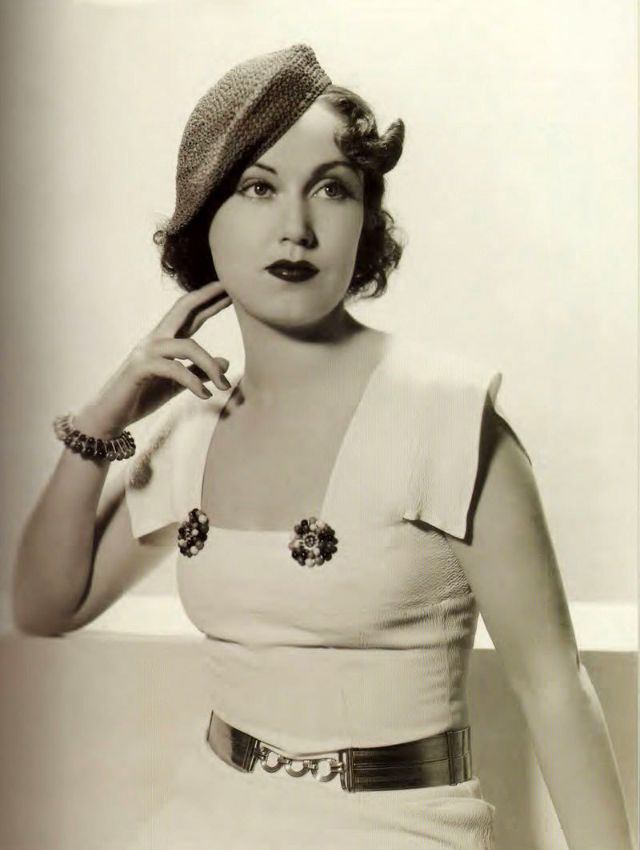
Frances Dee, 1930s
Gypsy Rose Lee, 1930s
Katharine Hepburn, 1930s
Madge Evans, 1930s
Marion Davies, 1930
Marlene Dietrich, 1930s
Myrna Loy, 1930s
Tallulah Bankhead, 1930s
Jean Harlow, 1932
Joan Bennett, 1933
Thelma Todd, 1933
Fay Wray, 1934
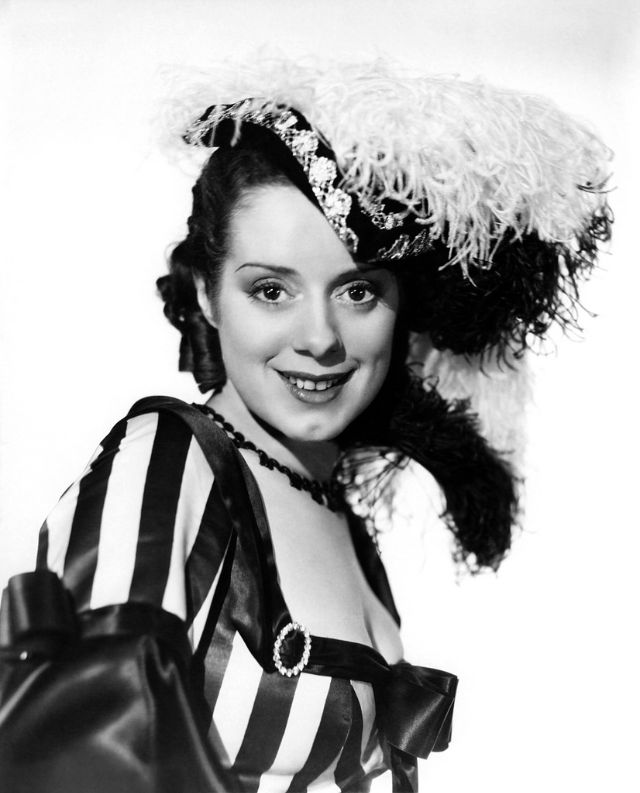
Elsa Lanchester, 1935
Carole Lombard, 1936
Luise Rainer, 1936
Madeleine Carroll, 1936
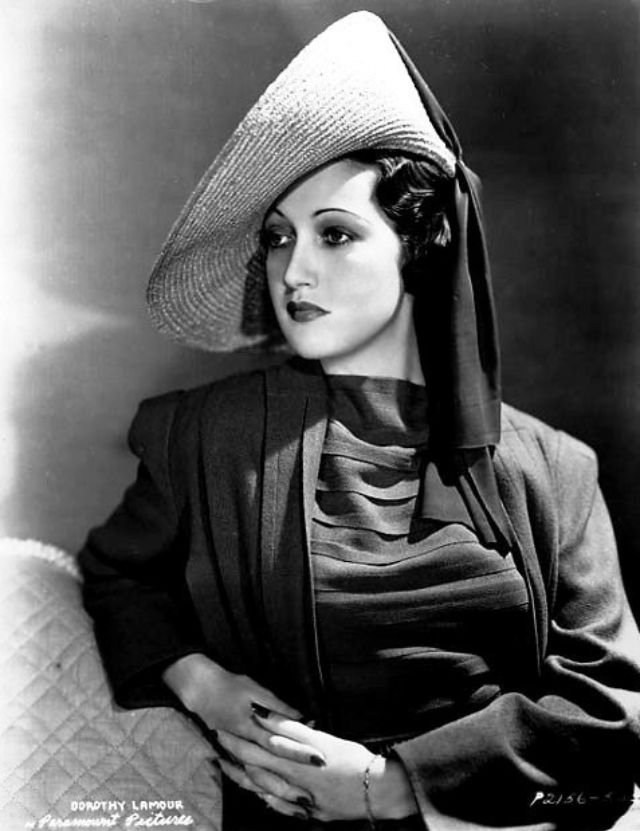
Dorothy Lamour, 1937
Loretta Young, 1937
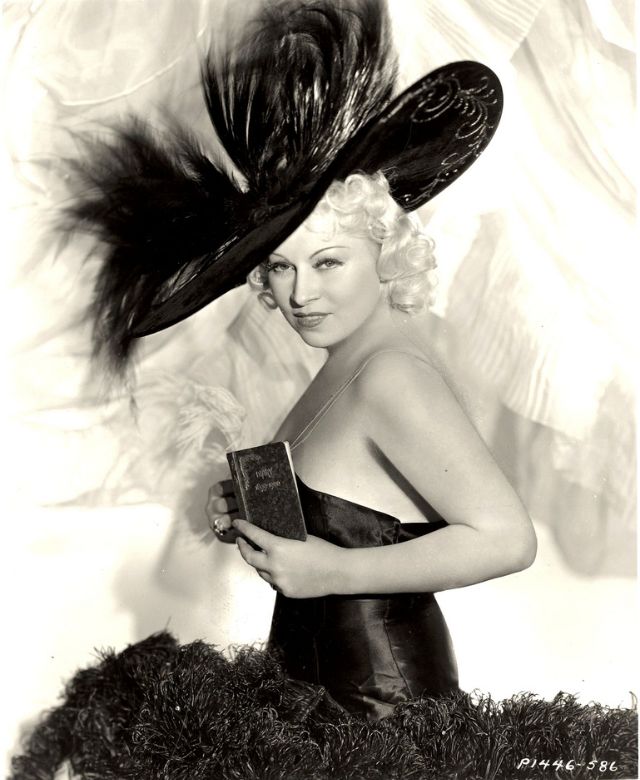
Mae West, 1937
Ann Miller, 1940s
Ann Sheridan, 1940
Ann Sothern, 1940s
Ava Gardner, 1940s
Barbara Hale, 1940s
Betty Grable, early 1940s
Chili Williams, 1940s
Dolores Moran, 1940s
Hedy Lamarr, early 1940s
Joan Crawford, early 1940s
Laraine Day, 1940s
Lupe Velez, 1940
Maria Montez, 1940s
Patricia Morrison, 1940s
Rita Hayworth, 1940s
Carole Landis, 1941
Lana Turner, 1941
Maureen O’Hara, 1941
Eleanor Parker, 1945
Janis Paige, 1945
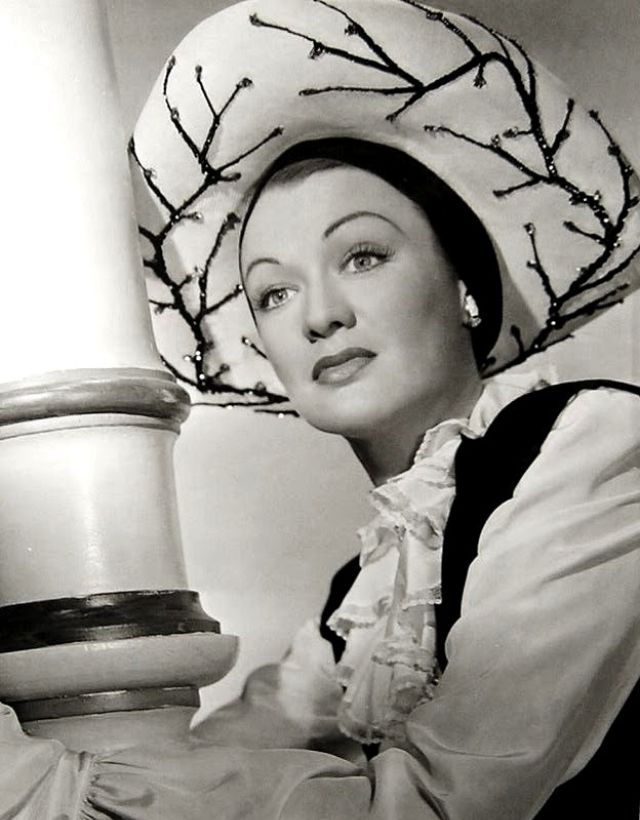
Eve Arden, 1947
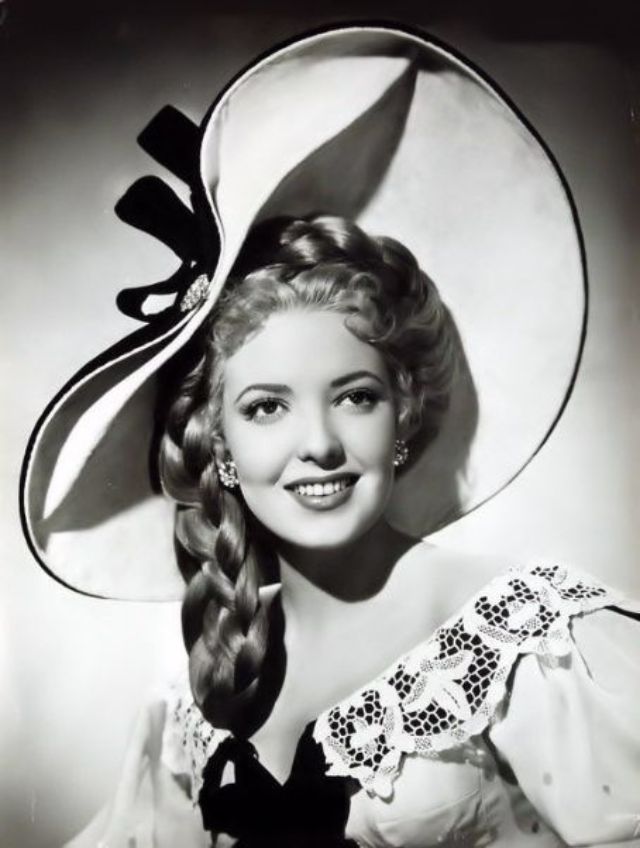
Linda Darnell, 1947
Liz Taylor, 1948
Arlene Dahl, 1950s
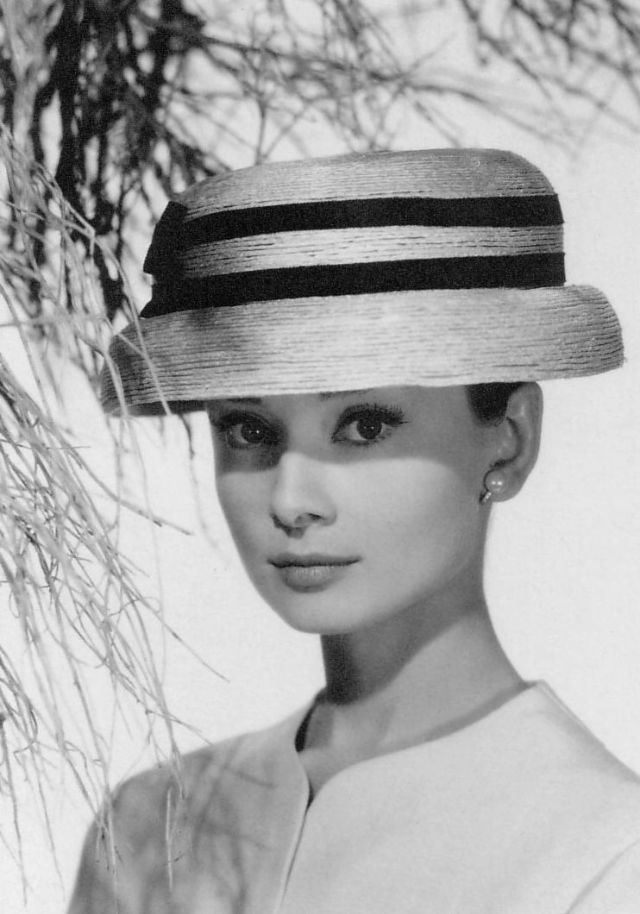
Audrey Hepburn, 1950s
Laraine Day, 1950s
Maggie McNamara, 1950s
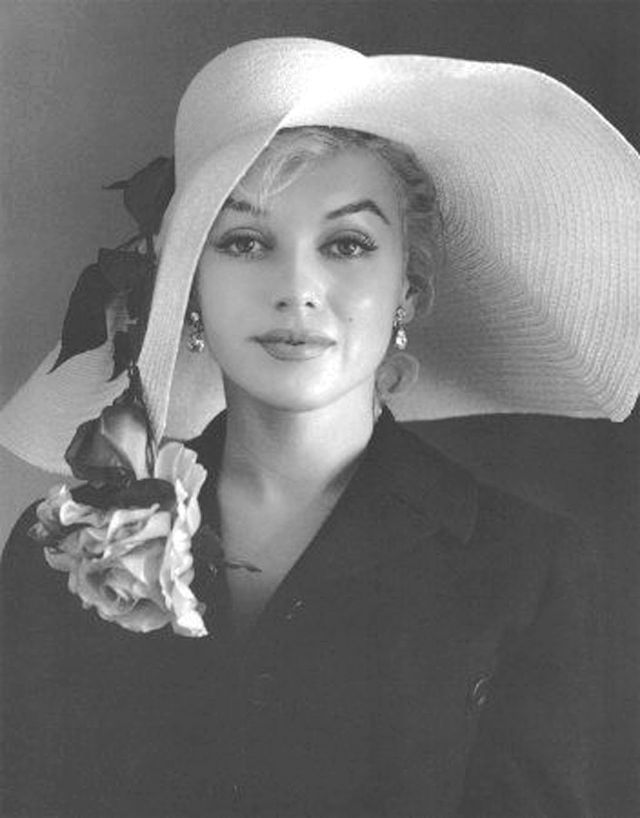
Marilyn Monroe, 1950s
Suzan Ball, 1950s
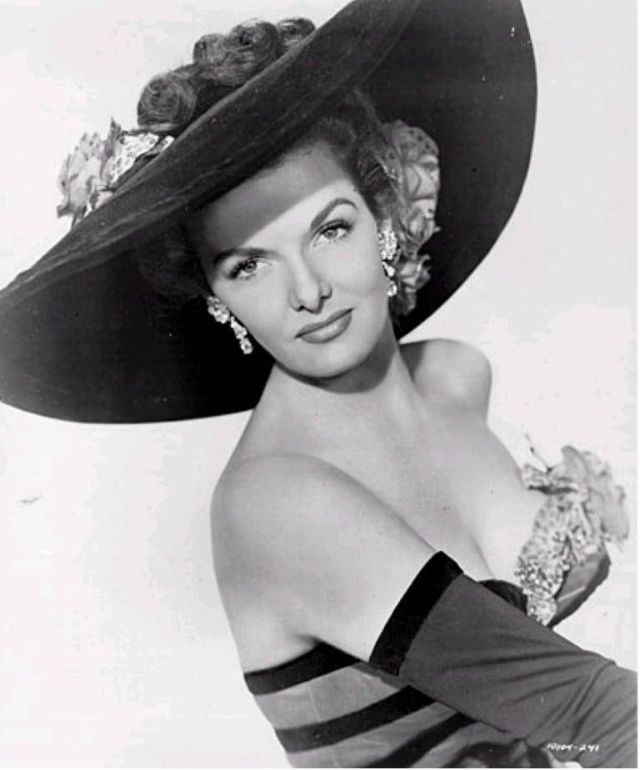
Jane Russell, 1952

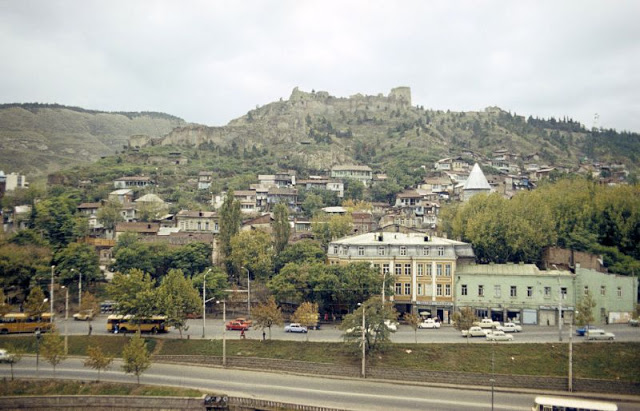
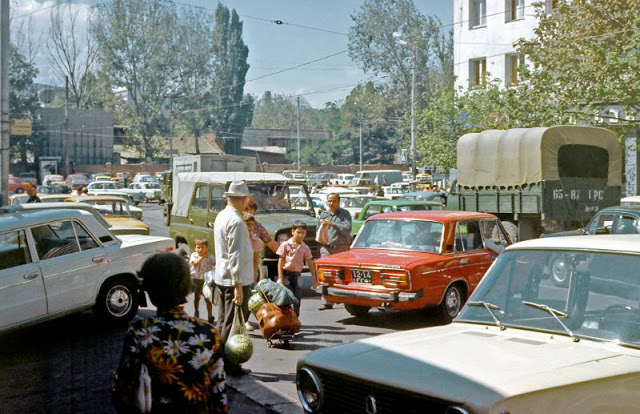
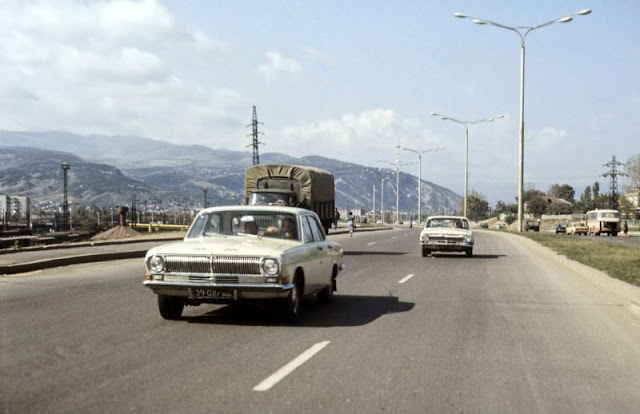
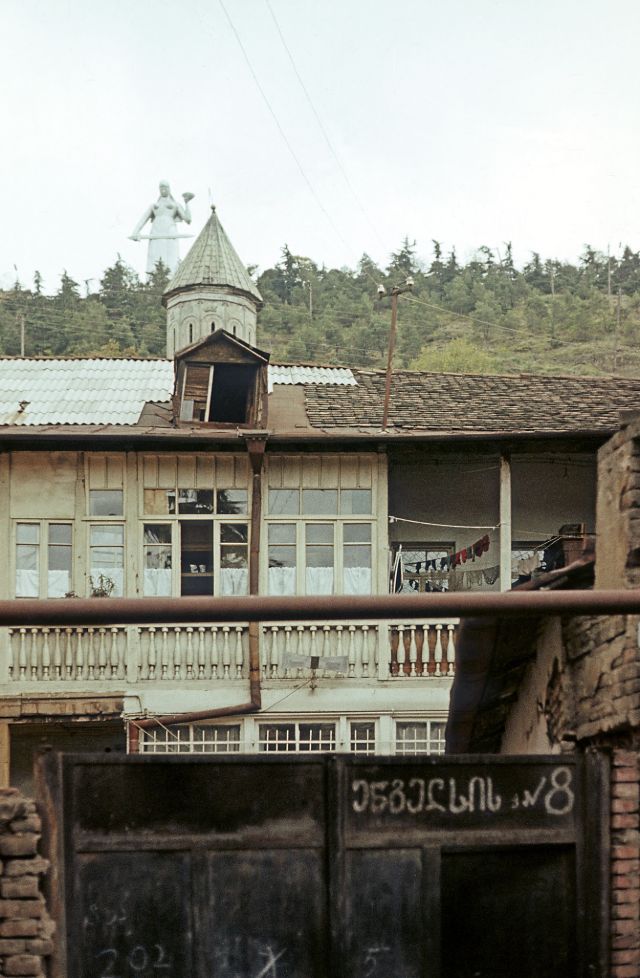
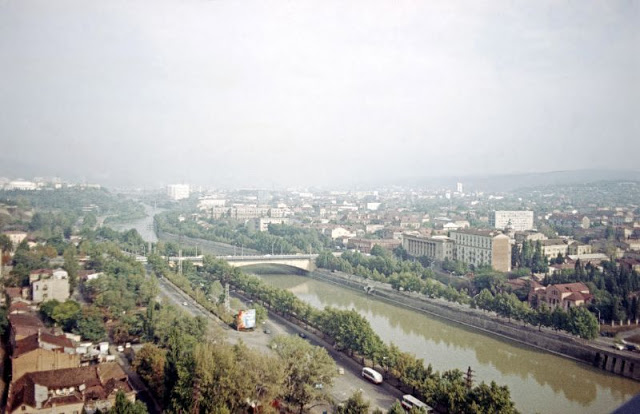
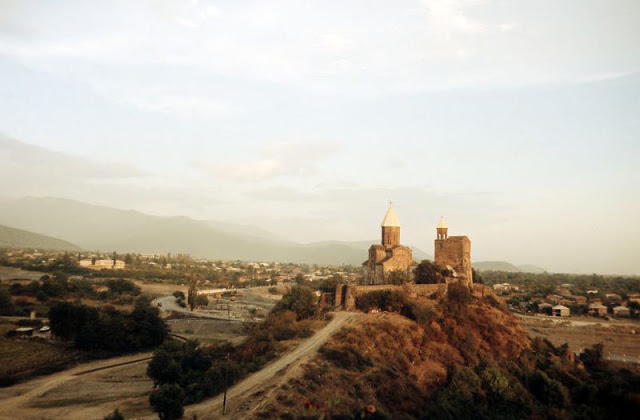
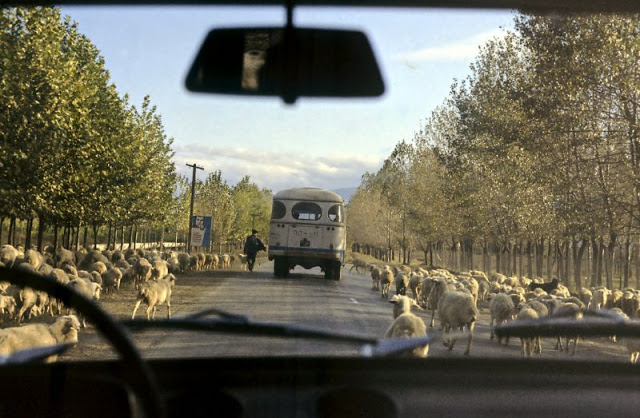
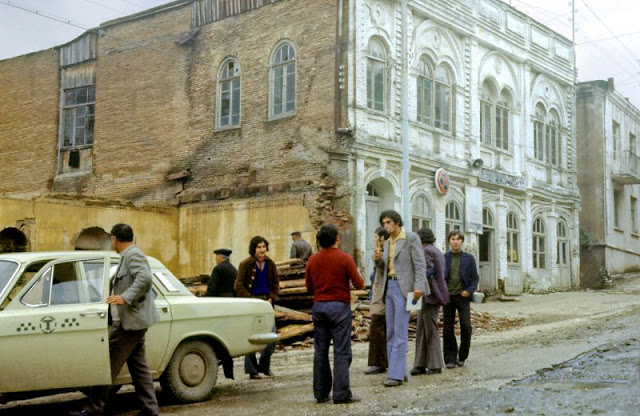
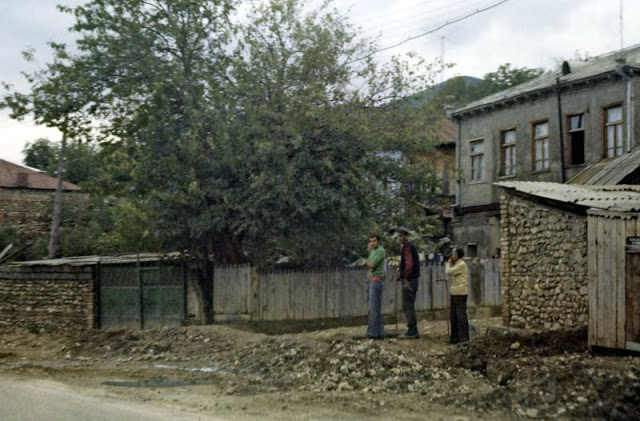
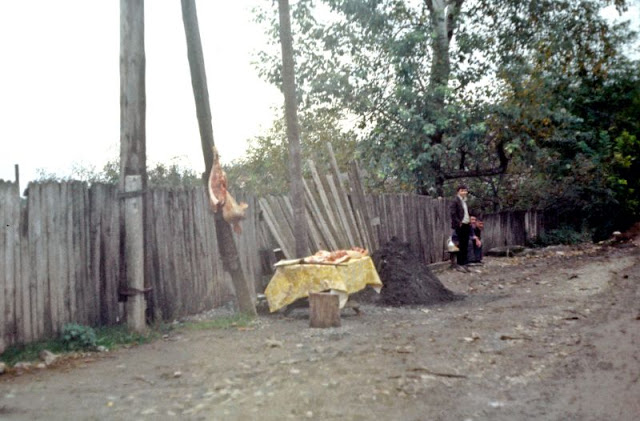
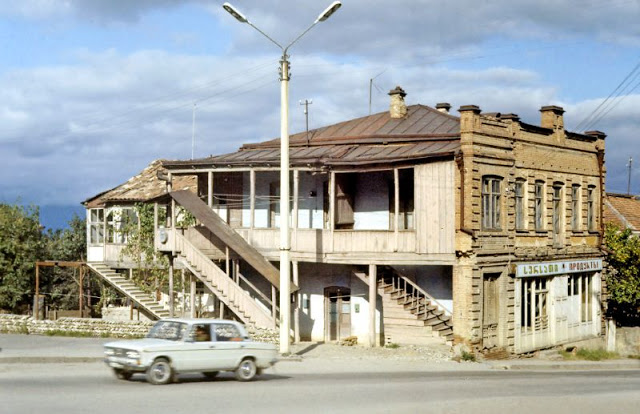
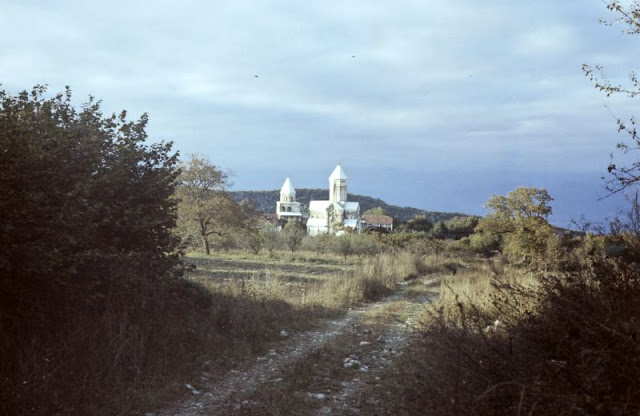
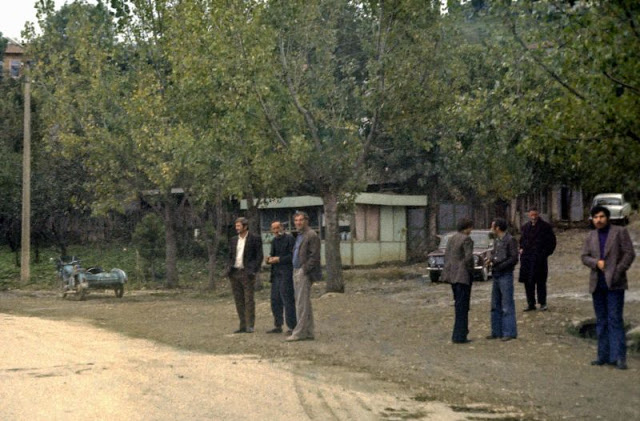
58 Interesting Photographs That Shows Street Scenes of Georgia, USSR During the 1970s

Georgia is a country located in the Caucasus, at the intersection of Eastern Europe and Western Asia. Georgia is bounded to the west by the Black Sea, to the north and east by Russia, to the south by Turkey and Armenia, and to the southeast by Azerbaijan. It covers 69,700 square kilometres (26,911 sq mi), and has a population of 3.7 million excluding the occupied territories. Georgia is a representative democracy governed as a unitary parliamentary republic. Tbilisi is the capital and largest city, home to roughly a quarter of the population.

During the classical era, several independent kingdoms became established in what is now Georgia, such as Colchis and Iberia. Georgians officially adopted Christianity in the early fourth century, which contributed to the spiritual and political unification of early Georgian states. In the Middle Ages, the unified Kingdom of Georgia emerged and reached its Golden Age during the reign of King David the Builder and Queen Tamar the Great in the 12th and early 13th centuries. Thereafter, the kingdom declined and eventually disintegrated under the hegemony of various regional powers, including the Mongols, the Ottoman Empire and successive dynasties of Persia. In 1783, one of the Georgian kingdoms entered an alliance with the Russian Empire, which proceeded to annex the territory of modern Georgia in a piecemeal fashion throughout the 19th century.

After the Russian Revolution in 1917, Georgia emerged as an independent republic under German protection. Following World War I, Georgia was forcibly annexed by the Soviet Union in 1922, becoming one of its fifteen constituent republics. By the 1980s, an independence movement emerged and grew quickly, leading to Georgia’s secession from the Soviet Union in April 1991. For most of the subsequent decade, post-Soviet Georgia suffered from economic crisis, political instability, ethnic conflict, and secessionist wars in Abkhazia and South Ossetia. Following the bloodless Rose Revolution in 2003, Georgia strongly pursued a pro-Western foreign policy; it introduced a series of democratic and economic reforms aimed at integration into the European Union and NATO. The country’s Western orientation soon led to worsening relations with Russia, at one point even resulting in a brief war in 2008.

Georgia is a developing country, classified as “very high” on the Human Development Index. Economic reforms since independence have led to higher levels of economic freedom and ease of doing business, as well as reductions in corruption indicators, poverty, and unemployment. It is one of the first countries in the world to legalize cannabis, becoming the only former-communist state in the world to do so. The country is a member of international organizations across both Europe and Asia, such as Council of Europe, Organization of the Black Sea Economic Cooperation, Organization for Security and Co-operation in Europe, Eurocontrol, European Bank for Reconstruction and Development, and GUAM Organization for Democracy and Economic Development. (Wikipedia)

Batumi street scenes, Adjara, 1975
Batumi, Adjara, 1975
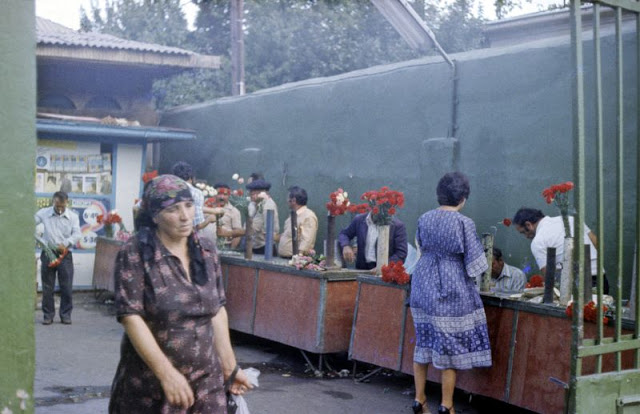
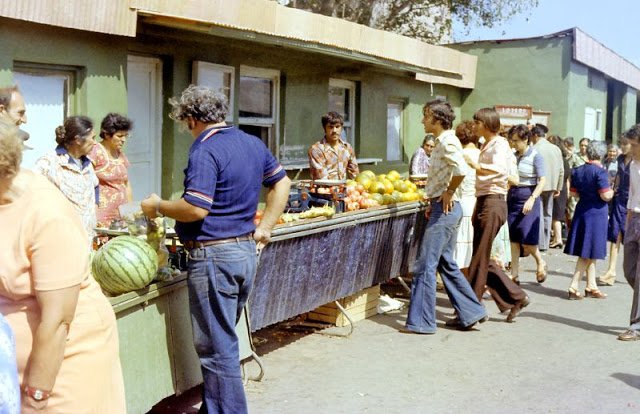
Georgian market, 1975
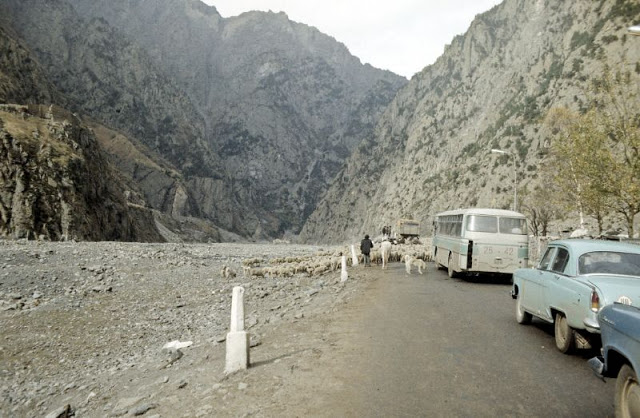
Georgian Military Road, 1975
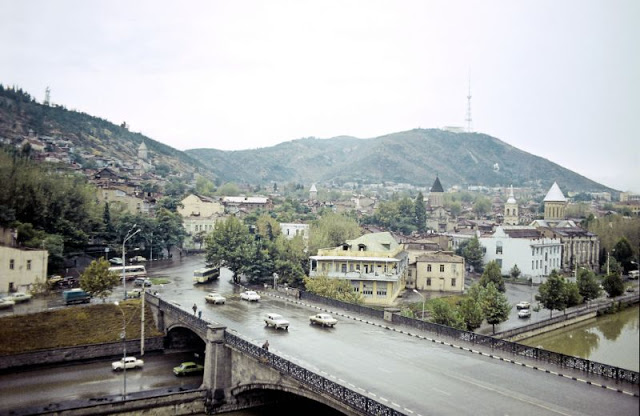
Metechi Brücke, Tbilisi, Georgia, 1975
Svetitskhoveli Cathedral, Mtskheta, Georgia, 1975
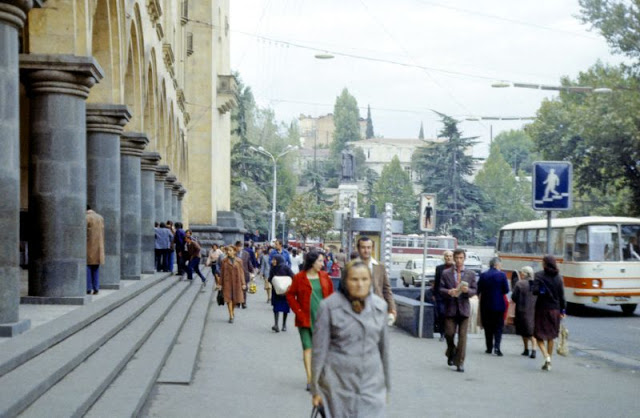
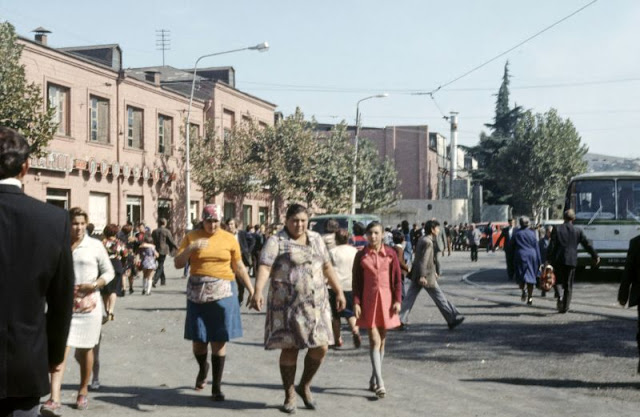
Tbilisi street scenes, Georgia, 1975
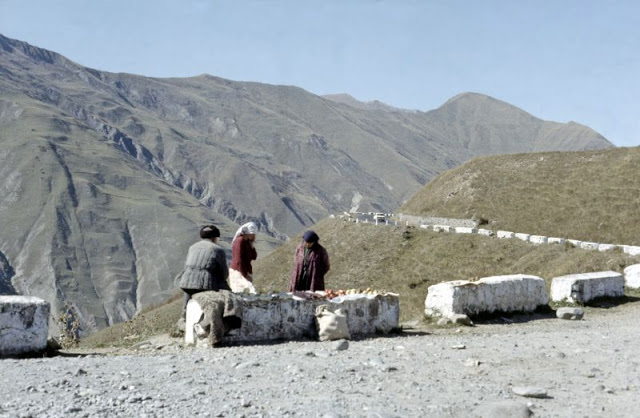
At the Georgian Army Road, 1977
Georgian Army Road, 1977
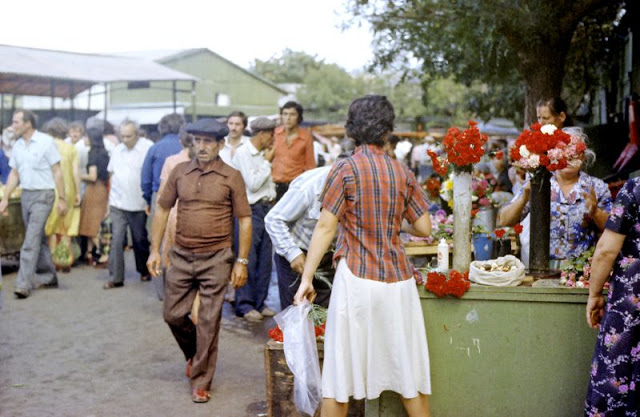
Georgian flower street vendor, 1977
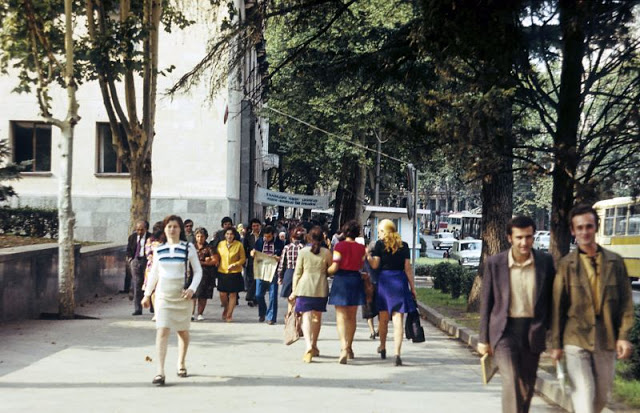
Georgian street scene, 1977
Georgians, 1977
Georgians, 1977
Hotel Iveria, Tbilisi, Georgia, 1977
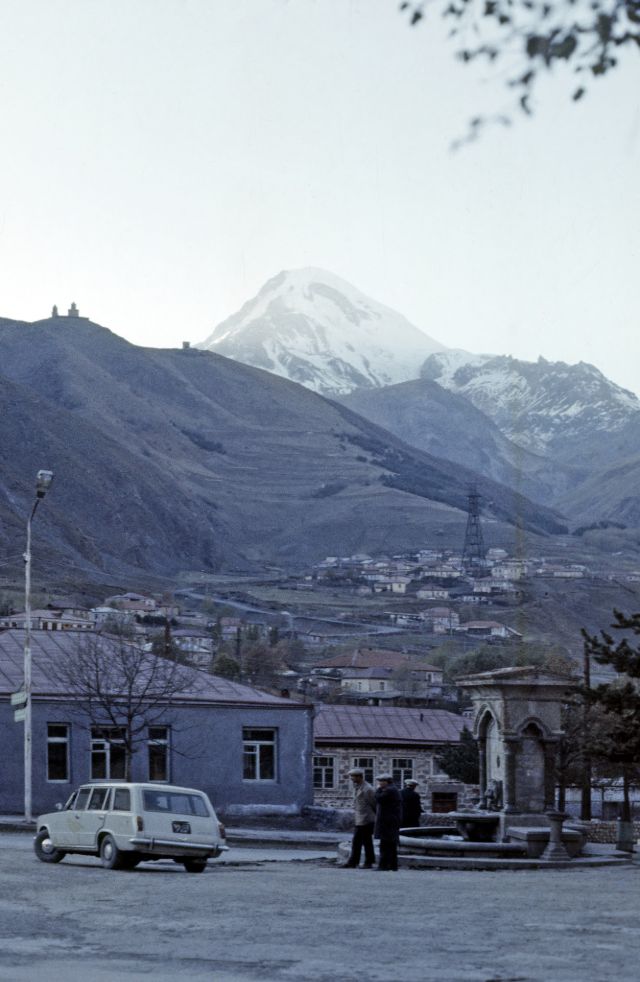
Kazbek, Georgia, 1977
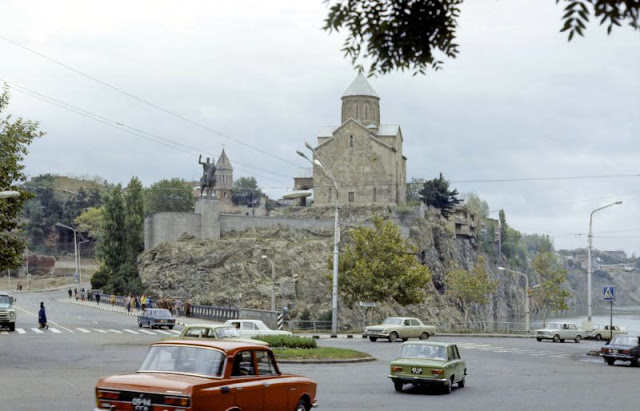
Metekhi St. Virgin Church, Tbilisi, Georgia, 1977
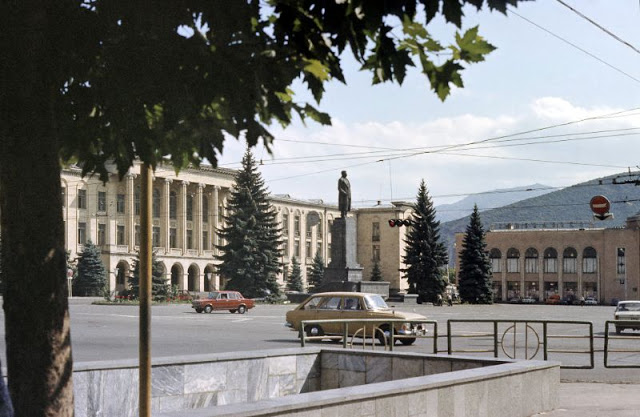
Monument of Shota Rustaveli in the background, Tbilisi, Georgia, 1977
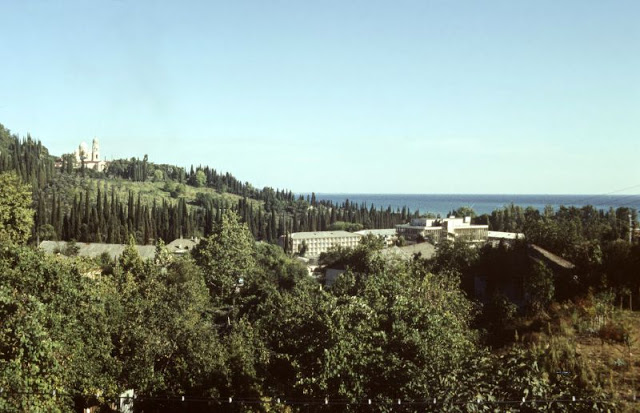
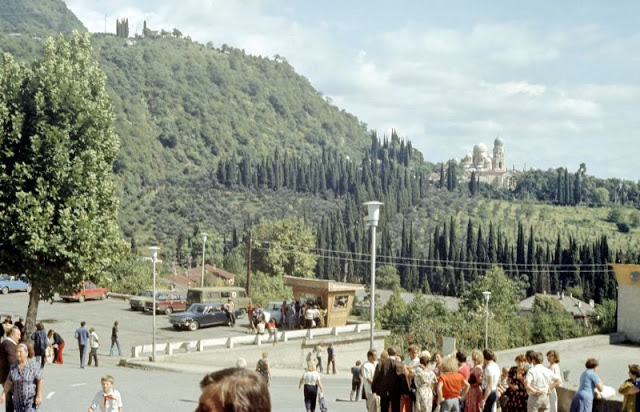
Novy Afon Monastery about 20 km from Sukhumi, Abkhazia, Georgia, 1977
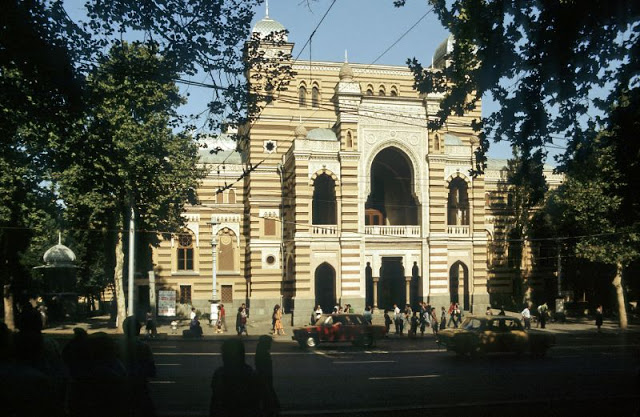
Sachari Paliaschwili Theater, Tbilisi, 1977
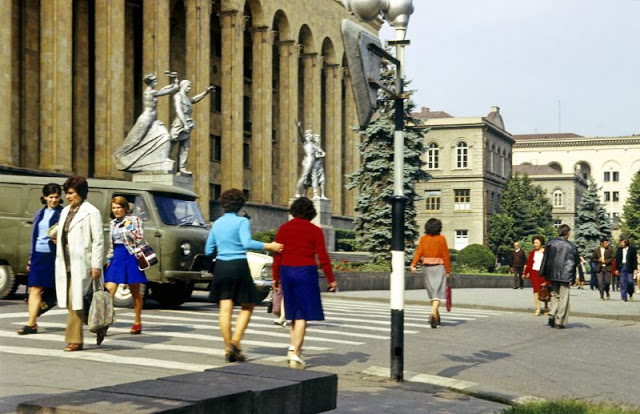
Shota Rustaveli Ave, Tbilisi, Georgia, 1977
Stalin Statue, Gori, 1977
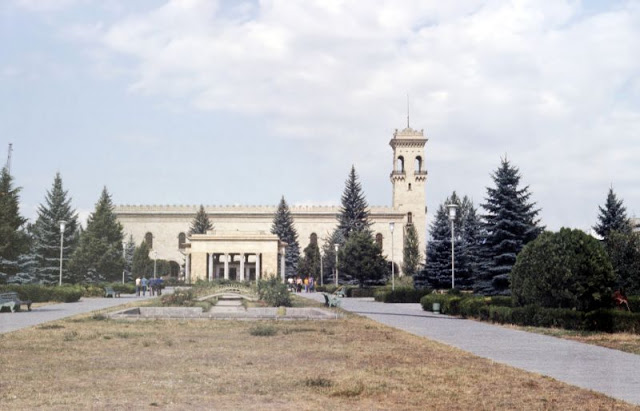
Stalin’s birthplace. Overbuilt and behind Stalin Museum, Gori, 1977
Tbilisi market, 1977
Tbilisi street scenes, 1977
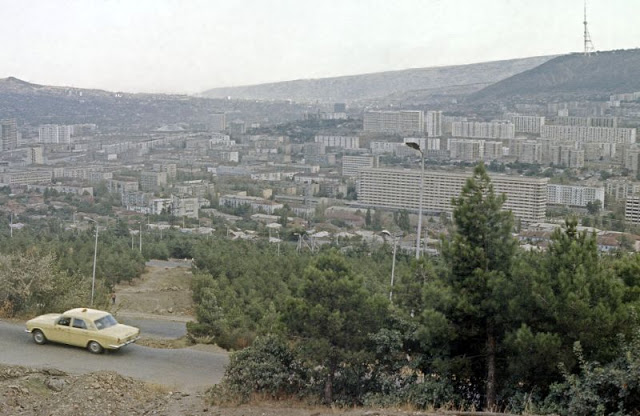
Tbilisi, 1977
Tbilisi, 1977
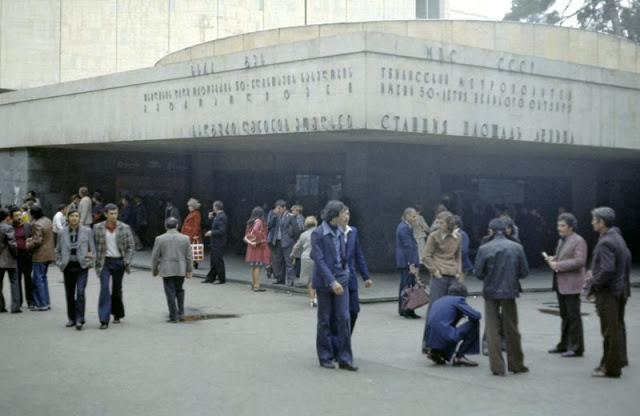
U-Bahn Station Lenin-Platz, Tbilisi, Georgia, 1977
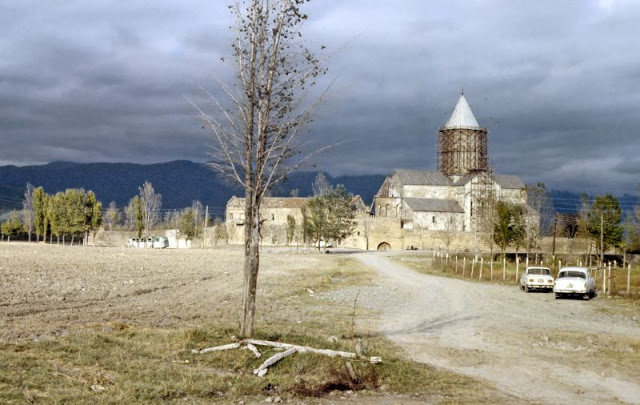
Alaverdi Monastery, Kakheti, Georgia, 1979
Chicken vendors, Kakheti, Georgia, 1979
Gremi, Kakheti, Georgia, 1979
Kakheti market, Georgia, 1979
Kakheti street scenes, Georgia, 1979
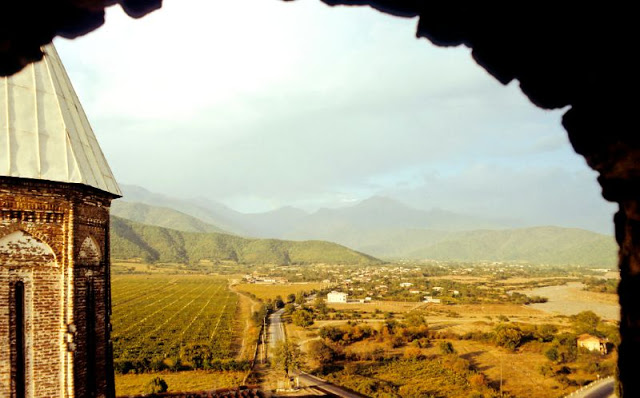
Kakheti, Georgia, 1979
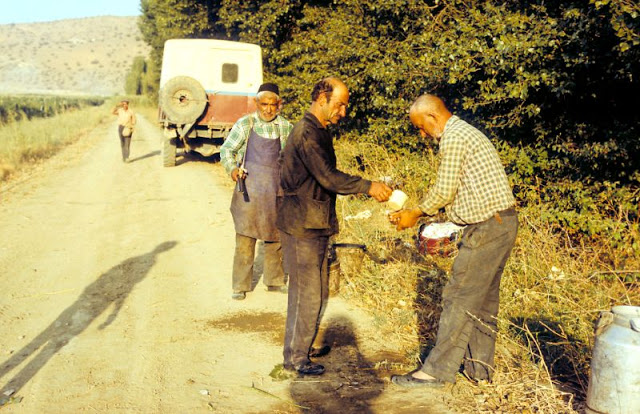
Men in Kakheti, Georgia, 1979
Pitsunda at Gagra, Abkhazia, 1979
Tbilisi street scenes, Georgia, 1979

55 Wonderful Photos of Young Men’s Fashion From the 1960s

1960s fashion for men was not as revolutionary as it was for women but there was a lot of change. Ties, belts and lapels got wider, collars got longer and wider and a modified version of the bell bottom called “flared” became popular.

Check out these snapshots to see how young men’s fashion looked like in the 1960s.

50 Amazing Vintage Photos From the 1950s Volume 3

Audrey Hepburn on the Paramount lot during the filming of Sabrina, 1954.
Jane Birkin and Brigitte Bardot in short shorts, 1950s.
Man and Woman Smoking, NYC, 1959.
Two models on a “Don’t Walk” sign, New York City, 1958
Stuntwoman Connie Tilton, tough girl of British films, swings a man round on her shoulders. 18th August 1953.
Teddy Girls, Battersea Fun Fair, 1956.
Thierry Vernet on the road to Ankara, Turkey, 1953
Ercolano, Italia, 1955.
Just Married, New Hampshire, 1958.
Princess Yvonne and Prince Alexander in Germany, 1955.
Chess competition, London, 1956.
Webb City, Missouri, 1950s.
Marilyn Monroe with a chihuahua, 1950.
A family at a drive-in restaurant having cool air piped into their car, 1957
Broadway, Los Angeles, 1954.
Burlesque star Gypsy Rose Lee, 1950s
Blaze Starr, 1950s burlesque queen
Street scene in La Grande, Oregon, 1957.
Marilyn Monroe, 1956.
Young girl sleeping in car, Hawaii, 1950s.
Skating is Healthy, 1950s
Girl with crab, 1950s.
Miss Pacific finalists, Bondi Beach, New South Wales, Australia, 1952.
Alligator tooth brushing, 1950s.
Looking west on Ventura Boulevard at Woodman Avenue, Los Angeles, 1952.
‘The Kiss.’ June 30, 1956. Elvis with Bobbi Owens, backstage at the Mosque Theatre, Richmond, Virginia.
Picasso’s ‘Guernica’ in Milan, 1953.
Beach fun, 1953.
American jeweller, Sam Kramer helping one of his ‘Space Girls’ with her motorbike helmet on a Greenwich Village street, 1955
A high leap and split by an American high school baton twirler in front of somewhat small audience. 1954.
West Berlin policemen and East German Volkspolizei face each other across the border in Berlin, 1955.
A window cleaner at work at the United Nations Secretariat building in mid-town Manhattan, overlooking the East River, New York. 1955
Drive-in theater, Chicago, 1951.
Idaho, 1952.
Sophia Loren & Jayne Mansfield. 1957
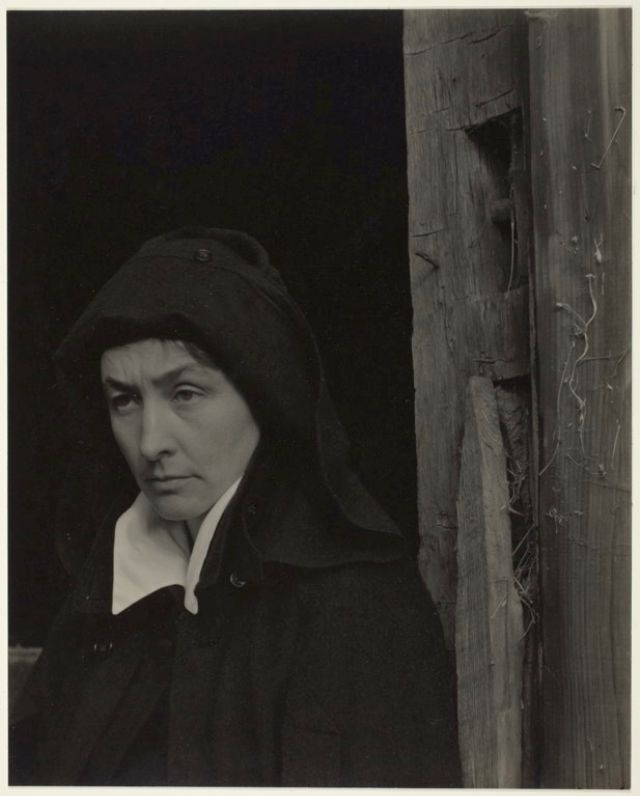
Jane Mansfield and her husband Mickey Hargitay on their way to Catalina. July 22, 1957
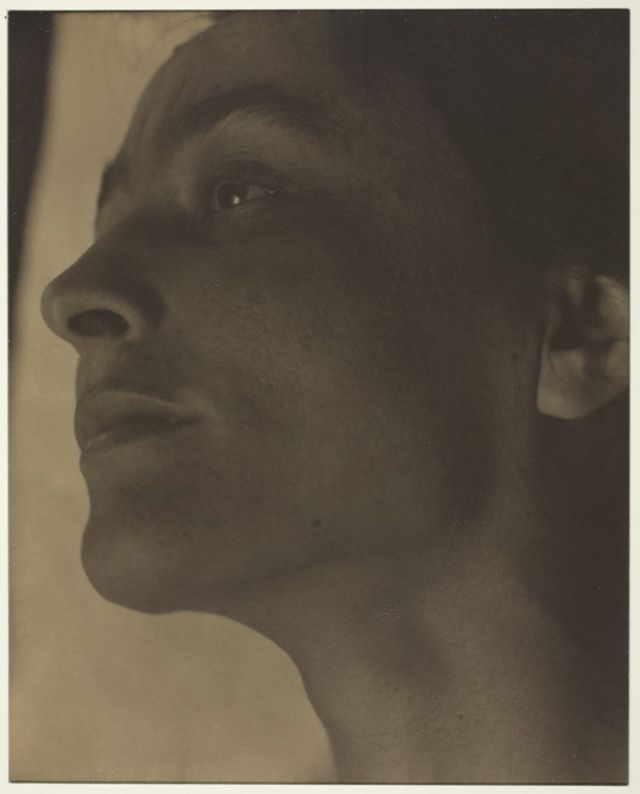
Senator John F. Kennedy And Jacqueline Bouvier Kennedy On Their Wedding Day. September 12, 1953
Jackie Robinson Of The Brooklyn Dodgers, 1954
Two members of the Bertram Mills Circus walk head-to-head at Hammersmith Broadway in London. 1953.
Bodybuilders at Muscle Beach, California, 1950’s
On the streets of Tokyo, 1958.
Jayne Mansfield, 1957
The World’s Smallest Man, 26th October 1956
Albert Einstein wearing fuzzy slippers, 1950s
Audrey Hepburn Washing a Car, 1954
Girls Doing Handstands, Southam Street, London 1956
Paris in the early 1950s
Hula-hooping nun, 1958
Education Without Mixing, 1958
Boy with two large dolls, 1950s

34 Vintage Photos Of New York City In 1978

Manel Armengol was in New York in 1977 and 1978. A year earlier he’d been in Barcelona, where he’d witnessed the hated ‘Grises’ attacking people protesting for ‘Libertat, Amnesty, Estatut d’Autonomia’ (Freedom, Amnesty, Autonomy). New York had its own problems. This was ‘Fear City‘. The Council for Public Safety advised visitors never to leave mid-Town, stay in after 6pm, carry your keys between your fingers and be ready for fight or flight. In The Ungovernable City by Vincent J Cannato, New York was profiled:

Stabbings, robberies, muggings, graffiti, arson and rape began to strike a wider and wider portion of the population. Burglaries made people feel vulnerable, even in their once-safe homes and apartments. It wasn’t just the reality of crime and sense of broadening disorder that hurt. It was the raw fear and perception of vulnerability that seeped into every interaction of daily life…

Sunday morning in Manhattan. NY 1978
In the Bronx. Woman with a baby stroller. NYC 1978
In The Bronx. NYC 1978
Central Park. Manhattan. NY 1978
Manhattan. NY 1978
ST. MARK’S PLACE /
Manhattan. NY 1978
LITTLE ITALY
Manhattan. NY 1978
Manhattan NYC 1978
LOISAIDA COMMUNITY, LOWER EAST SIDE
Manhattan. NY 1978
Manhattan. NY 1978
Manhattan. NY 1978
Manhattan. NY 1978
CANAL STREET, GENERAL STORE
Manhattan. NY 1978
Manhattan. NY 1978
Manhattan. NY 1978
Manhattan. NY 1978
Manhattan. NY 1978
The Bronx. Manhattan. NY 1978
Manhattan. NY 1978
JOE COCKER AT CARNEGIE HALL
Manhattan. NY 1978
At CBGB – Manhattan. NY 1978
Studio 54 – NYC 1978
Andy Warhol at Studio 54 – NYC 1978
“The Neon Woman at the Nightclub”, Hurrah (36W 62St). Written by Tom Eyen, Directed by Ron Link, Starred Divine as Flash Storm, as strip club owner. Manhattan. NYC 1978
Washington Square Park Manhattan. NY 1978
Central Park Manhattan. NY 1978
Washington Square Park. Manhattan. NY 1978
Manhattan. NY 1978
Manhattan. NY 1978
Manhattan. NY 1978

(Photos by Manel Armengol)

51 Vintage Photos of Jayne Mansfield in the Netherlands in 1957

Jayne Mansfield (born Vera Jayne Palmer; April 19, 1933 – June 29, 1967) was an American actress, singer, nightclub entertainer, and Playboy Playmate. A sex symbol of the 1950s and early 1960s while under contract at 20th Century Fox, Mansfield was known for her well-publicized personal life and publicity stunts. Her film career was short-lived, but she had several box-office successes and won a Theatre World Award and a Golden Globe Award.

Mansfield enjoyed success in the role of fictional actress Rita Marlowe in the Broadway play Will Success Spoil Rock Hunter? (1955–1956), which she reprised in the film adaptation of the same name (1957). Her other film roles include the musical comedy The Girl Can’t Help It (1956), the drama The Wayward Bus (1957), the neo-noir Too Hot to Handle (1960), and the sex comedy Promises! Promises! (1963); the latter established Mansfield as the first major American actress to perform in a nude scene in a post-silent era film.

Mansfield took her professional name from her first husband, public relations professional Paul Mansfield. She married three times, all of which ended in divorce, and had five children. She was allegedly intimately involved with numerous men, including Robert and John F. Kennedy, her attorney Samuel S. Brody, and Las Vegas entertainer Nelson Sardelli. On June 29, 1967, she died in an automobile accident in Eastern New Orleans at the age of 34. (Wikipedia)

40 Beautiful Photos of Actress Isabelle Adjani during the 1970s

Isabelle Yasmina Adjani LdH (born 27 June 1955) is a French actress and singer. She is the only person in history to win five César Awards; she won the Best Actress award for Possession (1981), One Deadly Summer (1983), Camille Claudel (1988), La Reine Margot (1994) and Skirt Day (2009). She was made a Chevalier of the Legion of Honour in 2010 and a Commander of the Order of Arts and Letters in 2014.

Her performance as Adèle Hugo in the 1975 film The Story of Adèle H., earned 20-year-old Adjani her first nomination for the Academy Award for Best Actress in a Leading Role, making her the youngest Best Actress nominee at the time. Her second nomination—for Camille Claudel–made her the first French actress to receive two nominations for foreign-language films. She won the Best Actress award at the 1981 Cannes Film Festival for her performances in Possession and Quartet, and, later, she won the Silver Bear for Best Actress at the 1989 Berlin Film Festival for Camille Claudel. Her other notable film performances include The Tenant (1976), Nosferatu the Vampyre (1979), Subway (1985), Diabolique (1996) and French Women (2014). (Wikipedia)

Take a look to see the natural beauty of young Isabelle Adjani in the 1970s.

Yesterday Today

Bringing You the Wonder of Yesterday - Today

Skip to content ↓