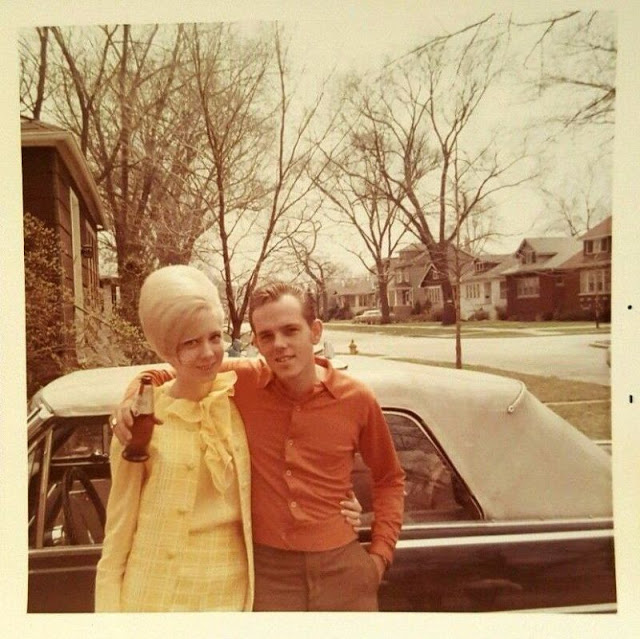
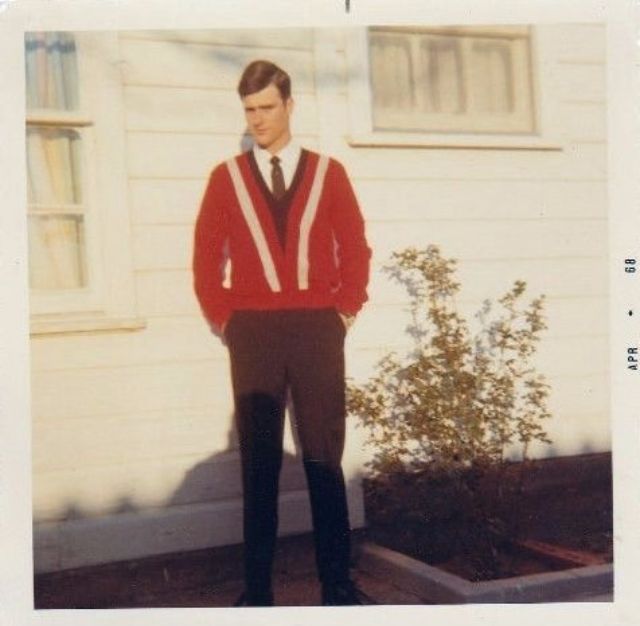
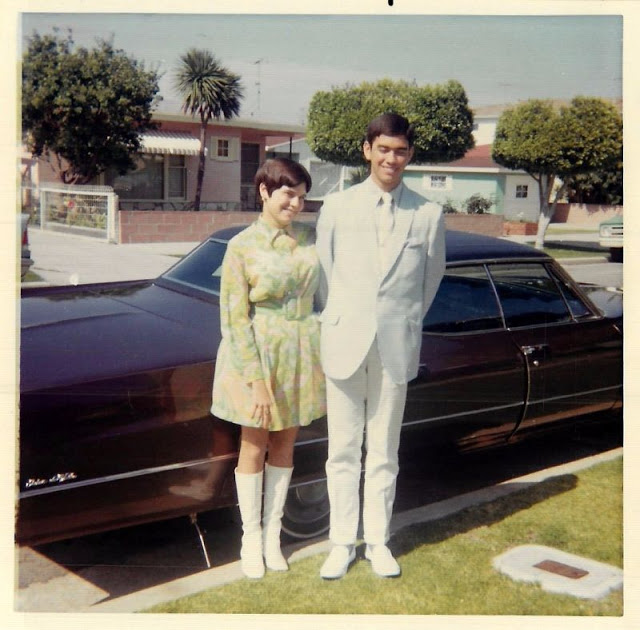
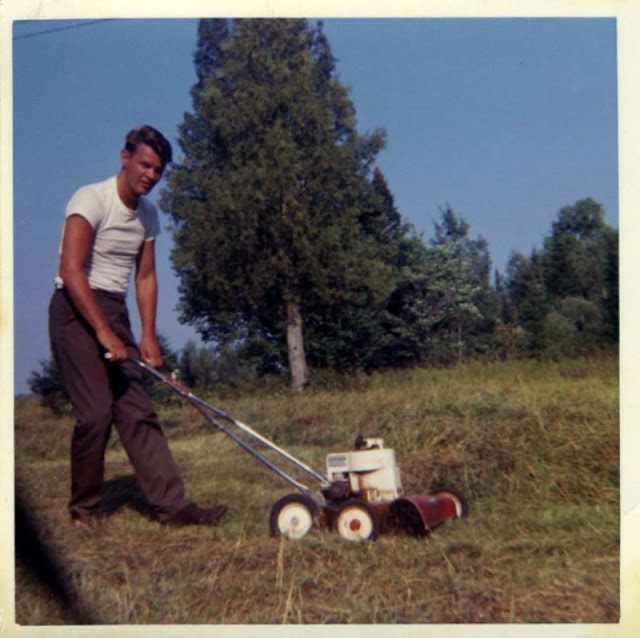
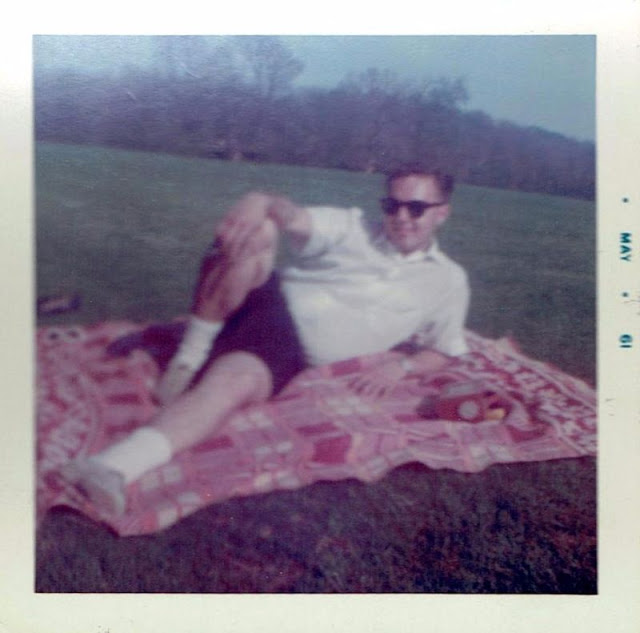
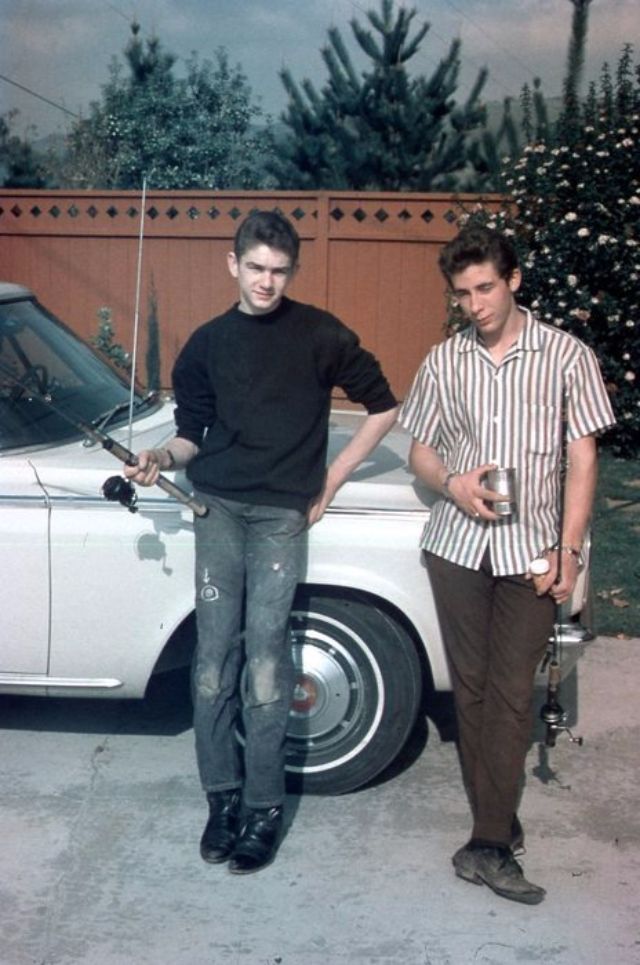
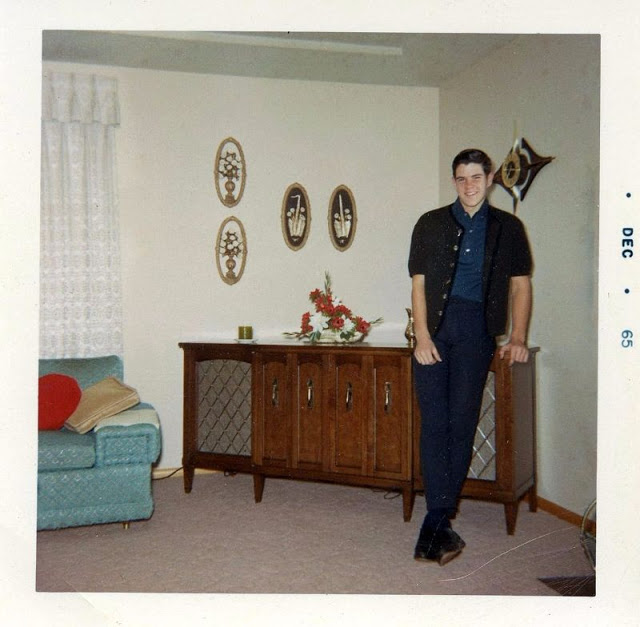
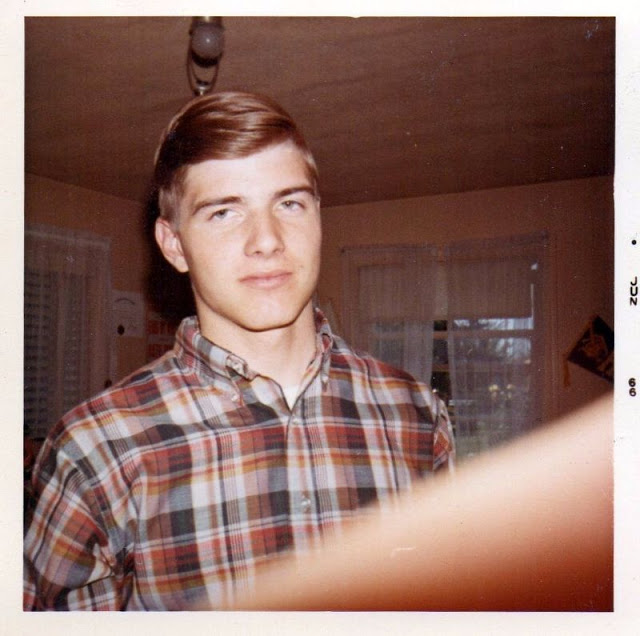
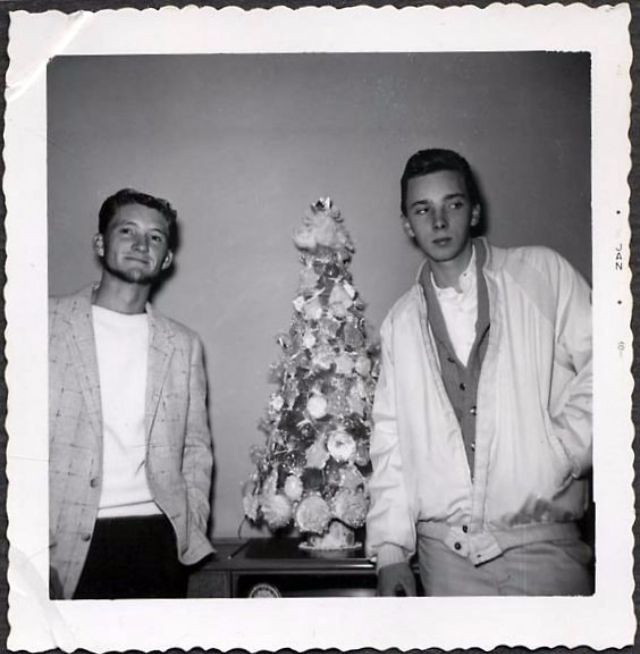
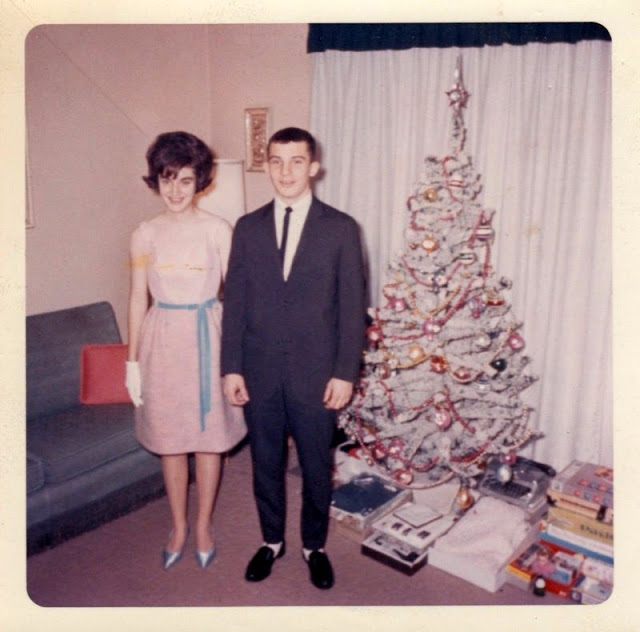
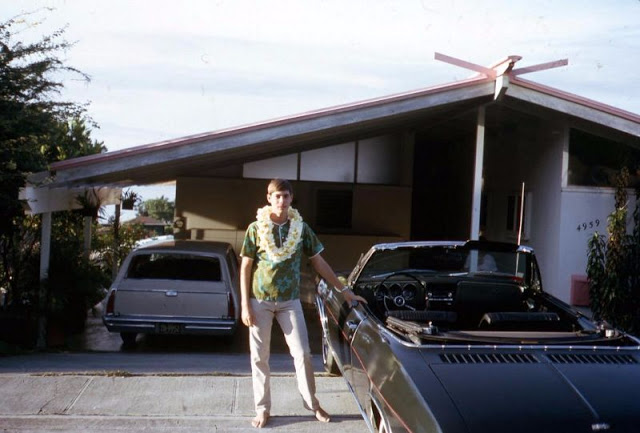
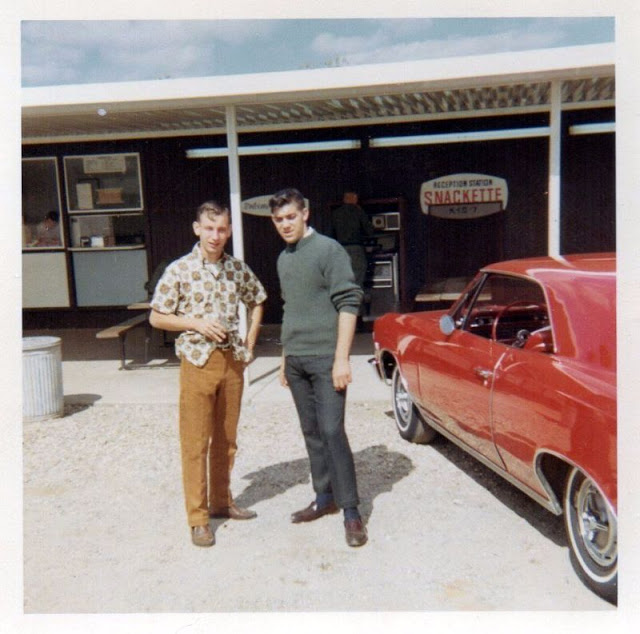
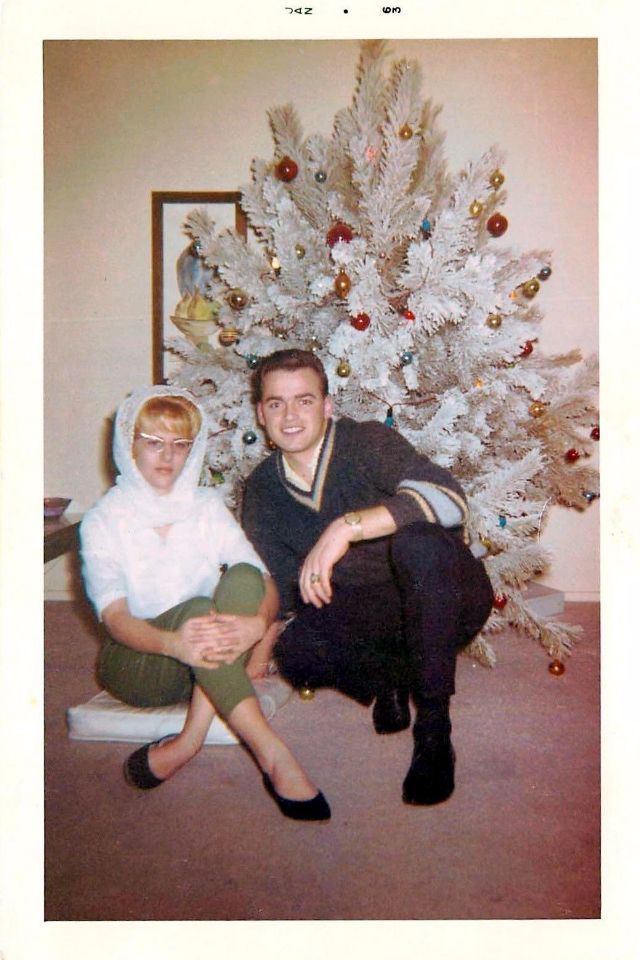
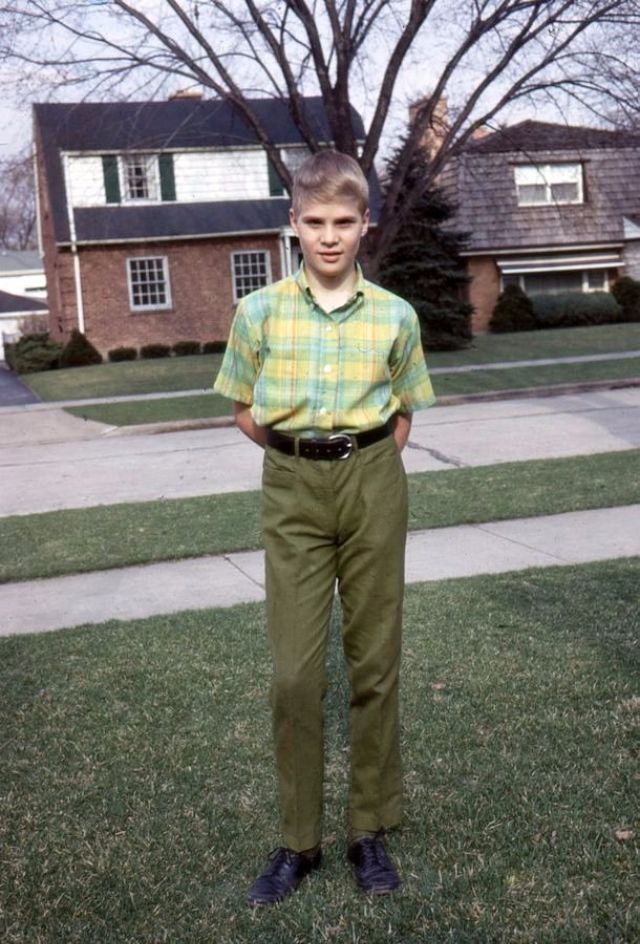
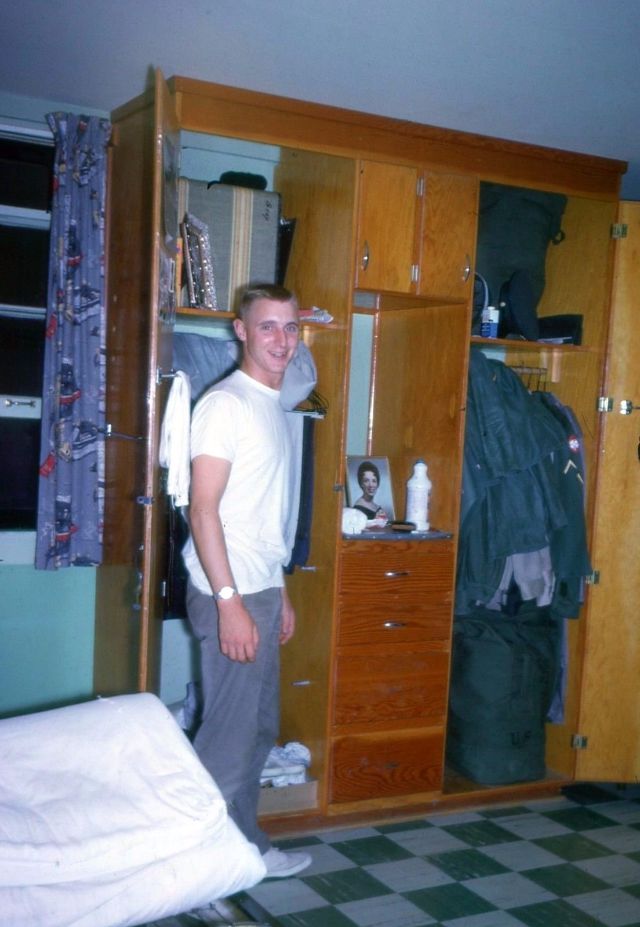
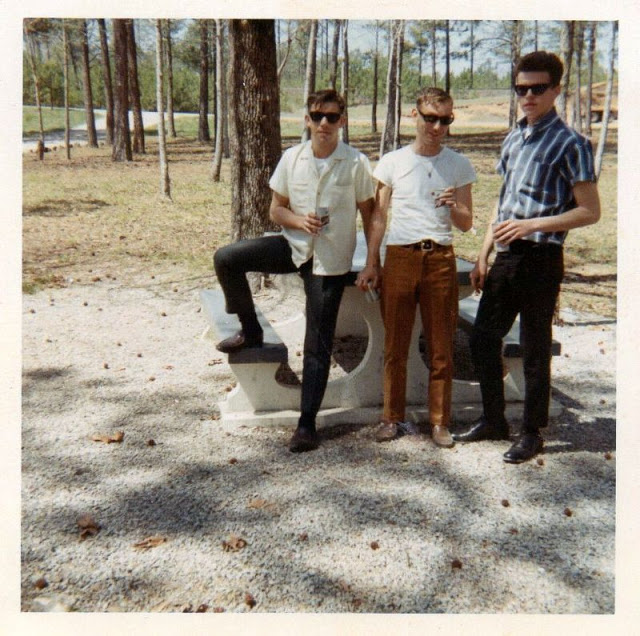
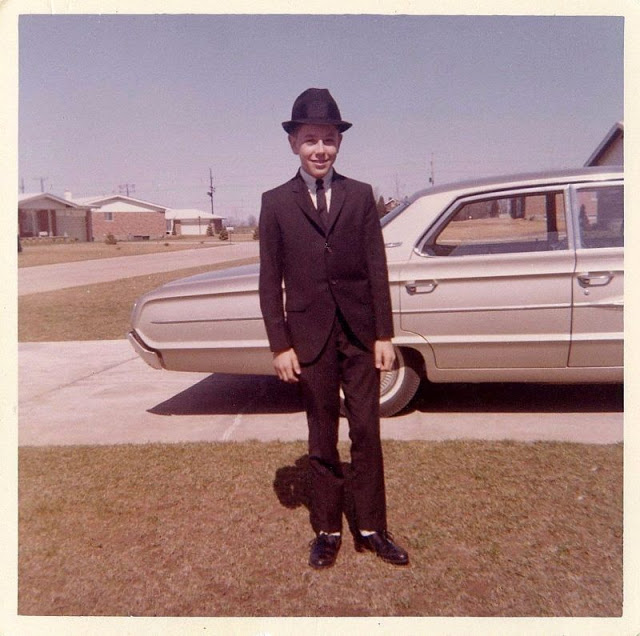
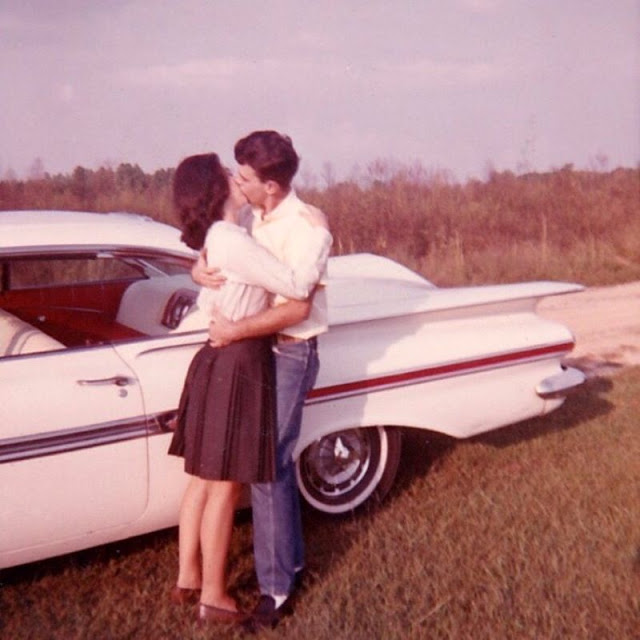
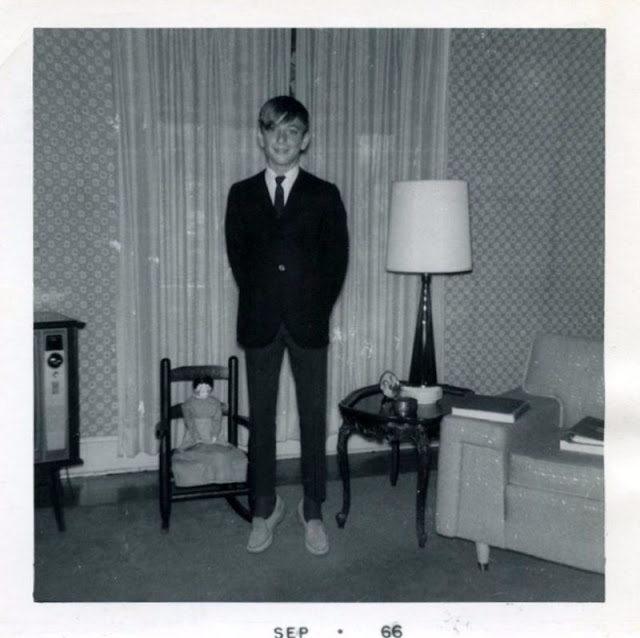
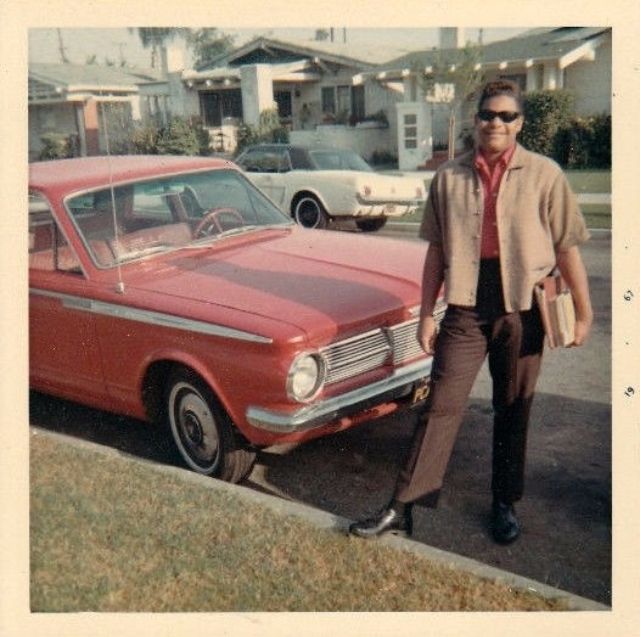
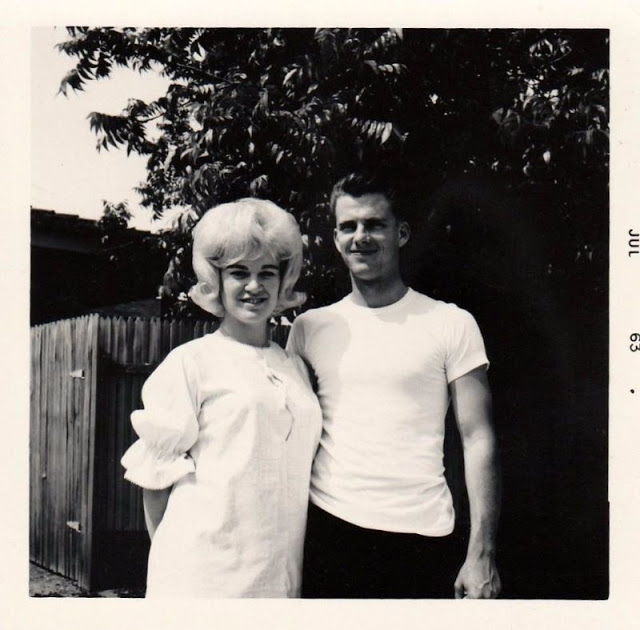
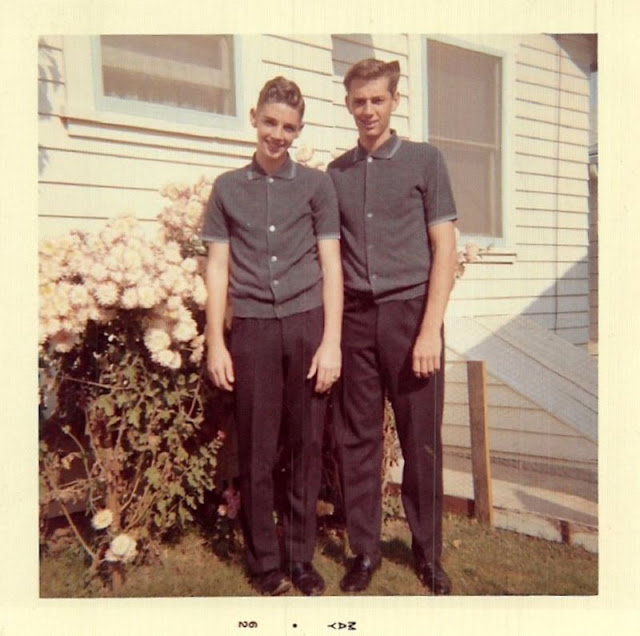
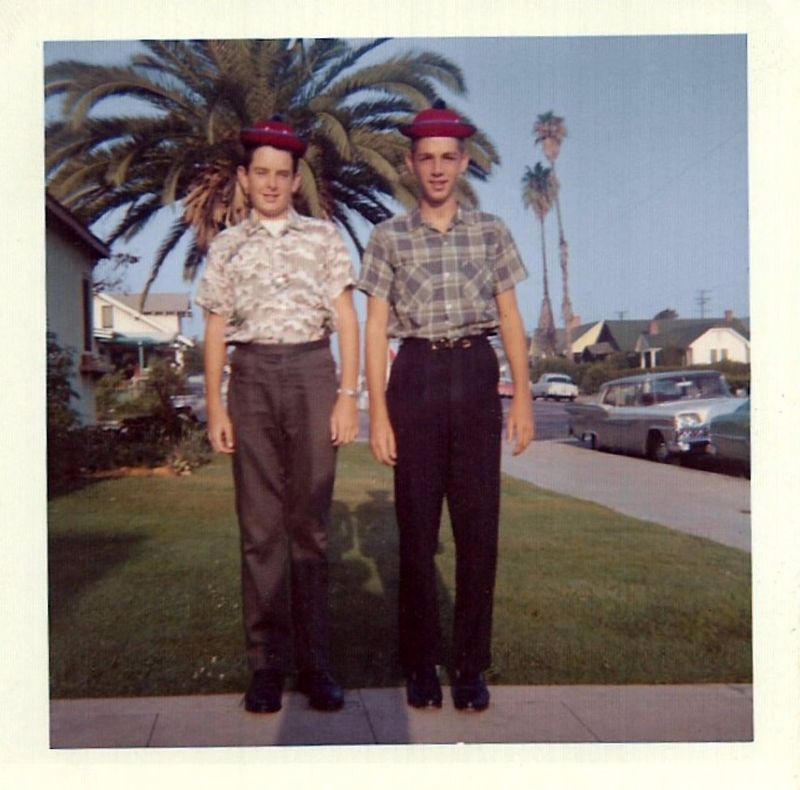
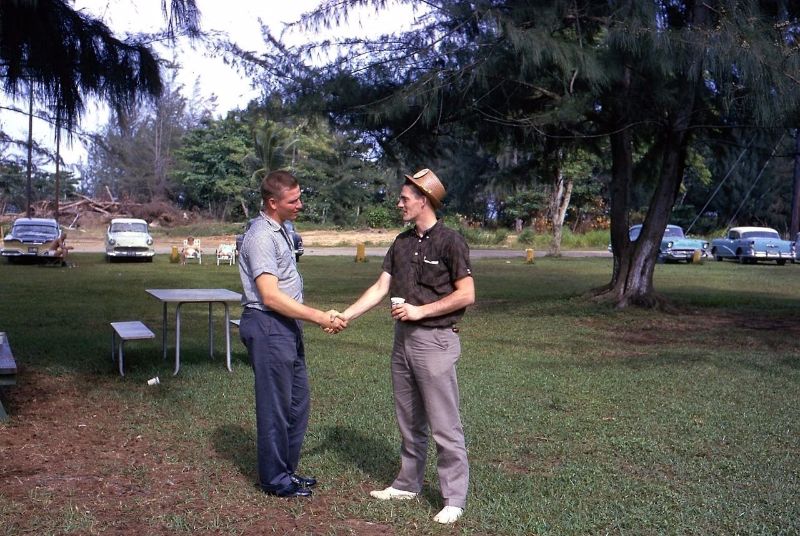
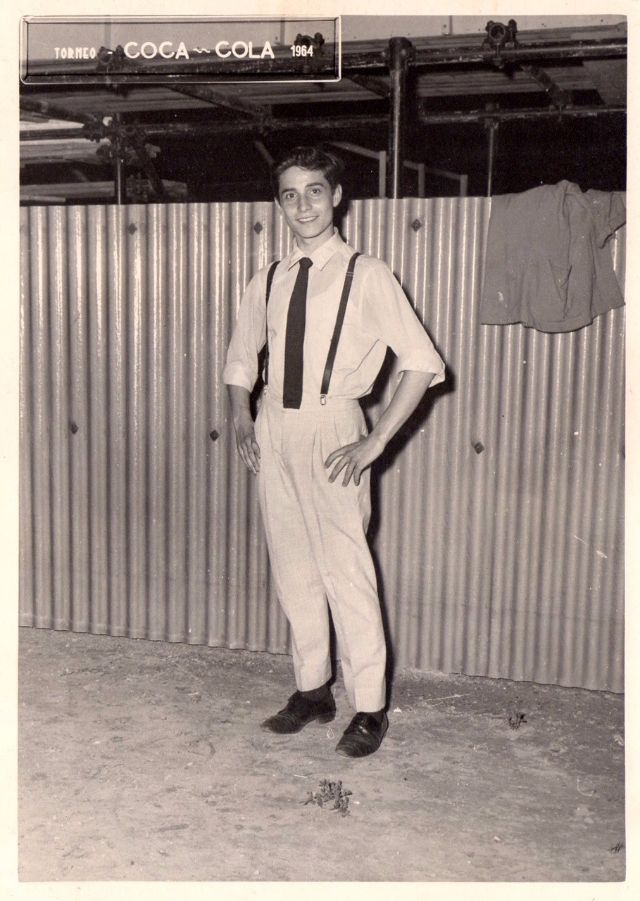
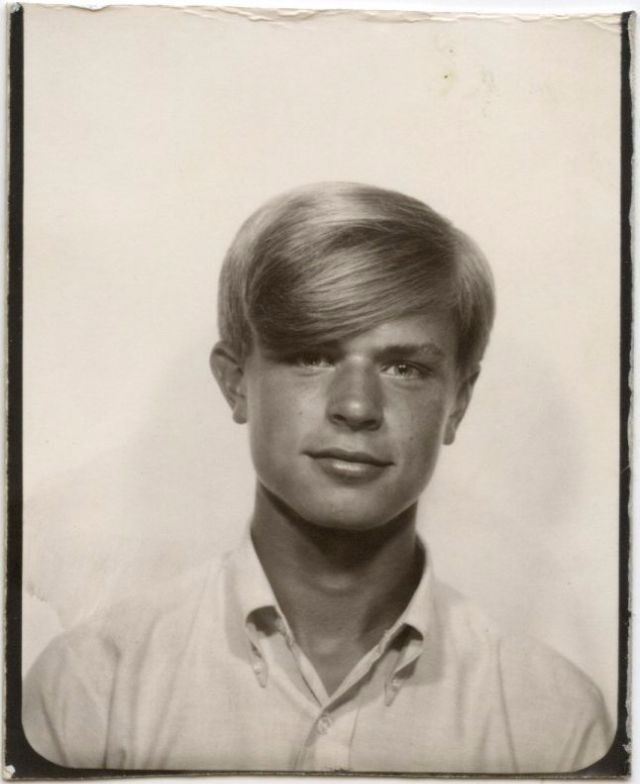
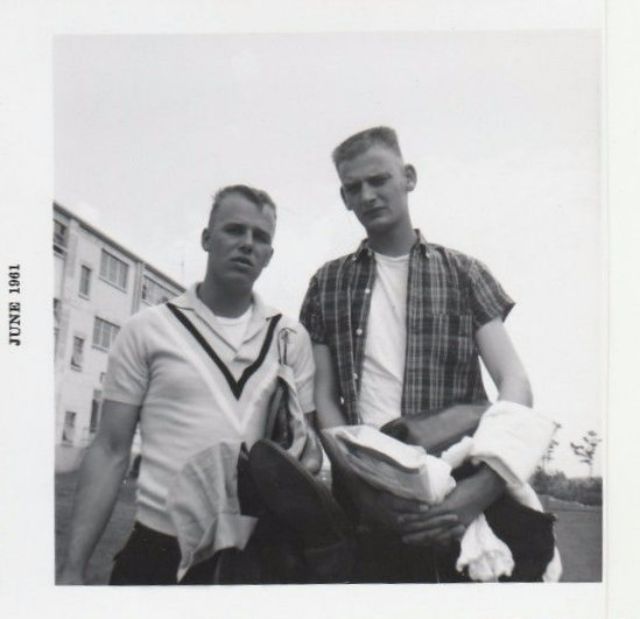
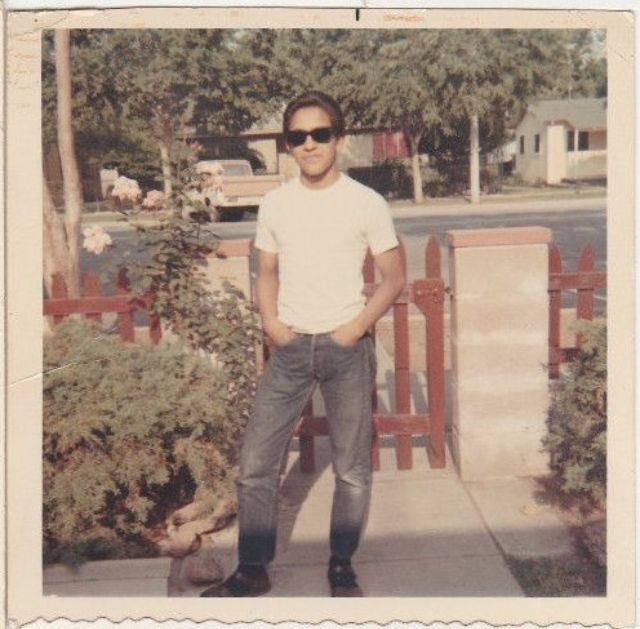
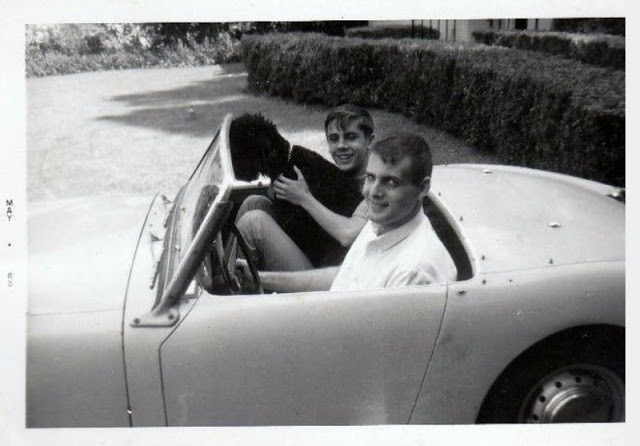
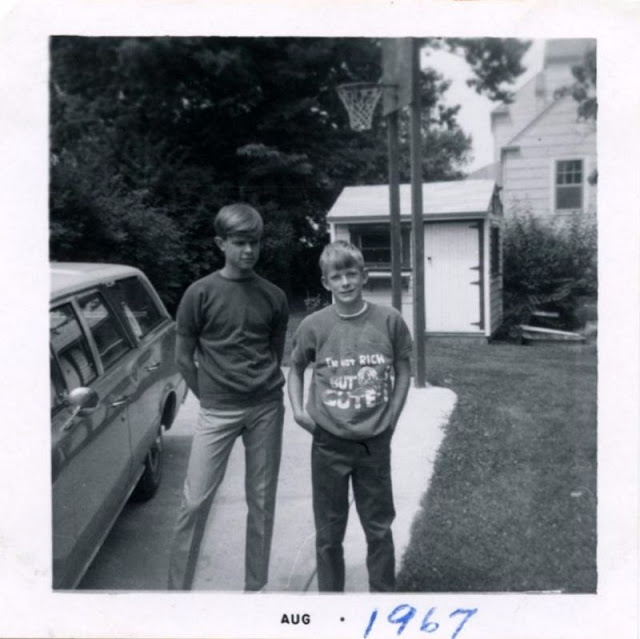
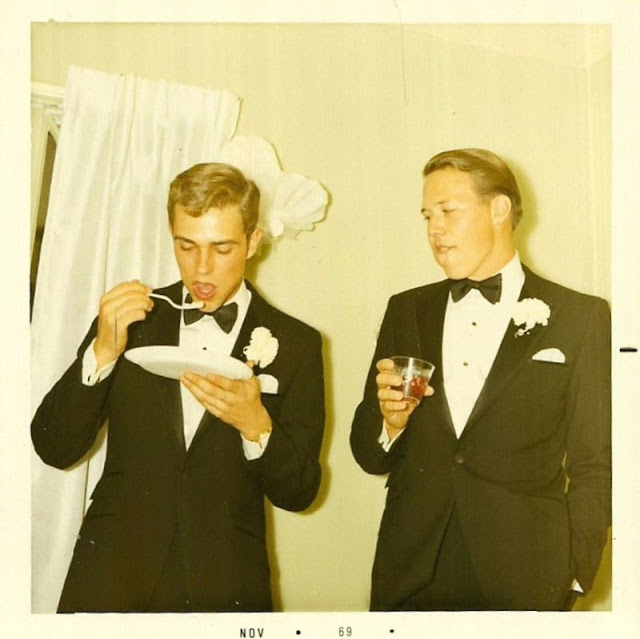
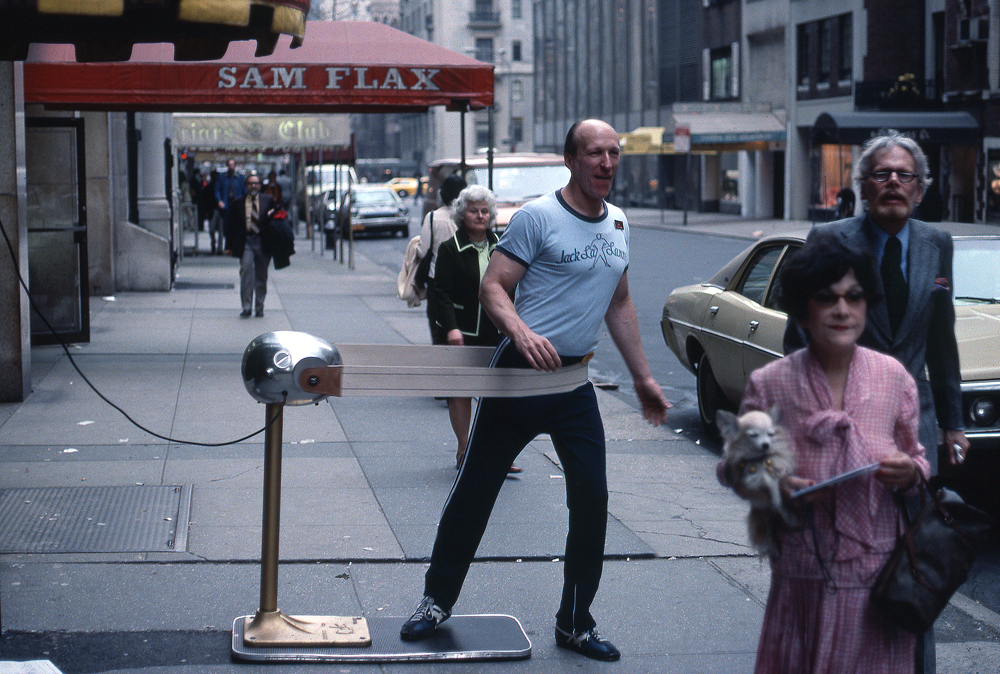
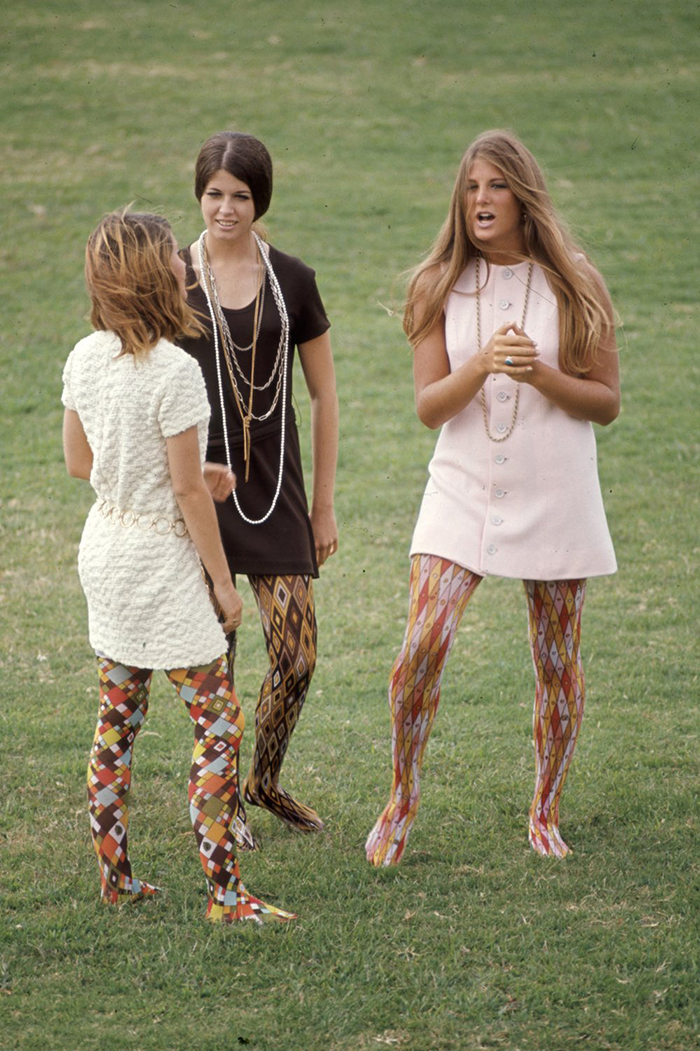
1960s fashion for men was not as revolutionary as it was for women but there was a lot of change. Ties, belts and lapels got wider, collars got longer and wider and a modified version of the bell bottom called “flared” became popular.
Check out these snapshots to see how young men’s fashion looked like in the 1960s.
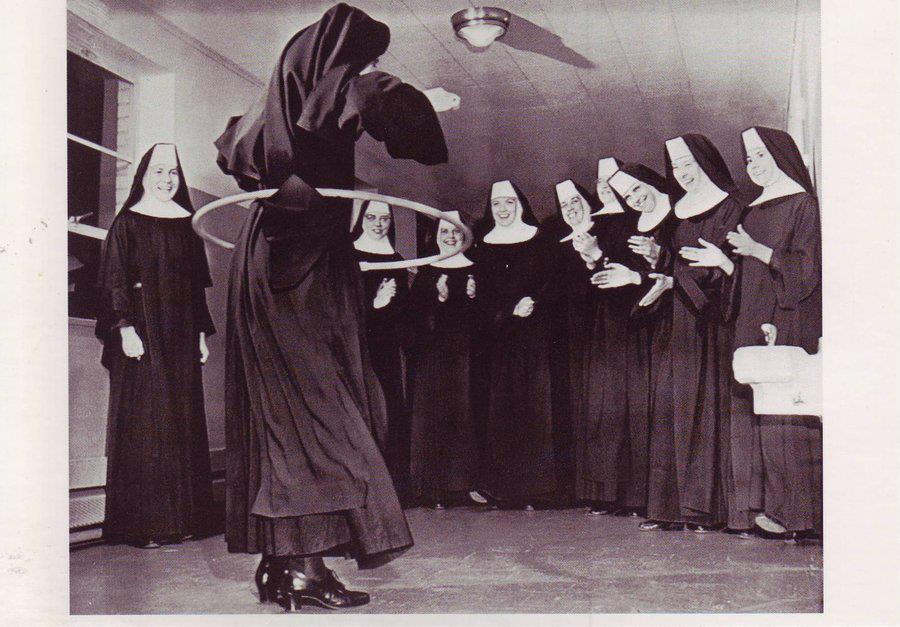
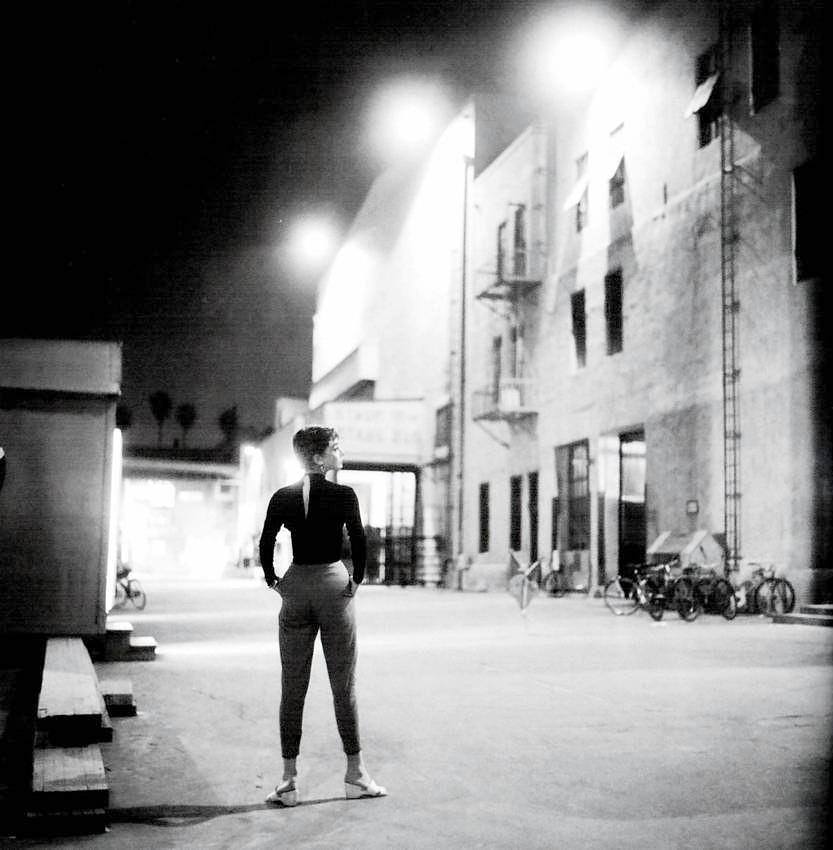
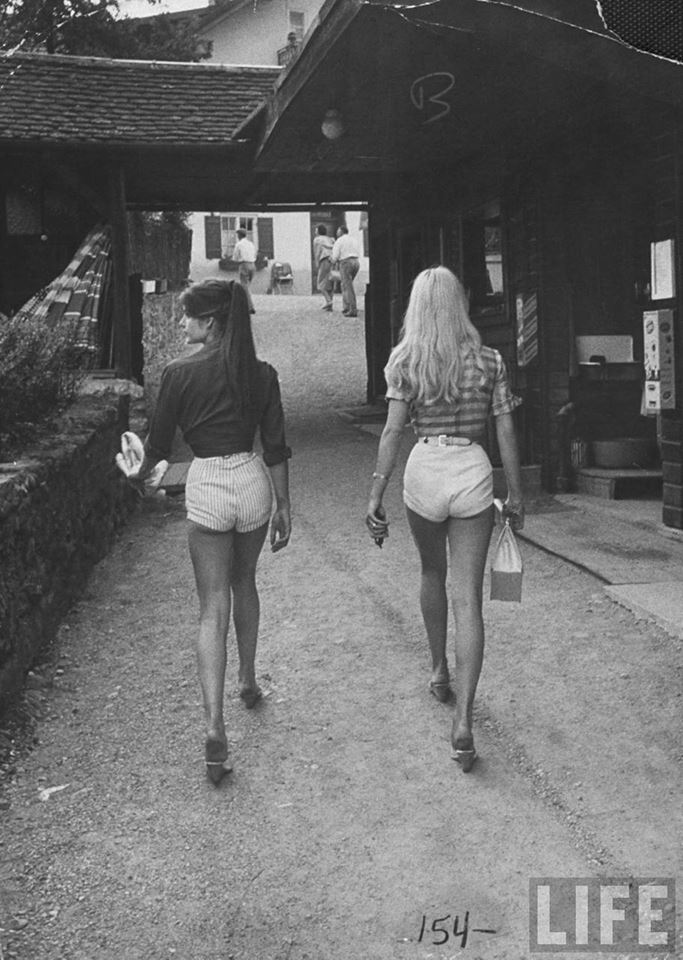
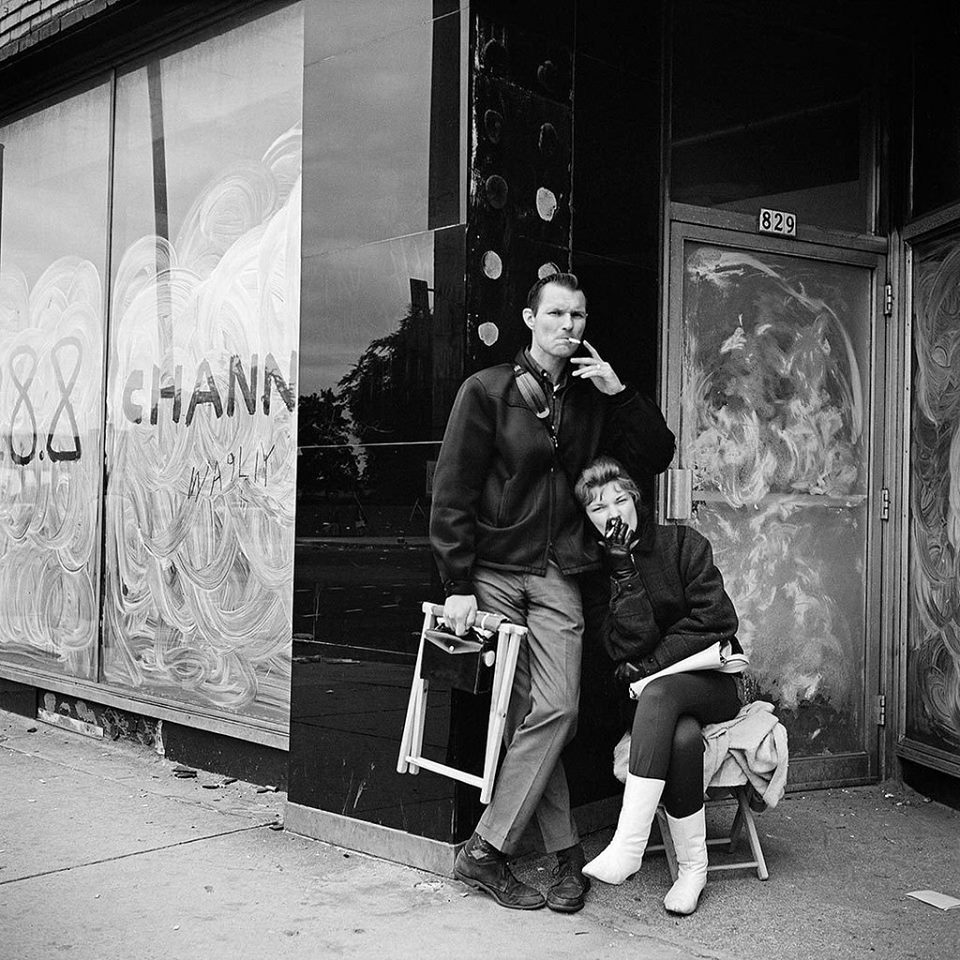
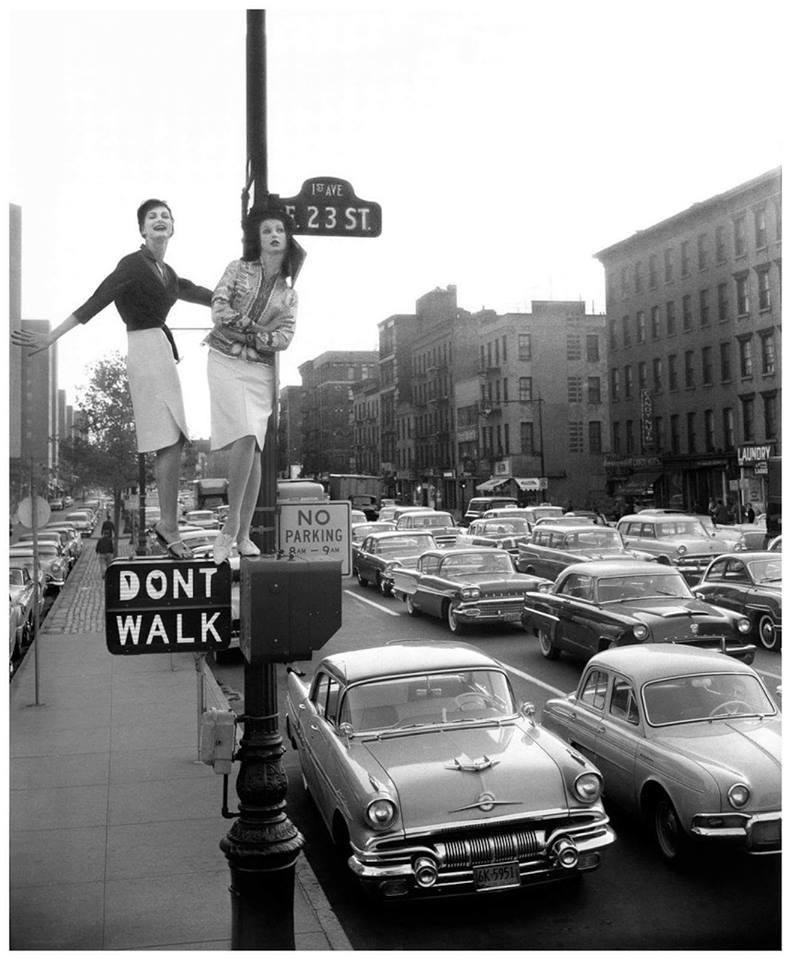
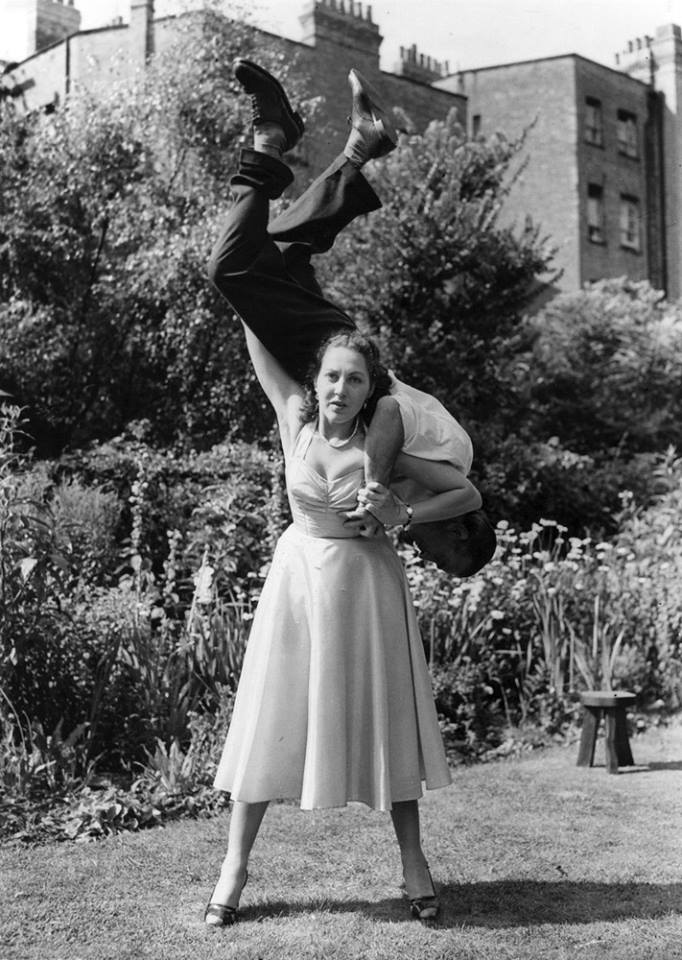
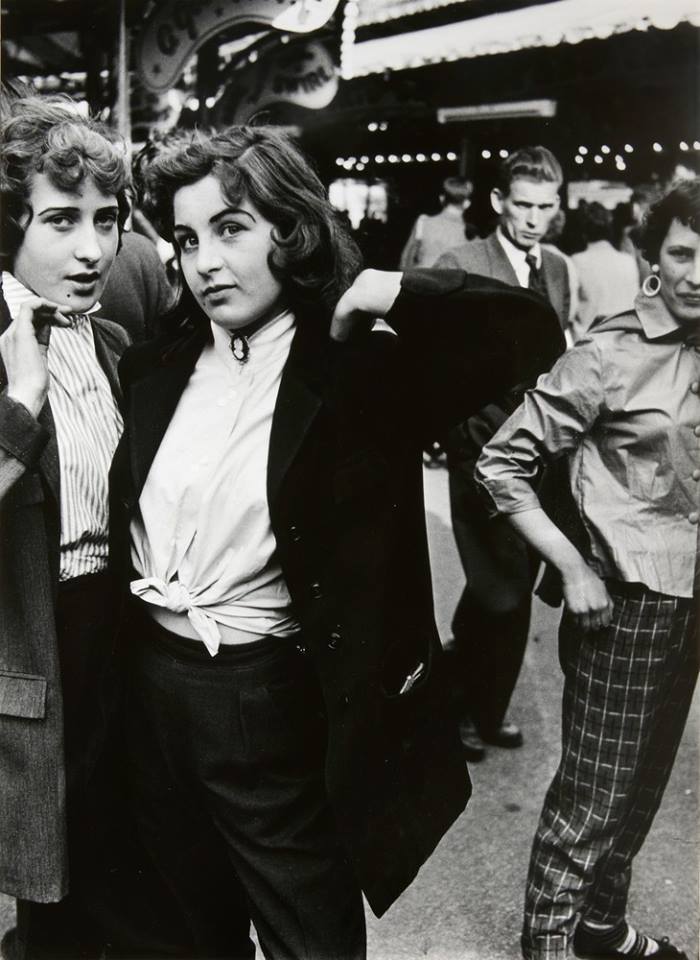
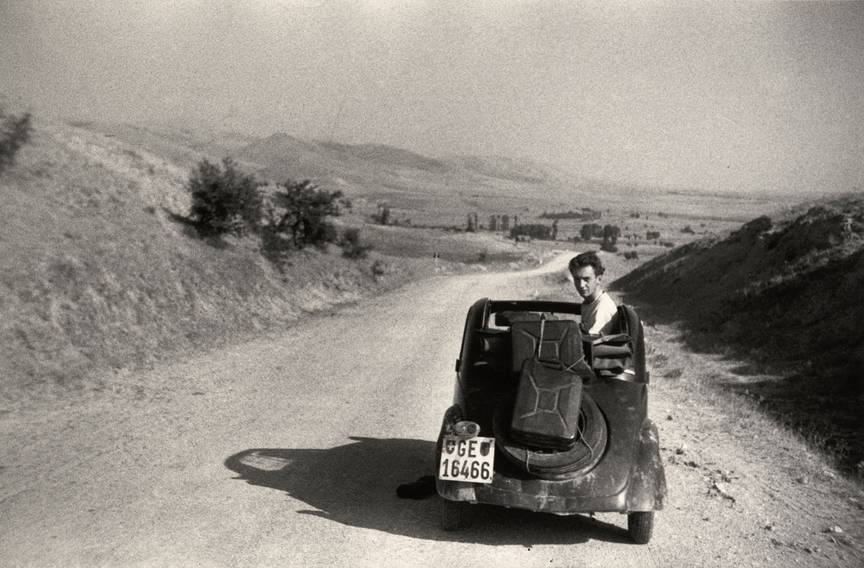
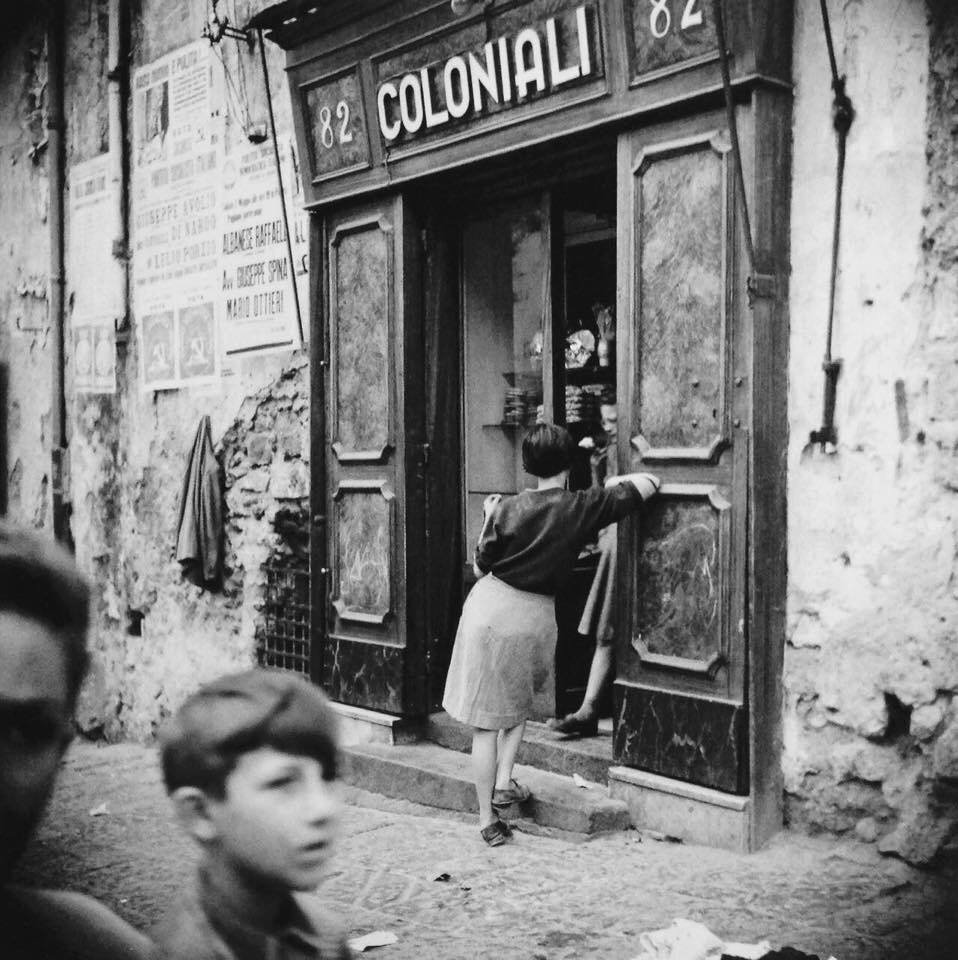
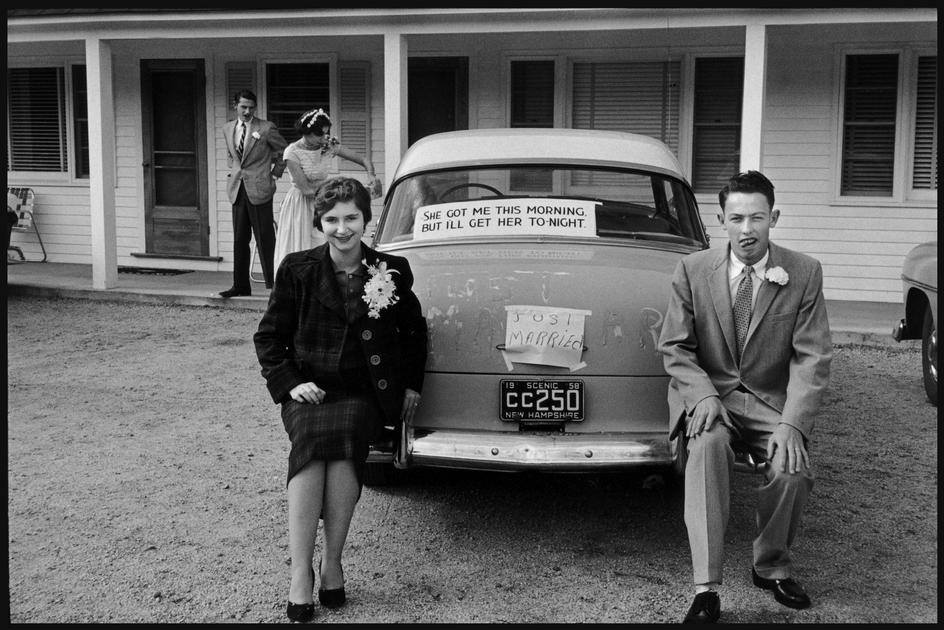
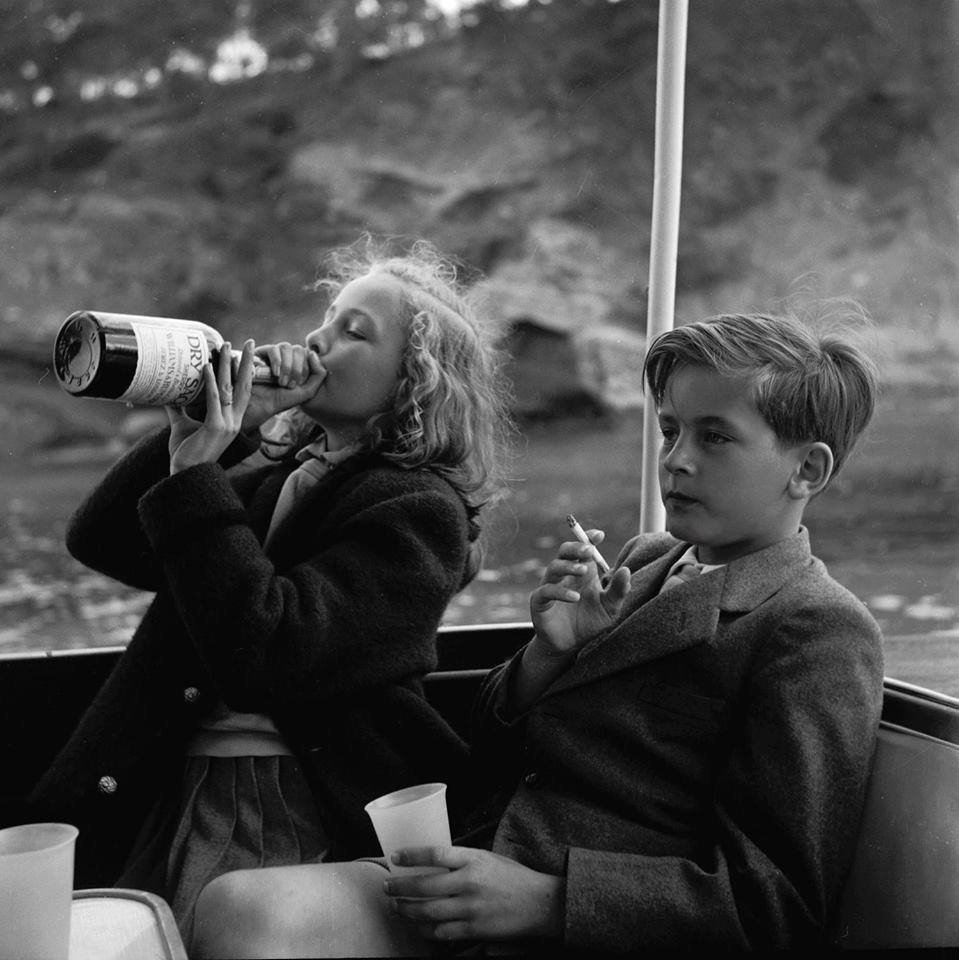
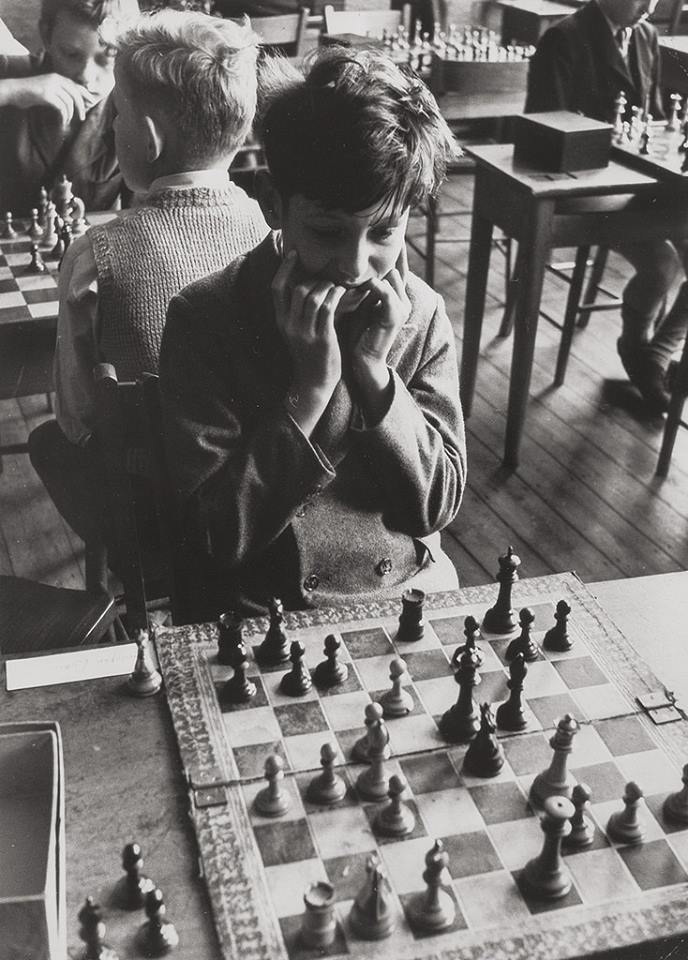
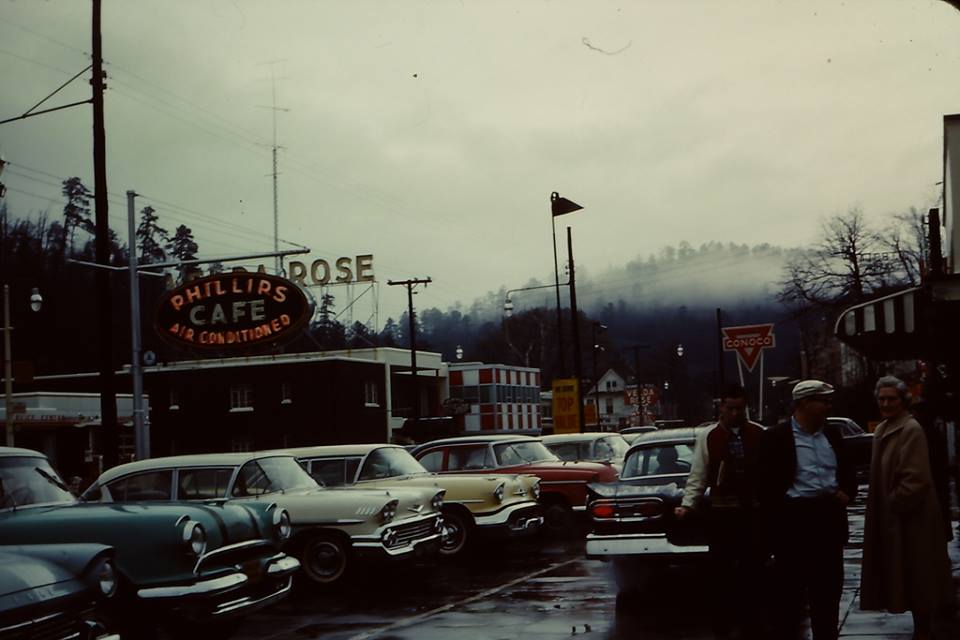
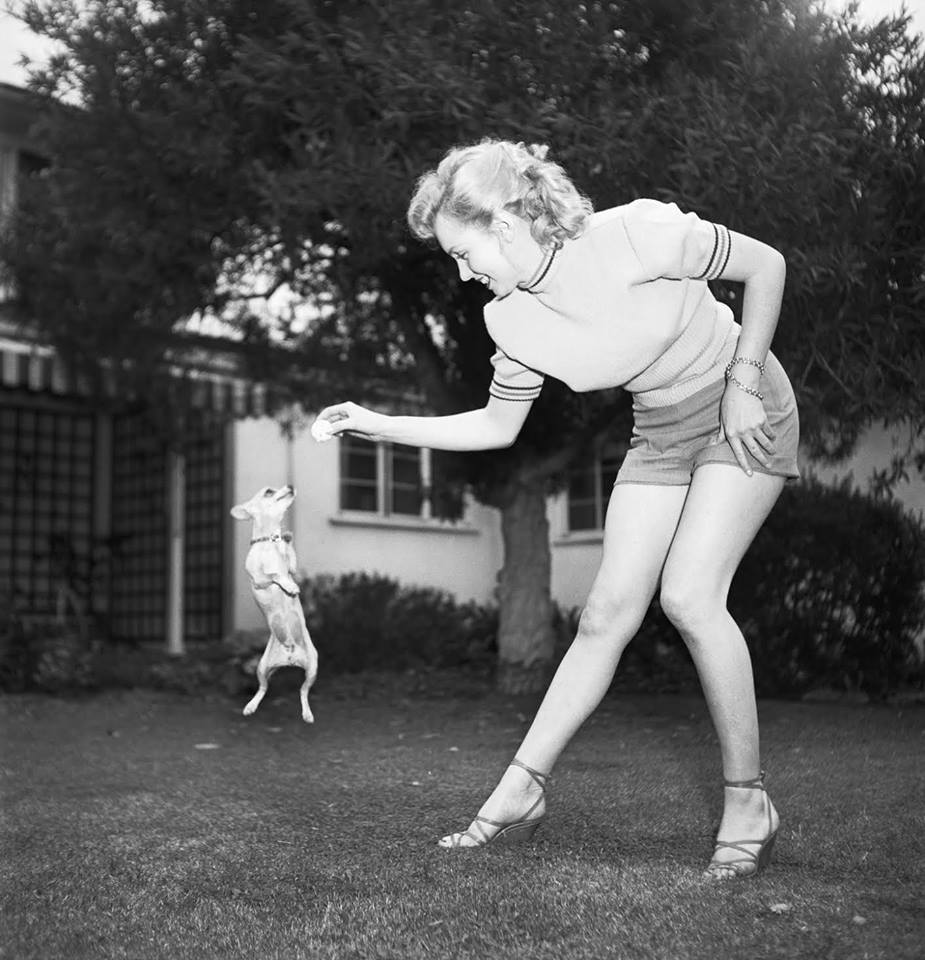
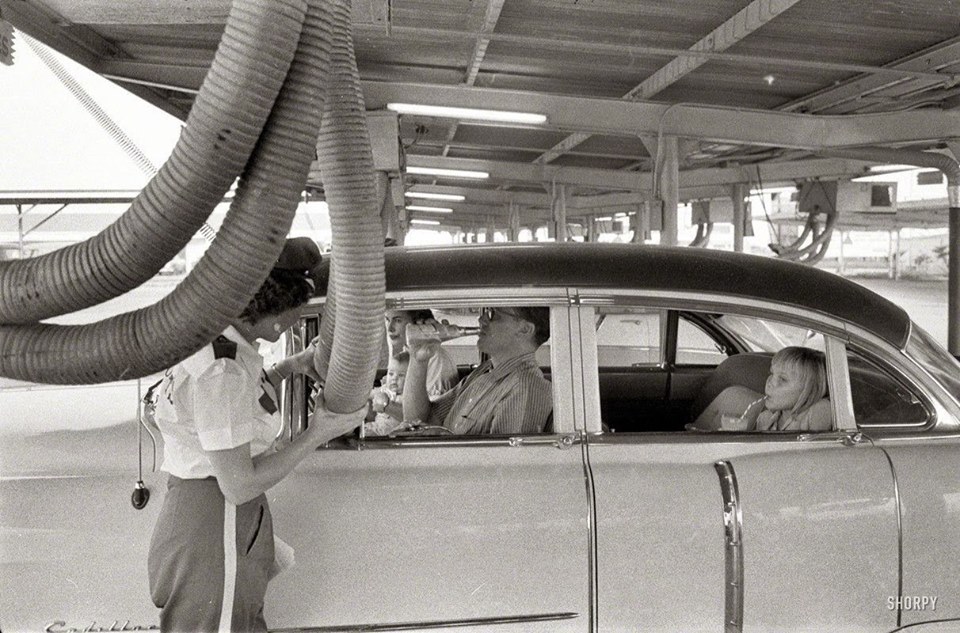
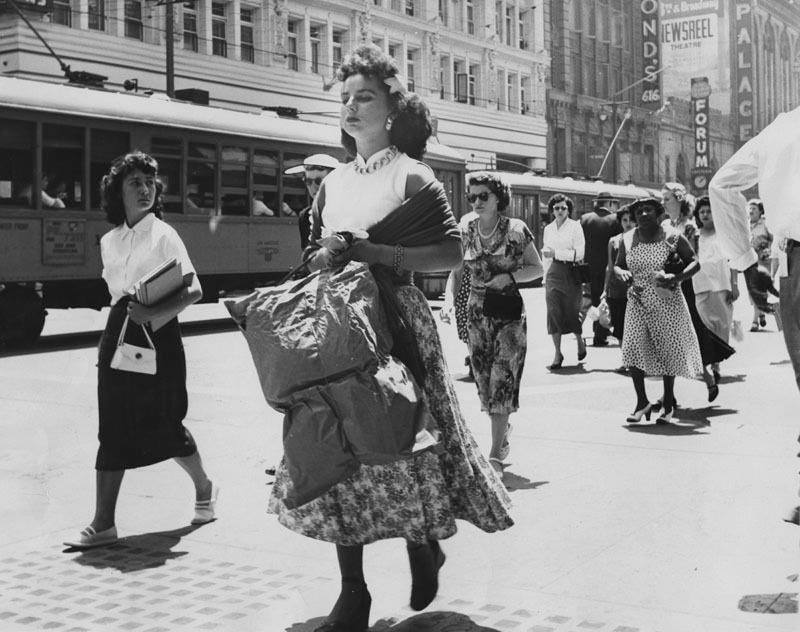
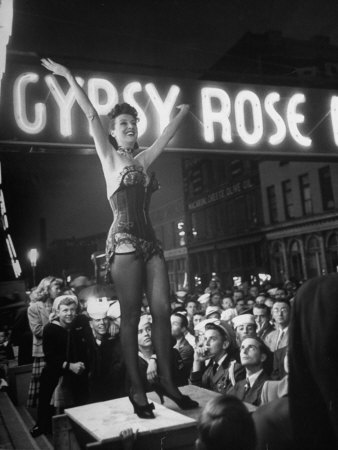
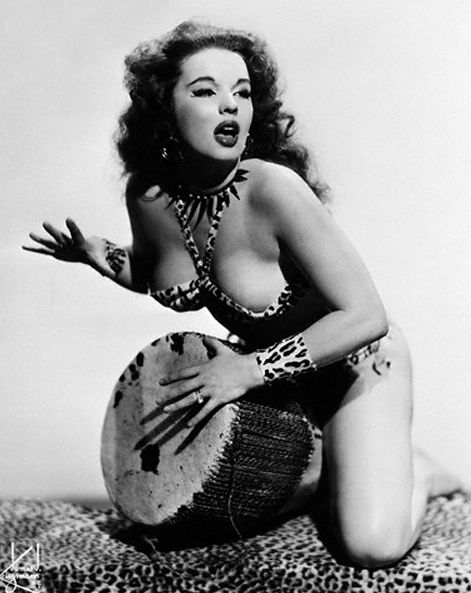
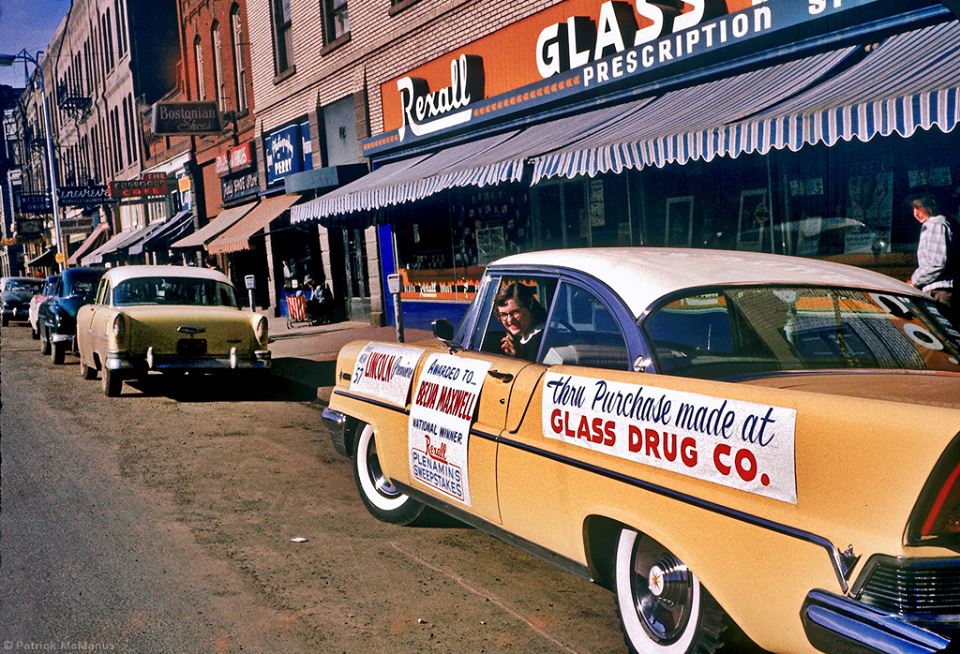
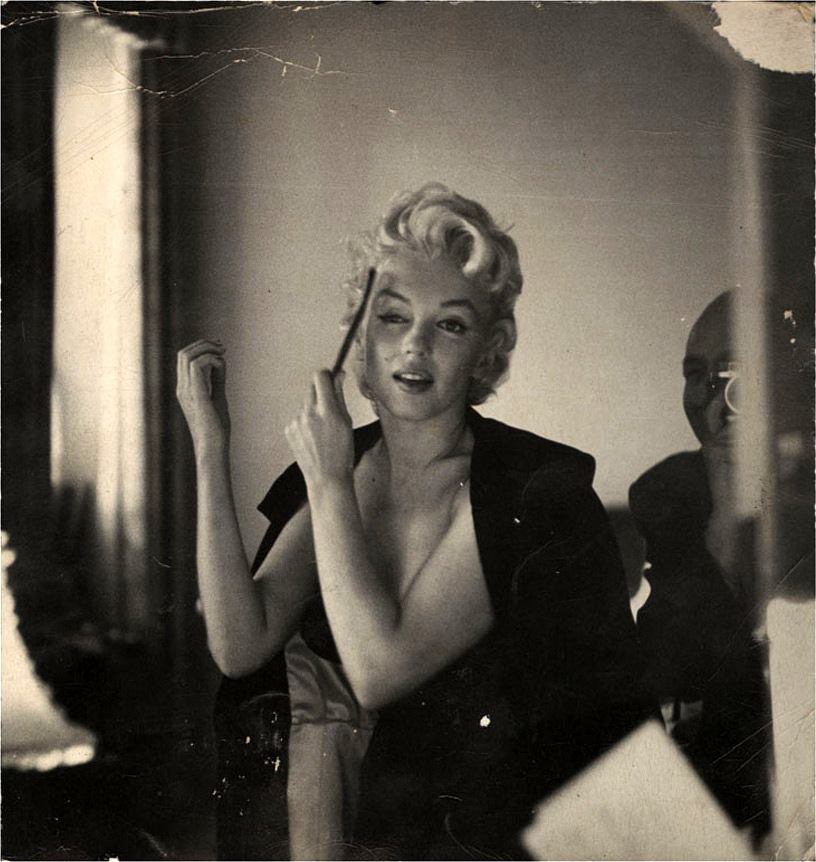
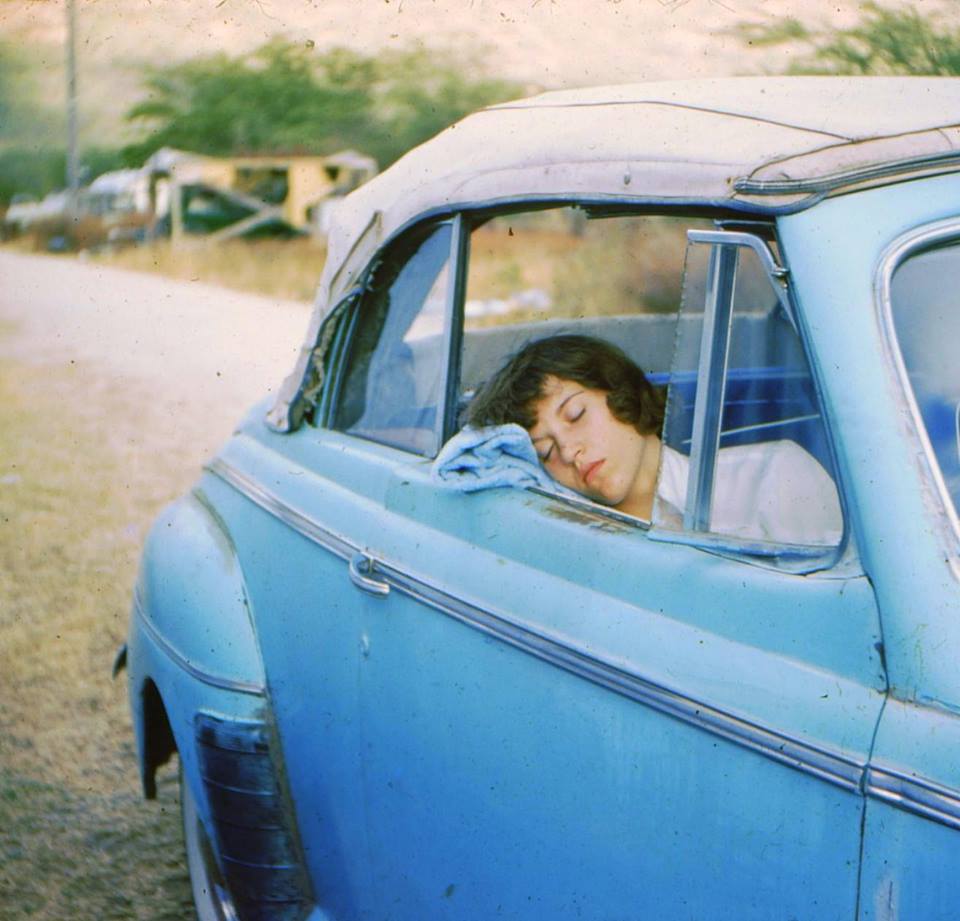
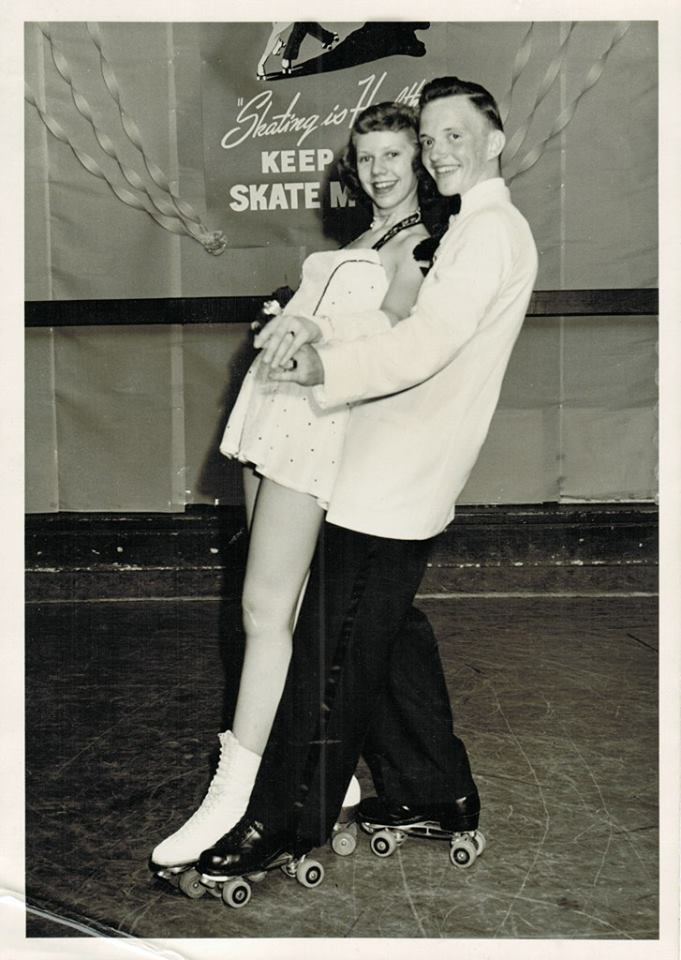
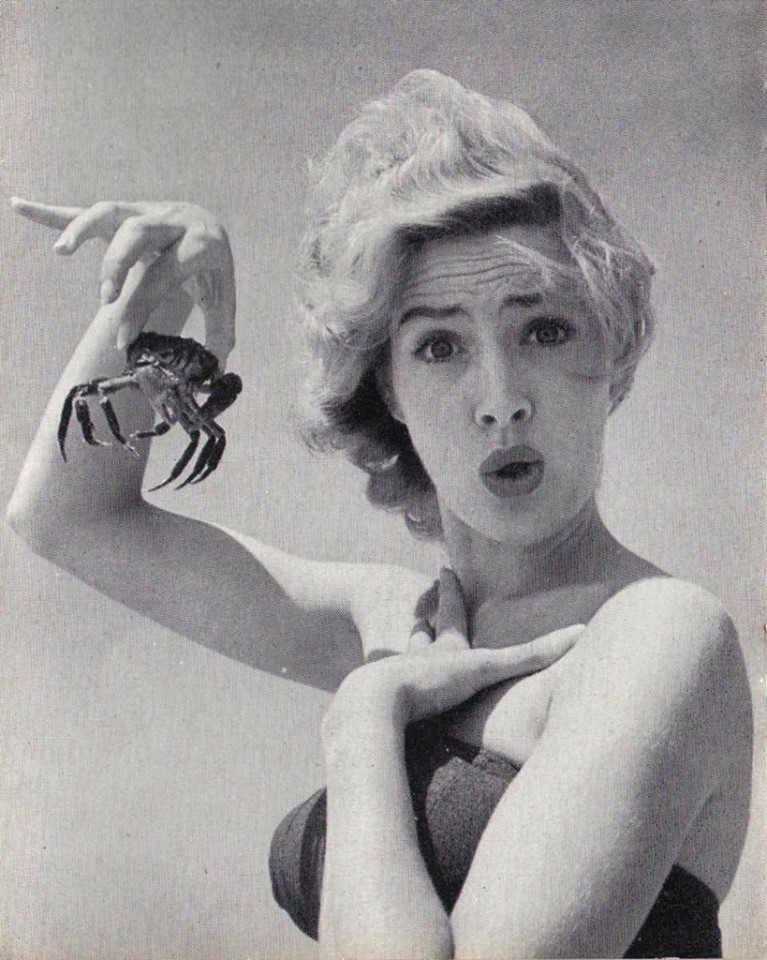
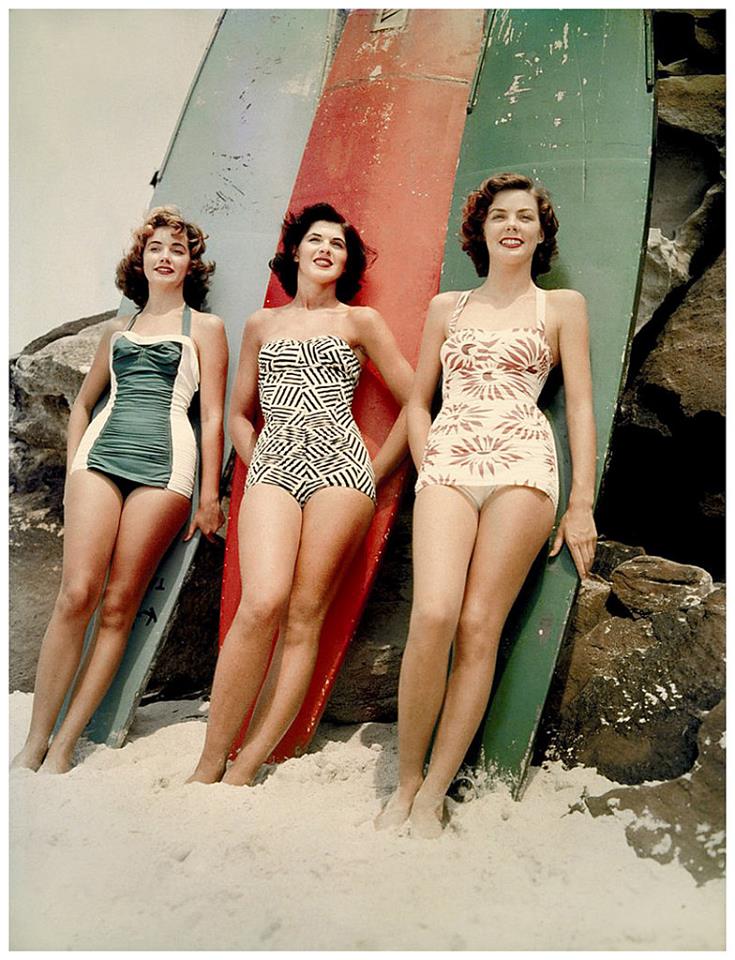
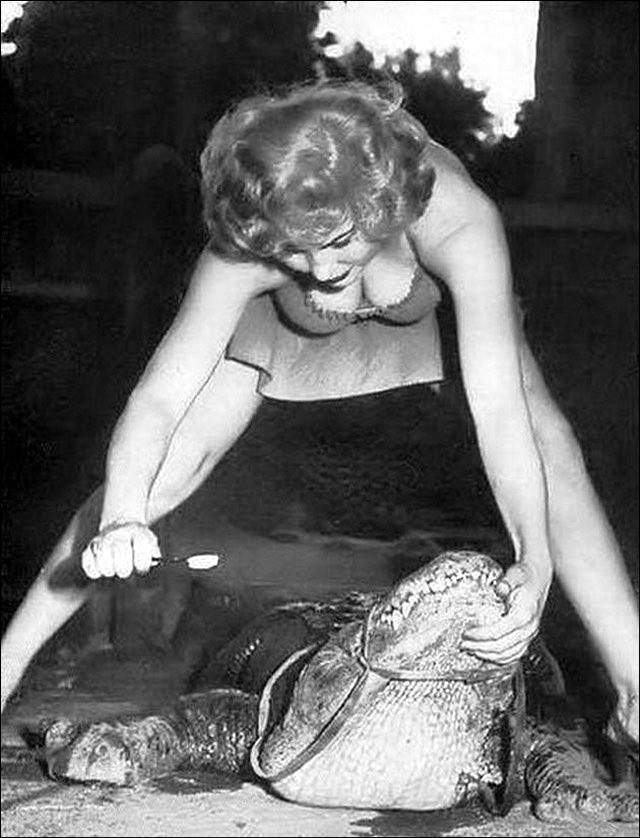
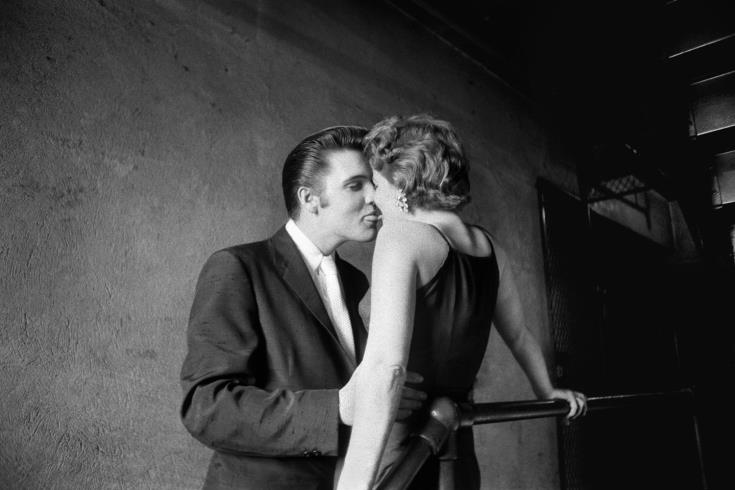
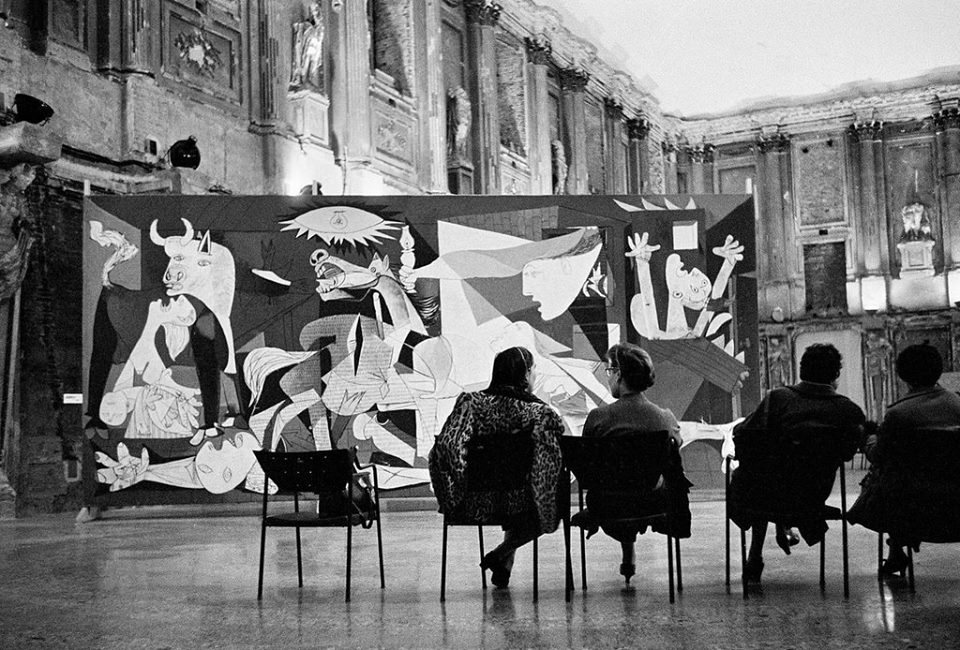
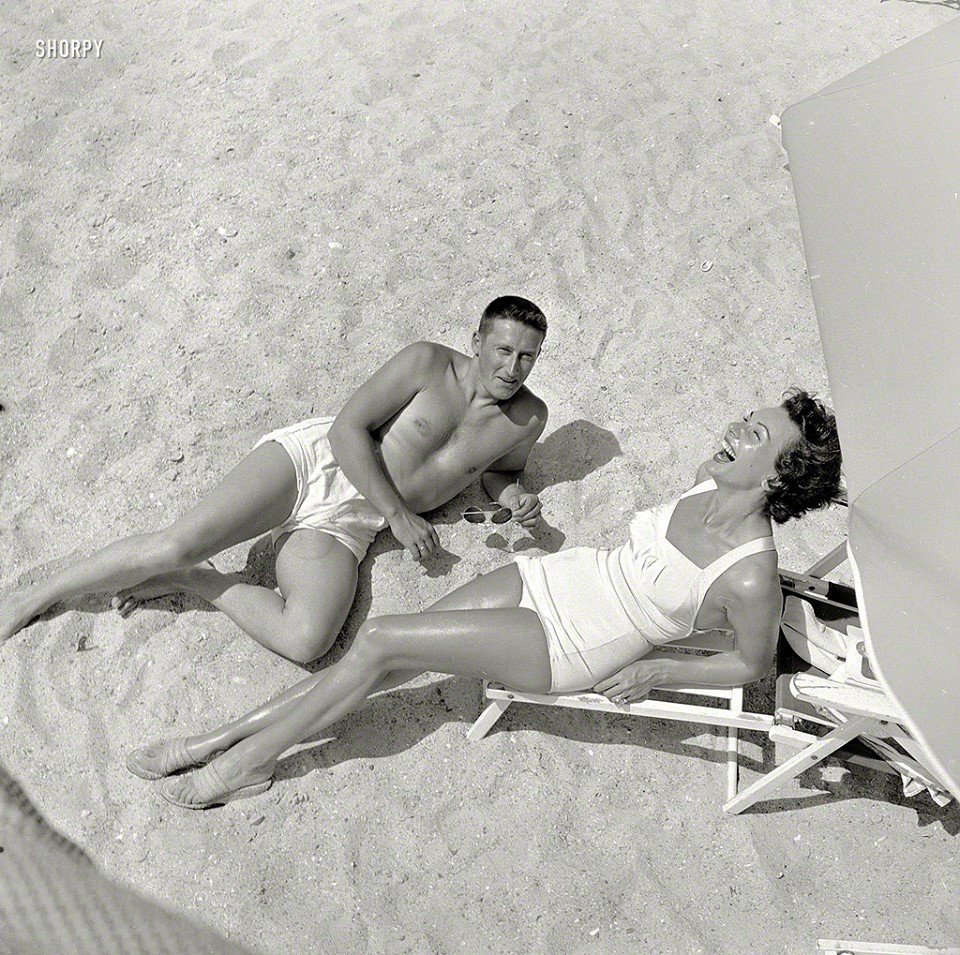
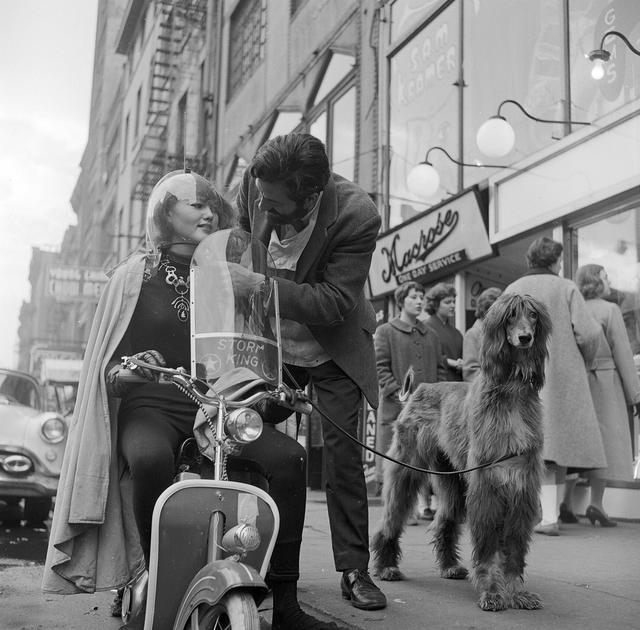
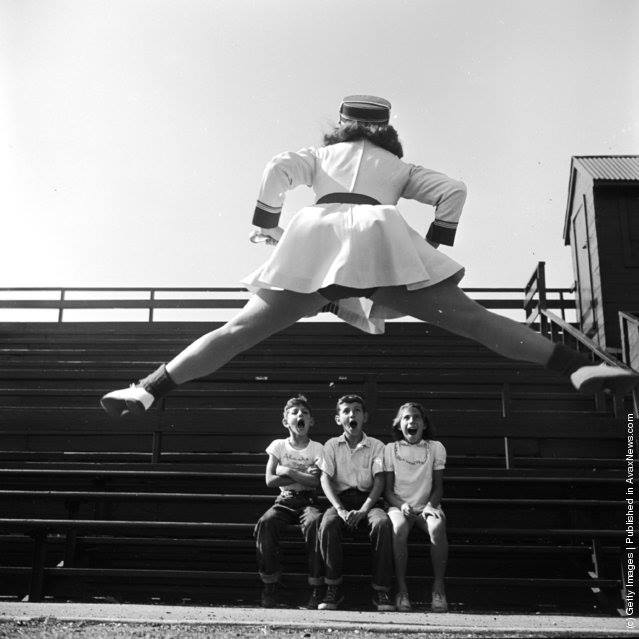
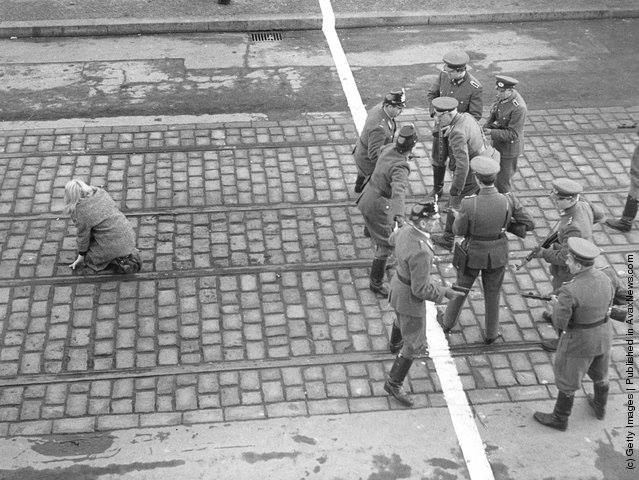
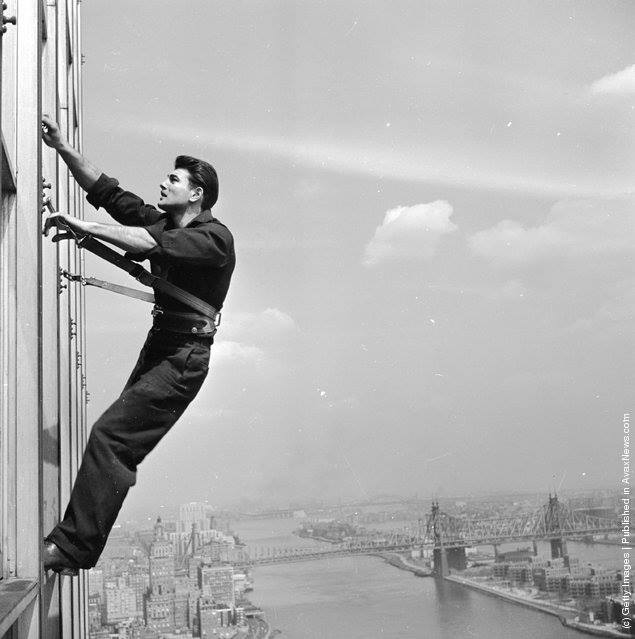
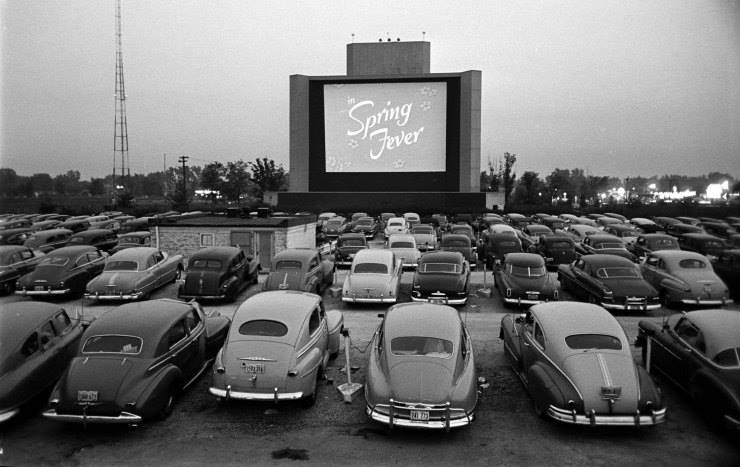
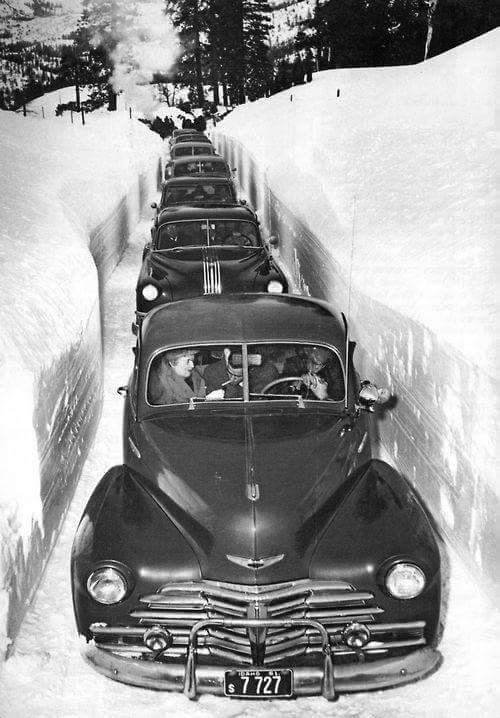
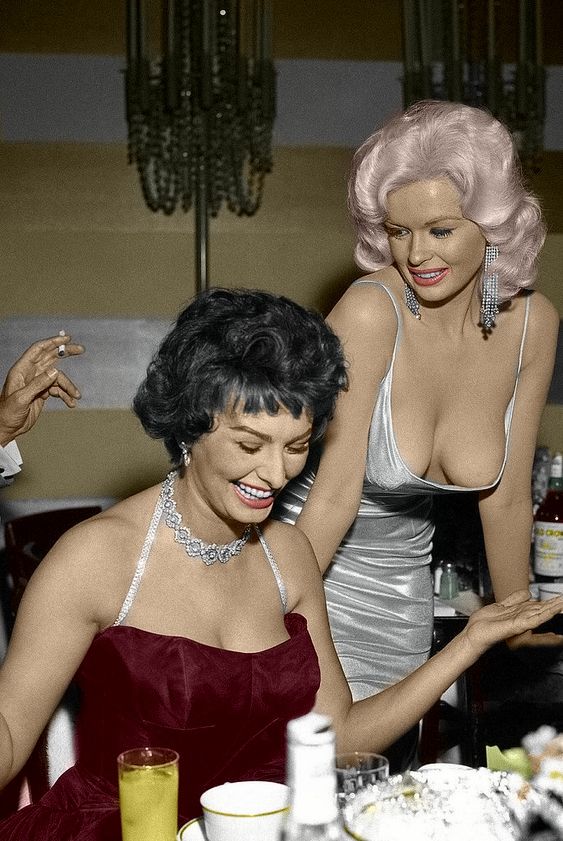
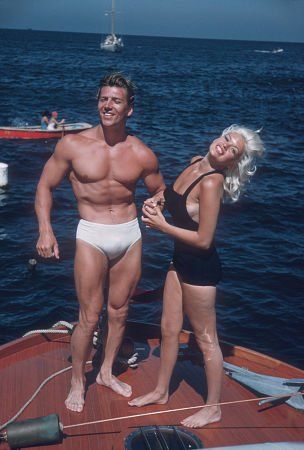
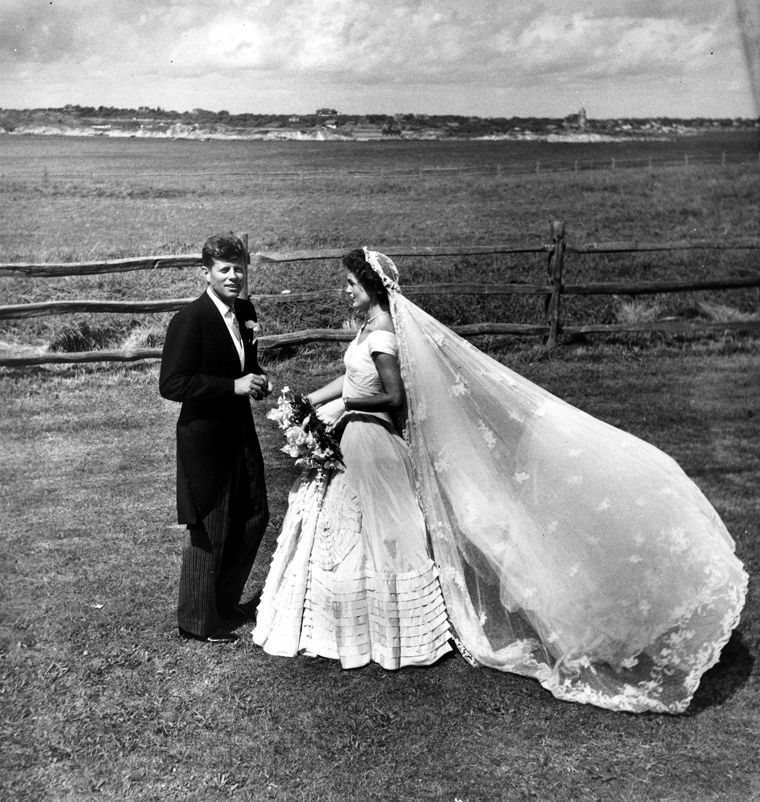
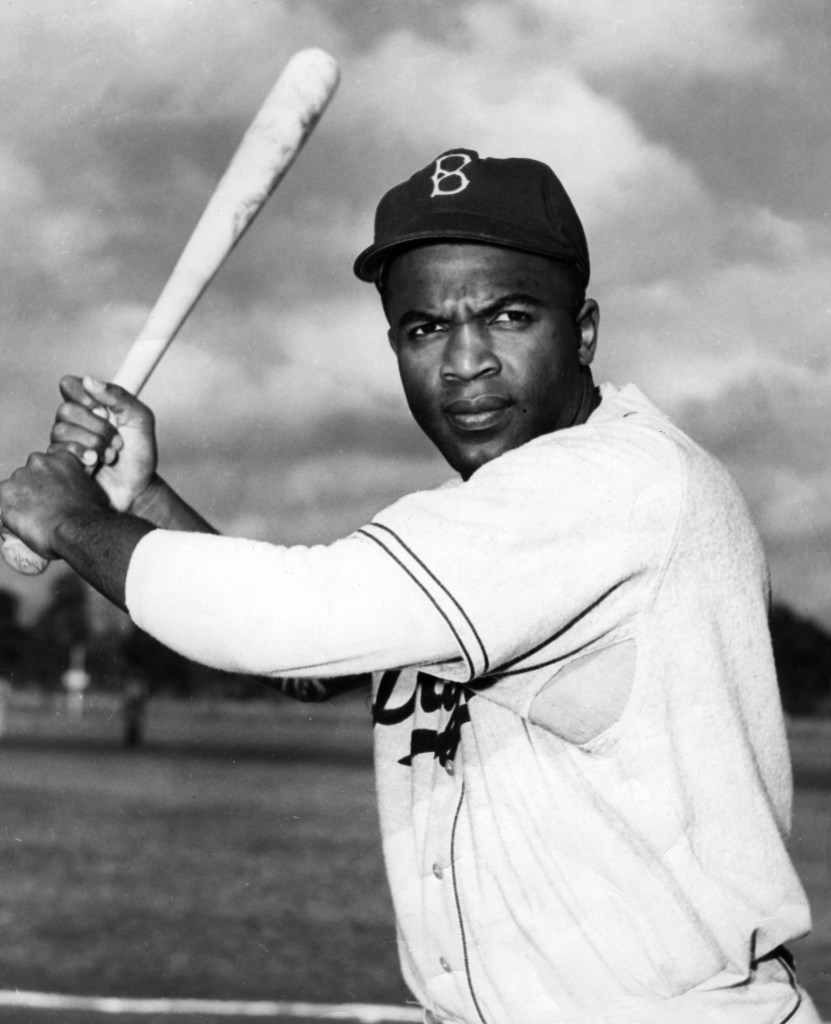
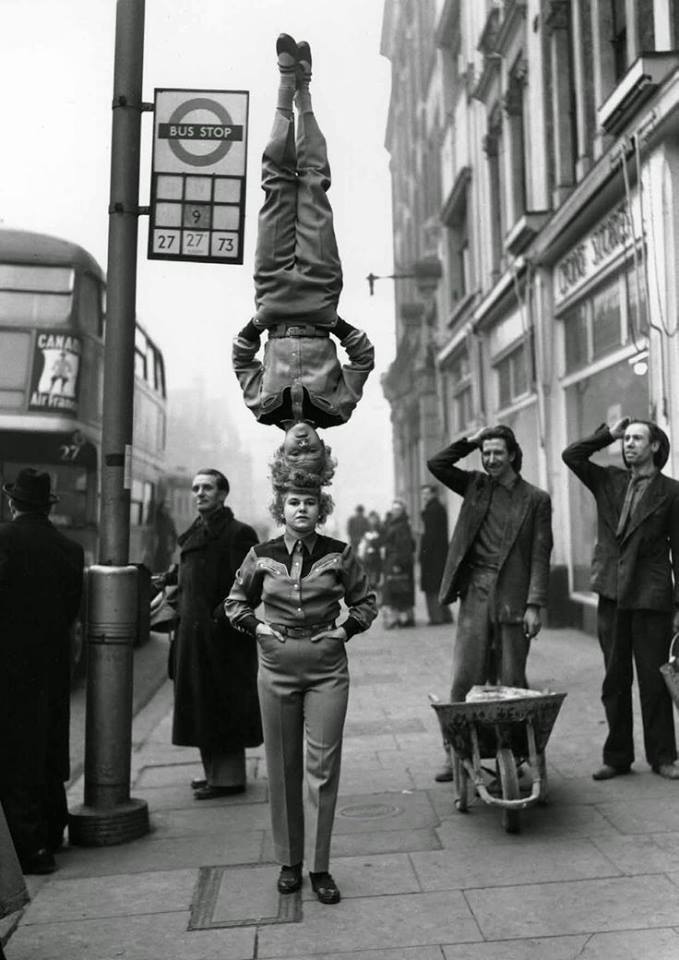
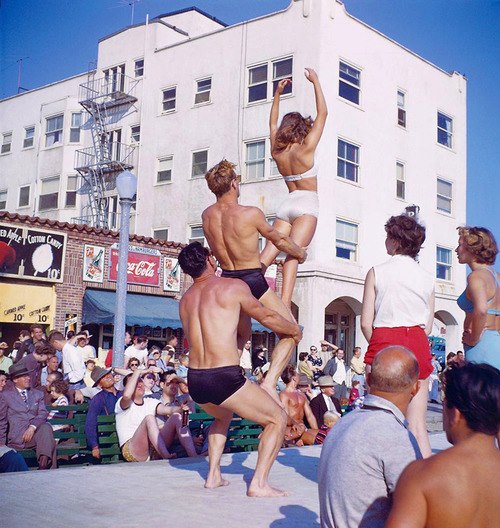
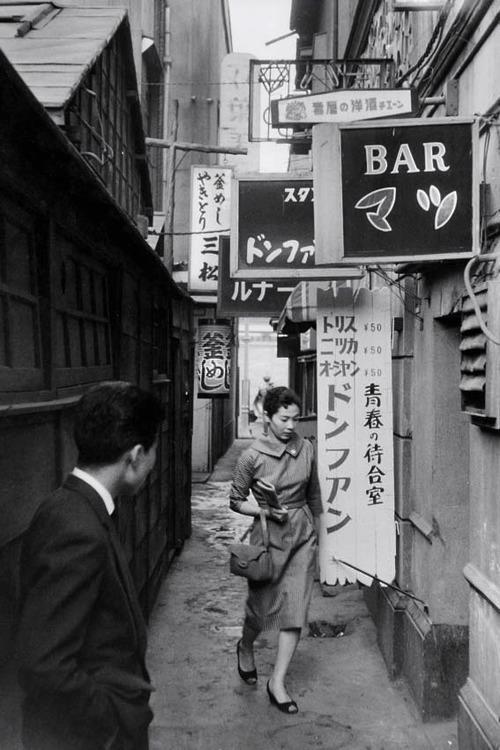
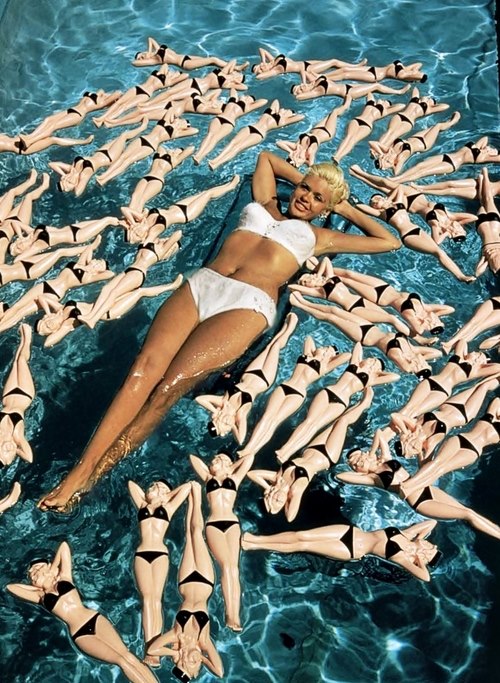
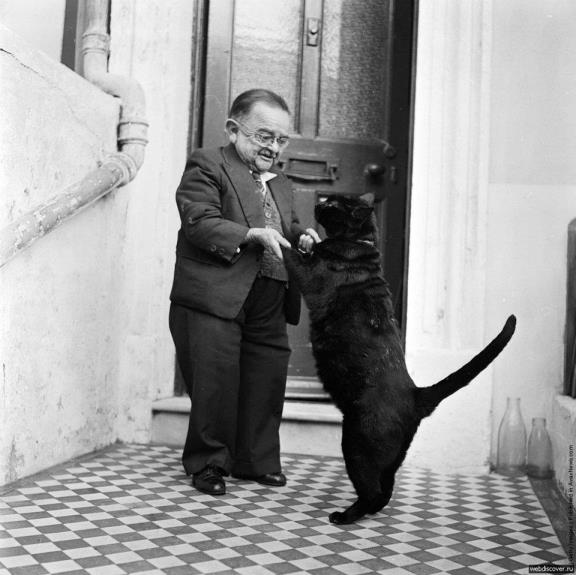
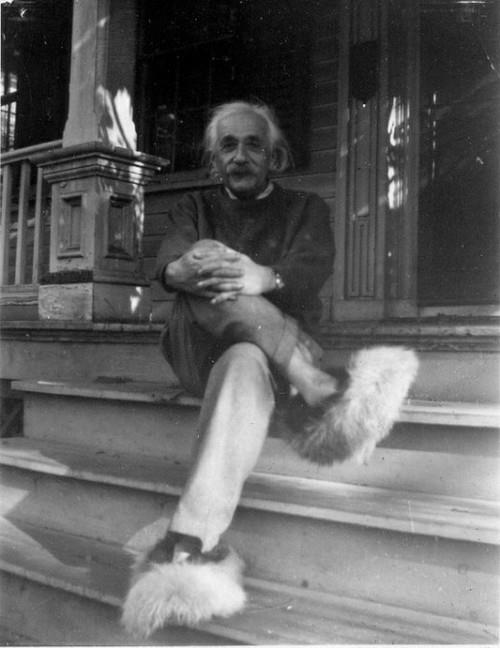
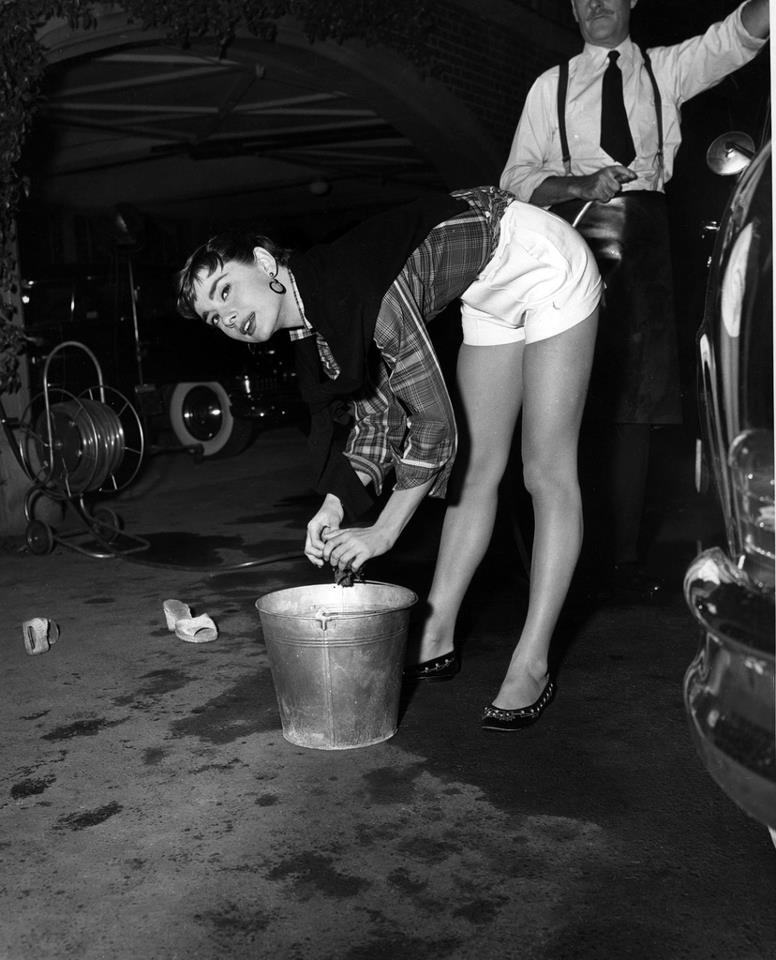
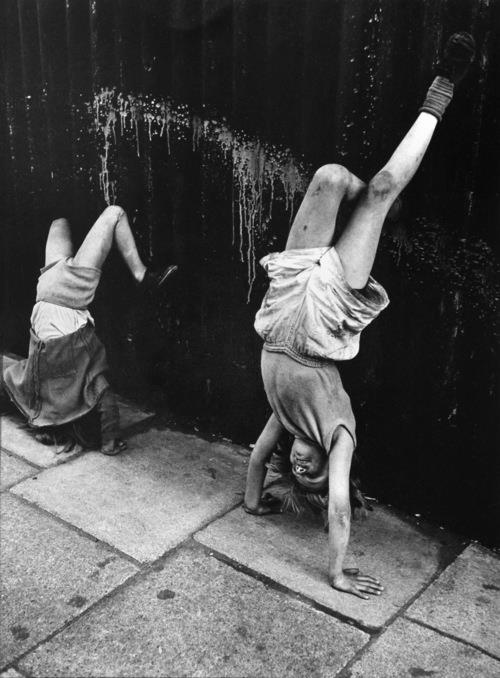
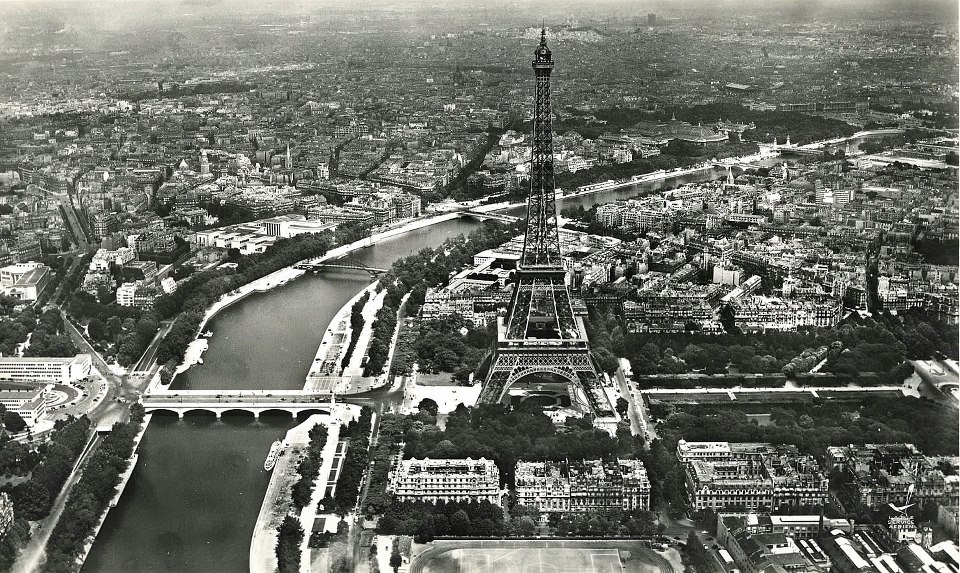
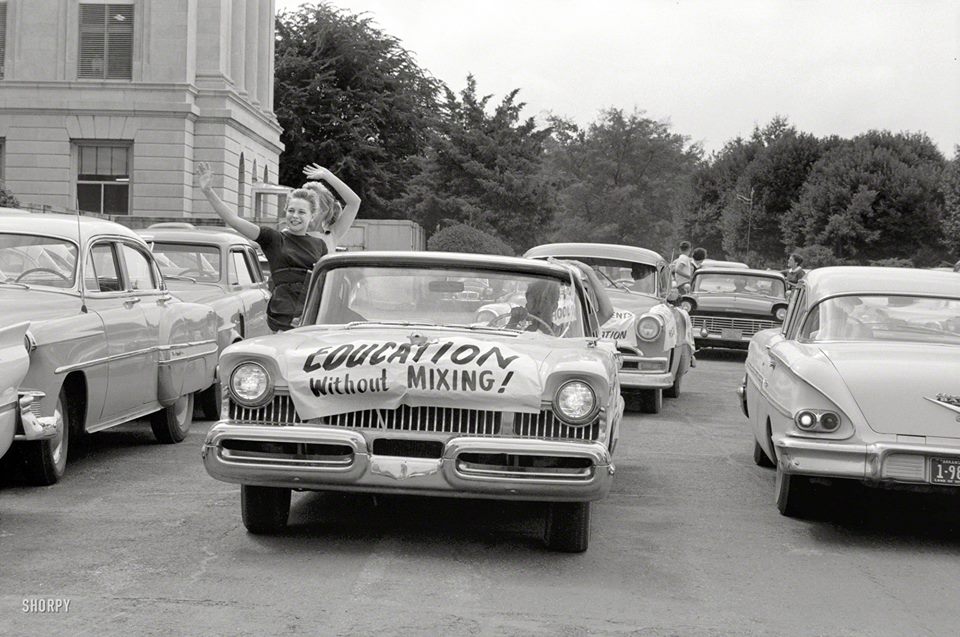
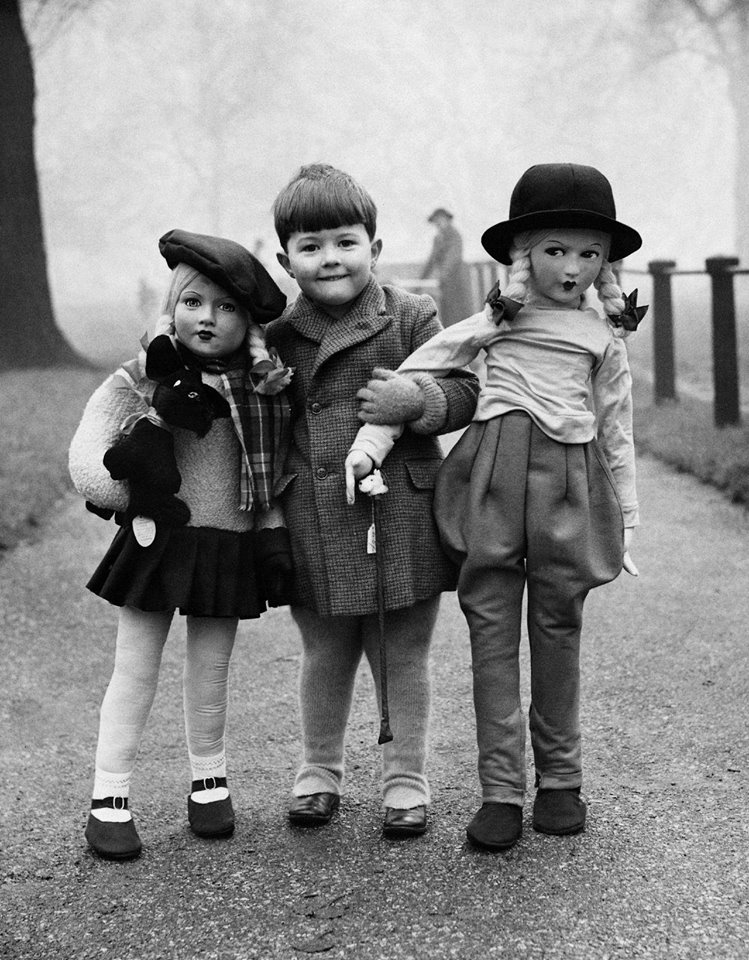
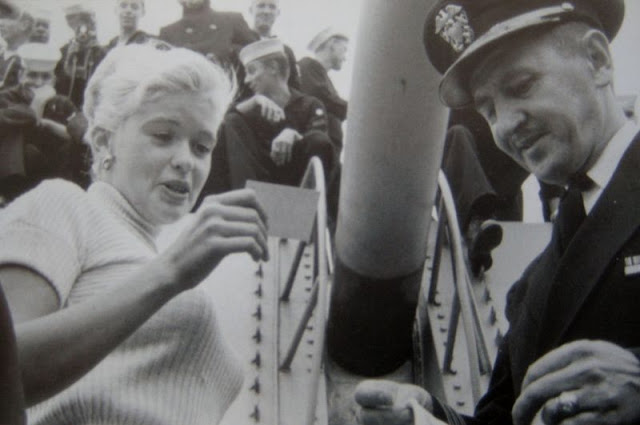
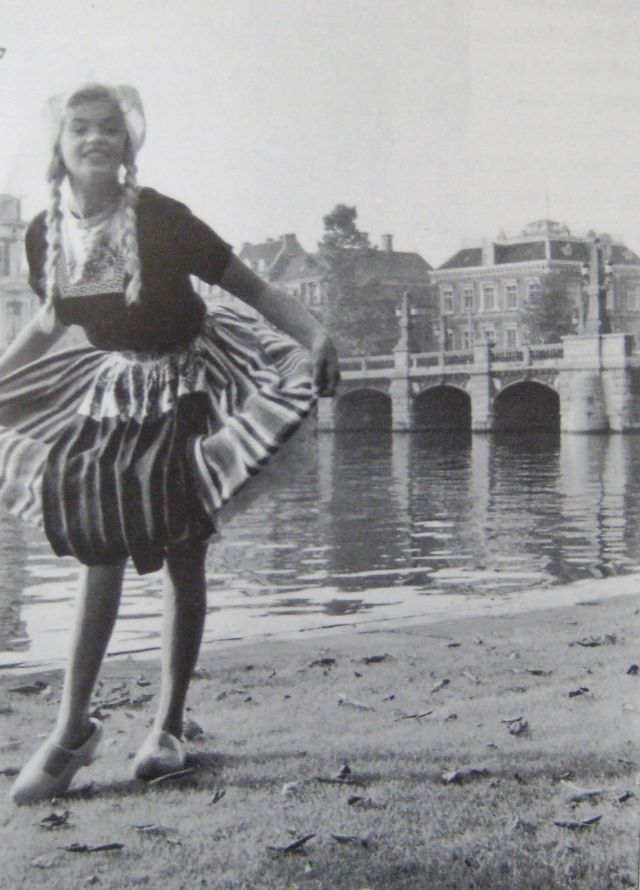
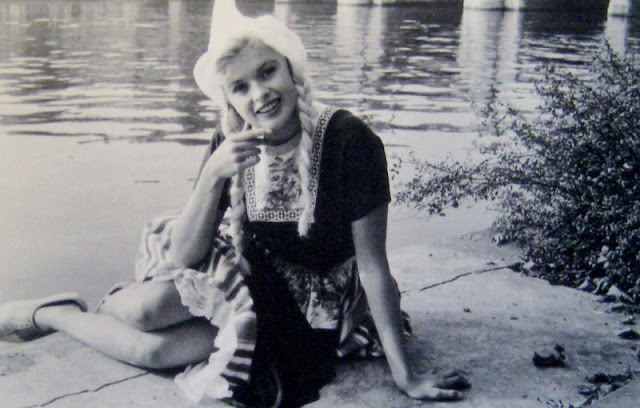
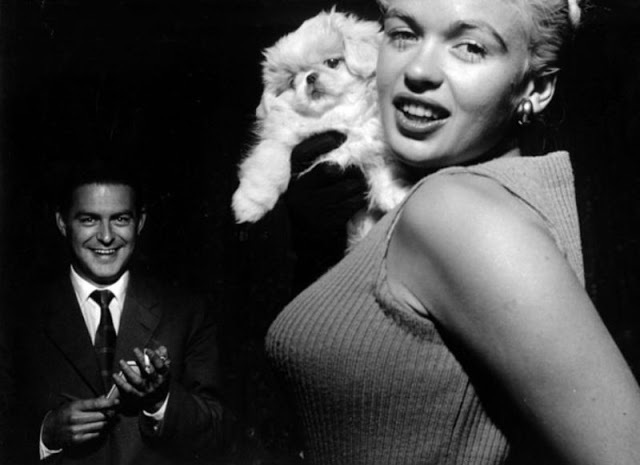
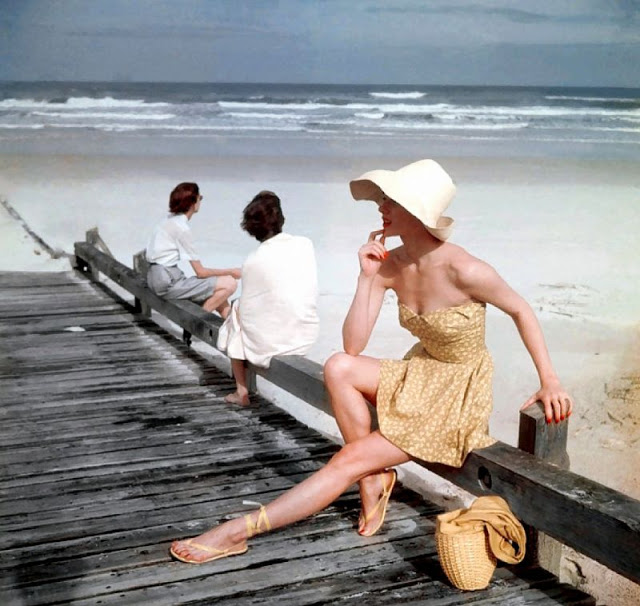
Audrey Hepburn on the Paramount lot during the filming of Sabrina, 1954.Jane Birkin and Brigitte Bardot in short shorts, 1950s.Man and Woman Smoking, NYC, 1959.Two models on a “Don’t Walk” sign, New York City, 1958Stuntwoman Connie Tilton, tough girl of British films, swings a man round on her shoulders. 18th August 1953.Teddy Girls, Battersea Fun Fair, 1956.Thierry Vernet on the road to Ankara, Turkey, 1953Ercolano, Italia, 1955.Just Married, New Hampshire, 1958.Princess Yvonne and Prince Alexander in Germany, 1955.Chess competition, London, 1956.Webb City, Missouri, 1950s.Marilyn Monroe with a chihuahua, 1950.A family at a drive-in restaurant having cool air piped into their car, 1957Broadway, Los Angeles, 1954.Burlesque star Gypsy Rose Lee, 1950sBlaze Starr, 1950s burlesque queenStreet scene in La Grande, Oregon, 1957.Marilyn Monroe, 1956.Young girl sleeping in car, Hawaii, 1950s.Skating is Healthy, 1950sGirl with crab, 1950s.Miss Pacific finalists, Bondi Beach, New South Wales, Australia, 1952.Alligator tooth brushing, 1950s.Looking west on Ventura Boulevard at Woodman Avenue, Los Angeles, 1952.‘The Kiss.’ June 30, 1956. Elvis with Bobbi Owens, backstage at the Mosque Theatre, Richmond, Virginia.Picasso’s ‘Guernica’ in Milan, 1953.Beach fun, 1953.American jeweller, Sam Kramer helping one of his ‘Space Girls’ with her motorbike helmet on a Greenwich Village street, 1955A high leap and split by an American high school baton twirler in front of somewhat small audience. 1954.West Berlin policemen and East German Volkspolizei face each other across the border in Berlin, 1955.A window cleaner at work at the United Nations Secretariat building in mid-town Manhattan, overlooking the East River, New York. 1955Drive-in theater, Chicago, 1951.Idaho, 1952.Sophia Loren & Jayne Mansfield. 1957Jane Mansfield and her husband Mickey Hargitay on their way to Catalina. July 22, 1957Senator John F. Kennedy And Jacqueline Bouvier Kennedy On Their Wedding Day. September 12, 1953Jackie Robinson Of The Brooklyn Dodgers, 1954Two members of the Bertram Mills Circus walk head-to-head at Hammersmith Broadway in London. 1953.Bodybuilders at Muscle Beach, California, 1950’sOn the streets of Tokyo, 1958.Jayne Mansfield, 1957The World’s Smallest Man, 26th October 1956Albert Einstein wearing fuzzy slippers, 1950sAudrey Hepburn Washing a Car, 1954Girls Doing Handstands, Southam Street, London 1956Paris in the early 1950sHula-hooping nun, 1958Education Without Mixing, 1958Boy with two large dolls, 1950s
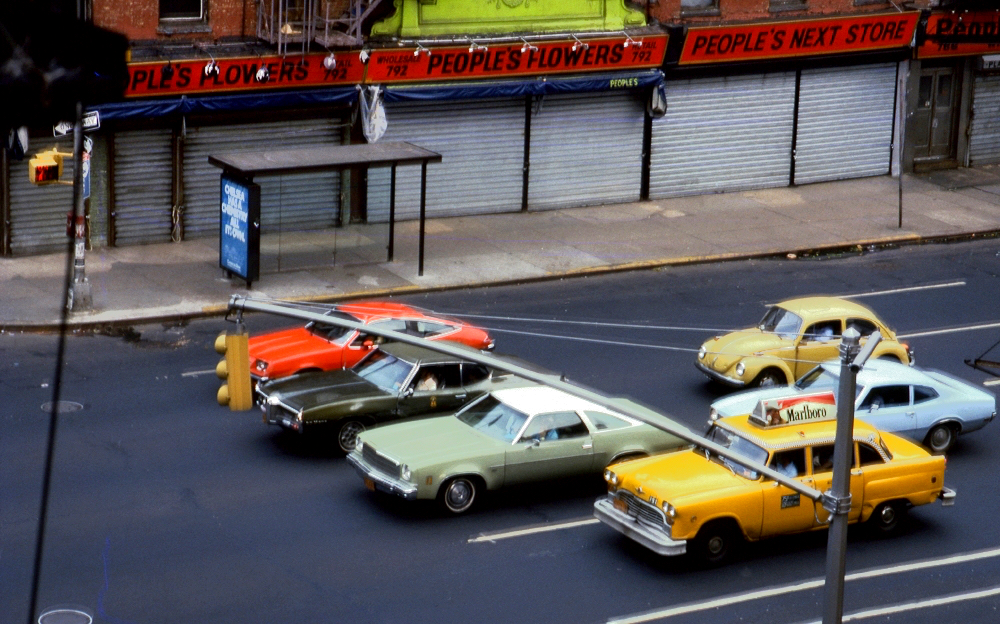
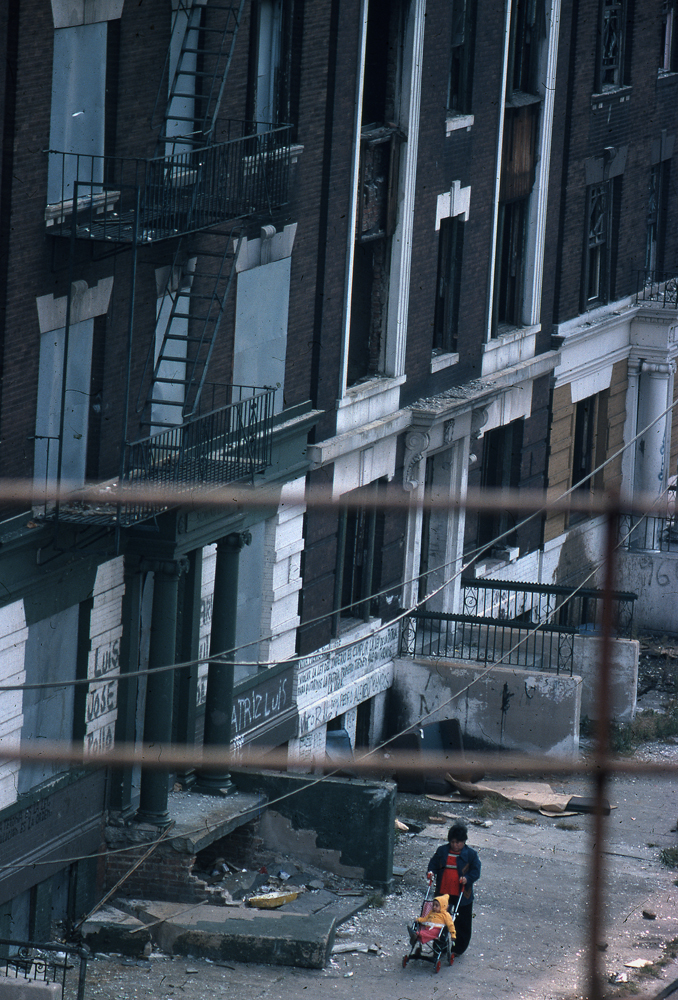
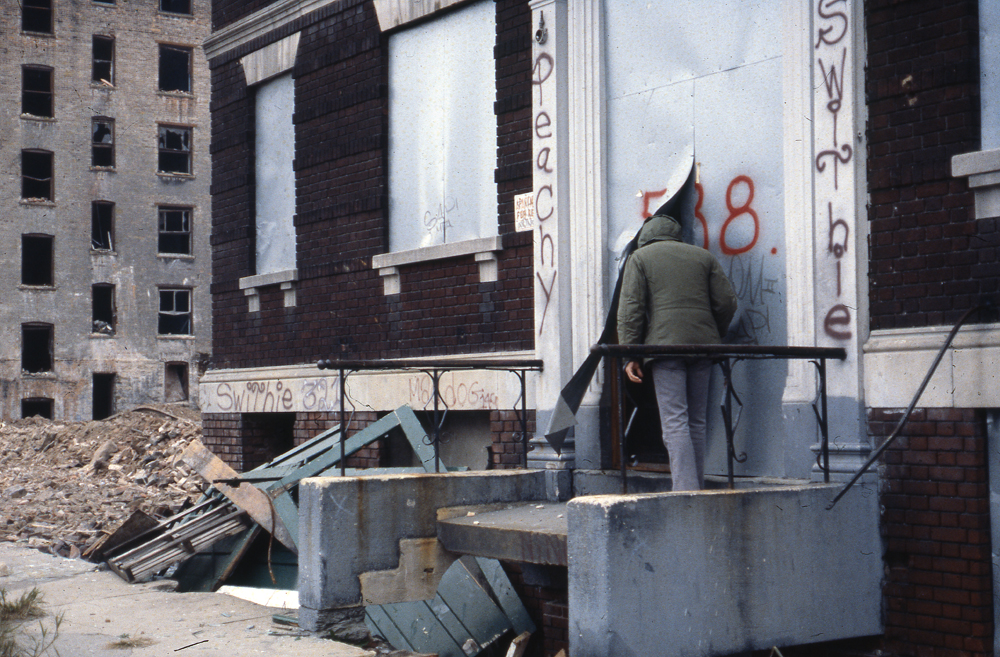
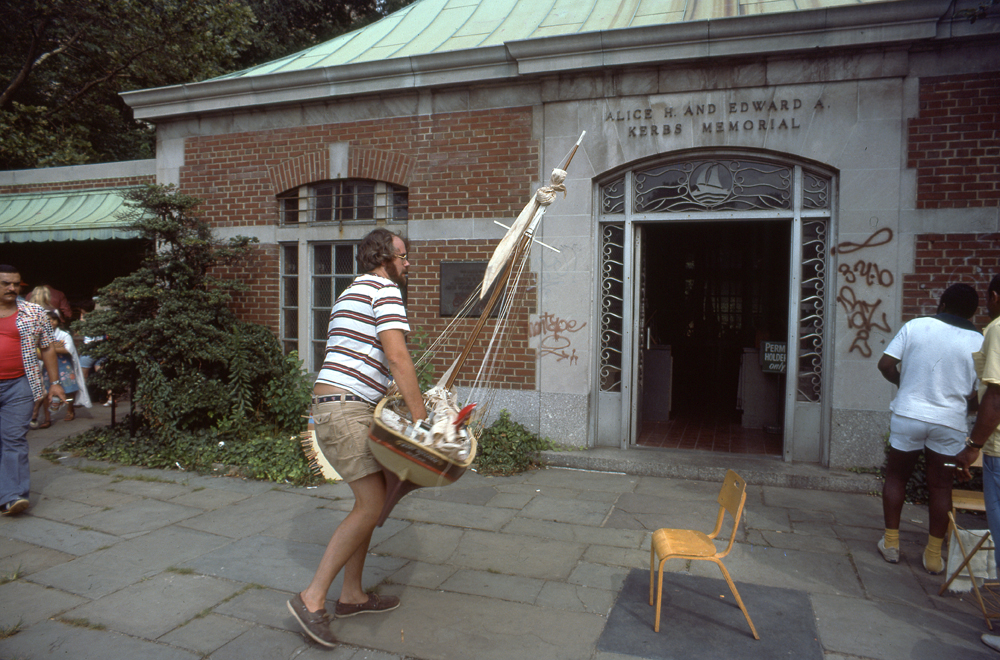
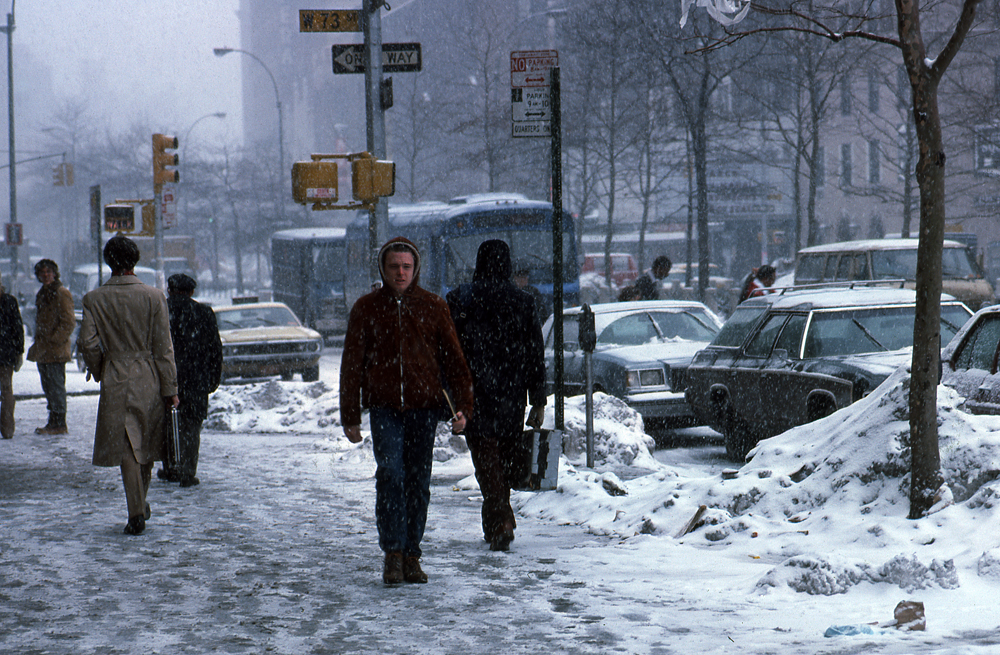
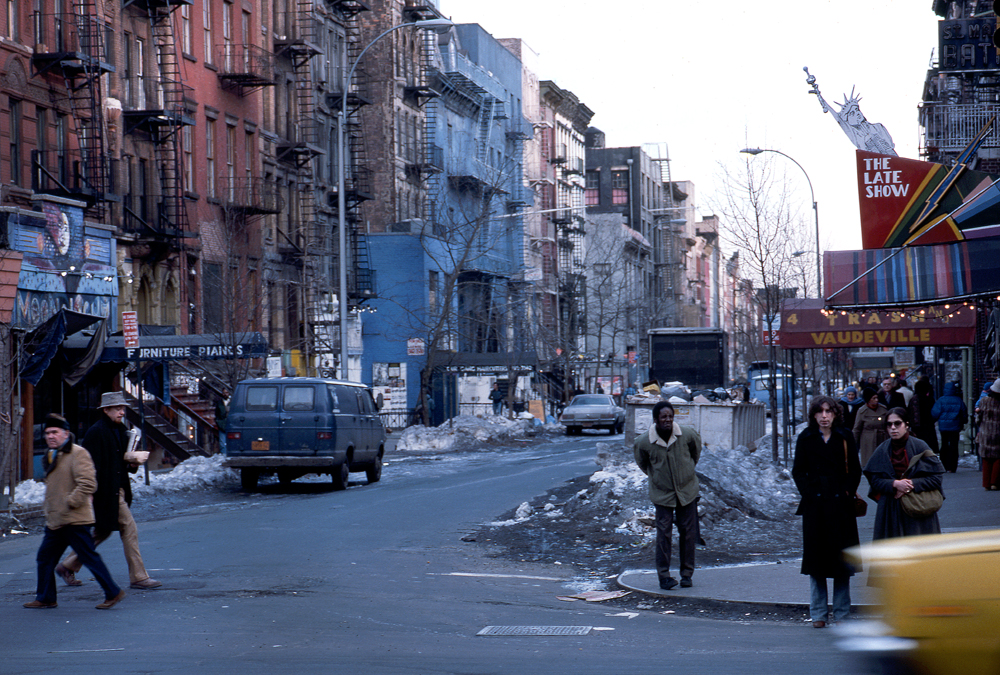
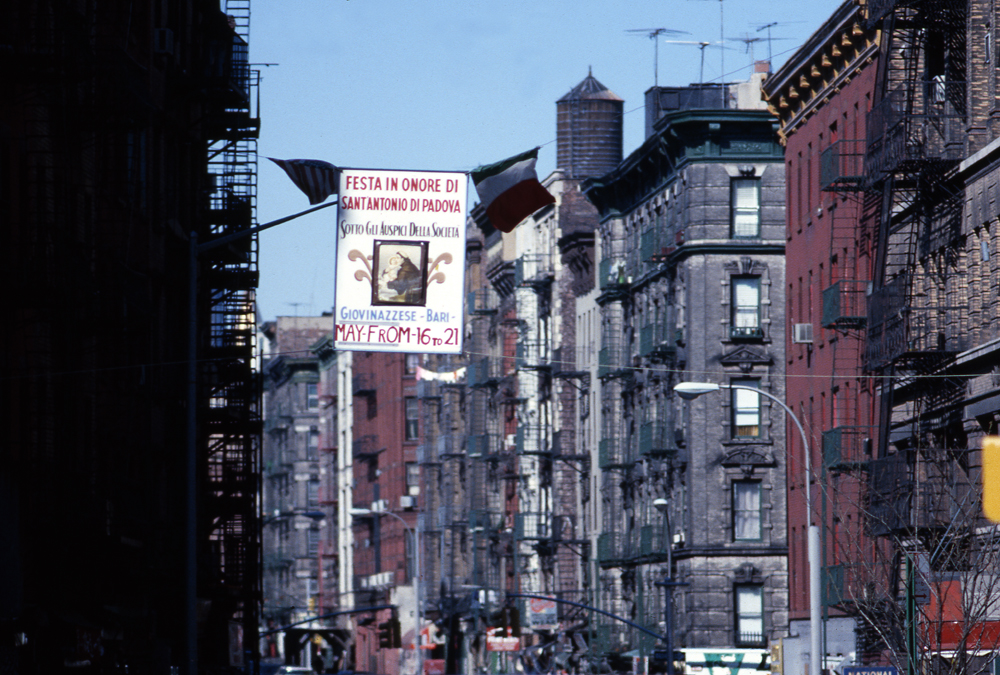
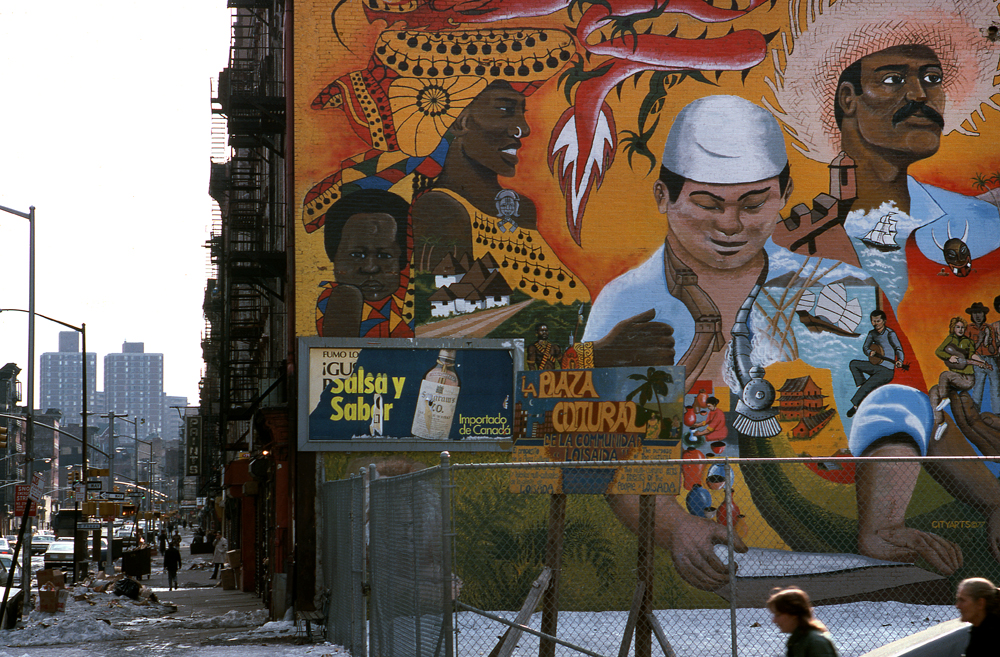
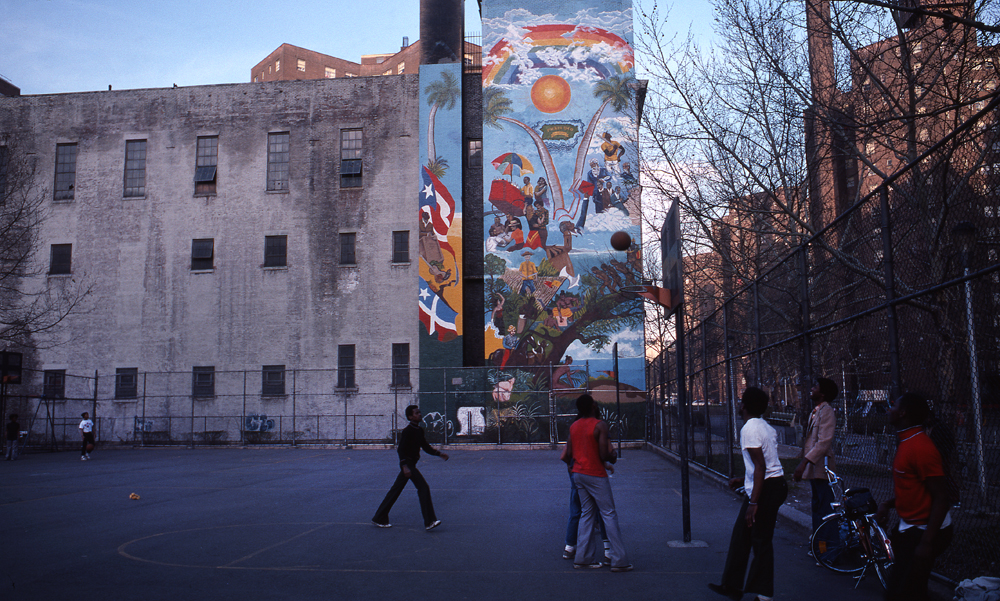
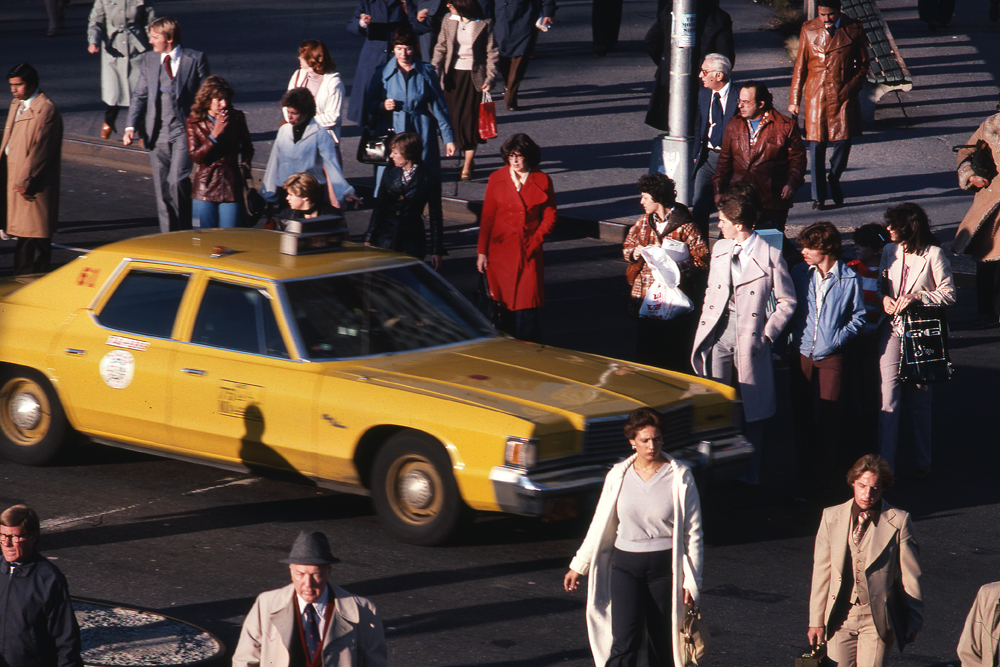
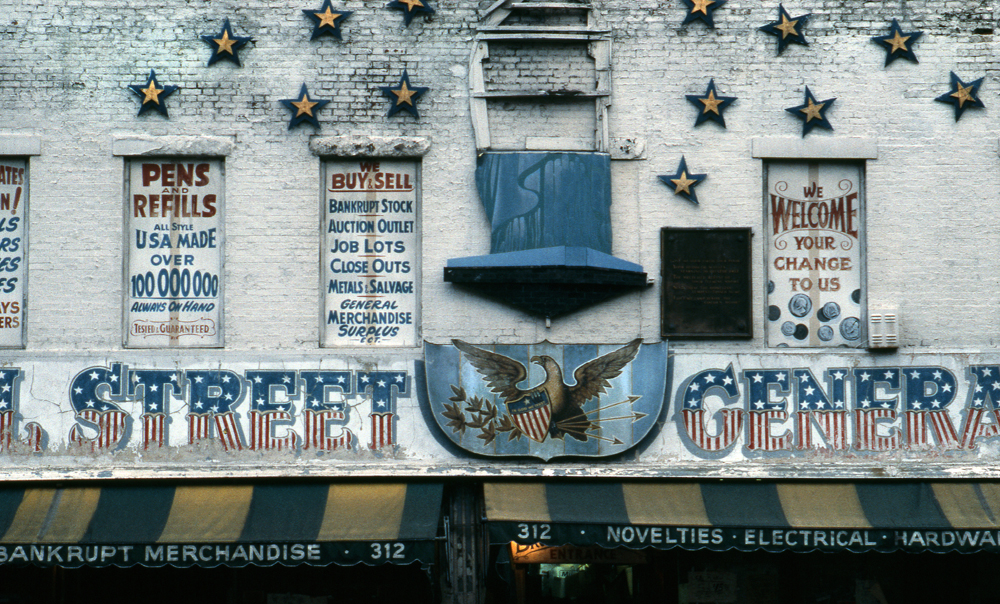
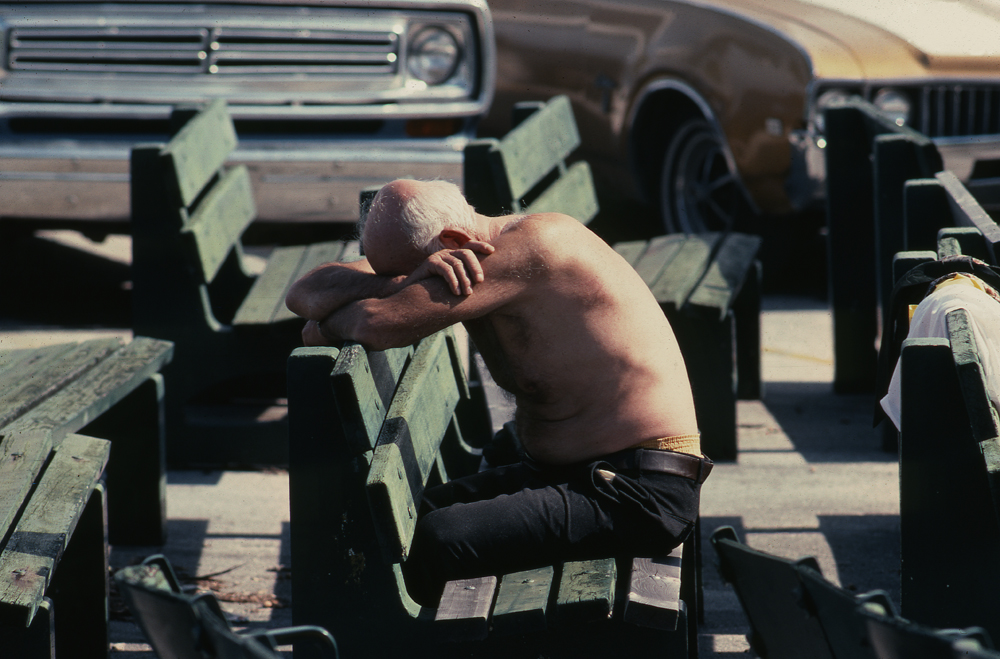
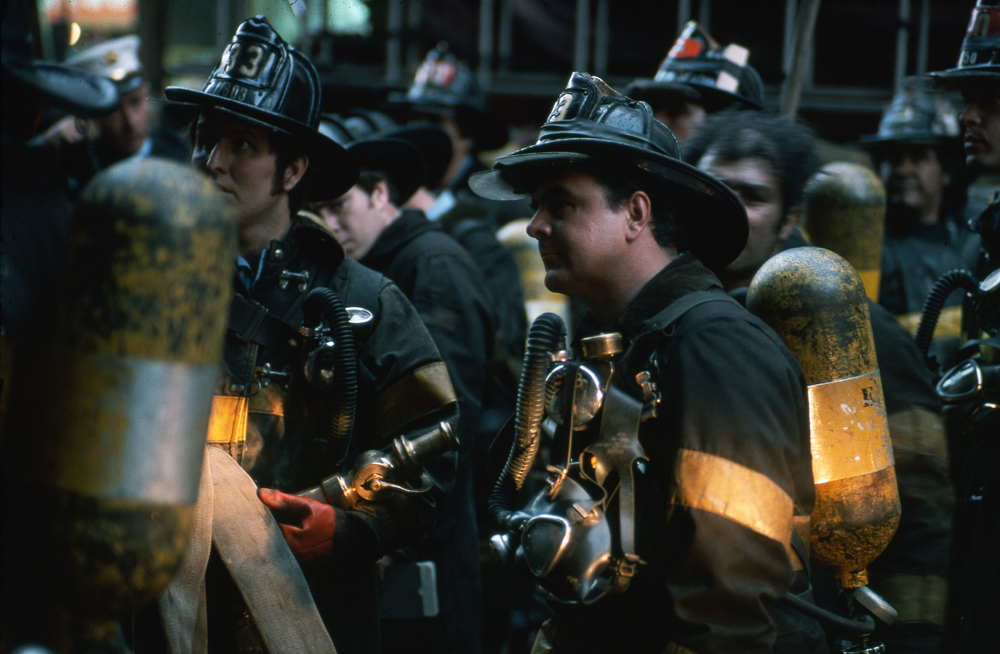
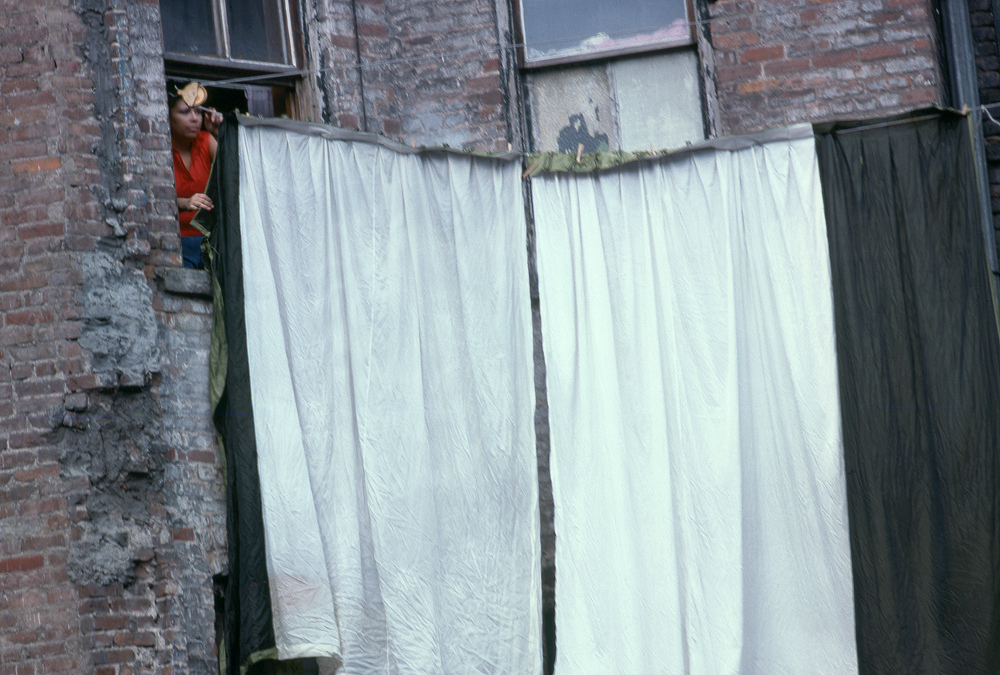
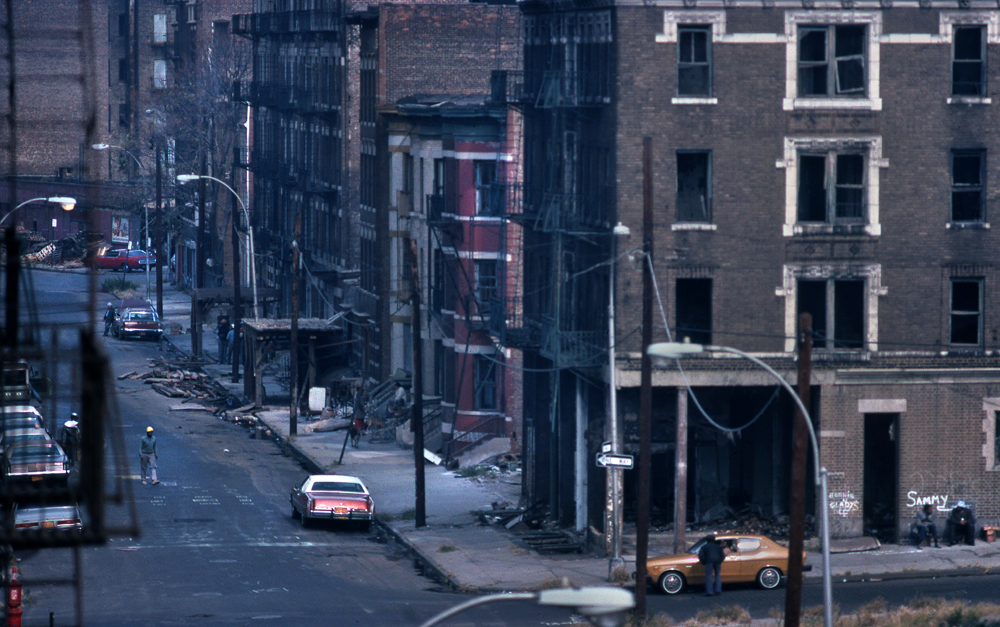
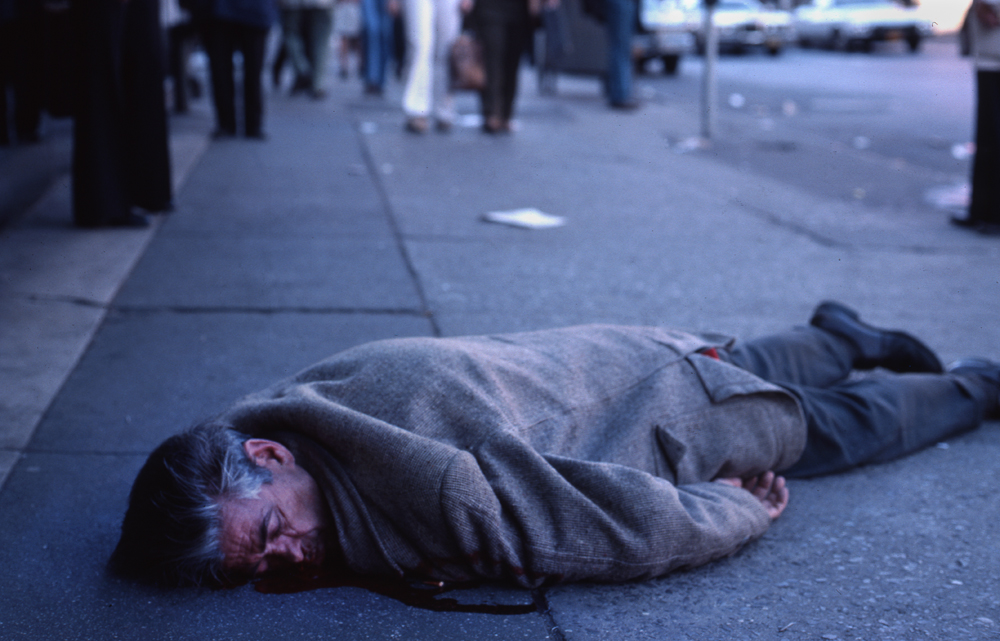
Manel Armengol was in New York in 1977 and 1978. A year earlier he’d been in Barcelona, where he’d witnessed the hated ‘Grises’ attacking people protesting for ‘Libertat, Amnesty, Estatut d’Autonomia’ (Freedom, Amnesty, Autonomy). New York had its own problems. This was ‘Fear City‘. The Council for Public Safety advised visitors never to leave mid-Town, stay in after 6pm, carry your keys between your fingers and be ready for fight or flight. In The Ungovernable City by Vincent J Cannato, New York was profiled:
Stabbings, robberies, muggings, graffiti, arson and rape began to strike a wider and wider portion of the population. Burglaries made people feel vulnerable, even in their once-safe homes and apartments. It wasn’t just the reality of crime and sense of broadening disorder that hurt. It was the raw fear and perception of vulnerability that seeped into every interaction of daily life…
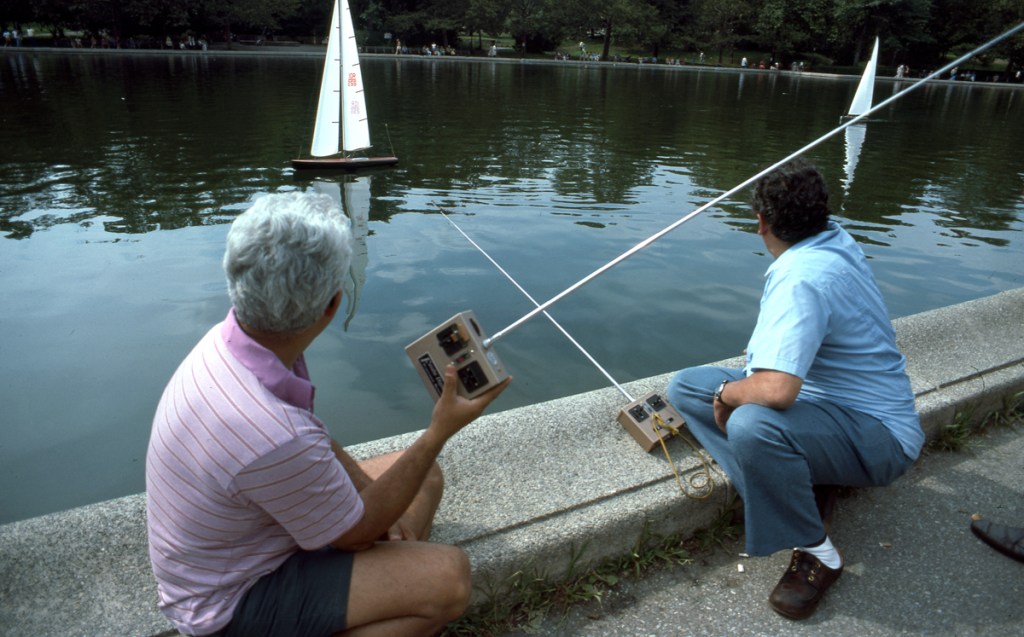
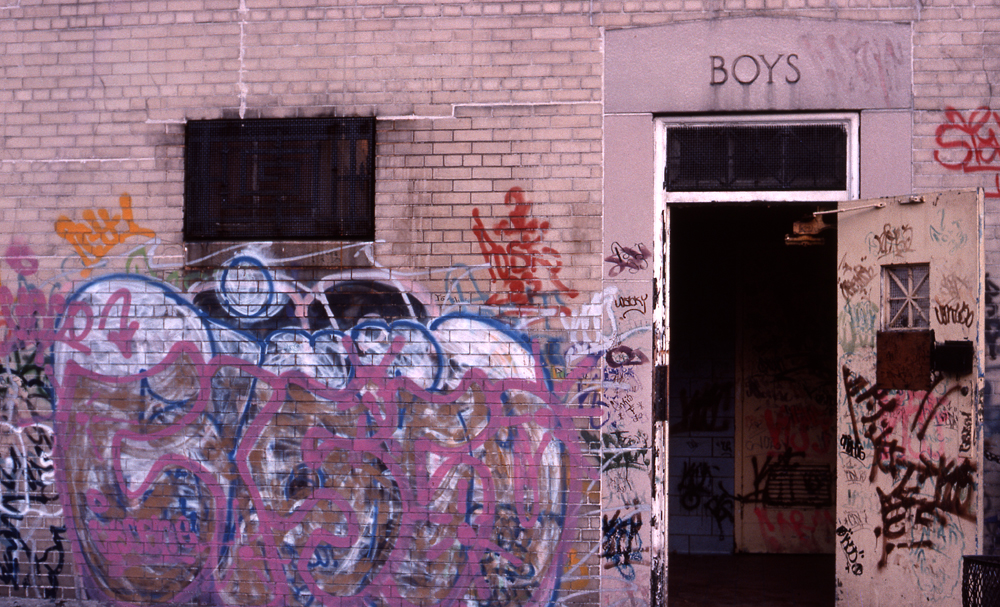
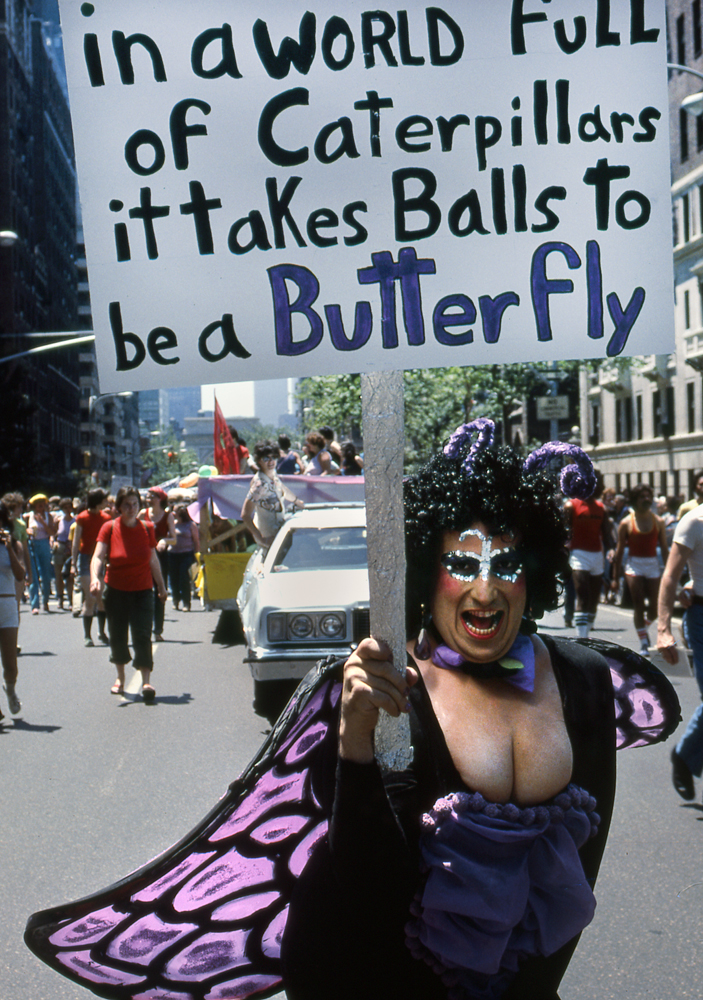
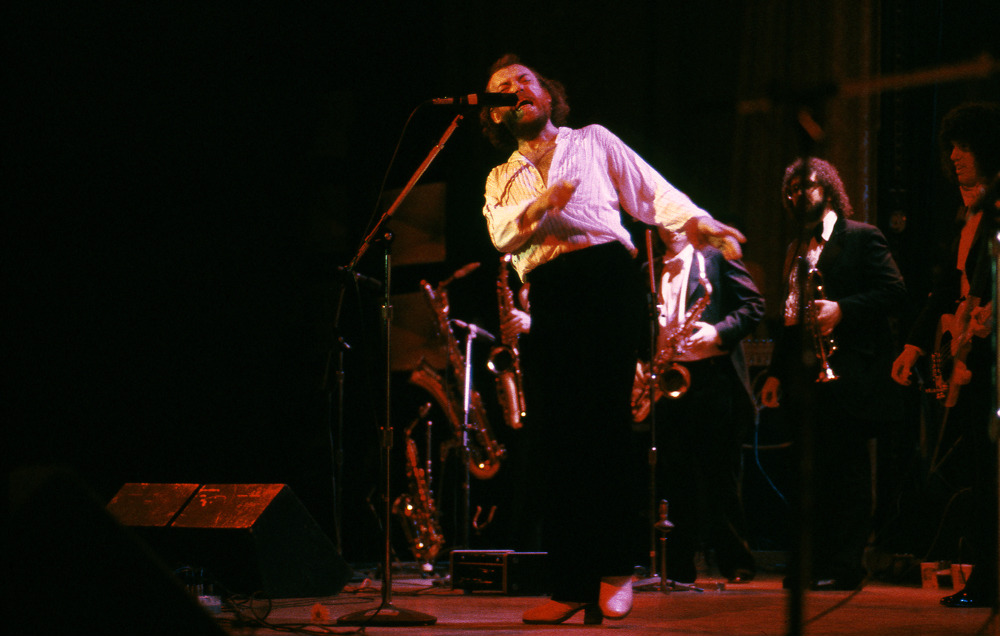
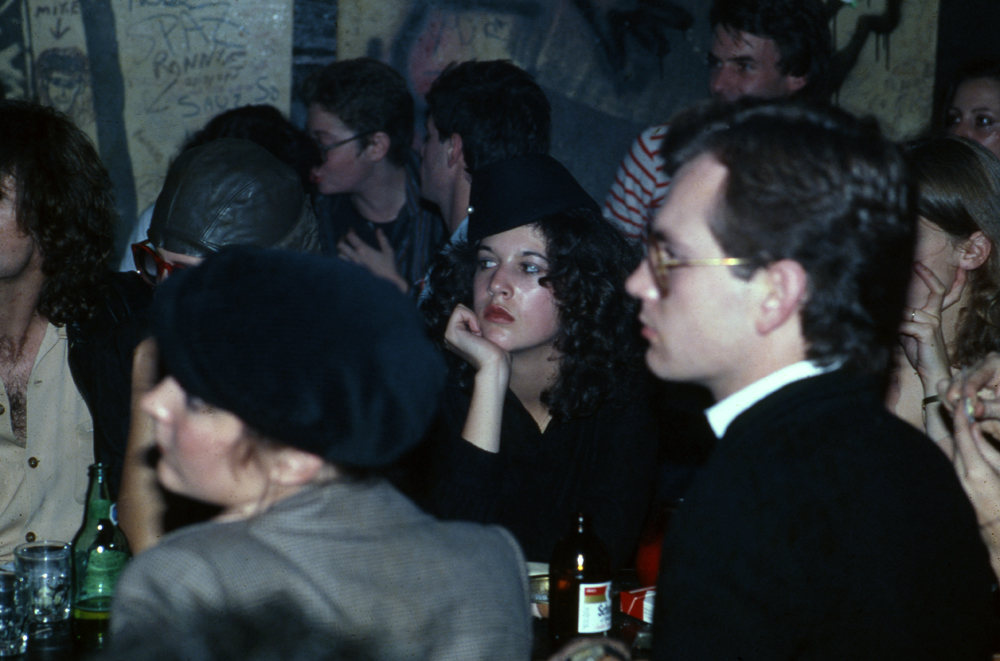
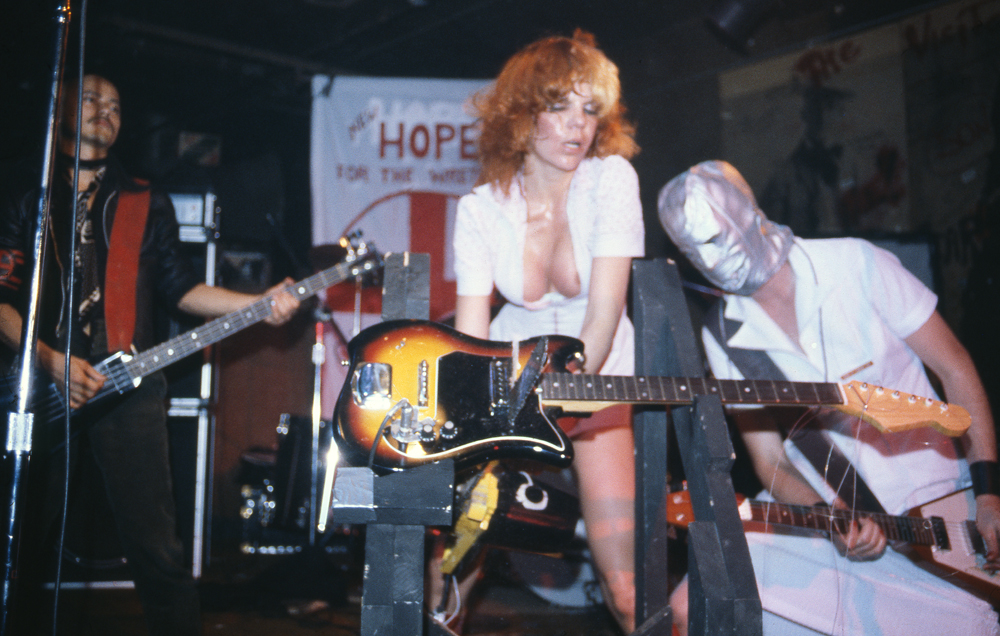
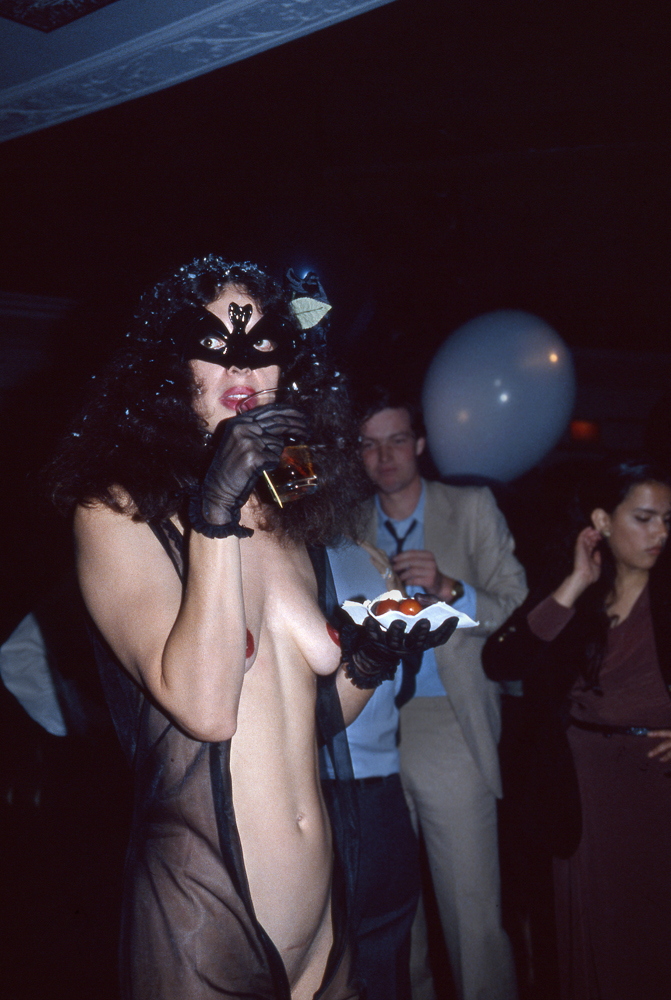
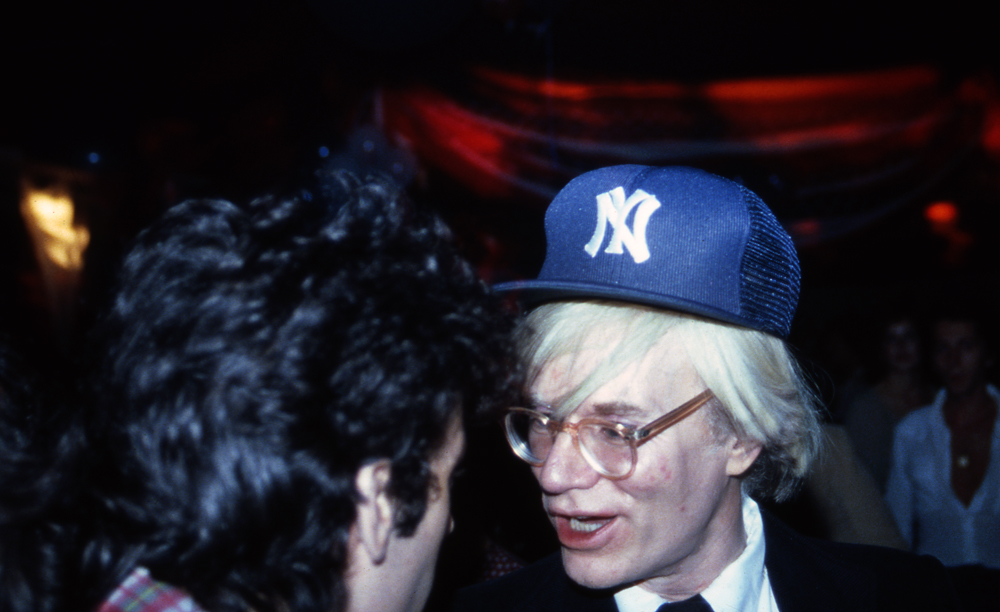
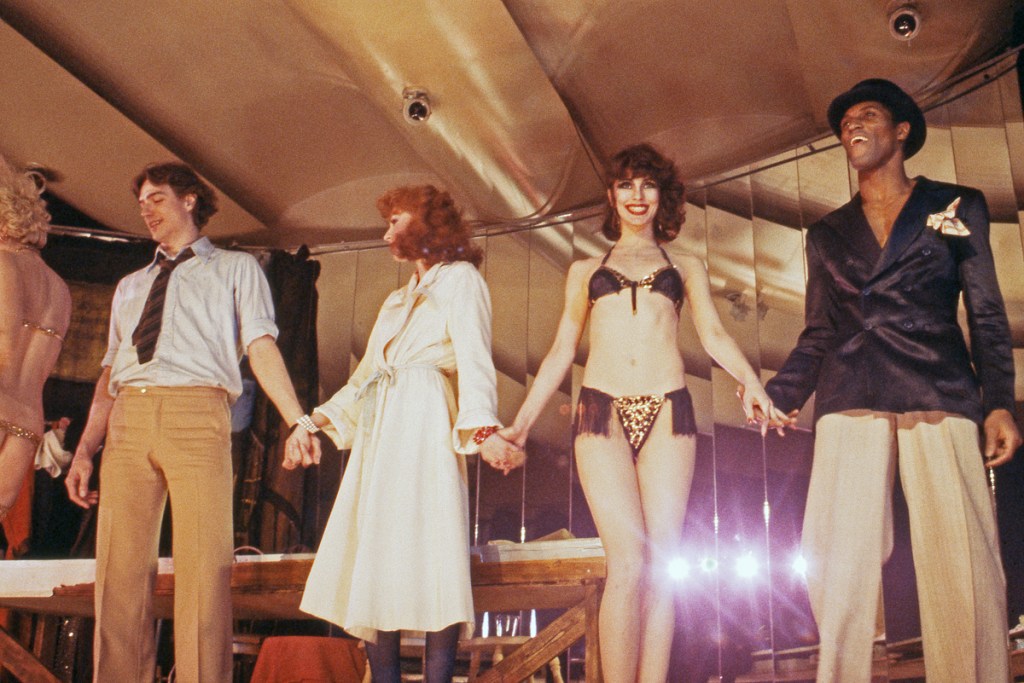
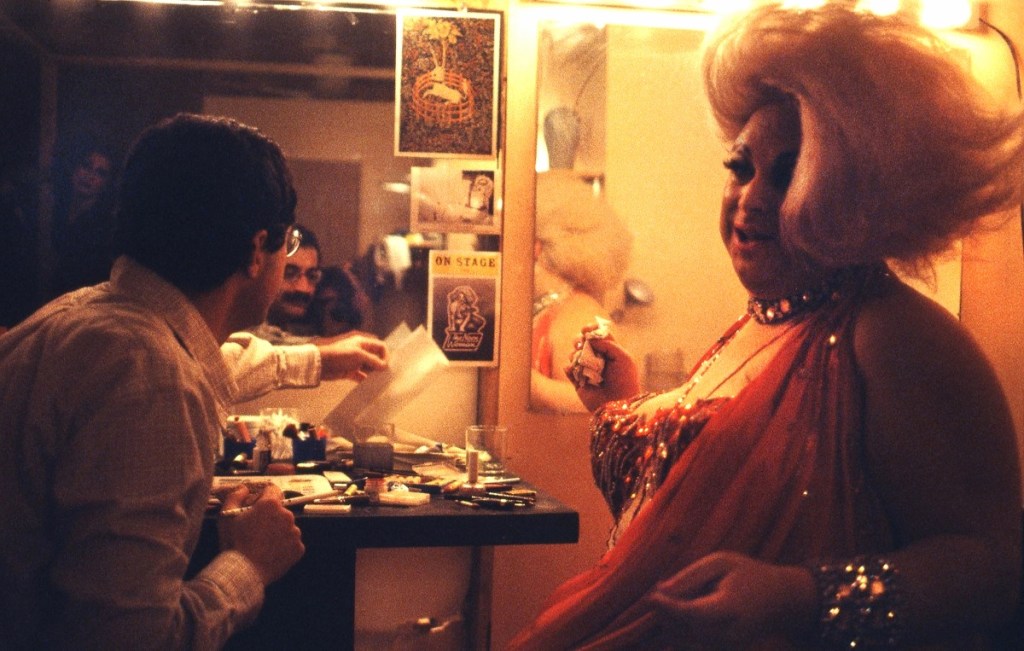
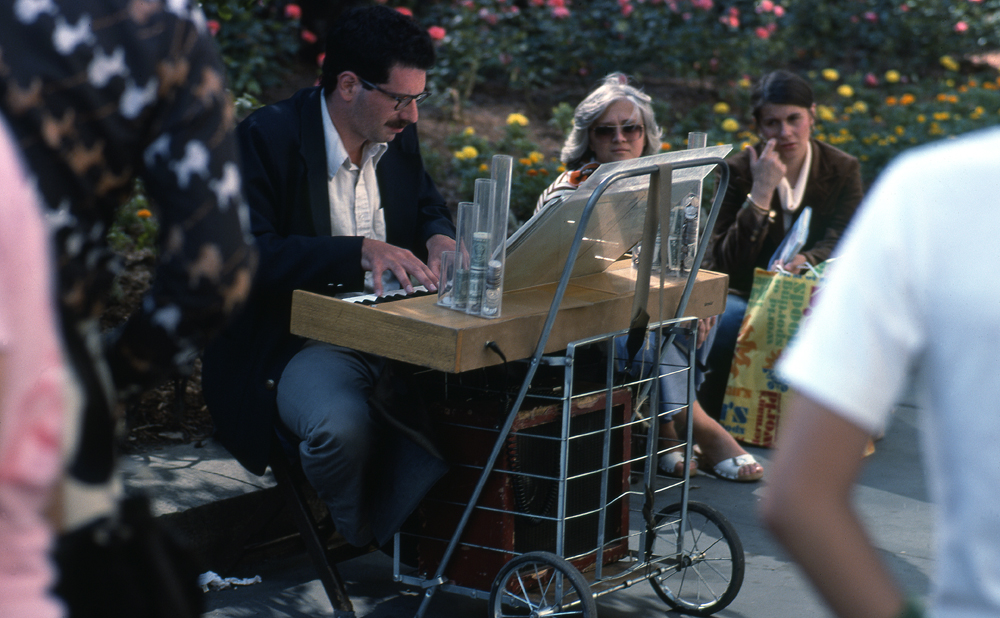
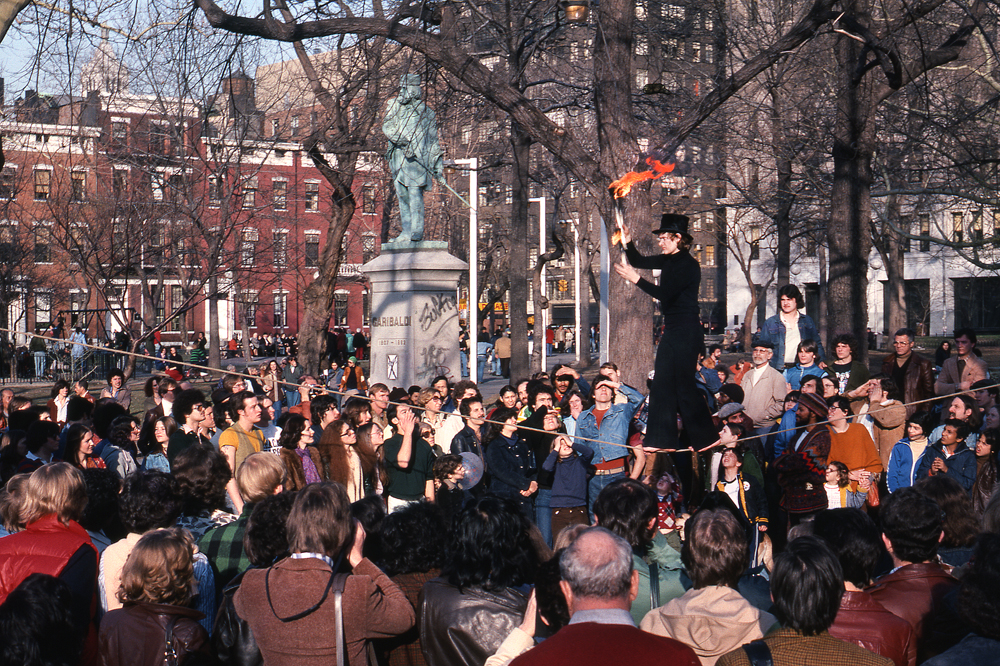
Sunday morning in Manhattan. NY 1978In the Bronx. Woman with a baby stroller. NYC 1978In The Bronx. NYC 1978Central Park. Manhattan. NY 1978Central Park. Manhattan. NY 1978Manhattan. NY 1978ST. MARK’S PLACE / Manhattan. NY 1978LITTLE ITALY Manhattan. NY 1978Manhattan NYC 1978LOISAIDA COMMUNITY, LOWER EAST SIDE Manhattan. NY 1978Manhattan. NY 1978Manhattan. NY 1978Manhattan. NY 1978CANAL STREET, GENERAL STORE Manhattan. NY 1978Manhattan. NY 1978Manhattan. NY 1978Manhattan. NY 1978Manhattan. NY 1978The Bronx. Manhattan. NY 1978The Bronx. Manhattan. NY 1978Manhattan. NY 1978JOE COCKER AT CARNEGIE HALL Manhattan. NY 1978At CBGB – Manhattan. NY 1978At CBGB – Manhattan. NY 1978Studio 54 – NYC 1978Andy Warhol at Studio 54 – NYC 1978“The Neon Woman at the Nightclub”, Hurrah (36W 62St). Written by Tom Eyen, Directed by Ron Link, Starred Divine as Flash Storm, as strip club owner. Manhattan. NYC 1978Washington Square Park Manhattan. NY 1978Central Park Manhattan. NY 1978Washington Square Park. Manhattan. NY 1978Washington Square Park. Manhattan. NY 1978Manhattan. NY 1978Manhattan. NY 1978Manhattan. NY 1978
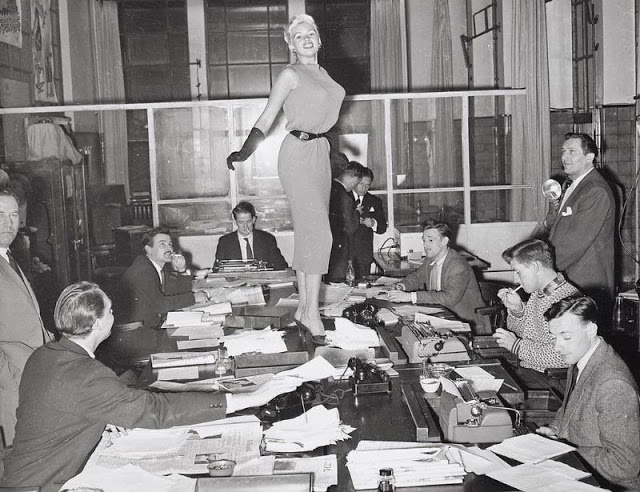
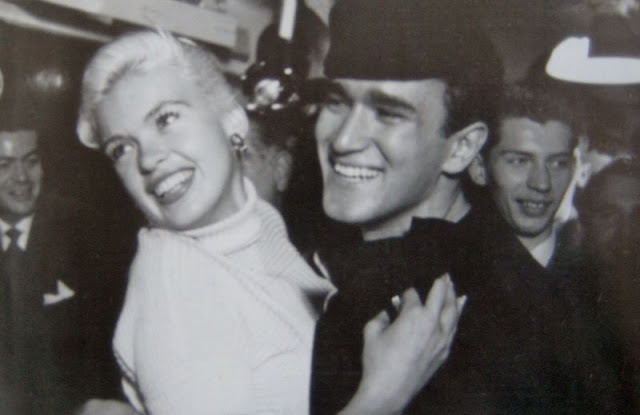
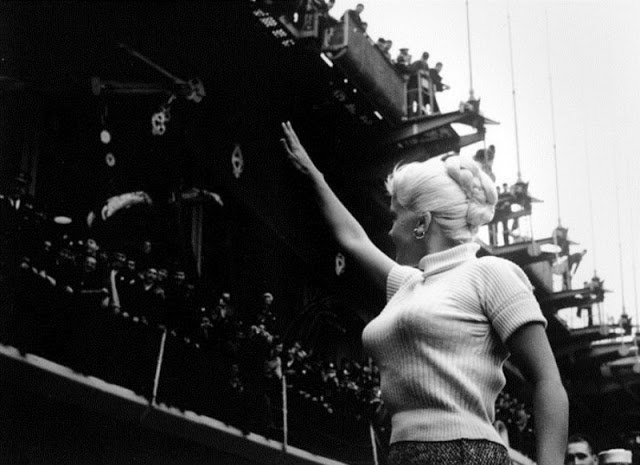
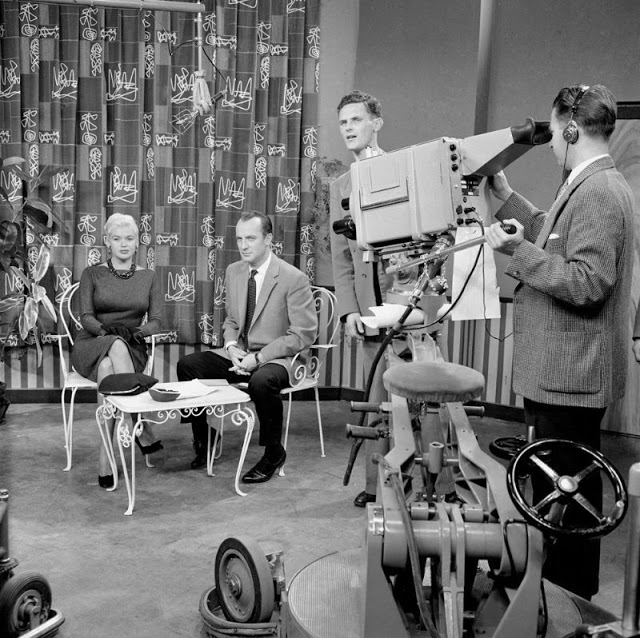
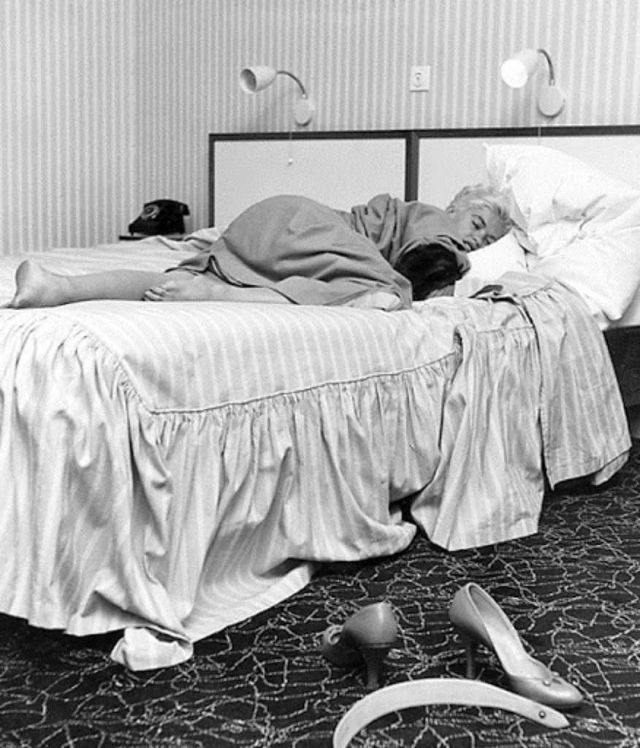
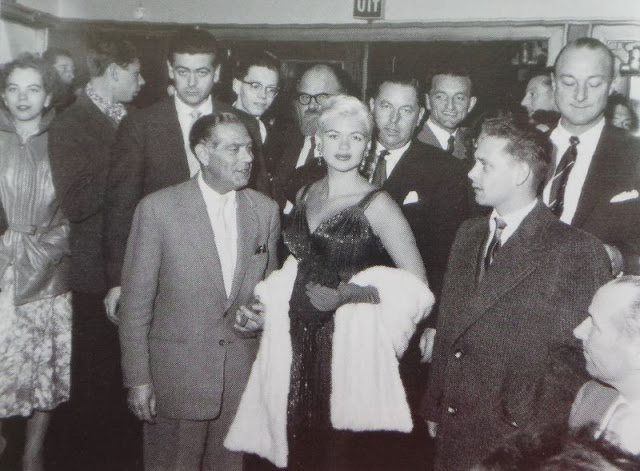
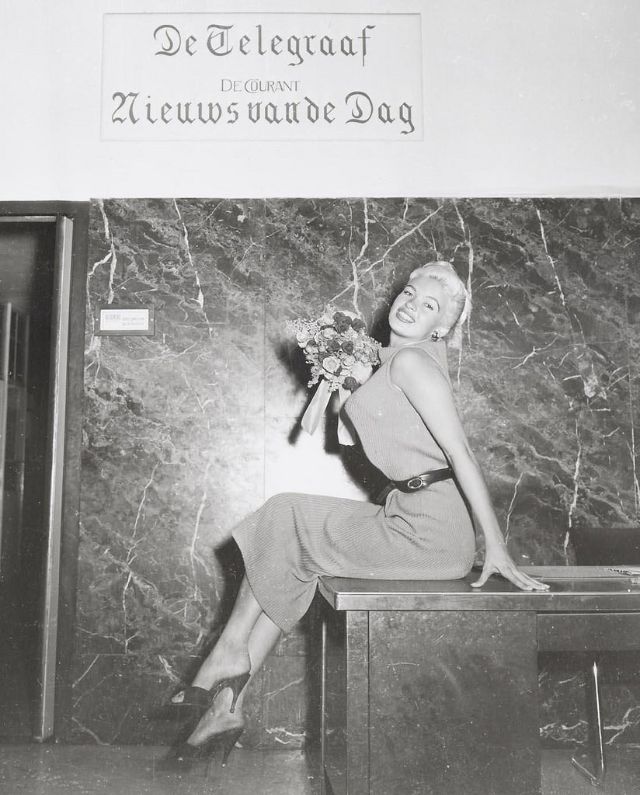
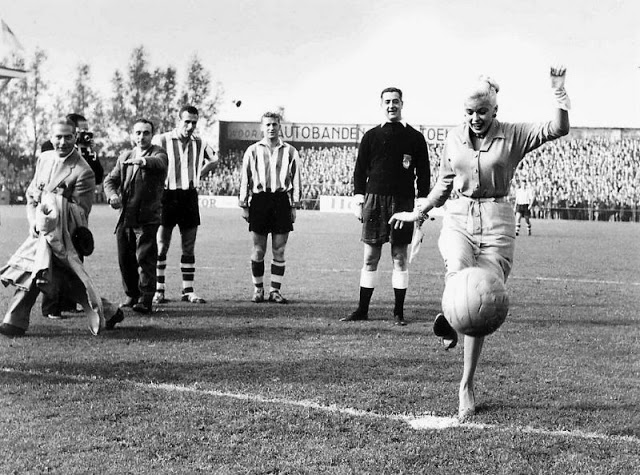
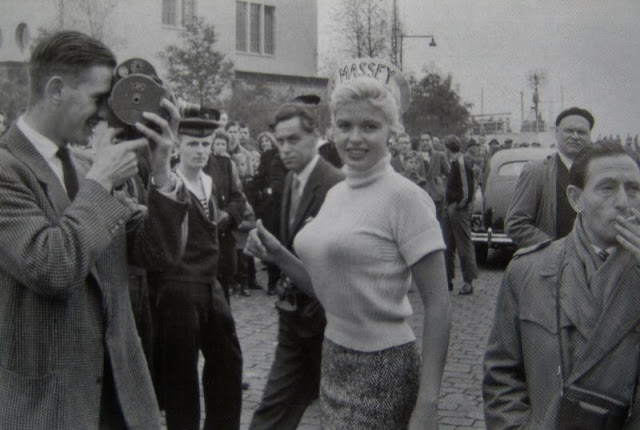
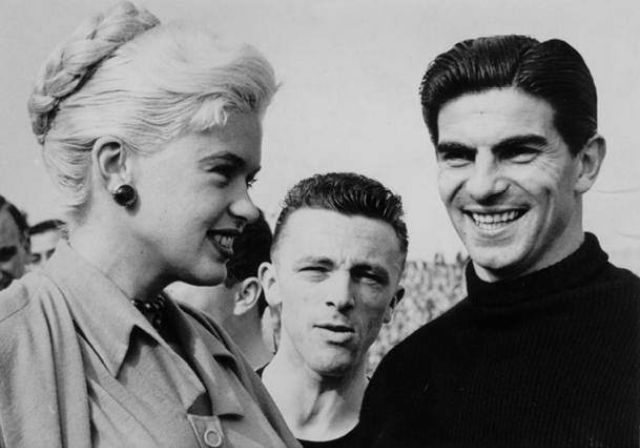
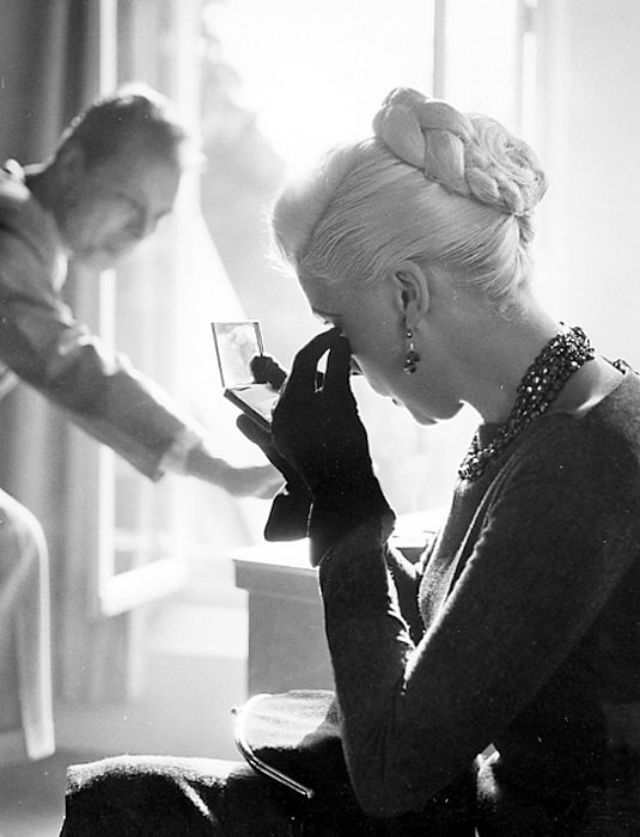
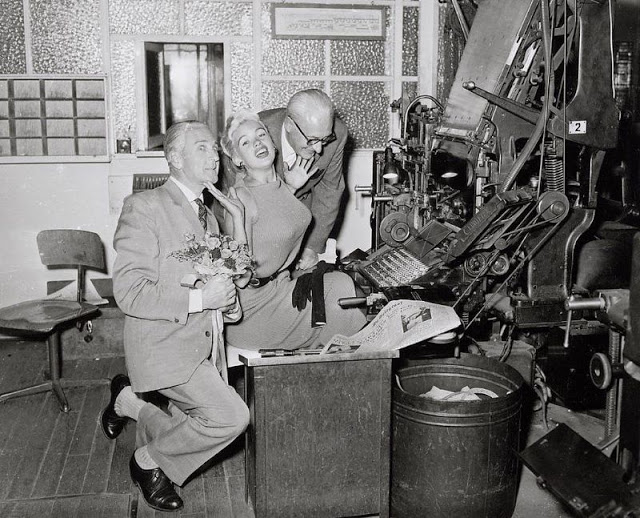
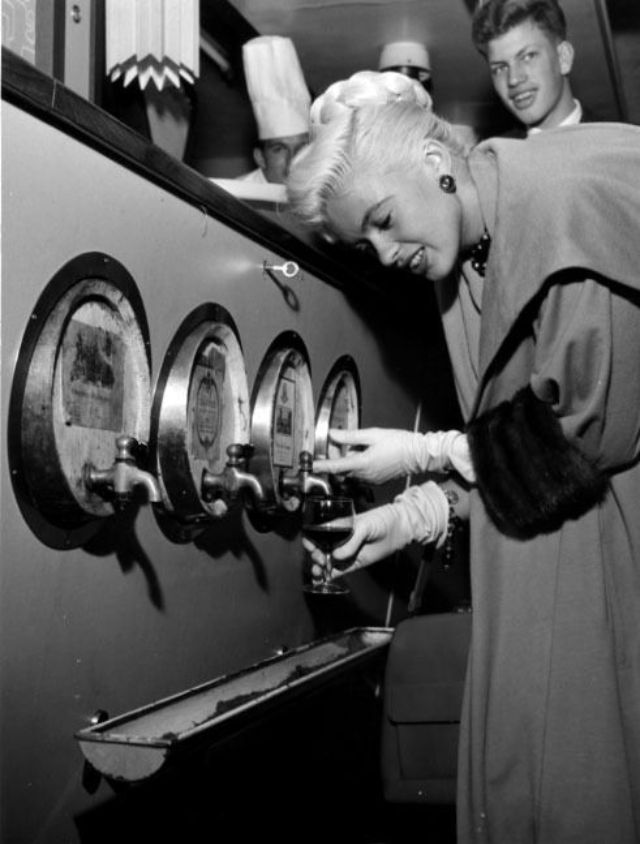
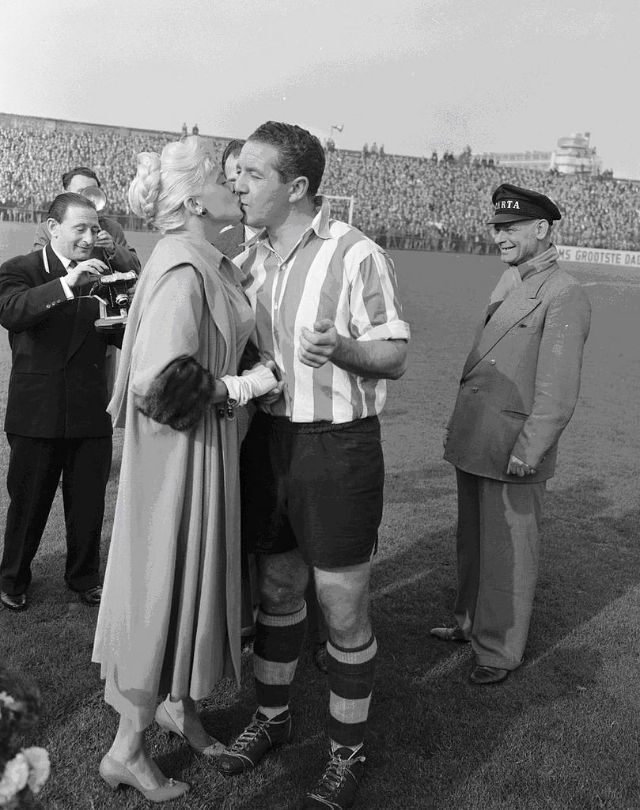
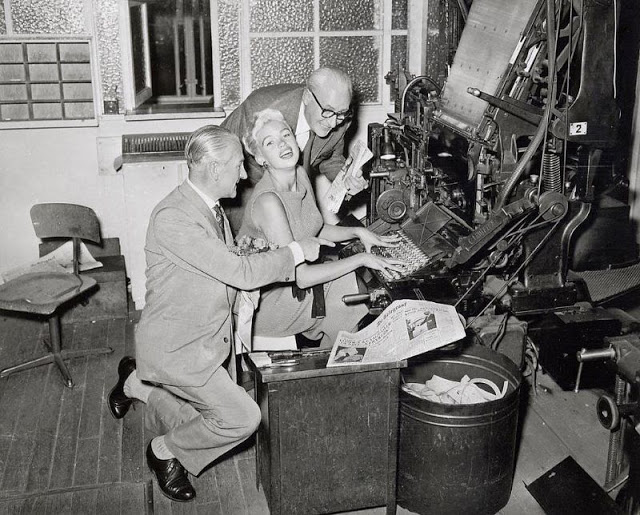
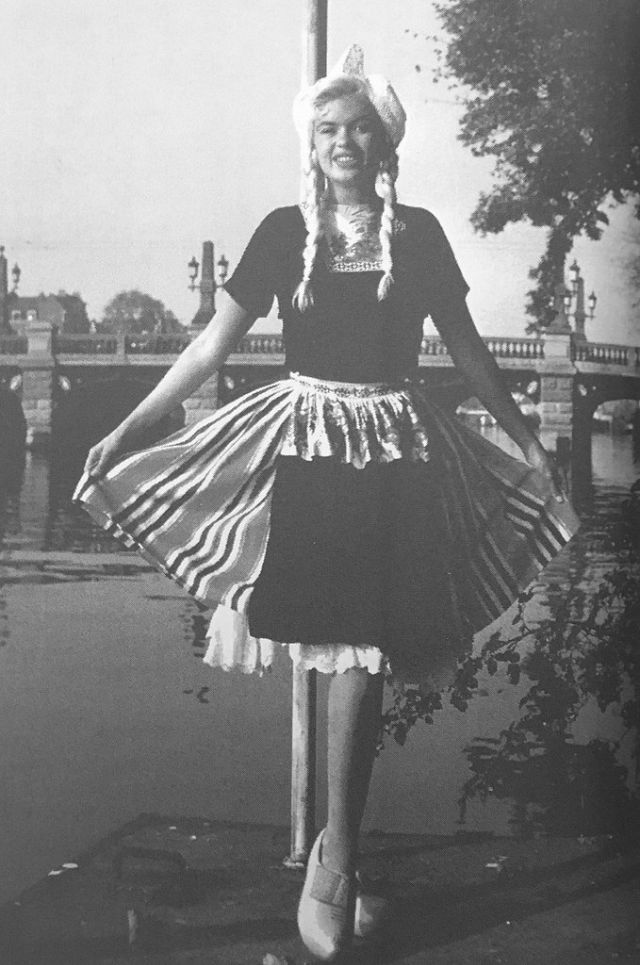
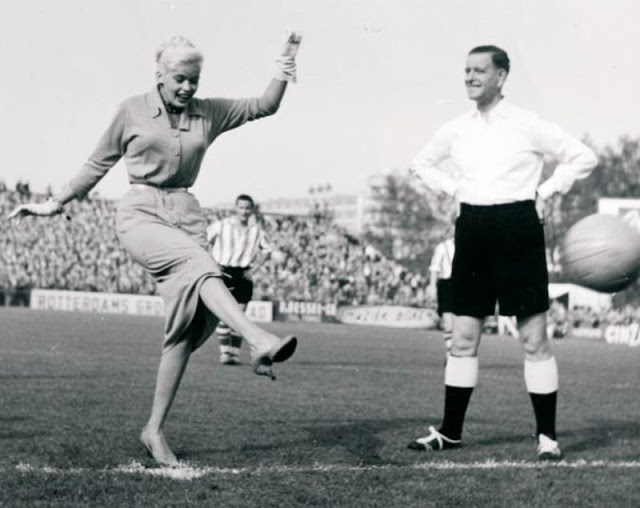
Jayne Mansfield (born Vera Jayne Palmer; April 19, 1933 – June 29, 1967) was an American actress, singer, nightclub entertainer, and Playboy Playmate. A sex symbol of the 1950s and early 1960s while under contract at 20th Century Fox, Mansfield was known for her well-publicized personal life and publicity stunts. Her film career was short-lived, but she had several box-office successes and won a Theatre World Award and a Golden Globe Award.
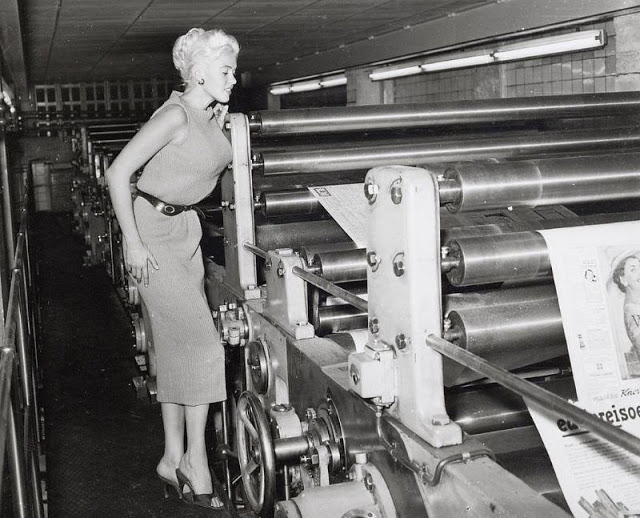
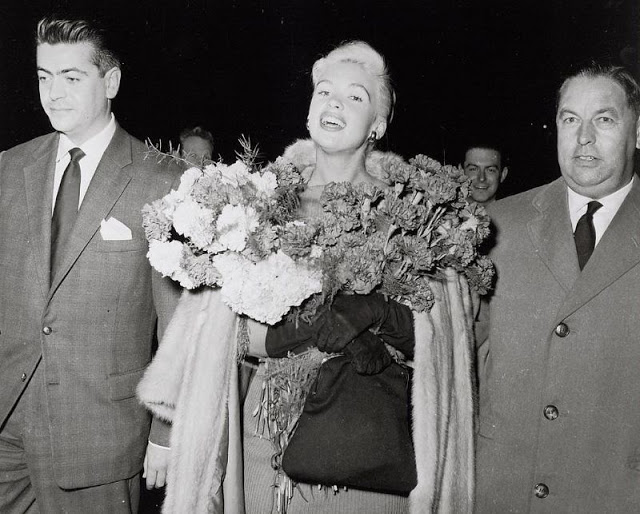
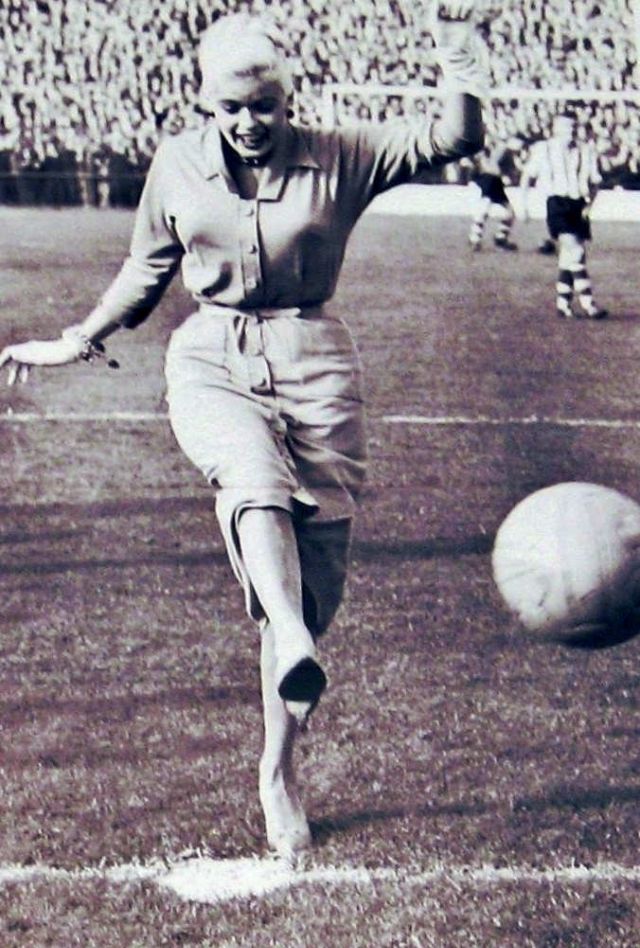
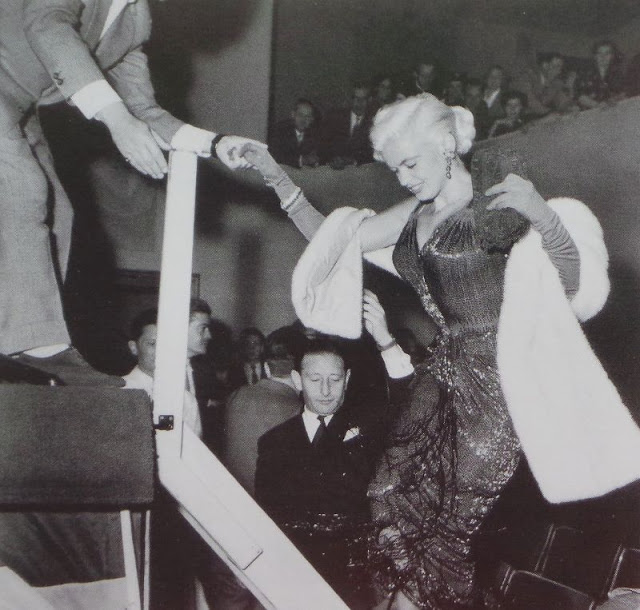
Mansfield enjoyed success in the role of fictional actress Rita Marlowe in the Broadway play Will Success Spoil Rock Hunter? (1955–1956), which she reprised in the film adaptation of the same name (1957). Her other film roles include the musical comedy The Girl Can’t Help It (1956), the drama The Wayward Bus (1957), the neo-noir Too Hot to Handle (1960), and the sex comedy Promises! Promises! (1963); the latter established Mansfield as the first major American actress to perform in a nude scene in a post-silent era film.
Mansfield took her professional name from her first husband, public relations professional Paul Mansfield. She married three times, all of which ended in divorce, and had five children. She was allegedly intimately involved with numerous men, including Robert and John F. Kennedy, her attorney Samuel S. Brody, and Las Vegas entertainer Nelson Sardelli. On June 29, 1967, she died in an automobile accident in Eastern New Orleans at the age of 34. (Wikipedia)
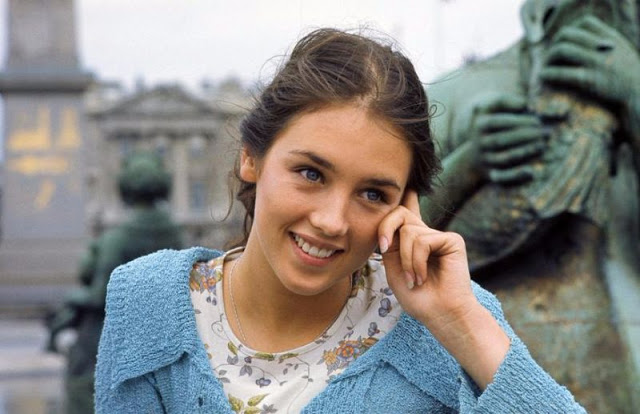
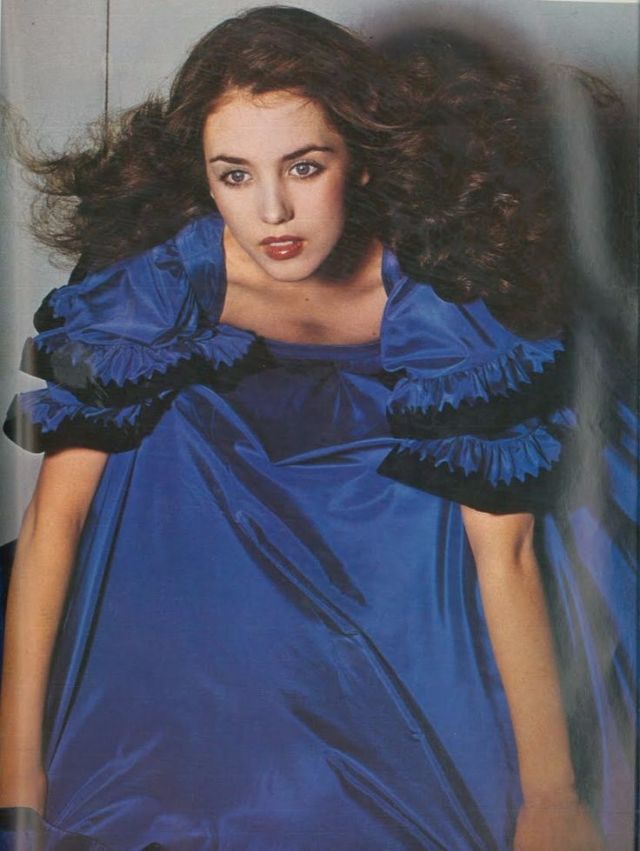
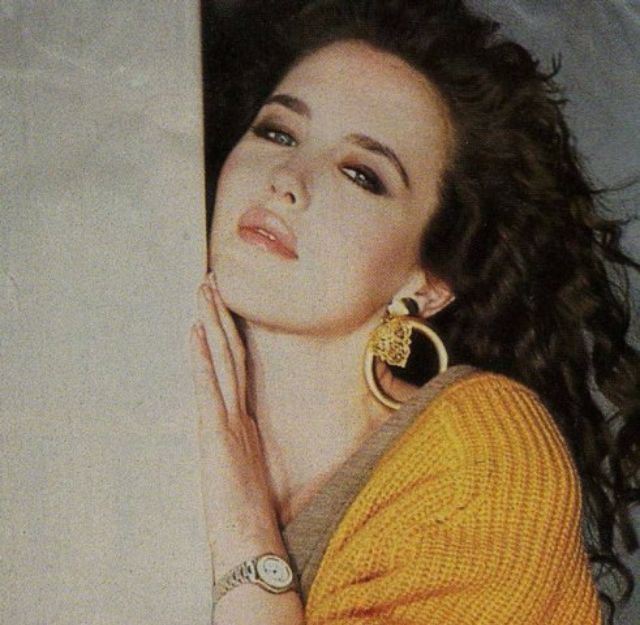
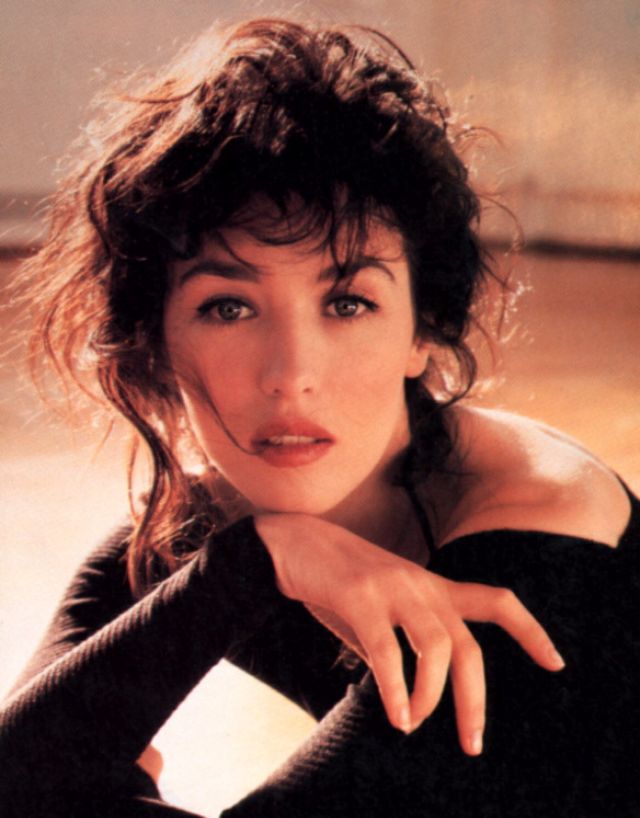
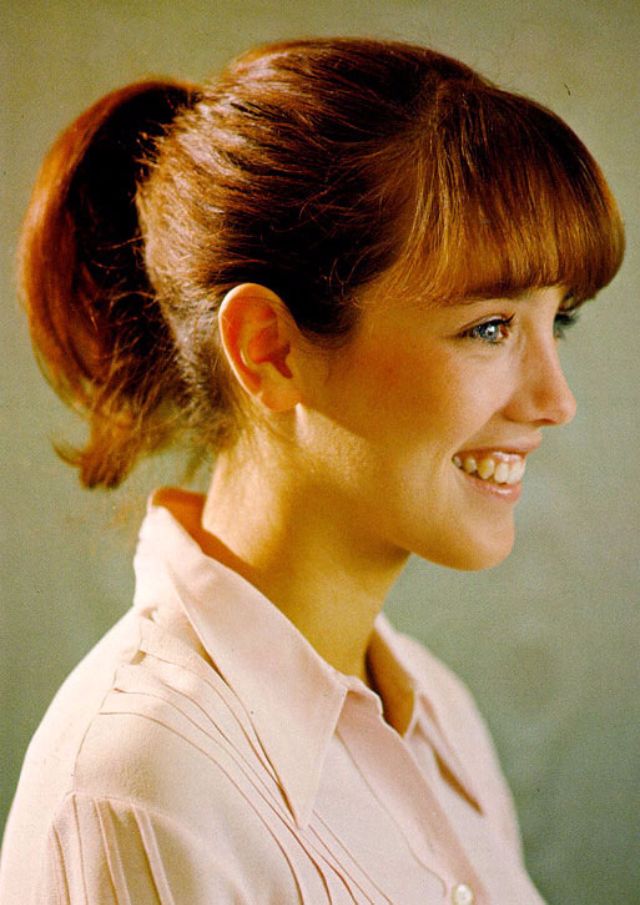
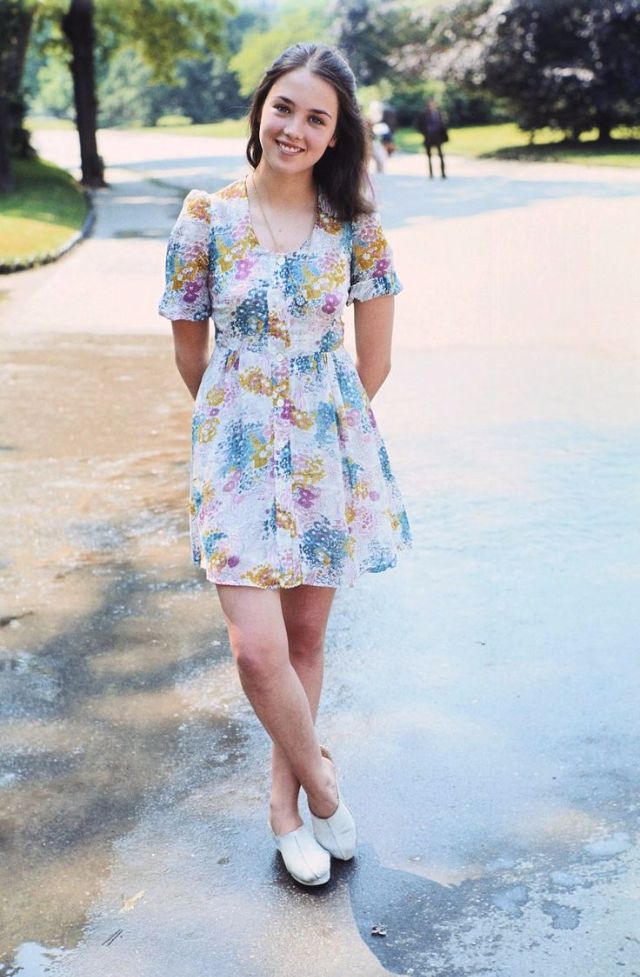
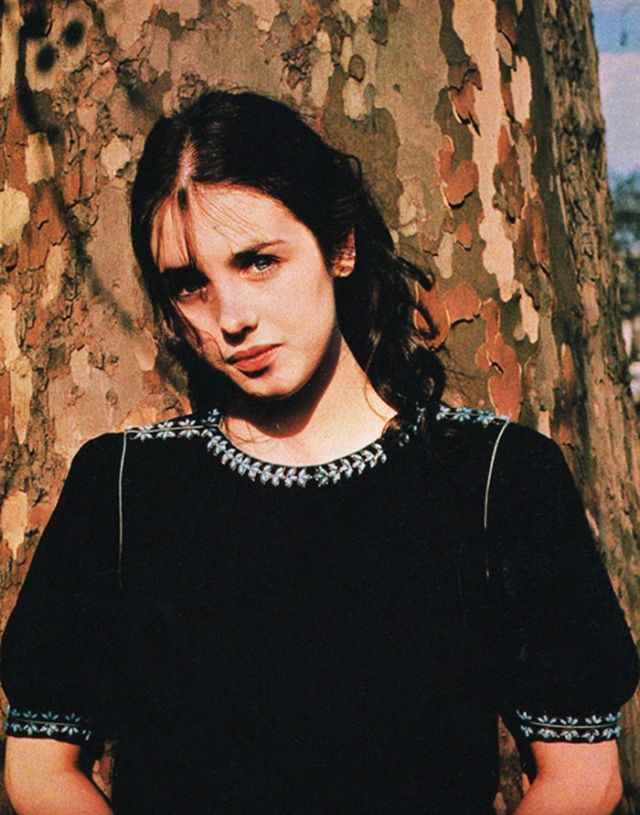
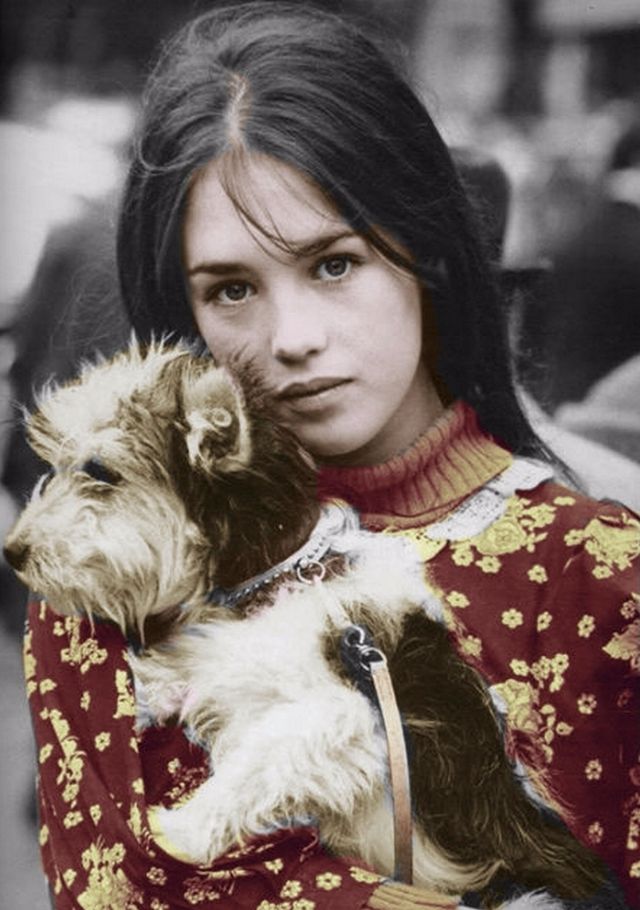
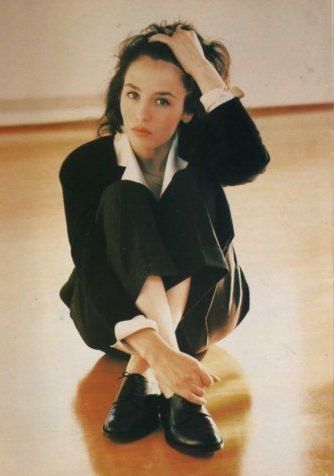
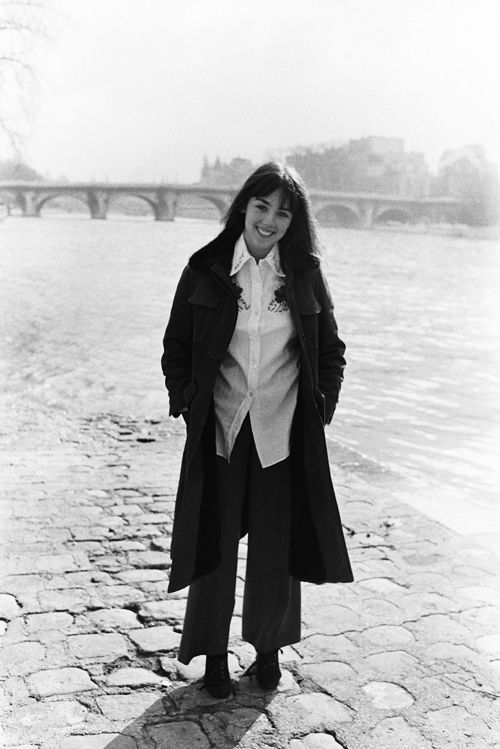
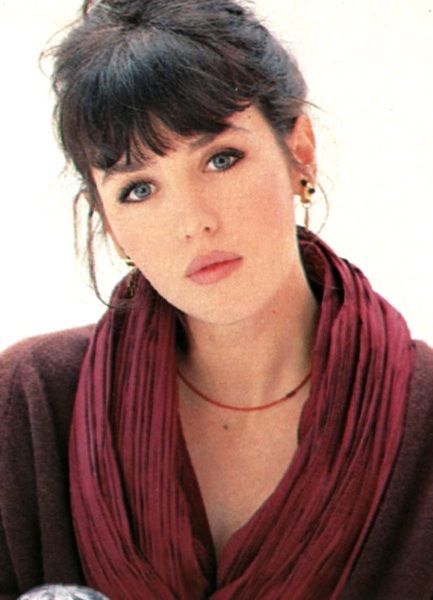
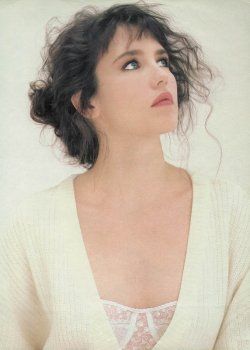
Isabelle Yasmina Adjani LdH (born 27 June 1955) is a French actress and singer. She is the only person in history to win five César Awards; she won the Best Actress award for Possession (1981), One Deadly Summer (1983), Camille Claudel (1988), La Reine Margot (1994) and Skirt Day (2009). She was made a Chevalier of the Legion of Honour in 2010 and a Commander of the Order of Arts and Letters in 2014.
Her performance as Adèle Hugo in the 1975 film The Story of Adèle H., earned 20-year-old Adjani her first nomination for the Academy Award for Best Actress in a Leading Role, making her the youngest Best Actress nominee at the time. Her second nomination—for Camille Claudel–made her the first French actress to receive two nominations for foreign-language films. She won the Best Actress award at the 1981 Cannes Film Festival for her performances in Possession and Quartet, and, later, she won the Silver Bear for Best Actress at the 1989 Berlin Film Festival for Camille Claudel. Her other notable film performances include The Tenant (1976), Nosferatu the Vampyre (1979), Subway (1985), Diabolique (1996) and French Women (2014). (Wikipedia)
Take a look to see the natural beauty of young Isabelle Adjani in the 1970s.
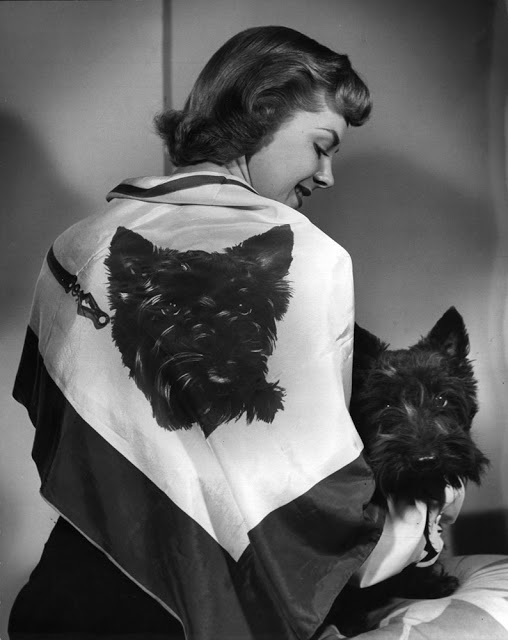
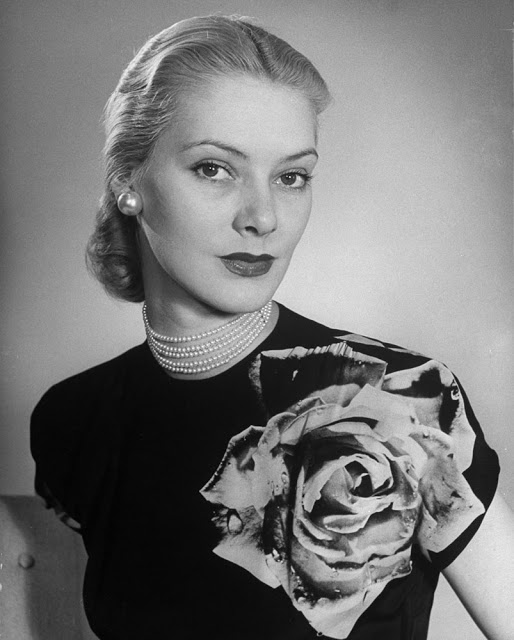
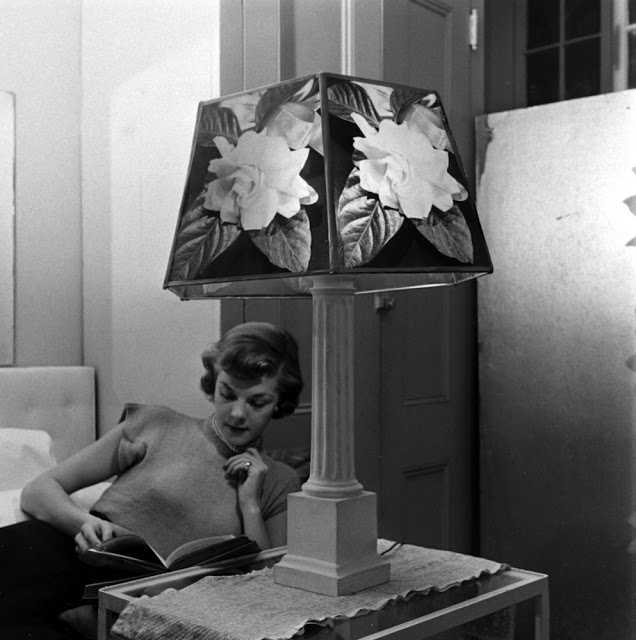
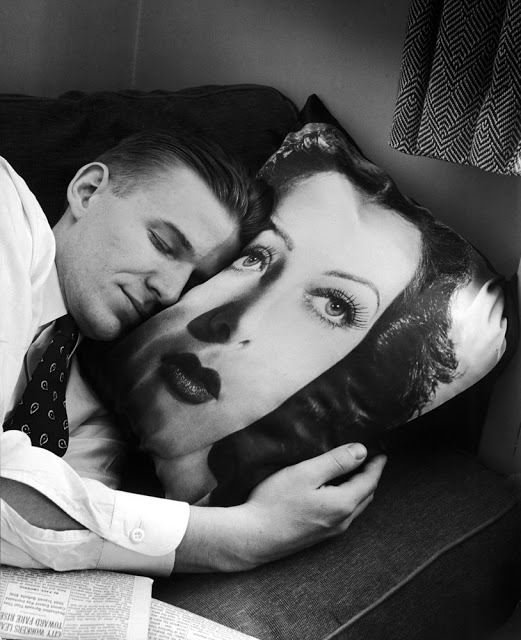
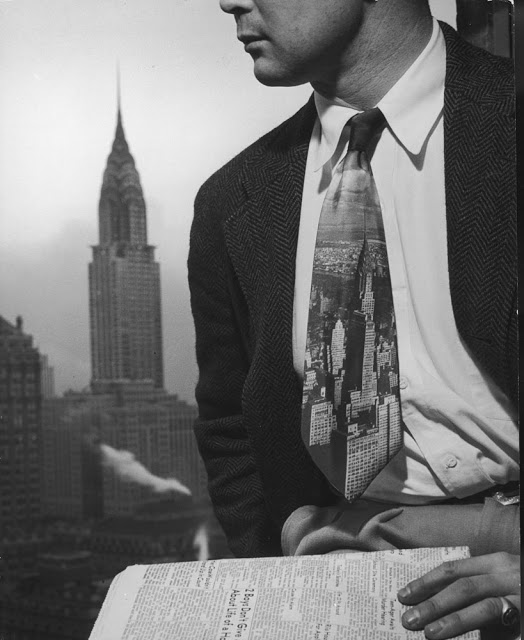
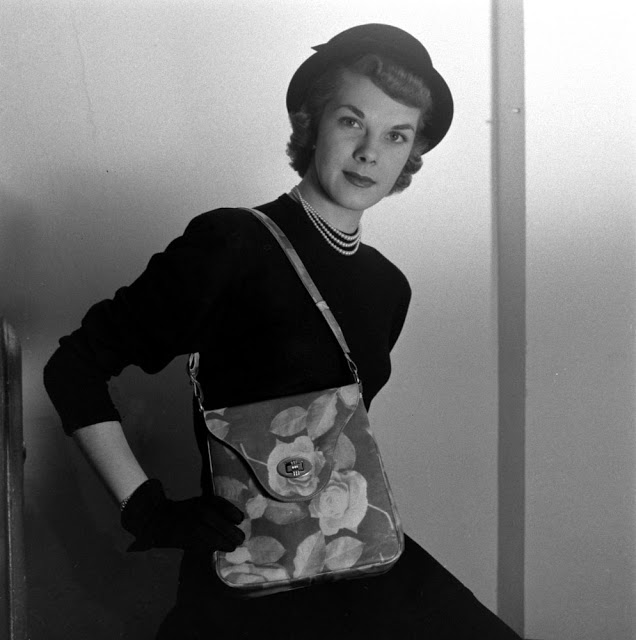
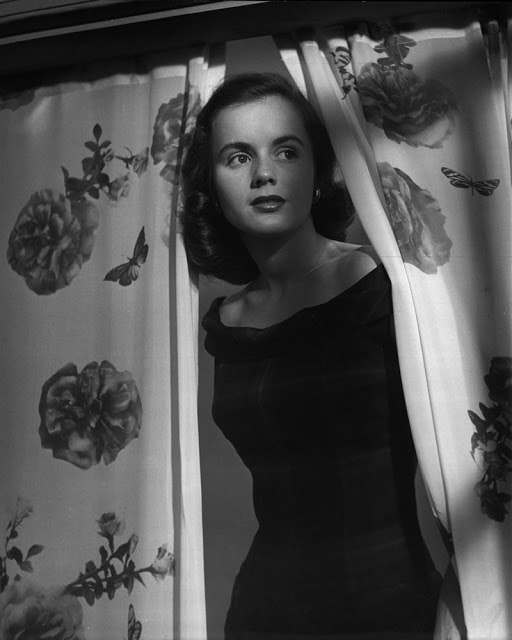
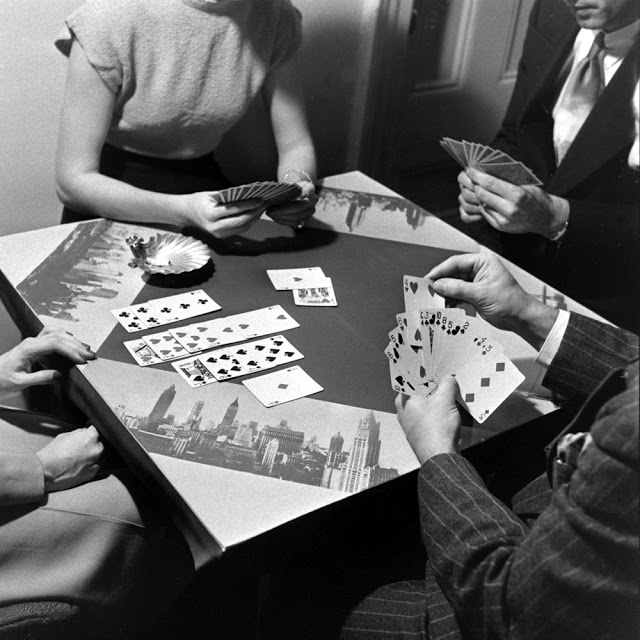
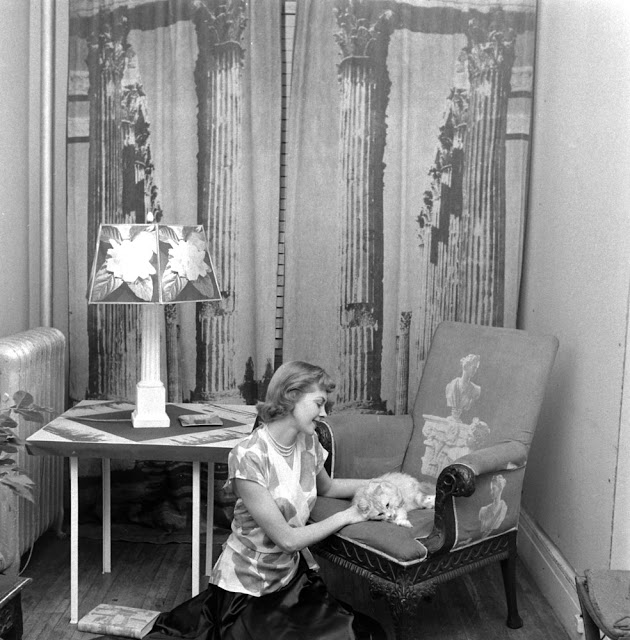
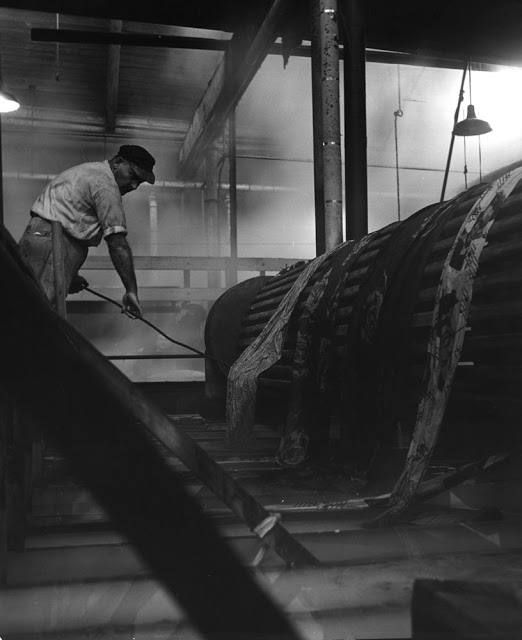
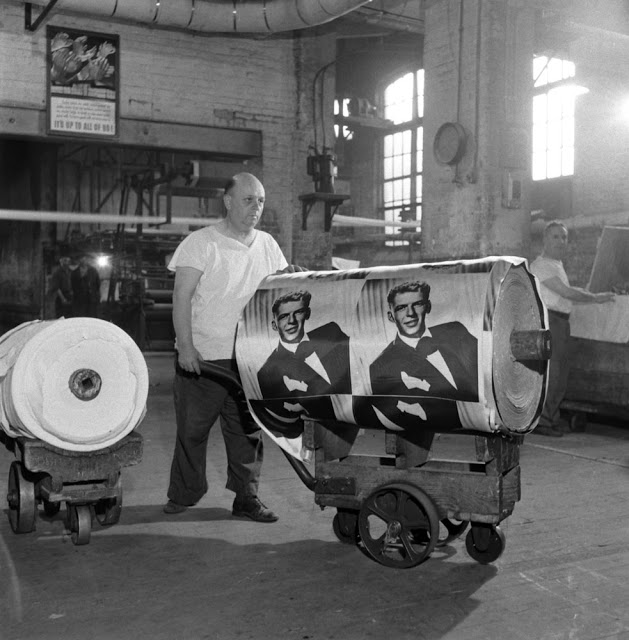
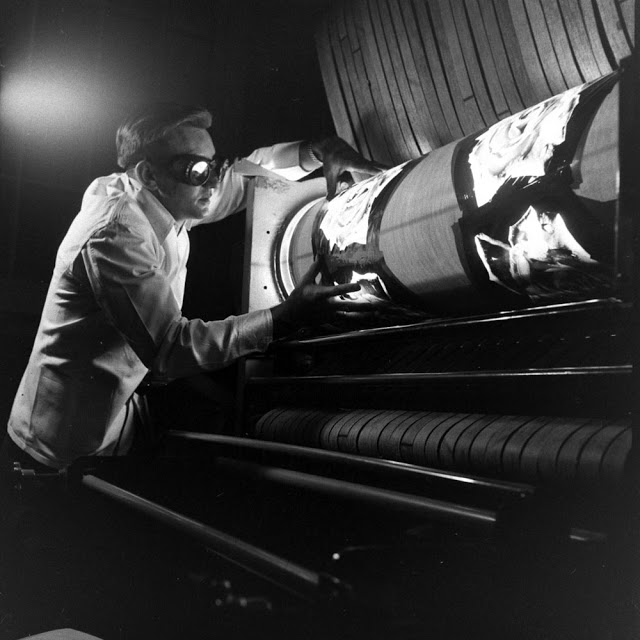
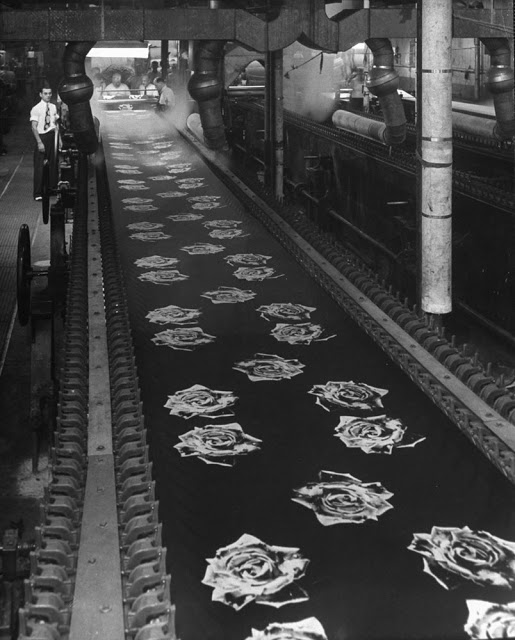
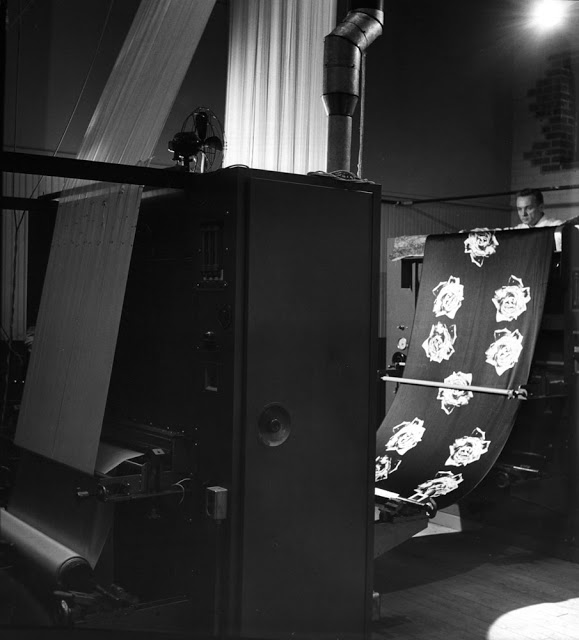
In the 1940s, men and women had been pushing the technical limits of photography ever since the medium was born, well over a century before — but no one , it seems, had ever bothered to devote the energy, time and money it would take to devise a method for printing pictures directly on to fabric. Two New York-based companies were out to change that grave dereliction: by 1947, the “photographic fabrics [were] being produced in quantity by two new and rival processes.”
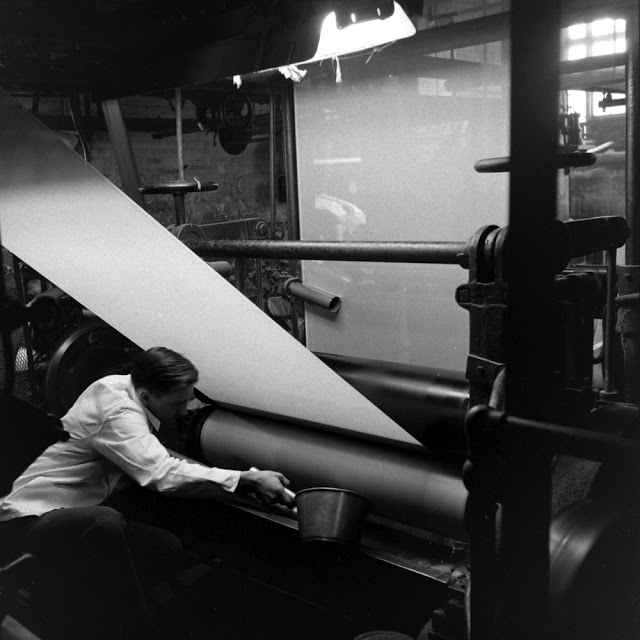
Both methods depend on a series of secret chemicals and dyes with which fabric is impregnated to make it light-sensitive. In the Foto-Fab process used by Leize, Inc. of New York a light shining through a negative film makes a positive print on cloth. In the Photone process of Ross-Smith Corp., also of New York, a positive film is used.
For the textile-printing industry photographic fabrics are the big news of the year. Although now limited to a group of restrained monotones, both pioneering companies are working to develop techniques that will give them full-color photographs on fabric and an opportunity to compete vigorously with traditional methods of printing fabric.
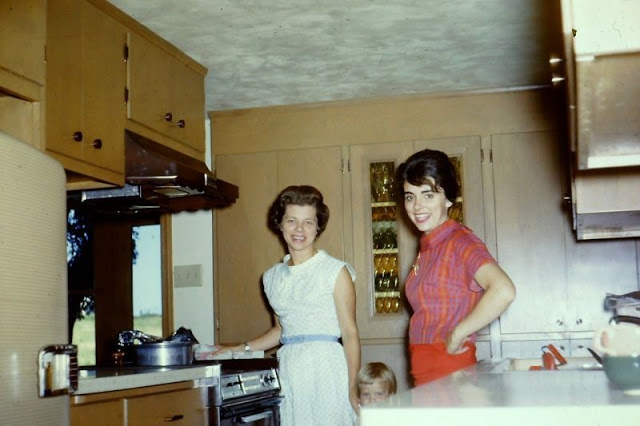
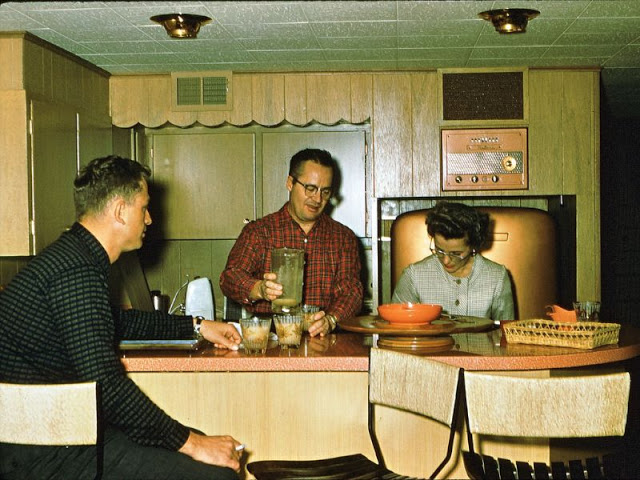
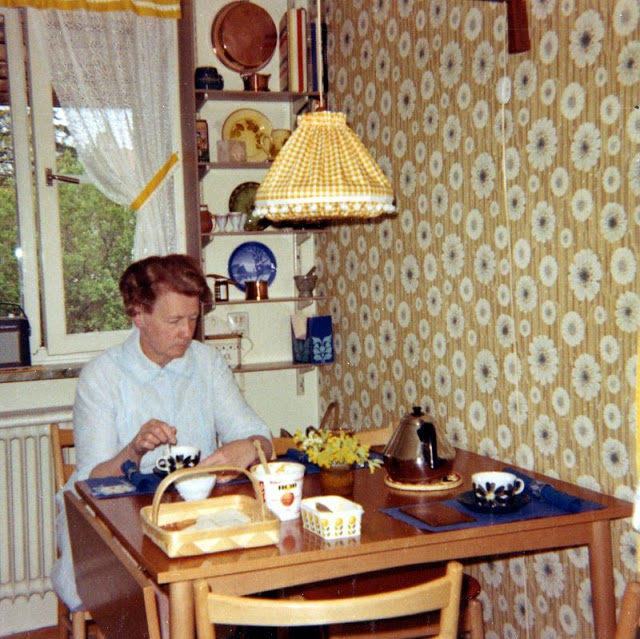
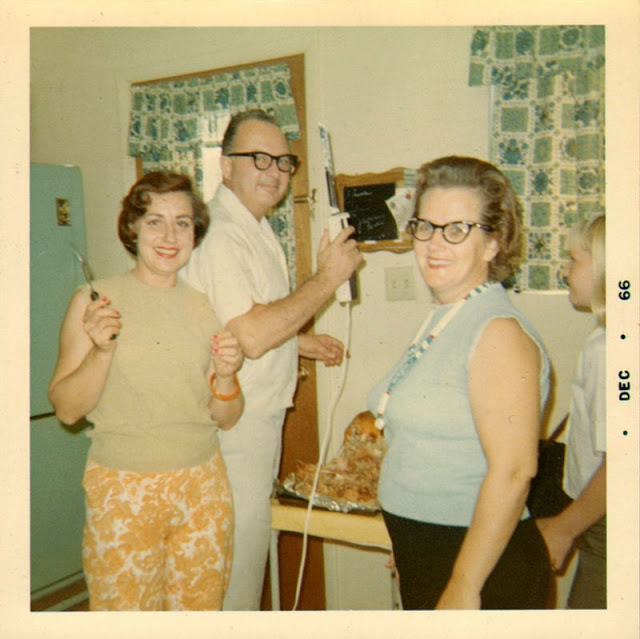
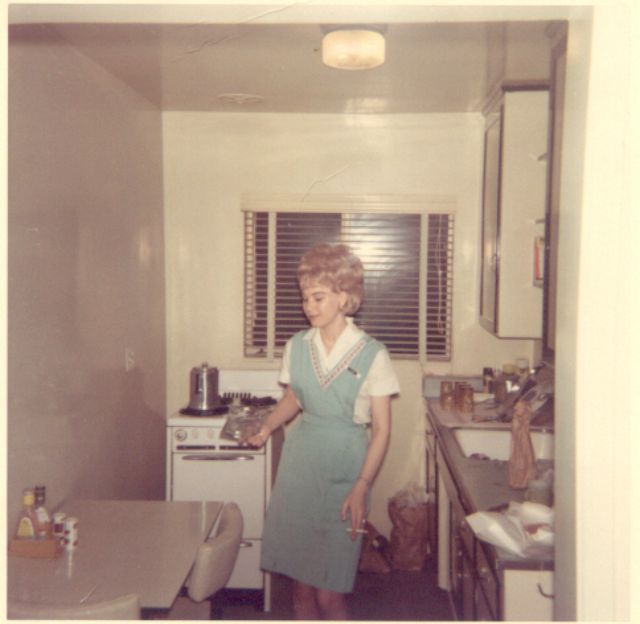
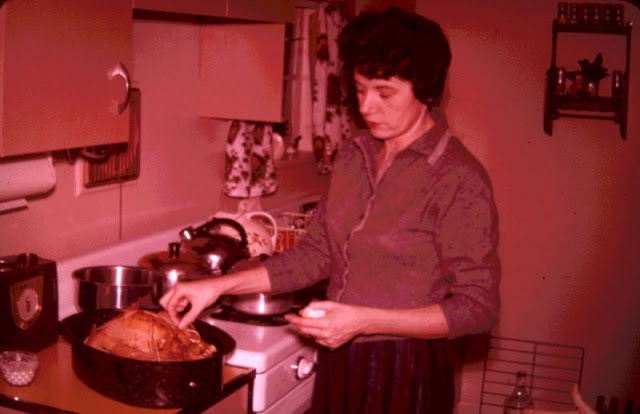
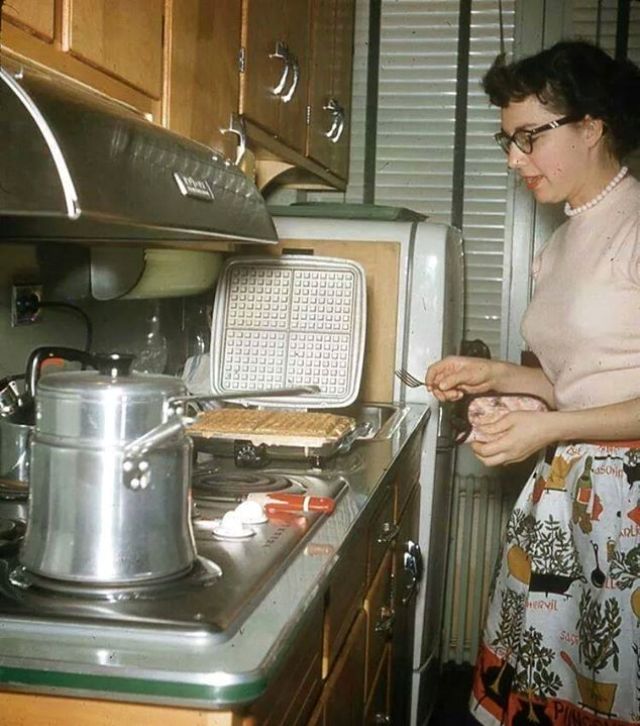
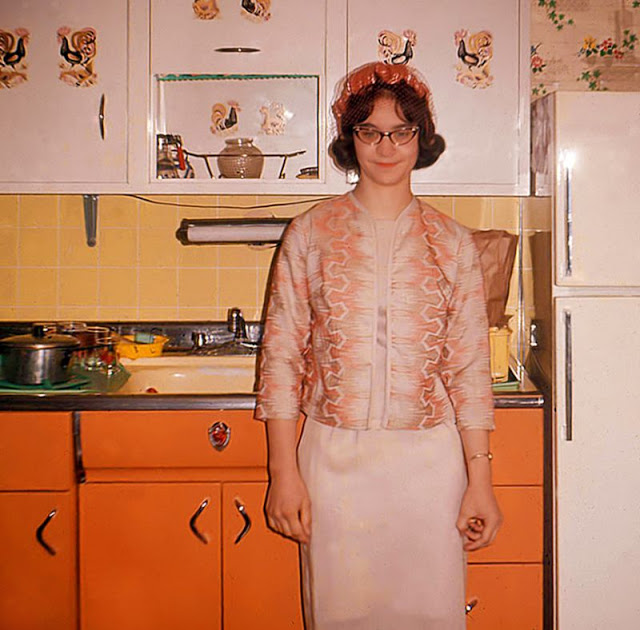
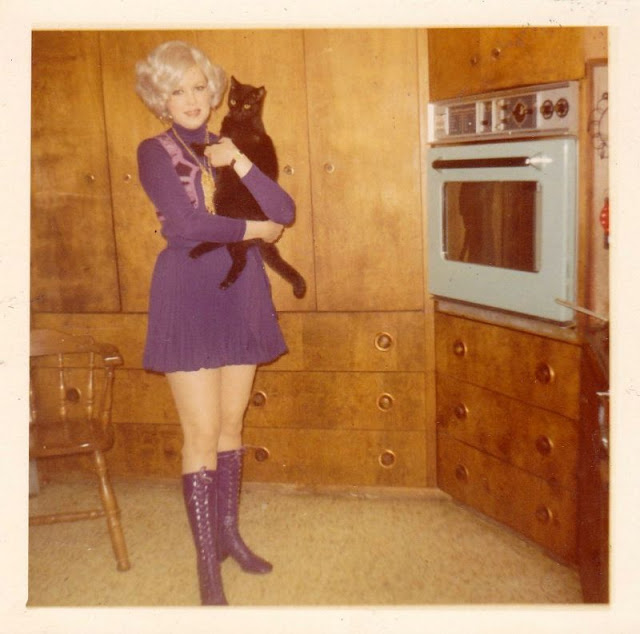
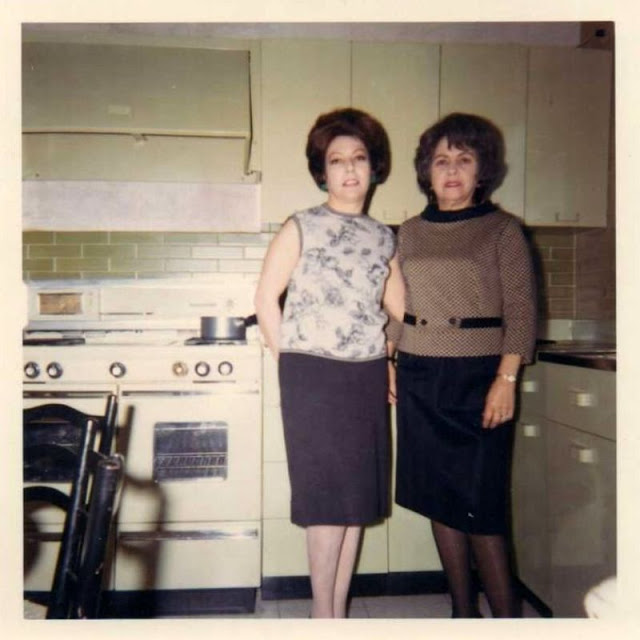
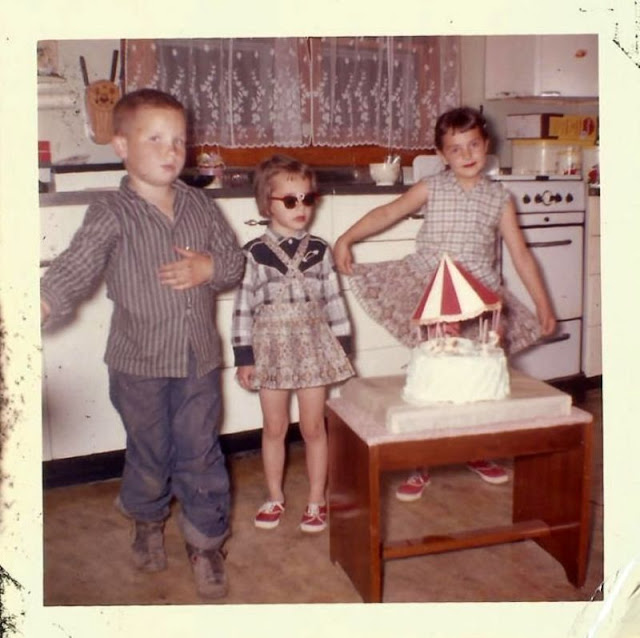
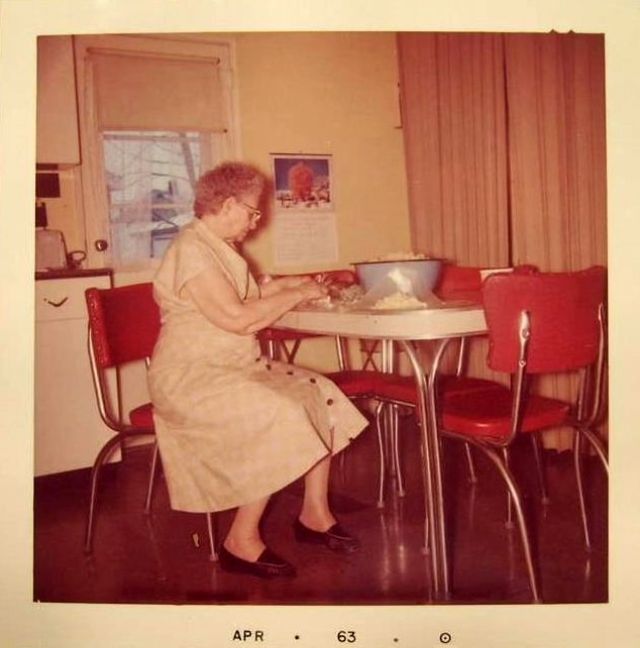
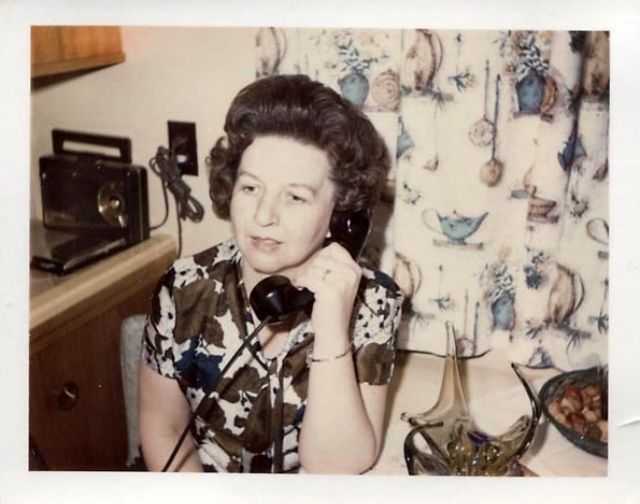
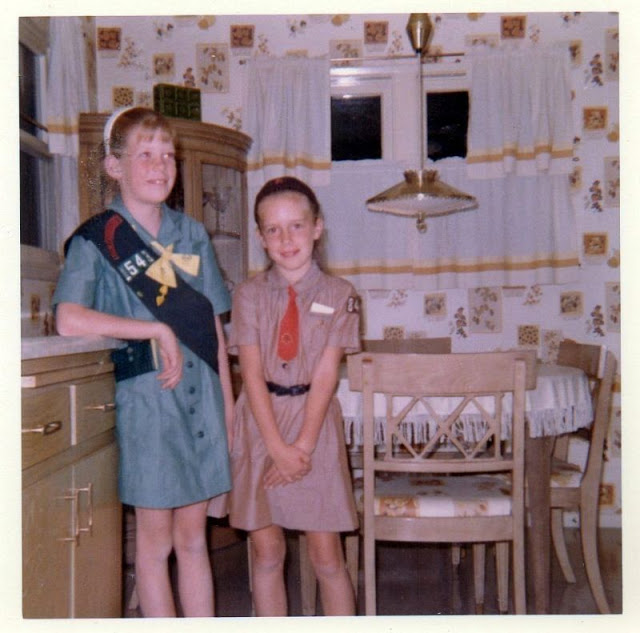
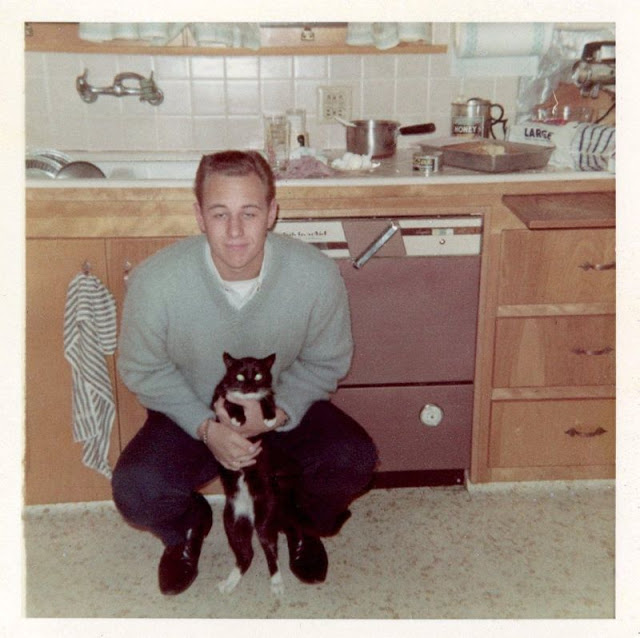
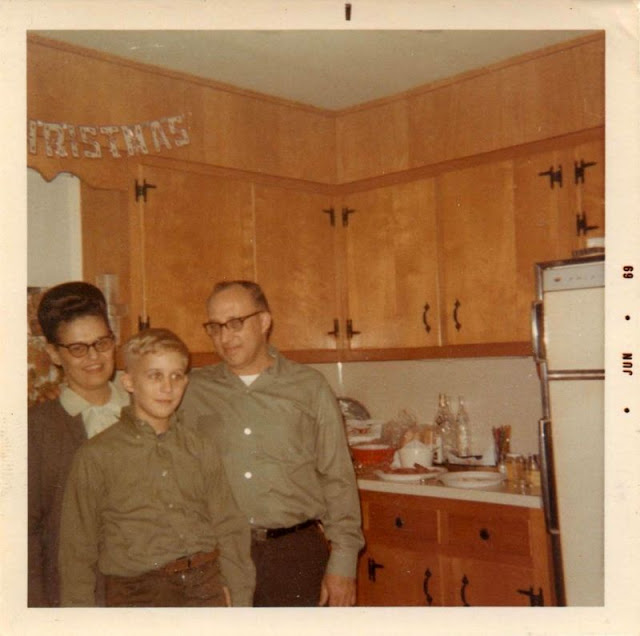
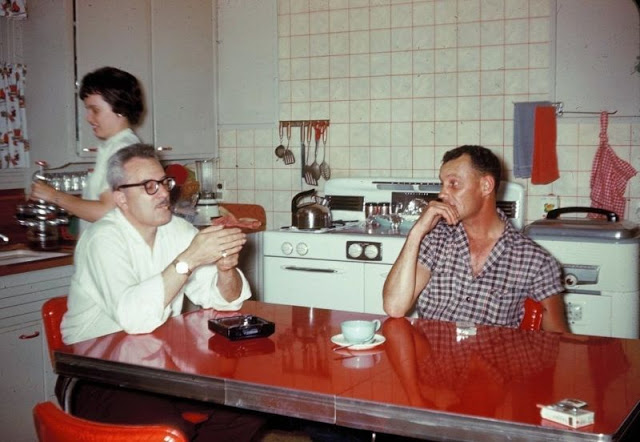
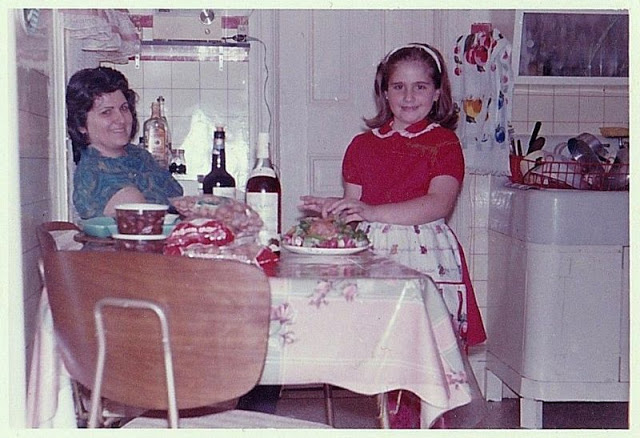
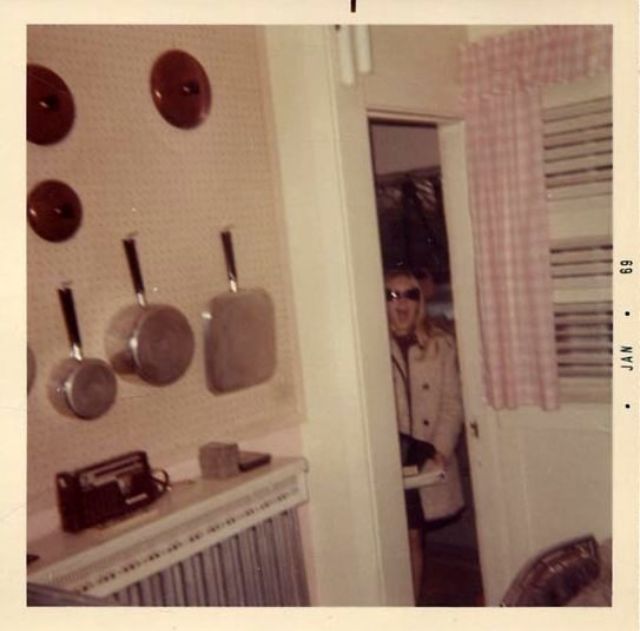
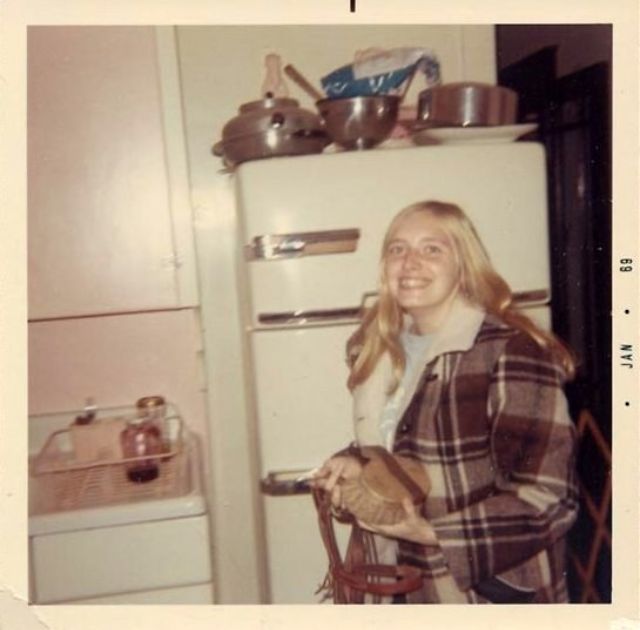
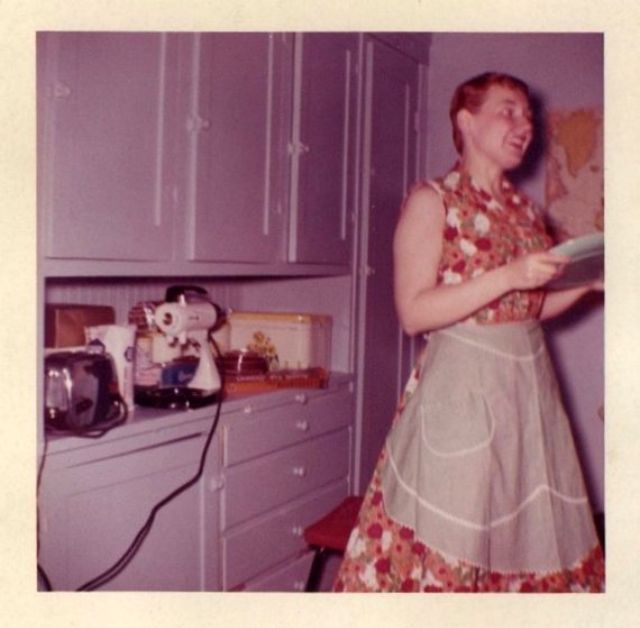
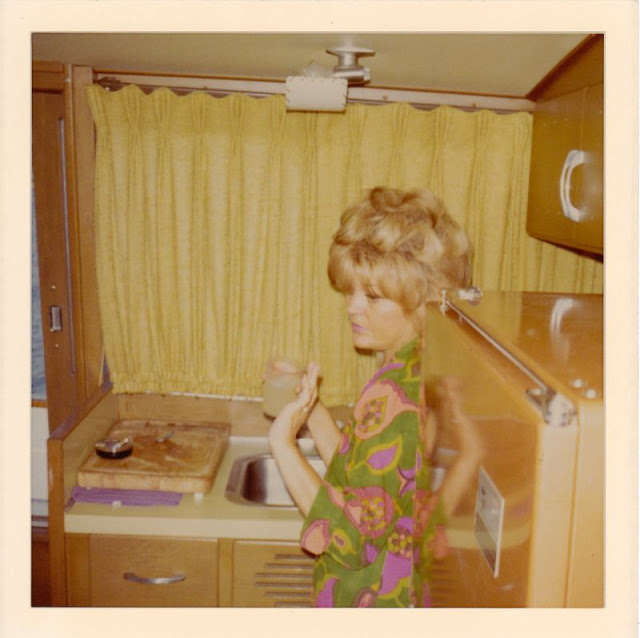
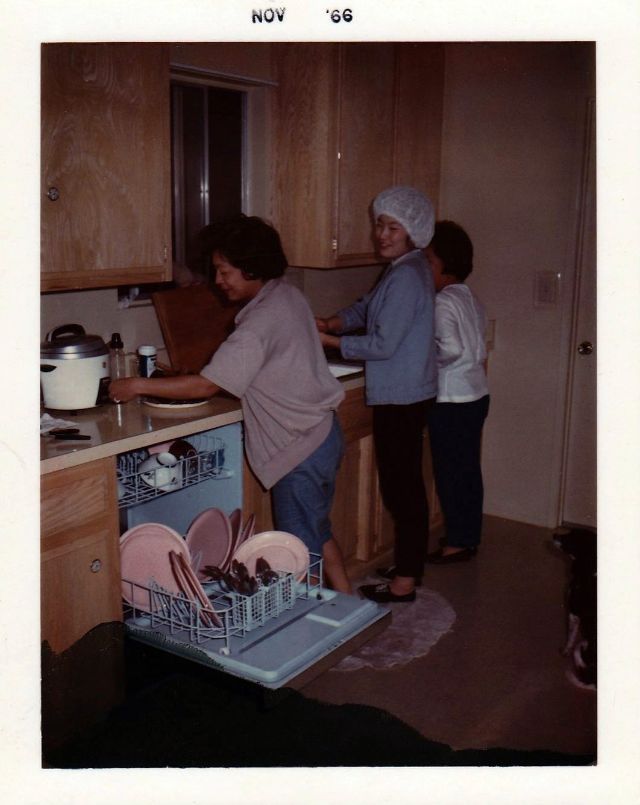
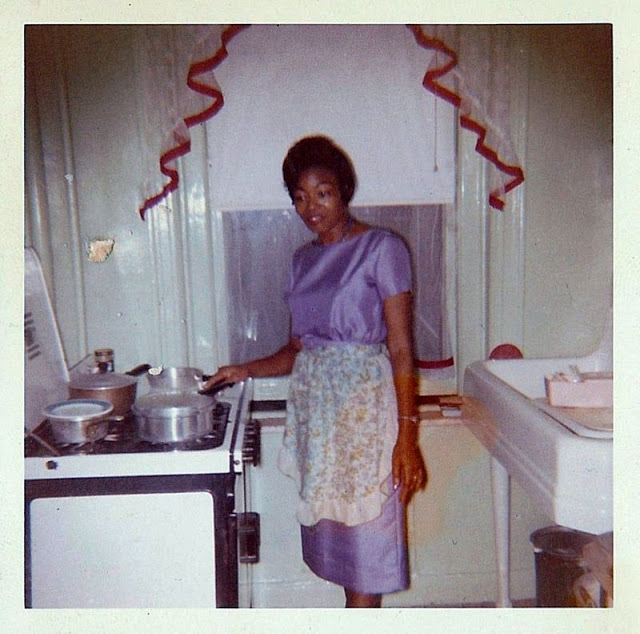
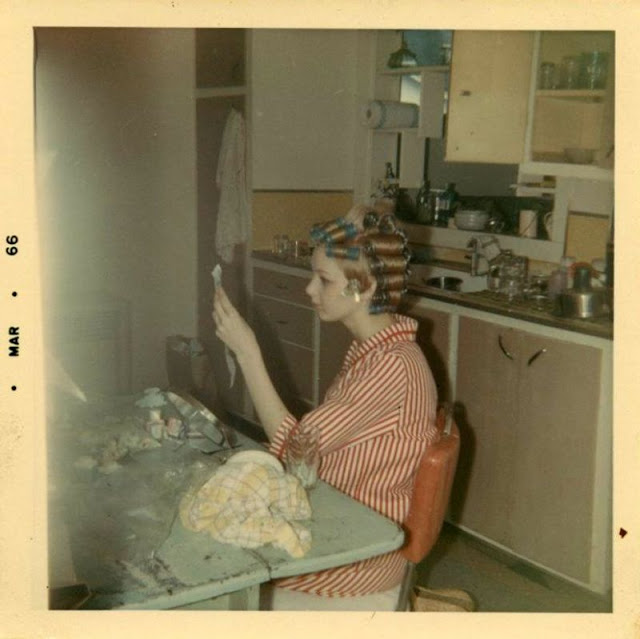
Kitchens are really the heart of the home, and everyone uses them differently.
The era of the 1960s was a crazy, eclectic time. Many different styles, influences, and novelties emerged in architecture design. On one hand, you had the elegant, classy and sleek forms from the 1950s and on the other the new colorful, psychedelic, and futuristic Space Age design.
Adding the cultural revolution into the mix, it was only natural that the changes highly influenced the way people thought about their home kitchens. It was a period in which kitchens ceased to be merely practical workrooms, in fact they became one of the central places of the household.
These color snapshots that show how kitchens were like from the 1960s.