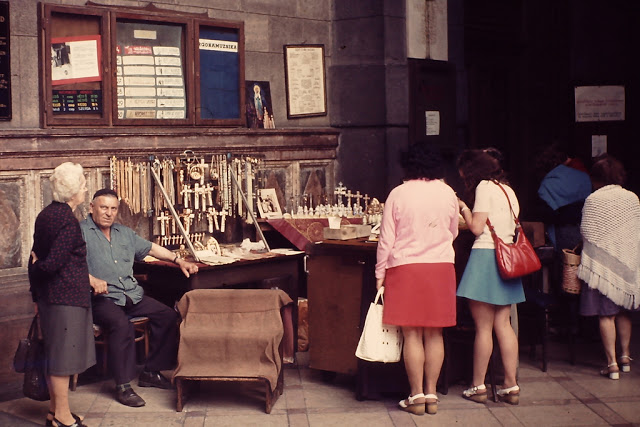
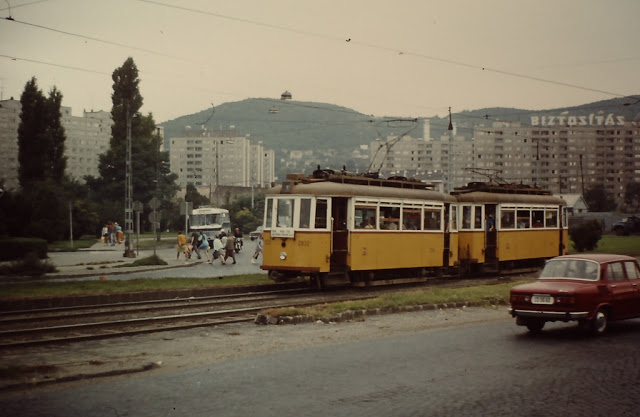
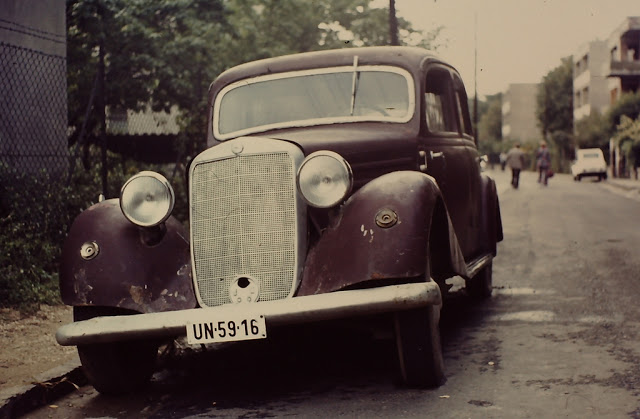
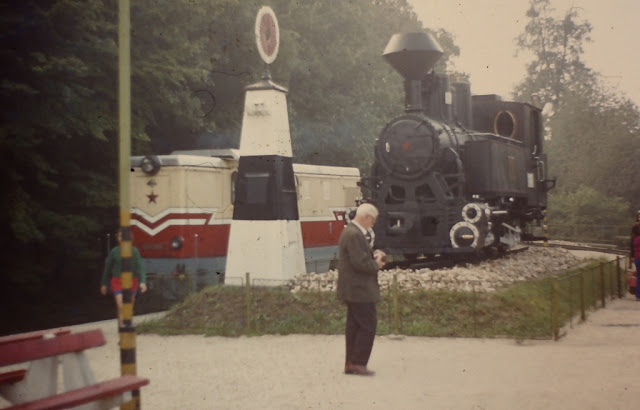
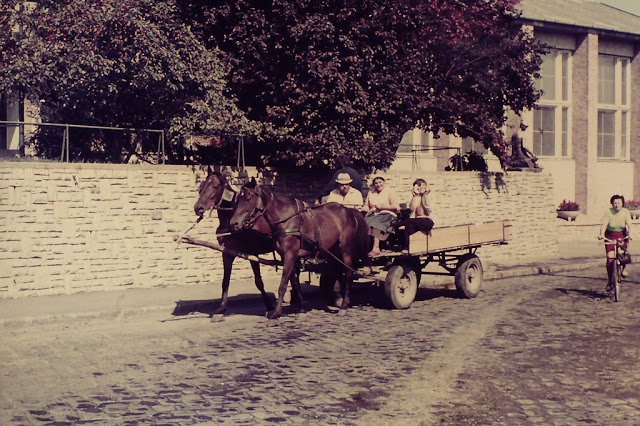
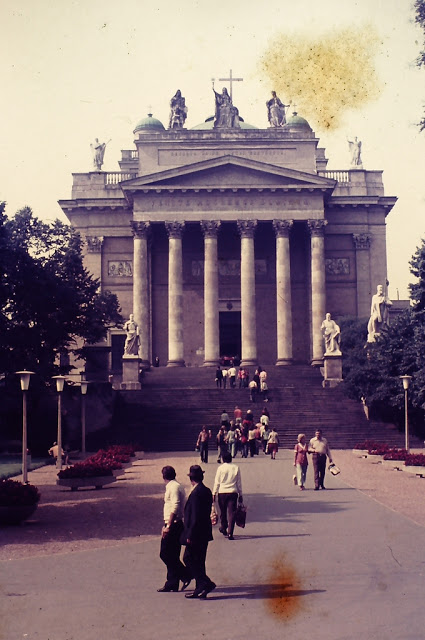
Budapest is the capital and most populous city of Hungary. It is the ninth-largest city in the European Union by population within city limits; the city has an estimated population of 1,752,286 over a land area of about 525 square kilometres (203 square miles). Budapest, which is both a city and county, forms the centre of the Budapest metropolitan area, which has an area of 7,626 square kilometres (2,944 square miles) and a population of 3,303,786, comprising 33% of the population of Hungary.
The history of Budapest began when an early Celtic settlement transformed into the Roman town of Aquincum, the capital of Lower Pannonia. The Hungarians arrived in the territory in the late 9th century, but the area was pillaged by the Mongols in 1241–42. Re-established Buda became one of the centres of Renaissance humanist culture by the 15th century. The Battle of Mohács, in 1526, was followed by nearly 150 years of Ottoman rule. After the reconquest of Buda in 1686, the region entered a new age of prosperity, with Pest-Buda becoming a global city after the unification of Buda, Óbuda and Pest on 17 November 1873, with the name ‘Budapest’ given to the new capital. Budapest also became the co-capital of the Austro-Hungarian Empire, a great power that dissolved in 1918, following World War I. The city was the focal point of the Hungarian Revolution of 1848, the Battle of Budapest in 1945, as well as the Hungarian Revolution of 1956.
Budapest is a Beta + global city with strengths in commerce, finance, media, art, fashion, research, technology, education and entertainment. Hungary’s financial centre, it was ranked as the second fastest-developing urban economy in Europe in 2014. Budapest is the headquarters of the European Institute of Innovation and Technology, the European Police College and the first foreign office of the China Investment Promotion Agency. Over 40 colleges and universities are located in Budapest, including the Eötvös Loránd University, the Corvinus University, Semmelweis University and the Budapest University of Technology and Economics. Opened in 1896, the city’s subway system, the Budapest Metro, serves 1.27 million, while the Budapest Tram Network serves 1.08 million passengers daily.
The central area of Budapest along the Danube River is classified as a UNESCO World Heritage Site and has several notable monuments of classical architecture, including the Hungarian Parliament and the Buda Castle. The city also has around 80 geothermal springs, the largest thermal water cave system, second largest synagogue, and third largest Parliament building in the world. Budapest attracts around 12 million international tourists per year, making it a highly popular destination in Europe. It also topped the Best European Destinations 2020 list by Big7Media. Budapest also ranks as the third-best European city in a similar poll conducted by Which?. (Wikipedia)
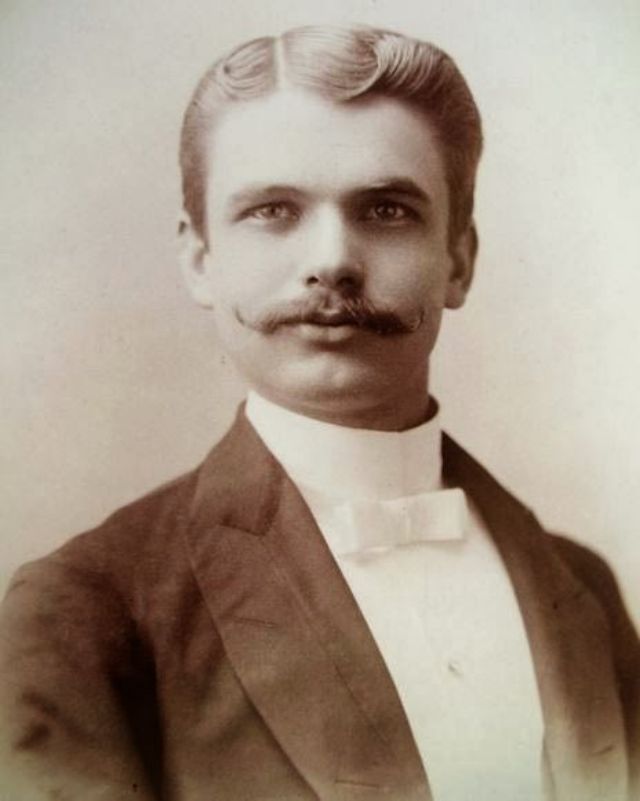
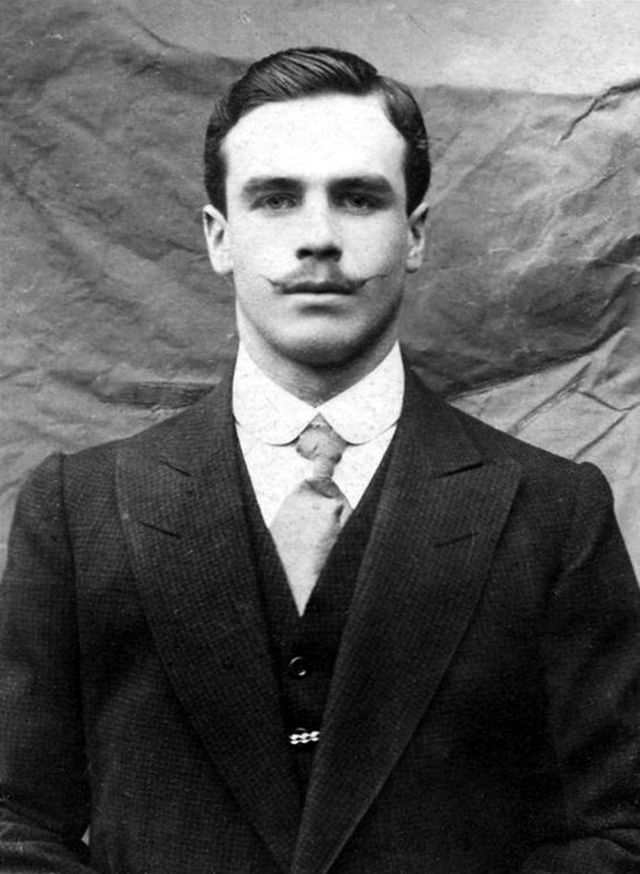
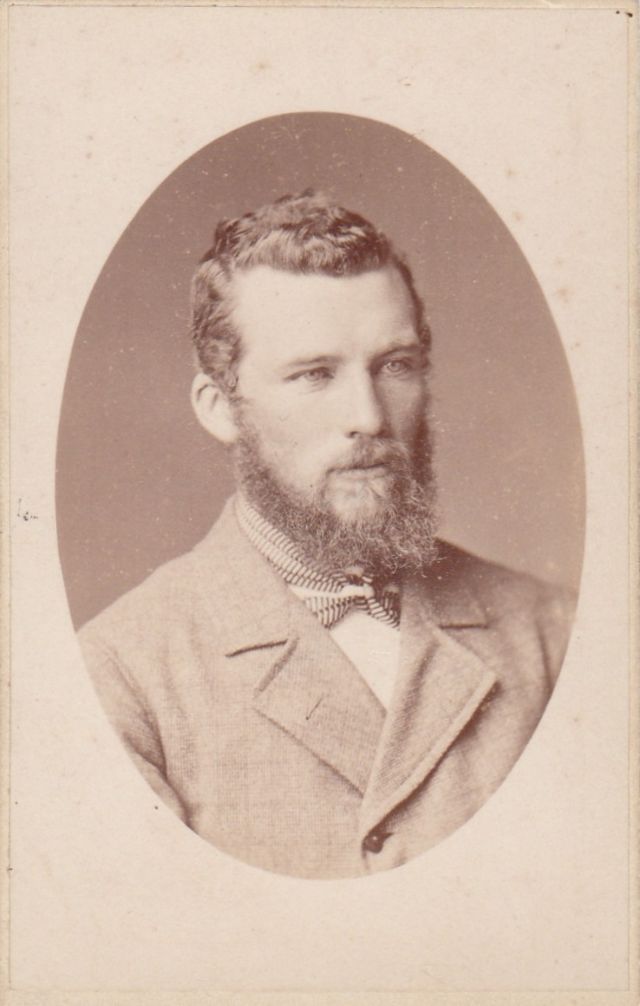
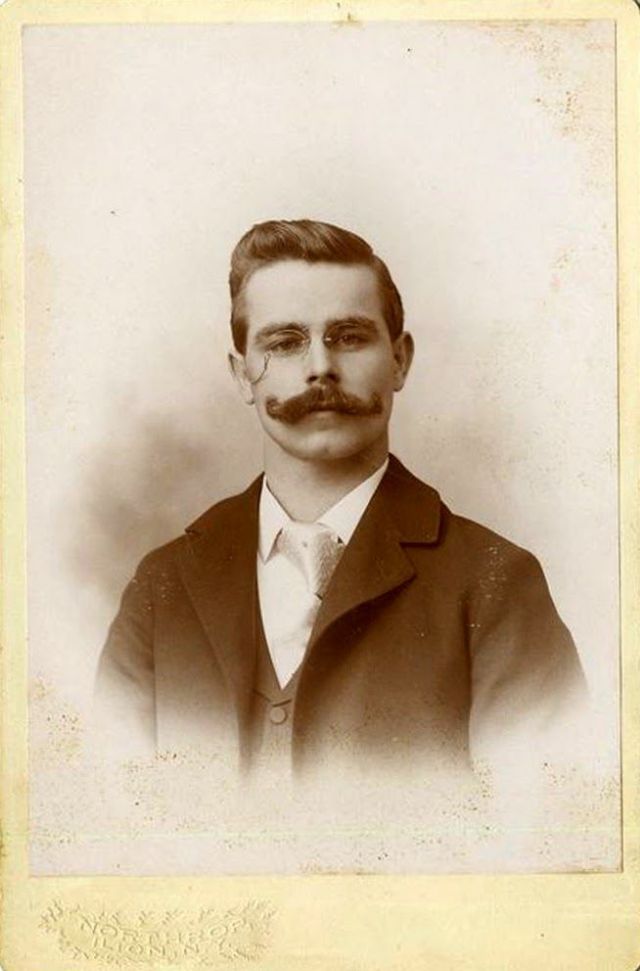
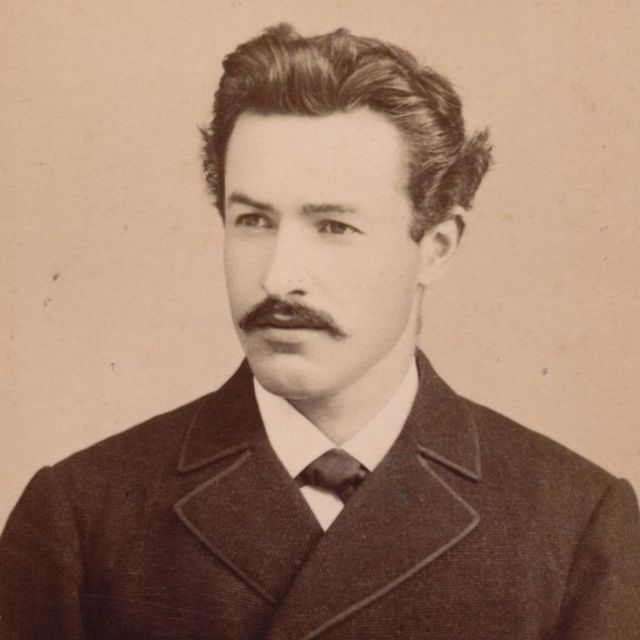
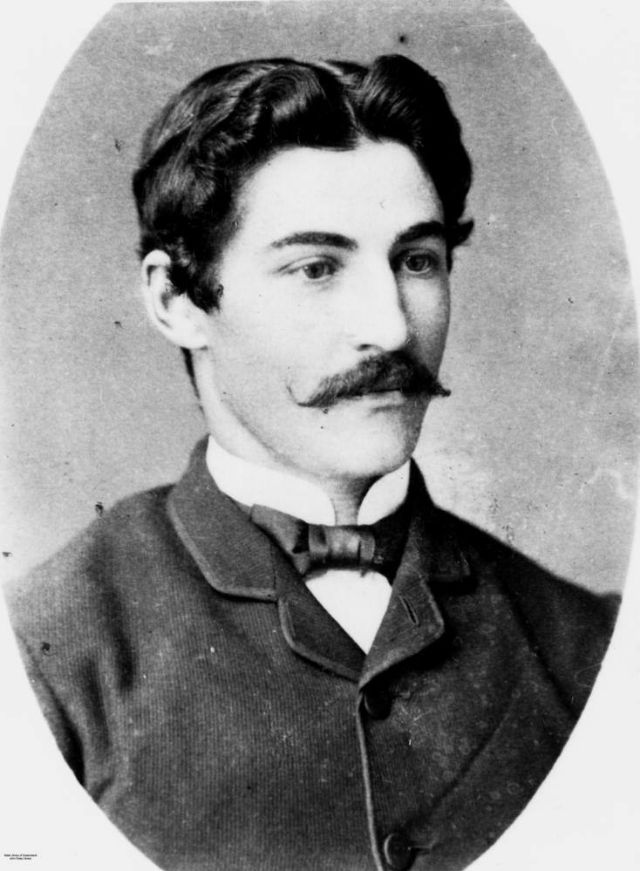
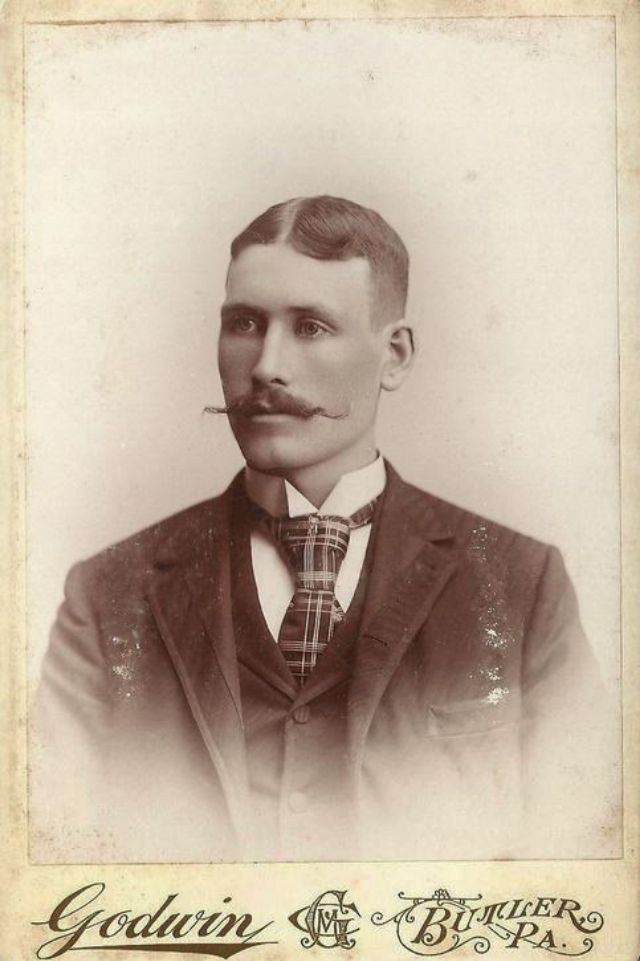
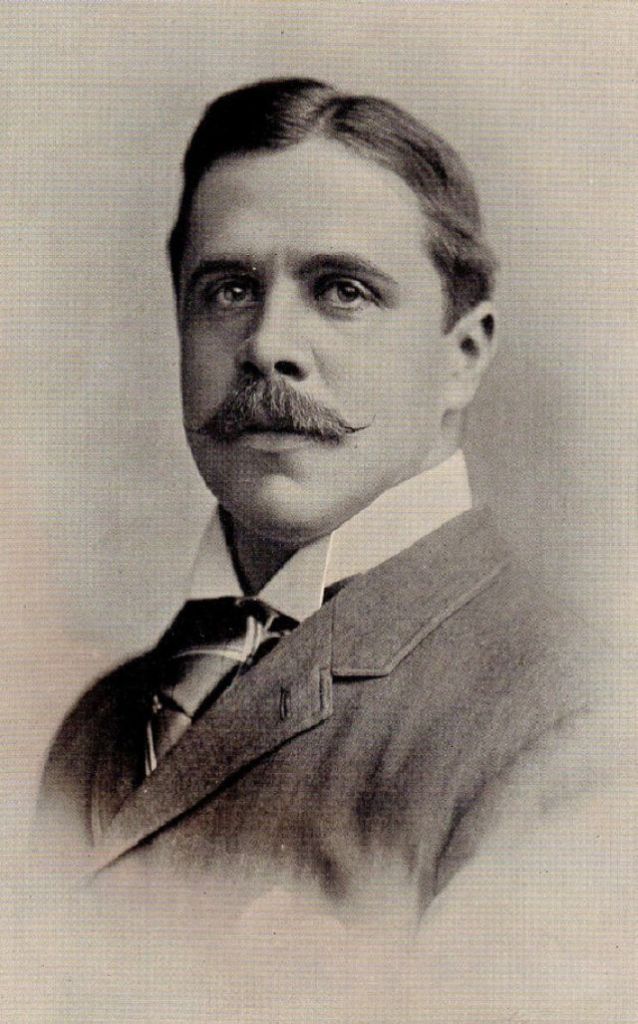
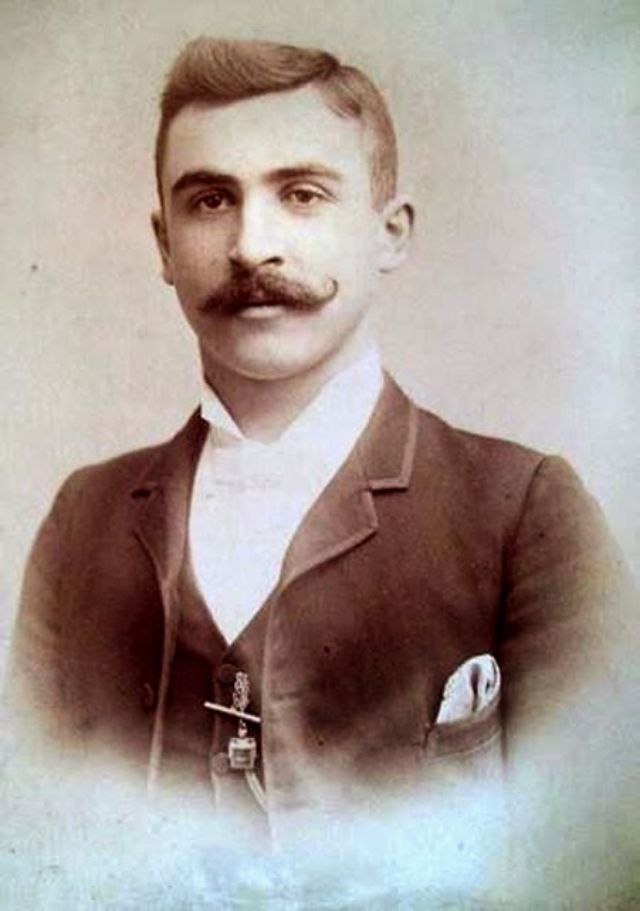
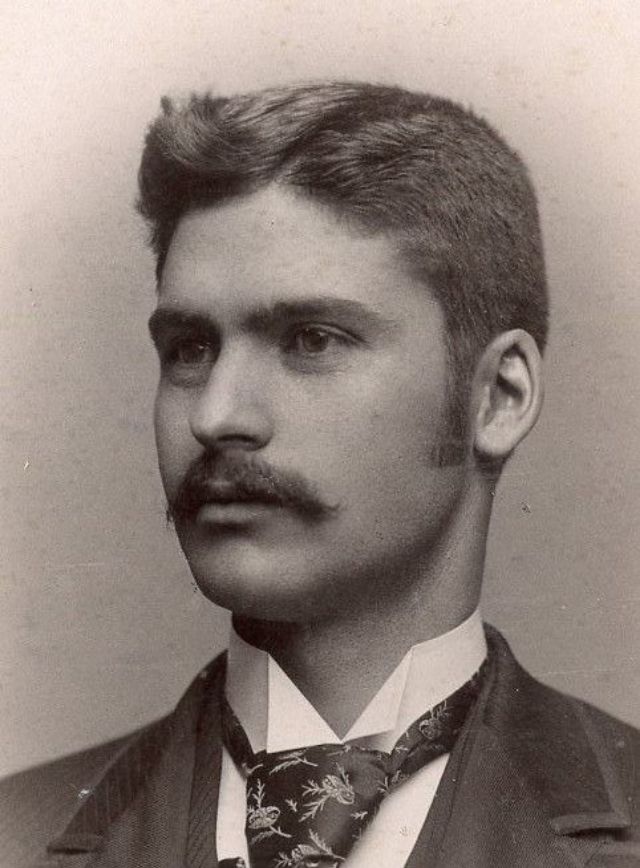
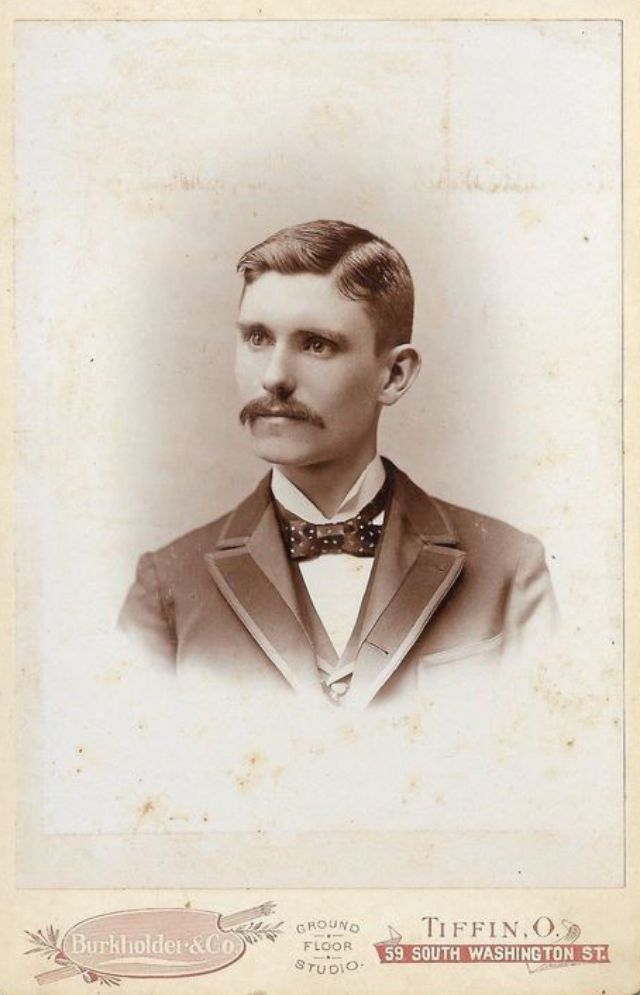
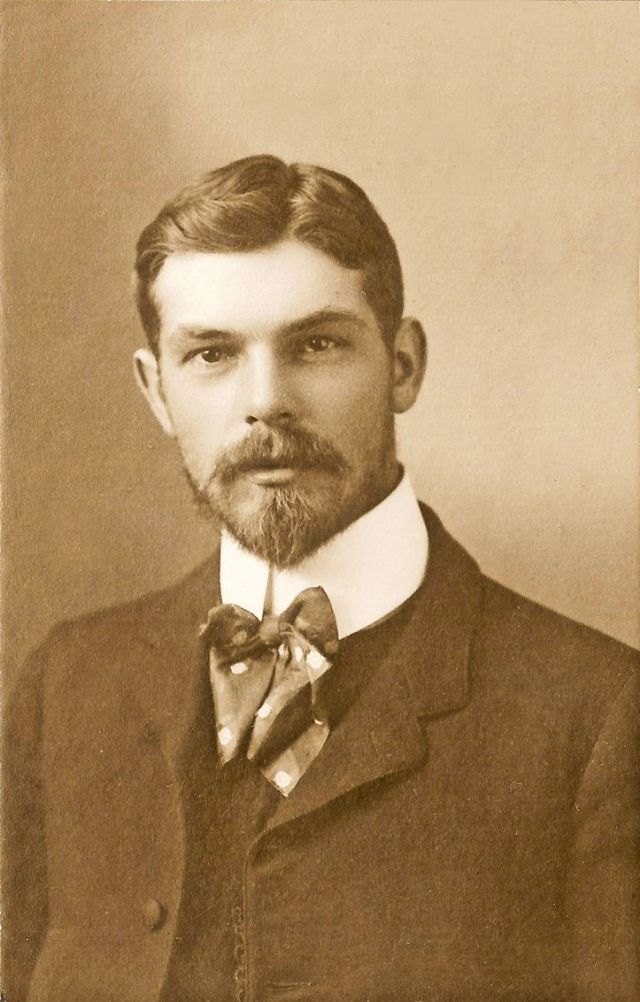
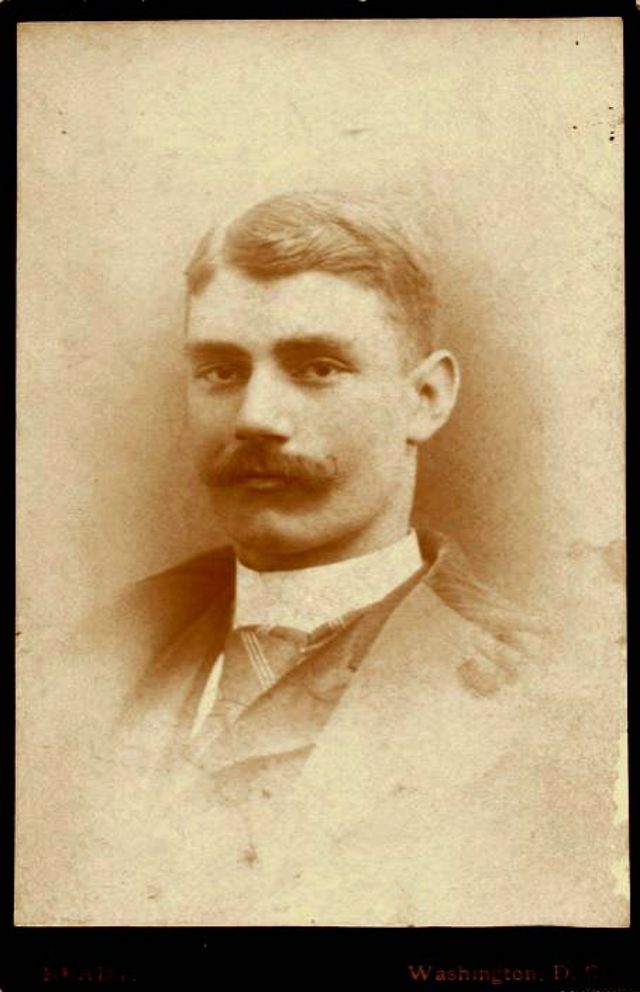
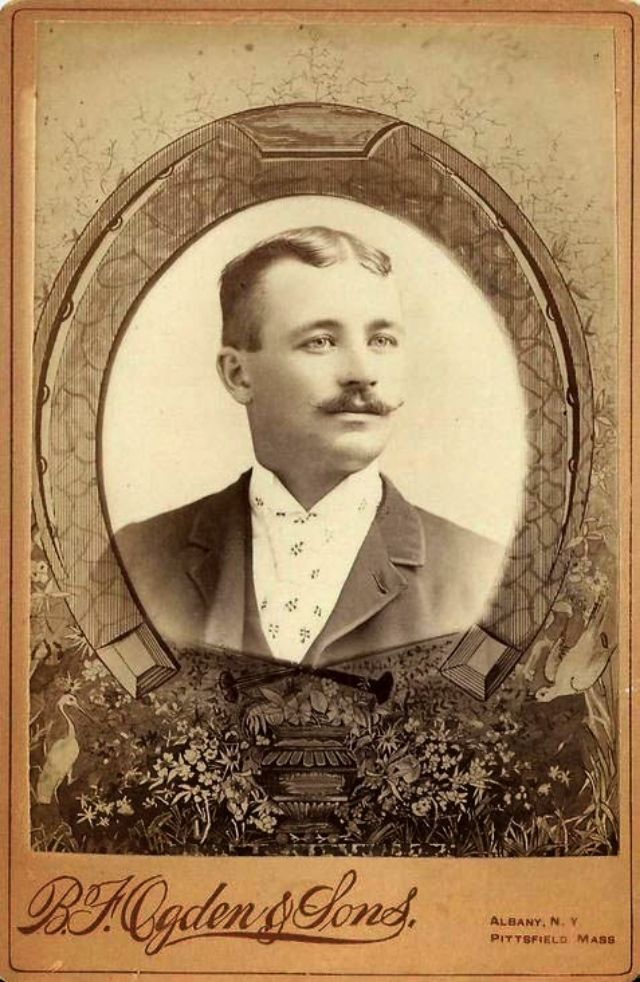
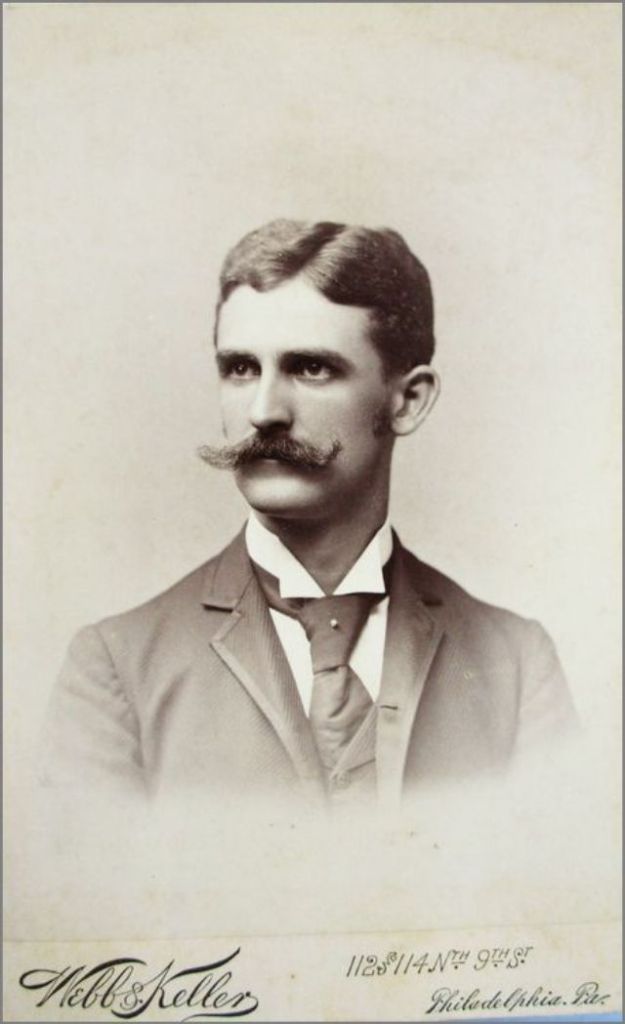
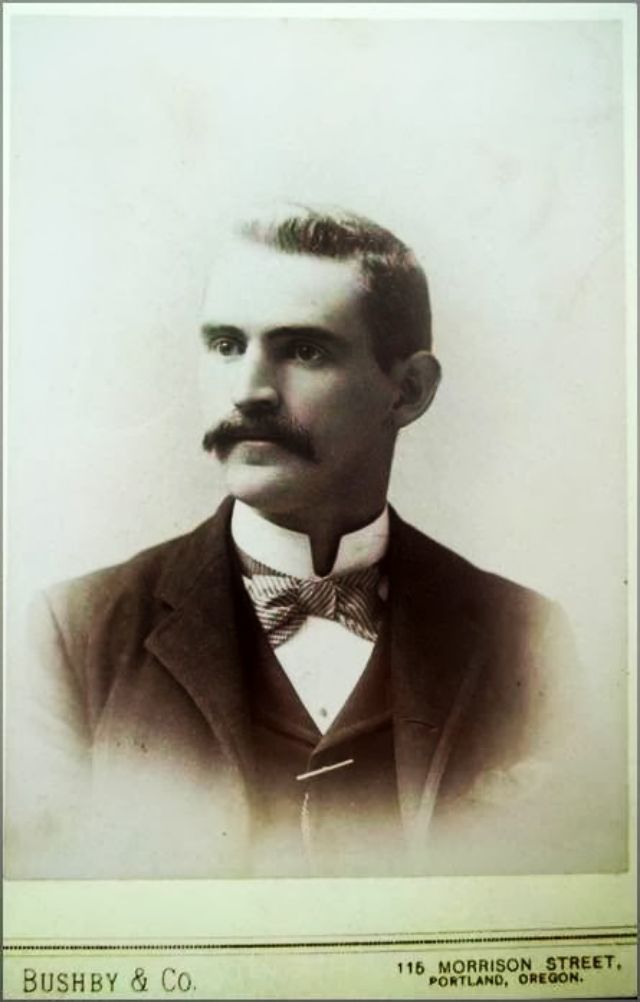
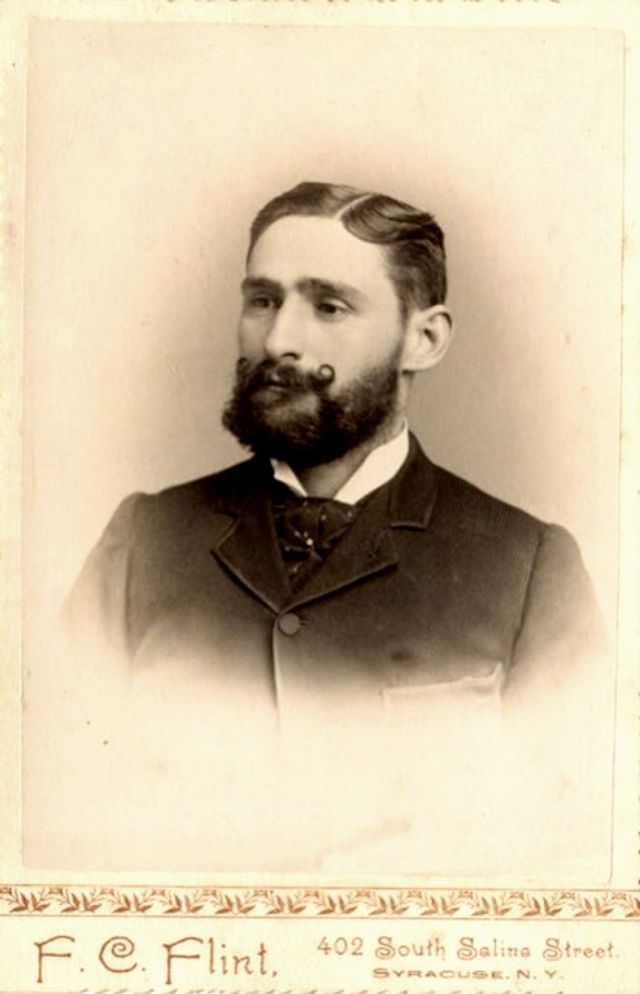
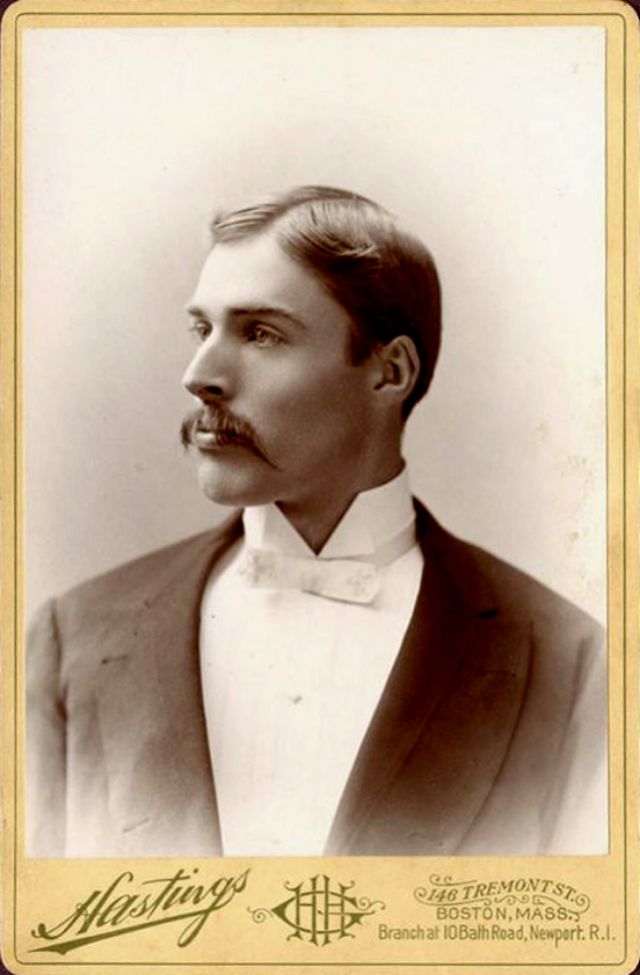
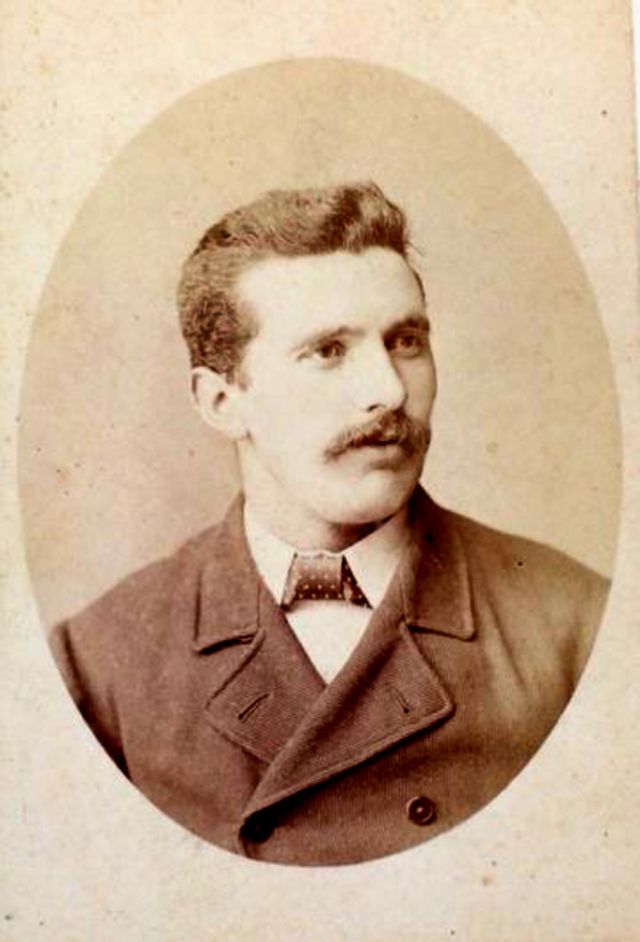
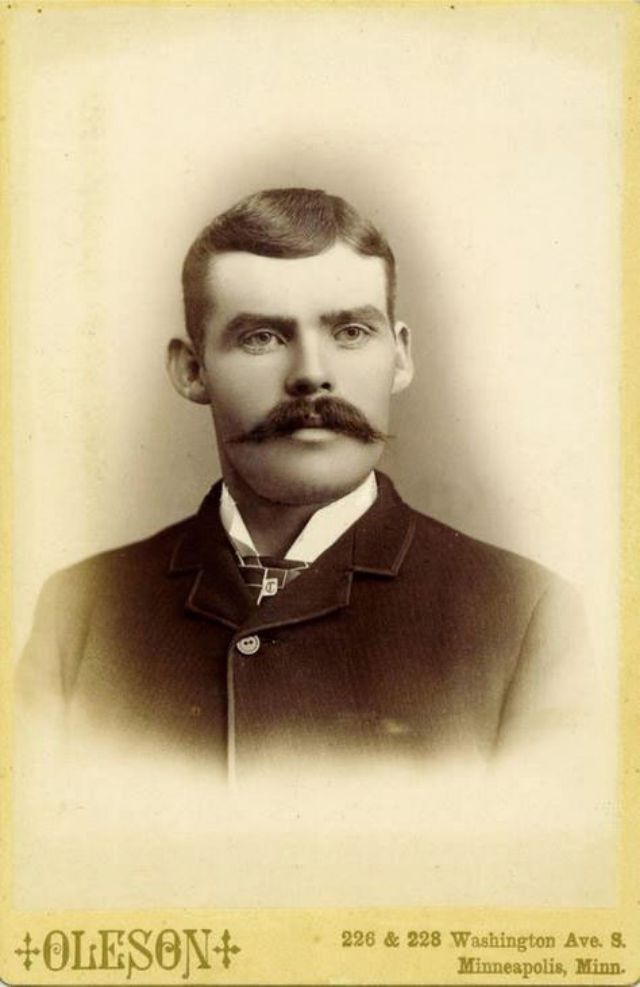
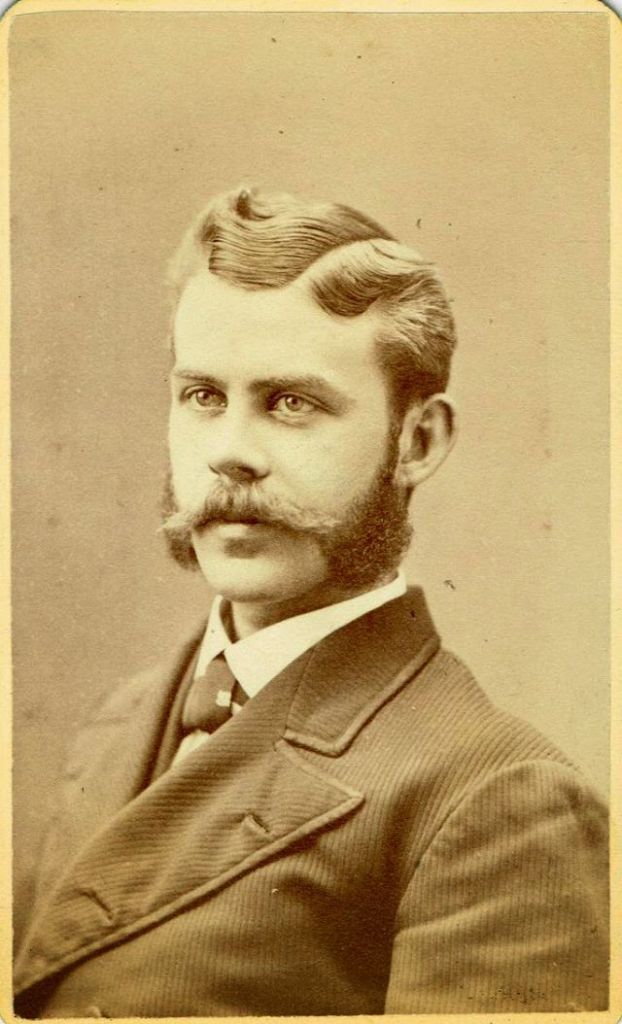
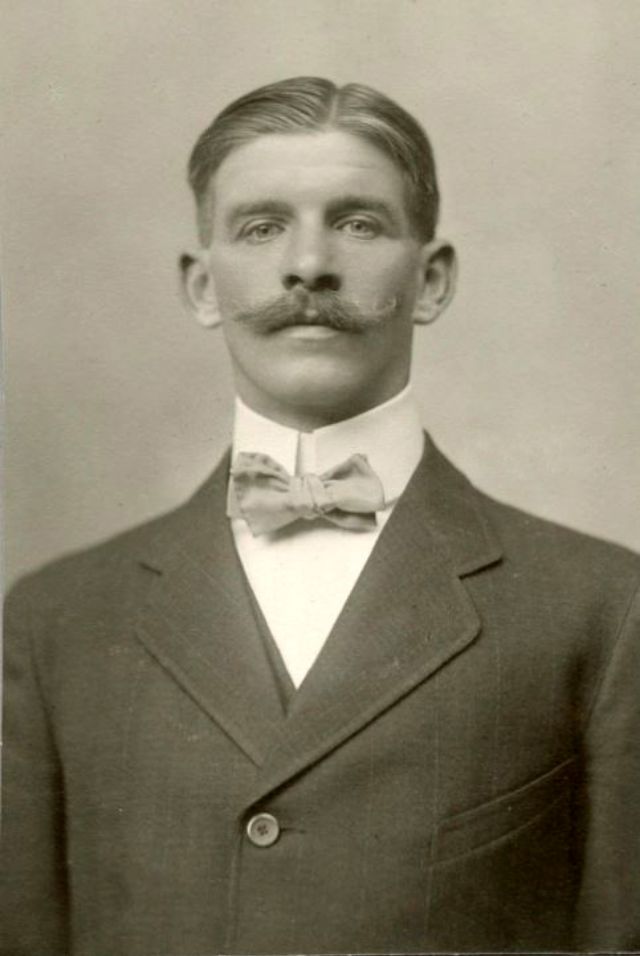
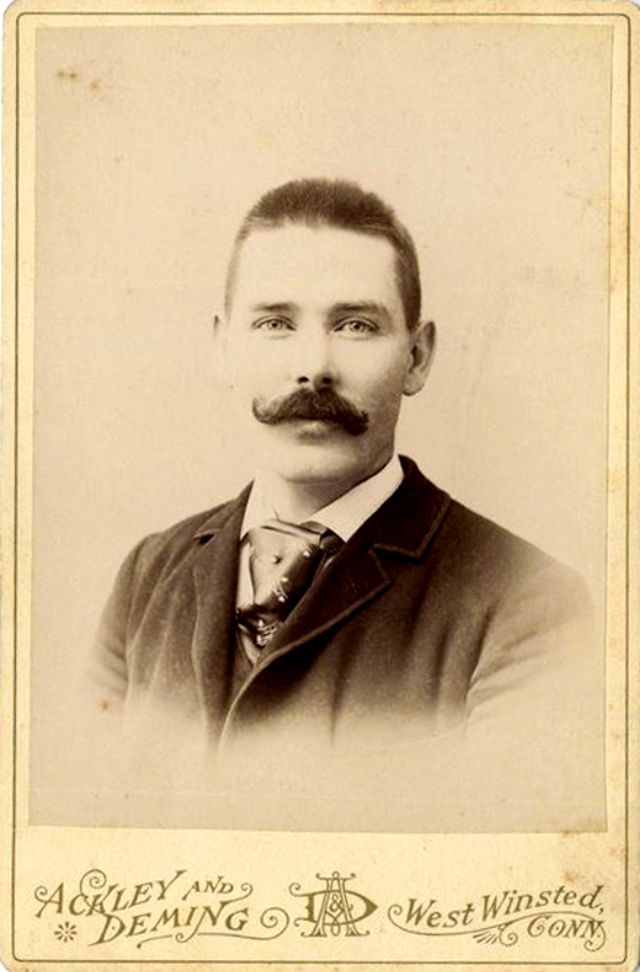
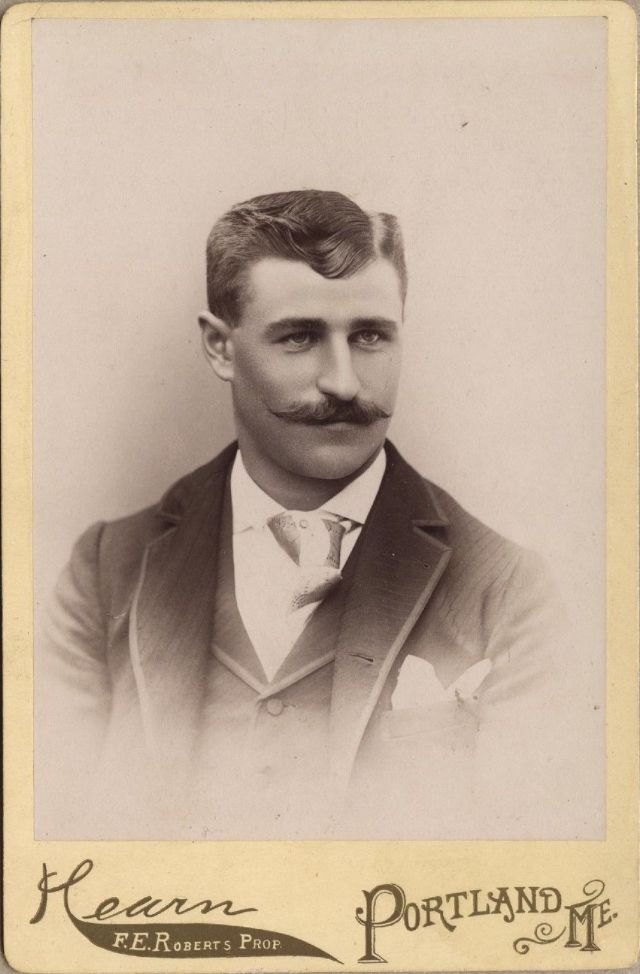
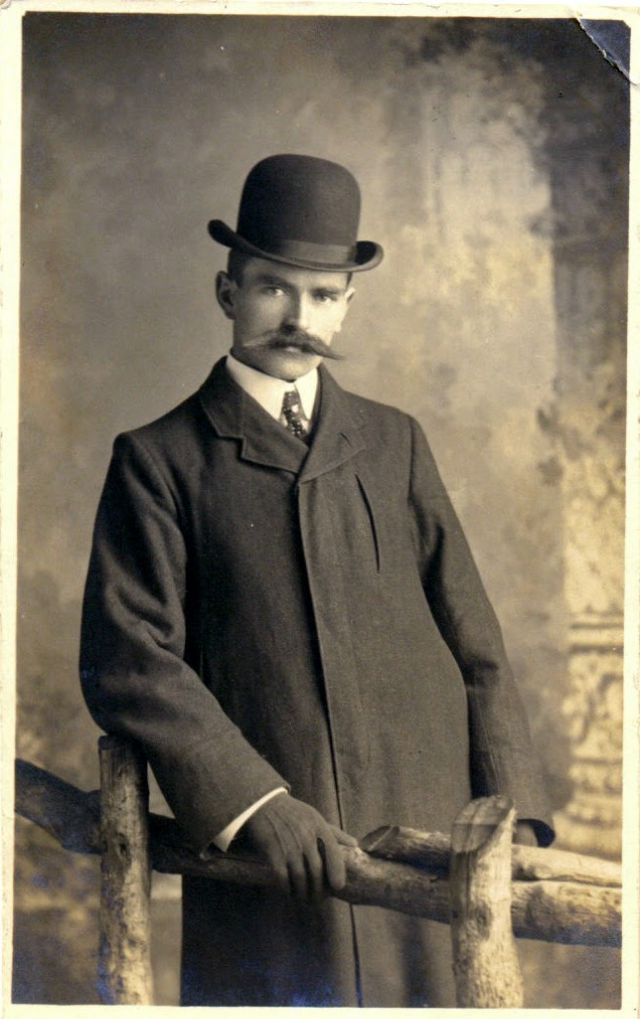
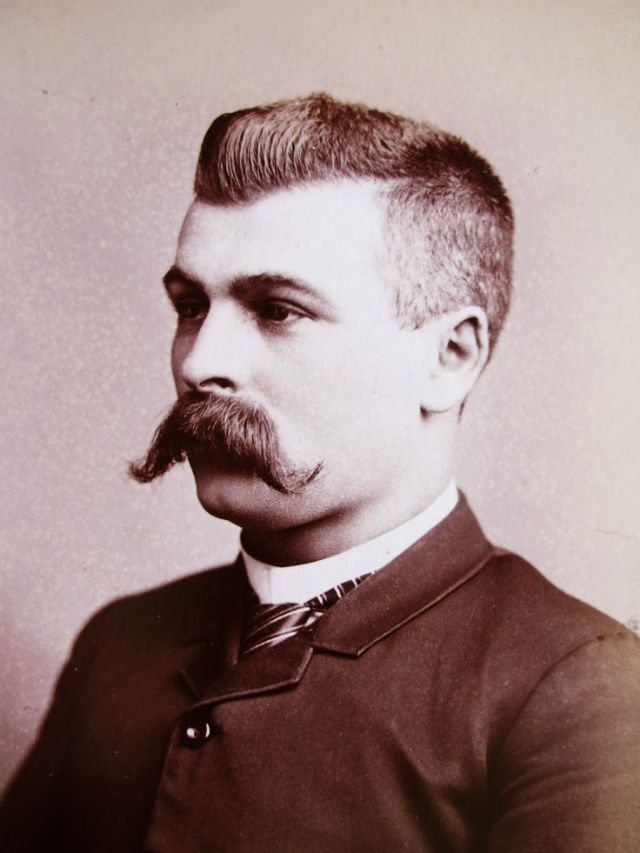
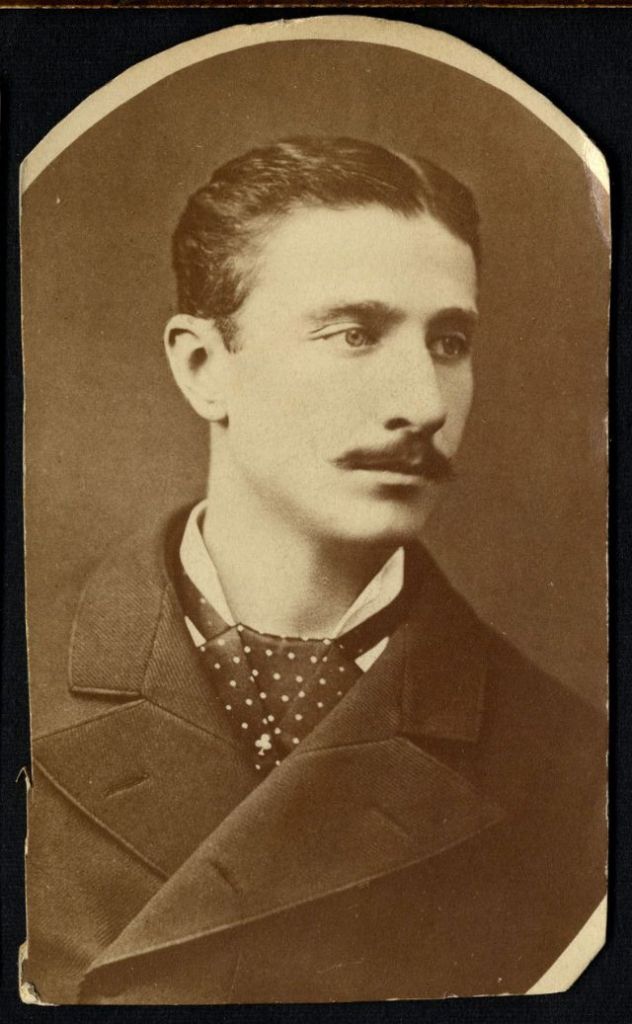
To the Victorian gentleman, a hairy upper lip was an essential accessory. The mustache was an affectation the most flattering to the vanity of the young. With it, the boy feels himself a man. It helps him to look old and the look of age is useful in business and inspires confidence. The youth of twenty one looks thirty with a mustache and without it he would look sixteen.
However, the mustache was, in this socially-conscious society, the prerogative of the gentleman. Menservants were required to be clean-shaven, and in contrast to the ornate beards and mustaches worn by the officers of the day, which complemented their rank and age, subalterns and lesser ranks made do with much simpler styles.
For an officer to shave his mustache would be treated like a breach of discipline and in the gentlemen’s clubs of St James’s, to appear with a naked upper lip was as unacceptable as forgetting to put on your trousers!
The mustache also had its attractions for ladies. In the 1880s, Rudyard Kipling wrote of a woman who complained that being kissed by a man who did not wax his mustache was like eating an egg without salt.
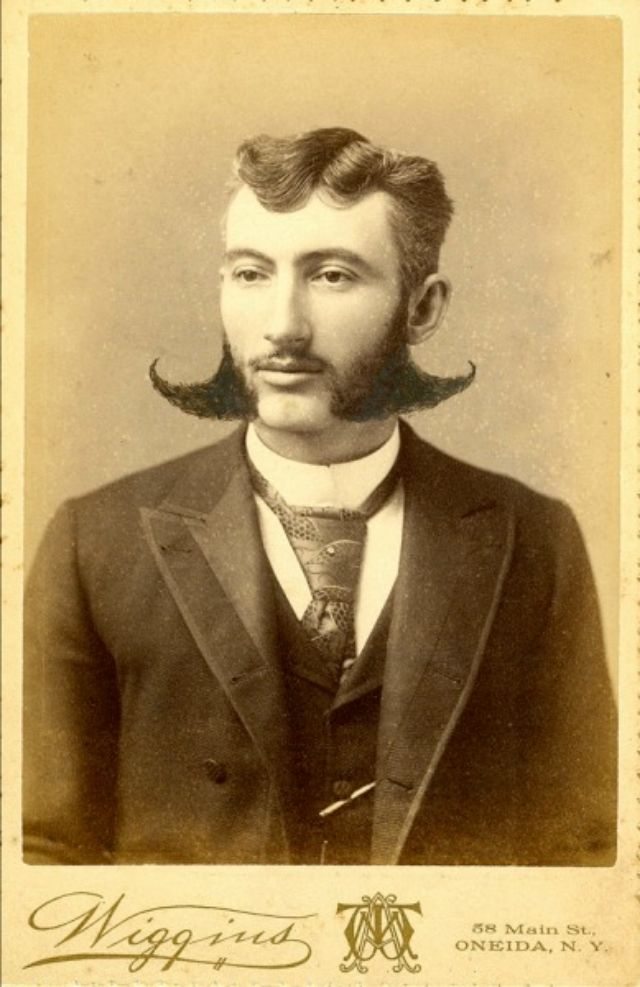
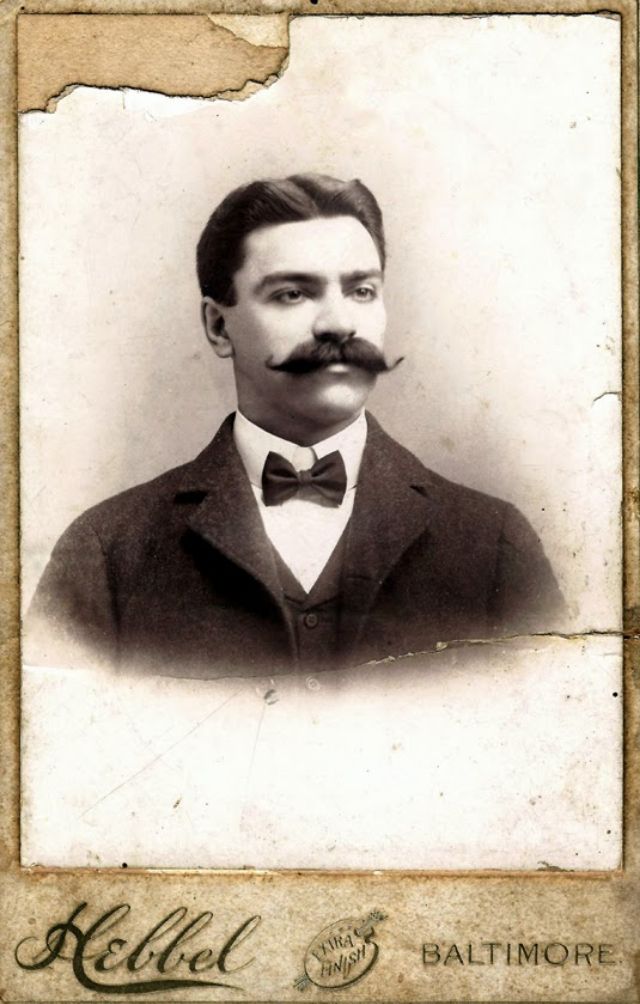
These mustaches were pampered: they were trimmed, brushed, combed, dyed, and even curled up at the ends. Great gobs of wax were melted and then applied to the mustache to keep the curls intact. Everything from mustache curlers to wax to snoods (that kept your mustache safe during the night) to modified mugs with a special pierced rim or little bars across known as “mustache lifters” were invented over the course of the nineteenth century to cultivate the requisite sartorial distinction associated with it.
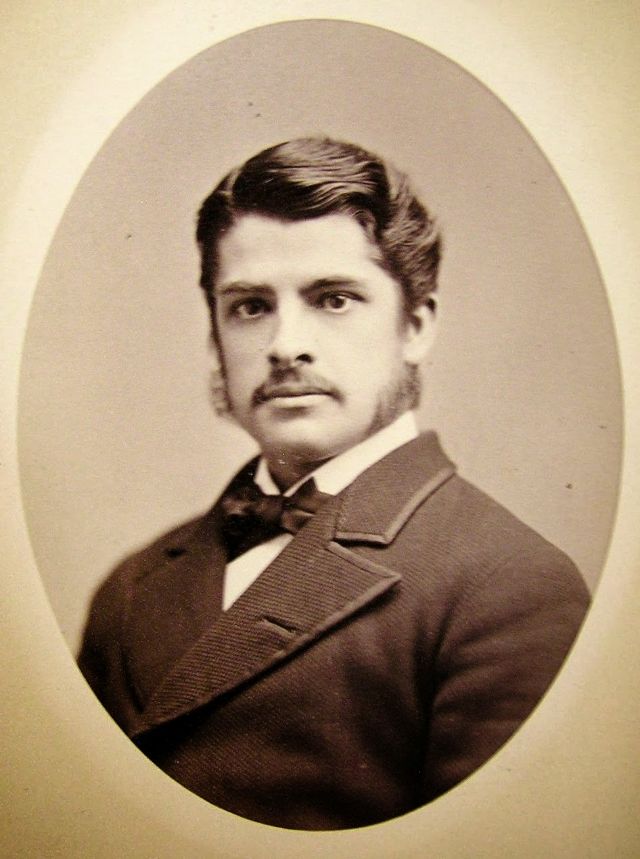
Below is a collection of 40 fascinating portraits of handsome Victorian men with mustache:
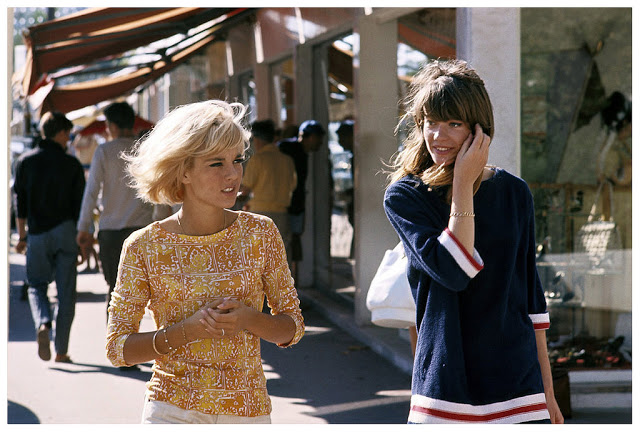
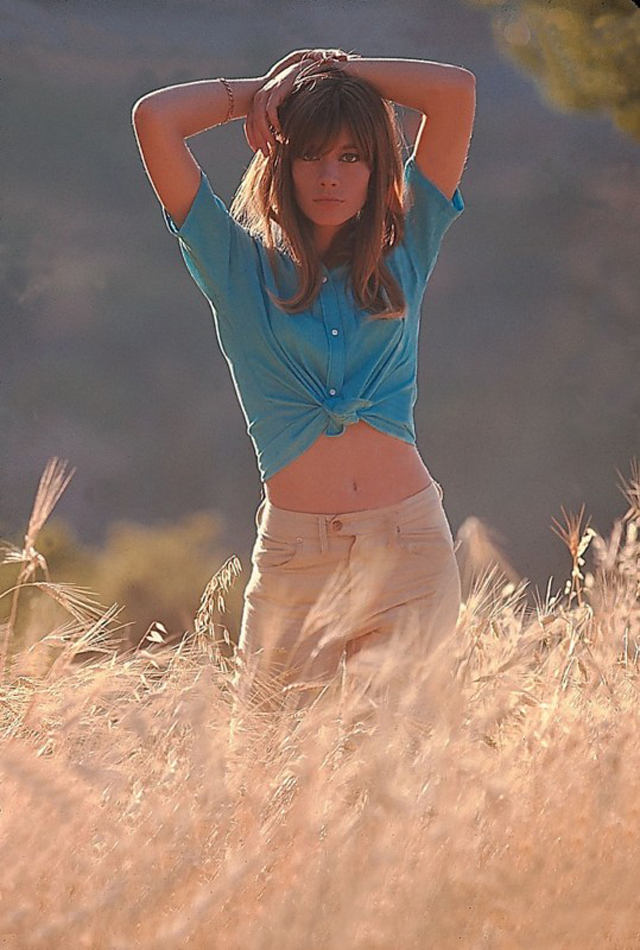
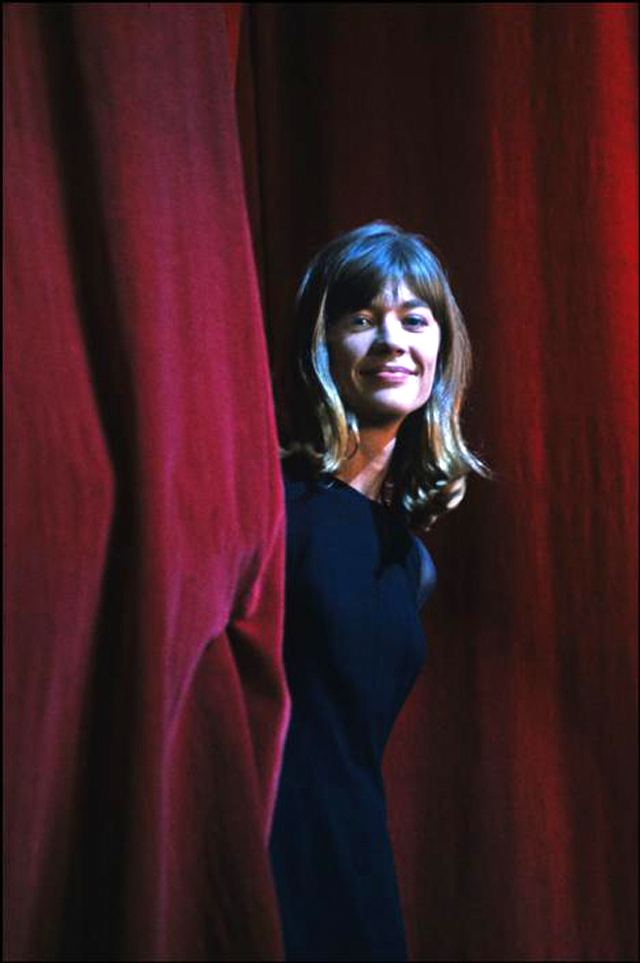
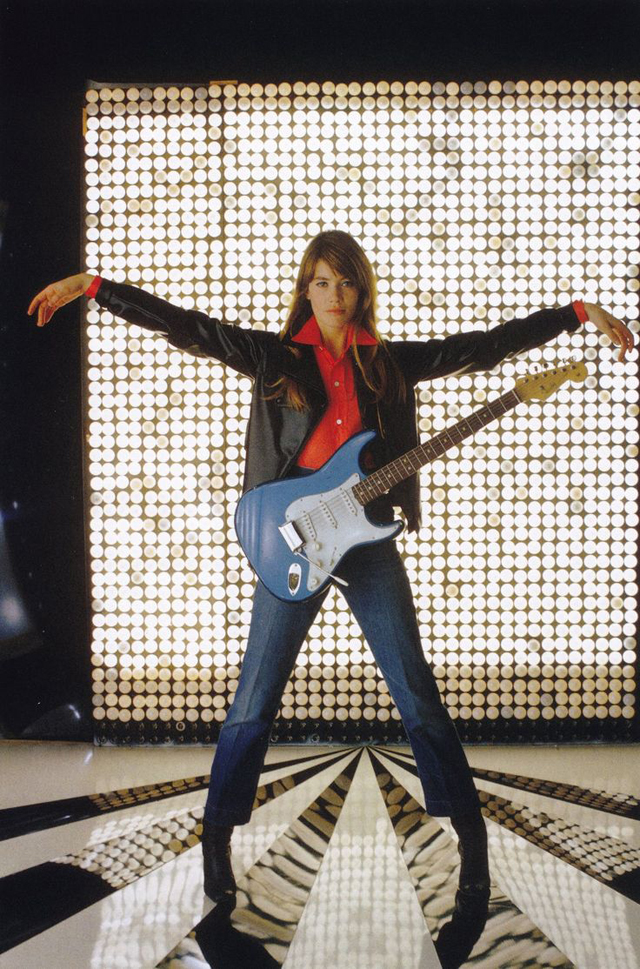
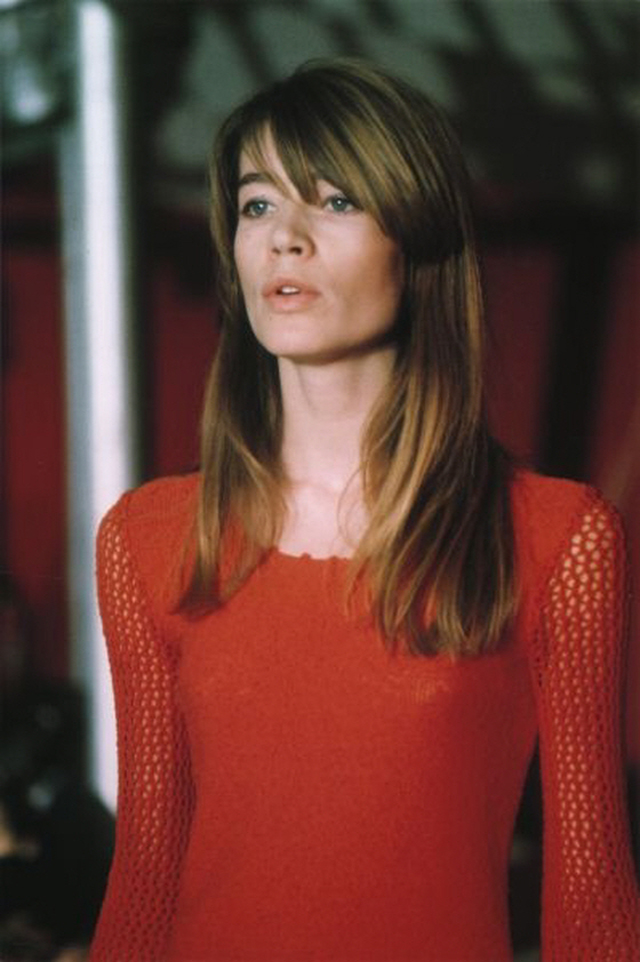
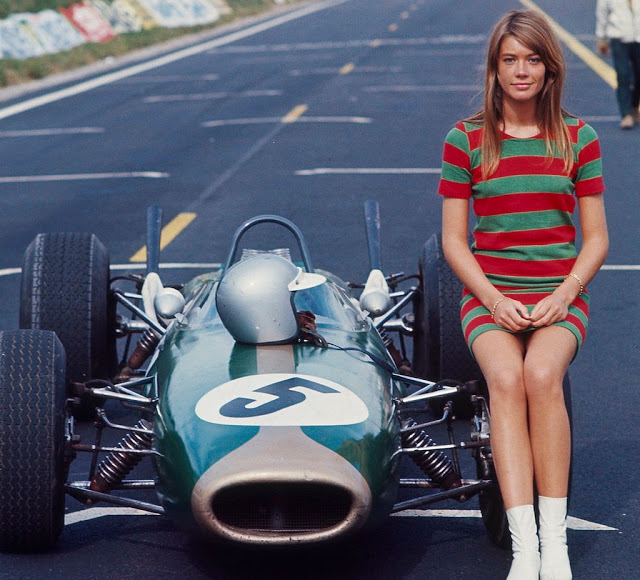
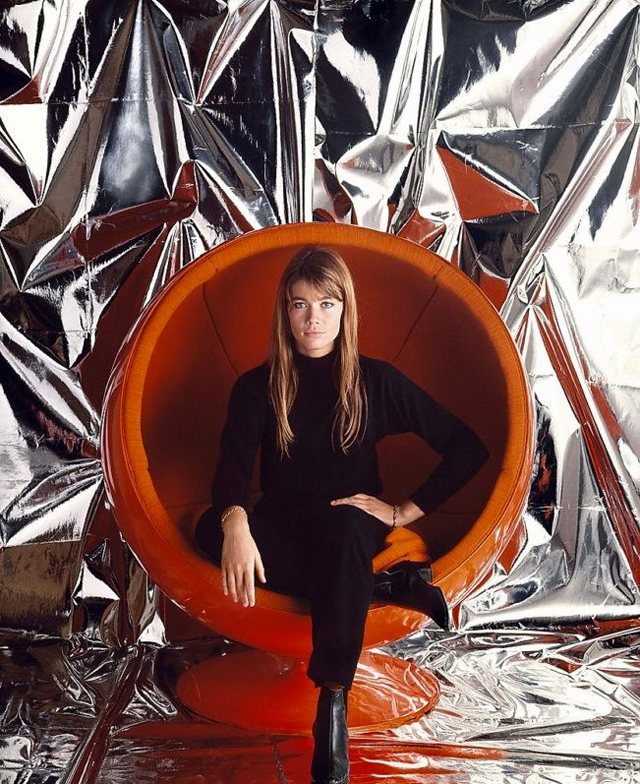
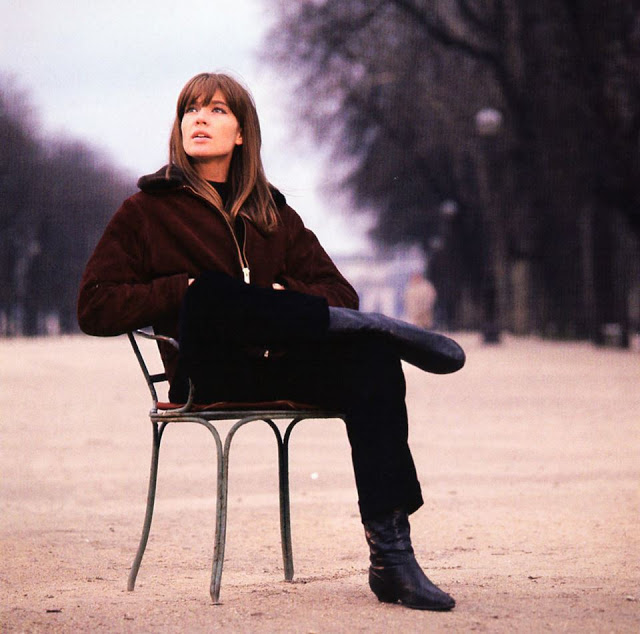
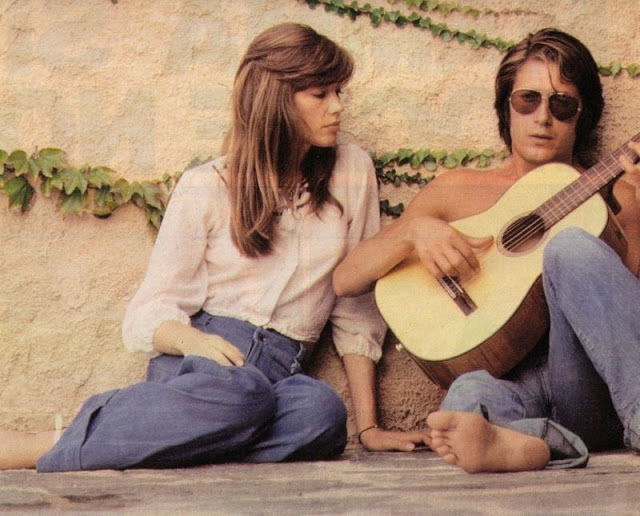
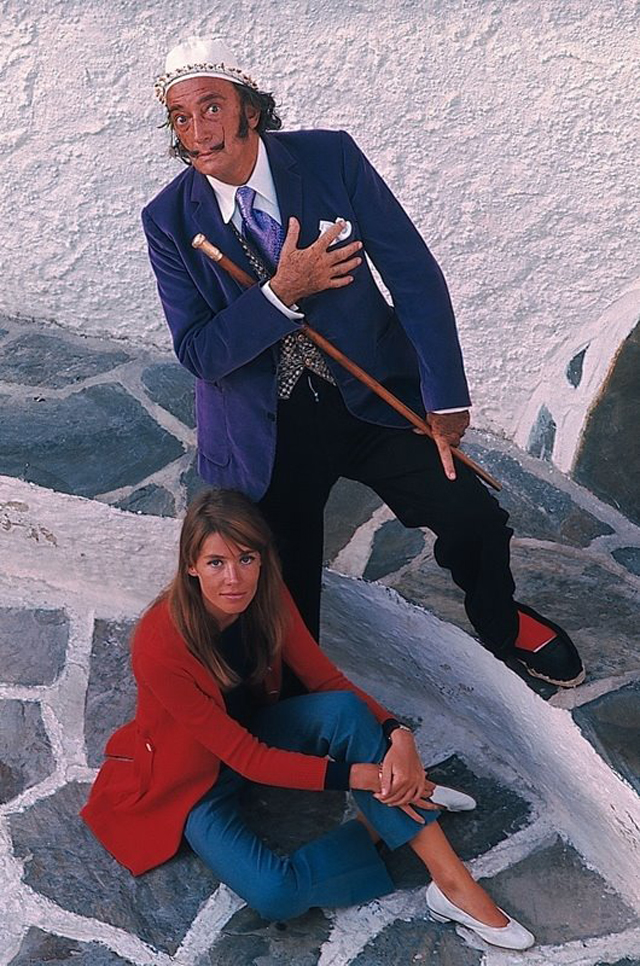
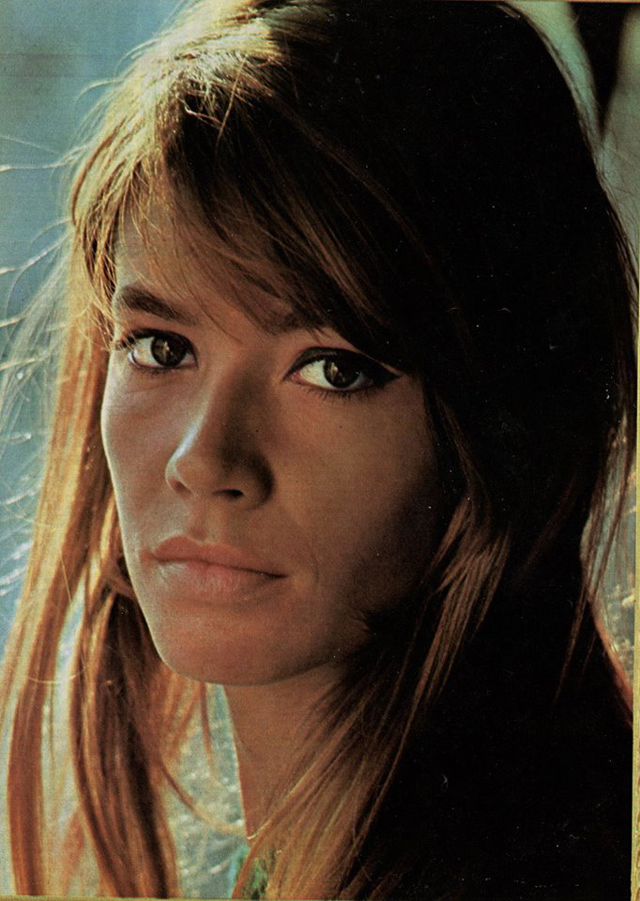
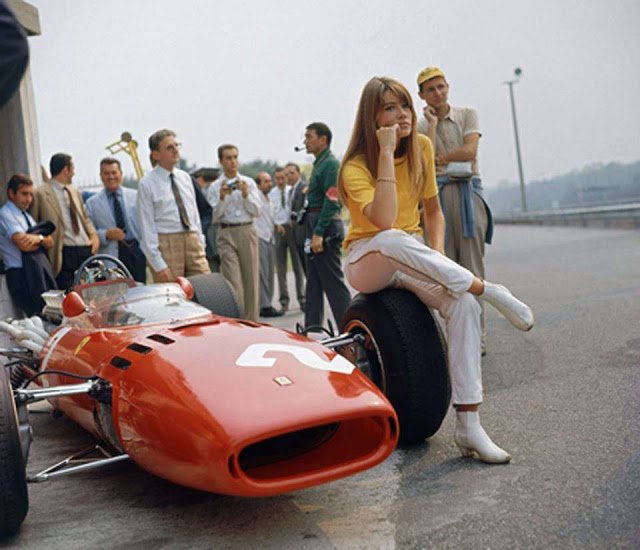
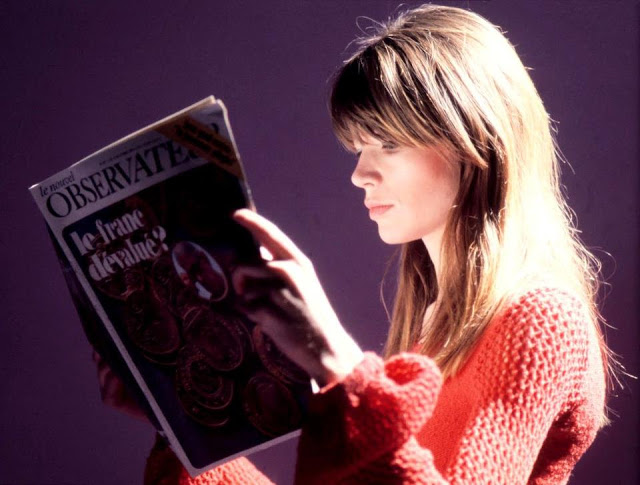
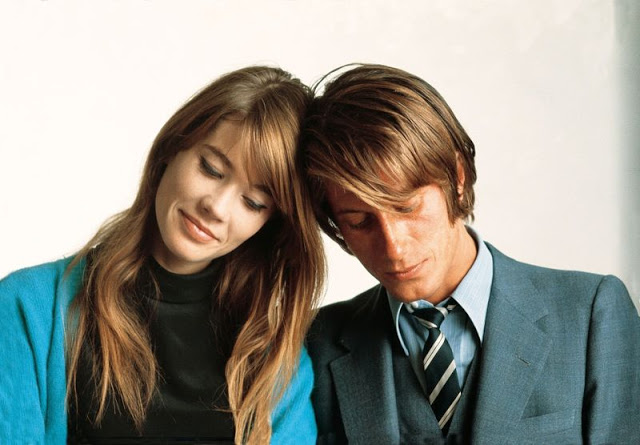
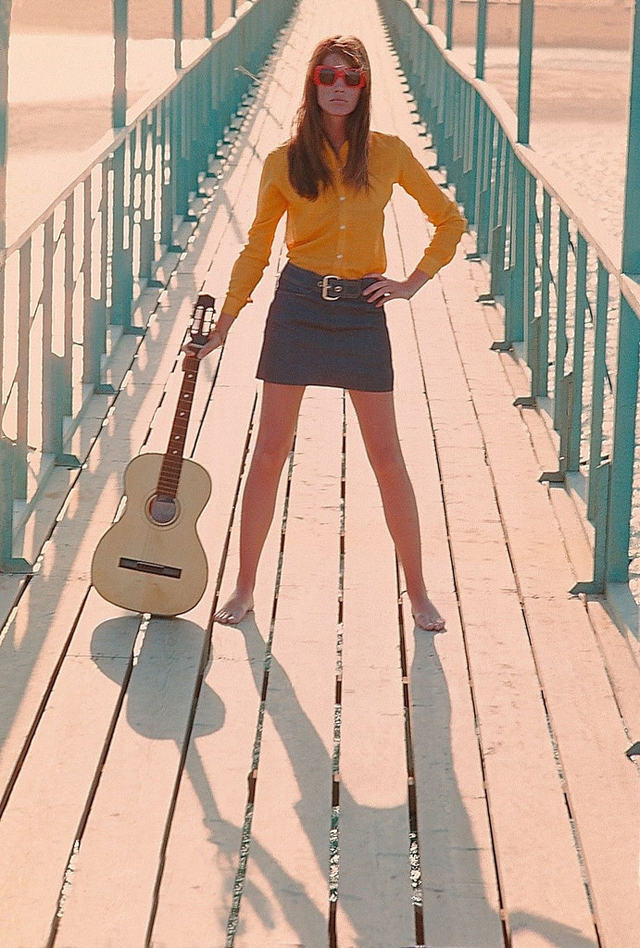
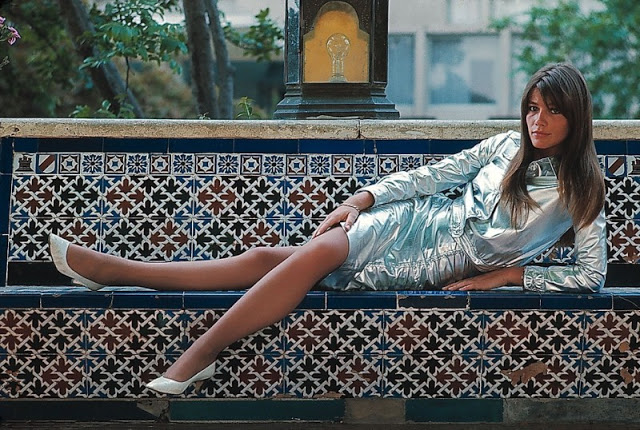
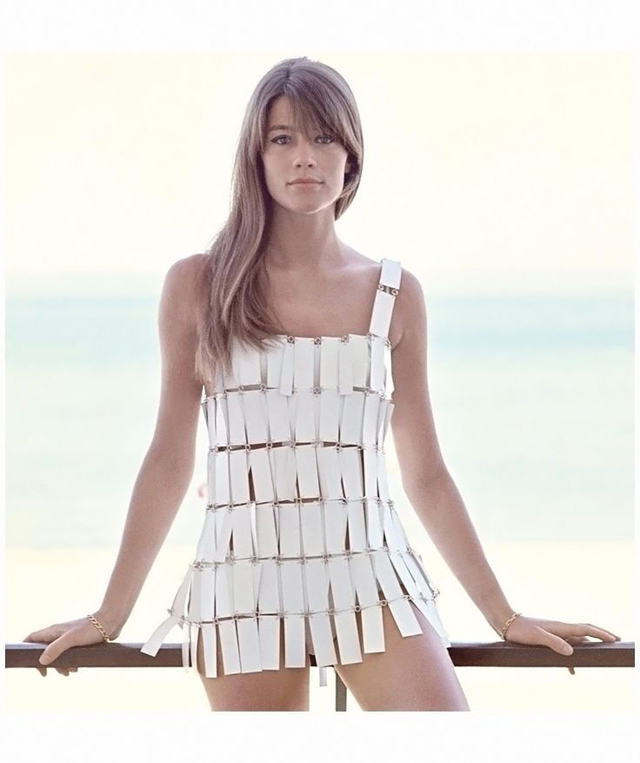
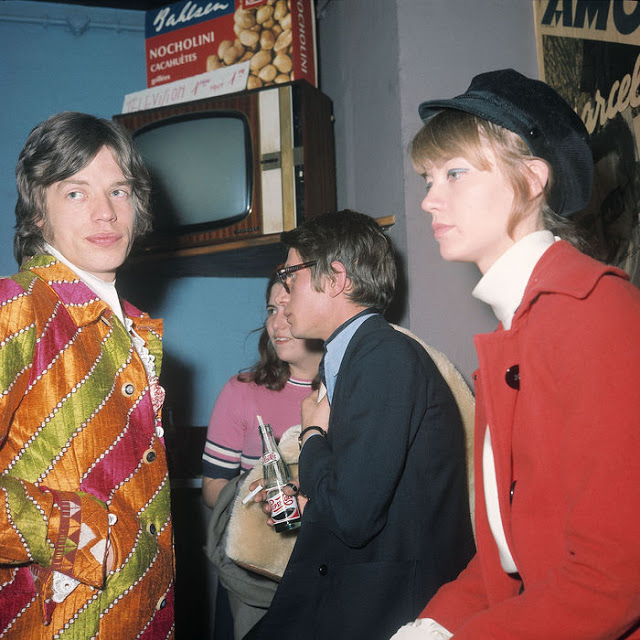
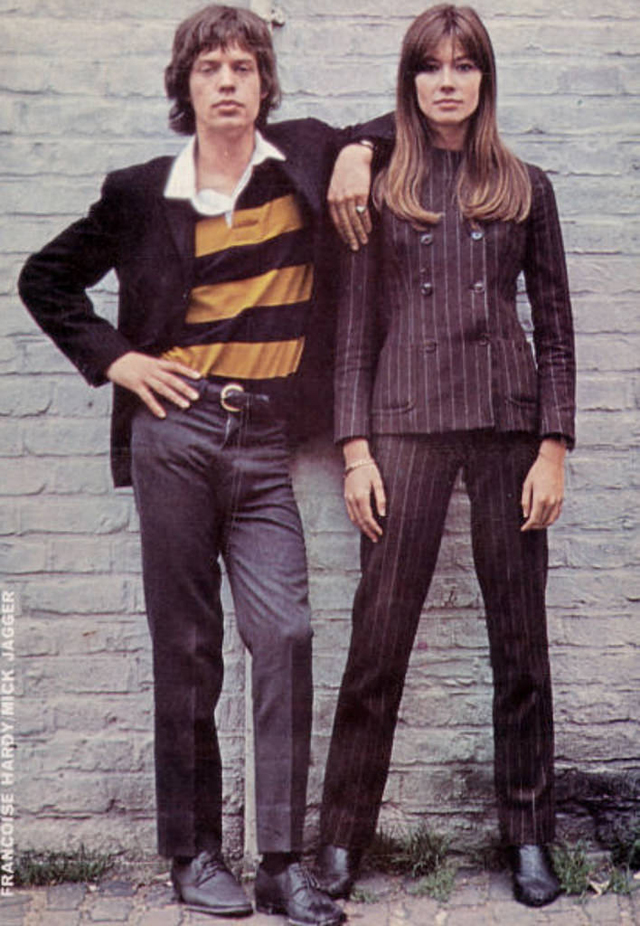
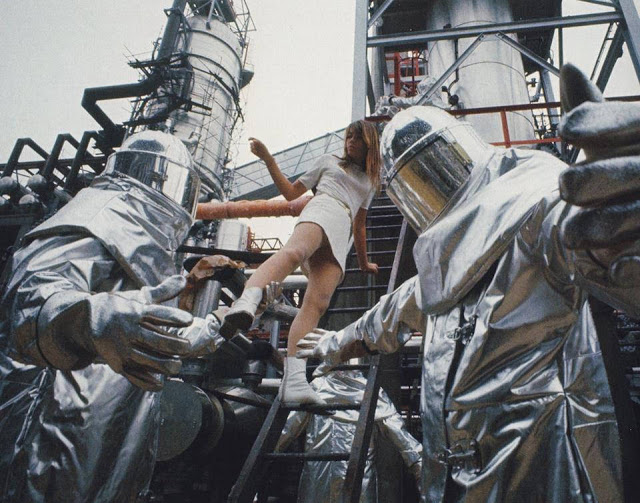
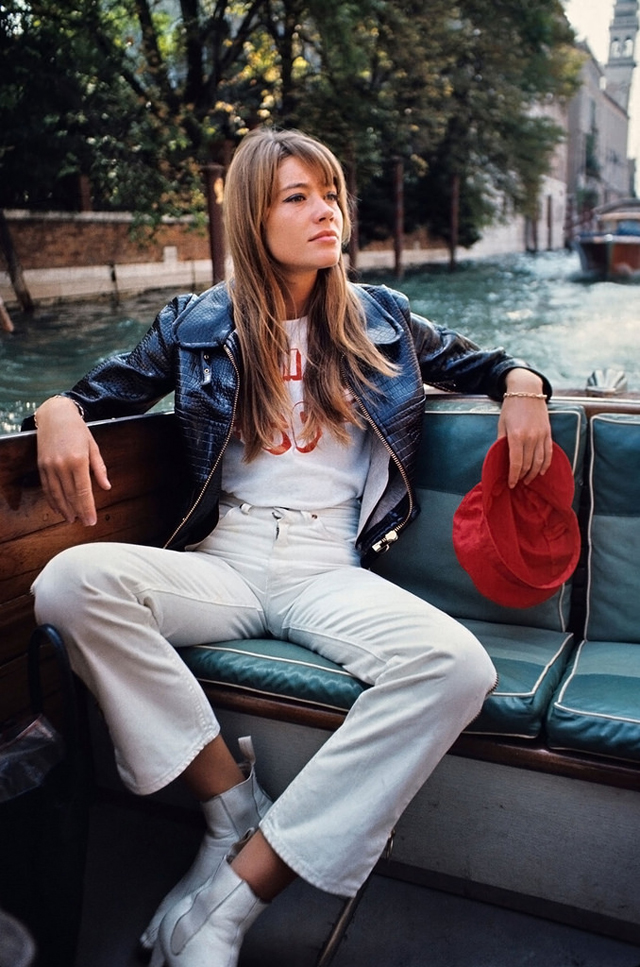
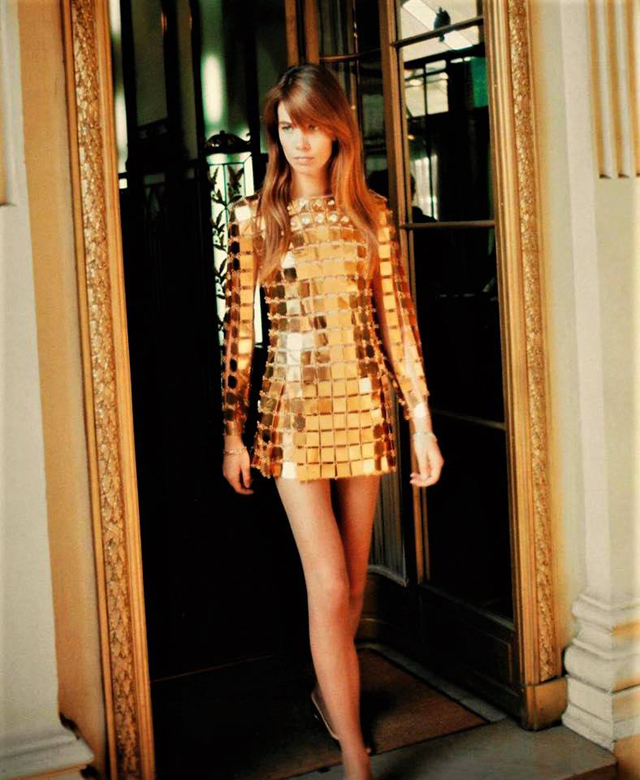
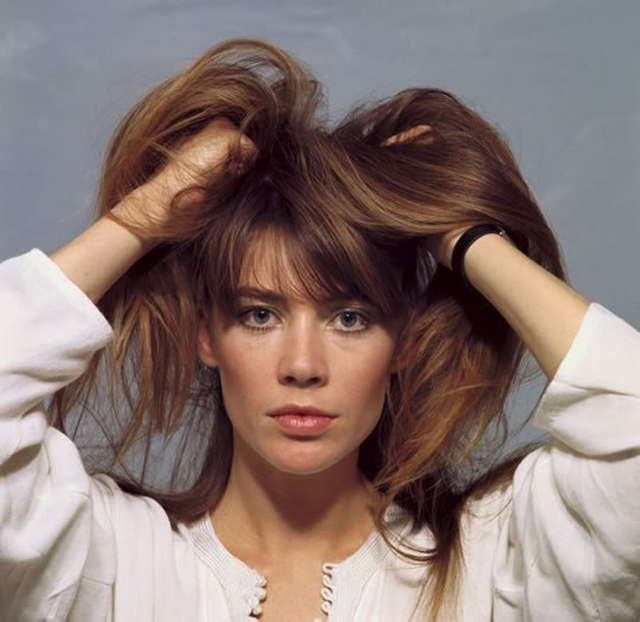
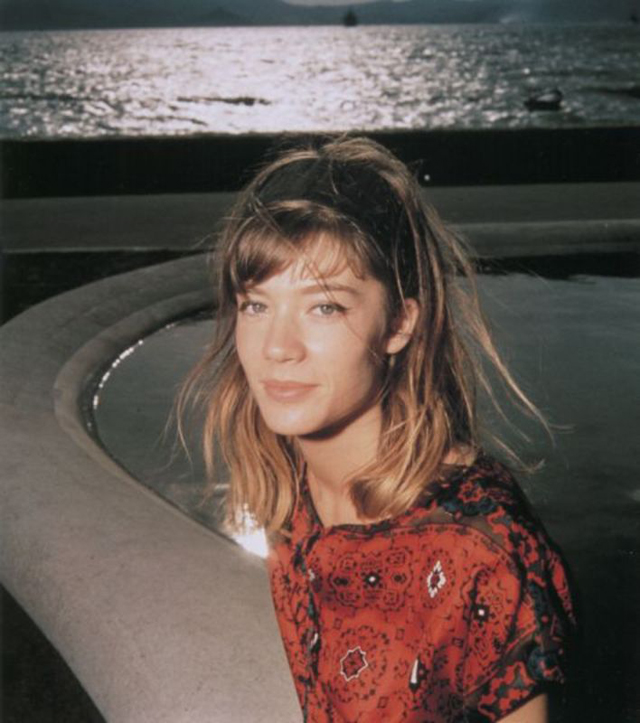
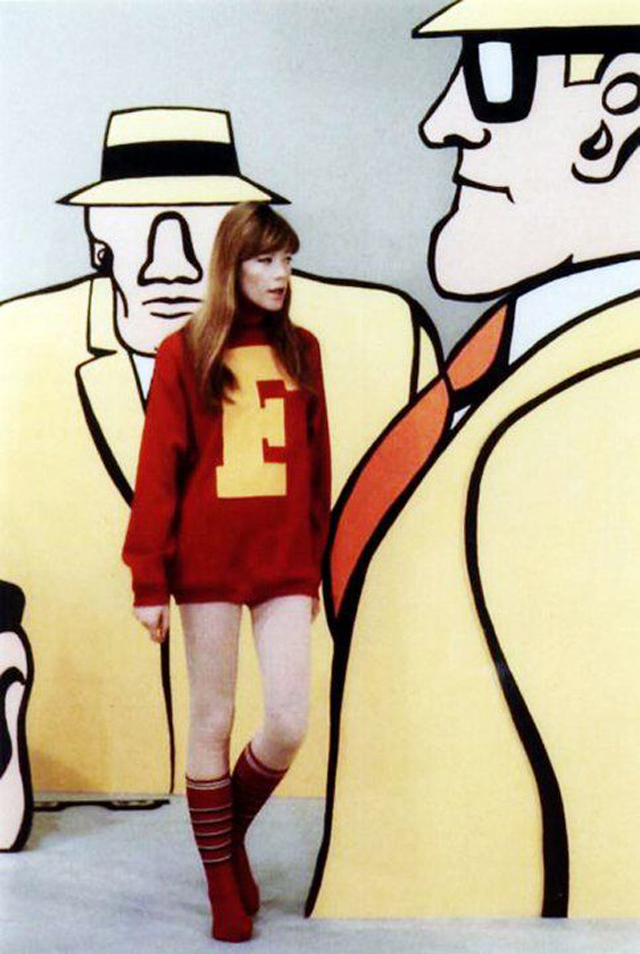
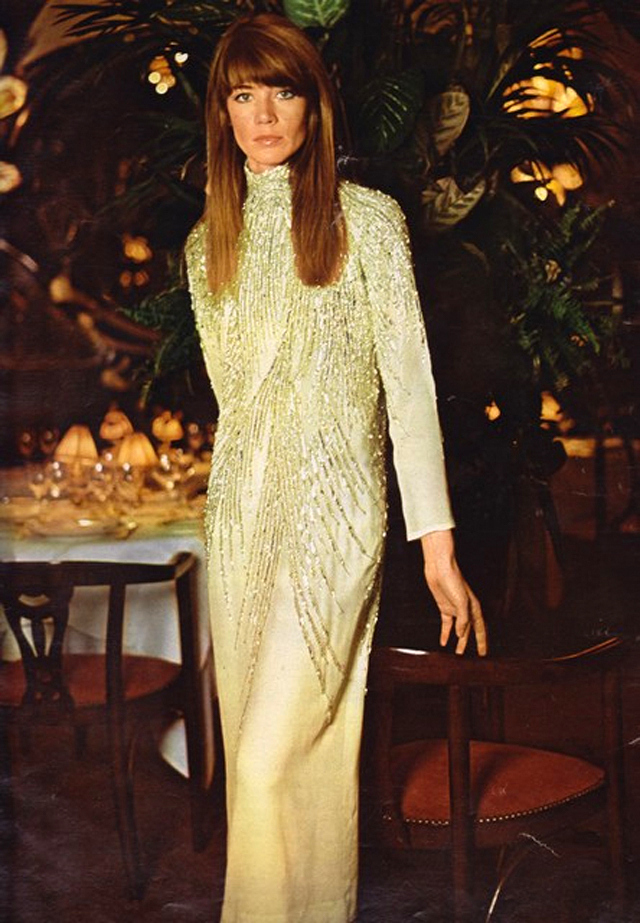
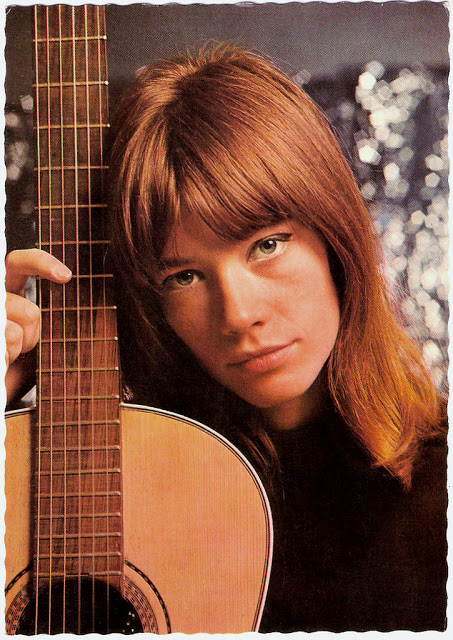
Françoise Madeleine Hardy (born 17 January 1944) is a French singer and songwriter. Mainly known for singing melancholic sentimental ballads, Hardy has been an important figure in French pop music since her debut, spanning a career of more than fifty years with over thirty studio albums released. She rose to prominence in the early 1960s as a leading figure of the yé-yé wave, a genre of pop music and associated youth culture phenomenon that adapted to French the pop and rock styles that came from the United States and the United Kingdom. The singer differentiated herself from her peers by writing her own material, a rare feat in an industry dominated by older, male composers and producers. France’s most exportable female singer of the era, Hardy rose to international fame and released music sung in English, Italian and German, in addition to her native French. She also landed roles as a supporting actress in the films Château en Suède, Une balle au cœur and the American big-budget production Grand Prix, although she never pursued a serious acting career. In the mid-1960s, she also established herself as a pop and fashion icon with the aid of photographer Jean-Marie Périer, becoming a muse for top designers such as André Courrèges, Yves Saint Laurent and Paco Rabanne. In the English-speaking world, her trendy public image and personal style led her to become an icon for the Swinging London scene, and attracted the admiration of several famous artists. Long after the height of her career in the 1960s, Hardy remains one of the best-selling singers in French history, and continues to be regarded as an iconic and influential figure in both music and fashion. Her work has appeared on several critics’ lists.
Born and raised in the 9th arrondissement of Paris, Hardy had a troubled childhood marked by the strict upbringing of her single mother and a largely absent father. As a teenager, she discovered English-language rock and roll performers including Elvis Presley and Brill Building pop acts such as Paul Anka through the radio, and decided to pursue a singing career. Hardy made her musical debut in 1962 on French label Disques Vogue and found immediate success through the hit song “Tous les garçons et les filles”, which remains one of her most popular compositions. Disliking the production of her early releases, she began to record in London in 1964, which allowed her to broaden her sound with albums such as Mon amie la rose, L’amitié, La maison où j’ai grandi and Ma jeunesse fout le camp…. In the late 1960s and early 1970s, Hardy sought to assert herself as an artist, although this implied less commercial repercussion. The albums Comment te dire adieu, La question and Message personnel—released during this period—are among her most influential and critically acclaimed works. In them, Hardy began to work with more renowned songwriters such as Serge Gainsbourg, Patrick Modiano, Michel Berger and Catherine Lara. Between 1977 and 1988, she worked with producer Gabriel Yared in a string of successful albums, including Star, Musique saoûle, Gin Tonic and À suivre. Her 1988 record Décalages was widely publicized as Hardy’s final album, although she returned eight years later with Le danger, which completely reinvented her sound to a harsher alternative rock. Her following albums of the 2000s—Clair-obscur, Tant de belles choses and (Parenthèses…)—saw a return to her mellow style.
As a public figure, Hardy is known for her shyness, disenchantment with celebrity life and self-deprecatory attitude—attributed to her lifelong struggles with anxiety and insecurity. In addition to music, Hardy has developed a renowned career as an astrologer, having written extensively on the subject since the 1970s as a proponent of the “conditionalist” school of thought—outlined by Jean-Pierre Nicola—which rejects the divinatory use of the discipline. Since the 2000s, she has also worked as a writer of both fiction and non-fiction books, including a bestselling autobiography and two essays. Through these works, Hardy has been noted for her frankness in discussing her family life and health problems related to MALT lymphoma and old age, as well as her sometimes controversial political ideas. In 2006, she was awarded the Grande médaille de la chanson française honorary award given by the Académie française, in recognition of her career in music. In the 2010s, Hardy released her last three albums: La pluie sans parapluie, L’amour fou—released alongside her eponymous first novel in celebration of the 50th anniversary of her music career—and Personne d’autre—which brought her out of a previously declared retirement. She has been married to fellow French singer-songwriter Jacques Dutronc since 1981 and their only son, Thomas, is also a musician. In 2021, Hardy announced that her health had worsenered and that she would not be able to sing again owing to the effects of cancer therapy. (Wikipedia)
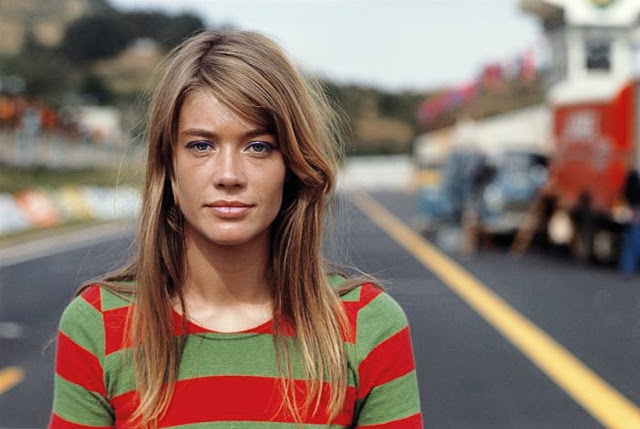
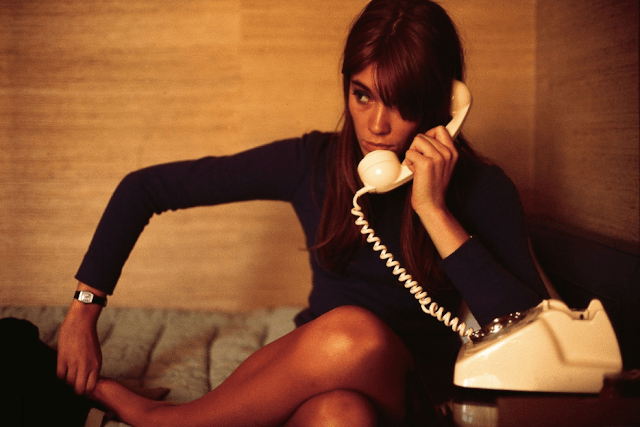
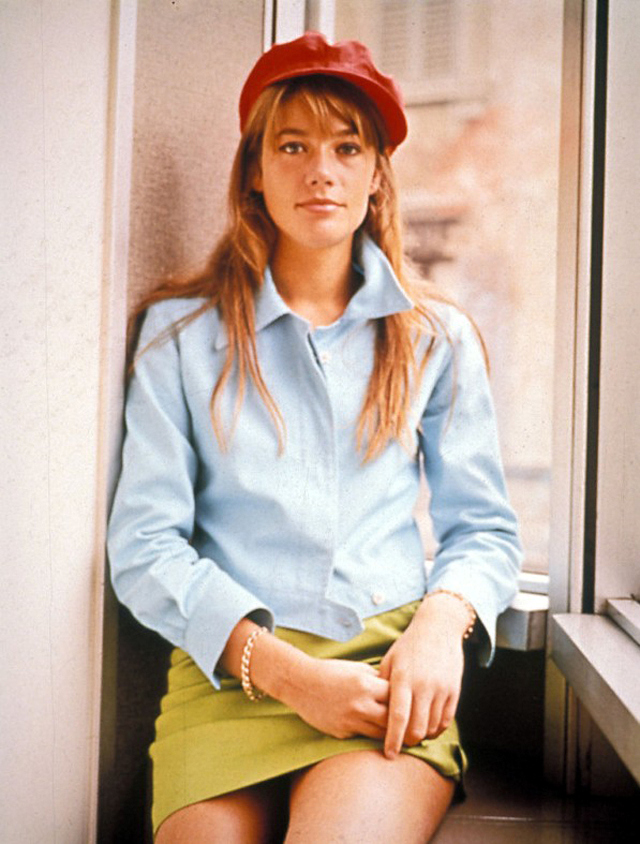
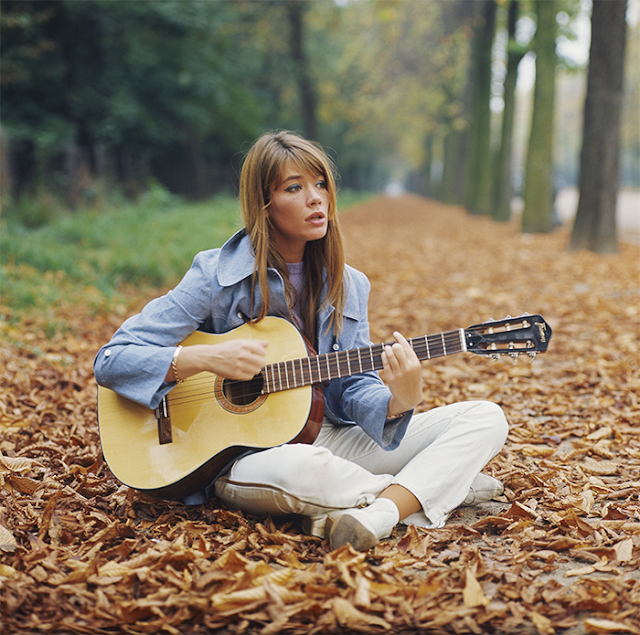
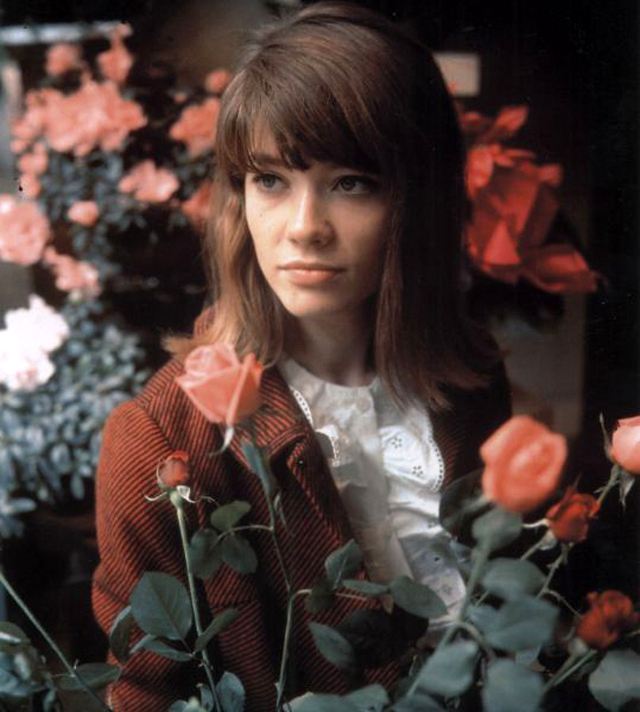
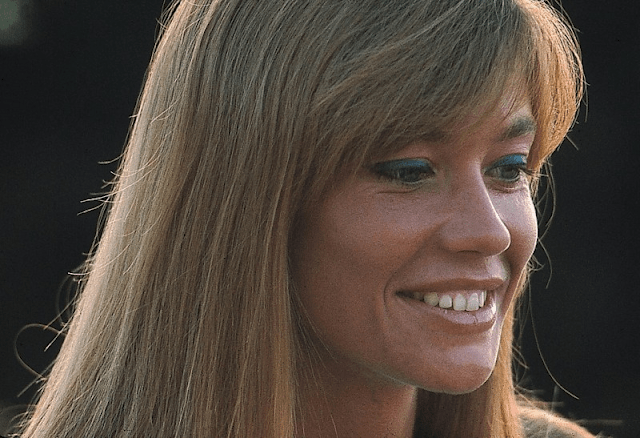
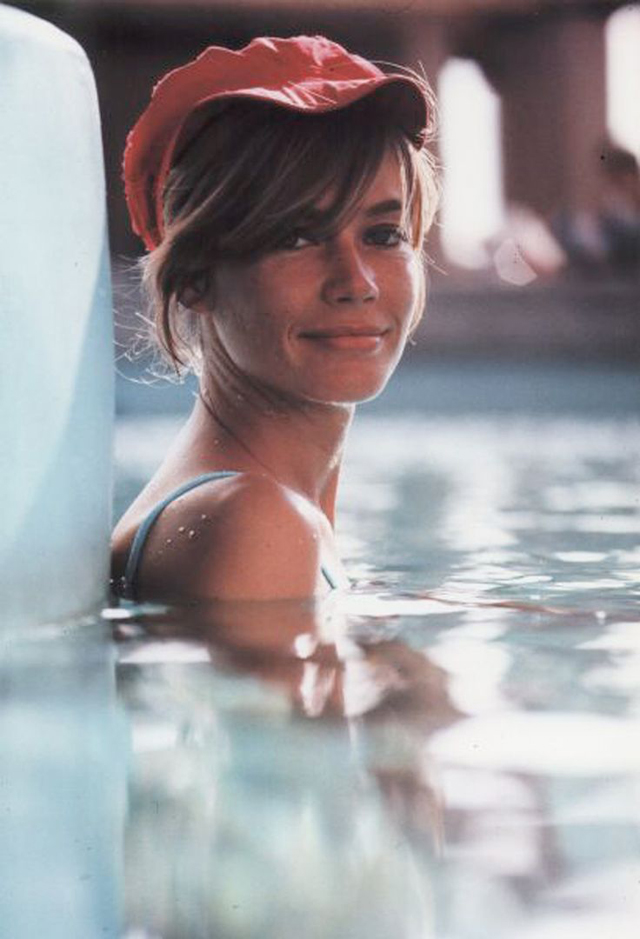
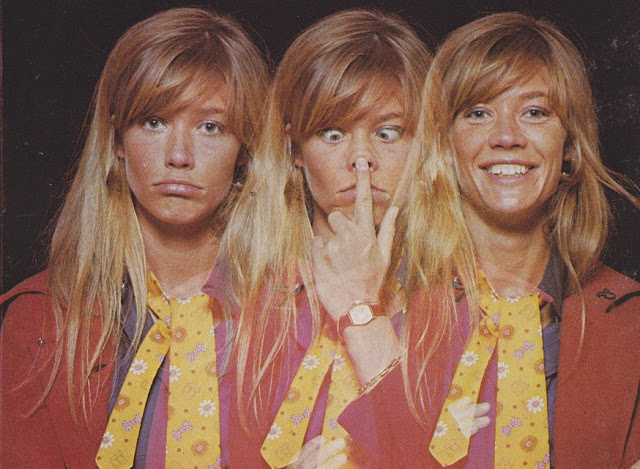
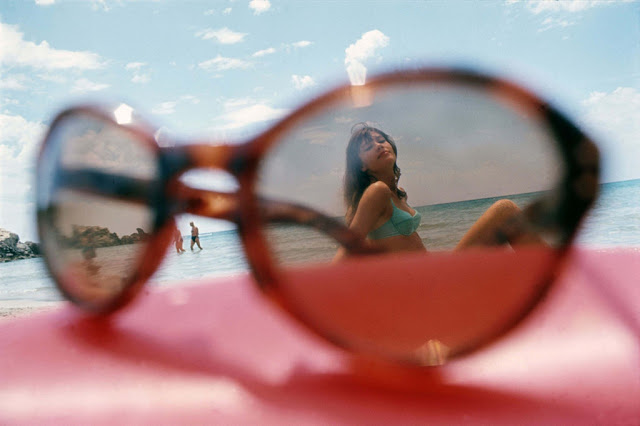
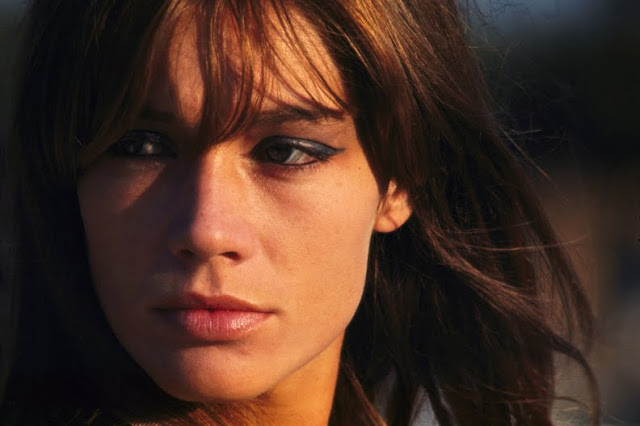
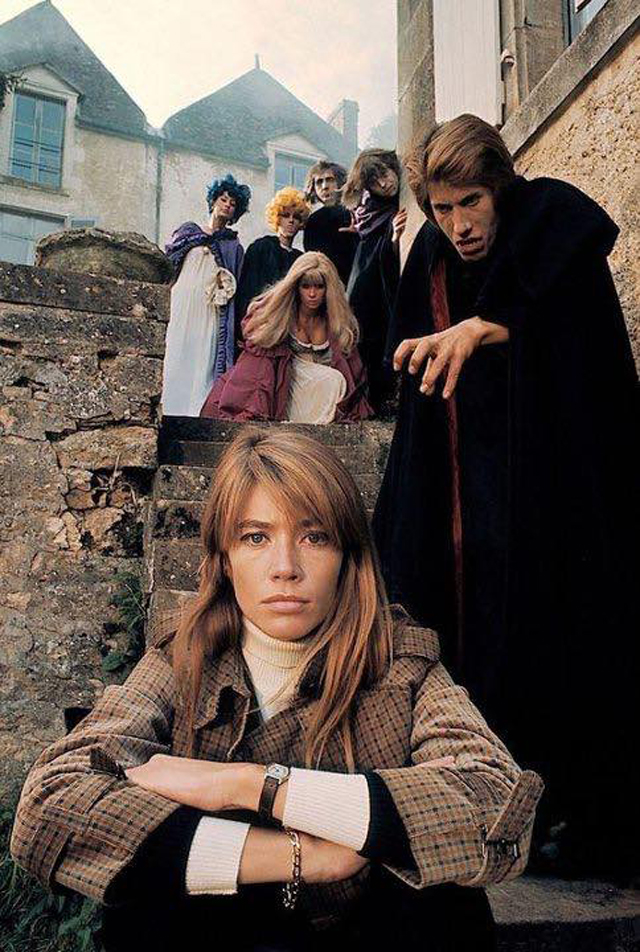
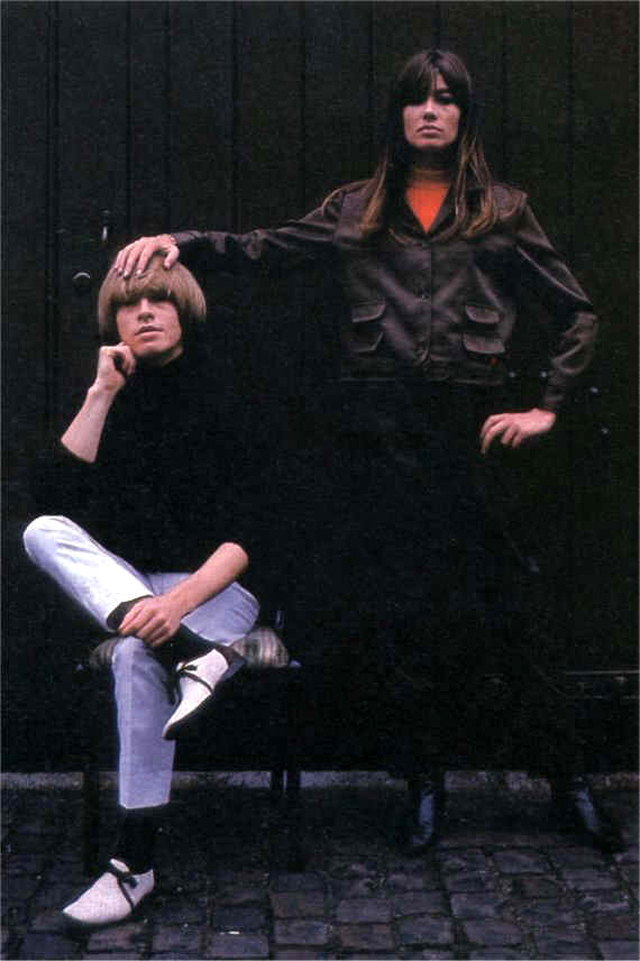
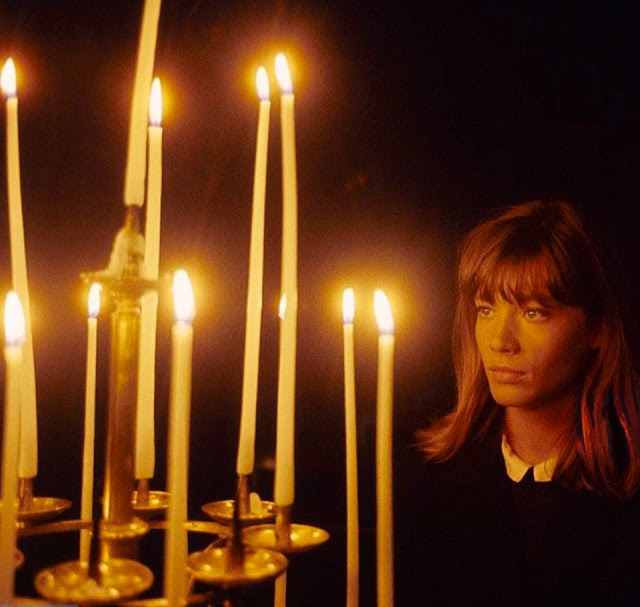
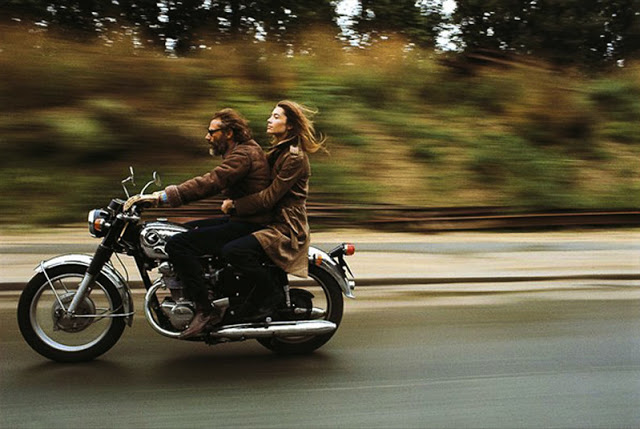
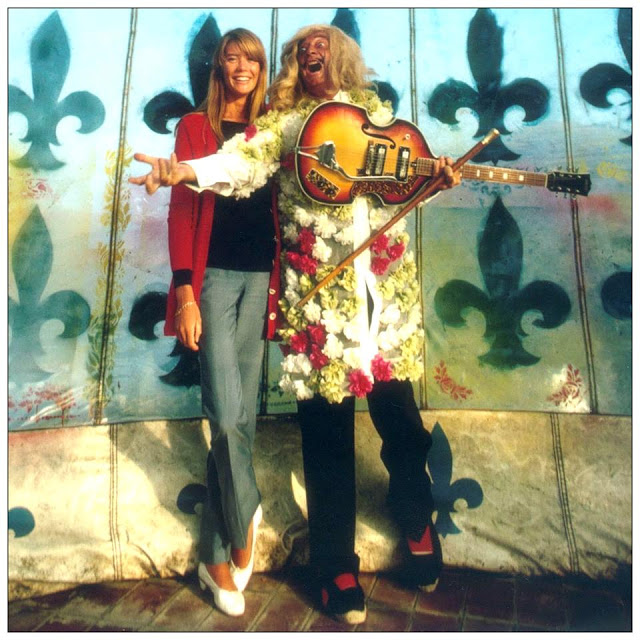
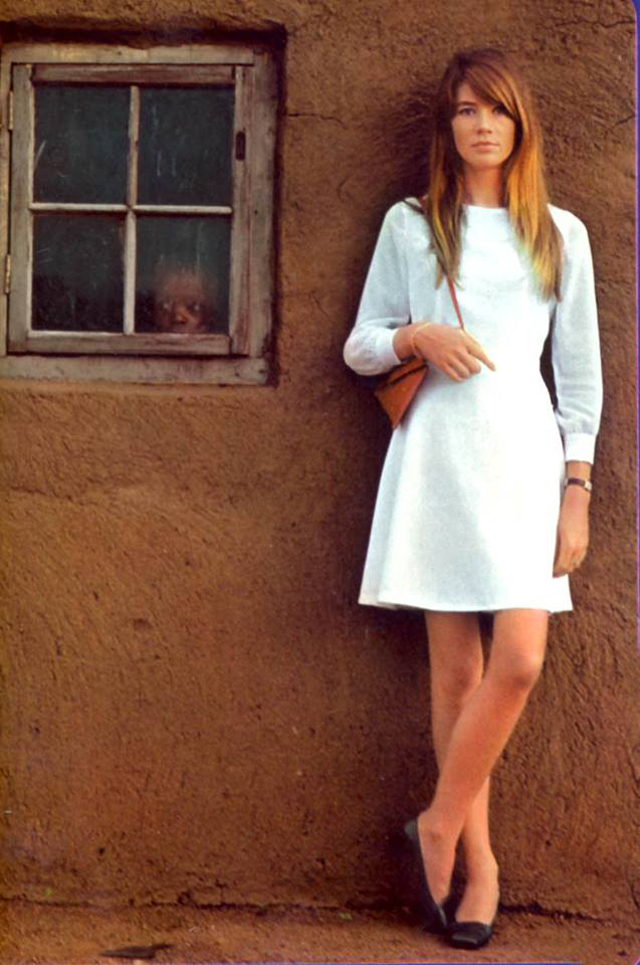
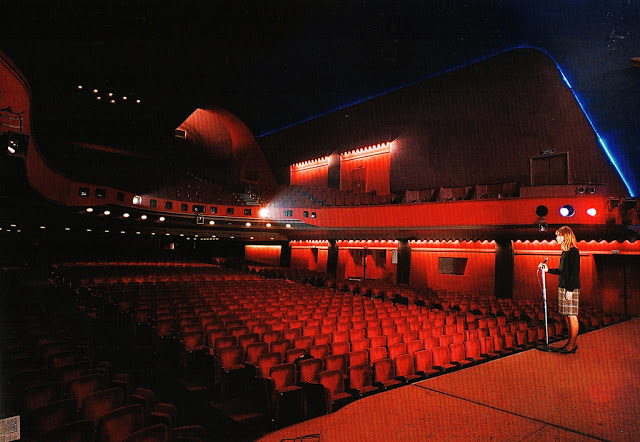
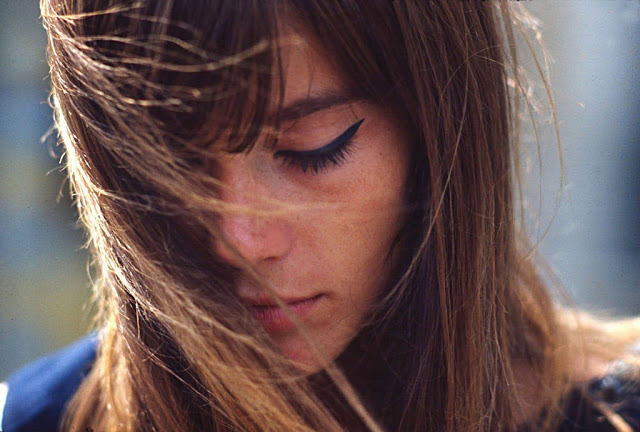
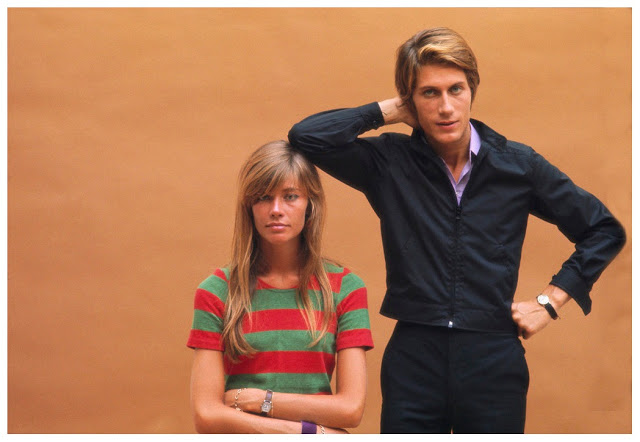
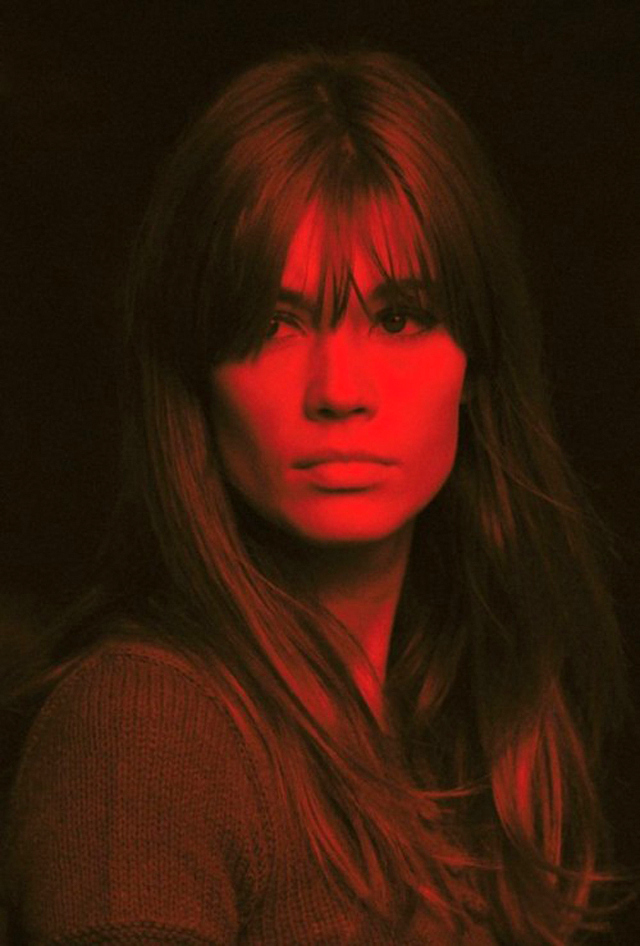
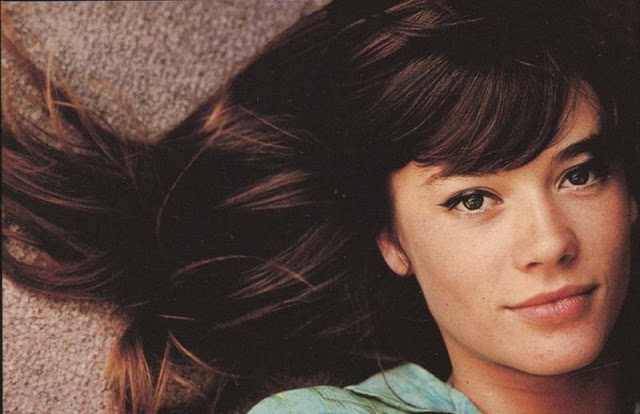
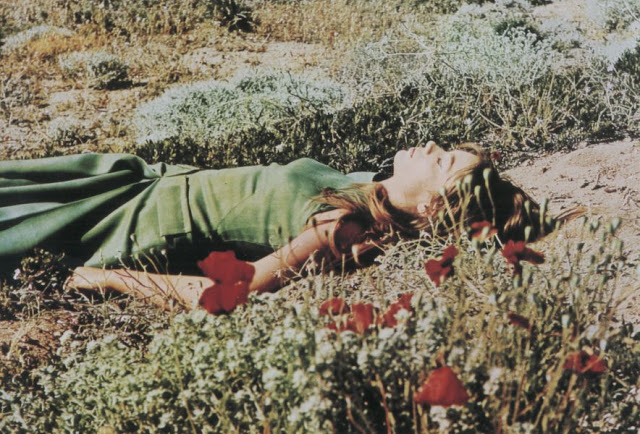
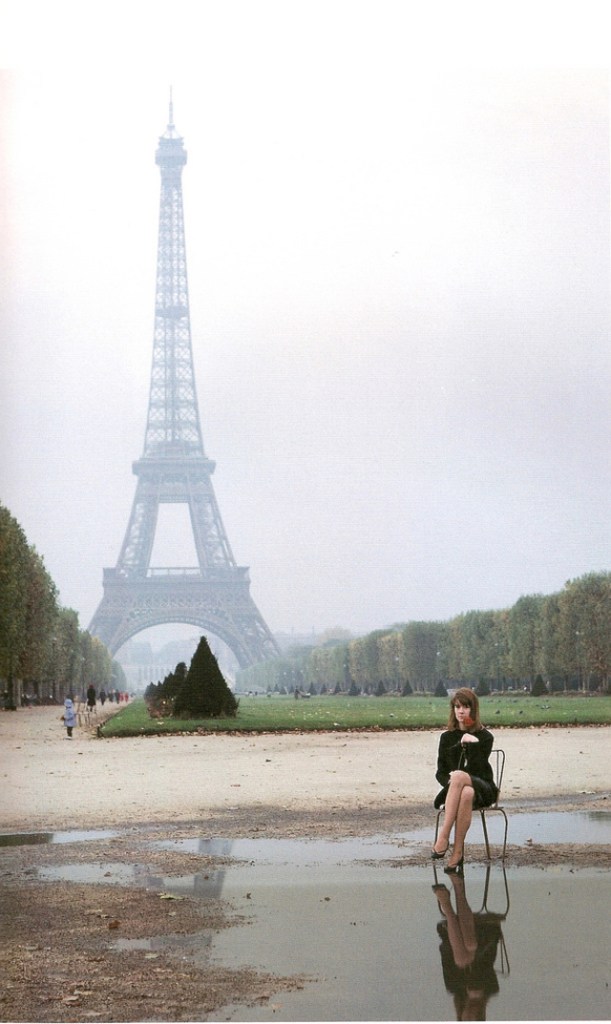
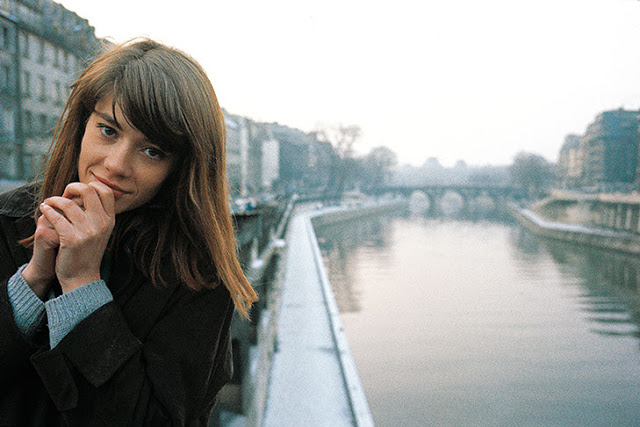
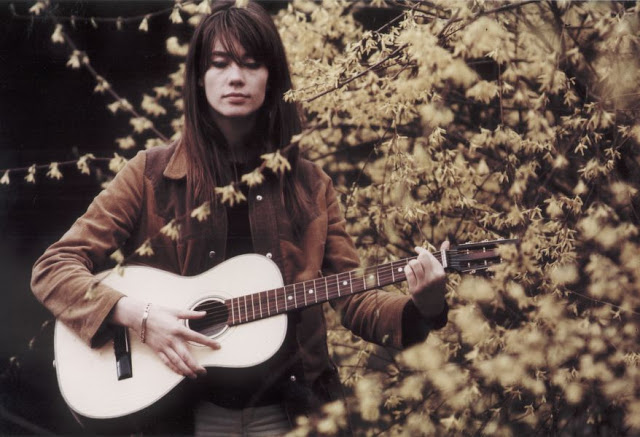
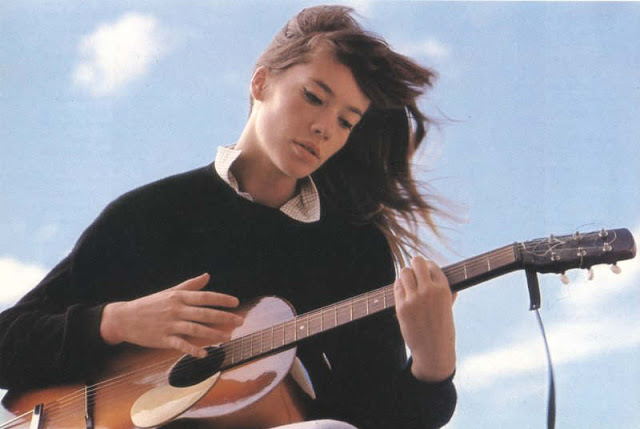
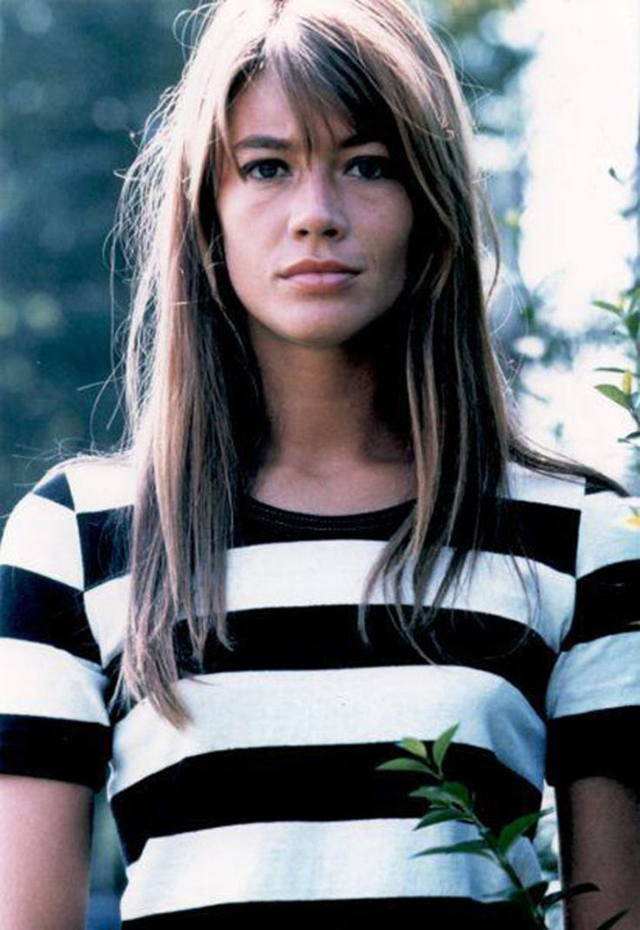
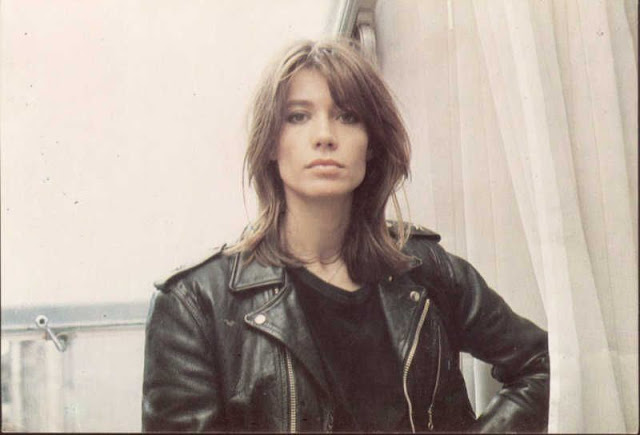
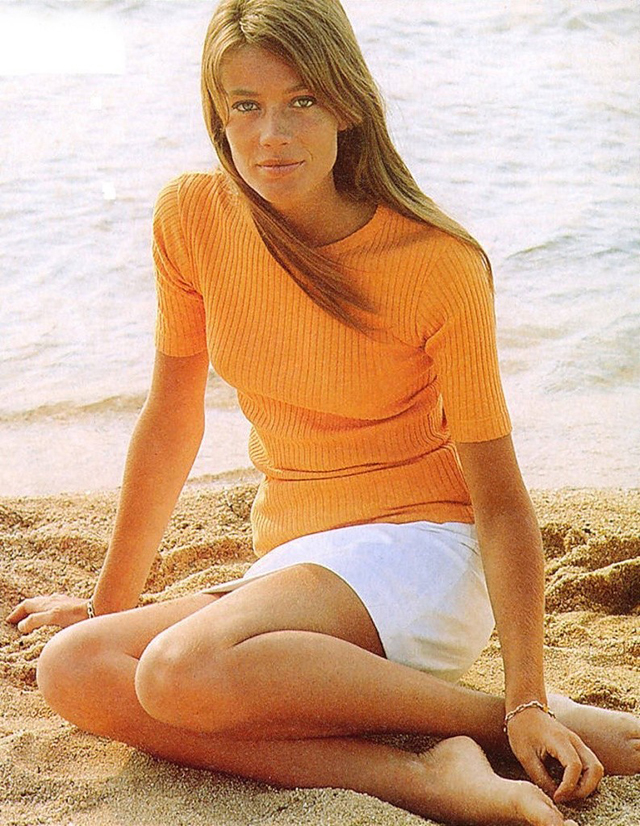
Hardy remains a popular figure in music and fashion, and is considered an icon of French pop and the 1960s. The face, the voice, the woman, here is an impressive color photo collection of talented, unassuming, beautiful Hardy in the 1960s and ealy the 1970s.
Most colleges and universities provide single or multiple occupancy rooms for their students, usually at a cost. These buildings consist of many such rooms, like an apartment building, and the number of rooms varies quite widely from just a few to hundreds.
In the United States, residence halls are sometimes segregated by sex, with men living in one group of rooms, and women in another. Some dormitory complexes are single-sex with varying limits on visits by persons of each sex.
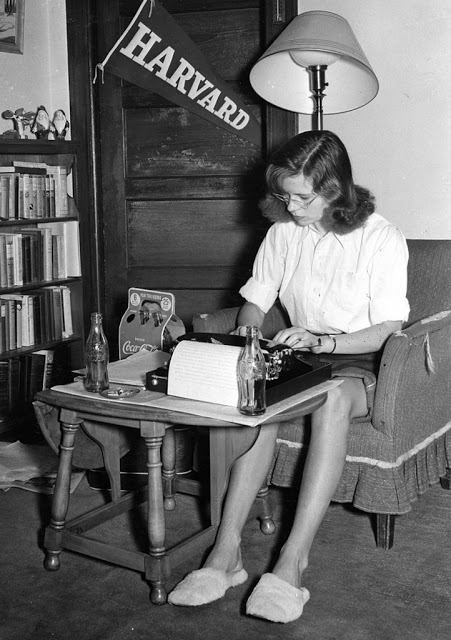
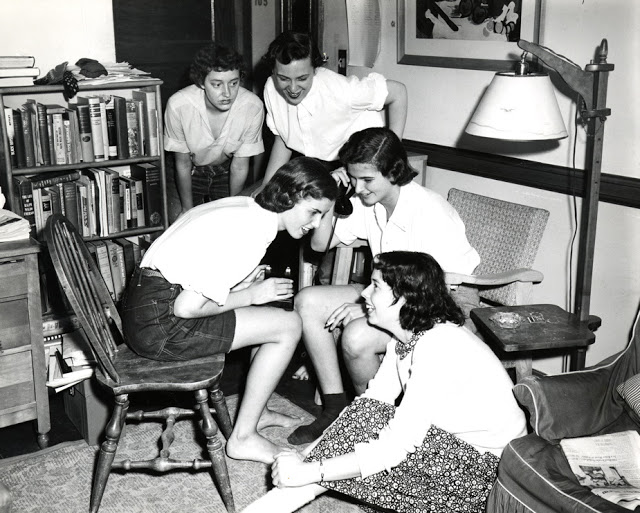
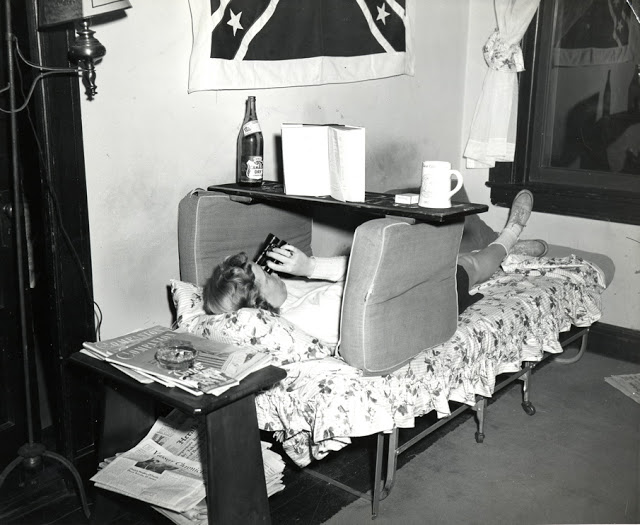
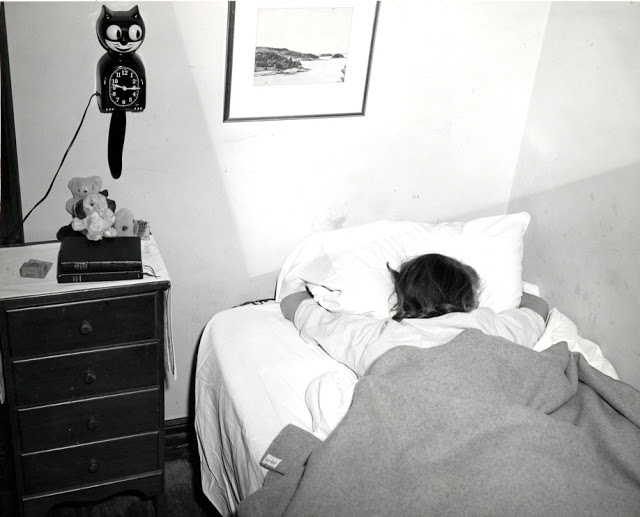
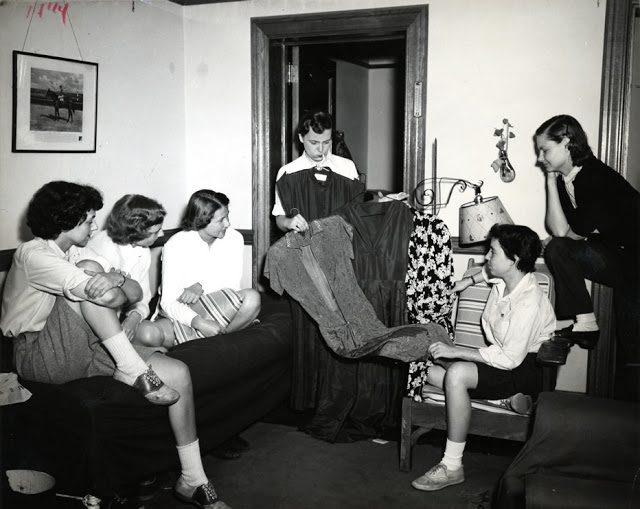
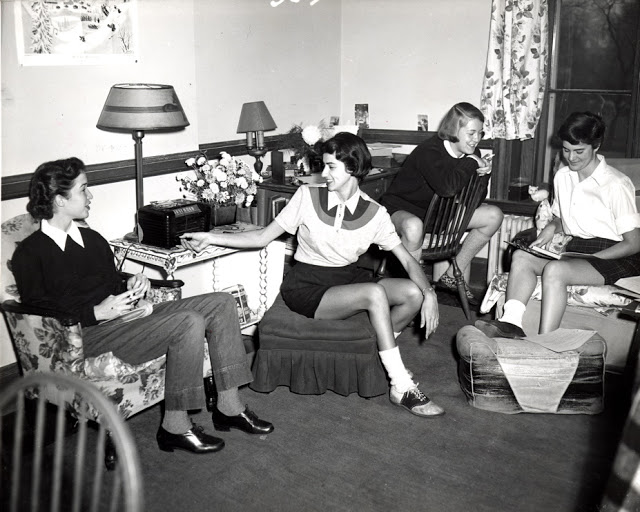
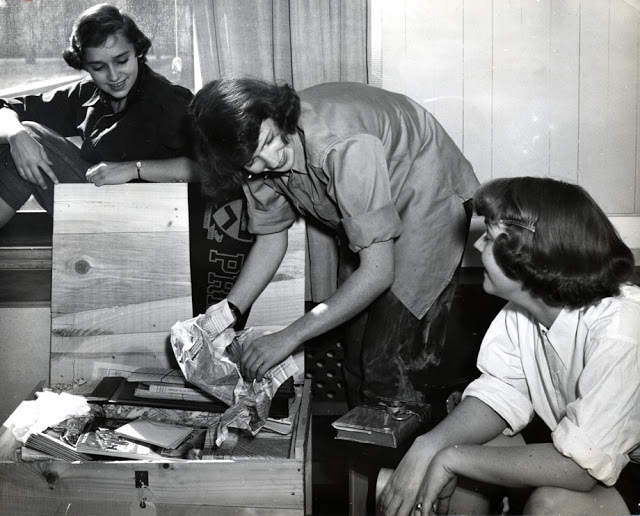
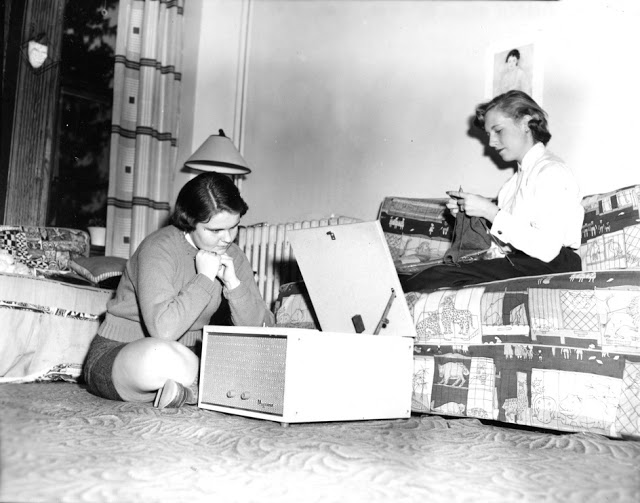
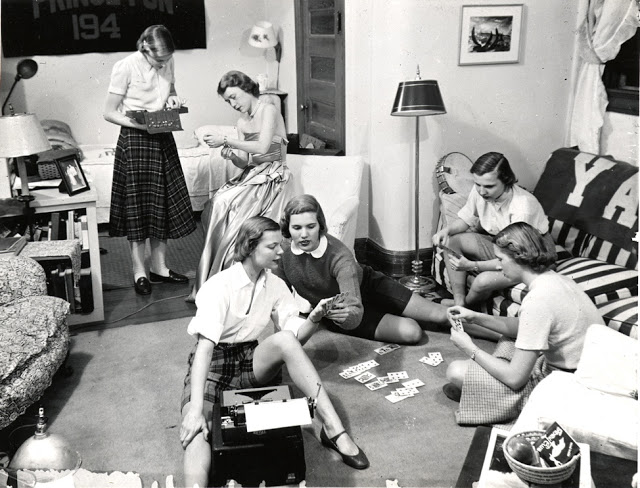
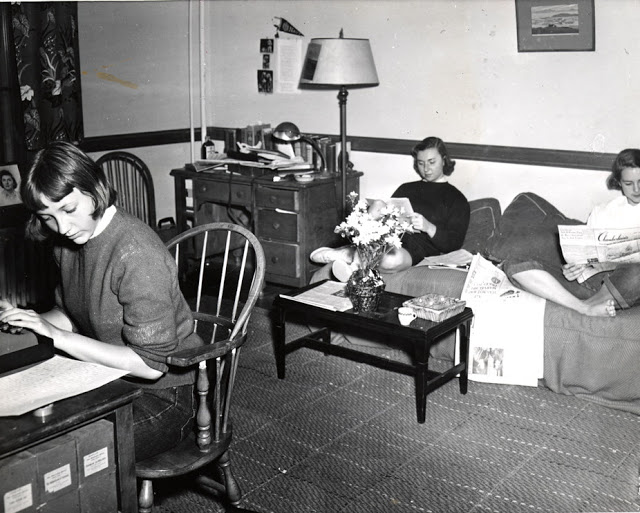
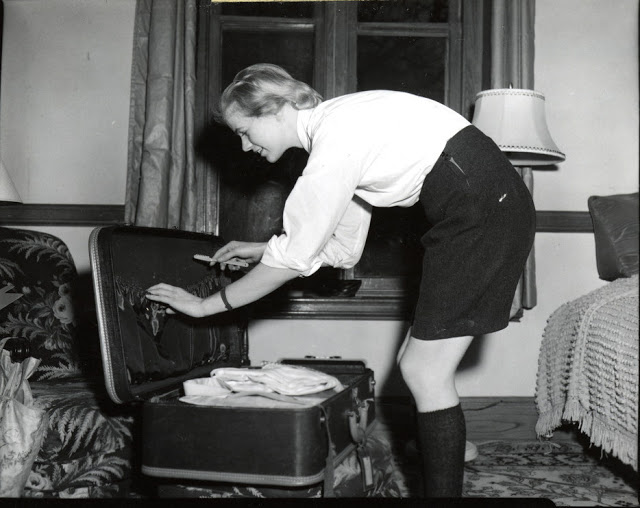
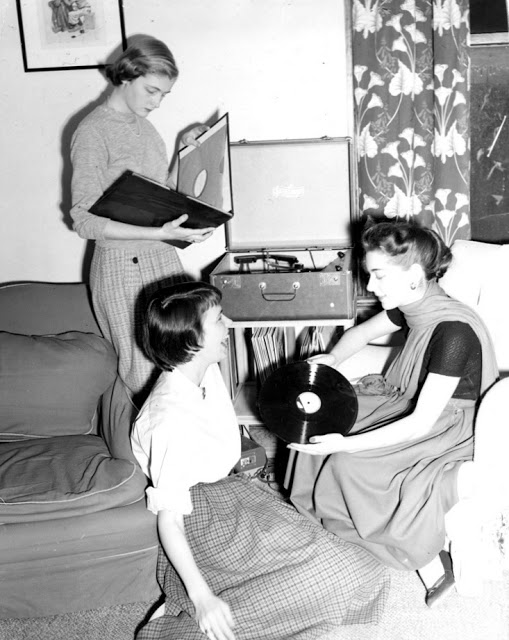
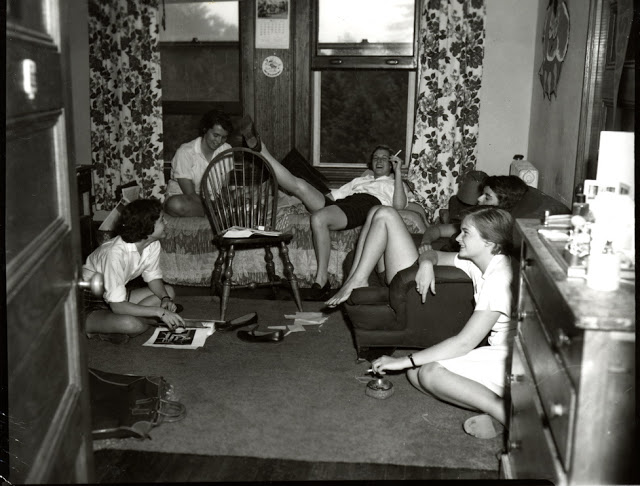
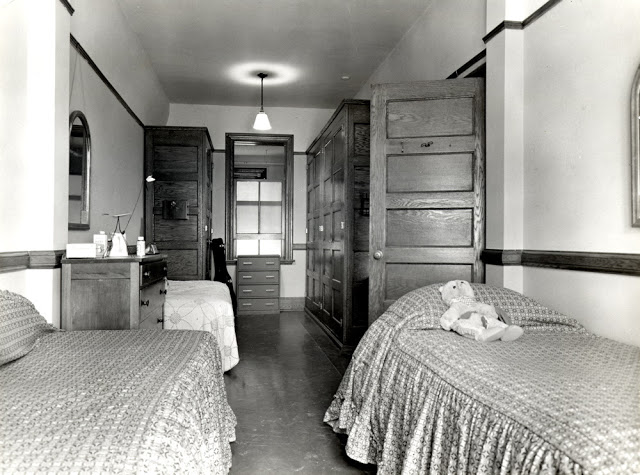
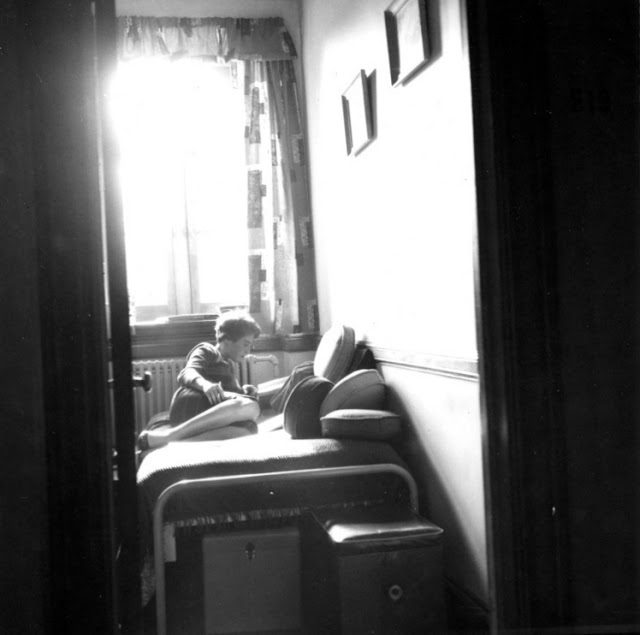
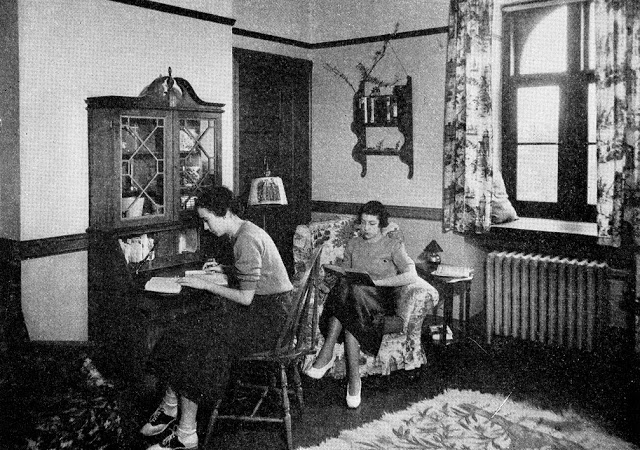
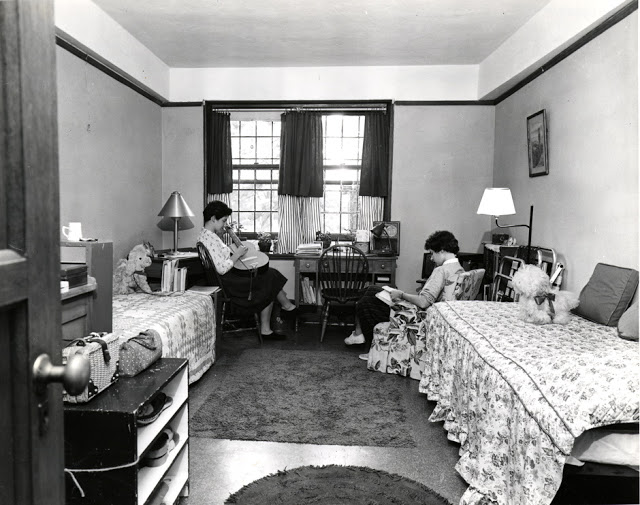
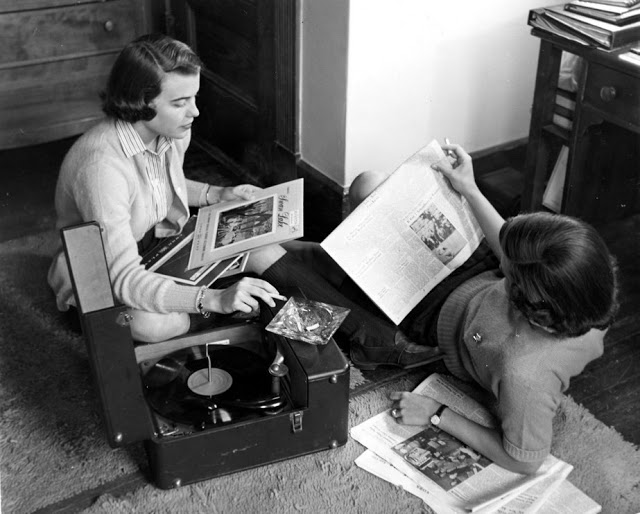
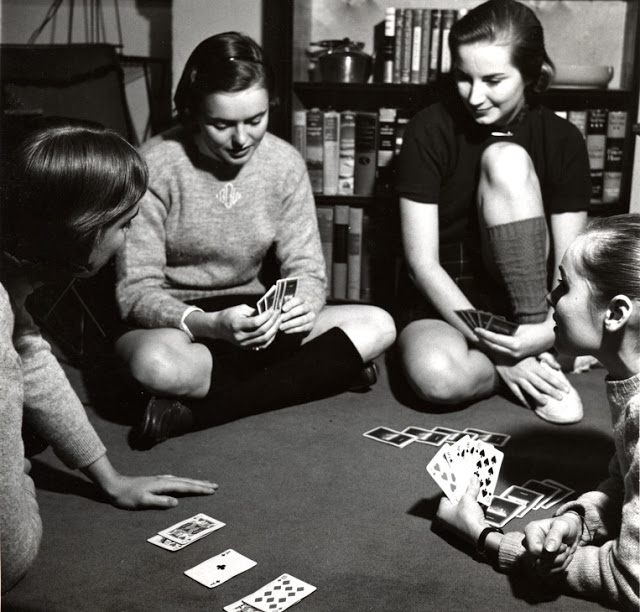
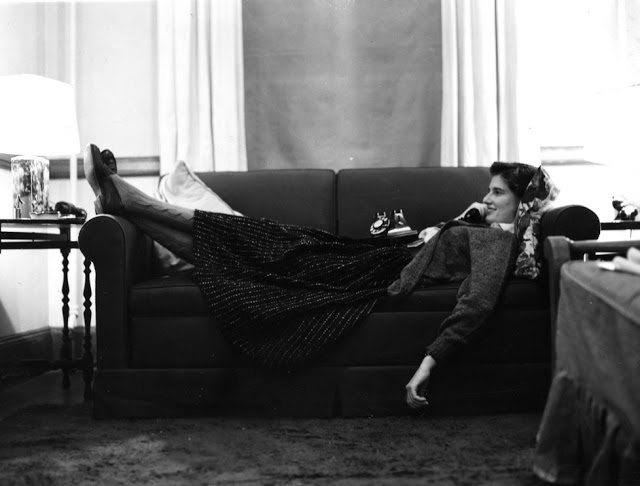
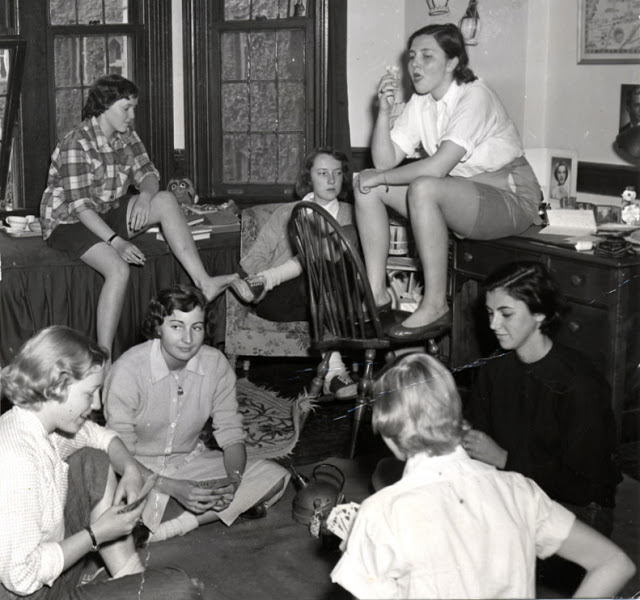
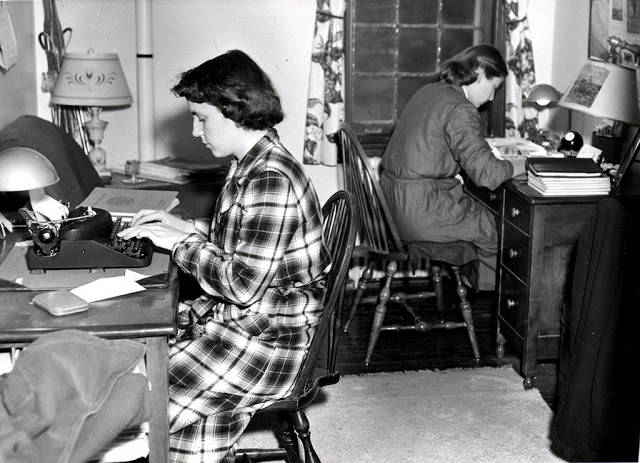
These interesting vintage photographs captured what life looked like in female dorm rooms in the 1950s.
Students in a dorm room share a telephone, 1951.A student ‘studies’ in her dorm room, 1951.A student hugs her pillow while sleeping in her dorm room, 1951.A sleepy student grabs for her alarm clock, 1951.Students contemplate cleaning a messy dorm room, 1951.A student enlists the aid of her friends to select the proper dress for the night, 1951.Students relax in a dorm room, 1953.A student opens a care package from home in her dorm room, 1953.Students at work in their dorm room, 1953.Students play records and knit while relaxing in their dorm room, 1953.Students play cards and relax in the dorms, 1953.Students study and relax in their dorm room, 1956.A student packs her suitcase in the dorms, 1956.Students listen to music on an LP record player in a dorm room, 1956.Students relax in a dorm room, 1956.A dorm room in Main Building, 1959.A student studies in her dorm room, 1959.A student lounges while studying in her dorm room, 1950s.Students study in their dorm room, 1950s.Students gather to study in the dorms, 1950s.Students study and relax in their dorm room, 1950s.Students play records in their dorm room, 1950s.Students play cards in the dorms, 1950s.A student makes herself comfortable while talking on the telephone in the 1950s.Students talk on the phone and relax in their dorm room, 1950s.Students play cards and socialize in the dorms, 1950s.Students study graphs in their dorm room, 1950s.A student studies in her dorm room, 1950s.Students studying in their dorm room, 1950s.Students share a laugh while talking on a sofa in the dorms, 1950s.
Elvis Aaron Presley (January 8, 1935 – August 16, 1977) was an American singer and actor. Dubbed the “King of Rock and Roll”, he is regarded as one of the most significant cultural icons of the 20th century. His energized interpretations of songs and sexually provocative performance style, combined with a singularly potent mix of influences across color lines during a transformative era in race relations, led him to both great success and initial controversy.
Presley was born in Tupelo, Mississippi, and relocated to Memphis, Tennessee, with his family when he was 13 years old. His music career began there in 1954, recording at Sun Records with producer Sam Phillips, who wanted to bring the sound of African-American music to a wider audience. Presley, on rhythm acoustic guitar, and accompanied by lead guitarist Scotty Moore and bassist Bill Black, was a pioneer of rockabilly, an uptempo, backbeat-driven fusion of country music and rhythm and blues. In 1955, drummer D. J. Fontana joined to complete the lineup of Presley’s classic quartet and RCA Victor acquired his contract in a deal arranged by Colonel Tom Parker, who would manage him for more than two decades. Presley’s first RCA Victor single, “Heartbreak Hotel”, was released in January 1956 and became a number-one hit in the United States. Within a year, RCA would sell ten million Presley singles. With a series of successful network television appearances and chart-topping records, Presley became the leading figure of the newly popular sound of rock and roll.
In November 1956, Presley made his film debut in Love Me Tender. Drafted into military service in 1958, Presley relaunched his recording career two years later with some of his most commercially successful work. He held few concerts, however, and guided by Parker, proceeded to devote much of the 1960s to making Hollywood films and soundtrack albums, most of them critically derided. In 1968, following a seven-year break from live performances, he returned to the stage in the acclaimed television comeback special Elvis, which led to an extended Las Vegas concert residency and a string of highly profitable tours. In 1973, Presley gave the first concert by a solo artist to be broadcast around the world, Aloha from Hawaii. Years of prescription drug abuse and unhealthy eating habits severely compromised his health, and he died suddenly in 1977 at his Graceland estate at the age of 42.
Having sold over 500 million records worldwide, Presley is recognized as the best-selling solo music artist of all time by Guinness World Records. He was commercially successful in many genres, including pop, country, R&B, adult contemporary, and gospel. Presley won three Grammy Awards, received the Grammy Lifetime Achievement Award at age 36, and has been inducted into multiple music halls of fame. He holds several records, including the most RIAA certified gold and platinum albums, the most albums charted on the Billboard 200, the most number-one albums by a solo artist on the UK Albums Chart, and the most number-one singles by any act on the UK Singles Chart. In 2018, Presley was posthumously awarded the Presidential Medal of Freedom by Donald Trump. (Wikipedia)
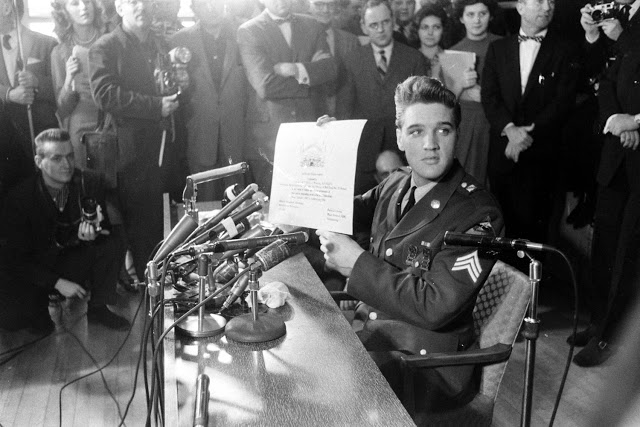
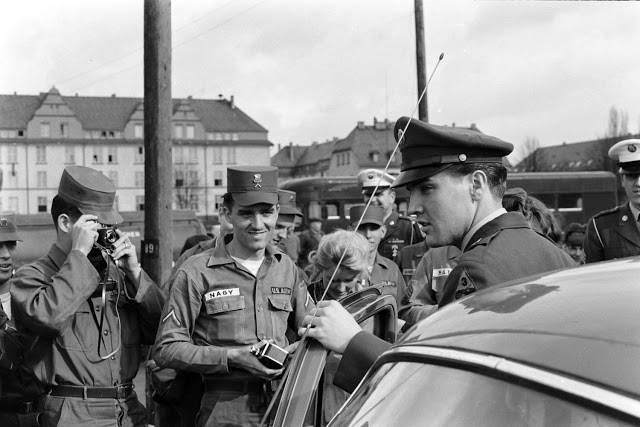
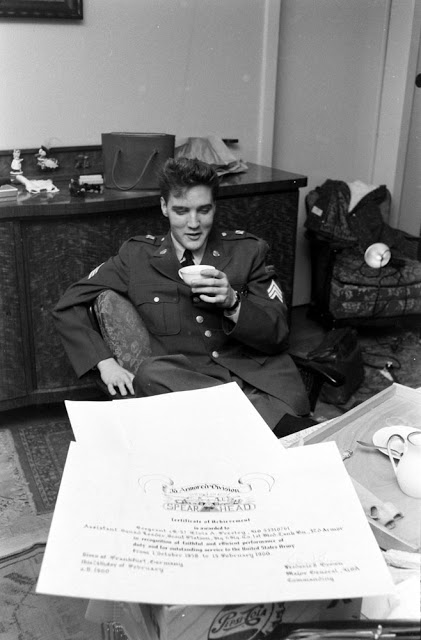
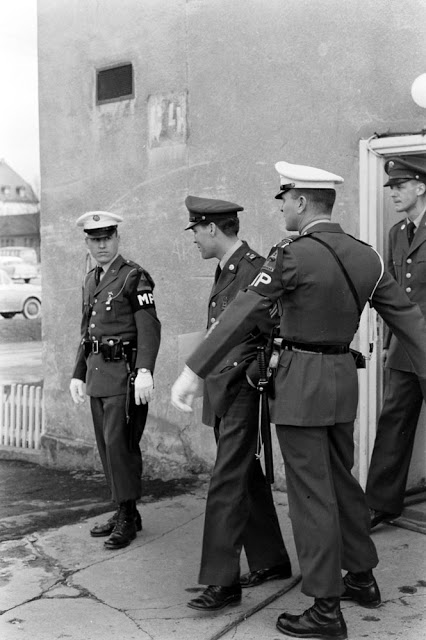
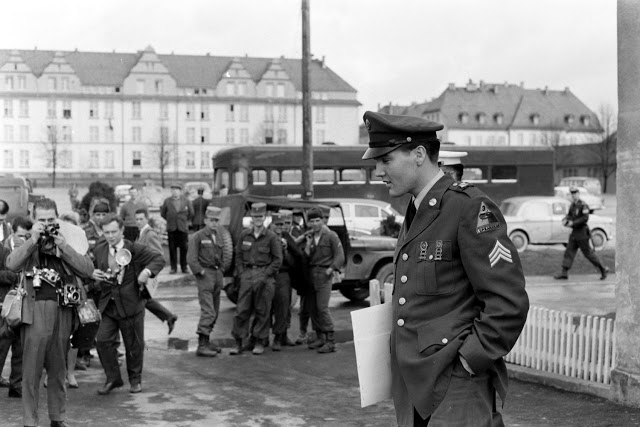
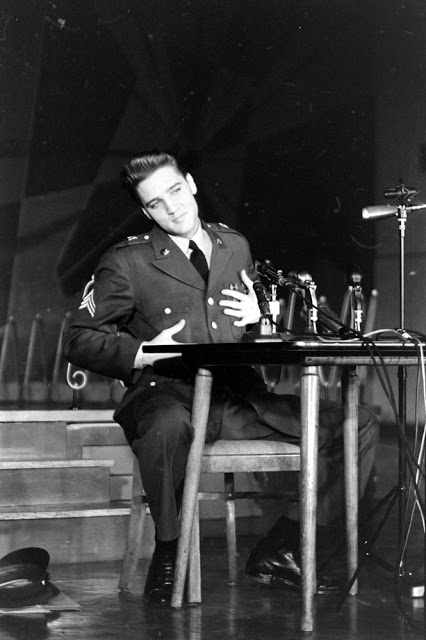
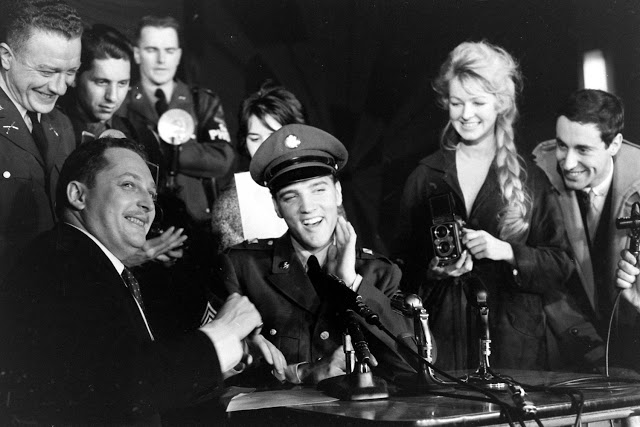
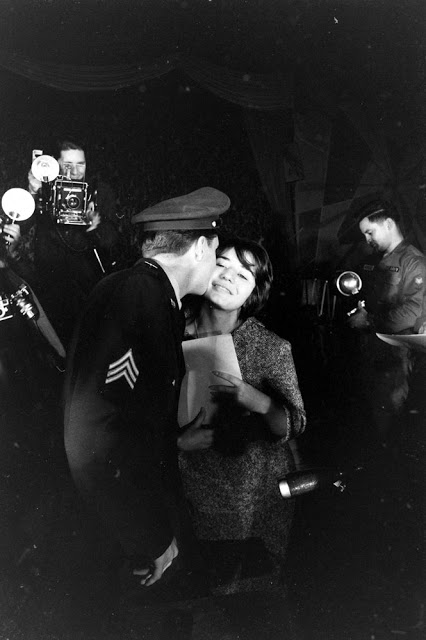
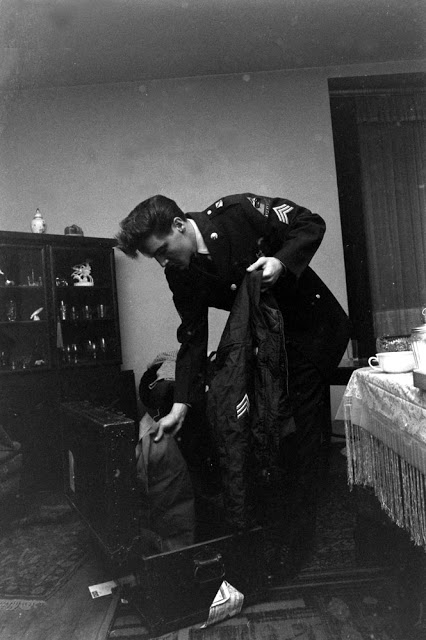
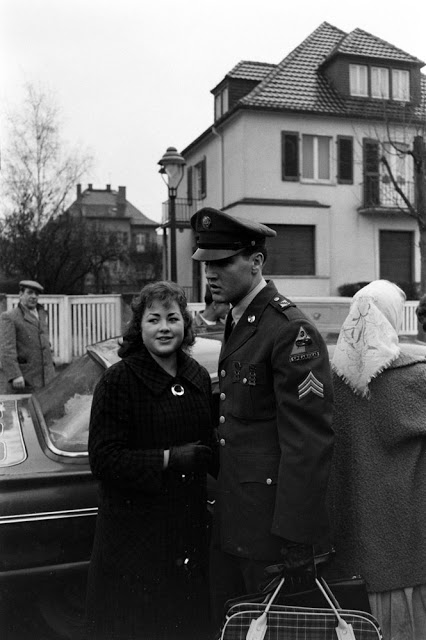
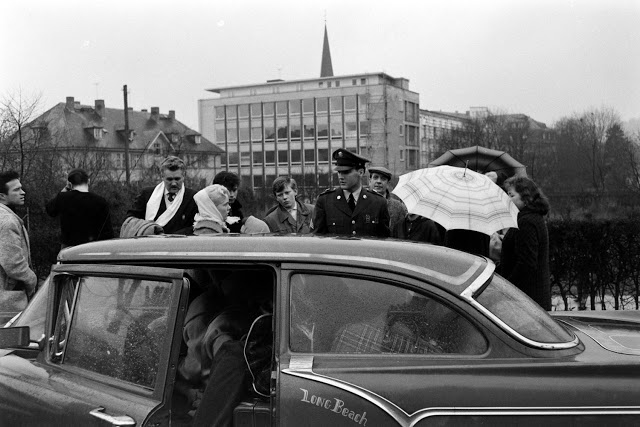
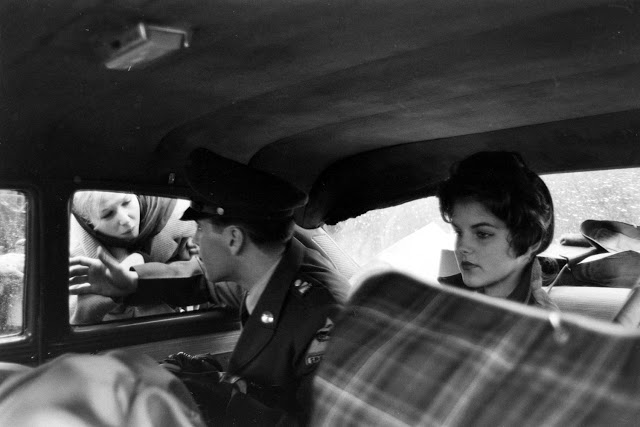
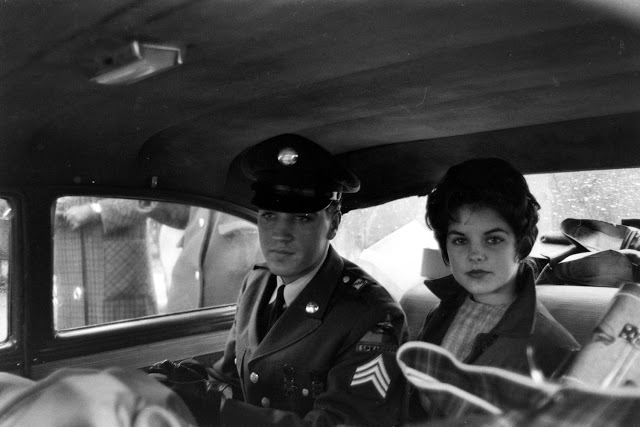
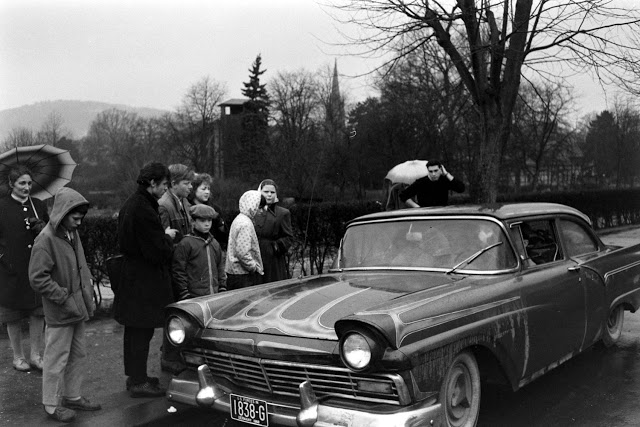
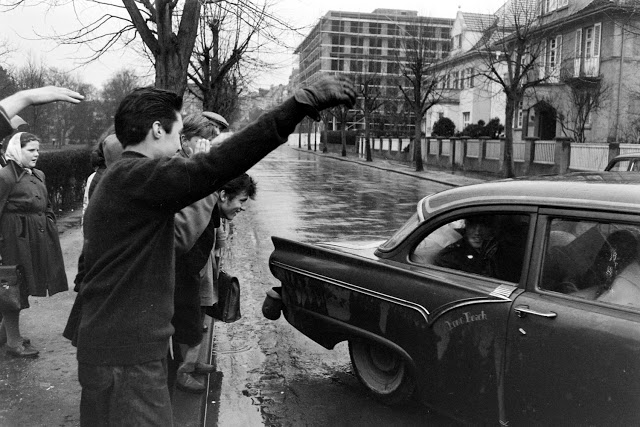
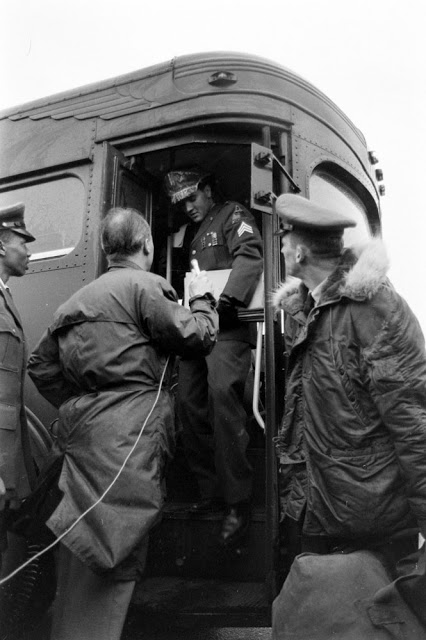
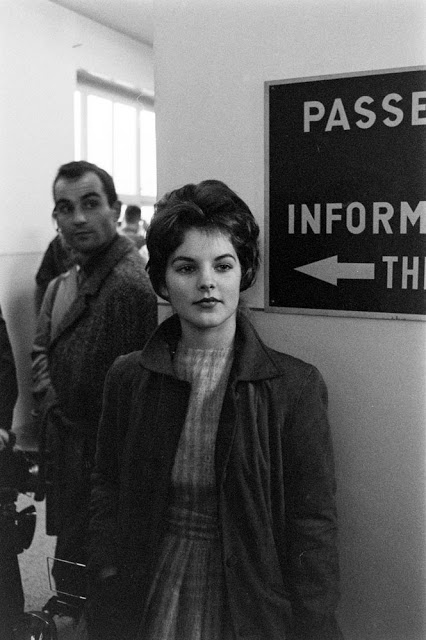
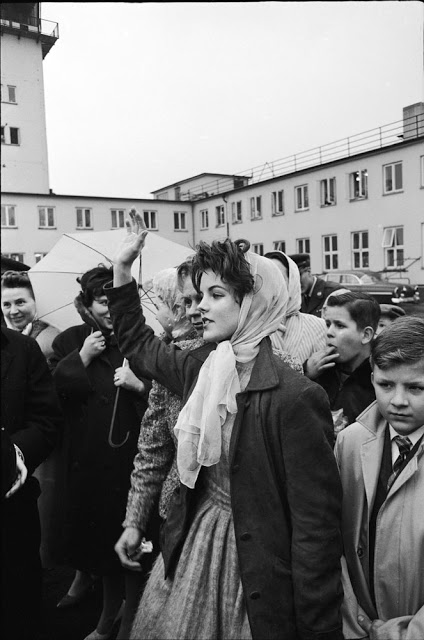
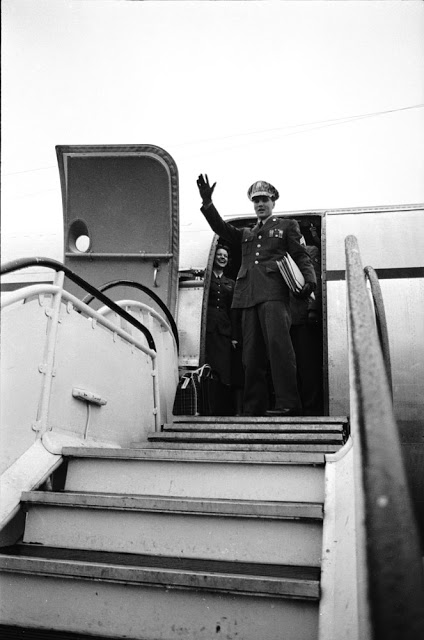
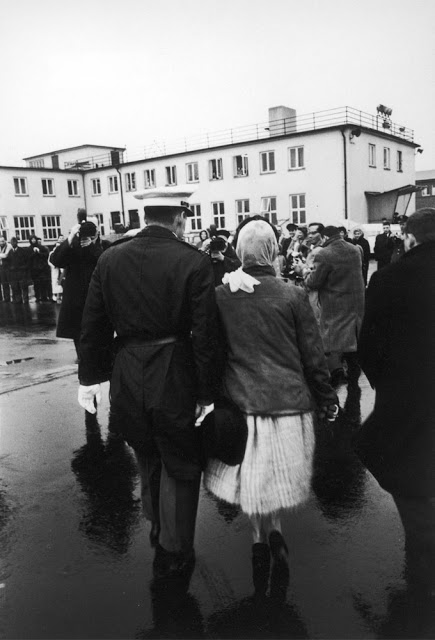
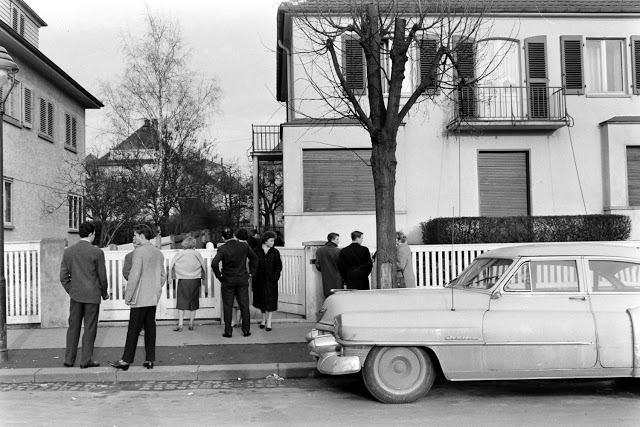
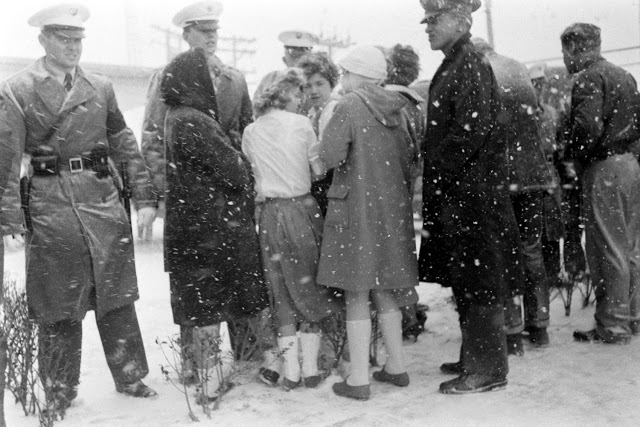
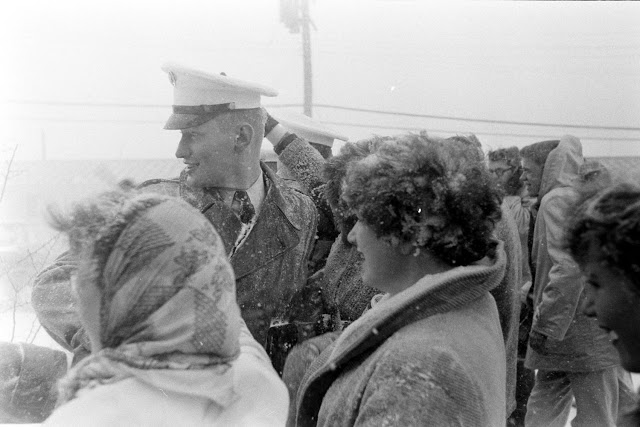
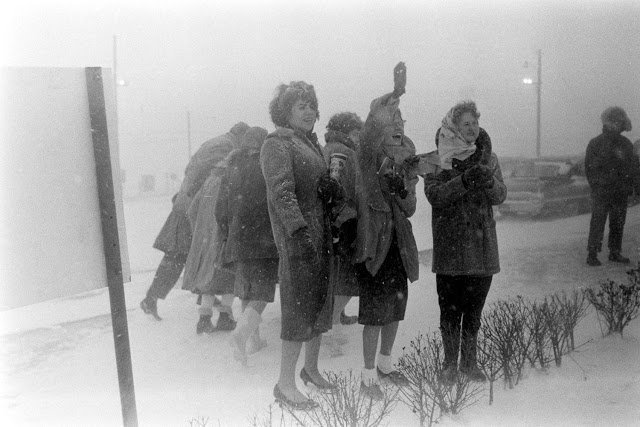
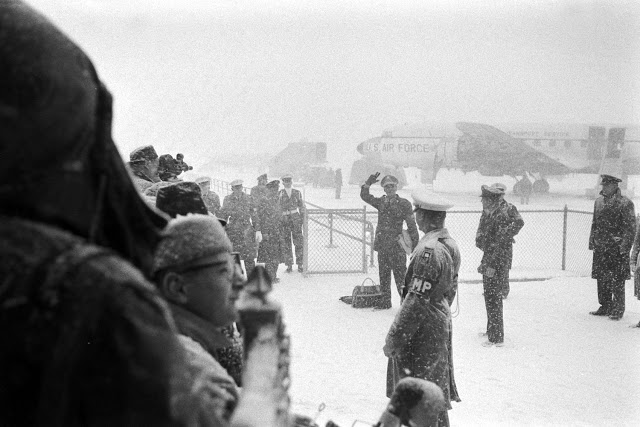
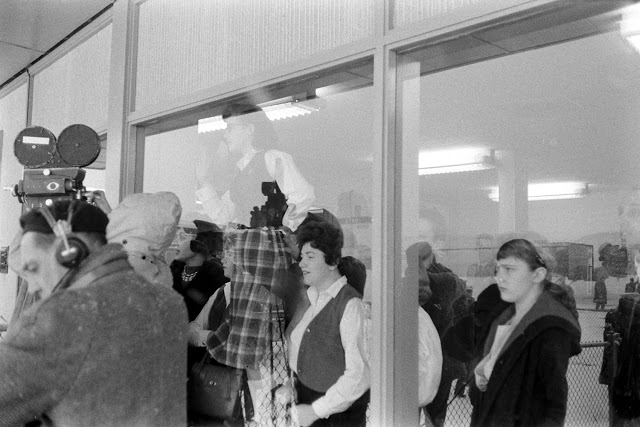
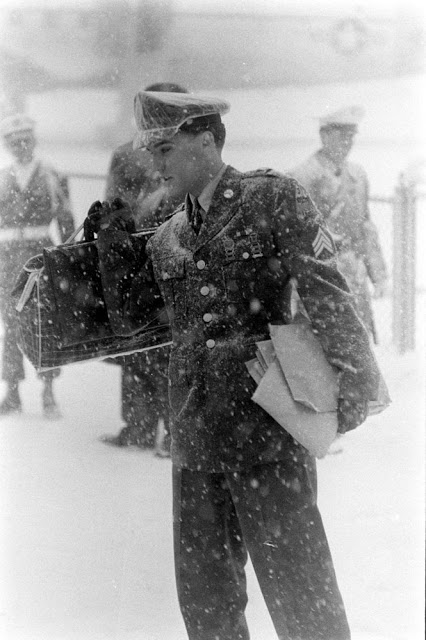
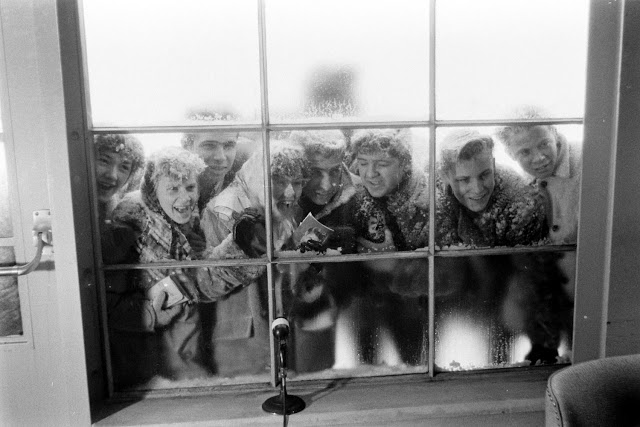
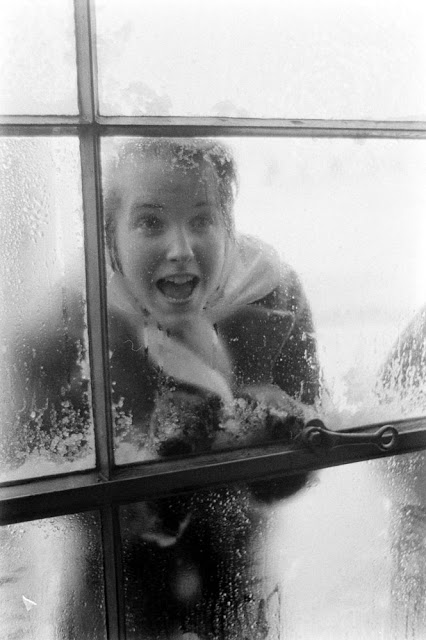
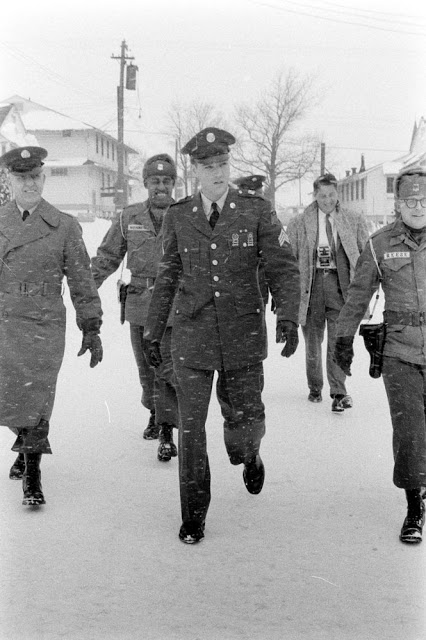
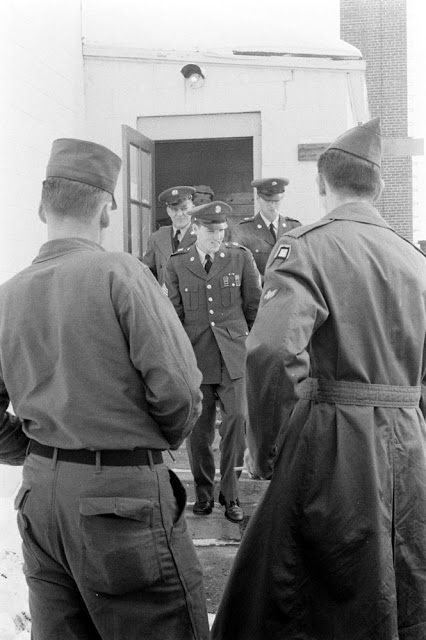
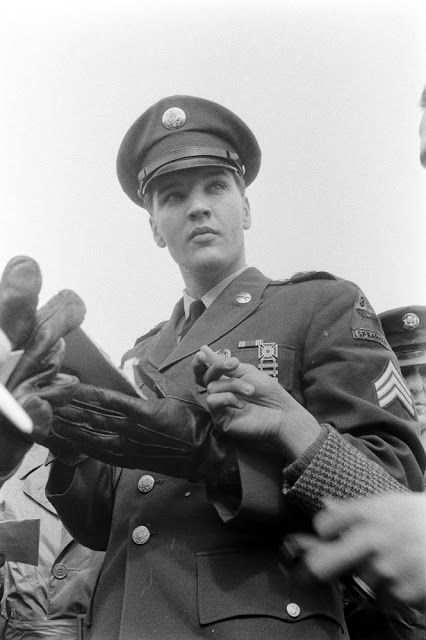
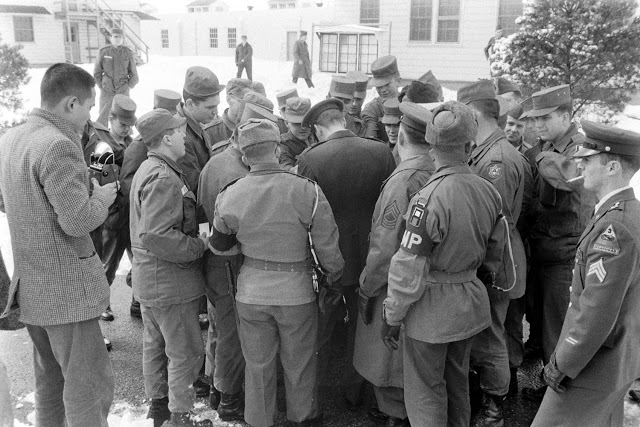
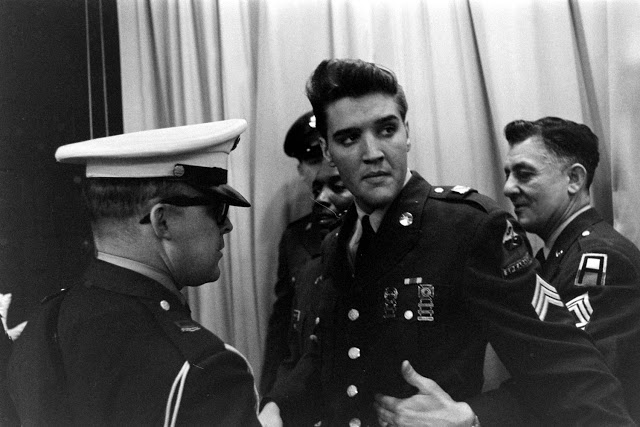
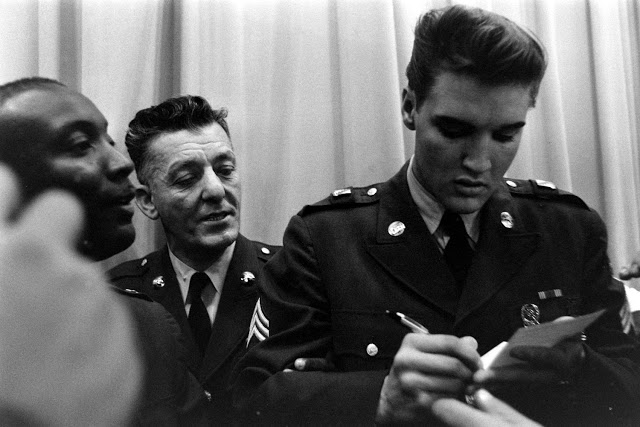
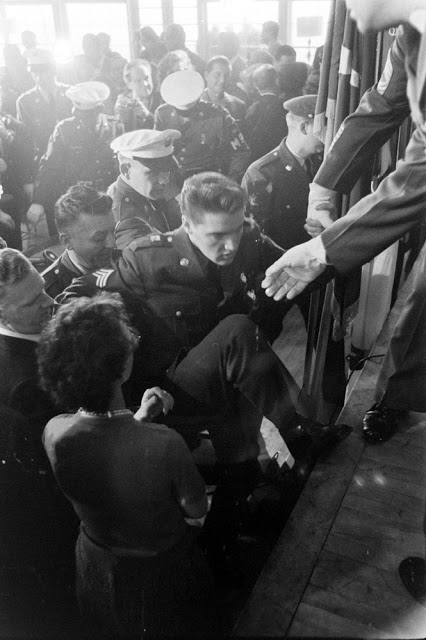
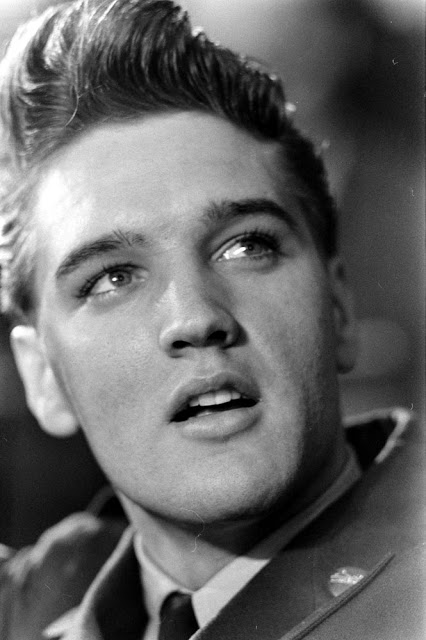
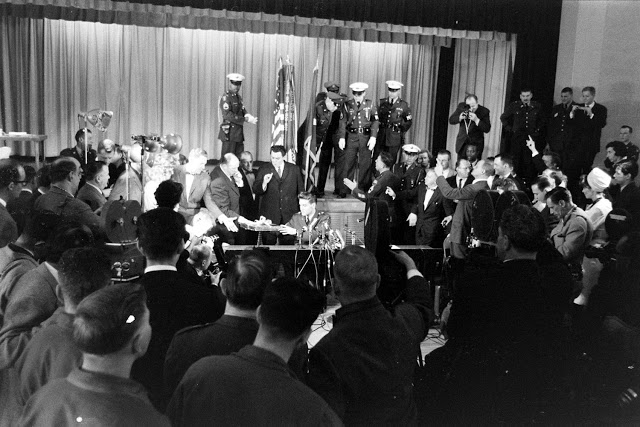
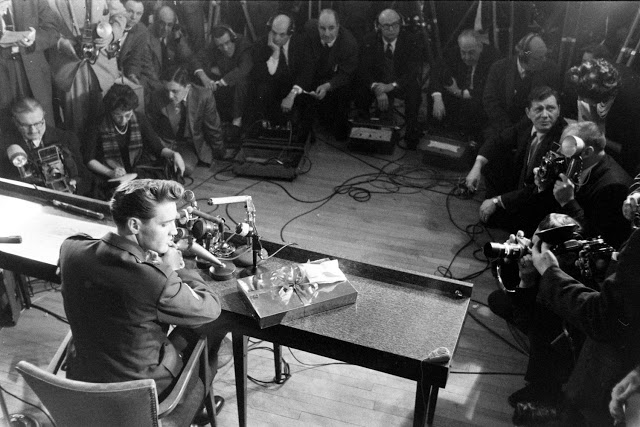
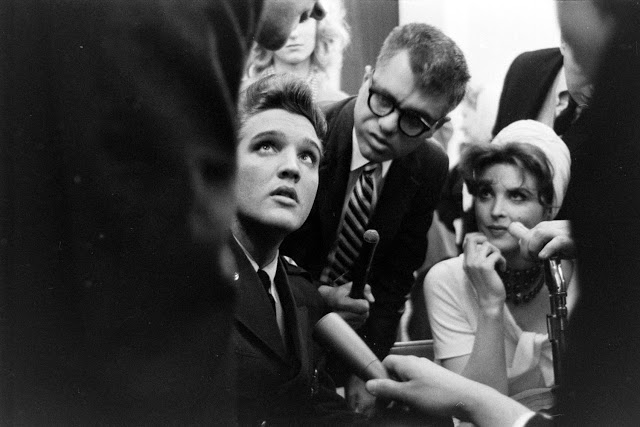
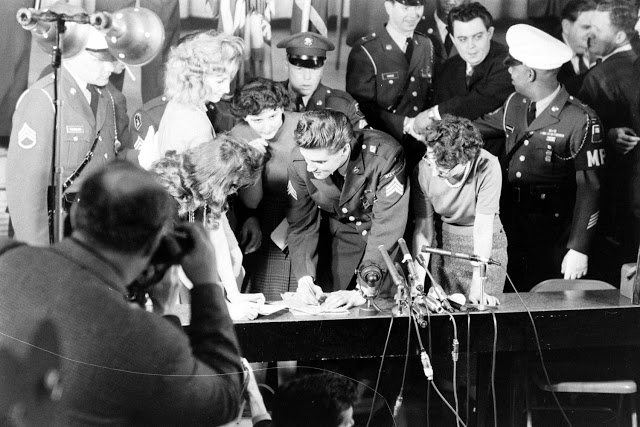
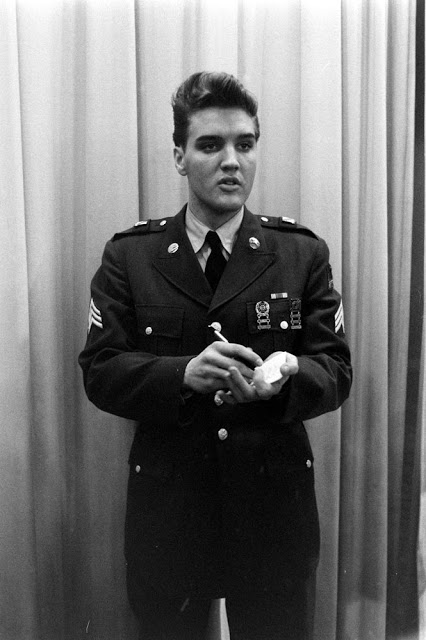
Here’s a series of photos showing Elvis Presley, along with his 15-year-old girlfriend, Priscilla Beaulieu, in Germany on the day he left for the States (March 2, 1960), and Elvis again at Fort Dix, New Jersey, where he landed on March 3, sans Priscilla. He was officially discharged from the Army on March 5.
These pictures, by LIFE photographers James Whitmore and Al Fenn, capture a moment in Elvis’s life when he was poised to remind everyone who might have doubted it that, despite two years of taking orders, he was ready to again be the King.
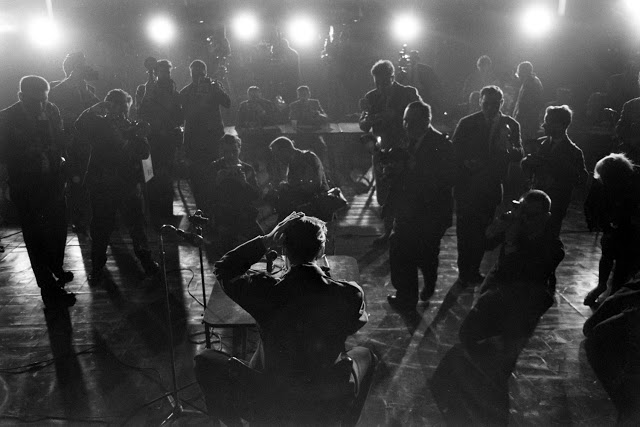
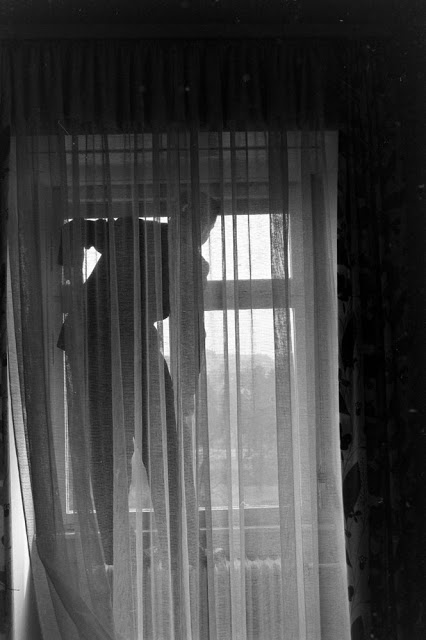
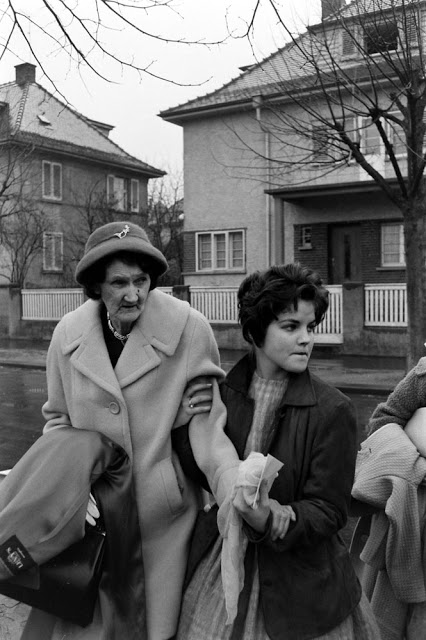
Sgt. Elvis Presley prepares to leave Germany, March 1960.Sgt. Elvis Presley prepares to leave Germany, March 1960. Sgt. Elvis Presley prepares to leave Germany, March 1960.Sgt. Elvis Presley at a press conference before leaving Germany, March 1960. Sgt. Elvis Presley at a press conference before leaving Germany, March 1960. Sgt. Elvis Presley at a press conference before leaving Germany, March 1960. Sgt. Elvis Presley at a press conference before leaving Germany, March 1960.Sgt. Elvis Presley prepares to leave Germany, March 1960.Sgt. Elvis Presley peers out of the window of the house he and his family occupied in Bad Nauheim, Germany, March 1960.Sgt. Elvis Presley leaves the house he and his family occupied in Bad Nauheim, Germany, March 1960. Elvis Presley’s grandmother and Priscilla Beaulieu leave the house that Elvis and his family occupied in Bad Nauheim, Germany, March 1960.Sgt. Elvis Presley leaves the house he and his family occupied in Bad Nauheim, Germany, March 1960. “Priscilla Beaulieu rides in the back seat with Elvis as German fans crowd around the car.” March 1960.Sgt. Elvis Presley leaves the house he and his family occupied in Bad Nauheim, Germany, March 1960. Elvis and Priscilla leave the house he and his family occupied in Bad Nauheim, Germany, March 1960.Elvis and Priscilla leave the house he and his family occupied in Bad Nauheim, Germany, March 1960.Sgt. Elvis Presley prepares to leave Germany, March 1960.Priscilla Beaulieu, Germany, March 1960.Priscilla Beaulieu waves to Elvis as plane takes off from Germany for U.S, March 1960.Sgt. Elvis Presley prepares to leave Germany, March 1960.Priscilla Beaulieu is escorted from the tarmac after saying goodbye to Elvis, Germany, March 1960.Elvis Presley fans congregate at the house in which Elvis and his family lived, shortly after he left the house for the last time, Bad Nauheim, Germany, March 1960.Elvis Presley fans, McGuire Air Force Base, New Jersey, March 1960.Elvis Presley fans, McGuire Air Force Base, New Jersey, March 1960.Elvis Presley fans, McGuire Air Force Base, New Jersey, March 1960.Elvis Presley fans, McGuire Air Force Base, New Jersey, March 1960.Elvis Presley fans, McGuire Air Force Base, New Jersey, March 1960.Elvis Presley arrives at McGuire Air Force Base, New Jersey, March 1960. Elvis Presley fans, McGuire Air Force Base, New Jersey, March 1960. Elvis Presley fan, McGuire Air Force Base, New Jersey, March 1960.Elvis Presley at Fort Dix, New Jersey, shortly before his discharge from the U.S. Army, March 1960.Elvis Presley at Fort Dix, New Jersey, shortly before his discharge from the U.S. Army, March 1960.Elvis Presley at Fort Dix, New Jersey, shortly before his discharge from the U.S. Army, March 1960.Elvis Presley at Fort Dix, New Jersey, shortly before his discharge from the U.S. Army, March 1960.Elvis Presley at Fort Dix, New Jersey, shortly before his discharge from the U.S. Army, March 1960.Elvis Presley at Fort Dix, New Jersey, shortly before his discharge from the U.S. Army, March 1960.Elvis Presley at Fort Dix, New Jersey, shortly before his discharge from the U.S. Army, March 1960.Elvis Presley at Fort Dix, New Jersey, shortly before his discharge from the U.S. Army, March 1960.Elvis Presley at Fort Dix, New Jersey, shortly before his discharge from the U.S. Army, March 1960. Elvis Presley at Fort Dix, New Jersey, shortly before his discharge from the U.S. Army, March 1960.Elvis Presley at Fort Dix, New Jersey, shortly before his discharge from the U.S. Army, March 1960.Elvis Presley (and, at right, actress Tina Louise) at Fort Dix, New Jersey, shortly before his discharge from the U.S. Army, March 1960.Elvis Presley at Fort Dix, New Jersey, shortly before his discharge from the U.S. Army, March 1960.Elvis Presley at Fort Dix, New Jersey, shortly before his discharge from the U.S. Army, March 1960.
Barcelona is a city on the coast of northeastern Spain. It is the capital and largest city of the autonomous community of Catalonia, as well as the second most populous municipality of Spain. With a population of 1.6 million within city limits, its urban area extends to numerous neighbouring municipalities within the Province of Barcelona and is home to around 4.8 million people, making it the fifth most populous urban area in the European Union after Paris, the Ruhr area, Madrid, and Milan. It is one of the largest metropolises on the Mediterranean Sea, located on the coast between the mouths of the rivers Llobregat and Besòs, and bounded to the west by the Serra de Collserola mountain range, the tallest peak of which is 512 metres (1,680 feet) high.
Founded as a Roman city, in the Middle Ages Barcelona became the capital of the County of Barcelona. After joining with the Kingdom of Aragon to form the confederation of the Crown of Aragon, Barcelona, which continued to be the capital of the Principality of Catalonia, became the most important city in the Crown of Aragon and the main economic and administrative centre of the Crown, only to be overtaken by Valencia, wrested from Arab domination by the Catalans, shortly before the dynastic union between the Crown of Castile and the Crown of Aragon in 1492. Barcelona has a rich cultural heritage and is today an important cultural centre and a major tourist destination. Particularly renowned are the architectural works of Antoni Gaudí and Lluís Domènech i Montaner, which have been designated UNESCO World Heritage Sites. The city is home to two of the most prestigious universities in Spain: the University of Barcelona and Pompeu Fabra University. The headquarters of the Union for the Mediterranean are located in Barcelona. The city is known for hosting the 1992 Summer Olympics as well as world-class conferences and expositions and also many international sport tournaments.
Barcelona is a major cultural, economic, and financial centre in southwestern Europe, as well as the main biotech hub in Spain. As a leading world city, Barcelona’s influence in global socio-economic affairs qualifies it for global city status (Beta +).
Barcelona is a transport hub, with the Port of Barcelona being one of Europe’s principal seaports and busiest European passenger port, an international airport, Barcelona–El Prat Airport, which handles over 50 million passengers per year,[12] an extensive motorway network, and a high-speed rail line with a link to France and the rest of Europe. (Wikipedia)
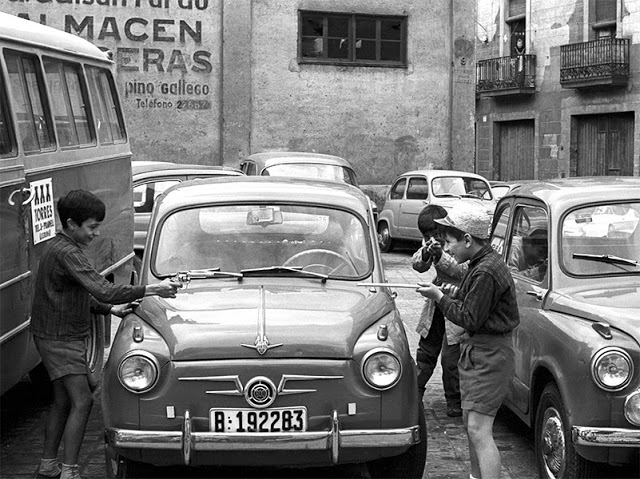
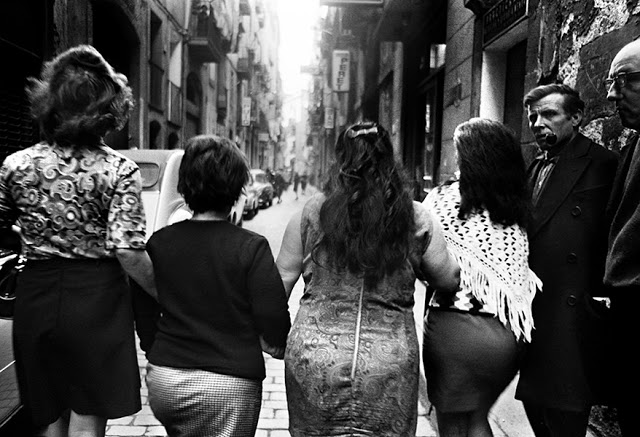
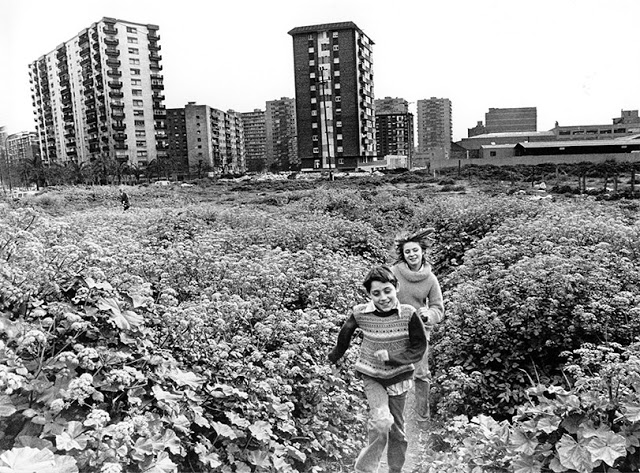
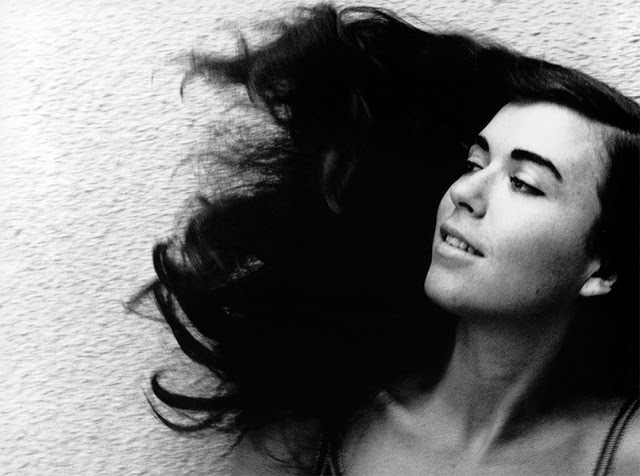
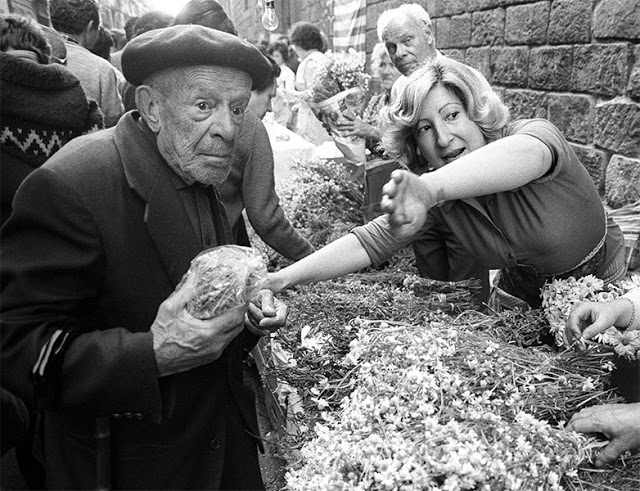
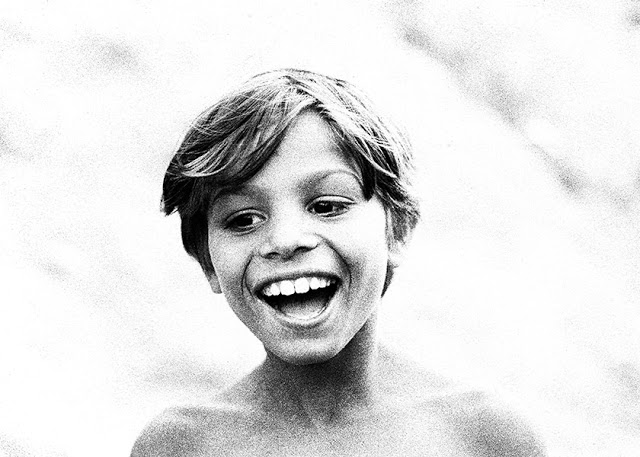
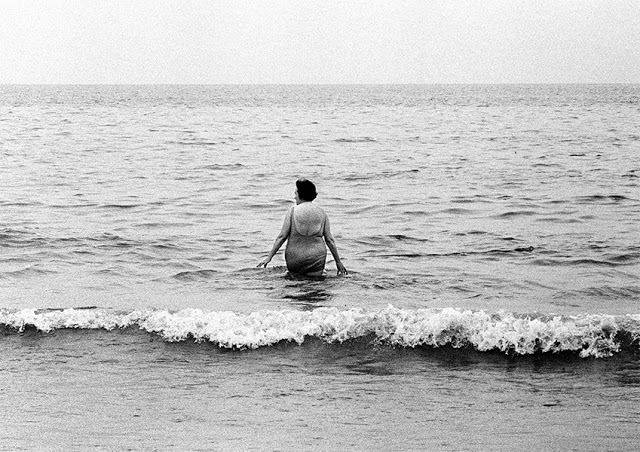
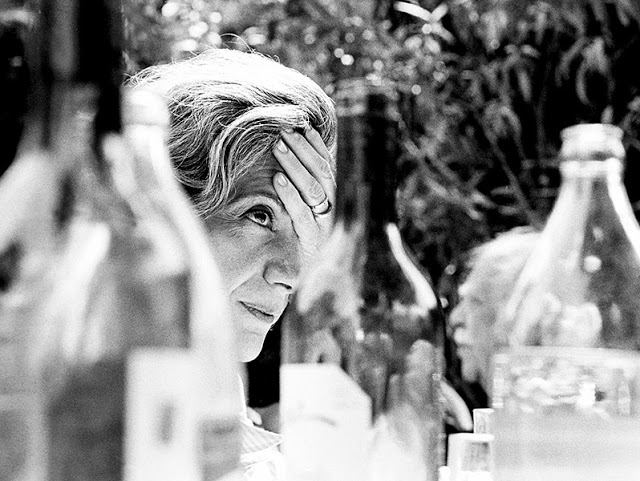
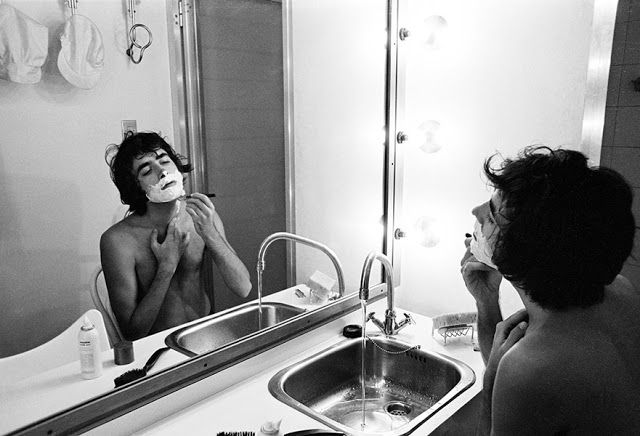
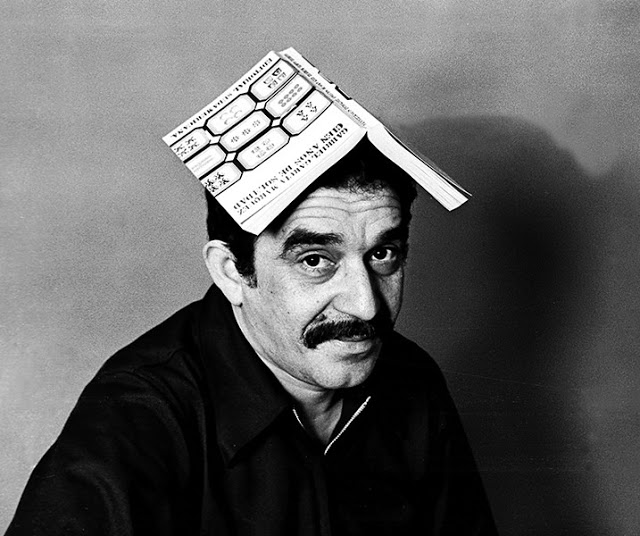
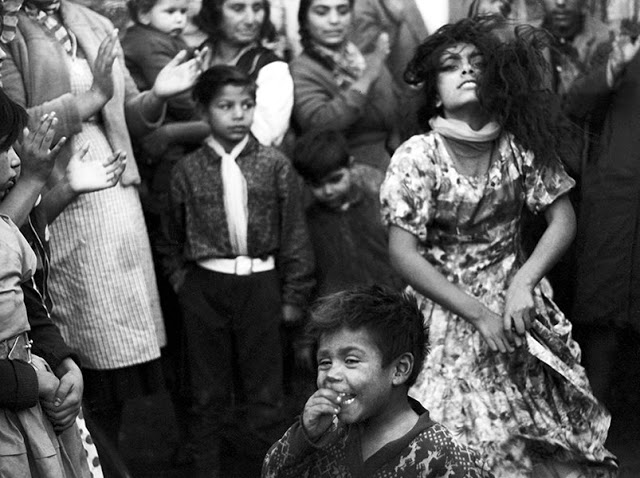
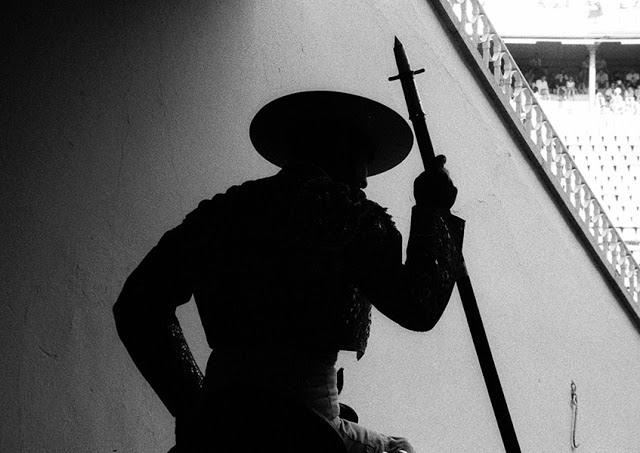
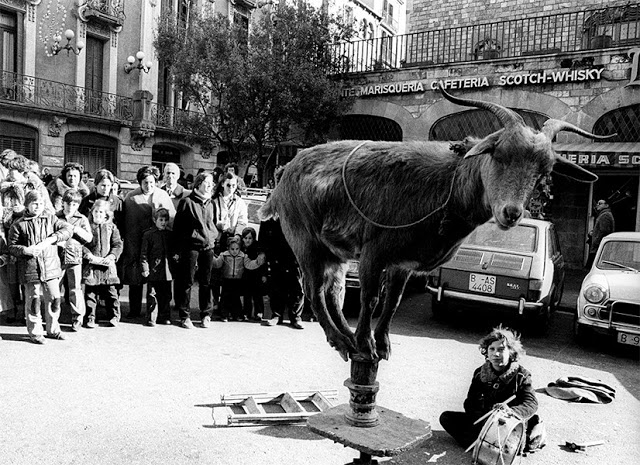
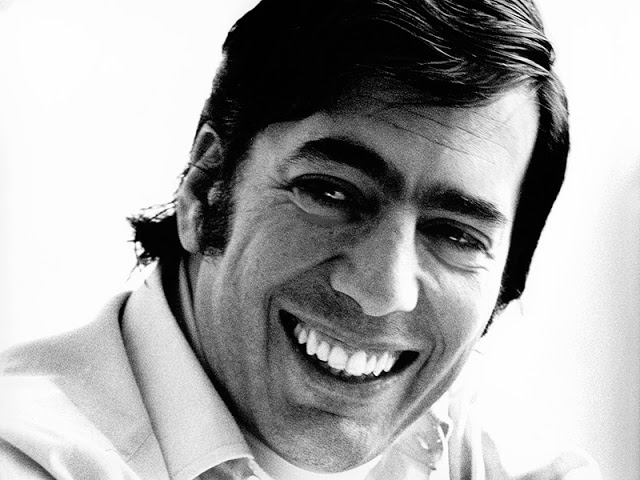
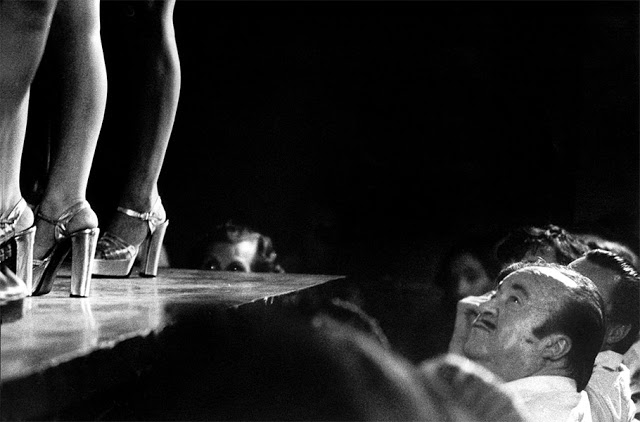
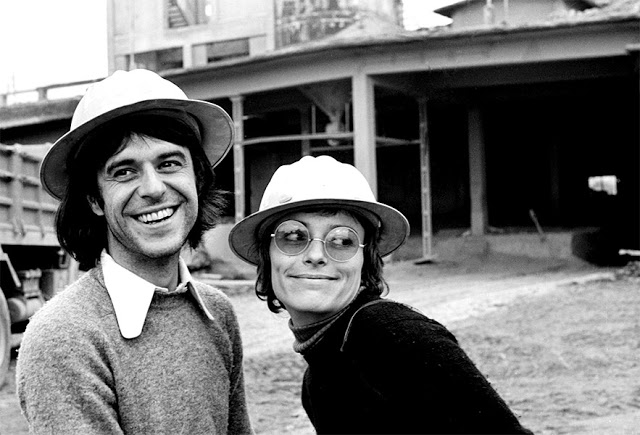
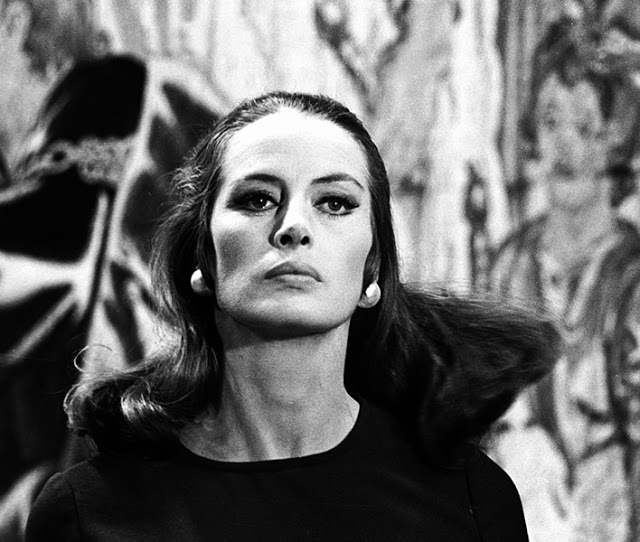
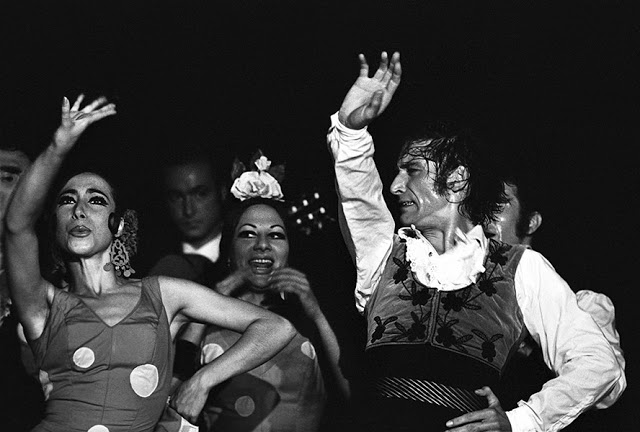
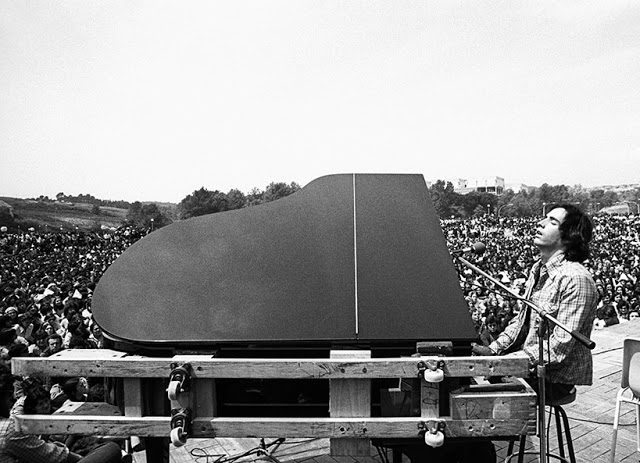
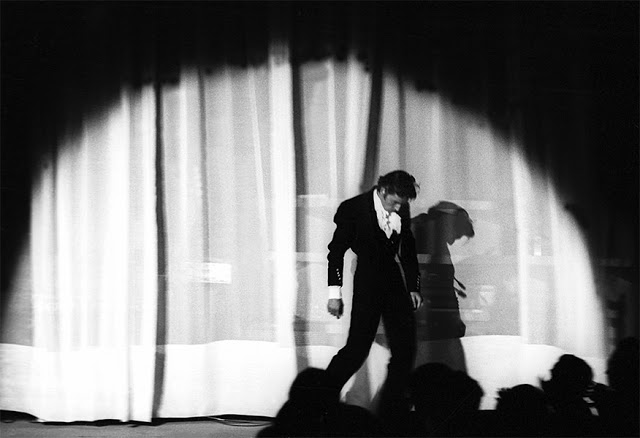
Colita, born Isabel Steva in Barcelona in 1940, is one of the most renowned names in contemporary Catalan photography. While she learned the trade of photography studying under Oriol Maspons, Julio Ubiña and Xavier Miserachs, she soon branched out into her own individualistic style.
From 1963 to 1975 she focused on creating a series of portraits of Flamenco dancers and singers. Since she is linked with the Catalan cultural movements of the era, she is considered the official photographer of Barcelona’s Gauche Divine, a movement of writers, photographers, models, architects, film directors, and many other professionals who began to stand out in that area in their respective fields. Her photographs display an inspiring frankness and humor.
Barcelona, 1964Barcelona, 1965Barcelona, 1969Barcelona, 1978Maria del Mar Bonet, 1976Barcelona, 1978Gypsy boy, 1963Sitges, 1966Ana María Matute, 1974Joan Manuel Serrat, 1970Gabriel García Márquez, 1969Montjuic, 1963Picador, 1970Barcelona, 1980Mario Vargas Llosa, 1976Barcelona, 1975Ricardo Bofill and Serena Vergano, 1970Capucine, 1968Antonio Gades and Cristina Hoyos, 1969Barcelona, 1966Lluís Llach, 1976Flamenco, 1967Romy, 1970Bocaccio, Barcelona, 1967Elsa Peretti and Camilla, 1968
The United States of America (U.S.A. or USA), commonly known as the United States (U.S. or US) or America, is a country primarily located in North America. It consists of 50 states, a federal district, five major unincorporated territories, 326 Indian reservations, and some minor possessions. At nearly 3.8 million square miles (9.8 million square kilometers), it is the world’s third- or fourth-largest country by geographic area. The United States shares significant land borders with Canada to the north and Mexico to the south as well as limited maritime borders with the Bahamas, Cuba, and Russia. With a population of more than 331 million people, it is the third-most populous country in the world. The national capital is Washington, D.C., and the most populous city and financial center is New York City.
Paleo-Indians migrated from Siberia to the North American mainland at least 12,000 years ago, and European colonization began in the 16th century. The United States emerged from the thirteen British colonies established along the East Coast. Disputes with Great Britain over taxation and political representation led to the American Revolutionary War (1775–1783), which established the nation’s independence. In the late 18th century, the U.S. began expanding across North America, gradually obtaining new territories, sometimes through war, frequently displacing Native Americans, and admitting new states; by 1848, the United States spanned the continent. Slavery was legal in the southern United States until the second half of the 19th century, when the American Civil War led to its abolition. The Spanish–American War and World War I established the U.S. as a world power, and the aftermath of World War II left the United States and the Soviet Union as the world’s two superpowers. During the Cold War, both sides fought in the Korean and Vietnam Wars but avoided direct military conflict. They competed in the Space Race, culminating in the 1969 spaceflight that first landed humans on the Moon. The Soviet Union’s dissolution in 1991 ended the Cold War, leaving the United States as the world’s sole superpower.
The United States is a federal presidential-constitutional republic with three separate branches of government, including a bicameral legislature. It is a founding member of the United Nations, World Bank, International Monetary Fund, Organization of American States, NATO, and other international organizations. It is a permanent member of the United Nations Security Council. Considered a melting pot of cultures and ethnicities, its population has been profoundly shaped by centuries of immigration. The United States ranks high in international measures of economic freedom, quality of life, education, and human rights; it has low levels of perceived corruption. However, it has been criticized for inequality related to race, wealth, and income; use of capital punishment; high incarceration rates; and lack of universal health care.
The United States is a highly developed country, and its economy accounts for approximately a quarter of global GDP and is the world’s largest by GDP at market exchange rates. By value, the United States is the world’s largest importer and second-largest exporter of goods. Although its population is only 4.2% of the world’s total, it holds over 30% of the total wealth in the world, the largest share held by any country. Making up more than a third of global military spending, it is the foremost military power in the world and a leading political, cultural, and scientific force. (Wikipedia)
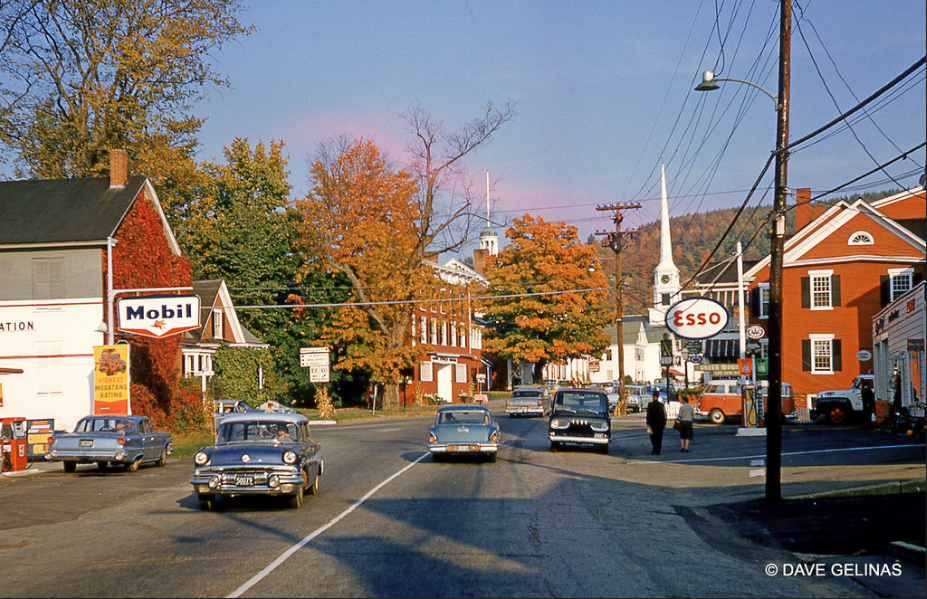
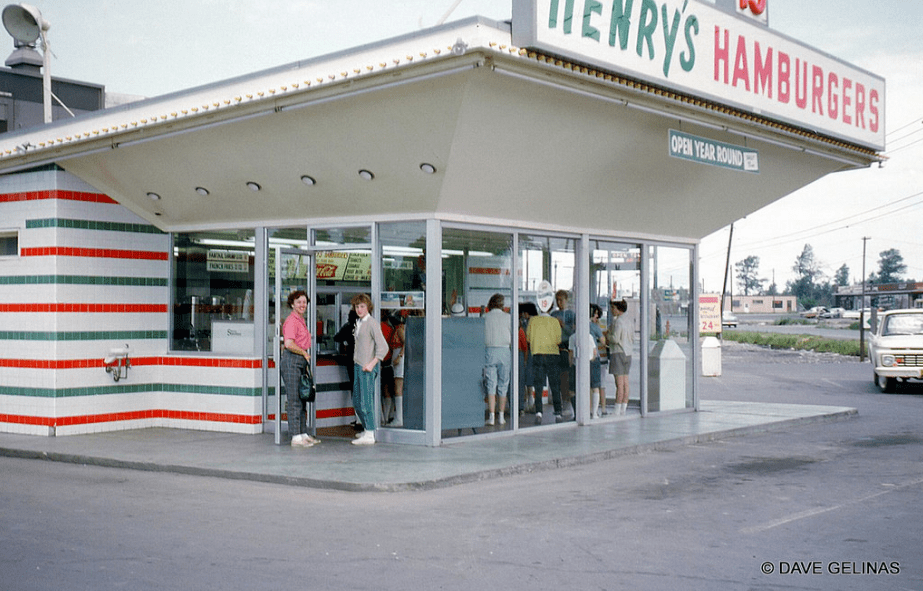
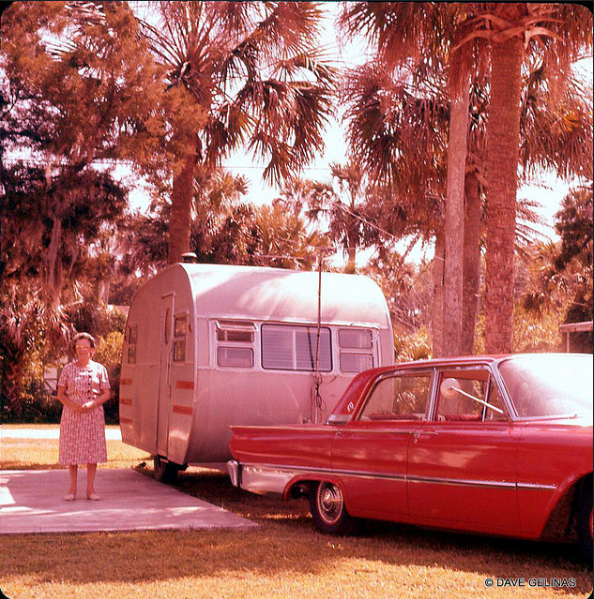
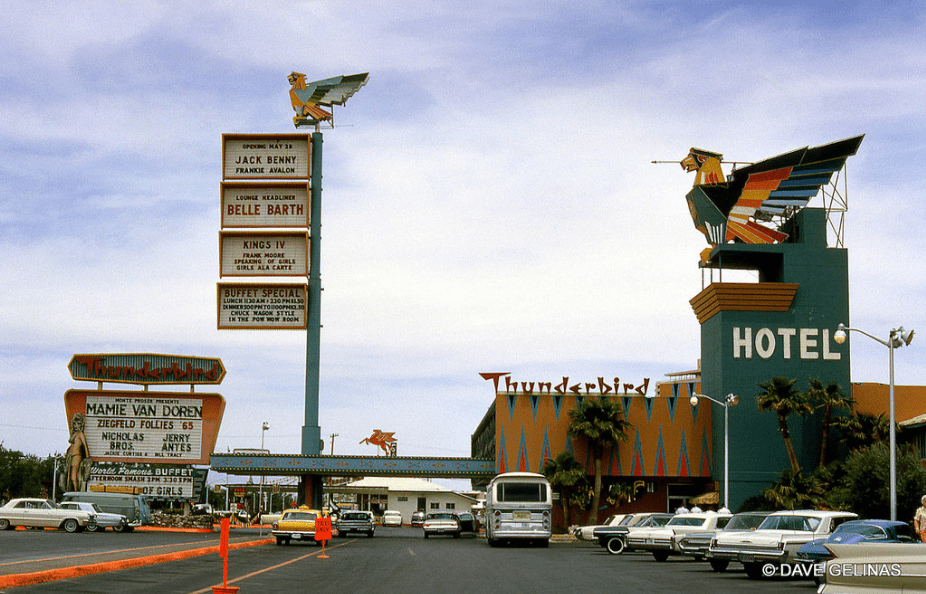
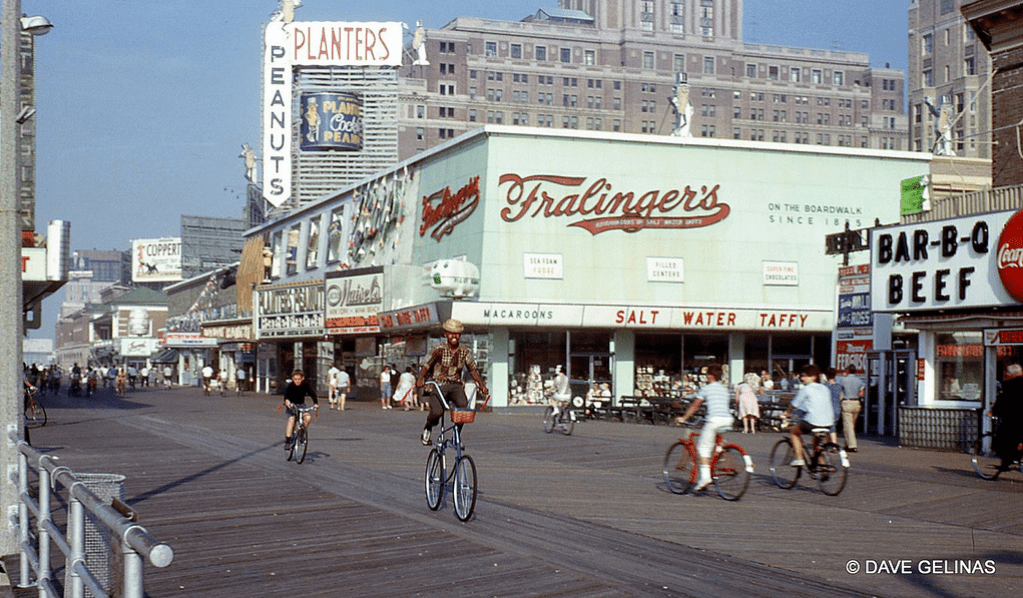
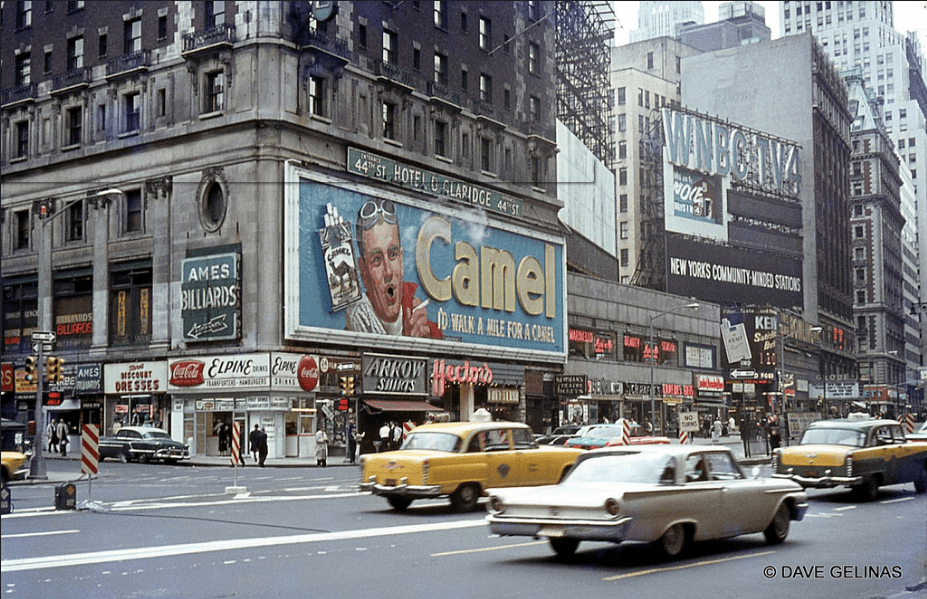
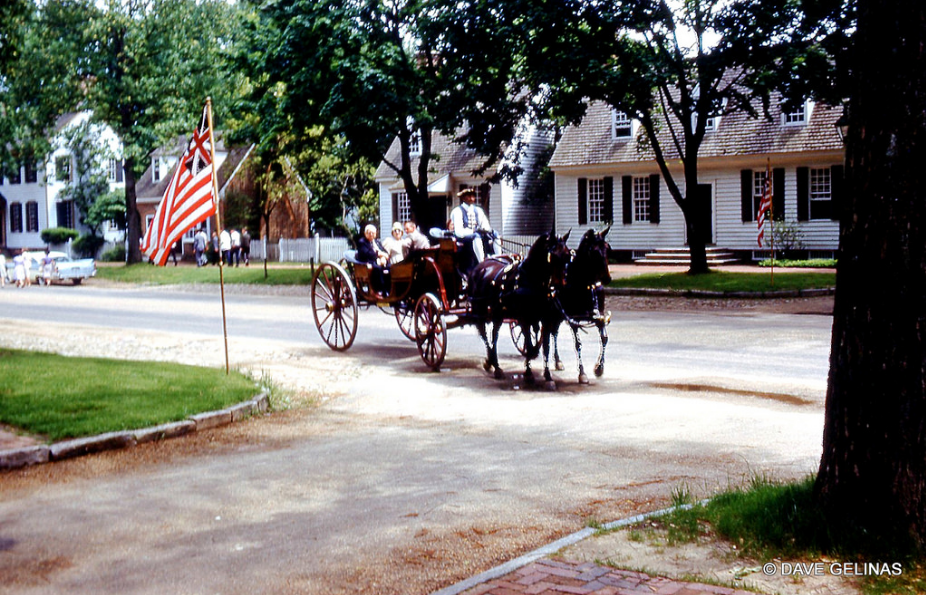
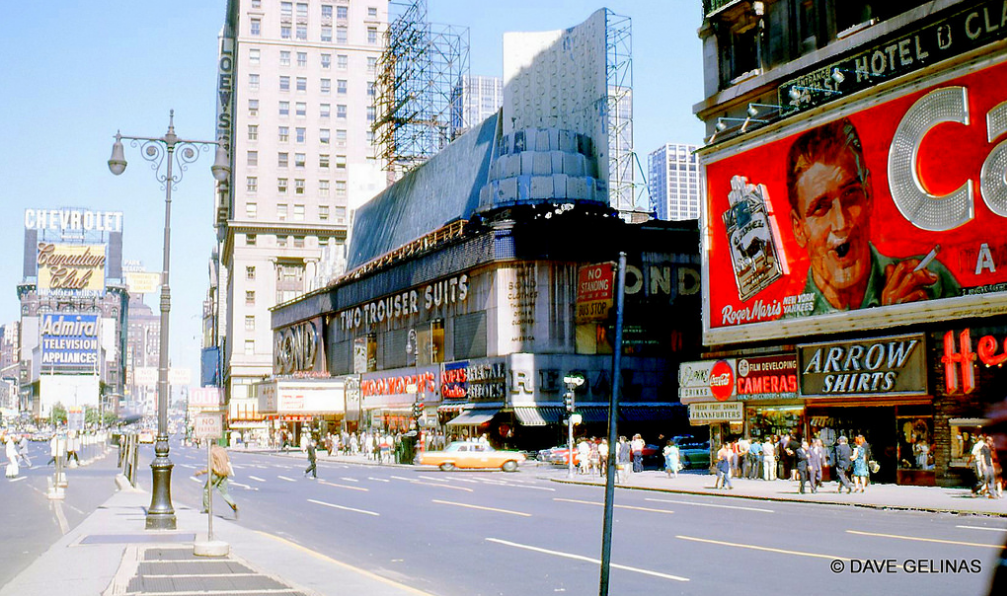
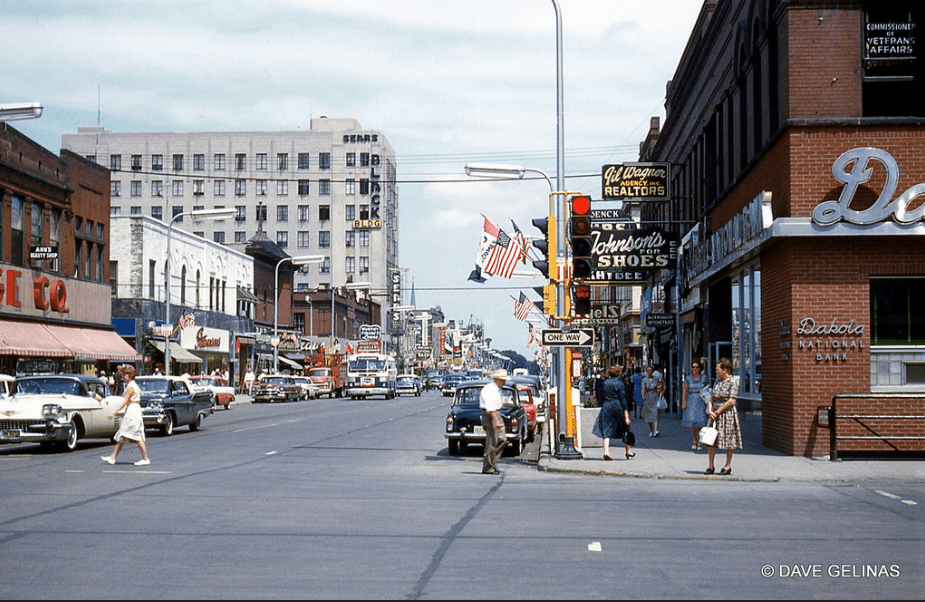
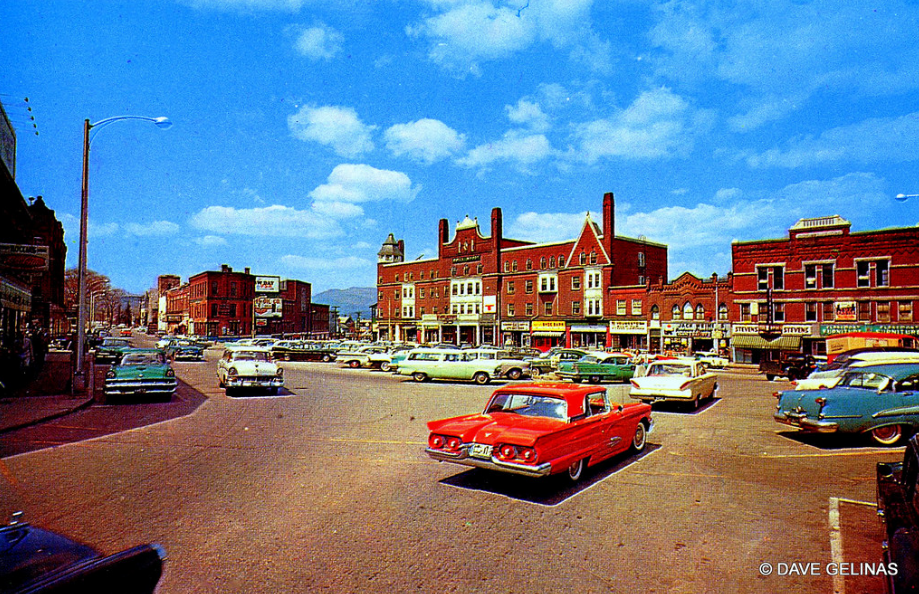
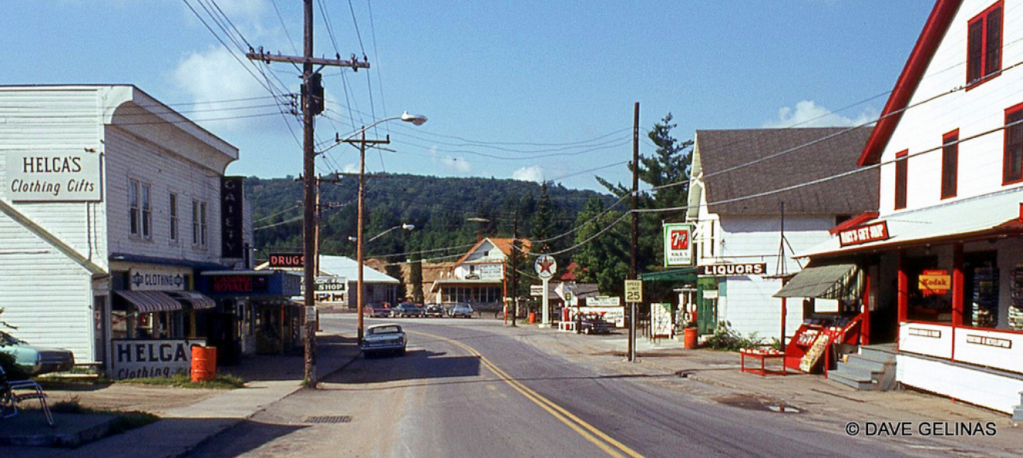
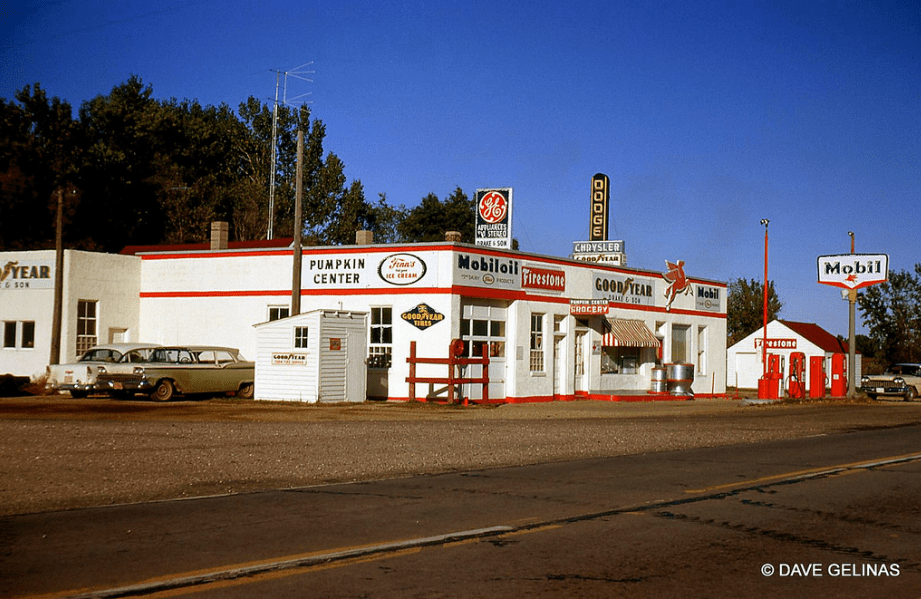
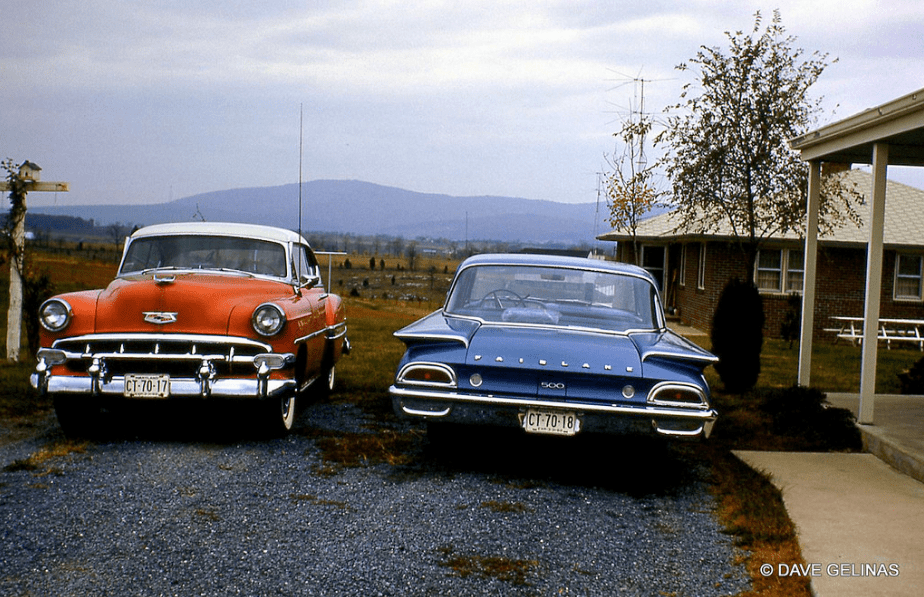
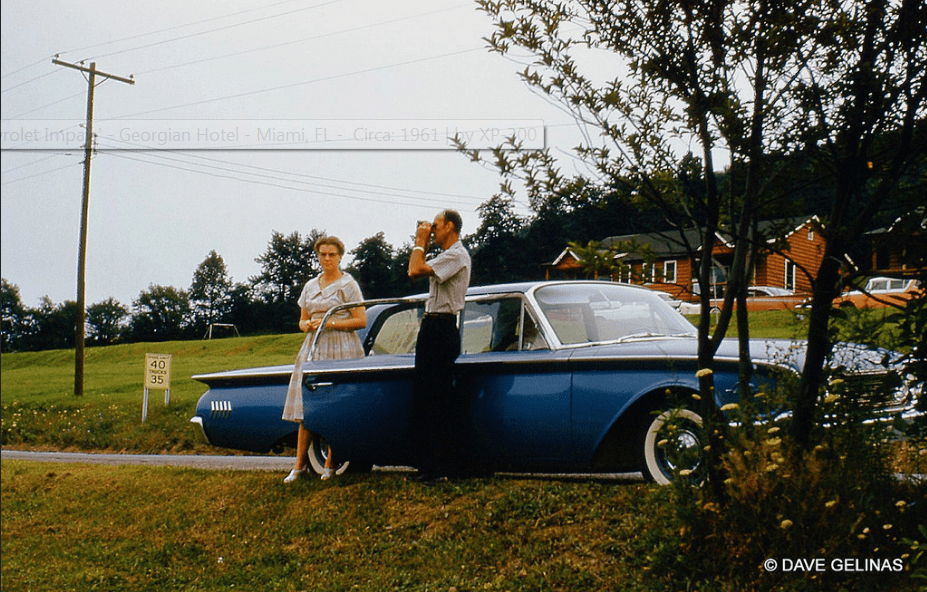
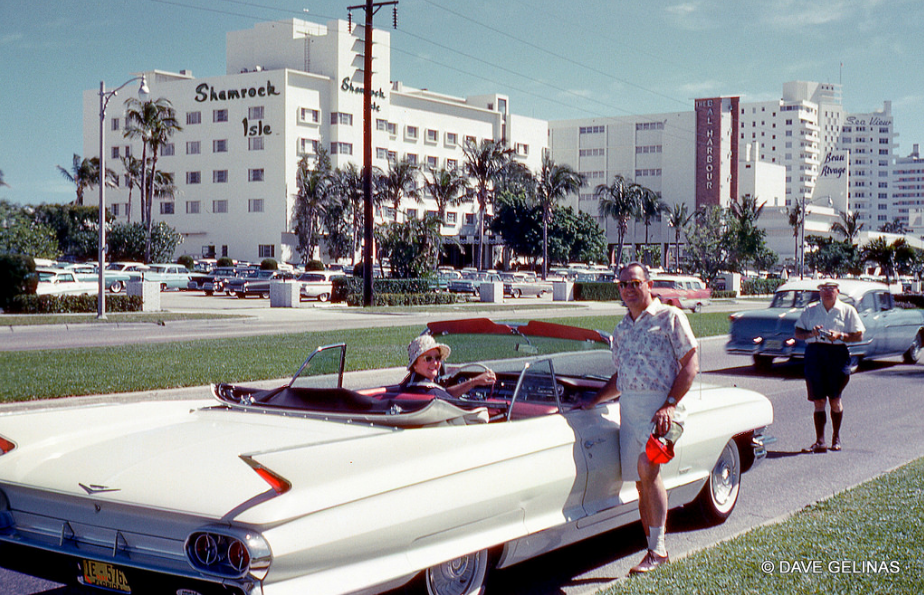
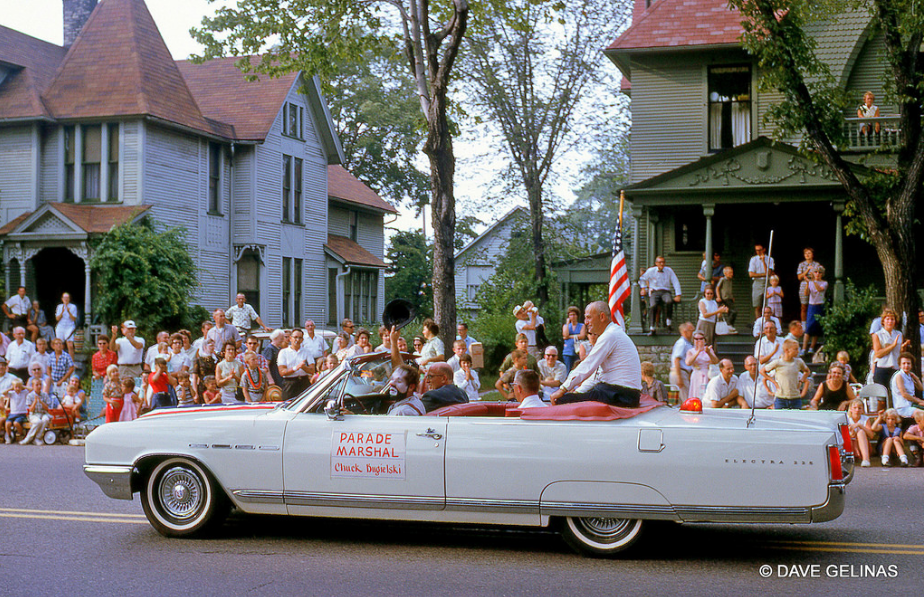
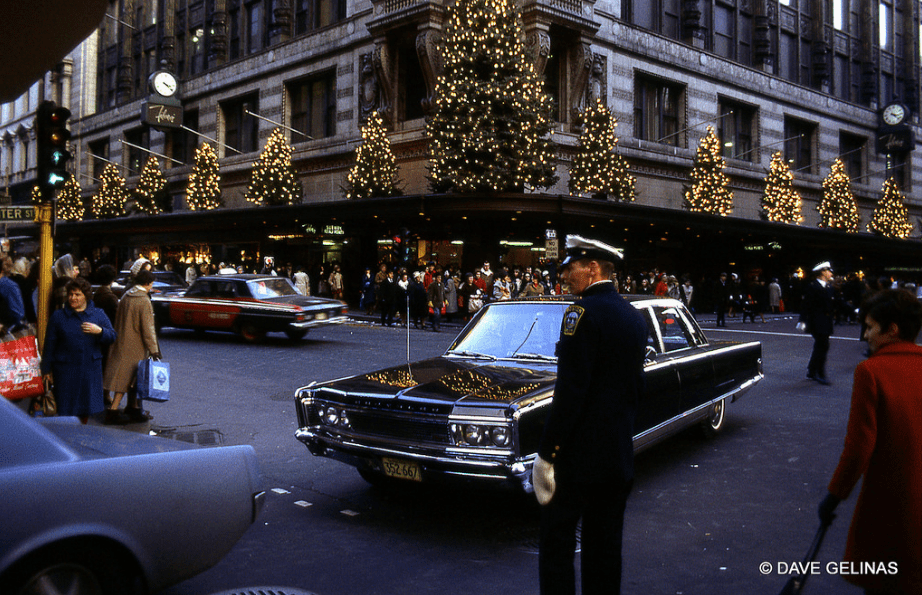
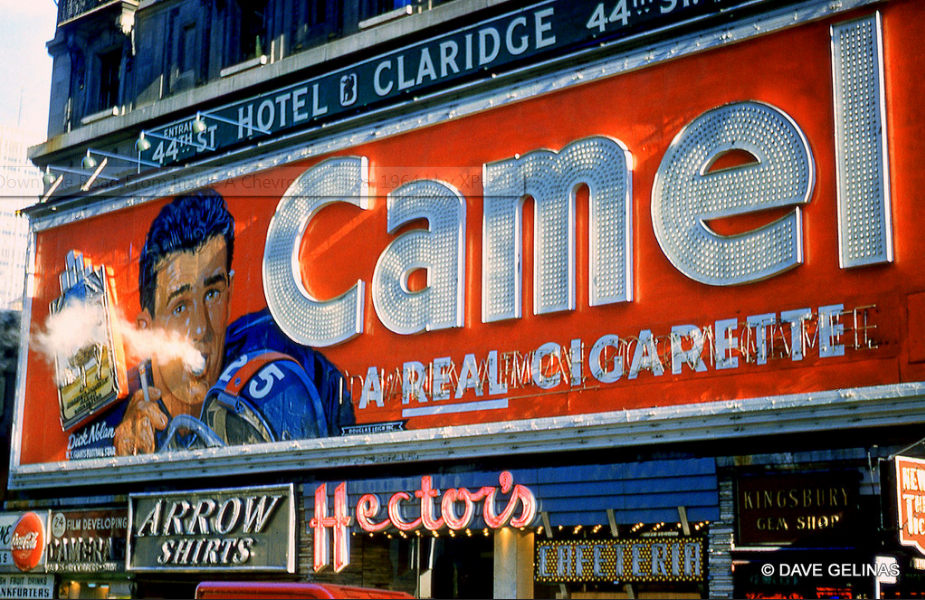
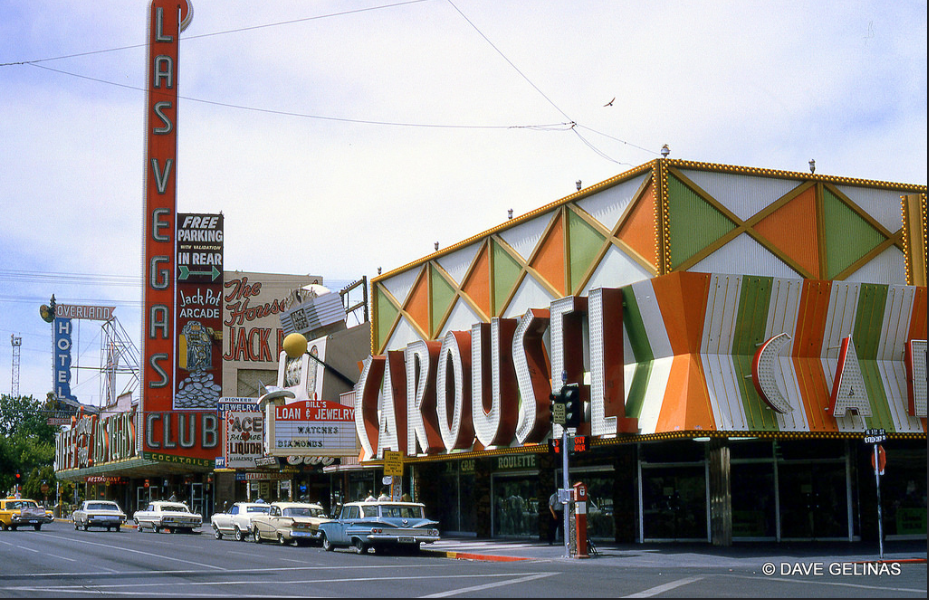
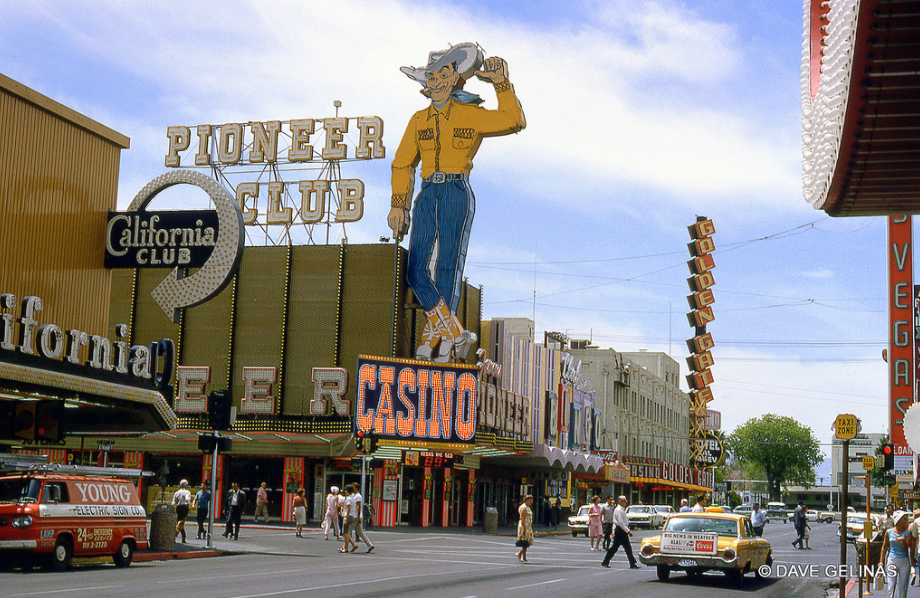
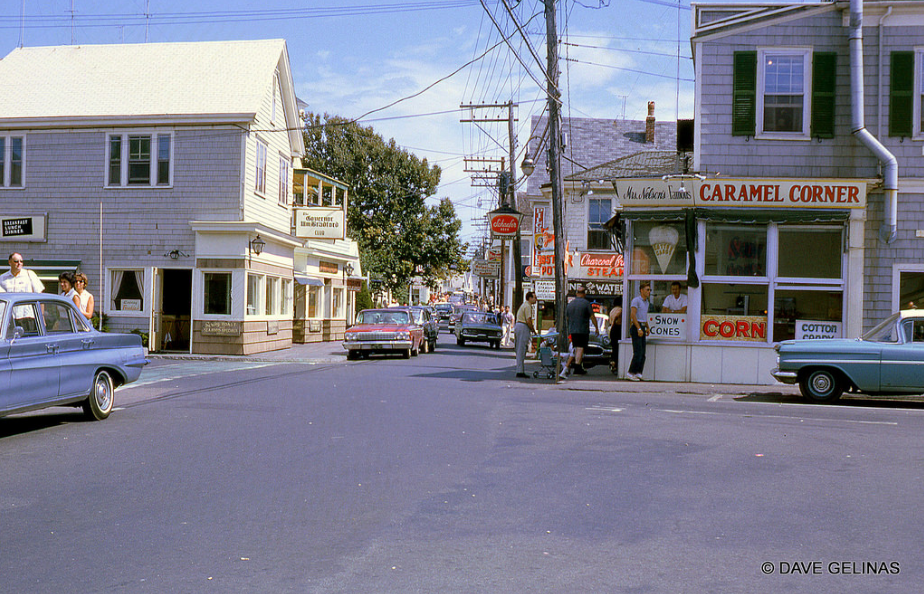
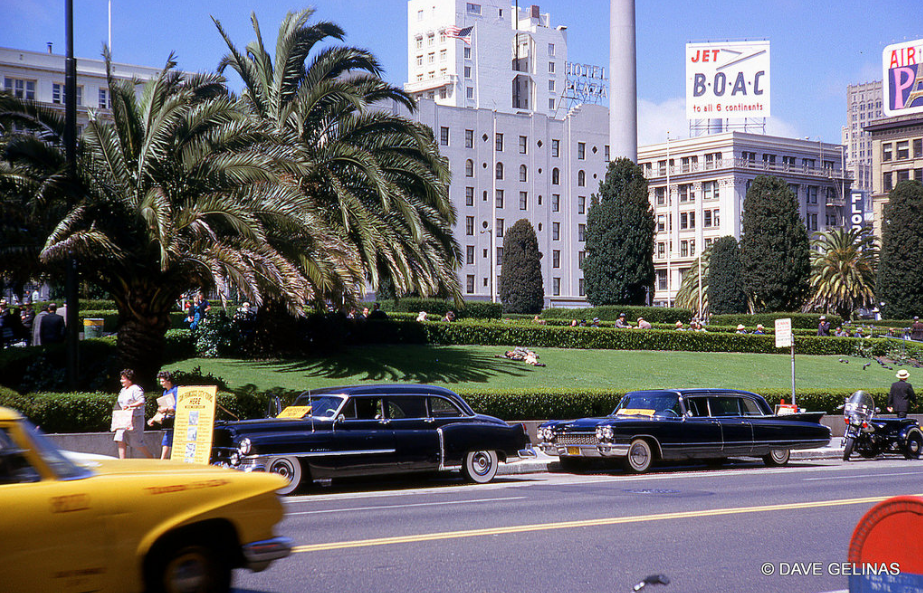
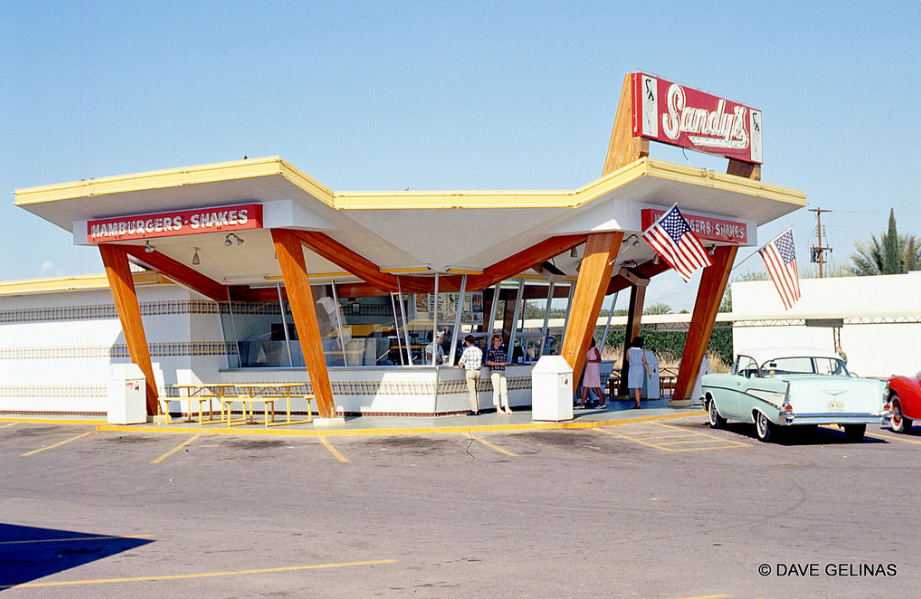
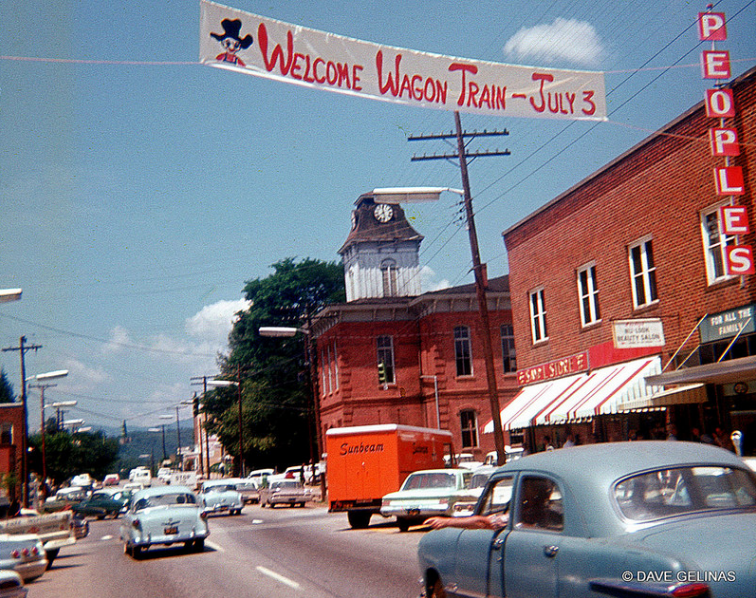
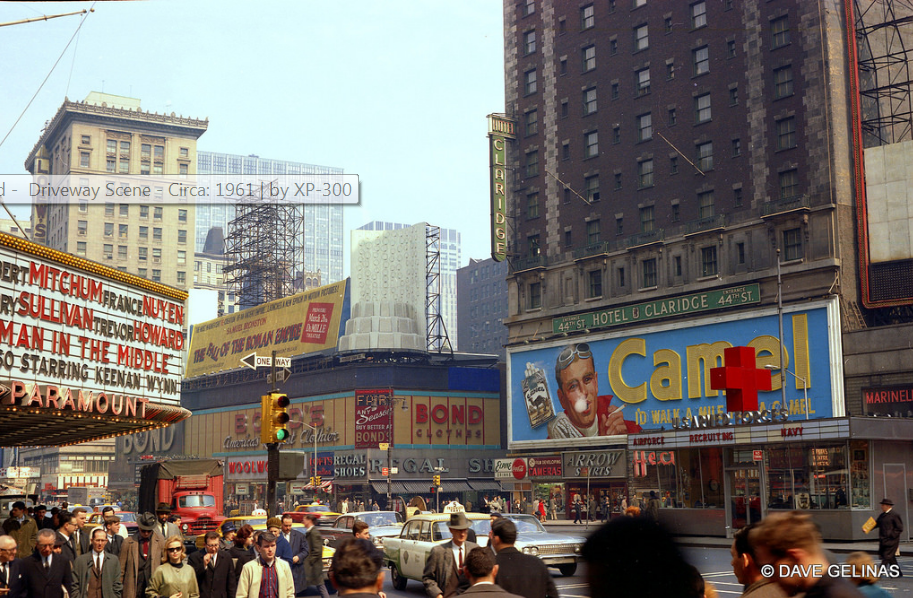
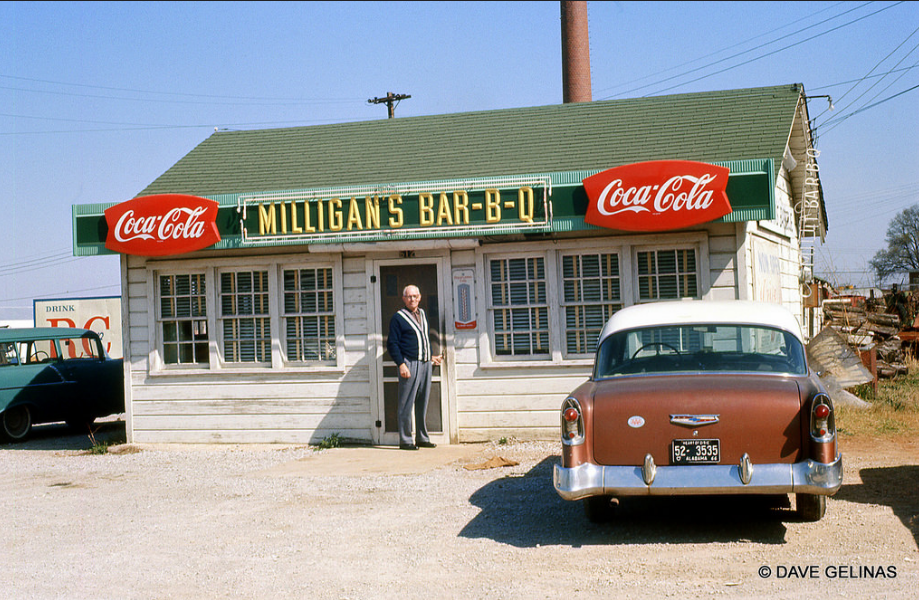
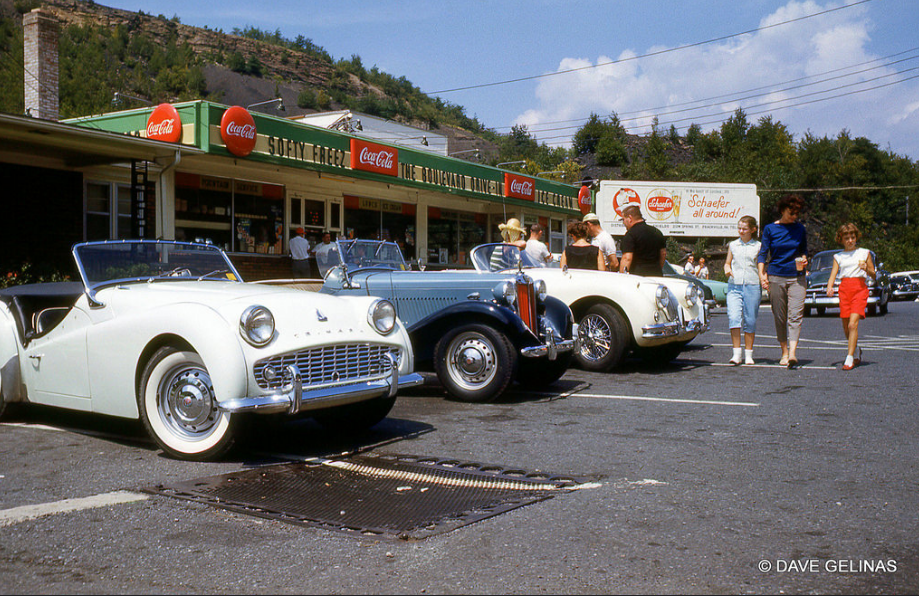
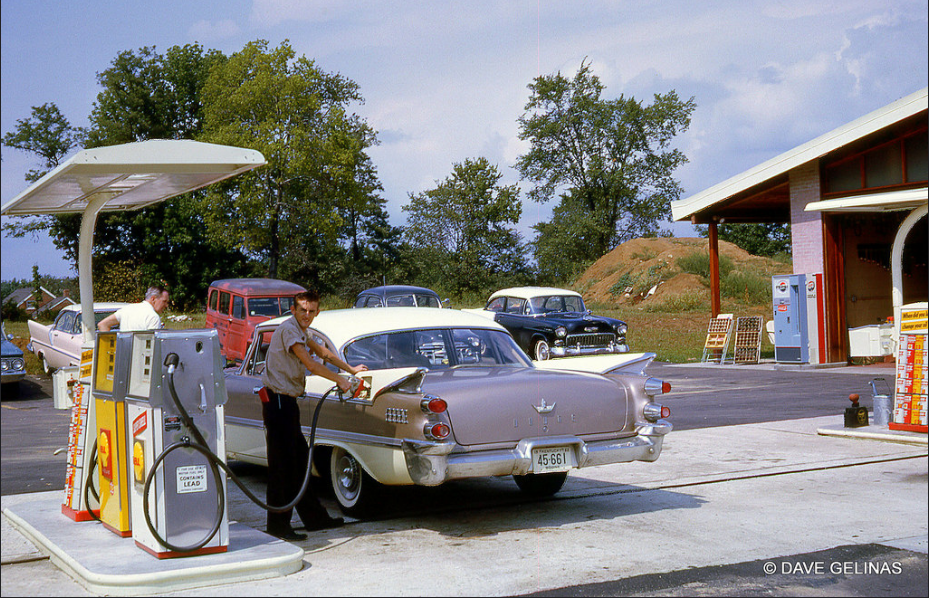
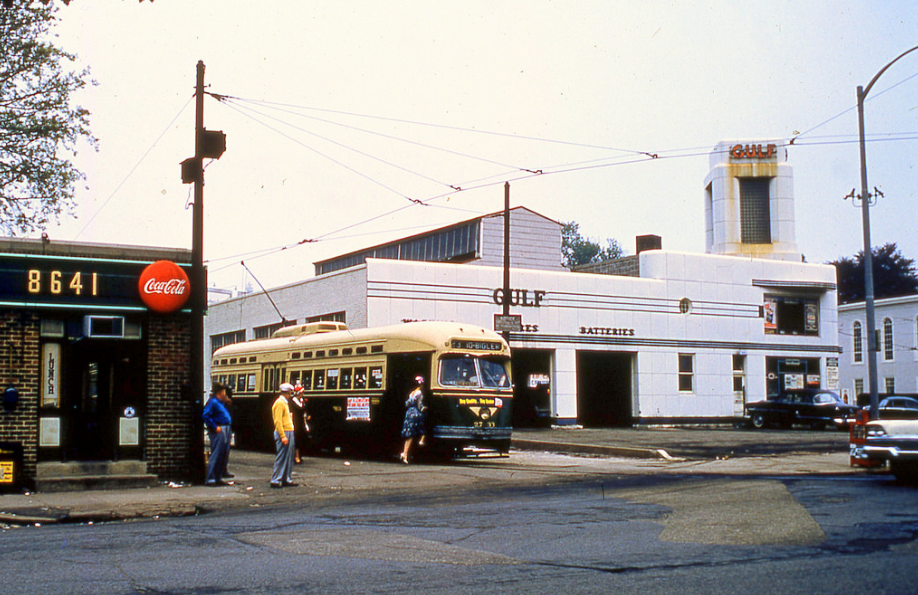
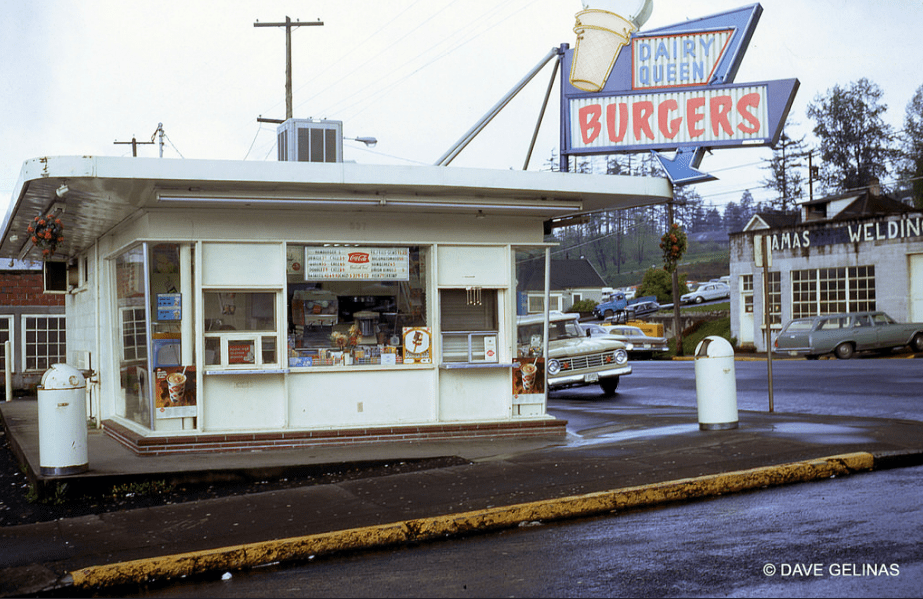
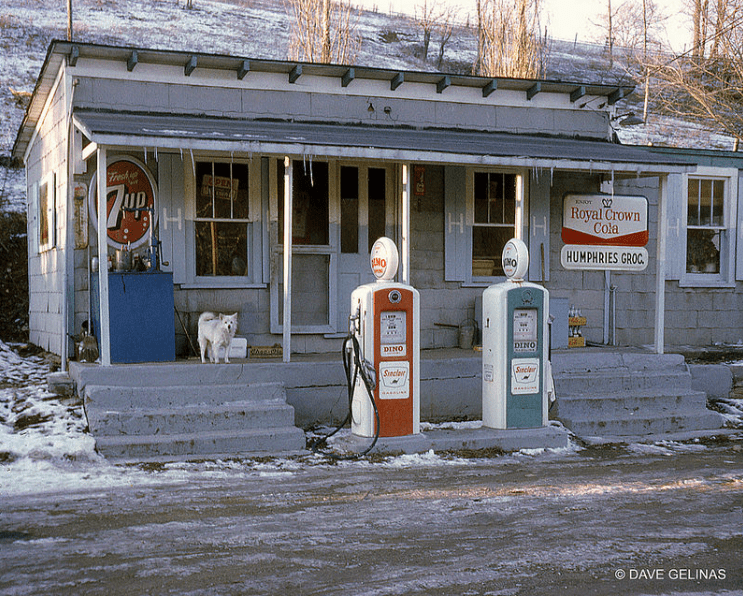
Cattaraugus, NY, 1962Entrance to Sunken Gardens, St. Petersburg, Florida, 1965Stowe, Vermont, 1961Henry’s 15 Cent Hamburgers, Niagara Falls, N.Y., 19631961 Ford With Camper, Daytona Beach, Fl., 1962Thunderbird Hotel, Las Vegas, Nevada, 1965Atlantic City, N.J., 1961Clearwater Spring, Maryland, 1961New York City, early 1960sAtlantic City Boardwalk, N.J., 1963Lexington, Mass., 1961Paducah, Kentucky, 1962Reno, Nevada, 1960Las Vegas, Nevada, 1965Williamsburg, Virginia, 1961New York City, 1962Akron, Ohio, 1961Athens, Wisconsin, 1962Sandusky, Ohio, 1961Long Beach Calif., 1961Fargo, North Dakota, 1961Claremont, N.H., 1960sInlet, New York, 1967Stowe, Vermont, 1966Pumpkin Center, Oklahoma, 1963Reno, Nevada, 1961Springs, Maryland, 1961Clear Spring, Maryland, 1961Miami, Florida, 1961Grand Haven, Michigan, 1964Chicago, Illinois, 1962Wildwood, N.J., 1967Boston, Mass., 1967Boston, Mass., 1965Las Vegas, Nevada, 1960Atlantic City, New Jersey, 1960Lake George, N.Y., 1964New York City, 1961Las Vegas, Nevada, 1965Las Vegas, Nevada, 1965Las Vegas, Nevada, 1965Las Vegas, Nevada, 1965Provincetown, Mass., 1962Provincetown, Mass., 1962Miami, Florida, 1961Chicago, Illinois, 1963San Francisco, Calif., 1962Sandy’s Drive In, Phoenix, Arizona, 1966Detroit, Michigan, 1961Franklin, North Carolina, 1965Kenton, Kentucky, 1961Atlantic City, New Jersey, 1960Cortland, N.Y., 1960Kenton, Kentucky, 1961New York City, 1964Atlantic City, New Jersey, 1960Decatur, Alabama, 1966Ashland, Pennsylvania, 1960Florence, Kentucky, 1962Philadelphia, Pennsylvania, 1961Minute Man Gas Station Sign, U.S.A., 1968Peterborough, N.H., 1966Stowe, Vermont, 1965Camas, WA., 1966Bradysville, Ohio, 1967
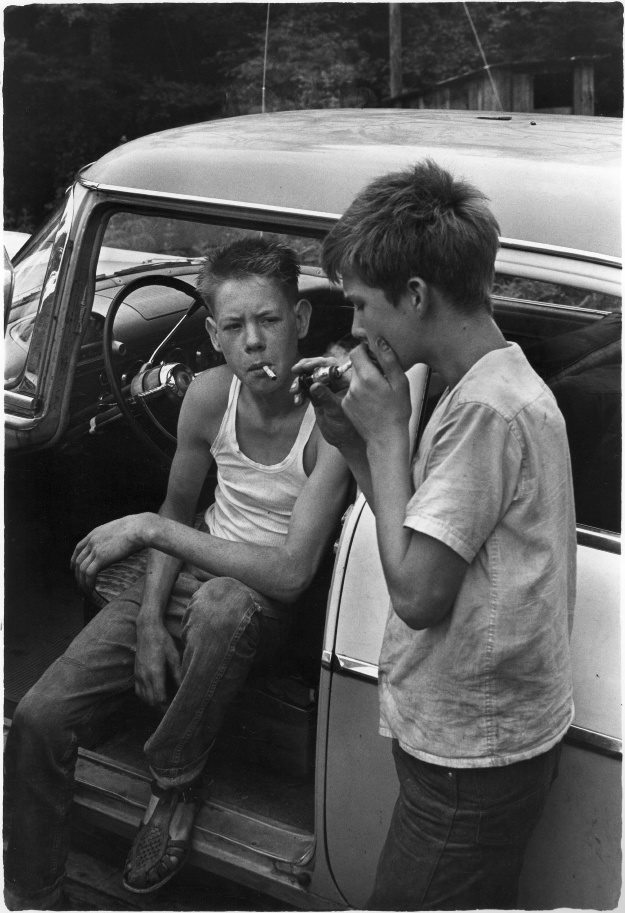
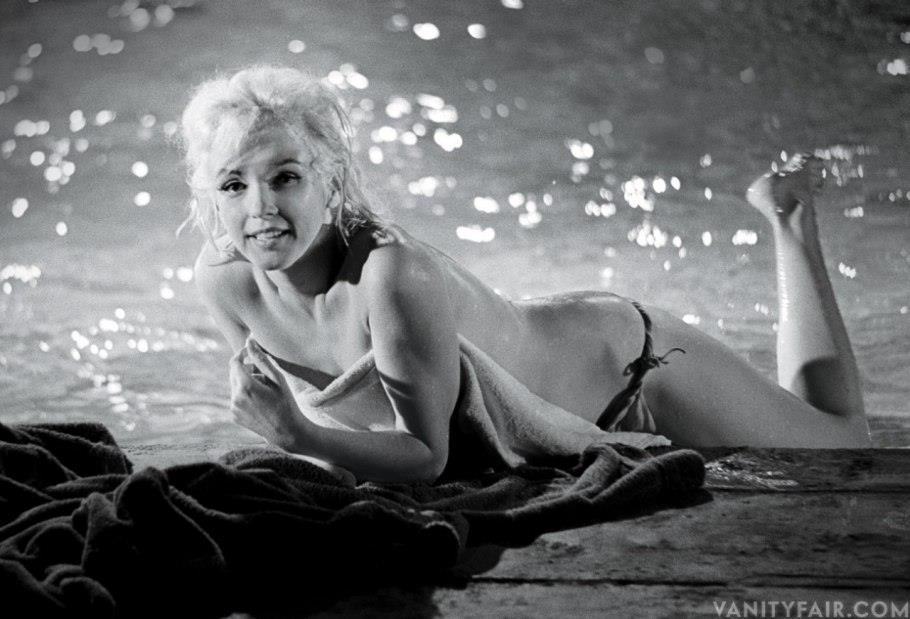
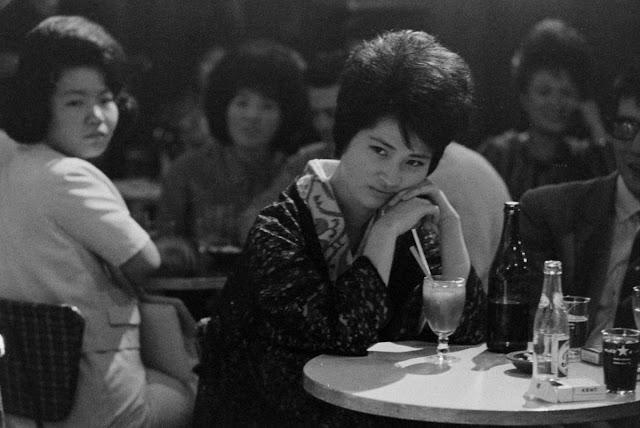
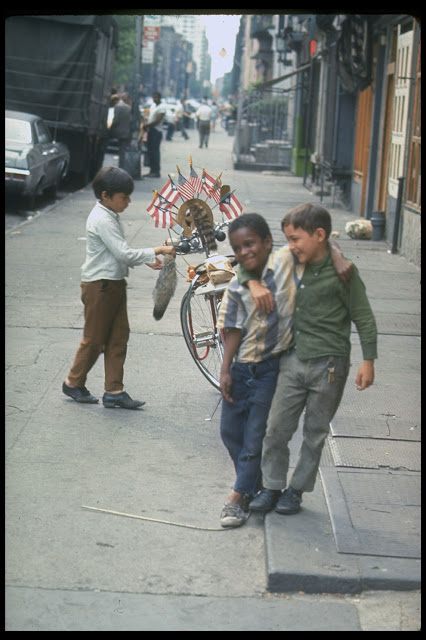
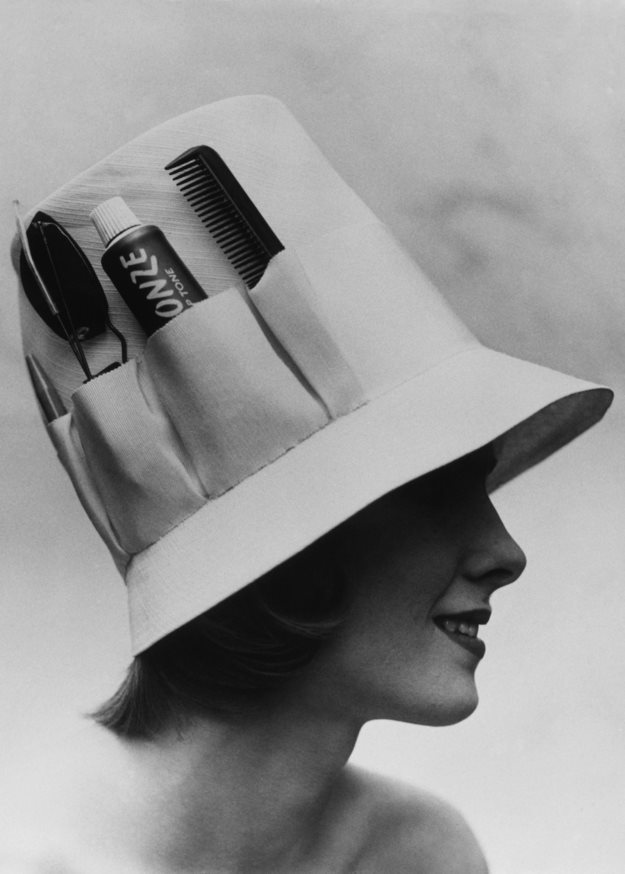
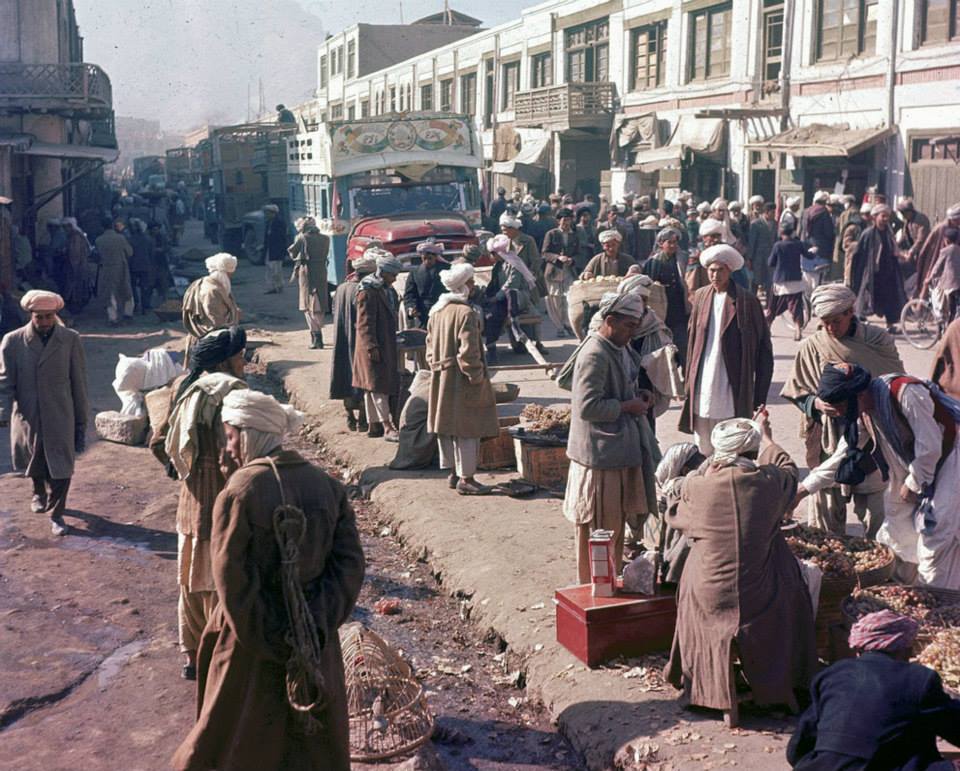
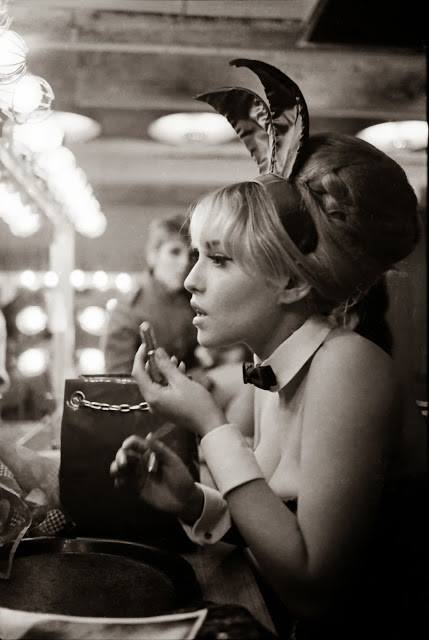
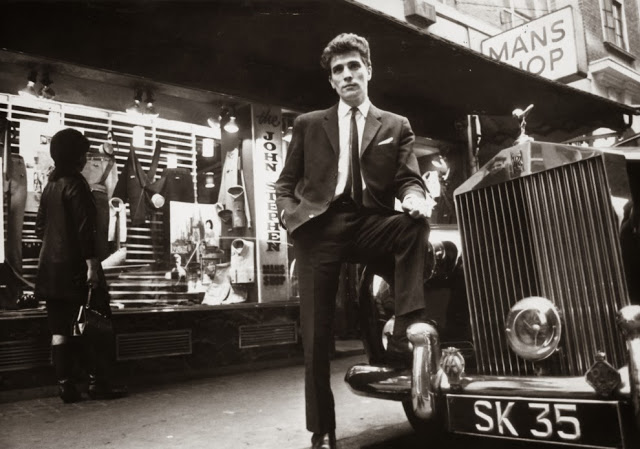
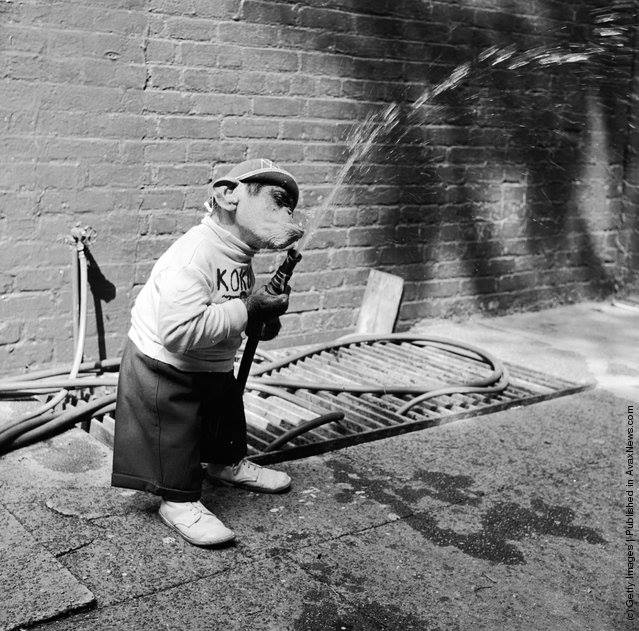
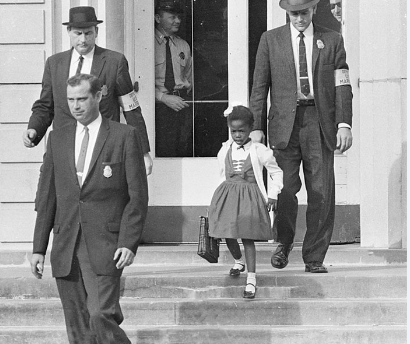
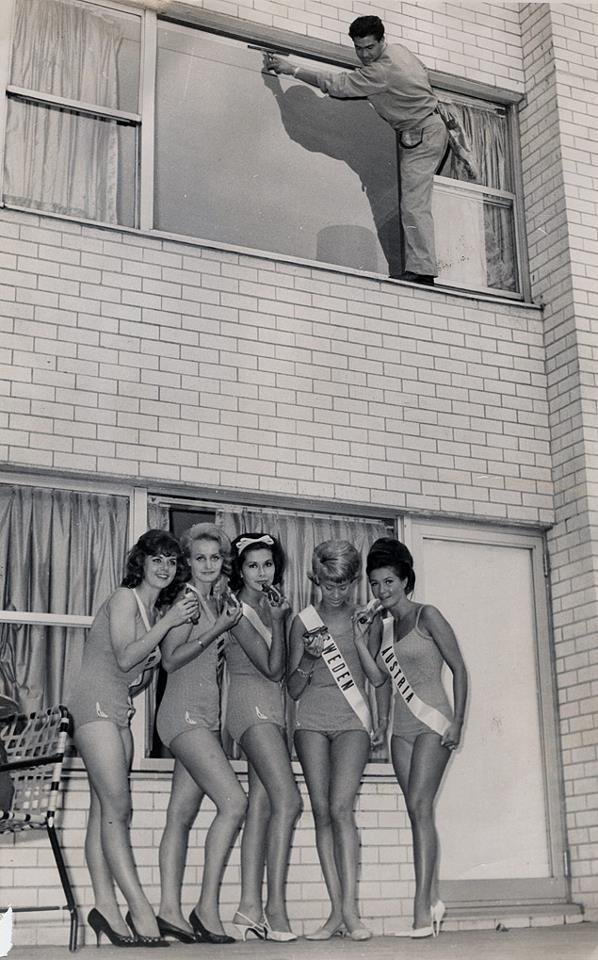
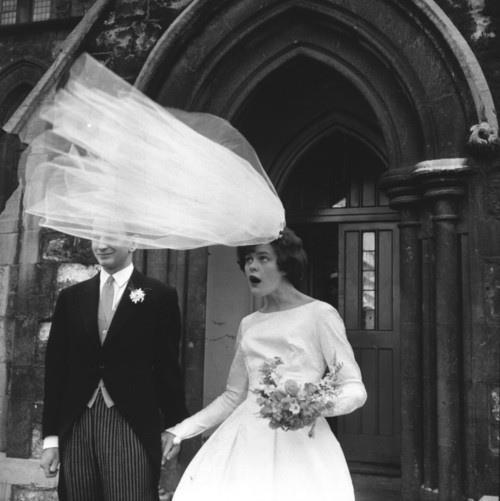
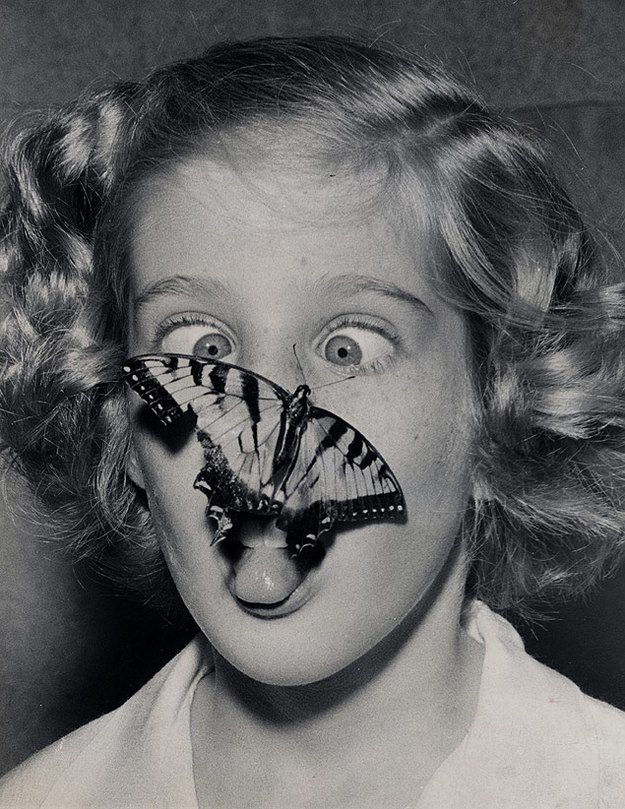
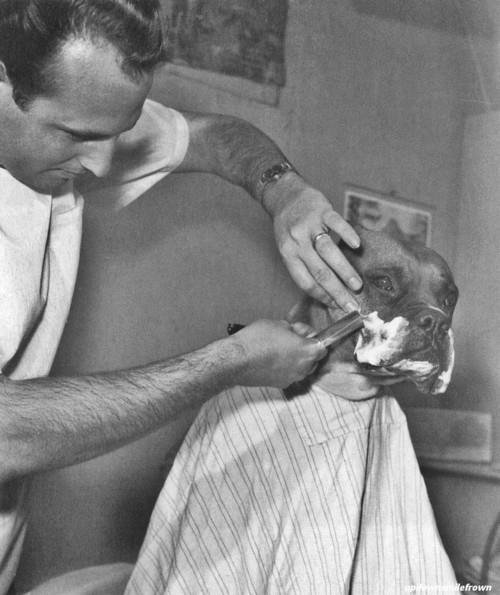
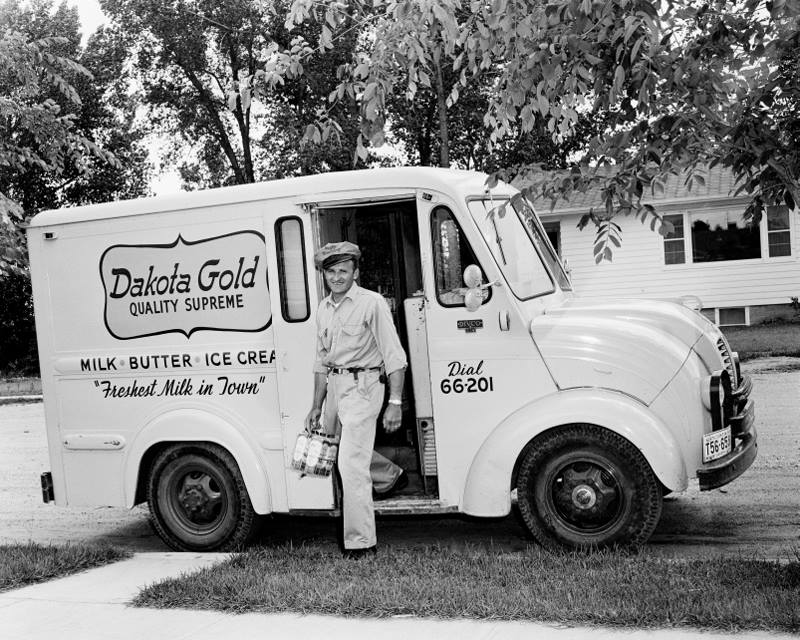
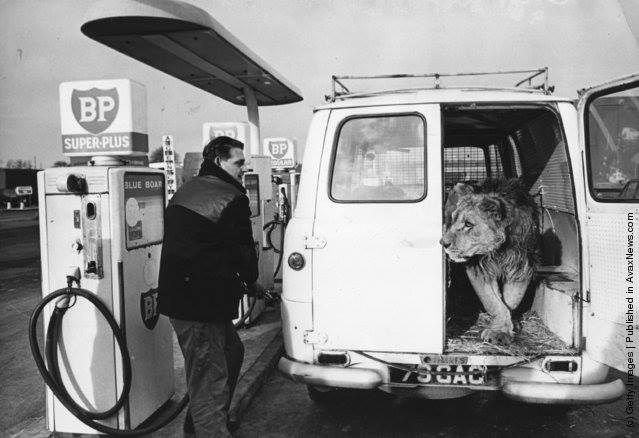
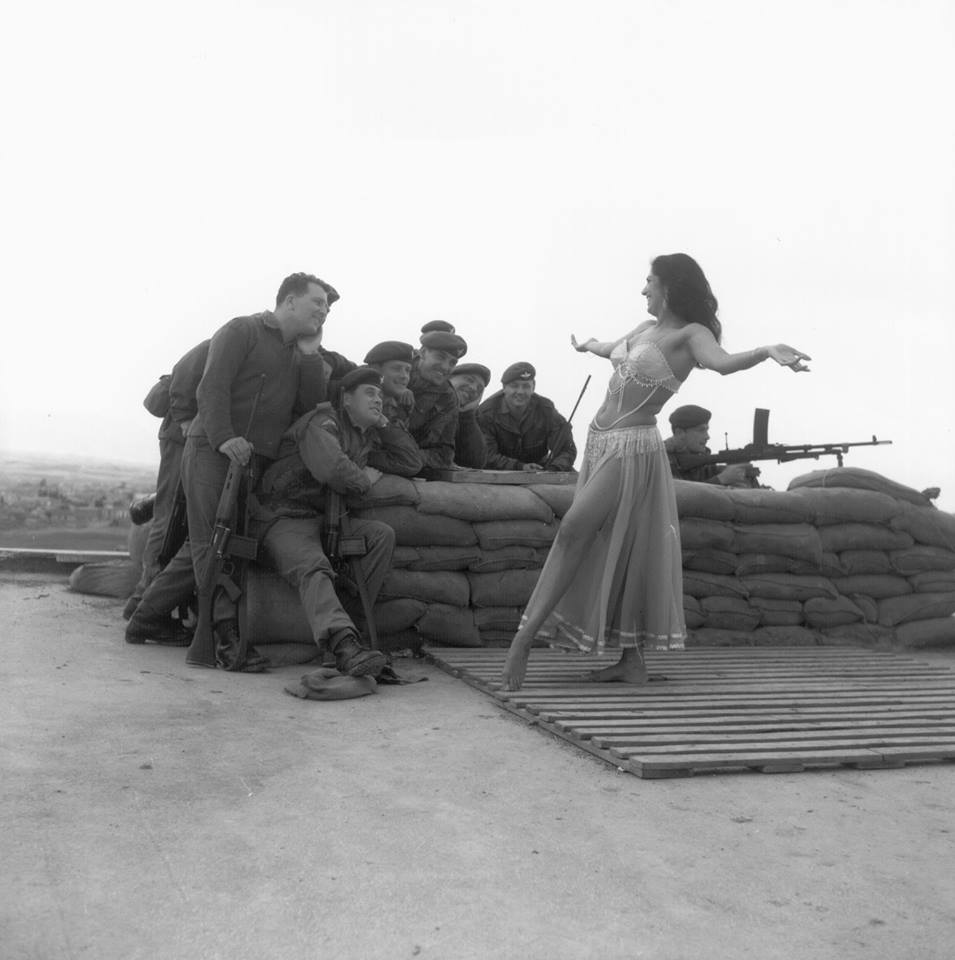
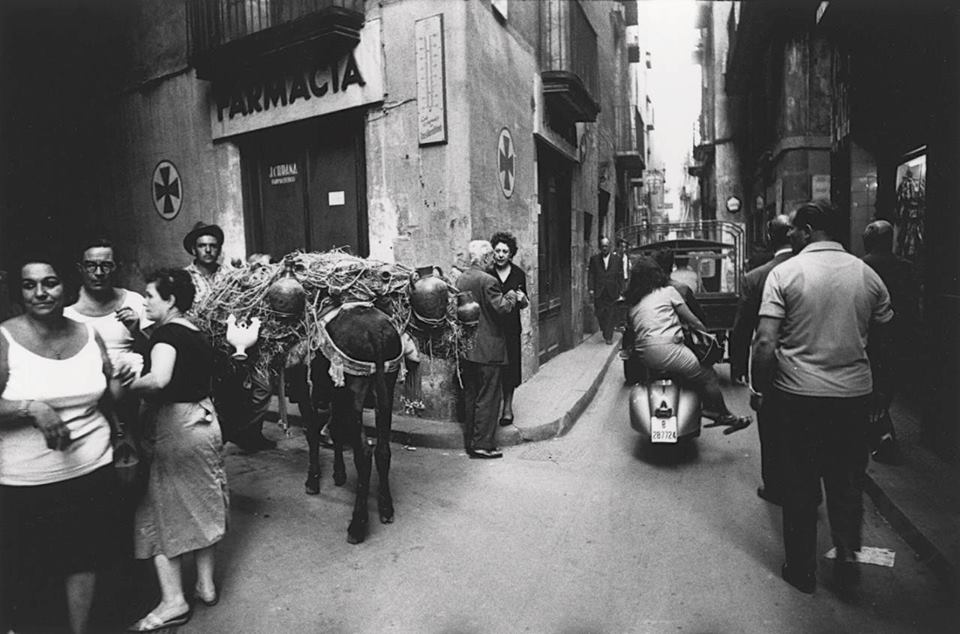
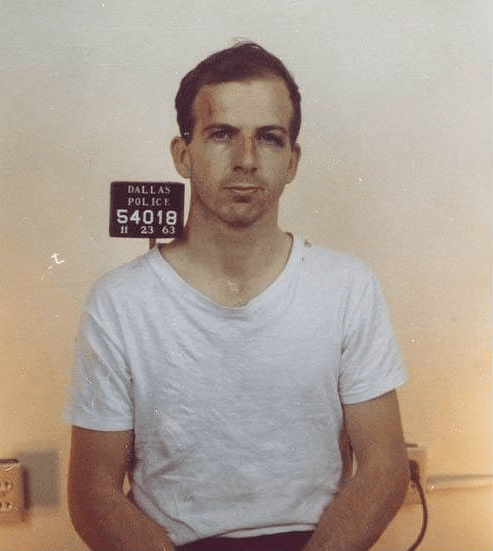
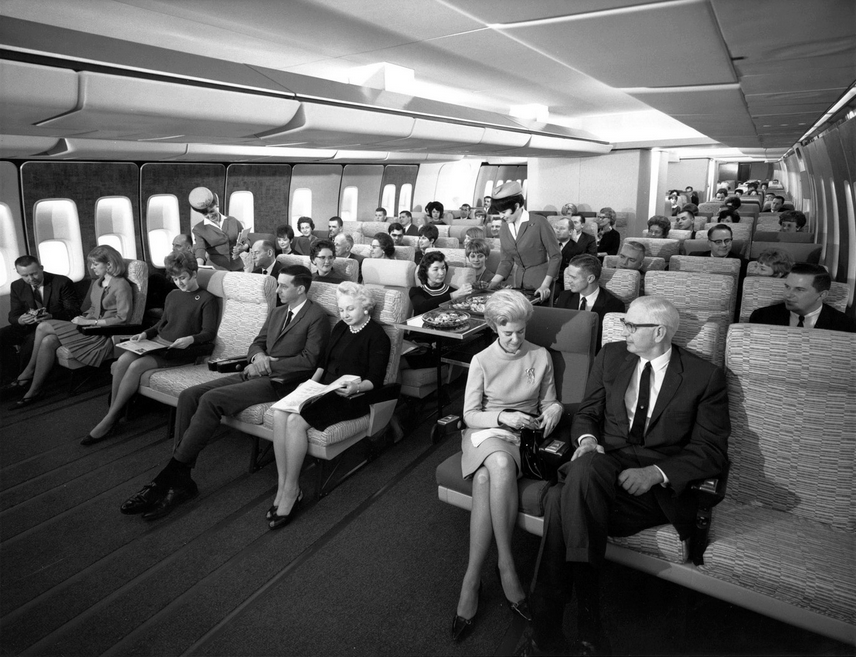
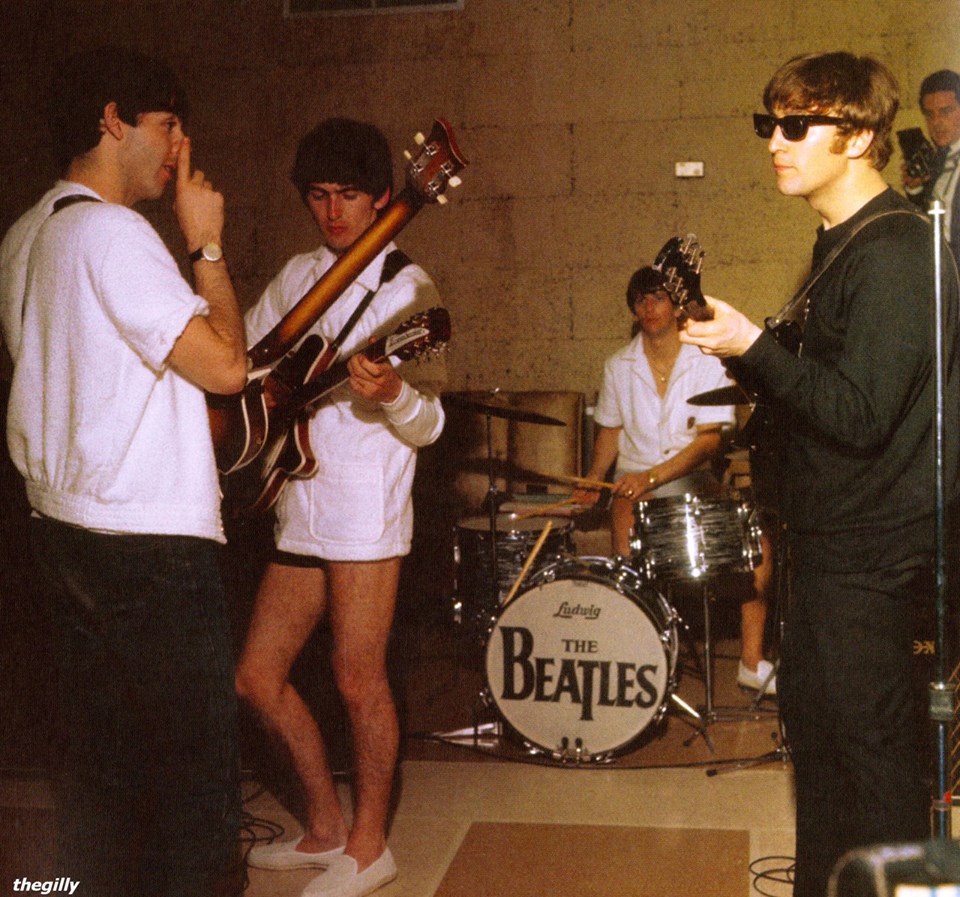
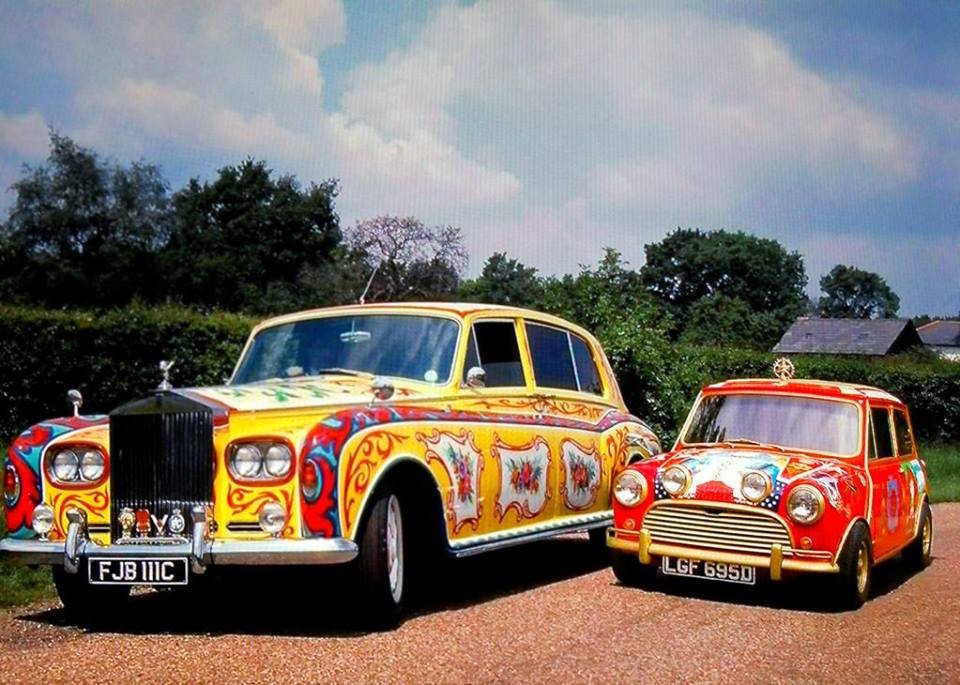
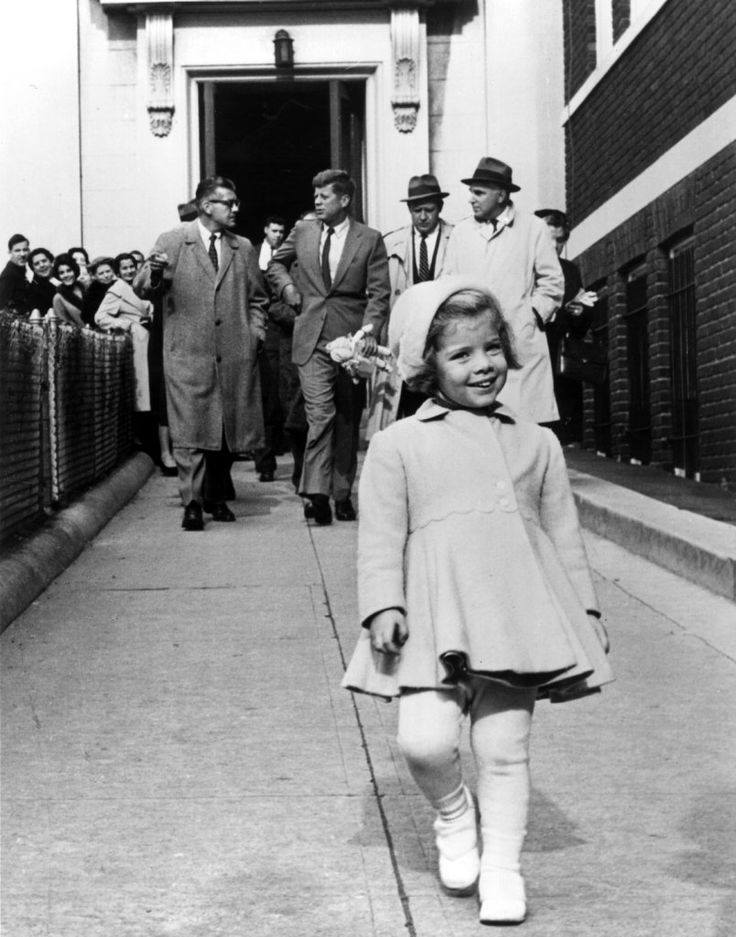
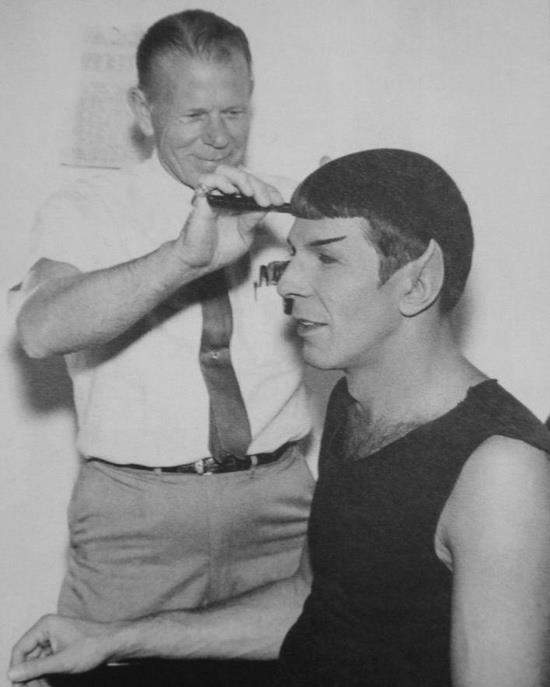
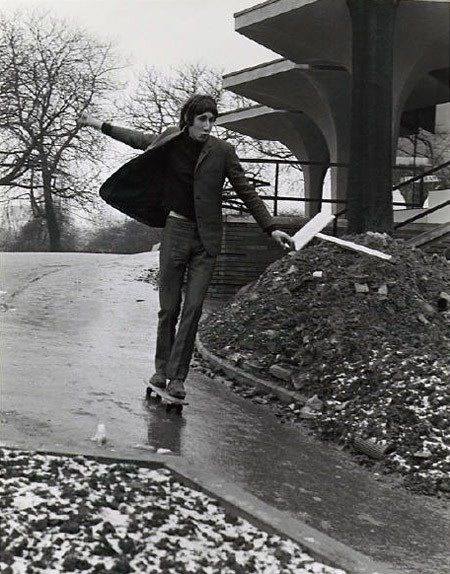
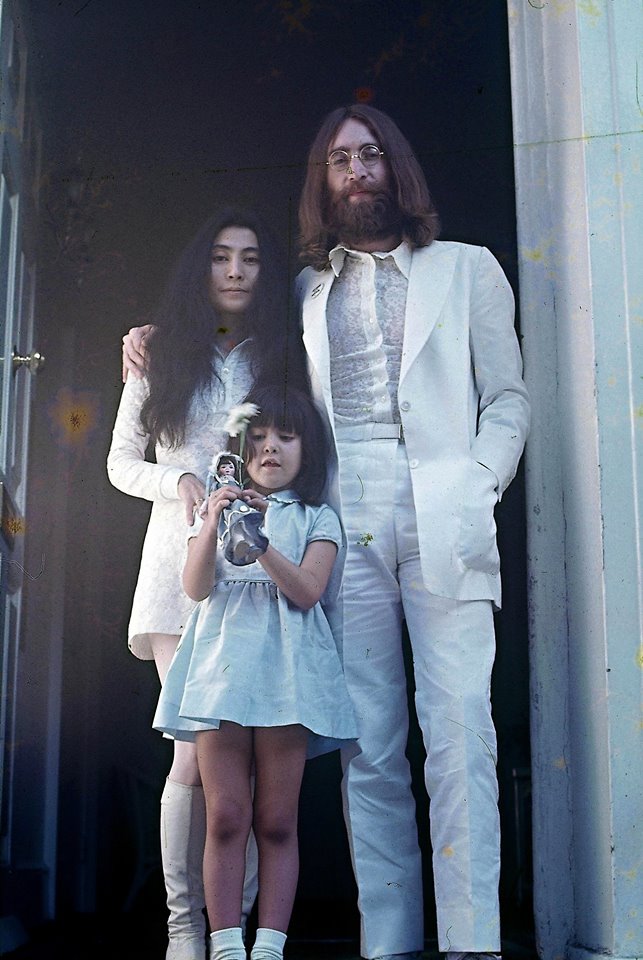
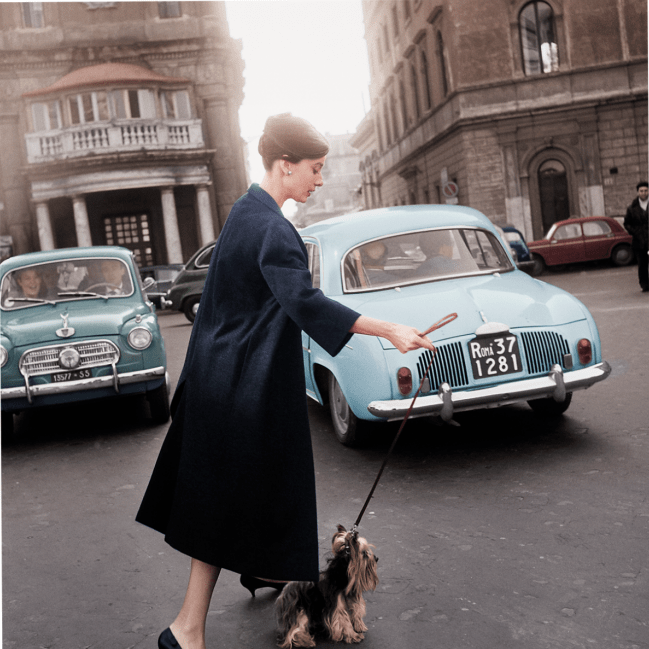
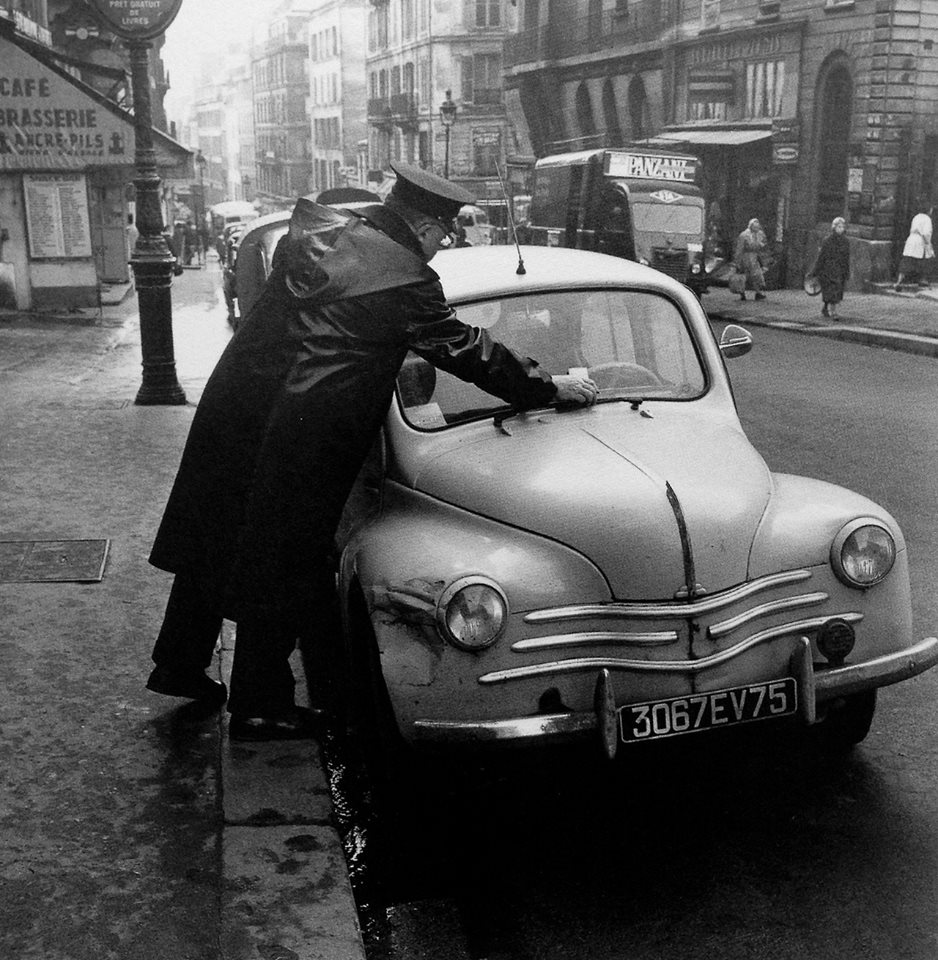
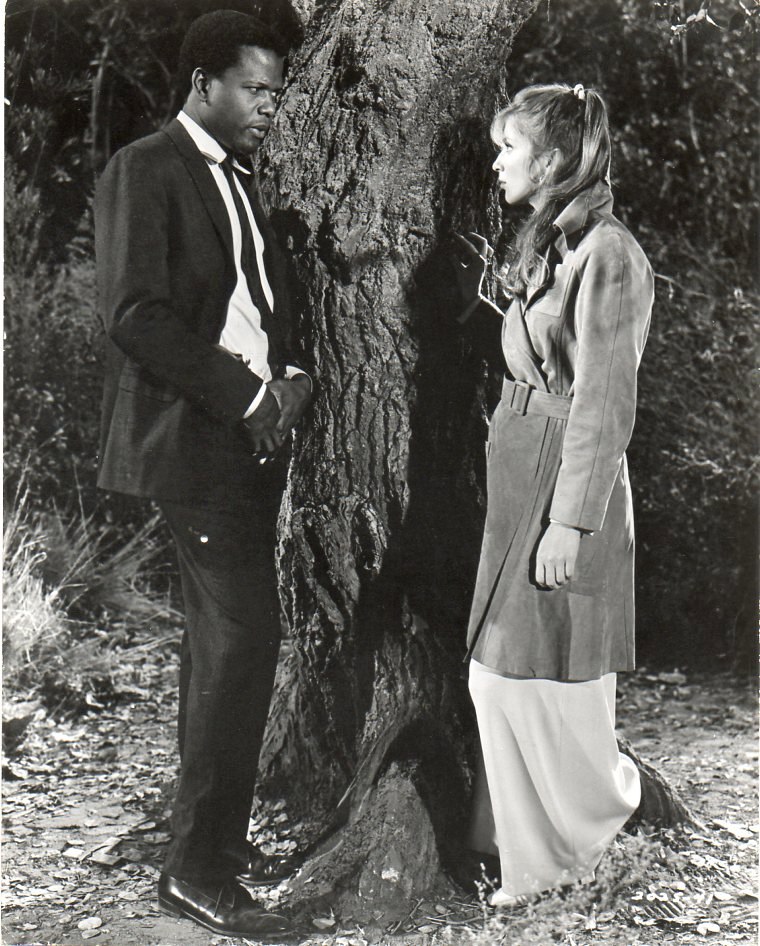
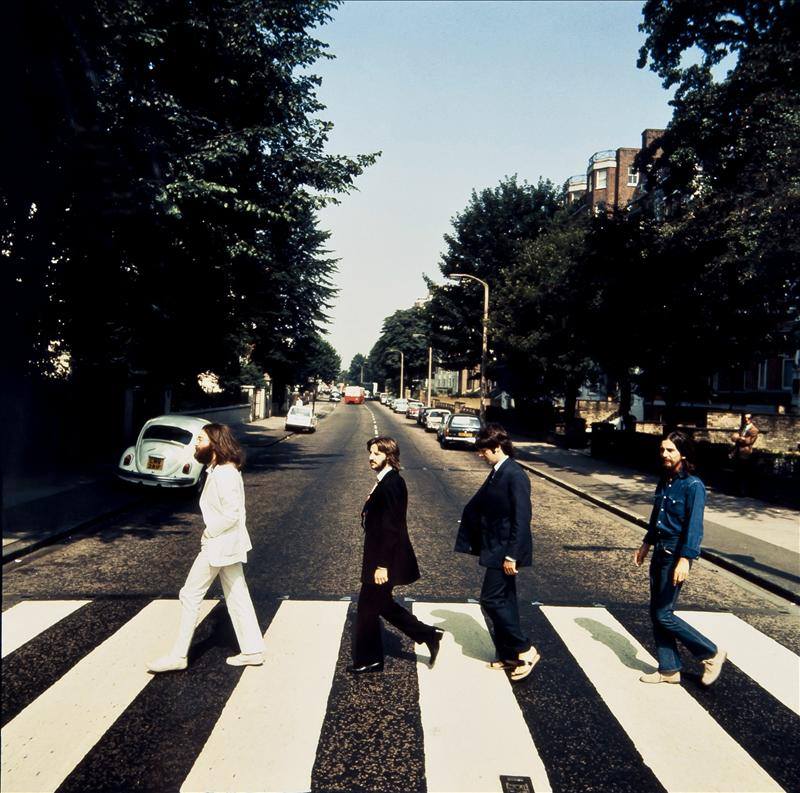
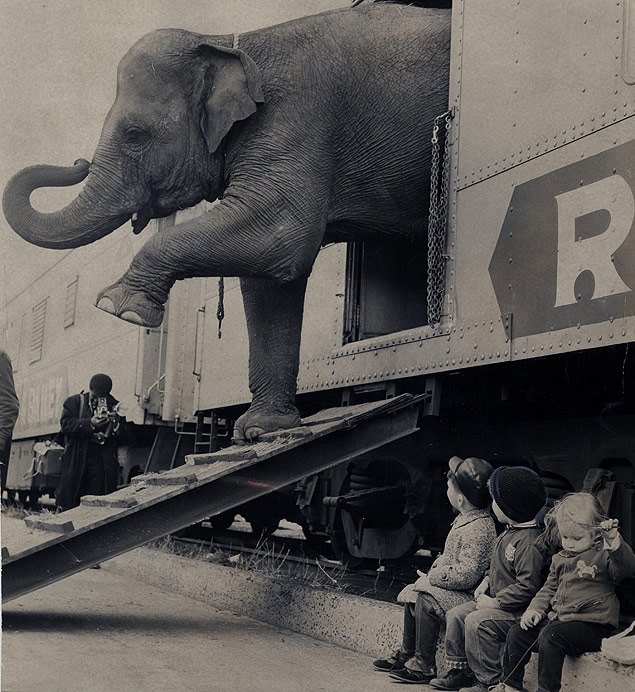
Female extras relaxing on set of the most expensive movie ever made (at the time) – Cleopatra, 1963.Brigitte Bardot, 1960sMarilyn Monroe shot during the pool scene in Something’s Got to Give, May 1962.Michael Caine with unidentified woman in Los Angeles from 1966Helen Mirren, 1960sListening to jazz, Tokyo, 1964.Boy resting in trash can in Gothenburg, Sweden, 1961New York City, 1969A hat with storage capabilities, 1960s.Kabul, Afghanistan, 1961Playboy Bunny, 1968February 1964: Tailor John Stephen, with his Rolls Royce outside his shop on Carnaby St. in London.A young chimpanzee playing with a hose pipe outside his owner’s apartment in New York City, 1960.Avenue Revolucion, Tijuana, Mexico, late 1960s.California gubernatorial candidate Ronald Reagan and his wife Nancy Reagan ride a cable car in September, 1966.Ruby Bridges, Escorted By US Marshals To Attend An All-White School, 1960Jane Fonda in 1963A window cleaner at the Squires Hotel has a bird’s-eye view of hot dog-munching contestants in the International Beauty Pageant. 1964Windy Wedding, 1965Surprise landing, 1960Circus, 1962Bulldog Shaving, 1961Freshest Milk in Town, 1960A petrol pump attendant is surprised to see a lion emerge from the back of the van he is filling. 1966Maharishi Mahesh Yogi with the Beatles in India, 1968.The Rolling Stones – Promotional shoot for ‘Have You Seen Your Mother Baby’, 1966.Curious in 1969Piccadilly Circus, London, 1960’sA belly dancer from Middlesex entertains British troops in Cyprus, 1964.Barcelona 1963.A civil rights protester is detained at the Los Angeles Federal building protest, 1965.Barcelona 1962.Lee Harvey Oswald’s Mug Shot, November 23, 1963.Believe it or not, this was Economy Class seating on a Pan Am 747 in the late 1960’sThe Beatles, in their bathing suits, rehearse in the Deauville Hotel for their next appearance in the Sullivan TV show. Florida, 15 Feb 1964.John Lennon’s Rolls-Royce and George Harrison’s Mini painted by The Fool, 1967.The Jackson 5 in Malibu, 1969.Caroline Kennedy walks ahead while JFK carries her doll, 1963.Leonard Nimoy Getting His Spock Haircut, 1960s.The Who’s Pete Townshend on a skateboard, 1960s.Two boys smoking by car, Kentucky, 1964.New York commuters reading of President Kennedy’s assassination, November 1963.John, Yoko & Kyoko, 1969.Audrey Hepburn and Mr. Famous leave the Hotel Hassler, on the Piazza Trinità dei Monti, 1960.The policeman in Paris, 1960.Teenage Girl Waiting for Train, Chicago, Illinois, 1960.Actress Laura Antonelli, 1968Joanna Shimkus and Sidney Poitier in “The Lost Man”, 1969The Beatles walking back the other way on Abbey Road, 1969.Targa the elephant disembarks from the circus train in the Bronx as most of her young visitors watch, 1963.
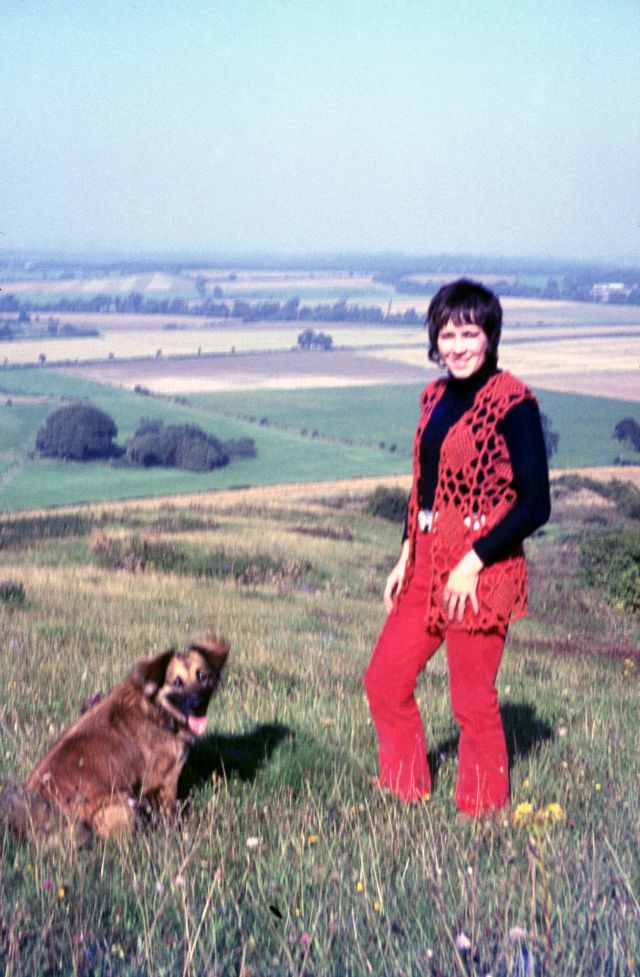
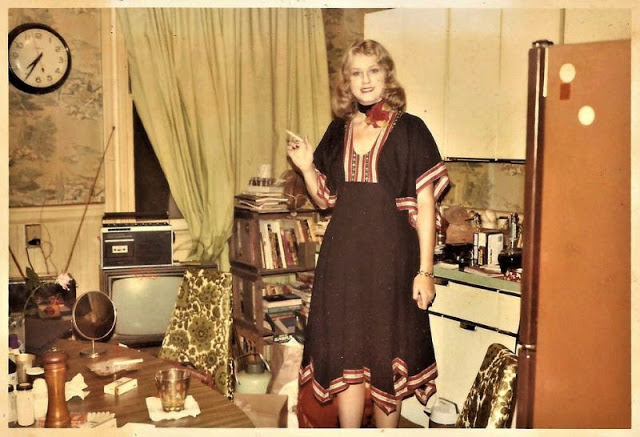
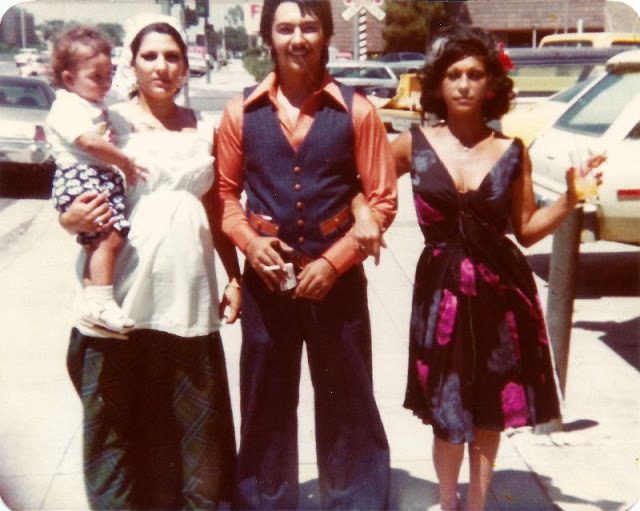
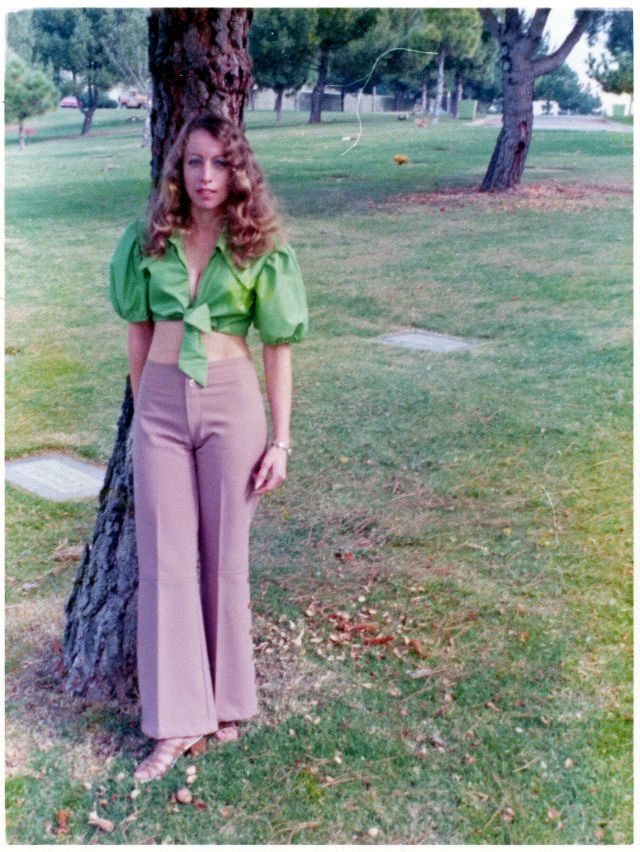
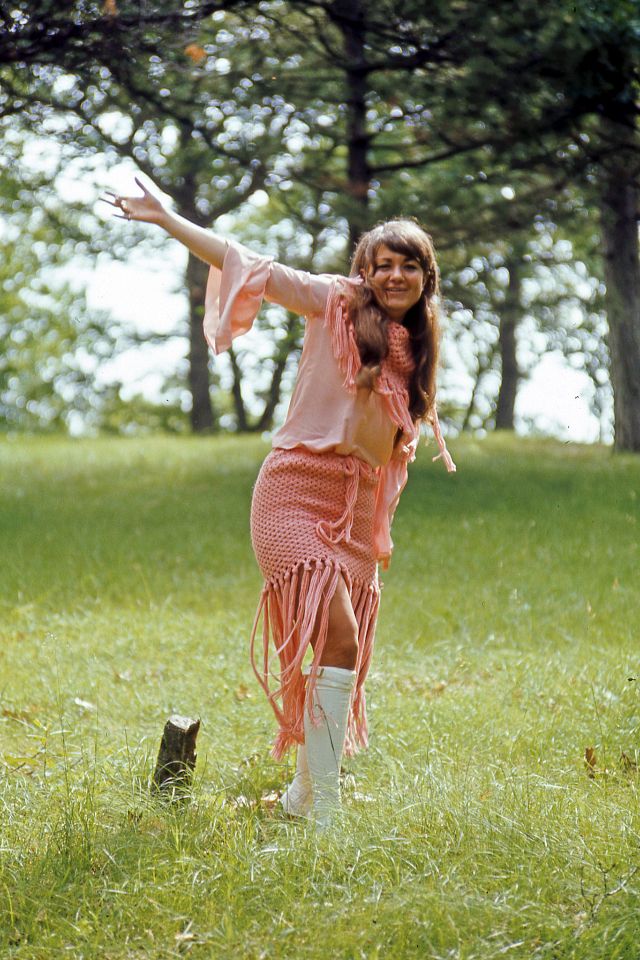
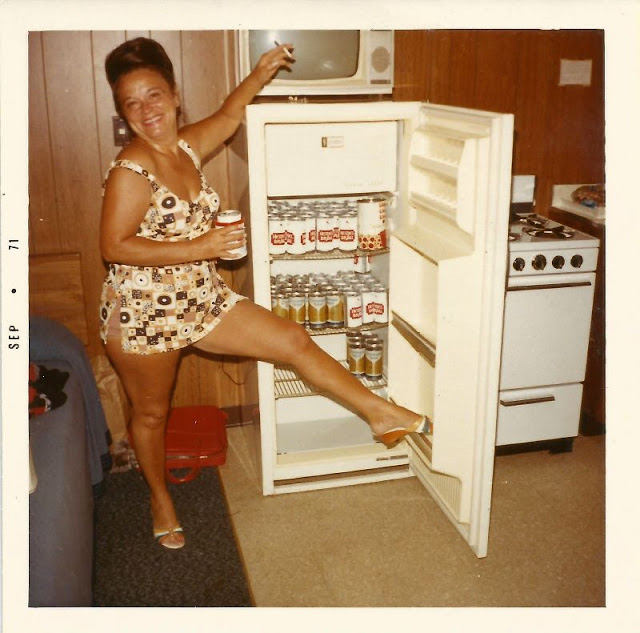
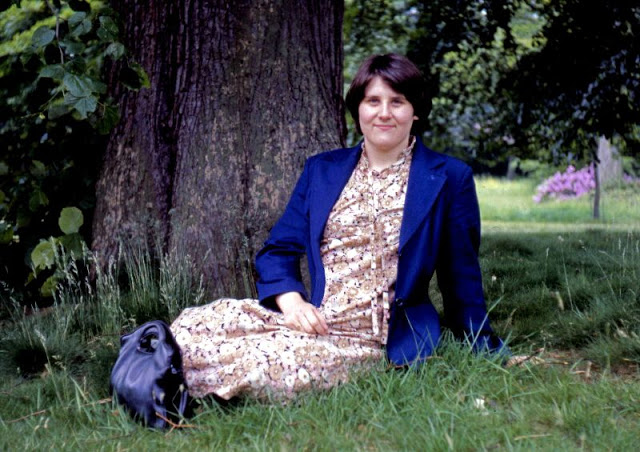
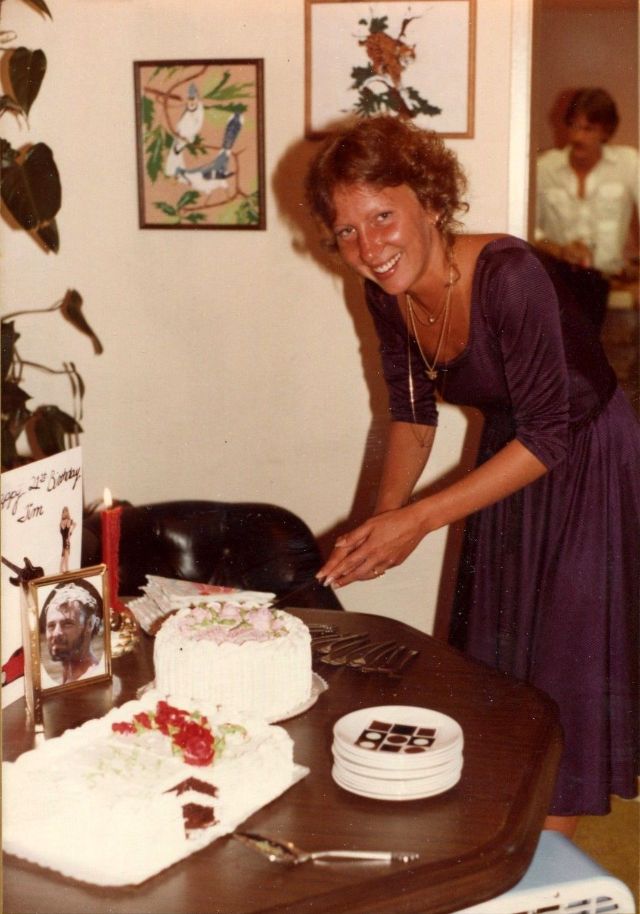
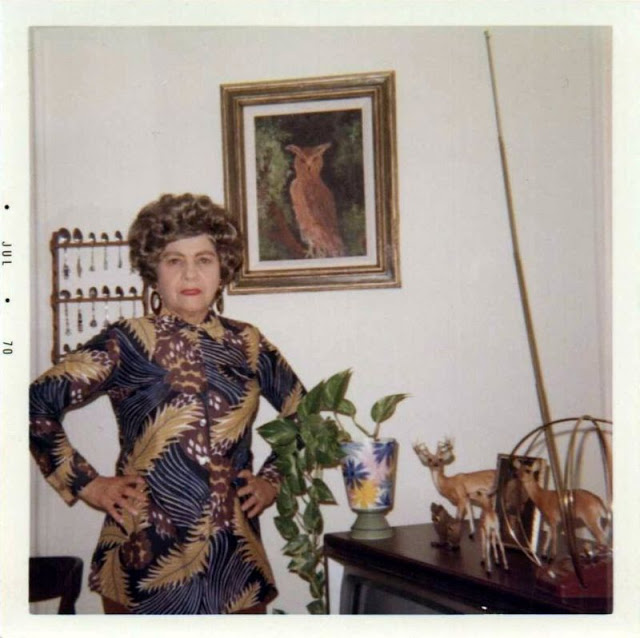
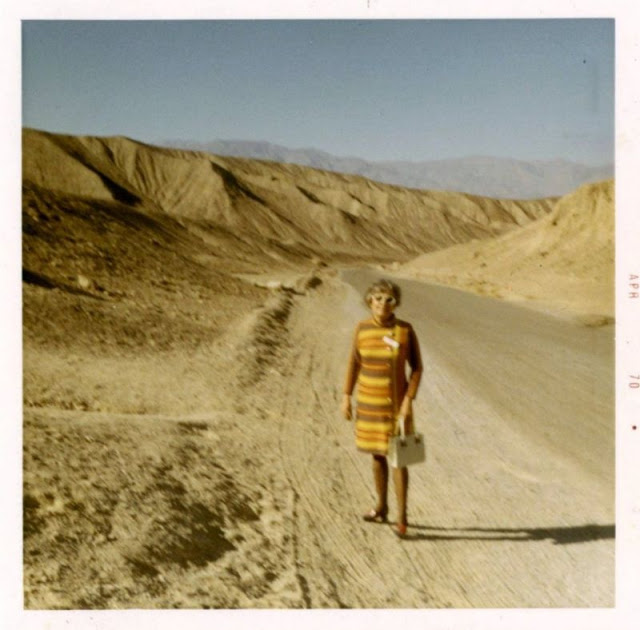
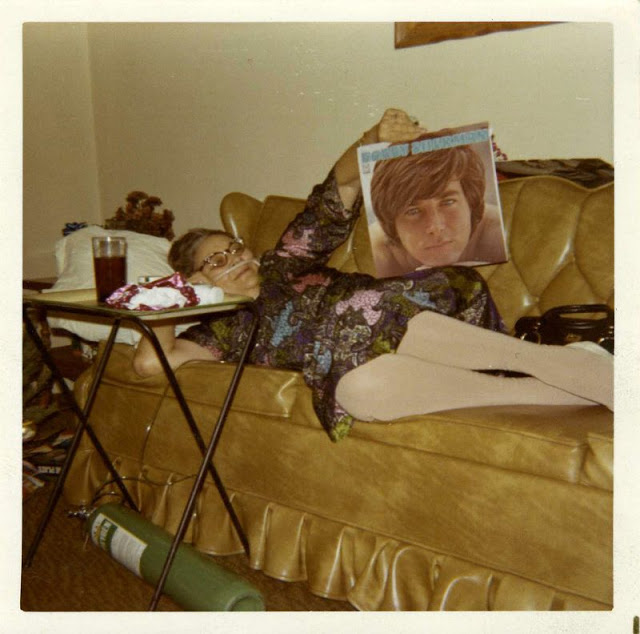
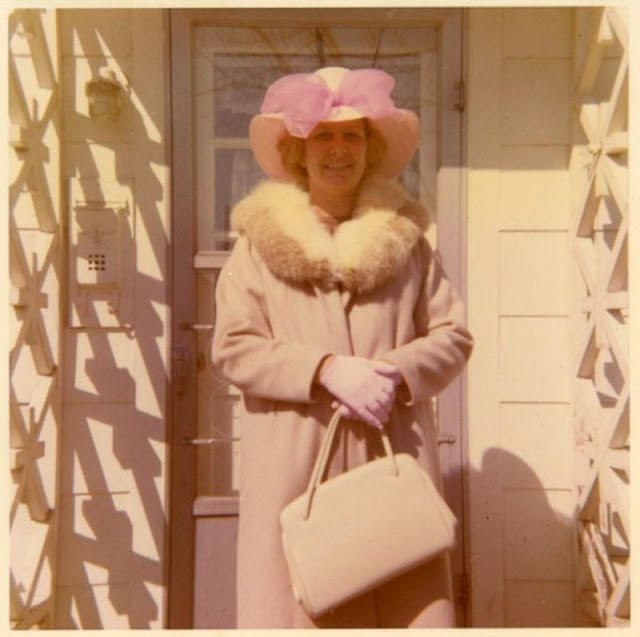
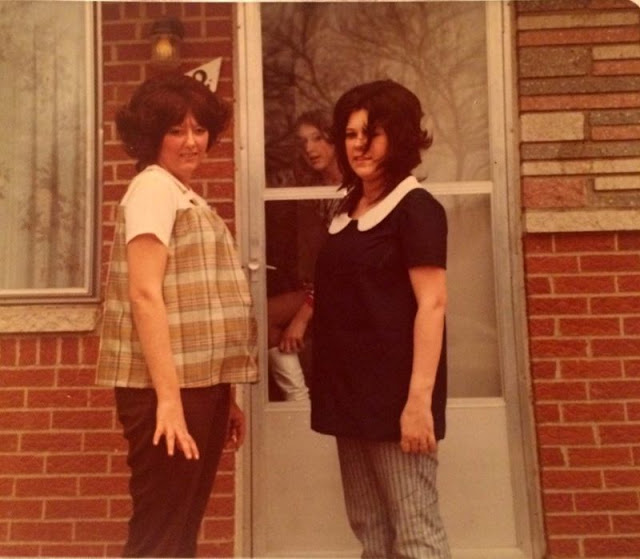
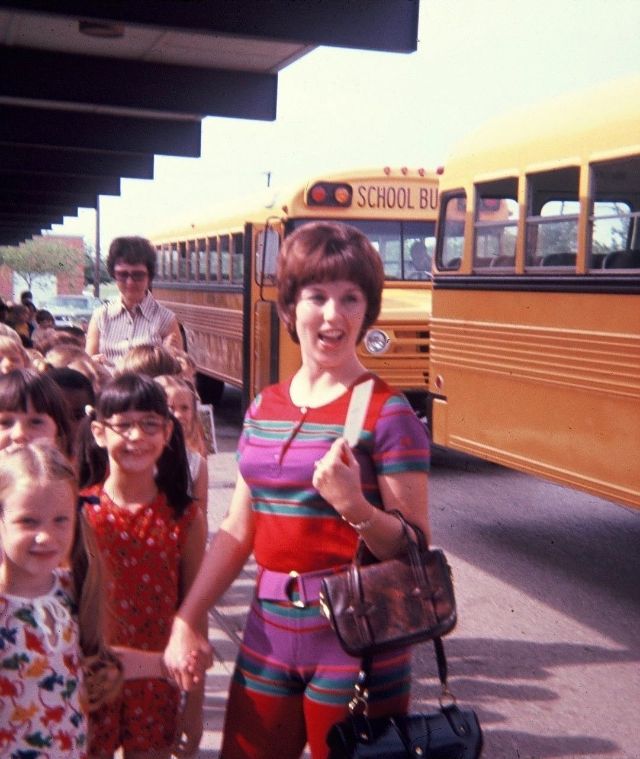
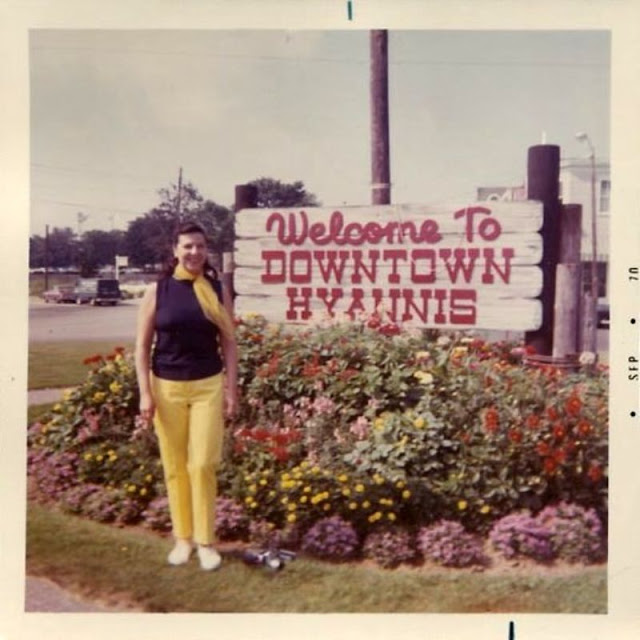
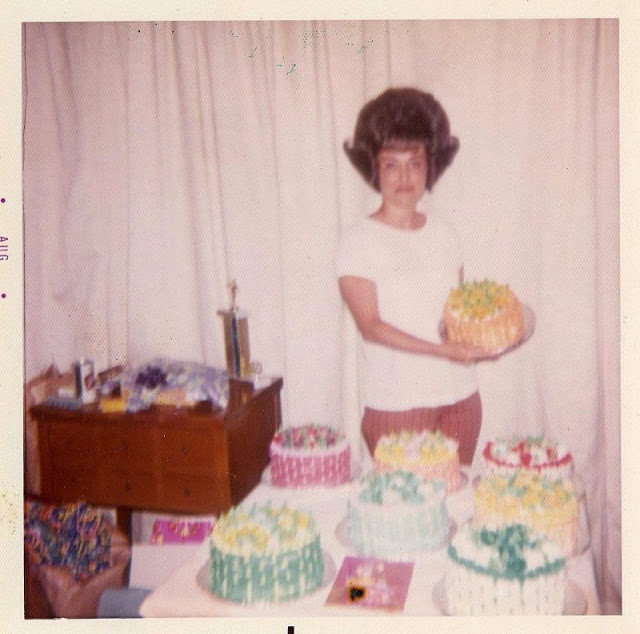
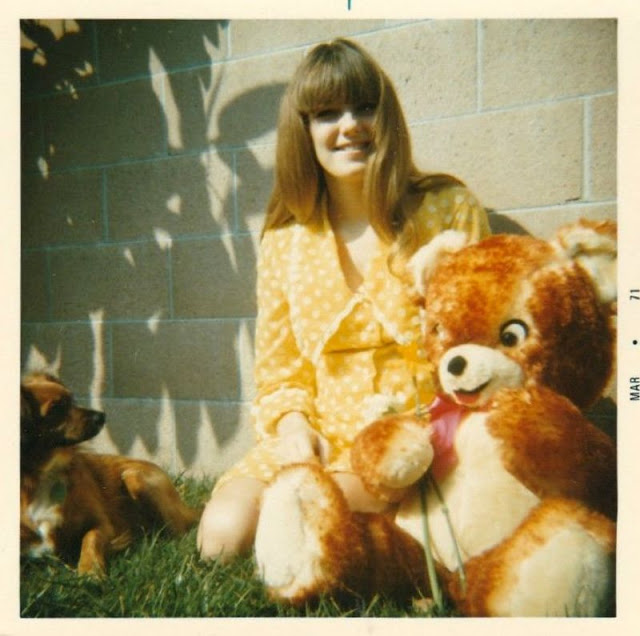
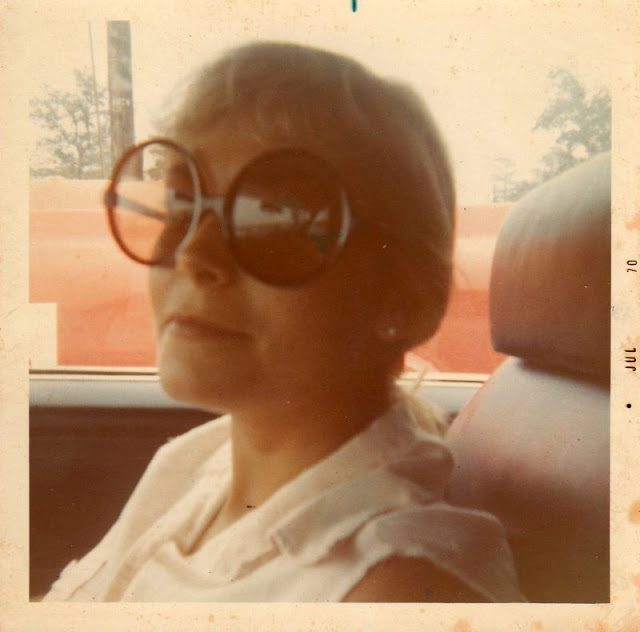
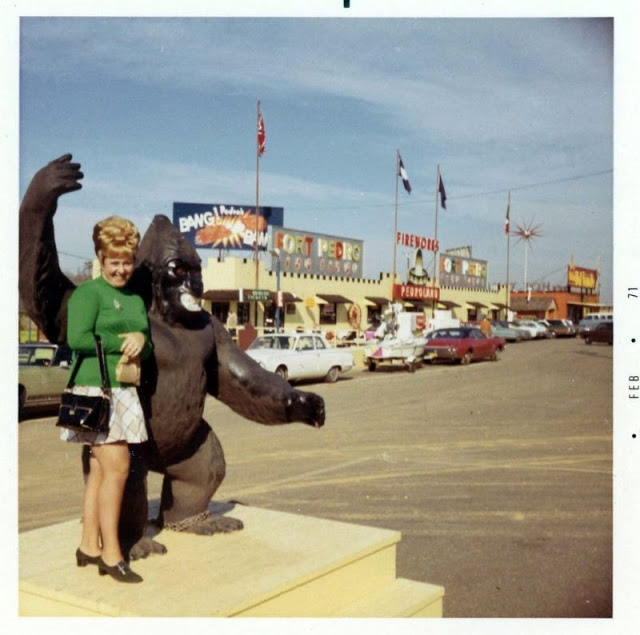
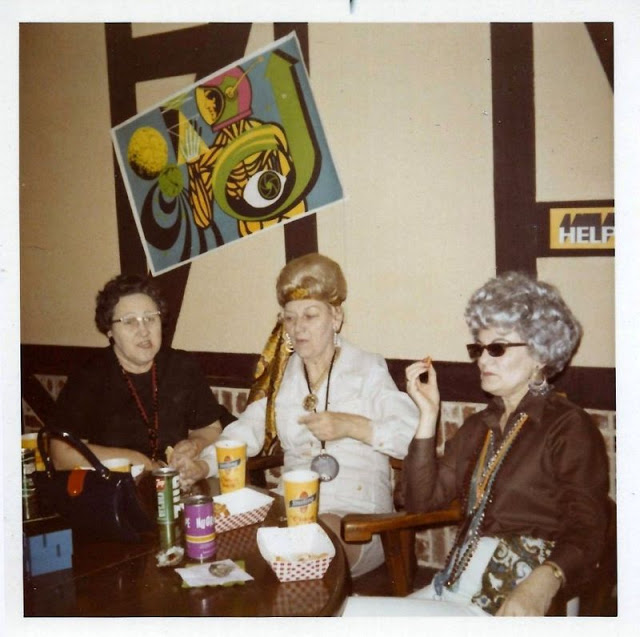
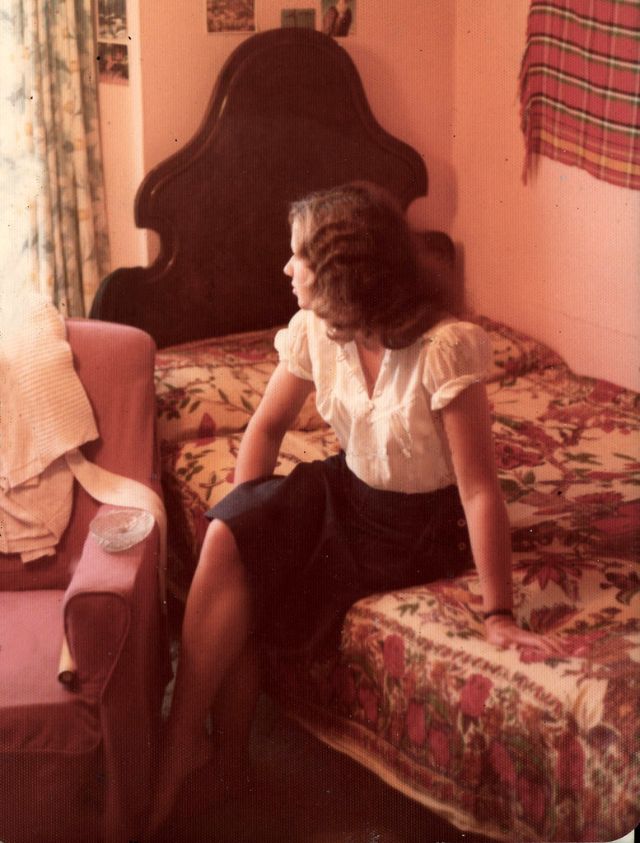
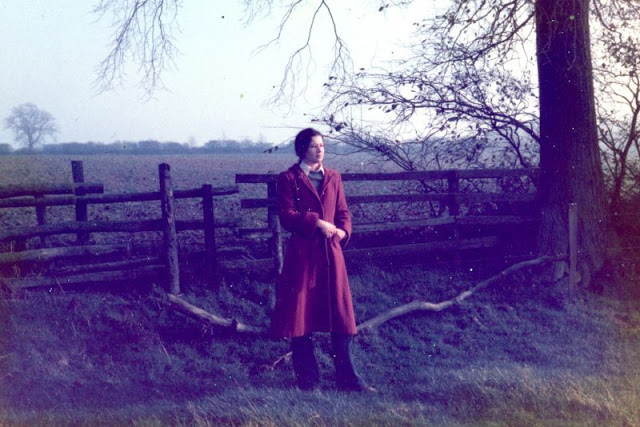
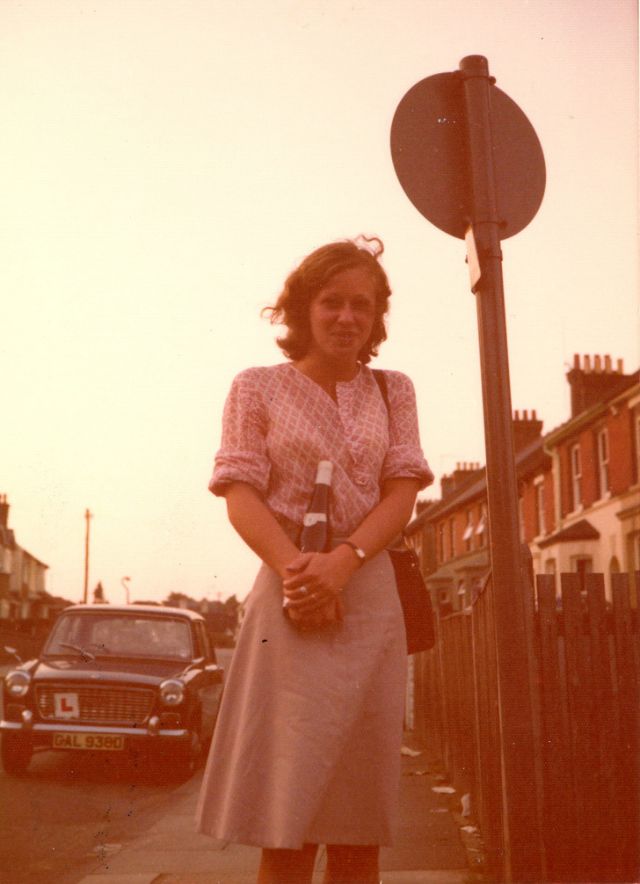
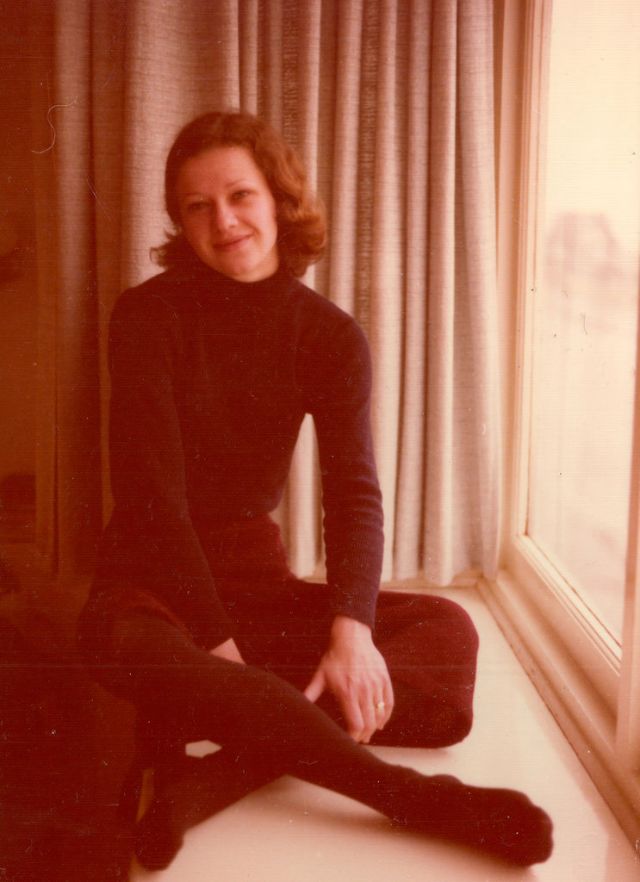
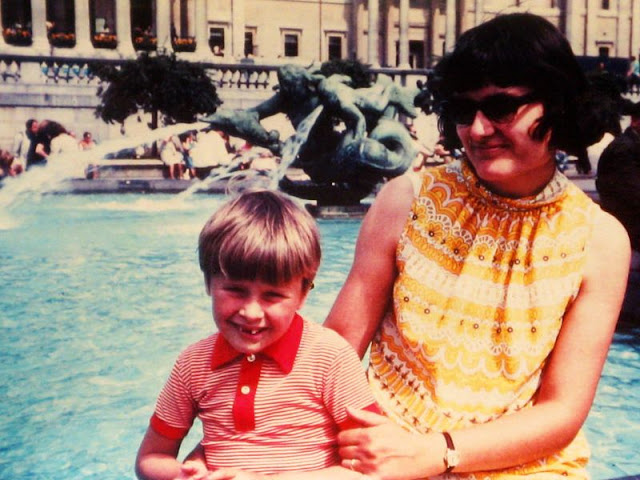
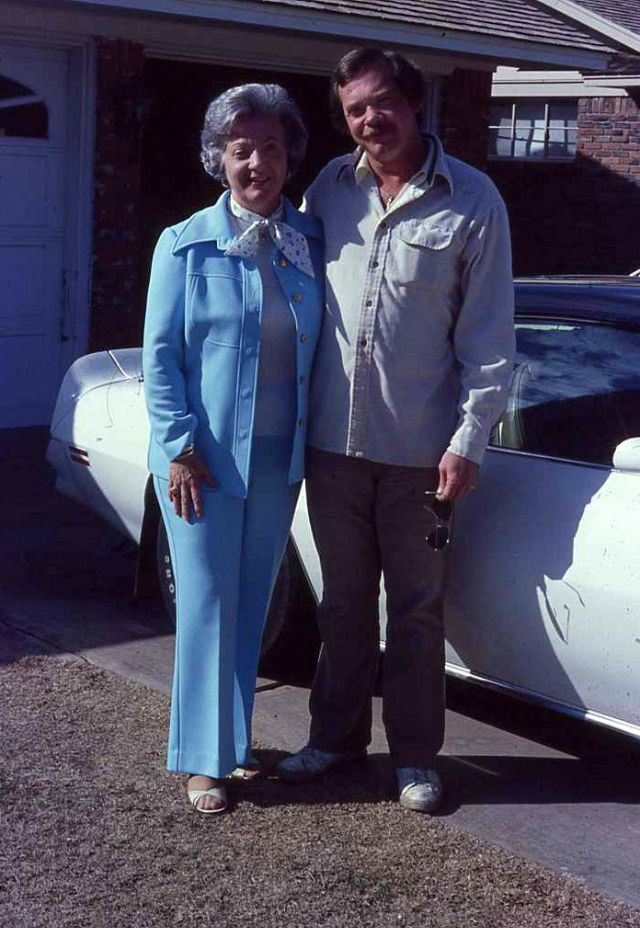
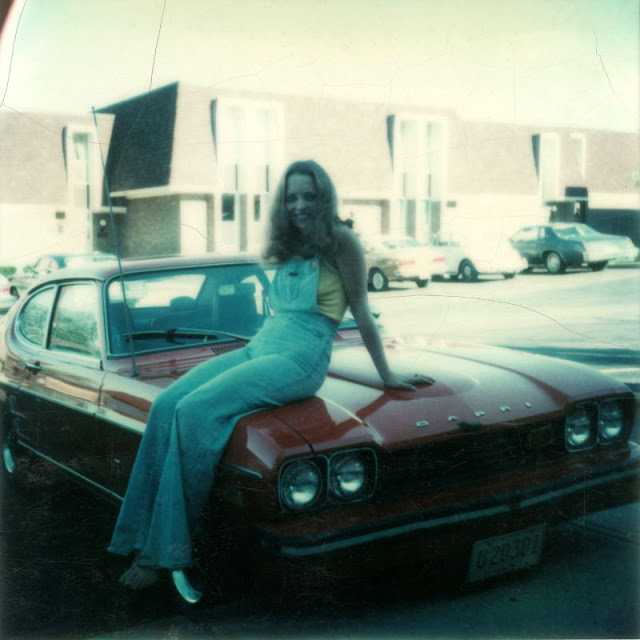
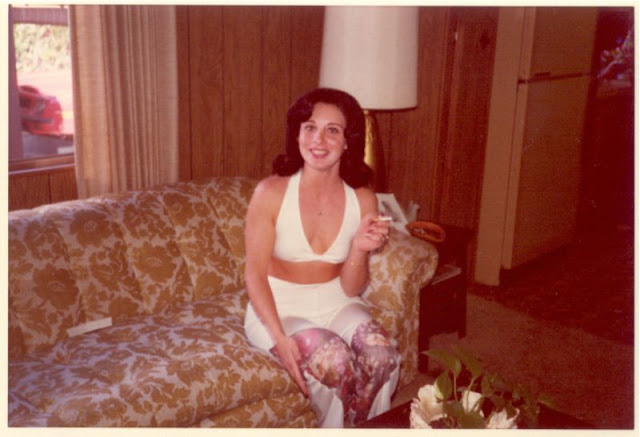
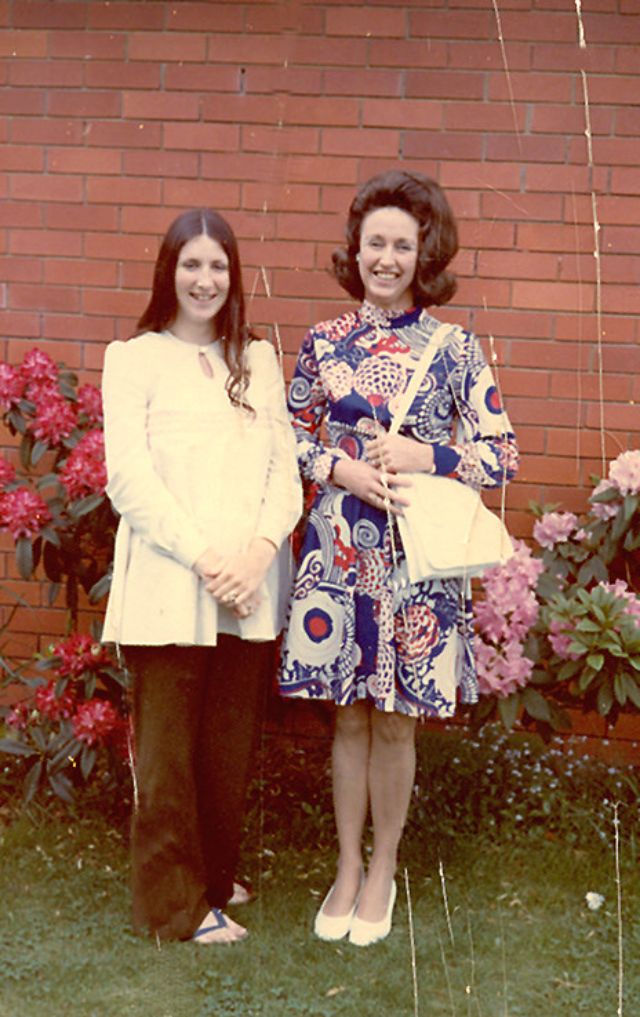
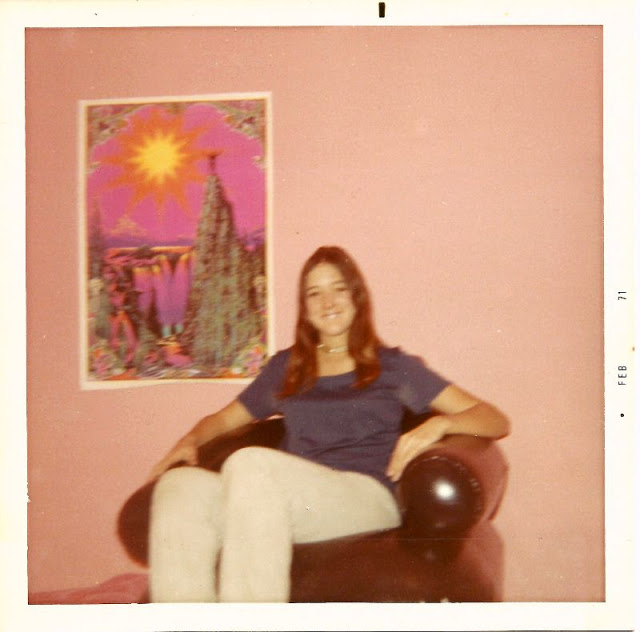
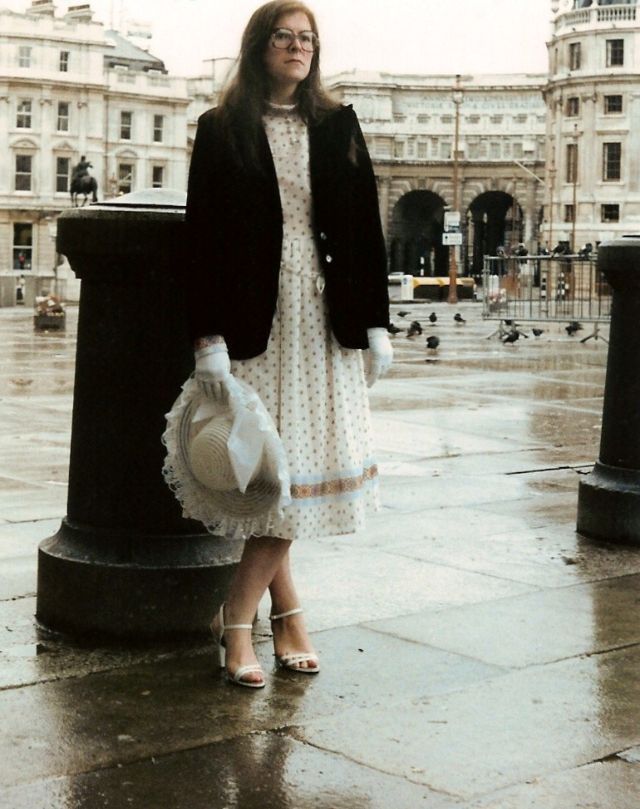
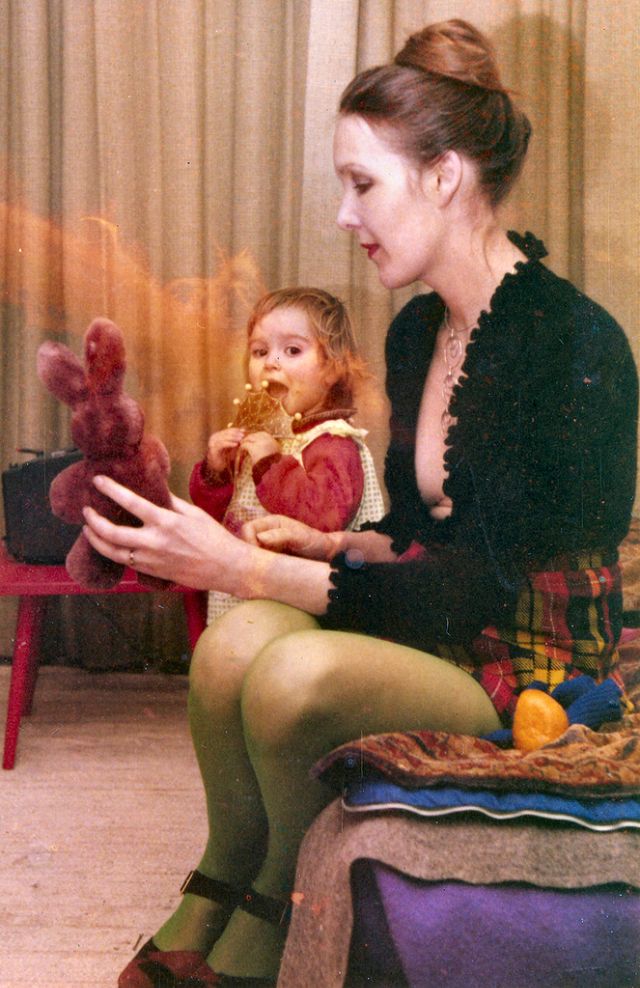
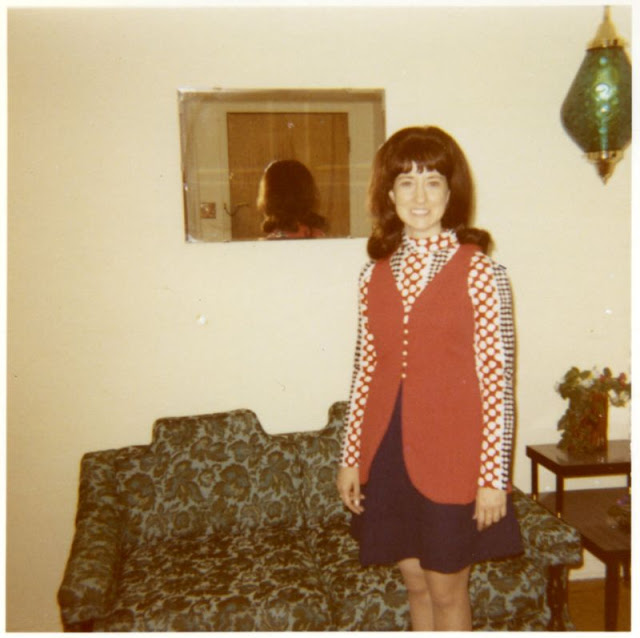
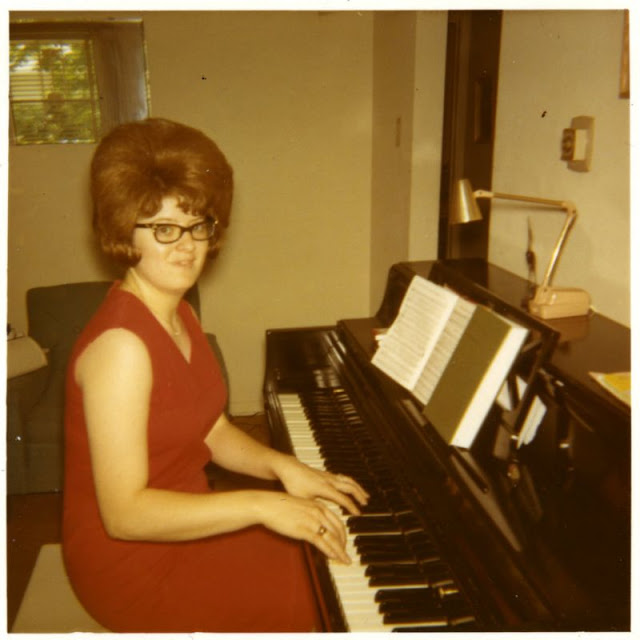
The 1970s was a time when fashion was evolving in many ways. Women had more freedom to express themselves. The 1970s style notably preserved the “hippie” look of the 1960s, yet gave it a more refined, modern look.
Additionally, as convenient travel became the norm, fashion gained influences from around the world. New fashion styles were being introduced to the U.S., inspiring a look that defined a decade.
These vintage photos give you a glimpse into the 1970s fashion styles that women have chosen.