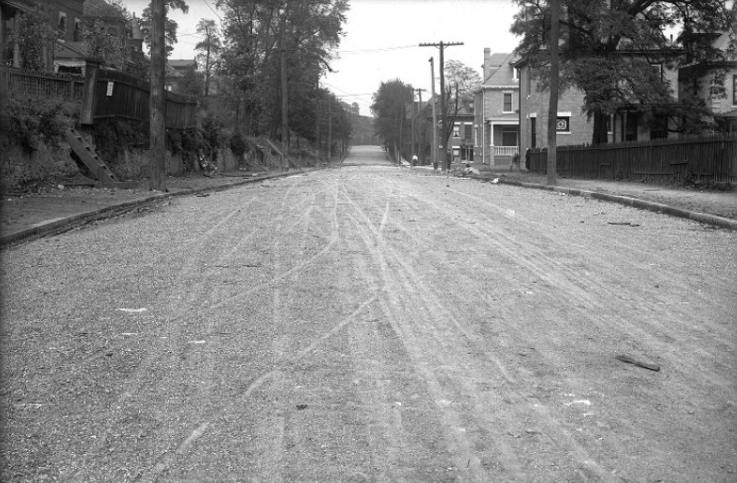
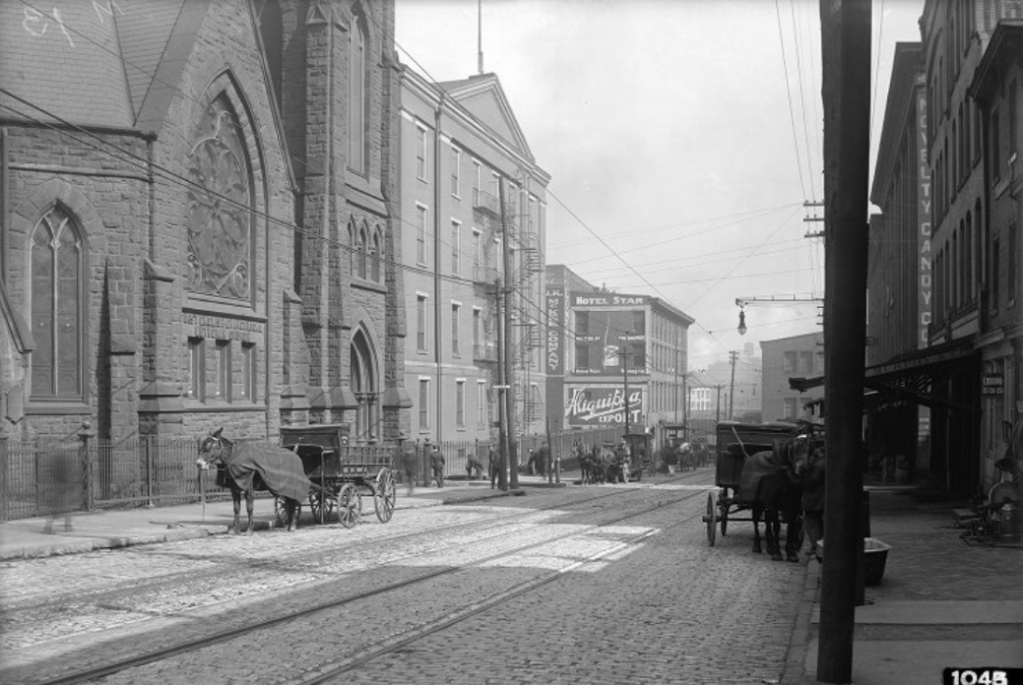
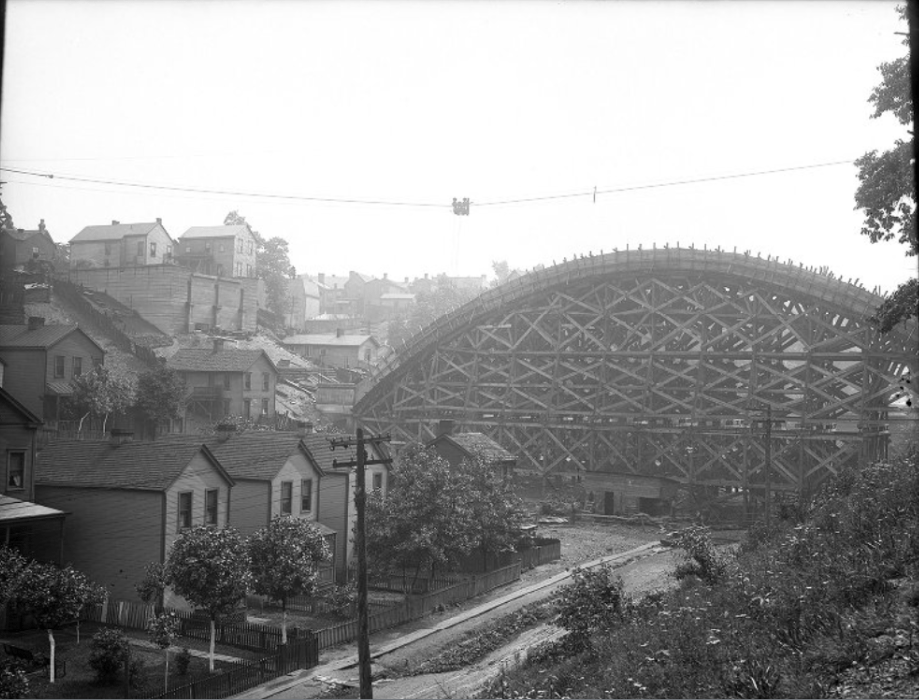
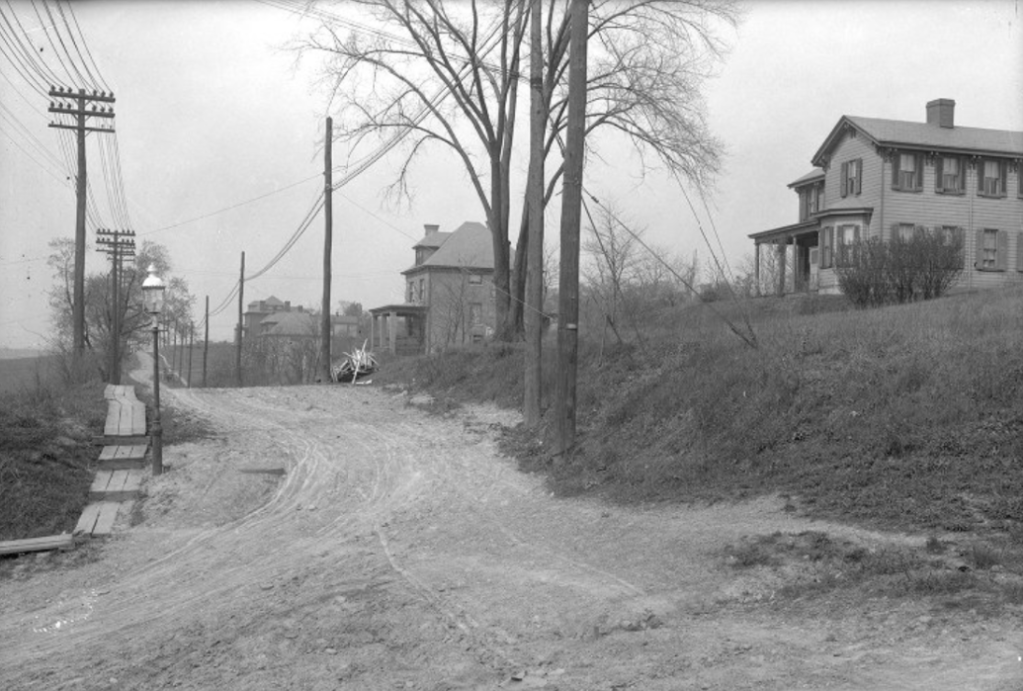
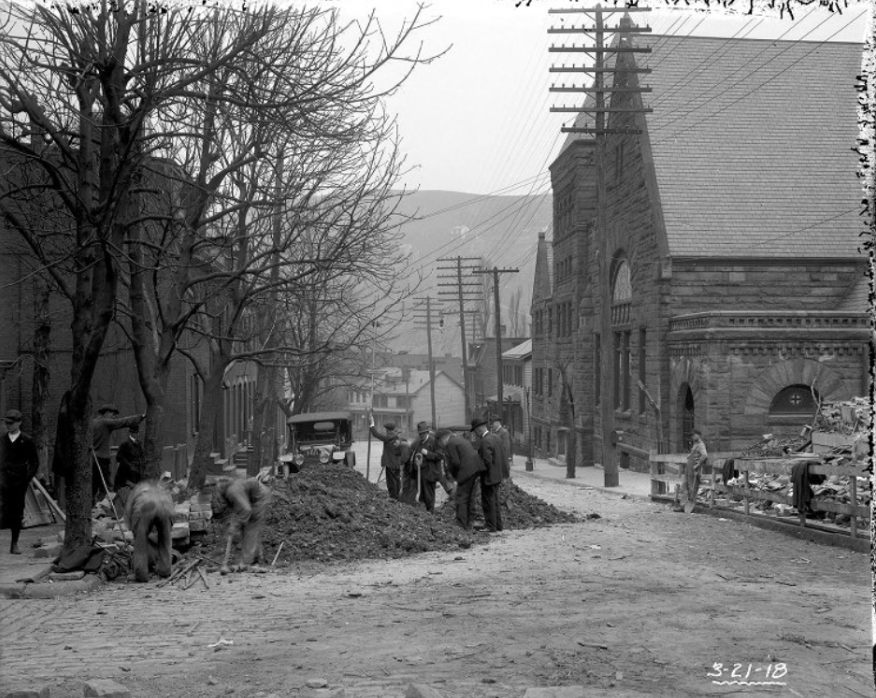
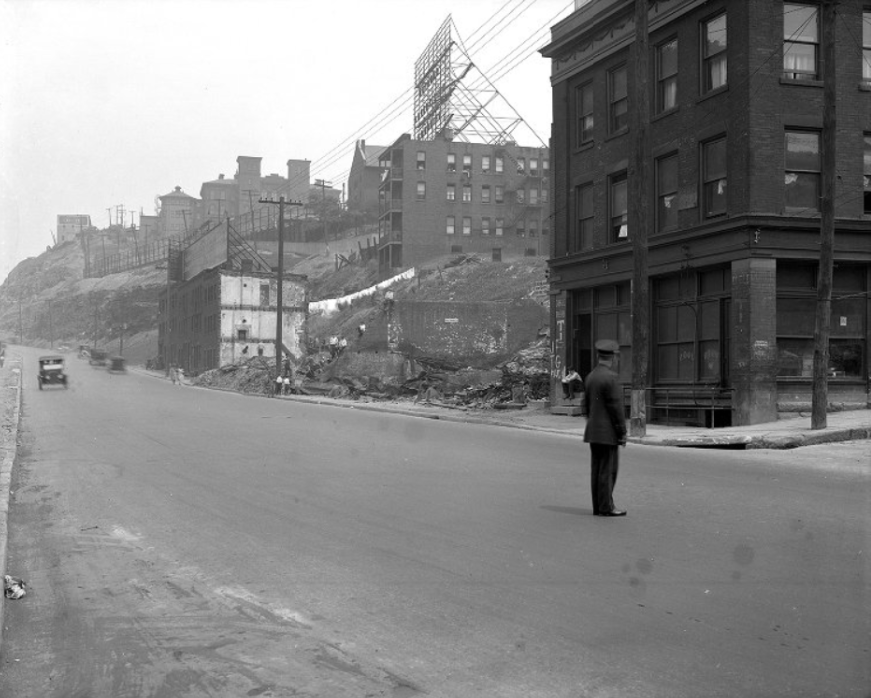
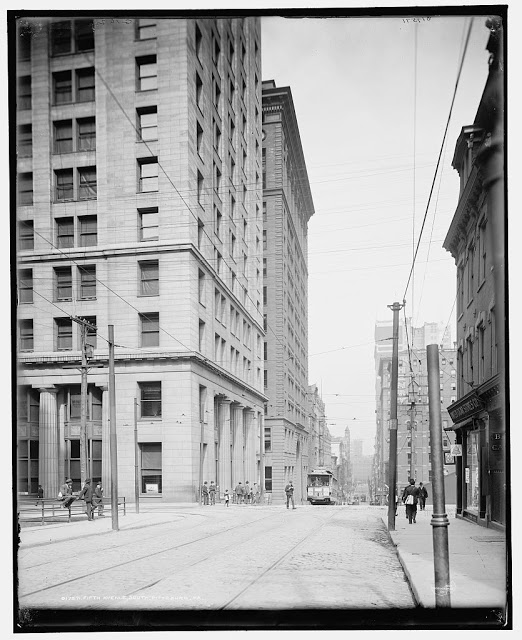
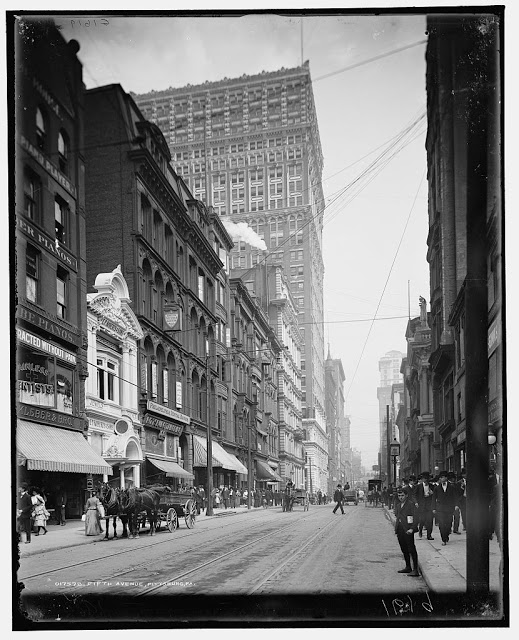
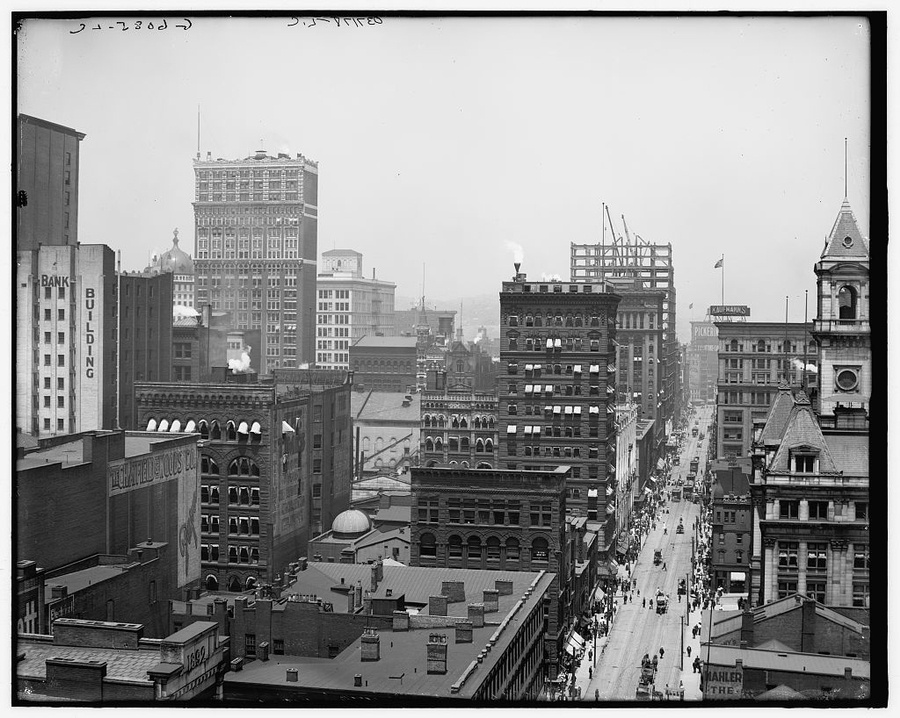
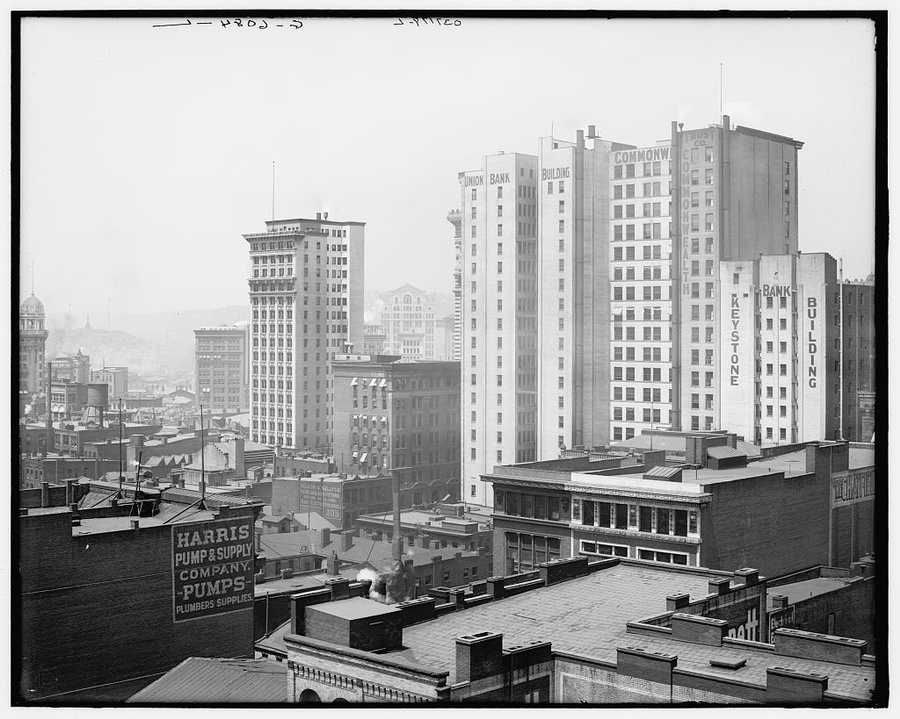
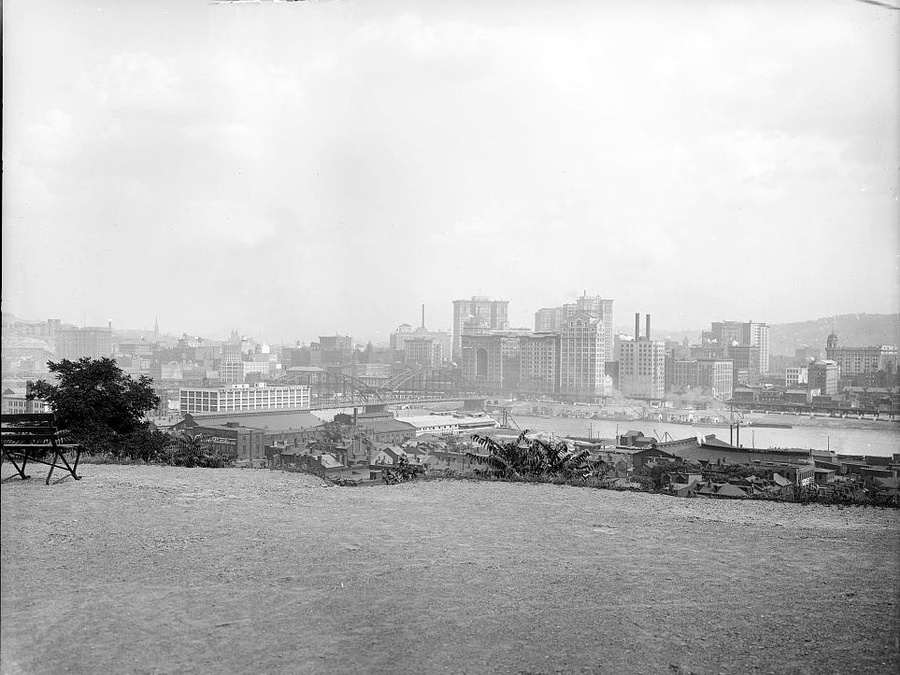
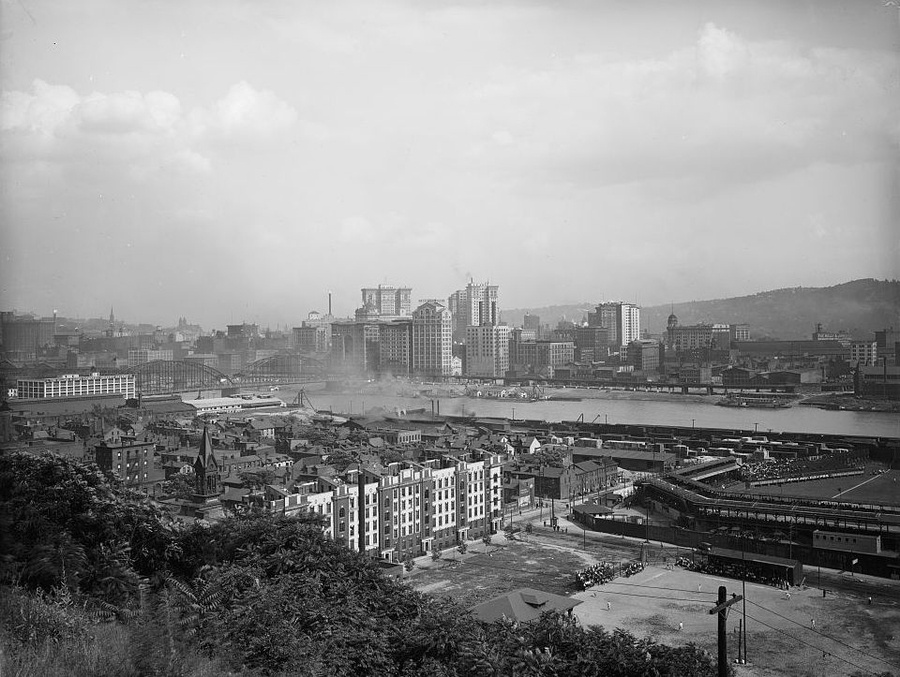
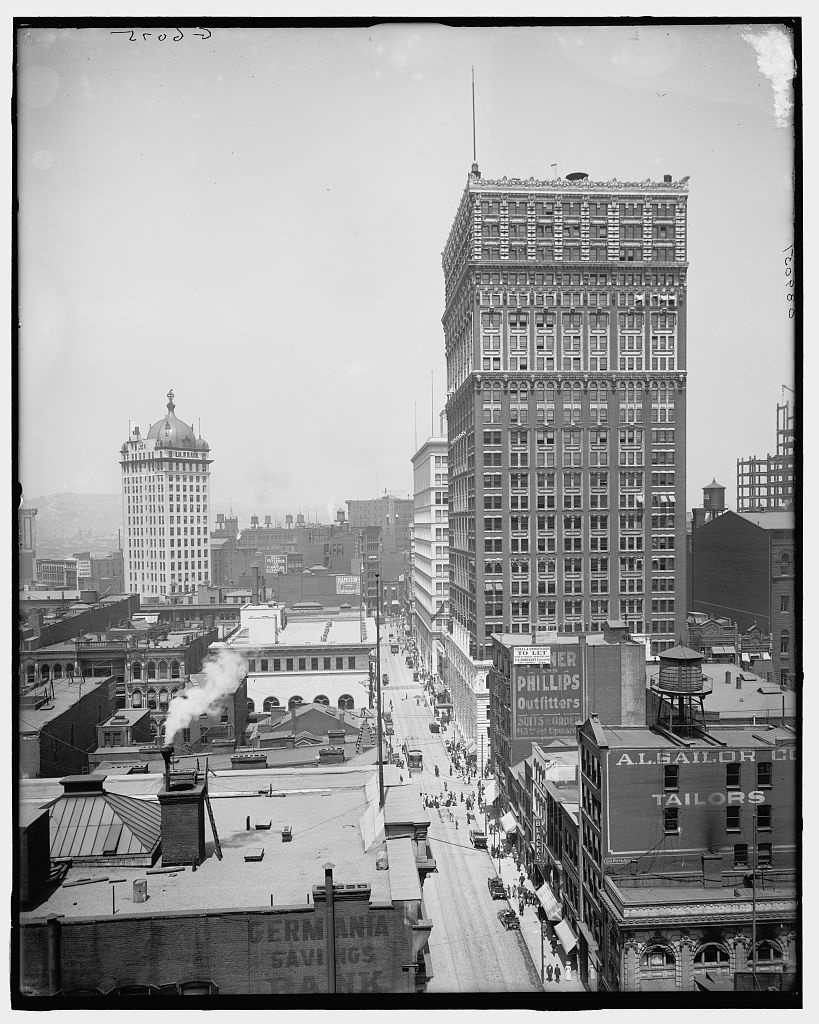
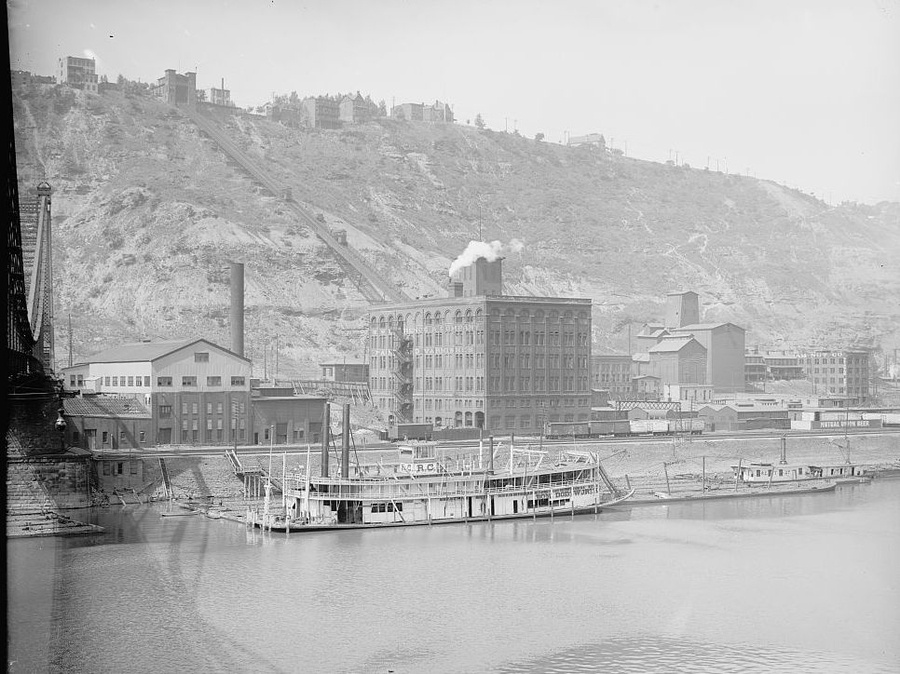
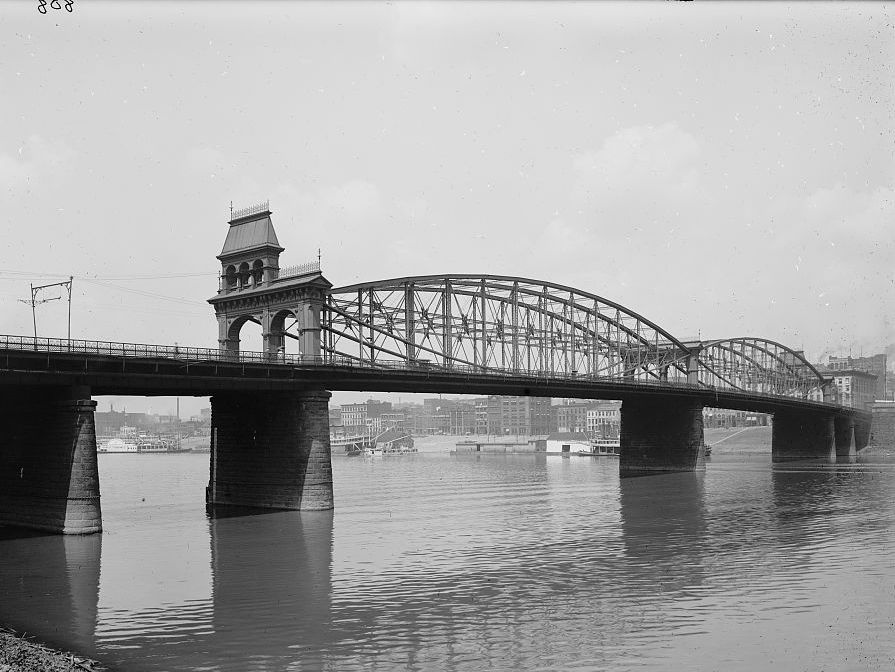
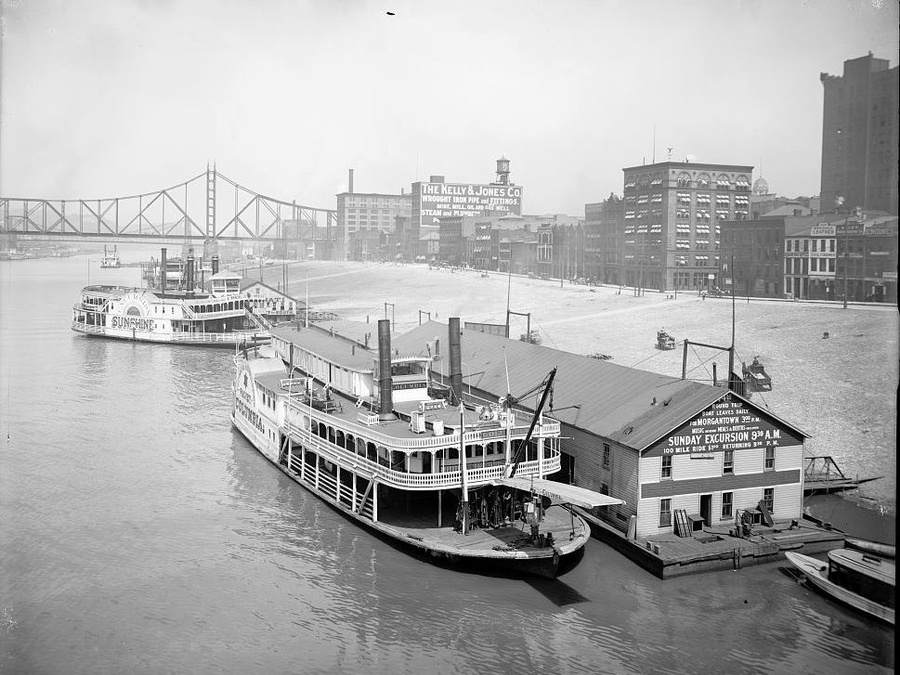
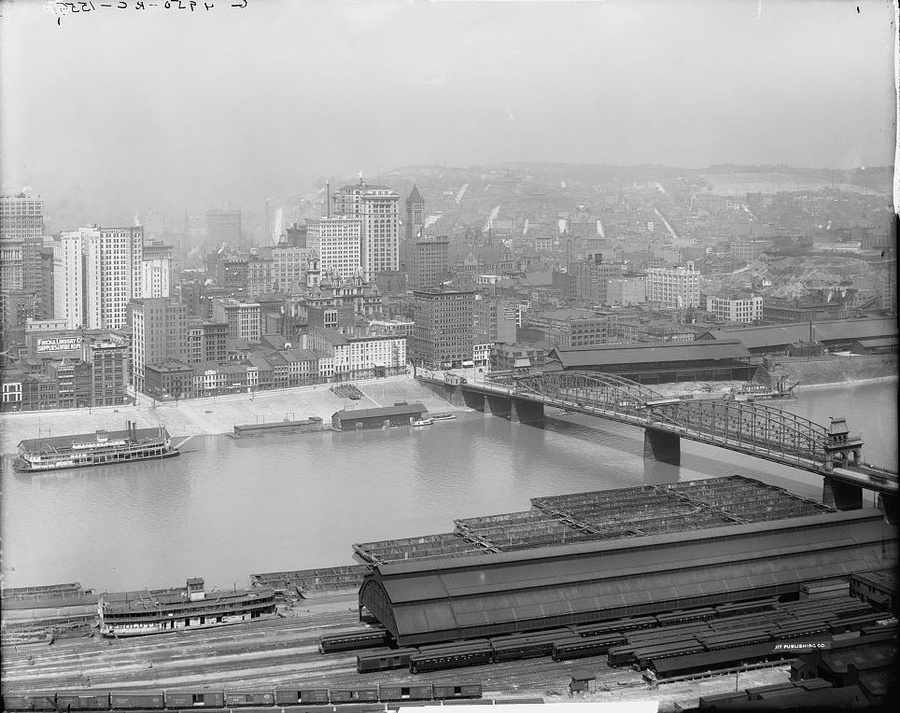
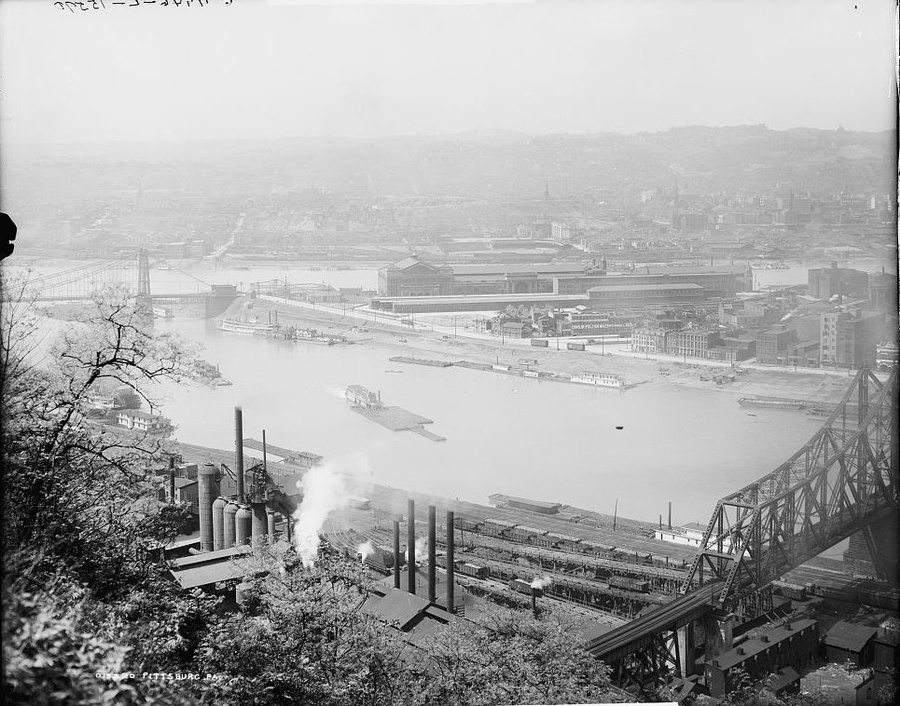
Pittsburgh is a city in the Commonwealth of Pennsylvania in the United States and the county seat of Allegheny County. A population of 302,971 residents lives within the city limits as of the 2020 US Census, making it the 68th-largest city in the U.S. and the second-most populous city in Pennsylvania, behind Philadelphia. The Pittsburgh metropolitan area is the anchor of Western Pennsylvania; its population of 2.37 million is the largest in both the Ohio Valley and Appalachia, the second-largest in Pennsylvania, and the 27th-largest in the U.S.
Pittsburgh is located in the southwest of the state, at the confluence of the Allegheny River and the Monongahela River, forming the Ohio River. Pittsburgh is known both as “the Steel City” for its more than 300 steel-related businesses and as the “City of Bridges” for its 446 bridges. The city features 30 skyscrapers, two inclined railways, a pre-revolutionary fortification and the Point State Park at the confluence of the rivers. The city developed as a vital link of the Atlantic coast and Midwest, as the mineral-rich Allegheny Mountains led to the region being contested by the French and British empires, Virginians, Whiskey Rebels, and Civil War raiders.
Aside from steel, Pittsburgh has led in the manufacturing of other important materials — aluminum and glass — and in the petroleum industry. Additionally, it is a leader in computing, electronics, and the automotive industry. For part of the 20th century, Pittsburgh was behind only New York City and Chicago in corporate headquarters employment; it had the most U.S. stockholders per capita. Deindustrialization in the 1970s and 1980s laid off area blue-collar workers as steel and other heavy industries declined, and thousands of downtown white-collar workers also lost jobs when several Pittsburgh-based companies moved out. The population dropped from a peak of 675,000 in 1950 to 370,000 in 1990. However, this rich industrial history left the area with renowned museums, medical centers, parks, research centers, and a diverse cultural district.
After the deindustrialization of the mid-20th century, Pittsburgh has transformed into a hub for the health care, education, and technology industries. Pittsburgh is a leader in the health care sector as the home to large medical providers such as University of Pittsburgh Medical Center (UPMC). The area is home to 68 colleges and universities, including research and development leaders Carnegie Mellon University and the University of Pittsburgh. Google, Apple Inc., Bosch, Facebook, Uber, Nokia, Autodesk, Amazon, Microsoft and IBM are among 1,600 technology firms generating $20.7 billion in annual Pittsburgh payrolls. The area has served as the long-time federal agency headquarters for cyber defense, software engineering, robotics, energy research and the nuclear navy. The nation’s fifth-largest bank, eight Fortune 500 companies, and six of the top 300 U.S. law firms make their global headquarters in the area, while RAND Corporation (RAND), BNY Mellon, Nova, FedEx, Bayer, and the National Institute for Occupational Safety and Health (NIOSH) have regional bases that helped Pittsburgh become the sixth-best area for U.S. job growth.
In 2015, Pittsburgh was listed among the “eleven most livable cities in the world”. The Economist’s Global Liveability Ranking placed Pittsburgh as the most or second-most livable city in the United States in 2005, 2009, 2011, 2012, 2014 and 2018. The region is a hub for Leadership in Energy and Environmental Design and energy extraction. (Wikipedia)
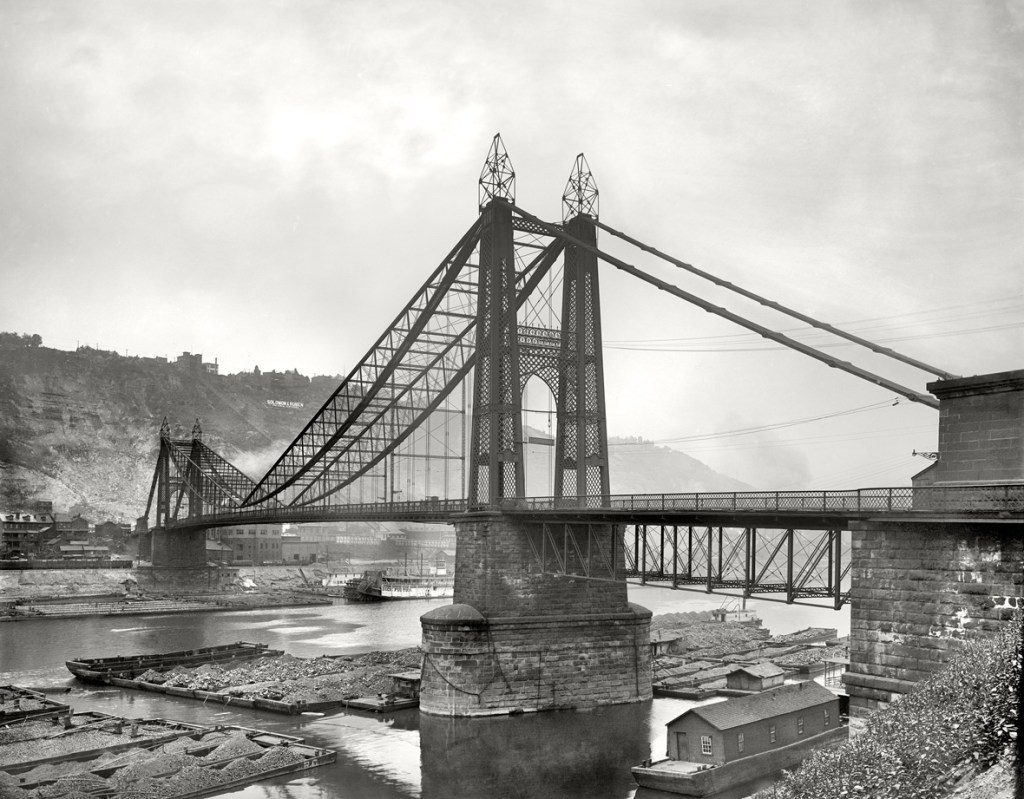
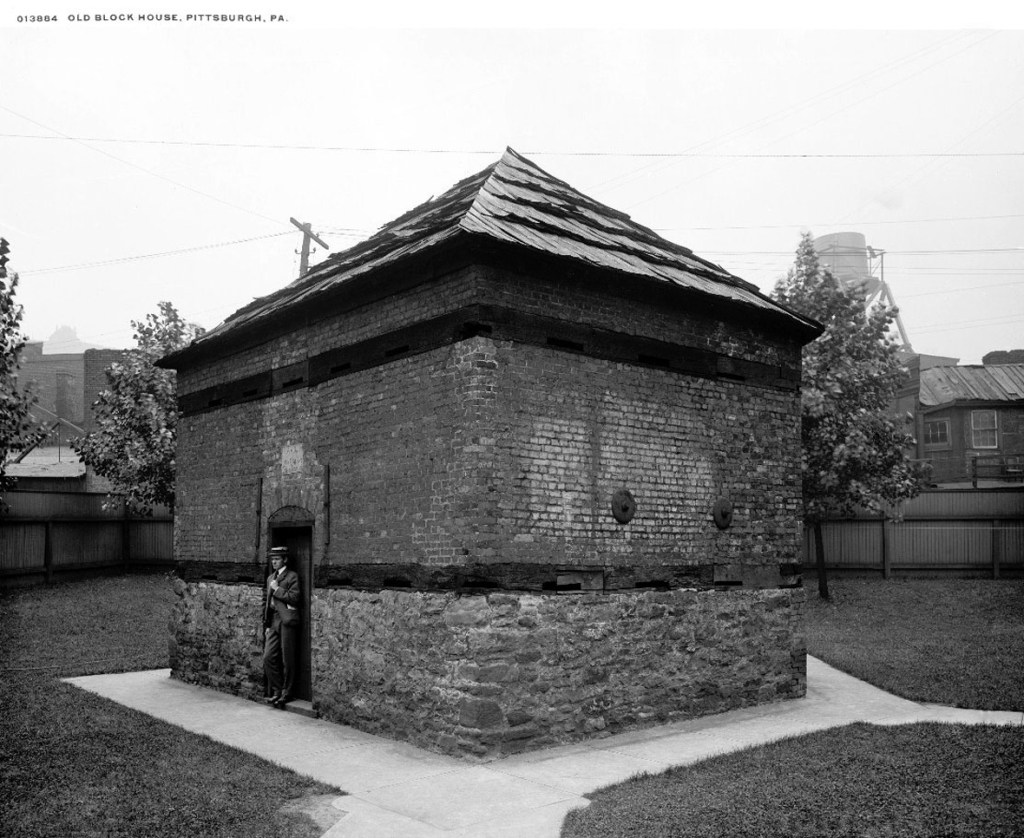
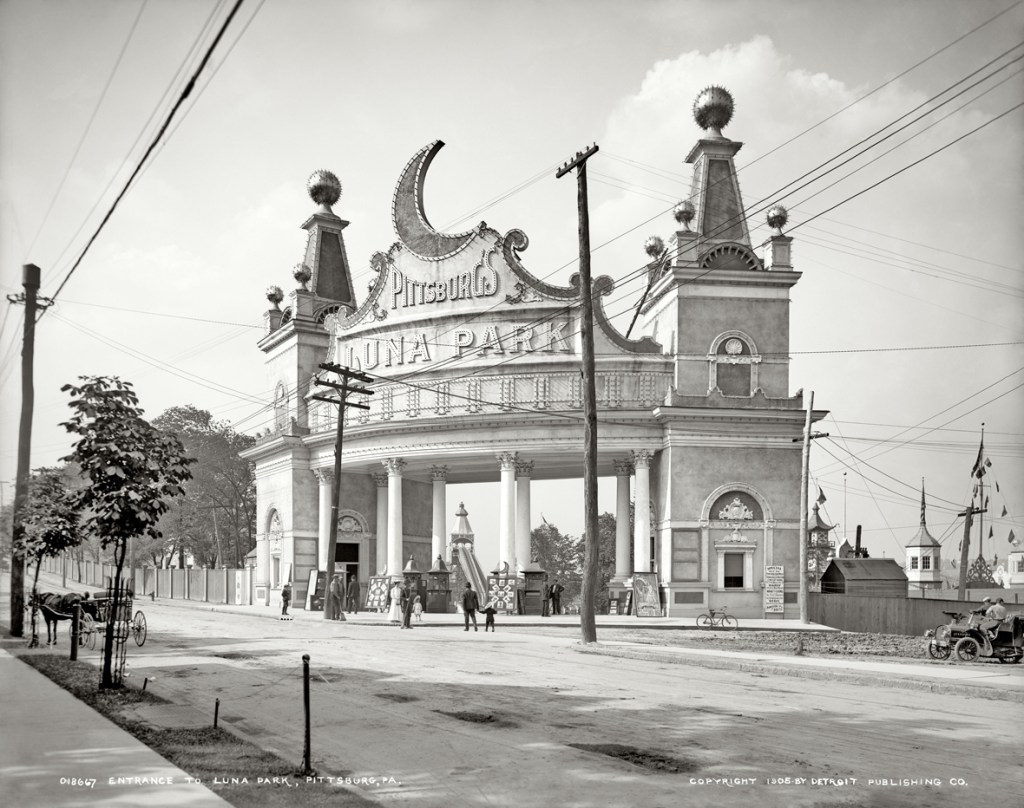
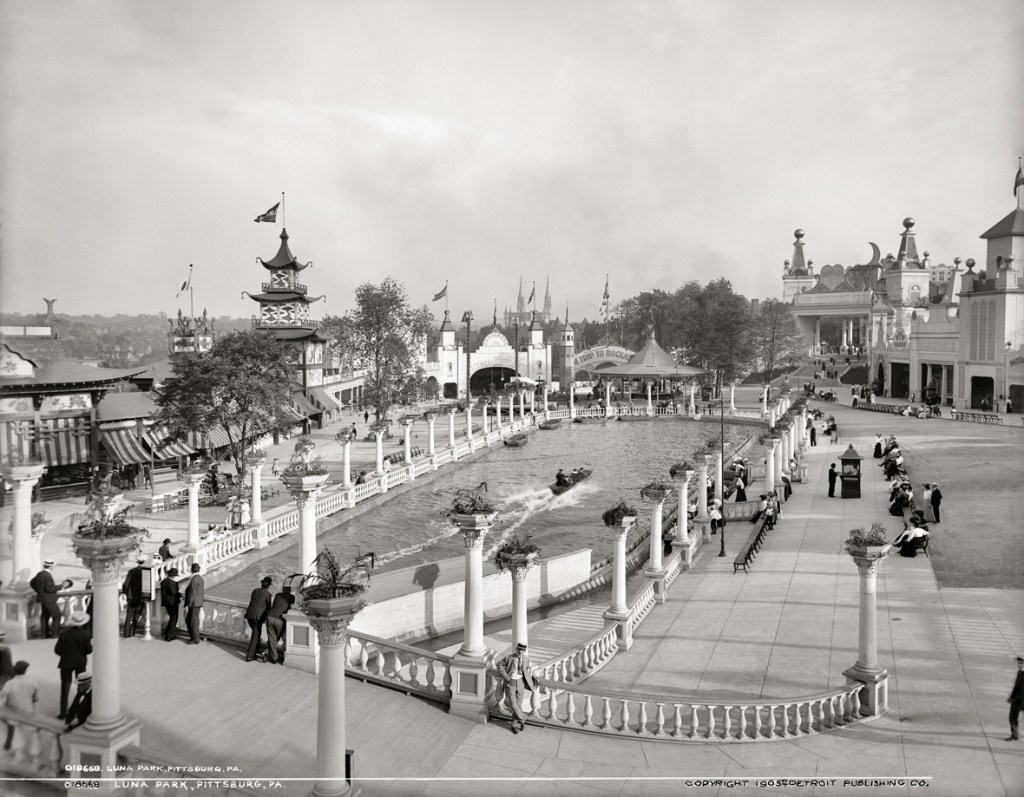
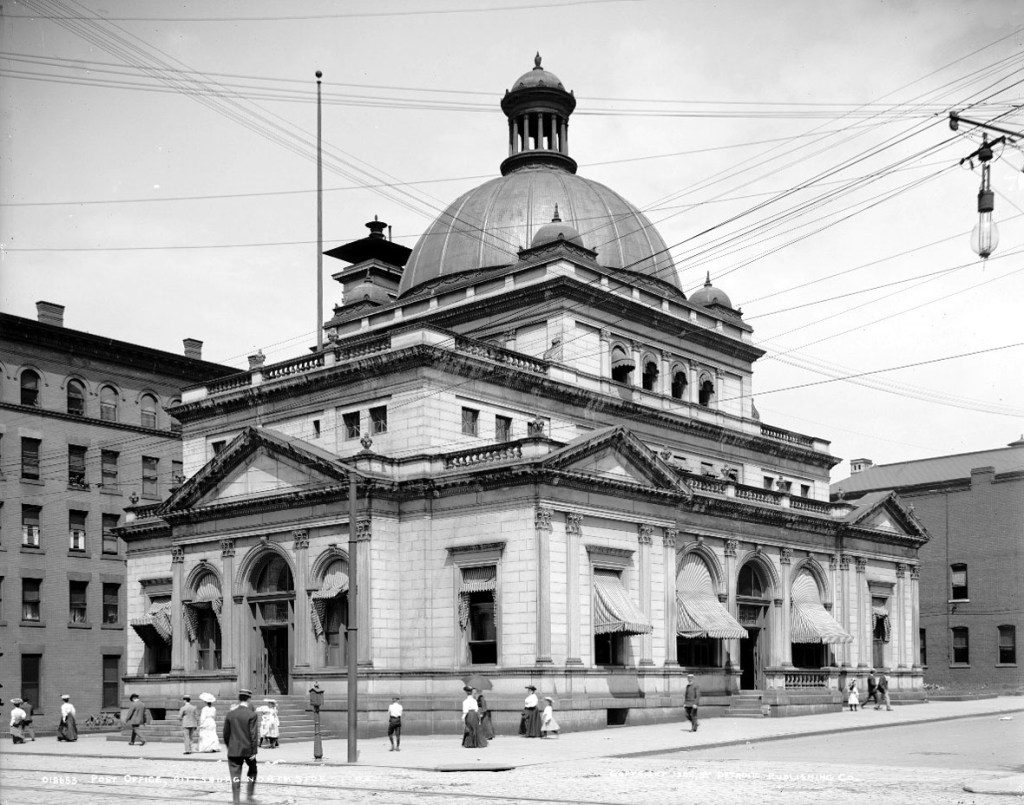
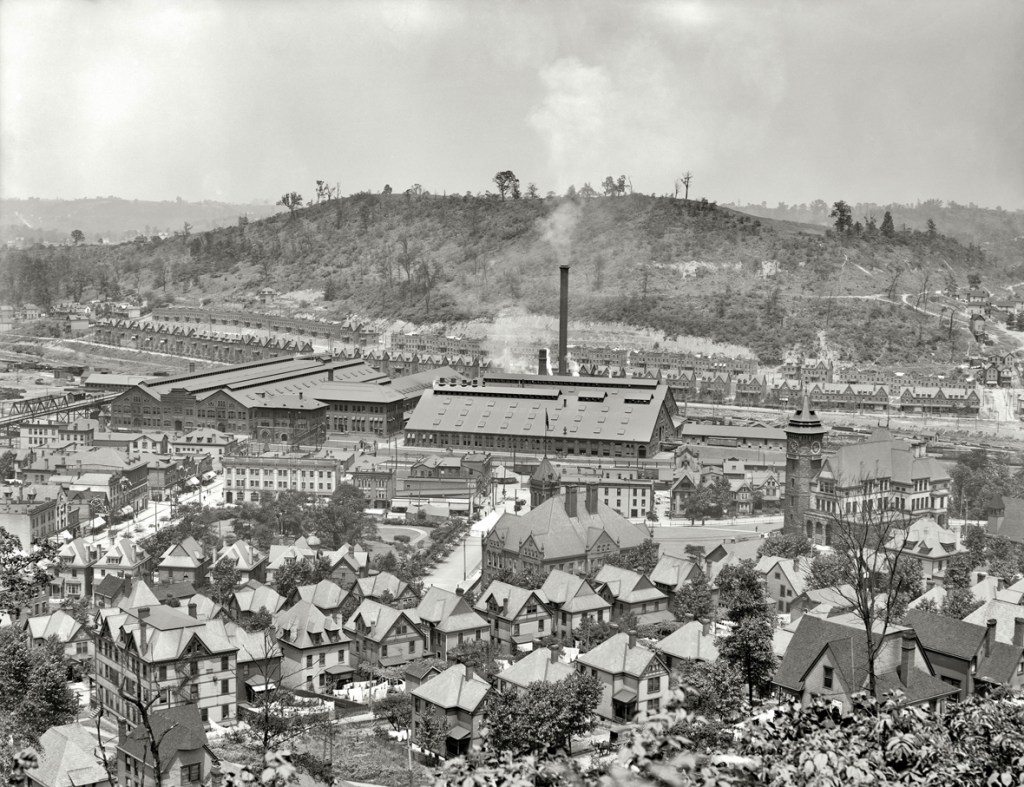
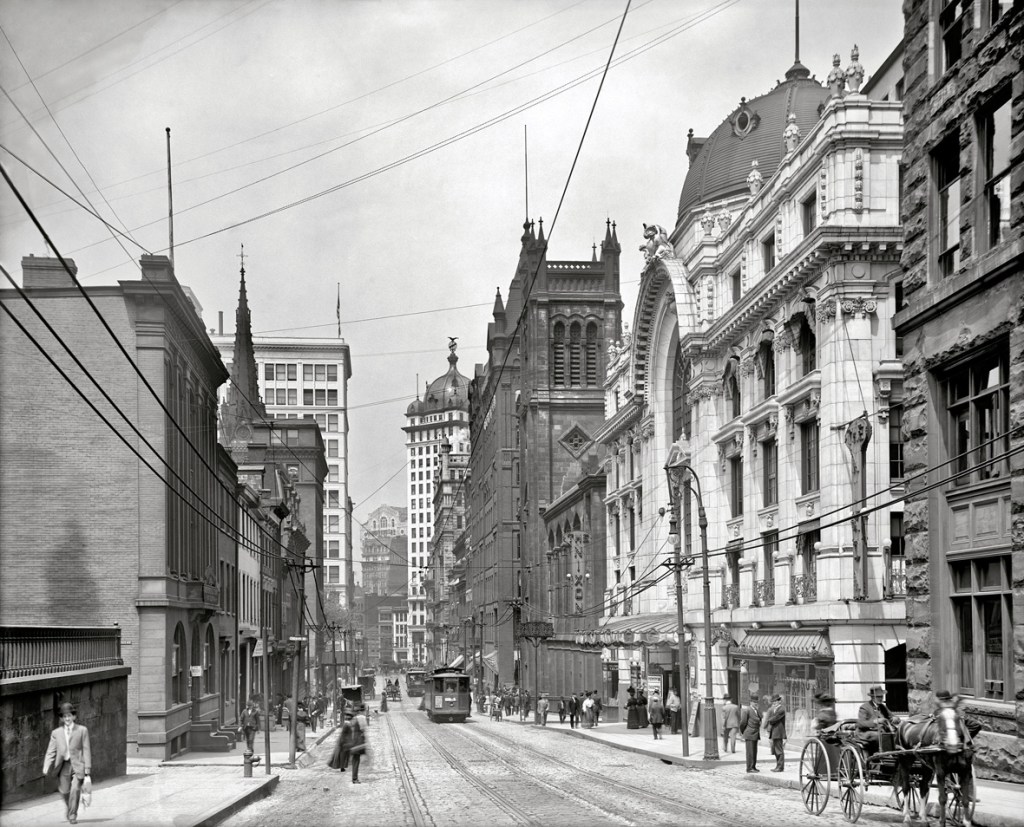
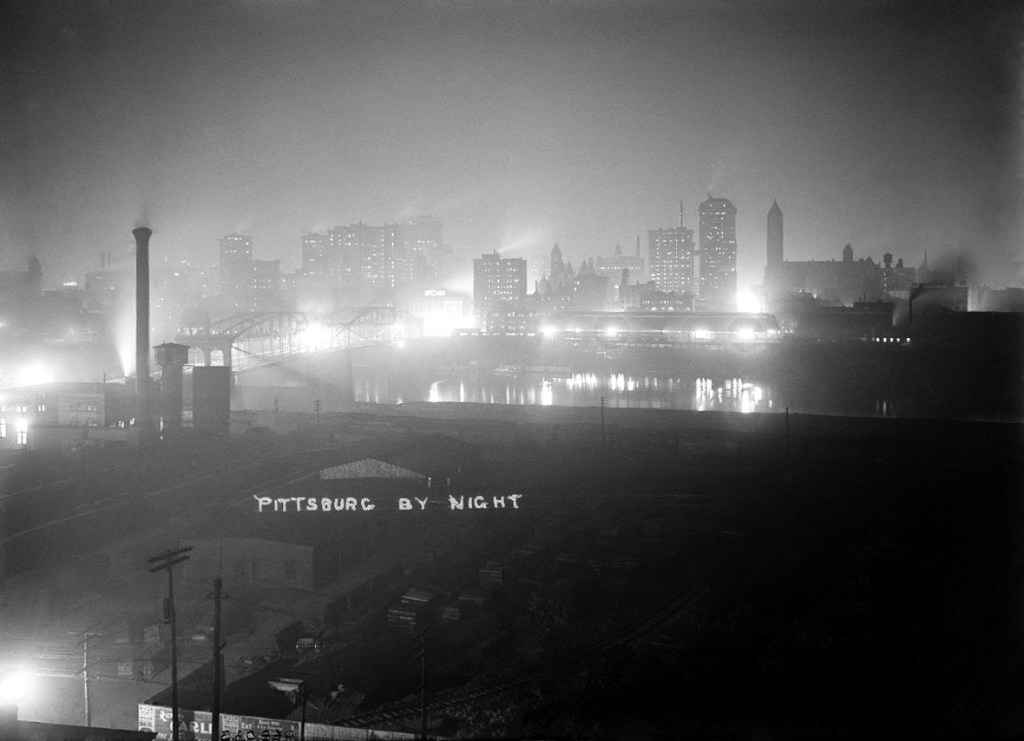
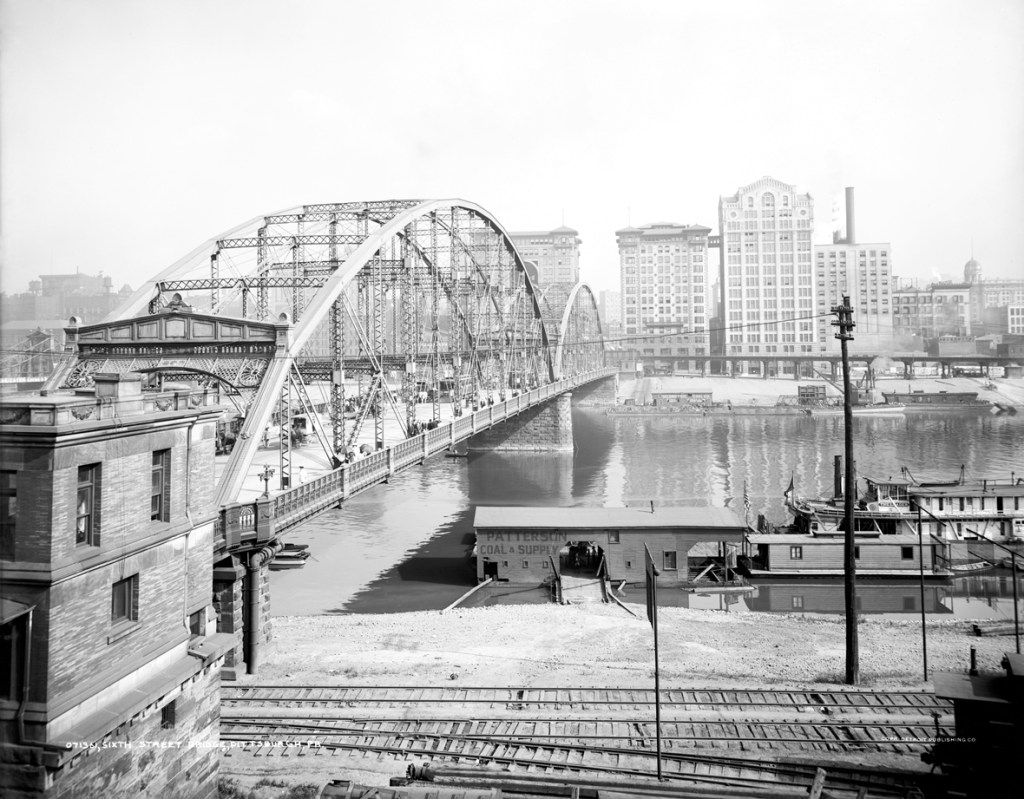
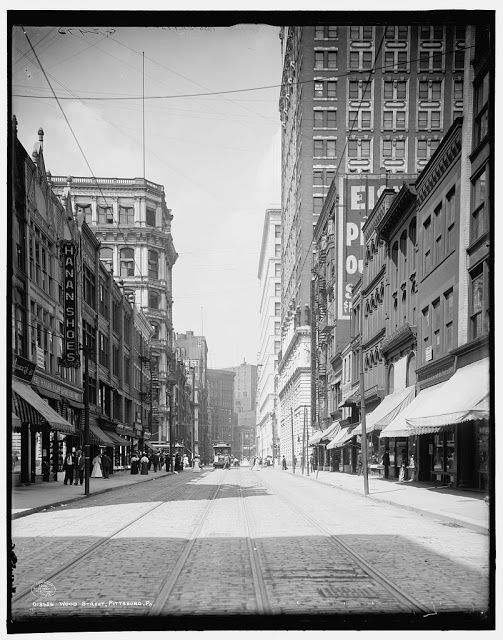
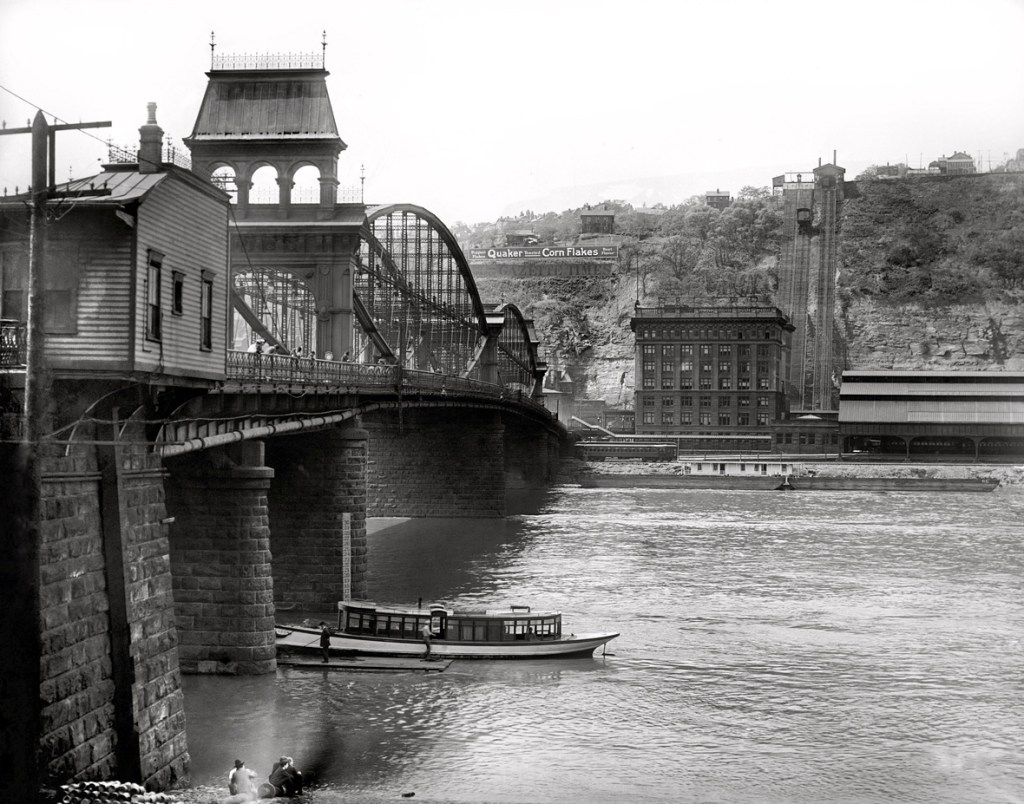
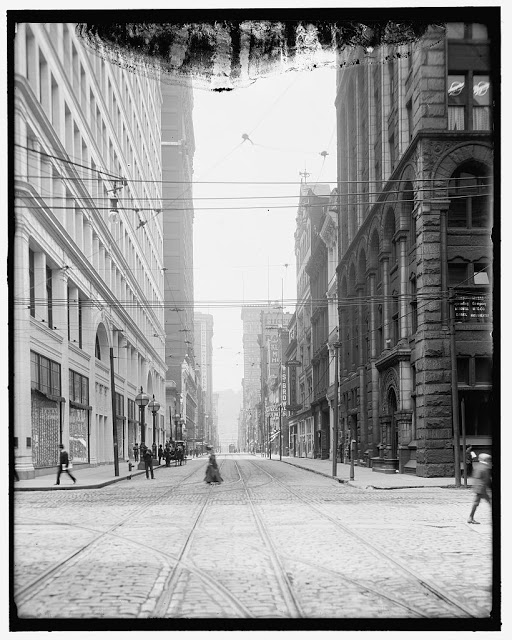
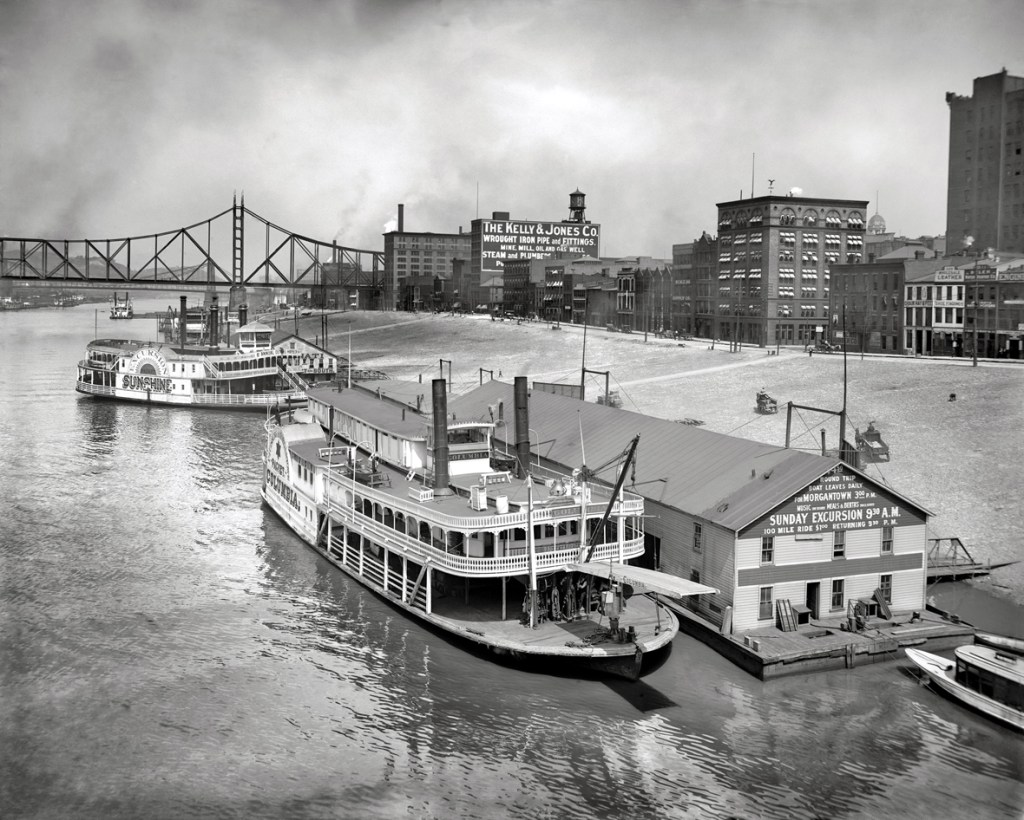
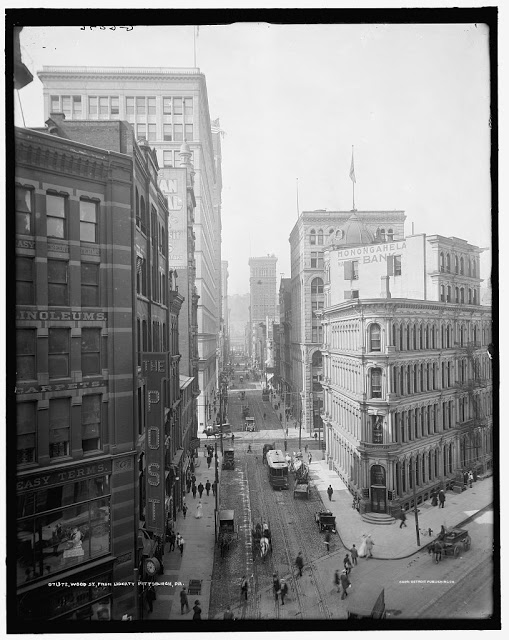
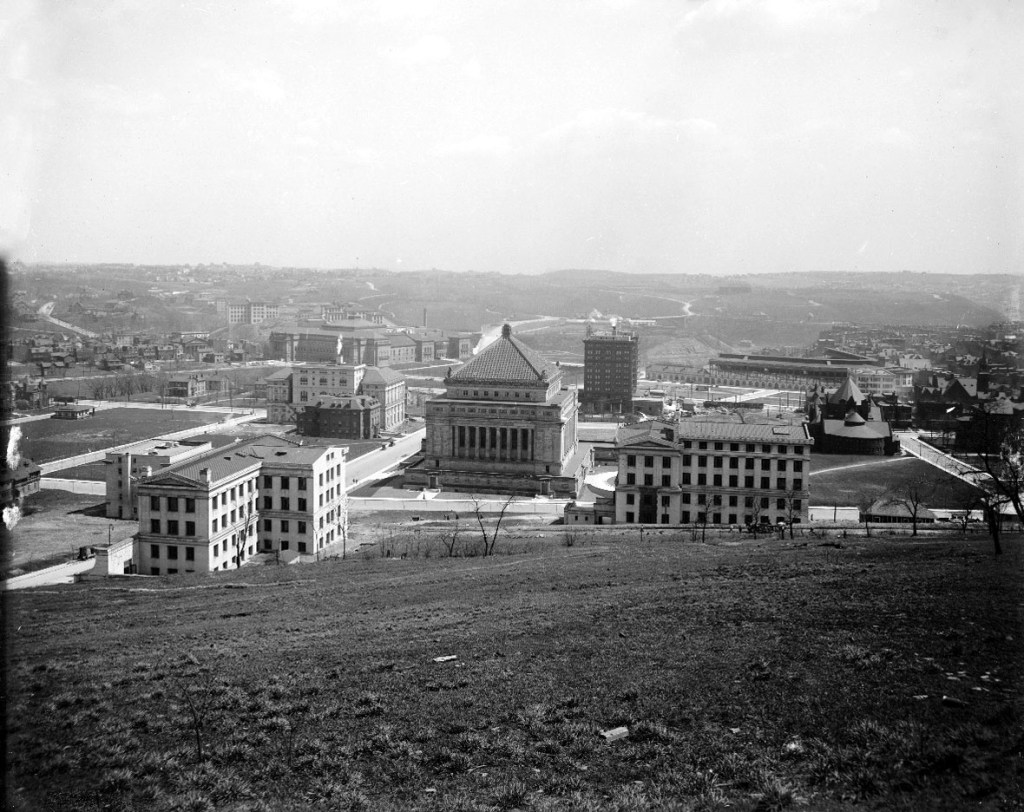
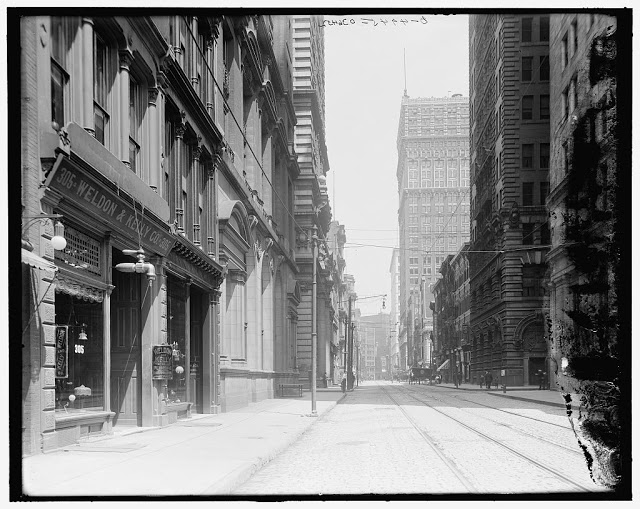
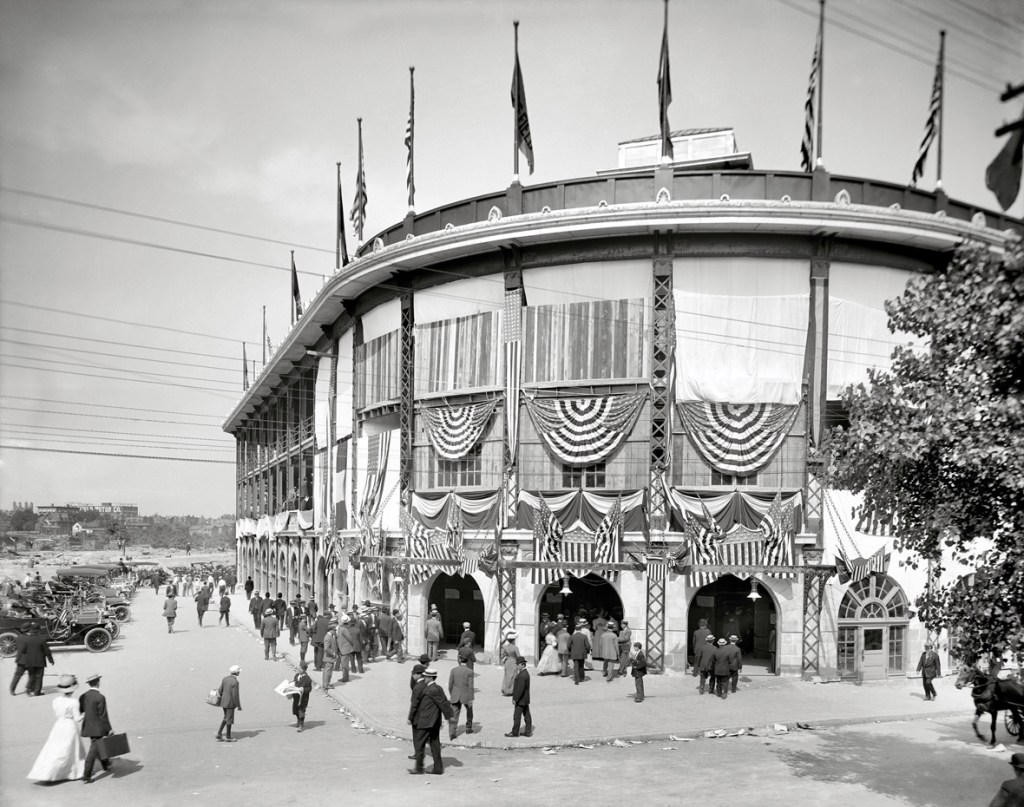
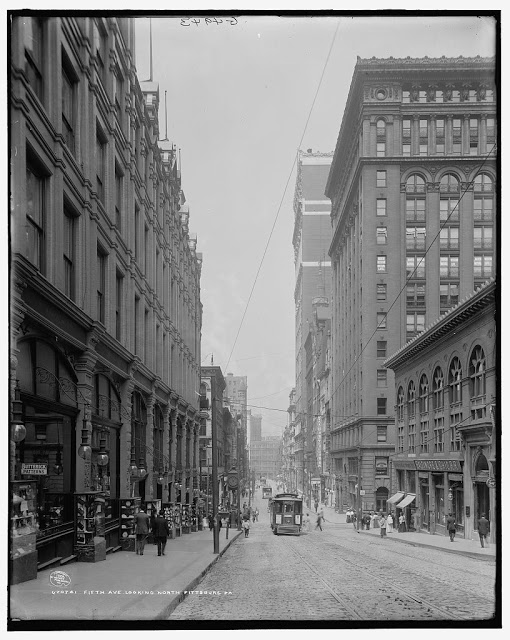
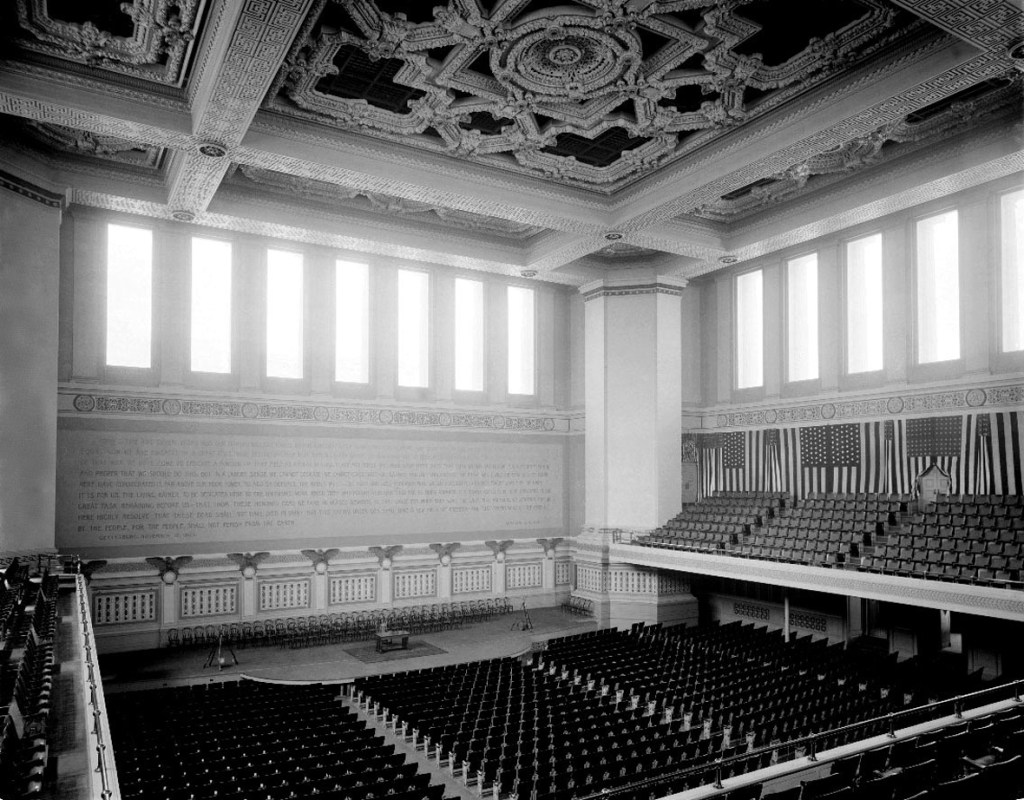
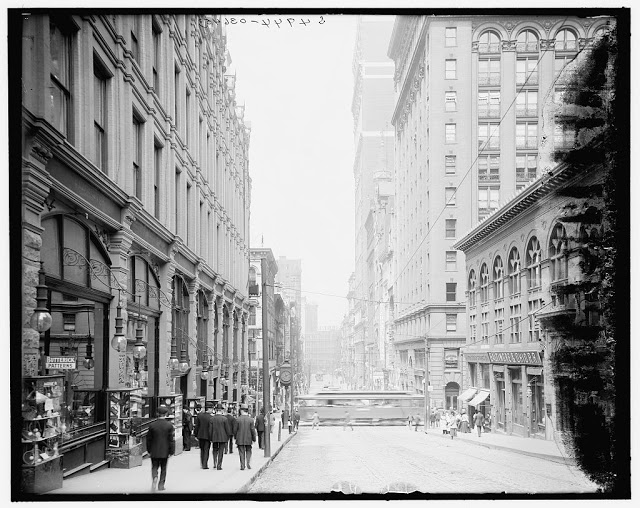
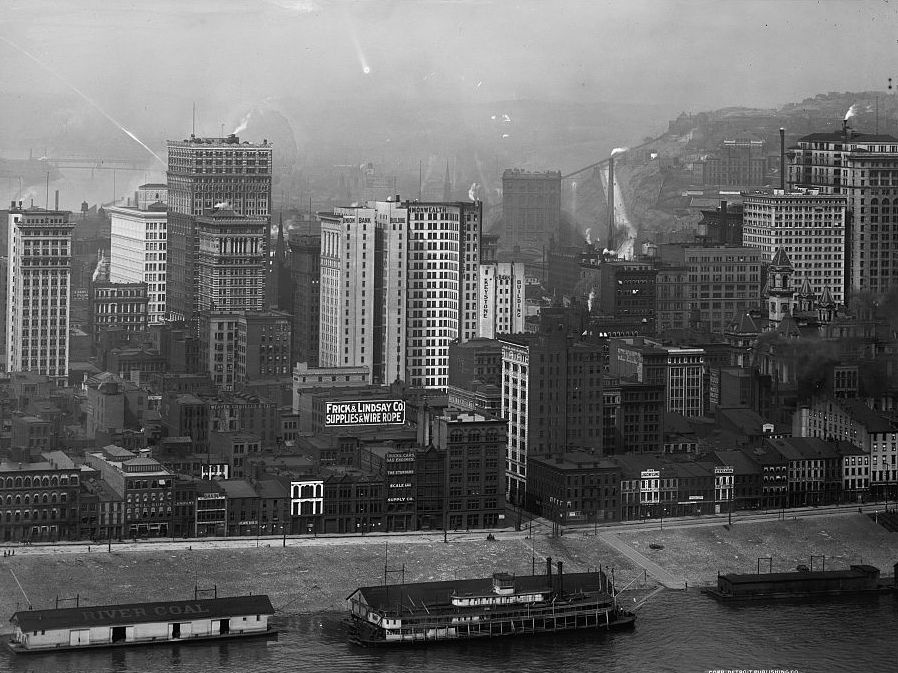
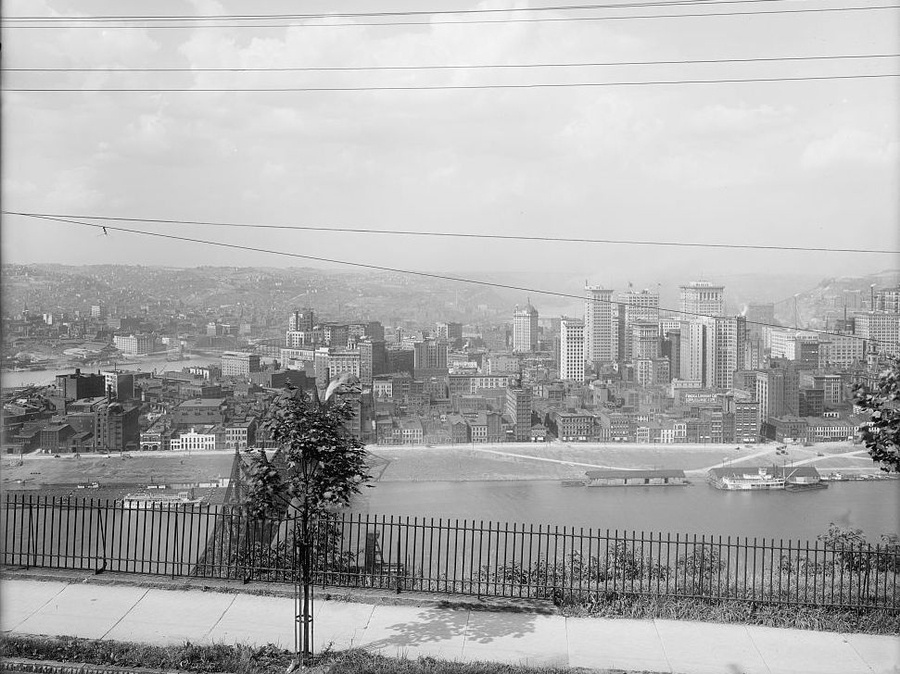
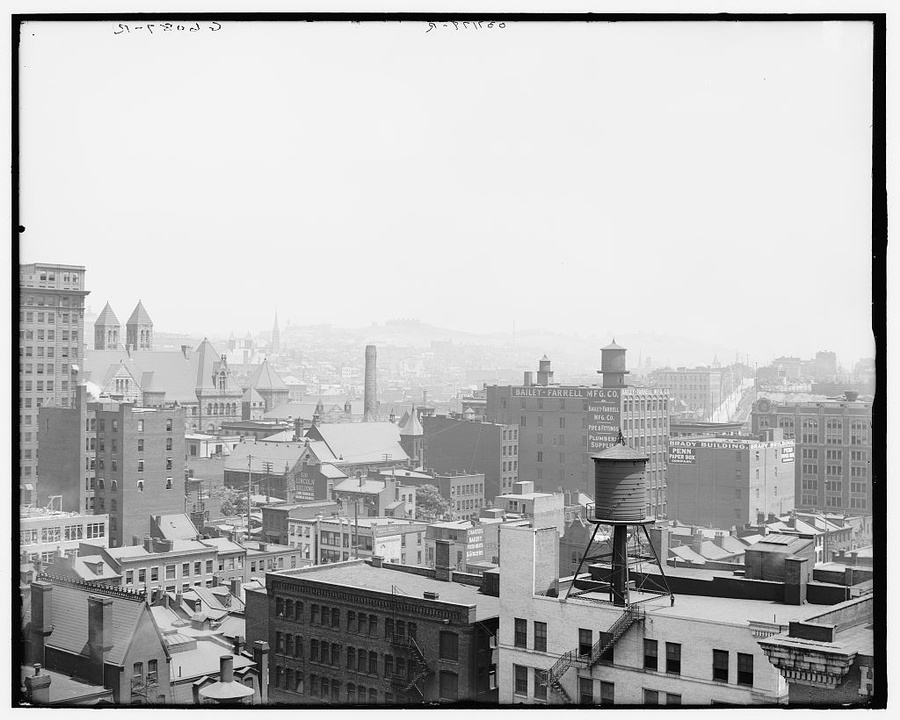
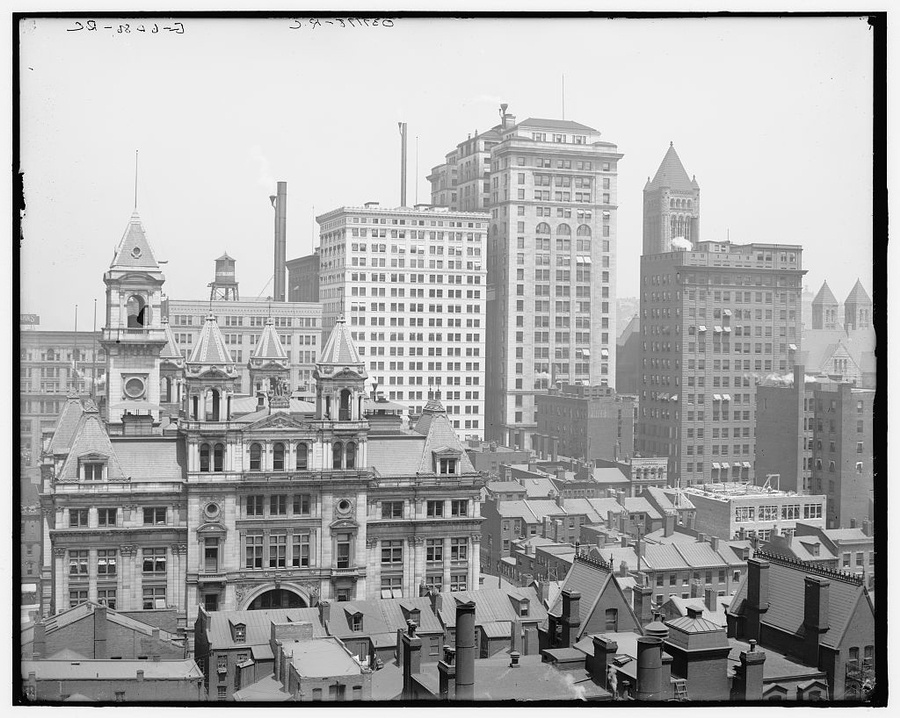
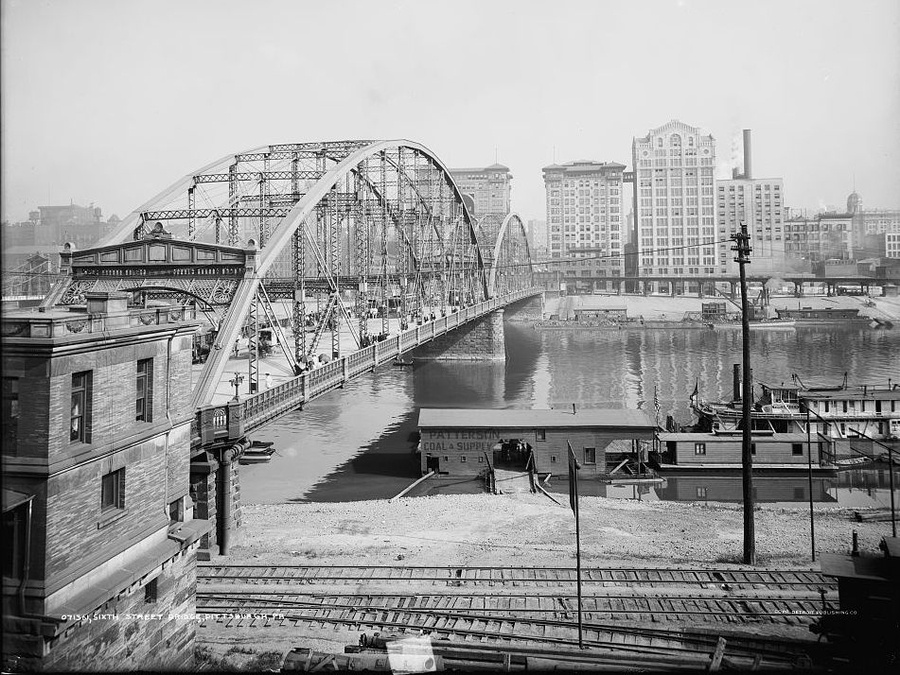
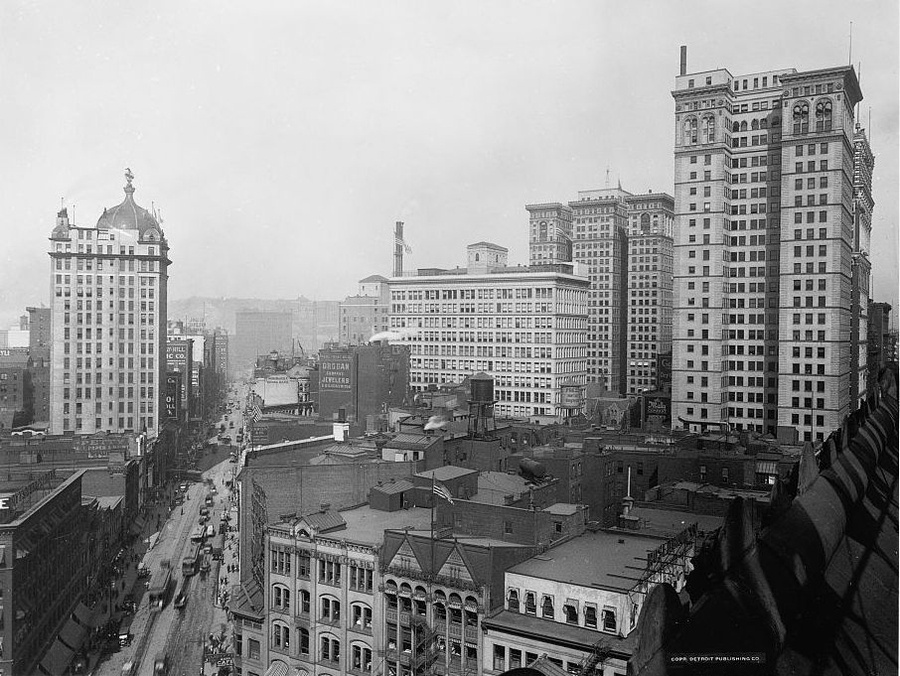
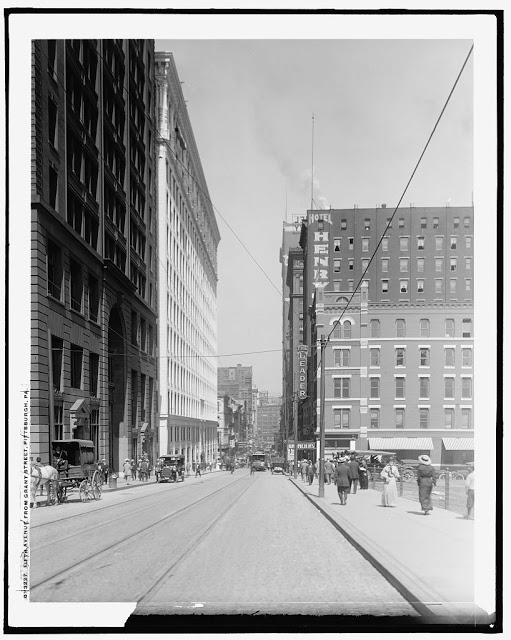
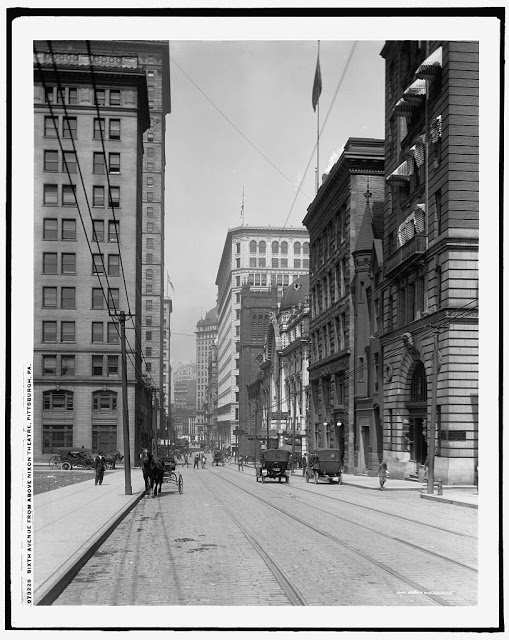
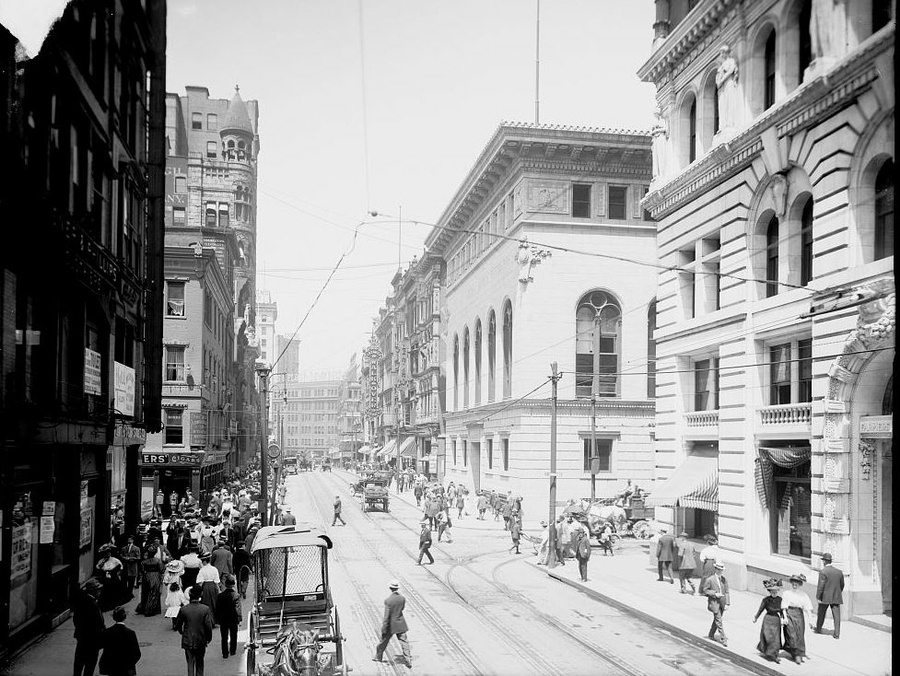
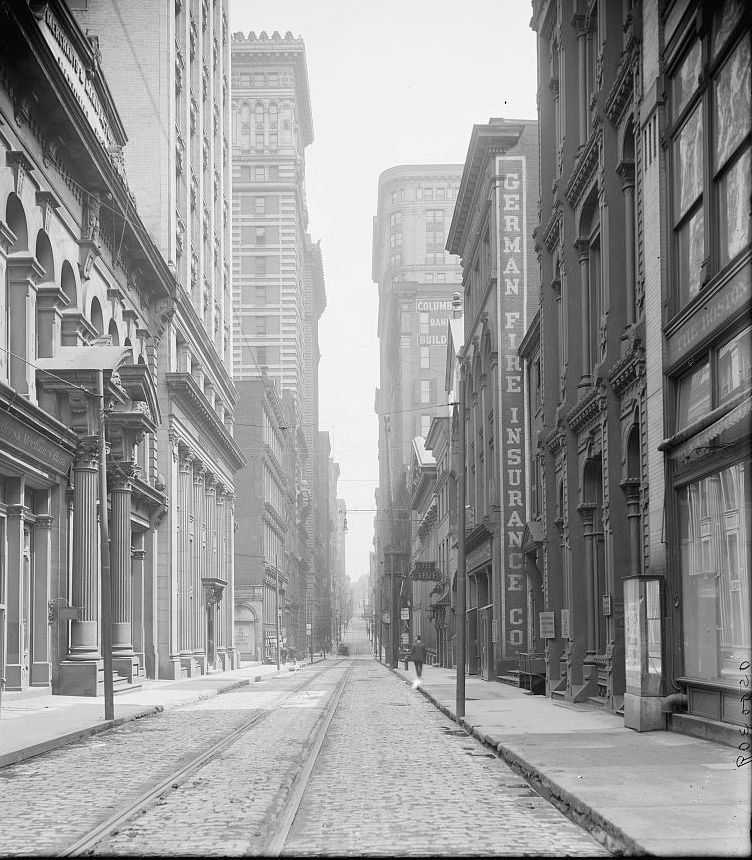
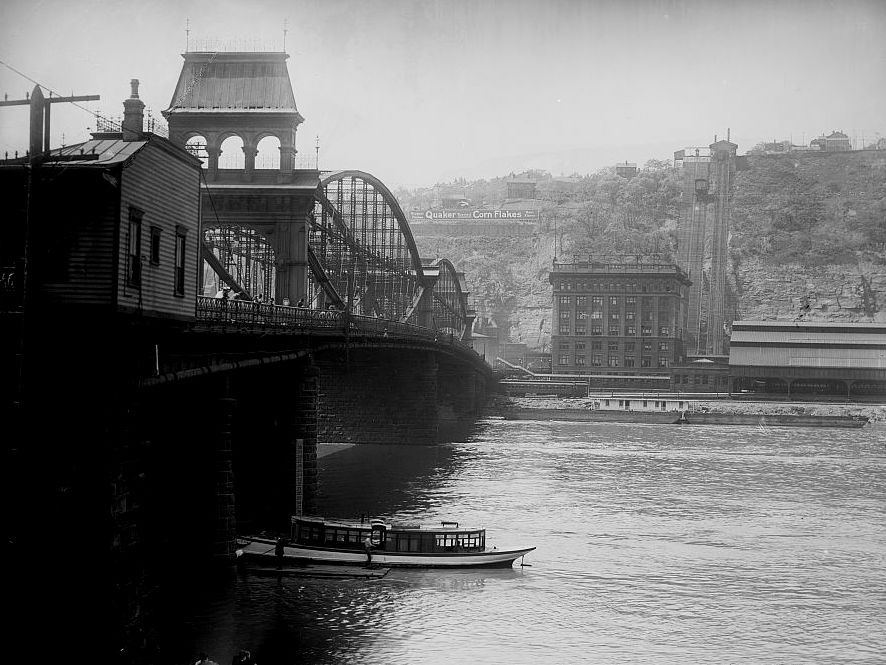
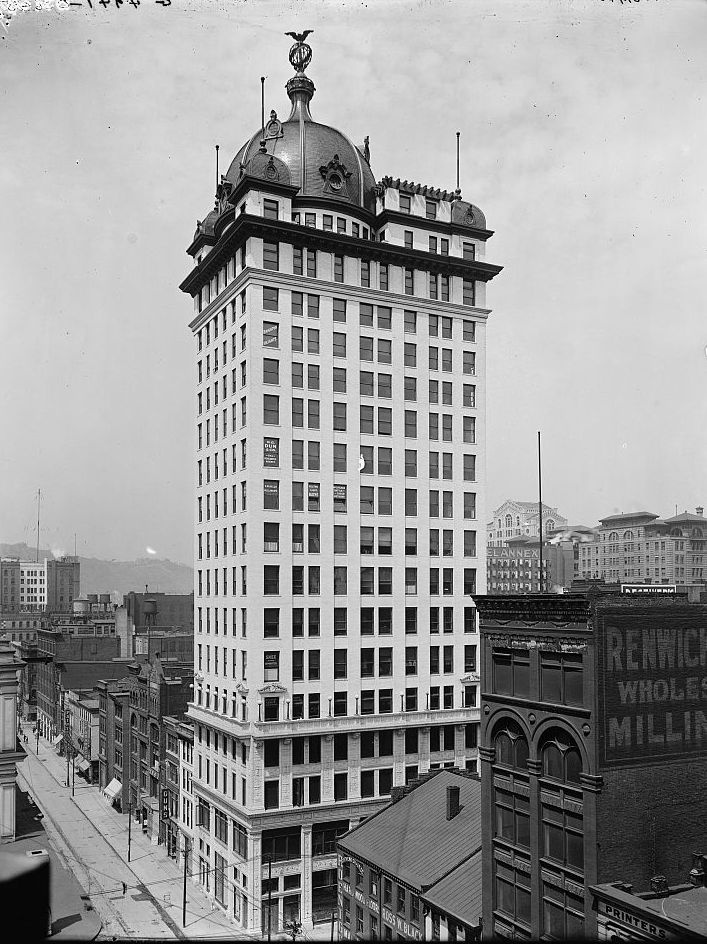
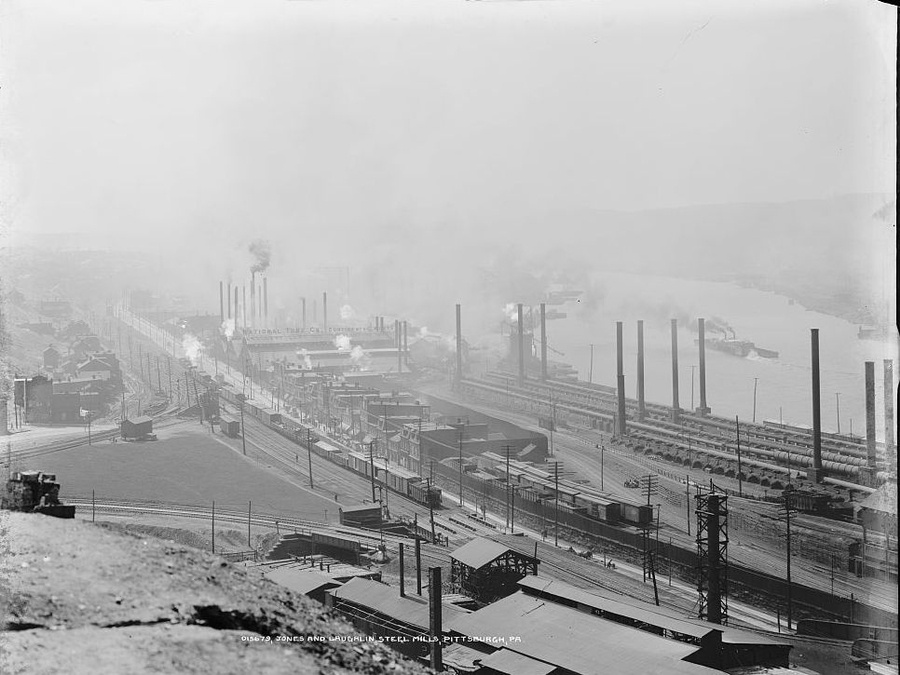
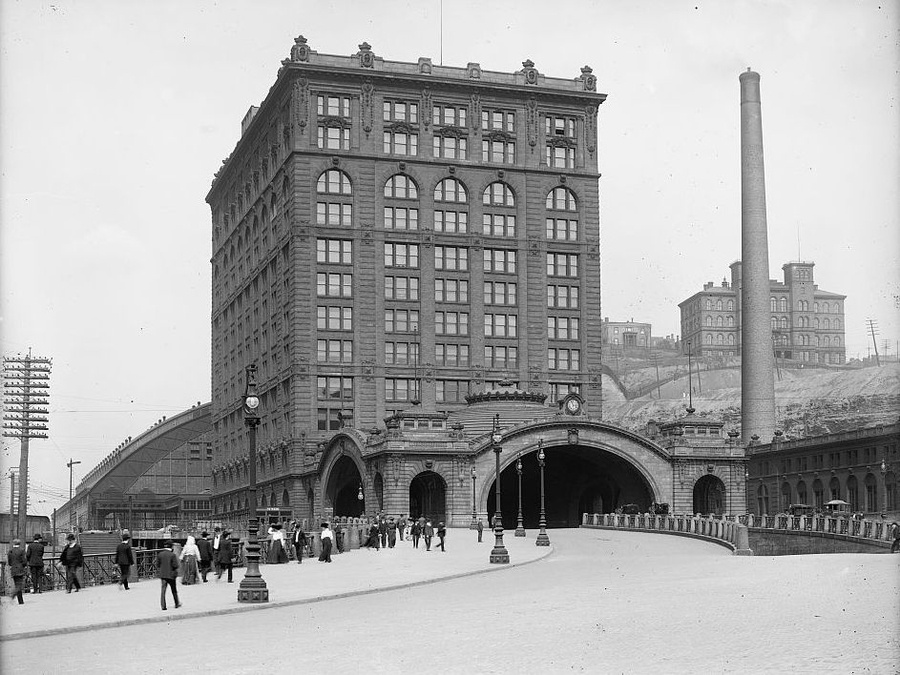
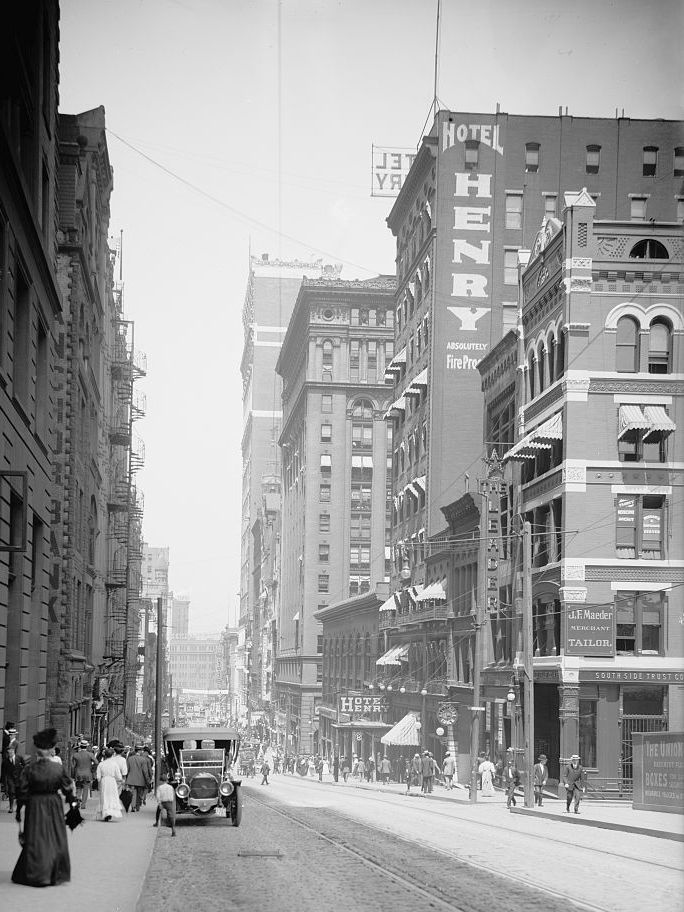
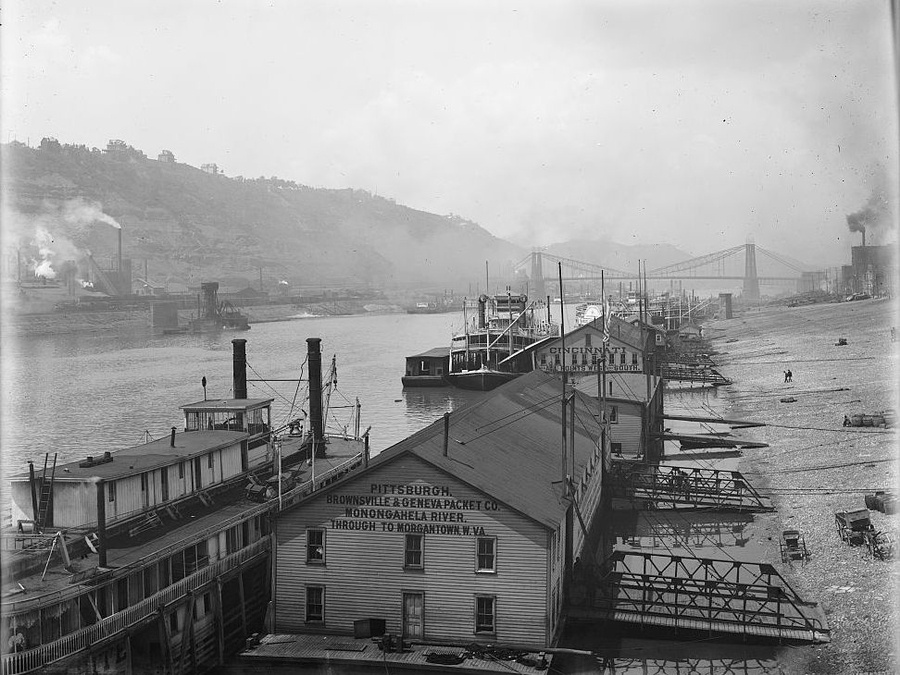
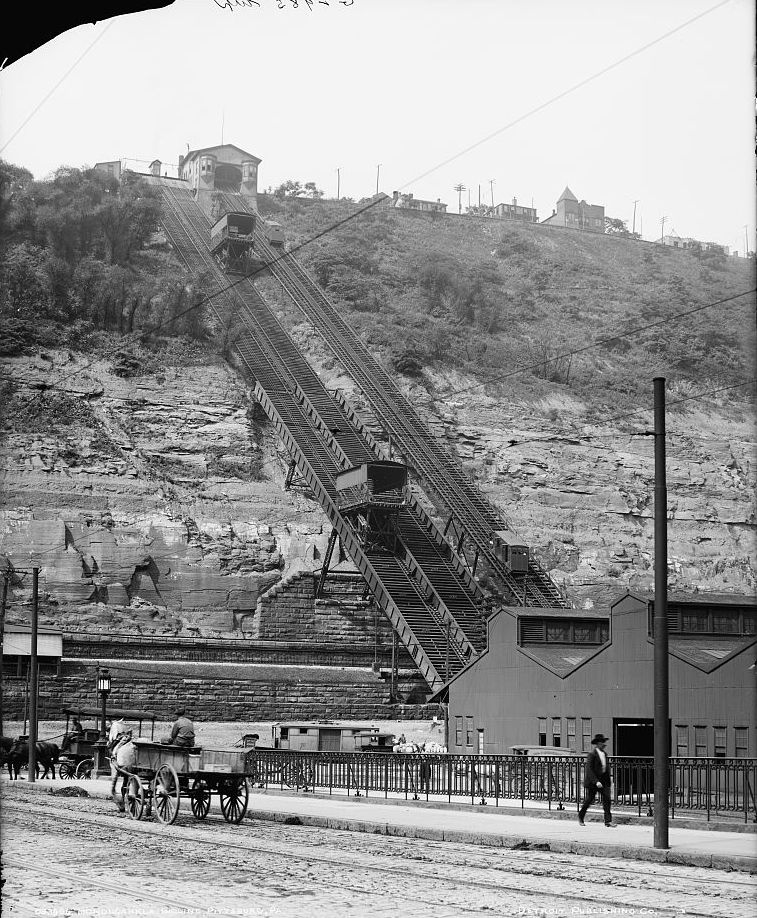
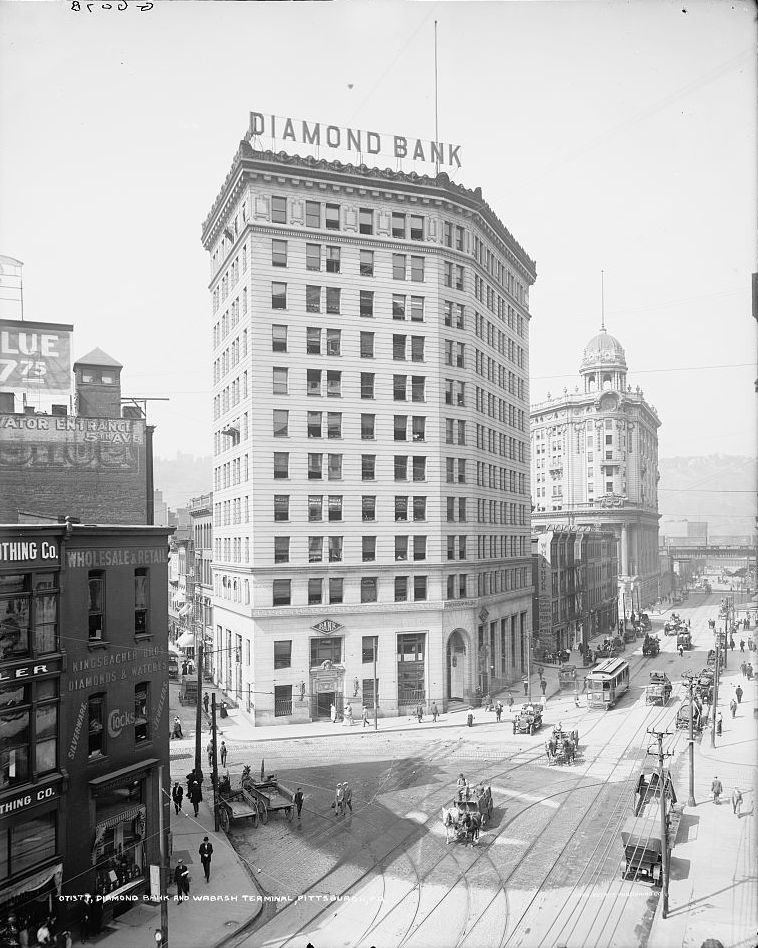
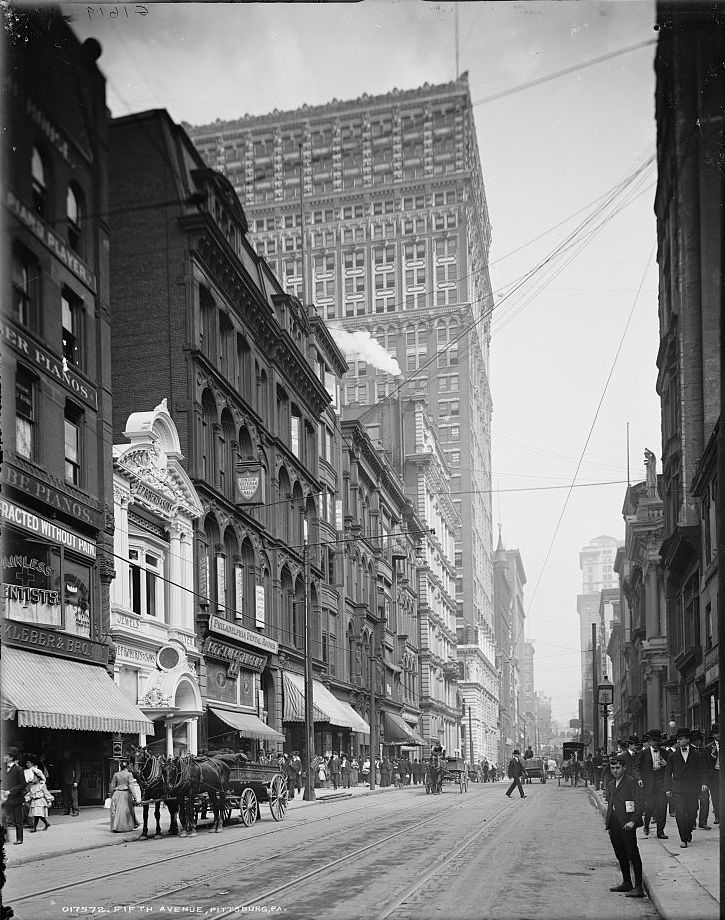
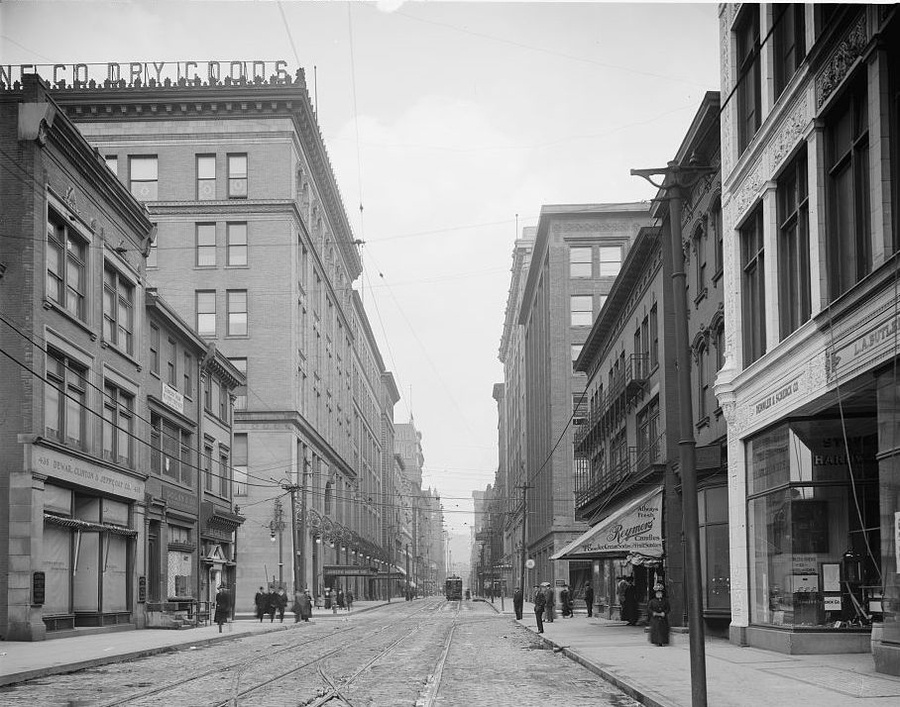
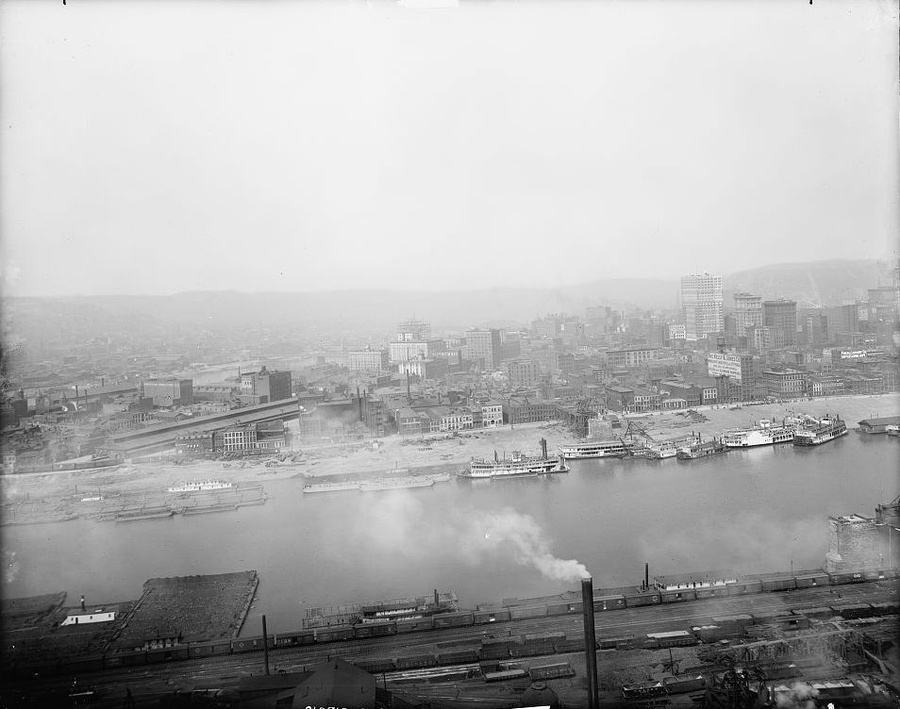
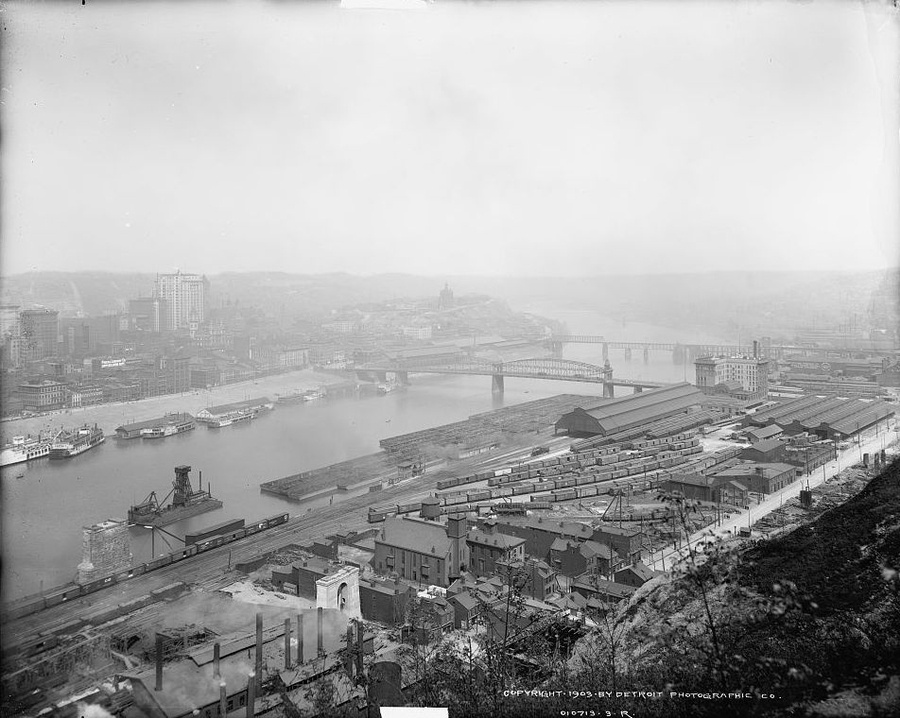
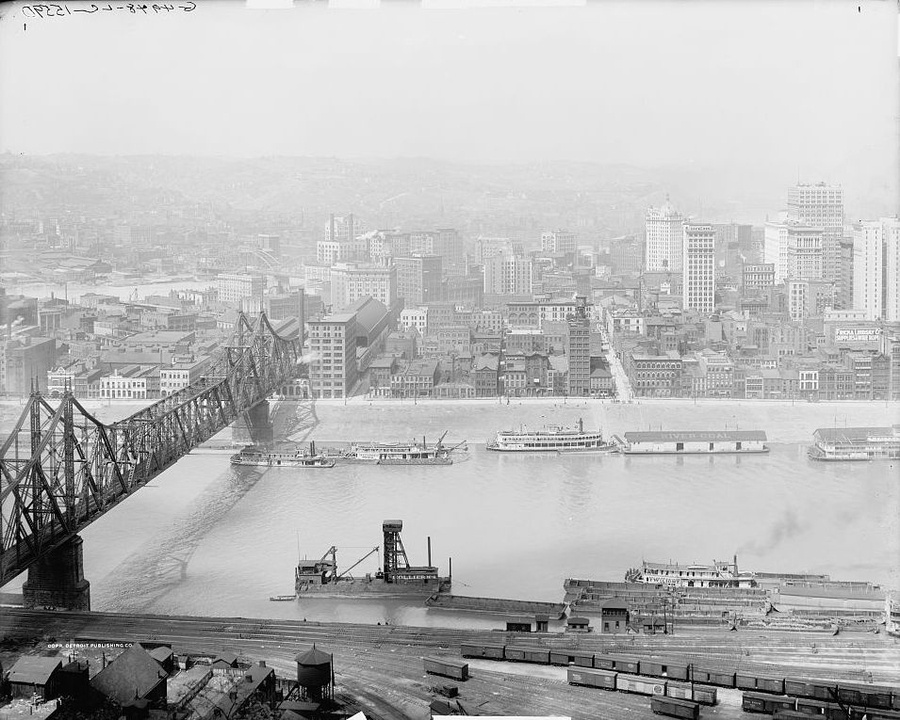
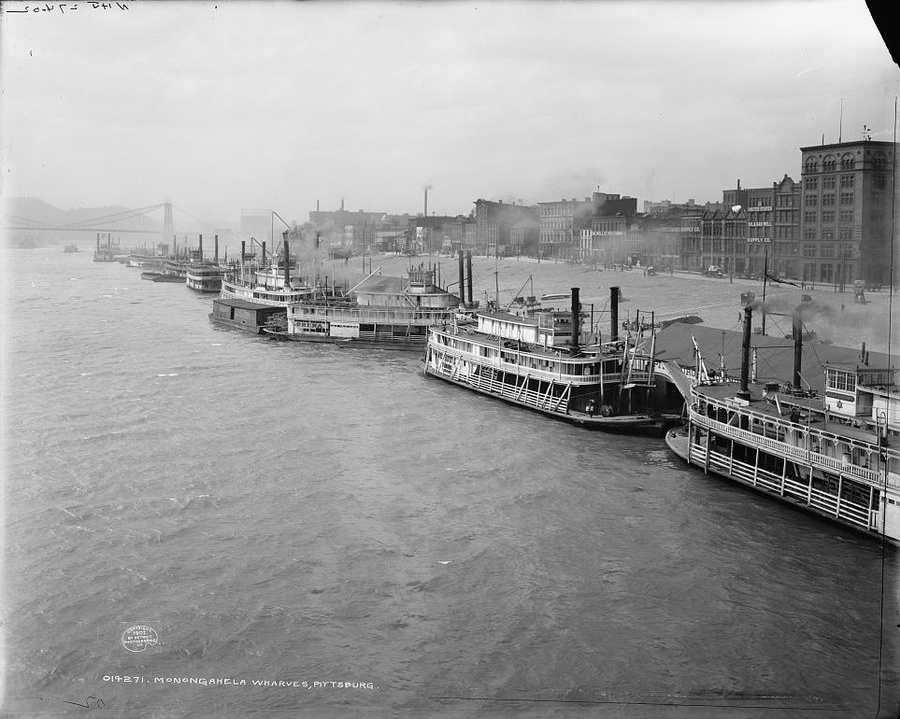
Point Bridge, 1900Fort Pitt Block House, 1901Luna Park entrance, 1905Inside Luna Park, 1905North Side Post Office (now the Children’s Museum of Pittsburgh), 1905Westinghouse Air Brake Co., Turtle Creek Valley, 1905Sixth Avenue and Cherry Way, 1908Pittsburgh at night, 1910Sixth Street Bridge, 1910Wood Street, 1905Smithfield Street Bridge, looking at Mount Washington, 1910Wood Street, 1900Monongahela Wharf, 1910Wood Street from Liberty Avenue, Pittsburgh, Pennsylvania, 19001910Wood Street, looking east, 1900Forbes Field, 1912Fifth Avenue, looking north, 1908Soldiers and Sailors Hall, 1915Fifth Avenue, looking north, 1910Terrace Street, 1907First English Evangelical Lutheran Church, 1912Meadow Street Bridge, 1910Saline Street, 1913West End, 1918Grant Boulevard, 1919Fifth Avenue south, 1900Fifth Avenue, 1904Pittsburgh skyline in the early 1900sLooking down toward the city of Pittsburgh from Mount Washington, 1910A look at the heart of Pittsburgh, Pennsylvania. 1900-1910Downtown Pittsburgh, 1900-1910Downtown Pittsburgh, 1900-1910Downtown Pittsburgh, 1900-1910A wide view of Downtown Pittsburgh from what is present-day the North Side of the city. 1900-1910A look toward the Allegheny River from the present day North Shore. Early 1910s.Sixth Street Bridge, 1906Liberty Avenue, early 1900sFifth Avenue from Grant Street, 1908Sixth Avenue above Nixon Theatre, 1910Wood street and the Farmer’s Bank building in the early 1900sMount Washington near the former Wabash Bridge, 1910The Smithfield Bridge from across the Monongahela River, 1906The Levee from the Smithfield Bridge, and the Wabash Bridge in the distance. 1910Fifth Avenue and Wood Street circa early 1900s.Along Wall Street in Pittsburgh between 1900 and 1910.Looking across the Monongahela River at the Pittsburgh and Lake Erie Railroad Building, 1910The distinctive T.J. Keenan building along Liberty Avenue in downtown Pittsburgh. 1906Jones and Laughlin steel mills in Pittsburgh, early 1900’s.Union Station in downtown Pittsburgh, early 1900s.Fifth Avenue in Downtown Pittsburgh prior to 1915.Ships parked along the Monongahela Wharf in Downtown Pittsburgh between 1900 and 1910.The Monongahela Incline near what is present-day Station Square, 1905.The Diamond [National] Bank and Wabash terminal building sometime between 1900 – 1910.A look down Fifth Avenue in Pittsburgh, 1904.A look down Penn Avenue in downtown Pittsburgh, 1915.Sixth Avenue, Nixon Theater on the right, 1908A look across the Monongahela River toward Downtown Pittsburgh, 1903.A look across the Monongahela River toward Downtown Pittsburgh, 1903.The Wabash train bridge across the Monongahela River, 1908.Dozens of boats are parked along the Monongahela Wharf, 1902.Looking from Mount Washington across the Monongahela River into Downtown Pittsburgh. 1908A look toward Point State Park and Downtown Pittsburgh. 1908
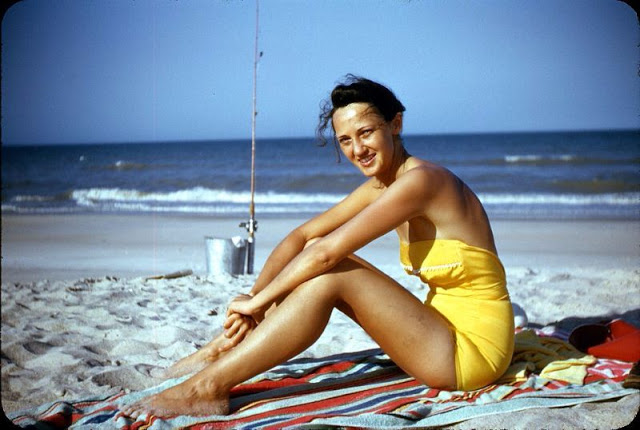
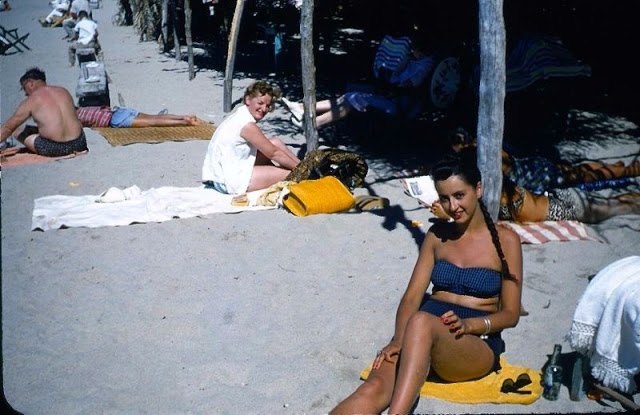
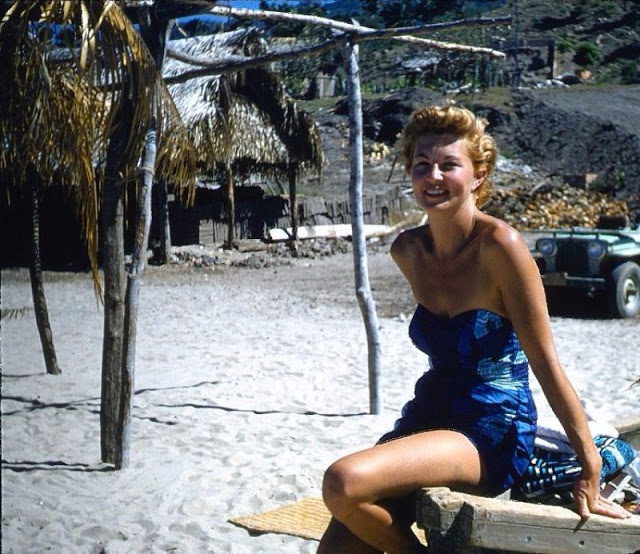
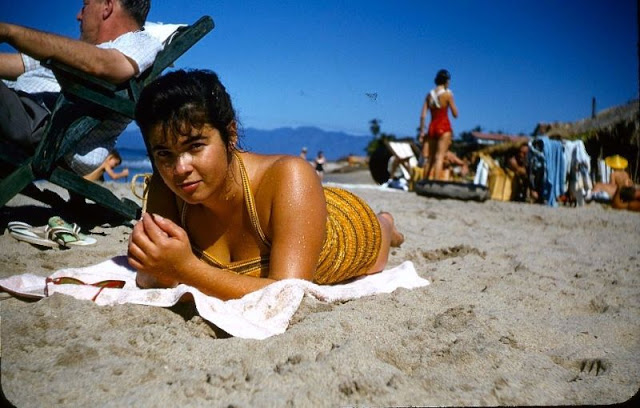
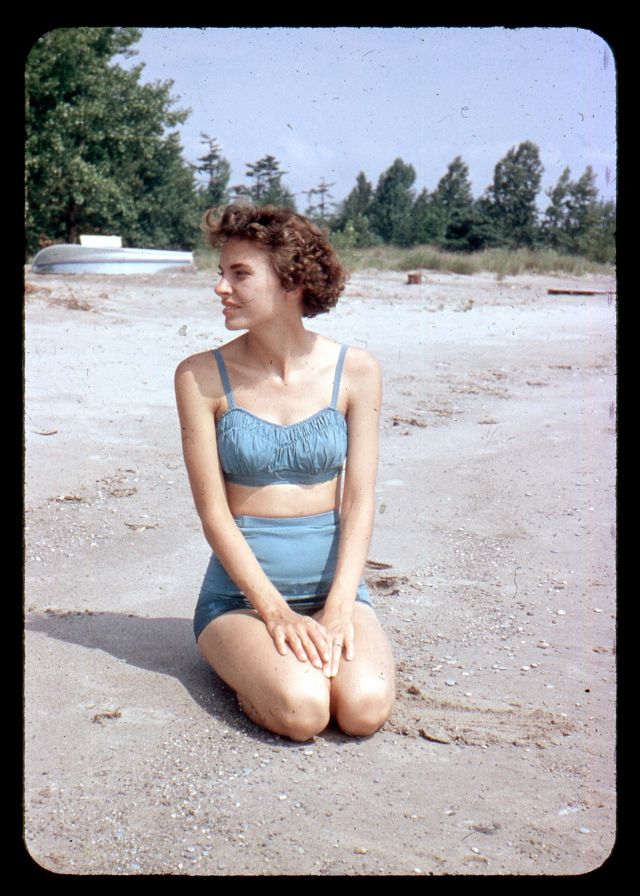
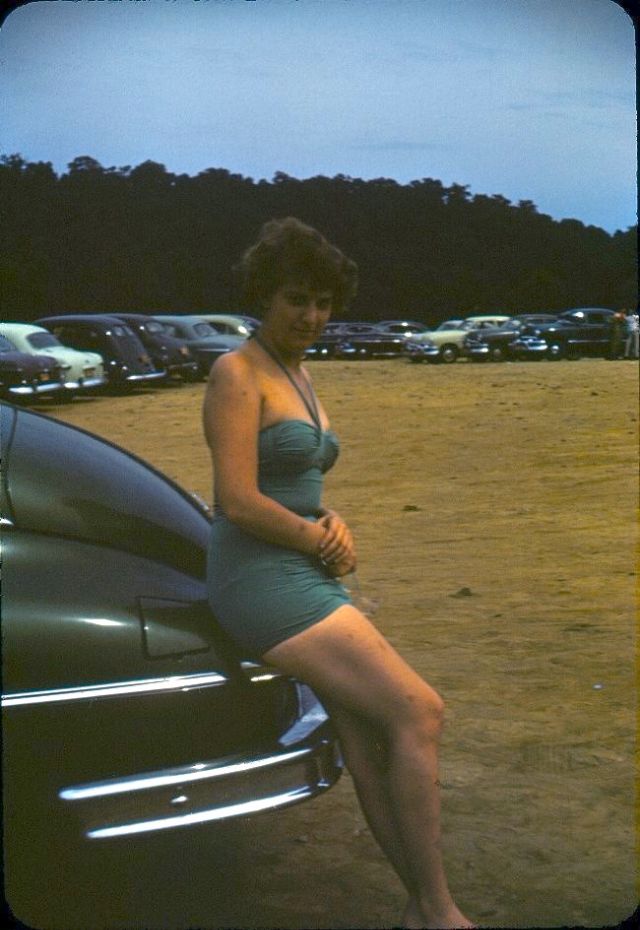
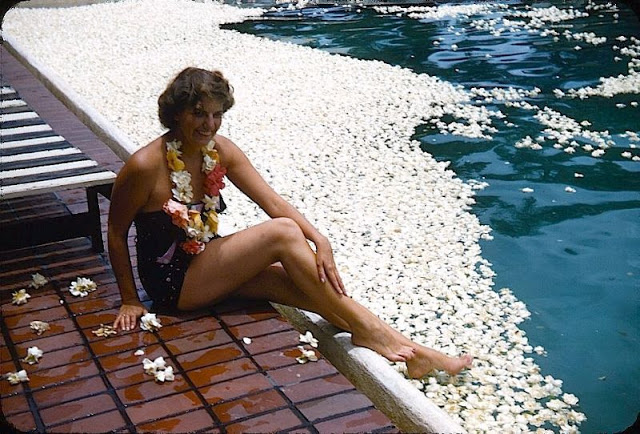
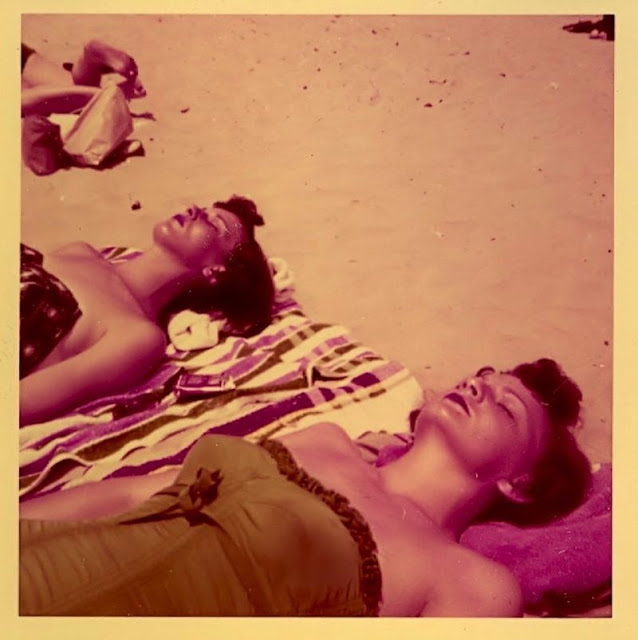
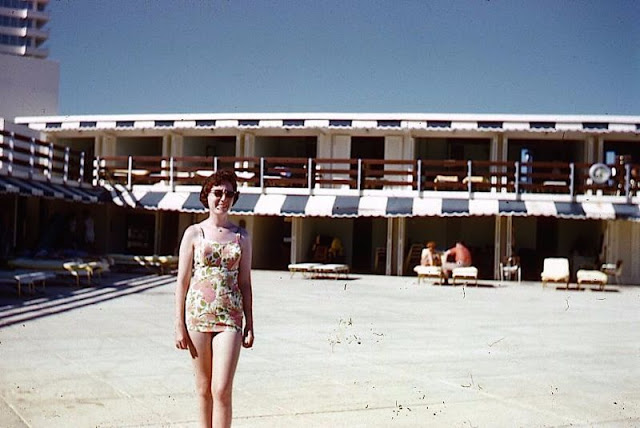
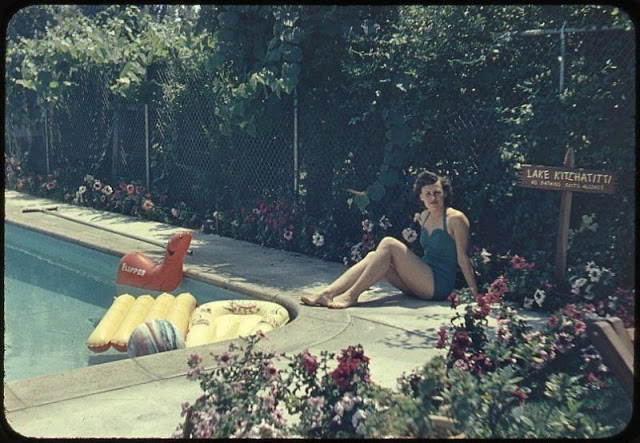
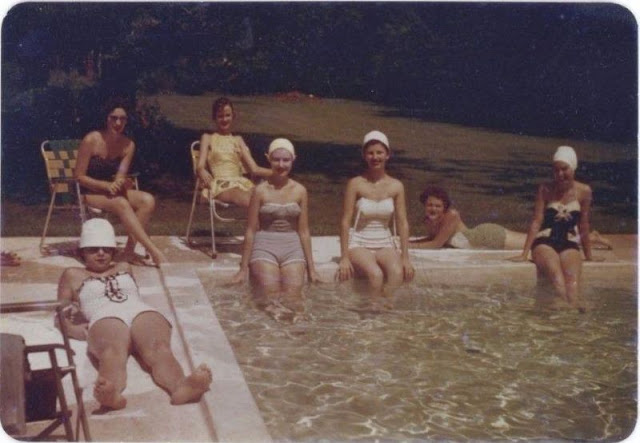
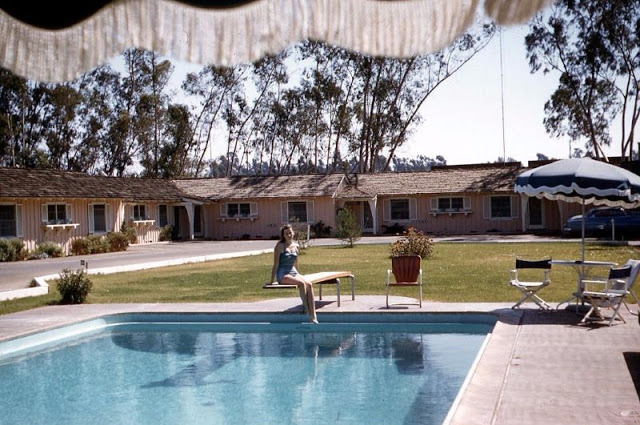
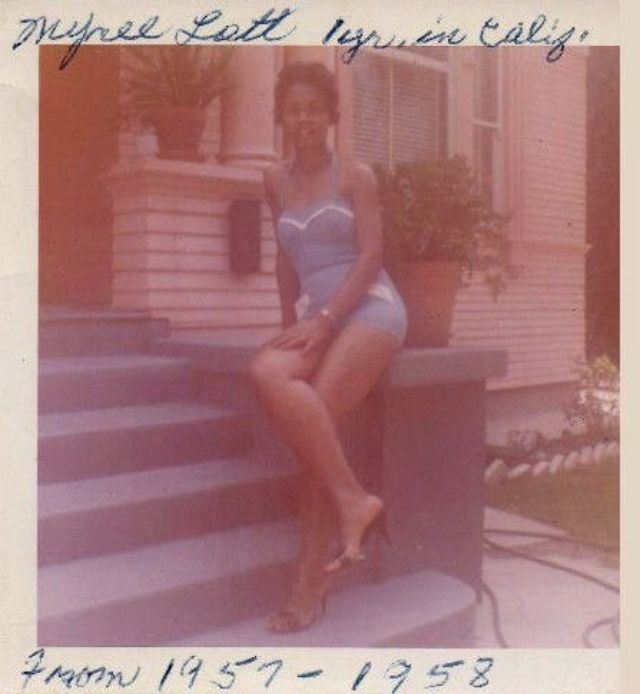
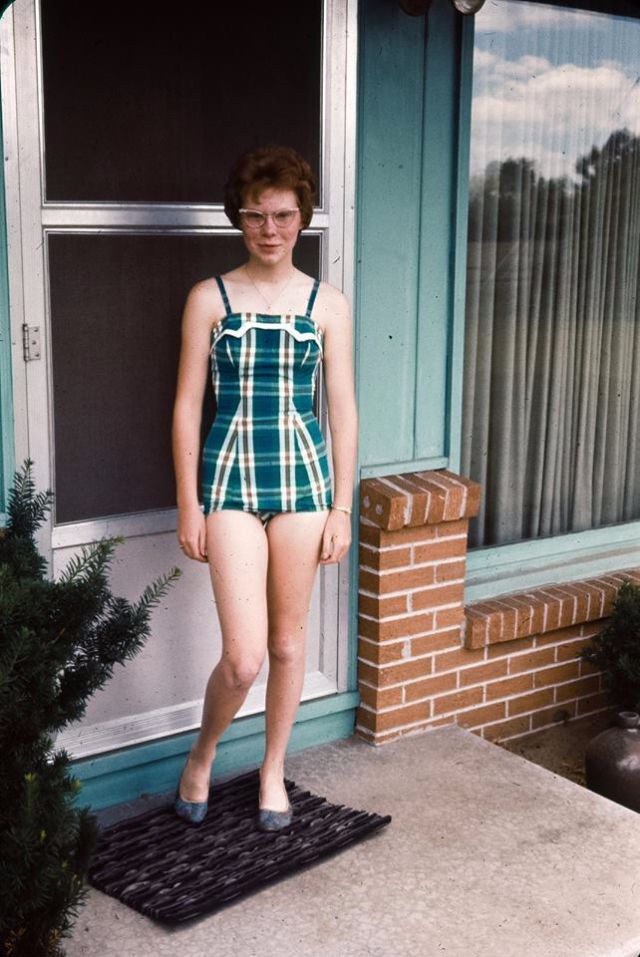
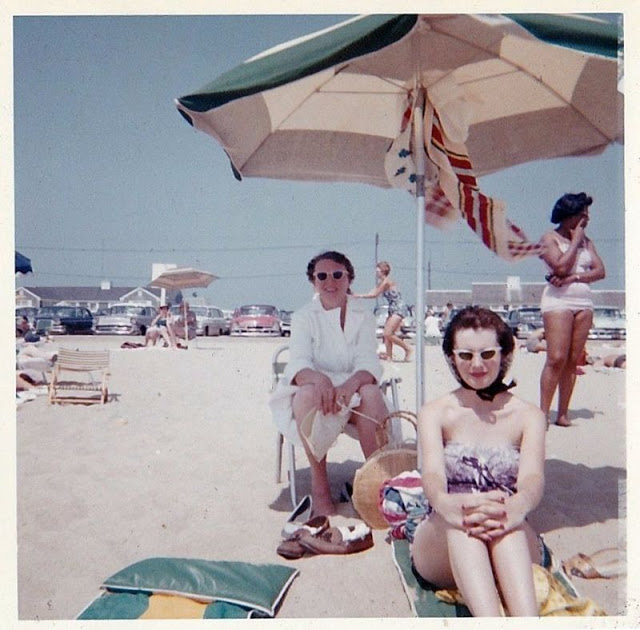
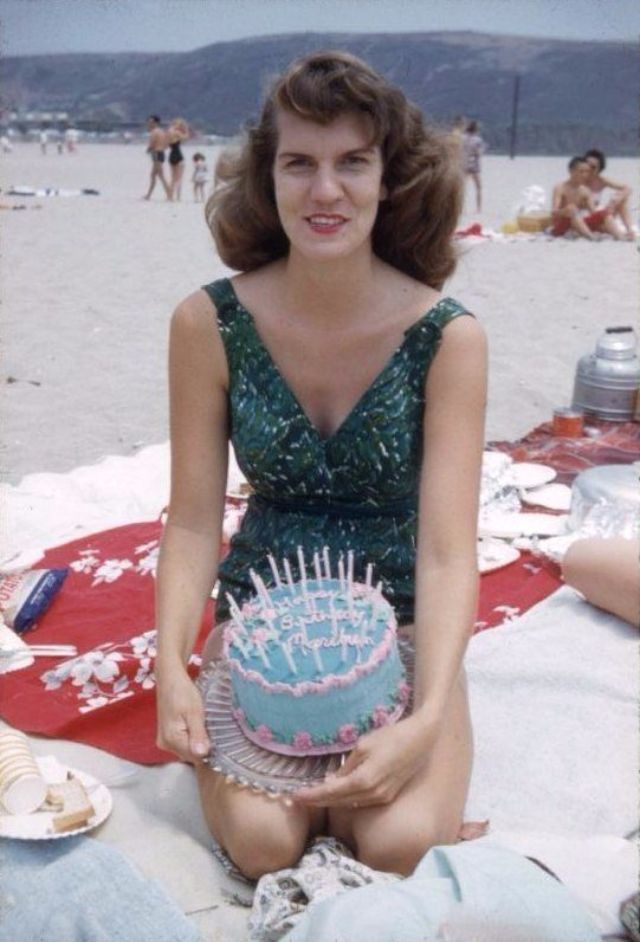
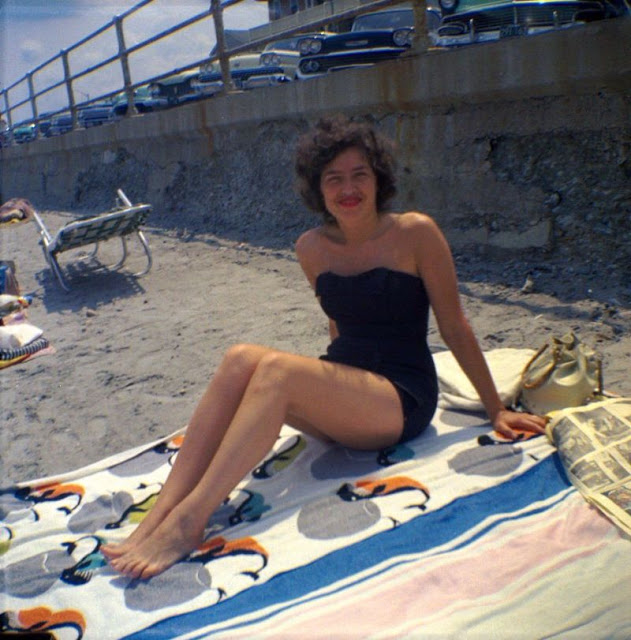
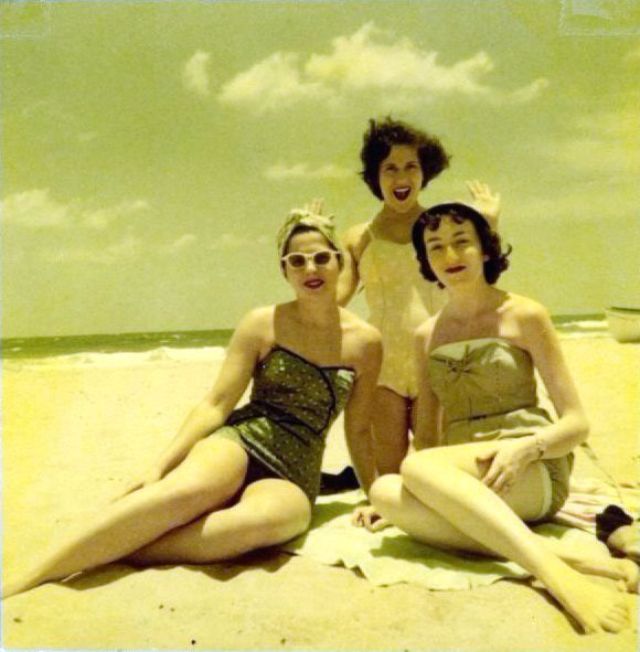
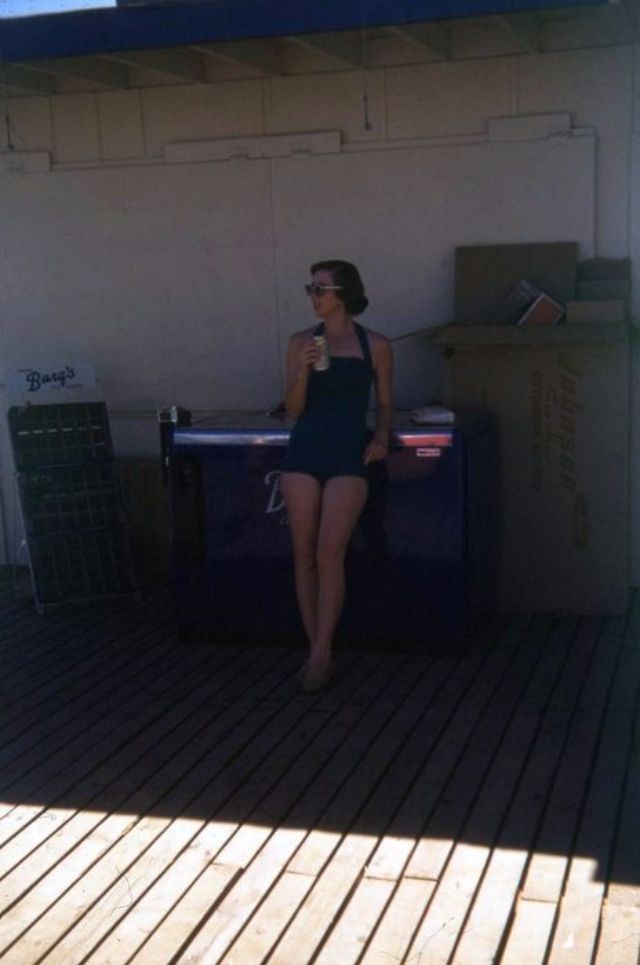
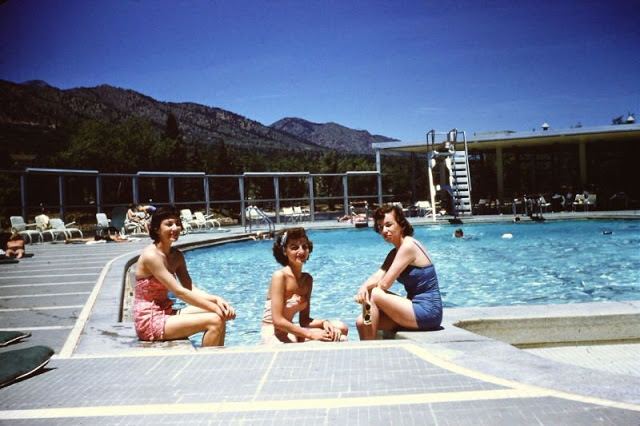
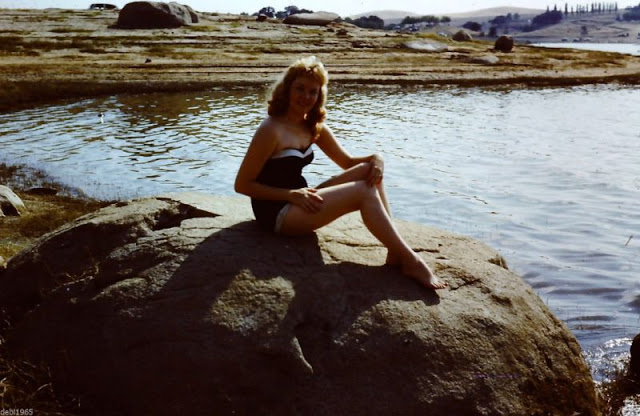
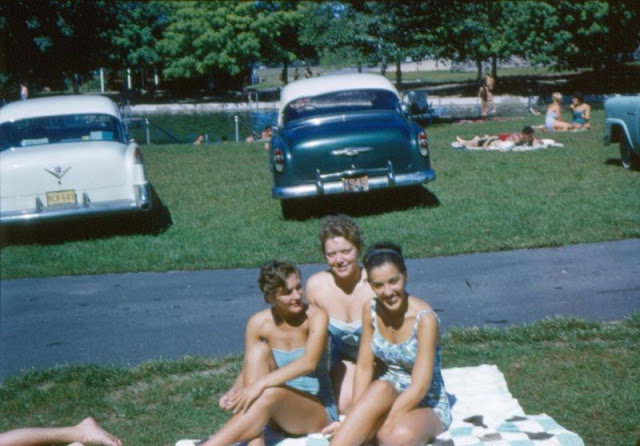
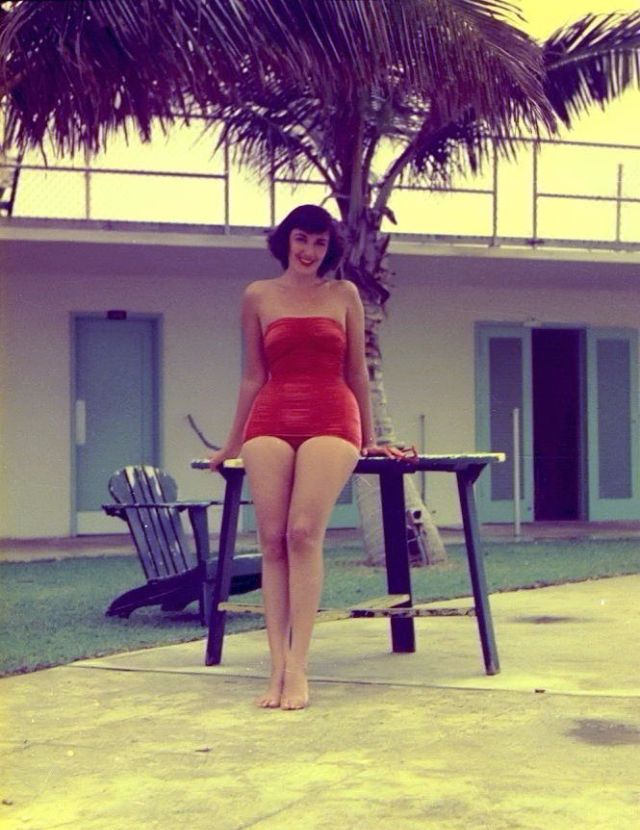
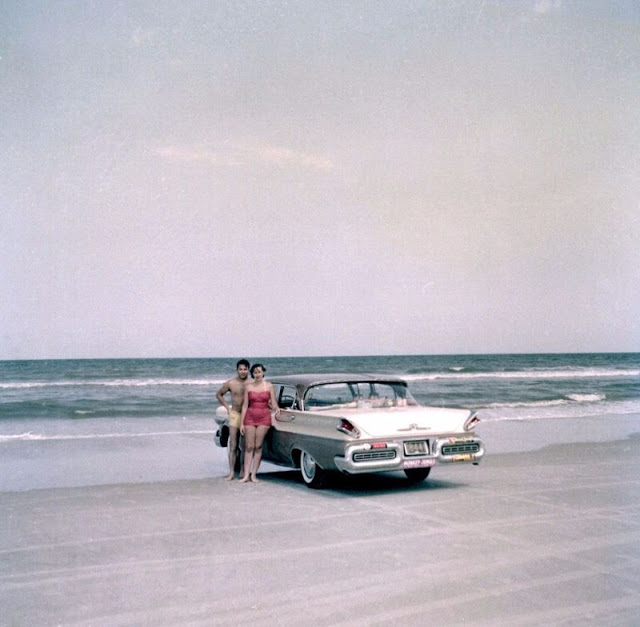
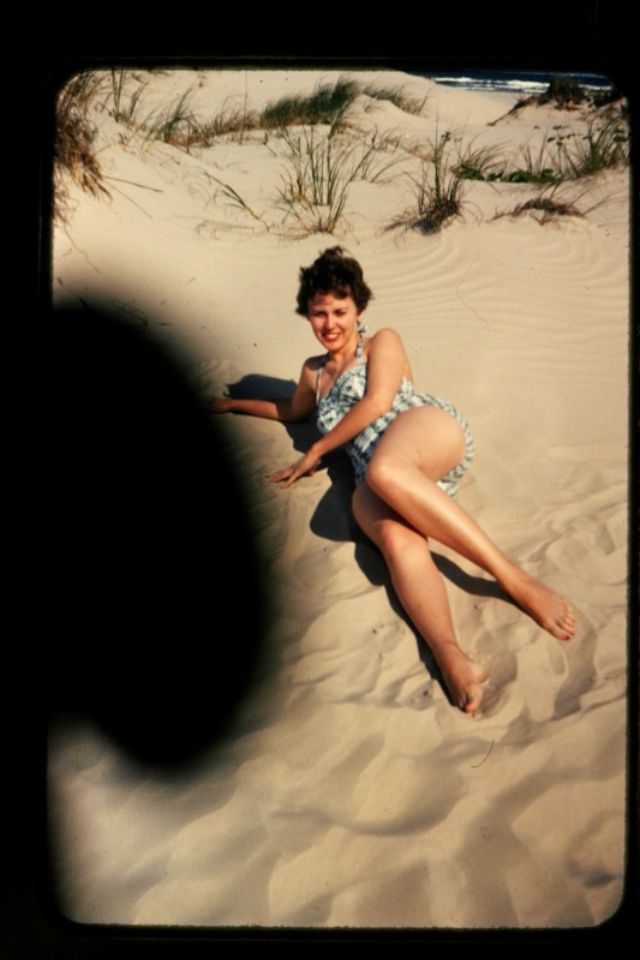
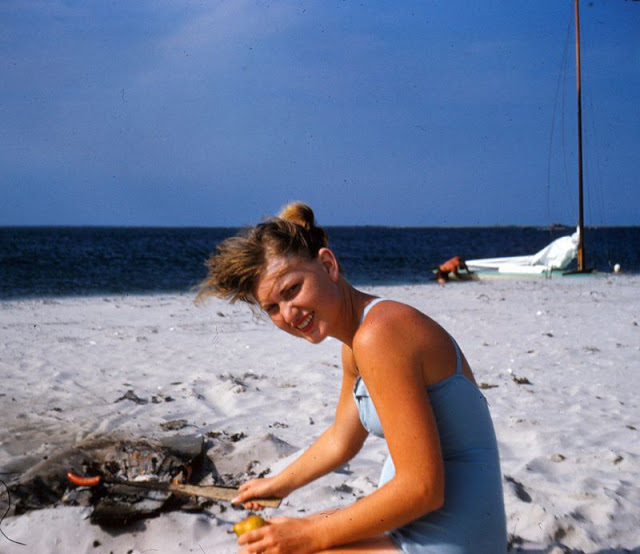
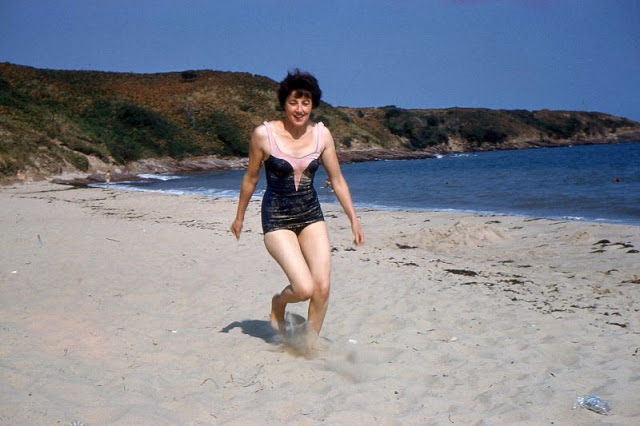
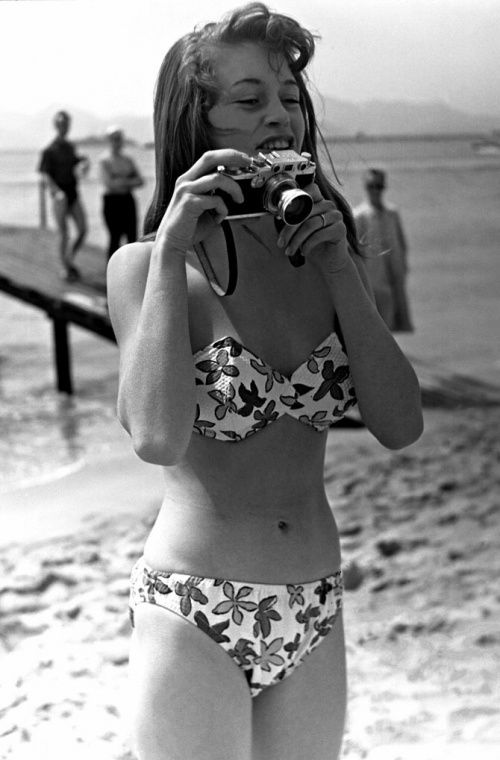
Ladies of the 1950s sure knew how to make an entrance to the beach or at a tiki poolside party.
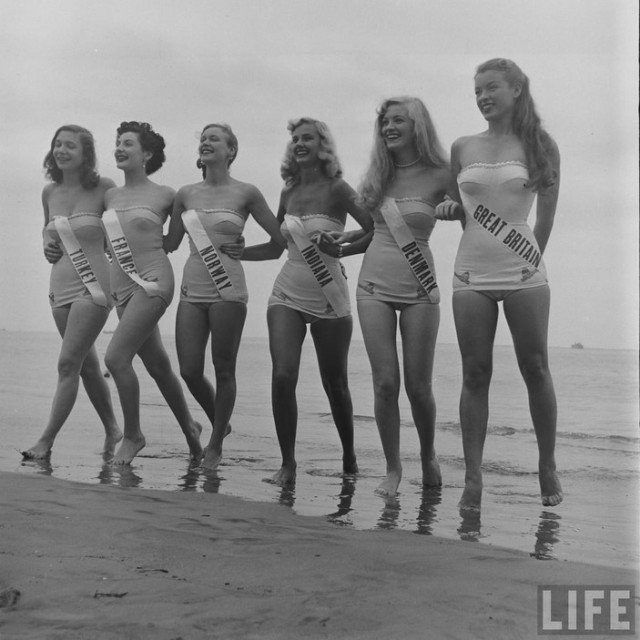
For the early 1950s, despite the reaction to the 2-pieces swimsuit worn by Brigitte Bardot in Manina, the Girl in the Bikini in 1952, most women in the 1950s still wore one-piece suits. To increasing female emancipation and realized the commercial possibilities of beauty pageants, big companies launched beauty contests to find girls who could help promote products, believing that a picture of a pretty girl in a swimsuit was the best promotion. Instead of swimsuits, these contests popularized the playsuit, but swimsuits remained the highlight in the beauty contest.
According to Vogue the swimwear had become more of “state of dress, not undress” by the mid-1950s. Bikini had a colorful period on the cinema screens and made an impact in the late 1950s, inspired by the film such as And God Created Woman by Roger Vadim, launched Bardot into the spotlight and became the benchmark for bikini on celluloid. Also, her outfit sets a whole new trend for sex symbols.
Switzerland, officially the Swiss Confederation, is a landlocked country at the confluence of Western, Central and Southern Europe. It is a federal republic composed of 26 cantons, with federal authorities based in Bern. Switzerland is bordered by Italy to the south, France to the west, Germany to the north and Austria and Liechtenstein to the east. It is geographically divided among the Swiss Plateau, the Alps and the Jura, spanning a total area of 41,285 km2 (15,940 sq mi) and land area of 39,997 km2 (15,443 sq mi). Although the Alps occupy the greater part of the territory, the Swiss population of approximately 8.5 million is concentrated mostly on the plateau, where the largest cities and economic centres are, among them Zürich, Geneva, Basel and Lausanne. These cities are home to several offices of international organisations such as the WTO, the WHO, the ILO, the seat of the International Olympic Committee, the headquarters of FIFA, the UN’s second-largest office, as well as the main building of the Bank for International Settlements. The main international airports of Switzerland are also located in these cities.
The establishment of the Old Swiss Confederacy in the Late Middle Ages resulted from a series of military successes against Austria and Burgundy. Swiss independence from the Holy Roman Empire was formally recognised in the Peace of Westphalia in 1648. The Federal Charter of 1291 is considered the founding document of Switzerland, which is celebrated on Swiss National Day. Since the Reformation of the 16th century, Switzerland has maintained a firm policy of armed neutrality; it has not fought an international war since 1815 and did not join the United Nations until 2002. Nevertheless, it pursues an active foreign policy. It is frequently involved in peace-building processes worldwide. Switzerland is the birthplace of the Red Cross, one of the world’s oldest and best known humanitarian organisations. It is a founding member of the European Free Trade Association, but notably not part of the European Union, the European Economic Area or the Eurozone. However, it participates in the Schengen Area and the European Single Market through bilateral treaties.
Switzerland occupies the crossroads of Germanic and Romance Europe, as reflected in its four main linguistic and cultural regions: German, French, Italian and Romansh. Although the majority of the population are German-speaking, Swiss national identity is rooted in a common historical background, shared values such as federalism and direct democracy,[16] as well as Alpine symbolism. Due to its linguistic diversity, Switzerland is known by a variety of native names: Schweiz ‘?va?ts; Suisse s?is(?); Svizzera ‘zvittsera; and Svizra ‘?vi?tsr?, ‘?vi?ts??. On coins and stamps, the Latin name, Confoederatio Helvetica – frequently shortened to “Helvetia” – is used instead of the four national languages. A developed country, it has the highest nominal wealth per adult and the eighth-highest per capita gross domestic product; it has been considered a tax haven. It ranks highly on some international metrics, including economic competitiveness and human development. Its cities such as Zürich, Geneva and Basel rank among the highest in the world in terms of quality of life, albeit with some of the highest costs of living in the world. In 2020, IMD placed Switzerland first in attracting skilled workers. The WEF ranks it the fifth most competitive country globally. (Wikipedia)
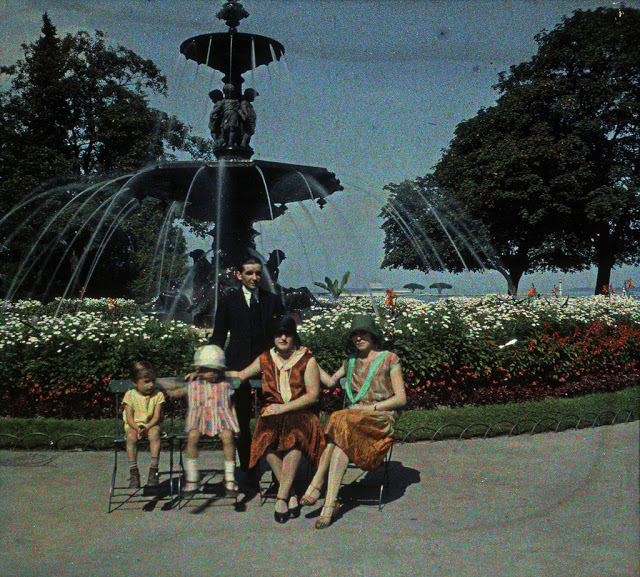
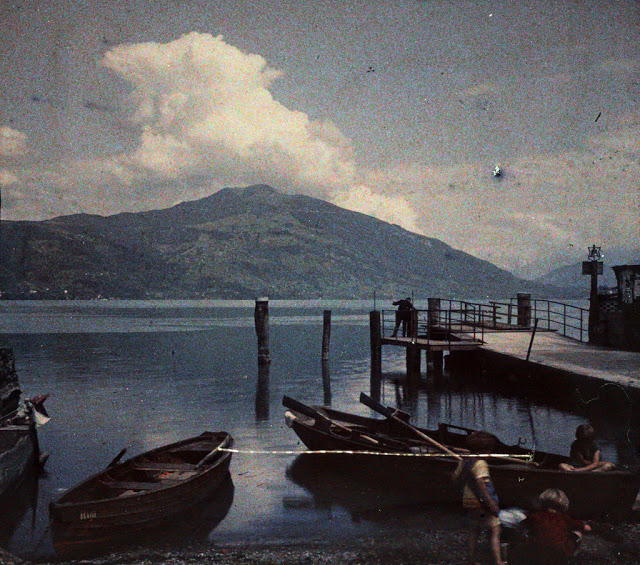
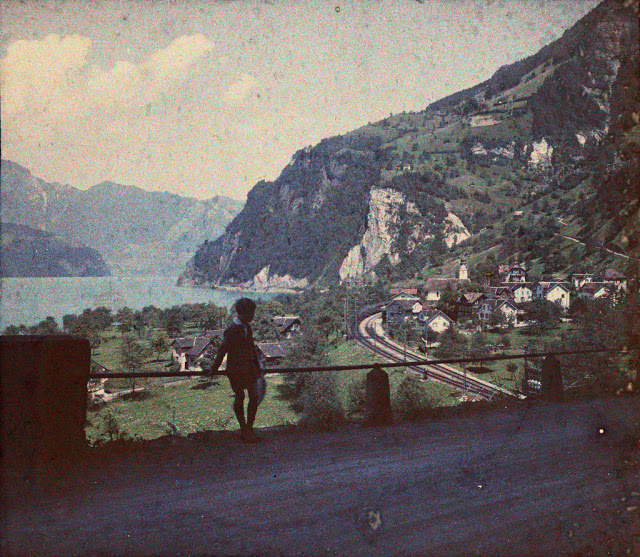
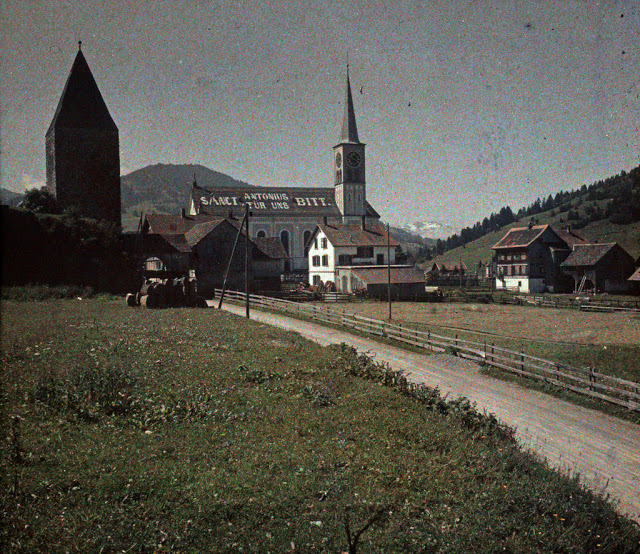
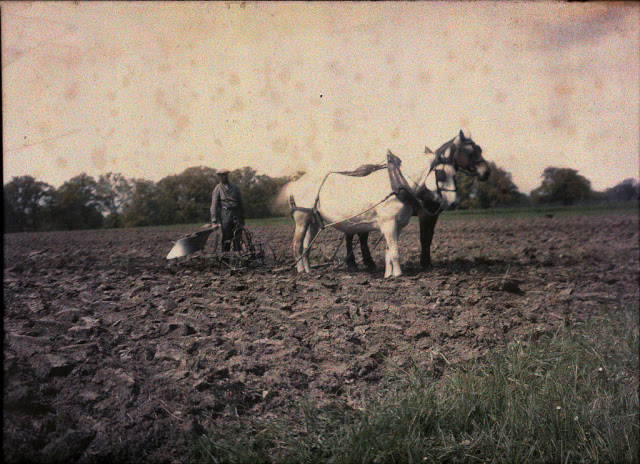
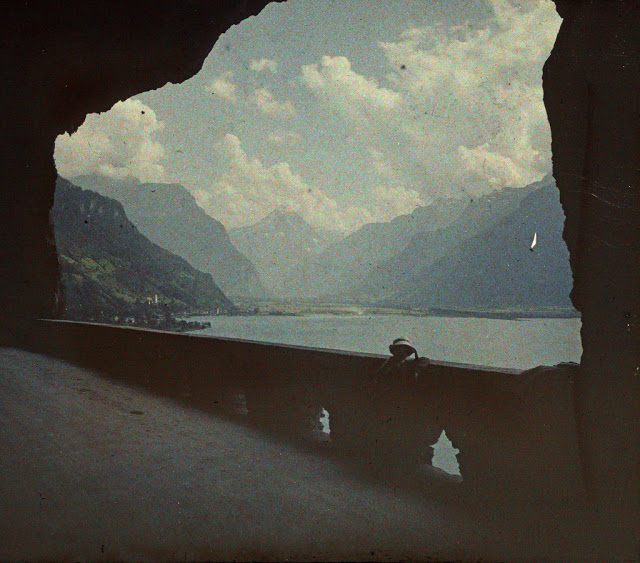
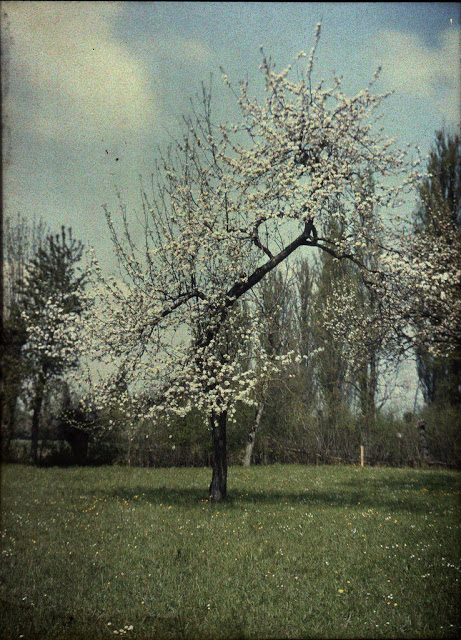
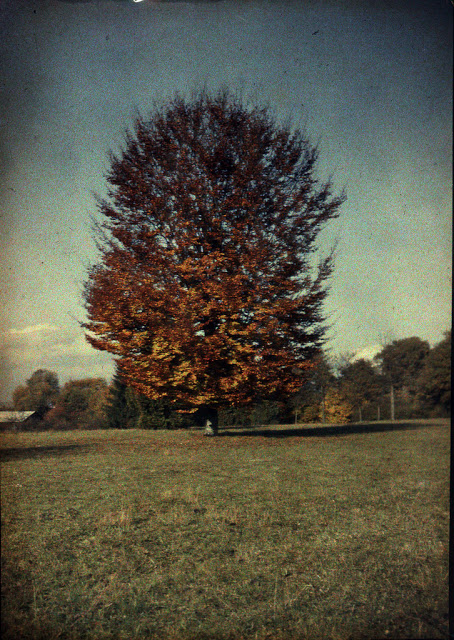
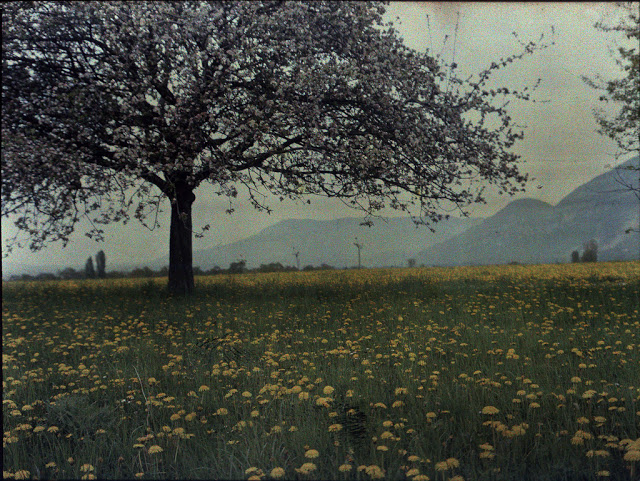
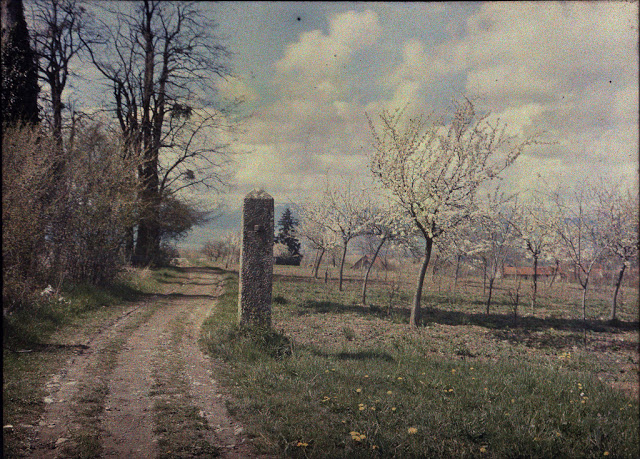
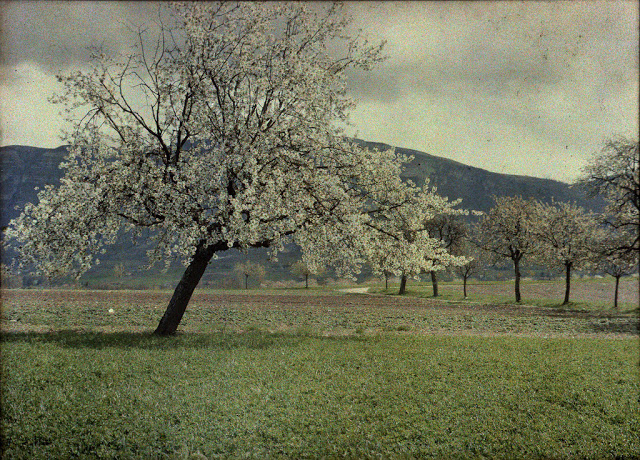
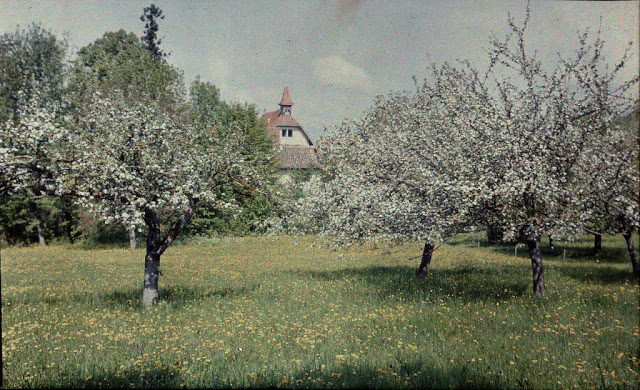
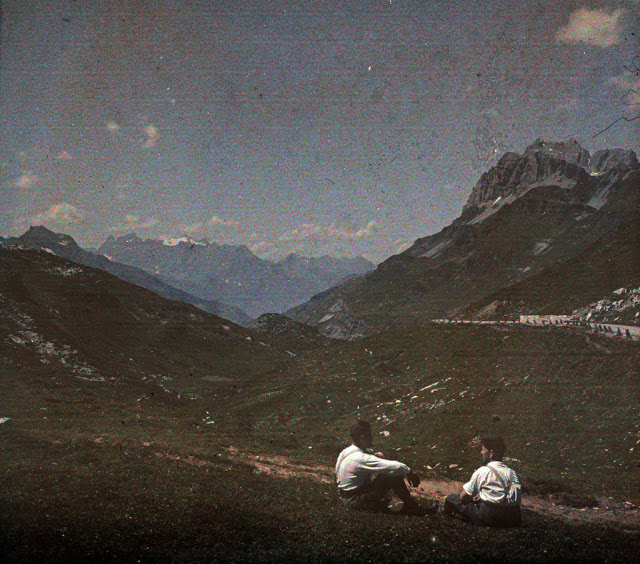
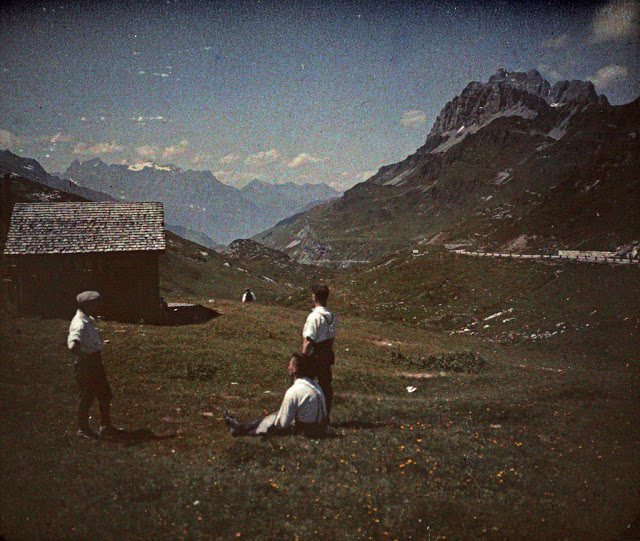
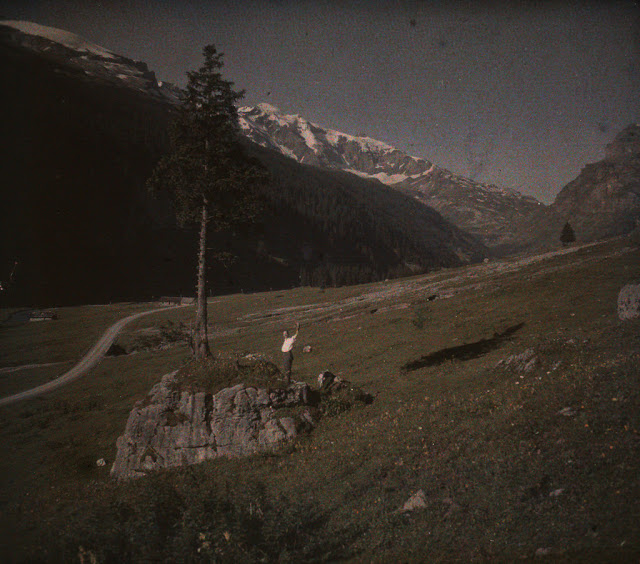
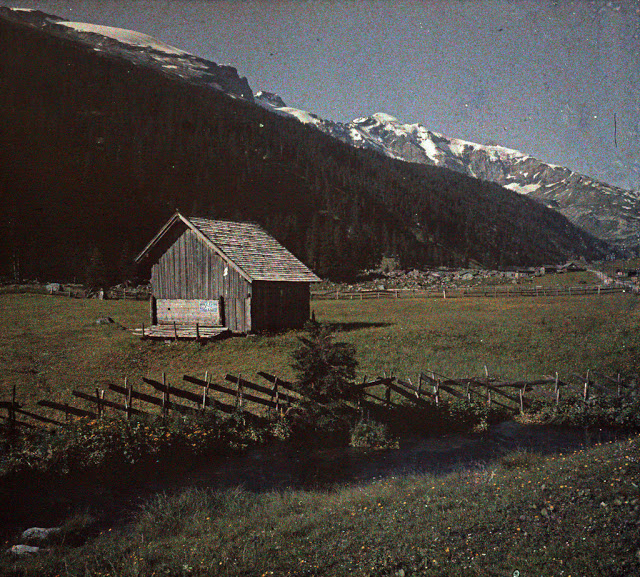
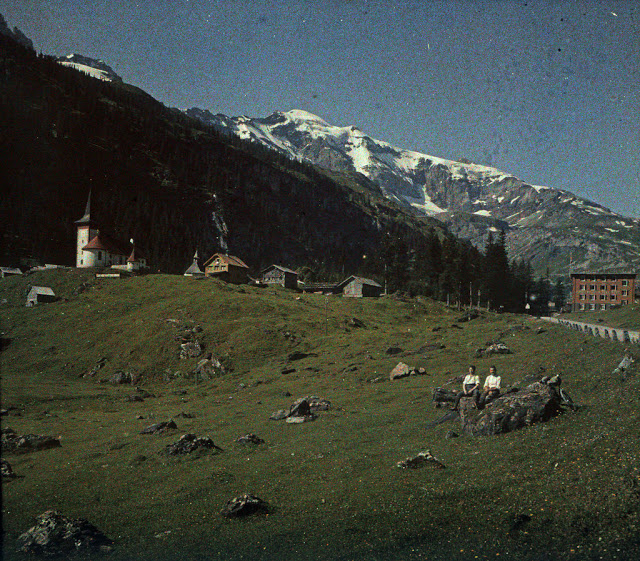
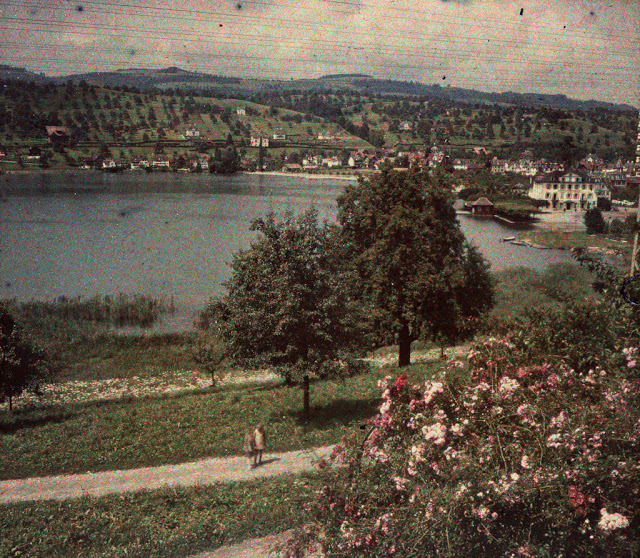
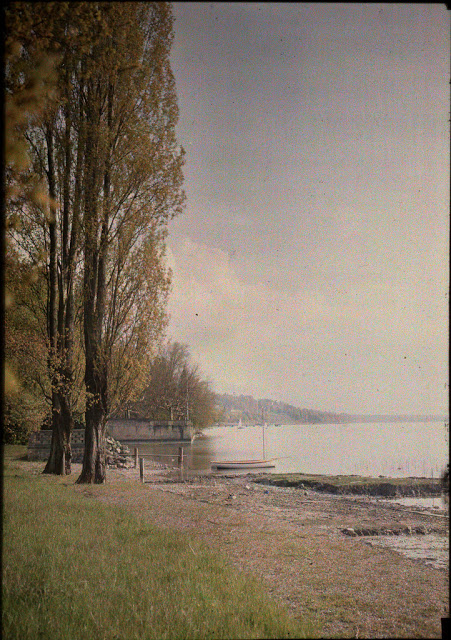
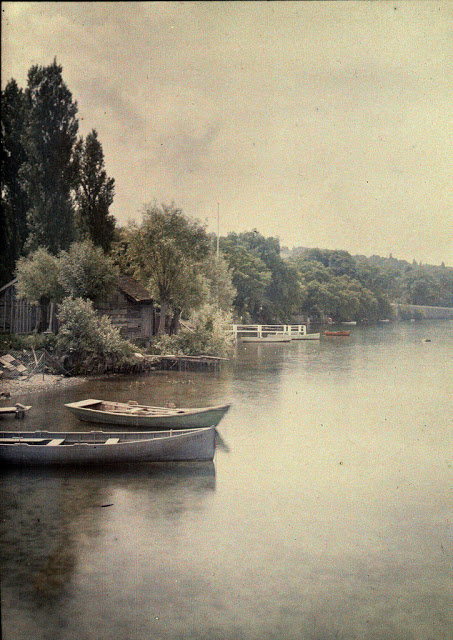
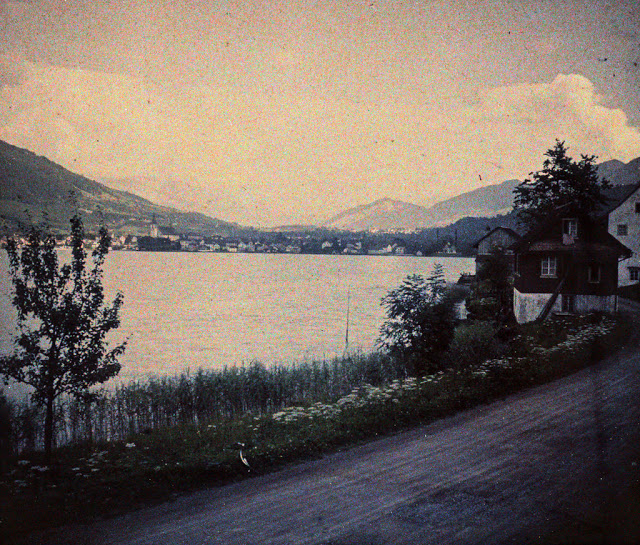
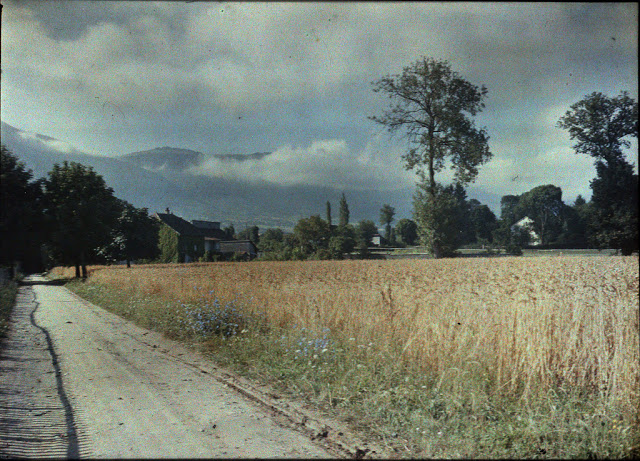
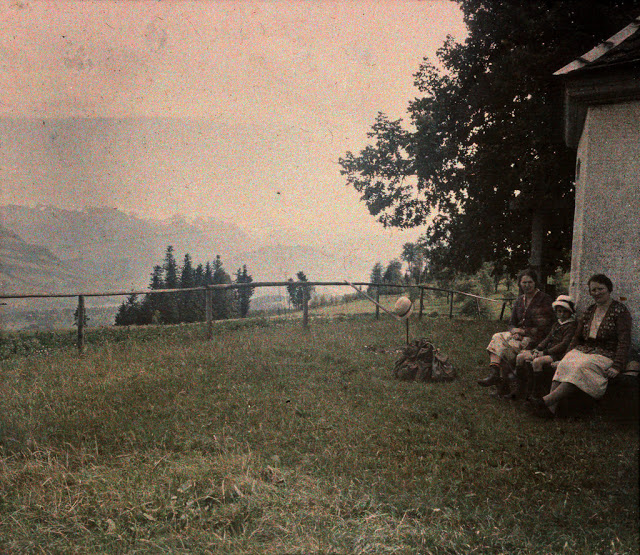
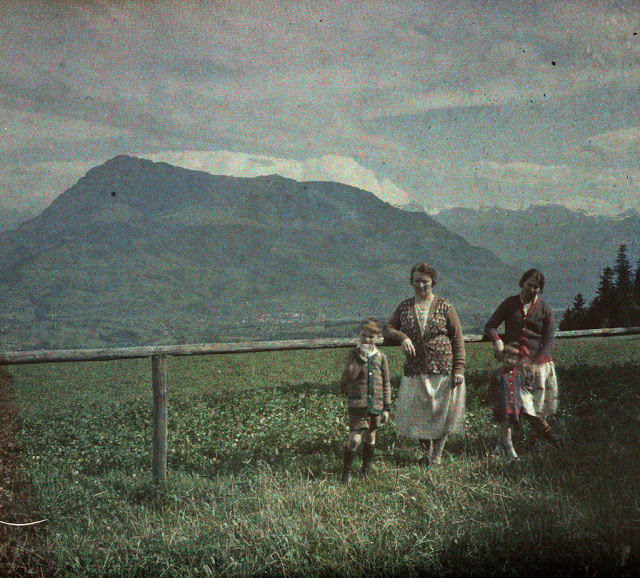
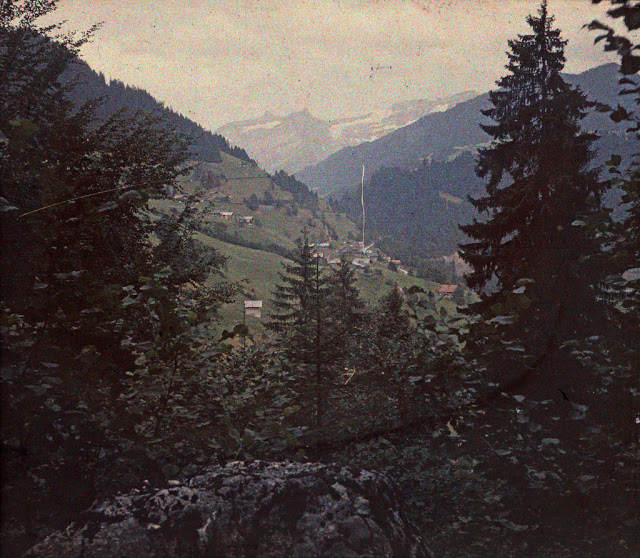
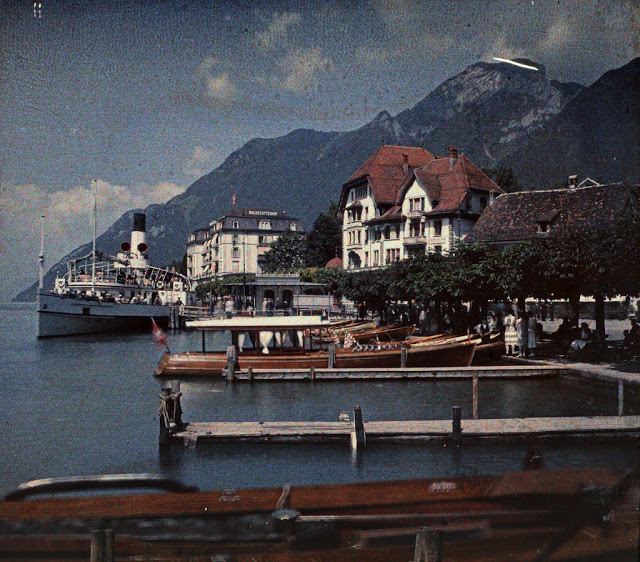
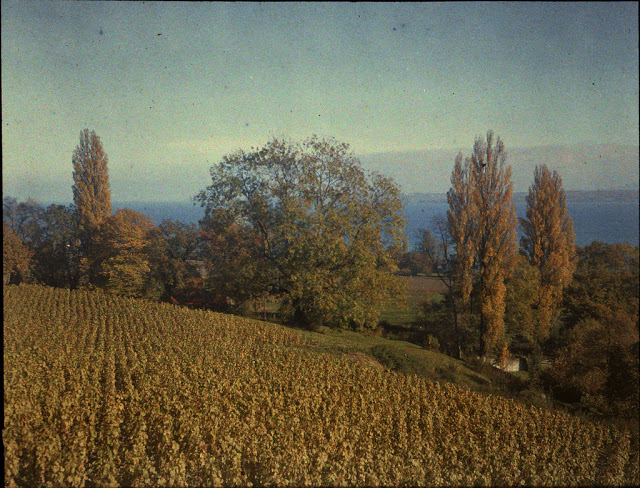
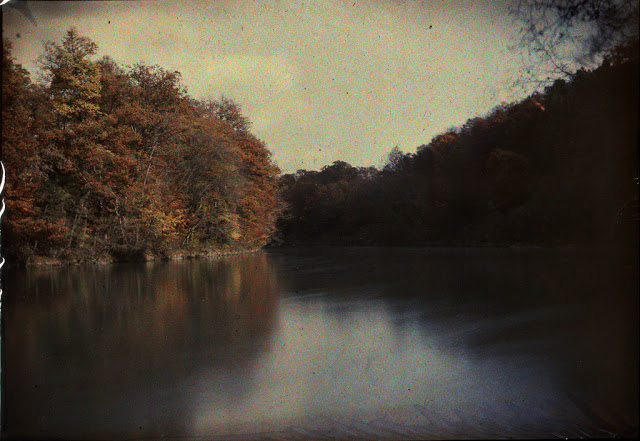
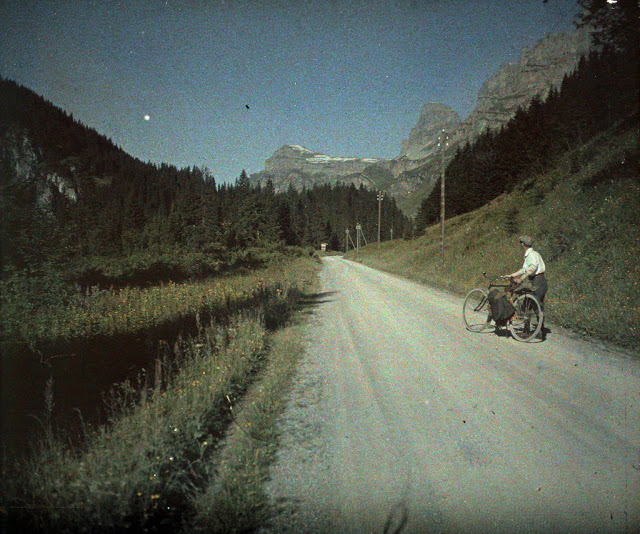
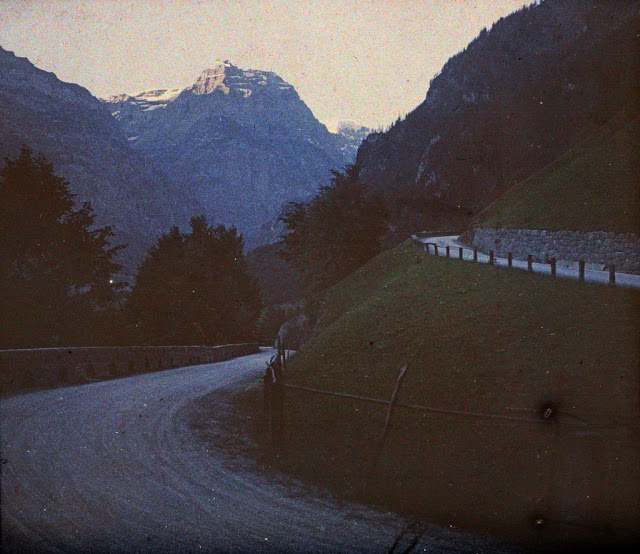
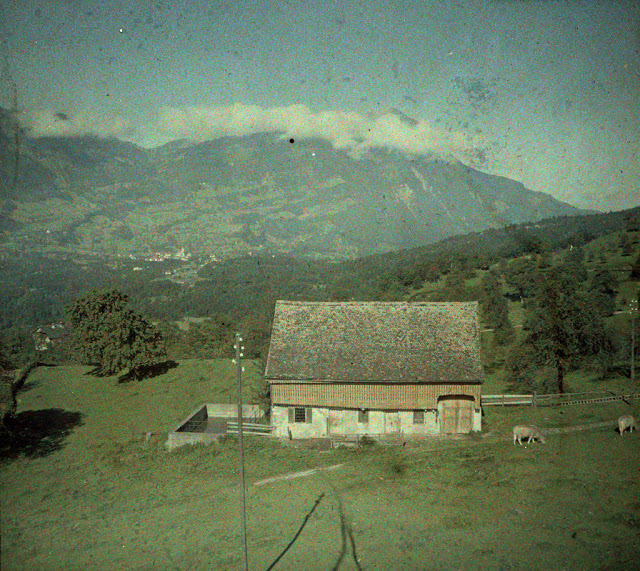
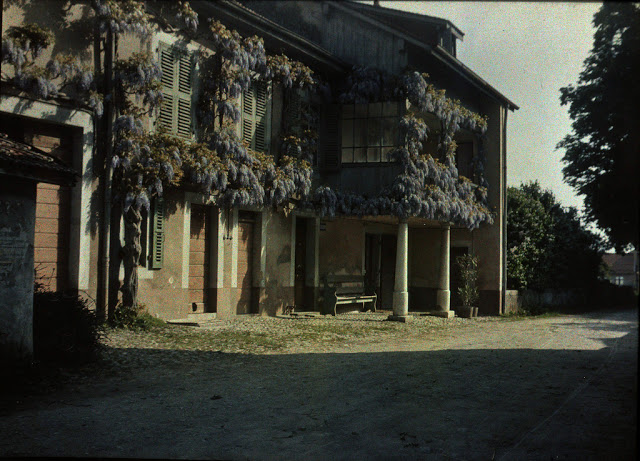
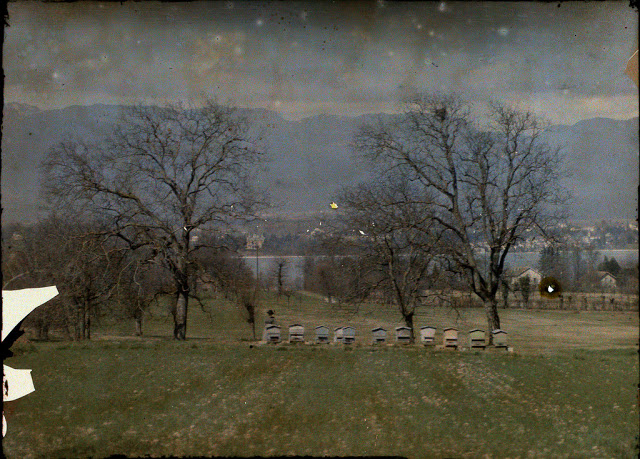
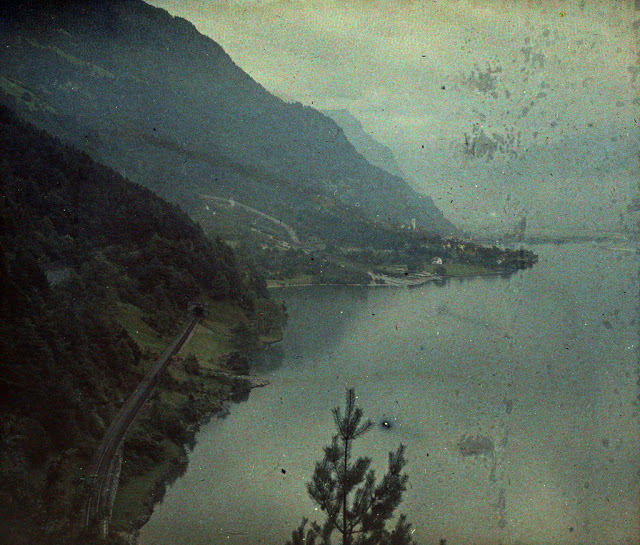
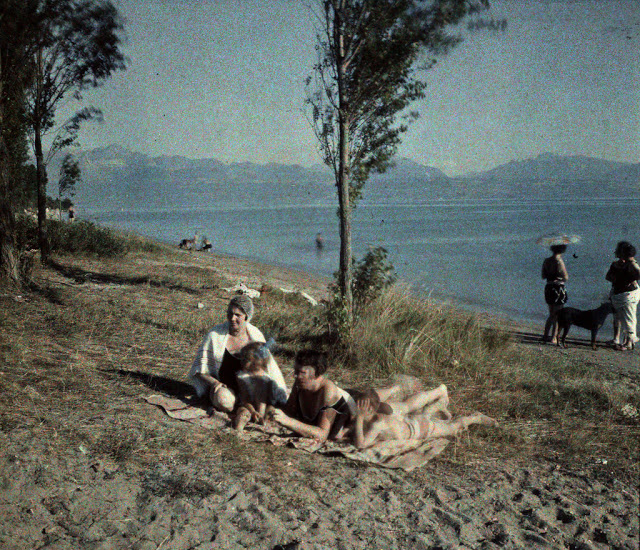
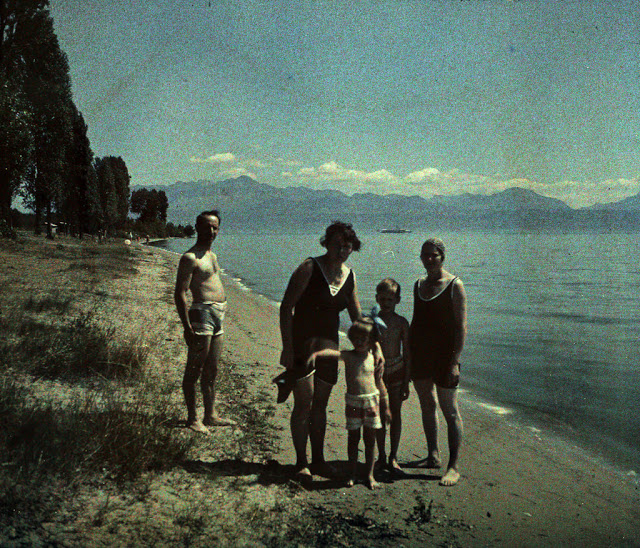
These stunning vintage Autochrome pictures show the life and landscape in Switzerland in the late 1920s.
At the Lake Zug, July 1927Axentrasse, Sisikon, Canton of UriChurch of Rothenthurm, Schwyz, 25 July 1927Farmer in Geneve, ca. 1920sGallery of the Axenstrasse, Canton of Uri, July 1927Geneve in the 1920sGeneve in the 1920sGeneve in the 1920sIn Saconnex d’Arve, GeneveIn Saconnex d’Arve, GeneveIn Troinex, GeneveKlausen Pass, Canton of Uri, 26 July 1927Klausen Pass, Canton of Uri, 26 July 1927Klausen route, Canton of Uri, 26 July 1927Klausen route, Canton of Uri, 26 July 1927Klausen route, Canton of Uri, 26 July 1927Küssnacht, July 1927La Belotte, Canton of Geneva, Switzerland.La Belotte, Canton of Geneva, Switzerland.Lake Zug in Arth, Schwyz, July 1927Lullin path, Troinex, SwitzerlandPanorama from Michaelskreuz, Canton of Lucerne, 14 July 1927Panorama from Michaelskreuz, Canton of Lucerne, 14 July 1927The Diablerets, 27 July 1928The dock in Brunnen, July 1927The lake view from the terrace of CransThe Rhône, SwitzerlandThe route of Clausen, Canton of Uri, Switzerland, 26 July 1927The Tödi from the road Clausen, Canton of Uri, Switzerland, 26 July 1927View from Steinerberg, Canton of Schwyz, 25 July 192712 Pontverre path, Confignon147 route d’Hermance, Collonge-Bellerive, Canton of Geneva, SwitzerlandA view of the Axenstrasseand Fluelen in the background, July 1927Anglais garden, Geneve, 1930At the beach with the Dent d’Oche in the background, Préverenges, Switzerland, 25 July 1928At the beach with the Dent d’Oche in the background, Préverenges, Switzerland, 25 July 1928
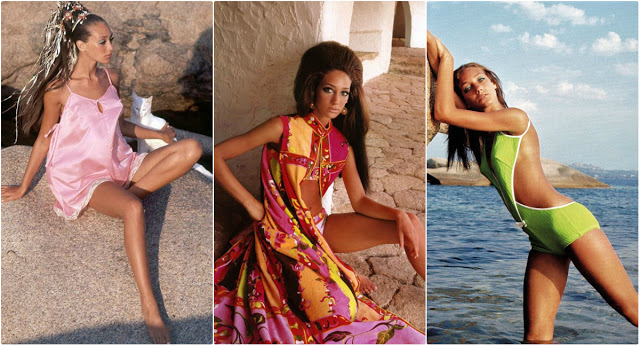
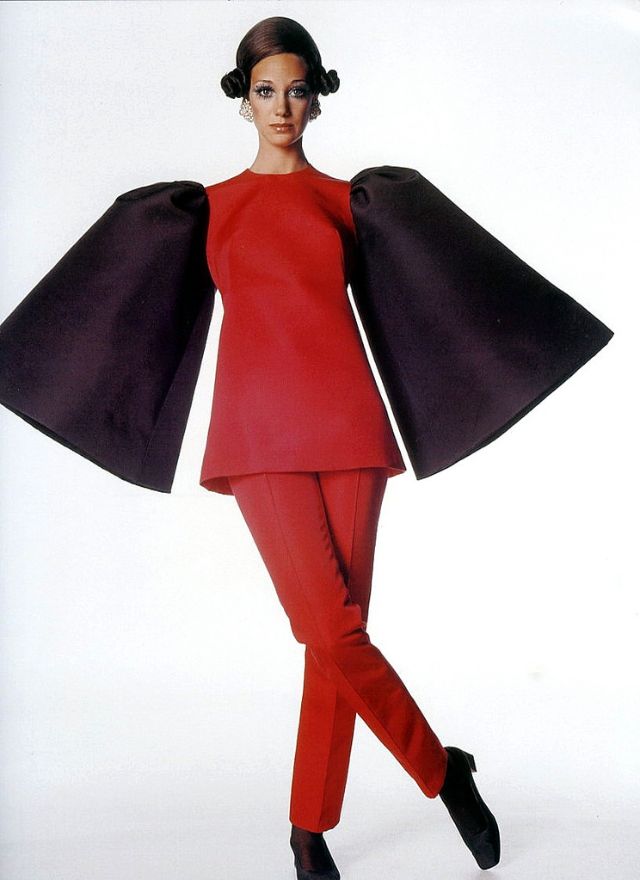
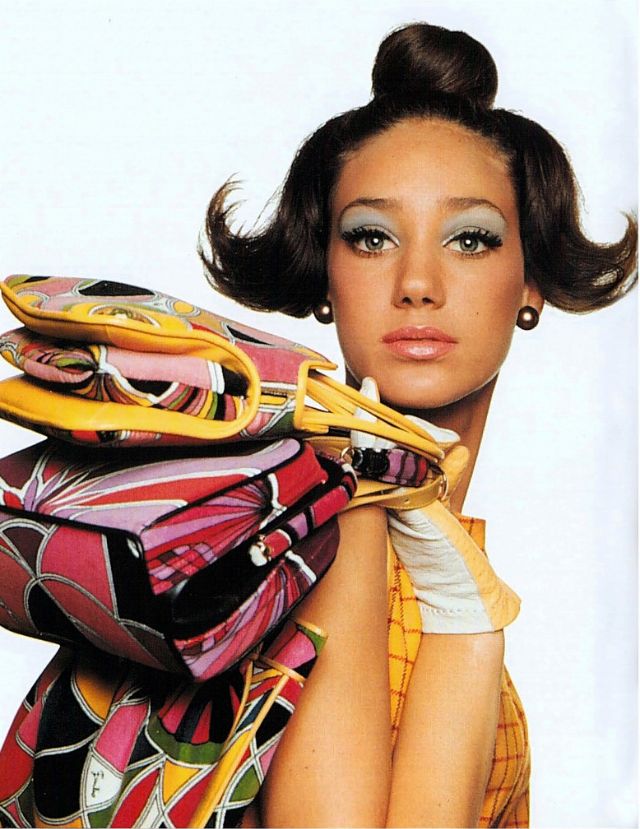
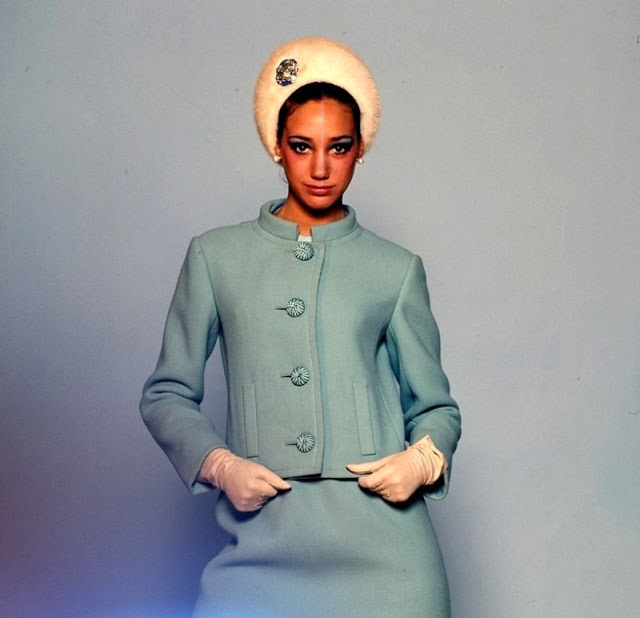
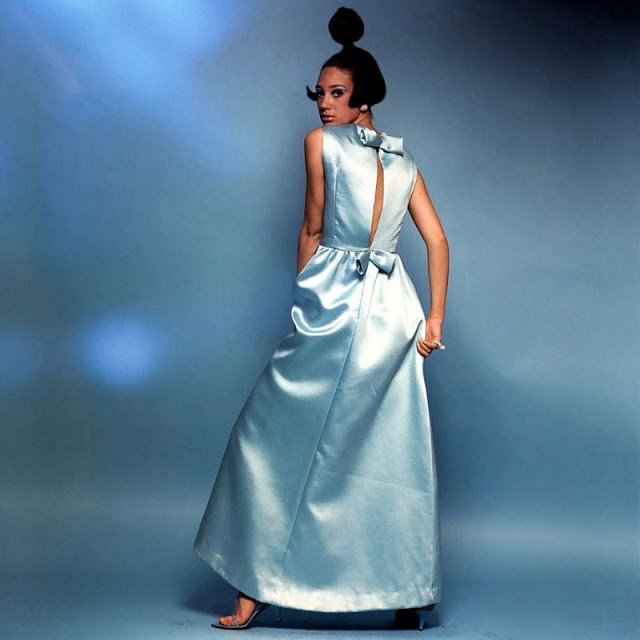
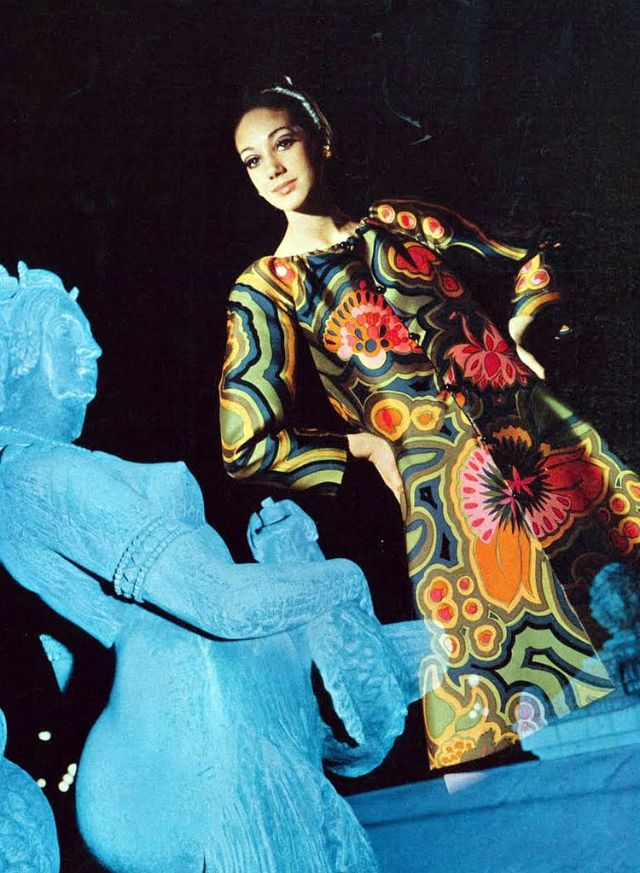
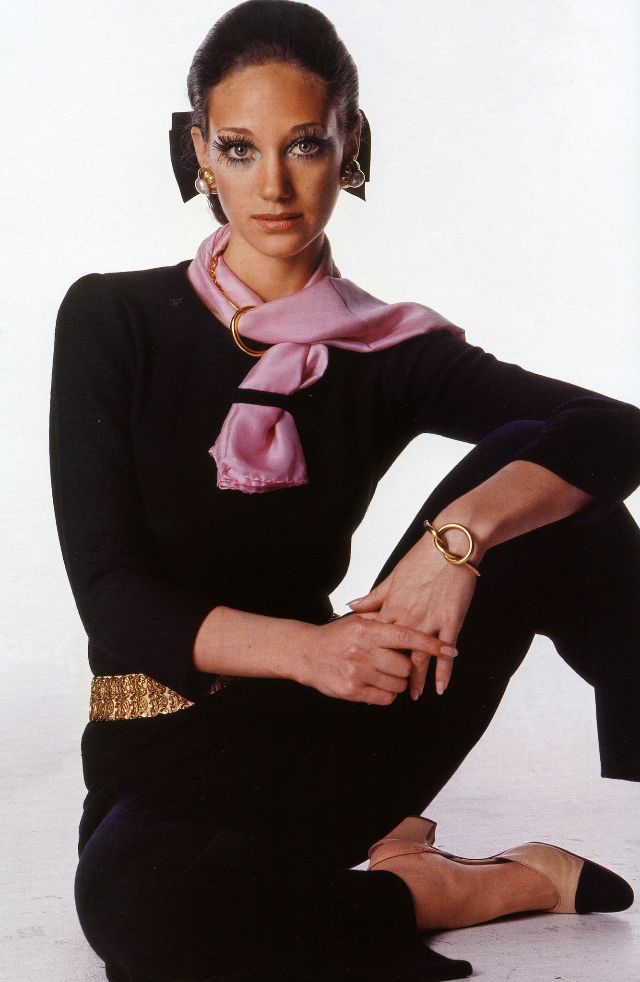
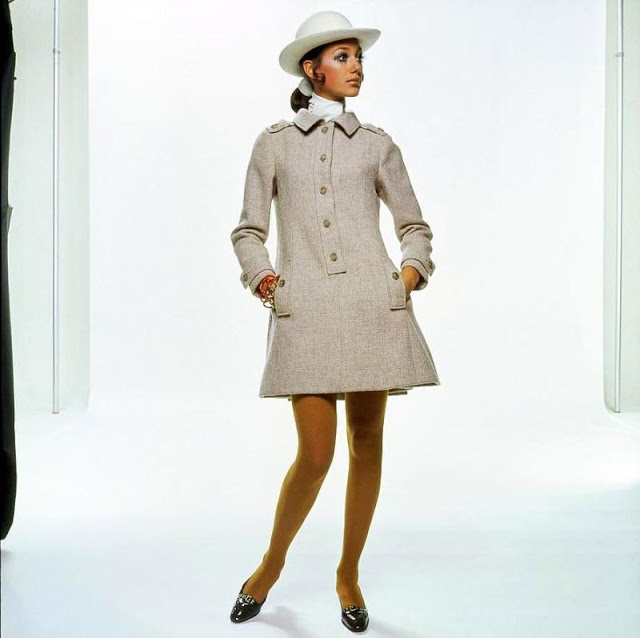
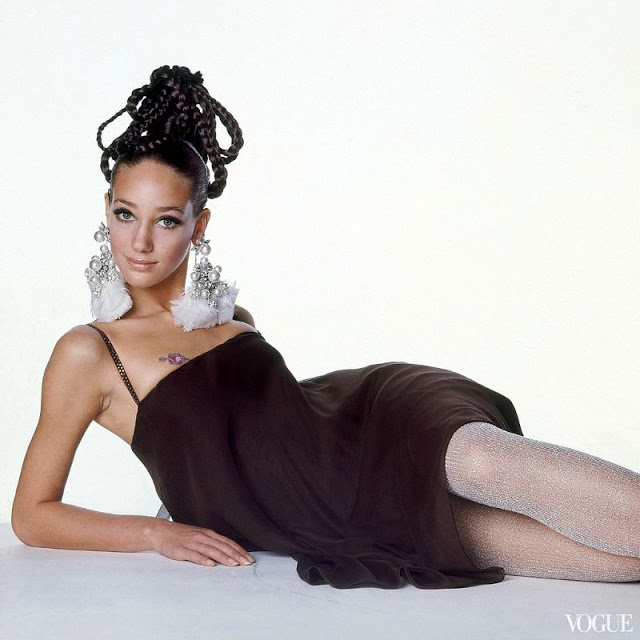
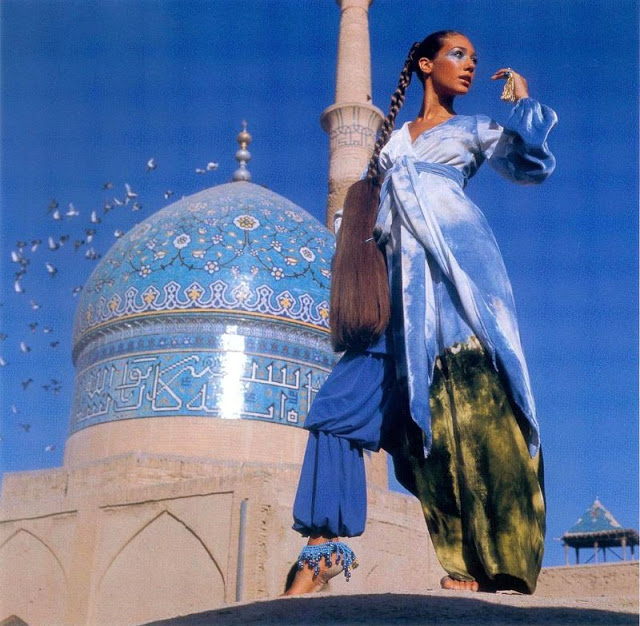
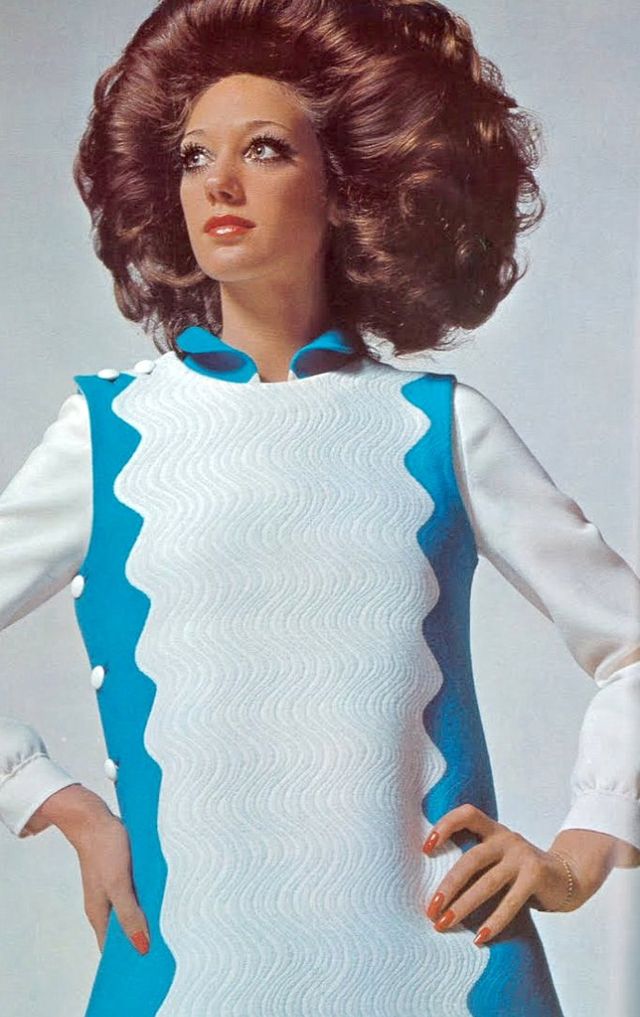
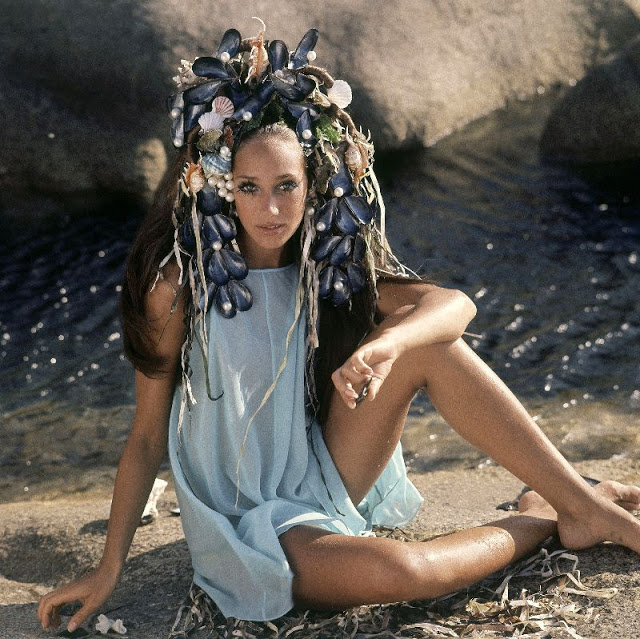
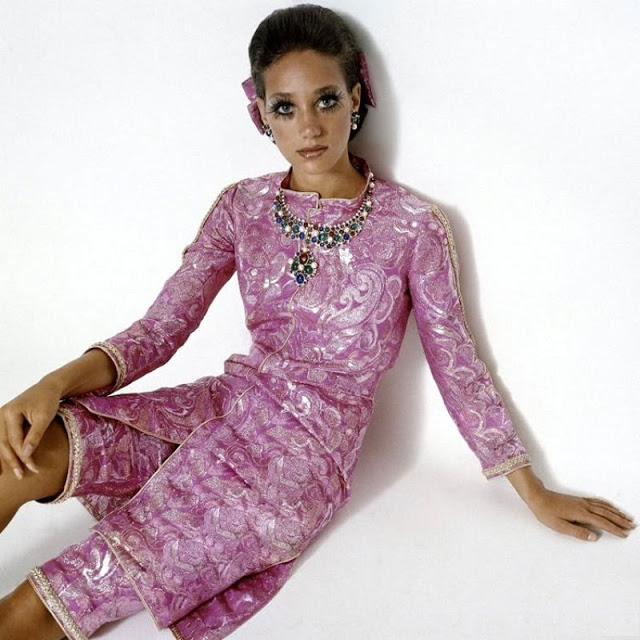
Born 1947 in New York City, American actress and model Marisa Berenson came to prominence in the early 1960s as a fashion model — “I once was one of the highest paid models in the world”, she once told The New York Times. She was known as “The Queen of the Scene” for her frequent appearances at nightclubs and other social venues in her youth and Yves Saint Laurent dubbed her the girl of the Seventies.
Berenson appeared on the front covers of Vogue and Time, and won the National Board of Review Award for Best Supporting Actress for her role as Natalia Landauer in the 1972 film Cabaret. The role also earned her Golden Globe and BAFTA Award nominations.
In 2001, she made her Broadway debut in the revival of Design for Living. Her other film appearances include Death in Venice (1971), Barry Lyndon (1975), S.O.B. (1981) and I Am Love (2009).
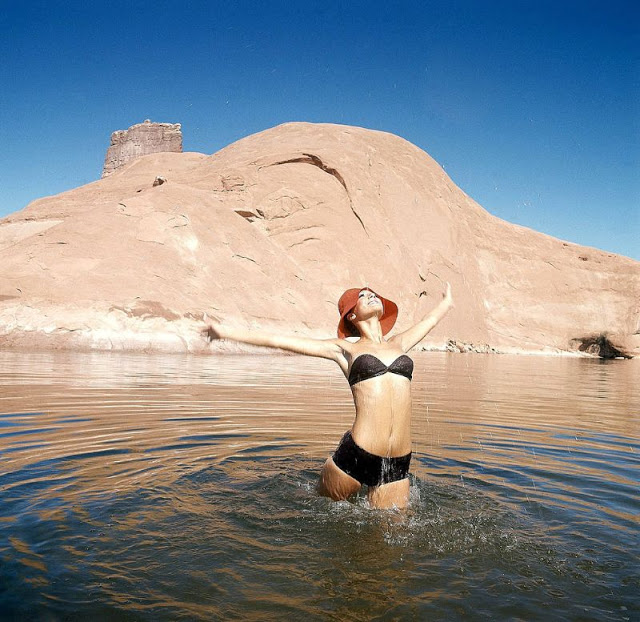
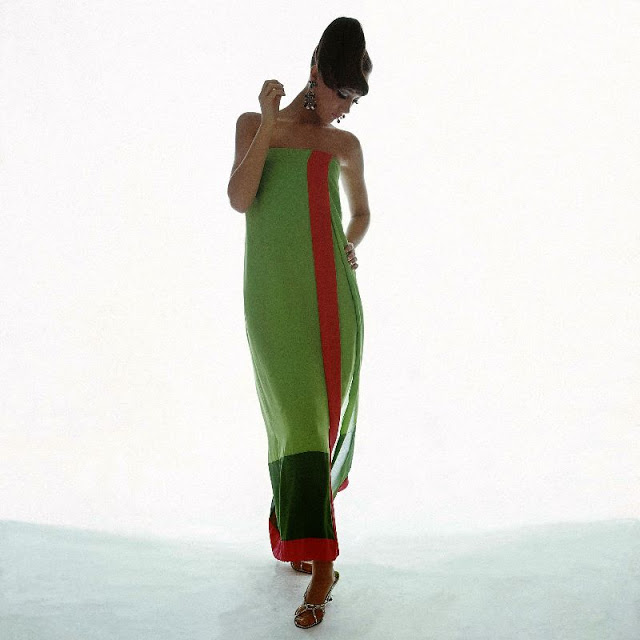
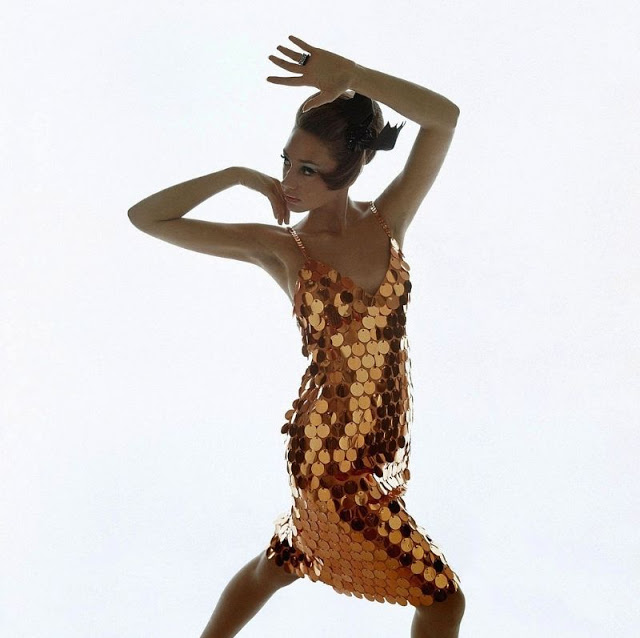
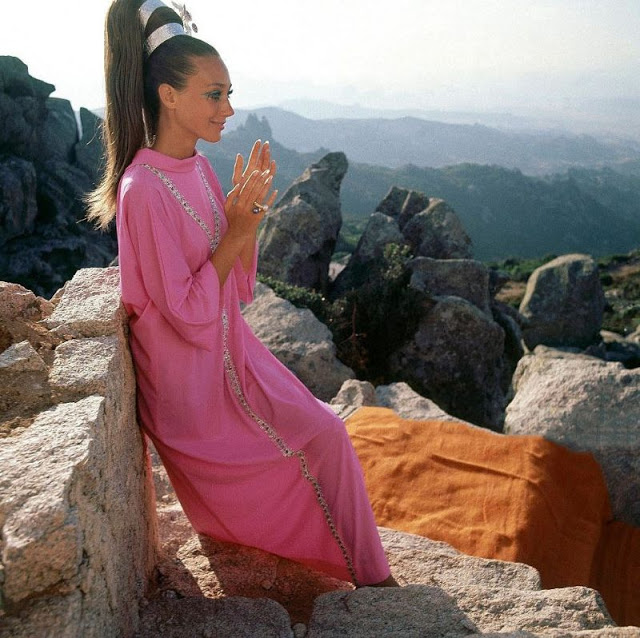
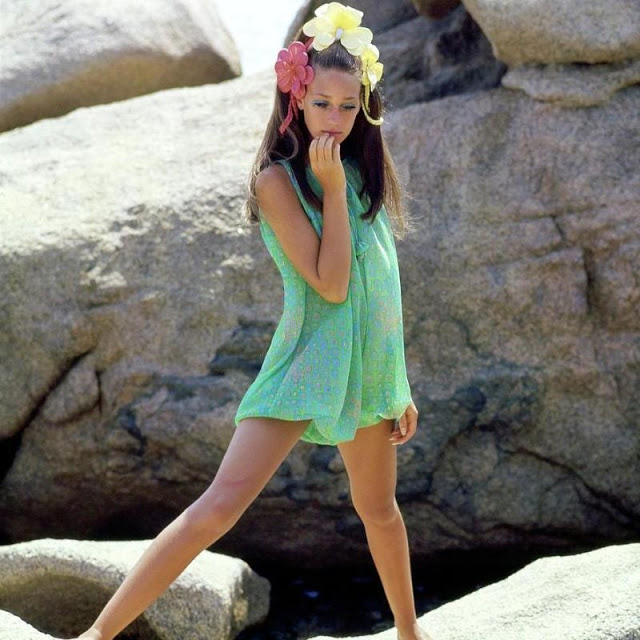
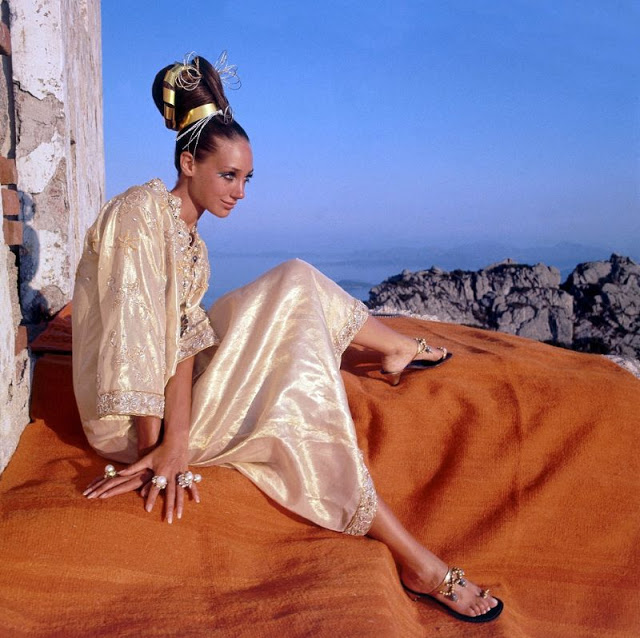
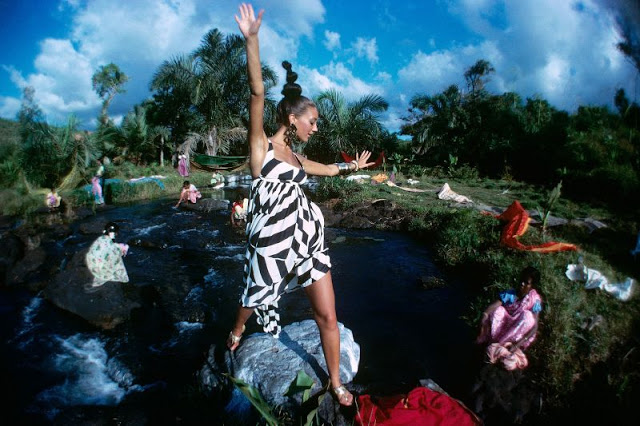
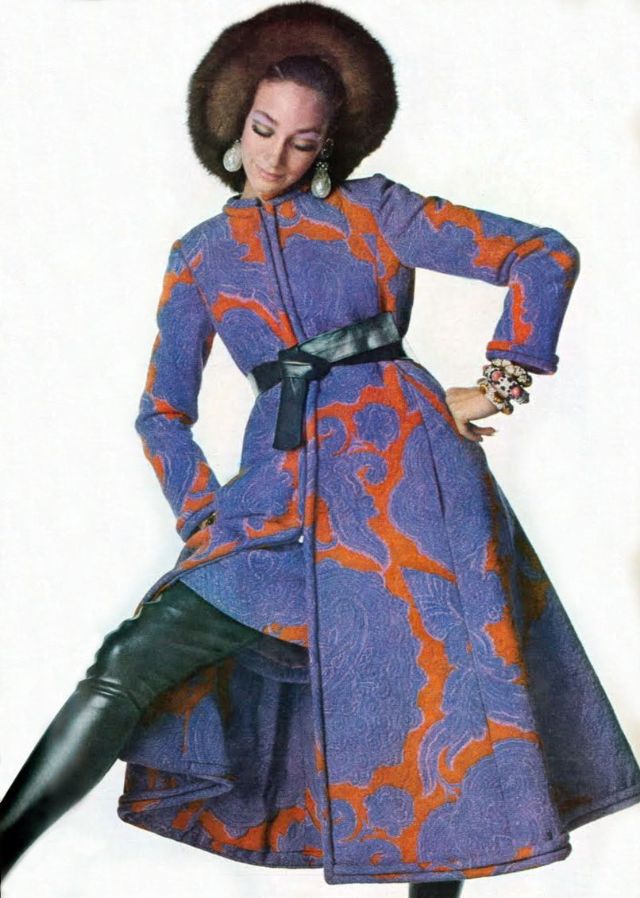
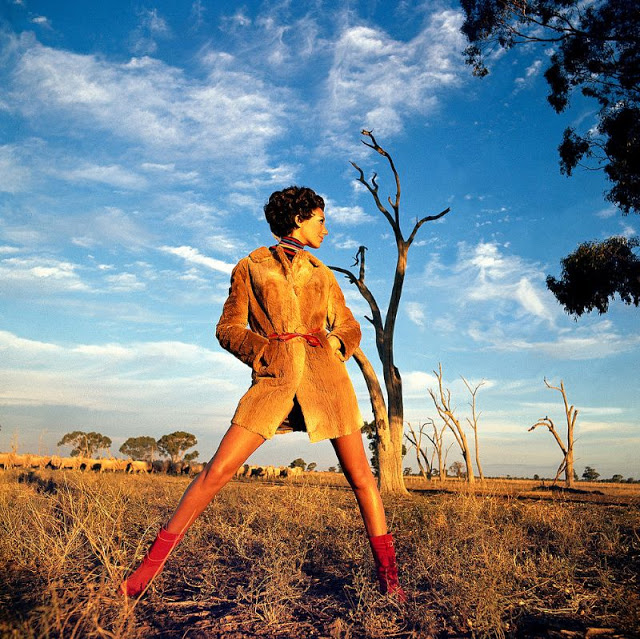
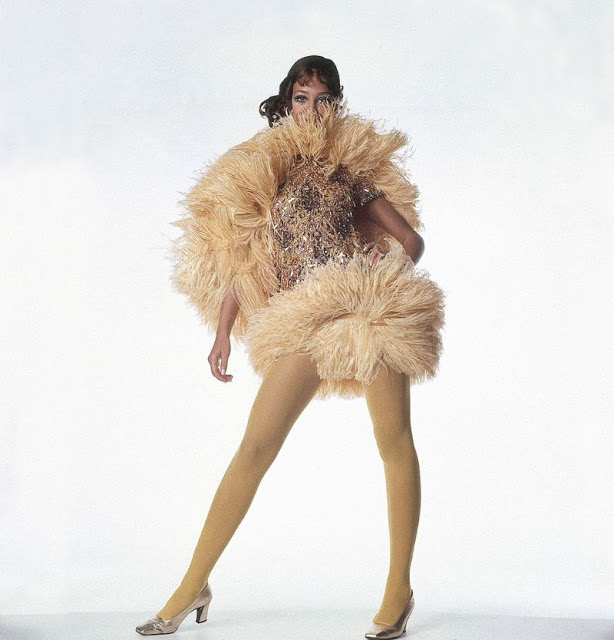
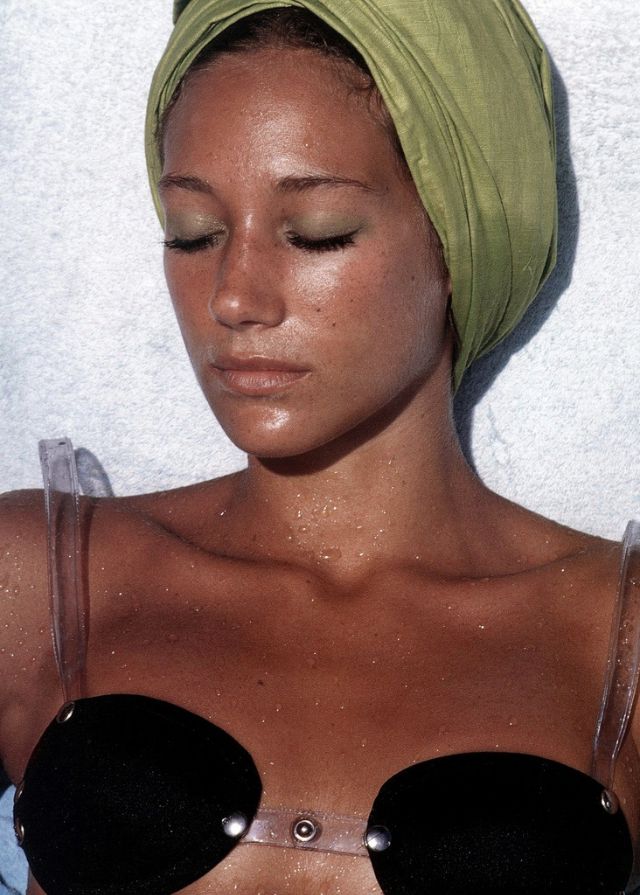
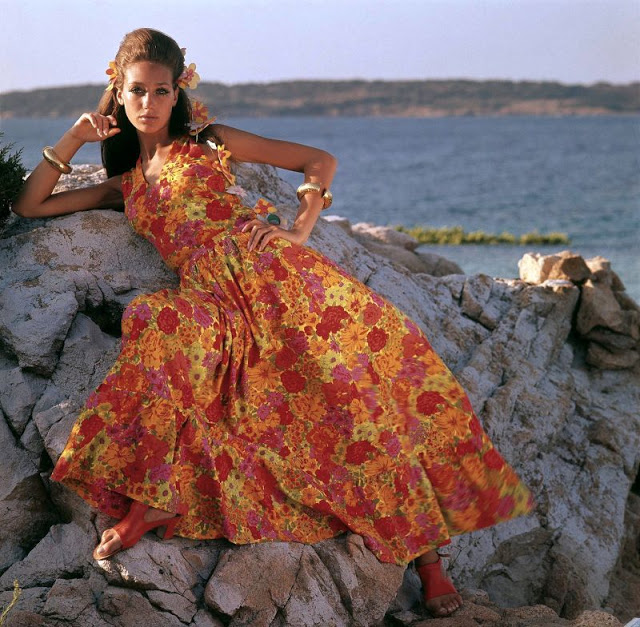
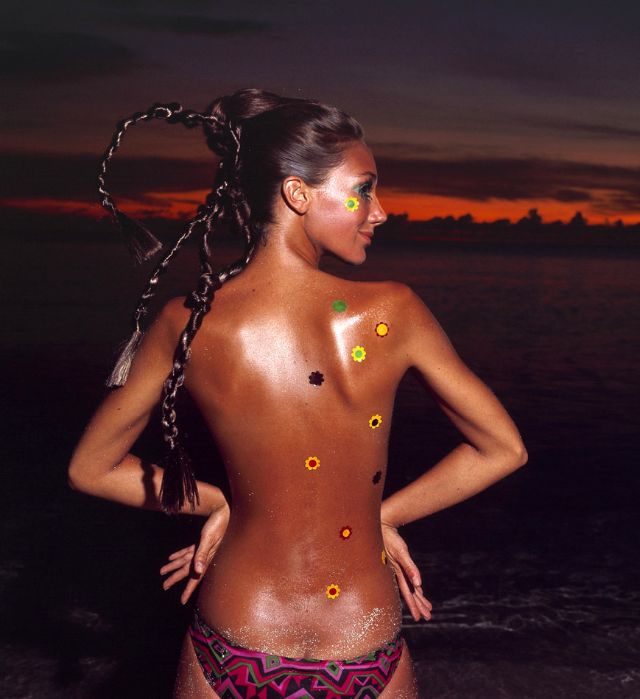
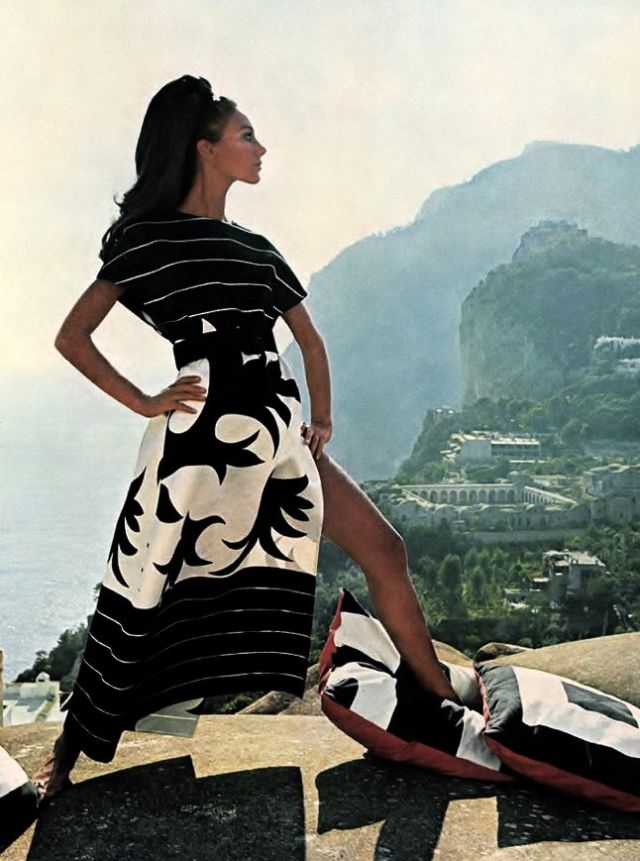
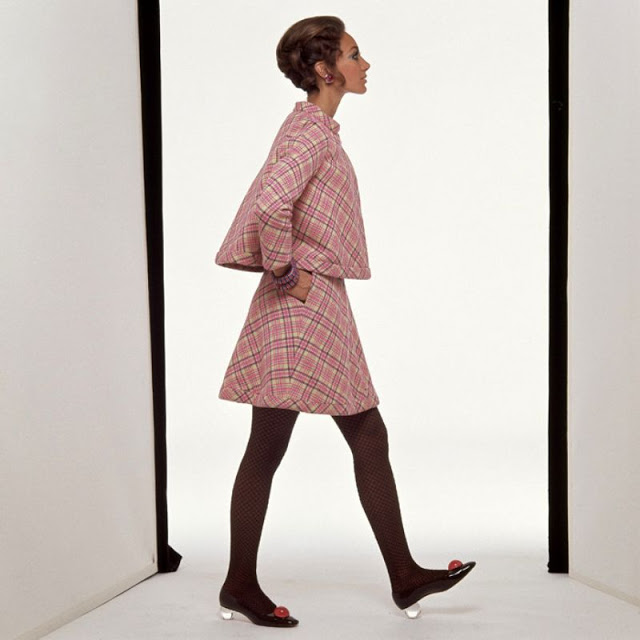
Here below is a collection of fabulous photos that shows portrait of Marisa Berenson as a model in the 1960s.
The United States of America (U.S.A. or USA), commonly known as the United States (U.S. or US) or America, is a country primarily located in North America. It consists of 50 states, a federal district, five major unincorporated territories, 326 Indian reservations, and some minor possessions. At 3.8 million square miles (9.8 million square kilometers), it is the world’s third- or fourth-largest country by geographic area. The United States shares significant land borders with Canada to the north and Mexico to the south as well as limited maritime borders with the Bahamas, Cuba, and Russia. With a population of more than 331 million people, it is the third most populous country in the world. The national capital is Washington, D.C., and the most populous city is New York City.
Paleo-Indians migrated from Siberia to the North American mainland at least 12,000 years ago, and European colonization began in the 16th century. The United States emerged from the thirteen British colonies established along the East Coast. Disputes with Great Britain over taxation and political representation led to the American Revolutionary War (1775–1783), which established the nation’s independence. In the late 18th century, the U.S. began expanding across North America, gradually obtaining new territories, sometimes through war, frequently displacing Native Americans, and admitting new states; by 1848, the United States spanned the continent. Slavery was legal in the southern United States until the second half of the 19th century, when the American Civil War led to its abolition. The Spanish–American War and World War I established the U.S. as a world power, a status confirmed by the outcome of World War II. During the Cold War, the United States fought the Korean War and the Vietnam War but avoided direct military conflict with the Soviet Union. The two superpowers competed in the Space Race, culminating in the 1969 spaceflight that first landed humans on the Moon. The Soviet Union’s dissolution in 1991 ended the Cold War, leaving the United States as the world’s sole superpower.
The United States is a federal presidential-constitutional republic with three separate branches of government, including a bicameral legislature. It is a founding member of the United Nations, World Bank, International Monetary Fund, Organization of American States, NATO, and other international organizations. It is a permanent member of the United Nations Security Council. Considered a melting pot of cultures and ethnicities, its population has been profoundly shaped by centuries of immigration. The United States ranks high in international measures of economic freedom, quality of life, education, and human rights; it has low levels of perceived corruption. However, it has been criticized for inequality related to race, wealth, and income; use of capital punishment; high incarceration rates; and lack of universal health care.
The United States is a highly developed country, accounts for approximately a quarter of global GDP, and is the world’s largest economy by GDP at market exchange rates. By value, the United States is the world’s largest importer and second-largest exporter of goods. Although its population is only 4.2% of the world’s total, it holds 30% of the total wealth in the world, the largest share held by any country. Making up more than a third of global military spending, it is the foremost military power in the world and internationally a leading political, cultural, and scientific force. (Wikipedia)
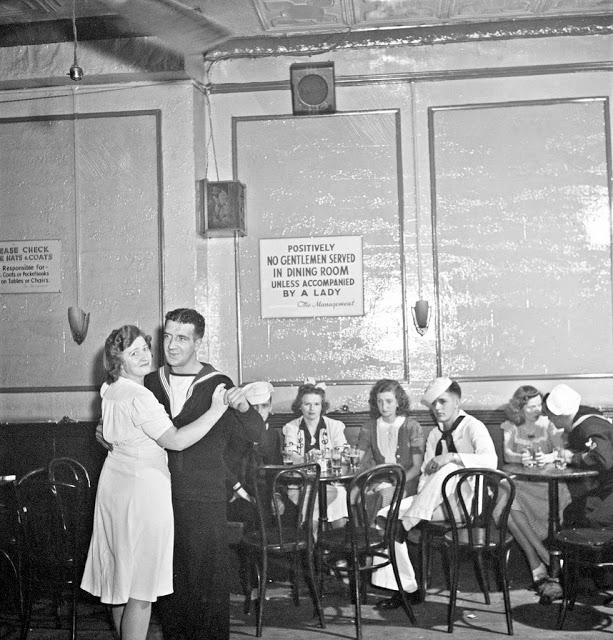
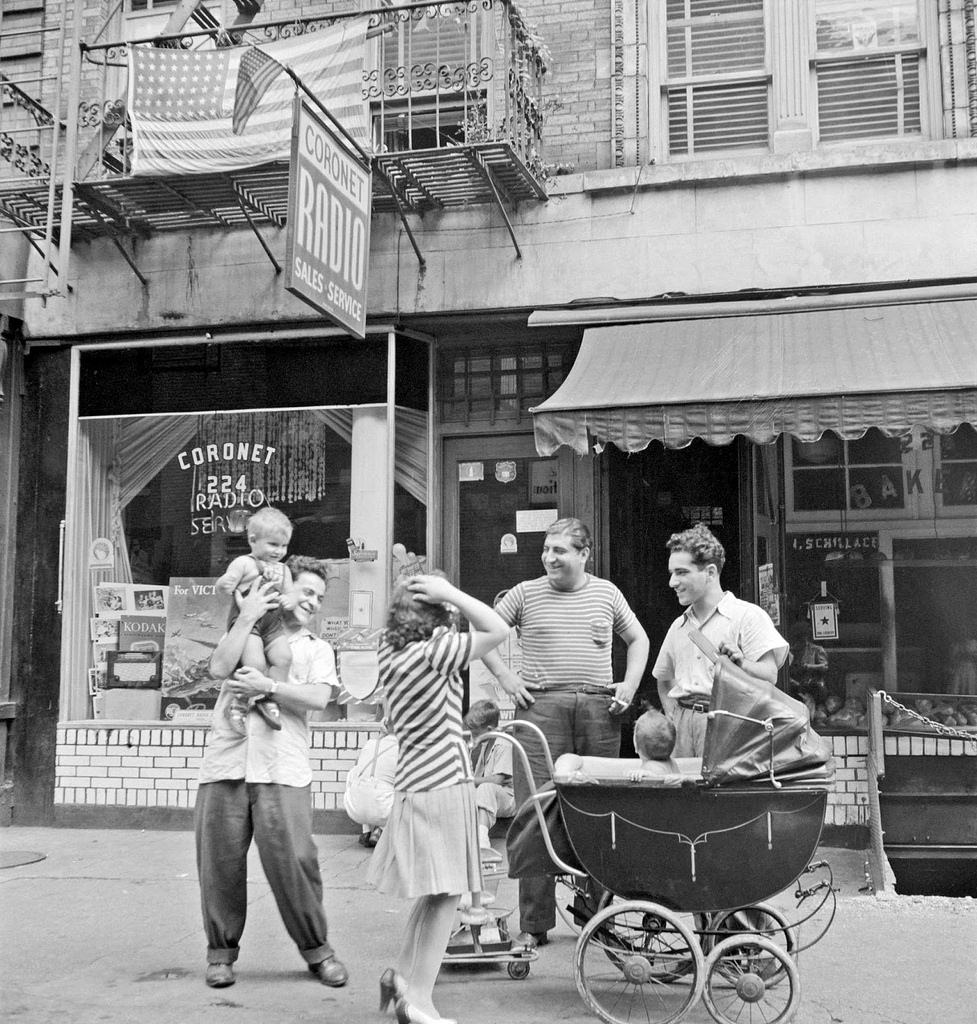
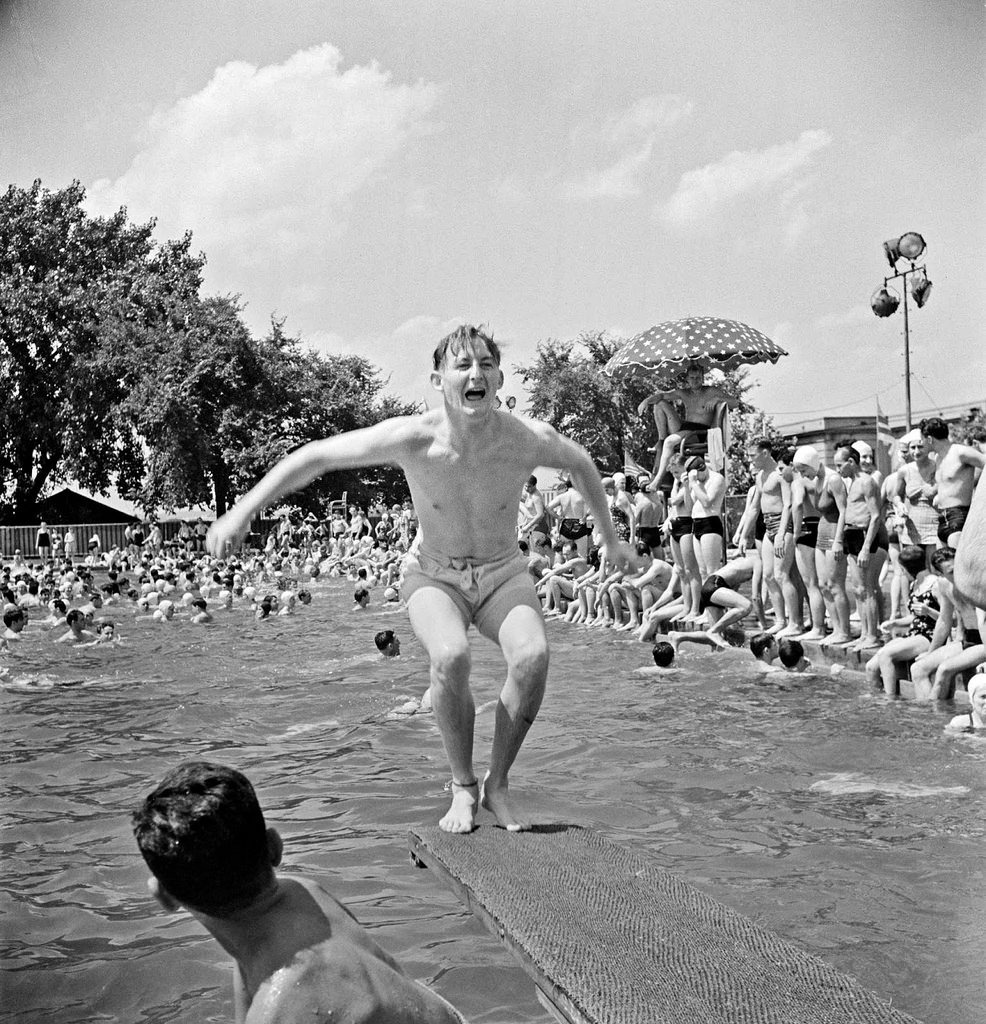
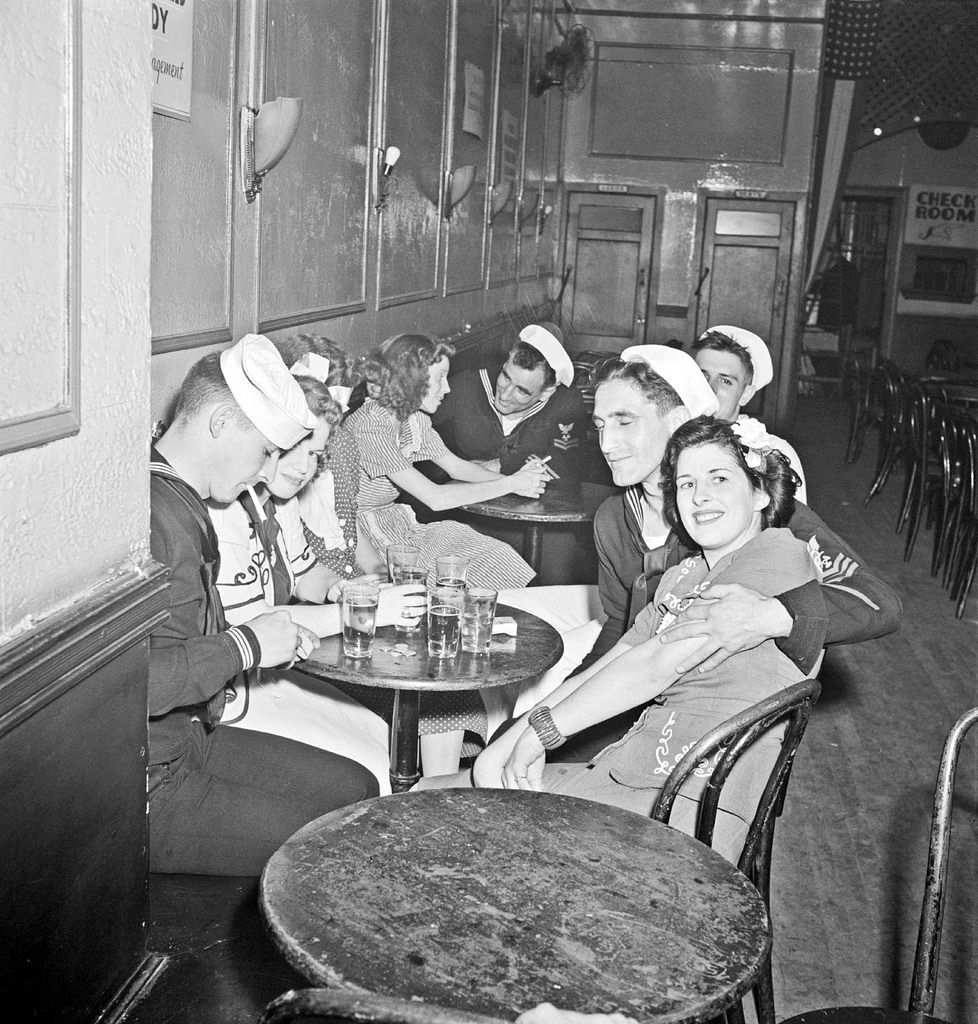
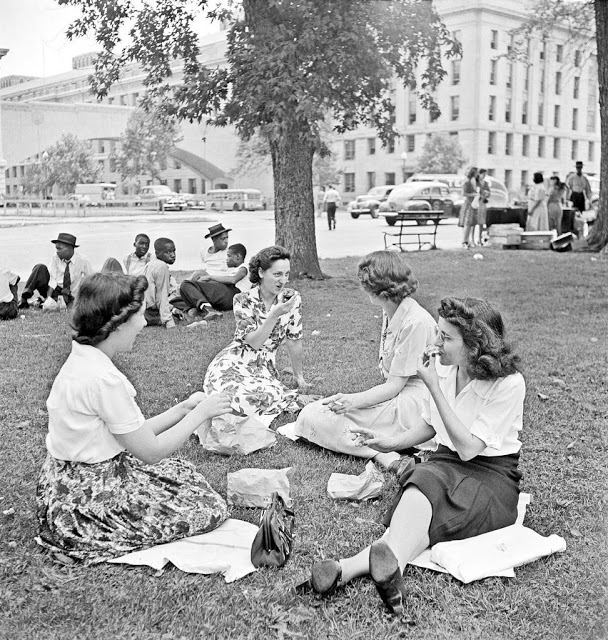
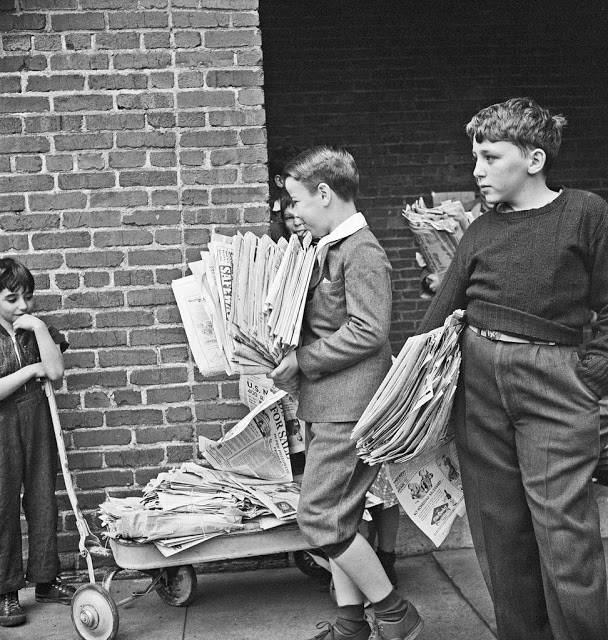
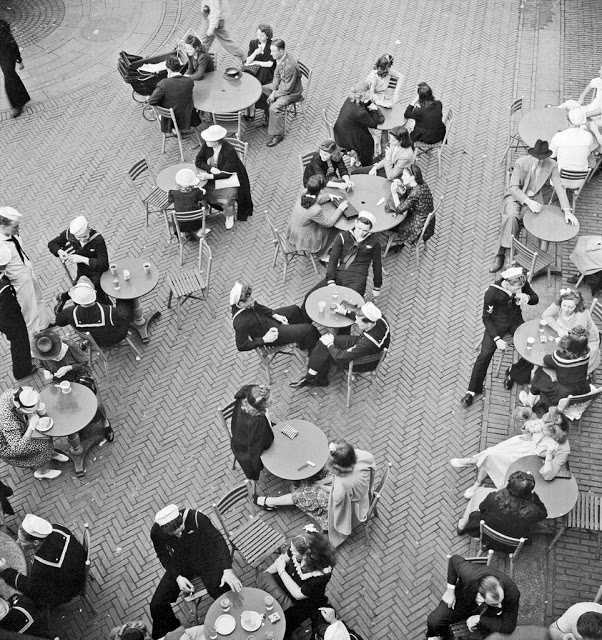
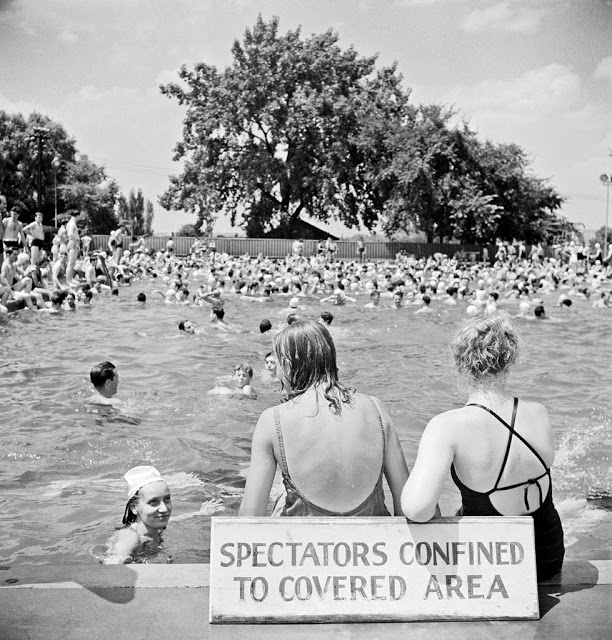
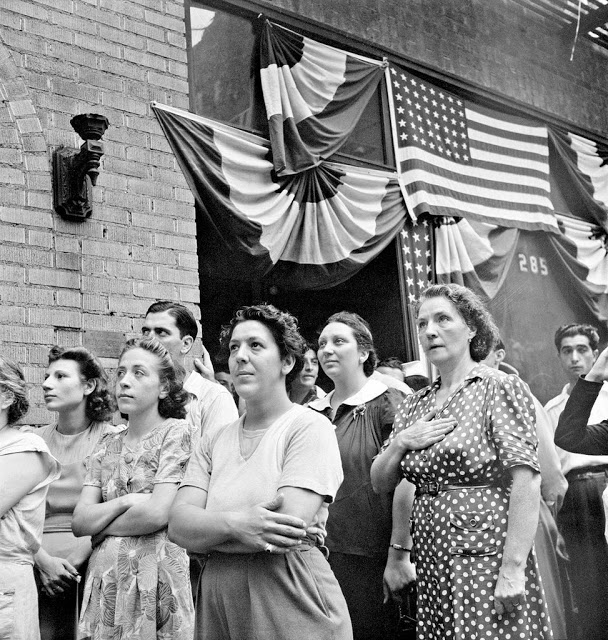
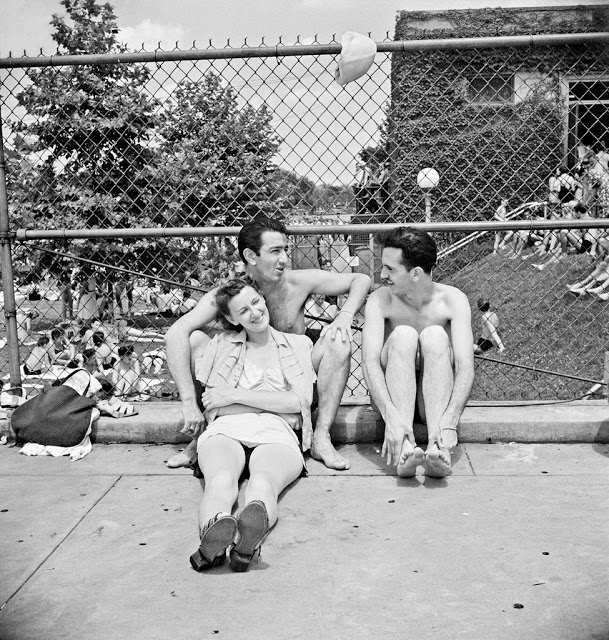
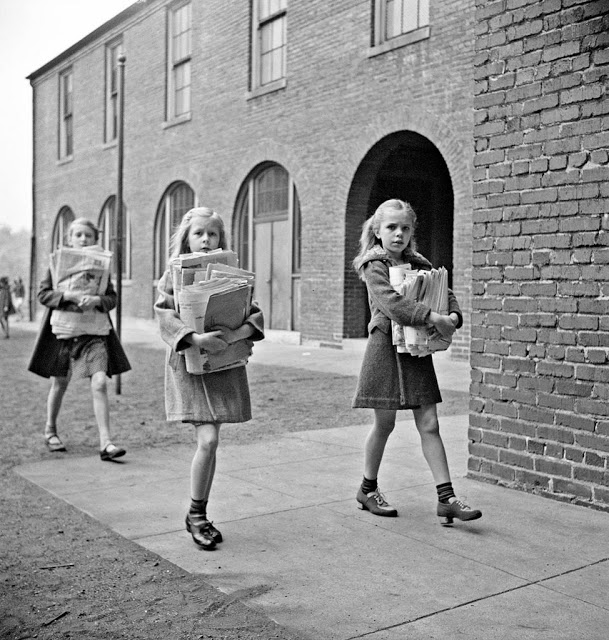
Marjory Collins described herself as a “rebel looking for a cause.” She began her photojournalism career in New York City in the 1930s by working for such magazines as PM and U.S. Camera. In 1941, Collins joined Roy Stryker’s team of photographers at the U.S. Office of War Information to document home front activities during World War II. She created remarkable visual stories of small town life, ethnic communities, and women war workers.
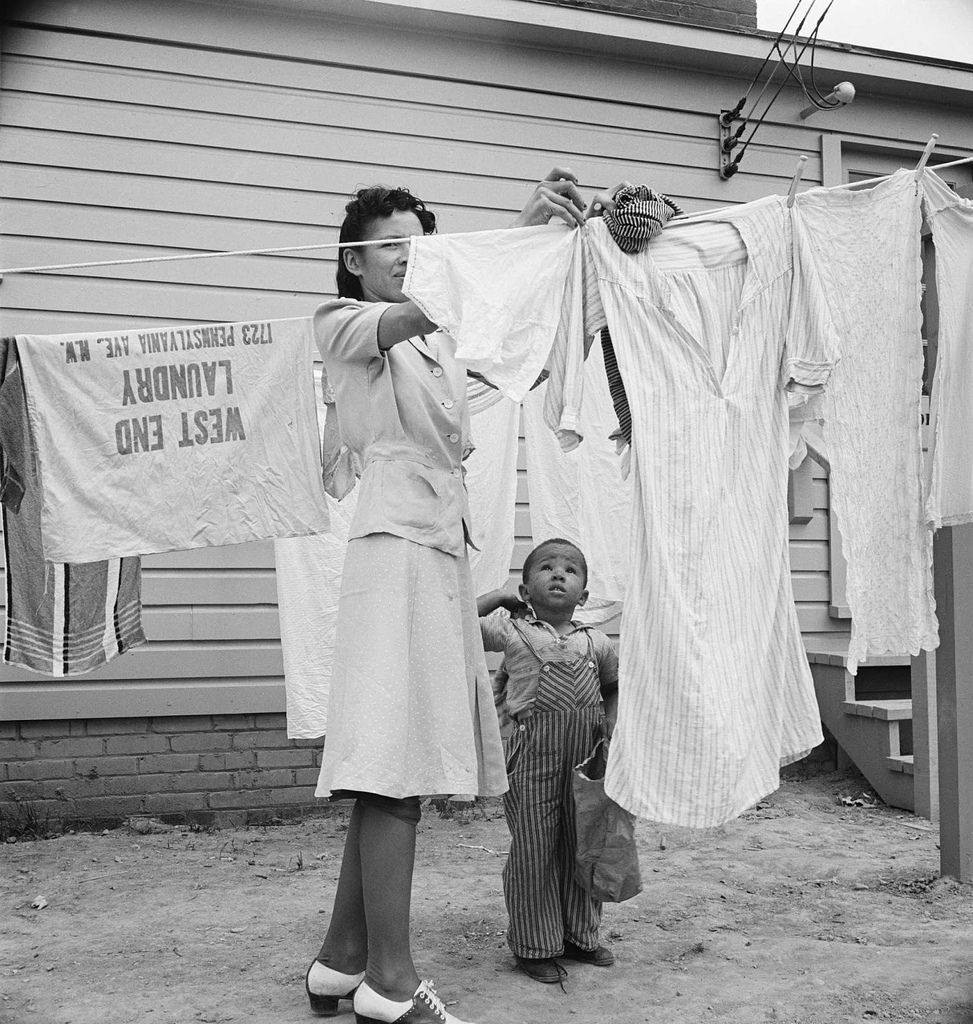
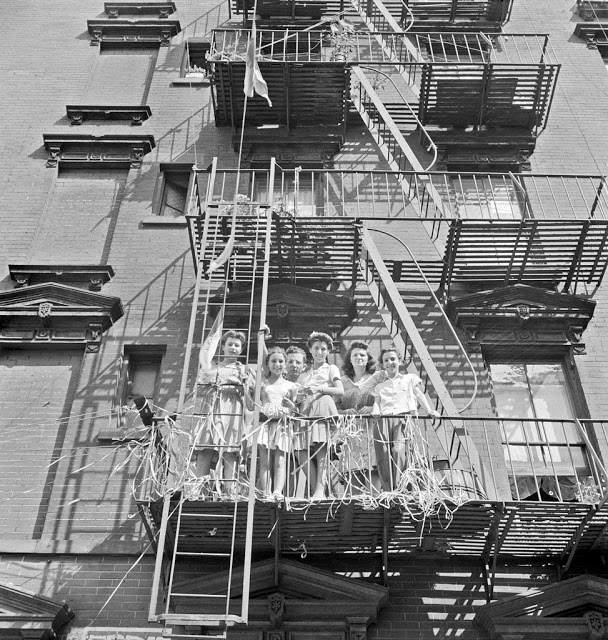
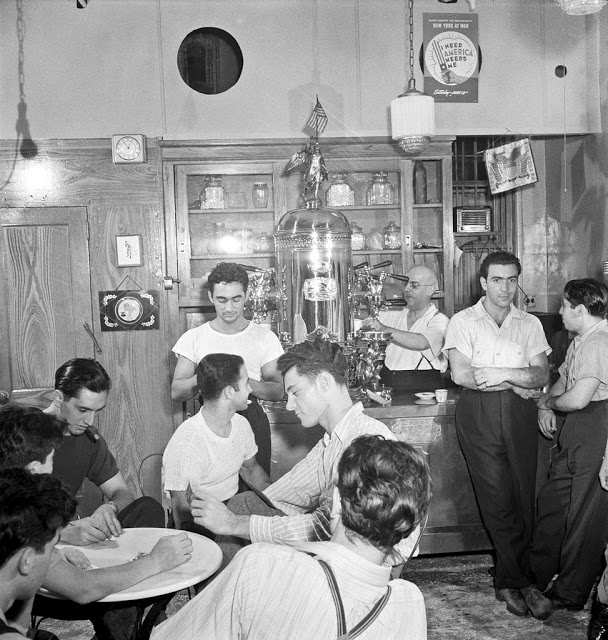
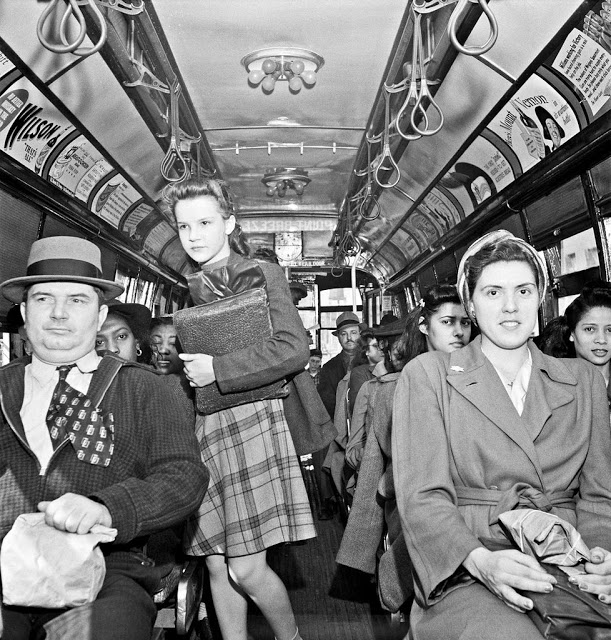
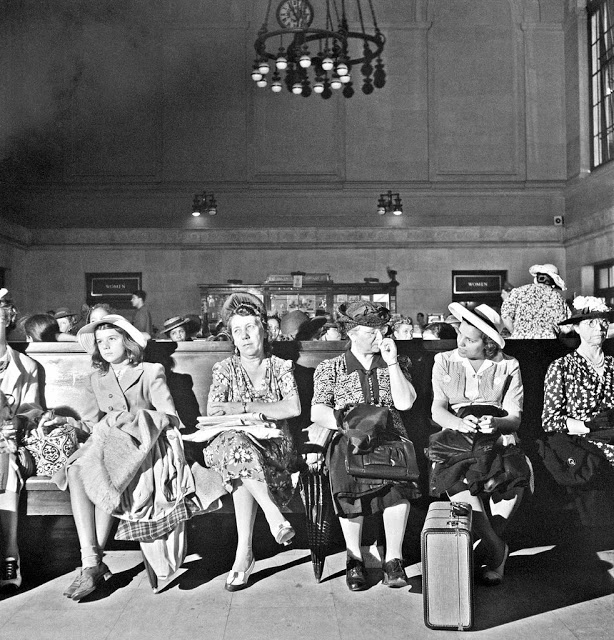
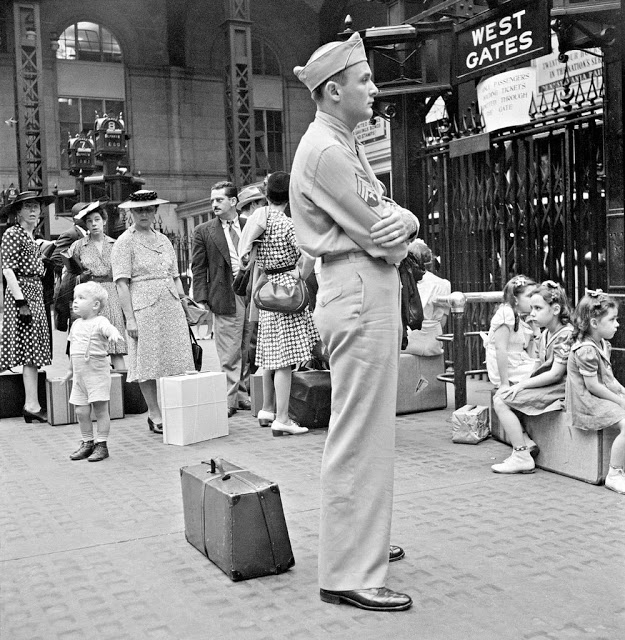
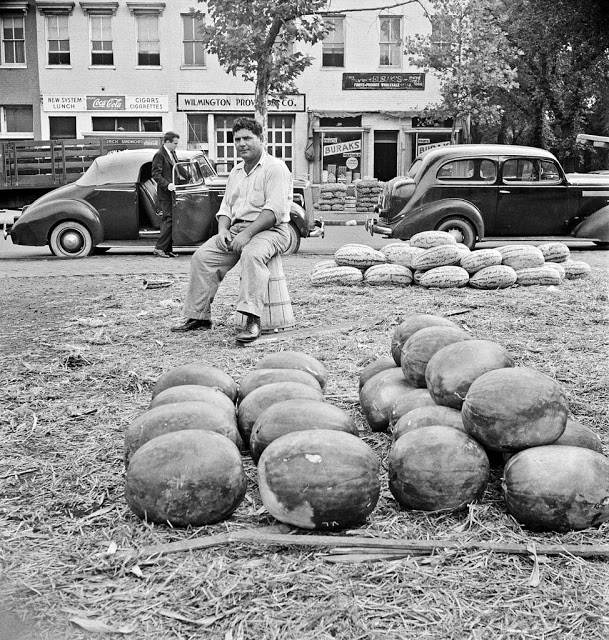
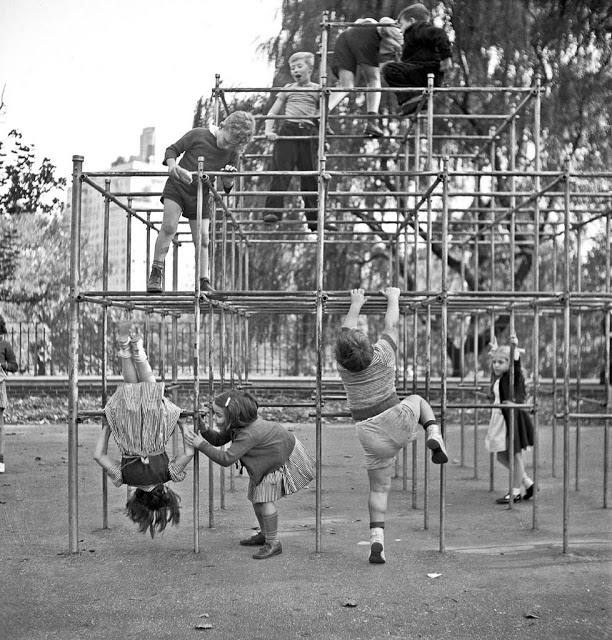
New York. Italian-Americans on MacDougal Street relaxing on Sunday, 1942Washington, D.C. Sunday swimmers at the municipal swimming pool, 1942New York. O’Reilly’s bar on Third Avenue in the ‘Fifties’, 1942Arlington, Virginia. FSA trailer camp project. Hanging out washing in front of the community building, 1942Washington, D.C. Scrap salvage campaign, Victory Program. Washington schoolchild brings a load of scrap paper to school once a week, 1942New York. Italian-Americans watching parade on Mott Street and flag raising ceremony in honor of boys from the neighborhood in the United States Army, 1942New York. Italian-American cafe espresso shop on MacDougal Street where coffee and soft drinks are sold. The coffee machine cost one thousand dollars, 1942Baltimore, Maryland. School children and workers returning home on a trolley at five pm, 1943New York. Waiting room at the Pennsylvania railroad station, 1942New York. Waiting for trains at the Pennsylvania railroad station, 1942Washington, D.C. Watermelon vendor at the farmers’ market, 1942New York. Janet and Marie Wynn (lower left), Czech-American children, climbing on monkey bars in Central Park playground, 1942Washington, D.C. Government workers lunch outside the U.S. Department of Agriculture in Washington Monument park, 1942Washington, D.C. Scrap salvage campaign, Victory Program. Children bringing their weekly contribution of scrap paper to school, 1942New York. The mall restaurant in Central Park on Sunday, 1942Washington, D.C. Municipal swimming pool on Sunday, 1942New York. Italian-Americans in the rain watching a flag raising ceremony in honor of the feast of San Rocco at right, 1942Washington, D.C. Relaxing on the edge of the municipal swimming pool on Sunday, 1942Washington, D.C. Scrap salvage campaign, Victory Program. Children bringing their weekly contribution of scrap paper to school, 1942New York. O’Reilly’s bar on Third Avenue in the ‘Fifties’, 1942
New York, often called New York City (NYC) to distinguish it from New York State, is the most populous city in the United States. With a 2020 population of 8,804,190 distributed over 300.46 square miles (778.2 km2), New York City is also the most densely populated major city in the United States. Located at the southern tip of the State of New York, the city is the center of the New York metropolitan area, the largest metropolitan area in the world by urban area. With over 20.1 million people in its metropolitan statistical area and 23.5 million in its combined statistical area as of 2020, New York is one of the world’s most populous megacities. New York City has been described as the cultural, financial, and media capital of the world, significantly influencing commerce, entertainment, research, technology, education, politics, tourism, dining, art, fashion, and sports, and is the most photographed city in the world. Home to the headquarters of the United Nations, New York is an important center for international diplomacy, and has sometimes been called the capital of the world.
Situated on one of the world’s largest natural harbors, New York City is composed of five boroughs, each of which is coextensive with a respective county of the State of New York. The five boroughs—Brooklyn (Kings County), Queens (Queens County), Manhattan (New York County), the Bronx (Bronx County), and Staten Island (Richmond County)—were created when local governments were consolidated into a single municipal entity in 1898. The city and its metropolitan area constitute the premier gateway for legal immigration to the United States. As many as 800 languages are spoken in New York, making it the most linguistically diverse city in the world. New York is home to more than 3.2 million residents born outside the United States, the largest foreign-born population of any city in the world as of 2016. As of 2018, the New York metropolitan area is estimated to produce a gross metropolitan product (GMP) of nearly $1.8 trillion, ranking it first in the United States. If the New York metropolitan area were a sovereign state, it would have the eighth-largest economy in the world. New York is home to the highest number of billionaires of any city in the world.
New York City traces its origins to a trading post founded on the southern tip of Manhattan Island by Dutch colonists in approximately 1624. The settlement was named New Amsterdam (Dutch: Nieuw Amsterdam) in 1626 and was chartered as a city in 1653. The city came under English control in 1664 and was renamed New York after King Charles II of England granted the lands to his brother, the Duke of York. The city was regained by the Dutch in July 1673 and was renamed New Orange for one year and three months; the city has been continuously named New York since November 1674. New York City was the capital of the United States from 1785 until 1790, and has been the largest U.S. city since 1790. The Statue of Liberty greeted millions of immigrants as they came to the U.S. by ship in the late 19th and early 20th centuries, and is a symbol of the U.S. and its ideals of liberty and peace. In the 21st century, New York has emerged as a global node of creativity, entrepreneurship, and environmental sustainability, and as a symbol of freedom and cultural diversity. In 2019, New York was voted the greatest city in the world per a survey of over 30,000 people from 48 cities worldwide, citing its cultural diversity.
Many districts and monuments in New York City are major landmarks, including three of the world’s ten most visited tourist attractions in 2013. A record 66.6 million tourists visited New York City in 2019. Times Square is the brightly illuminated hub of the Broadway Theater District, one of the world’s busiest pedestrian intersections, and a major center of the world’s entertainment industry. Many of the city’s landmarks, skyscrapers, and parks are known around the world, as is the city’s fast pace, spawning the term New York minute. The Empire State Building has become the global standard of reference to describe the height and length of other structures. Manhattan’s real estate market is among the most expensive in the world. Providing continuous 24/7 service and contributing to the nickname The City That Never Sleeps, the New York City Subway is the largest single-operator rapid transit system worldwide, with 472 rail stations. The city has over 120 colleges and universities, including Columbia University, New York University, Rockefeller University, and the City University of New York system, which is the largest urban public university system in the United States. Anchored by Wall Street in the Financial District of Lower Manhattan, New York City has been called both the world’s leading financial center and the most financially powerful city in the world, and is home to the world’s two largest stock exchanges by total market capitalization, the New York Stock Exchange and Nasdaq. (Wikipedia)
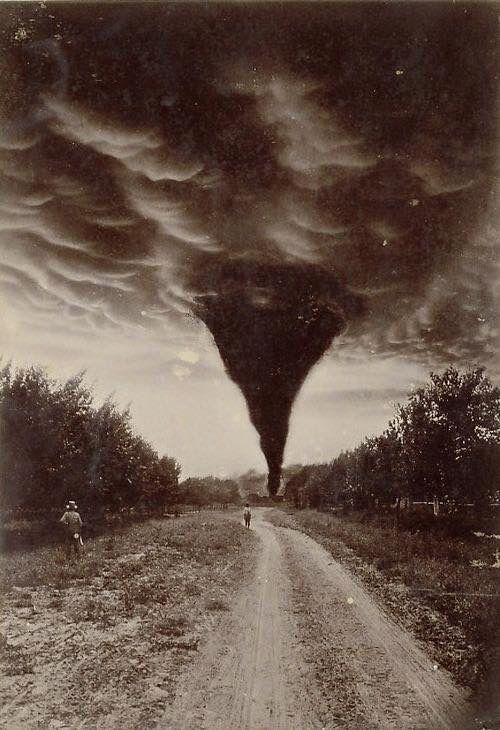
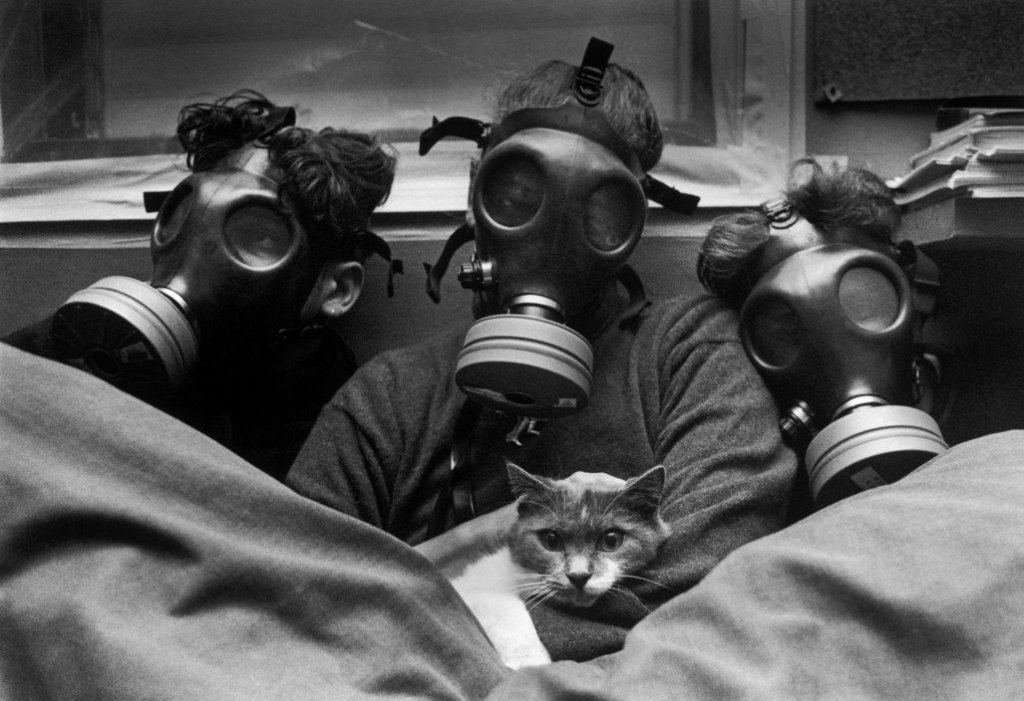
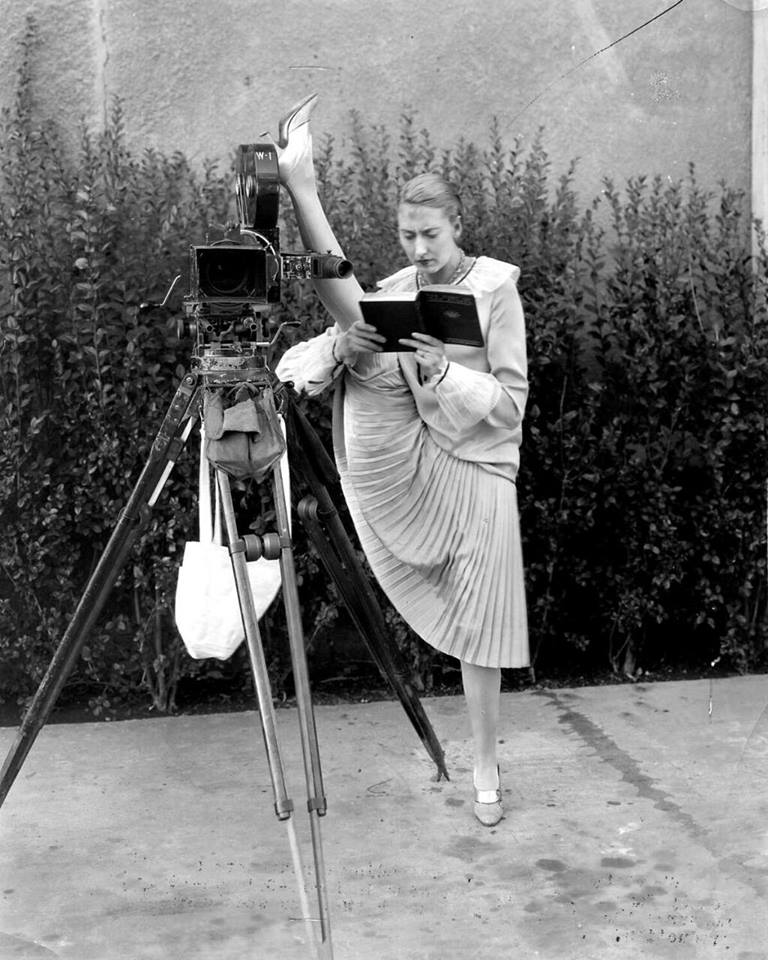
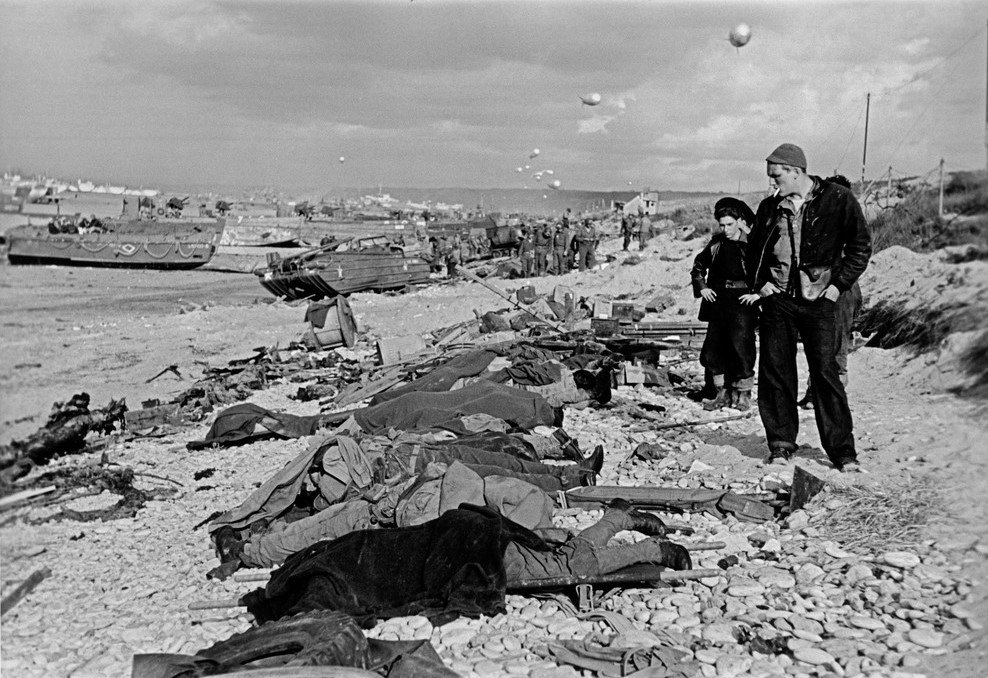
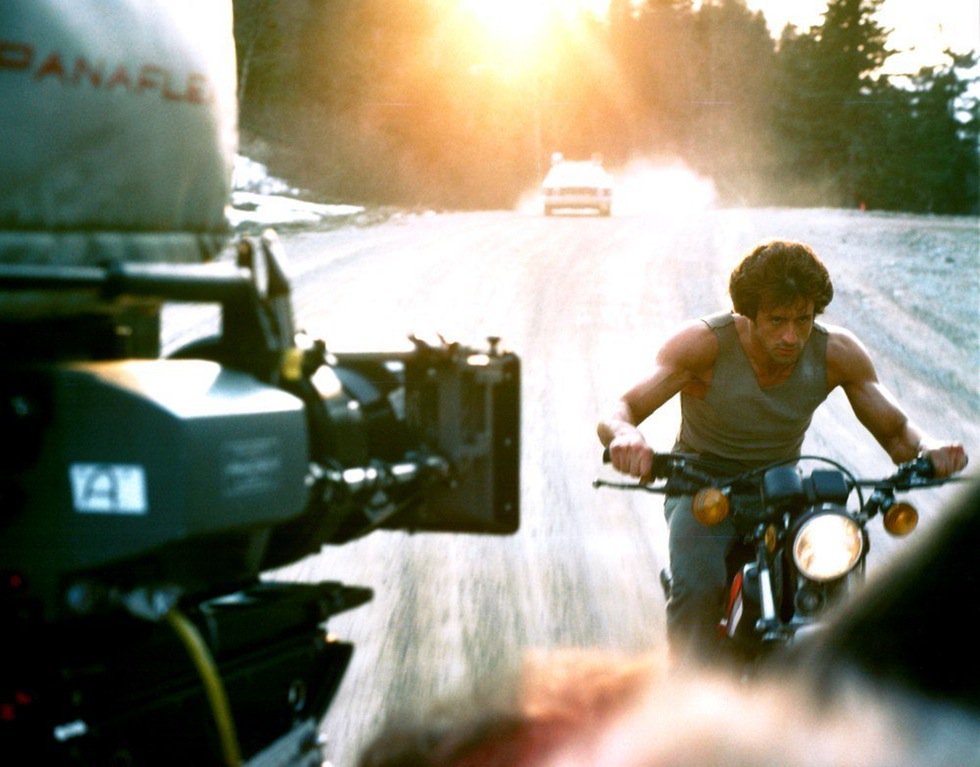
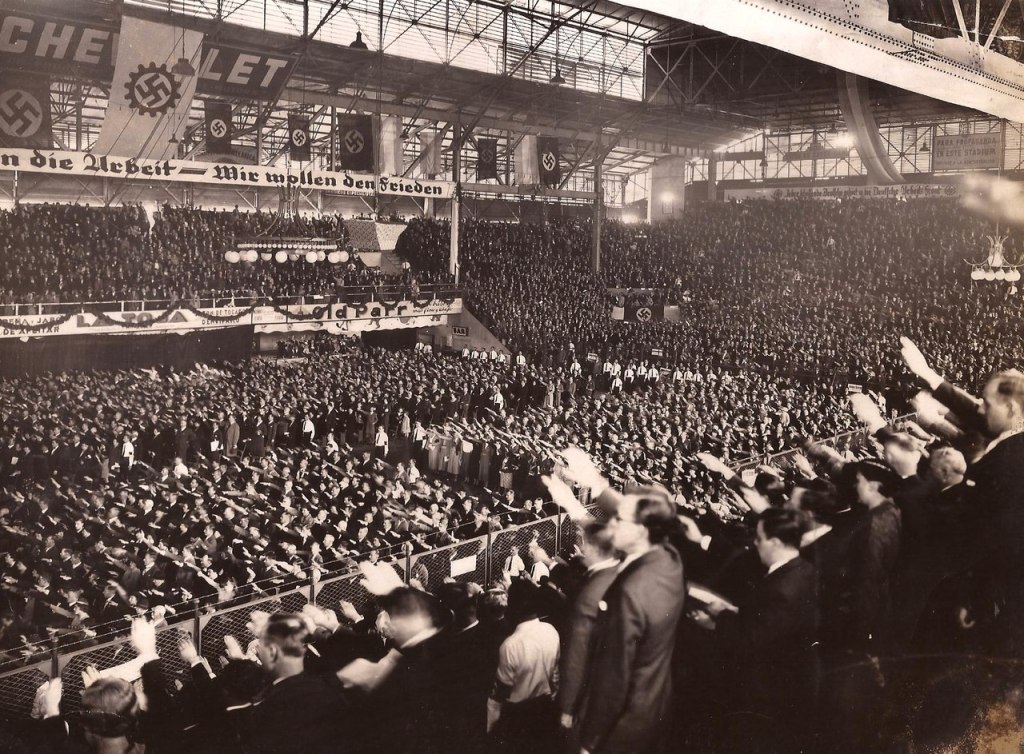
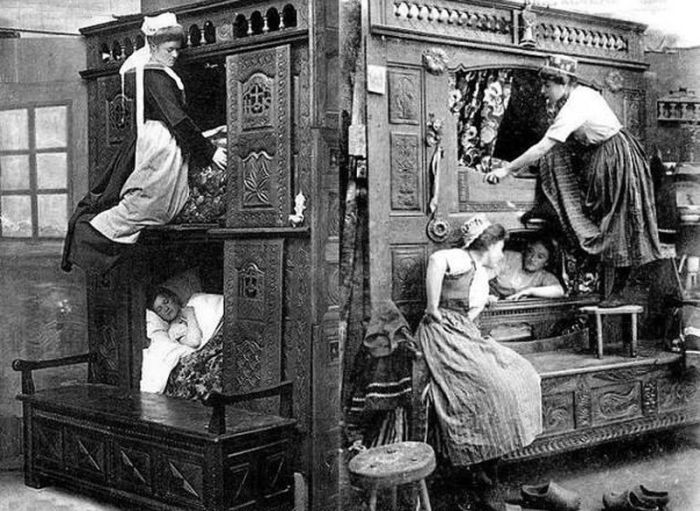
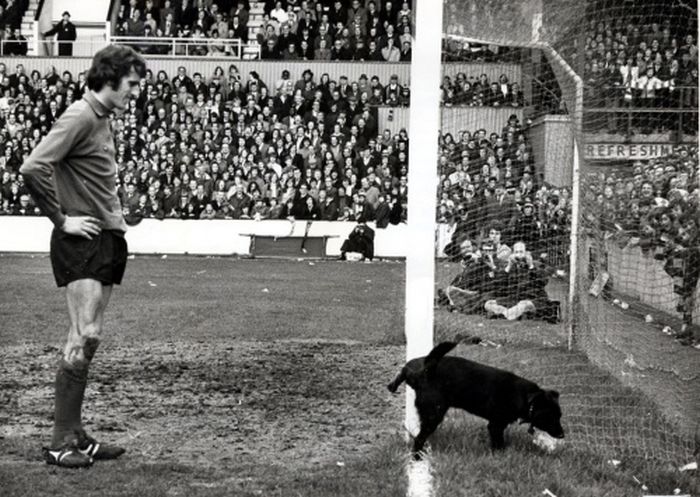
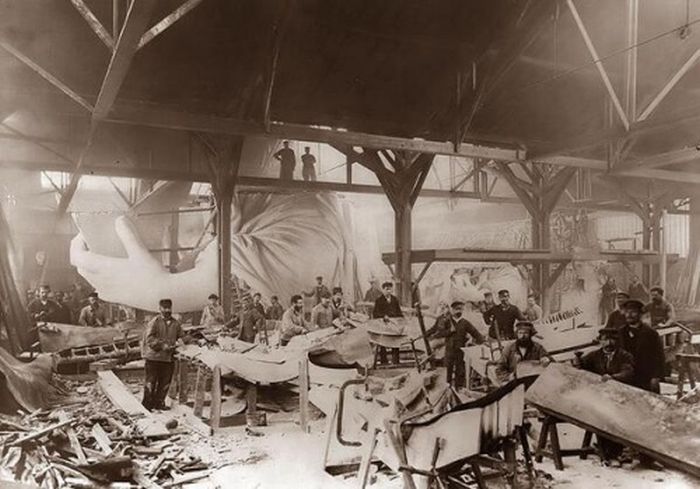
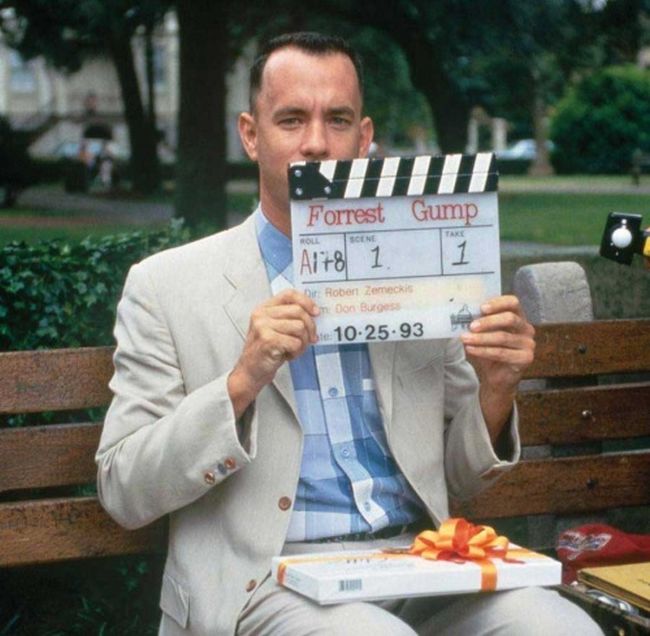
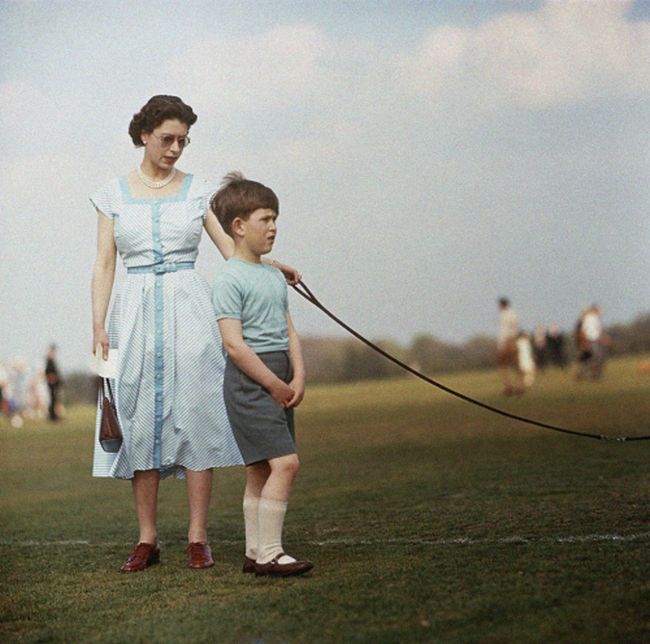
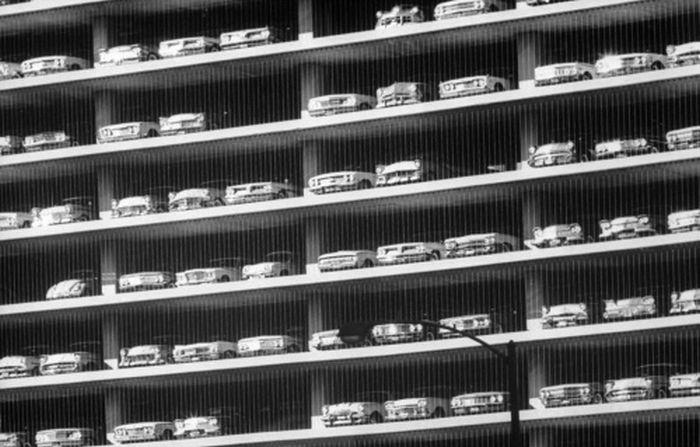
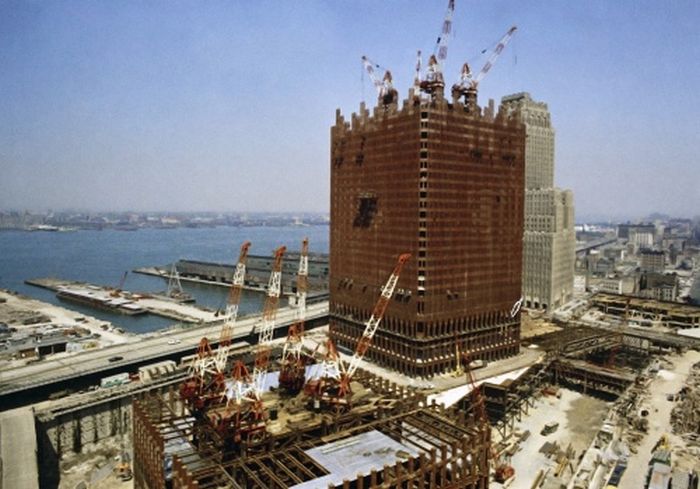
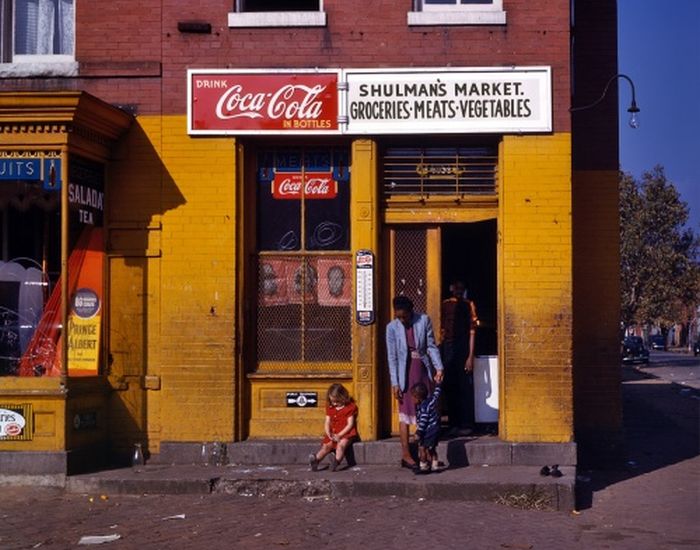
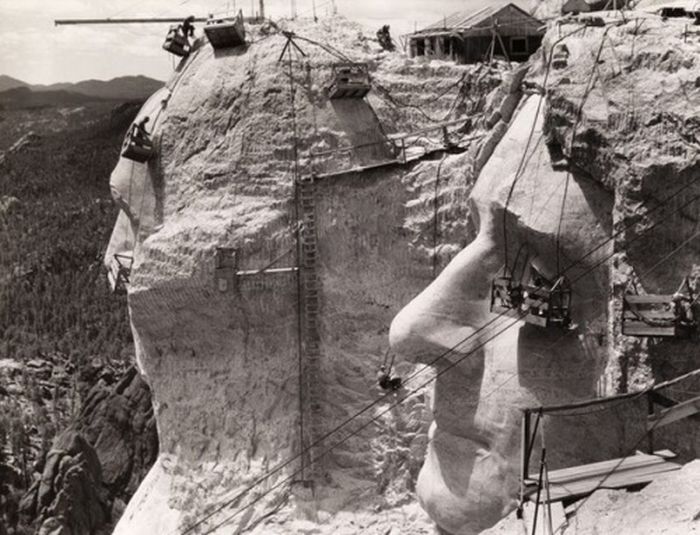
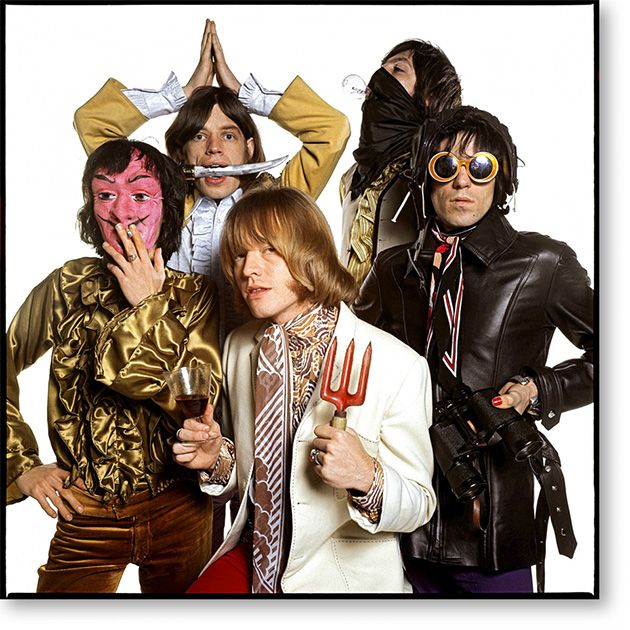
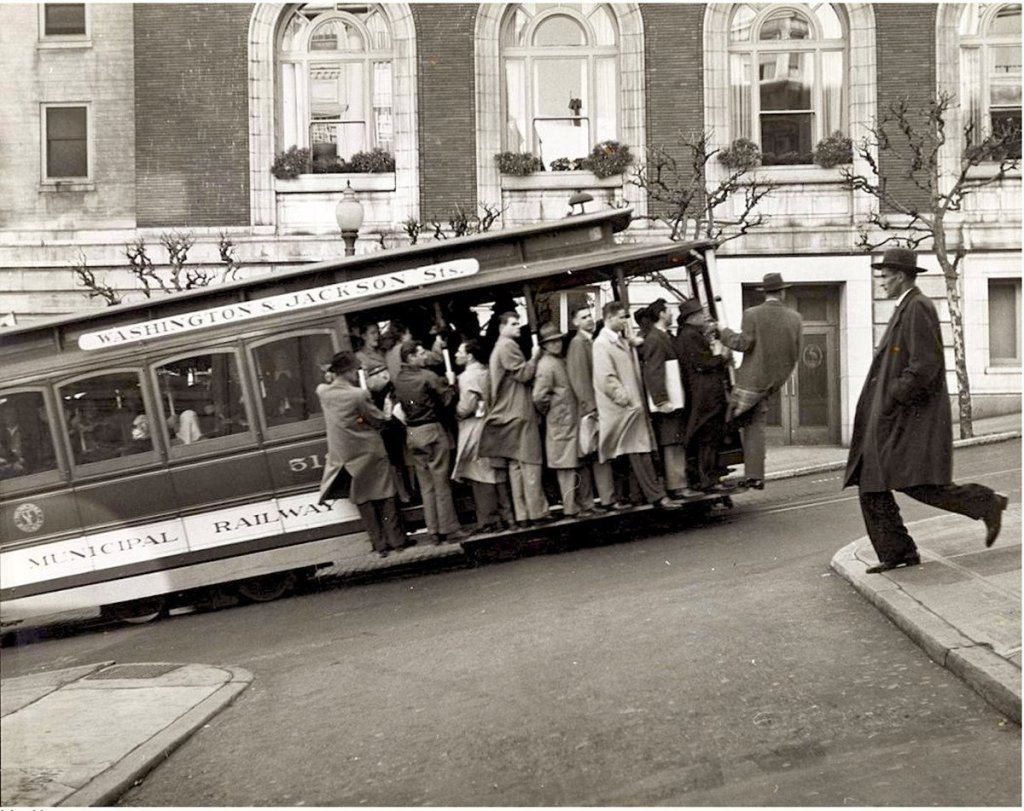
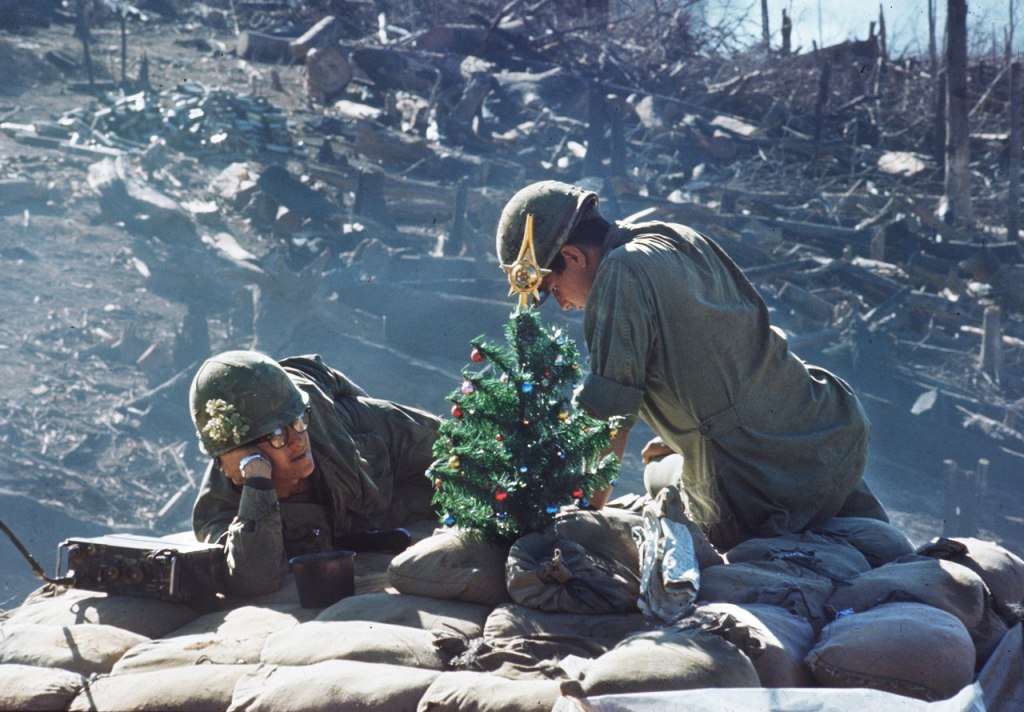
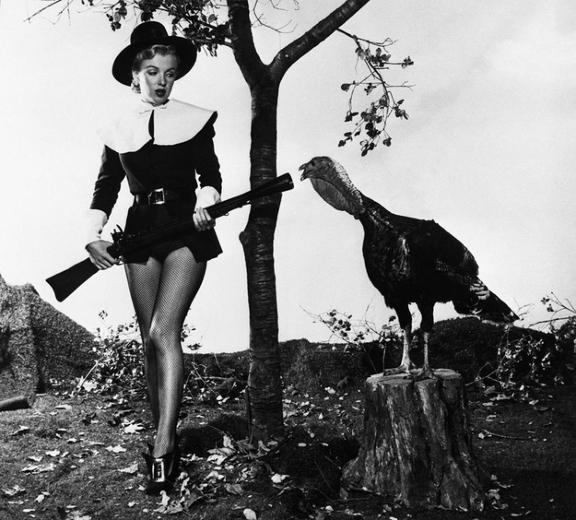
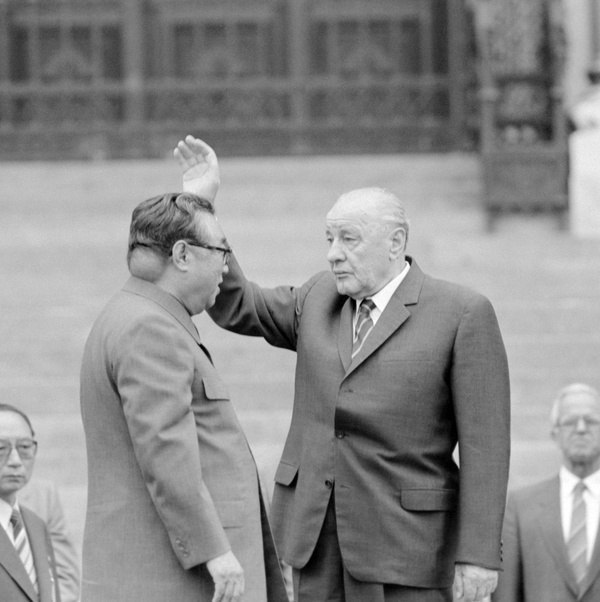
Oklahoma tornado captured in a 1898 photo.Tel Aviv, Israel during Gulf War. 1991.Vanessa Paradis with elephant, 1991Actress & Dancer, Charlotte Greenwood, 1928French fishermen after D-Day looking at the bodies of American soldiers who were killed during the landing, 1944.Sylvester Stallone filming the motorcycle chase scene for First Blood, 1980s.Biggest Nazi Rally outside of Germany – Buenos Aires, Luna Park, 1938.De Beer mine workers are X-rayed at the end of every shift before leaving the diamond mines. Kimberly, South Africa. 1954.A bedroom for maids in England, 1843.The first version of a mobile radio telephone being used in 1924.George Nissen, Inventor of the Trampoline, jumping with his Kangaroo.1960.It was the 15th of April 1972 and the Hammers were playing Liverpool in the penultimate home game of the season.Statue of Liberty Construction in France, 1884, Paris.The first scene to Forrest Gump 1994 with Tom HanksA young Chuck Norris. 1940s, USA.1956: Queen Elizabeth II looks relaxed with Prince Charles at Windsor Great ParkLee Harvey Oswald, Dallas, 1963Ronald Reagan telling Frank Sinatra to stop dancing with his wife, 1981.1961. Garages in ChicagoWorld Trade Center Under Construction in 1969.Louise Roskam Shulman’s Market: 1942Construction of Mt. Rushmore National Memorial 1939Bruce lee having a nap, 1960s.Hillary Clinton, 1969Luritja man demonstrating method of attack with boomerang under cover of a shield, central Australia,1920s.THE ROLLING STONES JUMPIN’ JACK FLASH ORIGINAL 1968The Beatles, Dallas, 1964Cable Car, San Francisco 1947American soldiers rest near a small Christmas tree on Hill 875 near Dak To, Vietnam.Marilyn Monroe – 1950 – posing as a Pilgrim with shotgun and turkey.Rare photo of Kim Il-Sung’s baseball sized tumor on his neck, 1984.The first miss universe,1952.Bridgette Bardot in the South of France beach.1953.
The Great Depression was a severe worldwide economic depression that took place mostly during the 1930s, beginning in the United States. The timing of the Great Depression varied around the world; in most countries, it started in 1929 and lasted until the late 1930s. It was the longest, deepest, and most widespread depression of the 20th century. The Great Depression is commonly used as an example of how intensely the global economy can decline.
The Great Depression started in the United States after a major fall in stock prices that began around September 4, 1929, and became worldwide news with the stock market crash of October 29, 1929, which was known as Black Tuesday. Between 1929 and 1932, worldwide gross domestic product (GDP) fell by an estimated 15%. By comparison, worldwide GDP fell by less than 1% from 2008 to 2009 during the Great Recession. Some economies started to recover by the mid-1930s. However, in many countries, the negative effects of the Great Depression lasted until the beginning of World War II.
The Great Depression had devastating effects in both rich and poor countries. Personal income, tax revenue, profits and prices dropped, while international trade fell by more than 50%. Unemployment in the U.S. rose to 23% and in some countries rose as high as 33%. Cities around the world were hit hard, especially those dependent on heavy industry. Construction was virtually halted in many countries. Farming communities and rural areas suffered as crop prices fell by about 60%. Facing plummeting demand with few alternative sources of jobs, areas dependent on primary sector industries such as mining and logging suffered the most.
Economic historians usually consider the catalyst of the Great Depression to be the sudden devastating collapse of U.S. stock market prices, starting on October 24, 1929. However, some dispute this conclusion and see the stock crash as a symptom, rather than a cause, of the Great Depression.
Even after the Wall Street Crash of 1929, where the Dow Jones Industrial Average dropped from 381 to 198 over the course of two months, optimism persisted for some time. The stock market turned upward in early 1930, with the Dow returning to 294 (pre-depression levels) in April 1930, before steadily declining for years, to a low of 41 in 1932.
At the beginning, governments and businesses spent more in the first half of 1930 than in the corresponding period of the previous year. On the other hand, consumers, many of whom suffered severe losses in the stock market the previous year, cut their expenditures by 10%. In addition, beginning in the mid-1930s, a severe drought ravaged the agricultural heartland of the U.S.
Interest rates dropped to low levels by mid-1930, but expected deflation and the continuing reluctance of people to borrow meant that consumer spending and investment remained low. By May 1930, automobile sales declined to below the levels of 1928. Prices, in general, began to decline, although wages held steady in 1930. Then a deflationary spiral started in 1931. Farmers faced a worse outlook; declining crop prices and a Great Plains drought crippled their economic outlook. At its peak, the Great Depression saw nearly 10% of all Great Plains farms change hands despite federal assistance.
The decline in the U.S. economy was the factor that pulled down most other countries at first; then, internal weaknesses or strengths in each country made conditions worse or better.[citation needed] Frantic attempts by individual countries to shore up their economies through protectionist policies – such as the 1930 U.S. Smoot–Hawley Tariff Act and retaliatory tariffs in other countries – exacerbated the collapse in global trade, contributing to the depression. By 1933, the economic decline pushed world trade to one third of its level compared to four years earlier. (Wikipedia)
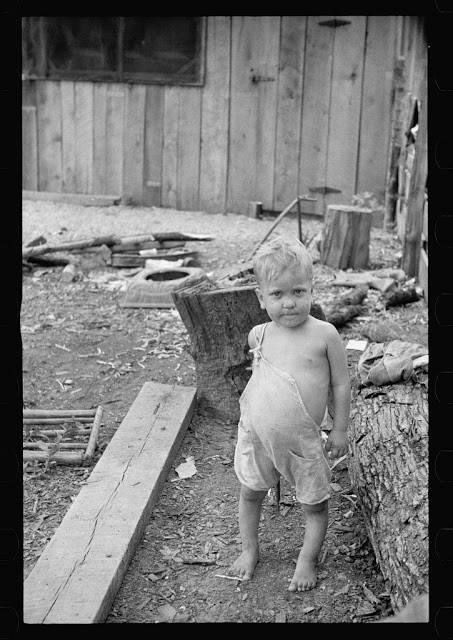
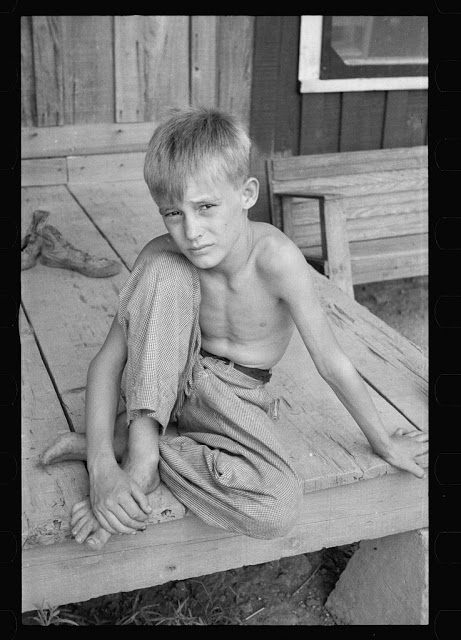
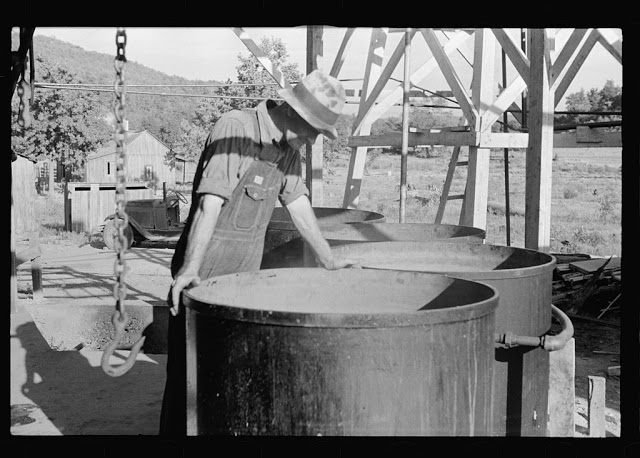
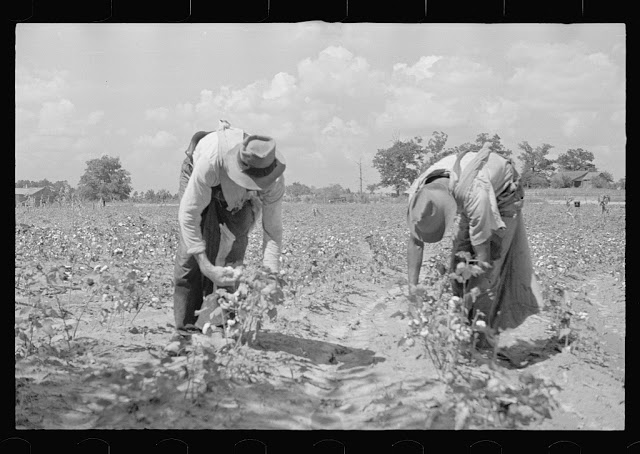
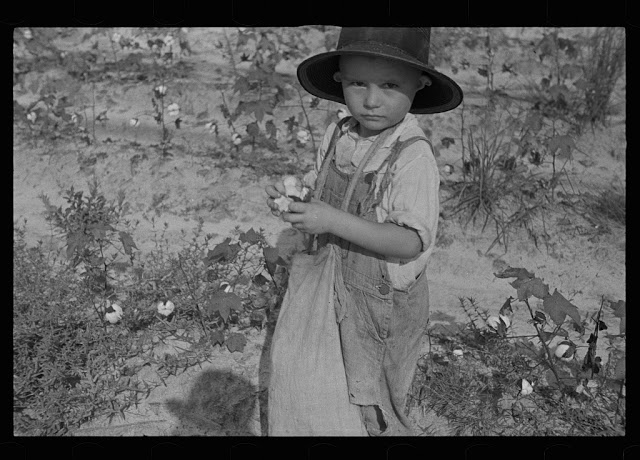
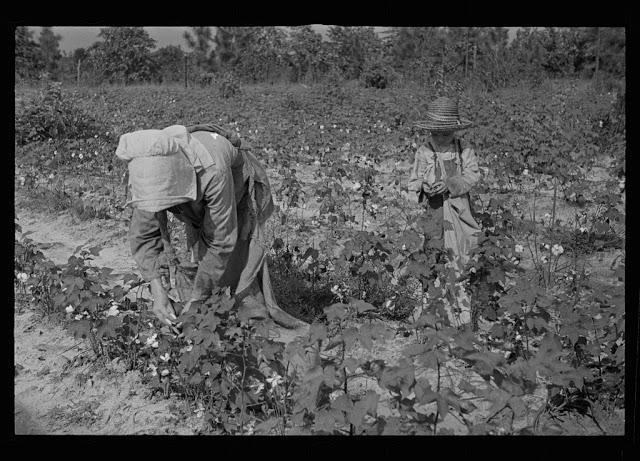
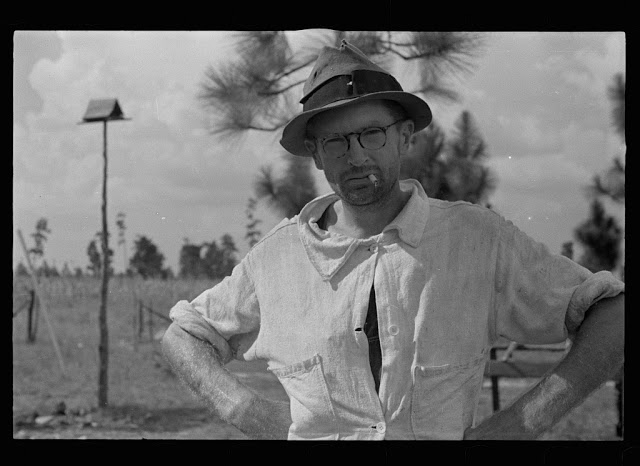
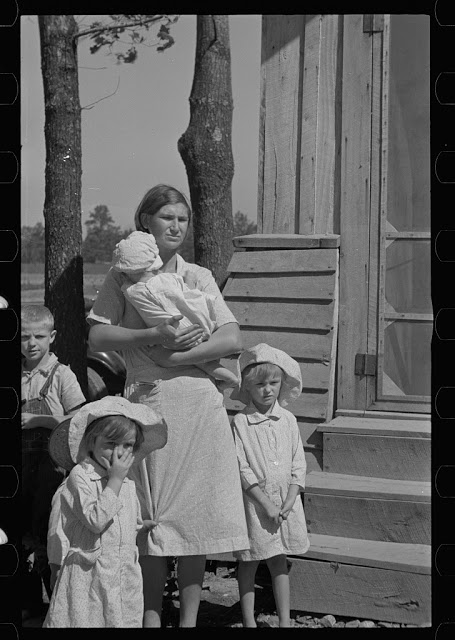
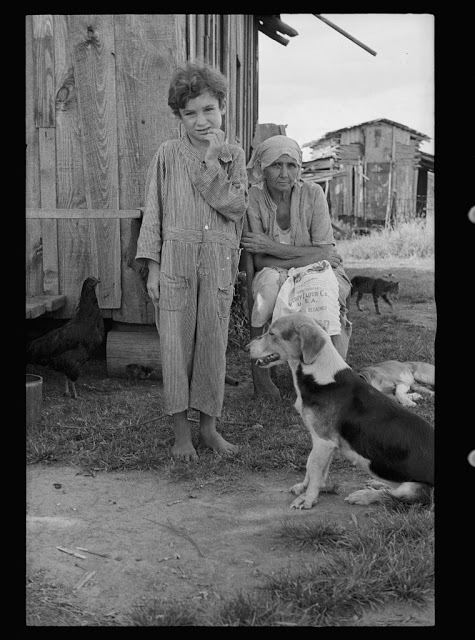
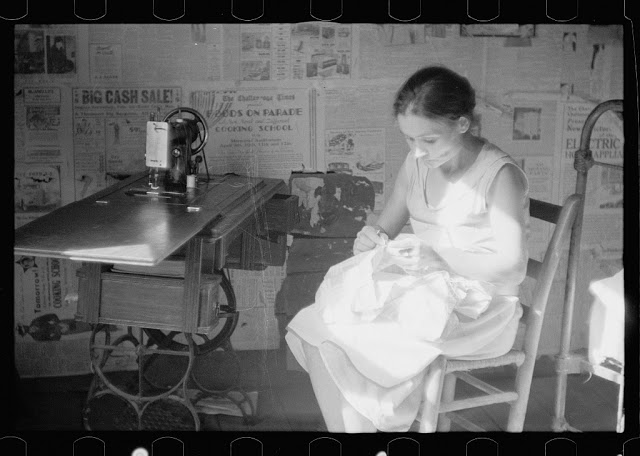
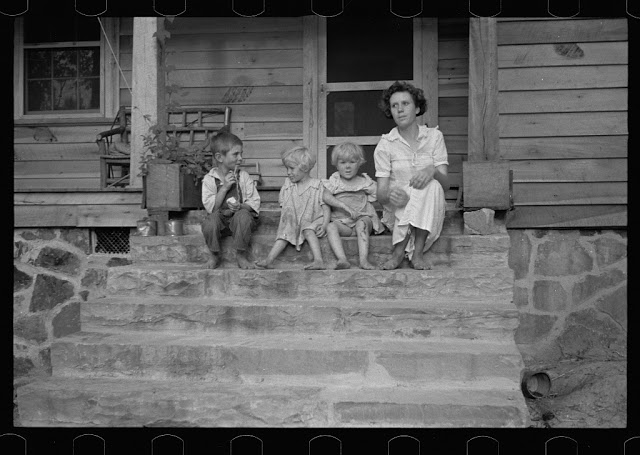
Born in New York City in 1915, Arthur Rothstein showed an early interest in photography. While studying at Columbia University, he met economics instructor Roy Stryker, who would later establish the photographic section of the Resettlement Administration (later the Farm Security Administration) in Washington, DC.
Appreciating Rothstein’s technical proficiency and enthusiasm for photography, Stryker hired him in 1935 as the first staff photographer for the FSA. Rothstein spent the next five years creating some of the most iconic images of rural and small-town America during the Great Depression (1935-1940).
After leaving the FSA in 1940, Rothstein took a position as photographer for Look magazine; he remained there until 1971, ultimately serving as the magazine’s director of photography.
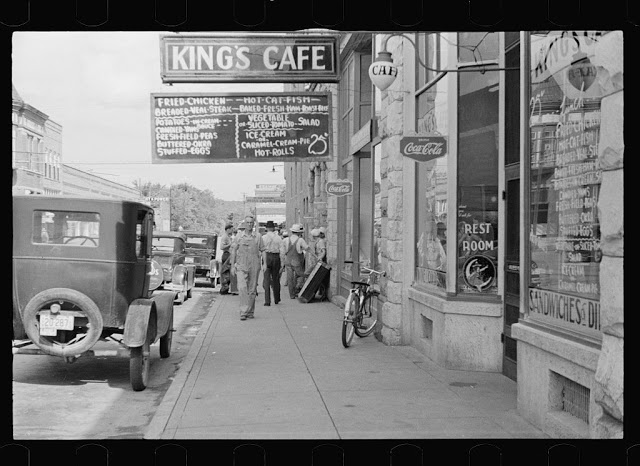
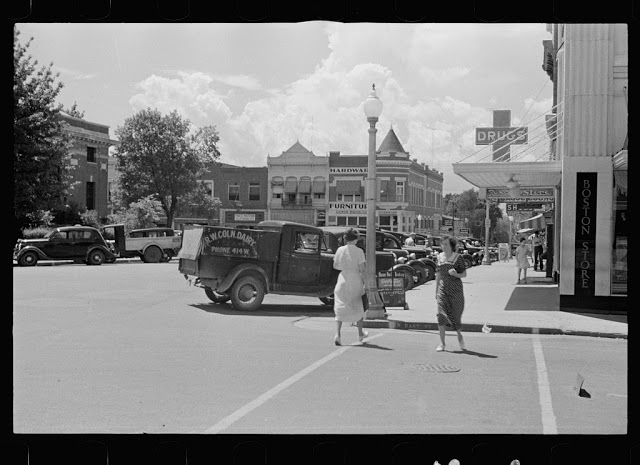
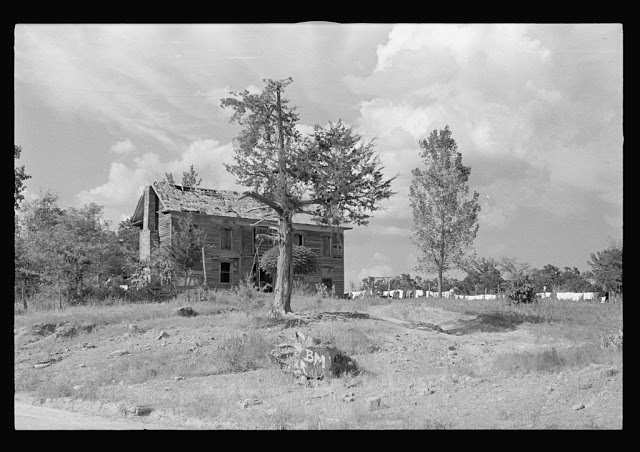
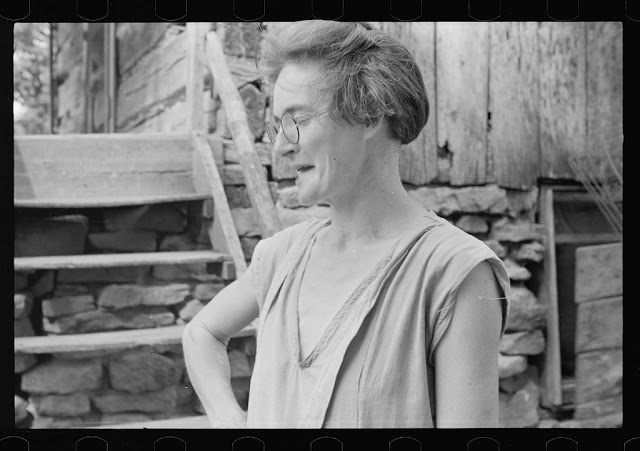
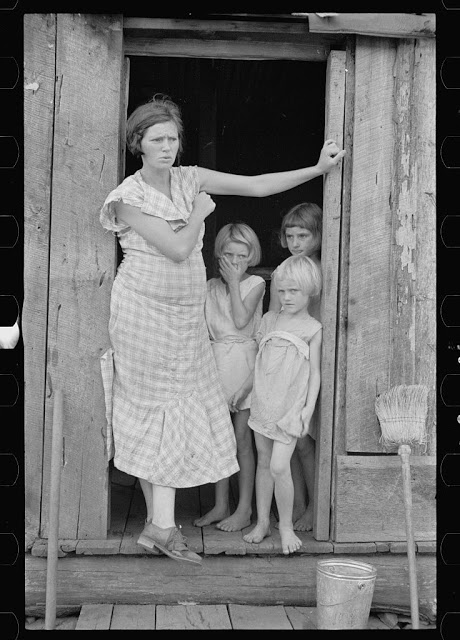
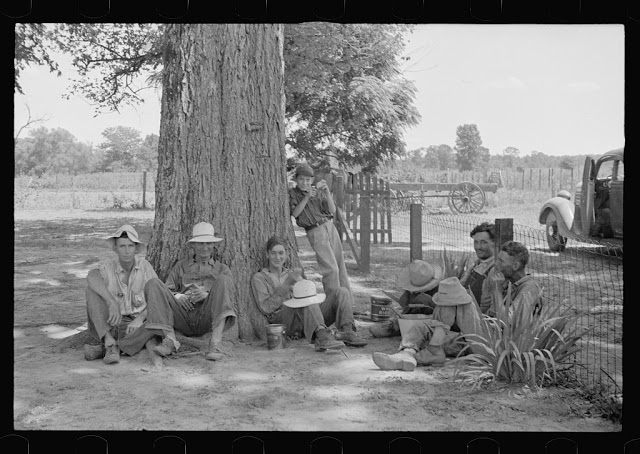
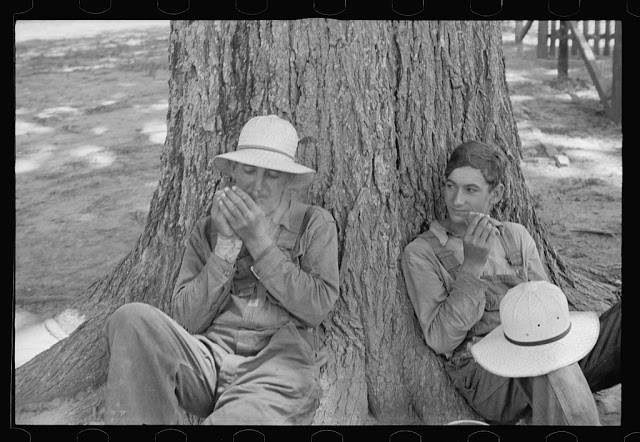
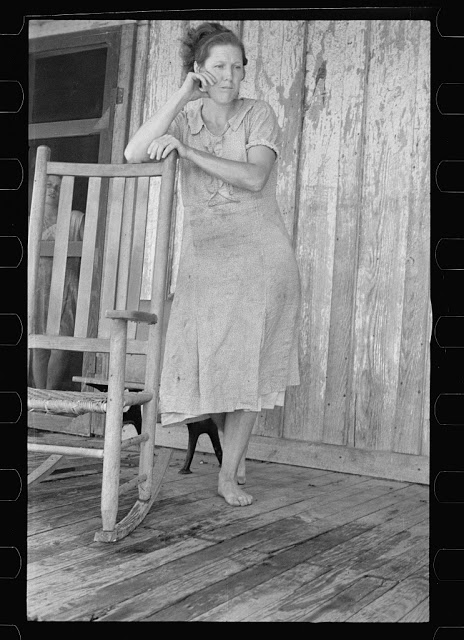
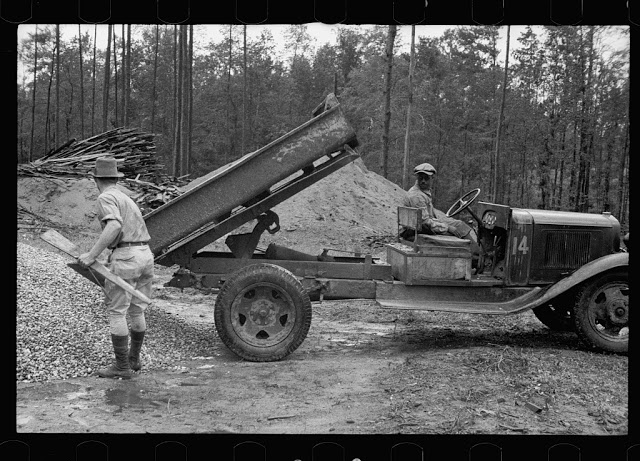
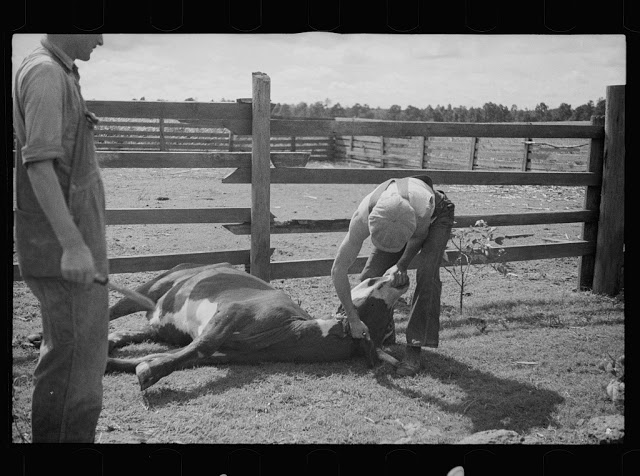
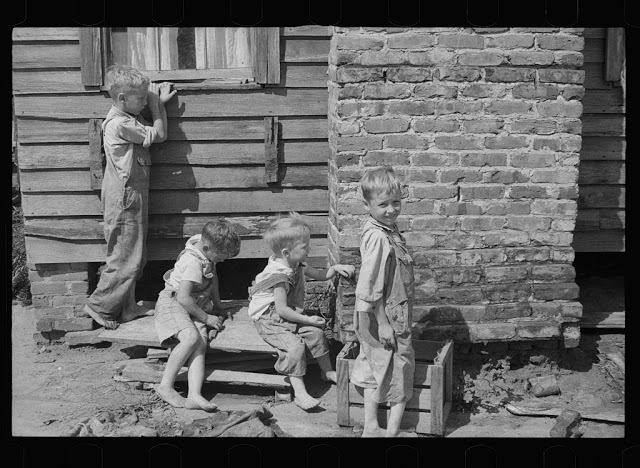
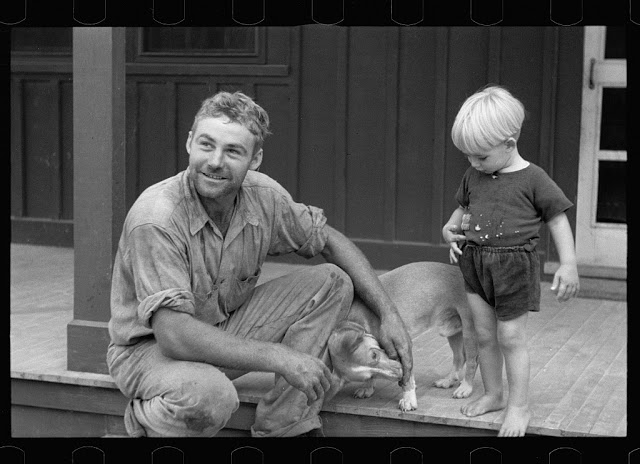
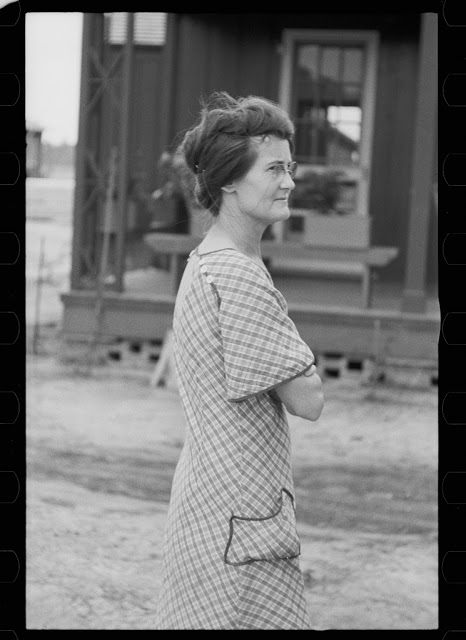
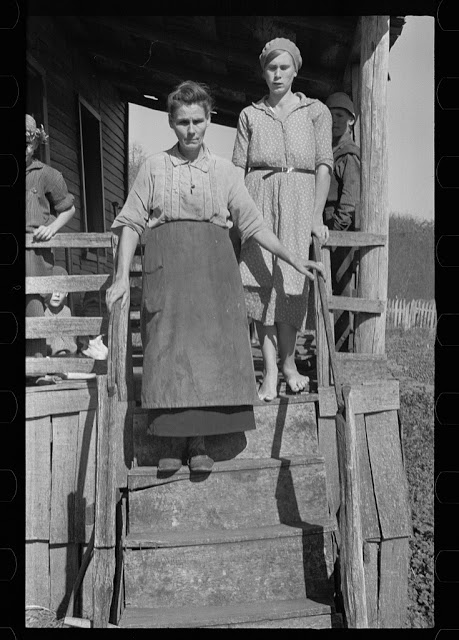
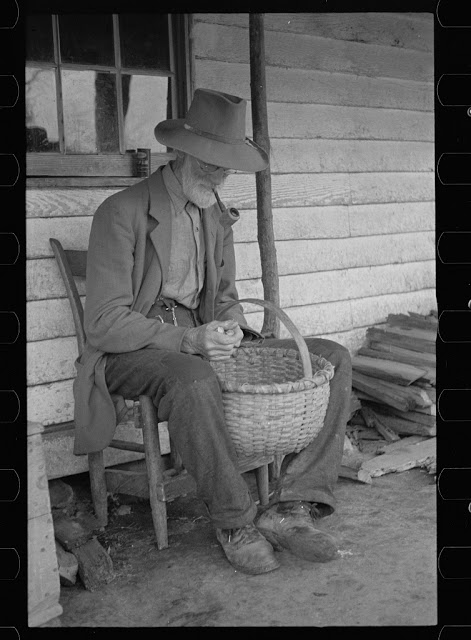
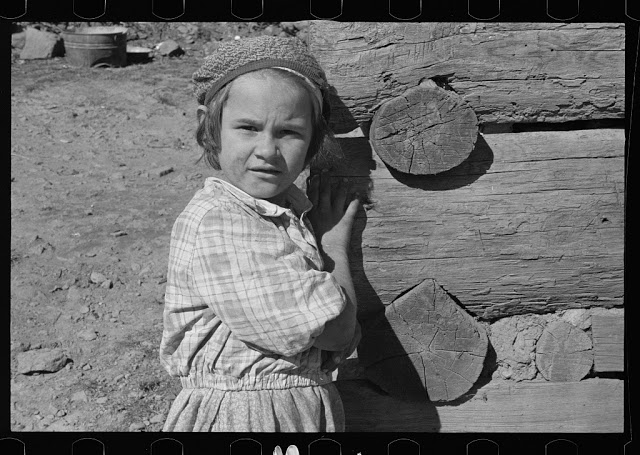
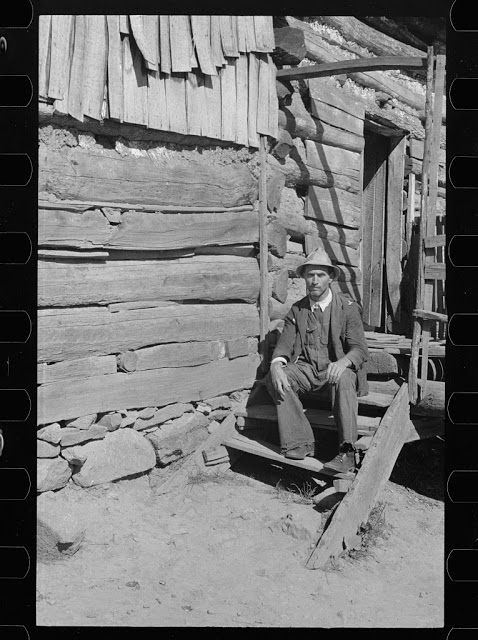
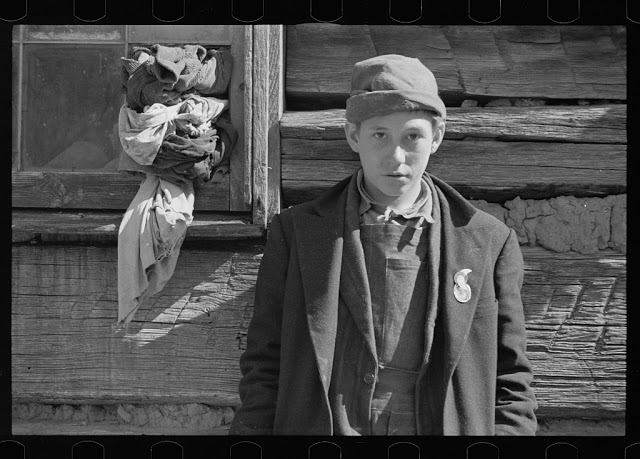
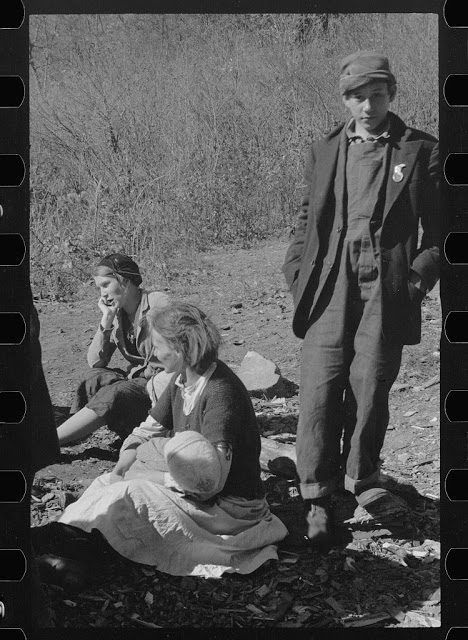
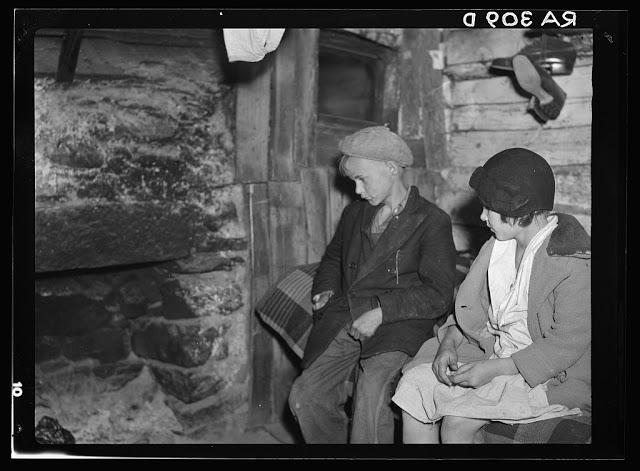
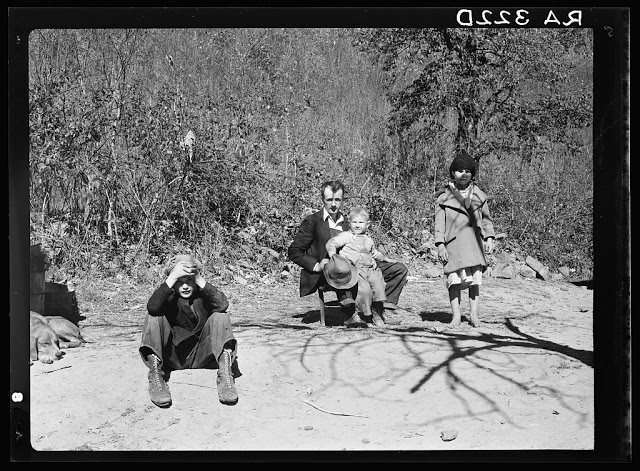
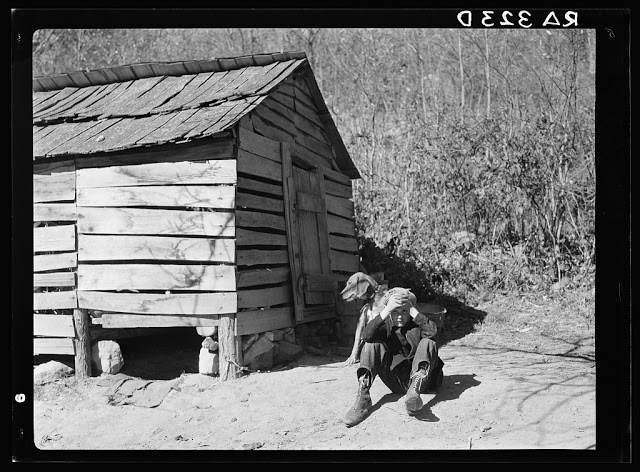
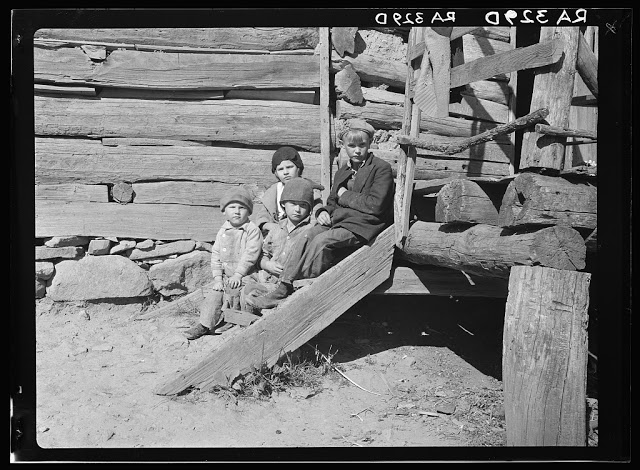
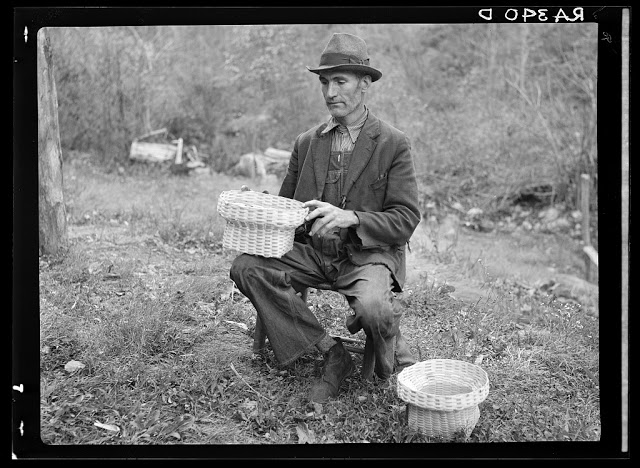
Sharecropper’s child suffering from rickets and malnutrition, Wilson cotton plantation, Mississippi County, Arkansas.Son of a sharecropper, Mississippi County, Arkansas.Daughter of sharecropper, Mississippi County, Arkansas.Sharecropper and children in front of company house. Wilson cotton plantation, Mississippi County, Arkansas.Demonstrating process of canning corn at community canning kitchen near Atkins, Arkansas.Commercial canning kitchen near Huntsville, Arkansas.Street scene at Clarksville, Arkansas.Street scene at Clarksville, Arkansas.Street scene at Clarksville, Arkansas.Scene at Fayetteville, Arkansas.Old stage coach tavern near Huntsville, Arkansas, now inhabited by rehabilitation client.Wife of rehabilitation client, Washington County, Arkansas.Farmer who supplements his income by selling ice, Huntsville, Arkansas.Wife and children of sharecropper in Washington County, Arkansas.Lunchtime, Pulaski County, Arkansas. Stortz cotton plantation.Lunchtime, Pulaski County, Arkansas.Wife of a sharecropper, Stortz cotton plantation, Pulaski County, Arkansas.Cotton picking scene, Pike County, Mississippi.Son of a cotton sharecropper, Lauderdale County, Mississippi.Picking cotton, Lauderdale County, Mississippi.Cotton sharecropper, Lauderdale County, Mississippi.Truck dropping building materials, Grady County, Georgia.Slaughtering a bull, Grady County, Georgia.Blacksmith and foreman, Grady County, Georgia.Children of resettled farmer who has been moved into a new house, Wolf Creek Farms, Grady County, Georgia.Young farmer who has been resettled, Penderlea, North Carolina.Wife and children of resettled farmer, Jackson County, AlabamaWife and child of sharecropper, Tangipahoa Parish, Louisiana.Son of a successful rehabilitation client, Tangipahoa Parish, Louisiana.Wife of sharecropper to be resettled on Skyline Farms, Alabama.Children of resettlement farmer, Skyline Farms, Alabama.Resettlement client.Wife of resettled farmer, Pender County, North Carolina.Fannie Corbin with some of her children, Shenandoah National Park, Virginia.Postmaster at Old Rag, Shenandoah National Park, Virginia.Child in Corbin Hollow, Virginia.Eddie Nicholson who will be resettled on new land, Virginia.Settlers weaving baskets, Virginia.Two of the Nicholson children and their only cow, Shenandoah National Park, Virginia.Fennel Corbin and two of his grandchildren, Shenandoah National Park, Virginia.One of Dicee Corbin’s children, Shenandoah National Park, Virginia.Dicee Corbin with some of her children and grandchildren, Shenandoah National Park, Virginia.Citizens of Nethers in front of post office, Virginia.Two of Charlie Nicholson’s children. Shenandoah National Park, Virginia.Eddie Nicholson and some of his children. Shenandoah National Park, Virginia.One of Eddie Nicholson’s children. Shenandoah National Park, Virginia.Children whose family will be resettled on new land. Shenandoah National Park, Virginia.John Nicholson with some of the baskets he weaves. Shenandoah National Park, Virginia.Adam Nicholson. Shenandoah National Park, Virginia.
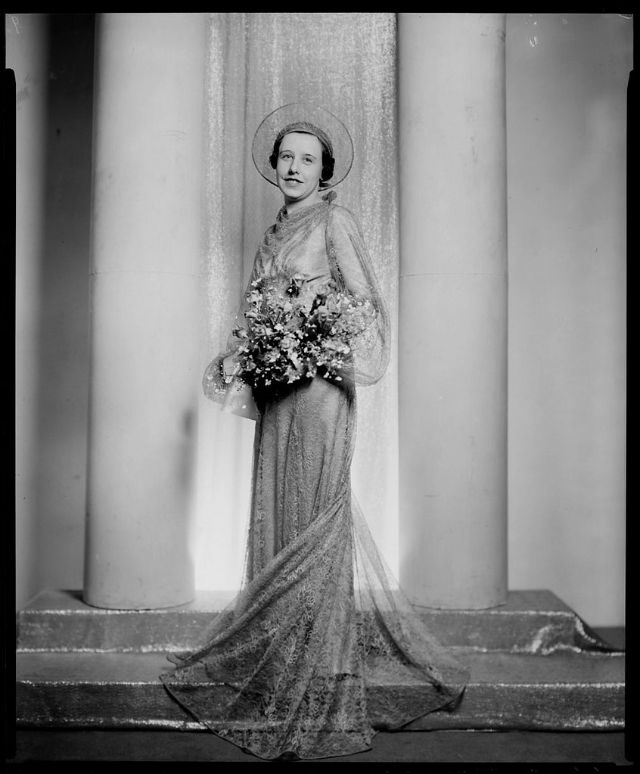
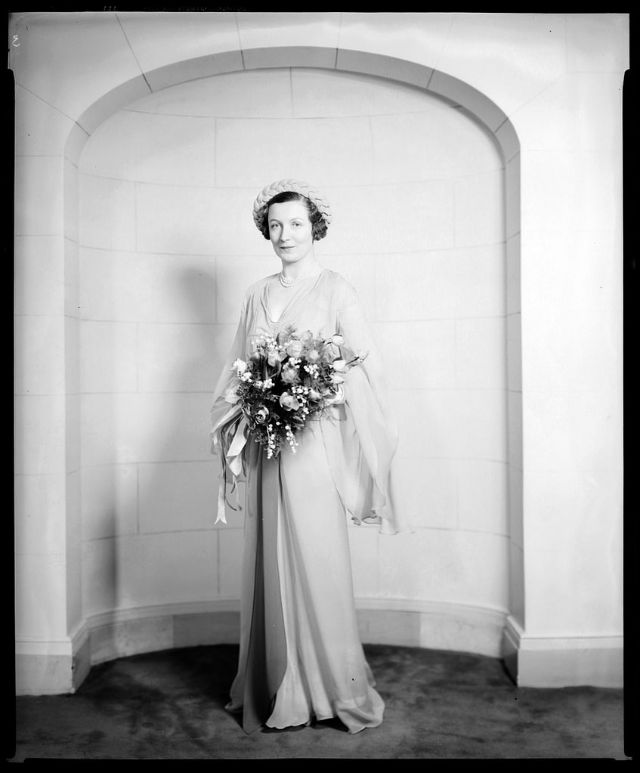
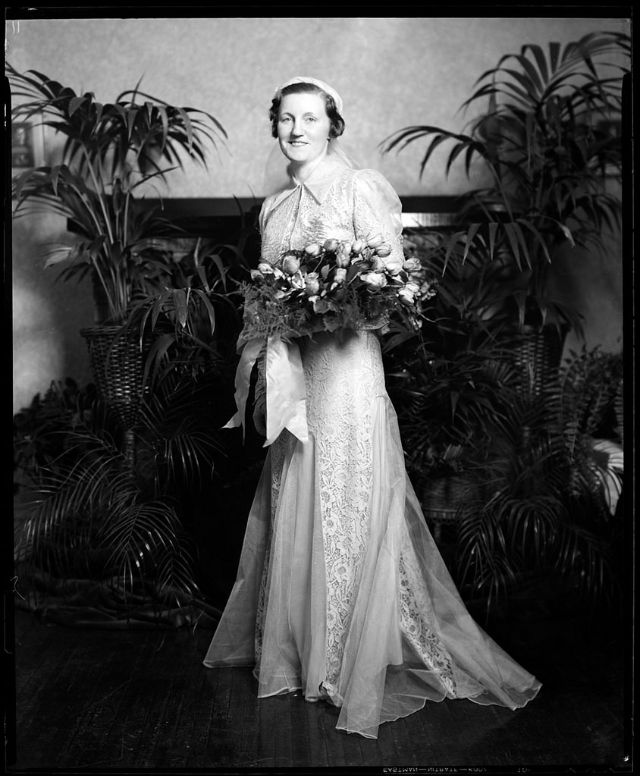
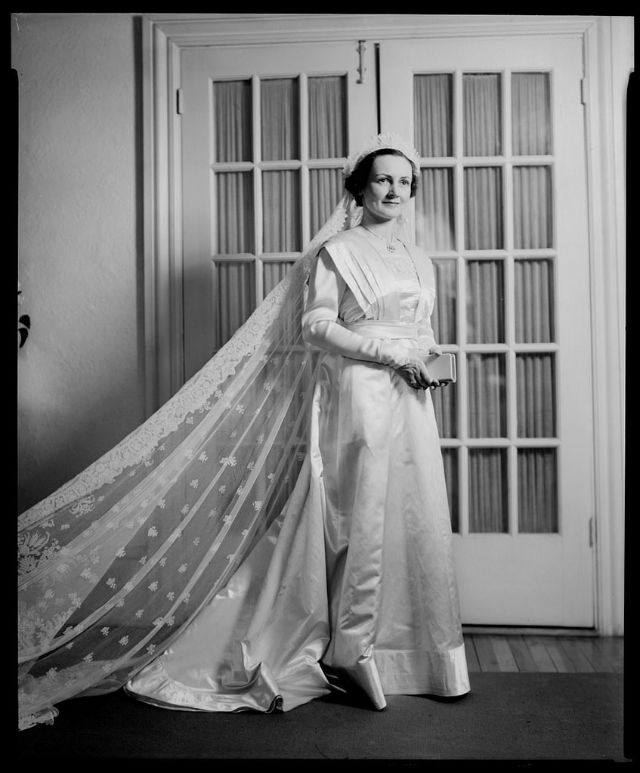
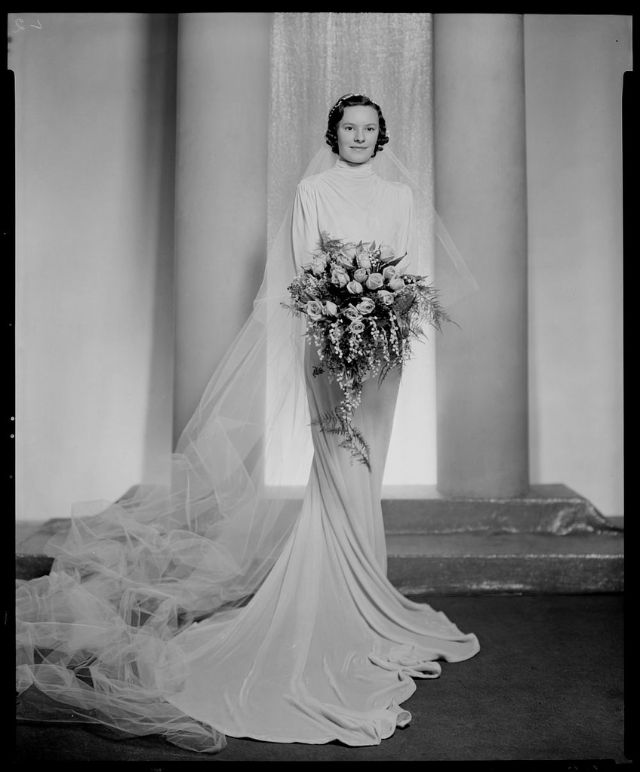
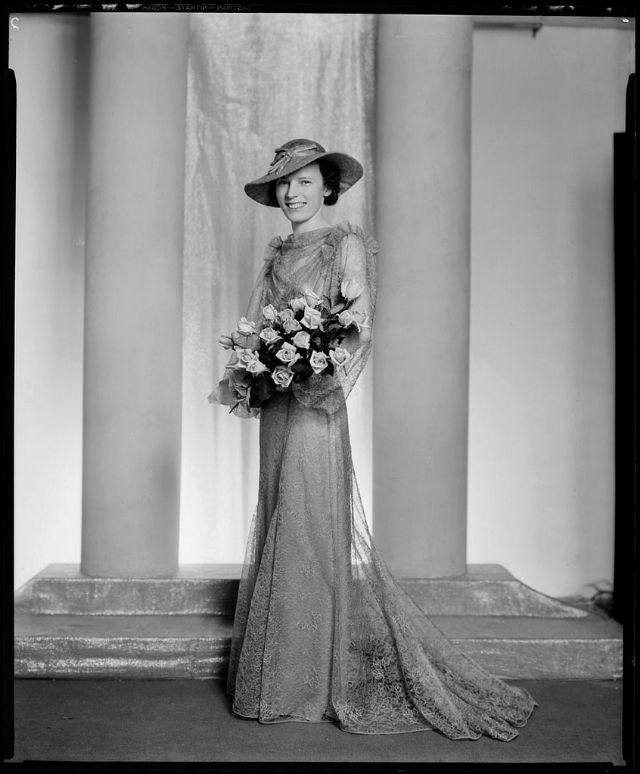
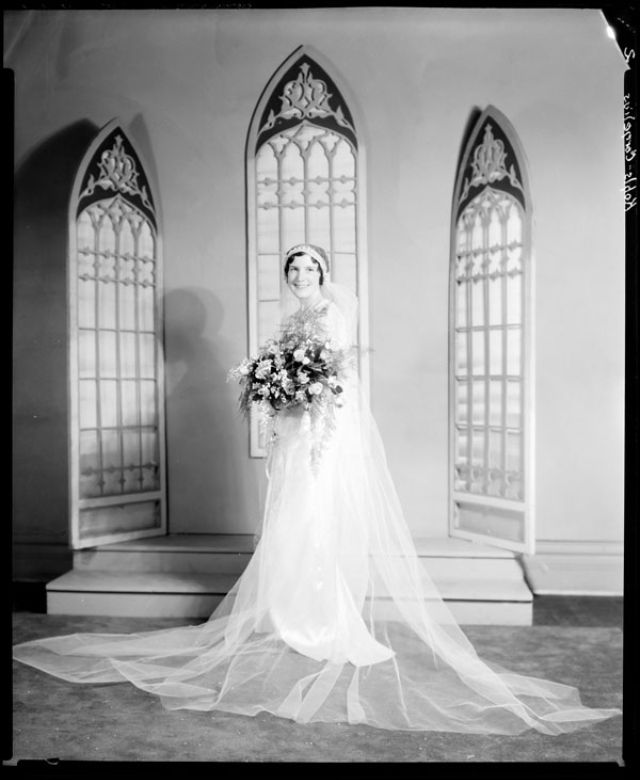
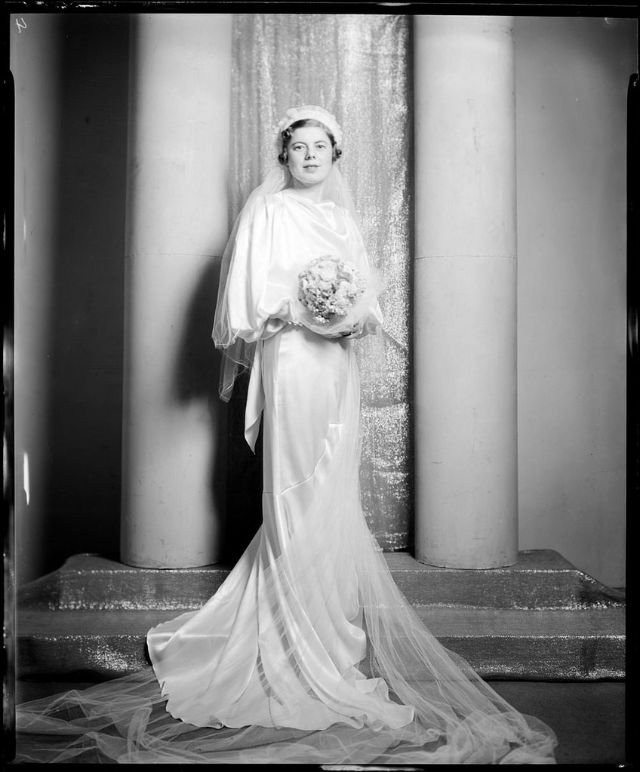
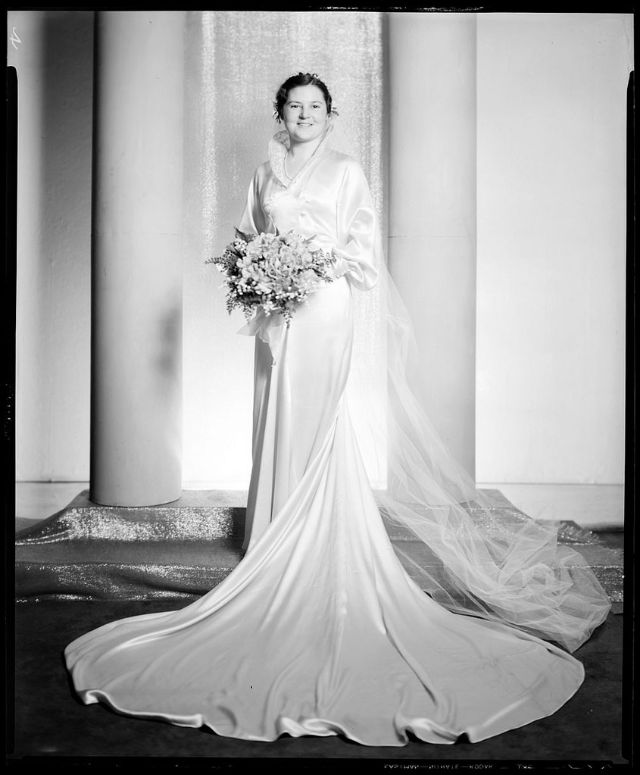
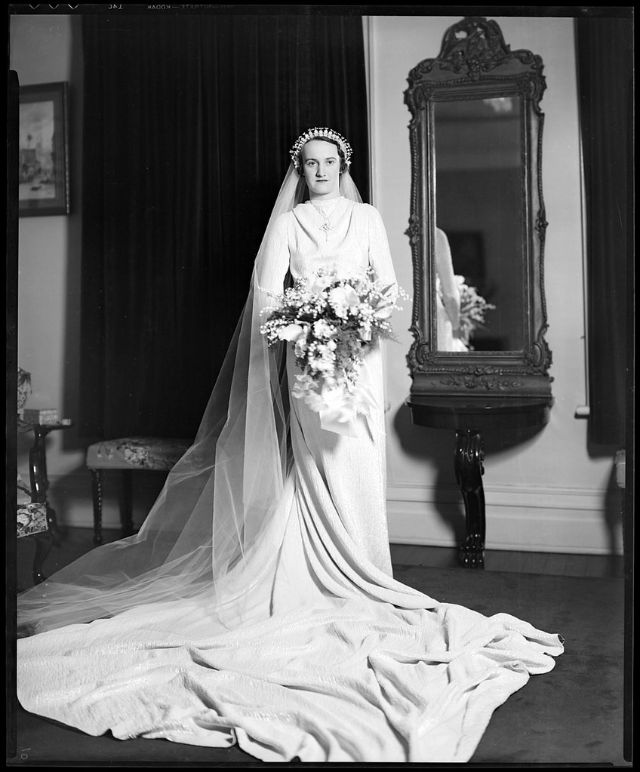
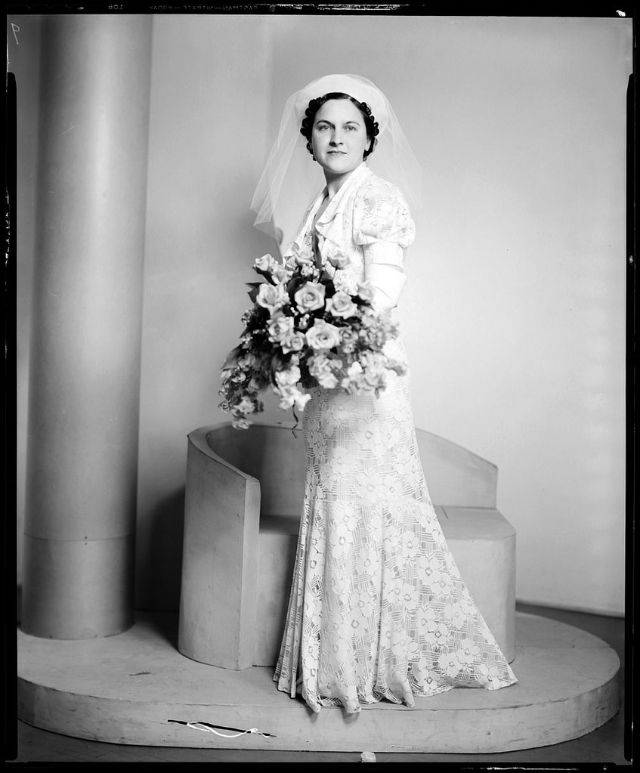
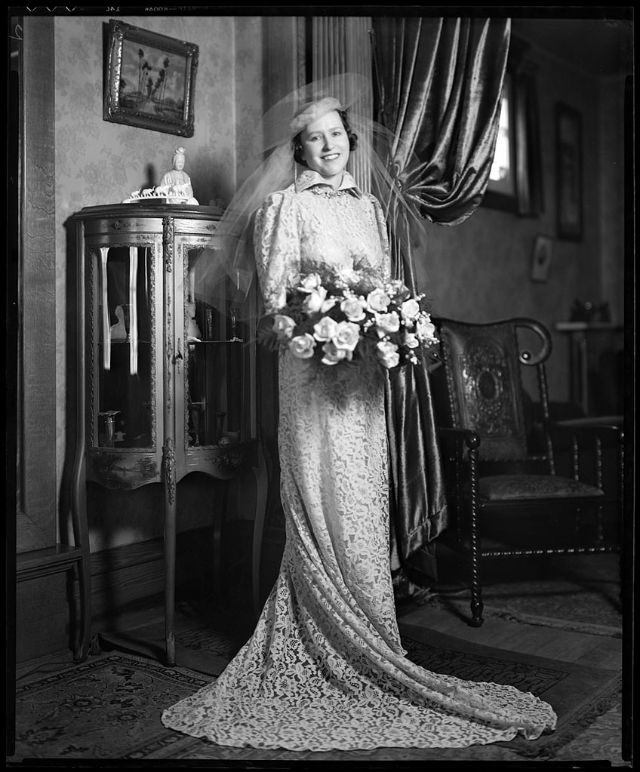
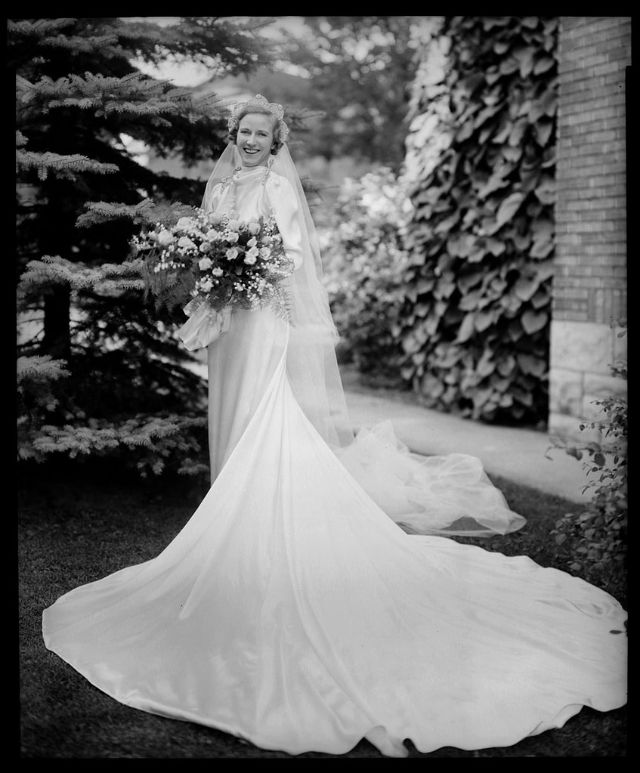
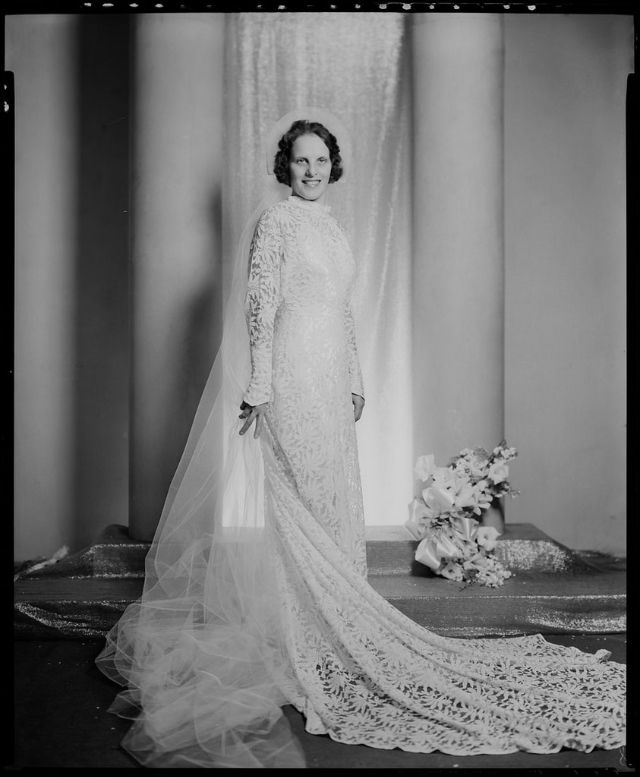
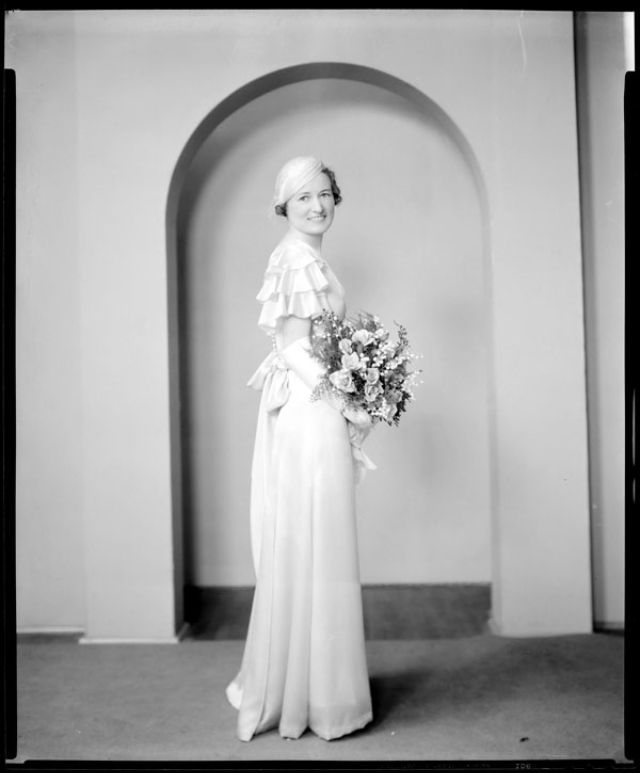
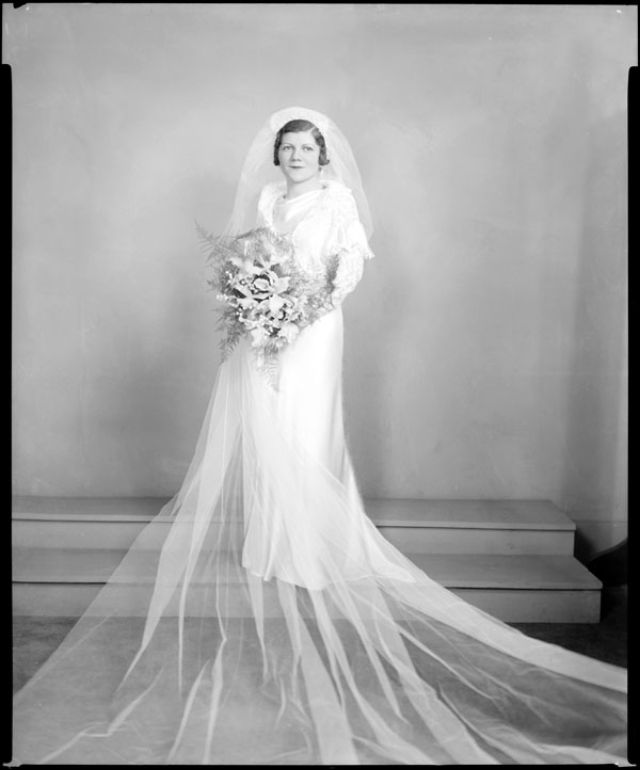
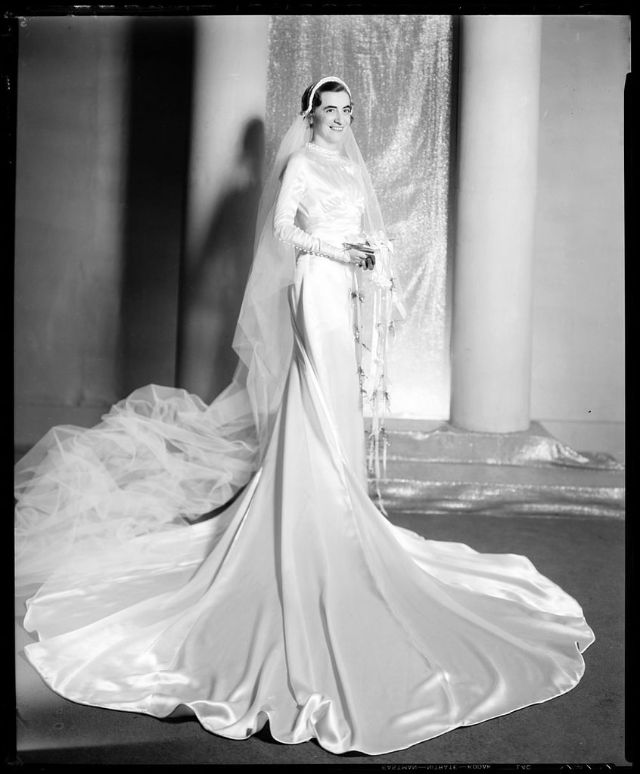
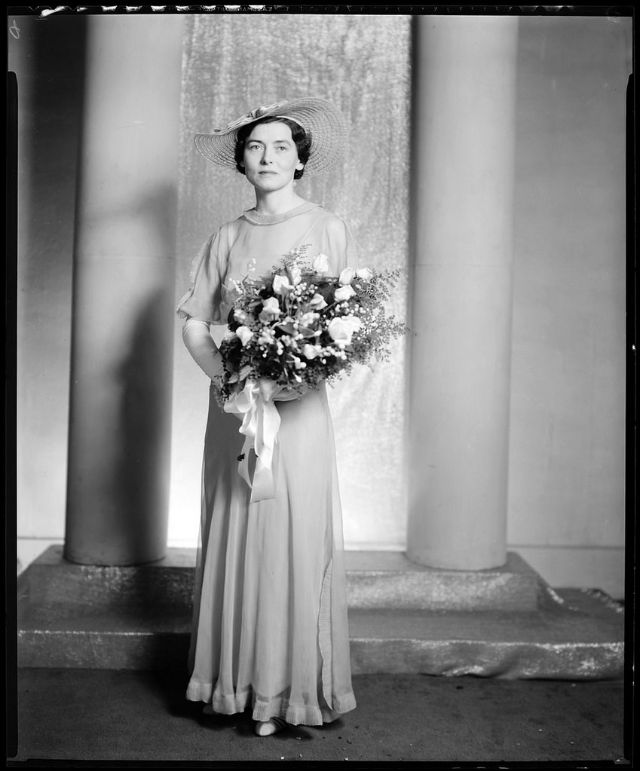
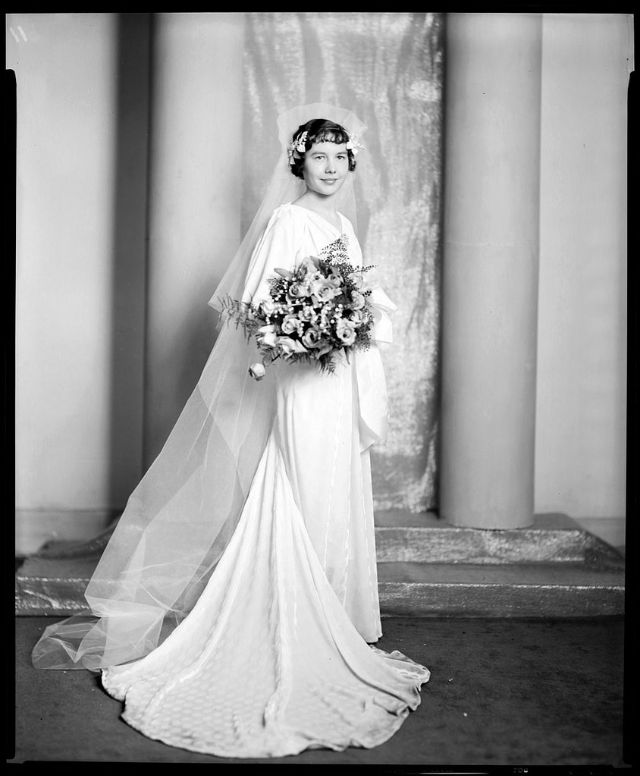
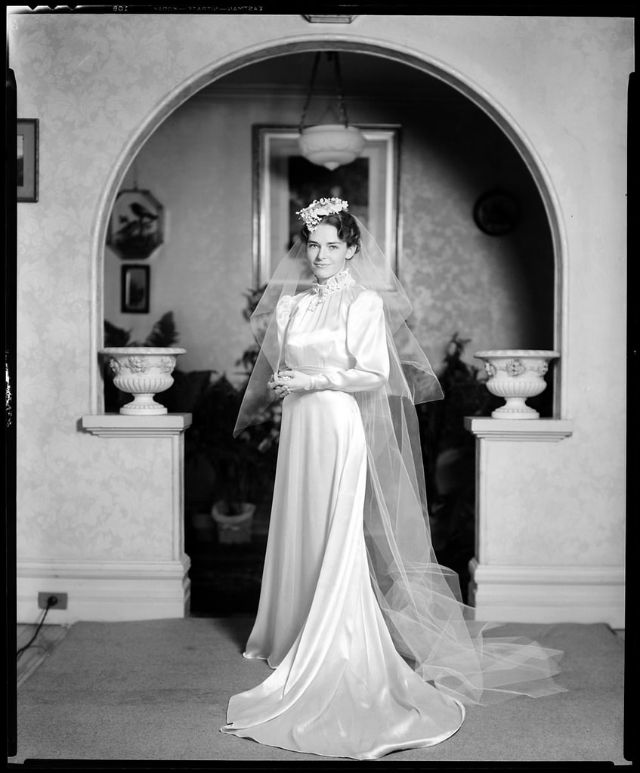
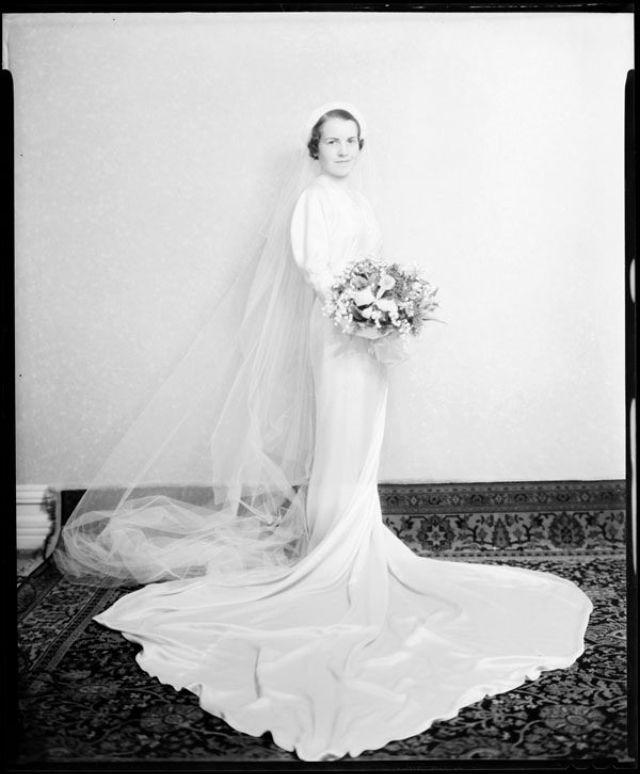
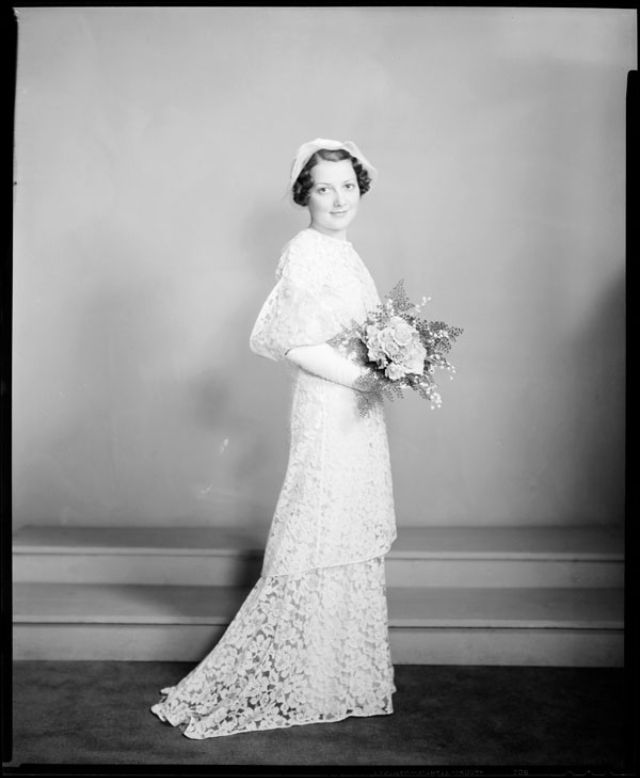
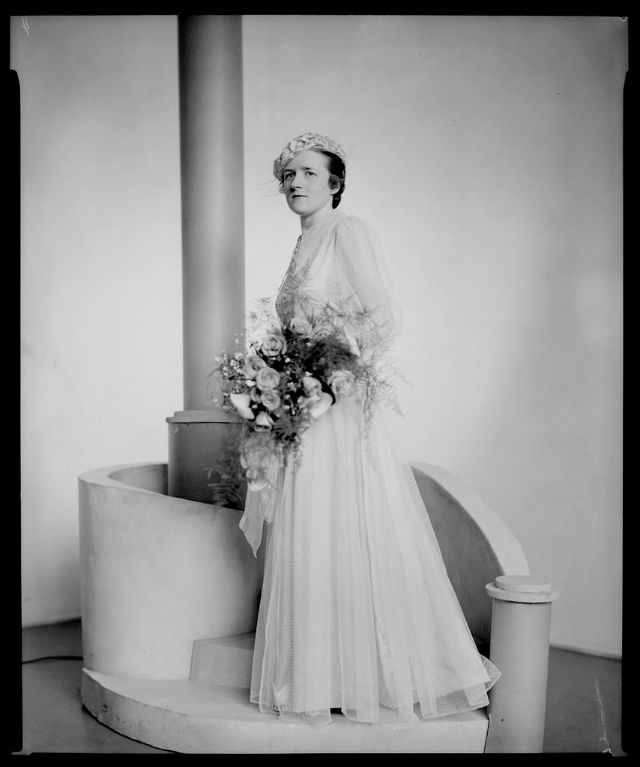
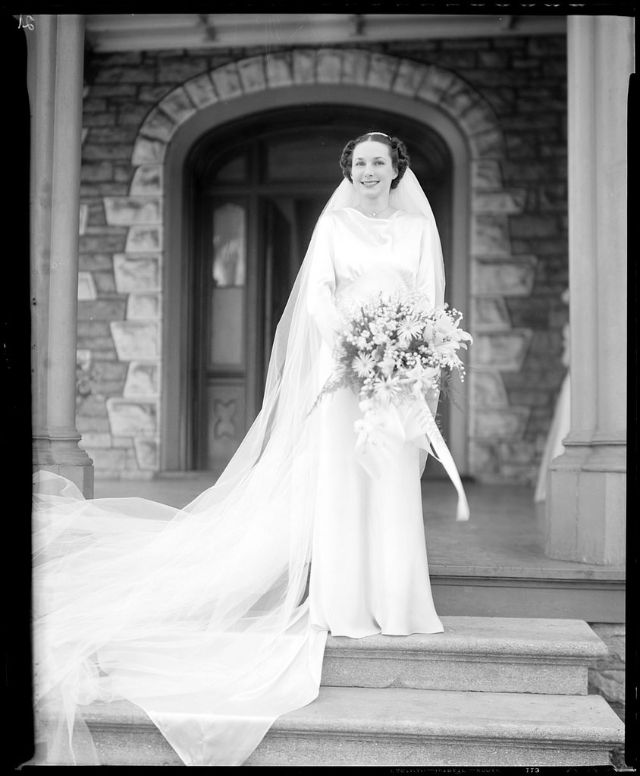
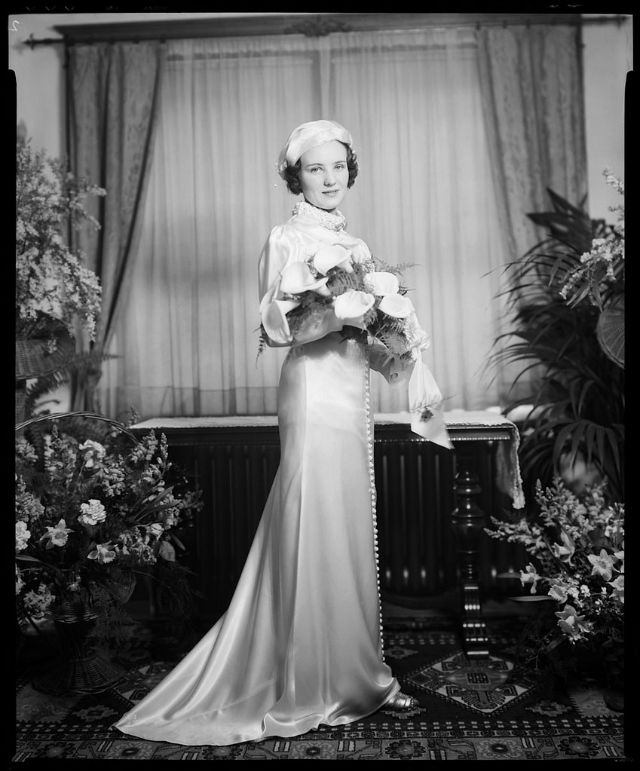
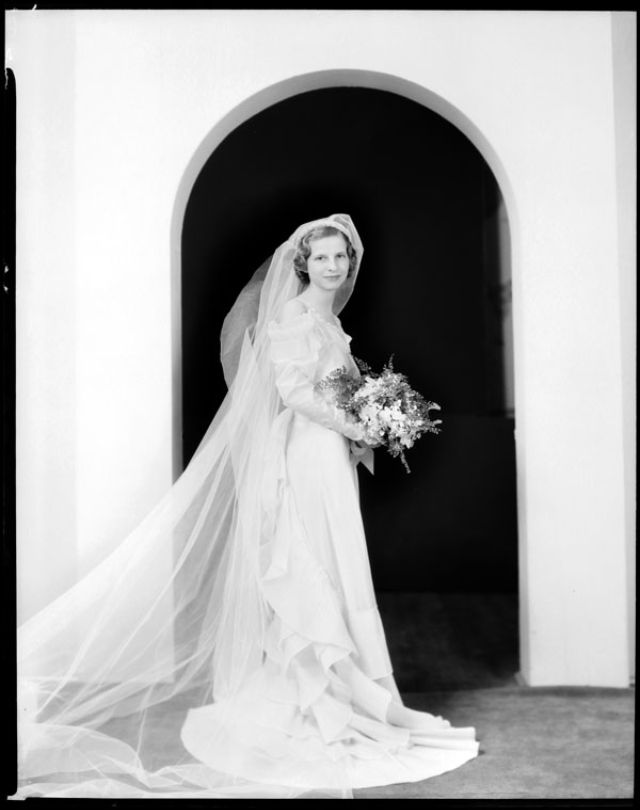
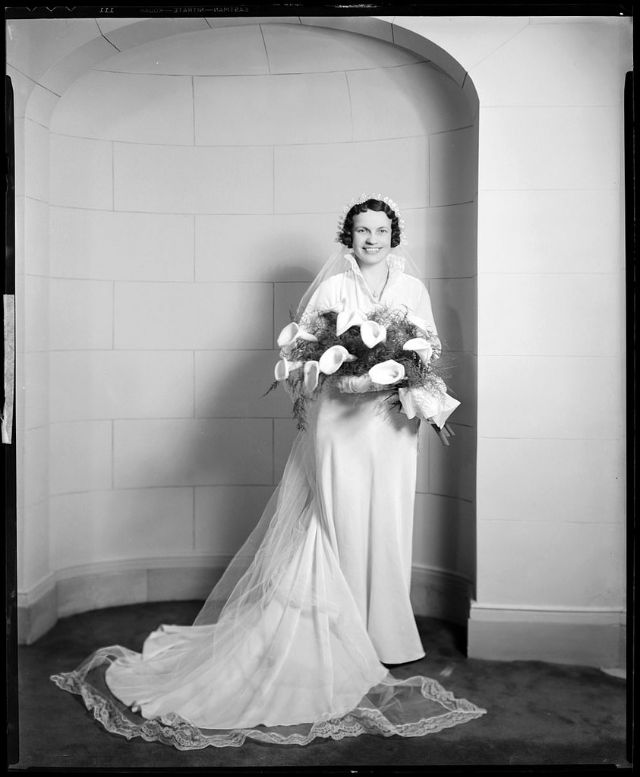
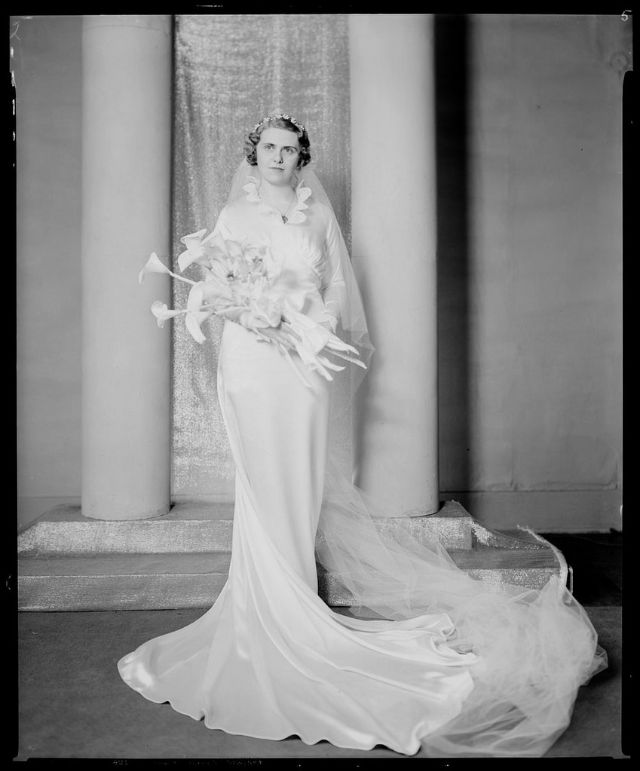
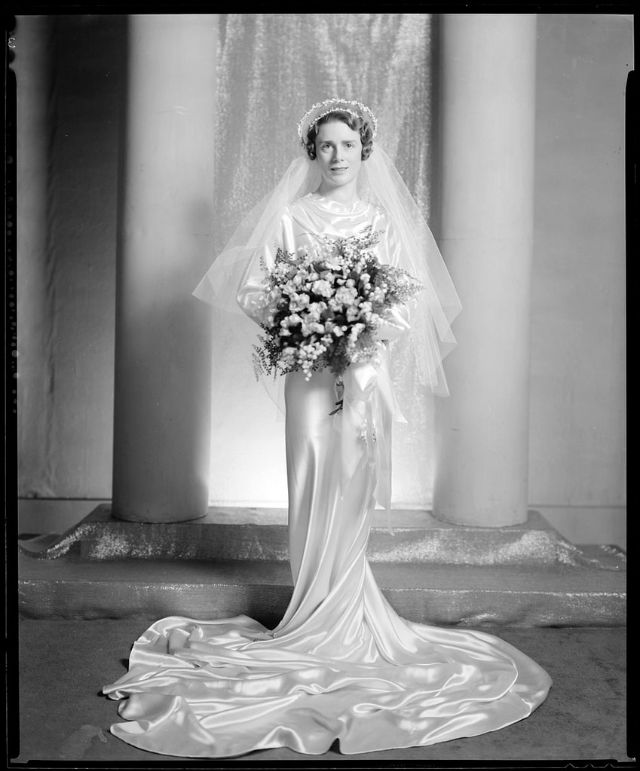
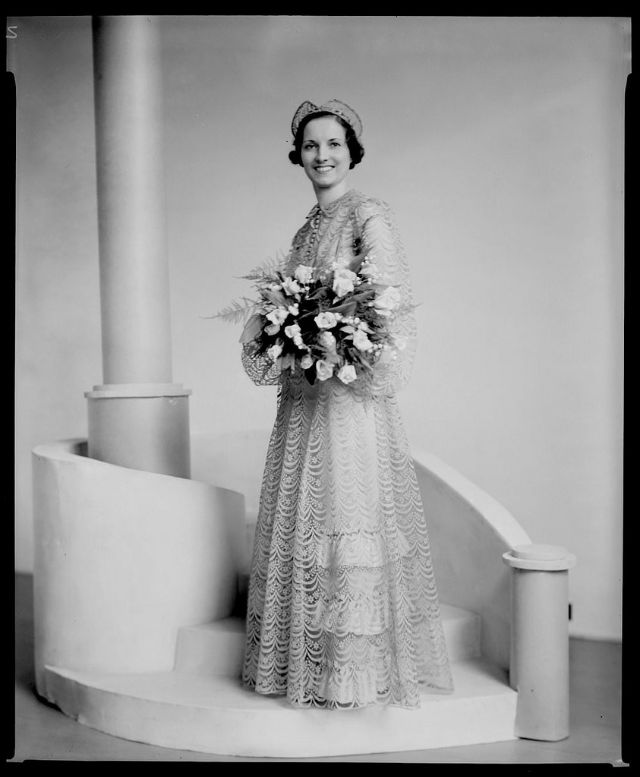
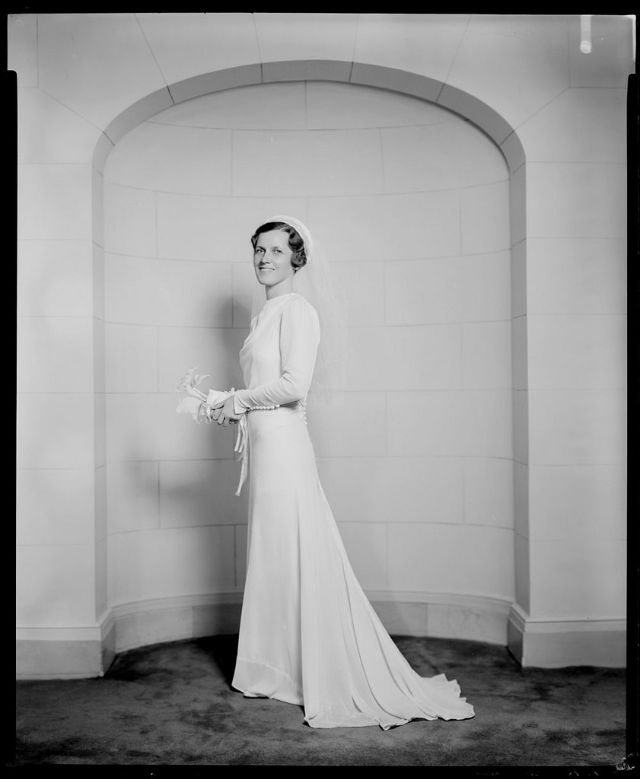
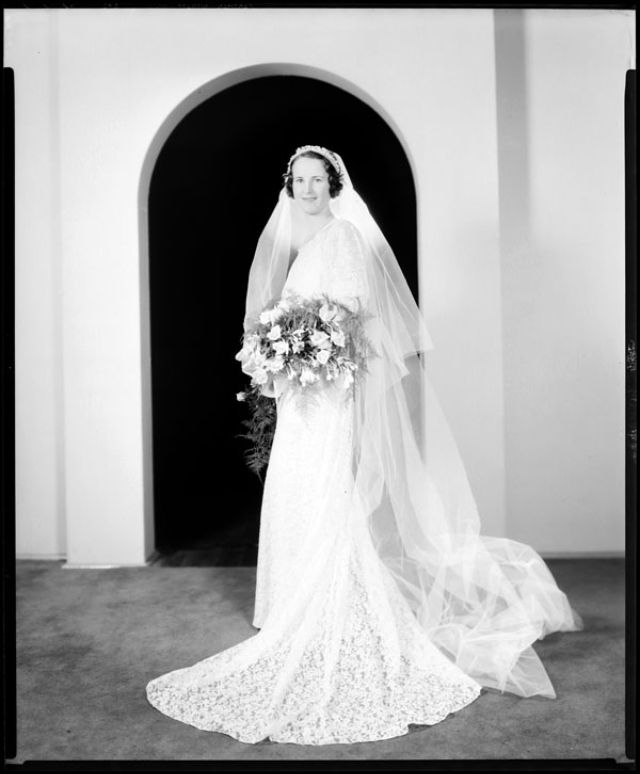
Wedding photography has evolved since the invention of the camera, and weddings have become the mainstay of many professional studios and independent photographers. As early photos were taken in studio because of the bulk of the cameras and to provide better lighting options, the bride and groom made the trip to the studio to have their portraits taken.
Renowned Armenian–Canadian portrait photographer Yousuf Karsh (1908-2002) – one of the great portrait photographers of the 20th century by Time magazine and the Metropolitan Museum of Art – has a wide array of wedding photographs, particularly portraits of the bride!
(Photos by Yousuf Karsh via Library and Archives Canada)