50 Amazing Vintage Photos Showing the Horrible Living Conditions in New York’s Slums During the Late 19th Century

New York, often called New York City to distinguish it from New York State, or NYC for short, is the most populous city in the United States. With a 2020 population of 8,804,190 distributed over 300.46 square miles (778.2 km2), New York City is also the most densely populated major city in the United States. Located at the southern tip of the State of New York, the city is the center of the New York metropolitan area, the largest metropolitan area in the world by urban area. With over 20.1 million people in its metropolitan statistical area and 23.5 million in its combined statistical area as of 2020, New York is one of the world’s most populous megacities. New York City has been described as the cultural, financial, and media capital of the world, significantly influencing commerce, entertainment, research, technology, education, politics, tourism, dining, art, fashion, and sports, and is the most photographed city in the world. Home to the headquarters of the United Nations, New York is an important center for international diplomacy, and has sometimes been called the capital of the world.

Situated on one of the world’s largest natural harbors, New York City is composed of five boroughs, each of which is coextensive with a respective county of the State of New York. The five boroughs—Brooklyn (Kings County), Queens (Queens County), Manhattan (New York County), the Bronx (Bronx County), and Staten Island (Richmond County)—were created when local governments were consolidated into a single municipal entity in 1898. The city and its metropolitan area constitute the premier gateway for legal immigration to the United States. As many as 800 languages are spoken in New York, making it the most linguistically diverse city in the world. New York is home to more than 3.2 million residents born outside the United States, the largest foreign-born population of any city in the world as of 2016. As of 2018, the New York metropolitan area is estimated to produce a gross metropolitan product (GMP) of nearly $1.8 trillion, ranking it first in the United States. If the New York metropolitan area were a sovereign state, it would have the eighth-largest economy in the world. New York is home to the highest number of billionaires of any city in the world.

New York City traces its origins to a trading post founded on the southern tip of Manhattan Island by Dutch colonists in approximately 1624. The settlement was named New Amsterdam (Dutch: Nieuw Amsterdam) in 1626 and was chartered as a city in 1653. The city came under English control in 1664 and was renamed New York after King Charles II of England granted the lands to his brother, the Duke of York. The city was regained by the Dutch in July 1673 and was renamed New Orange for one year and three months; the city has been continuously named New York since November 1674. New York City was the capital of the United States from 1785 until 1790, and has been the largest U.S. city since 1790. The Statue of Liberty greeted millions of immigrants as they came to the U.S. by ship in the late 19th and early 20th centuries, and is a symbol of the U.S. and its ideals of liberty and peace. In the 21st century, New York has emerged as a global node of creativity, entrepreneurship, and environmental sustainability, and as a symbol of freedom and cultural diversity. In 2019, New York was voted the greatest city in the world per a survey of over 30,000 people from 48 cities worldwide, citing its cultural diversity.

Many districts and monuments in New York City are major landmarks, including three of the world’s ten most visited tourist attractions in 2013. A record 66.6 million tourists visited New York City in 2019. Times Square is the brightly illuminated hub of the Broadway Theater District, one of the world’s busiest pedestrian intersections, and a major center of the world’s entertainment industry. Many of the city’s landmarks, skyscrapers, and parks are known around the world, as is the city’s fast pace, spawning the term New York minute. The Empire State Building has become the global standard of reference to describe the height and length of other structures. Manhattan’s real estate market is among the most expensive in the world. Providing continuous 24/7 service and contributing to the nickname The City That Never Sleeps, the New York City Subway is the largest single-operator rapid transit system worldwide, with 472 rail stations. The city has over 120 colleges and universities, including Columbia University, New York University, Rockefeller University, and the City University of New York system, which is the largest urban public university system in the United States. Anchored by Wall Street in the Financial District of Lower Manhattan, New York City has been called both the world’s leading financial center and the most financially powerful city in the world, and is home to the world’s two largest stock exchanges by total market capitalization, the New York Stock Exchange and NASDAQ. (Wikipedia)
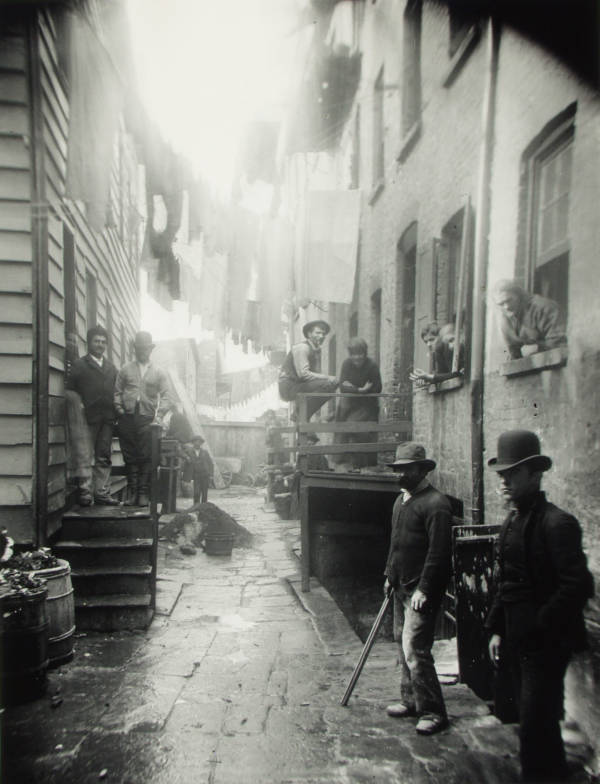
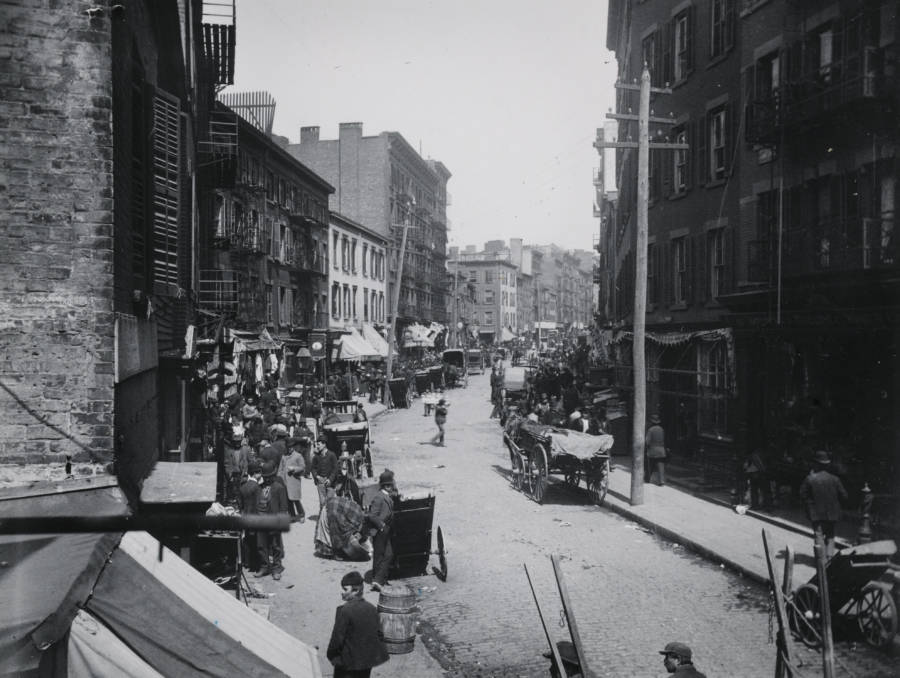
“Bandit’s Roost,” a notorious hangout for the criminal element at 59 Mulberry Street in Little Italy, 1888. At the time, the area was among the most impoverished and crime-ridden in the entire city.
Pike and Henry Streets in the Lower East Side, with the Manhattan Bridge looming in the background, 1936.
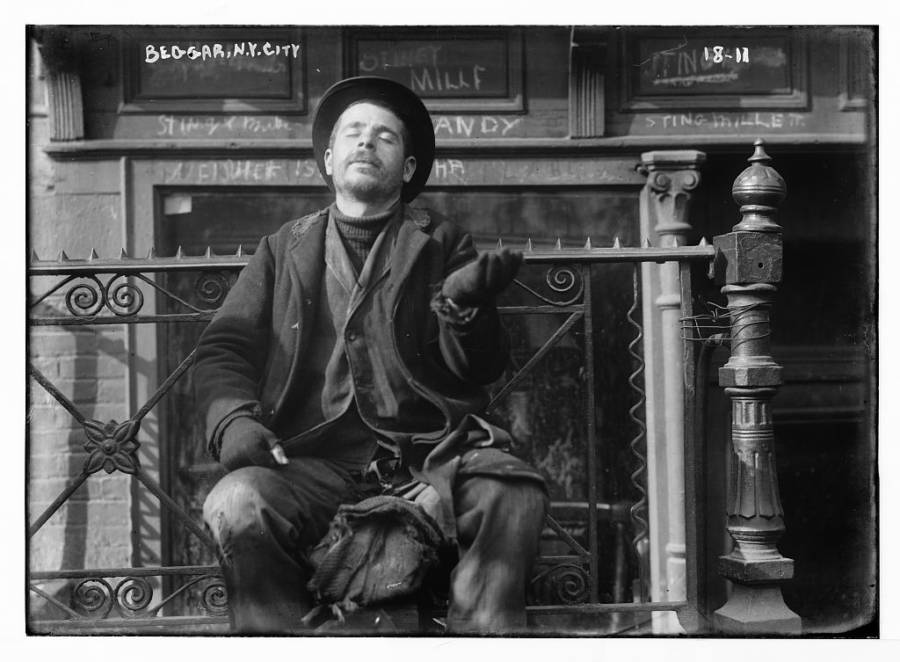
Beggar with his hand out, 1900.
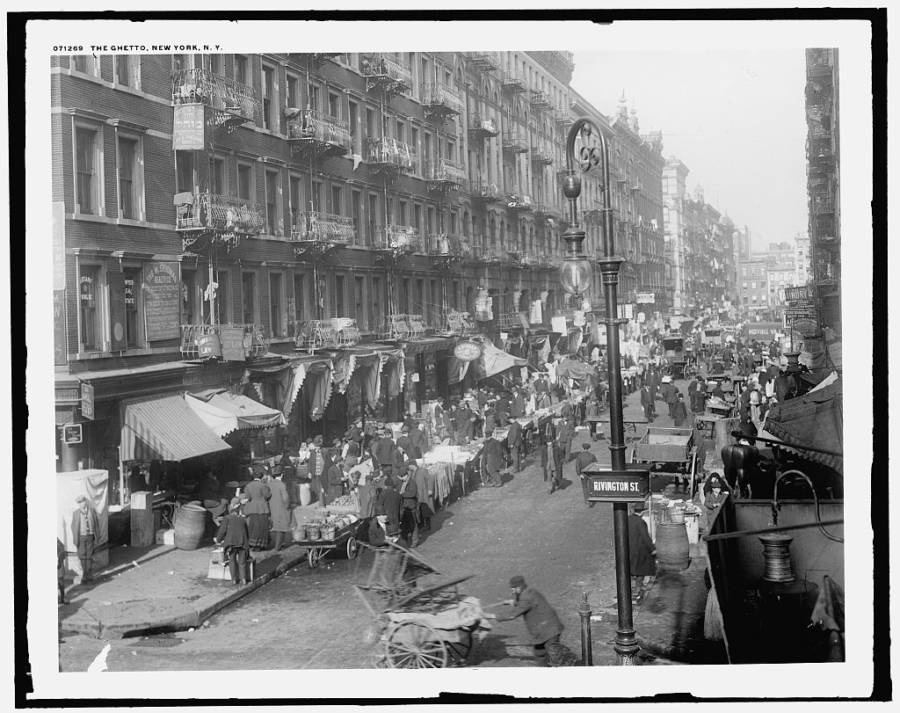
Rivington Street in the Lower East Side, 1900.
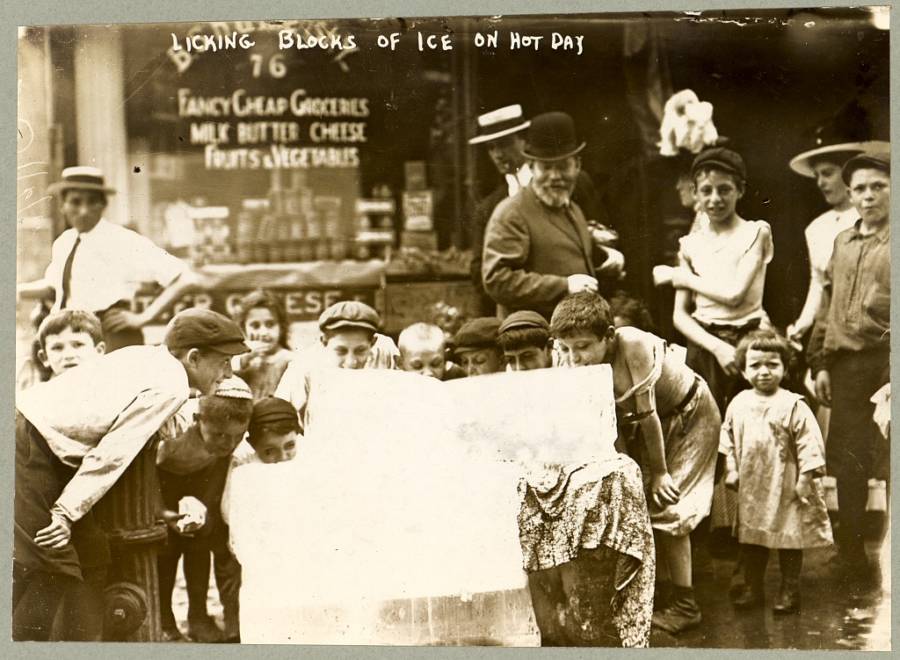
Children lick a massive block of ice to stay cool on July 6, 1912.
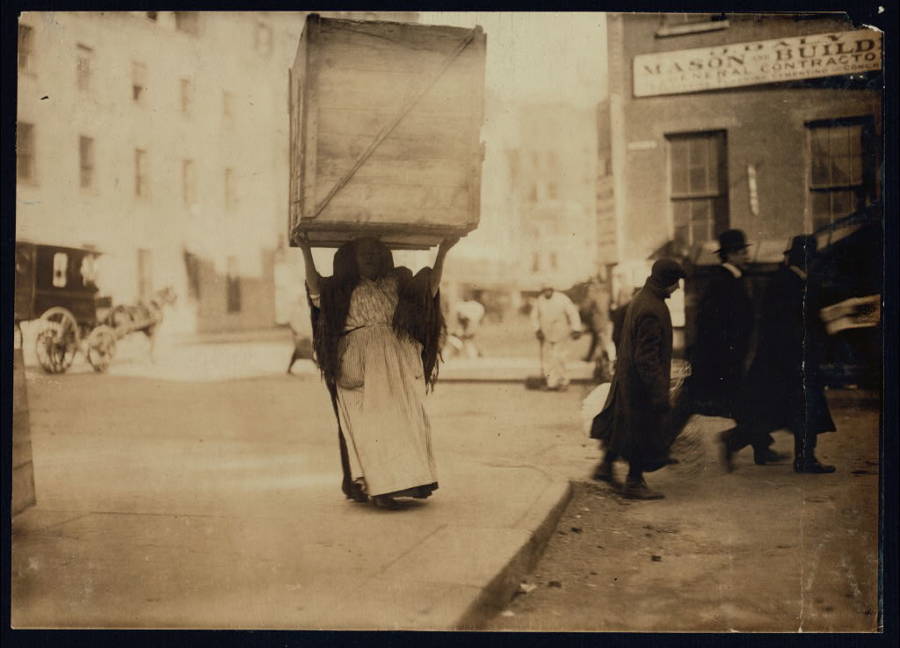
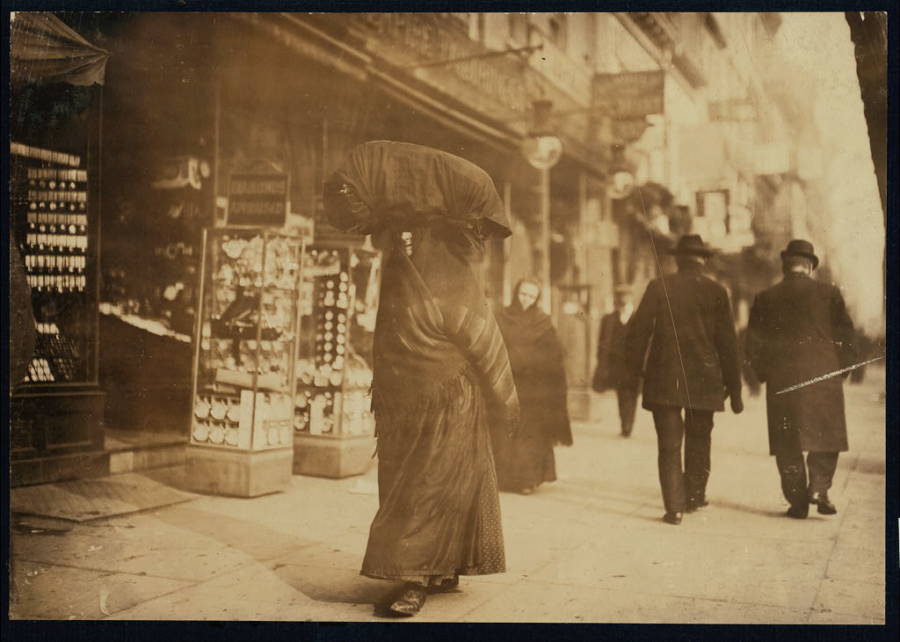
An Italian immigrant carries a dry goods box down Bleecker Street, February 1912.
A beggar, perhaps disfigured during World War I, sits on the street, early 1900s.
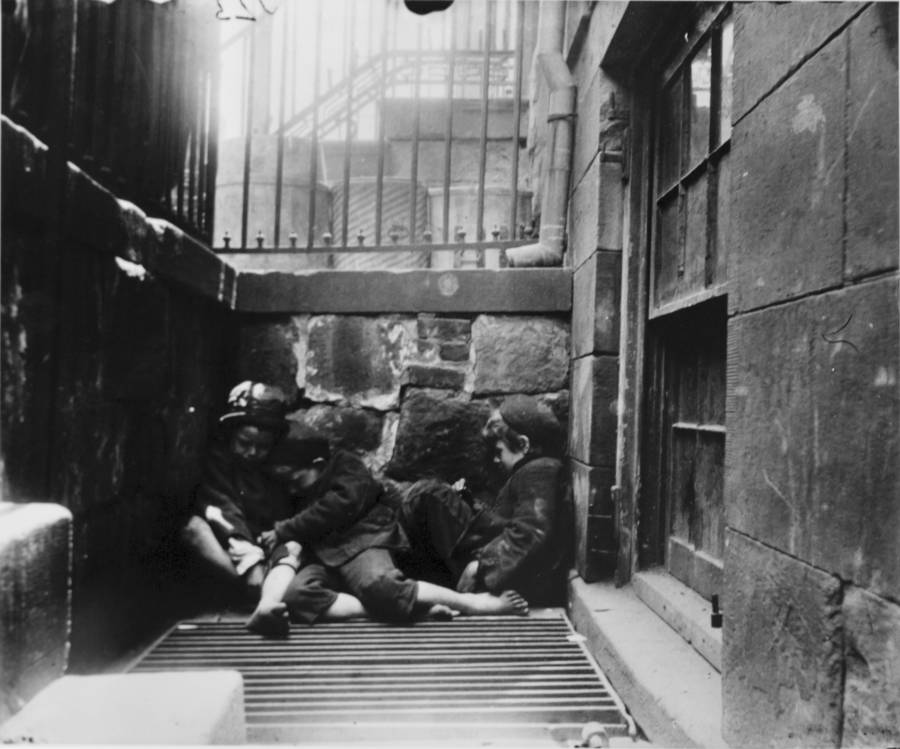
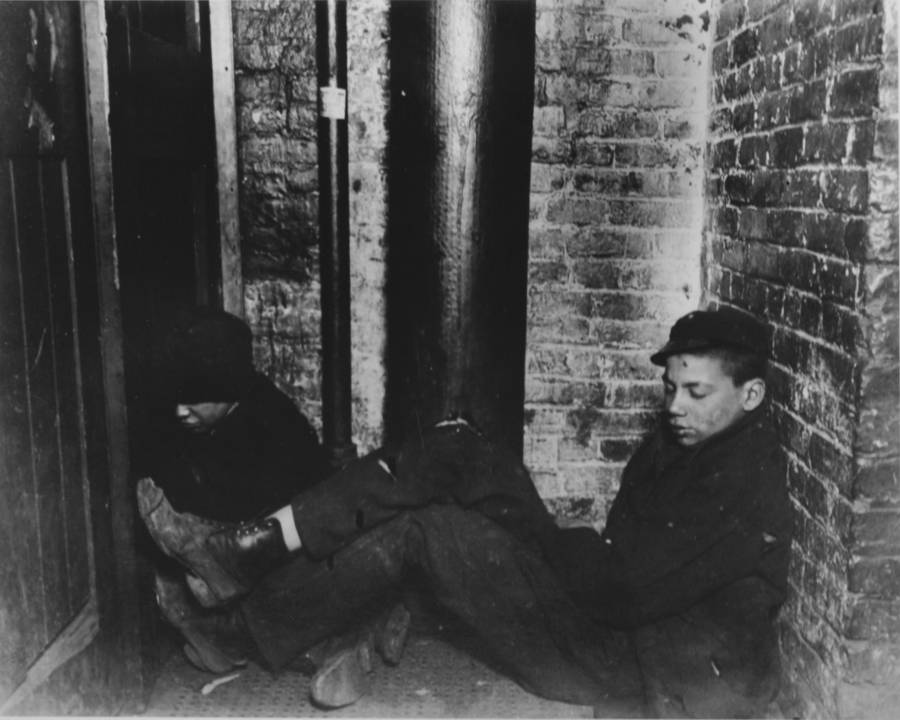
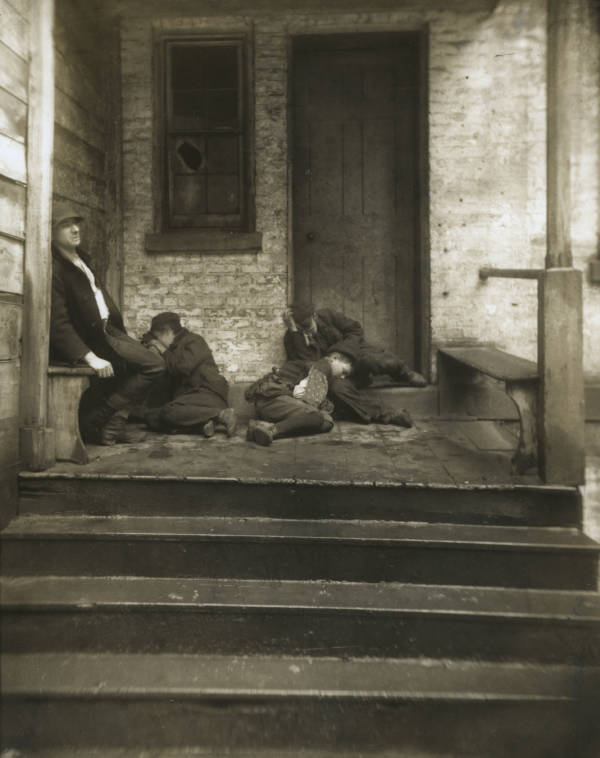
Street children sleeping, 1890.
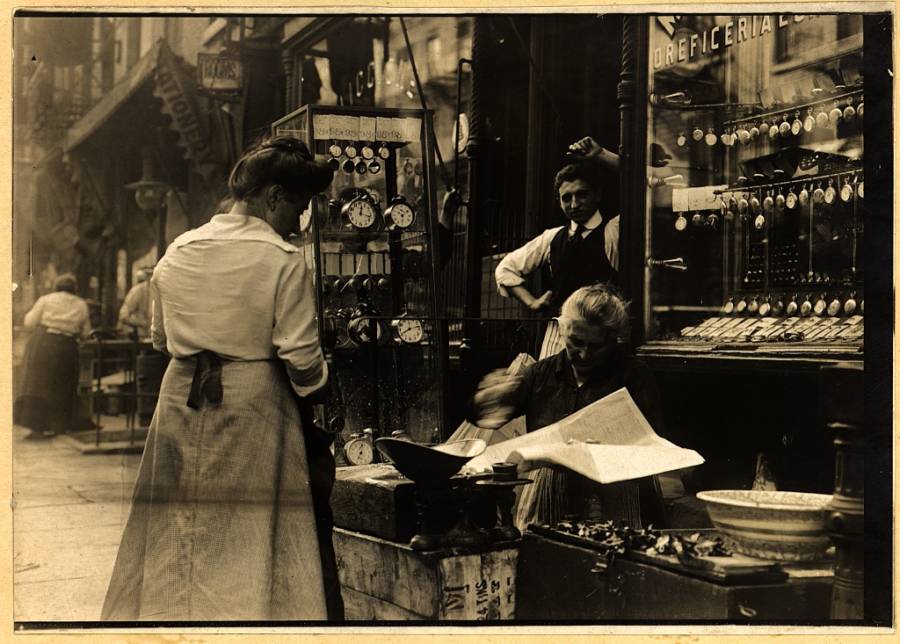
An Italian immigrant’s shop on Mott Street, 1912.
Refuse piles up at the entrance to the tenements at 53 to 59 MacDougal Street, February 1912.
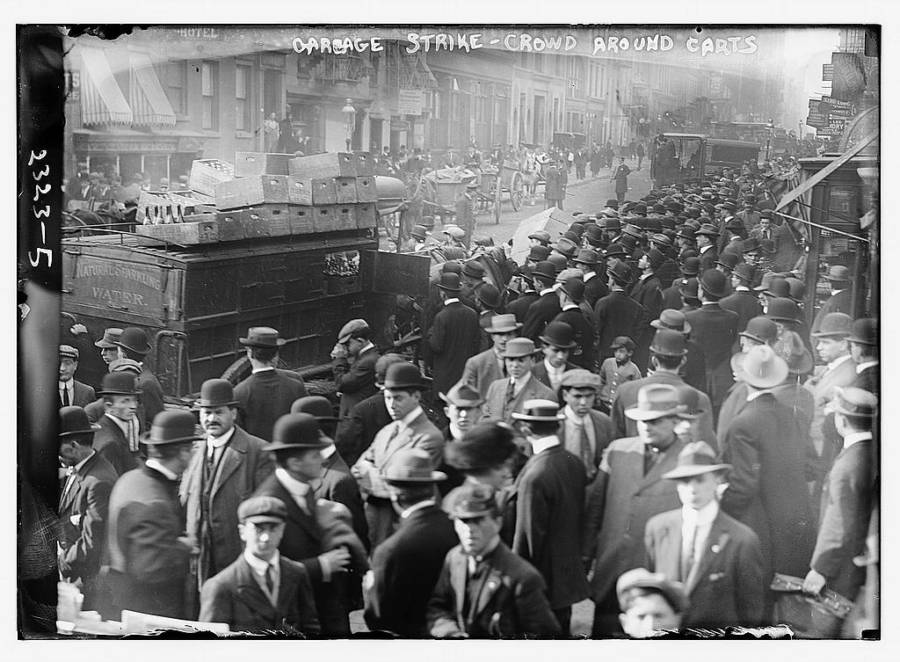
Things got even worse during the garbage strike of November 8-11, 1908. Pictured: Crowds and police gather in the street during the strike.
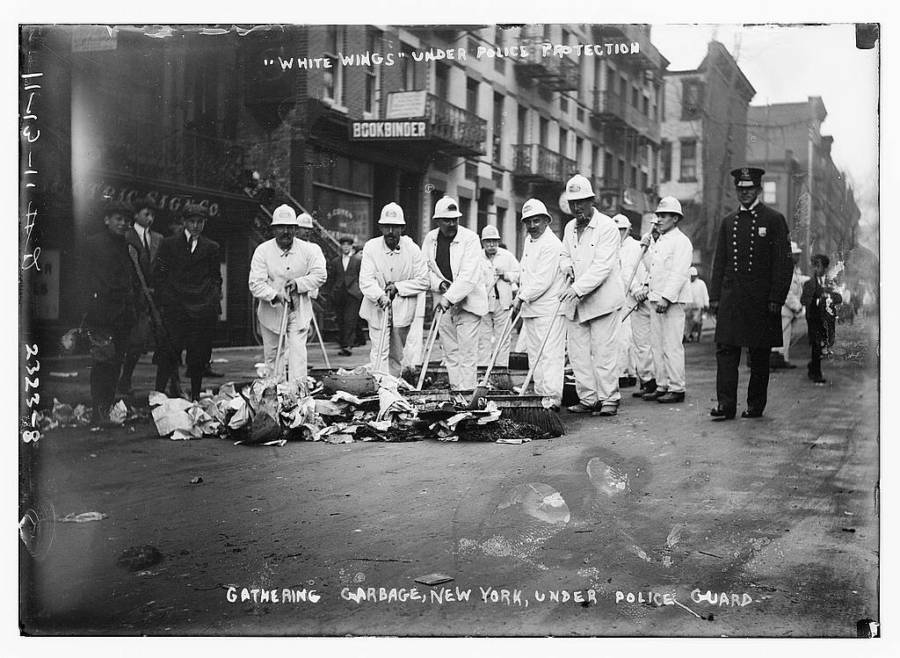
The “White Wings” clean the streets, under police protection, during the garbage strike of November 8-11, 1908.
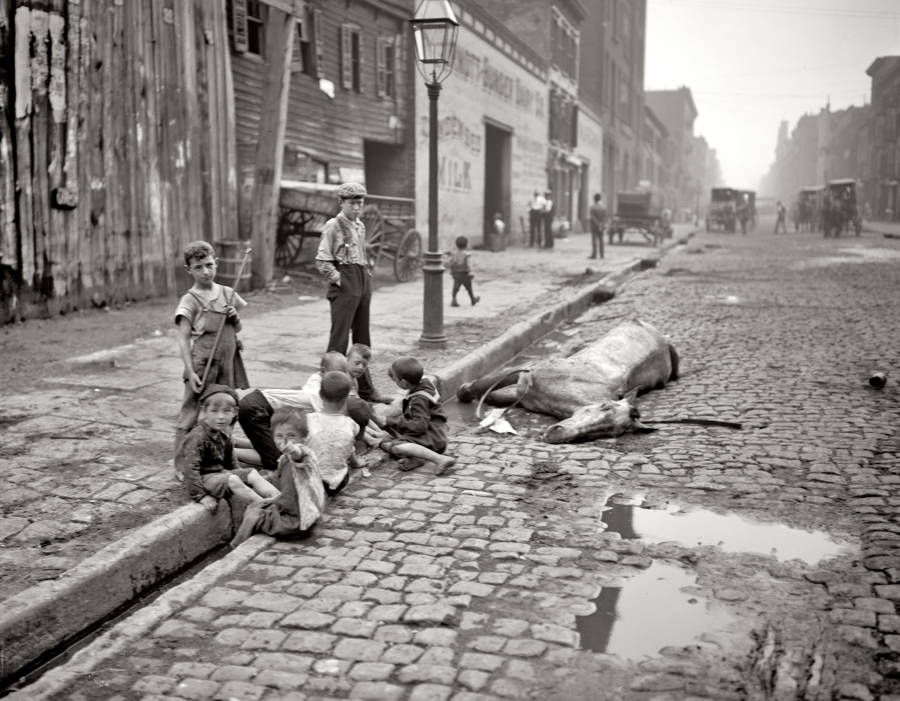
Children play near a dead horse left to rot in the street, 1905.
Children gather in Mullen’s Alley in the Cherry Hill area of lower Manhattan, 1888.
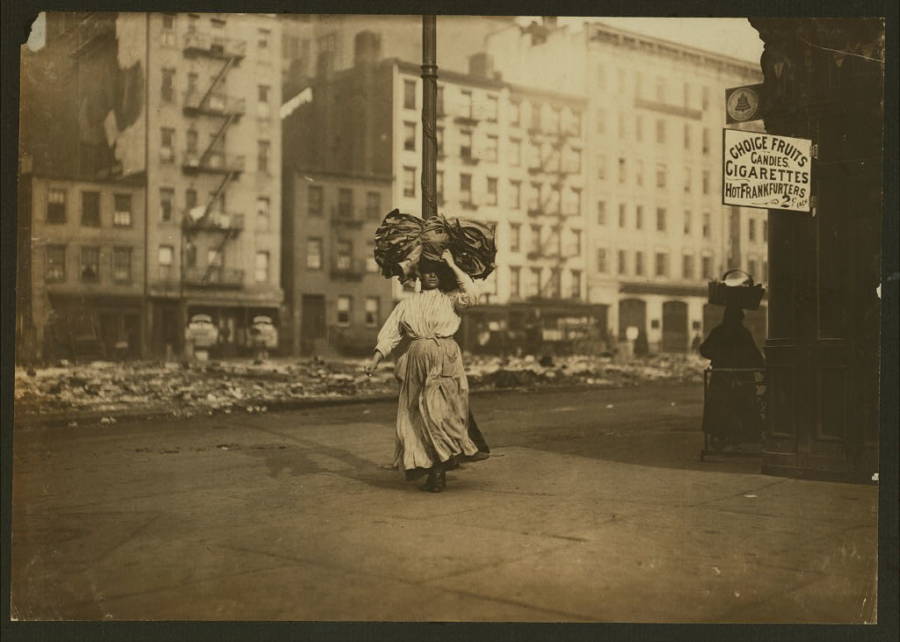
A woman carries a bundle of clothing to be sewn at home near Astor Place, February 1912.
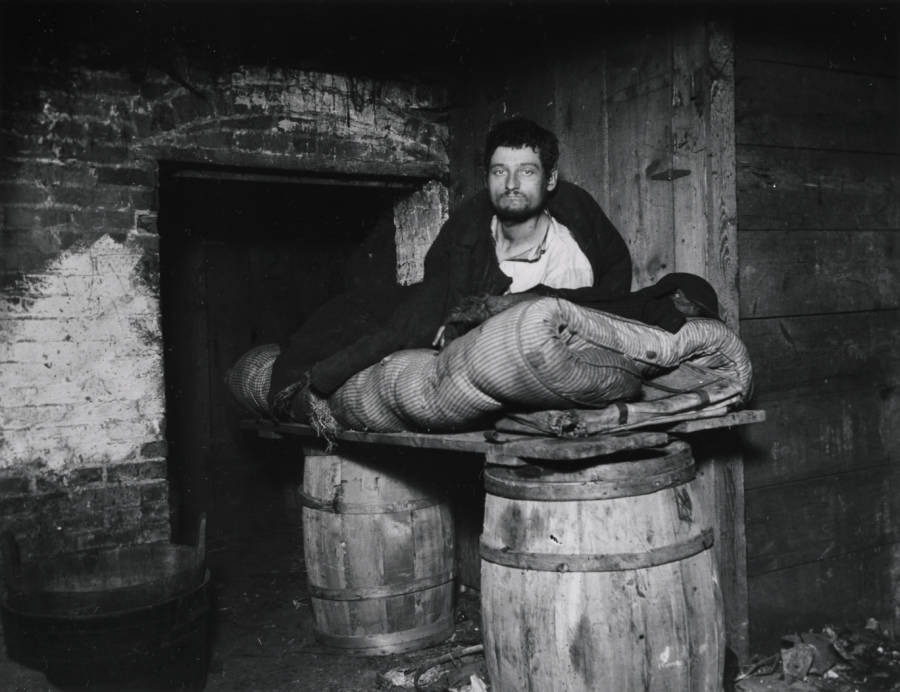
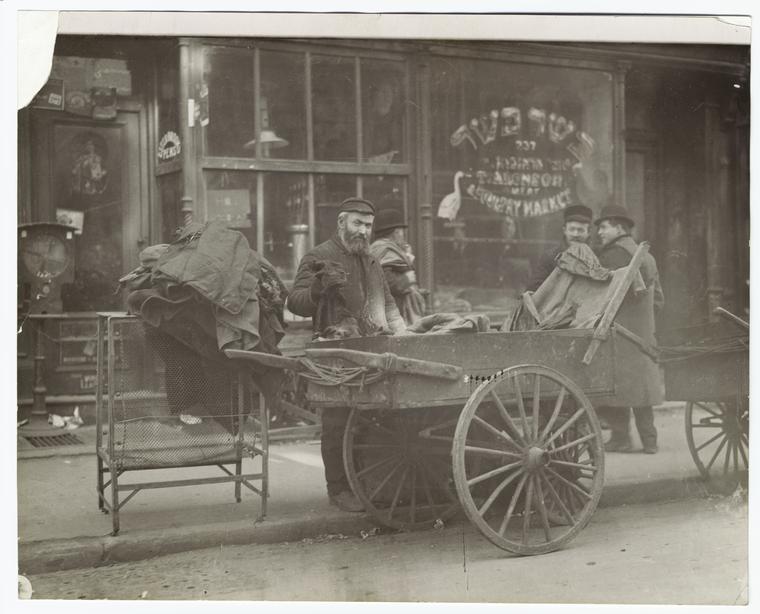
A street peddler who’d slept in a basement at 11 Ludlow Street in the Lower East Side, 1899.
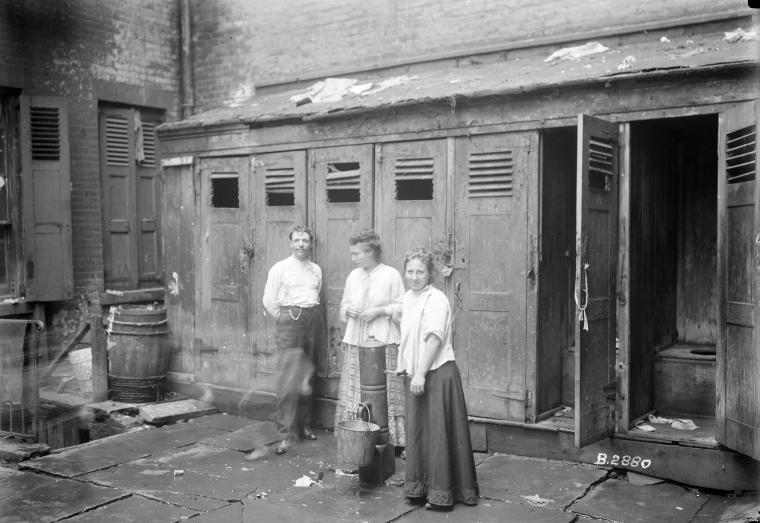
Two women and a man gather in front of outhouses at an unspecified location, circa 1902-1914.Most turn-of-the-century New York City tenements didn’t have indoor plumbing.
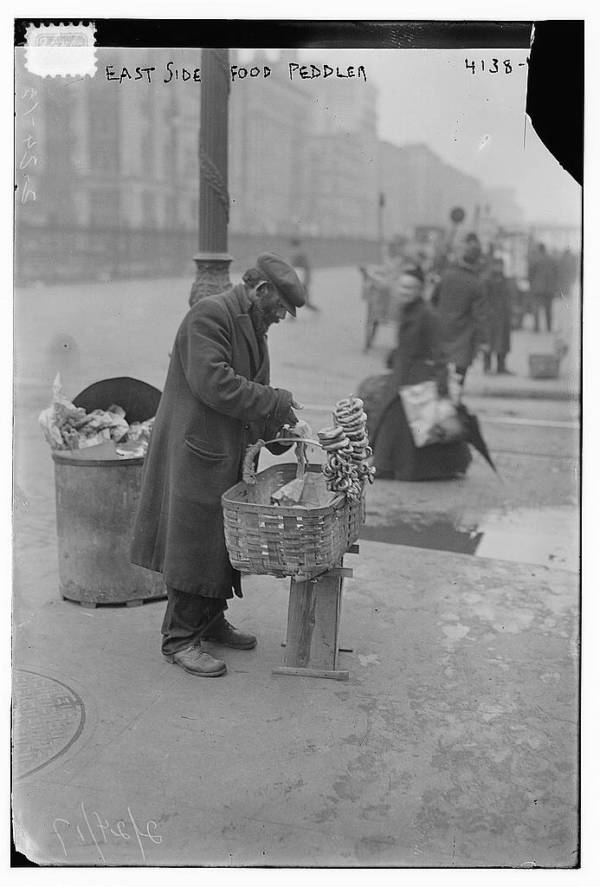
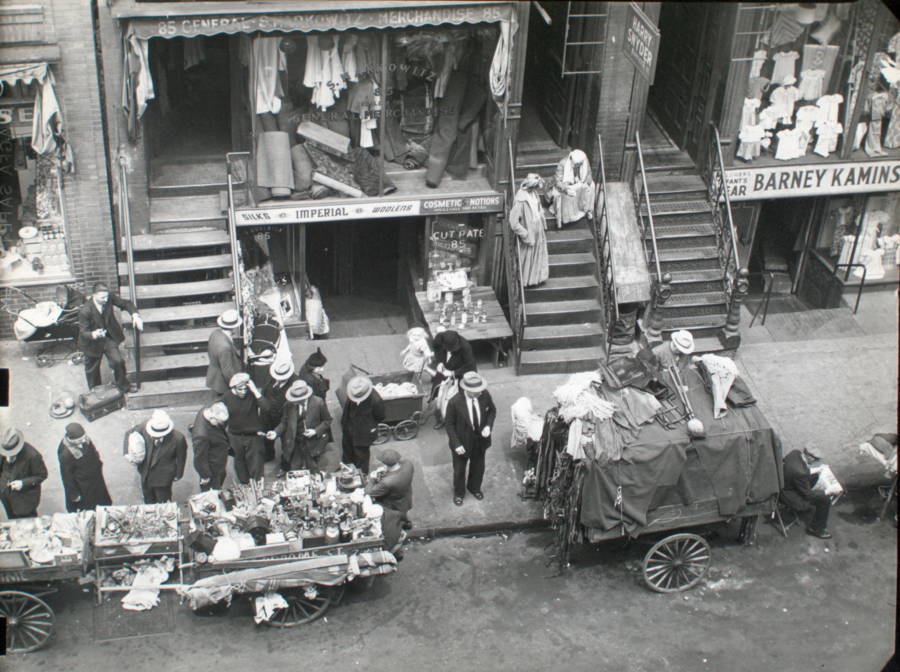
A food vendor sells his wares in the streets of the Lower East Side on February 24, 1917.
Dead bodies lie in an alley off Monroe Street following a nearby fire, December 1913.
Men wait on the bread line in the Bowery on February 7, 1910.
Jewish immigrants carry packages of matzo, April 1908.
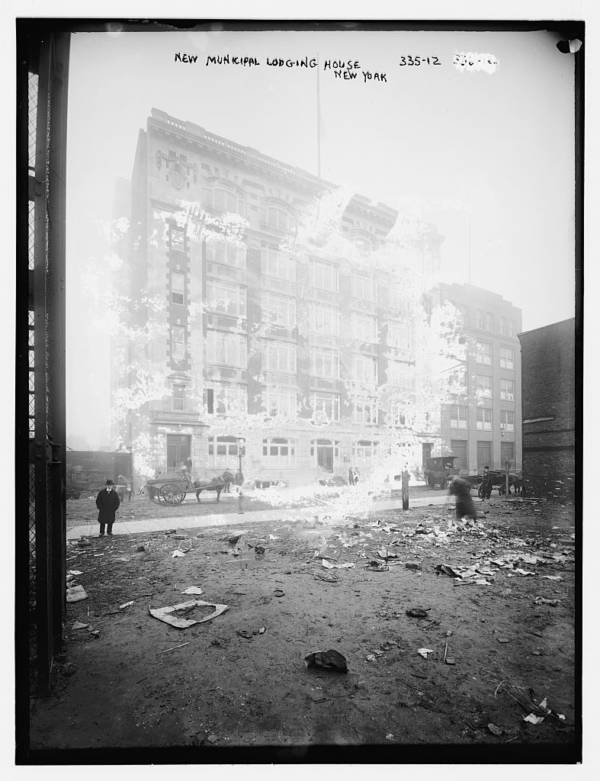
The Municipal Lodging House for the homeless sits across the street from an abandoned lot on 25th Street, circa 1909-1920.
The house opened in February 1909 to help treat a citywide homelessness problem that saw as many as 600 new applicants looking for shelter each day.
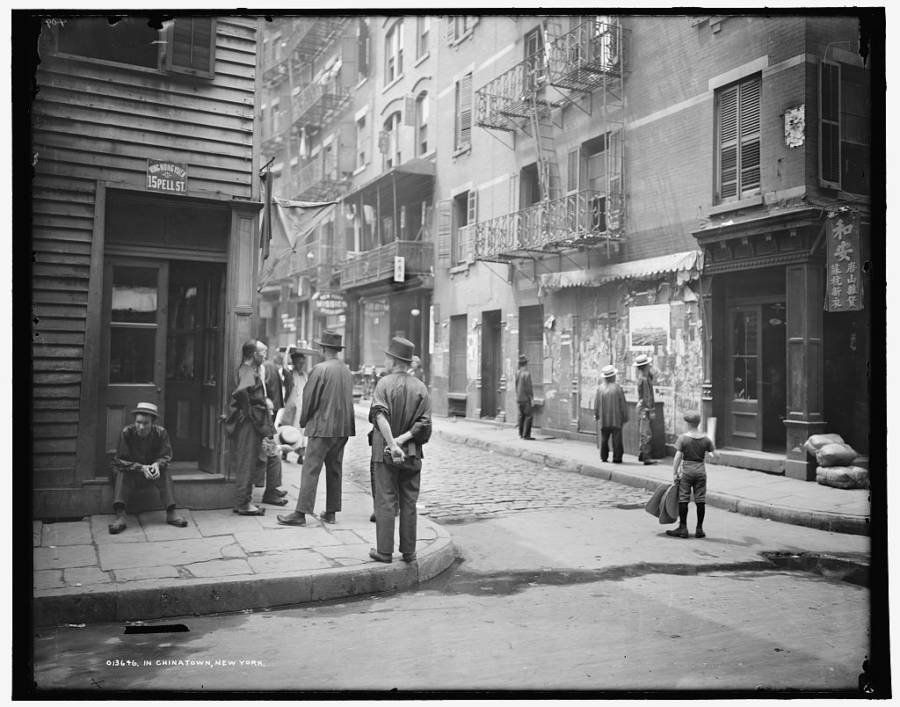
Men stand at a corner on Chinatown’s Pell Street, 1900.
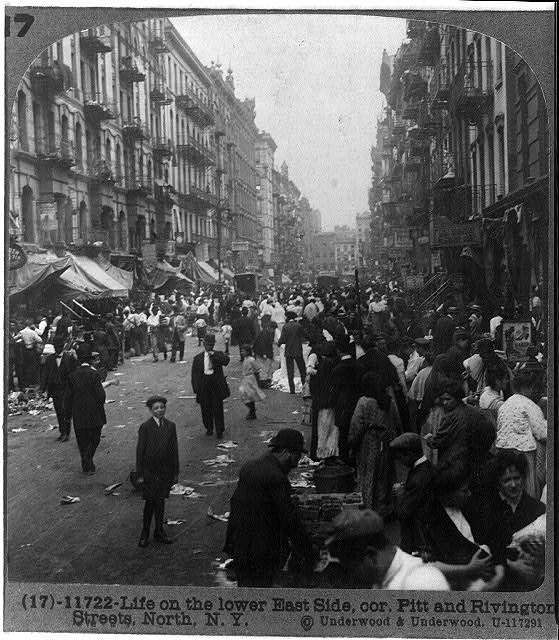
Crowds at Pitt and Rivington Streets in the Lower East Side, 1915.
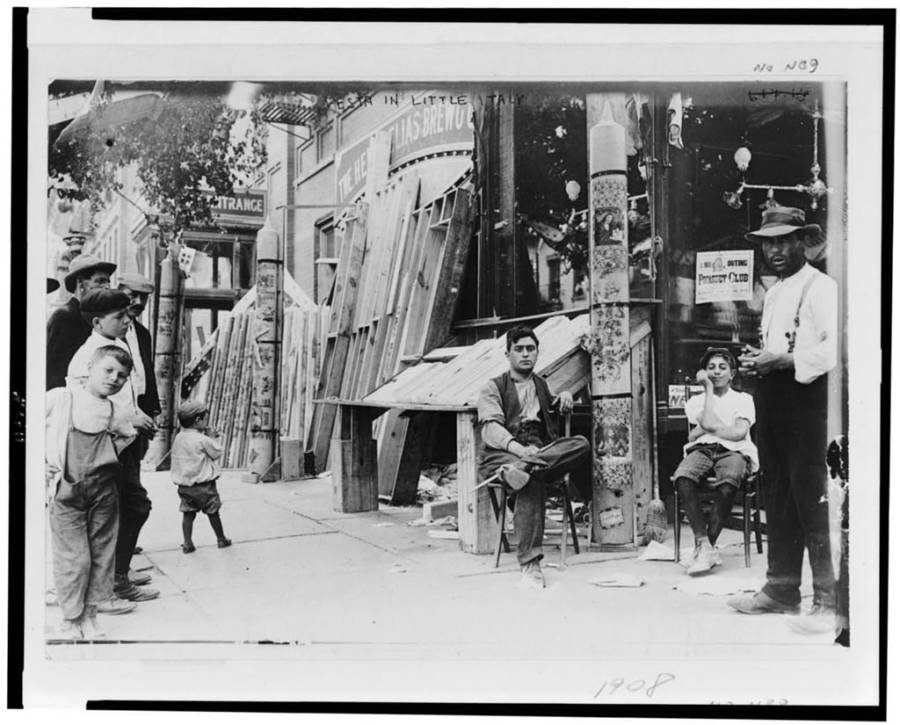
Street festival in Little Italy, 1908.
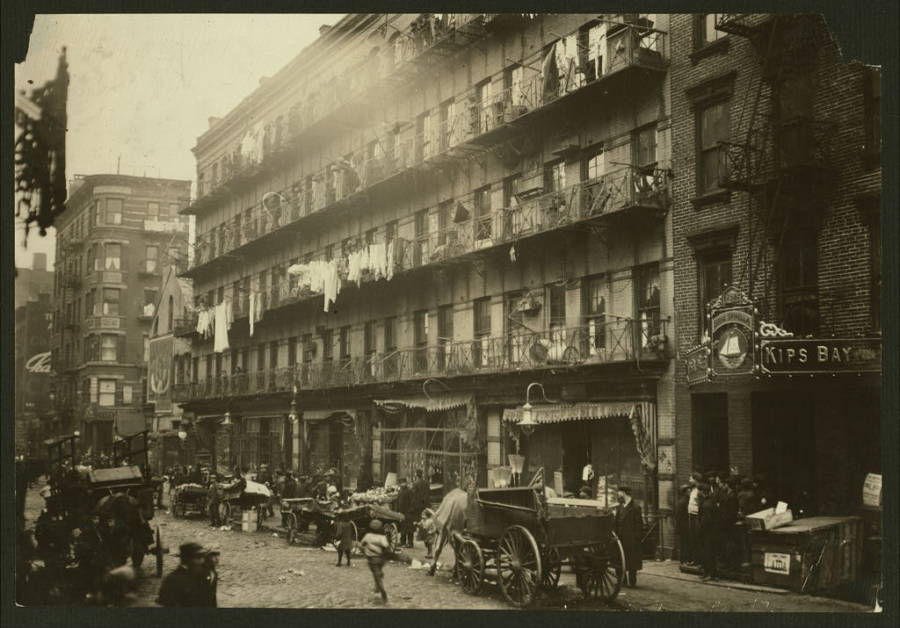
Clothes line the railings of the tenements at 260 to 268 Elizabeth Street, March 1912.
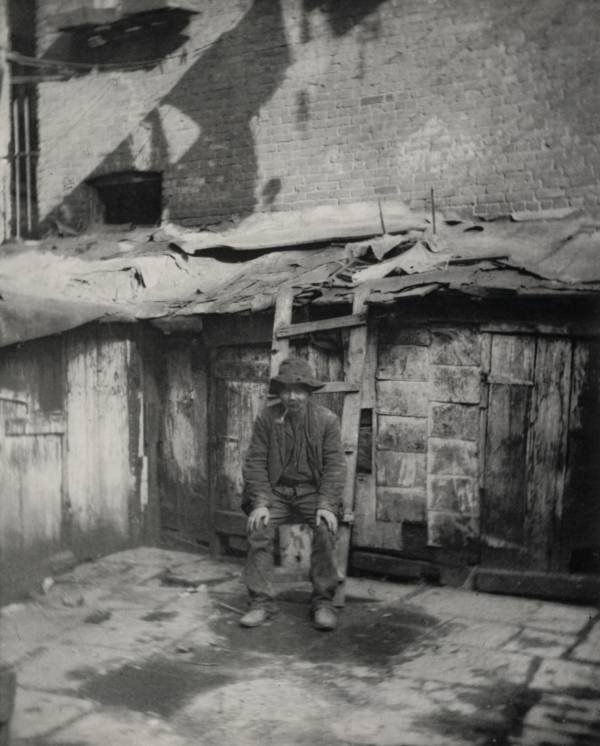
Street dweller, 1890.
Children wearing signs in English and Yiddish protest child labor conditions on May 1, 1909.
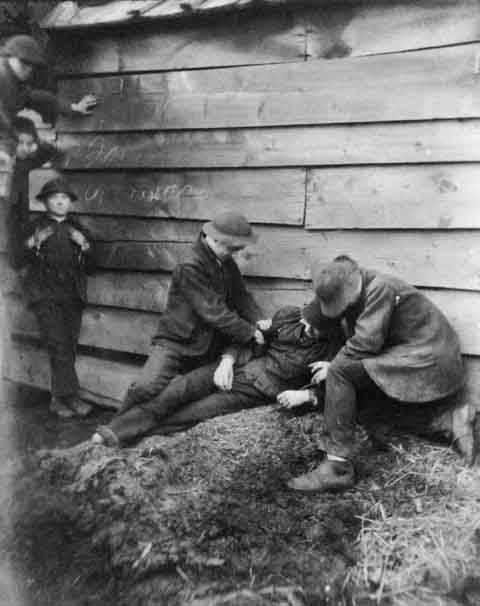
Boys in Hell’s Kitchen demonstrate how they rob people who have passed out.
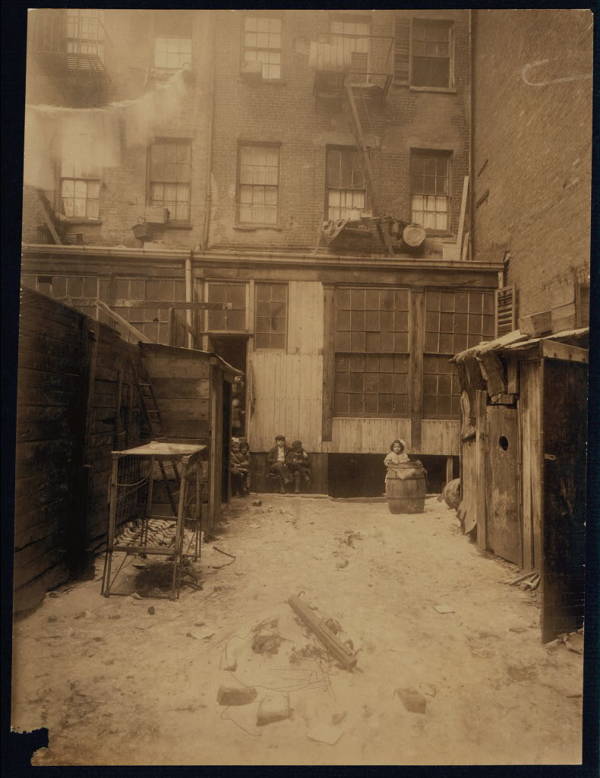
Children behind the tenements at 134 1/2 Thompson Street, February 1912.
Two newspaper boys asleep in the press room of The Sun, 1892.
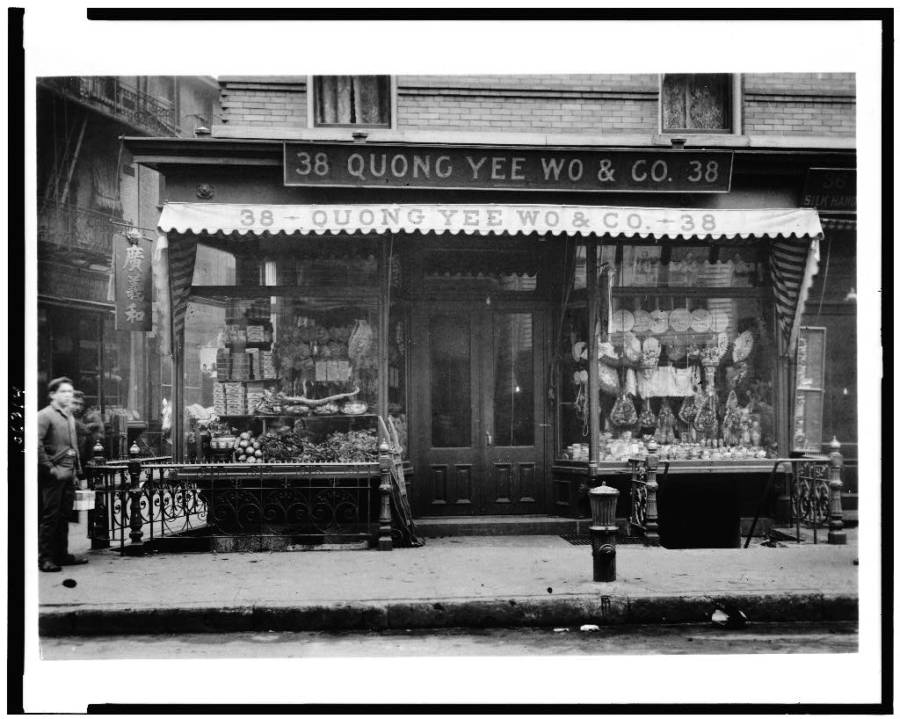
Chinatown storefront, 1903.
107th Street just east of 3rd Avenue, February 1912.
Street merchants in Little Italy, 1900
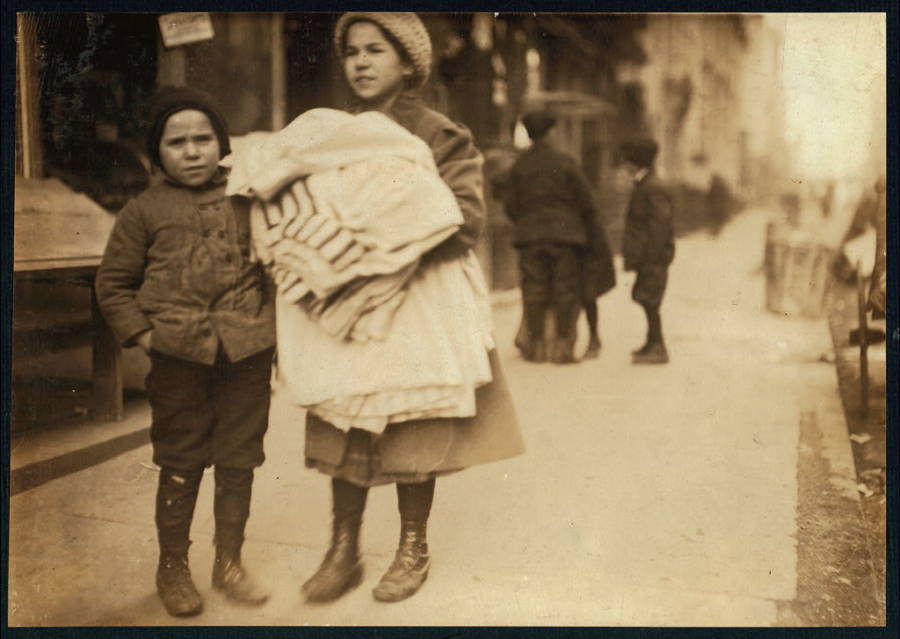
Children prepare to transport a load of kimonos on Thompson Street, February 1912.
Hell’s Kitchen, just before 1890.
Impoverished populations in the Lower East Side, late 1800s.
The Bowery, February 1912.
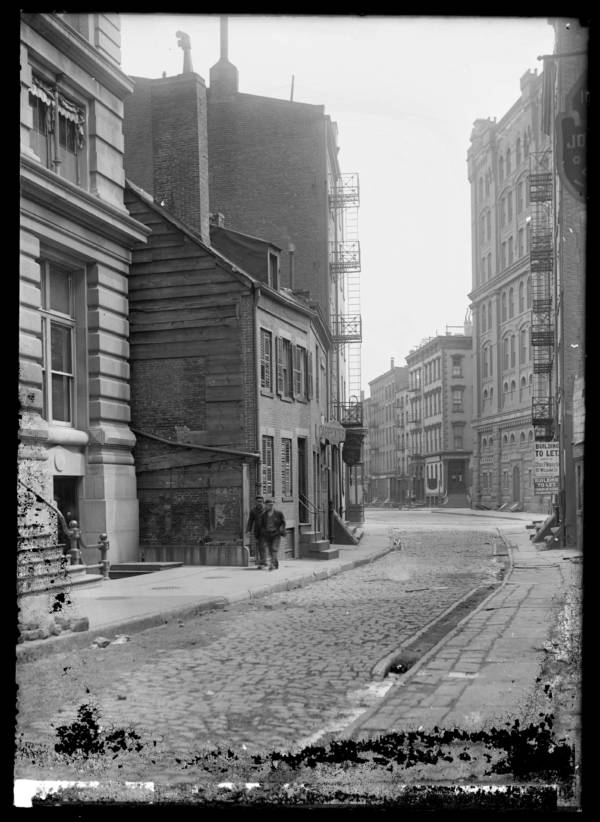
21-23 Pearl Street, circa 1890-1919.
Stevedore working in the fish market of the Lower East Side, May-June 1943.
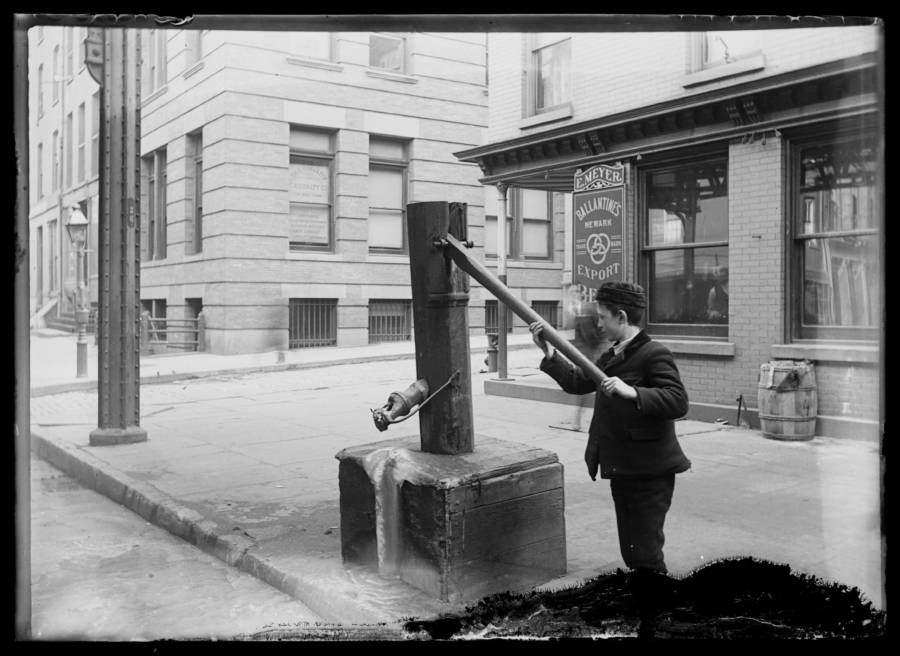
A boy uses the curbside water pump at Trinity Place, just south of Cedar Street, 1902.
Street peddler in the Lower East Side, 1890s
Hester Street, between Allen and Orchard Streets in the Lower East Side, 1938.
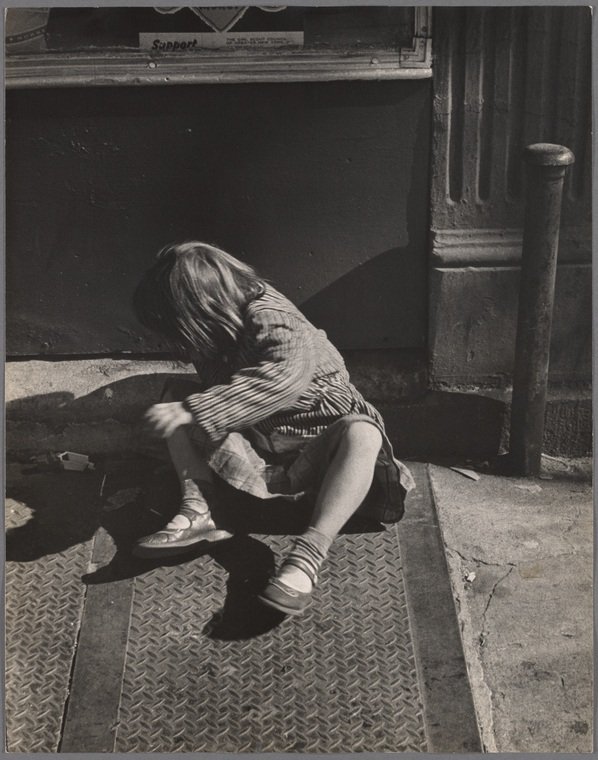
A girl on the sidewalk in Little Italy, 1950s.
Orchard Street in the Lower East Side, 1900s.
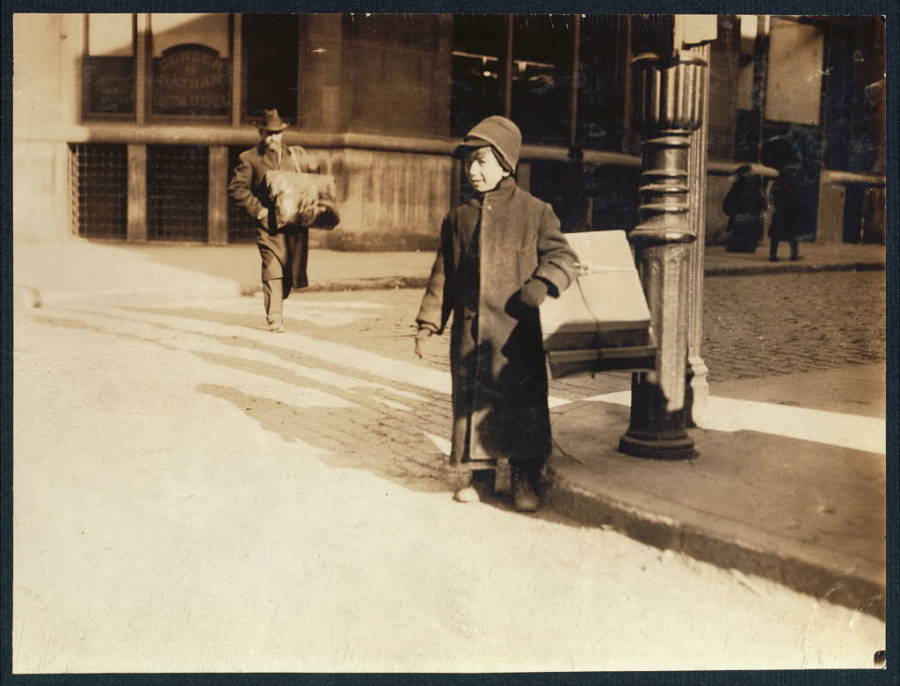
Ten-year-old child waits to walk across Broadway at Leroy Street, February 1912.
Rooftop pigeon coop at an unspecified location, circa 1934-1938.
A young girl brings cloth “homework” back to her tenement to be sewn, circa 1912.
Mulberry and Prince Streets, 1935.

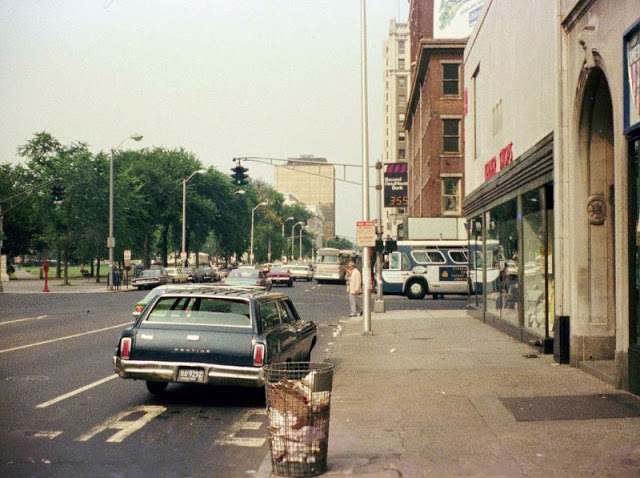
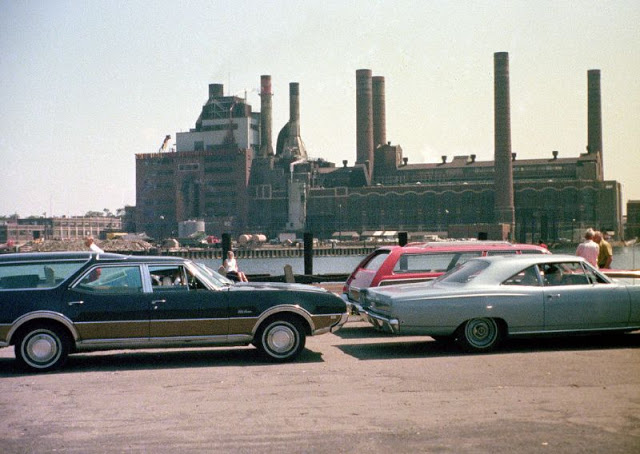
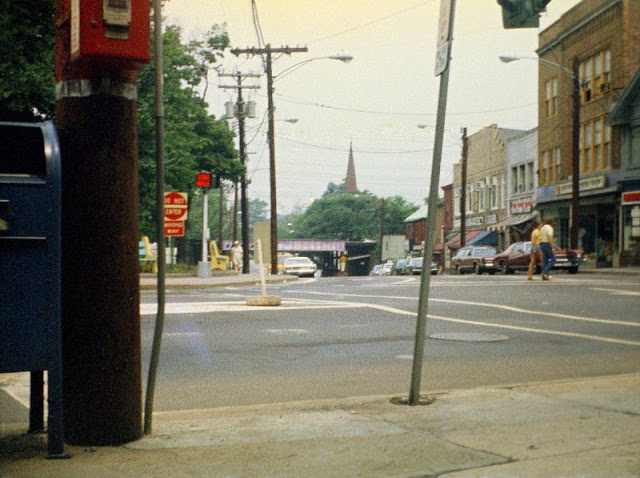
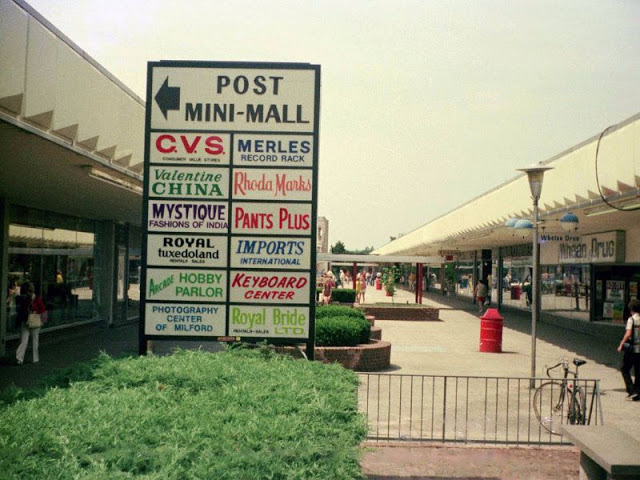
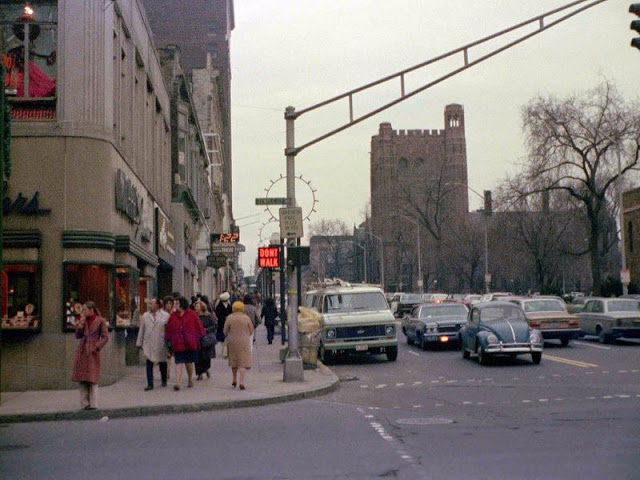
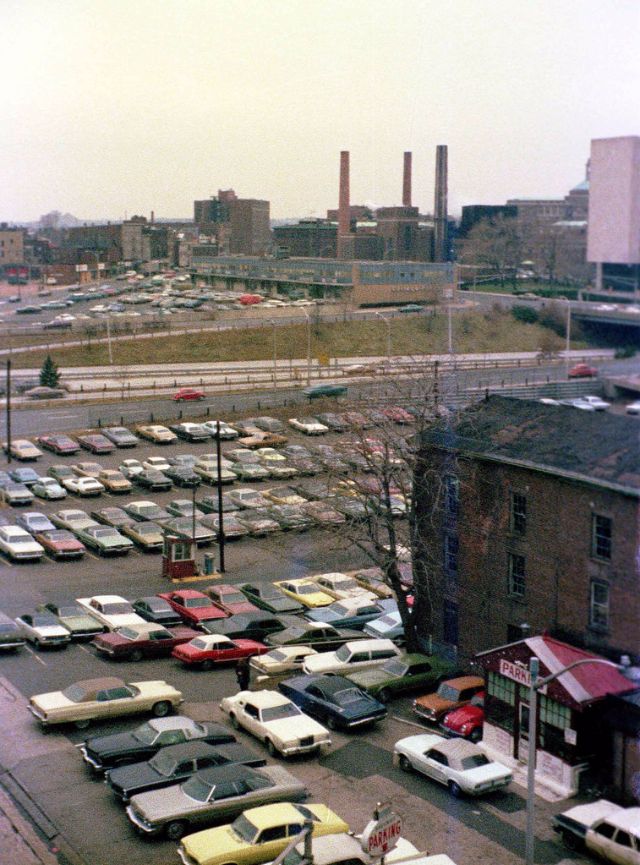
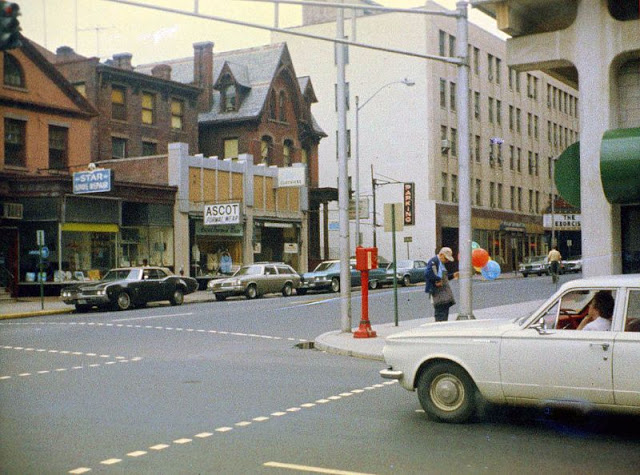
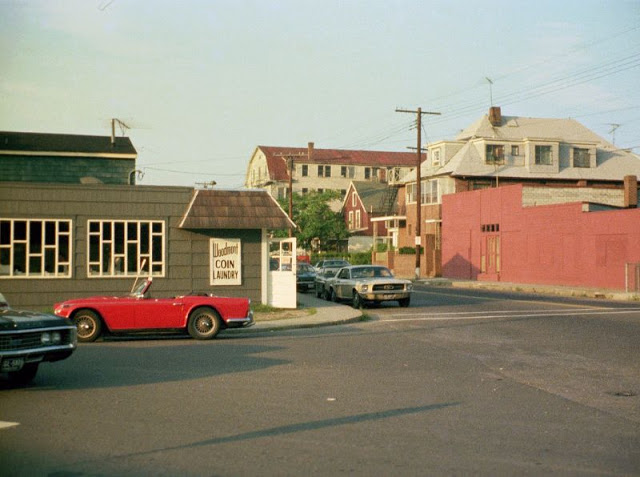
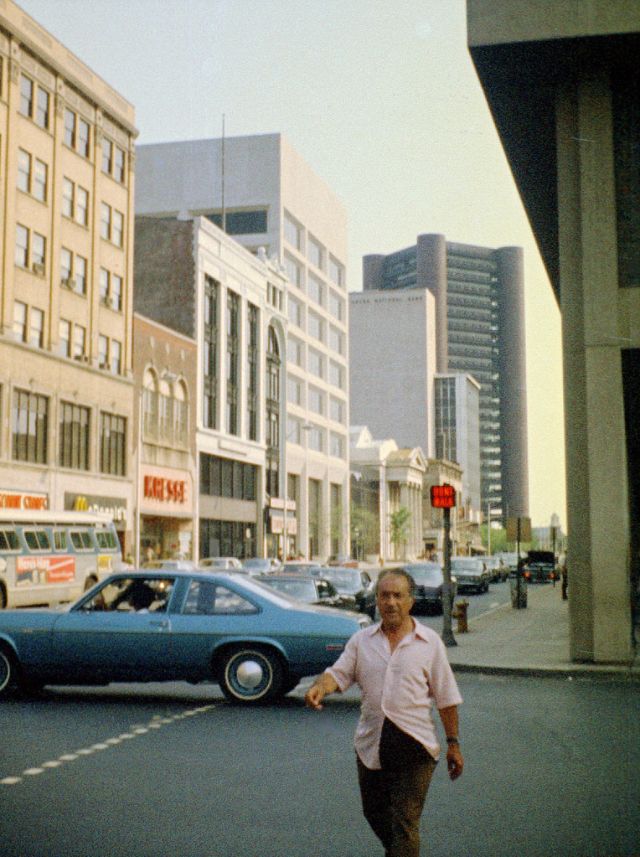
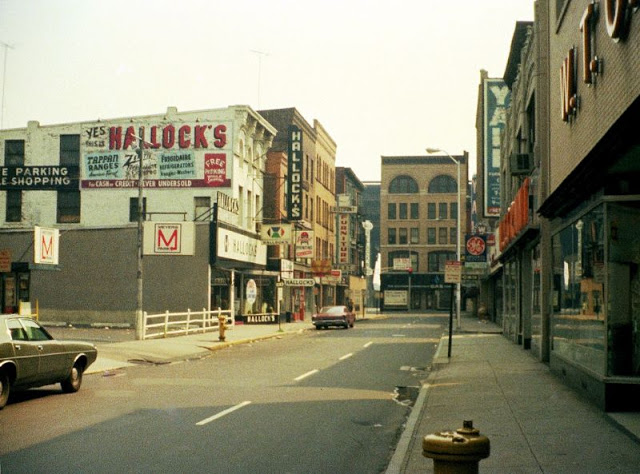
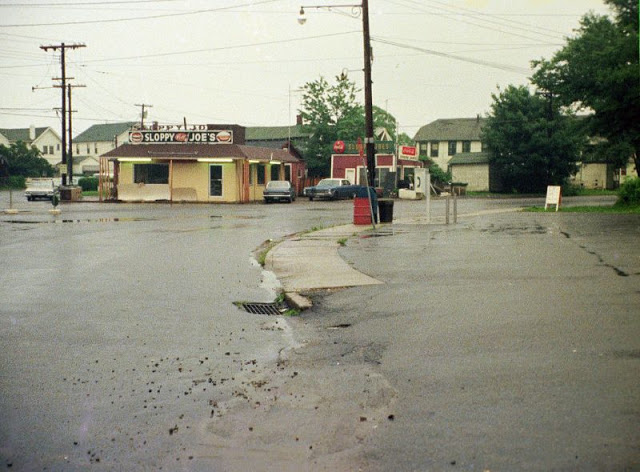
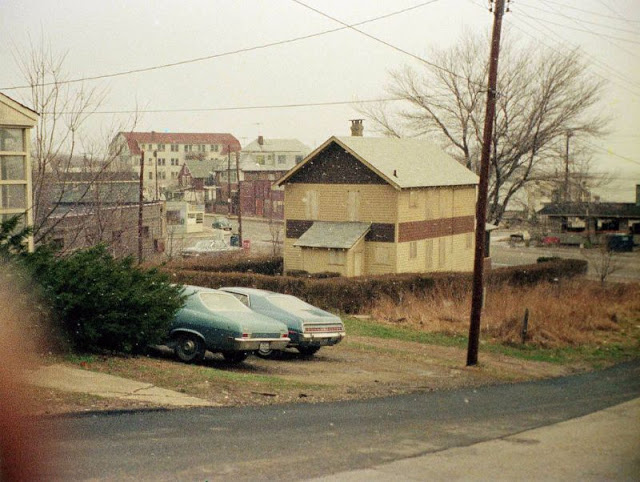
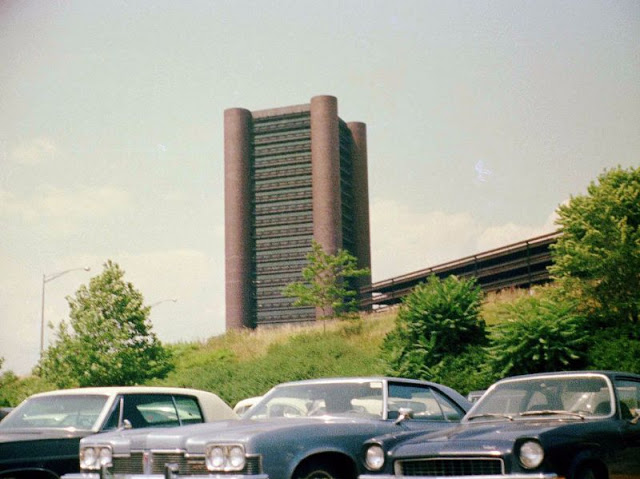
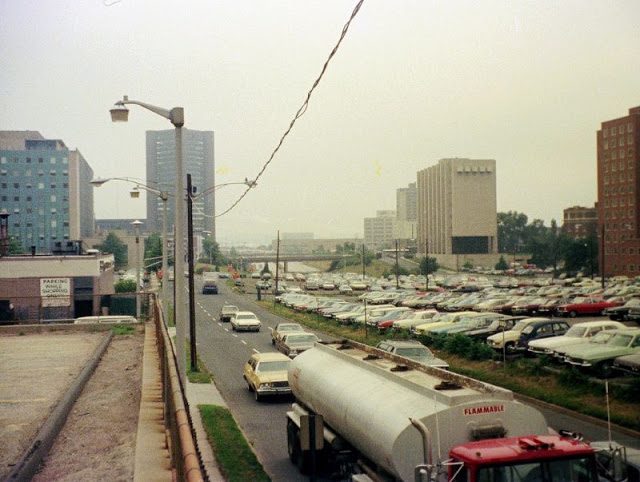
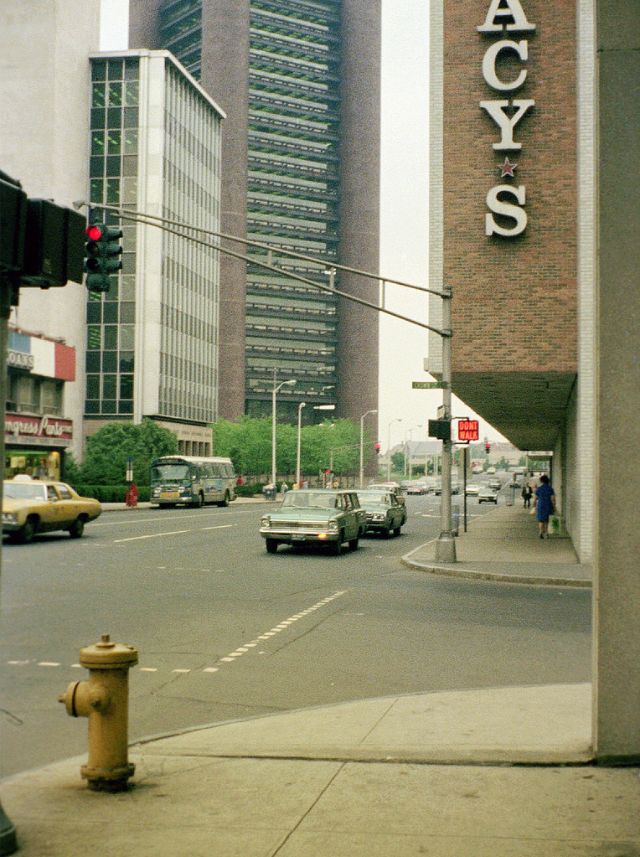
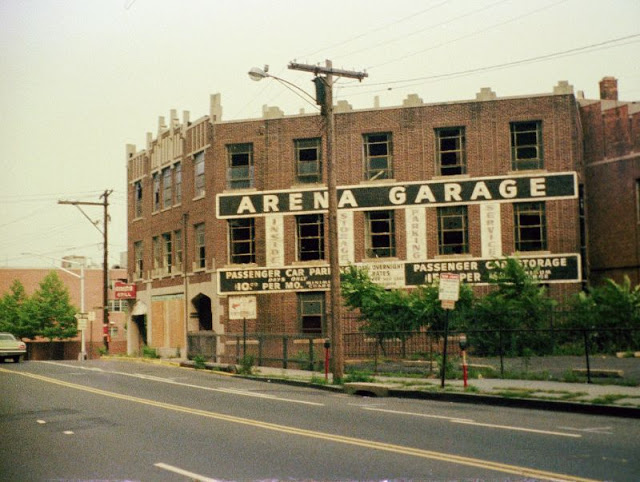
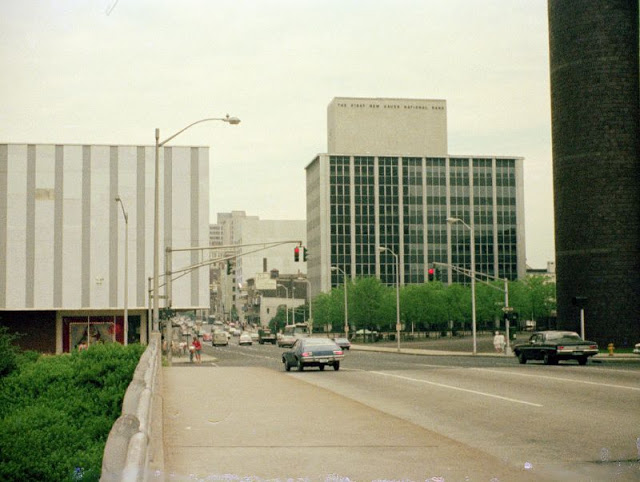
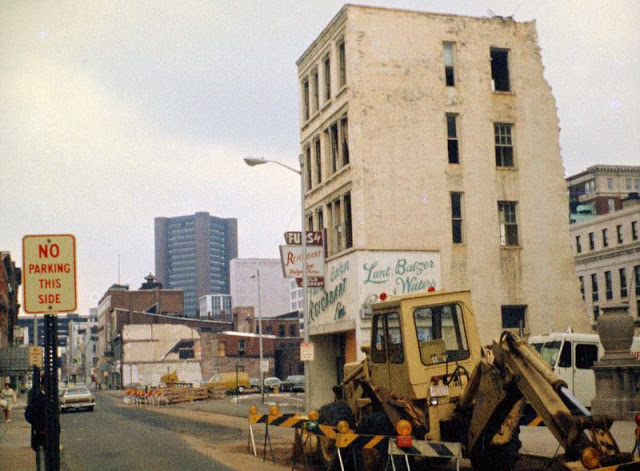
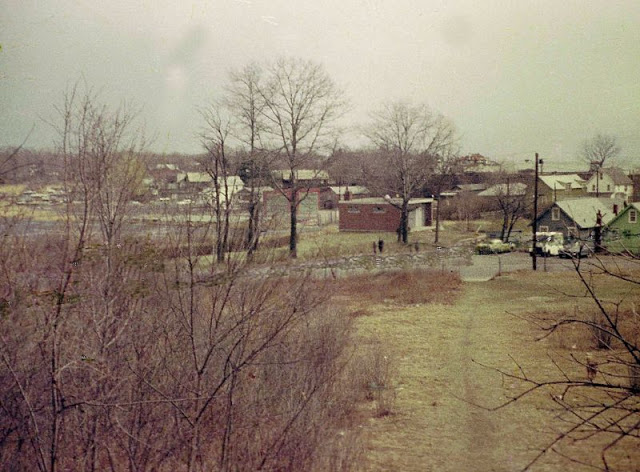
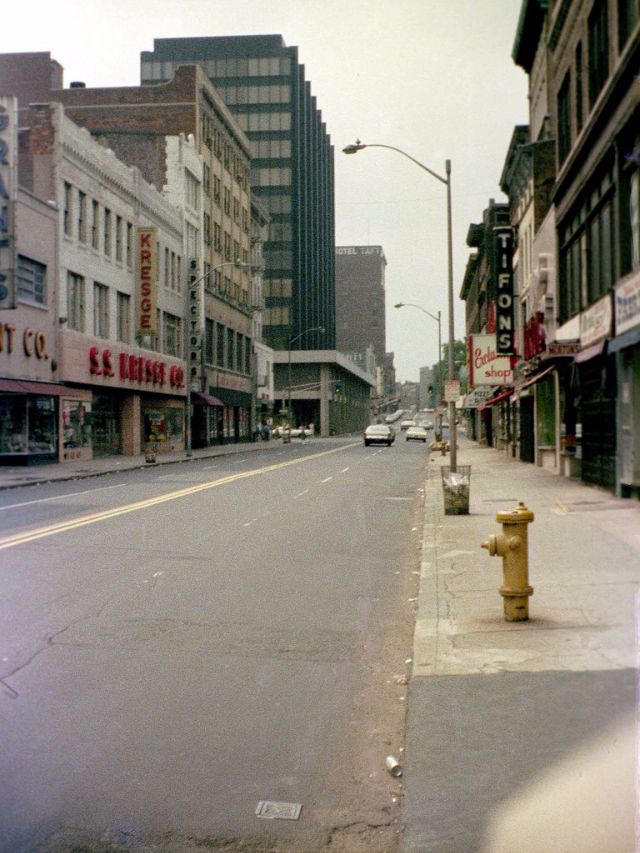
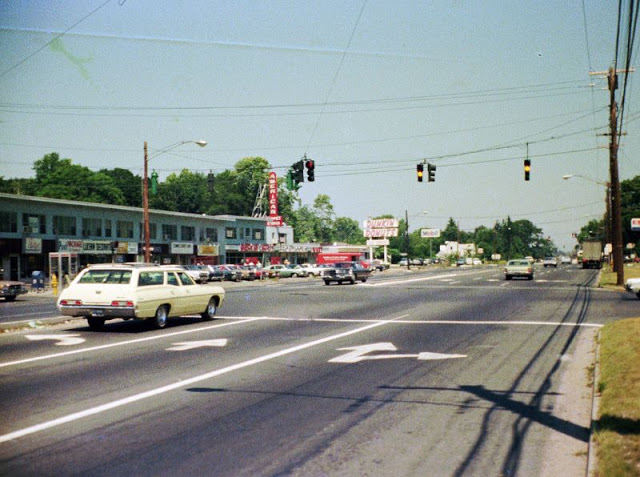
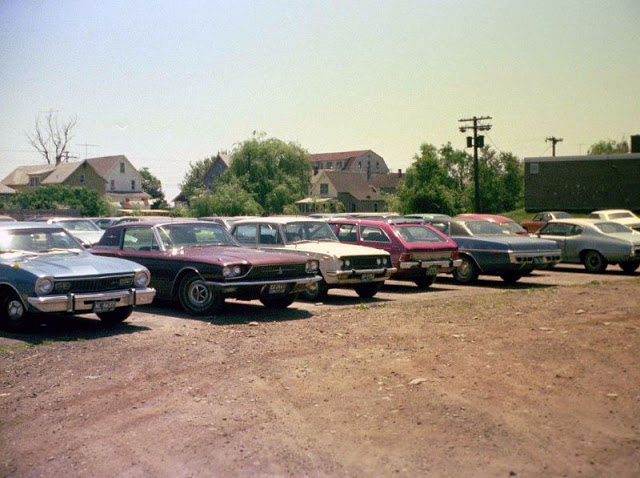
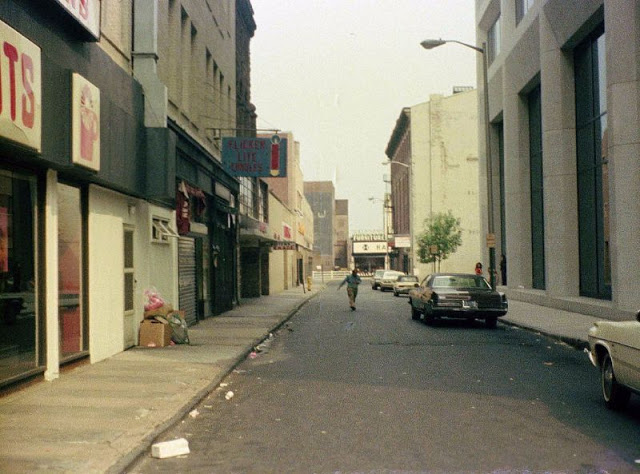
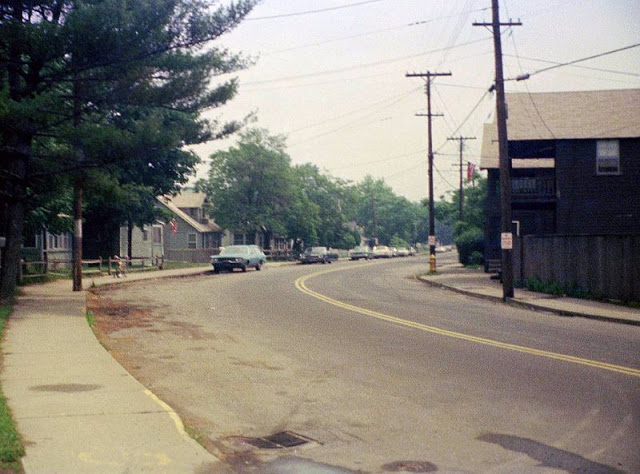
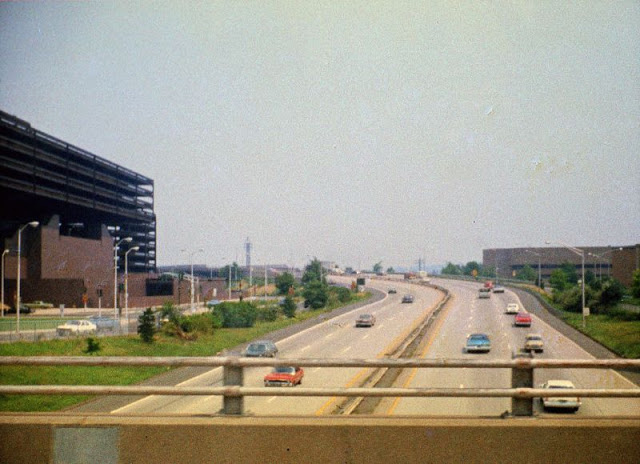
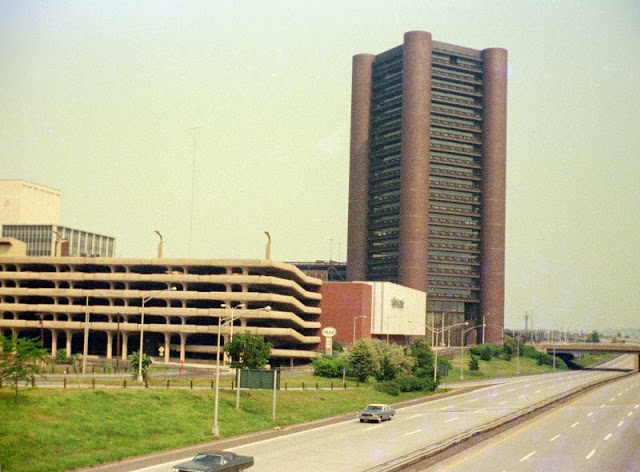
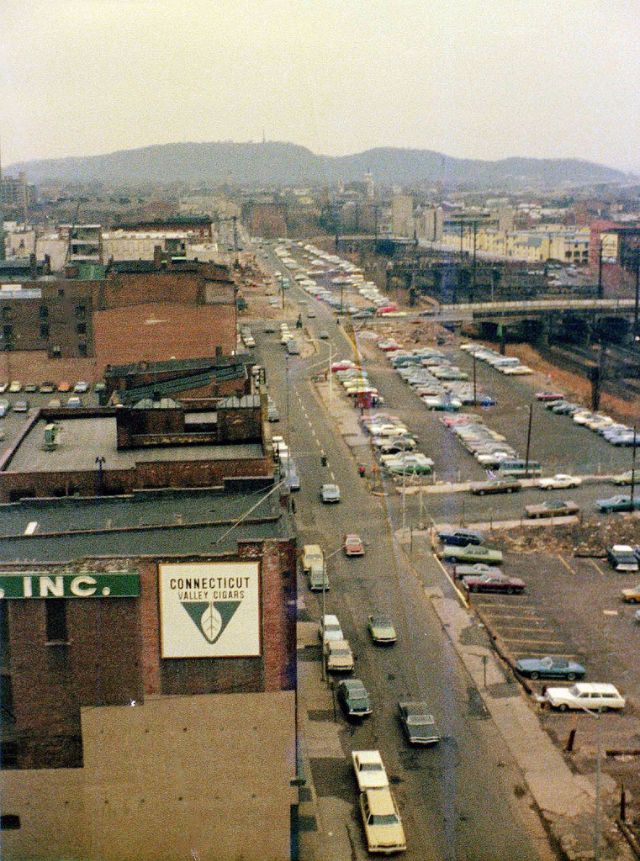
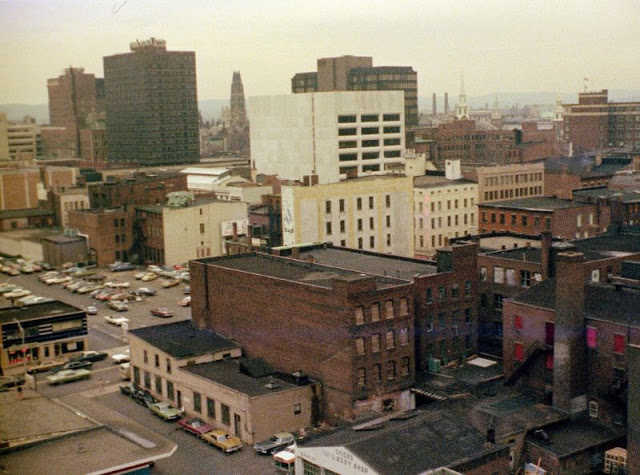
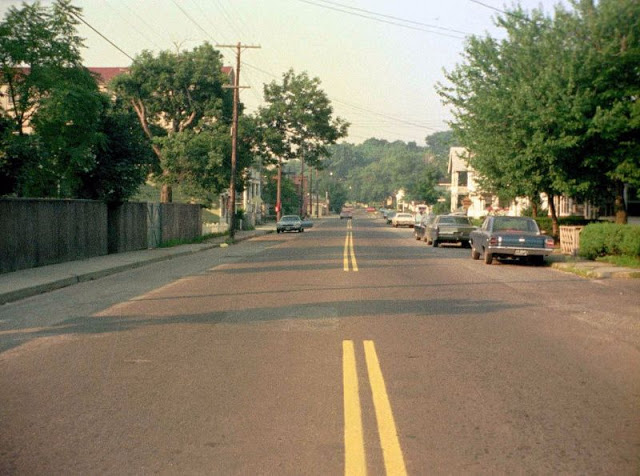
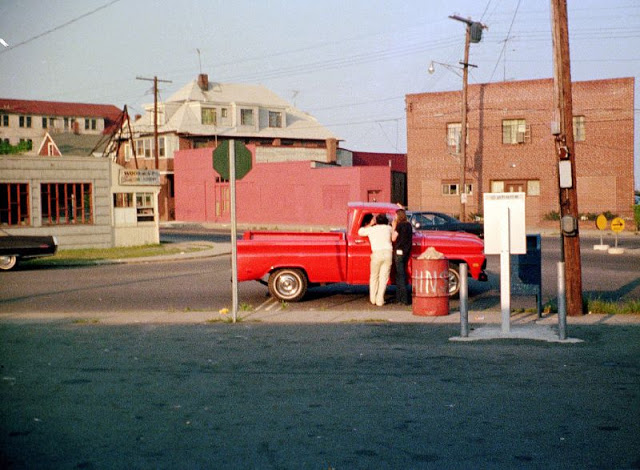
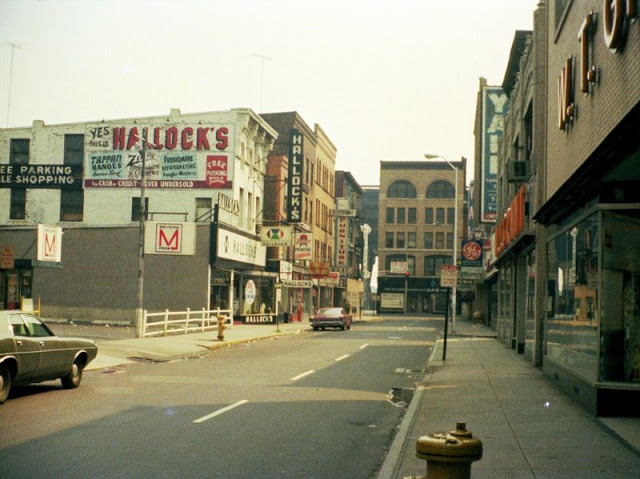
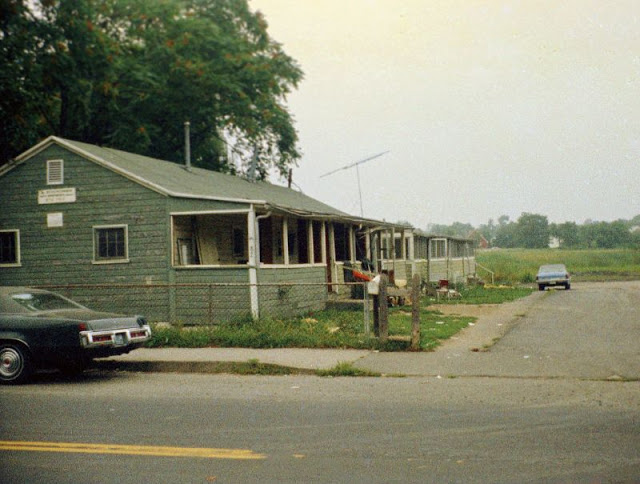
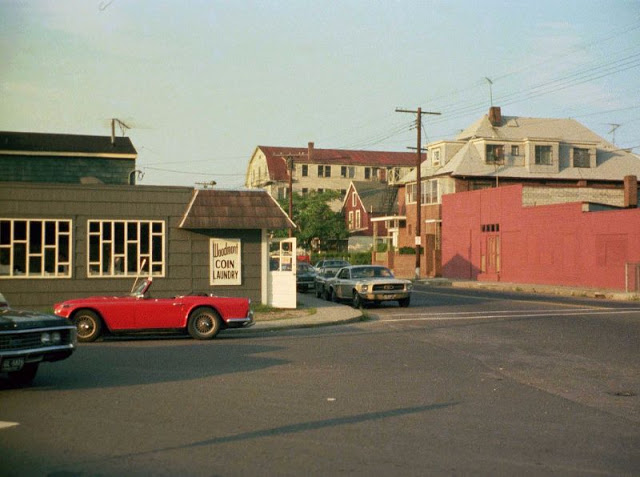
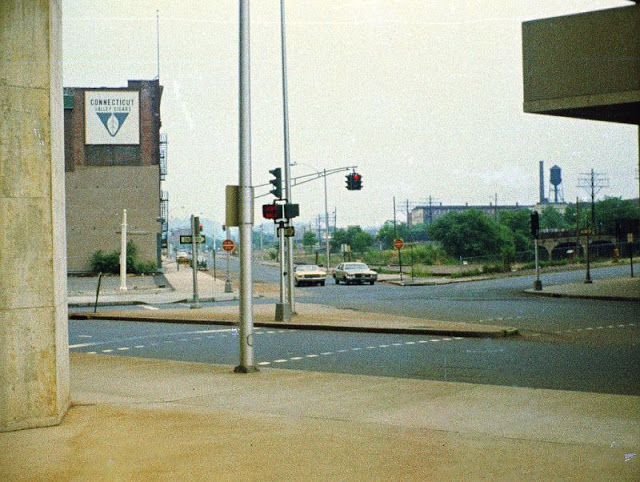
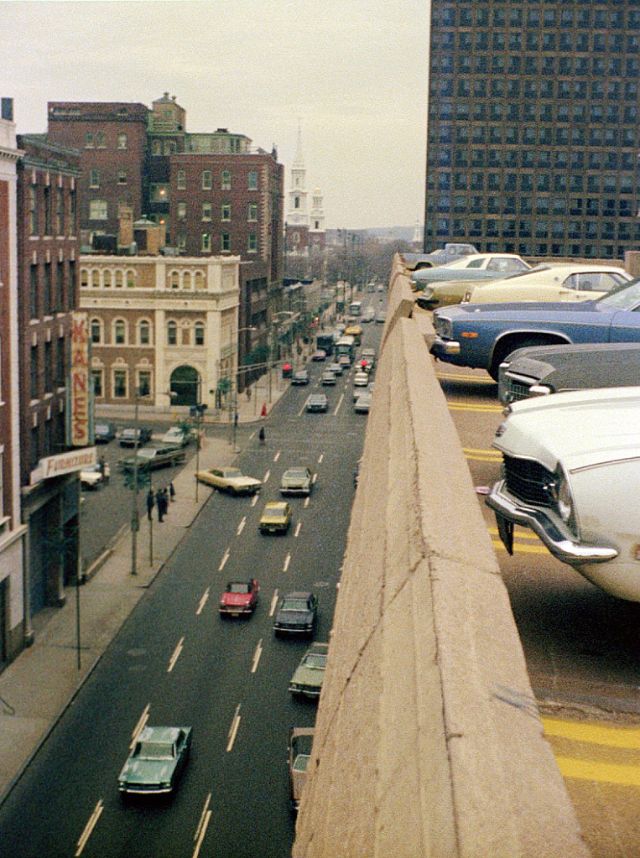
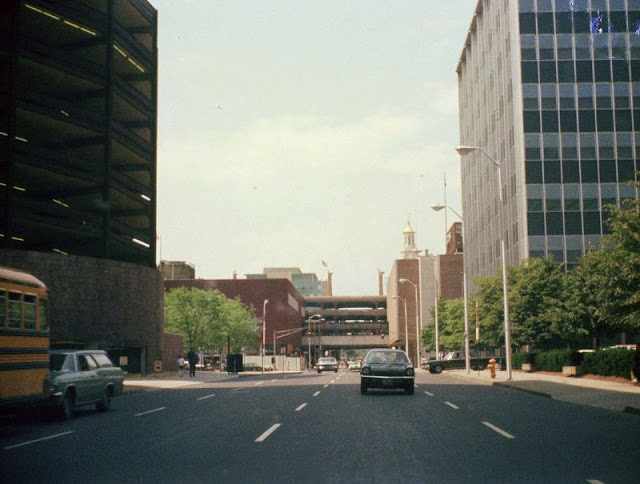
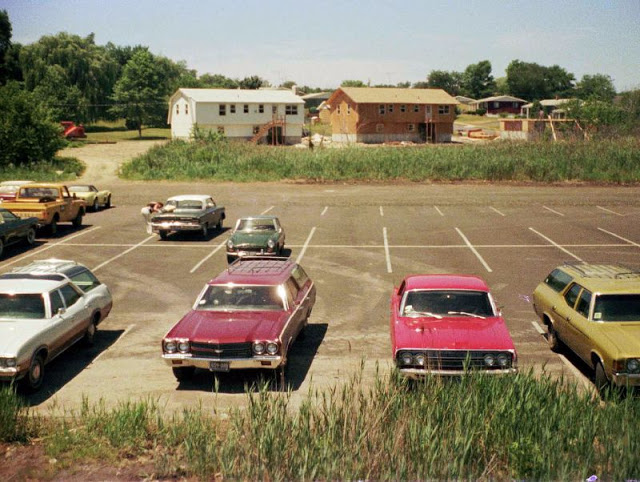
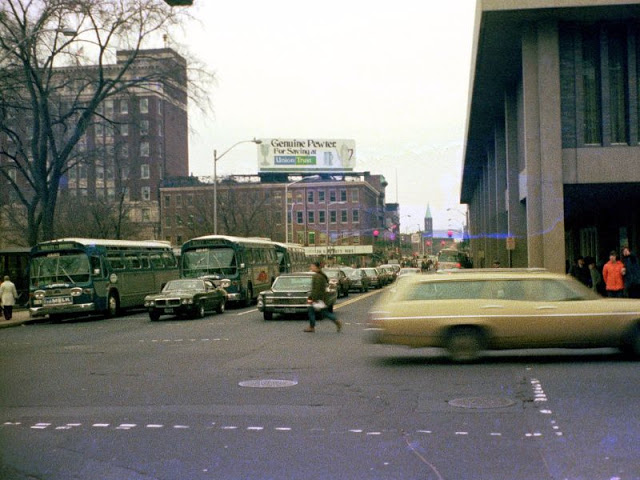
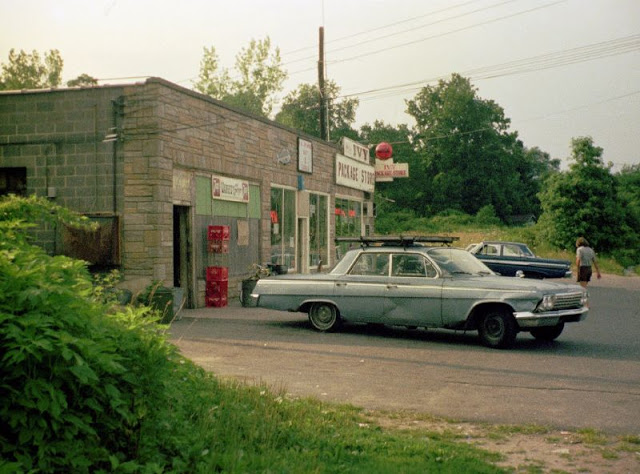
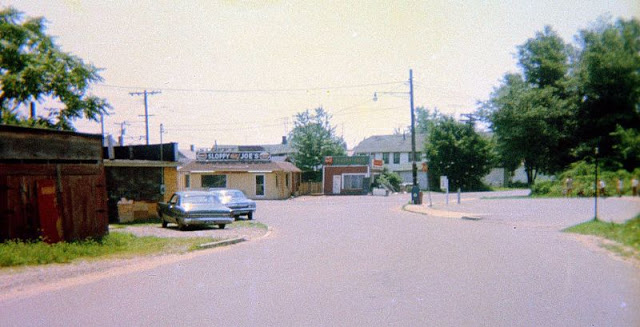
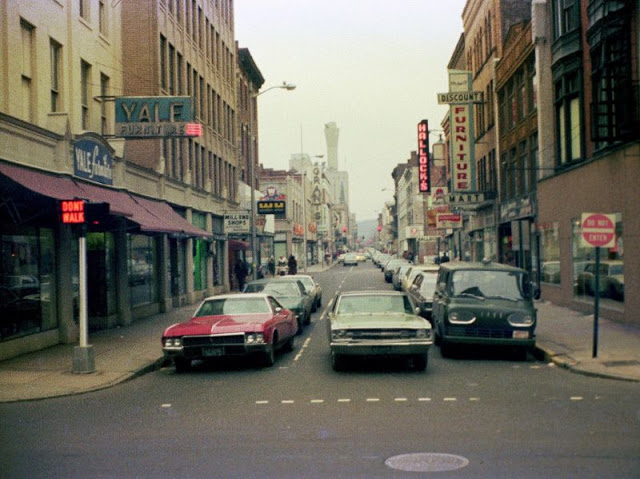
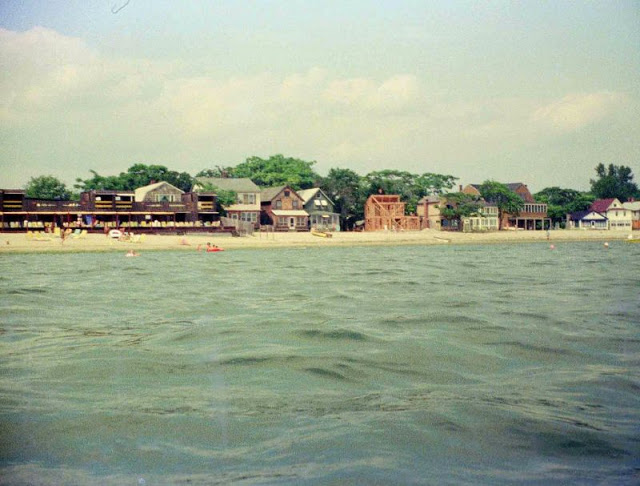
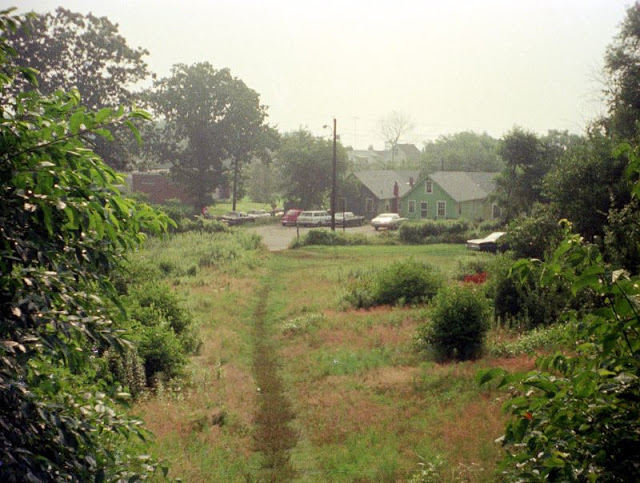
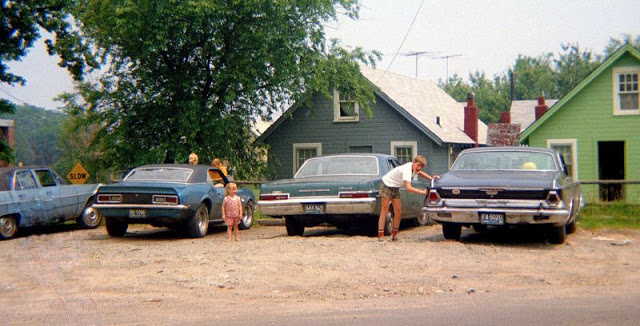
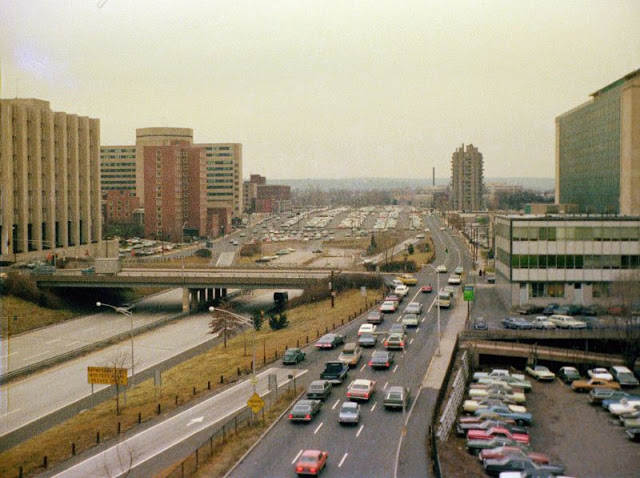
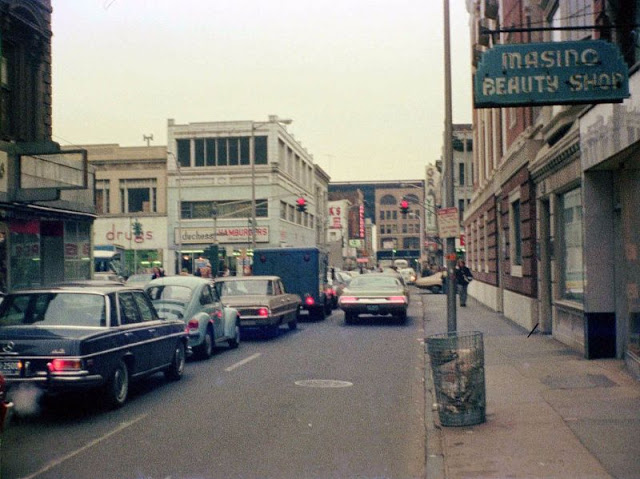
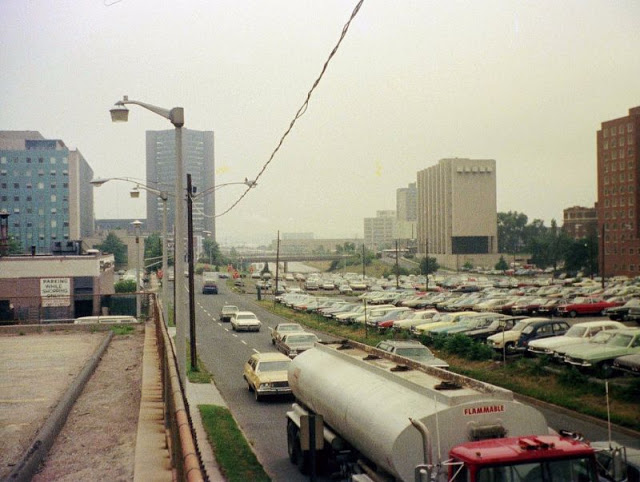
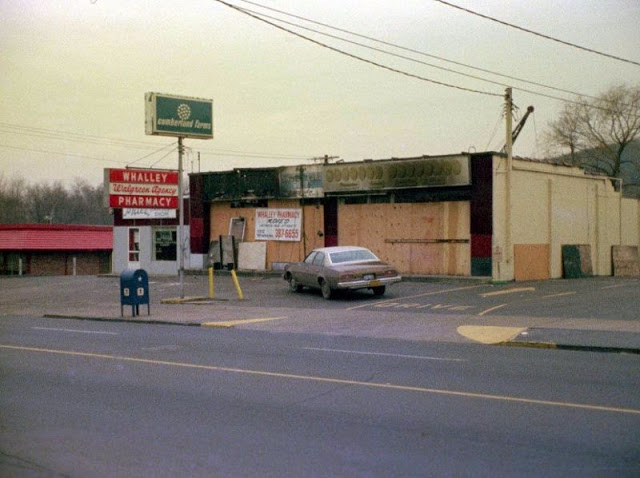
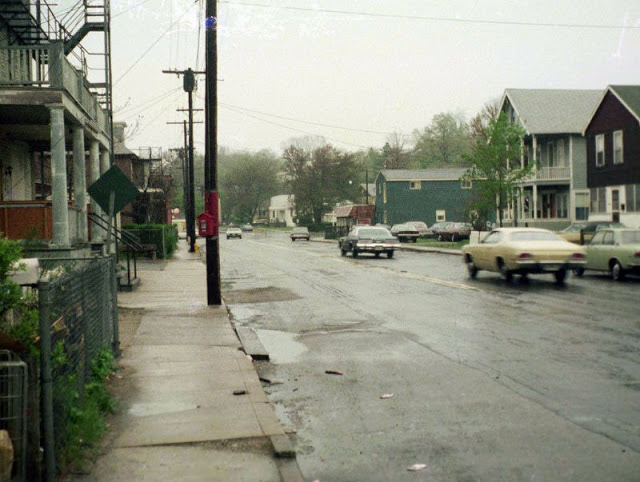
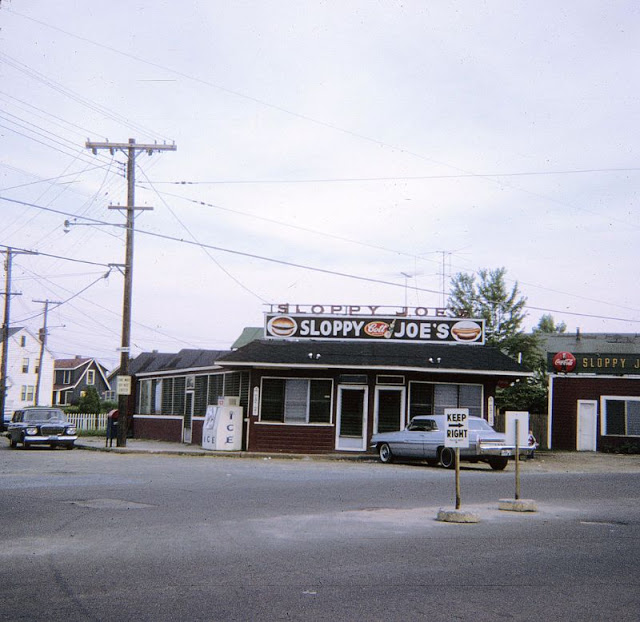
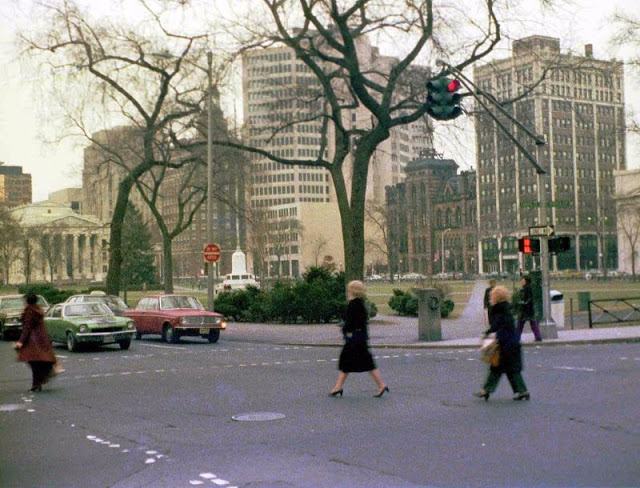
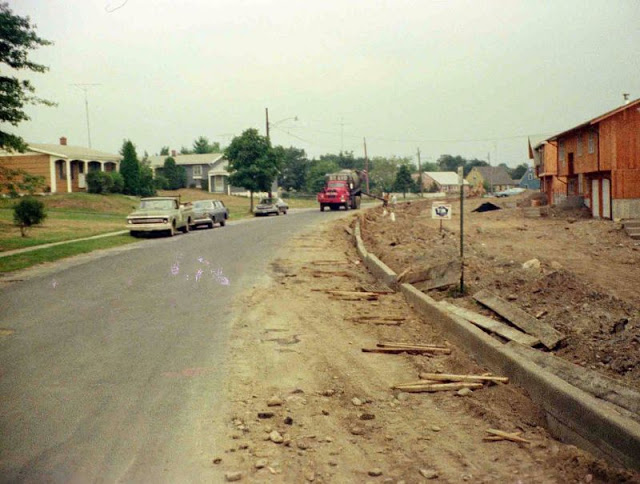
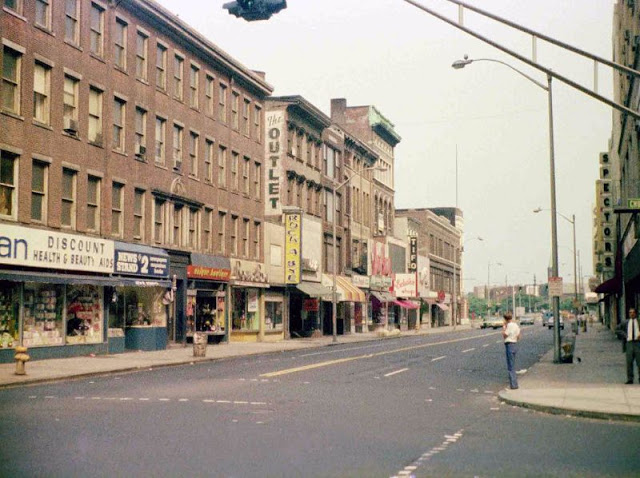
57 Amazing Photos Showing Street Scenes of New Haven, Connecticut in the Early 1970s

New Haven is a coastal city in the U.S. state of Connecticut. It is located on New Haven Harbor on the northern shore of Long Island Sound in New Haven County, Connecticut, and is part of the New York City metropolitan area. With a population of 134,023 as determined by the 2020 United States Census, New Haven is now the third-largest city in Connecticut after Bridgeport, and Stamford. New Haven is the principal municipality of Greater New Haven, which had a total population of 864,835 as of 2020.

New Haven was one of the first planned cities in America. A year after its founding by English Puritans in 1638, eight streets were laid out in a four-by-four grid, creating what is commonly known as the “Nine Square Plan”. The central common block is the New Haven Green, a 16-acre (6 ha) square at the center of Downtown New Haven. The Green is now a National Historic Landmark, and the “Nine Square Plan” is recognized by the American Planning Association as a National Planning Landmark.

New Haven is the home of Yale University. As New Haven’s biggest taxpayer and employer, Yale serves as an integral part of the city’s economy. Health care (hospitals and biotechnology), professional services (legal, architectural, marketing, and engineering), financial services, and retail trade also contribute to the city’s economic activity.
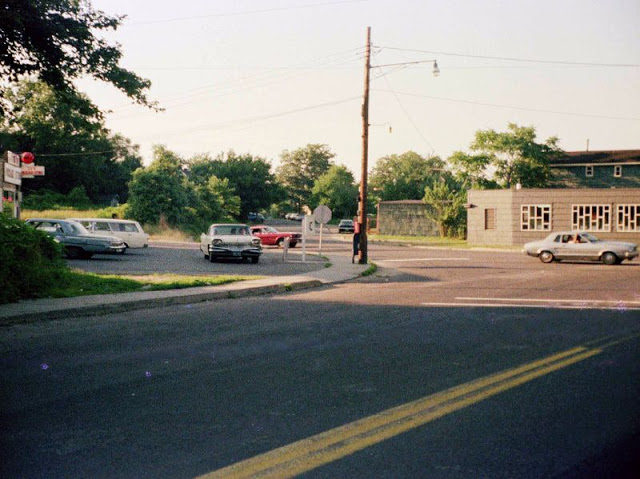
The city served as co-capital of Connecticut from 1701 until 1873, when sole governance was transferred to the more centrally located city of Hartford. New Haven has since billed itself as the “Cultural Capital of Connecticut” for its supply of established theaters, museums, and music venues. New Haven had the first public tree planting program in America, producing a canopy of mature trees (including some large elms) that gave the city the nickname “The Elm City”. (Wikipedia)

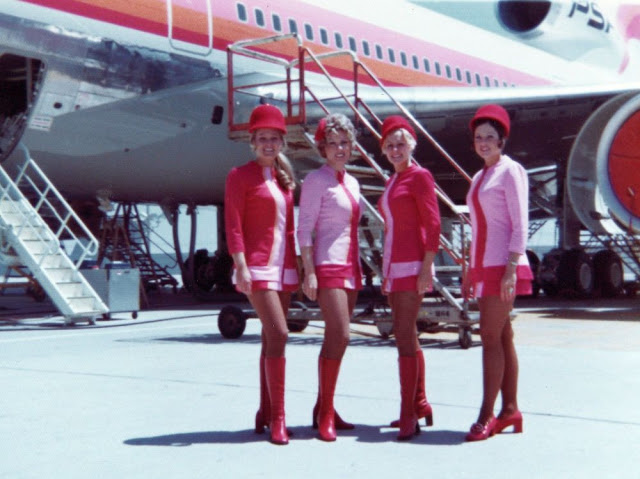
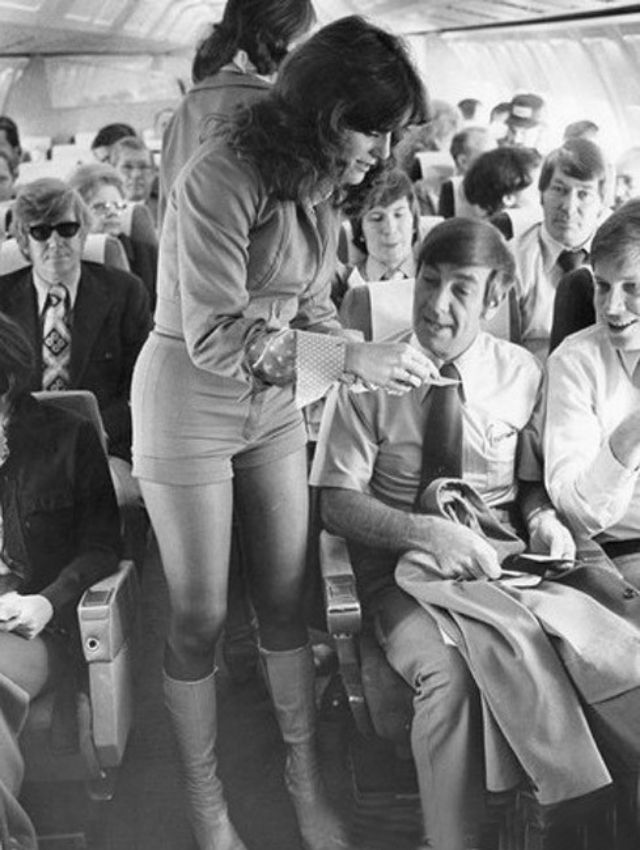
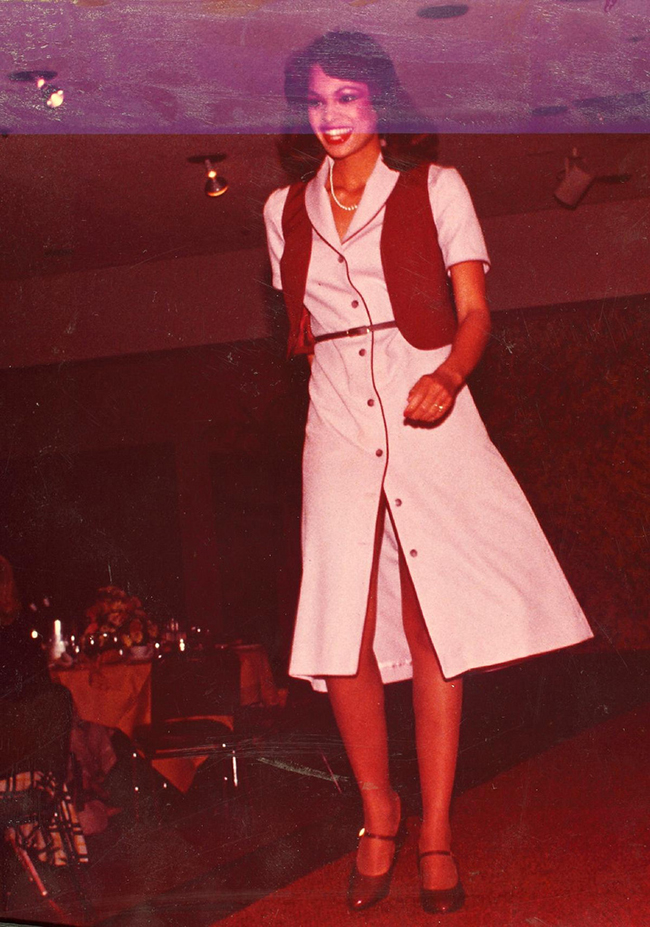
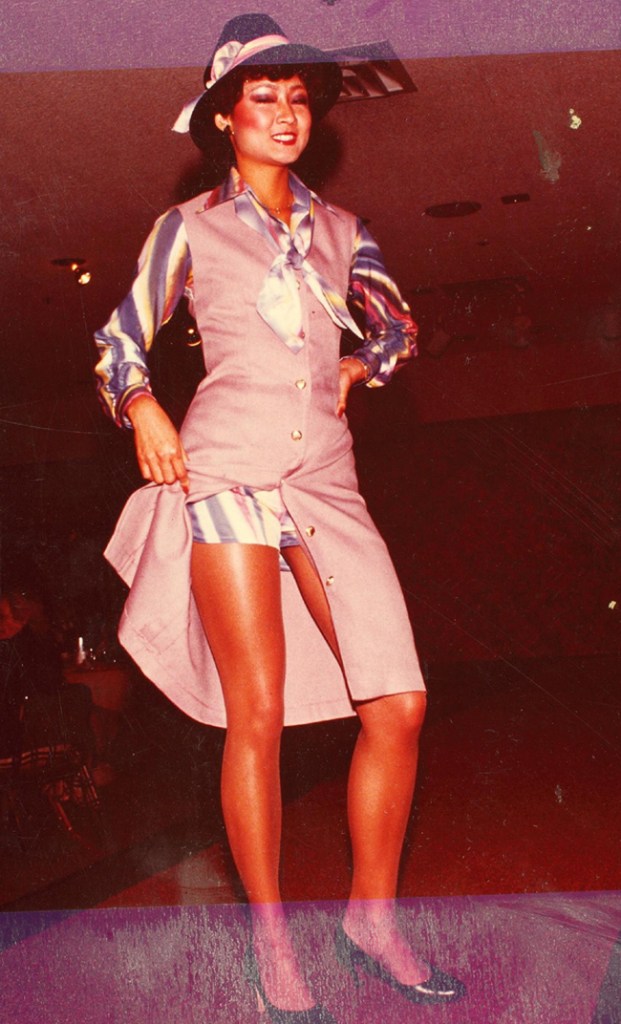
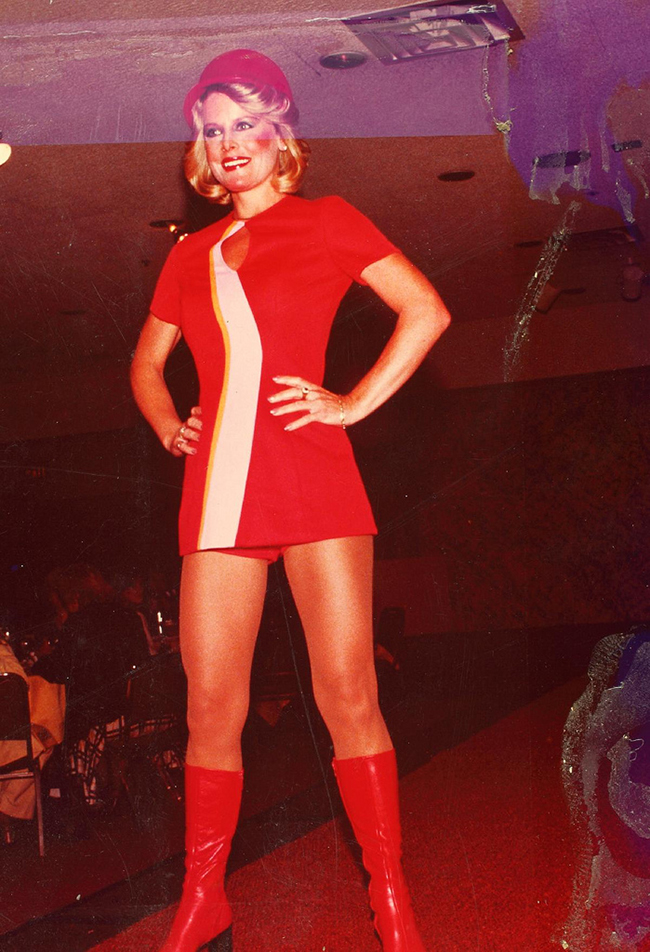
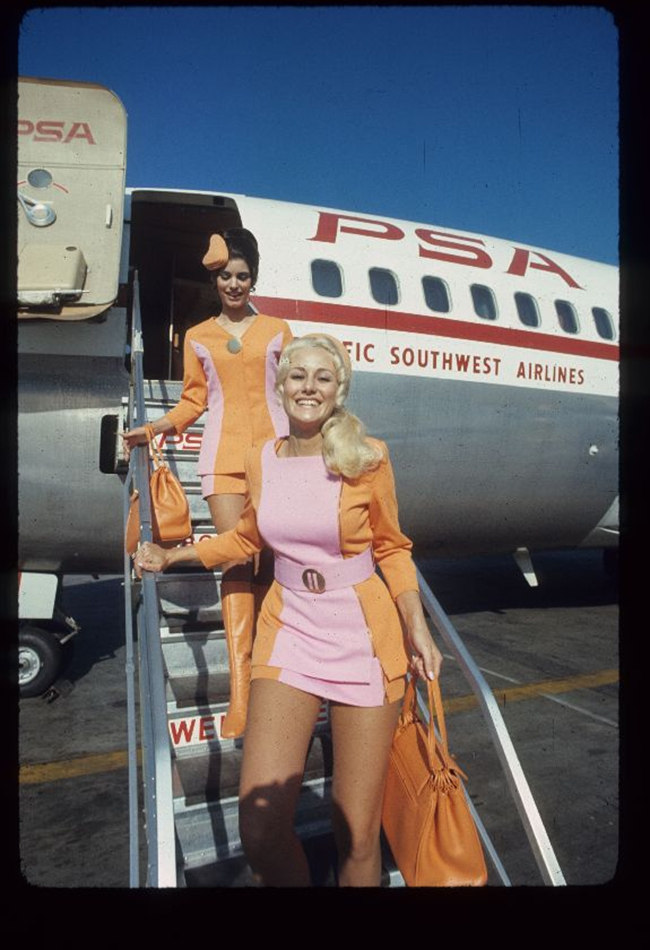
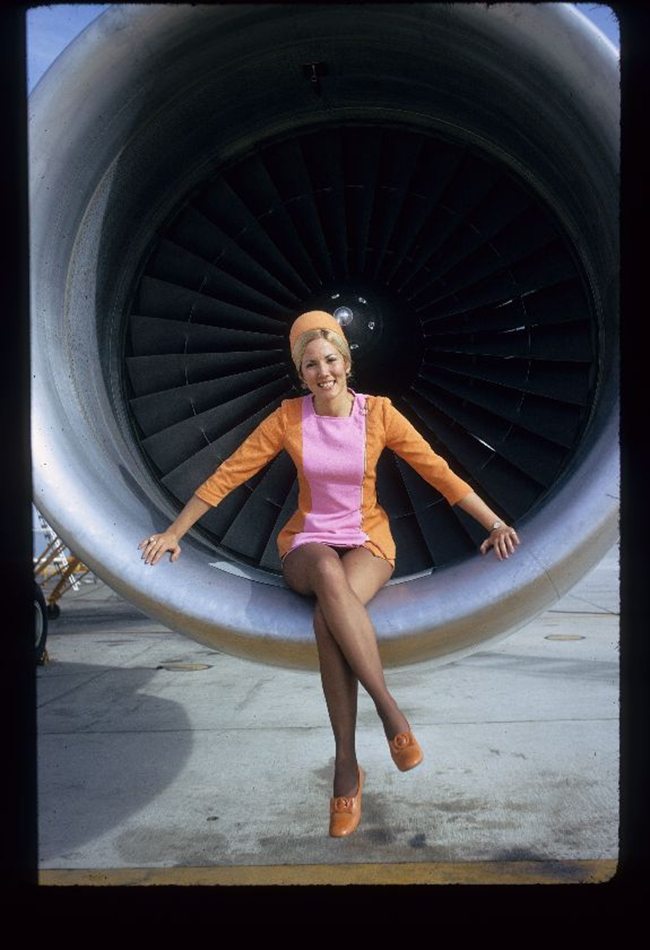
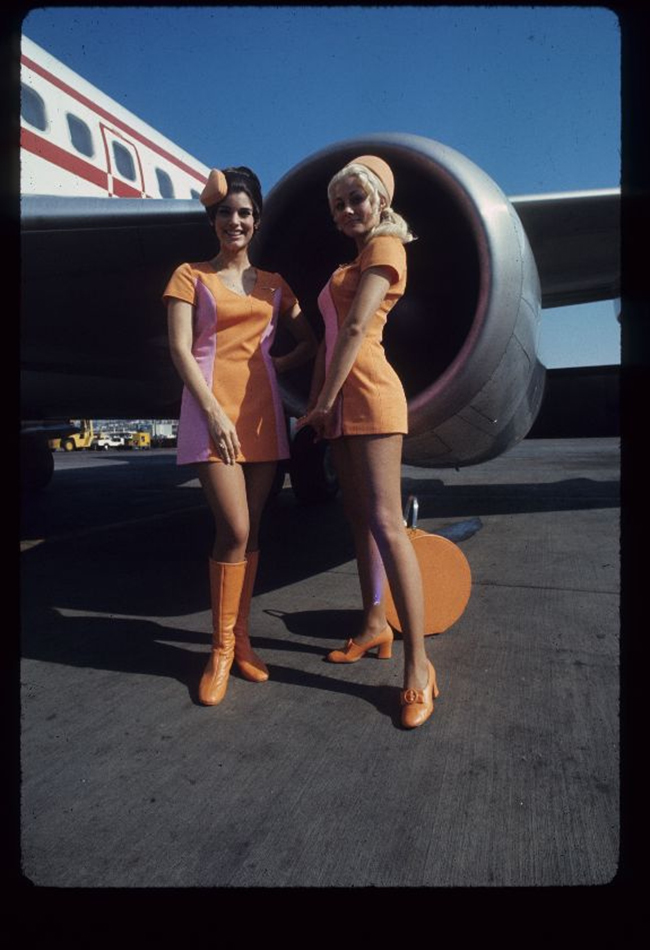
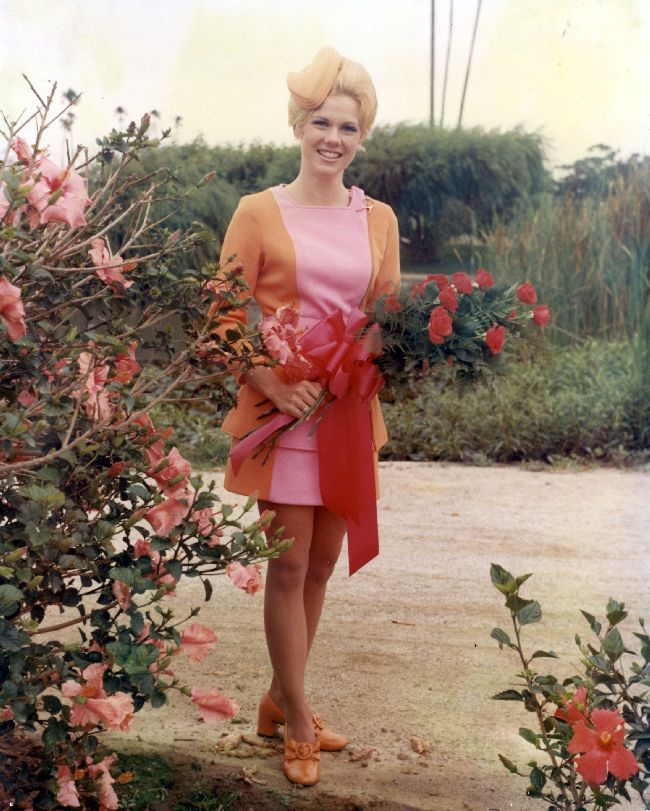
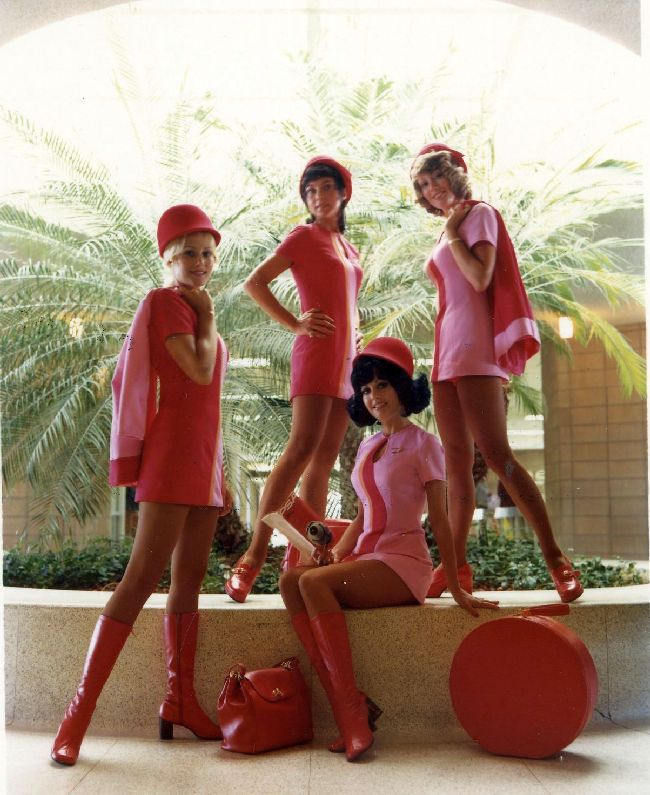
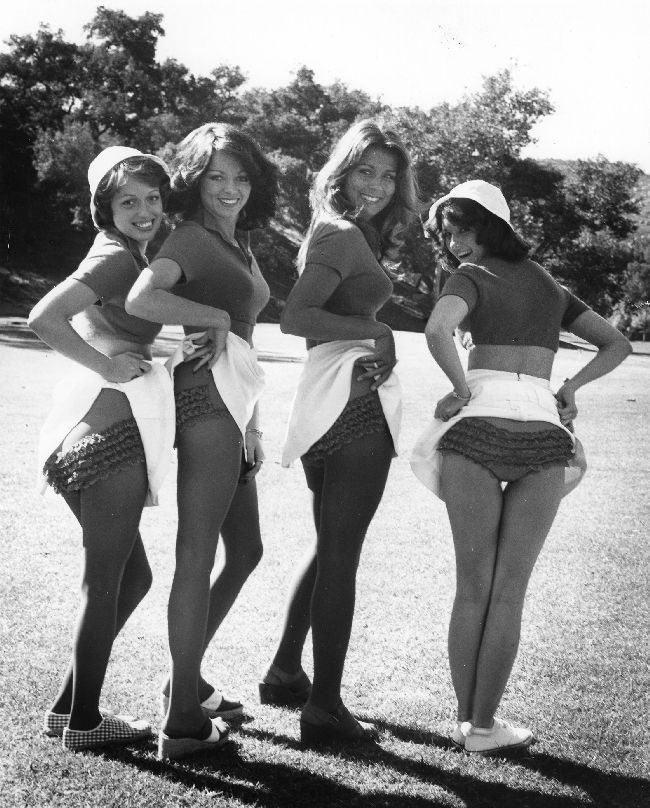
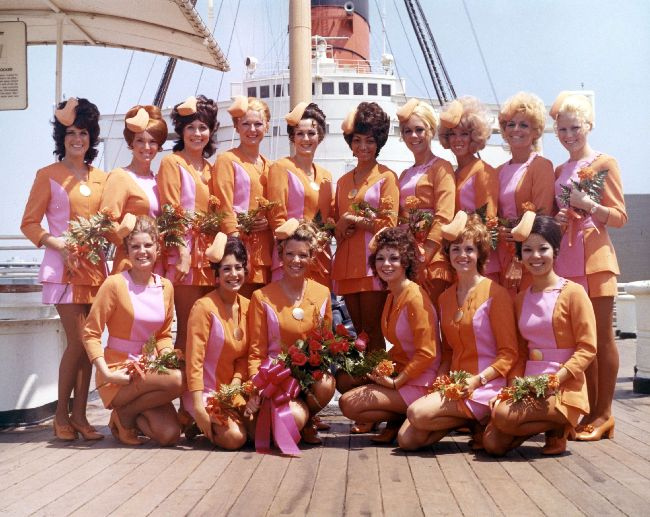
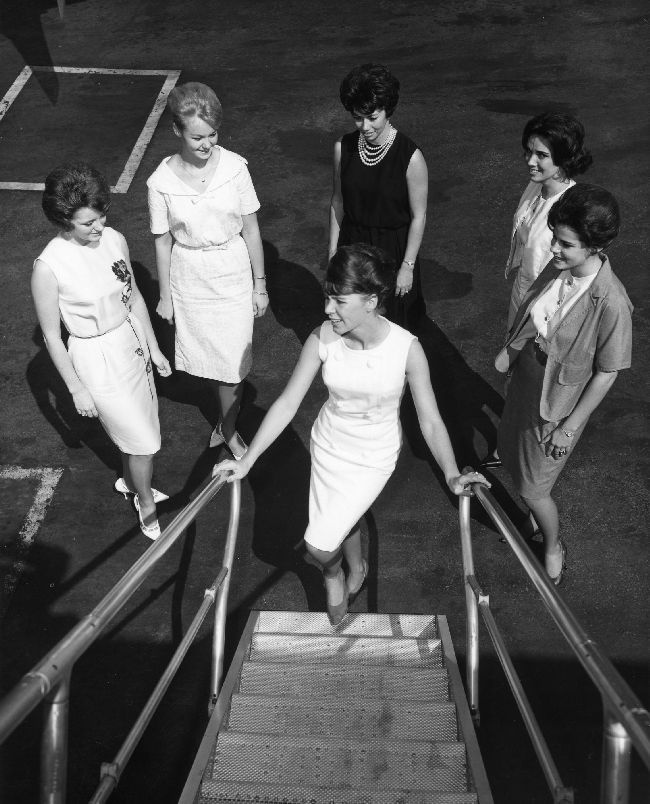
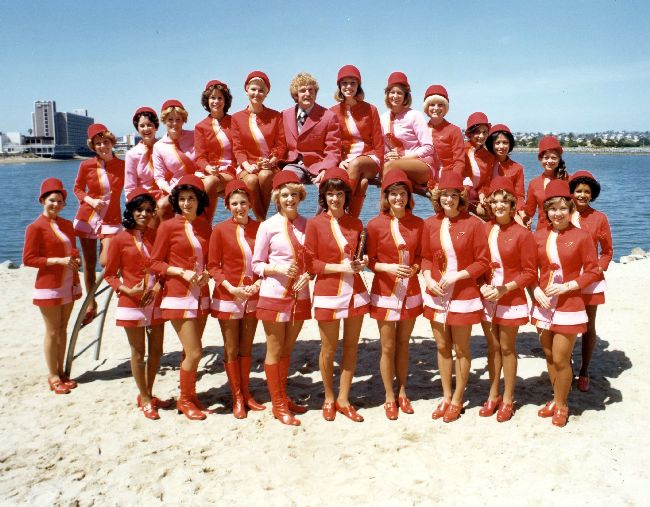
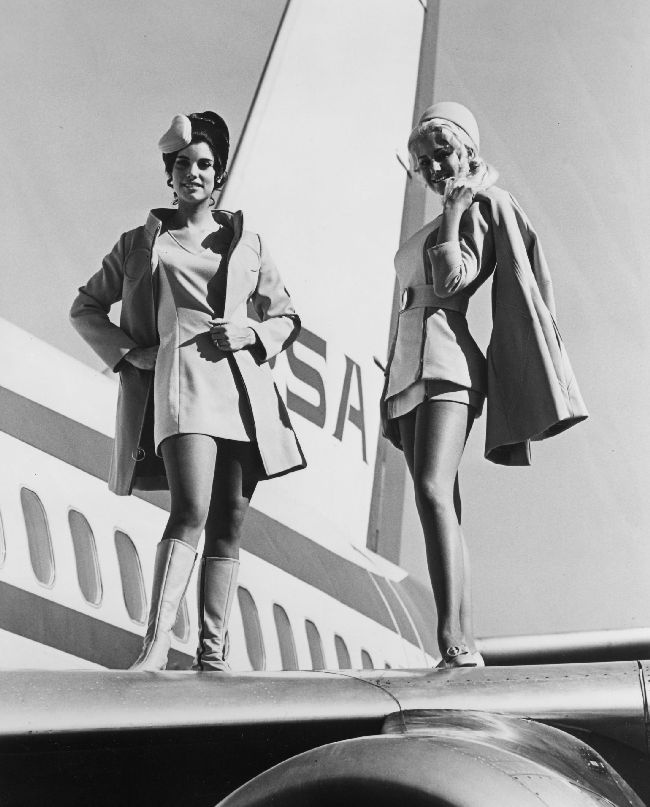
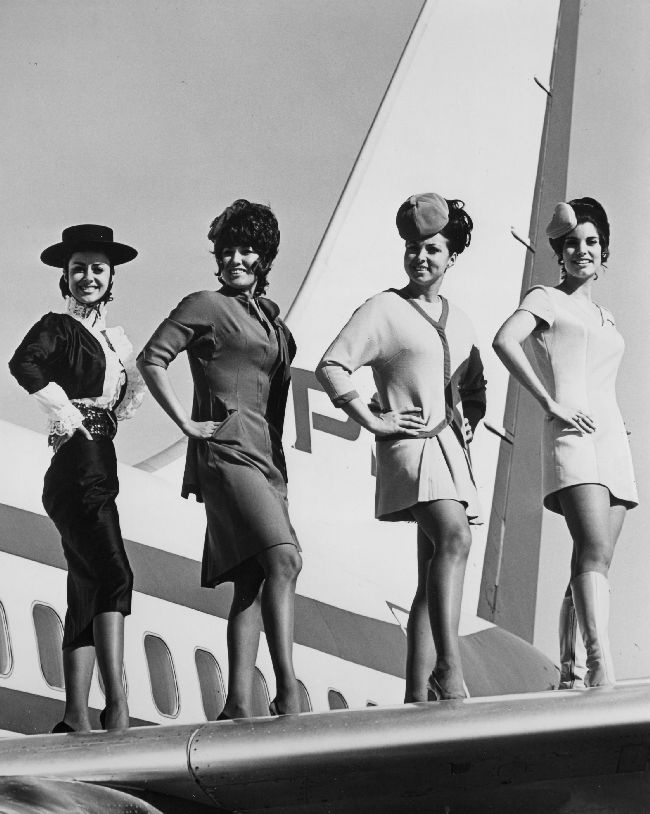
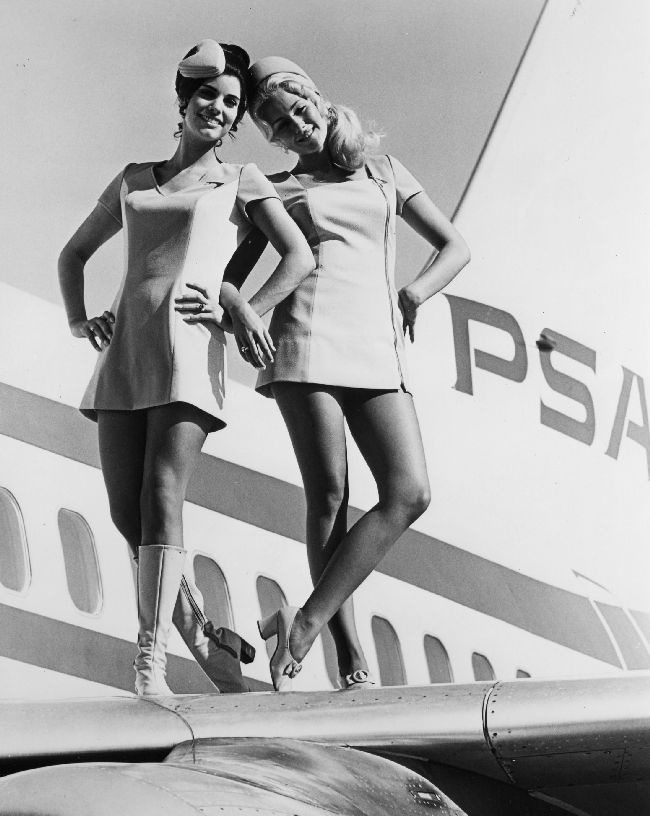
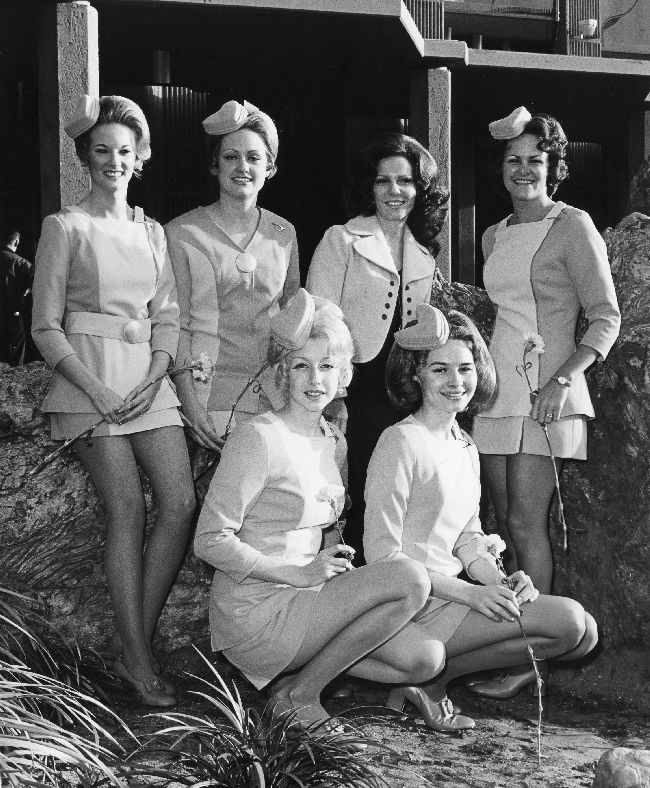
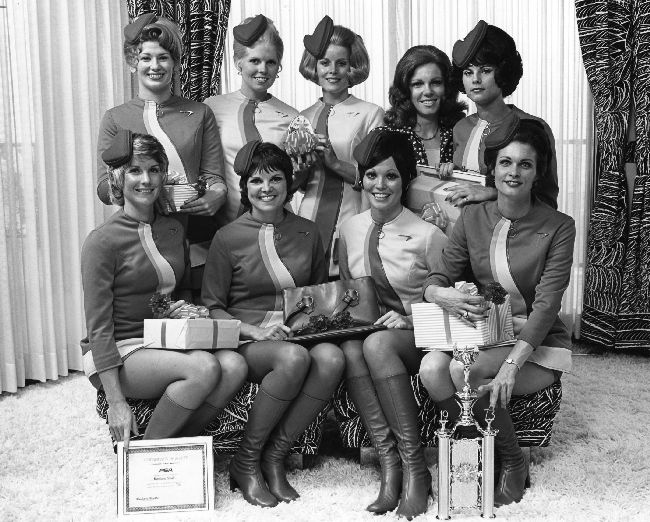
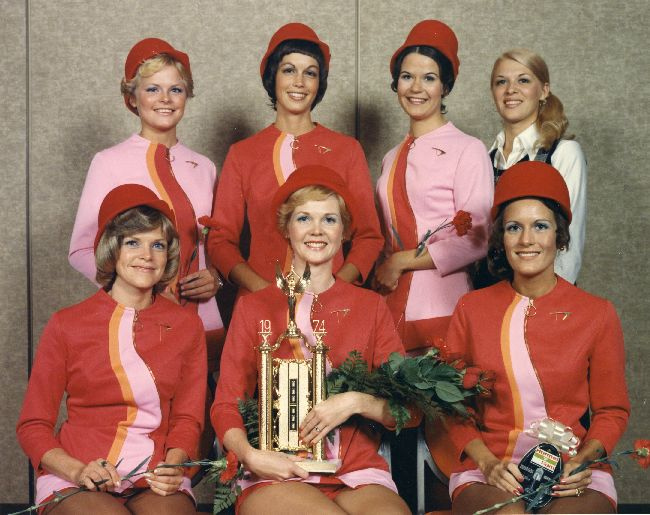
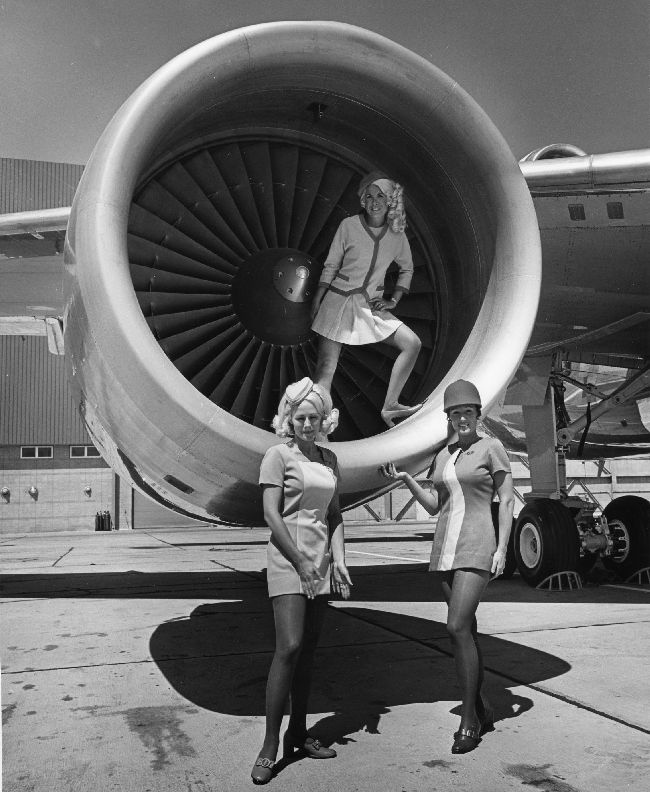
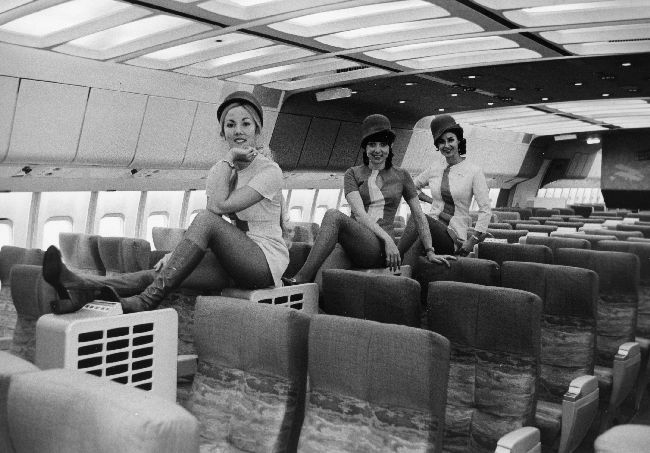
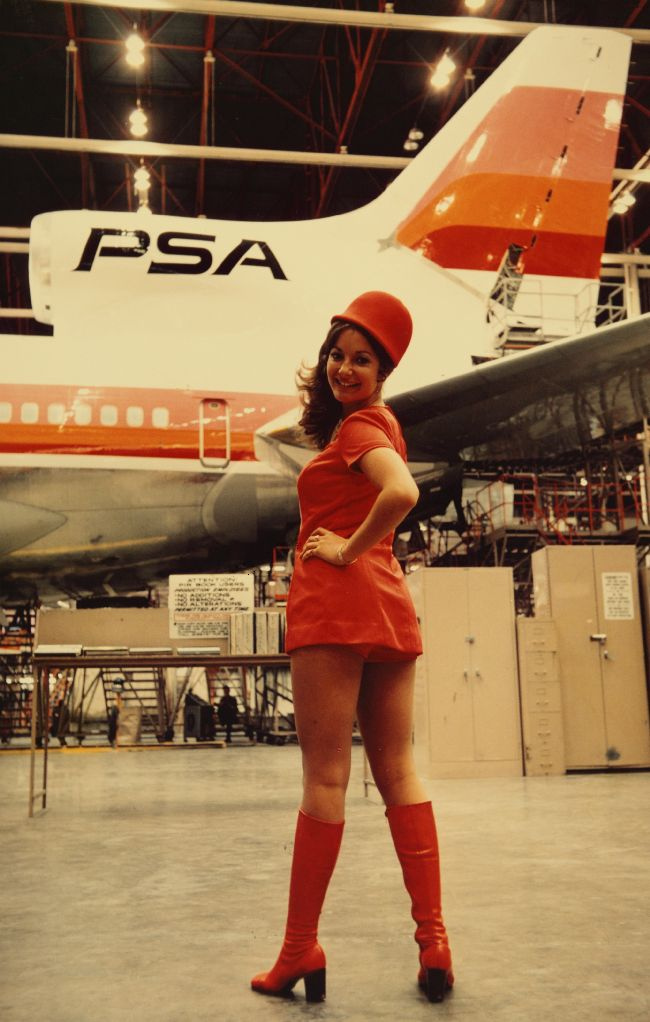
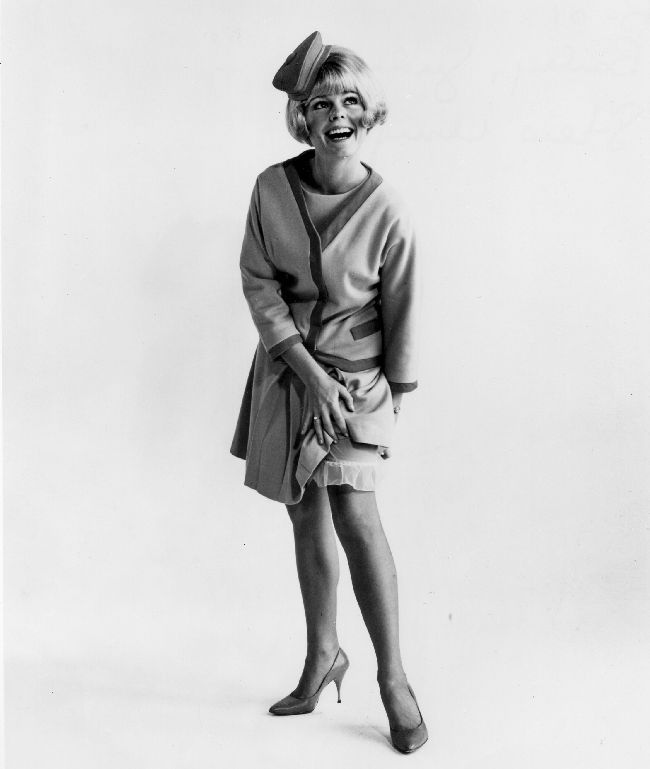
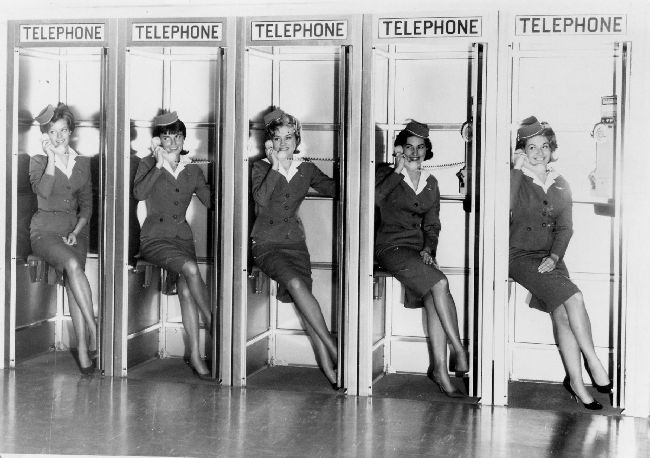
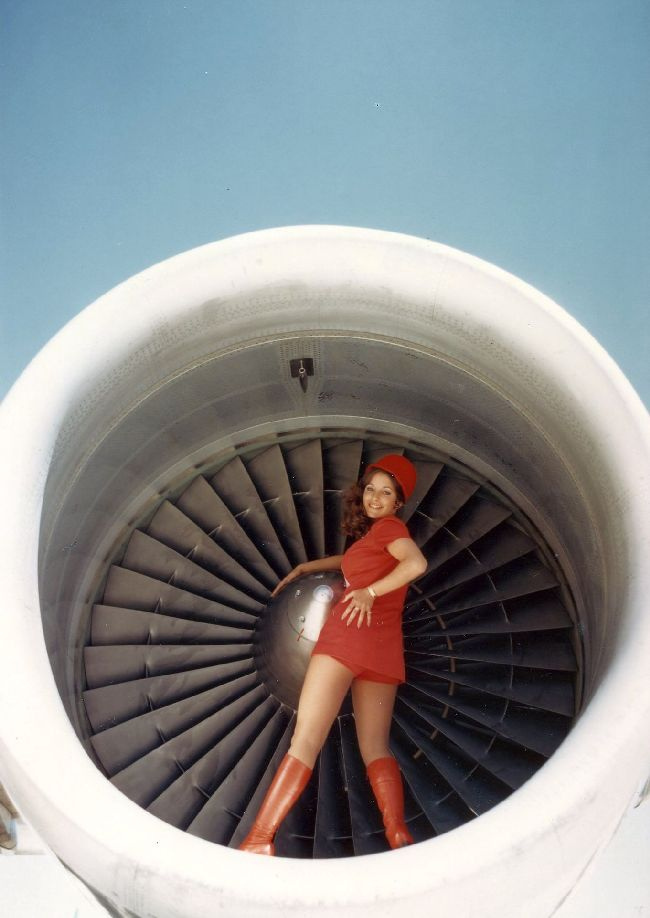
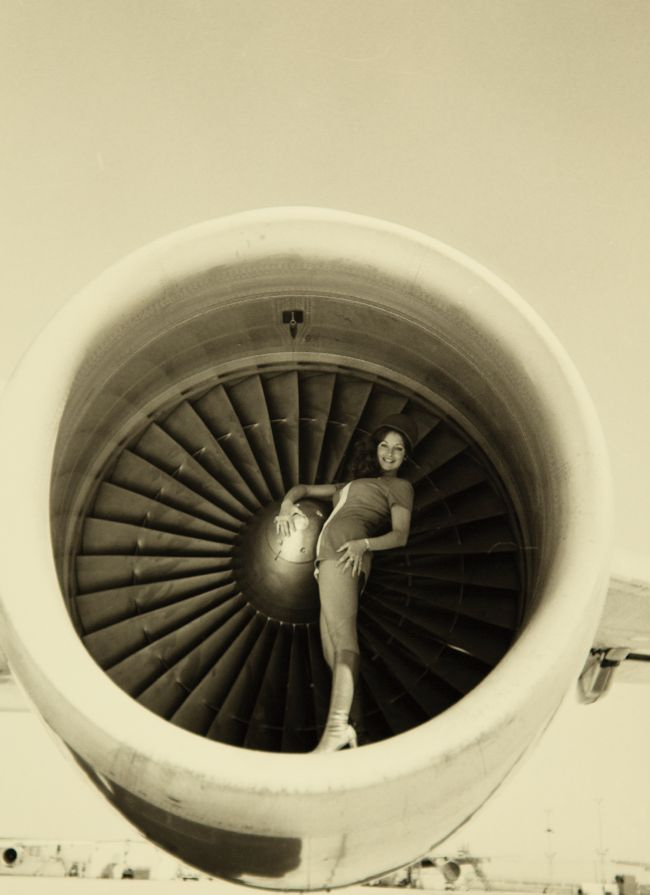
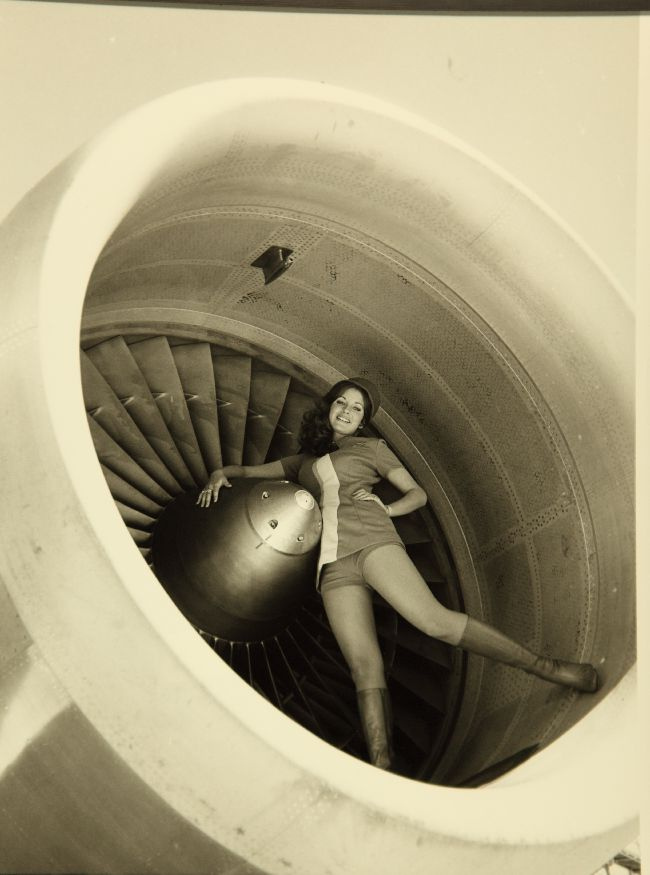
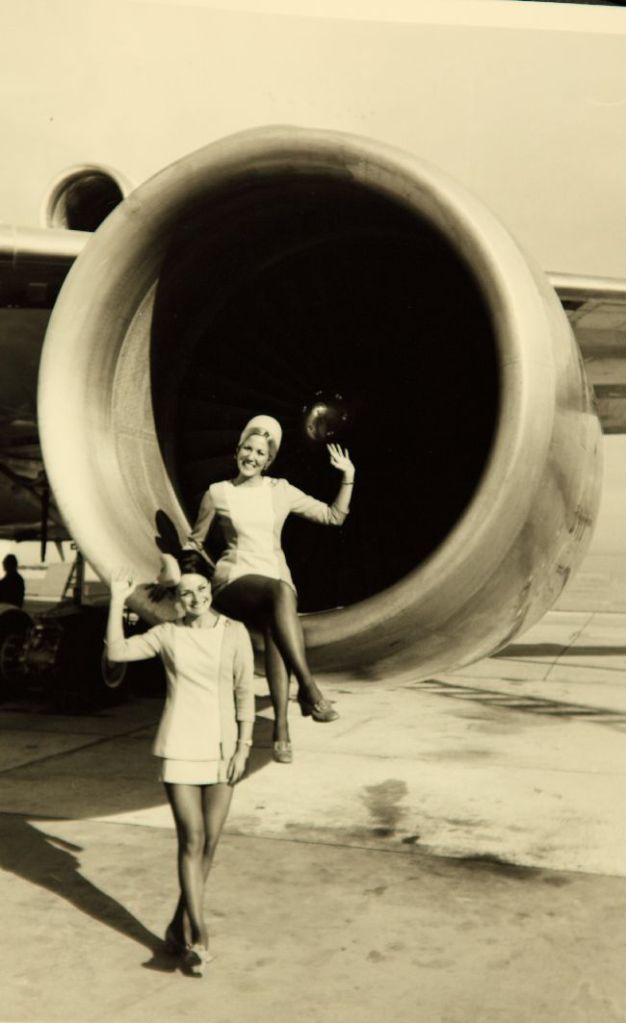
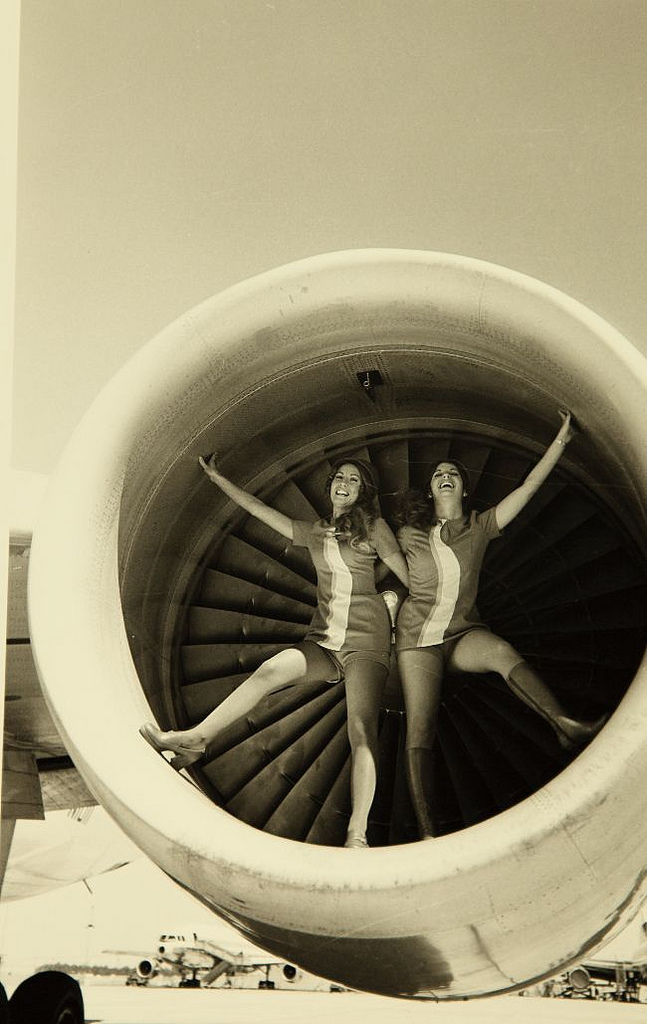
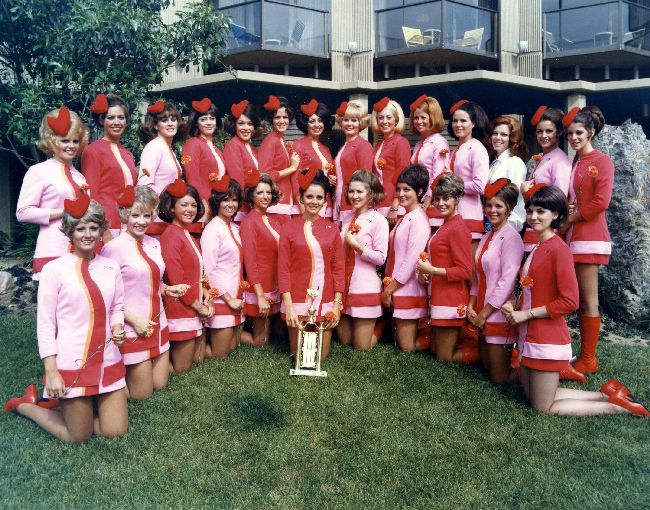
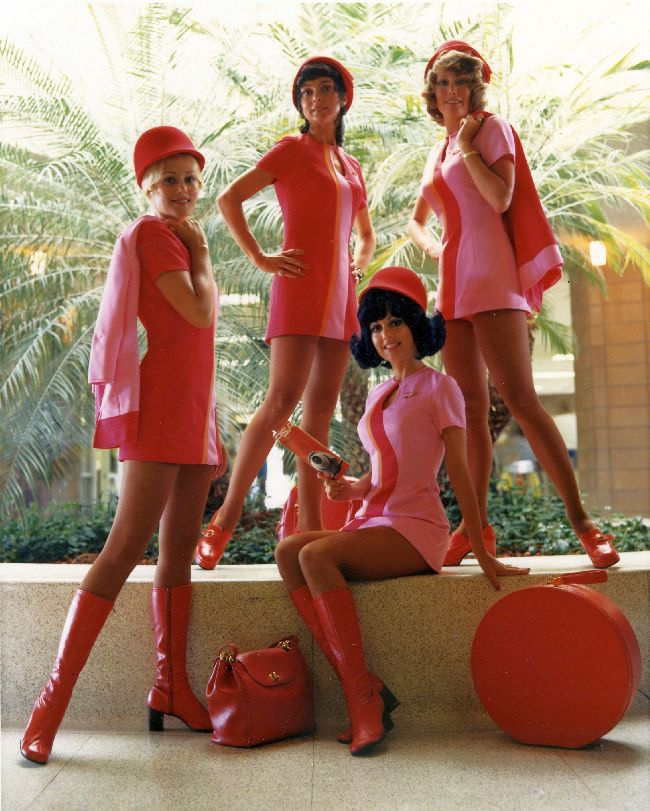
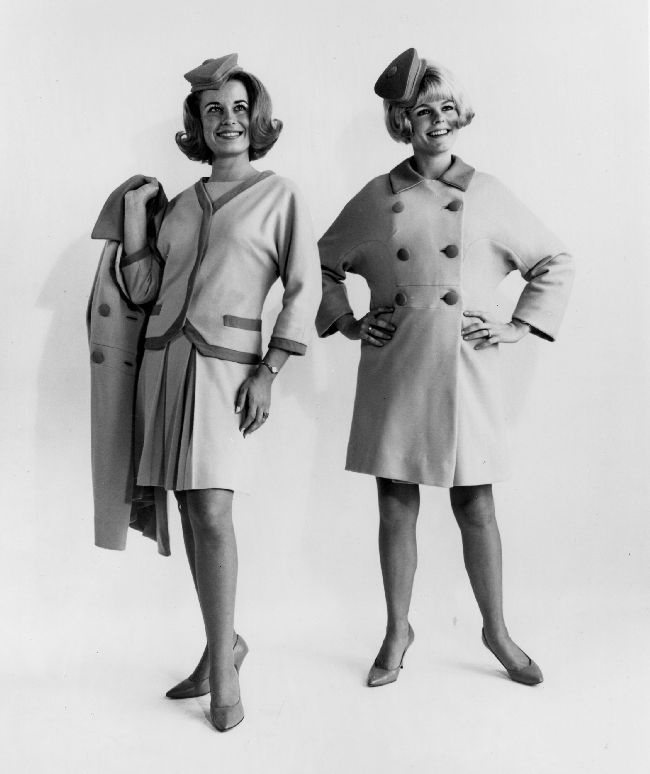
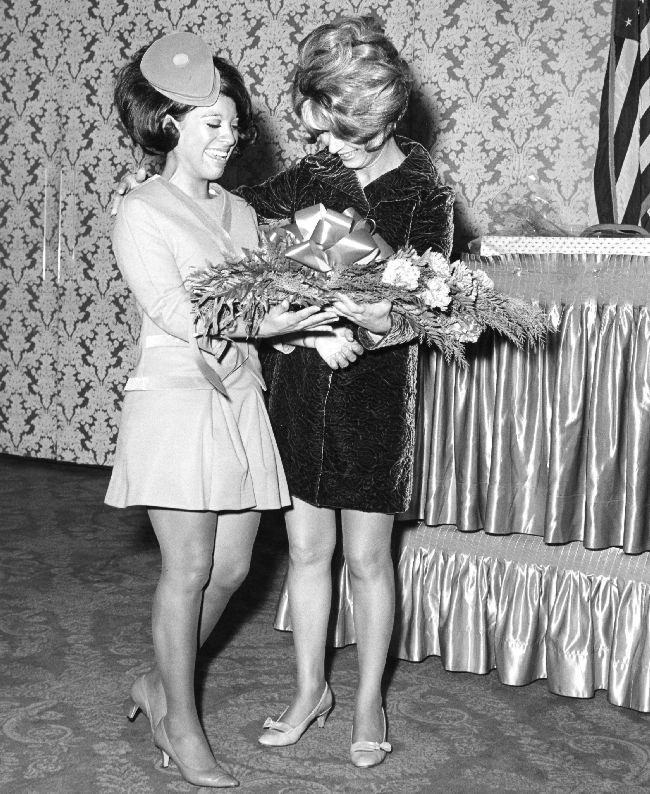
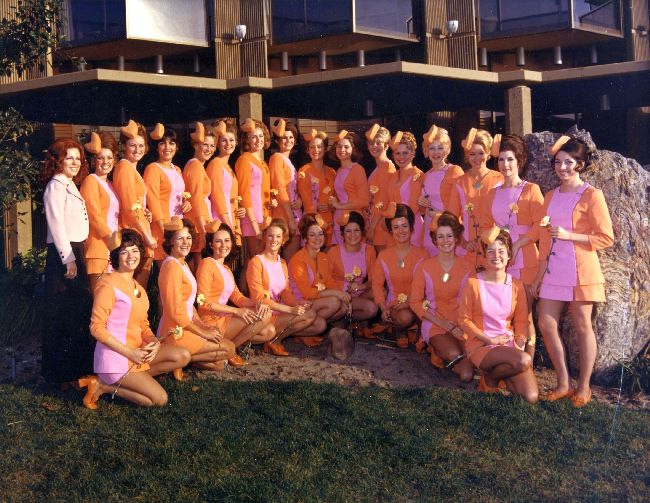
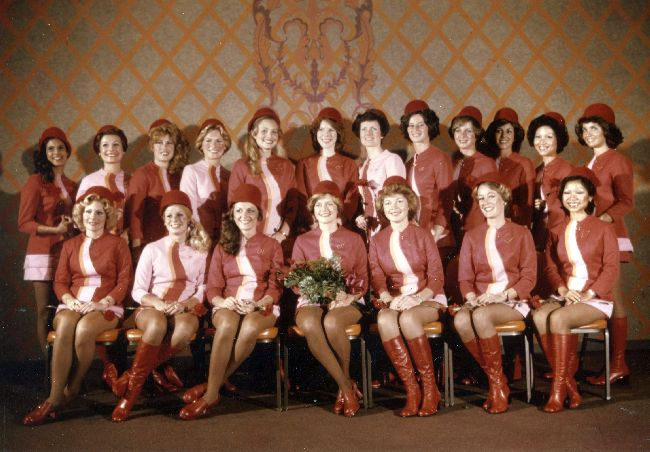
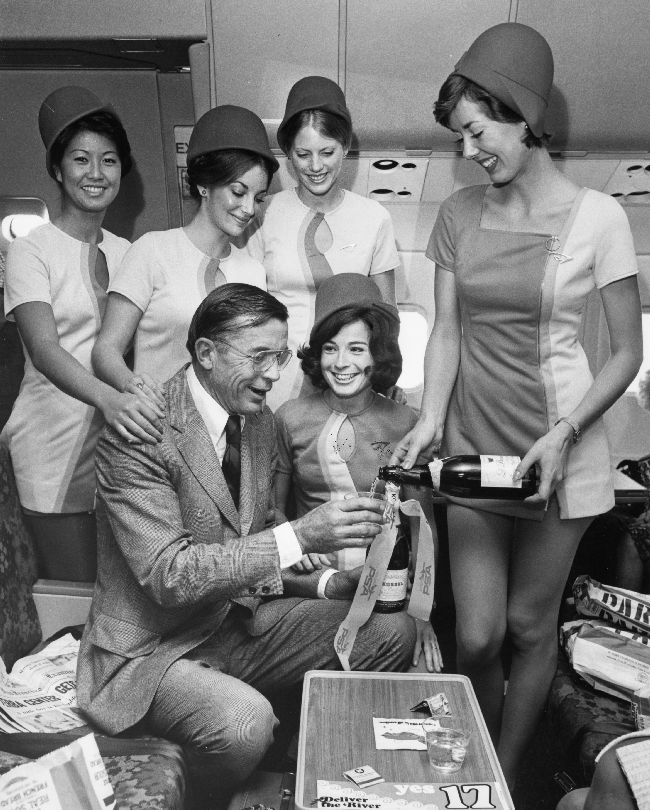
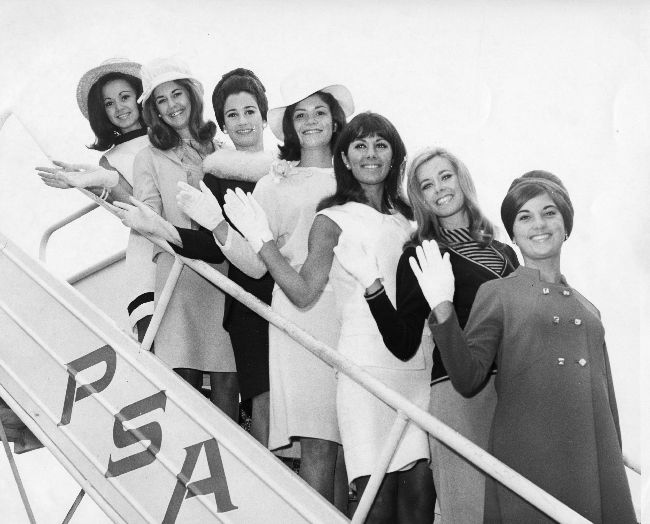
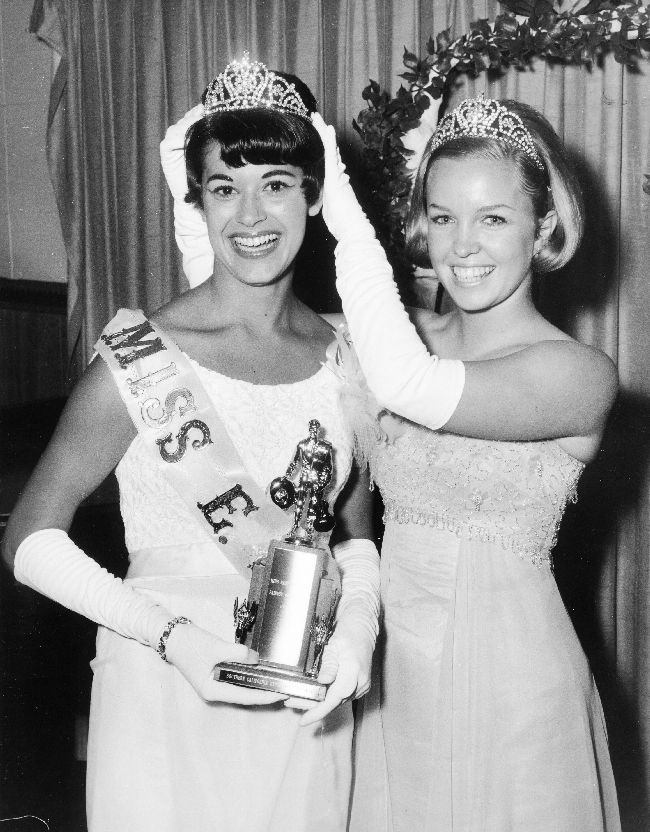
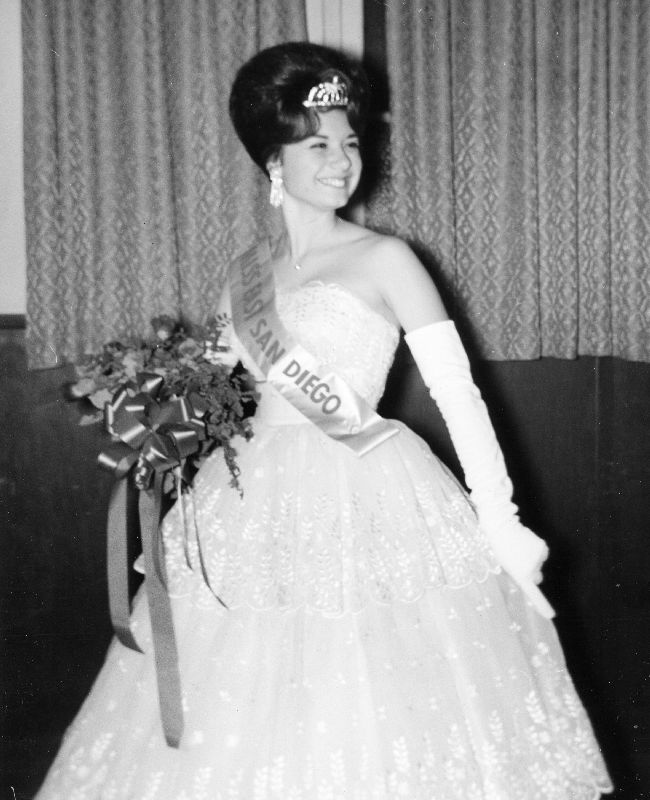
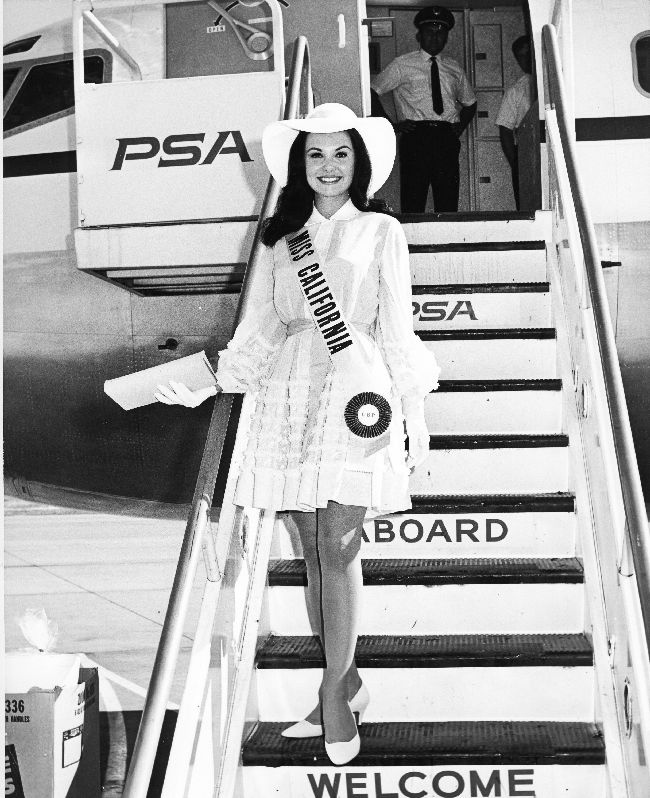
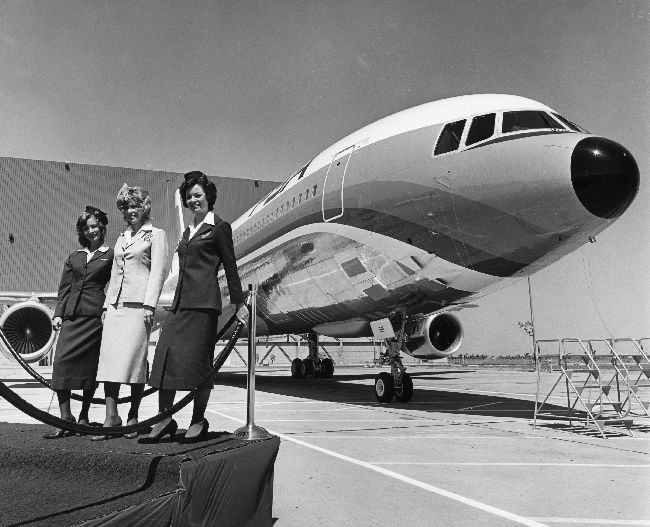
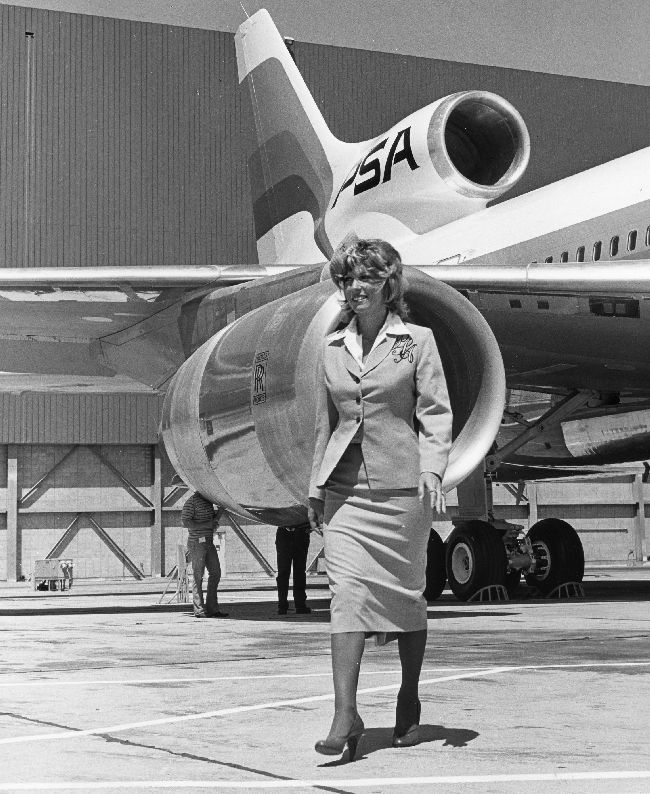
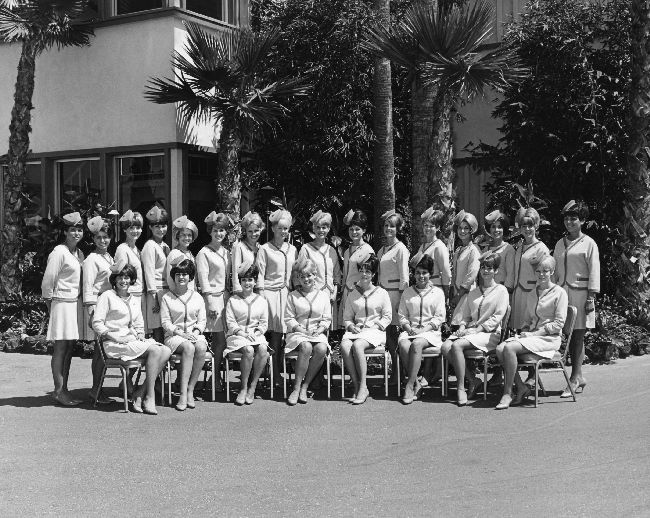
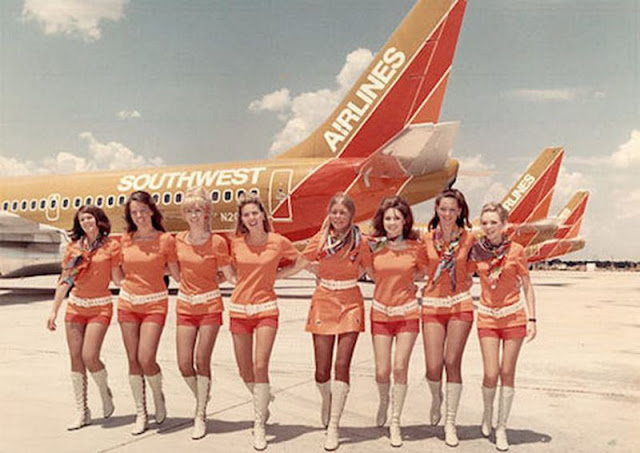
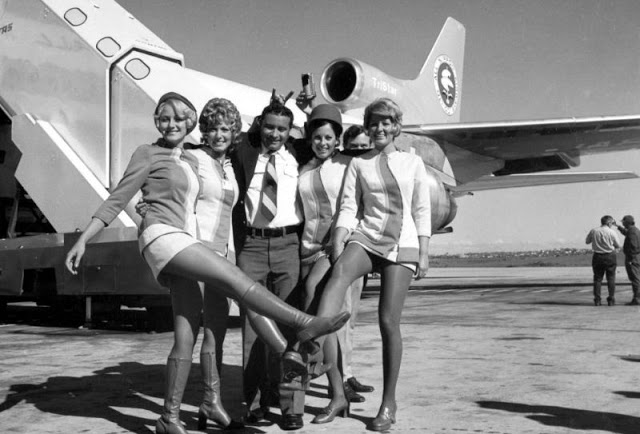
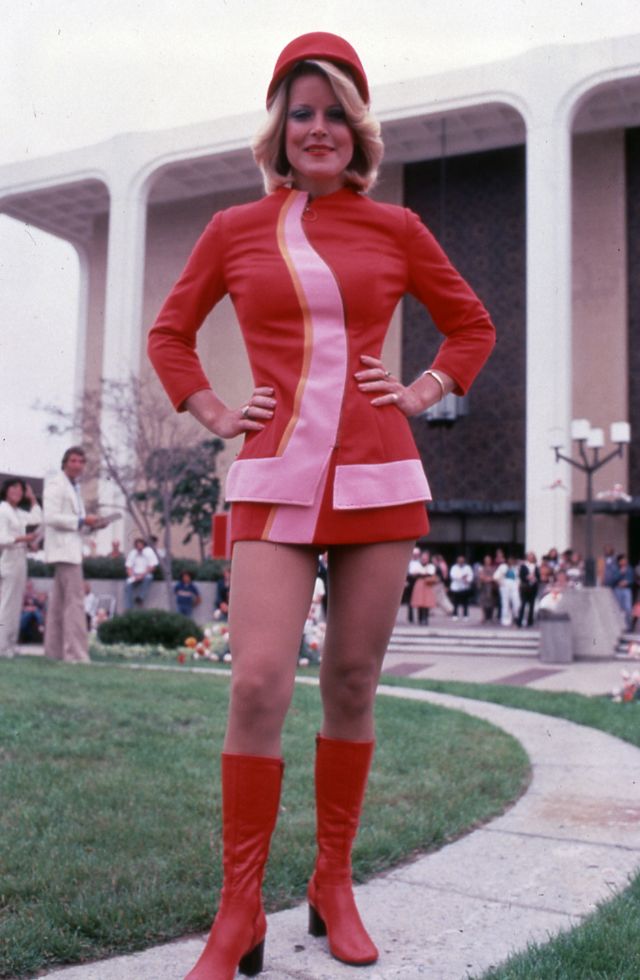
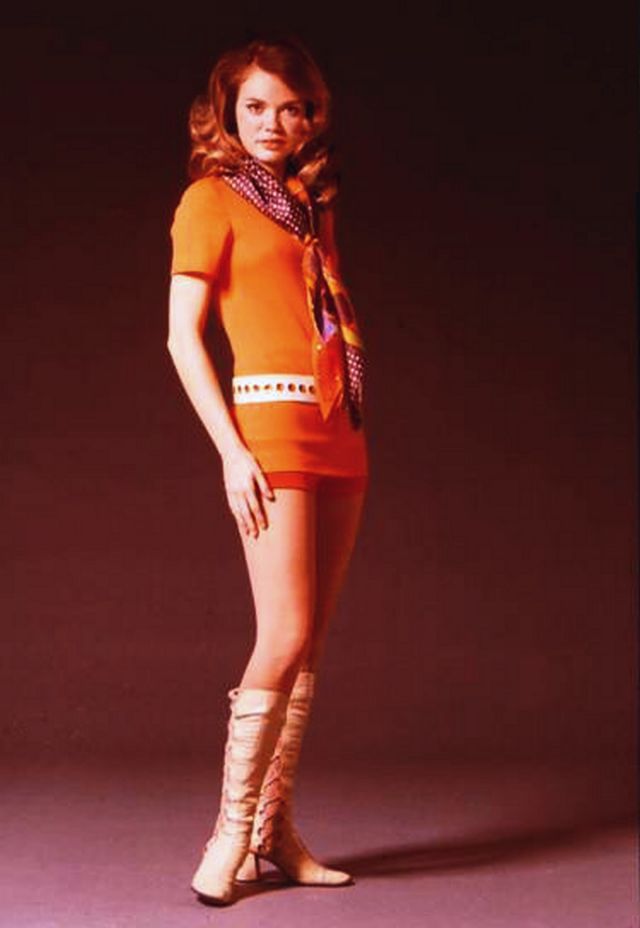
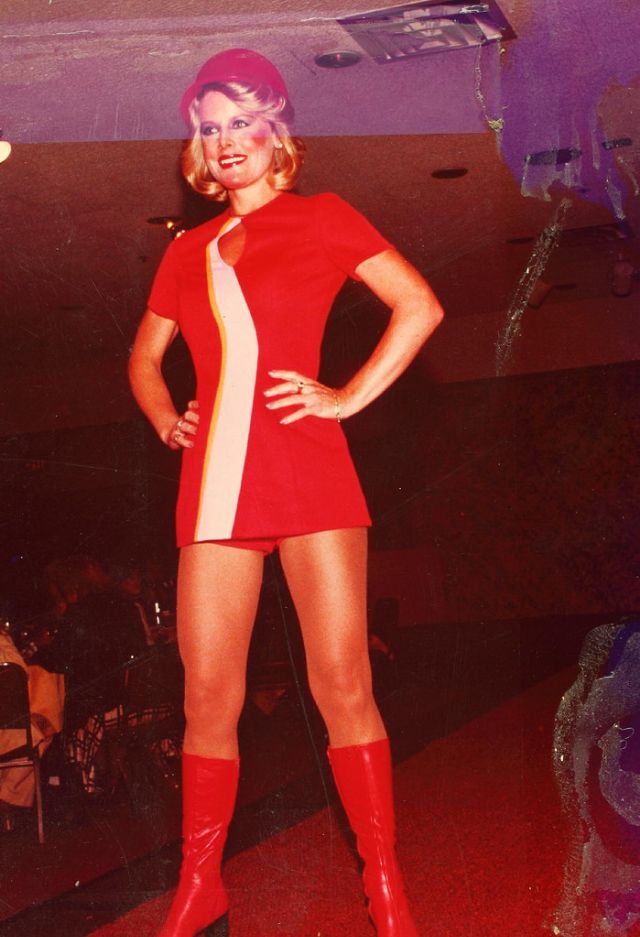
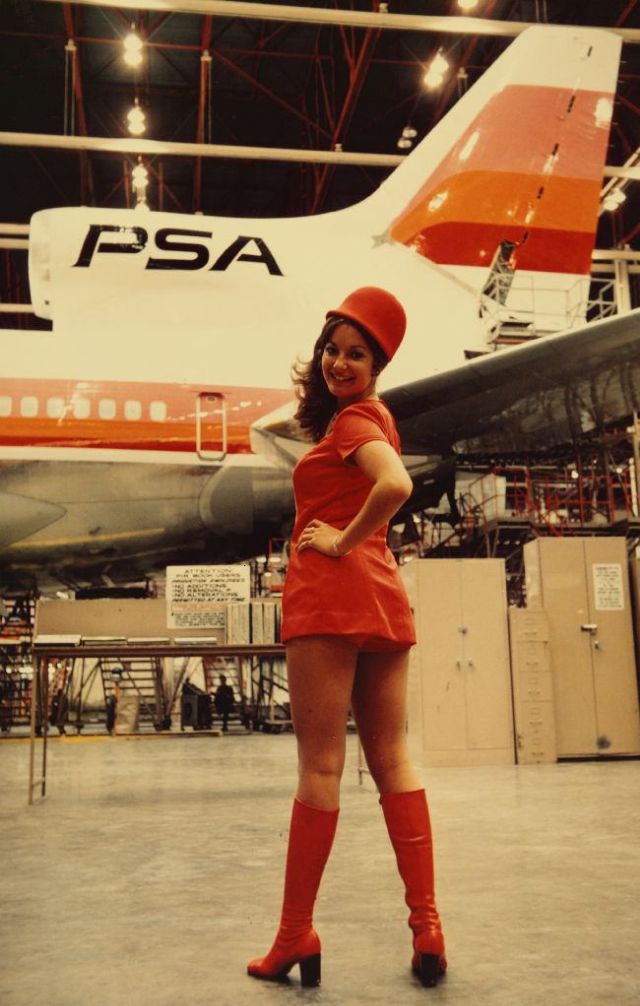
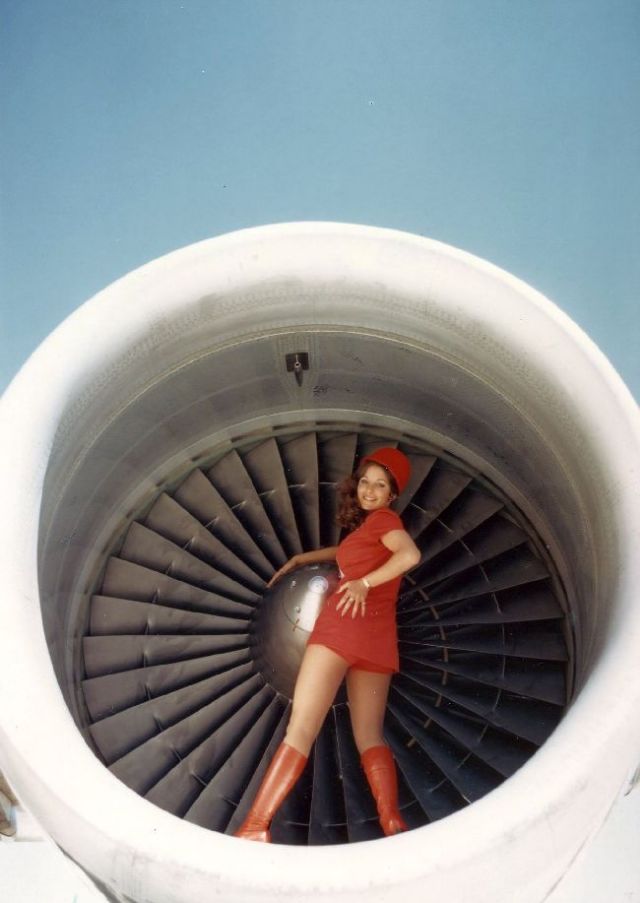
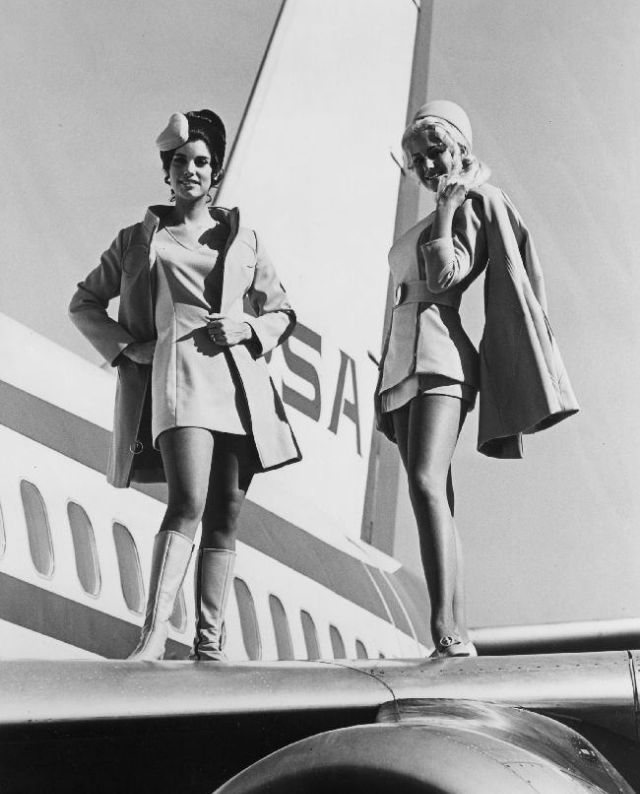
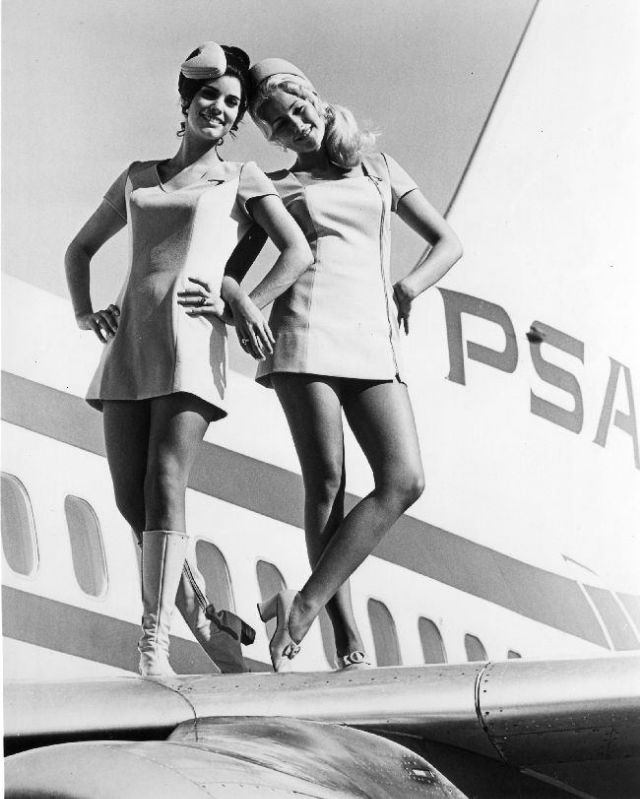
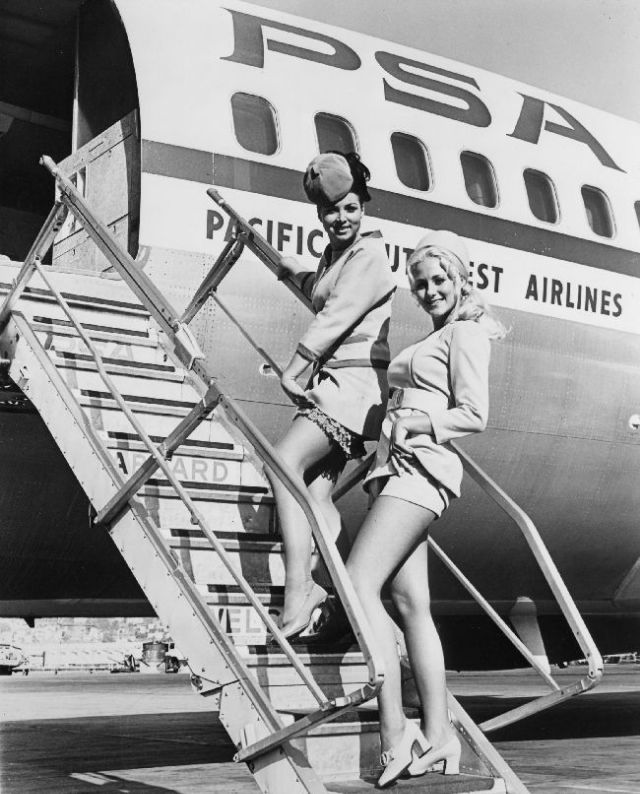
77 Vintage Photos of Lovely Pacific Southwest Airlines Flight Attendants From the 1960s and 1970s

Pacific Southwest Airlines (PSA) was a United States airline headquartered in San Diego, California, that operated from 1949 to 1988. It was the first large discount airline in the United States. PSA called itself “The World’s Friendliest Airline” and painted a smile on the nose of its airplanes, the PSA Grinningbirds. Opinion L.A. of the Los Angeles Times called PSA “practically the unofficial flag carrier airline of California for almost forty years.”

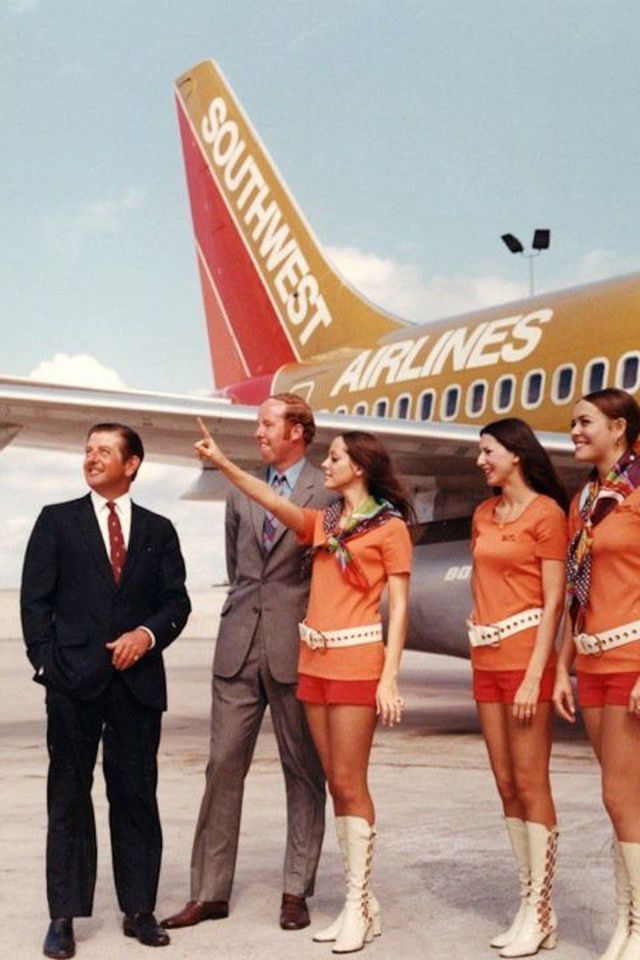
The airline initially operated as an intrastate airline wholly within the state of California. This strategy which avoided the steep costs from federal regulation would later serve as the model for Southwest Airlines, doing in Texas what PSA had done in California. After the Airline Deregulation Act of 1978, PSA expanded to cities in other western states, and eventually to several cities in Mexico.

PSA was purchased by USAir (later re-named US Airways) in 1986 and was fully merged into the airline on April 9, 1988. The PSA acquisition gave USAir a network on the West Coast, and at about the same time, USAir also purchased Piedmont Airlines which gave the carrier a network on the East Coast. The combined airline became one of the world’s largest. US Airways was acquired by America West Airlines in 2005 in a reverse merger, and the combined airline purchased American Airlines in 2015.

American Airlines Group continues to use the PSA name and trademark for its regional airline subsidiary, PSA Airlines which operates flights on behalf of American Eagle. American Airlines also operates an Airbus A319 painted in the PSA Grinningbird scheme, to pay tribute to the airline. (Wikipedia)

(Photos: San Diego Air and Space Museum Archive)

19 Vintage Historical Photos Showing the River Thames During the 1910s and 1920s

The River Thames, known alternatively in parts as the River Isis, is a river that flows through southern England including London. At 215 miles (346 km), it is the longest river entirely in England and the second-longest in the United Kingdom, after the River Severn.

It flows through Oxford (where it is commonly called the Isis), Reading, Henley-on-Thames and Windsor. The lower reaches of the river are called the Tideway, derived from its long tidal reach up to Teddington Lock. It rises at Thames Head in Gloucestershire, and flows into the North Sea via the Thames Estuary. The Thames drains the whole of Greater London.

Its tidal section, reaching up to Teddington Lock, includes most of its London stretch and has a rise and fall of 23 feet (7 m). Running through some of the driest parts of mainland Britain and heavily abstracted for drinking water, the Thames’ discharge is low considering its length and breadth: the Severn has a discharge almost twice as large on average despite having a smaller drainage basin. In Scotland, the Tay achieves more than double the Thames’ average discharge from a drainage basin that is 60% smaller.

Along its course are 45 navigation locks with accompanying weirs. Its catchment area covers a large part of south-eastern and a small part of western England; the river is fed by at least 50 named tributaries. The river contains over 80 islands. With its waters varying from freshwater to almost seawater, the Thames supports a variety of wildlife and has a number of adjoining Sites of Special Scientific Interest, with the largest being in the North Kent Marshes and covering 5,289 hectares (20.4 sq mi). (Wikipedia)

Oxford & Cambridge Boat Race at Putney Bridge, c. 1910
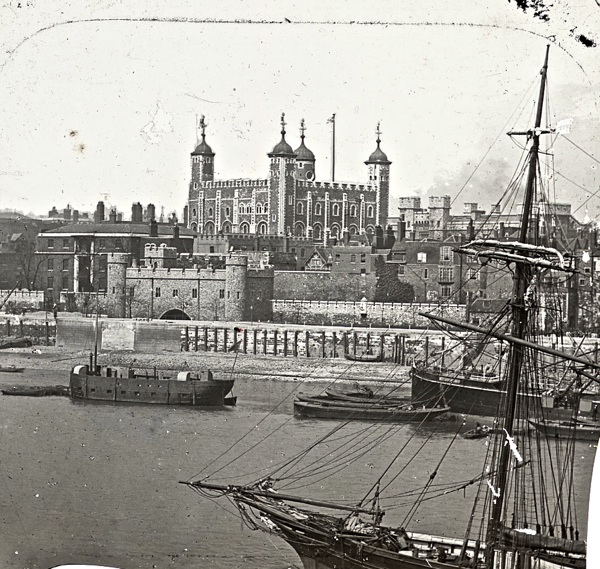
Tower of London from the river, 1910
Billingsgate Market, c. 1910
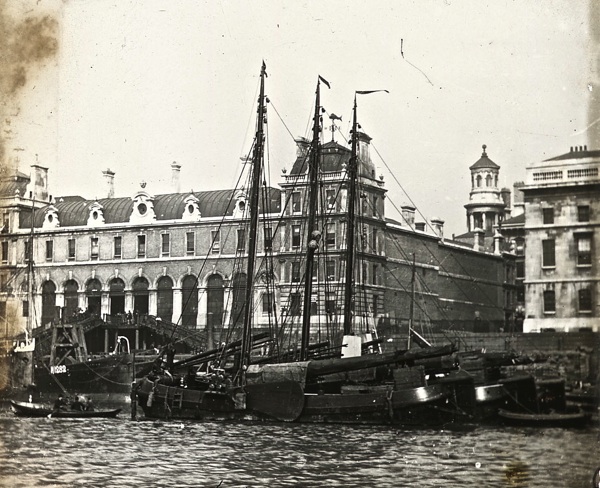
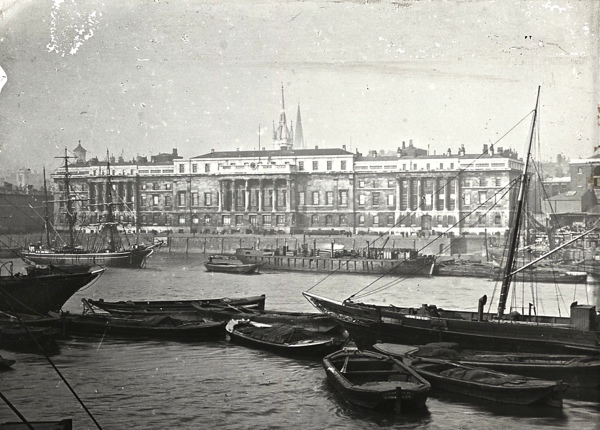
Customs House, c. 1910
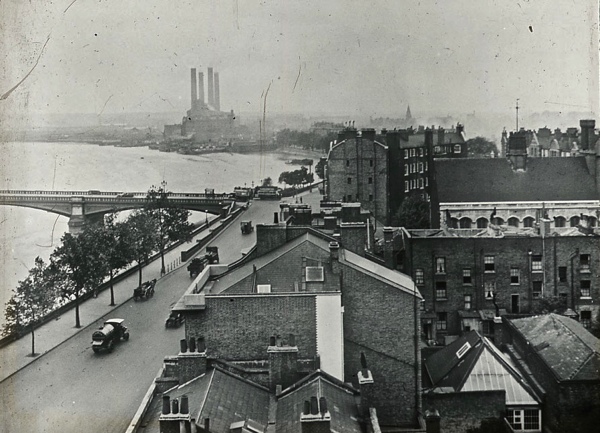
Lots Rd and Battersea Bridge, c. 1910
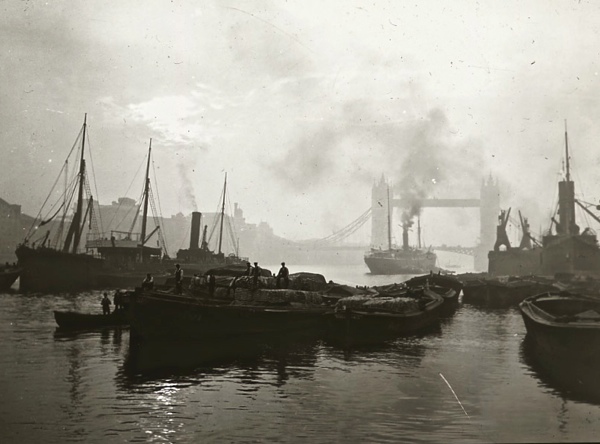
Shipping near Tower Bridge, c. 1910
Tower of London from the Thames, c.1910
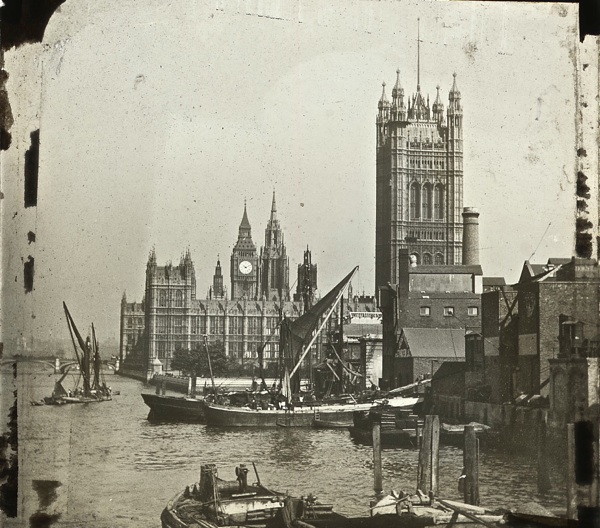
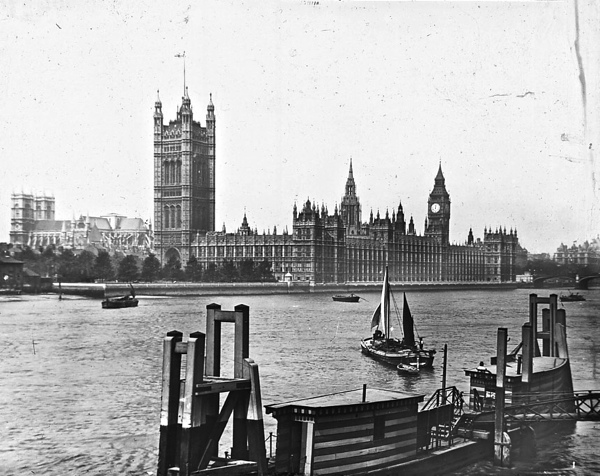
Houses of Parliament from South Bank, c. 1910
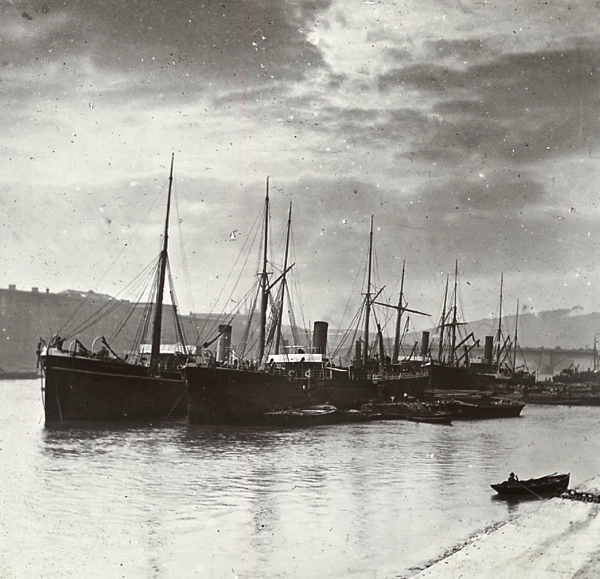
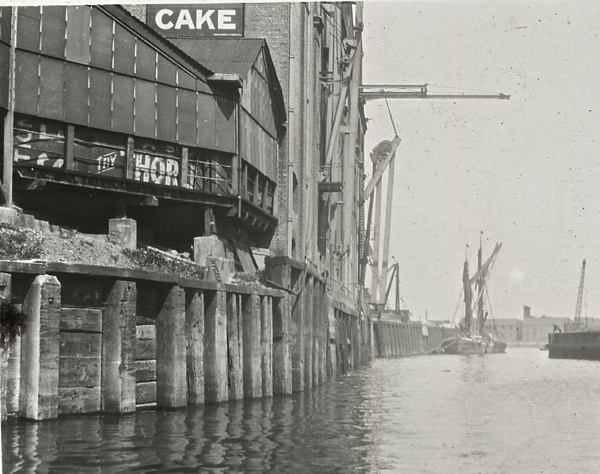
London Docks, c. 1920
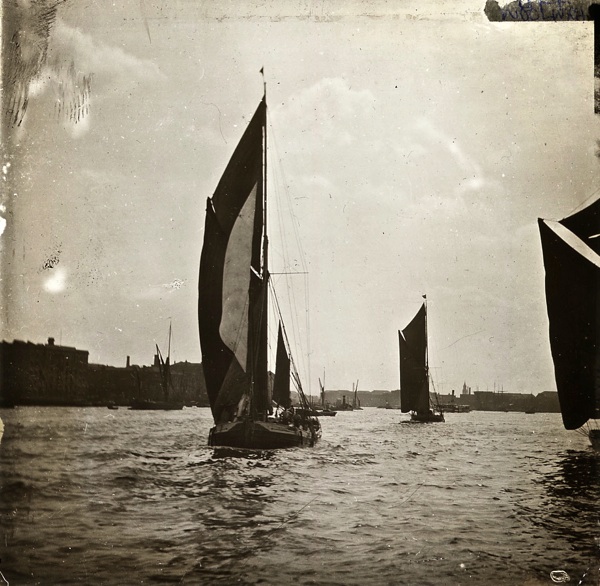
Off Woolwich, c.1920
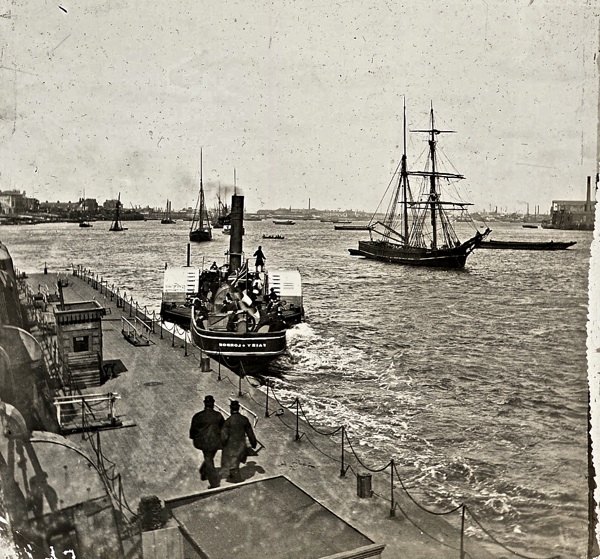
Greenwich pier, c. 1920
Ice floes on the Thames, c. 1920
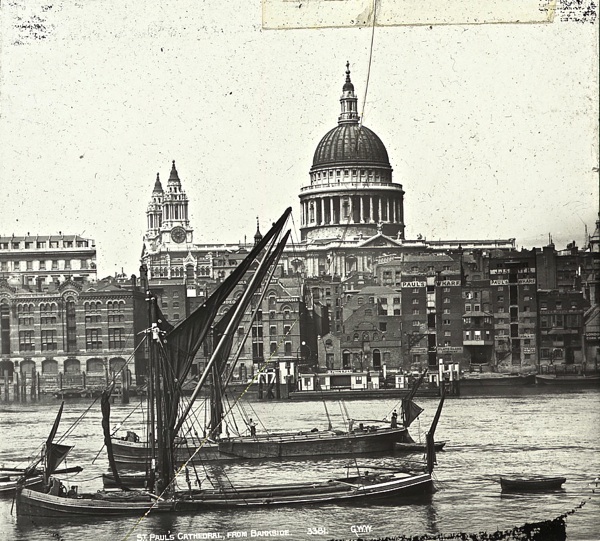
St Paul’s Cathedral from Bankside, c. 1920
St Paul’s Cathedral from Waterloo Bridge, c. 1920
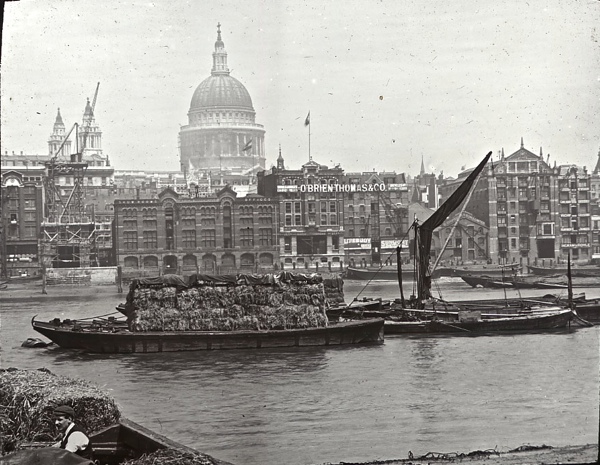
St Paul’s Cathedral from the river, c. 1920
Victoria Embankment, c. 1920
Wandsworth Creek, c, 1920
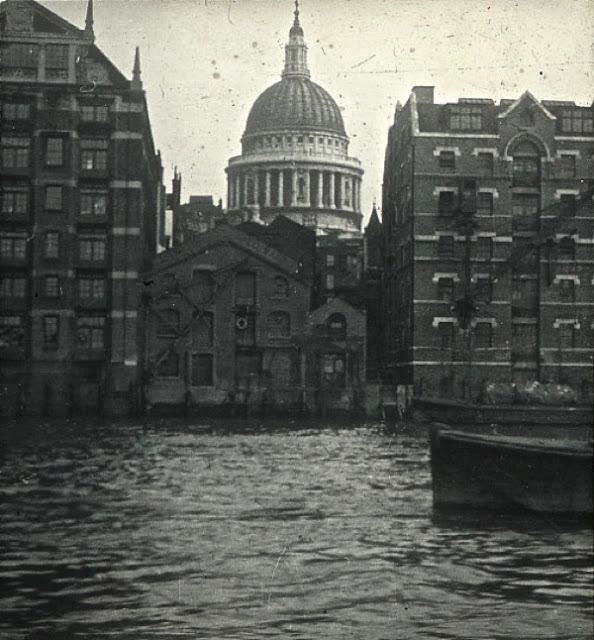
St Paul’s Cathedral from Bankside, c. 1910

35 Amazing Quotes to Live by.

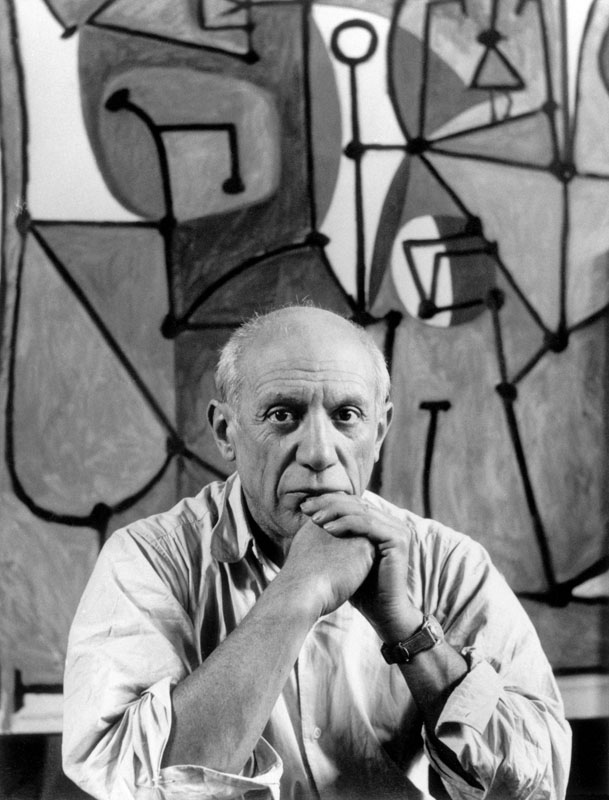
“Only put off until tomorrow what you are willing to die having left undone.” Pablo Picasso
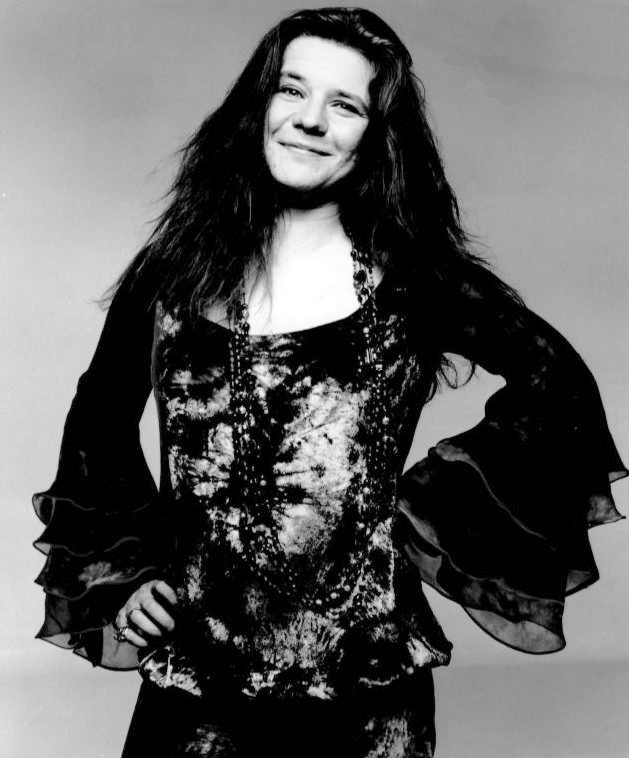
“Don’t compromise yourself. You are all you’ve got.” Janis Joplin
“Those who deny freedom to others, deserve it not for themselves.” Abraham Lincoln
“Wine; a constant proof that God loves us, and loves to see us happy.” — Benjamin Franklin
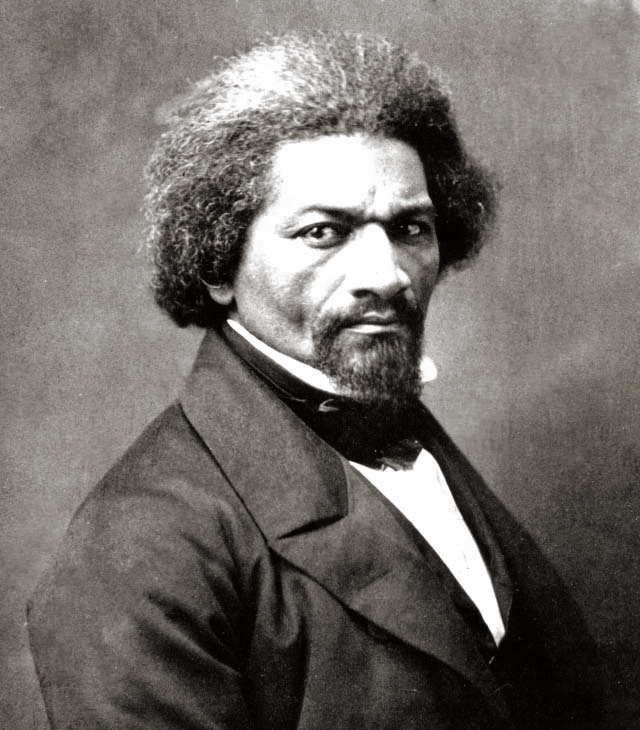
“If there is no struggle, there is no progress.” Frederick Douglass
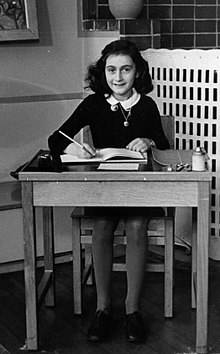
“In spite of everything, I still believe people are really good at heart.” — Anne Frank
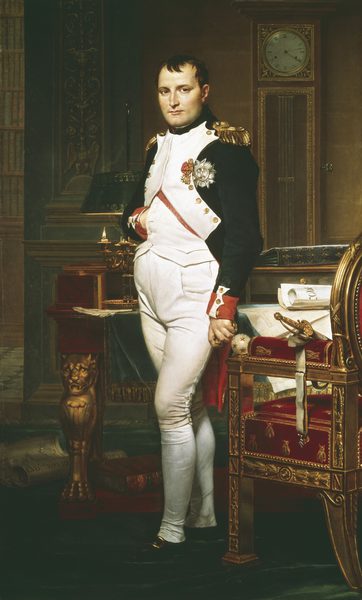
“Never interrupt your enemy when he’s making a mistake.” Napoleon Bonaparte
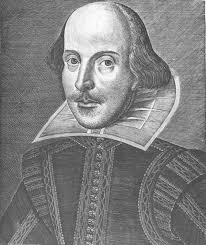
“Love all, trust a few, do wrong to none.” William Shakespeare
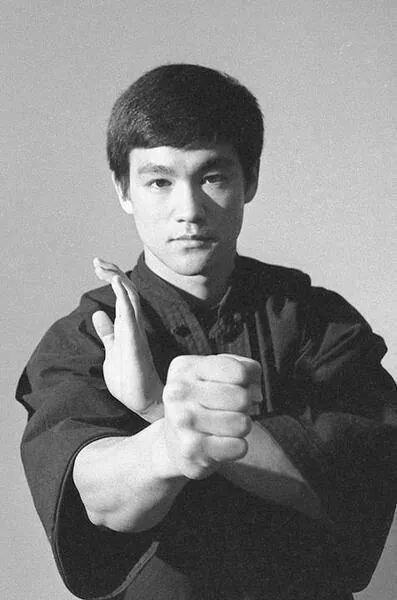
“The successful warrior is the average man, with laser-like focus.” Bruce Lee
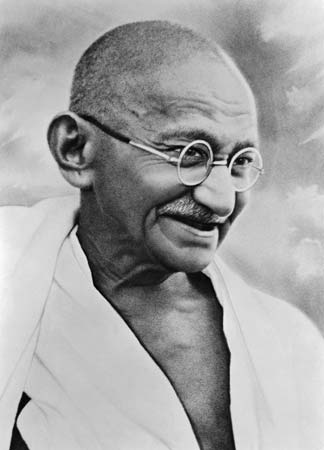
“Live as if you were to die tomorrow. Learn as if you were to live forever.” Mahatma Gandhi
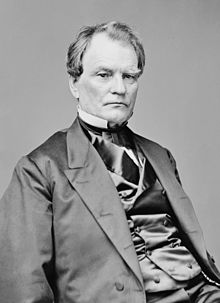
“Go to heaven for the climate, and hell for the company.” Benjamin Franklin Wade
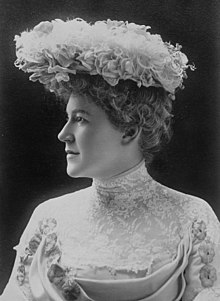
“Love lights more fires than hate extinguishes.” Ella Wheeler Wilcox
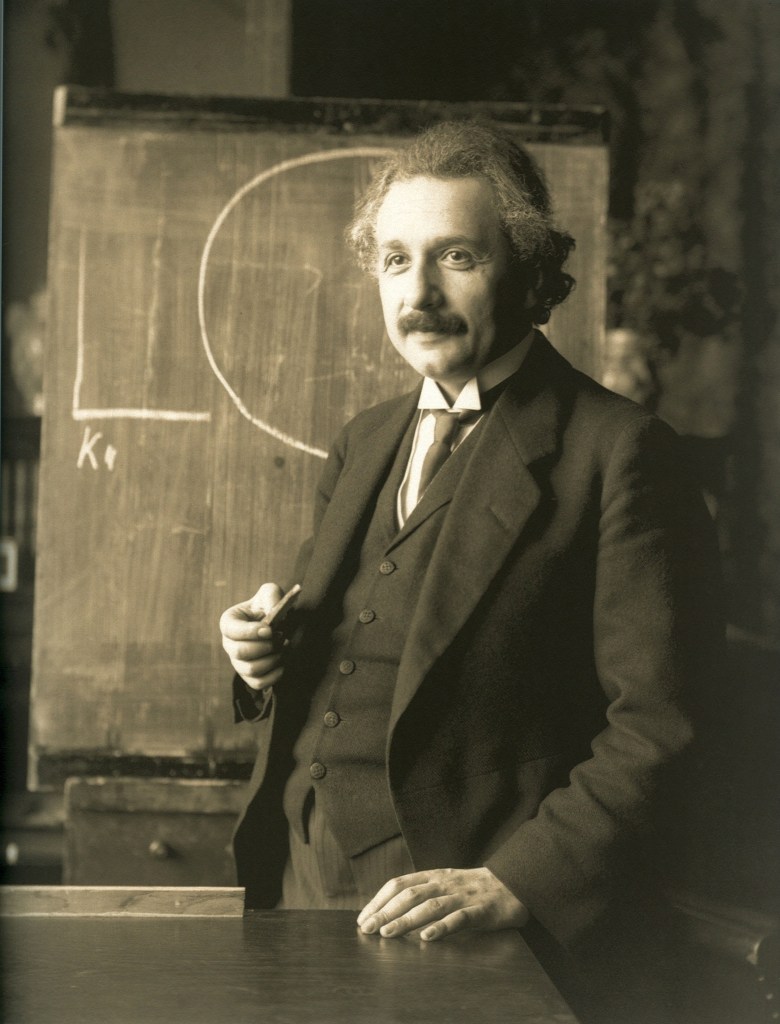
“If you can’t explain it simply, then you don’t understand it well enough.” Albert Einstein
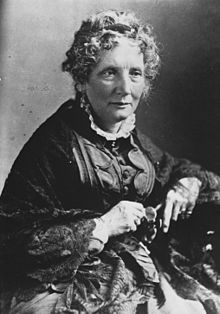
“The truth is the kindest thing we can give folks in the end.” Harriet Beecher Stowe
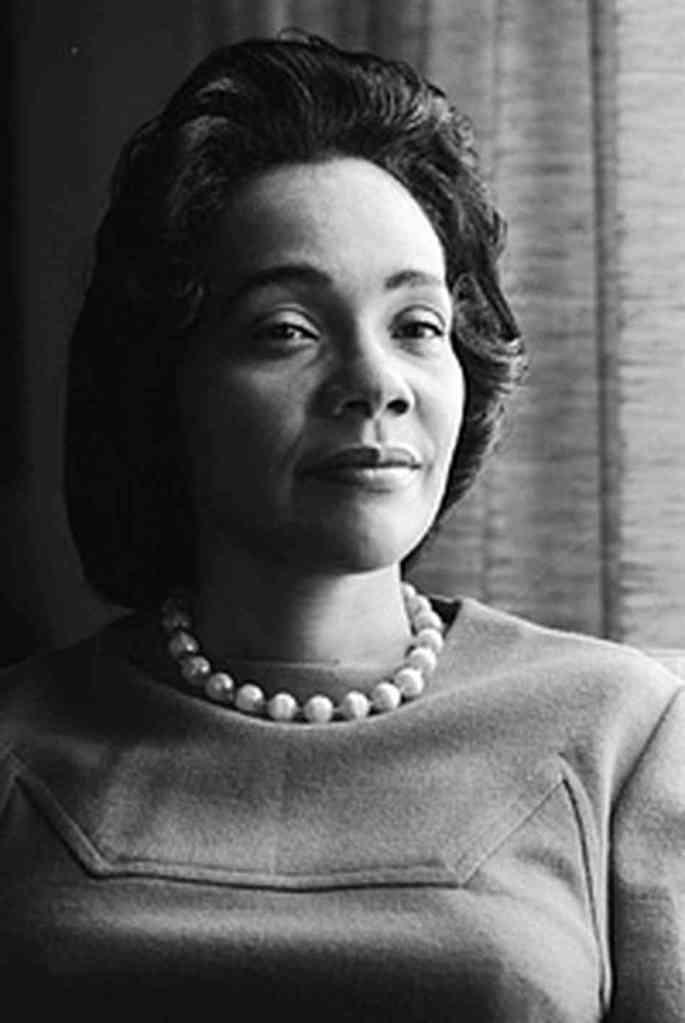
“Hate… injures the hater more than it injures the hated.” Coretta Scott King
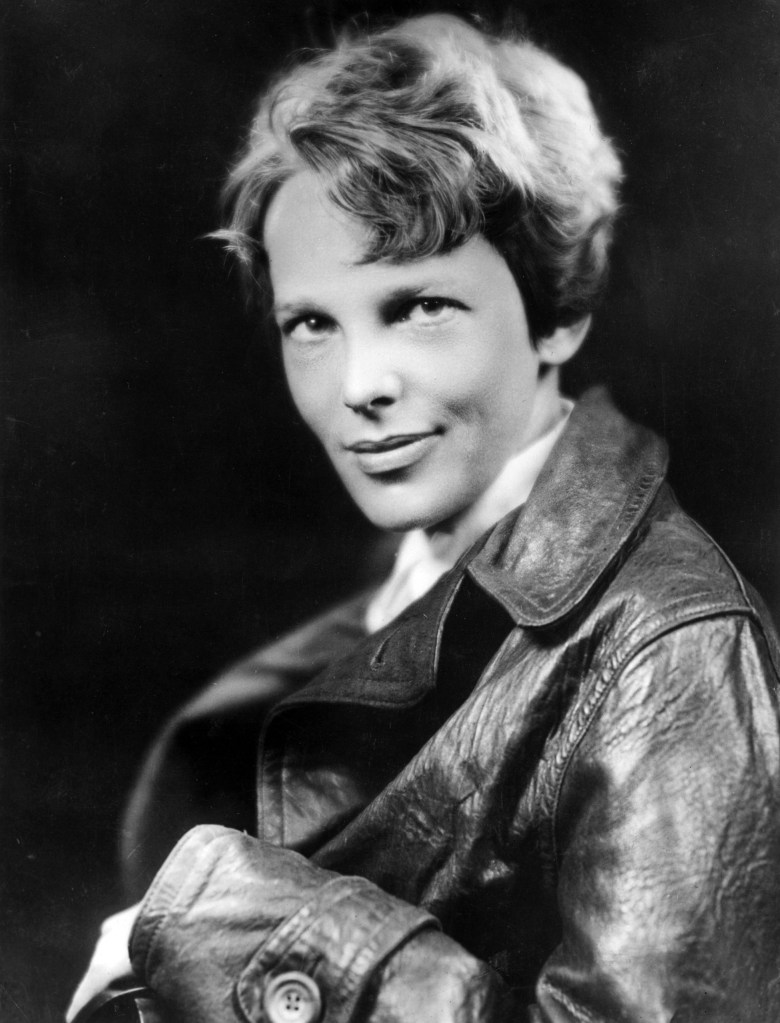
“Anticipation, I suppose, sometimes exceeds realization.” Amelia Earhart
“Nothing has ever been achieved by the person who says, ‘It can’t be done.'” Eleanor Roosevelt
“I attribute my success to this: I never gave or took an excuse.” Florence Nightingale
“Never give an order that can’t be obeyed.” Douglas MacArthur
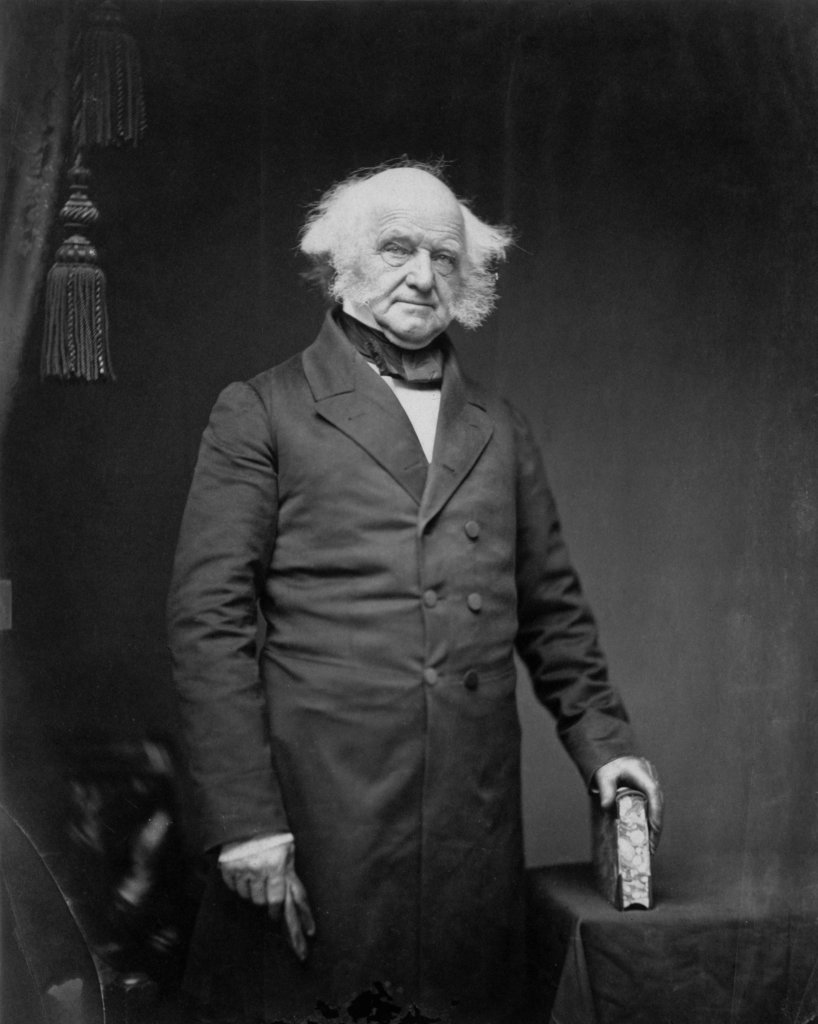
“It is easier to do a job right, than explain why you didn’t.” Martin Van Buren
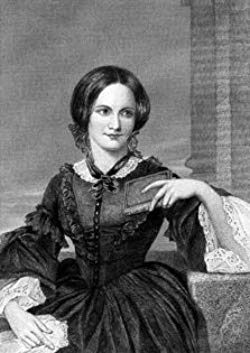
“I would always rather be happy than dignified.” Charlotte Brontë
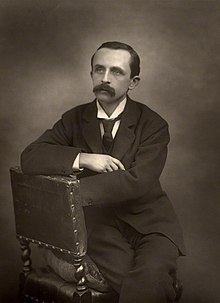
“To die will be an awfully big adventure.” J.M.Barrie
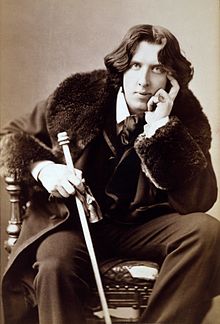
“We are all in the gutter, but some of us are looking at the stars.” Oscar Wilde
“Knowledge comes, but wisdom lingers.” Alfred, Lord Tennyson
“Maybe everybody in the whole damn world is scared of each other.” John Steinbeck
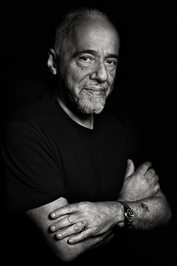
“Nothing in the world is ever completely wrong. Even a stopped clock is right twice a day.” Paulo Coelho
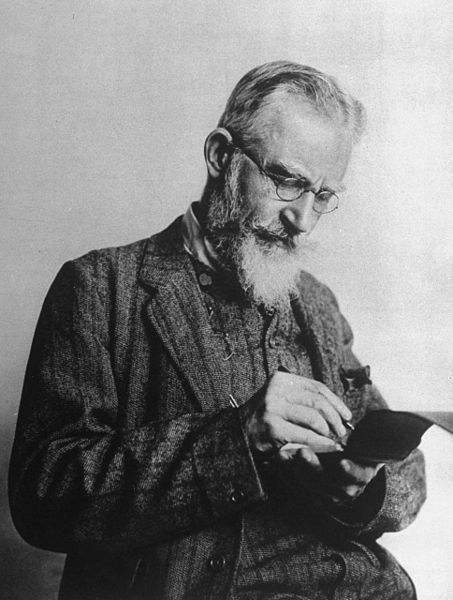
“Life isn’t about finding yourself. Life is about creating yourself.” George Bernard Shaw
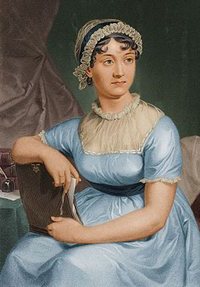
“What are men to rocks and mountains?” Jane Austen
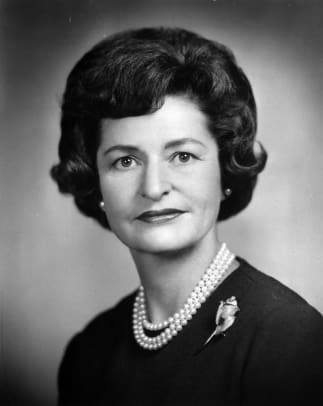
“The clash of ideas is the sound of freedom.” Claudia Alta “Lady Bird” Johnson
“The circulation of confidence is better than the circulation of money.” James Madison
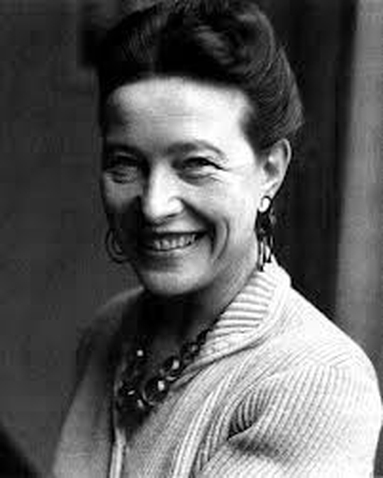
“All oppression creates a state of war.” Simone de Beauvoir
“Leadership and learning are indispensable to each other.” John F. Kennedy
“To be good, and to do good, is all we have to do.” John Adams
“The secret to getting ahead is getting started.” Mark Twain
“Knowledge speaks, but wisdom listens.” Jimi Hendrix

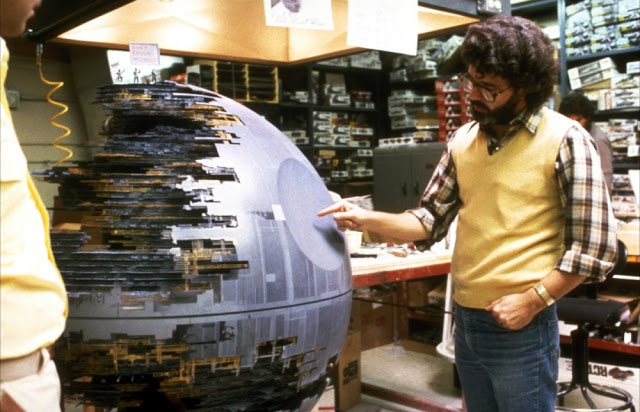
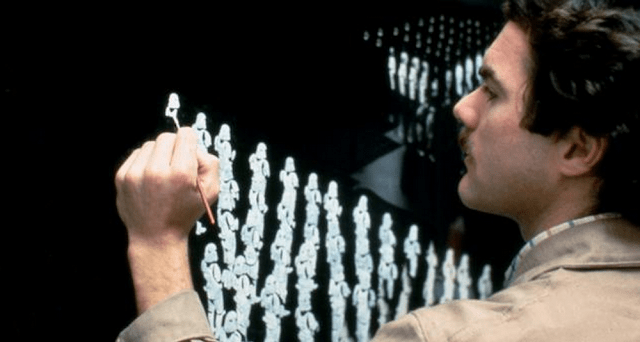
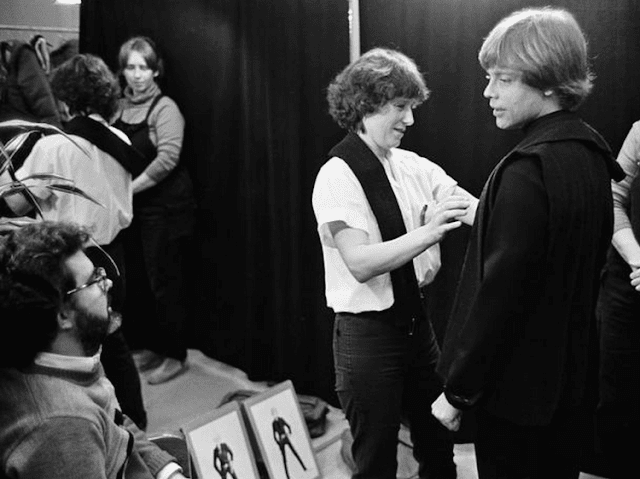
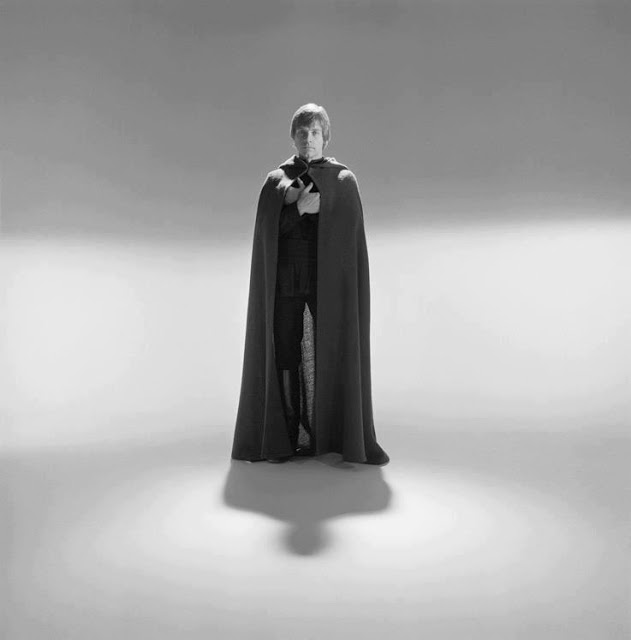
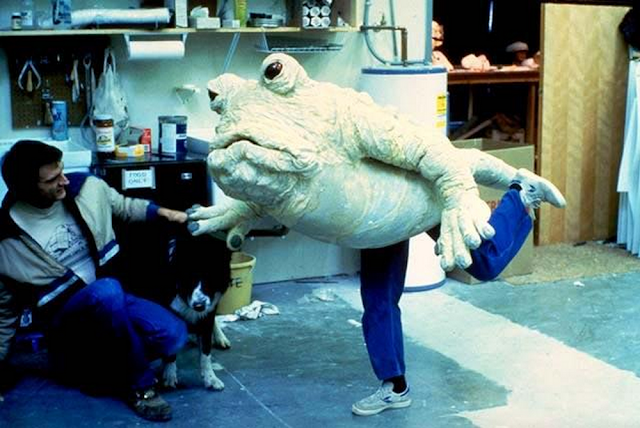
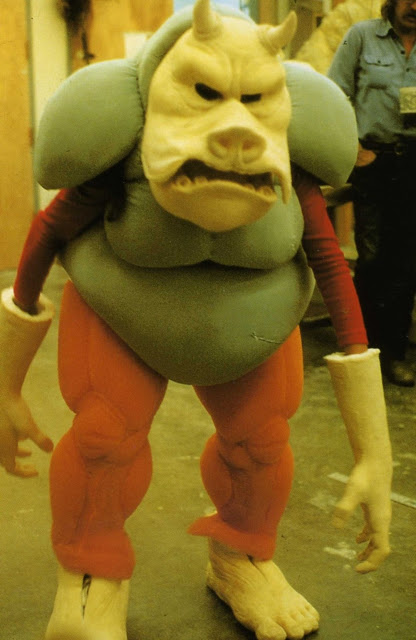
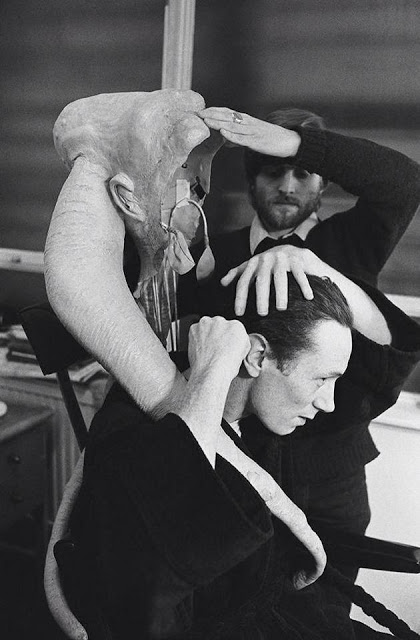
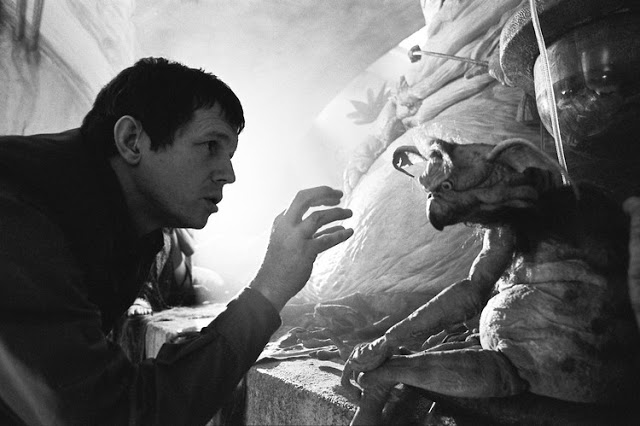
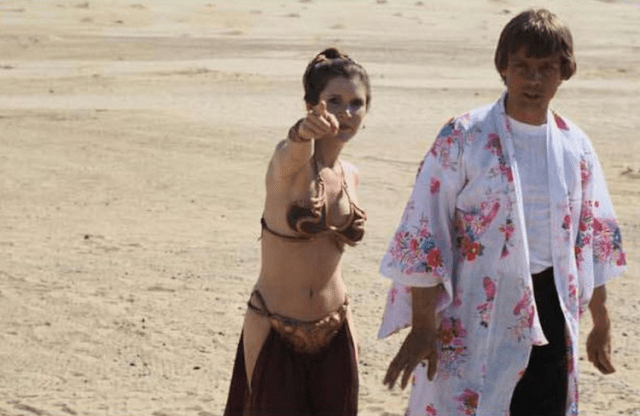
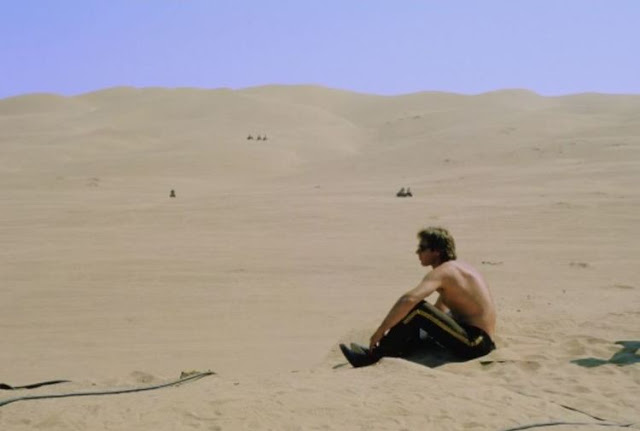
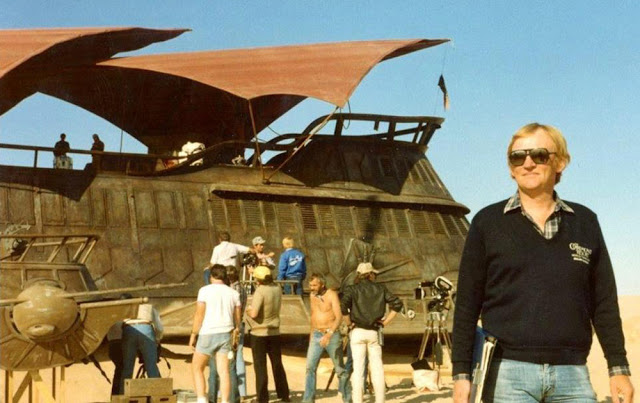
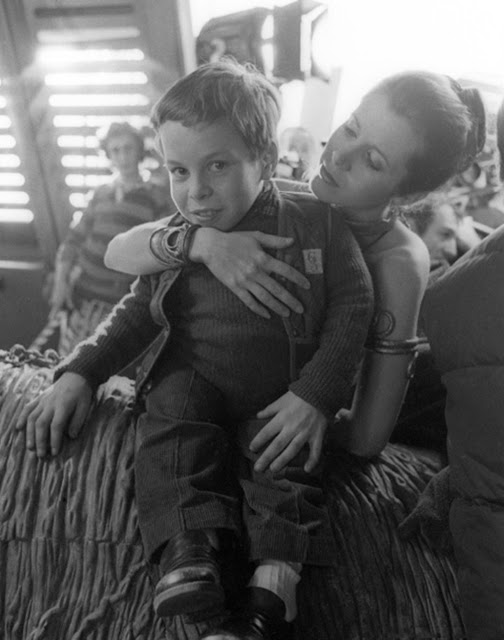
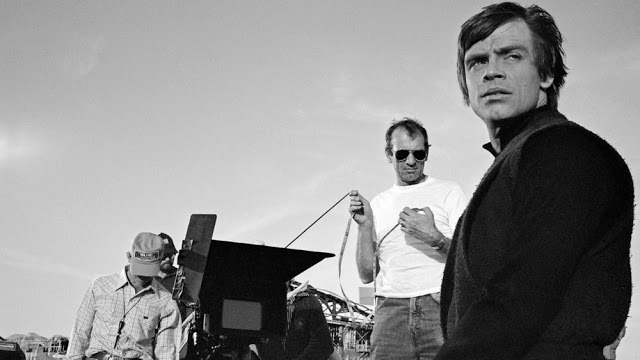
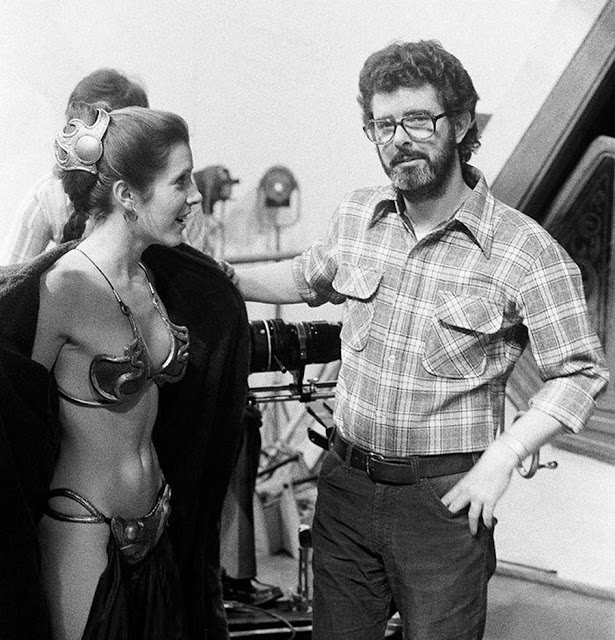
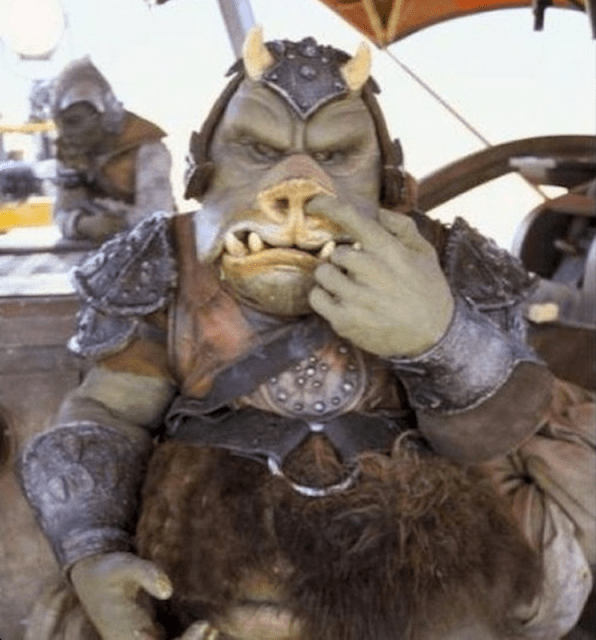
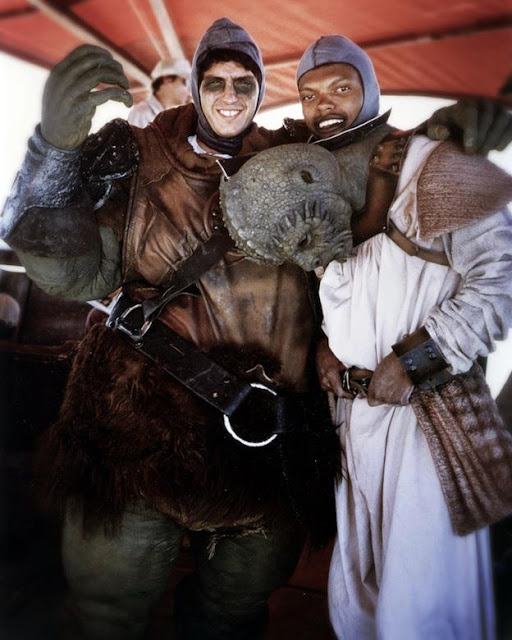
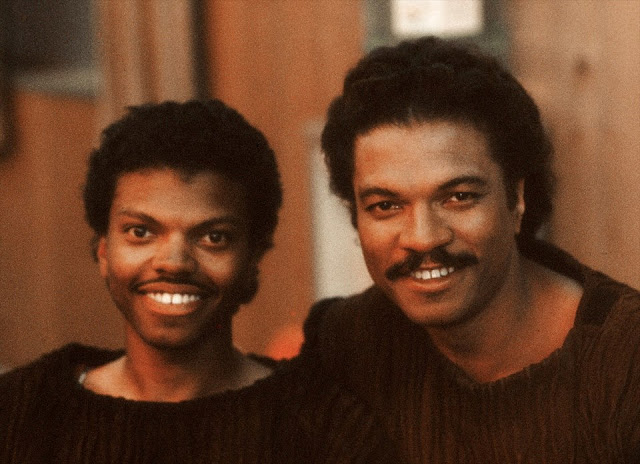
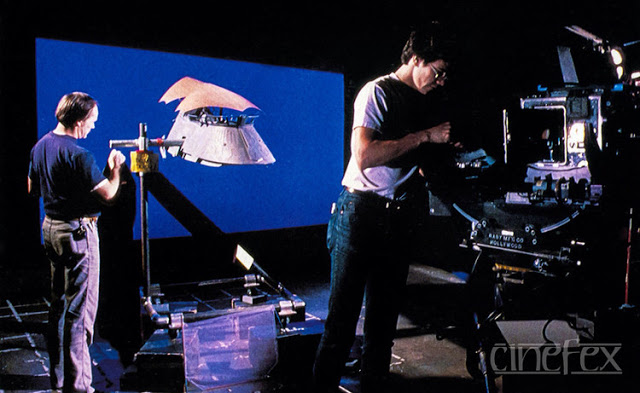
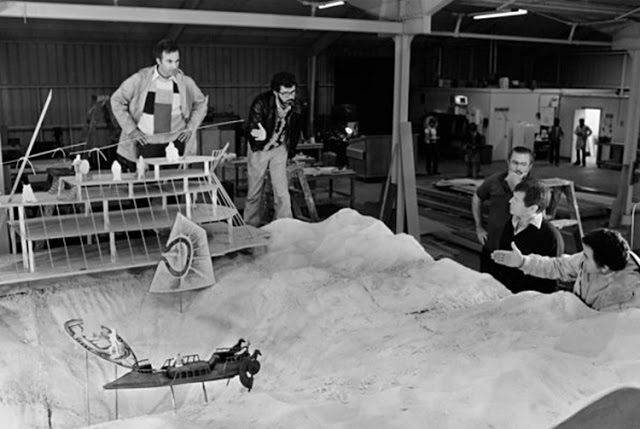
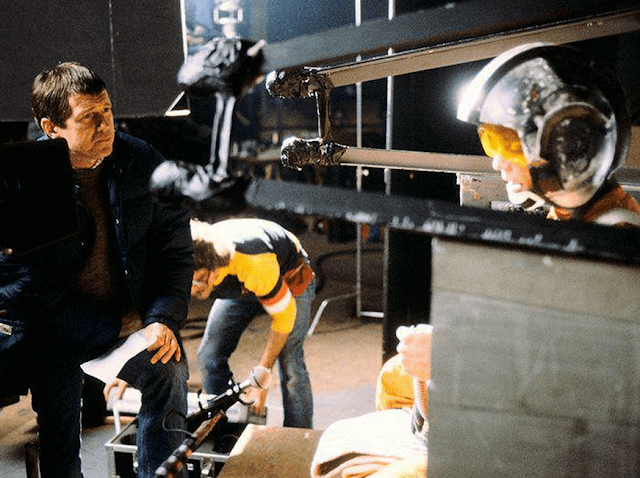
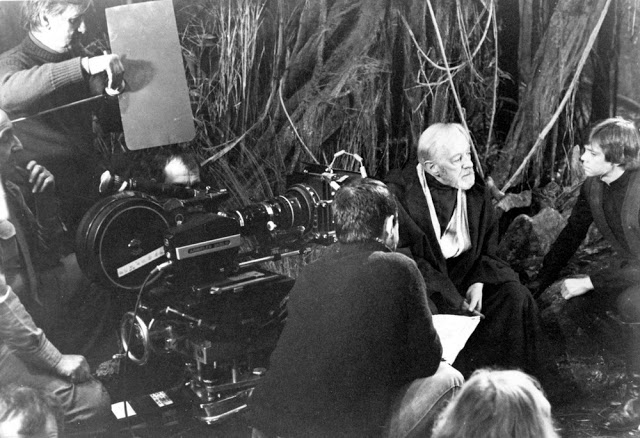
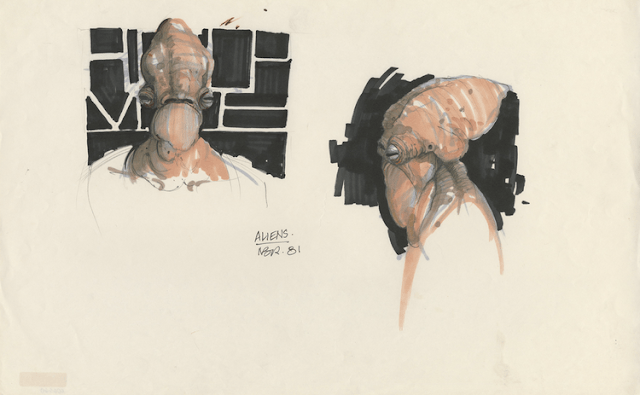
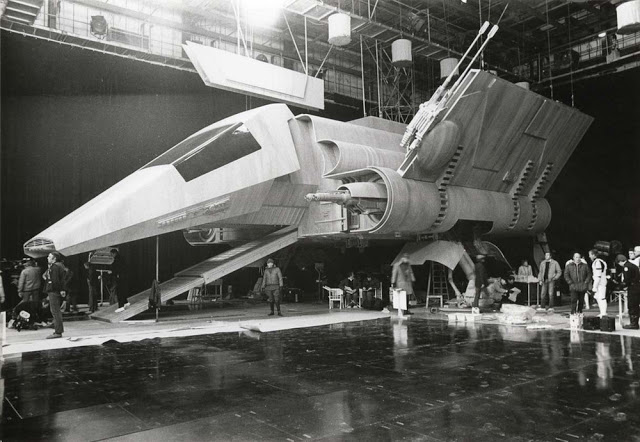
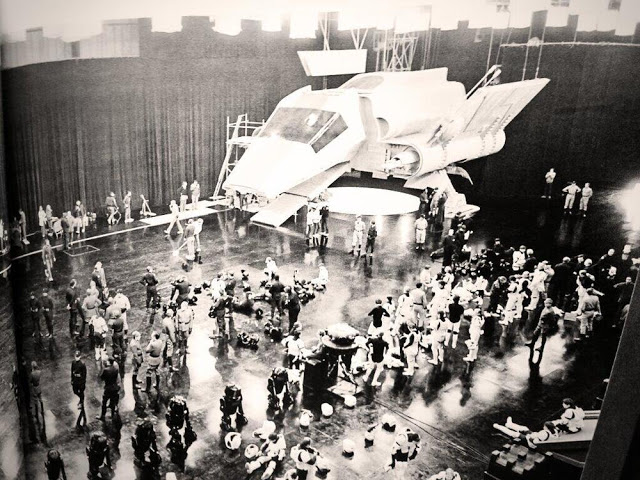
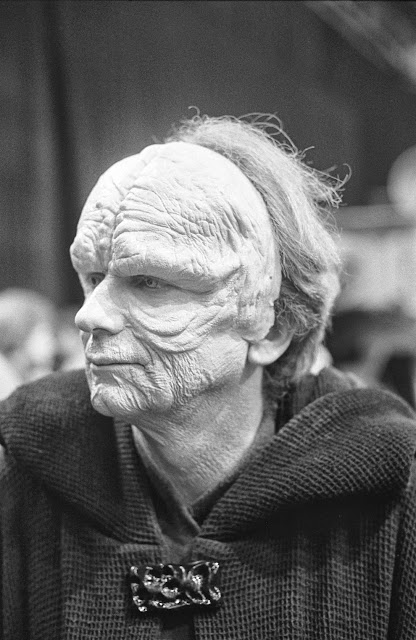
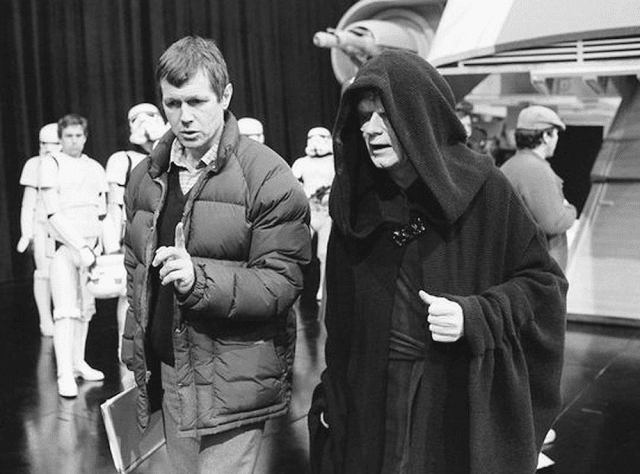
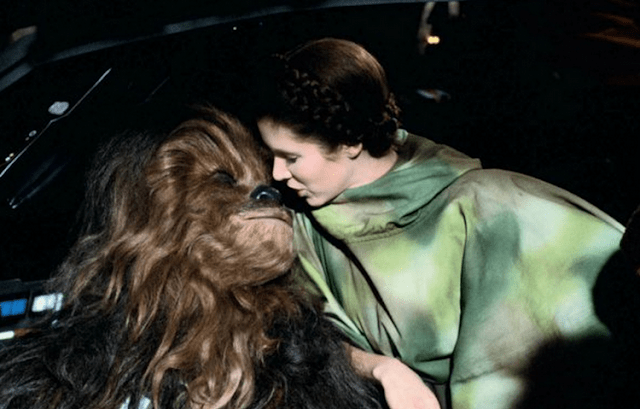
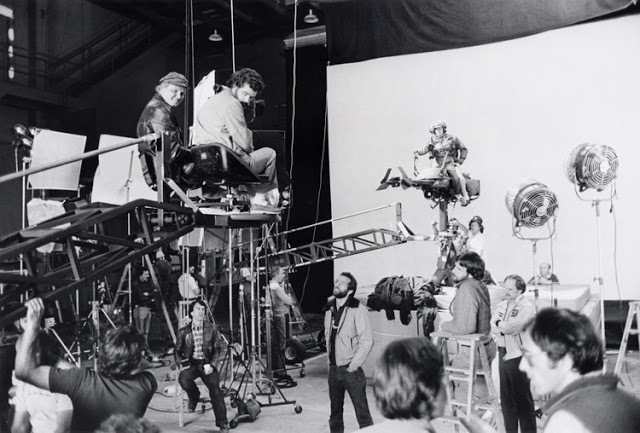
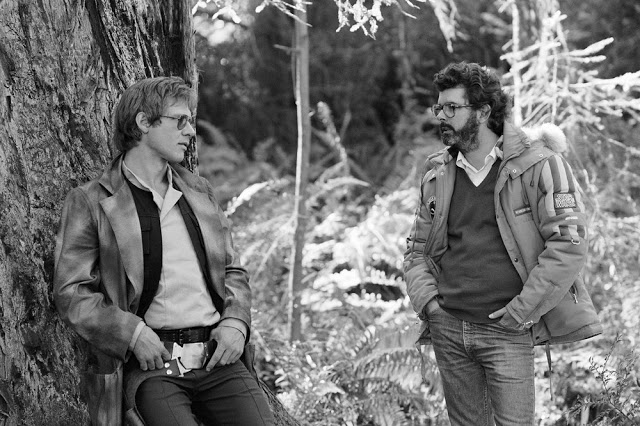
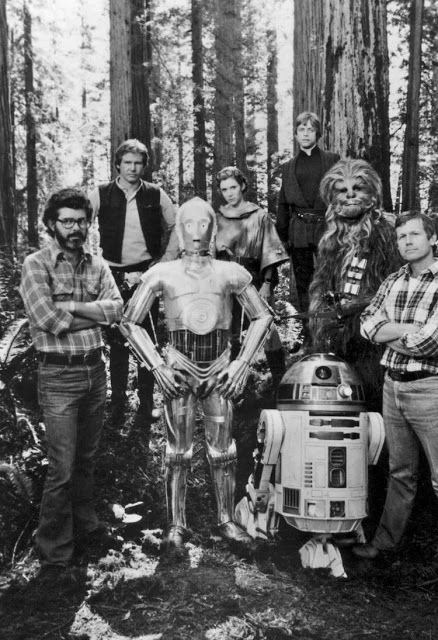
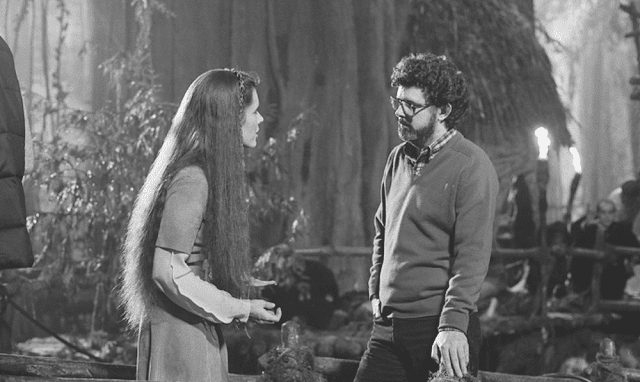
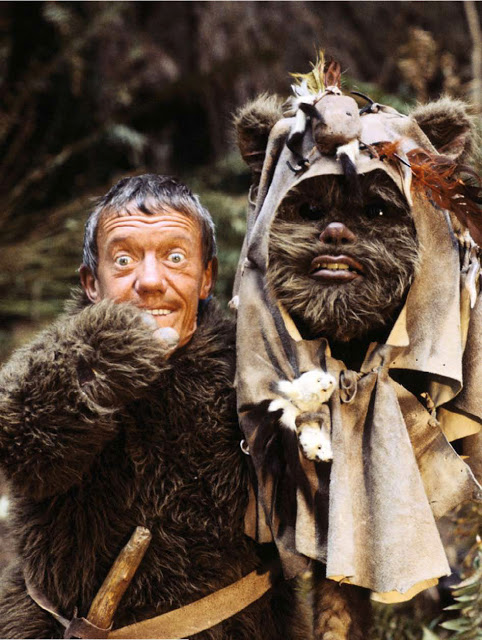
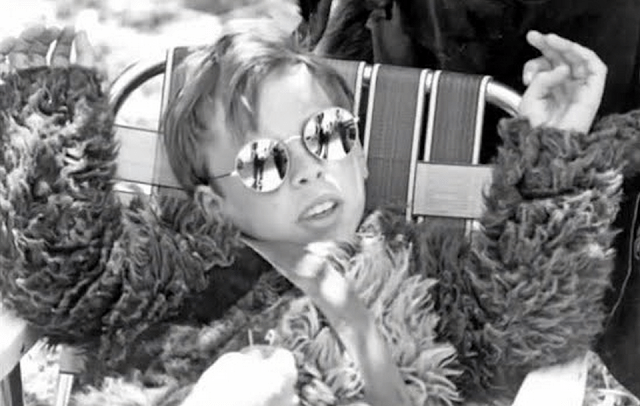
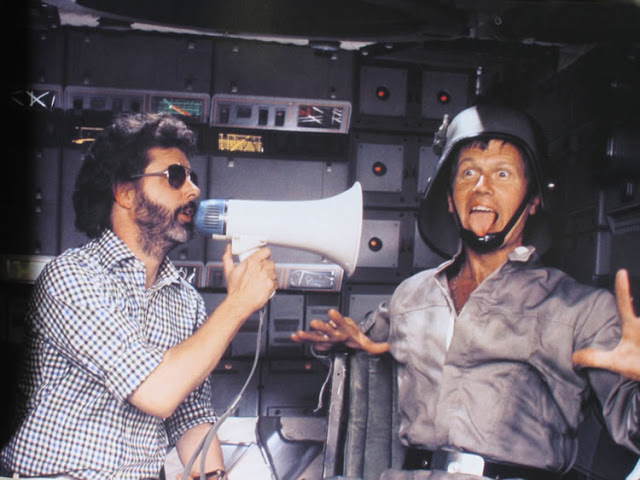
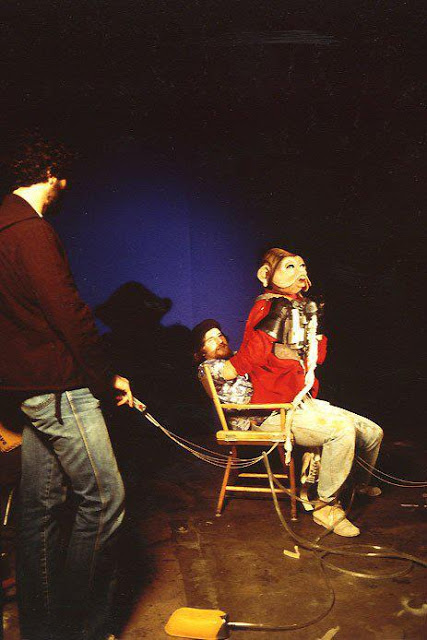
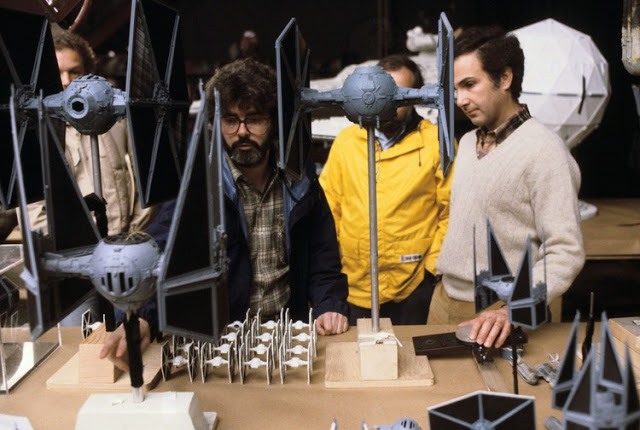
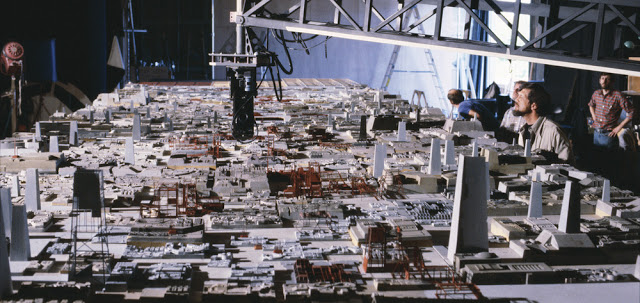
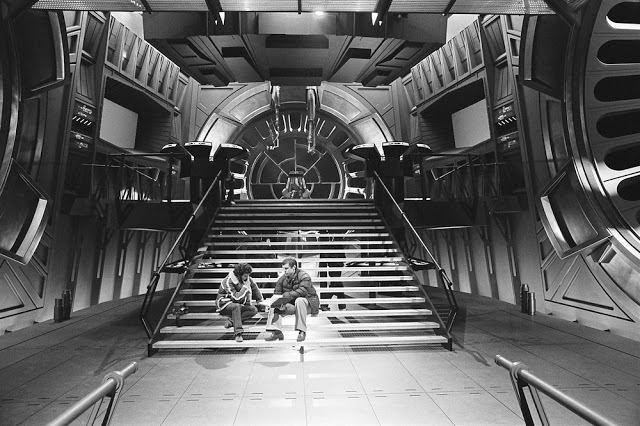
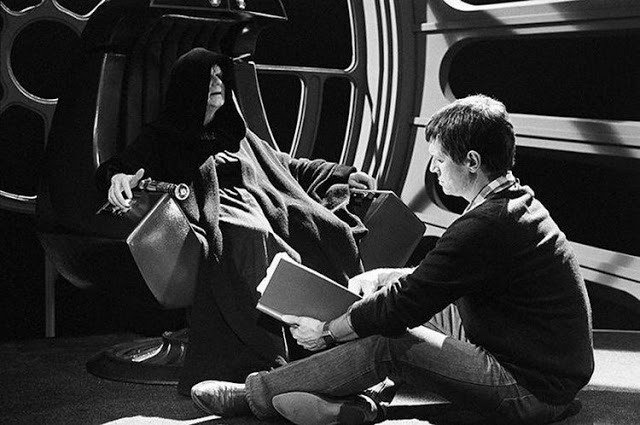
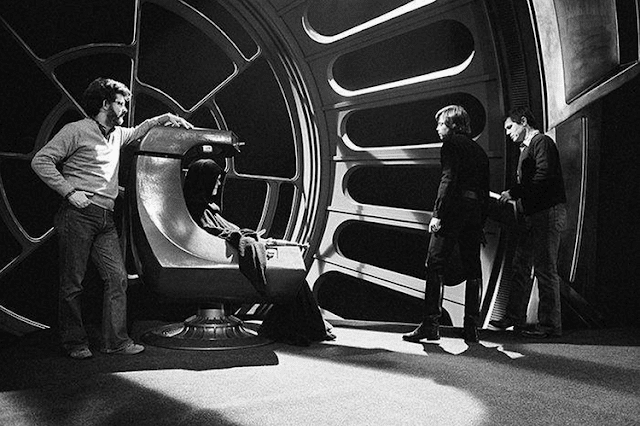
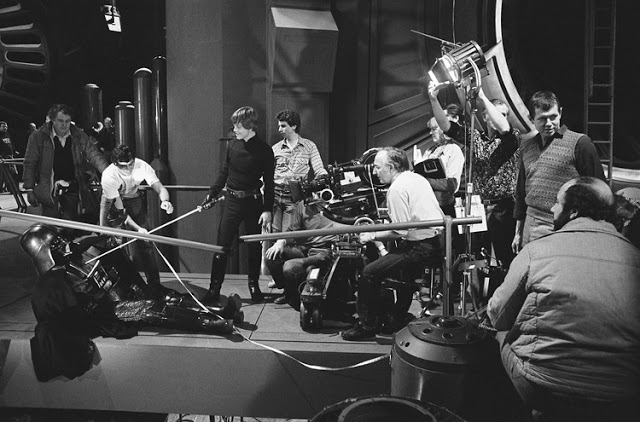
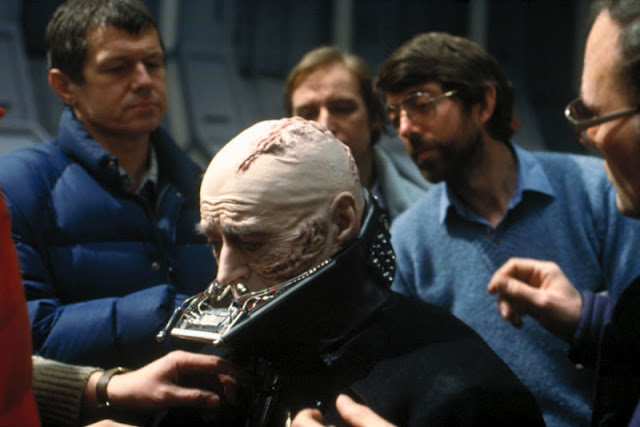
50 Amazing Behind the Scenes Photos Showing the Making of ‘Return of The Jedi’, 1983

Return of the Jedi (also known as Star Wars: Episode VI – Return of the Jedi) is a 1983 American epic space opera film directed by Richard Marquand. The screenplay is by Lawrence Kasdan and George Lucas from a story by Lucas, who was also the executive producer. The sequel to Star Wars (1977) and The Empire Strikes Back (1980), it is the third installment in the original Star Wars trilogy, the third film to be produced, and the sixth film in the “Skywalker saga”. The film stars Mark Hamill, Harrison Ford, Carrie Fisher, Billy Dee Williams, Anthony Daniels, David Prowse, Kenny Baker, Peter Mayhew and Frank Oz.

Set one year after The Empire Strikes Back, the Galactic Empire, under the direction of the Emperor, is constructing a second Death Star in order to crush the Rebel Alliance once and for all. Since the Emperor plans to personally oversee the final stages of its construction, the Rebel Fleet launches a full-scale attack on the Death Star in order to prevent its completion and kill the Emperor, effectively bringing an end to his hold over the galaxy. Meanwhile, Luke Skywalker, now a Jedi Knight, struggles to bring his father Darth Vader back to the light side of the Force.

Following Lucas and Kasdan’s discussion on making Return of the Jedi, the film went into production. Steven Spielberg, David Lynch and David Cronenberg were considered to direct the project before Marquand signed on as director. The production team relied on Lucas’ storyboards during pre-production. While writing the shooting script, Lucas, Kasdan, Marquand, and producer Howard Kazanjian spent two weeks in conference discussing ideas to construct it. Kazanjian’s schedule pushed shooting to begin a few weeks early to allow Industrial Light & Magic more time to work on the film’s effects in post-production. Filming took place in England, California, and Arizona from January to May 1982.

The film was released in theaters on May 25, 1983, receiving positive reviews, although many felt that it did not match the cinematic heights of its predecessors. It grossed $374 million during its initial theatrical run, becoming the highest-grossing film of 1983. Several re-releases and revisions to the film have followed over the decades, which has also brought its total gross to $475 million. The United States Library of Congress selected it for preservation in the National Film Registry in 2021. After Lucas finished his six-film saga by making the prequel trilogy, Disney purchased Lucasfilm and produced a sequel trilogy. Additionally, it released The Mandalorian, the first live-action television series in the franchise, for the streaming service Disney+. The series and its spin-offs are set beginning five years after Return of the Jedi. (Wikipedia)

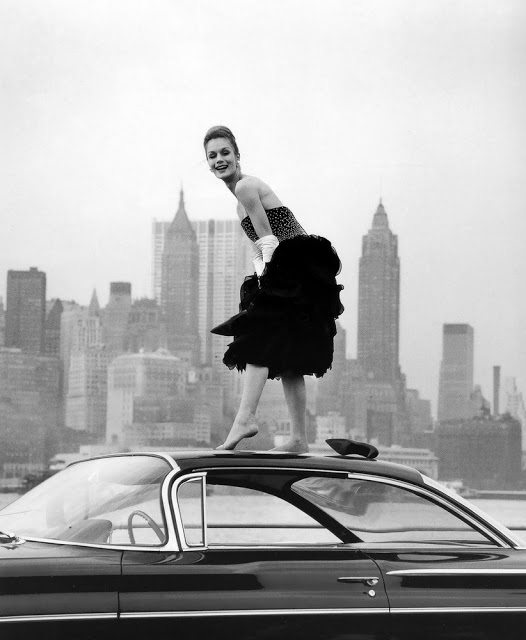
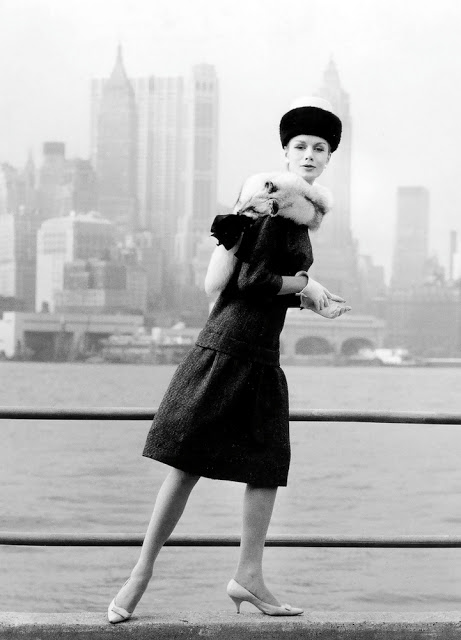
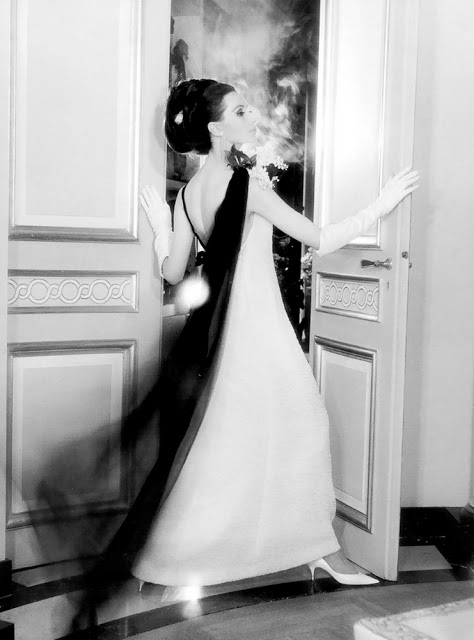
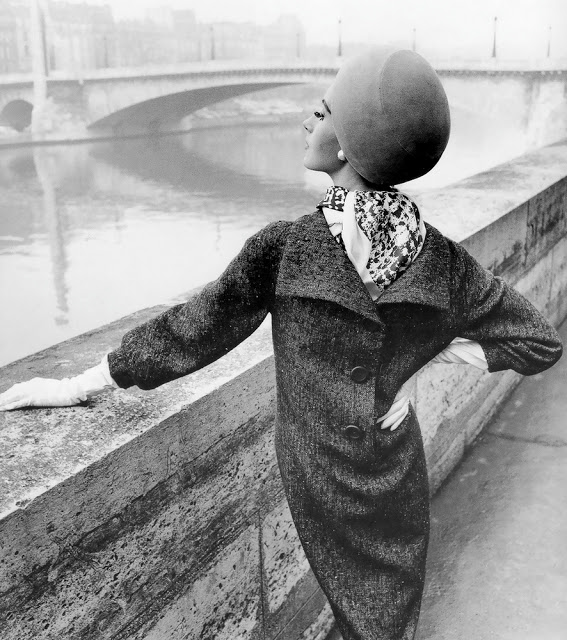
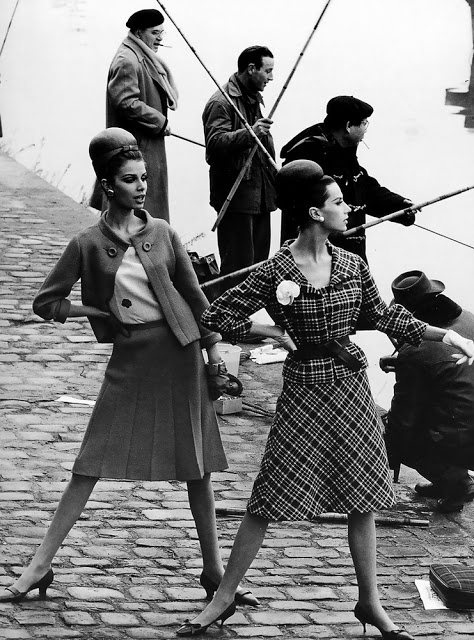
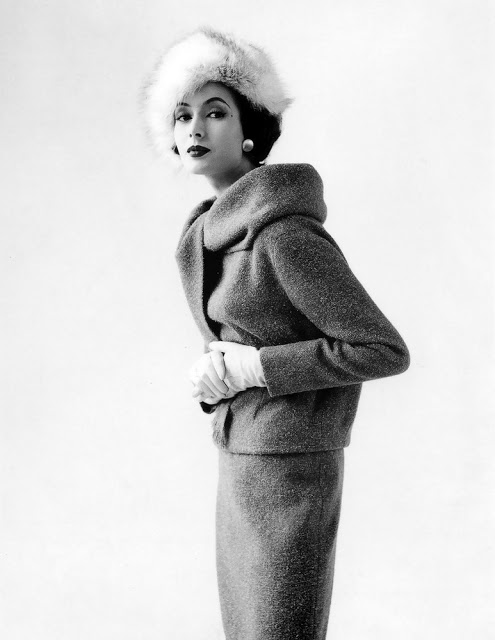
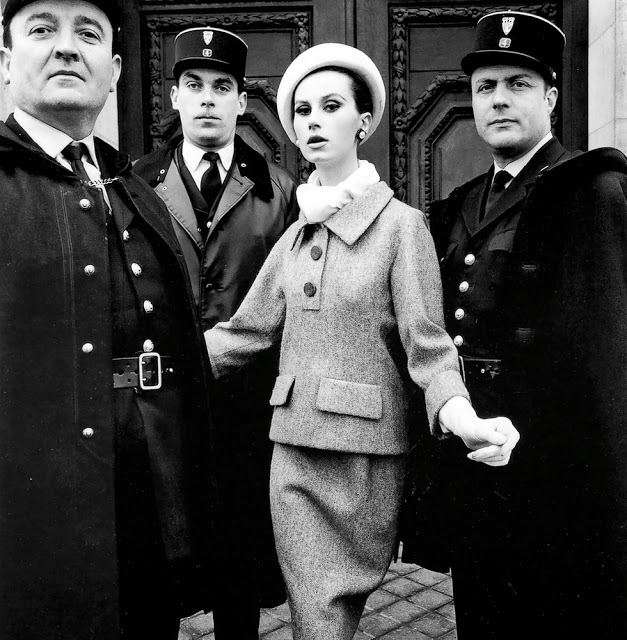
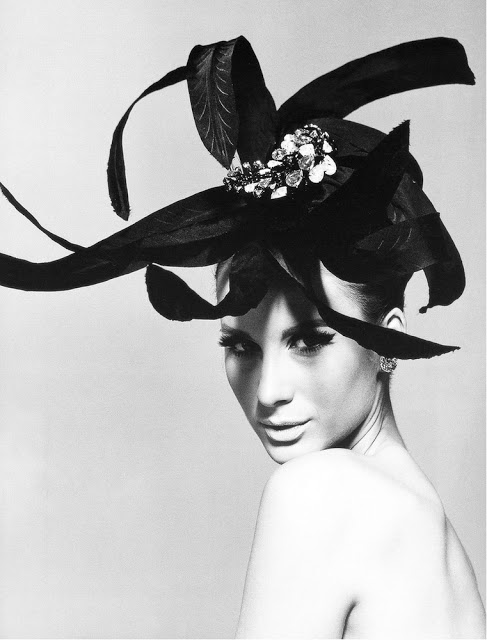
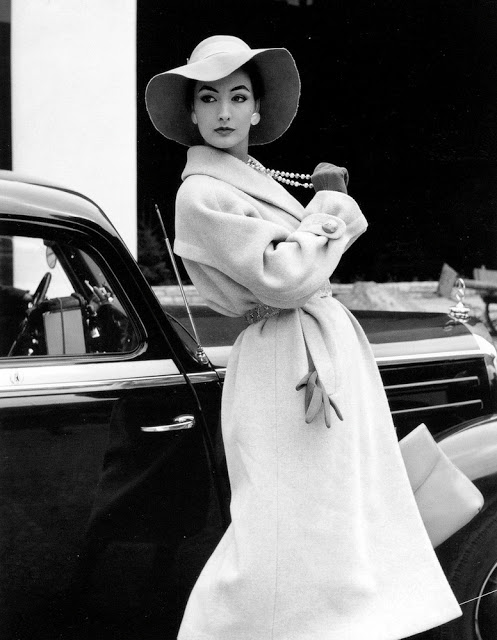
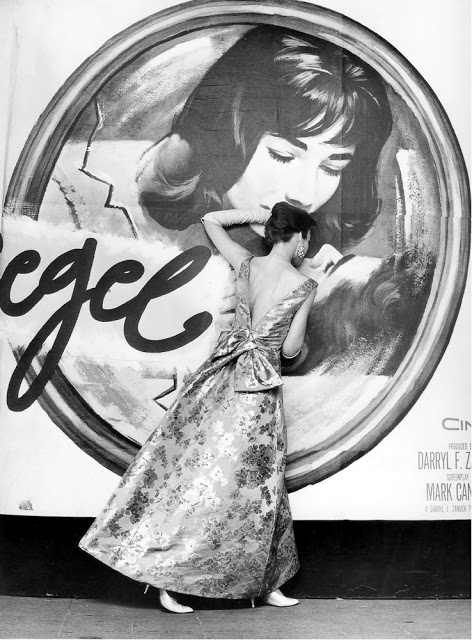
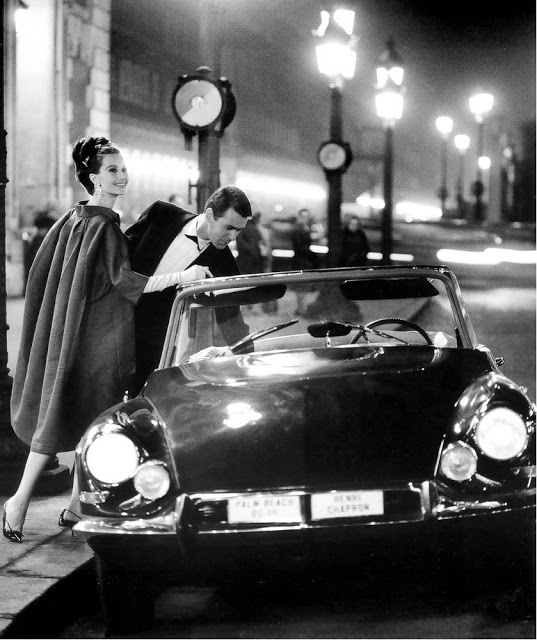
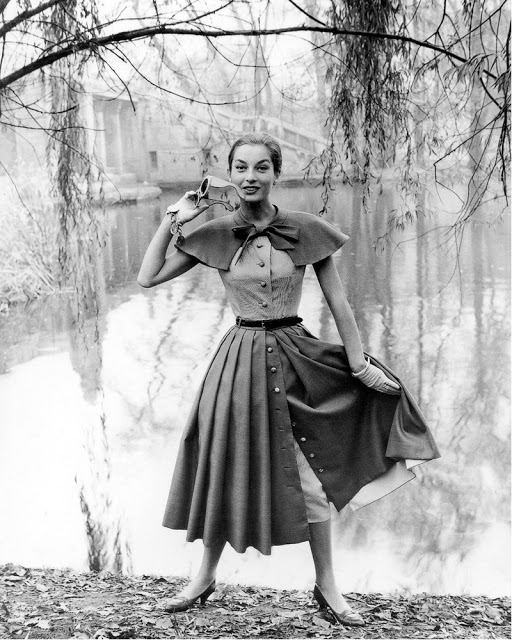
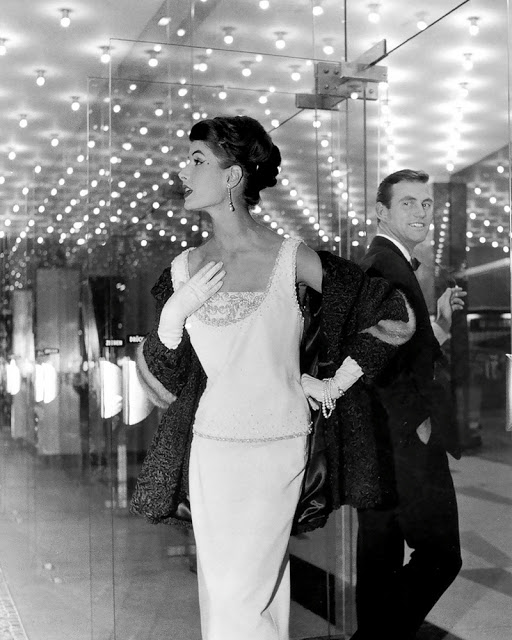
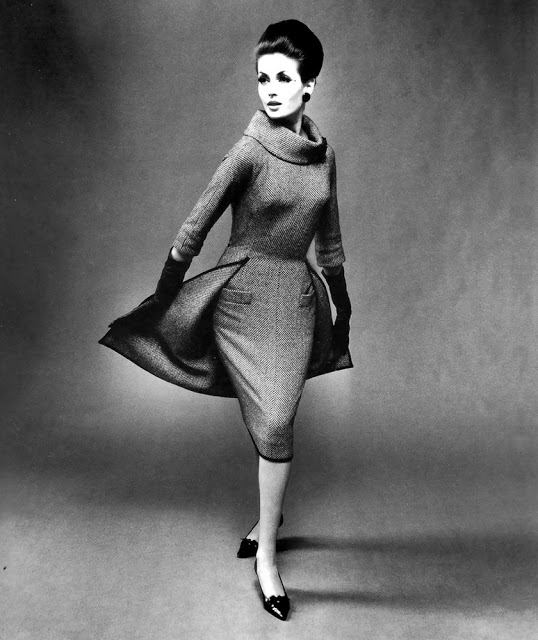
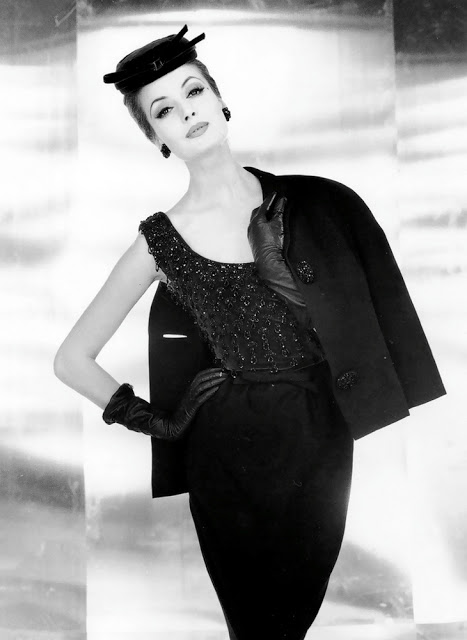
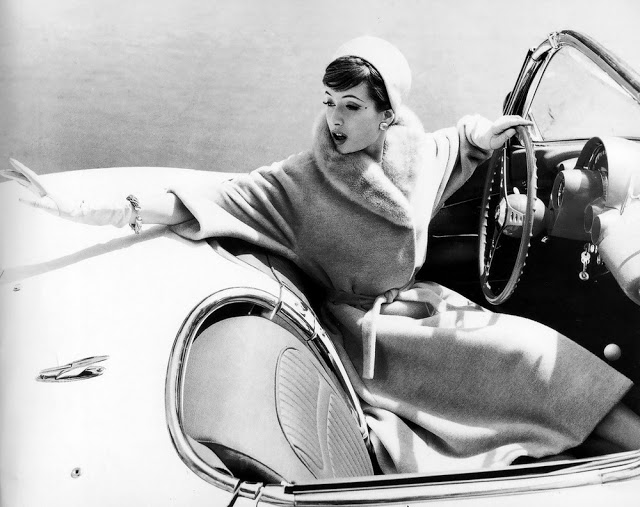
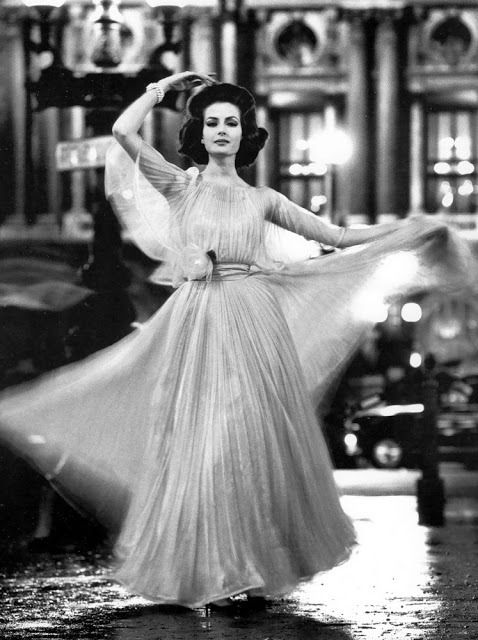
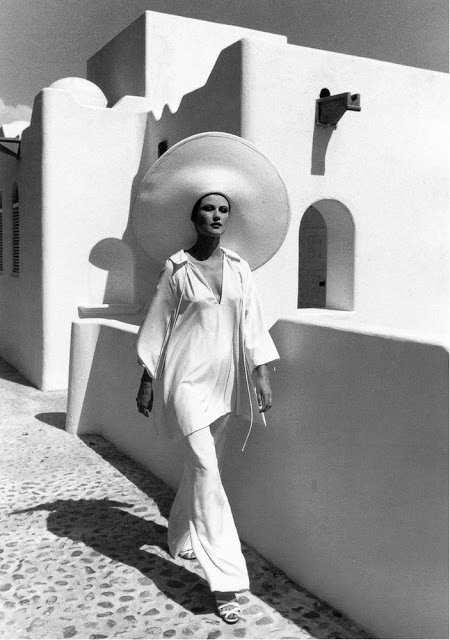
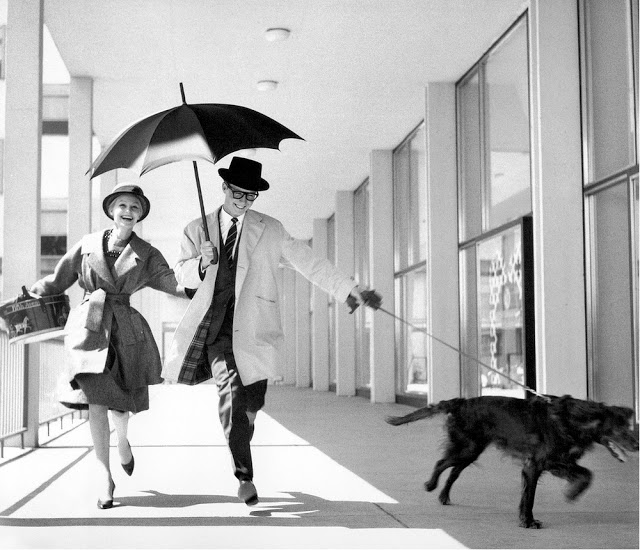
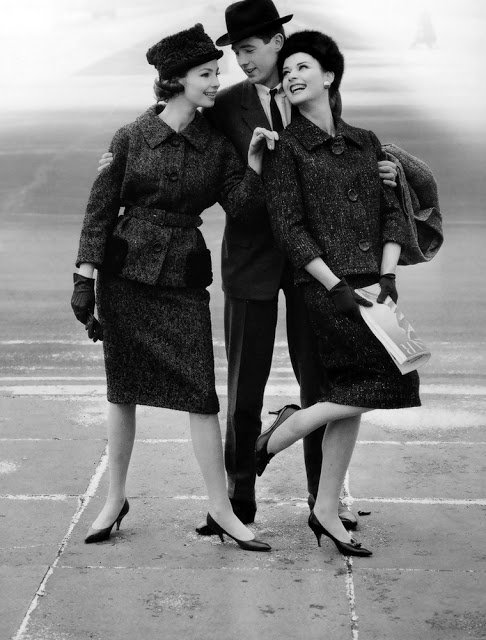
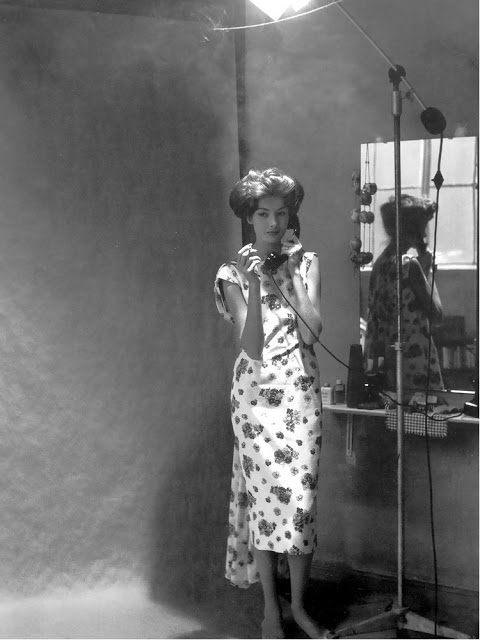
46 Extraordinary Fashion Photos From the 1950s and 1960s

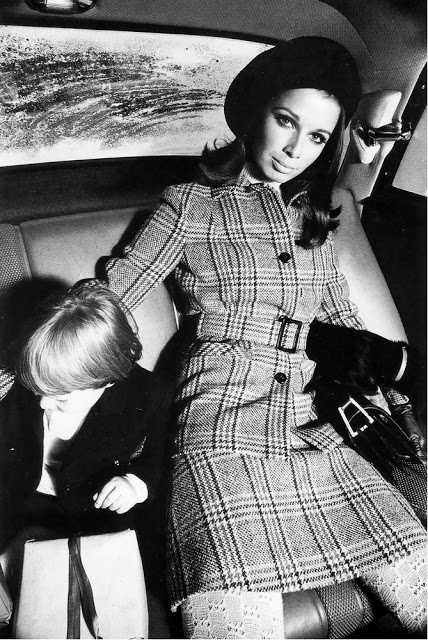
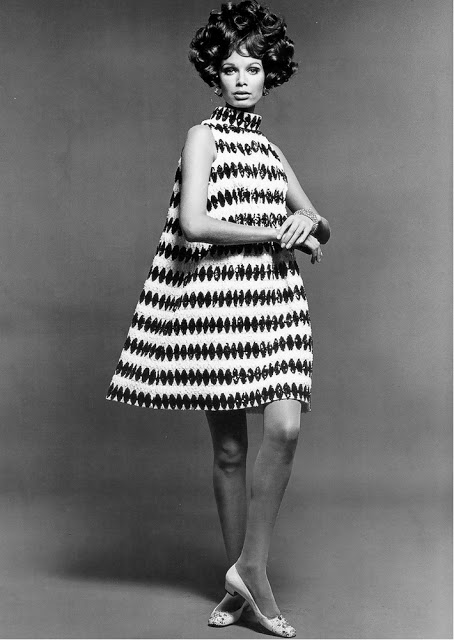
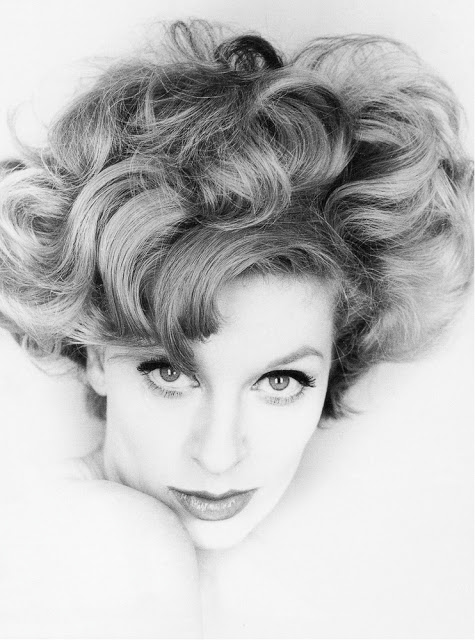
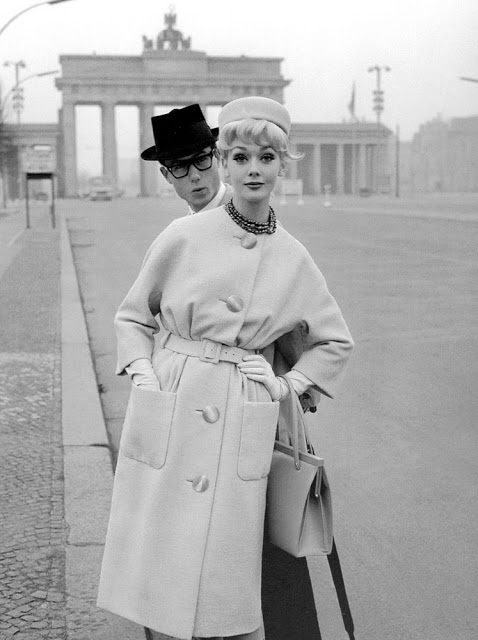
From 1951 to 1955, German photographer Rico Puhlmann studied fashion design, art design, and art history at Berlin University of the Arts (Hochschule für Bildende Künste Berlin). Initially, he had worked as fashion styler for magazines such as Burda Moden, Constanze, and the Textil-Report since 1955. Simultaneously, he worked as fashion photographer. His fashion photos were published in leading German and international fashion magazines and journals such as Stern, Petra, Constanze, Brigitte, and the French Vogue since the early Sixties.

Here’s some of his amazing work:

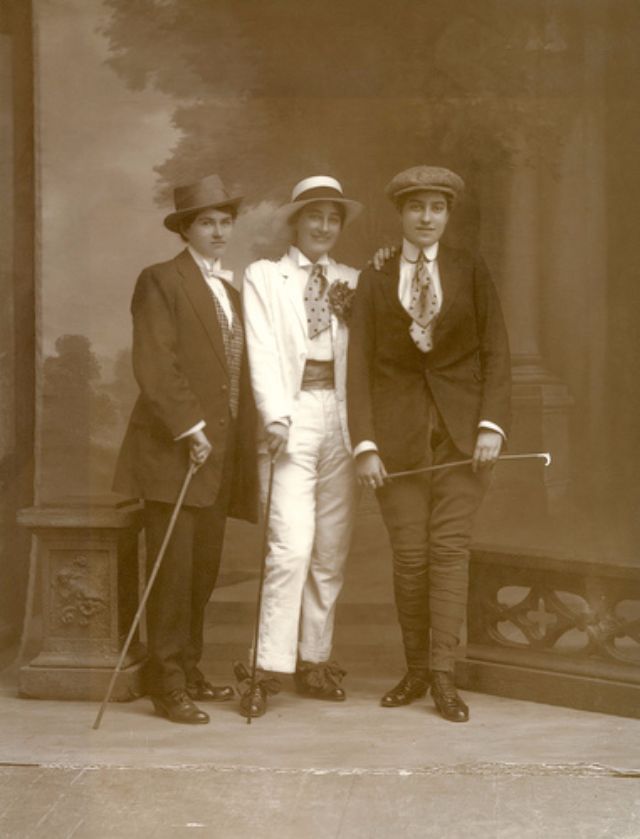
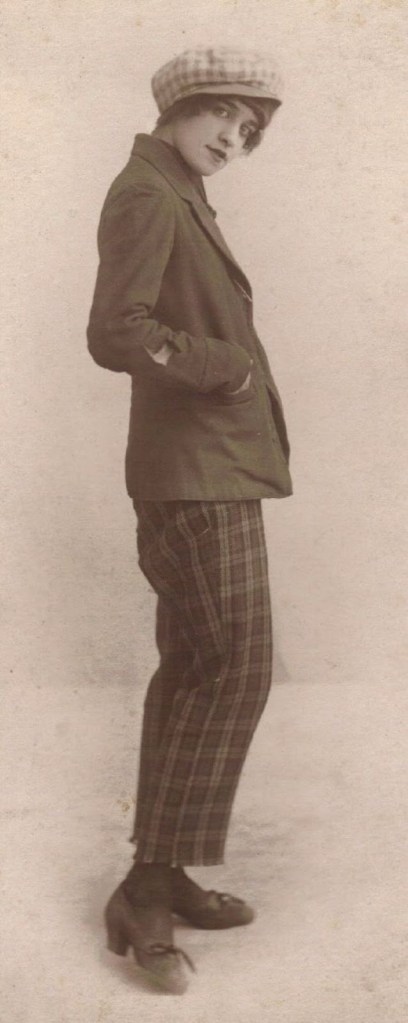
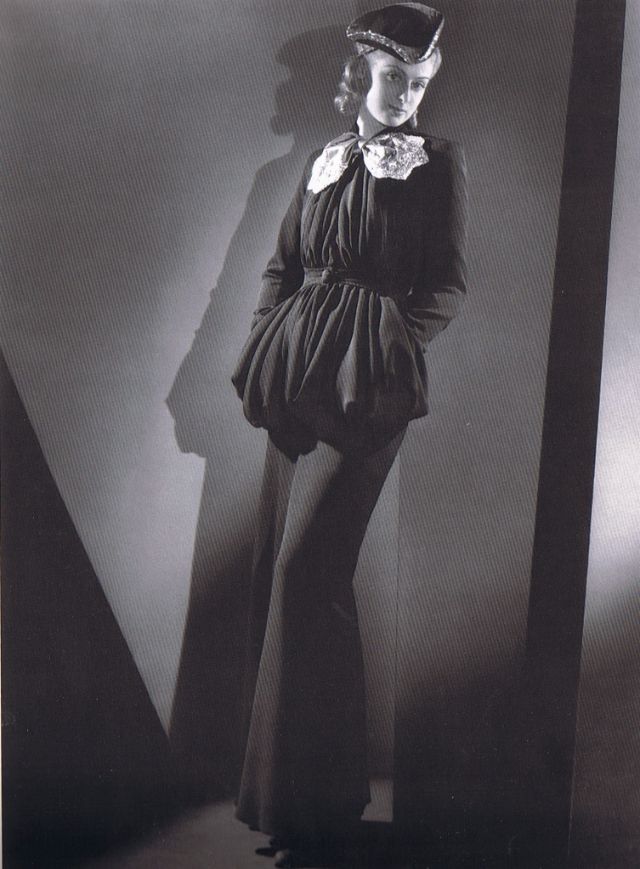
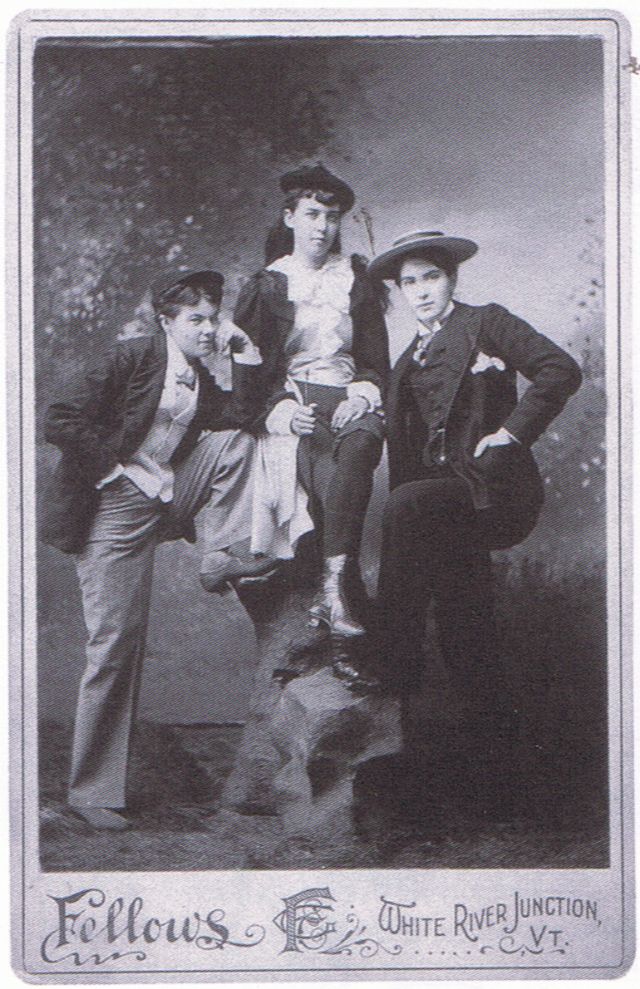
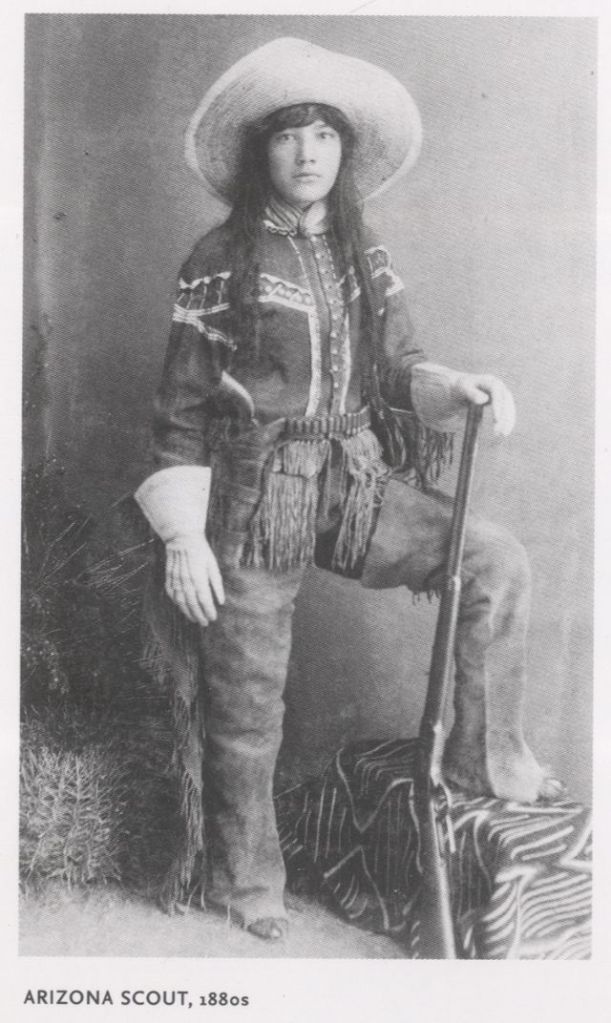
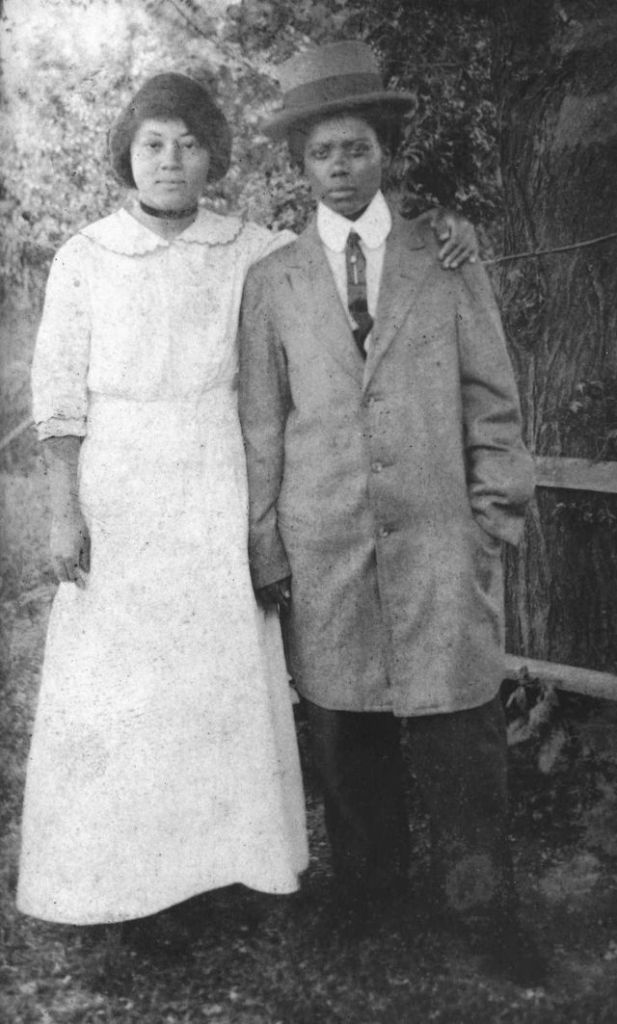
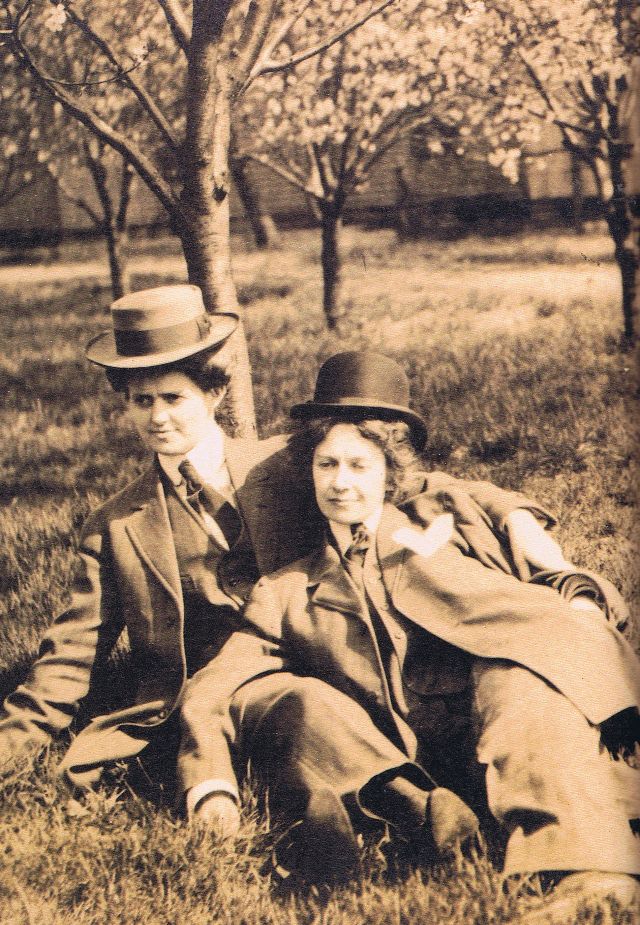
Women in Pants: Vintage Photos From the 1850s to the 1930s

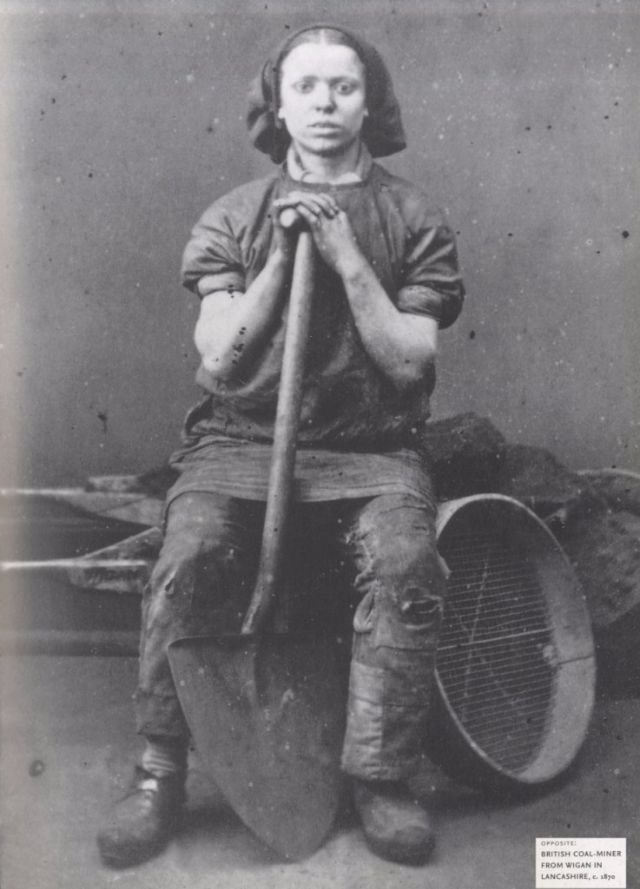
Although fashion did not embrace the look of trousers on the female form until the late 20th century, history saw working women wearing them a hundred years prior.

From Victorian coal miners who rolled up their skirts around their waist to reveal soot-covered pants underneath to today’s terrible backlash of factory-torn denim, spandex jeggings, and bedazzled bums, women’s pants have undergone quite a transformation.

Let’s take a look at the early fashion of women’s pants from the festooned Victorian era right on through to the ultra glamorous 1930s.

Victorian era
1896
Edwardian era
1920s
1920s
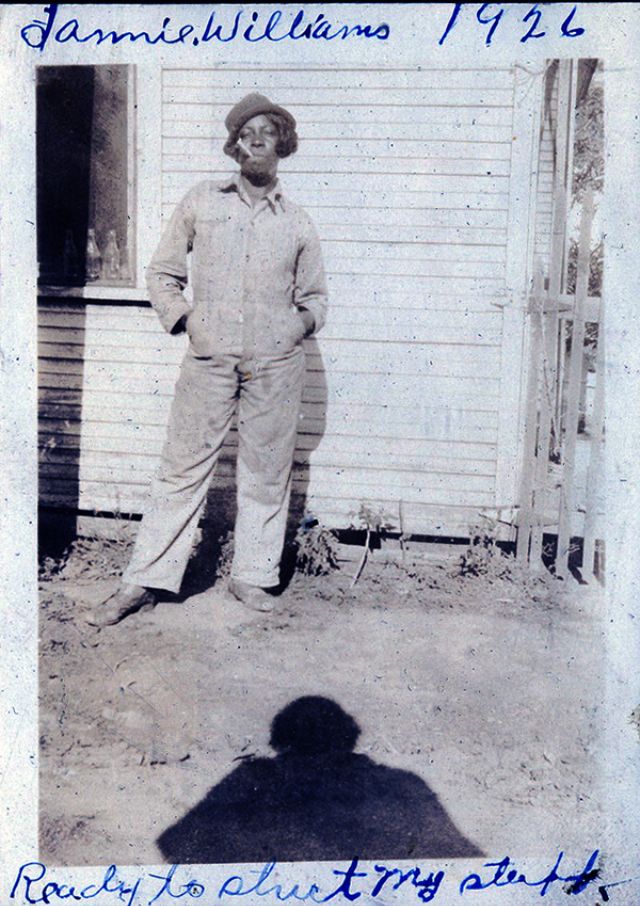
1926
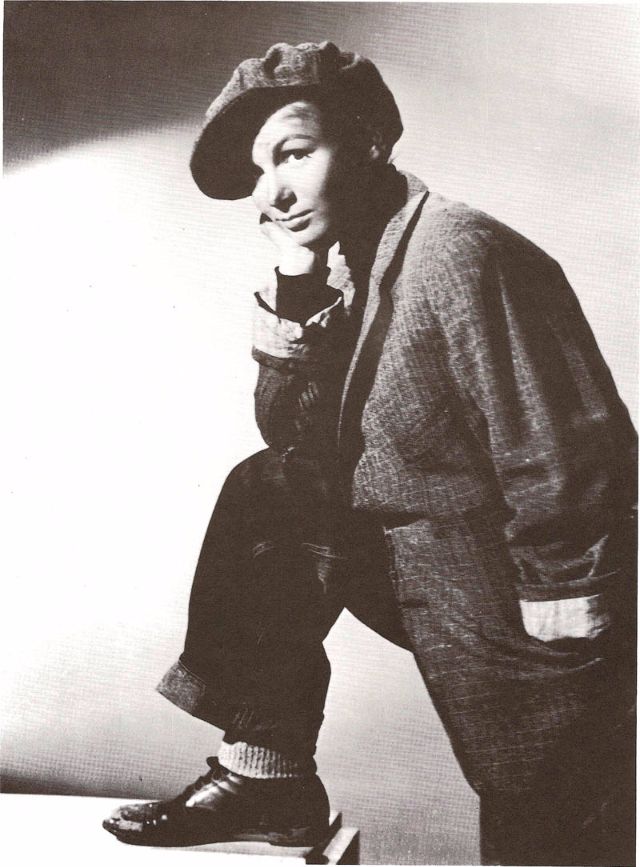
Veronica Lake. 1930s.
Harpers Bazaar, December 1939.
Ethel Waters. 1920s.
1890
Dr. Mary Walker, 1866.
1870
1880s
1900s
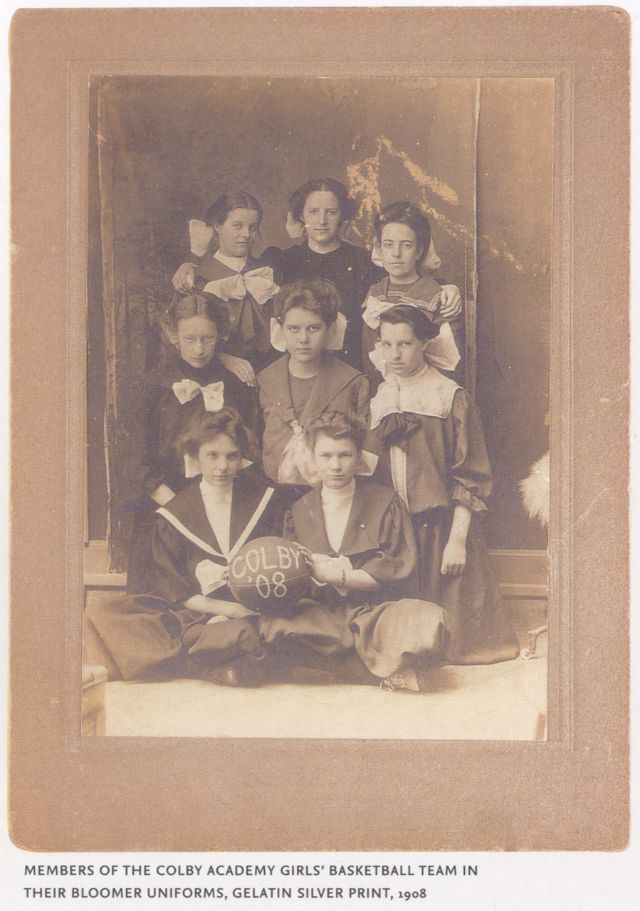
1908
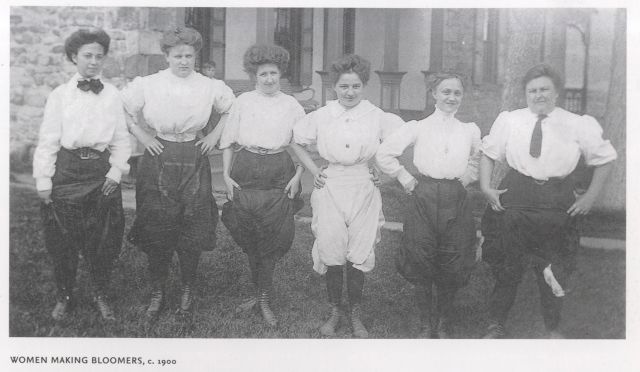
1900
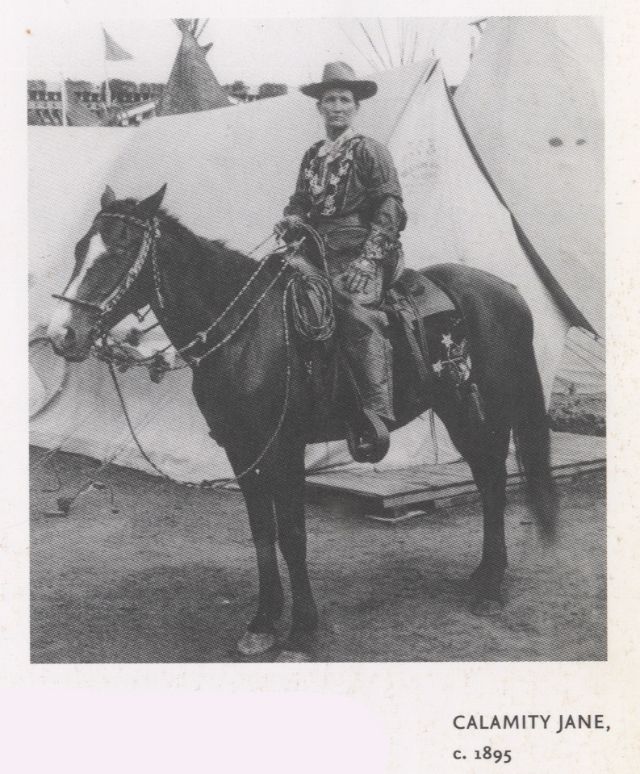
Calamity Jane, 1895.
1906
1896
Cowgirl, 1915.
1860s
1900
1900s
1900s
1910

50 Amazing Vintage Photos From the 1960s Volume 2

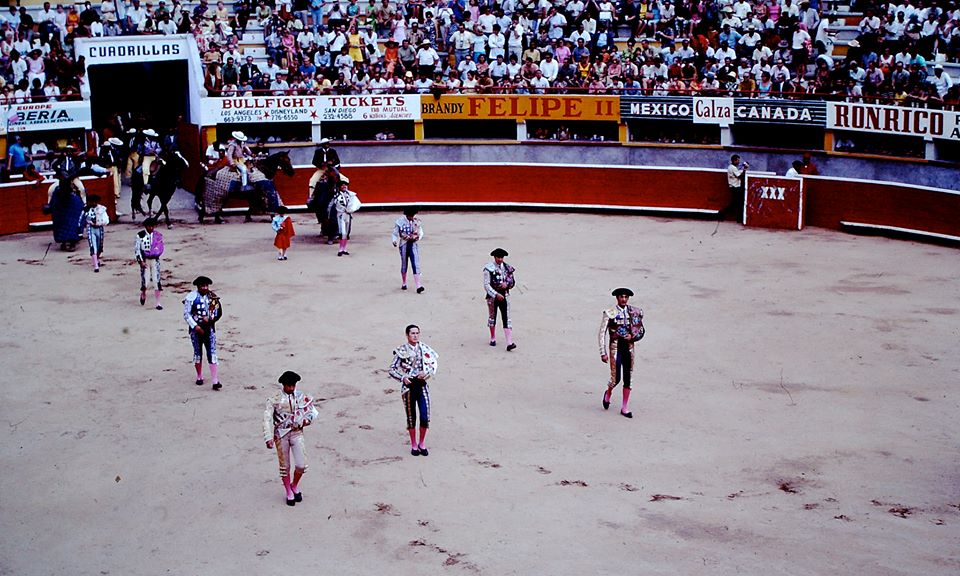
A bullfight in Tijuana, Mexico, August 1968.
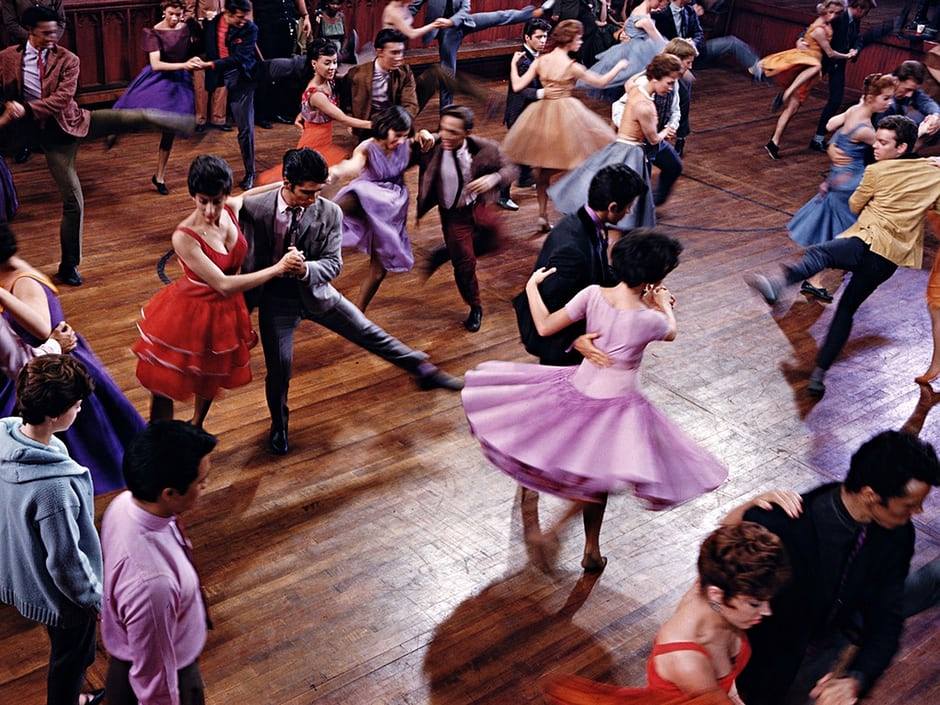
Cast members from the 1961 film, West Side Story, dance the mambo in the school dance scene.
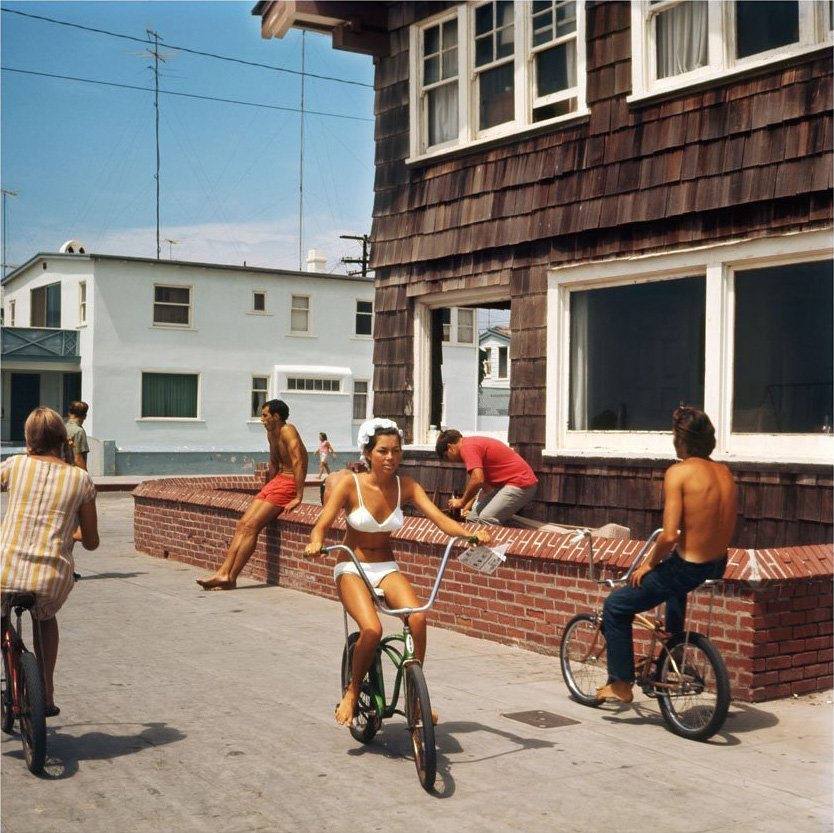
Hermosa Beach Strand, California, 1967.
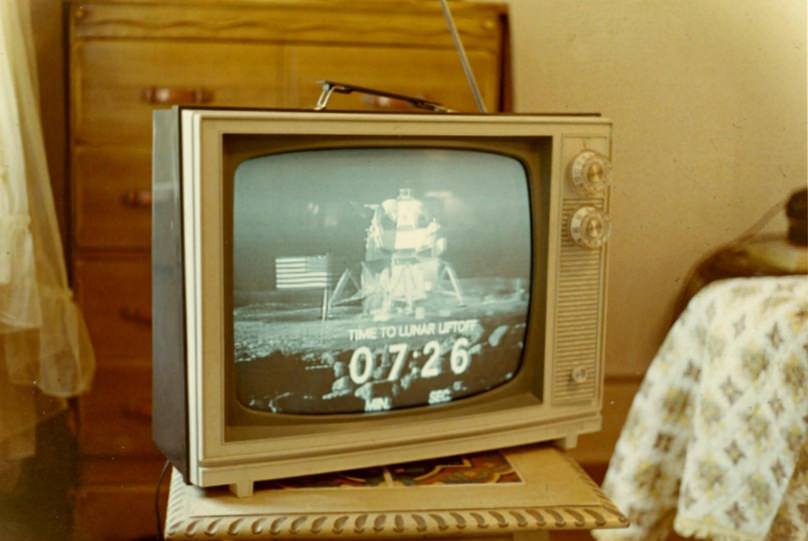
Time to lunar liftoff, 1969.
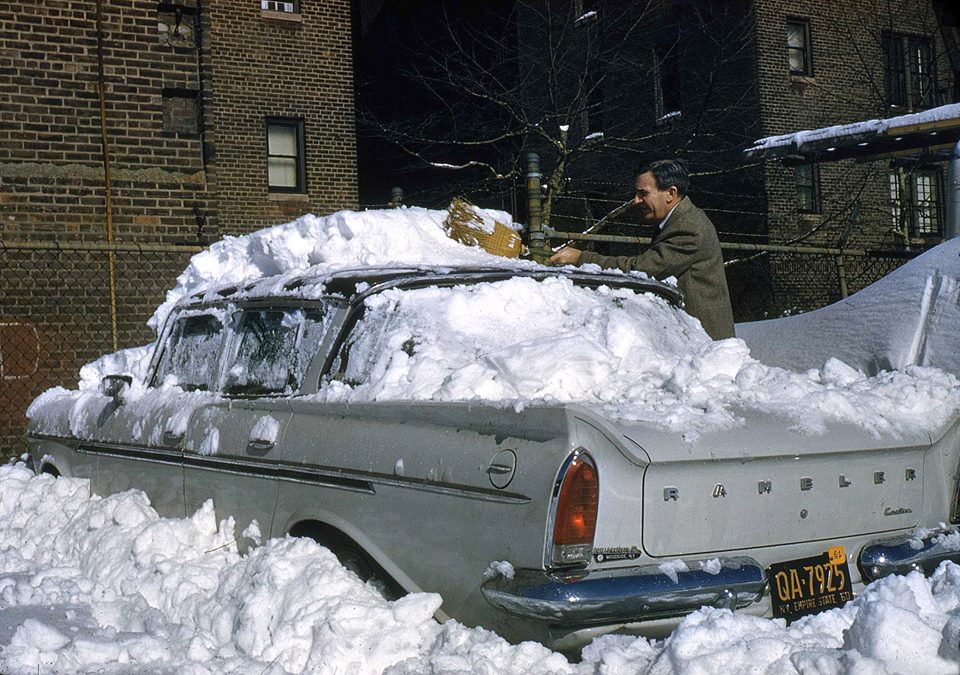
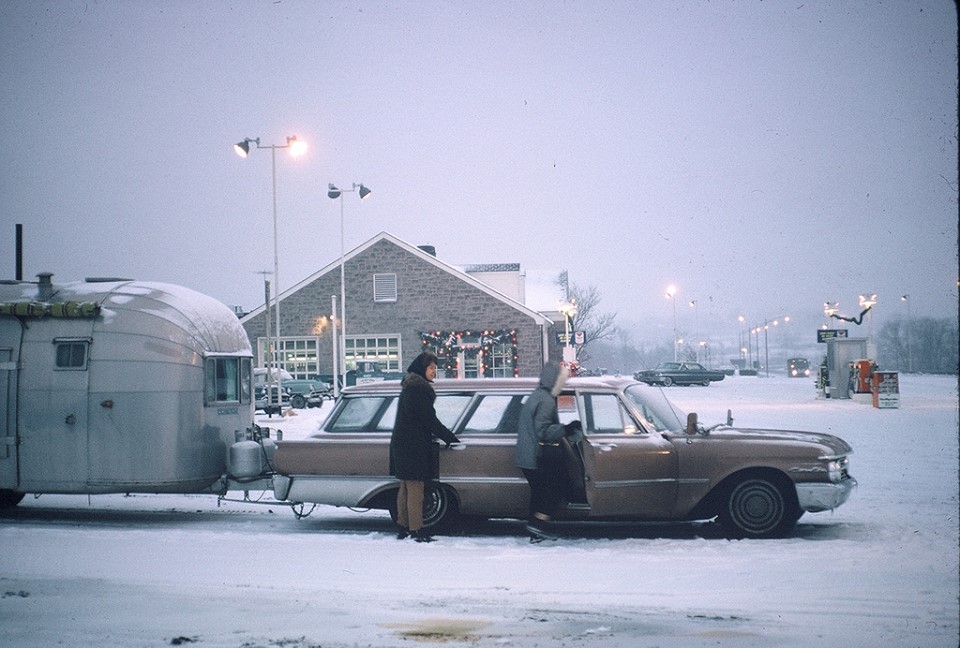
Snow covered Rambler in Queens, New York, 1961.
Sunbathing on the hoods, Daytona Beach, Florida, 1963.
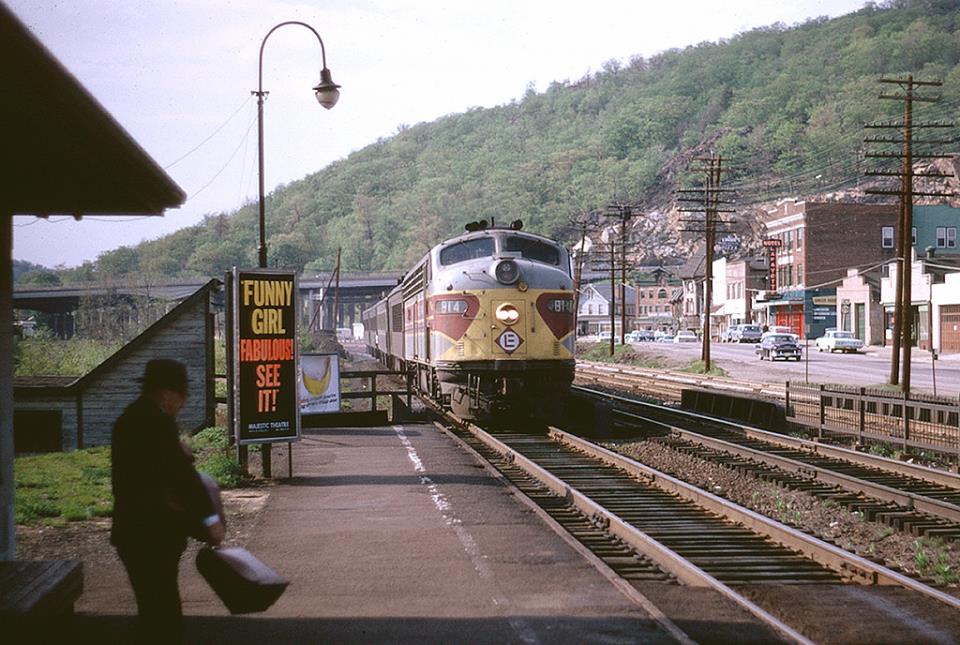
Erie-Lackawanna Local at Suffern, New York, 1966.
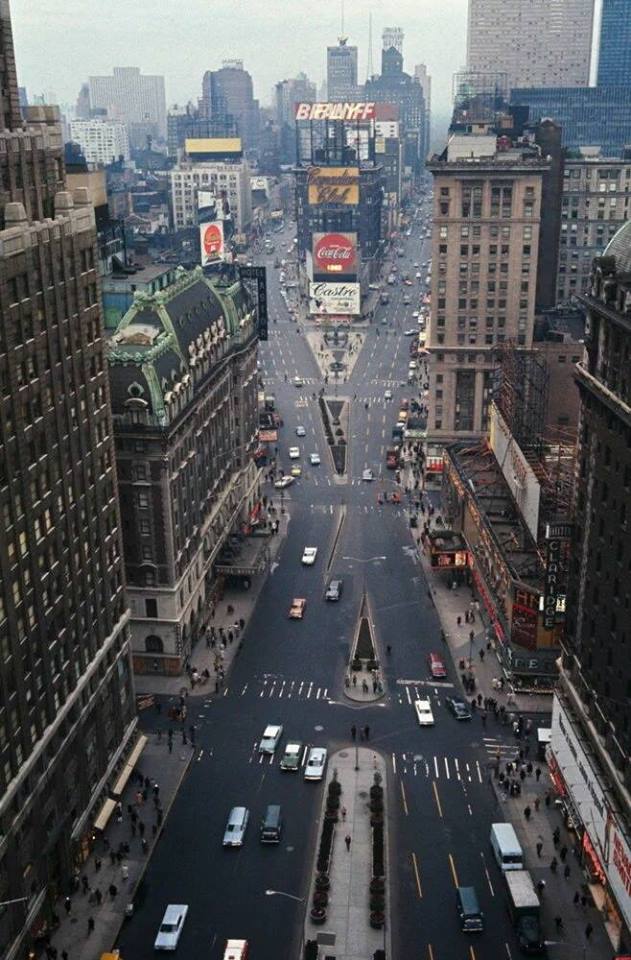
Times Square, NYC, 1967.
Rest-stop on the Pennsylvania Turnpike, 1963.
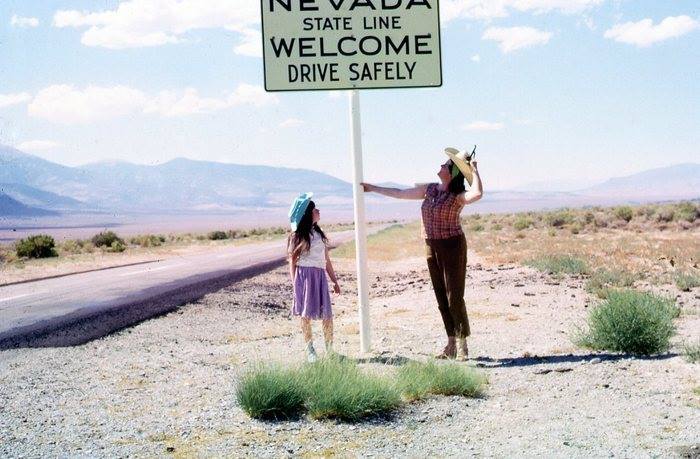
Mother and daughter on the road to Nevada, 1966.
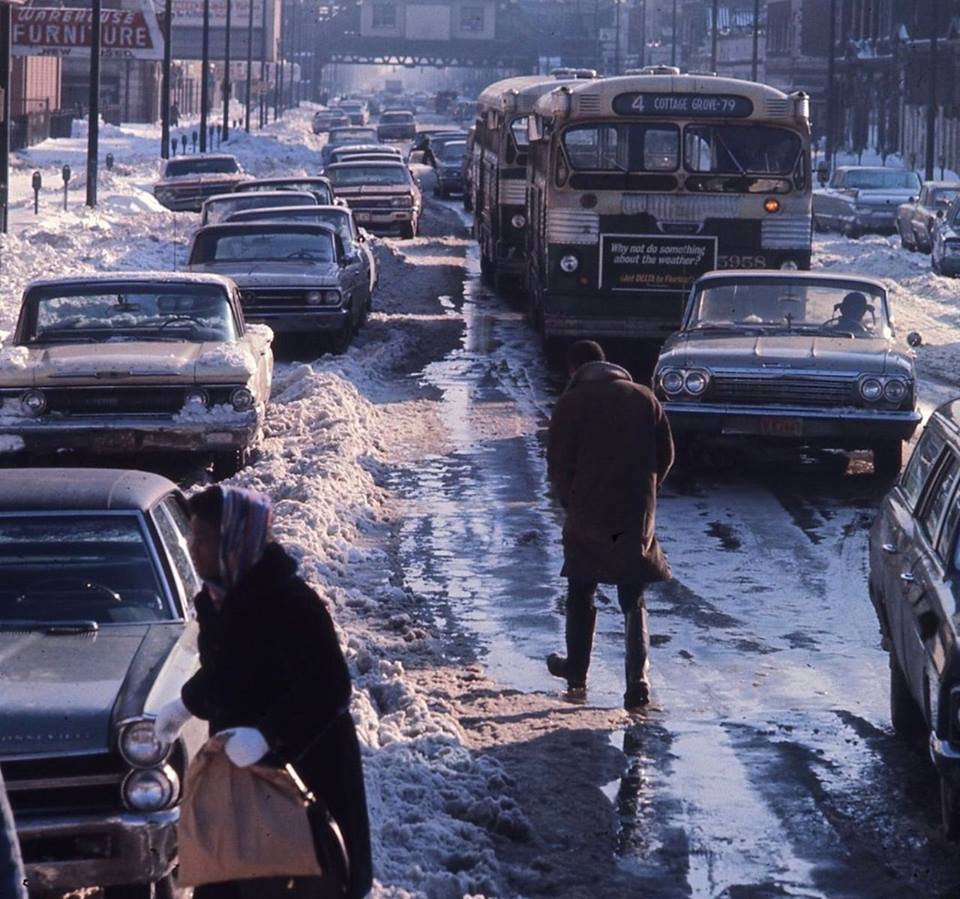
Chicago, 1967.
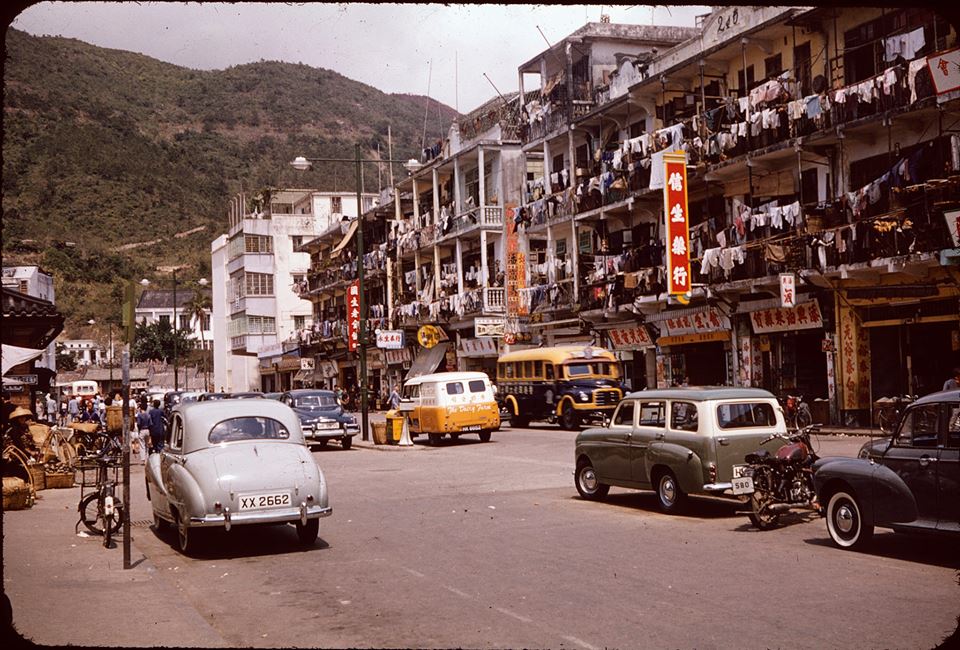
Street scene of Hong Kong in the 1960s.
Knoxville, Tennessee, 1967
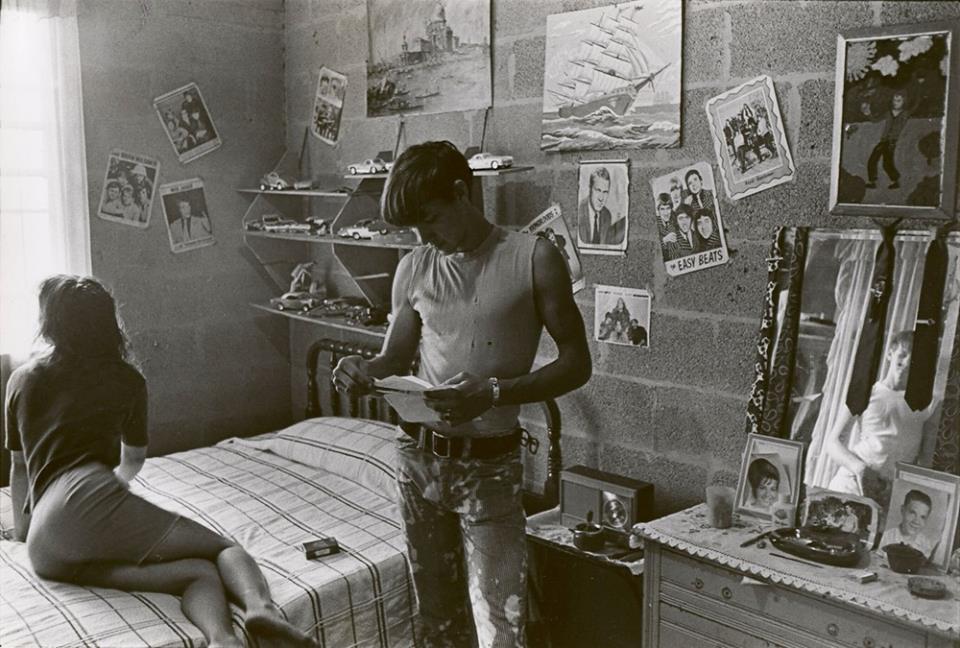
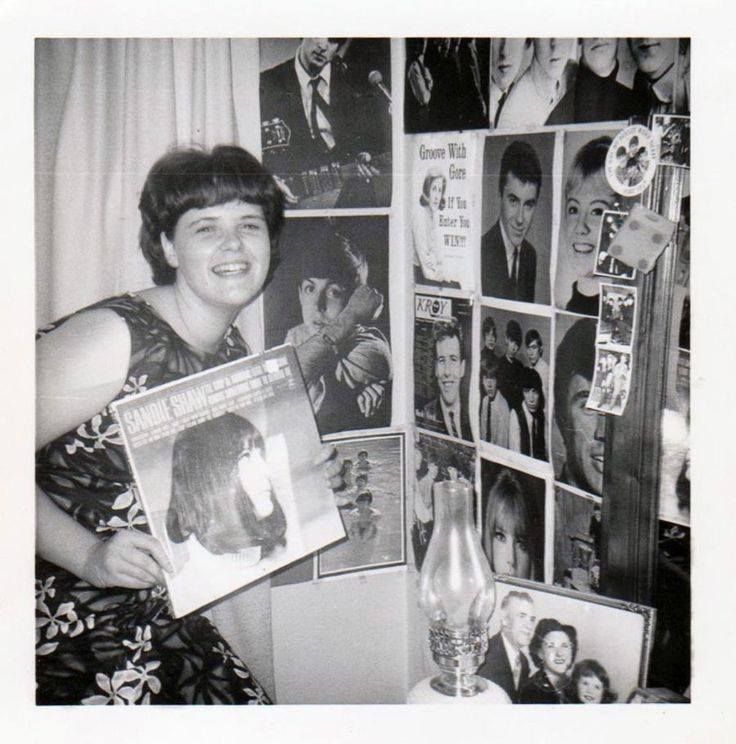
Early 60’s teen.
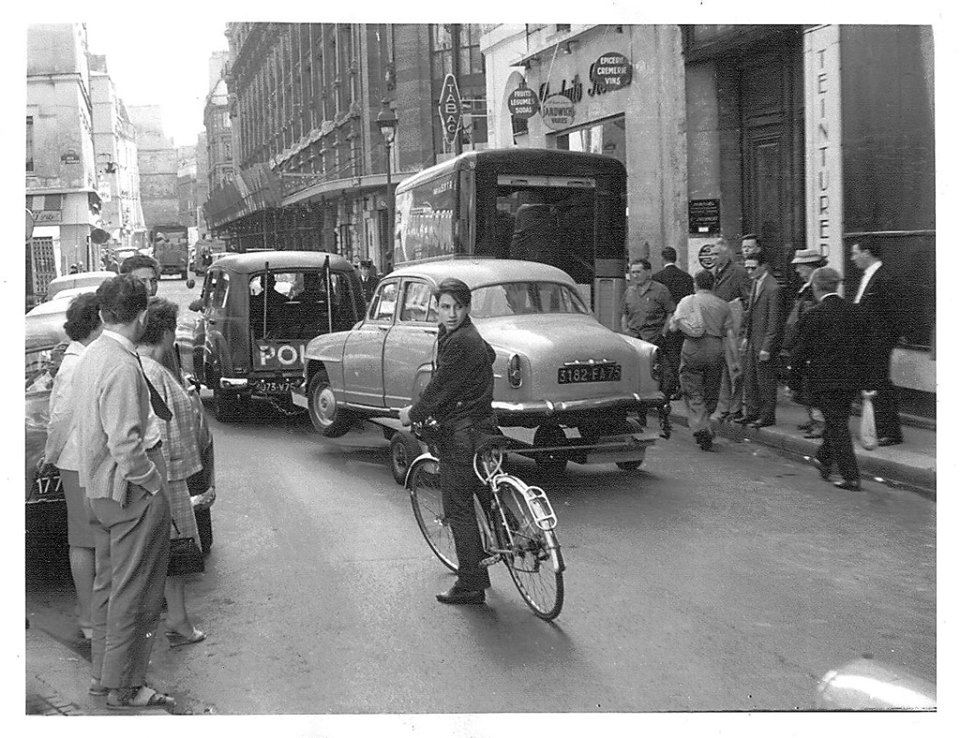
Paris in 1961.
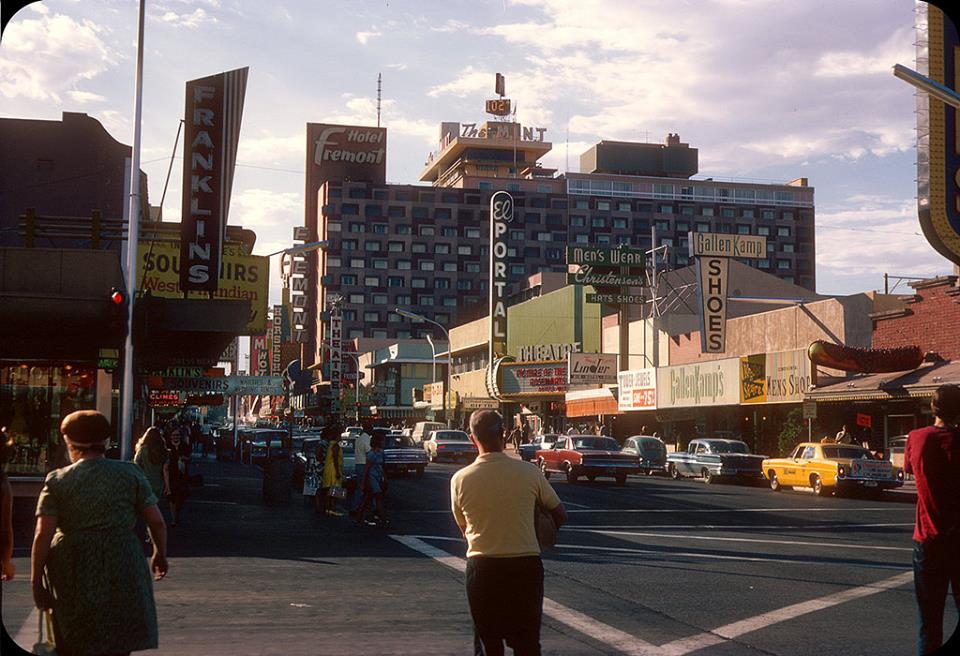
Las Vegas, Nevada, 1968.
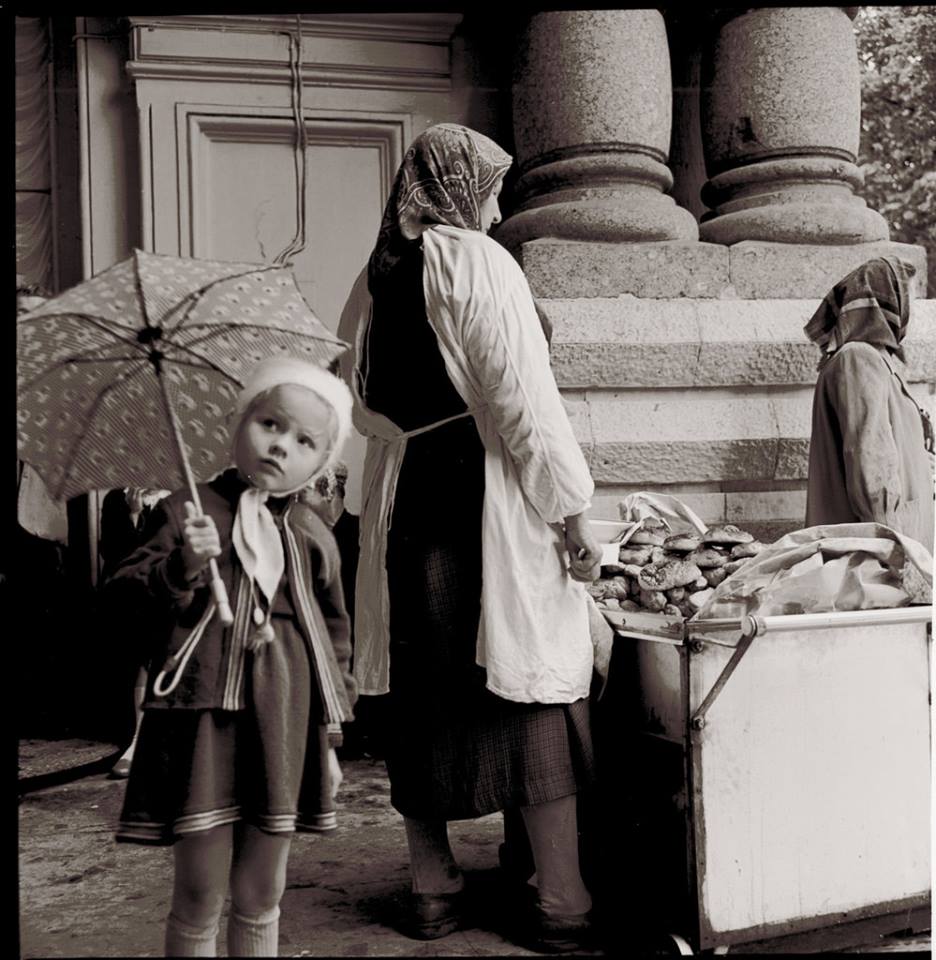
Moscow, 1960.
A porter in Nuruosmaniye, Istanbul, 1960s
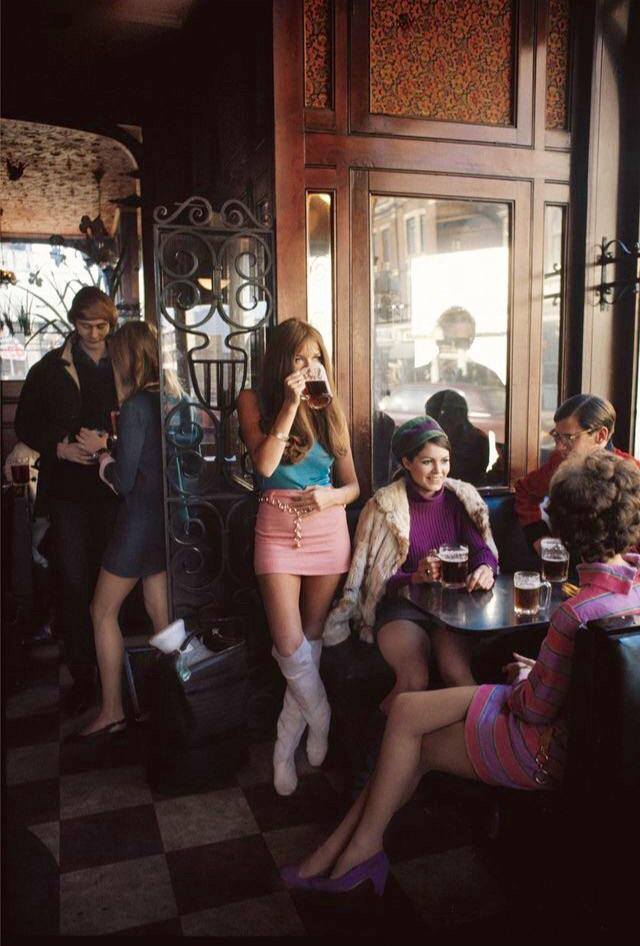
A day at the pub in London, 1967.
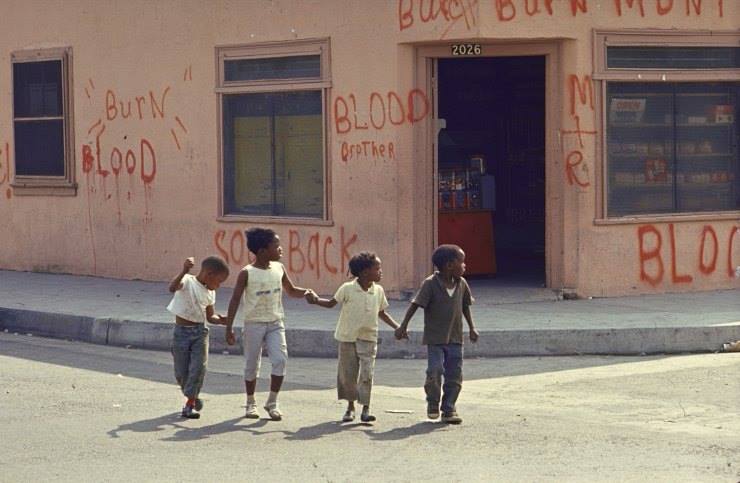
Life in Watts a year after the 1965 riots.
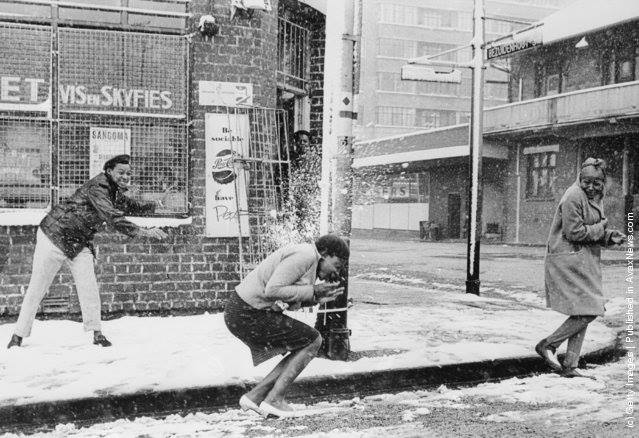
Women playing in the street as the snow falls on Johannesburg, South Africa for the first time in seventeen years. 1962.
Marilyn Monroe parked up on Blue Jay Way, June 1962.
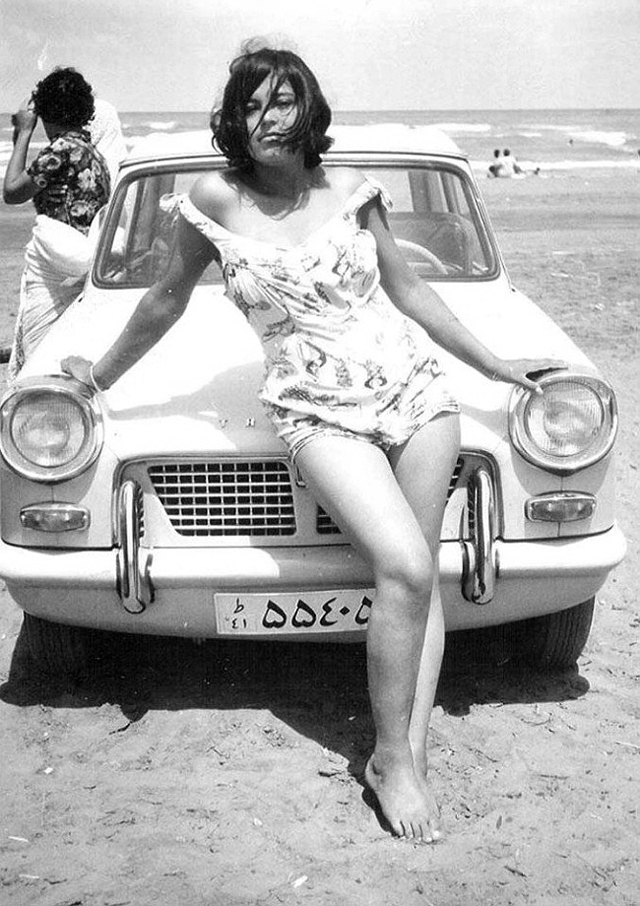
An Iranian woman, 1960
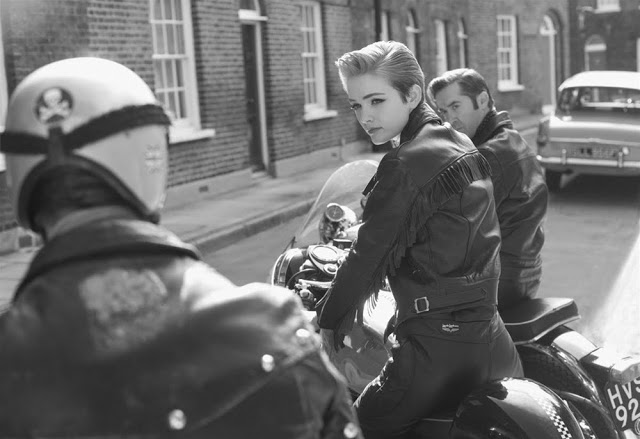
Bikers, 1960s
Players of the Toronto Maple Leafs and the Chicago Black Hawks search for Jack Evans’ lost contact lens during an ice hockey game, 1962
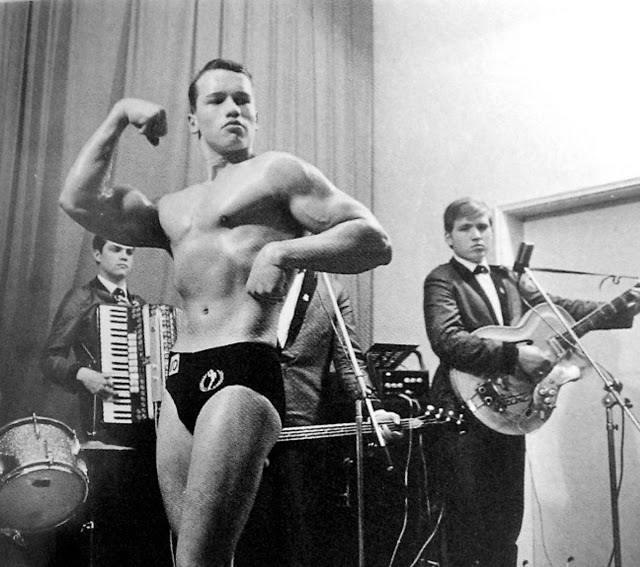
A sixteen-year-old Arnold Schwarzenegger at his first body-building competition, 1963
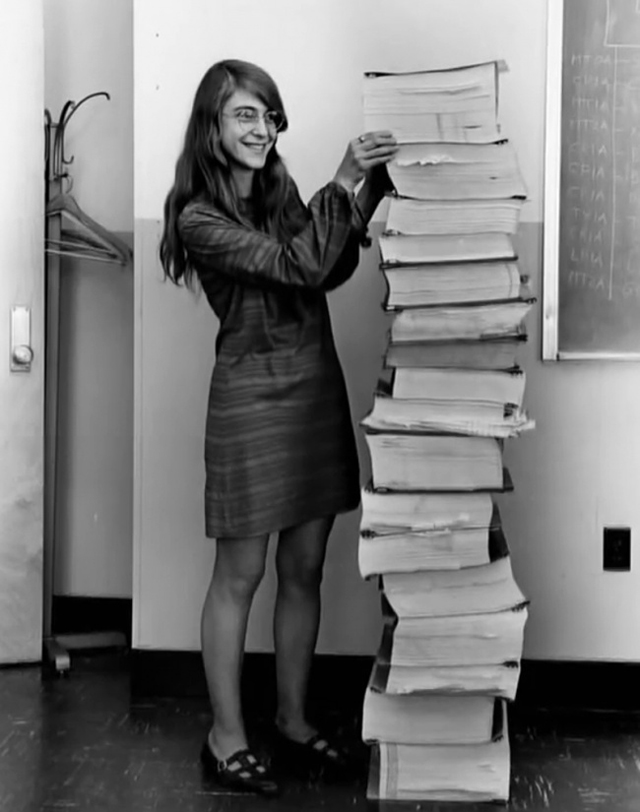
Margaret Hamilton, the principal software engineer for NASA, 1969
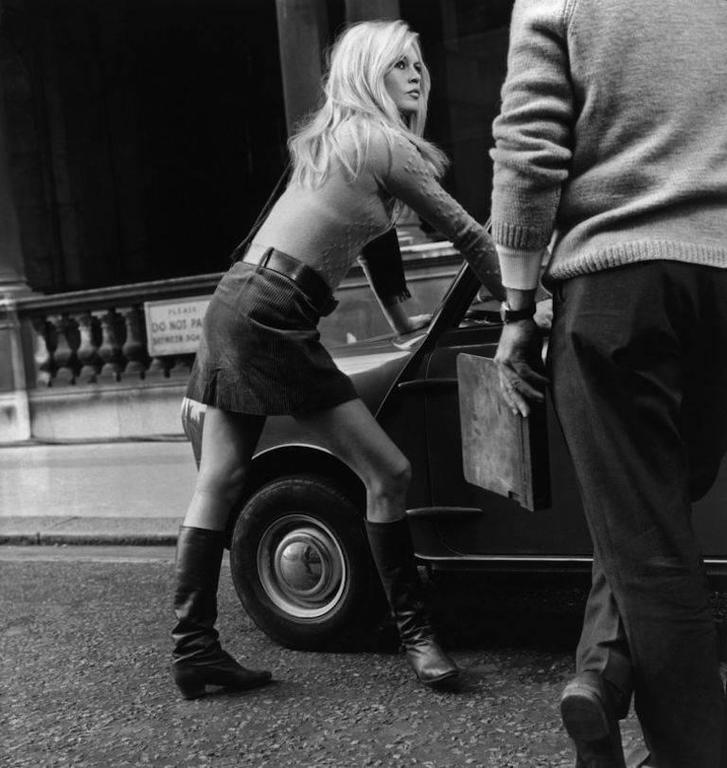
Brigitte Bardot, 1966
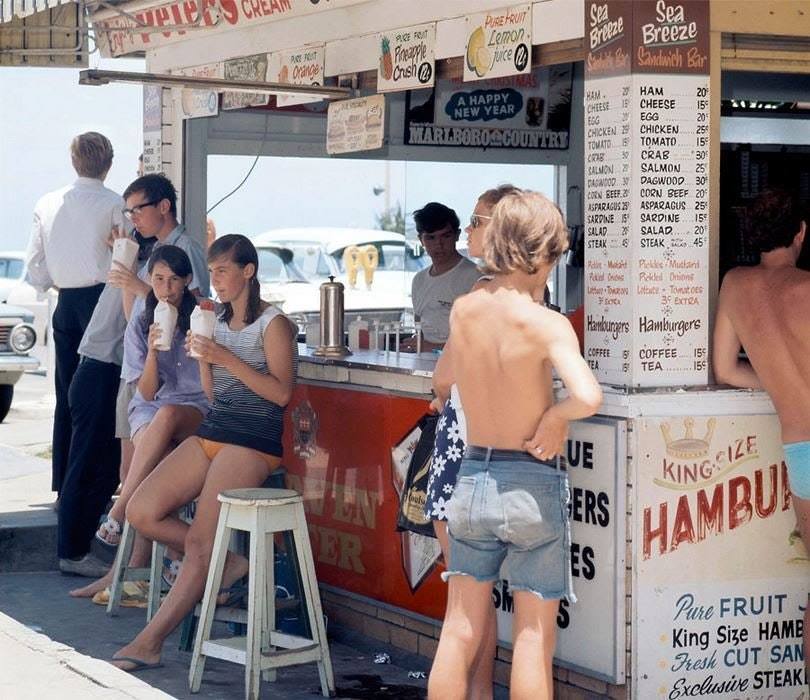
Sea Breeze Sandwich Bar, 1964.
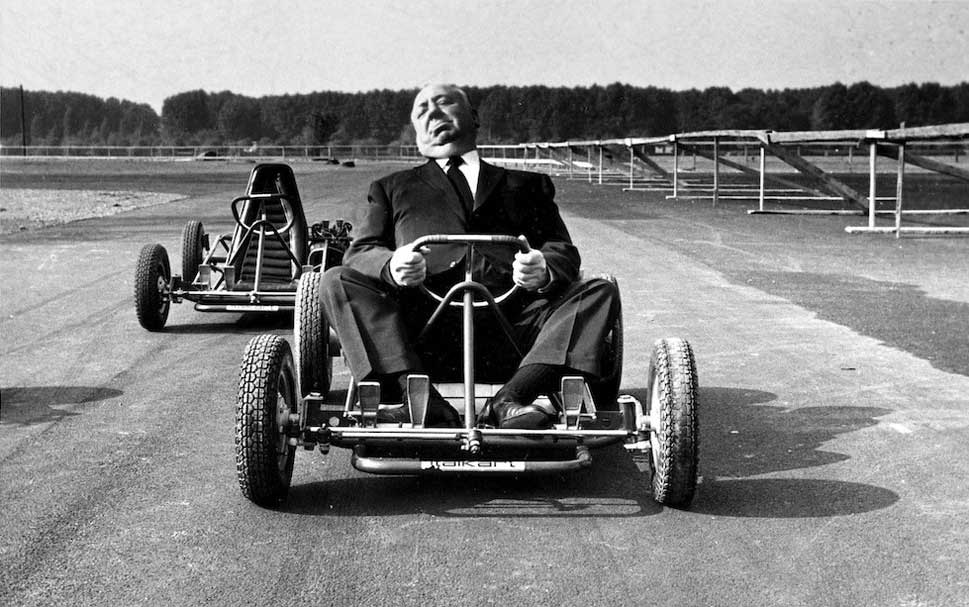
Alfred Hitchcock Riding A Go-Kart, 1960.
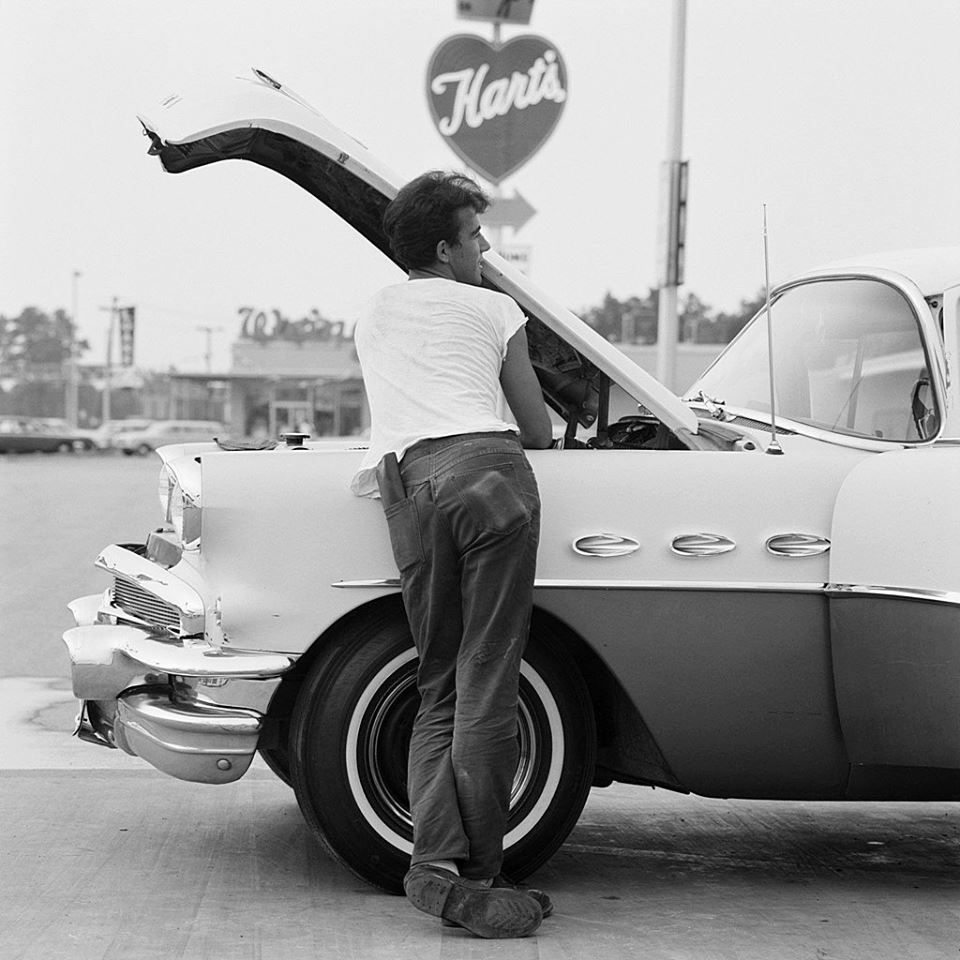
A guy and his Buick, Brooklyn, New York, 1965.
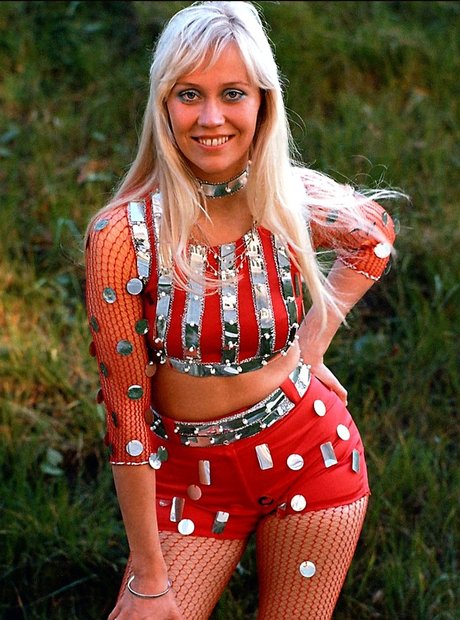
Agnetha Faltskog, 1960s
American pressure suit, designed by Republic Aviation, for extended operations on the moon’s surface, 1966.
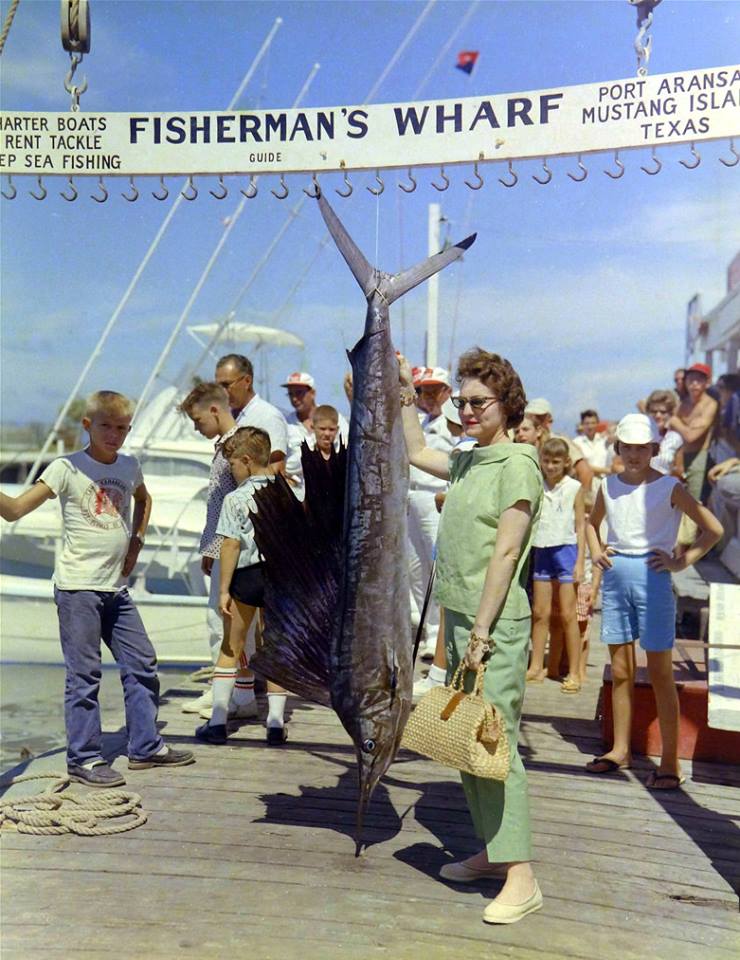
Fisherman’s Wharf in Port Aransas, Texas, 1960s.
Jerry Lewis tearing up some chicken sitting next to Colonel Sanders, 1967.
Barcelona, 1965.
Jacqueline and Caroline Kennedy kneel to kiss President John F. Kennedy’s coffin, in the Rotunda of the U.S. Capitol. November, 1963.
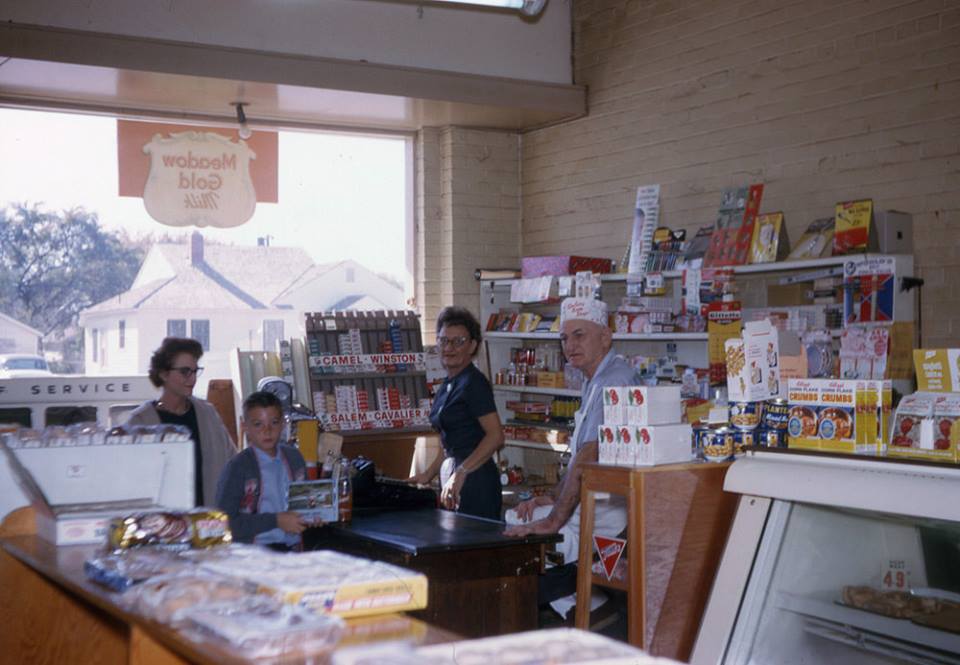
Inside a mom and pop market, Oregon, November 1963.
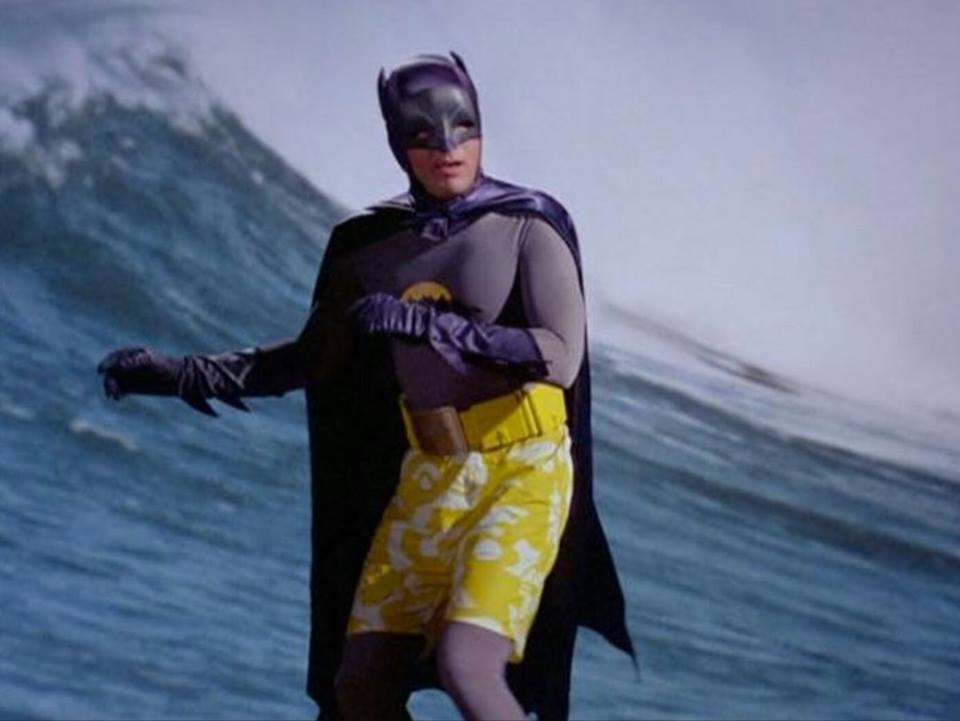
Adam West as Batman, 1966
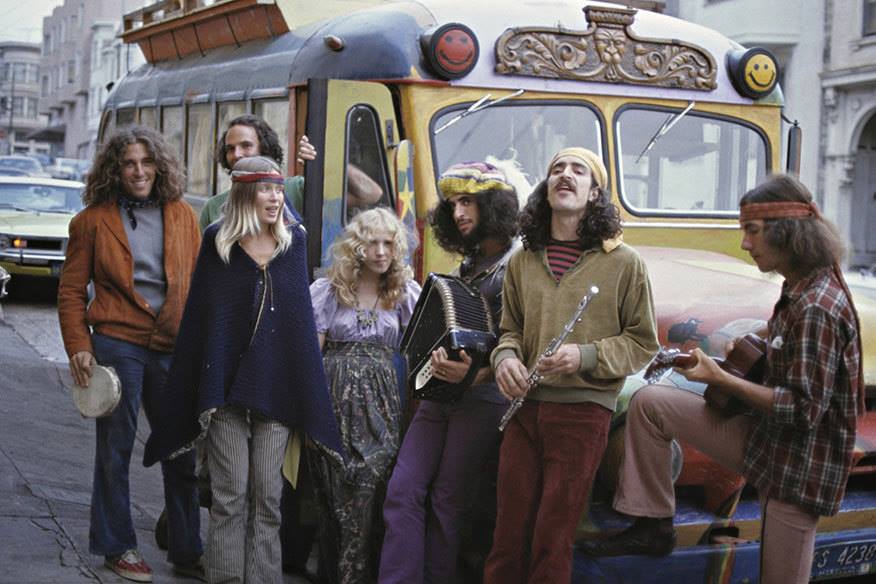
Hippie musicians and their mini-bus, 1968.
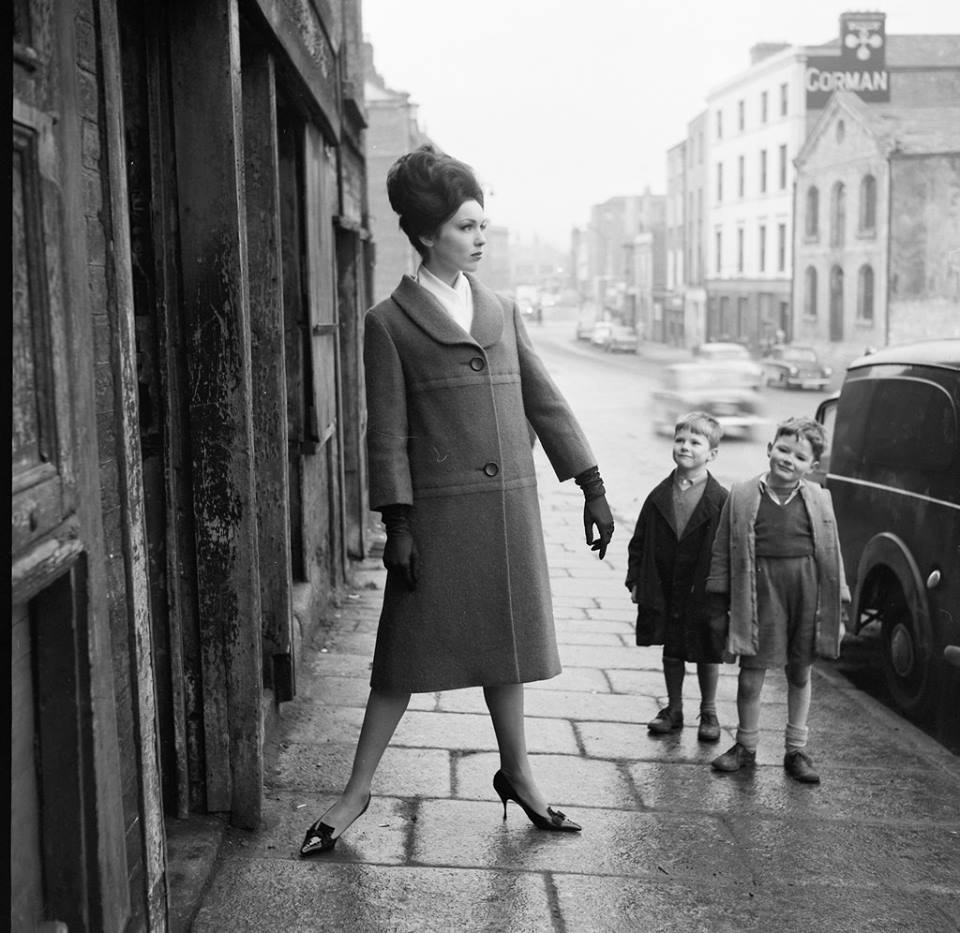
American model Linda Ward posing, while two local boys give her outfit the once over, Dublin, 1960s.
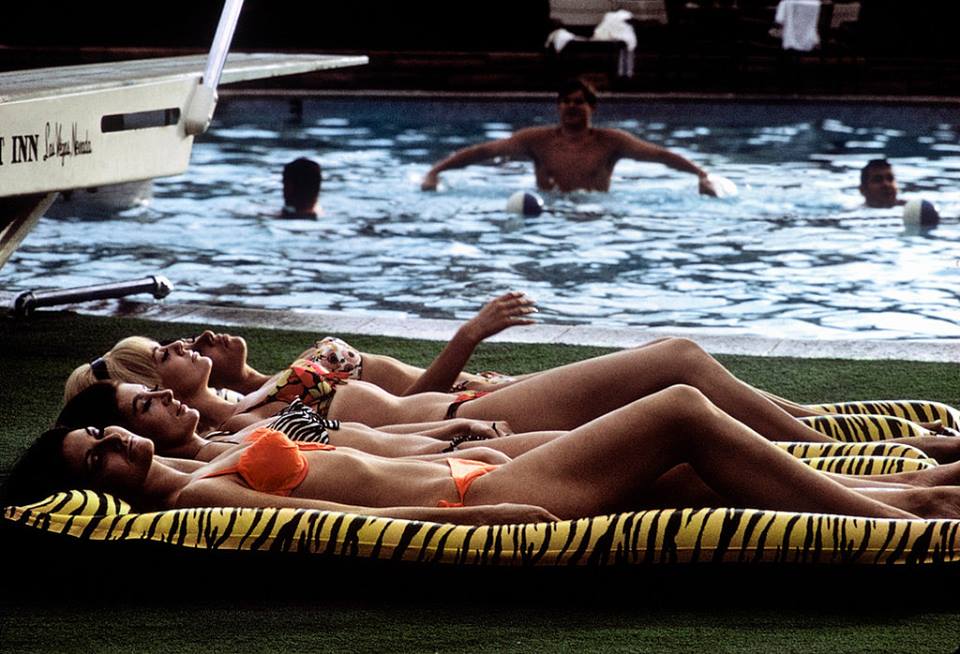
Four sunbathers on leopard skin-printed rafts, Las Vegas, Nevada, 1966.
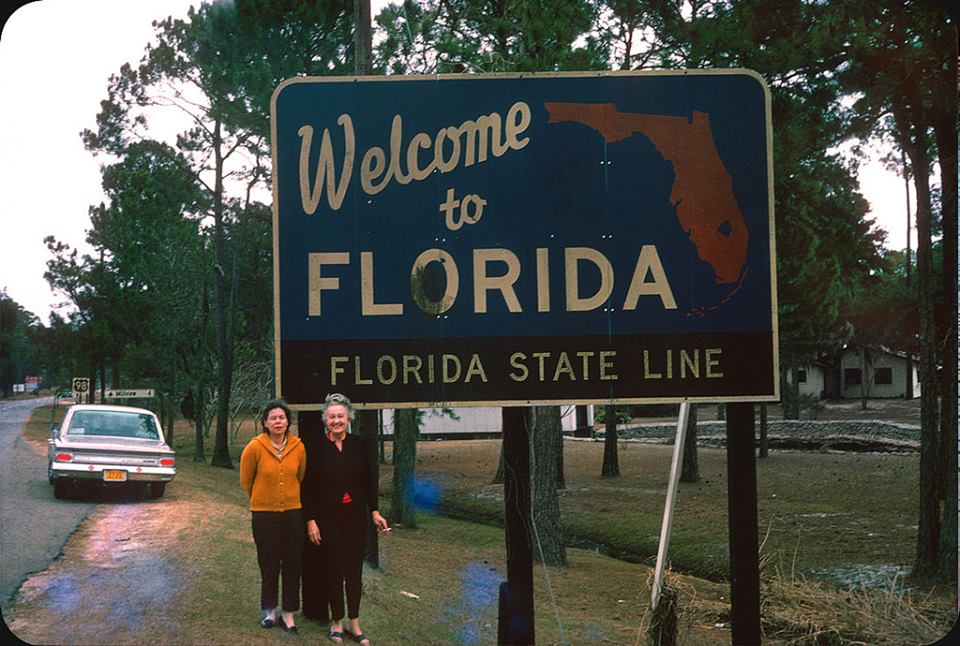
Welcome to Florida, 1964.
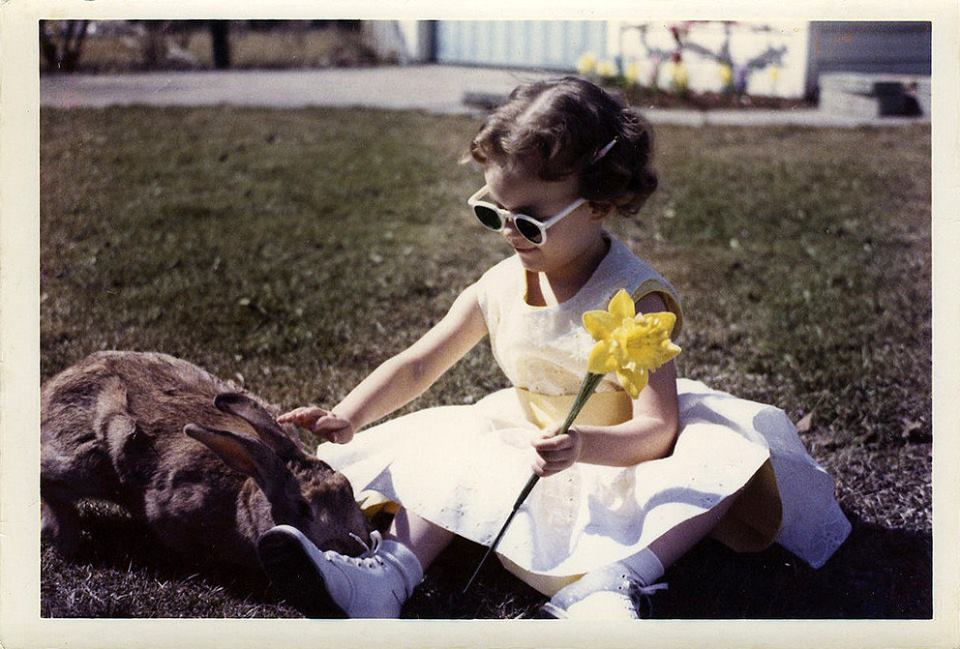
Little girl with her bunny, 1962.
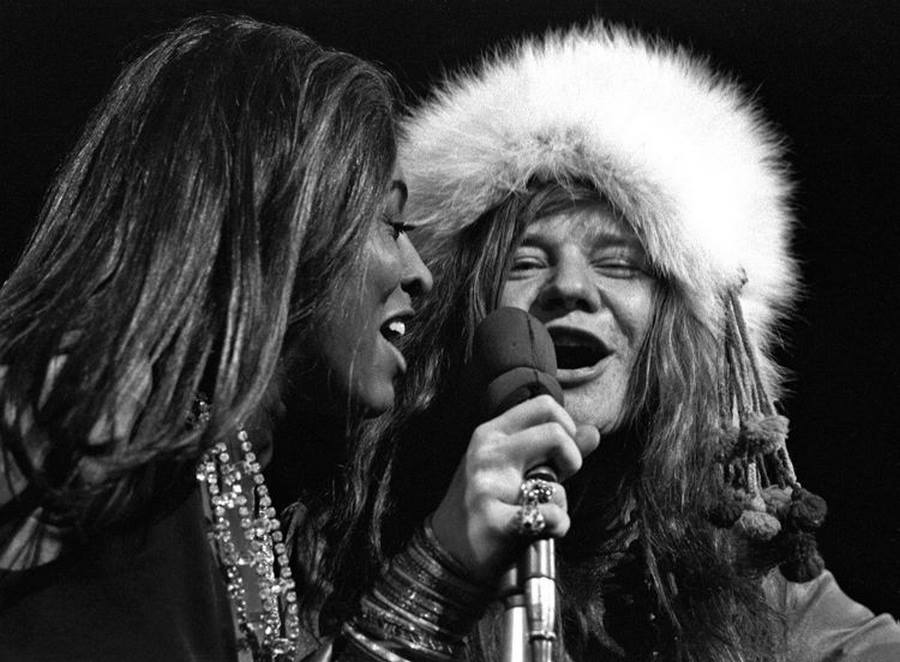
Tina Turner and Janis Joplin singing together live in 1968.
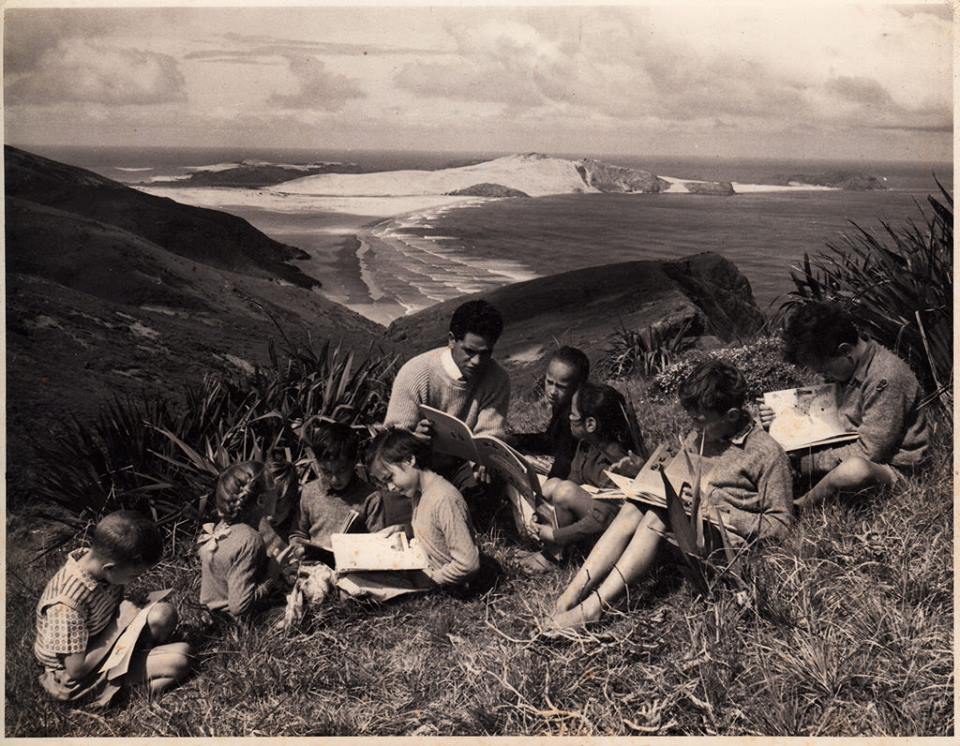
Outdoor reading session, Cape Reinga, North Island, New Zealand, 1965.
A girl photographs Joe Cocker during his performance at Woodstock, 1969.
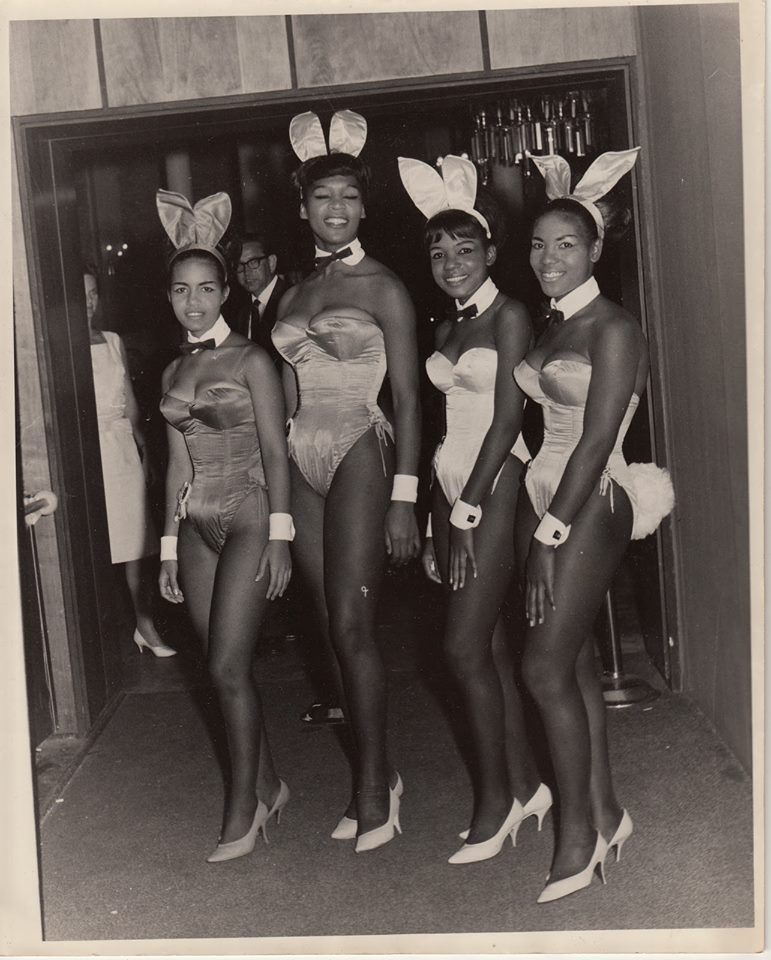
The very first black playboy bunnies in the 1960s.
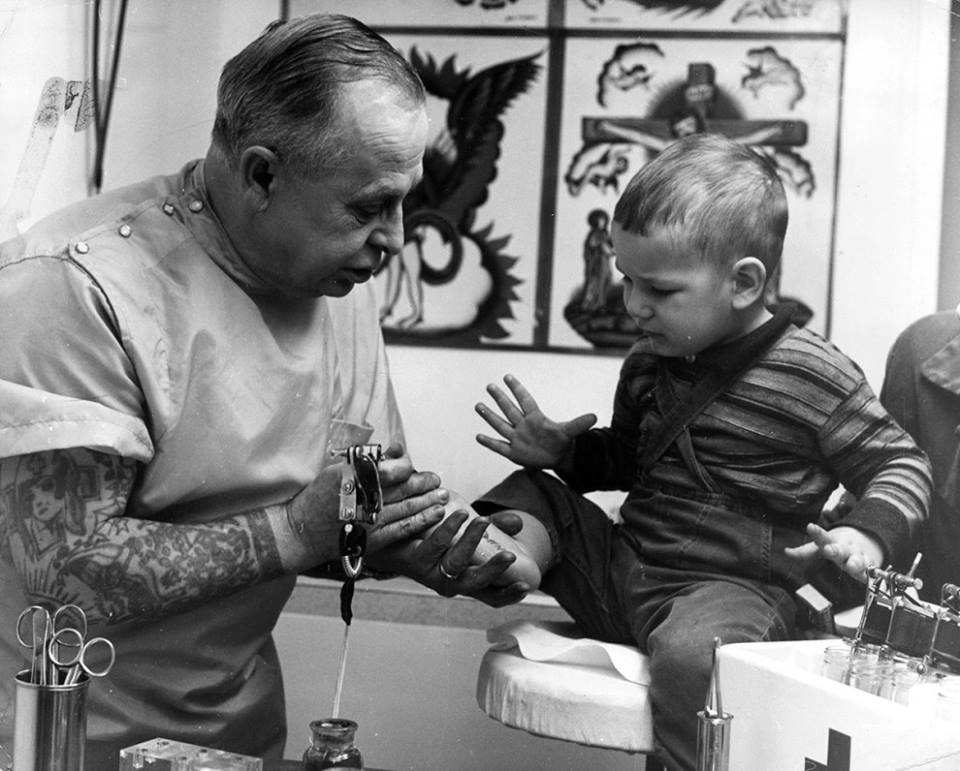
Forbes A. Hendry, a tattooist in British Columbia, tattoos a small boy’s foot with his name in 1965.
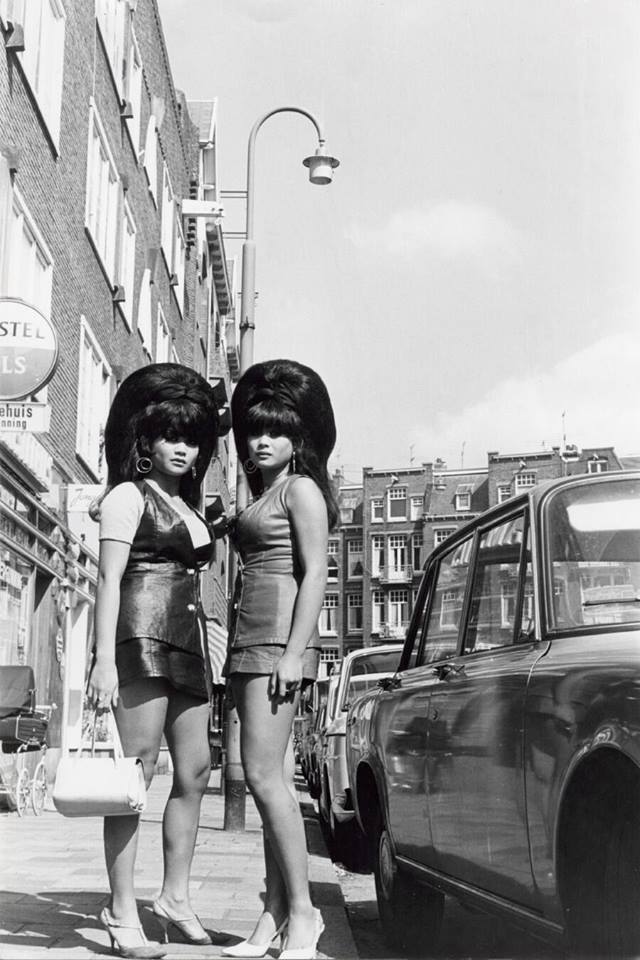
Amsterdam in the 1960s.

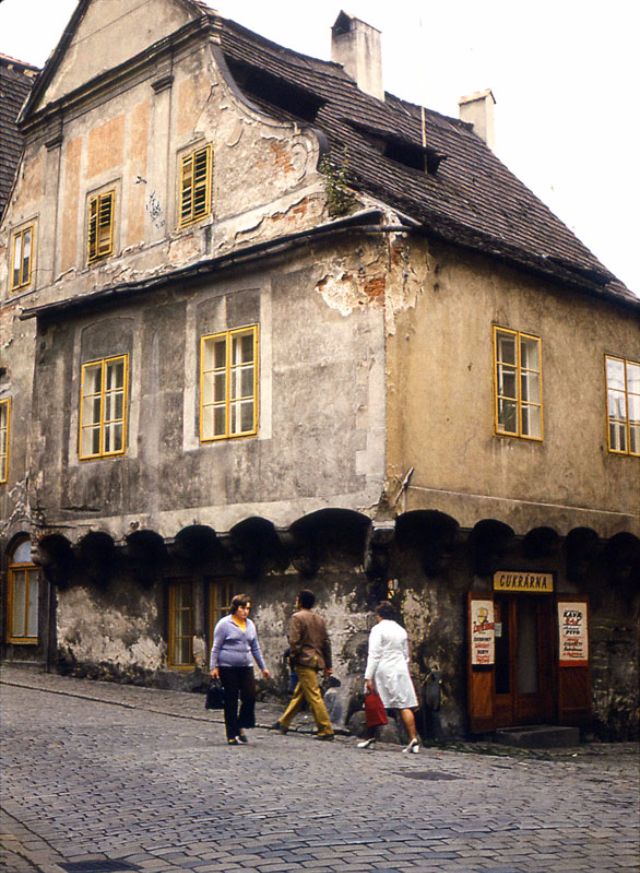
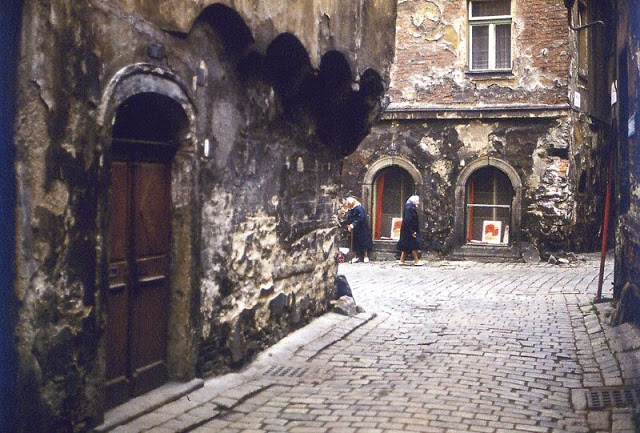
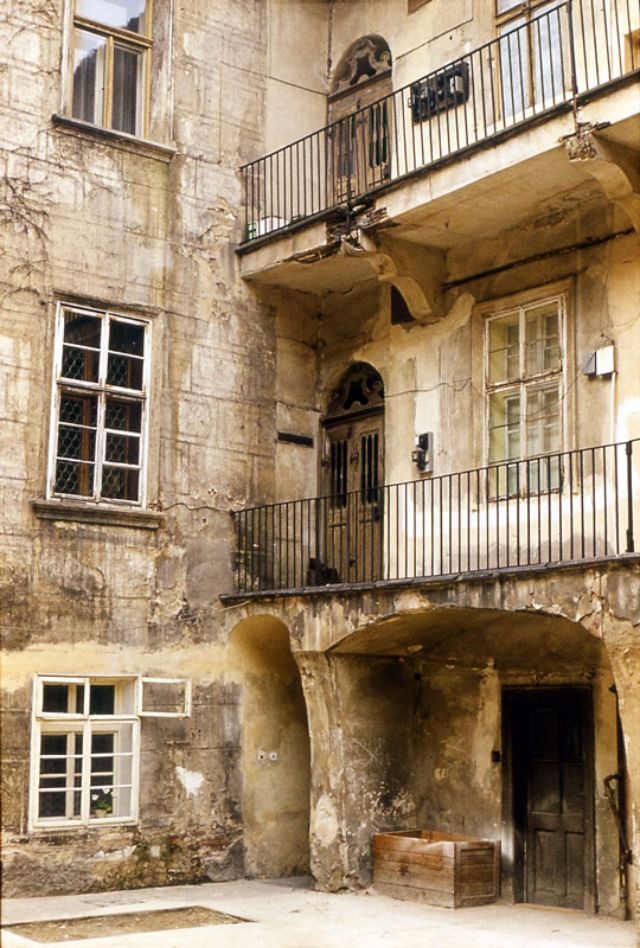
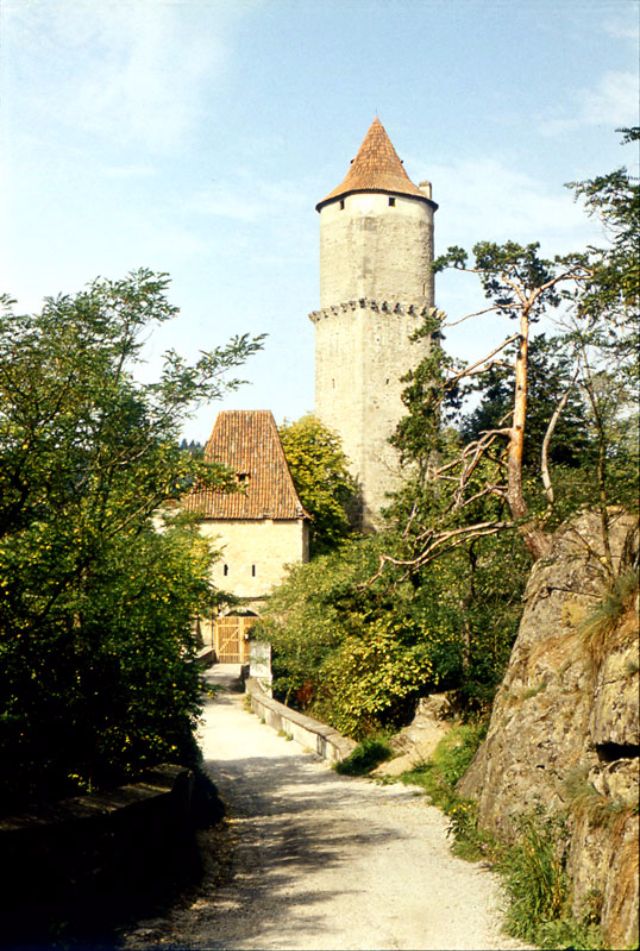
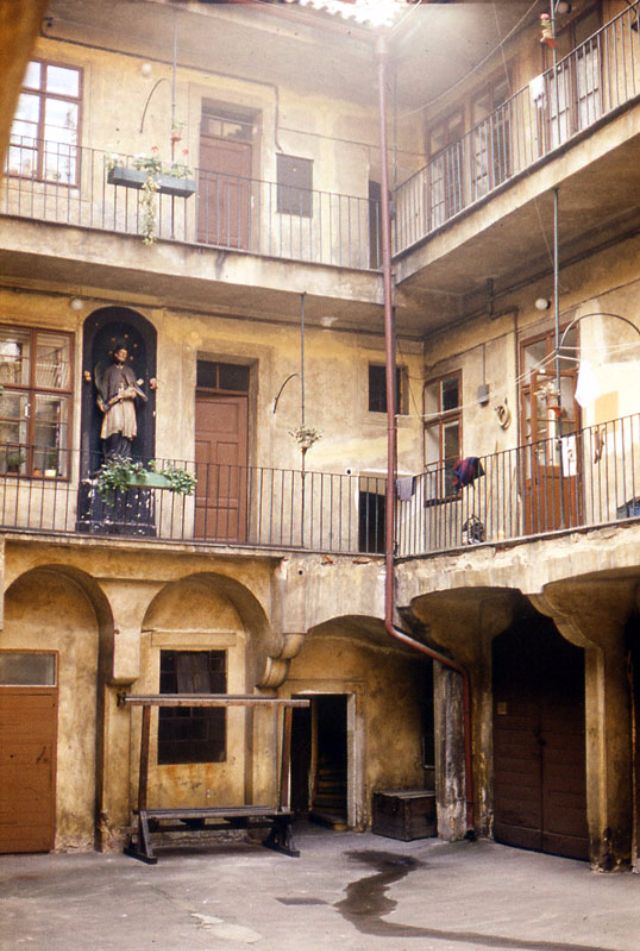
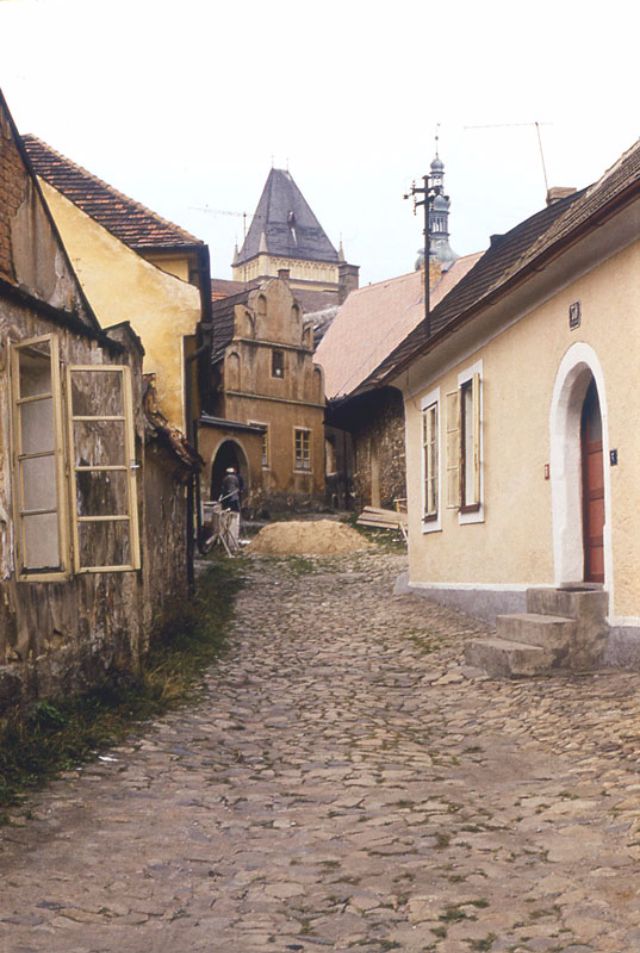
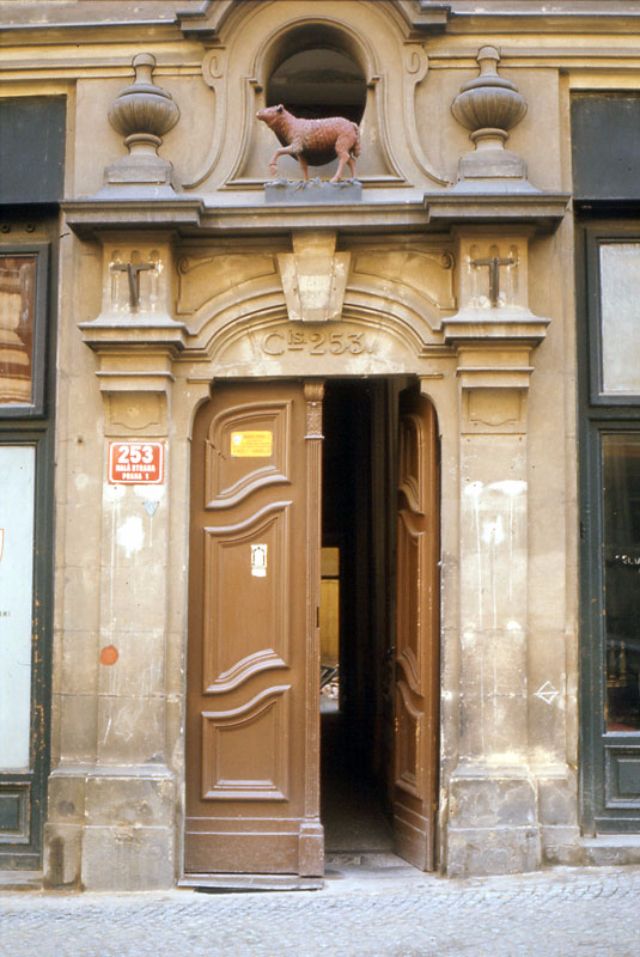
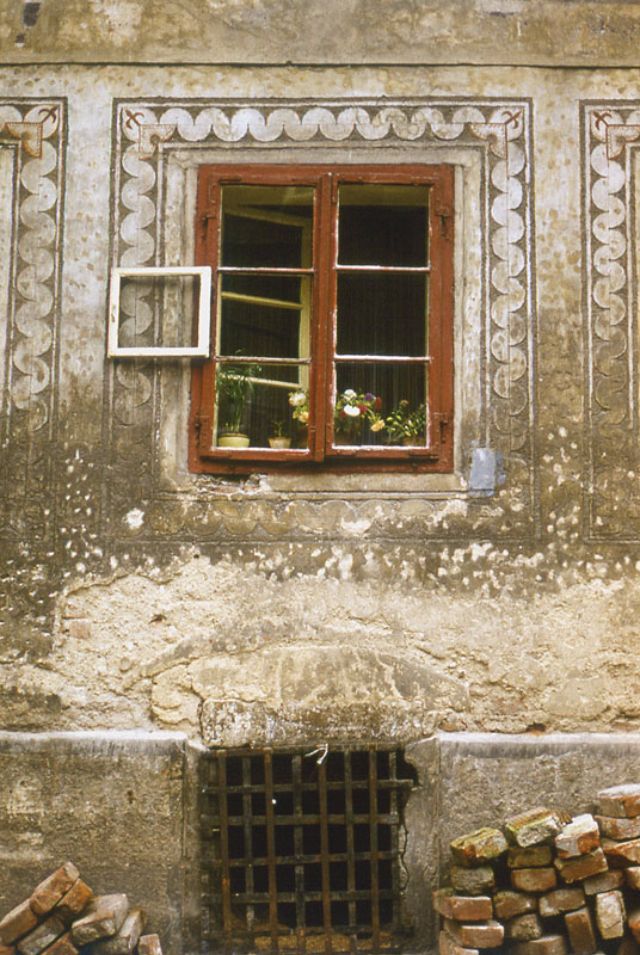
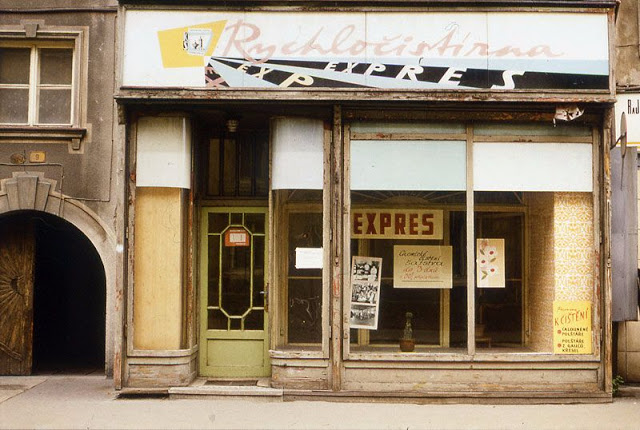
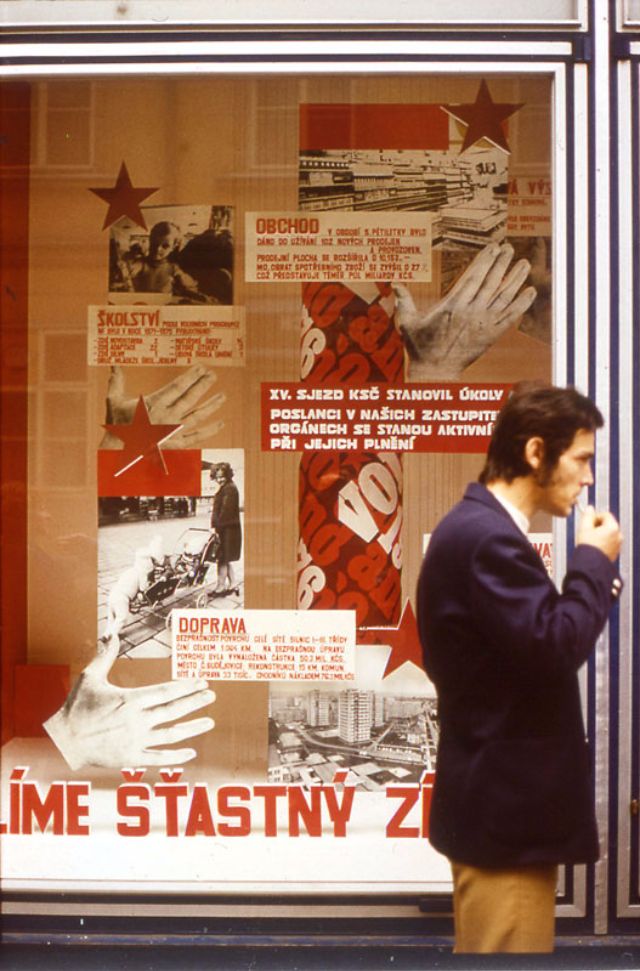
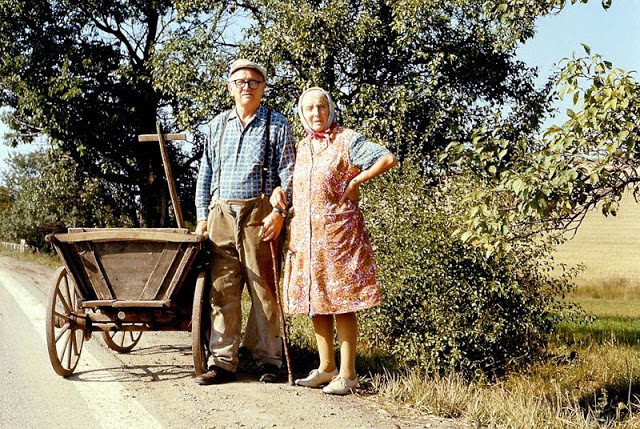
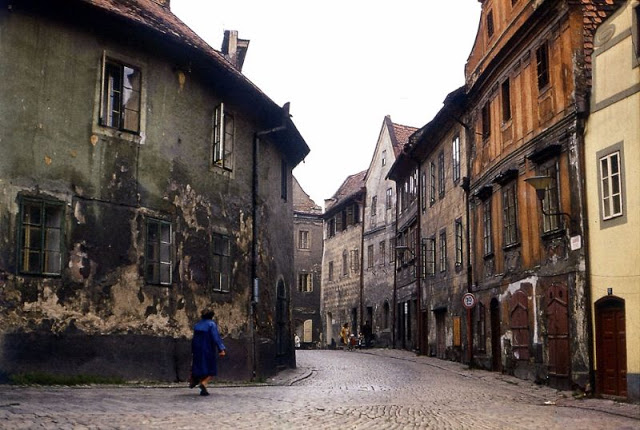
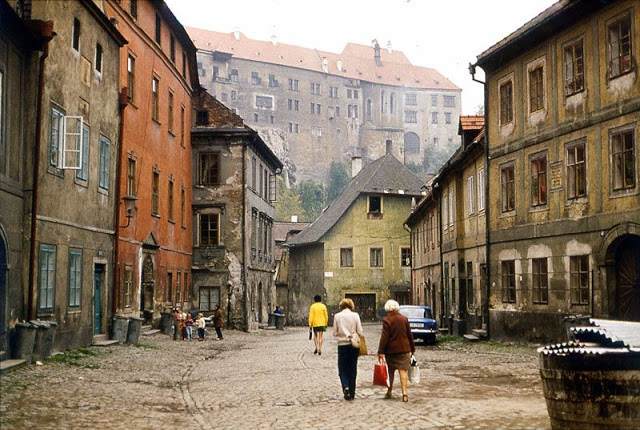
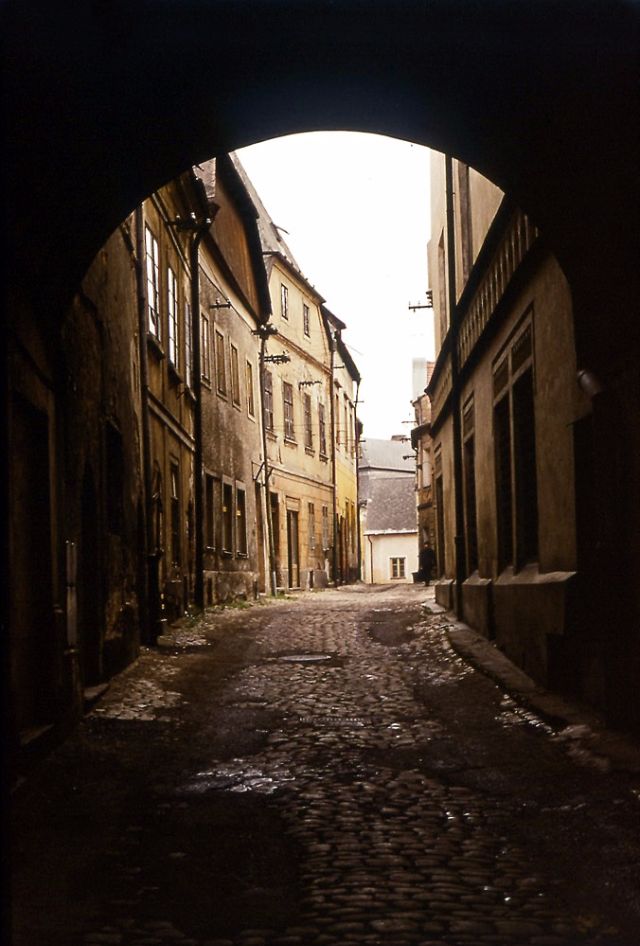
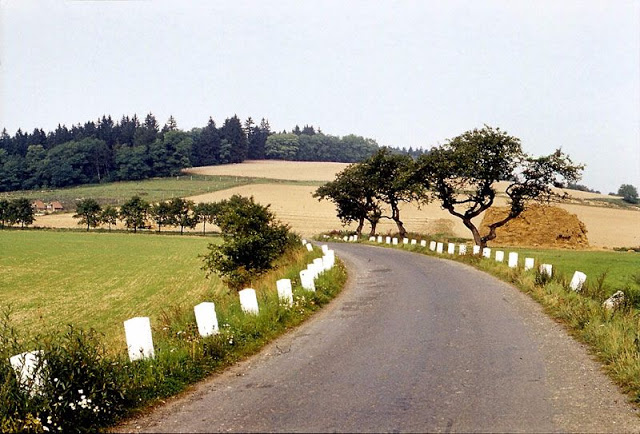
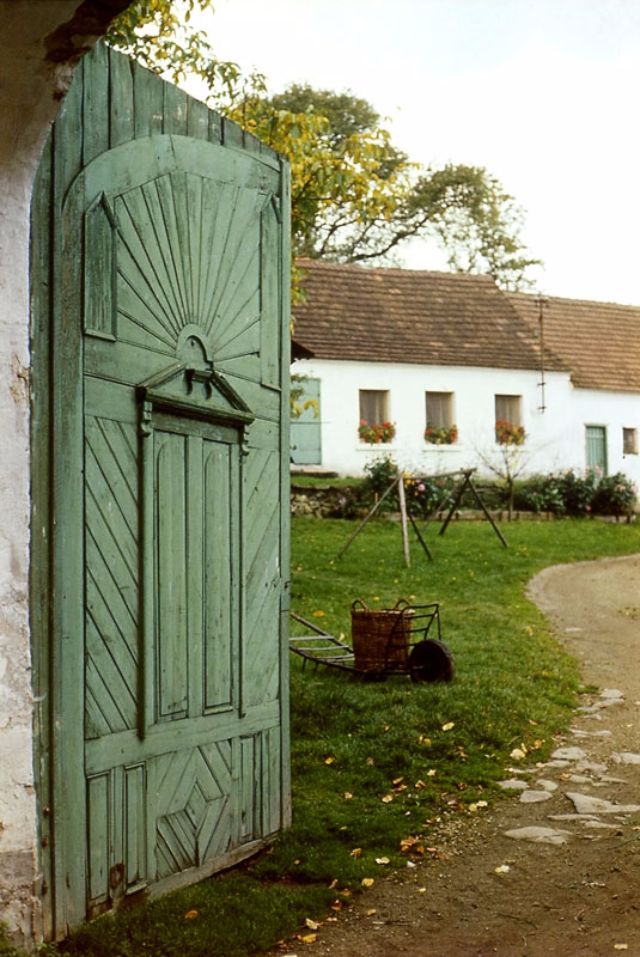
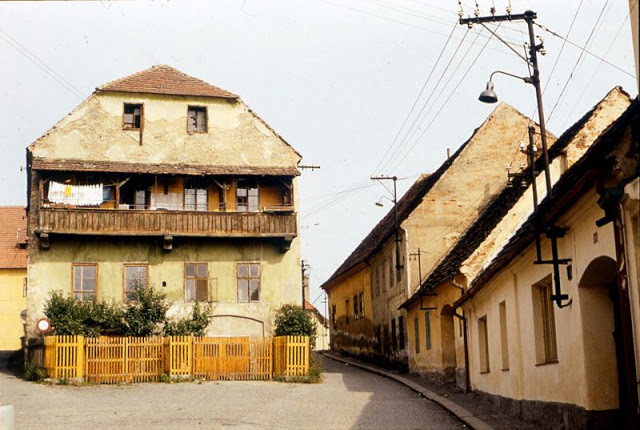
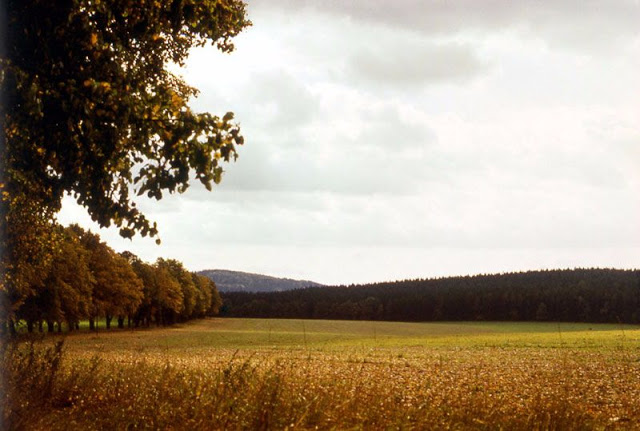
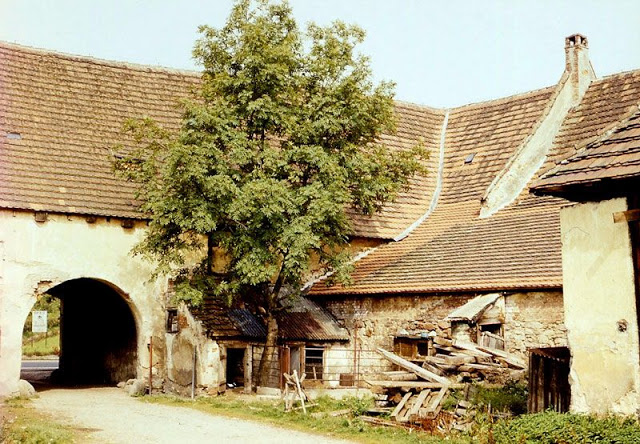
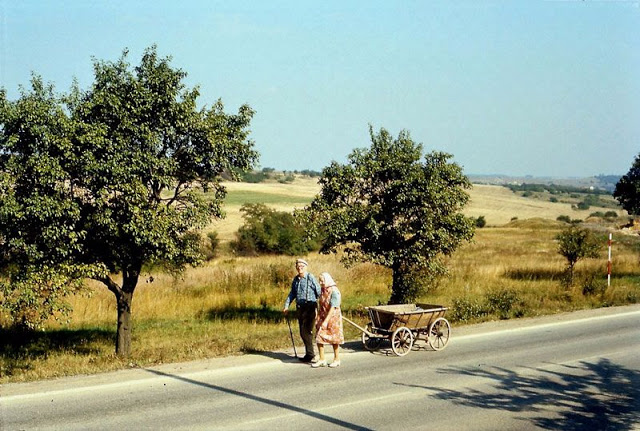
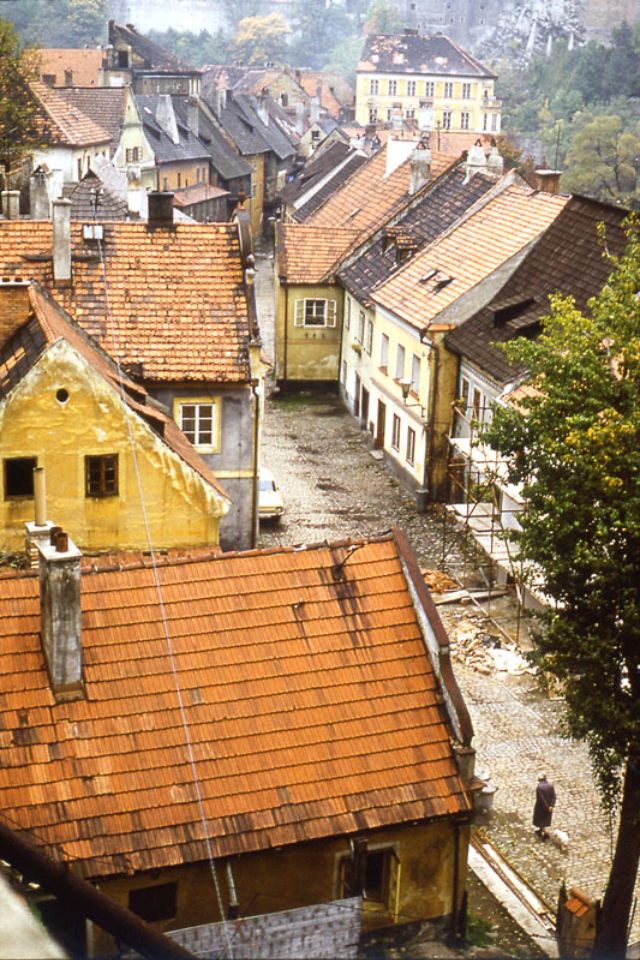
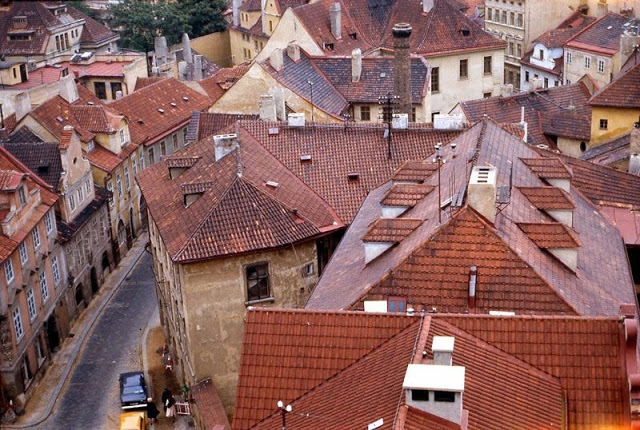
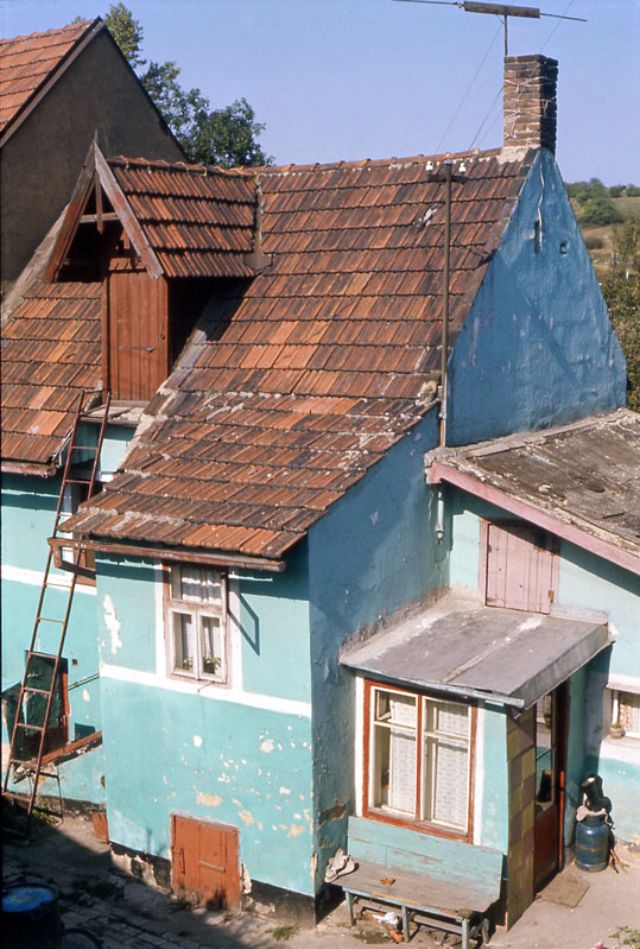
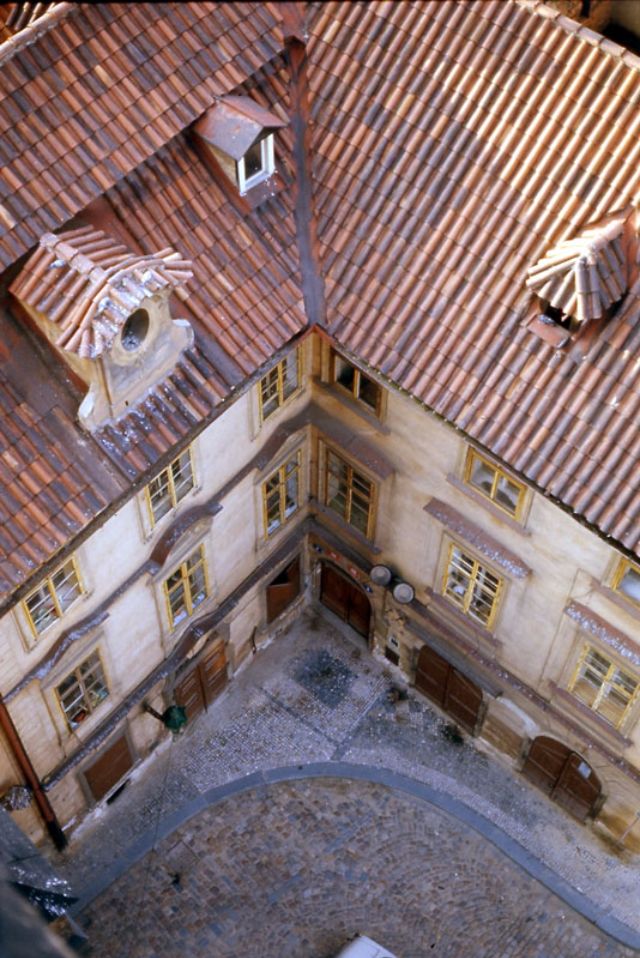
33 Amazing Photos Showing Street Scenes and Architecture of Czechoslovakia in 1976

Czechoslovakia, or Czecho-Slovakia was a sovereign state in Central Europe, created in October 1918, when it declared its independence from Austria-Hungary.

In 1938, after the Munich Agreement, the Sudetenland became part of Germany, while the country lost further territories to Hungary and Poland. Between 1939 and 1945 the state ceased to exist, as Slovakia proclaimed its independence and subsequently the remaining territories in the east became part of Hungary, while in the remainder of the Czech Lands the German Protectorate of Bohemia and Moravia was proclaimed. In October 1939, after the outbreak of the Second World War, former Czechoslovak President Edvard Beneš formed a government-in-exile and sought recognition from the Allies.

After the end of the war, the pre-1938 Czechoslovakia was reestablished, with the exception of Carpathian Ruthenia, which became part of the Ukrainian SSR (A Republic of the Soviet Union). From 1948 to 1989, Czechoslovakia was part of the Eastern Bloc with a command economy. Its economic status was formalized in membership of Comecon from 1949 and its defense status in the Warsaw Pact of May 1955. A period of political liberalization in 1968, known as the Prague Spring, was violently ended when the Soviet Union, assisted by some other Warsaw Pact countries invaded Czechoslovakia. In 1989, as Marxist–Leninist governments and communism were ending all over Europe, Czechoslovaks peacefully deposed their socialist government in the Velvet Revolution; state price controls were removed after a period of preparation.

In January 1993, Czechoslovakia split into the two sovereign states of the Czech Republic and Slovakia. (Wikipedia)

(Photos by Ard Hesselink)

Yesterday Today

Bringing You the Wonder of Yesterday - Today

Skip to content ↓