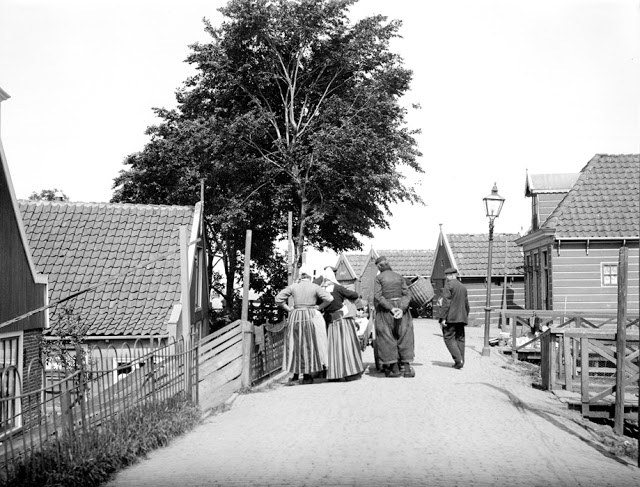
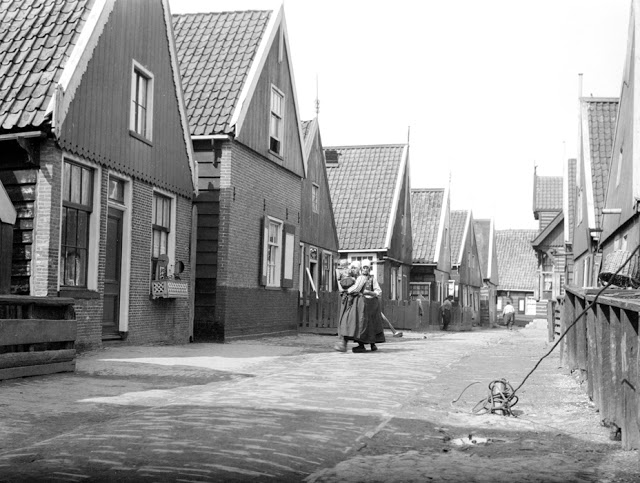
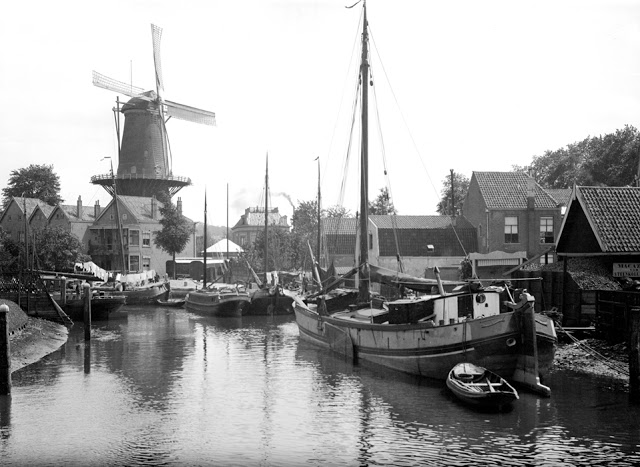
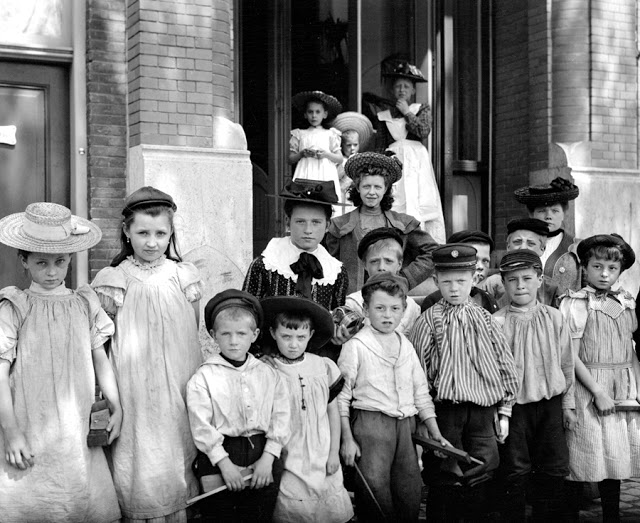
23 Incredible Photographs Showing Daily Life in the Netherlands in 1904

The Netherlands, informally Holland, is a country located in Northwestern Europe with territories in the Caribbean. It is the largest of four constituent countries of the Kingdom of the Netherlands. In Europe, the Netherlands consists of twelve provinces, bordering Germany to the east, Belgium to the south, and the North Sea to the northwest, with maritime borders in the North Sea with those countries and the United Kingdom. In the Caribbean, it consists of three special municipalities: the islands of Bonaire, Sint Eustatius and Saba. The country’s official language is Dutch, with West Frisian as a secondary official language in the province of Friesland, and English and Papiamento as secondary official languages in the Caribbean Netherlands. Dutch Low Saxon and Limburgish are recognised regional languages (spoken in the east and southeast respectively), while Dutch Sign Language, Sinte Romani, and Yiddish are recognised non-territorial languages.

The four largest cities in the Netherlands are Amsterdam, Rotterdam, The Hague and Utrecht. Amsterdam is the country’s most populous city and nominal capital, while The Hague holds the seat of the States General, Cabinet and Supreme Court. The Port of Rotterdam is the busiest seaport in Europe. Amsterdam Airport Schiphol is the busiest airport in the Netherlands, and the third busiest in Europe. The country is a founding member of the European Union, Eurozone, G10, NATO, OECD, and WTO, as well as a part of the Schengen Area and the trilateral Benelux Union. It hosts several intergovernmental organisations and international courts, many of which are centred in The Hague, which is consequently dubbed ‘the world’s legal capital’.

Netherlands literally means “lower countries” in reference to its low elevation and flat topography, with only about 50% of its land exceeding 1 m (3.3 ft) above sea level, and nearly 26% falling below sea level. Most of the areas below sea level, known as polders, are the result of land reclamation that began in the 14th century. Colloquially or informally the Netherlands is occasionally referred to by the pars pro toto Holland. In the Republican period, which began in 1588, the Netherlands entered a unique era of political, economic, and cultural greatness, ranked among the most powerful and influential in Europe and the world; this period is known as the Dutch Golden Age. During this time, its trading companies, the Dutch East India Company and the Dutch West India Company, established colonies and trading posts all over the world.

With a population of 17.6 million people, all living within a total area of roughly 41,800 km2 (16,100 sq mi)—of which the land area is 33,500 km2 (12,900 sq mi)—the Netherlands is the 16th most densely populated country in the world and the second-most densely populated country in the European Union, with a density of 526 people per square kilometre (1,360 people/sq mi). Nevertheless, it is the world’s second-largest exporter of food and agricultural products by value, owing to its fertile soil, mild climate, intensive agriculture, and inventiveness.

The Netherlands has been a parliamentary constitutional monarchy with a unitary structure since 1848. The country has a tradition of pillarisation and a long record of social tolerance, having legalised abortion, prostitution and human euthanasia, along with maintaining a liberal drug policy. The Netherlands abolished the death penalty in Civil Law in 1870, though it was not completely removed until a new constitution was approved in 1983. The Netherlands allowed women’s suffrage in 1919, before becoming the world’s first country to legalise same-sex marriage in 2001. Its mixed-market advanced economy had the eleventh-highest per capita income globally. The Netherlands ranks among the highest in international indices of press freedom, economic freedom, human development and quality of life, as well as happiness. In 2020, it ranked eighth on the human development index and fifth on the 2021 World Happiness Index. (Wikipedia)
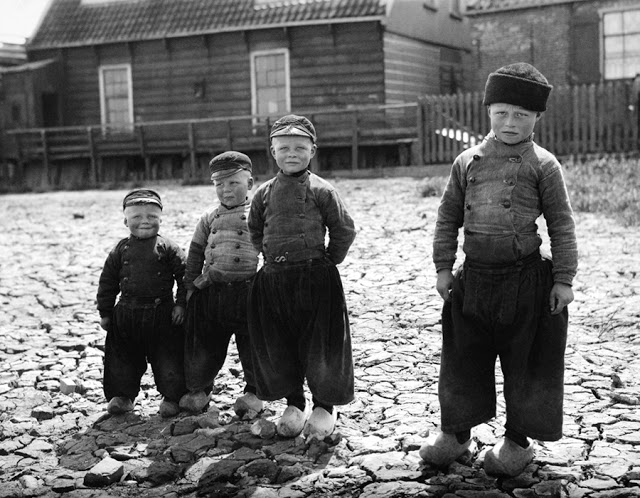
Four boys from Volendam.
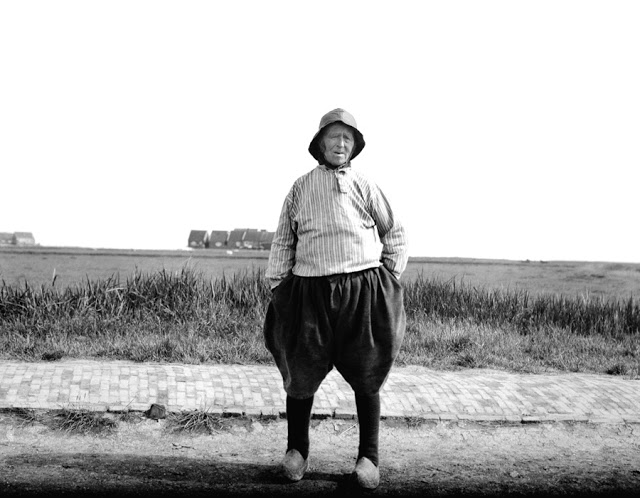
Old fisherman in traditional Marken garb.
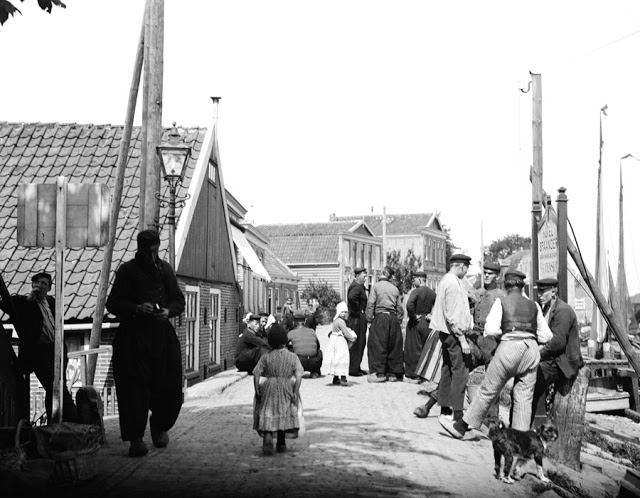
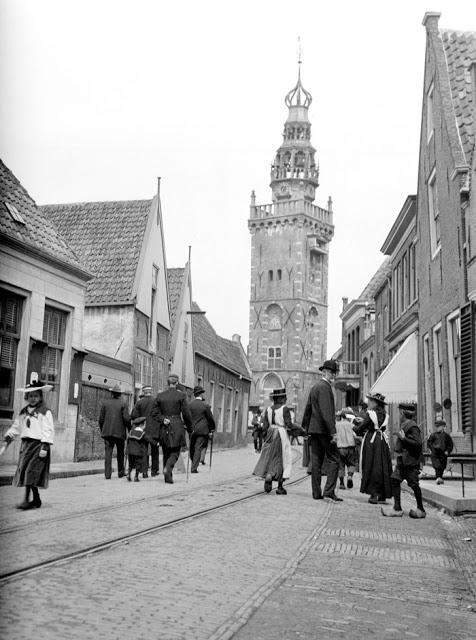
Street scene in front of the Hotel Spaander in Volendam.
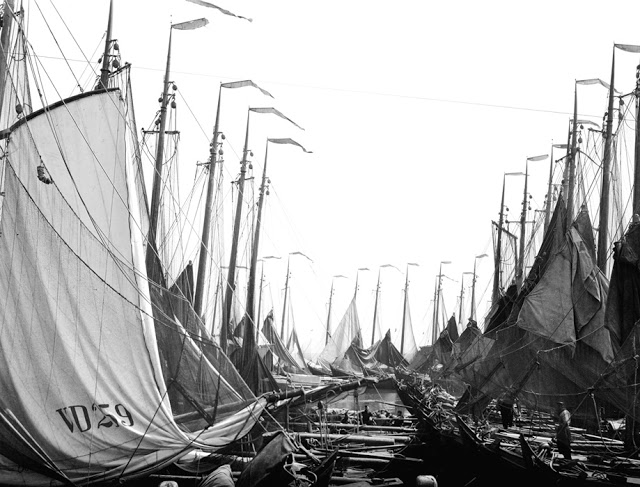
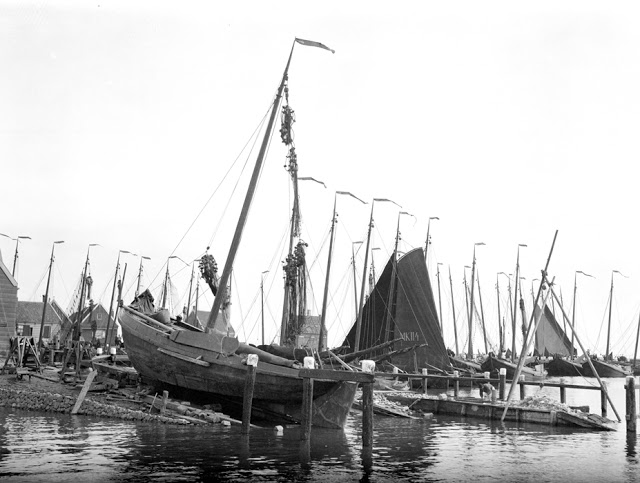
Fishing boats at the docks.
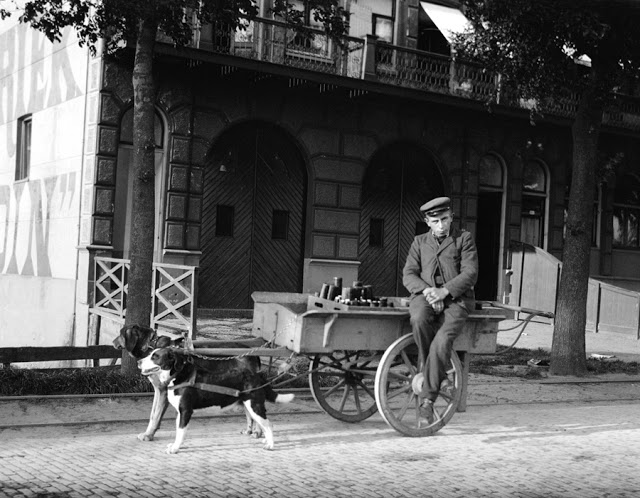
Man with dog cart.
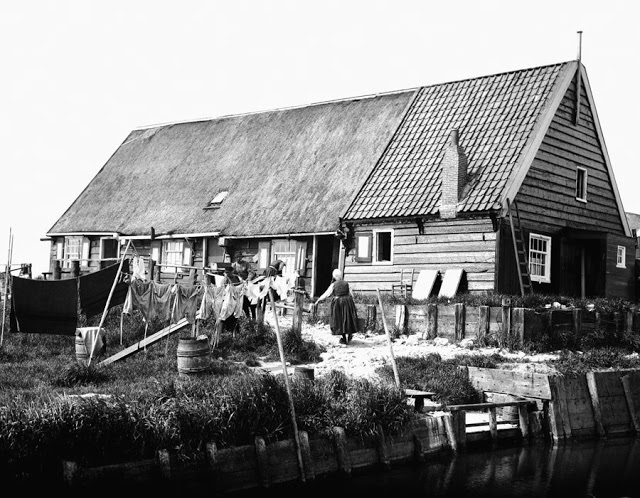
Laundry day in Marken.
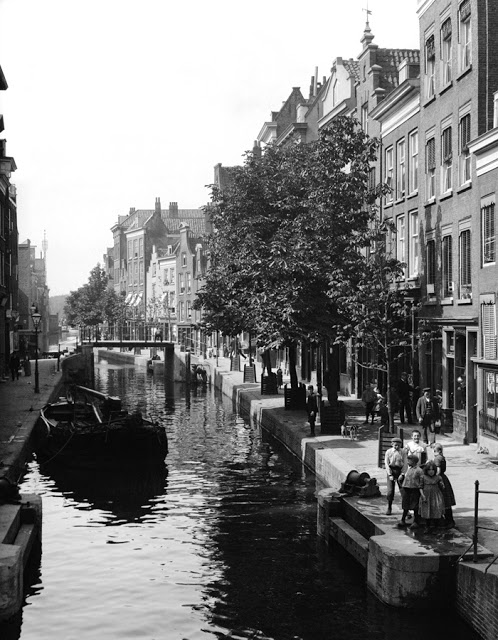
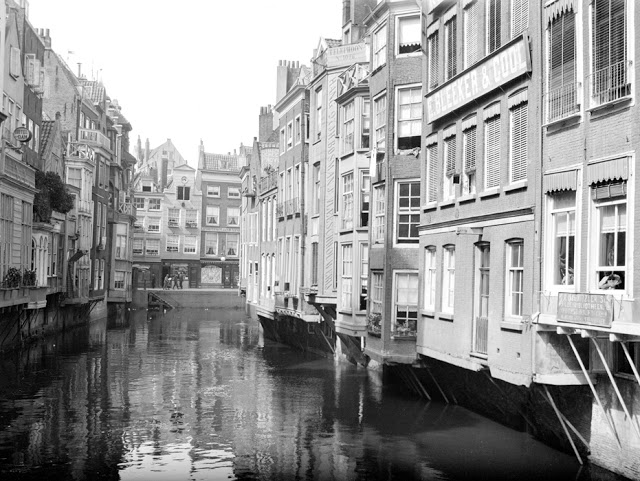
Spuiwater Canal, Rotterdam.
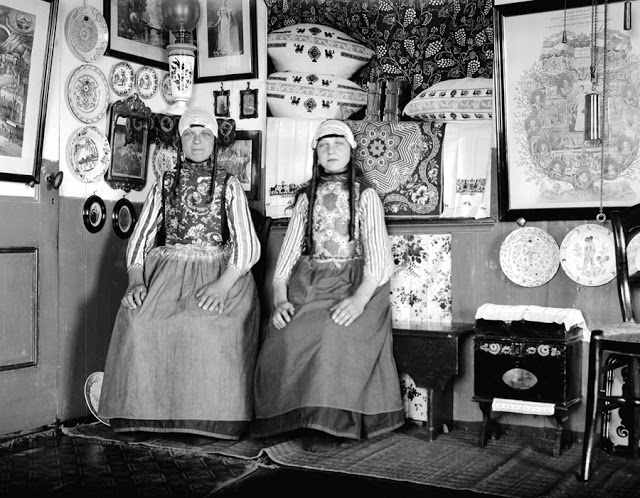
Two girls dressed in traditional Marken costume in a typical Marken fisherman’s cottage. Marken was an island, now joined to the mainland, just Northwest of Amsterdam.
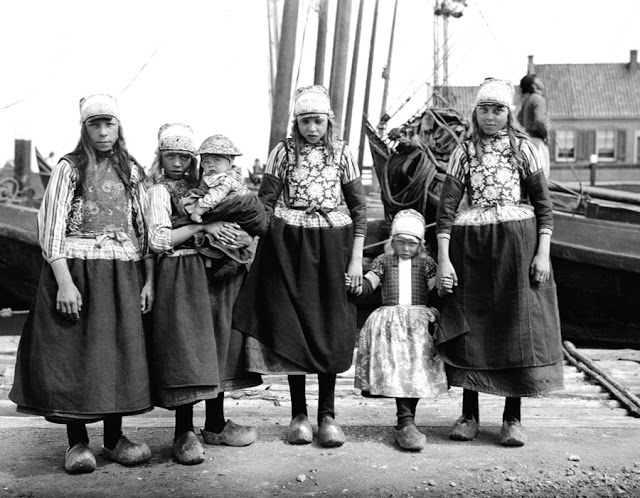
Marken girls, Marken, Netherlands.
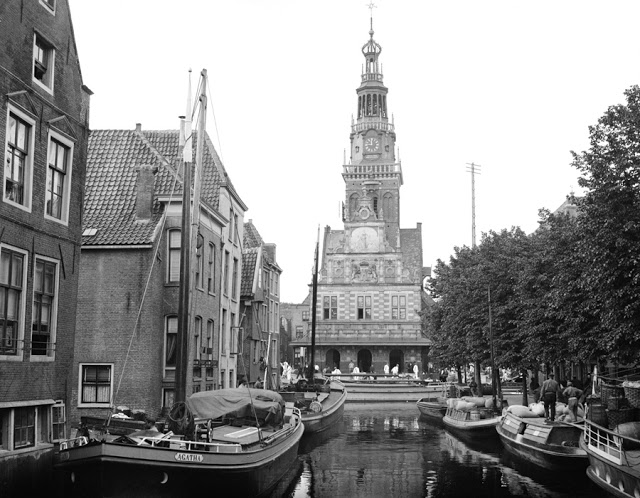
Canal and cheese market in Alkmaar. Alkmaar is noted for its open-air cheese market, barely visible on the plaza ahead.
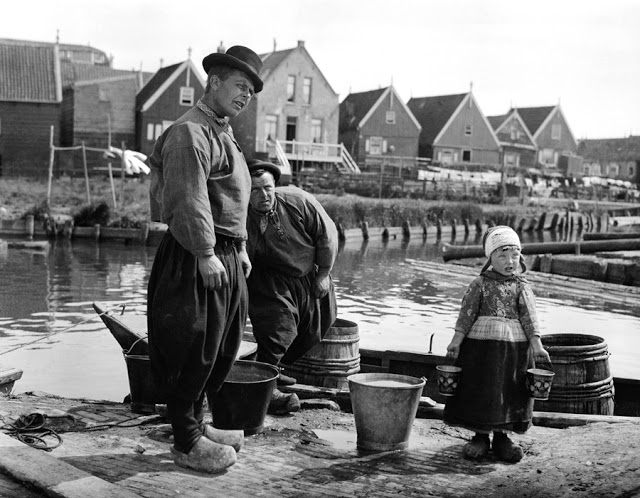
Men and girl on the docks, Marken.
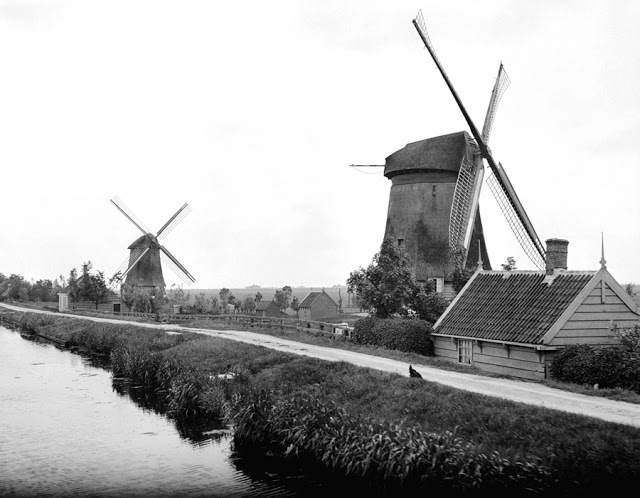
Two windmills along a canal in Landsmeer.
Volendam street
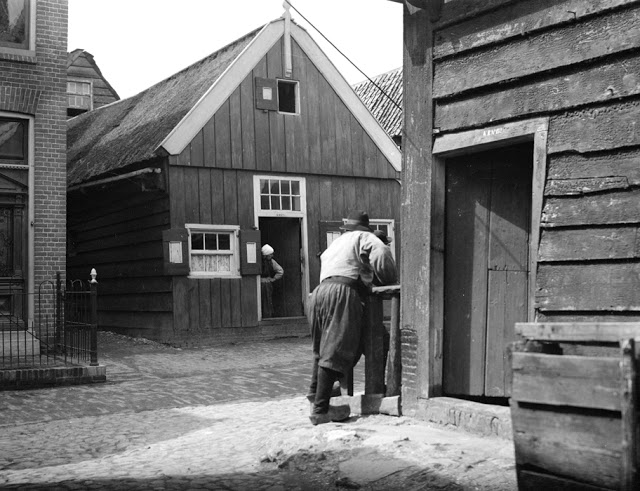
Marken
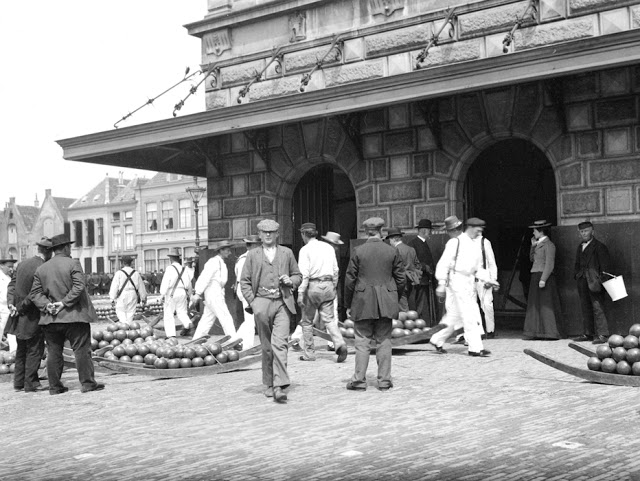
Cheese market in Alkmaar.
Volendam
Marken
This is a no longer existing windmill called “De Maagd” in Dordrecht.
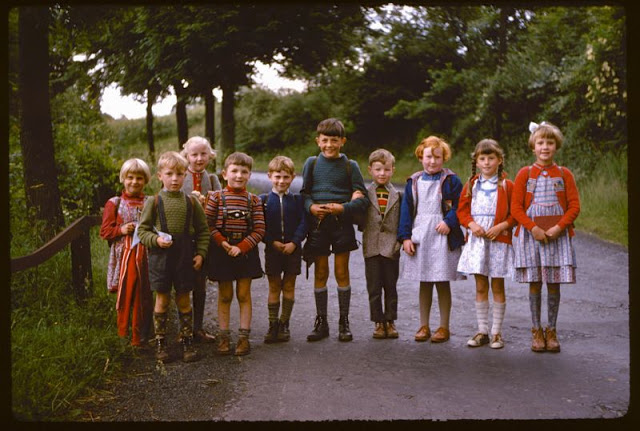
School children
Steigersgrachtwater, Rotterdam
Monnickendam
Marken
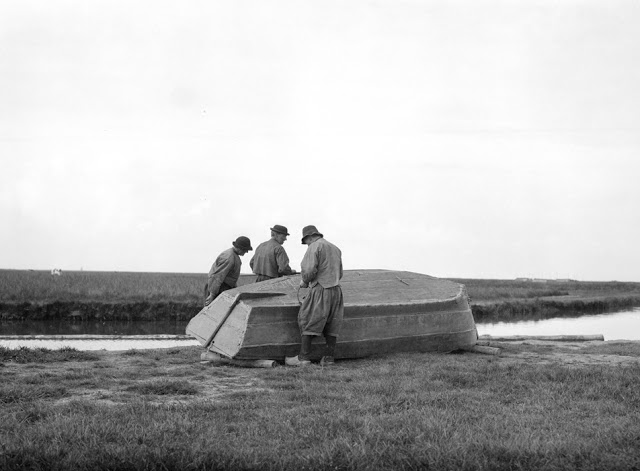
Men and boat, Marken.

17 Amazing Vintage Photographs Showing Native American’s Life From the Early 20th Century

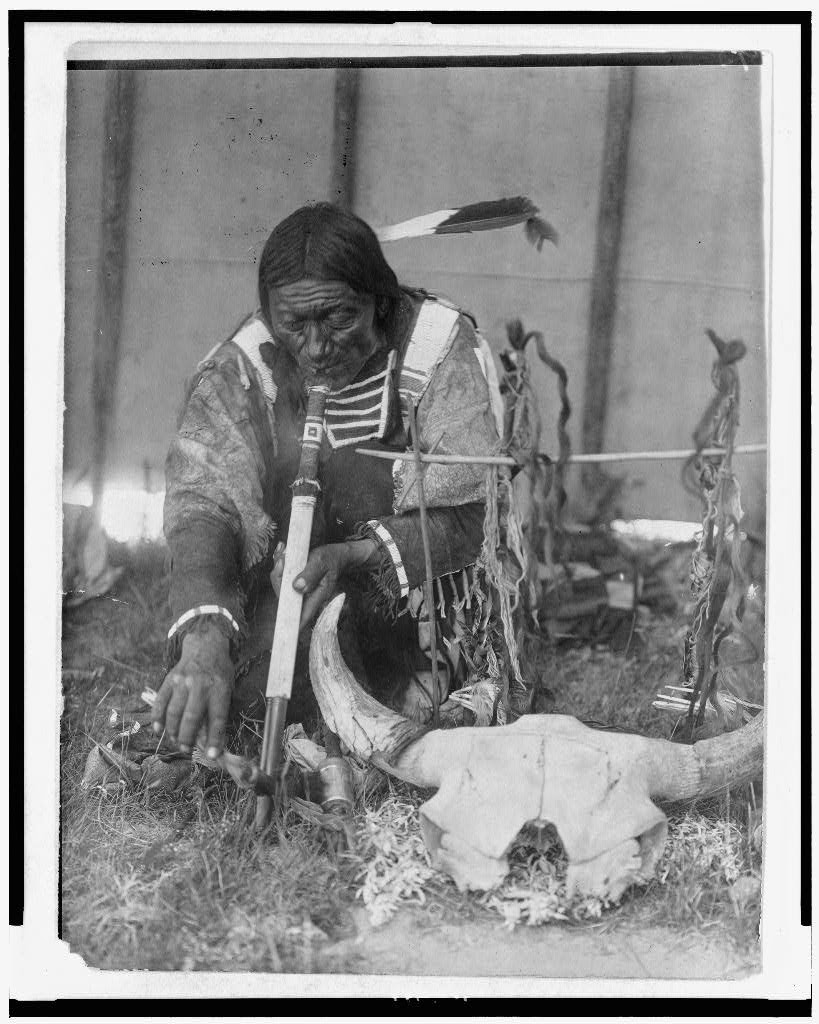
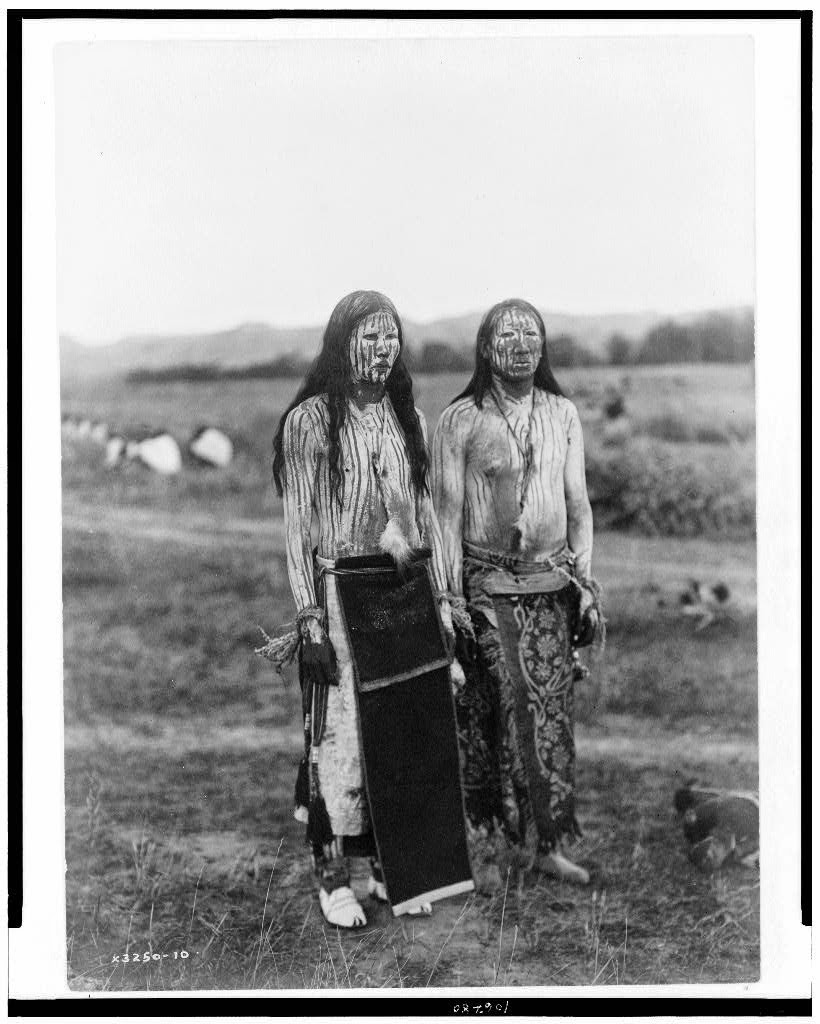
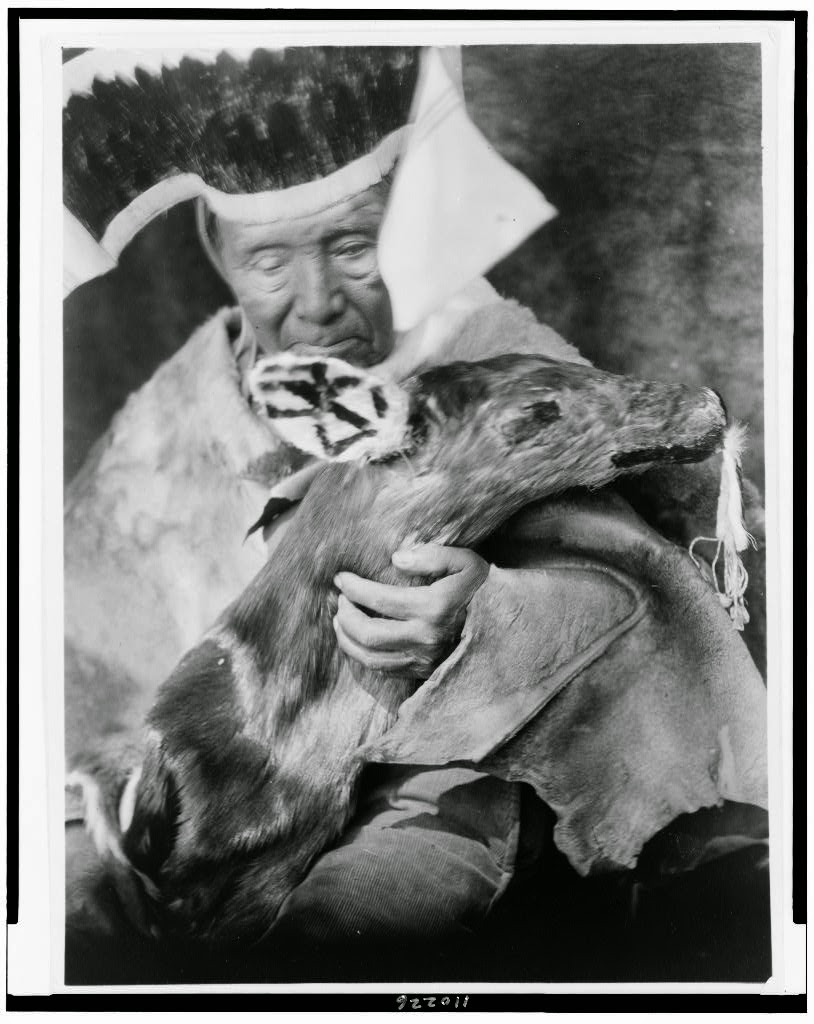
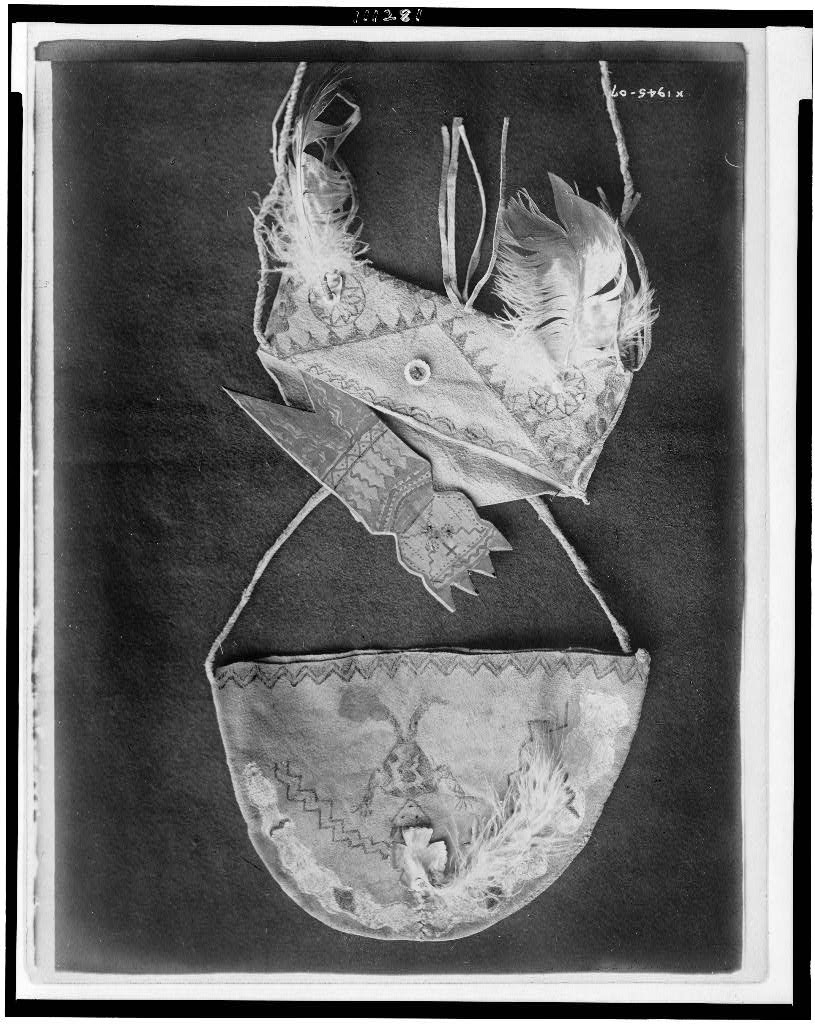
Edward S. Curtis, a professional photographer in Seattle, devoted his life to documenting what he perceived to be a vanishing race. His monumental work The North American Indian was published between 1907 and 1930 and contained over 2000 photogravures in its volumes and portfolios. It presented an extensive ethnographical study of numerous tribes, and the photographs of Curtis remain memorable icons of the American Indian. Although the Smithsonian Libraries owns a complete set of Curtis’ publication, only a small portion of the photogravures has been digitized.

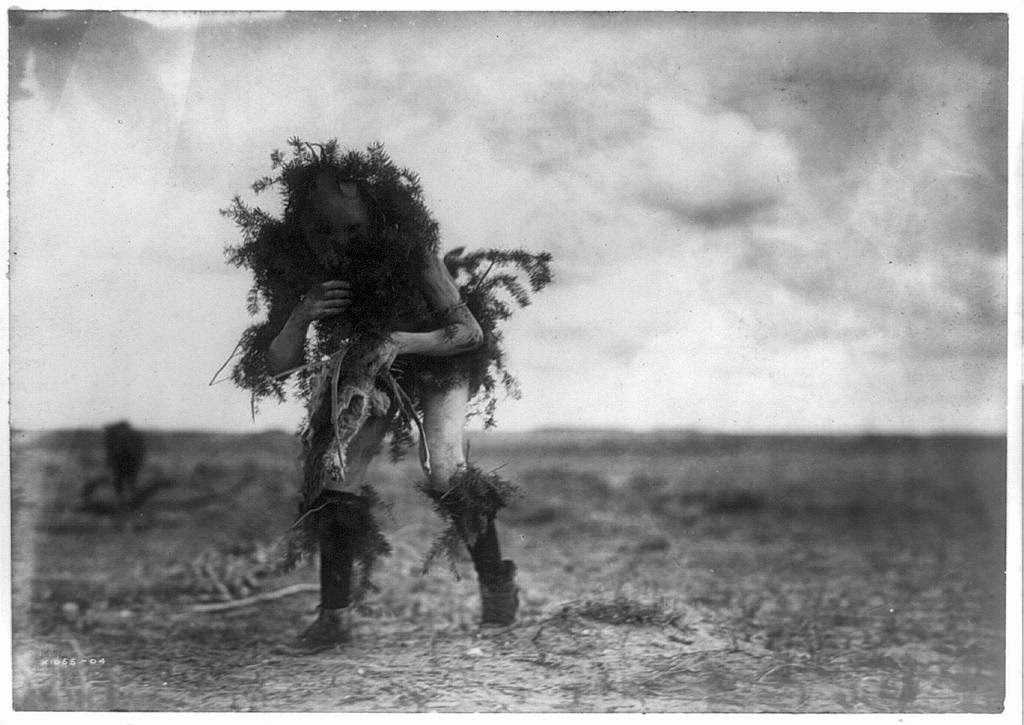
Yebichai, the beggar, Tonenili-Navajo Indian, dressed in spruce branches.
Night medicine men.
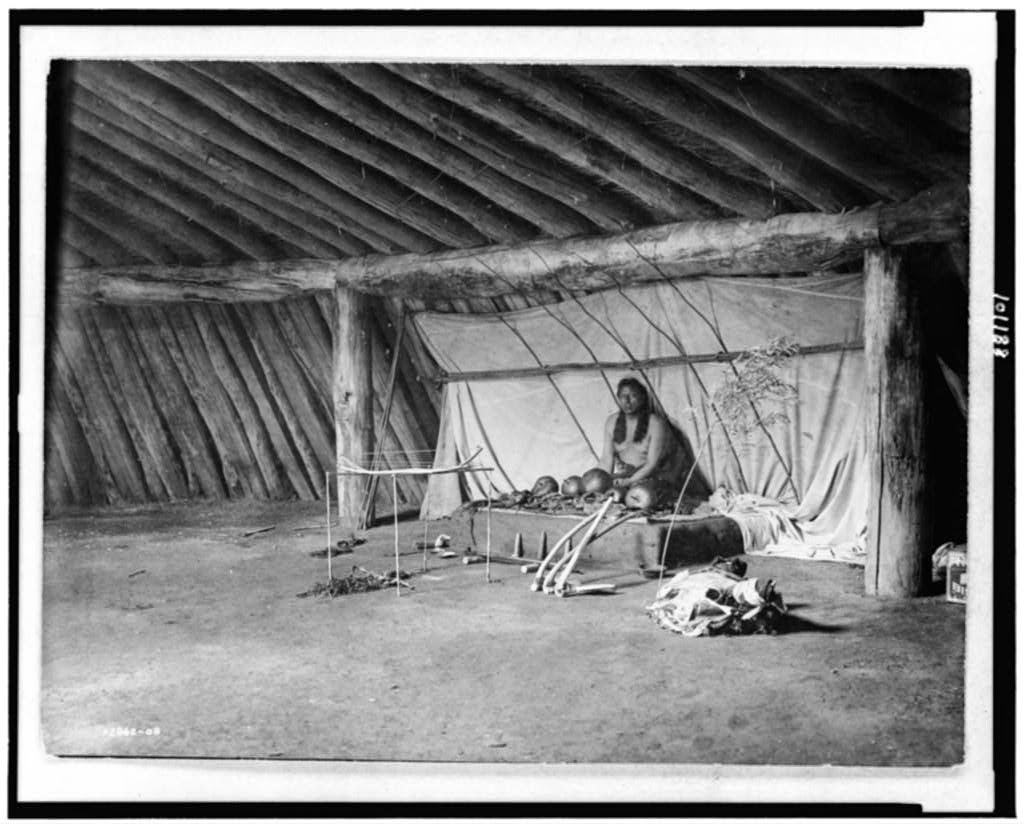
The altar.
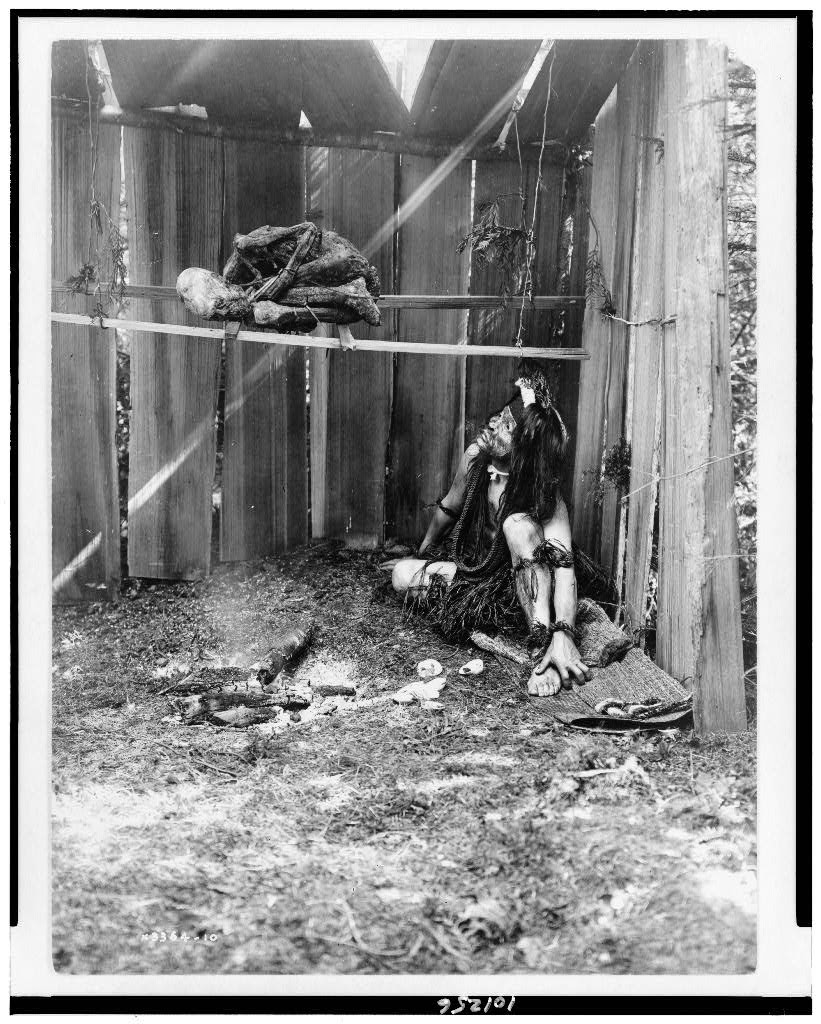
The drying mummy.
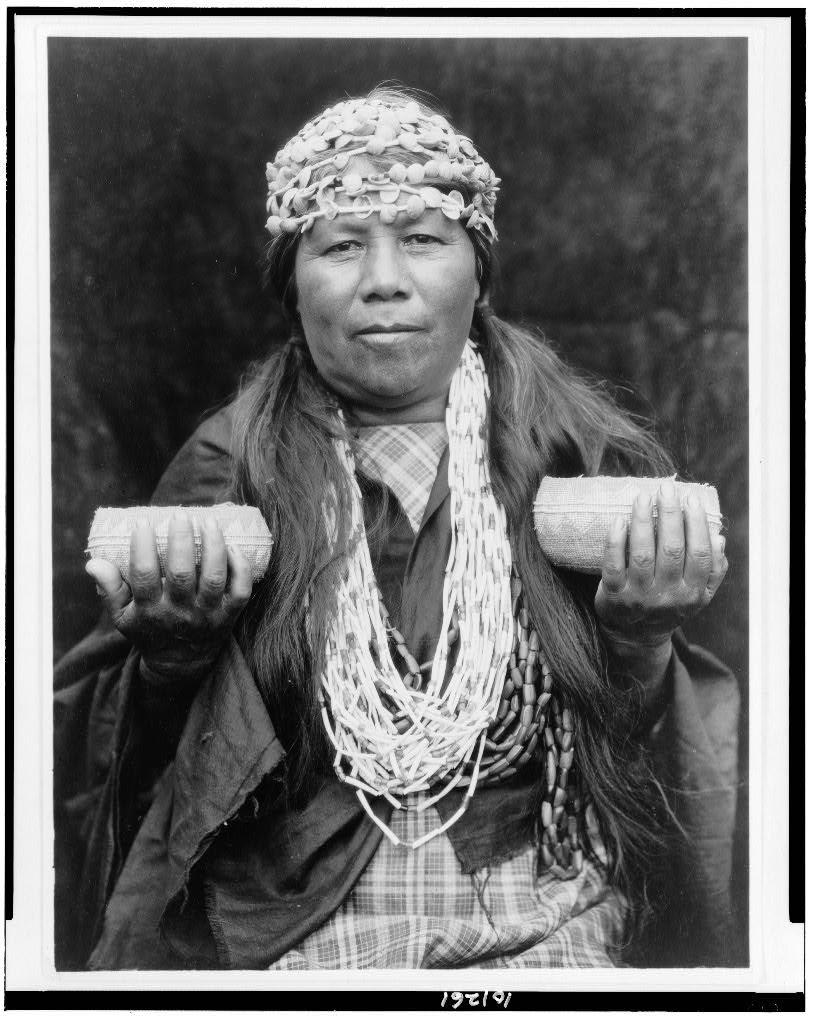
Hupa female shaman.
Yebichai war gods.
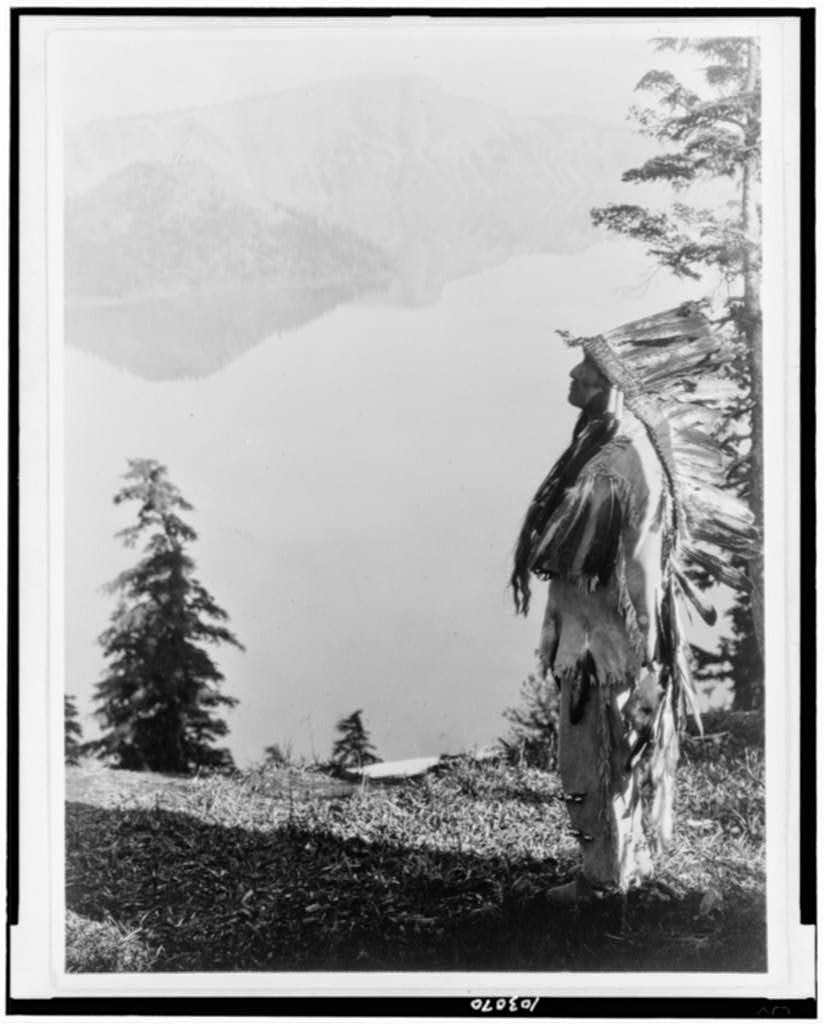
Praying to the Spirits at Crater Lake–Klamath.
Yebichai prayer.
Arikara medicine ceremony–the Bears.
Sun dance pledgers–Cheyenne.
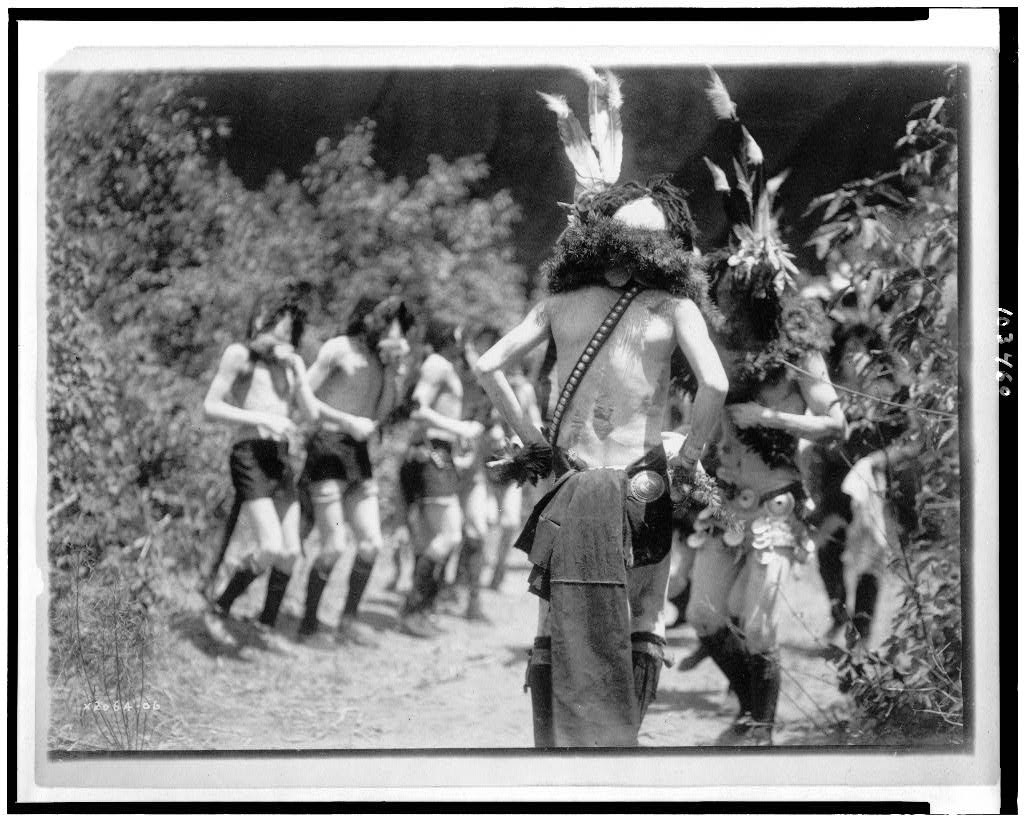
Kotsuis and Hohhug–Nakoaktok, wearing ceremonial dress, with long beaks, on their haunches, dancing.
Dancer with black deer effigy.
Apache medicine cap and fetish.
Saliva
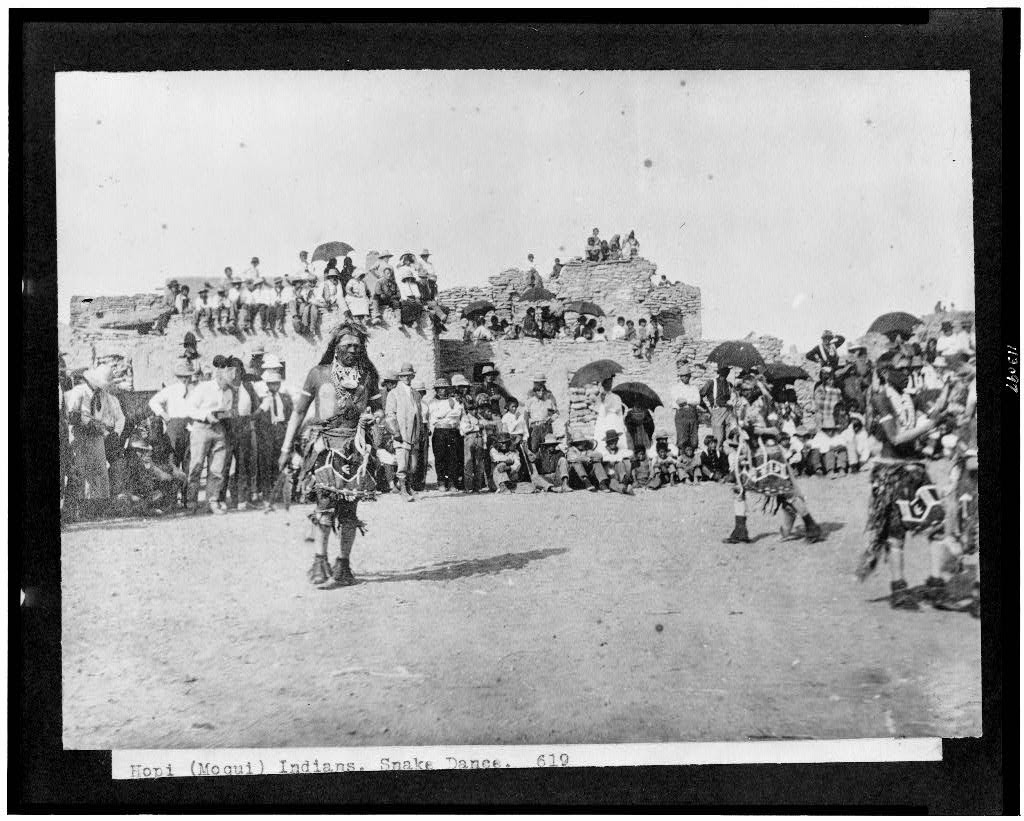
The snake priest
Hopi (Moqui) Indians. Snake dance.
Saliva, Slow Bull (in background), Picket Pin’s arm.

45 Incredible Photos from the Archives of National Geographic

National Geographic (formerly the National Geographic Magazine, sometimes branded as NAT GEO) is an American monthly magazine published by the National Geographic Society. Known for its photojournalism, it is one of the most widely read magazines of all time.

The magazine was founded in 1888 as a scholarly journal, nine months after the establishment of the society. In 1905, it began including pictures, a style for which it became well-known. Its first color photos appeared in the 1910s. During the Cold War, the magazine committed itself to presenting a balanced view of the physical and human geography of nations beyond the Iron Curtain. In later years, the magazine became outspoken on environmental issues. Since 2019, controlling interest has been held by The Walt Disney Company.

Topics of features generally concern science, geography, history, and world culture. The magazine is well known for its distinctive appearance: a thick square-bound glossy format with a yellow rectangular border. Map supplements from National Geographic Maps are included with subscriptions. It is available in a traditional printed edition and an interactive online edition.

As of 1995, the magazine was circulated worldwide in nearly 40 local-language editions and had a global circulation of at least 6.5 million per month (down from about 12 million in the late 1980s), including 3.5 million within the U.S. As of September 2021, its Instagram page has 191 million followers, the most of any account not belonging to an individual celebrity. As of 2015, the magazine had won 25 National Magazine Awards. (Wikipedia)
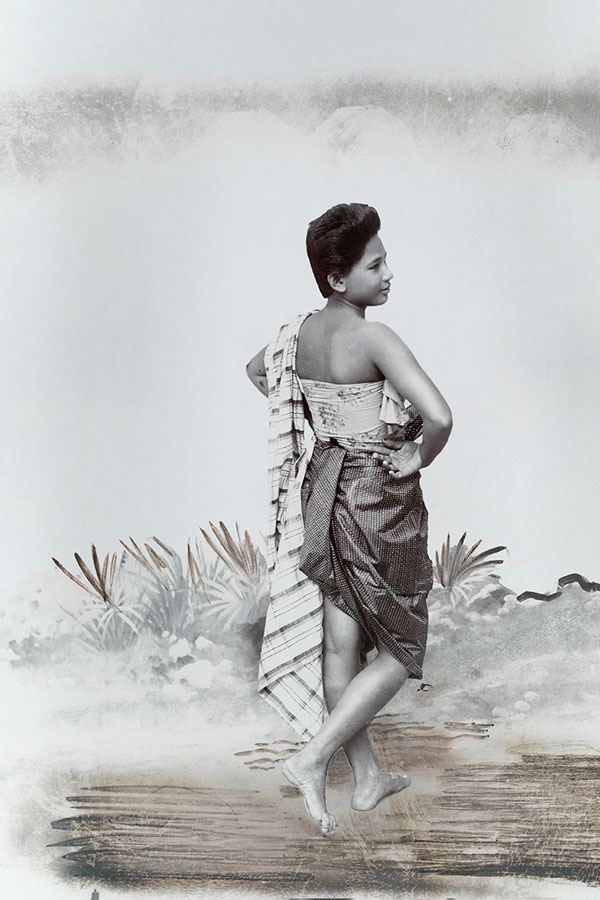
A Thai woman poses in a Panung, the national costume, 1907.
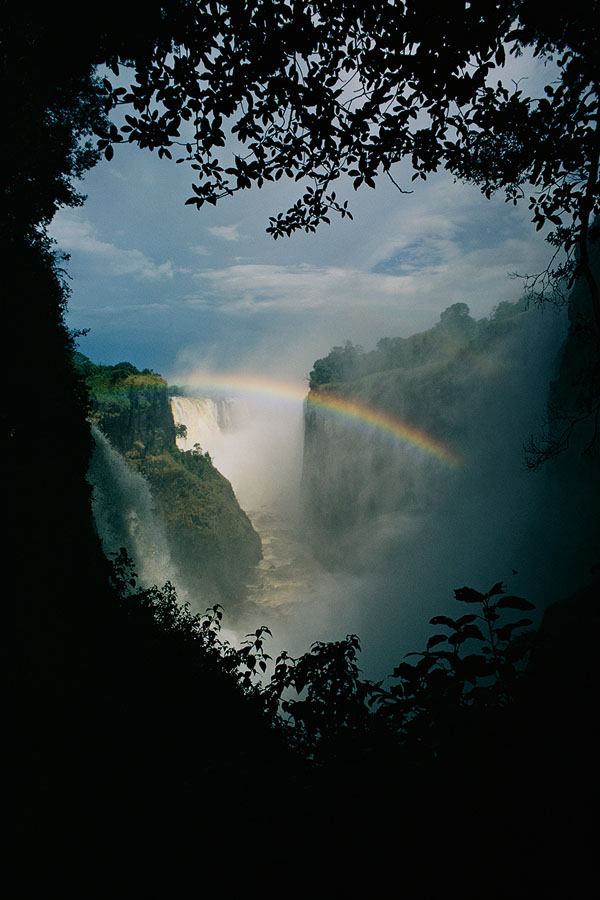
A rainbow arches over Victoria Falls in Zimbabwe.
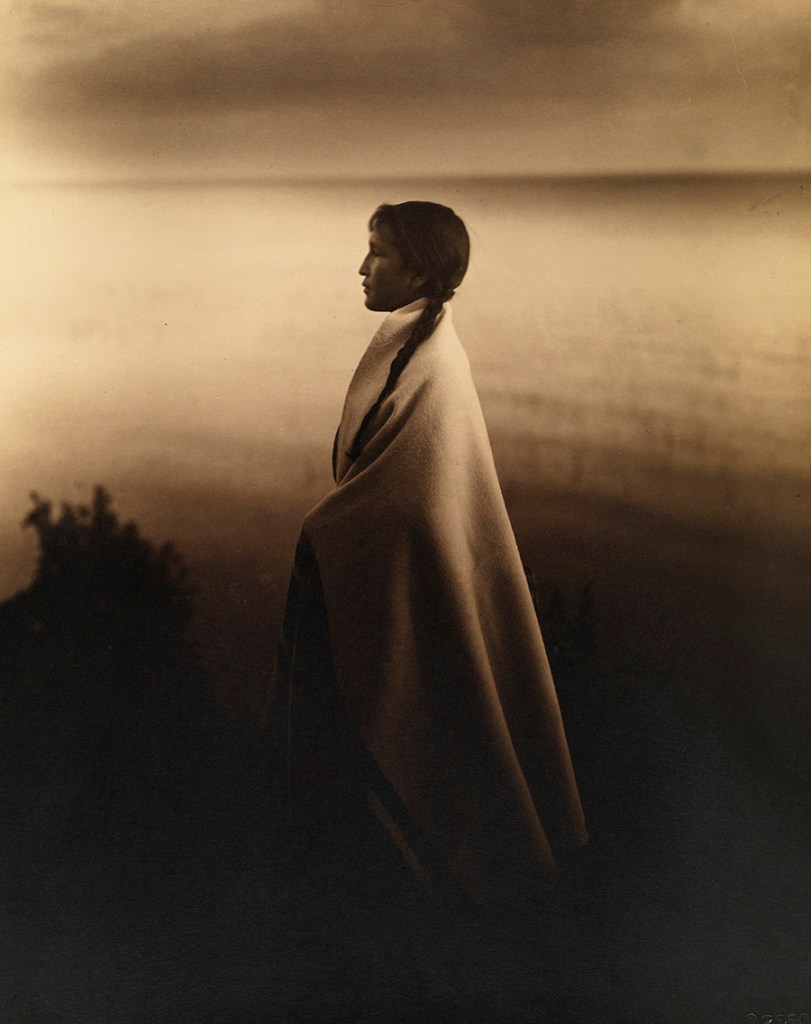
A portrait of an Ojibway girl, 1907.
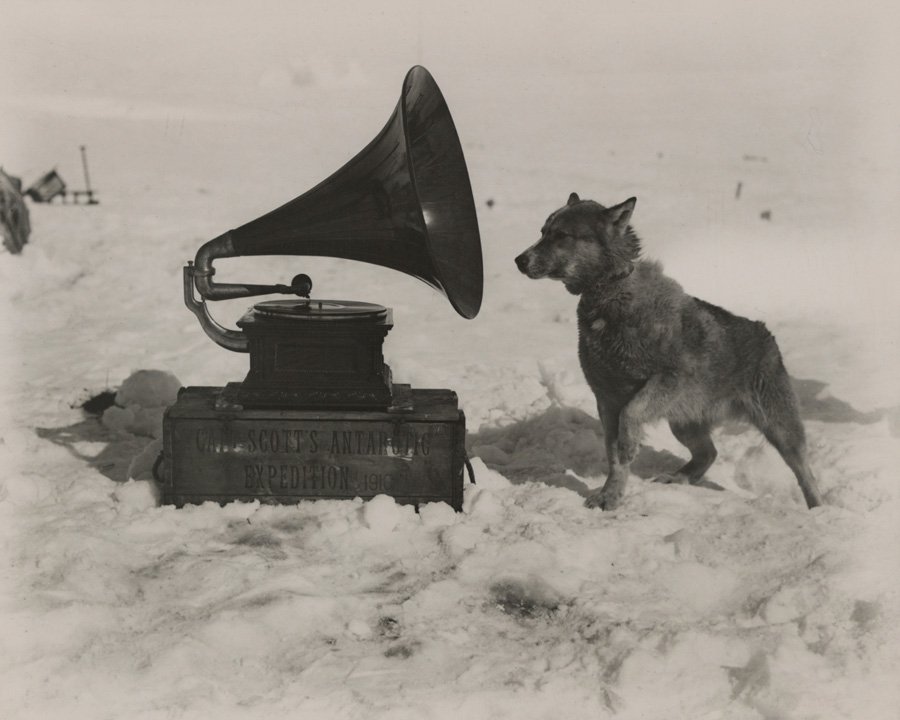
A dog observes a gramophone during a South Pole expedition, 1911.
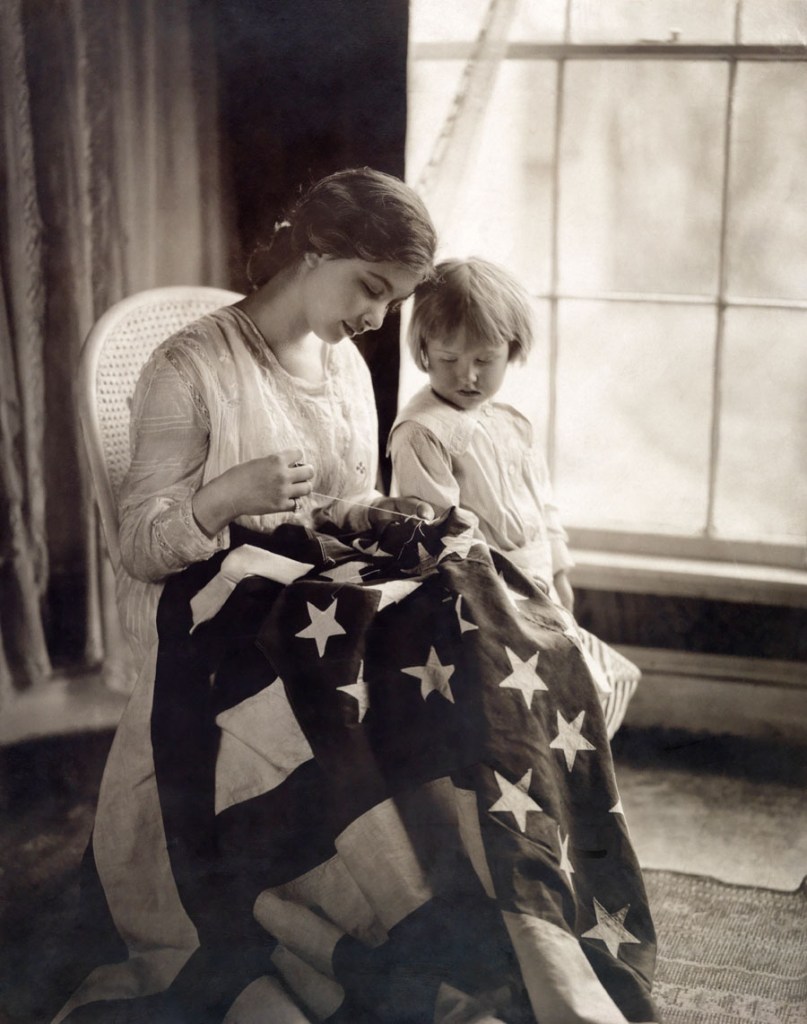
A child looks on as stars are sewn onto a US flag, 1917.
A WWI soldier bandages a Red Cross canine helper, 1917.
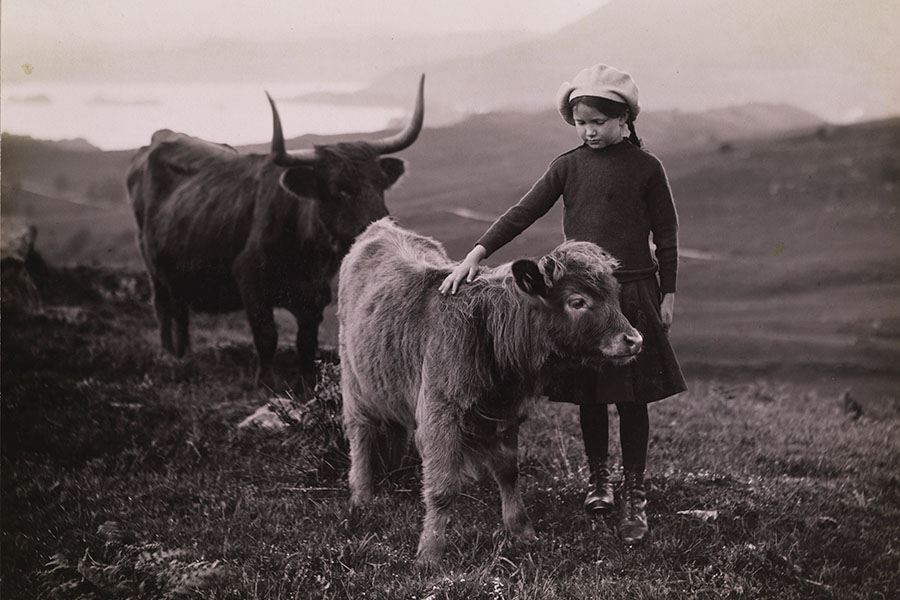
A girl pets a calf in Scotland, 1918.
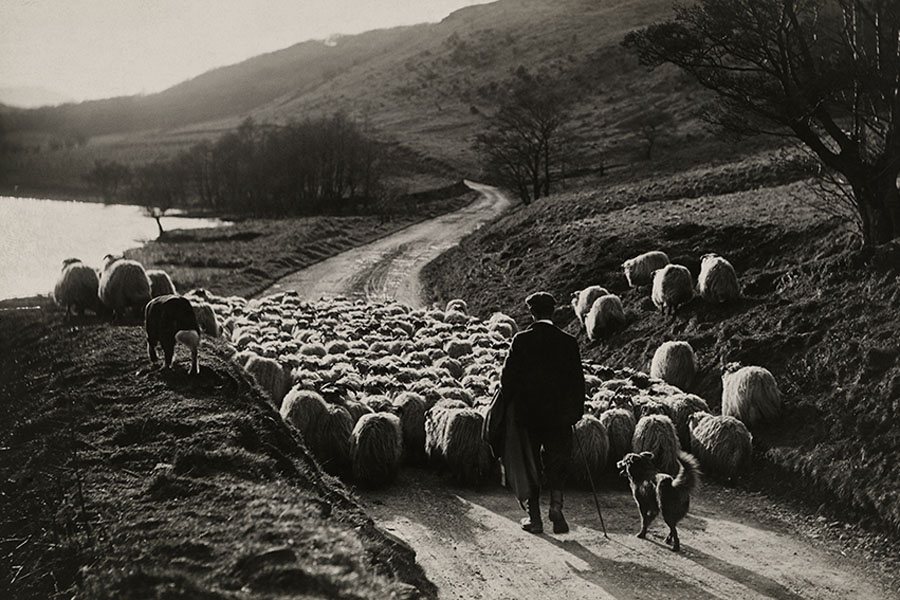
A man herds sheep with the help of his collies in Scotland, 1919.
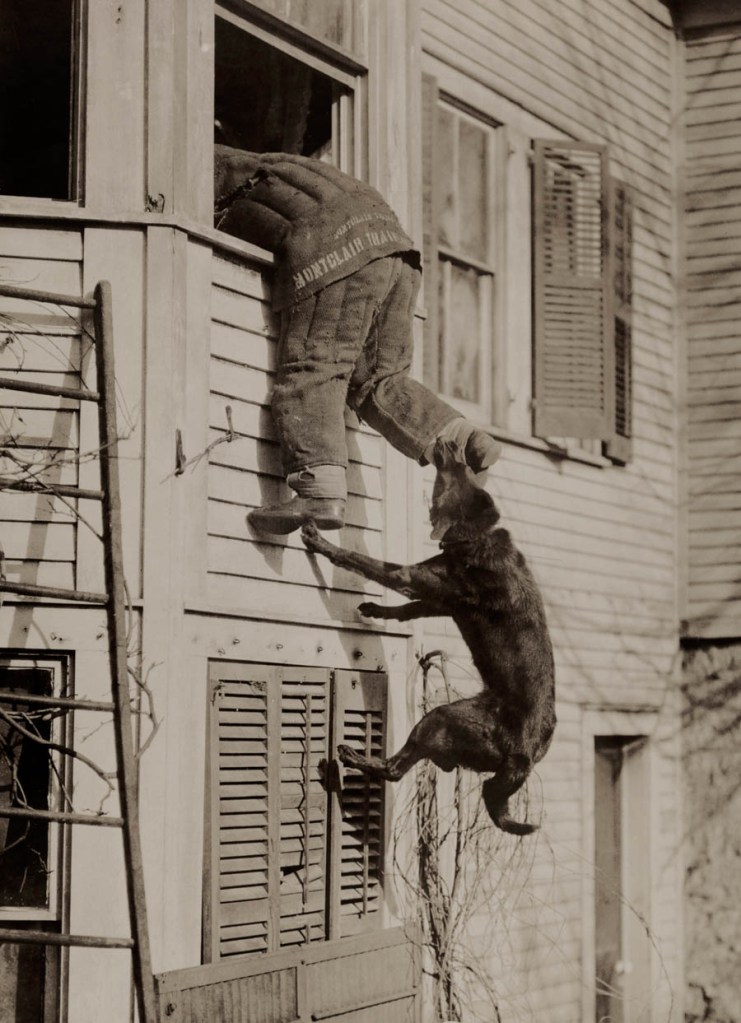
A police dog biting some ankles during a training exercise, 1919.
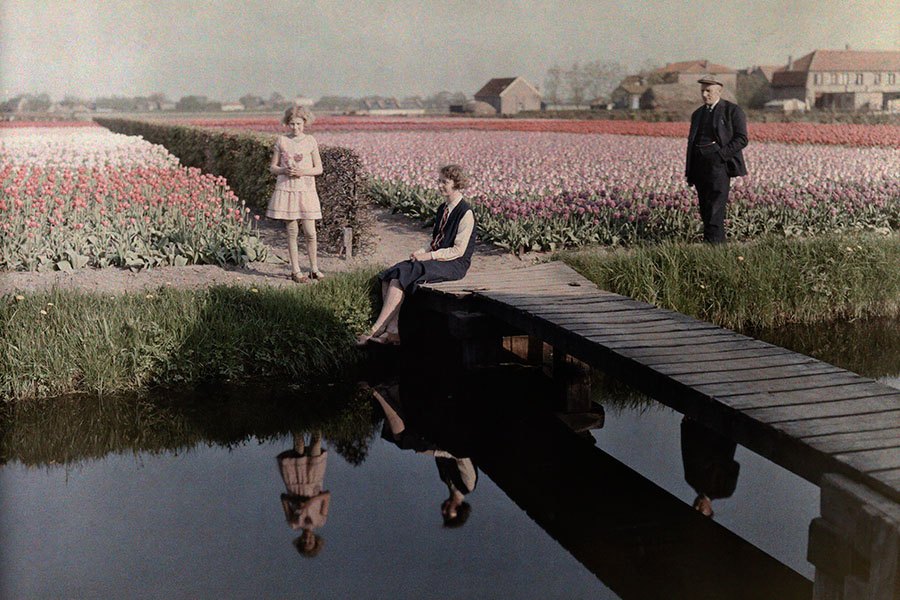
Locals relax by the tulip fields along the canal in Haarlem, The Netherlands, 1931.
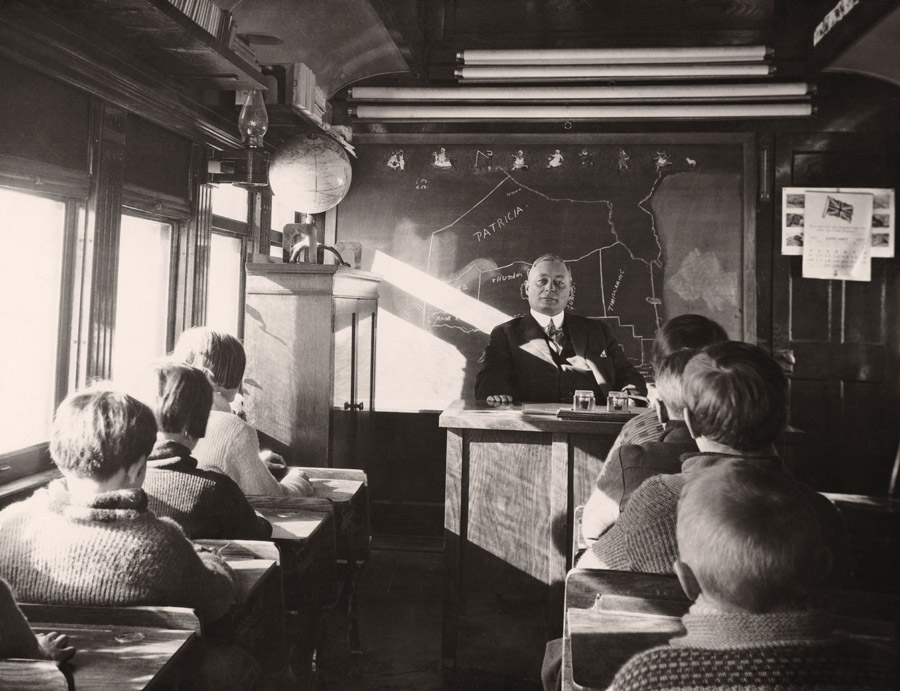
Inside a Canadian Railway classroom, 1932.
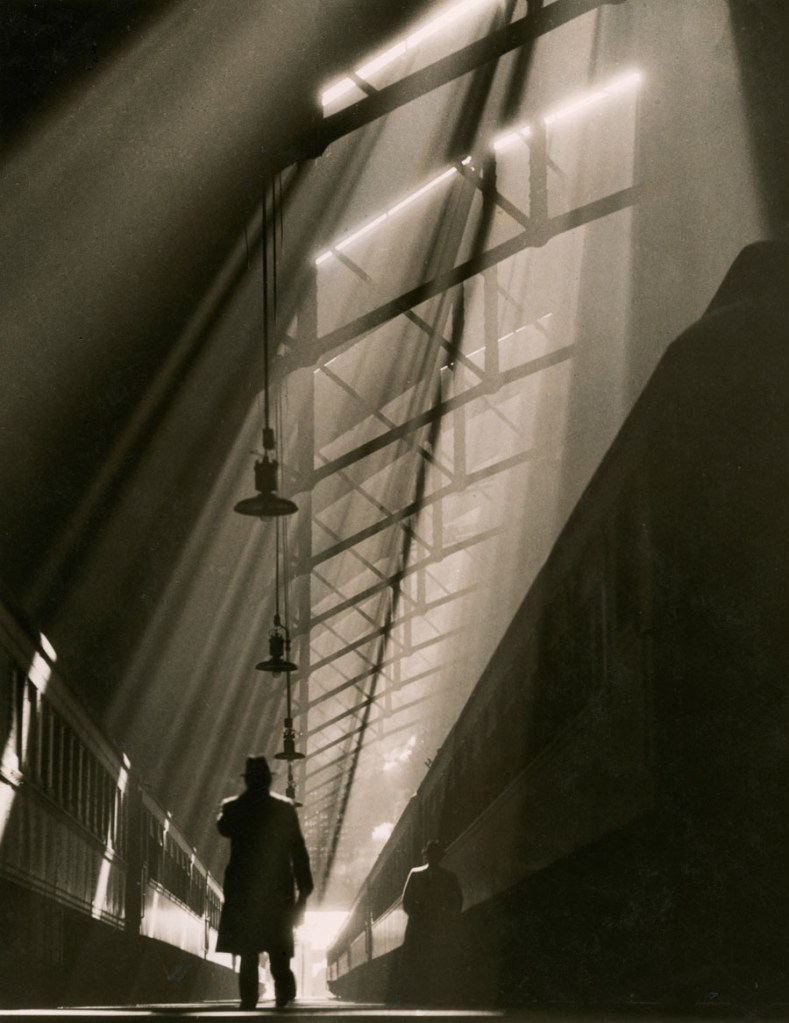
A man roaming Chicago’s famous LaSalle Street train station, 1936.
A Drugstore Cowboy prepares to make deliveries, 1938.
A blue-ribbon winning mare with its owner in Waterloo, Iowa, 1939.
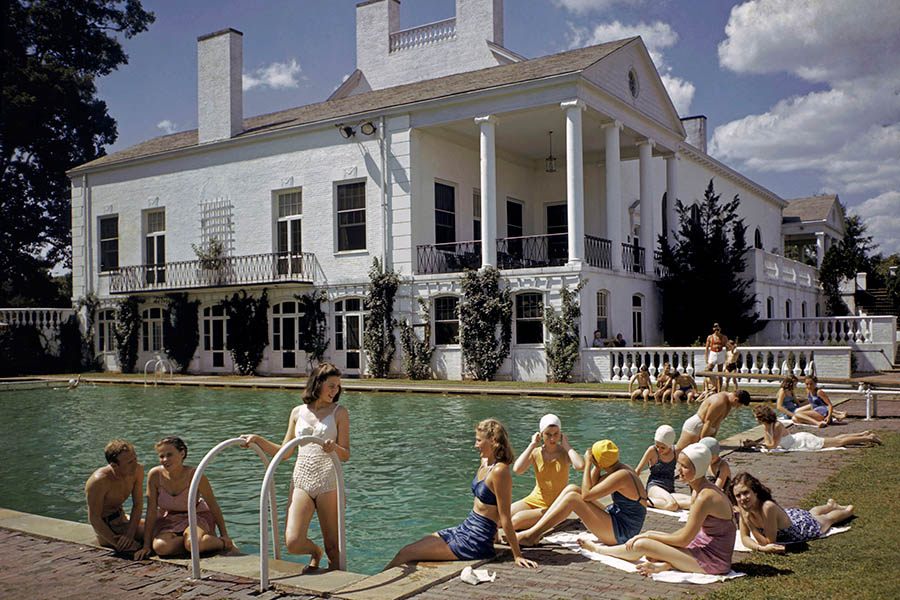
People sunbathe beside a swimming pool in Charlotte, North Carolina, 1941.
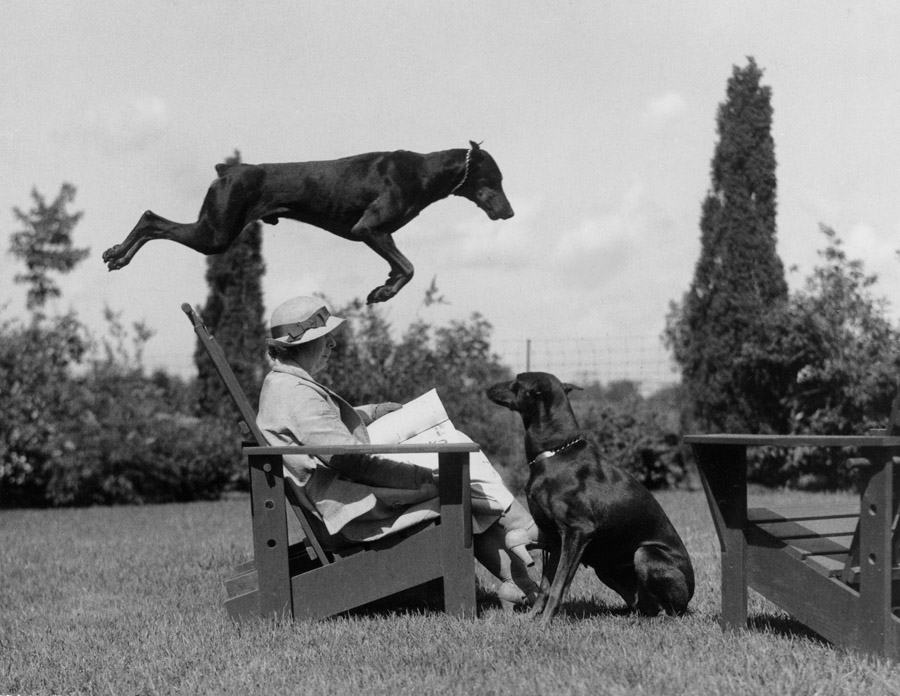
A dog leaps over a woman, 1941.
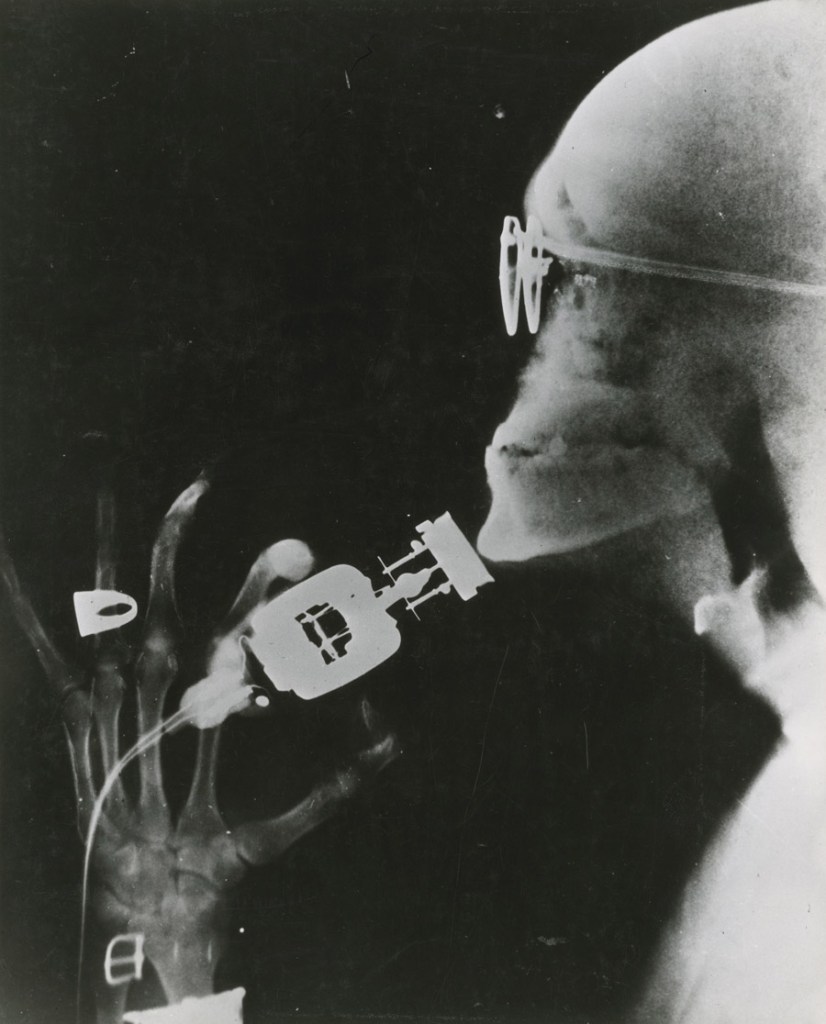
An x-ray demonstration of the new Westinghouse electric razor, 1941.
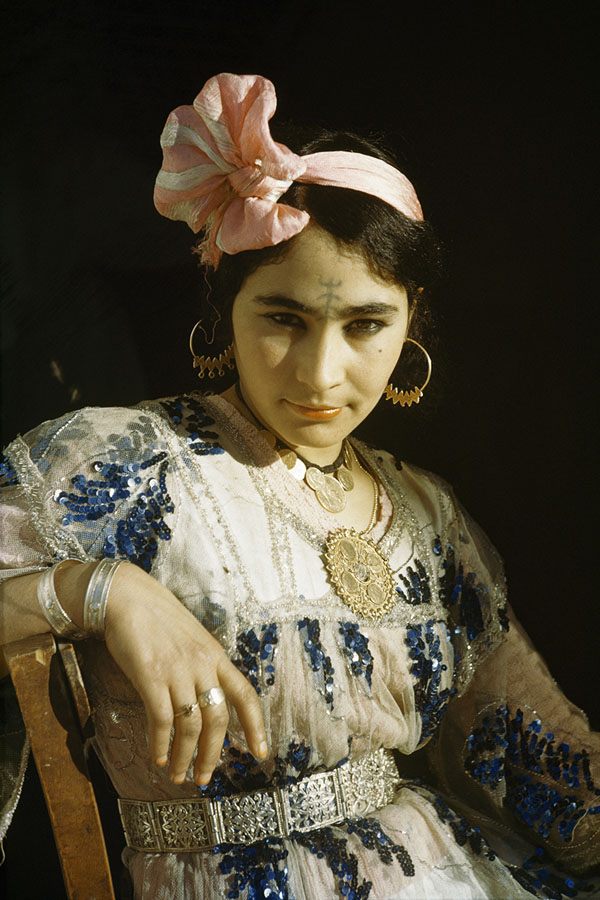
An Ouled Nail woman in Algeria wears a tattoo customary for dancers, 1949.
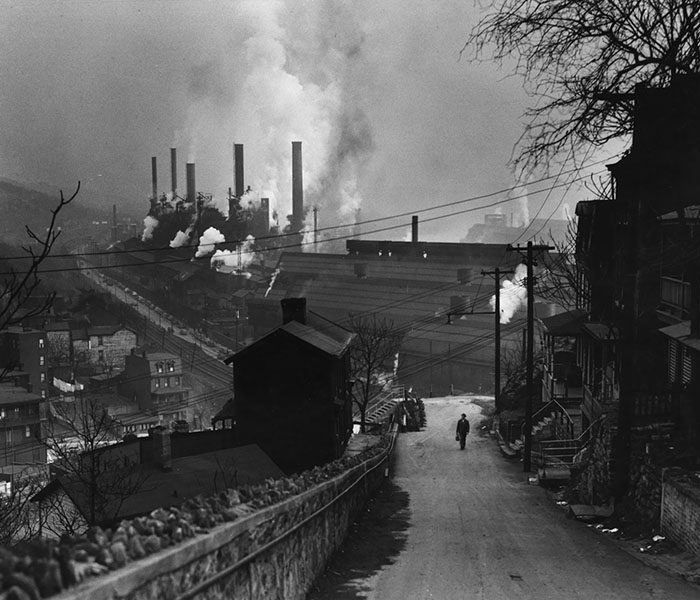
Hillside houses overlook smoke-belching steel mills in Pittsburgh, Pennsylvania, 1949.
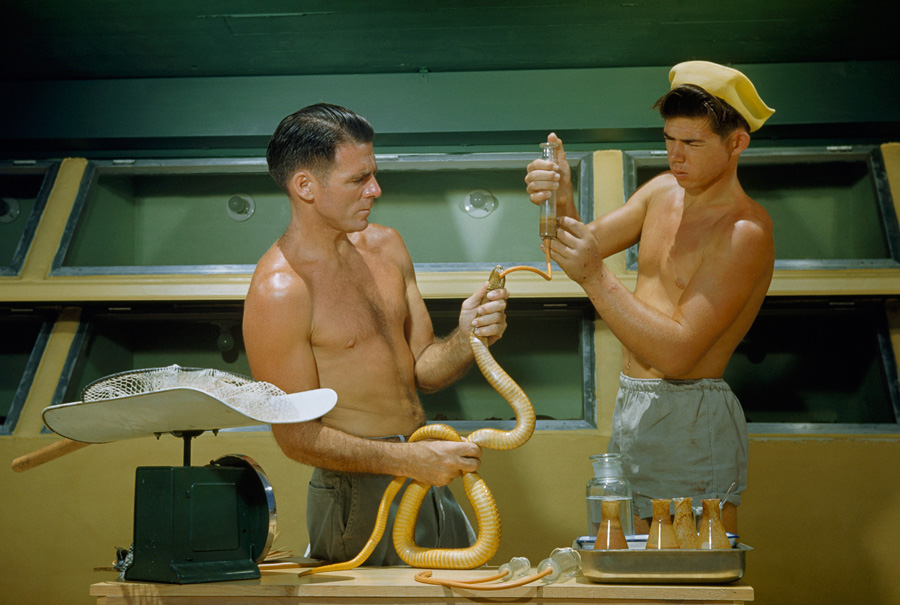
Force-feeding a snake to ensure its venom supply, 1950.
A demonstration shows how a metal aircraft sheds lightning, 1950.
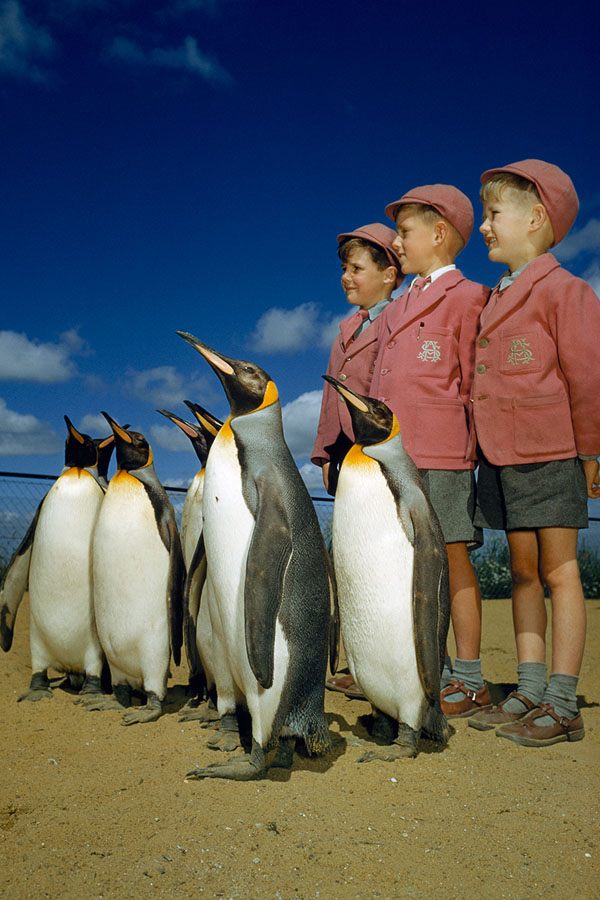
Uniformed boys pose with king penguins at the London Zoo, 1953.
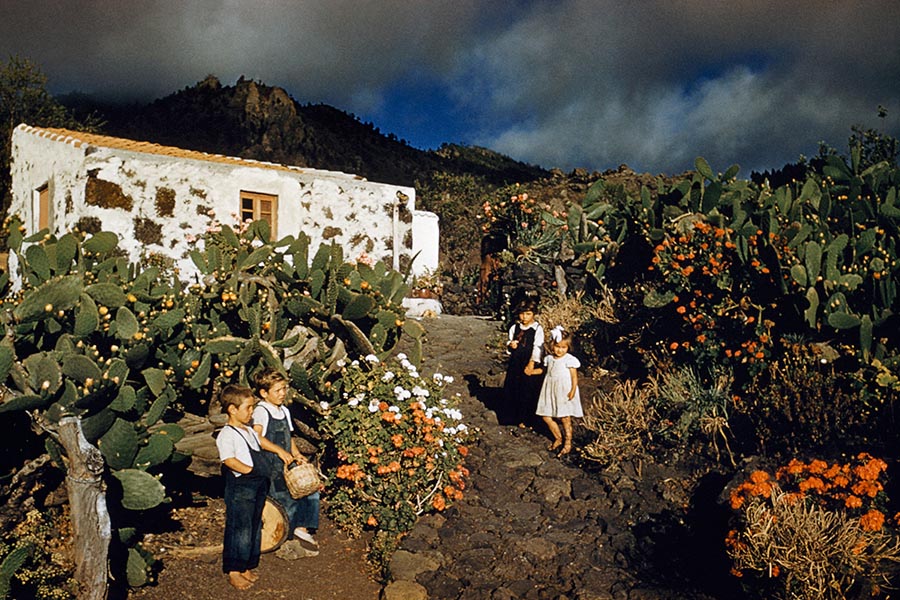
Children play barefoot in a cactus garden on the Canary Islands, 1955.
Niagara Falls illuminated with rainbow flood lights, 1956.
A man examines the teeth of a 10-month-old Alaskan Malamute puppy near the South Pole, 1957.
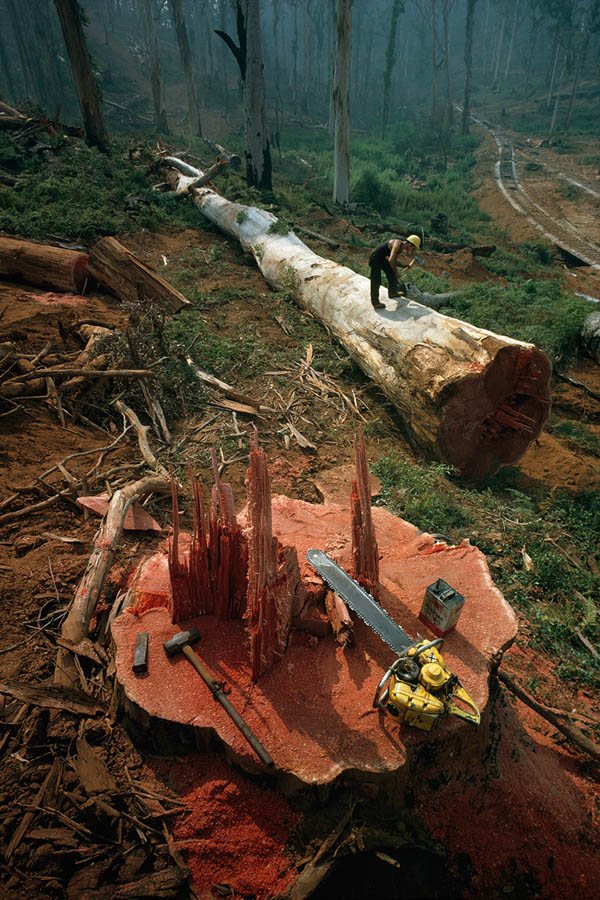
A woodman notches a felled tree’s trunk for sectioning in Western Australia, 1962.
People picnic on the rocky heights overlooking Harpers Ferry in Maryland, 1962.
Princess Grace Kelly in Monaco, 1962.
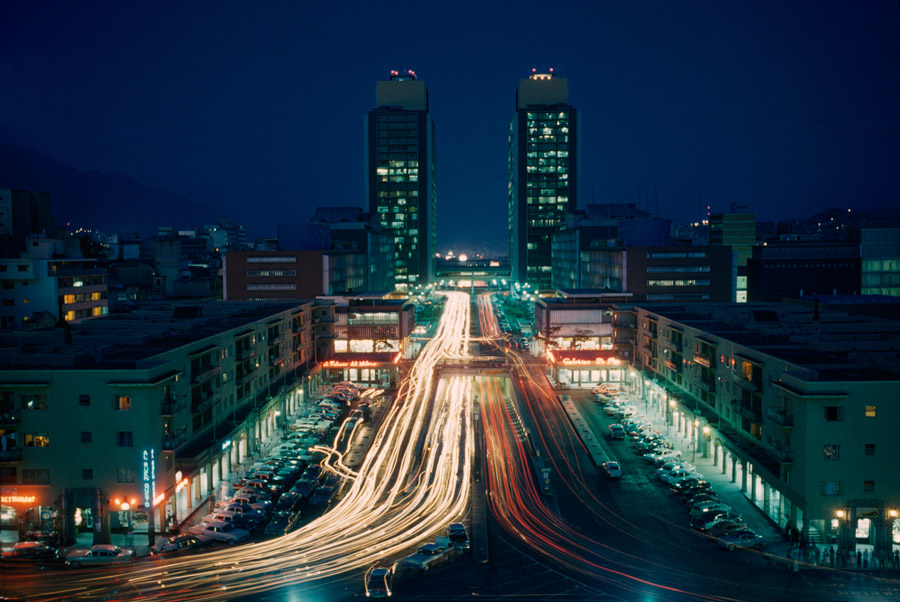
Long exposure of Caracas, Venezuela, 1963
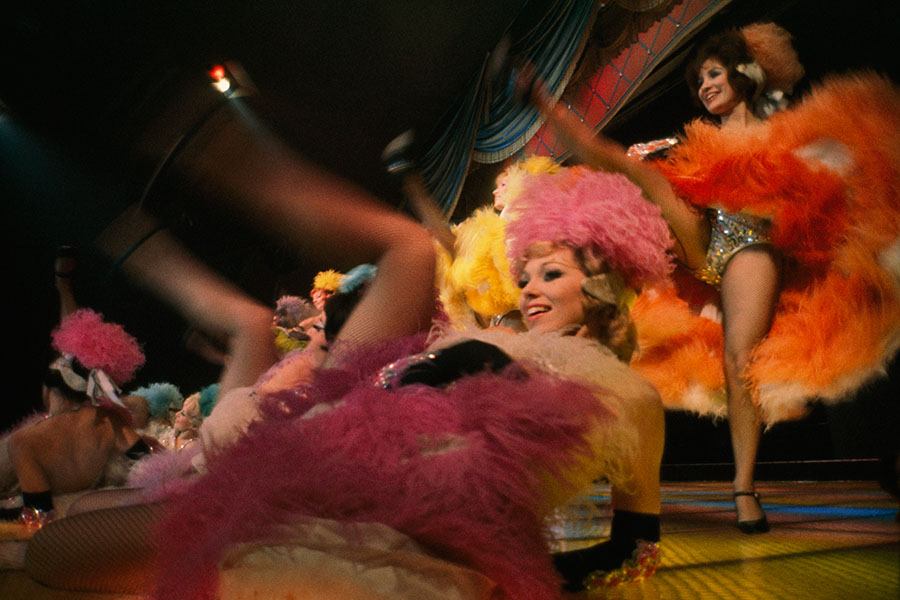
A chorus line high kicks during a show at Cafe Le Can Can in Miami Beach, Florida, 1963.
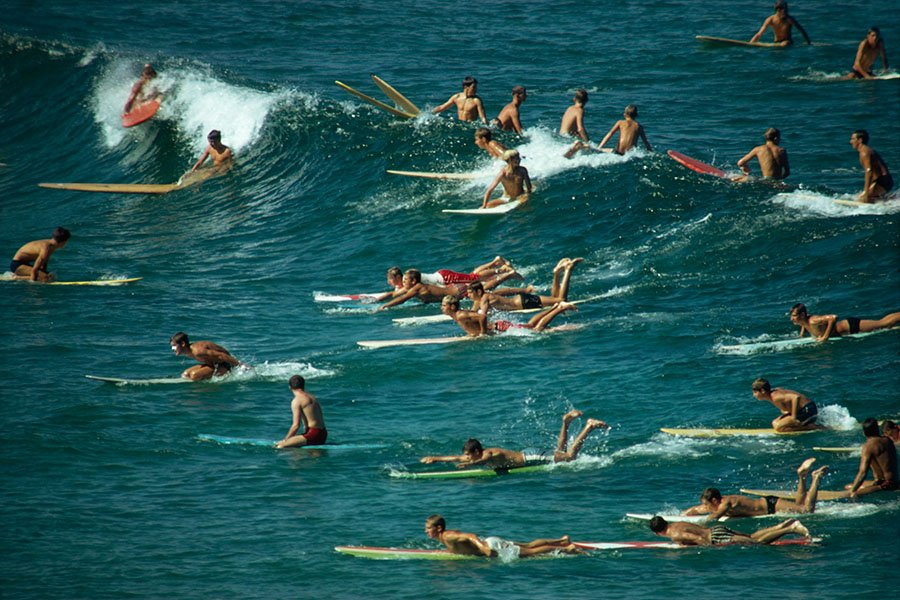
Surfers overpopulate the waves off of Bondi Beach in Australia, 1963.
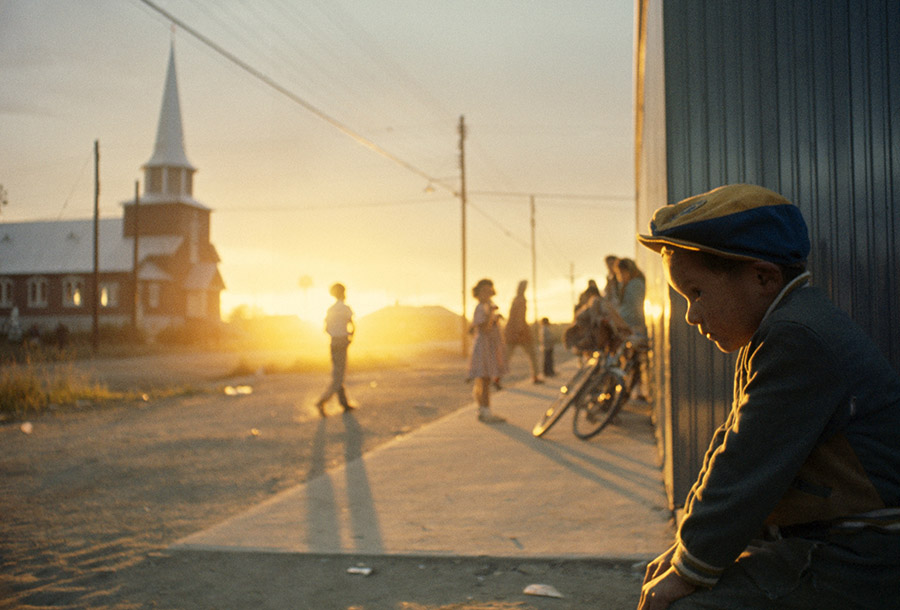
Children playing at sunset in Ontario, Canada, 1963.
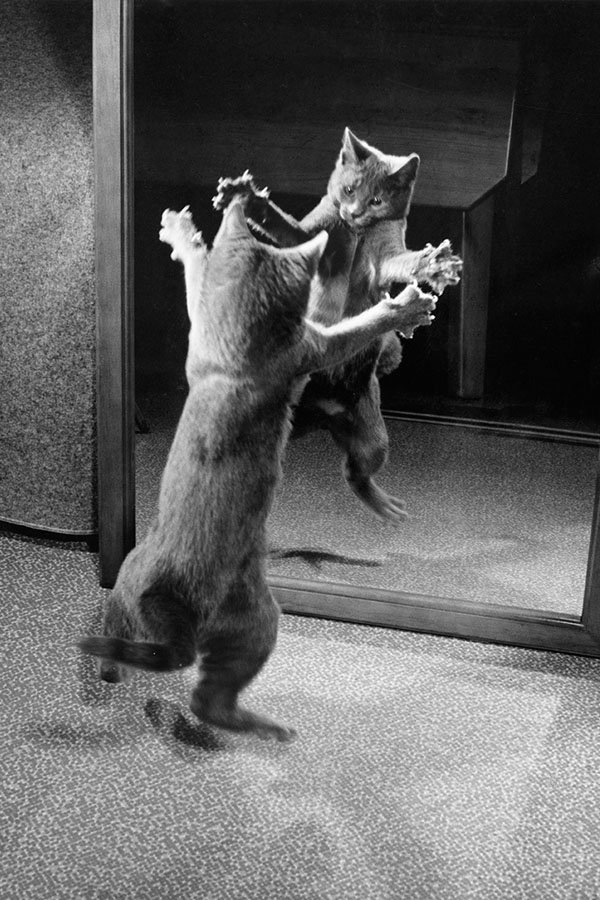
With claws bared, a kitten attacks its own mirrored reflection, 1964.
A performance of the opera, Aida, in New York City, 1964.
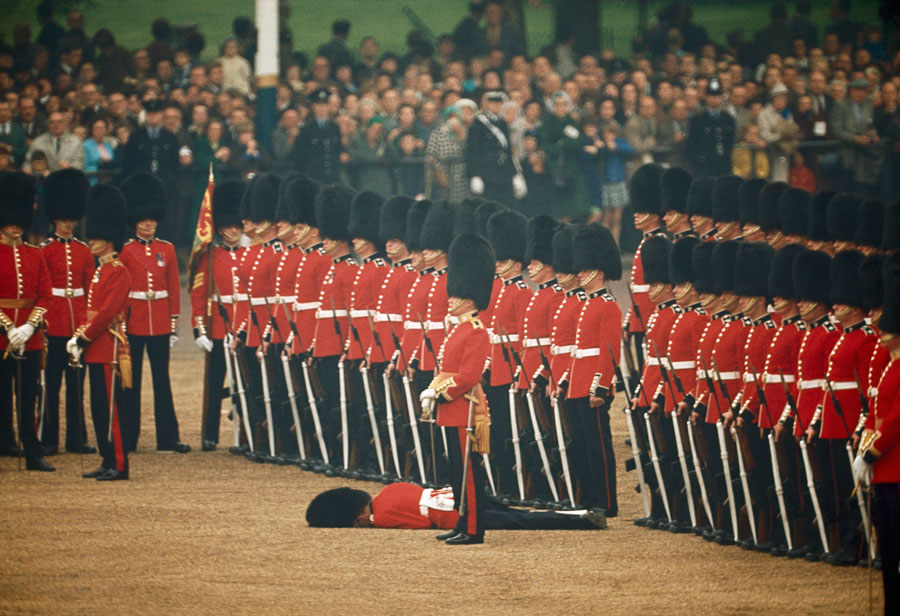
Members of the Irish Guard ignore their fainted comrade, 1966.
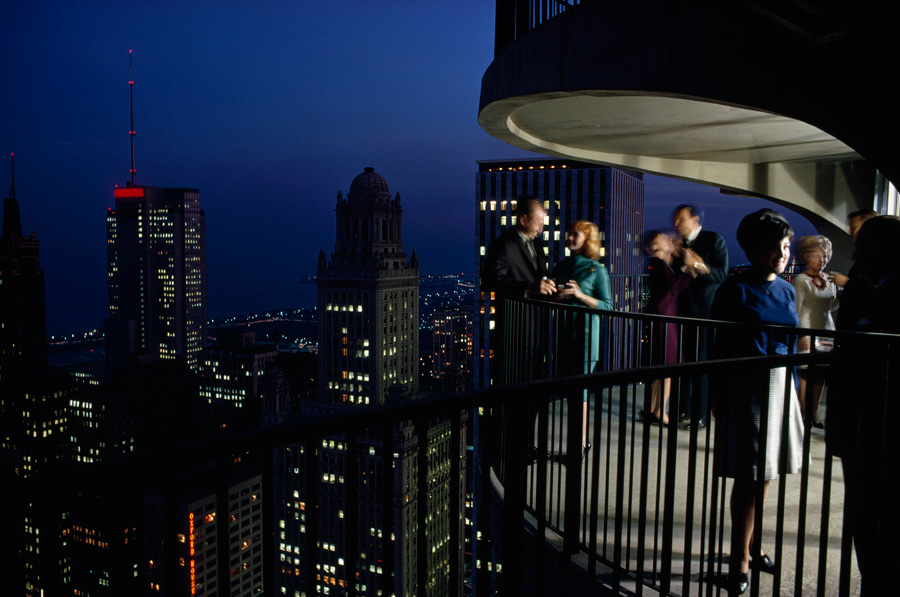
The Chicago skyline as a backdrop for rooftop party-goers, 1967.
Bison roaming Yellowstone National Park, 1967.
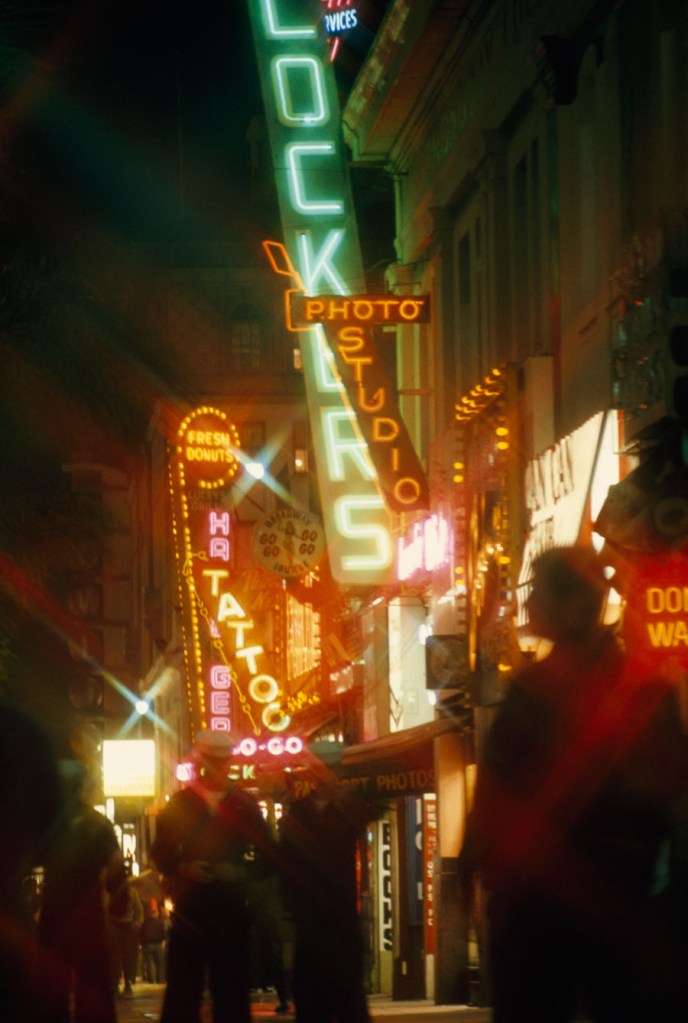
Marines walk the San Diego streets amid neon signs, 1969.
A Ragtime piano man enjoying the spotlight, 1969.
An Egyptian belly dancer performs for tourists in a nightclub in Cairo, 1972.
Women farming in sugar beet fields, 1974.
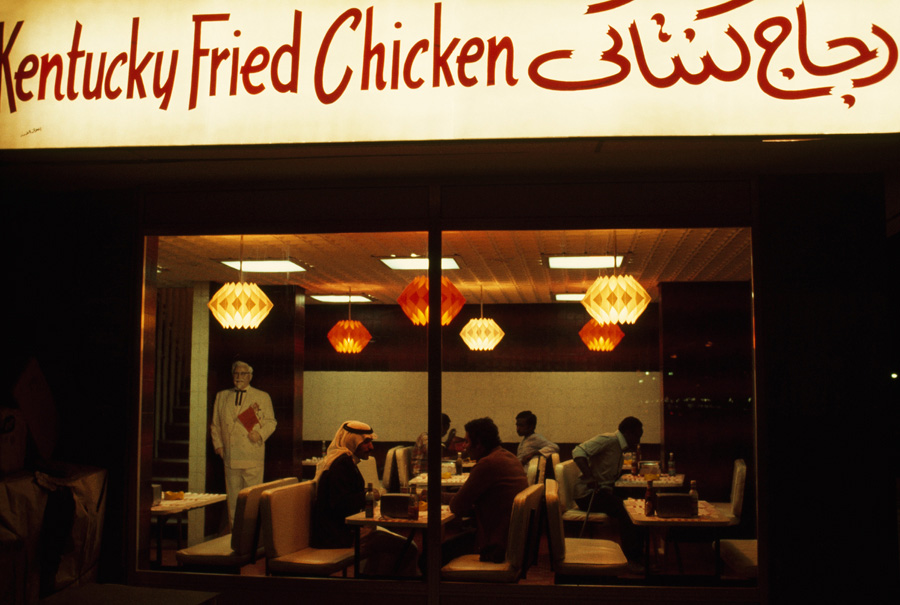
Patrons of a KFC in Abu Dhabi, 1975.
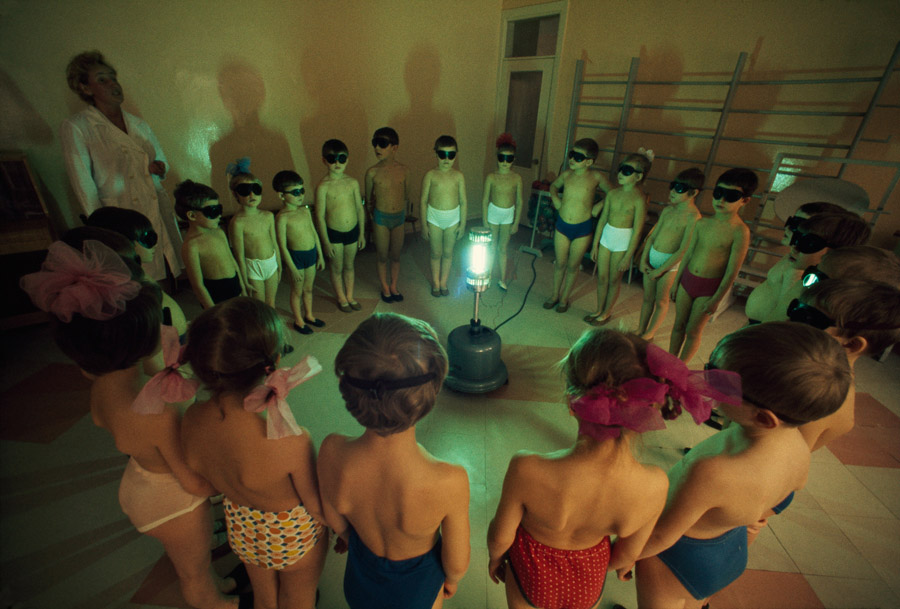
Kids in Murmansk, former Soviet Union endure their daily dose of Vitamin D by lamp-light, 1977.
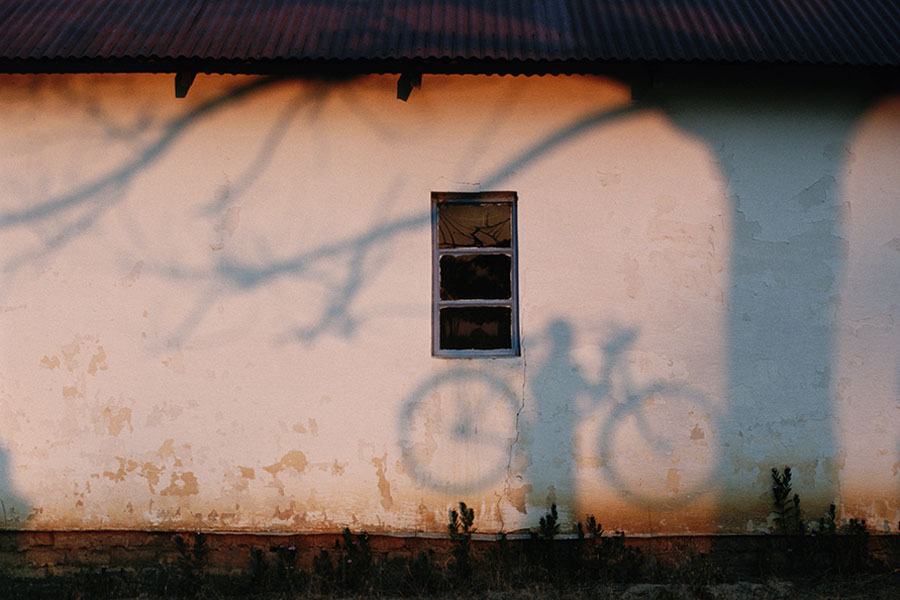
A shadow of a man holding a bicycle appears on a wall near the Zambezi River, 1996.
Nuns in Peru take a break to toss a ball around, 1998.

50 Incredible Vintage Photos of Life in America during the 1950s Volume 3

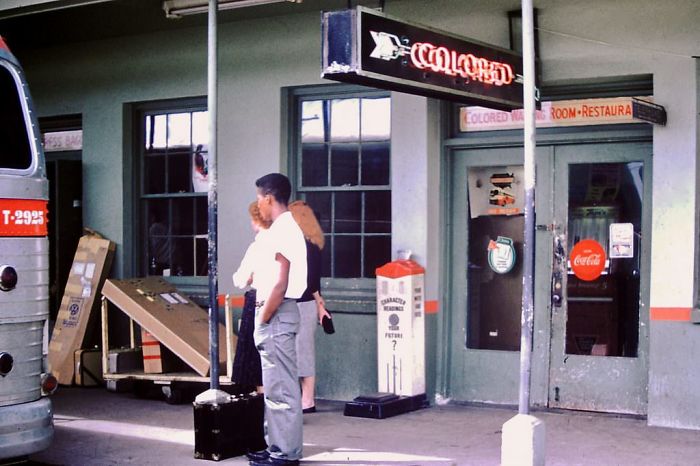
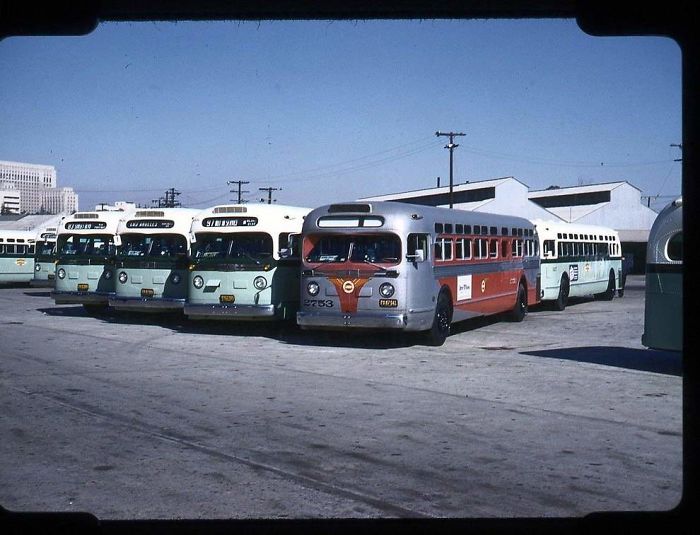
Bus Station. 1959
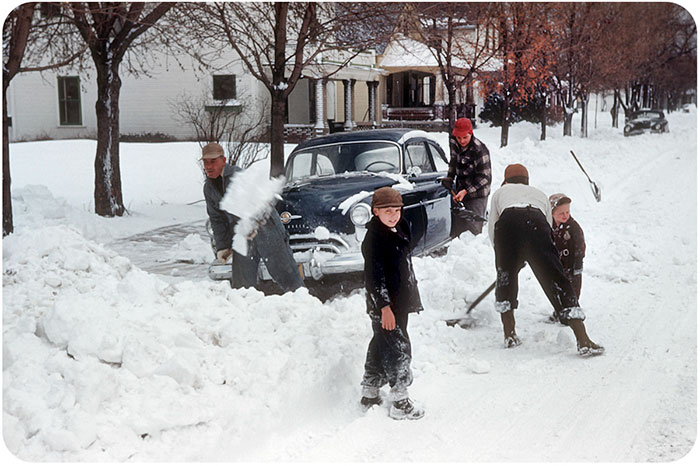
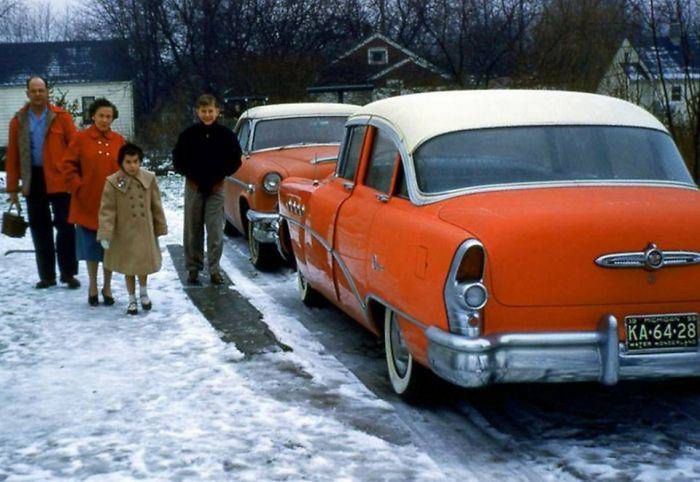
Blizzard Of 1950 — Xenia, Ohio
A Man Washes His Pontiac Catalina, Florida, 1953
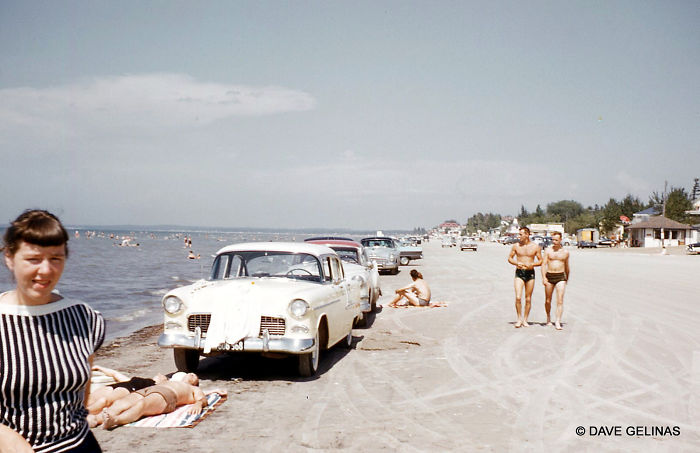
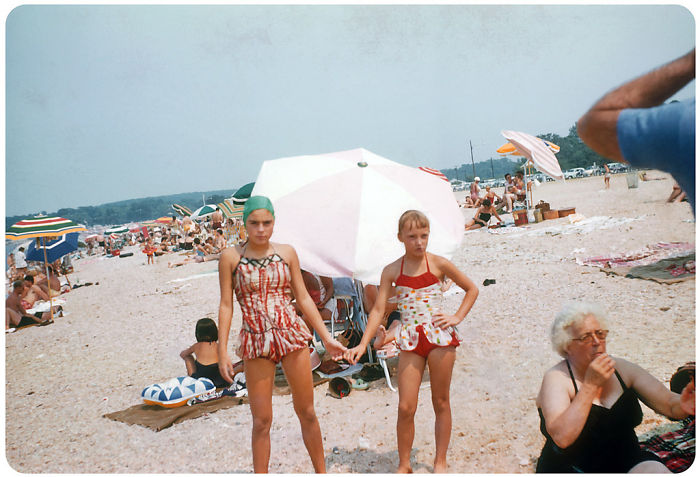
Beach Scene, 1955
Near Irving Park, Il, 1958
Atlantic City, 1953
Lincoln High School, Los Angeles In October 1956
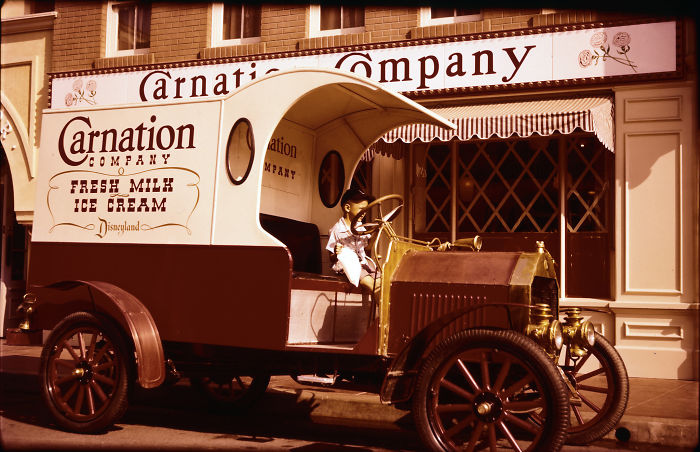
Disneyland, Late 1950s
Trailer Park, 1958
Car Wash. Los Angeles, Ca, 1956
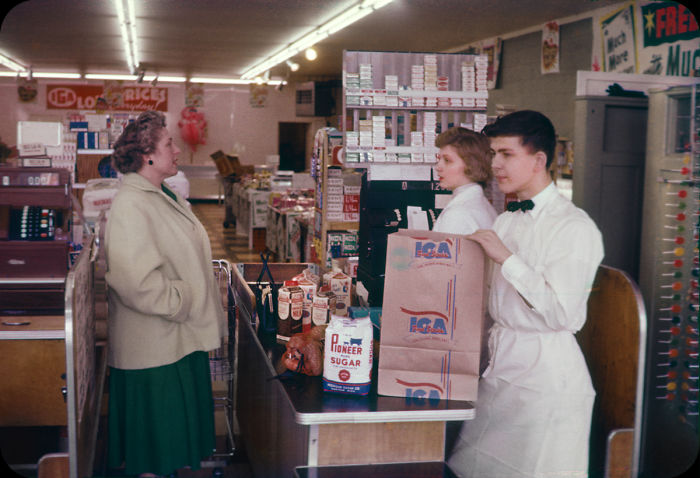
IGA, Elkton, Mi, 1958
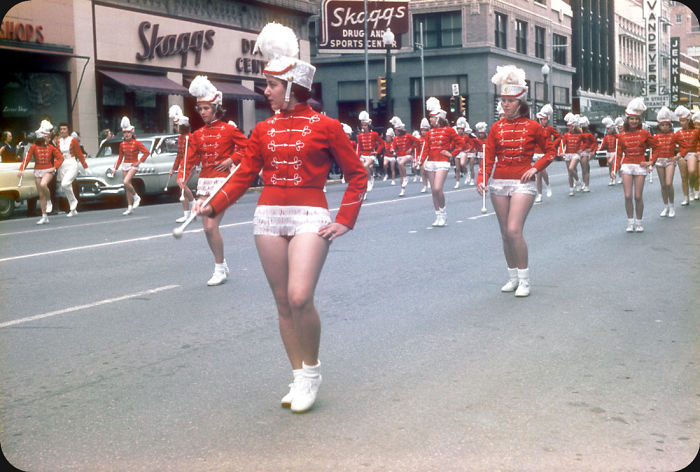
4th Of July Parade, Tulsa, 1956
Trinity Church, Boston, 1956
Michigan, 1955
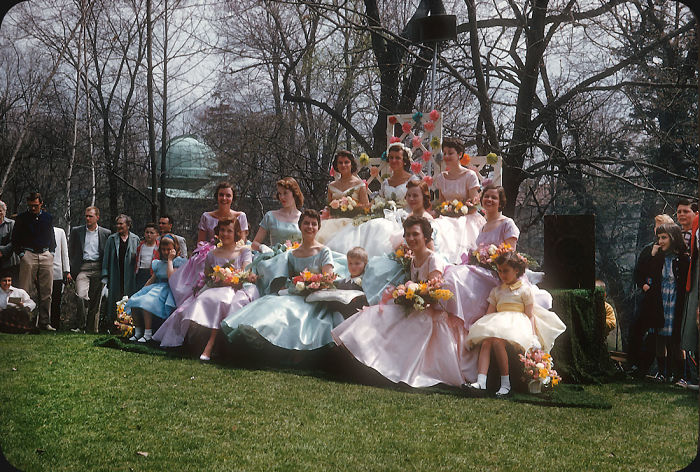
May Court — May Day 1956, Allegheny College, Meadville, Pa
Ft. Wayne, Ind, 1955
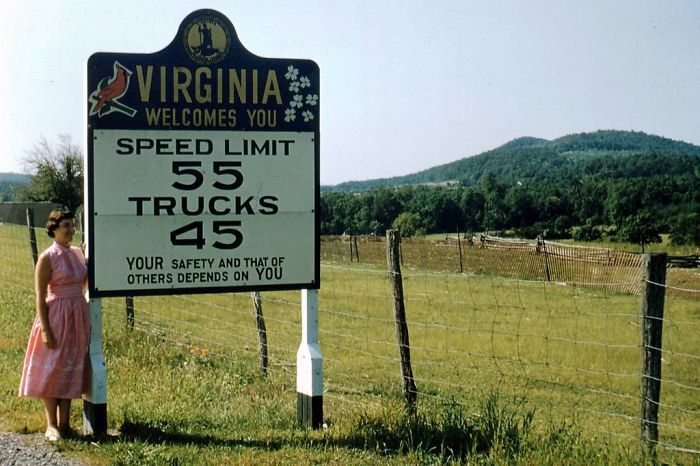
On The Border Of Virginia, 1955
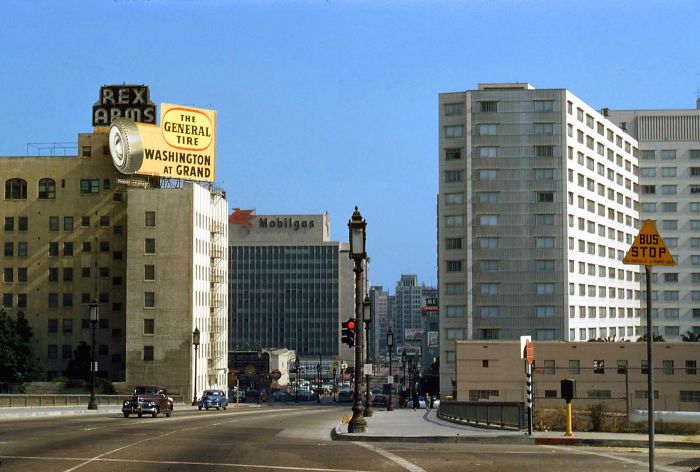
Los Angeles 1954
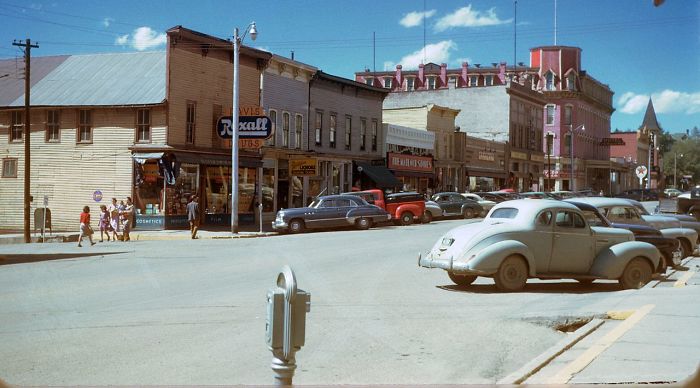
Colorado, 1950
Glen Cove, Long Island — 1956
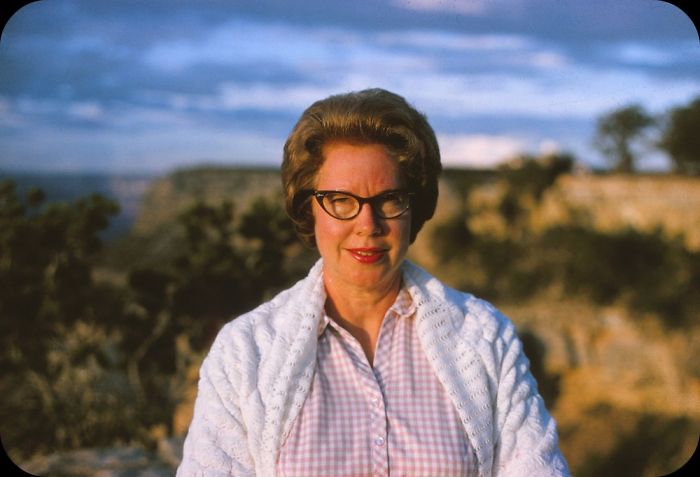
Grand Canyon, Arizona, 1956
New Orleans, 1958
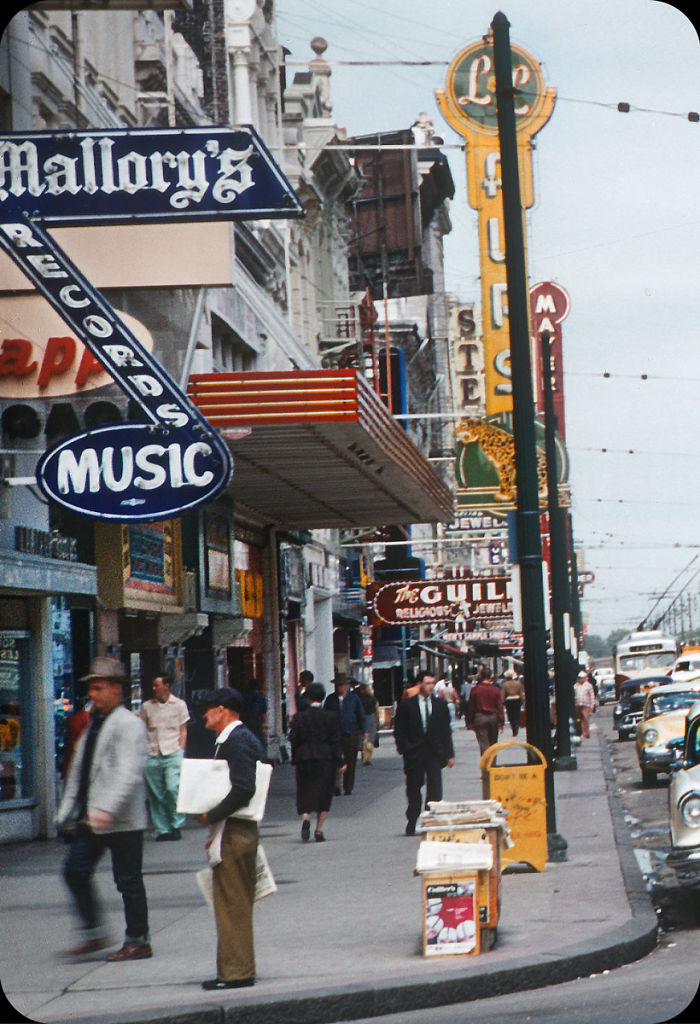
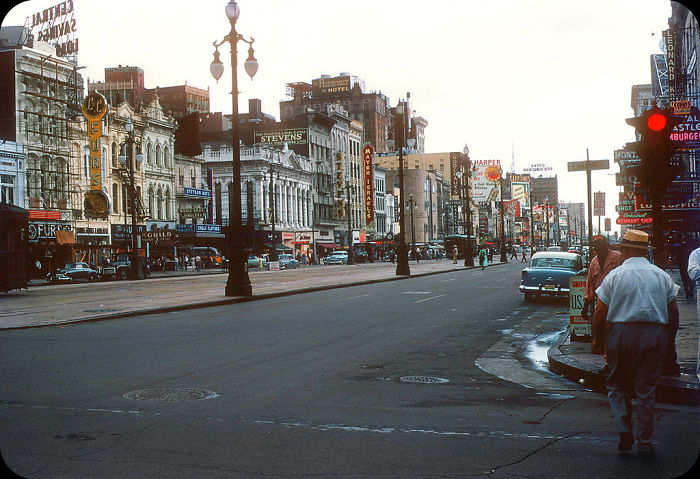
Canal Street, New Orleans, 1958
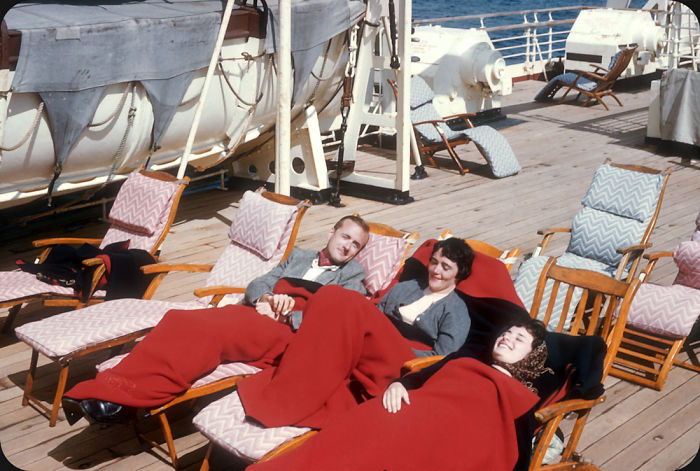
Vacation Cruise To Europe, 1950s
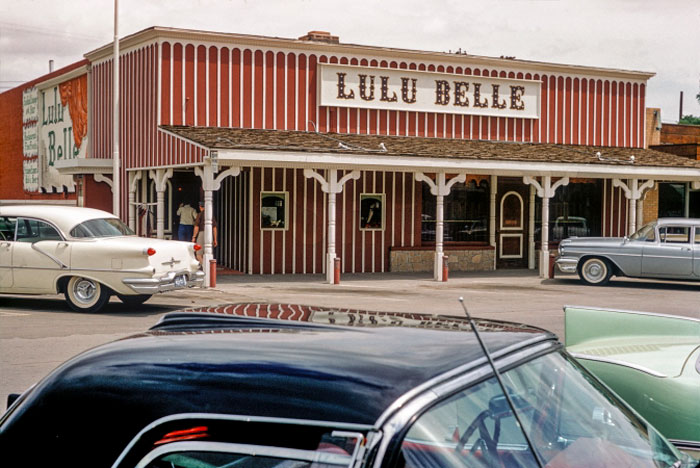
Lulu Belle Restaurant On Main Street, Scottsdale, Arizona. 1959
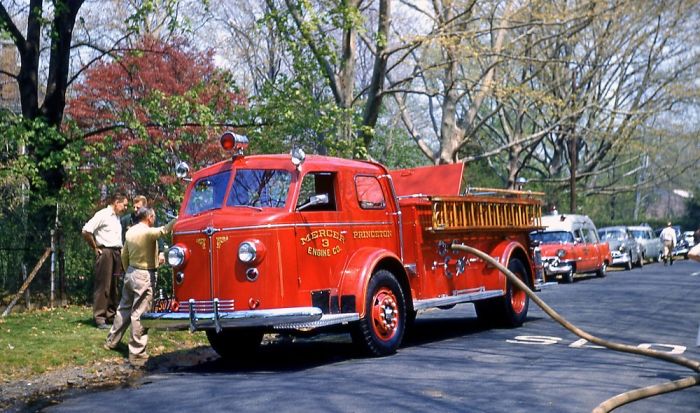
Fire Engine. Princeton, New Jersey, 1956
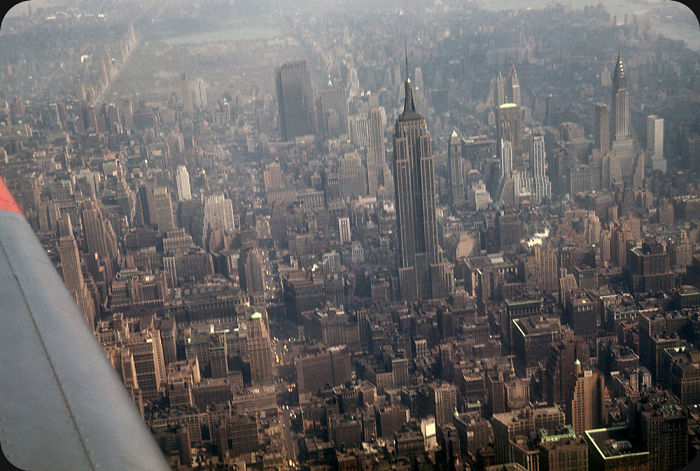
Manhattan, NY, 1953
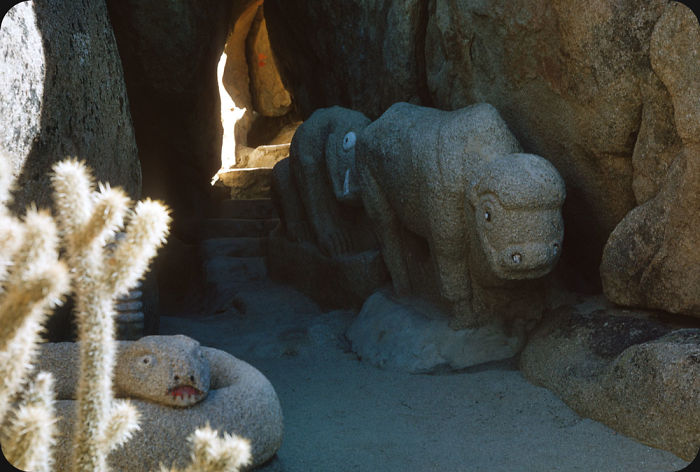
Boulder Park, Jacumba, Ca, 1959
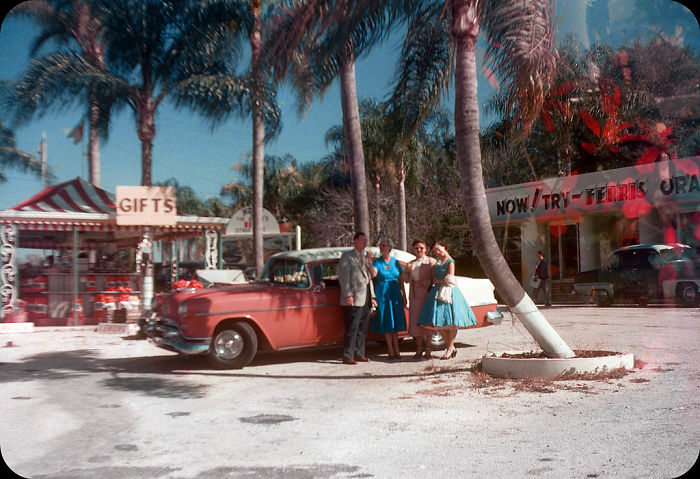
Fruit Stand. Floral City, Fl, 1955
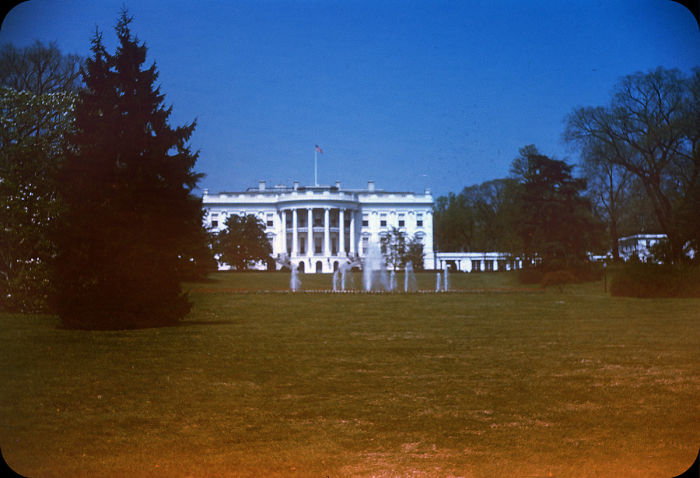
Washington DC, 1953
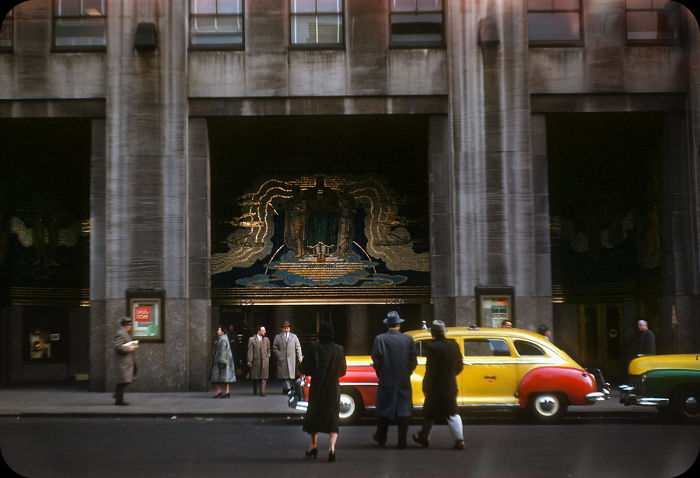
RCA Building Times Square, NYC, 1953
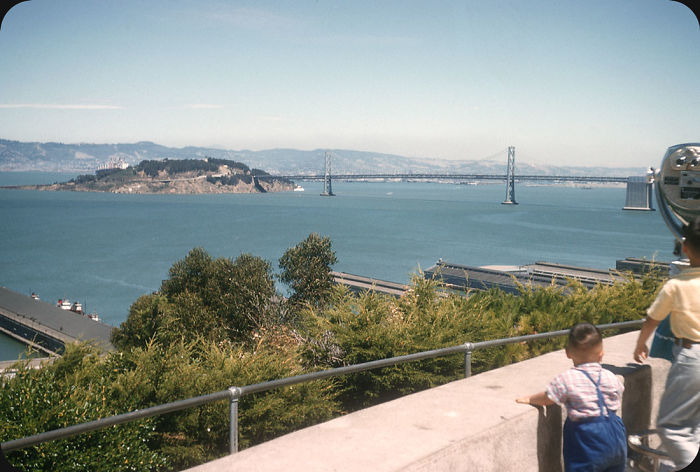
San Fransisco, Ca, 1957
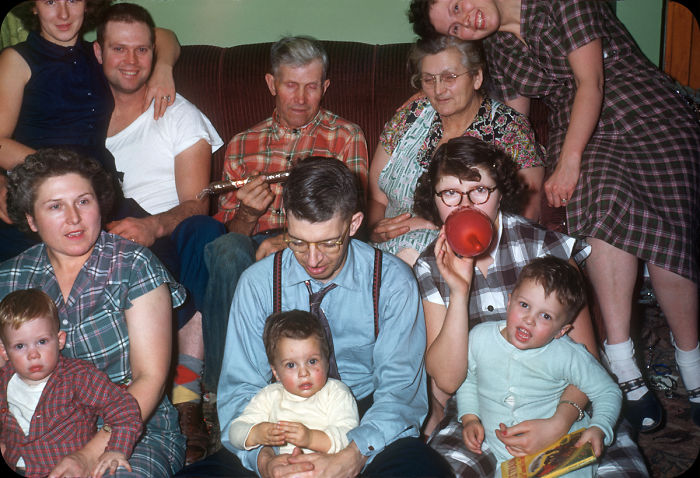
Christmas 1952
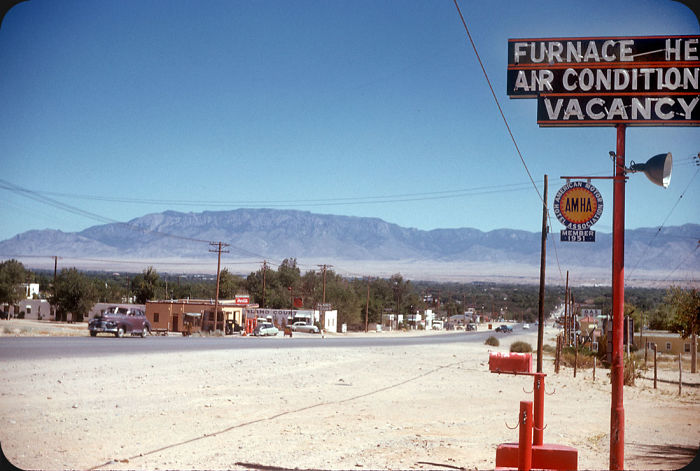
Albuquerque, 1951
Atlanta, 1959
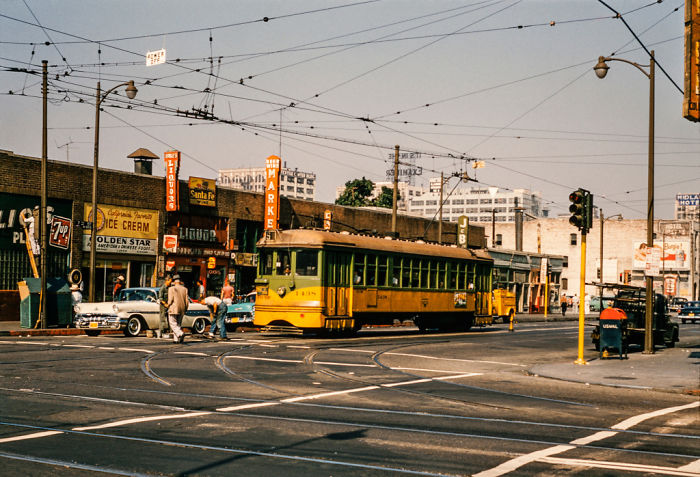
San Pedro Street In Los Angeles, 1957
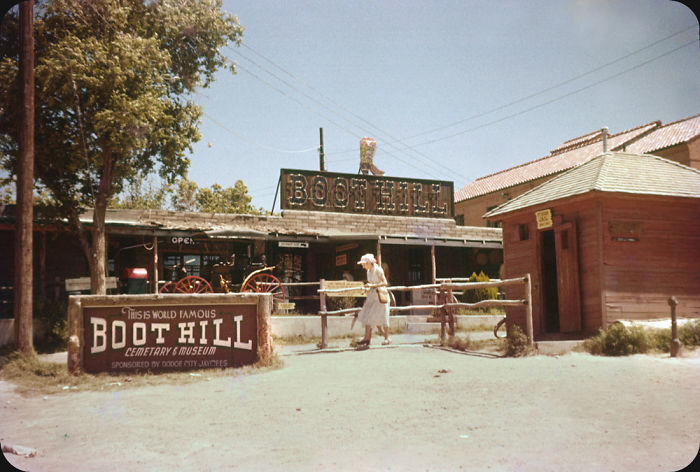
Boot Hill, Dodge City, Kansas, 1957
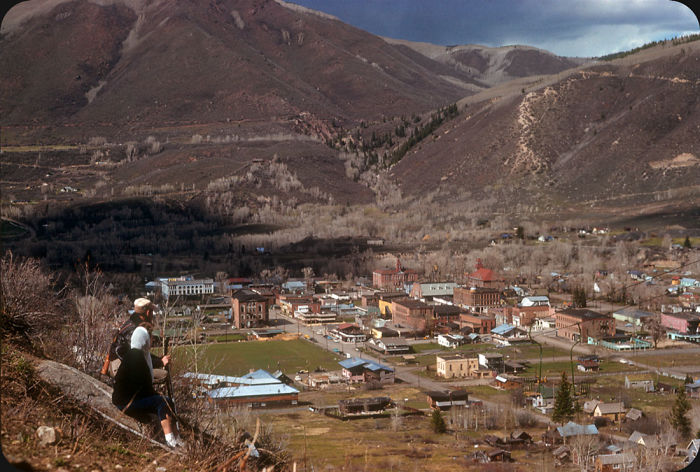
Aspen, CO, 1959
Boston Public Library, 1956
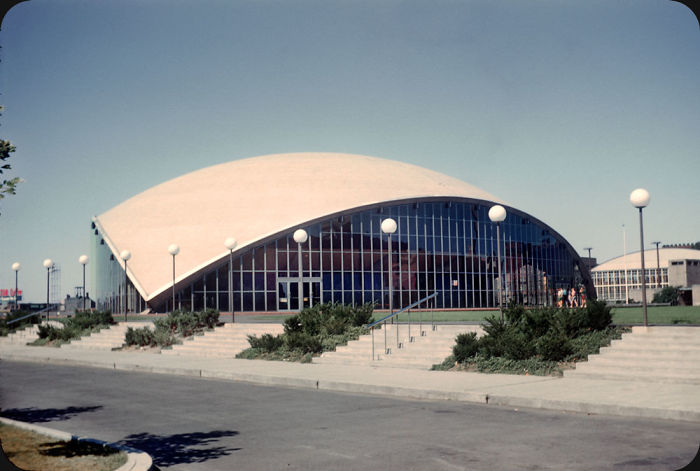
Kresge Auditorium, Mit, Cambridge, Ma, July 1957
Los Angeles 1952
Looking West From 333 N Michigan Ave. 1954, Chicago
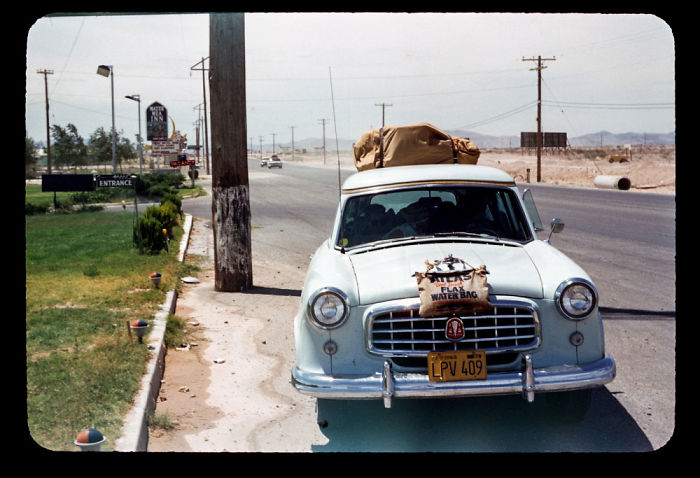
Rambler Cross Country On The Road In Utah, 1957
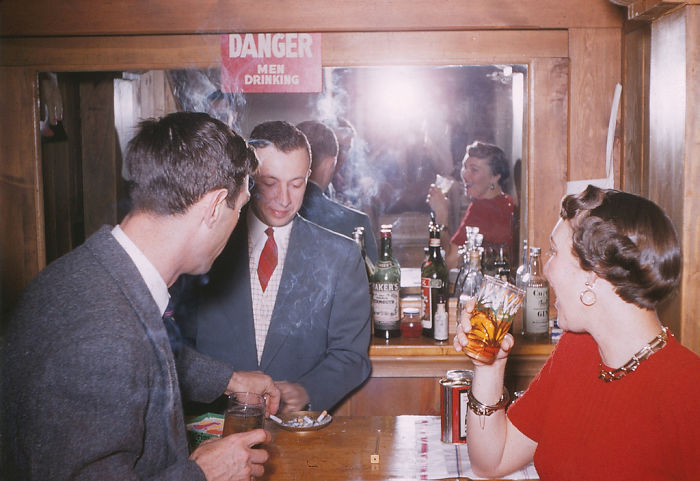
At The Party, 1956
A Party In San Diego, California, 1956
Canal & Chartres. New Orleans, La, 1954
New York Skyline From The Rockfeller Center 1954
Washington Dc, 1953
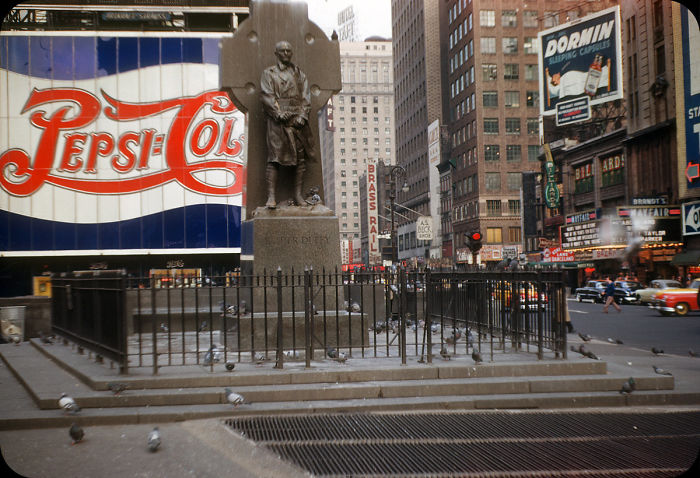
Father Duffy, Times Square, Nyc, 1953
Card Game, Honolulu, Hawaii, 1959

30 Amazing Photos Showing Life in Italy in the Mid-19th Century

Born 1834 in Frankfurt am Main, German photographer Giorgio Sommer became one of Europe’s most important and prolific photographers of the 19th century. Active from 1857 to 1888, he produced thousands of images of archeological ruins, landscapes, art objects and portraits.

After studying business in Frankfurt, Sommer opened his first photography studio in Switzerland, where he made relief images of mountains for the Swiss government. In 1856, moved his business to Naples and later (1866) formed a partnership with fellow German photographer Edmund Behles who owned a studio in Rome. Operating from their respective Naples and Rome studios, Sommer and Behles became one of the largest and most prolific photography concerns in Italy.

Sommer and Behles exhibited extensively and earned numerous honors and prizes for their work (London 1862, Paris 1867, Vienna 1873, Nuremberg 1885). At one time, Sommer was appointed official photographer to King Victor Emmanuel II of Italy.

Sommer was involved in every aspect of the photography business. He published his own images that he sold in his studios and to customers across Europe. In later years, he photographed custom images for book illustrations, as well as printing his own albums and postcards.

In Naples, Sommer opened a total of four additional studios: at No. 4 and No. 8 Monte di Dio, No. 5 Magazzino S. Caterina, and a last at Piazza della Vittoria.

Sommer died in Naples in 1914 at the age of 79.

These amazing photographs are part of Sommer’s work that he captured everyday life of Italy from the 1860s and 1880s.

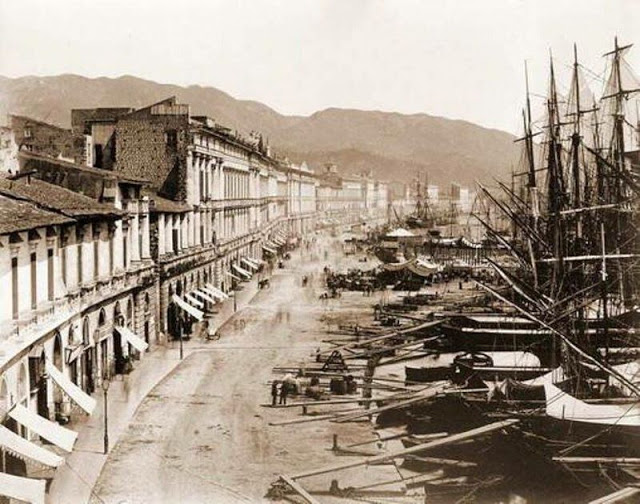
Messina harbour, circa 1862
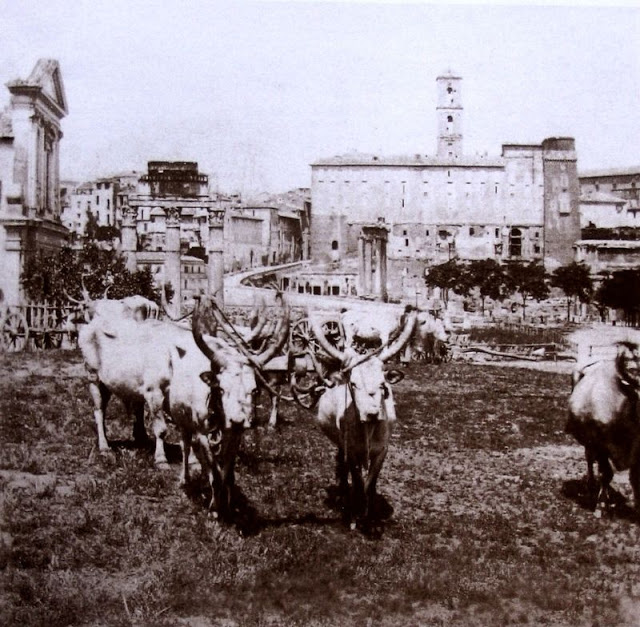
Oxen and carts, Rome, circa, 1862
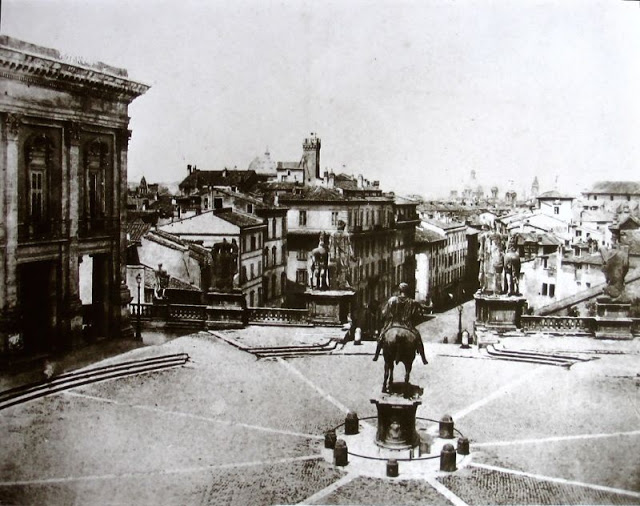
Piazza del Campidoglio from Palazzo Senatorio, Rome, circa 1862
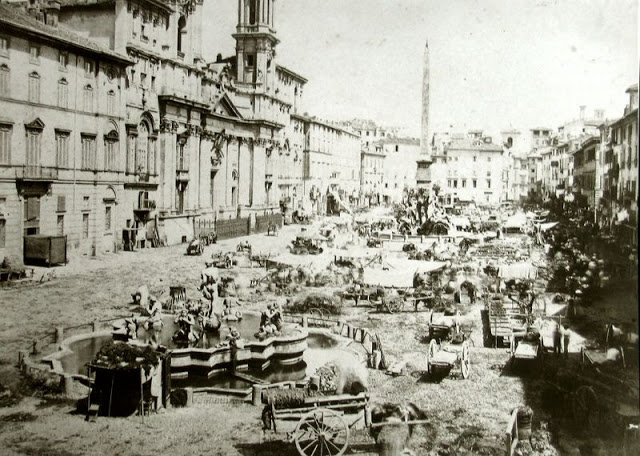
The market, Piazza Navona, Rome, 1865
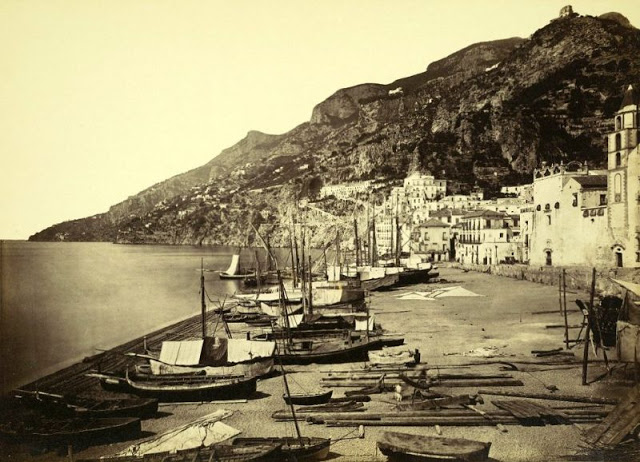
Amalfi Marina, circa 1865
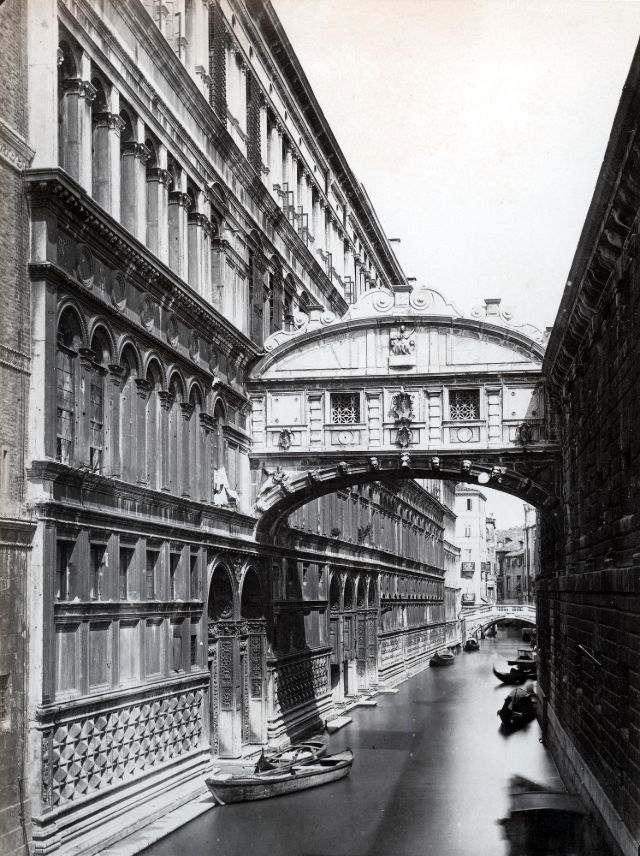
Bridge of Sighs, Venice, circa 1865
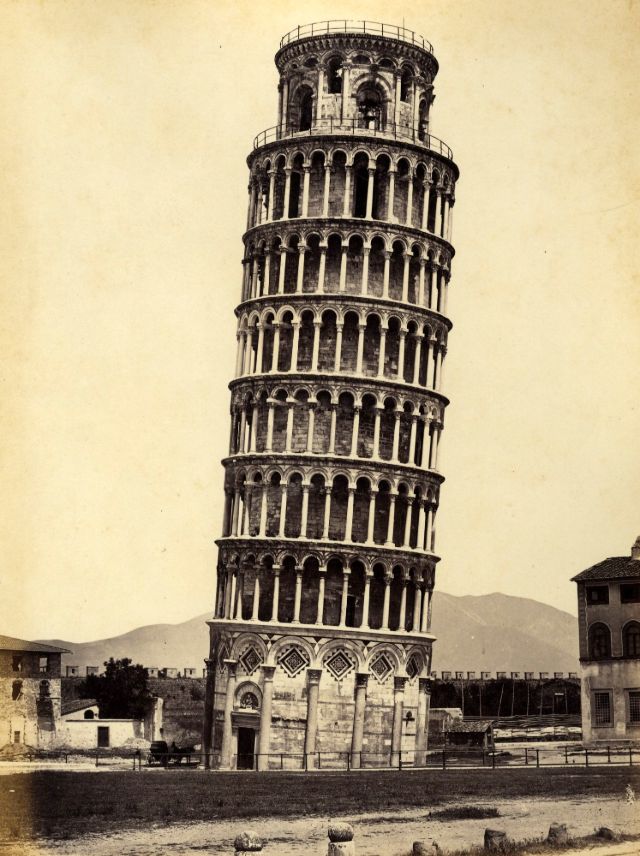
Leaning Tower of Pisa, circa 1865
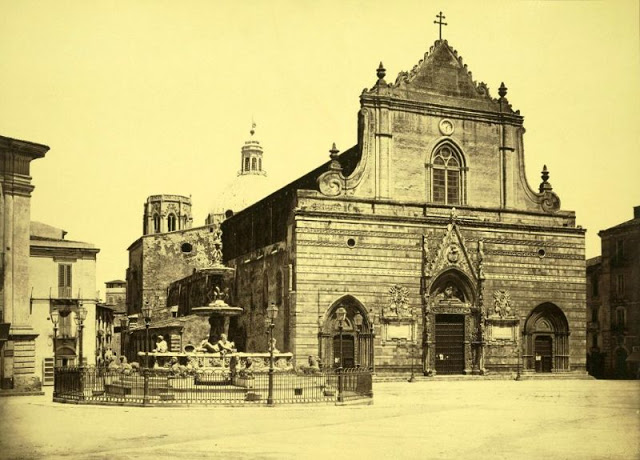
Messina cathedral, Sicily, circa 1865
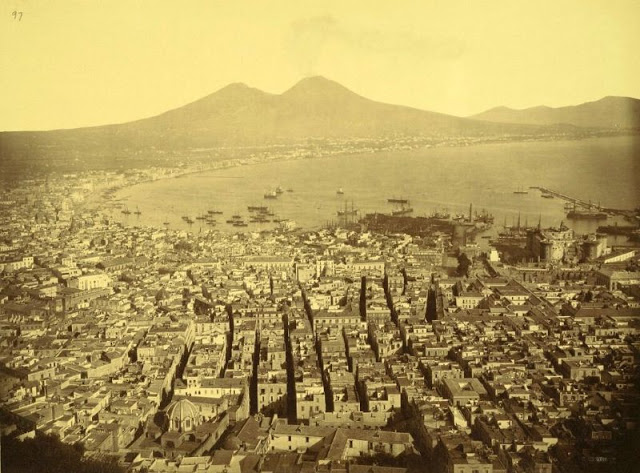
Naples from San Martino, circa 1865
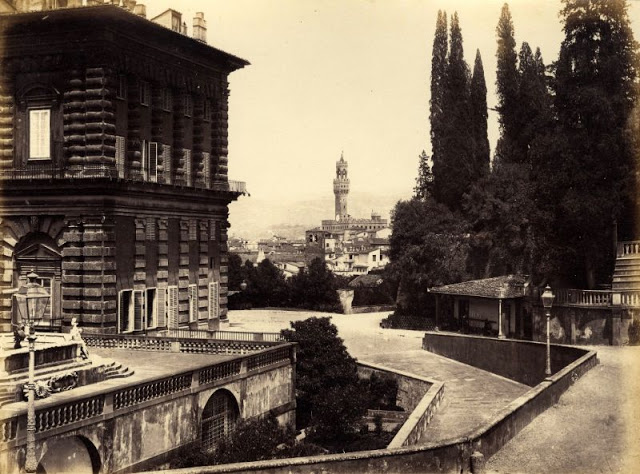
Old Palace from the Boboli Garden, Florence, circa 1865
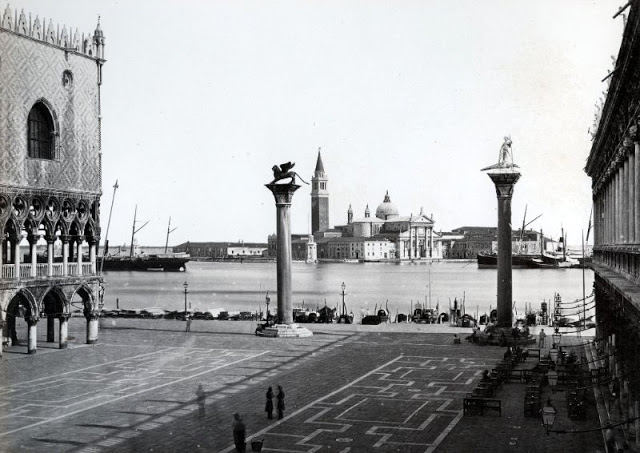
Piazzetta San Marco and Isola St Giorgio, Venice, circa 1865
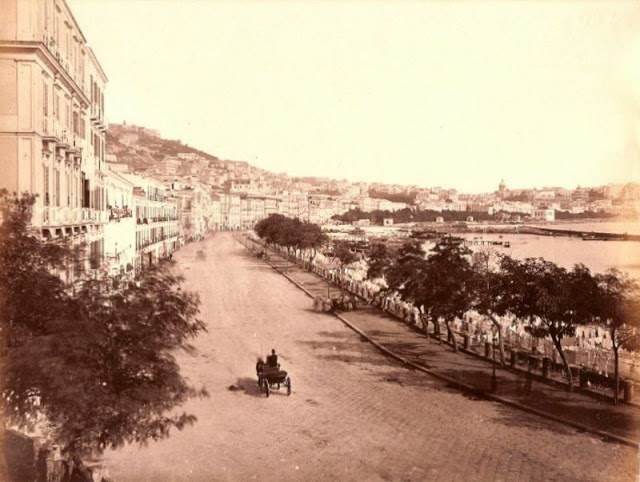
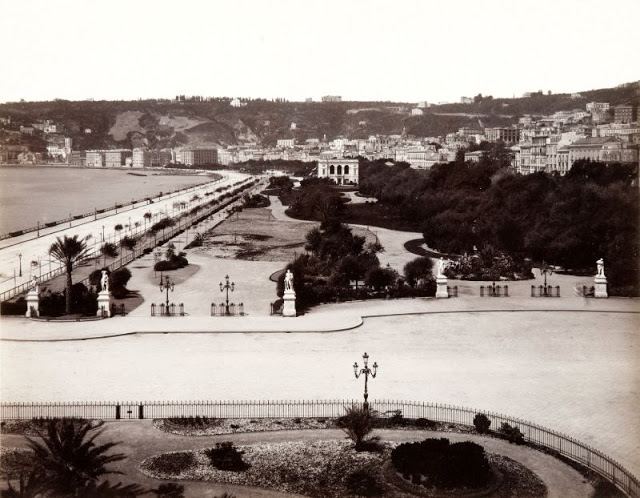
Riviera di Chiaia, Naples, circa 1865
Topographical view of Monreale, Sicily, circa 1865
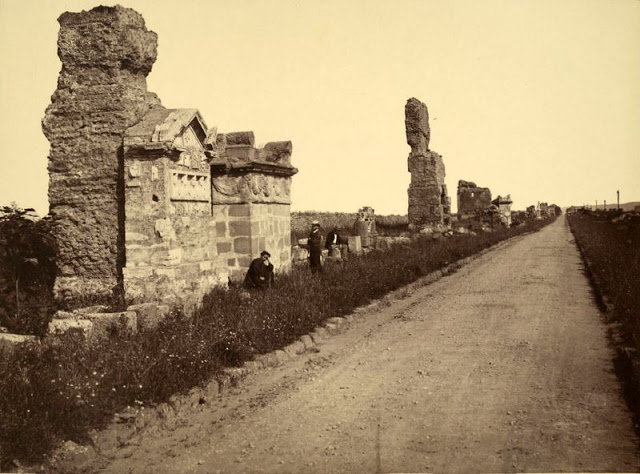
Via Appia, Rome, circa 1865
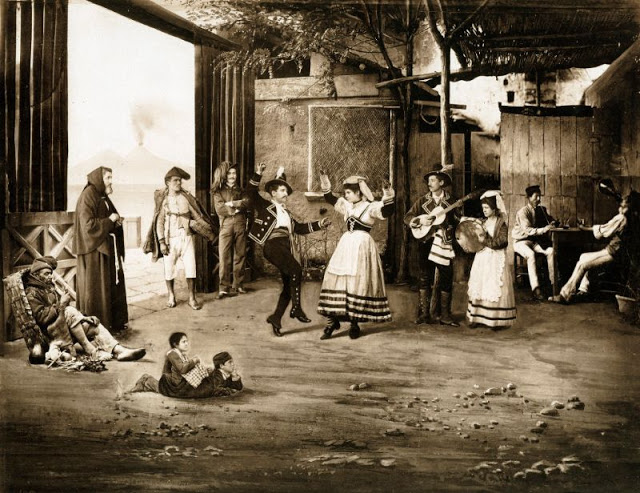
Dancing the Tarentella, Naples, circa 1875
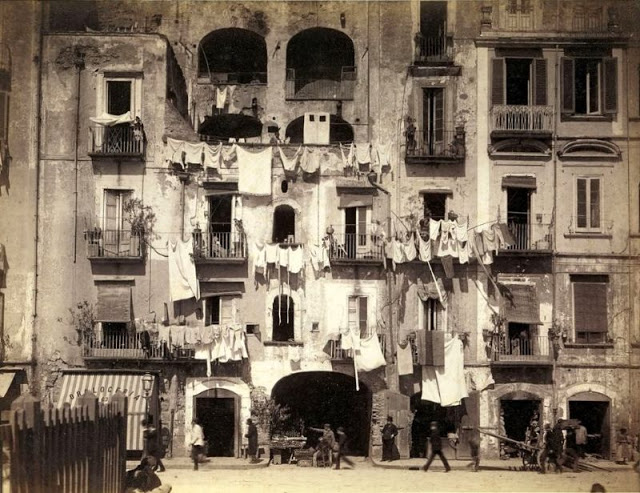
Facades in S. Lucia, Naples, circa 1878
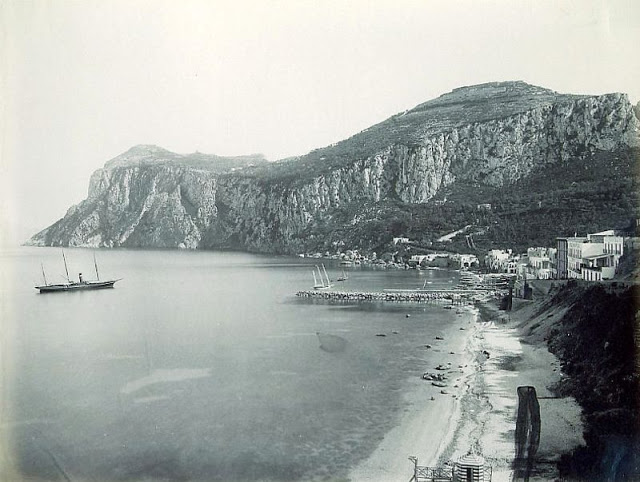
Marina of Capri, circa 1880
Naples, circa 1880
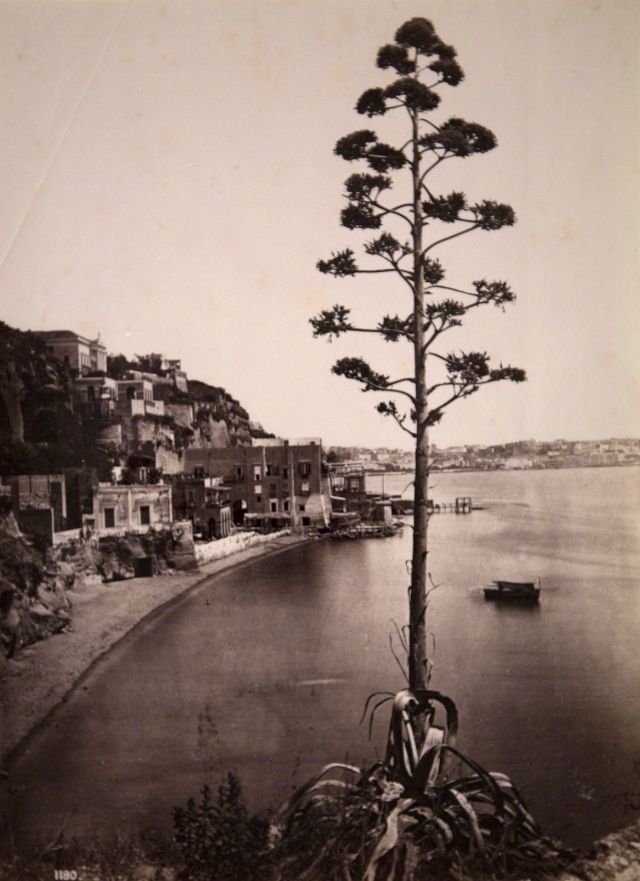
Posillipo, Naples, circa 1880
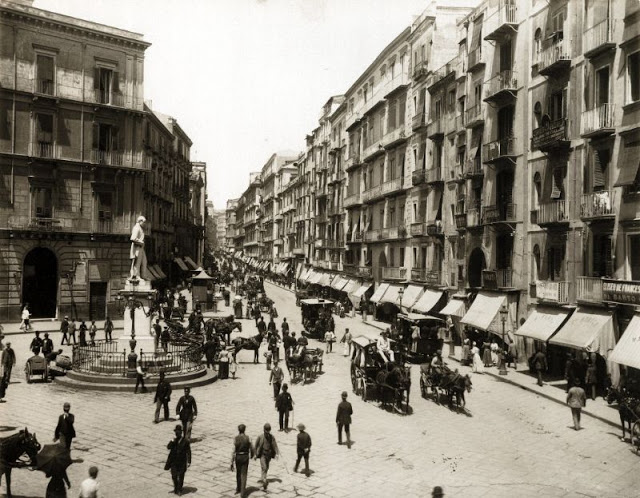
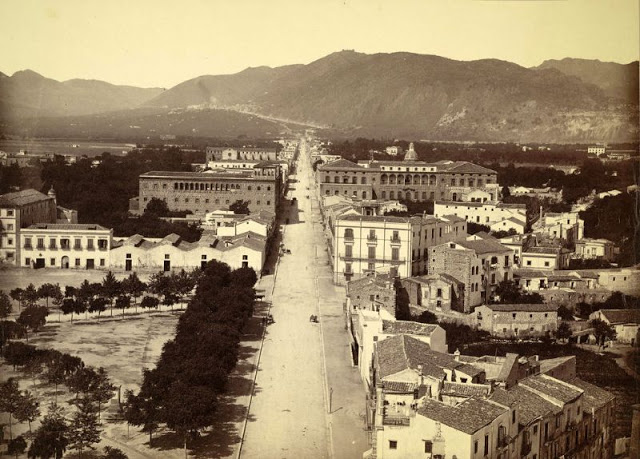
Via Roma, Napoli, circa 1880
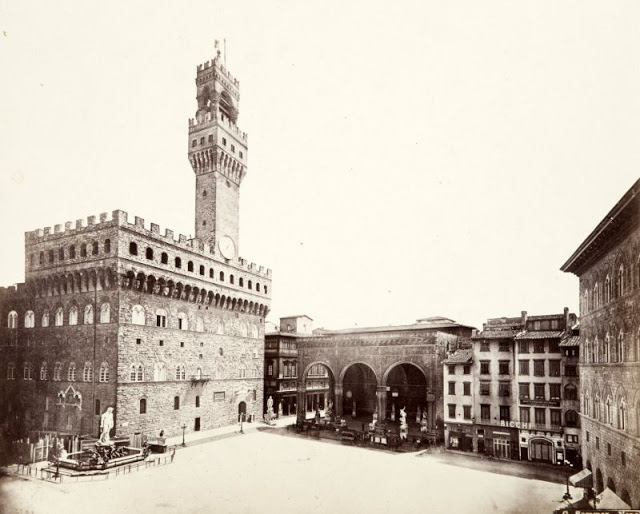
Palazzo Vecchio, Florence, 1883
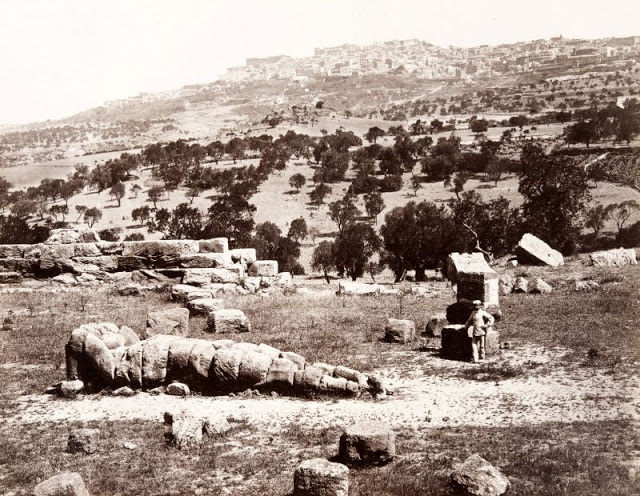
Agrigento, view from the Temple of Jupiter, 1888
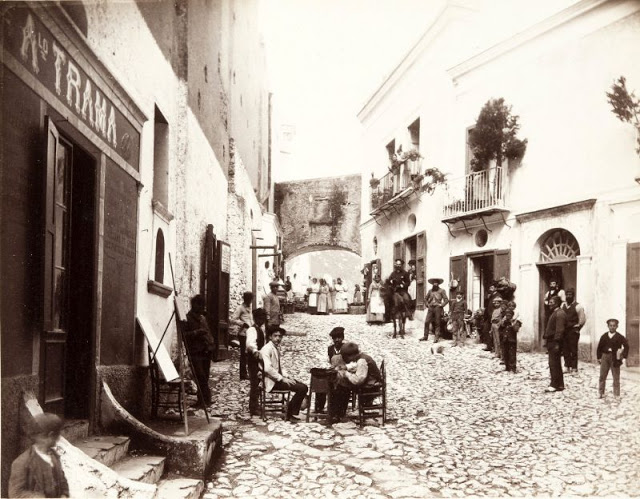
Capri, 1888
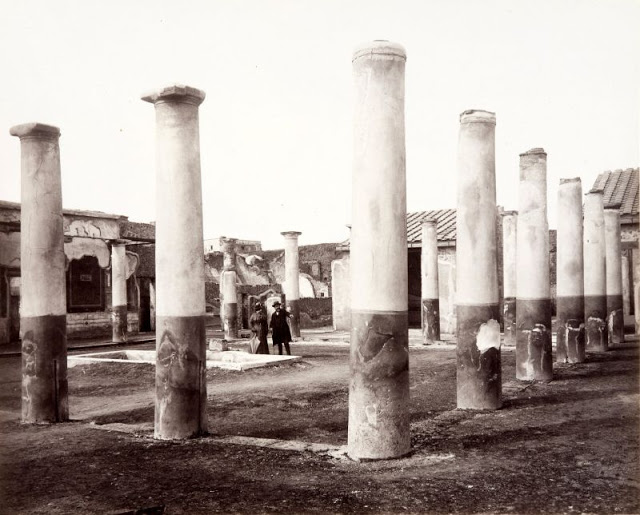
Casa del Fauno, Pompei, 1888
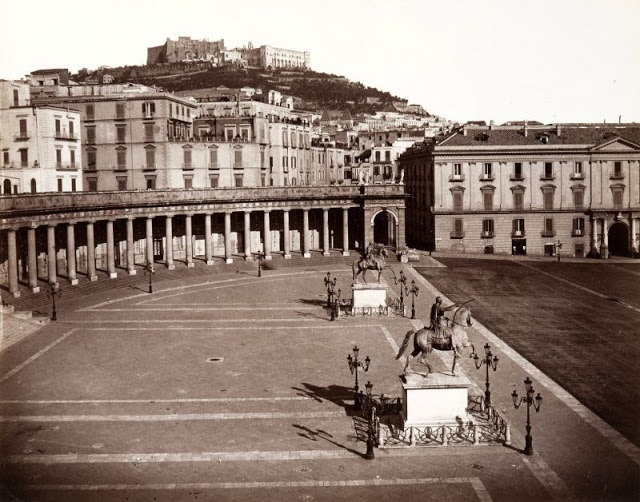
Largo Plazza, Naples, 1888
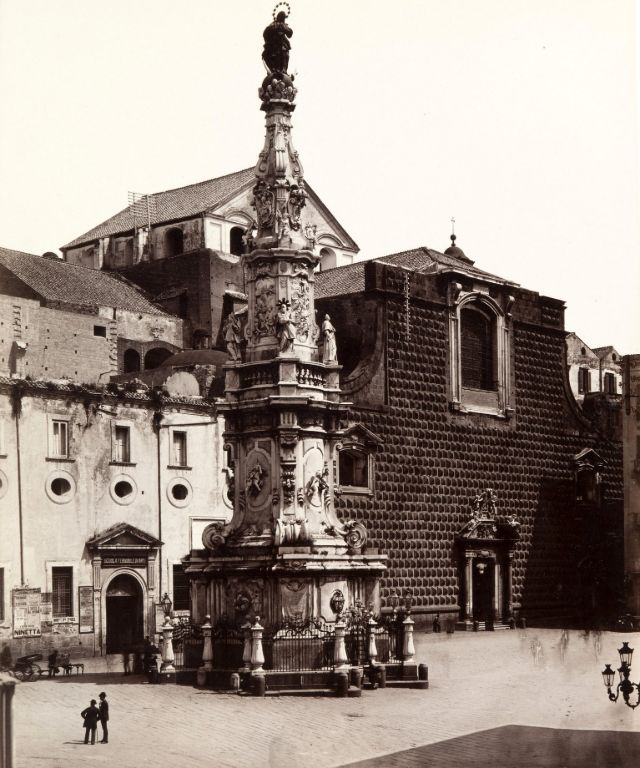
Piazza Trinita Maggiore, Naples, 1888
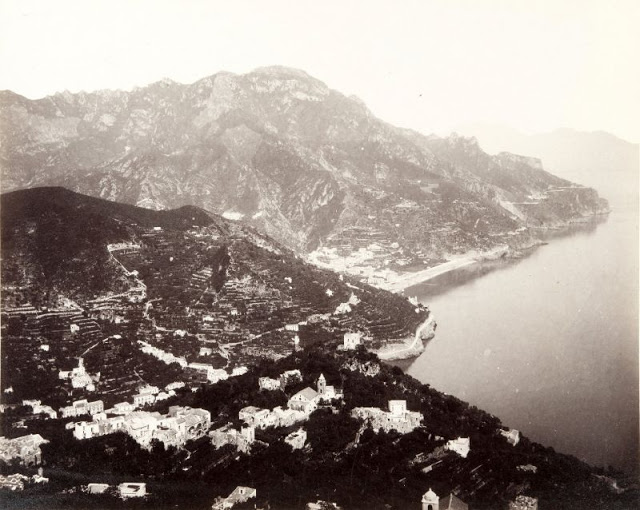
Ravello, 1888
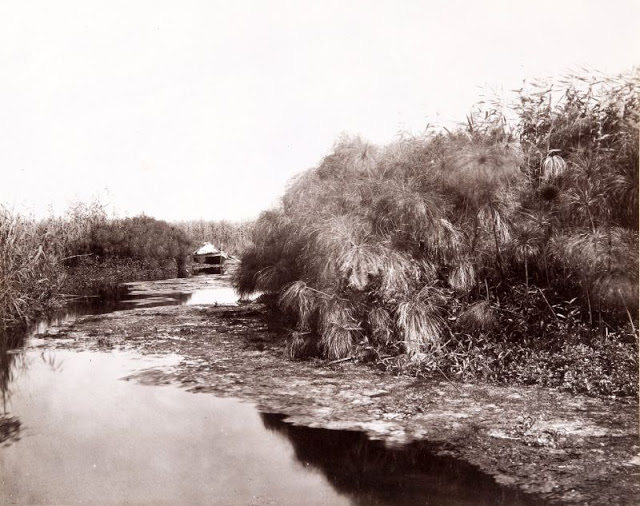
The Anapo river and the papyrus, Syracuse, 1888
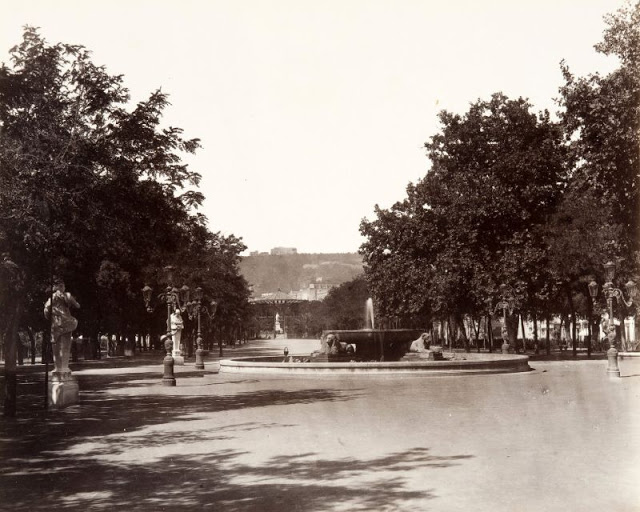
Villa Nazionale, Naples, 1888

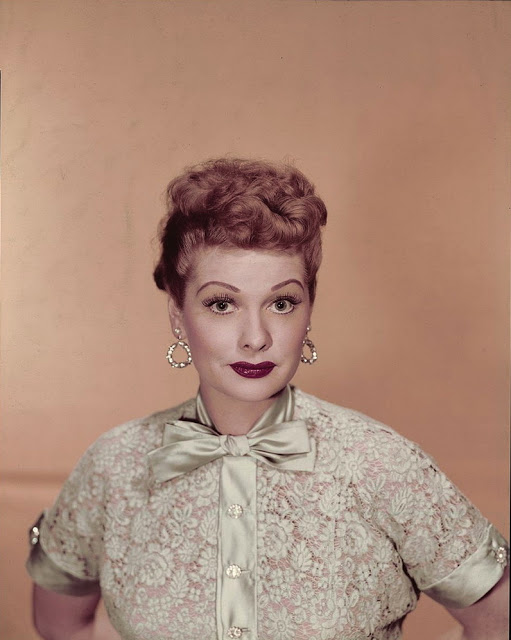
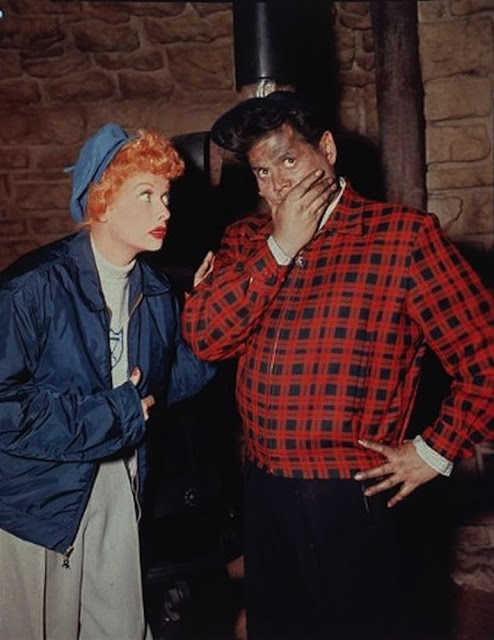
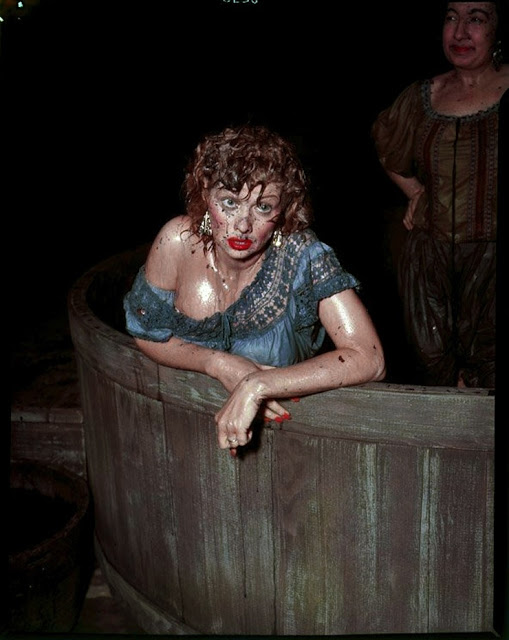
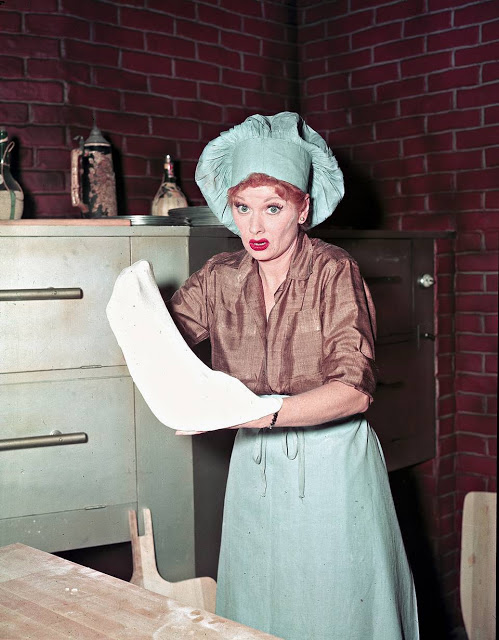
24 Rare Color Photos From “I Love Lucy” in the 1950s

I Love Lucy is an American television sitcom that originally aired on CBS from October 15, 1951, to May 6, 1957, with a total of 180 half-hour episodes, spanning six seasons. The show starred Lucille Ball, her husband, Desi Arnaz, along with Vivian Vance and William Frawley. The series followed the life of Lucy Ricardo (Ball), a young, middle-class housewife living in New York City, who often concocted plans with her best friends, Ethel and Fred Mertz (Vance and Frawley), to appear alongside her bandleader husband, Ricky Ricardo (Arnaz), in his nightclub. Lucy is depicted trying numerous schemes to mingle with and be a part of show business. After the series ended in 1957, a modified version of the show continued for three more seasons, with 13 one-hour specials, which ran from 1957 to 1960. It was first known as The Lucille Ball–Desi Arnaz Show, and later, in reruns, as The Lucy–Desi Comedy Hour.

I Love Lucy became the most-watched show in the United States in four of its six seasons and it was the first to end its run at the top of the Nielsen ratings. As of 2011, episodes of the show have been syndicated in dozens of languages across the world and remain popular with an American audience of 40 million each year. A colorized version of its Christmas episode attracted more than eight million viewers when CBS aired it in prime time in 2013, 62 years after the show premiered. CBS has aired two to three colorized episodes each year since then, once at Christmas and again in the spring.

The show, which was the first scripted television program to be shot on 35 mm film in front of a studio audience, by cinematographer Karl Freund, won five Emmy Awards and received many nominations and honors. It was the first show to feature an ensemble cast. As such, it is often regarded as both one of the greatest and most influential sitcoms in history. In 2012, it was voted the ‘Best TV Show of All Time’ in a survey conducted by ABC News and People magazine. (Wikipedia)
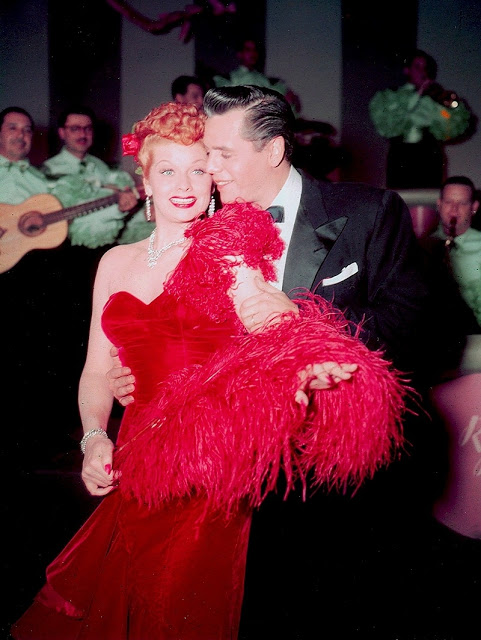
These color publicity photos and behind the scene shots from the iconic black and white TV series will blow your mind.

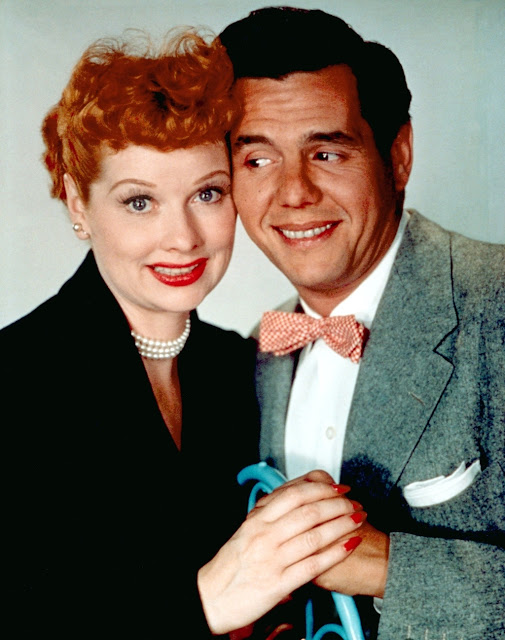
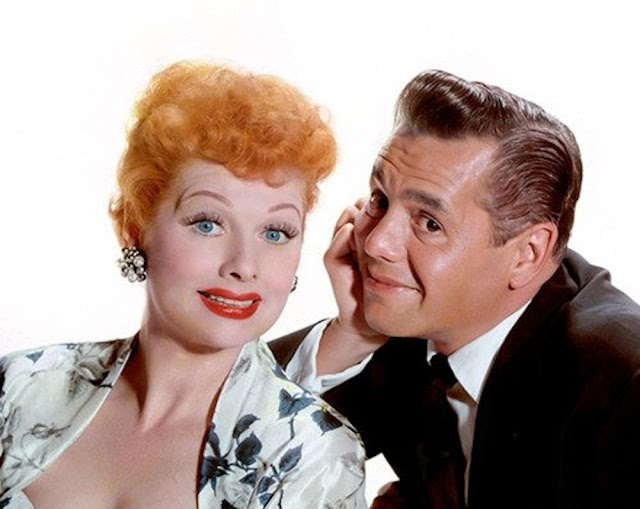
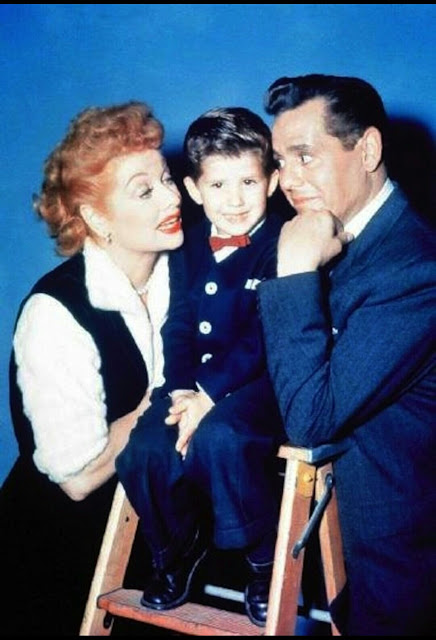
Lucille Ball and Desi Arnaz publicity photo.
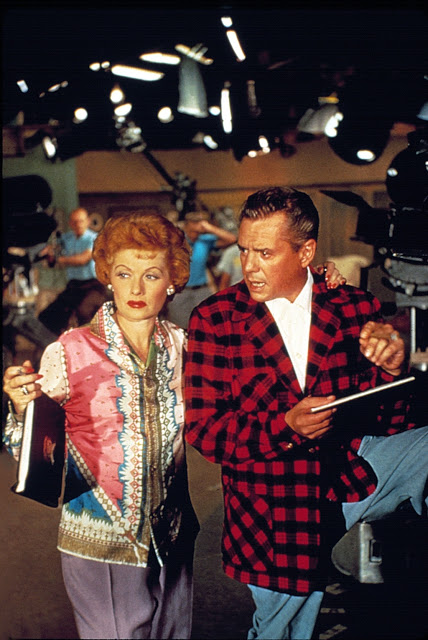
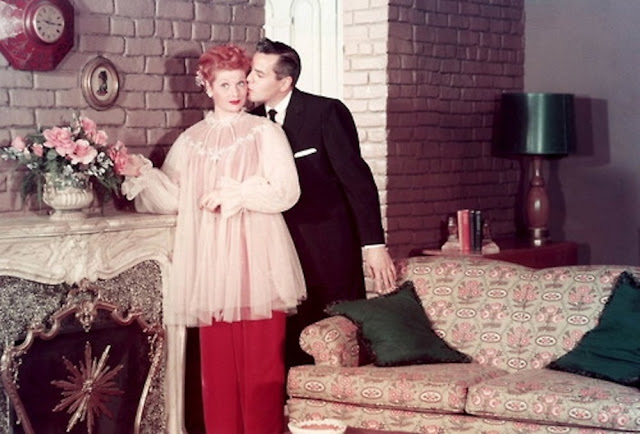
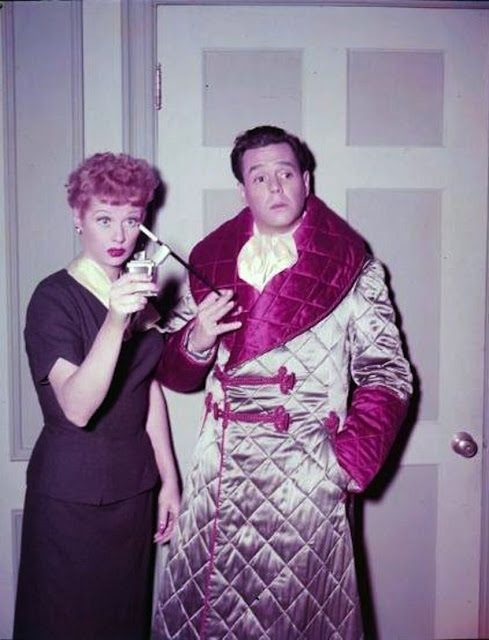
On set photo in the New York apartment set (1952).
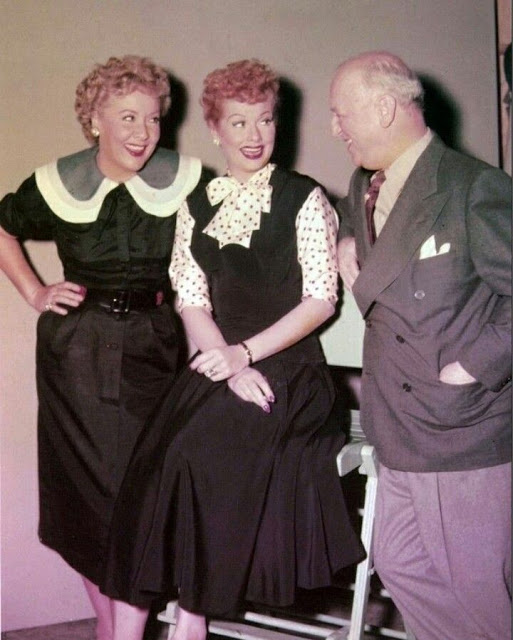
Vivian Vance and William Frawley with Lucille.
Publicity photo of Lucille and Desi with Keith Thibodeaux who played “Little Ricky”.
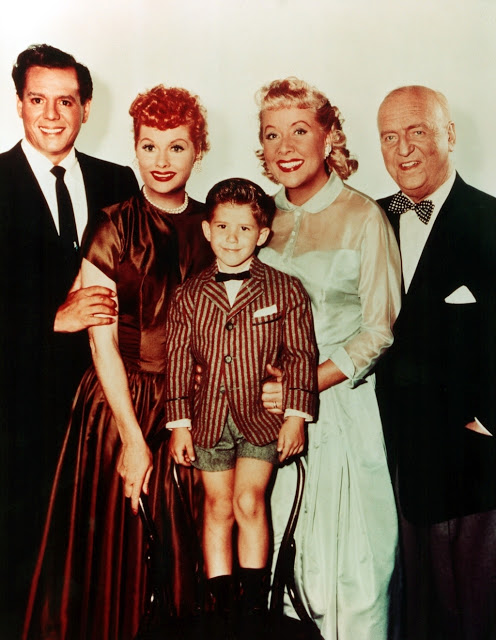
I Love Lucy cast photo.
On set photo from “Cuban Pals” episode (1952).
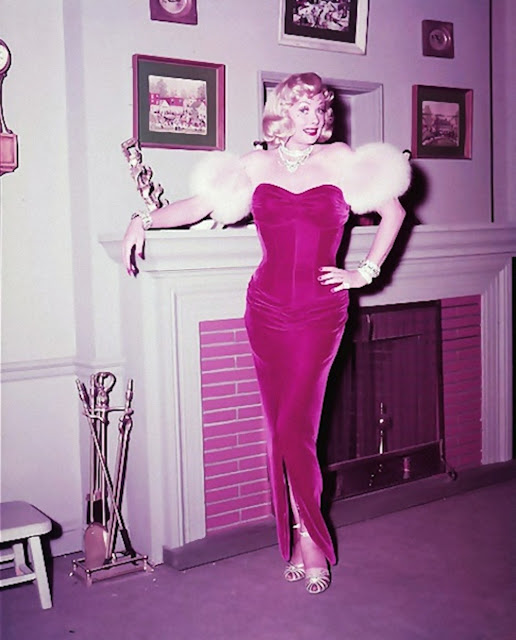
On set photo of Lucy as Marilyn Monroe, from “Ricky’s Movie Offer” (1954).
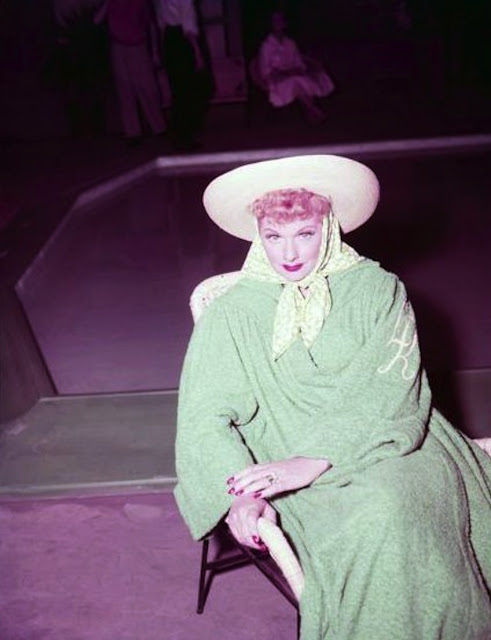
Photo from “In Palm Springs” episode (1955).
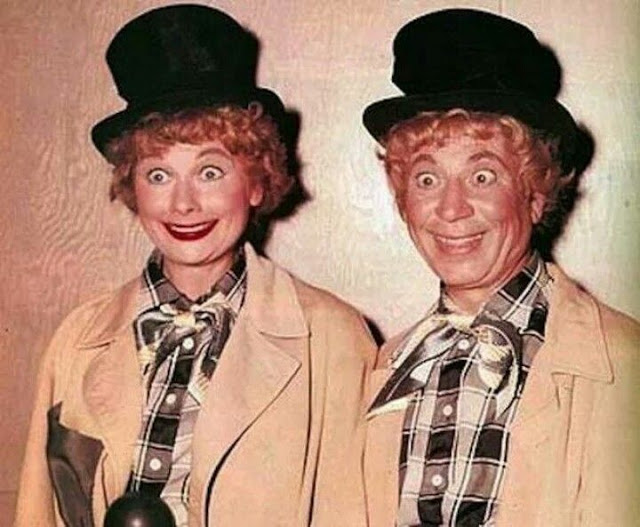
Lucille Ball and Harpo Marx from “Lucy and Harpo Marx” episode (1955).
On set photo from “Homecoming” episode (1955).
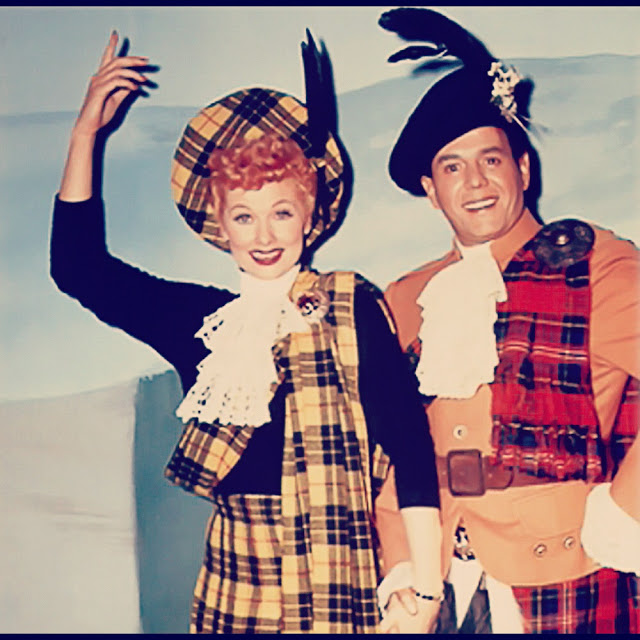
On set photo from “Lucy Goes to Scotland” episode (1956).
Photo from “Lucy in the Swiss Alps” episode (1956).
The iconic “Lucy’s Italian Movie” episode (1956).
Photo from “Visitor From Italy” episode (1956).
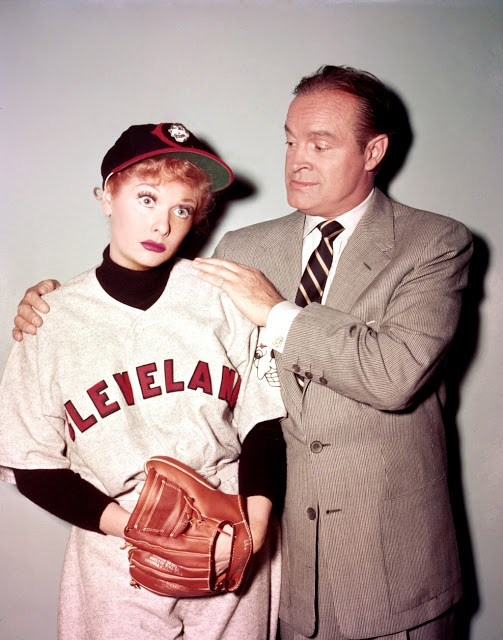
On set photo with Bob Hope from “Lucy Meets Bob Hope” episode (1956).
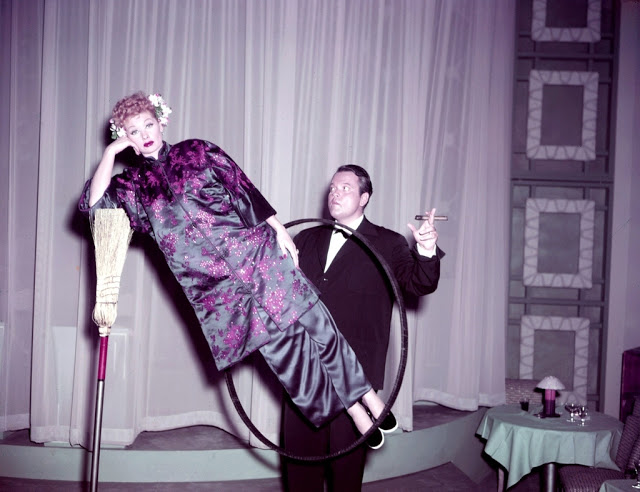
Lucille with Orson Welles, publicity photo from “Lucy Meets Orson Welles” episode (1956).
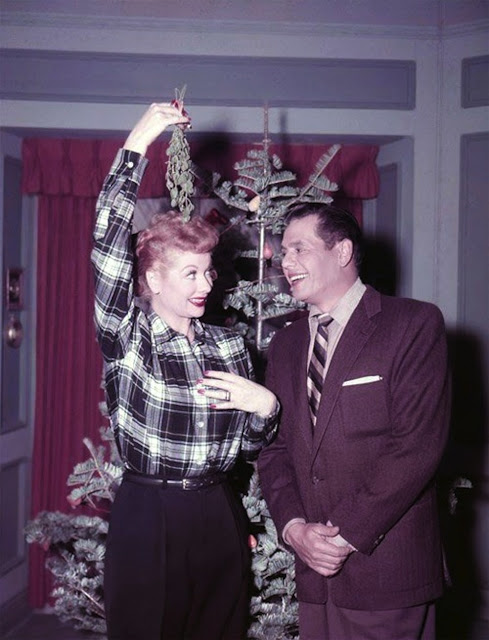
Publicity photo from “I Love Lucy Christmas Show” episode (1956).
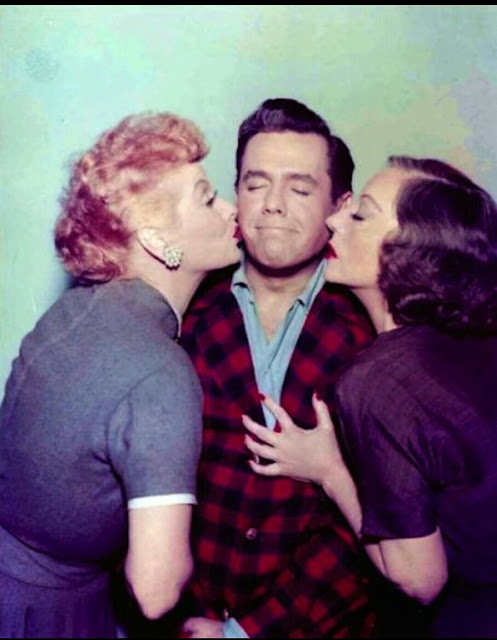
Behind the scenes photo of Lucille and Desi, with guest star Tallulah Bankhead, from “The Celebrity Next Door” episode (1957).
Behind the scenes photo from “Lucy Goes to Mexico” episode (1958).
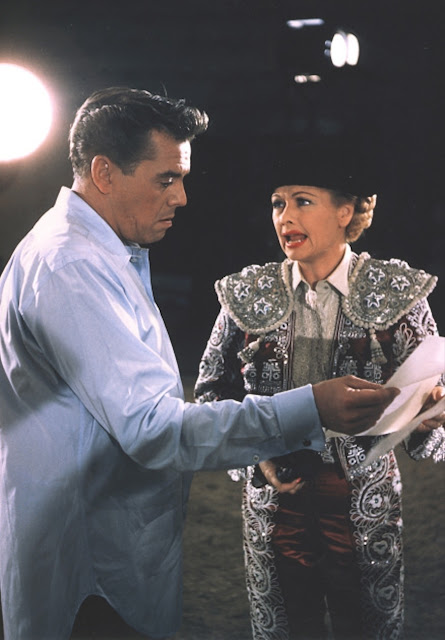
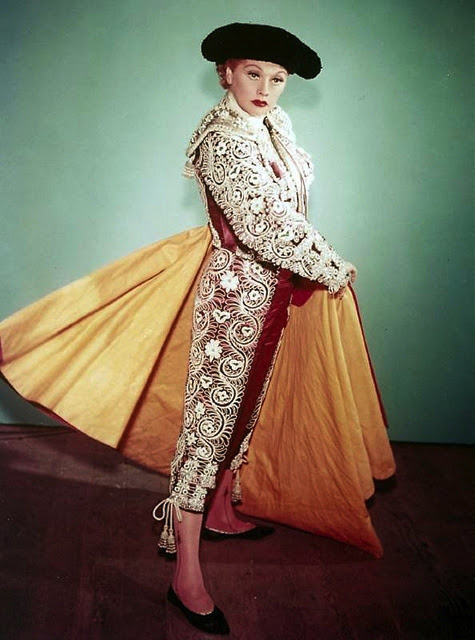
Matador wardrobe shot from “Lucy Goes To Mexico.”
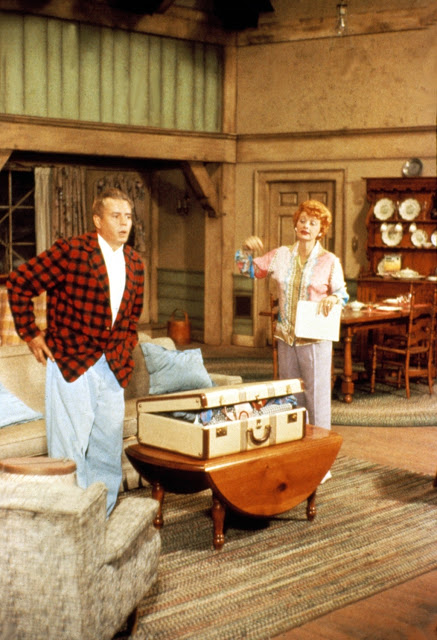
Lucille & Desi in the Connecticut home set.

40 Amazing Colorized Historical Photos

It’s incredible how much more we can relate to photographs once they are presented in color. These moments in the past go from being a distant memory, to one that we can relate to on a much deeper and more personal level.

Women Delivering Ice, 1918
Painting WWII Propaganda Posters, Port Washington, New York – 8 July 1942
Theoretical physicist Albert Einstein, 1921
Easter Eggs for Hitler, c 1944-1945
Abandoned Boy Holding a Stuffed Toy Animal. London 1945
Hindenburg Disaster – May 6, 1937
Japanese Archers, 1860
View from Capitol in Nashville, Tennessee During the Civil War, 1864
Unemployed Lumber Worker, 1939
Auto Wreck in Washington D.C, 1921
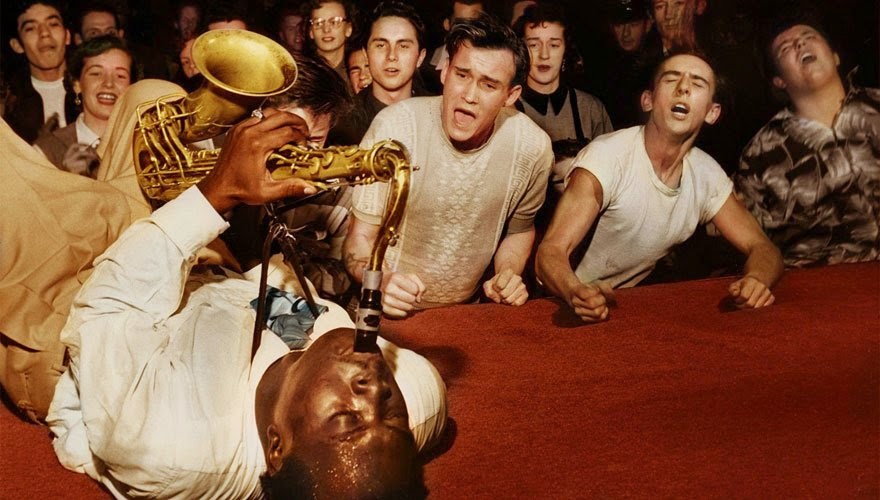
Big Jay McNeely Driving the Crowd at the Olympic Auditorium into a Frenzy, Los Angeles, 1953
Albert Einstein, Summer 1939 Nassau Point, Long Island, NY
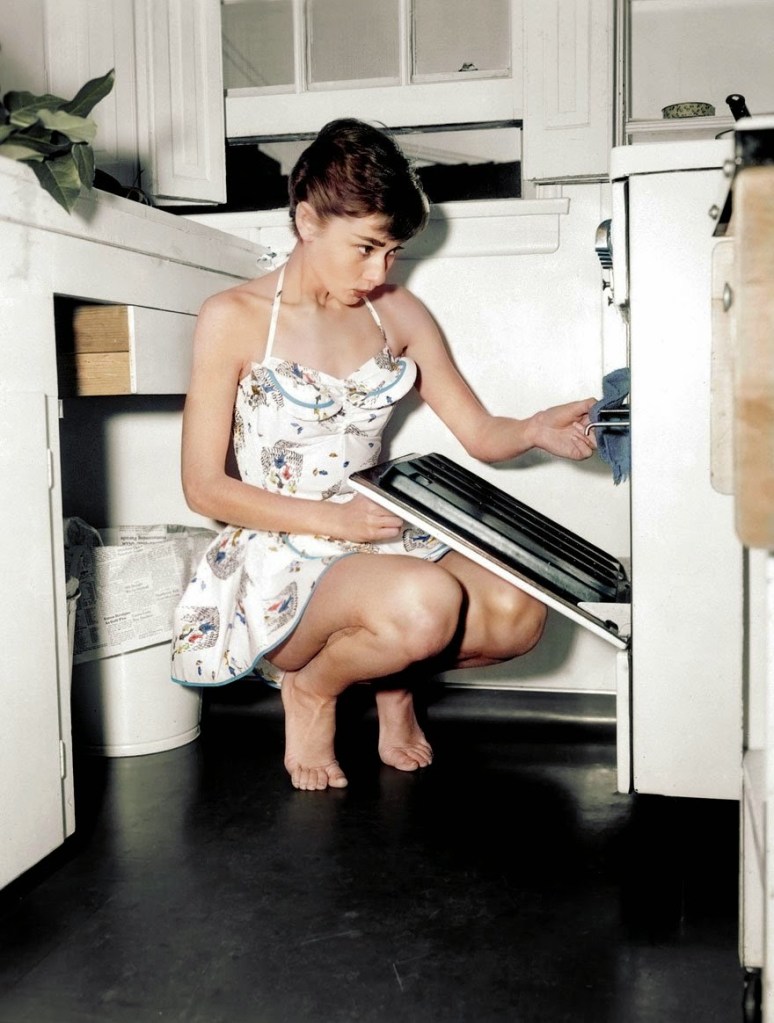
Audrey Hepburn
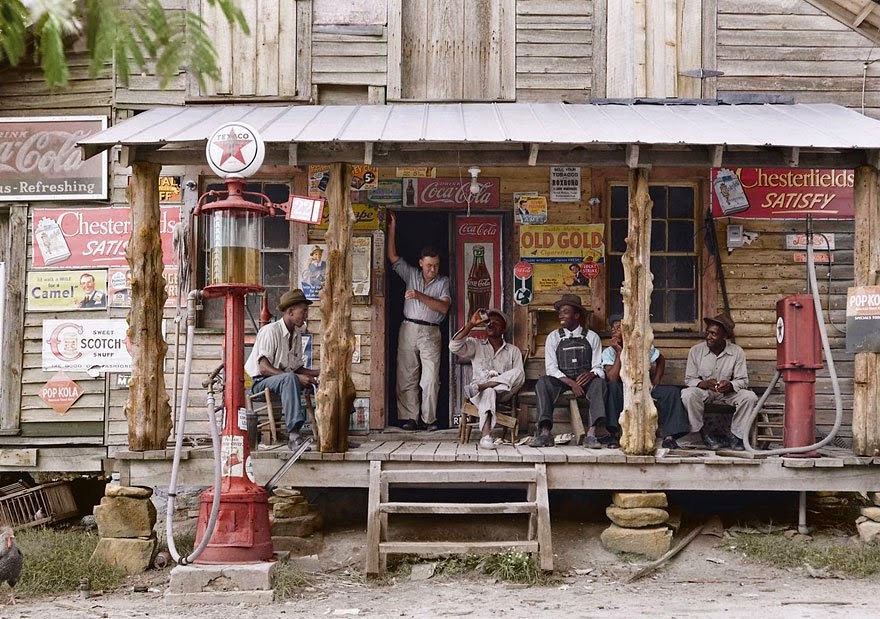
‘Old Gold’, Country Store, 1939
Joseph Goebbels Scowling at Photographer Alfred Eisenstaedt after Finding out he’s Jewish, 1933
Nikola Tesla, 1893
W.H. Murphy and his Associate Demonstrating their Bulletproof Vest on October 13, 1923
Young Boy in Baltimore Slum Area, July 1938
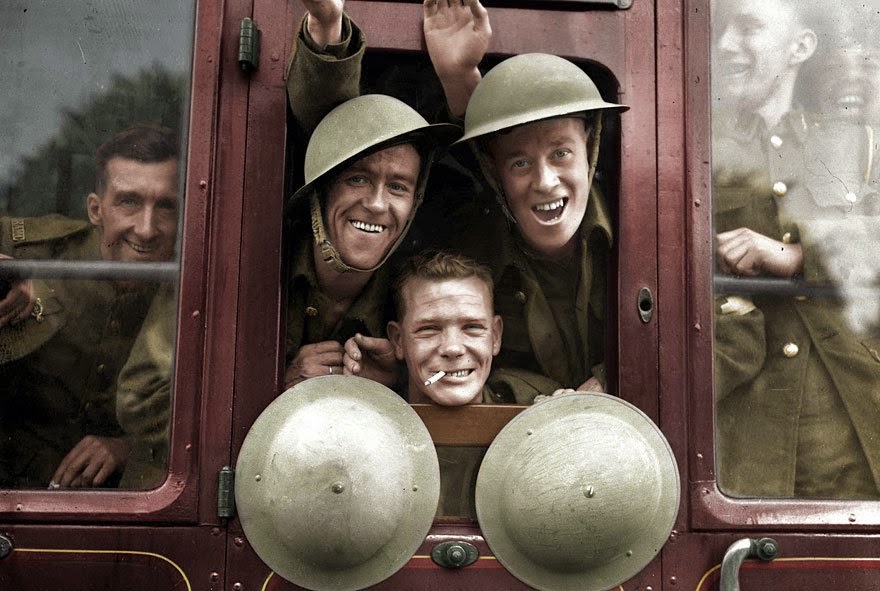
British Troops Cheerfully Board their Train for the First Stage of their Trip to the Western Front – England, September 20, 1939
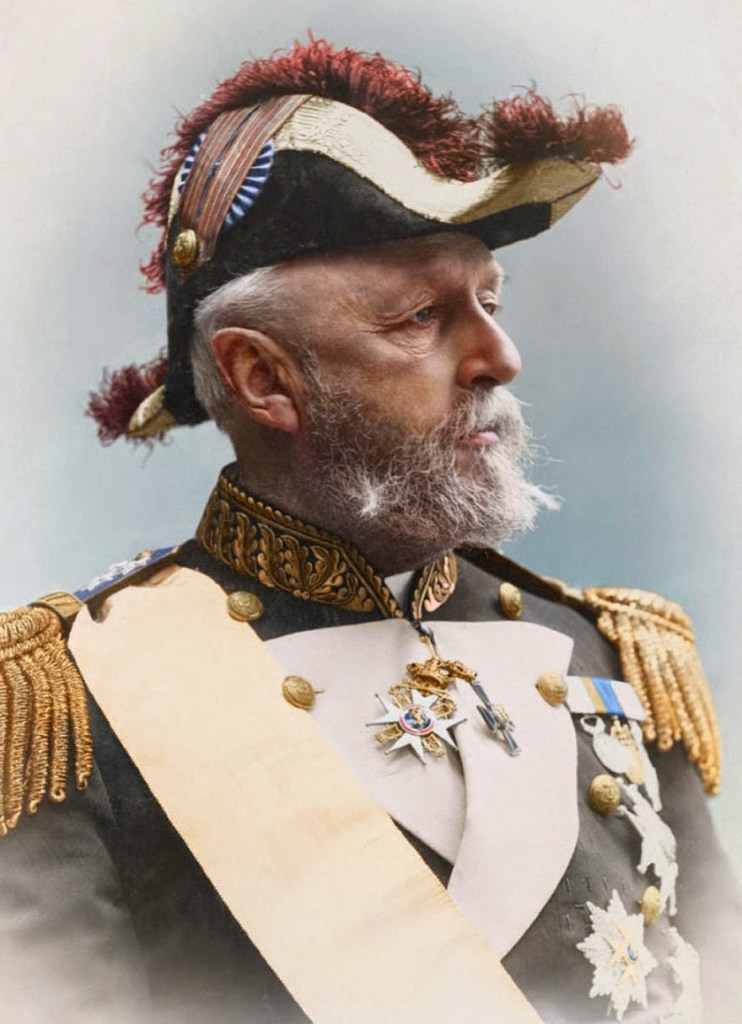
Oscar II, King of Sweden and Norway, 1880
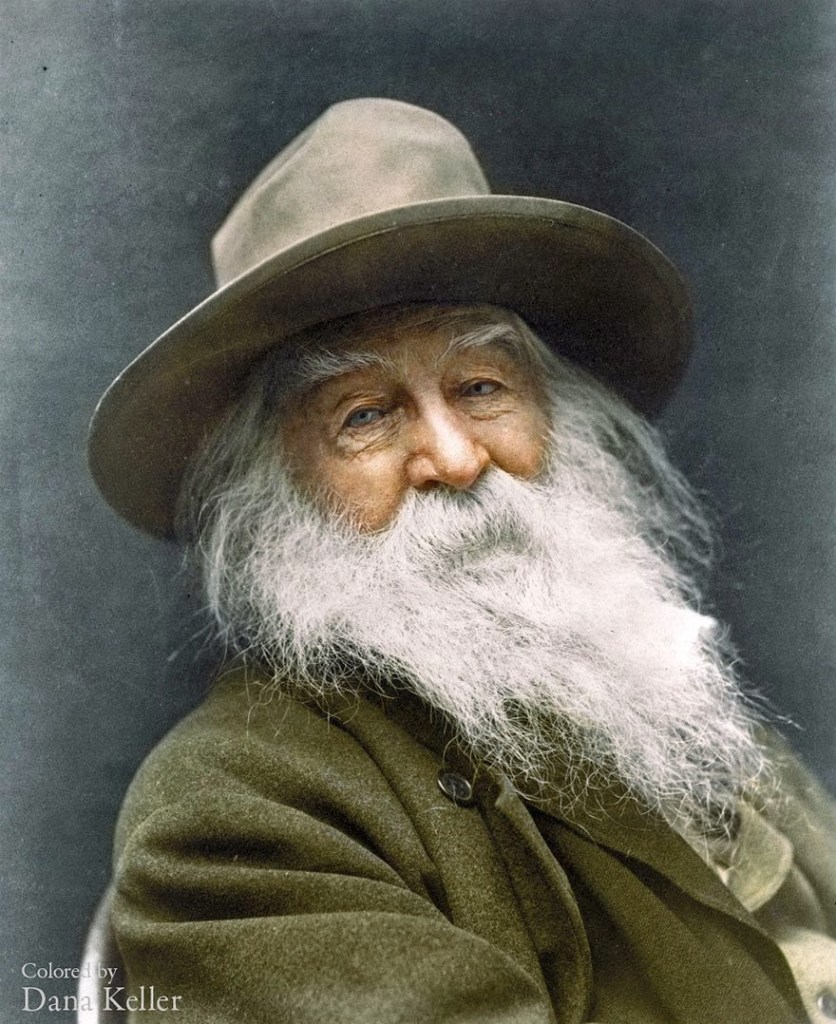
Walt Whitman, 1887
Mark Twain in the Garden, 1900
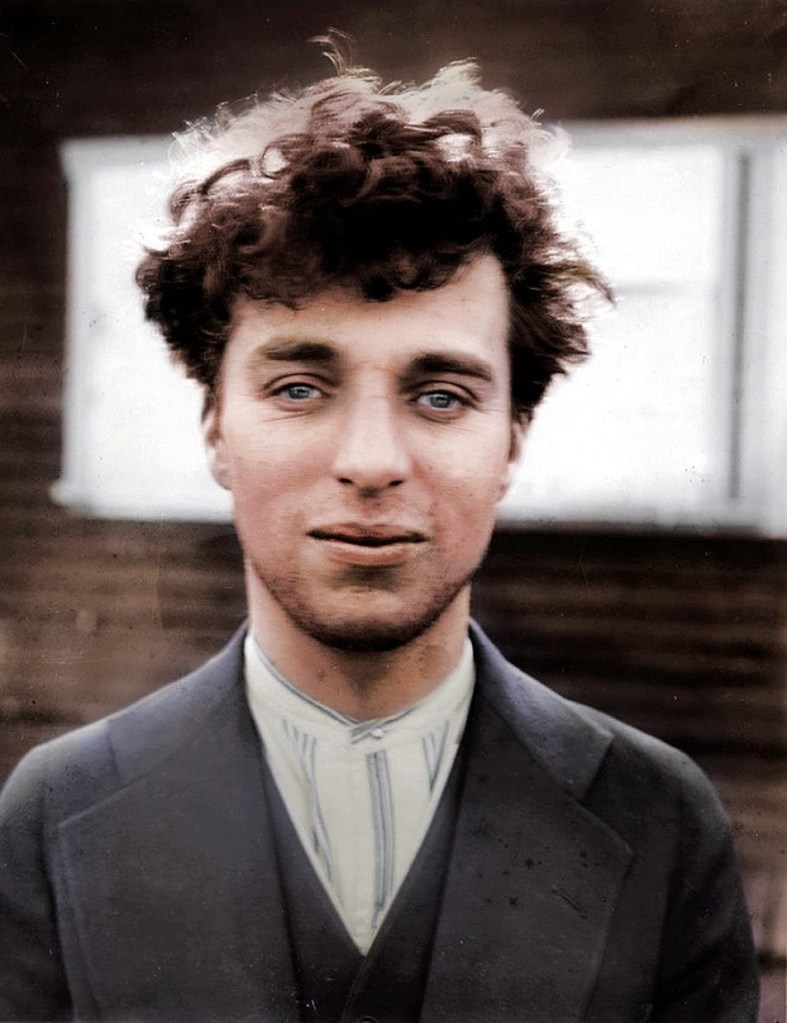
Charlie Chaplin at the Age of 27, 1916
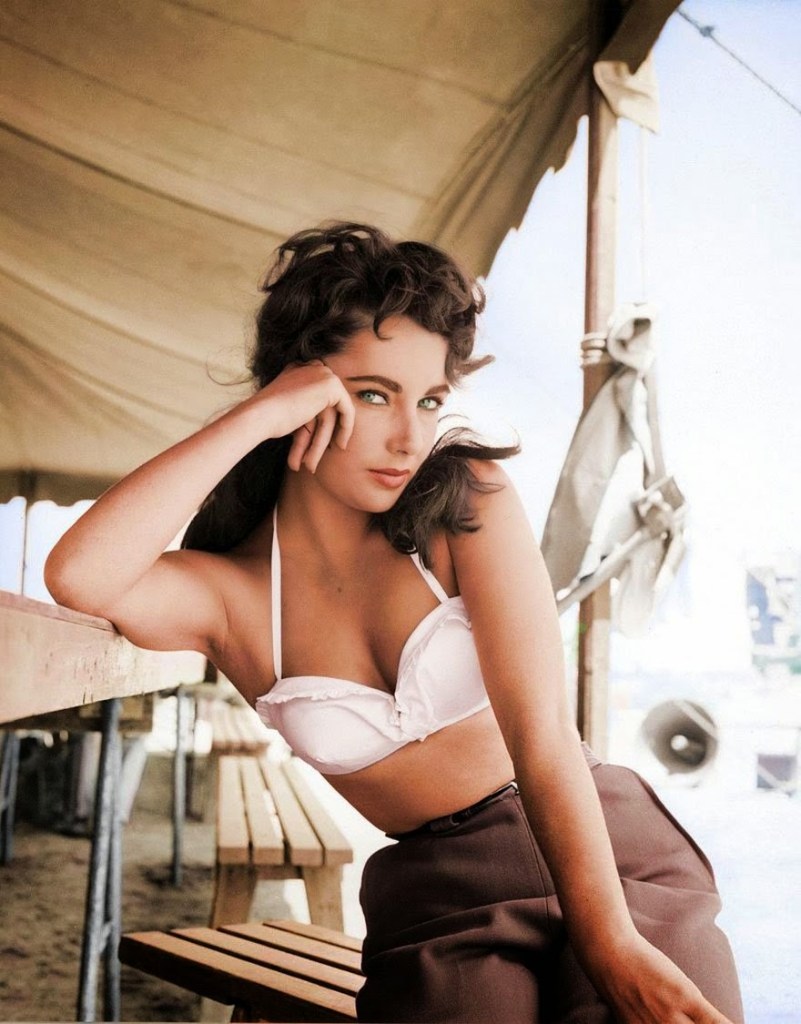
Elizabeth Taylor – Giant (1956 film)
Otto Frank, Anne Frank’s father and the only surviving member of the Frank family revisiting the attic they spent the war in, 3 May 1960
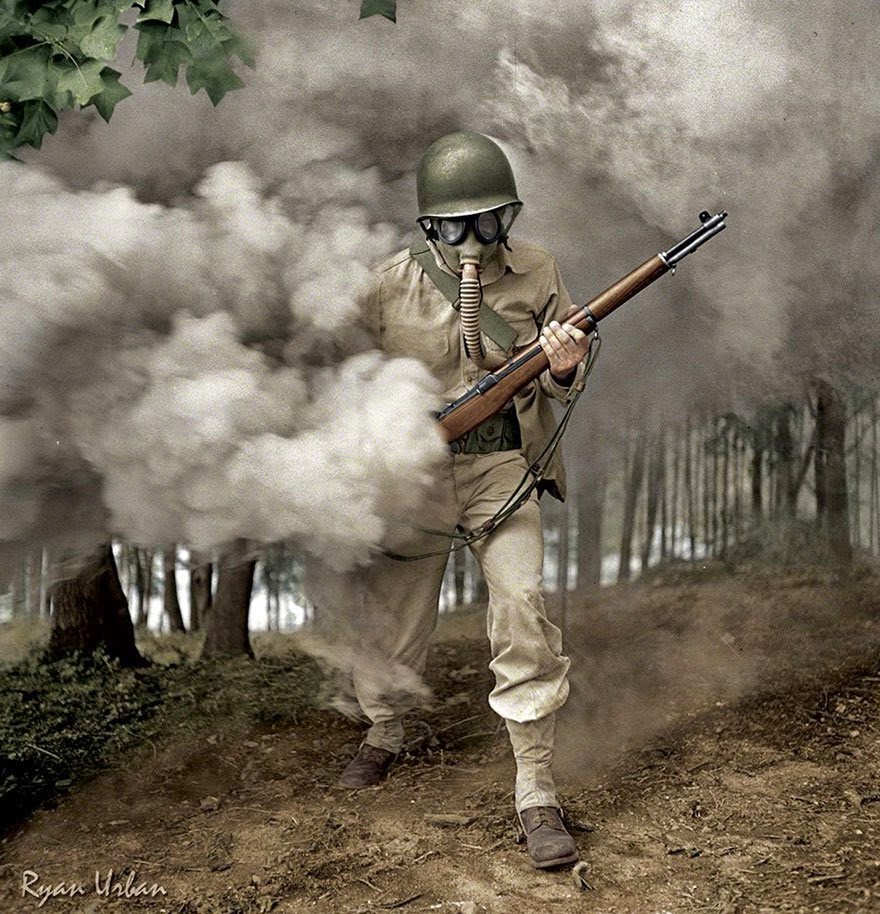
Sergeant George Camblair practicing with a gas mask in a smokescreen – Fort Belvoir, Virginia, 1942
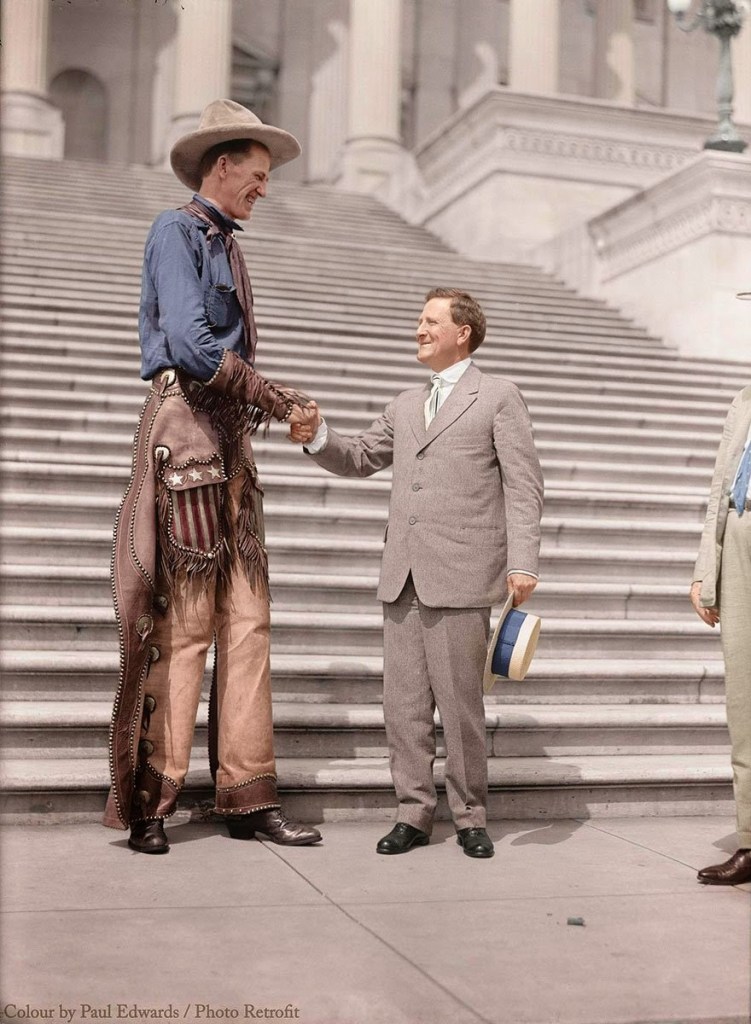
“The Tall Cowboy”, Ralph E. Madsen with Senator Morris Sheppard, 1919
Portrait Used to Design the Penny. President Lincoln Meets General McClellan – Antietam, Maryland ca September 1862
Marilyn Monroe, 1957
Crowded Bunks in the Prison Camp at Buchenwald, April 16, 1945
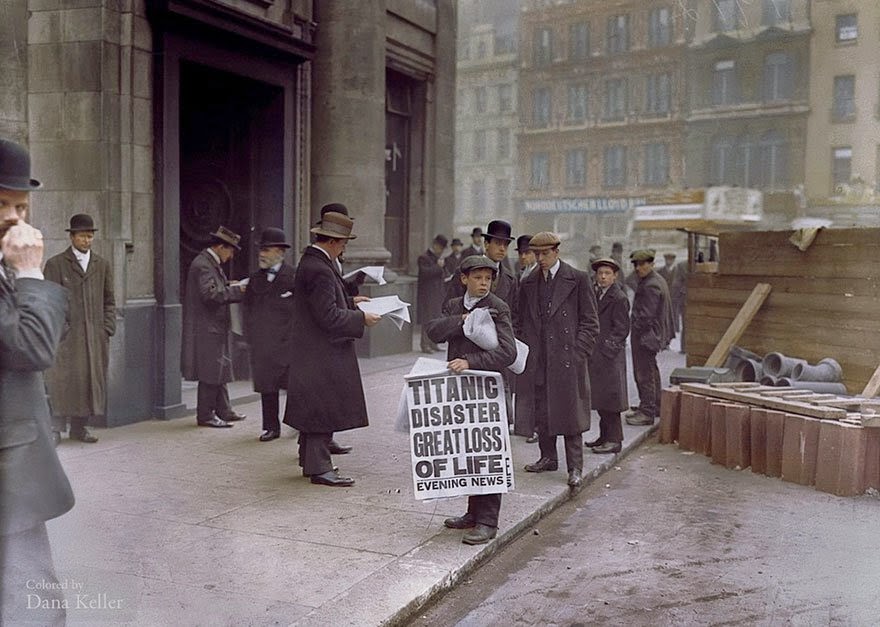
Newspaper boy Ned Parfett sells copies of the evening paper bearing news of Titanic’s sinking the night before. (April 16, 1912)
Boys after buying Easter flowers in Union Square, New York, April 1908
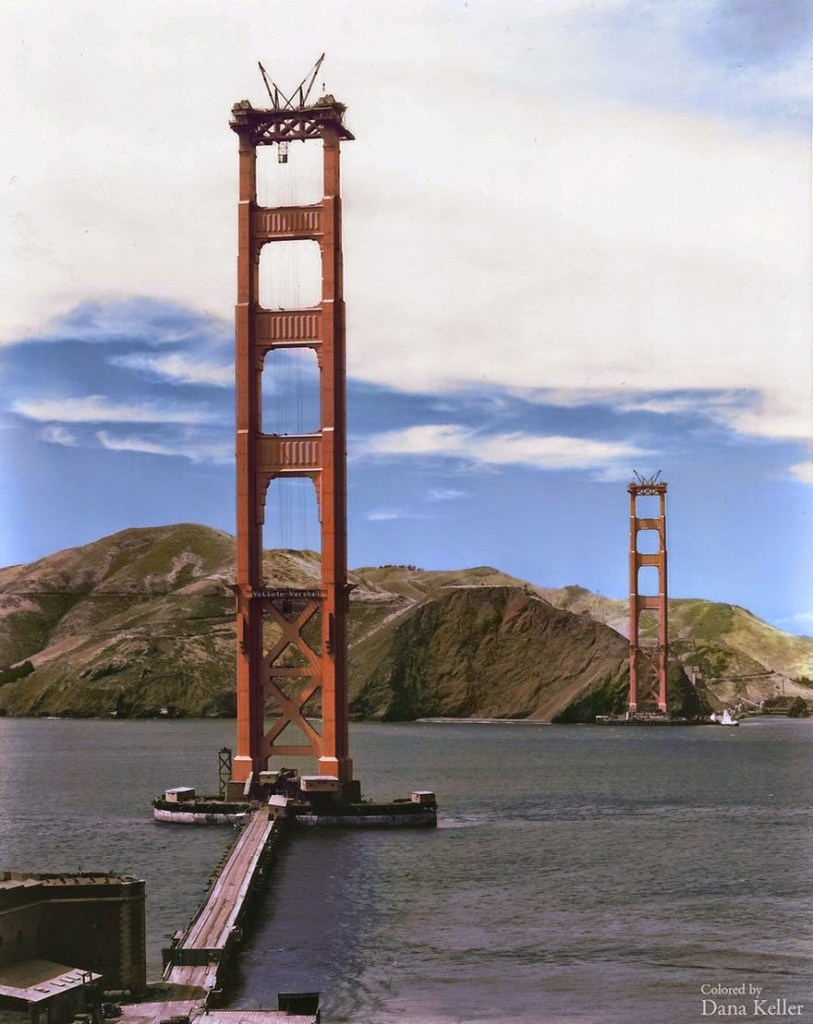
Construction of the Golden Gate Bridge, 1935
Broadway at the United States Hotel Saratoga Springs, N.Y. ca 1900-1915
Times Square, 1947
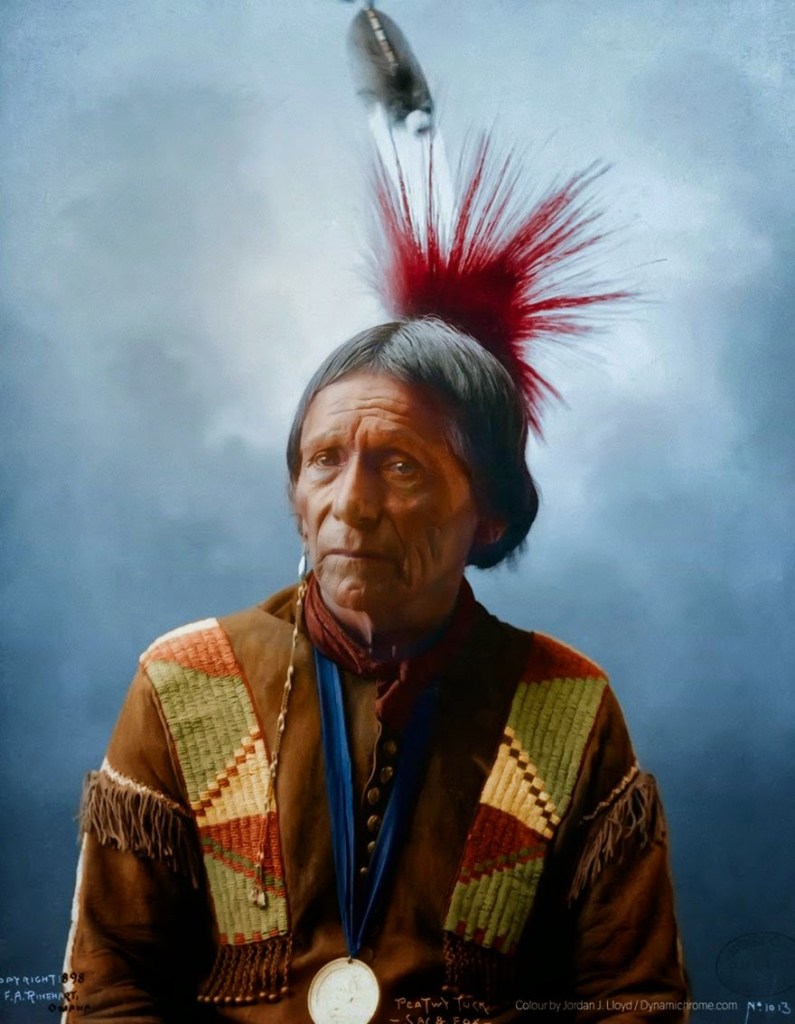
Peatwy Tuck of the Meskwahki, 1898
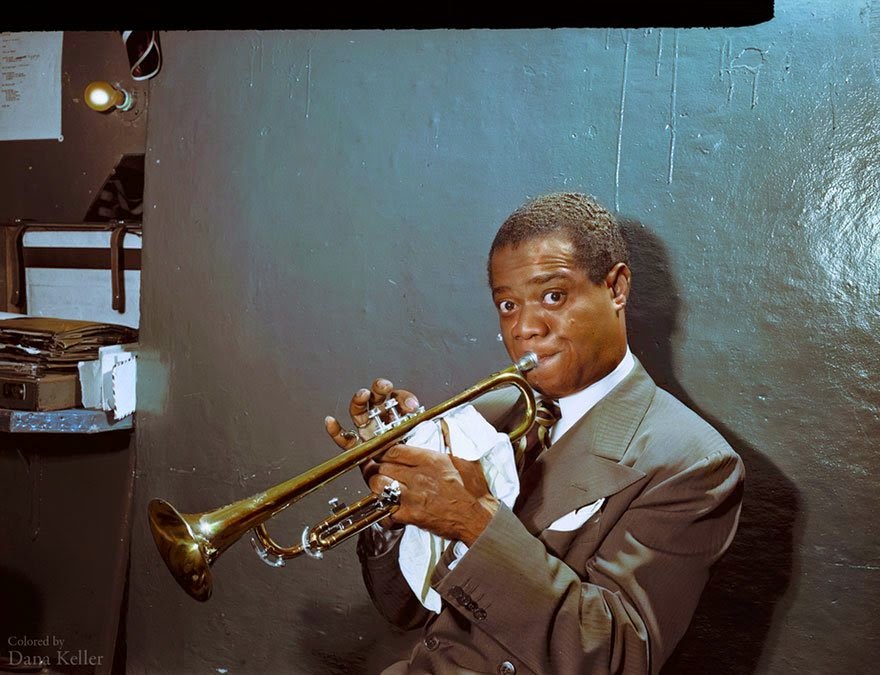
Louis Armstrong practicing in his dressing room, 1946
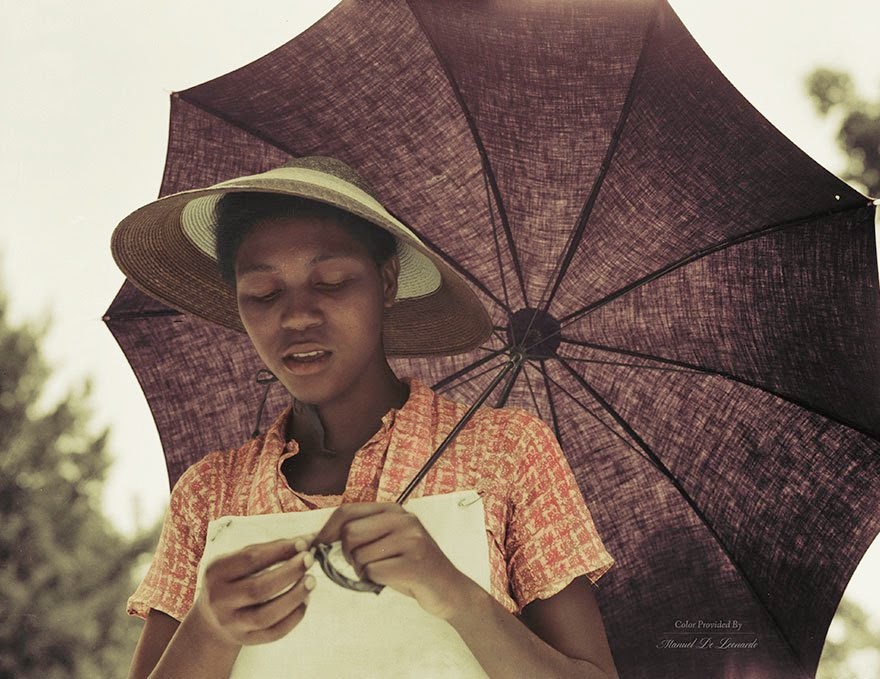
Young Woman with Umbrella – Louisiana, 1937
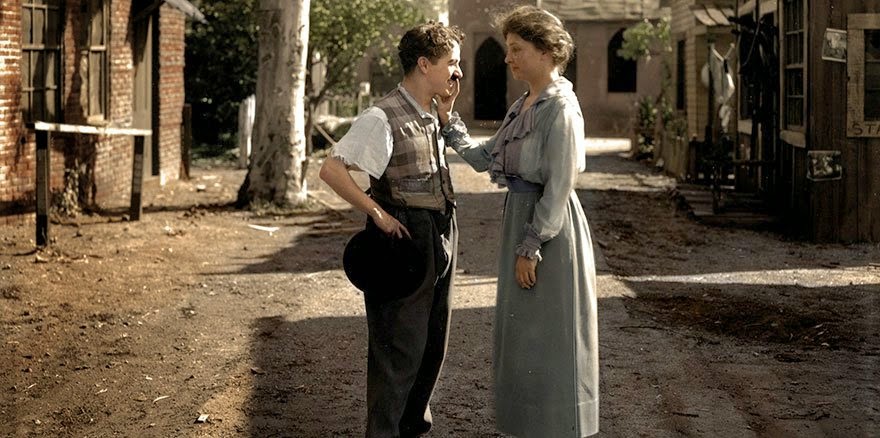
Helen Keller meeting Charlie Chaplin in 1919
Dancers of the National American Ballet, 20 August 1924

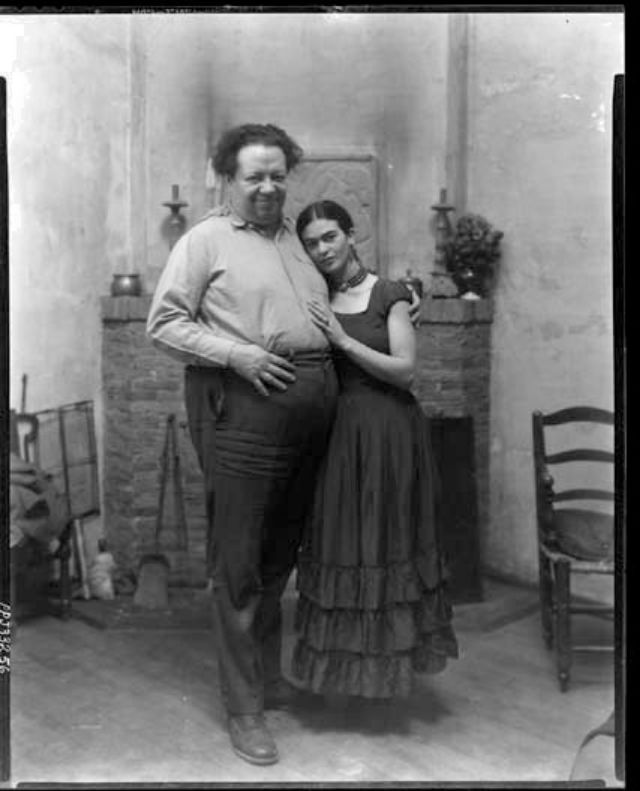
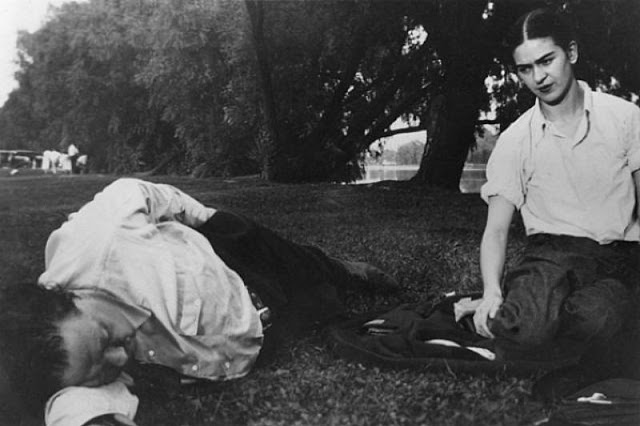
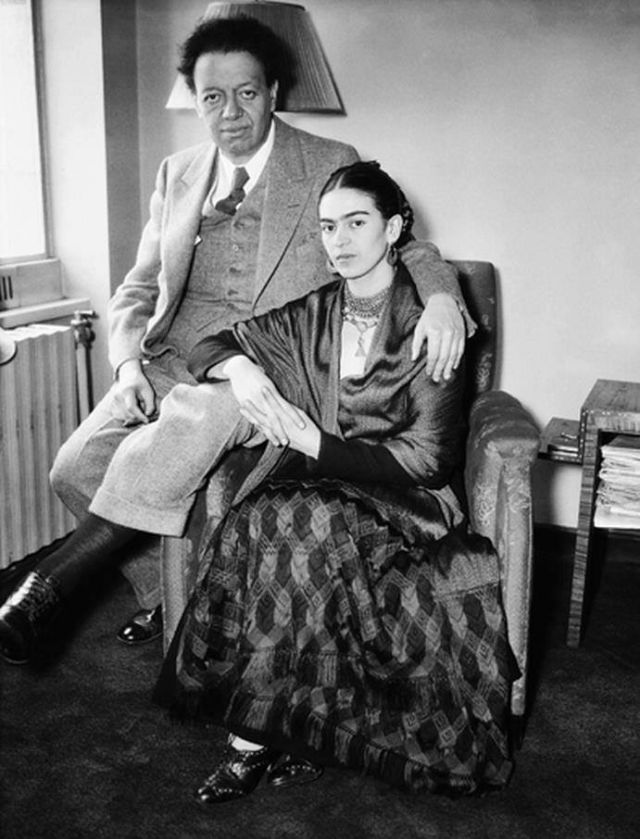
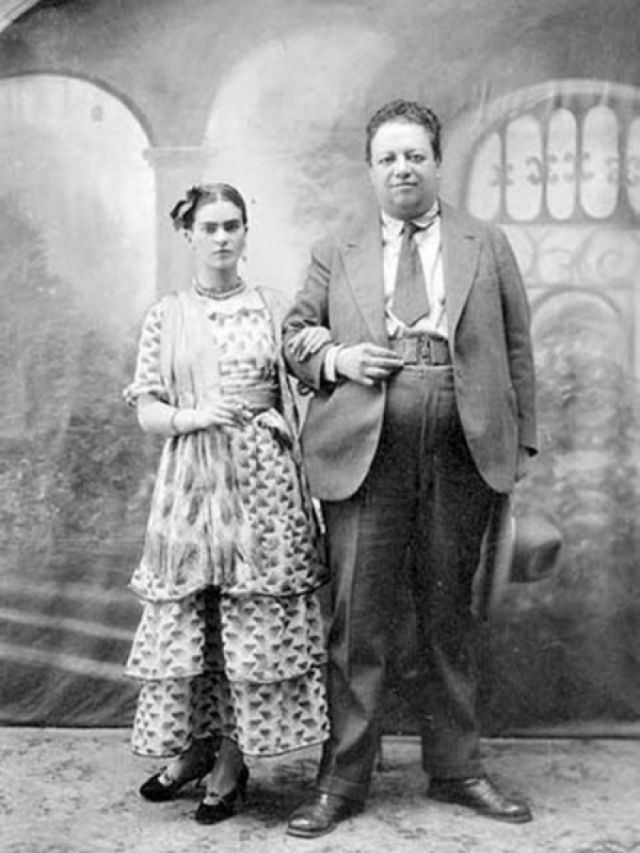
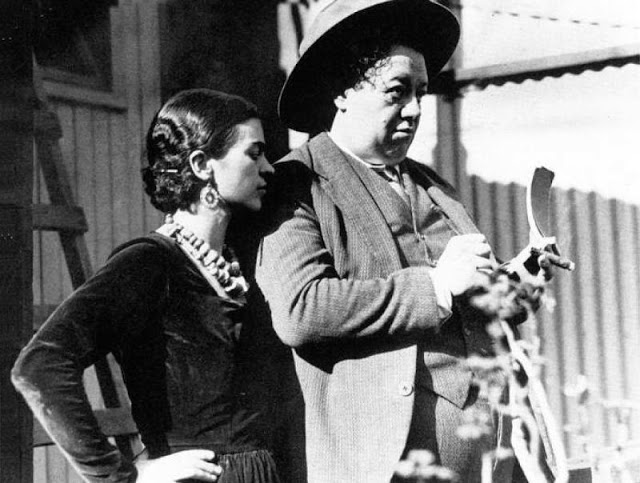
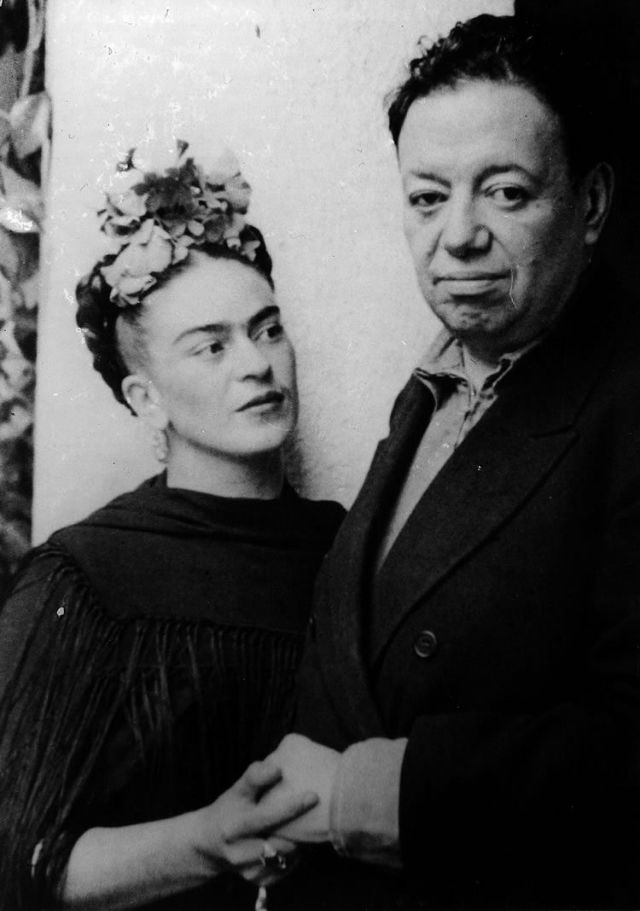
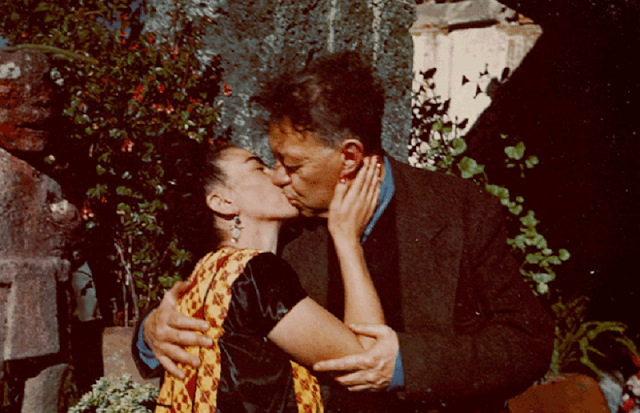
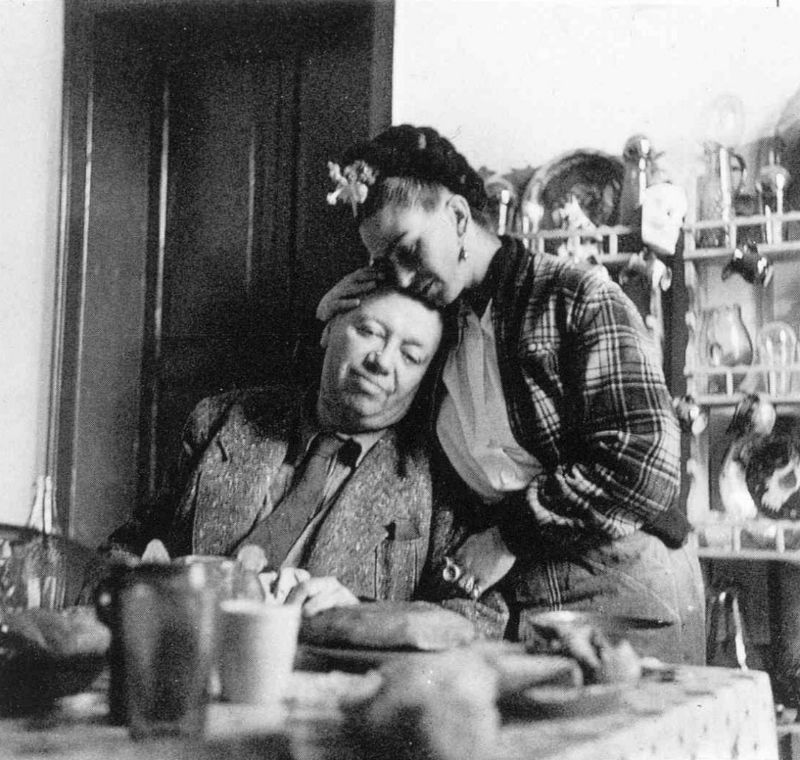
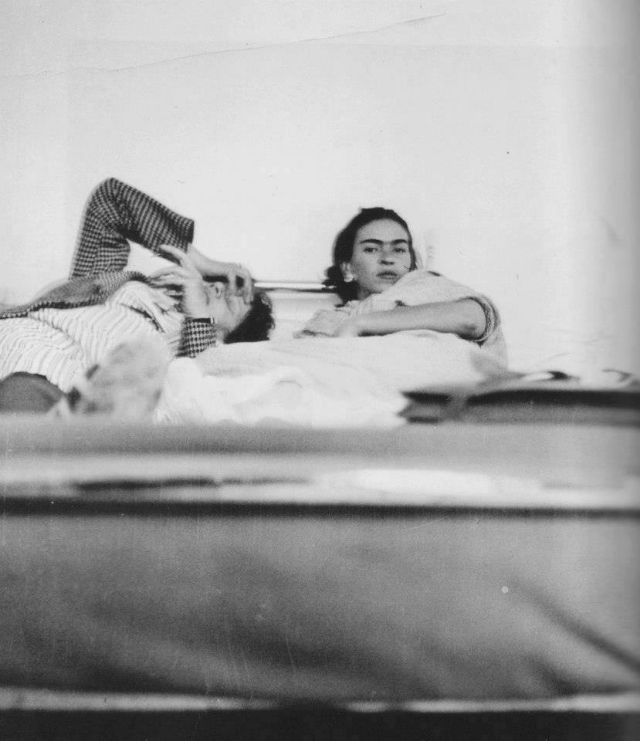
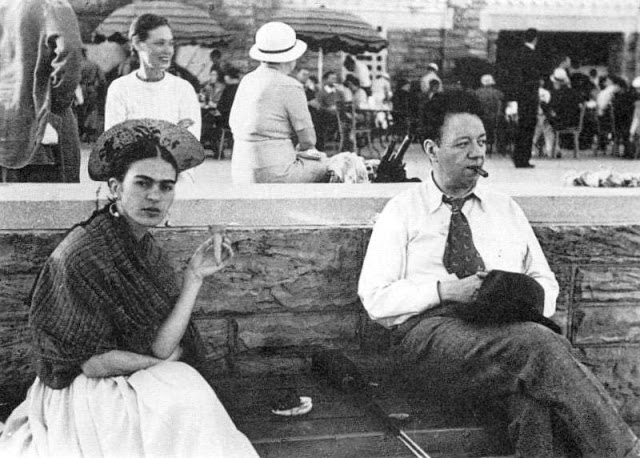
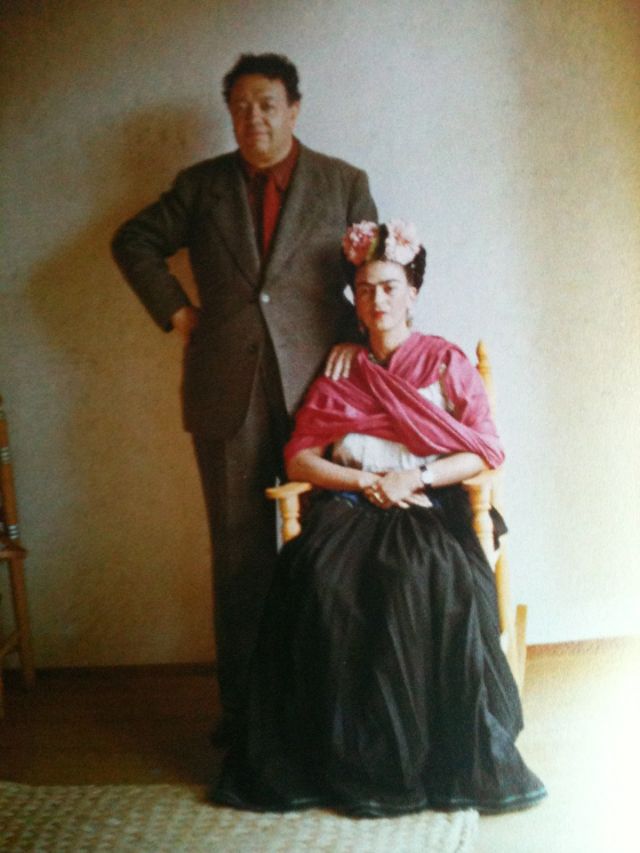
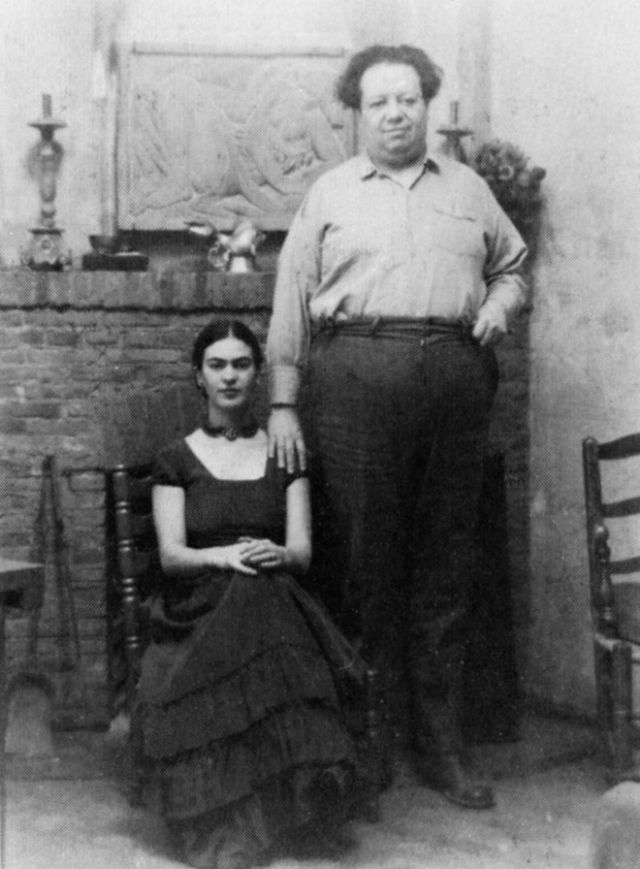
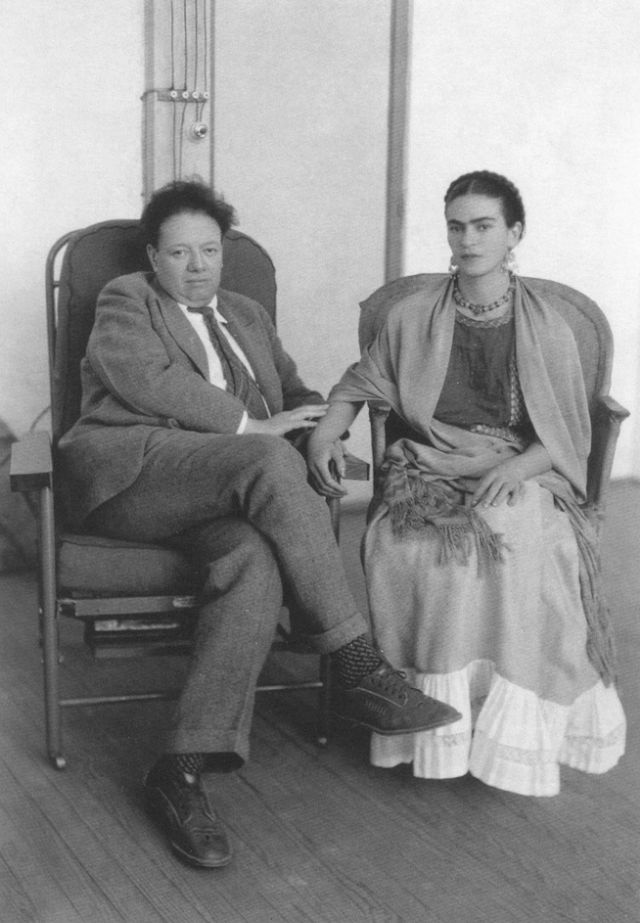
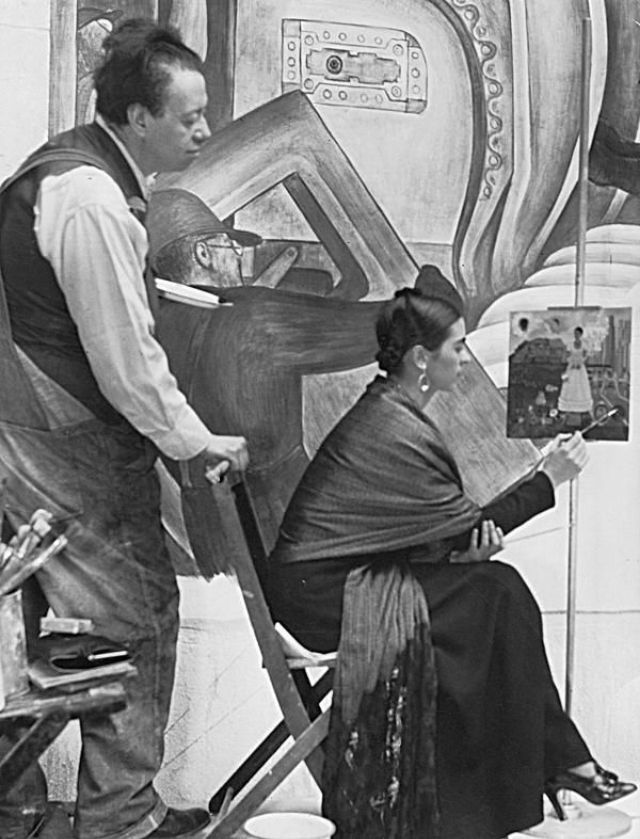
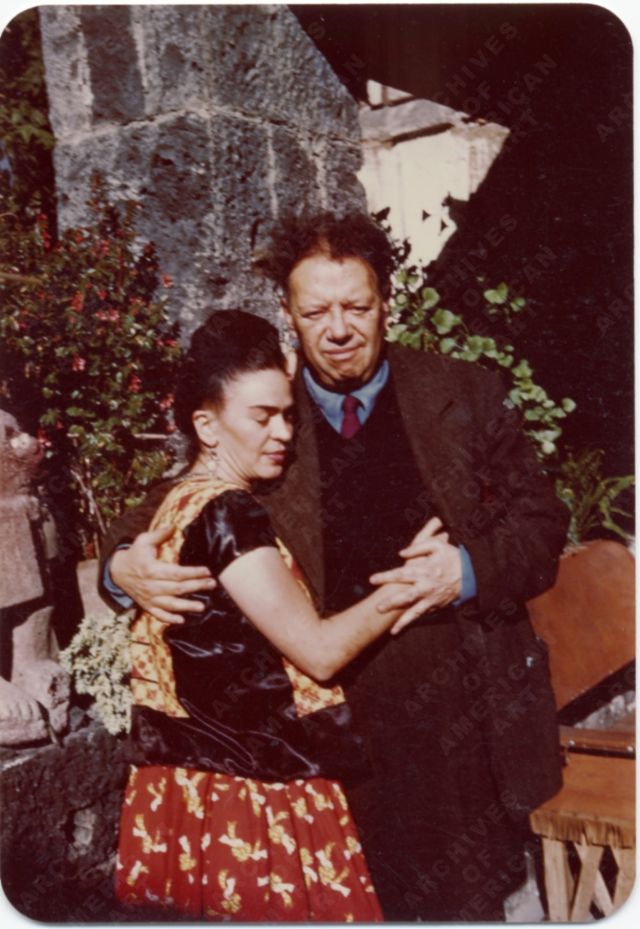
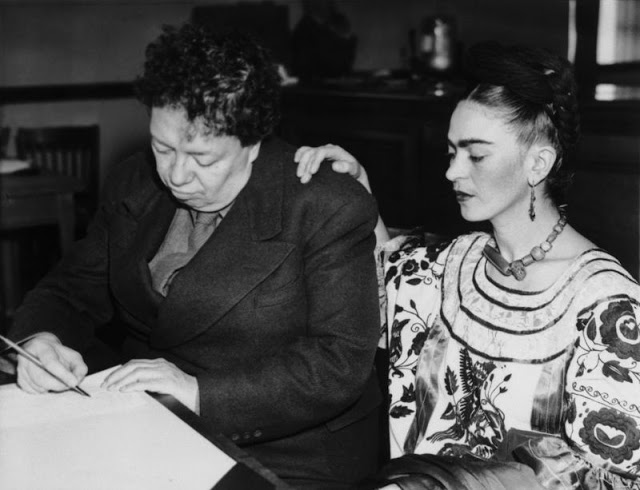
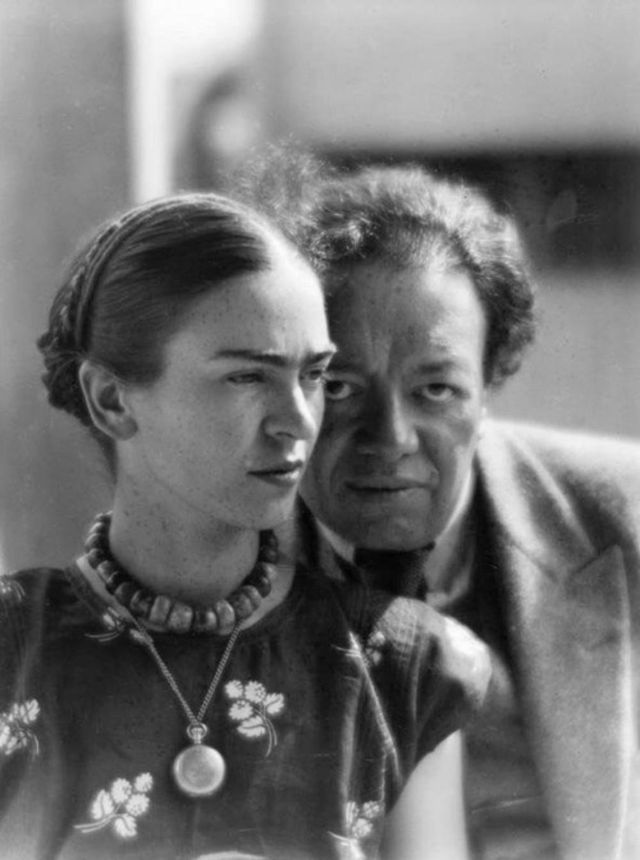
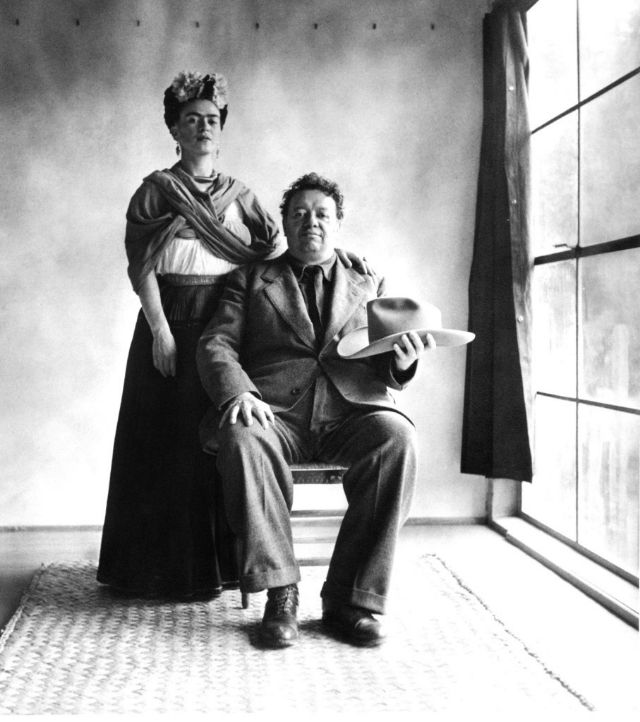
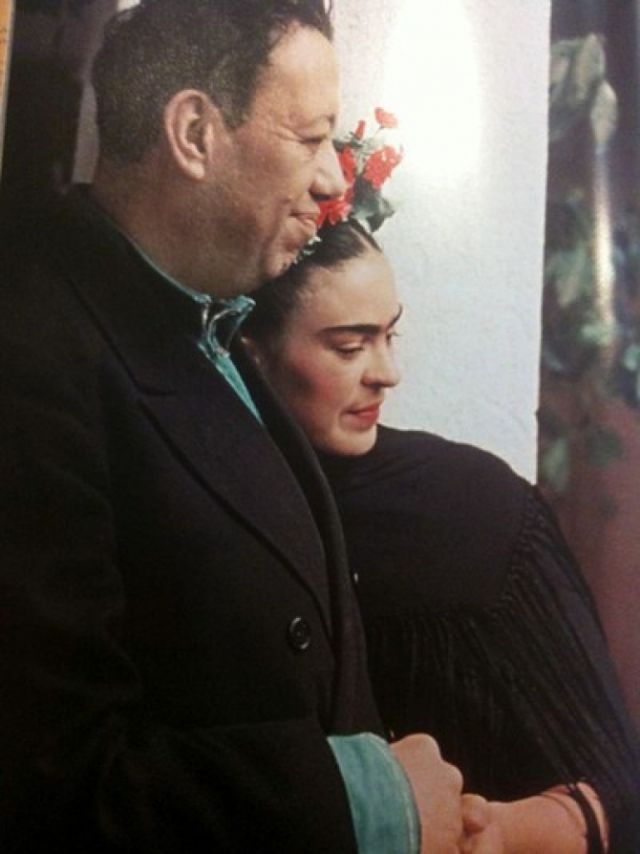
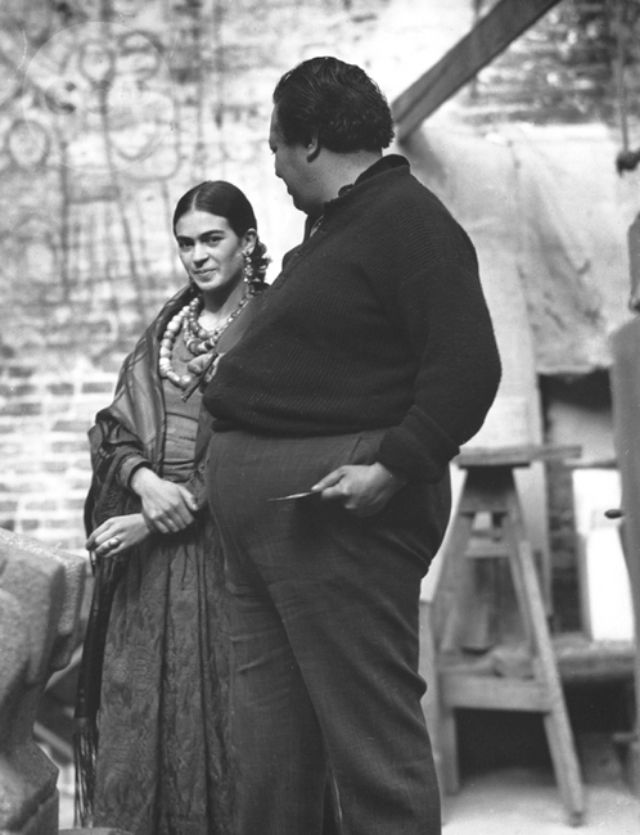
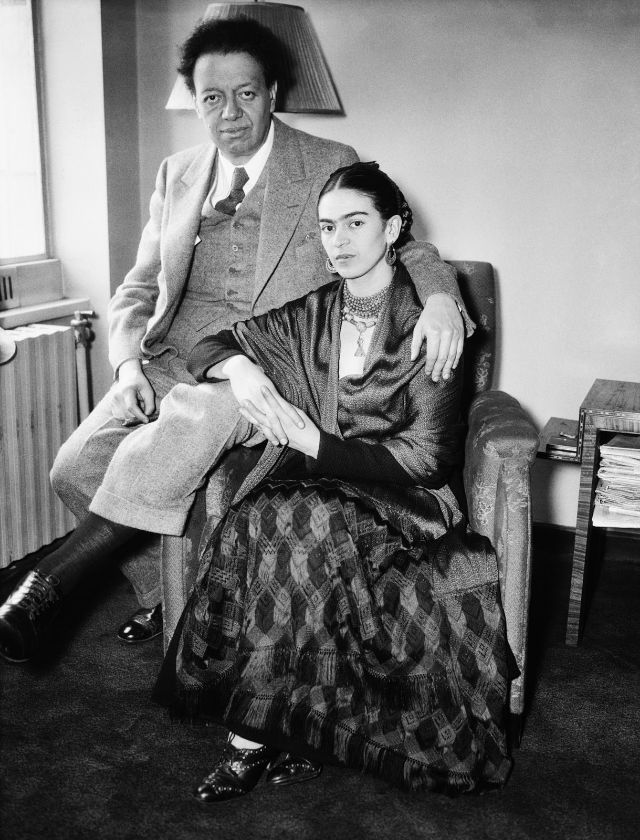
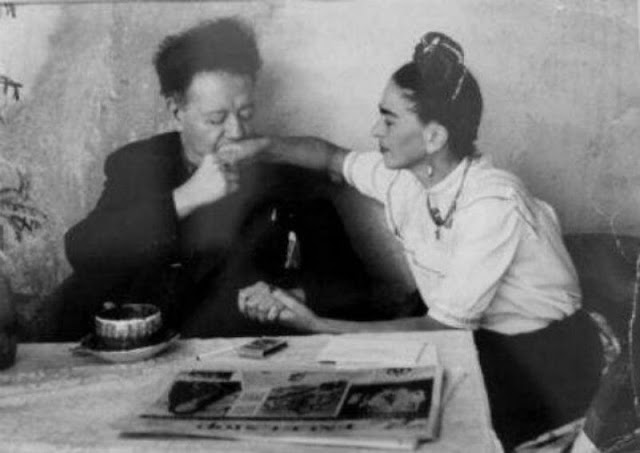
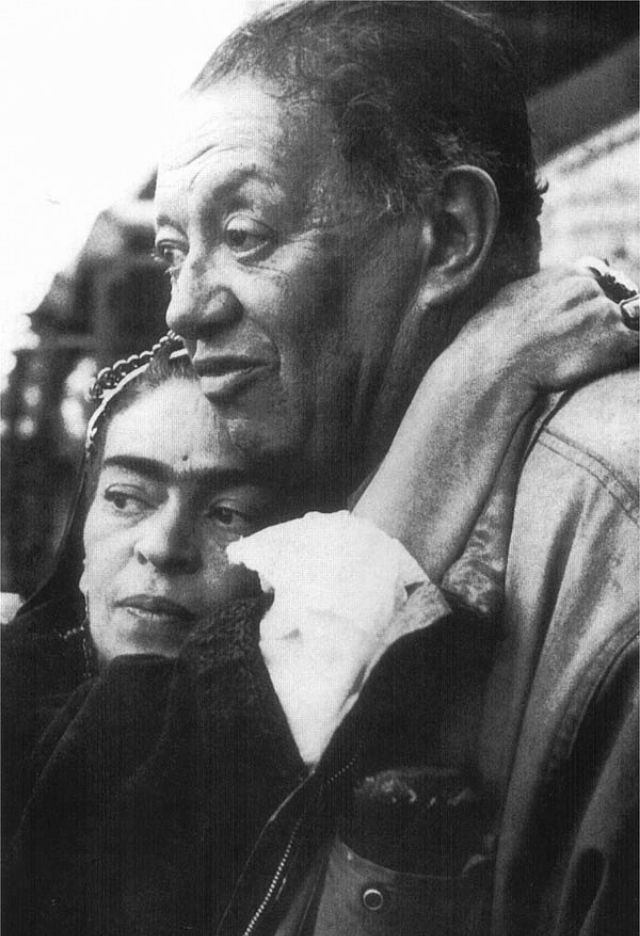
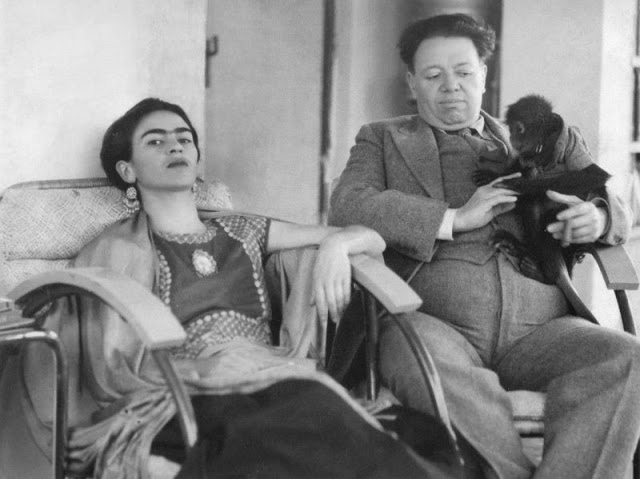
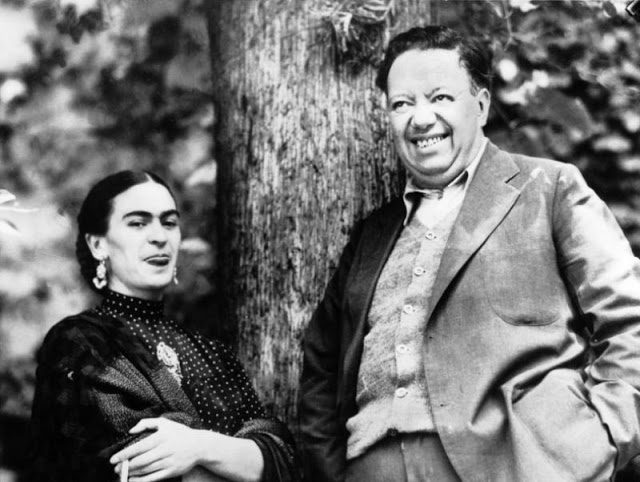
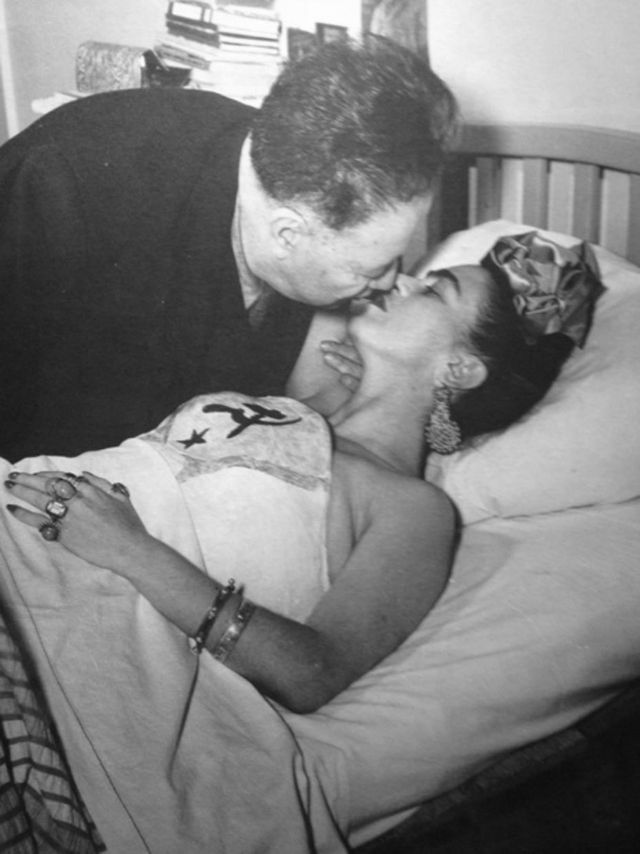
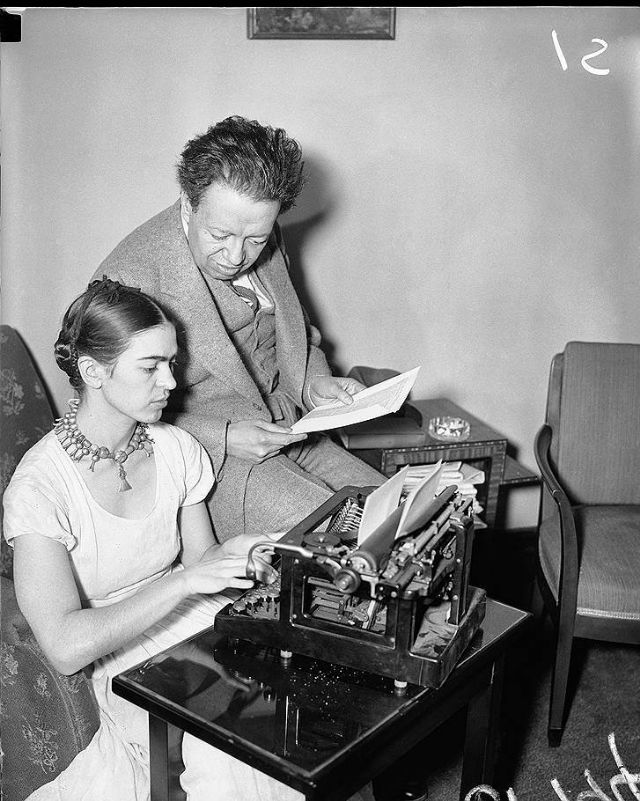
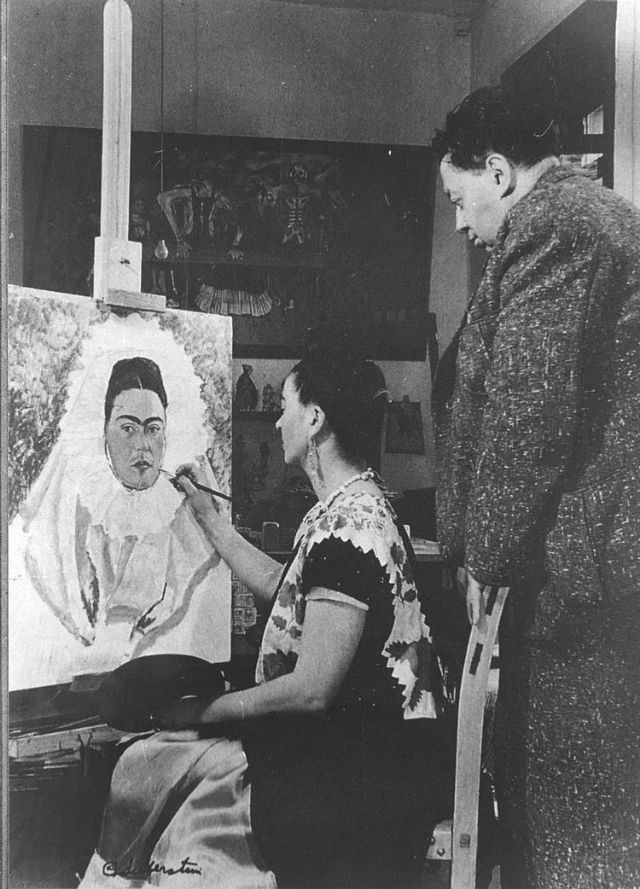
39 Vintage Photos of Frida Kahlo and Diego Rivera

Frida Kahlo first met Diego Rivera when she was an art student hoping to get advice on her career from the famous Mexican muralist. Although Rivera was married, a courtship ensued. They wed in 1929 (he was 42, she was 22) much to the disapproval of Frida’s parents, who referred to the couple as “the elephant and the dove.”

With volatile tempers and countless infidelities, the marriage was notoriously tumultuous. The couple divorced in 1939 only to remarry a year later, though the second marriage was just as turbulent as the first. Both have long been recognized as important painters who achieved great international popularity during their lifetimes.

Even when Kahlo died, Rivera maintained an undying connection to her. “July 13, 1954 was the most tragic day of my life,” he said. “I had lost my beloved Frida forever. Too late, now I realized that the most wonderful part of my life had been my love for Frida.”

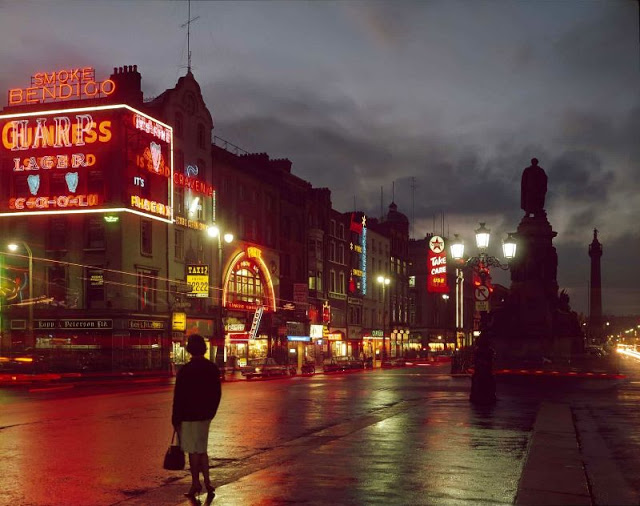
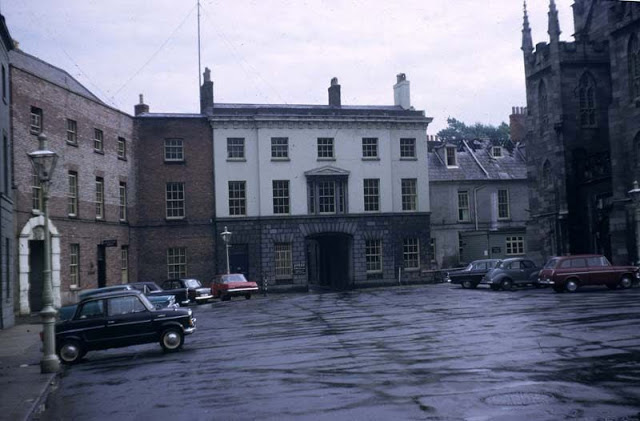
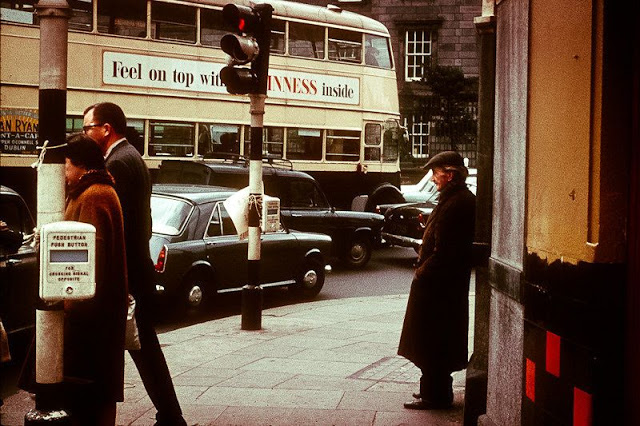
42 Interesting Photos of Dublin, Ireland in the 1960s

Dublin is the capital and largest city of Ireland. Situated on a bay on the east coast, at the mouth of the River Liffey, it lies within the province of Leinster. It is bordered on the south by the Dublin Mountains, a part of the Wicklow Mountains range. It has an urban area population of 1,173,179, while the population of the Dublin Region (traditional County Dublin) as of 2016 was 1,347,359. The population of the Greater Dublin Area was 1,904,806 per the 2016 census.

There is archaeological debate regarding precisely where and when Dublin originated, with a settlement established by the Gaels during or before the 7th century AD, and a second, Viking, settlement, following. As the small Kingdom of Dublin, the city grew, and it became Ireland’s principal settlement following the Norman invasion. The city expanded rapidly from the 17th century and was briefly the second largest city in the British Empire after the Acts of Union in 1800. Following independence in 1922, Dublin became the capital of the Irish Free State, later renamed Ireland.

Dublin is a contemporary and historical centre for Irish education, arts and culture, administration and industry. As of 2018 the city was listed by the Globalization and World Cities Research Network (GaWC) as a global city, with a ranking of “Alpha minus”, which places it as one of the top thirty cities in the world. (Wikipedia)
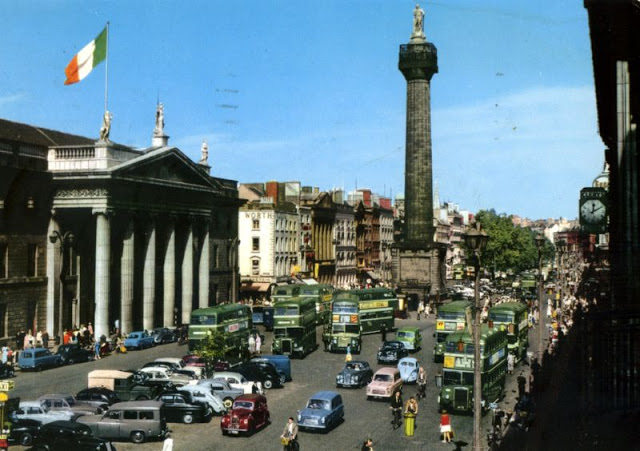
O’Connell Street, circa 1960
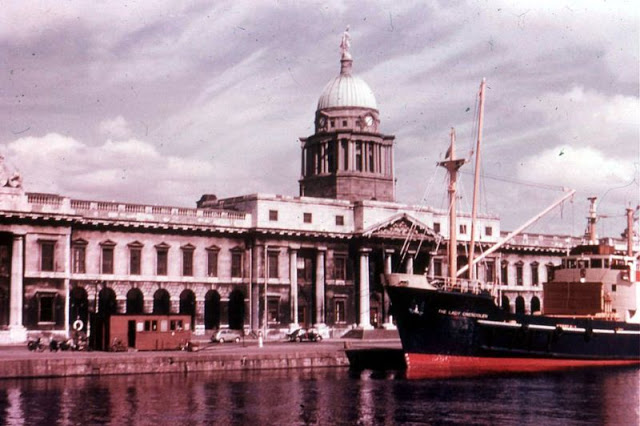
Customs House with a ship berthed at the quay, circa 1960
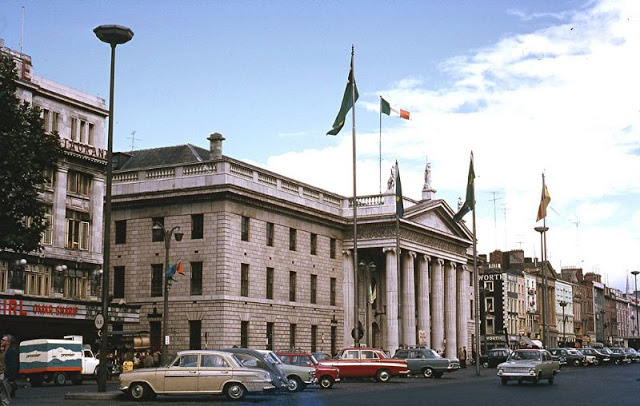
Post Office Building, O’Connell Street, circa 1960
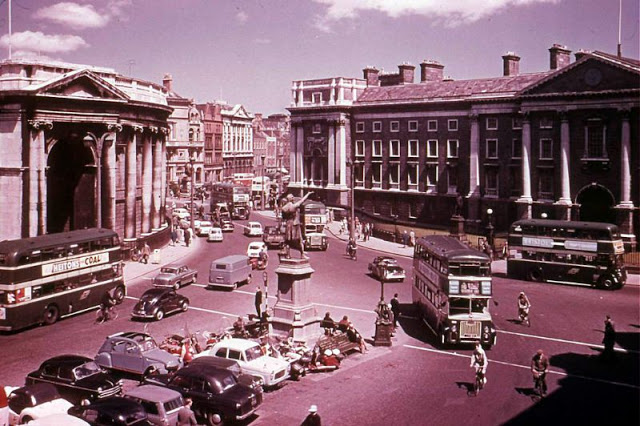
Trinity College and Bank of Ireland, Dublin, circa 1960
Chapel Street, 1961
Flowers at RDS Horse Show, Dublin, 1961
O’Connell Street, 1961
O’Connell and Nelson Pillar, July 1963
O’Connell Street, July 1963
College Green, 1964
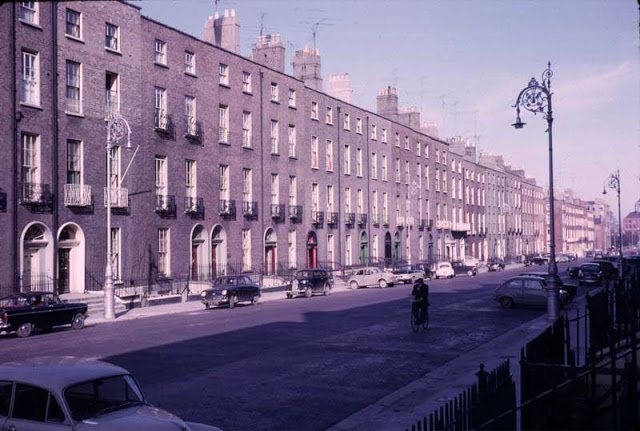
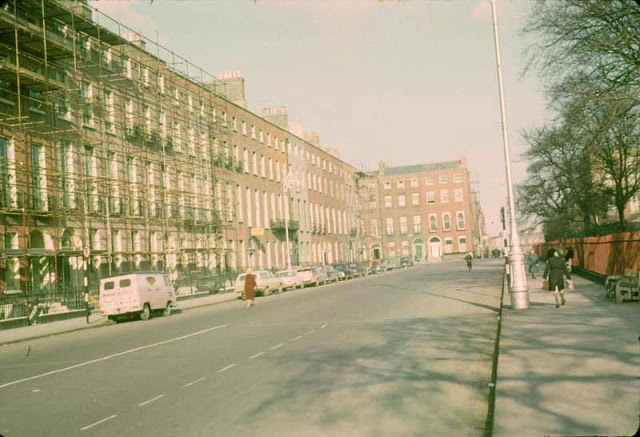
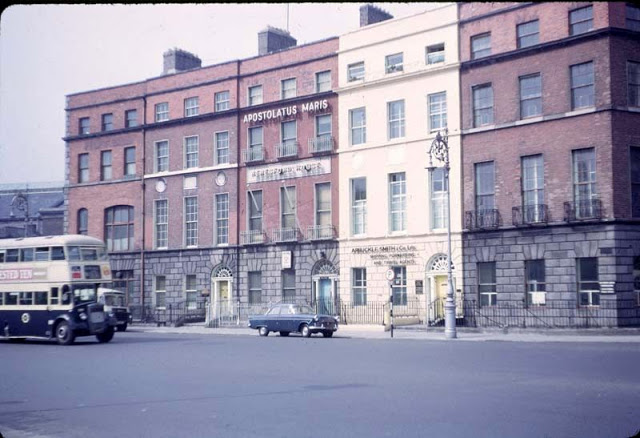
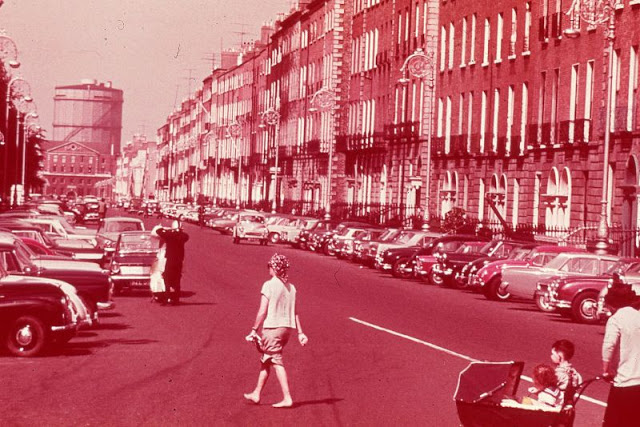
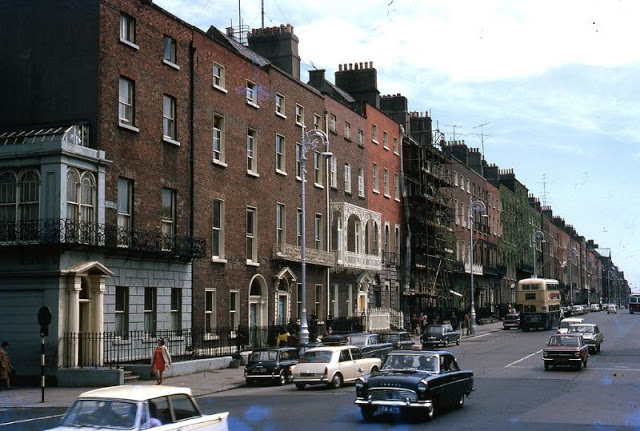
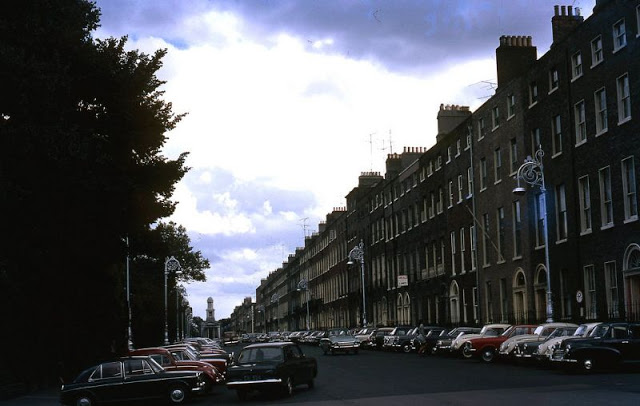
Fitzwilliam Street, 1964
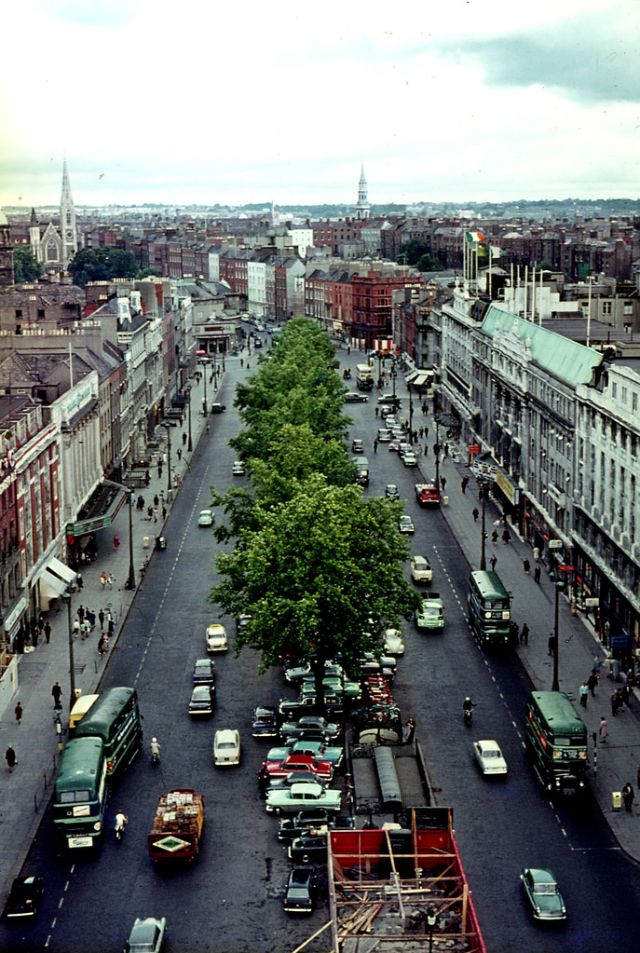
O’Connell St., Dublin from Nelson’s Pillar, 1964
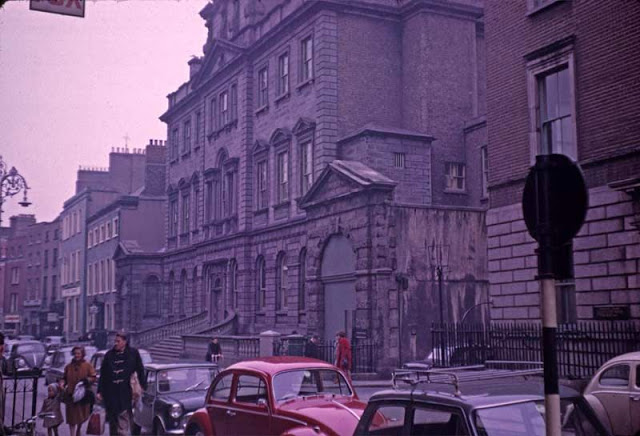
Powerscourt House, Dublin, 1964
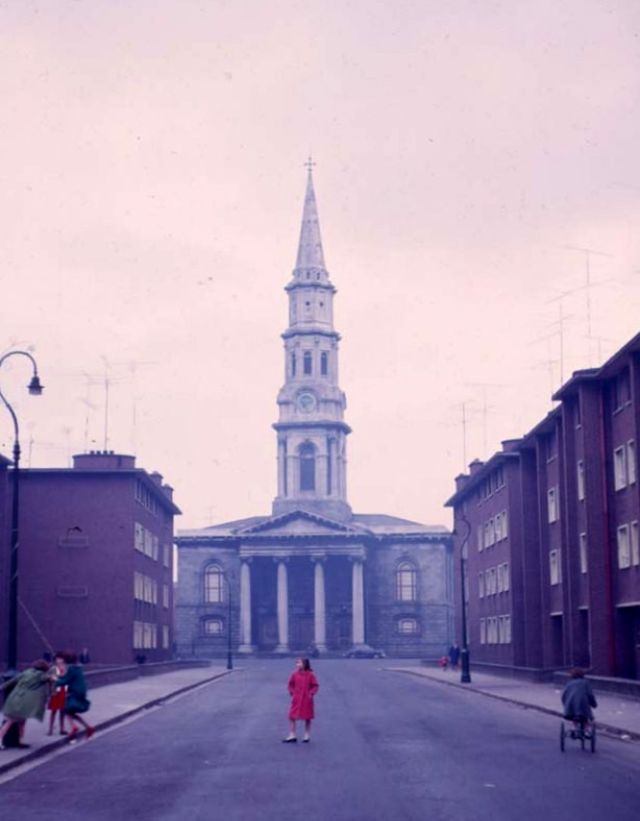
St. George’s Church, Dublin, 1964
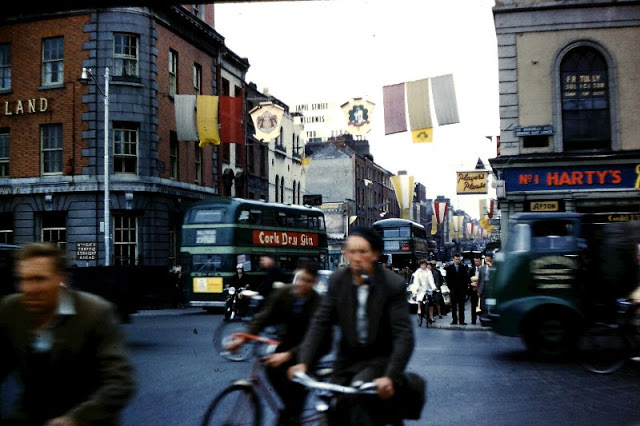
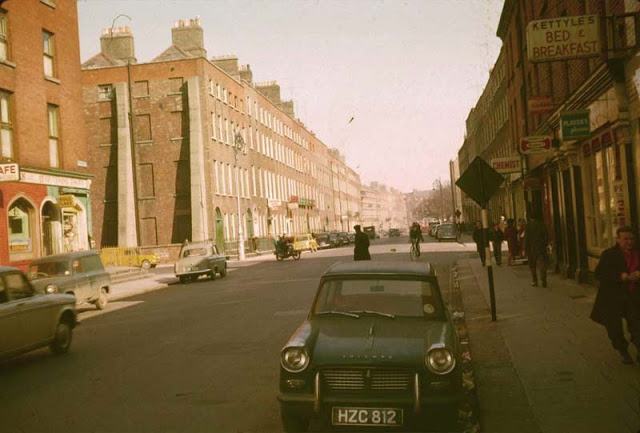
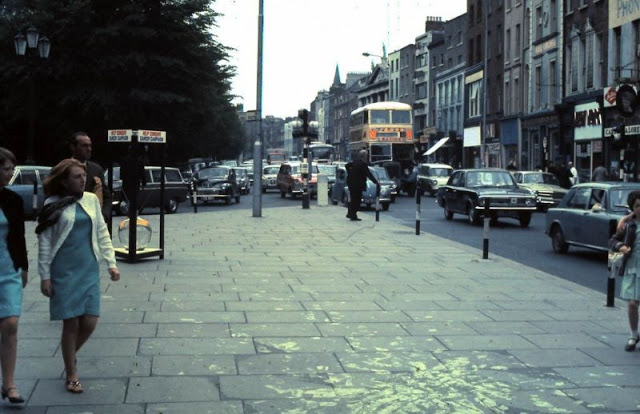
Street scenes of Dublin, 1964
The Liberties, 1964
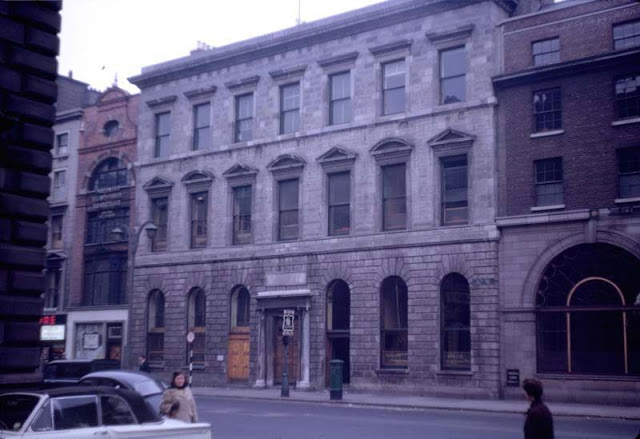
Commercial building, 1965
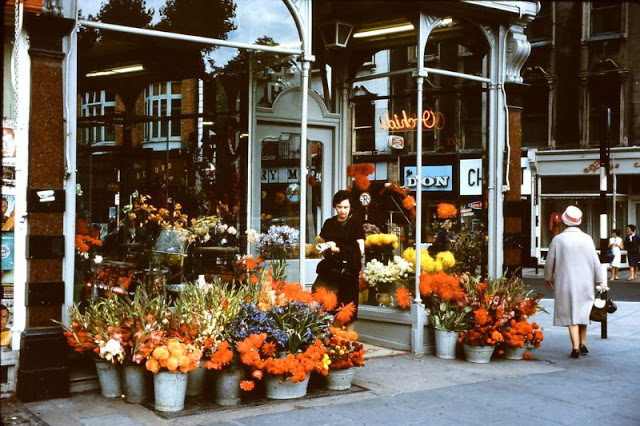
Flower shop at corner of Saint Stephen’s Green and Dawson Street, 1965
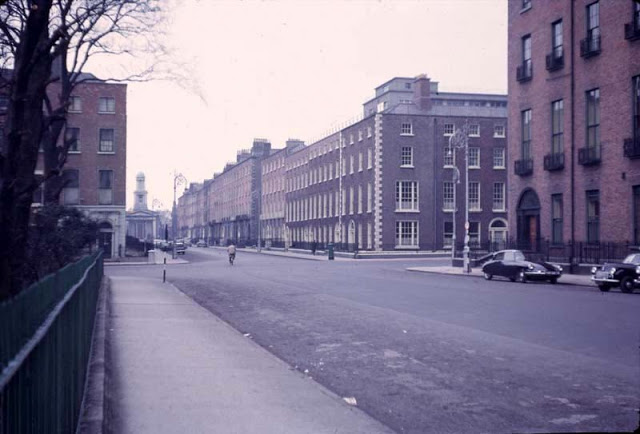
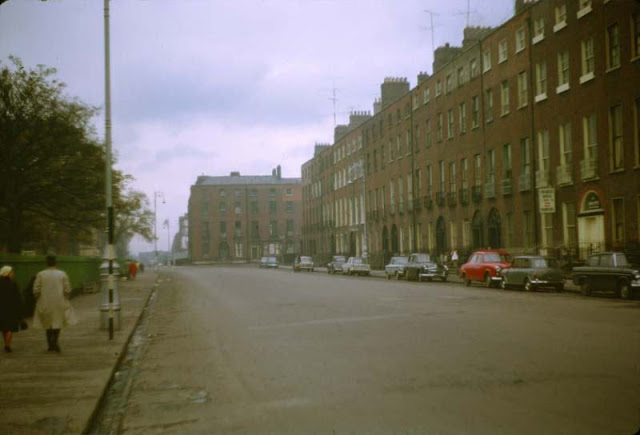
Mountjoy Square, 1965
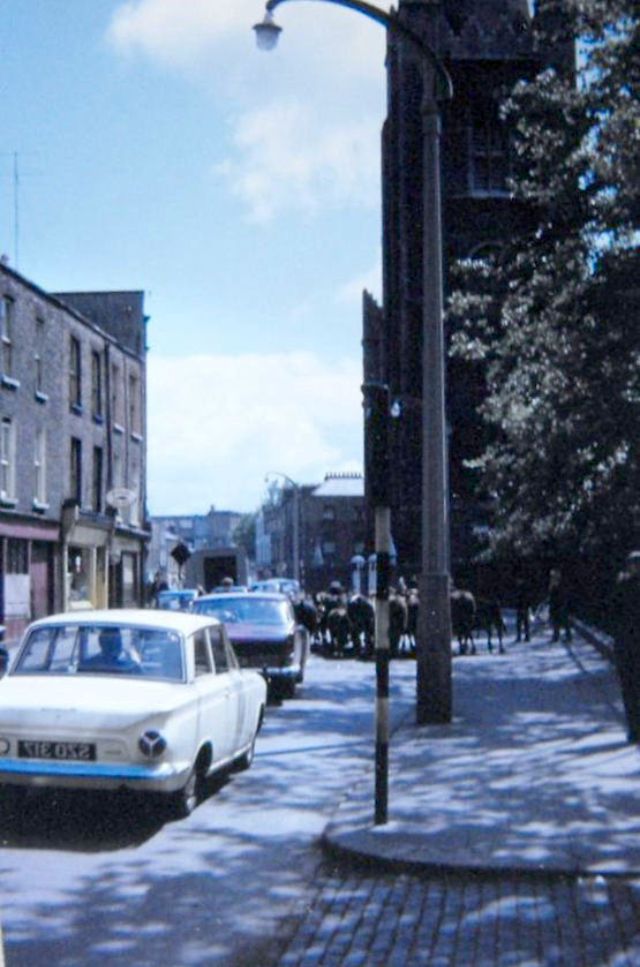
The Black Church, Dublin, 1965
Dublin castle, 1966
Dublin, May 1966
Aston Quay, 1967
Beresford Place, Dublin, 1967
Fitzwilliam Street, Dublin, circa 1967
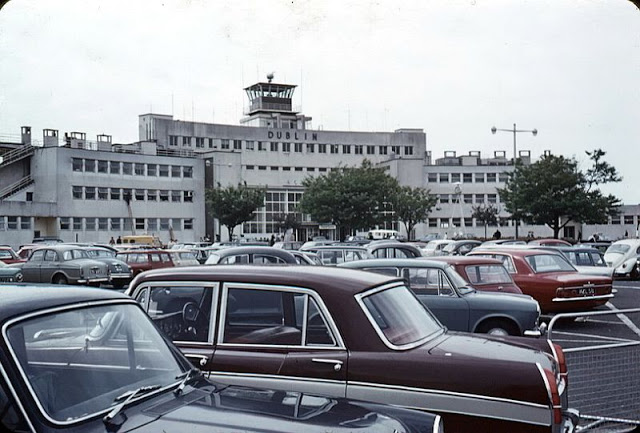
Dublin airport, 1968
Molesworth Street, Dublin, 1968
St. Stephen’s Green, 1968
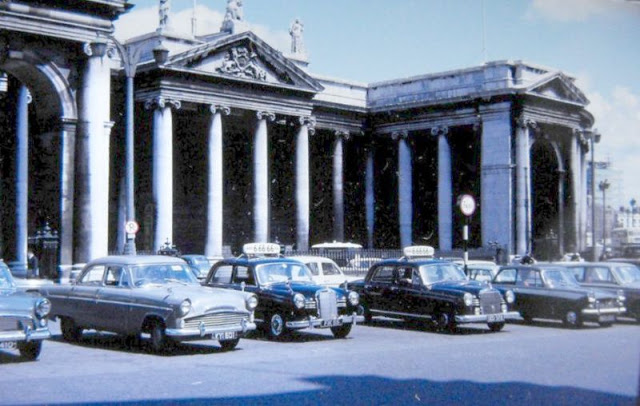
Bank of Ireland, Dublin, 1969
College Green, Dublin, 1969
Dublin street scenes, July 1969
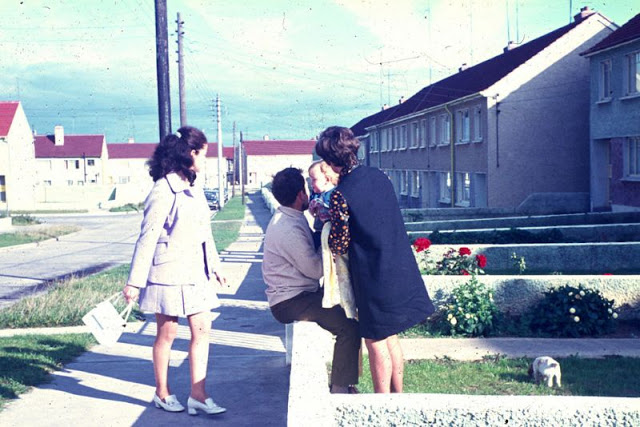
Greenhills, Dublin, 1969
Guinness ships Dublin, 1969
Nelson’s Pillar and the General Post Office, O’Connell Street, Dublin, 1969
Post Office, Dublin, August 1969
Row of terraces in Dublin, August 1969
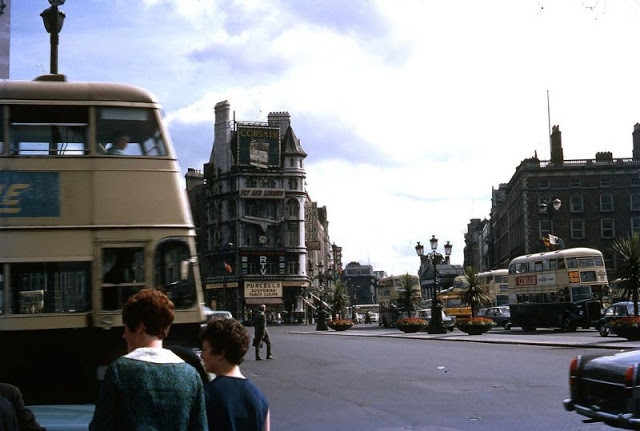
The O’Connell Bridge, looking South, towards D’Oliver Street, Dublin, August 1969
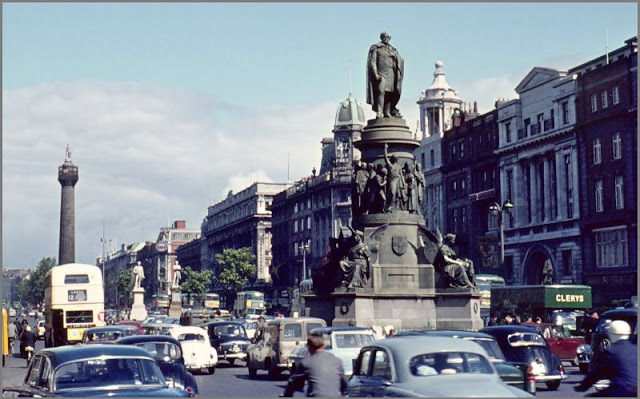
The Parnell Monument at the junction of Upper O’Connell Street, Parnell Street and Cavendish Row, Dublin, circa 1969

Yesterday Today

Bringing You the Wonder of Yesterday - Today

Skip to content ↓