National Geographic (formerly the National Geographic Magazine, sometimes branded as NAT GEO) is an American monthly magazine published by the National Geographic Society. Known for its photojournalism, it is one of the most widely read magazines of all time.
The magazine was founded in 1888 as a scholarly journal, nine months after the establishment of the society. In 1905, it began including pictures, a style for which it became well-known. Its first color photos appeared in the 1910s. During the Cold War, the magazine committed itself to presenting a balanced view of the physical and human geography of nations beyond the Iron Curtain. In later years, the magazine became outspoken on environmental issues. Since 2019, controlling interest has been held by The Walt Disney Company.
Topics of features generally concern science, geography, history, and world culture. The magazine is well known for its distinctive appearance: a thick square-bound glossy format with a yellow rectangular border. Map supplements from National Geographic Maps are included with subscriptions. It is available in a traditional printed edition and an interactive online edition.
As of 1995, the magazine was circulated worldwide in nearly 40 local-language editions and had a global circulation of at least 6.5 million per month (down from about 12 million in the late 1980s), including 3.5 million within the U.S. As of September 2021, its Instagram page has 191 million followers, the most of any account not belonging to an individual celebrity. As of 2015, the magazine had won 25 National Magazine Awards. (Wikipedia)
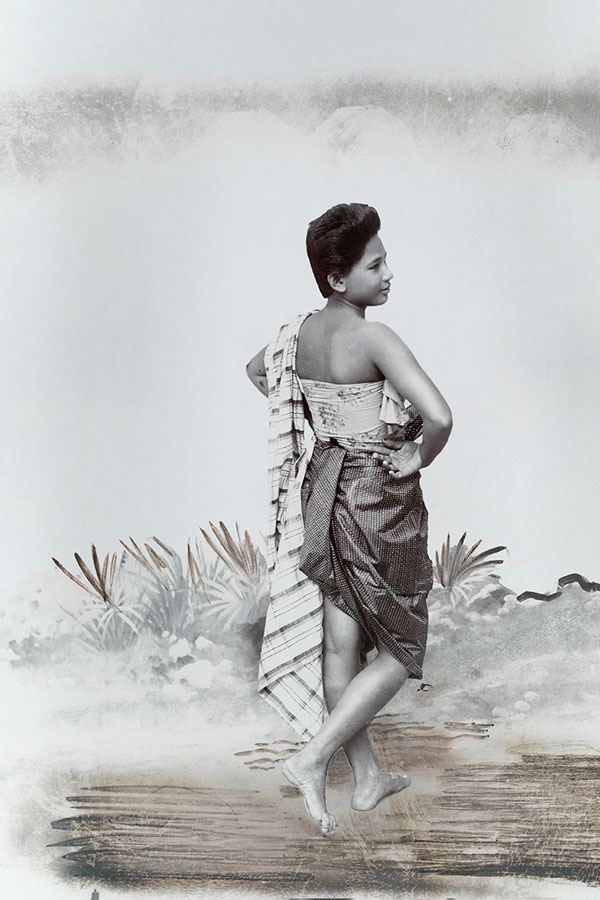
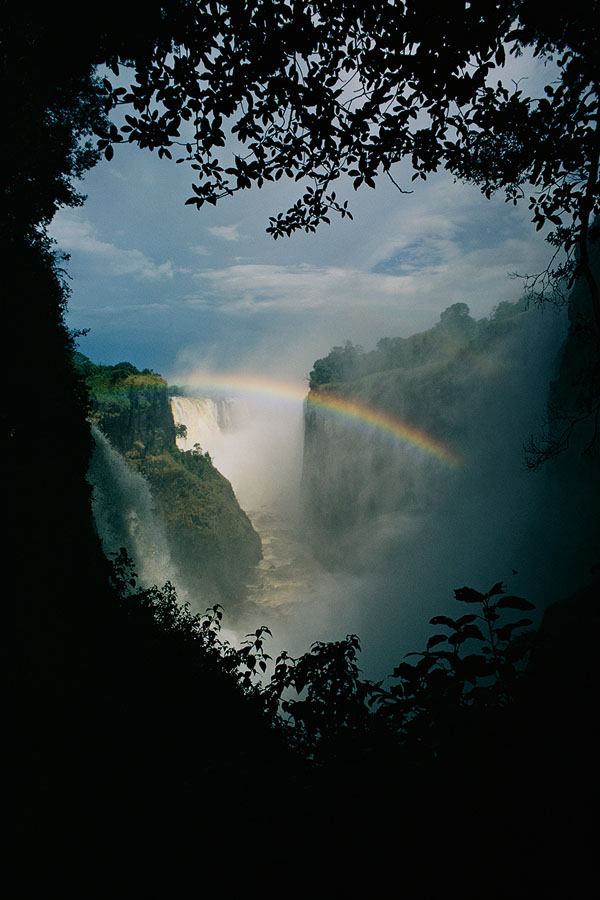
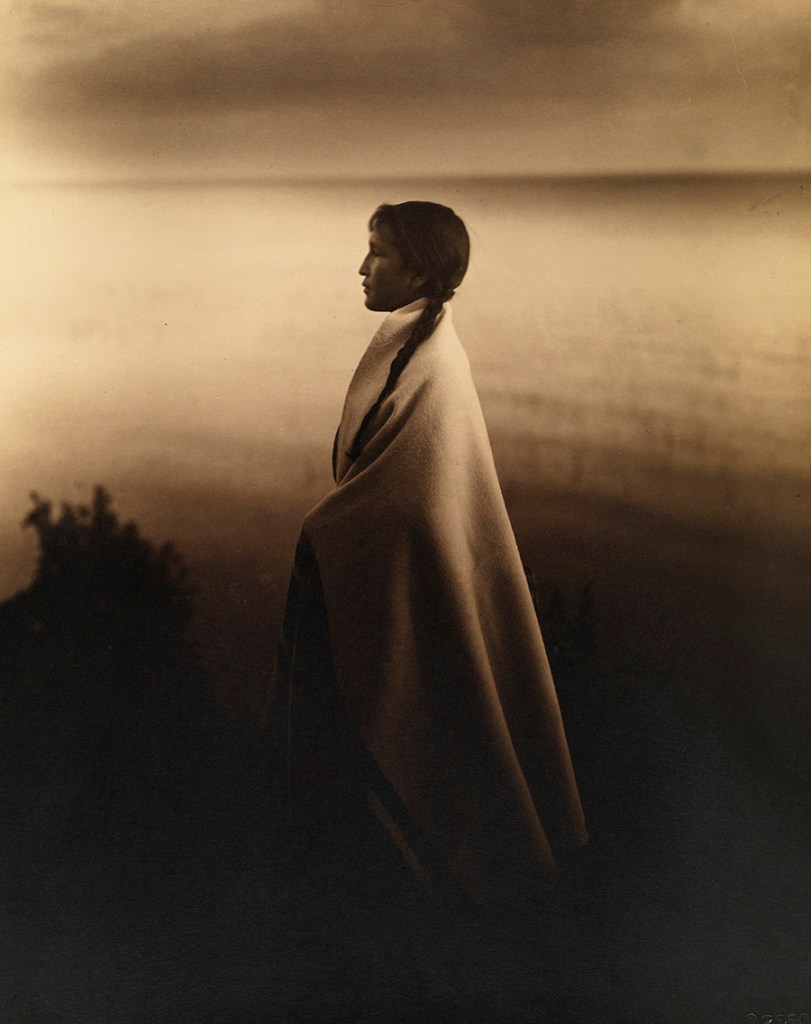
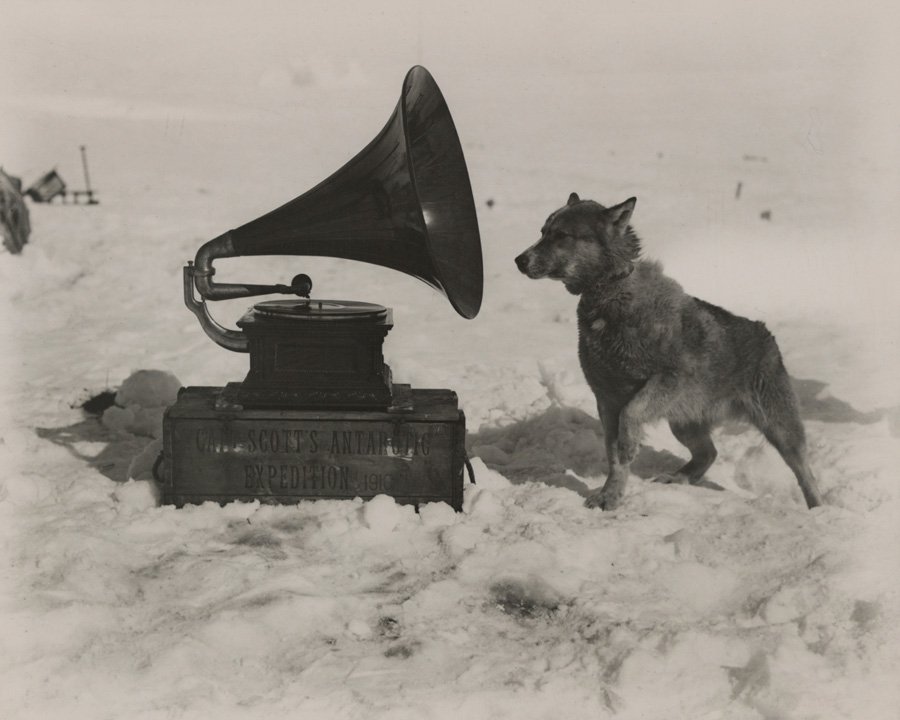
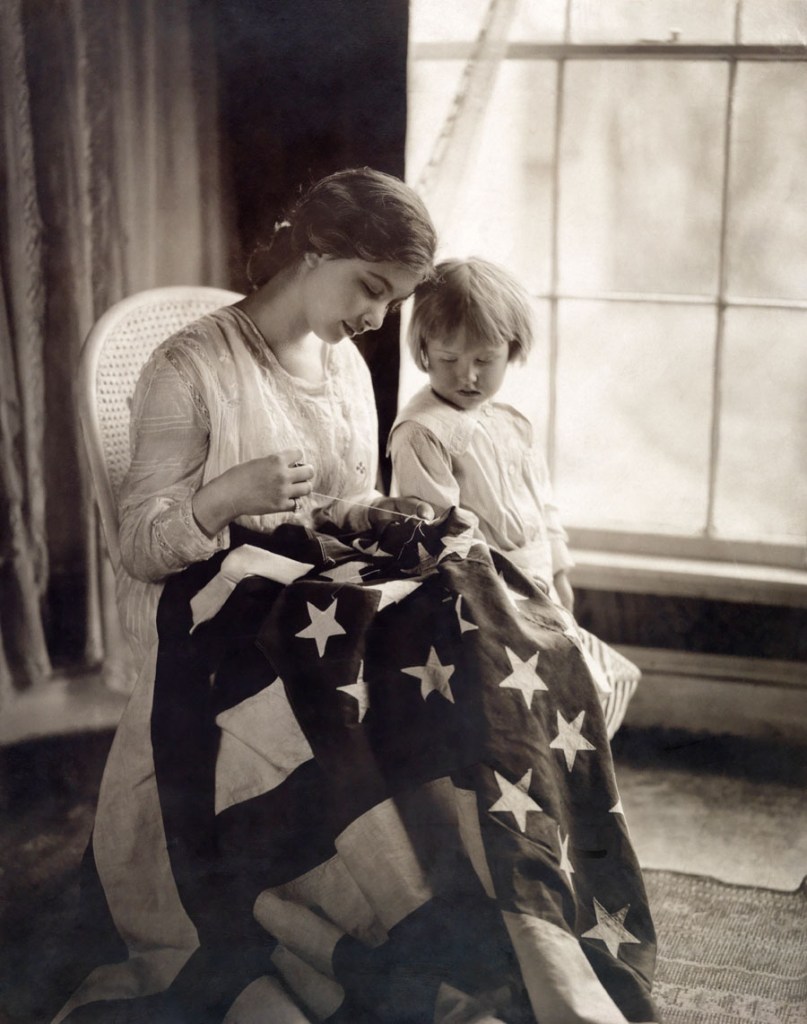
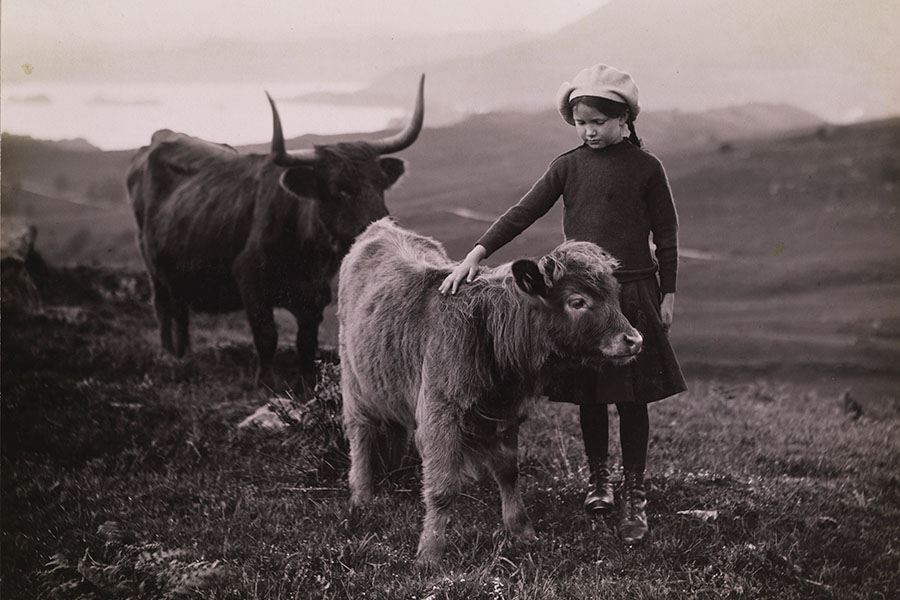
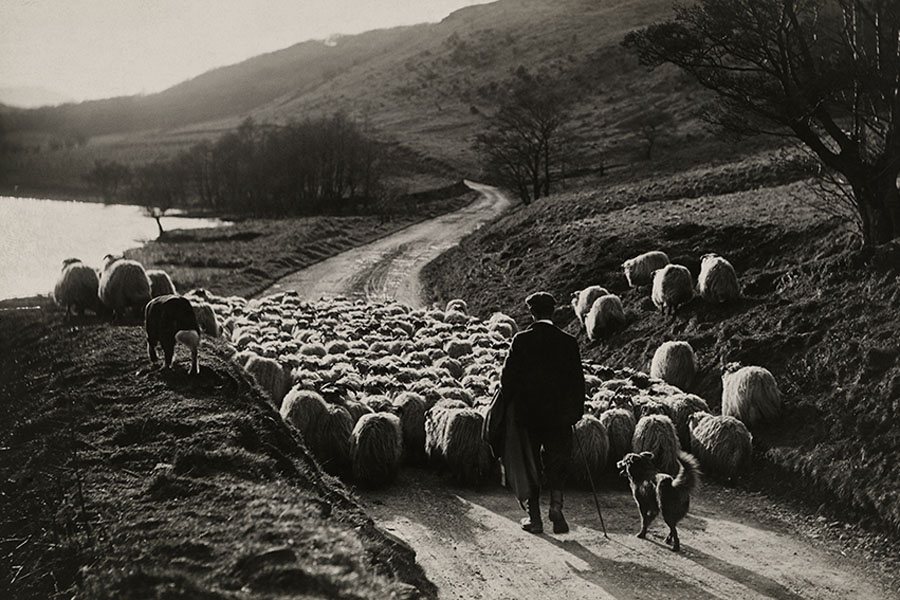
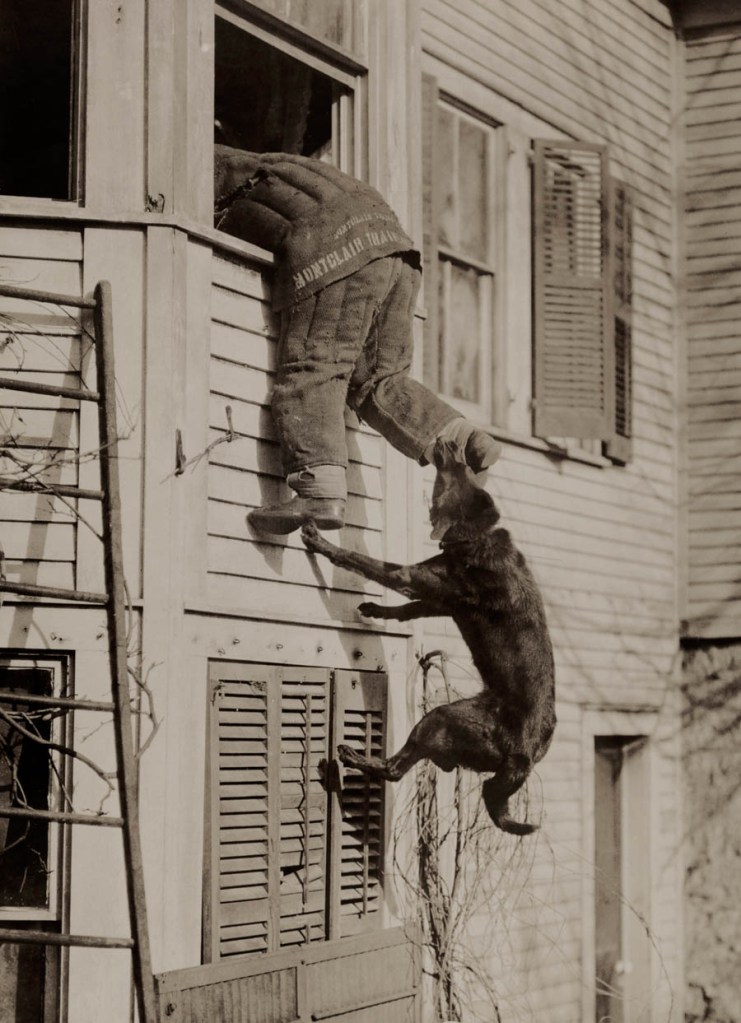
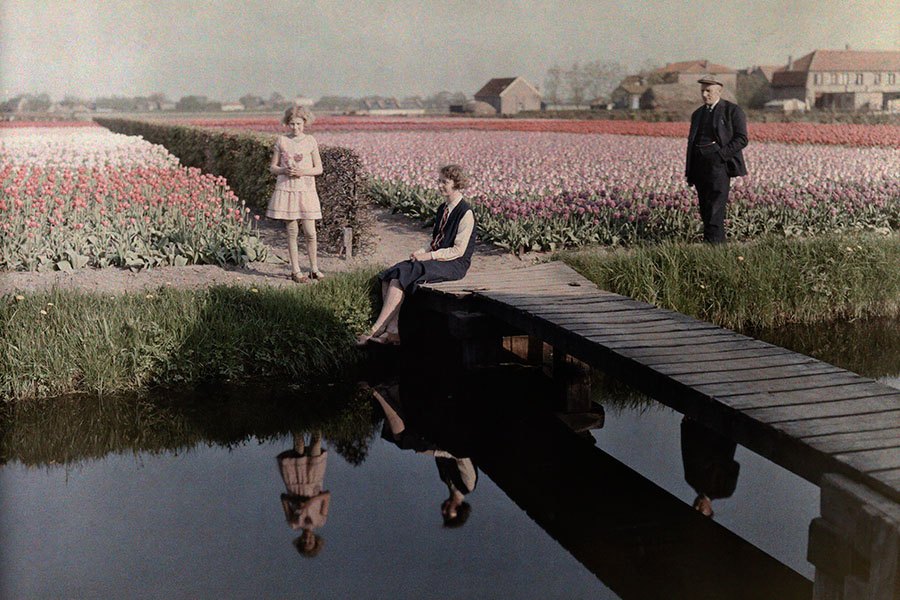
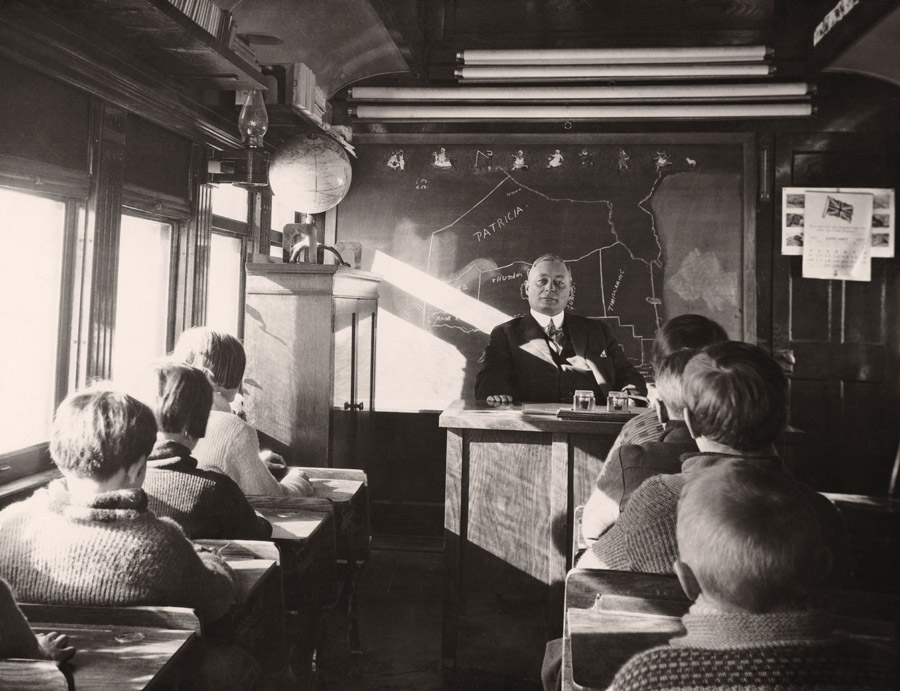
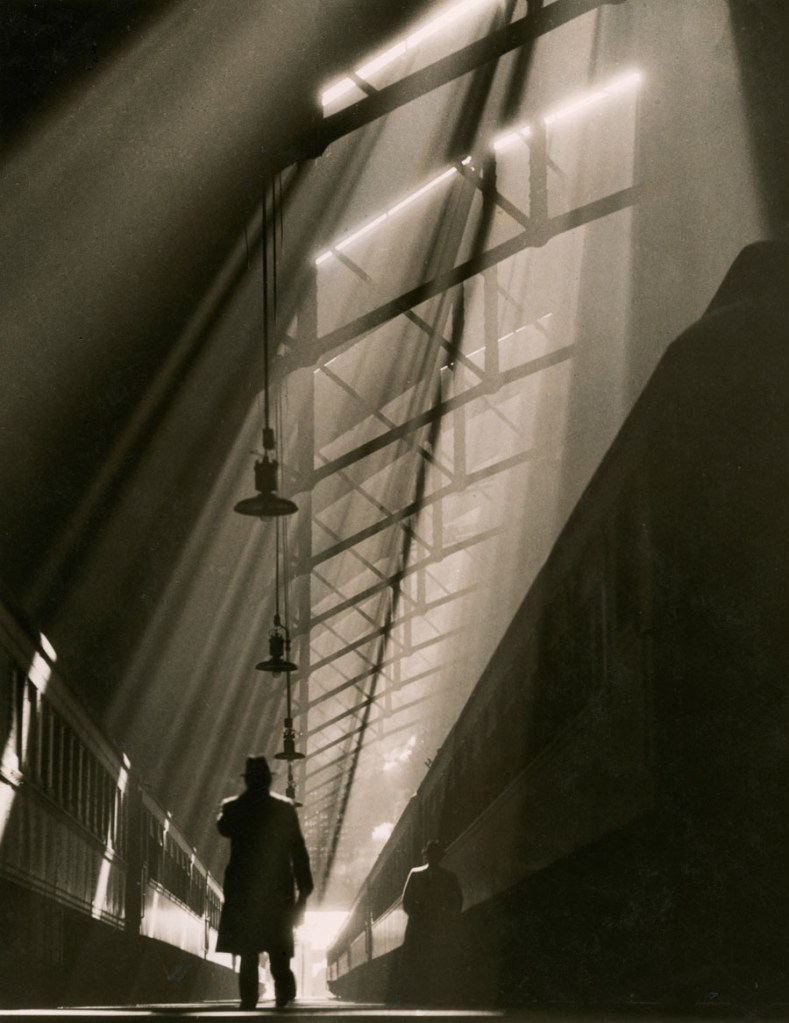
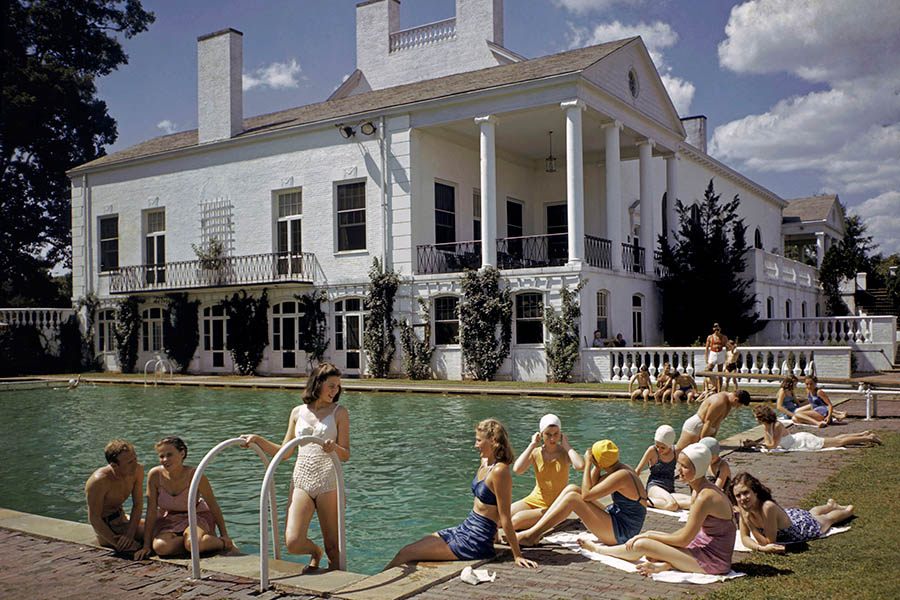
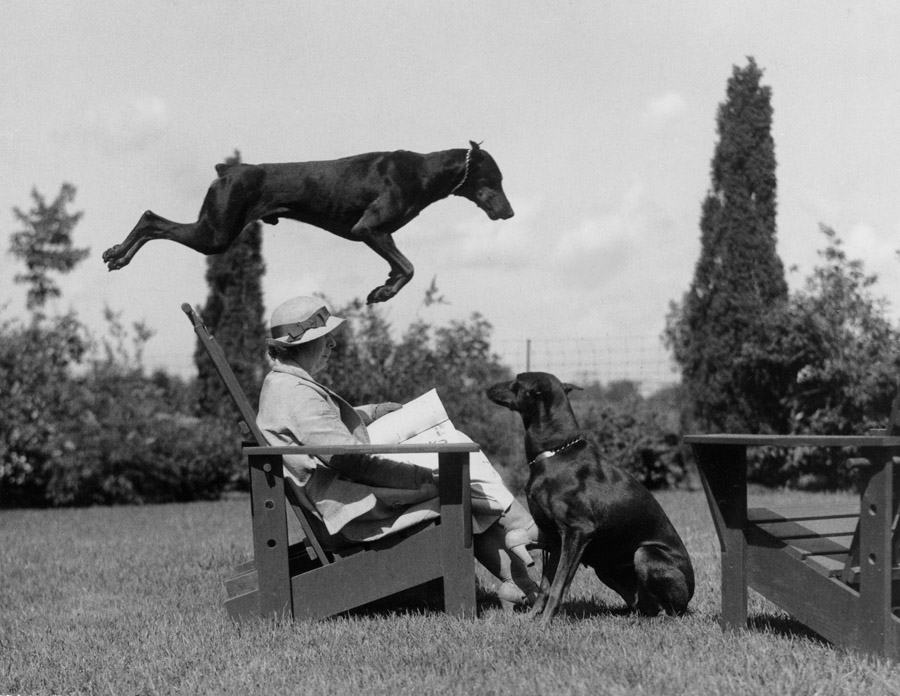
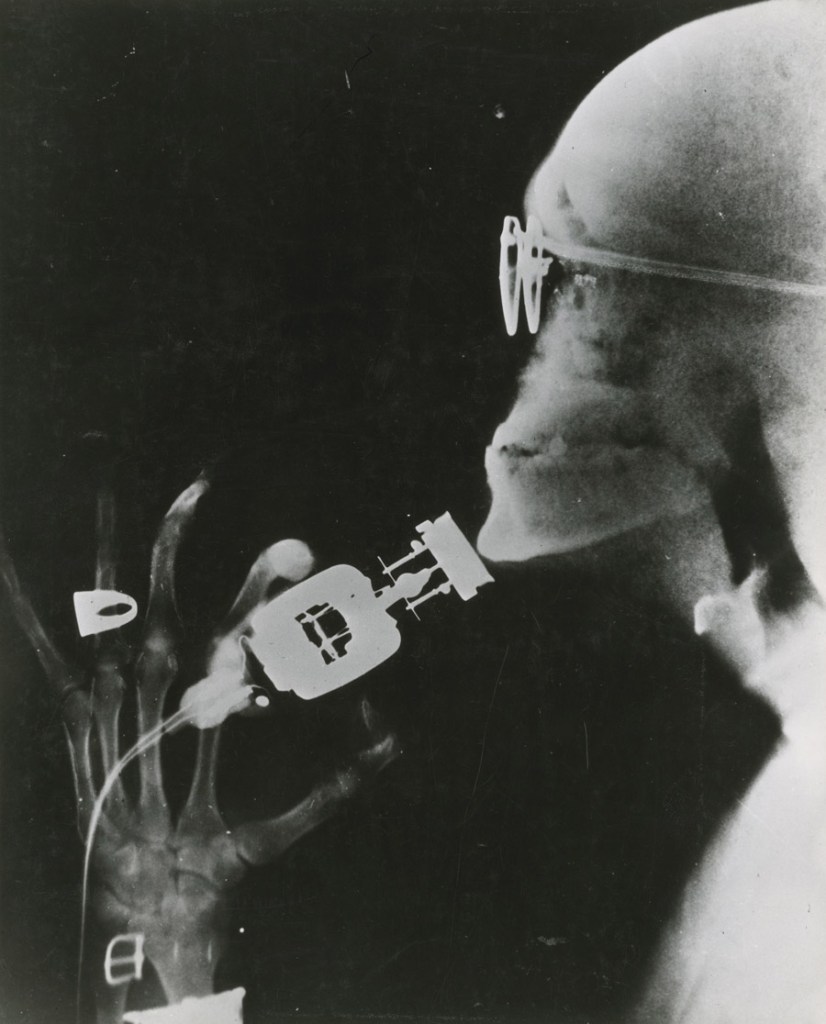
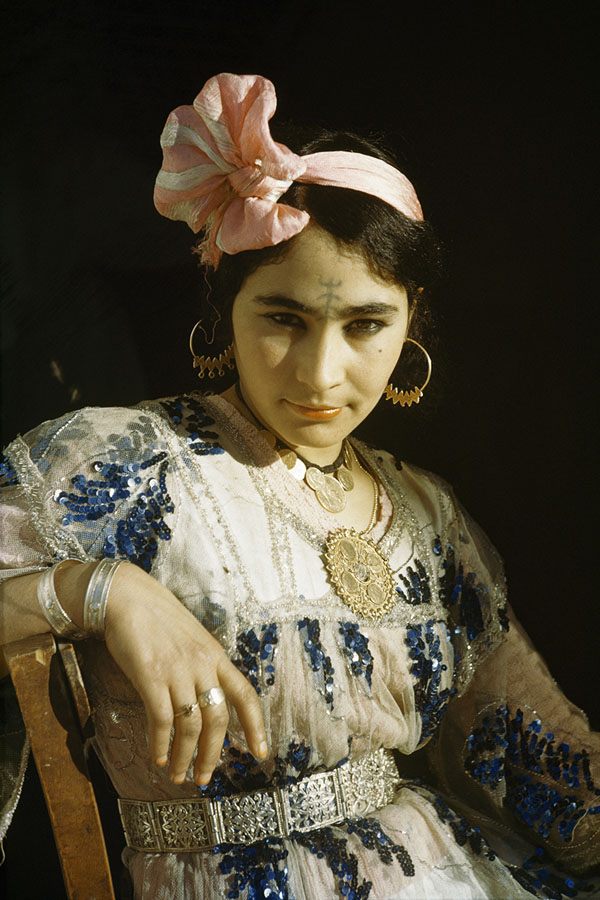
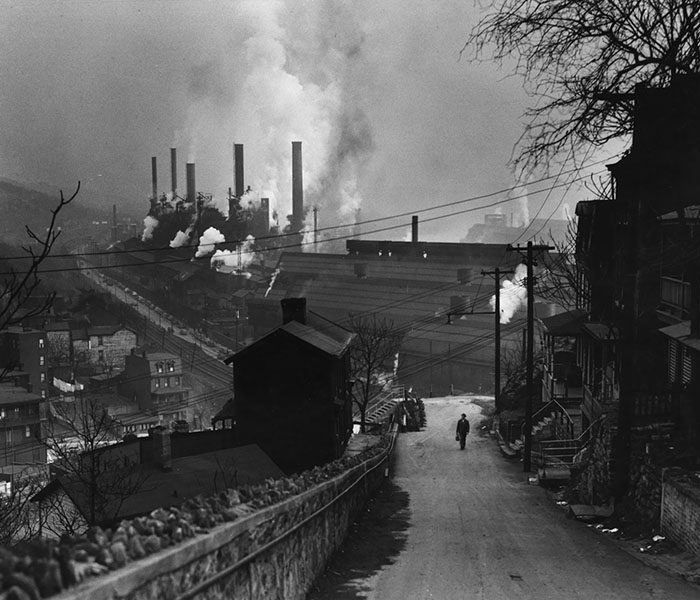
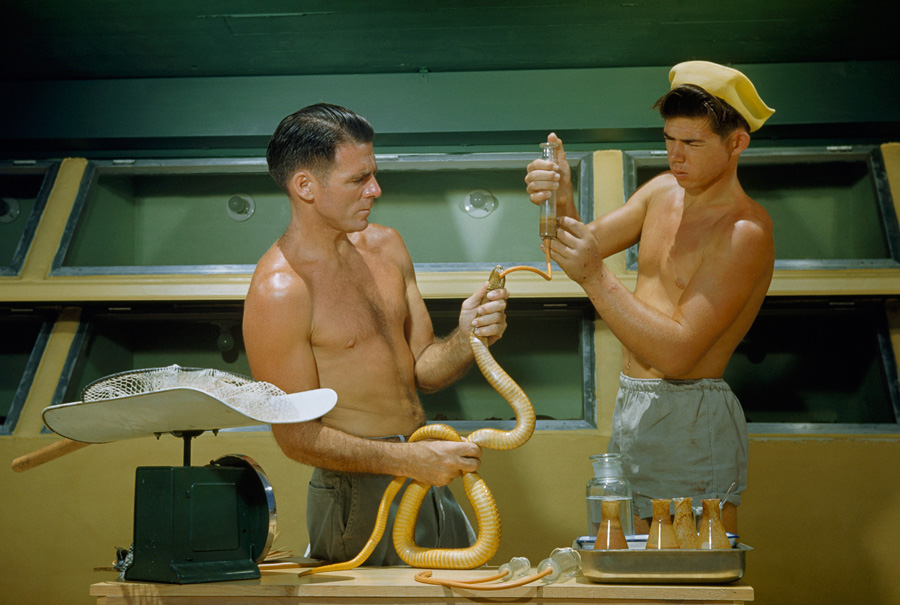
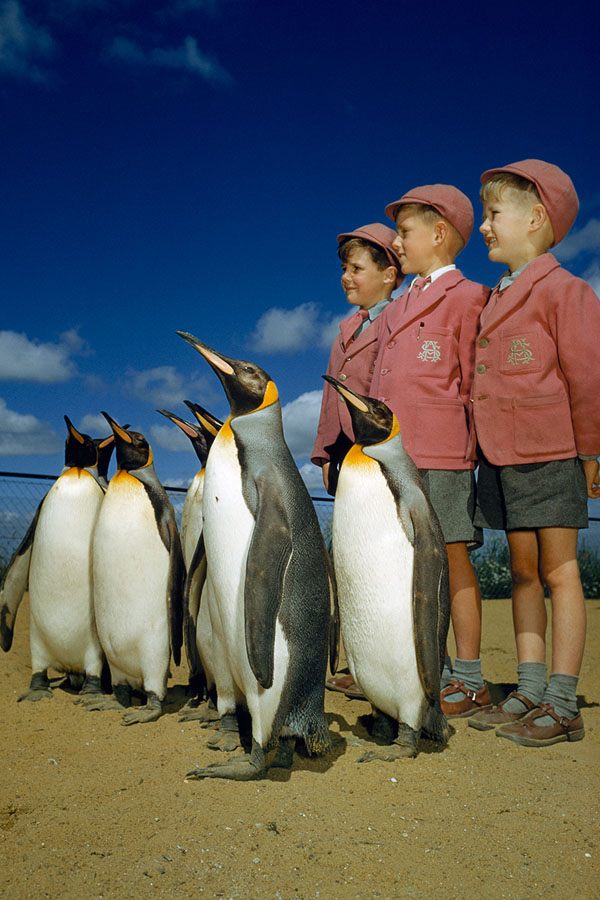
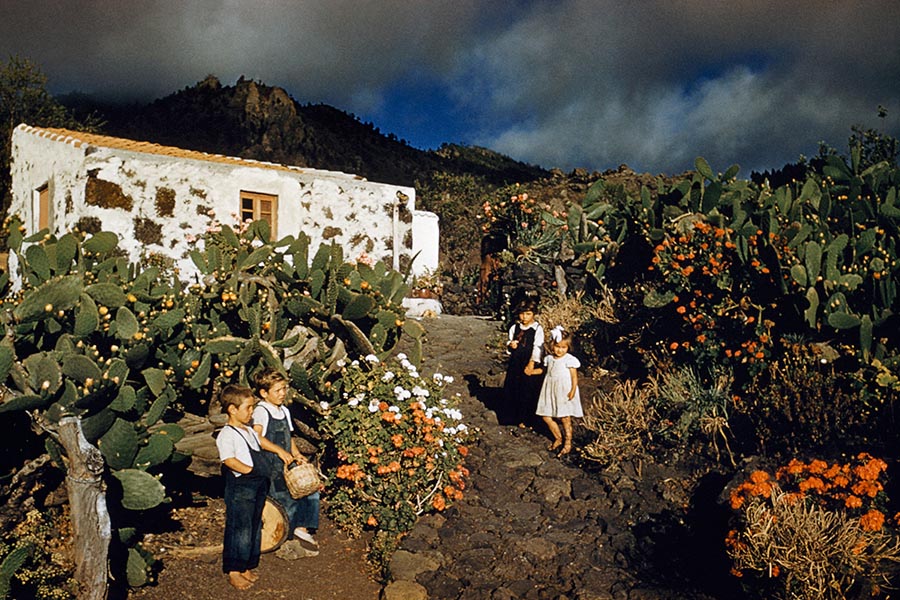
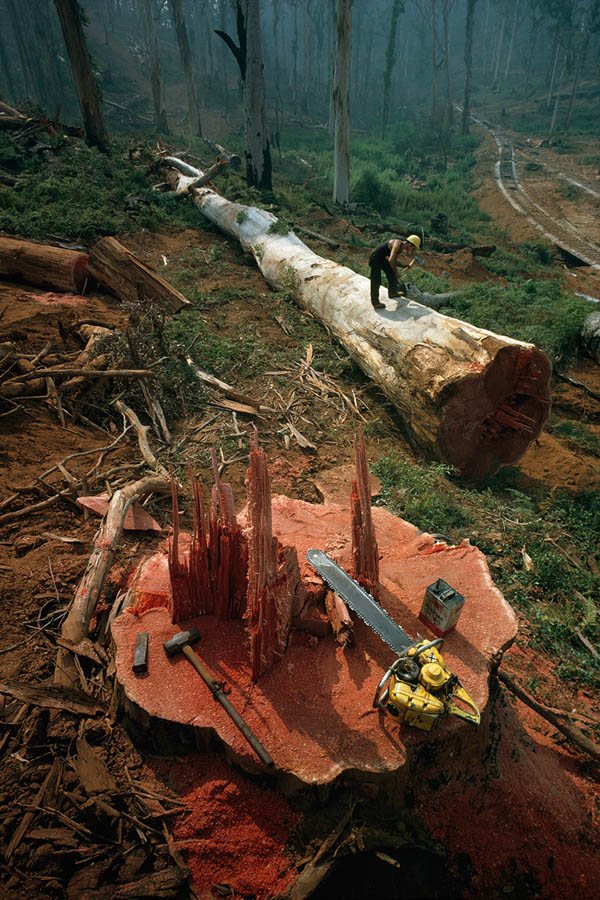
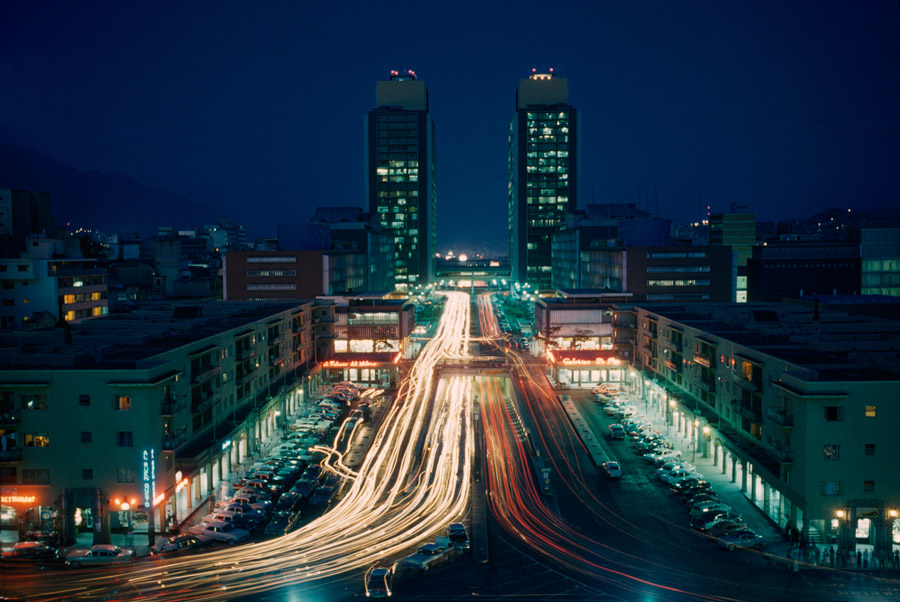
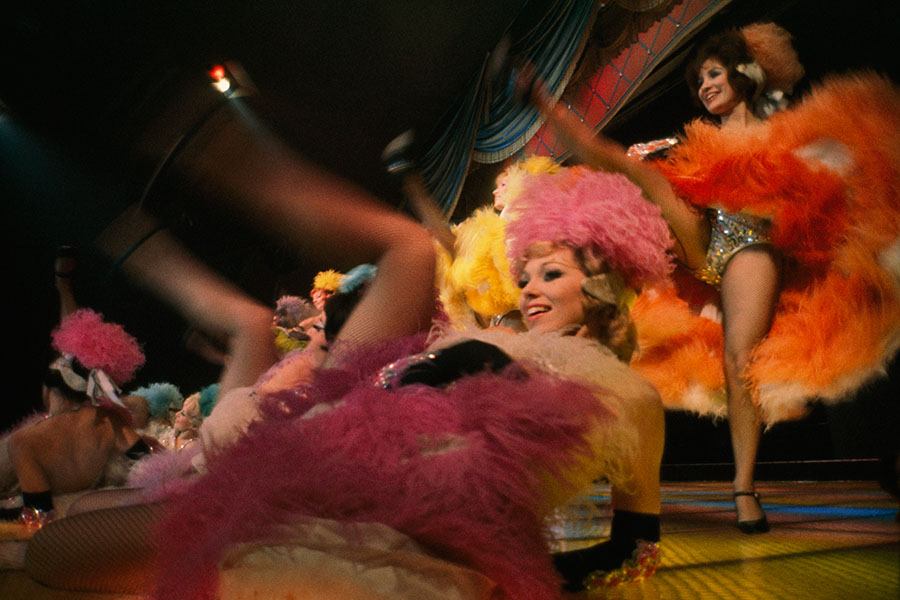
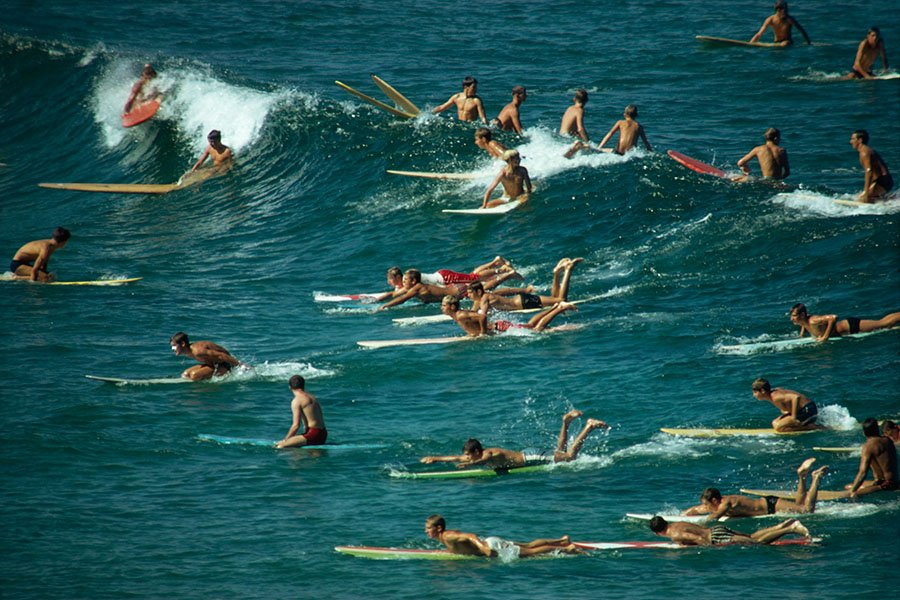
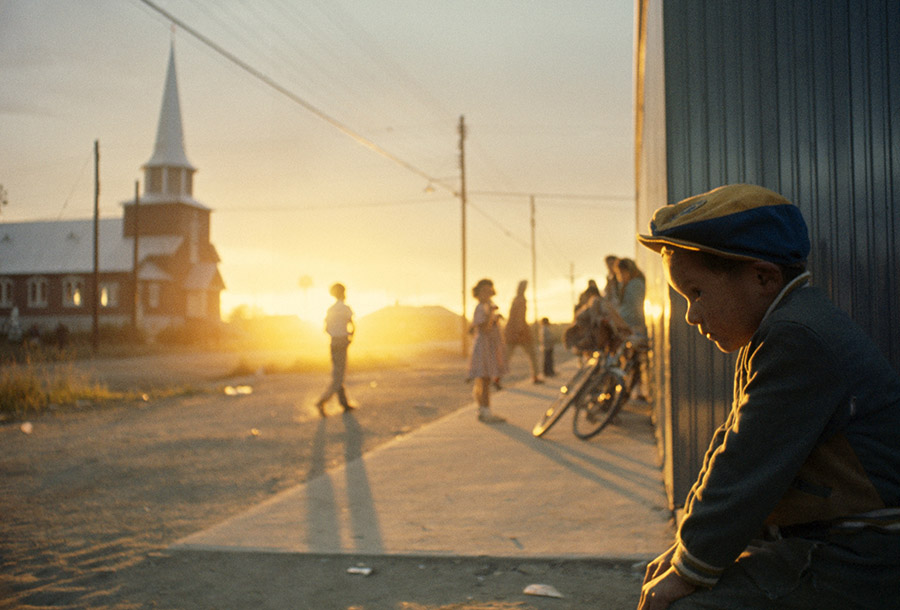
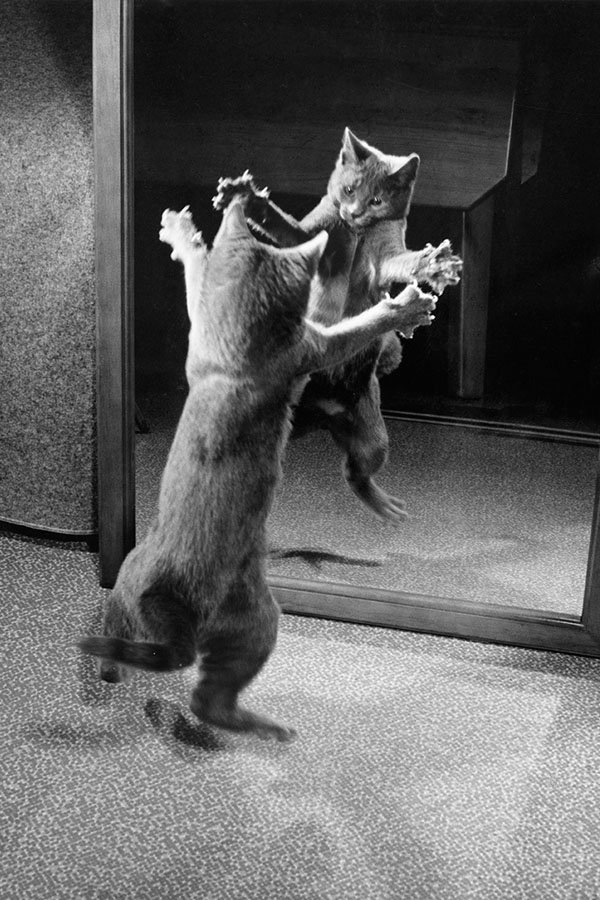
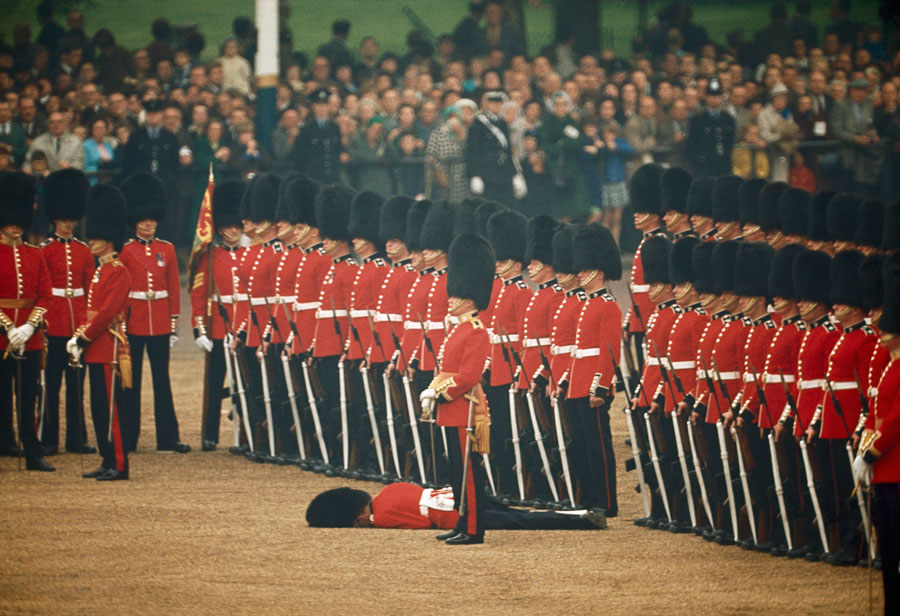
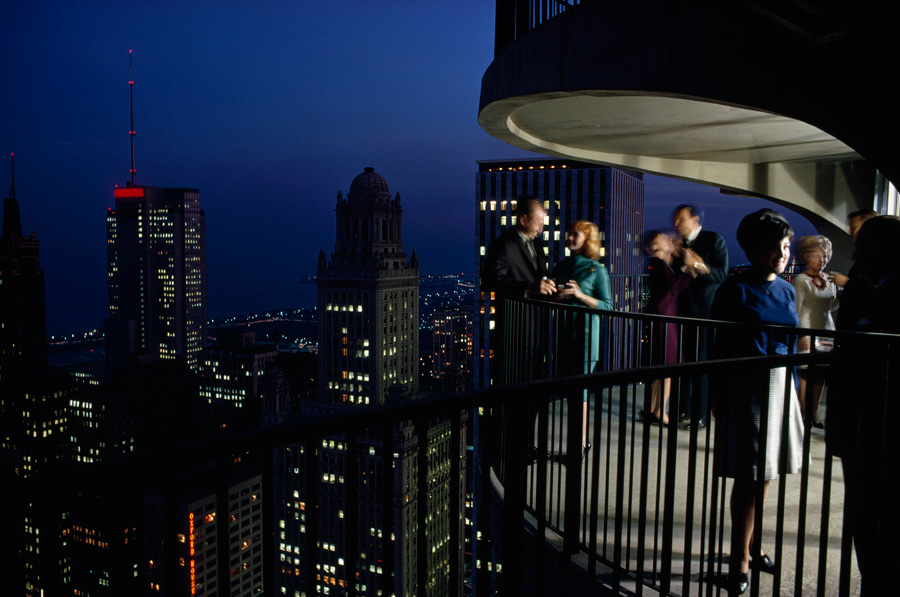
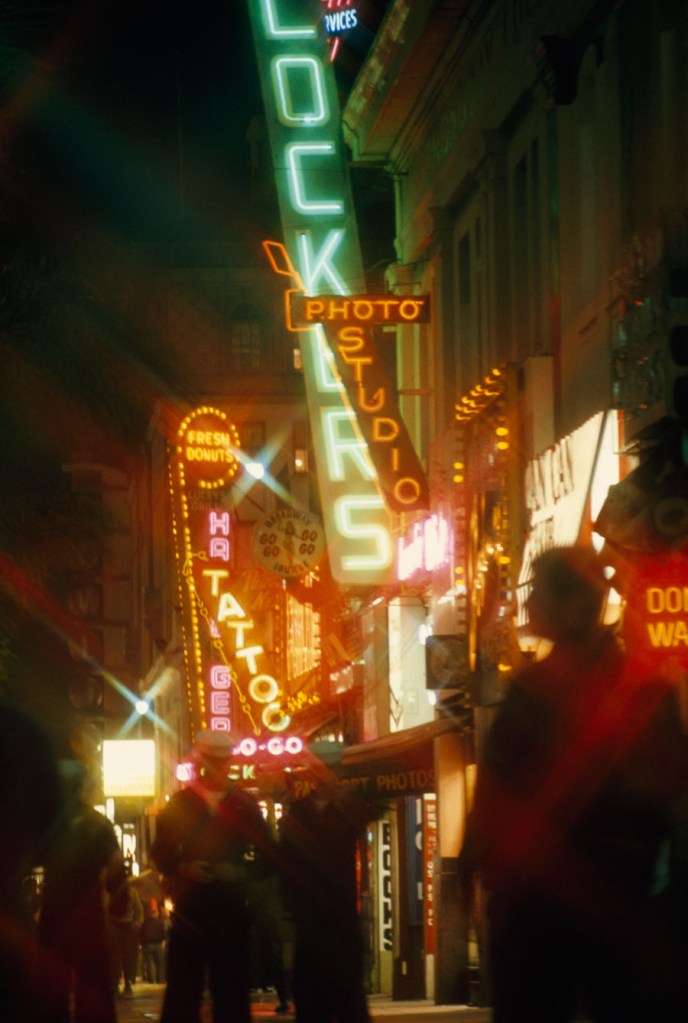
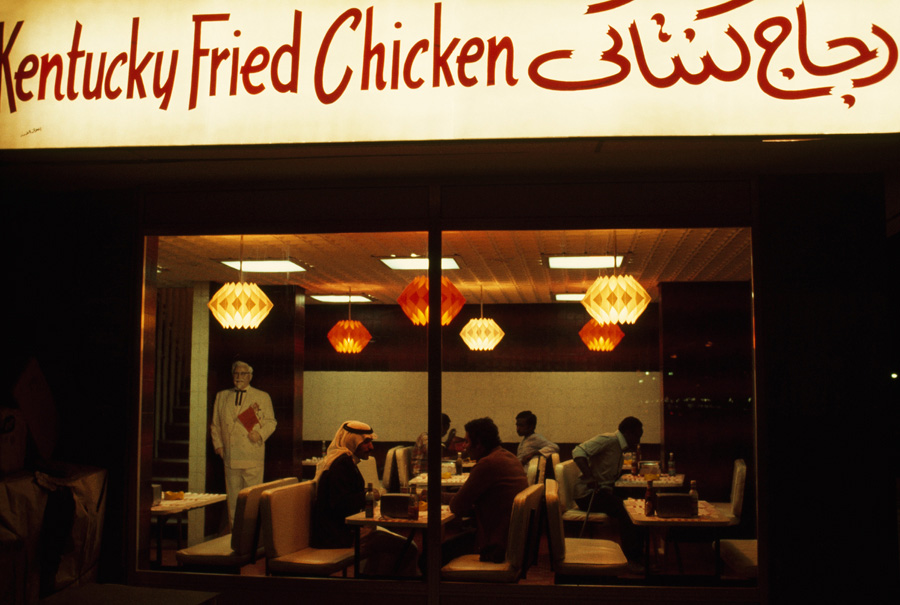
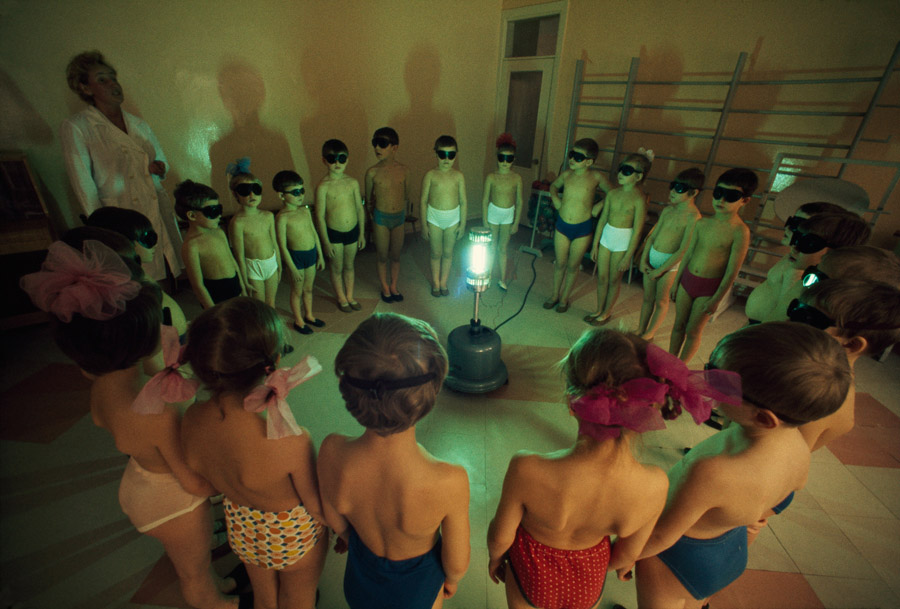
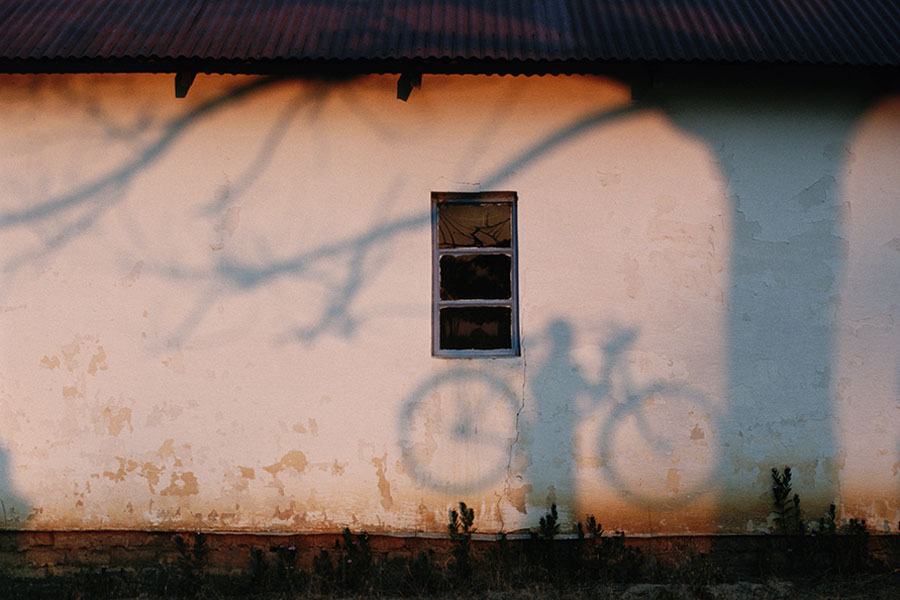
A Thai woman poses in a Panung, the national costume, 1907.A rainbow arches over Victoria Falls in Zimbabwe.A portrait of an Ojibway girl, 1907.A dog observes a gramophone during a South Pole expedition, 1911.A child looks on as stars are sewn onto a US flag, 1917.A WWI soldier bandages a Red Cross canine helper, 1917.A girl pets a calf in Scotland, 1918.A man herds sheep with the help of his collies in Scotland, 1919.A police dog biting some ankles during a training exercise, 1919.Locals relax by the tulip fields along the canal in Haarlem, The Netherlands, 1931.Inside a Canadian Railway classroom, 1932.A man roaming Chicago’s famous LaSalle Street train station, 1936.A Drugstore Cowboy prepares to make deliveries, 1938.A blue-ribbon winning mare with its owner in Waterloo, Iowa, 1939.People sunbathe beside a swimming pool in Charlotte, North Carolina, 1941.A dog leaps over a woman, 1941.An x-ray demonstration of the new Westinghouse electric razor, 1941.An Ouled Nail woman in Algeria wears a tattoo customary for dancers, 1949.Hillside houses overlook smoke-belching steel mills in Pittsburgh, Pennsylvania, 1949.Force-feeding a snake to ensure its venom supply, 1950.A demonstration shows how a metal aircraft sheds lightning, 1950.Uniformed boys pose with king penguins at the London Zoo, 1953.Children play barefoot in a cactus garden on the Canary Islands, 1955.Niagara Falls illuminated with rainbow flood lights, 1956.A man examines the teeth of a 10-month-old Alaskan Malamute puppy near the South Pole, 1957.A woodman notches a felled tree’s trunk for sectioning in Western Australia, 1962.People picnic on the rocky heights overlooking Harpers Ferry in Maryland, 1962.Princess Grace Kelly in Monaco, 1962.Long exposure of Caracas, Venezuela, 1963A chorus line high kicks during a show at Cafe Le Can Can in Miami Beach, Florida, 1963.Surfers overpopulate the waves off of Bondi Beach in Australia, 1963.Children playing at sunset in Ontario, Canada, 1963.With claws bared, a kitten attacks its own mirrored reflection, 1964.A performance of the opera, Aida, in New York City, 1964.Members of the Irish Guard ignore their fainted comrade, 1966.The Chicago skyline as a backdrop for rooftop party-goers, 1967.Bison roaming Yellowstone National Park, 1967.Marines walk the San Diego streets amid neon signs, 1969.A Ragtime piano man enjoying the spotlight, 1969.An Egyptian belly dancer performs for tourists in a nightclub in Cairo, 1972.Women farming in sugar beet fields, 1974.Patrons of a KFC in Abu Dhabi, 1975.Kids in Murmansk, former Soviet Union endure their daily dose of Vitamin D by lamp-light, 1977.A shadow of a man holding a bicycle appears on a wall near the Zambezi River, 1996.Nuns in Peru take a break to toss a ball around, 1998.
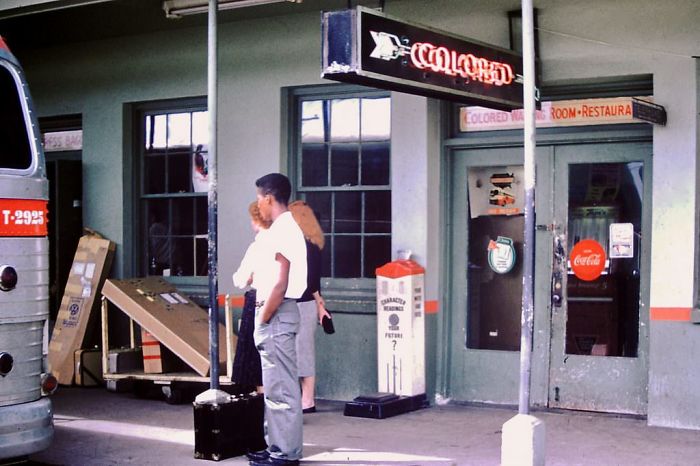
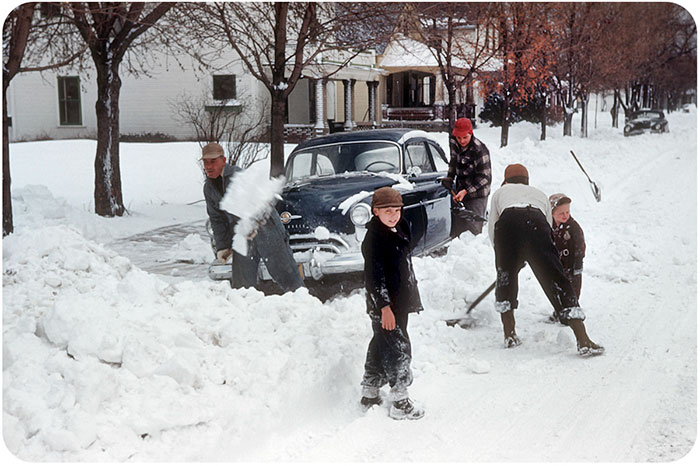
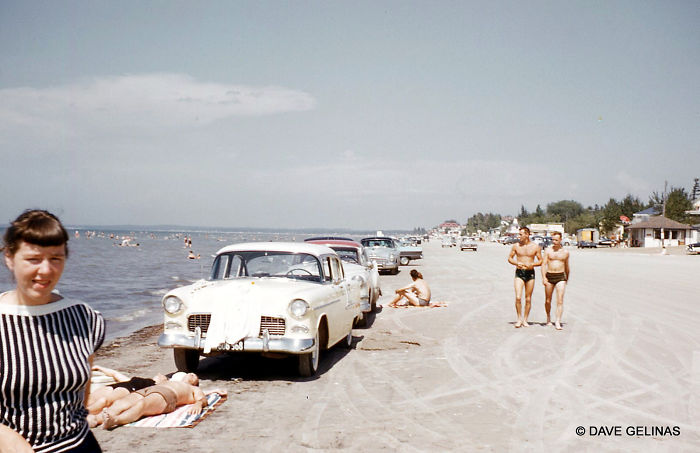
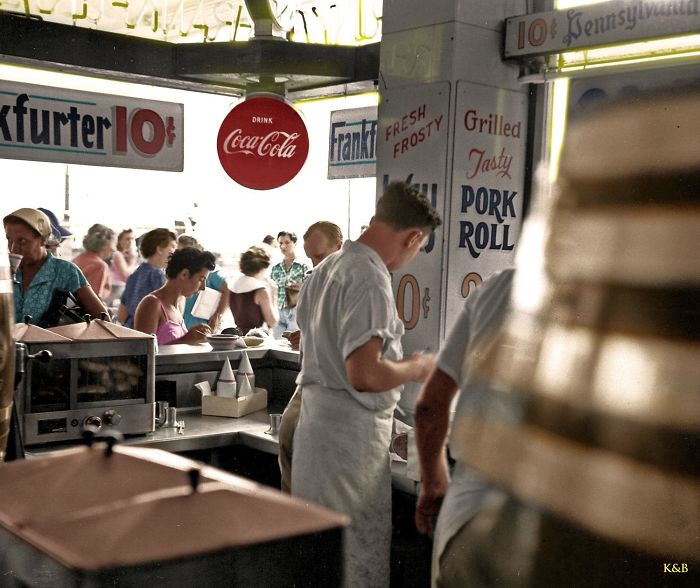
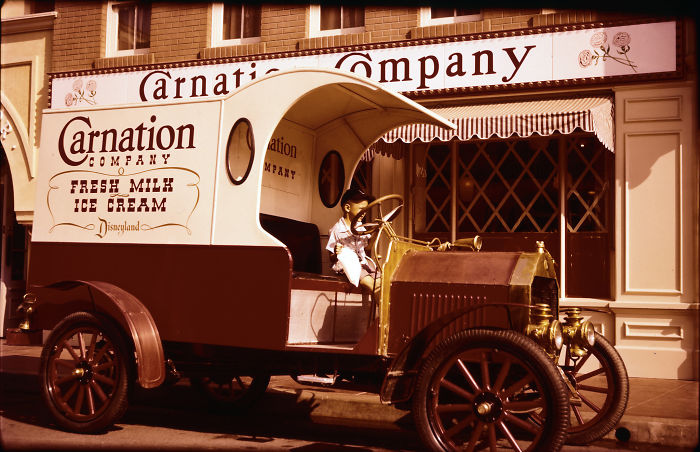
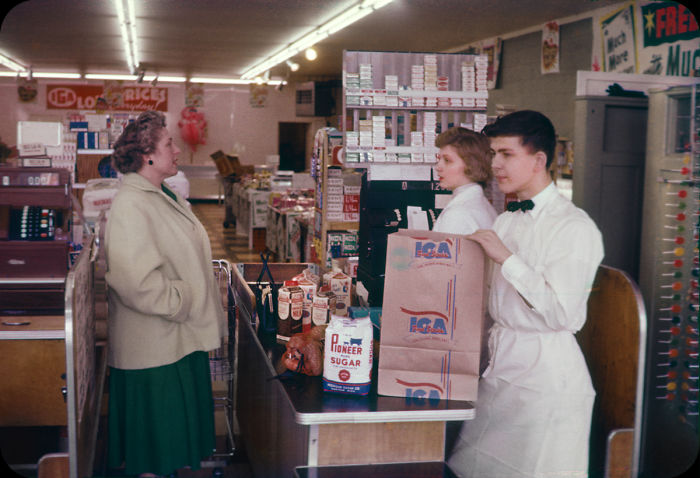
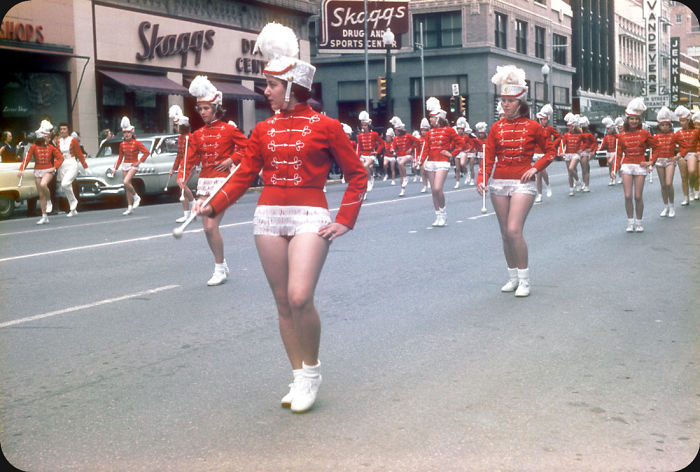
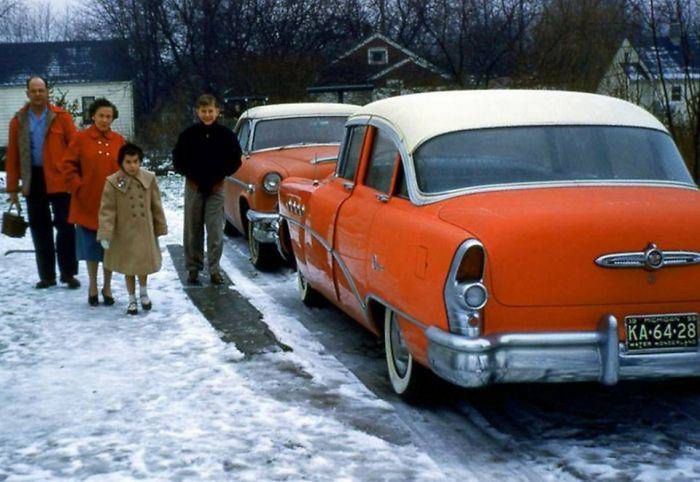
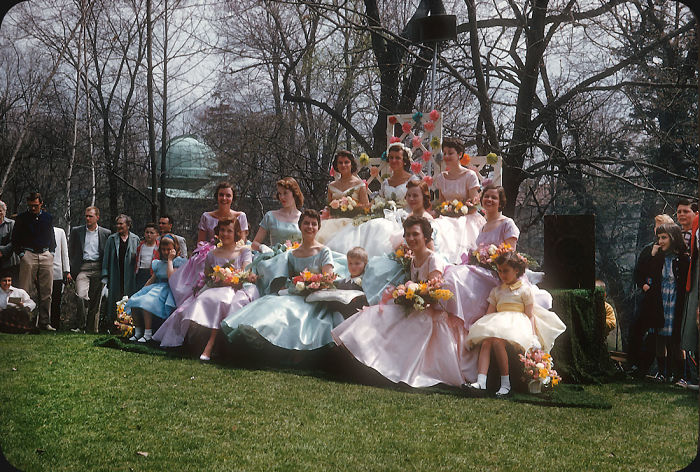
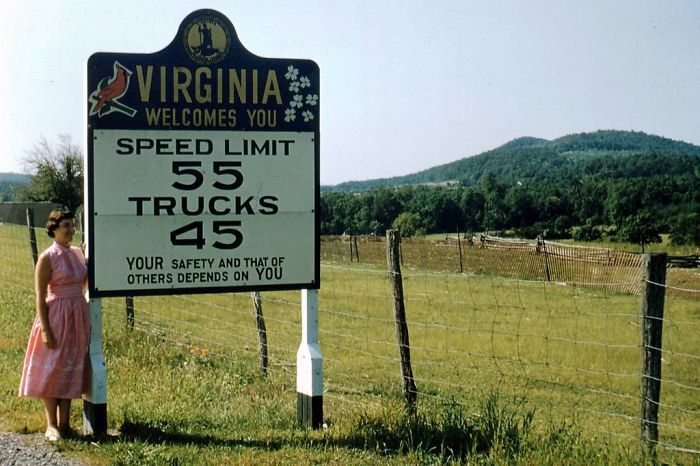
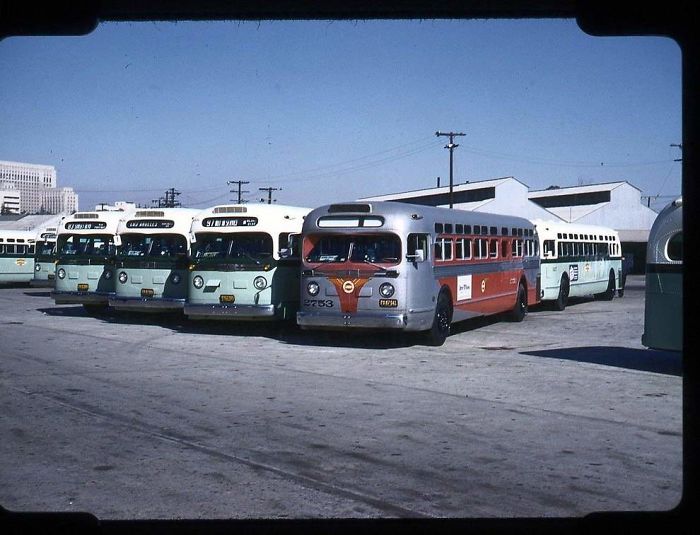
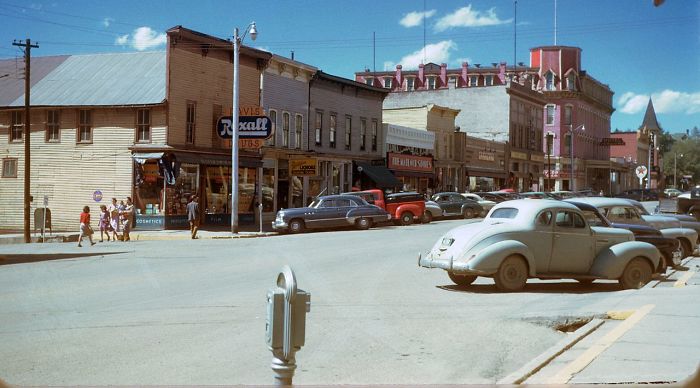
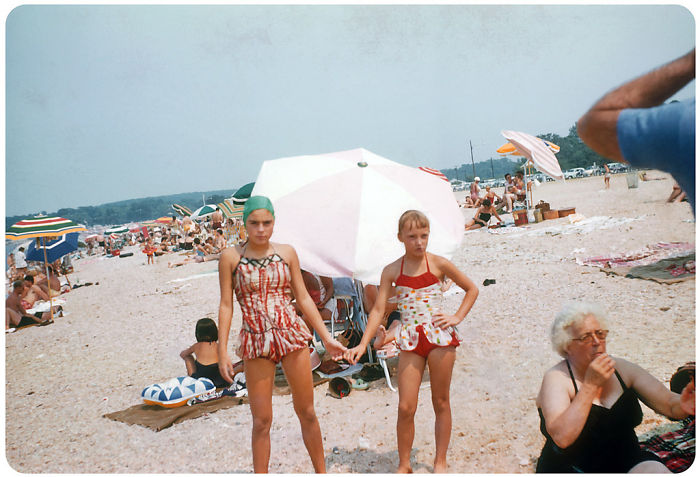
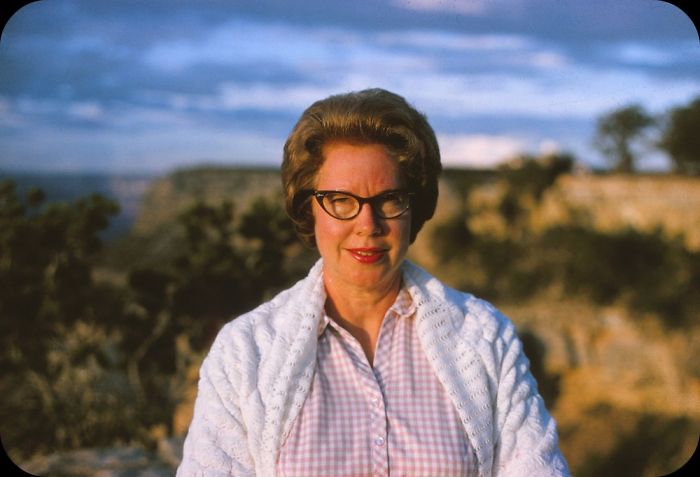
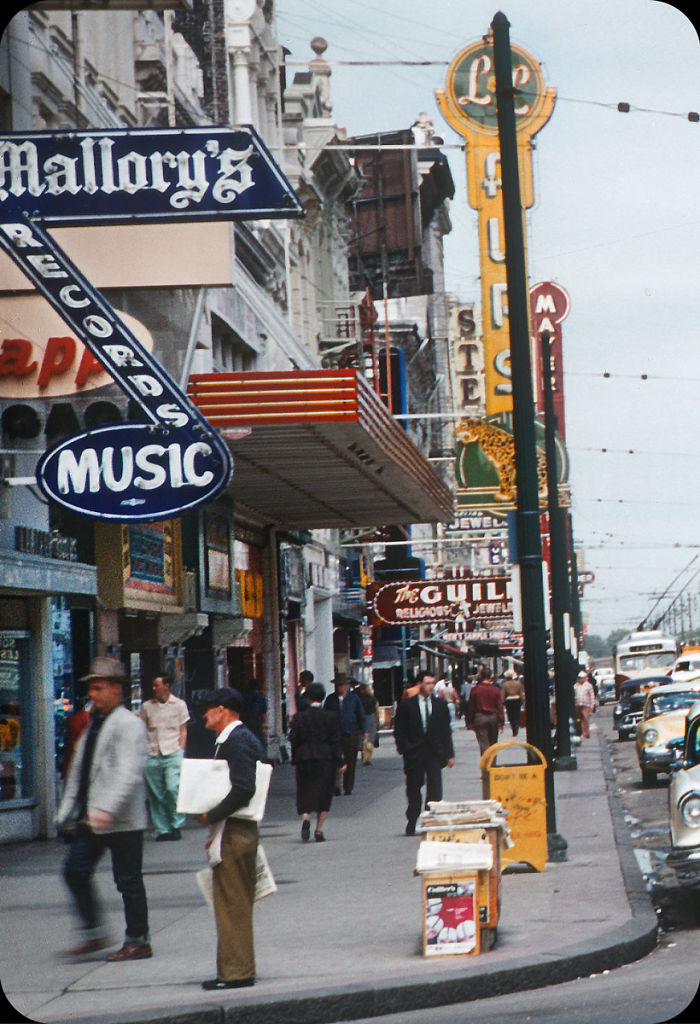
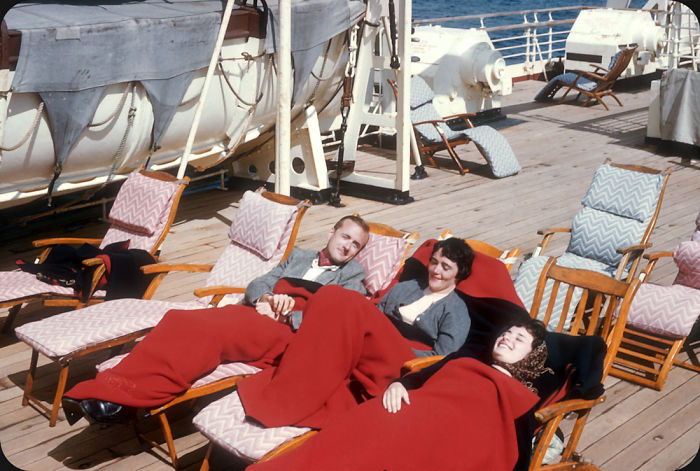
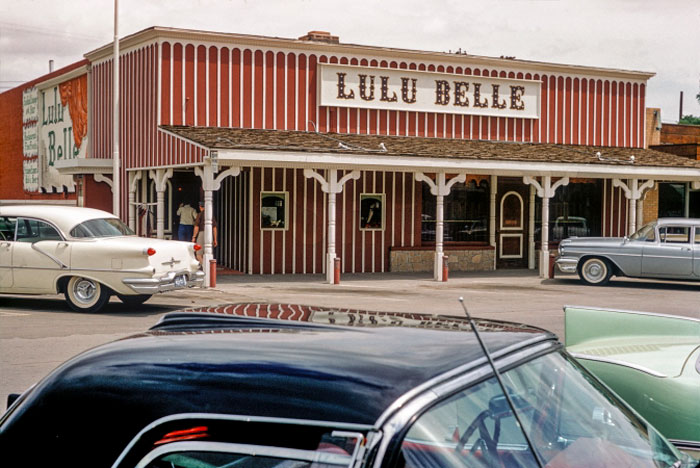
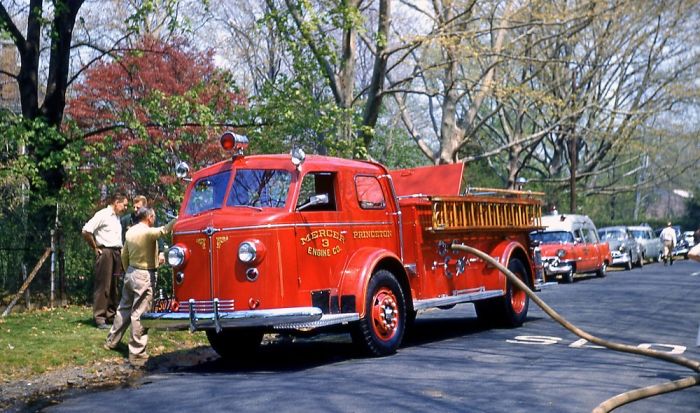
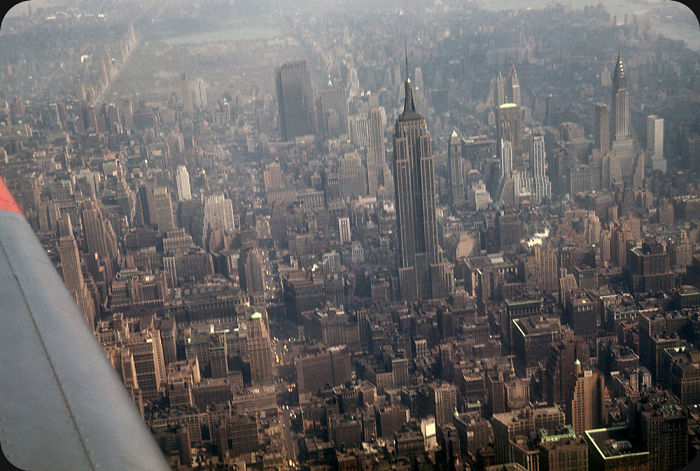
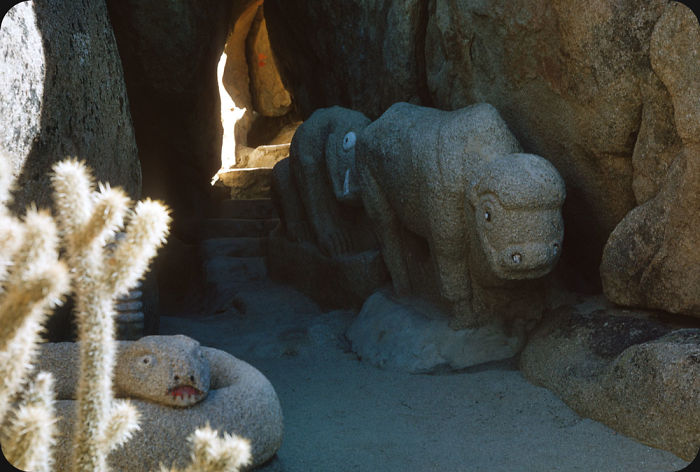
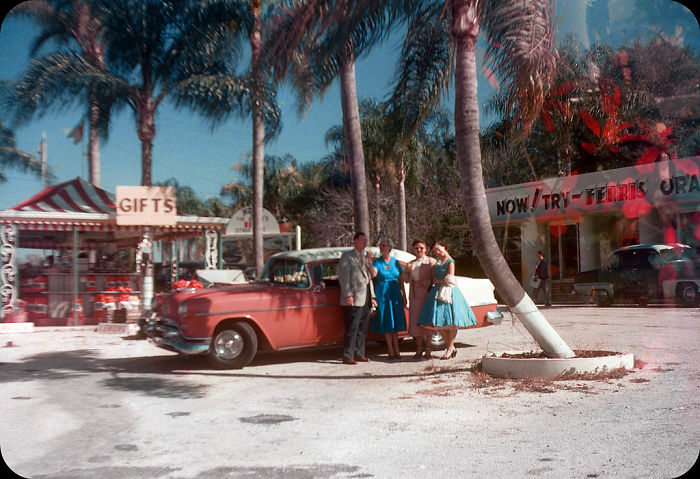
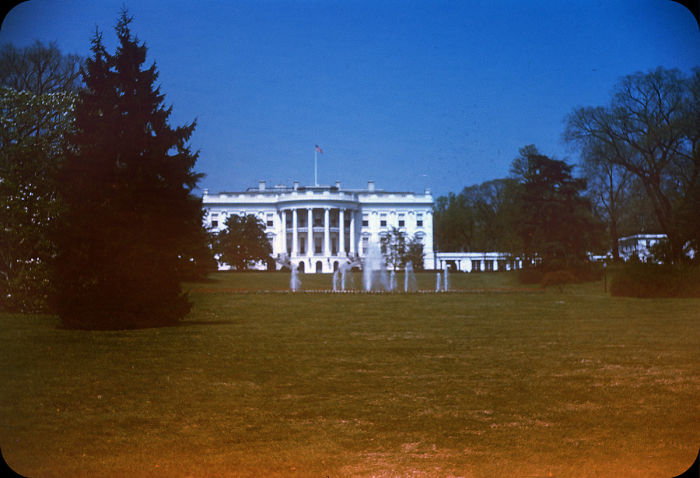
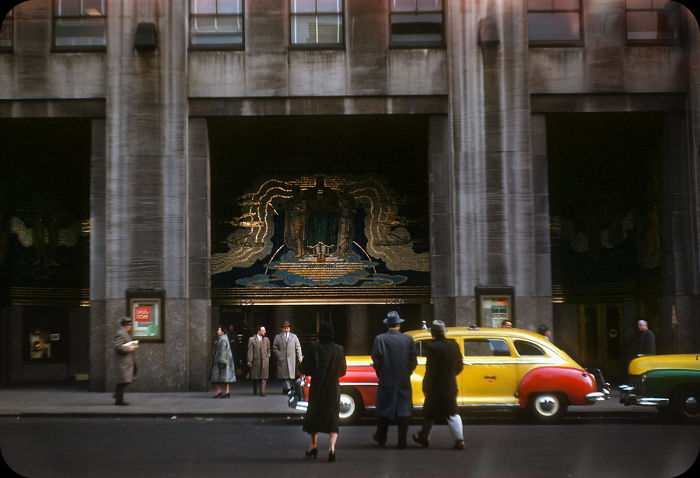
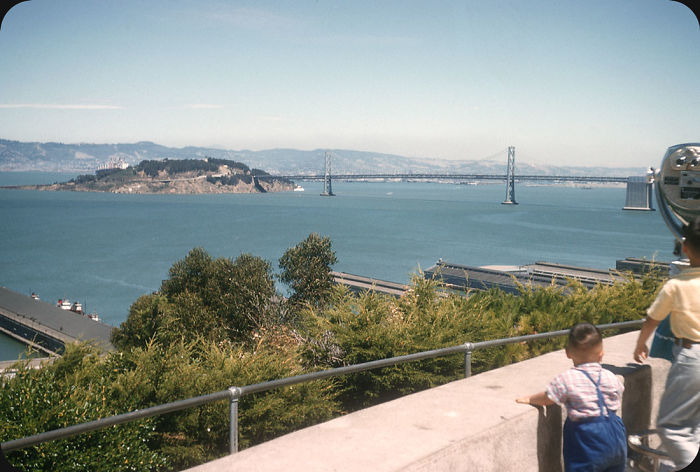
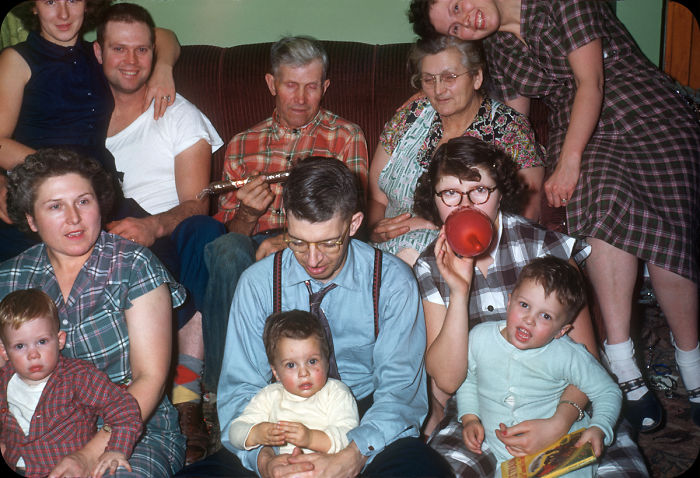
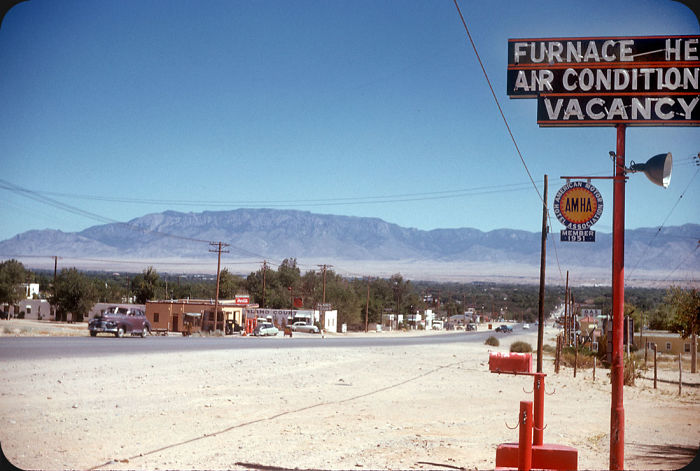
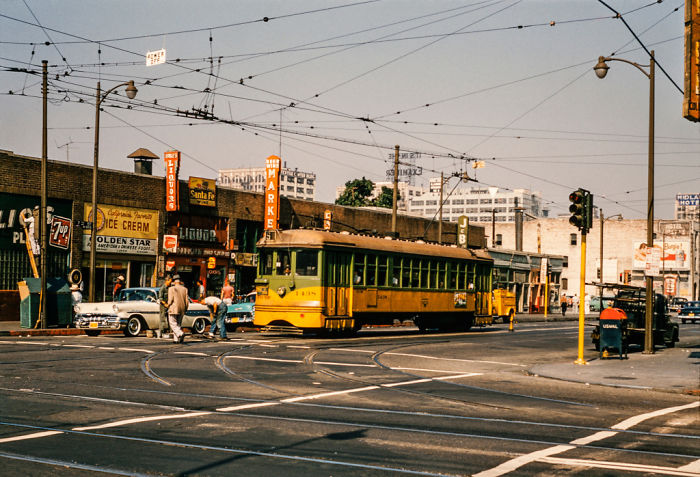
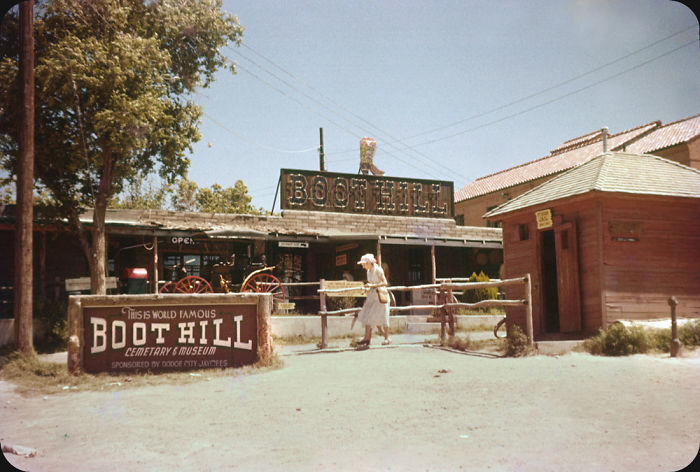
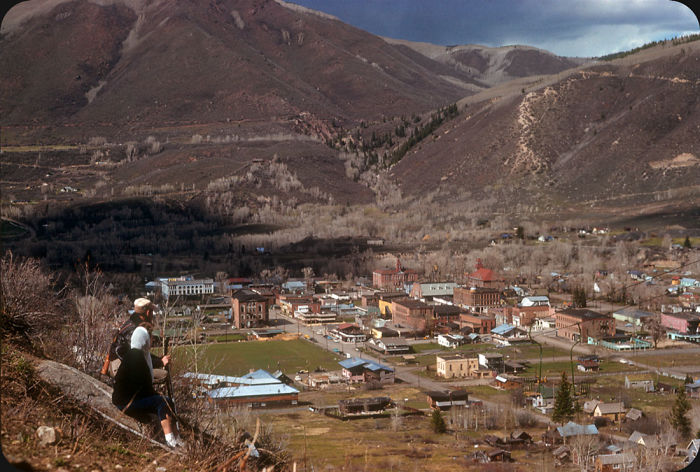
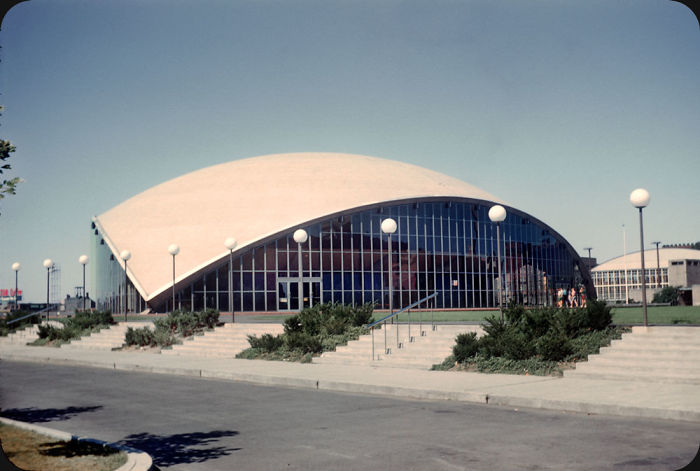
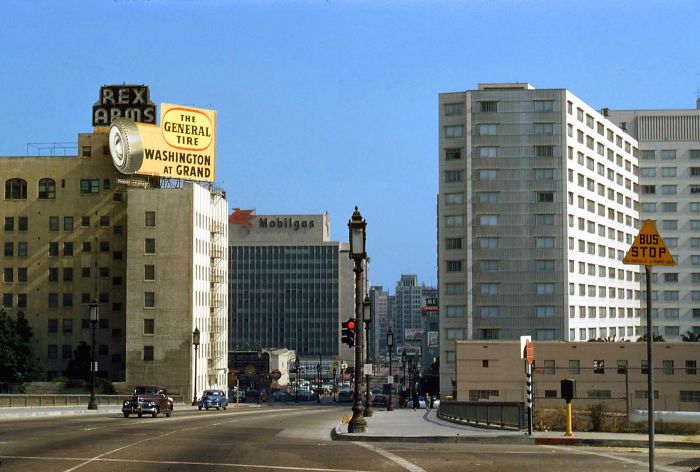
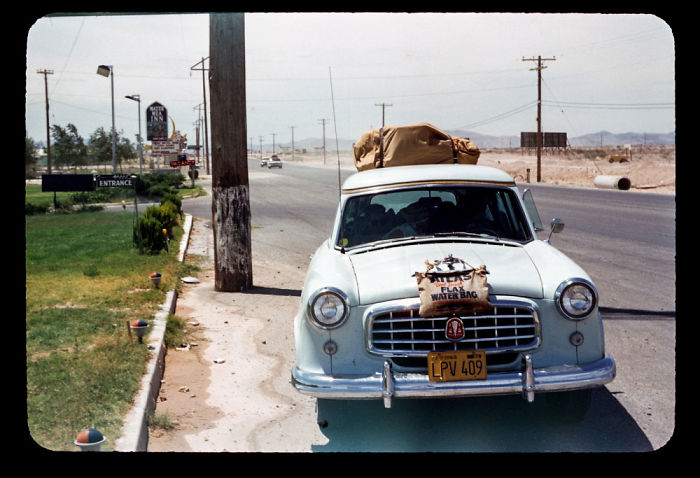
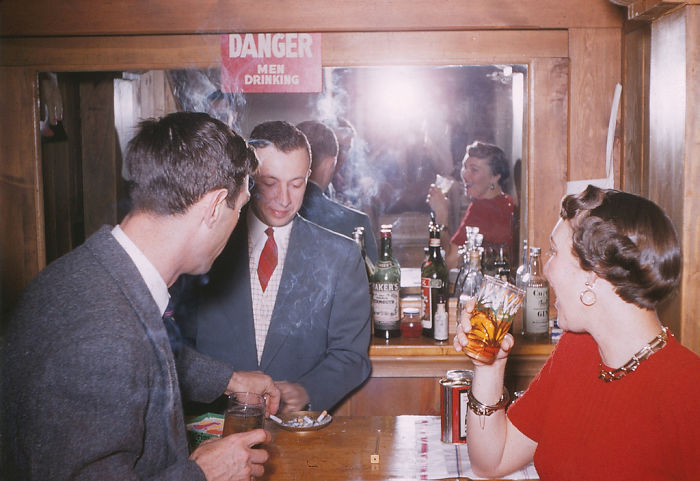
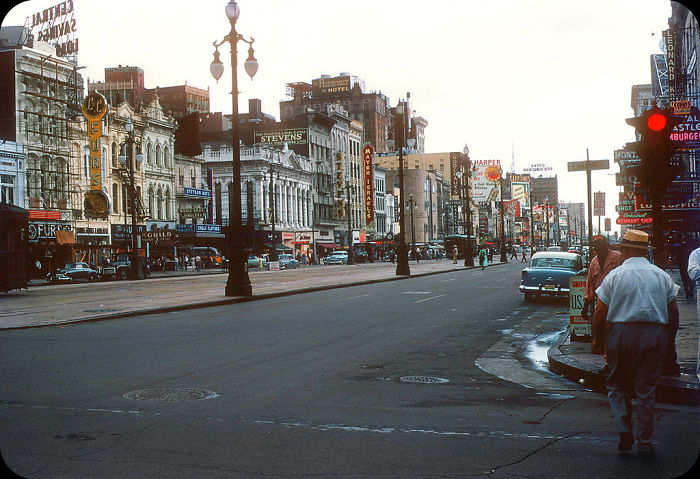
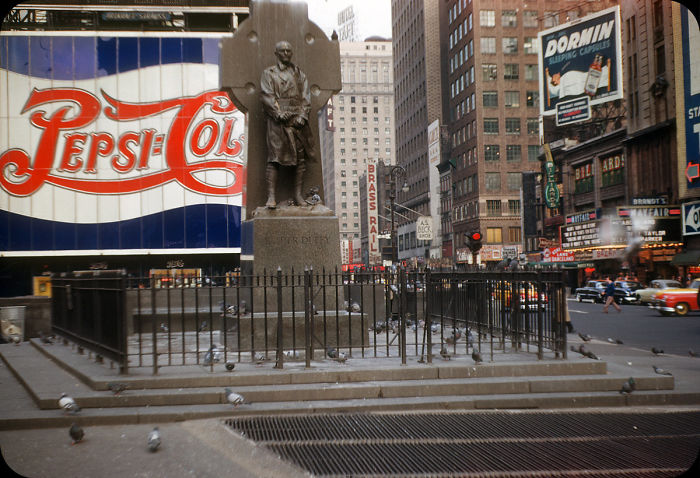
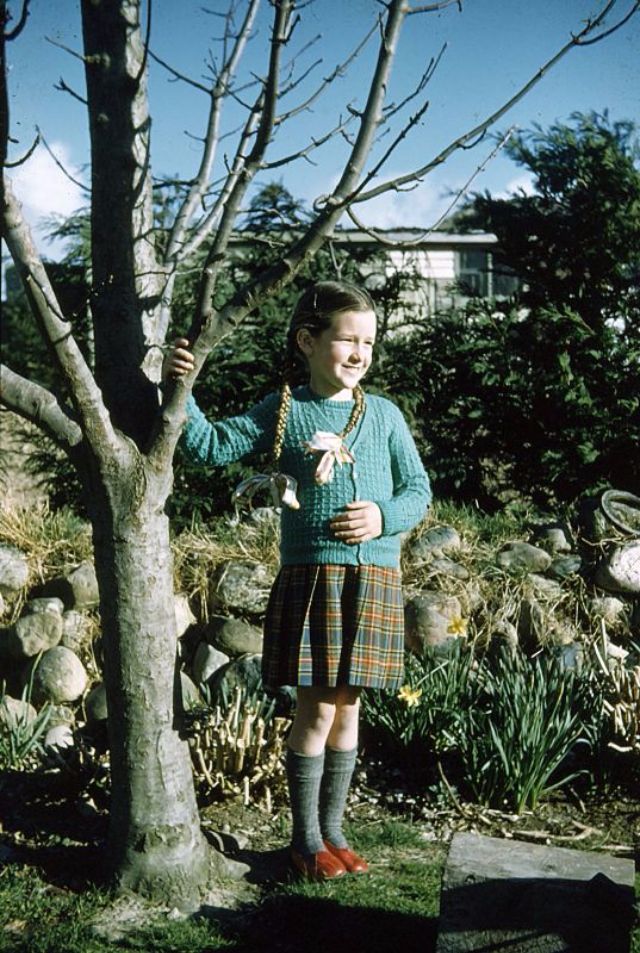
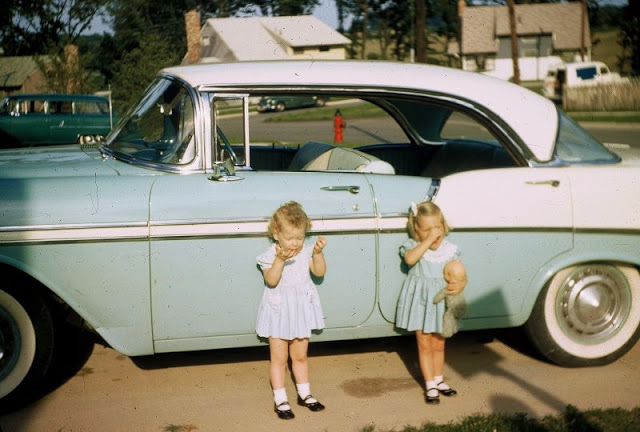
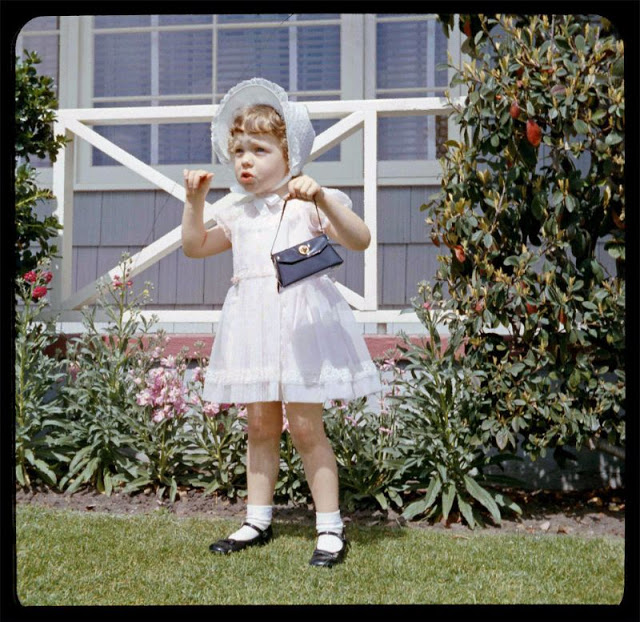
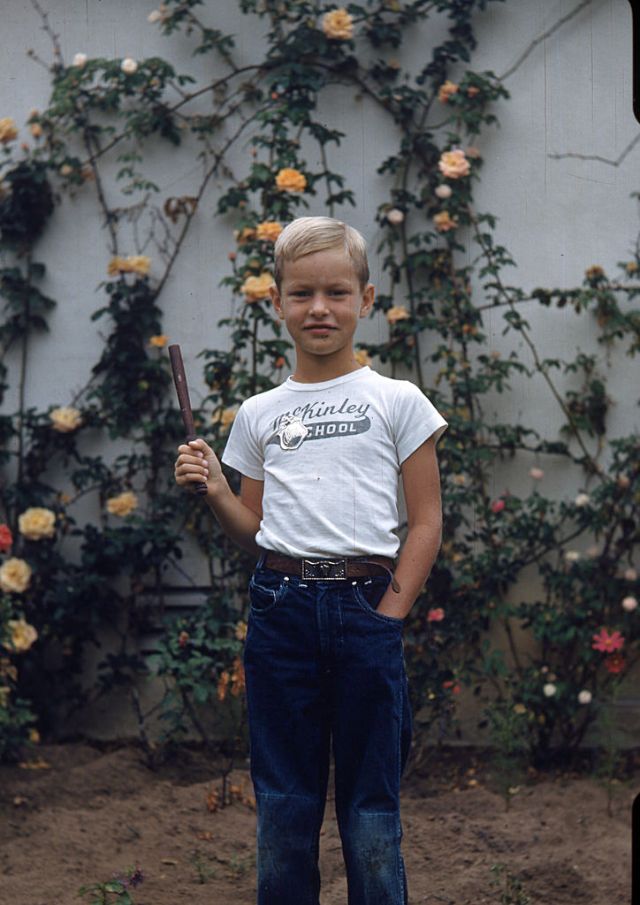
Bus Station. 1959Blizzard Of 1950 — Xenia, OhioA Man Washes His Pontiac Catalina, Florida, 1953Beach Scene, 1955Near Irving Park, Il, 1958Atlantic City, 1953Lincoln High School, Los Angeles In October 1956Disneyland, Late 1950sTrailer Park, 1958Car Wash. Los Angeles, Ca, 1956IGA, Elkton, Mi, 19584th Of July Parade, Tulsa, 1956Trinity Church, Boston, 1956Michigan, 1955May Court — May Day 1956, Allegheny College, Meadville, PaFt. Wayne, Ind, 1955On The Border Of Virginia, 1955Los Angeles 1954Colorado, 1950Glen Cove, Long Island — 1956Grand Canyon, Arizona, 1956New Orleans, 1958Canal Street, New Orleans, 1958Vacation Cruise To Europe, 1950sLulu Belle Restaurant On Main Street, Scottsdale, Arizona. 1959Fire Engine. Princeton, New Jersey, 1956Manhattan, NY, 1953Boulder Park, Jacumba, Ca, 1959Fruit Stand. Floral City, Fl, 1955Washington DC, 1953RCA Building Times Square, NYC, 1953San Fransisco, Ca, 1957Christmas 1952Albuquerque, 1951Atlanta, 1959San Pedro Street In Los Angeles, 1957Boot Hill, Dodge City, Kansas, 1957Aspen, CO, 1959Boston Public Library, 1956Kresge Auditorium, Mit, Cambridge, Ma, July 1957Los Angeles 1952Looking West From 333 N Michigan Ave. 1954, ChicagoRambler Cross Country On The Road In Utah, 1957At The Party, 1956A Party In San Diego, California, 1956Canal & Chartres. New Orleans, La, 1954New York Skyline From The Rockfeller Center 1954Washington Dc, 1953Father Duffy, Times Square, Nyc, 1953Card Game, Honolulu, Hawaii, 1959
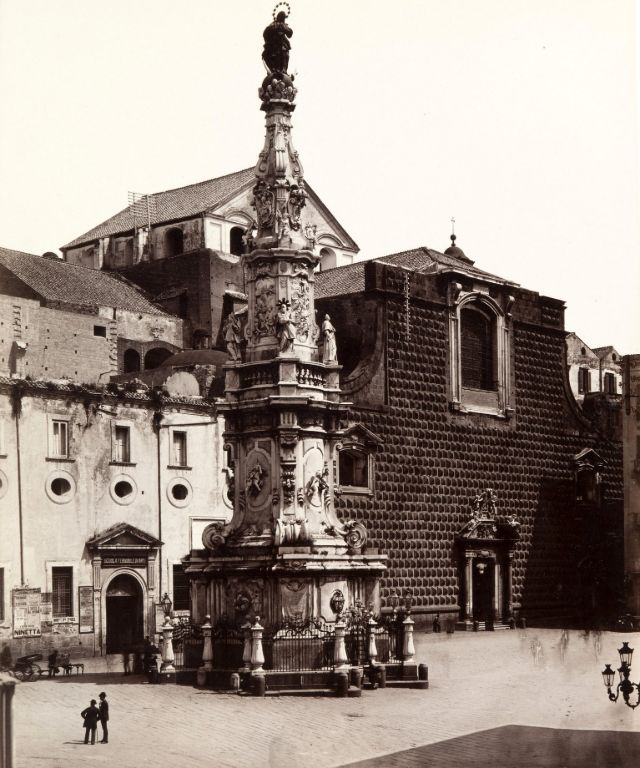
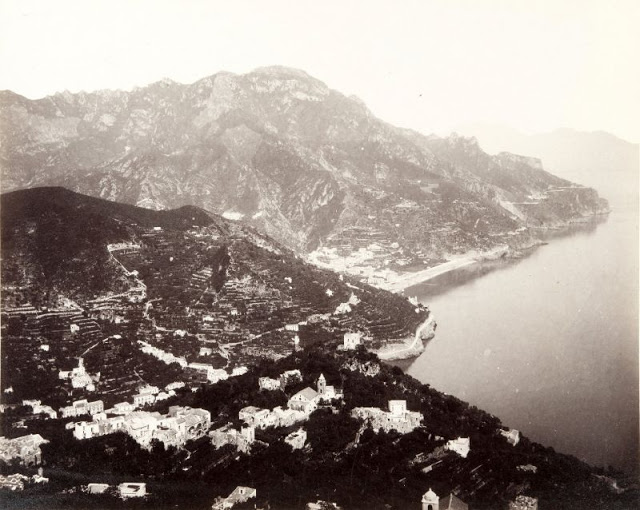
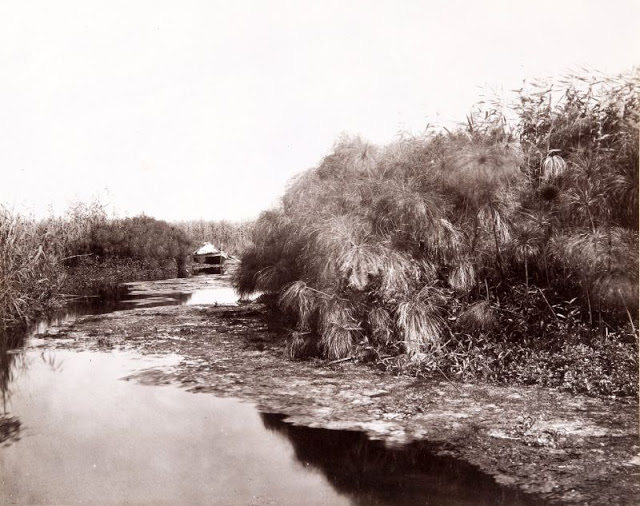
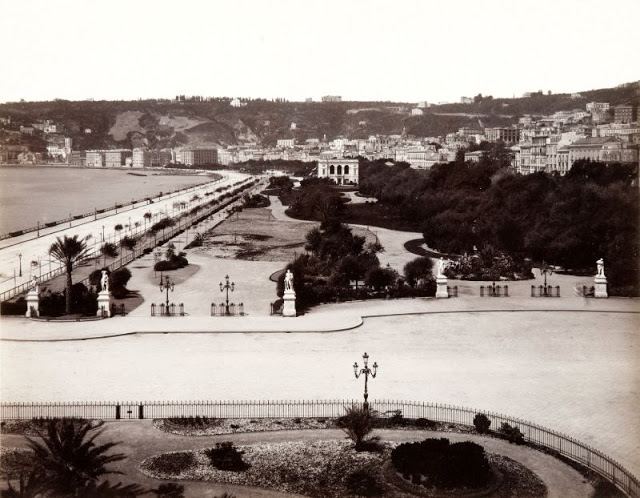
Born 1834 in Frankfurt am Main, German photographer Giorgio Sommer became one of Europe’s most important and prolific photographers of the 19th century. Active from 1857 to 1888, he produced thousands of images of archeological ruins, landscapes, art objects and portraits.
After studying business in Frankfurt, Sommer opened his first photography studio in Switzerland, where he made relief images of mountains for the Swiss government. In 1856, moved his business to Naples and later (1866) formed a partnership with fellow German photographer Edmund Behles who owned a studio in Rome. Operating from their respective Naples and Rome studios, Sommer and Behles became one of the largest and most prolific photography concerns in Italy.
Sommer and Behles exhibited extensively and earned numerous honors and prizes for their work (London 1862, Paris 1867, Vienna 1873, Nuremberg 1885). At one time, Sommer was appointed official photographer to King Victor Emmanuel II of Italy.
Sommer was involved in every aspect of the photography business. He published his own images that he sold in his studios and to customers across Europe. In later years, he photographed custom images for book illustrations, as well as printing his own albums and postcards.
In Naples, Sommer opened a total of four additional studios: at No. 4 and No. 8 Monte di Dio, No. 5 Magazzino S. Caterina, and a last at Piazza della Vittoria.
Sommer died in Naples in 1914 at the age of 79.
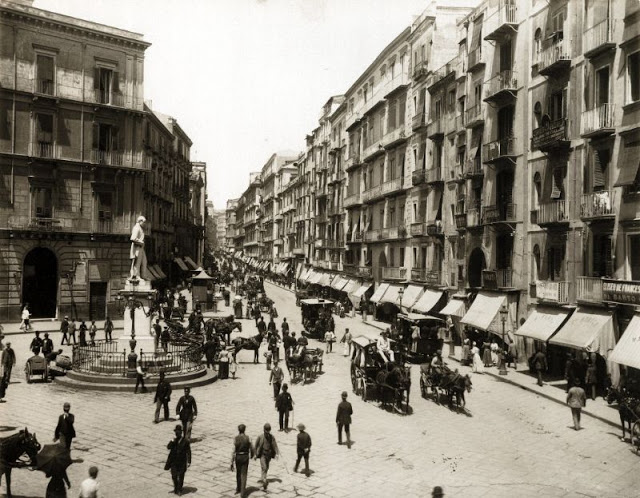
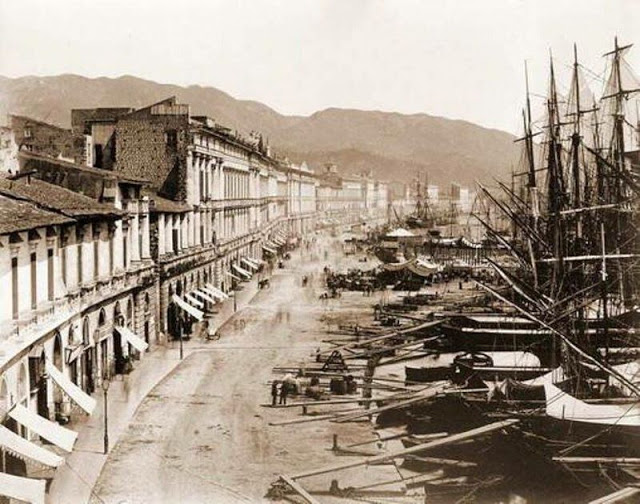
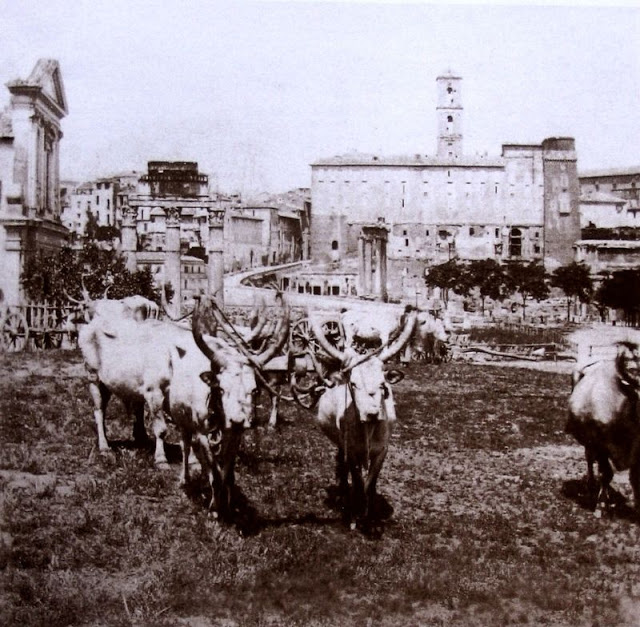
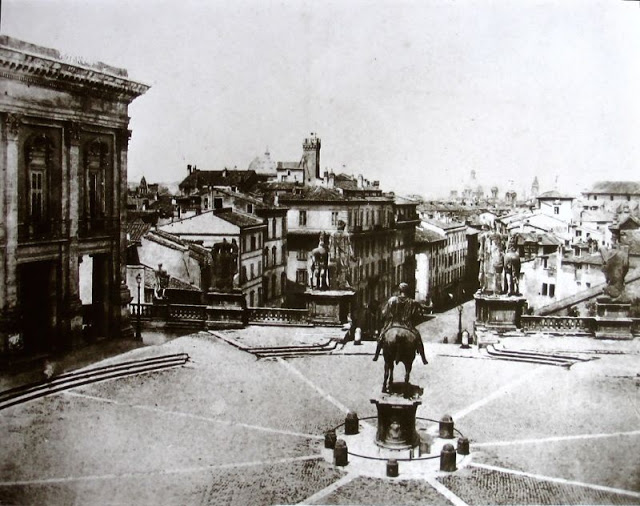
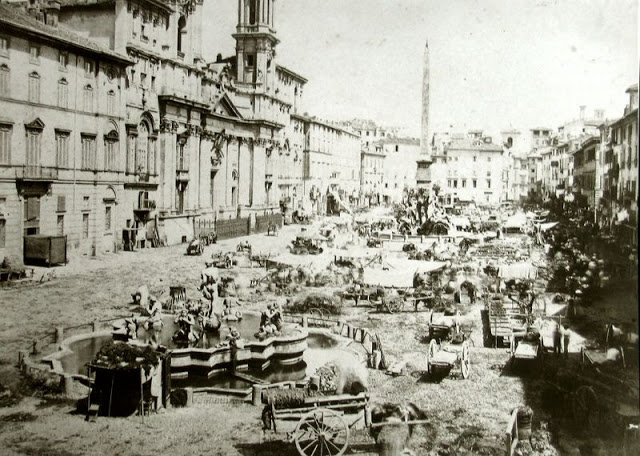
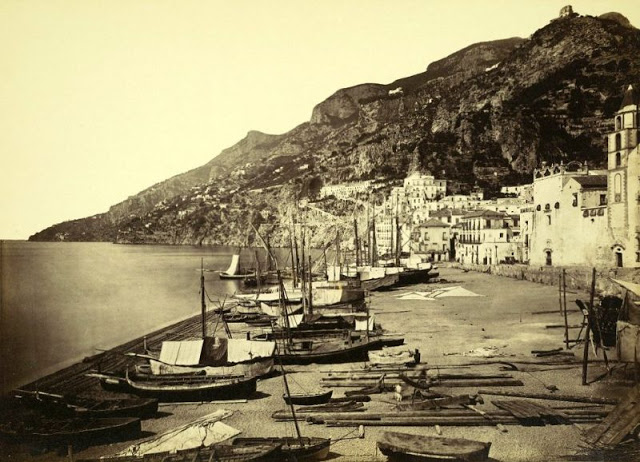
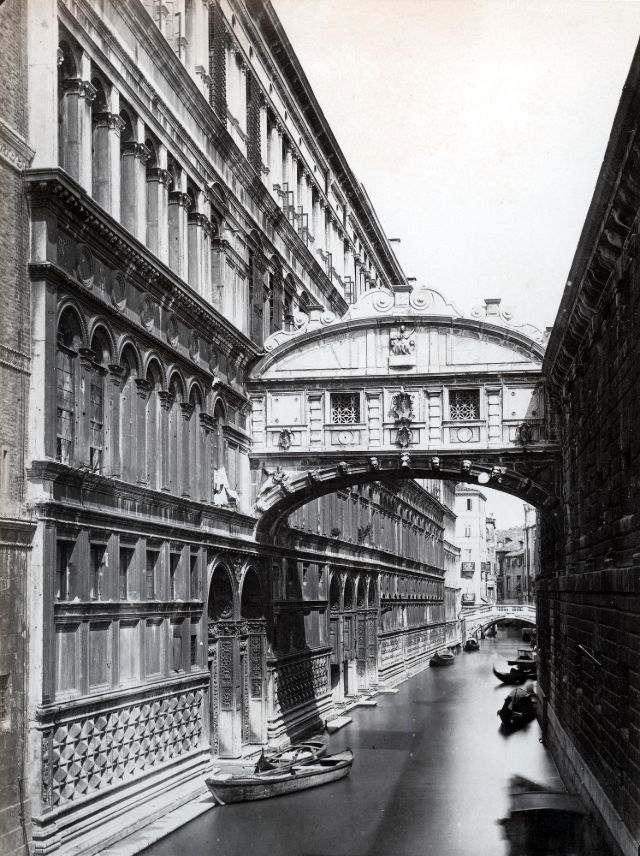
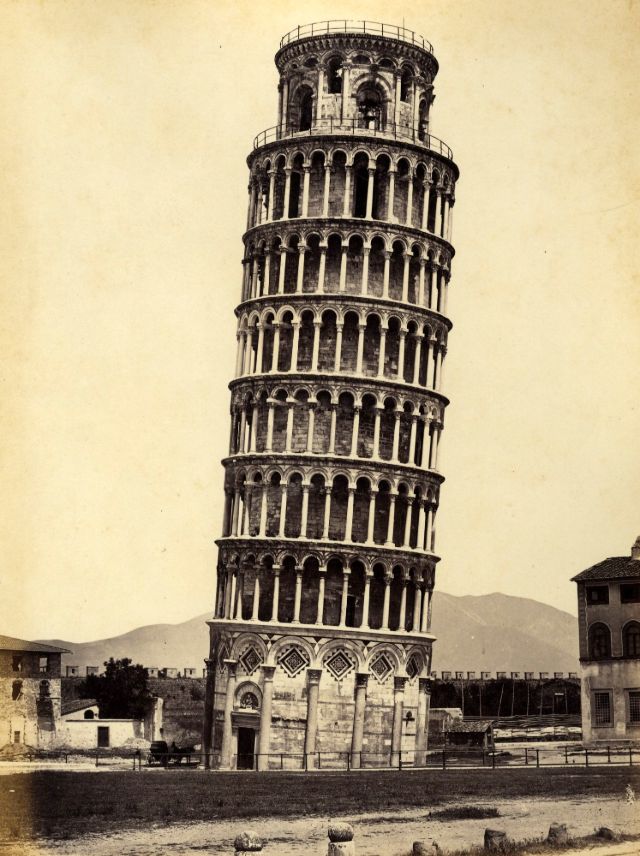
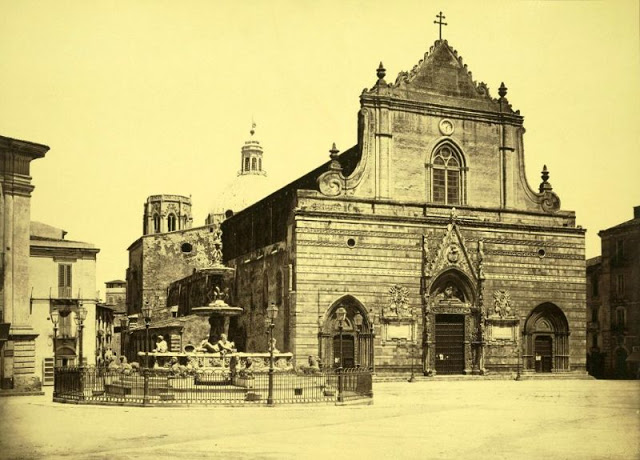
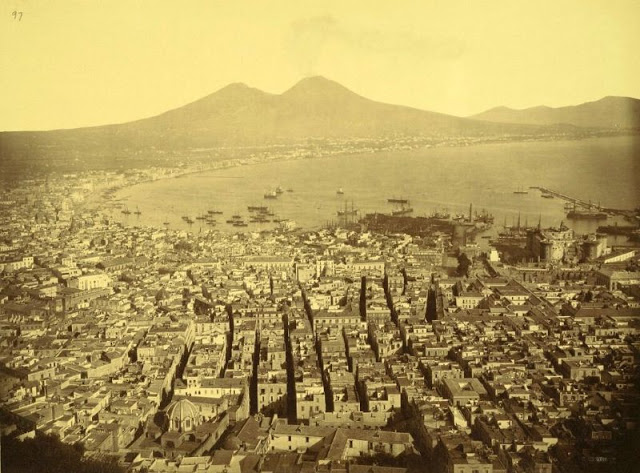
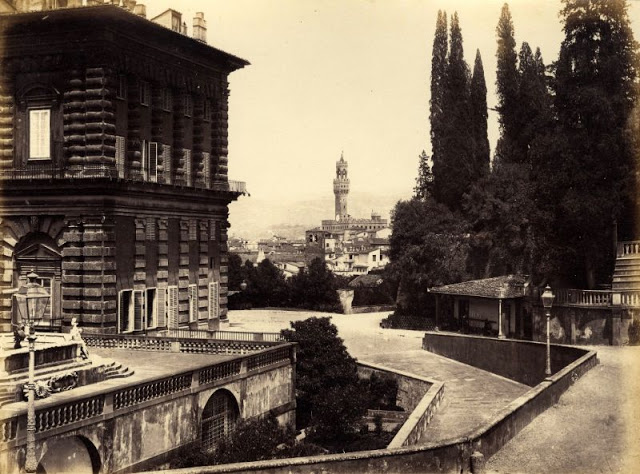
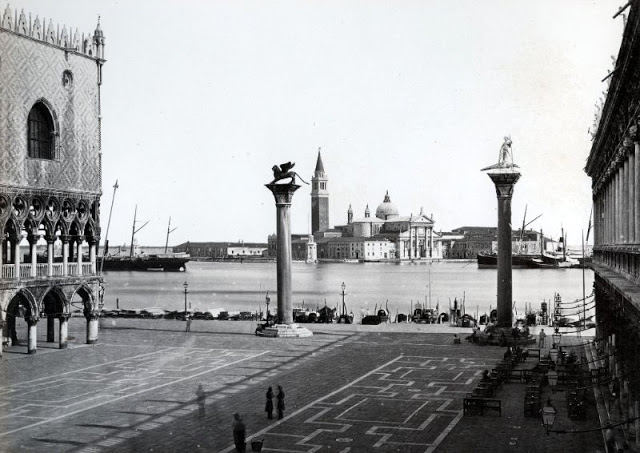
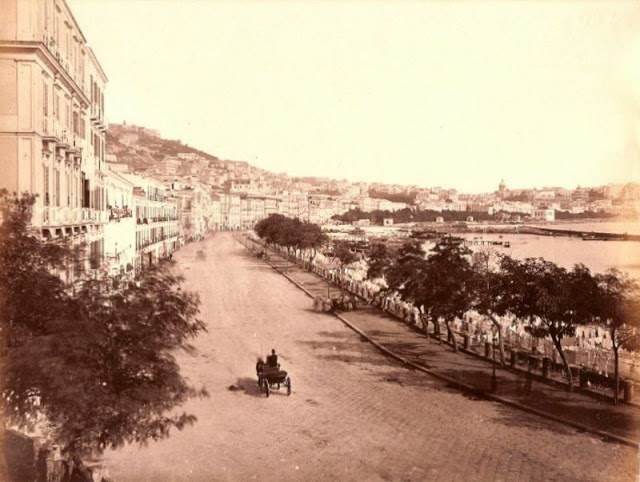
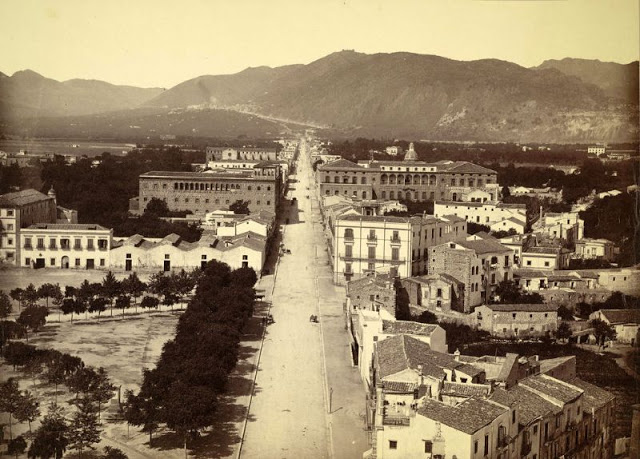
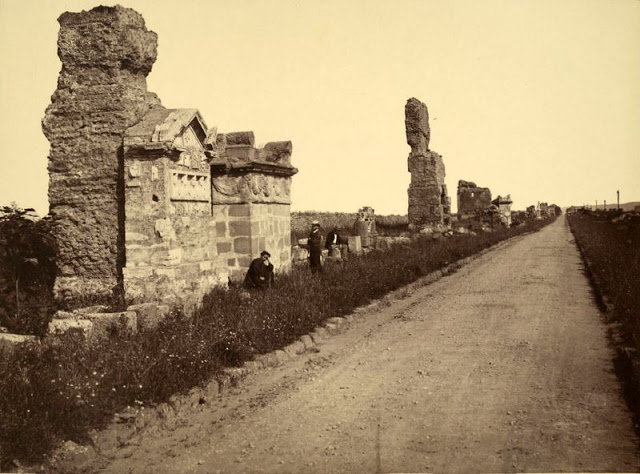
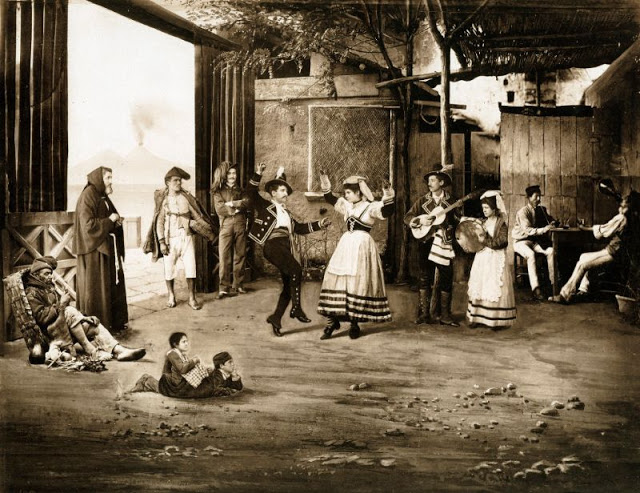
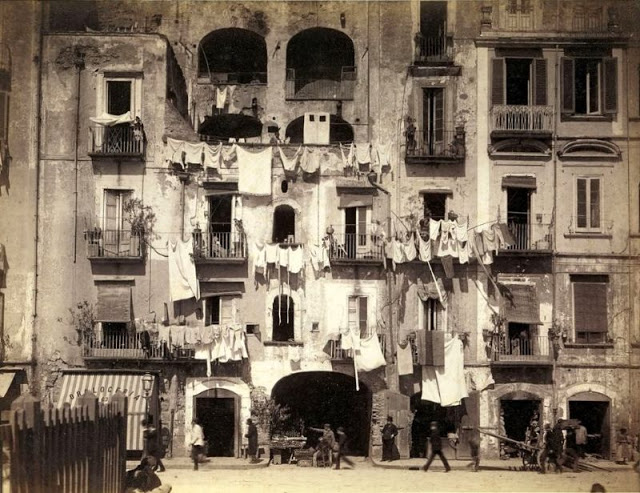
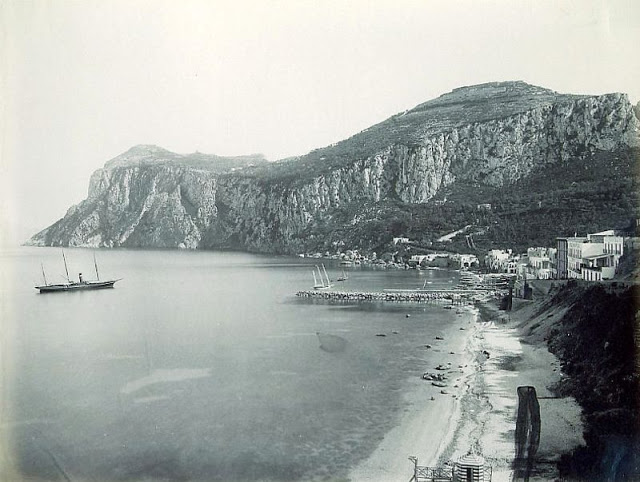
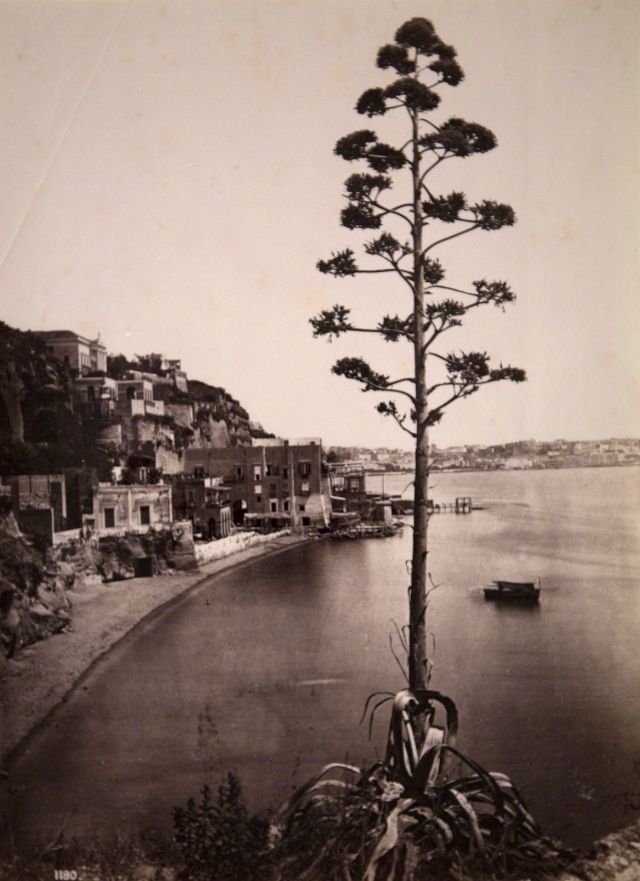
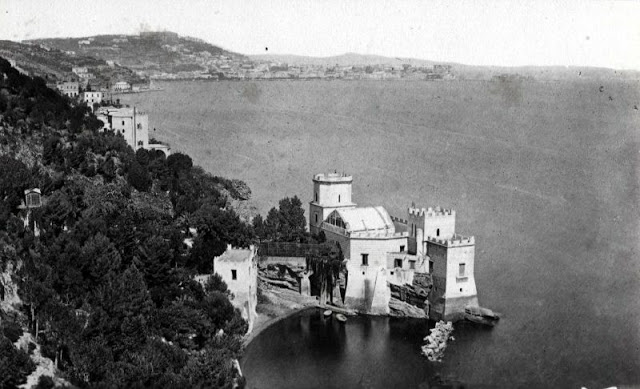
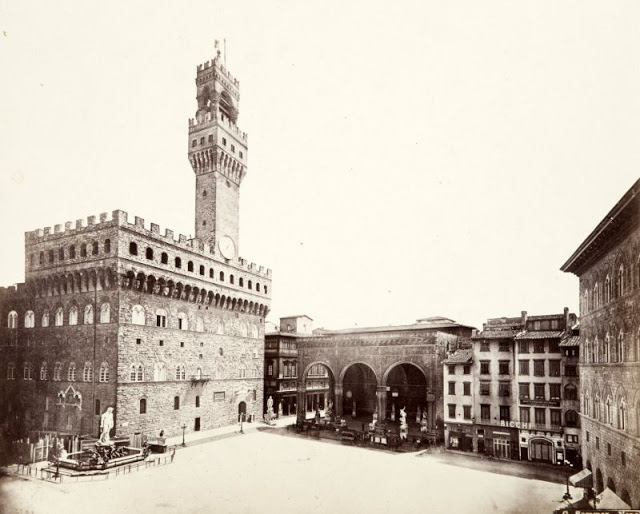
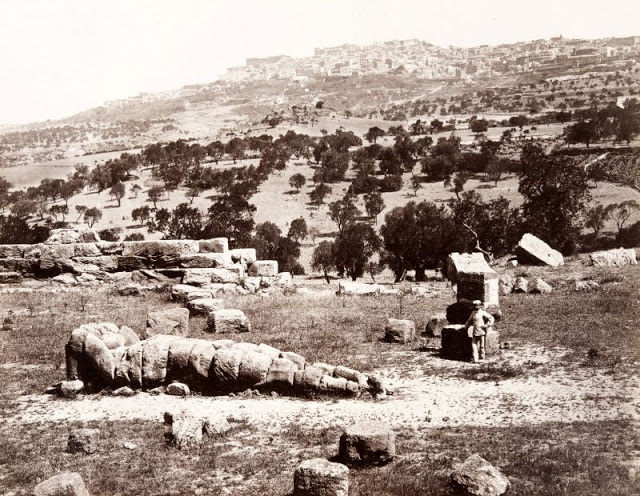
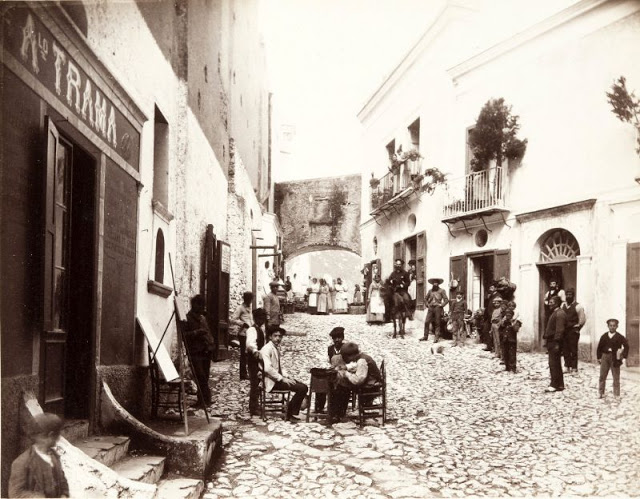
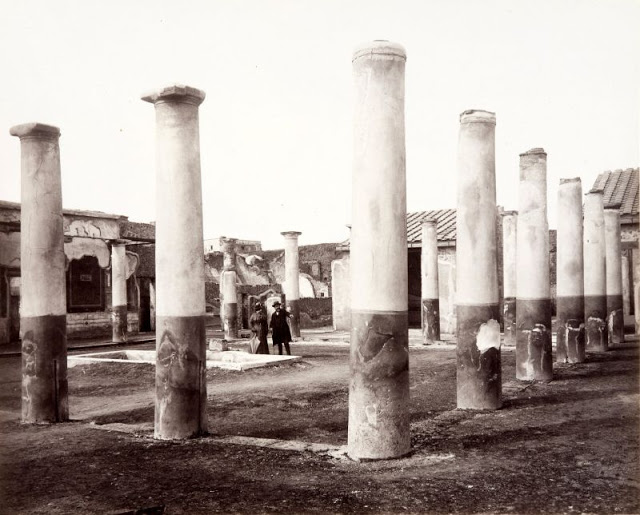
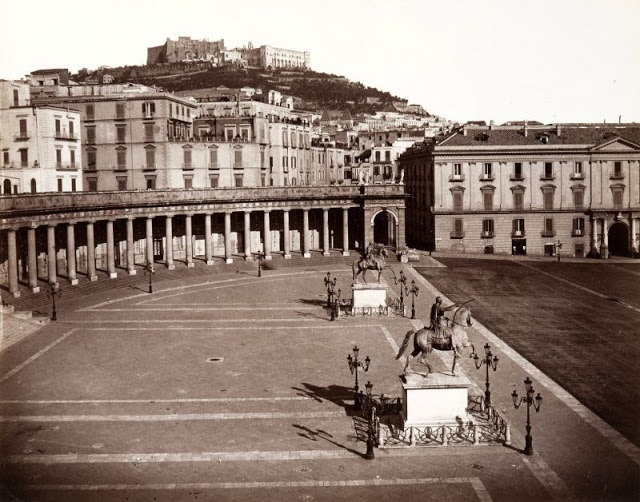
These amazing photographs are part of Sommer’s work that he captured everyday life of Italy from the 1860s and 1880s.
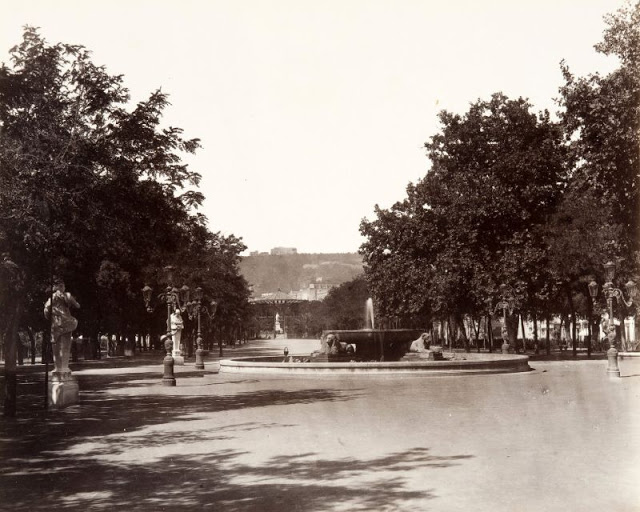
Messina harbour, circa 1862Oxen and carts, Rome, circa, 1862Piazza del Campidoglio from Palazzo Senatorio, Rome, circa 1862The market, Piazza Navona, Rome, 1865Amalfi Marina, circa 1865Bridge of Sighs, Venice, circa 1865Leaning Tower of Pisa, circa 1865Messina cathedral, Sicily, circa 1865Naples from San Martino, circa 1865Old Palace from the Boboli Garden, Florence, circa 1865Piazzetta San Marco and Isola St Giorgio, Venice, circa 1865Riviera di Chiaia, Naples, circa 1865Topographical view of Monreale, Sicily, circa 1865Via Appia, Rome, circa 1865Dancing the Tarentella, Naples, circa 1875Facades in S. Lucia, Naples, circa 1878Marina of Capri, circa 1880Naples, circa 1880Posillipo, Naples, circa 1880Via Roma, Napoli, circa 1880Palazzo Vecchio, Florence, 1883Agrigento, view from the Temple of Jupiter, 1888Capri, 1888Casa del Fauno, Pompei, 1888Largo Plazza, Naples, 1888Piazza Trinita Maggiore, Naples, 1888Ravello, 1888The Anapo river and the papyrus, Syracuse, 1888Villa Nazionale, Naples, 1888Villa Nazionale, Naples, 1888
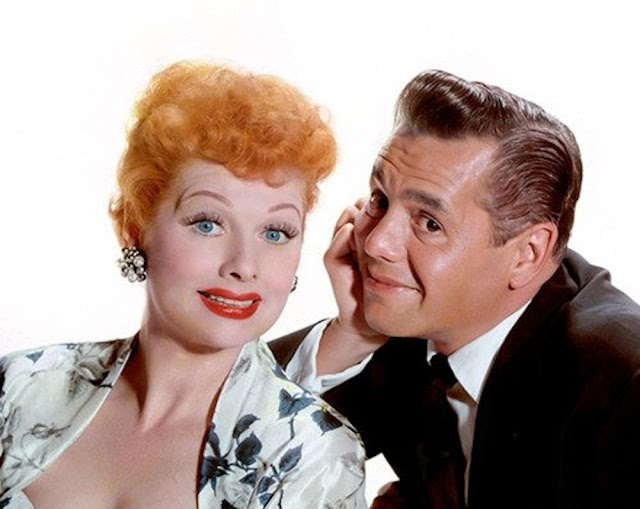
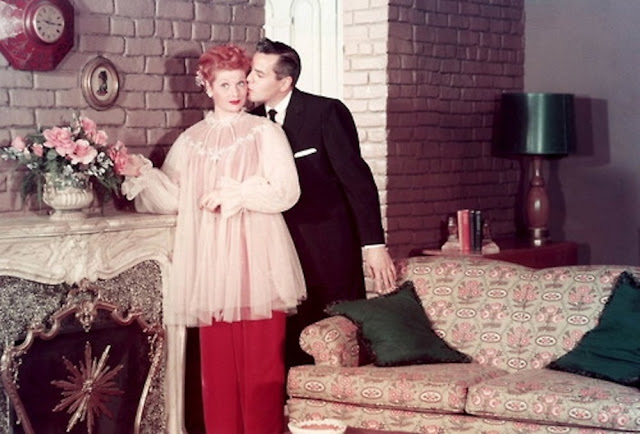
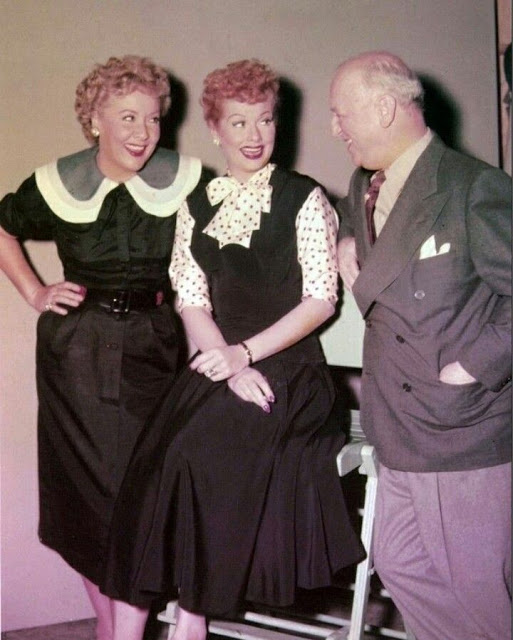
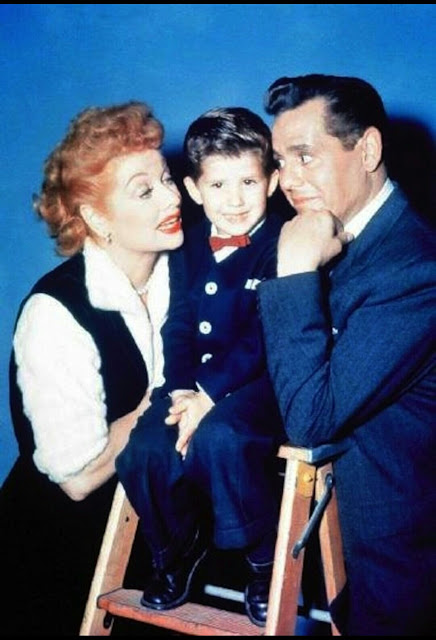
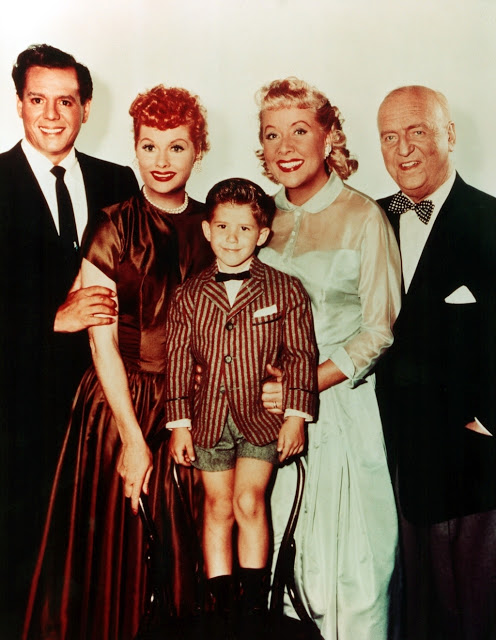
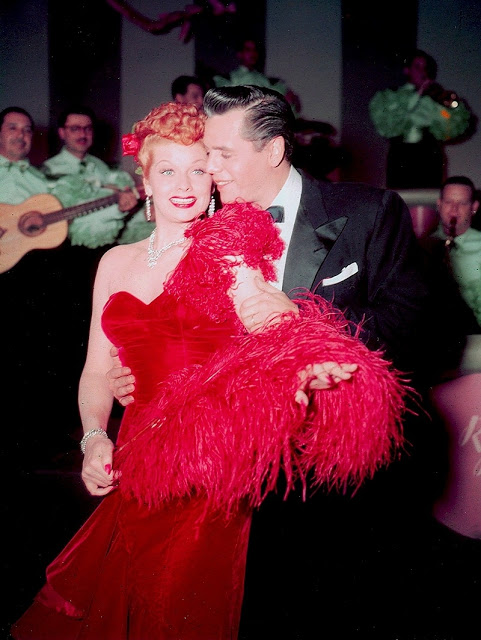
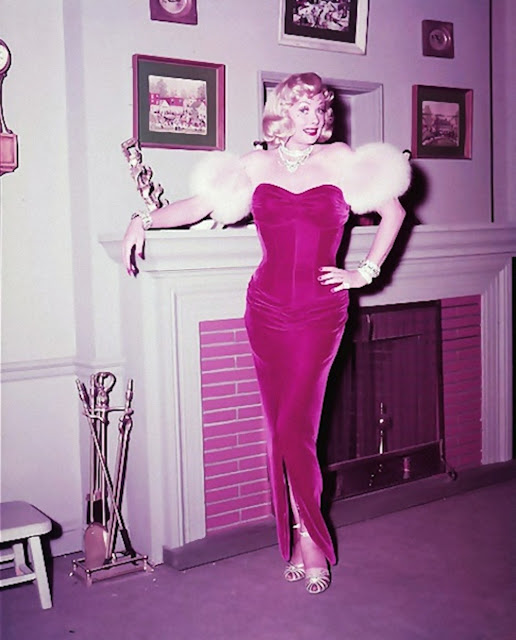
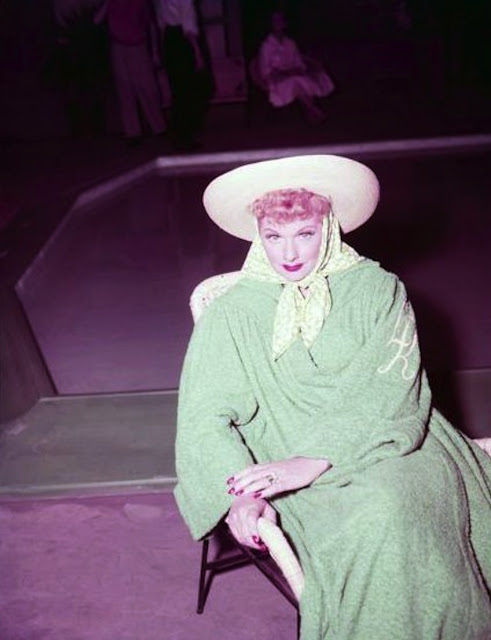
I Love Lucy is an American television sitcom that originally aired on CBS from October 15, 1951, to May 6, 1957, with a total of 180 half-hour episodes, spanning six seasons. The show starred Lucille Ball, her husband, Desi Arnaz, along with Vivian Vance and William Frawley. The series followed the life of Lucy Ricardo (Ball), a young, middle-class housewife living in New York City, who often concocted plans with her best friends, Ethel and Fred Mertz (Vance and Frawley), to appear alongside her bandleader husband, Ricky Ricardo (Arnaz), in his nightclub. Lucy is depicted trying numerous schemes to mingle with and be a part of show business. After the series ended in 1957, a modified version of the show continued for three more seasons, with 13 one-hour specials, which ran from 1957 to 1960. It was first known as The Lucille Ball–Desi Arnaz Show, and later, in reruns, as The Lucy–Desi Comedy Hour.
I Love Lucy became the most-watched show in the United States in four of its six seasons and it was the first to end its run at the top of the Nielsen ratings. As of 2011, episodes of the show have been syndicated in dozens of languages across the world and remain popular with an American audience of 40 million each year. A colorized version of its Christmas episode attracted more than eight million viewers when CBS aired it in prime time in 2013, 62 years after the show premiered. CBS has aired two to three colorized episodes each year since then, once at Christmas and again in the spring.
The show, which was the first scripted television program to be shot on 35 mm film in front of a studio audience, by cinematographer Karl Freund, won five Emmy Awards and received many nominations and honors. It was the first show to feature an ensemble cast. As such, it is often regarded as both one of the greatest and most influential sitcoms in history. In 2012, it was voted the ‘Best TV Show of All Time’ in a survey conducted by ABC News and People magazine. (Wikipedia)
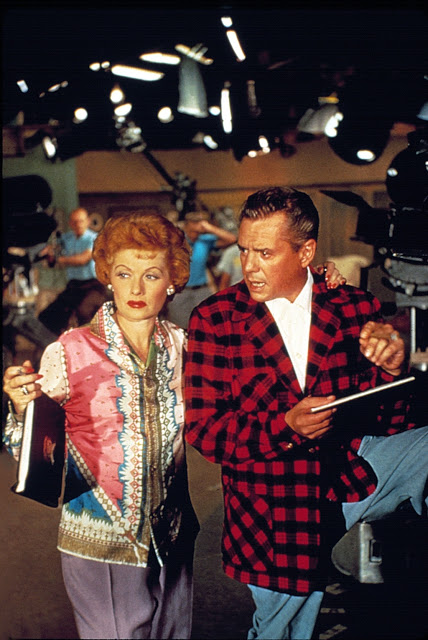
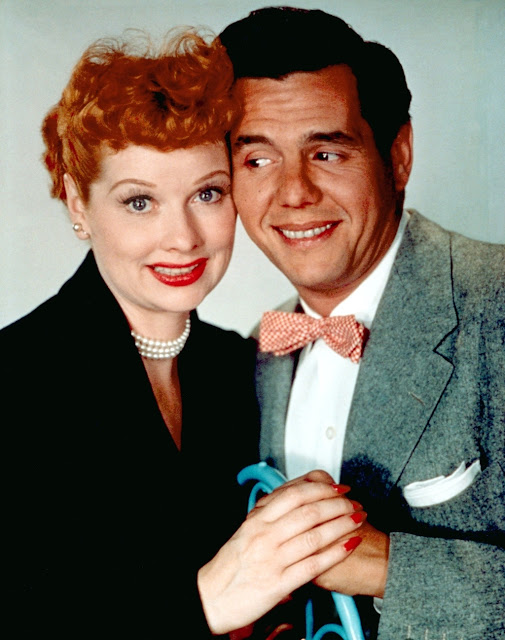
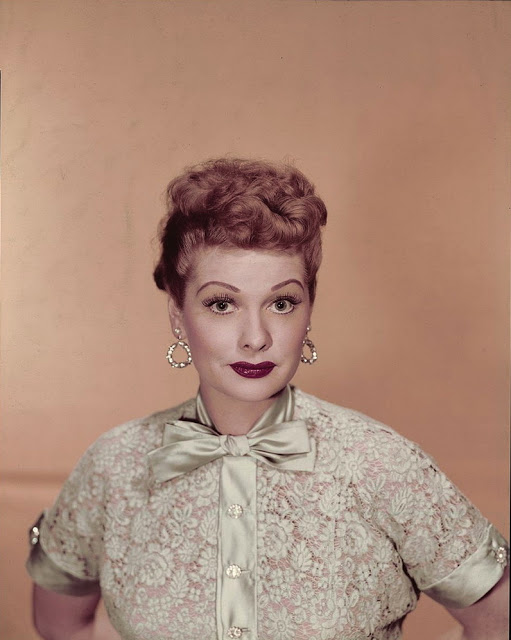
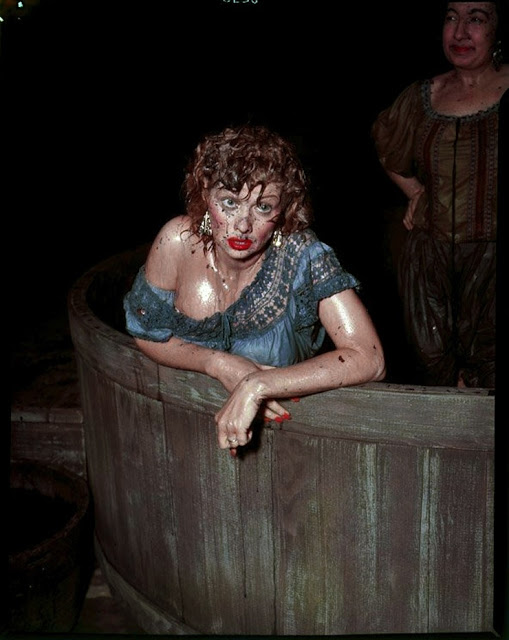
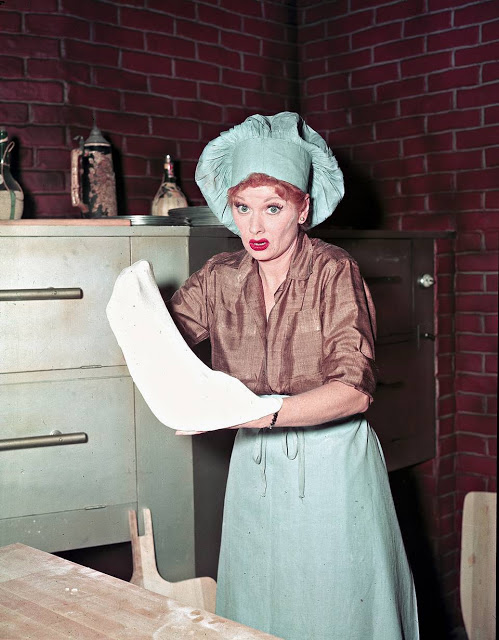
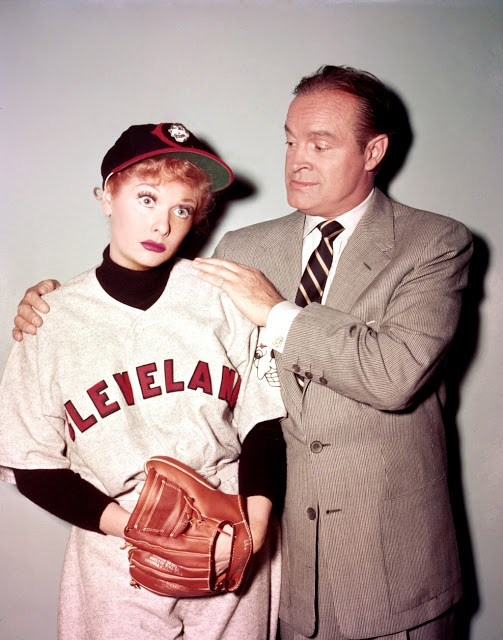
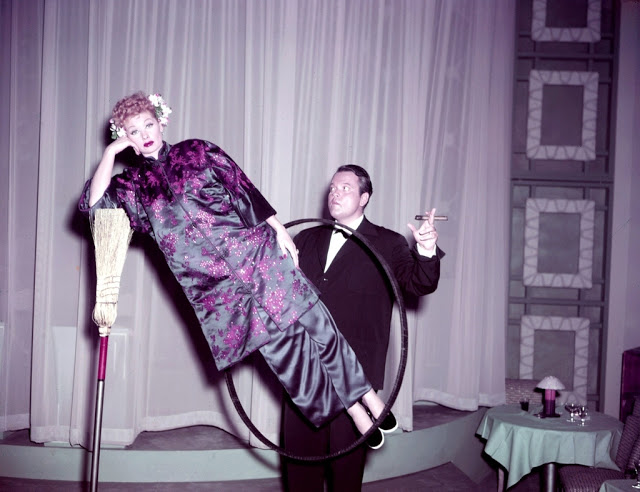
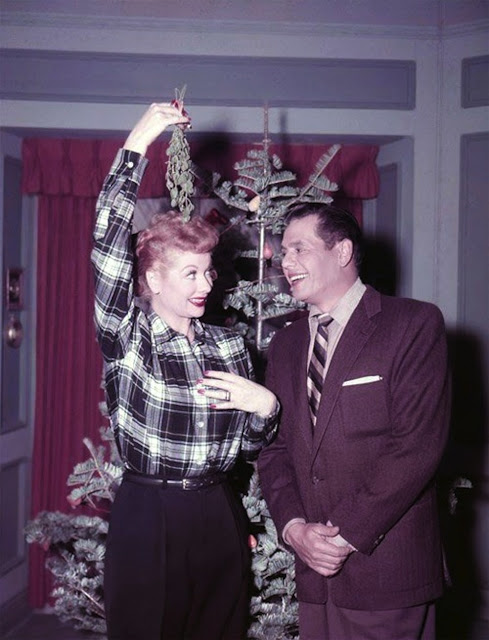
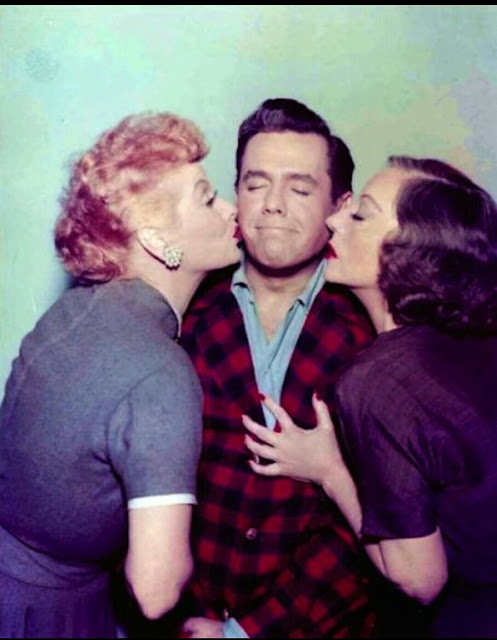
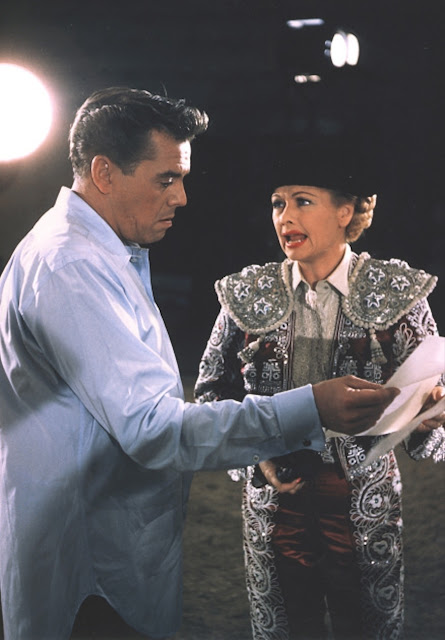
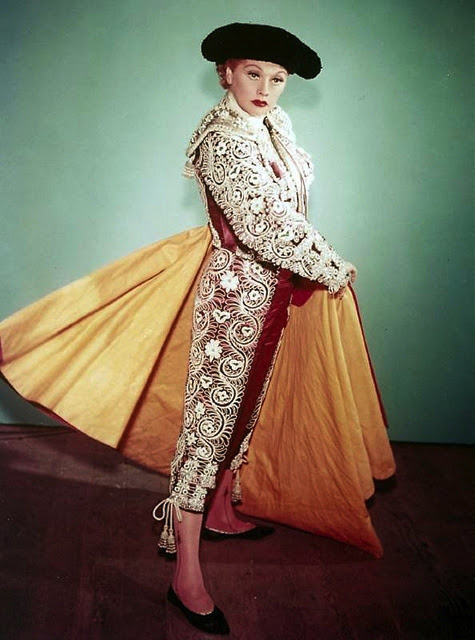
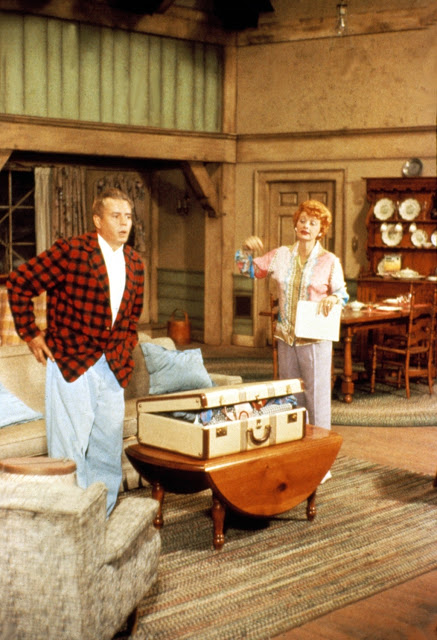
These color publicity photos and behind the scene shots from the iconic black and white TV series will blow your mind.
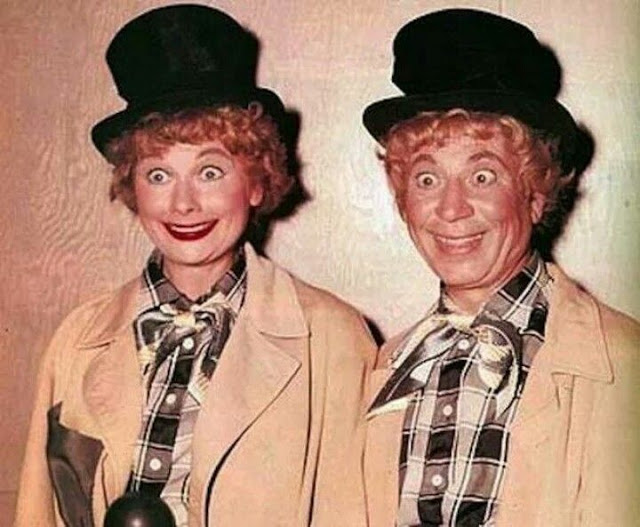
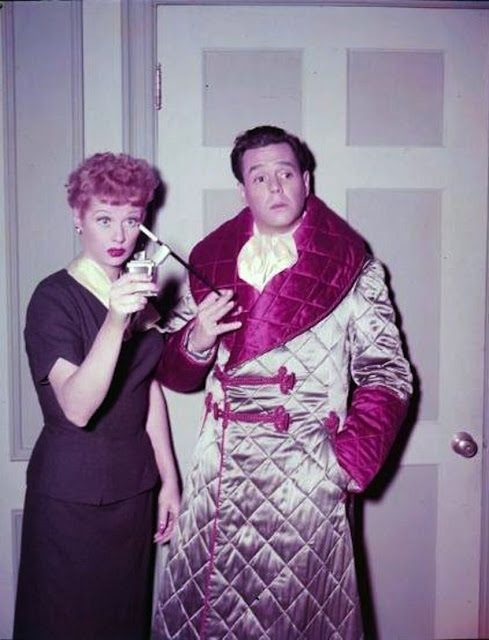
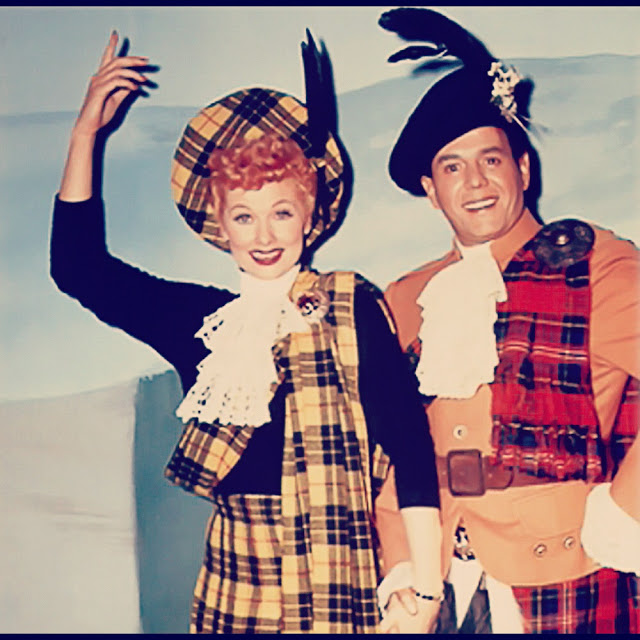
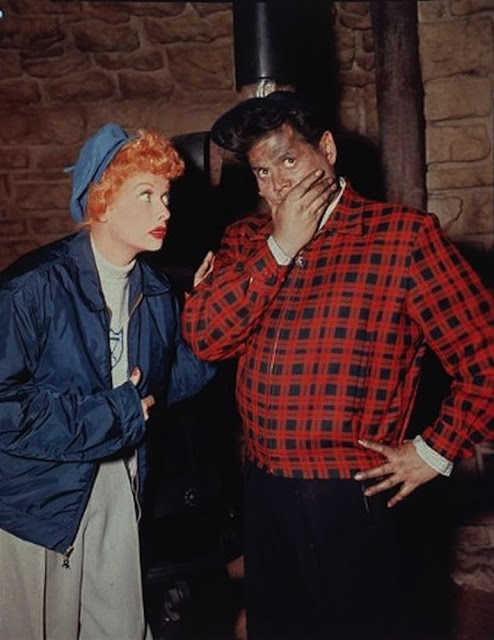
Lucille Ball and Desi Arnaz publicity photo.On set photo in the New York apartment set (1952).Vivian Vance and William Frawley with Lucille.Publicity photo of Lucille and Desi with Keith Thibodeaux who played “Little Ricky”.I Love Lucy cast photo.On set photo from “Cuban Pals” episode (1952).On set photo of Lucy as Marilyn Monroe, from “Ricky’s Movie Offer” (1954).Photo from “In Palm Springs” episode (1955).Lucille Ball and Harpo Marx from “Lucy and Harpo Marx” episode (1955).On set photo from “Homecoming” episode (1955).On set photo from “Lucy Goes to Scotland” episode (1956).Photo from “Lucy in the Swiss Alps” episode (1956).The iconic “Lucy’s Italian Movie” episode (1956).Photo from “Visitor From Italy” episode (1956).On set photo with Bob Hope from “Lucy Meets Bob Hope” episode (1956).Lucille with Orson Welles, publicity photo from “Lucy Meets Orson Welles” episode (1956).Publicity photo from “I Love Lucy Christmas Show” episode (1956).Behind the scenes photo of Lucille and Desi, with guest star Tallulah Bankhead, from “The Celebrity Next Door” episode (1957).Behind the scenes photo from “Lucy Goes to Mexico” episode (1958).Matador wardrobe shot from “Lucy Goes To Mexico.”Lucille & Desi in the Connecticut home set.
It’s incredible how much more we can relate to photographs once they are presented in color. These moments in the past go from being a distant memory, to one that we can relate to on a much deeper and more personal level.
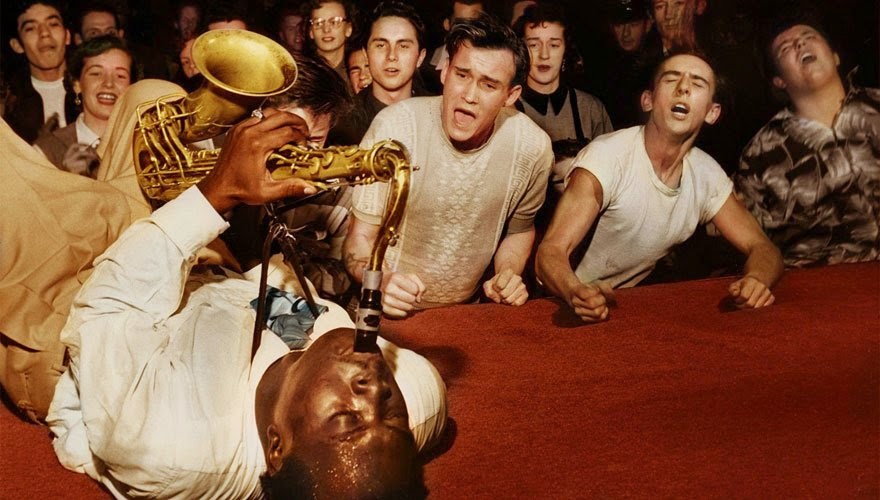
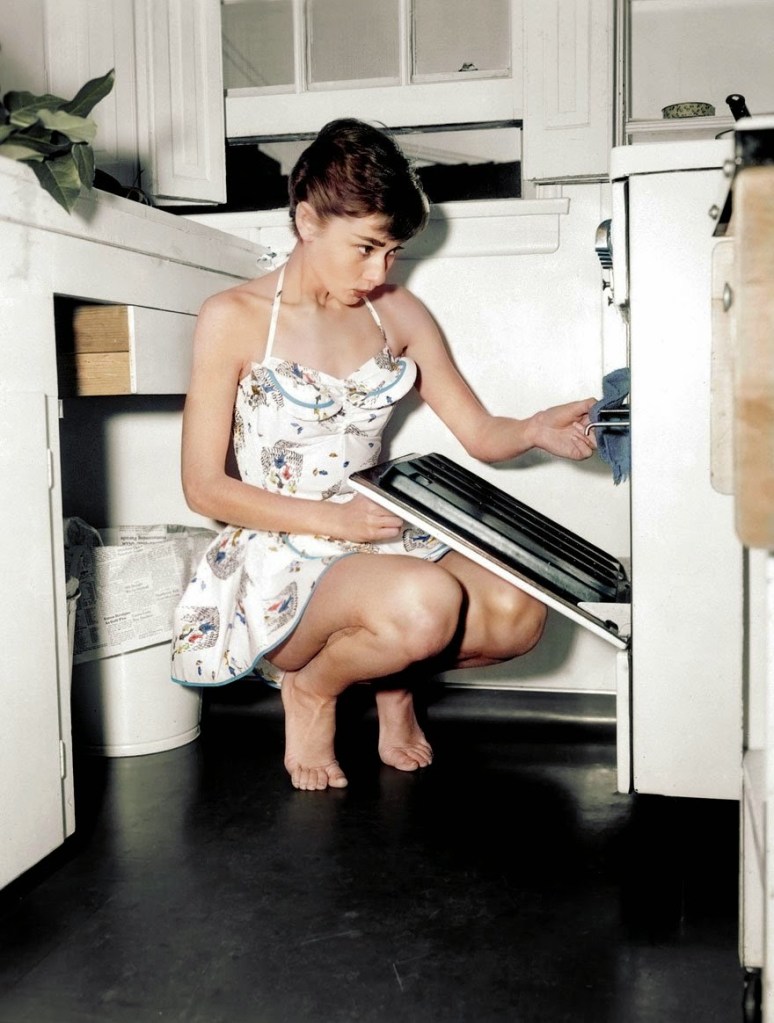
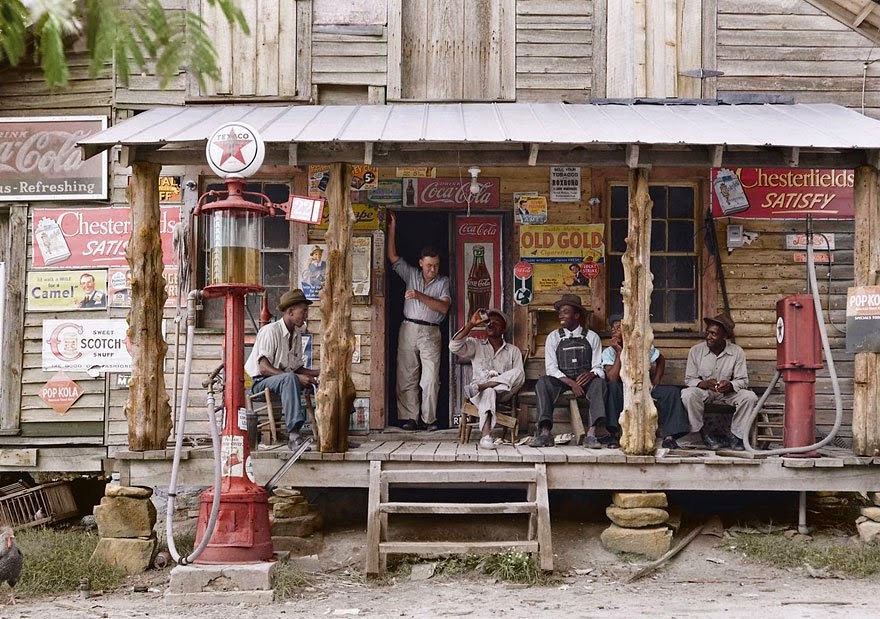
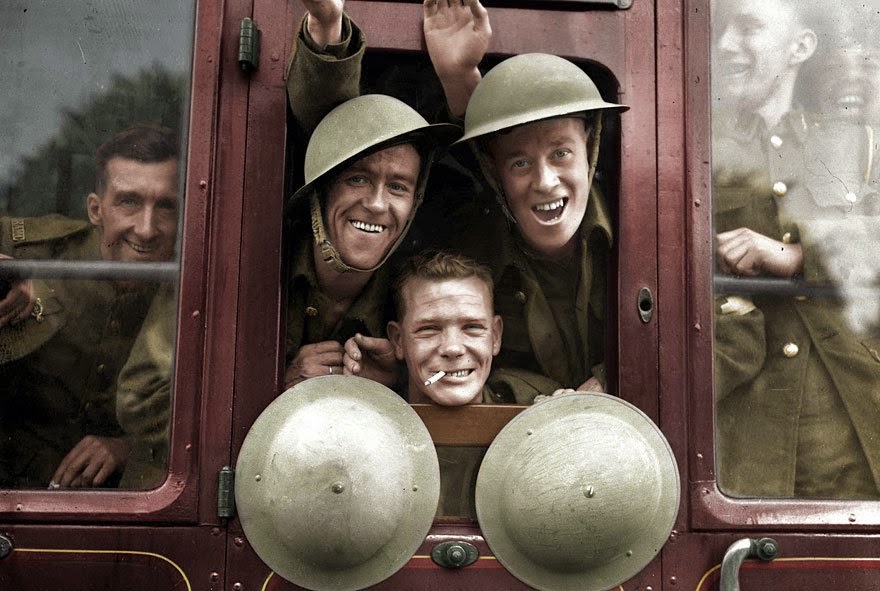
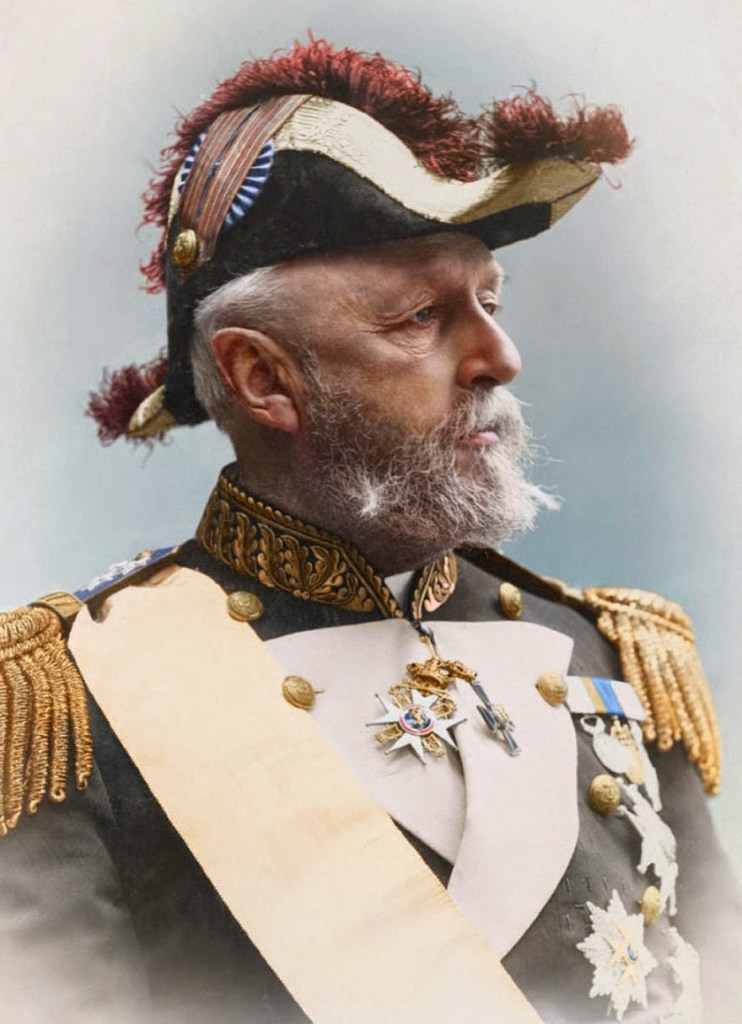
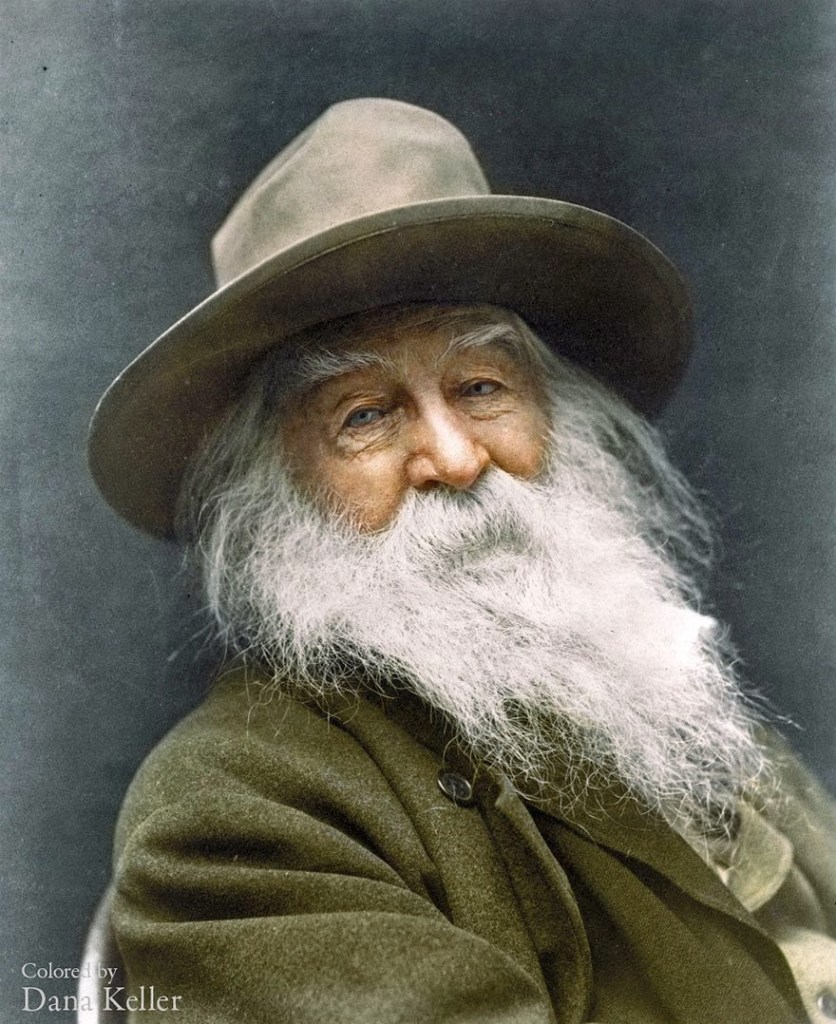
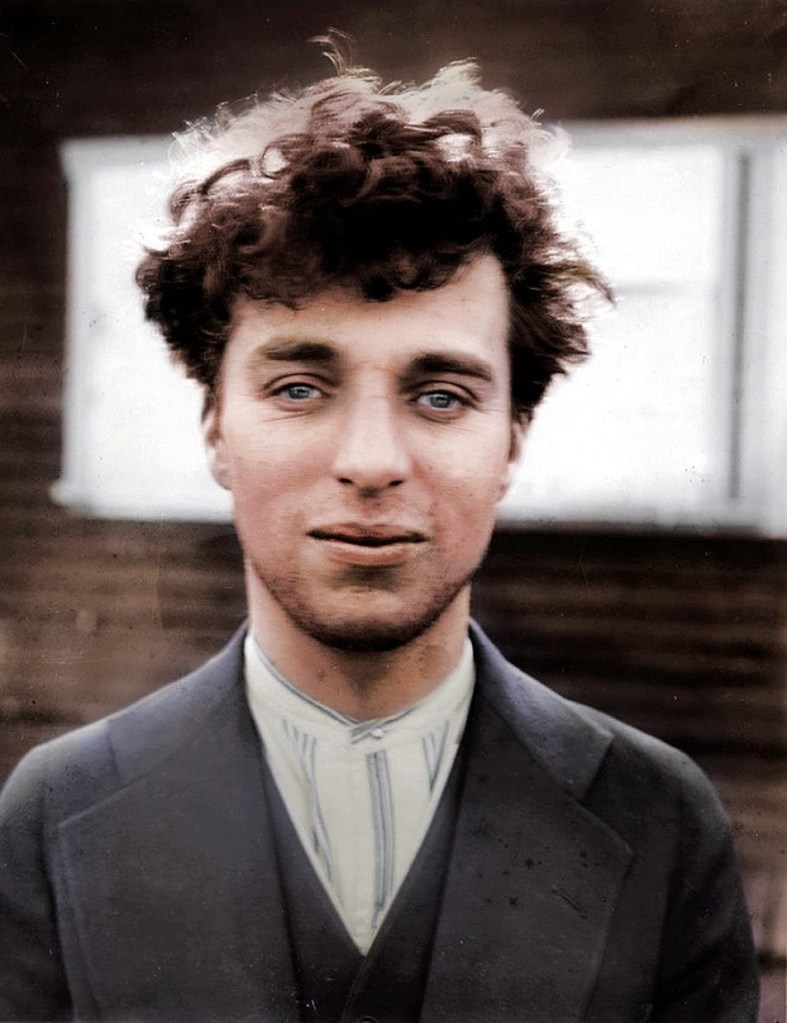
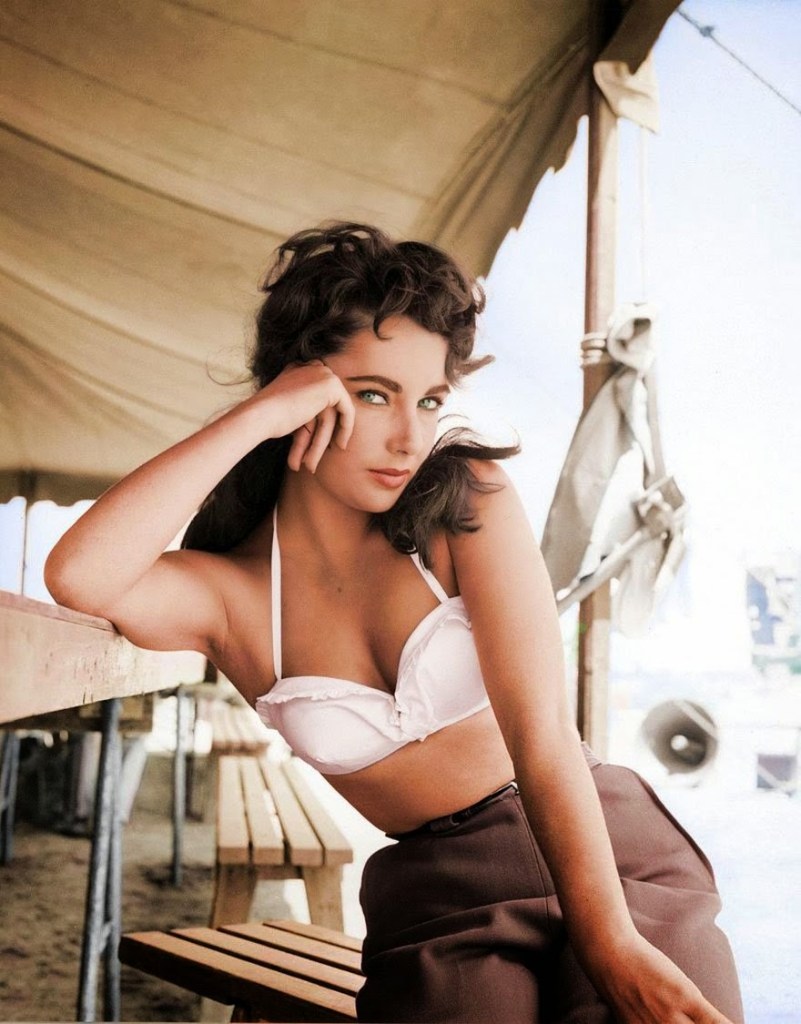
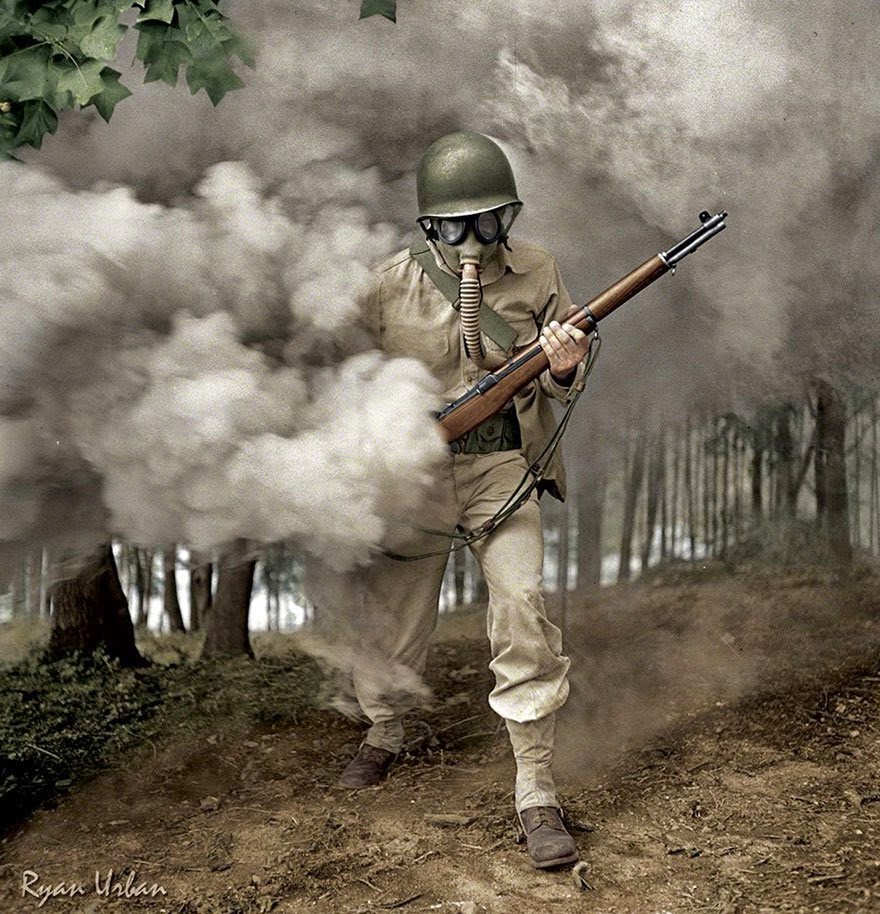
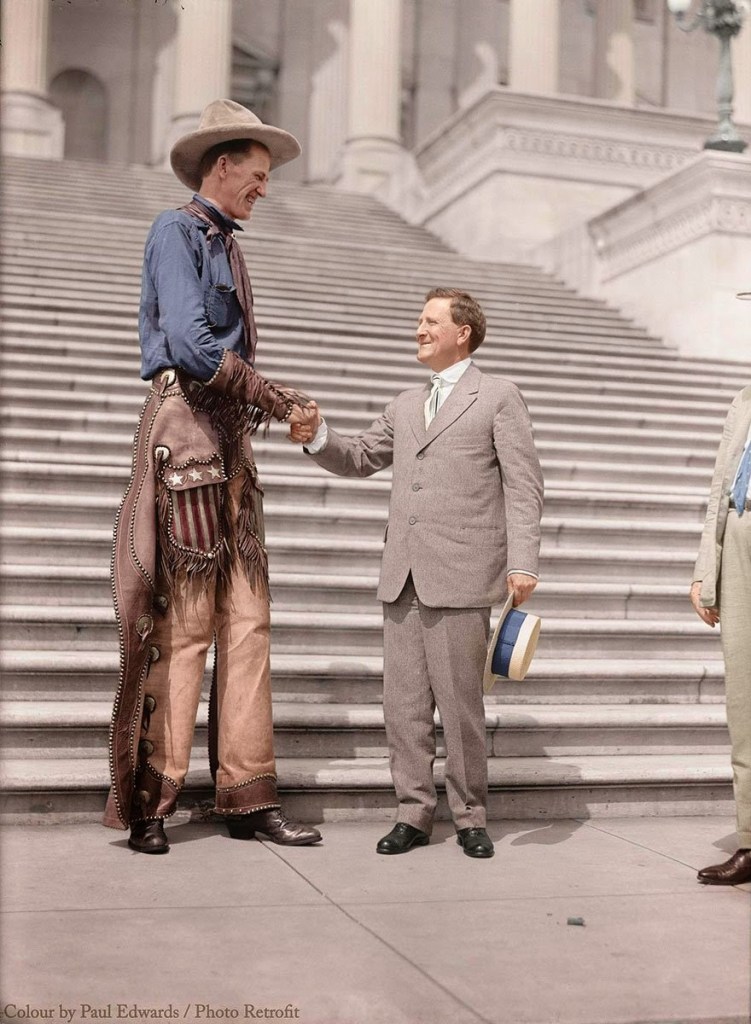
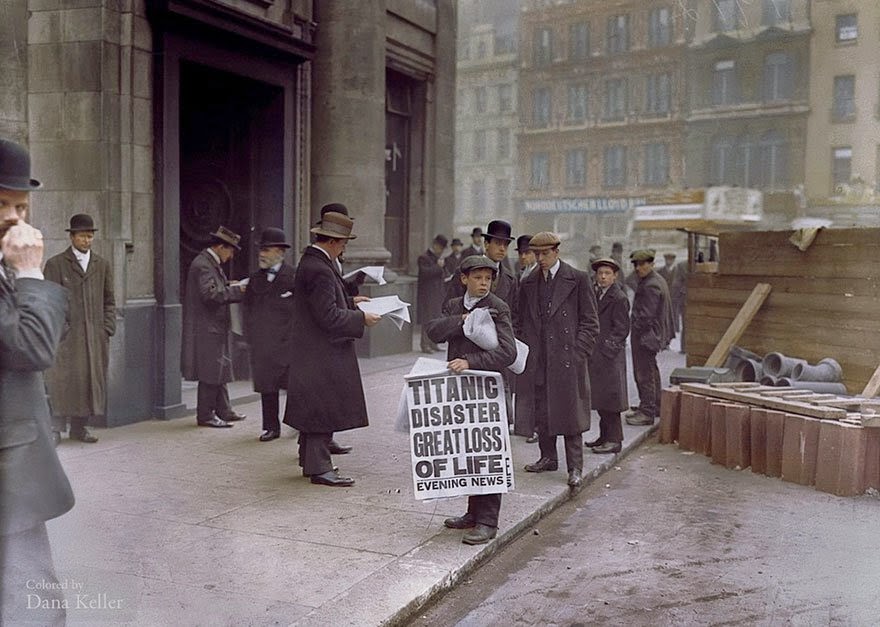
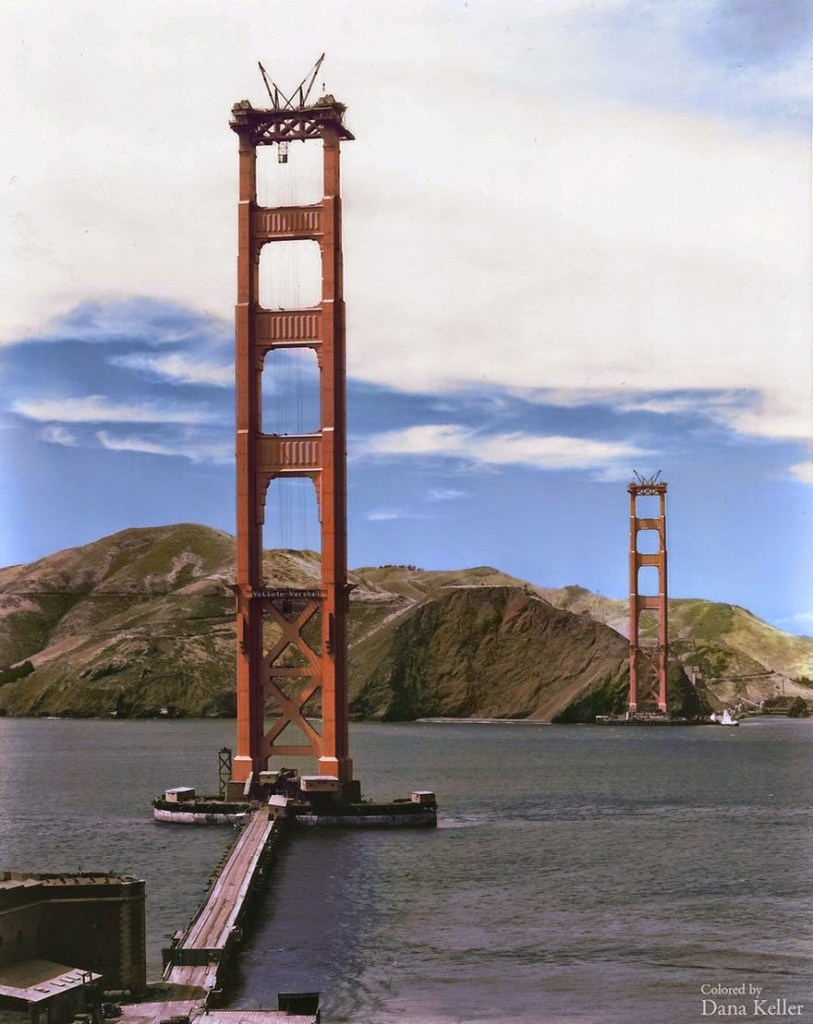
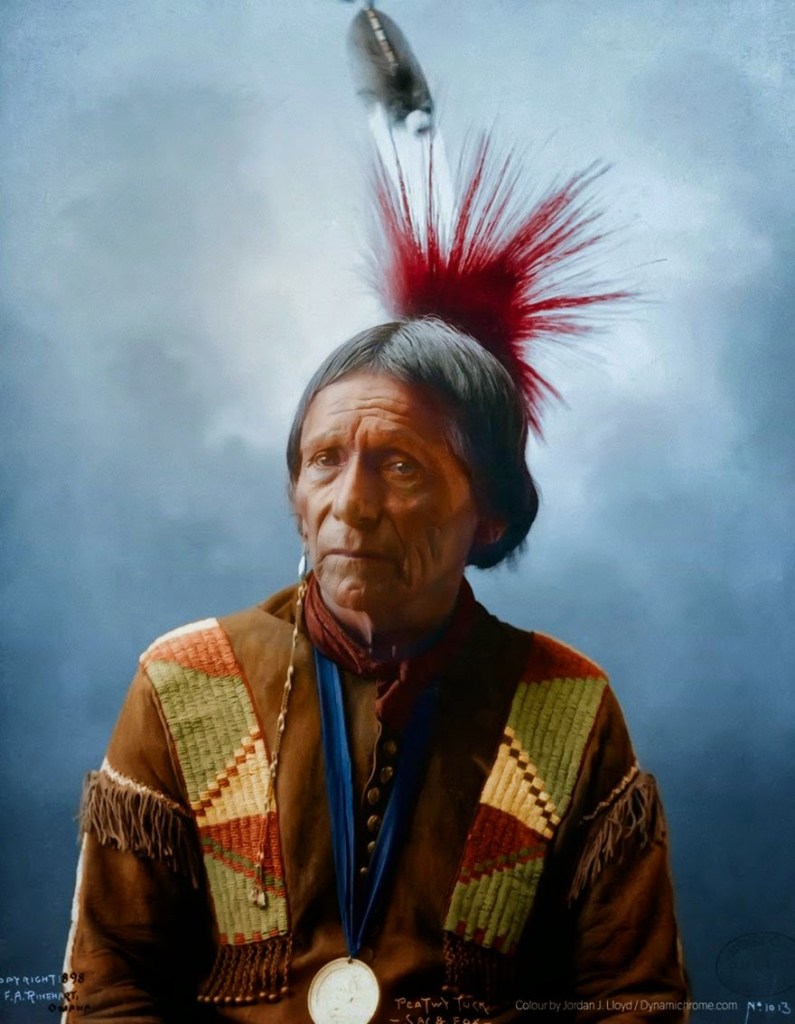
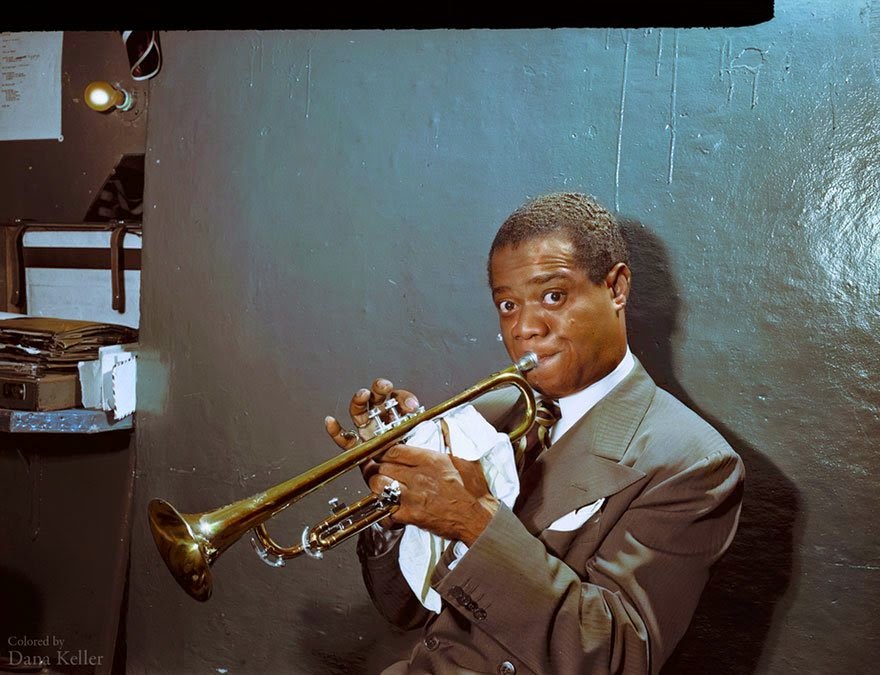
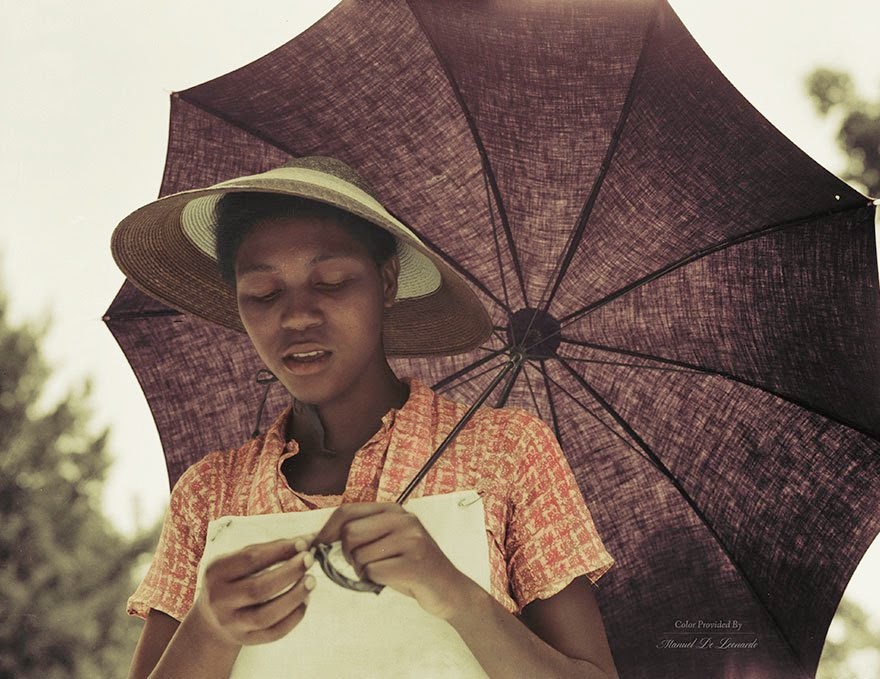
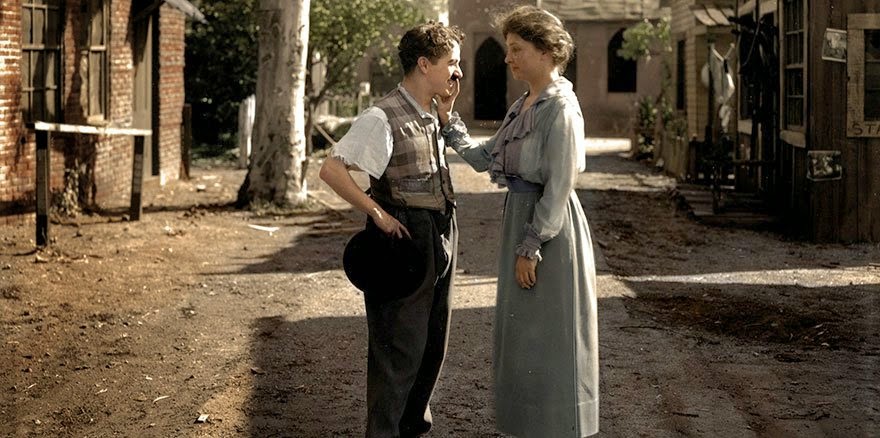
Women Delivering Ice, 1918Painting WWII Propaganda Posters, Port Washington, New York – 8 July 1942Theoretical physicist Albert Einstein, 1921Easter Eggs for Hitler, c 1944-1945Abandoned Boy Holding a Stuffed Toy Animal. London 1945Hindenburg Disaster – May 6, 1937Japanese Archers, 1860View from Capitol in Nashville, Tennessee During the Civil War, 1864Unemployed Lumber Worker, 1939Auto Wreck in Washington D.C, 1921Big Jay McNeely Driving the Crowd at the Olympic Auditorium into a Frenzy, Los Angeles, 1953Albert Einstein, Summer 1939 Nassau Point, Long Island, NYAudrey Hepburn‘Old Gold’, Country Store, 1939Joseph Goebbels Scowling at Photographer Alfred Eisenstaedt after Finding out he’s Jewish, 1933Nikola Tesla, 1893W.H. Murphy and his Associate Demonstrating their Bulletproof Vest on October 13, 1923Young Boy in Baltimore Slum Area, July 1938British Troops Cheerfully Board their Train for the First Stage of their Trip to the Western Front – England, September 20, 1939Oscar II, King of Sweden and Norway, 1880Walt Whitman, 1887Mark Twain in the Garden, 1900Charlie Chaplin at the Age of 27, 1916Elizabeth Taylor – Giant (1956 film)Otto Frank, Anne Frank’s father and the only surviving member of the Frank family revisiting the attic they spent the war in, 3 May 1960Sergeant George Camblair practicing with a gas mask in a smokescreen – Fort Belvoir, Virginia, 1942“The Tall Cowboy”, Ralph E. Madsen with Senator Morris Sheppard, 1919Portrait Used to Design the Penny. President Lincoln Meets General McClellan – Antietam, Maryland ca September 1862Marilyn Monroe, 1957Crowded Bunks in the Prison Camp at Buchenwald, April 16, 1945Newspaper boy Ned Parfett sells copies of the evening paper bearing news of Titanic’s sinking the night before. (April 16, 1912)Boys after buying Easter flowers in Union Square, New York, April 1908Construction of the Golden Gate Bridge, 1935Broadway at the United States Hotel Saratoga Springs, N.Y. ca 1900-1915Times Square, 1947Peatwy Tuck of the Meskwahki, 1898Louis Armstrong practicing in his dressing room, 1946Young Woman with Umbrella – Louisiana, 1937Helen Keller meeting Charlie Chaplin in 1919Dancers of the National American Ballet, 20 August 1924
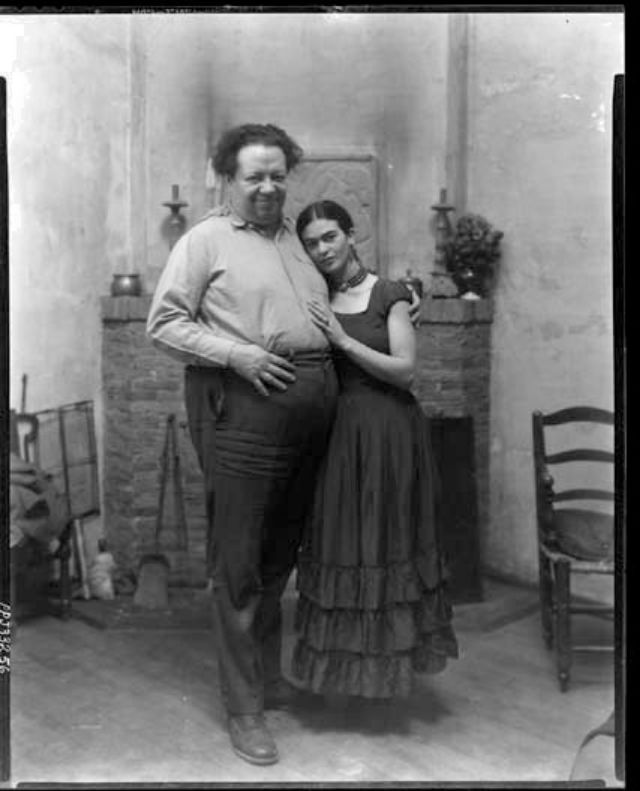
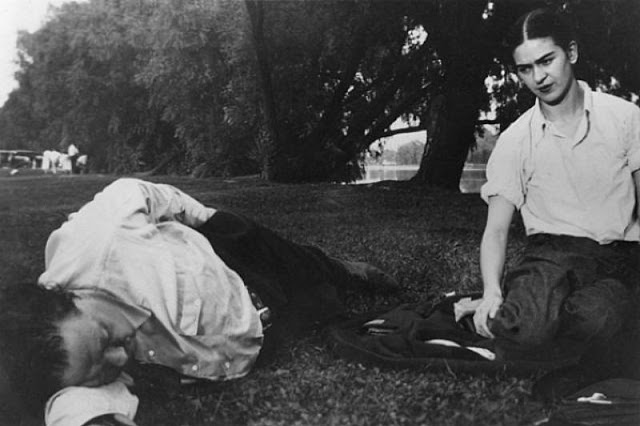
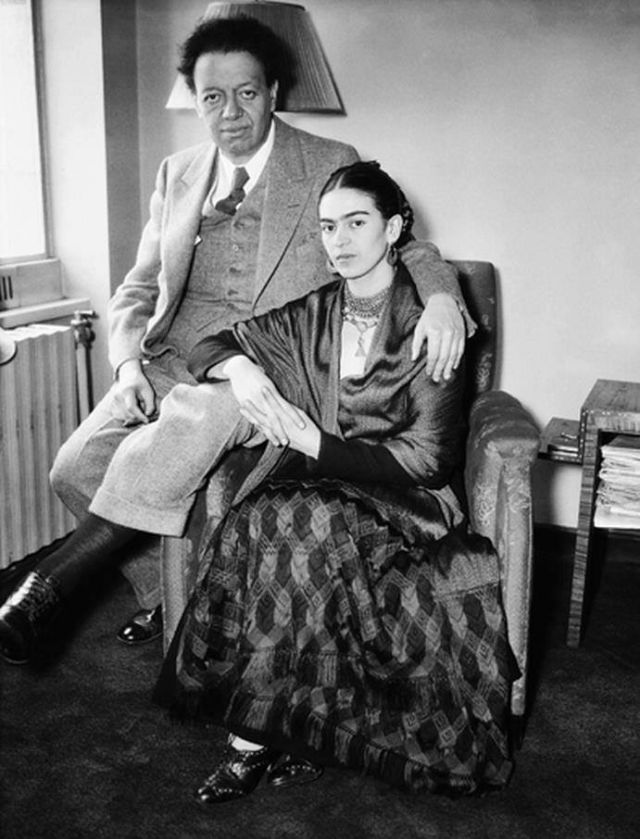
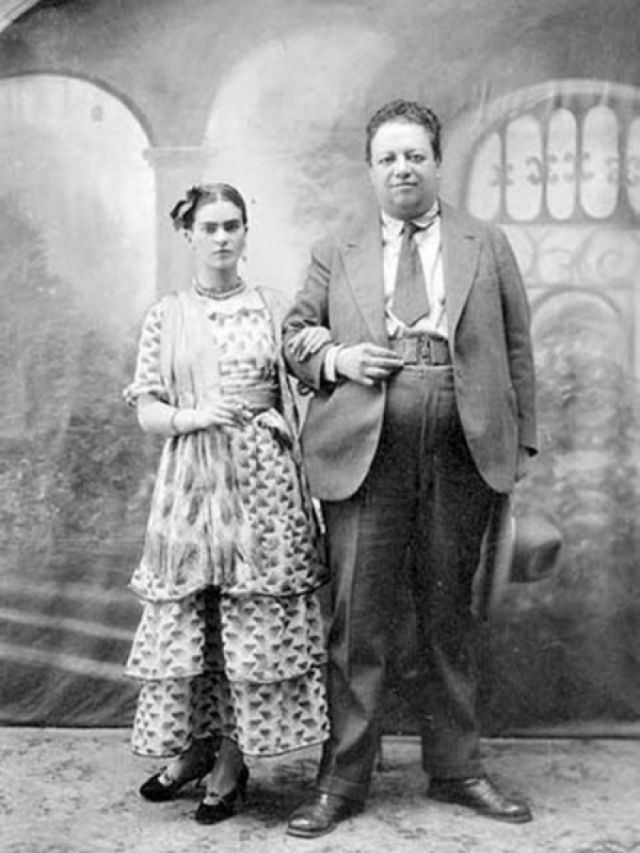
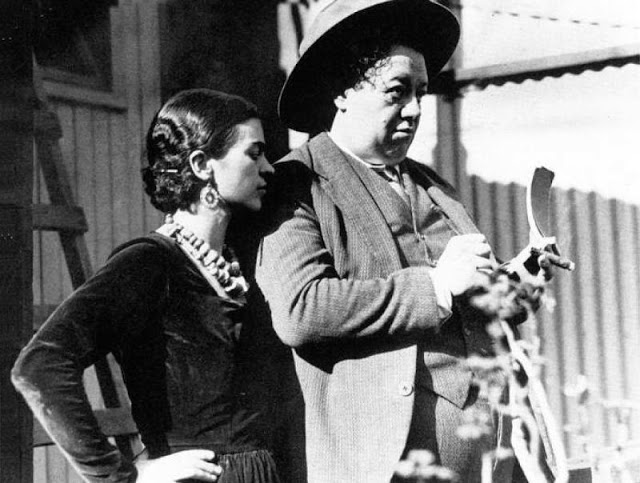
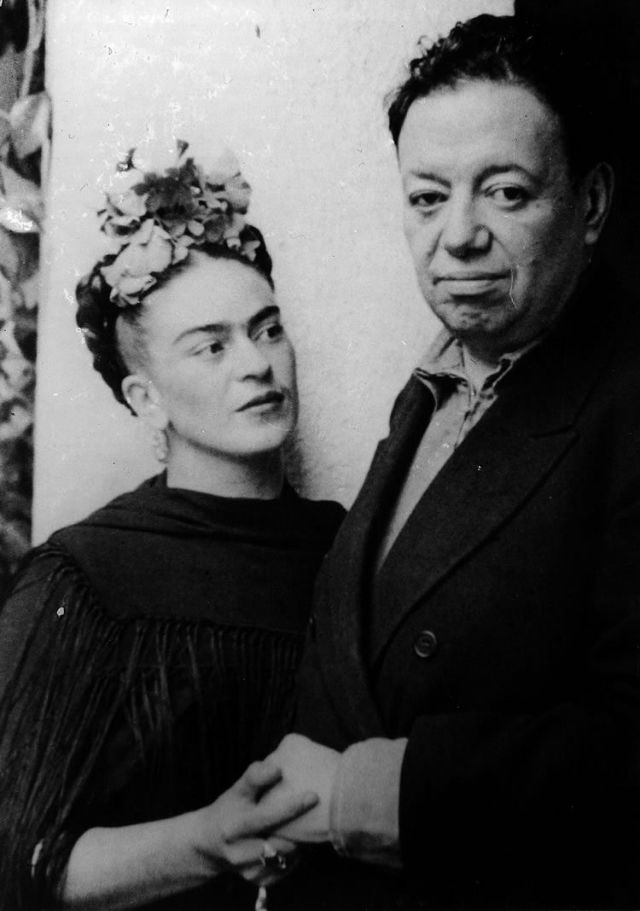
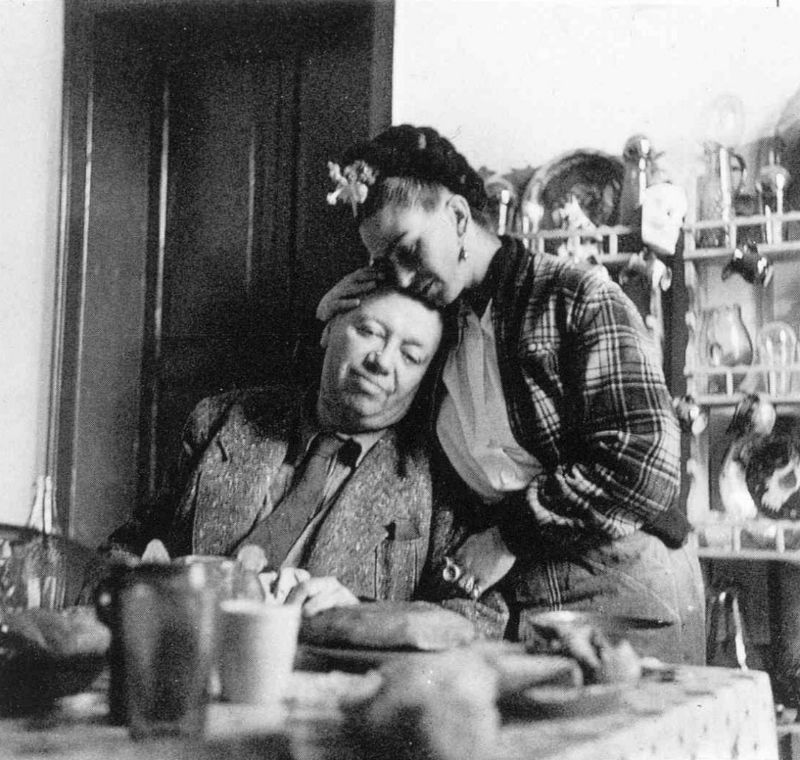
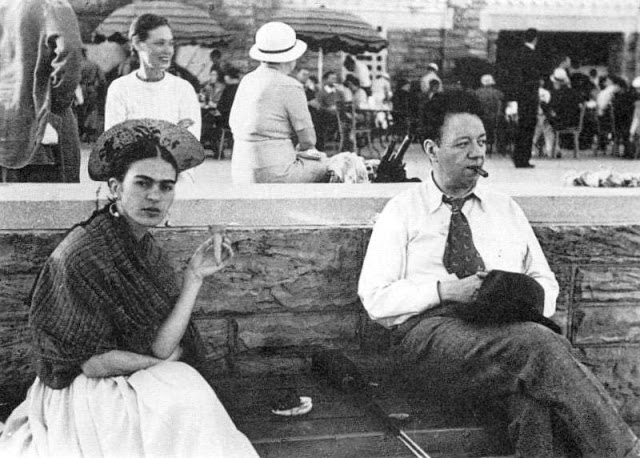
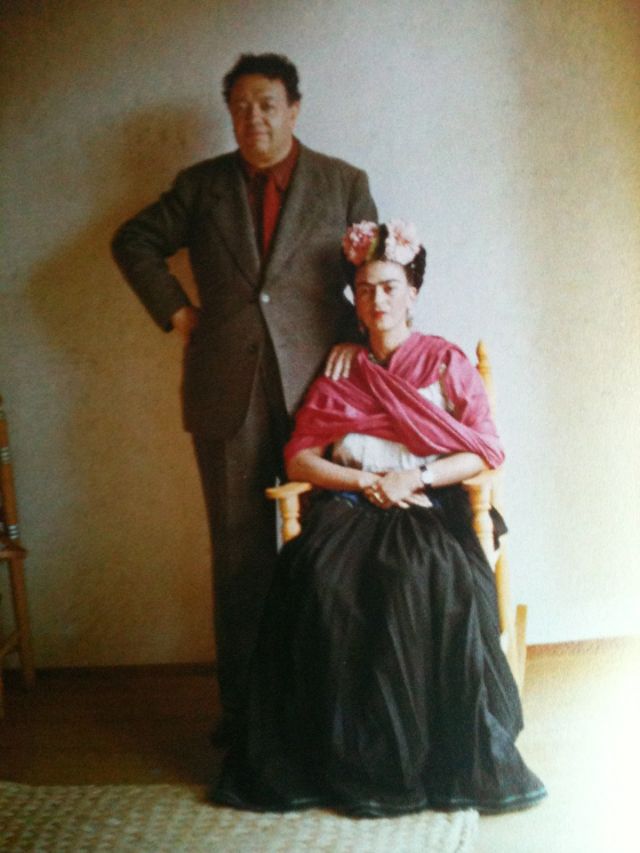
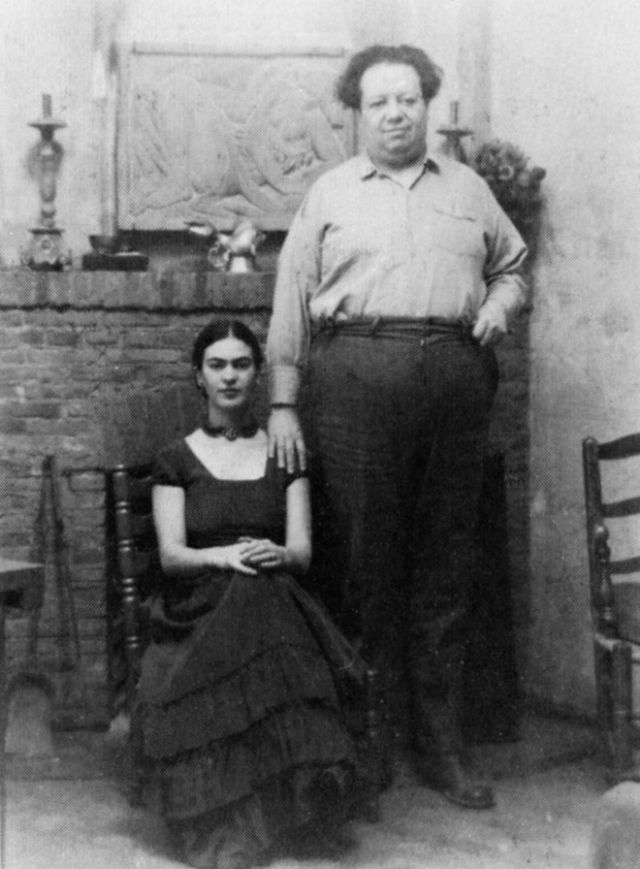
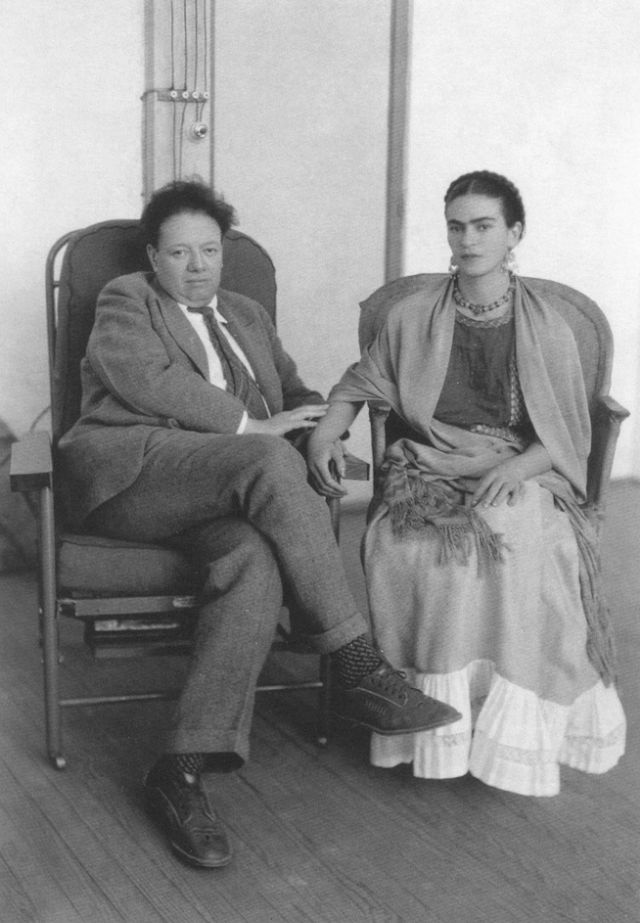
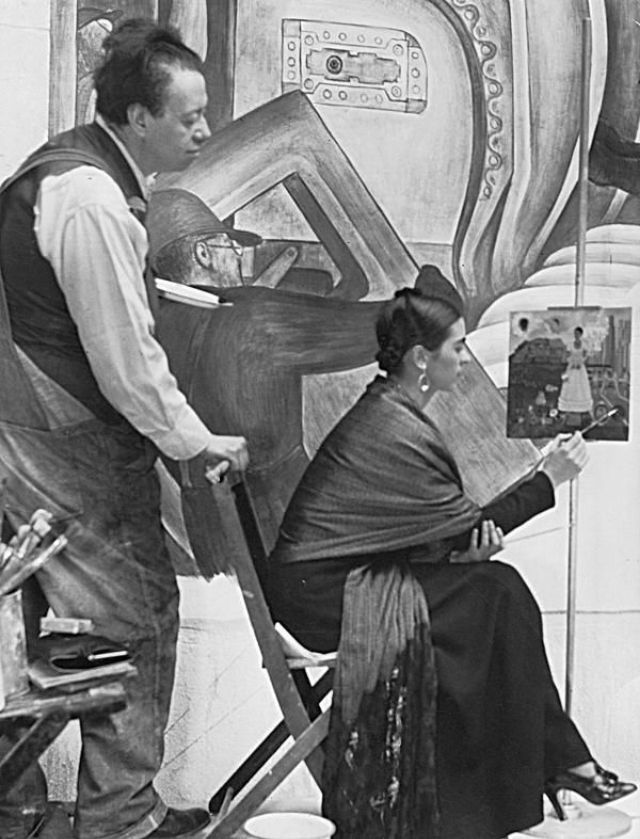
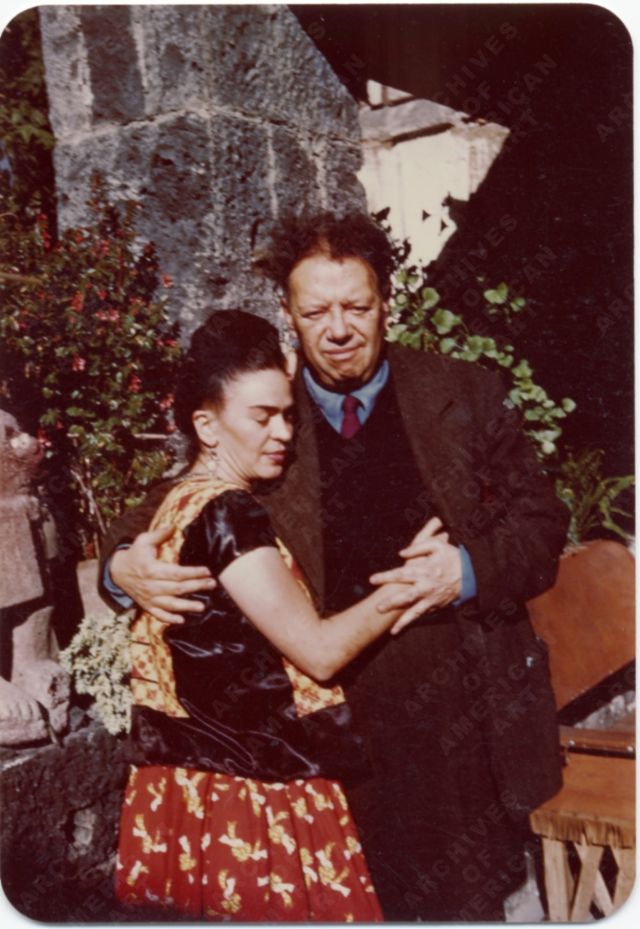
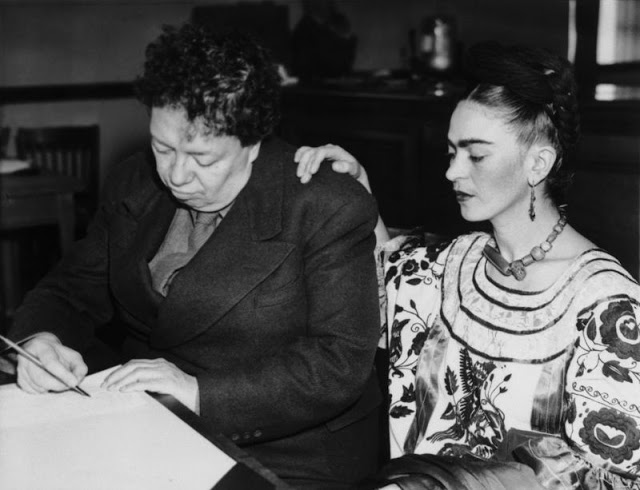
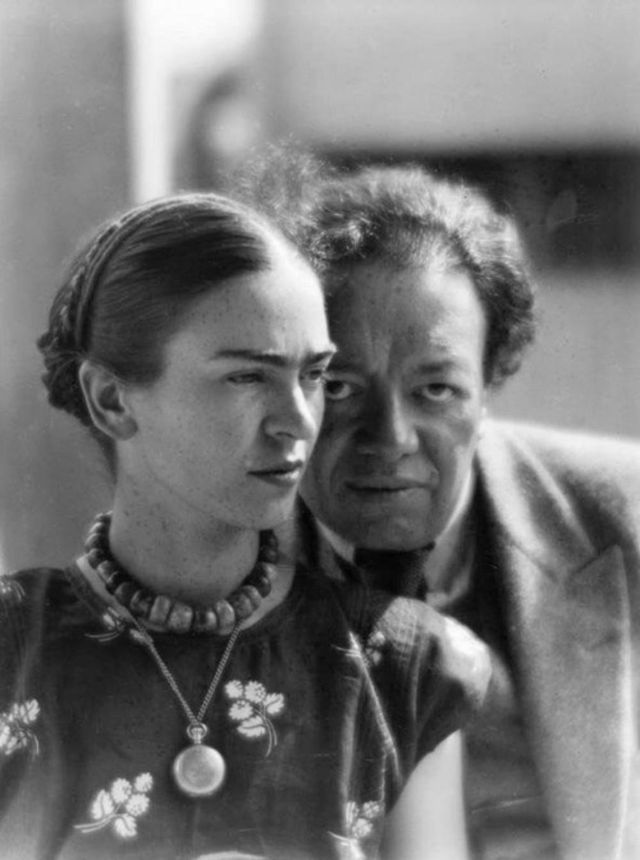
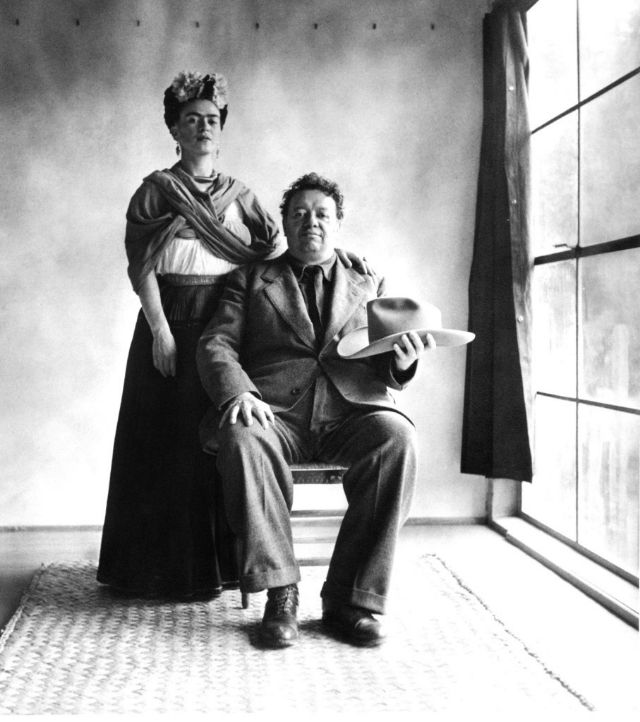
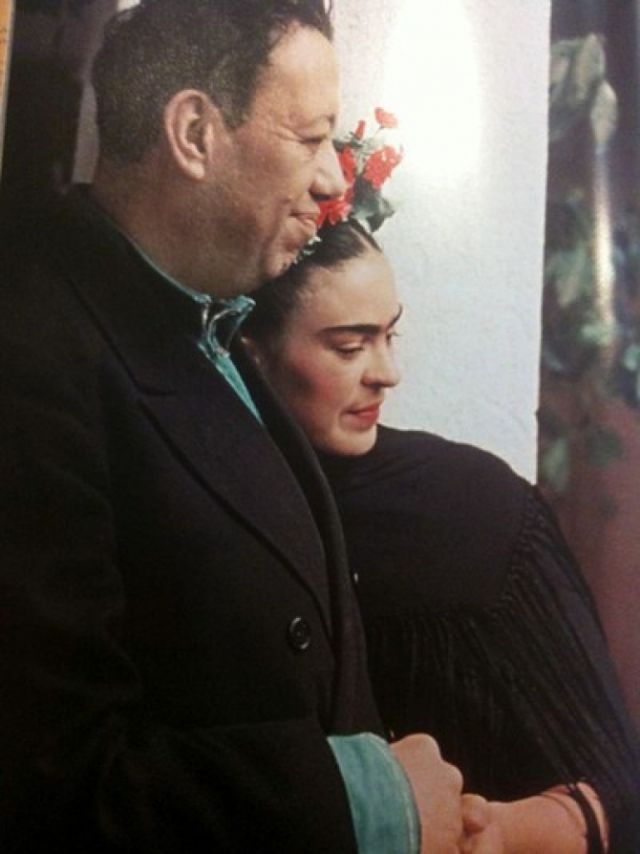
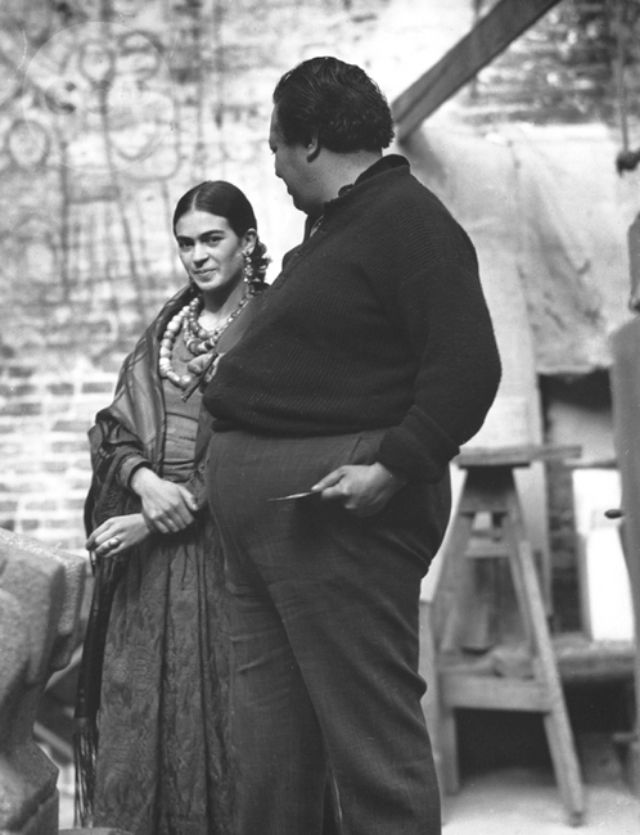
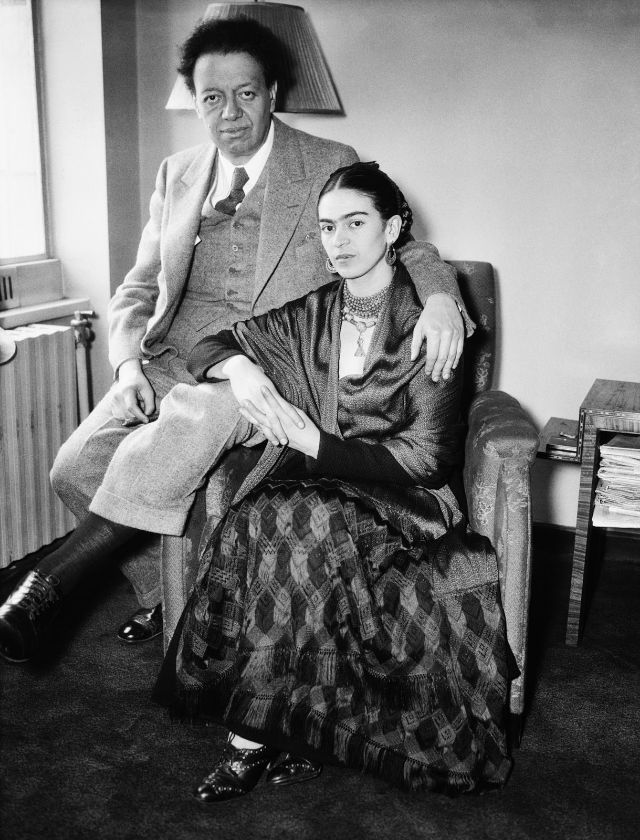
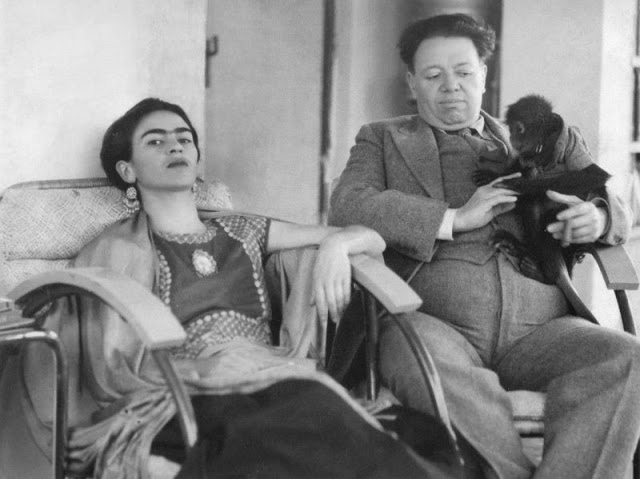
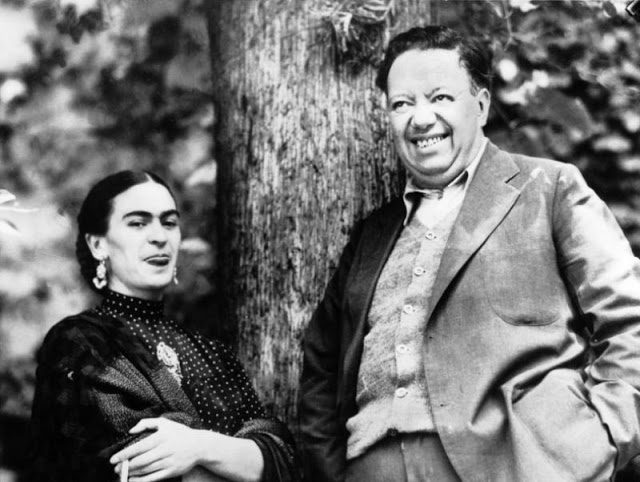
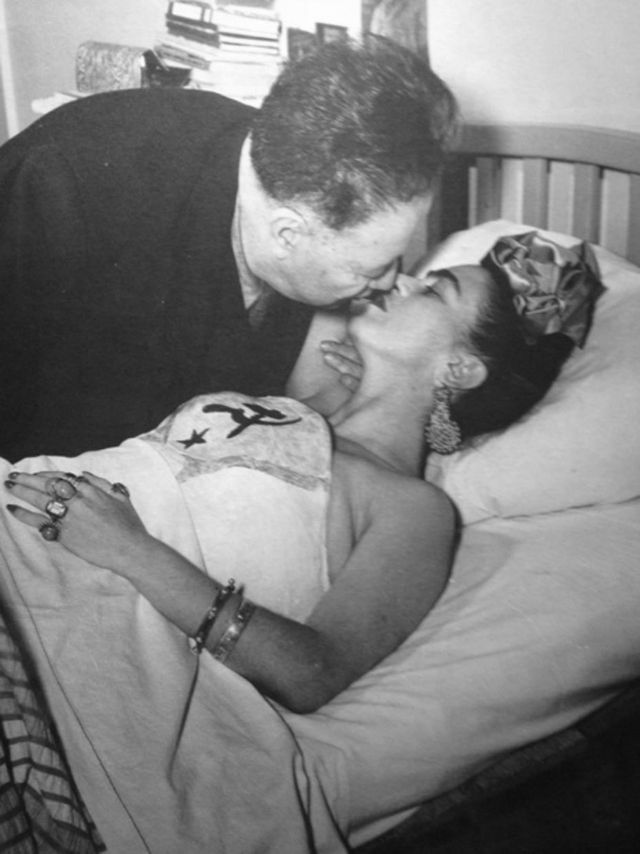
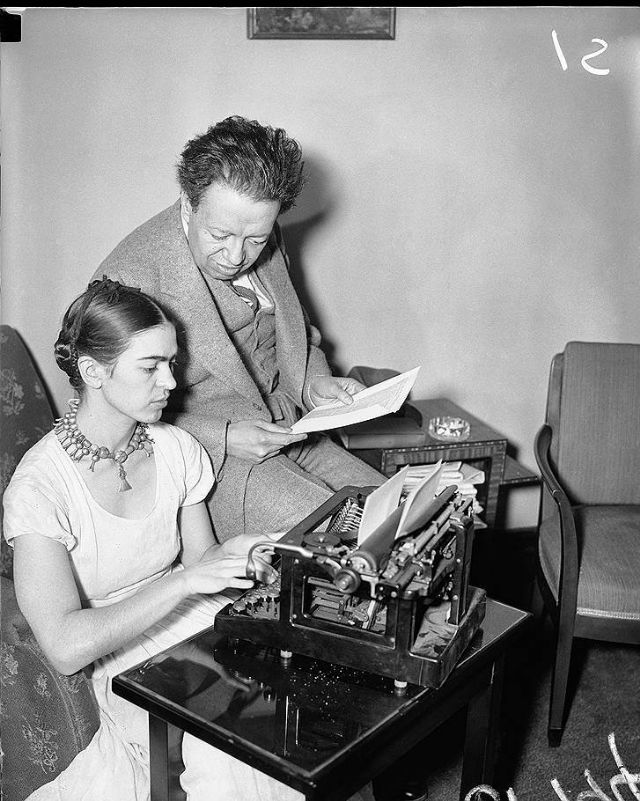
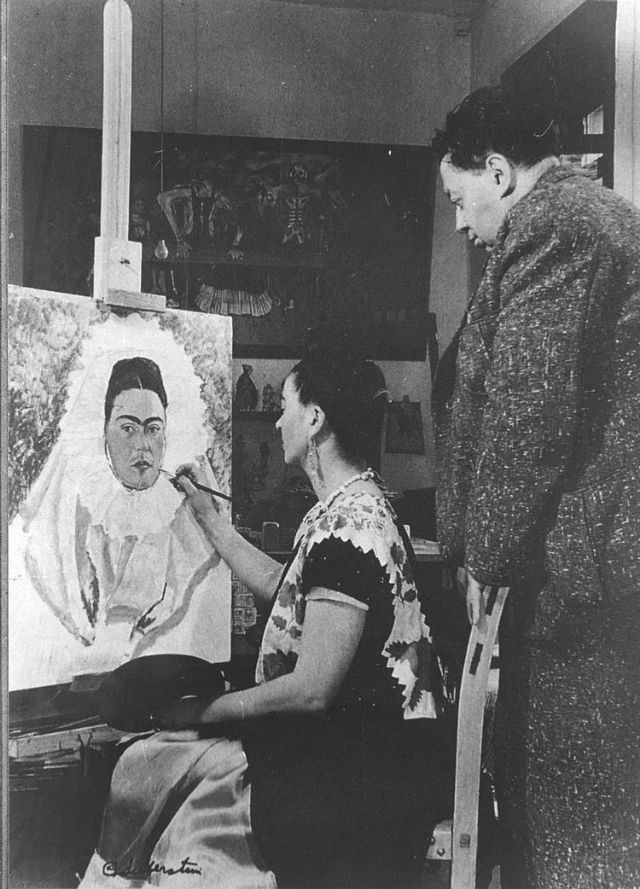
Frida Kahlo first met Diego Rivera when she was an art student hoping to get advice on her career from the famous Mexican muralist. Although Rivera was married, a courtship ensued. They wed in 1929 (he was 42, she was 22) much to the disapproval of Frida’s parents, who referred to the couple as “the elephant and the dove.”
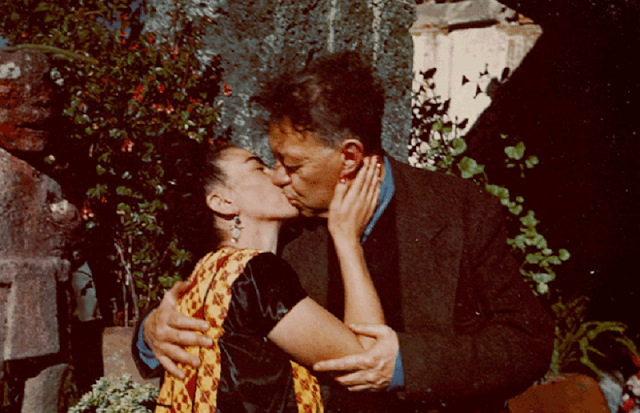
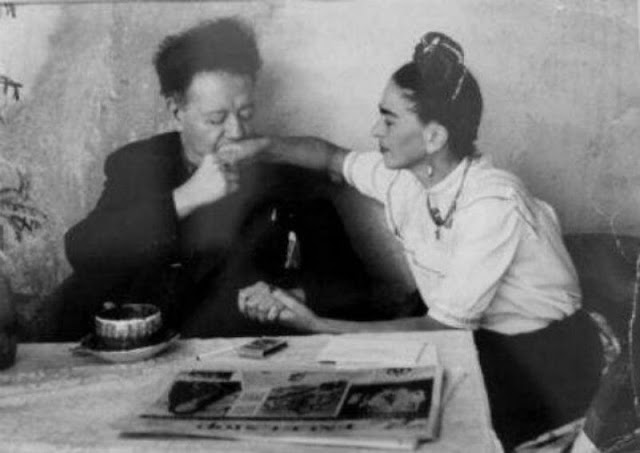
With volatile tempers and countless infidelities, the marriage was notoriously tumultuous. The couple divorced in 1939 only to remarry a year later, though the second marriage was just as turbulent as the first. Both have long been recognized as important painters who achieved great international popularity during their lifetimes.
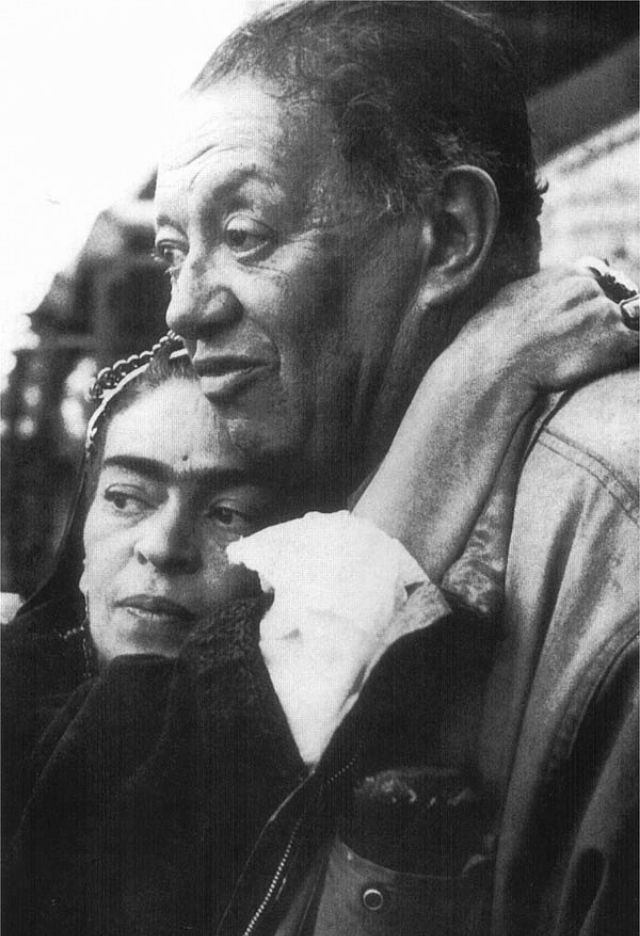
Even when Kahlo died, Rivera maintained an undying connection to her. “July 13, 1954 was the most tragic day of my life,” he said. “I had lost my beloved Frida forever. Too late, now I realized that the most wonderful part of my life had been my love for Frida.”
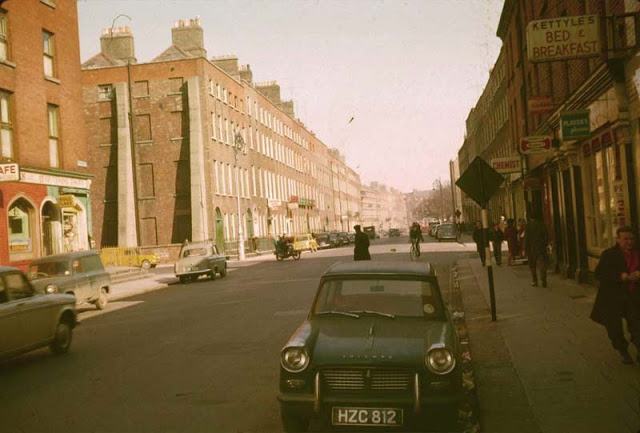
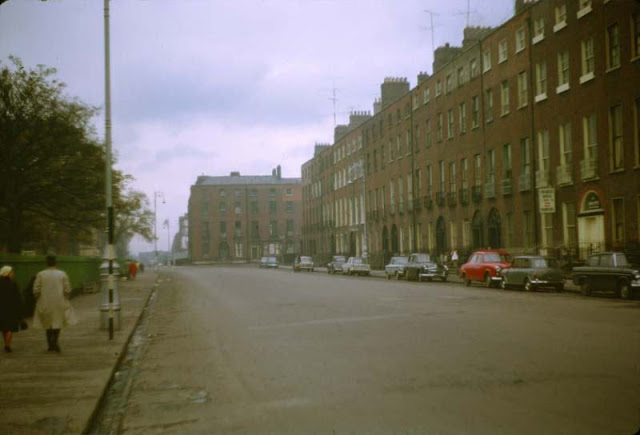
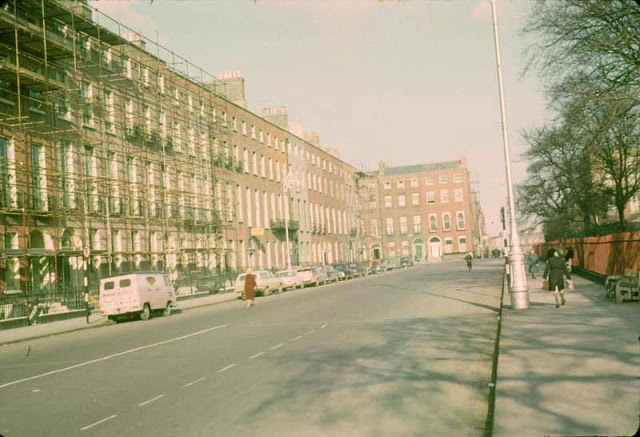
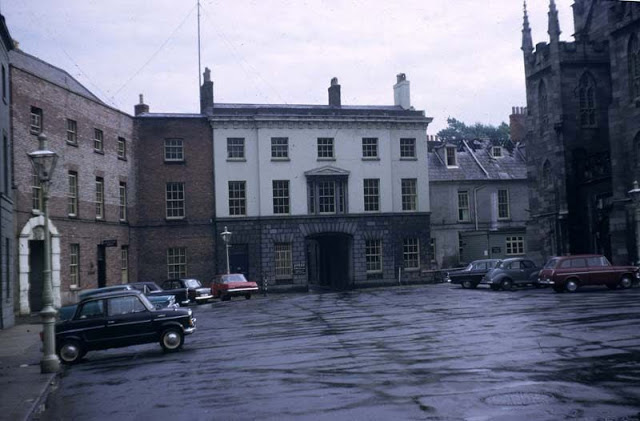
Dublin is the capital and largest city of Ireland. Situated on a bay on the east coast, at the mouth of the River Liffey, it lies within the province of Leinster. It is bordered on the south by the Dublin Mountains, a part of the Wicklow Mountains range. It has an urban area population of 1,173,179, while the population of the Dublin Region (traditional County Dublin) as of 2016 was 1,347,359. The population of the Greater Dublin Area was 1,904,806 per the 2016 census.
There is archaeological debate regarding precisely where and when Dublin originated, with a settlement established by the Gaels during or before the 7th century AD, and a second, Viking, settlement, following. As the small Kingdom of Dublin, the city grew, and it became Ireland’s principal settlement following the Norman invasion. The city expanded rapidly from the 17th century and was briefly the second largest city in the British Empire after the Acts of Union in 1800. Following independence in 1922, Dublin became the capital of the Irish Free State, later renamed Ireland.
Dublin is a contemporary and historical centre for Irish education, arts and culture, administration and industry. As of 2018 the city was listed by the Globalization and World Cities Research Network (GaWC) as a global city, with a ranking of “Alpha minus”, which places it as one of the top thirty cities in the world. (Wikipedia)
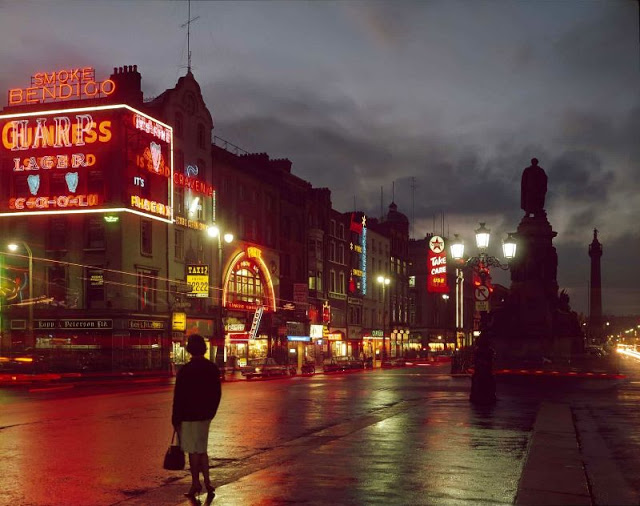
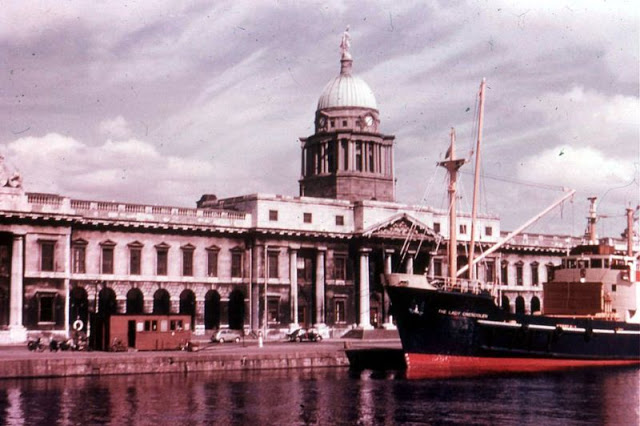
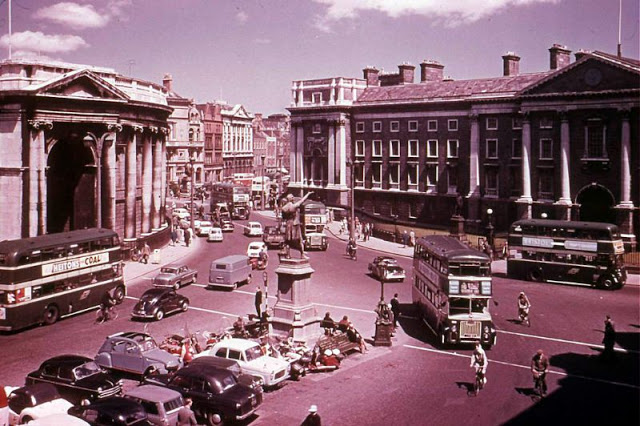
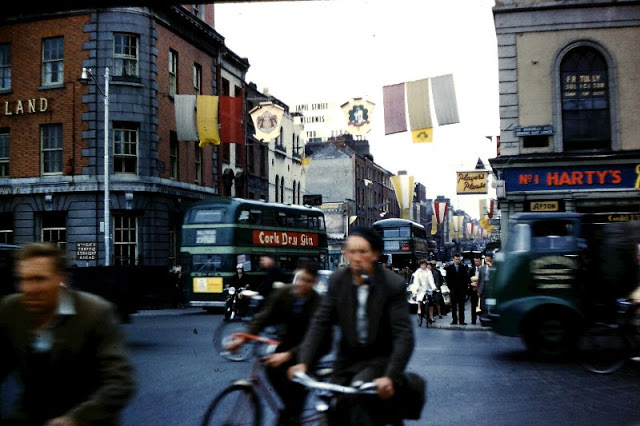
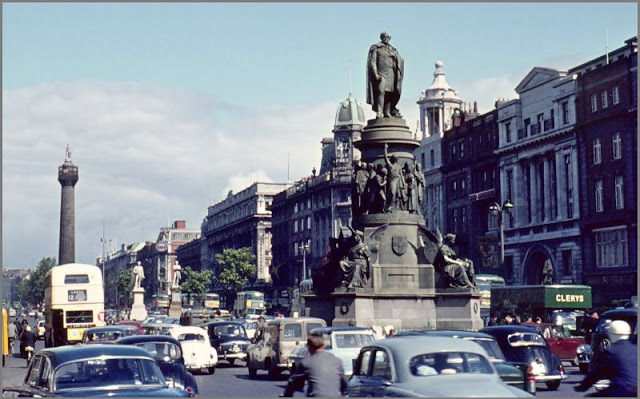
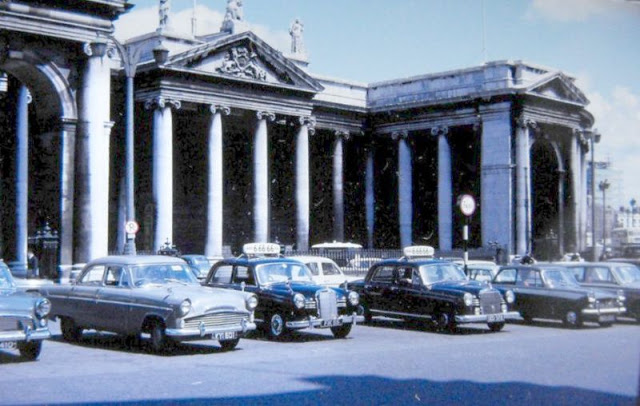
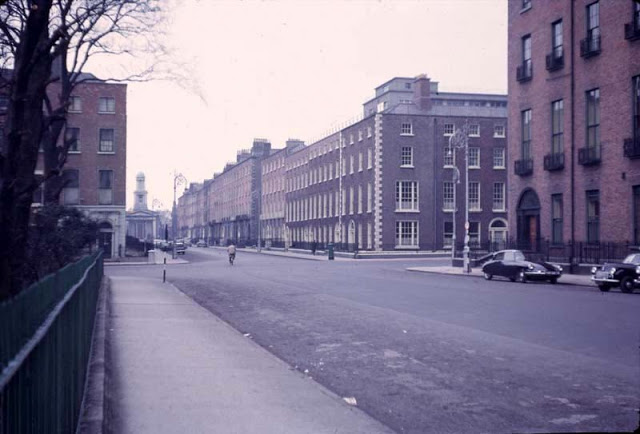
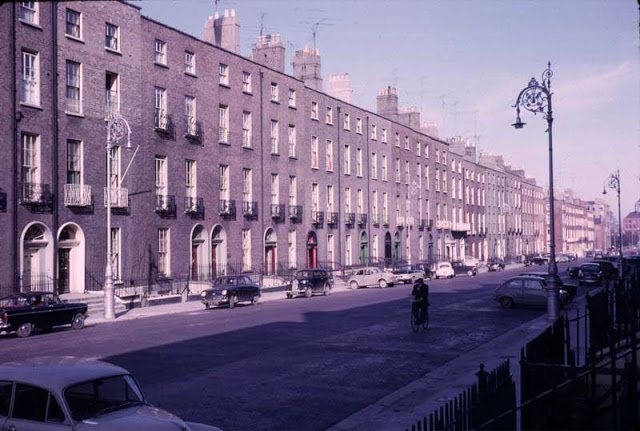
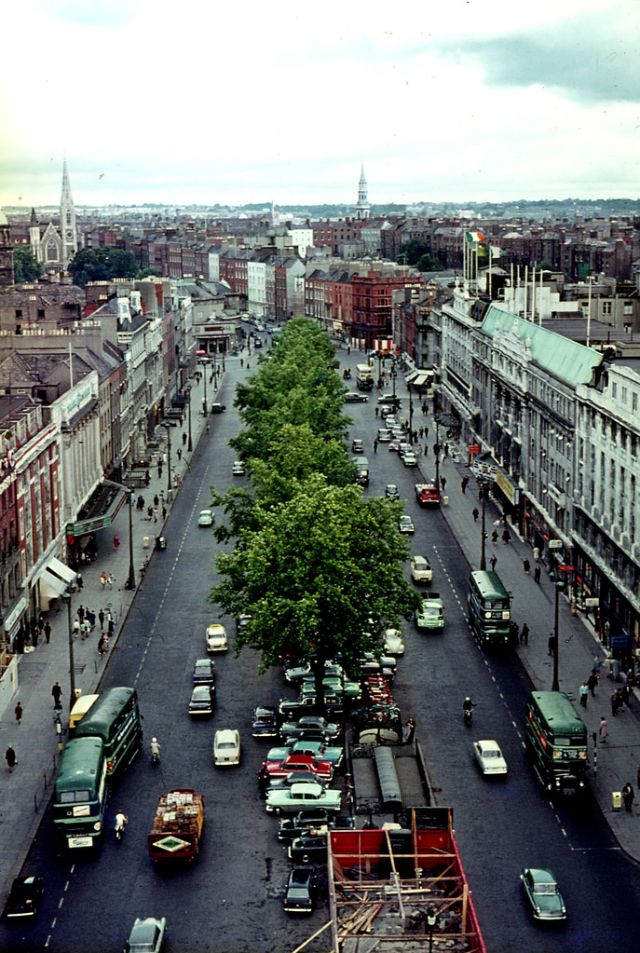
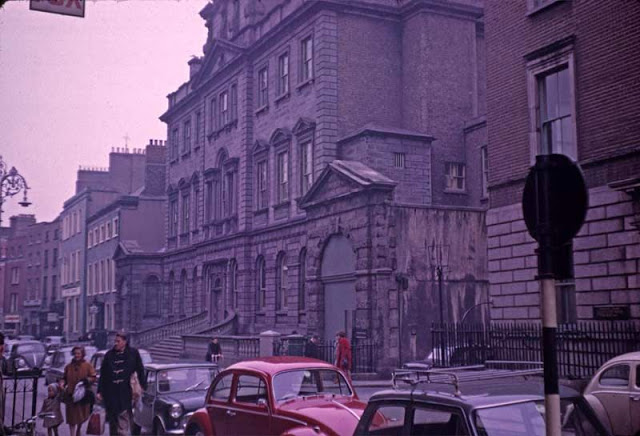
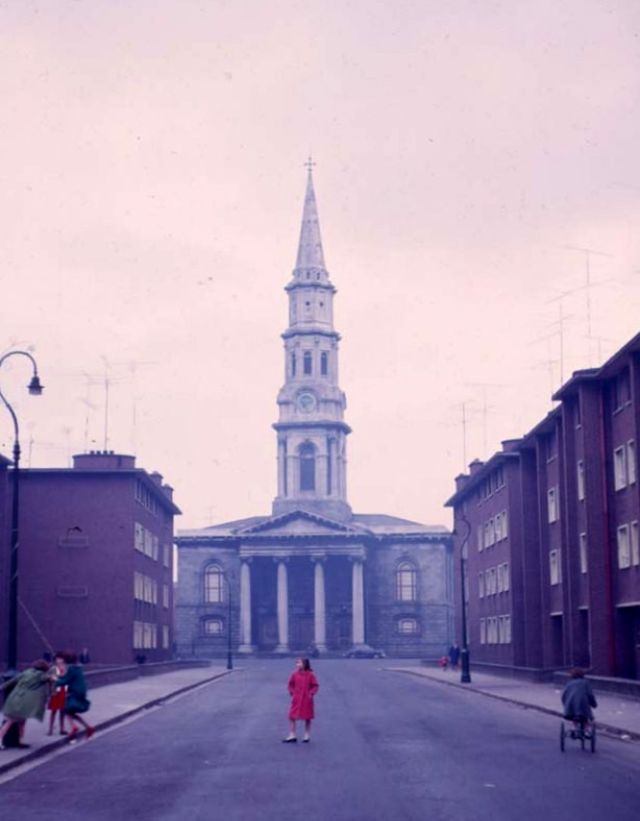
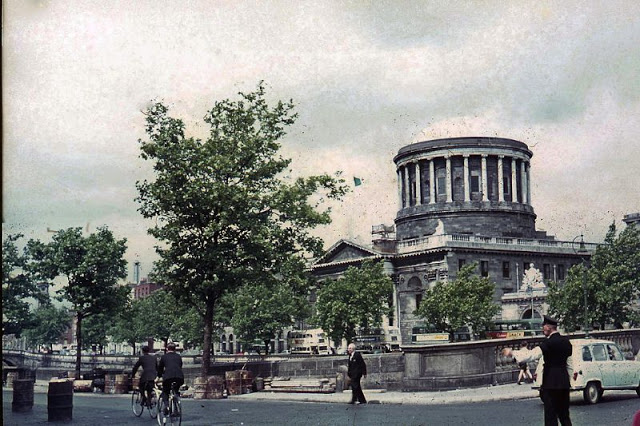
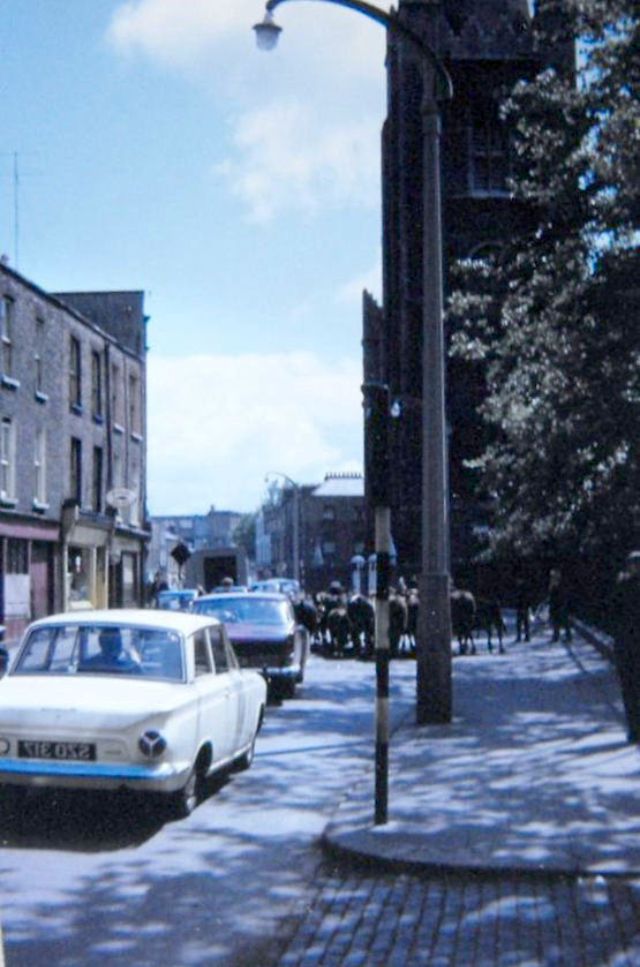
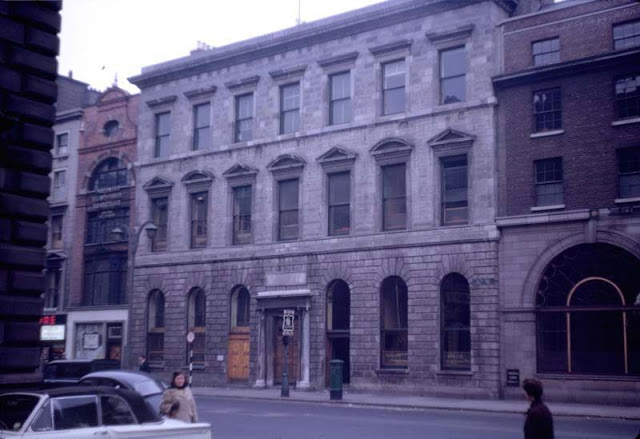
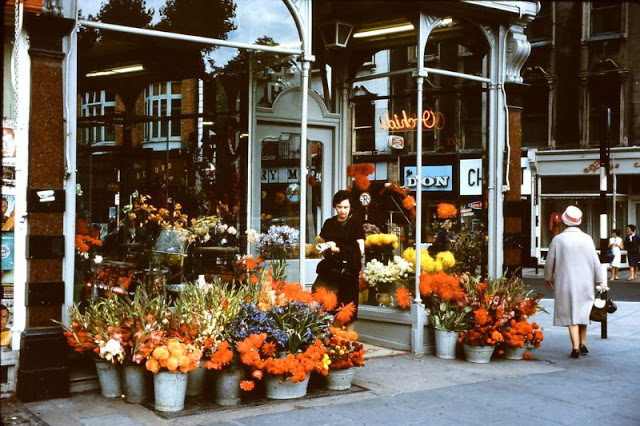
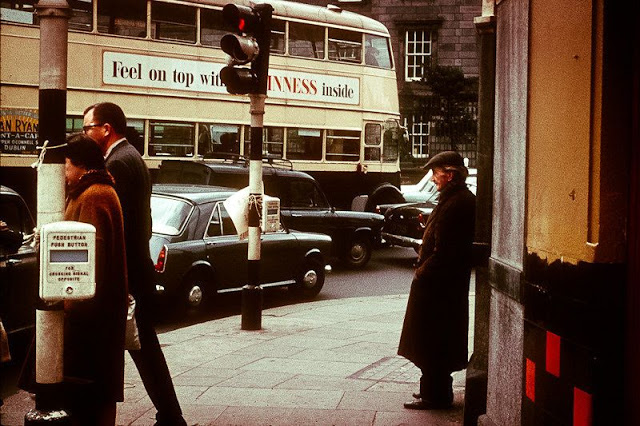
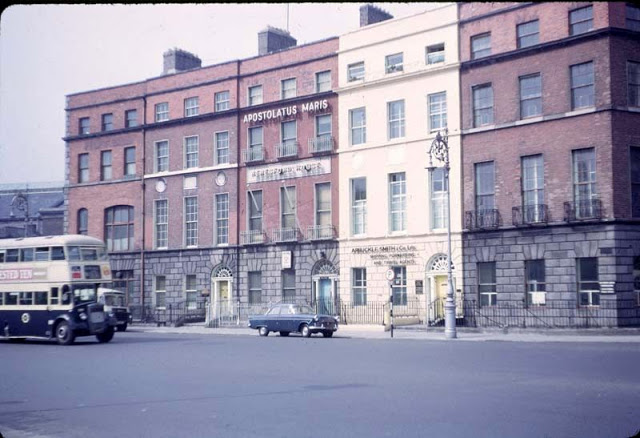
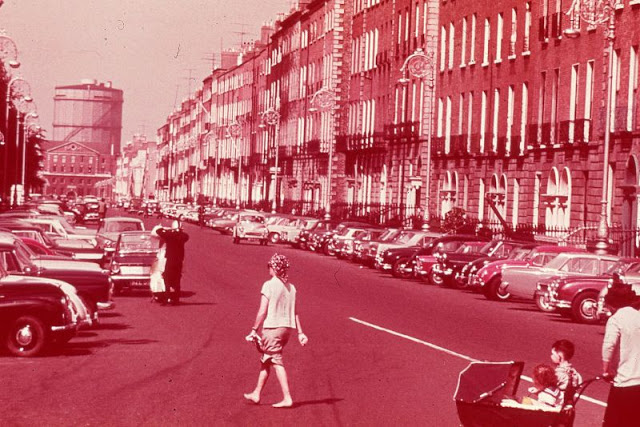
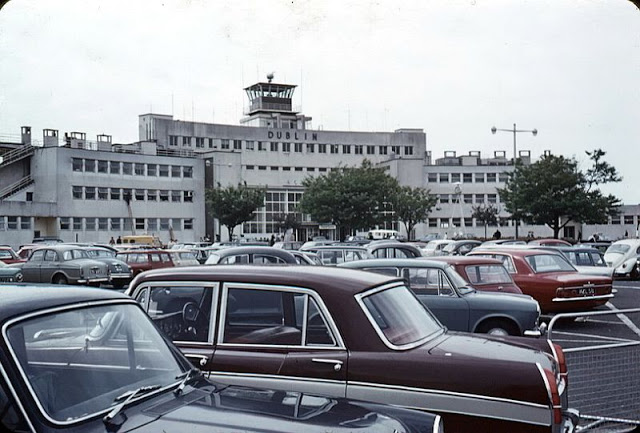
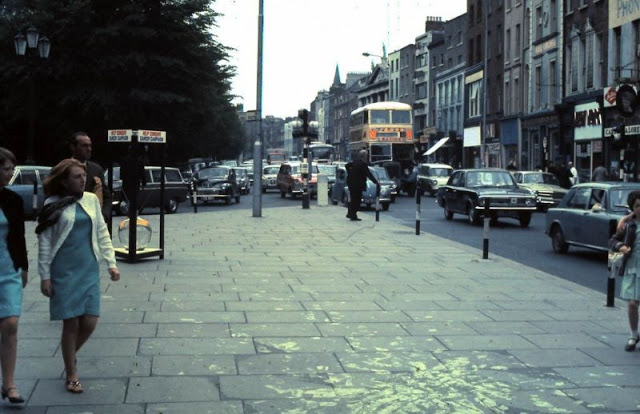
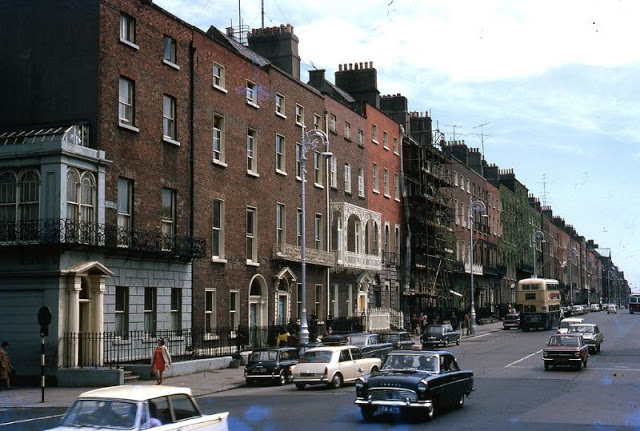
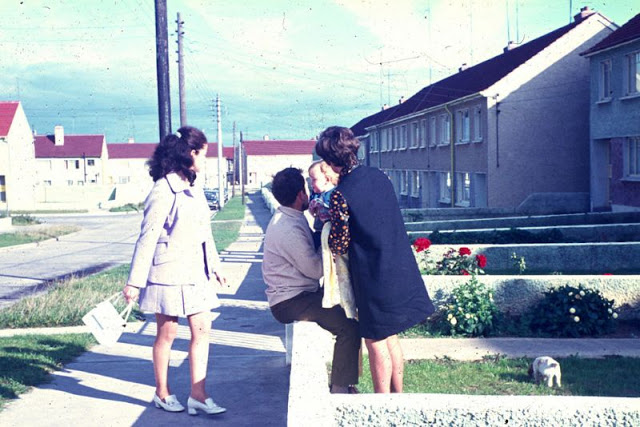
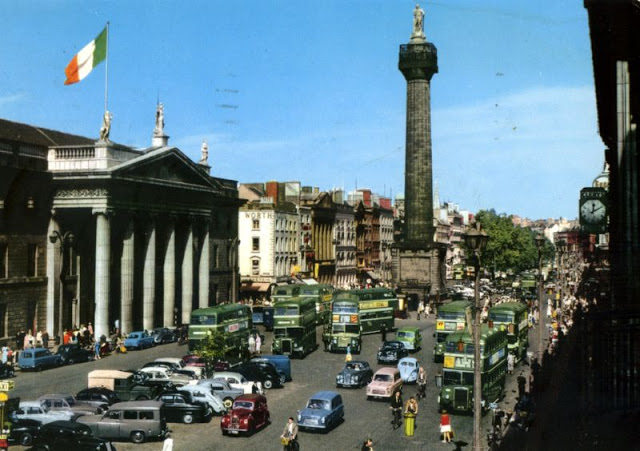
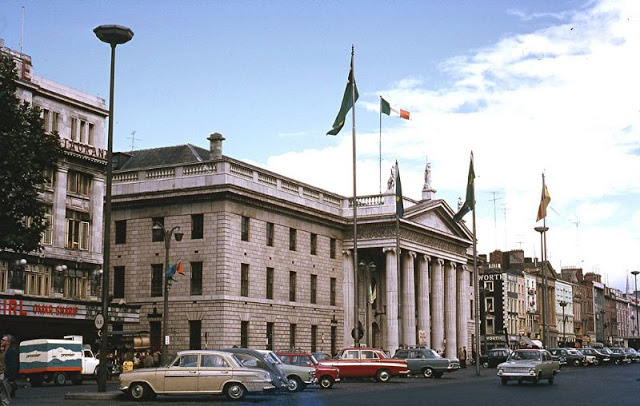
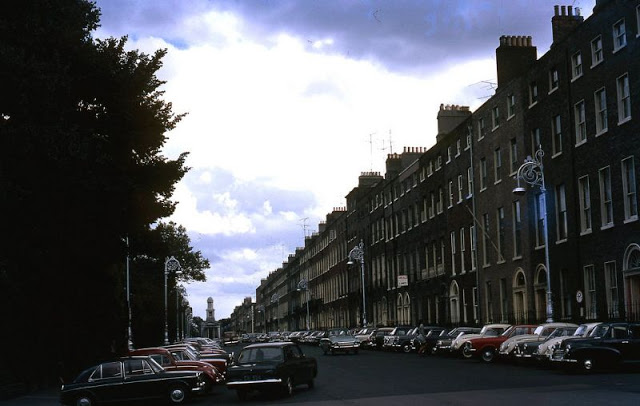
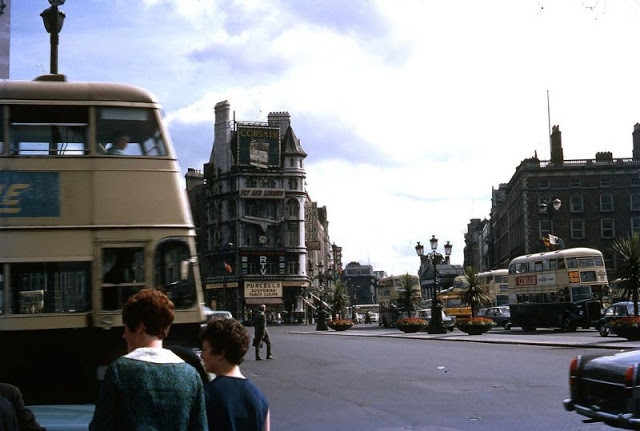
O’Connell Street, circa 1960Customs House with a ship berthed at the quay, circa 1960Post Office Building, O’Connell Street, circa 1960Trinity College and Bank of Ireland, Dublin, circa 1960Chapel Street, 1961Flowers at RDS Horse Show, Dublin, 1961O’Connell Street, 1961O’Connell and Nelson Pillar, July 1963O’Connell Street, July 1963College Green, 1964Fitzwilliam Street, 1964Fitzwilliam Street, 1964O’Connell St., Dublin from Nelson’s Pillar, 1964Powerscourt House, Dublin, 1964St. George’s Church, Dublin, 1964Street scenes of Dublin, 1964The Liberties, 1964Commercial building, 1965Commercial building, 1965Flower shop at corner of Saint Stephen’s Green and Dawson Street, 1965Mountjoy Square, 1965Mountjoy Square, 1965Mountjoy Square, 1965The Black Church, Dublin, 1965Dublin castle, 1966Dublin, May 1966Aston Quay, 1967Beresford Place, Dublin, 1967Fitzwilliam Street, Dublin, circa 1967Dublin airport, 1968Molesworth Street, Dublin, 1968St. Stephen’s Green, 1968Bank of Ireland, Dublin, 1969College Green, Dublin, 1969Dublin street scenes, July 1969Greenhills, Dublin, 1969Guinness ships Dublin, 1969Nelson’s Pillar and the General Post Office, O’Connell Street, Dublin, 1969Post Office, Dublin, August 1969Row of terraces in Dublin, August 1969The O’Connell Bridge, looking South, towards D’Oliver Street, Dublin, August 1969The Parnell Monument at the junction of Upper O’Connell Street, Parnell Street and Cavendish Row, Dublin, circa 1969
Barack Hussein Obama II (born August 4, 1961) is an American politician, lawyer, and author who served as the 44th president of the United States from 2009 to 2017. A member of the Democratic Party, Obama was the first African-American president of the United States. He previously served as a U.S. senator from Illinois from 2005 to 2008 and as an Illinois state senator from 1997 to 2004.
Barack Hussein Obama II was born on August 4, 1961, in Honolulu, Hawaii. His mother, Ann Dunham, was born on an Army base in Wichita, Kansas, during World War II. After the Japanese attack on Pearl Harbor, Dunham’s father, Stanley, enlisted in the military and marched across Europe in General George Patton’s army. Dunham’s mother, Madelyn, went to work on a bomber assembly line. After the war, the couple studied on the G.I. Bill, bought a house through the Federal Housing Program and, after several moves, ended up in Hawaii.
Obama’s father, Barack Obama Sr., was born of Luo ethnicity in Nyanza Province, Kenya. Obama Sr. grew up herding goats in Africa and, eventually earned a scholarship that allowed him to leave Kenya and pursue his dreams of going to college in Hawaii. While studying at the University of Hawaii at Manoa, Obama Sr. met fellow student Ann Dunham, and they married on February 2, 1961. Barack was born six months later.
As a child, Obama did not have a relationship with his father. When his son was still an infant, Obama Sr. relocated to Massachusetts to attend Harvard University and pursue a Ph.D. Obama’s parents officially separated several months later and ultimately divorced in March 1964, when their son was two. Soon after, Obama Sr. returned to Kenya.
In 1965, Dunham married Lolo Soetoro, a University of Hawaii student from Indonesia. A year later, the family moved to Jakarta, Indonesia, where Obama’s half-sister, Maya Soetoro Ng, was born in 1970. Several incidents in Indonesia left Dunham afraid for her son’s safety and education so, at the age of 10, Obama was sent back to Hawaii to live with his maternal grandparents. His mother and half-sister later joined them.
After graduating from Columbia University in 1983, Barack worked as a community organizer in Chicago. In 1988, he enrolled in Harvard Law School, where he was the first black president of the Harvard Law Review. After graduating, he became a civil rights attorney and an academic, teaching constitutional law at the University of Chicago Law School from 1992 to 2004. Turning to elective politics, he represented the 13th district in the Illinois Senate from 1997 until 2004, when he ran for the U.S. Senate. Obama received national attention in 2004 with his March Senate primary win, his well-received July Democratic National Convention keynote address, and his landslide November election to the Senate. In 2008, a year after beginning his campaign, and after a close primary campaign against Hillary Clinton, he was nominated by the Democratic Party for president. Obama was elected over Republican nominee John McCain in the general election and was inaugurated alongside his running mate Joe Biden, on January 20, 2009. Nine months later, he was named the 2009 Nobel Peace Prize laureate, a decision that drew a mixture of praise and criticism.
Obama signed many landmark bills into law during his first two years in office. The main reforms include: the Affordable Care Act (ACA or “Obamacare”), although without a public health insurance option; the Dodd–Frank Wall Street Reform and Consumer Protection Act; and the Don’t Ask, Don’t Tell Repeal Act of 2010. The American Recovery and Reinvestment Act and Tax Relief, Unemployment Insurance Reauthorization, and Job Creation Act served as economic stimuli amidst the Great Recession. After a lengthy debate over the national debt limit, he signed the Budget Control and the American Taxpayer Relief Acts. In foreign policy, he increased U.S. troop levels in Afghanistan, reduced nuclear weapons with the United States–Russia New START treaty, and ended military involvement in the Iraq War. In 2011, Obama ordered the drone-strike killing of Anwar al-Awlaki, a US citizen and suspected al-Qaeda operative, leading to controversy. He ordered military involvement in Libya for the implementation of the UN Security Council Resolution 1973, contributing to the overthrow of Muammar Gaddafi. He also ordered the military operation that resulted in the death of Osama bin Laden.
After winning re-election by defeating Republican opponent Mitt Romney, Obama was sworn in for a second term on January 20, 2013. During this term, he promoted inclusion for LGBT Americans. His administration filed briefs that urged the Supreme Court to strike down same-sex marriage bans as unconstitutional (United States v. Windsor and Obergefell v. Hodges); same-sex marriage was legalized nationwide in 2015 after the Court ruled so in Obergefell. He advocated for gun control in response to the Sandy Hook Elementary School shooting, indicating support for a ban on assault weapons, and issued wide-ranging executive actions concerning global warming and immigration. In foreign policy, he ordered military interventions in Iraq and Syria in response to gains made by ISIL after the 2011 withdrawal from Iraq, promoted discussions that led to the 2015 Paris Agreement on global climate change, oversaw and ultimately apologized for the deadly Kunduz hospital airstrike, continued the process of ending U.S. combat operations in Afghanistan in 2016, initiated sanctions against Russia following the invasion in Ukraine and again after interference in the 2016 U.S. elections, brokered the Joint Comprehensive Plan of Action nuclear deal with Iran, and normalized U.S. relations with Cuba. Obama nominated three justices to the Supreme Court: Sonia Sotomayor and Elena Kagan were confirmed as justices, while Merrick Garland was denied hearings or a vote from the Republican-majority Senate. Obama left office on January 20, 2017, and continues to reside in Washington, D.C.
During Obama’s terms as president, the United States’ reputation abroad, as well as the American economy, significantly improved. Obama’s presidency has generally been regarded favorably, and evaluations of his presidency among historians, political scientists, and the general public frequently place him among the upper tier of American presidents. Since leaving office, Obama has remained active in Democratic politics, including campaigning for candidates in the 2018 midterm elections, appearing at the 2020 Democratic National Convention and campaigning for Biden during the 2020 presidential election. Outside of politics, Obama has published three bestselling books: Dreams from My Father (1995), The Audacity of Hope (2006) and A Promised Land (2020). (Wikipedia)
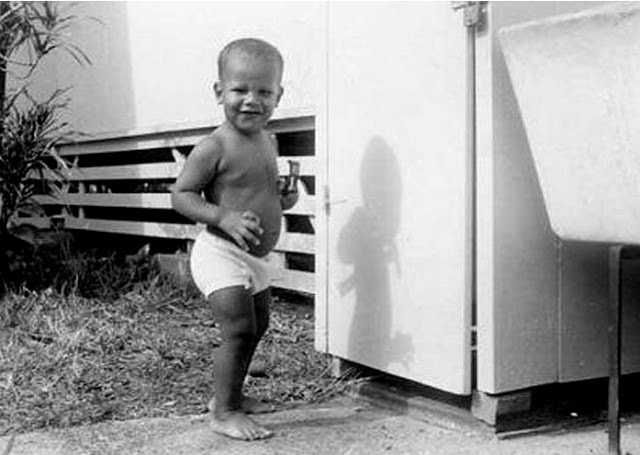
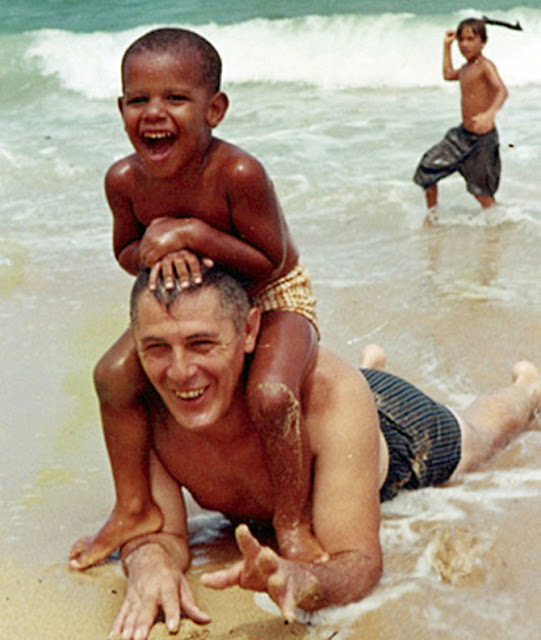
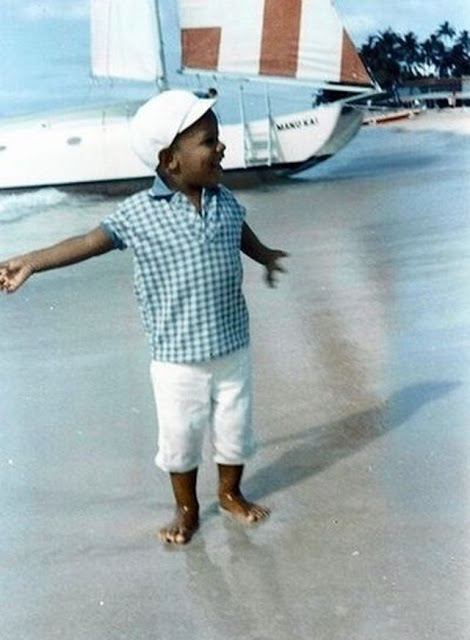
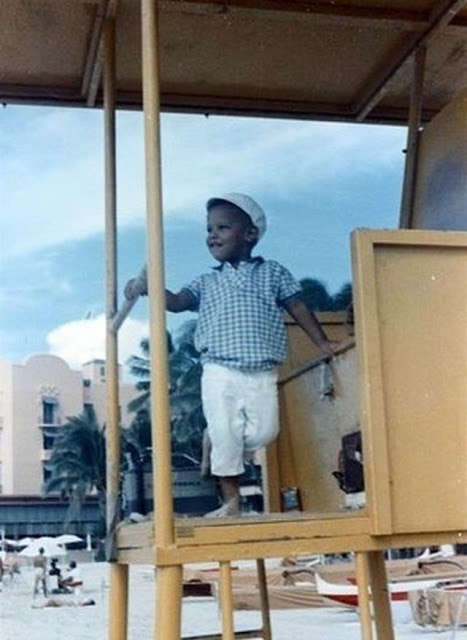
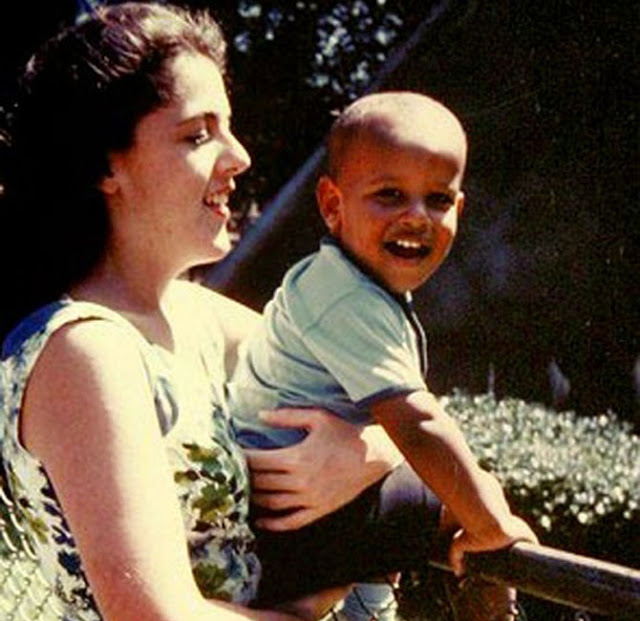
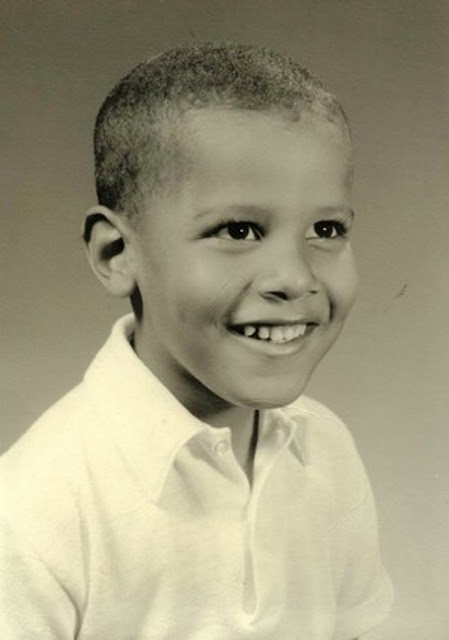
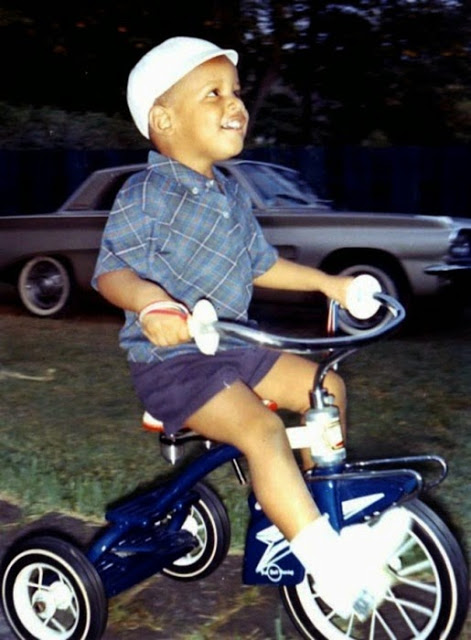
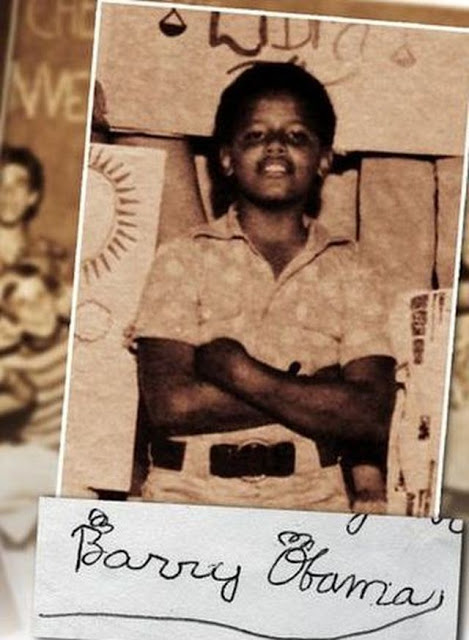
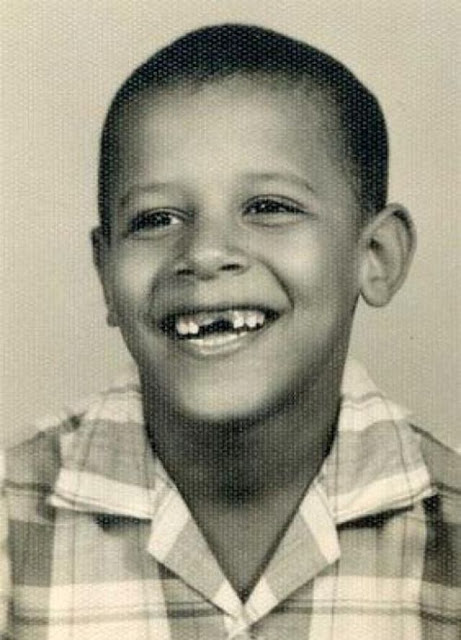
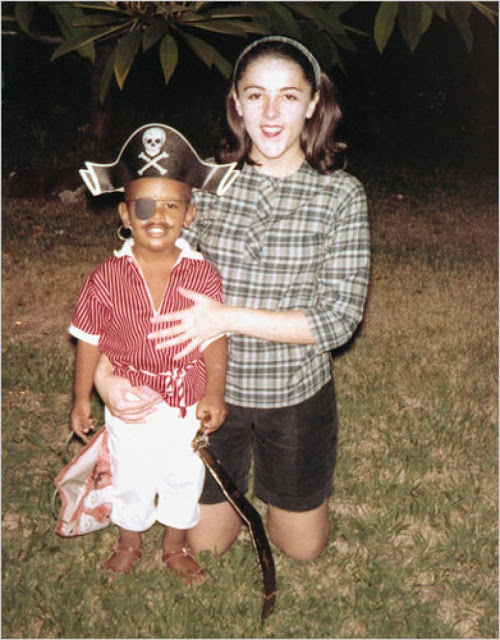
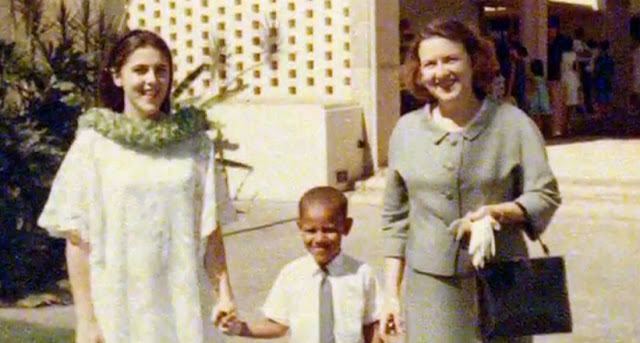
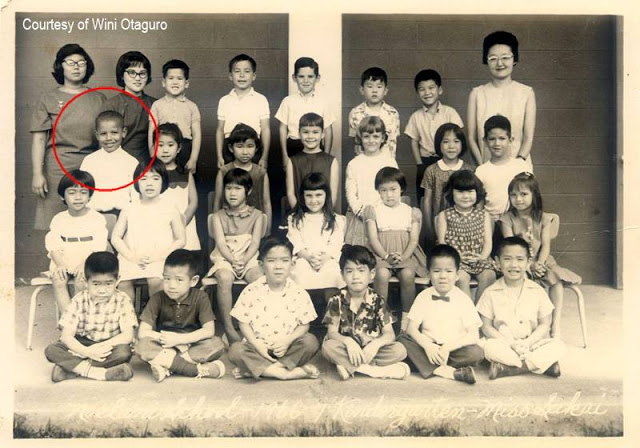
Below is a collection of rare and adorable photos show the future President’s early childhood…
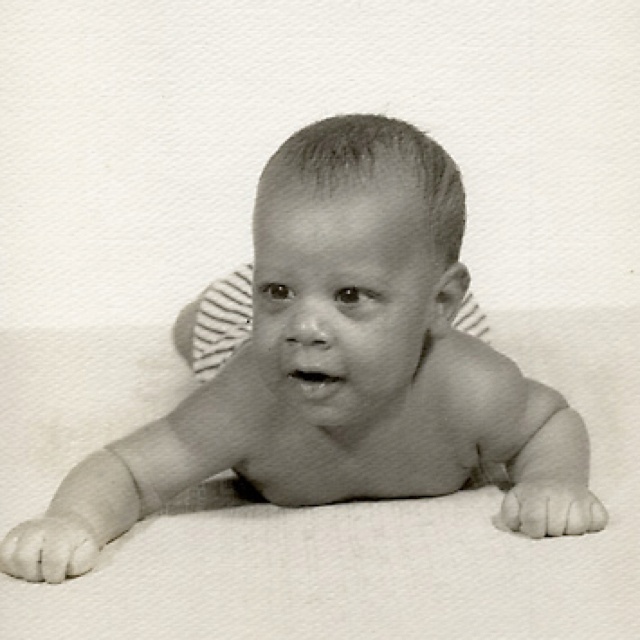
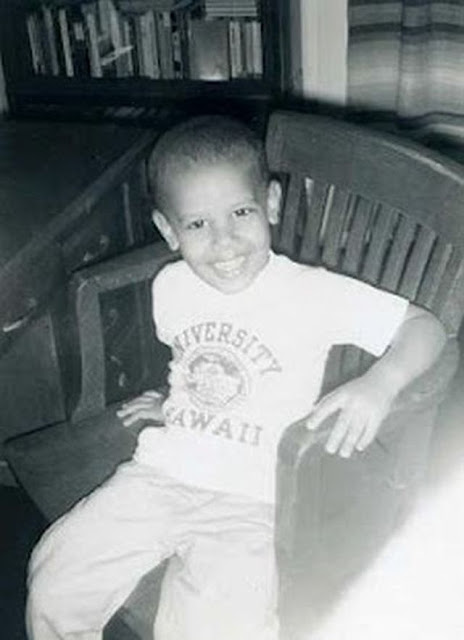
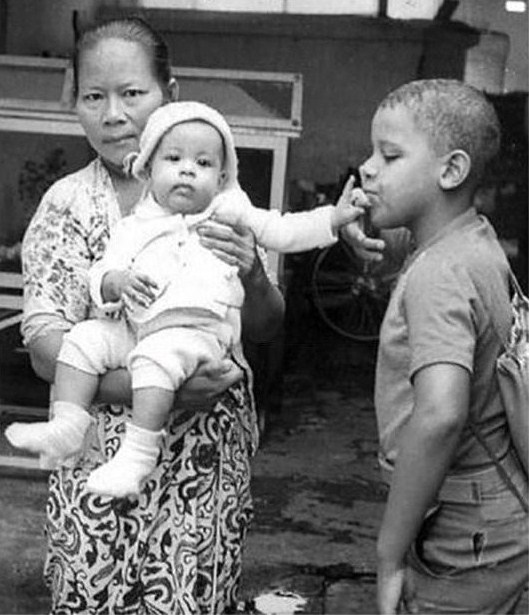
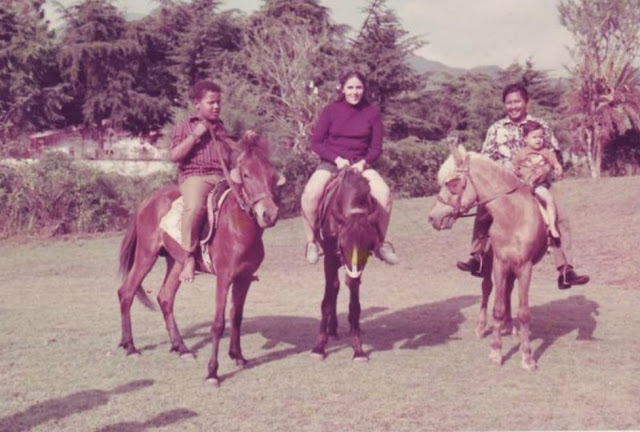
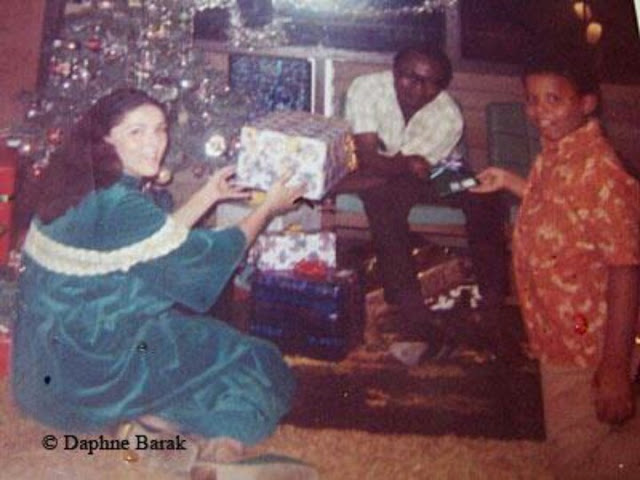
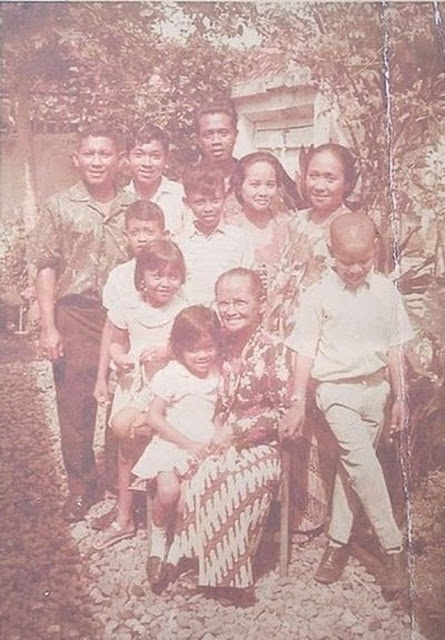
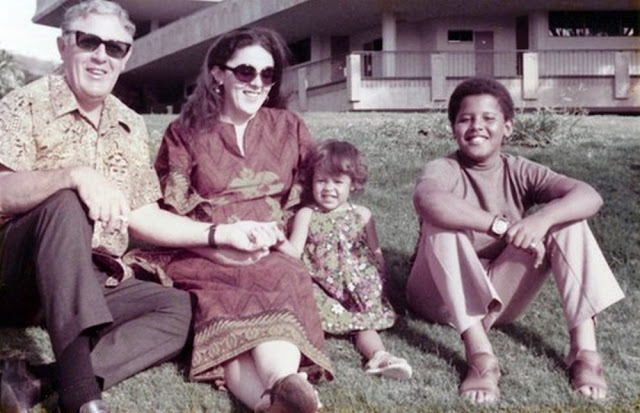
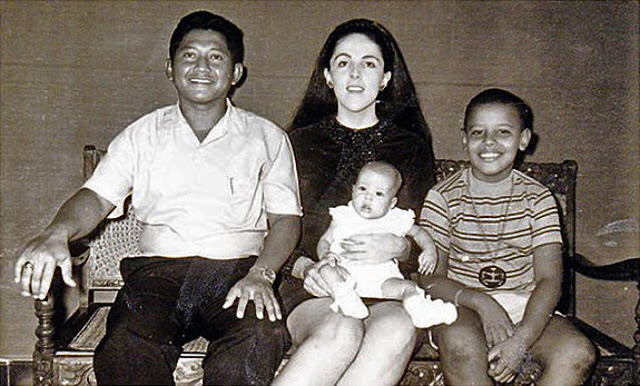
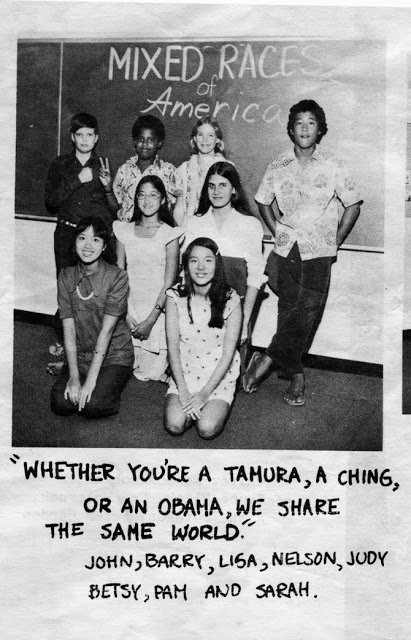
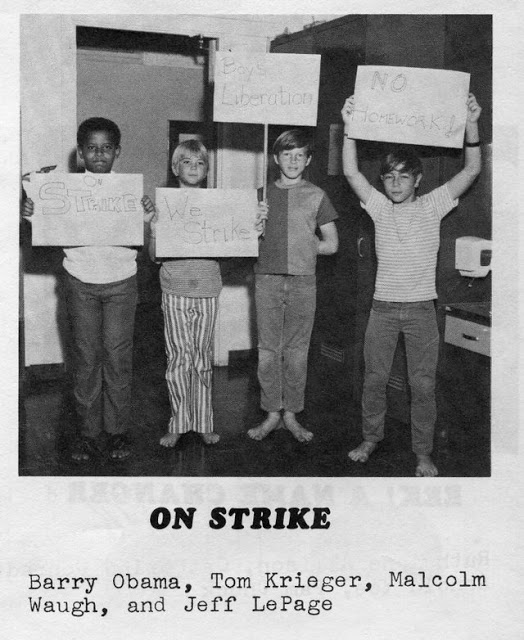
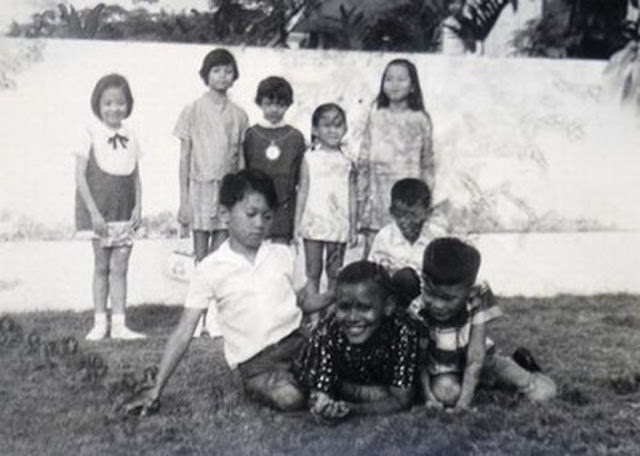
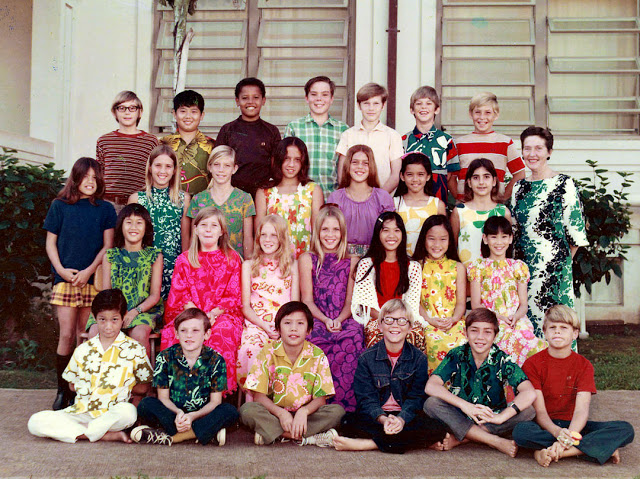
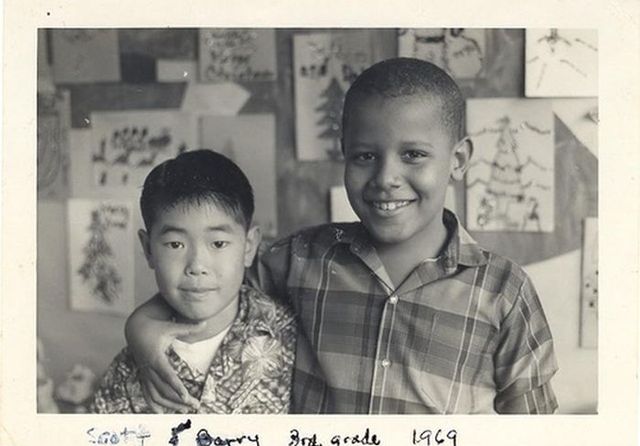
Barack Obama as an infant, 1961.Barack Obama as a toddler, 1962.Little Obama is seen playing in the ocean as a child.Barack Obama is seen as a child with his maternal grandfather Stanley Dunham in Hawaii in an undated family snapshot from the 1960s.Barack walks along Waikiki Beach shortly before he and his mother moved from Hawaii to Indonesia to live with her second husband, Lolo Soetoro, in 1967.Barack Obama on Waikiki beach before his mother married Lolo Soetoro and moved with Barack and her new husband to Indonesia. Here, he’s in a lifeguard stand next to the famous pink Waikiki hotel, The Royal Hawaiian.A young Barack Obama is shown with his mother, Ann, in Hawaii shortly after his father, Barack Obama Sr., left the two to pursue his studies at Harvard. Barack’s mother was given the name Stanley Ann Dunham because of her father’s strong desire to have a son.Young Barack Obama, shown in an undated photograph provided by Obama’s half sister, Maya Soetoro-Ng.Barack Obama rides a tricycle during his childhood in Hawaii.In this 1960’s photo provided by the presidential campaign of Sen. Barack Obama, D-Ill., shows the Democratic presidential hopeful, Obama, with his baseball bat in Hawaii.Barack Obama is shown in a yearbook photo from Mrs. Morioko’s sixth-grade class in Hawaii. Obama was listed as “Barry” in the book.Barack Obama at age 6.Barack Obama dressed up as a pirate with his mother in Hawaii, ca. 1960s.Little Barack with his mom and grandmother.Barack Obama in Ms. Sakai’s kindergarten class at Noelani Elementary School in 1967.Child Barack Obama on a chair.Barack Obama with his half-sister Maya and her nanny, circa autumn 1970.Barack Obama with his mother, his adoptive father, and his half-sister Maya, circa 1971.This picture shows the only time that the future president met his father, Barack Obama Sr, after his parents’ separation. The picture was taken at Christmas time in a Hawaii airport in 1971.Obama, as a boy, with his parents Ann Dunham and Barack Obama, Sr.Barack Obama with the family of his adoptive father, Lolo Soetoro. The elderly lady is Lolo’s motherStanley Dunham, Stanley Ann, Maya and Barack Obama in Hawaii in the early 1970s.Barack Obama with his adoptive father, Lolo Soetoro, his mother and his half-sister Maya Soetoro, circa late summer/early autumn 1970, taken in Indonesia.Barack Obama at a Punahou school event in Hawaii, in 1972.Barack Obama, back row, second from left, shown in a seventh-grade yearbook photo from the 1973-74 school year.Obama was “On Strike” during Mrs. Hefty’s fifth-grade class during the 1971-72 school year.Barack Obama, in chair, pictured as a member of the “Pencil Chewer’s Convention” in Mrs. Morioko’s sixth-grade class at the Punahou School in the 1972-73 school year.Barack Obama, then known as Barry Soetoro, is pictured at a classmate’s birthday party in Jakarta, Indonesia in 1971.Obama at a classmate’s birthday party in Jakarta in 1971.This 1972 photo provided by Na Opio, the yearbook of Punahou School, shows Barack Obama, in the back row, third from left, posing with his fifth-grade class and teacher Mabel Hefty at the Punahou campus. Obama named Hefty his favorite teacher for her power to make “every single child feel special.” 1972Barack Obama with his friend Scott Inoue. This photo was said to be taken in December 1969, at Noelani Elementary School in Hawaii, when little Barry was supposed to be in school in Indonesia.Barack Obama with his mother, half-sister, and grandfather, taken in Hawaii, circa 1972.
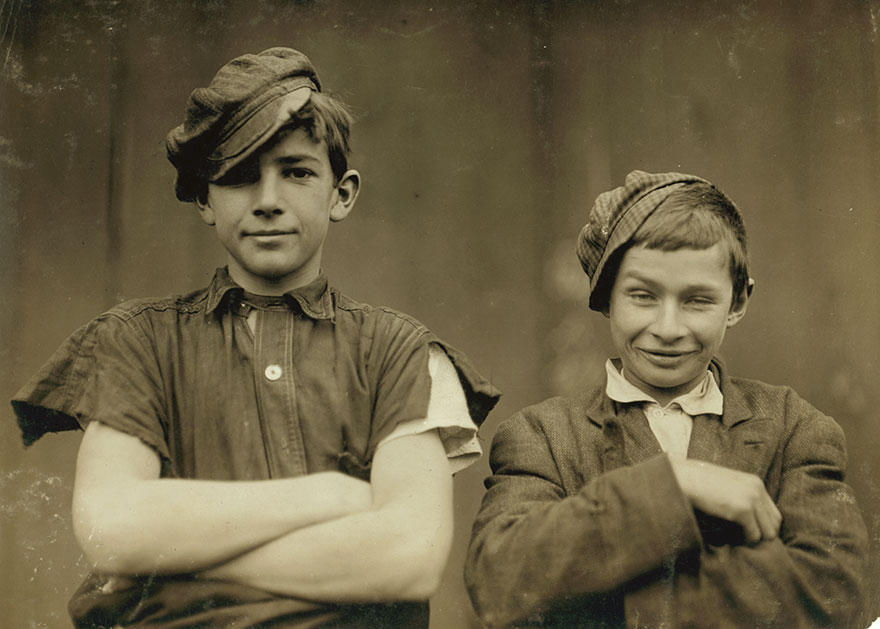
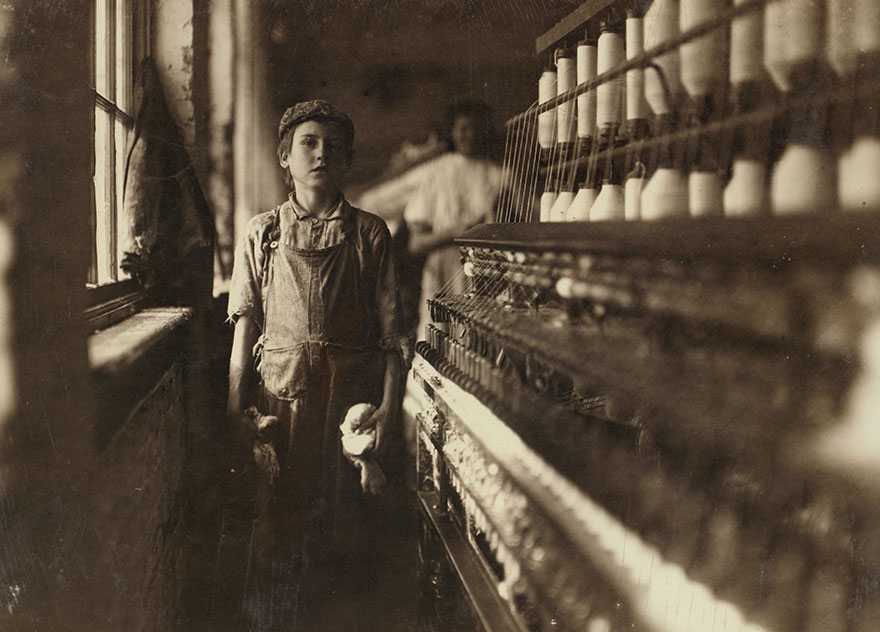
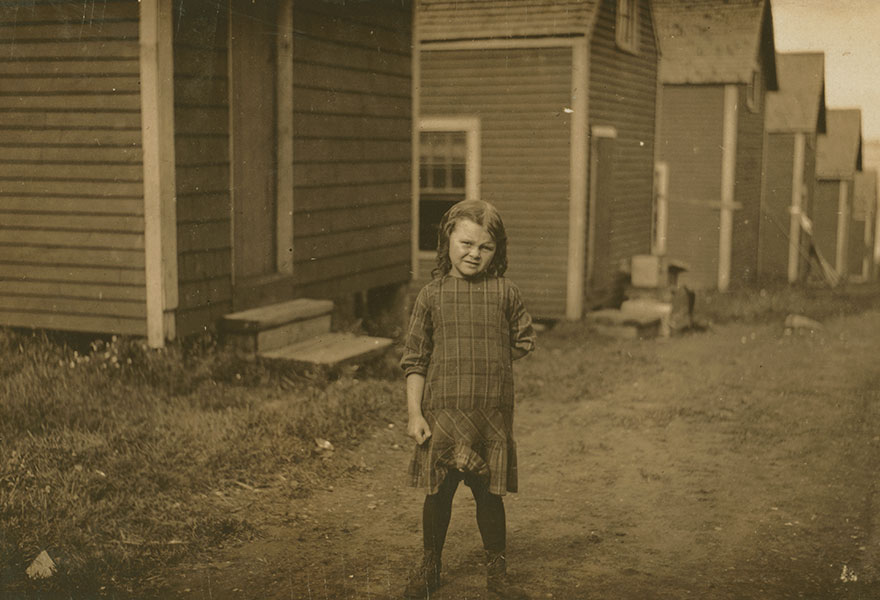
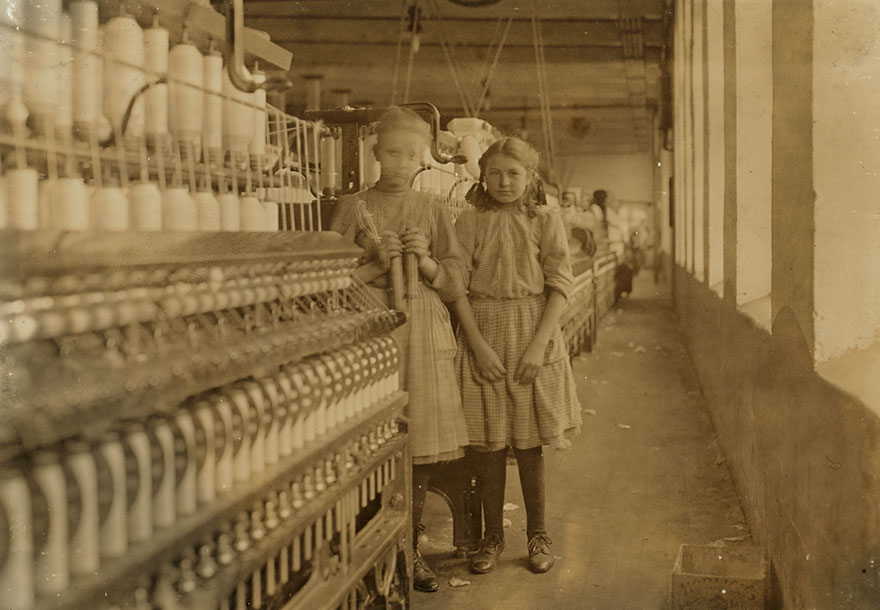
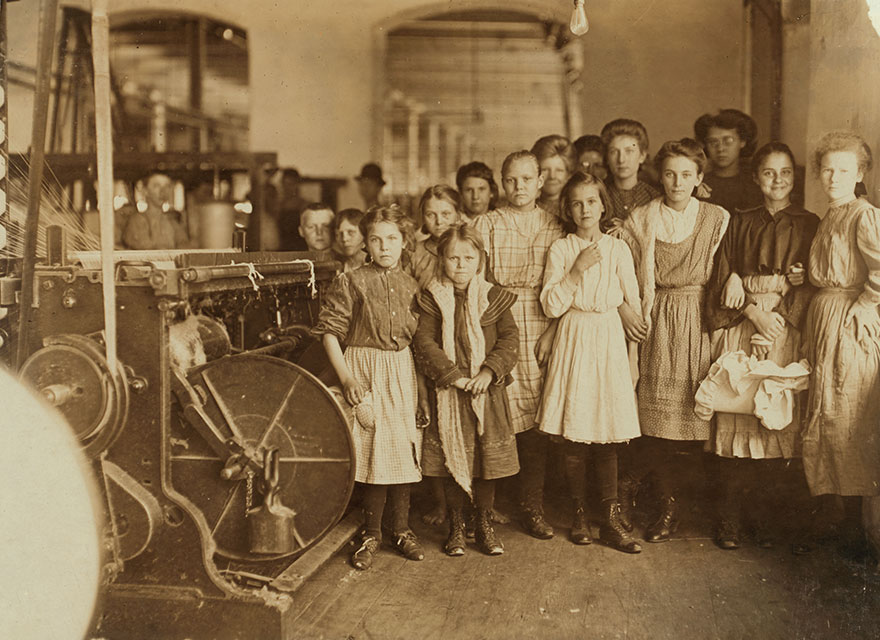
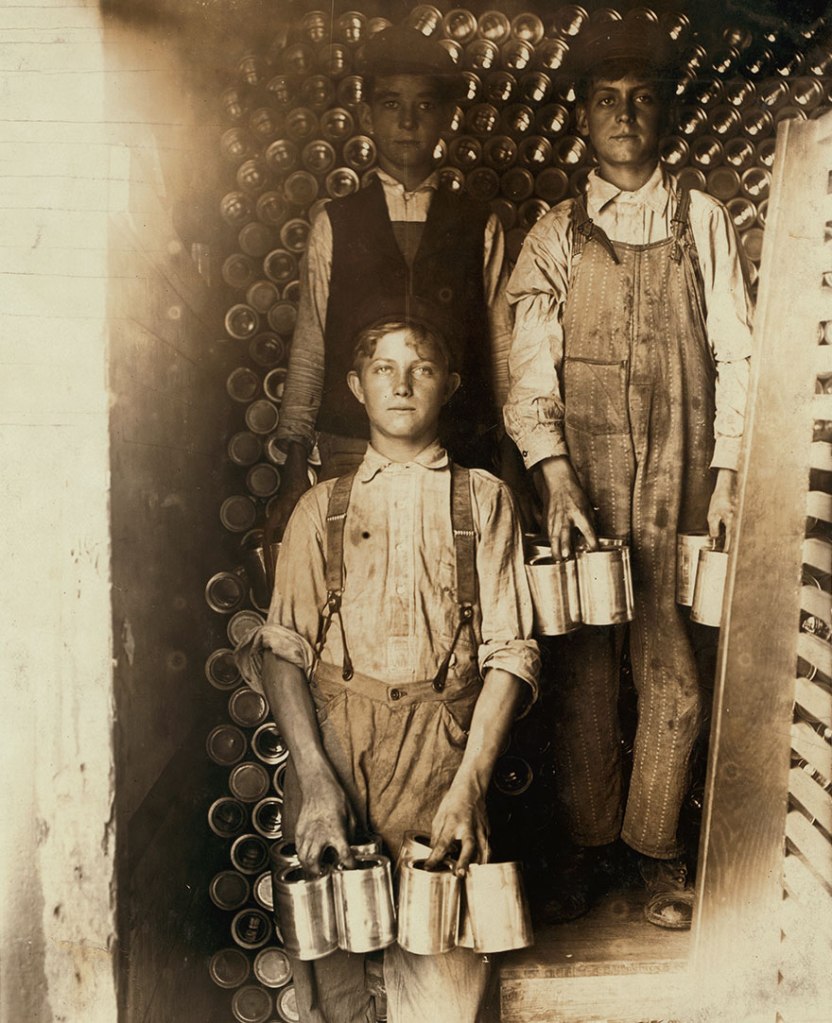
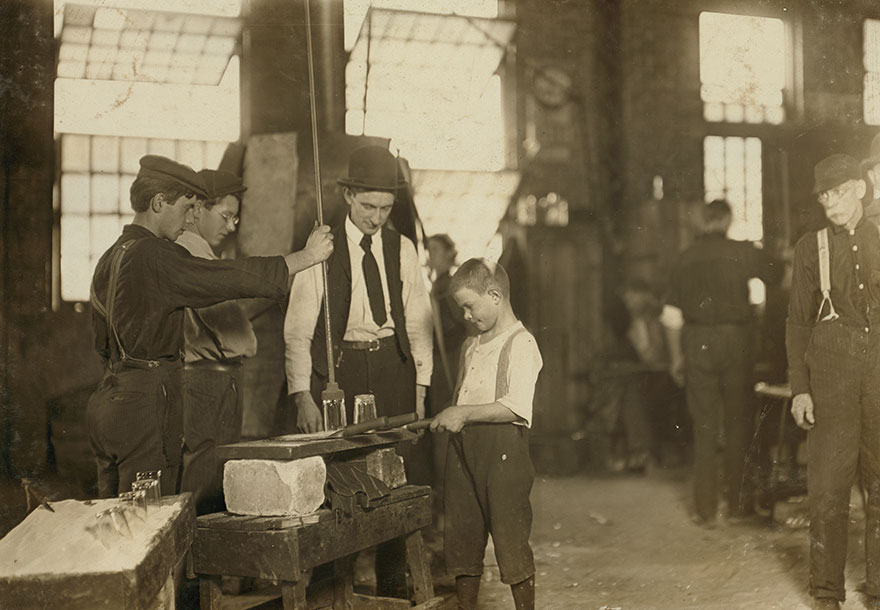
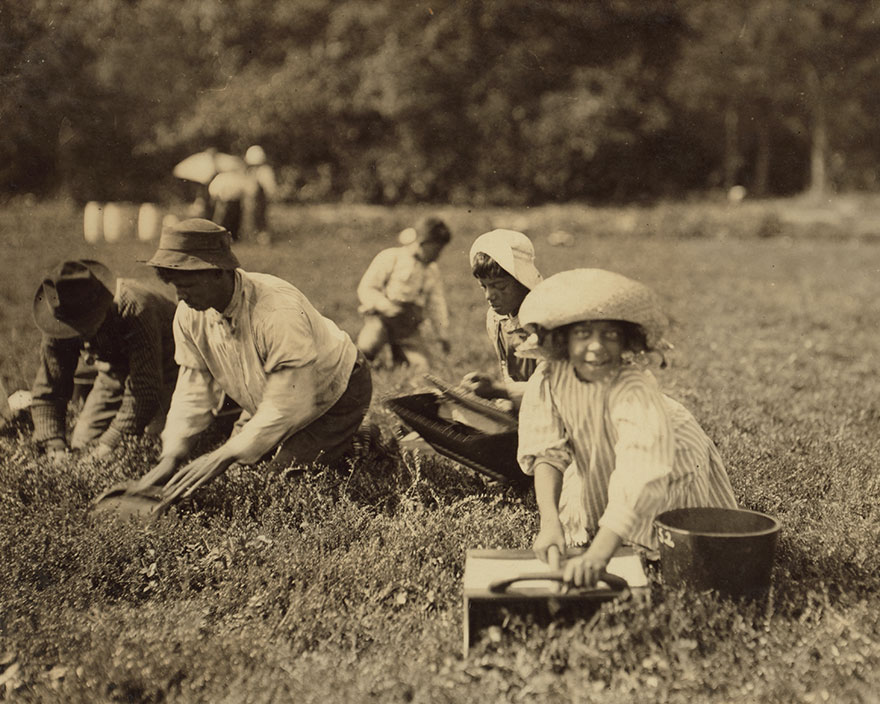
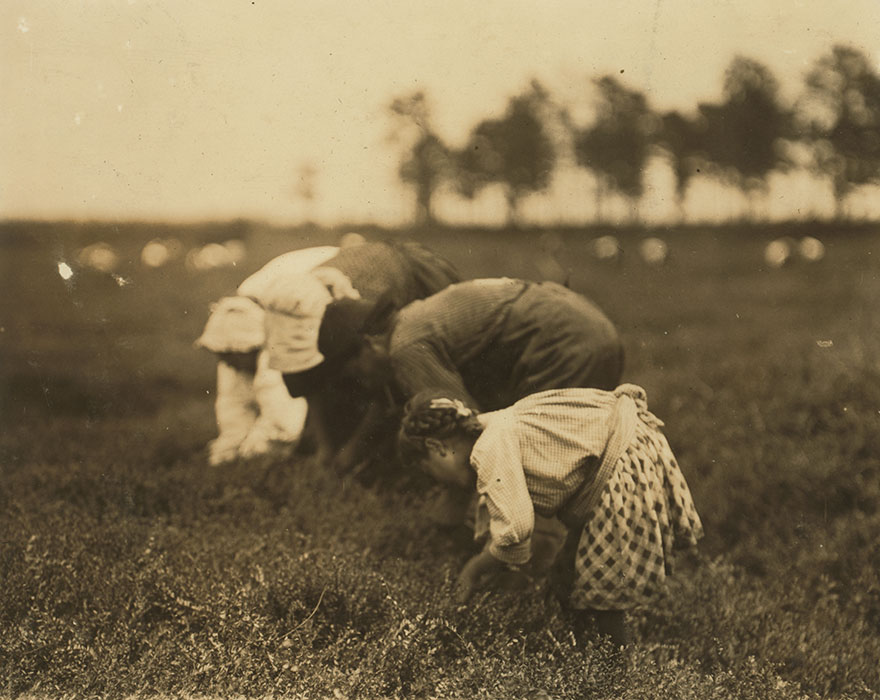
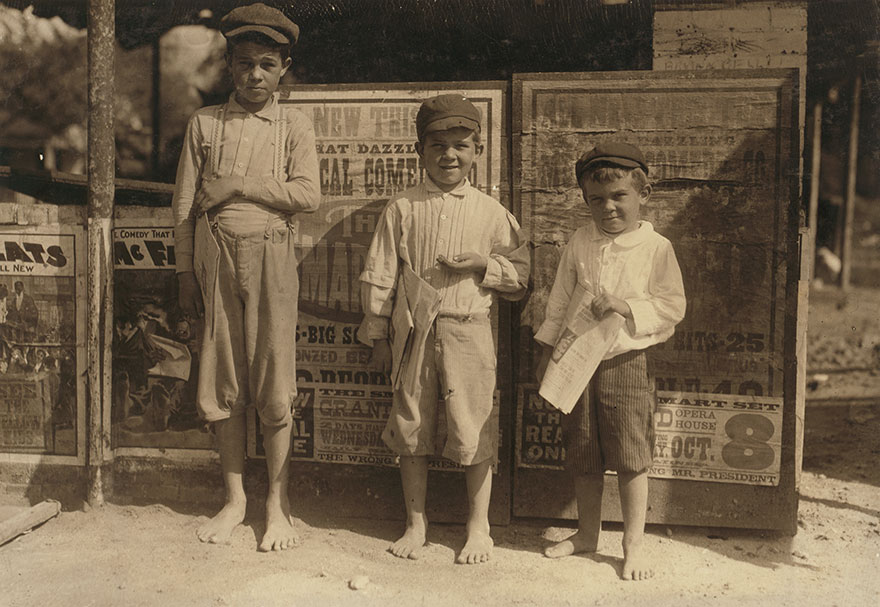
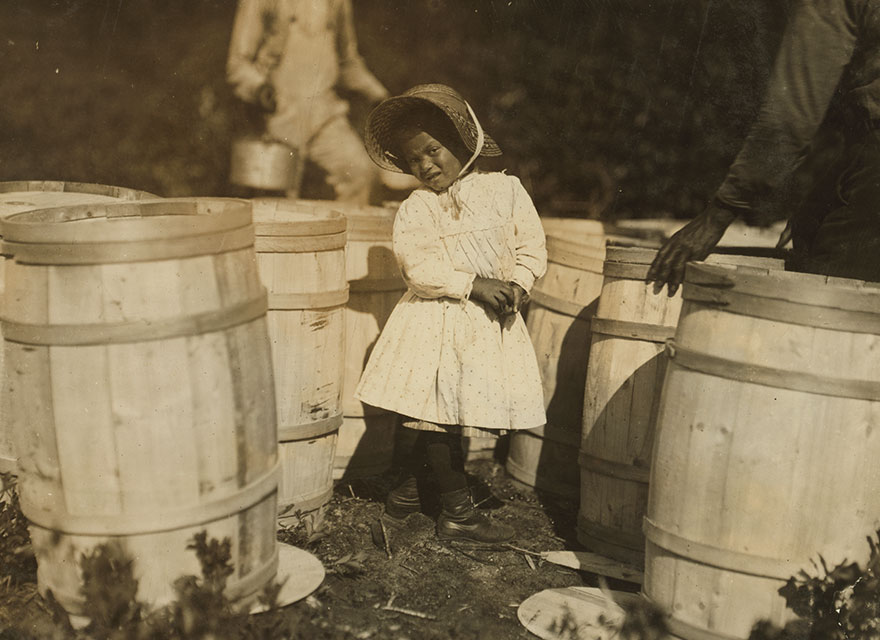
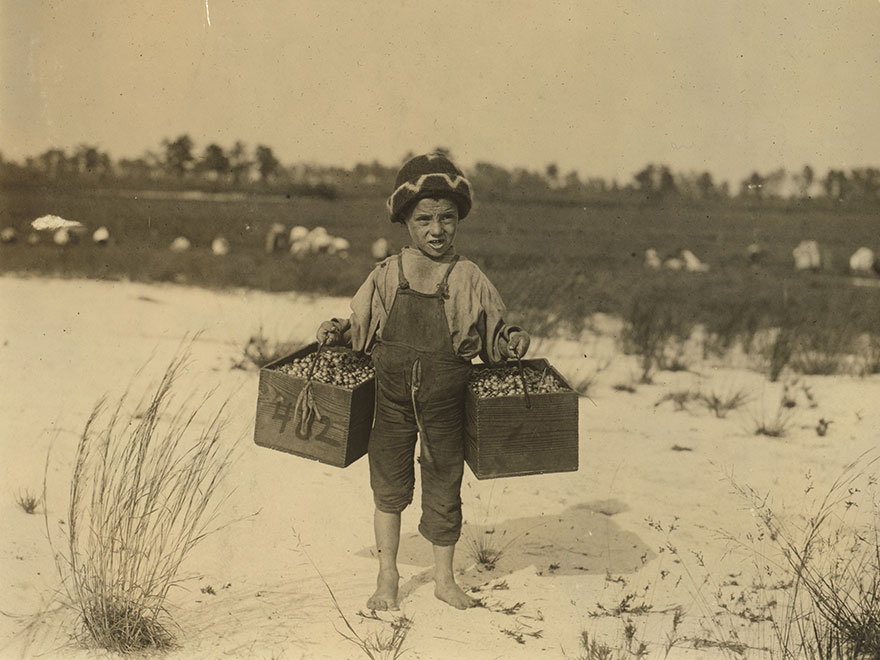
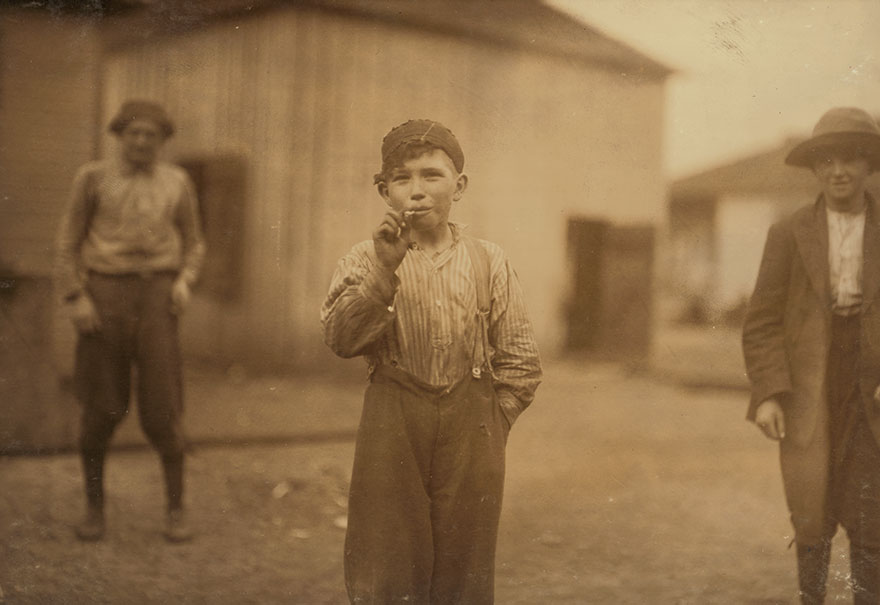
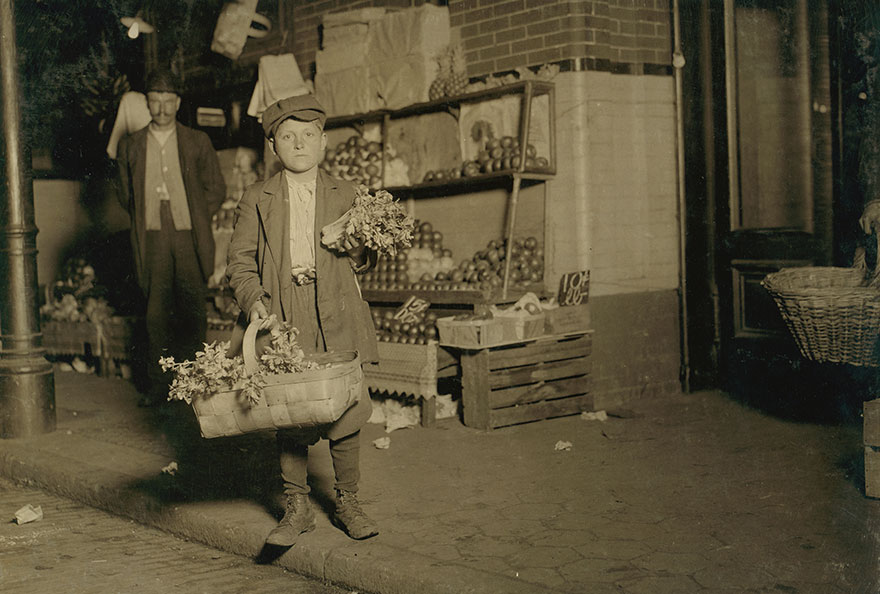
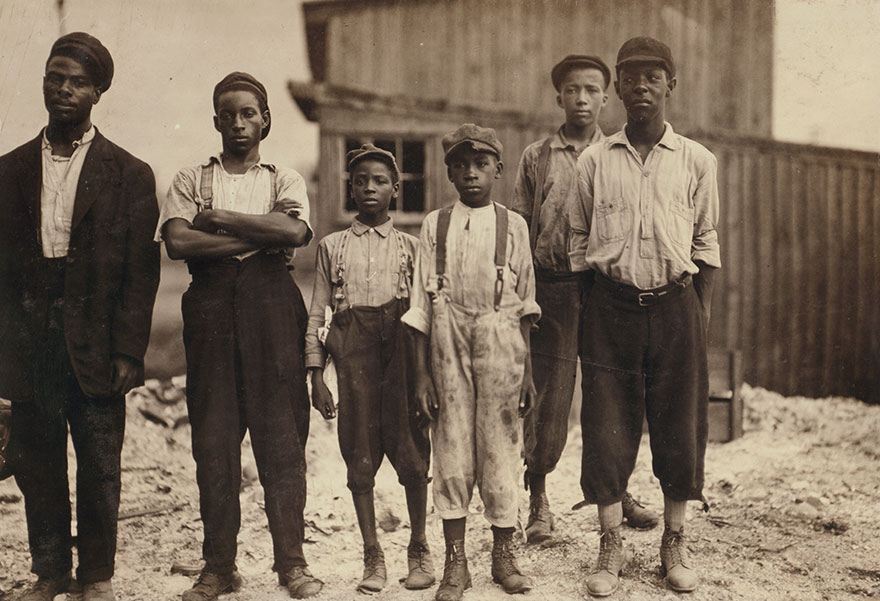
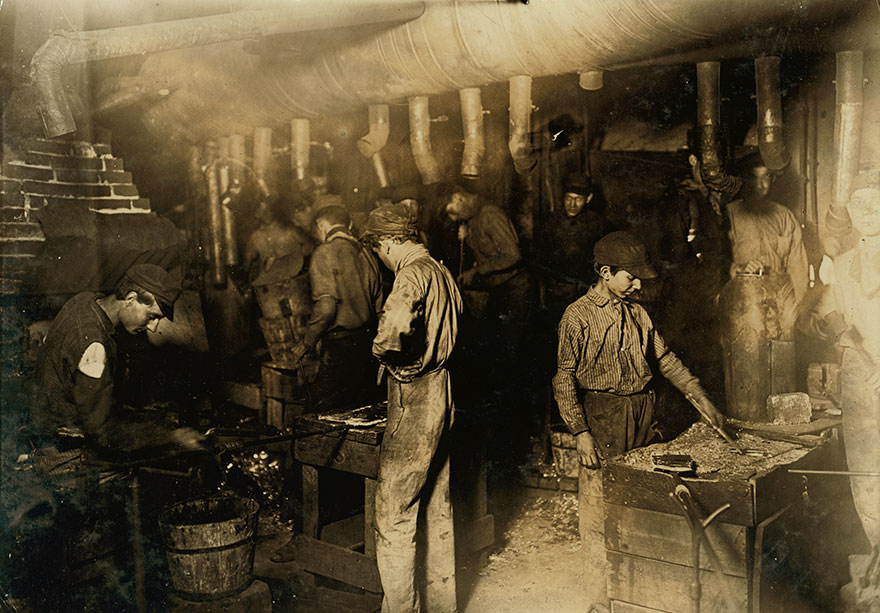
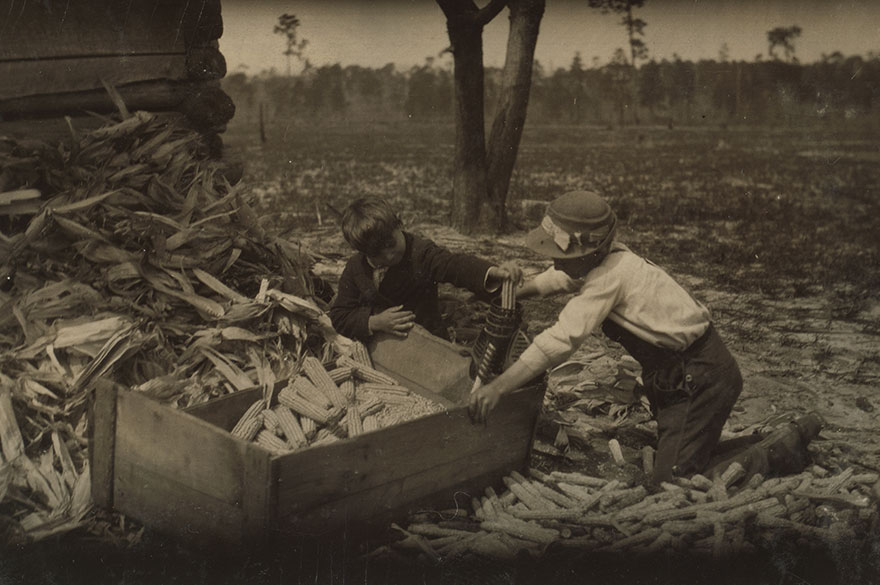
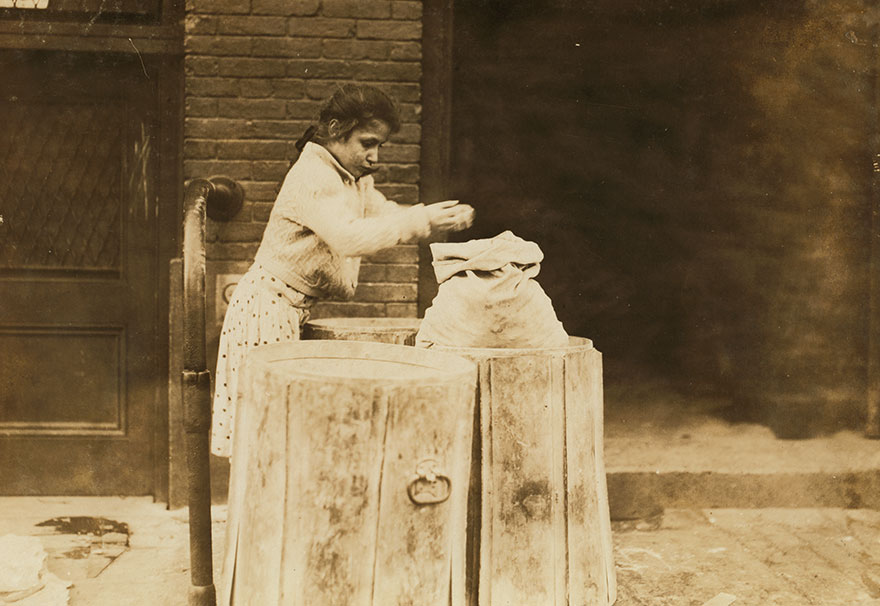
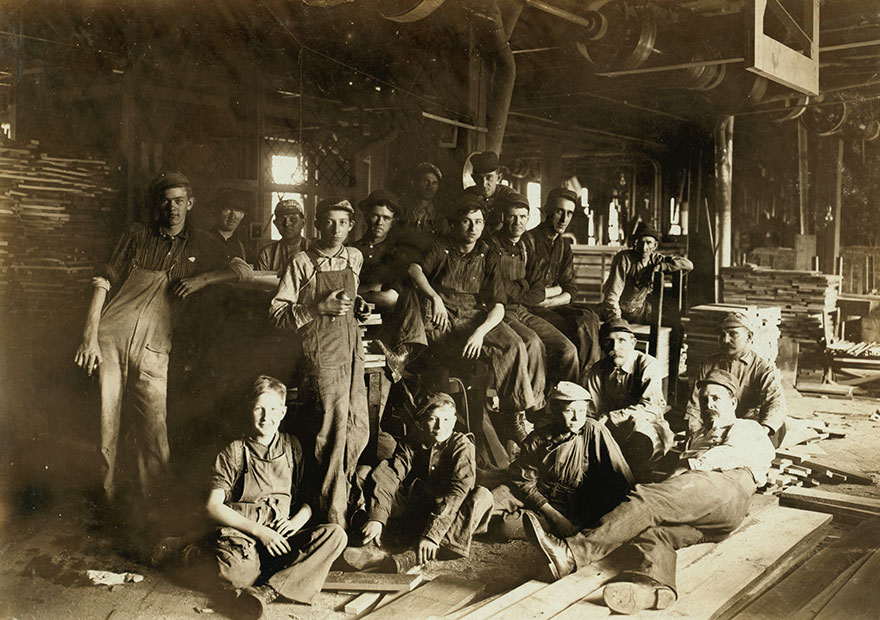
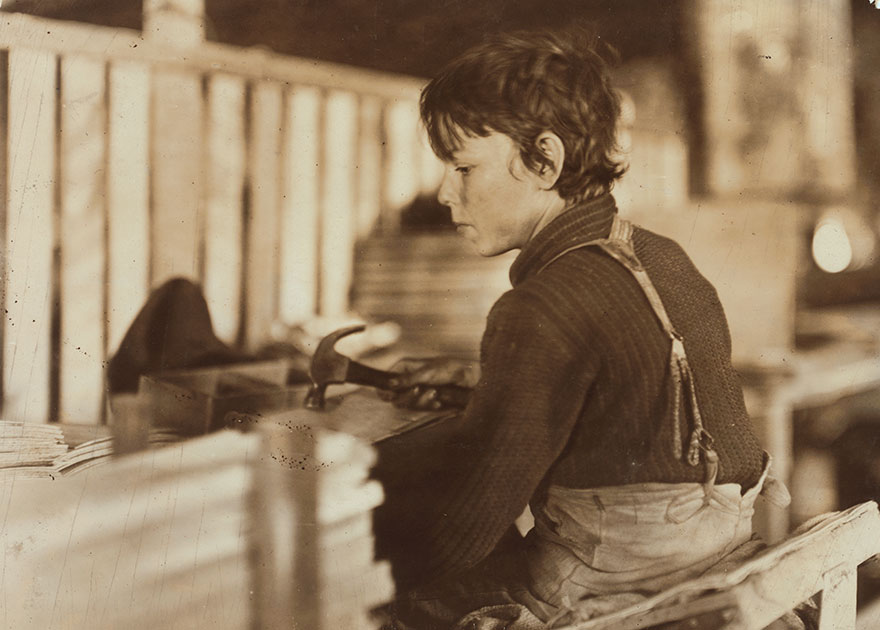
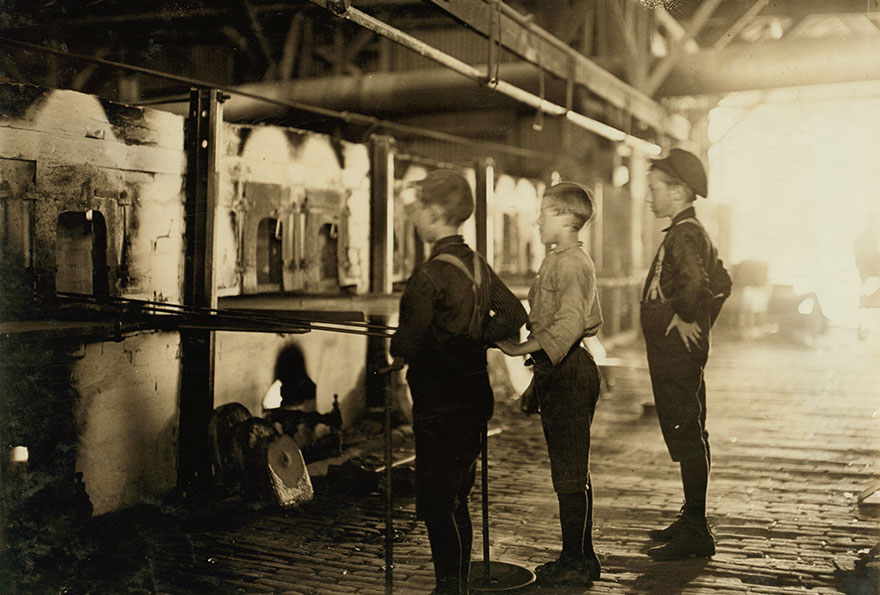
In 1908 Lewis Hine picked up his camera and became the photographer for the National Child Labor Committee. It was a start of a long decade, as Lewis traveled across the country, documenting child labor, getting constant threats from factory owners as the immorality of child labor was supposed to be kept away from the public’s eye. However, Hine persisted, adopting many different disguises (such as a fire inspector or a bible salesman) to snap pictures and interview the children working at factories or in the streets.
Lewis Hine used his camera as a tool for social commentary and reform, focusing on the dangerous and appalling conditions that the children had to work in. Risking his own safety, Hine snapped thousands of photographs with one goal – to end child labor. And of course, spreading the photographs, in the form of pamphlets, newspapers, and magazines paid off as the federal government eventually had to put out stricter labor laws.
Two Of The Boys On Night Shift At The More-Jonas Glass Co., Bridgeton, New JerseyFruit Vendors, Indianapolis Market, Aug., 1908. Wit., E. N. Clopper. Indianapolis, IndianaA Young Doffer Working In Central Mills. Sylacauga, AlabamaElsie Shaw, A 6 Year Old Cartoner During The Summer. Eastport, MaineIsrael April, 9 Yr. Old Newsboy, Washington, D.C.Spinners In Melville Mfg. Co., Cherryville, North CarolinaThe “Carrying-In Boys,” Midnight At An Indiana Glass Works. IndianaNoon Hour In An Indianapolis Furniture Factory. Aug., 1908. Indianapolis, IndianaMessenger Boy Working For Mackay Telegraph Company. Said Fifteen Years Old. Waco, TexasNewberry Mills, South Carolina, Noon Hour. All Are Working Here. Witness, Sara R. Hine.Lillian Dambrinio, An Eleven-Year-Old Shrimp Picker In Peerless Oyster Co. Bay St. Louis, MississippiBoys Working In A Cannery, Indianapolis, Unloading Freight Cars Full Of New Tomato Cans.A Little “Shaver,” Indianapolis Newsboy, 41 Inches High. Said He Was 6 Years Old. Aug., 1908.Postal Telegraph Messengers, Indianapolis, (Indiana Has No Age Limit For Mes’grs.)Carrying-In Boy At The Lehr, Glass Works, Grafton, W. Va. Has Worked For Several Years. Works Nine Hours. Day Shift One Week, Night Shift Next Week. Gets $1.25 Per Day. Location: Grafton, West Virginia“Teaching The Young.” The Boss (Who Began At 10 Years Of Age, And Has Been At It For 30 Years) Showing A Beginner (Who Is Apparently 9 Or 10) Morgantown, West VirginiaTwo Little Pickers. Manuel Alvez – 12 Years, Marion Alvez, 8 Years. She Picks 19 Measures. He Picks 10 Measures. Location: Falmouth – Baker Bog, MassachusettsFruit Peddlers. Boston 1915 Exhibit. Boston, MassachusettsOldest Girl, Minnie Carpenter. Makes Fifty Cents A Day Of 10 Hours. Gastonia, North CarolinaTenjeta Calone, Philadelphia, 10 Years Old. Been Picking Cranberries 4 Years. Browns Mills, New JerseyBoys Going To Work, Merrimac Mills, Noon-Hour. Huntsville, AlabamaHyman Lapcoff, A Ten Year Old Newsie, Washington, D.C.San Antonio, Texas NewsboysMary Christmas, Nearly 4 Years Old. Picks Cranberries Sometimes. She Is Now Picking Up Berries Spilled At The Barrels By Grandfather. Falmouth, MassachusettsSalvin Nocito, 5 Years Old, Carries 2 Pecks Of Cranberries For Long Distance To The “Bushel-Man.” Browns Mills, New JerseyDave, A Young “Pusher” At Bessie Mine, Alabama.John Tidwell, Doffer In Avondale Mills. Birmingham, AlabamaGirls Working On Ice Wagon. New York10:30 P.m. At Center Market. 11 Yr. Old Celery Vendor Gus Strateges. He Sold Until 11 P.m. And Was Out Again Sunday Morning Selling Papers. Washington D.C.Young Doffers In Mollahan Mills, Newberry, South Carolina, Dec. 3, 1908.In The Alexandria Glass Factories, Negroes Work Side By Side With The White Workers. Alexandria, VirginiaAn Indianapolis, Indiana, NewsieGirls Running Warping Machines In Loray Mill, Gastonia, North CarolinaGlass Works, Night Scene. IndianaA.D.T. Messenger Boy, Indianapolis, Indiana, 10 P.m.S.D. Ison And Family. Father Works Some. Both Boys On Right Of Photo Have Been In Washington Cotton Mills, Fries, Va., For Four Years.Children Thrashing Corn During School Hours On A Farm Near Dublin, Georgia. Many Such Light Occupations Fall To The Lot Of The Georgia Child.Helper On A Dairy Wagon. Bowling Green, KentuckyYoung Boy On Warping Machine Elk Cotton Mills. Fayetteville, TennesseePicking Over Ash Barrels. Boston, Mass., Oct. 1909. Boston, MassachusettsA Midnight Scene In A N.j. Glass Works. Bridgeton, New Jersey, 1909Small Boys Work At And Around These Machines Some Of Which Are Dangerous. Baltimore, MarylandA Typical Fisher Boy At “T” Wharf. Boston, MassachusettsNoon Hour In A Furniture Factory, Indianapolis, Aug., 1908.Boy Making Melon Baskets, A Basket Factory, Evansville, IndianaBoys At Lehr, Economy Glass Works. Morgantown, West VirginiaVendor In Boston Market. Boston, Massachusetts8 P.m. Harry Laudeman, 13 Years Old. Has Sold Papers For 7 Years. Brother, Morris, 7 Years Old 46 Inches High. Hartford, Connecticut