The Johnstown Flood – 27 Vintage Photos of the Great Flood of 1889 Which Killed Over 2,000 People in Minutes

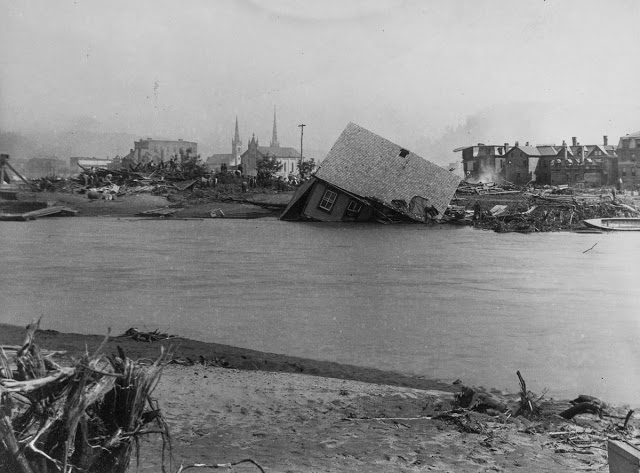
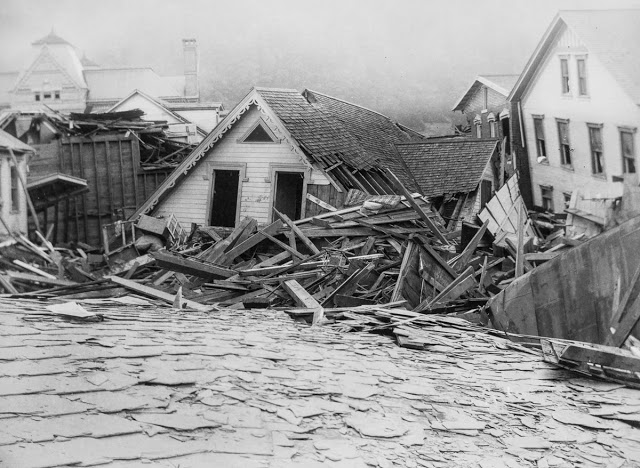
In a river valley in central Pennsylvania, heavy rain and a neglected dam lead to a catastrophe in which 2,209 people die and a prosperous city, Johnstown, is nearly wiped off the face of the earth.

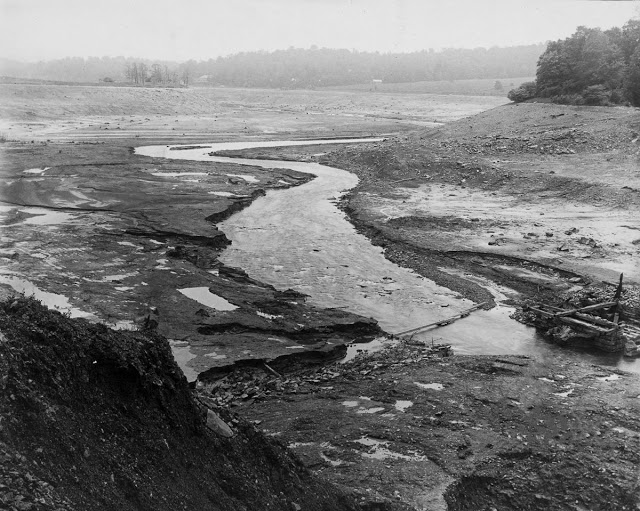
Johnstown, located at the confluence of the Little Conemaugh River and Stony Creek, was 14 miles downstream from Lake Conemaugh, a reservoir turned recreational lake that was owned and maintained by the prestigious South Fork Fishing and Hunting Club. The sporting club, which catered to a wealthy clientele from nearby Pittsburgh, included Andrew Carnegie and Henry Clay Frick on its membership rolls. Lake Conemaugh was held back by the South Fork Dam, a large earth-fill dam that was completed by the club in 1881. By 1889, the dam was in dire need of repairs.

When several days of heavy rain struck the area in late May 1889, club officials struggled to reinforce the neglected dam, which was under tremendous pressure from the swollen waters of Lake Conemaugh. The dam began to disintegrate, and on May 31 the lake’s water level passed over the top of the dam. Realizing that the dam’s collapse was imminent, club officials sent riders down the valley to evacuate area residents. However, flooding was a familiar occurrence in the valley, and few Johnstown residents heeded the riders’ desperate warnings. Most just took the same simple precautions they did when Little Conemaugh River flooded: They moved their belongings to the second story of their homes and settled down to wait out the storm.

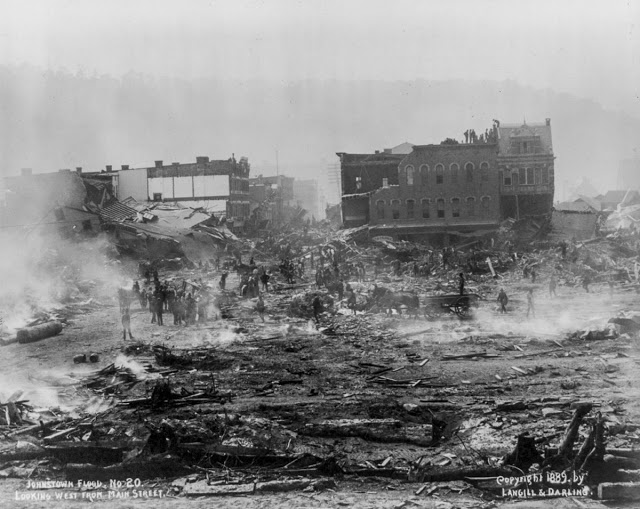
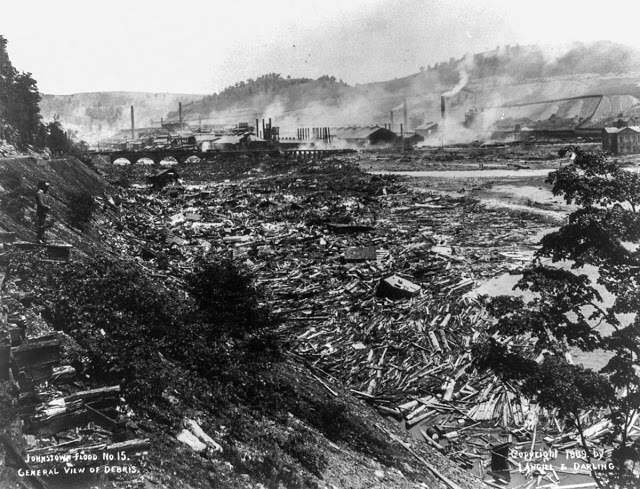
At 3:10 p.m., the South Fork Dam washed away, drowning several laborers who were struggling to maintain it. Club officials on high ground watched awe-struck as 20 million tons of water went roaring down the valley toward Johnstown. The deluge swept through the communities of South Fork, Mineral Point, Woodvale, and East Conemaugh, accumulating debris, including rocks, trees, houses, barns, railroad cars, animals, and people, both dead and alive. By the time it reached Johnstown, at 4:07 p.m., the flood appeared as a rolling hill of debris more than 30 feet high and nearly half a mile wide. In a terrible swoop, the northern half of the city was swept away, sending some 1,500 demolished Johnstown buildings tumbling down with the roaring torrent.

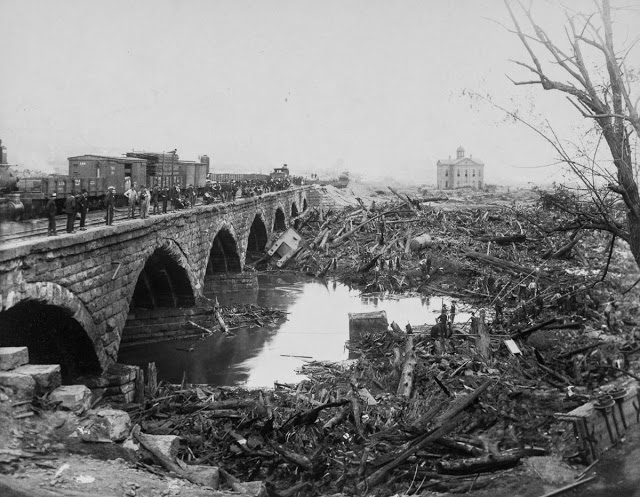
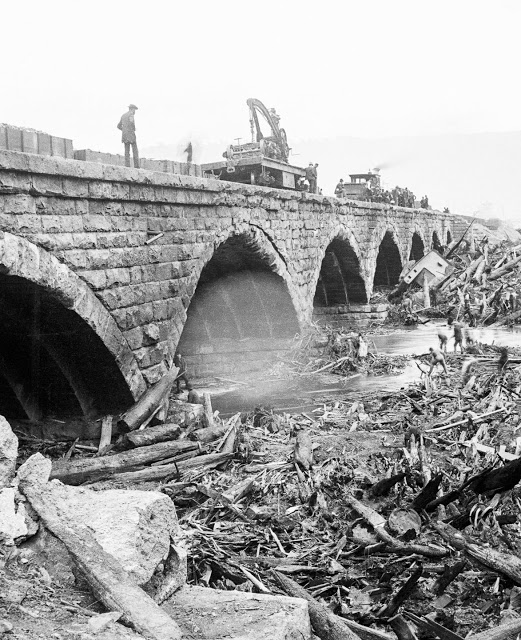
It took 10 minutes for the waters of Lake Conemaugh to pass through Johnstown, and 2,000 people were drowned or crushed in the torrent. A few survivors were washed up along with numerous corpses several miles down the valley. At the old Stone Bridge in Johnstown, debris piled 40 feet high caught fire, and some 80 huddled survivors of the flood perished in the flames. A total of 2,209 died as a result of the disaster.

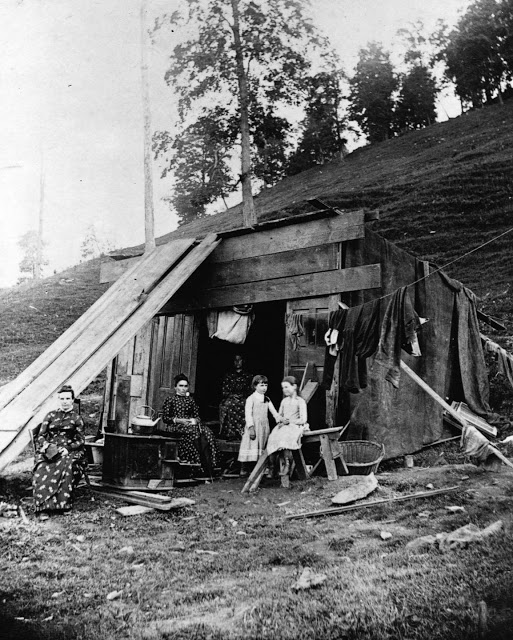
Among the survivors of the calamity, there was a scarcely an individual who had not lost a friend or relative in the Johnstown Flood. Despite the great scale of the tragedy, reconstruction of the devastated community began almost immediately, and Clara Barton and the American Red Cross constructed shelters for homeless residents while well-wishers around the country sent tons of relief supplies. The South Fork Fishing and Hunting Club was widely criticized for its failure to maintain the South Fork Dam, but no successful lawsuits were ever brought against the organization.
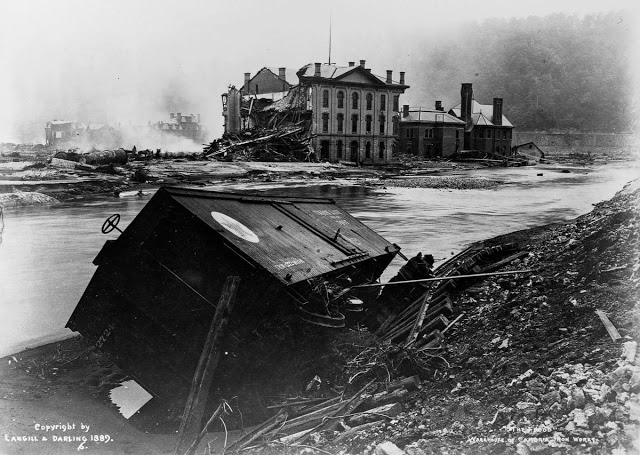
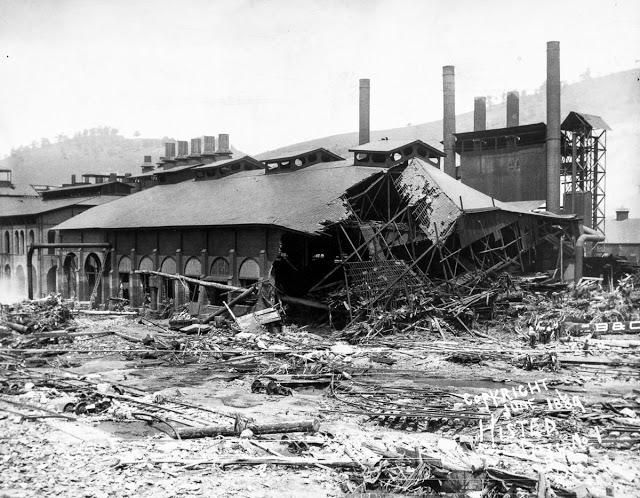
A freight car lies near the damaged Cambria Iron Works warehouse.
Lower Johnstown three days after the flood.
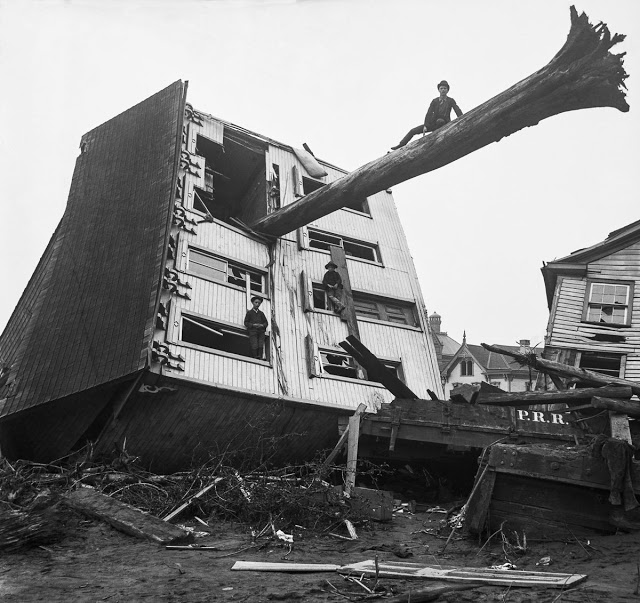
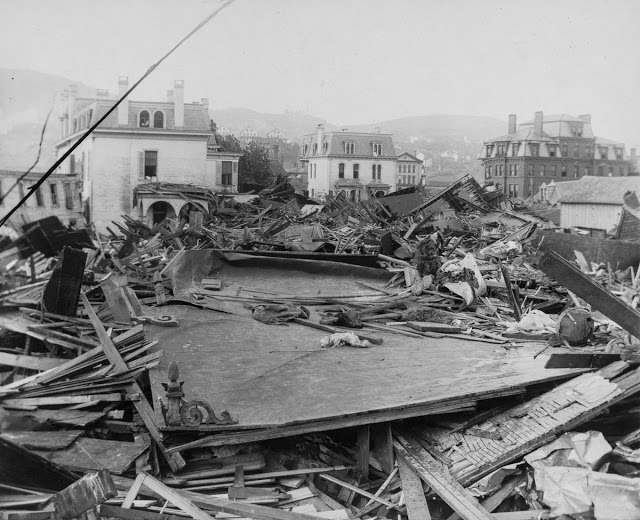
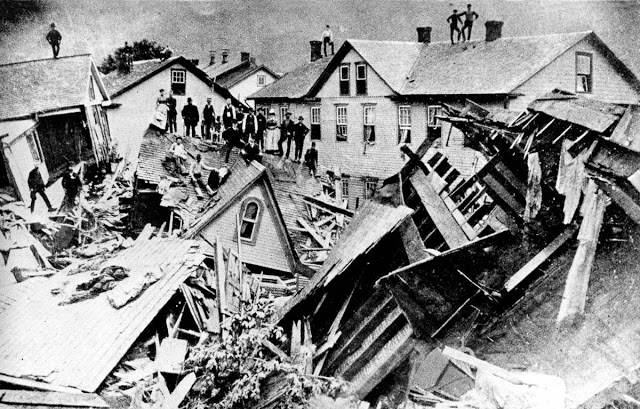
A tree protrudes from a house tossed by the flood.
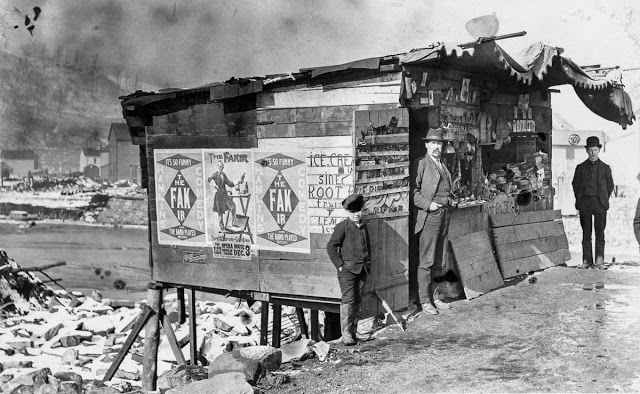
A souvenir stand sells flood memorabilia.
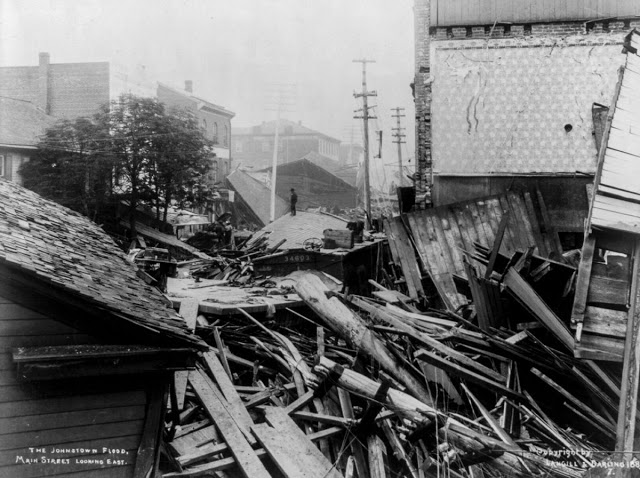
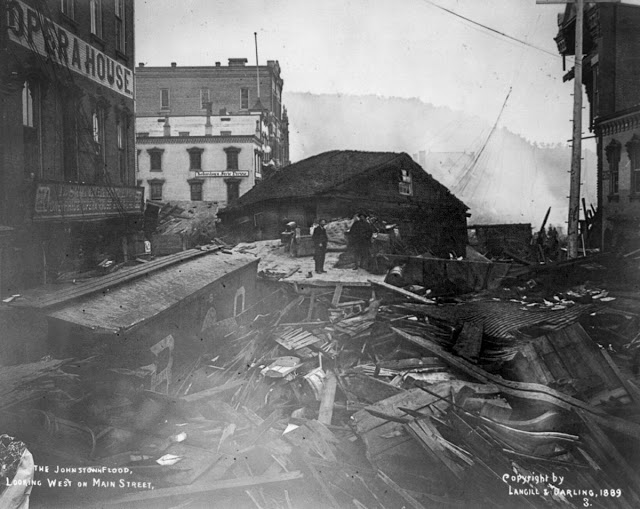
Johnstown’s Main Street is choked with debris.
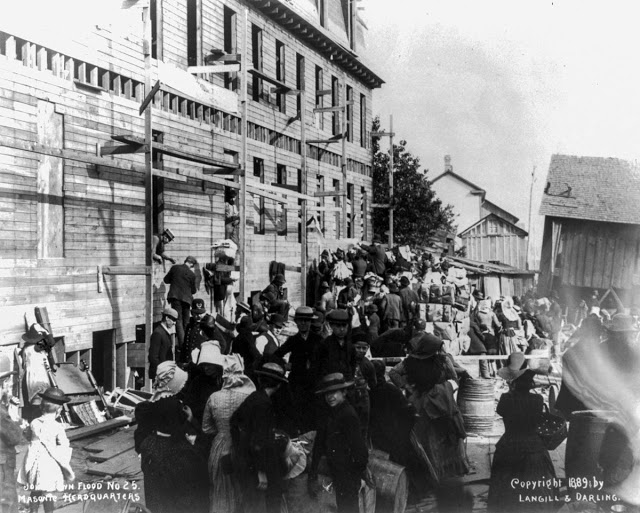
Relief efforts at the Masonic headquarters.
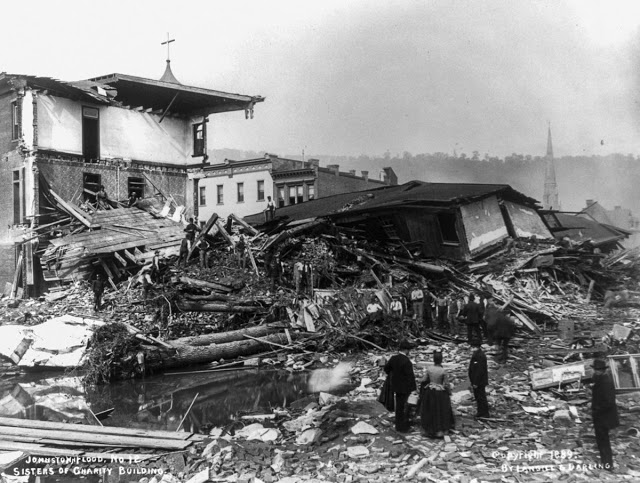
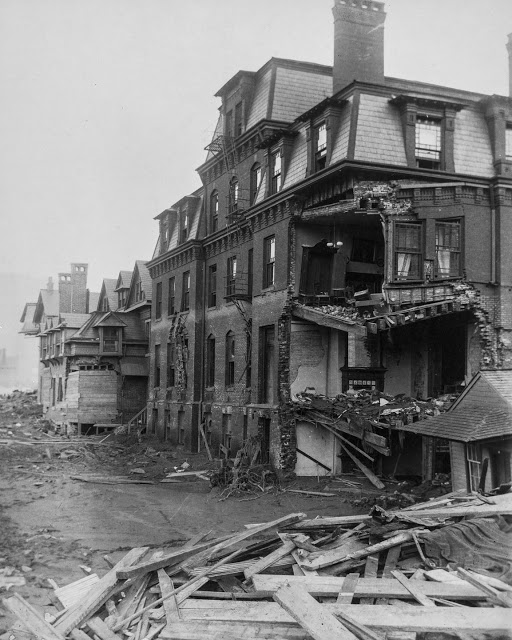
The ruins of the Sisters of Charity building.
The Cambria Iron Works building.
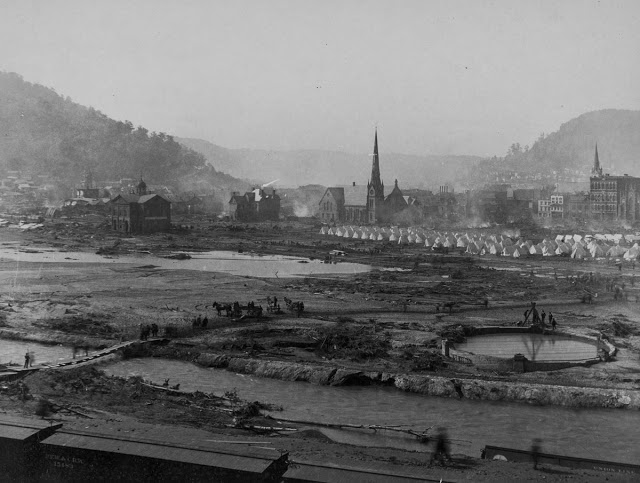
The camp of the relief corps.
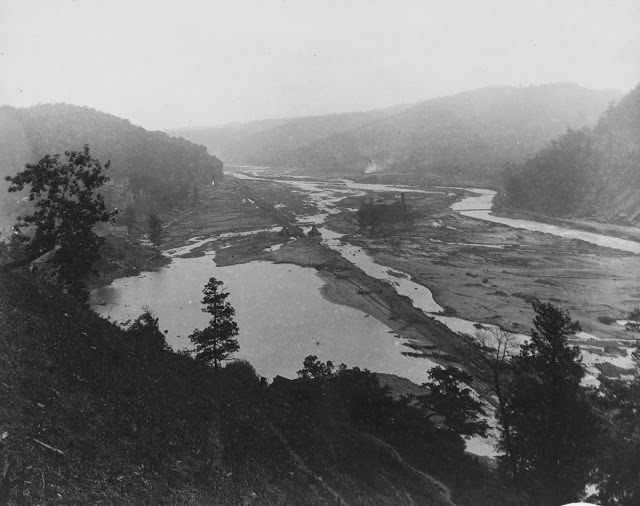
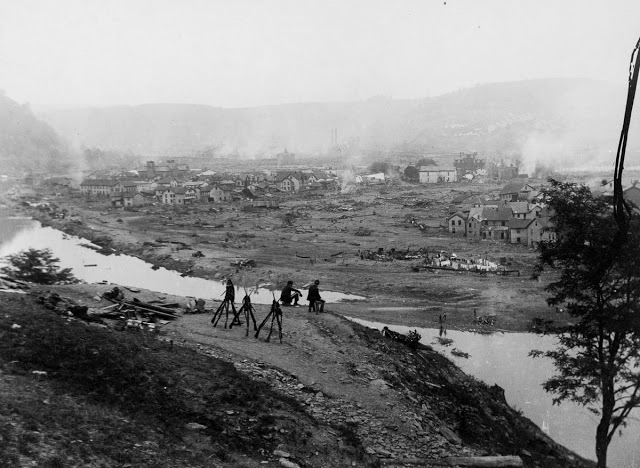
The Conemaugh Valley.
A view from the top of the broken dam.
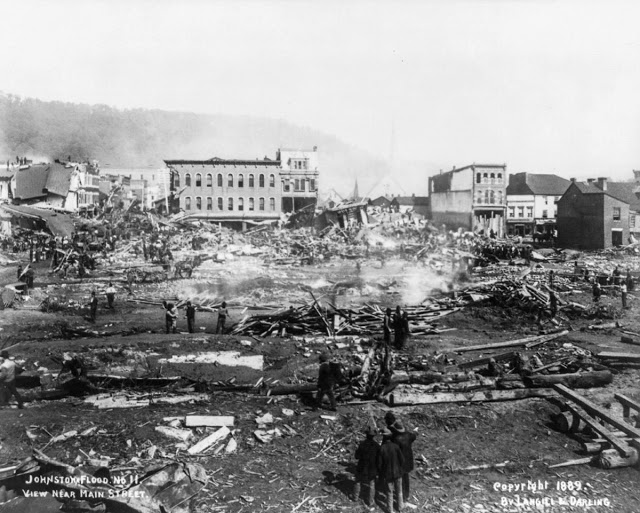
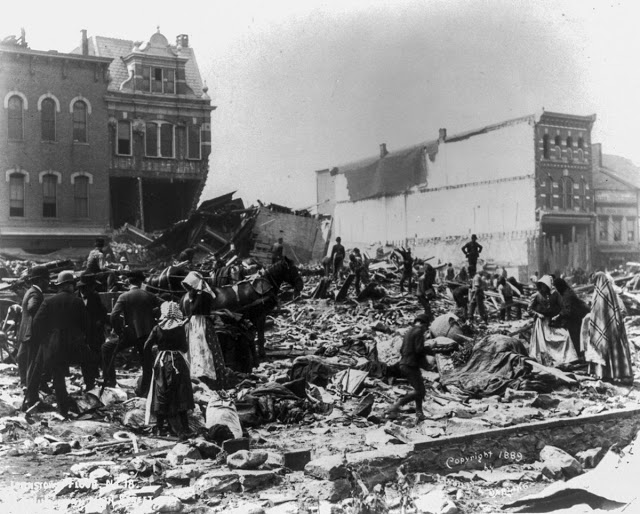
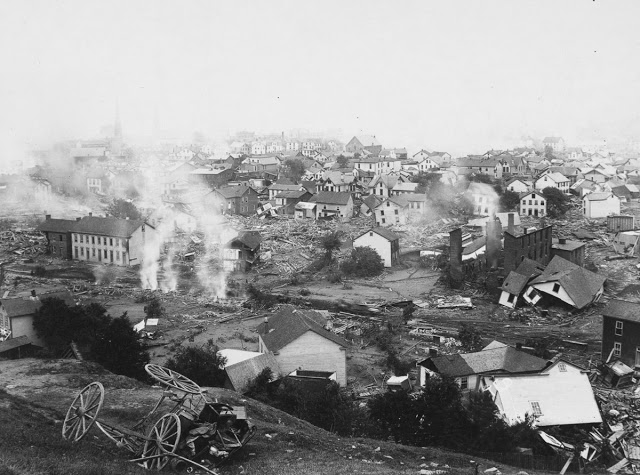
The ruins of Johnstown.
The debris pile at the Stone Bridge.
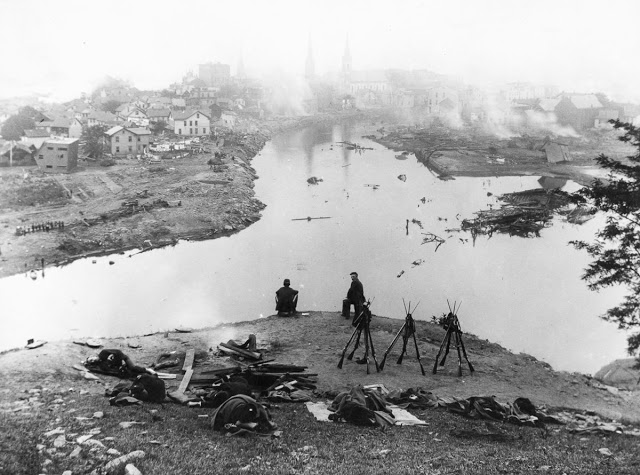
Soldiers look over Johnstown from Kernville Hill.

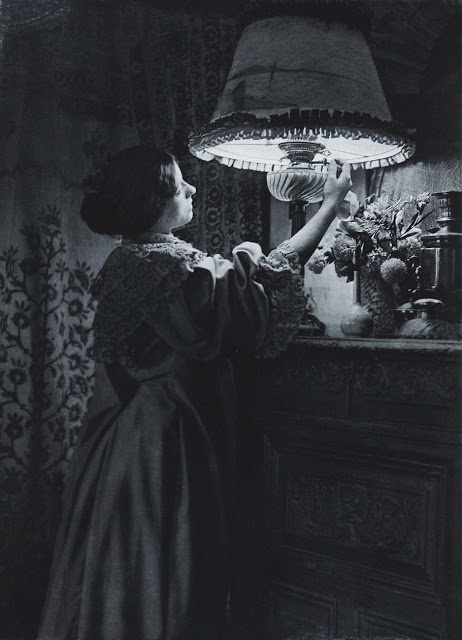
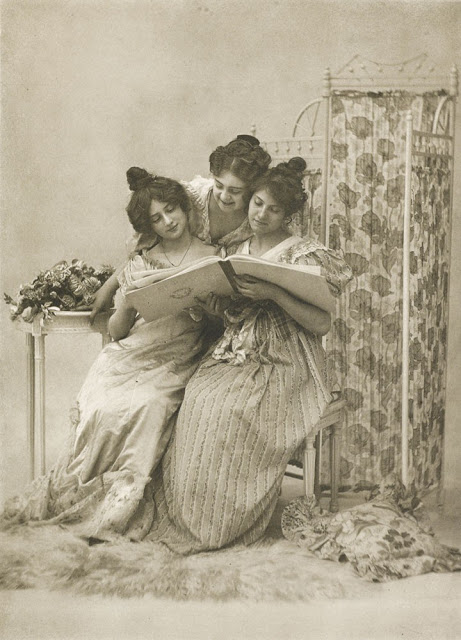
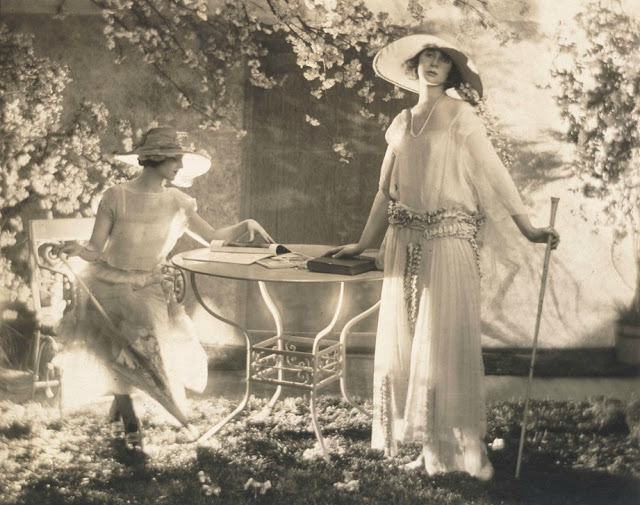
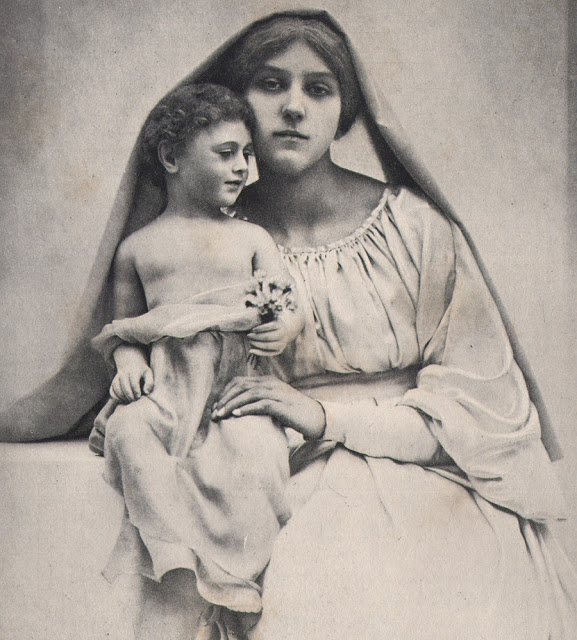
20 Beautiful Portraits of Women During the Later 19th and Early 20th Centuries

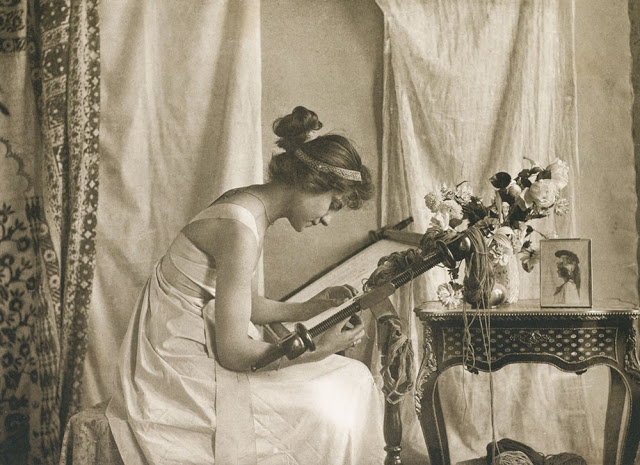
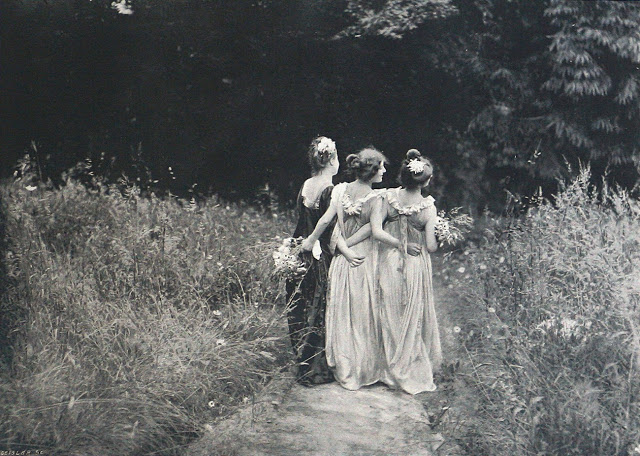
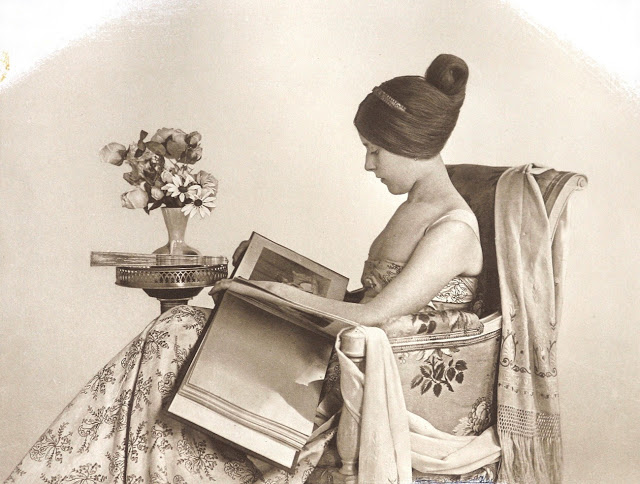
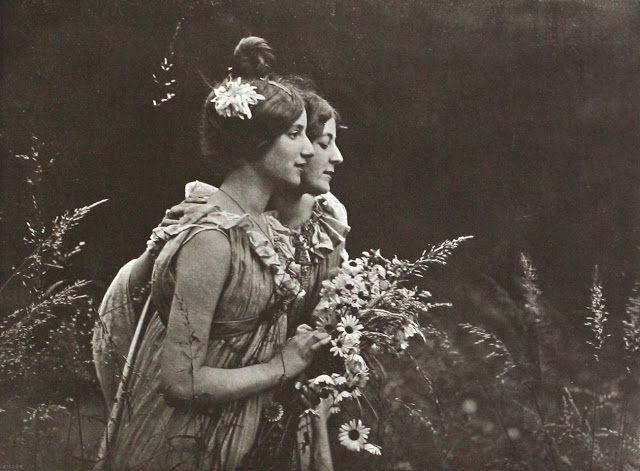
Pictorialism, an approach to photography that emphasizes beauty of subject matter, tonality, and composition rather than the documentation of reality.

The Pictorialist perspective was born in the late 1860s and held sway through the first decade of the 20th century. It approached the camera as a tool that, like the paintbrush and chisel, could be used to make an artistic statement. Thus photographs could have aesthetic value and be linked to the world of art expression.

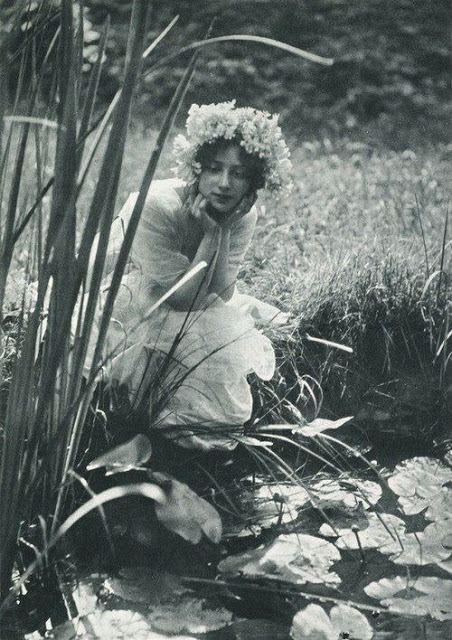
Constant Puyo, 1903
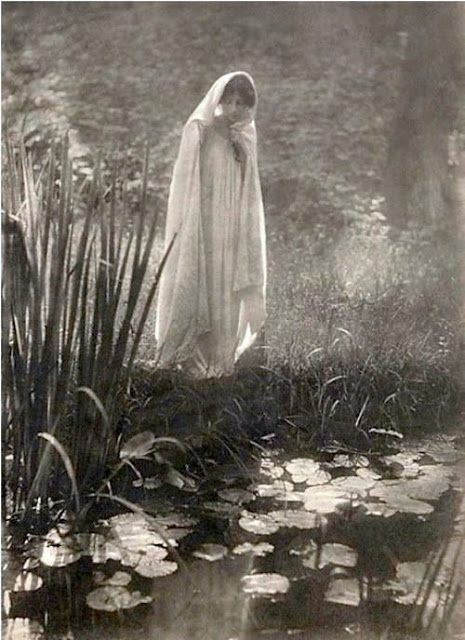
Constant Puyo, Apparition, 1910
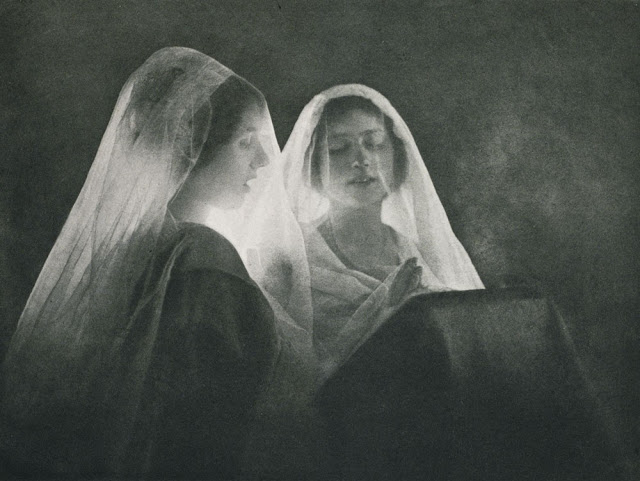
Constant Puyo, 1896
Constant Puyo, 1896
Constant Puyo, 1896
Constant Puyo, 1896
Constant Puyo, 1896
Constant Puyo, 1896
Constant Puyo, 1896
Constant Puyo, 1896
Adolph de Meyer, 1896
Baron Adolph De Meyer – The Cup, 1896
Baron Adolph De Meyer
The Black Bowl by George Seeley, circa 1907
Portrait of Martine McCulloch by Gertrude Käsebier, 1910
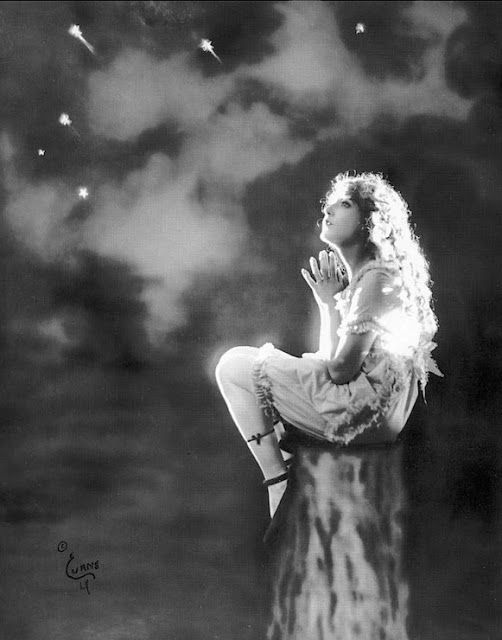
Mary Pickford, 1917 by Nelson Evans
Dolores, Vogue, May 1919 by Adolph de Meyer

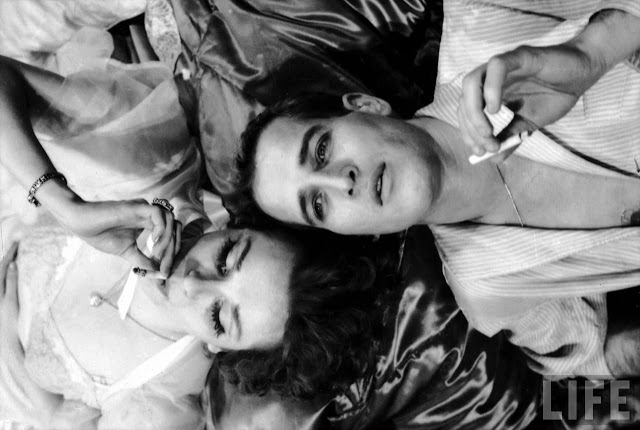
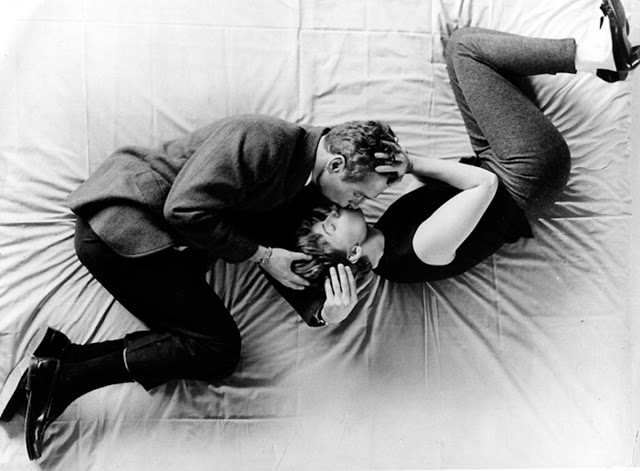
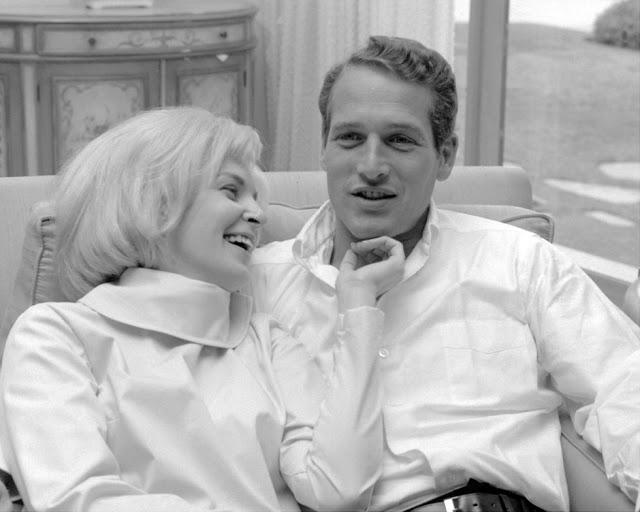
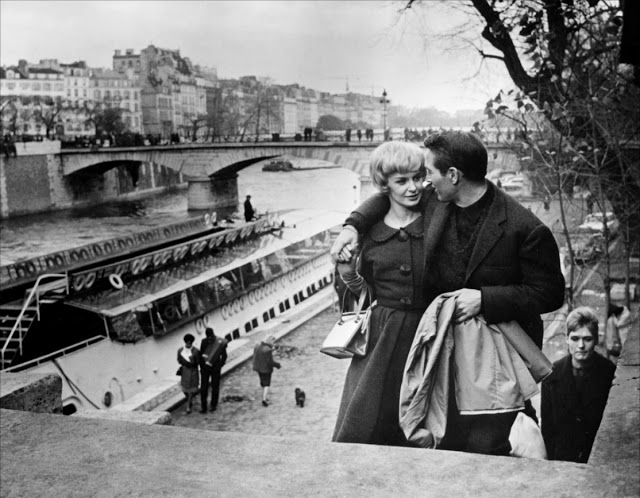
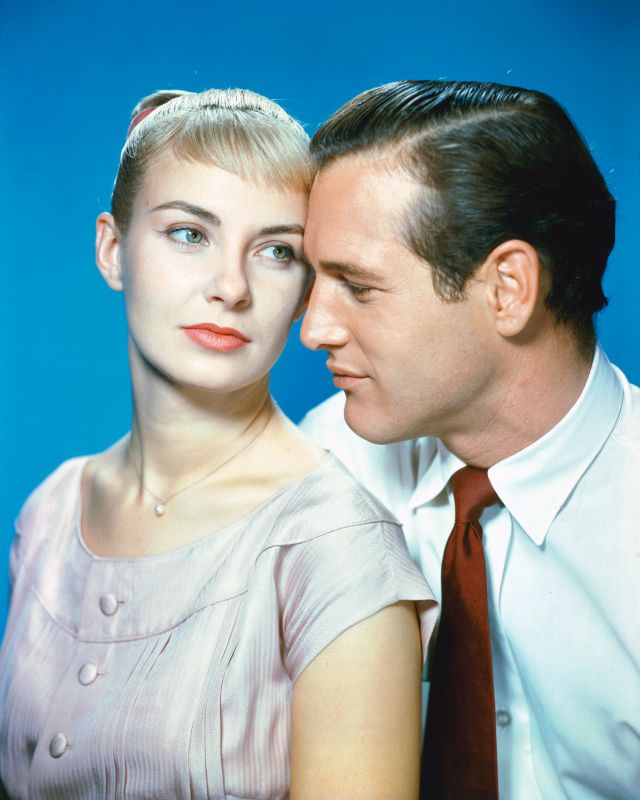
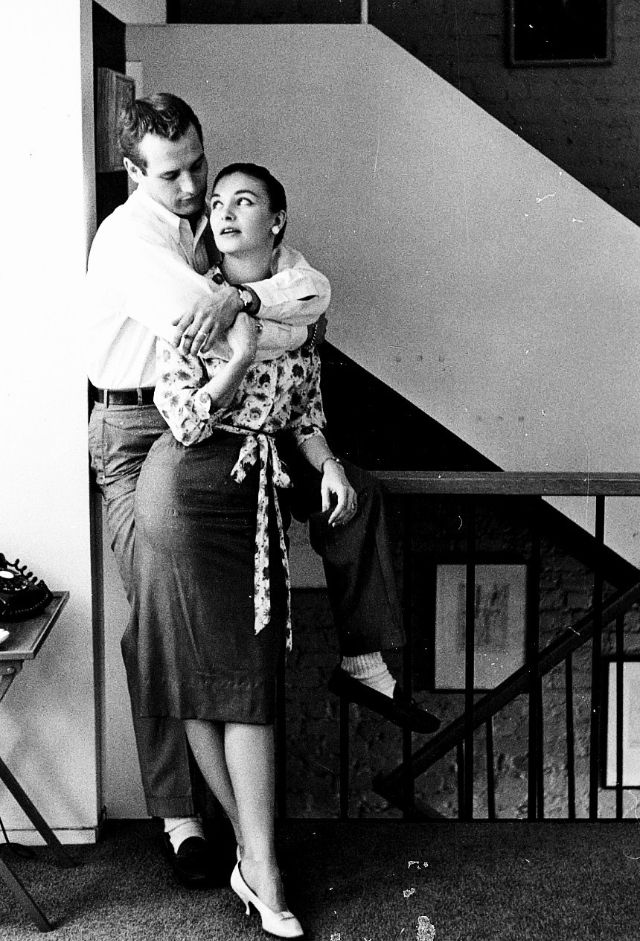
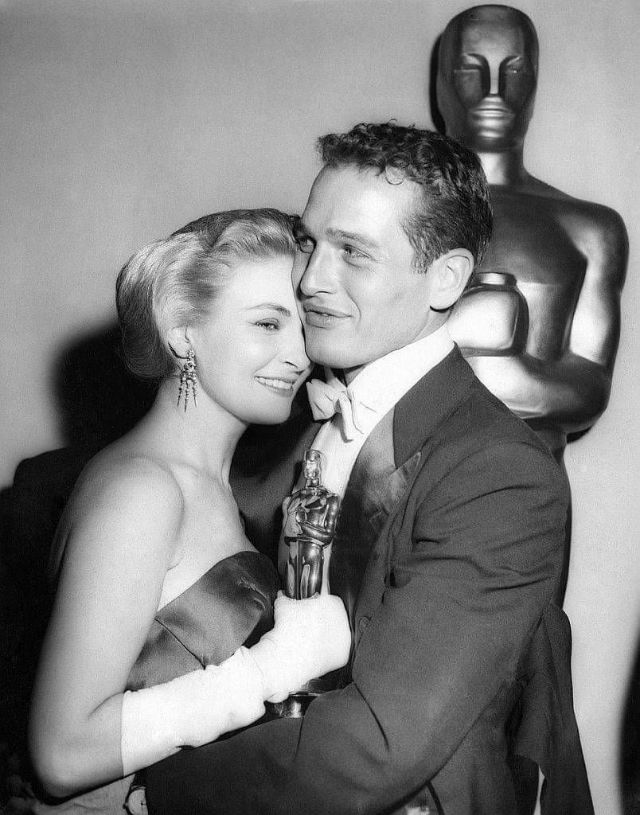
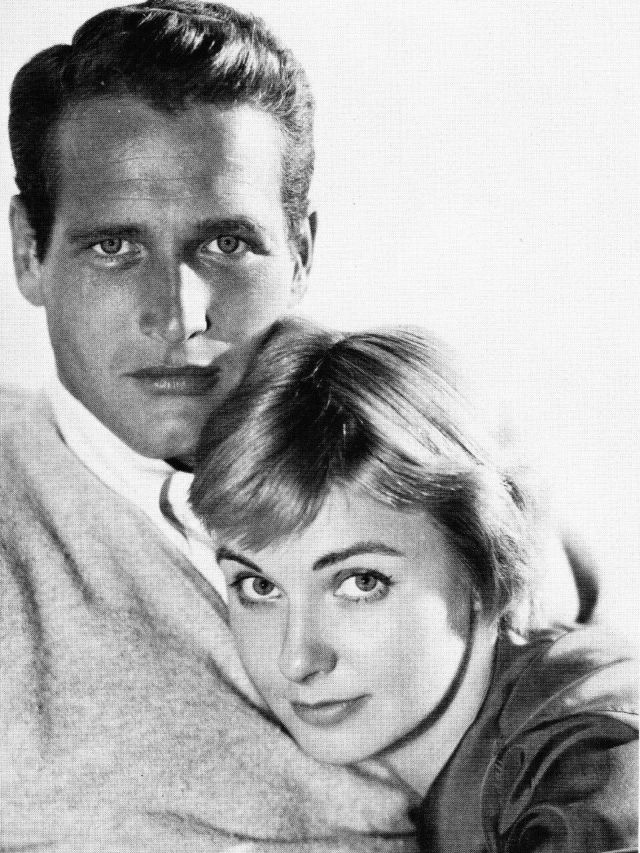
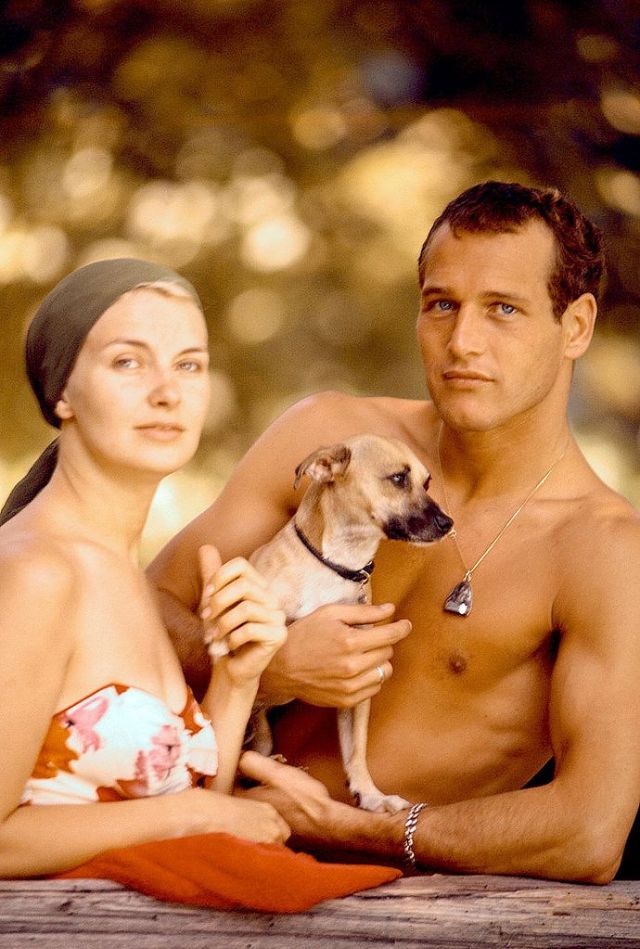
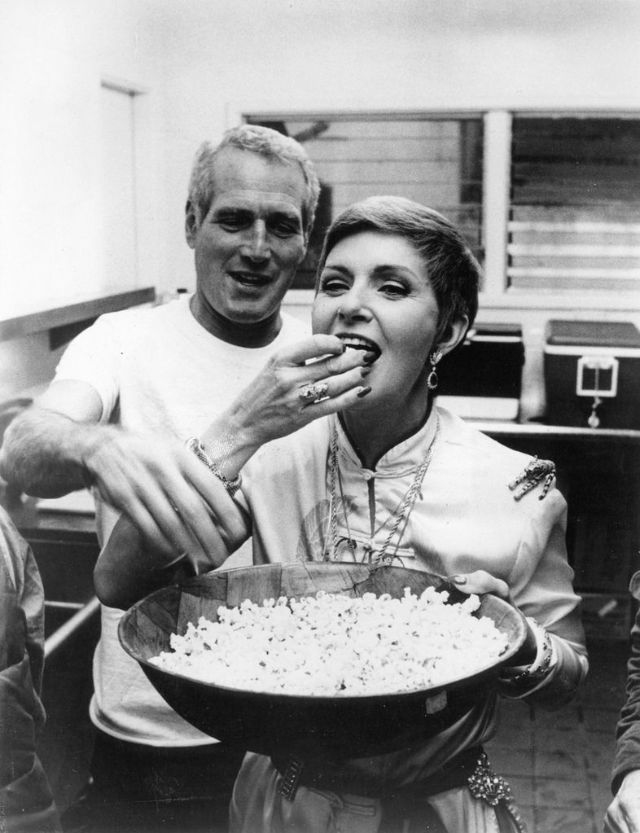
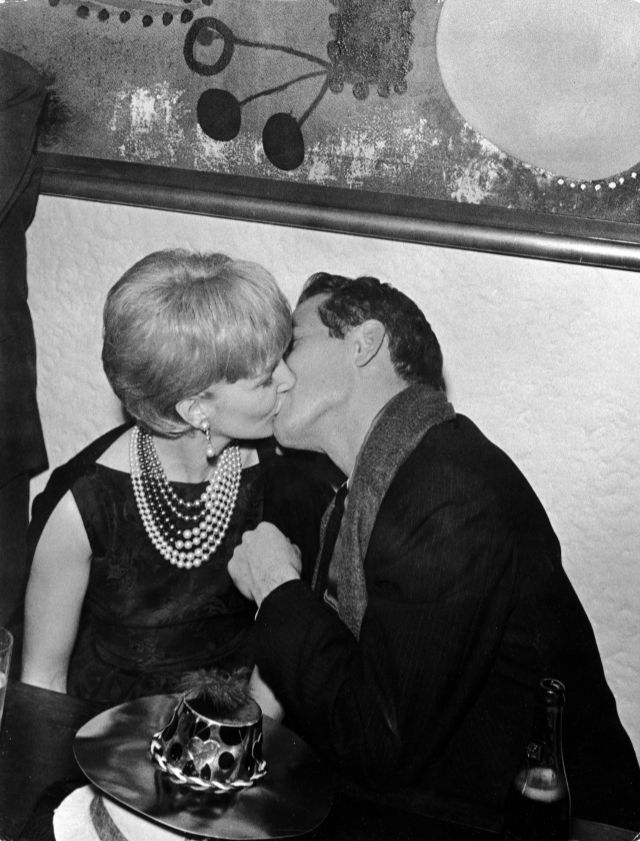
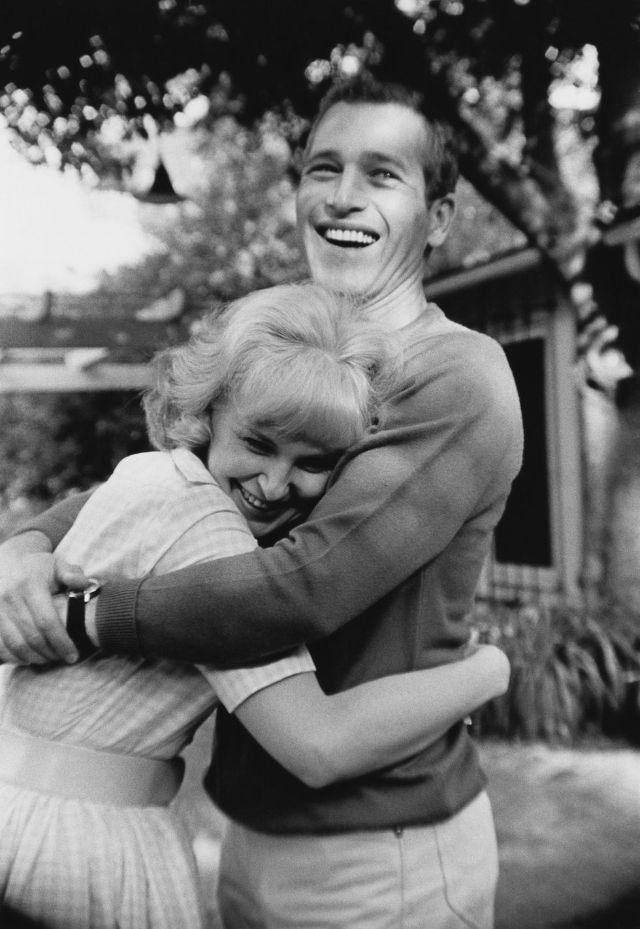
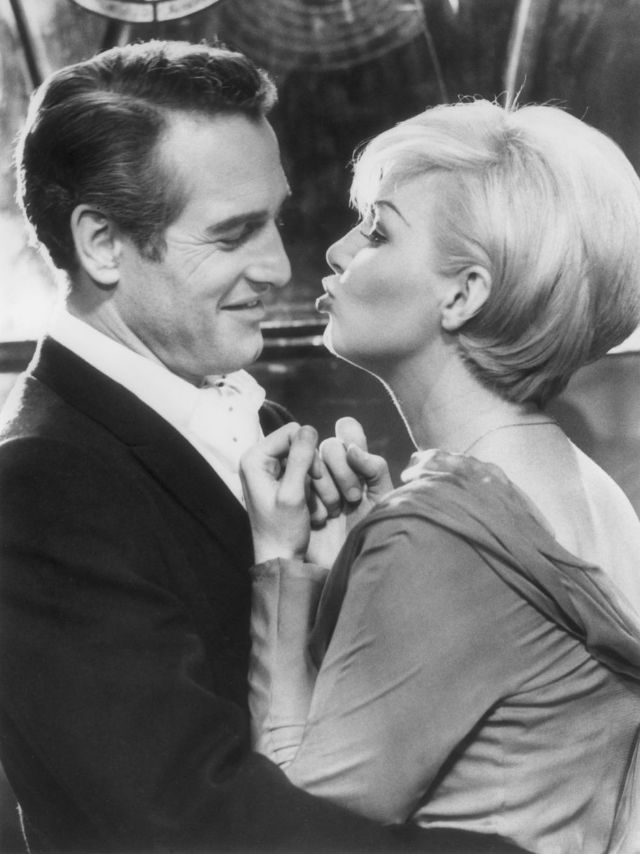
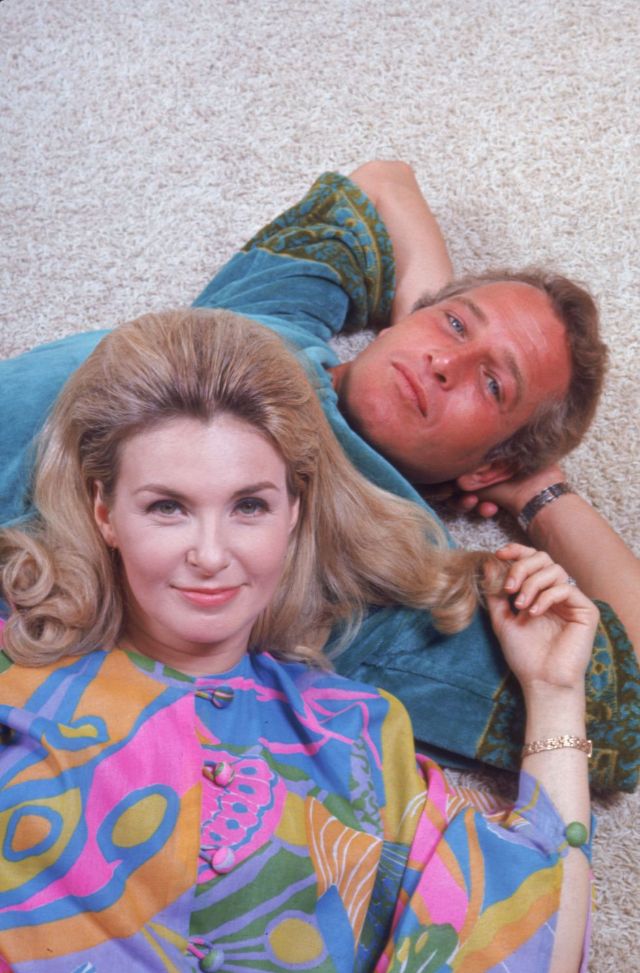
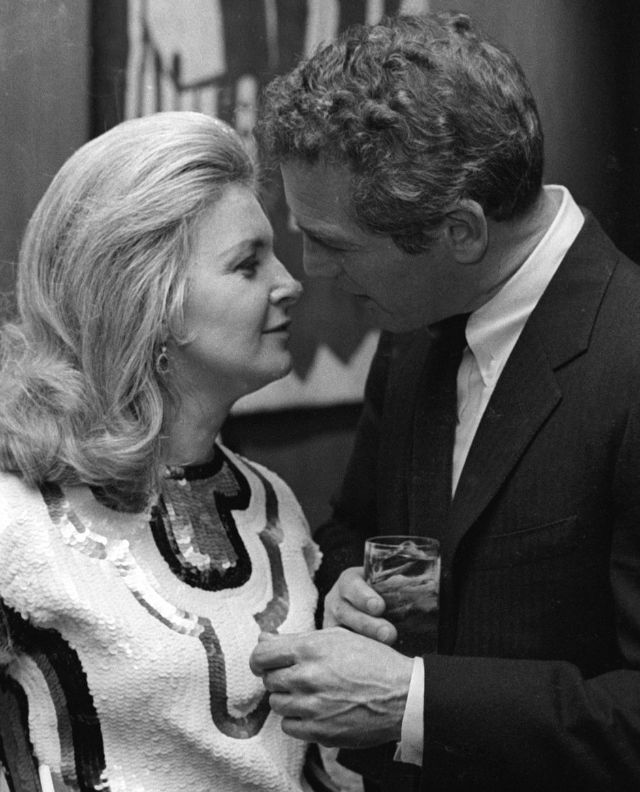
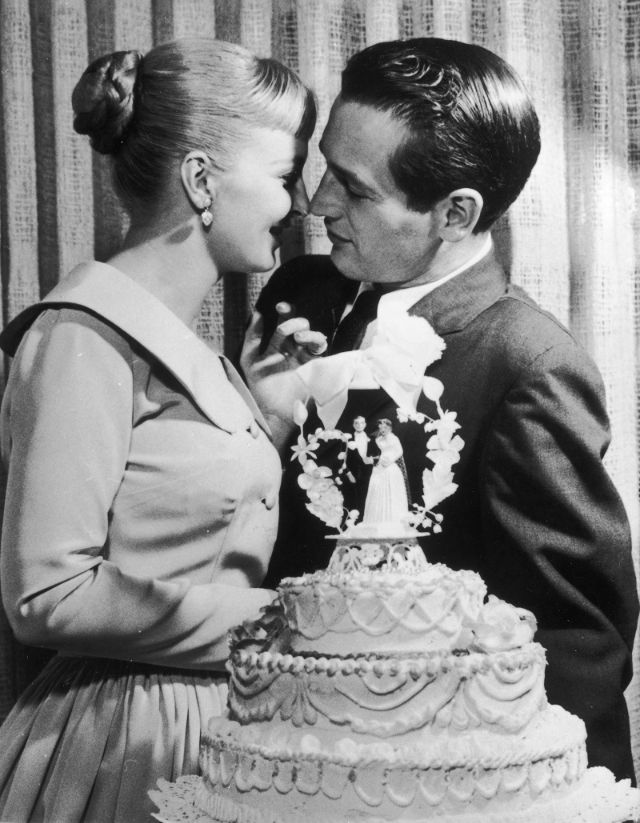
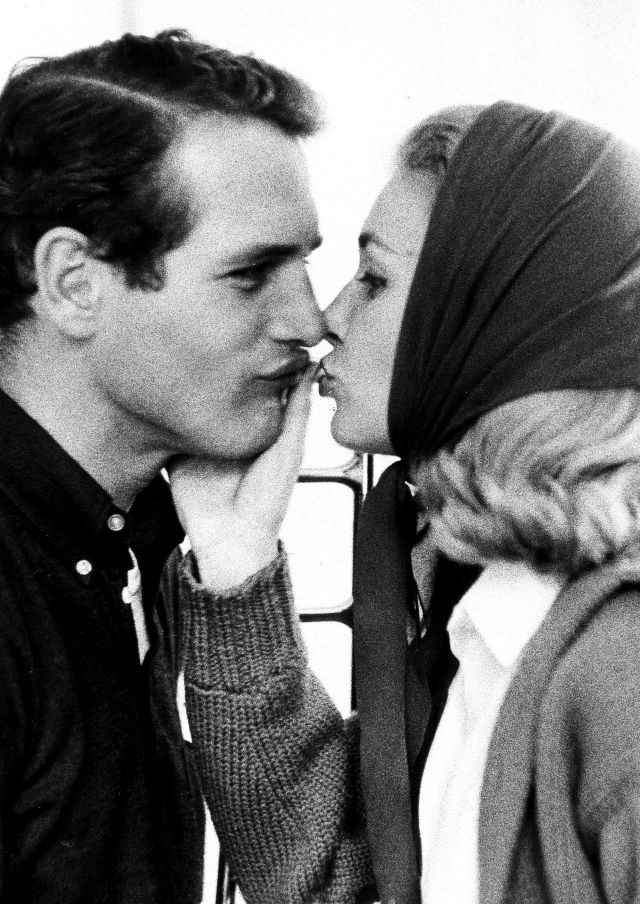
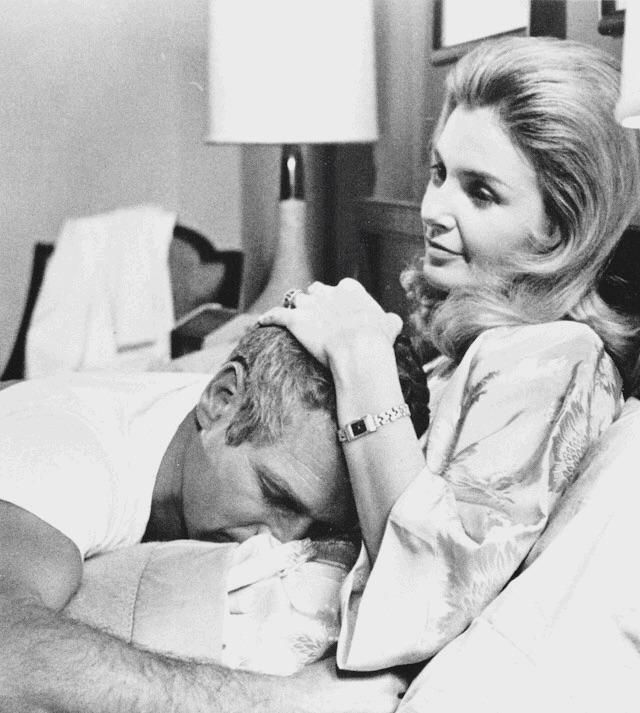
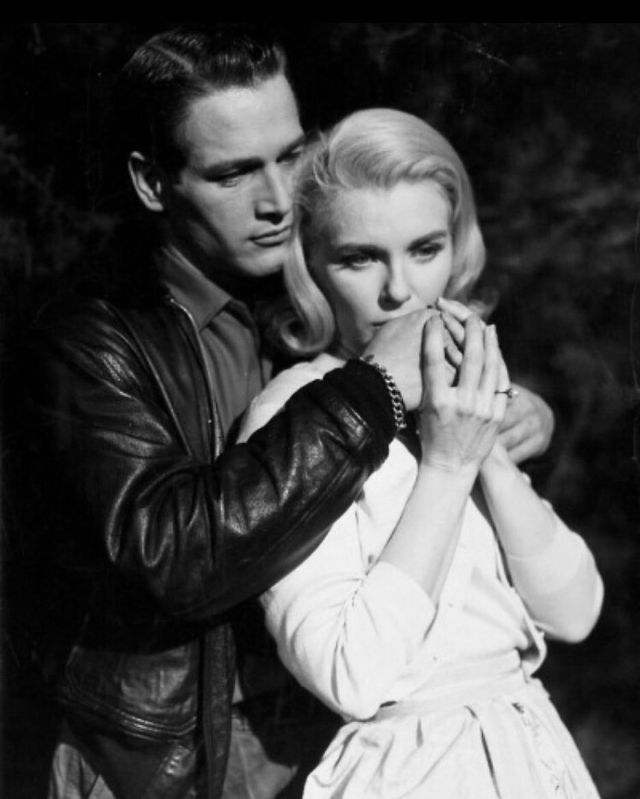
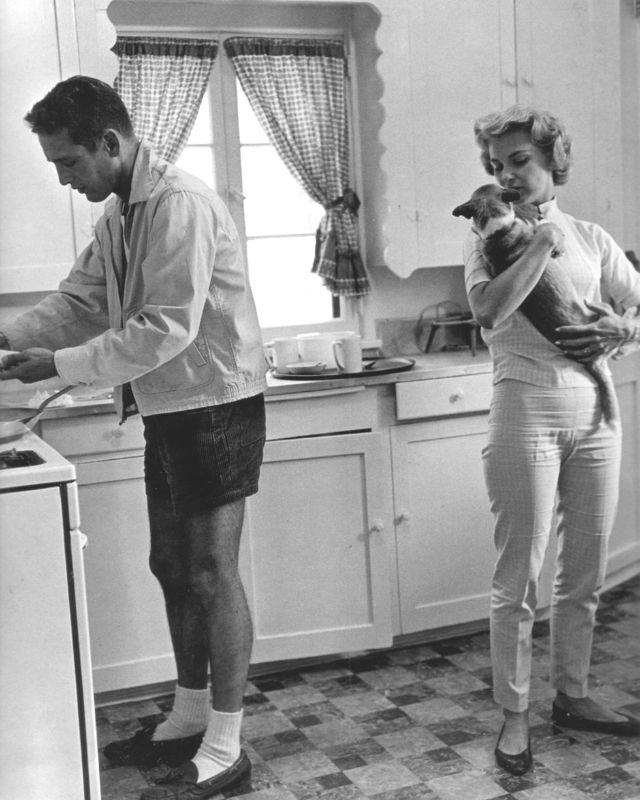
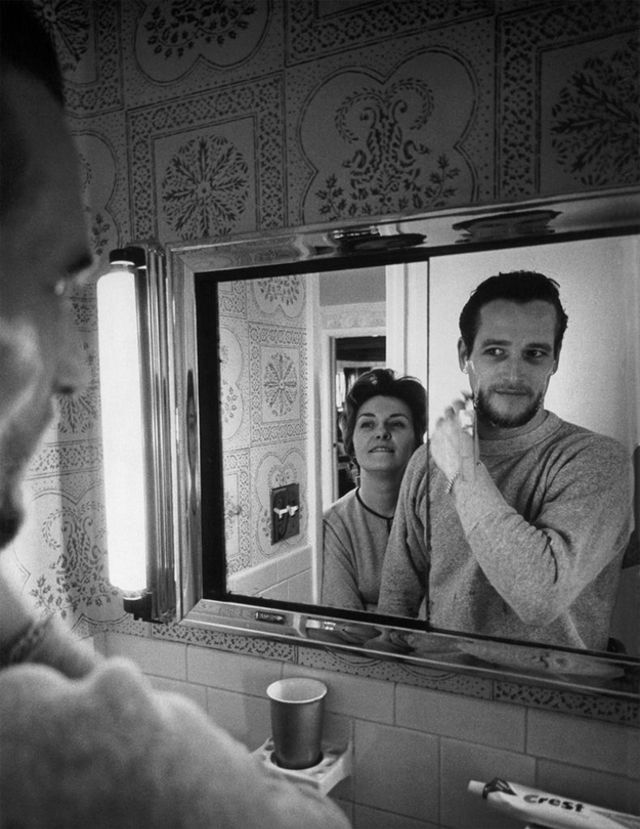
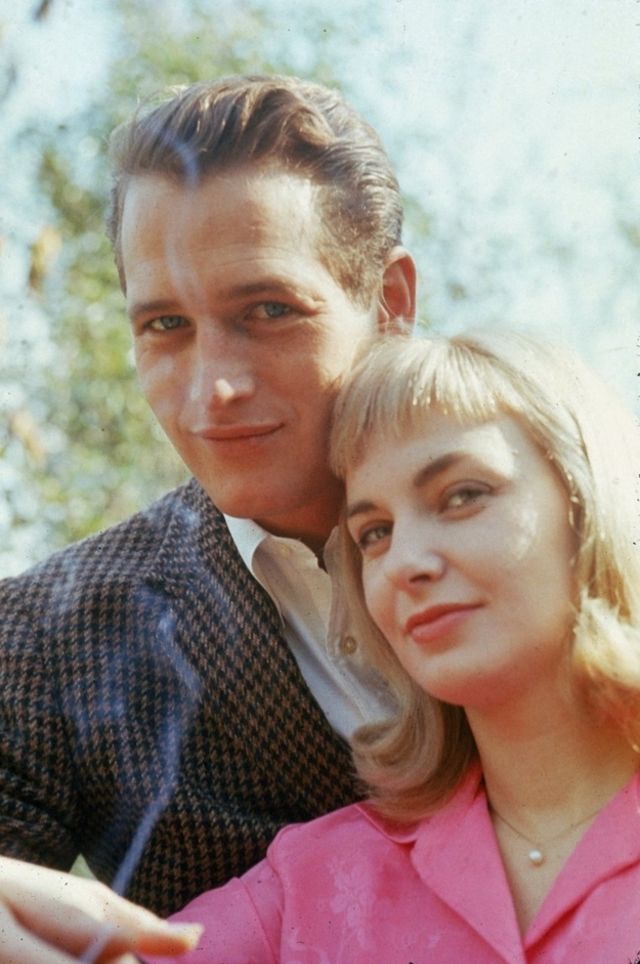
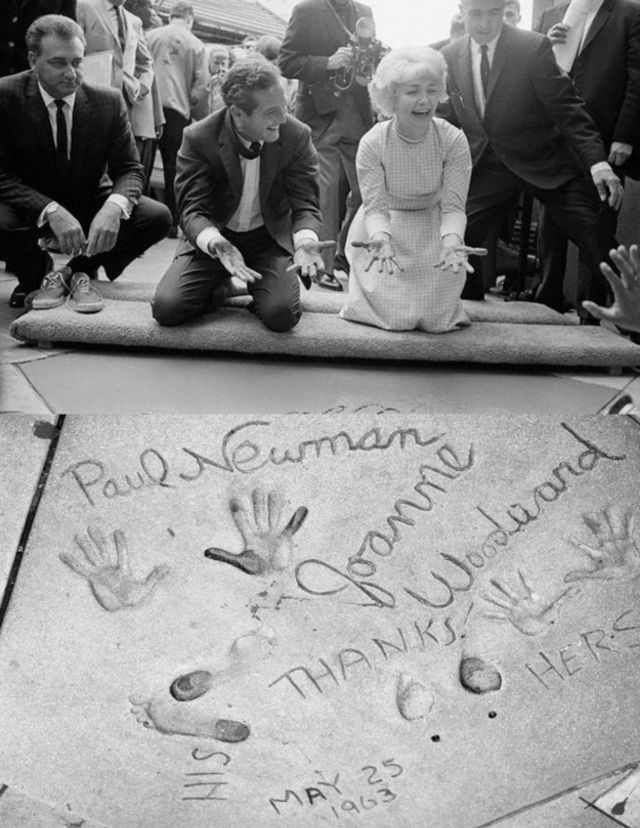
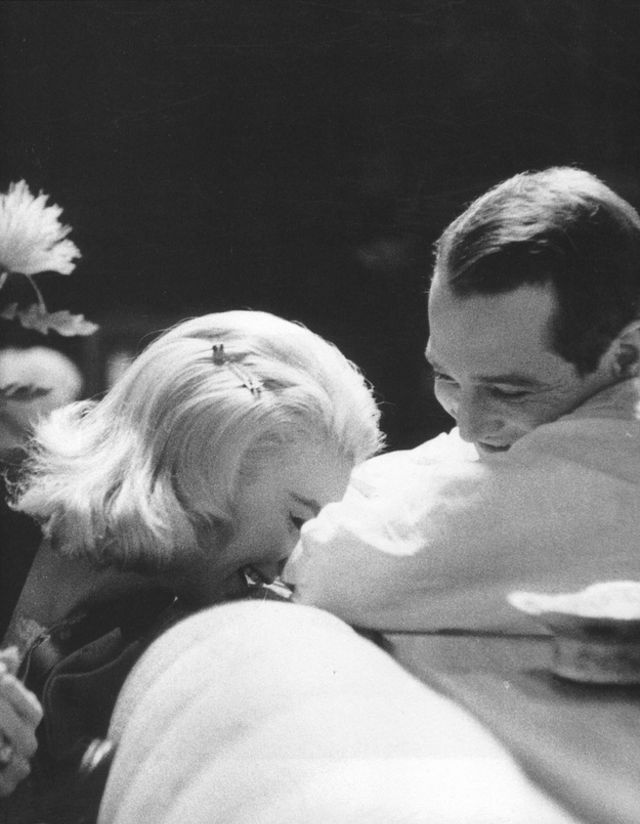
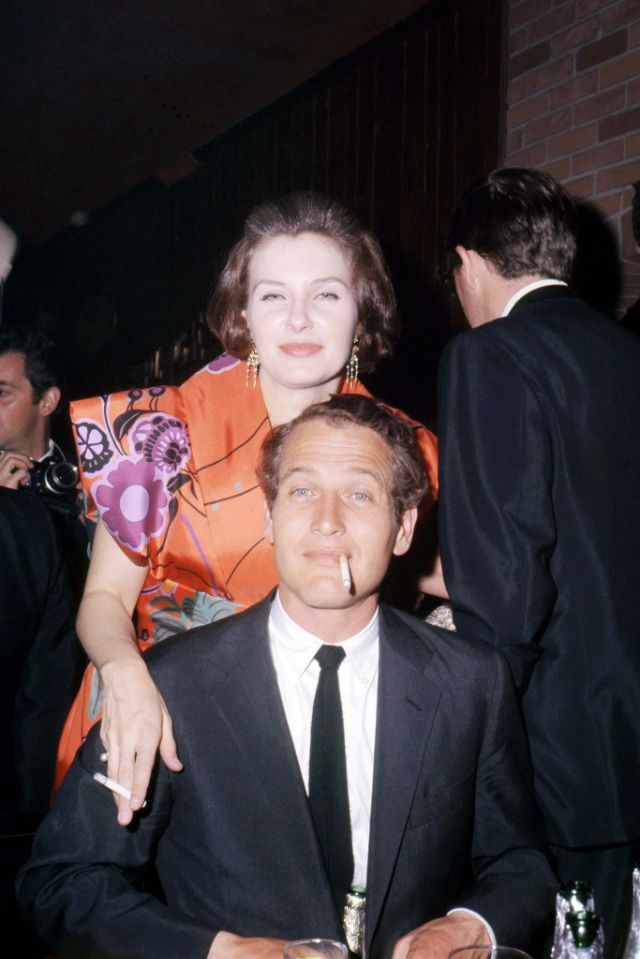
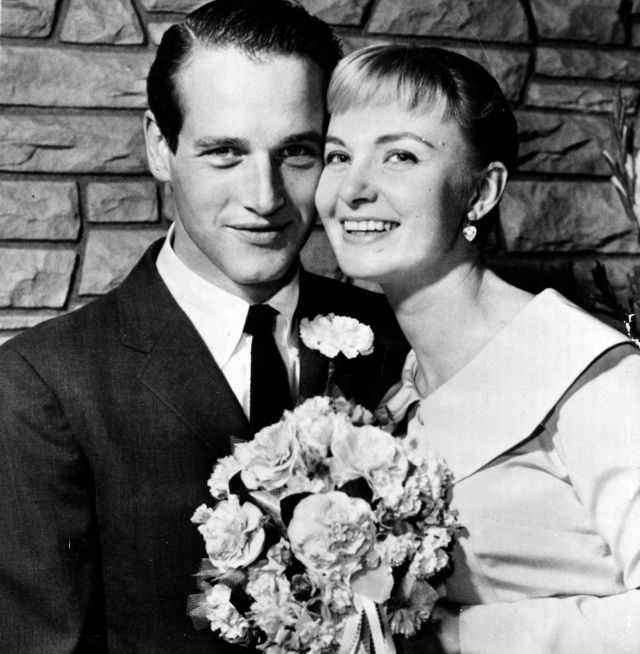
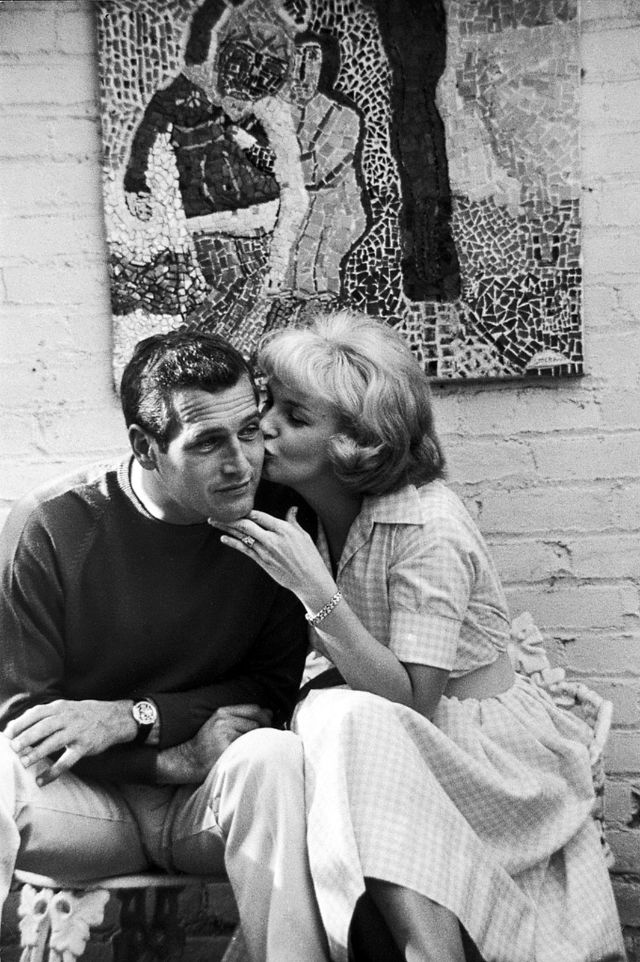
30 Romantic Photographs of “Hollywood’s Golden Couple” Paul Newman and Joanne Woodward in the 1960s

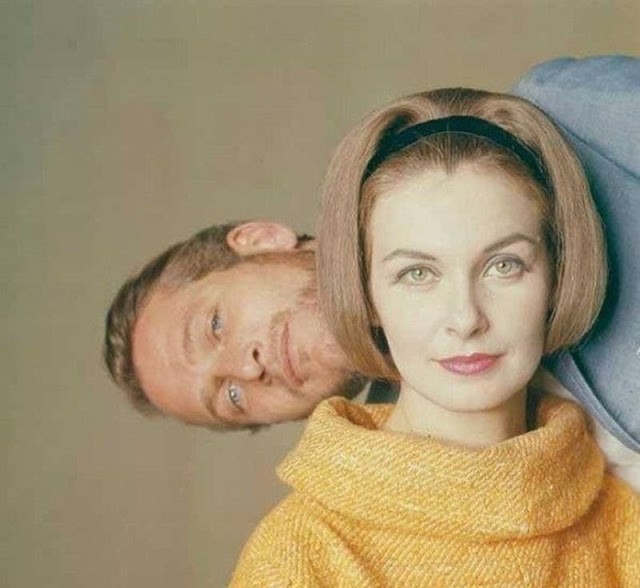
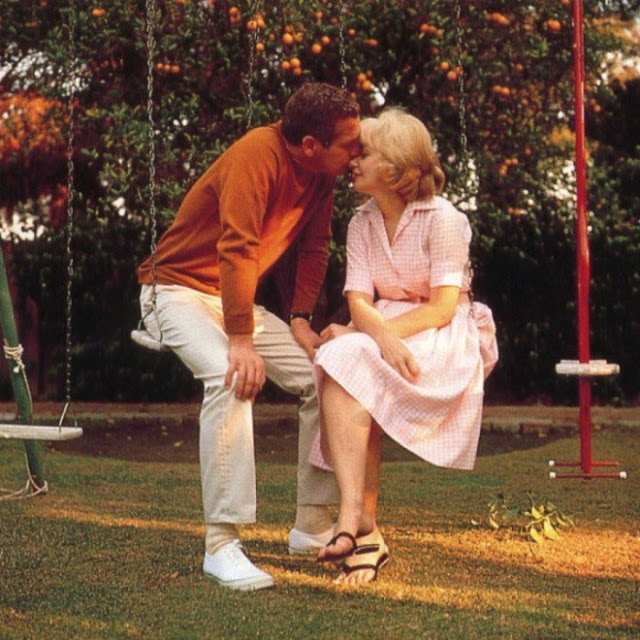
Even in old, black-and-white or color photographs, Paul Newman and Joanne Woodward’s love is as visible and vibrant as if they’re standing right in front of you. Considered by many “Hollywood’s golden couple,” the Academy Award-winning actors’ union spanned five decades, until Newman’s death in 2008. Since her husband’s death, Joanne has stayed out of the spotlight, and the couple’s three daughters fiercely guard the privacy she has fought to maintain.

Paul Newman and Joanne Woodward first met back in 1953, both ducking into the air-conditioned office of their agent to escape the heat. They were two young, attractive stars trying to make it in Hollywood and had a fair amount in common and a fair amount of chemistry, too. However, Paul was married, so that was that. They met again on the set of a Broadway production of Picnic and discovered that they genuinely liked each other as people and co-workers.

Hollywood brought them together again in 1957 when they were both cast in The Long, Hot Summer. The film starred Paul as Ben Quick a drifter who wanders into a small Mississippi town. His father is well-known in the city, and not in a good way, but Quick decides to stay—in no small part because of Clara Varner (played by Joanne). When Varner’s parents try to push the two together, Clara and Ben are too stubborn to see that they are perfect for each other. When sparks eventually begin to fly between them, a jealous rival causes a tragedy that could tear them apart forever.

As they filmed the intense scenes, the two stars fell in love in real life and it’s hard to miss on screen. As Clara and Ben come to develop feelings for each other, Joanne and Paul give each other looks that are beyond the skill of any actor. It’s clear those feelings are 100% real—and it’s hard not be moved by them.

When the film was done, Newman got divorced, and the two stars turned their friendship into romance. They were married just a few months later. While many Hollywood romances crash and burn, Joanne and Paul remained happily married for 50 years. “People stay married because they want to, not because the doors are locked,” Paul once said.

Things may not have always been perfect. The New York Times reported the couple admitted their union was turbulent at times. Newman was rumored to have had an affair, as well as a taste for beer (despite being an anti-drug and alcohol activist due to his son’s tragic death from overdose in 1978). But by most accounts, Newman and Woodward were the picture of a happy husband and wife.

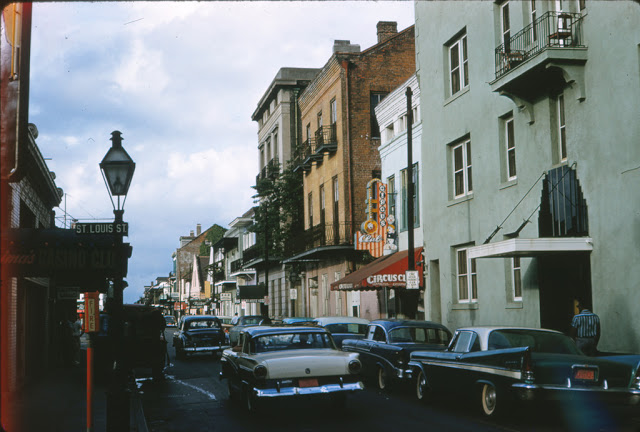
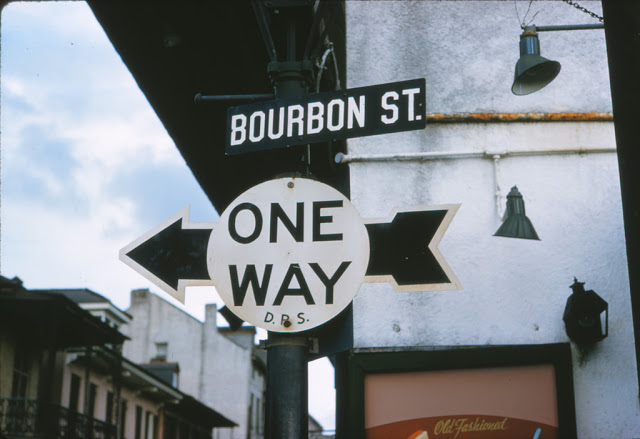
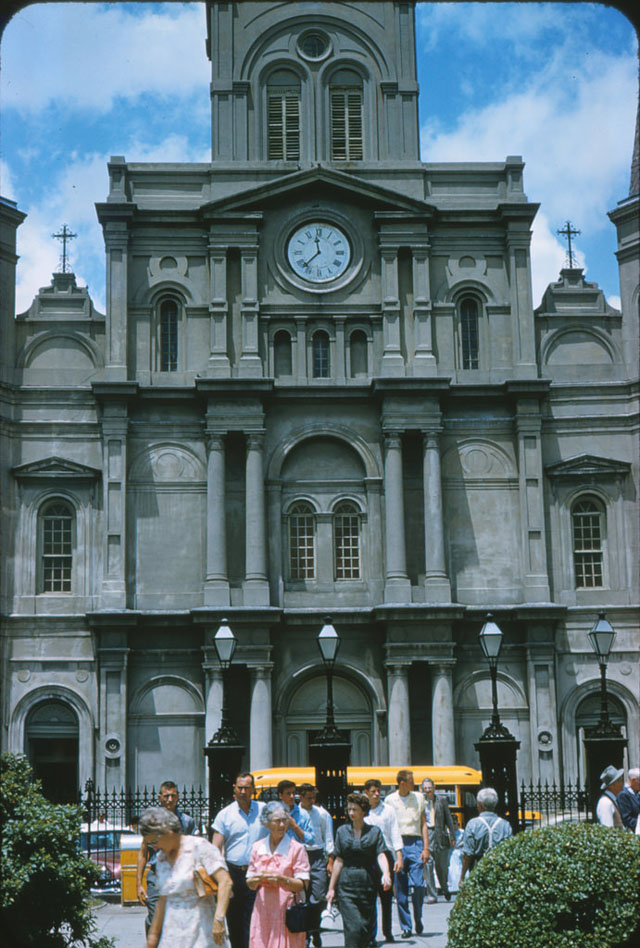
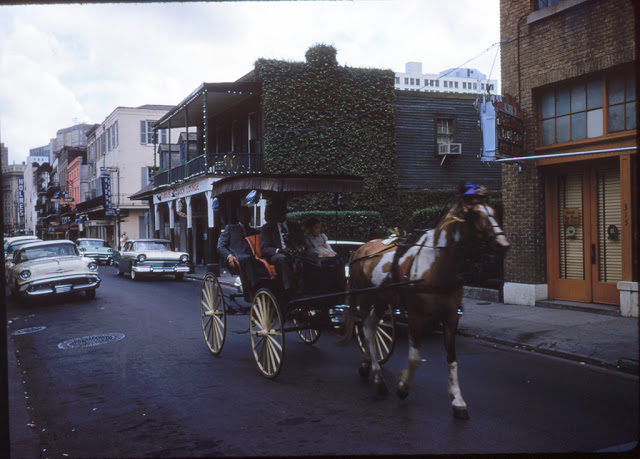
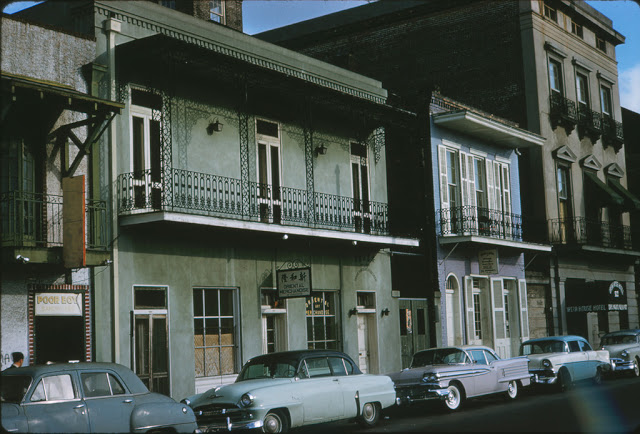
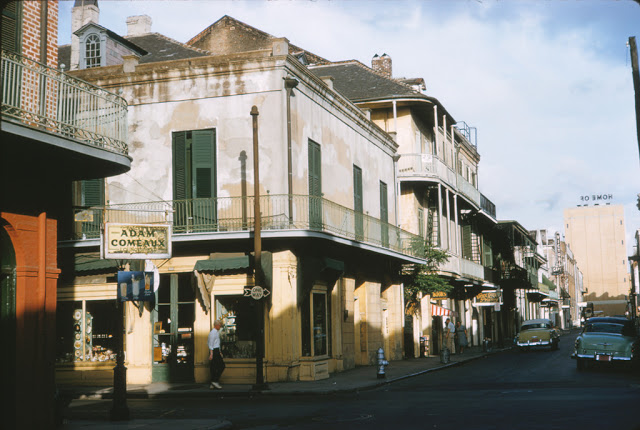
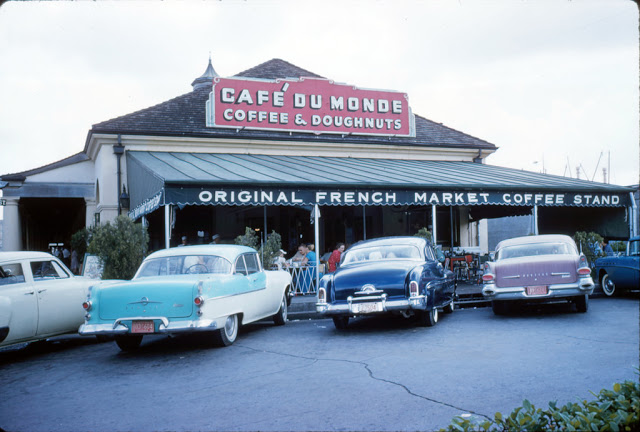
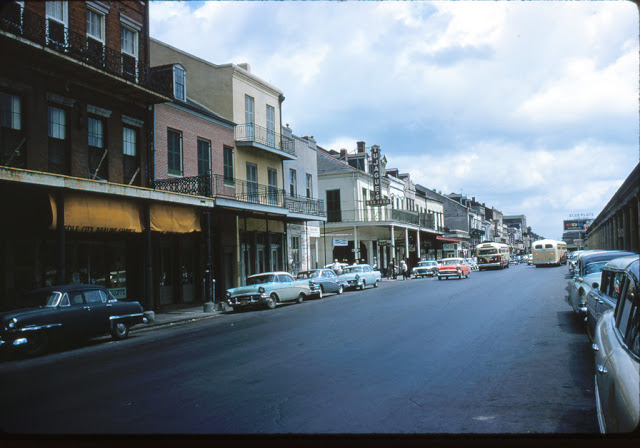
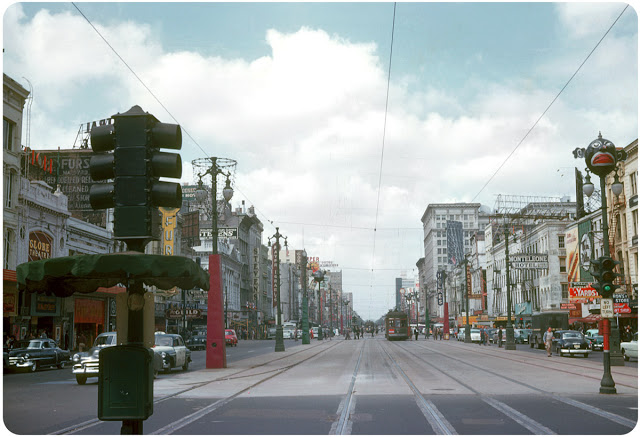
60 Wonderful Photographs Showing Street Scenes of New Orleans, Louisiana in the 1950s

New Orleans is a consolidated city-parish located along the Mississippi River in the southeastern region of the U.S. state of Louisiana. With a tabulated population of 383,997 in 2020, it is the most populous city in Louisiana. Serving as a major port, New Orleans is considered an economic and commercial hub for the broader Gulf Coast region of the United States.

New Orleans is world-renowned for its distinctive music, Creole cuisine, unique dialects, and its annual celebrations and festivals, most notably Mardi Gras. The historic heart of the city is the French Quarter, known for its French and Spanish Creole architecture and vibrant nightlife along Bourbon Street. The city has been described as the “most unique” in the United States, owing in large part to its cross-cultural and multilingual heritage. Additionally, New Orleans has increasingly been known as “Hollywood South” due to its prominent role in the film industry and in pop culture.

Founded in 1718 by French colonists, New Orleans was once the territorial capital of French Louisiana before becoming part of the United States in the Louisiana Purchase of 1803. New Orleans in 1840 was the third-most populous city in the United States, and it was the largest city in the American South from the Antebellum era until after World War II. The city has historically been very vulnerable to flooding, due to its high rainfall, low lying elevation, poor natural drainage, and proximity to multiple bodies of water. State and federal authorities have installed a complex system of levees and drainage pumps in an effort to protect the city.

New Orleans was severely affected by Hurricane Katrina in August 2005, which flooded more than 80% of the city, killed more than 1,800 people, and displaced thousands of residents, causing a population decline of over 50%. Since Katrina, major redevelopment efforts have led to a rebound in the city’s population. Concerns about gentrification, new residents buying property in formerly closely knit communities, and displacement of longtime residents have been expressed.

The city and Orleans Parish (French: paroisse d’Orléans) are coterminous. As of 2017, Orleans Parish is the third most-populous parish in Louisiana, behind East Baton Rouge Parish and neighboring Jefferson Parish. The city and parish are bounded by St. Tammany Parish and Lake Pontchartrain to the north, St. Bernard Parish and Lake Borgne to the east, Plaquemines Parish to the south, and Jefferson Parish to the south and west.

The city anchors the larger Greater New Orleans metropolitan area, which had a population of 1,271,845 in 2020. Since 2020, Greater New Orleans was the most populous metropolitan statistical area in Louisiana and the 46th-most populous MSA in the United States. (Wikipedia)

54 Vintage Photos of Celebrities and their Motorcycles

Subscribe to get access

Read more of this content when you subscribe today.

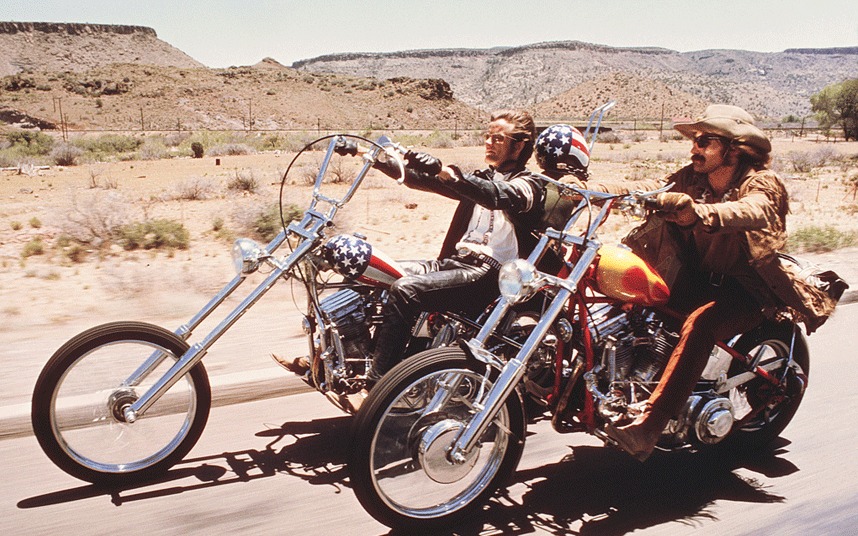
Peter Fonda and Dennis Hopper ride their choppers for the 1969 film Easy Rider.
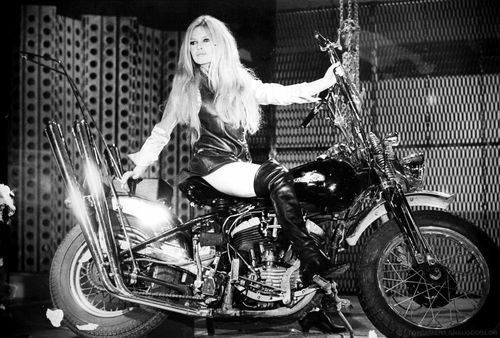
Bridget Bardot on a Harley-Davidson, 1967

Subscribe to continue reading

Become a paid subscriber to get access to the rest of this post and other exclusive content.

35 Amazing Vintage Photographs of the America From 1900 – 1910

The United States of America (U.S.A. or USA), commonly known as the United States (U.S. or US) or America, is a country primarily located in North America. It consists of 50 states, a federal district, five major unincorporated territories, 326 Indian reservations, and some minor possessions. At 3.8 million square miles (9.8 million square kilometers), it is the world’s third- or fourth-largest country by total area. The United States shares significant land borders with Canada to the north and Mexico to the south as well as limited maritime borders with the Bahamas, Cuba, and Russia. With a population of more than 331 million people, it is the third most populous country in the world. The national capital is Washington, D.C., and the most populous city is New York City.

Paleo-Indians migrated from Siberia to the North American mainland at least 12,000 years ago, and European colonization began in the 16th century. The United States emerged from the thirteen British colonies established along the East Coast. Disputes with Great Britain over taxation and political representation led to the American Revolutionary War (1775–1783), which established the nation’s independence. In the late 18th century, the U.S. began expanding across North America, gradually obtaining new territories, sometimes through war, frequently displacing Native Americans, and admitting new states; by 1848, the United States spanned the continent. Slavery was legal in the southern United States until the second half of the 19th century, when the American Civil War led to its abolition. The Spanish–American War and World War I established the U.S. as a world power, a status confirmed by the outcome of World War II. During the Cold War, the United States fought the Korean War and the Vietnam War but avoided direct military conflict with the Soviet Union. The two superpowers competed in the Space Race, culminating in the 1969 spaceflight that first landed humans on the Moon. The Soviet Union’s dissolution in 1991 ended the Cold War, leaving the United States as the world’s sole superpower.
The United States is a federal republic and a representative democracy with three separate branches of government, including a bicameral legislature. It is a founding member of the United Nations, World Bank, International Monetary Fund, Organization of American States, NATO, and other international organizations. It is a permanent member of the United Nations Security Council. Considered a melting pot of cultures and ethnicities, its population has been profoundly shaped by centuries of immigration. The U.S. ranks high in international measures of economic freedom, quality of life, education, and human rights; it has low levels of perceived corruption. However, the country has been criticized for inequality related to race, wealth, and income; use of capital punishment; high incarceration rates; and lack of universal health care.
The United States is a highly developed country, accounts for approximately a quarter of global GDP, and is the world’s largest economy by GDP at market exchange rates. By value, the United States is the world’s largest importer and second-largest exporter of goods. Although its population is only 4.2% of the world’s total, it holds 29.4% of the total wealth in the world, the largest share held by any country. Making up more than a third of global military spending, it is the foremost military power in the world and internationally a leading political, cultural, and scientific force. (Wikipedia)

High Sierras and Tenaya Canyon from Glacier Point, Yosemite Valley, California 1905
Battalion passing in view, United States Military Academy, West Point, N.Y. 1905
United States Hotel, Saratoga, N.Y. 1904
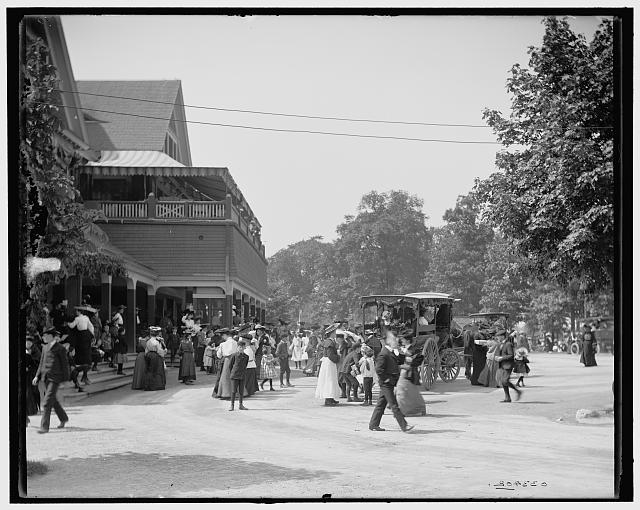
Crowd, Belle Isle Park casino, Detroit, Michigan. 1906
Steamers off Belle Isle light, Detroit, Michigan. 1908
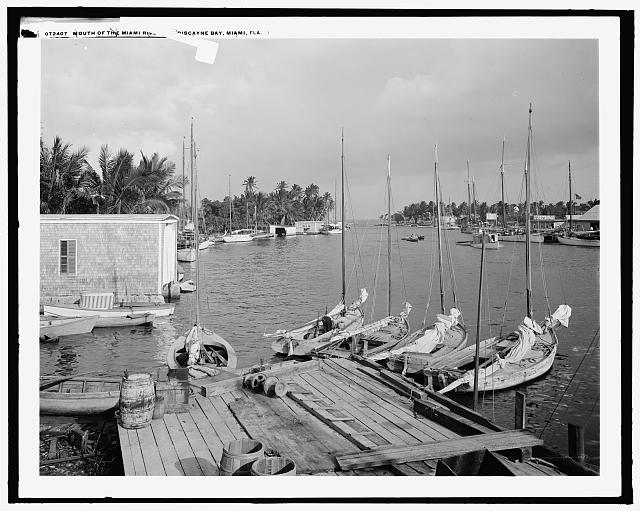
Mouth of the Miami River and Biscayne Bay, Miami, Florida. 1910
Steamer landing, Magnolia-on-the-Ashley, Charleston, S.C. 1908
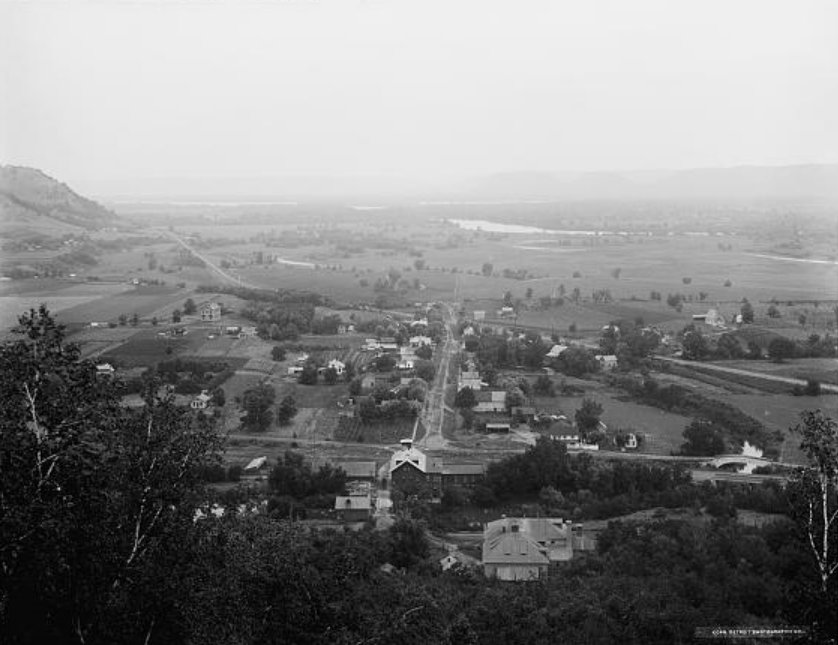
Minnesota City and Valley of the Mississippi, Minn. 1900
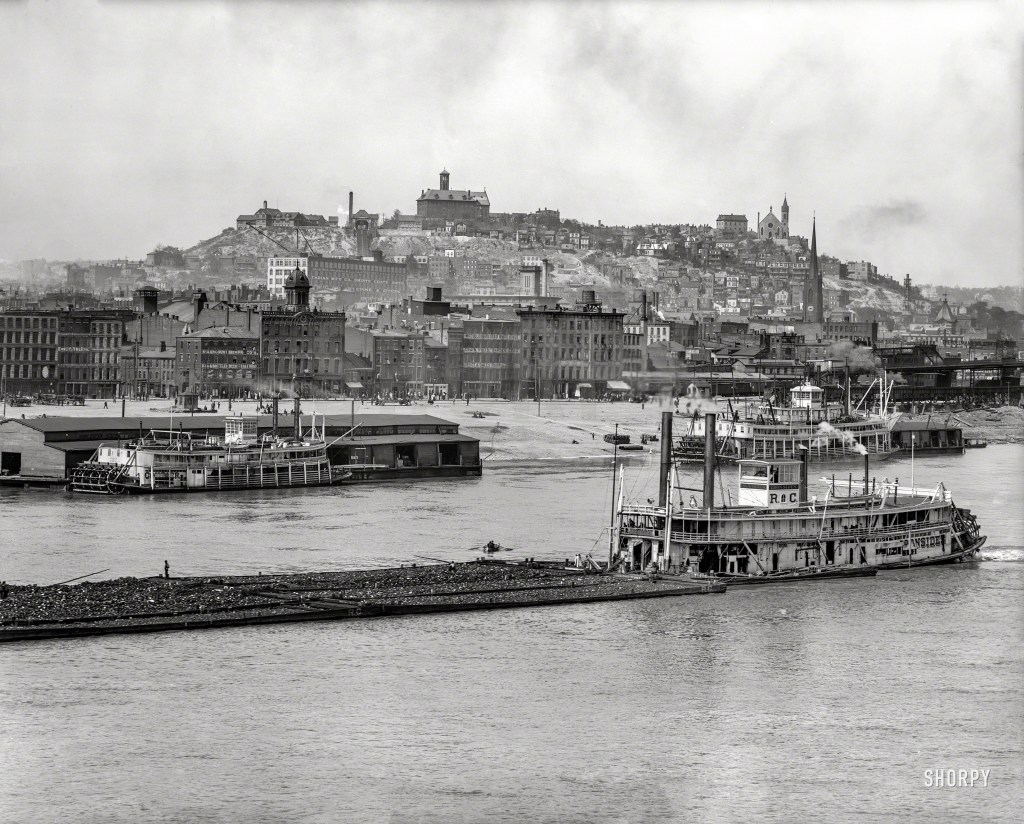
Cincinnati — Mount Adams across Ohio River from Covington, Kentucky. 1907
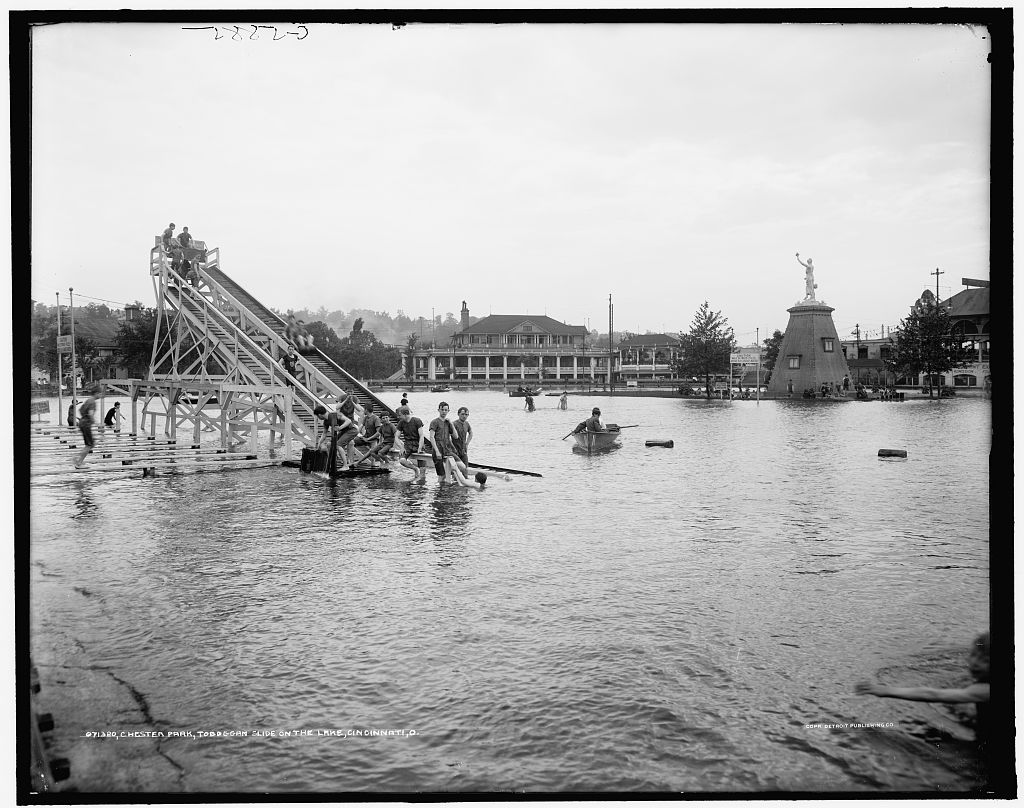
Chester Park, toboggan slide on the lake, Cincinnati, Ohio 1910
Churchill Downs, Louisville, Ky., “Derby Day” 1901
Nicollet Avenue, Minneapolis, Minnesota. 1904
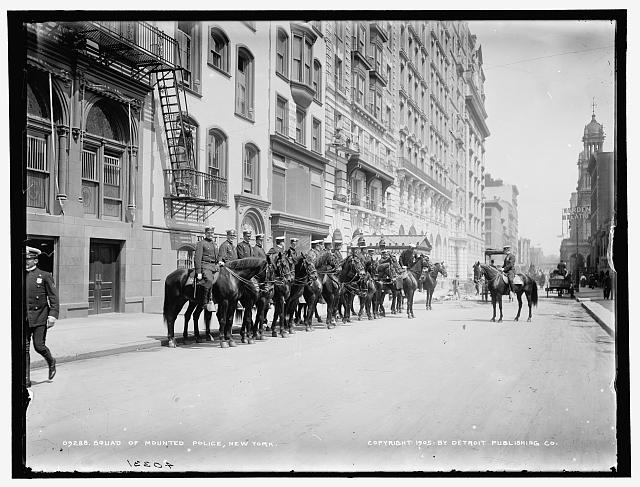
Squad of mounted police, New York. 1905
A Fifth Avenue stagecoach, New York. 1906
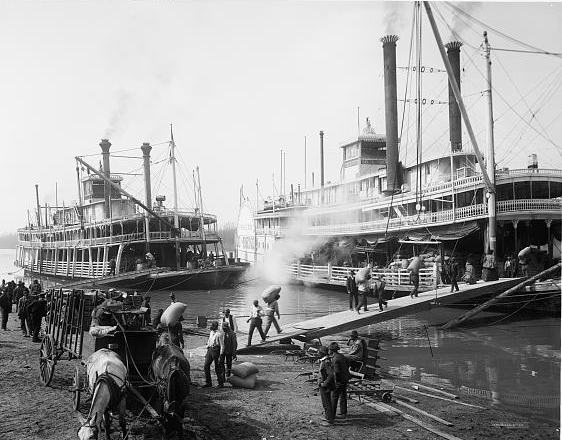
A Mississippi River landing, Memphis, Tenn. 1906
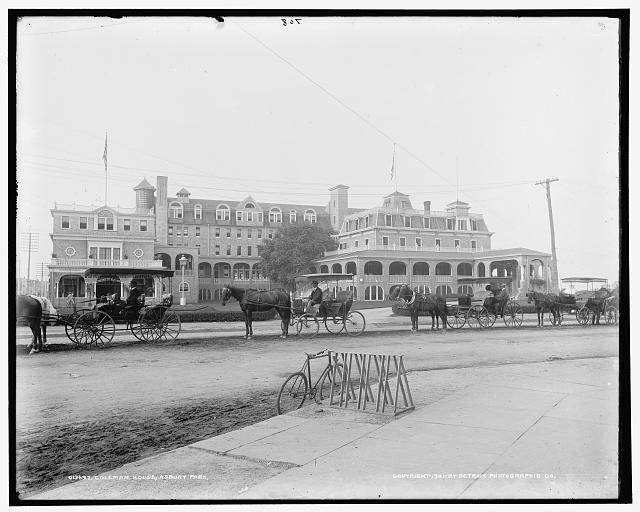
Coleman House, Asbury Park.N.J. 1901
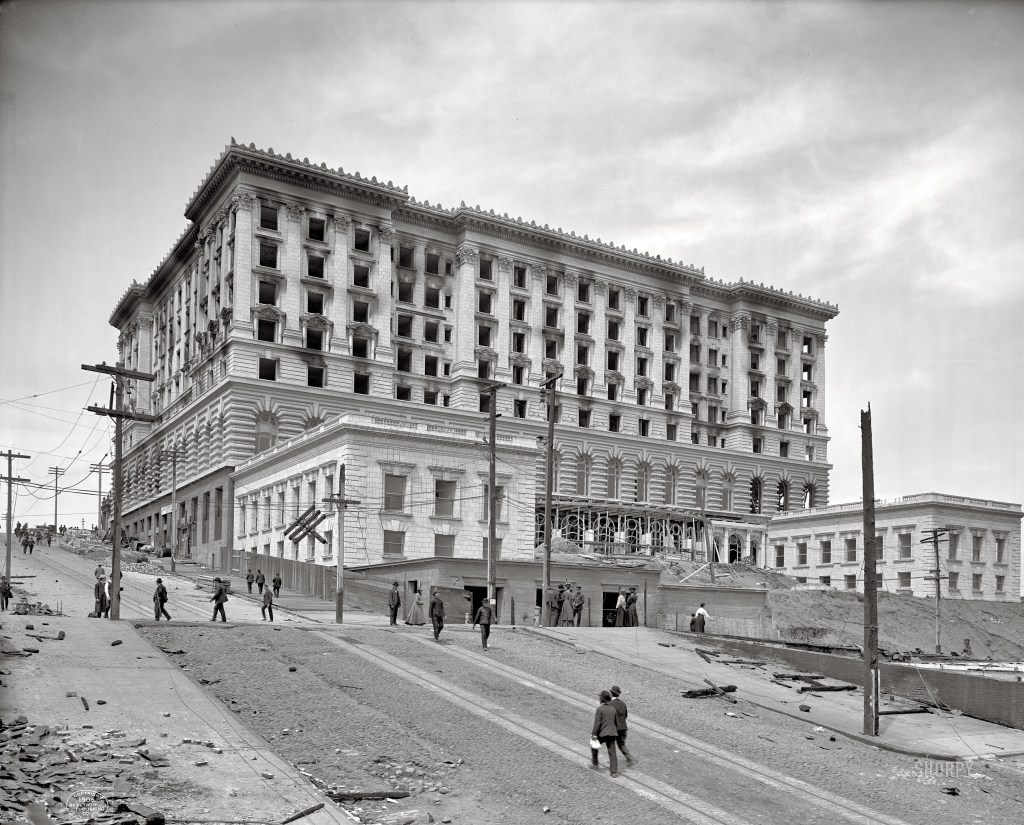
Fairmont Hotel, San Francisco, amid ruins of earthquake and fire.” The hotel, near completion when disaster struck, opened the following year. 1906
Two of the Boys Working in Phoenix American Cob Pipe Factory, Washington, Missouri. 1910
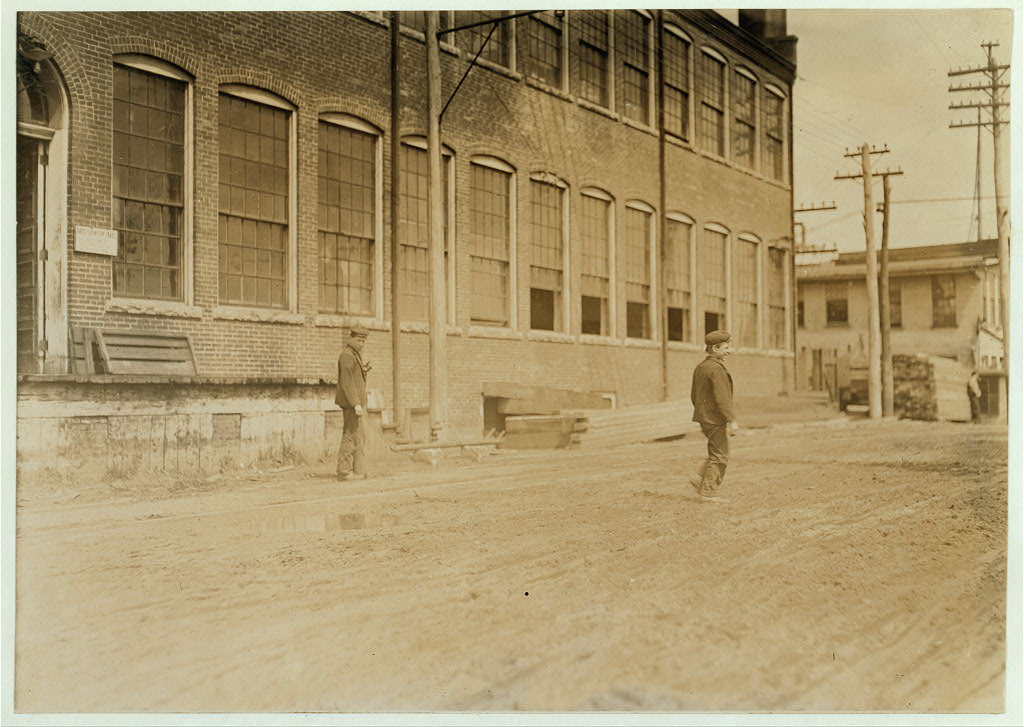
Noon hour, Sanford Mfg. Co. Sanford, Me. 1909
Boy with bare arms, Fred Normandin, 15 Bridge St., has been working in Amoskeag Mfg. Co., mill No. 1, Manchester, N.H. for several months. 1909
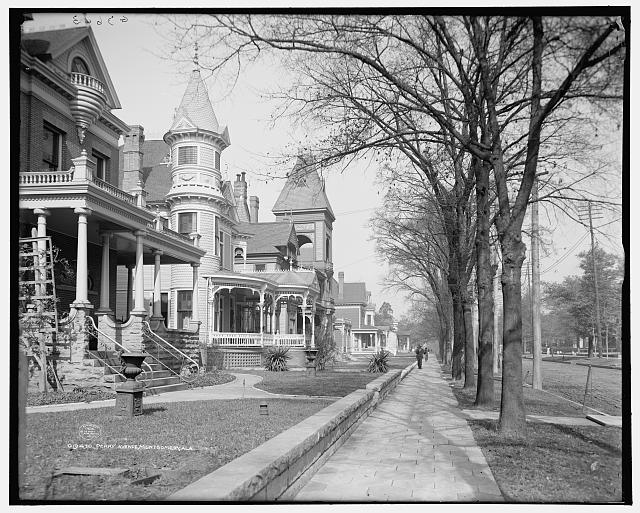
Perry Avenue, Montgomery, Alabama. 1906
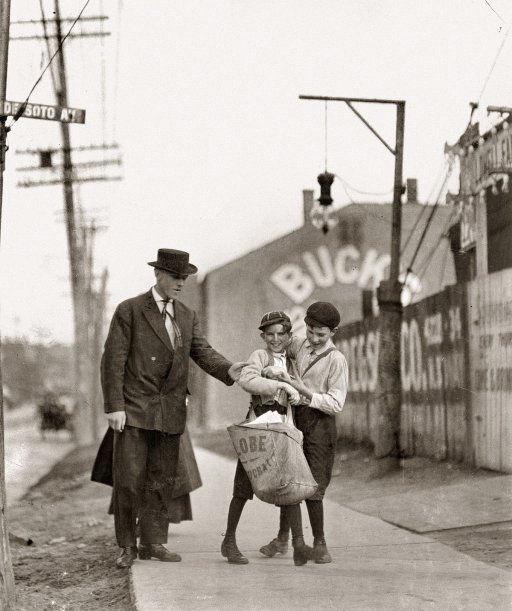
The boy with bags nicknamed Turk said he was going to Texas soon. The investigator found him recently with $1.75 he had just won at craps. St. Louis, Missouri. 1910
Newsies picking up their papers from the St. Louis Times news agent. St. Louis, Missouri. 1910
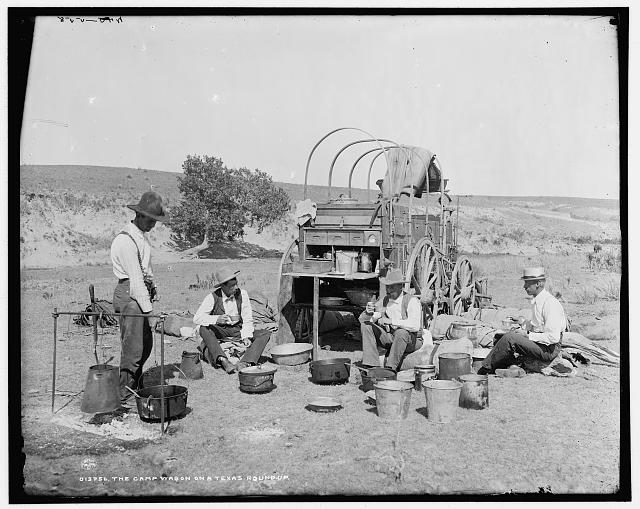
Camp wagon on a Texas roundup. 1900
Window in girls’ restaurant, National Cash Register Co., Dayton, Ohio. 1902
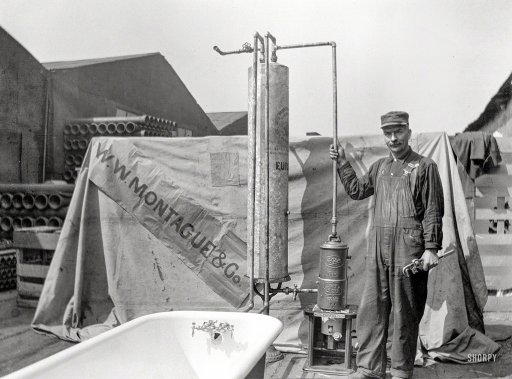
W.W. Montague & Co. plumber with water heater and bathtub. San Francisco 1910.
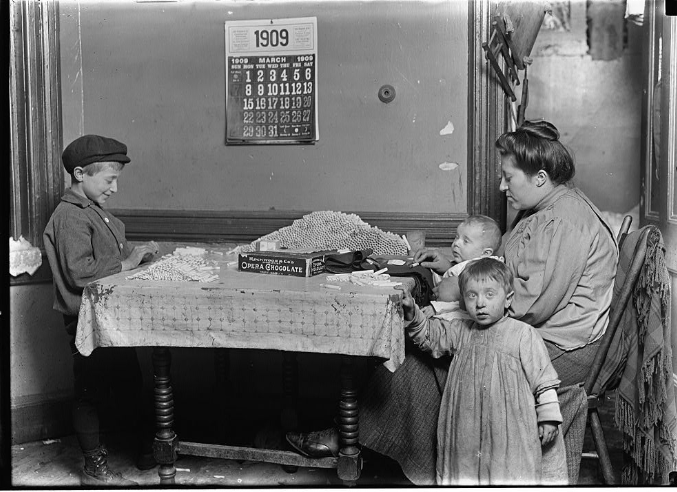
Widow & boy rolling papers for cigarettes in a dirty New York tenement. 1909
Superior Street, Duluth, Minnesota, 1909
Los Angeles & San Diego Beach Railway — Gasoline motor car running from San Diego to La Jolla, California. 1910
Roberts Street, St. Paul, Minnesota, 1908
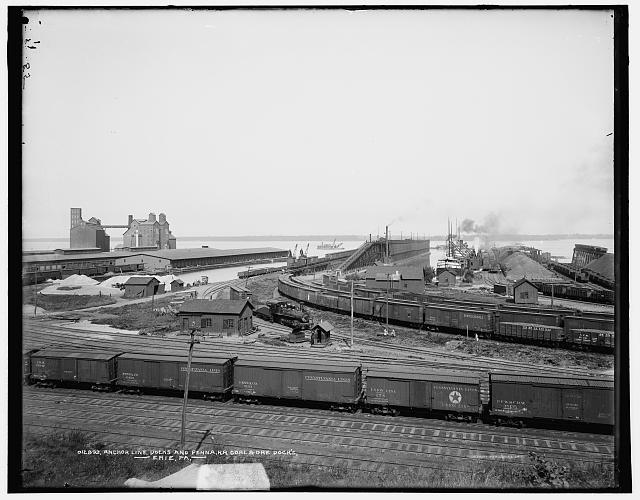
Anchor Line docks and Penna. R.R. coal & ore docks, Erie, Pennsylvania. 1900
Handling a cargo from the fishing banks, Gloucester, Mass. 1905
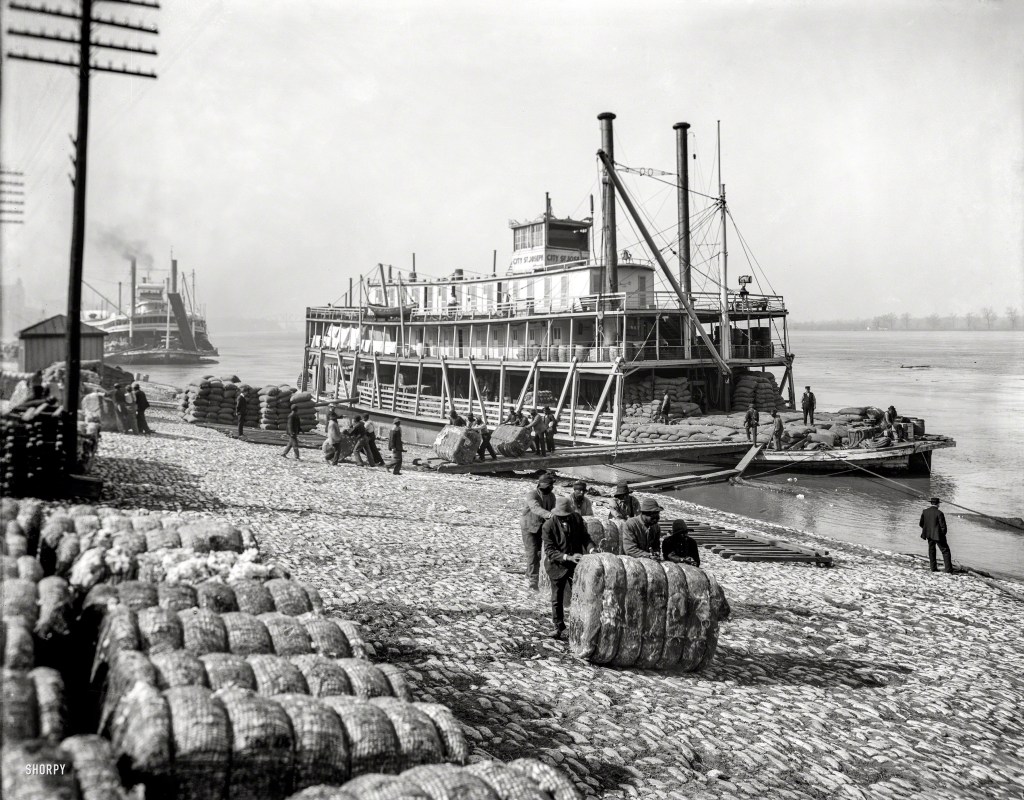
The sternwheeler “City of St. Joseph” on the Mississippi River 1910.
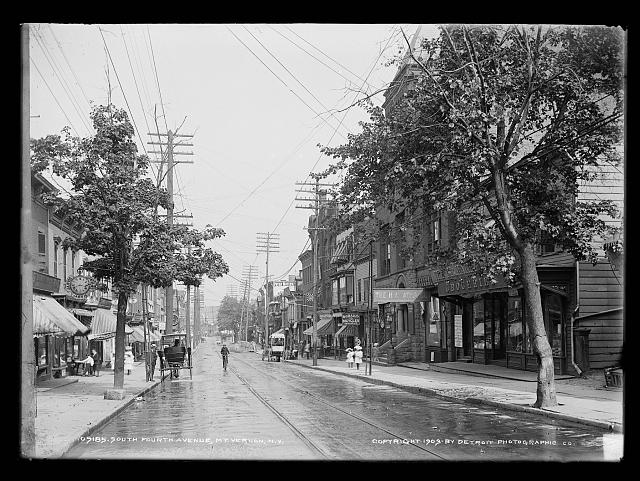
South Fourth Avenue, Mt. Vernon, N.Y. 1903
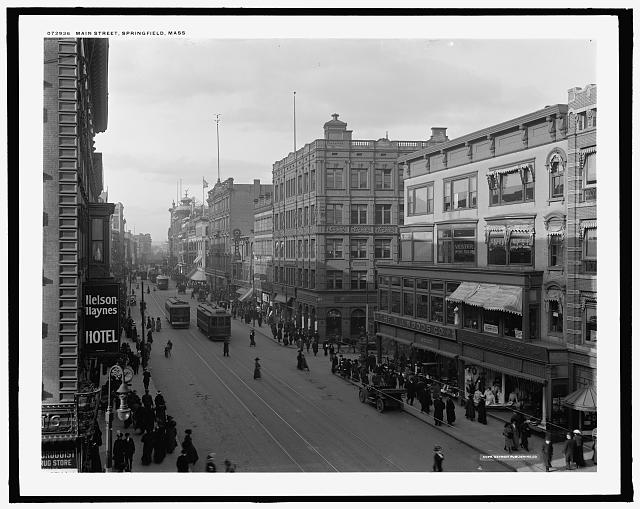
Main Street, Springfield, Massachusetts. 1910

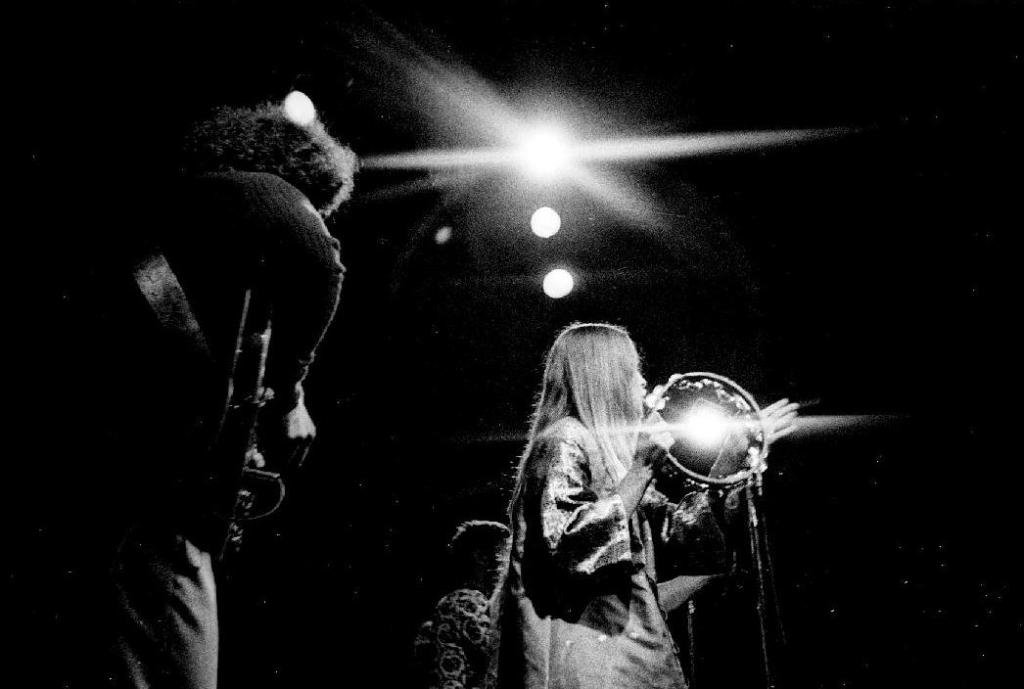
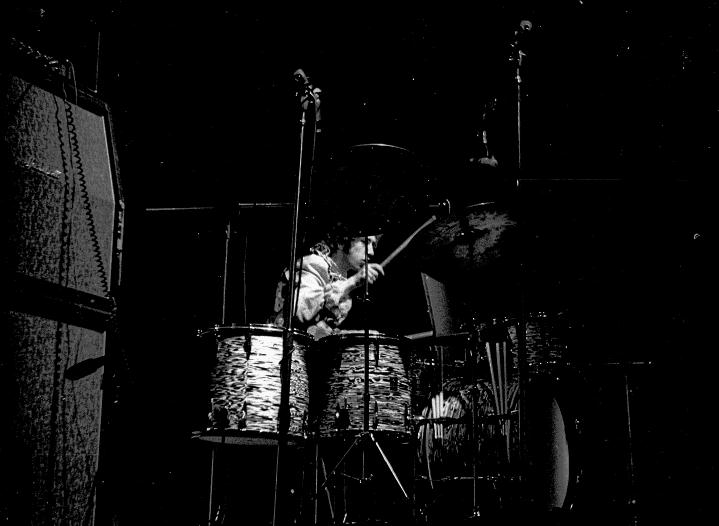
41 Vintage Photos of the Monterey Pop Festival in June 1967

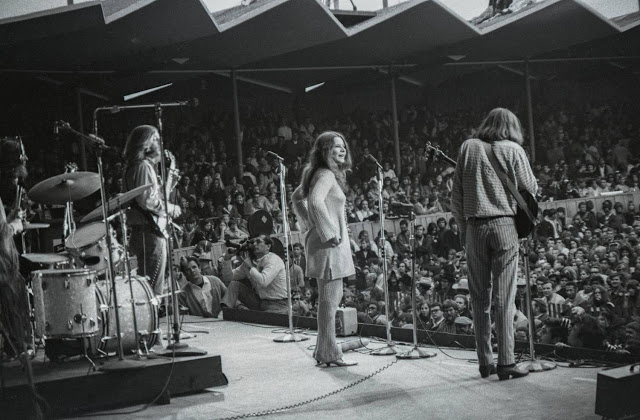
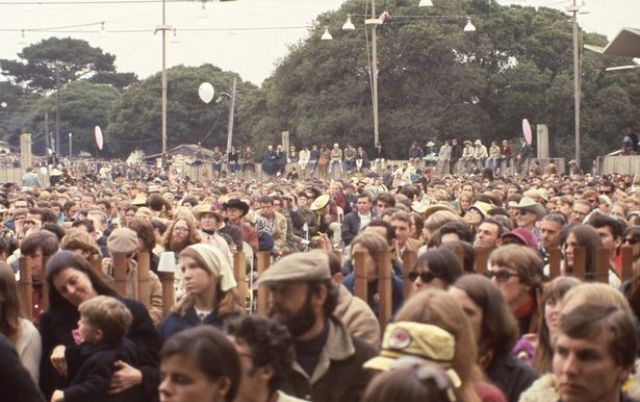
The Monterey International Pop Music Festival was a three-day concert event held June 16 to June 18, 1967, at the Monterey County Fairgrounds in Monterey. The festival is remembered for the first major American appearances by The Jimi Hendrix Experience, The Who and Ravi Shankar, the first large-scale public performance of Janis Joplin and the introduction of Otis Redding.

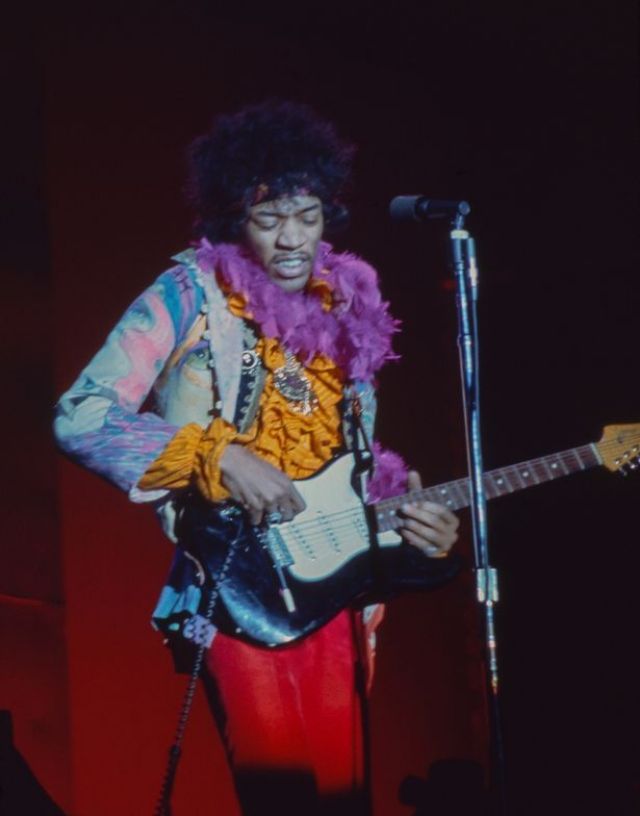
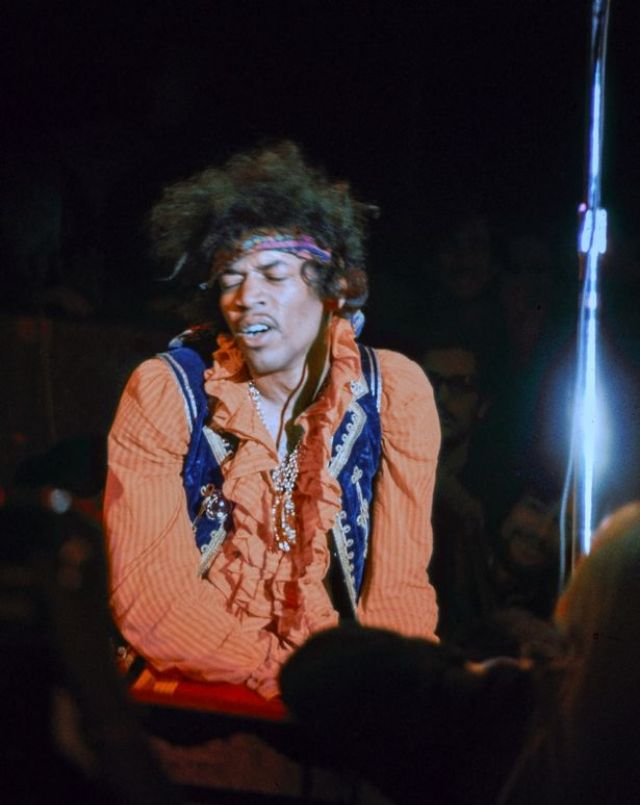
Hendrix’ use of extremely high volumes, the feedback this produced, and the combination of the two along with his dive-bombing use of the vibrato bar on his guitar, produced sounds that, with the exception of the British in attendance, none of the audience had ever heard before. This, along with his look, his clothing, and his erotic antics onstage, had an enormous impact on the audience. To take things further, aware of The Who’s planned explosive finale, he asked around for a can of lighter fluid, which he placed behind one of his amplifier stacks before beginning his set. He ended his Monterey performance with an unpredictable version of “Wild Thing”, which he capped by kneeling over his guitar, pouring lighter fluid over it, setting it on fire, and then smashing it onto the stage seven times before throwing its remains into the audience.

Jill Gibson was an experienced photojournalist by 1967. She had a musical background filling in for Michelle Phillips on the Mamas and The Papas second album and was dating Monterey Pop Festival producer, Lou Adler, at the time. Jill was the official photographer for The Monterey Pop Festival. These are her images, many which have never been released prior to now.

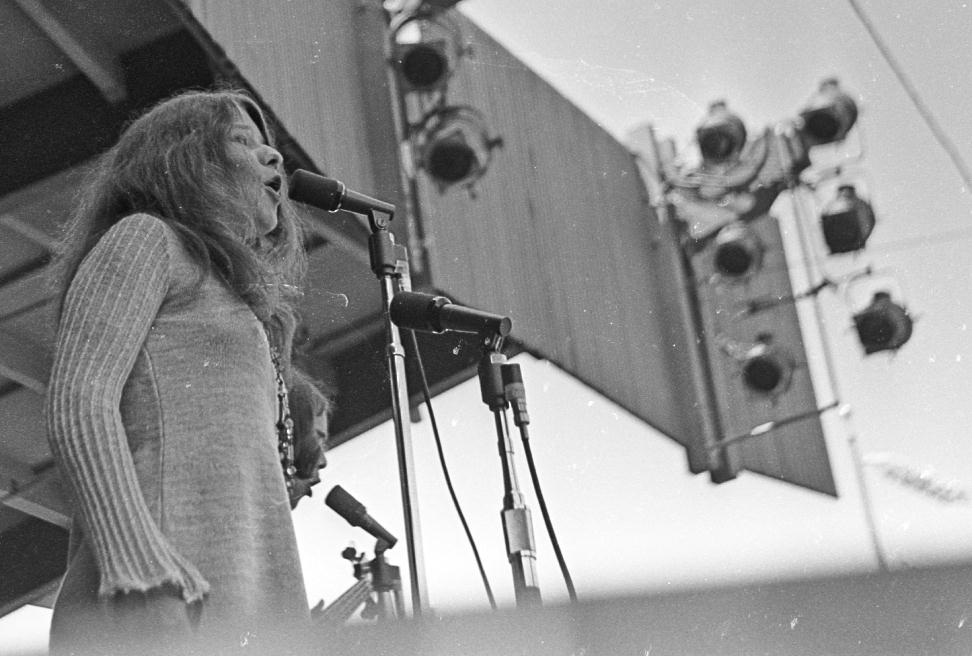
Janis Joplin commanding almost 10,000 fans on stage
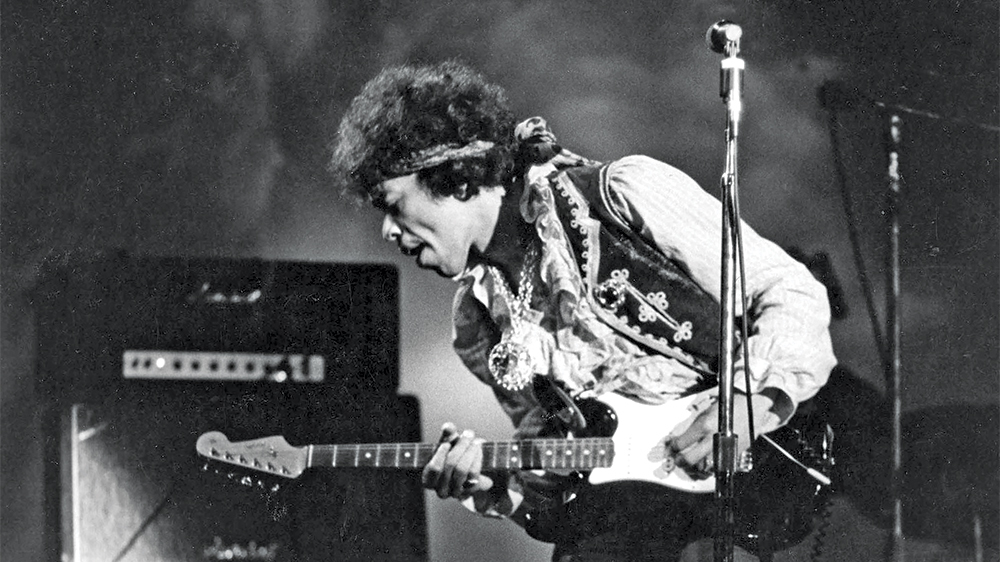
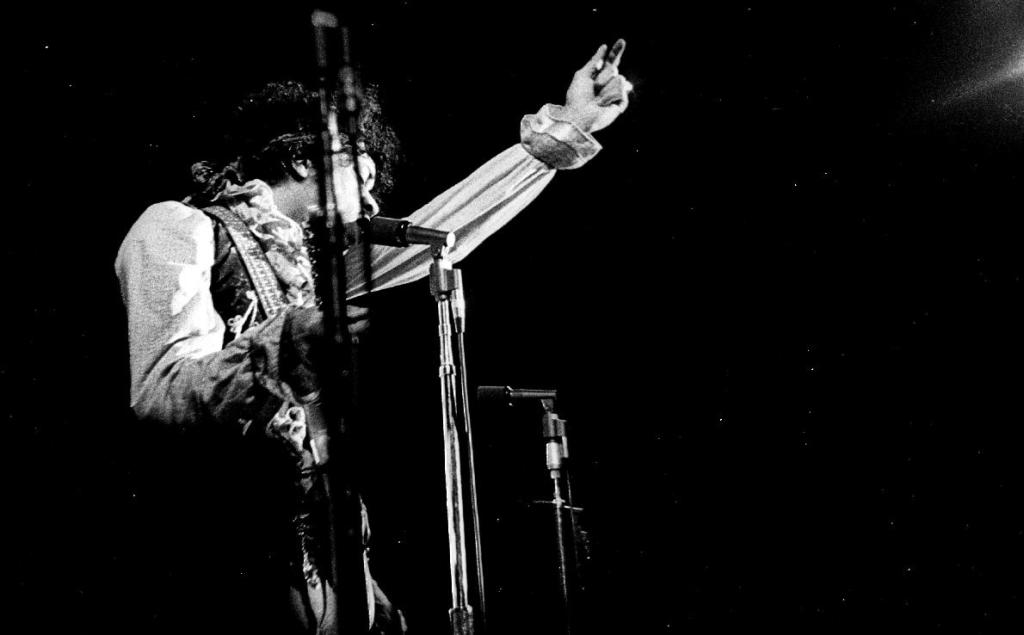
Jimi Hendrix in the midst of one of his greatest ever performances
This performance put Hendrix on the map in the US
Photographer Jill Gibson said Hendrix’s show was “unique”
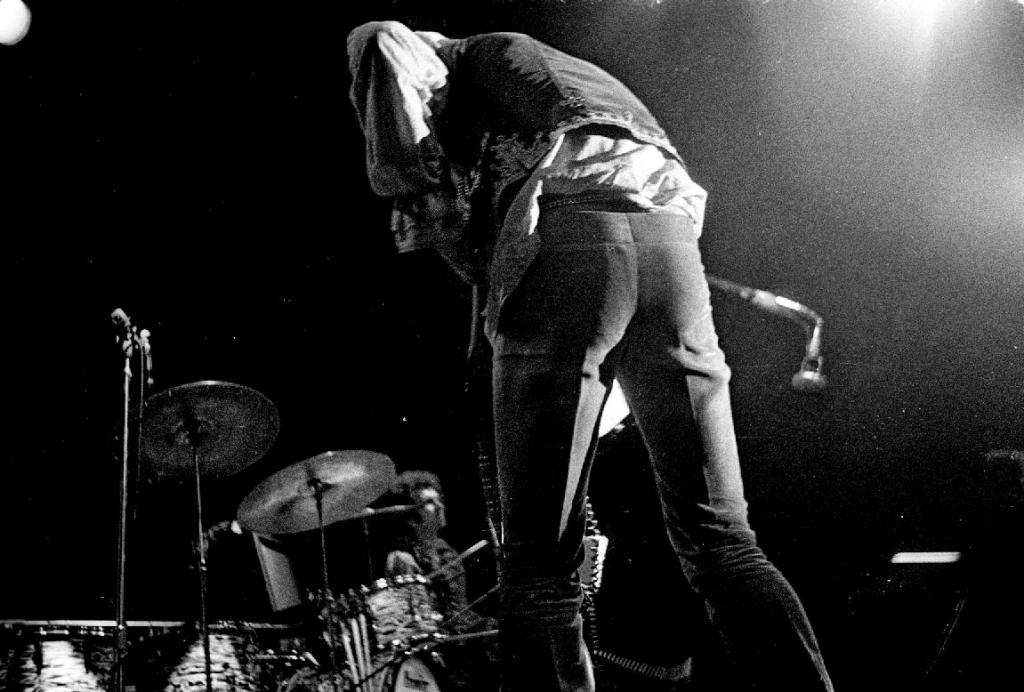
The Who’s Roger Daltrey, Pete Townsend and Keith Moon destroying their instruments after their set
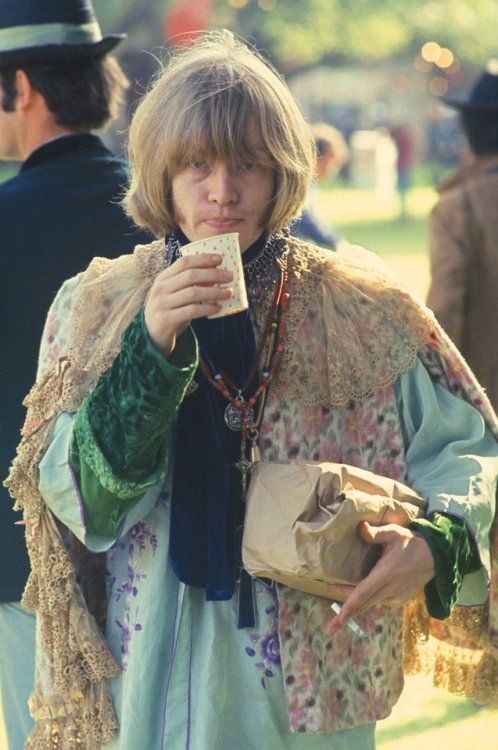
Rolling Stones guitarist Brian Jones, dressed in an elaborate flower power suit, taking in the acts
The festival took place over the course of three days in June 1967
Jill snapped this picture of the store at the festival
Hippies pictured soaking up the Monterey sunshine
The event, which sparked the start of the Summer Of Love, attracted some younger visitors
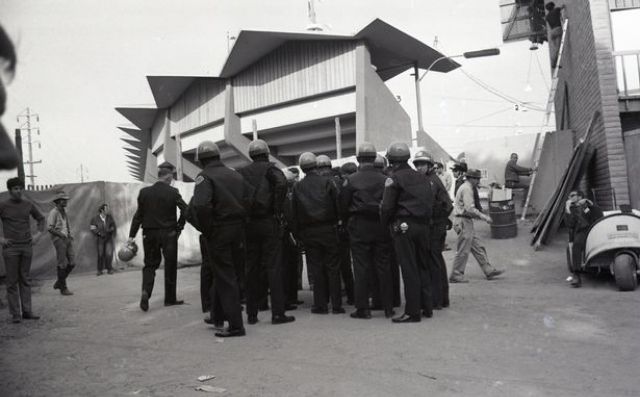
Police gathered outside the entrance to the festival
The ticket office was a modest, shed-like building
Jimi Hendrix with John Entwistle, Monterey, CA 1967
The performers’ lounge backstage, Monterey, CA 1967
Two unidentified girls backstage
Bruce Barthol & Barry “The Fish” Melton
Country Joe McDonald sings to the camera
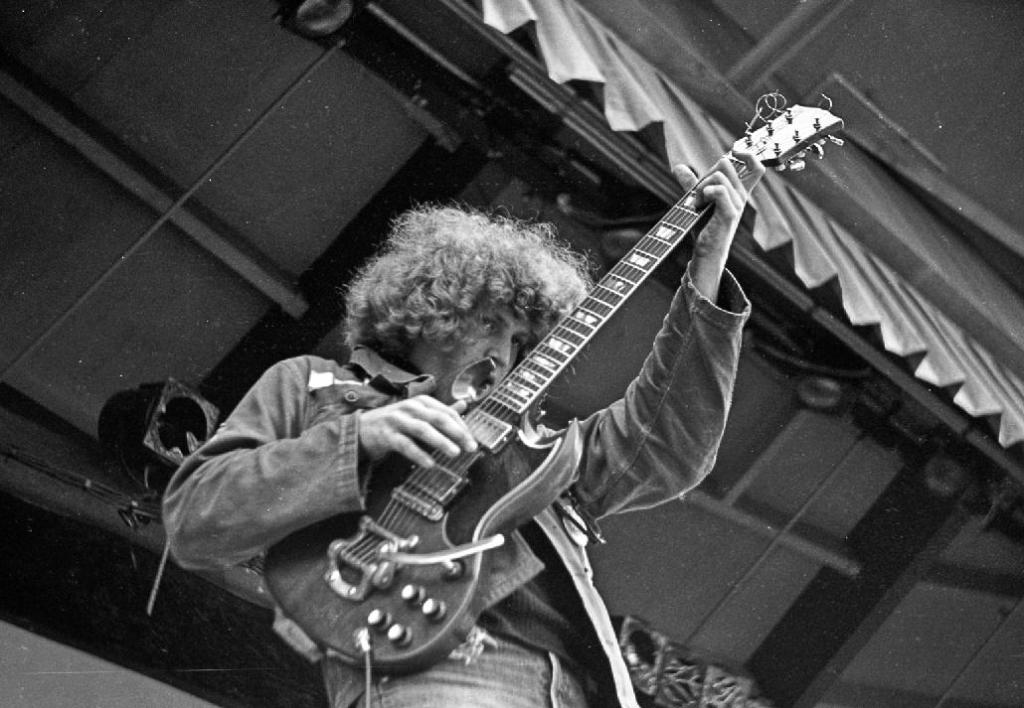
Barry “The Fish” Melton strums up a storm, Monterey, CA 1967
David Bennett Cohen
Country Joe and the Fish play
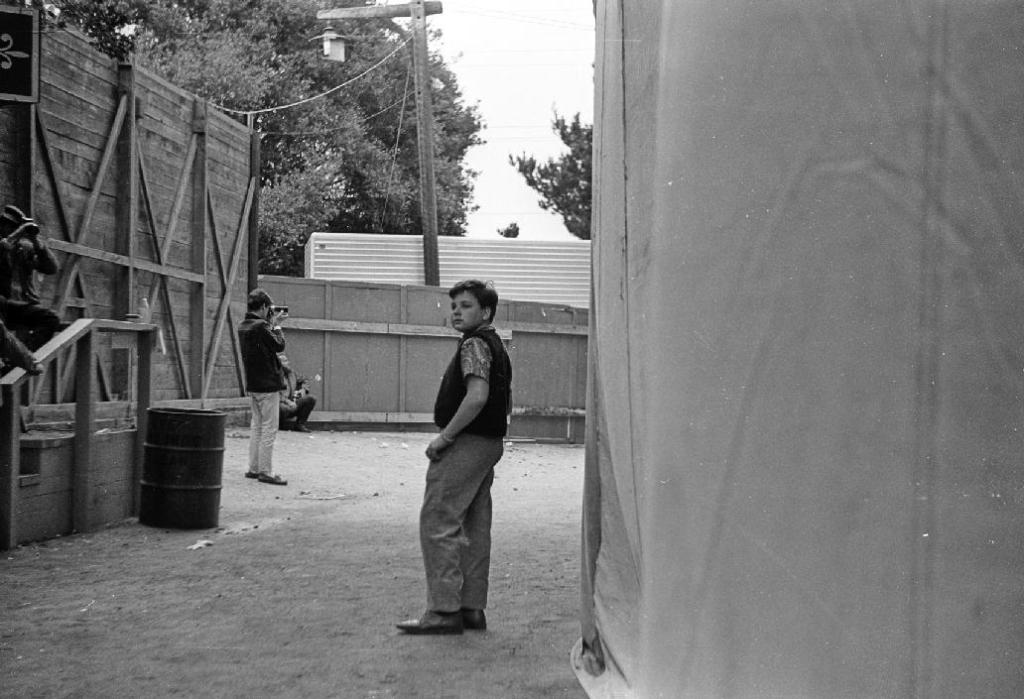
Unidentified boy hangs out backstage at the Monterey Pop Festival, 1967.
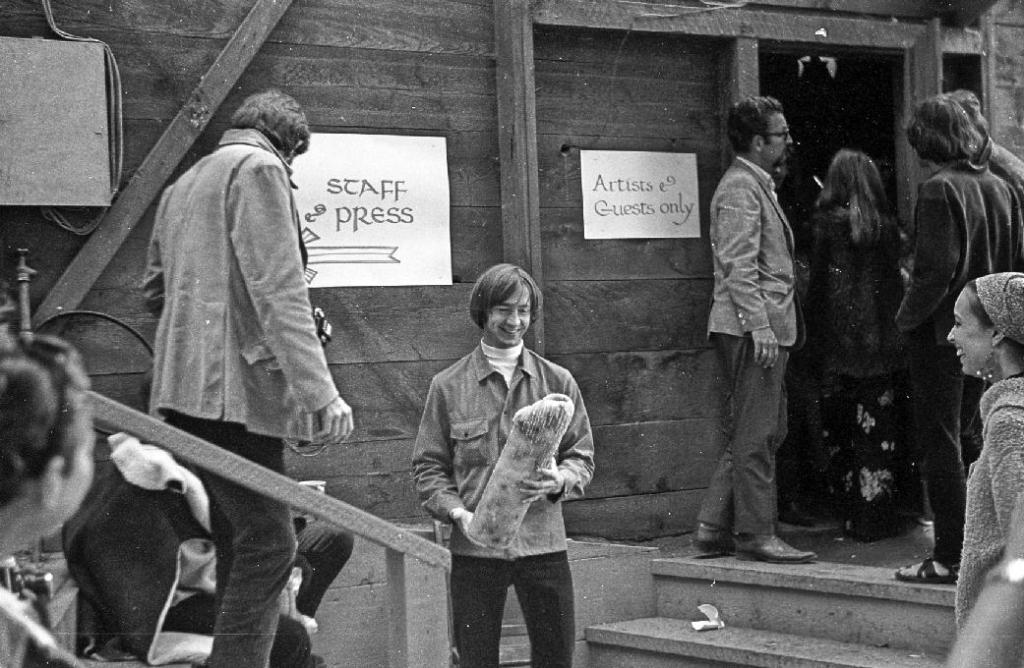
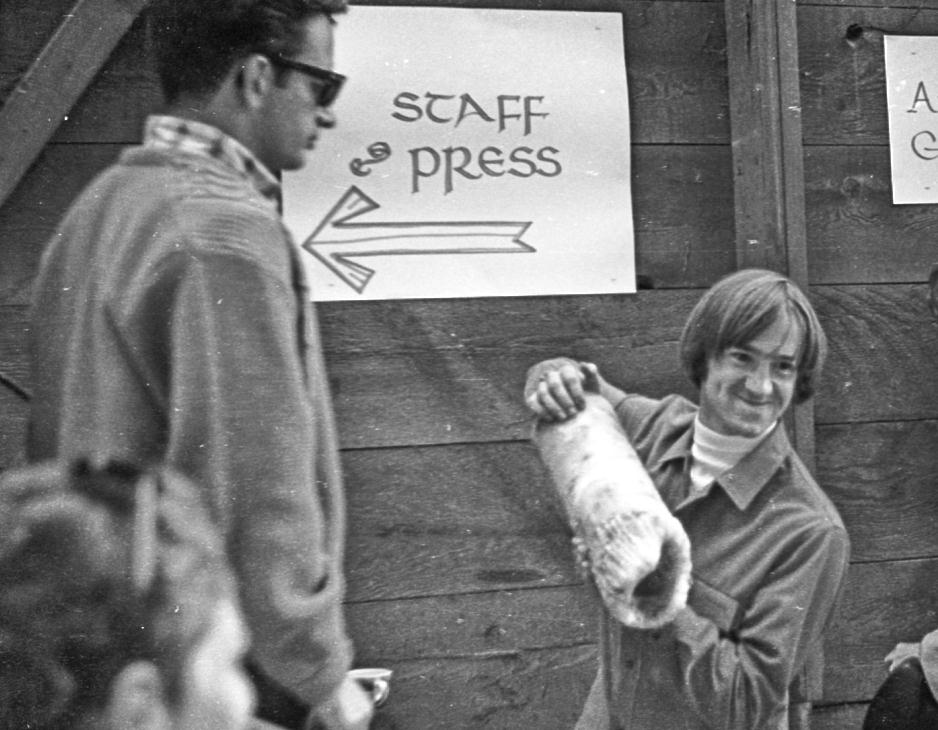
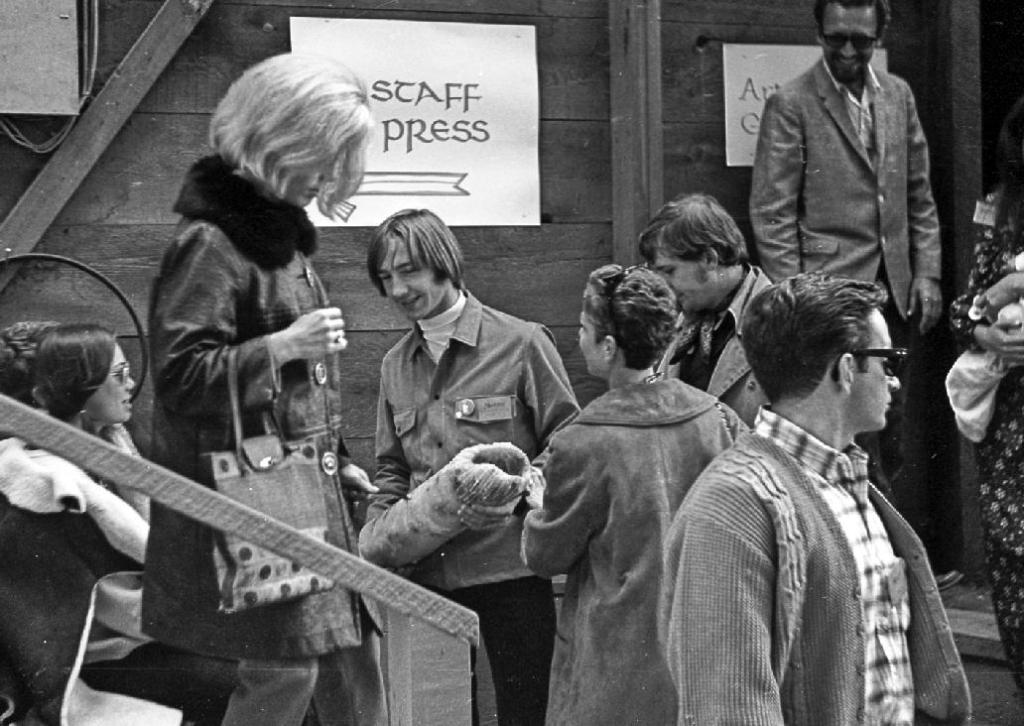
Peter Tork receives a gift of a “Sticky Wicket” candle at the Monterey Pop Festival, 1967.
Peter Tork clowns around with his candle.
Peter Tork shows off his candle to his friends.
Someone tries to steal the candle from Peter Tork
Janis Joplin belts out a song for the crowd at the Monterey Pop Festival, 1967.
Janis Joplin encourages the crowd to clap
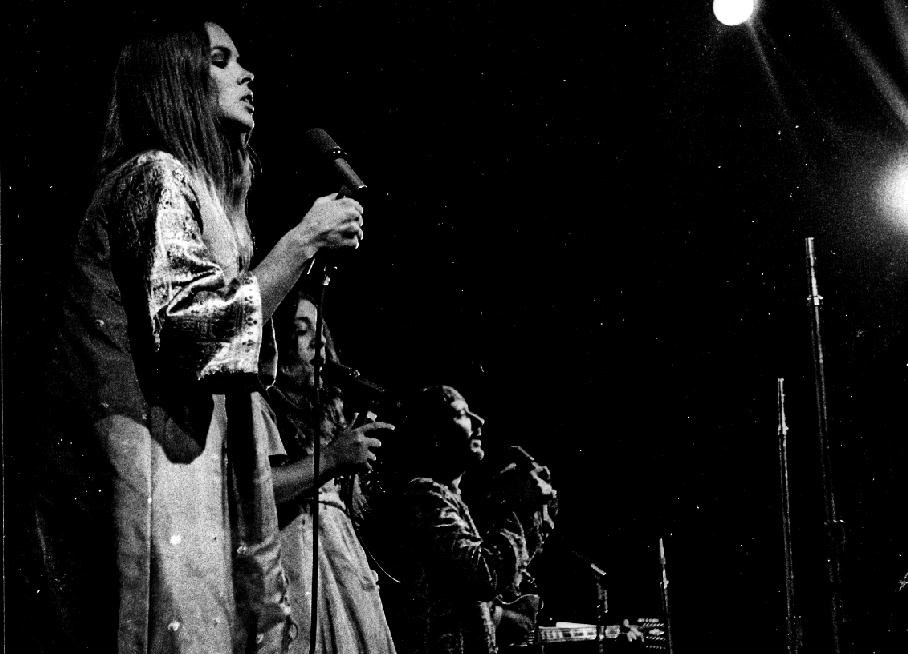
Michelle Phillips of the “Mommas and the Poppas”
Michelle Phillips, Mama Cass Elliot and John Phillips at the Monterey Pop Festival, 1967.
Michelle Phillips & Mama Cass Elliot
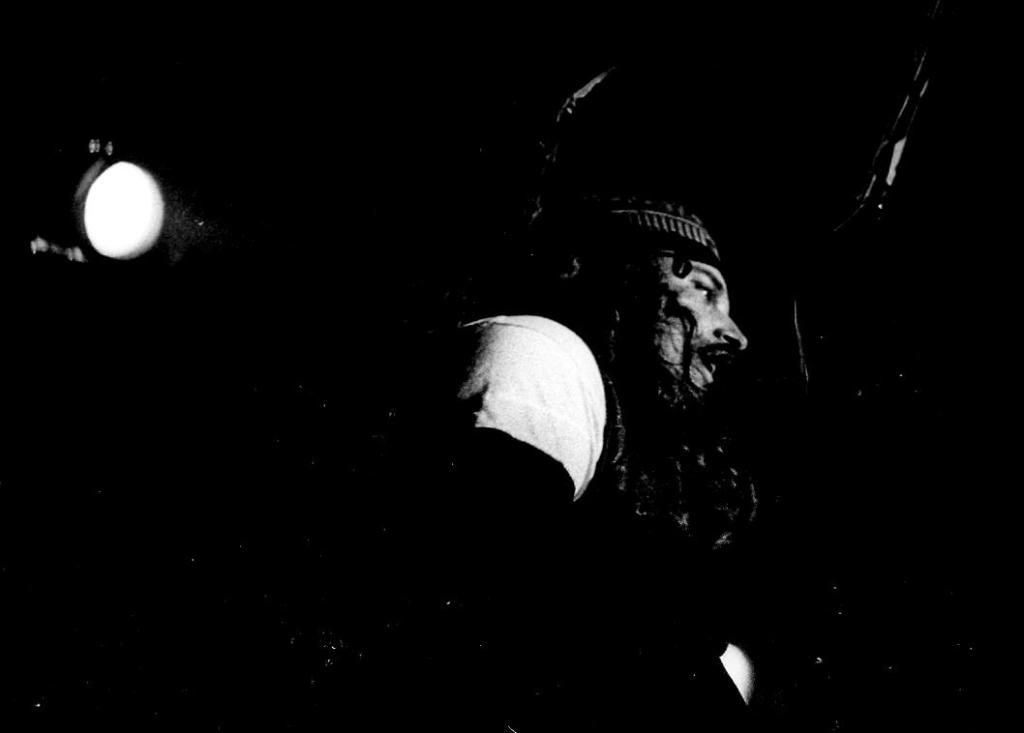
Pigpen, of the Grateful Dead, performed at night.
Mich Mitchell from the Jimi Hendrix Experience
Jimi Hendrix with “The Jimi Hendrix Experience”
Jimi Hendrix plays with his back to the audience
Jimi Hendrix
Country Joe & The Fish at the Monterey Pop Festival, 1967.
Memorable Who Concert, Monterey Pop, CA, June, 1967
Jimi Hendrix at the Monterey Pop Festival, 1967.
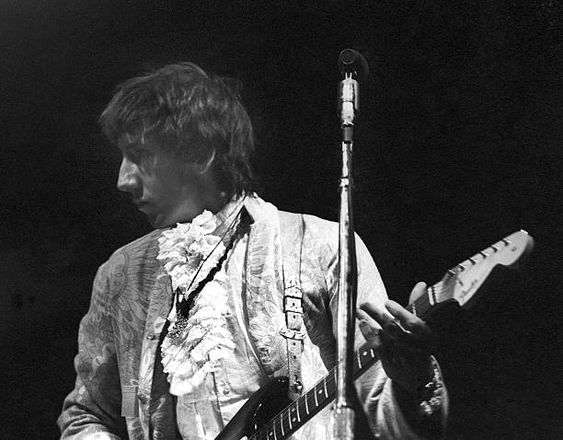
Pete Townshend of The Who performs on stage at the Monterey Pop Festival on June 18 1967 in Monterey, California.
Paul Simon of Simon and Garfunkel performs on stage at the Monterey Pop Festival on June 16 1967 in Monterey, California.
Brian Jones at the Monterey Pop Festival, 1967

(Photos © Jill Gibson)

Amazing Vintage Photos of Hollywood Actresses at Christmas

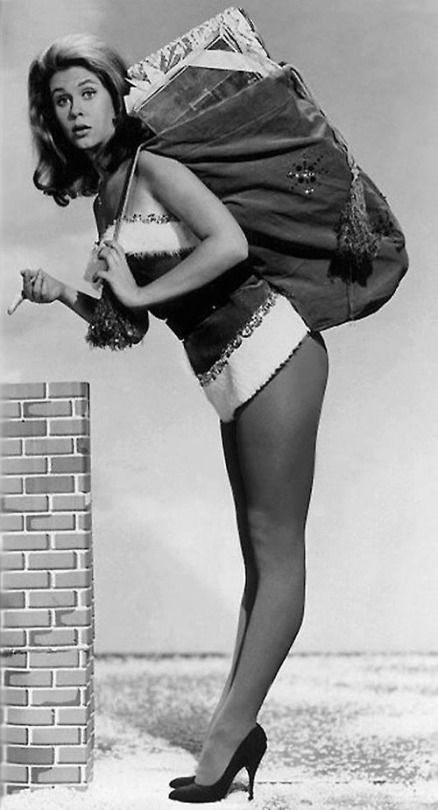
Elizabeth Montgomery

Subscribe to get access

Read more of this content when you subscribe today.

Debbie Reynolds, Christmas 1950s
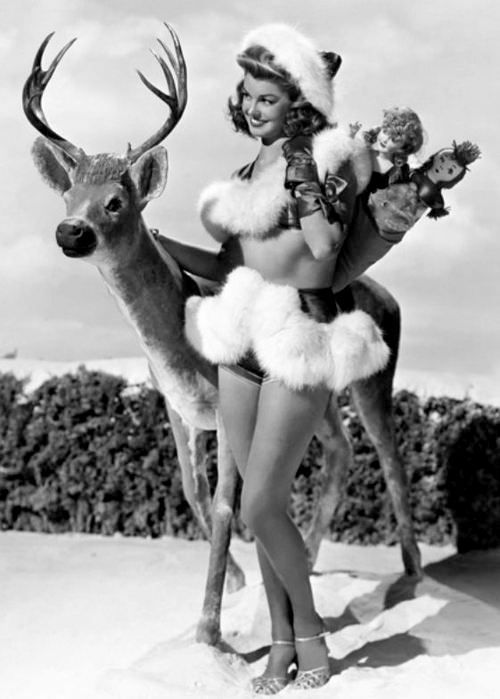
Esther Williams.

Subscribe to continue reading

Become a paid subscriber to get access to the rest of this post and other exclusive content.

Yesterday Today

Bringing You the Wonder of Yesterday - Today

Skip to content ↓