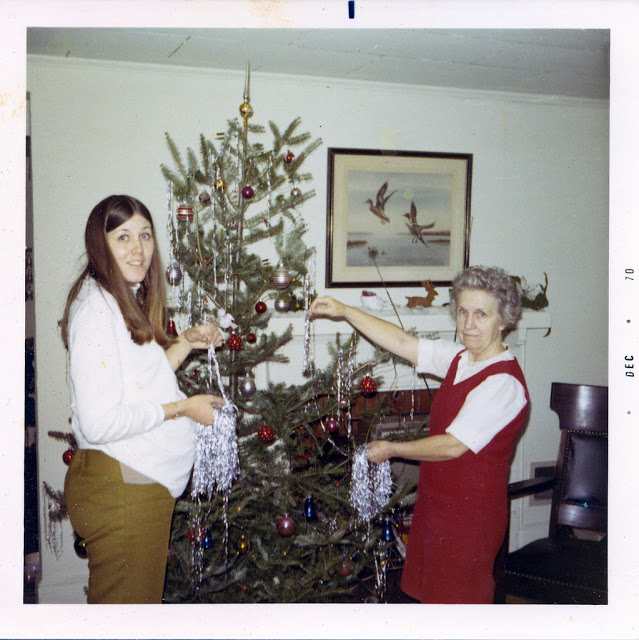
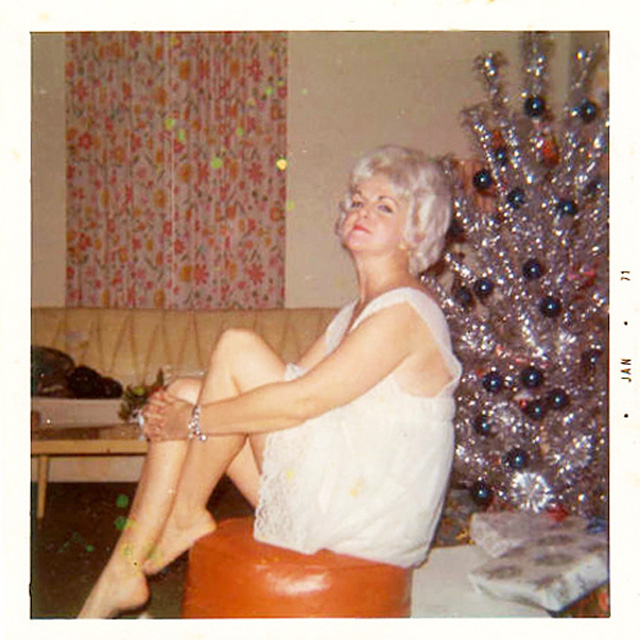
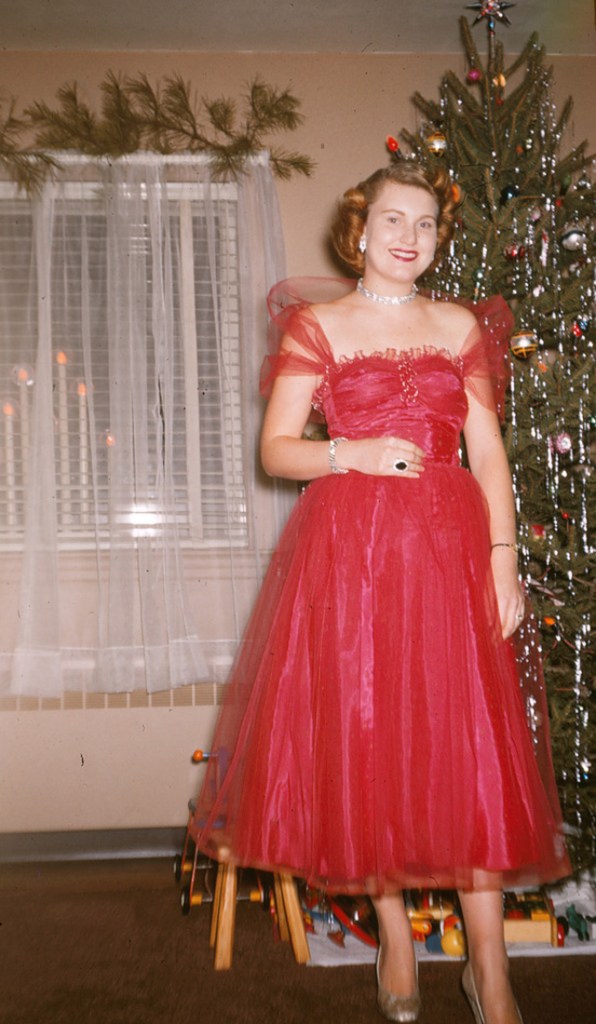
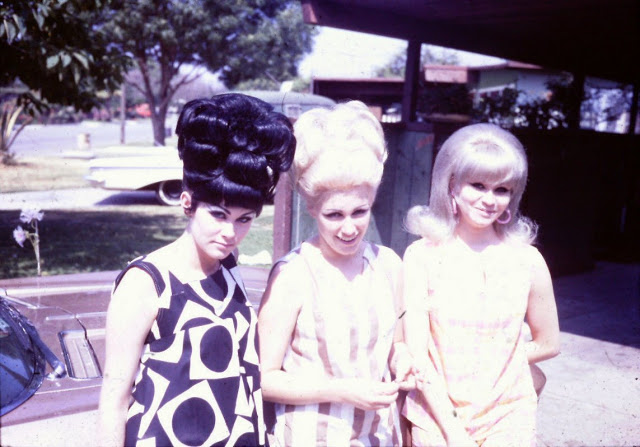
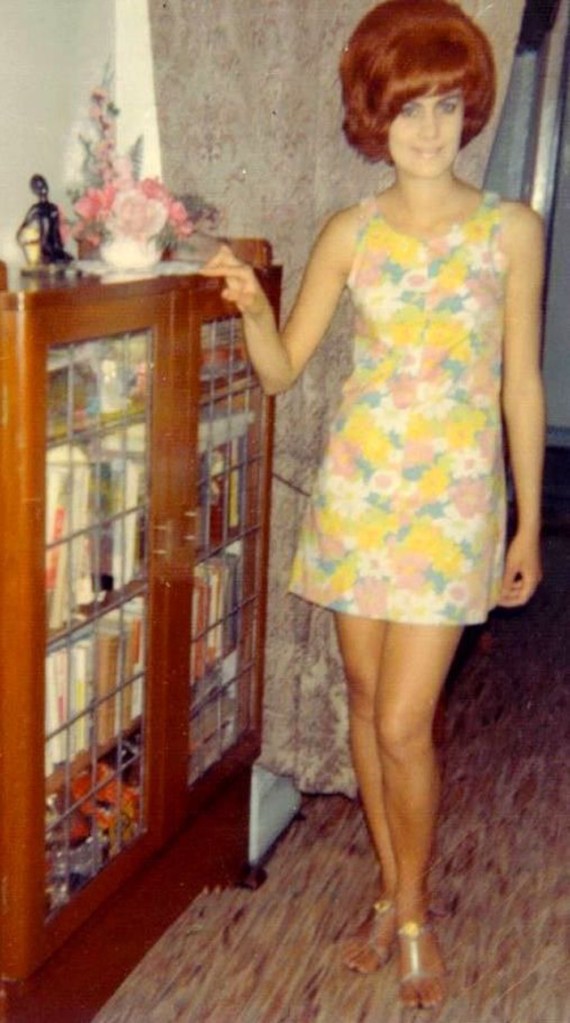
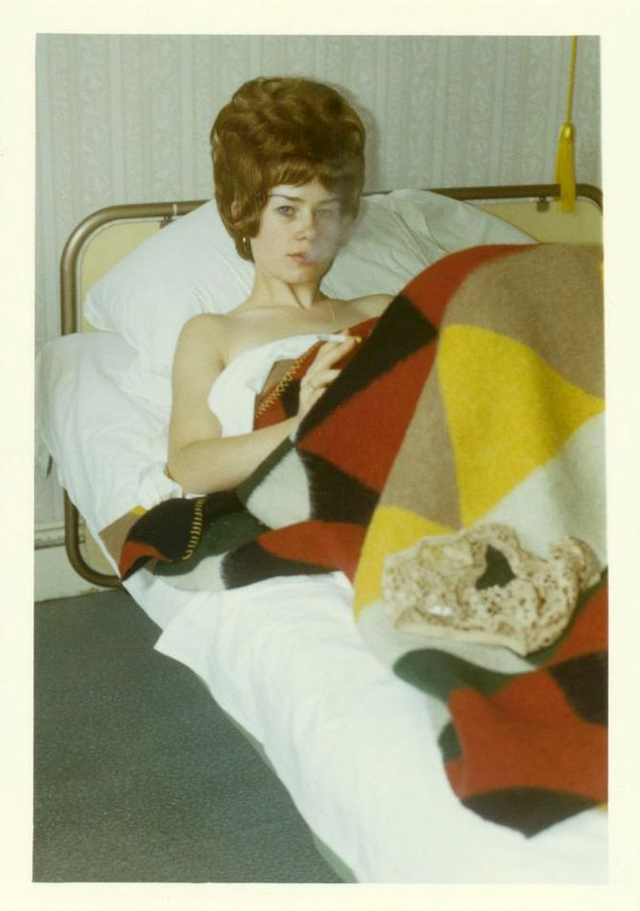
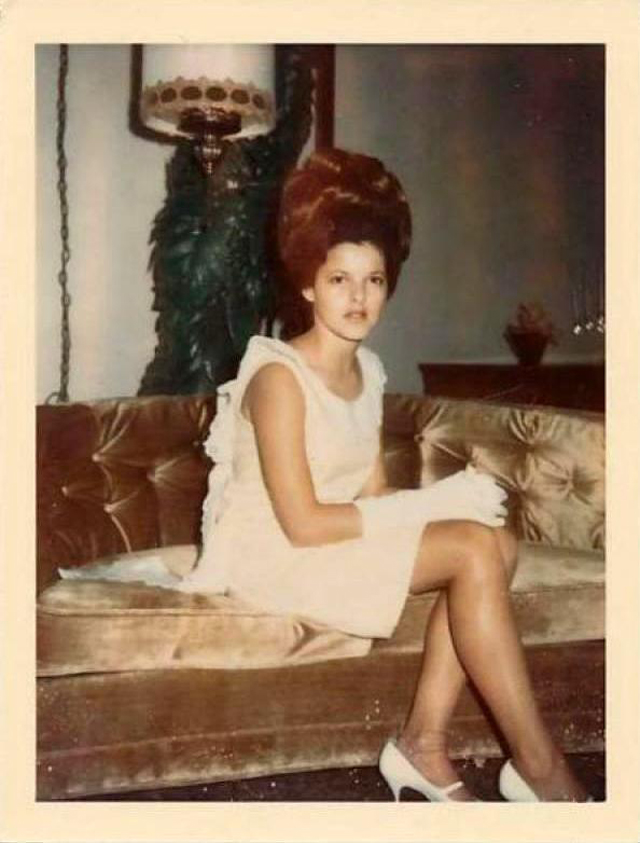
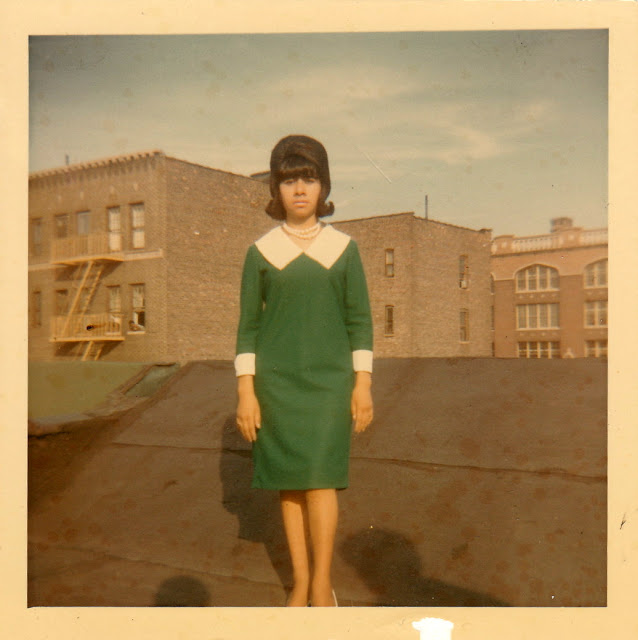
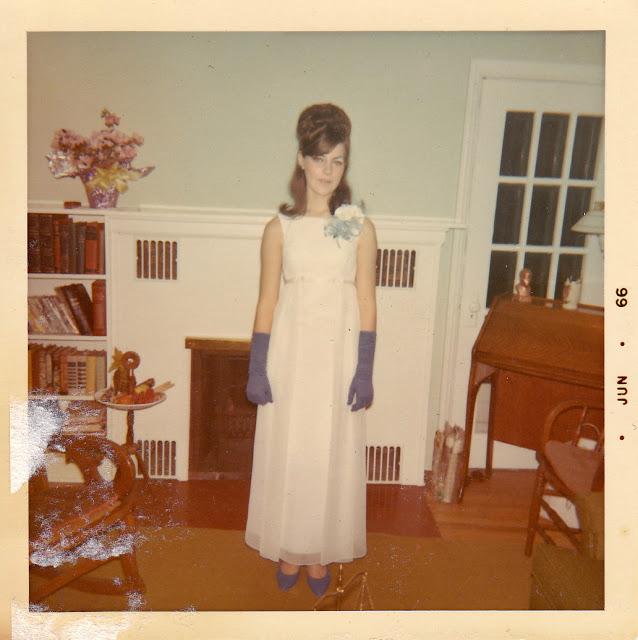
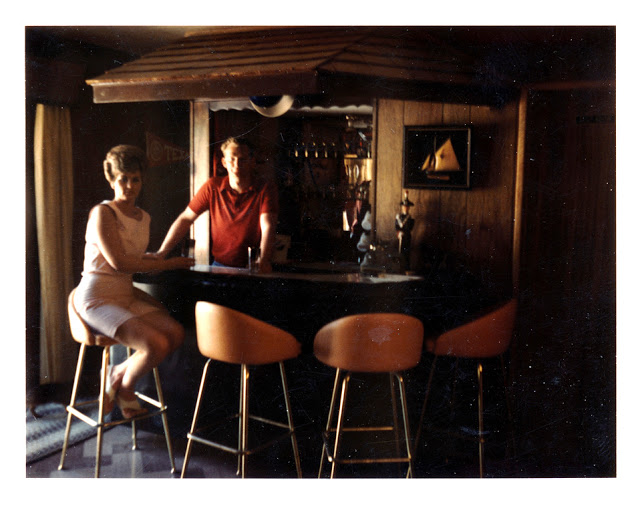
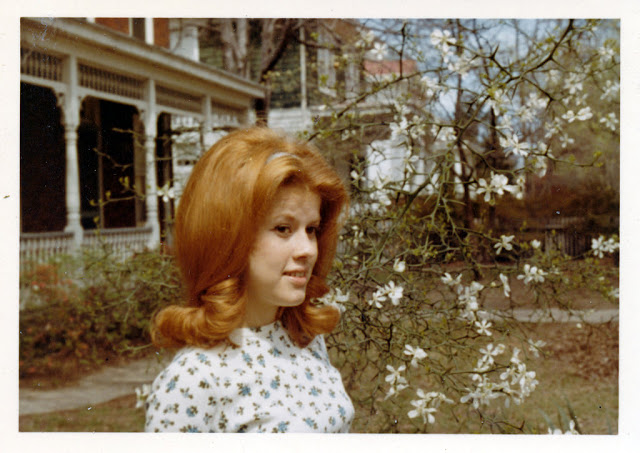
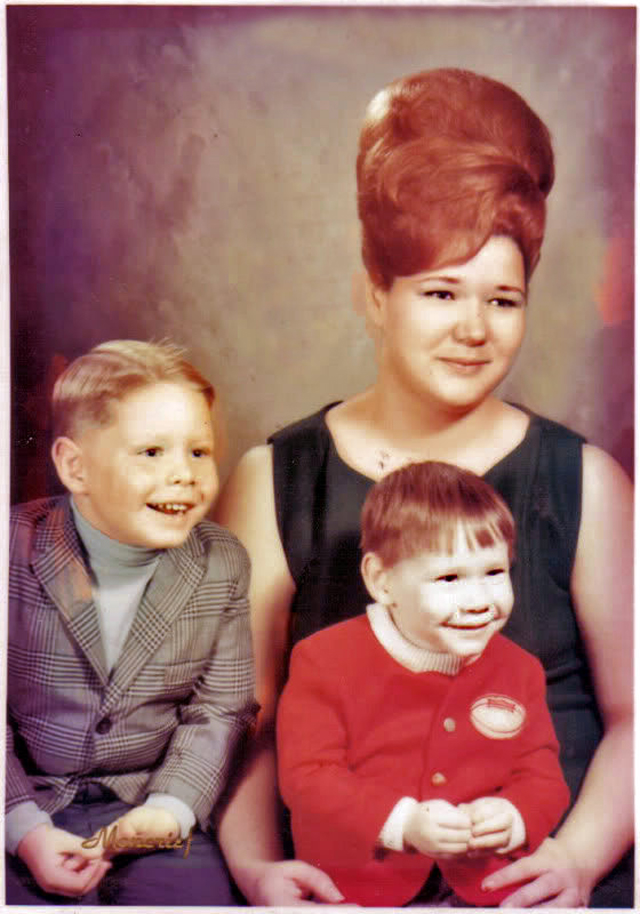
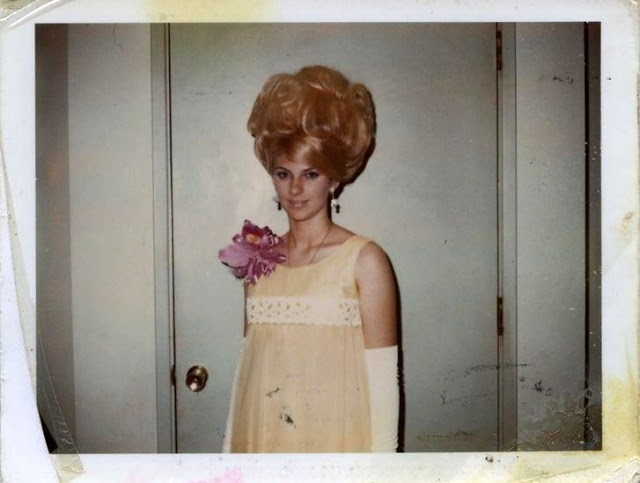
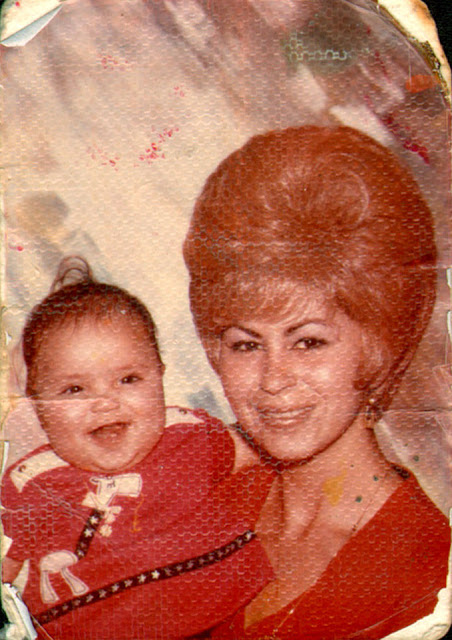
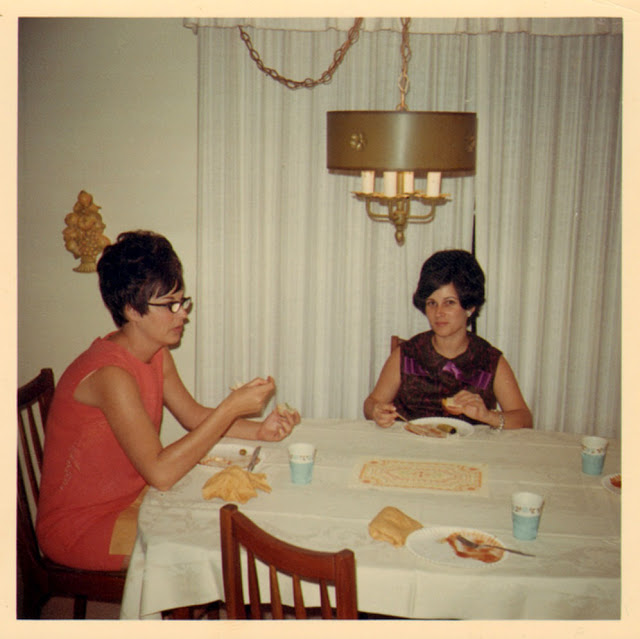
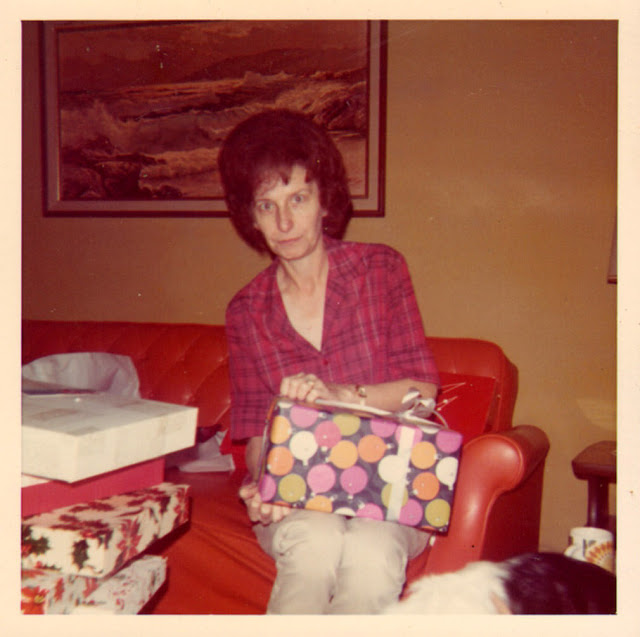
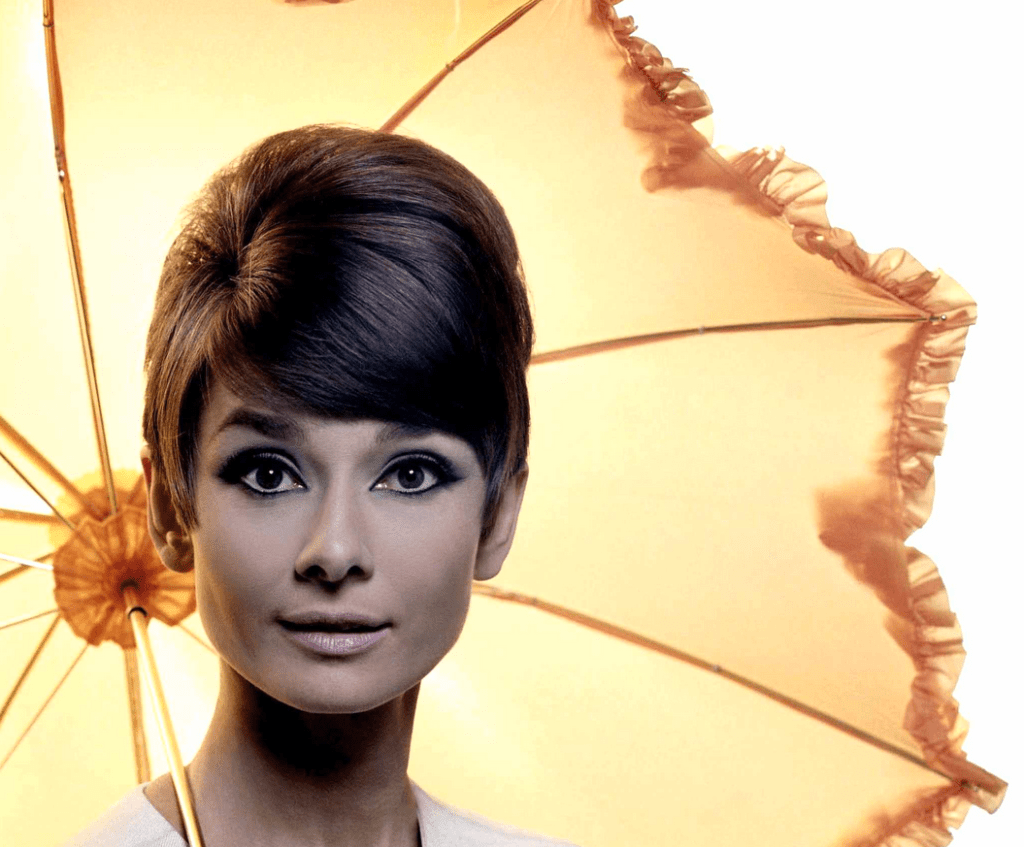
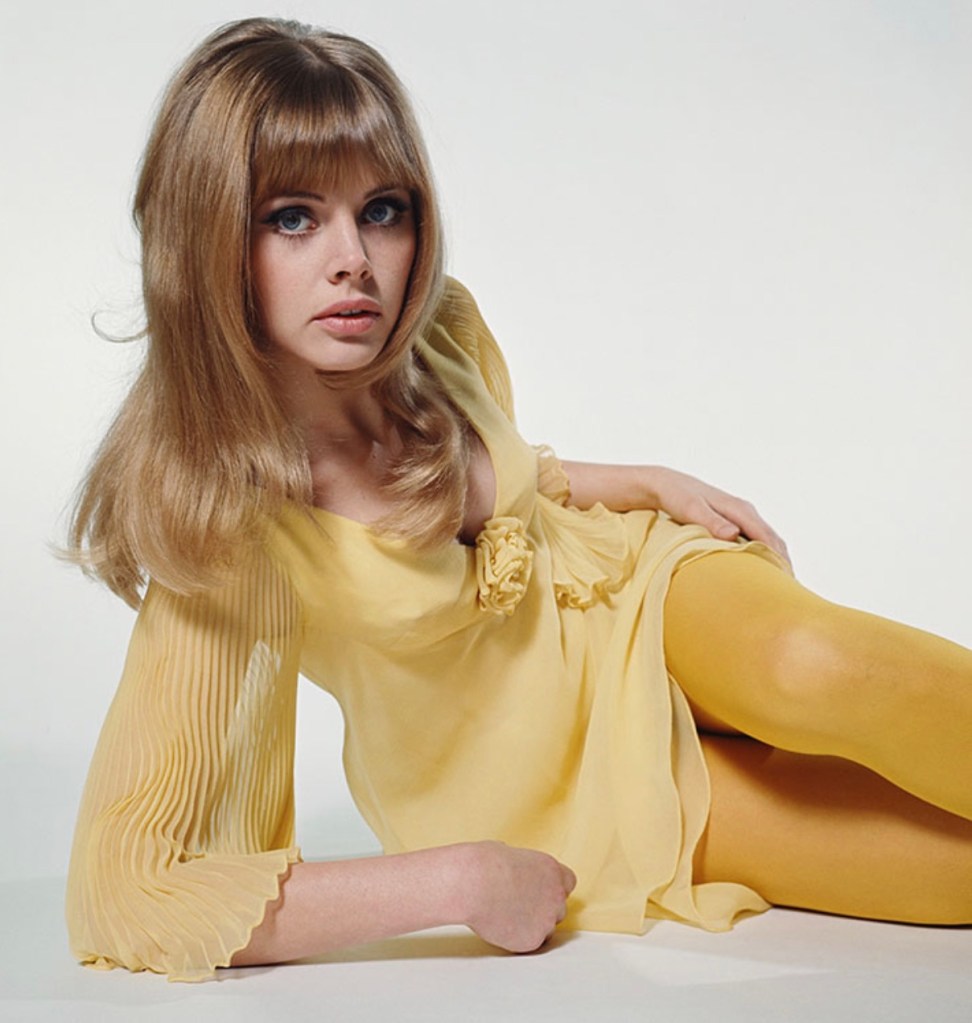
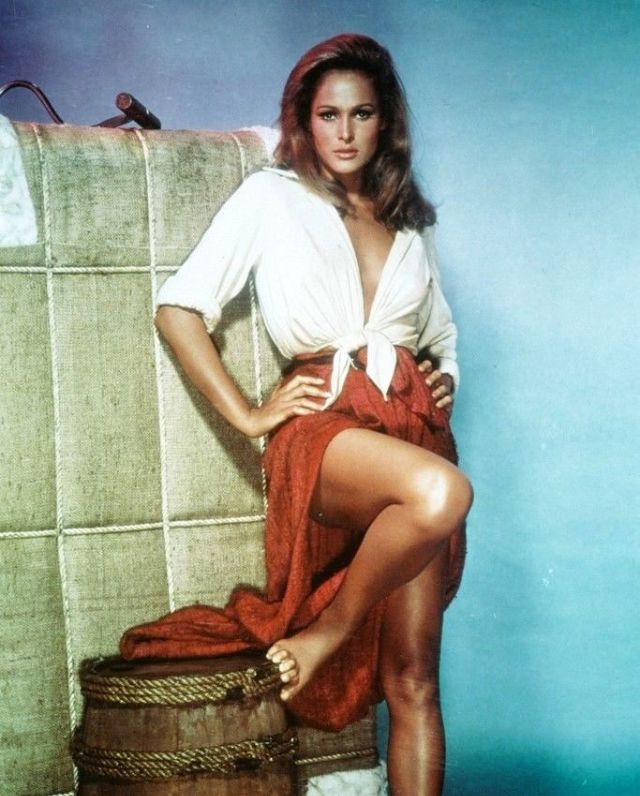
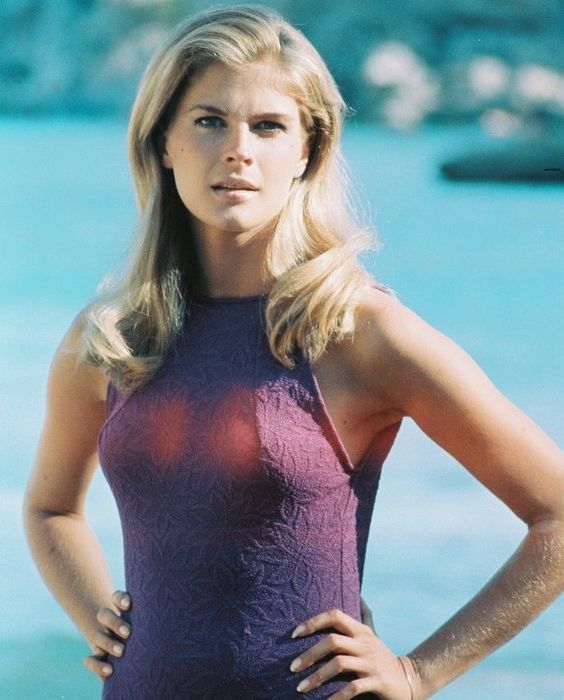
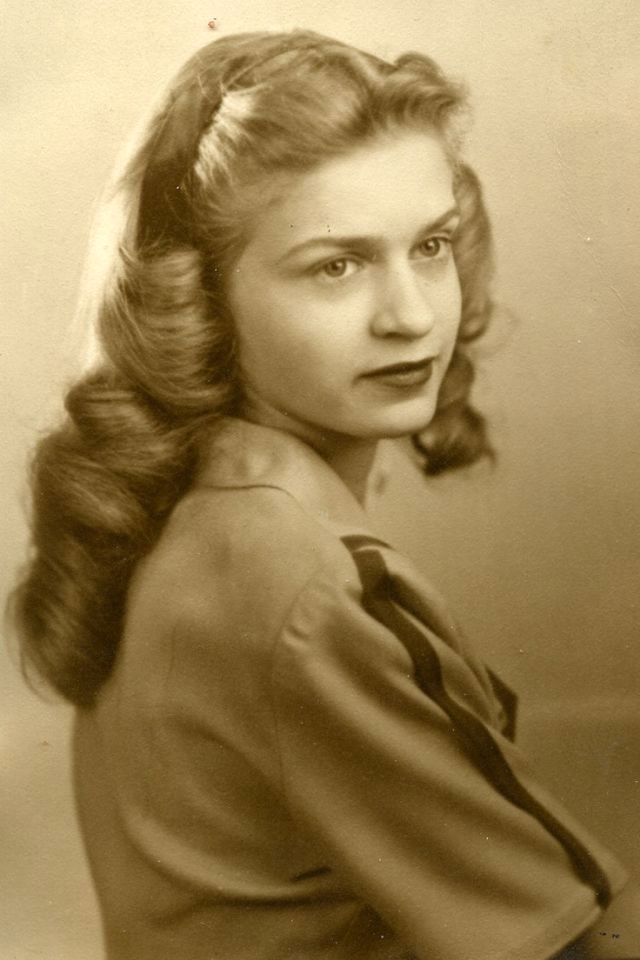
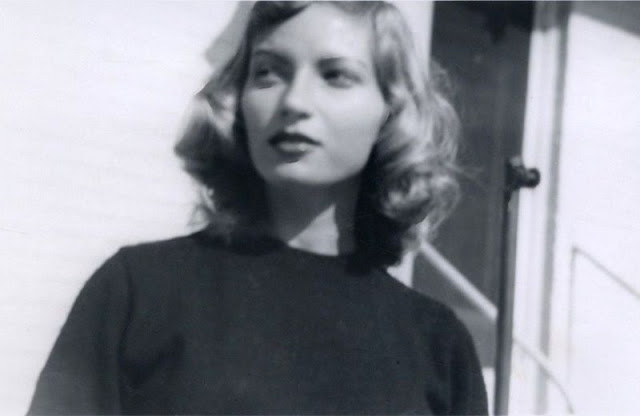
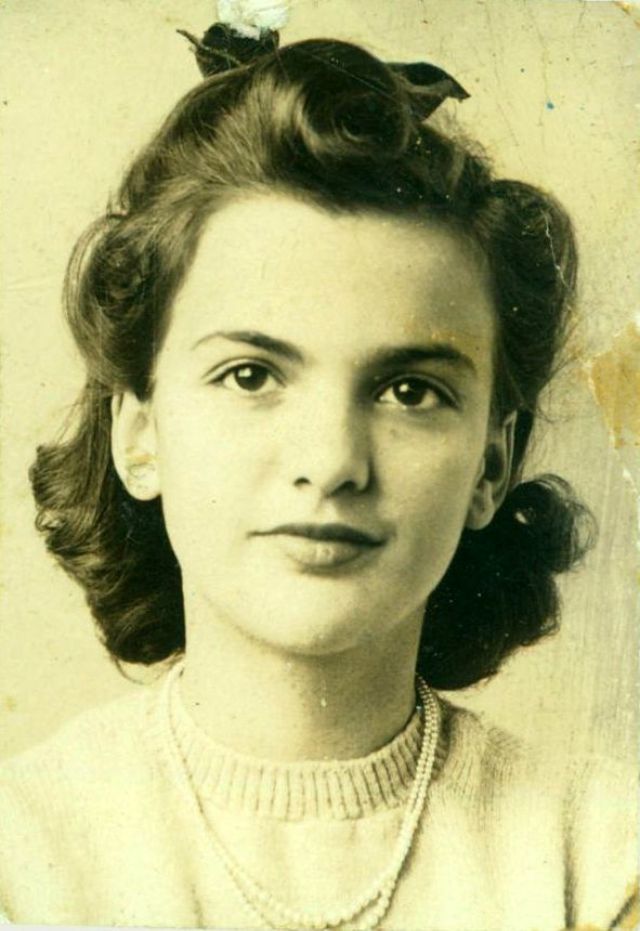
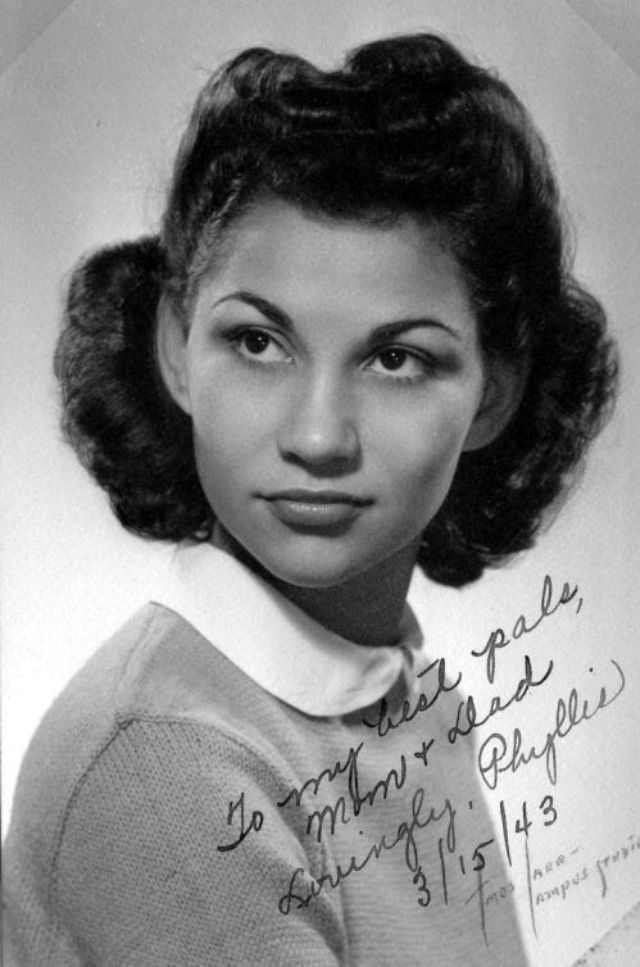
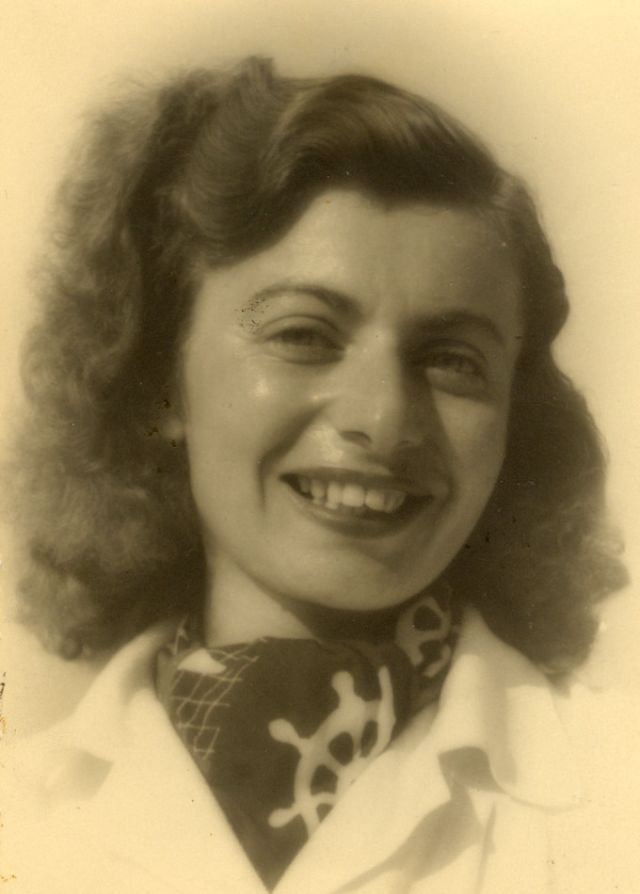
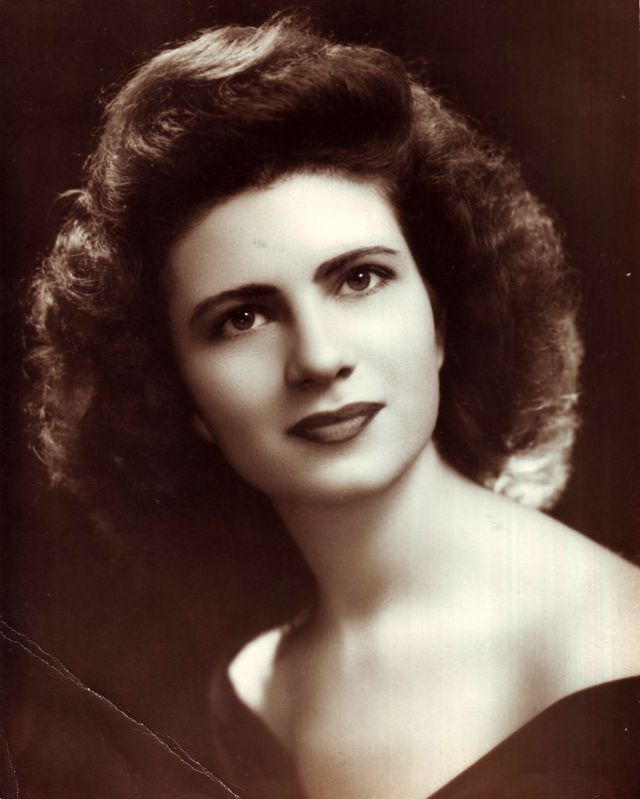
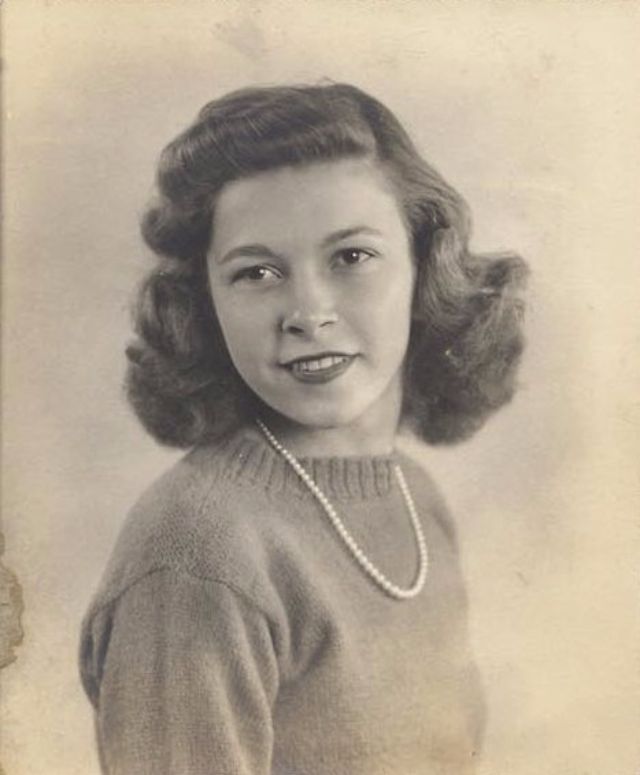
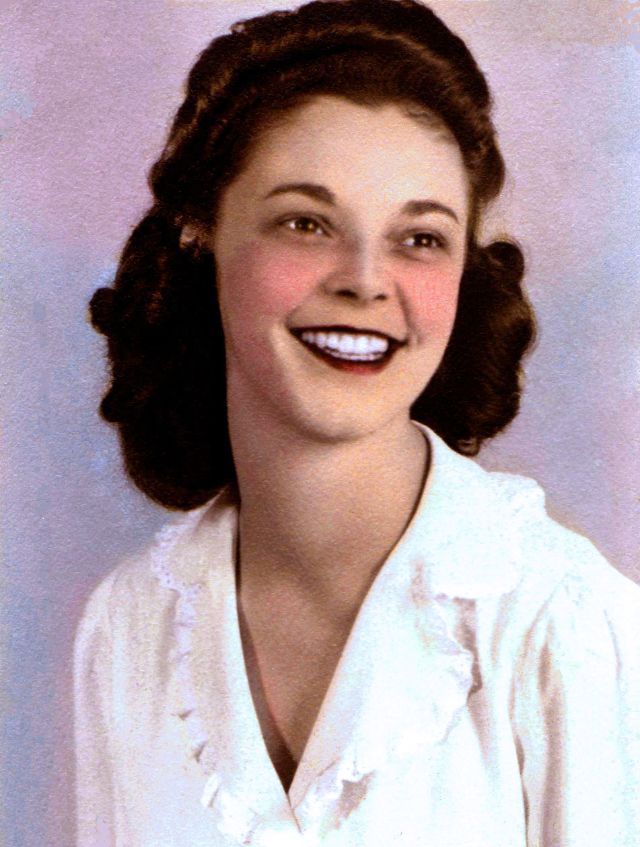
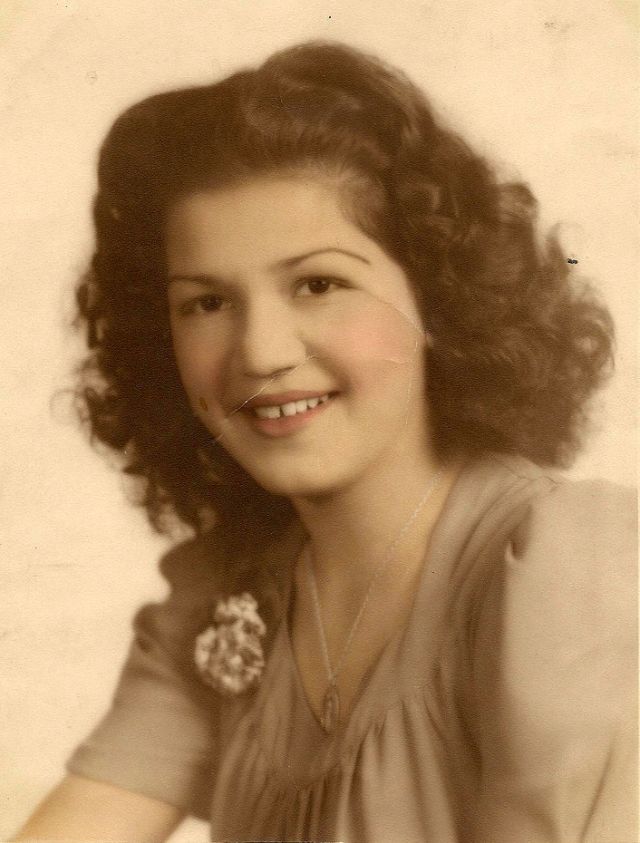
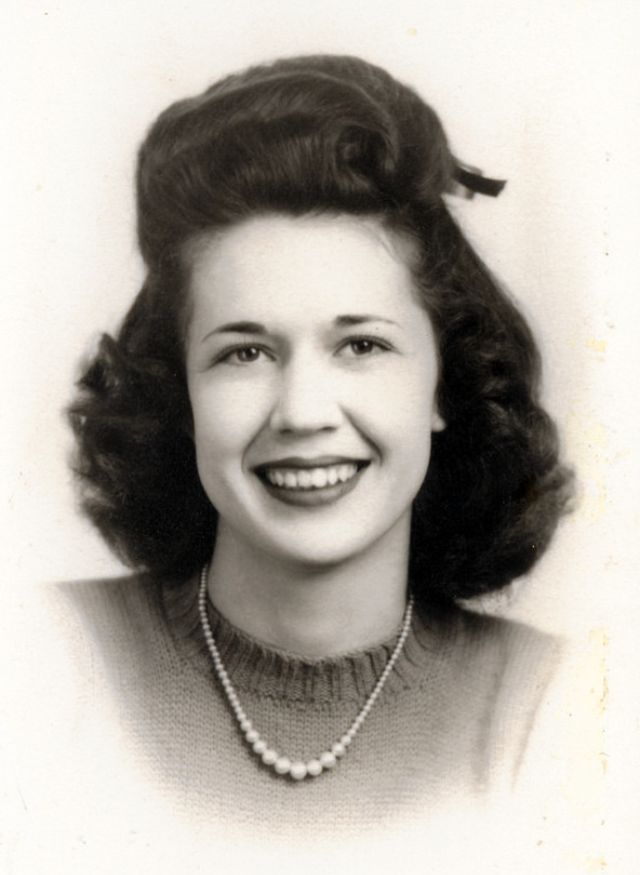
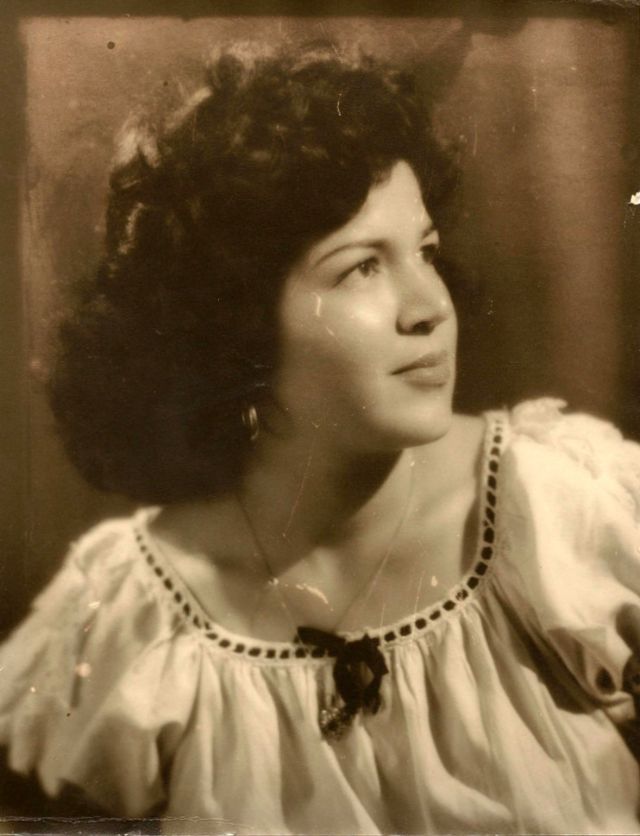
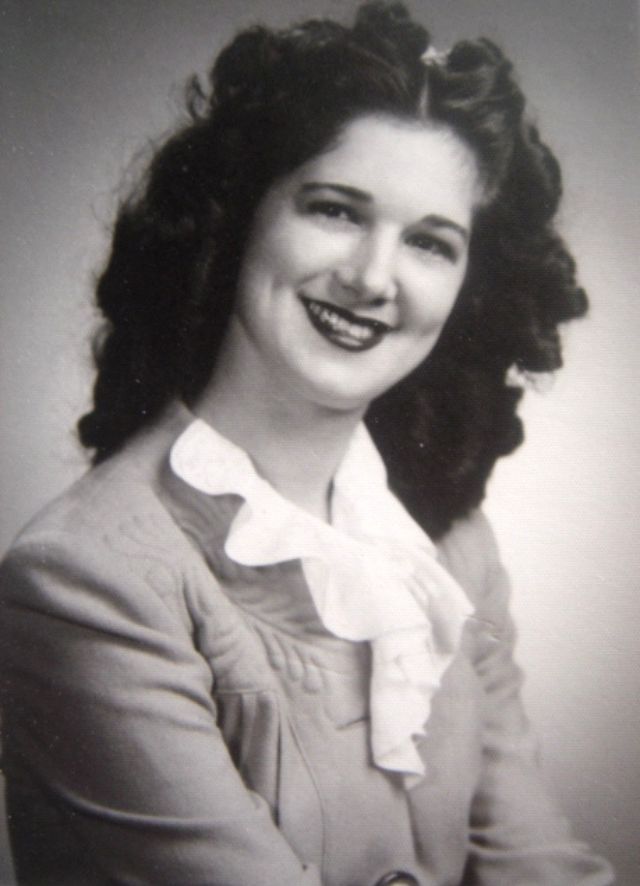
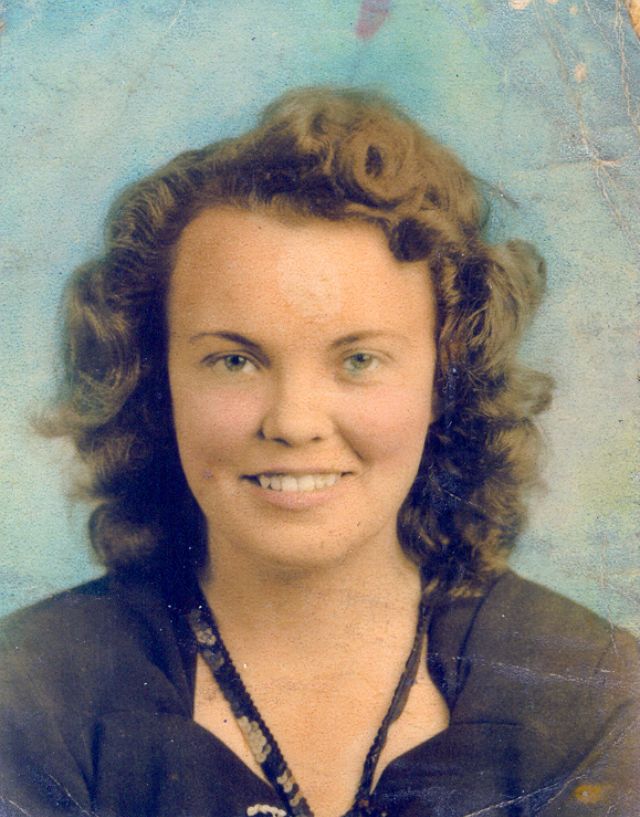
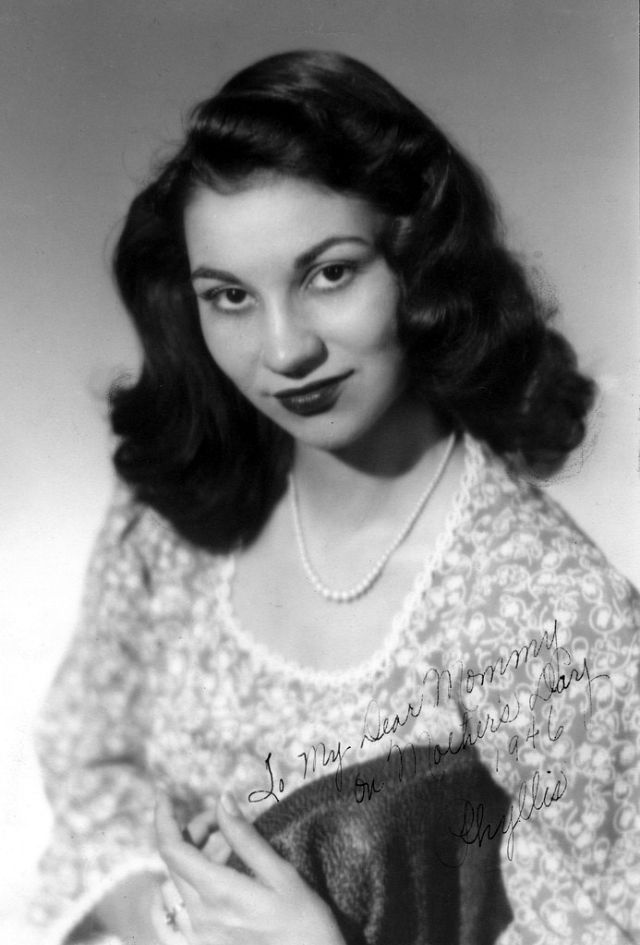
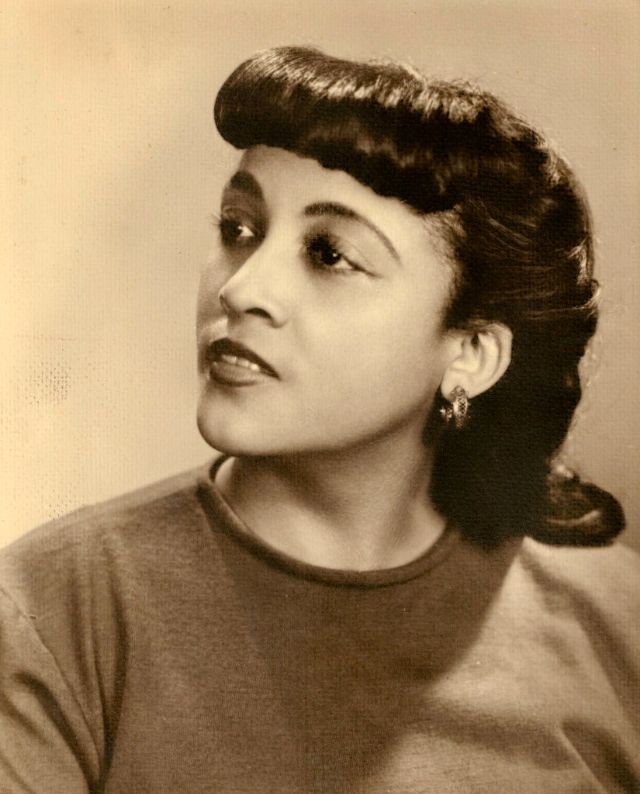
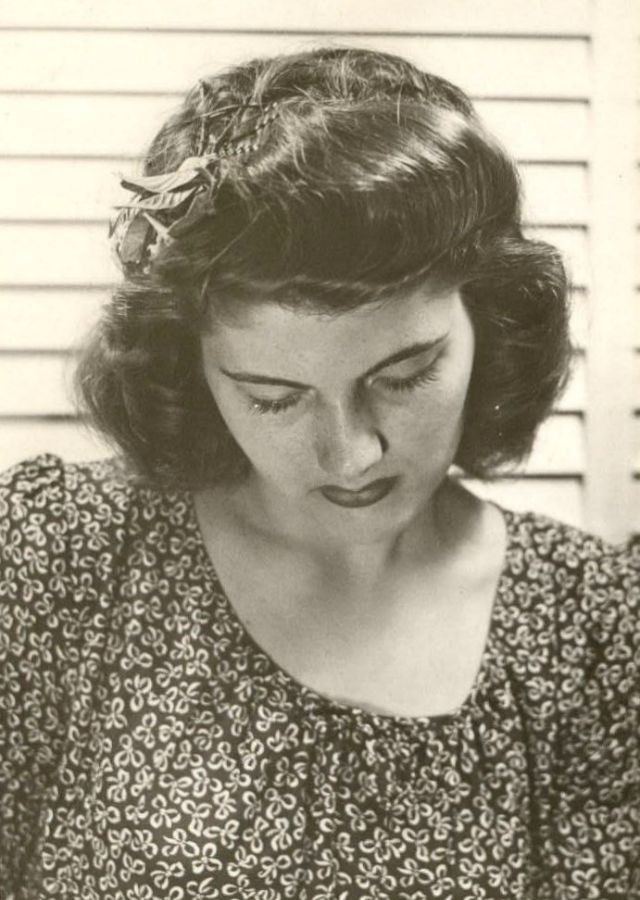
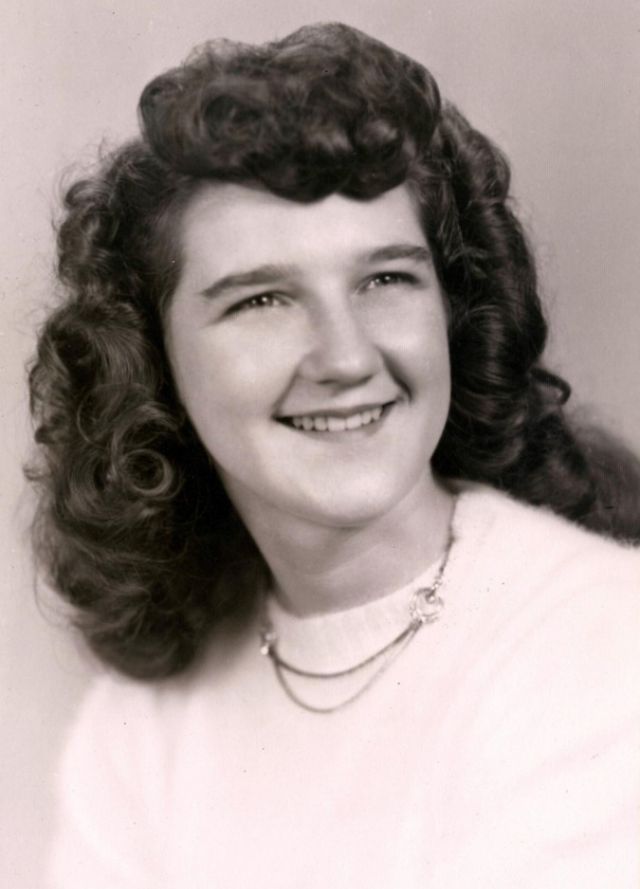
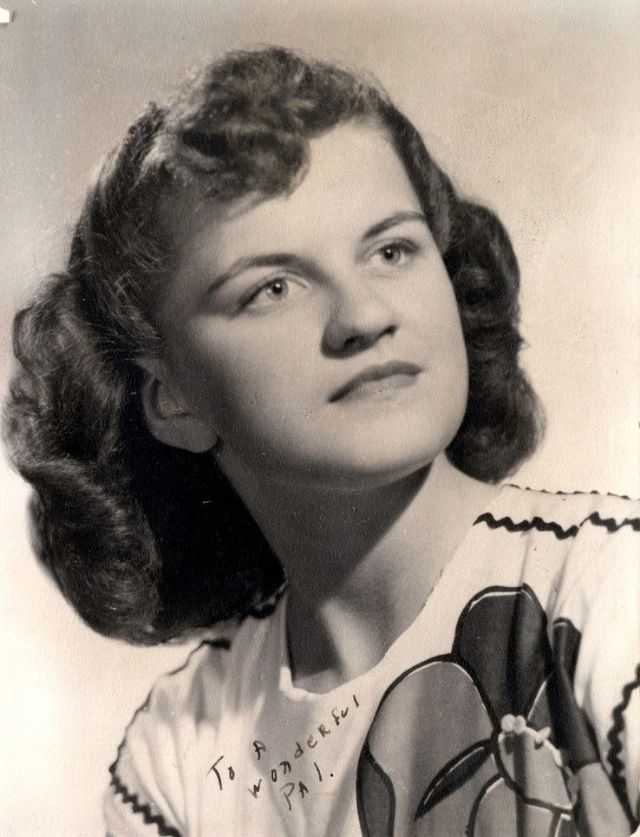
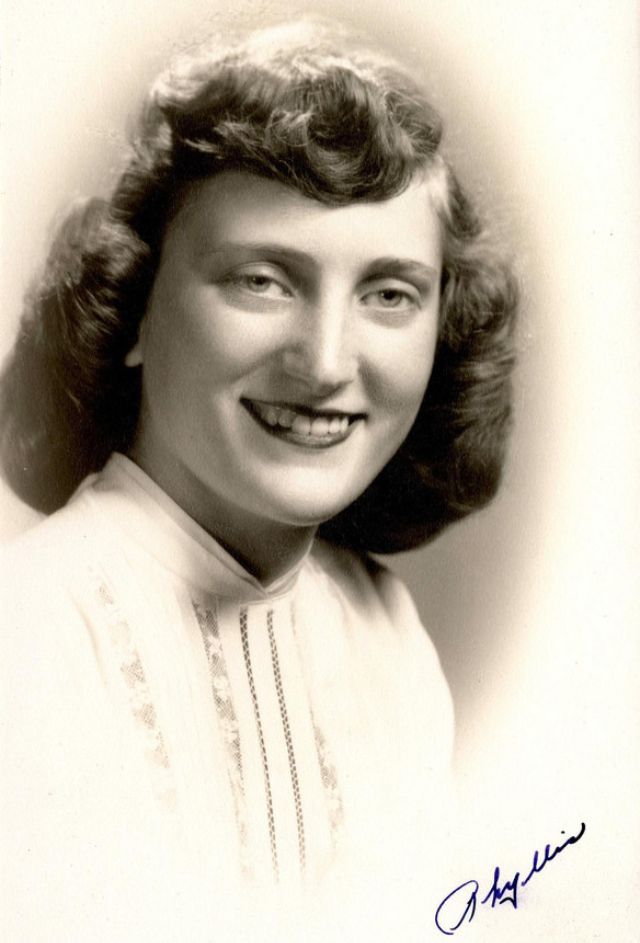
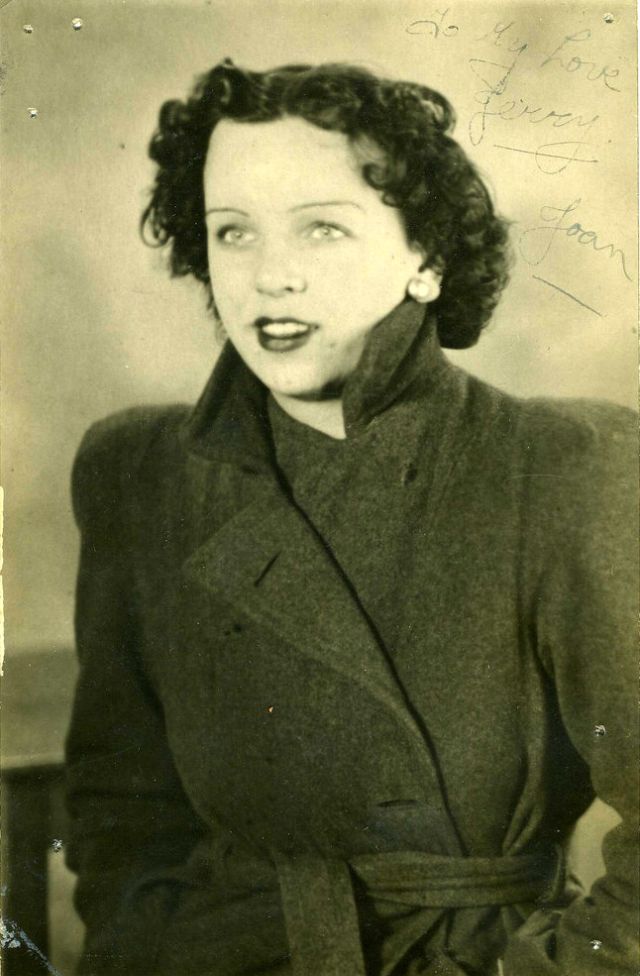
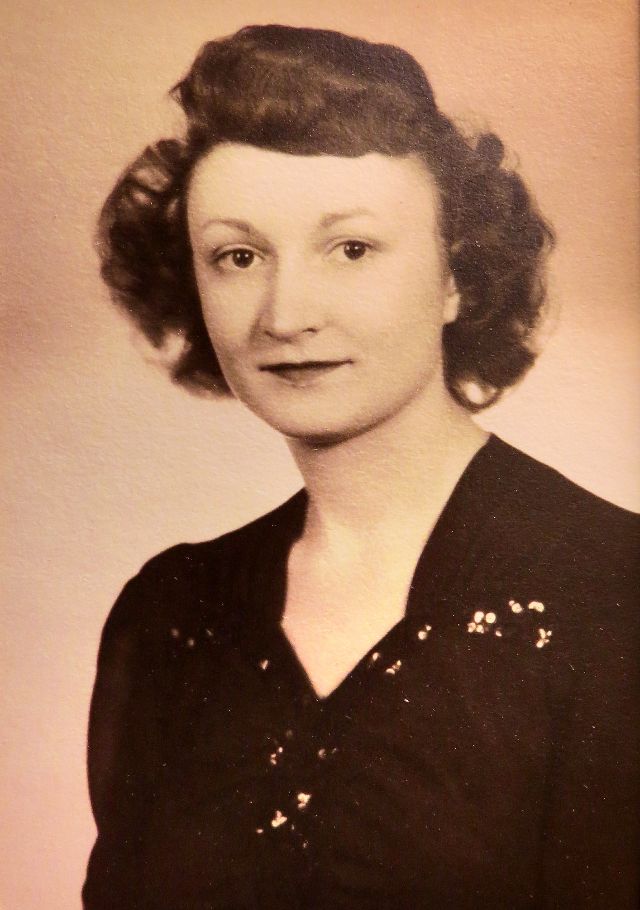
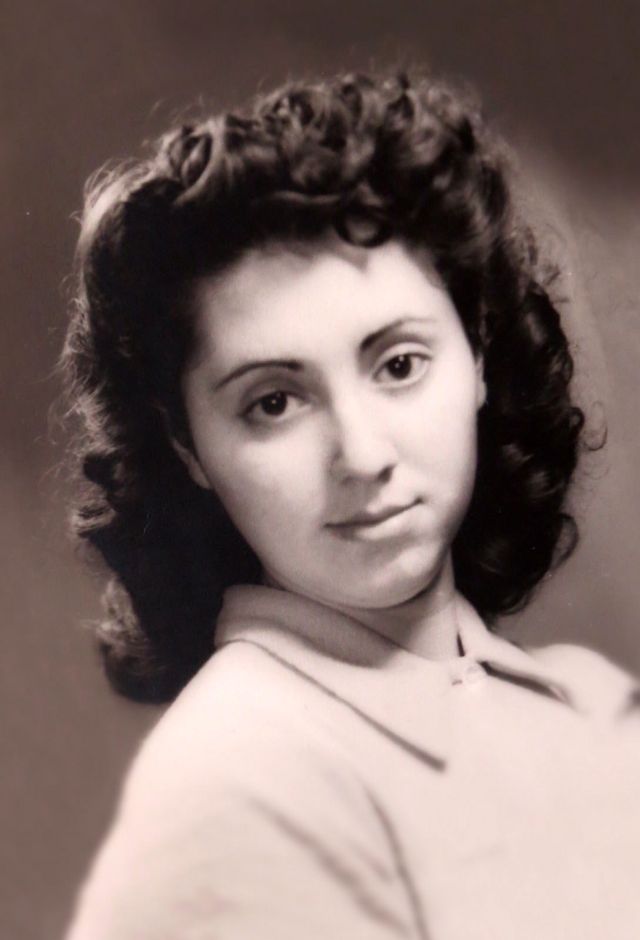
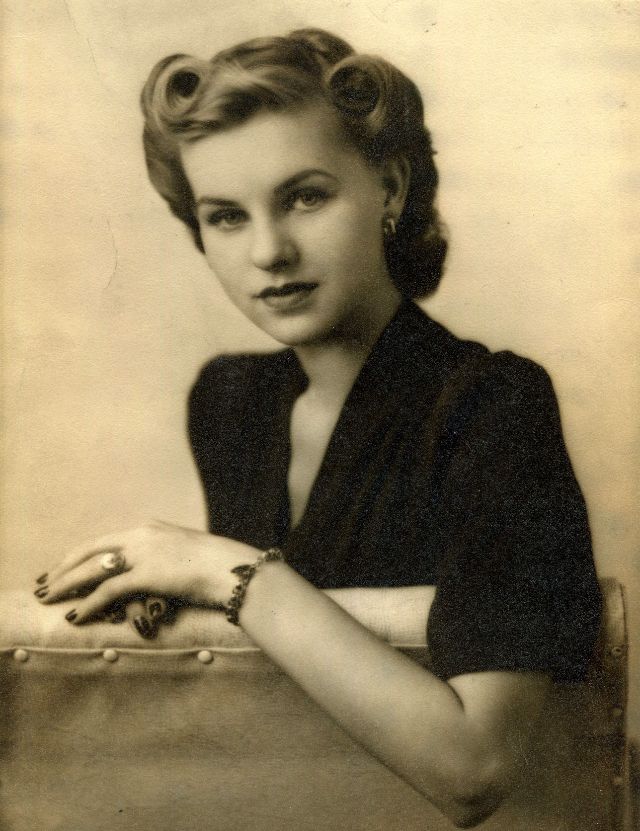
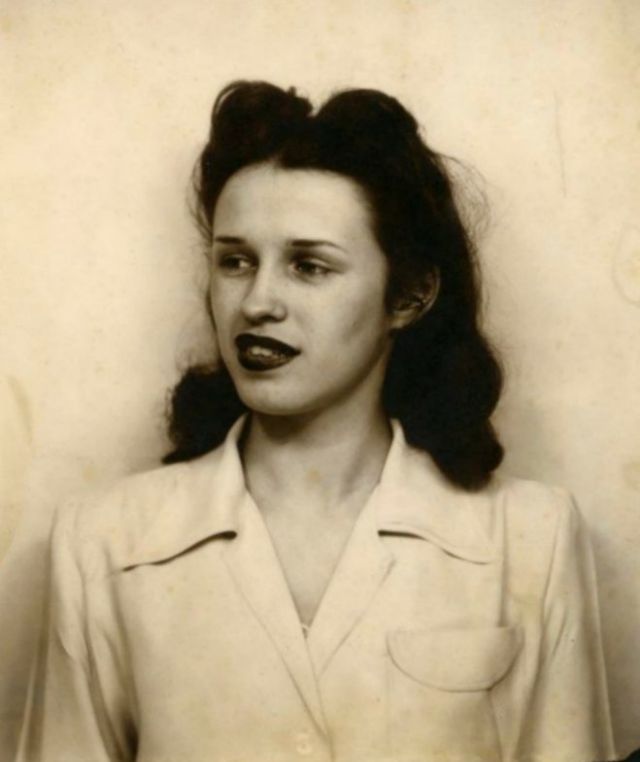
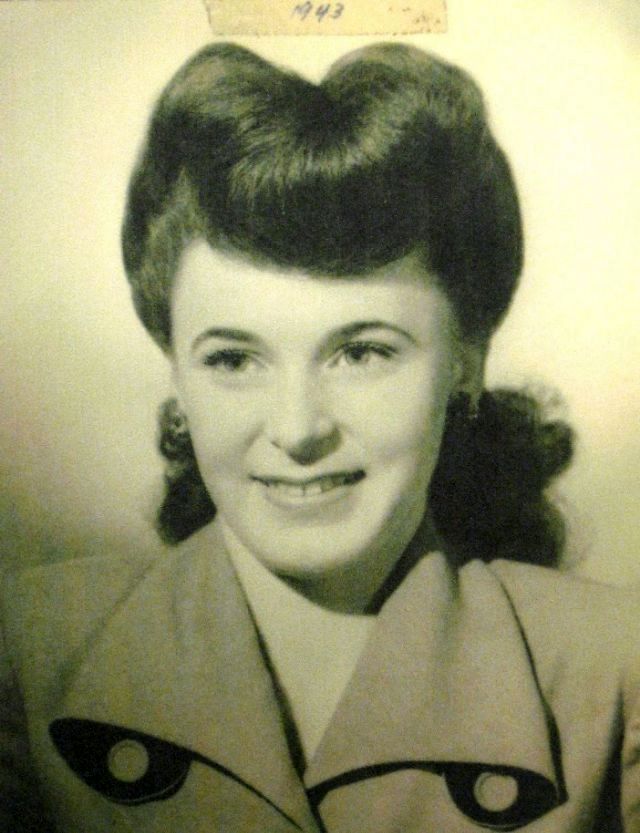
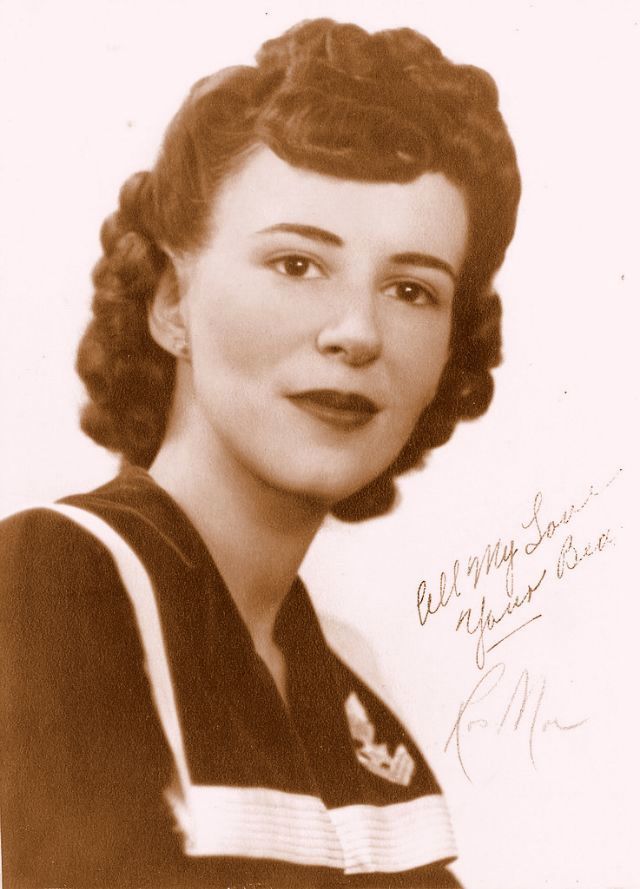
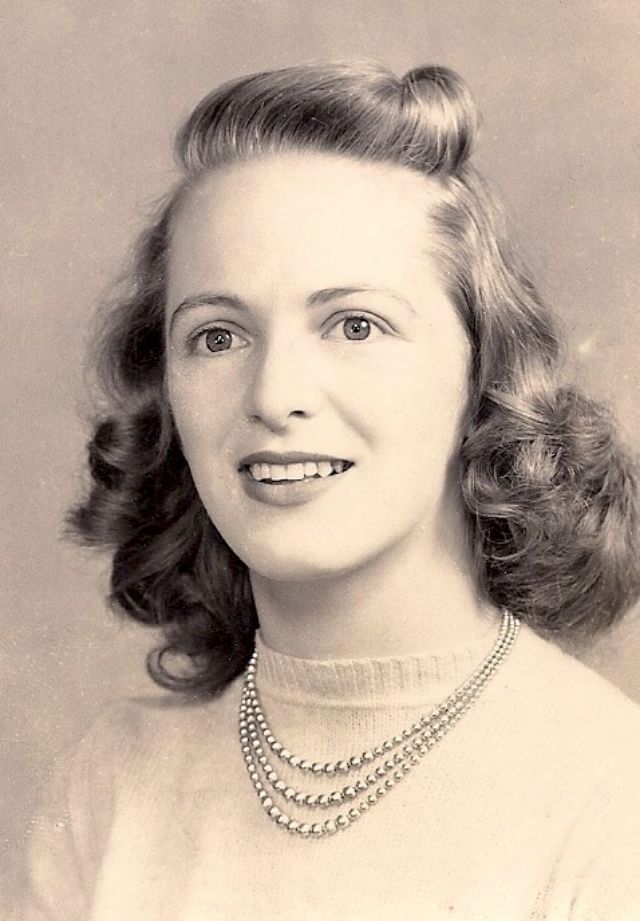
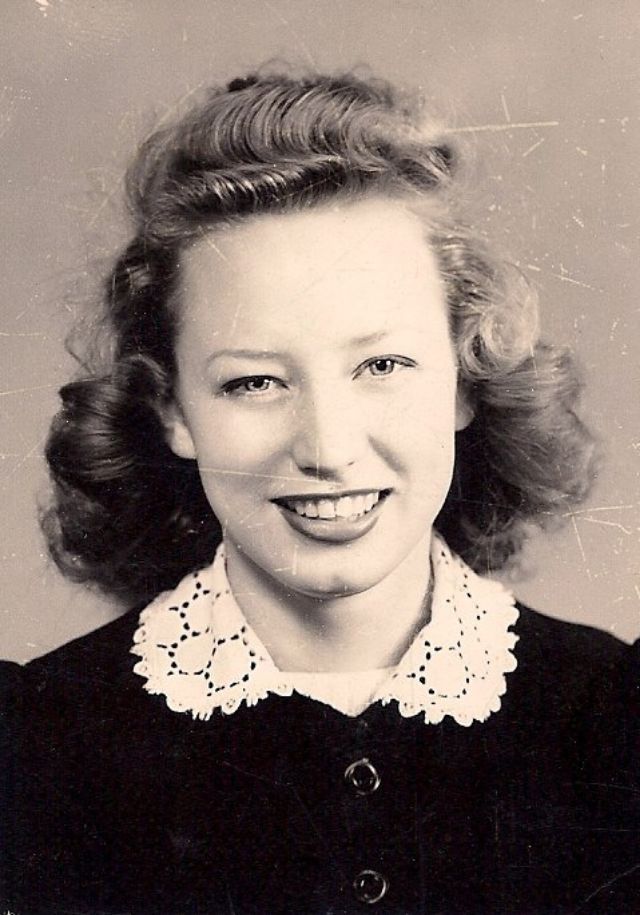
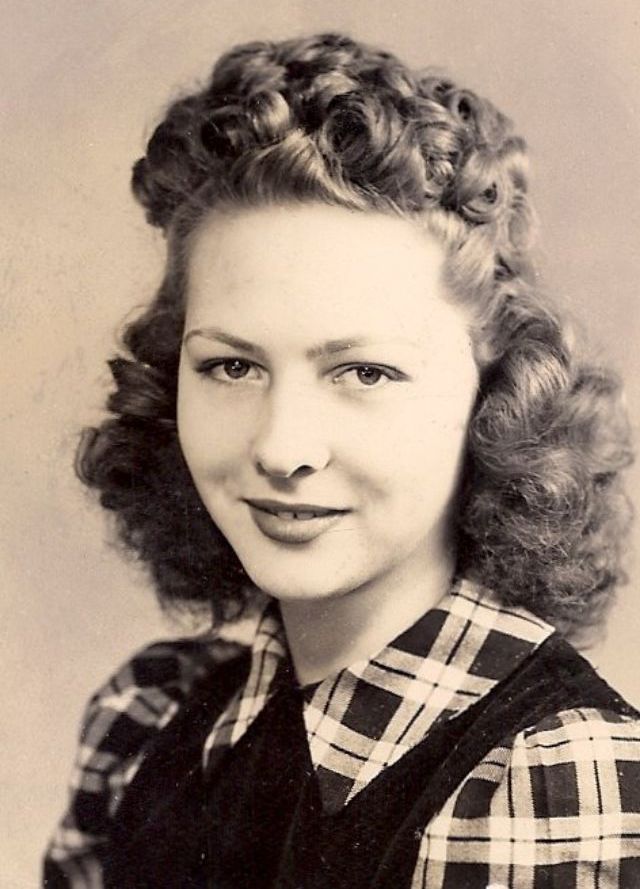
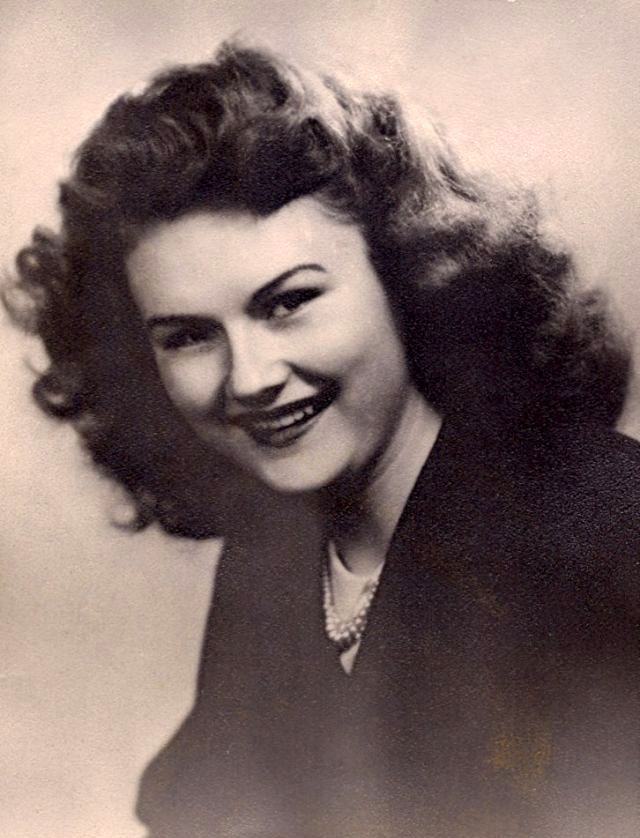
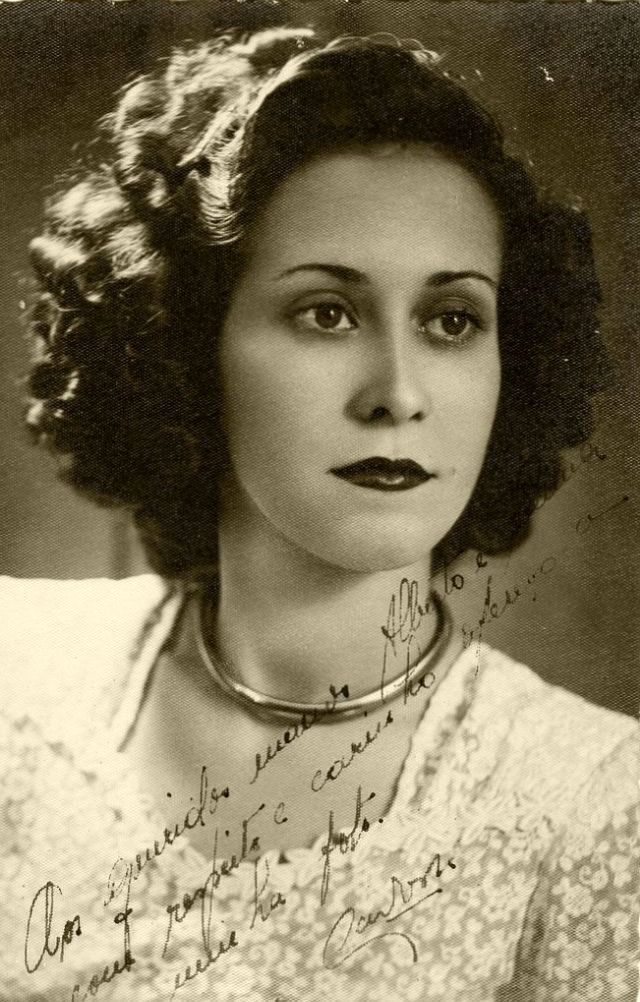
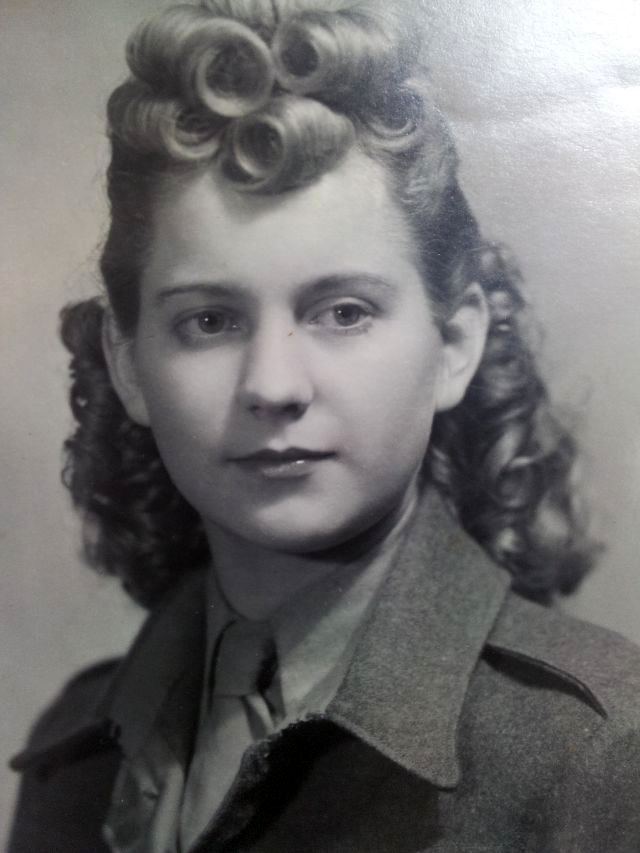
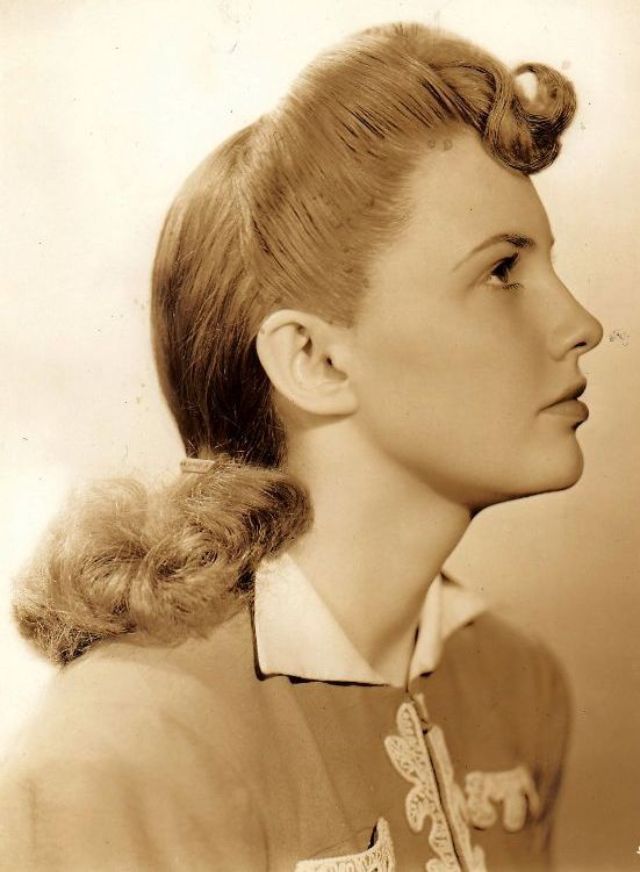
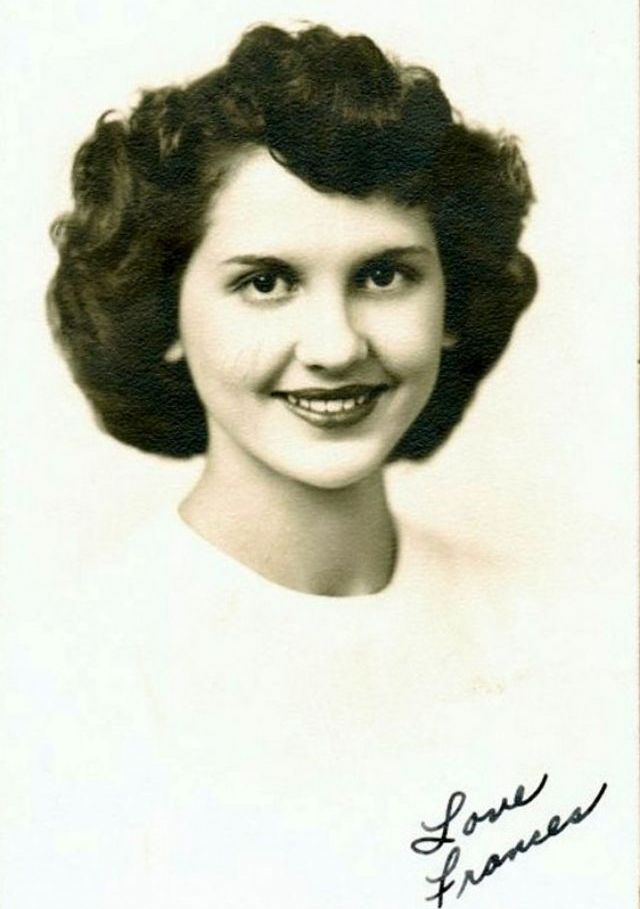
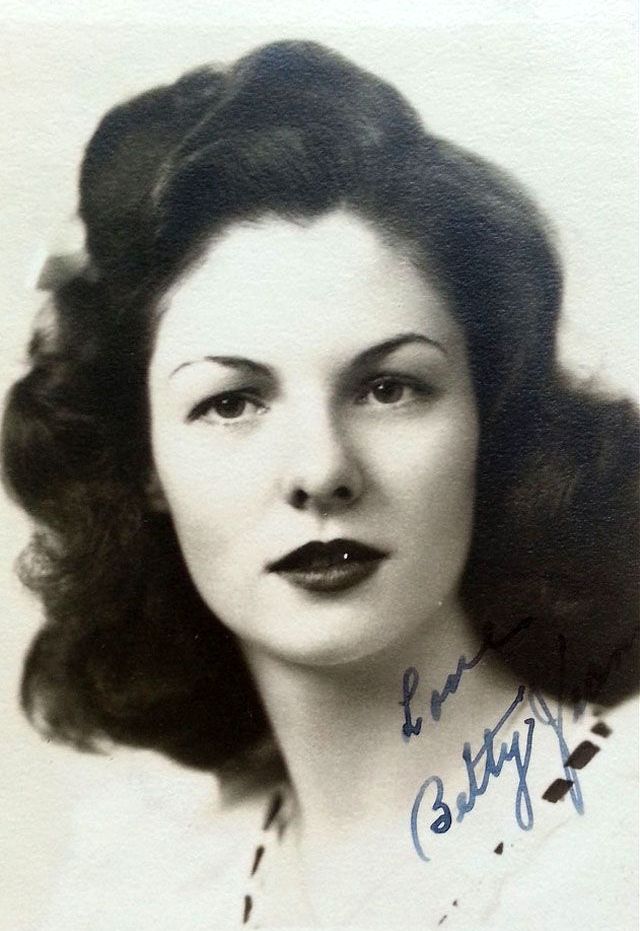
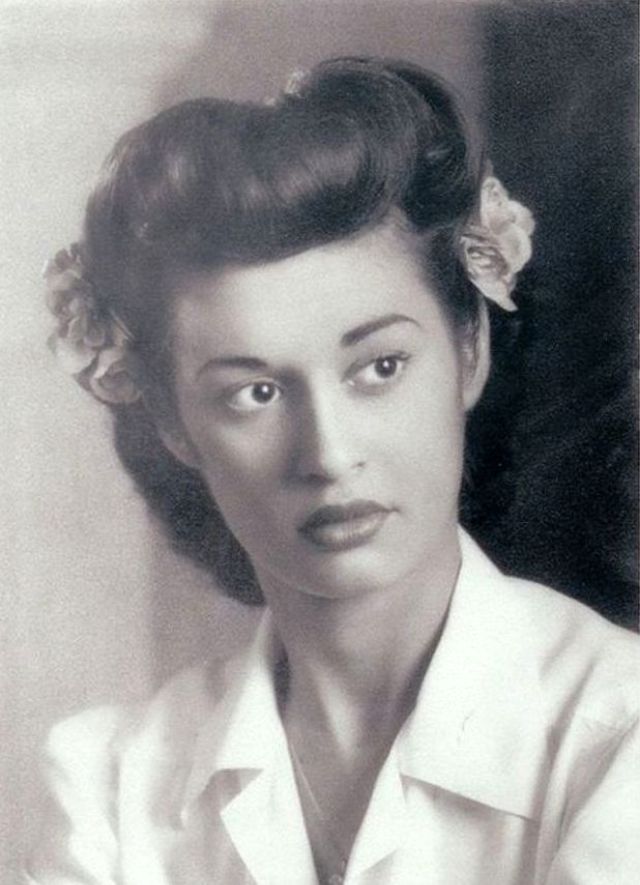
The Christmas tree has, for as long as it has been associated with the celebration of the birth of Jesus Christ, been so much more than a decoration — it is a stage, a symbol, and a mirror of cultural aspiration. In the 1950s and 1960s, as prosperity spread across North America and Europe, the tree became a centrepiece of Christian pride. In this photo essay, we see women who have posed beside their Christmas tree not only to capture the season’s joy but to embody elegance, modernity, and the subtle glamour of postwar life.
These photographs reveal more than ornaments and garlands. These images highlight the connection between both fashion and festivity: cocktail dresses shimmering under silver tinsel, coiffed hair shimmering against the incredible sparkle of glass baubles. At the same time, living rooms are transformed into beautiful seasonal wonderlands. Each image presented here is both personal and archetypal — a record of family ritual and a reflection of the broader cultural currents of the 1950s and 1960s.
To modern eyes, these portraits carry a double charm. They remind us of the intimacy of holiday traditions, yet they also speak to the aesthetics of an era when photography was deliberate, staged, and imbued with aspiration. The women in these frames are not merely subjects; they are narrators of mid-century Christmas, inviting us to glimpse the warmth, glamour, and quiet pride of their homes.
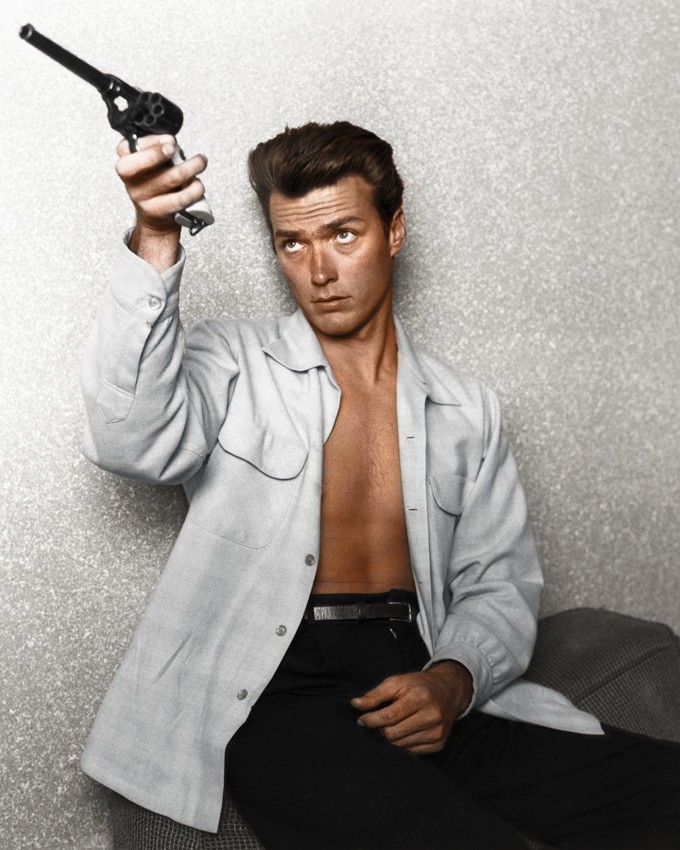
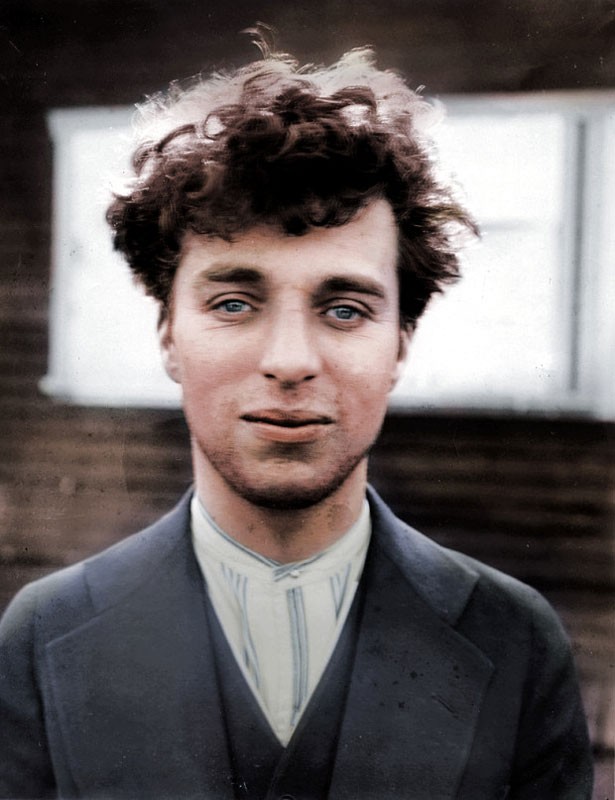
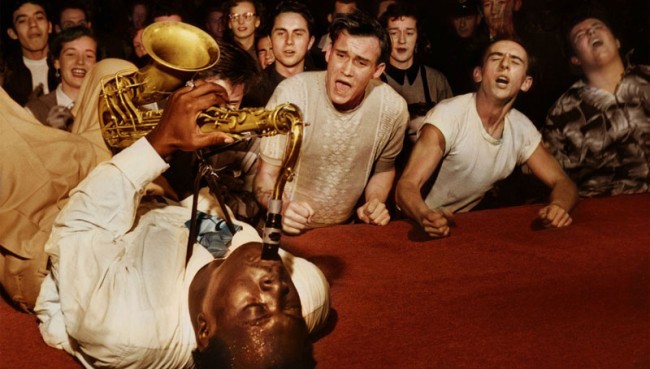
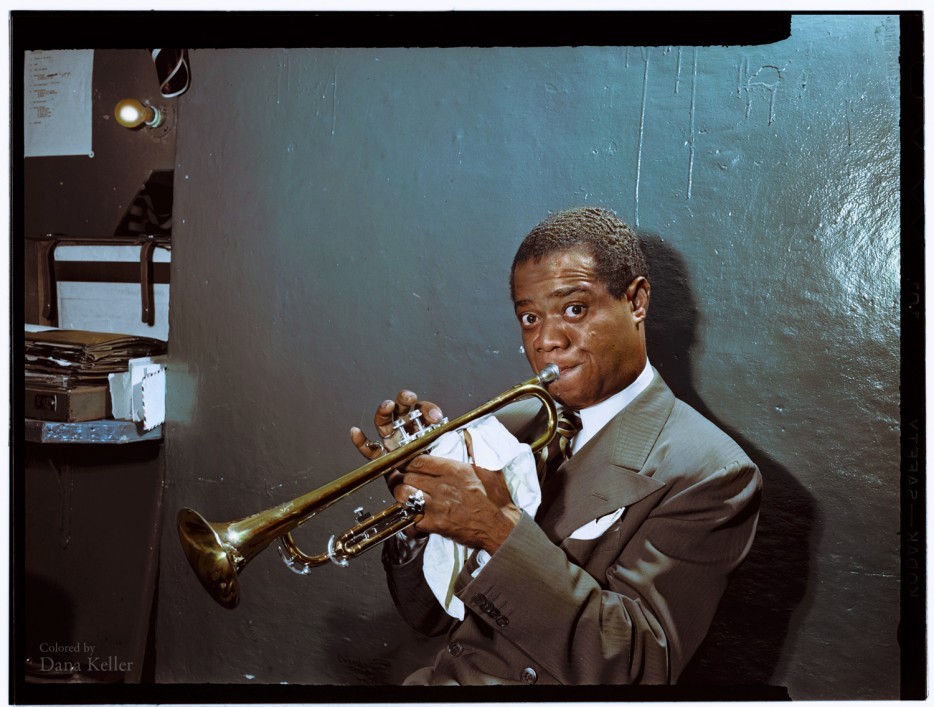
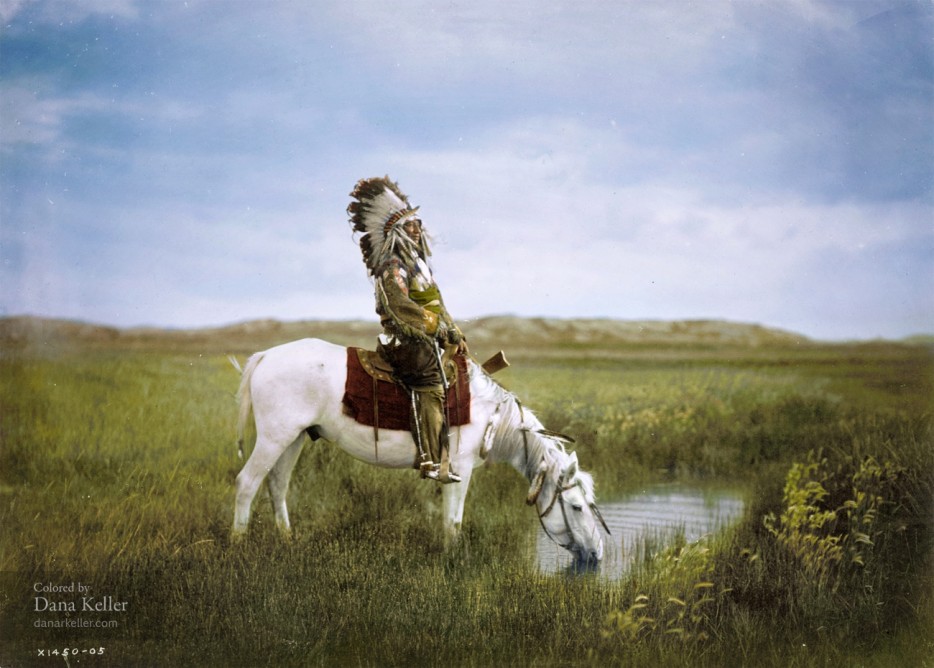
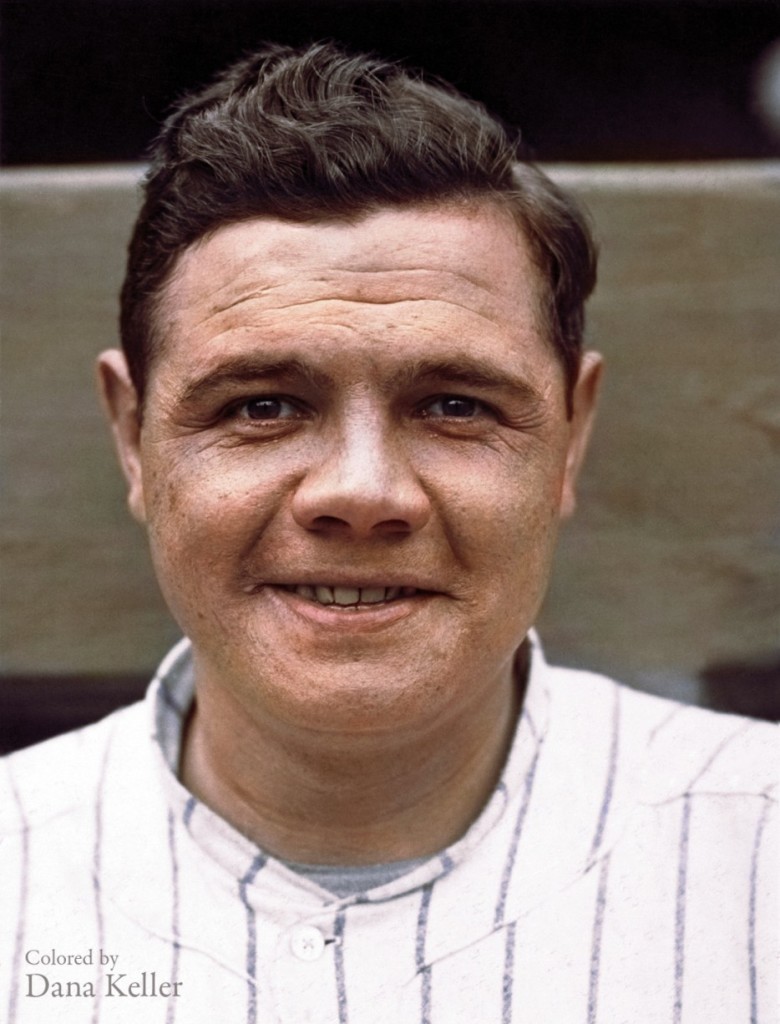
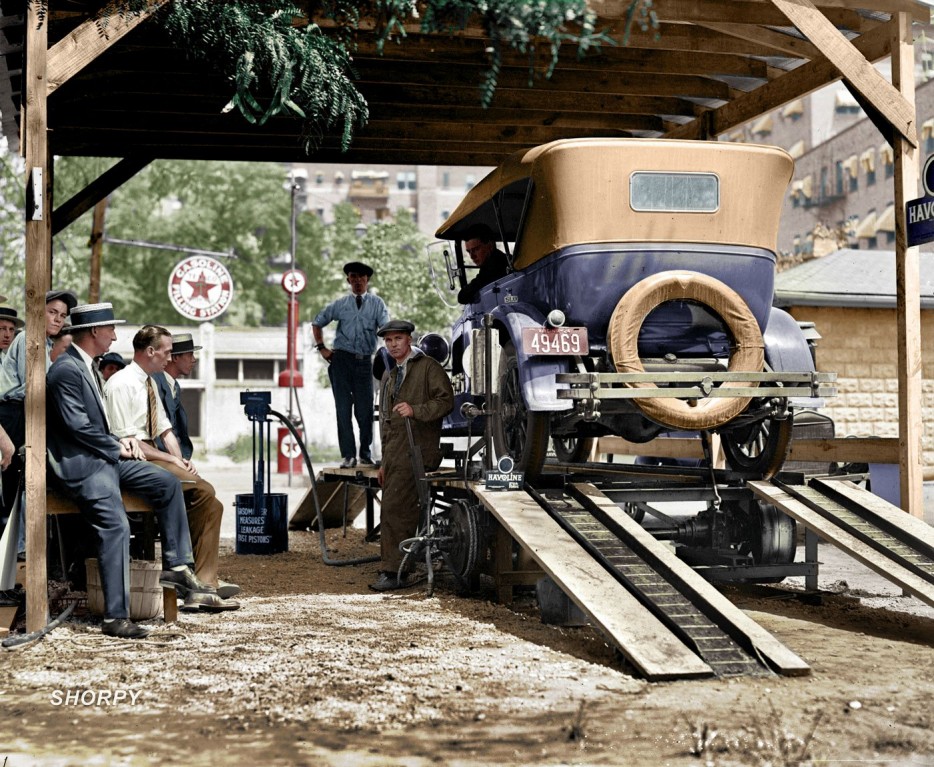
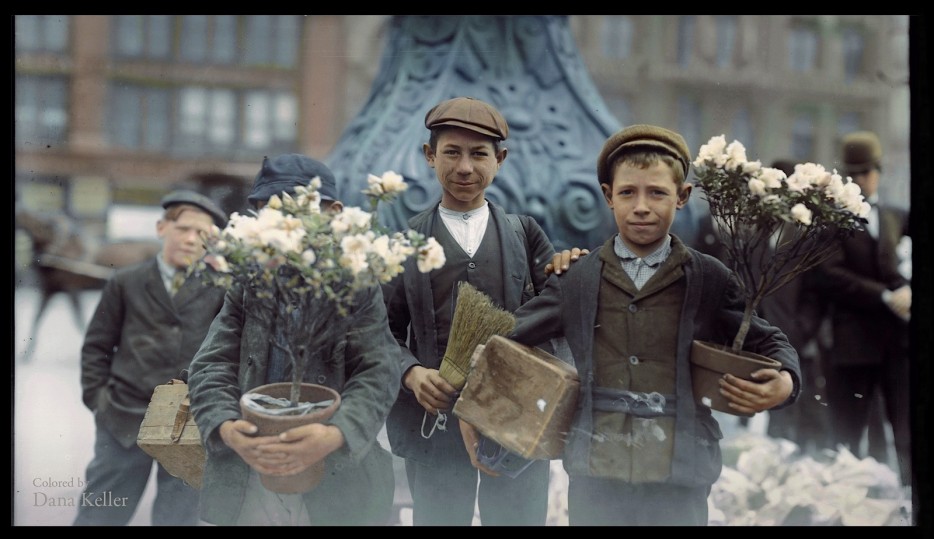
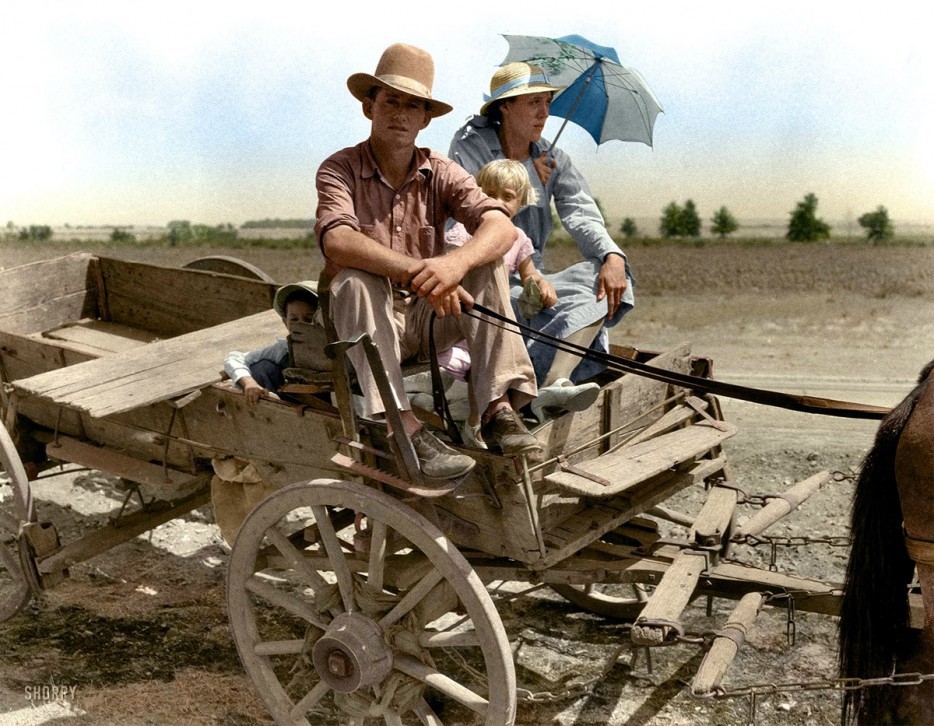
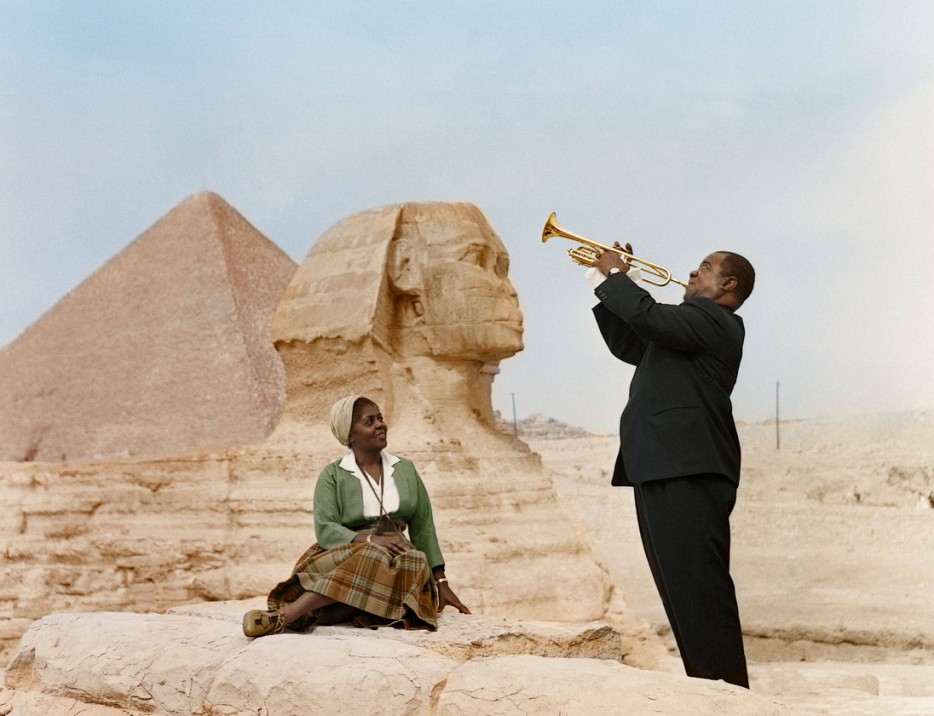
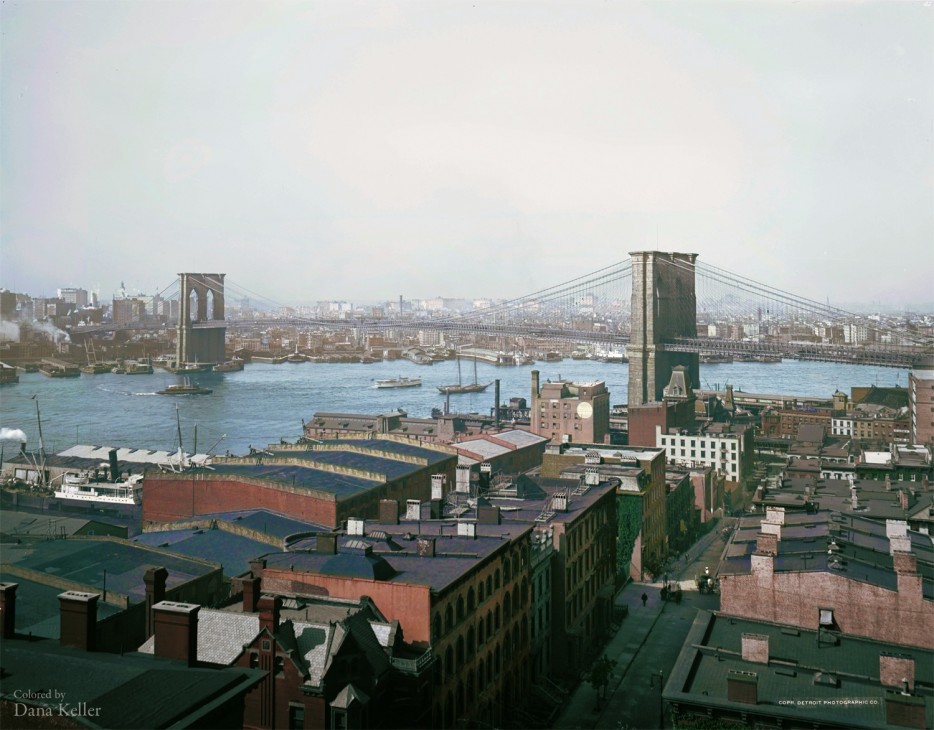
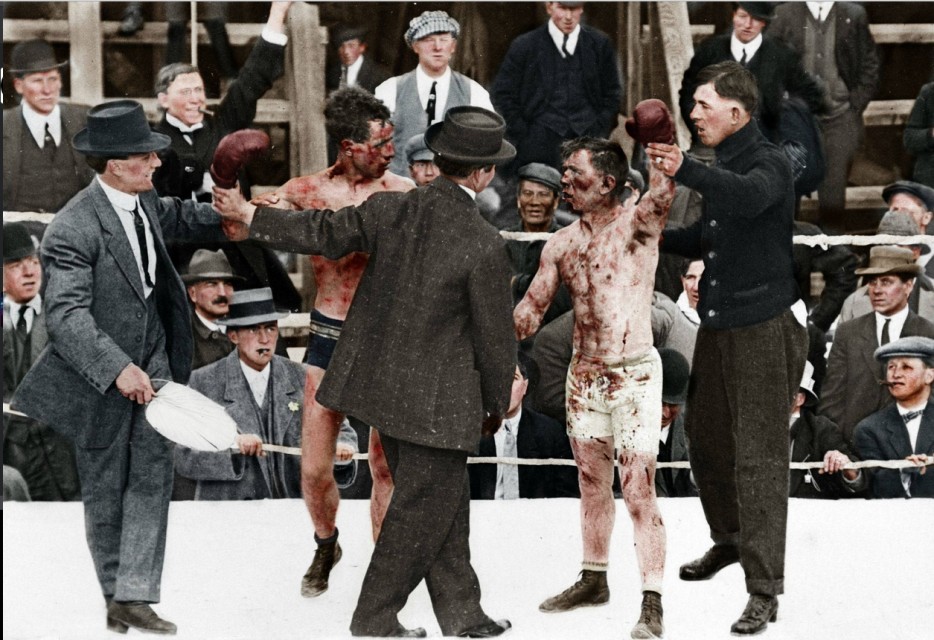
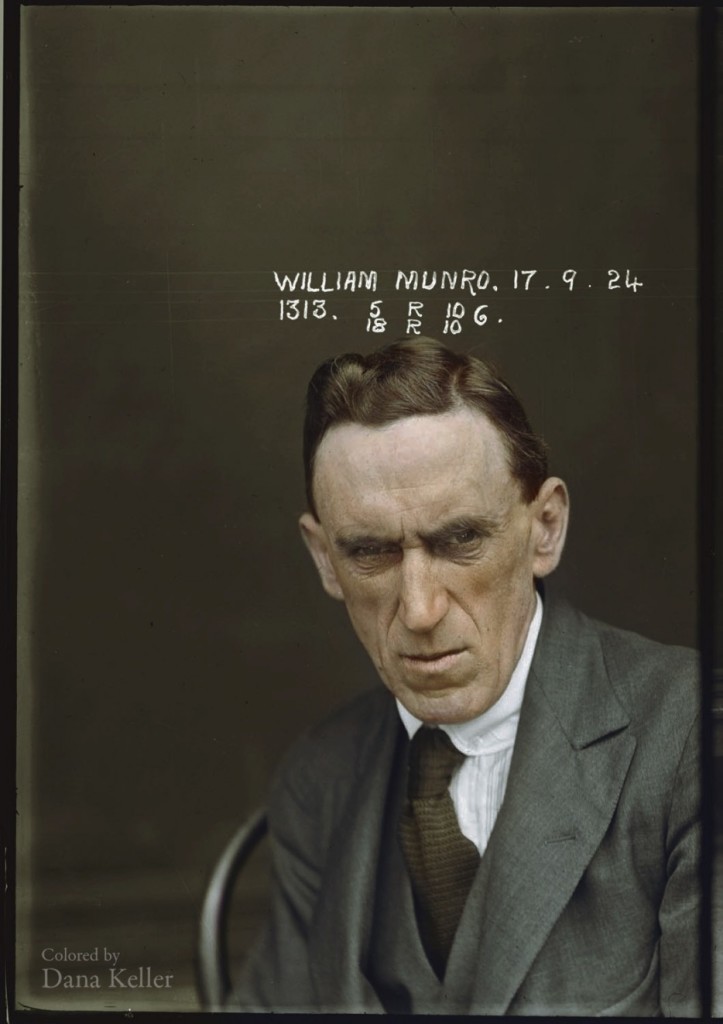
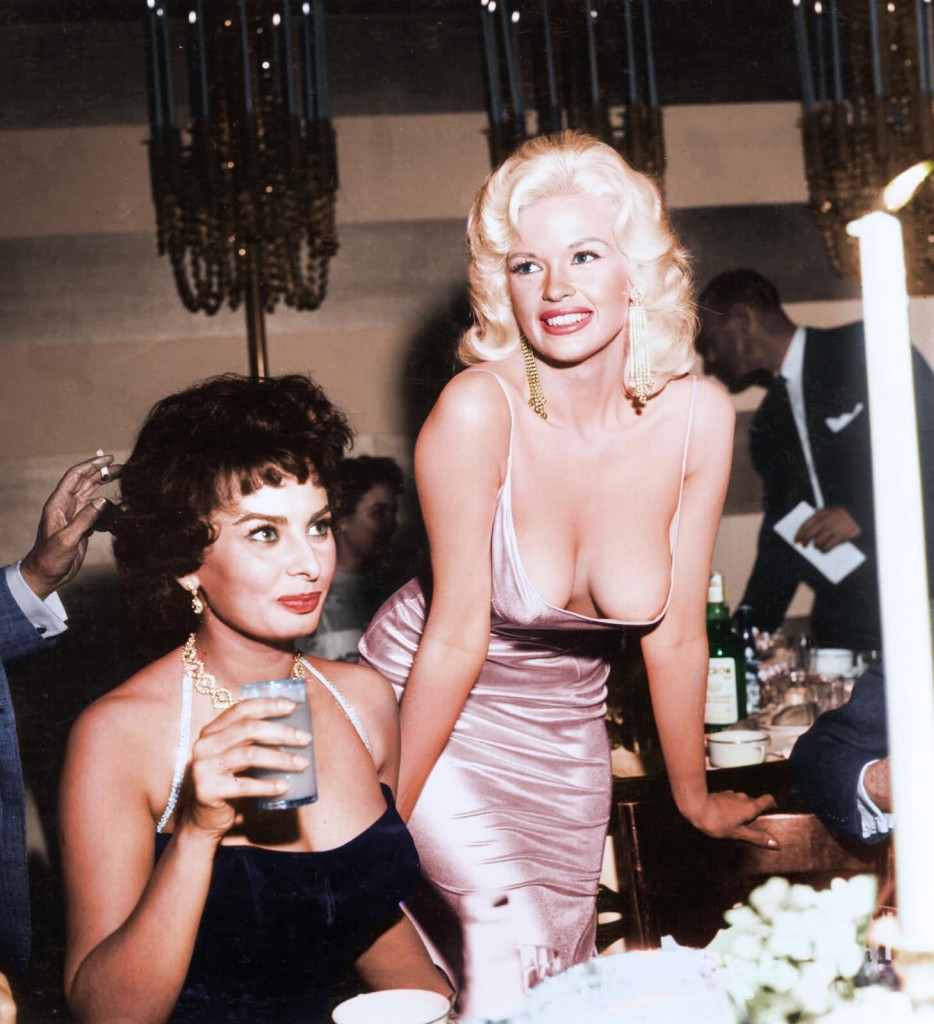
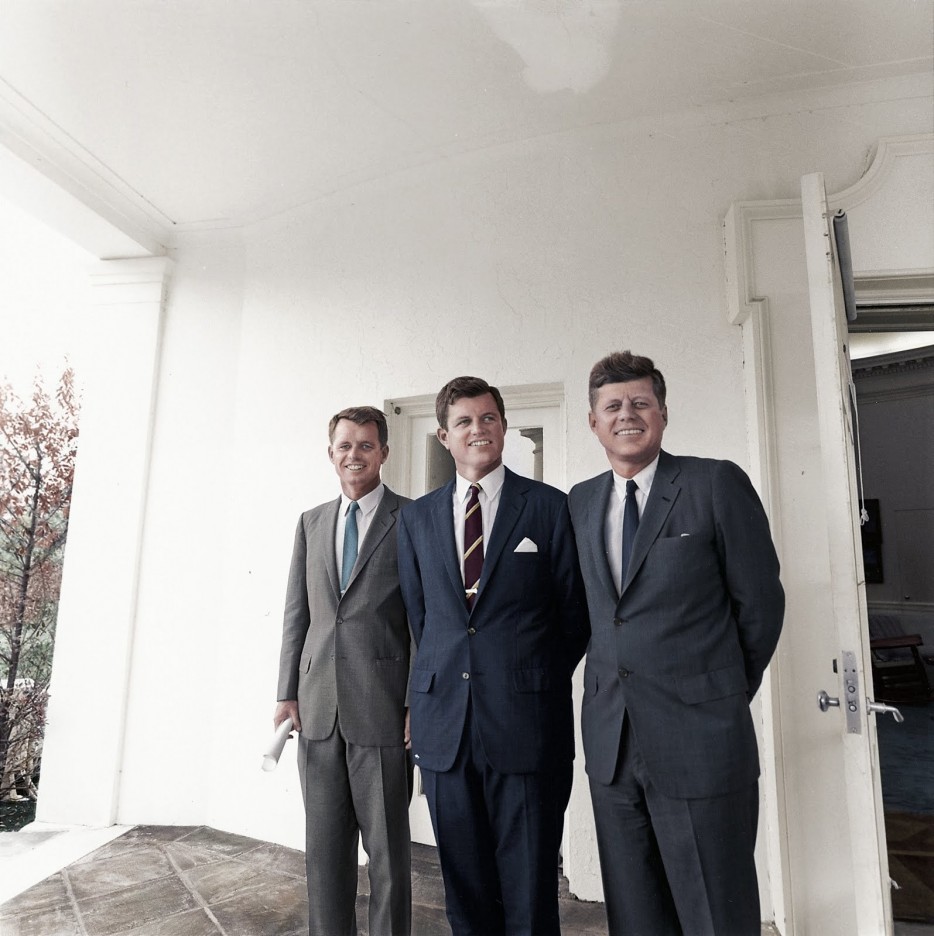
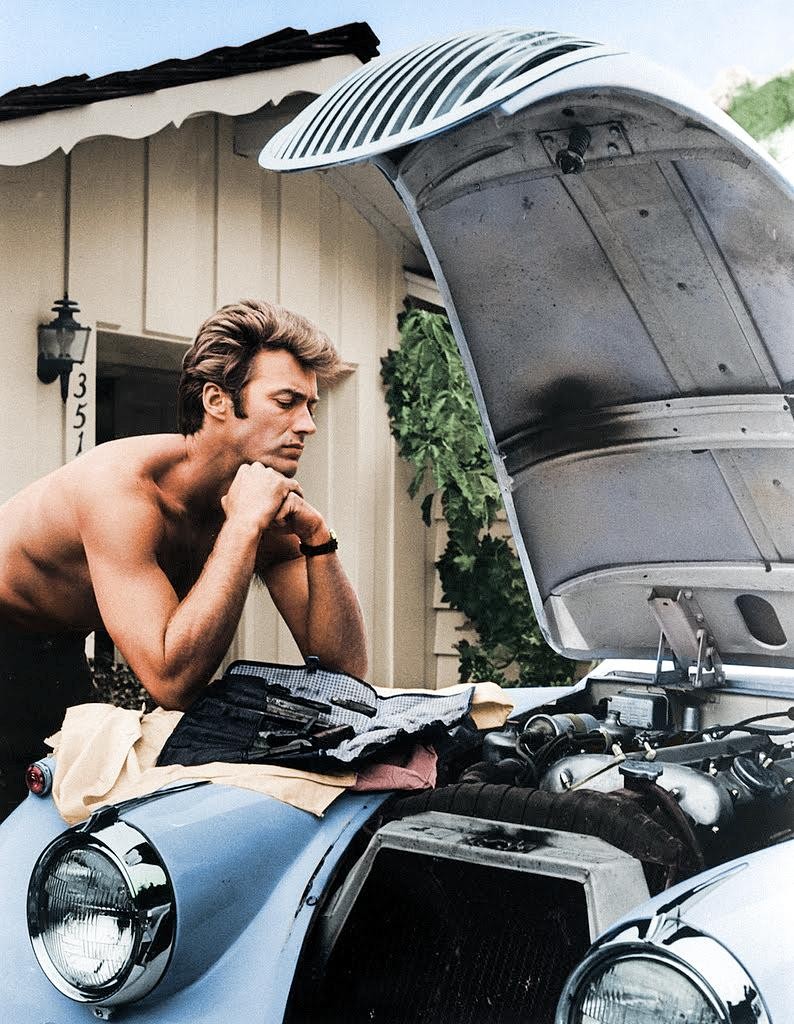
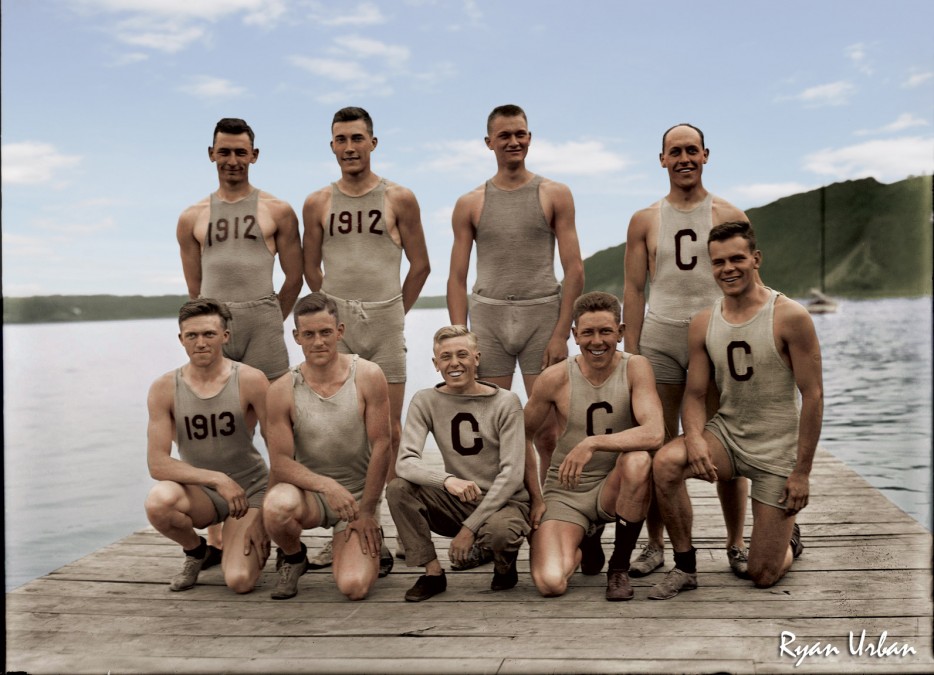
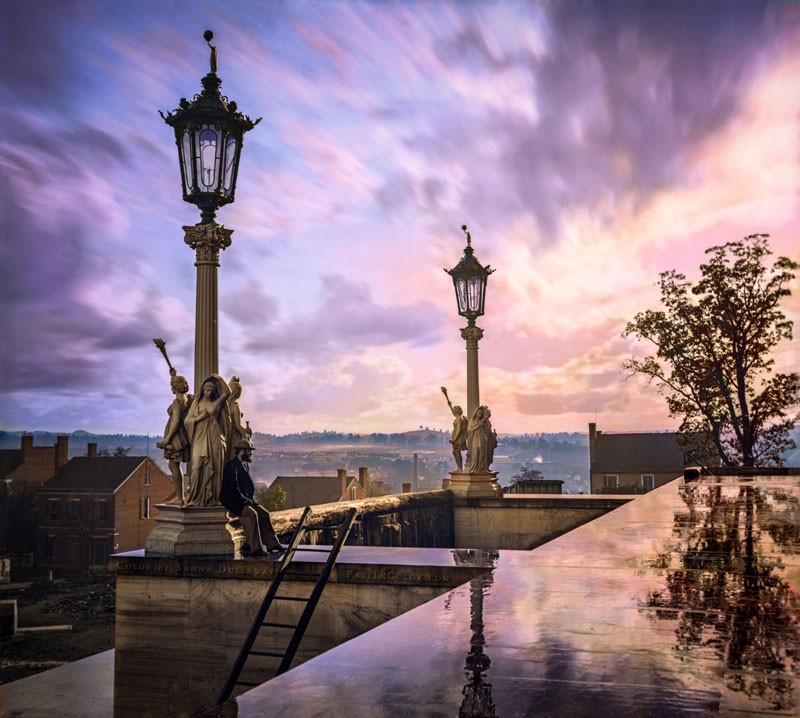
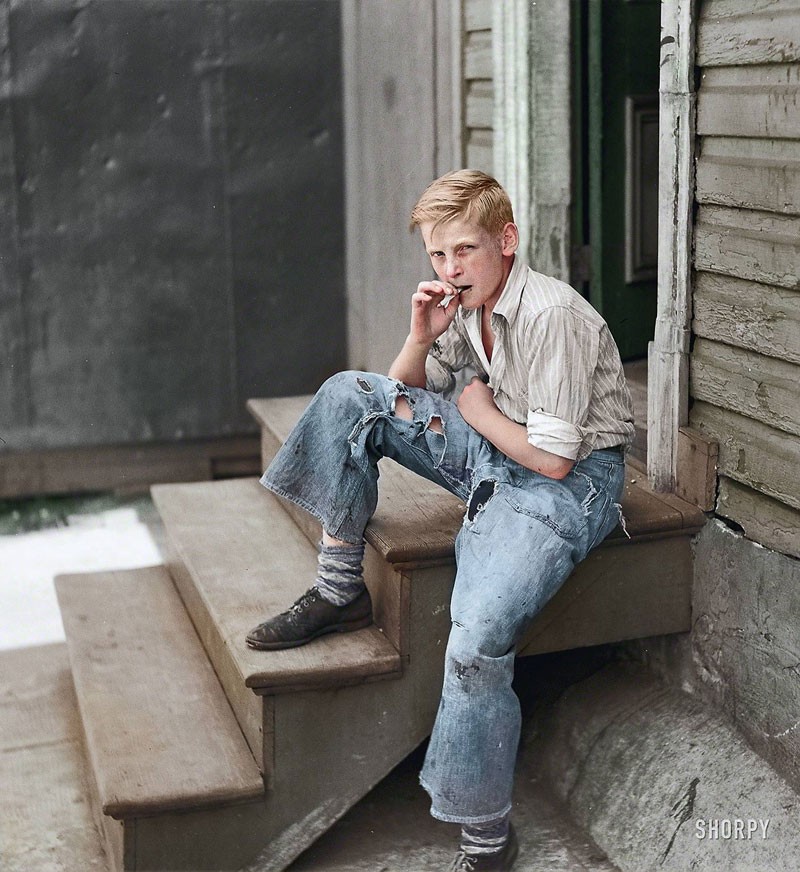
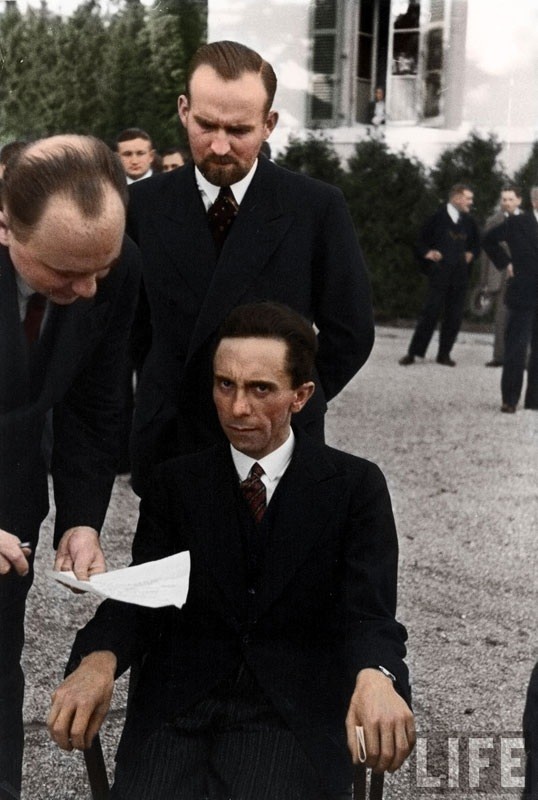
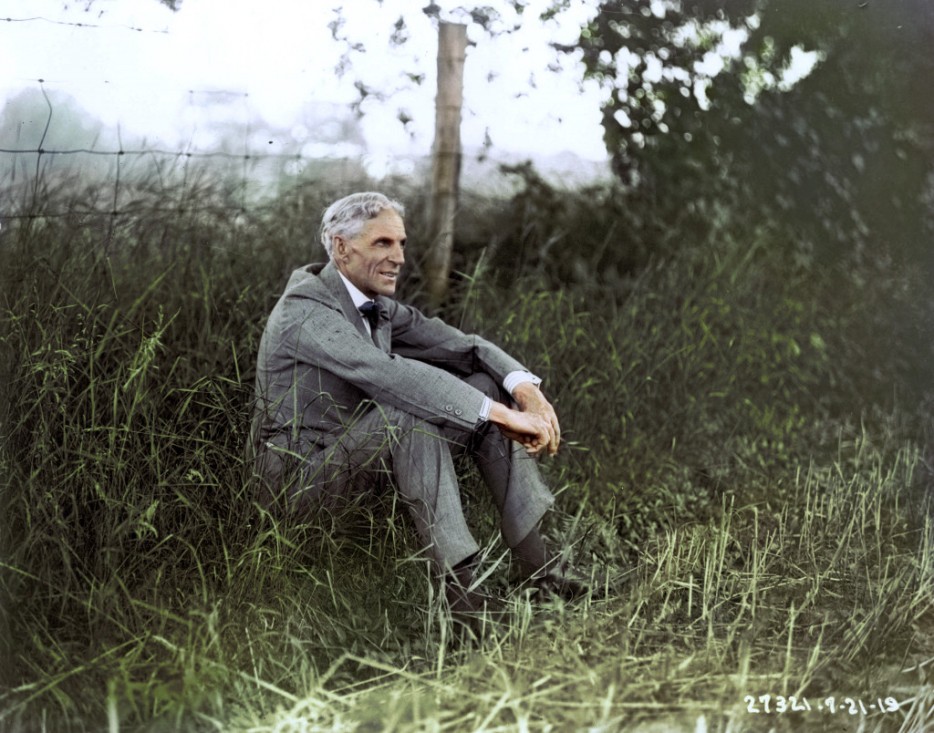
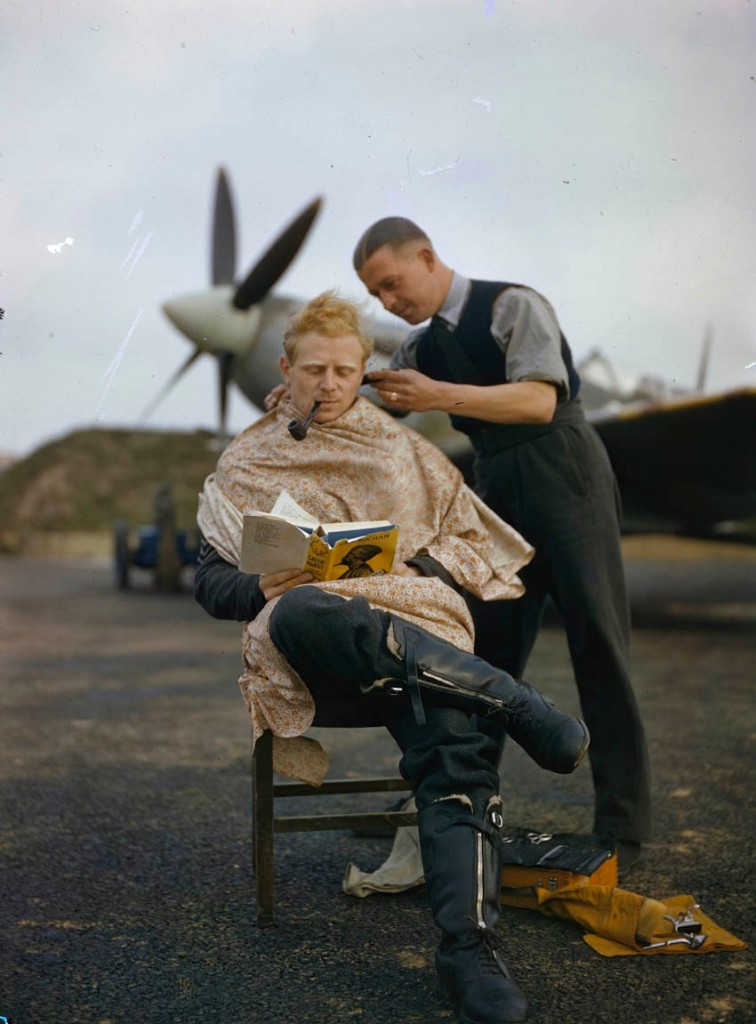
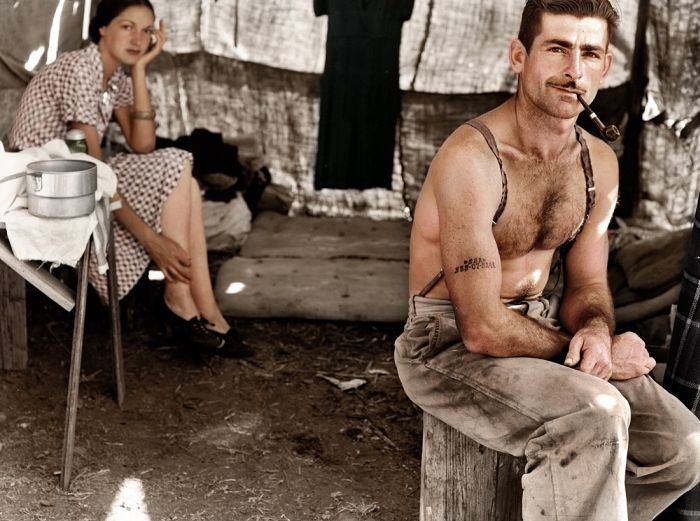
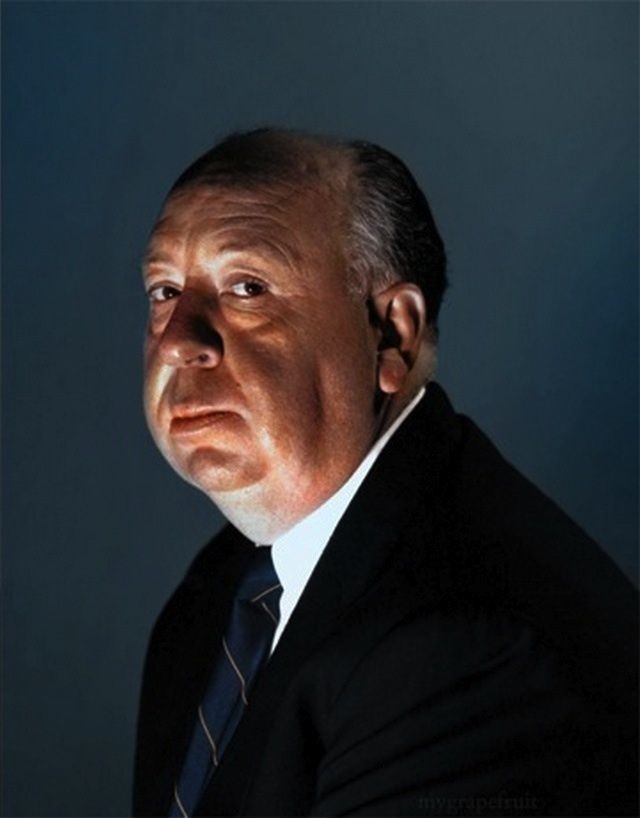
Clint Eastwood, 1962.Charlie Chaplin at 27 years old in 1916.Elizabeth Taylor in 1956.Big Jay McNeely, Olympic Auditorium, 1953.Louis Armstrong practicing backstage in 1946.Red Hawk of the Oglala Sioux Tribe on horseback, 1905.Babe Ruth’s 1920 MLB debut.A Washington, D.C. filling station in 1924.Boys buying flowers in 1908.An Oklahoman farmer during the great dust bowl in 1939.Louis Armstrong plays to his wife, Lucille, in Cairo, Egypt 1961.Brooklyn Bridge in 1904.Two Boxers after a fight.1920s Australian mugshots from the New South Wales Police Dept.Sophia Loren and Jayne Mansfield.Brothers Robert Kennedy, Edward “Ted” Kennedy, and John F. Kennedy outside the Oval Office.Clint Eastwood working on his 1958 Jag XK 120 in 1960.Cornell Rowing Team 1907.View from the Capitol in Nashville, 1864.Baltimore Slums, 1938.Nazi Minister of Propaganda Joseph Goebbels scowls at a Jewish photographer, 1933.Henry Ford, 1919.An RAF pilot getting a haircut while reading a book between missions.Unemployed Lumber Worker and His Wife 1939.Alfred Hitchcock.A car crash in Washington D.C. around 1921.
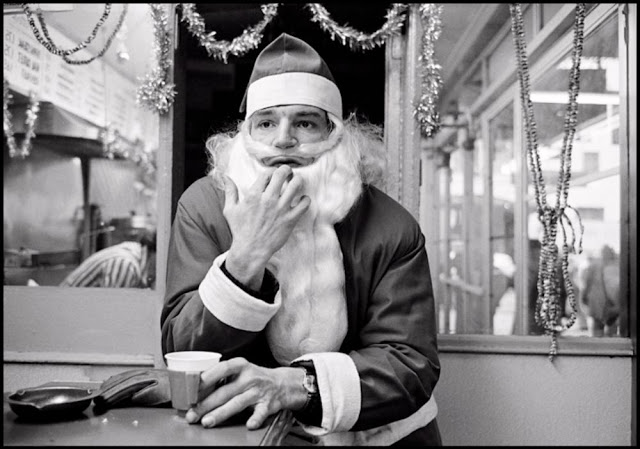
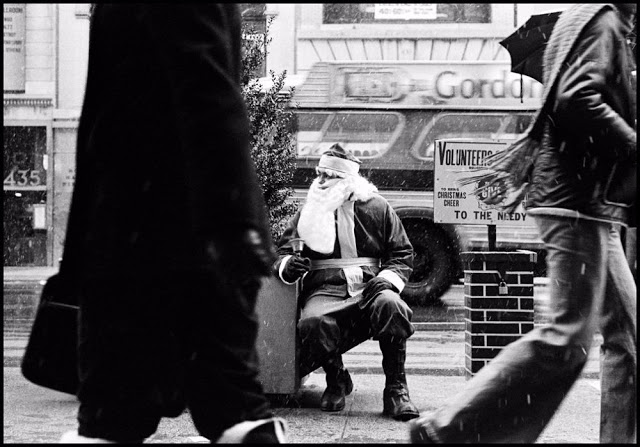
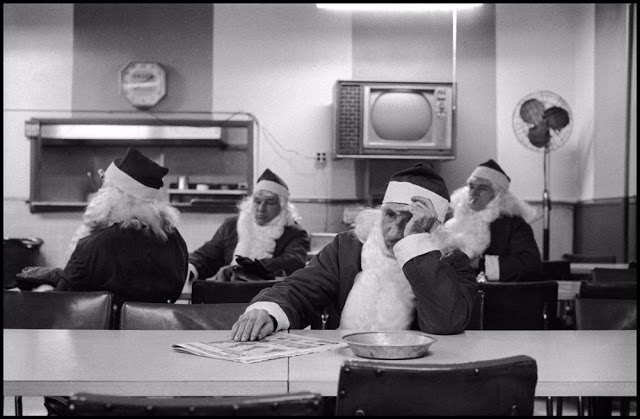
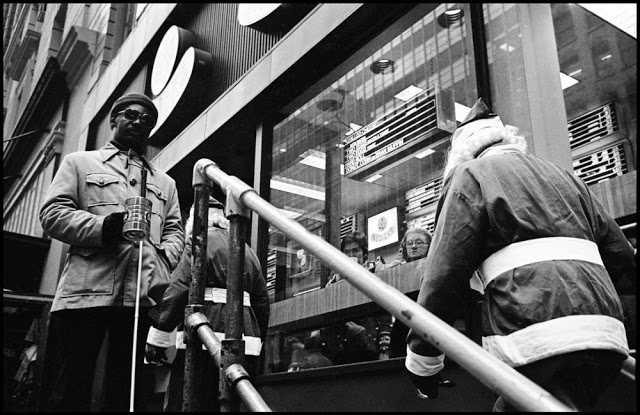
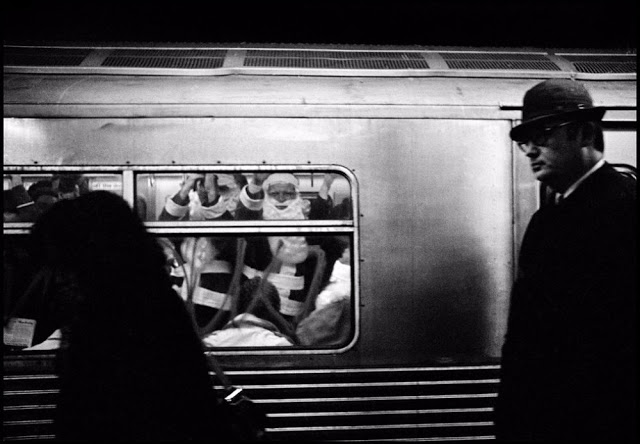
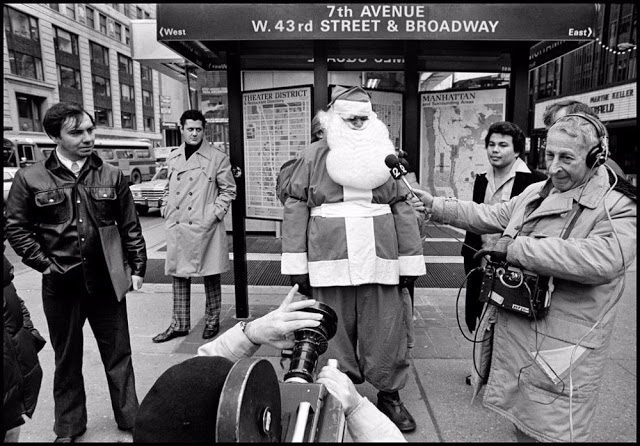
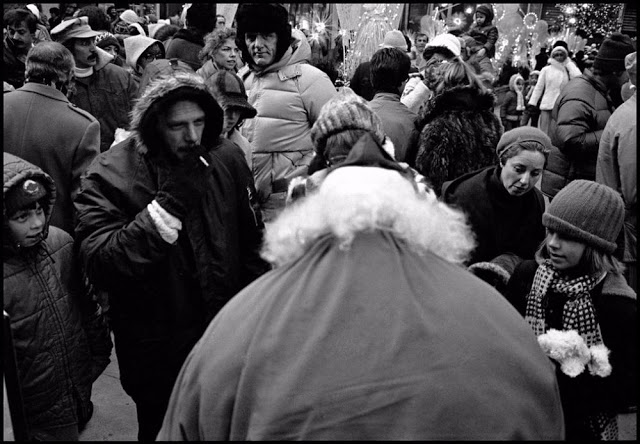
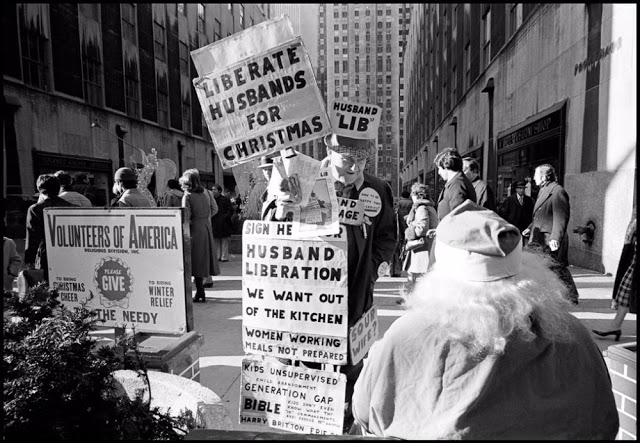
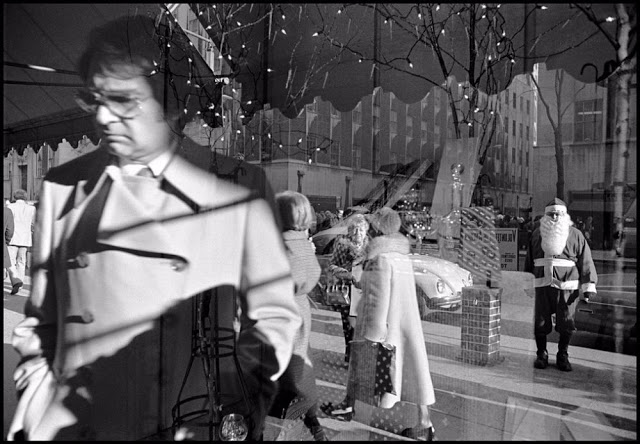
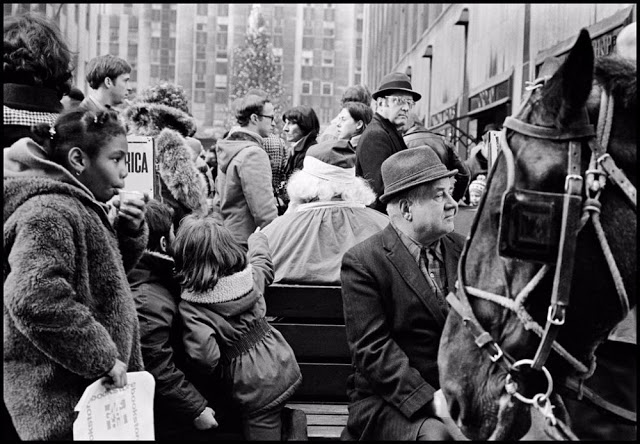
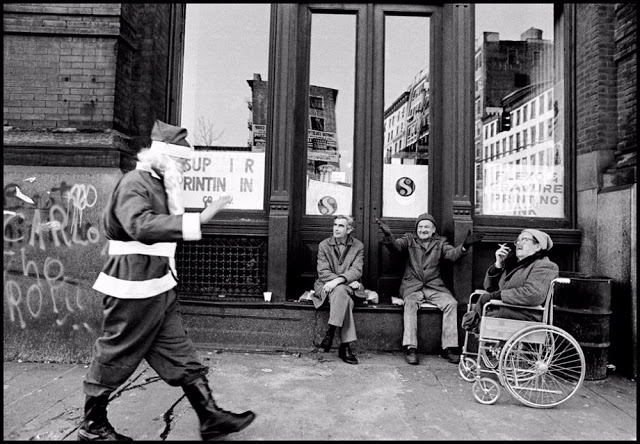
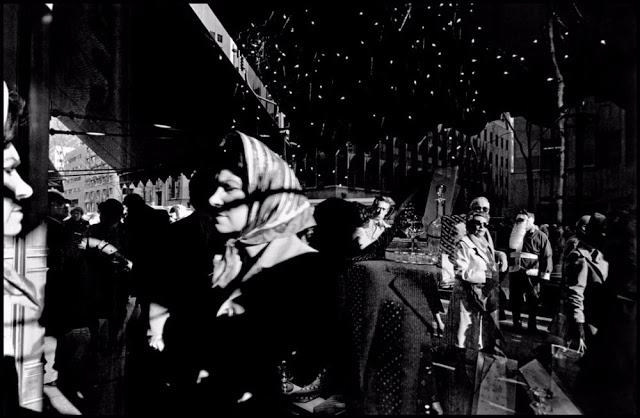
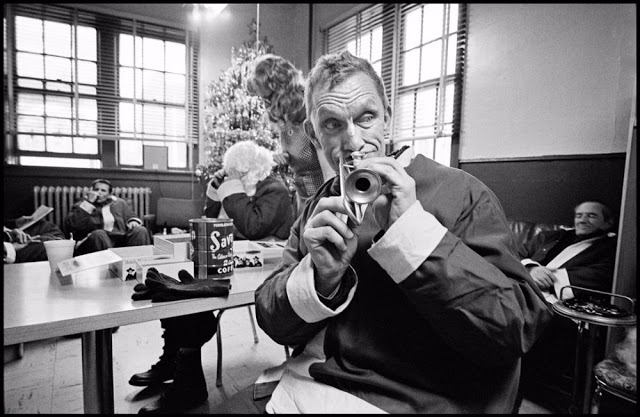
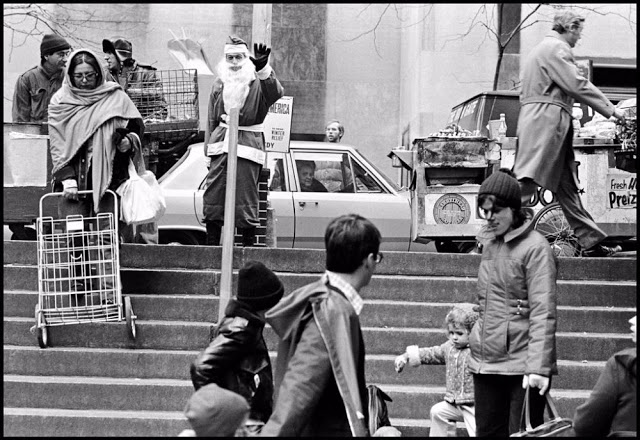
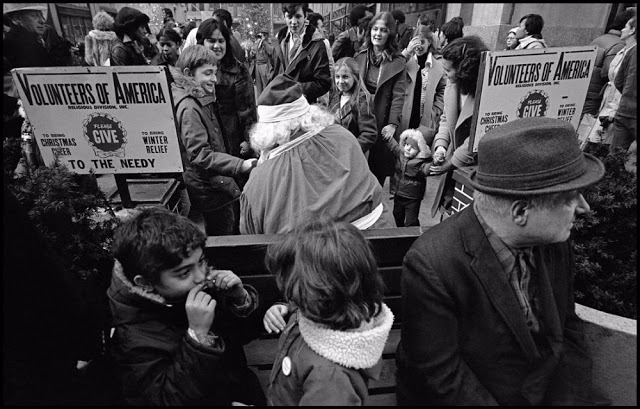
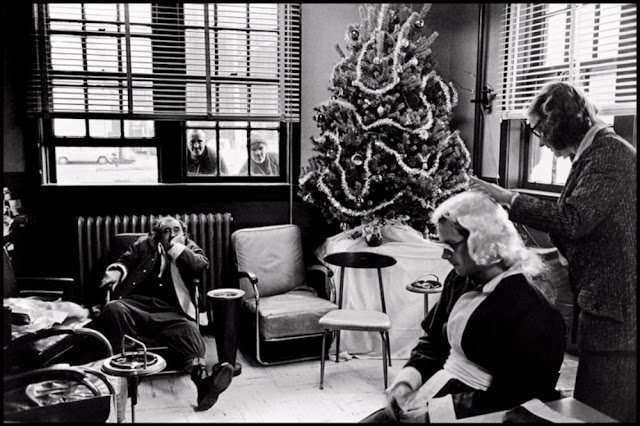
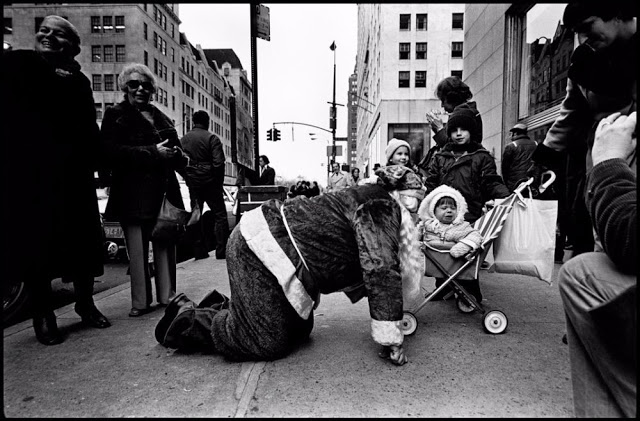
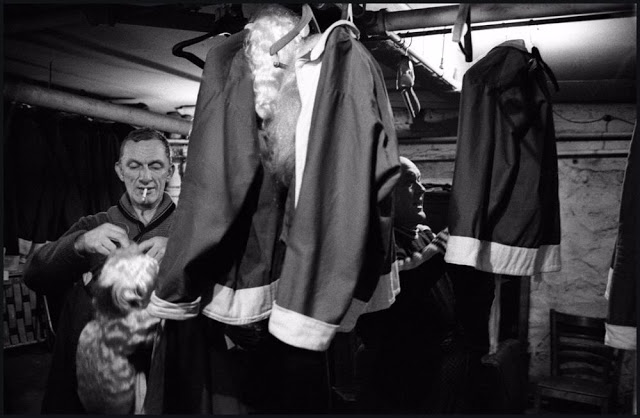
Santa Claus has come to town many times, and he’s hung out in some unlikely places. Shown is an amazing collection of black and white photographs of Santa Clauses on the streets of New York City, taken by Magnum photographer Susan Meiselas from 1976-1978. “Early one morning, near my home and on my way to someplace else, I crossed paths with a Santa Claus. I wanted to know who this guy was. Where did he come from? Why was he in my neighborhood?” “Then I discovered the “Volunteers of America.” It was the organization behind the homeless men on Fifth Avenue who dressed as Santa Claus to collect money for the shelter in my neighborhood. Most people on the sidewalks just walked past them, some made contributions, but others had their children balance on Santa’s knees, never of course imagining where these men had come from.”
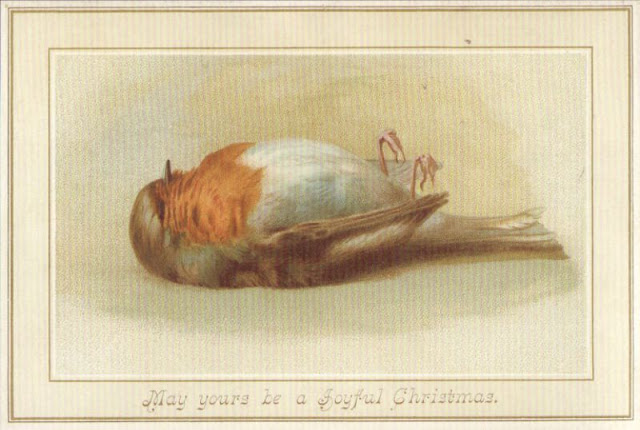
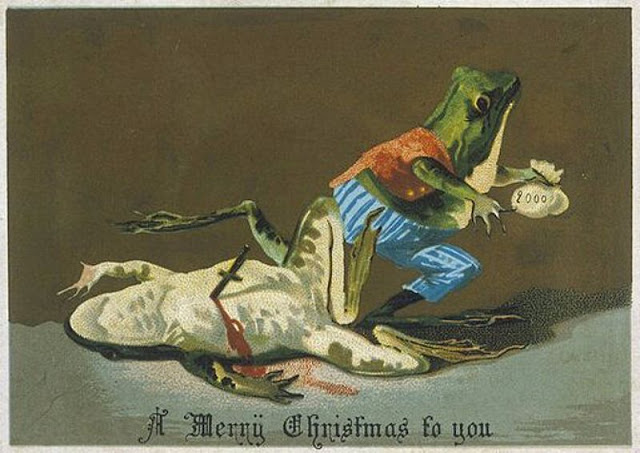
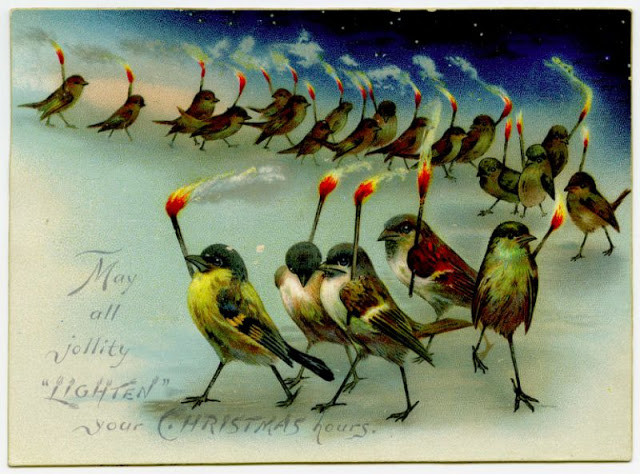
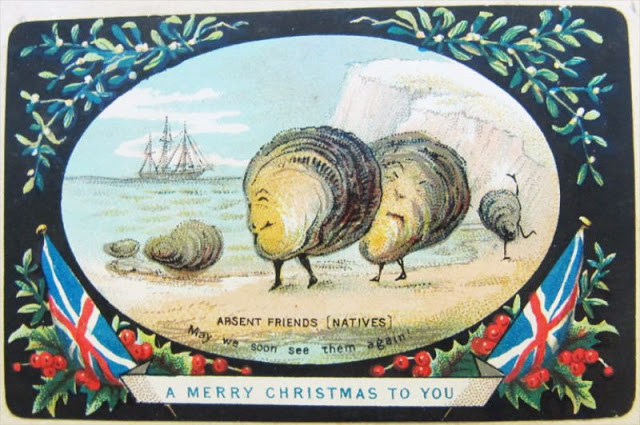
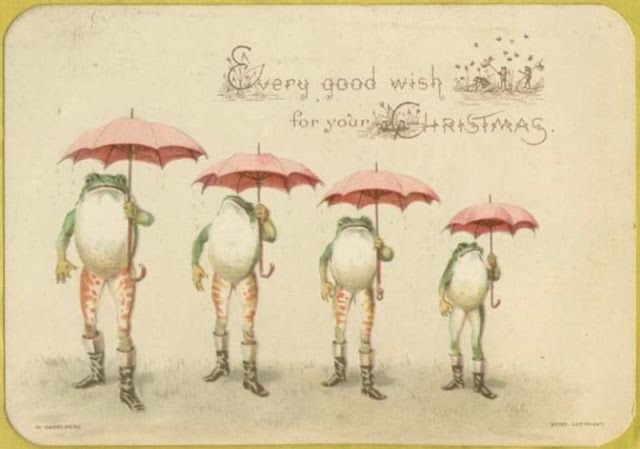
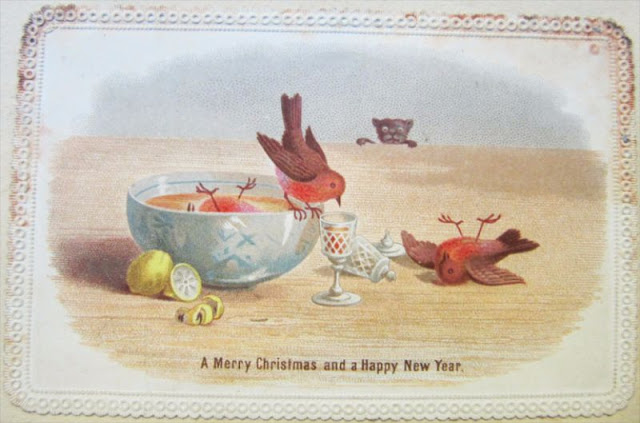
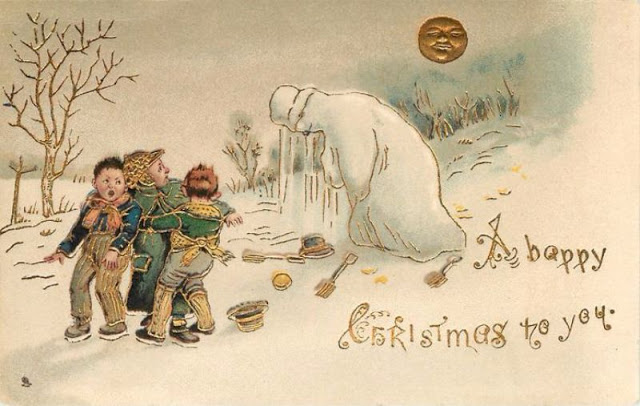
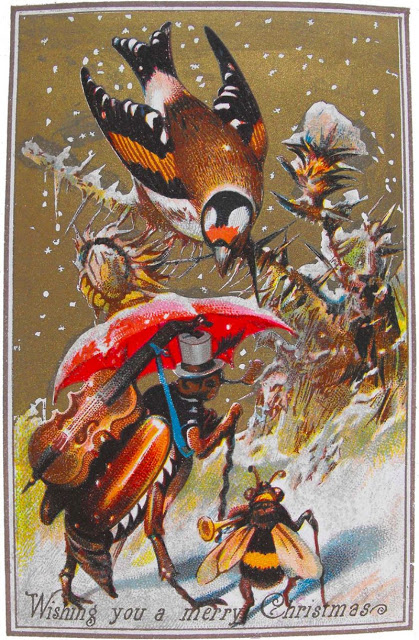
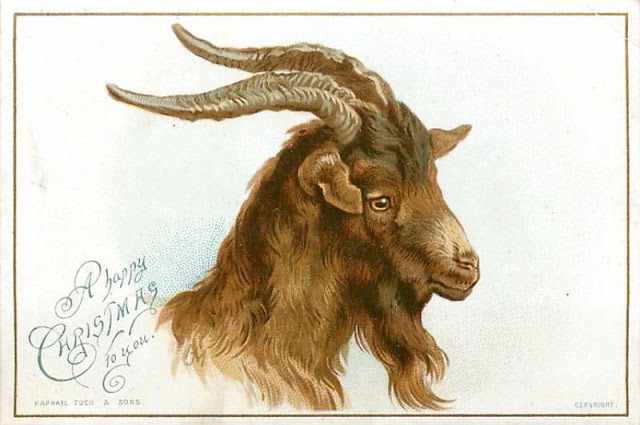
The Victorians had a much more macabre approach to the festive season!
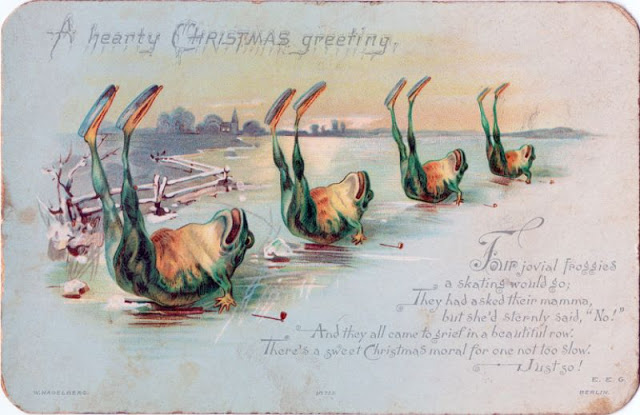
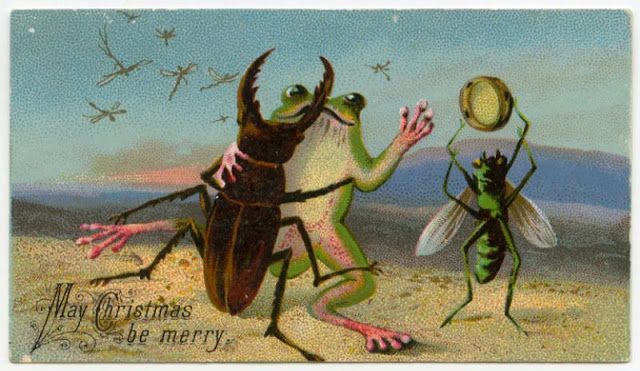
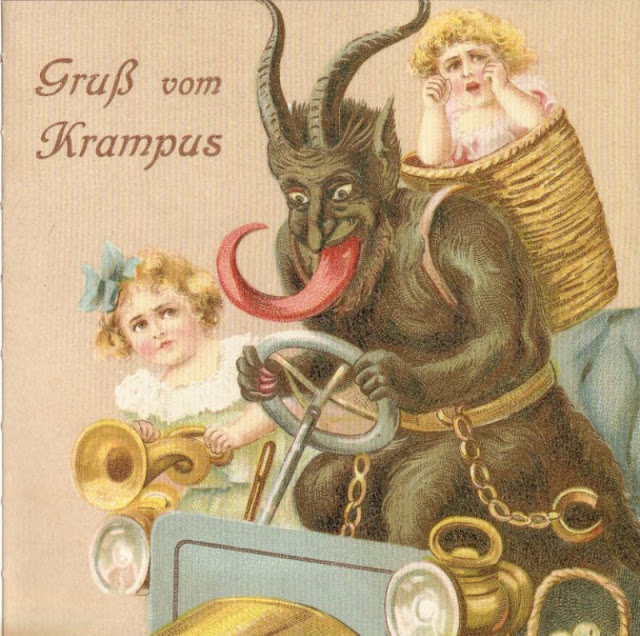
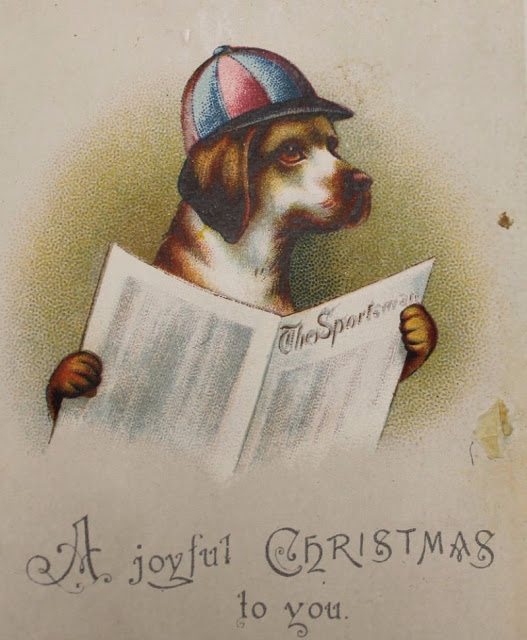
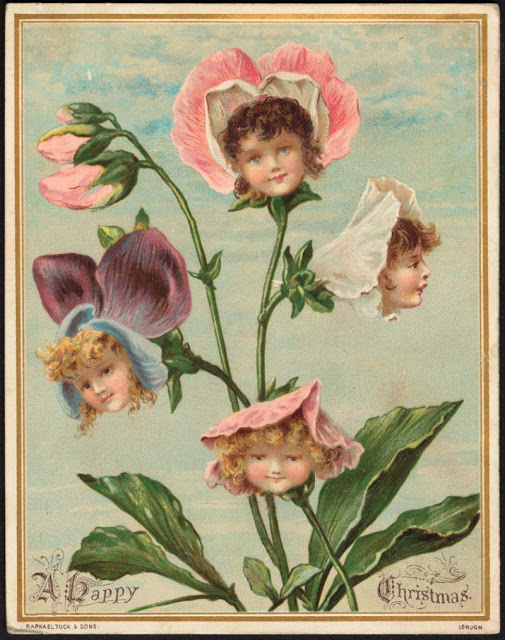
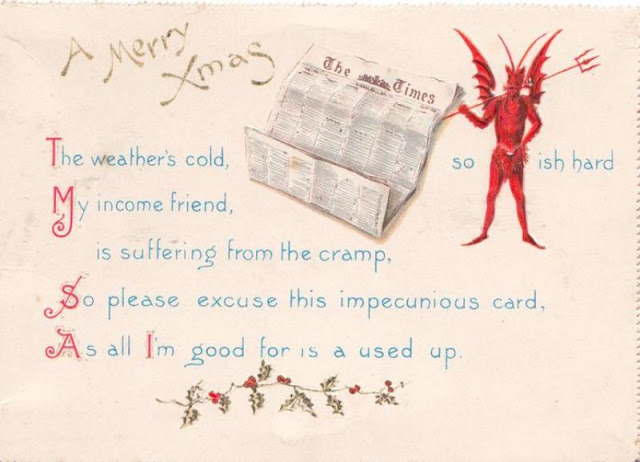
Christmas cards today usually feature a jolly Santa, fluffy woodland animal or green glittery tree, but Victorian versions had a much more terrifying tone.
The first Christmas card was commercially produced by Sir Henry Cole in 1843 but it was not until the 1870s, and the introduction of the halfpenny stamp, that sending cards was affordable for almost everyone. Victorians then leapt upon the idea with alacrity.
It was usual in the 19th Century for friends and relations to exchange letters at Christmas time. The Victorians had a different idea to what Christmas was about – not particularly Christian, but a time of good humor.
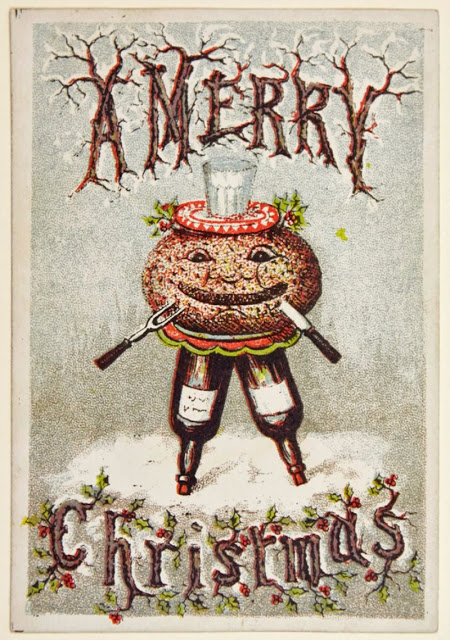
The cards were not only overwhelmingly secular, but some were grimly non-festive. Rosy-faced children gathered round a decorated tree might be seen on a card – but so might a dead robin or a turnip wearing a hat.
Here’s a collection of 25 bizarre and creepy vintage Christmas cards from the Victorian era:
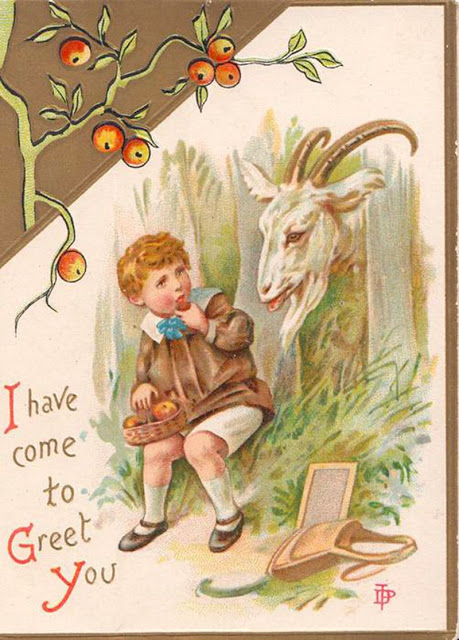
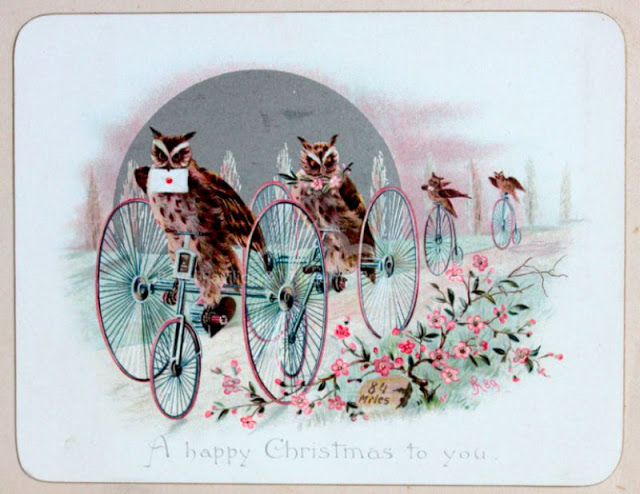
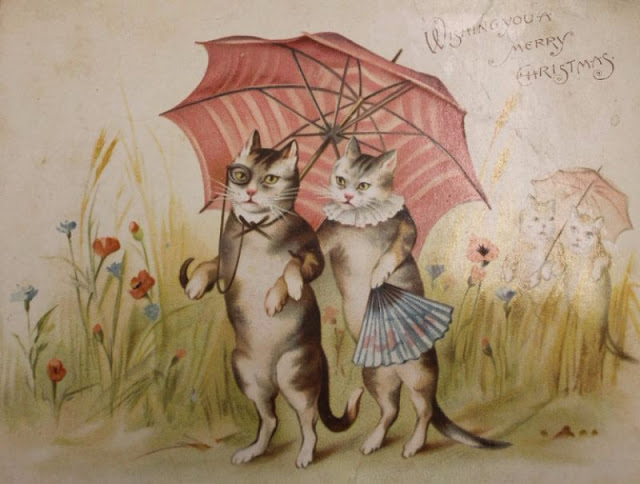
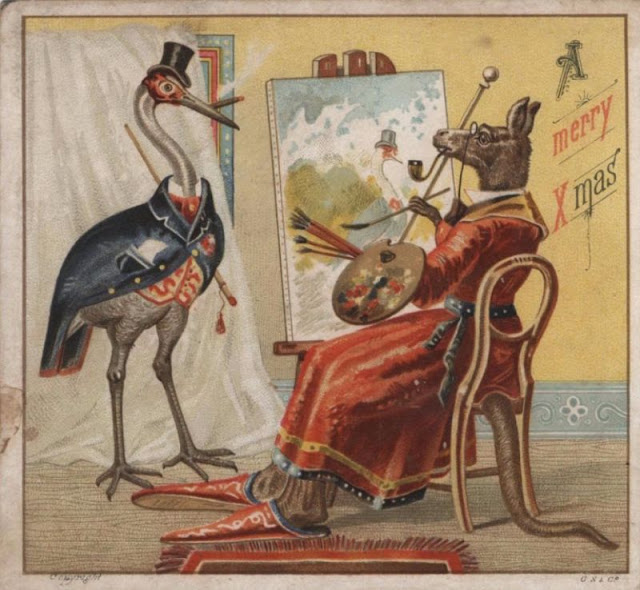
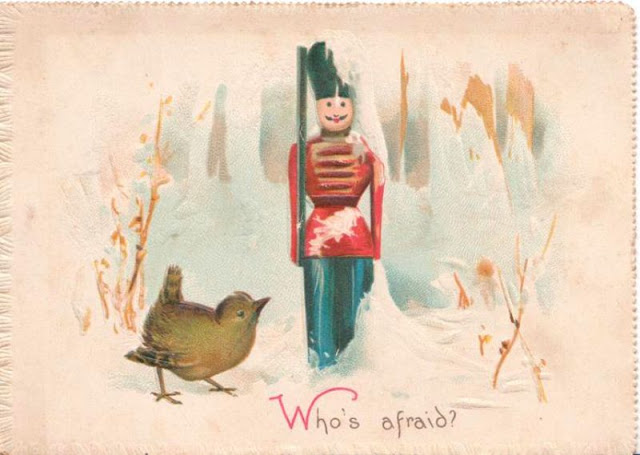
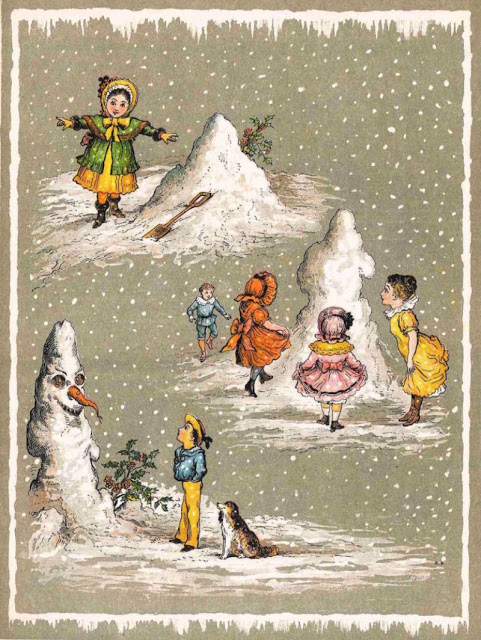
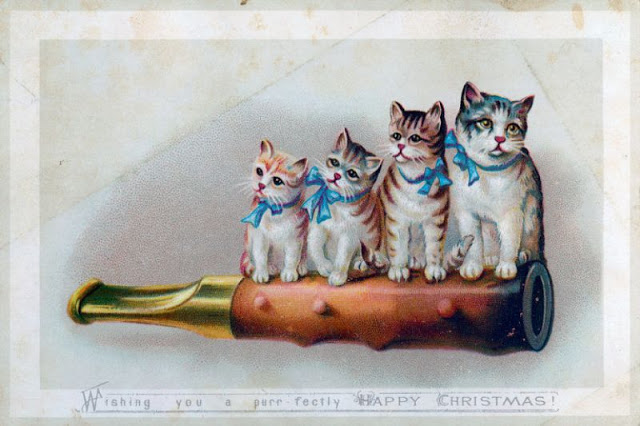
A hearty Christmas greetingMay Christmas be MerryMay yours be a Joyful ChristmasA Merry Christmas to youMay all jollity ‘lighten’ your Christmas hoursAbsent friends [natives], may we soon see them again! A merry Christmas to you (1876)I have come to greet youA happy Christmas to youWishing you a Merry ChristmasAn example of one of the first Australian Christmas cards, collected by Bessie RouseA Krampus Christmas cardA joyful Christmas to youA happy Christmas“So please excuse this impecunious card, As all I’m good for is a used up.”Every good wish for your ChristmasA Merry Christmas and Happy New Year (1876)A happy Christmas to youWishing you a merry ChristmasA Christmas pudding-themed cardWith many merry Christmas greetingsWho’s afraid?A Victorian snowmanWishing you a purr-fectly happy ChristmasA happy Christmas to youHere’s a crow for Christmas
The Christmas truce (German: Weihnachtsfrieden; French: Trêve de Noël; Dutch: Kerstbestand) was a series of widespread unofficial ceasefires along the Western Front of the First World War around Christmas 1914.
The truce occurred five months after hostilities had begun. Lulls occurred in the fighting as armies ran out of men and munitions and commanders reconsidered their strategies following the stalemate of the Race to the Sea and the indecisive result of the First Battle of Ypres. In the week leading up to 25 December, French, German and British soldiers crossed trenches to exchange seasonal greetings and talk. In some areas, men from both sides ventured into no man’s land on Christmas Eve and Christmas Day to mingle and exchange food and souvenirs. There were joint burial ceremonies and prisoner swaps, while several meetings ended in carol-singing. Men played games of football with one another, creating one of the most memorable images of the truce.[1] Hostilities continued in some sectors, while in others the sides settled on little more than arrangements to recover bodies.
The following year, a few units arranged ceasefires but the truces were not nearly as widespread as in 1914; this was, in part, due to strongly worded orders from commanders, prohibiting truces. Soldiers were no longer amenable to truce by 1916. The war had become increasingly bitter after the human losses suffered during the battles of 1915.
The truces were not unique to the Christmas period and reflected a mood of “live and let live”, where infantry close together would stop overtly aggressive behaviour and often engage in small-scale fraternisation, engaging in conversation or bartering for cigarettes. In some sectors, there were occasional ceasefires to allow soldiers to go between the lines and recover wounded or dead comrades; in others, there was a tacit agreement not to shoot while men rested, exercised or worked in view of the enemy. The Christmas truces were particularly significant due to the number of men involved and the level of their participation—even in quiet sectors, dozens of men openly congregating in daylight was remarkable—and are often seen as a symbolic moment of peace and humanity amidst one of the most violent conflicts of human history.
Roughly 100,000 British and German troops were involved in the informal cessations of hostility along the Western Front. The Germans placed candles on their trenches and on Christmas trees, then continued the celebration by singing Christmas carols. The British responded by singing carols of their own. The two sides continued by shouting Christmas greetings to each other. Soon thereafter, there were excursions across No Man’s Land, where small gifts were exchanged, such as food, tobacco, alcohol and souvenirs, such as buttons and hats. The artillery in the region fell silent. The truce also allowed a breathing spell where recently killed soldiers could be brought back behind their lines by burial parties. Joint services were held. In many sectors, the truce lasted through Christmas night, continuing until New Year’s Day in others.
On Christmas Day, Brigadier-General Walter Congreve, commander of the 18th Infantry Brigade, stationed near Neuve Chapelle, wrote a letter recalling the Germans declared a truce for the day. One of his men bravely lifted his head above the parapet and others from both sides walked onto no man’s land. Officers and men shook hands and exchanged cigarettes and cigars, one of his captains “smoked a cigar with the best shot in the German army”, the latter no more than 18 years old. Congreve admitted he was reluctant to witness the truce for fear of German snipers.
Bruce Bairnsfather, who fought throughout the war, wrote:
I wouldn’t have missed that unique and weird Christmas Day for anything…. I spotted a German officer, some sort of lieutenant I should think, and being a bit of a collector, I intimated to him that I had taken a fancy to some of his buttons…. I brought out my wire clippers and, with a few deft snips, removed a couple of his buttons and put them in my pocket. I then gave him two of mine in exchange…. The last I saw was one of my machine gunners, who was a bit of an amateur hairdresser in civil life, cutting the unnaturally long hair of a docile Boche, who was patiently kneeling on the ground whilst the automatic clippers crept up the back of his neck.
Henry Williamson a nineteen-year-old private in the London Rifle Brigade, wrote to his mother on Boxing Day:
Dear Mother, I am writing from the trenches. It is 11 o’clock in the morning. Beside me is a coke fire, opposite me a ‘dug-out’ (wet) with straw in it. The ground is sloppy in the actual trench, but frozen elsewhere. In my mouth is a pipe presented by the Princess Mary. In the pipe is tobacco. Of course, you say. But wait. In the pipe is German tobacco. Haha, you say, from a prisoner or found in a captured trench. Oh dear, no! From a German soldier. Yes a live German soldier from his own trench. Yesterday the British & Germans met & shook hands in the Ground between the trenches, & exchanged souvenirs, & shook hands. Yes, all day Xmas day, & as I write. Marvellous, isn’t it?
Captain Sir Edward Hulse reported how the first interpreter he met from the German lines was from Suffolk and had left his girlfriend and a 3.5 hp motorcycle. Hulse described a sing-song which “ended up with ‘Auld lang syne’ which we all, English, Scots, Irish, Prussians, Württenbergers, etc, joined in. It was absolutely astounding, and if I had seen it on a cinematograph film I should have sworn that it was faked!”
Captain Robert Miles, King’s Shropshire Light Infantry, who was attached to the Royal Irish Rifles recalled in an edited letter that was published in the Daily Mail and the Wellington Journal & Shrewsbury News in January 1915, following his death in action on 30 December 1914:
Friday (Christmas Day). We are having the most extraordinary Christmas Day imaginable. A sort of unarranged and quite unauthorized but perfectly understood and scrupulously observed truce exists between us and our friends in front. The funny thing is it only seems to exist in this part of the battle line – on our right and left we can all hear them firing away as cheerfully as ever. The thing started last night – a bitter cold night, with white frost – soon after dusk when the Germans started shouting ‘Merry Christmas, Englishmen’ to us. Of course our fellows shouted back and presently large numbers of both sides had left their trenches, unarmed, and met in the debatable, shot-riddled, no man’s land between the lines. Here the agreement – all on their own – came to be made that we should not fire at each other until after midnight tonight. The men were all fraternizing in the middle (we naturally did not allow them too close to our line) and swapped cigarettes and lies in the utmost good fellowship. Not a shot was fired all night.
Of the Germans he wrote: “They are distinctly bored with the war…. In fact, one of them wanted to know what on earth we were doing here fighting them.” The truce in that sector continued into Boxing Day; he commented about the Germans, “The beggars simply disregard all our warnings to get down from off their parapet, so things are at a deadlock. We can’t shoot them in cold blood…. I cannot see how we can get them to return to business.”
On Christmas Eve and Christmas Day (24 and 25 December) 1914, Alfred Anderson’s unit of the 1st/5th Battalion of the Black Watch was billeted in a farmhouse away from the front line. In a later interview (2003), Anderson, the last known surviving Scottish veteran of the war, vividly recalled Christmas Day and said:
I remember the silence, the eerie sound of silence. Only the guards were on duty. We all went outside the farm buildings and just stood listening. And, of course, thinking of people back home. All I’d heard for two months in the trenches was the hissing, cracking and whining of bullets in flight, machinegun fire and distant German voices. But there was a dead silence that morning, right across the land as far as you could see. We shouted ‘Merry Christmas’, even though nobody felt merry. The silence ended early in the afternoon and the killing started again. It was a short peace in a terrible war.
A German Lieutenant, Johannes Niemann, wrote “grabbed my binoculars and looking cautiously over the parapet saw the incredible sight of our soldiers exchanging cigarettes, schnapps and chocolate with the enemy”.
General Sir Horace Smith-Dorrien, commander of the II Corps, issued orders forbidding friendly communication with the opposing German troops. Adolf Hitler, a corporal of the 16th Bavarian Reserve Infantry, was also an opponent of the truce.
In the Comines sector of the front there was an early fraternization between German and French soldiers in December 1914, during a short truce and there are at least two other testimonials from French soldiers, of similar behaviours in sectors where German and French companies opposed each other. Gervais Morillon wrote to his parents “The Boches waved a white flag and shouted ‘Kamarades, Kamarades, rendez-vous’. When we didn’t move they came towards us unarmed, led by an officer. Although we are not clean they are disgustingly filthy. I am telling you this but don’t speak of it to anyone. We must not mention it even to other soldiers”. Gustave Berthier wrote “On Christmas Day the Boches made a sign showing they wished to speak to us. They said they didn’t want to shoot. … They were tired of making war, they were married like me, they didn’t have any differences with the French but with the English”.
On the Yser Front where German and Belgian troops faced each other in December 1914, a truce was arranged at the request of Belgian soldiers who wished to send letters back to their families, over the German-occupied parts of Belgium.
Football matches
Many accounts of the truce involve one or more football matches played in no-man’s land. This was mentioned in some of the earliest reports, with a letter written by a doctor attached to the Rifle Brigade, published in The Times on 1 January 1915, reporting “a football match… played between them and us in front of the trench”. Similar stories have been told over the years, often naming units or the score. Some accounts of the game bring in elements of fiction by Robert Graves, a British poet and writer (and an officer on the front at the time) who reconstructed the encounter in a story published in 1962; in Graves’s version, the score was 3–2 to the Germans.
The truth of the accounts has been disputed by some historians. In 1984, Malcolm Brown and Shirley Seaton concluded that there were probably attempts to play organised matches which failed due to the state of the ground, but that the contemporary reports were either hearsay or refer to “kick-about” matches with “made-up footballs” such as a bully-beef tin. Chris Baker, former chairman of The Western Front Association and author of The Truce: The Day the War Stopped, was also sceptical, but says that although there is little evidence, the most likely place that an organised match could have taken place was near the village of Messines: “There are two references to a game being played on the British side, but nothing from the Germans. If somebody one day found a letter from a German soldier who was in that area, then we would have something credible”. Lieutenant Kurt Zehmisch of the 134th Saxon Infantry Regiment said that the English “brought a soccer ball from their trenches, and pretty soon a lively game ensued. How marvellously wonderful, yet how strange it was”. In 2011 Mike Dash concluded that “there is plenty of evidence that football was played that Christmas Day—mostly by men of the same nationality but in at least three or four places between troops from the opposing armies”.
Many units were reported in contemporary accounts to have taken part in games: Dash listed the 133rd Royal Saxon Regiment pitched against “Scottish troops”; the Argyll and Sutherland Highlanders against unidentified Germans (with the Scots reported to have won 4–1); the Royal Field Artillery against “Prussians and Hanovers” near Ypres and the Lancashire Fusiliers near Le Touquet, with the detail of a bully beef ration tin as the “ball”. One recent writer has identified 29 reports of football, though does not give substantive details. Colonel J. E. B. Seely recorded in his diary for Christmas Day that he had been “Invited to football match between Saxons and English on New Year’s Day”, but this does not appear to have taken place.
The truces were not reported for a week, an unofficial press embargo broken by The New York Times, published in the neutral United States, on 31 December. The British papers quickly followed, printing numerous first-hand accounts from soldiers in the field, taken from letters home to their families and editorials on “one of the greatest surprises of a surprising war”. By 8 January pictures had made their way to the press and the Mirror and Sketch printed front-page photographs of British and German troops mingling and singing between the lines. The tone of the reporting was strongly positive, with the Times endorsing the “lack of malice” felt by both sides and the Mirror regretting that the “absurdity and the tragedy” would begin again. Author Denis Winter argues that “the censor had intervened” to prevent information about the spontaneous ceasefire from reaching the public and that the real dimension of the truce “only really came out when Captain Chudleigh in the Telegraph wrote after the war.”
Coverage in Germany was more muted, with some newspapers strongly criticising those who had taken part and no pictures were published.[citation needed] In France, press censorship ensured that the only word that spread of the truce came from soldiers at the front or first-hand accounts told by wounded men in hospitals. The press was eventually forced to respond to the growing rumours by reprinting a government notice that fraternising with the enemy constituted treason. In early January an official statement on the truce was published, claiming it was restricted to the British sector of the front and amounted to little more than an exchange of songs which quickly degenerated into shooting.
The press of neutral Italy published a few articles on the events of the truce, usually reporting the articles of the foreign press. On 30 December 1914, Corriere della Sera printed a report about a fraternization between the opposing trenches. The Florentine newspaper La Nazione published a first-hand account about a football match played in the no man’s land. In Italy, the lack of interest in the truce probably depended on the occurrence of other events, such as the Italian occupation of Vlorë, the debut of the Garibaldi Legion on the front of the Argonne and the earthquake in Avezzano. (Wikipedia)
Subscribe to continue reading
Become a paid subscriber to get access to the rest of this post and other exclusive content.
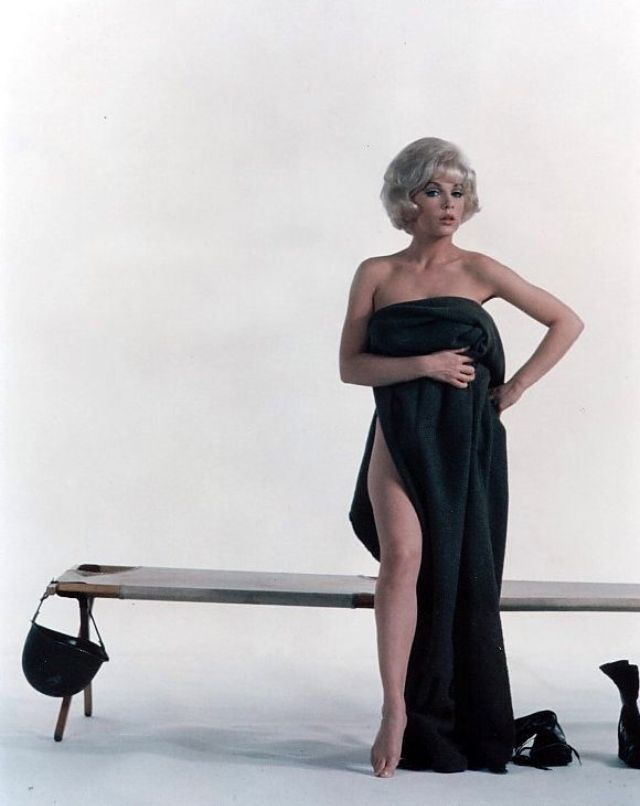
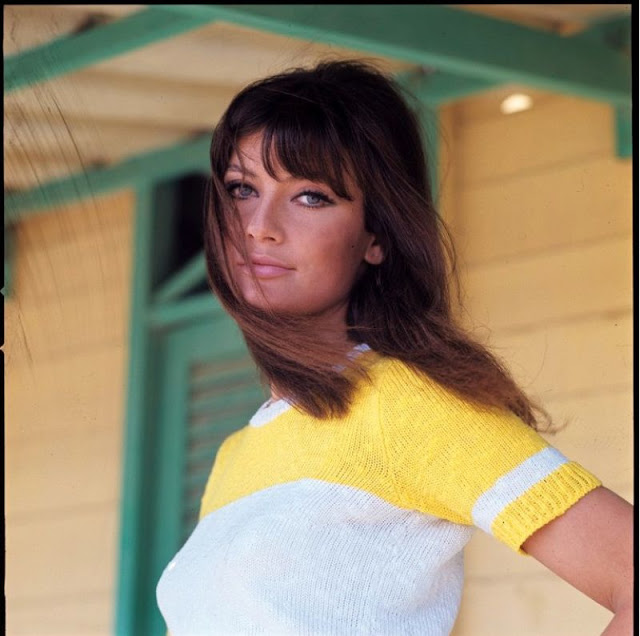
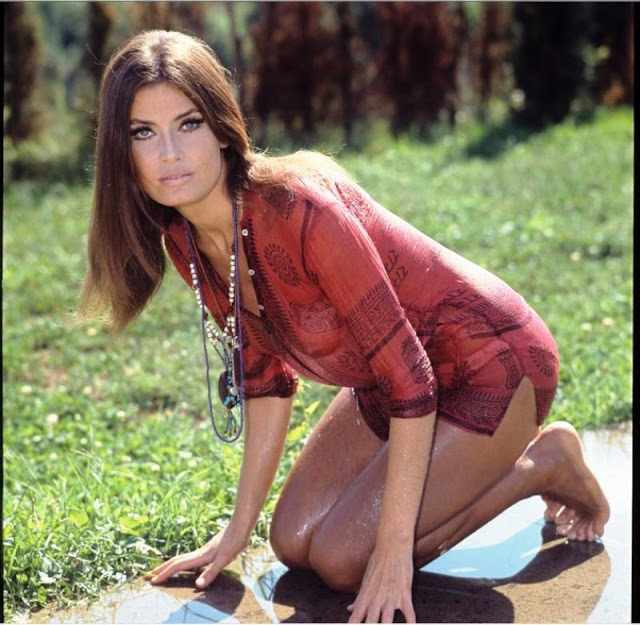
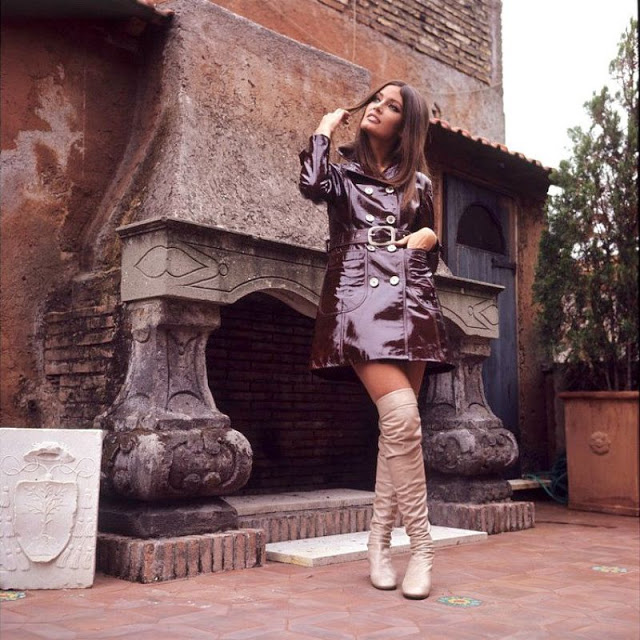
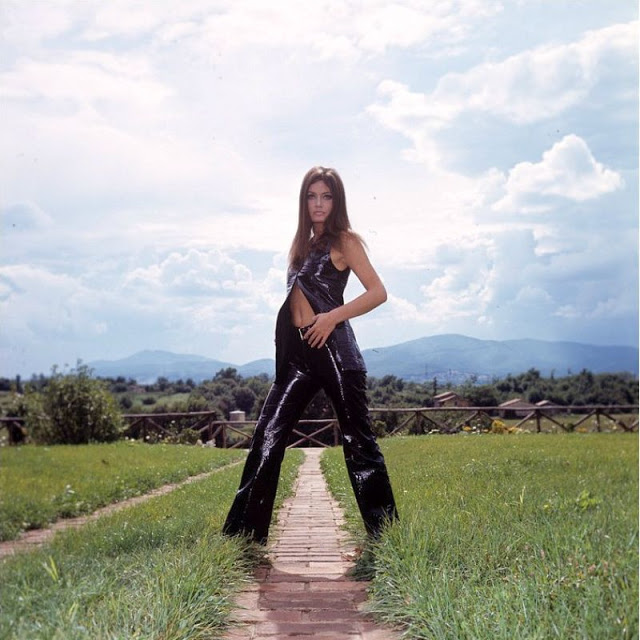
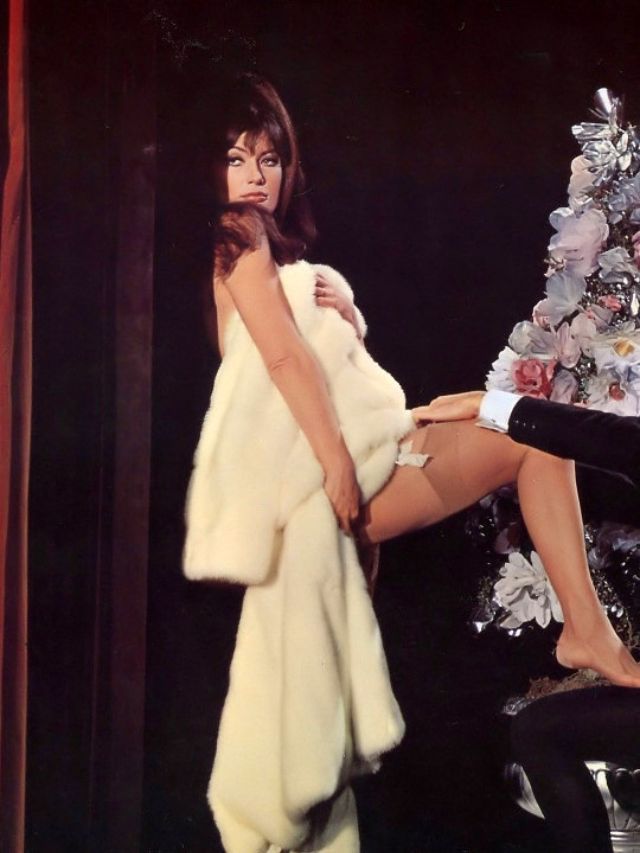
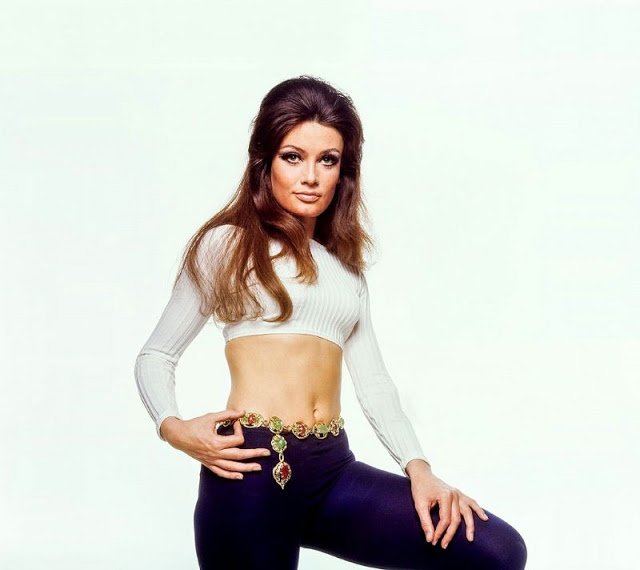
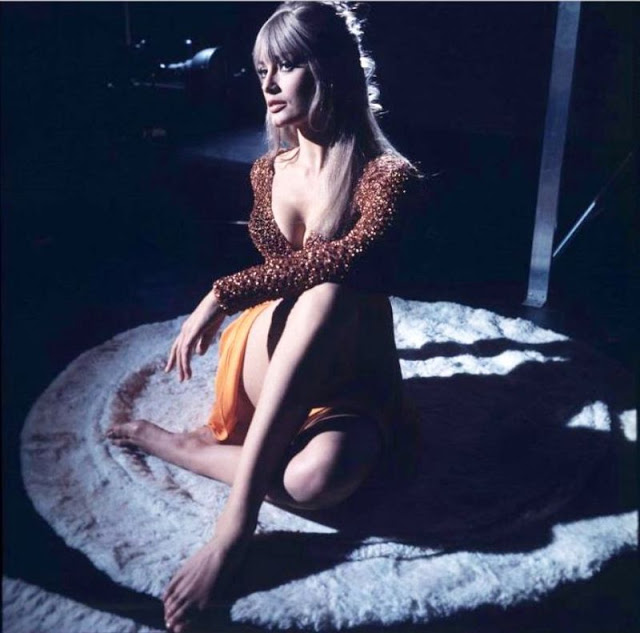
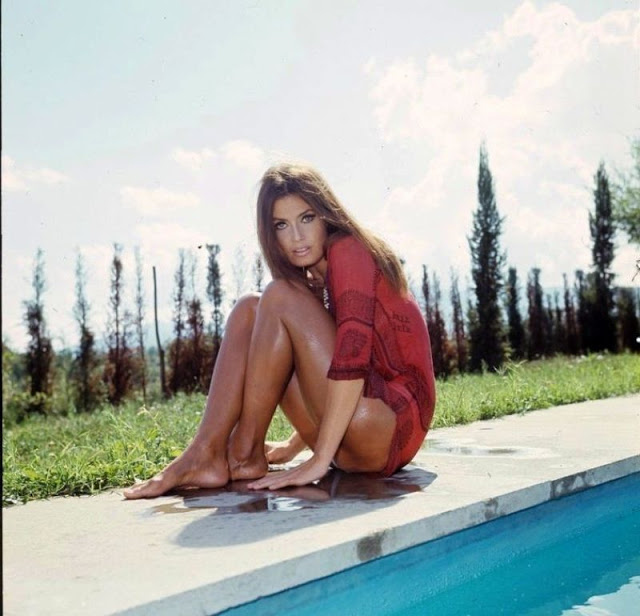
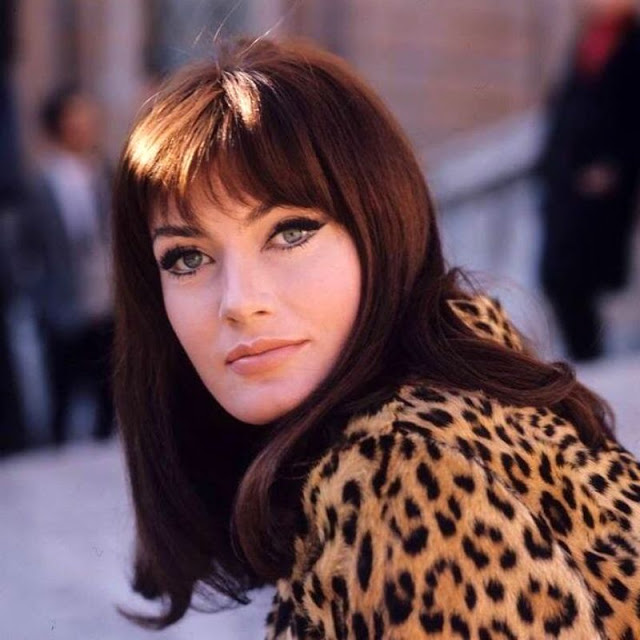
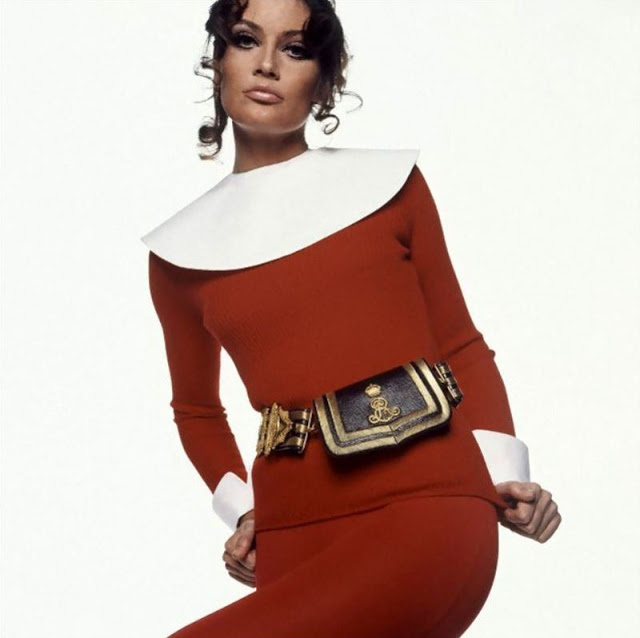
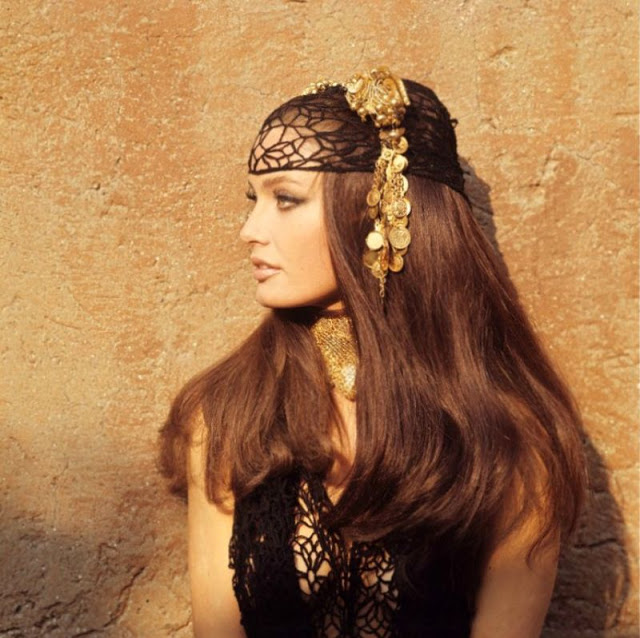
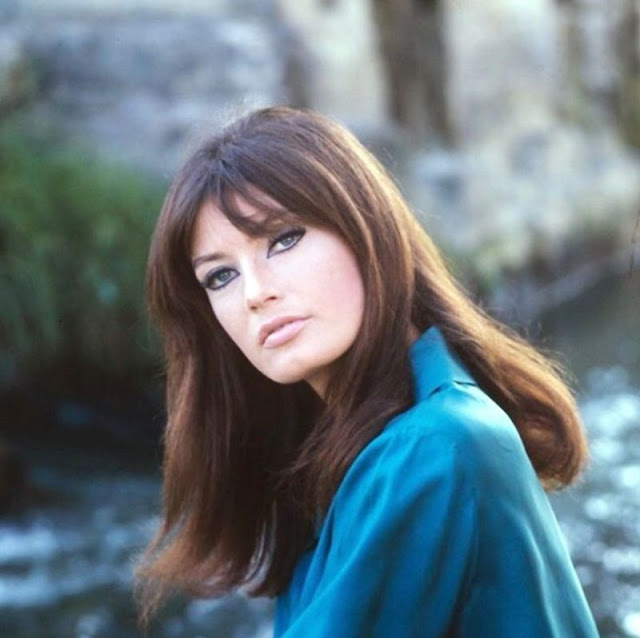
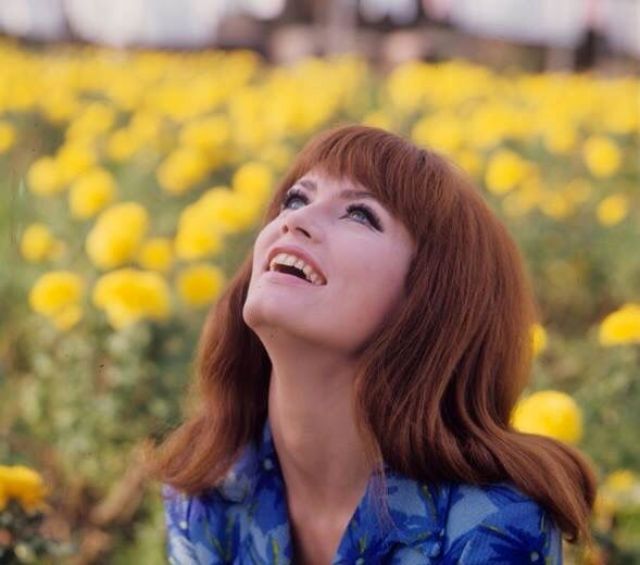
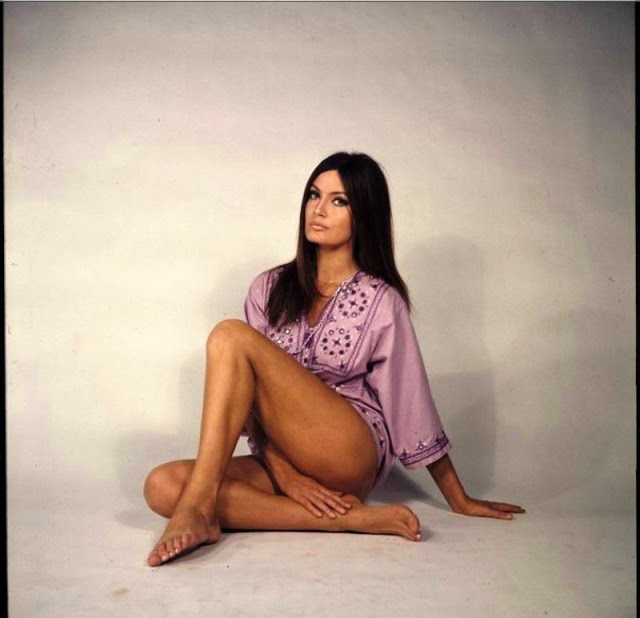
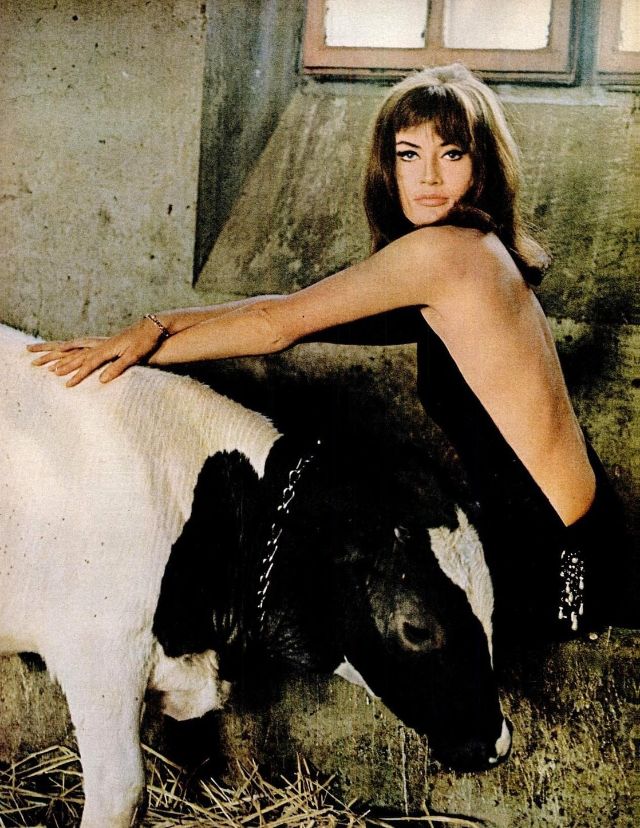
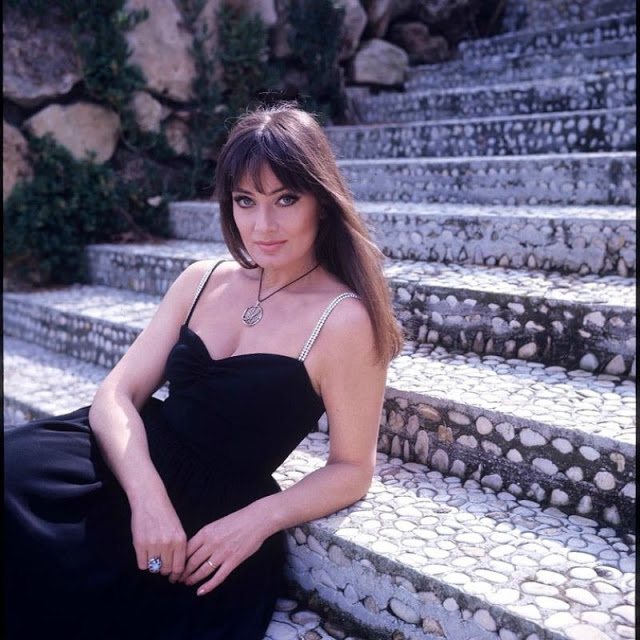
Marisa Mell (born Marlies Theres Moitzi; 24 February 1939 – 16 May 1992) was an Austrian actress. Typecast as a femme fatale in European arthouse and genre films, she is best regarded for her performances as Eva Kant in Mario Bava’s critically re-assessed Danger: Diabolik (1968), and the dual role of Susan Dumurrier/Monica Weston in Lucio Fulci’s giallo One on Top of the Other (1969).
After garnering popularity by appearing in such films as Venusberg (1963), French Dressing (1964), Masquerade (1965), Casanova 70 (1965) and Secret Agent Super Dragon (1966), Mell’s attempt to launch a Broadway and Hollywood career ended with the failure of her debut musical Mata Hari. She settled in Italy, where her high-profile love life and long association with Pier Luigi Torri, a playboy who later became one of the world’s most-wanted fugitives, made her familiar to readers of tabloid press stories about the European jet set and elite Roman nightclubs. Her other notable films during this period include Anyone Can Play (1968), Marta (1971), Ben and Charlie (1972), Seven Blood-Stained Orchids (1972), Gang War in Milan (1973), Mahogany (1975), Casanova & Co. (1977) and Mad Dog Killer (1977).
Despite her typically resilient onscreen persona, Mell was privately a vulnerable figure who suffered from bad luck, ill-judged personal choices, and drug use. By the late 1980s, these factors had eroded the qualities that had earned her initial stardom, and she was forced to spend the remainder of her life in Austria, where she subsisted in straitened circumstances.
Mel’s marketability depended on her youth and stunning looks, which hardly faded, even as she moved into middle age. In Italy, where she had been a genuine celebrity, her box-office appeal had declined by the late 1980s, hardly unusual for a woman of her age in that era. Mell’s public profile was very low by her latter years although she got some acting work shortly before her 1992 death in Vienna, aged 53, from throat cancer. (Wikipedia)
London is the capital and largest city of England and the United Kingdom. It stands on the River Thames in south-east England at the head of a 50-mile (80 km) estuary down to the North Sea, and has been a major settlement for two millennia. The City of London, its ancient core and financial centre, was founded by the Romans as Londinium and retains boundaries close to its medieval ones. Since the 19th century, “London” has also referred to the metropolis around this core, historically split between the counties of Middlesex, Essex, Surrey, Kent, and Hertfordshire, which largely makes up Greater London, the region governed by the Greater London Authority. The City of Westminster, to the west of the City, has for centuries held the national government and parliament.
London, as one of the world’s global cities, exerts strong influence on its arts, commerce, education, entertainment, fashion, finance, health care, media, tourism, and communications. Its GDP (€801.66 billion in 2017) makes it the biggest urban economy in Europe and one of the major financial centres in the world. In 2019 it had the second highest number of ultra high-net-worth individuals in Europe after Paris and the second-highest number of billionaires of any city in Europe after Moscow. With Europe’s largest concentration of higher education institutions, it includes Imperial College London in natural and applied sciences, the London School of Economics in social sciences, and the comprehensive University College London. The city is home to the most 5-star hotels of any city in the world. In 2012, London became the first city to host three Summer Olympic Games.
London’s diverse cultures mean over 300 languages are spoken. The mid-2018 population of Greater London of about 9 million, made it Europe’s third-most populous city. It accounts for 13.4 per cent of the UK population. Greater London Built-up Area is the fourth-most populous in Europe, after Istanbul, Moscow and Paris, with 9,787,426 inhabitants at the 2011 census. The London metropolitan area is the third-most populous in Europe after Istanbul’s and Moscow’s, with 14,040,163 inhabitants in 2016.
London has four World Heritage Sites: the Tower of London; Kew Gardens; the Palace of Westminster, along with Westminster Abbey, and St Margaret’s Church; and the historic settlement in Greenwich, where the Royal Observatory, Greenwich defines the Prime Meridian (0° longitude) and Greenwich Mean Time. Other landmarks include Buckingham Palace, the London Eye, Piccadilly Circus, St Paul’s Cathedral, Tower Bridge and Trafalgar Square. It has numerous museums, galleries, libraries and sporting venues, including the British Museum, National Gallery, Natural History Museum, Tate Modern, British Library and West End theatres. The London Underground is the oldest rapid transit system in the world. (Wikipedia)
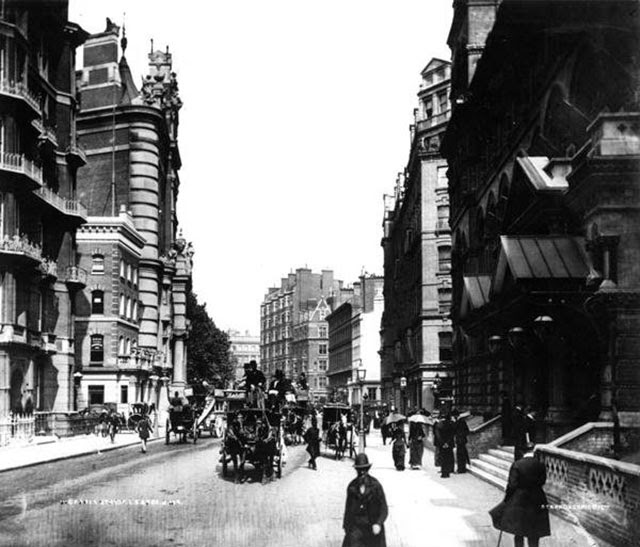
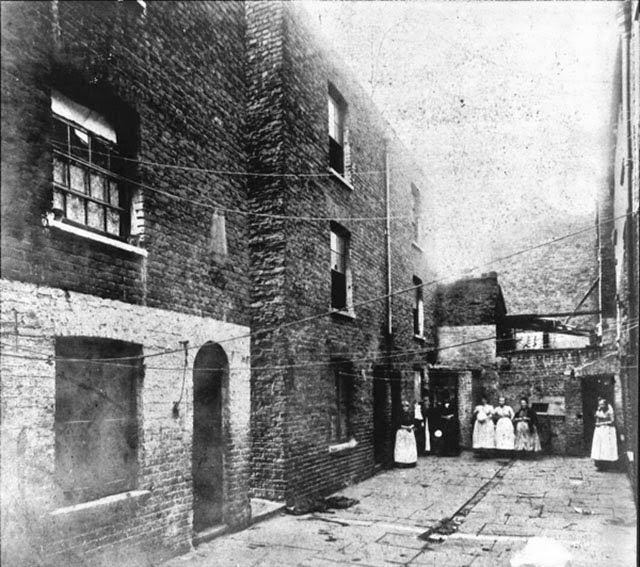
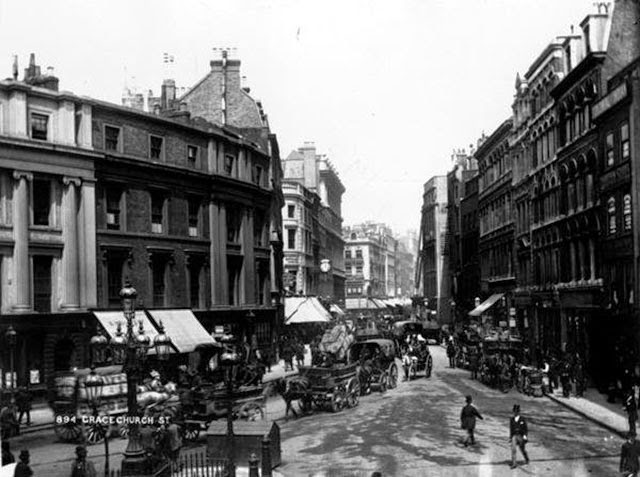
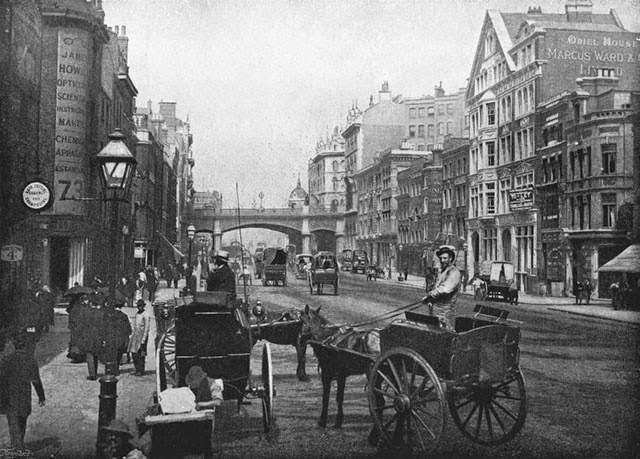
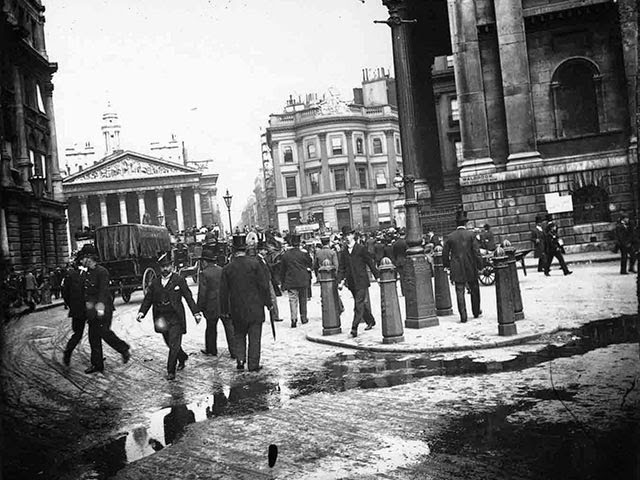
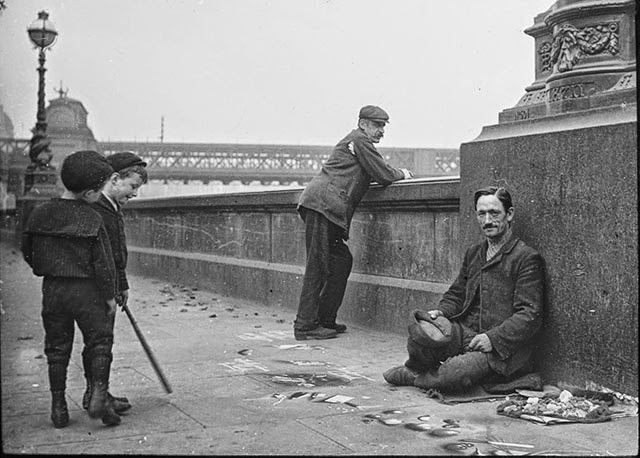
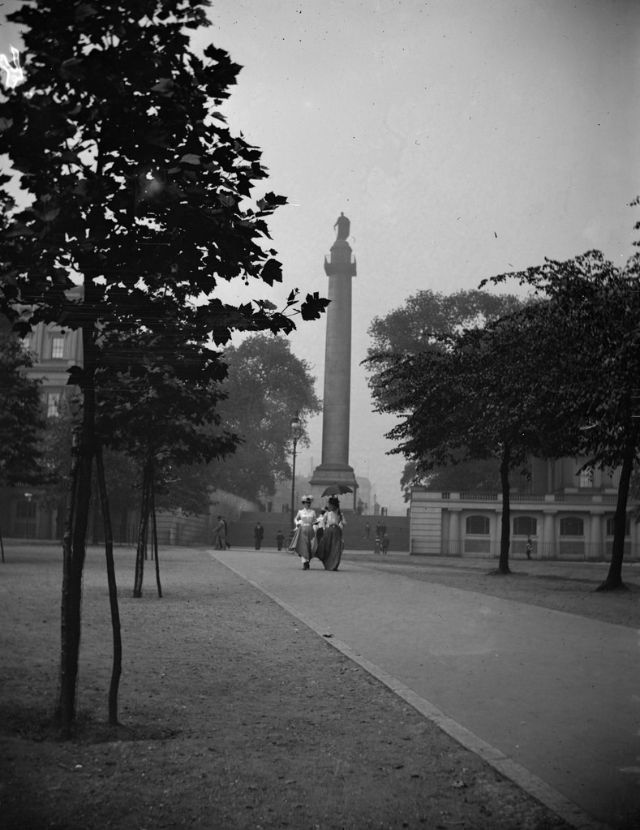
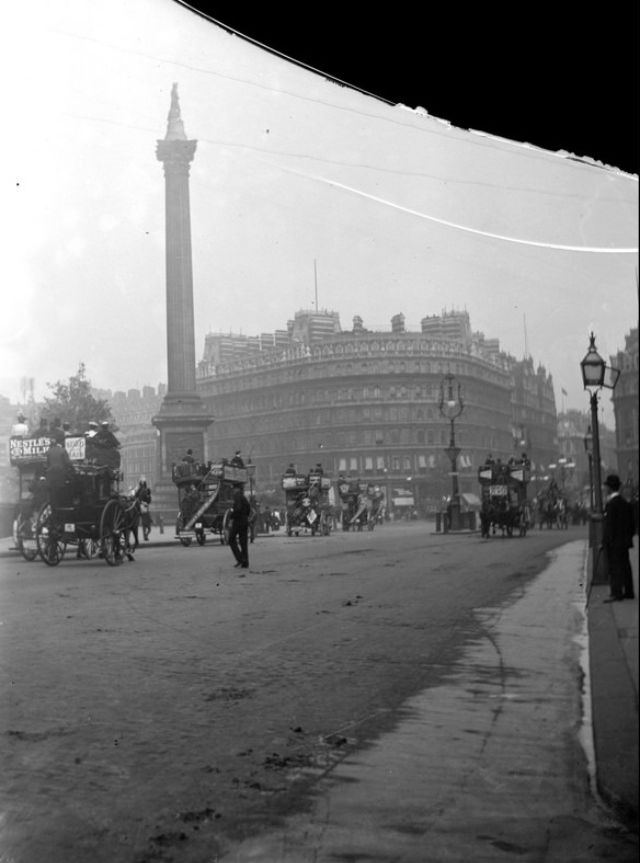
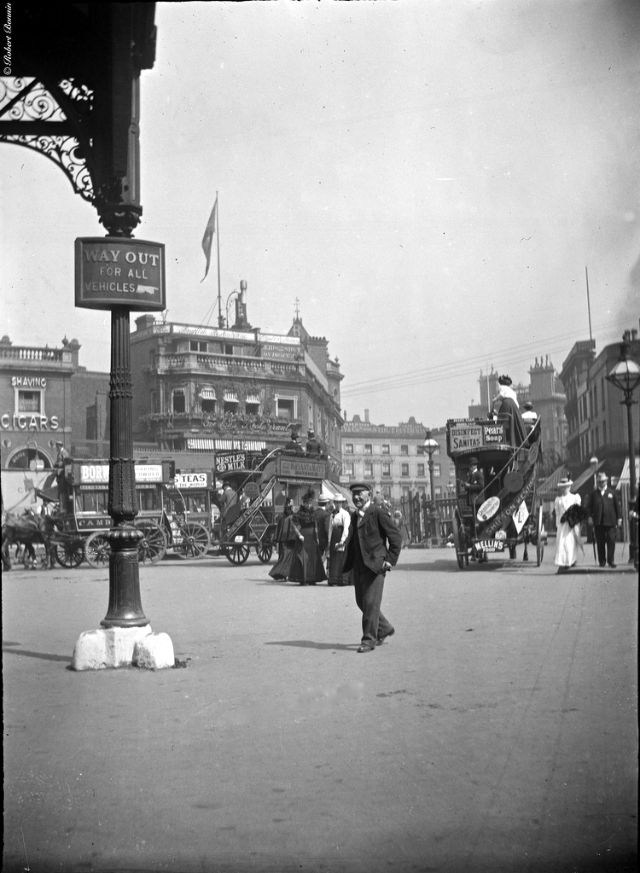
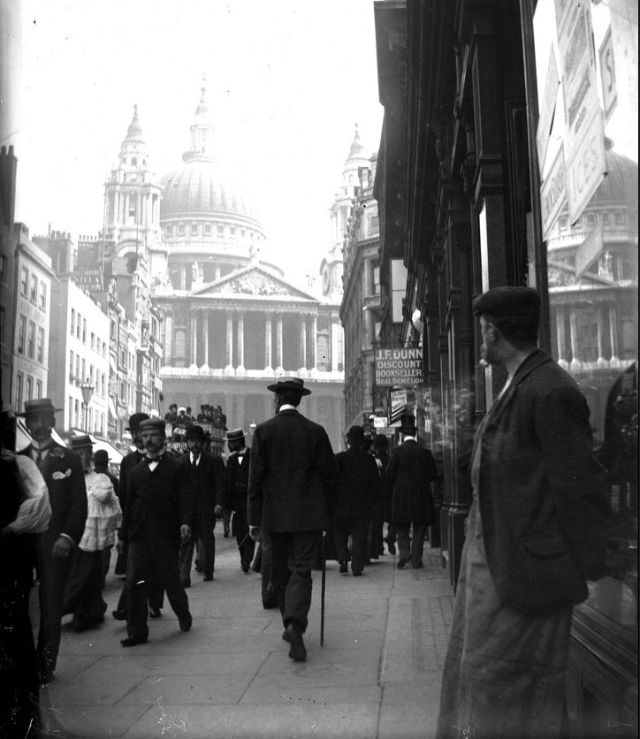
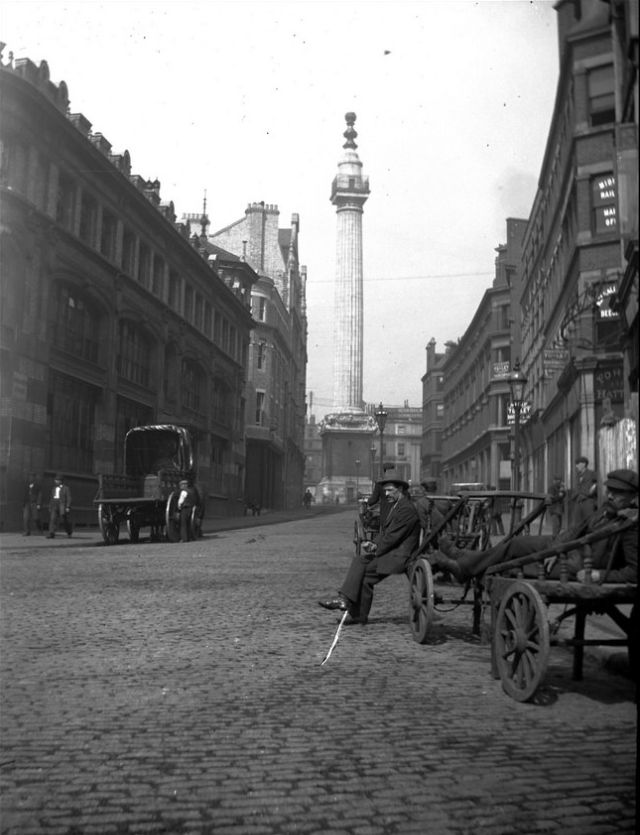
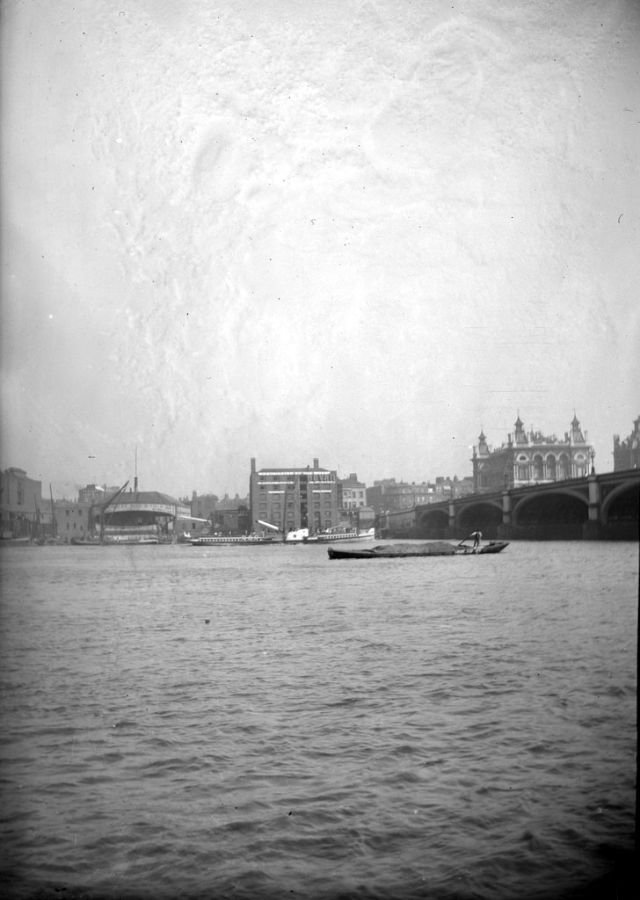
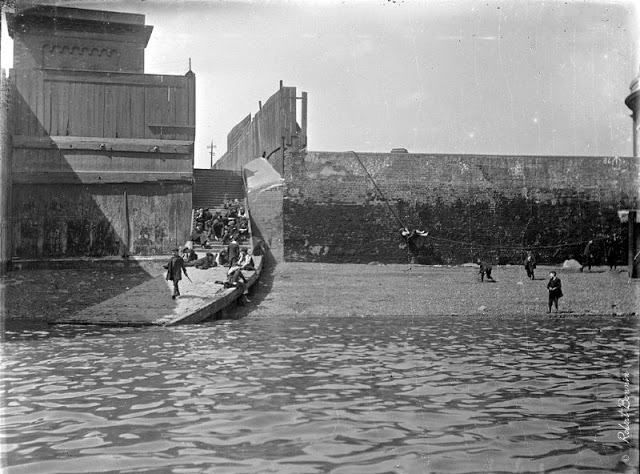
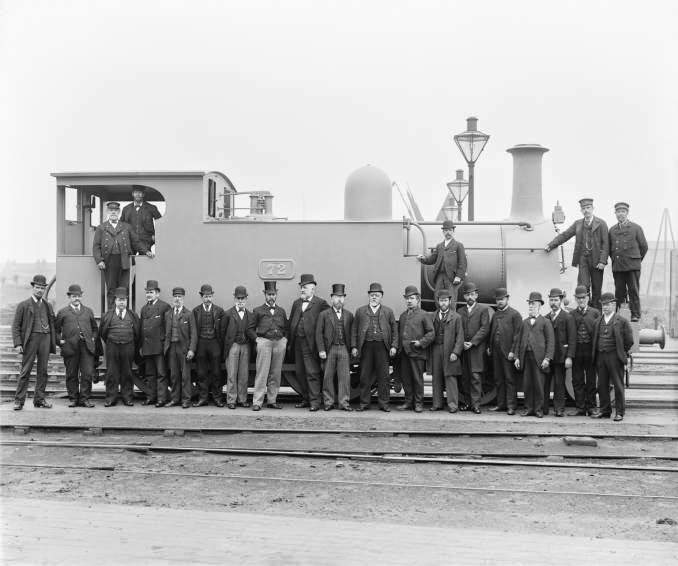
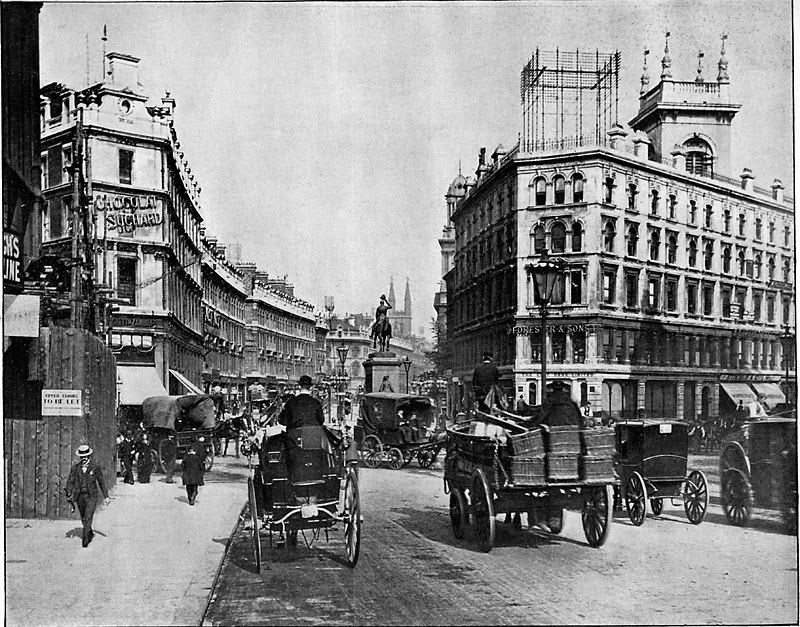
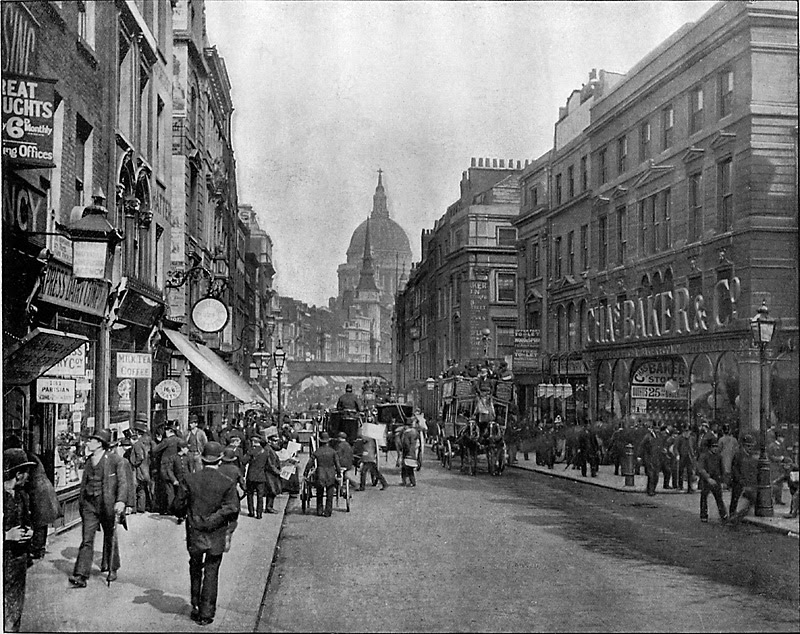
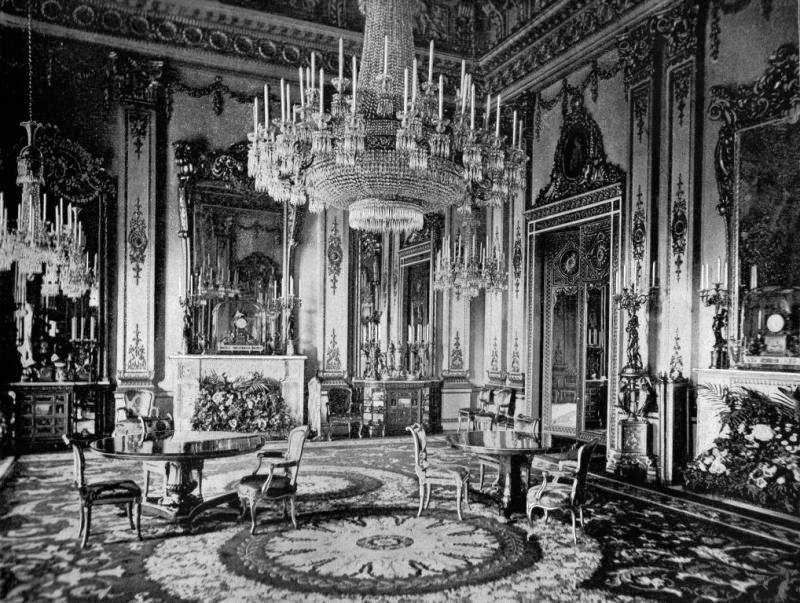
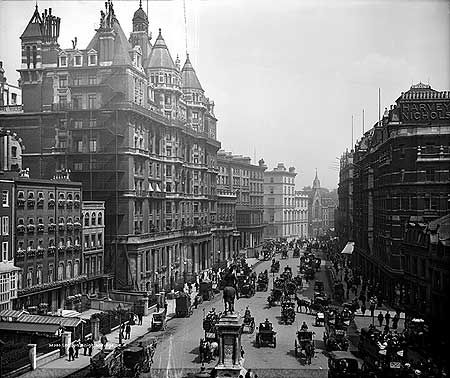
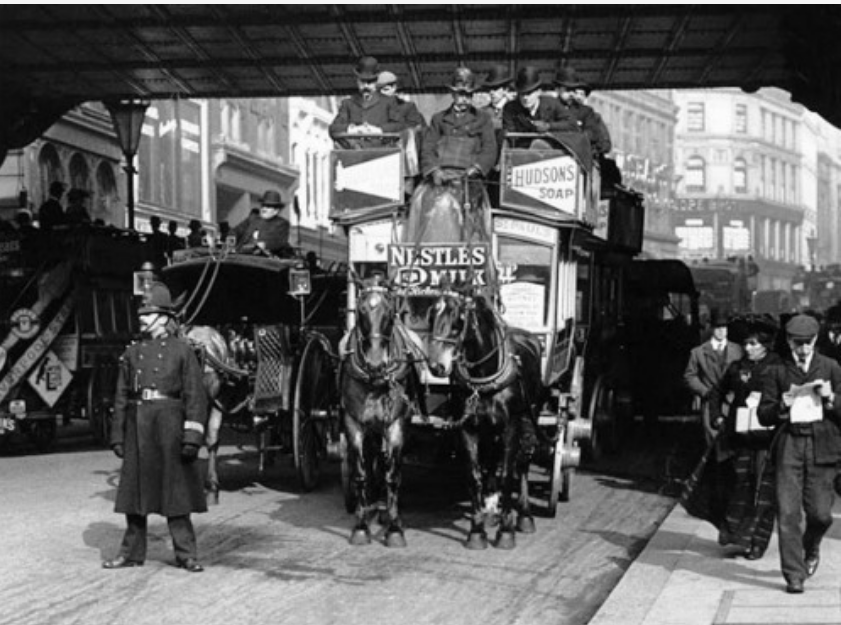
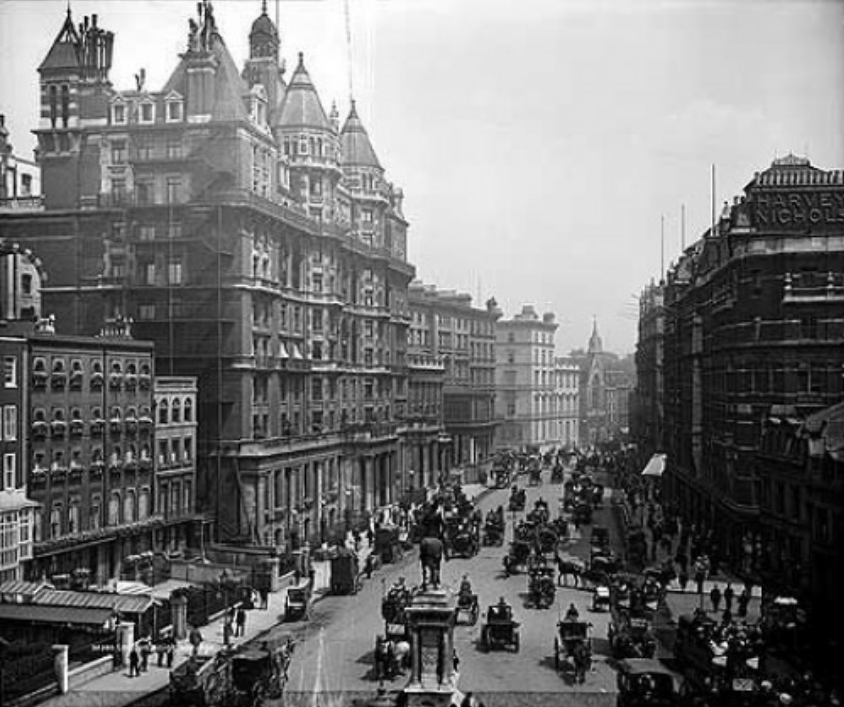
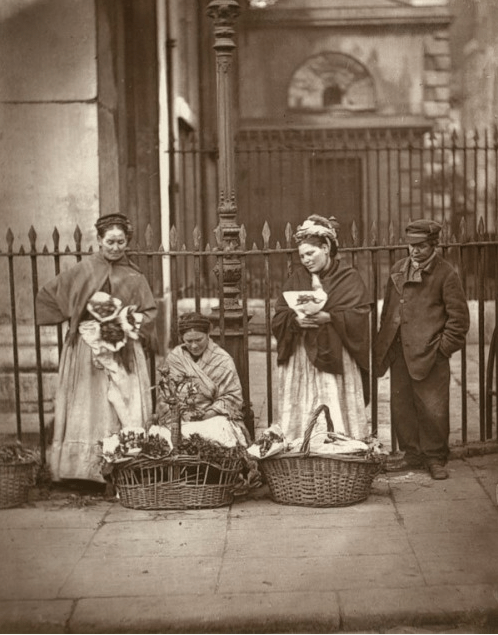
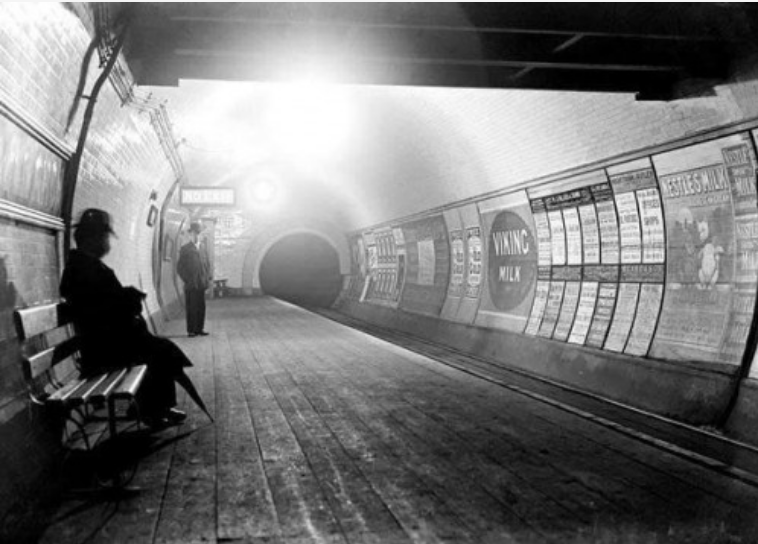
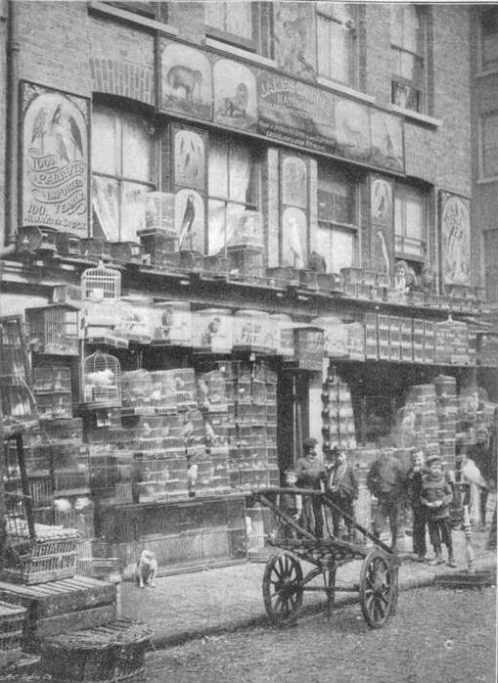
Changing the light bulb on a street in London, England, 1890sFleet StreetFleet StreetBoundary StreetGracechurch StreetHigh HolbornOxford StreetOxford StreetRegent StreetFarringdon StreetLooking toward the Bank of EnglandWych StreetBishopsgate StreetBroad Street Railway StationRoehampton High StreetLondon screever on the ThamesTrafalgar Square with the National Gallery to the left and St Martins in the Fields to the rightTwo women are about to cross The Mall onto Horse Guards Parade.Vauxhall is an area of London just south of the ThamesAlbert Memorial in London with the Royal Albert Hall in the backgroundAn elephant in a park, LondonIn the distance is St Paul’s Cathedral. This was taken from Cannon Street in the City of LondonTrafalgar SquareOmnibus stand outside of Victoria Station LondonSt Paul’s Cathedral, City of LondonThe corner of Parliament Square from a stretch of road called Broad Sanctuary.The Crimean War Memorial in Waterloo Place LondonThe Monument, LondonThe south bank of the river Thames at Westminster Bridge, LondonThe SS Somerset, home port LondonThe River ThamesLondon Bridge, 1894.Piccadilly Circus, 1894.Cheapside, 1894Royal Courts of Justice, 1894Bank of England, 1894North London Railway Staff, 1894.Holborn Circus and Viaduct, 1894.Fleet Street, 1894Northumberland Ave South-east from Trafalgar Square, 1894Piccadilly Circus, 1894The White Drawing Room at Buckingham Palace, London, 1894A hansom cab in London, 1894London, 1890sTower Bridge under construction with river traffic in the foreground, 1893Future King Edward VII opens Stockwell Station, 1890Bank of England, Threadneedle Street, 1890City of London police officer, 1890Wych Street, 1890Blackfriars Bridge and St. Paul’s Cathedral, 1890The first telephone trunk circuit linking London to Birmingham, 10 July 1890Hyde Park Hotel, Knightsbridge, 1890Policeman, 1890Covent Garden Flower Sellers, 1890A heavy horse-traffic day in Hyde Park, 1890The tube, 1890St. Leonard’s Church, Hoxton, 1890Lewisham Station, 1890Baked potato seller, 1890Caged birds in Club Row, 1890