





Bringing You the Wonder of Yesterday – Today
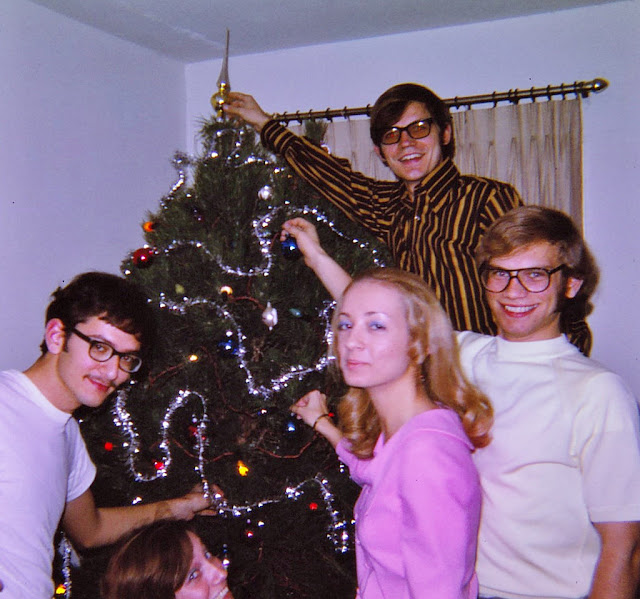
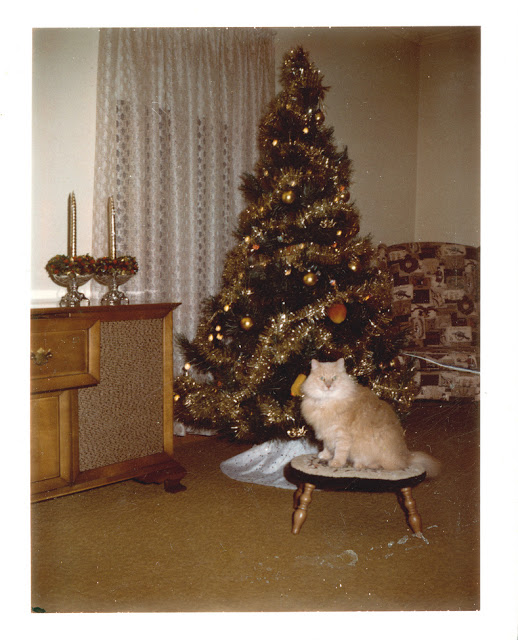
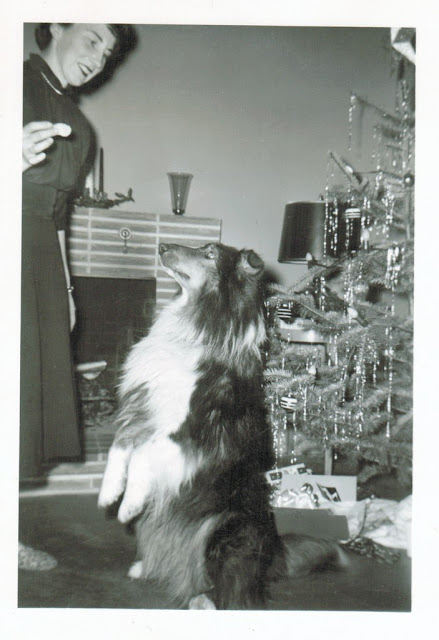
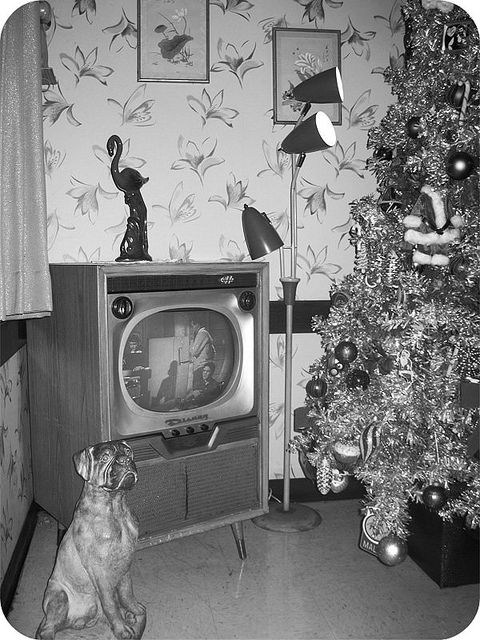
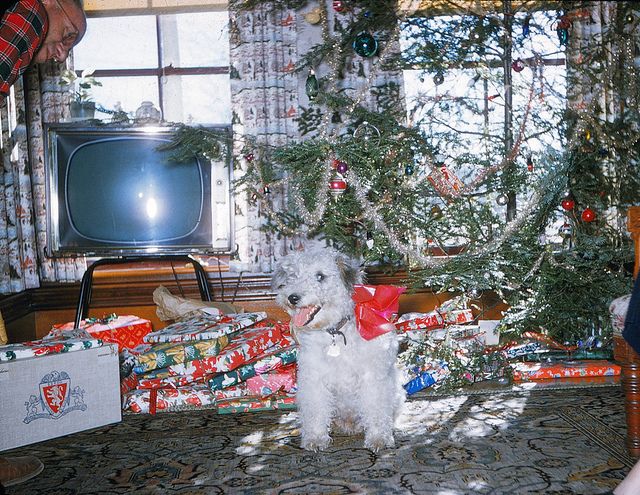
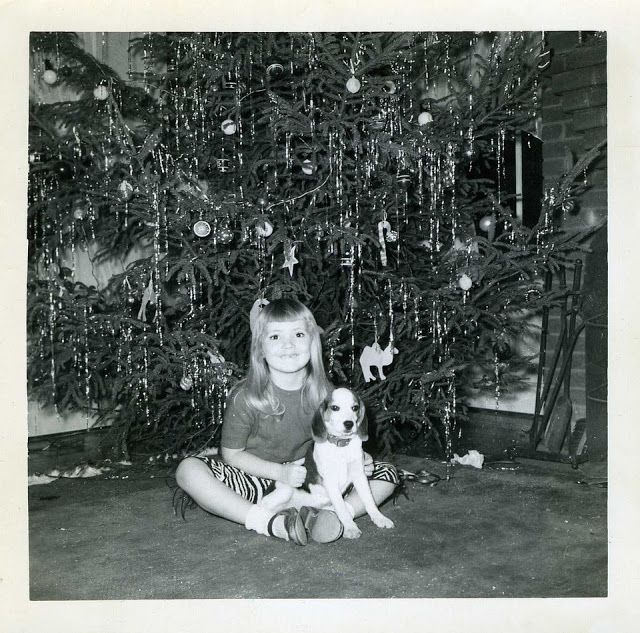
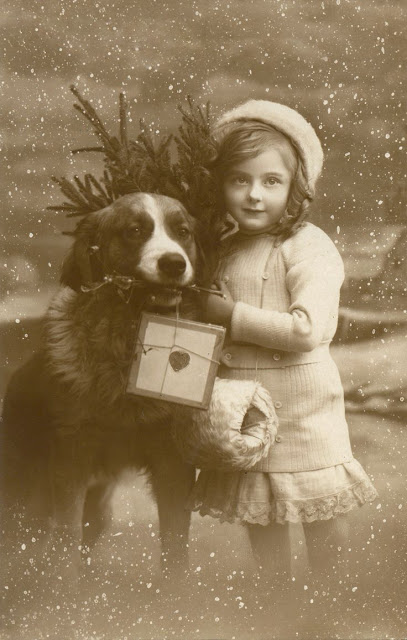
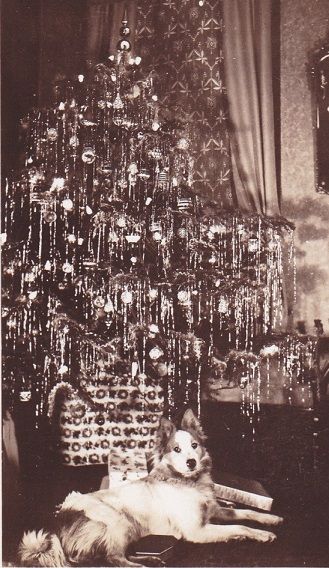
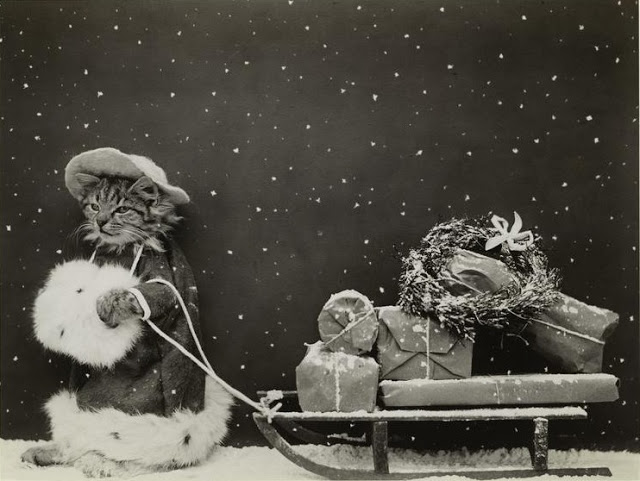
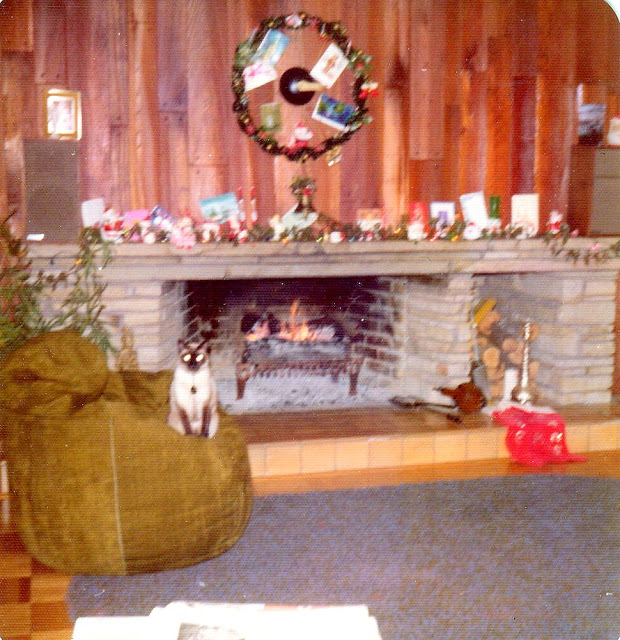
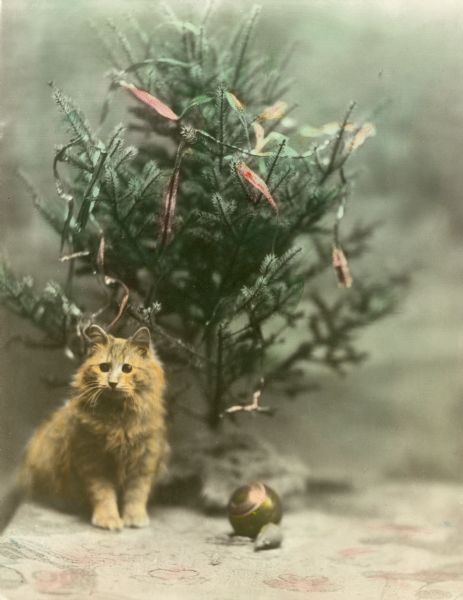
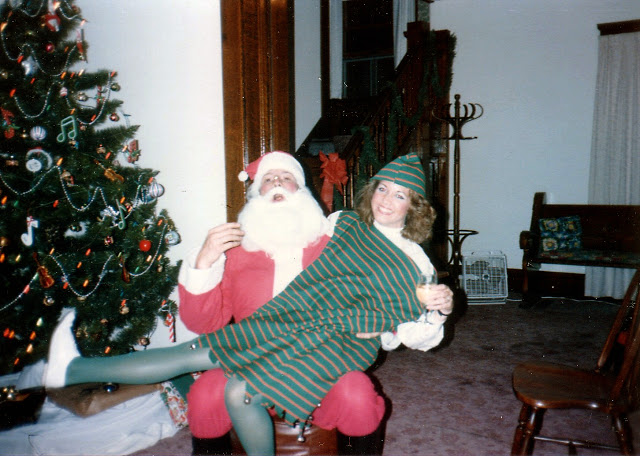
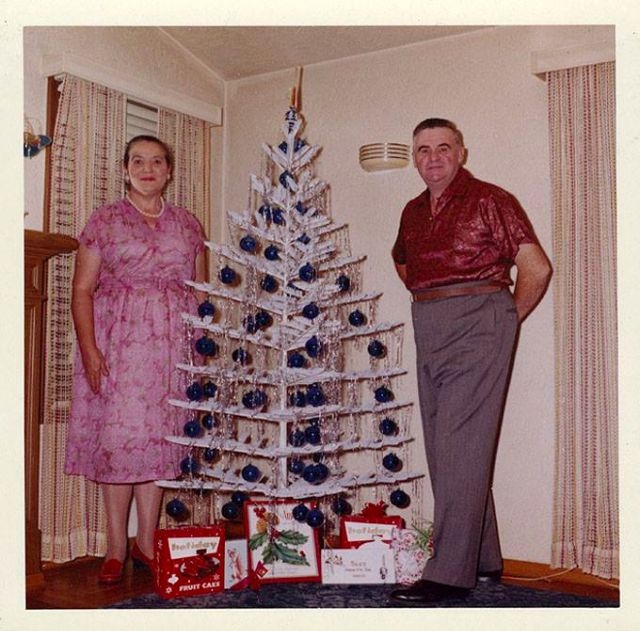
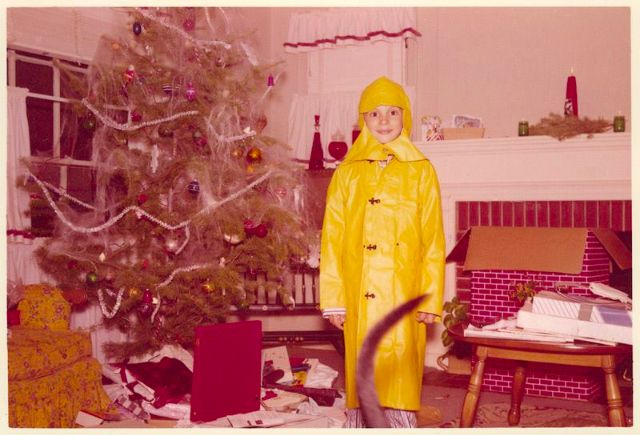
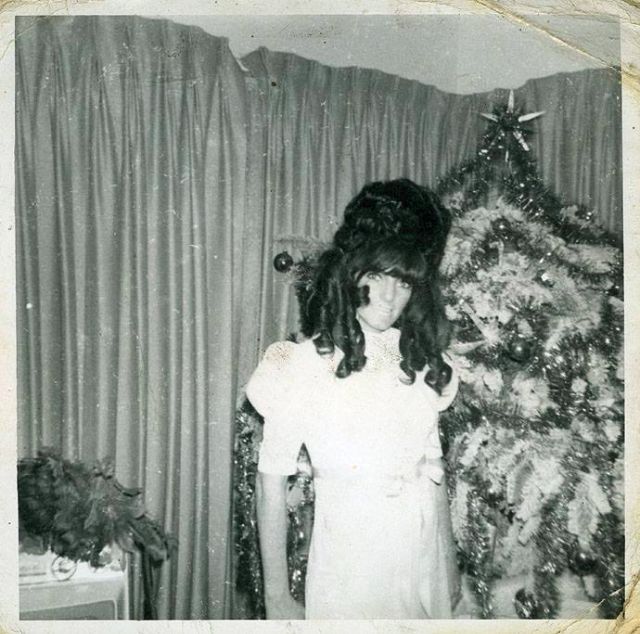
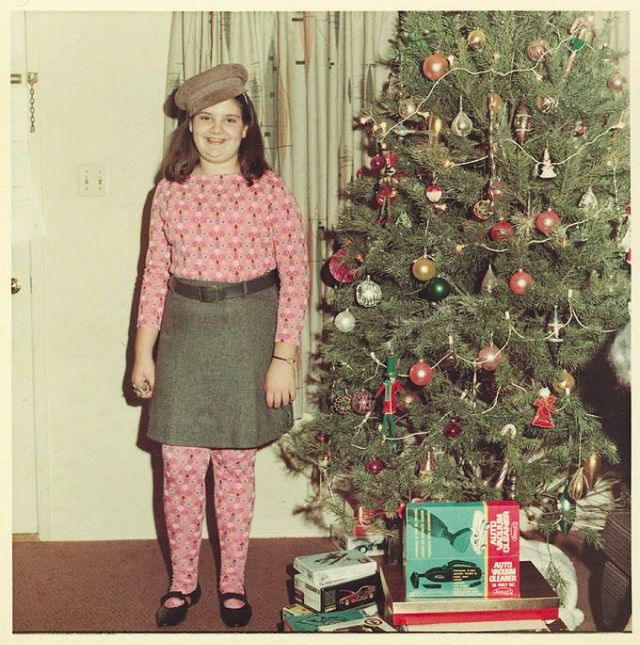
It’s time to prepare for Christmas. There are a lot of things to do, and decorating for Christmas trees is indispensable. Look at these vintage photos to see how people decorated their Christmas trees in the past.


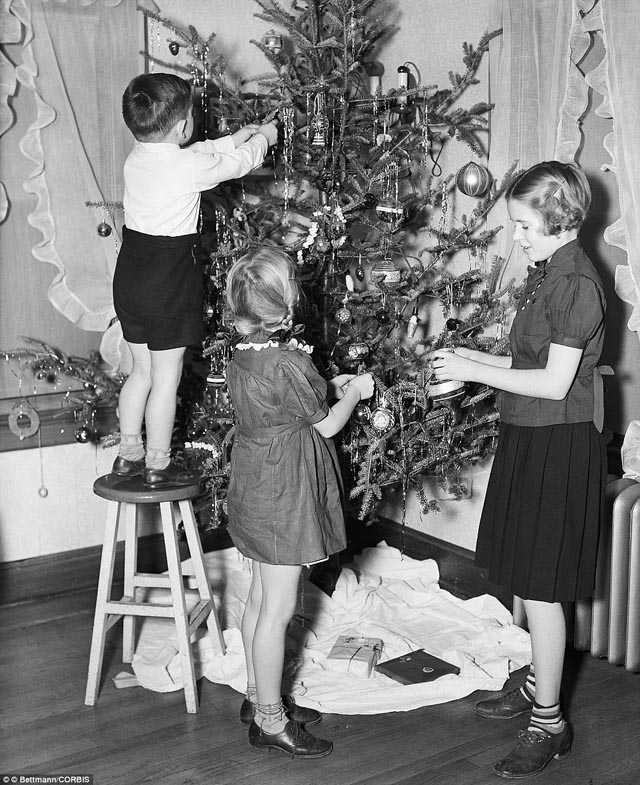


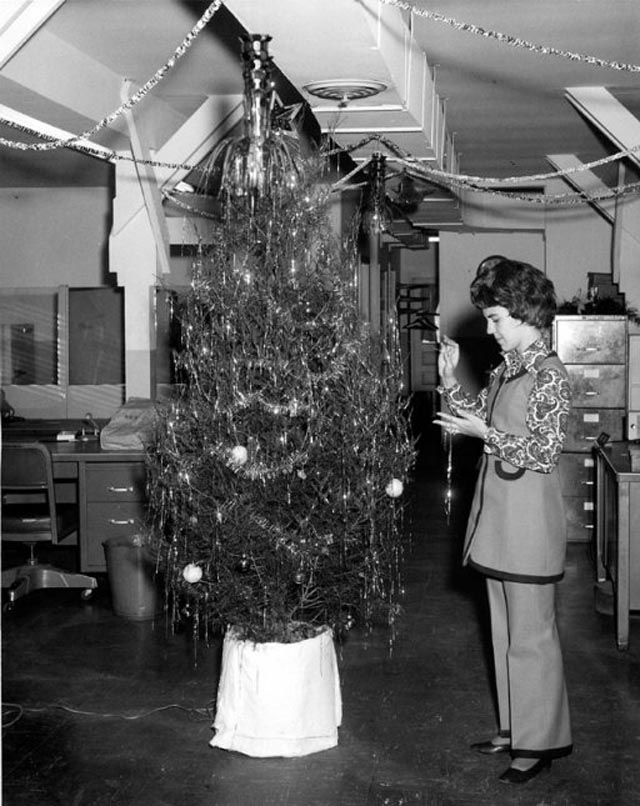


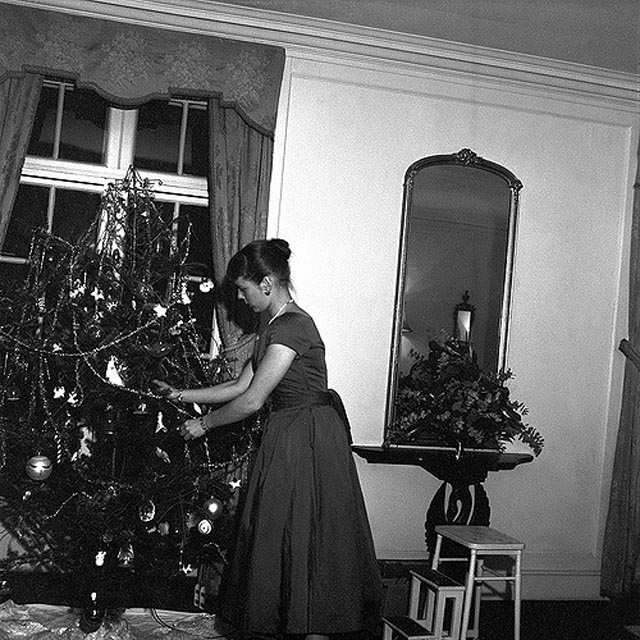


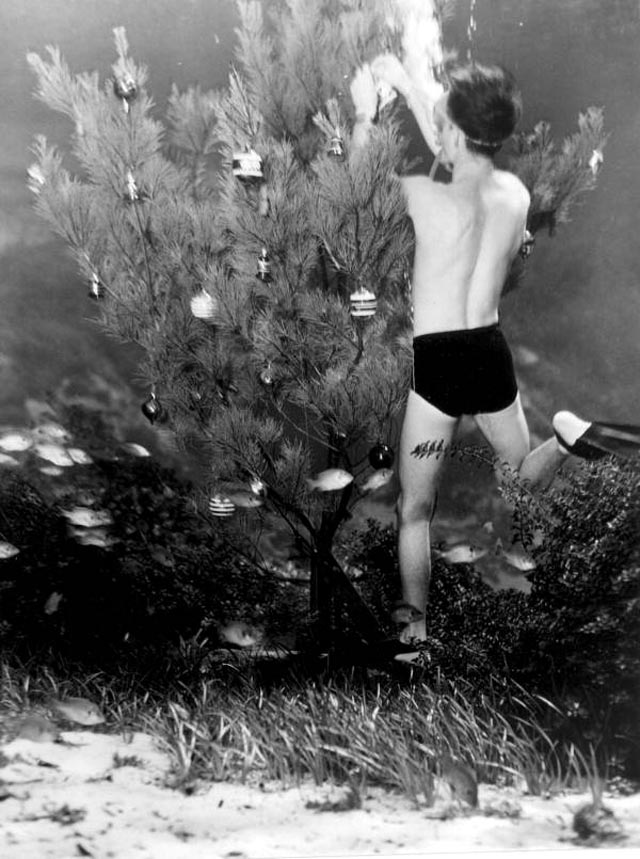

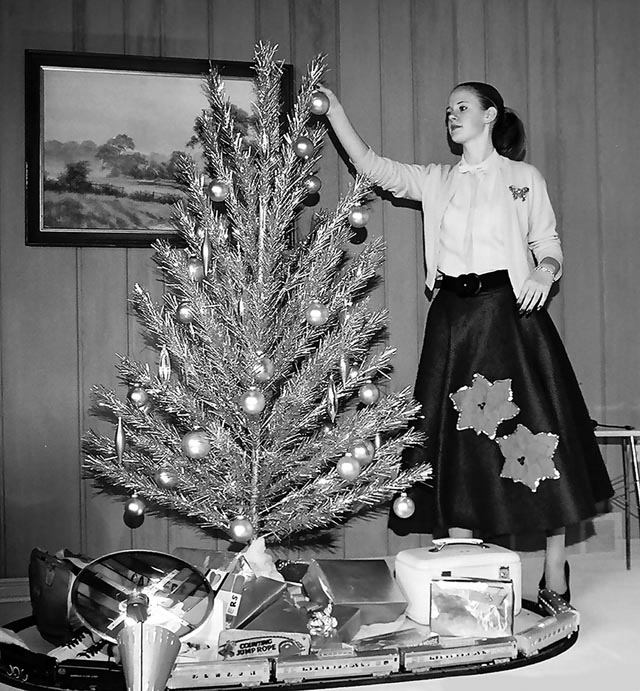


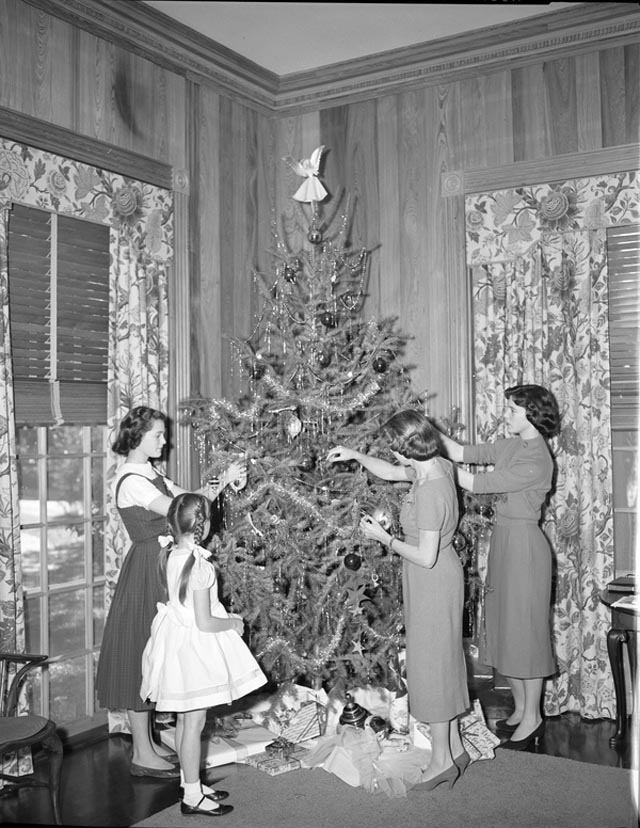
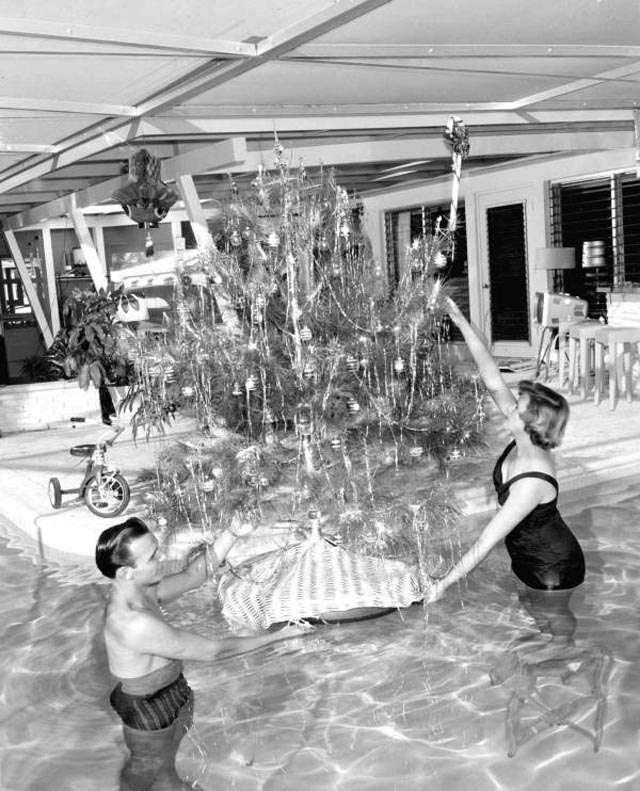
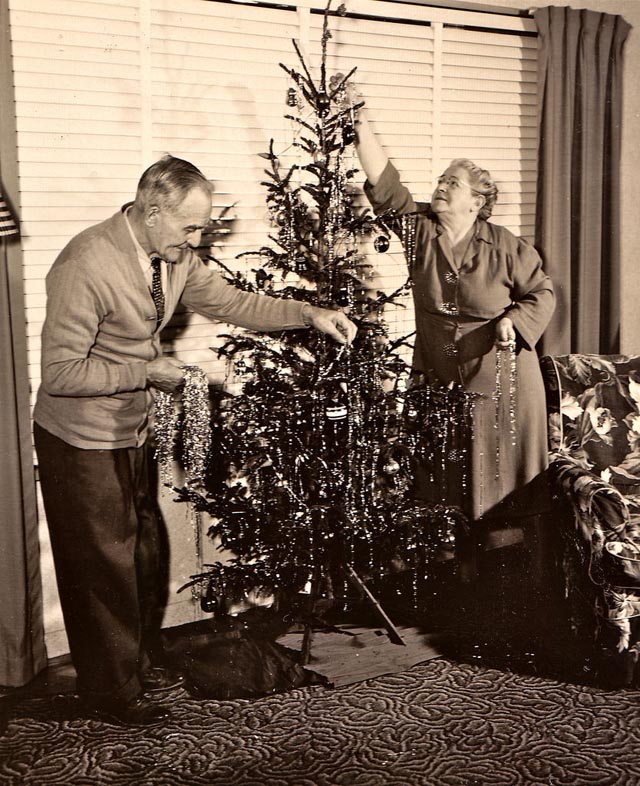


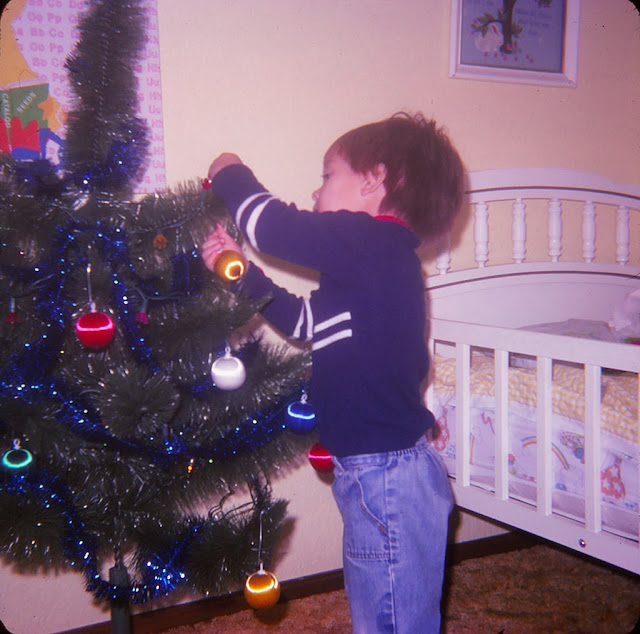

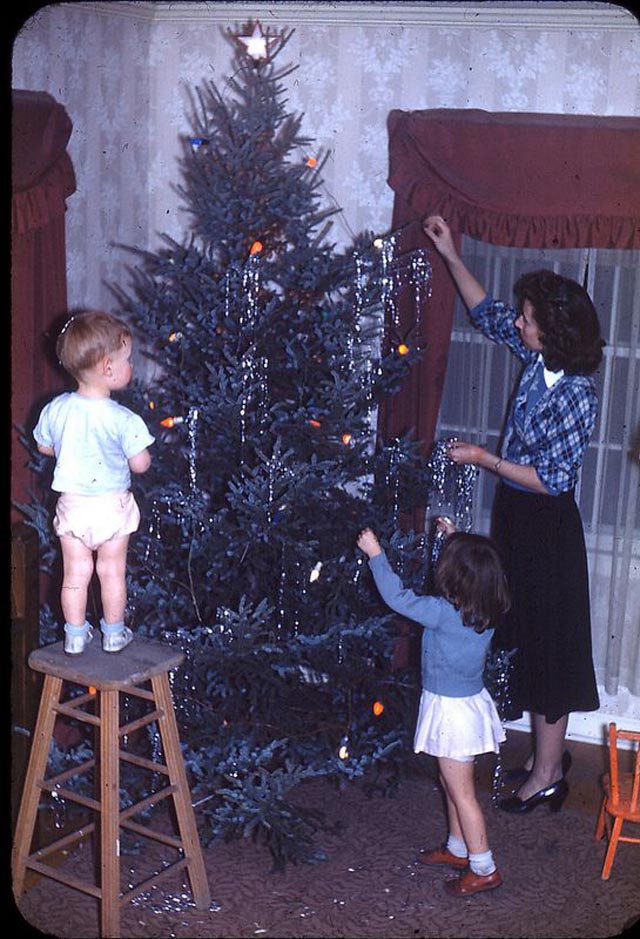


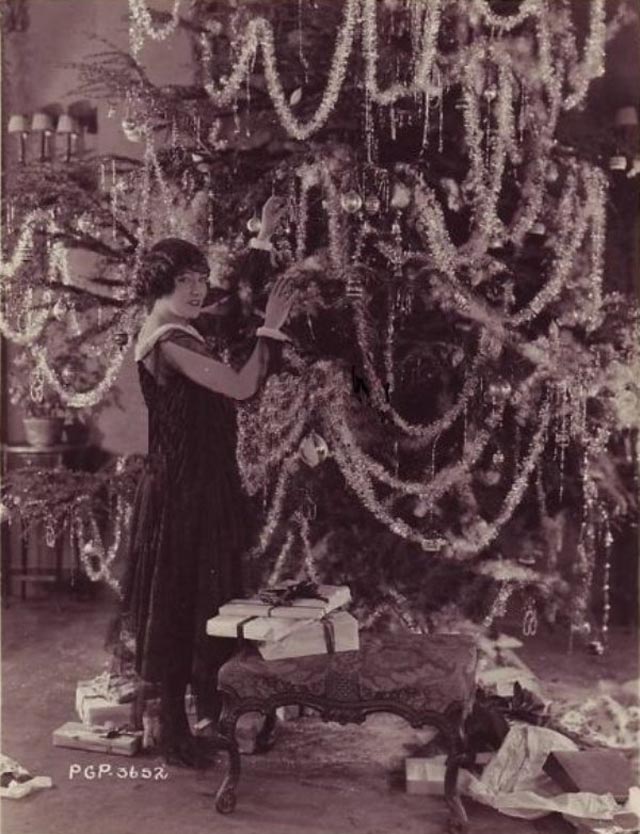
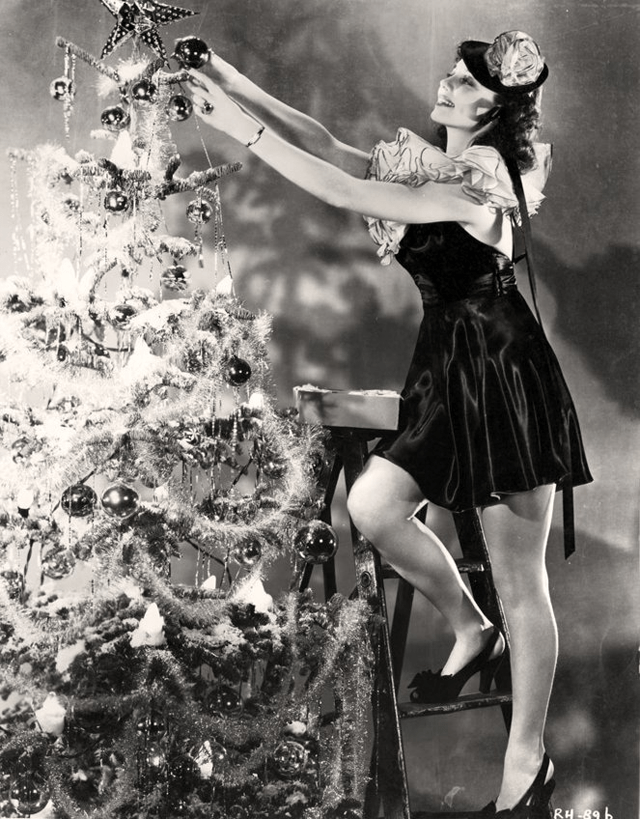

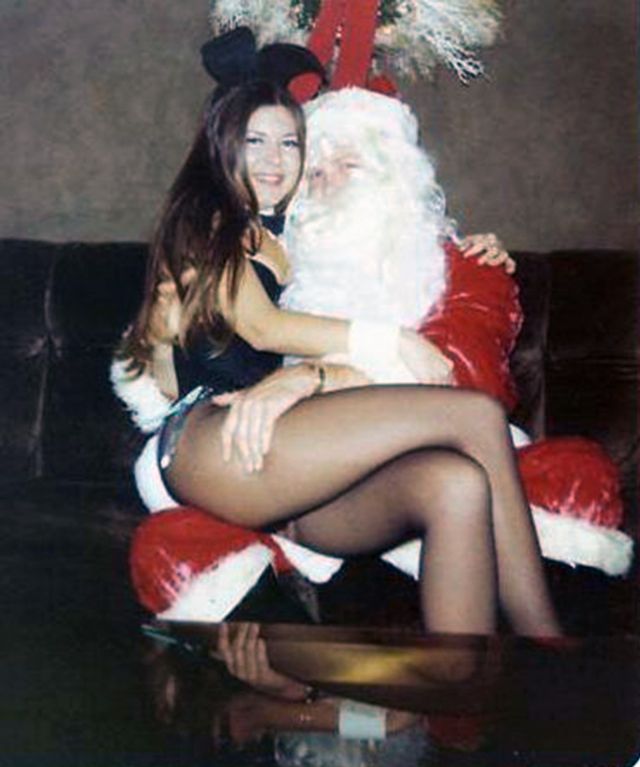
Hope you enjoy this collection of stupendous, warming, funny and fabulous Christmas photographs.
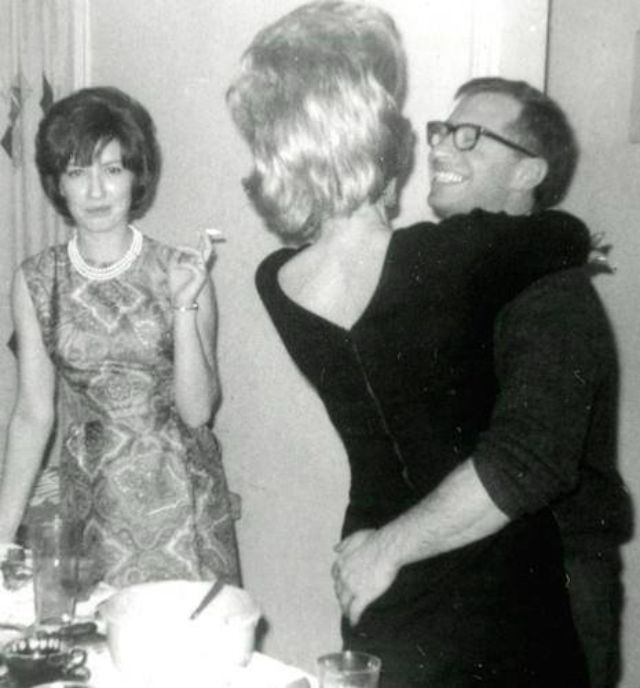
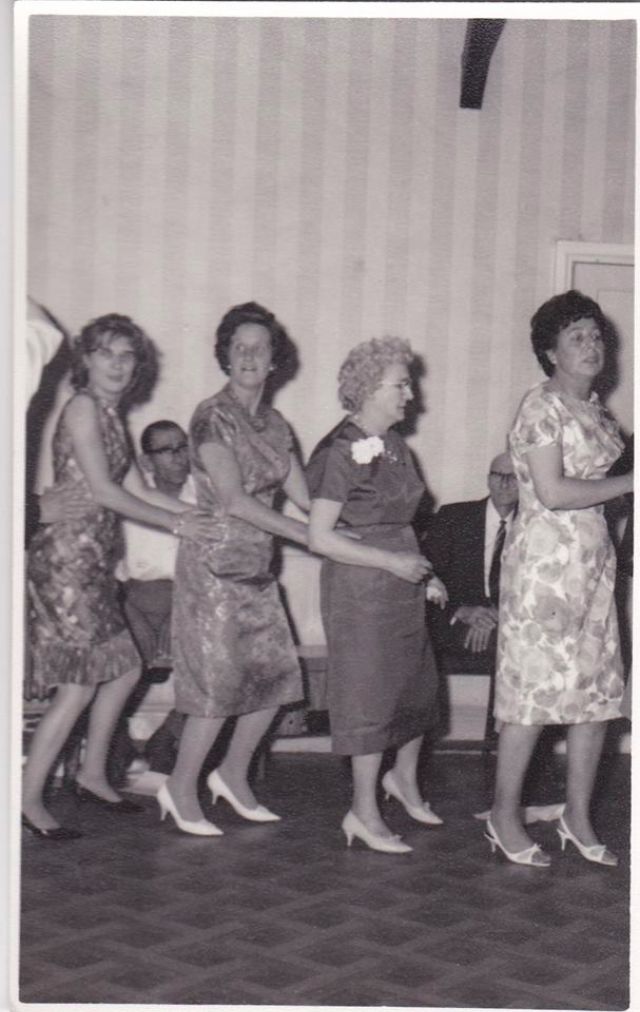
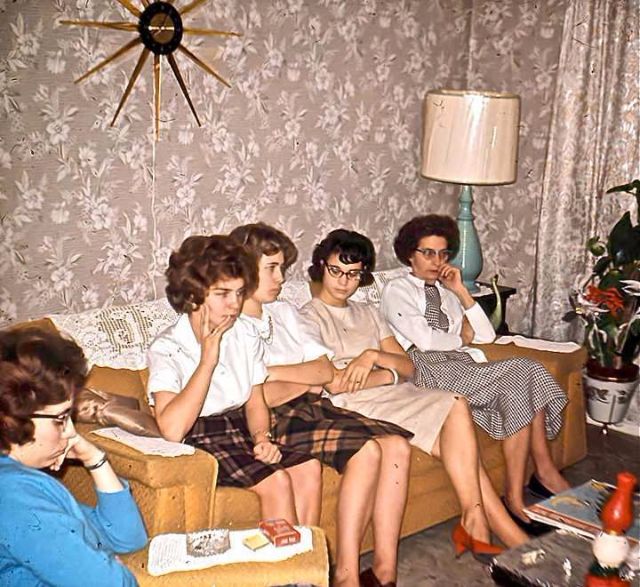
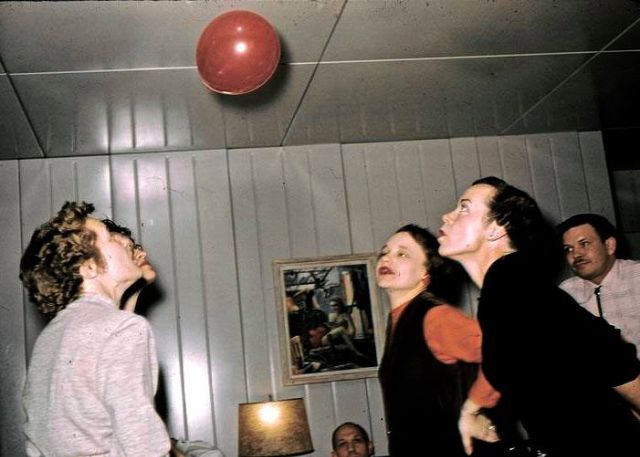
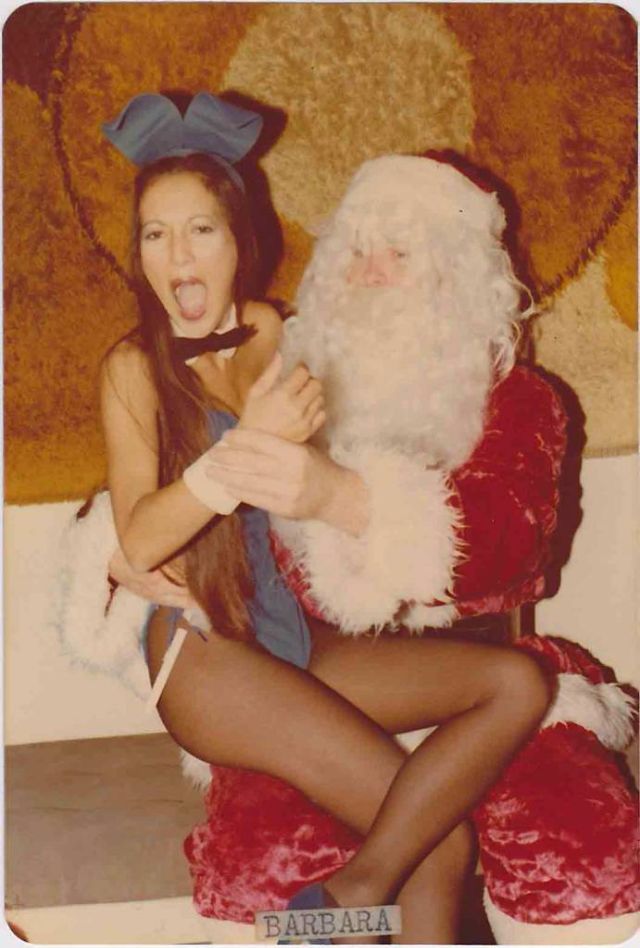
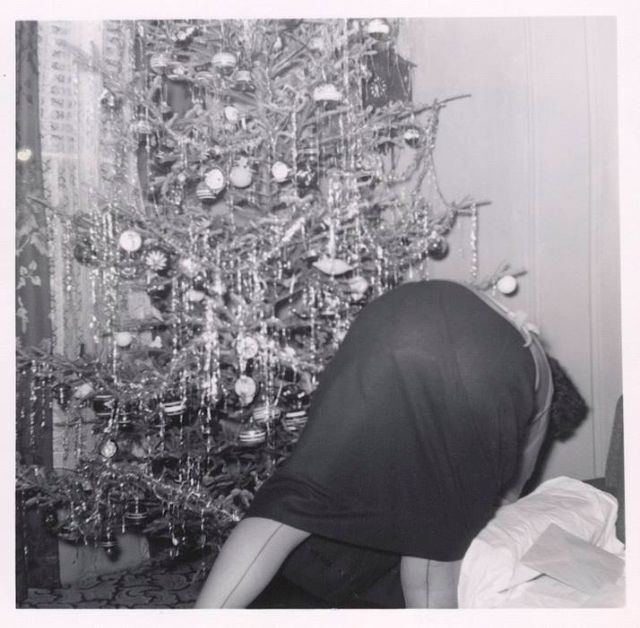
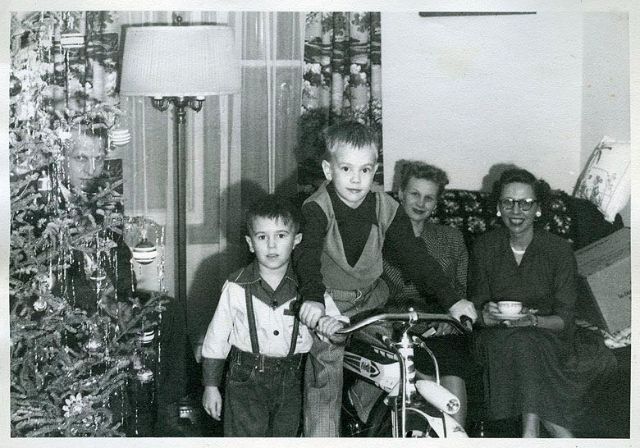

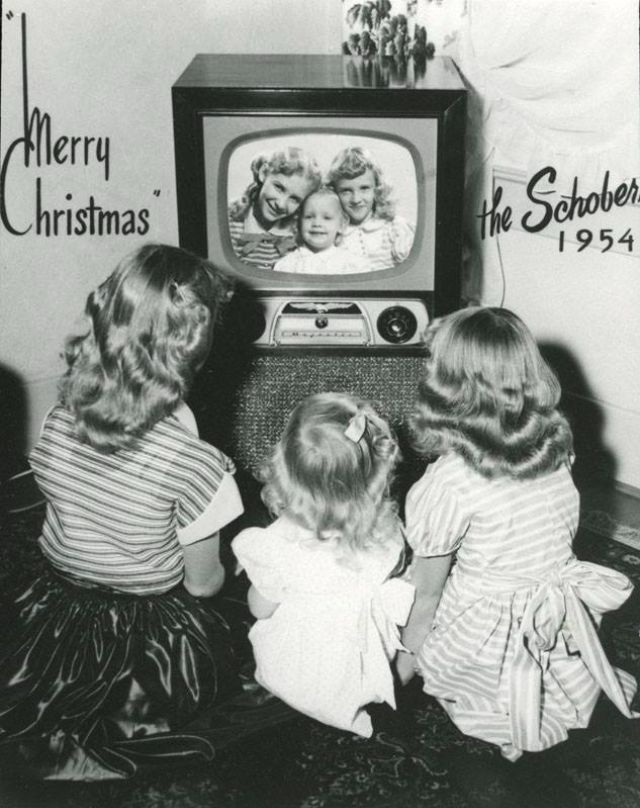


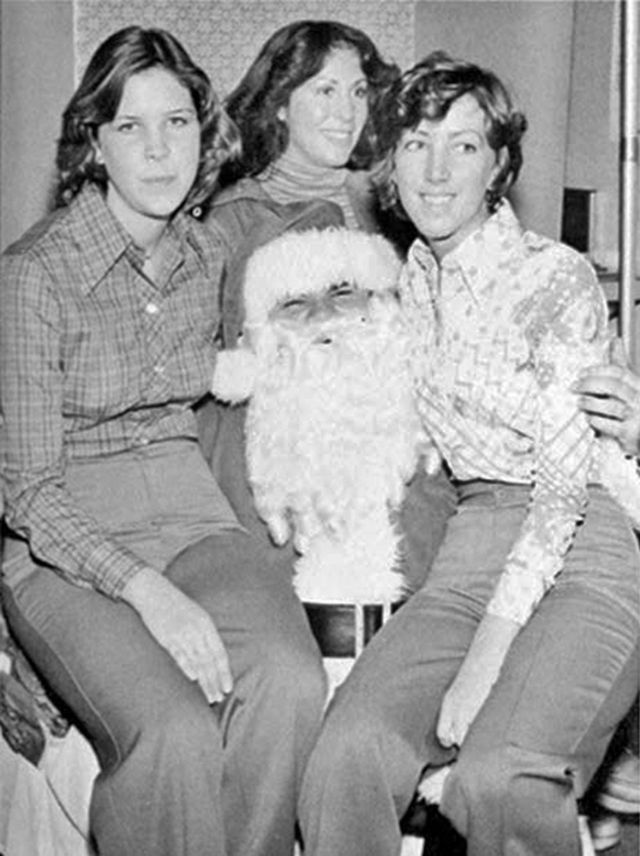
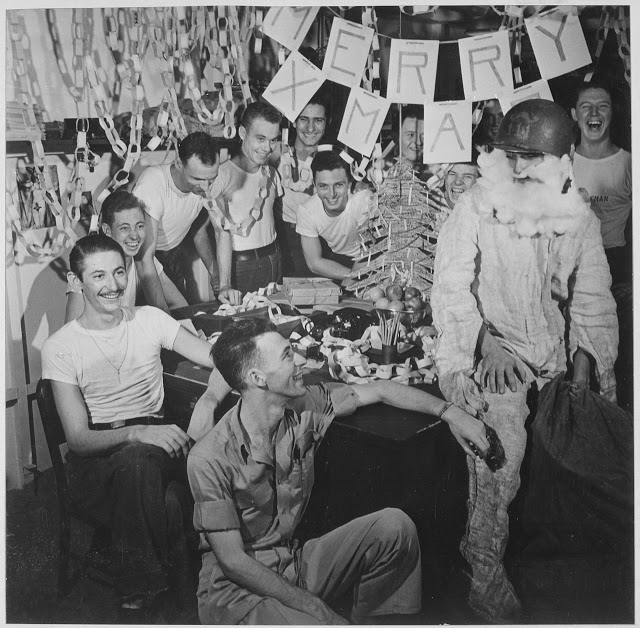
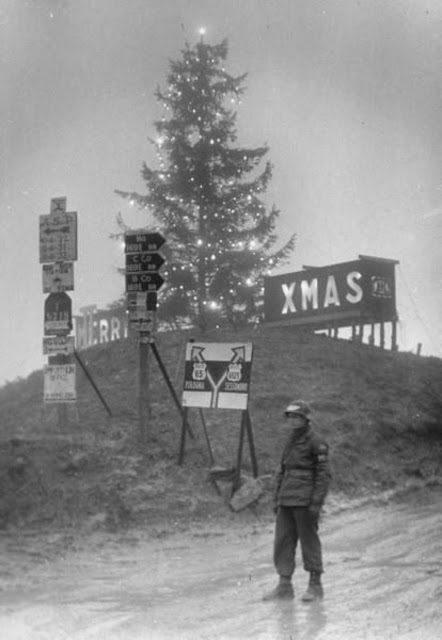
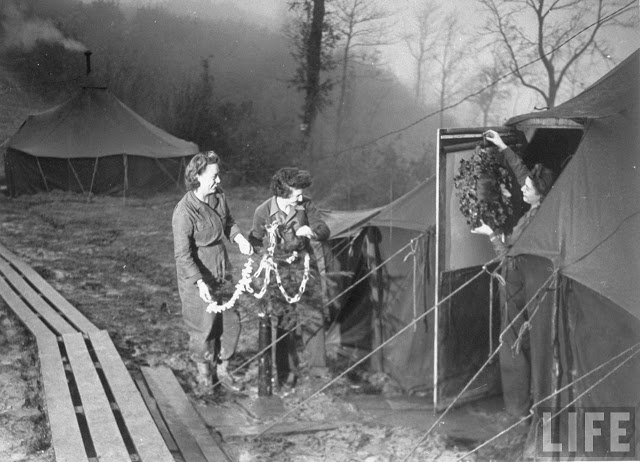
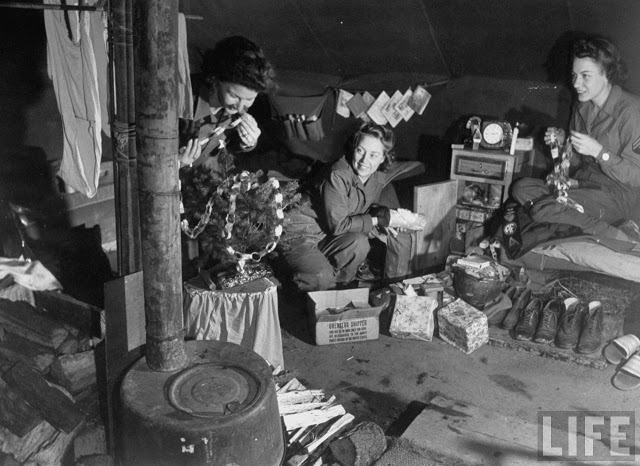
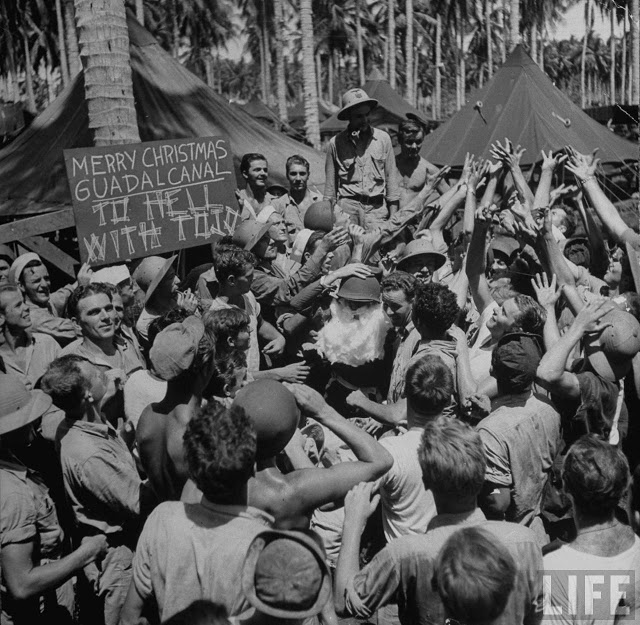
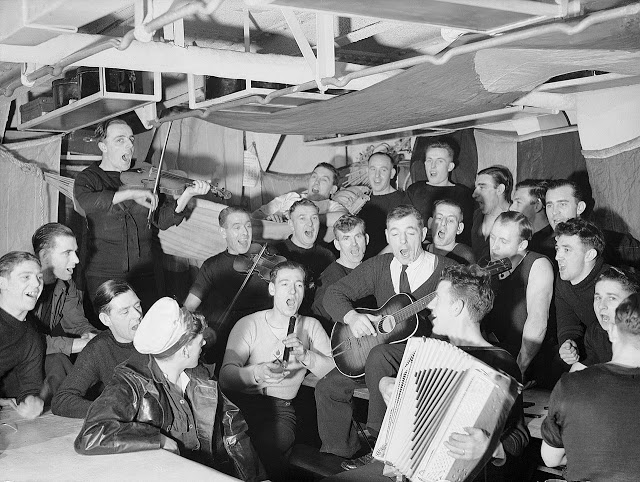
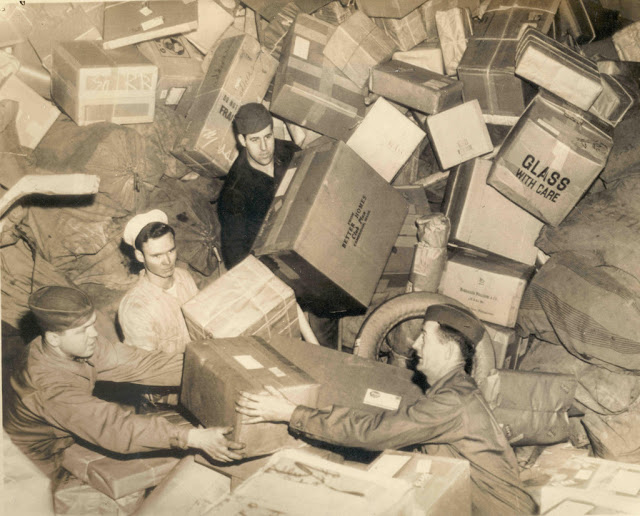
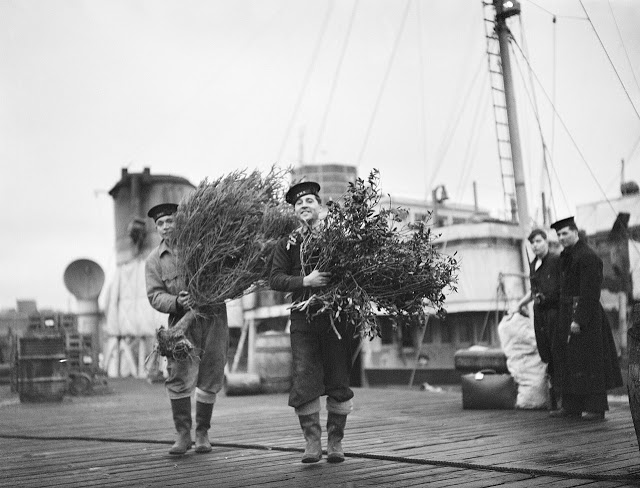
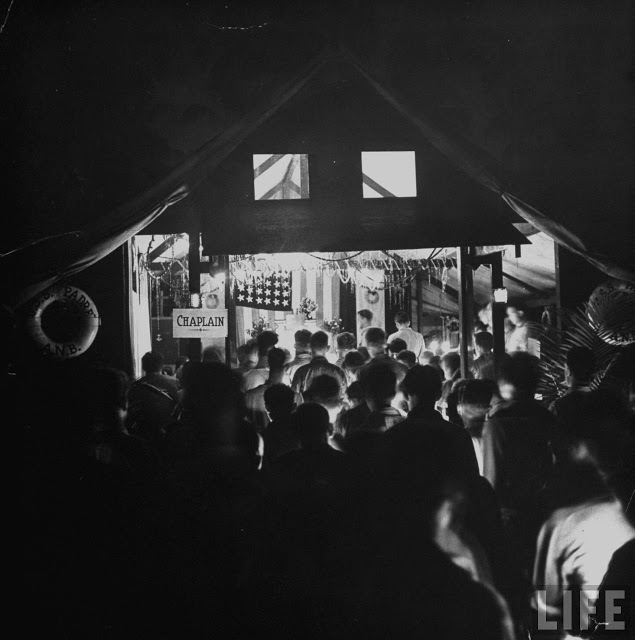
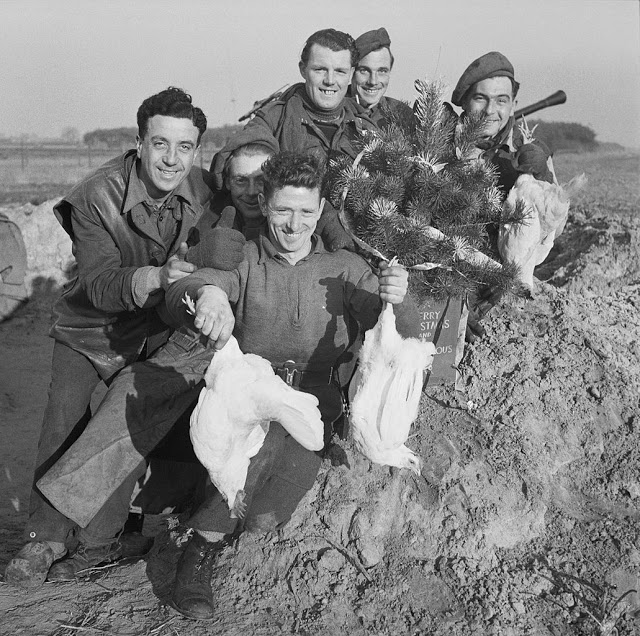
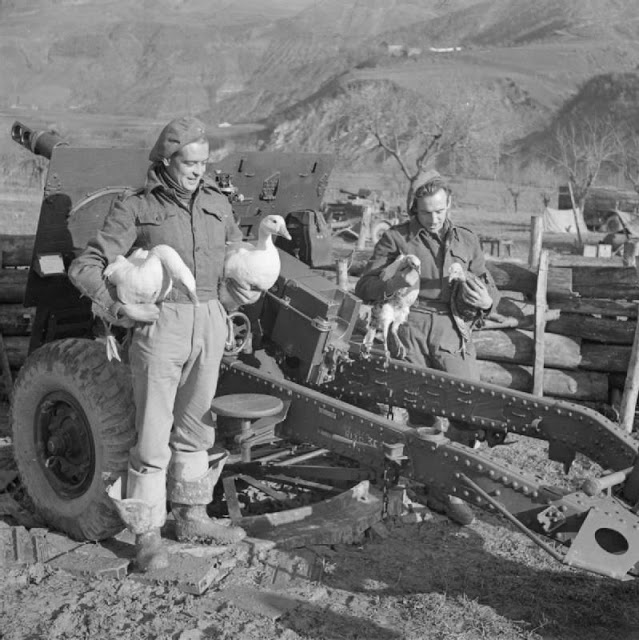
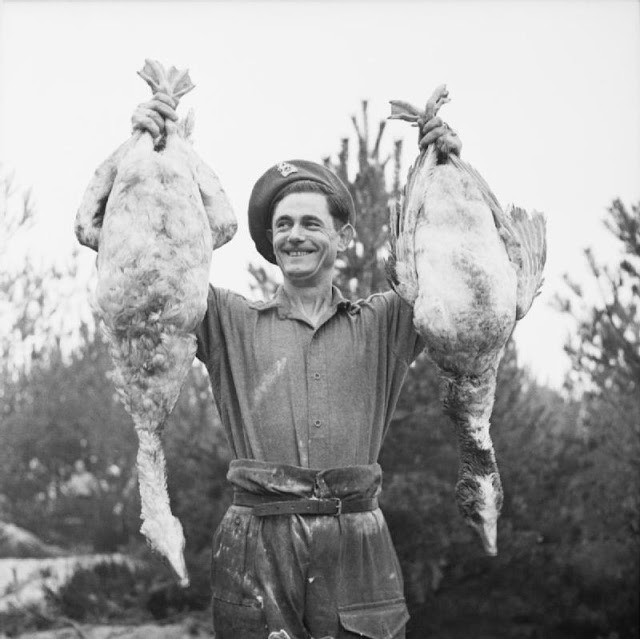
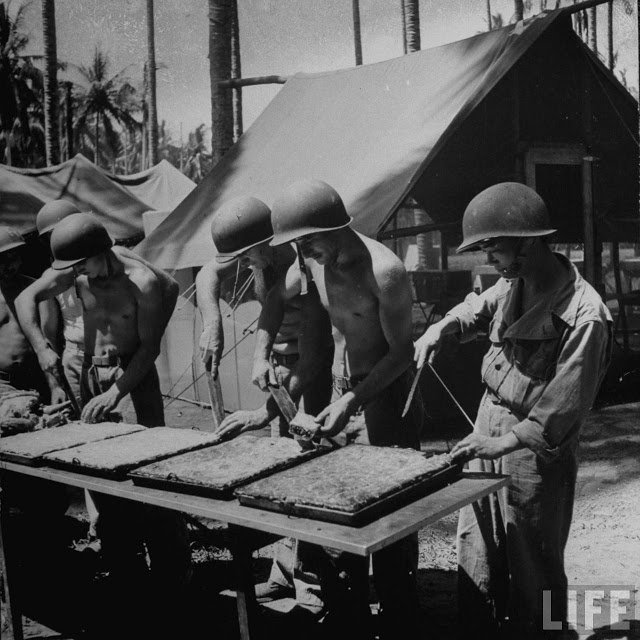
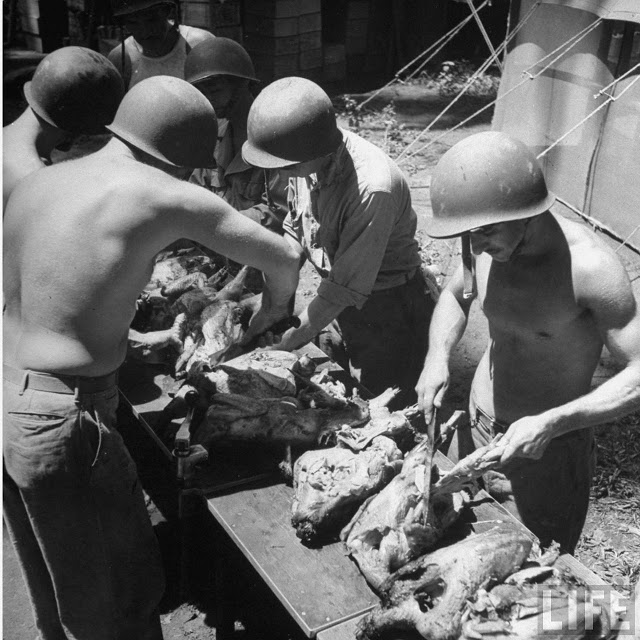
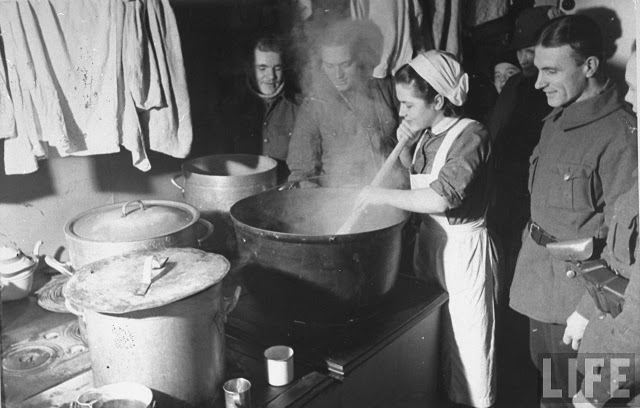
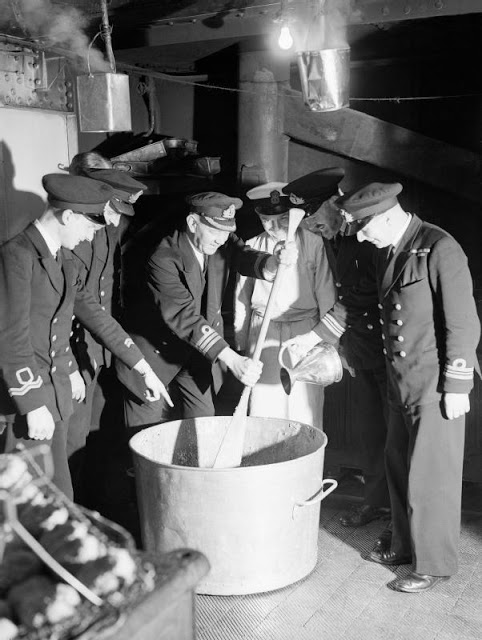
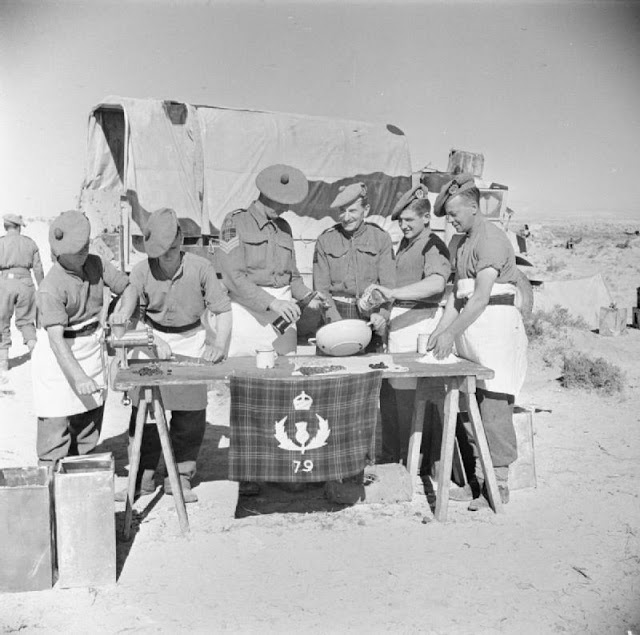
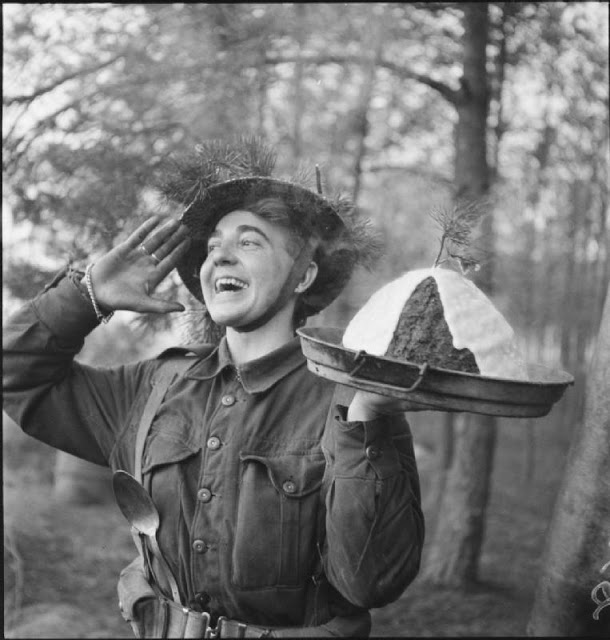
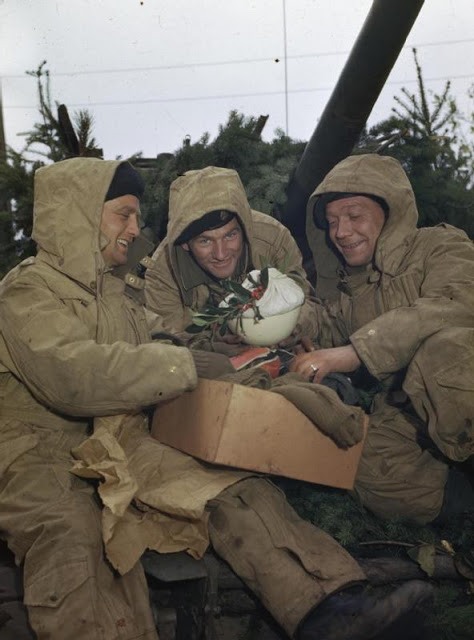
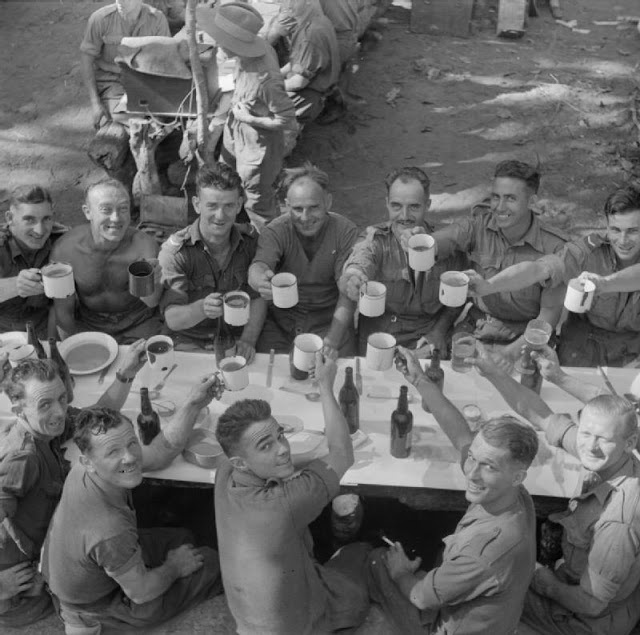
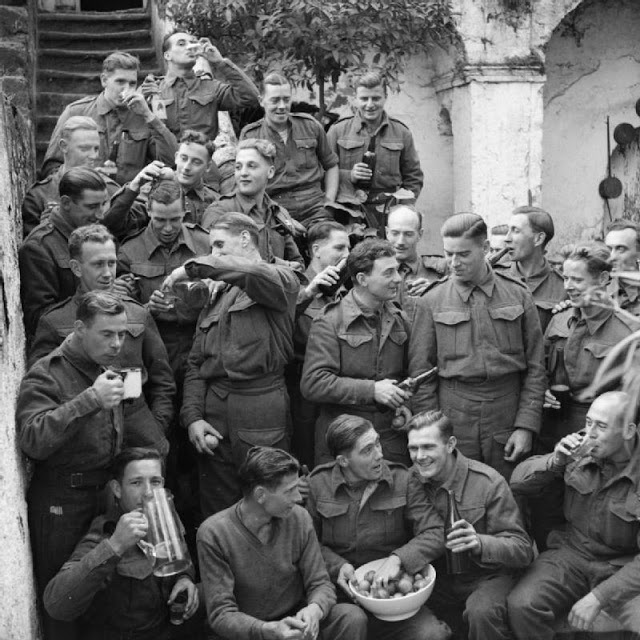
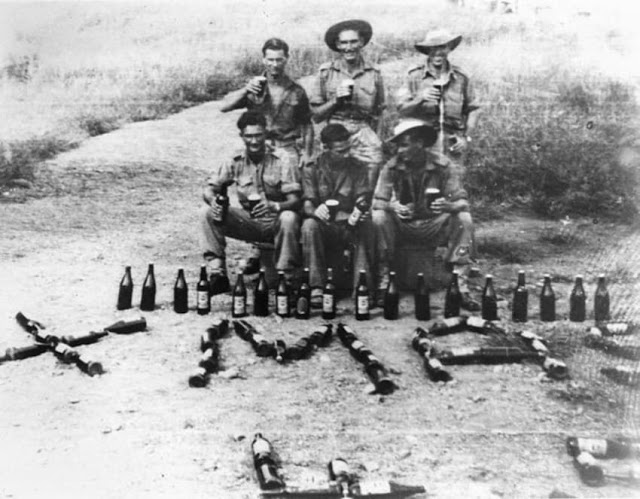
Christmas is a time when normal routine is suspended for many people – and so it was in the depths of World War II. For civilians and military alike during the 1939-45 period, normality was a loose concept, but these vintage photos show how they attempted to put on a brave face and observe some of the traditions that they would have enjoyed during peacetime.

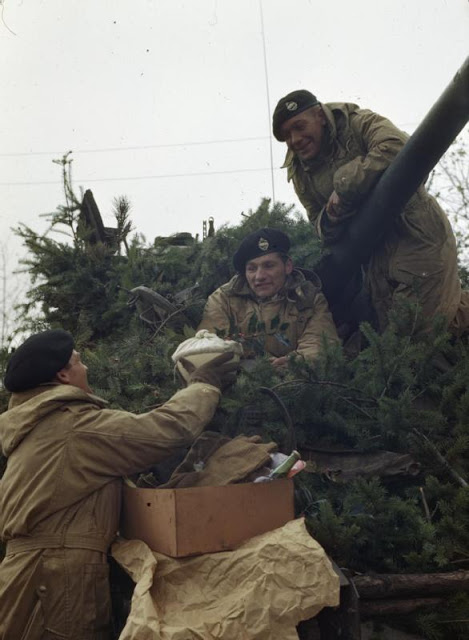
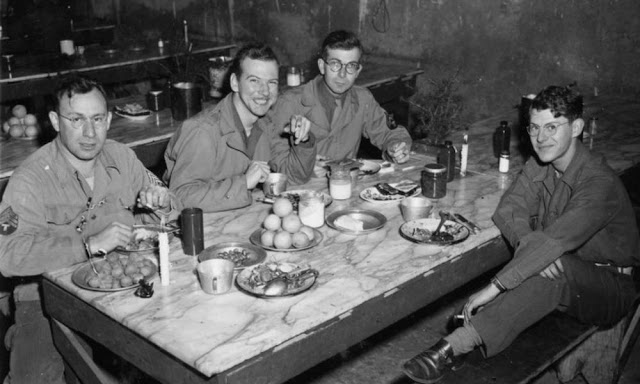
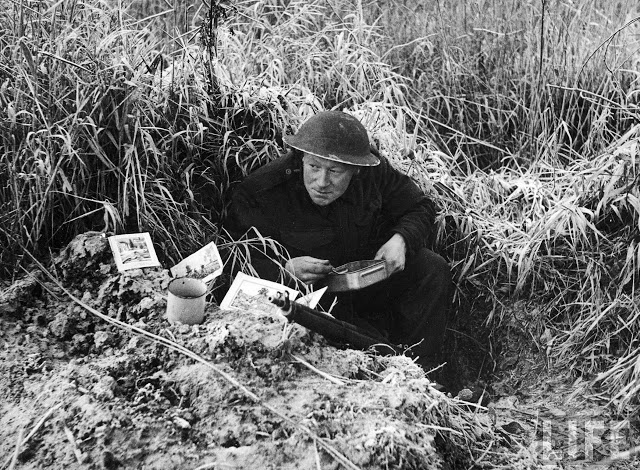
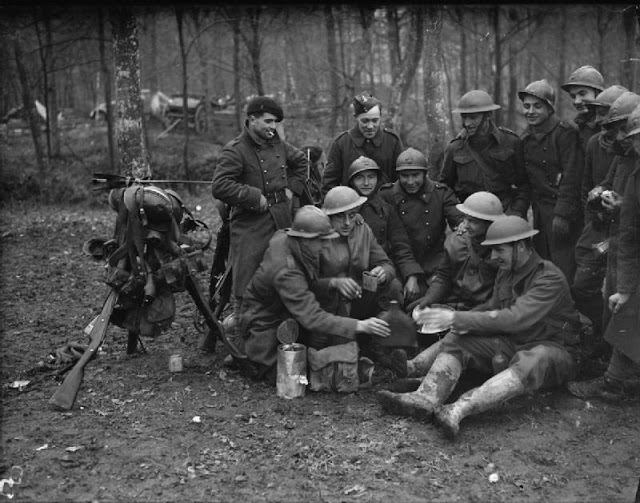


Become a paid subscriber to get access to the rest of this post and other exclusive content.
Become a paid subscriber to get access to the rest of this post and other exclusive content.

Read more of this content when you subscribe today.
Paris is the capital and most populous city of France, with an estimated population of 2,175,601 residents as of 2018, in an area of more than 105 square kilometres (41 square miles). Since the 17th century, Paris has been one of Europe’s major centres of finance, diplomacy, commerce, fashion, gastronomy, science, and arts. The City of Paris is the centre and seat of government of the region and province of Île-de-France, or Paris Region, which has an estimated population of 12,174,880, or about 18 percent of the population of France as of 2017. The Paris Region had a GDP of €709 billion ($808 billion) in 2017. According to the Economist Intelligence Unit Worldwide Cost of Living Survey in 2018, Paris was the second most expensive city in the world, after Singapore and ahead of Zürich, Hong Kong, Oslo, and Geneva. Another source ranked Paris as most expensive, on par with Singapore and Hong Kong, in 2018.
Paris is a major railway, highway, and air-transport hub served by two international airports: Paris–Charles de Gaulle (the second-busiest airport in Europe) and Paris–Orly. Opened in 1900, the city’s subway system, the Paris Métro, serves 5.23 million passengers daily; it is the second-busiest metro system in Europe after the Moscow Metro. Gare du Nord is the 24th-busiest railway station in the world, but the busiest located outside Japan, with 262 million passengers in 2015. Paris is especially known for its museums and architectural landmarks: the Louvre remained the most-visited museum in the world with 2,677,504 visitors in 2020, despite the long museum closings caused by the COVID-19 virus. The Musée d’Orsay, Musée Marmottan Monet and Musée de l’Orangerie are noted for their collections of French Impressionist art. The Pompidou Centre Musée National d’Art Moderne has the largest collection of modern and contemporary art in Europe. The Musée Rodin and Musée Picasso exhibit the works of two noted Parisians. The historical district along the Seine in the city centre has been classified as a UNESCO World Heritage Site since 1991; popular landmarks there include the Cathedral of Notre Dame de Paris on the Île de la Cité, now closed for renovation after the 15 April 2019 fire. Other popular tourist sites include the Gothic royal chapel of Sainte-Chapelle, also on the Île de la Cité; the Eiffel Tower, constructed for the Paris Universal Exposition of 1889; the Grand Palais and Petit Palais, built for the Paris Universal Exposition of 1900; the Arc de Triomphe on the Champs-Élysées, and the hill of Montmartre with its artistic history and its Basilica of Sacré-Coeur.
Paris received 12.6 million visitors in 2020, measured by hotel stays, a drop of 73 percent from 2019, due to the COVID-19 virus. The number of foreign visitors declined by 80.7 percent. Museums re-opened in 2021, with limitations on the number of visitors at a time and a requirement that visitors wear masks.
The football club Paris Saint-Germain and the rugby union club Stade Français are based in Paris. The 80,000-seat Stade de France, built for the 1998 FIFA World Cup, is located just north of Paris in the neighbouring commune of Saint-Denis. Paris hosts the annual French Open Grand Slam tennis tournament on the red clay of Roland Garros. The city hosted the Olympic Games in 1900, 1924 and will host the 2024 Summer Olympics. The 1938 and 1998 FIFA World Cups, the 2007 Rugby World Cup, as well as the 1960, 1984 and 2016 UEFA European Championships were also held in the city. Every July, the Tour de France bicycle race finishes on the Avenue des Champs-Élysées in Paris. (Wikipedia)
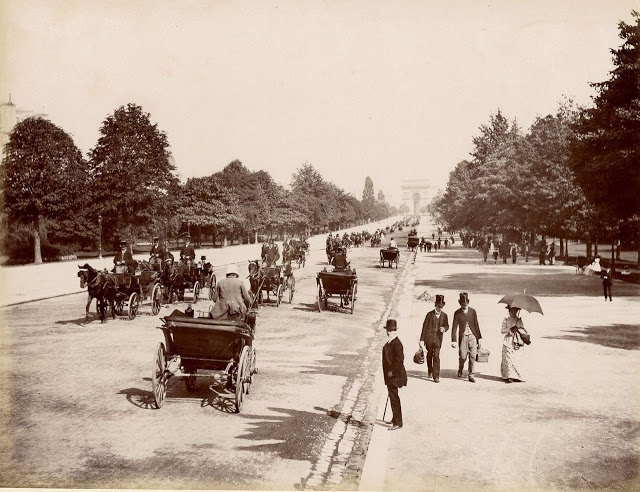
Have you ever wondered what life in Paris in the early 20th century? Below is a collection of 30 amazing vintage photos that shows Paris in the 1900s…


Become a paid subscriber to get access to the rest of this post and other exclusive content.

Read more of this content when you subscribe today.

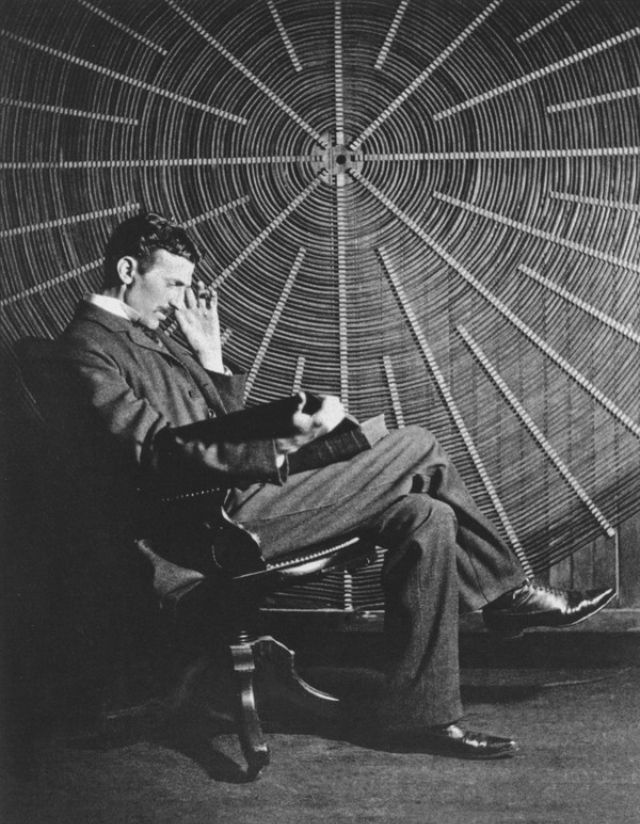
Nikola Tesla (10 July [O.S. 28 June] 1856 – 7 January 1943) was a Serbian-American inventor, electrical engineer, mechanical engineer, and futurist best known for his contributions to the design of the modern alternating current (AC) electricity supply system.
Born and raised in the Austrian Empire, Tesla studied engineering and physics in the 1870s without receiving a degree, gaining practical experience in the early 1880s working in telephony and at Continental Edison in the new electric power industry. In 1884 he emigrated to the United States, where he became a naturalized citizen. He worked for a short time at the Edison Machine Works in New York City before he struck out on his own. With the help of partners to finance and market his ideas, Tesla set up laboratories and companies in New York to develop a range of electrical and mechanical devices. His alternating current (AC) induction motor and related polyphase AC patents, licensed by Westinghouse Electric in 1888, earned him a considerable amount of money and became the cornerstone of the polyphase system which that company eventually marketed.
Attempting to develop inventions he could patent and market, Tesla conducted a range of experiments with mechanical oscillators/generators, electrical discharge tubes, and early X-ray imaging. He also built a wireless-controlled boat, one of the first-ever exhibited. Tesla became well known as an inventor and demonstrated his achievements to celebrities and wealthy patrons at his lab, and was noted for his showmanship at public lectures. Throughout the 1890s, Tesla pursued his ideas for wireless lighting and worldwide wireless electric power distribution in his high-voltage, high-frequency power experiments in New York and Colorado Springs. In 1893, he made pronouncements on the possibility of wireless communication with his devices. Tesla tried to put these ideas to practical use in his unfinished Wardenclyffe Tower project, an intercontinental wireless communication and power transmitter, but ran out of funding before he could complete it.
After Wardenclyffe, Tesla experimented with a series of inventions in the 1910s and 1920s with varying degrees of success. Having spent most of his money, Tesla lived in a series of New York hotels, leaving behind unpaid bills. He died in New York City in January 1943. Tesla’s work fell into relative obscurity following his death, until 1960, when the General Conference on Weights and Measures named the SI unit of magnetic flux density the tesla in his honor. There has been a resurgence in popular interest in Tesla since the 1990s. (Wikipedia)
Become a paid subscriber to get access to the rest of this post and other exclusive content.

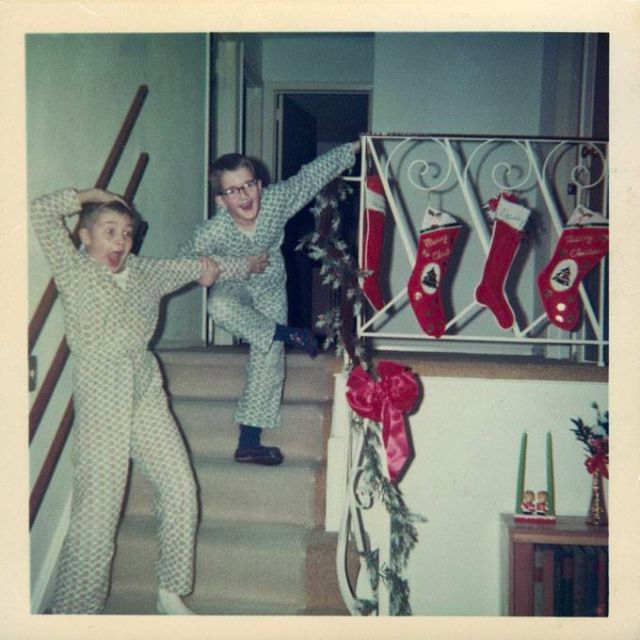
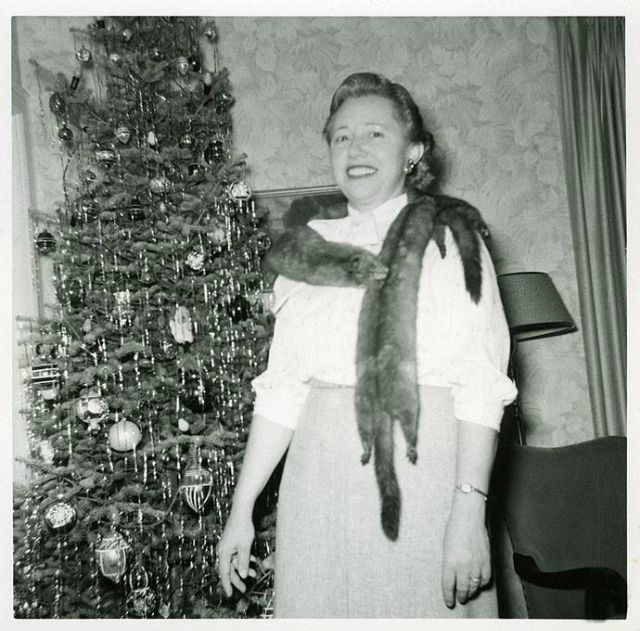
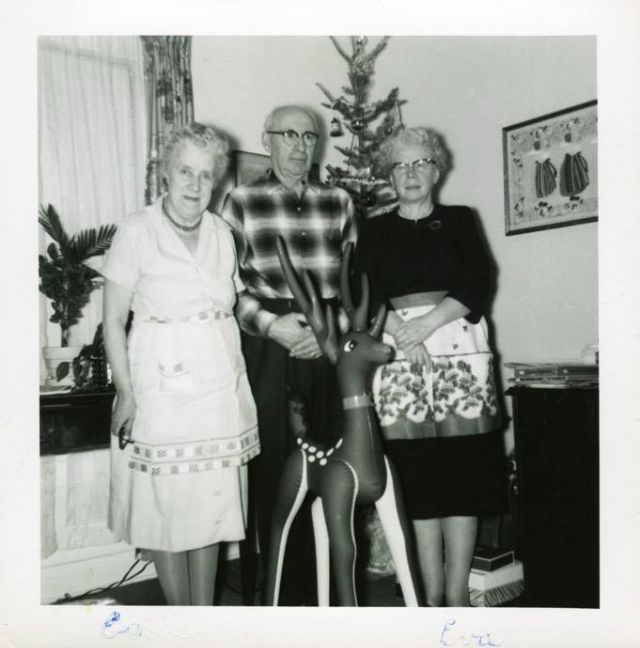
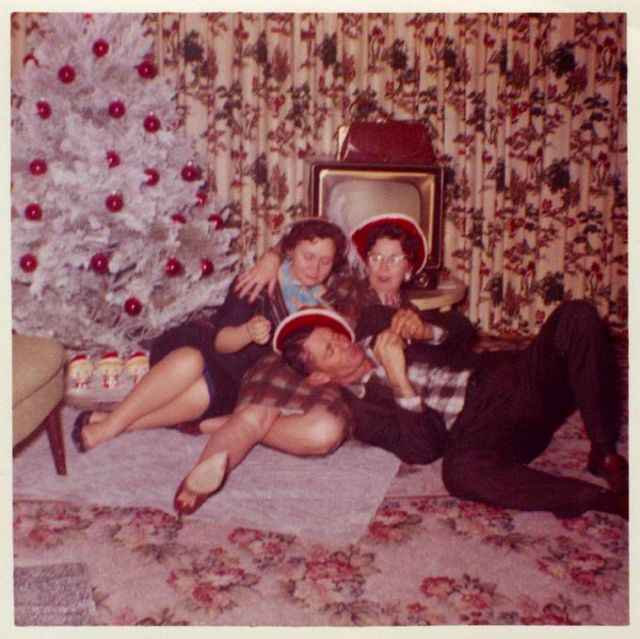
Christmas in the United States during the post-war years (1946–1964) reflected a period of peace, productivity, and prosperity. Americans staged sumptuous Christmases and enjoyed a variety of holiday foods unknown to previous generations. Several films, foods, toys, and television programs of the era have become American Christmas traditions.
Once reliant upon Germany for its ornaments, toys, and even its Christmas customs, America became self-sufficient in the post-War years with Christmas ornaments and toys being manufactured in the United States that were considerably less expensive than their German counterparts.
American Christmas customs and traditions such as visits to department store Santas and letter writing to Santa at the North Pole remained intact during America’s post-War years, but the era generated contributions that have endured to become traditions.
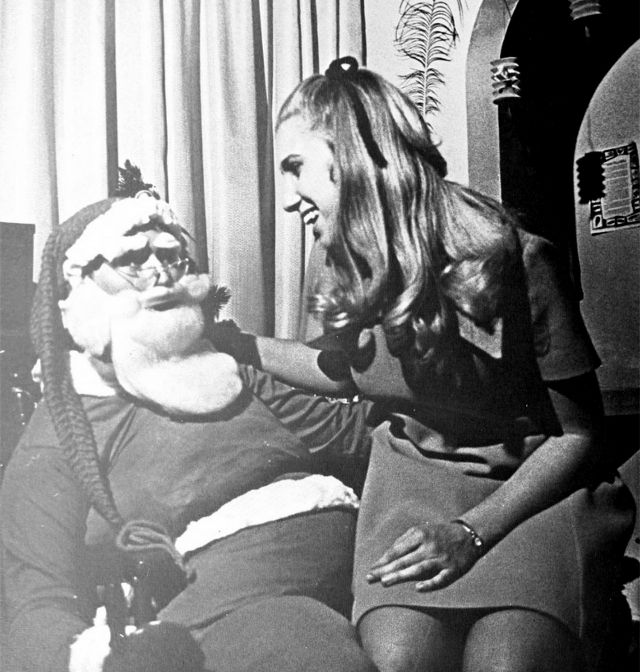
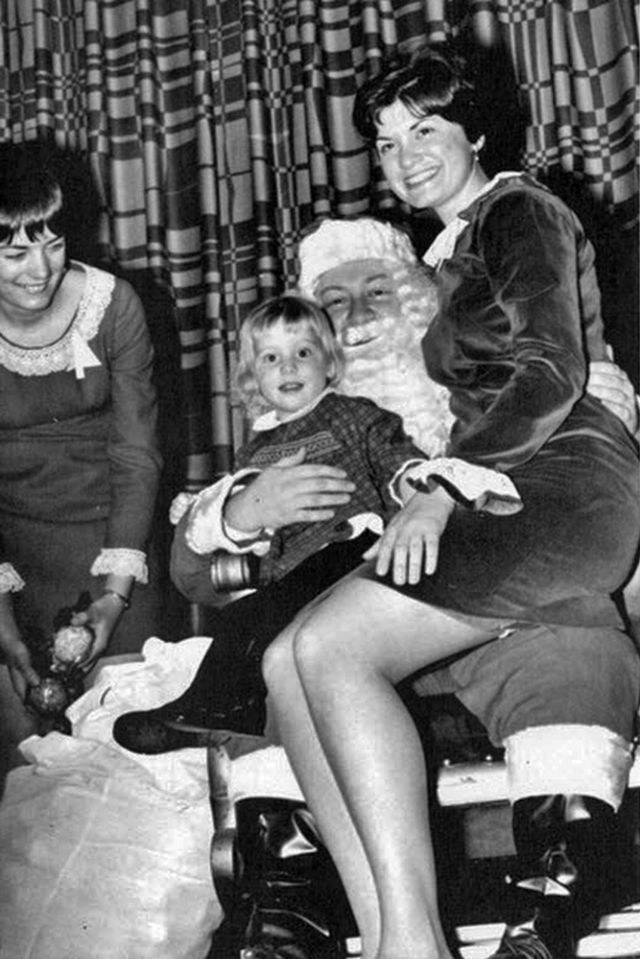
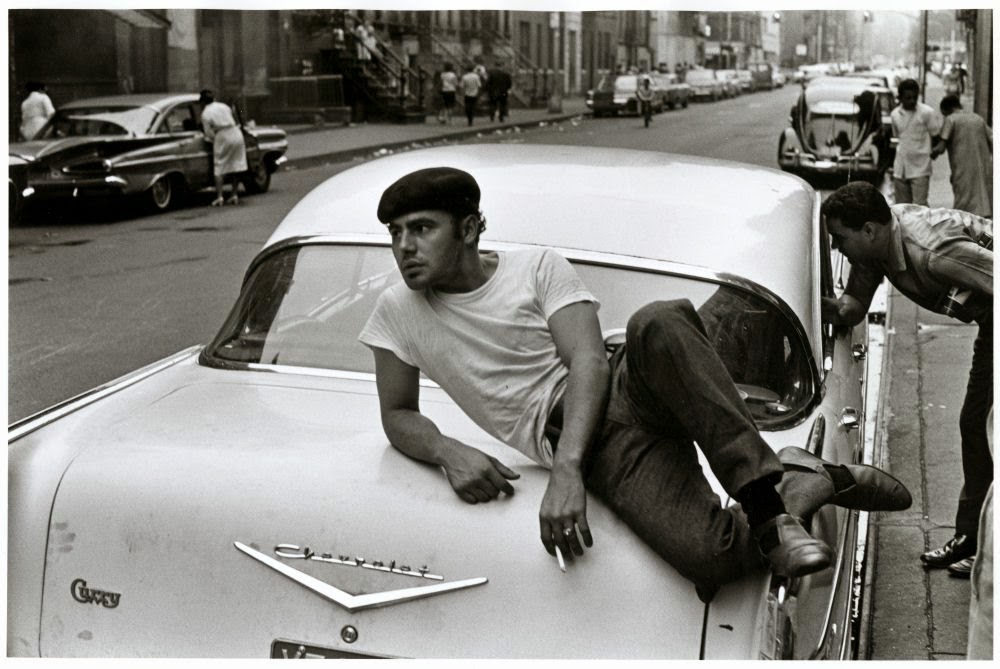
These vintage photos show how Americans celebrated Christmas in the 1950s and 1960s.
Choose an amount
Or enter a custom amount
Your contribution is appreciated.
Your contribution is appreciated.
Your contribution is appreciated.
DonateDonate monthlyDonate yearly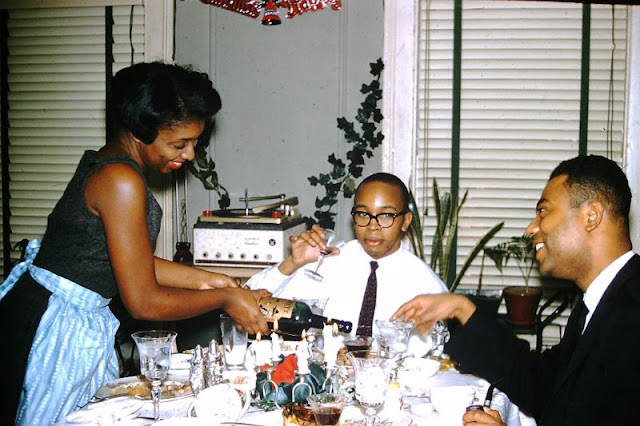

Become a paid subscriber to get access to the rest of this post and other exclusive content.