









Bringing You the Wonder of Yesterday – Today

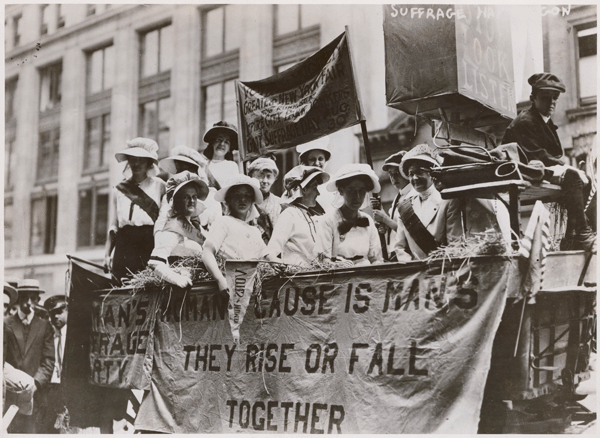
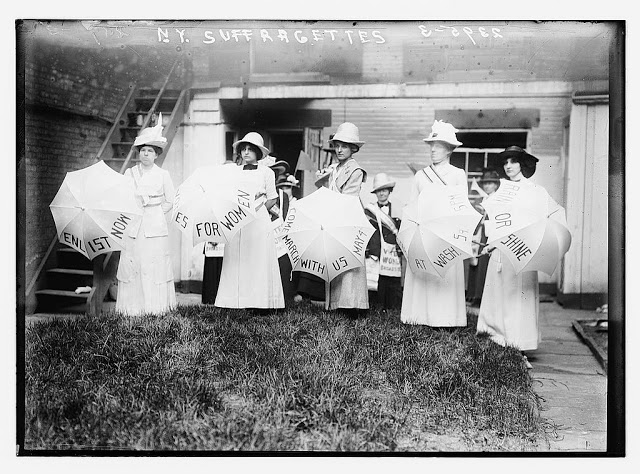
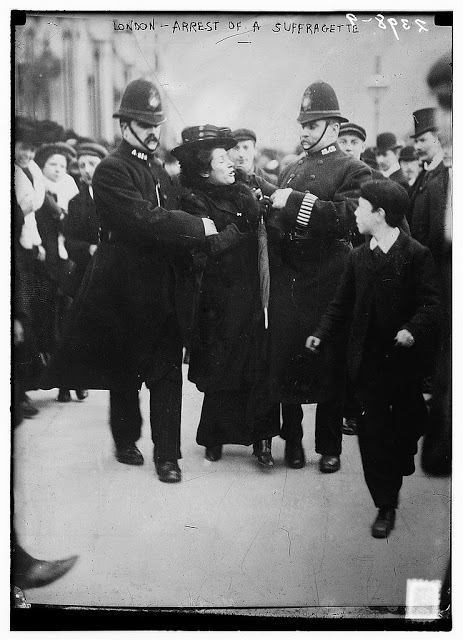
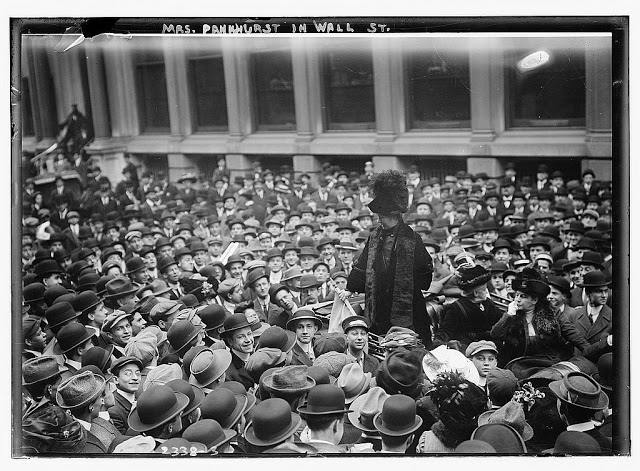
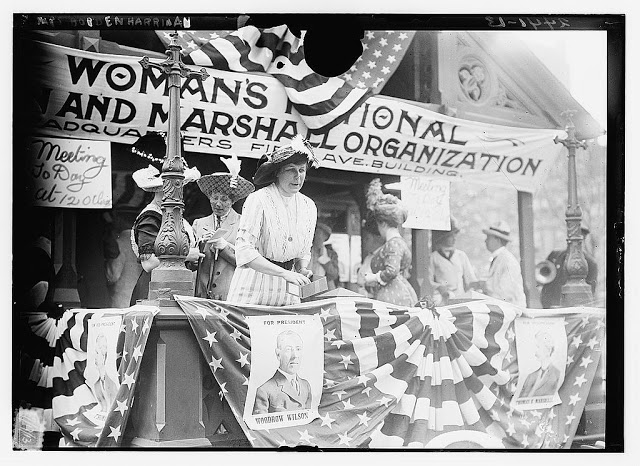
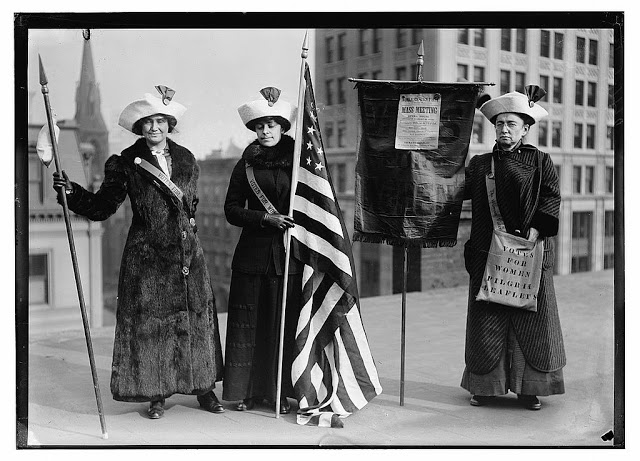
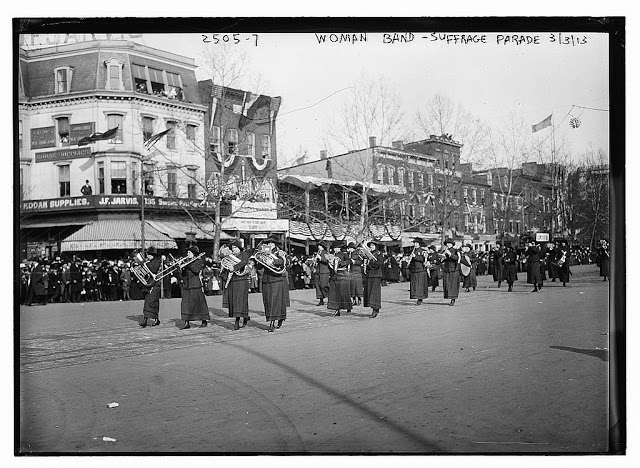
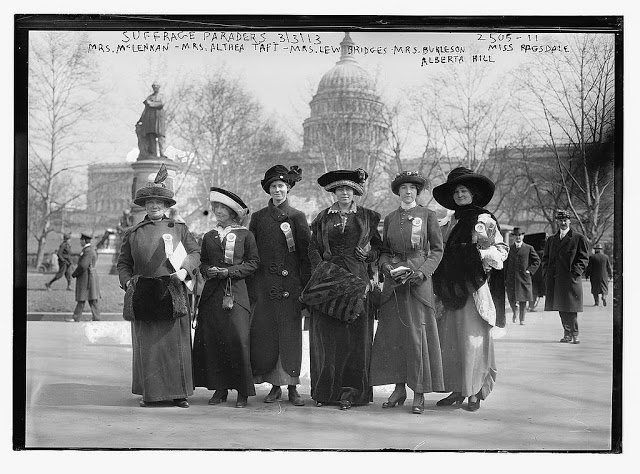
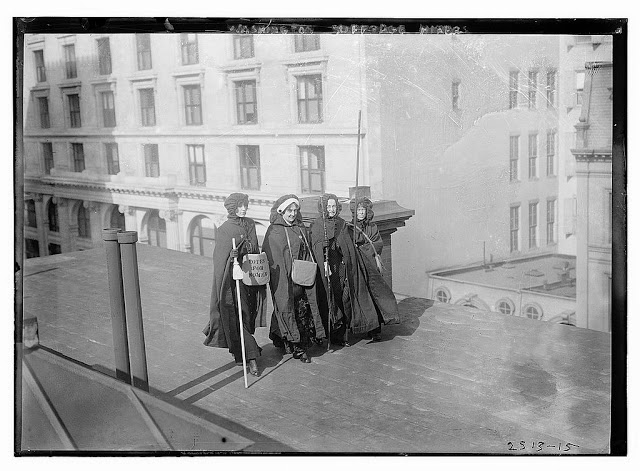
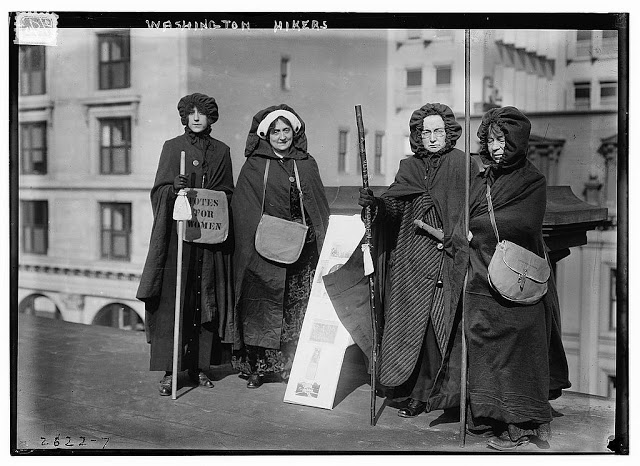
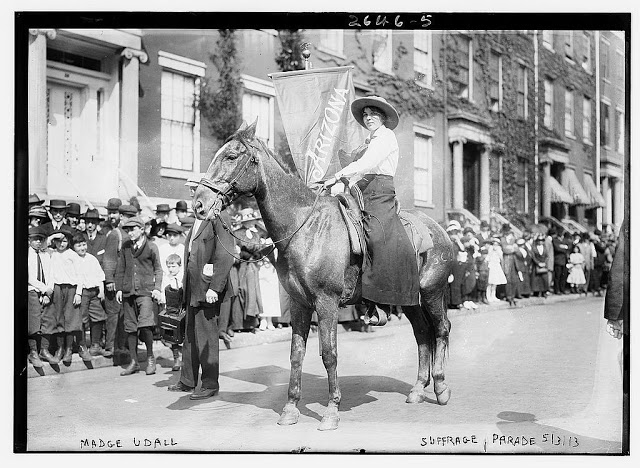
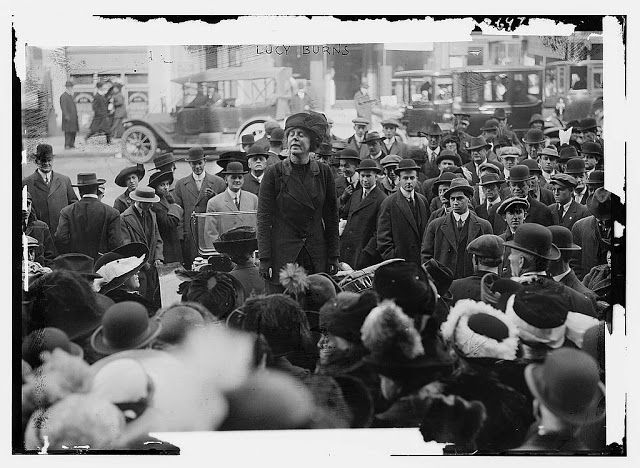
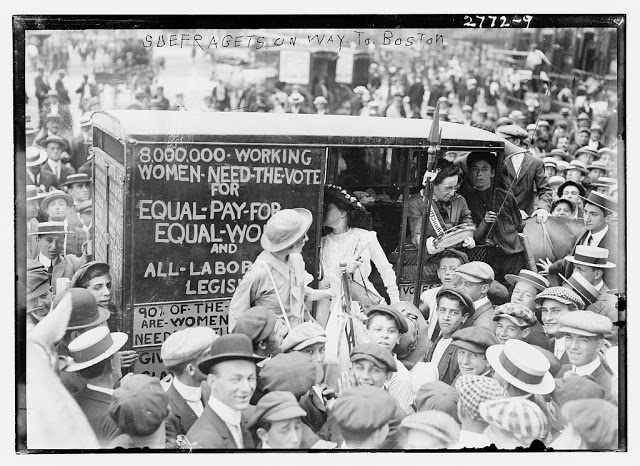
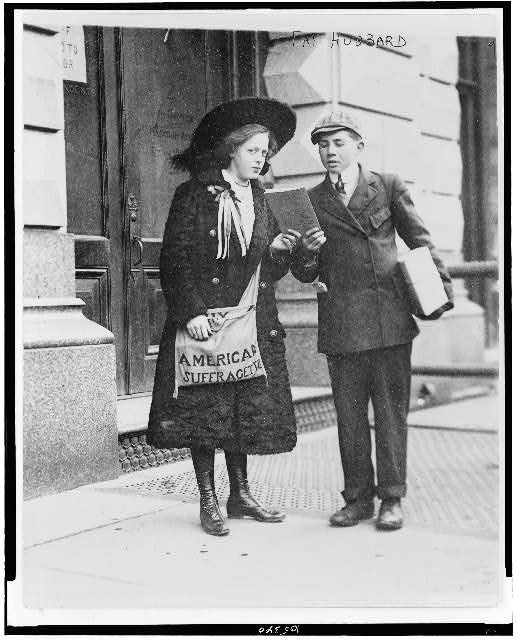
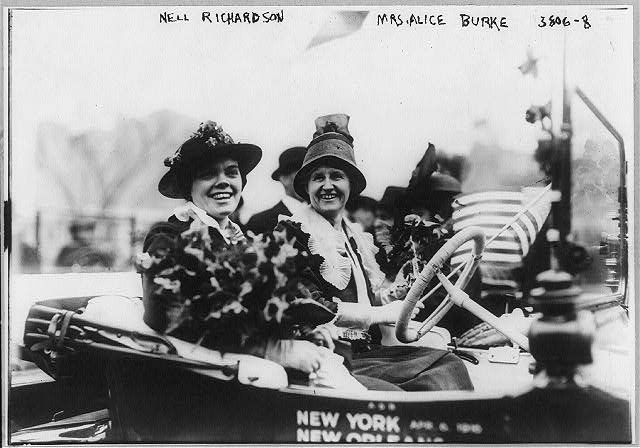
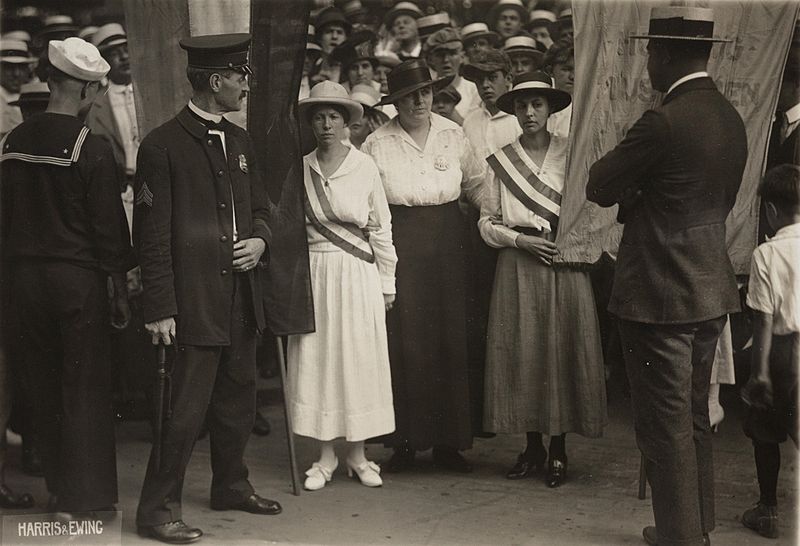
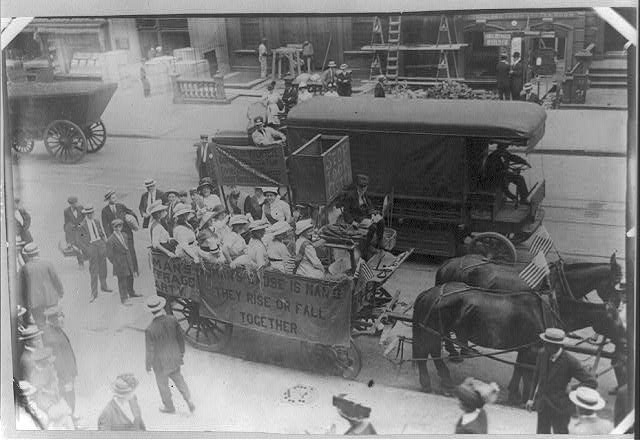
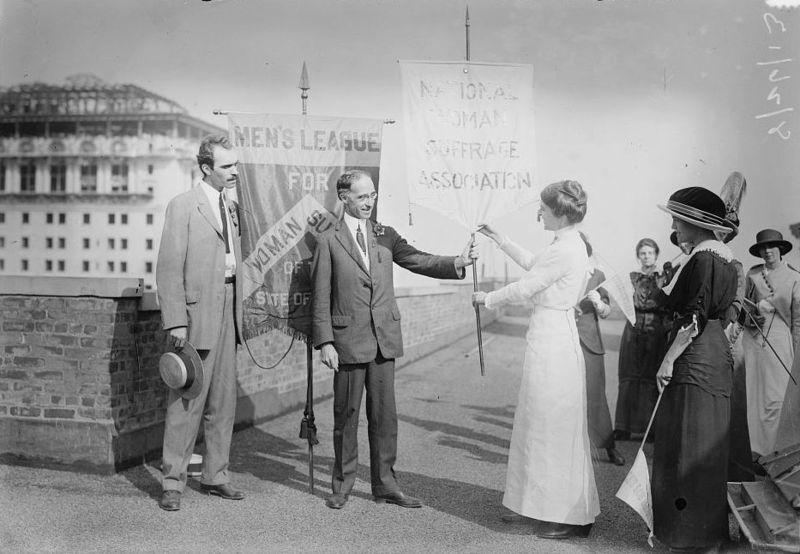
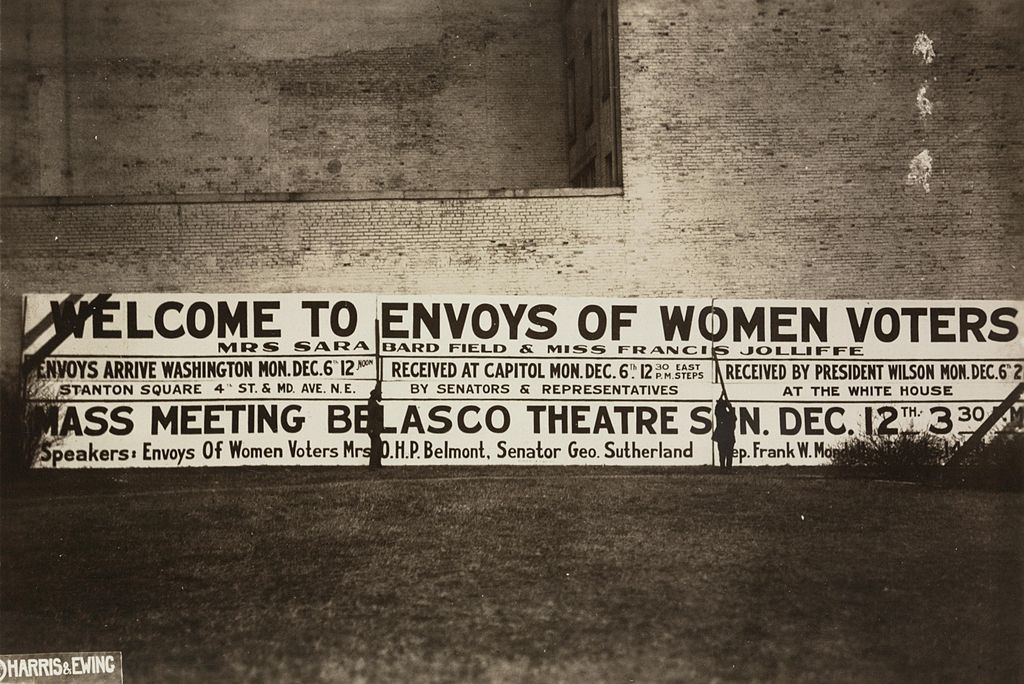
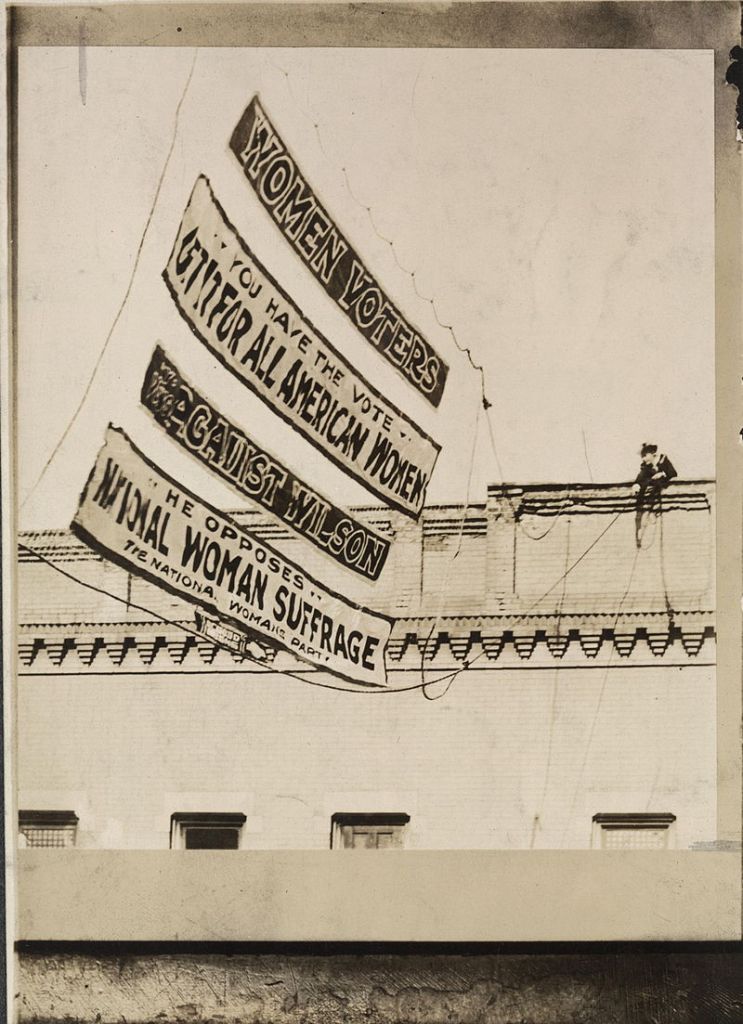
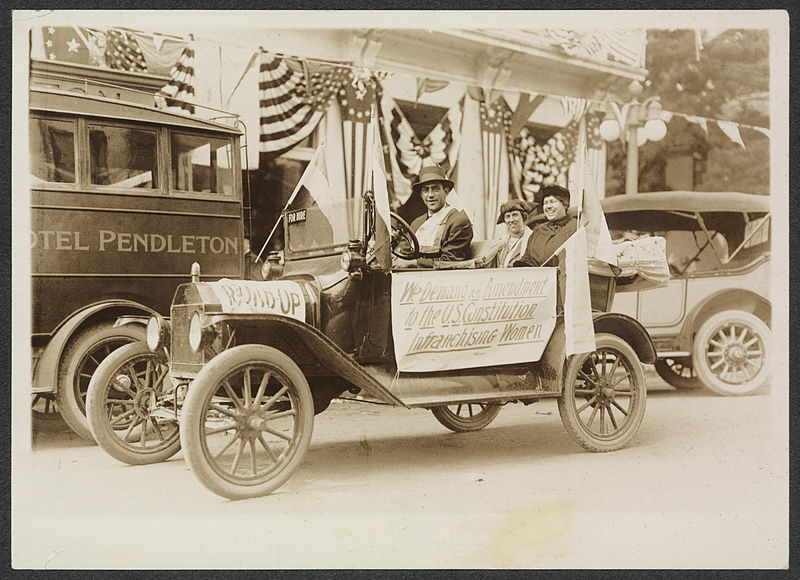
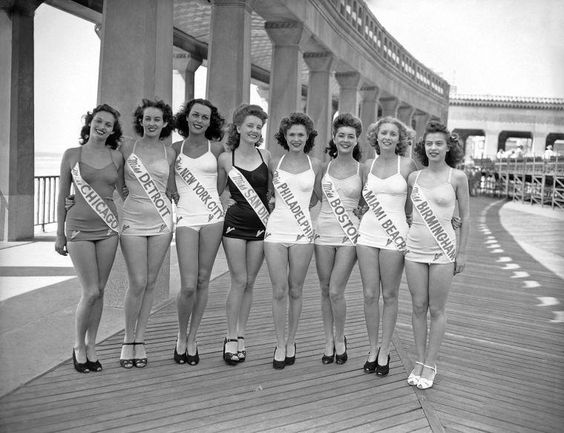
Women’s legal right to vote was established in the United States over the course of more than half a century, first in various states and localities, sometimes on a limited basis, and then nationally in 1920.
The demand for women’s suffrage began to gather strength in the 1840s, emerging from the broader movement for women’s rights. In 1848, the Seneca Falls Convention, the first women’s rights convention, passed a resolution in favor of women’s suffrage despite opposition from some of its organizers, who believed the idea was too extreme. By the time of the first National Women’s Rights Convention in 1850, however, suffrage was becoming an increasingly important aspect of the movement’s activities.
The first national suffrage organizations were established in 1869 when two competing organizations were formed, one led by Susan B. Anthony and Elizabeth Cady Stanton and the other by Lucy Stone and Frances Ellen Watkins Harper. After years of rivalry, they merged in 1890 as the National American Woman Suffrage Association (NAWSA) with Anthony as its leading force. The Women’s Christian Temperance Union (WCTU), which was the largest women’s organization at that time, was established in 1873 and also pursued women’s suffrage, giving a huge boost to the movement.
Hoping that the U.S. Supreme Court would rule that women had a constitutional right to vote, suffragists made several attempts to vote in the early 1870s and then filed lawsuits when they were turned away. Anthony actually succeeded in voting in 1872 but was arrested for that act and found guilty in a widely publicized trial that gave the movement fresh momentum. After the Supreme Court ruled against them in the 1875 case Minor v. Happersett, suffragists began the decades-long campaign for an amendment to the U.S. Constitution that would enfranchise women. Much of the movement’s energy, however, went toward working for suffrage on a state-by-state basis.
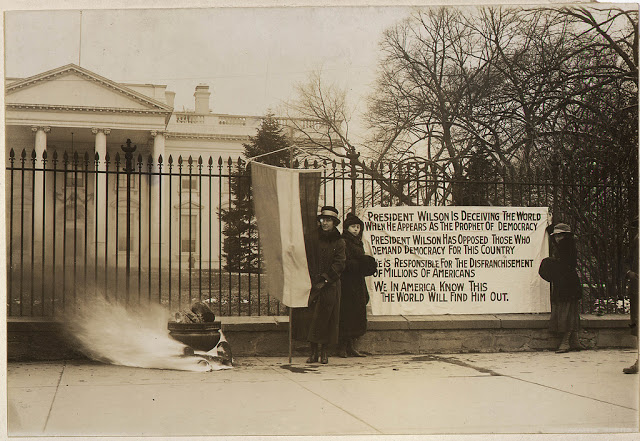
In 1916 Alice Paul formed the National Woman’s Party (NWP), a militant group focused on the passage of a national suffrage amendment. Over 200 NWP supporters, the Silent Sentinels, were arrested in 1917 while picketing the White House, some of whom went on hunger strike and endured forced feeding after being sent to prison. Under the leadership of Carrie Chapman Catt, the two-million-member NAWSA also made a national suffrage amendment its top priority. After a hard-fought series of votes in the U.S. Congress and in state legislatures, the Nineteenth Amendment became part of the U.S. Constitution on August 18, 1920. It states, “The right of citizens of the United States to vote shall not be denied or abridged by the United States or by any State on account of sex.” (Wikipedia)




















Read more of this content when you subscribe today.

Become a paid subscriber to get access to the rest of this post and other exclusive content.

Anne Francis (September 16, 1930 – January 2, 2011) got into show business quite early in life. She was born Ann Marvak on September 16, 1930 in Ossining, New York, the only child of Phillip Marvak, a businessman/salesman, and the former Edith Francis. A natural little beauty, she became a John Robert Powers model at age 6(!) and swiftly moved into radio soap work and television in New York. By age 11, she was making her stage debut on Broadway playing the child version of Gertrude Lawrence in the star’s 1941 hit vehicle “Lady in the Dark”. During this productive time, she attended New York’s Professional Children’s School.
Read more of this content when you subscribe today.
Metro-Goldwyn-Mayer put the lovely, blue-eyed, wavy-blonde hopeful under contract during the post-war World War II years. While Anne appeared in a couple of obscure bobbysoxer bits, nothing much came of it. Frustrated at the standard cheesecake treatment she was receiving in Hollywood, the serious-minded actress trekked back to New York where she appeared to good notice on television’s “Golden Age” drama and found some summer stock work on the sly (“My Sister Eileen”).
Discovered and signed by 20th Century-Fox’s Darryl F. Zanuck after playing a seductive, child-bearing juvenile delinquent in the low budget film So Young So Bad (1950), Anne soon starred in a number of promising ingénue roles, including Elopement (1951), Lydia Bailey (1952) and Dreamboat (1952) but she still could not seem to rise above the starlet typecast.
At MGM, she found promising leading lady work in a few noteworthy 1950s classics: Bad Day at Black Rock (1955); Blackboard Jungle (1955); and the science fiction cult classic Forbidden Planet (1956). While co-starring with Hollywood’s hunkiest best, including Paul Newman, Dale Robertson, Glenn Ford and Cornel Wilde, her roles still emphasized more her glam appeal than her acting capabilities.
In the 1960s, Anne began refocusing strongly on the smaller screen, finding a comfortable niche on television series. She found a most appreciative audience in two classic The Twilight Zone (1959) episodes and then as a self-sufficient, Emma Peel-like detective in Aaron Spelling’s short-lived cult series Honey West (1965), where she combined glamour and a sexy veneer with judo throws, karate chops and trendy fashions. The role earned her a Golden Globe Award and Emmy Award nomination.
Francis was well known for striking physical assets – long and shapely legs, flowing blonde hair, mesmerizing blue eyes and a trademark mole just to the right of her lower lip. The beauty mark was even written into the script of one of her films. In 2005, TV Guide ranked Francis at No. 18 on its “50 Sexiest Stars of All Time” list.
Yet there was far more to the preternaturally poised, immensely talented Francis than mere looks. “Her beauty cloaked her brains without obscuring them,” Time magazine eulogized in 2011 shortly after her death. “In one sense, she was a blend of Hollywood’s two most popular female types in the ’50s: the bombshell blonds (Marilyn) Monroe and (Jayne) Mansfield — an adolescent’s notion of squeaky-voiced sexuality — and smart, slim vixens like Audrey Hepburn and Grace Kelly.”
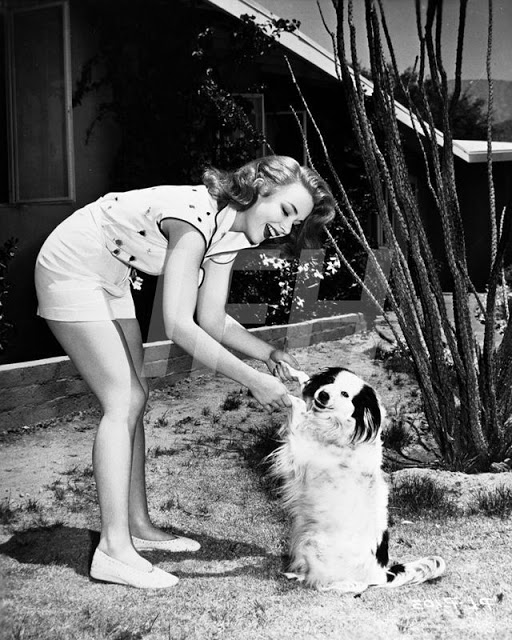
Here we collected some of beautiful vintage photos of American actress Anne Francis during the 1950s.
Become a paid subscriber to get access to the rest of this post and other exclusive content.
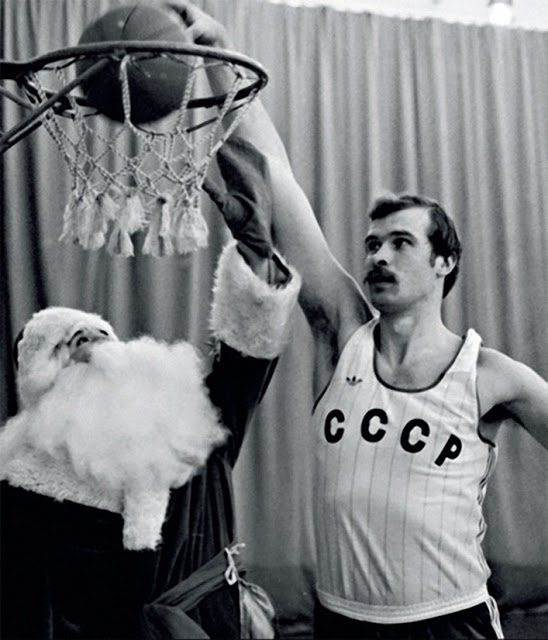
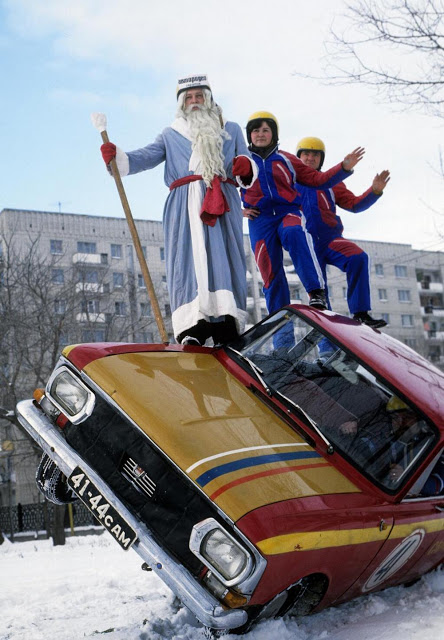
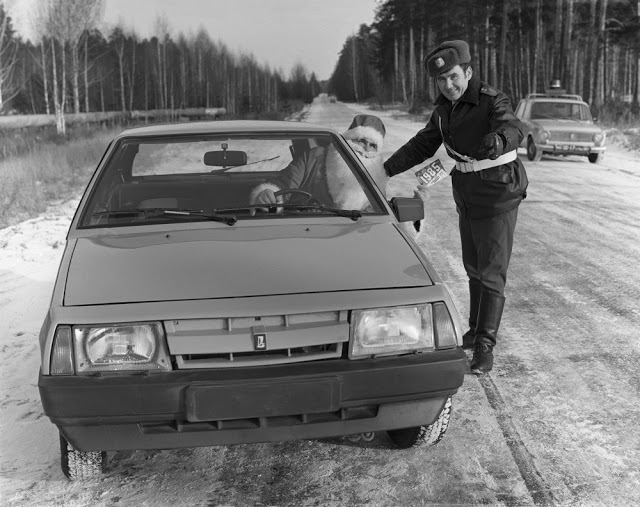
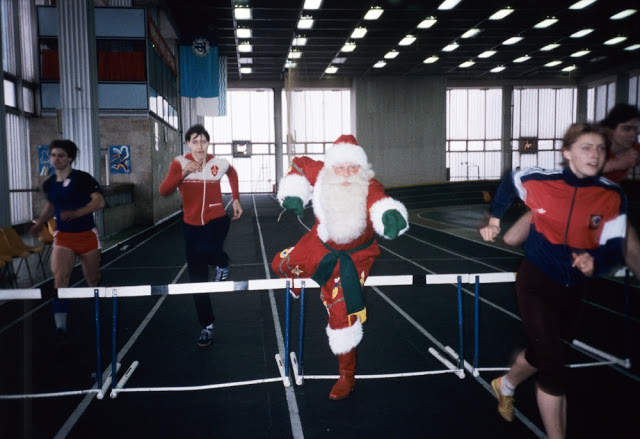
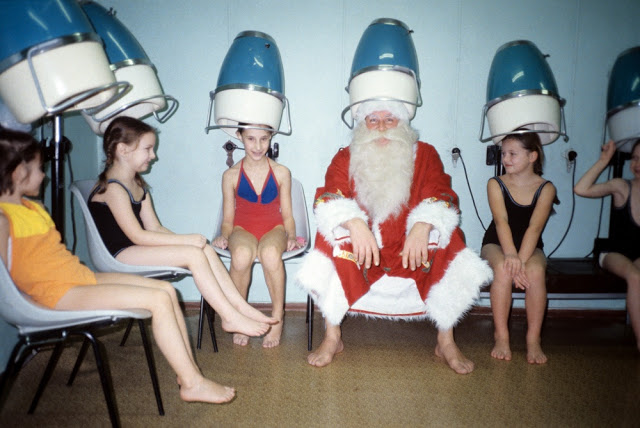
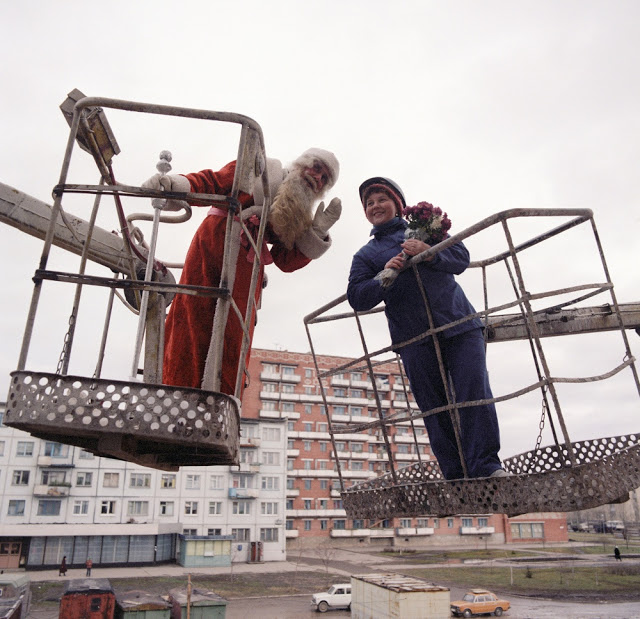
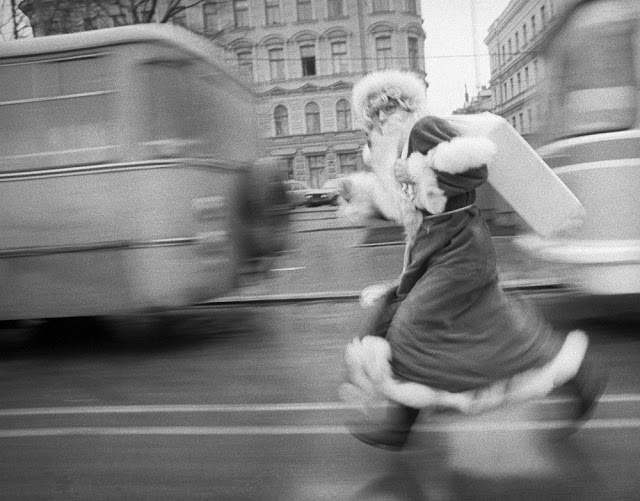
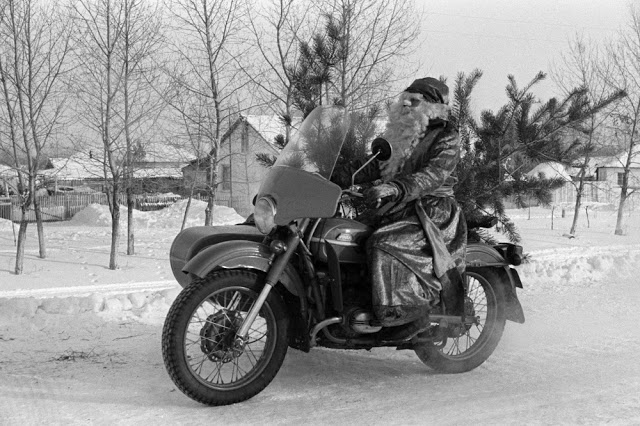
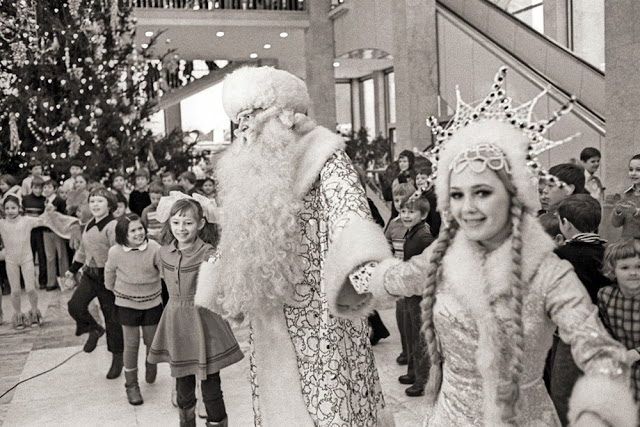
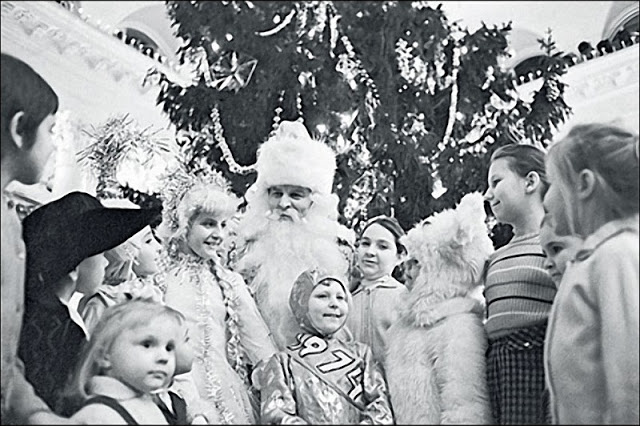
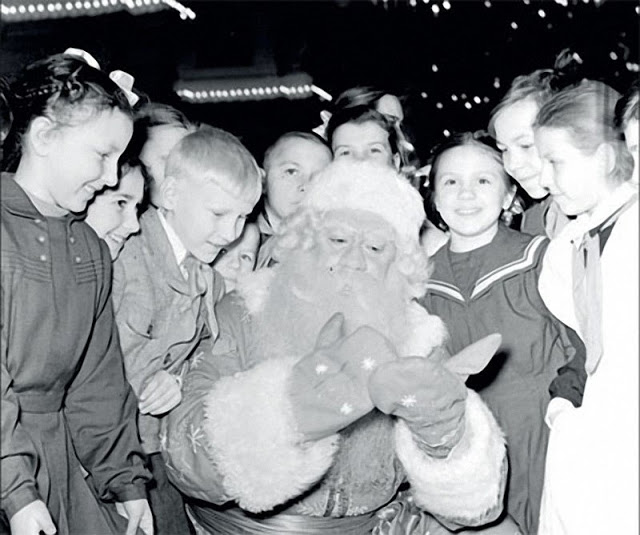
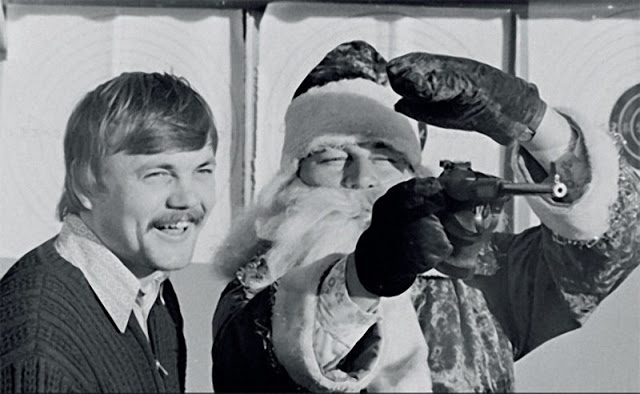
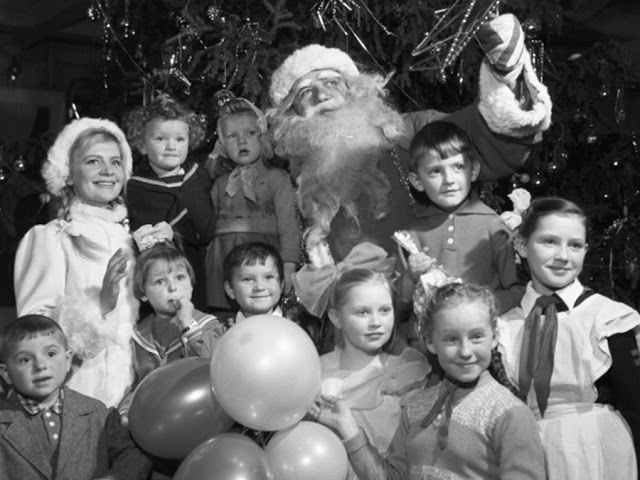
Ded Moroz is a Slavic fictional character similar to that of Father Christmas. The literal translation is “Old Man Frost”, often translated as “Grandfather Frost”. Ded Moroz brings presents to children and often delivers them in person on New Year’s Eve.
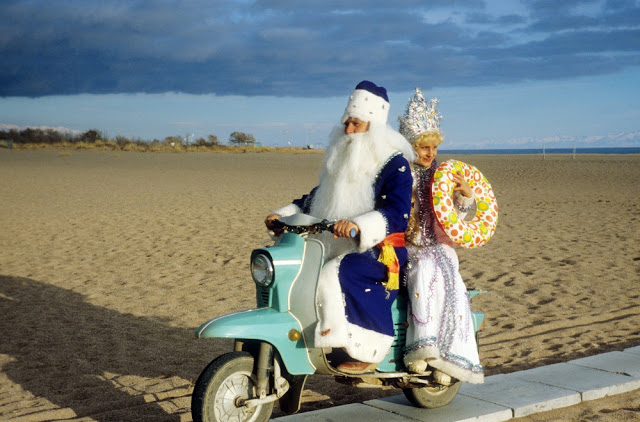
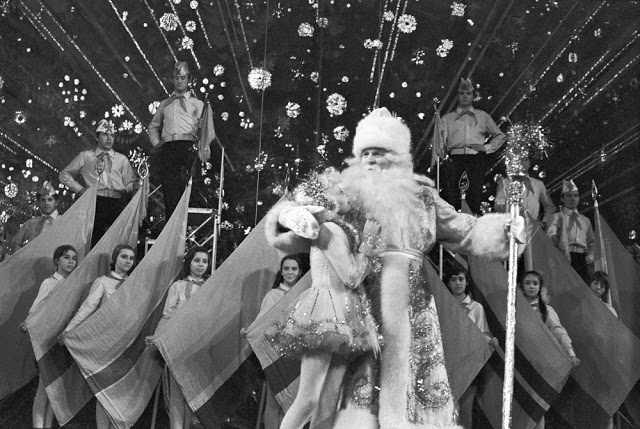
Ded Moroz is accompanied by Snegurochka, his granddaughter and helper, who wears long silver-blue robes and a furry cap or a snowflake-like crown. She is a unique attribute of Ded Moroz, since similar characters in other cultures don’t have a female companion.
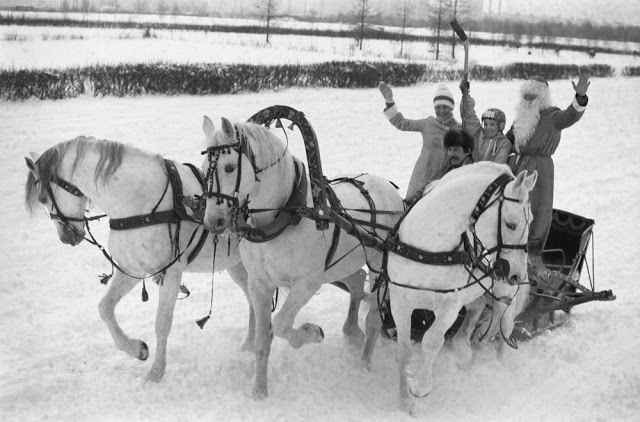
Ded Moroz wears a heel-length fur coat, a semi-round fur hat, and valenki on his feet. He has a long white beard. He walks with a long magic staff and sometimes rides a troika. Here, below is a collection of 23 funny pictures of Soviet Santa Clauses from the 1980s.













































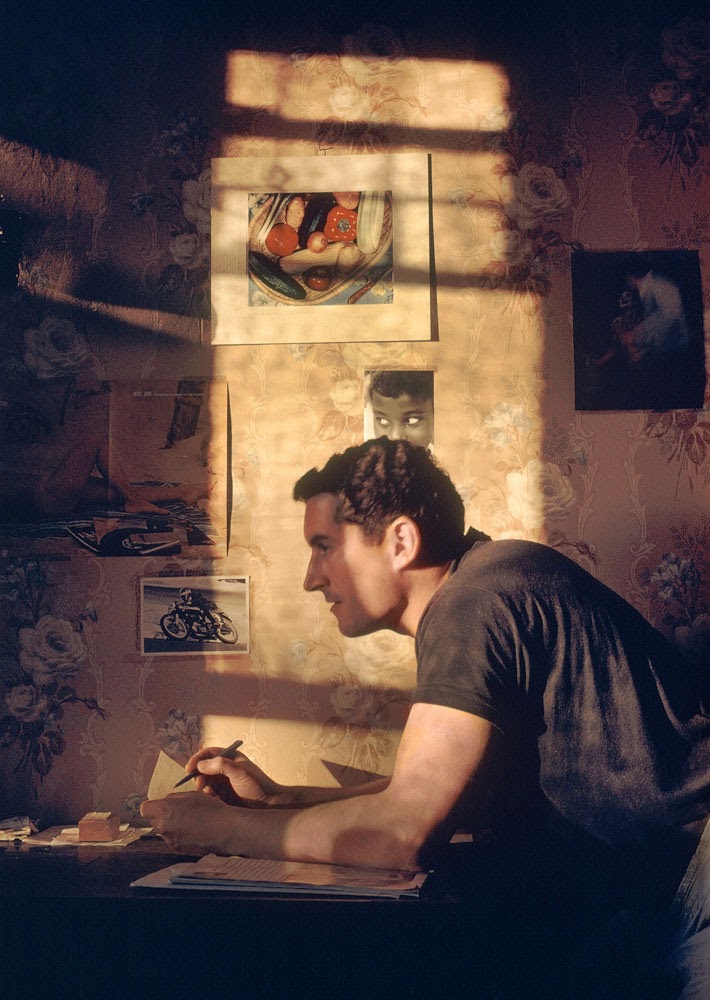
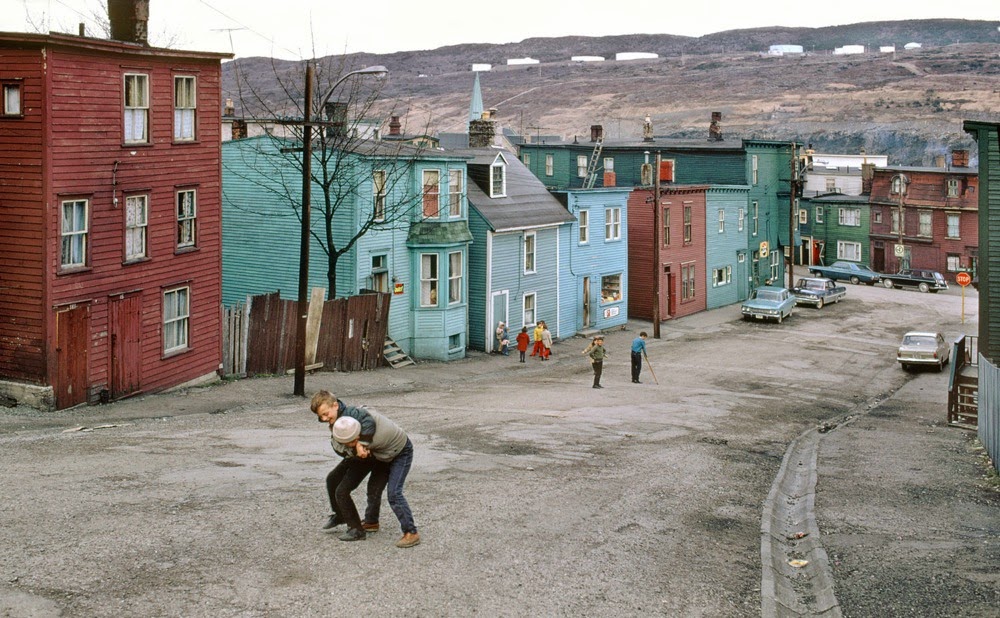
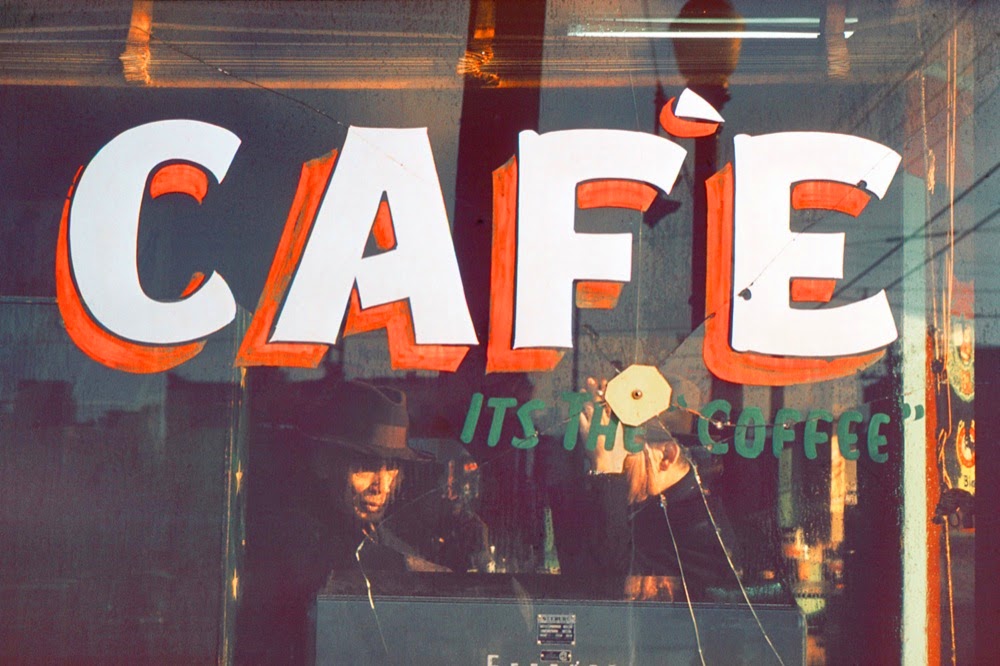
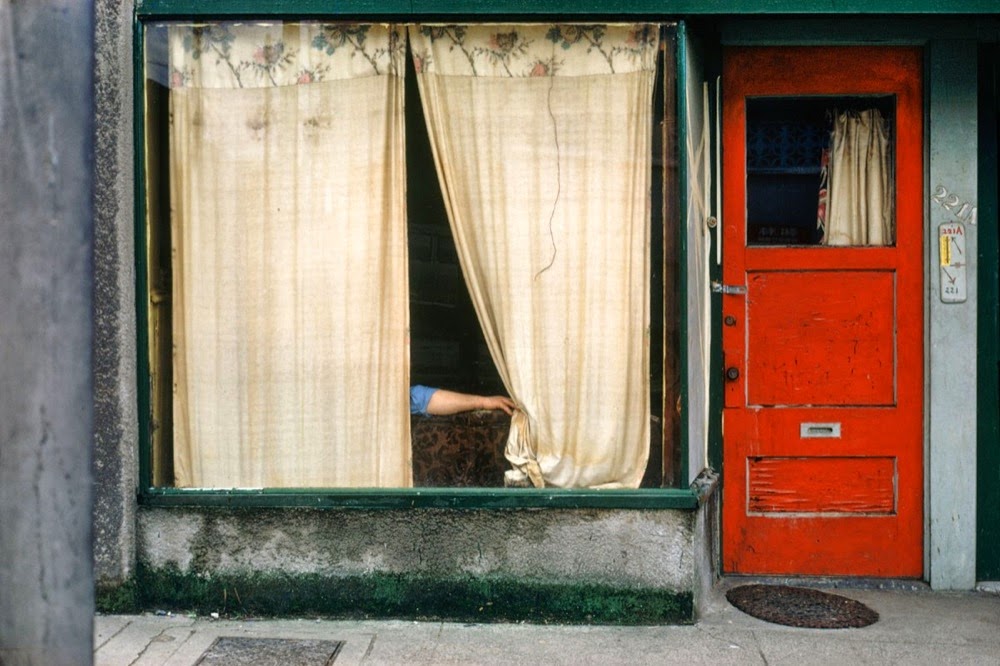
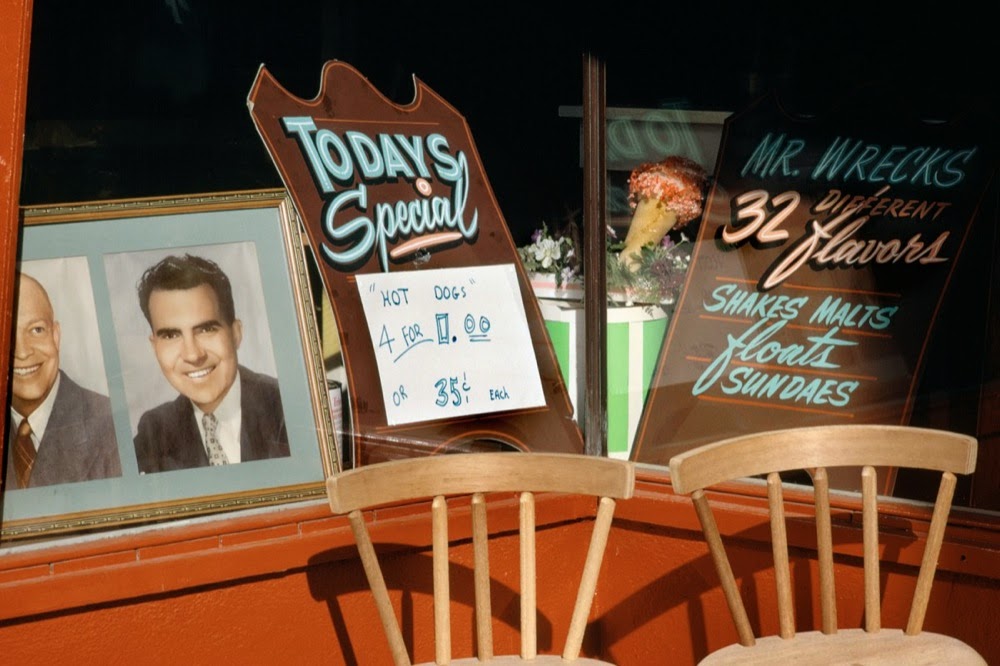
Fred Herzog was born in Germany in 1930. Immigrating to Canada in 1952, he took odd jobs wherever he could find them. He rented a place at a rooming house, which is where he met Ferro Shelley Marincowitz, a South African who also happened to be a medical photographer. Herzog had an interest in photography; his camera was one of the few items he brought with him from Germany. Marincowitz encouraged that interest and soon they found a basement suite where they built a darkroom for both of them to share.
Over the next several years, Herzog read about technique, studied other photographers, and spent every spare moment shooting. His friendship with Marincowitz eventually led to getting a job as a medical photographer himself, first at St. Paul’s Hospital, and four years later at the University of British Columbia. Herzog was obsessed with the energy of the city. He was drawn to the neon signs, the colorful cars, the food markets, and billboards. He wanted to capture life as it was, to document the “American dream”. He wasn’t interested in commenting on social policy or expressing an opinion one way or another, just showing reality. This was one of the reasons he used color film. It was the way he saw the city and the way he wanted others to see it.
Herzog has spent decades with his camera in his hand, walking not only the streets of Vancouver, but also San Francisco, Montreal, Seattle, and other major cities. It has only been in the last several years, however, that his work has been recognized by galleries and art critics around the world.


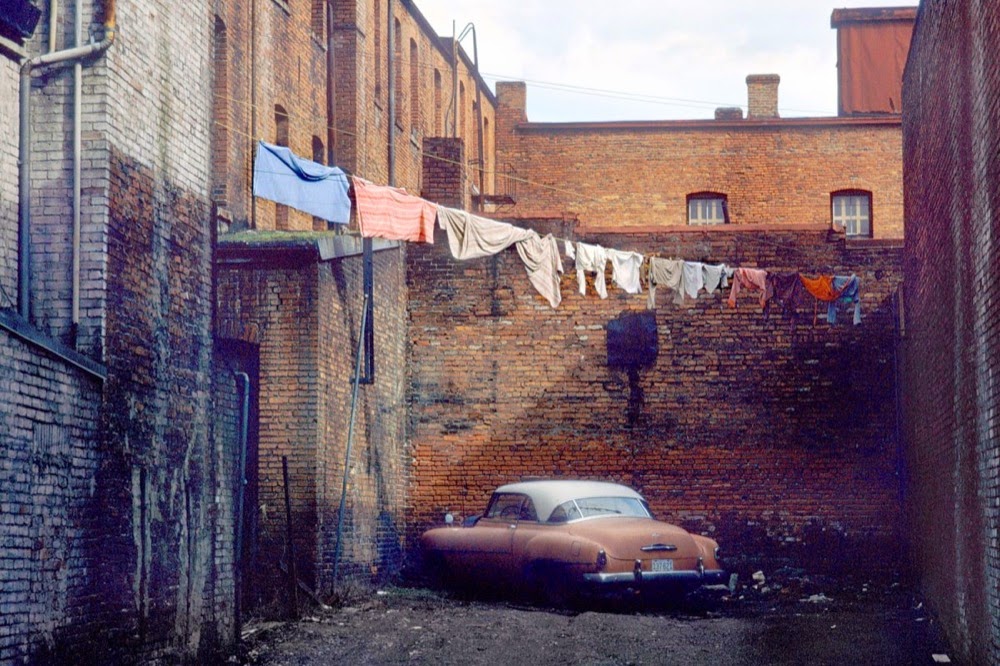
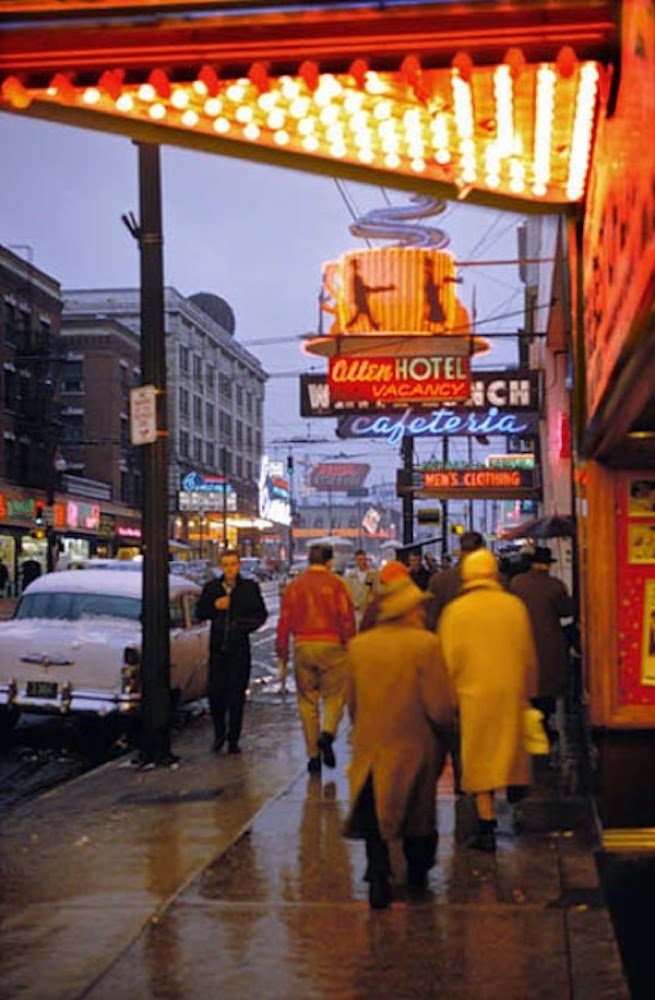

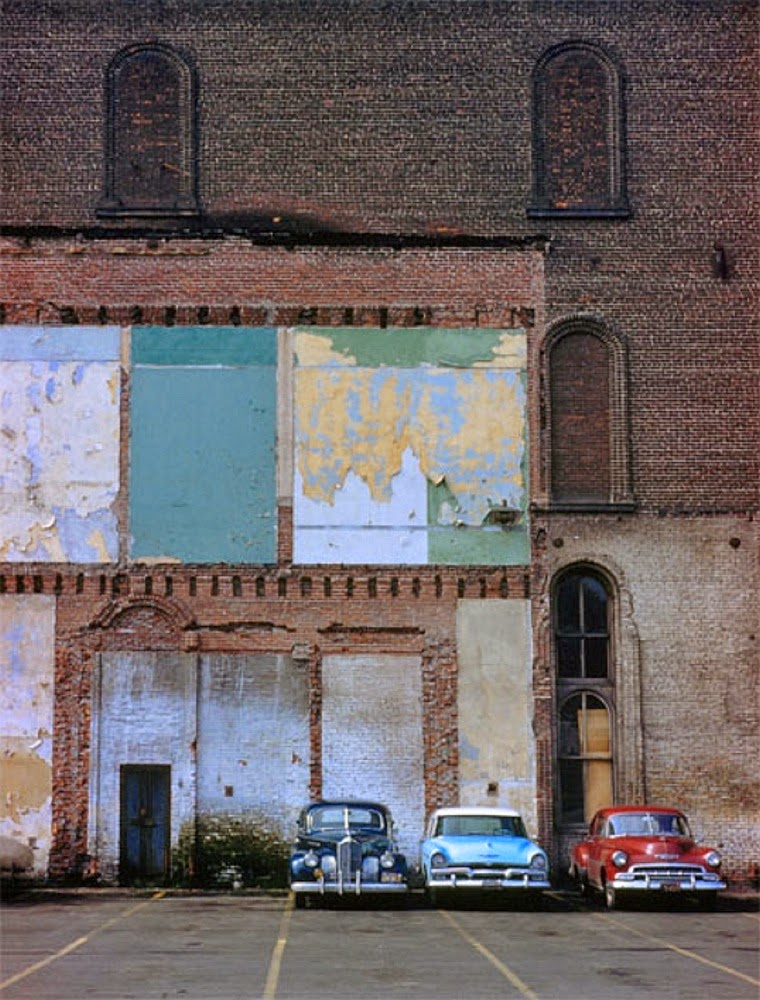
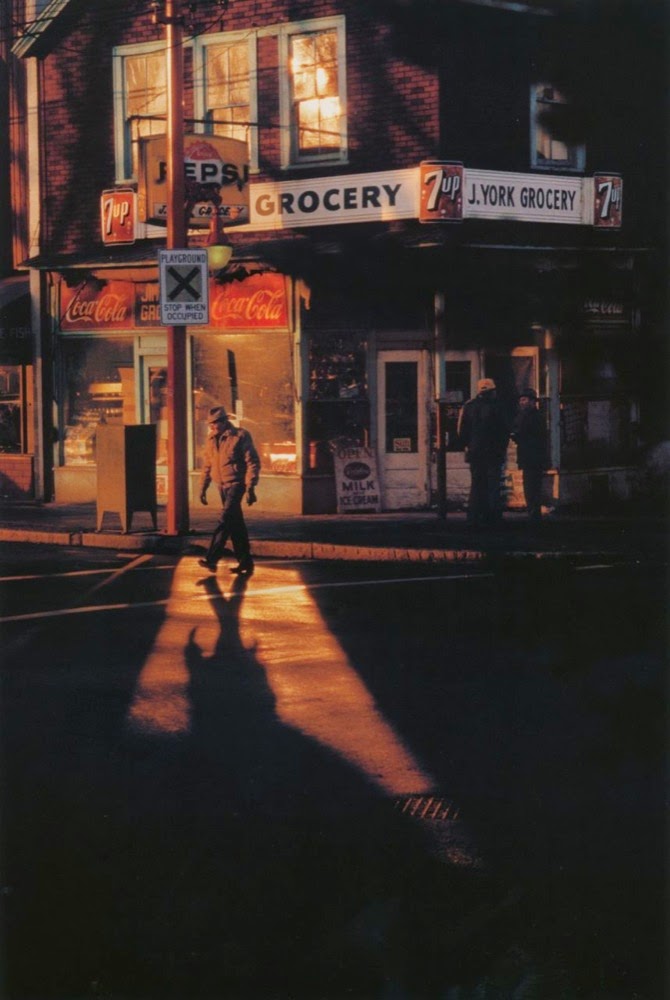

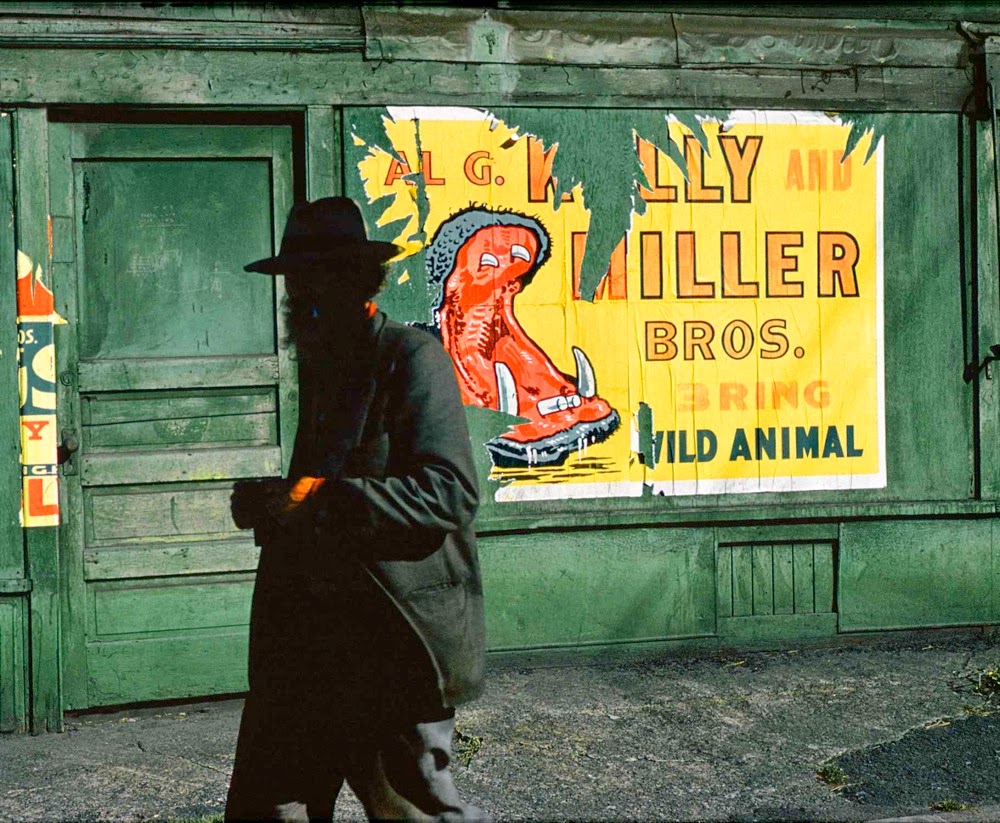
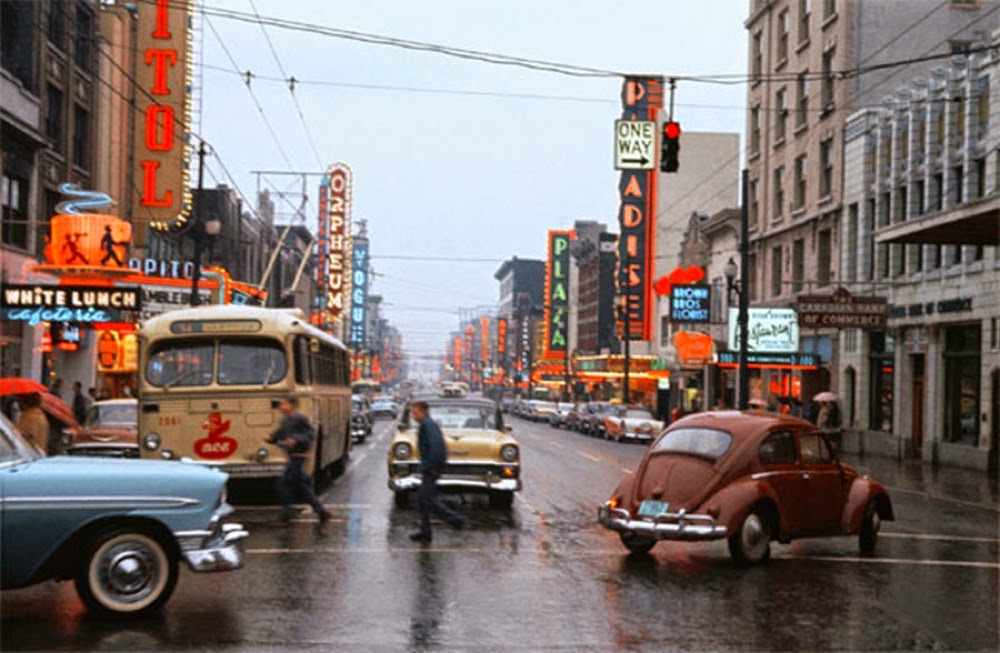
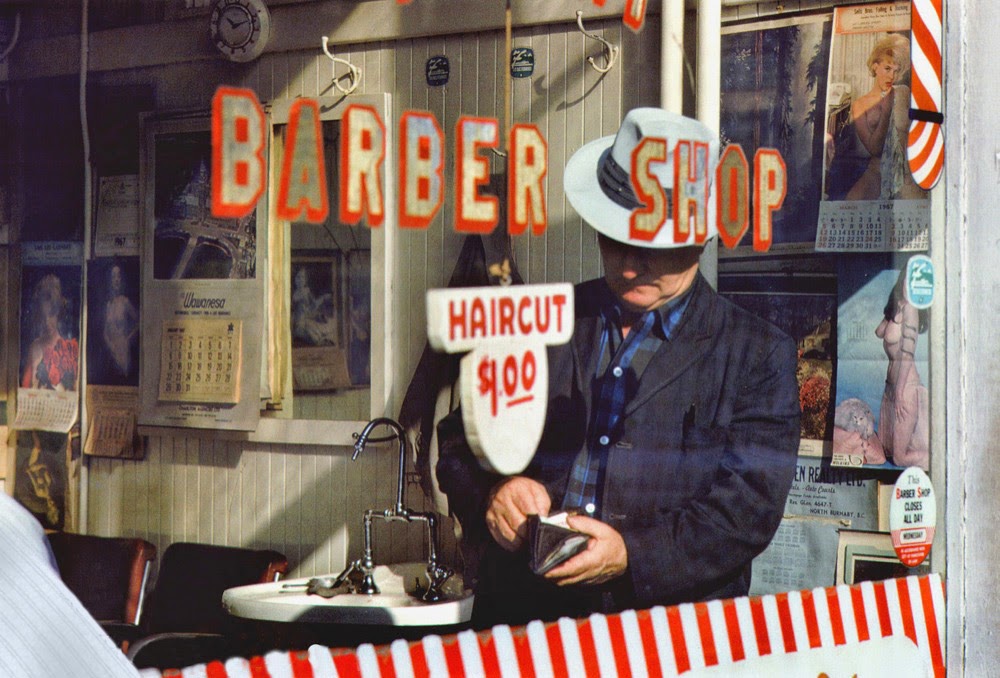

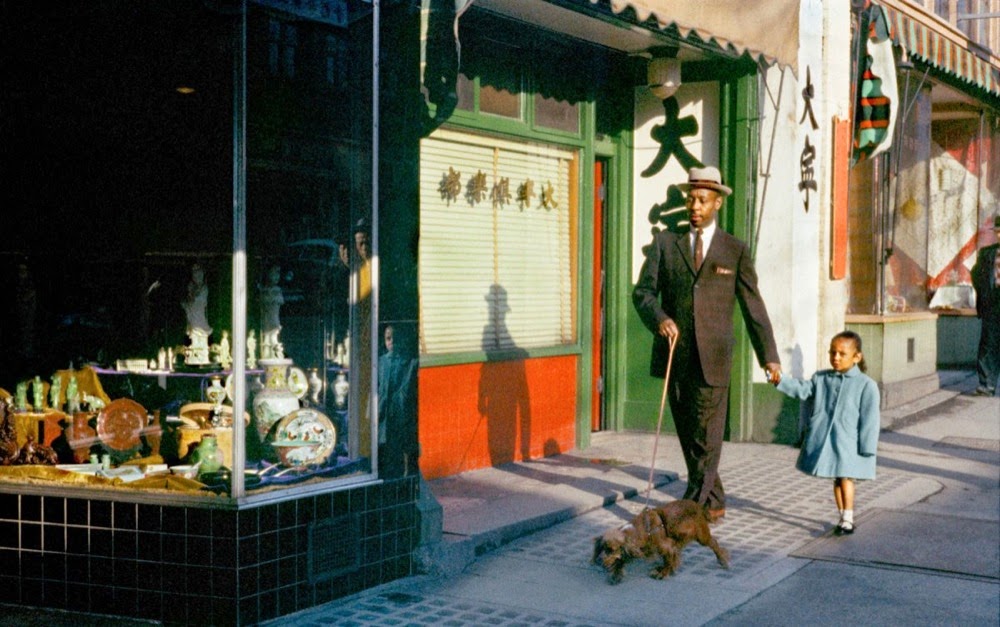
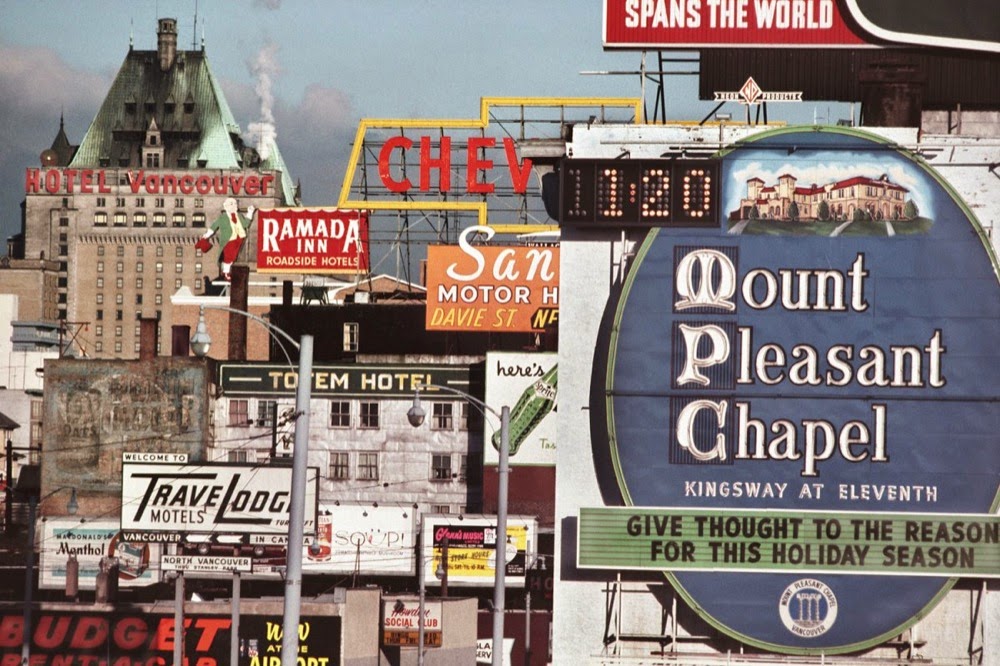
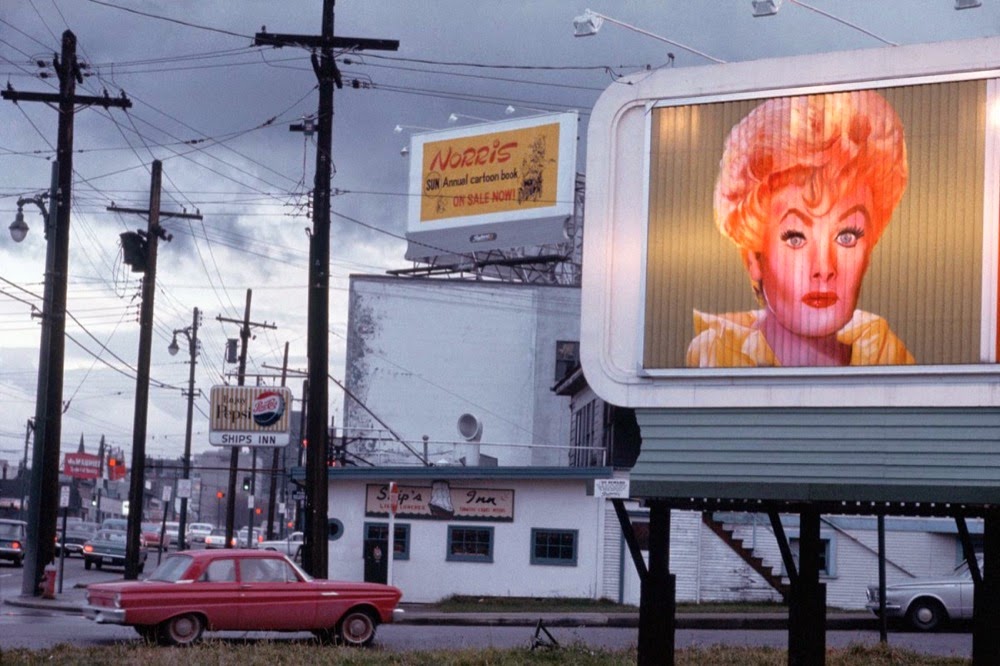

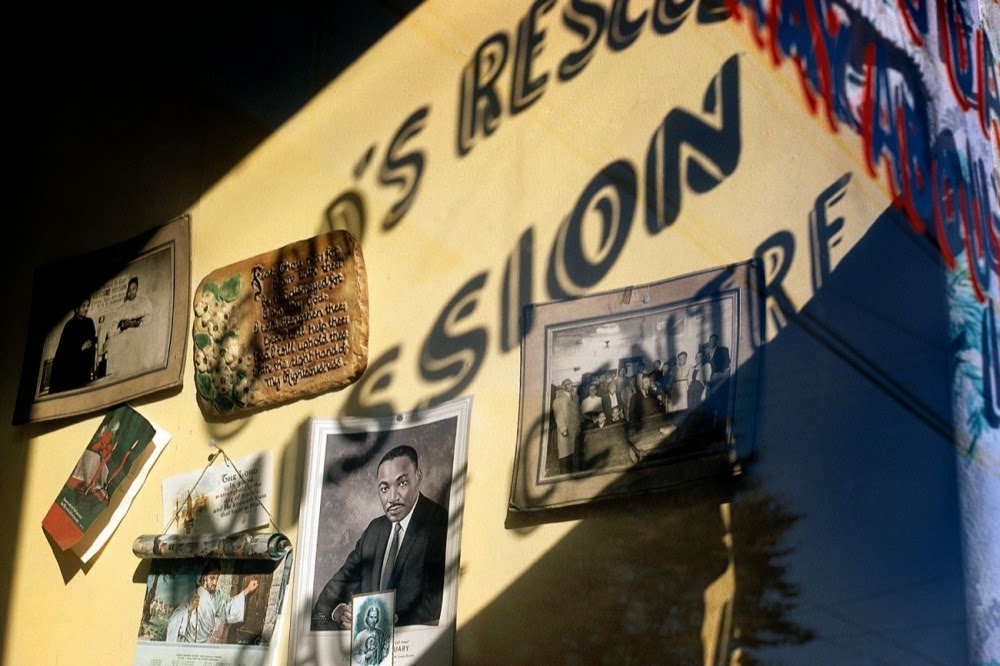
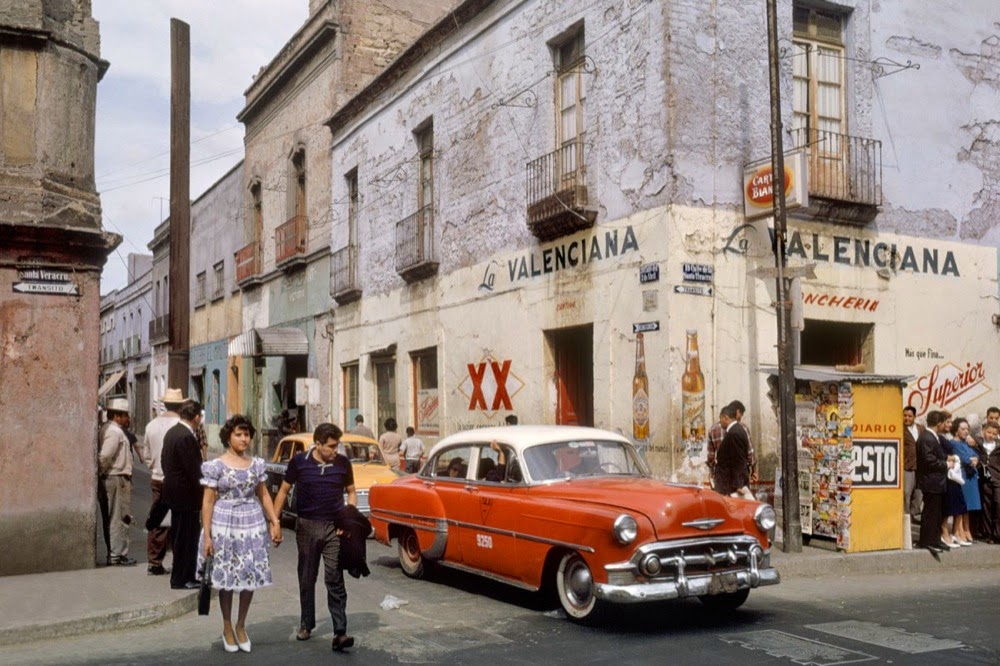
Photos by Fred Herzog