


















Bringing You the Wonder of Yesterday – Today
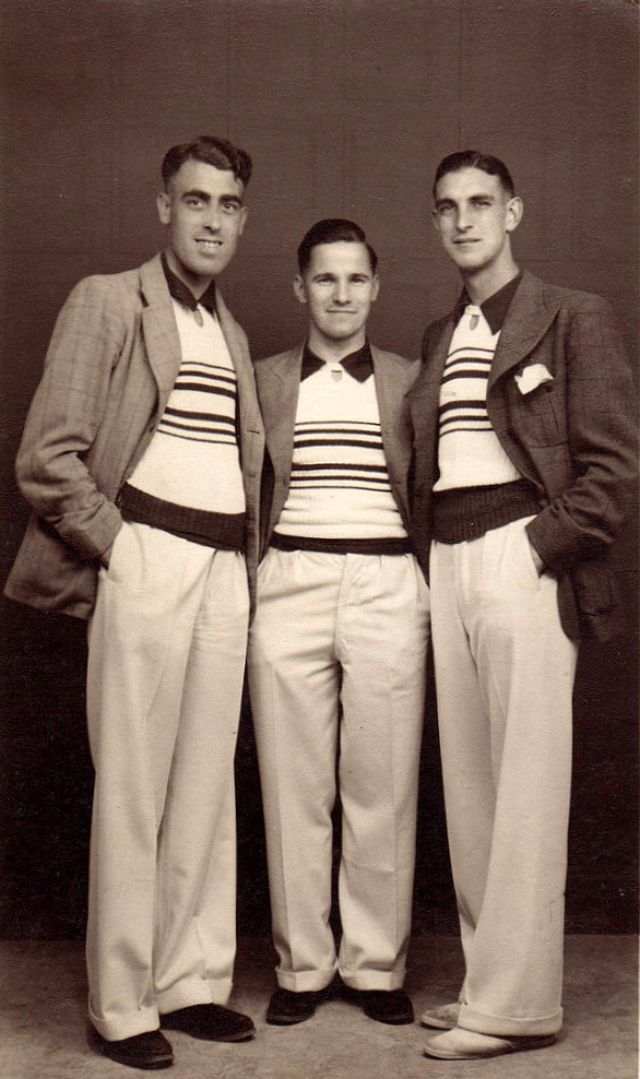
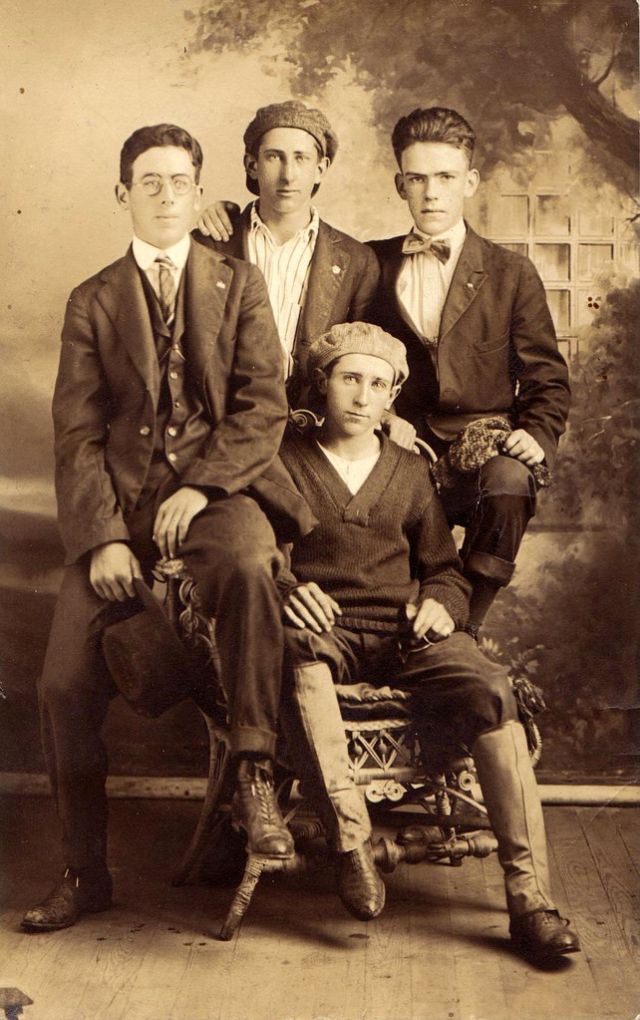
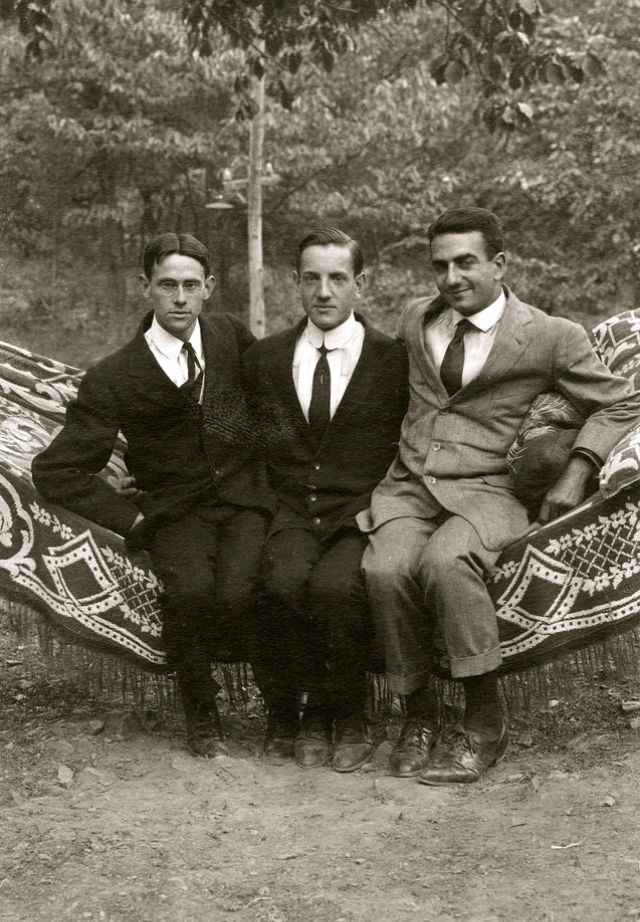
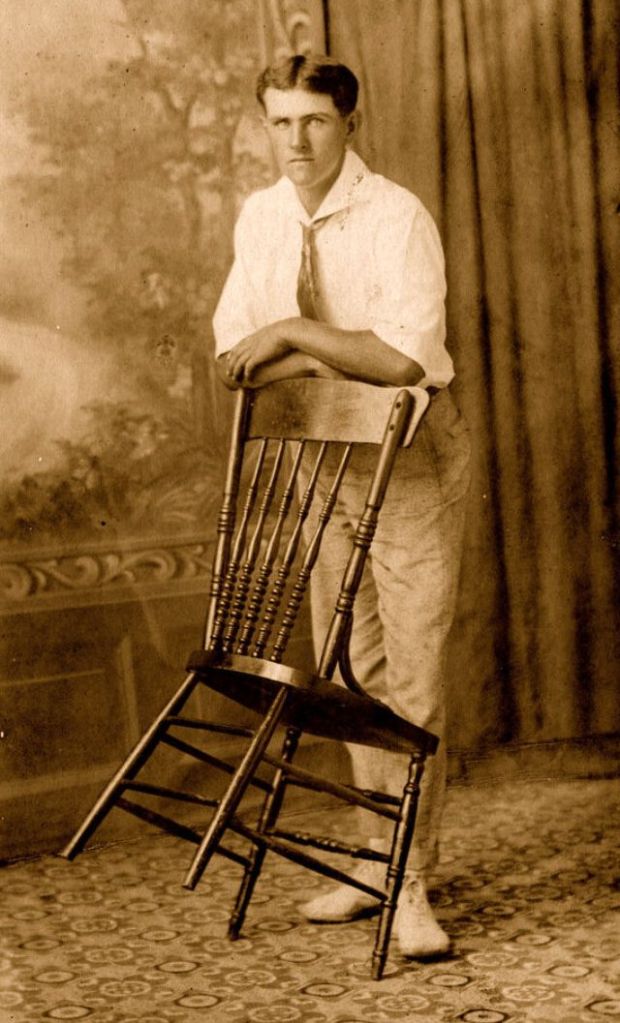
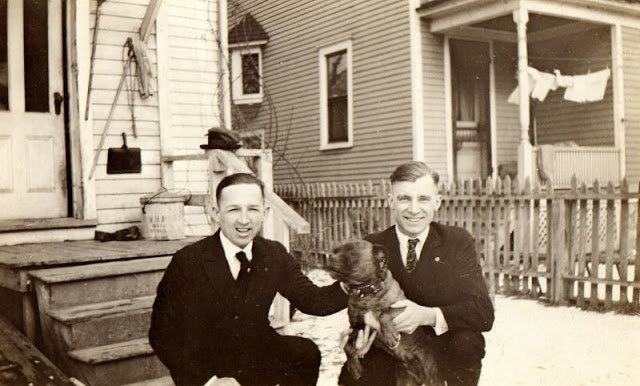
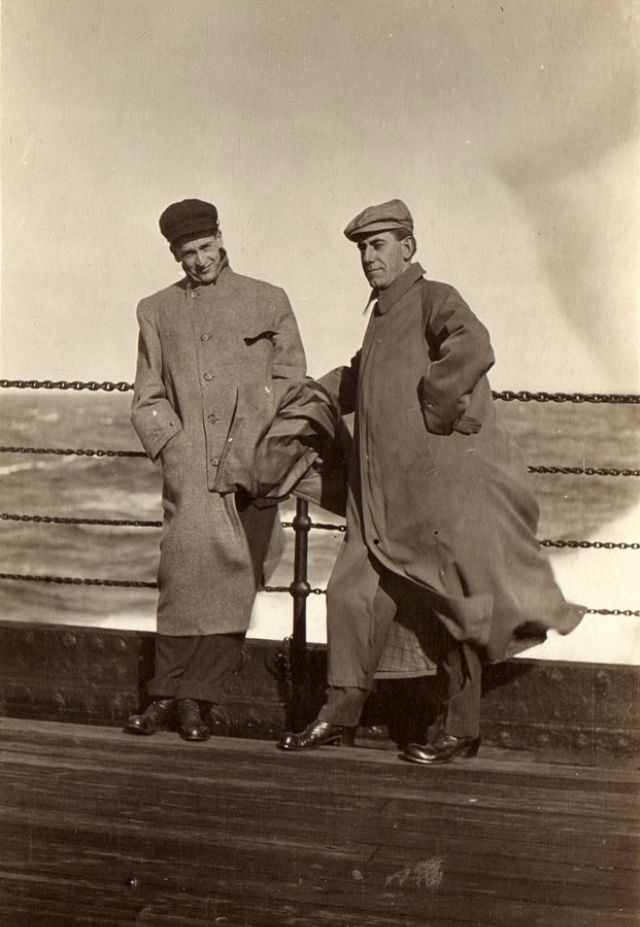
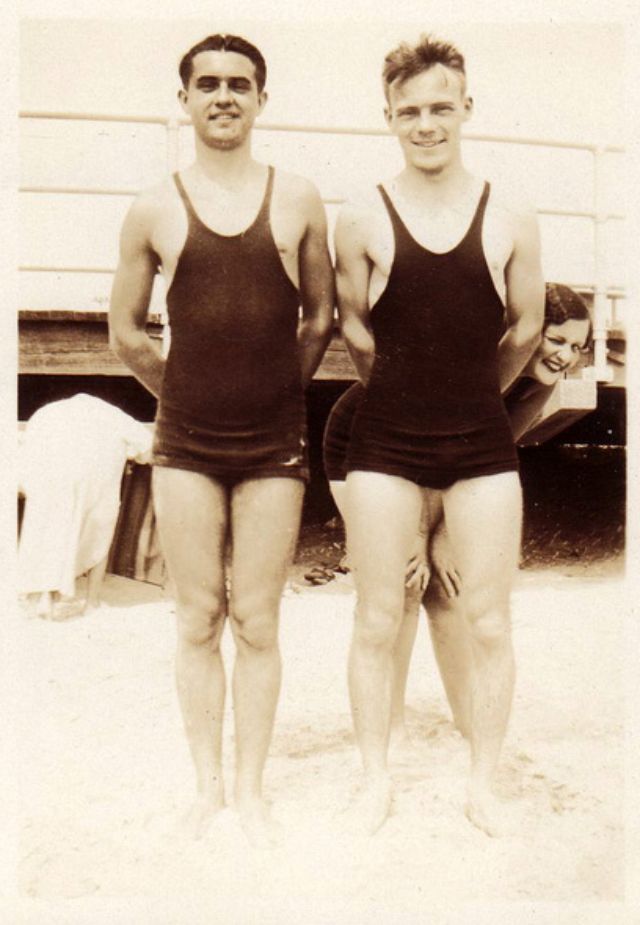
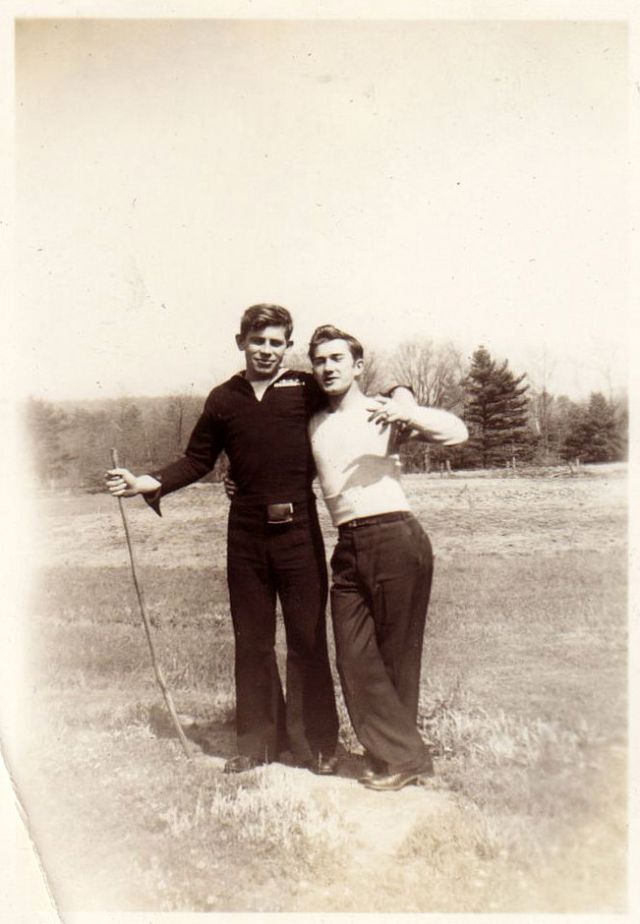
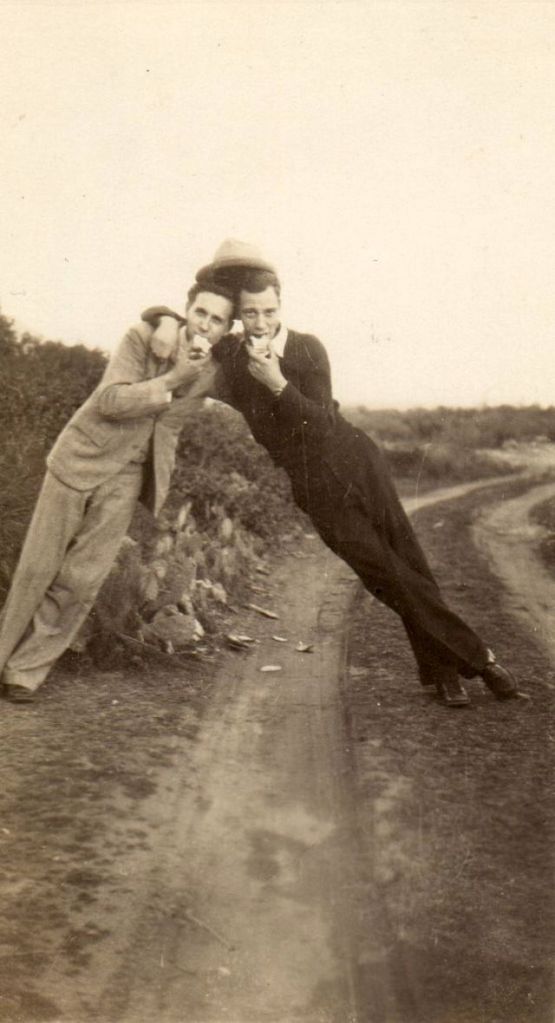
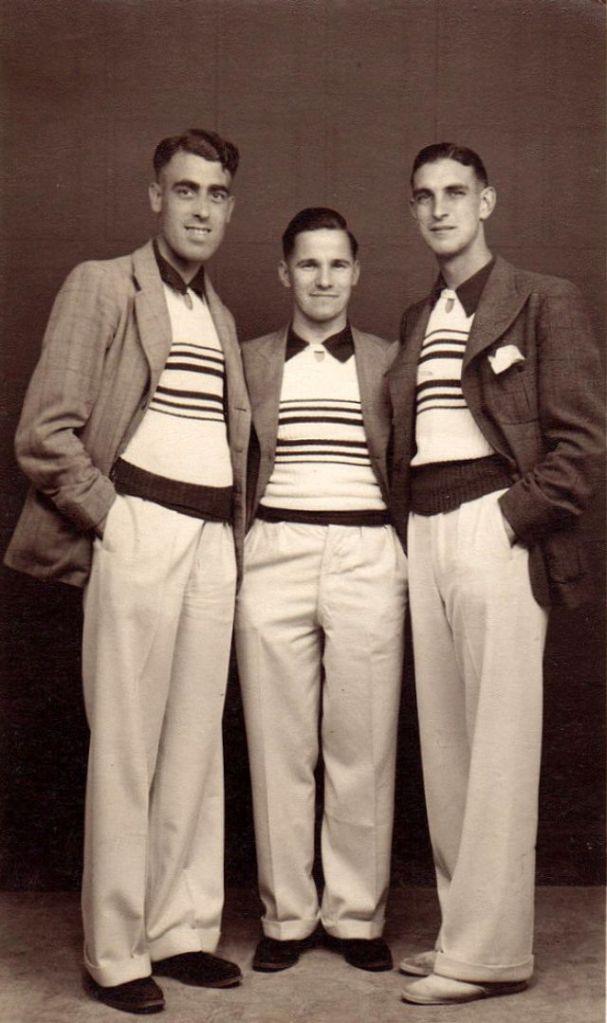
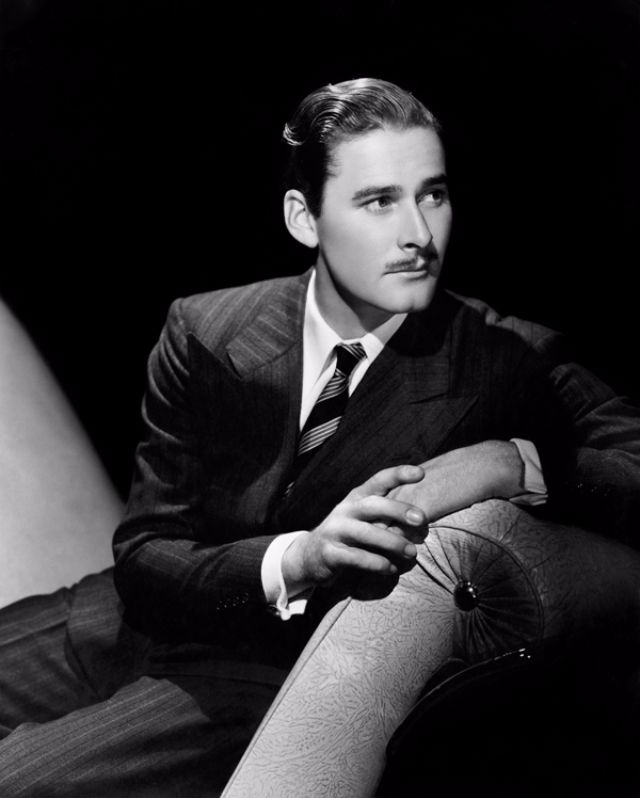
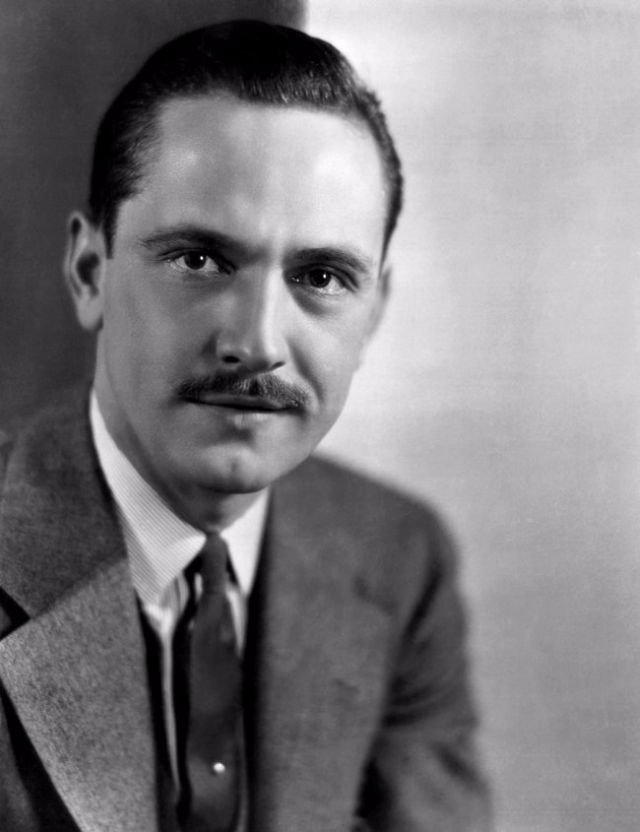
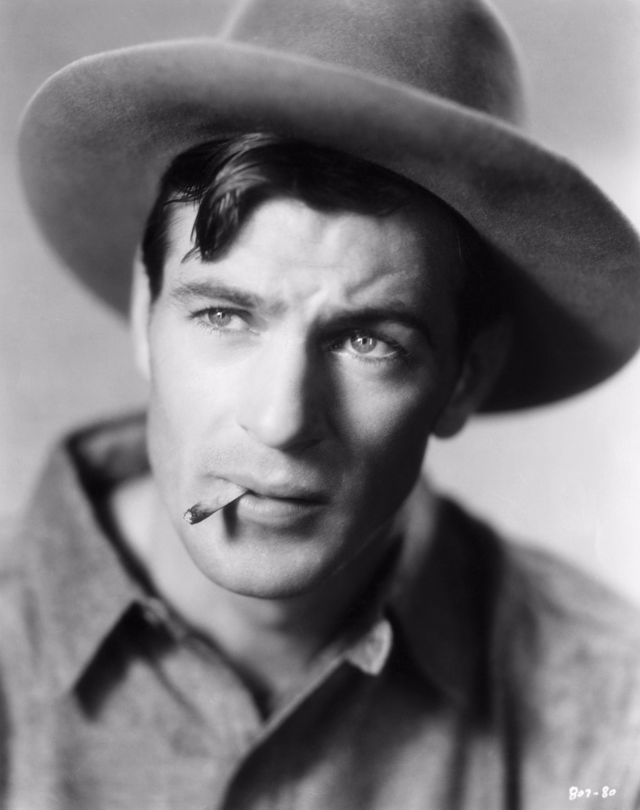
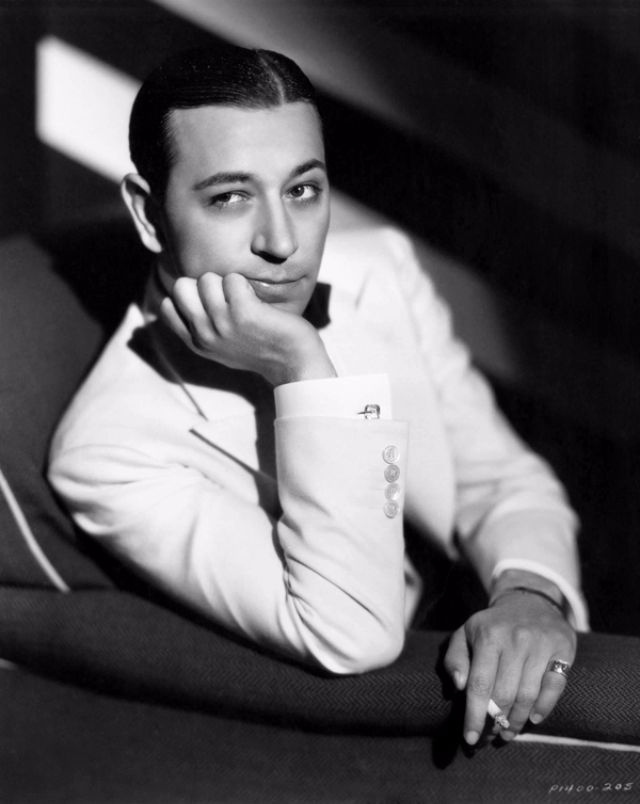
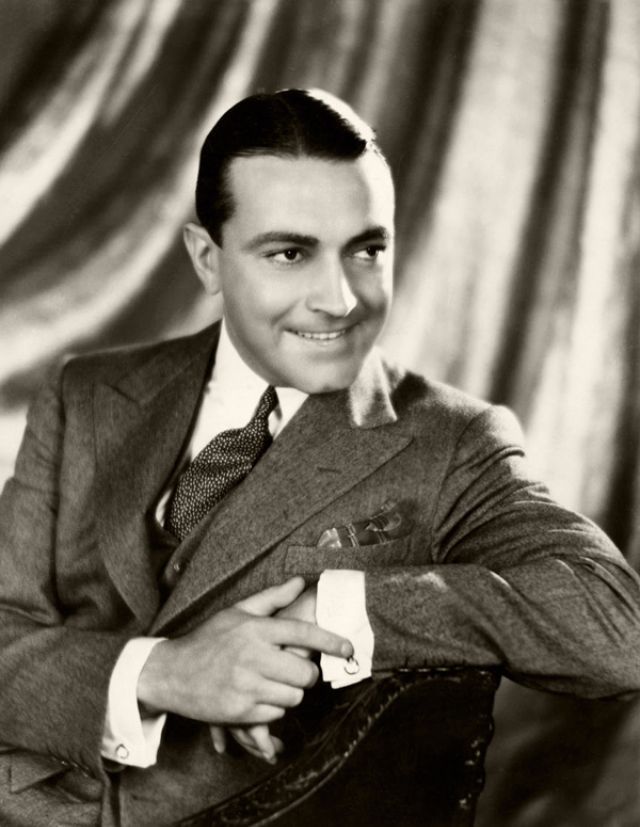
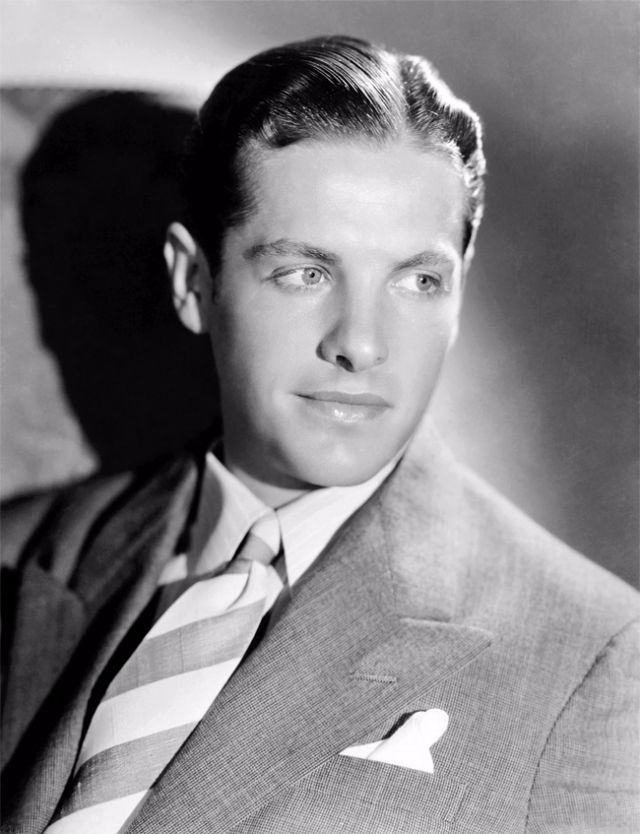
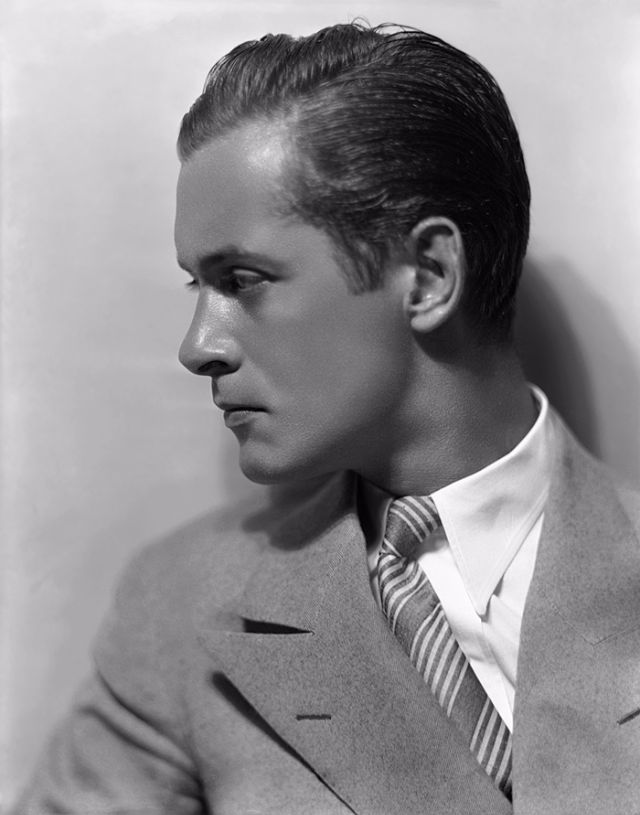
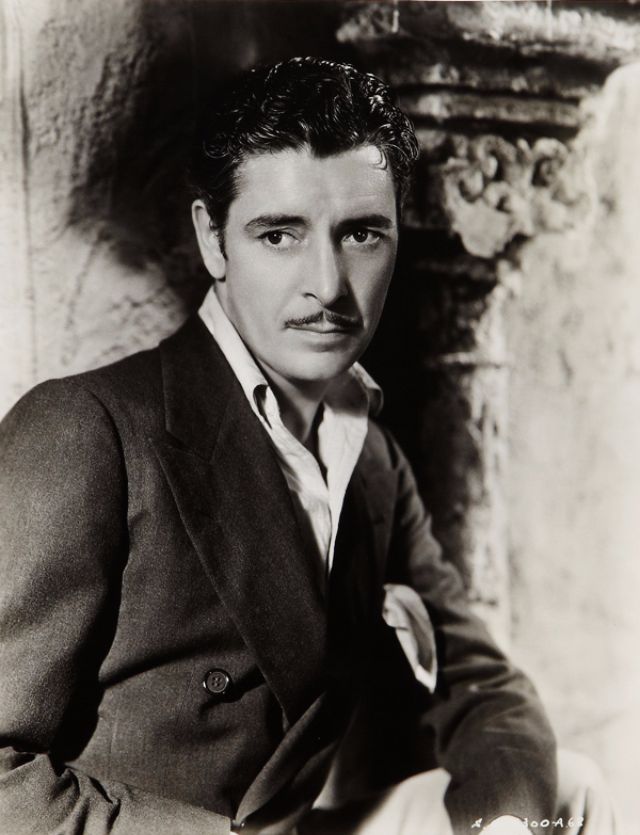
The 1920s saw a modernisation in fashion. It continued the change from more restrictive fashions of the Victorian and Edwardian eras.
Men also began to wear less formal daily attire and athletic clothing or ‘sportswear’ became a part of mainstream fashion for the first time.
The 1920s are characterised by two distinct periods of fashion: in the early part of the decade, change was slower, and there was more reluctance to wear the new, revealing styles made popular. From 1925, the public more passionately embraced the styles now typically associated with the Roaring Twenties.
These styles continued to characterise fashion until the worldwide depression worsened in 1931.
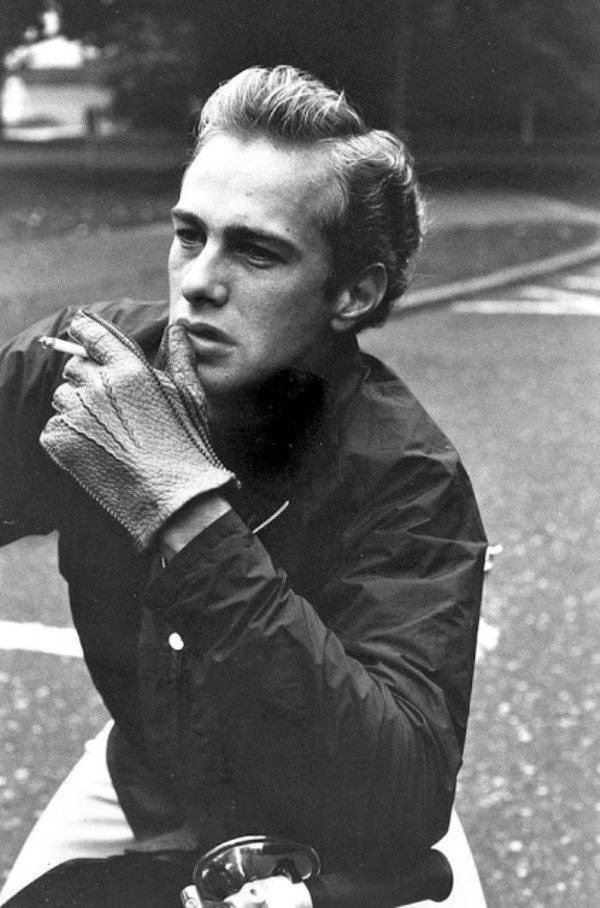
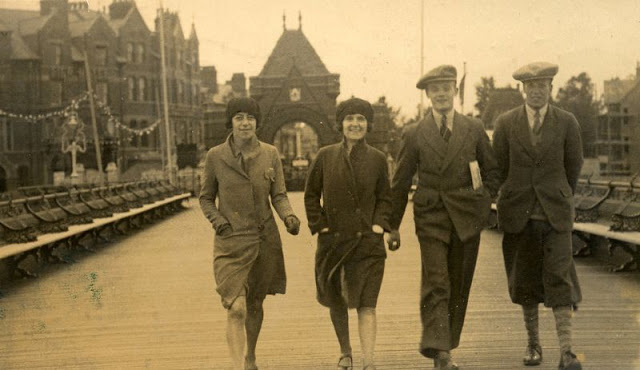
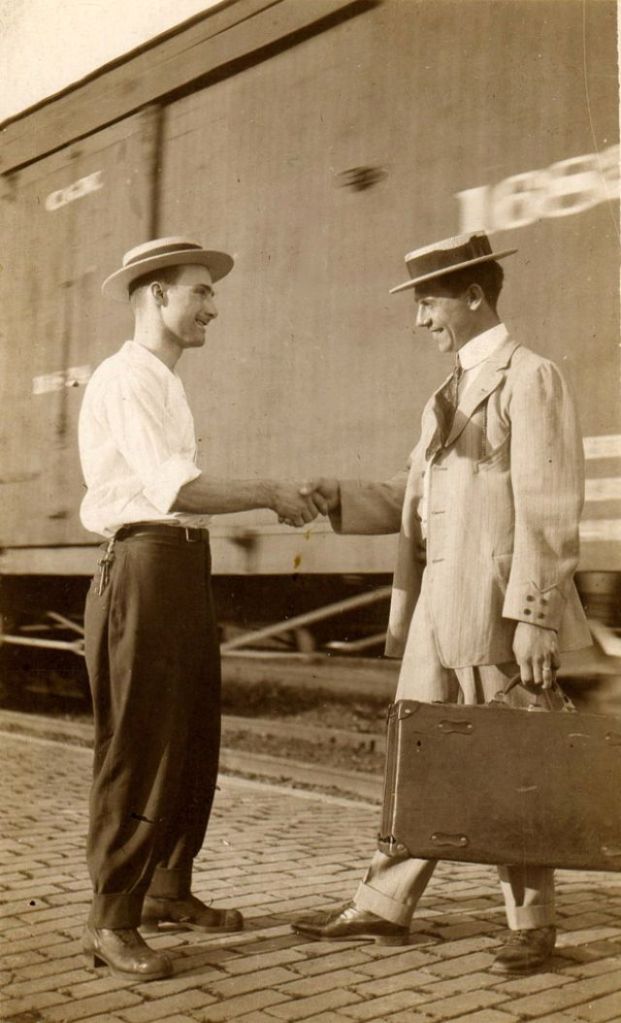
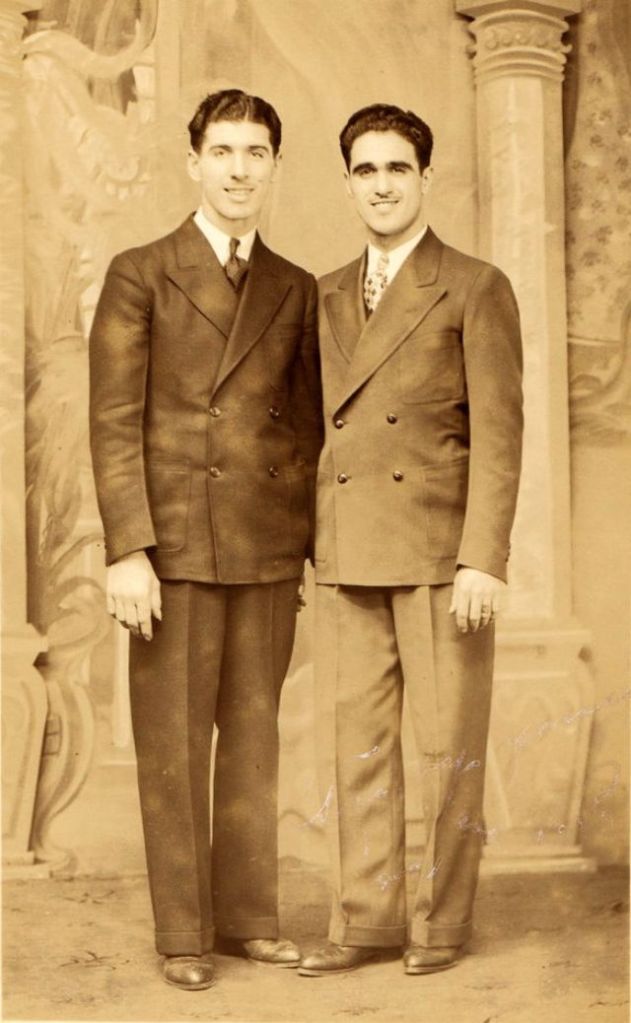
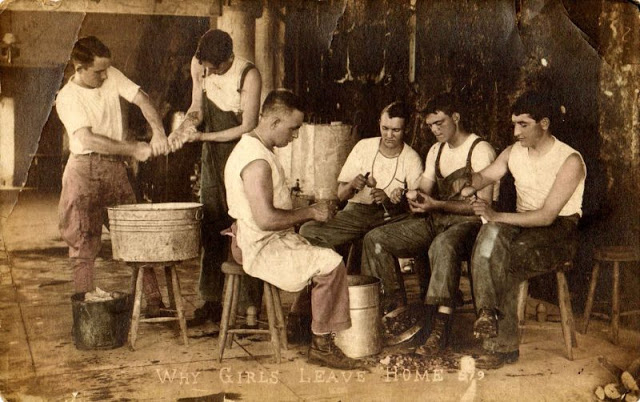
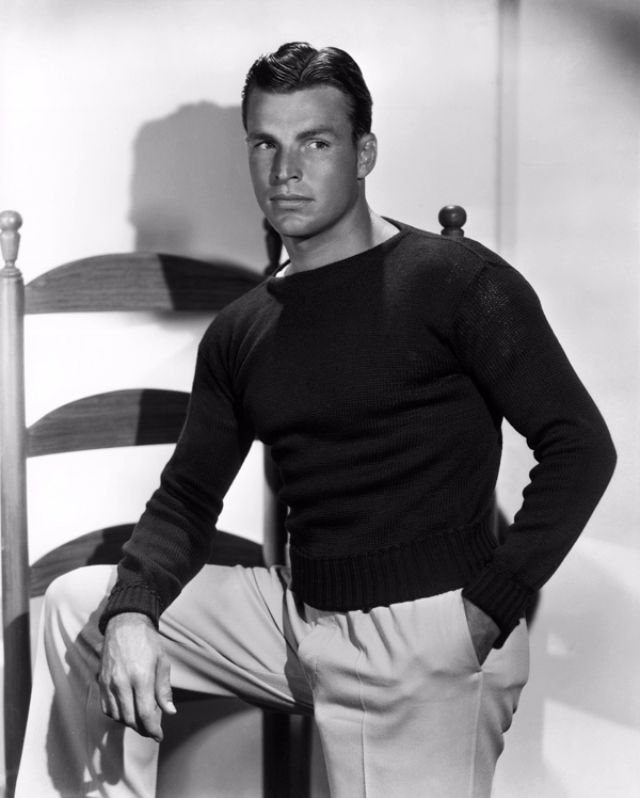
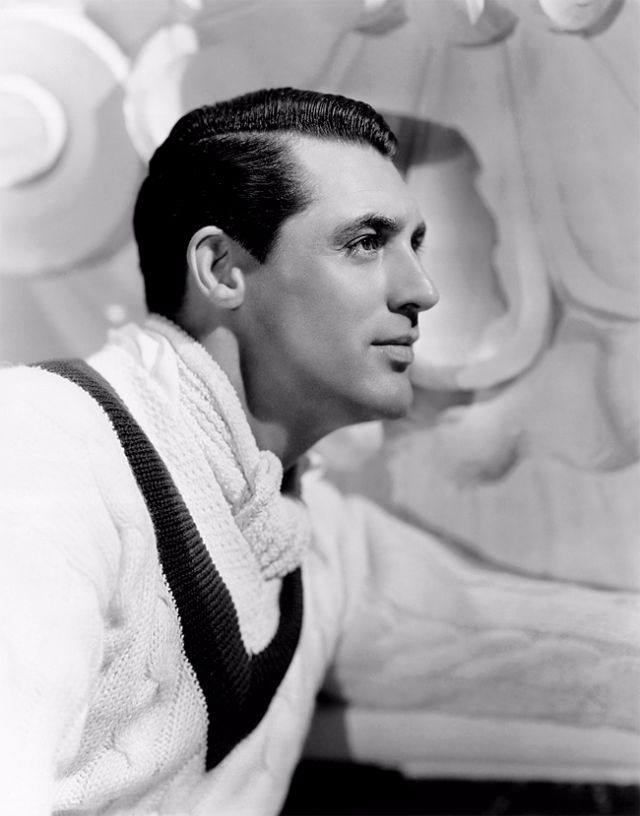
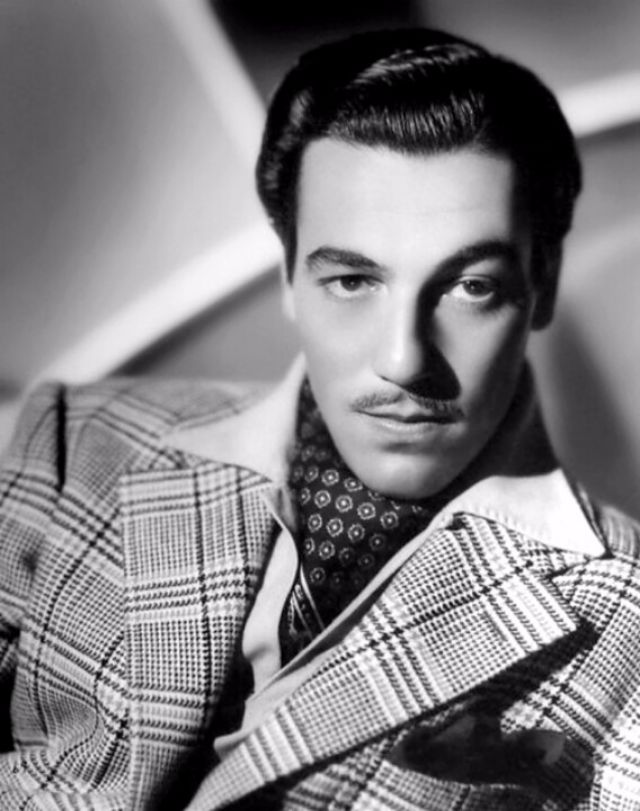
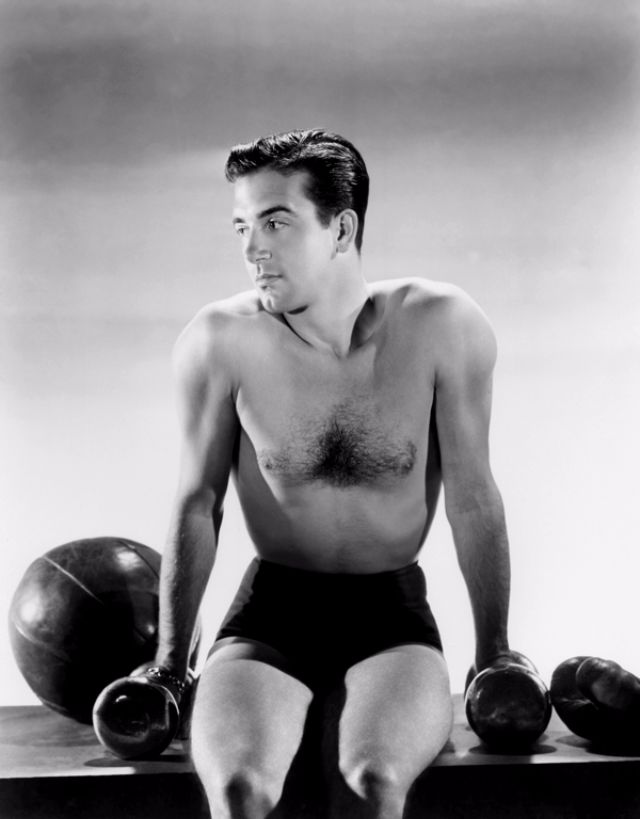
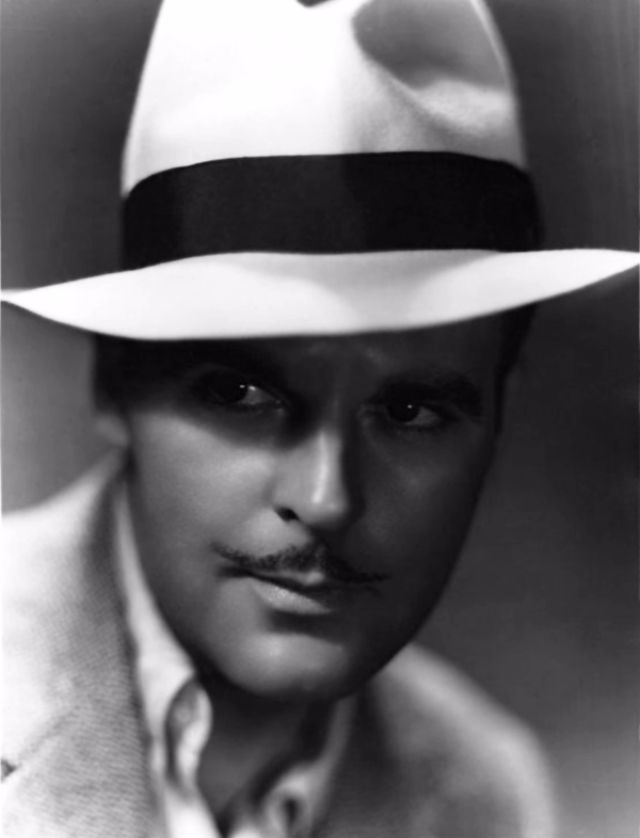
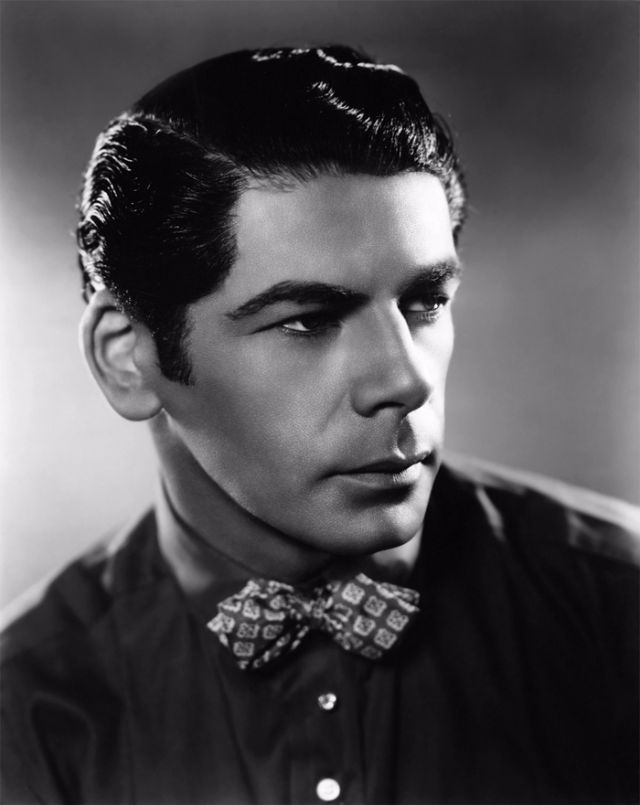
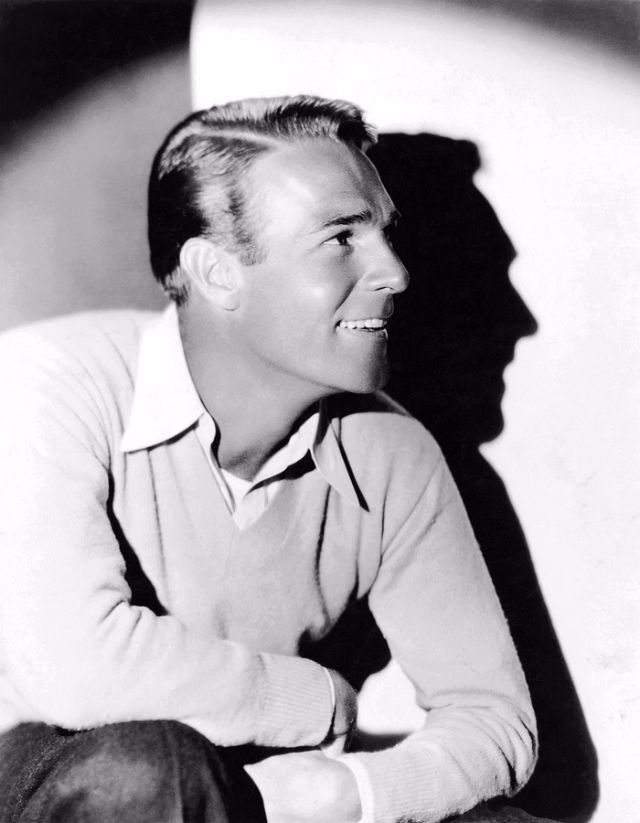
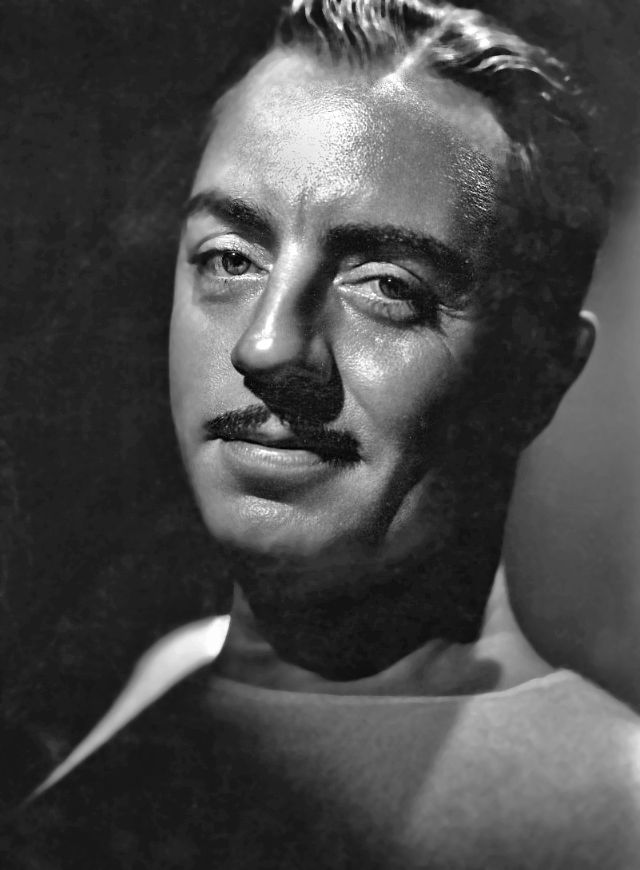
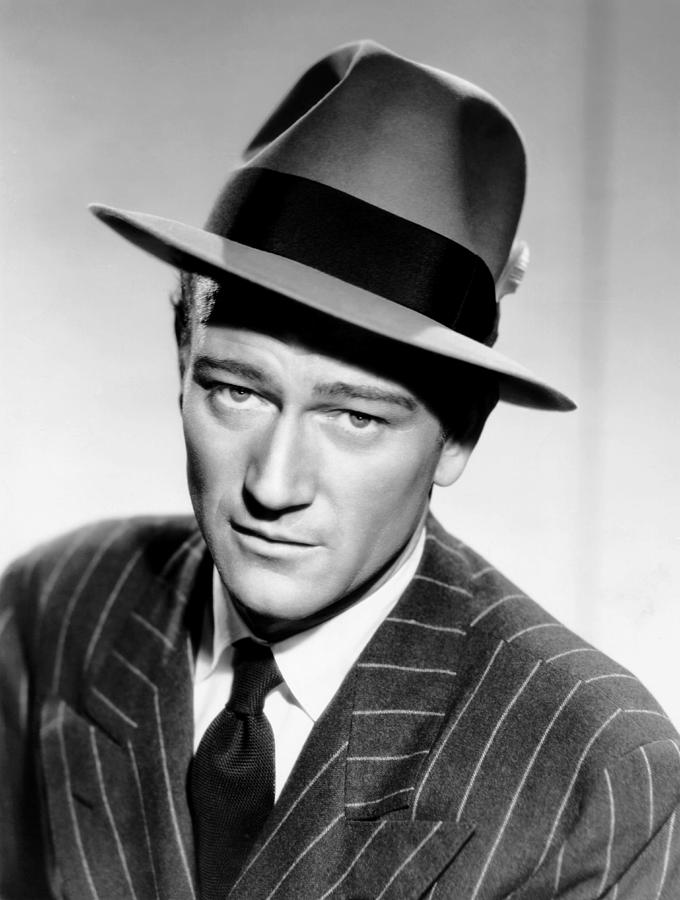
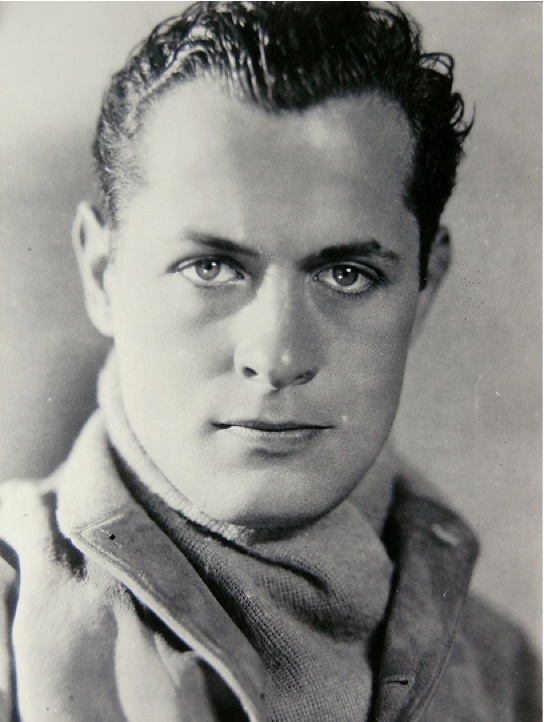
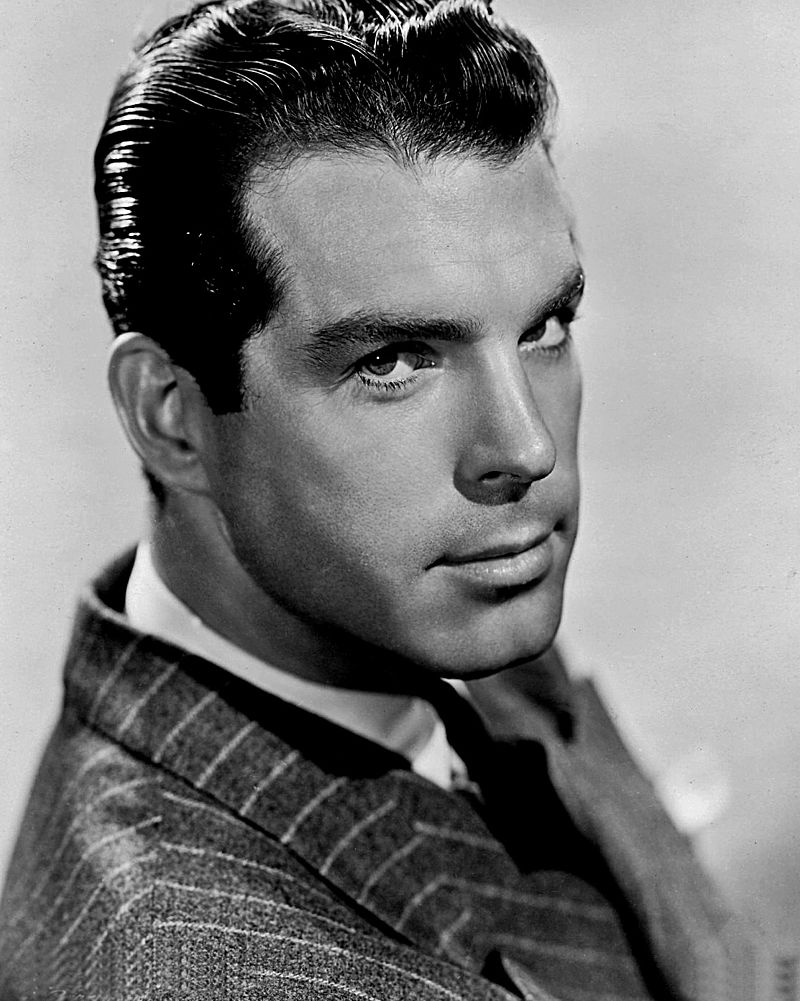
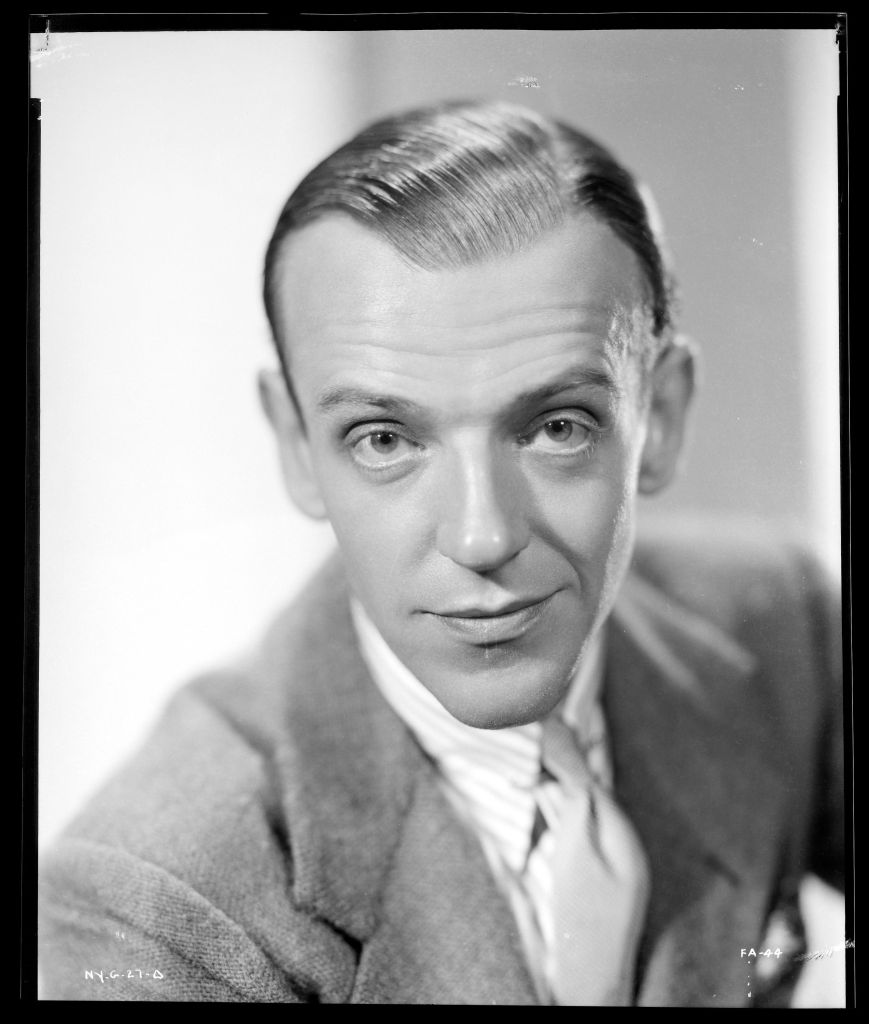
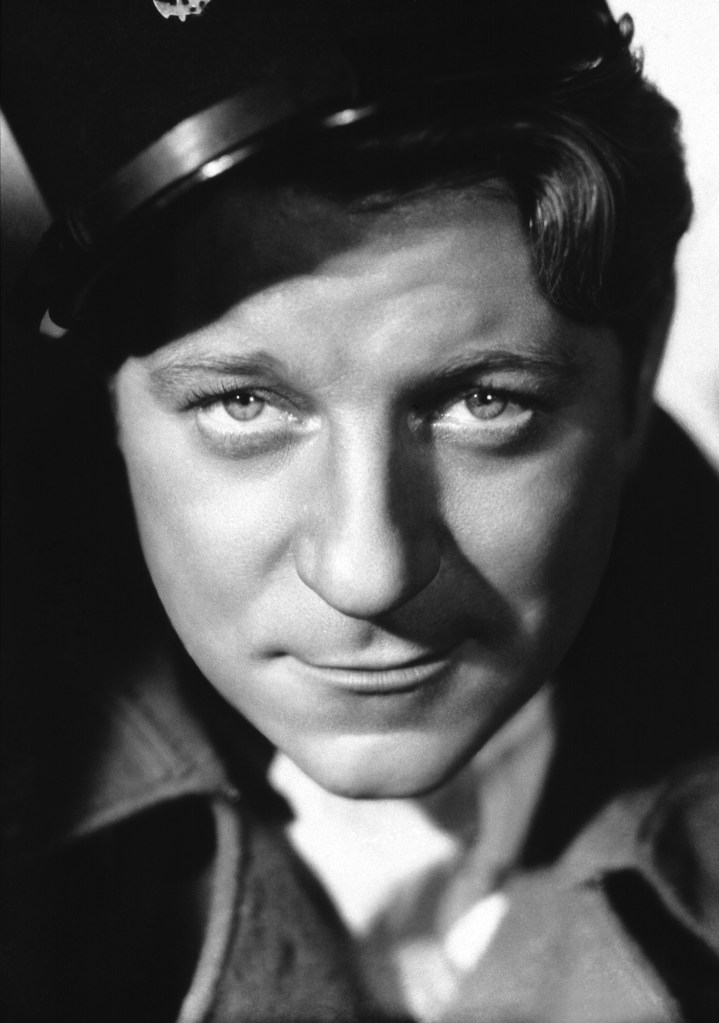
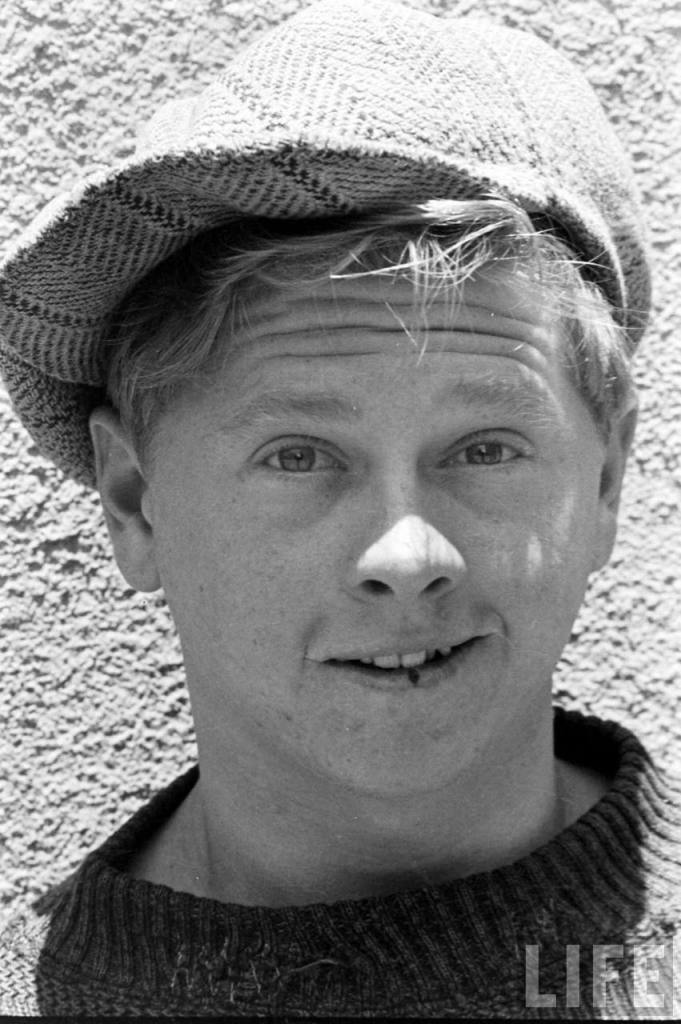
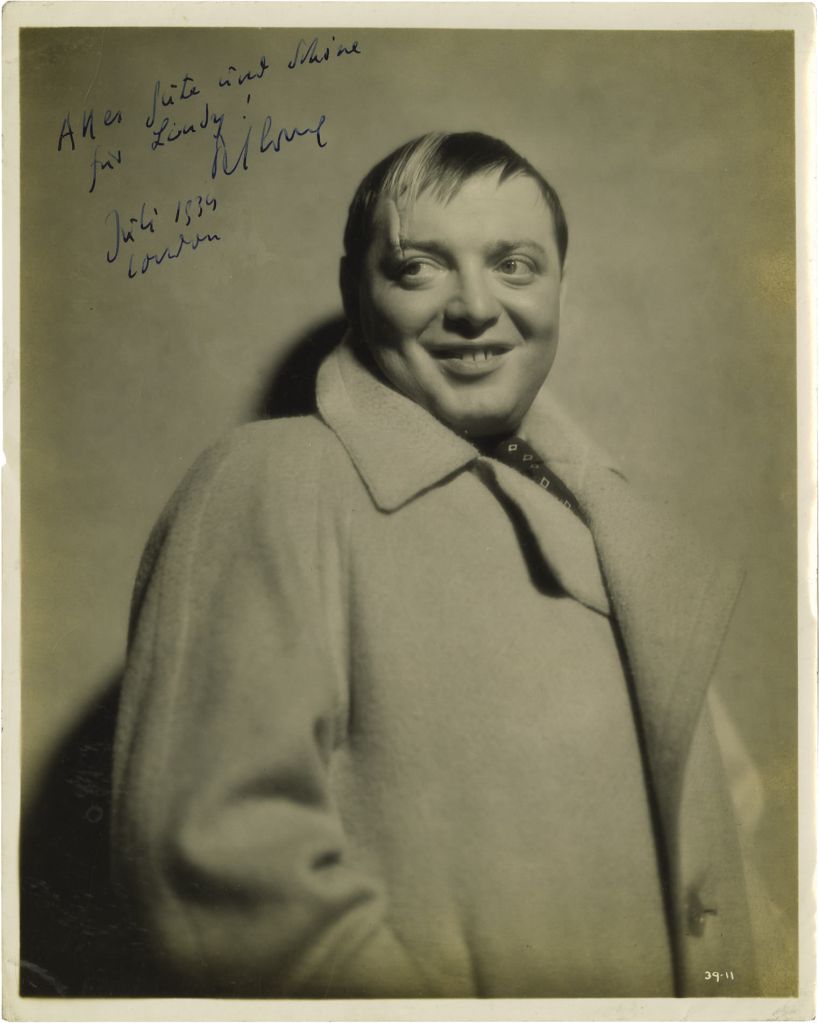
Take a look at these snaps to see what men’s fashion styles looked like from the 1920s.


















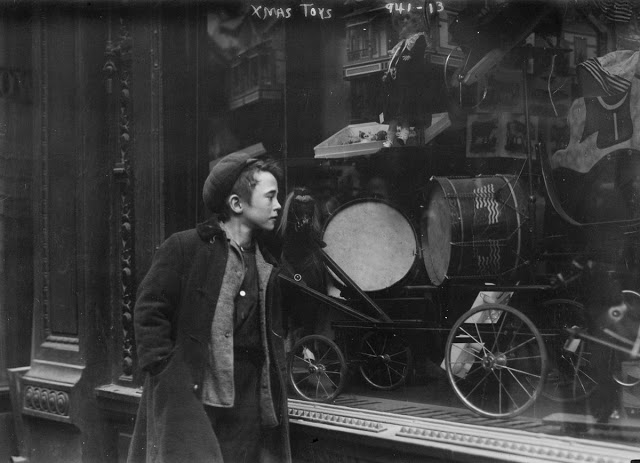
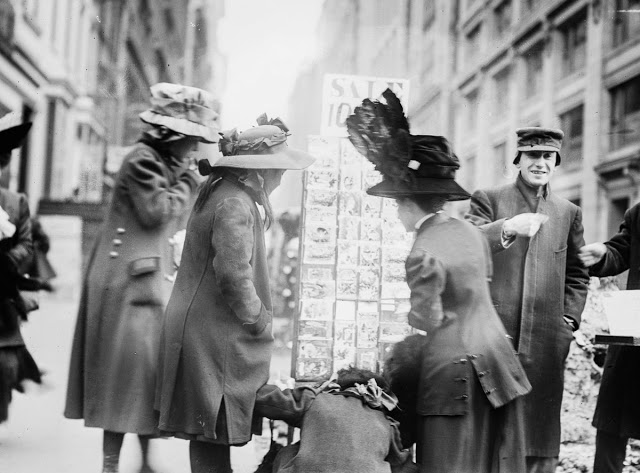
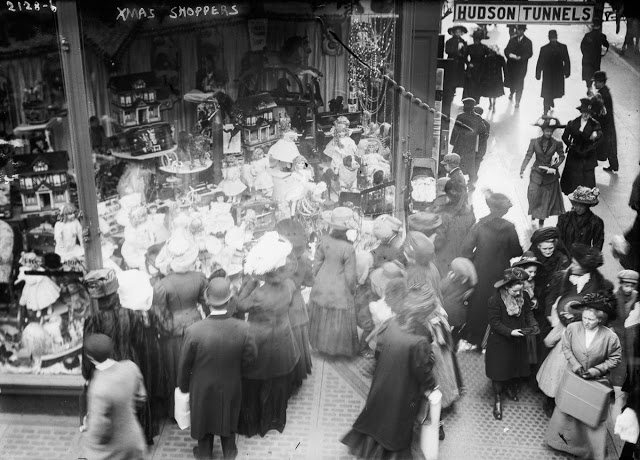
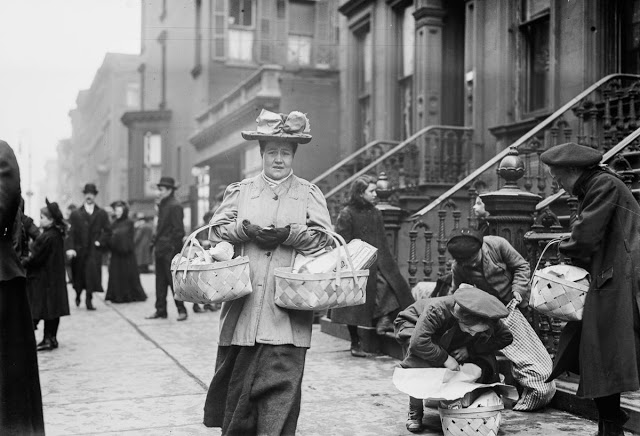
True, the streets don’t look as festive, and store facades aren’t as decked out as they are today. But in terms of the crowds, the vendors, and all the kids captivated by toy displays, holiday shopping in New York City hasn’t really changed much in the past century, as these photos from abut 1910 reveal.
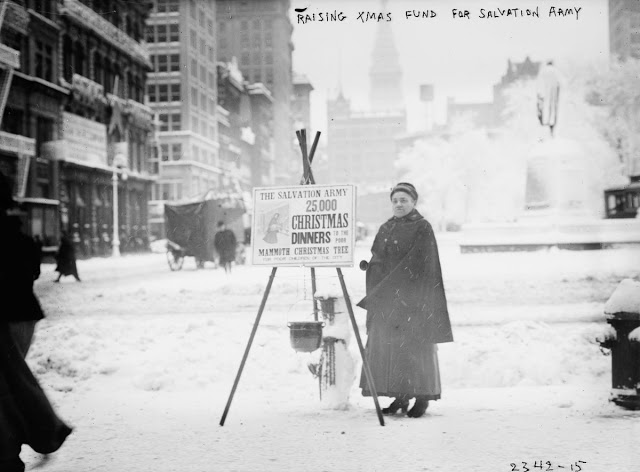
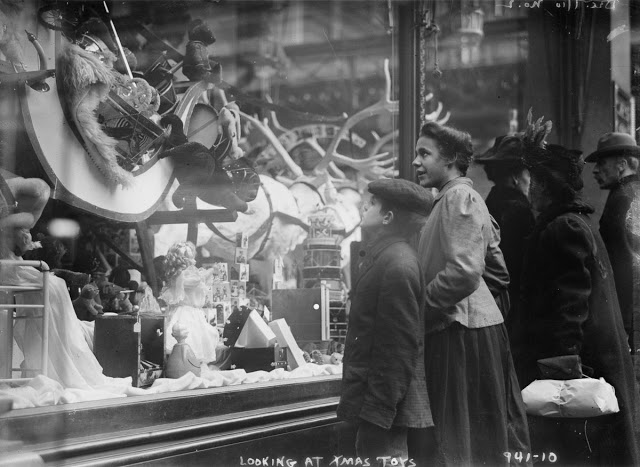




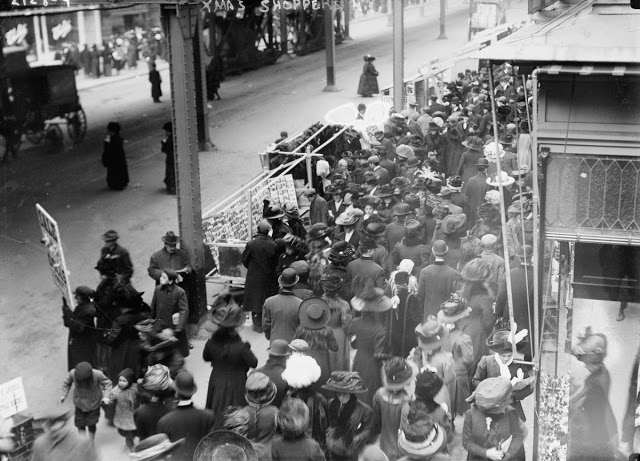
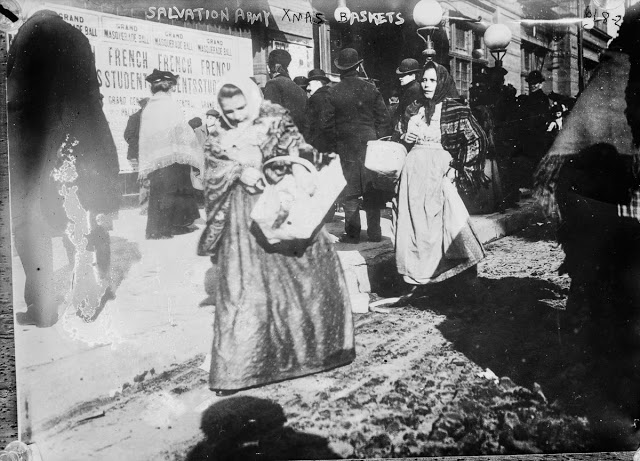
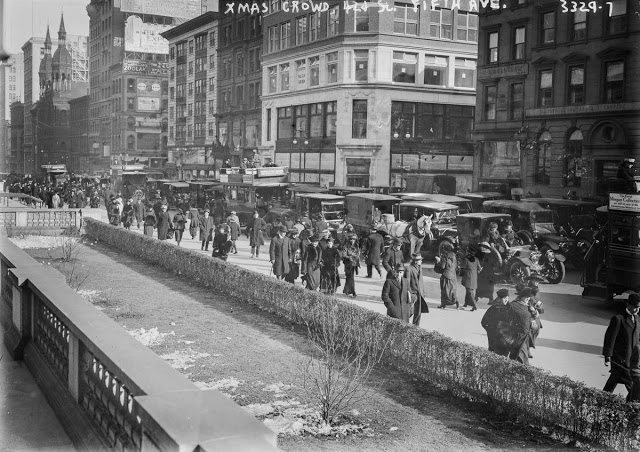


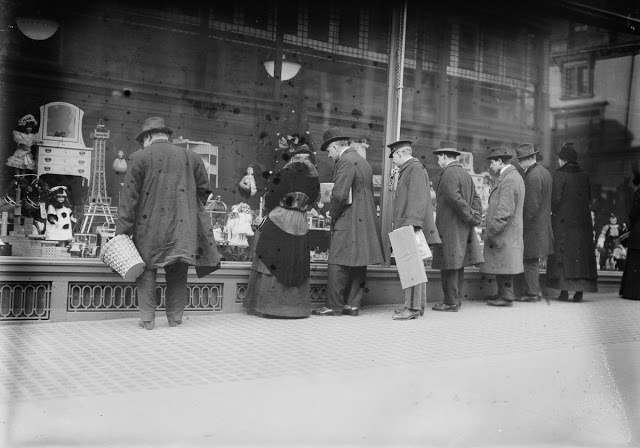


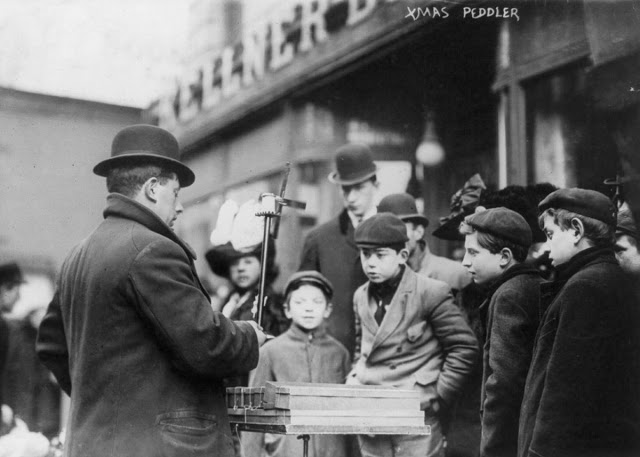

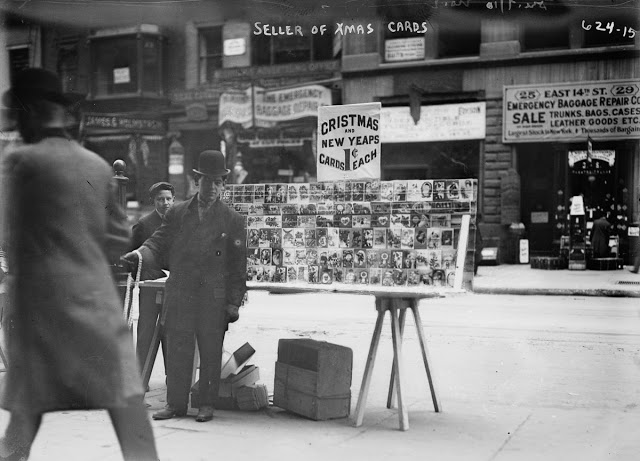
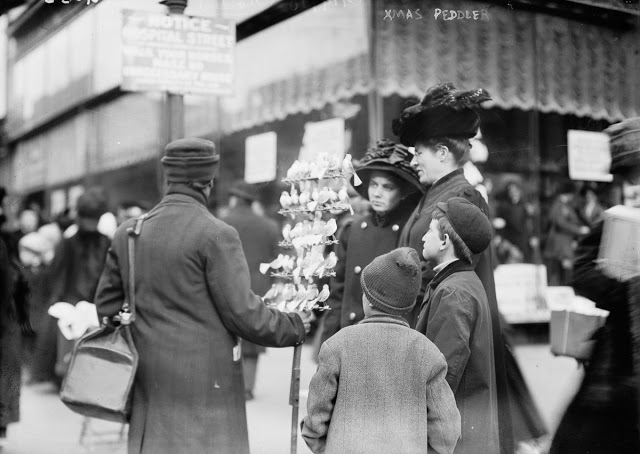


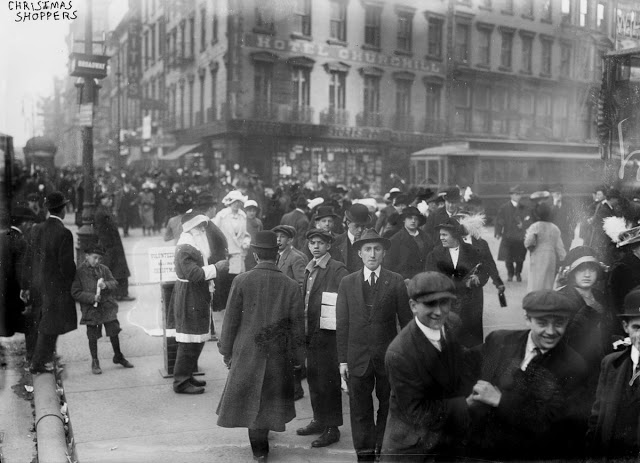

(Photos: Library Of Congress)
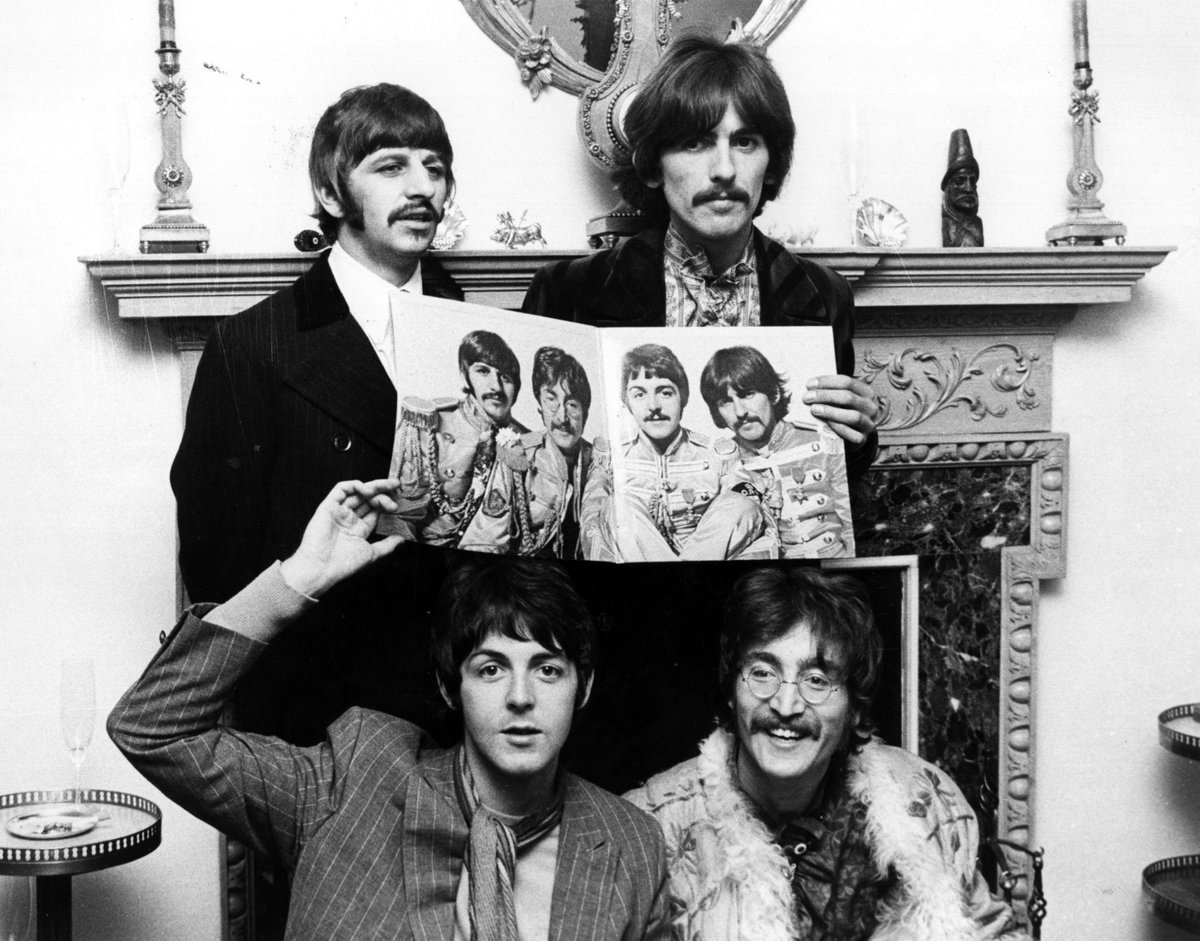
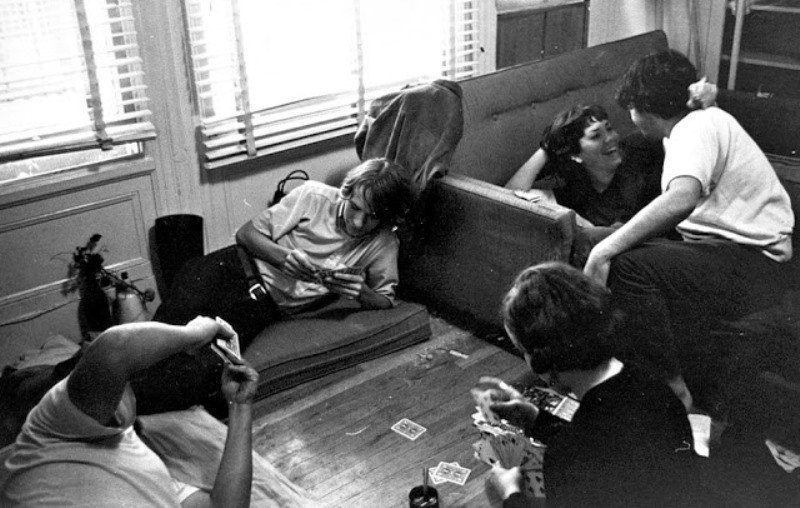
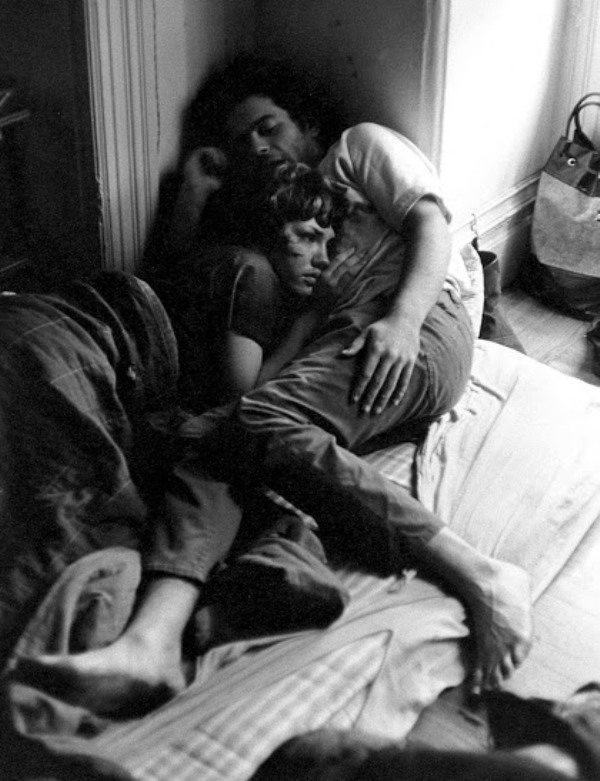
These pictures are mostly from ‘Linda McCartney: Life in Photographs’, a rich, evocative low-key look at the human side of the celebrities we are set up revere – to watch but not always to see.
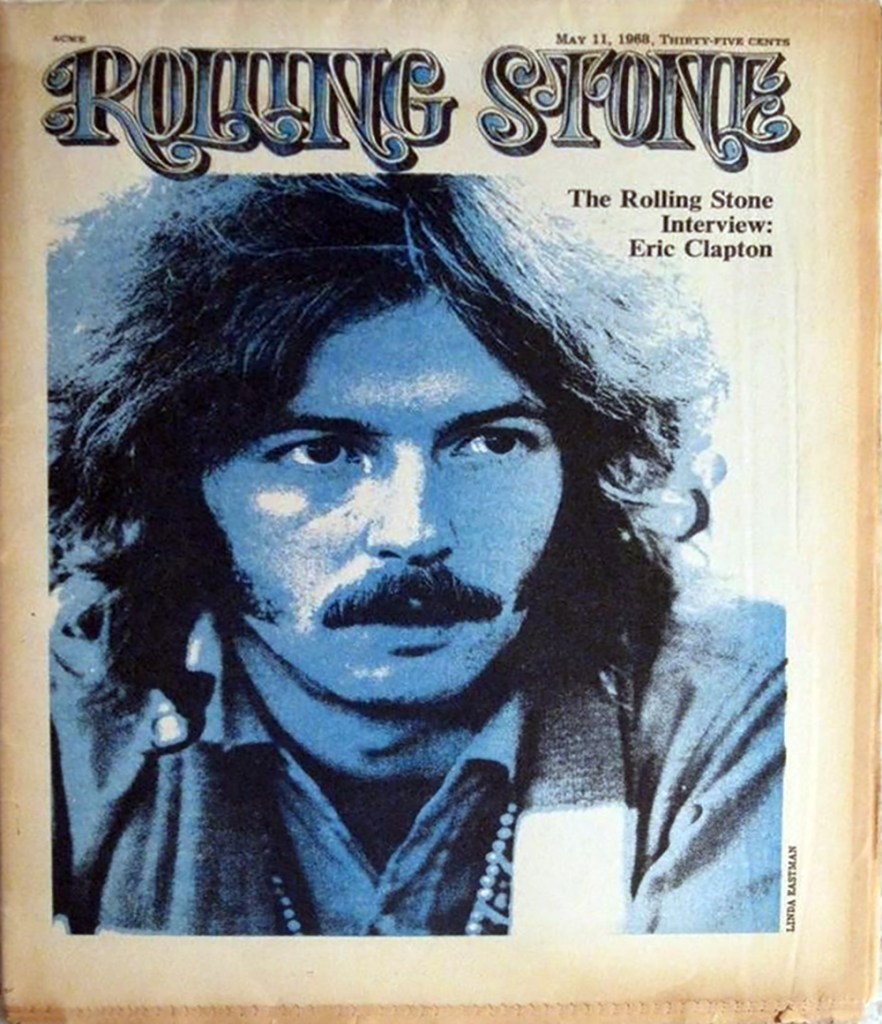
Linda McCartney was famous for her vegetarianism, animal rights activism and her work as a music photographer, capturing such famous faces as Aretha Franklin, Bob Dylan, Jim Morrison, Twiggy and The Grateful Dead. Her portrait of Eric Clapton made the cover of Rolling Stone magazine in 1968 – the first time work by a female photographer featured on the cover. She was also, of course, the first wife of Beatle Paul McCartney.
Excerpts from BBC’s interview with Linda McCartney in 1994 (via Taschen)
Photography really happened when I was living in Arizona and a friend of mine wanted to go to this art class at the Tucson Art Centre and it was in the evenings and she said “Please come along with me, I really want to go.” And I said “No way.” She said “Well I won’t go if you don’t come,” so I went and I thought it would be teaching you what a camera was and everything, and it wasn’t, it was looking at photographs from Walker Evans and Dorothea Lange, Ansel Adams… really great photographers. Dorothea Lange was the biggest in my eyes. She photographed the migrant workers… And Walker Evans was the other [great] one. Again I think it was that whole period that inspired me.
Hazel Archer, who was the teacher in the class, said “OK, I’ll see you next week, take your pictures and come back.” So I went up to her and I said “Well I don’t have a camera and I don’t know how to take pictures,” [and] she said: “Borrow a camera, buy a roll of film, and take pictures.” She inspired me to become a photographer, because of the photographs she showed me, unlike fashion photography, they were photographs of life, of people, of sadness, of poverty, of nature, everything—I loved it.
Her break
When the Rolling Stones were trying to get publicity for themselves, when they were touring over here, they sent Town & Country an invitation which I opened and put in my drawer and thought, “Well, I’ll go to that one!” Someone came up to me and said “Well, we just don’t have room for all the photographers and all the journalists so you will be the photographer.” I thought “Oh my god, I’m not really a photographer, does she know?” But I bluffed my way, I mean I didn’t bluff it, I figured it’s her choice. So, I got on the boat and had a lot of film with me and really enjoyed taking pictures. I think my only worry was that the pictures wouldn’t turn out, in truth… I was a bit shy and introverted, but looking out through the lens I saw, and I forgot myself and I could actually see life. This enthusiasm came out of me, and it did, photography changed my life in that way, so it wasn’t just the Rolling Stones, it was the whole thing.
The subjects
And I sort of had to pick what the musicians would be and I got to pick the models and everything. So I said well great, we’ll use Jimi Hendrix Experience, Tiny Tim, you know, I just thought of people that were around… Aretha Franklin. You know it was quite a buzz. You wouldn’t think Aretha, this great soul singer, would agree to dress in fashion, but she was great, so great. And we met at the Hilton hotel in Los Angeles and she was in tears, and she was sort of drinking vodka and she was just a mess, so depressed. She had this big manila envelope of money, paying off the band, and she was going through really bad times.
I took pictures of her, really a beautiful face, with these sort of tears and everything, and the sadness was amazing. And then we would go outside with the wig and the clothes and everything and the contrast—it is amazing how fashion looks so glamorous and behind it is so much sadness really.
But the best thing was after I did all this and I gave them the photographs, it turned out I got $ 750 for a black and white page, and $ 1000 for a colour page—what!? I would have done it for nothing, if they had only known…
Technique
I think you just feel instinctively, you got to just click on the moment. Not before it and not after it. I think if you are worried about light meters and all that stuff, you just miss it. For me it just came from my inners, as they say. Just excitement, I love it—I get very excited.
When I think about how and when one releases the shutter, it’s for a multitude of reasons. Every photographer is searching for a definition that he or she doesn’t really know how to explain until after the fact. When we are holding the print in our hand, then we know what it was we were really looking for and whether or not we found it. The real thing that makes a photographer is more than just a technical skill, more than turning on the radio. It has to do with the force of inner intention. I have always called this a visual signature. It has to do with the kind of visual overtone that emanates from the work of certain photographers who have managed to gain access into this level of performance within the medium. I don’t think of skill, talent, technique, n’importe quoi. I’m only interested, as Bill Grant said, in the results. It’s the results that count.
The Beatles
When I came to England, I wanted to photograph the Beatles, and Stevie Winwood, who had since left The Spencer Davis Group and started a group called Traffic. So that was great.
And then The Beatles I wanted to photograph as well. So I took my portfolio over to Hilly House, their office, and Brian Epstein’s assistant said “Fine, you can leave your portfolio and we’ll get back to you.” So after about two or three days he got back to me saying “Oh yes, Brian loved your photographs, and yes you may photograph The Beatles. They’re releasing an album called Sergeant Pepper, and they are doing a press thing at Brian’s house and you can be one of the photographers. And, by the way, Brian loved your photo of Brian Jones and one of the ones of Keith Moon.” I said, he can have them! So that’s how that happened, too, I got to photograph The Beatles, so my dreams came true.



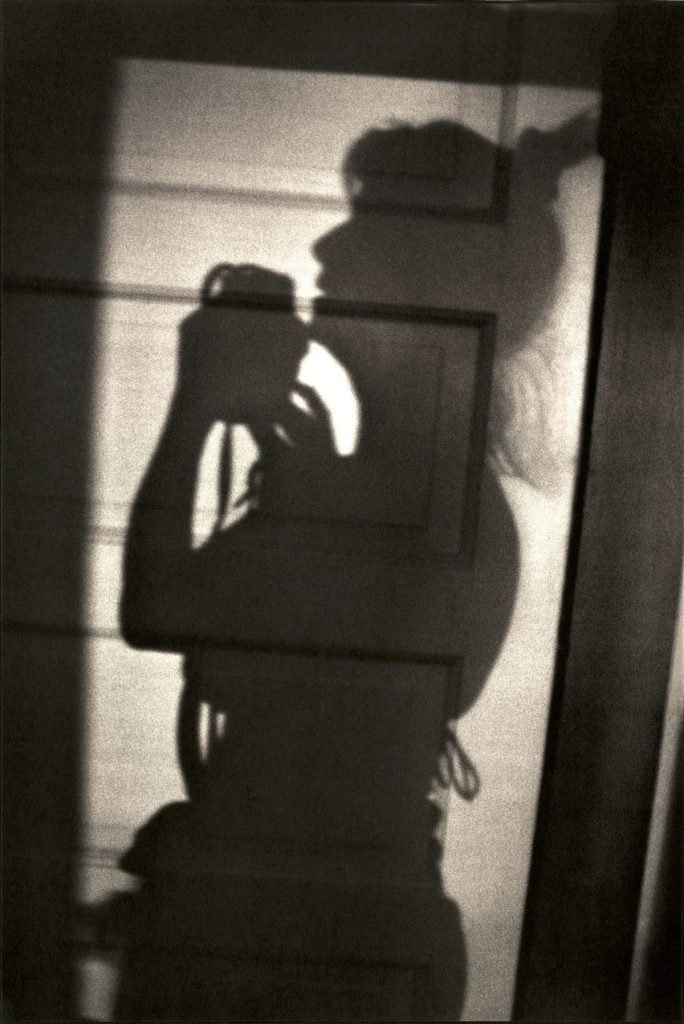
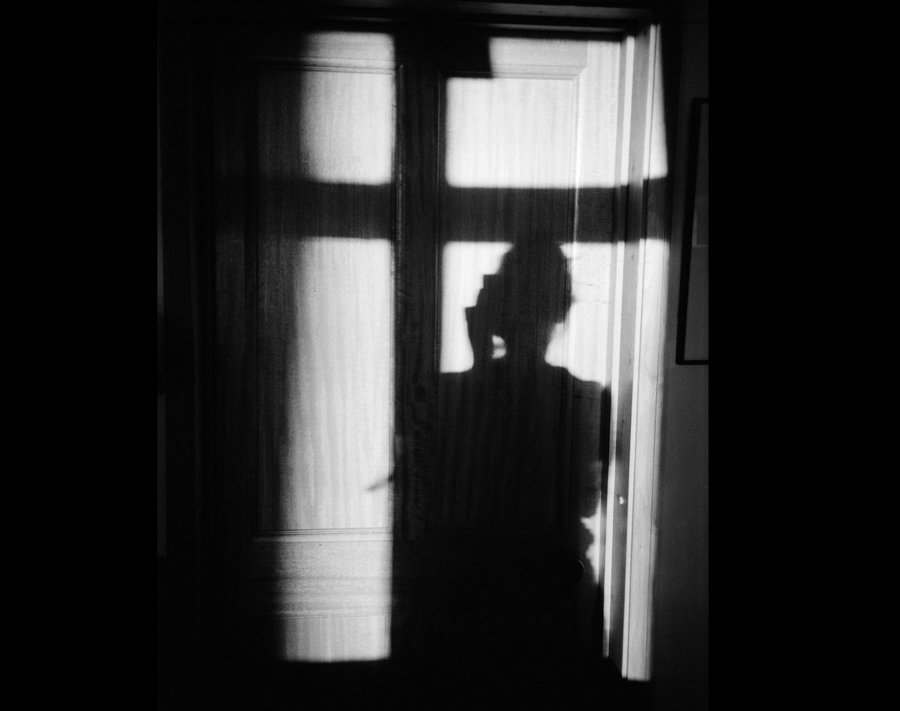


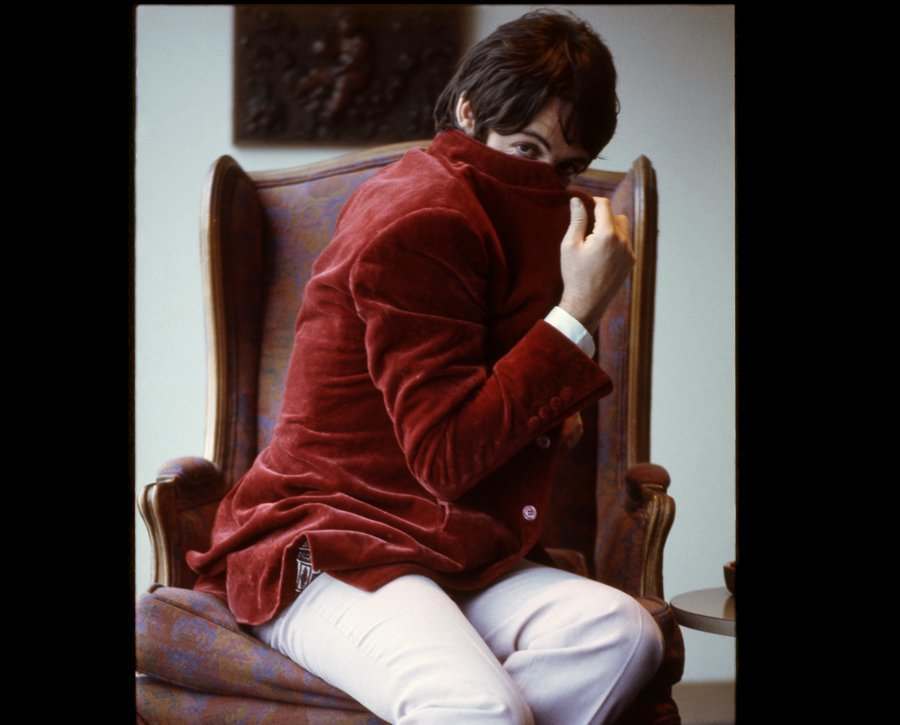
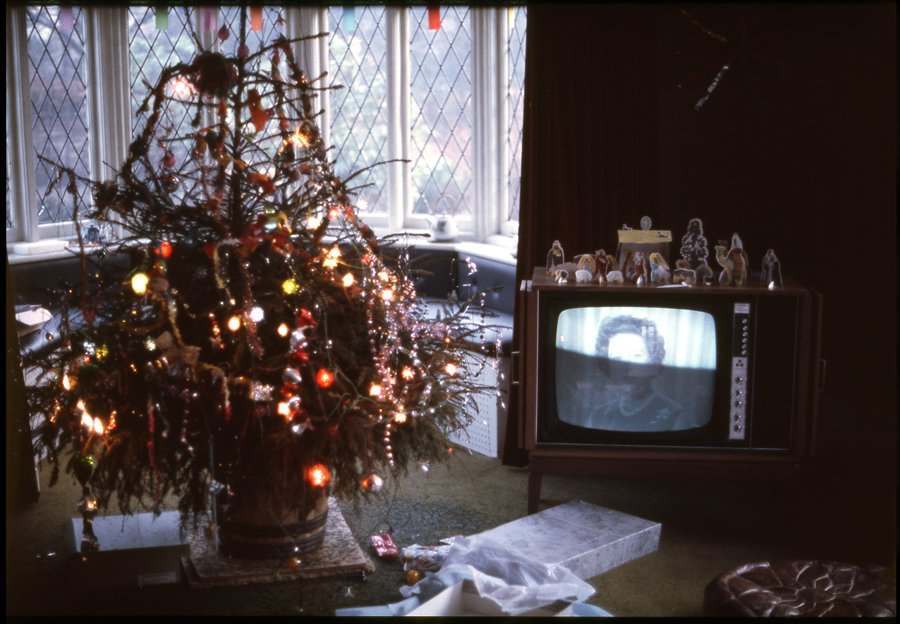

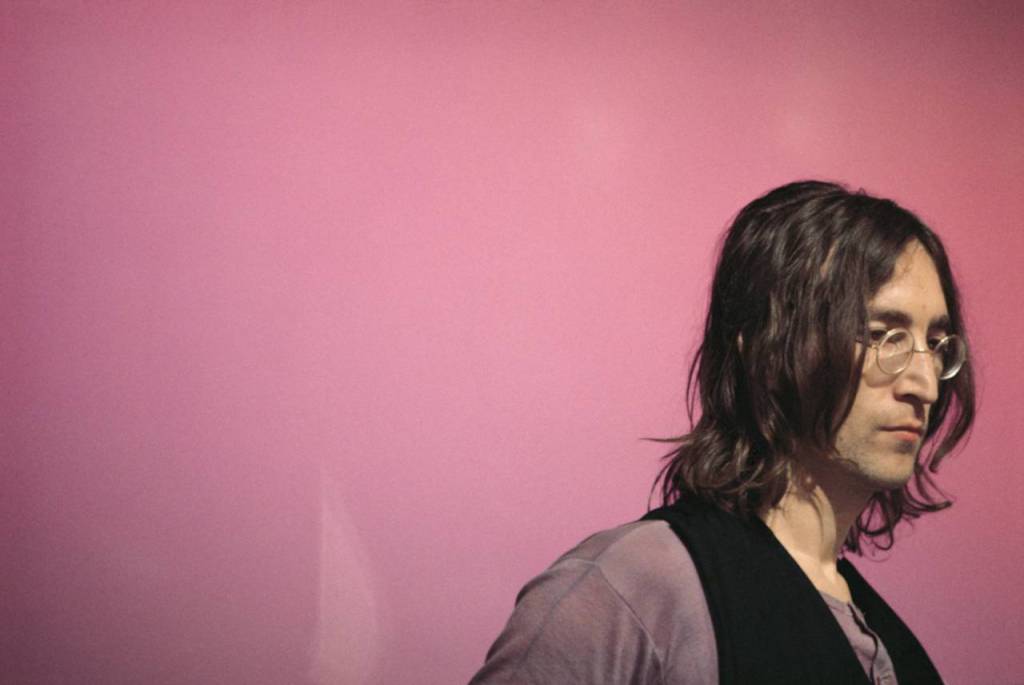


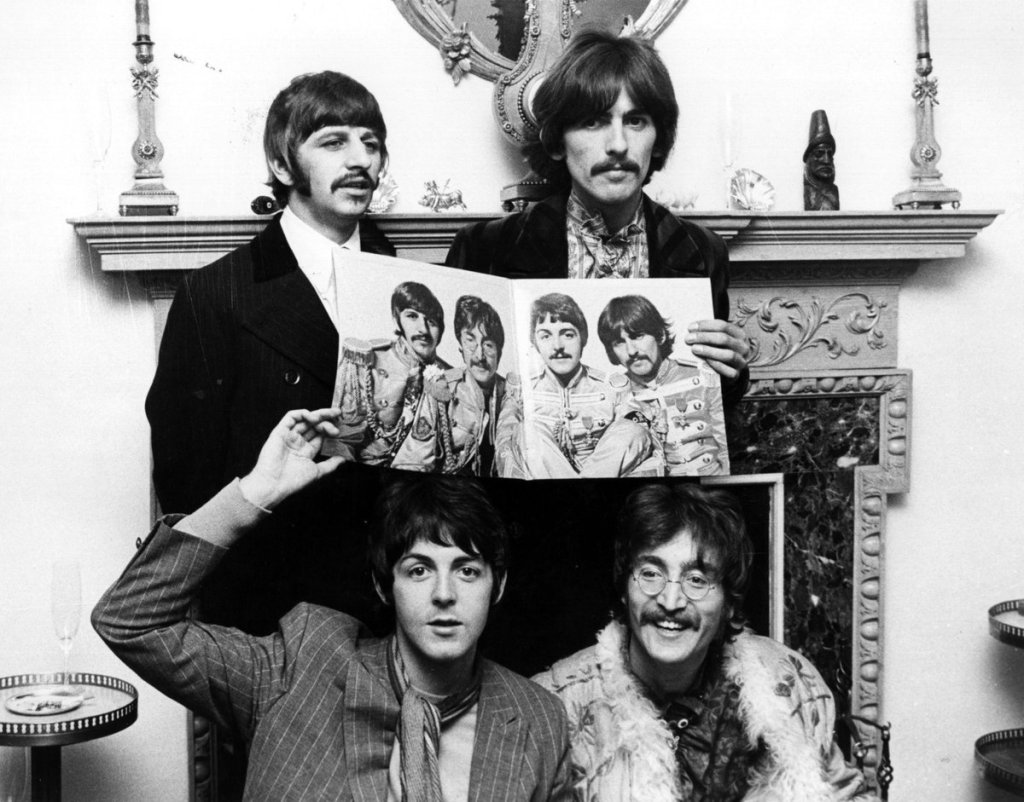

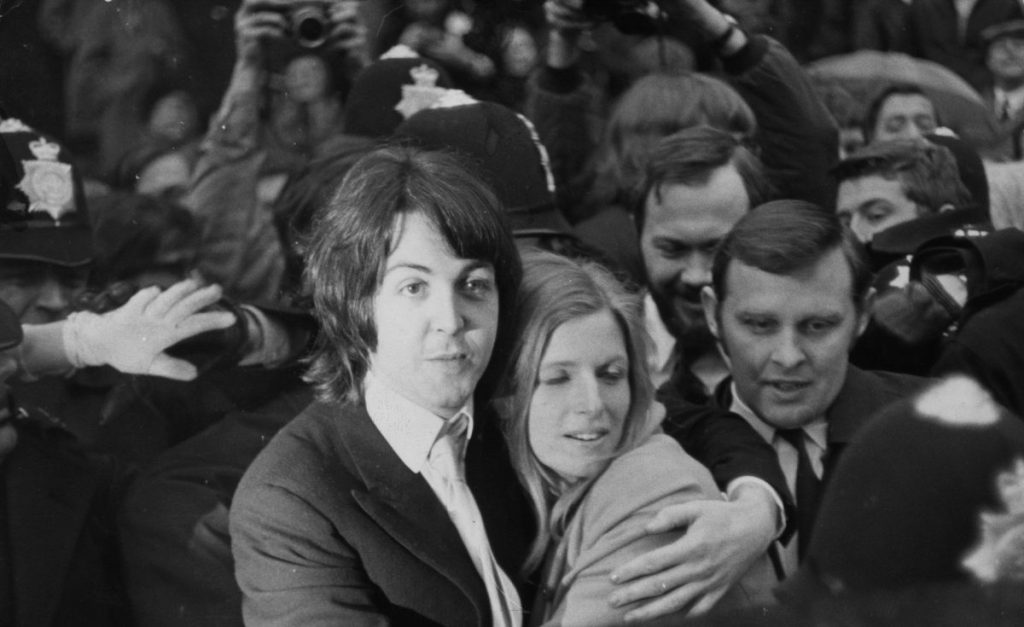
Pictures: Bonni Benrubi Gallery, Linda McCartney: Life in Photographs

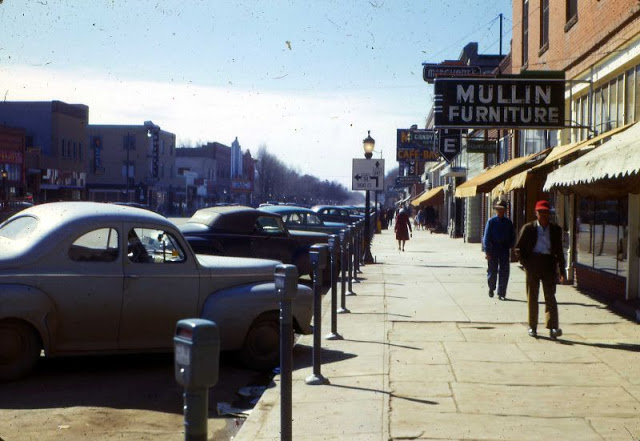

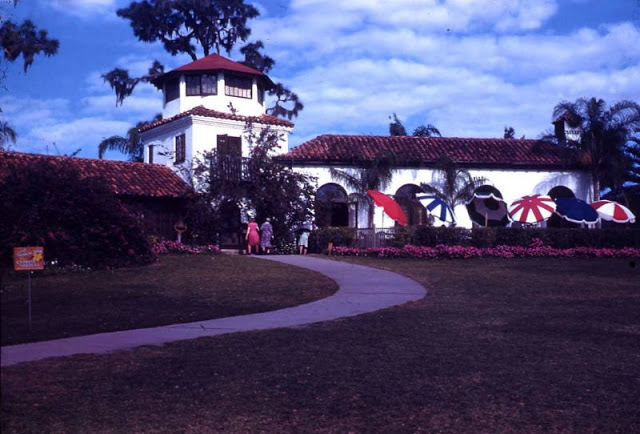
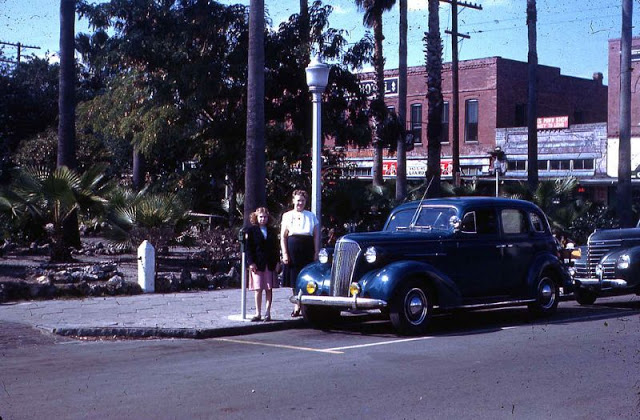


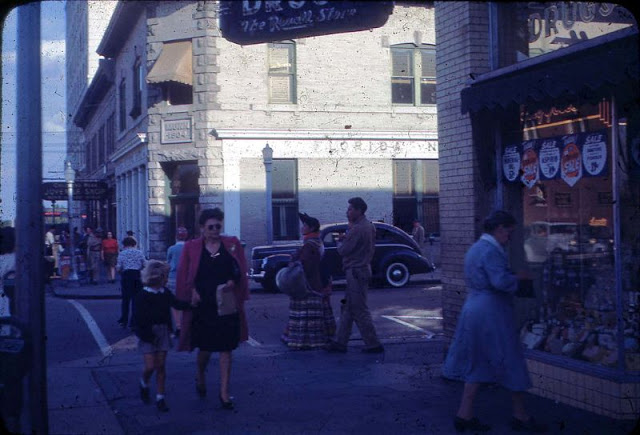


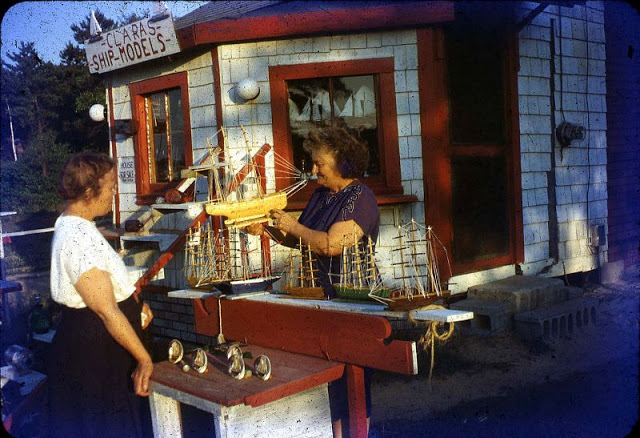
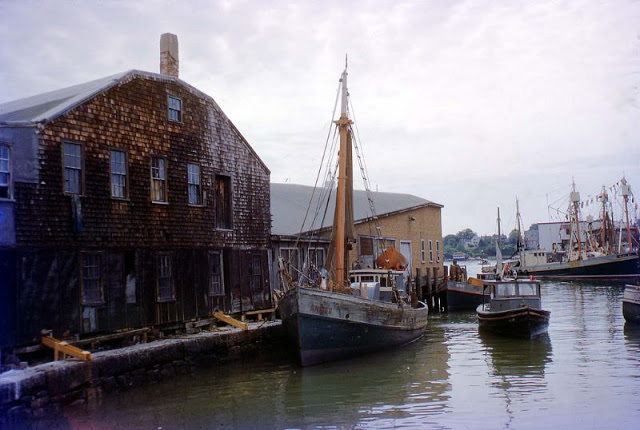
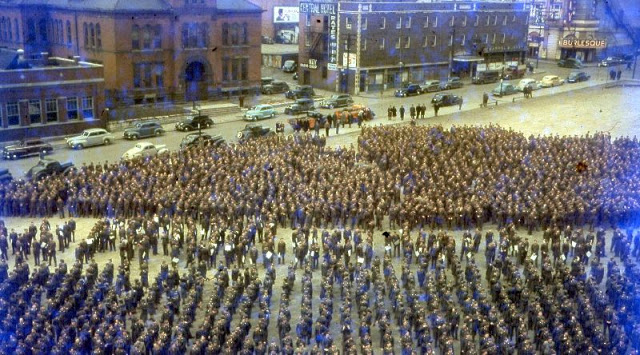

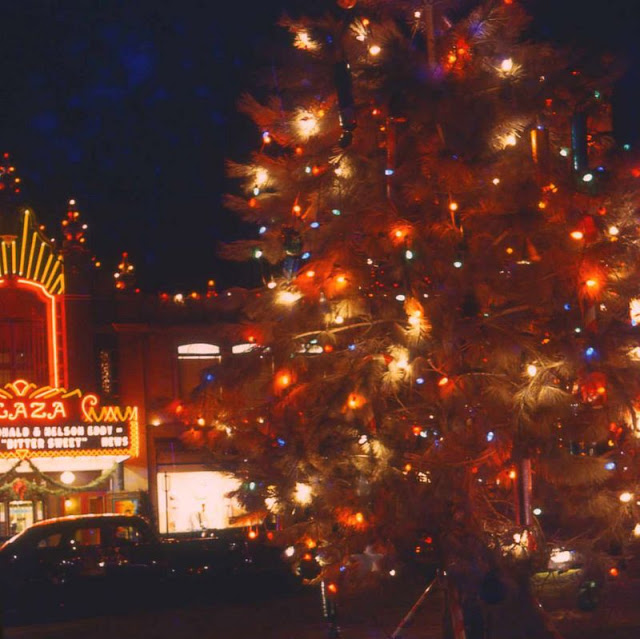
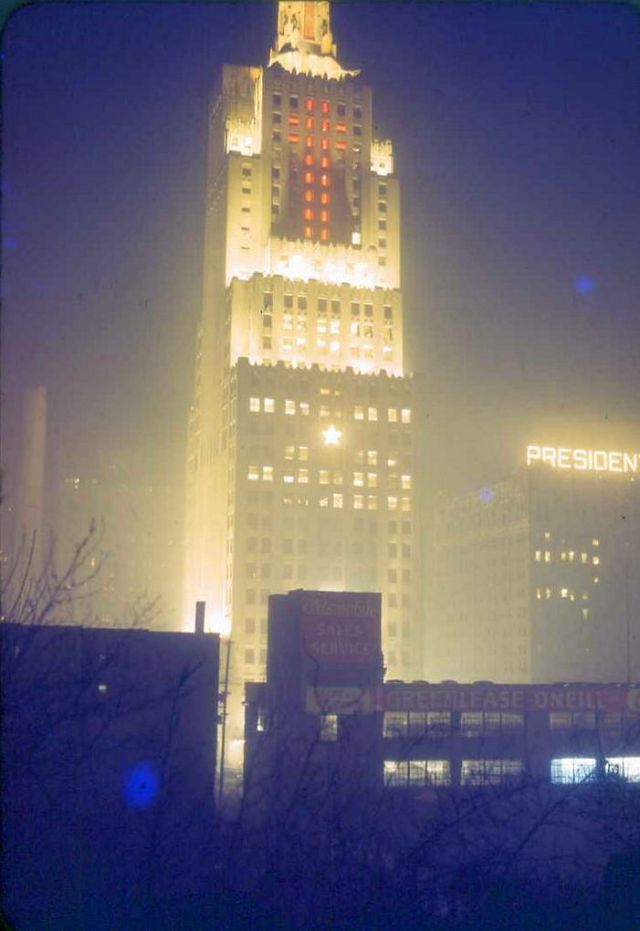

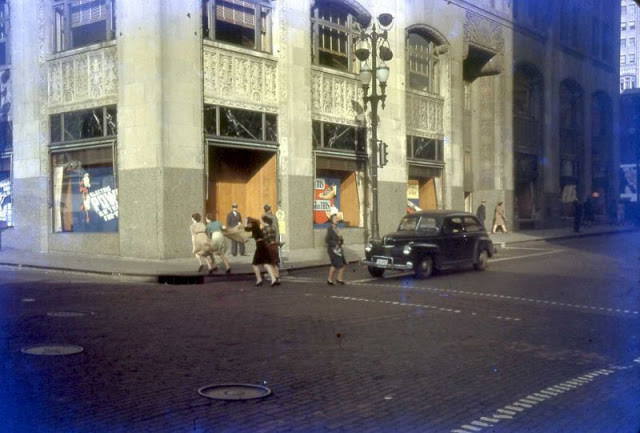


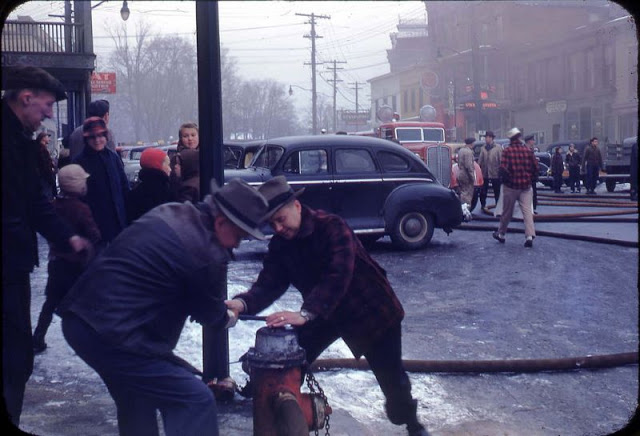

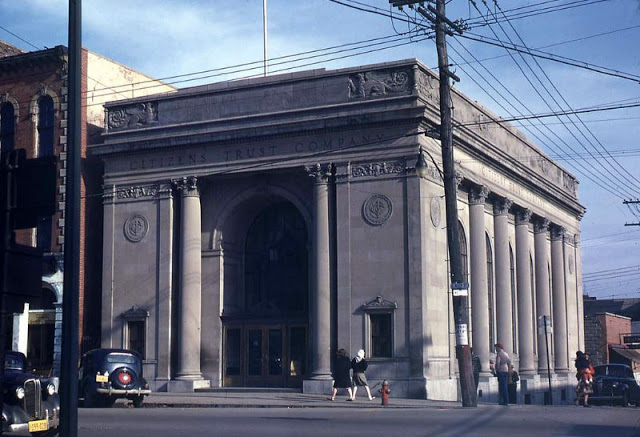
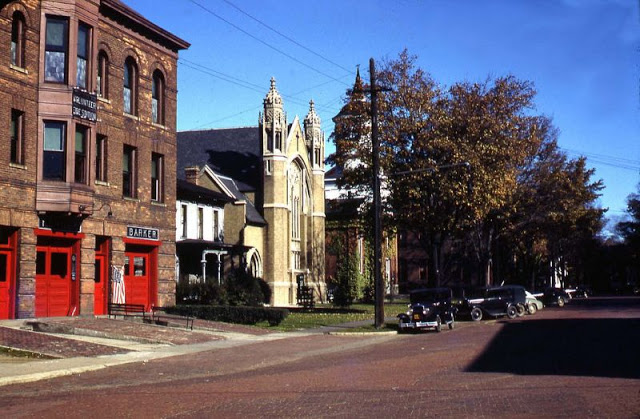


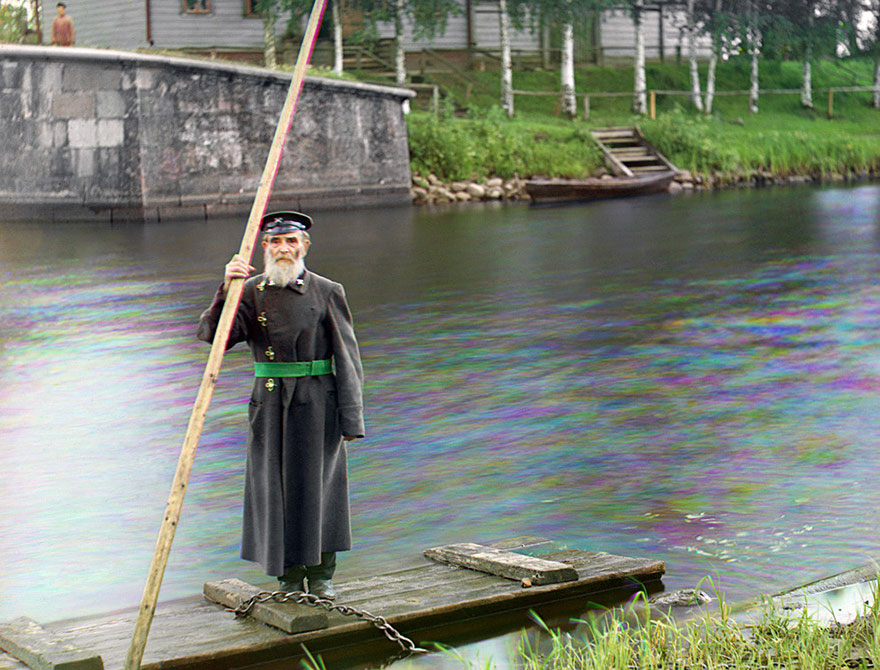
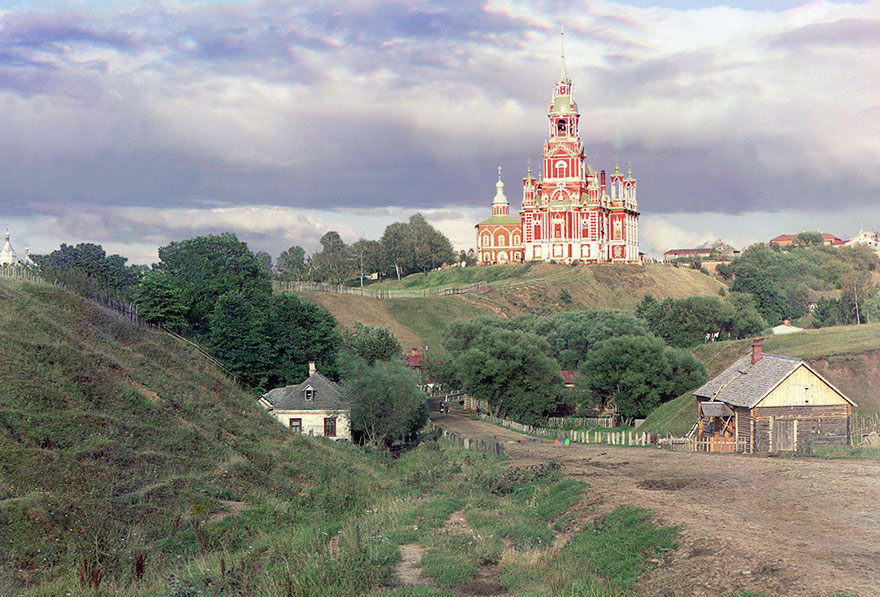
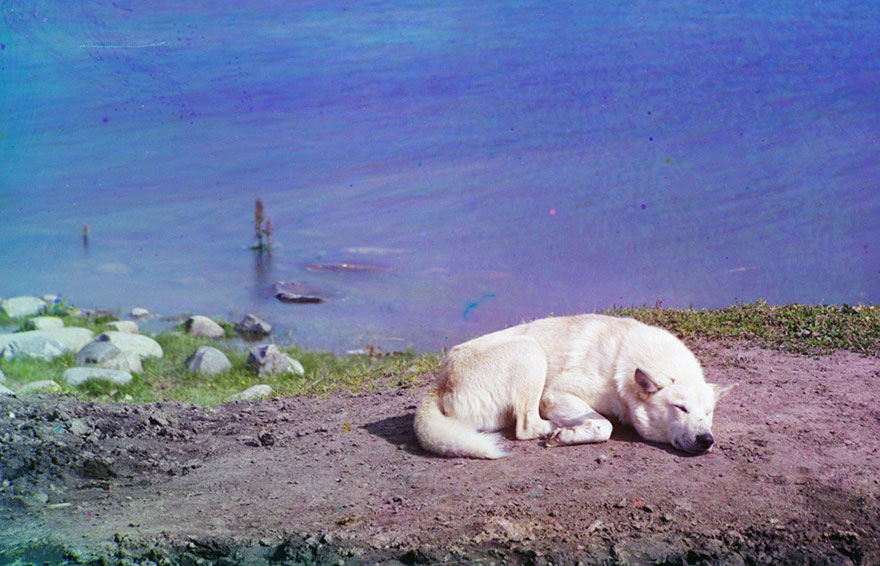
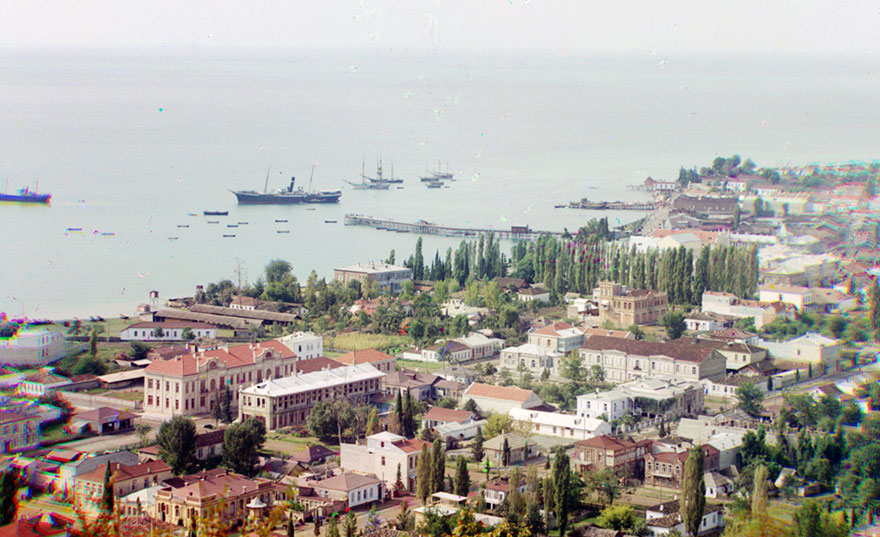
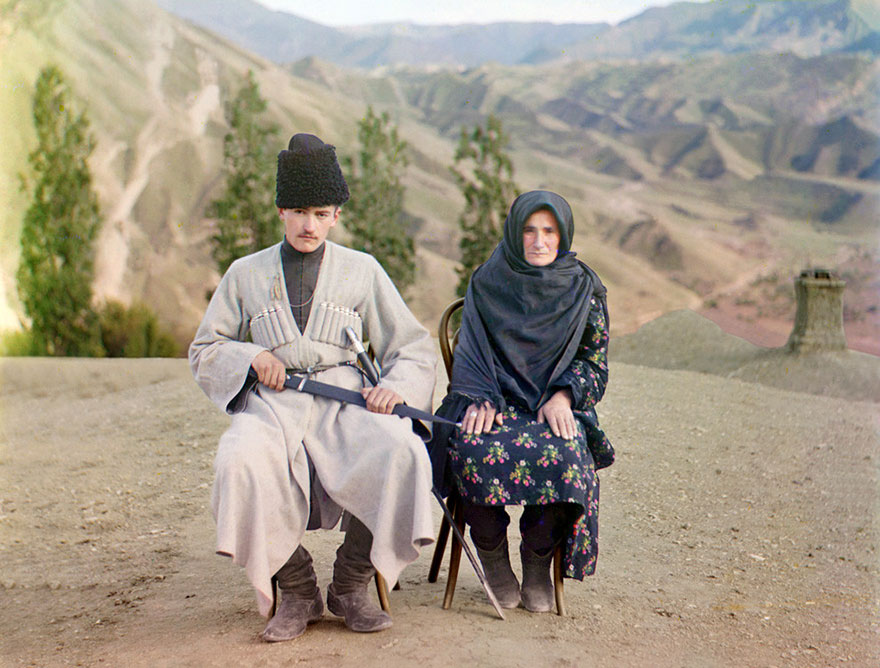
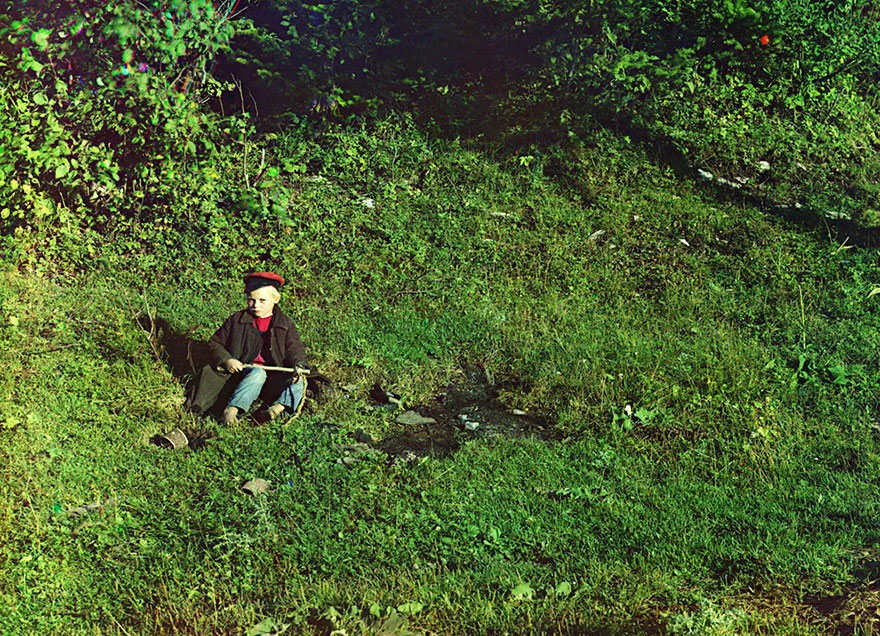
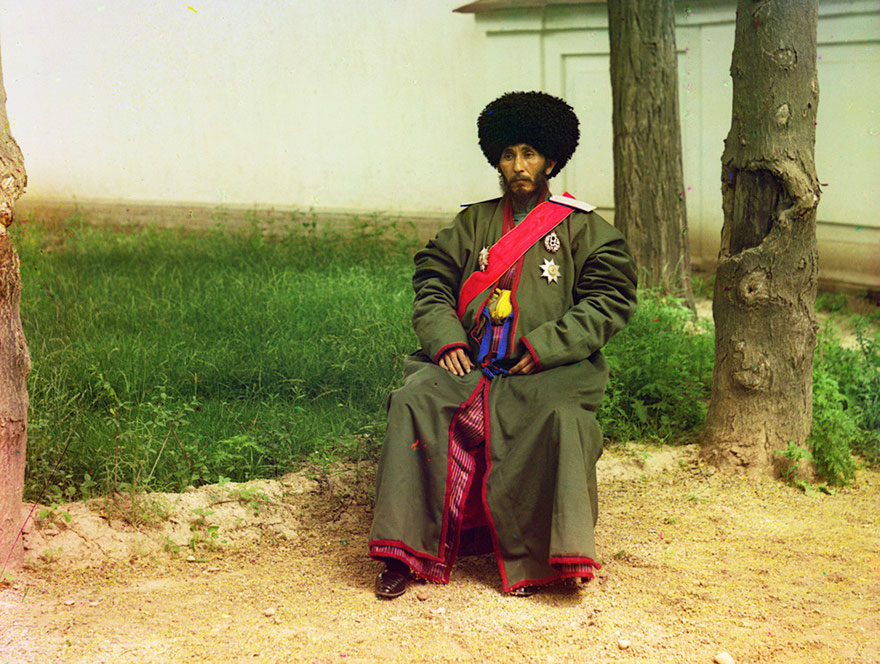
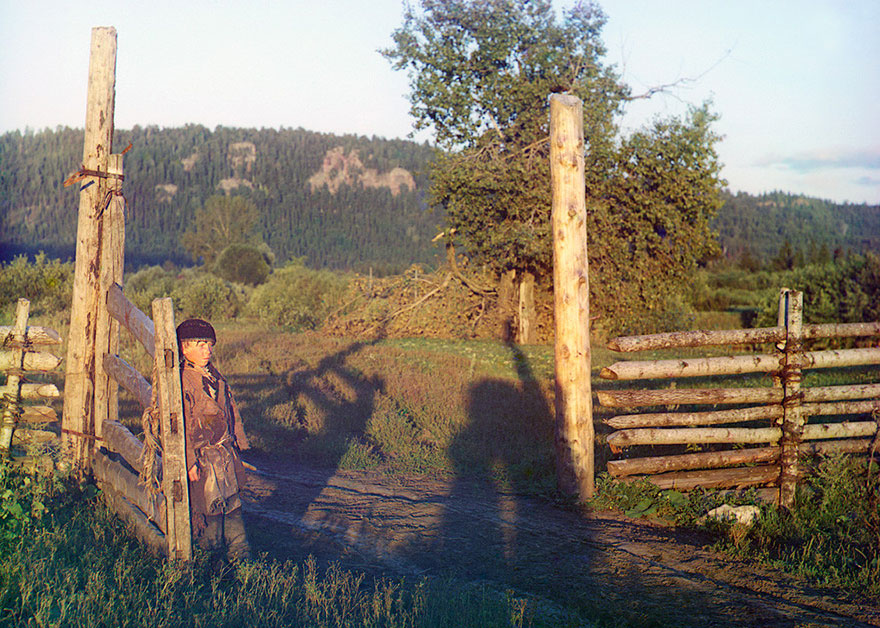
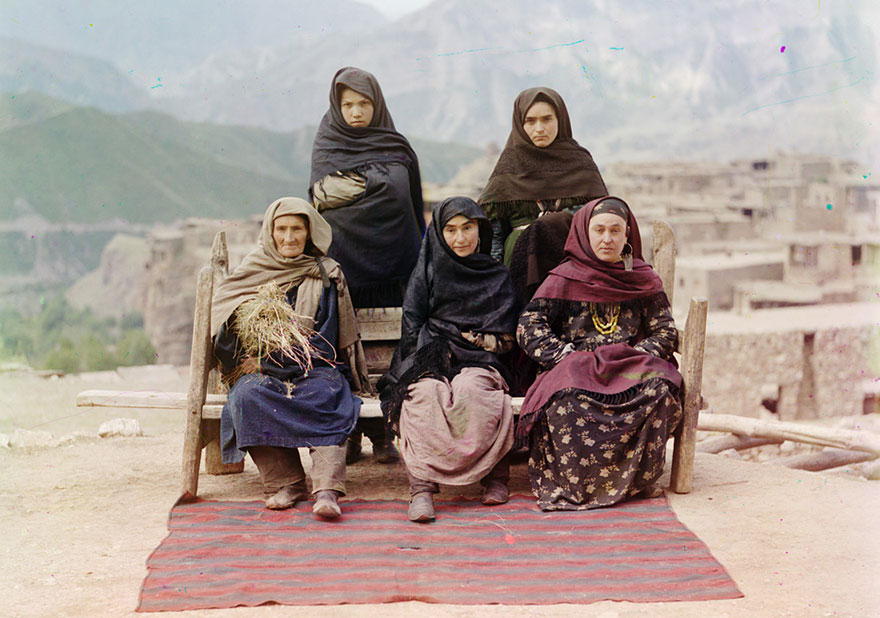
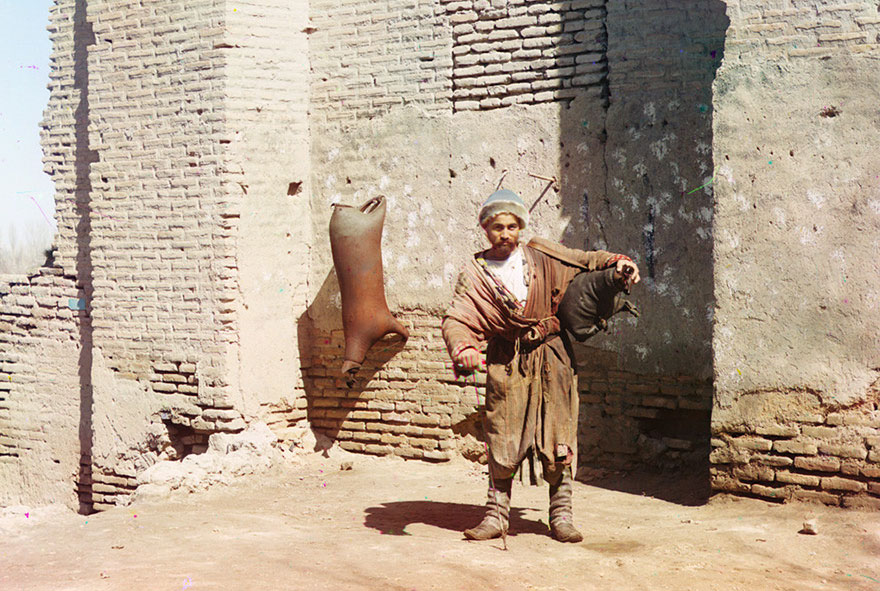
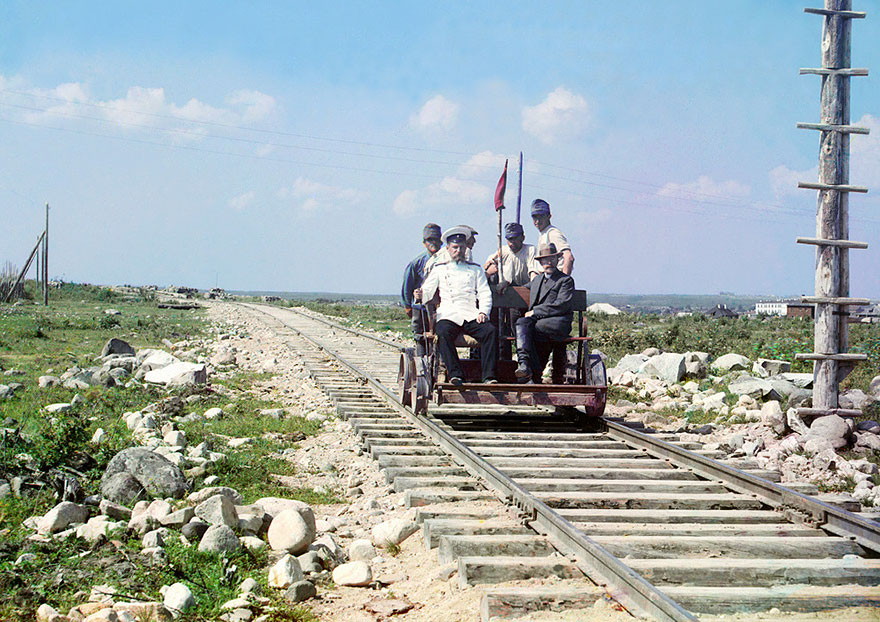
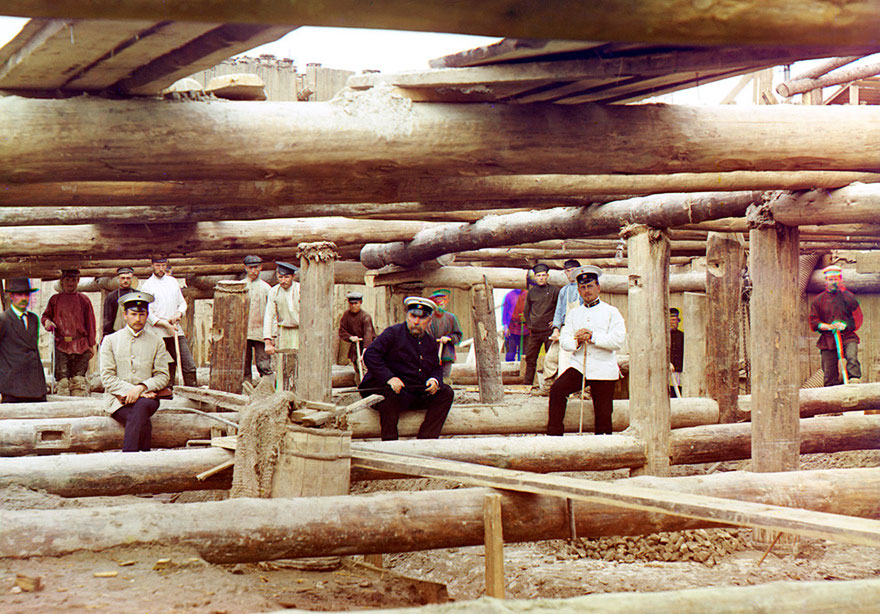
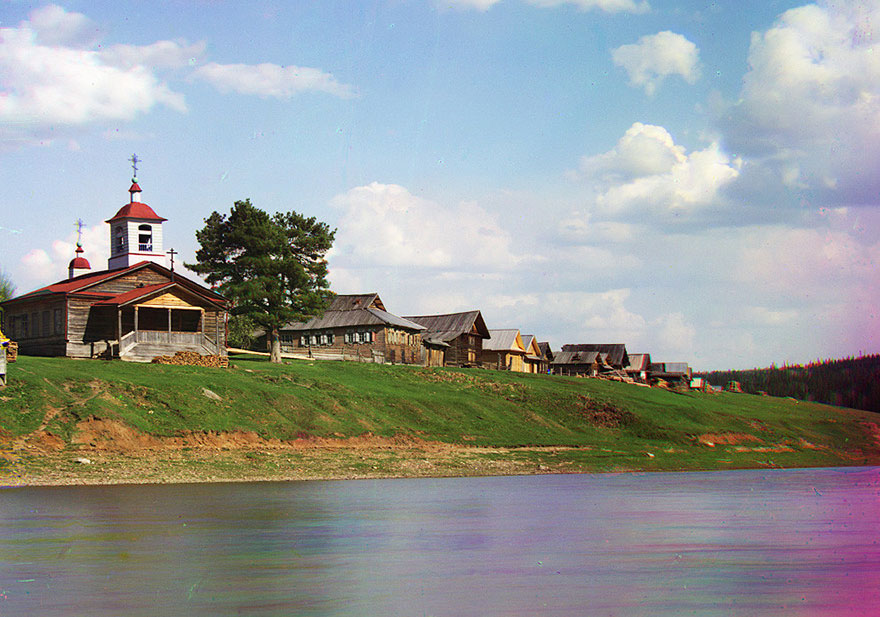
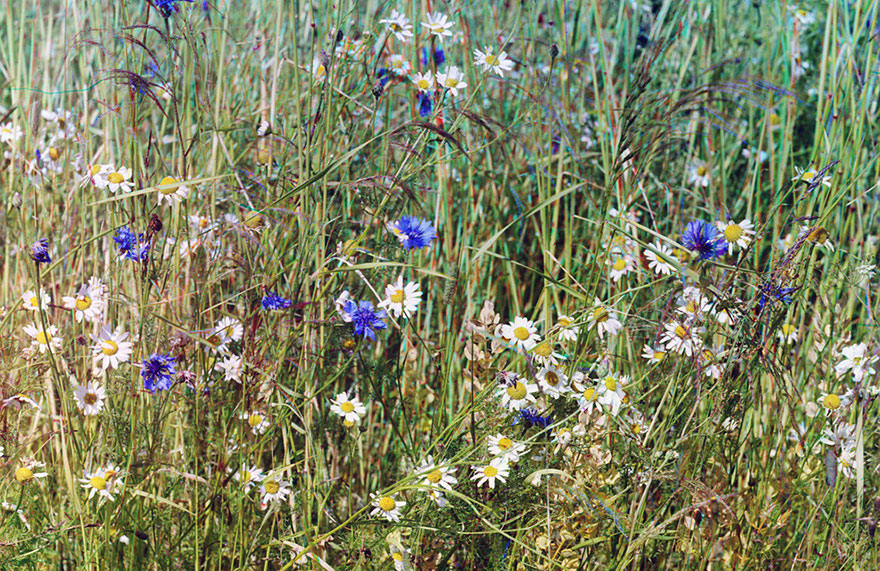
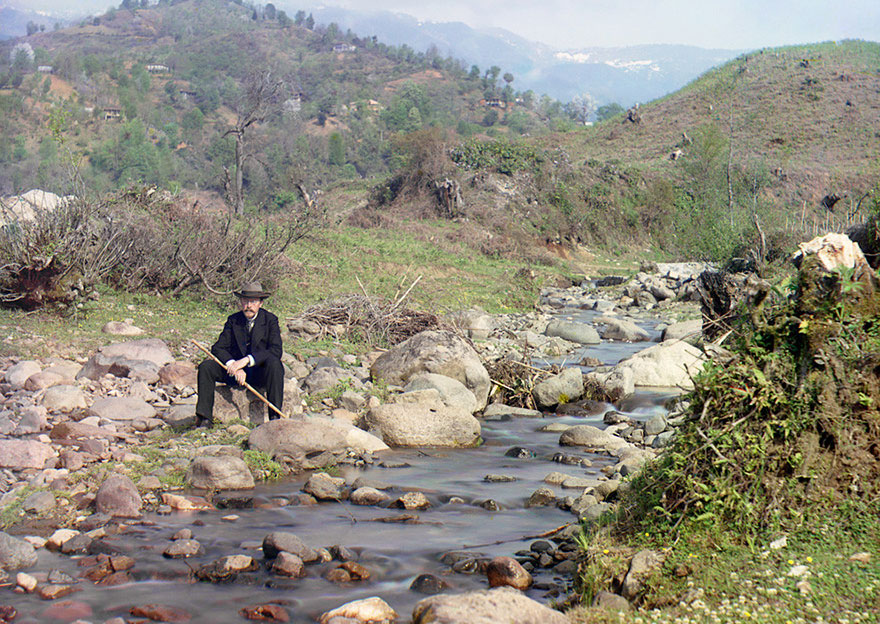
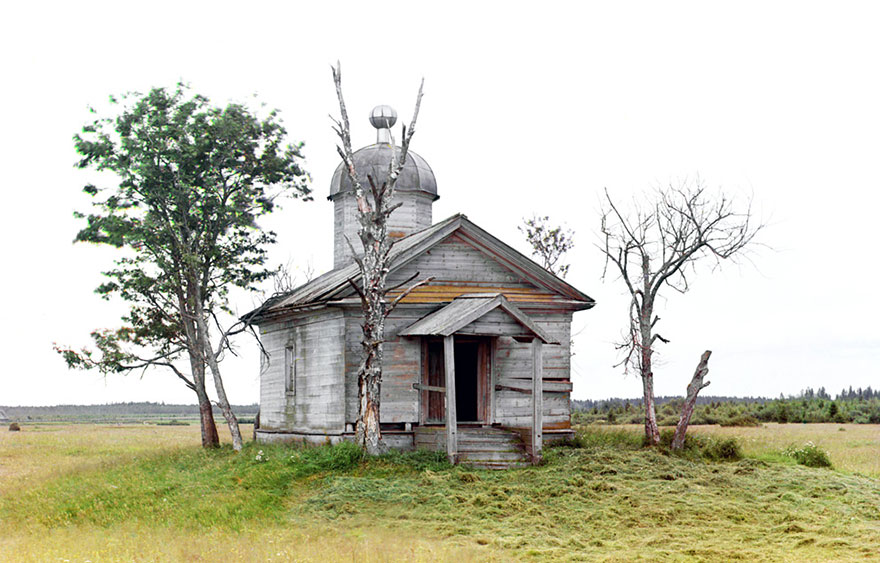
Given how many historical photos are video are shot in black and white, many of us can forget that the past was also in full color – we just don’t get to see it. However, these photos of Russia in the beginning of the 20th century by photographer Sergey Prokudin-Gorsky give us a rare glimpse into the past in full and glorious color.
Color photography, in the way that we understand it, was not possible at the time, but it was possible to create a color image for the viewer by completing three separate photographs. Prokudin-Gorsky had to take three separate photographs of the same subject – once with a red filter over the lens, once with a green filter, and once with a blue filter (red, green, blue – RGB – is a set of color channels used by many digital images as well). Later on, these three monochromatic images would be projected through filters of those same colors onto a screen and superimposed. When viewed through a final filter, they would appear as a realistic color image to the viewer.
A trained chemist and artist, Prokudin-Gorsky began creating tricolor photos after studying with German photochemistry professor Adolf Miethe. Tsar Nicholas II was so impressed by Prokudin-Gorsky’s work, including his famous portrait of Leo Tolstoy, that he commissioned the photographer to take pictures all over Russia. Though he fled Russia after the October Revolution, the negatives he took with him that weren’t confiscated were eventually purchased by the U.S. Library of Congress in 1948 and published in 1980.












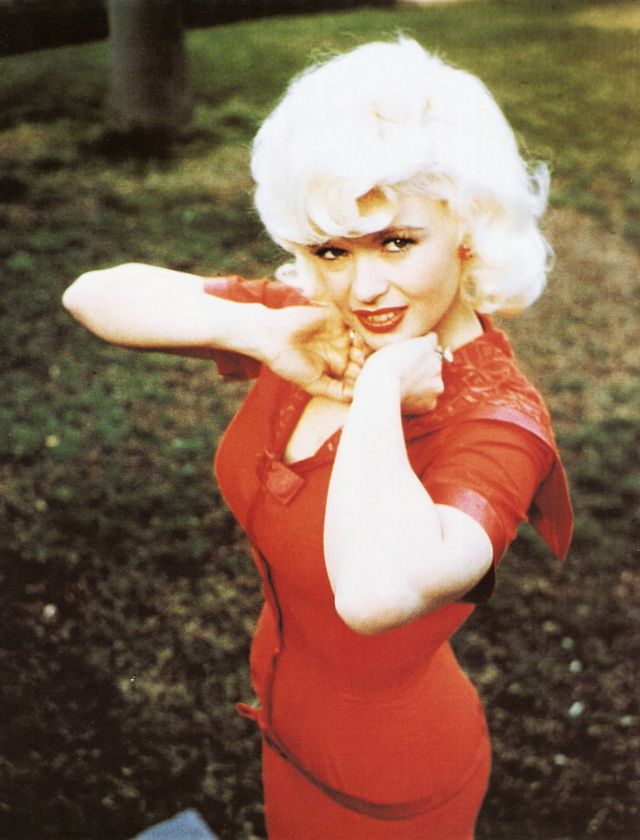
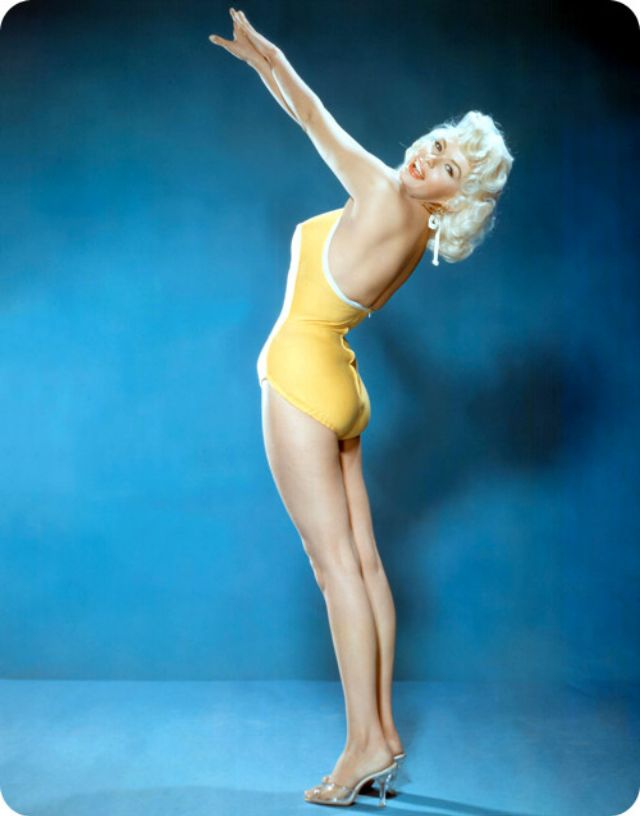
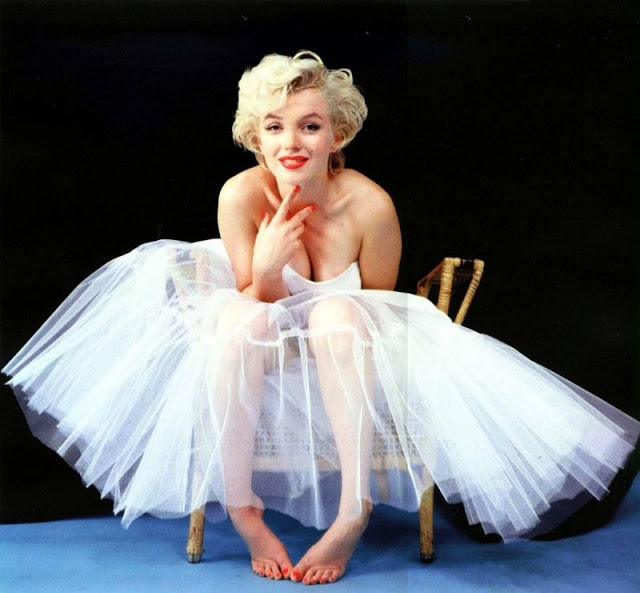
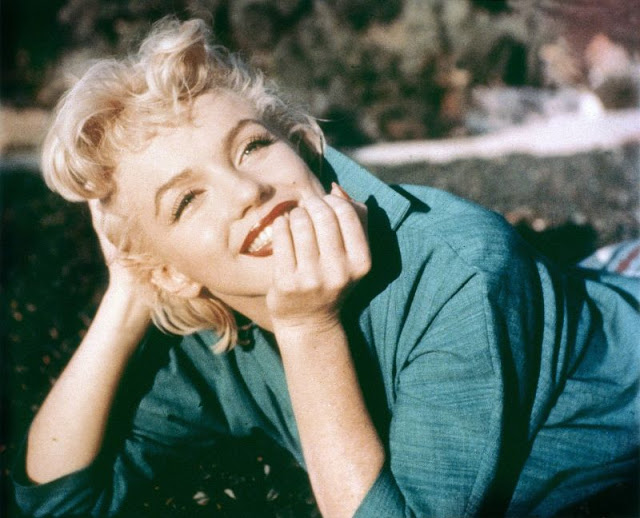
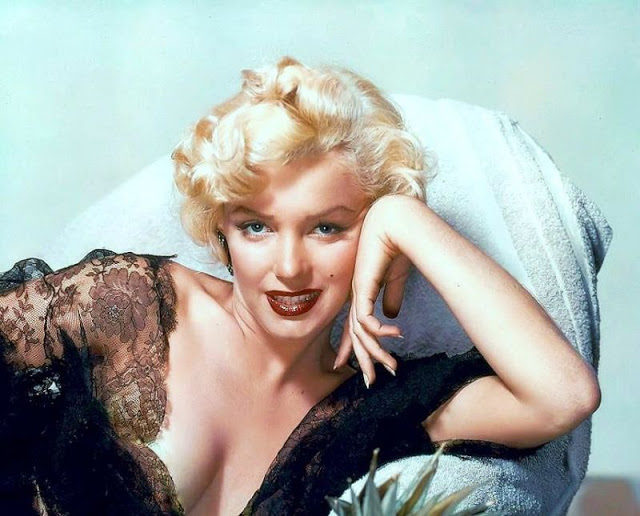
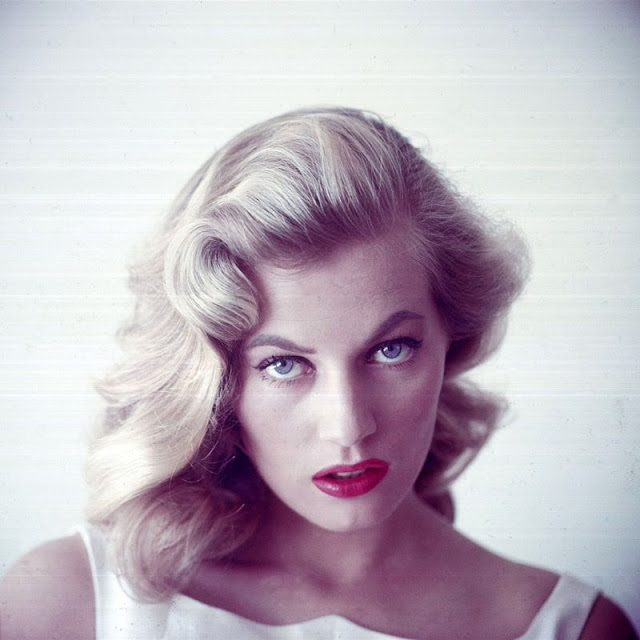
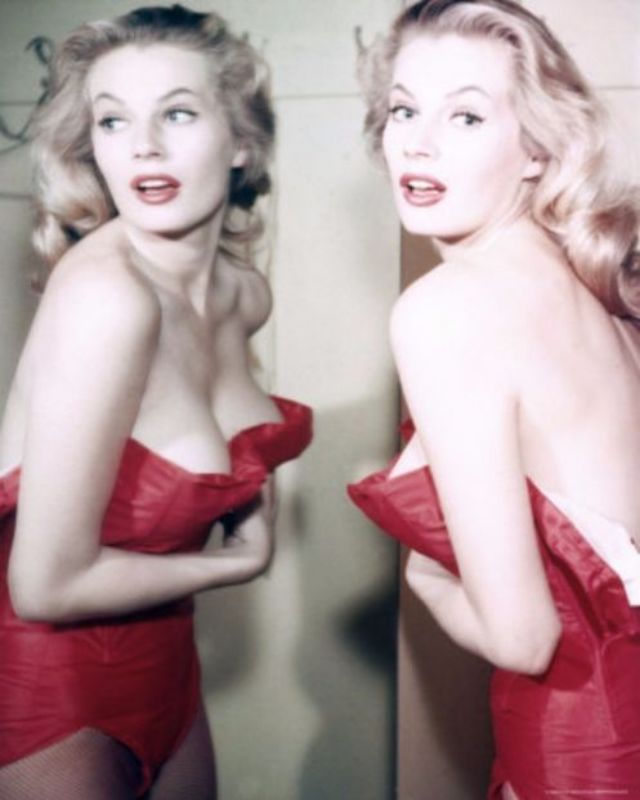
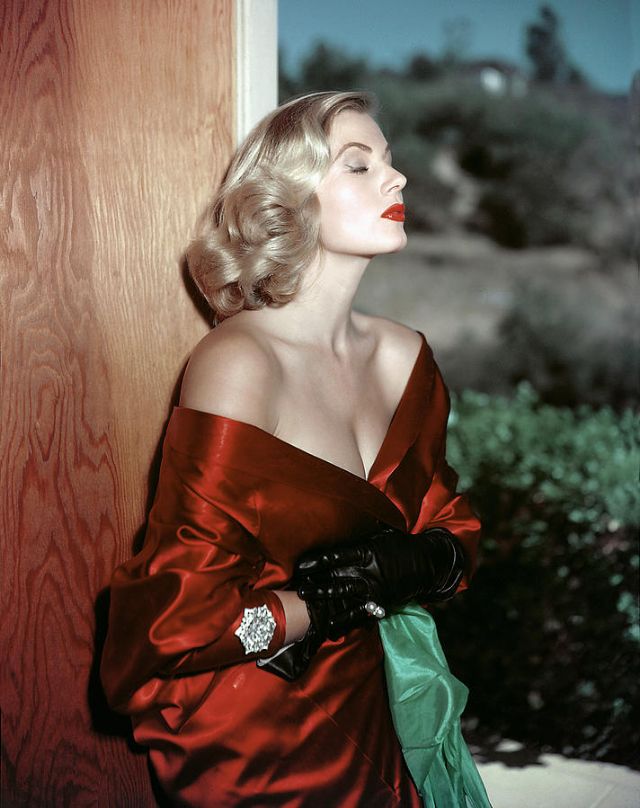
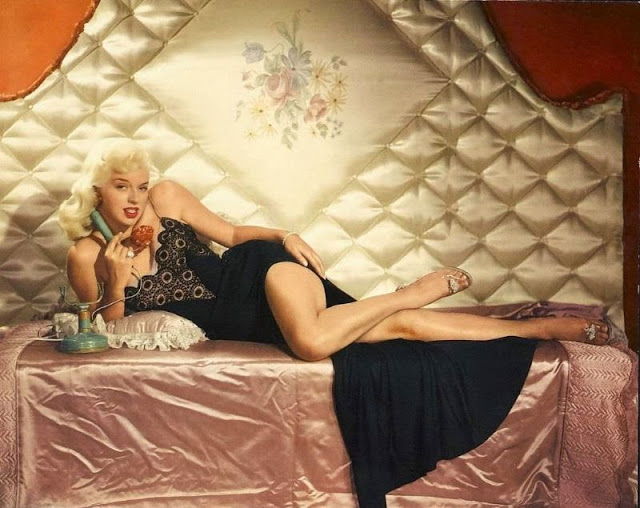
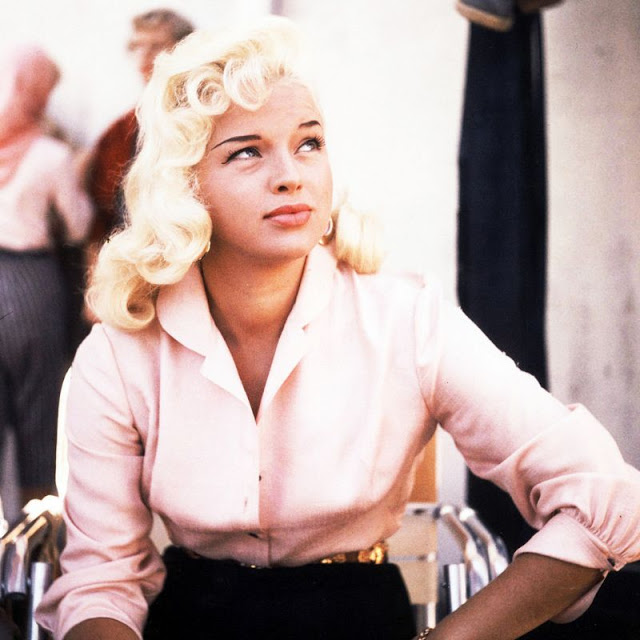
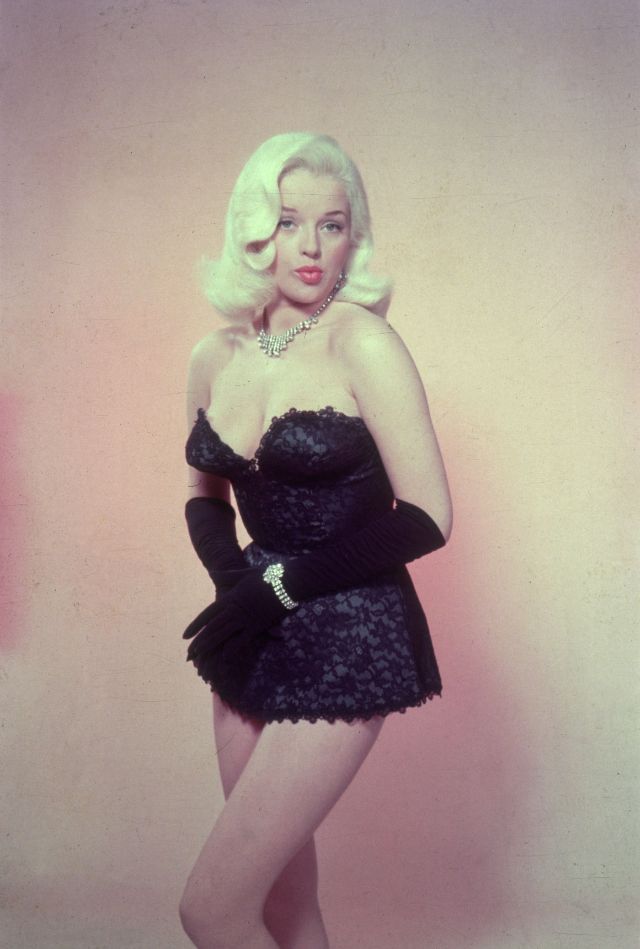
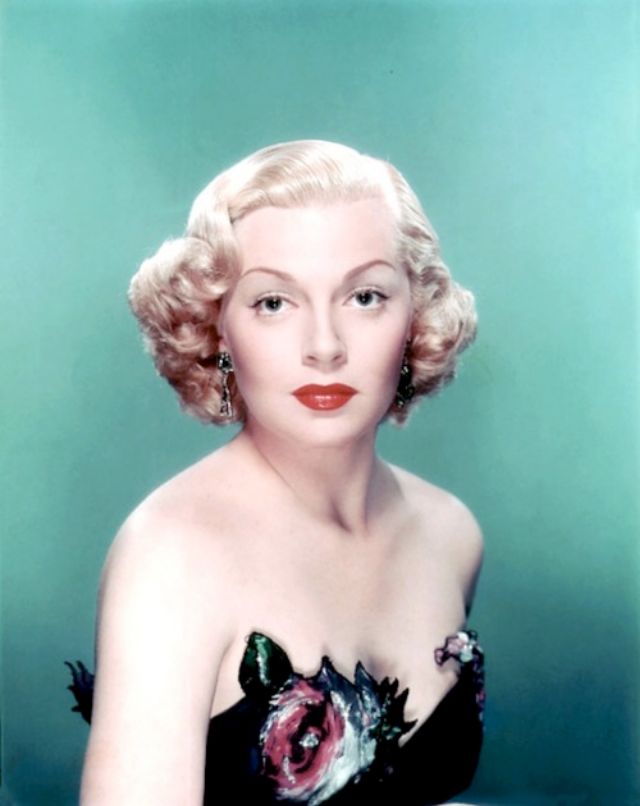
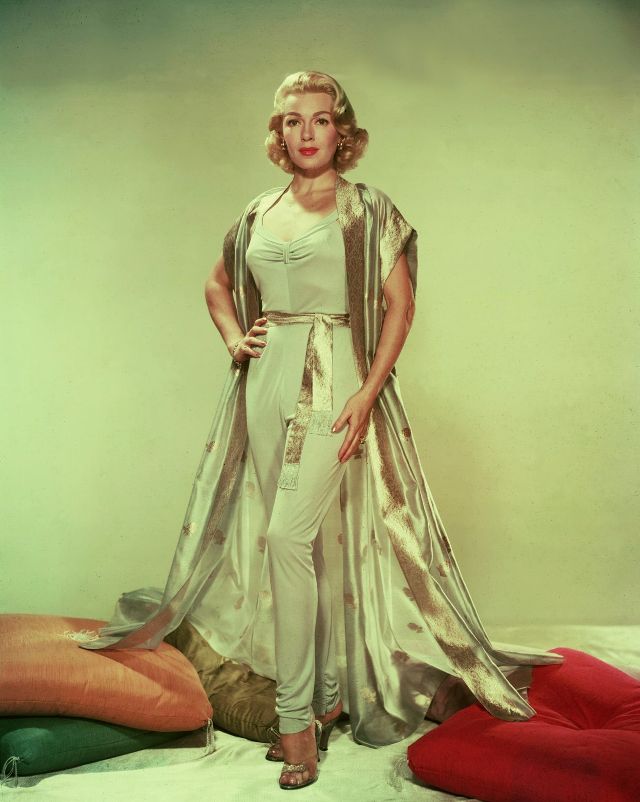
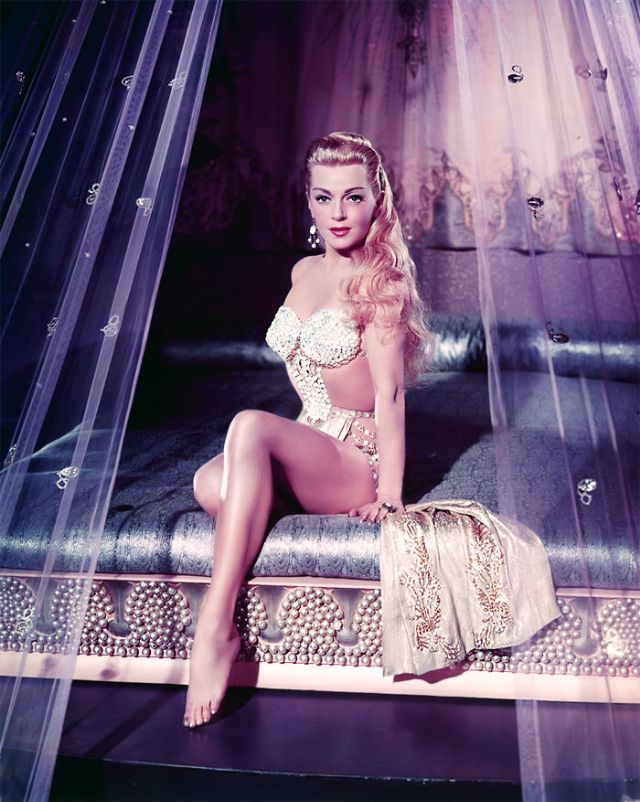
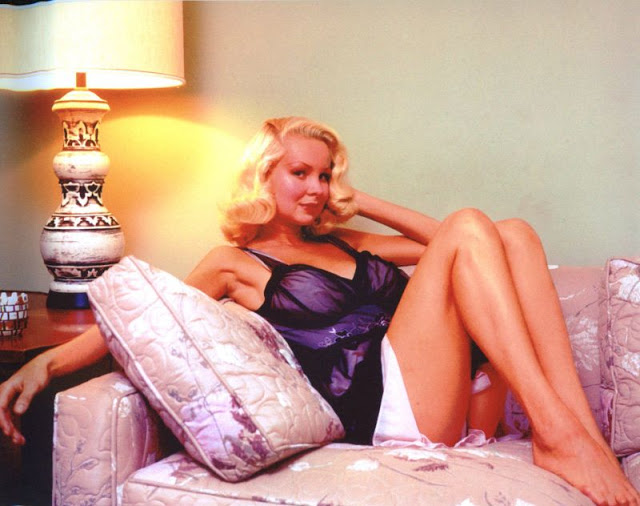
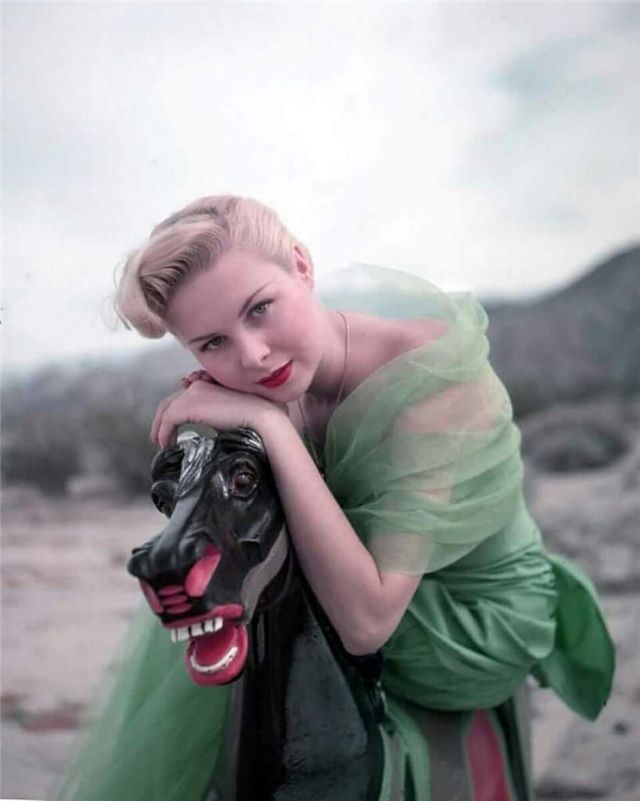
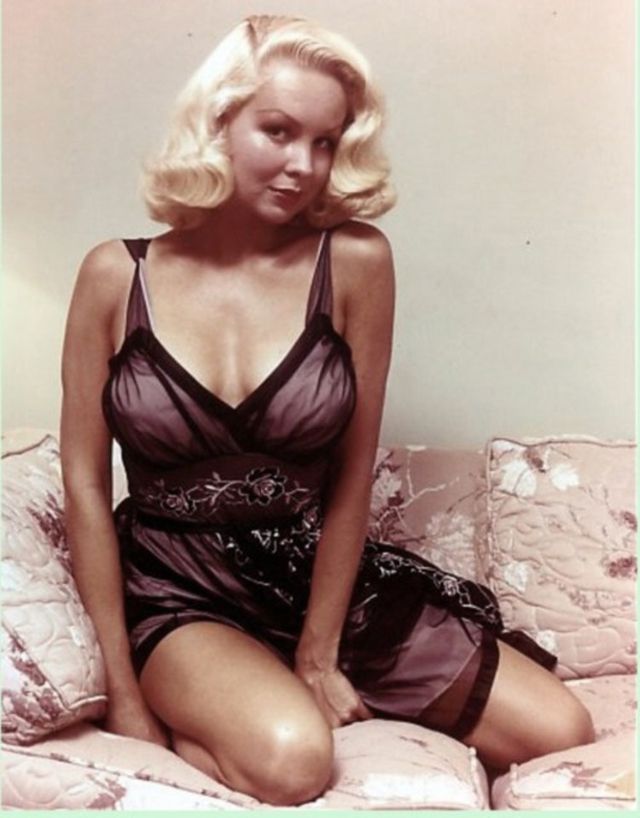
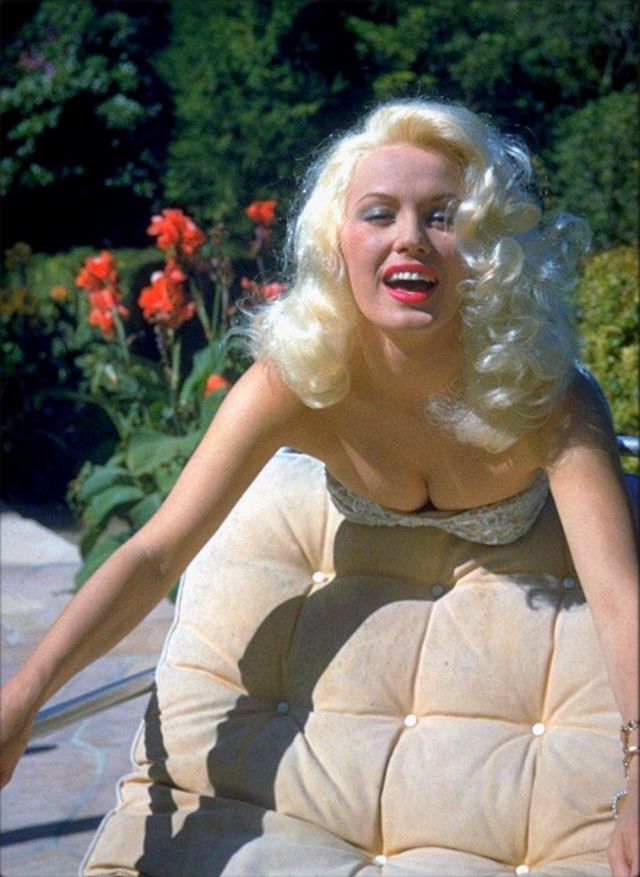
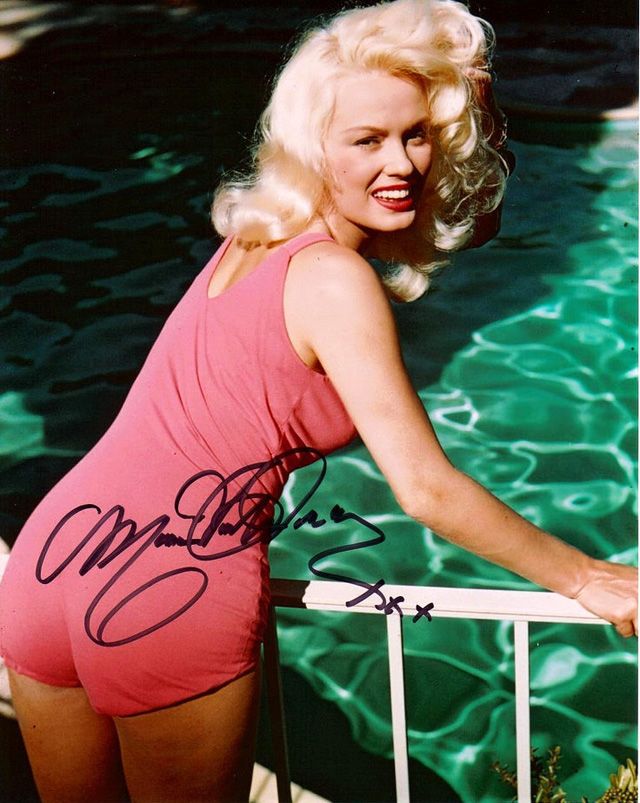
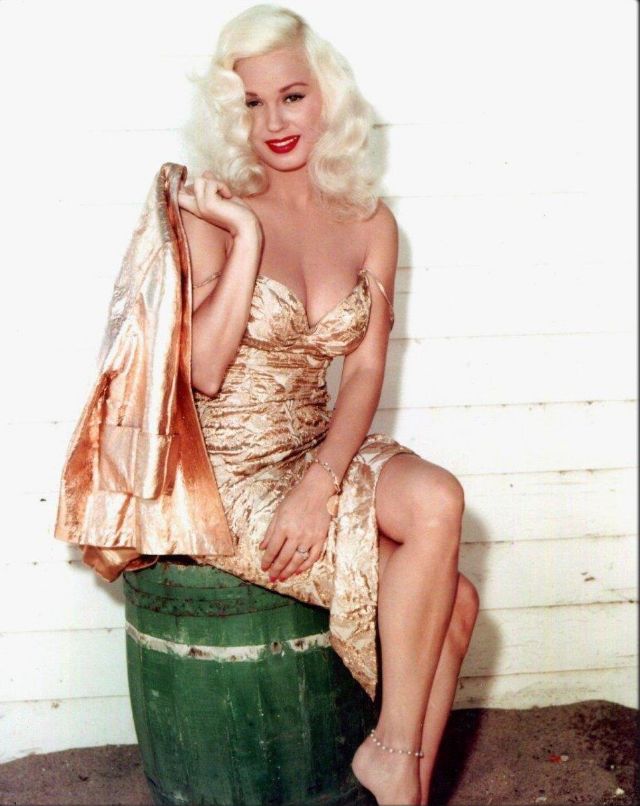
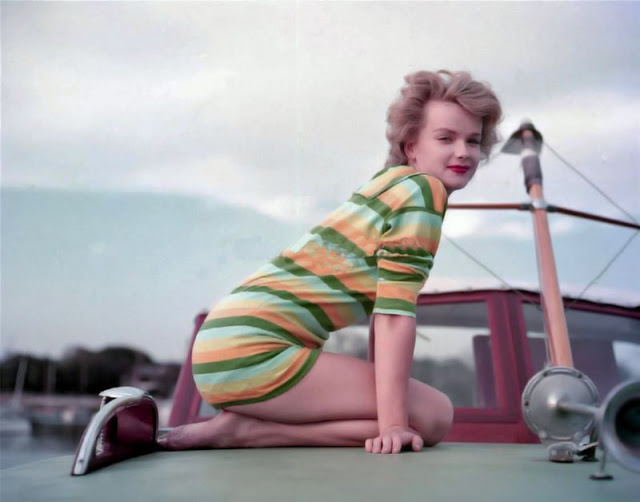
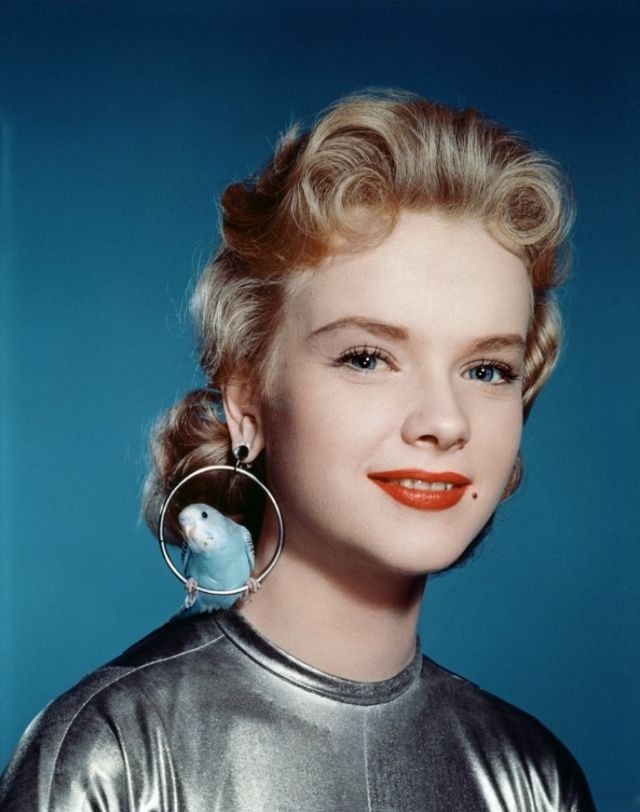
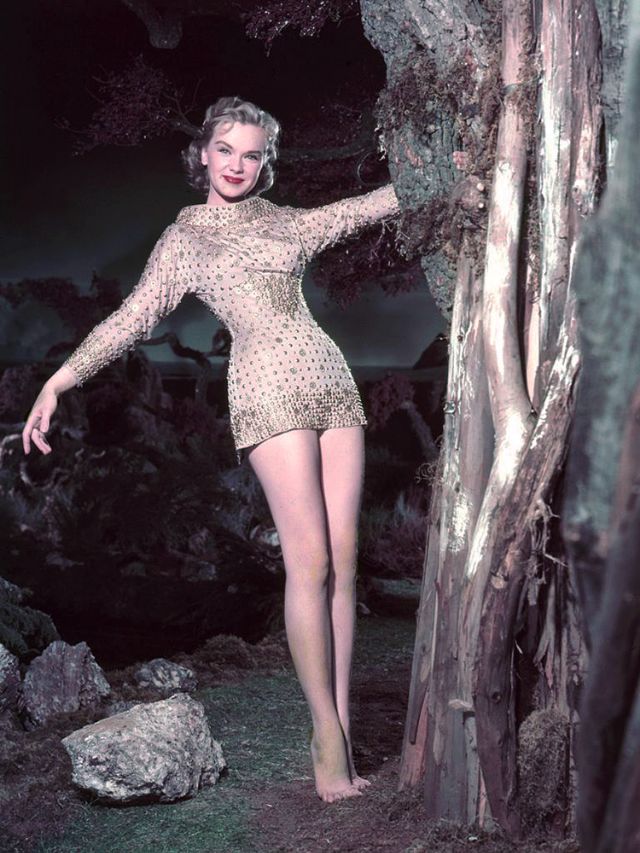
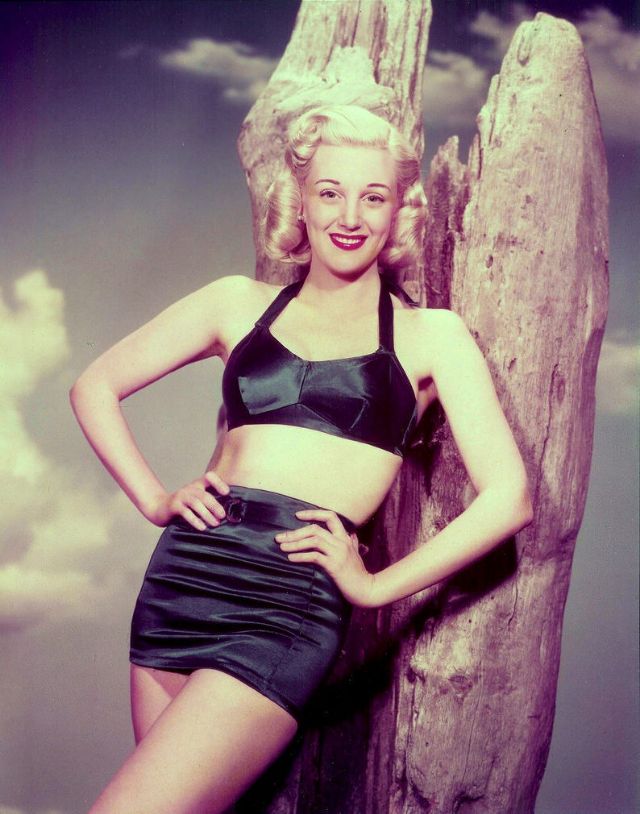
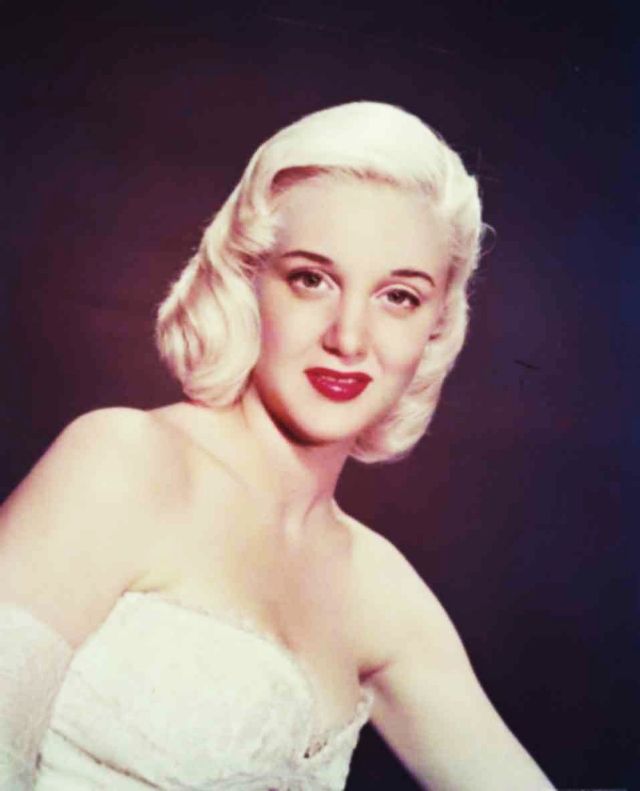
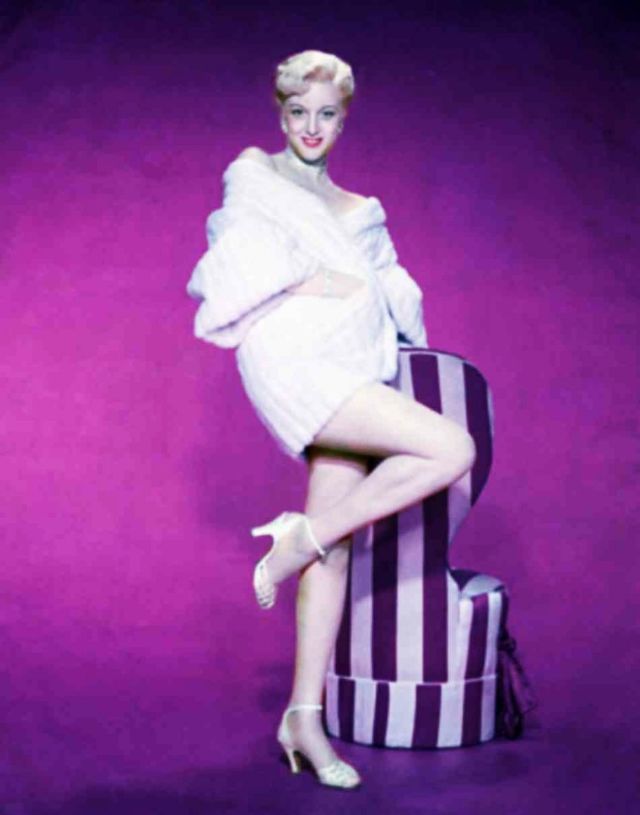
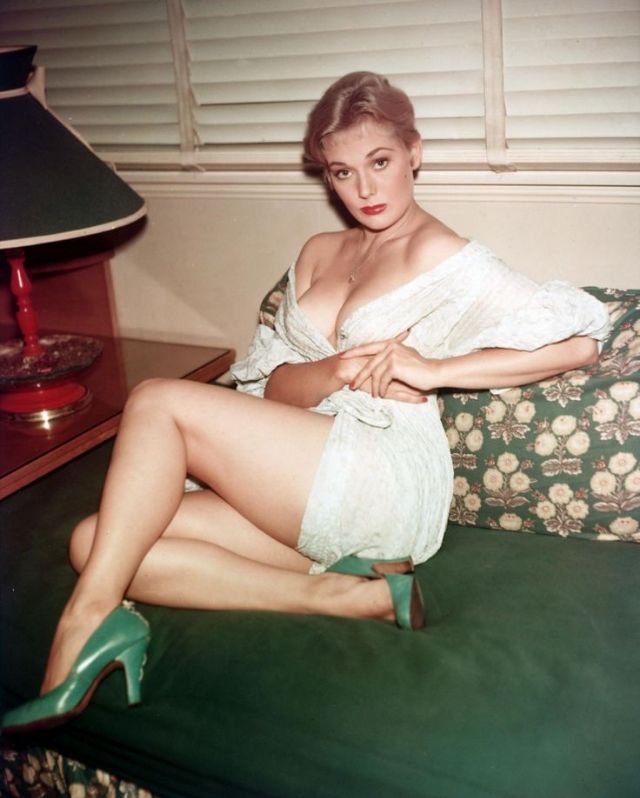
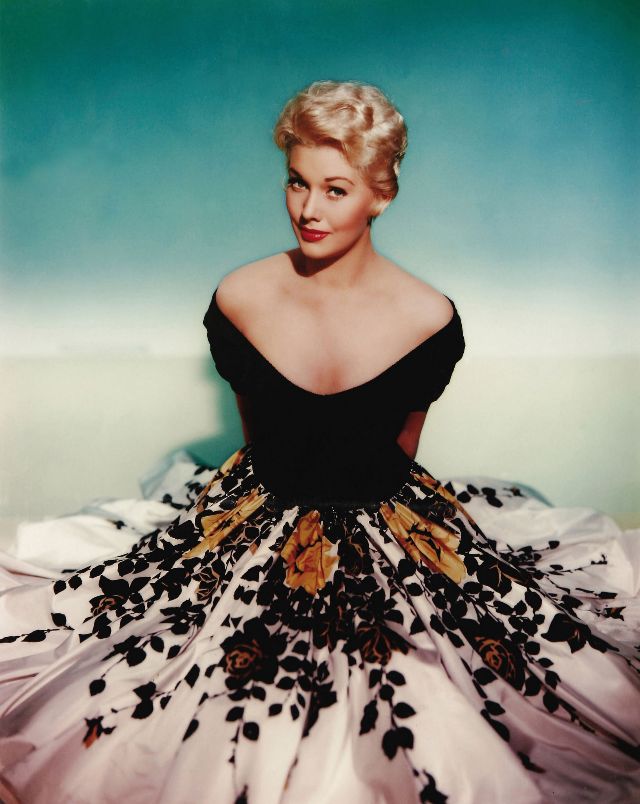
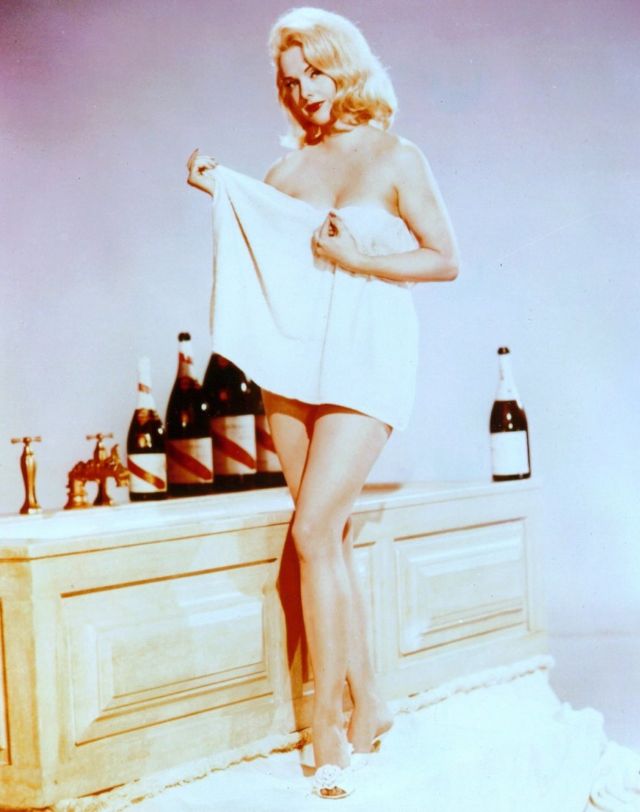
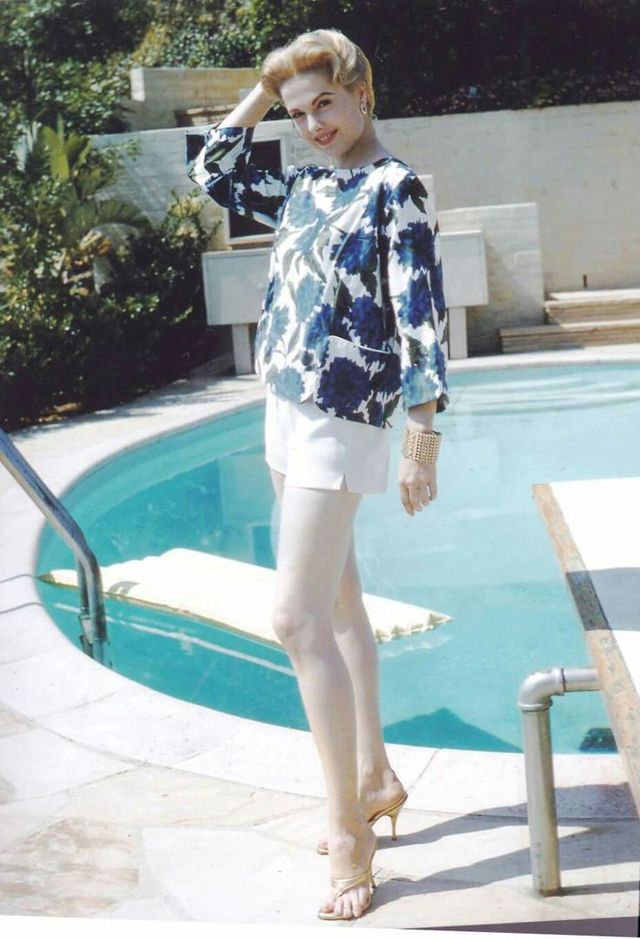
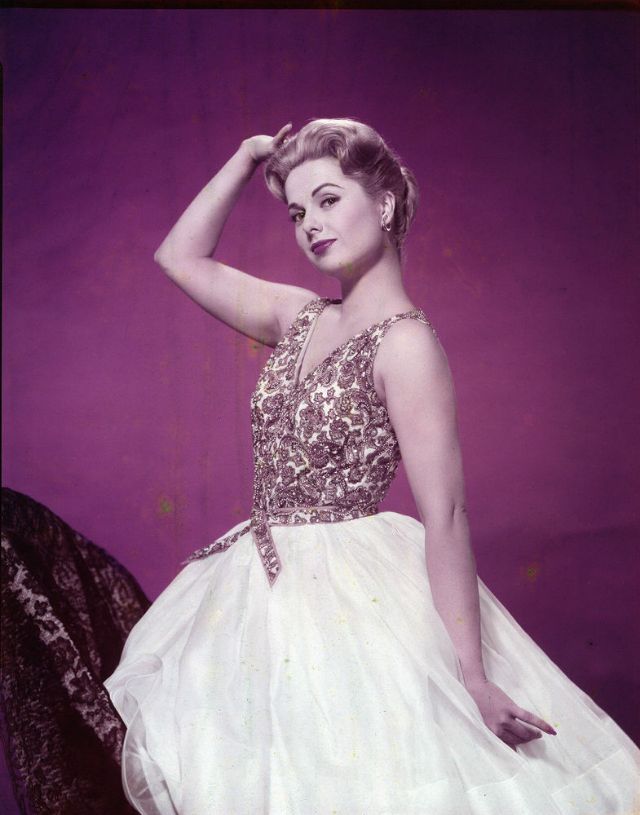
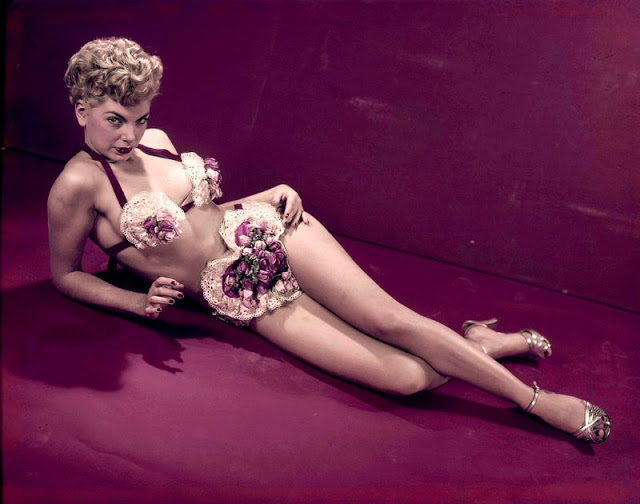
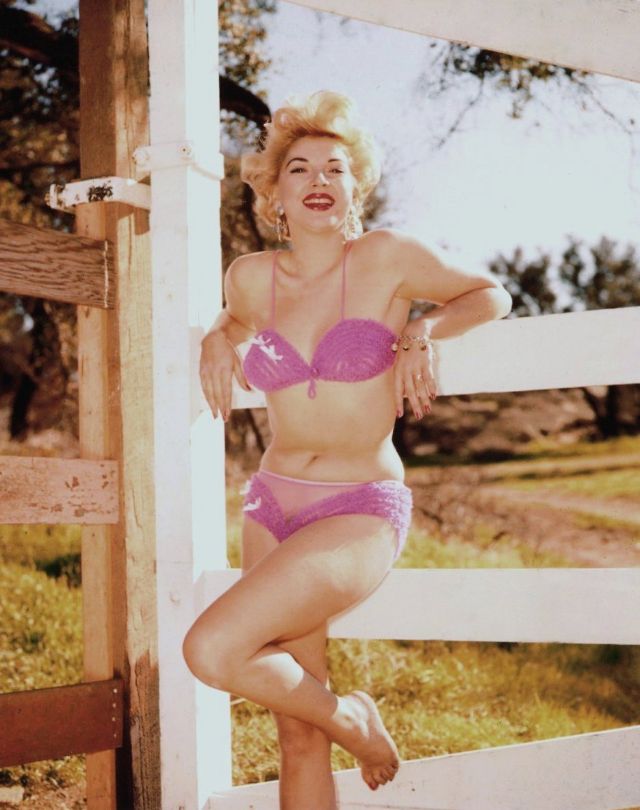
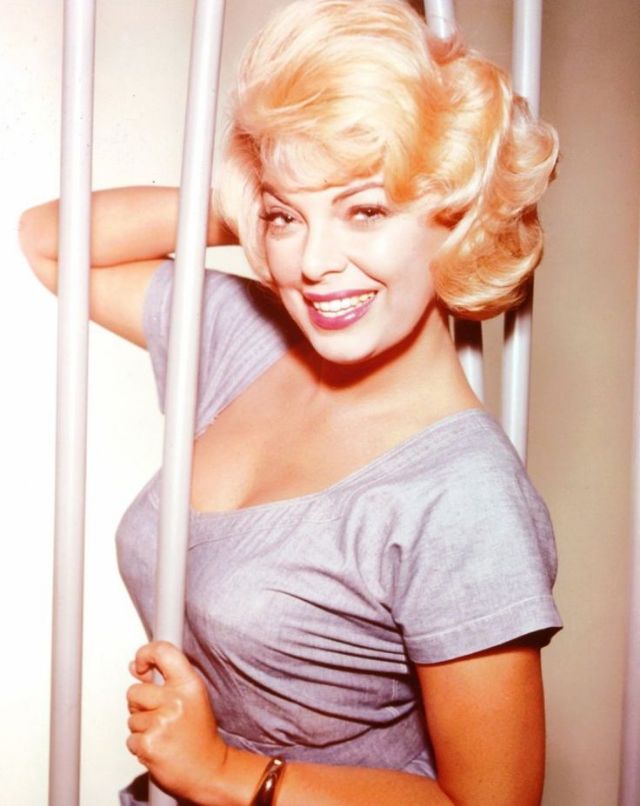
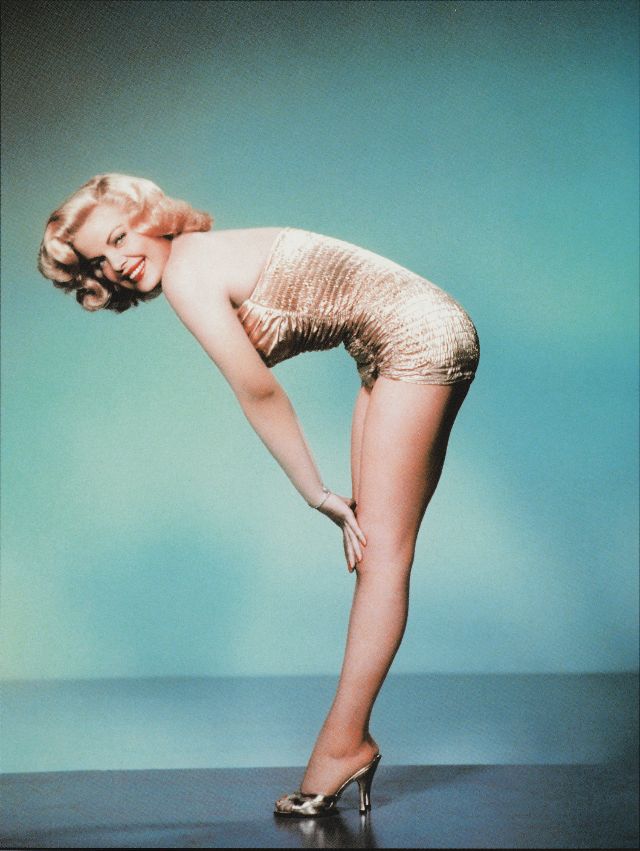
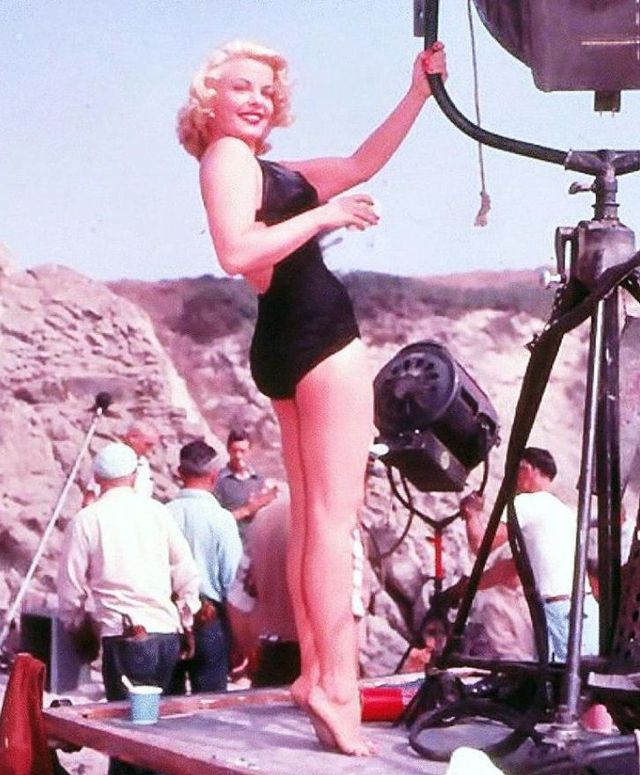
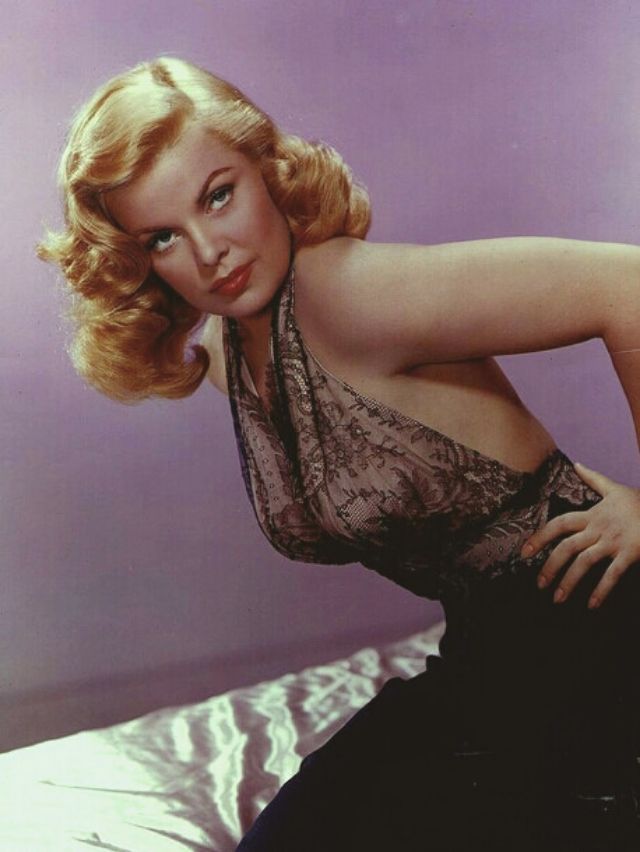
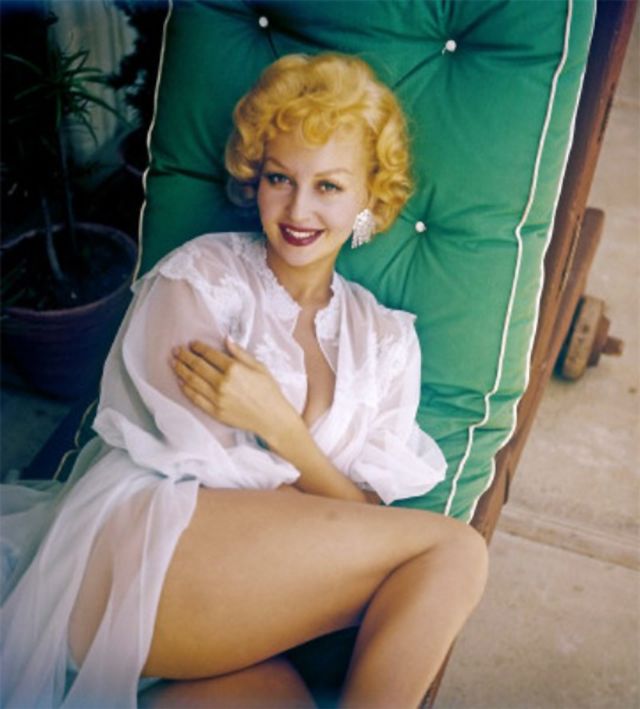
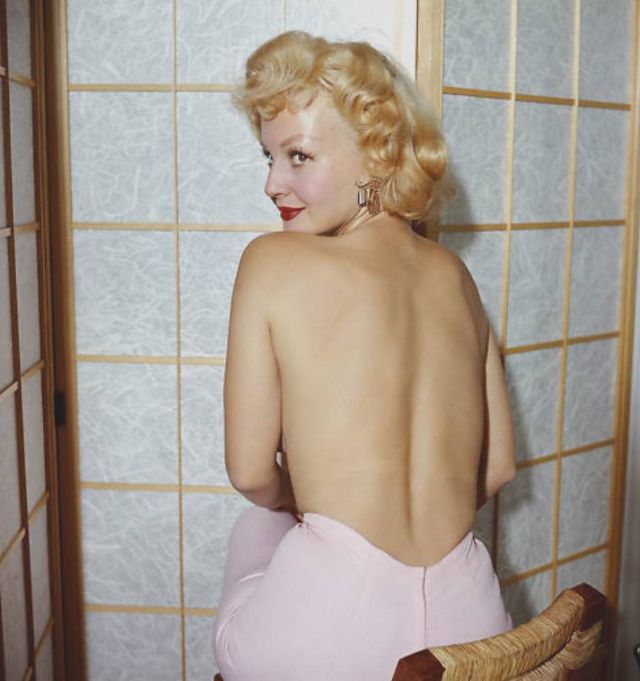
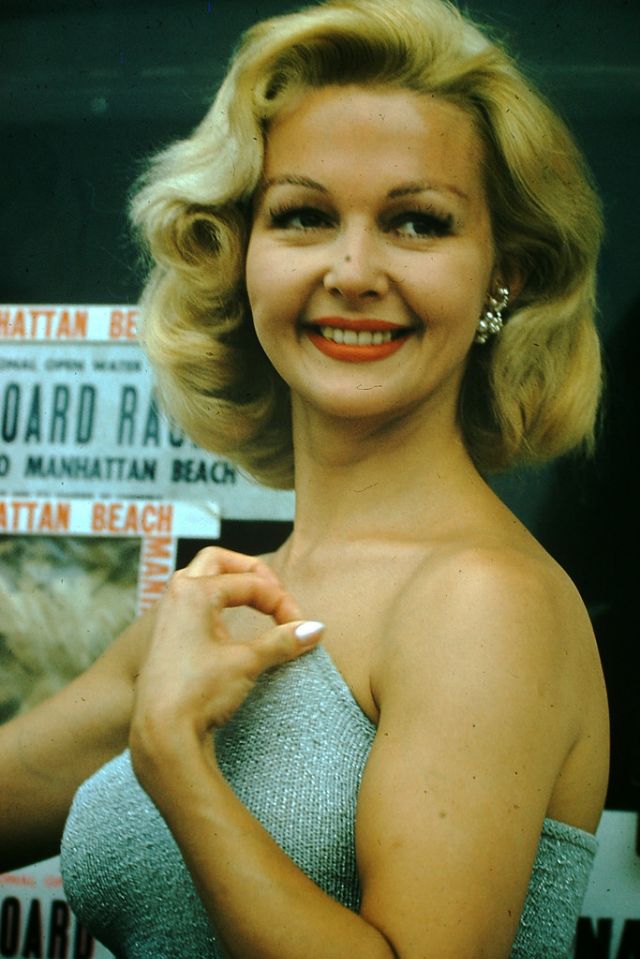
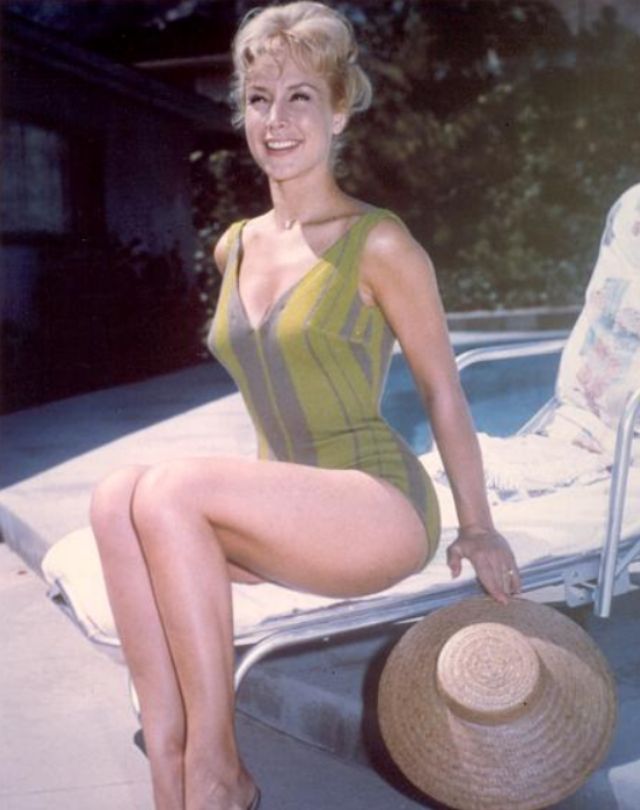
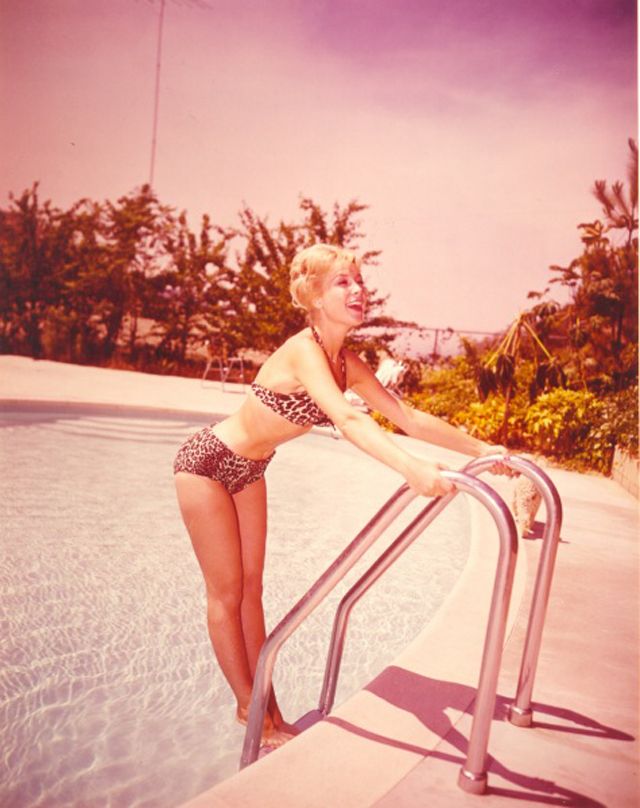
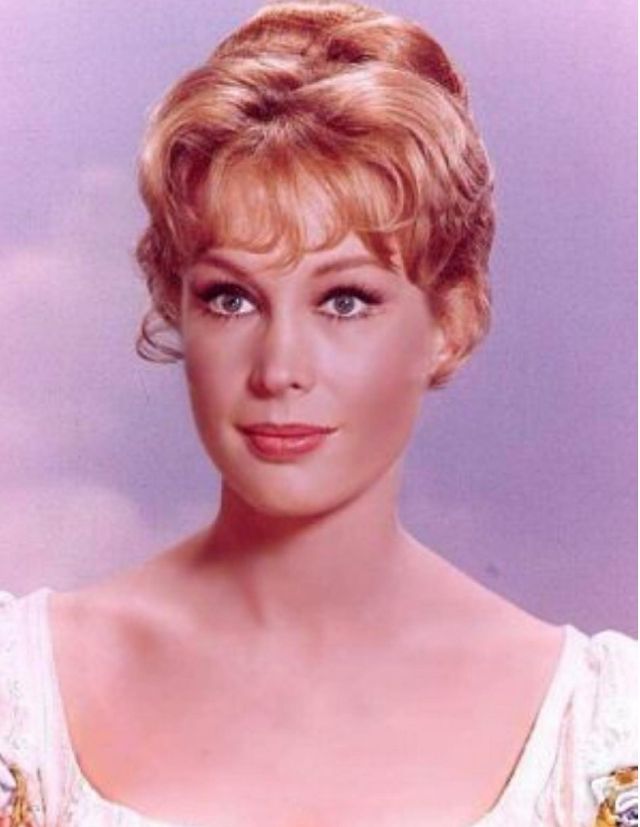
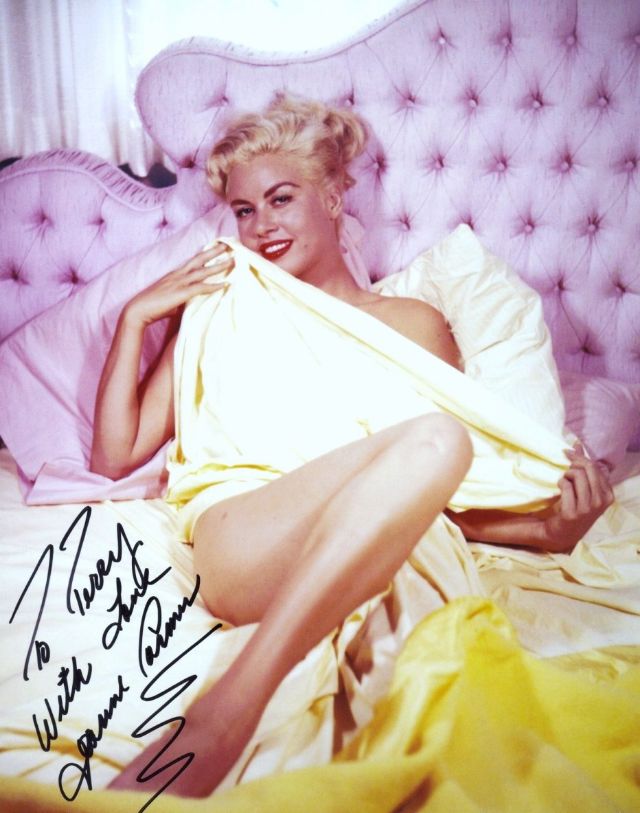

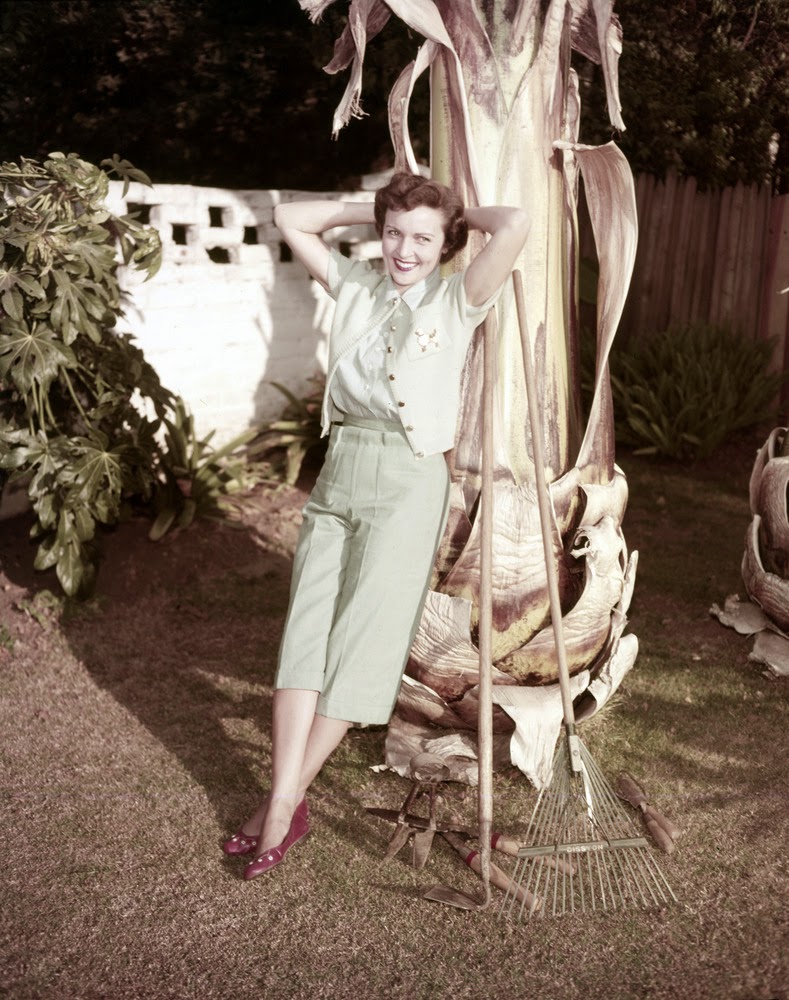
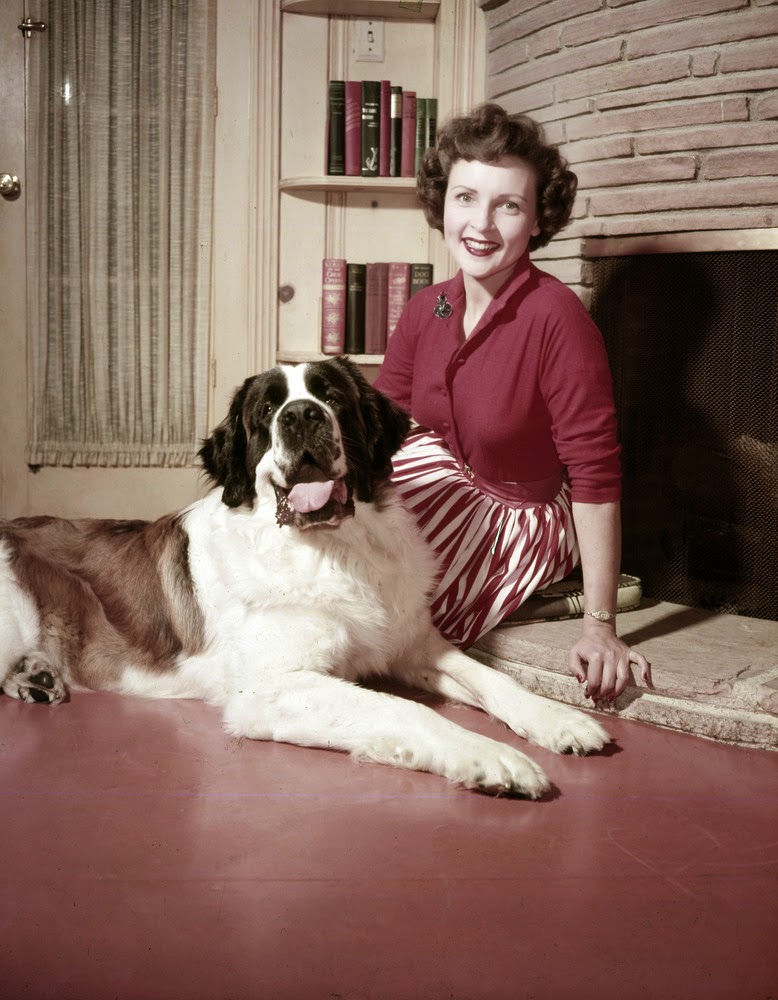
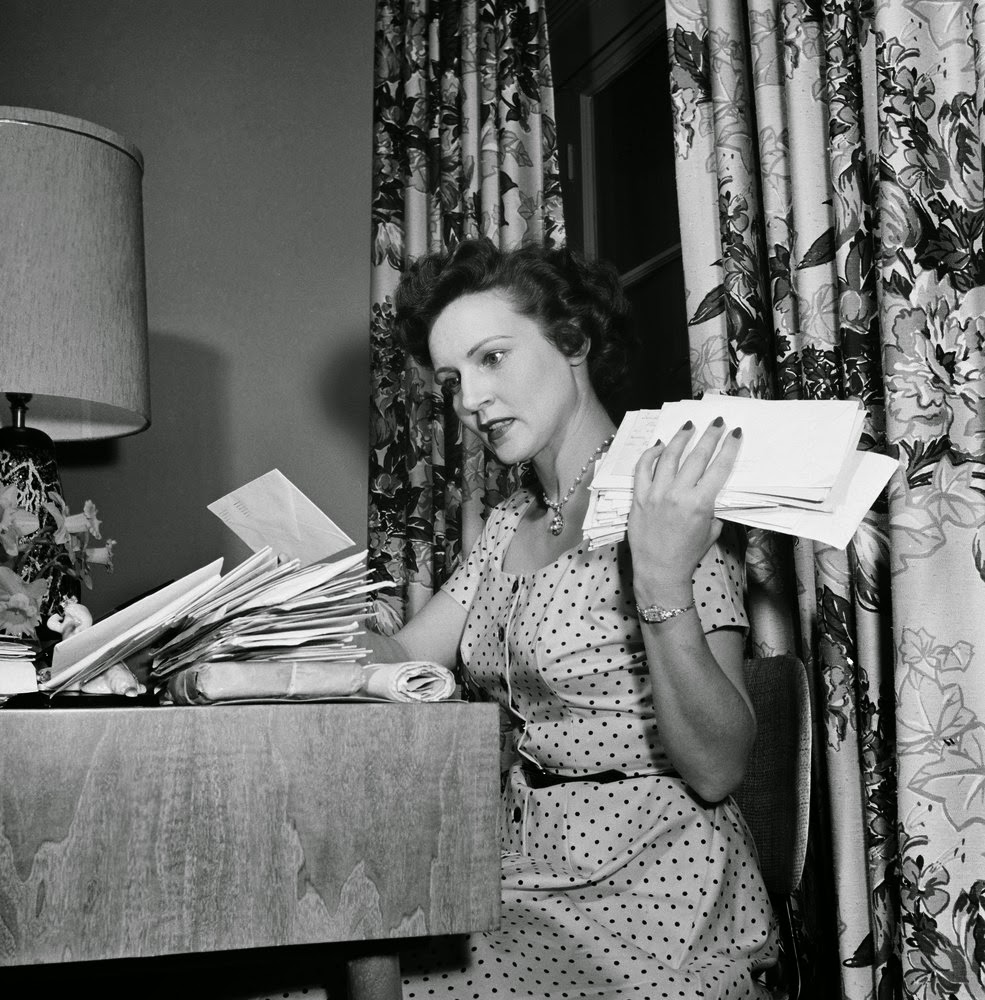
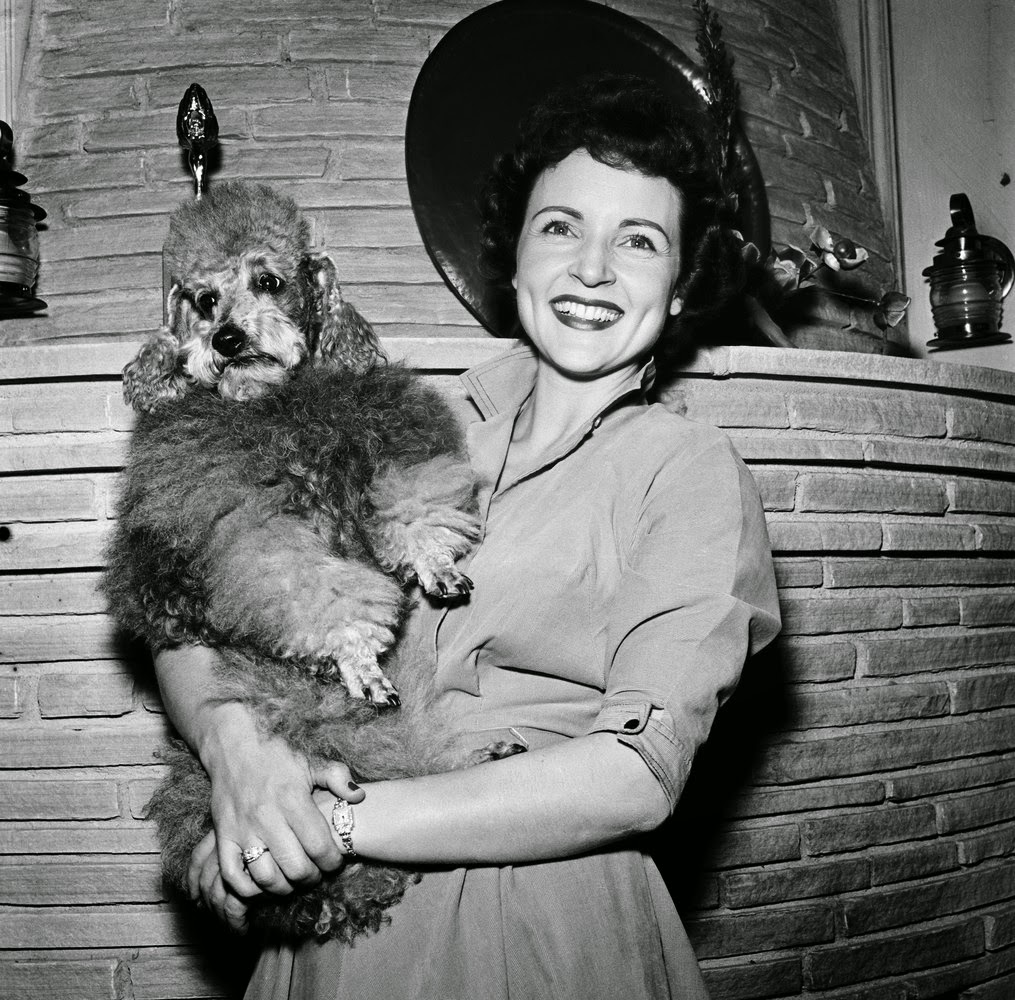
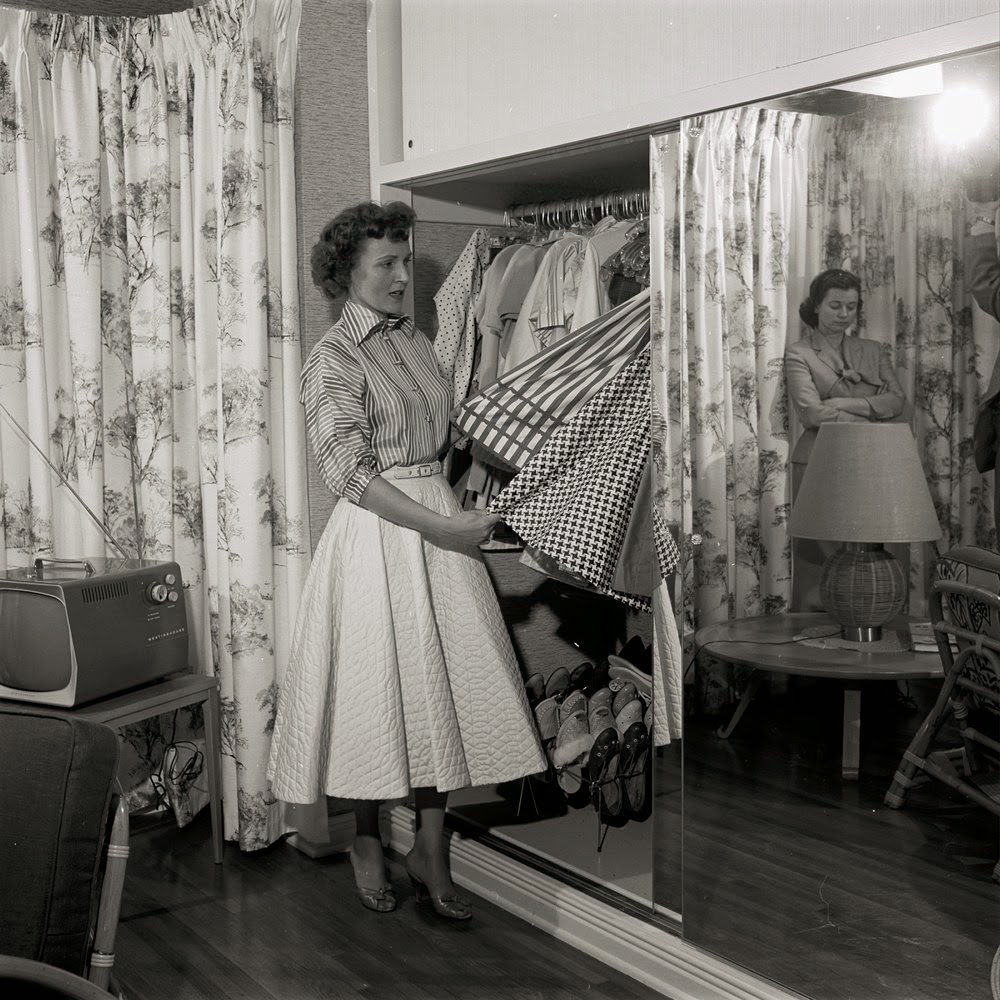
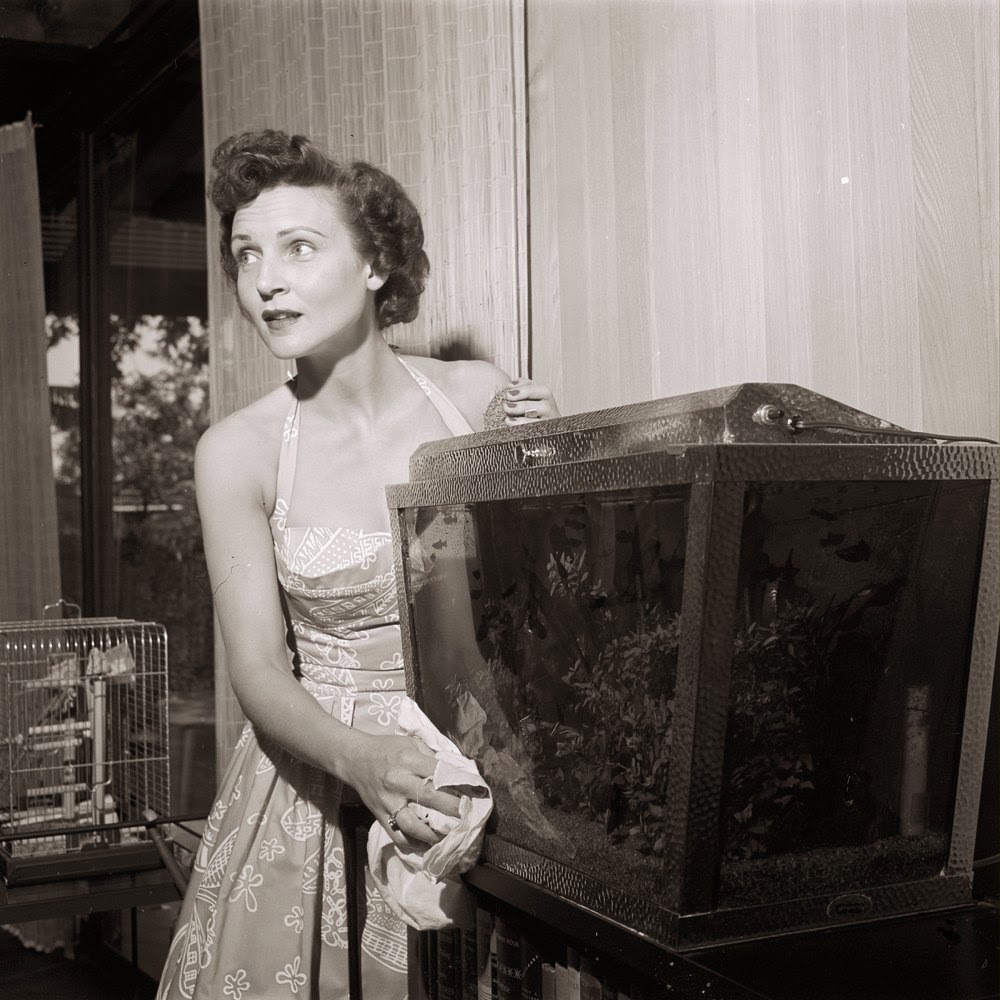
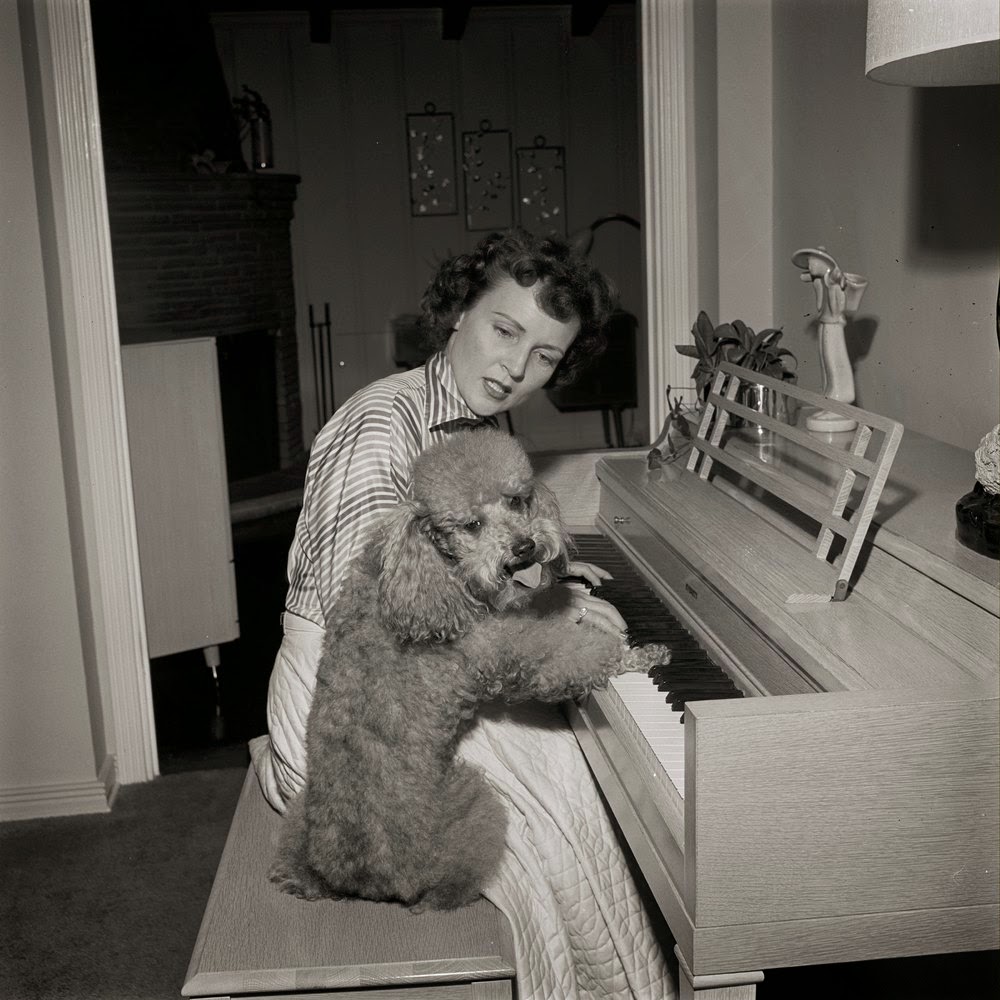
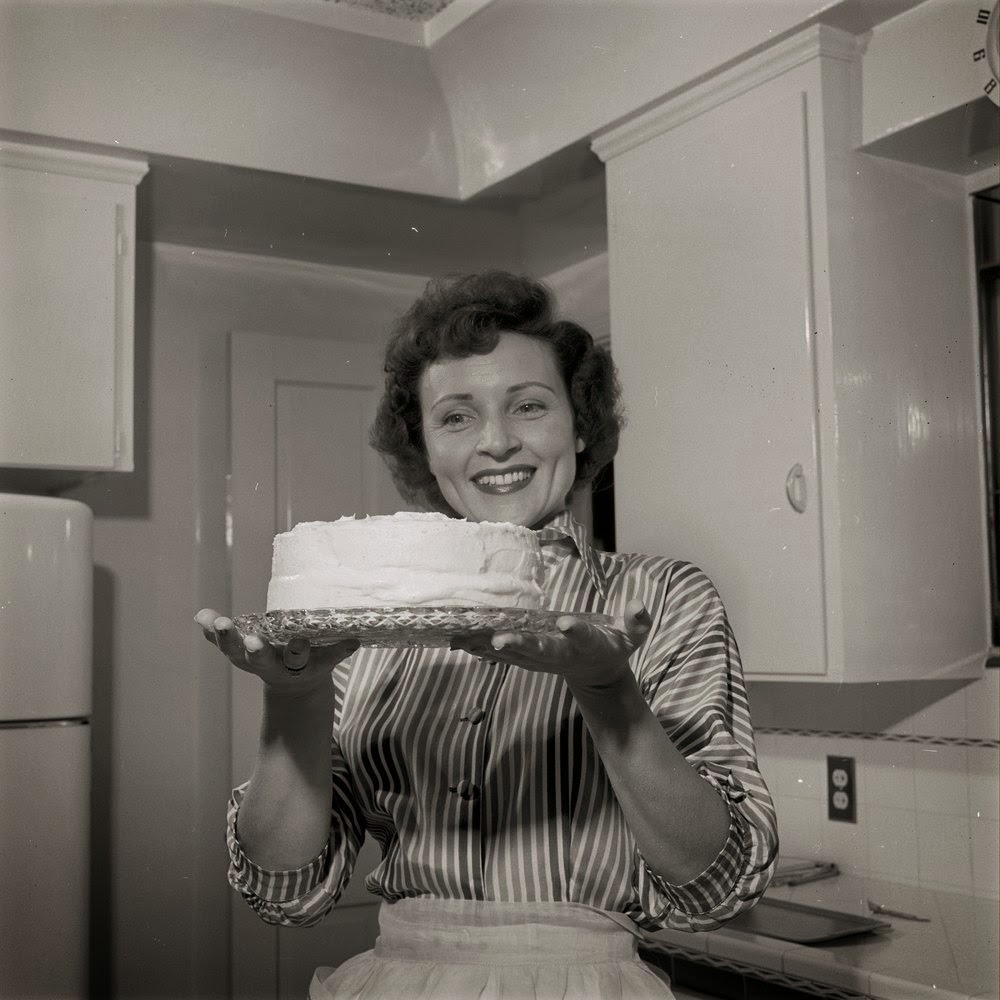
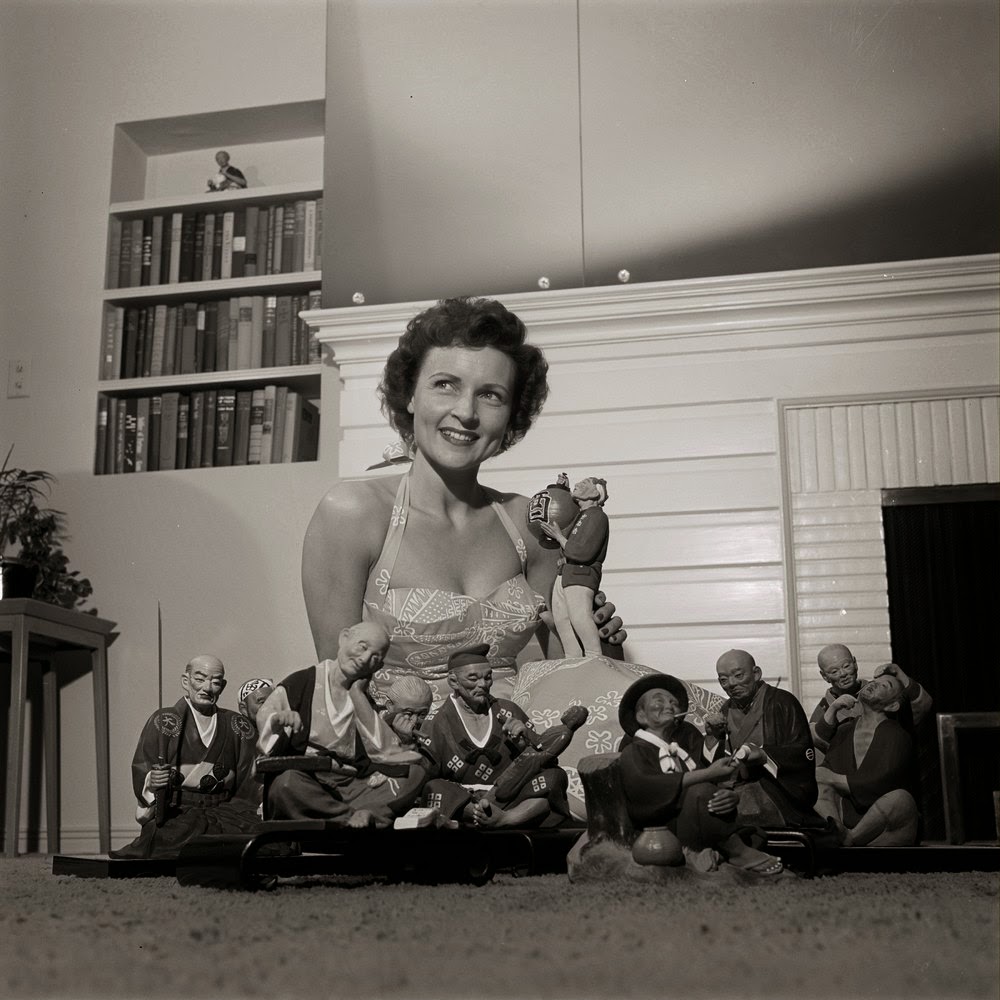
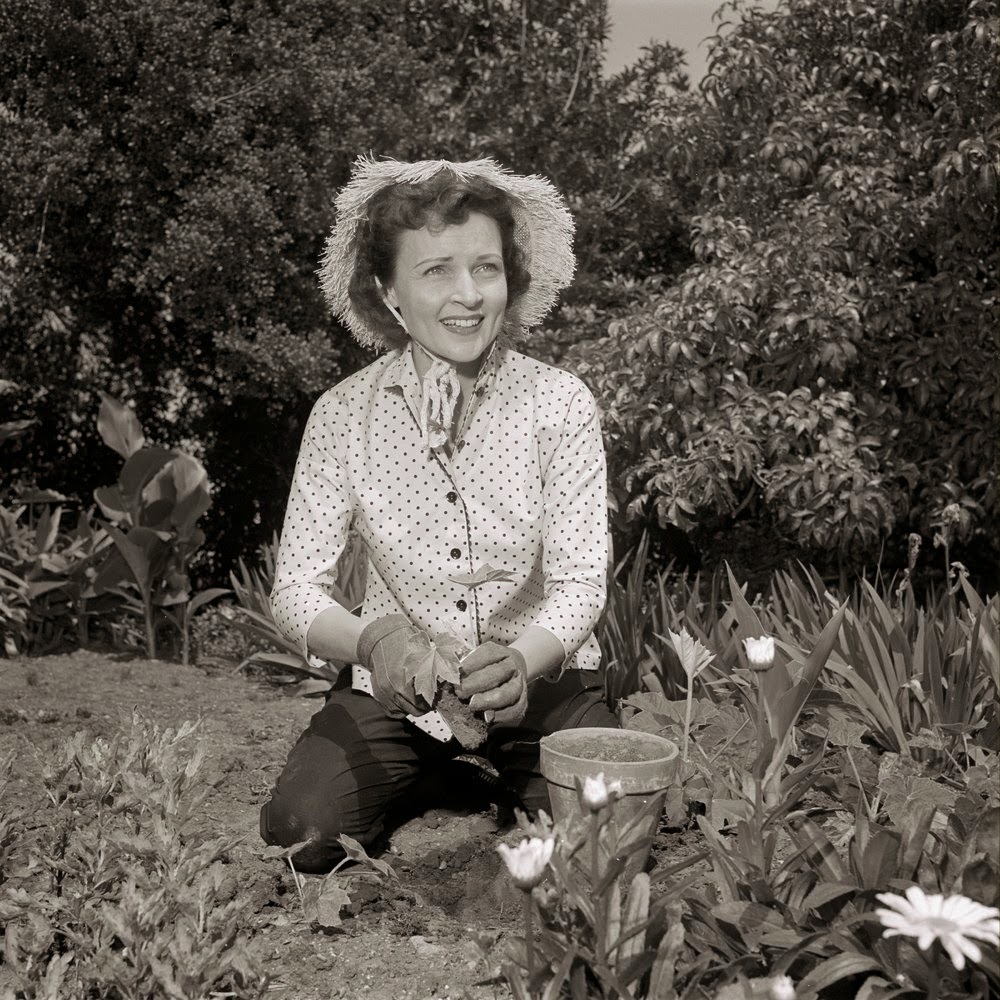
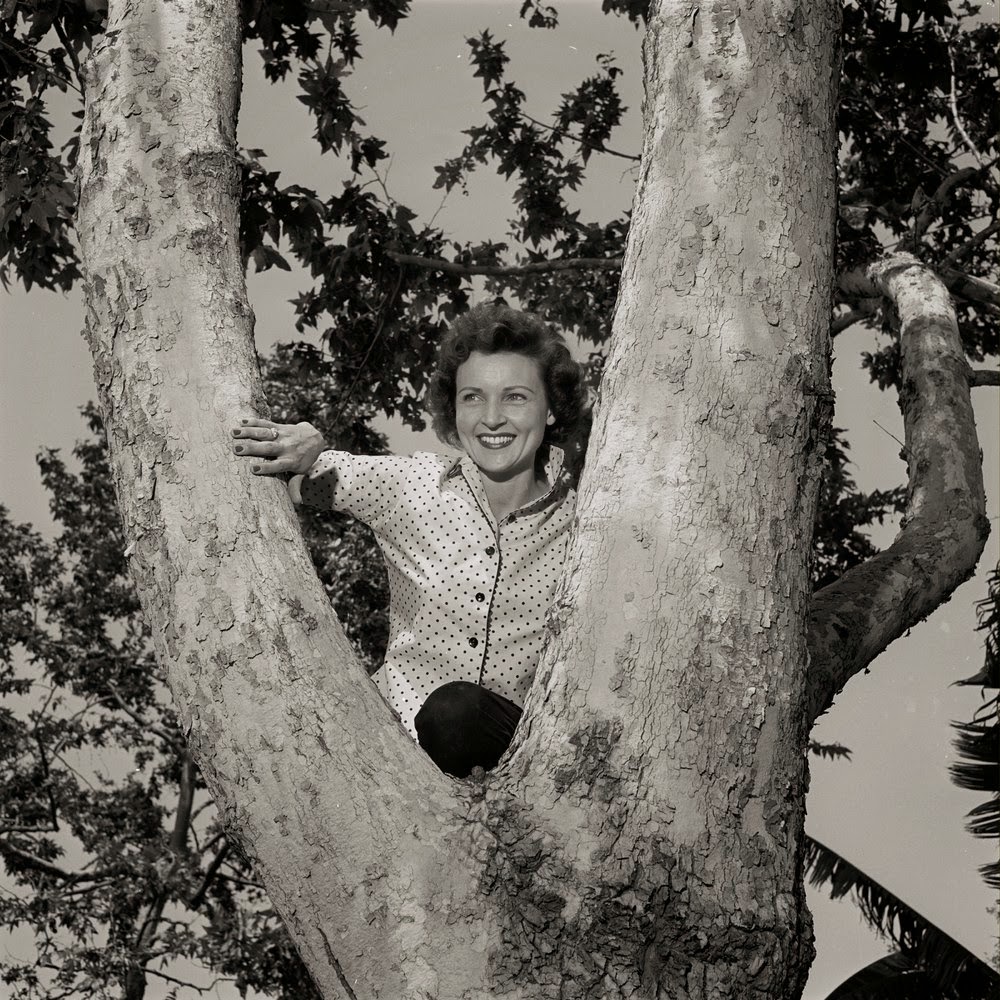
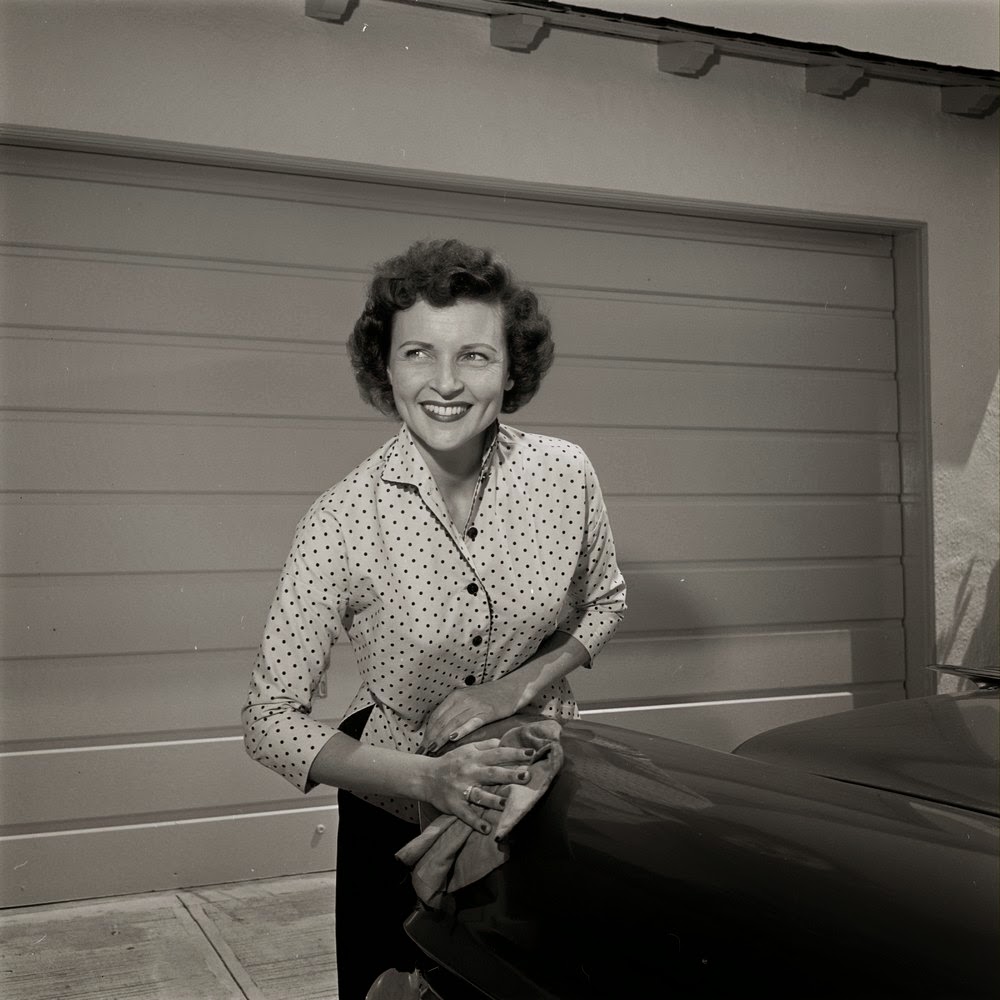
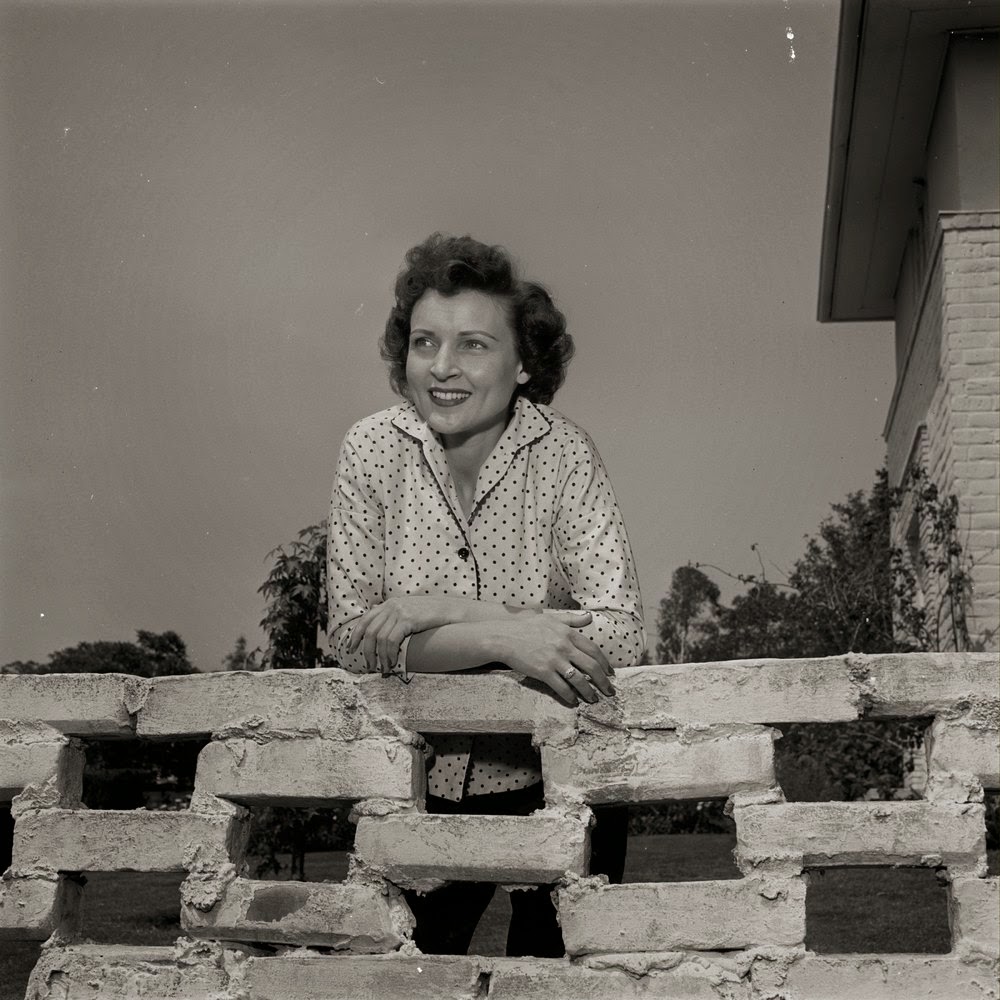
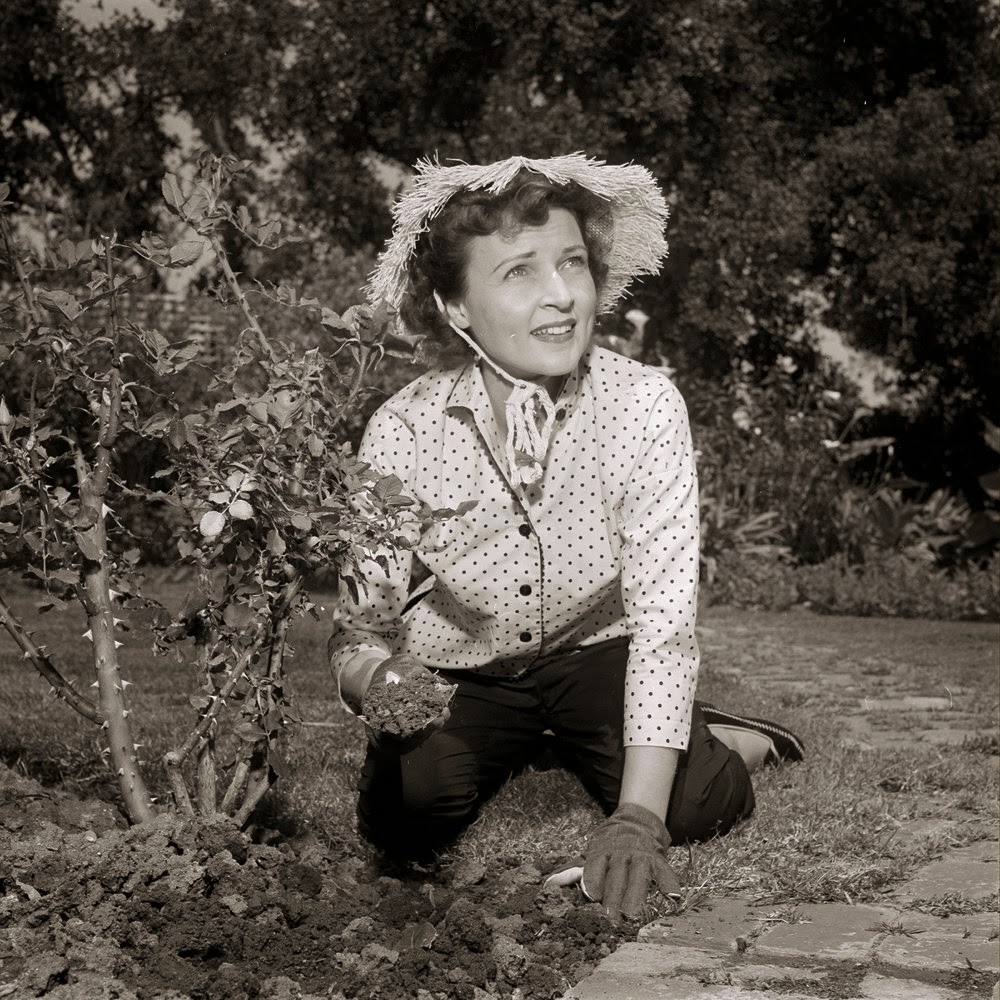
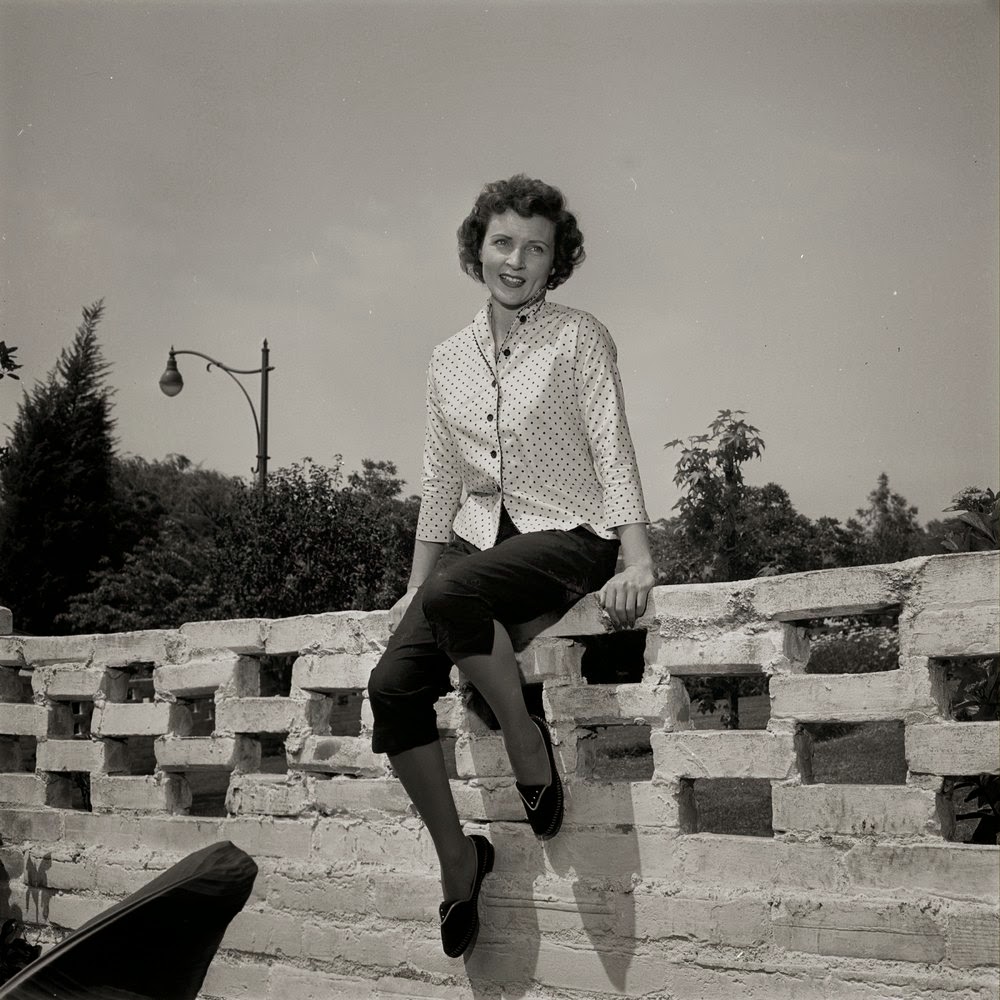
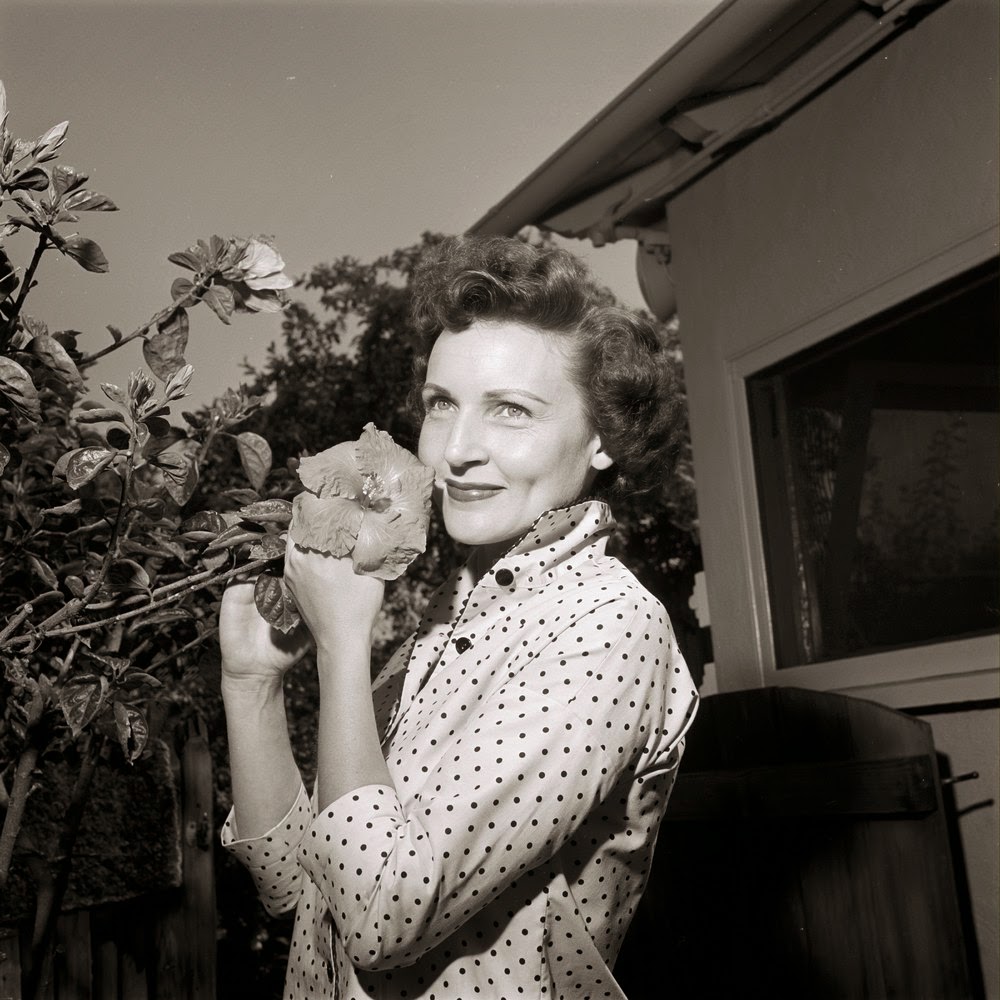
Betty Marion White Ludden (born January 17, 1922) is an American actress and comedian. A pioneer of early television, White is noted for her vast work in the entertainment industry, having been one of the first women to exert control in front of and behind the camera, as well as the first woman to produce a sitcom (Life with Elizabeth), which contributed to her being named honorary Mayor of Hollywood in 1955. She is also widely known for her roles as Sue Ann Nivens on the CBS sitcom The Mary Tyler Moore Show (1973–1977), Rose Nylund on the NBC sitcom The Golden Girls (1985–1992), and Elka Ostrovsky on the TV Land sitcom Hot in Cleveland (2010–2015).
With an entertainment career spanning over nine decades, White was eight years old when she made her radio programming debut in 1930. Several years later in young adulthood she began working as a radio personality in Los Angeles under the guidance of disc jockey Al Jarvis. After making the transition to television, White became a staple panelist of American game shows, including Password, Match Game, Tattletales, To Tell the Truth, The Hollywood Squares and The $25,000 Pyramid; dubbed “the first lady of game shows”, White became the first woman to receive the Daytime Emmy Award for Outstanding Game Show Host for the show Just Men! in 1983. She is also known for her appearances on The Bold and the Beautiful, Boston Legal, The Carol Burnett Show, and Saturday Night Live.
With a television career spanning over eight decades, White has worked longer in that medium than anyone else in the television industry, earning her a Guinness World Record in 2018. White has received eight Emmy Awards in various categories, three American Comedy Awards, three Screen Actors Guild Awards, and a Grammy Award. She has a star on the Hollywood Walk of Fame, and is a 1985 Television Hall of Fame inductee. (Wikipedia)






























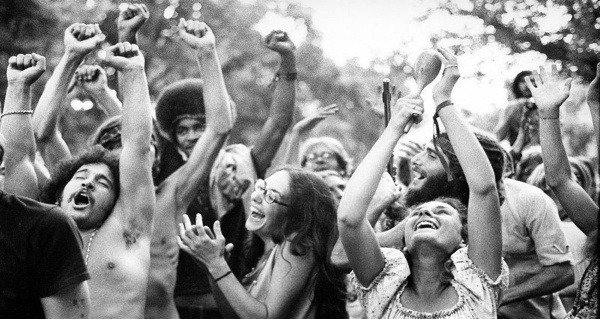
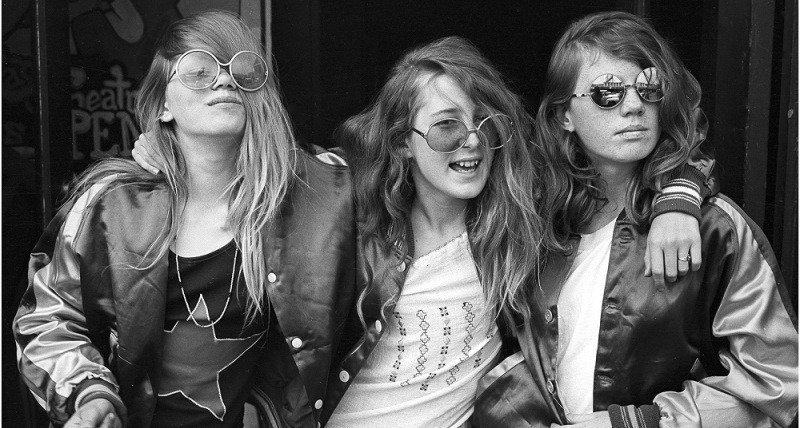
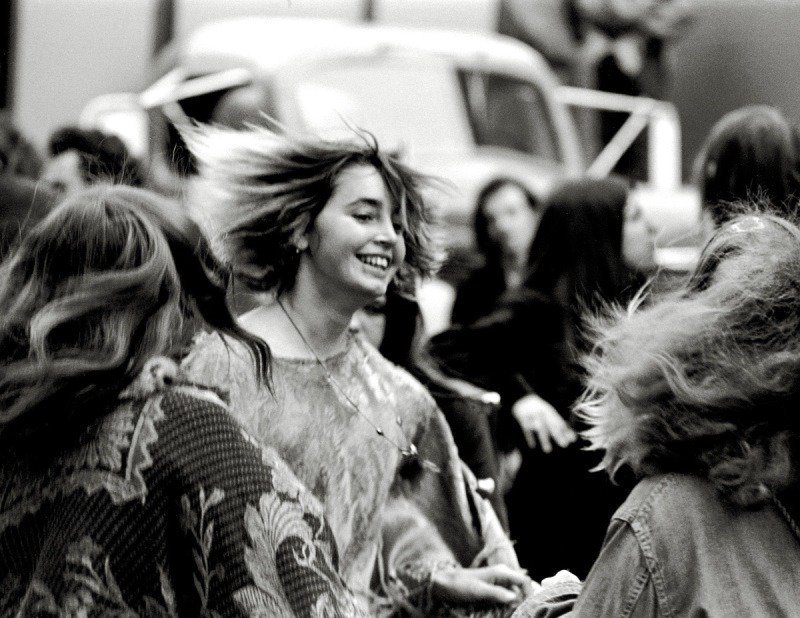
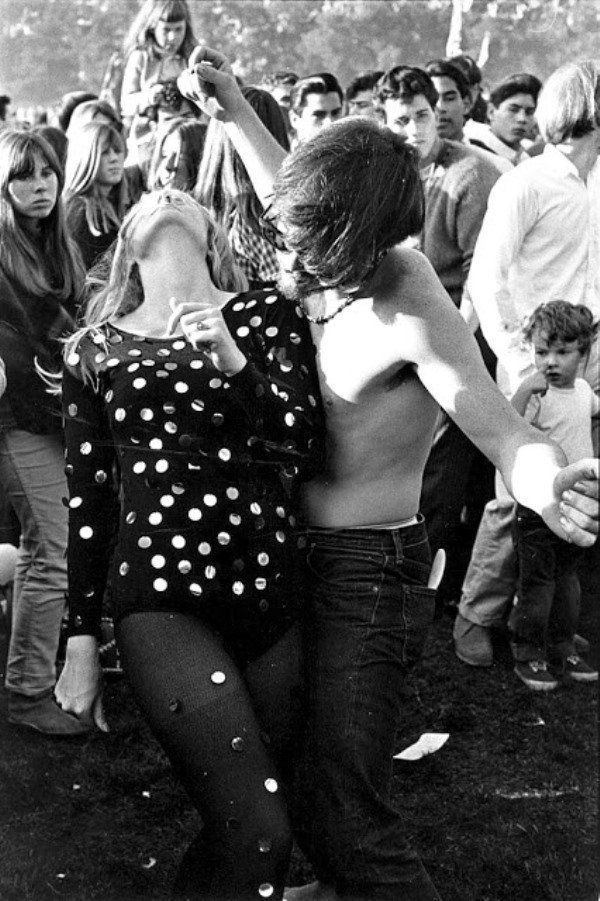
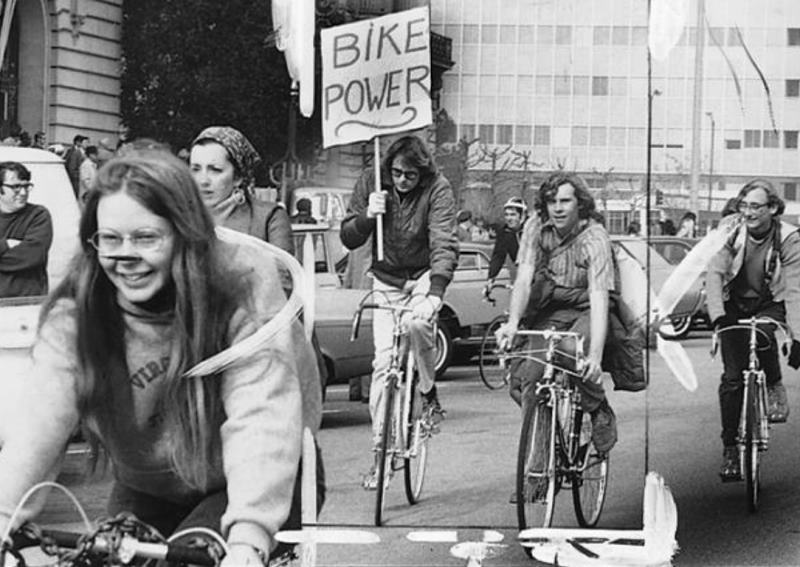
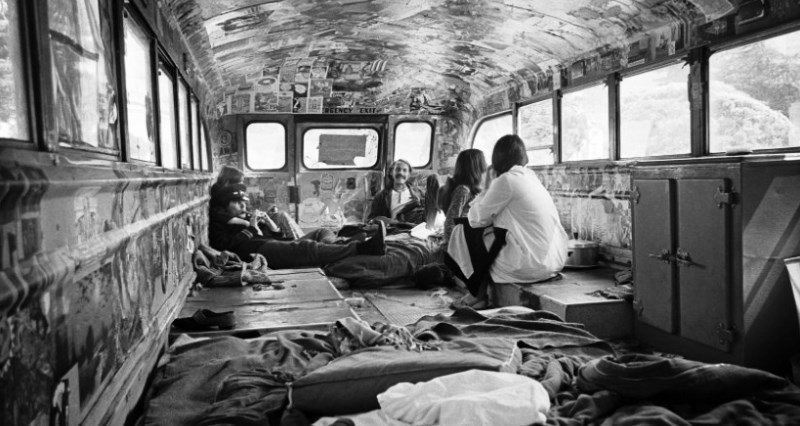
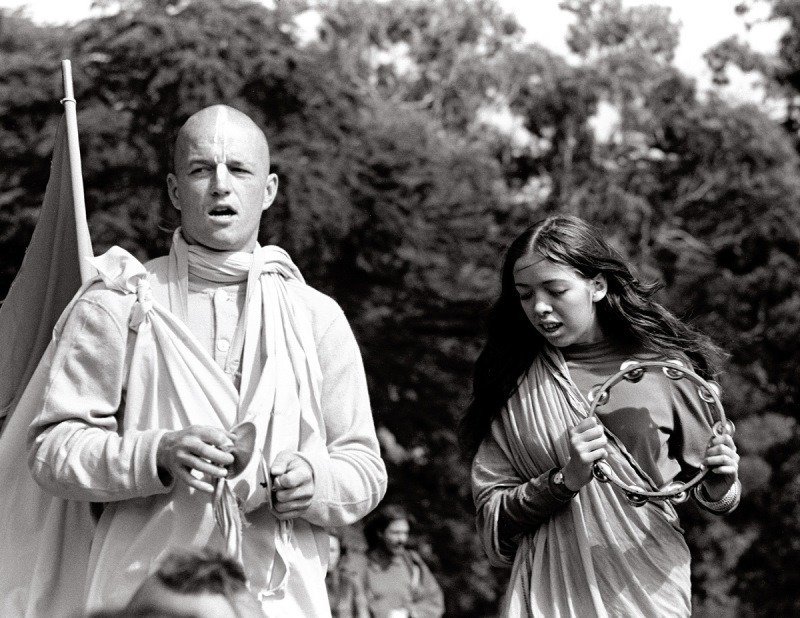
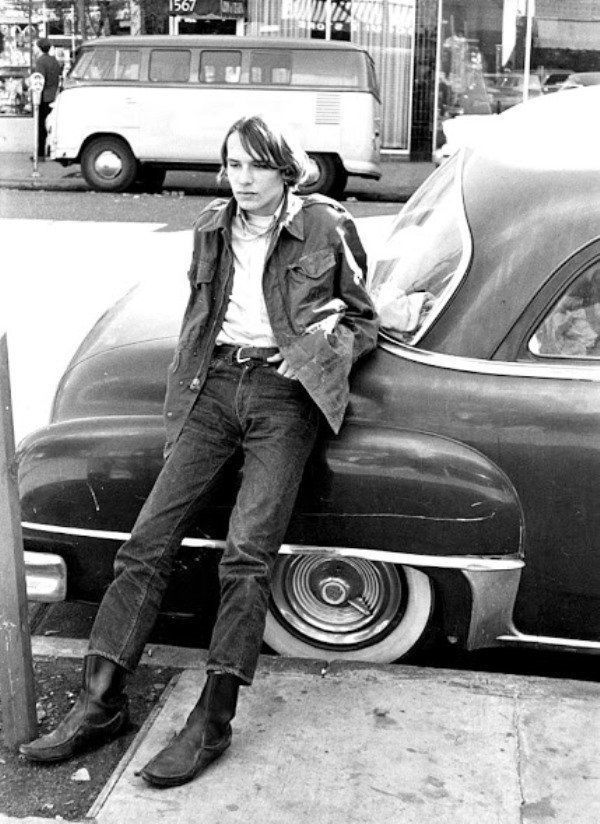
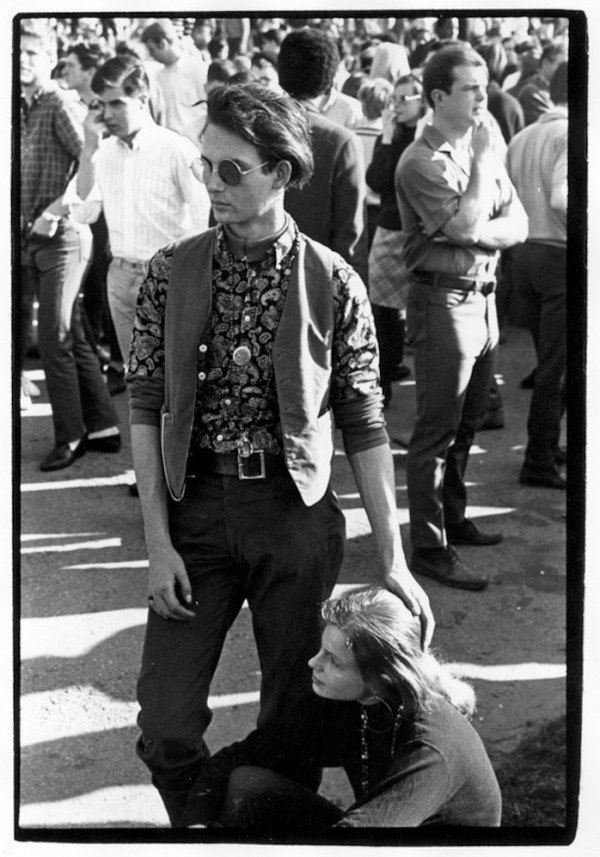
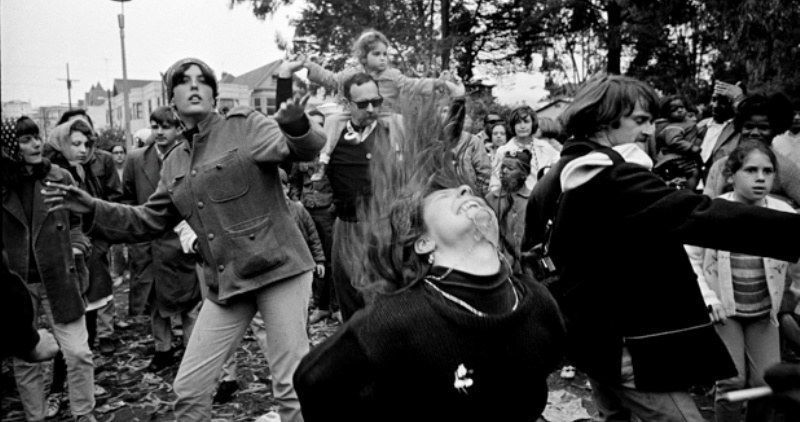
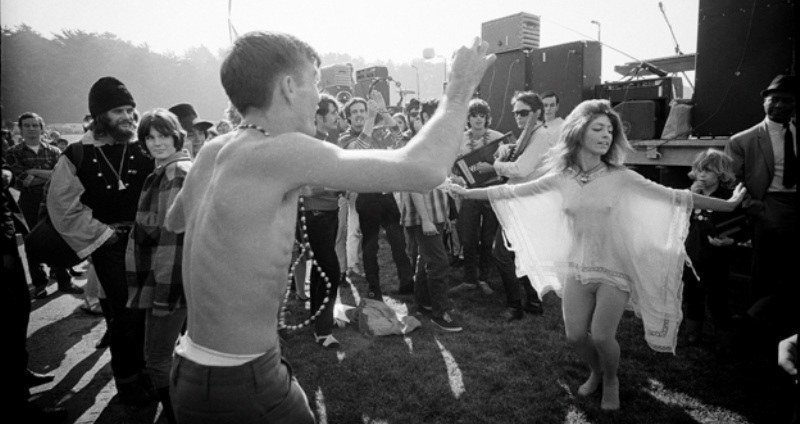
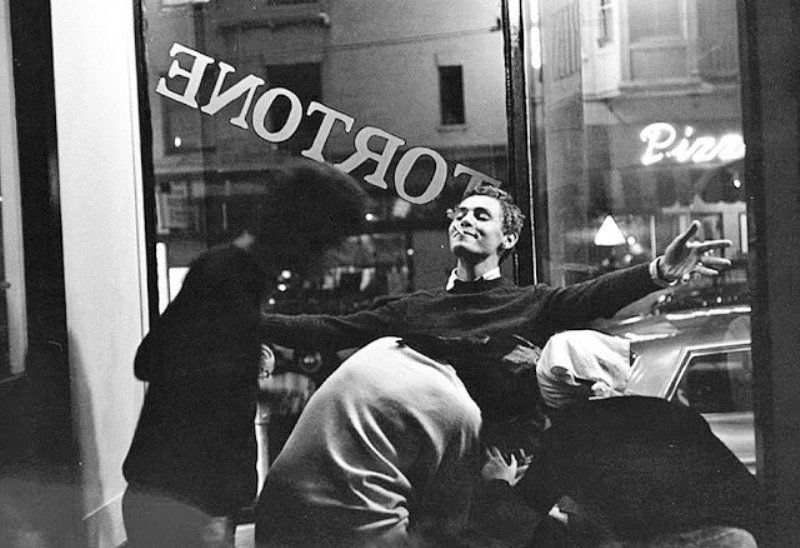
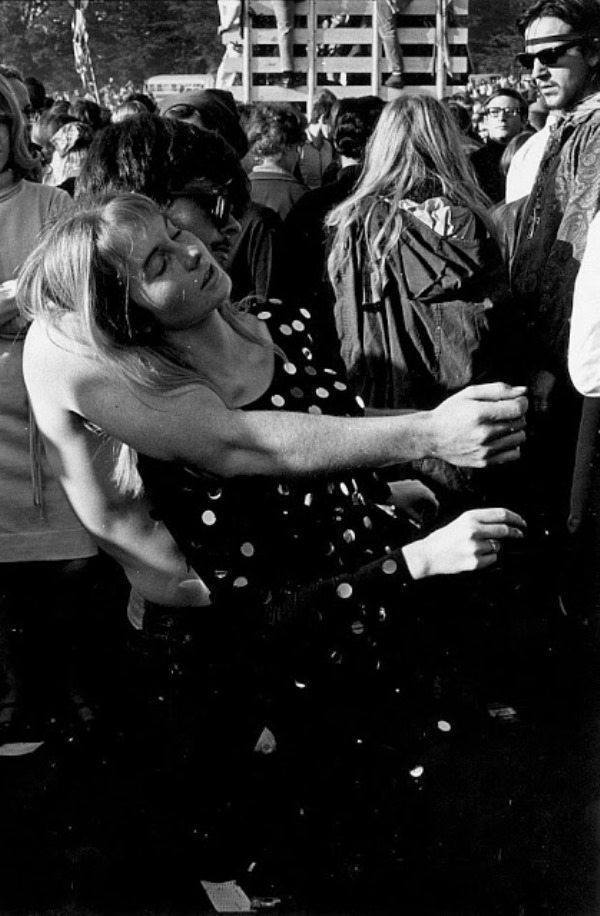
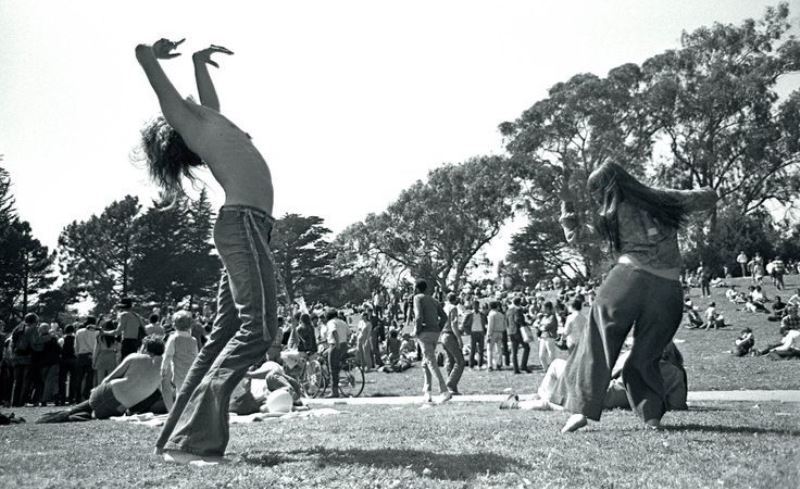
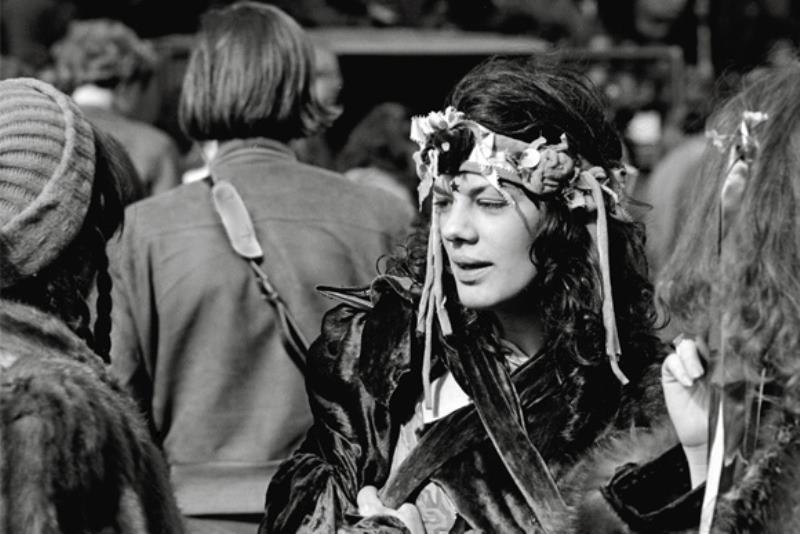
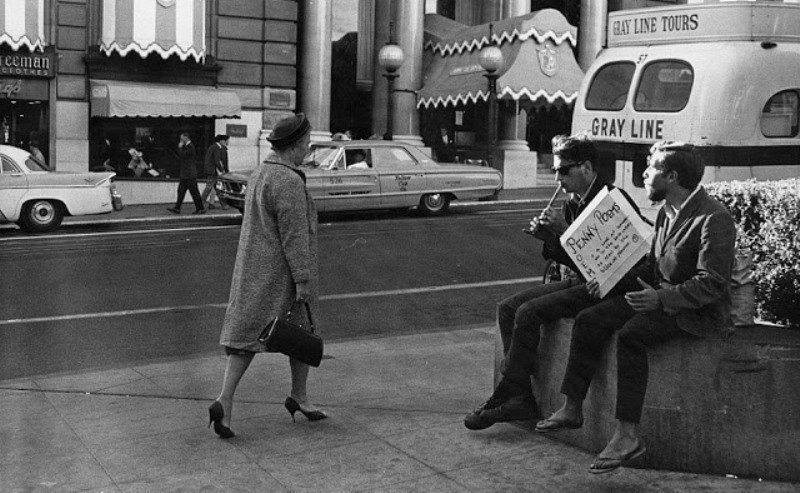
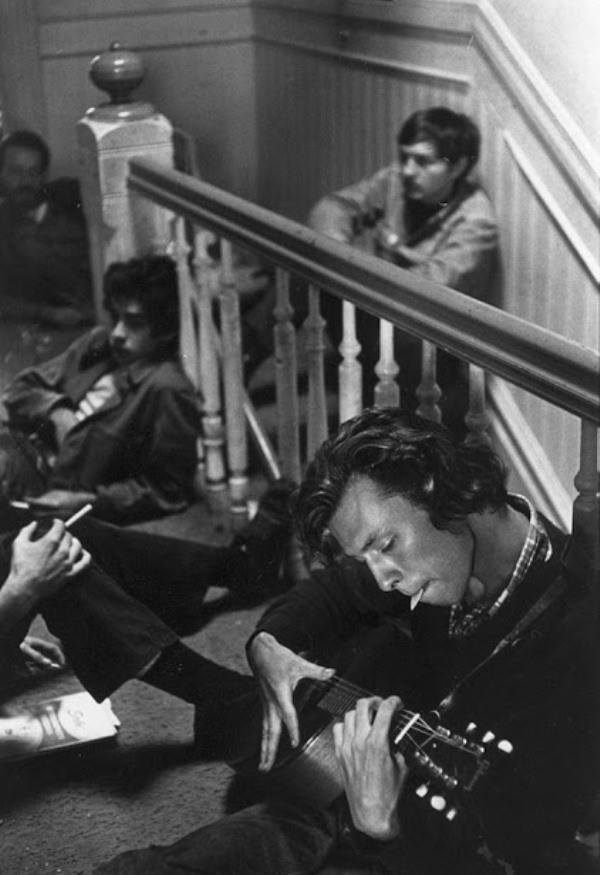
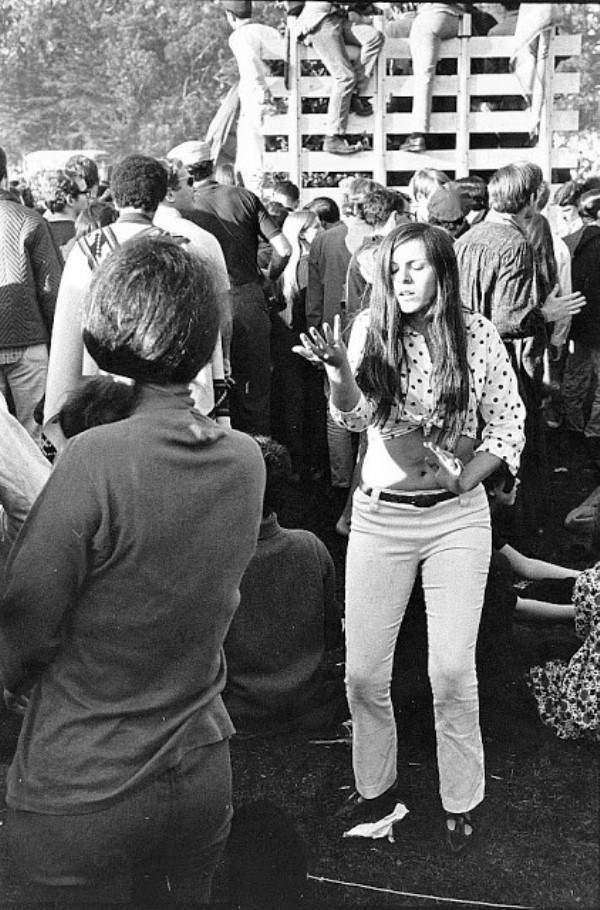
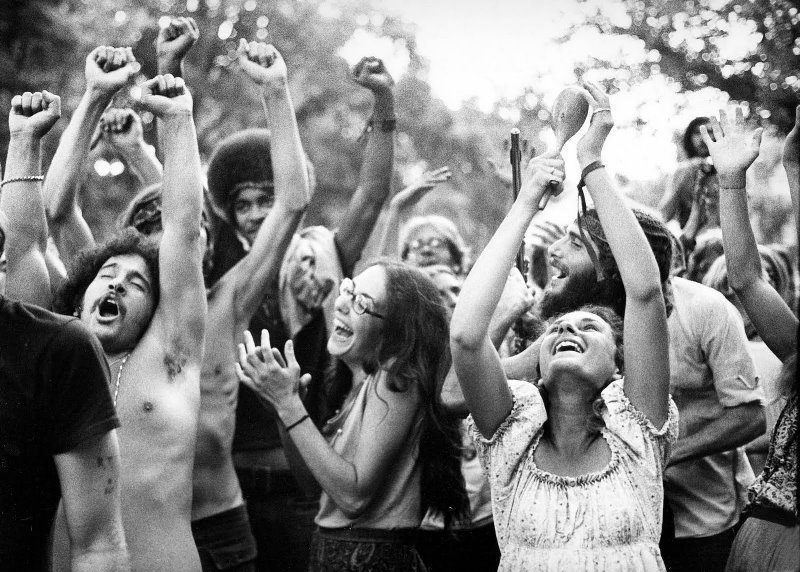
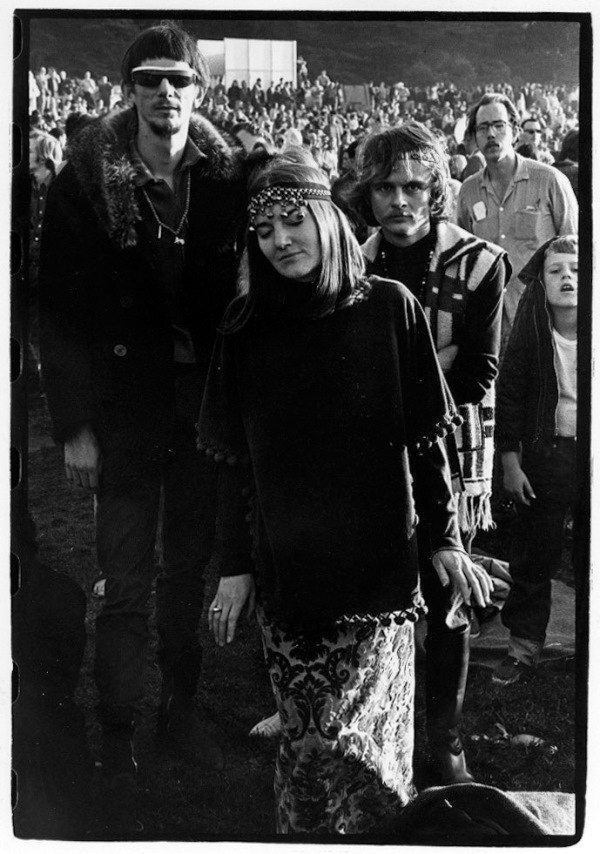
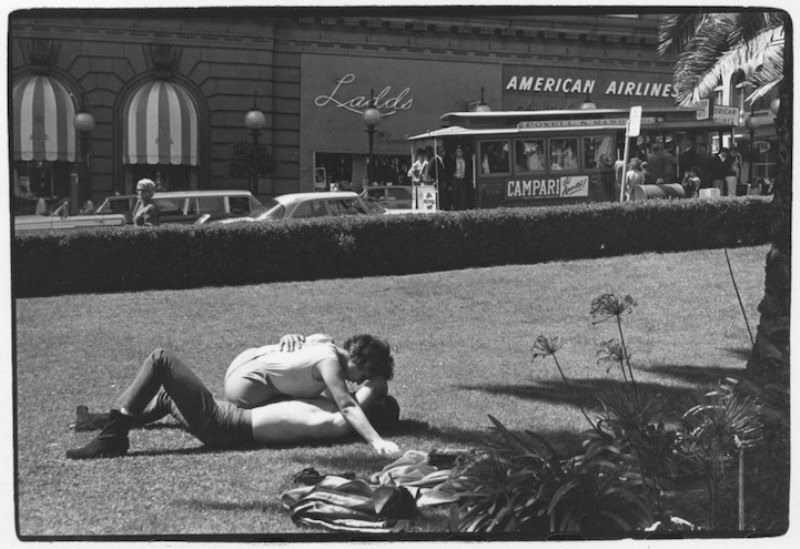
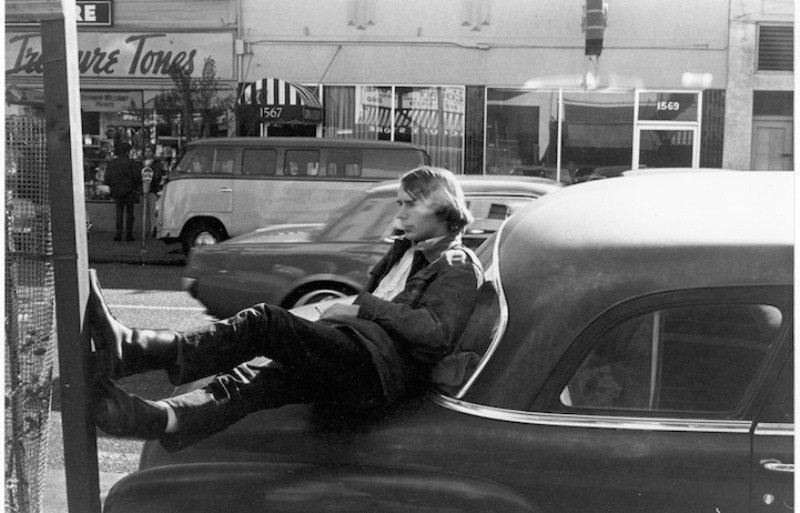
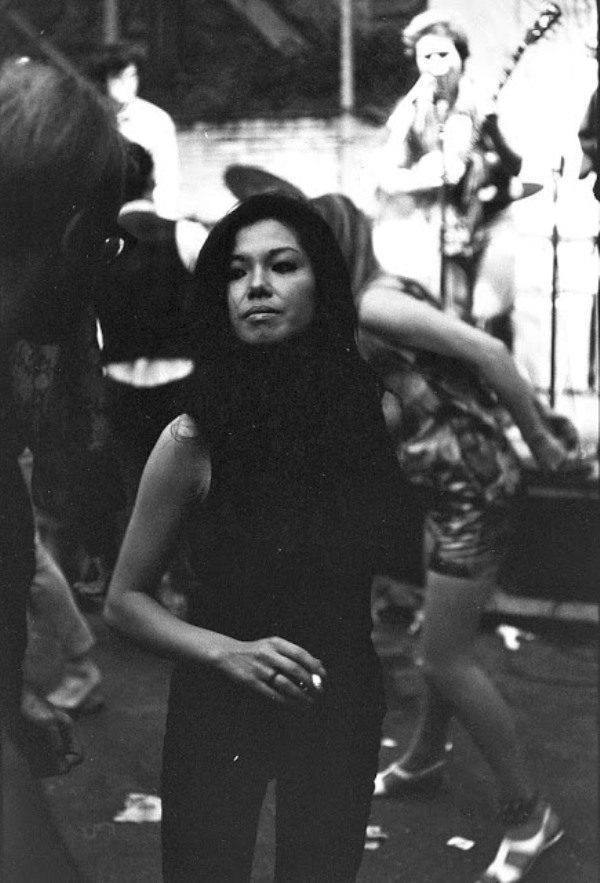
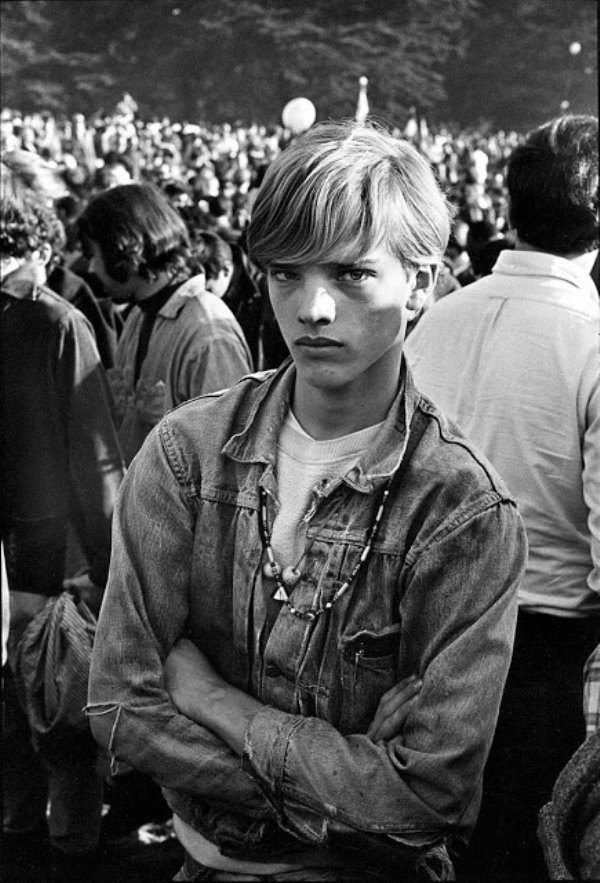
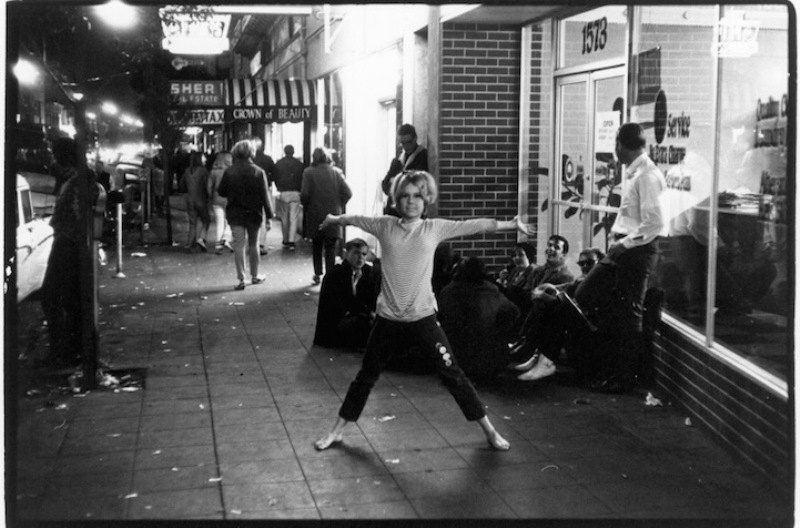
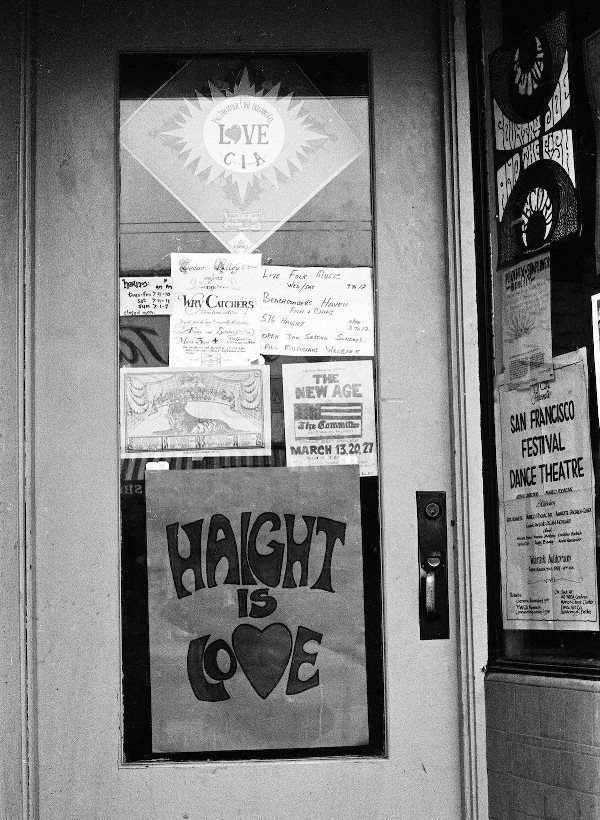
A hippie, also spelled hippy, especially in UK English, was a member of the counterculture of the 1960s, originally a youth movement that began in the United States during the mid-1960s and spread to other countries around the world. The word hippie came from hipster and was used to describe beatniks who moved into New York City’s Greenwich Village, San Francisco’s Haight-Ashbury district, and Chicago’s Old Town community. The term hippie was used in print by San Francisco writer Michael Fallon, helping popularise use of the term in the media, although the tag was seen elsewhere earlier.
The origins of the terms hip and hep are uncertain. By the 1940s, both had become part of African American jive slang and meant “sophisticated; currently fashionable; fully up-to-date”. The Beats adopted the term hip, and early hippies inherited the language and countercultural values of the Beat Generation. Hippies created their own communities, listened to psychedelic music, embraced the sexual revolution, and many used drugs such as marijuana and LSD to explore altered states of consciousness.
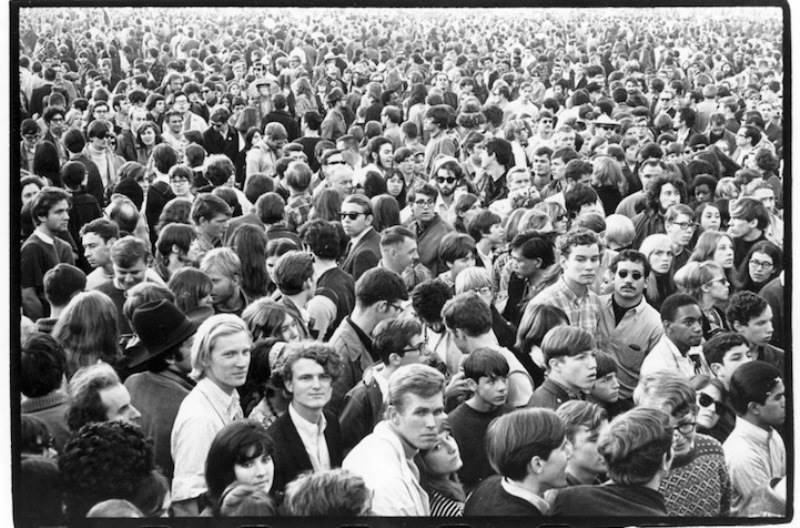
In 1967, the Human Be-In in Golden Gate Park, San Francisco, and Monterey Pop Festival popularized hippie culture, leading to the Summer of Love on the West Coast of the United States, and the 1969 Woodstock Festival on the East Coast. Hippies in Mexico, known as jipitecas, formed La Onda and gathered at Avándaro, while in New Zealand, nomadic housetruckers practiced alternative lifestyles and promoted sustainable energy at Nambassa. In the United Kingdom in 1970, many gathered at the gigantic third Isle of Wight Festival with a crowd of around 400,000 people. In later years, mobile “peace convoys” of New Age travellers made summer pilgrimages to free music festivals at Stonehenge and elsewhere. In Australia, hippies gathered at Nimbin for the 1973 Aquarius Festival and the annual Cannabis Law Reform Rally or MardiGrass. “Piedra Roja Festival”, a major hippie event in Chile, was held in 1970. Hippie and psychedelic culture influenced 1960s and early 1970s youth culture in Iron Curtain countries in Eastern Europe.
Hippie fashion and values had a major effect on culture, influencing popular music, television, film, literature, and the arts. Since the 1960s, mainstream society has assimilated many aspects of hippie culture. The religious and cultural diversity the hippies espoused has gained widespread acceptance, and their pop versions of Eastern philosophy and Asian spiritual concepts have reached a larger group. (Wikipedia)