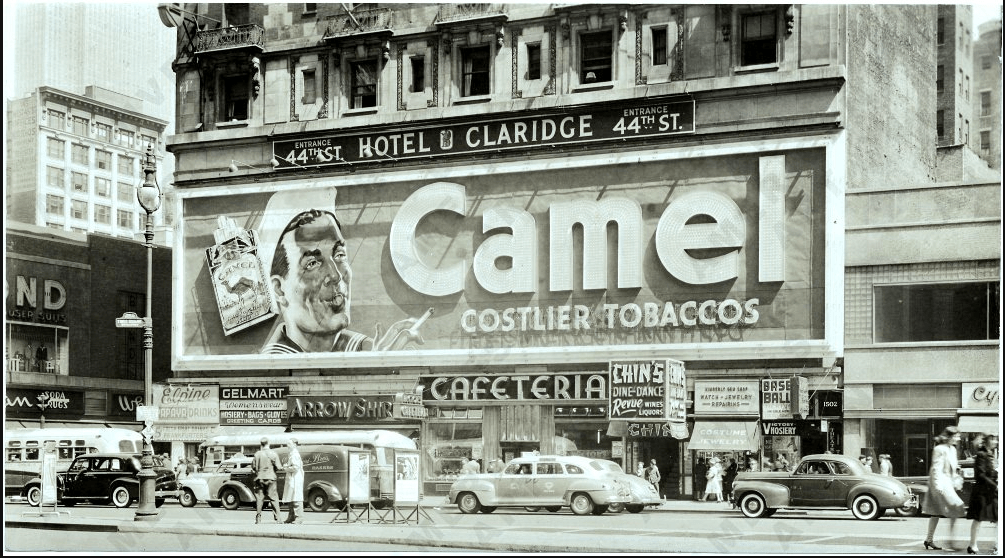
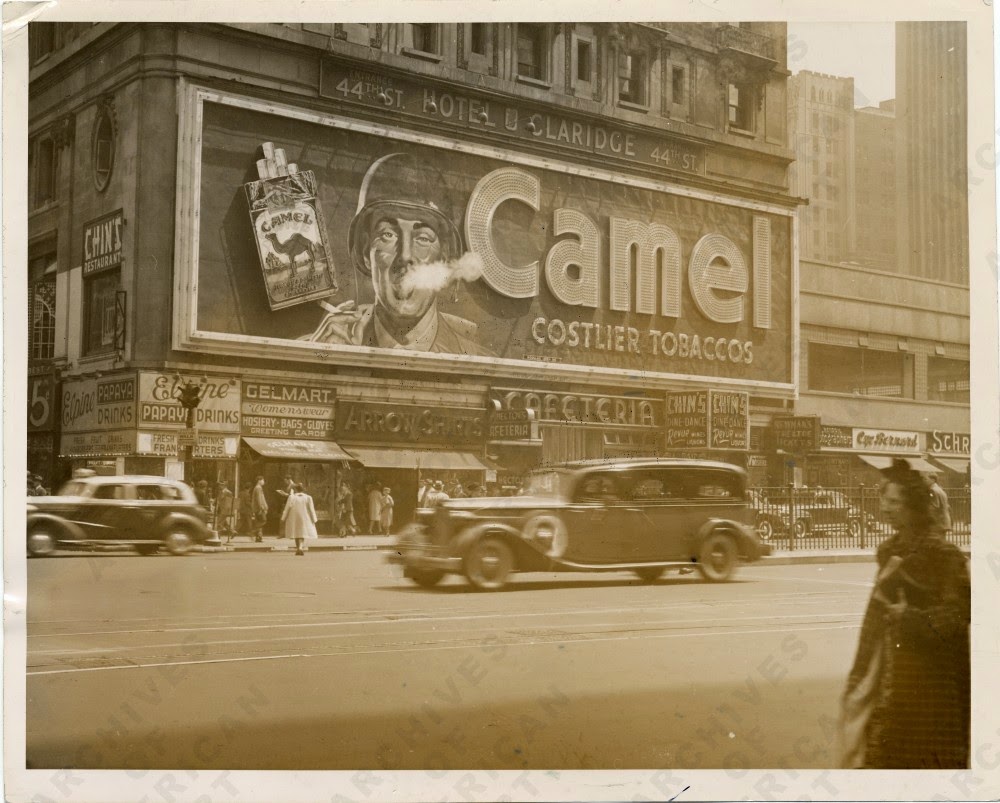
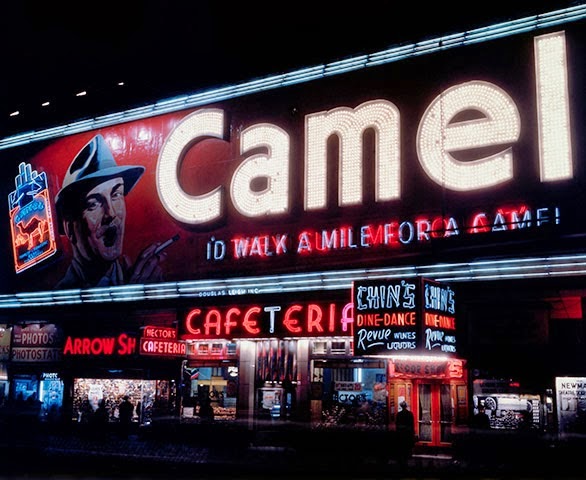
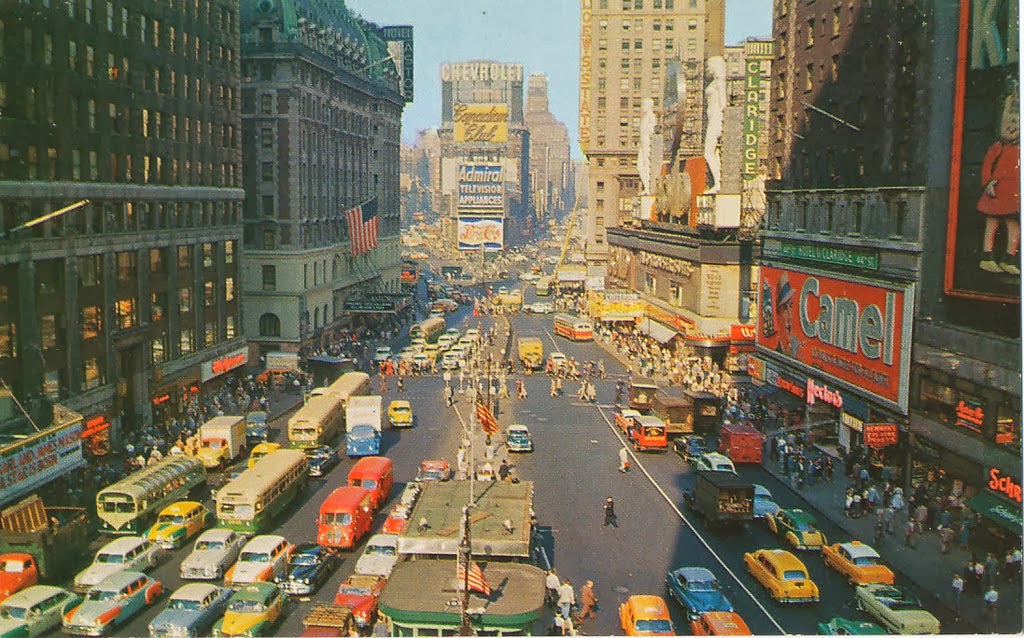
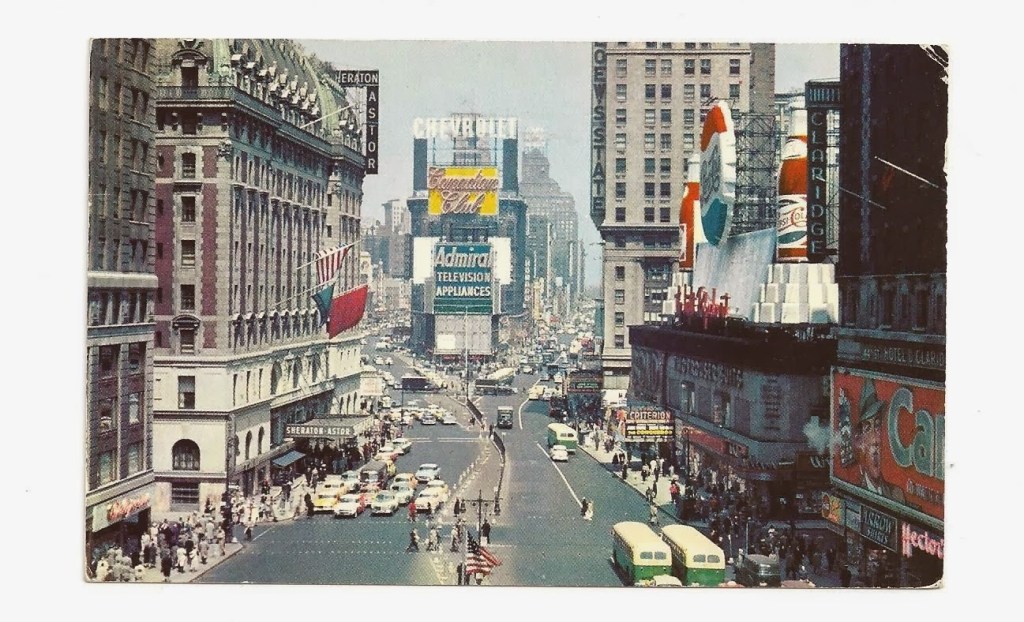
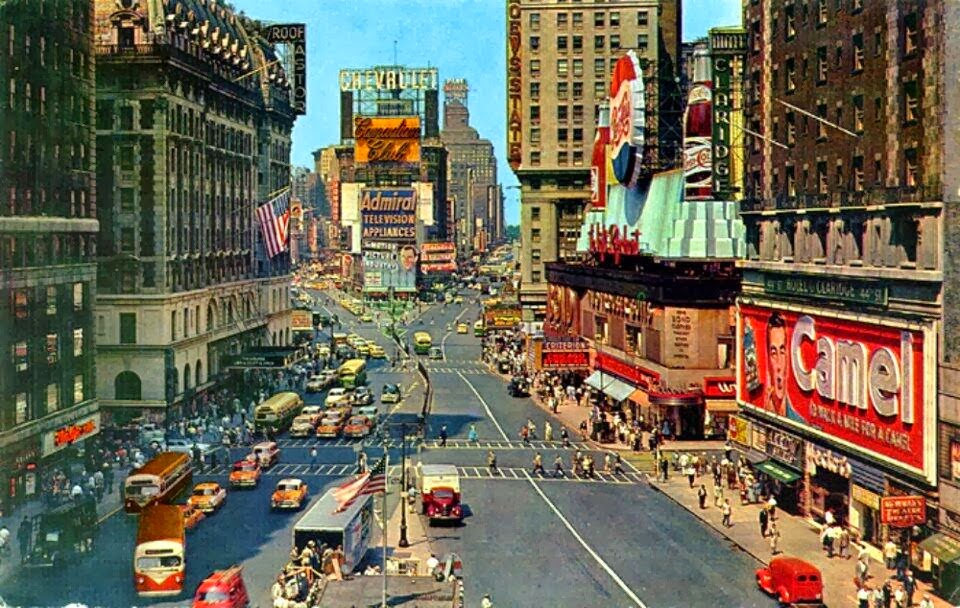
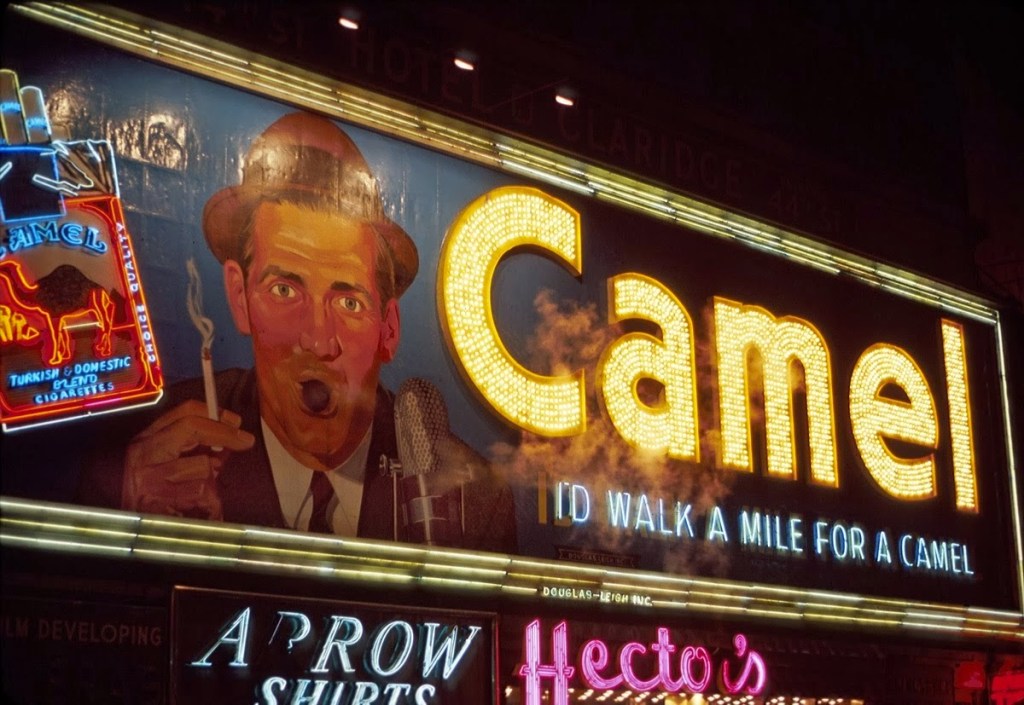
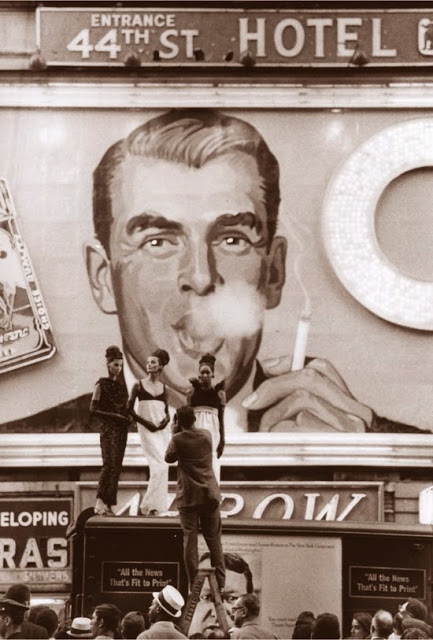
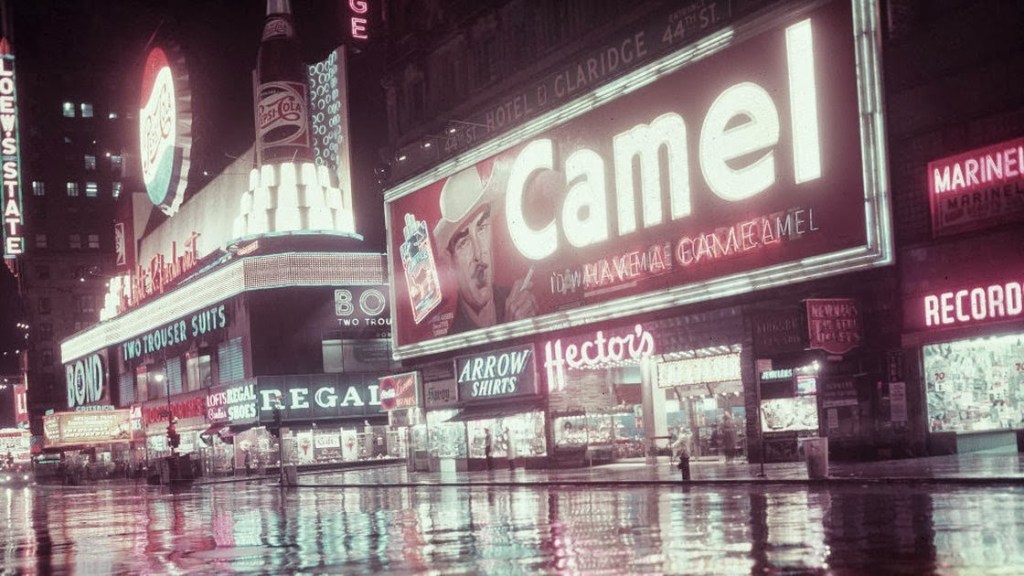
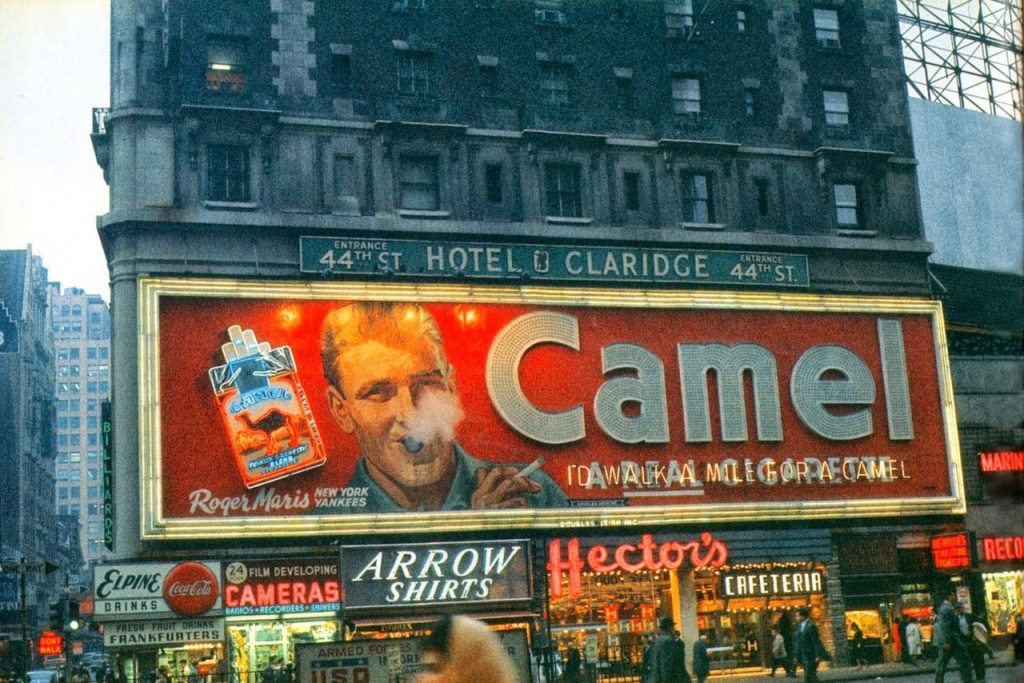
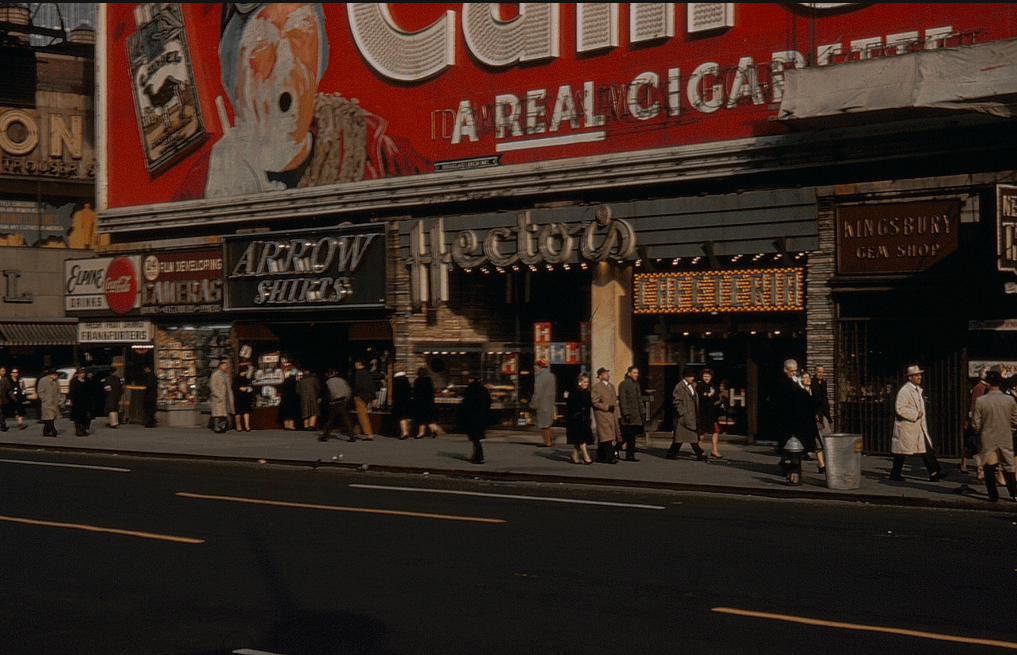
Before Times Square was all flat LCD panels its signs were far more textural. Bent tin, neon, flashing light bulbs, and all manner of mechanical contraptions animated the signs that covered the walls of the great canyon of advertising. One of the most famous signs from the 1930s through the ’60s was the Camel Cigarette sign. The makers tapped into the boiler system in the Con Ed Building, routing plumbing up to a hole in the sign, which every 4 seconds would release a “smoke” ring of steam through a ring shaped diaphragm and out of the hole. A rotating cast of faces were painted around the hole throughout the years to represent an assortment of Camel smokers, from WWII fighter pilots, to movie stars, to plain old businessmen.
Another point of interest is what lay behind the sign. Ames Billiard Academy, the once-great billiards room, was located behind the sign. Ames is perhaps most well known as being the location where much of The Hustler was filmed, starring Jackie Gleason and Paul Newman. 1966 was the last year for both the sign and the pool hall. Billiards and big mechanical signs were decidedly no longer en vogue by the mid 1960s.
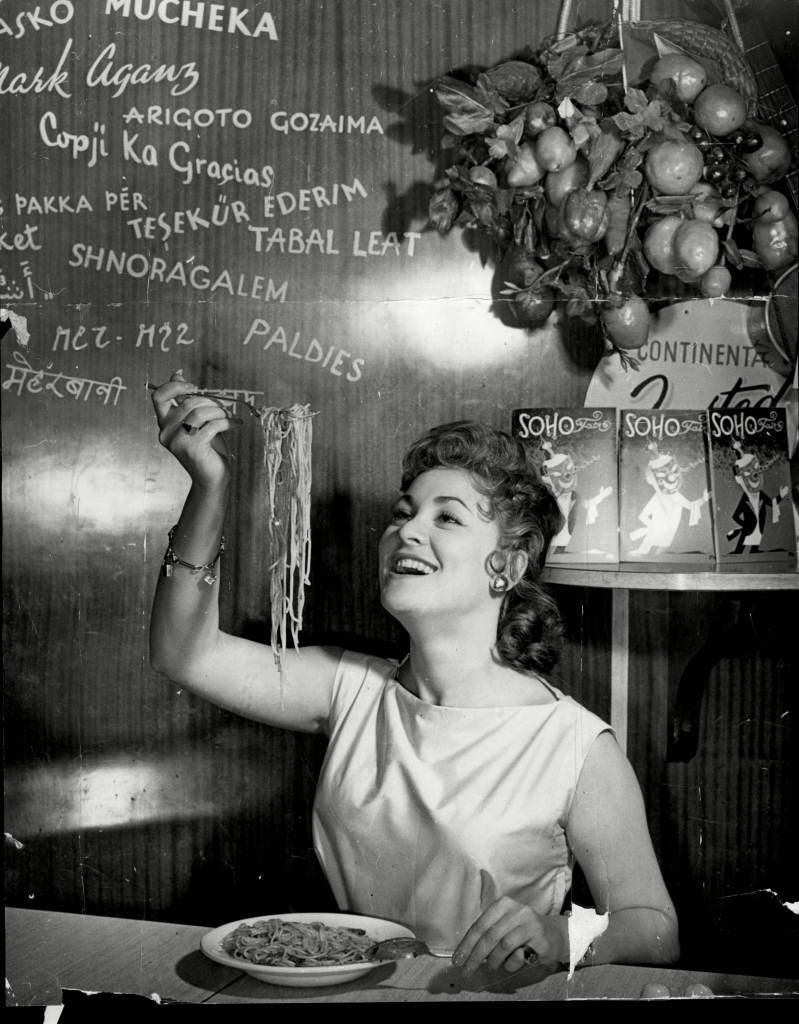
Soho is an area of the City of Westminster, part of the West End of London. Originally a fashionable district for the aristocracy, it has been one of the main entertainment districts in the capital since the 19th century.
The area was developed from farmland by Henry VIII in 1536, when it became a royal park. It became a parish in its own right in the late 17th century, when buildings started to be developed for the upper class, including the laying out of Soho Square in the 1680s. St Anne’s Church was established during the late 17th century, and remains a significant local landmark; other churches are the Church of Our Lady of the Assumption and St Gregory and St Patrick’s Church in Soho Square. The aristocracy had mostly moved away by the mid-19th century, when Soho was particularly badly hit by an outbreak of cholera in 1854. For much of the 20th century Soho had a reputation as a base for the sex industry in addition to its night life and its location for the headquarters of leading film companies. Since the 1980s, the area has undergone considerable gentrification. It is now predominantly a fashionable district of upmarket restaurants and media offices, with only a small remnant of sex industry venues. London’s gay community is centred on Old Compton Street in Soho.
Soho’s reputation as a major entertainment district of London stems from theatres such as the Windmill Theatre on Great Windmill Street and the Raymond Revuebar owned by entrepreneur Paul Raymond, and music clubs such as the 2i’s Coffee Bar and the Marquee Club. Trident Studios was based in Soho, and the nearby Denmark Street has hosted numerous music publishing houses and instrument shops from the 20th century onwards. The independent British film industry is centred around Soho, including the British headquarters of Twentieth Century Fox and the British Board of Film Classification offices. The area has been popular for restaurants since the 19th century, including the long-standing Kettner’s which was visited by numerous celebrities. Near to Soho is London’s Chinatown, centred on Gerrard Street and containing several restaurants. (Wikipedia)
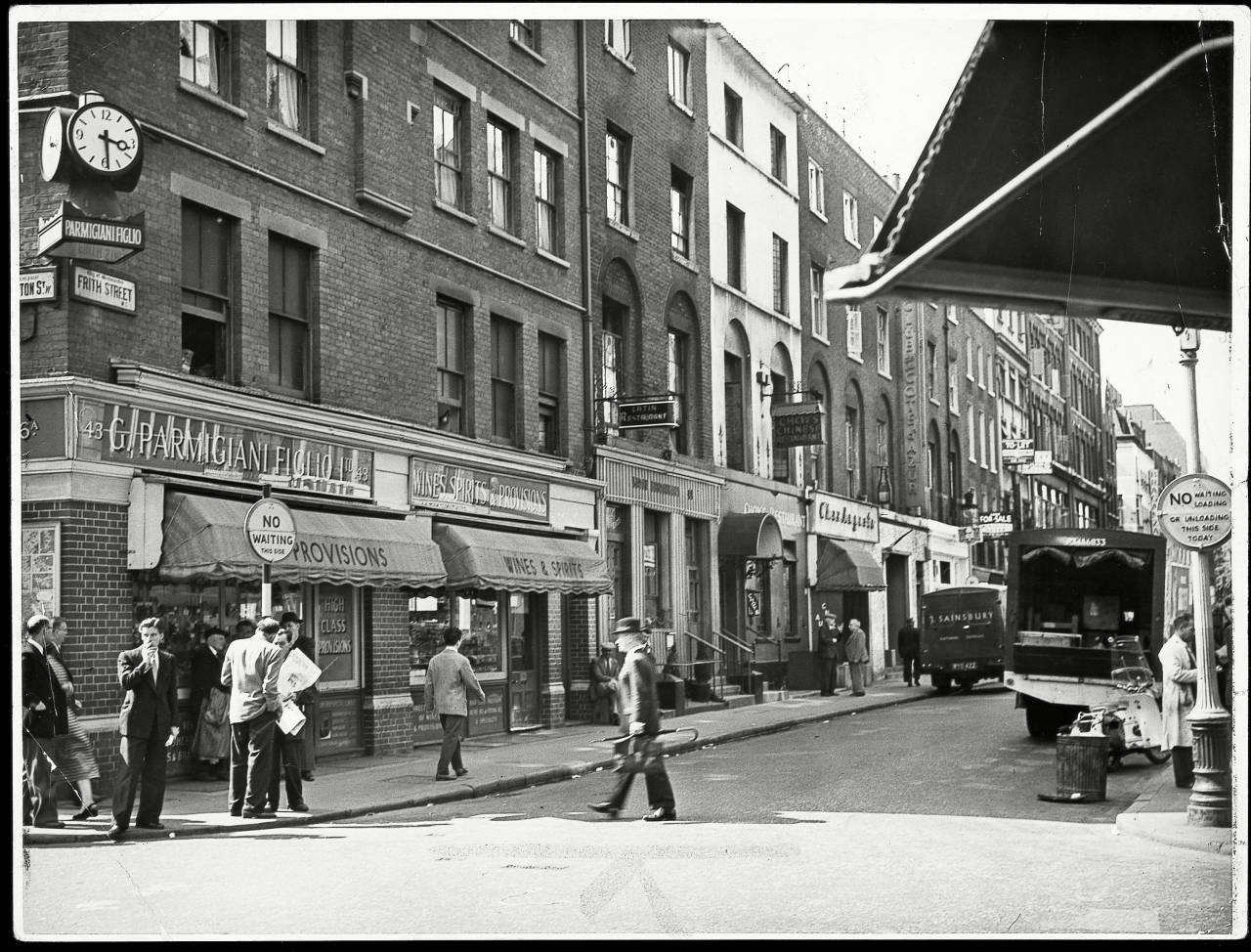
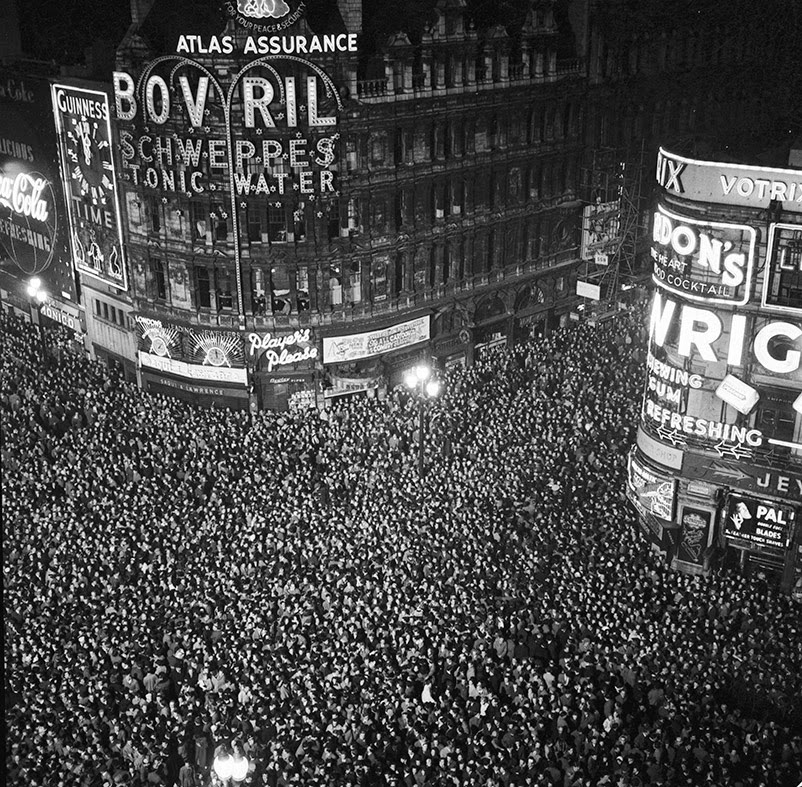
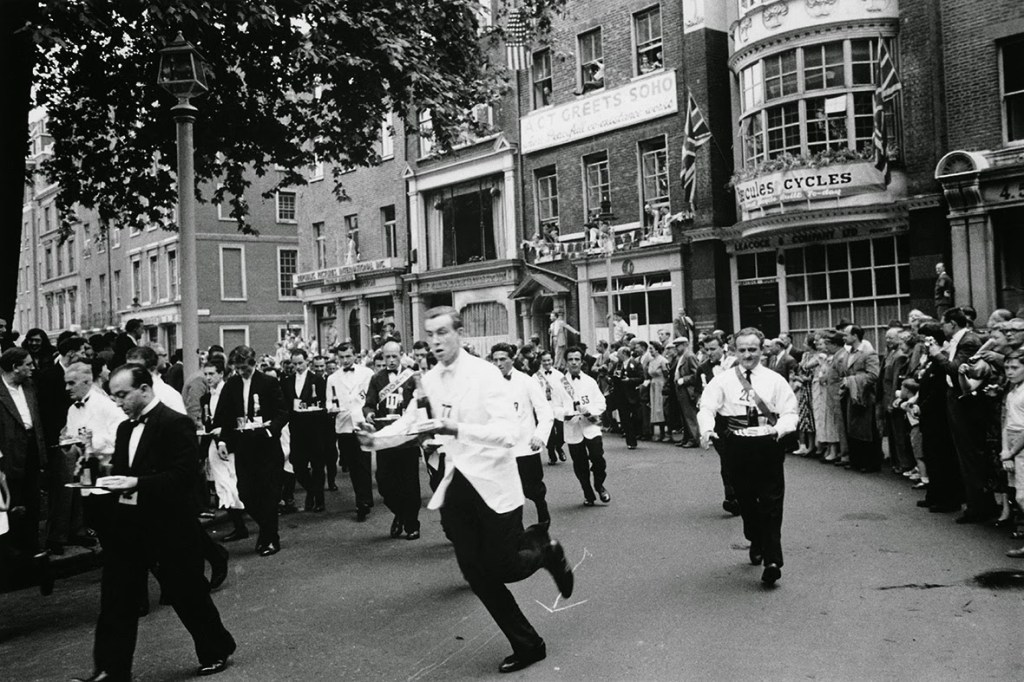
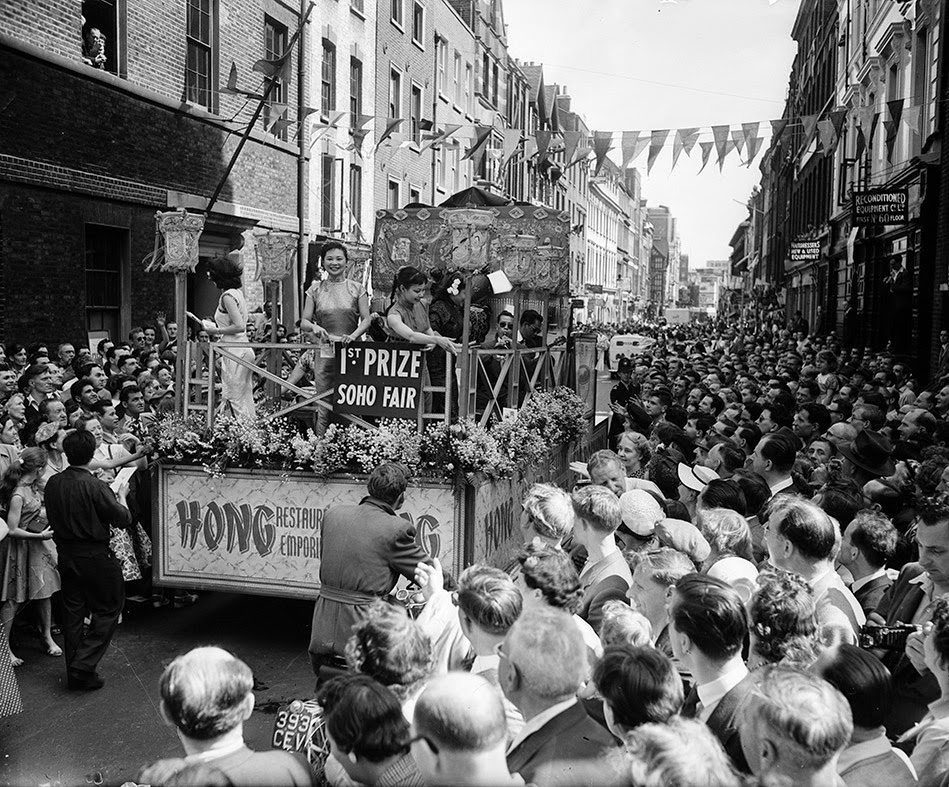
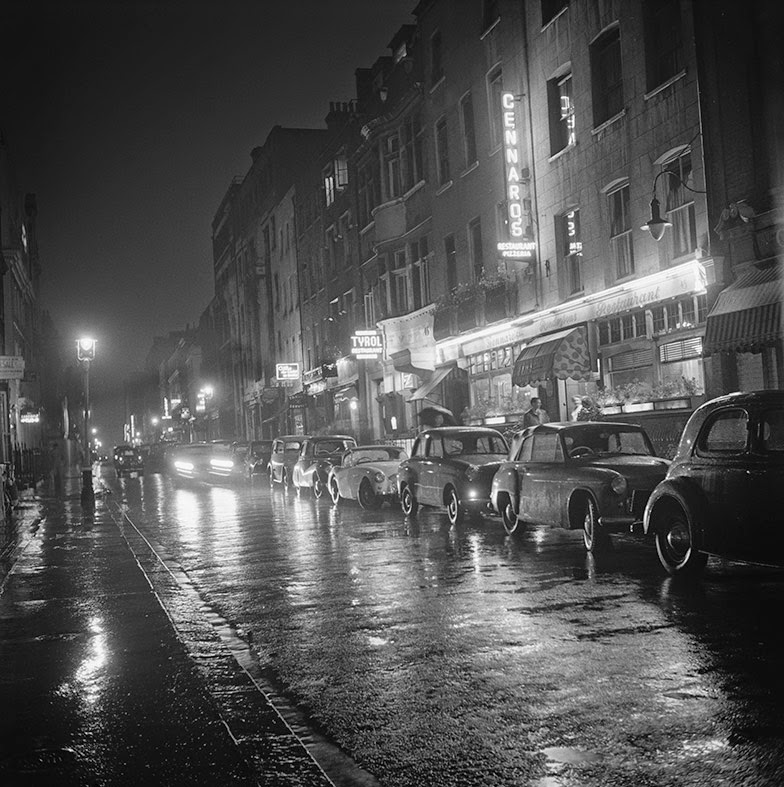
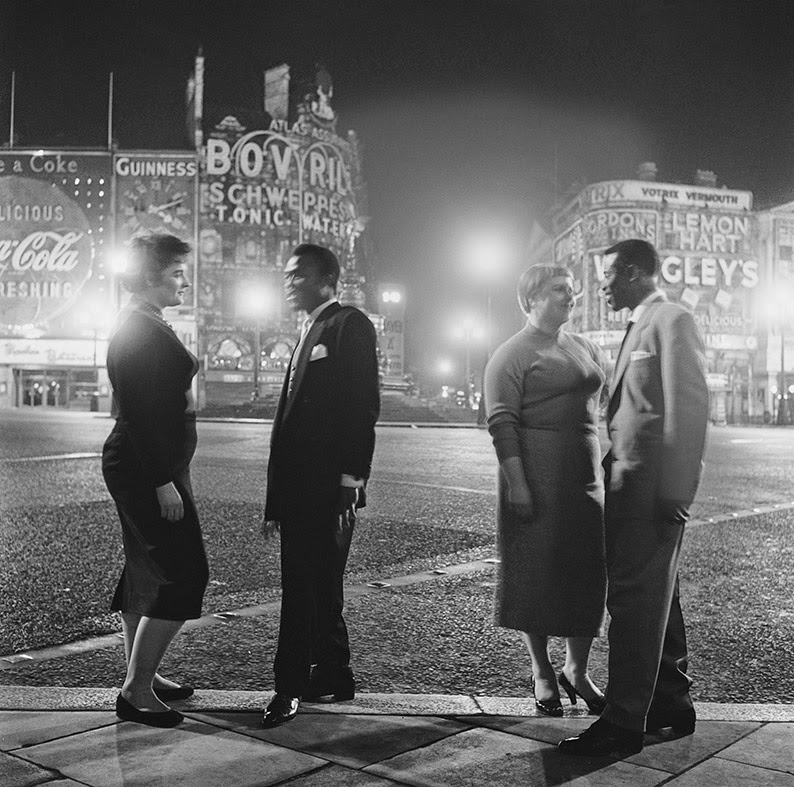
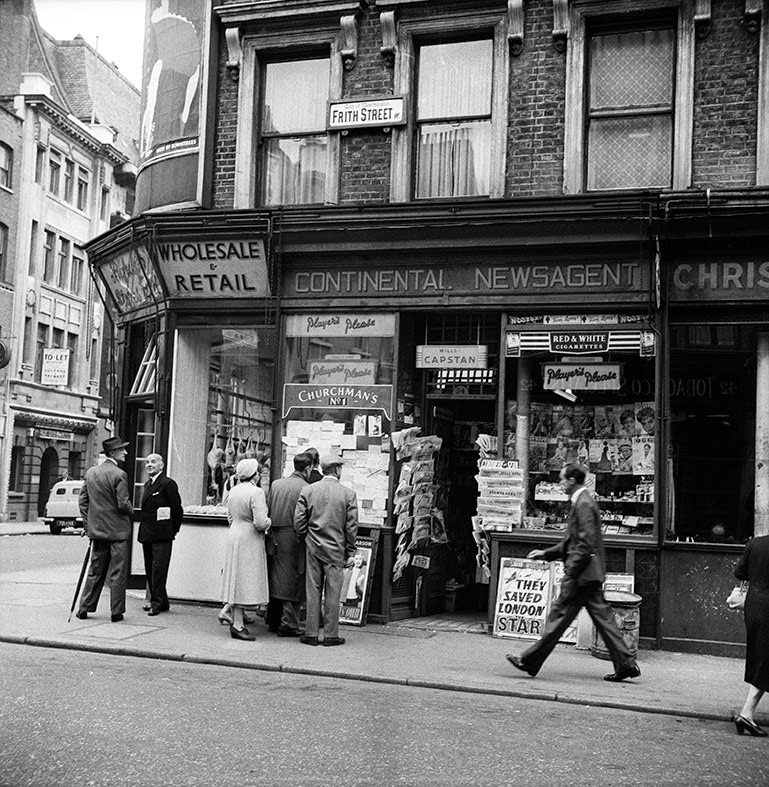
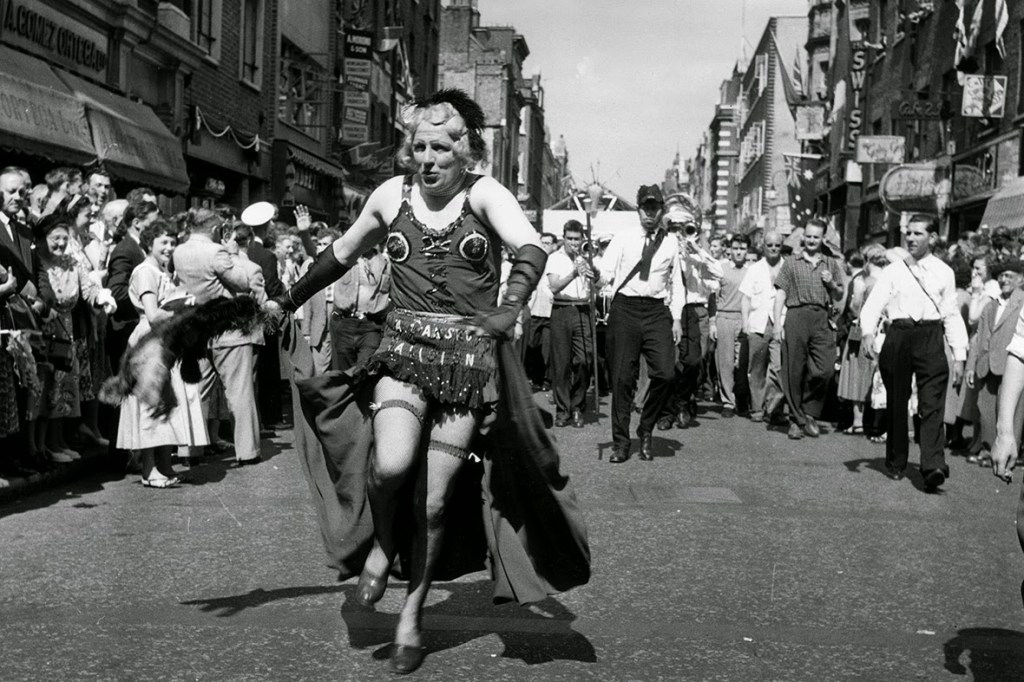
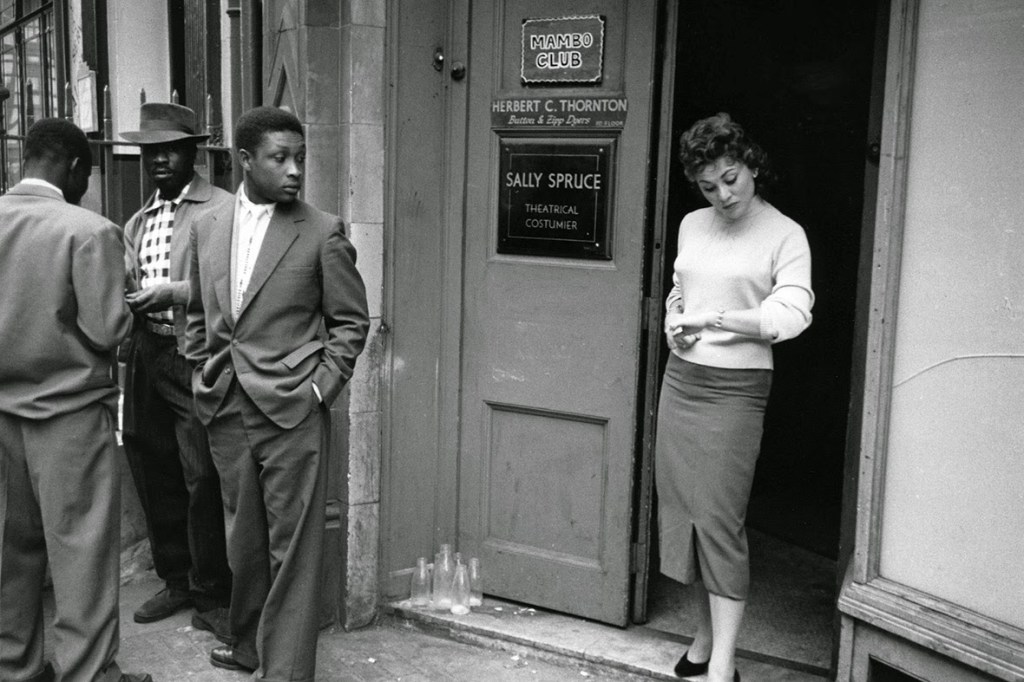
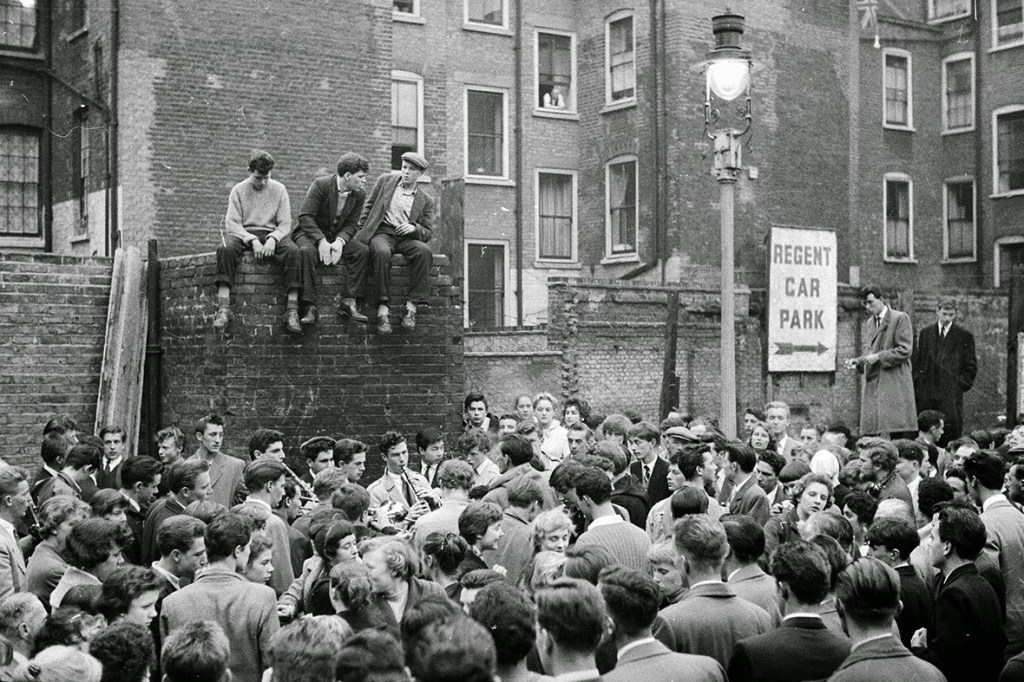
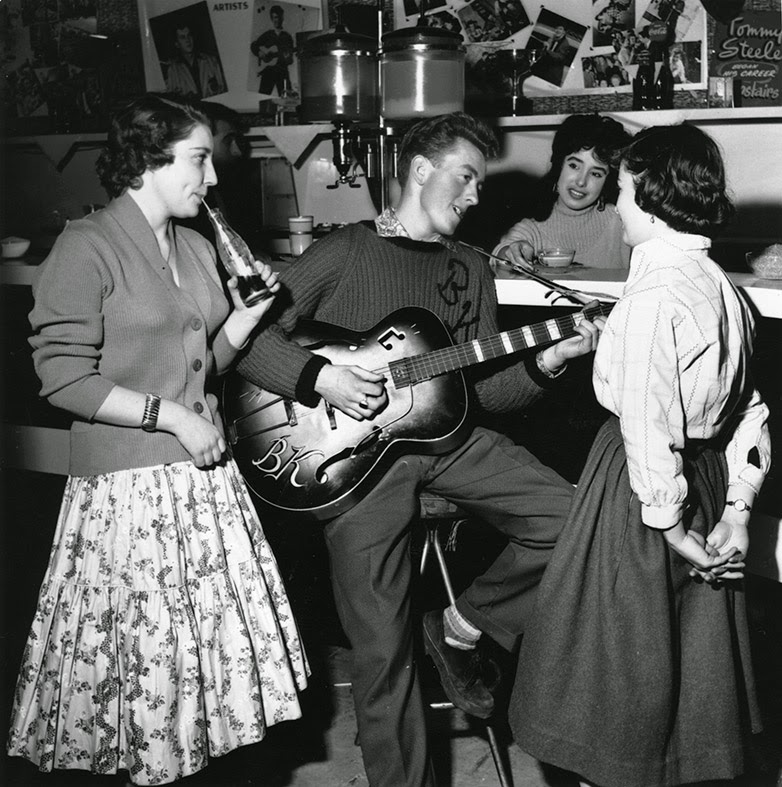
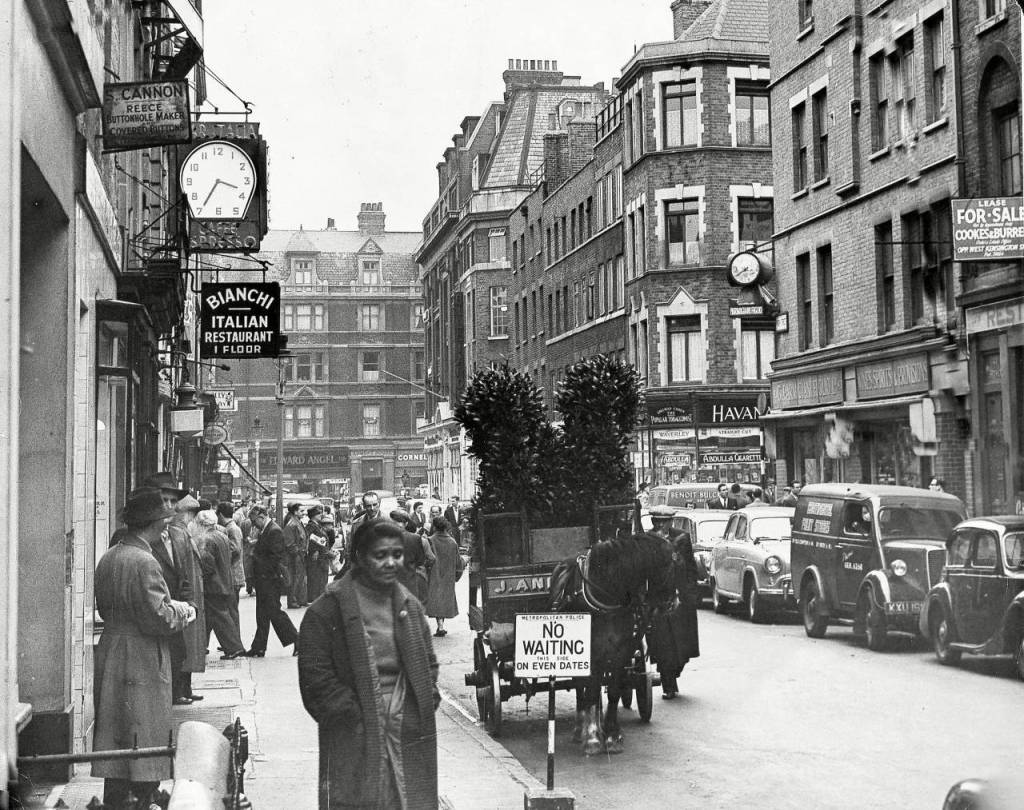
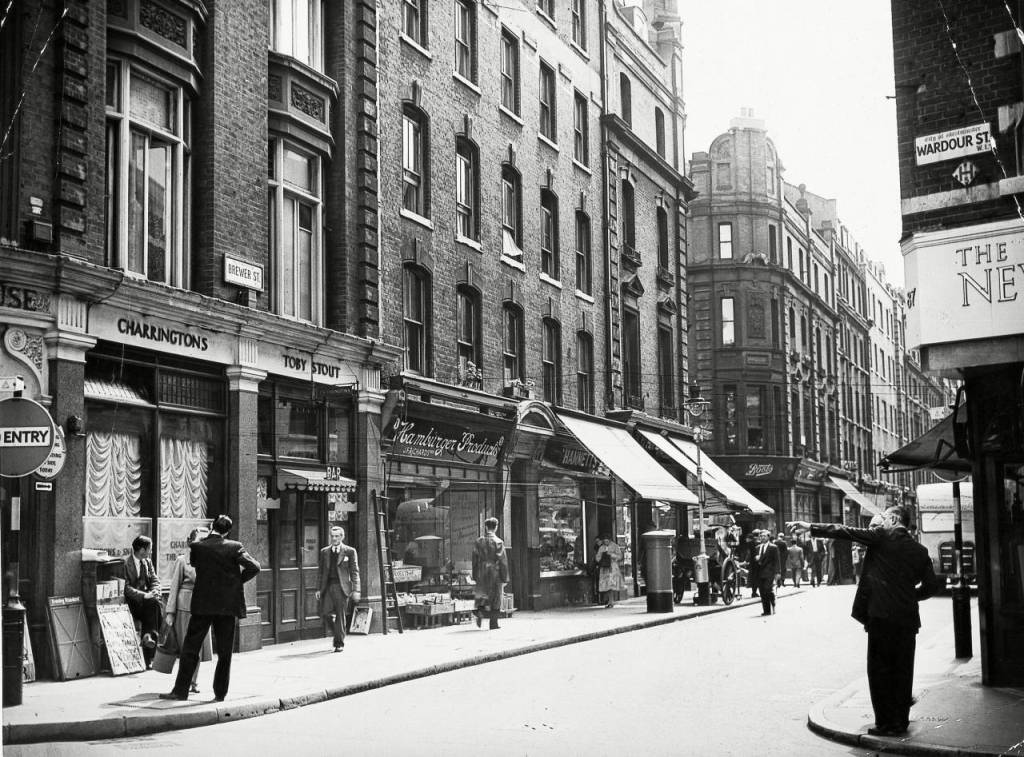
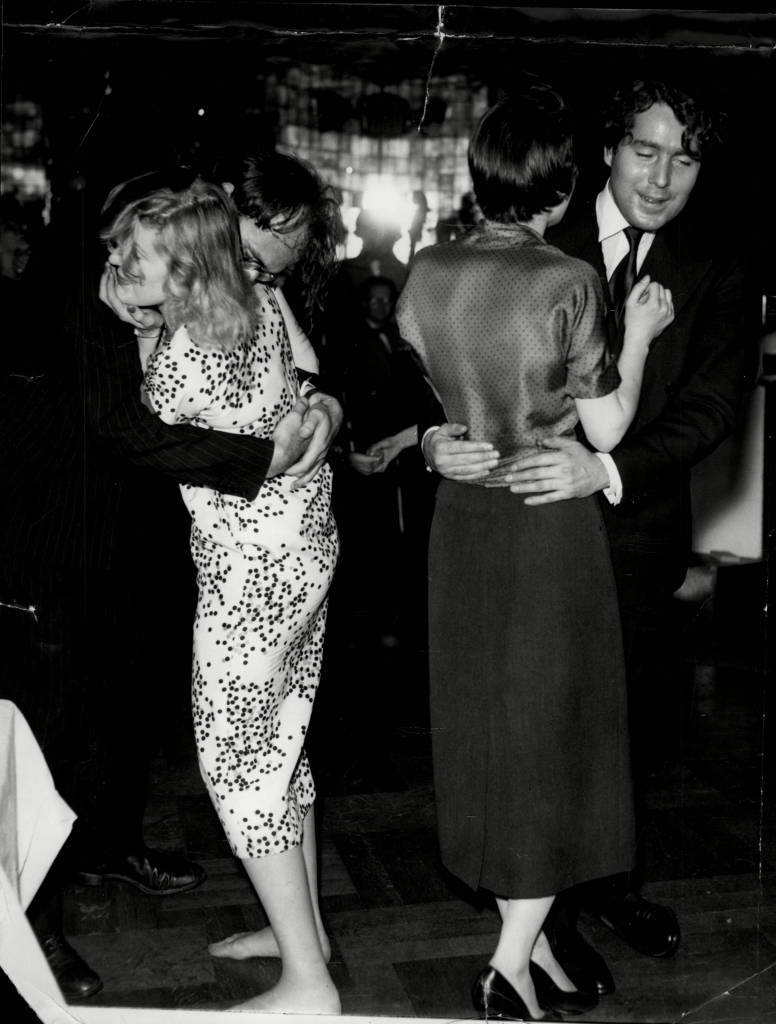
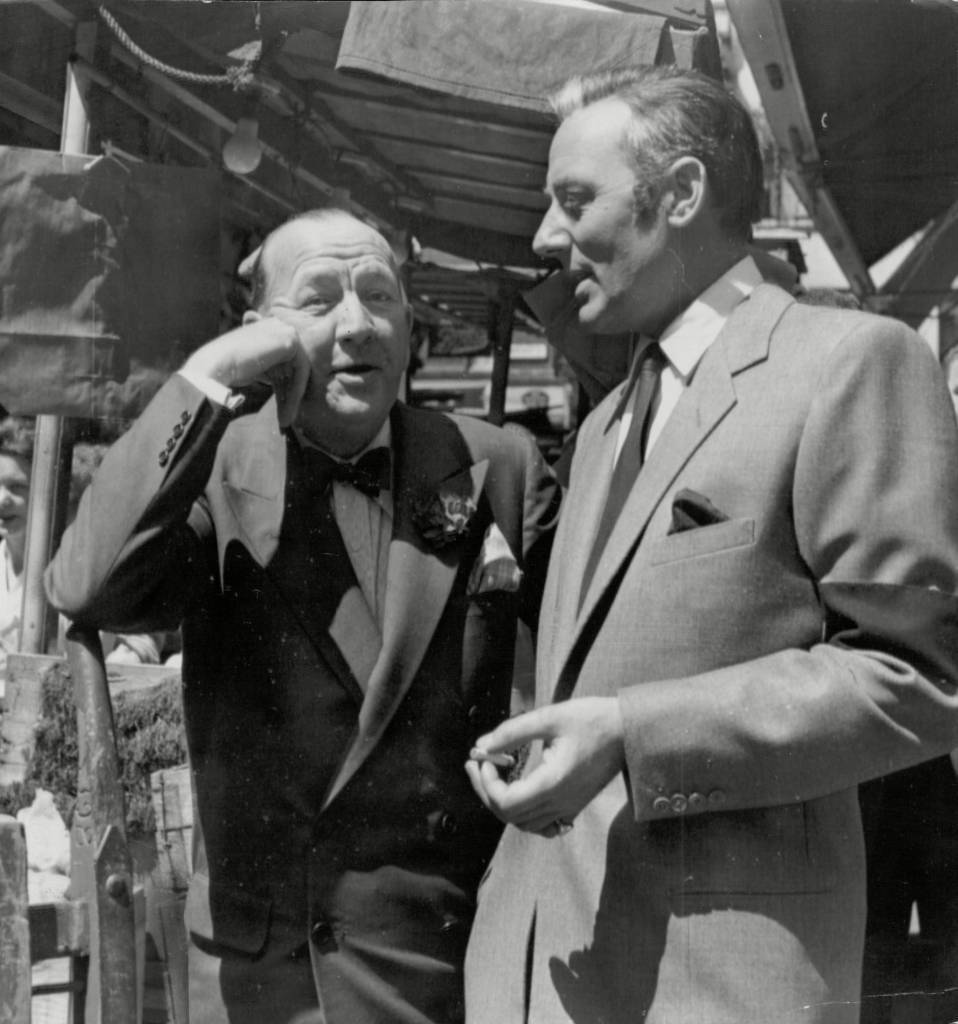
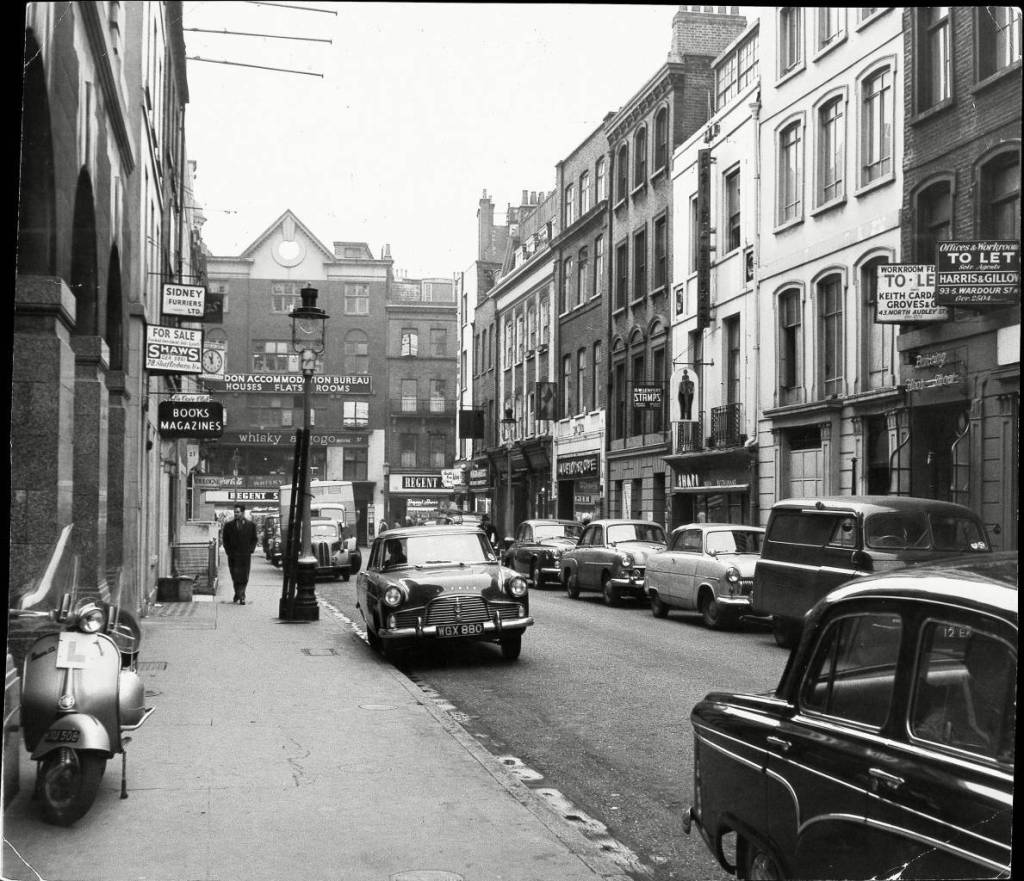
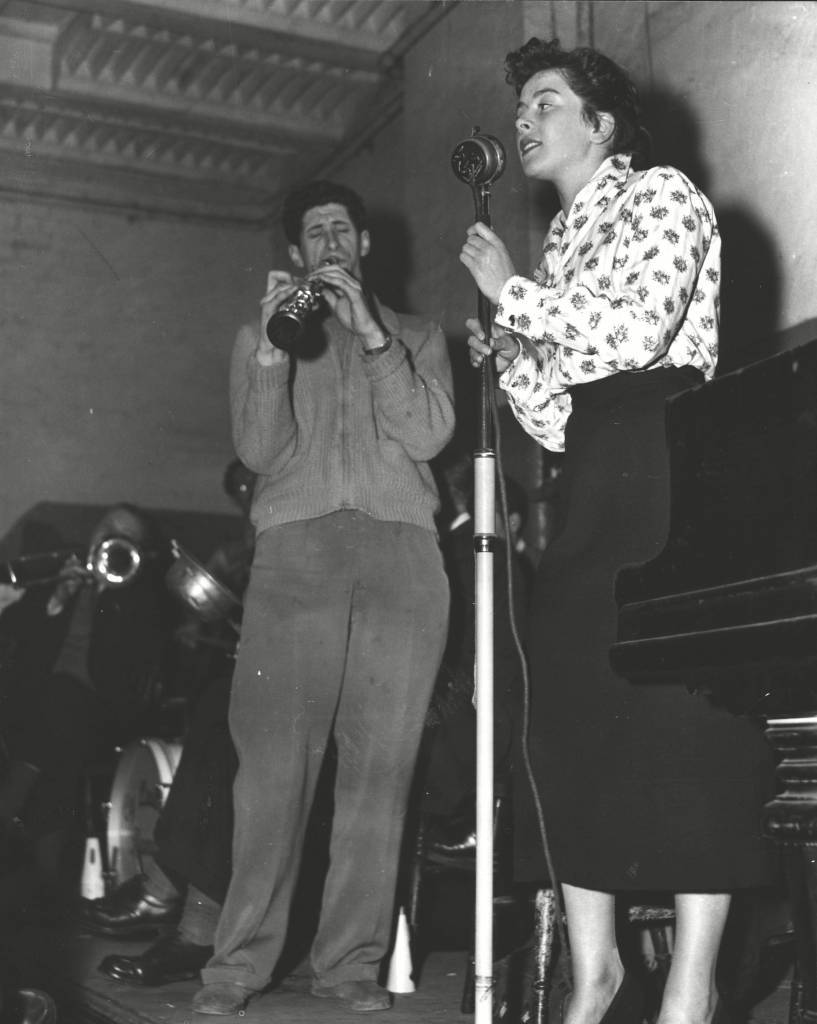
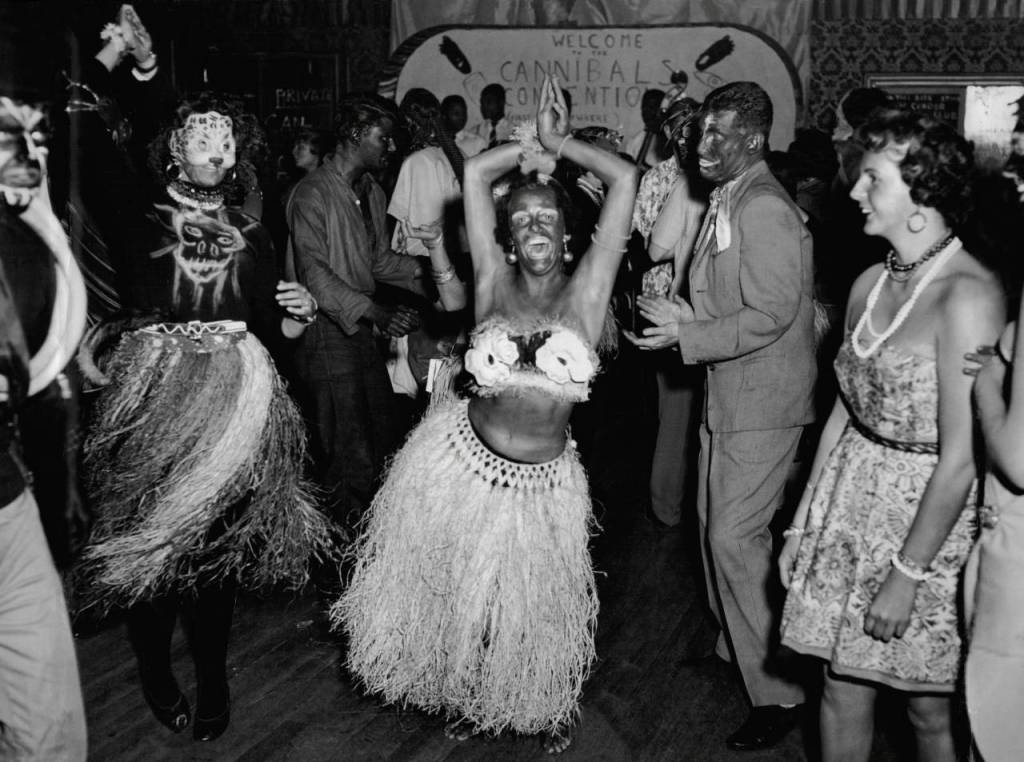
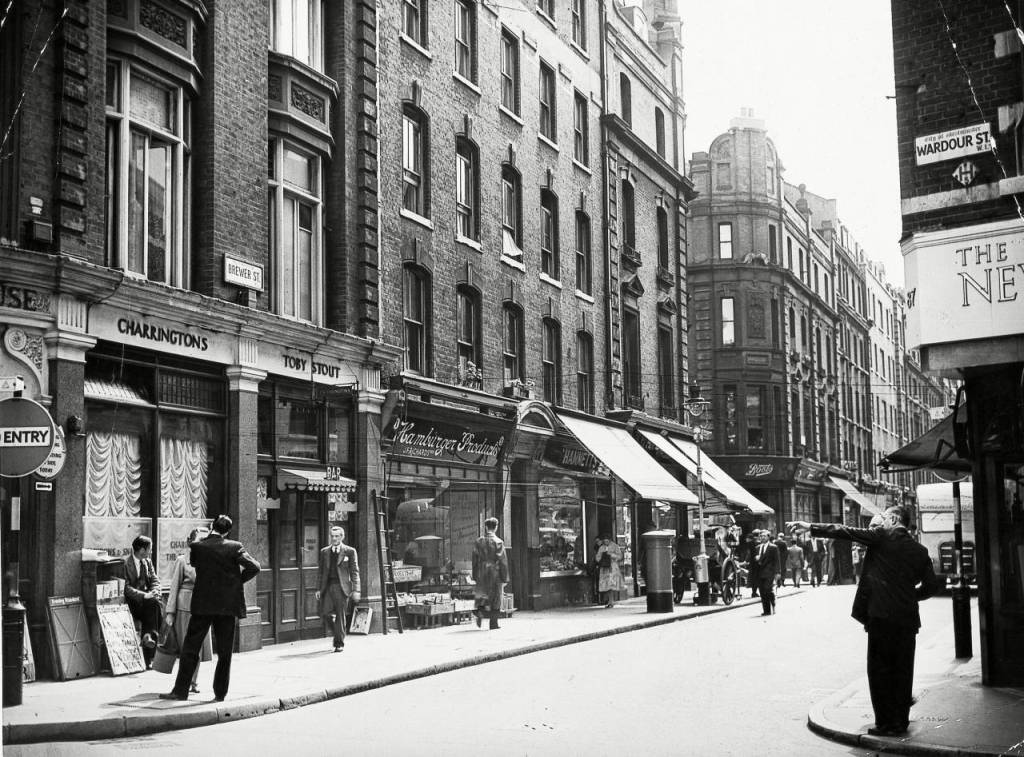
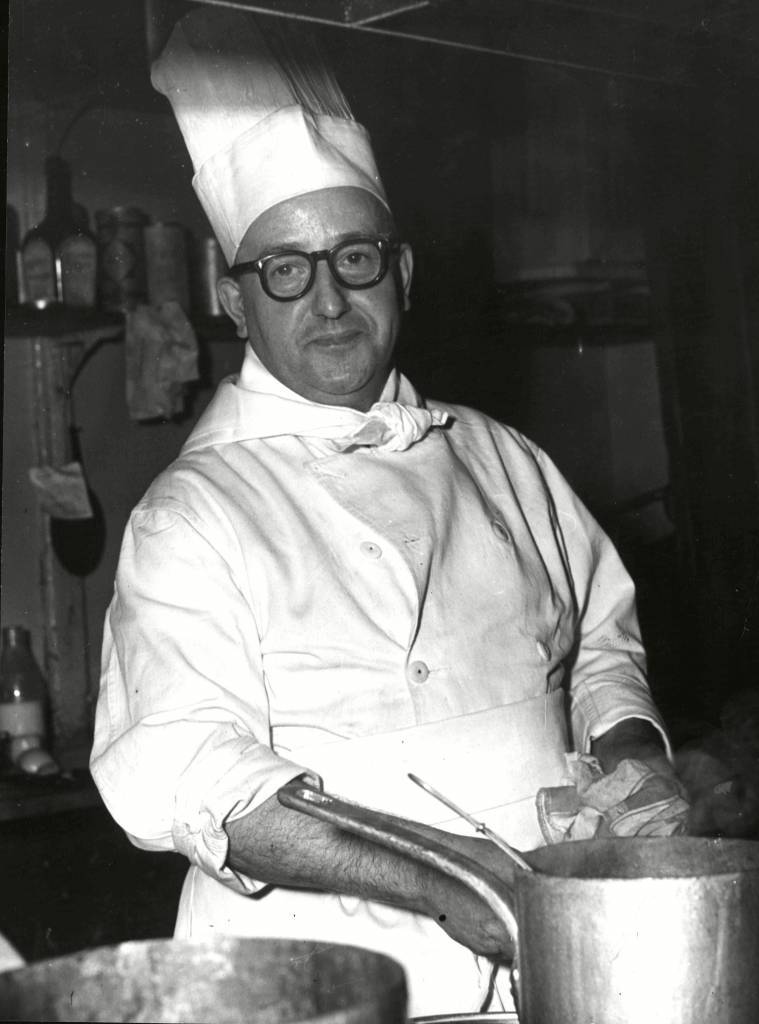
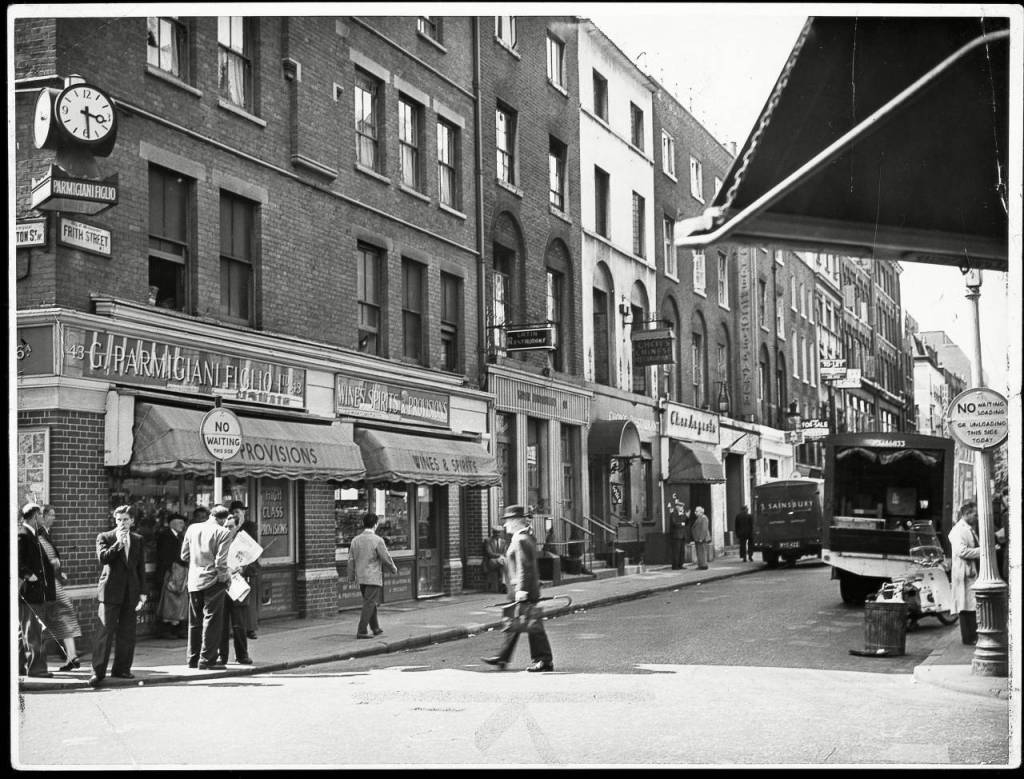
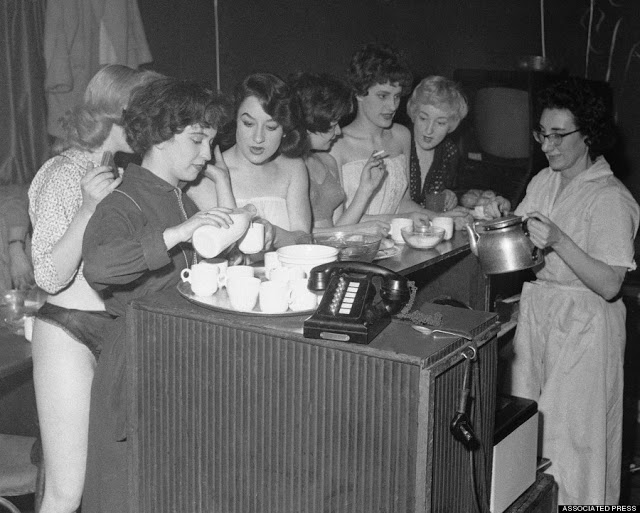
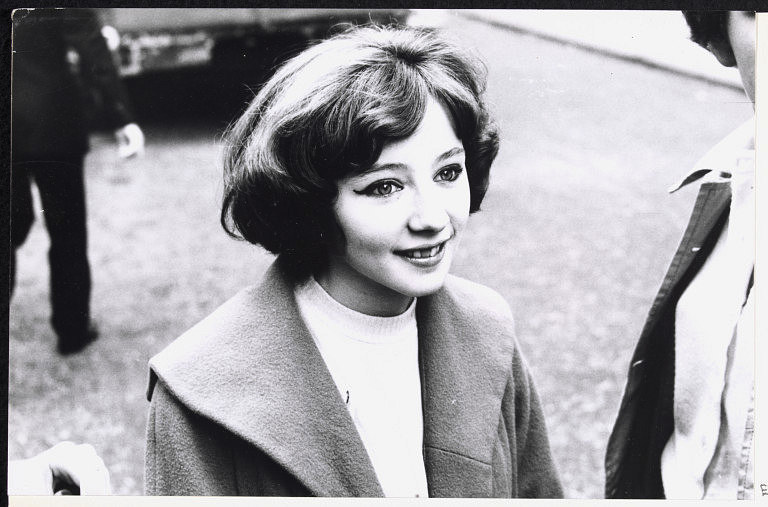
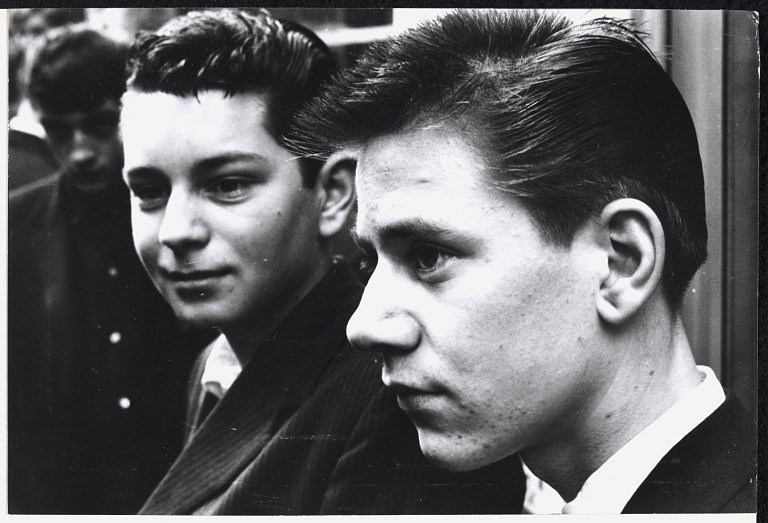
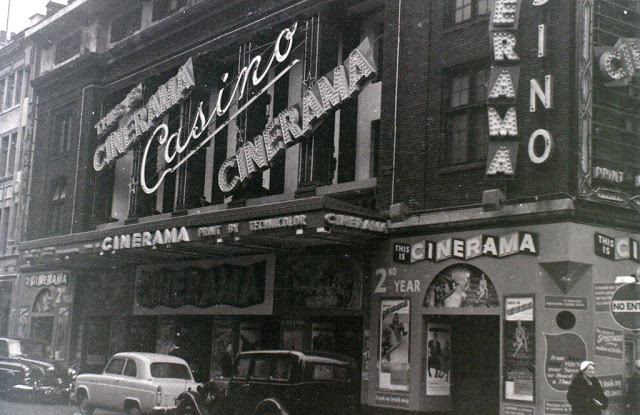
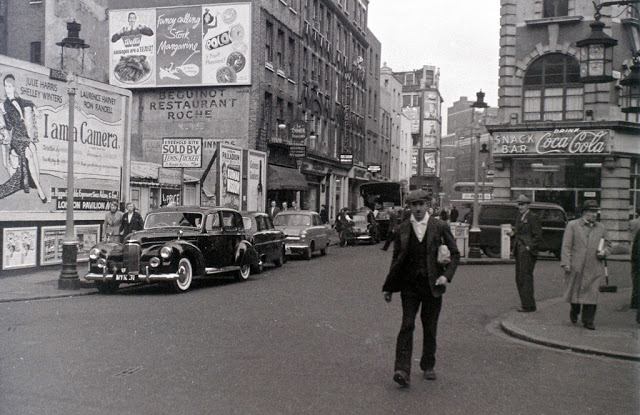
1 January 1955: Revellers cram into London’s Piccadilly Circus to count in the New Year.1955: Waiters carrying half bottles of champagne set off on the annual waiters’ race from Soho Square to Greek Street. 195510 July 1955: The prize-winning float parades through the streets upon the opening of the Soho Fair. Parade through Soho, 10 July 1955August 1955: A rainy night in Soho, 195525 November 1955: US troops and their girlfriends say goodbye in Piccadilly Circus after leaving the Club Americana, a Saturday night jazz club open from midnight until 7am. 195512 June 1956: People look at notices outside a newsagent’s shop on Frith Street, where a newspaper board reads: ‘They saved London’, 19568 July 1956: A man in drag heads a carnival procession down Old Compton Street during the Soho Fair. 195621 July 1956: Andria Loran, a model who was democratically elected Queen of Soho 1956, stands in the doorway of the Mambo Club, keenly noticed by an onlooker. 19565 September 1956: Youths hang out on the backstreets of Soho. 1956February 1958: Singer and guitarist Bill Kent entertains some teenage fans in The Two I’s Coffee Bar on Old Compton Street in Soho. 1958Frith Street in Soho, April 1955.Brewer Street and the corner of Wardour Street in Soho, London, July 1956.Dancing At The Gargoyle Club In Soho London, 1950sNoel Coward chats With Michael Wilding In Soho’s Berwick Market, 1950sGerrard Street. 3rd December 1959.School Teacher Pam Heagren Singing At Cy Laurie’s A Soho Jazz Club, April 1956Soho’s Fair Queen. July 1956.African Ball At Le Condor Club In Wardour Street Soho London 16 Nov 1956Brewer Street and the corner of Wardour Street in Soho, London, Britain 29 Jul 1956Chef John Wright Former Sergeant In The Catering Corps Cooking In The Kitchen Of The Moulin D’or Restaurant Soho, 1955G Parmigiani Figlio Ltd delicatessen, Soho, London, 1956Strip tease girls take a breather and a cup of tea between appearances at the Nell Gwynn Club, Dean Street, SOHO on August 13, 1959. Girl, Soho, October 14, 1959Two teenagers, Soho, October 14, 1959Cinerama in Soho, London, 5 November 1955Soho, London, 5 November 1955
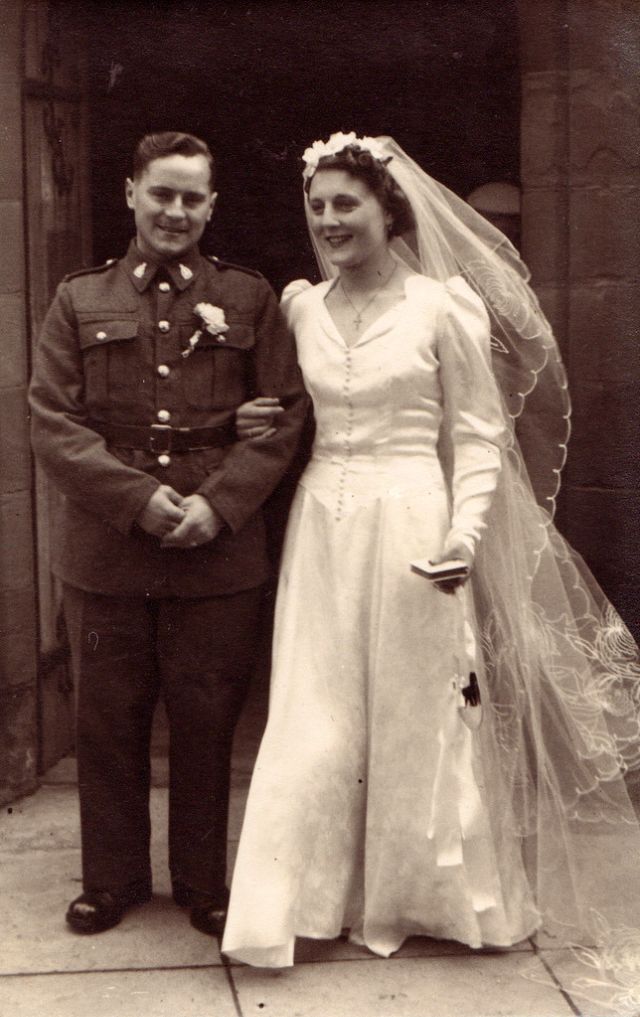
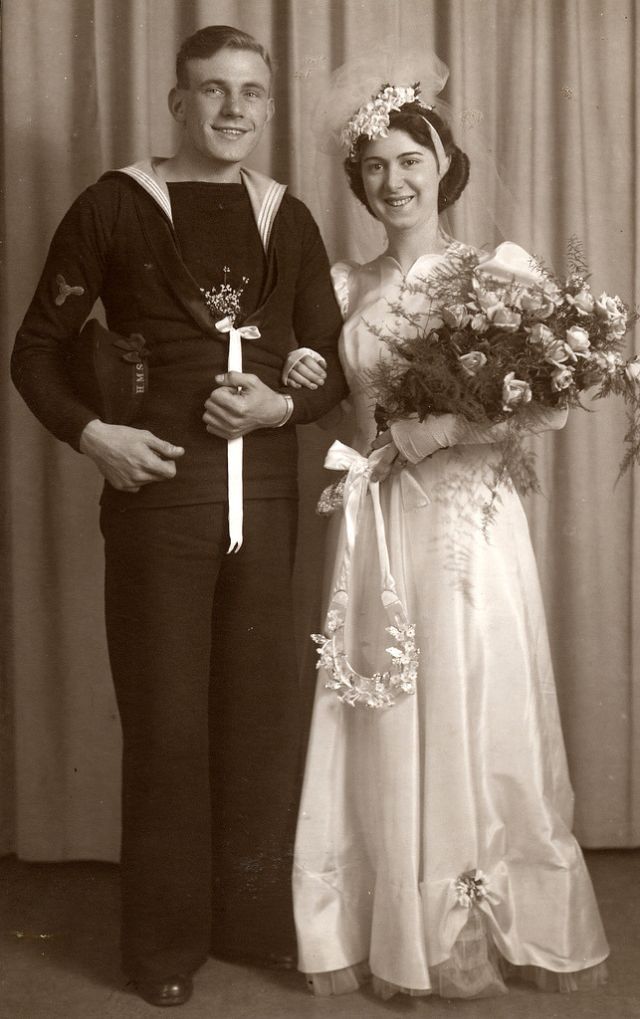
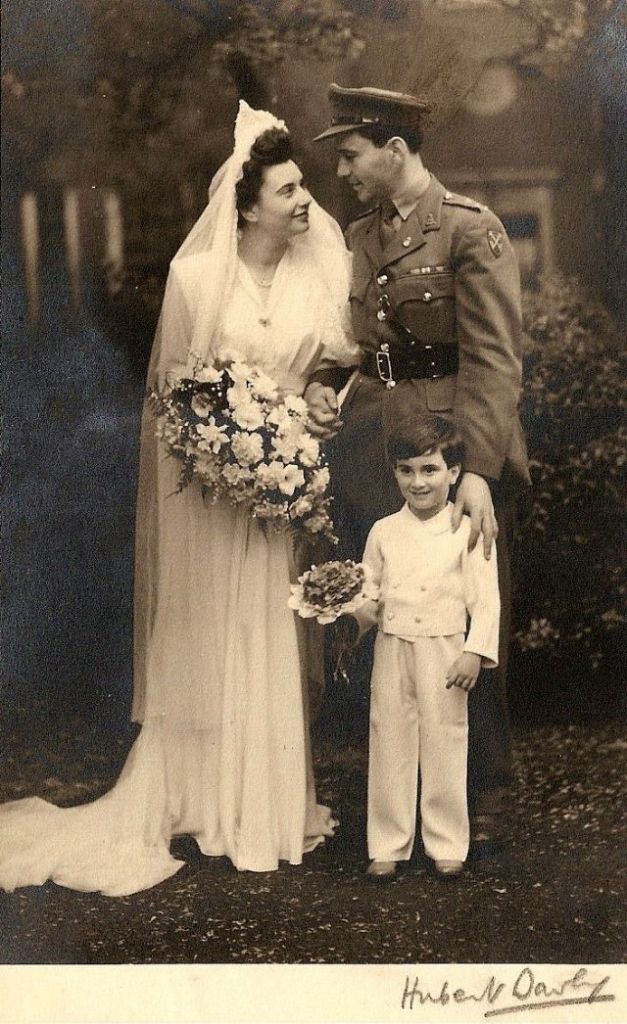
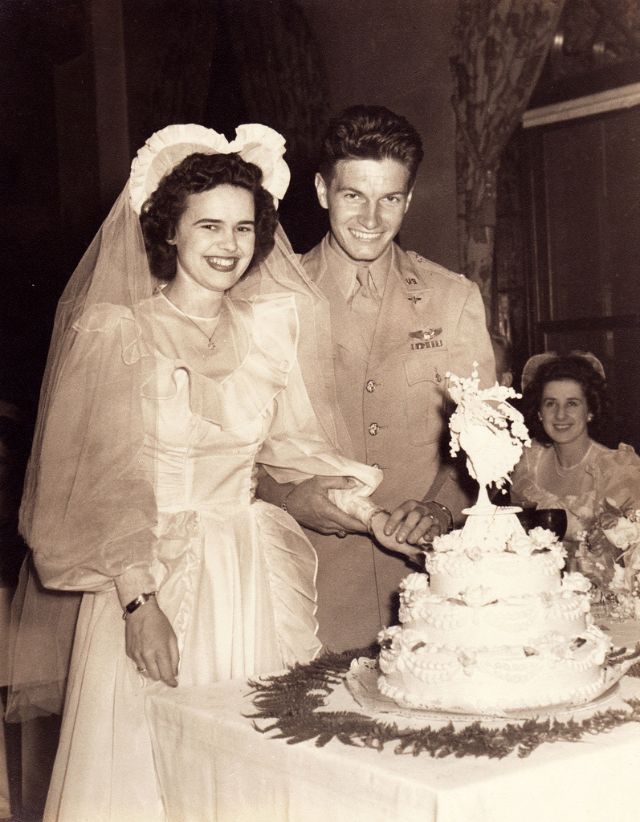
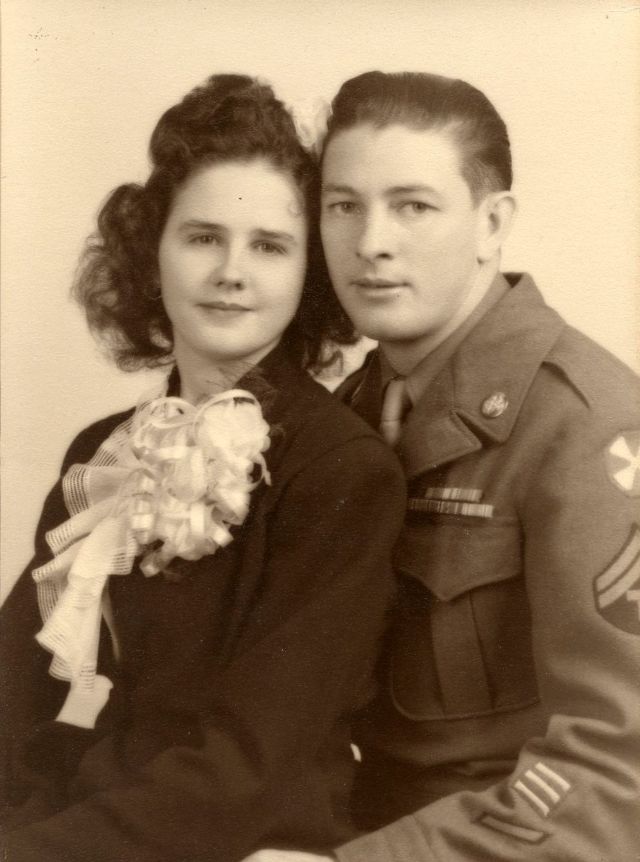
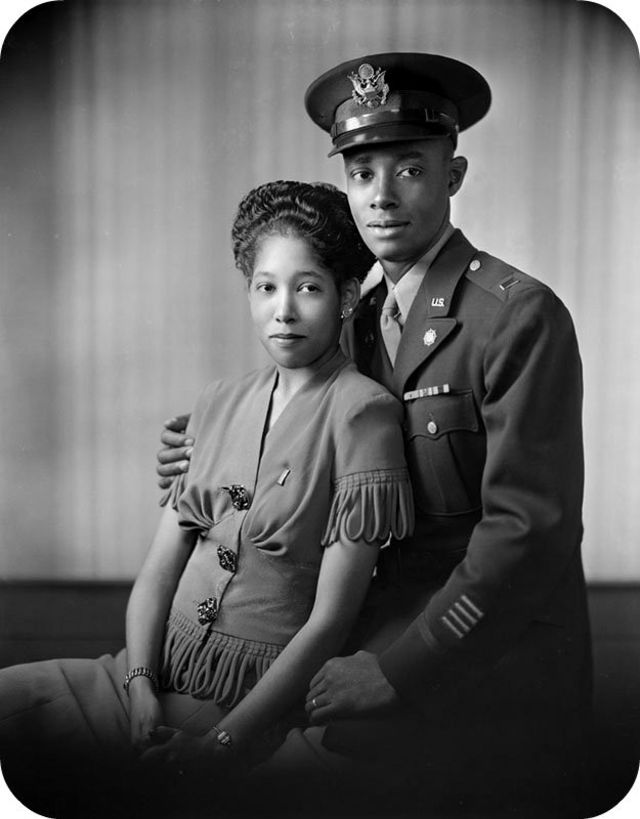
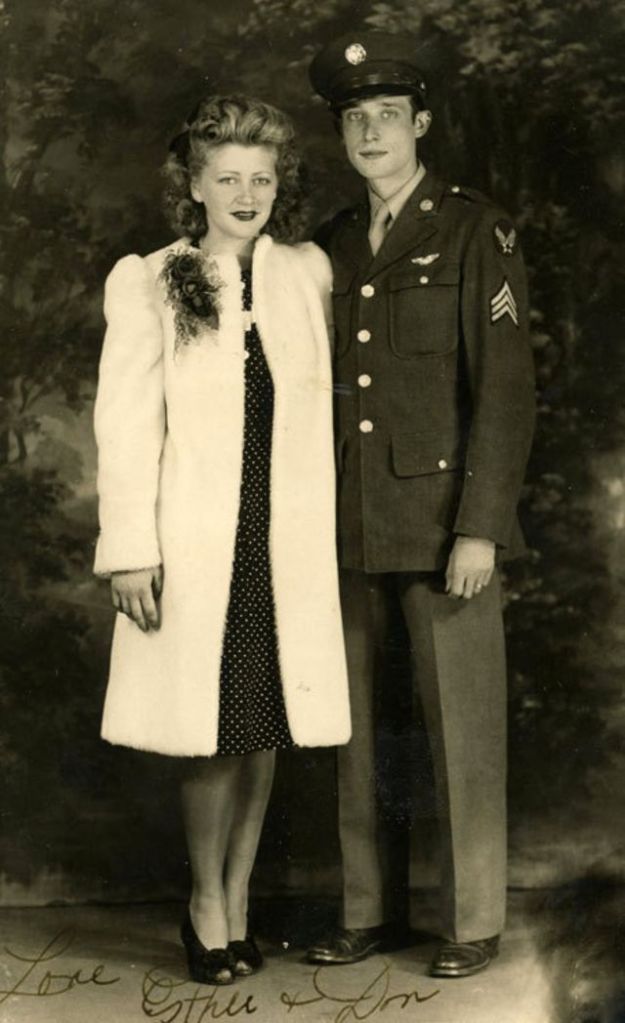
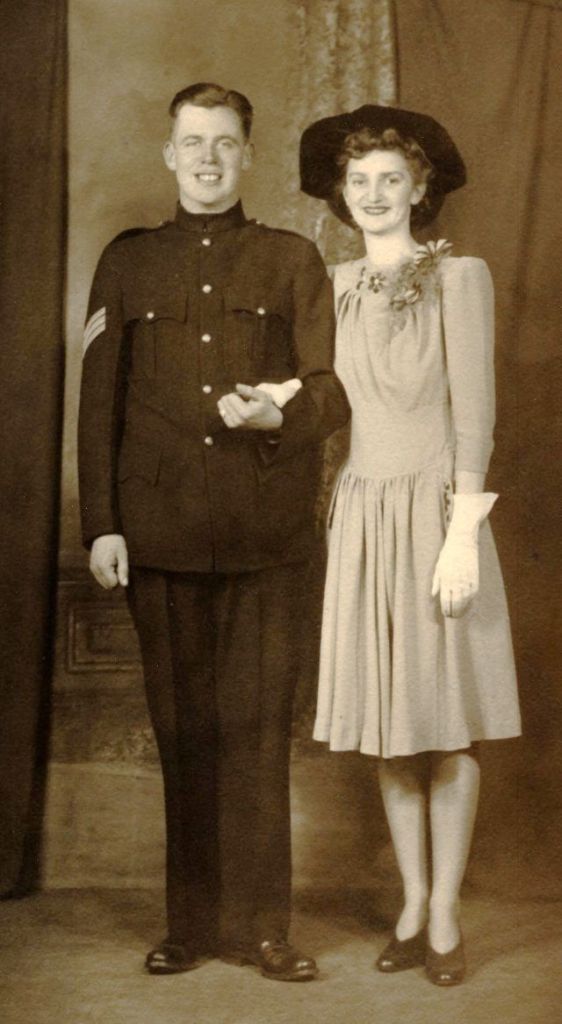
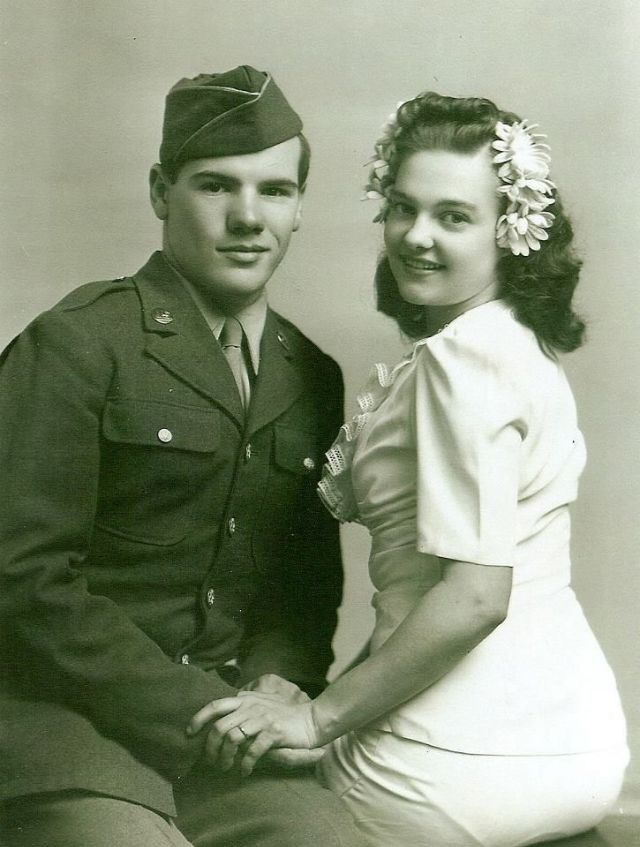
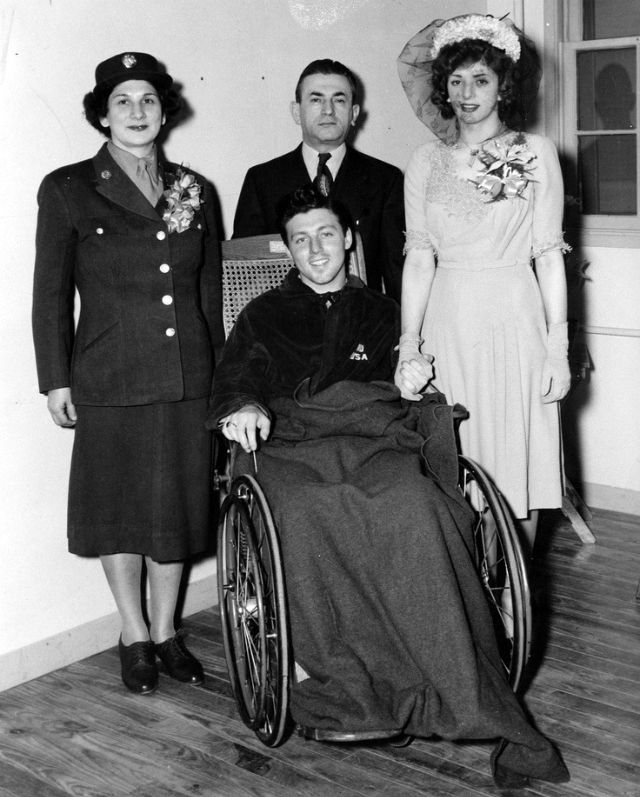
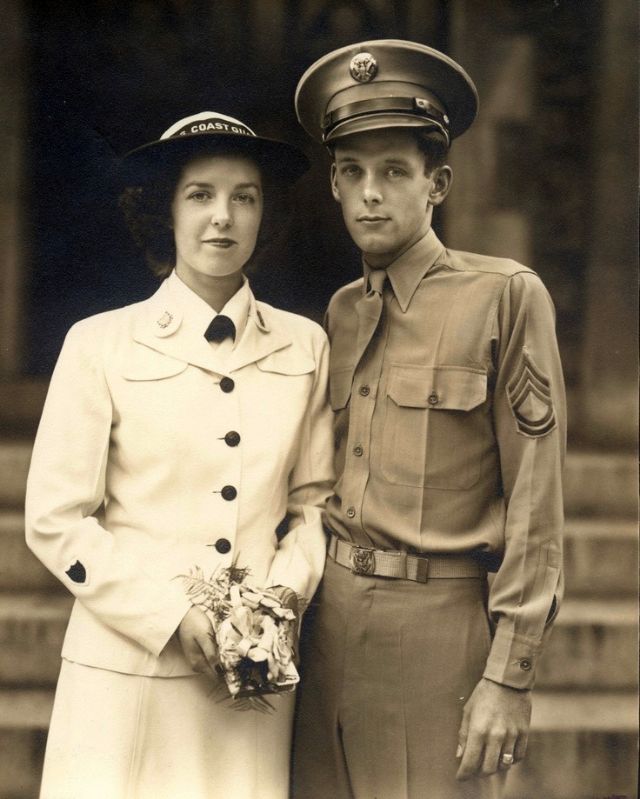
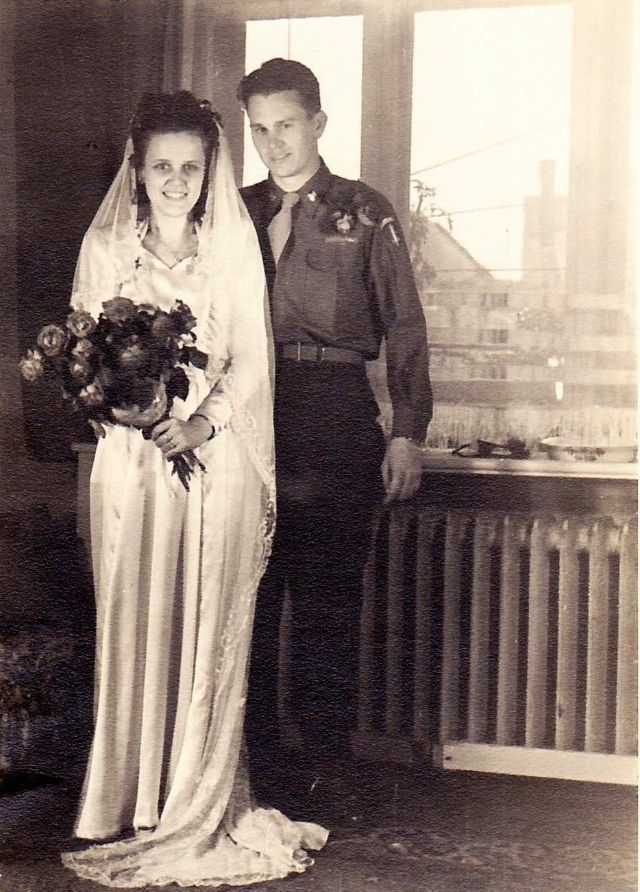
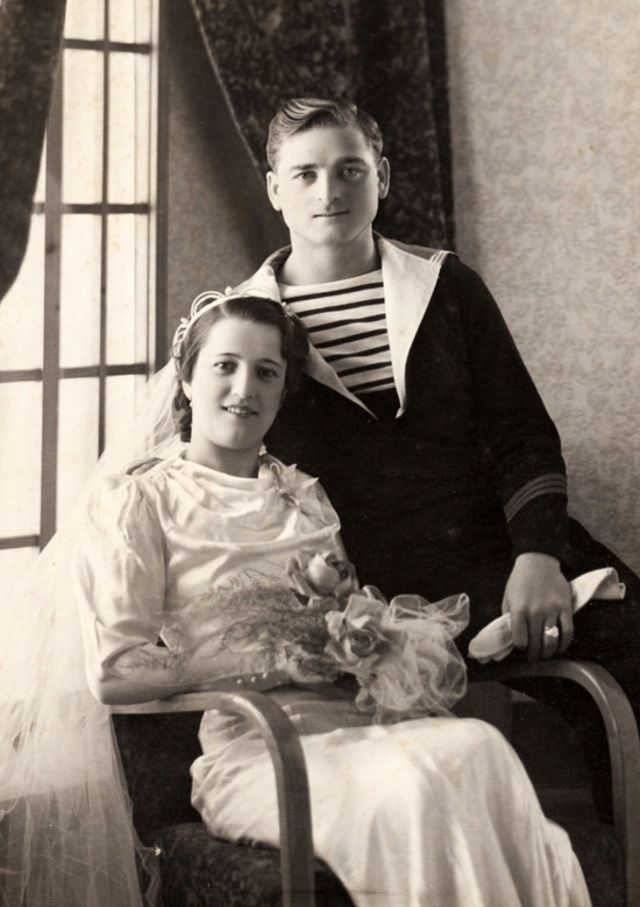
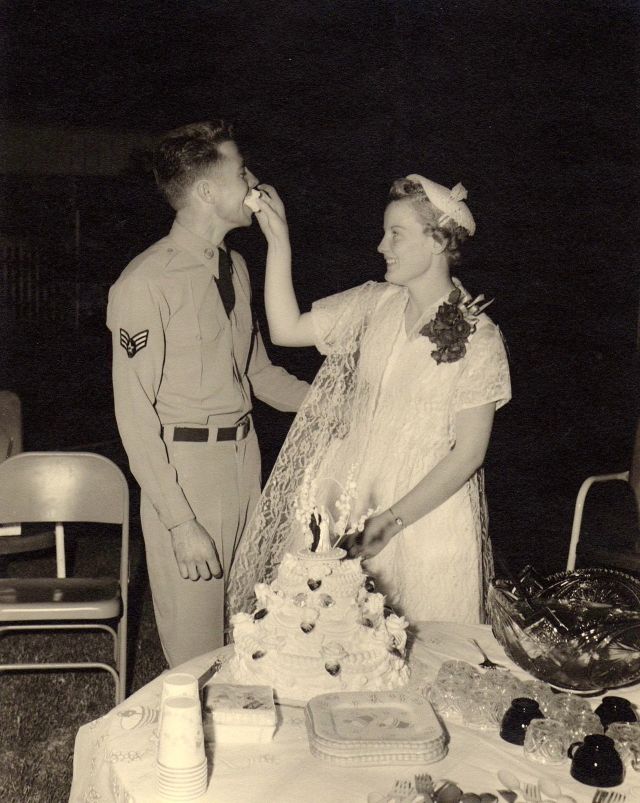
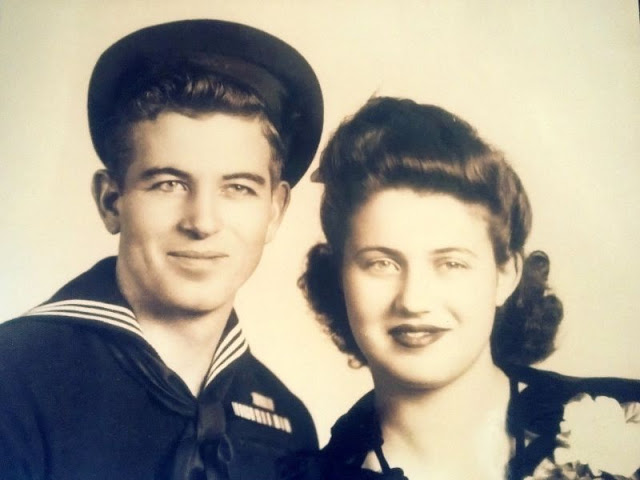
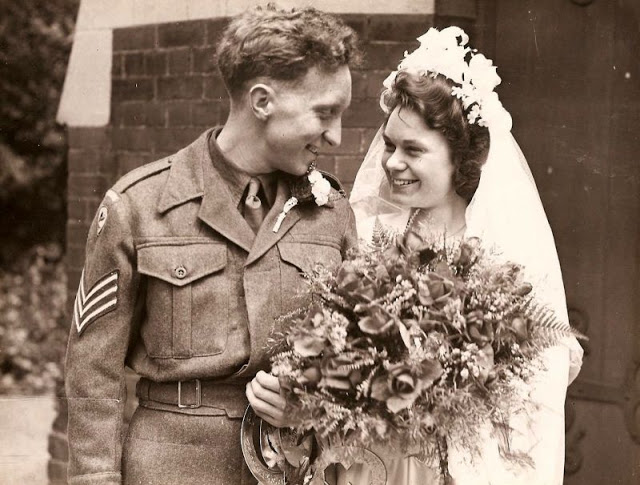
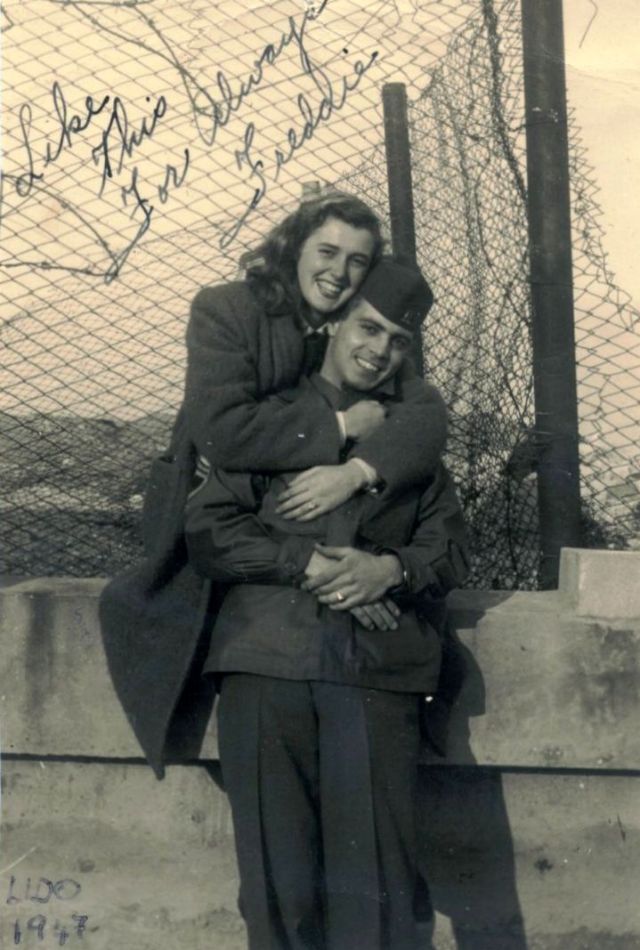
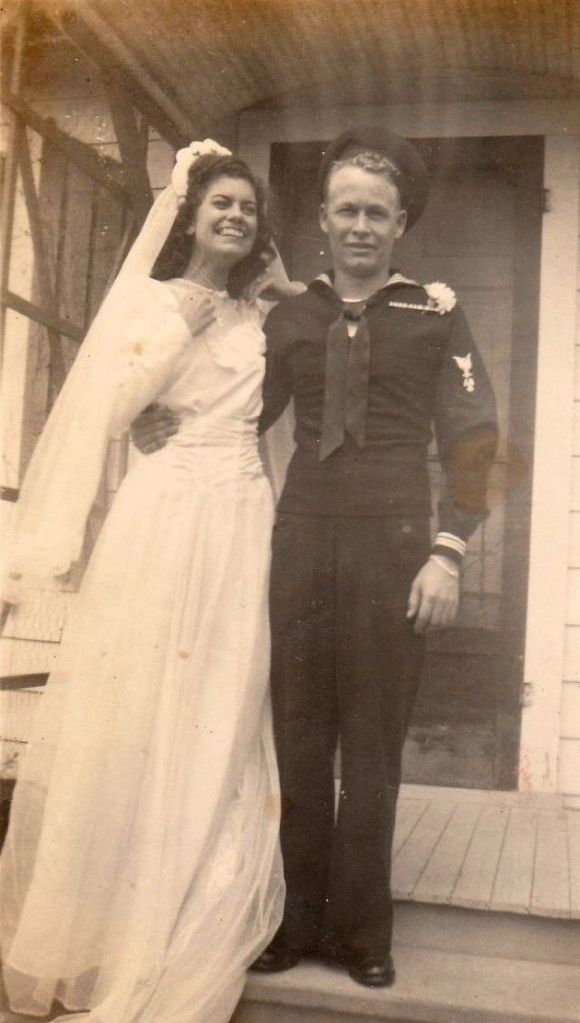
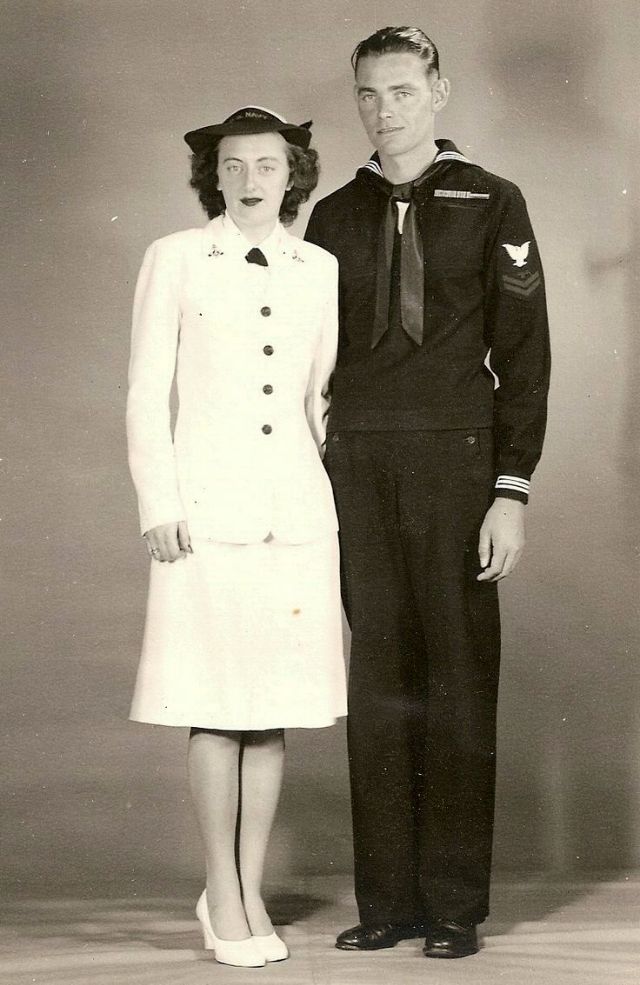
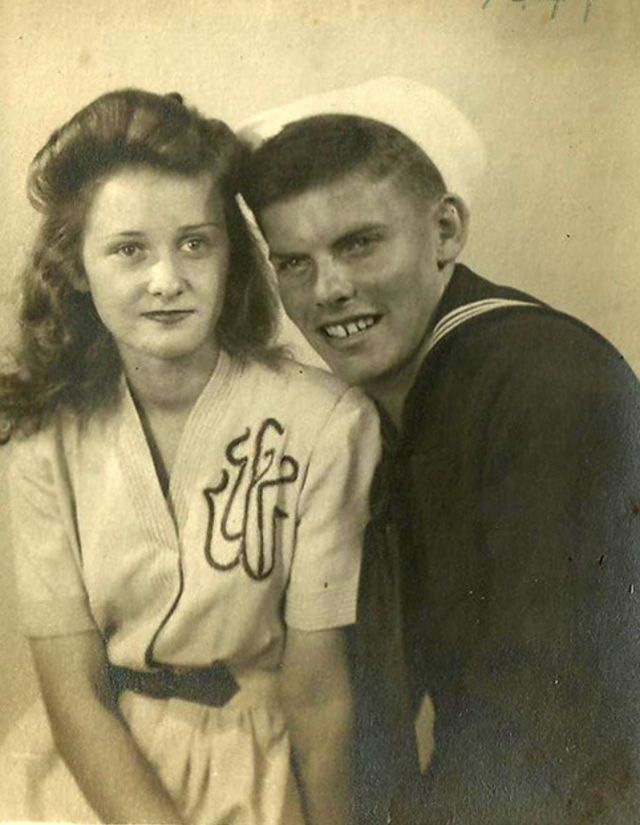
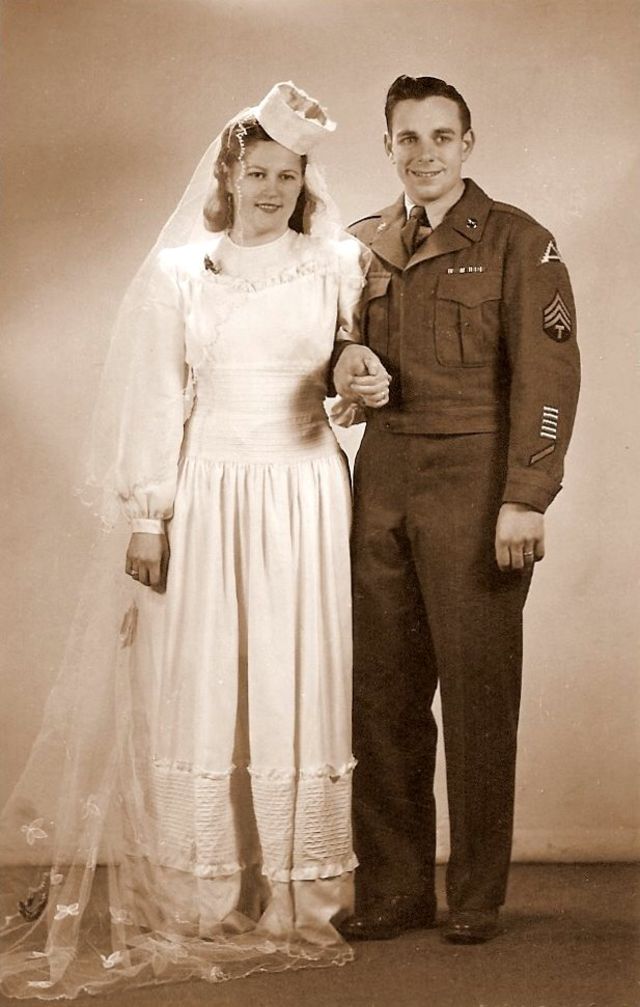
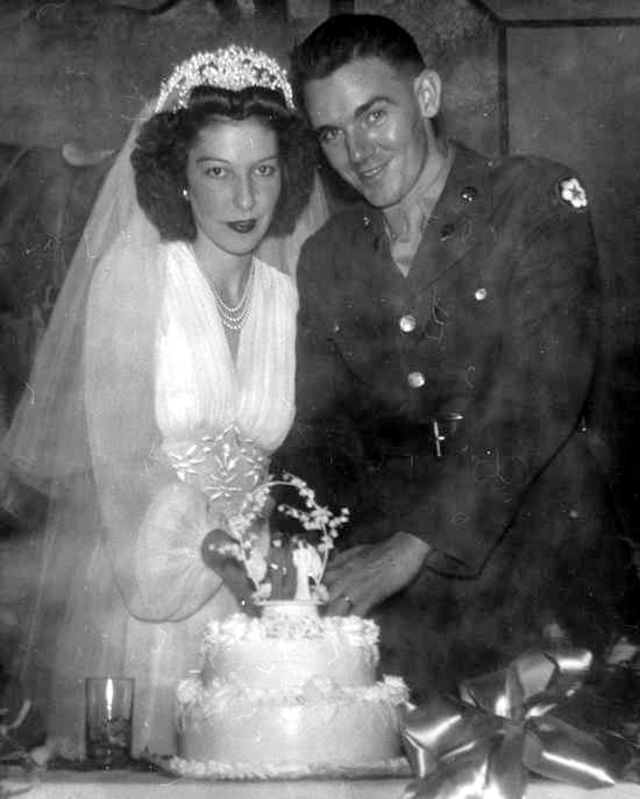
During the Second World War there was a sudden increase in the number of weddings. Unsure of what the future held and anxious to formalise their relationships – and perhaps in need of some hope and joy – men and women overcame the obstacles of bombs and rationing with ingenuity on their way to the altar.
In 1942 alone, 1.8 million weddings took place, up 83 percent from 10 years before. And two-thirds of those brides were marrying men newly enlisted in the military.In 1944, a church pastor in the United States even wrote, “Marriage Is a Serious Business,” a book for young couples in which he warned, “The hasty marriage, caused by glamour and excitement rather than by genuine affection, is one of the evil products of war.”
While wartime romance continued to win out, the pomp of the ceremony was rarely the point. Stories abounded throughout the country of small wedding cakes baked with rationed ingredients, and of brides wearing modest, nontraditional dresses, some even made of silk from the parachutes that had saved their grooms in battle.
A good example is Theodora Roosevelt’s wedding to an artist. She was the granddaughter of former President Theodore Roosevelt, and a cousin of Eleanor Roosevelt. In June 1945, The New York Times reported that the couple had “dispensed with attendants” in a ceremony “witnessed only by immediate relatives.” The bride wore “a brown faille suit, and straw hat with brown veiling,” instead of a typical wedding gown.
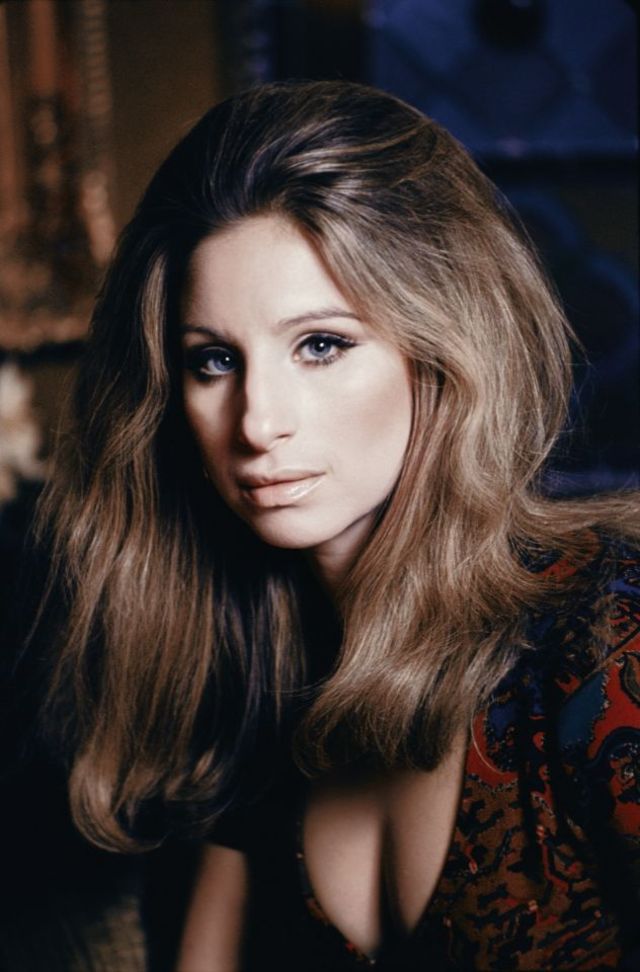
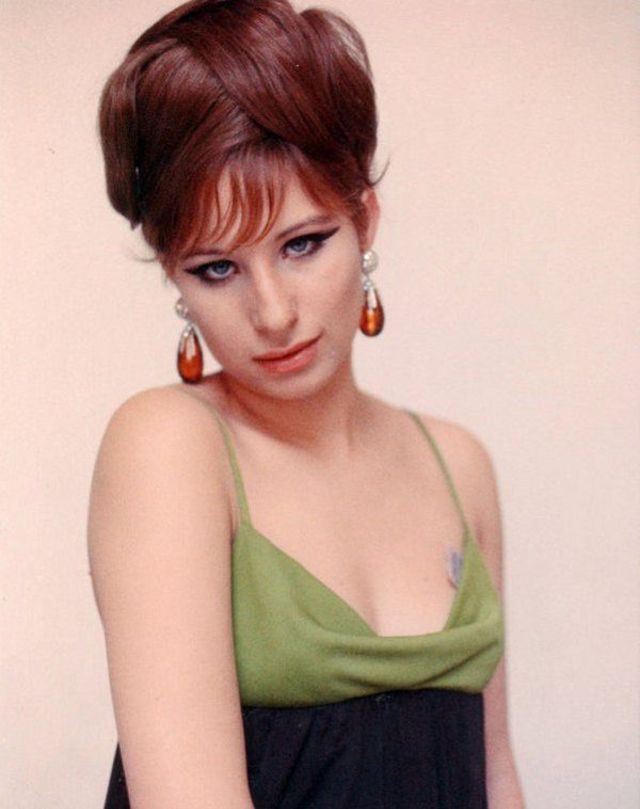
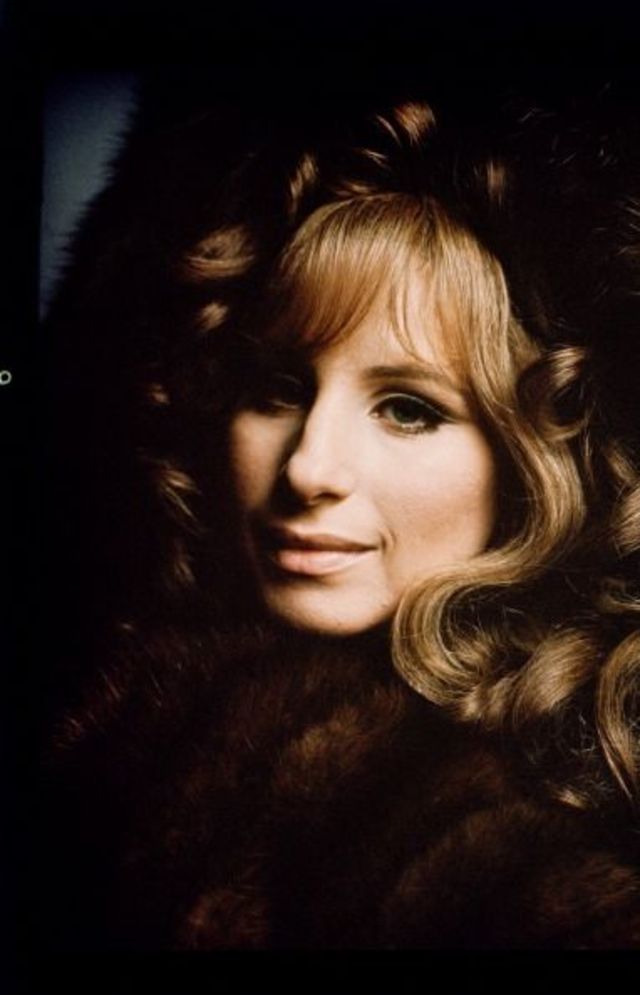
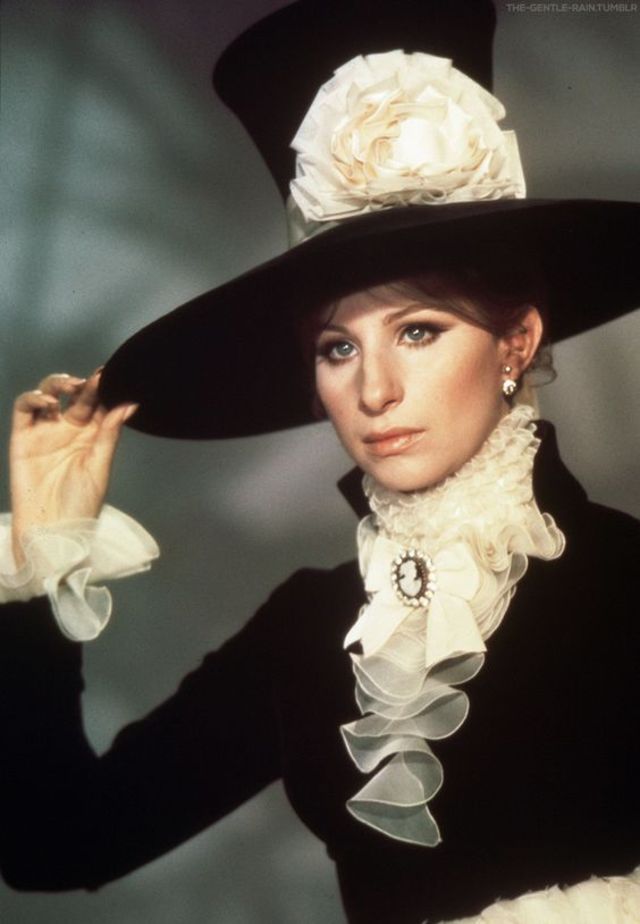
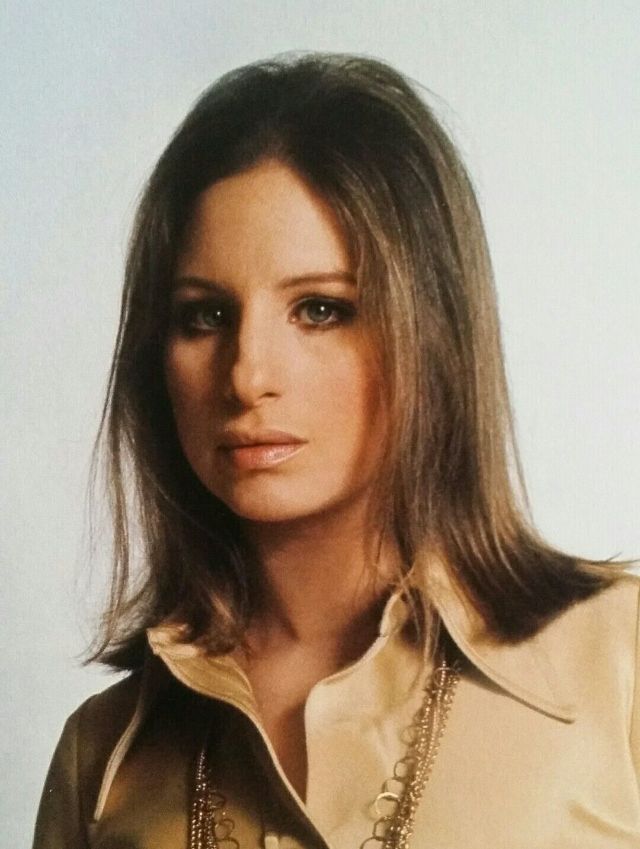
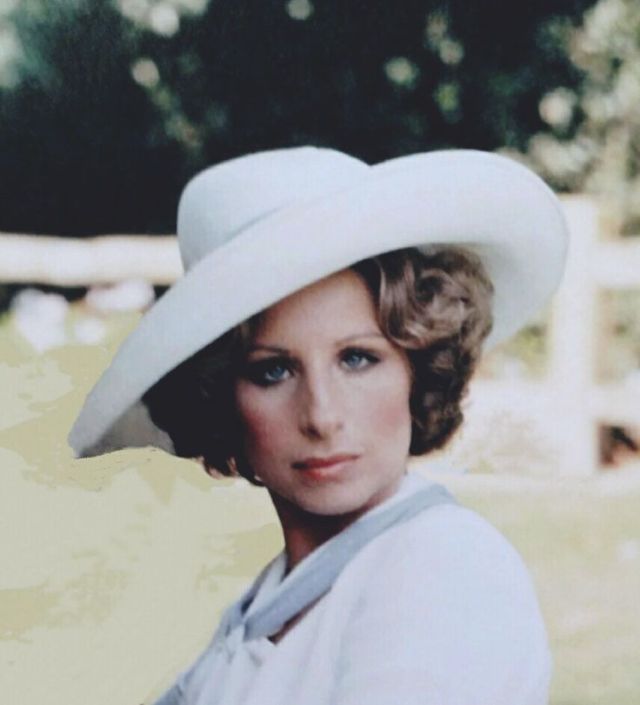
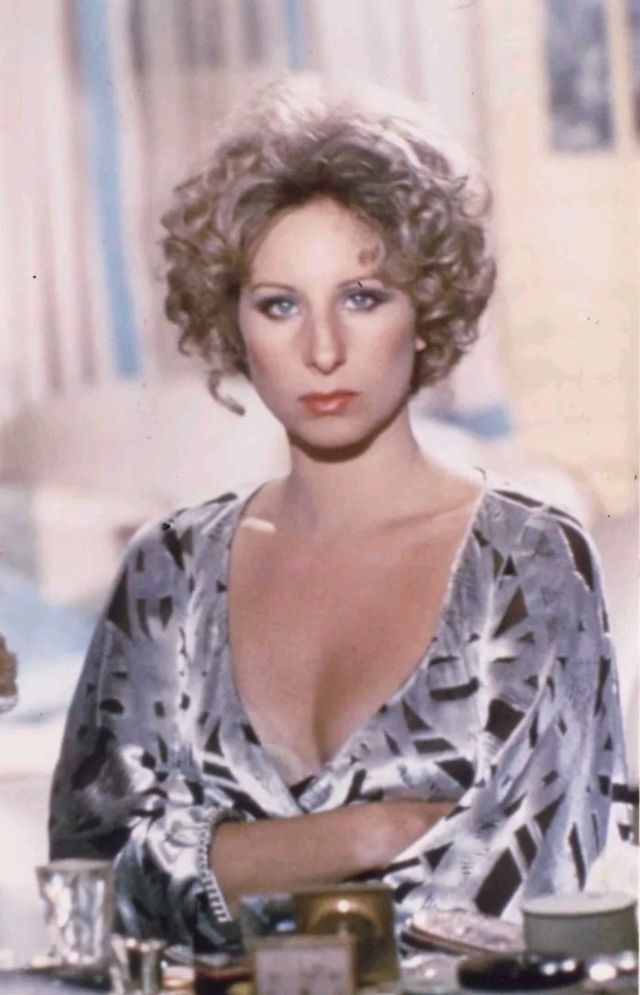
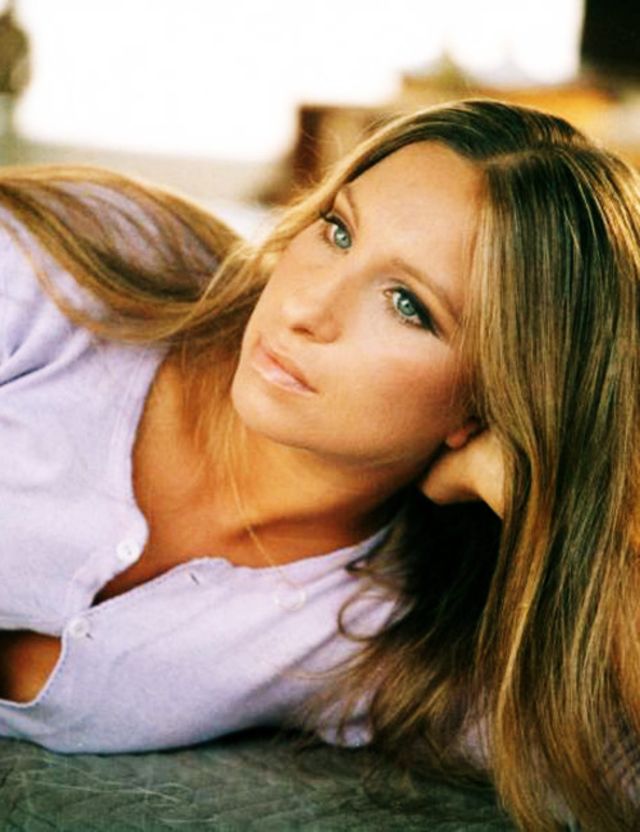
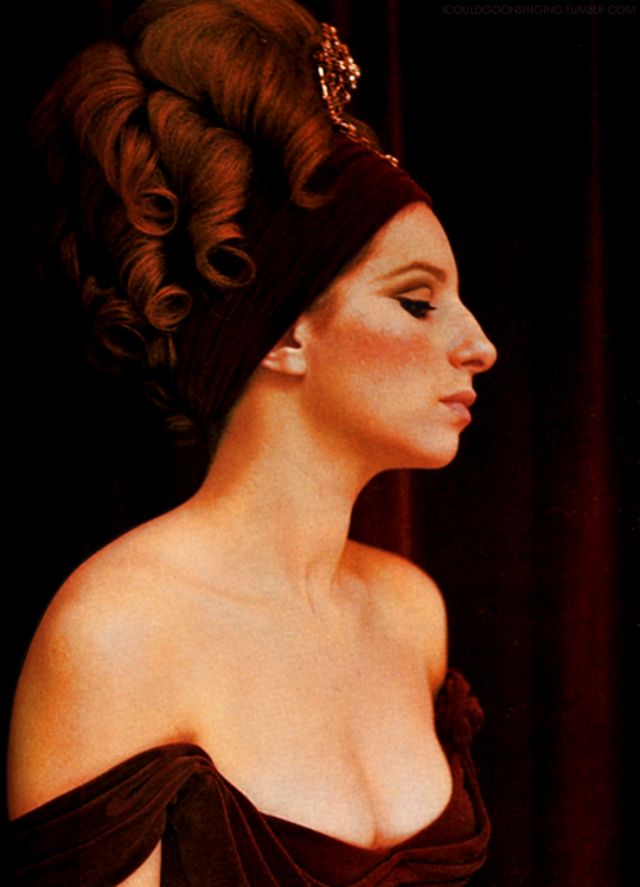
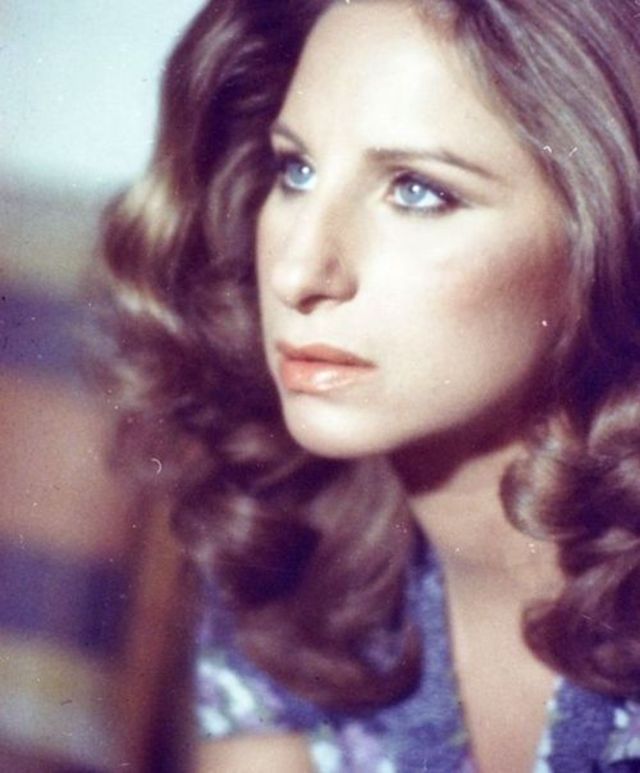
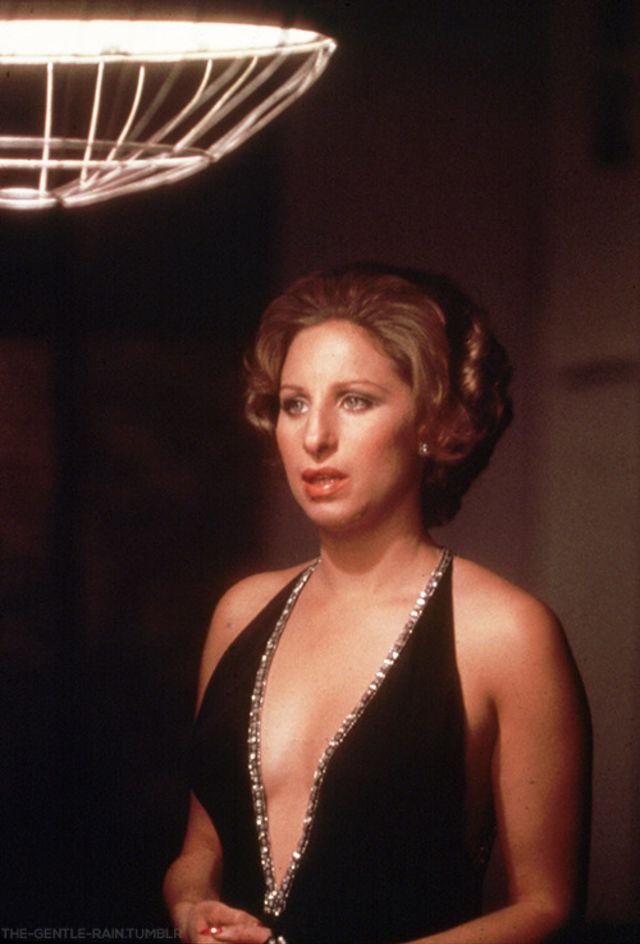
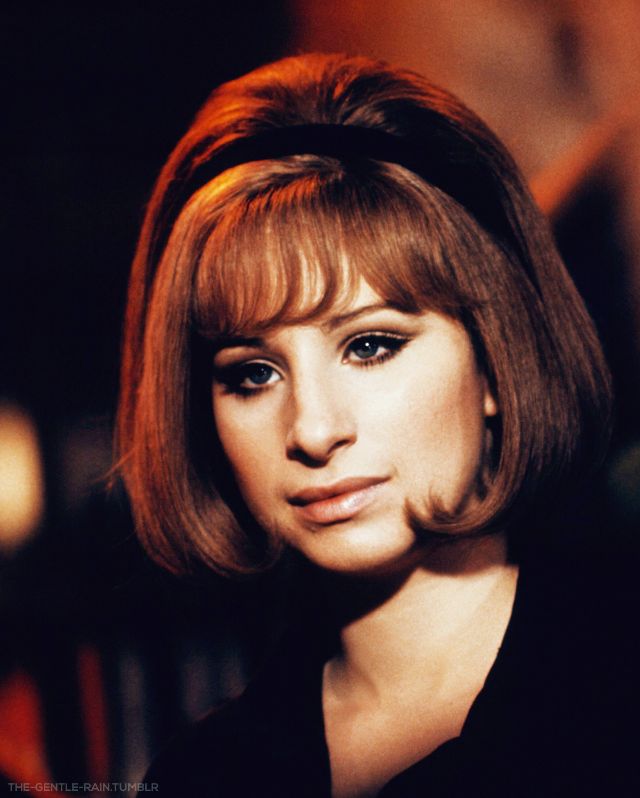
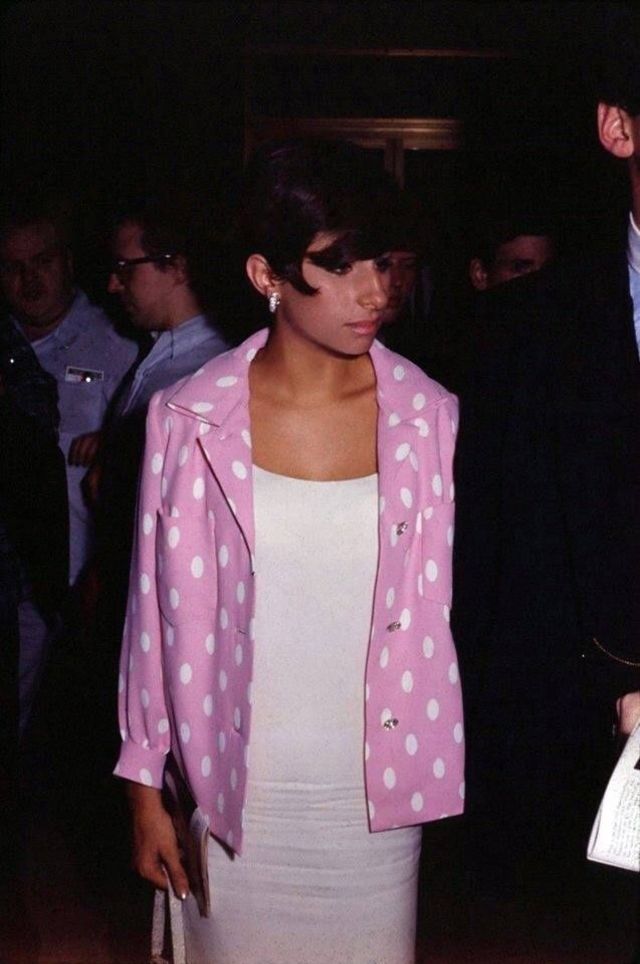
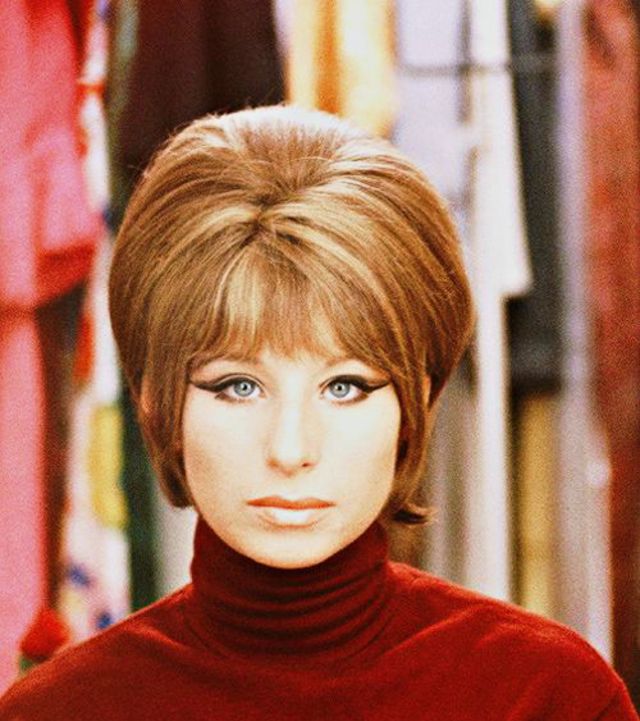
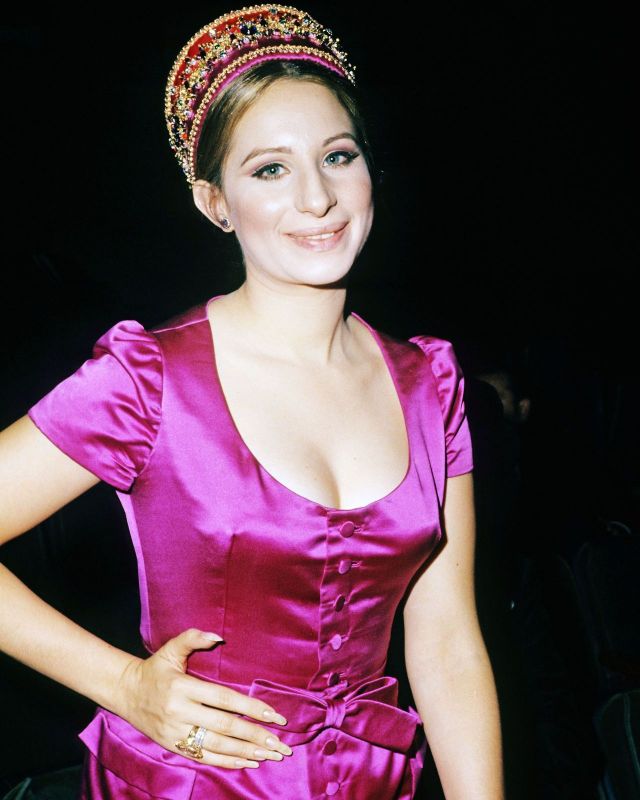
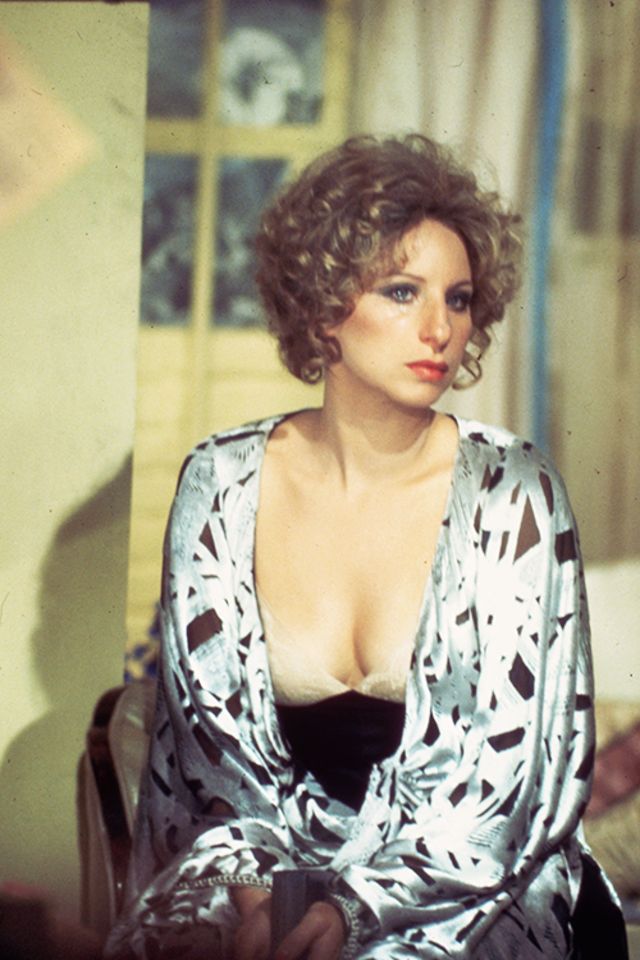
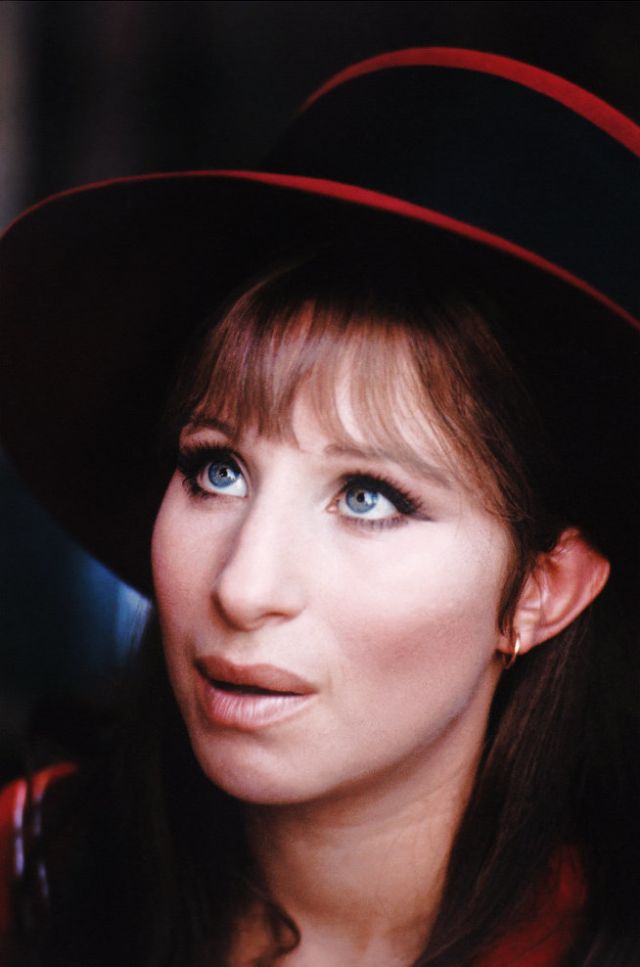
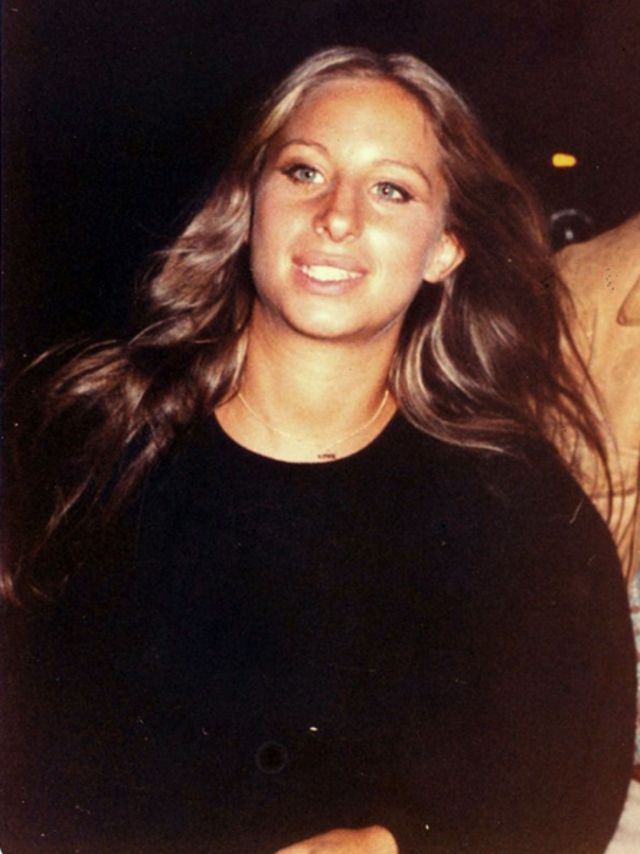
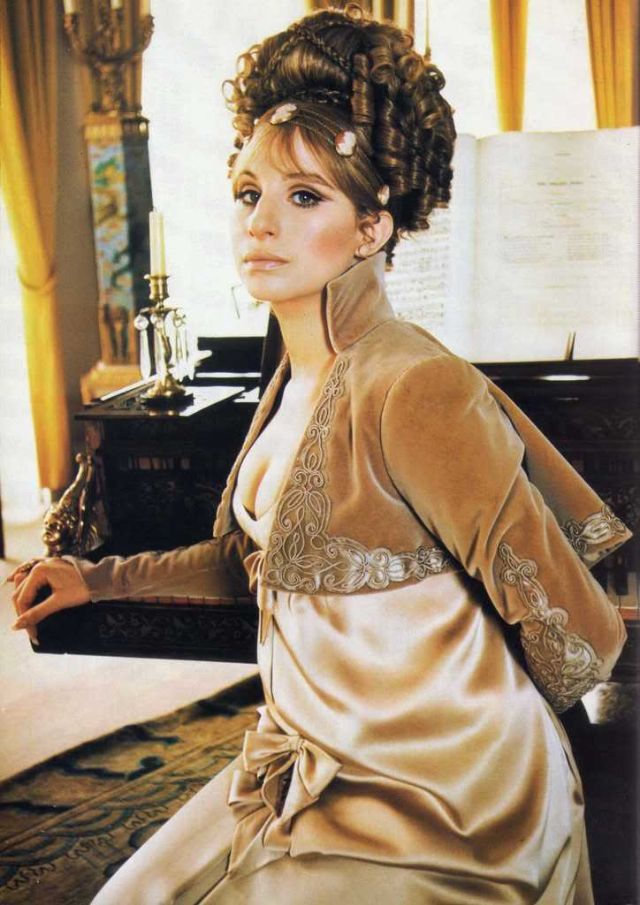
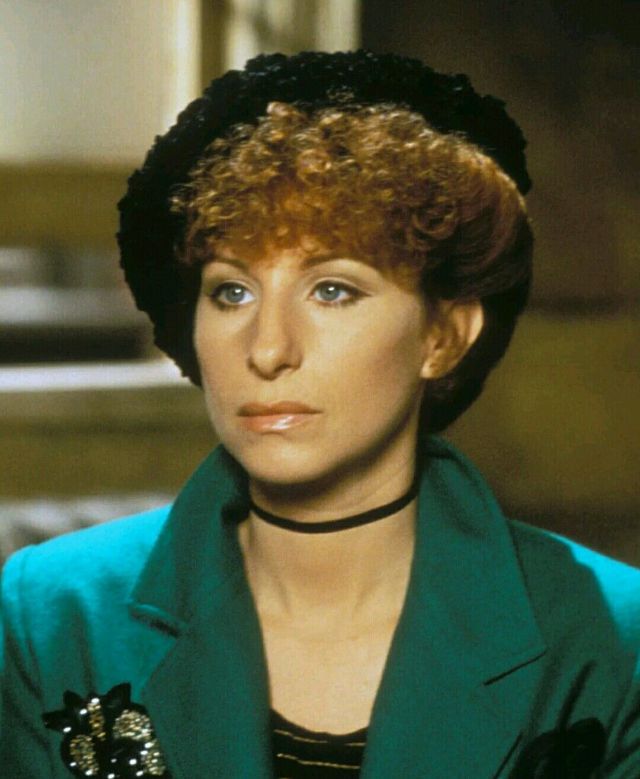
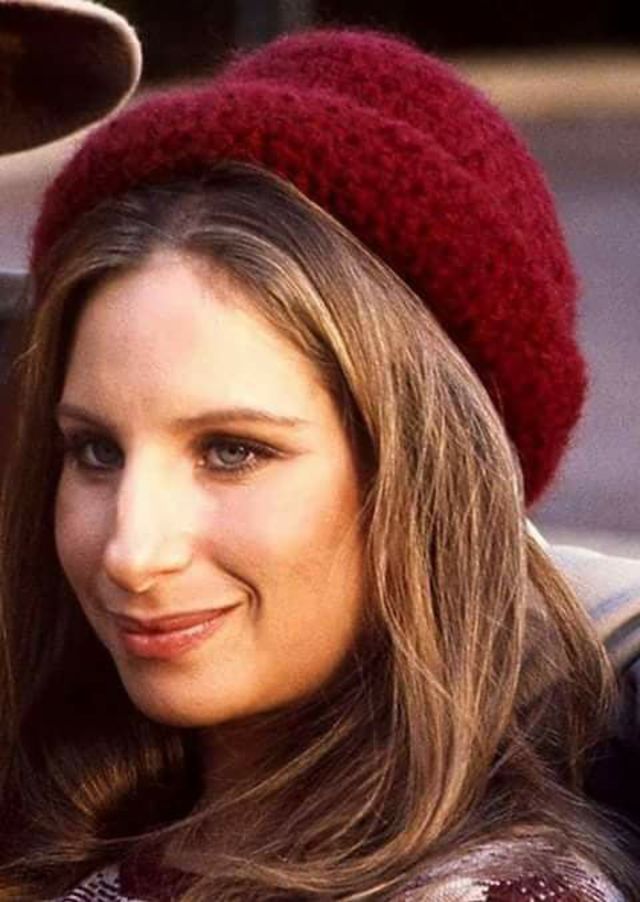
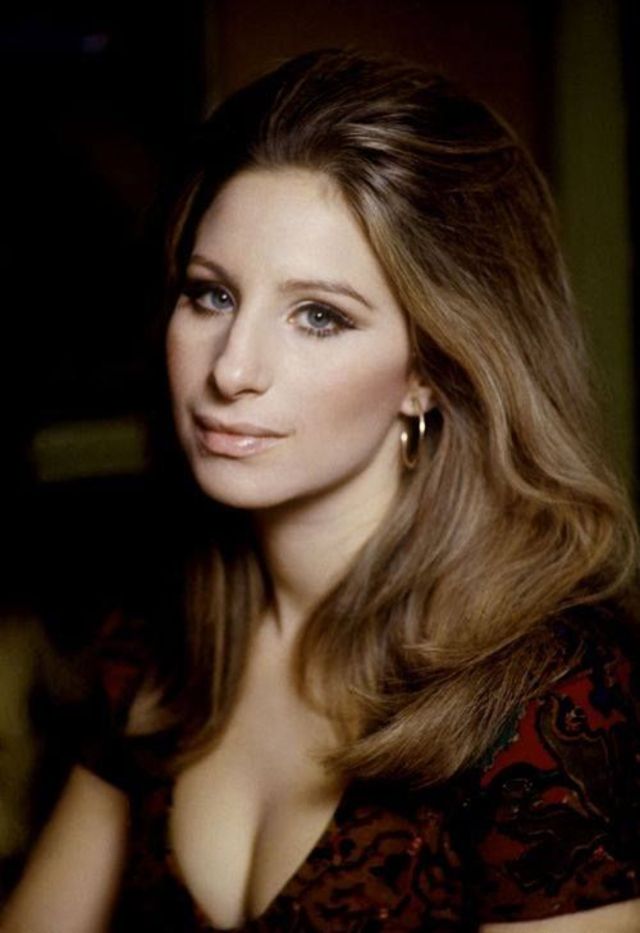
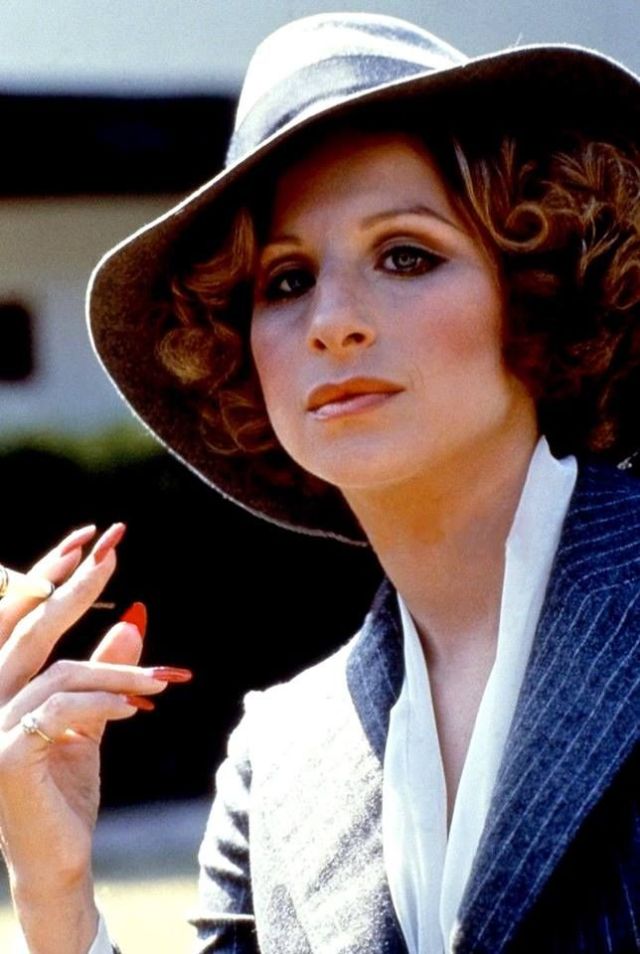
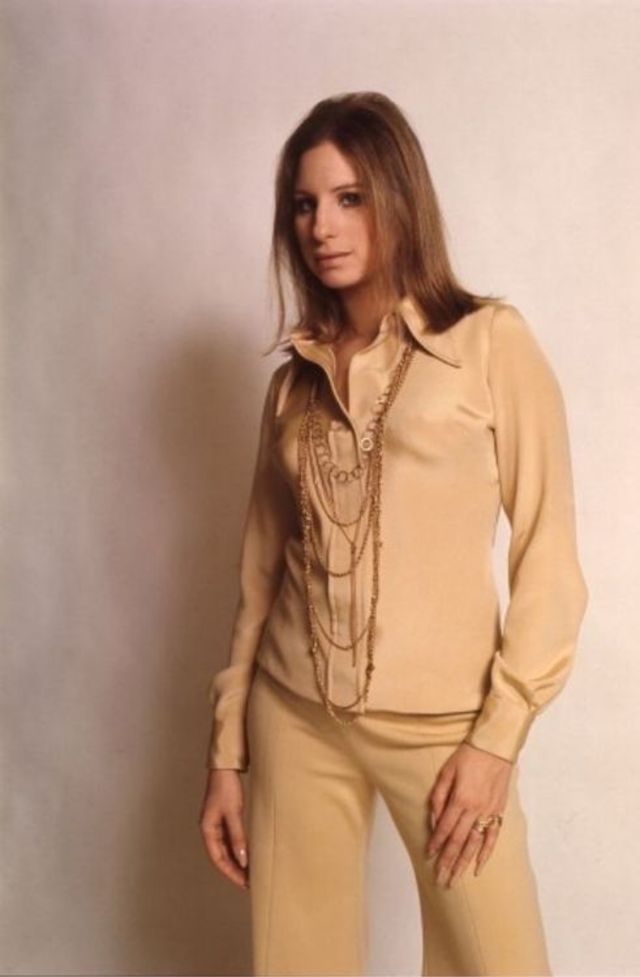
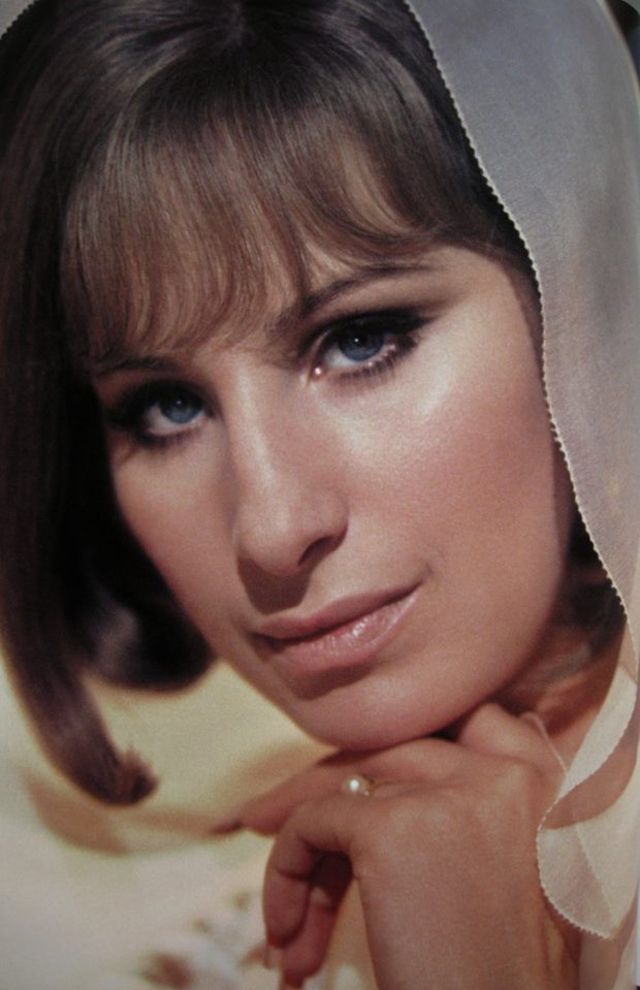
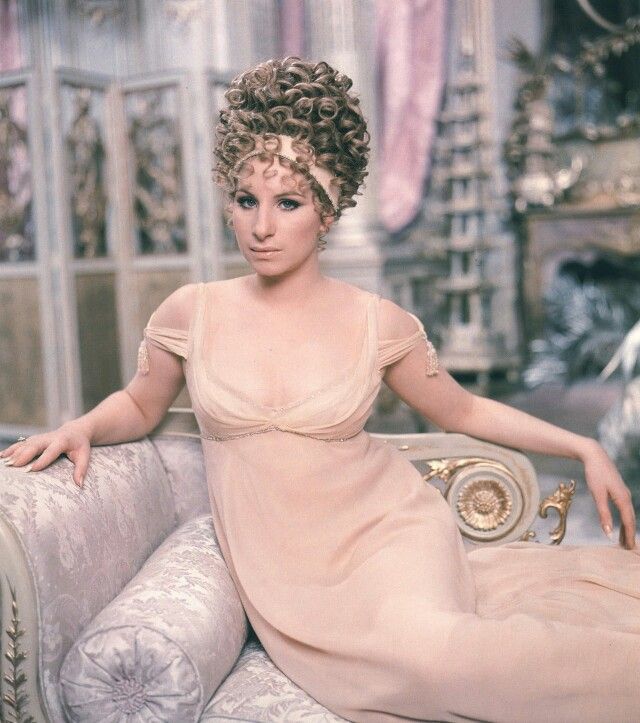
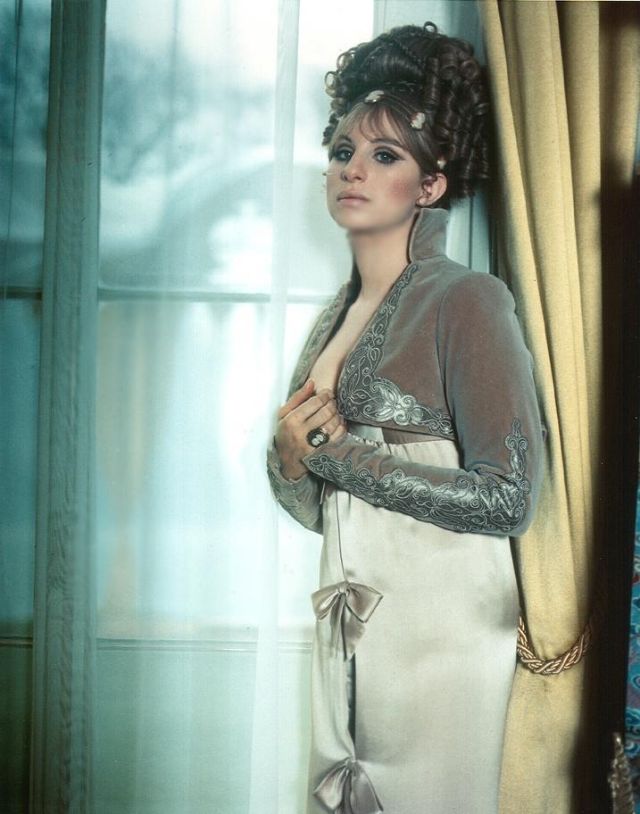
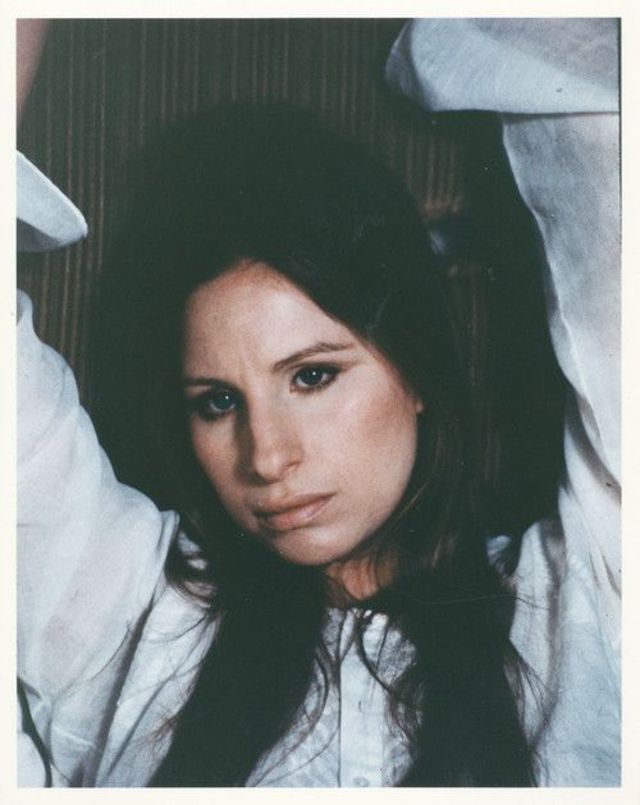
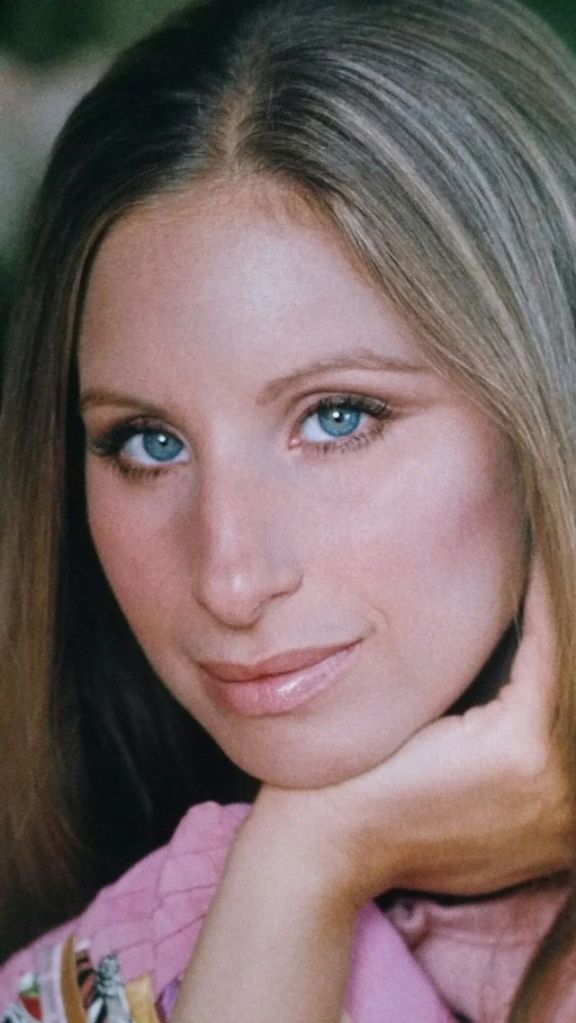
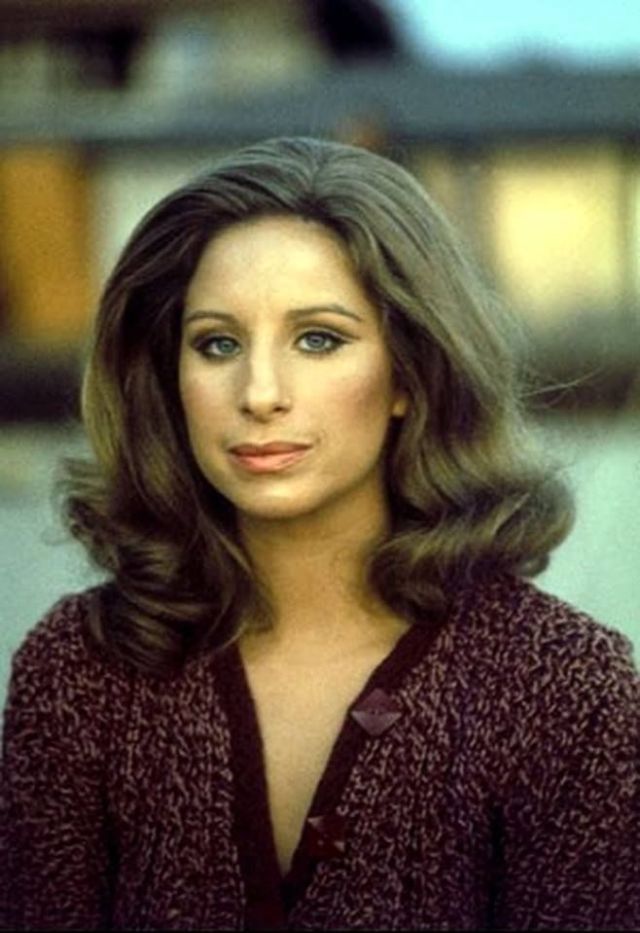
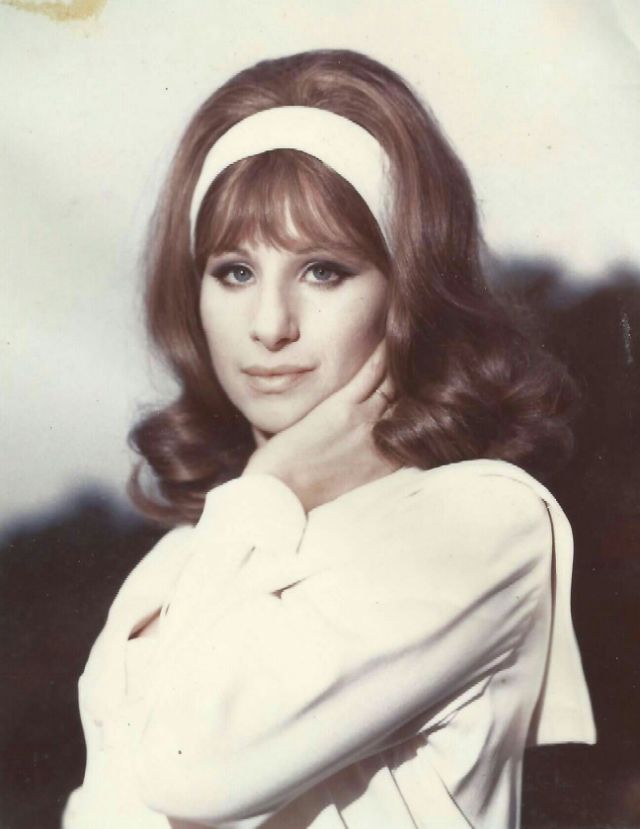
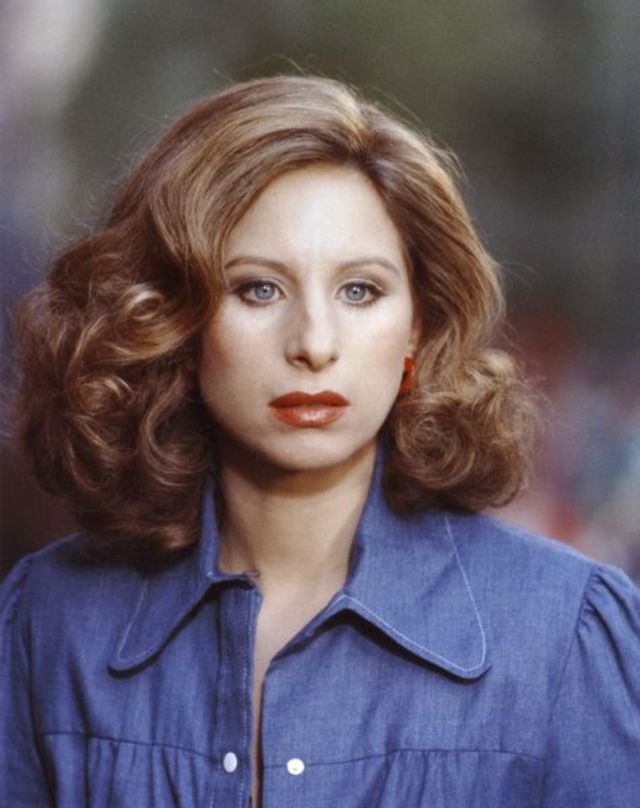
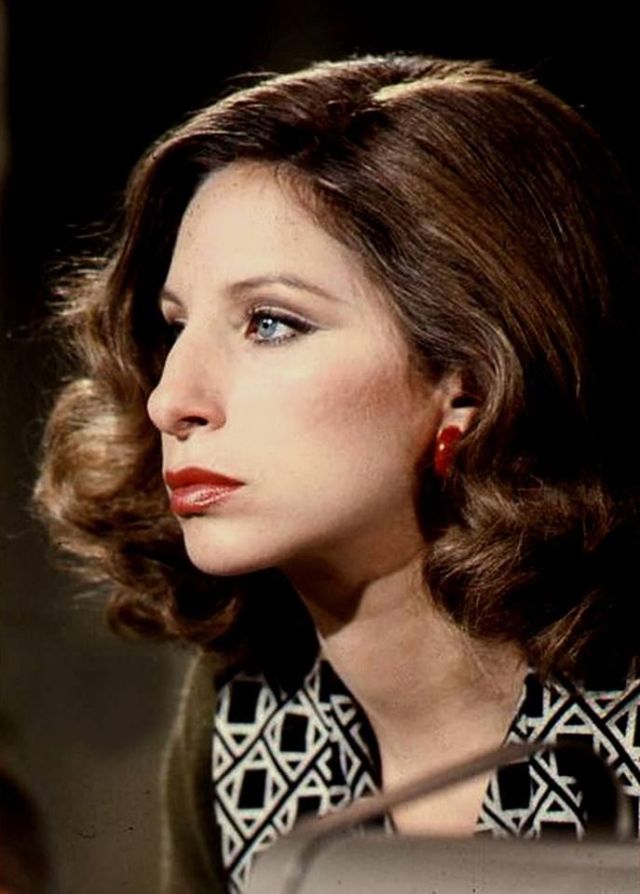
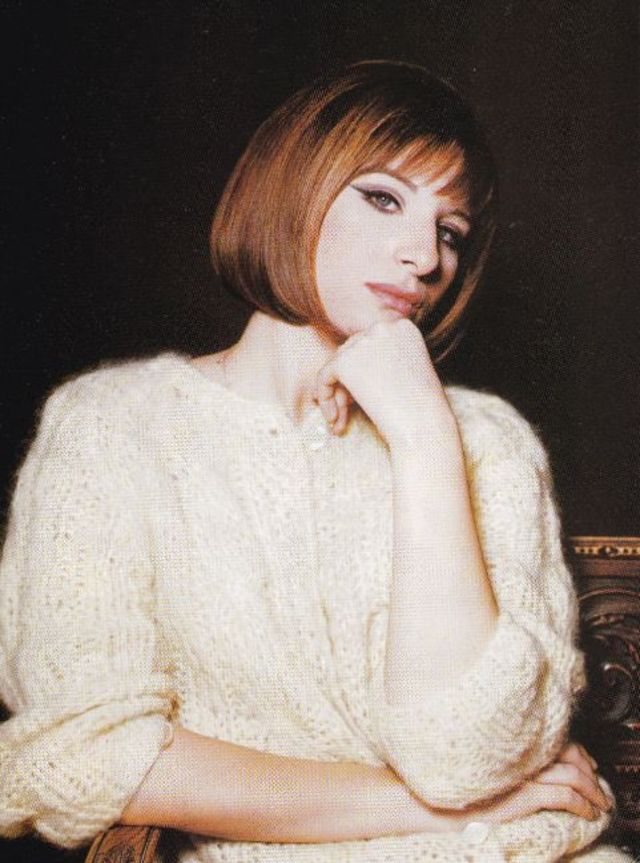
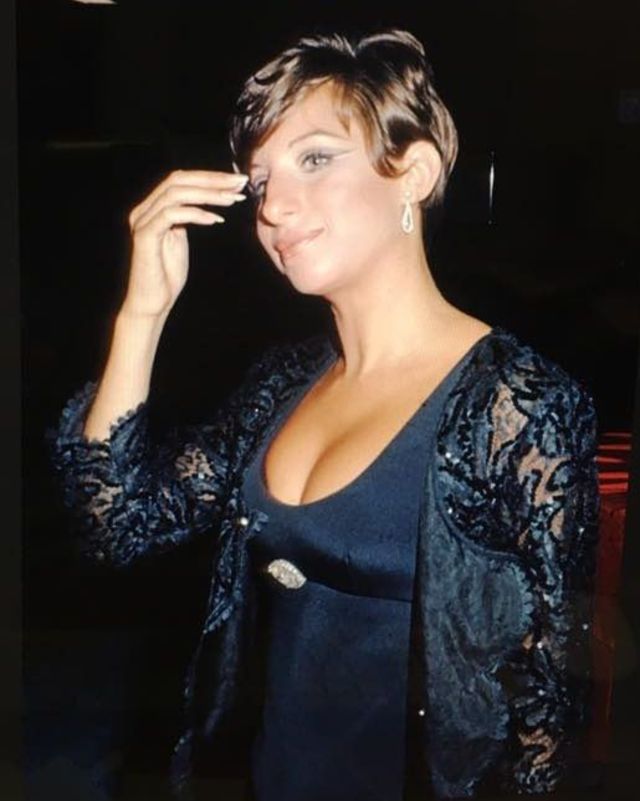
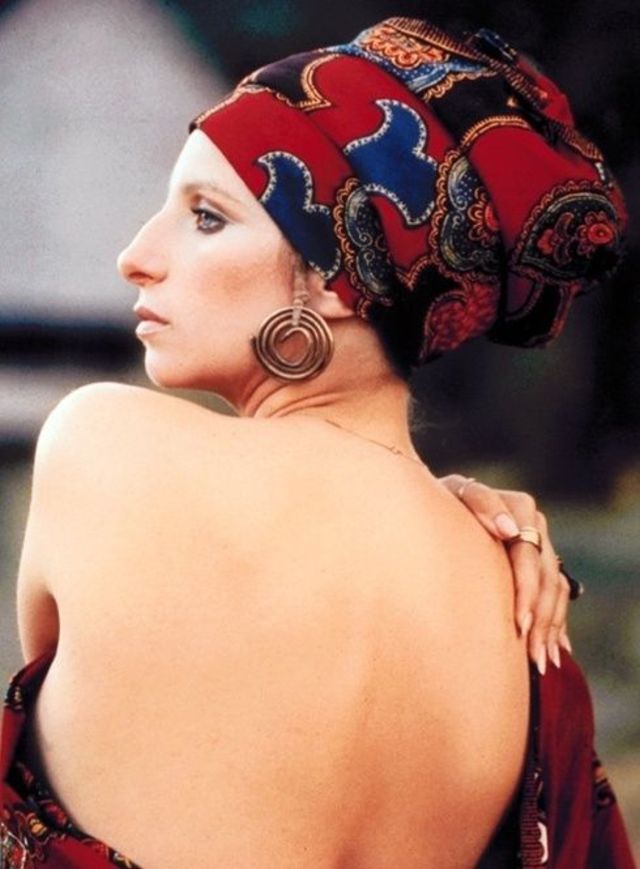
Barbara Joan “Barbra” Streisand (born April 24, 1942) is an American singer, actress, and filmmaker. With a career spanning over six decades, she has achieved success in multiple fields of entertainment, and is among the few performers awarded an Emmy, Grammy, Oscar, and Tony (EGOT).
Streisand began her career by performing in nightclubs and Broadway theaters in the early 1960s. Following her guest appearances on various television shows, she signed to Columbia Records, insisting that she retain full artistic control, and accepting lower pay in exchange, an arrangement that continued throughout her career, and released her debut The Barbra Streisand Album (1963), which won the Grammy Award for Album of the Year. Throughout her recording career, Streisand has topped the US Billboard 200 chart with 11 albums—a record for a woman—including People (1964), The Way We Were (1974), Guilty (1980), and The Broadway Album (1985). She also achieved five number-one singles on the US Billboard Hot 100—”The Way We Were”, “Evergreen”, “You Don’t Bring Me Flowers”, “No More Tears (Enough Is Enough)”, and “Woman in Love”.
Following her established recording success in the 1960s, Streisand ventured into film by the end of that decade. She starred in the critically acclaimed Funny Girl (1968), for which she won the Academy Award for Best Actress. Additional fame followed with films including the extravagant musical Hello, Dolly! (1969), the screwball comedy What’s Up, Doc? (1972), and the romantic drama The Way We Were (1973). Streisand won a second Academy Award for writing the love theme from A Star Is Born (1976), the first woman to be honored as a composer. With the release of Yentl (1983), Streisand became the first woman to write, produce, direct, and star in a major studio film. The film won an Oscar for Best Score and a Golden Globe for Best Motion Picture Musical. Streisand also received the Golden Globe Award for Best Director, becoming the first (and for 37 years, the only) woman to win that award. Streisand later directed The Prince of Tides (1991) and The Mirror Has Two Faces (1996).
With sales exceeding 150 million records worldwide, Streisand is one of the best-selling recording artists of all time. According to the Recording Industry Association of America (RIAA), she is the highest-certified female artist in the United States, with 68.5 million certified album units tying with Mariah Carey. Billboard ranked Streisand as the greatest female artist on the Billboard 200 chart and the top Adult Contemporary female artist of all time. Her accolades include two Academy Awards, 10 Grammy Awards including the Grammy Lifetime Achievement Award and the Grammy Legend Award, five Emmy Awards, four Peabody Awards, the Presidential Medal of Freedom, and nine Golden Globes. (Wikipedia)
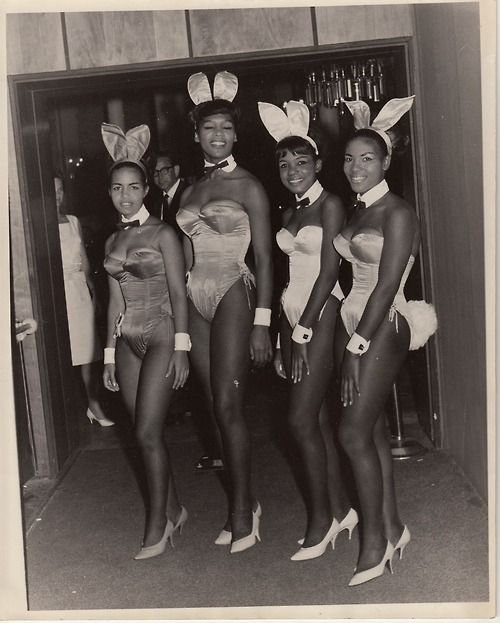
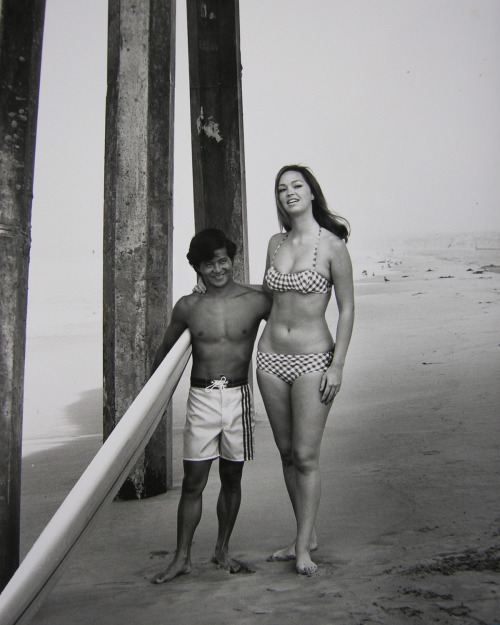
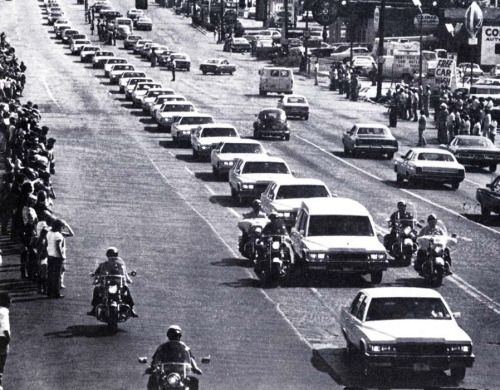
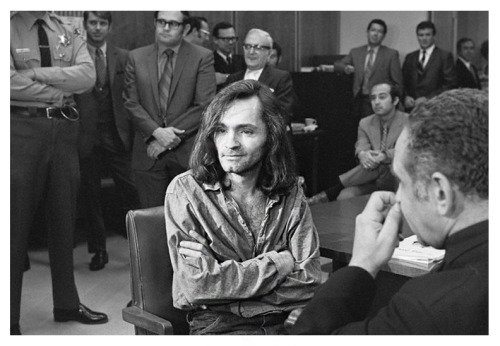
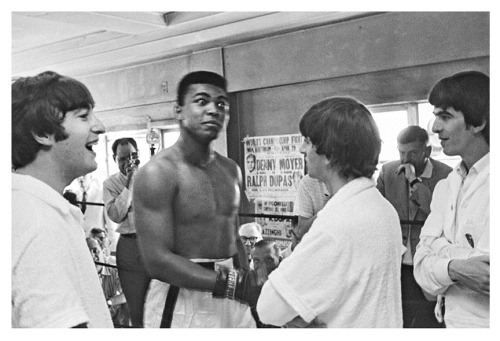
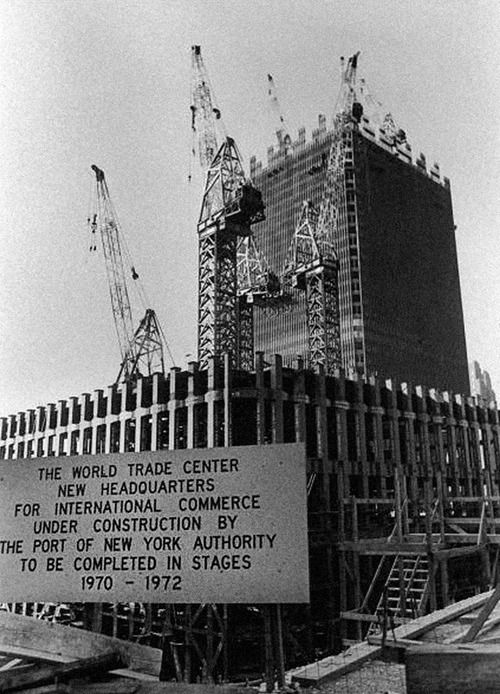
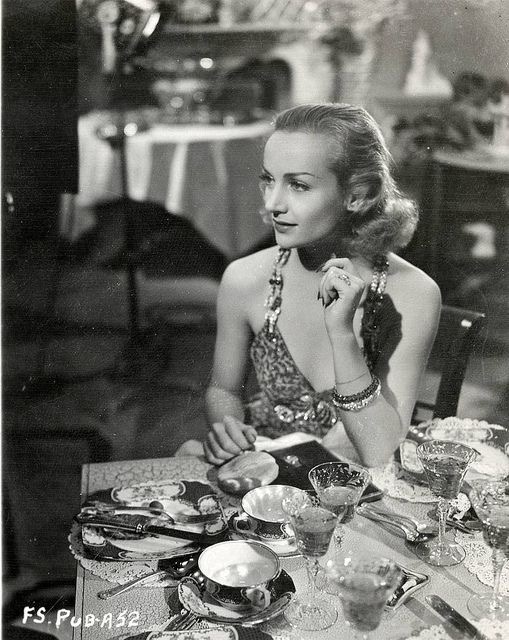
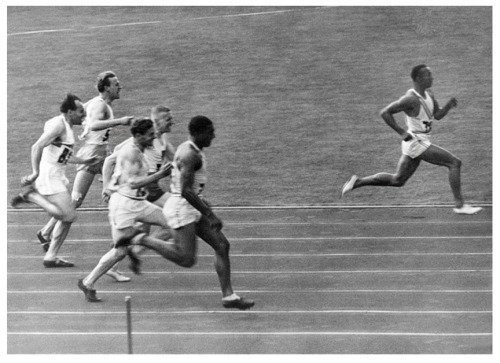
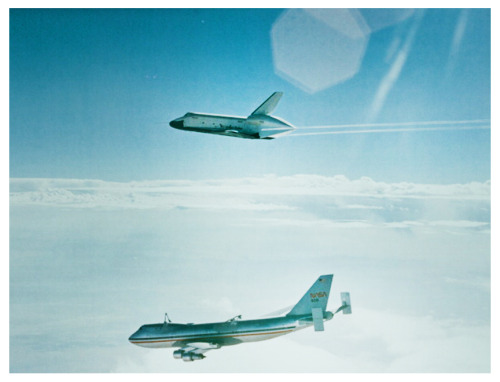
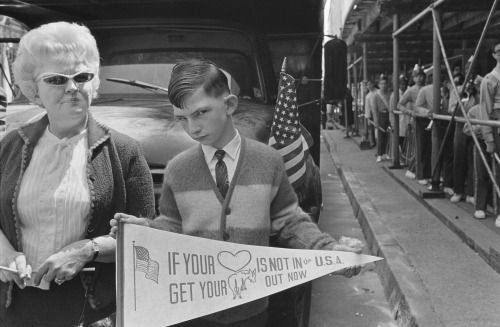
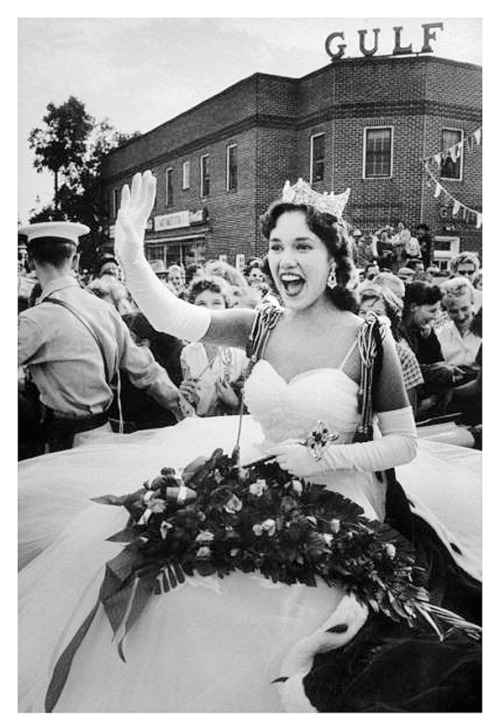
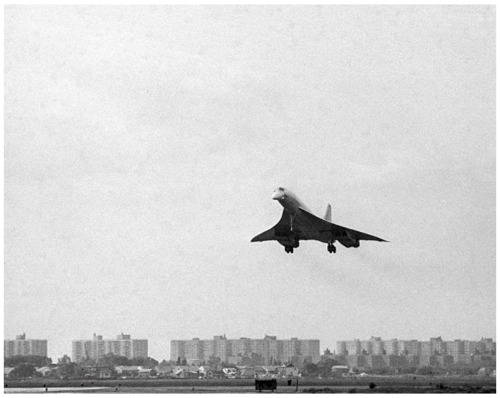
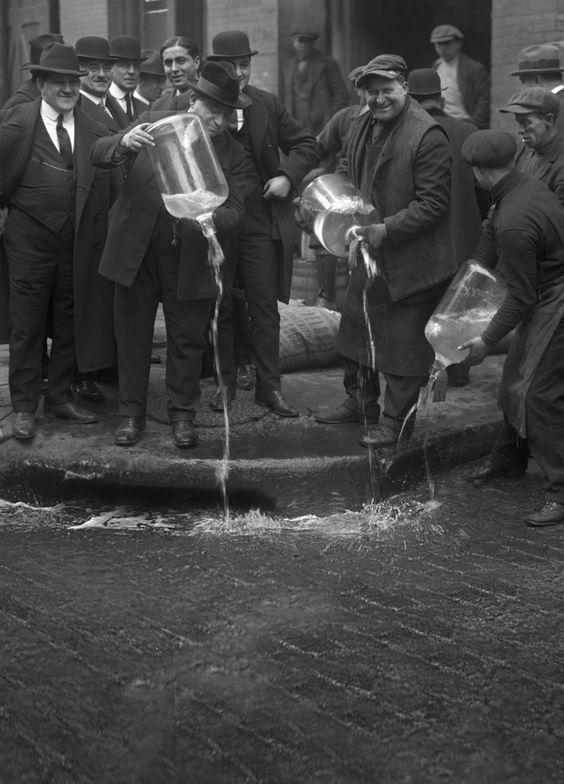
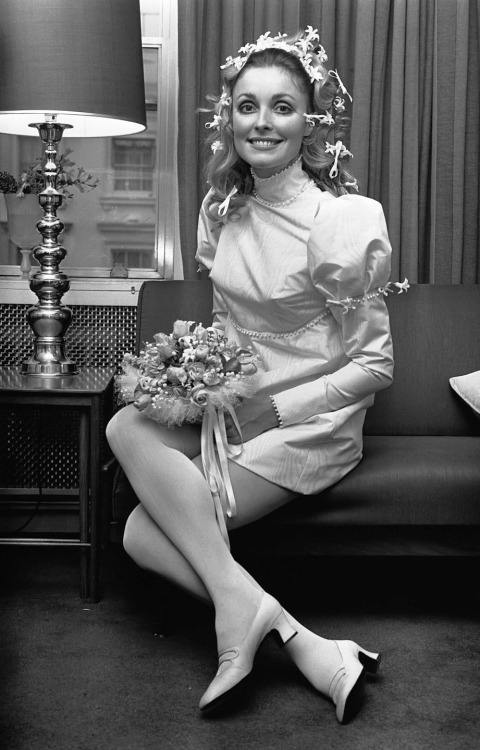
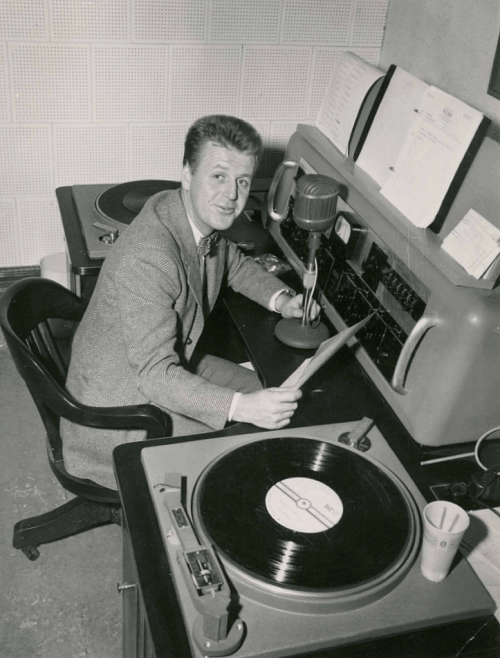
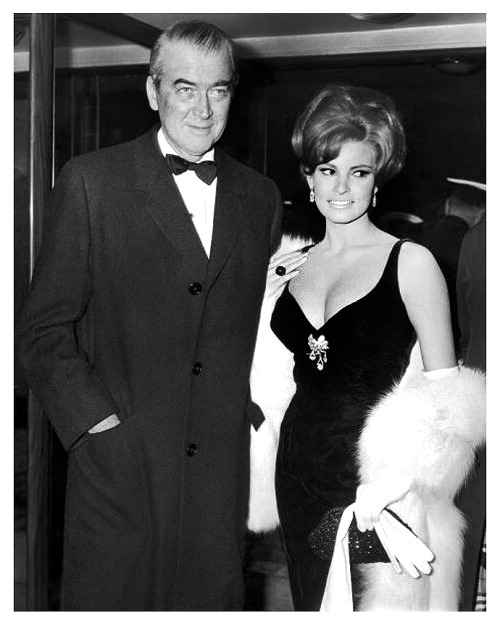
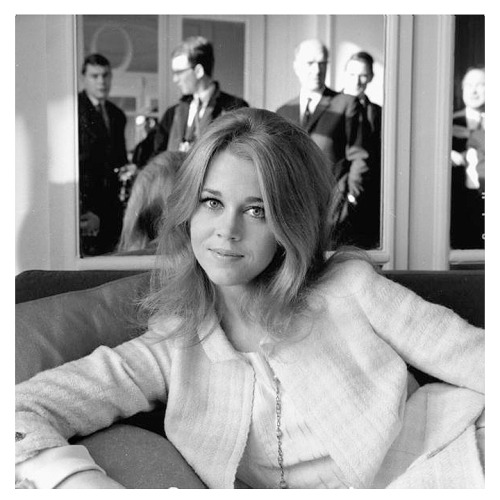
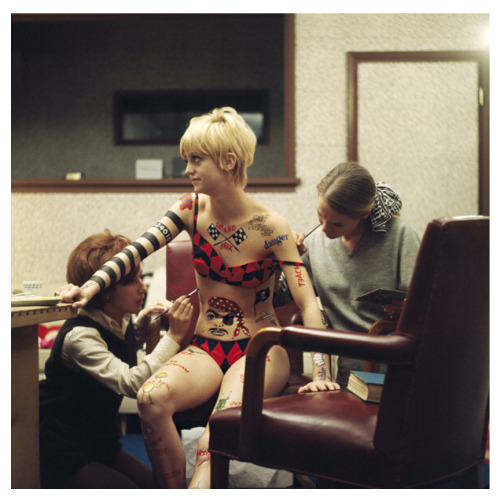
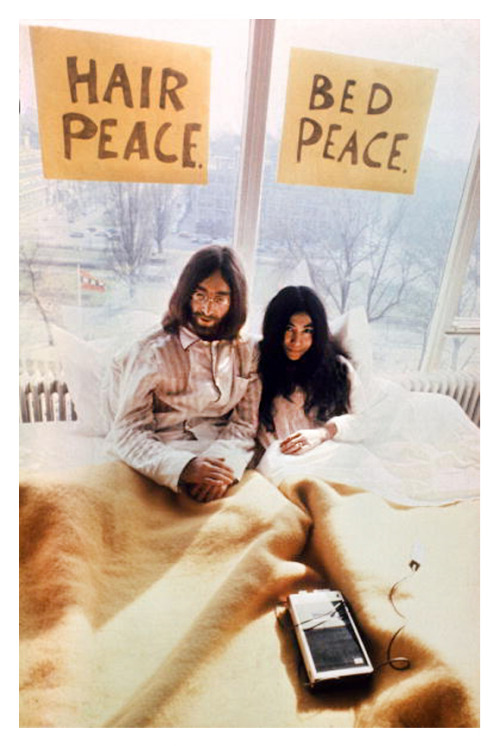
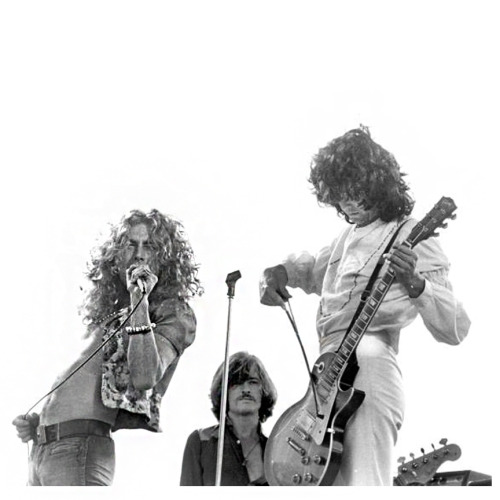
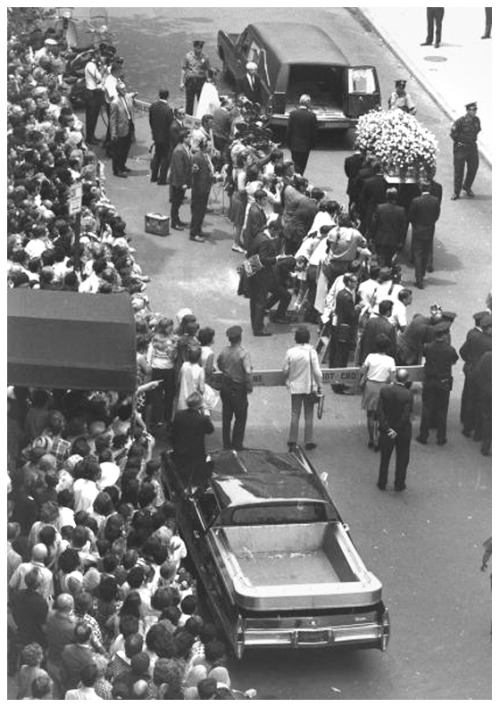
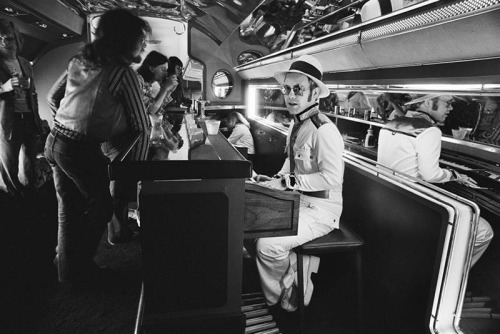
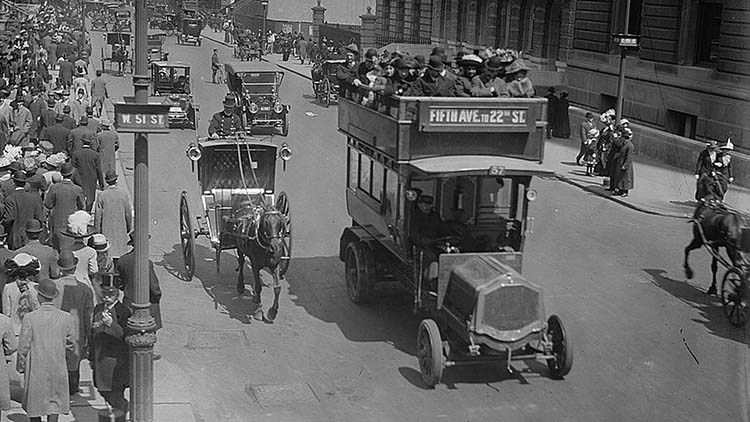
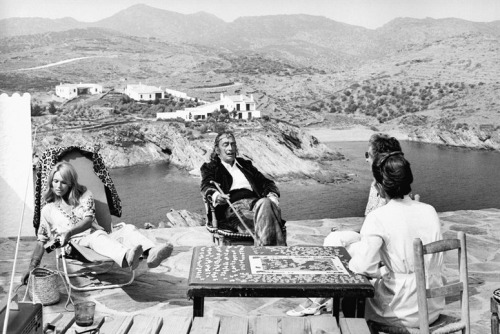
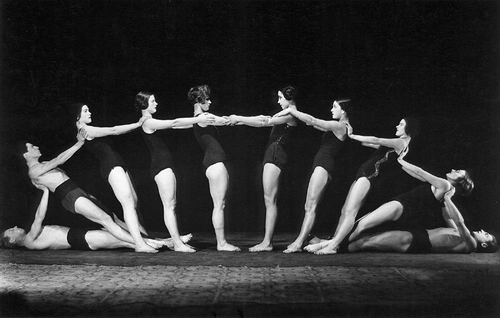
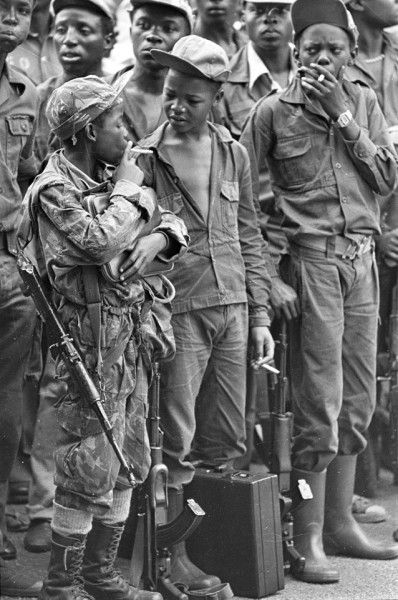
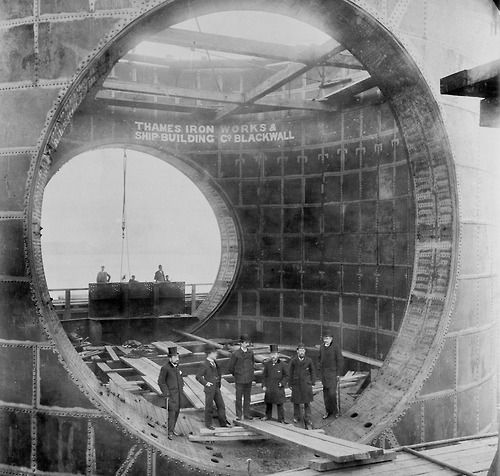
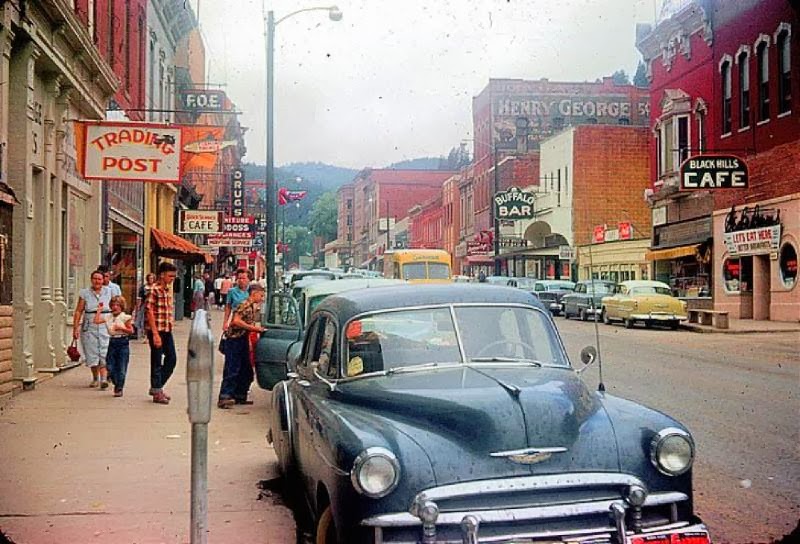
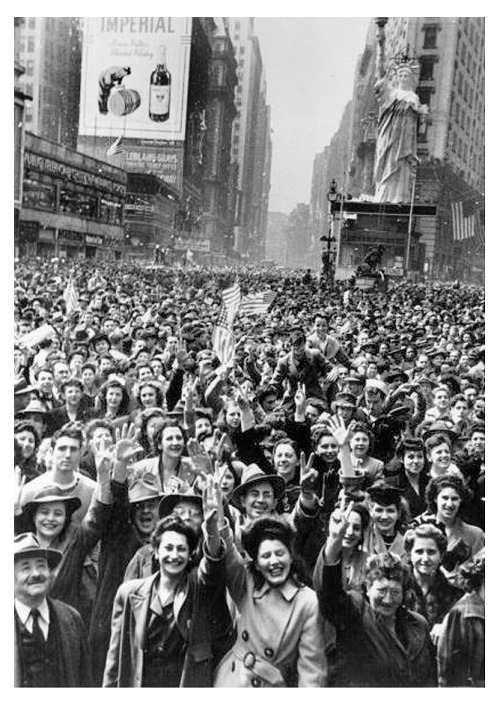
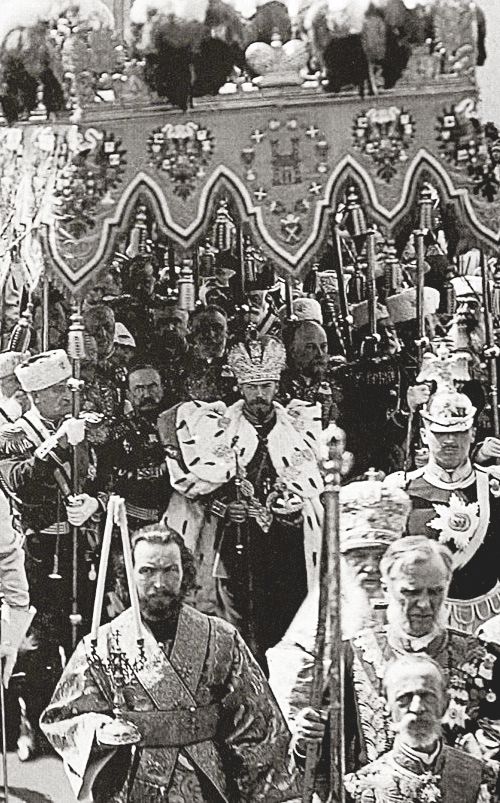
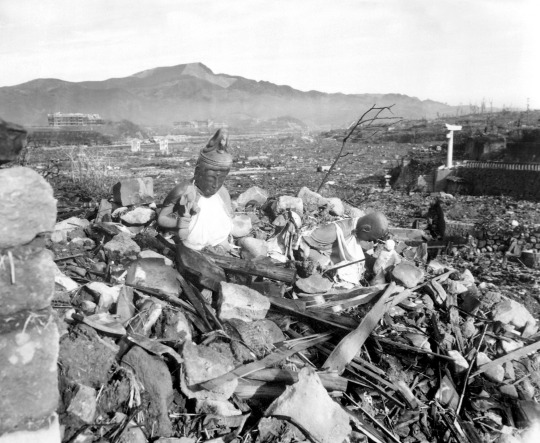
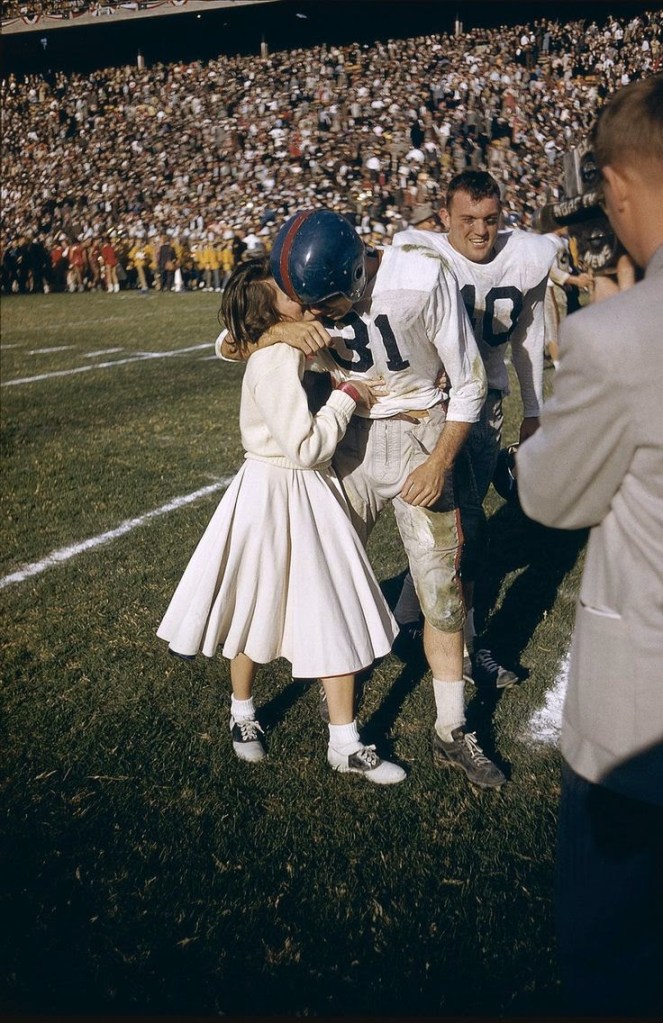
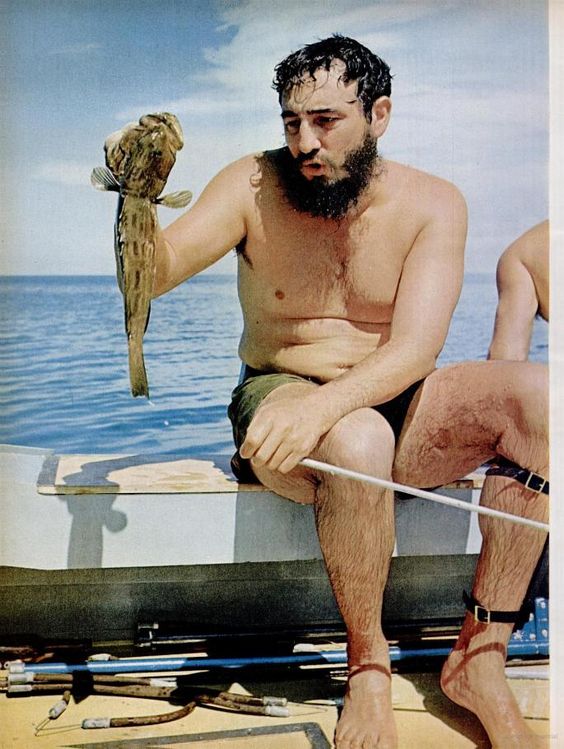
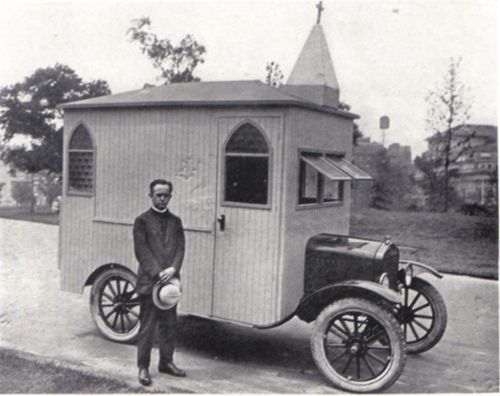
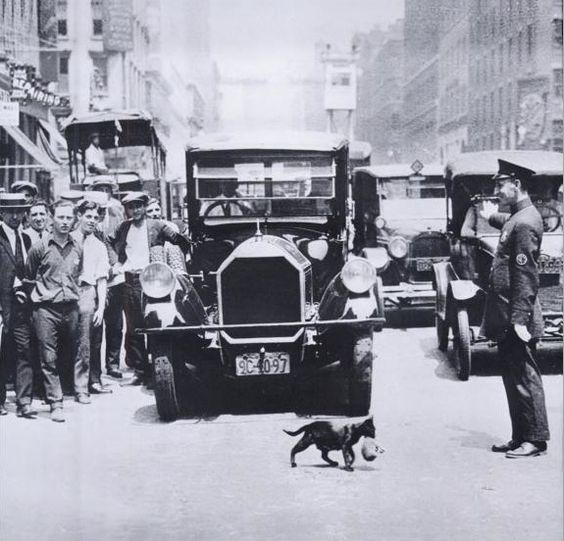
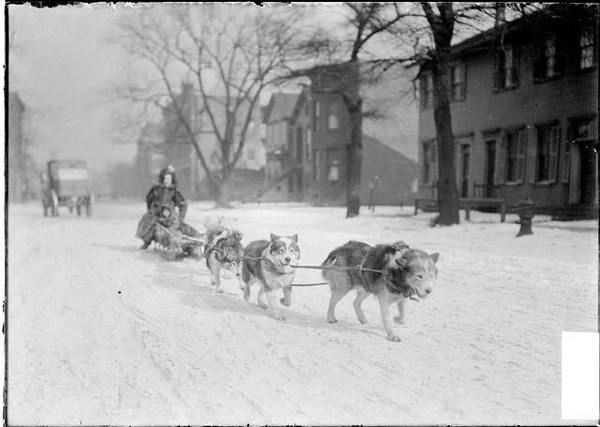
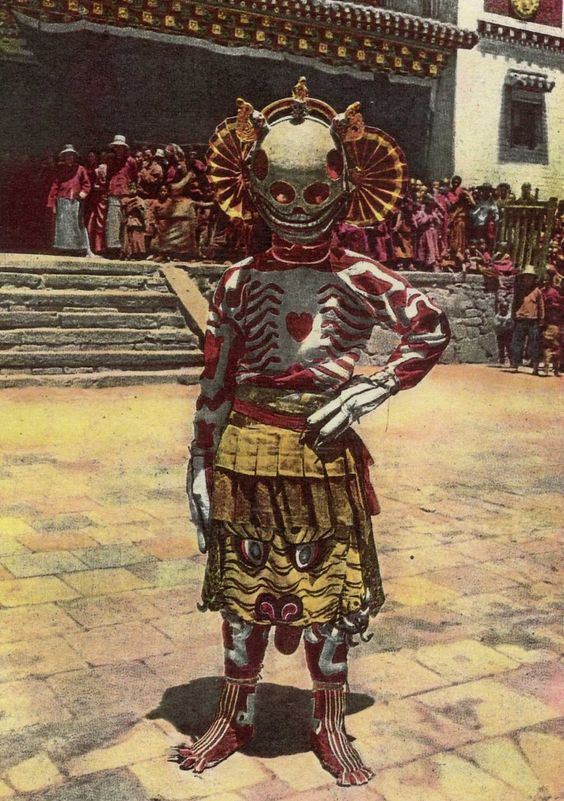
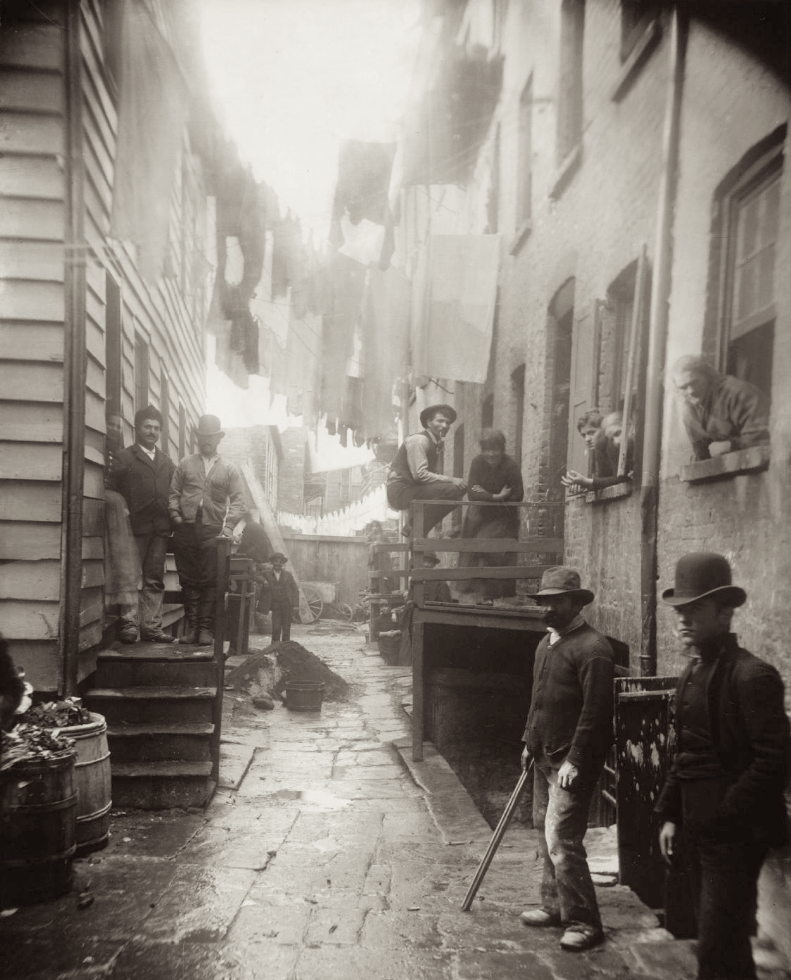
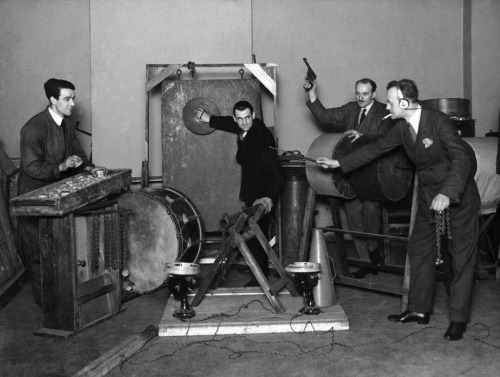
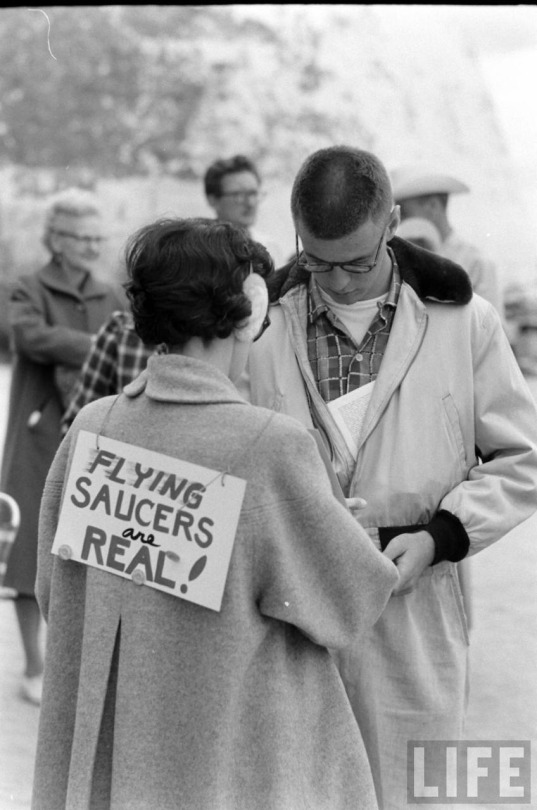
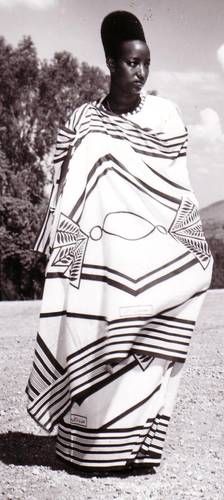
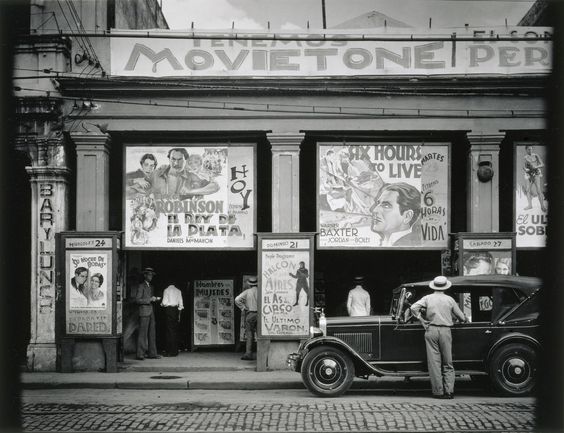
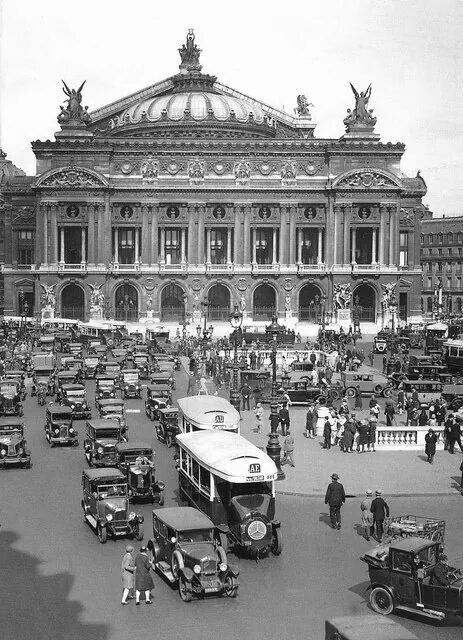
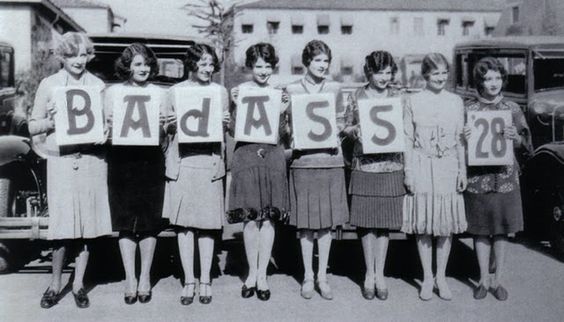
1965 Hawaiian surfing champion Donald Takayama & actress Bettina BrennaElvis Presley is laid to rest in Memphis, Tennessee. August 18, 1977.Charles Manson in court – June 1970.Cassius Clay (Muhammad Ali) meets The Beatles at his training centre in Miami, Florida. February 18, 1964.Building the World Trade Center – New York City, 1970Carole LombardAugust 3, 1936. American track and field athlete, Jesse Owens, wins the 100 meter dash at the 1936 Summer Olympics in Berlin, Germany.August 12, 1977.The Space Shuttle Enterprise flies on its own for the first time when it separates from a Boeing 747 Shuttle Carrier Aircraft.1968 Pro-Vietnam War Parade, New York City .Miss America winner, Mary Ann Mobley returning to her home town of Biloxi, Mississippi. 1959October 19, 1977. British Airways Concorde makes its first landing at JFK International Airport in New York.1920s prohibitionActress Sharon Tate on her wedding day to film director Roman Polanski – London, January 20, 1968Circa Late 1940s DJ working drive time radio.Actors James Stewart and Raquel Welch attending the UK premiere of The Flight of the Phoenix at the Carlton Theatre in London – January 20, 1966Jane Fonda – London, January 23, 1965Goldie Hawn having makeup applied behind set of Rowan and Martin’s Laugh-In, Los Angeles, 1968March 25, 1969. John Lennon and Yoko Ono begin their weeklong “Bed-In”Led Zeppelin performs at Kezar Stadium in San Francisco, California. June, 2 , 1973Judy Garland’s coffin is taken to a hearse at Campbell Funeral Home in New York City – June 27, 1969.1974 Elton John Playing On His Piano Bar Aboard His Private JetNew York, 1910s1965 Salvador Dalí with actress-model-singer Amanda Lear1953.Alexander Grinberg , The Theater of Vsevold Meyerhold, Biomechanics Workshop, 1920’sAngolan War of Independence (1961-1974)Construction of the Blackwall Tunnel, London 1890’sDeadwood, South Dakota, 1956.May 8, 1945. V-E Day – World War II ends in Europe.The Coronation of Czar Nicholas II, May 1896. RussiaTemple statues atop ruins in Nagasaki, Japan, 1945University of Mississippi player being kissed by a cheerleader after the Cotton Bowl in 1956.Fidel Castro 19641923 Mobile ChurchA cat carrying her kittens across the street stopped New York City traffic on July 29, 1925.A dog sled pulls a mother and child down a snow covered street , Chicago , 1904A Tibetan skeleton dancer, 1925.Bandit’s Roost, at 59½ Mulberry Street (Mulberry Bend), was the most crime-ridden, dangerous part of all New York City.BBC Sound Effects department, 1927Flying saucers, 1957Last queen of Rwanda, Rosalie Gicanda, married King Mutara Rudahigwa (Mutara II) in 1942.Cinema, Havana, 1933L’Opera de Paris, 1930First black playboy bunnies, 1960s.Badass girls, 1928
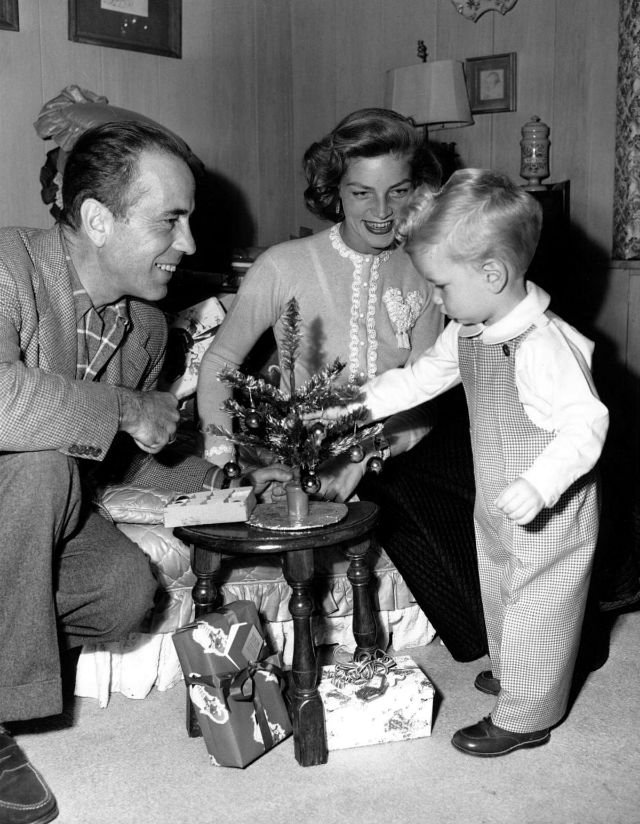
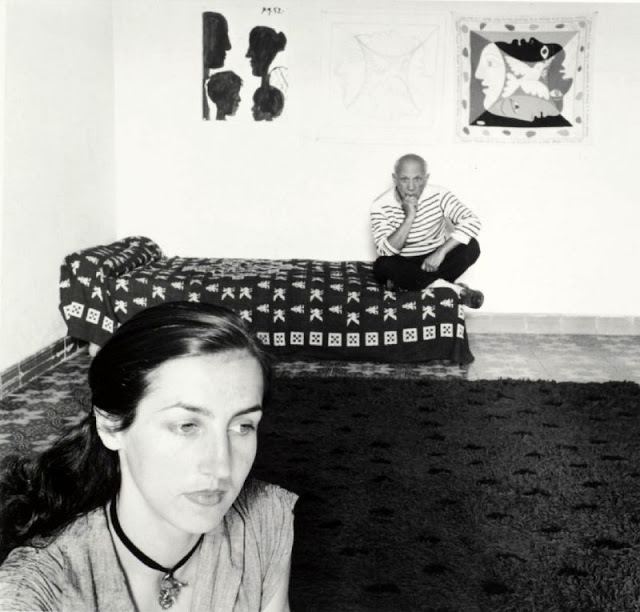
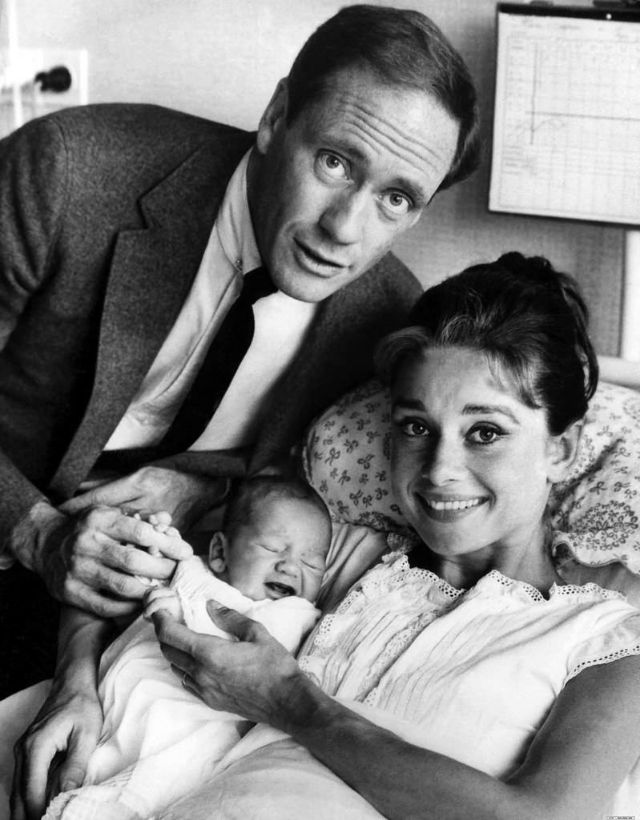
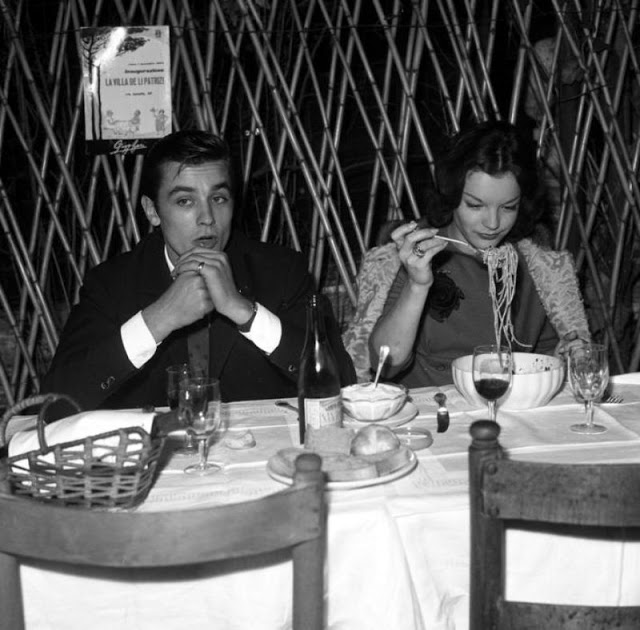
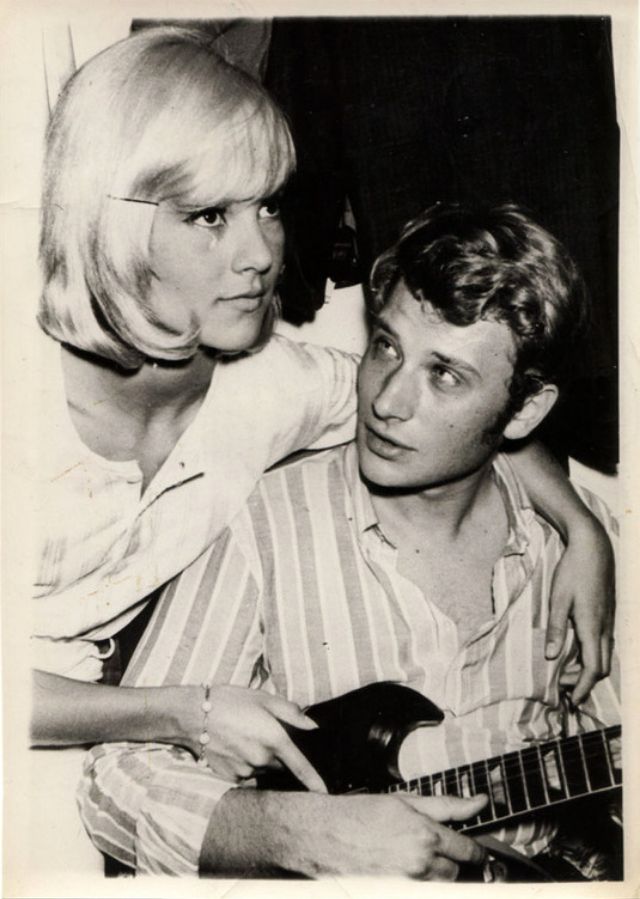
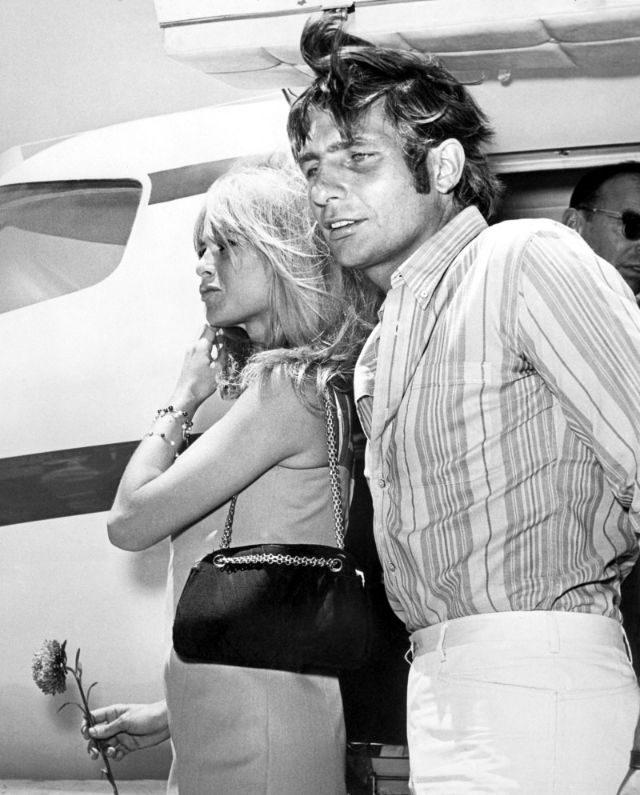
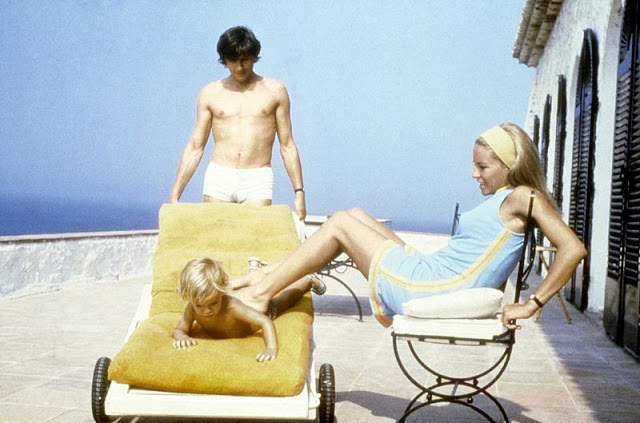
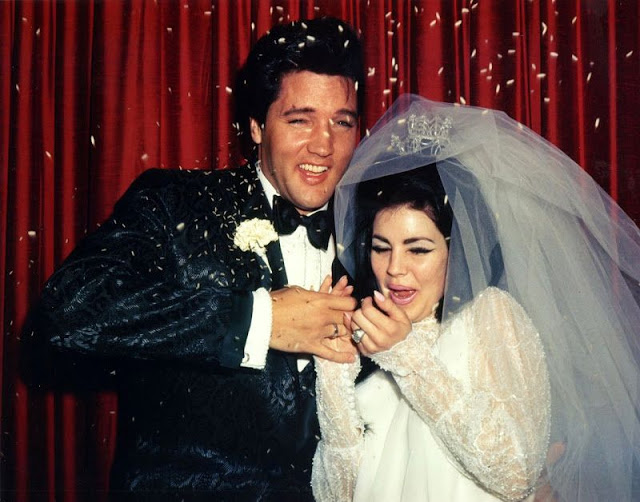
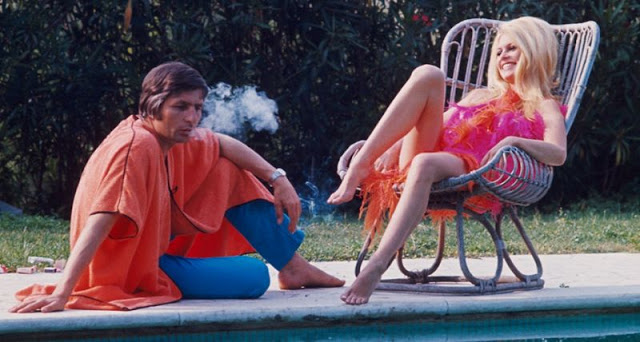
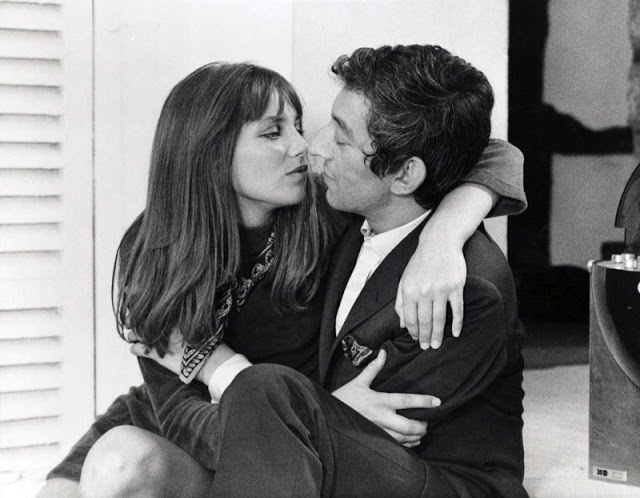
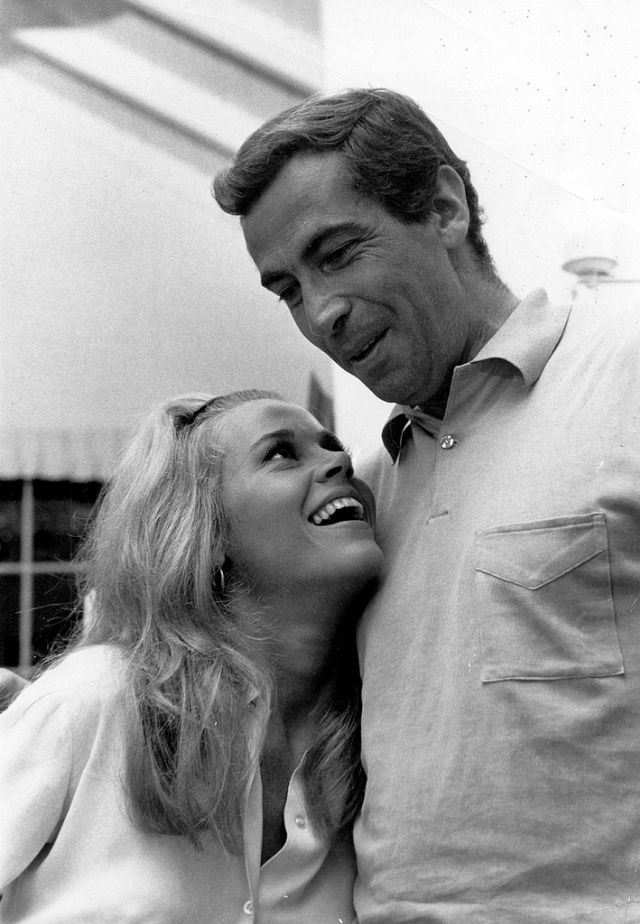
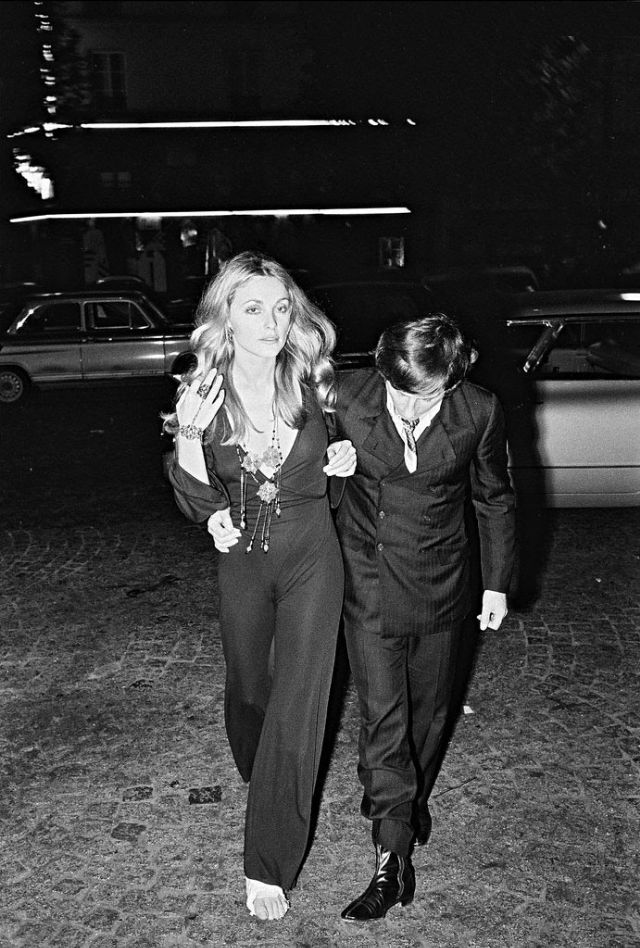
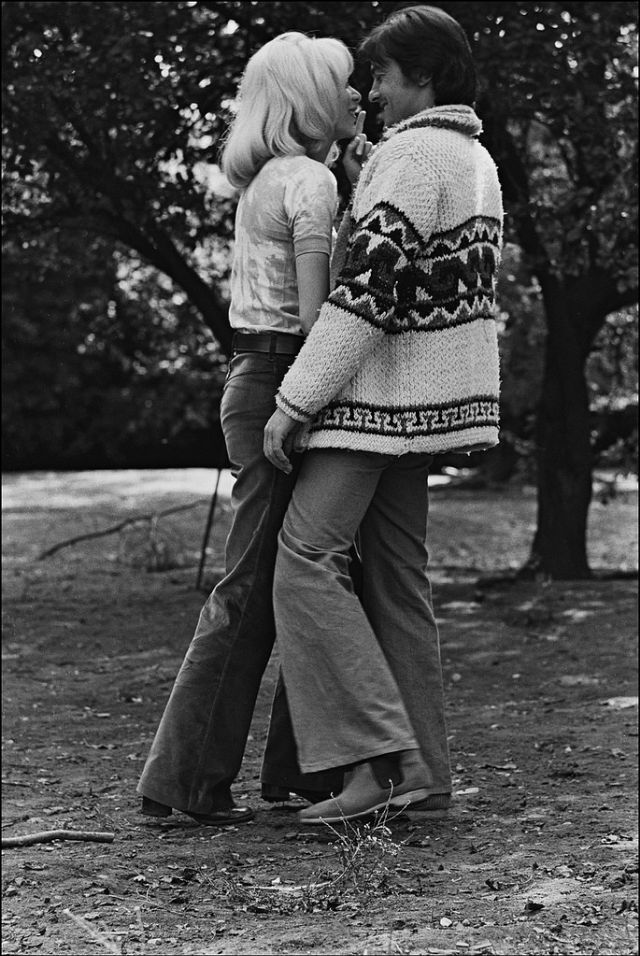
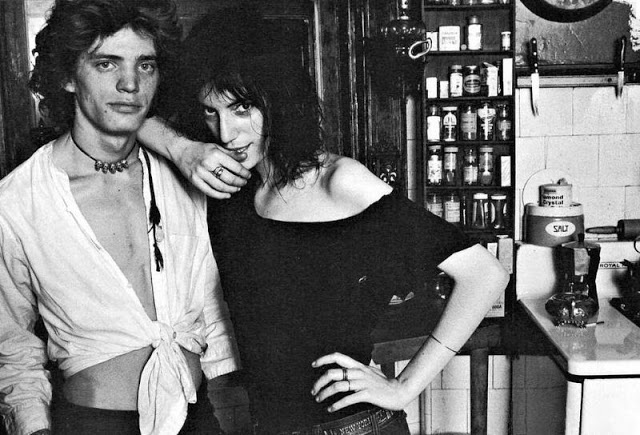
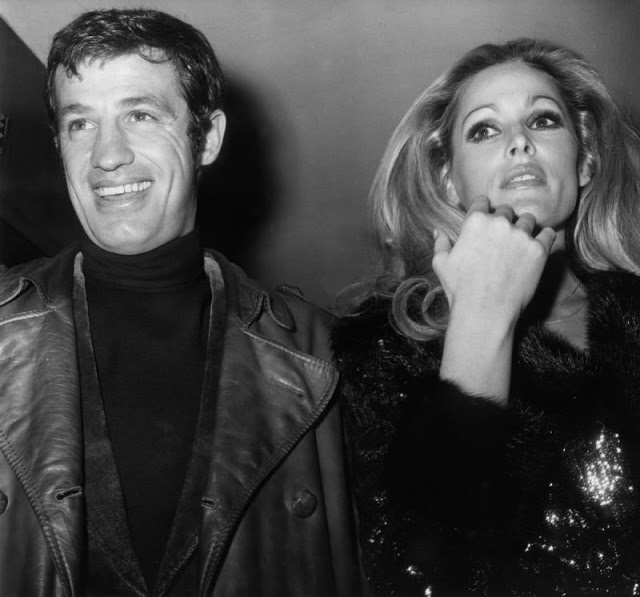
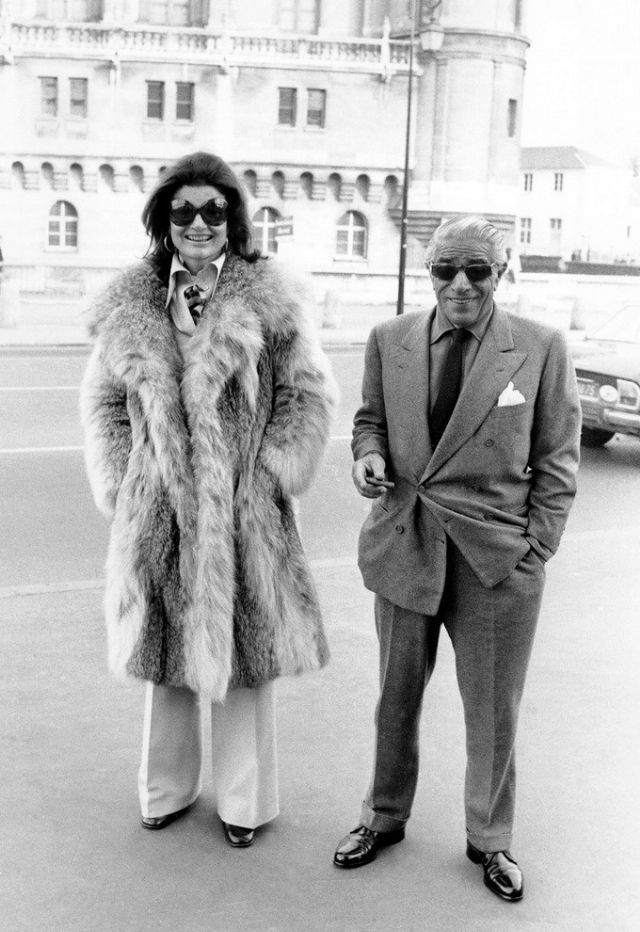
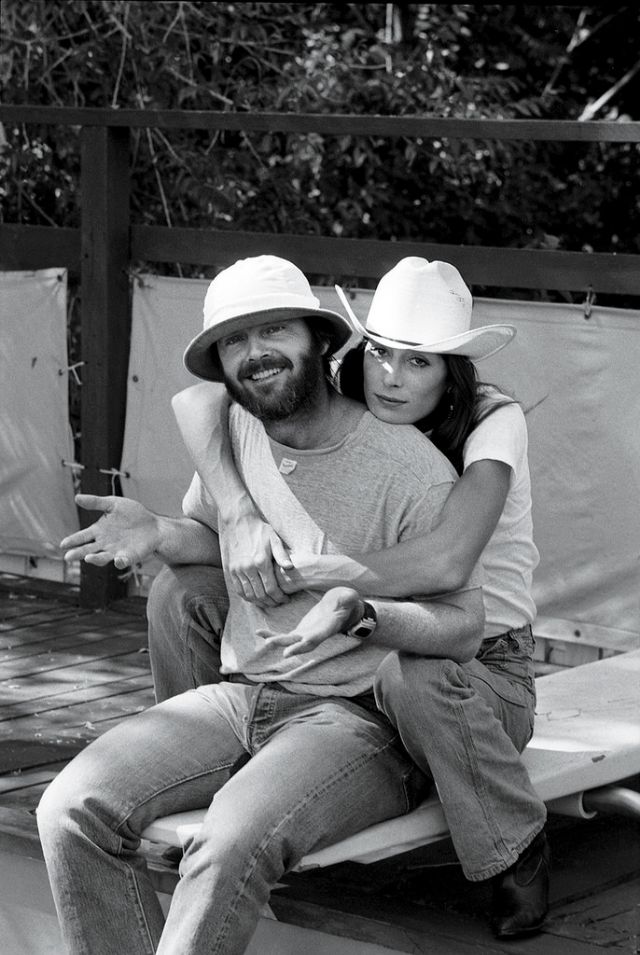
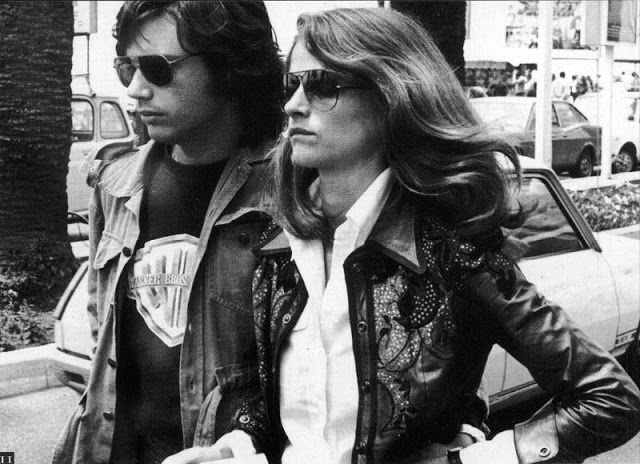
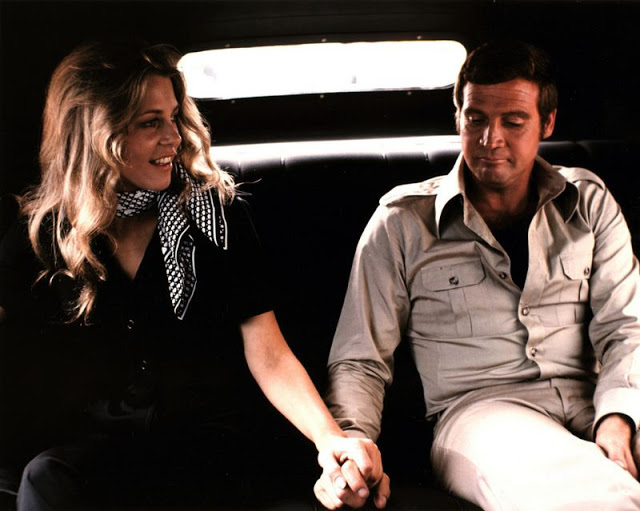
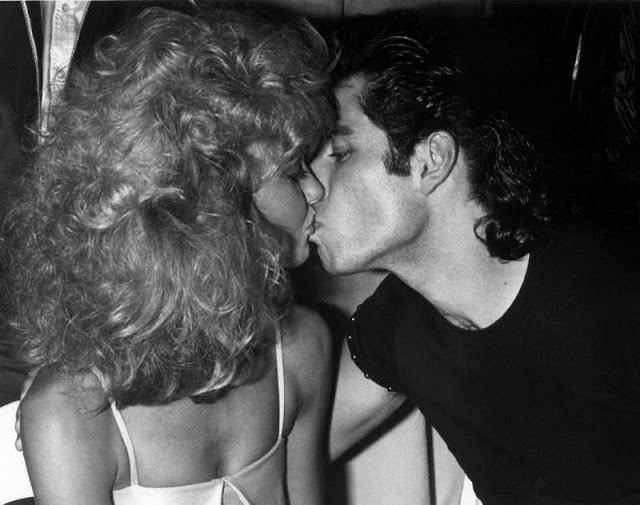
Celebrities are just like normal people, they also have their private time in life. Just check out these intimate photos to see sweet moments of famous couples from between the 1950s and 1970s. They could be couples, partners, or just lovers at that time.
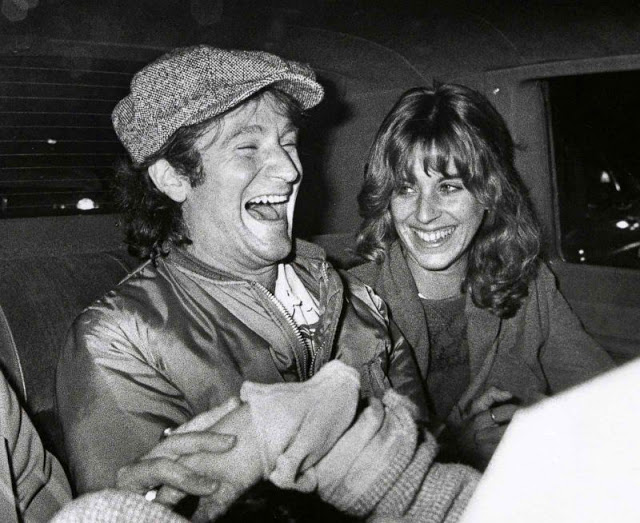
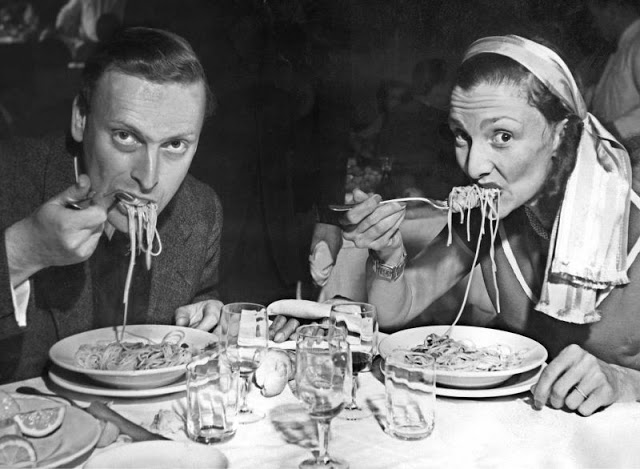
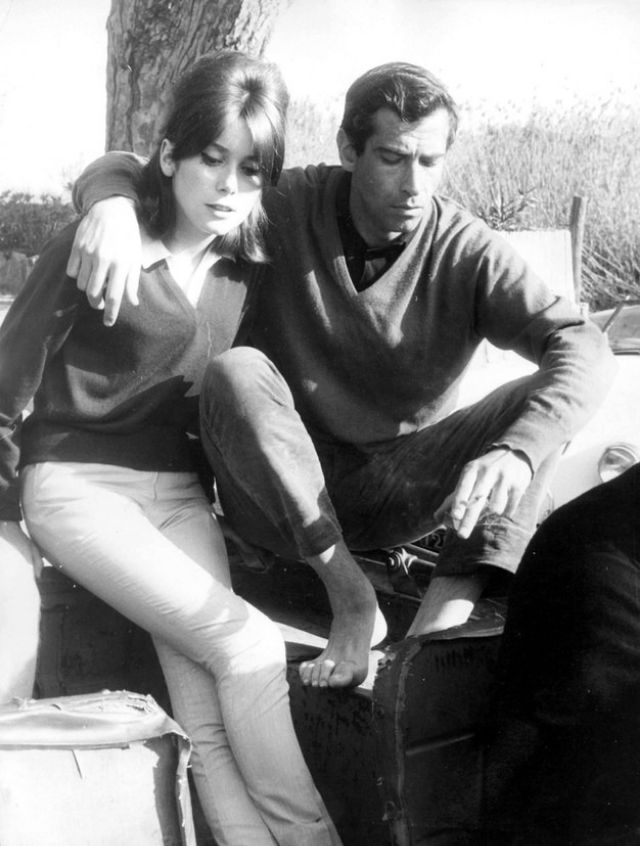
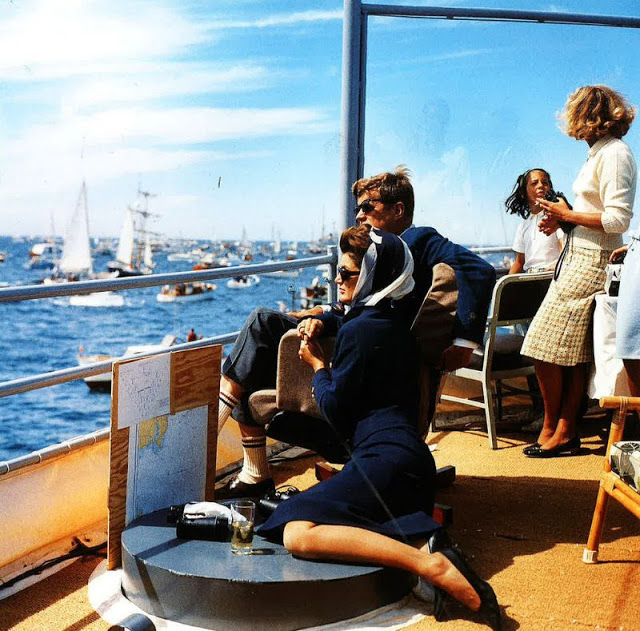
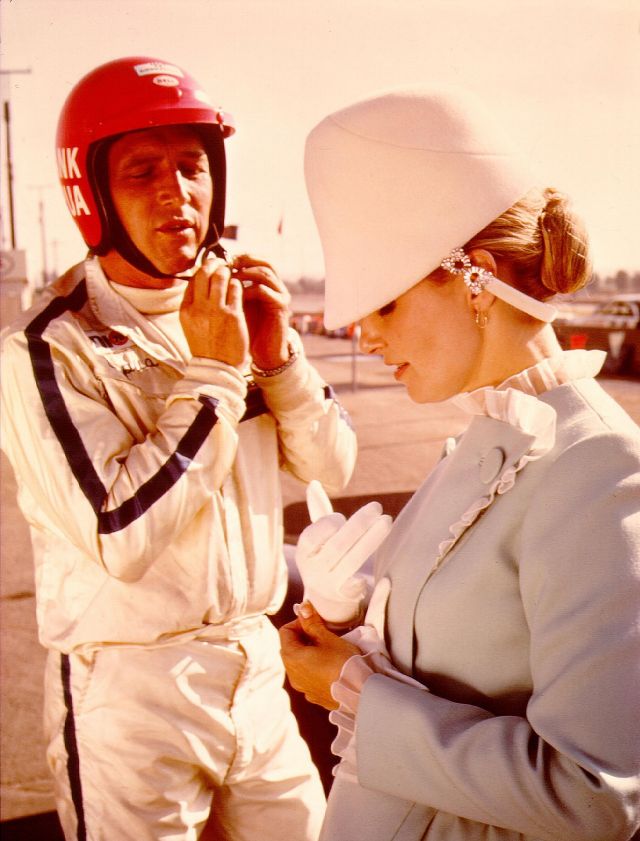
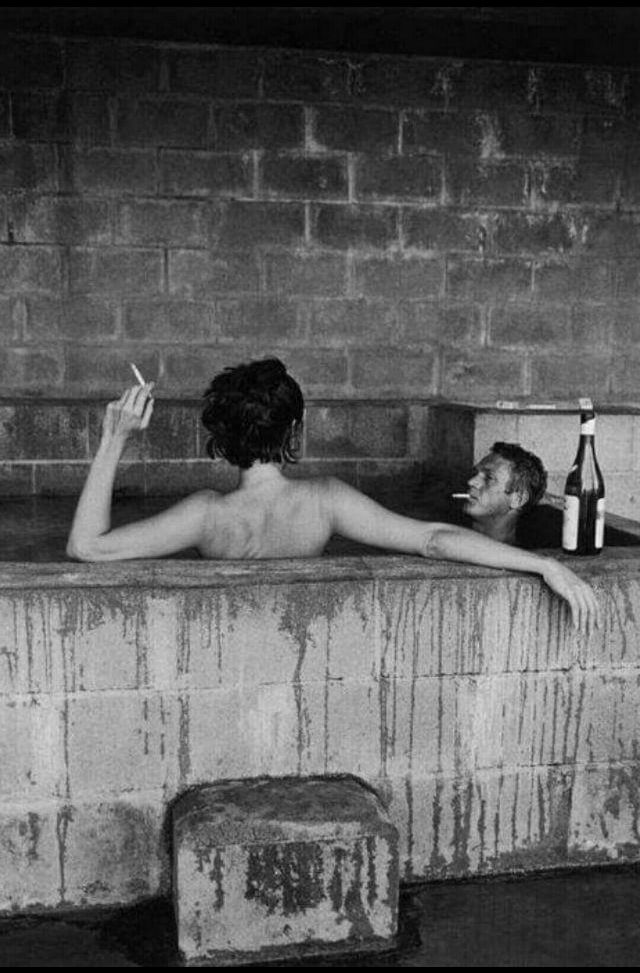
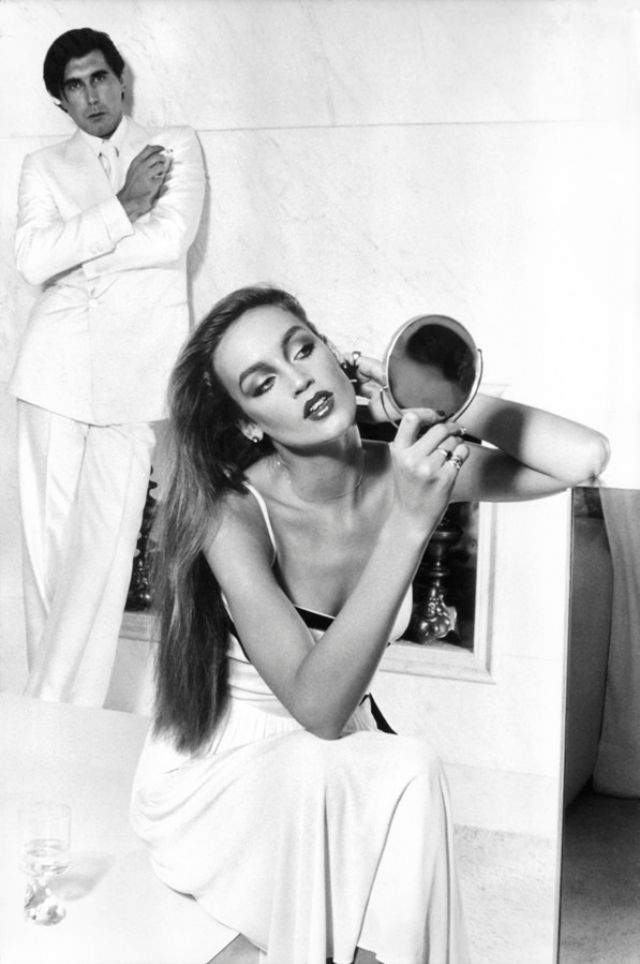
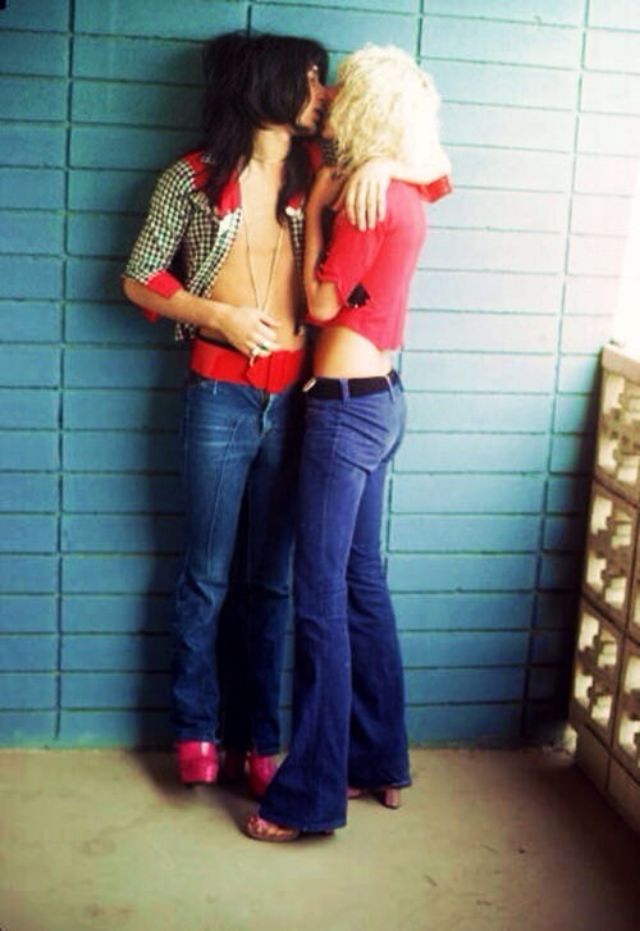
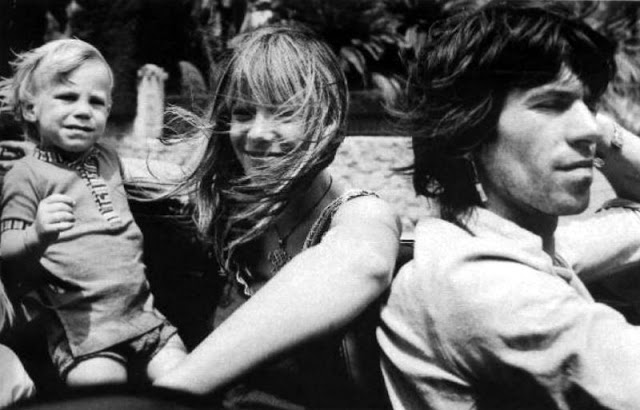
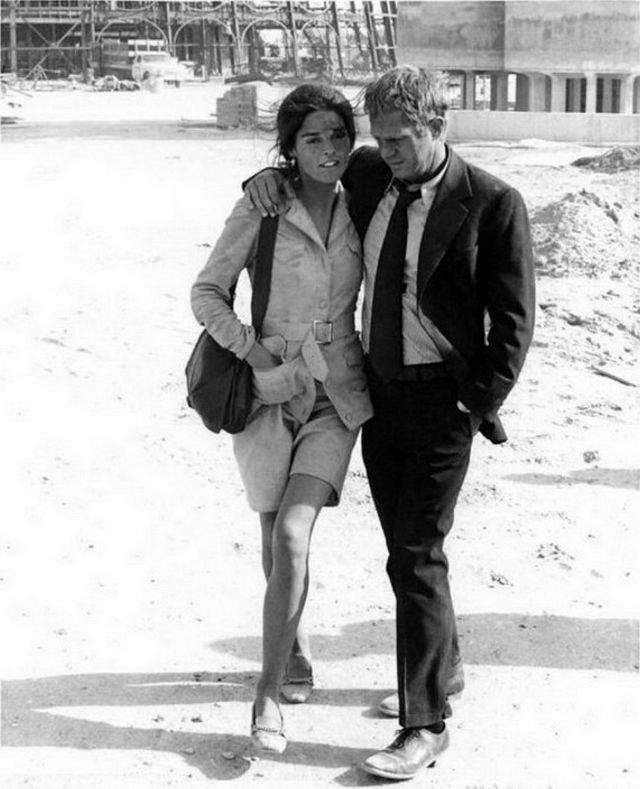
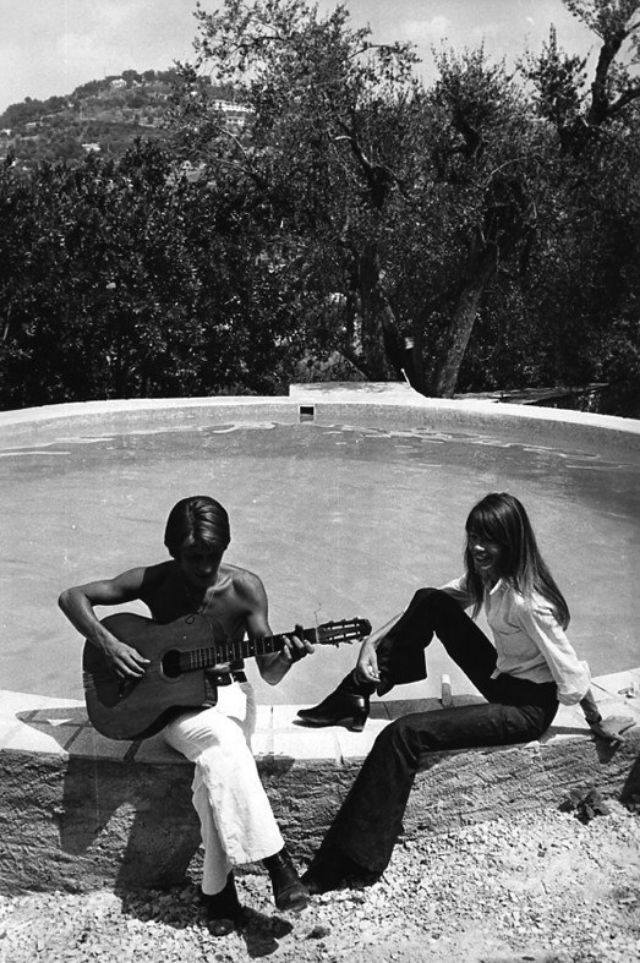
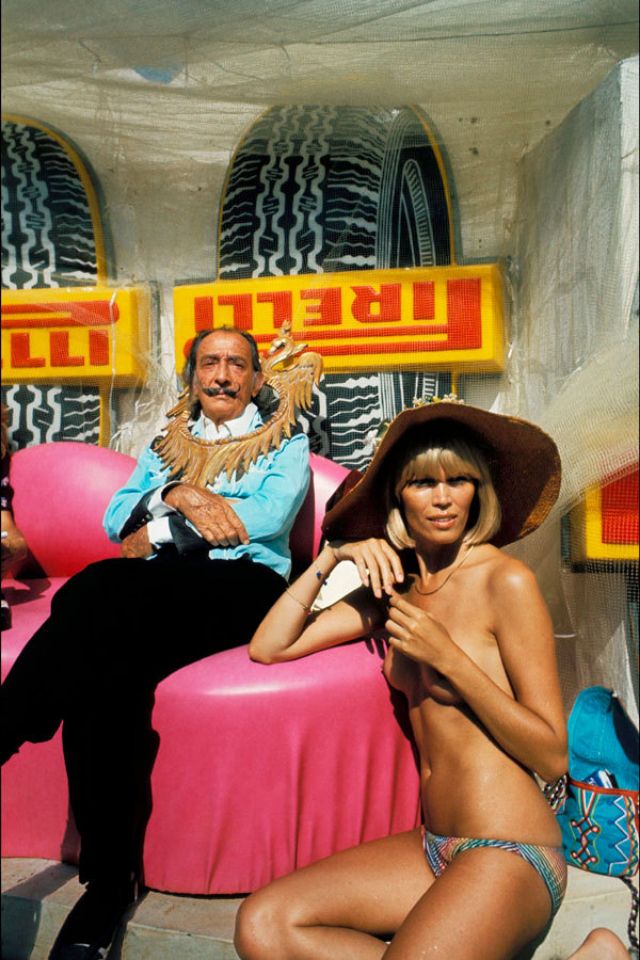
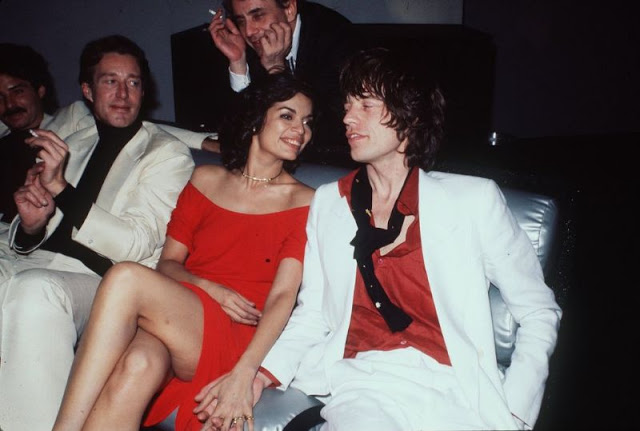
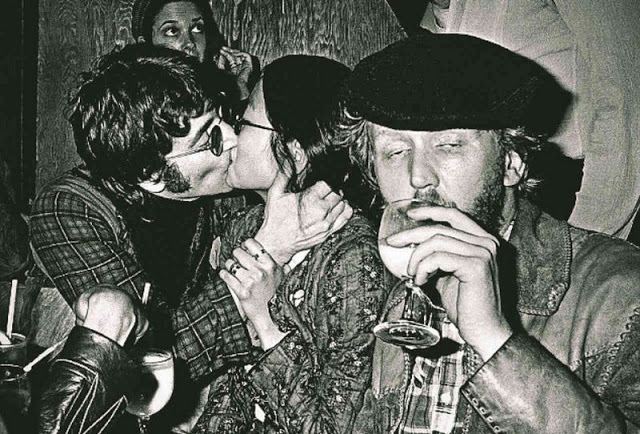
British violinist Yehudi Menuhin and his wife Diana eating spaghetti before a concert at the Venice, 1950Humphrey, Lauren, and their son Stephen Humphrey Bogart, December 1950Pablo Picasso and Françoise Gillot, 1950Film actress Audrey Hepburn and her husband, actor Mel Ferrer, proudly show off their baby son, Sean Hepburn Ferrer, was born on July 17, 1960Romy Schneider and Alain Delon eat spaghetti in a restaurant in Rome, 1960Catherine Deneuve and husband Roger Vadim, 1961Jackie Kennedy and John Fitzgerald Kennedy at the America’s Cup race, 1962Joanne Woodward and Paul Newman, 1963Steve McQueen and wife Neile Adams sit together in a sulphur bath with cigartettes and Chablis, Big Sur, California, June 1963Sylvie Vartan and Johnny Hallyda, 1965Brigitte Bardot and Gunter Sachs arrive in Tahiti on July 21, 1966Nathalie, Alain and Anthony Delon, Saint Tropez, France, January 01, 1966Elvis and Priscilla Presley, 1967Gunther Sachs and Brigitte Bardot laze by the pool, Rome, 1967Jane Birkin and Serge Gainsbourg,1968Jane Fonda and Roger Vadim, 1968Sharon Tate and Roman Polanski at Frank Zappa’s concert, Paris, October 1968Mireille Darc and Alain Delon, 1969Patti Smith and Robert Mapplethorpe, 1969Ursula Andress and Jean-Paul Belmondo, 1969Jackie Kennedy Onassis and Aristotle Onassis, 1970Jerry Hall and Bryan Ferry, mid-1970sJohnny Thunders and groupie Sable Starr, 1970sKeith Richards with Anita Pallenberg and their som Marlon, 1971Ali MacGraw and Steve McQueen, 1972Jacques Dutronc and Françoise Hardy, 1972Salvador Dali and Amanda Lear, 1972Bianca and Mick Jagger on a silver sofa at Studio 54, NYC, 1974John Lennon and May Pang, 1974Jack Nicholson and Anjelica Huston, 1975Charlotte Rampling and Jean-Michel Jarre, 1976Farrah Fawcett and Lee Majors, 1976Olivia Newton-John and John Travolta, 1978Robin Williams and his wife Valerie, 1978
The Falklands War (Spanish: Guerra de las Malvinas) was a ten-week undeclared war between Argentina and the United Kingdom in 1982 over two British dependent territories in the South Atlantic: the Falkland Islands and its territorial dependency, South Georgia and the South Sandwich Islands.
The conflict began on 2 April, when Argentina invaded and occupied the Falkland Islands, followed by the invasion of South Georgia the next day. On 5 April, the British government dispatched a naval task force to engage the Argentine Navy and Air Force before making an amphibious assault on the islands. The conflict lasted 74 days and ended with an Argentine surrender on 14 June, returning the islands to British control. In total, 649 Argentine military personnel, 255 British military personnel, and three Falkland Islanders died during the hostilities.
The conflict was a major episode in the protracted dispute over the territories’ sovereignty. Argentina asserted (and maintains) that the islands are Argentine territory, and the Argentine government thus characterised its military action as the reclamation of its own territory. The British government regarded the action as an invasion of a territory that had been a Crown colony since 1841. Falkland Islanders, who have inhabited the islands since the early 19th century, are predominantly descendants of British settlers, and strongly favour British sovereignty. Neither state officially declared war, although both governments declared the Islands a war zone.
The conflict has had a strong effect in both countries and has been the subject of various books, articles, films, and songs. Patriotic sentiment ran high in Argentina, but the unfavourable outcome prompted large protests against the ruling military government, hastening its downfall and the democratisation of the country. In the United Kingdom, the Conservative government, bolstered by the successful outcome, was re-elected with an increased majority the following year. The cultural and political effect of the conflict has been less in the UK than in Argentina, where it has remained a common topic for discussion.
Diplomatic relations between the United Kingdom and Argentina were restored in 1989 following a meeting in Madrid, at which the two governments issued a joint statement. No change in either country’s position regarding the sovereignty of the Falkland Islands was made explicit. In 1994, Argentina adopted a new Constitution, which declared the Falkland Islands as part of one of its provinces by law. However, the islands continue to operate as a self-governing British Overseas Territory. (Wikipedia)
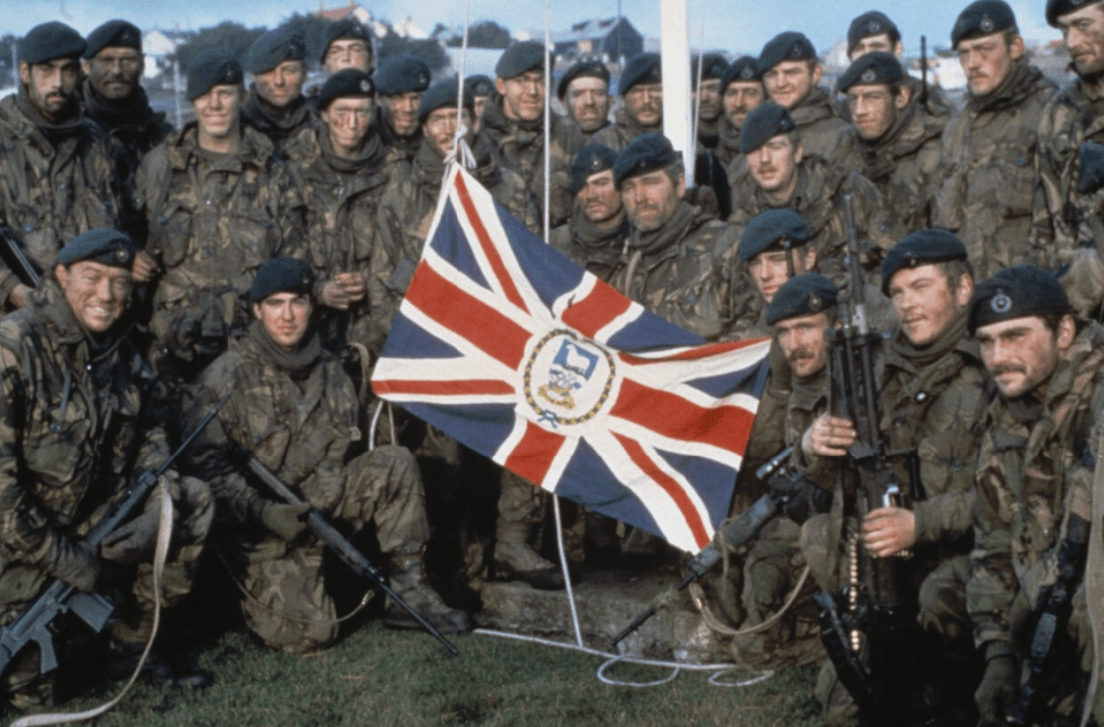
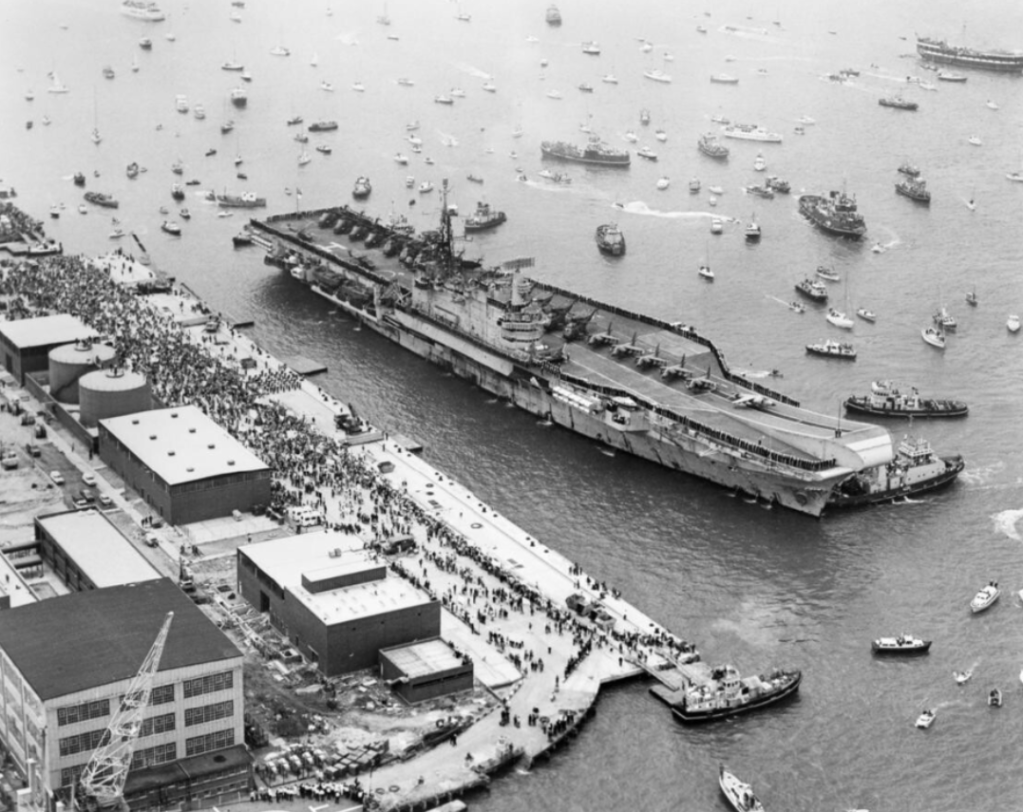
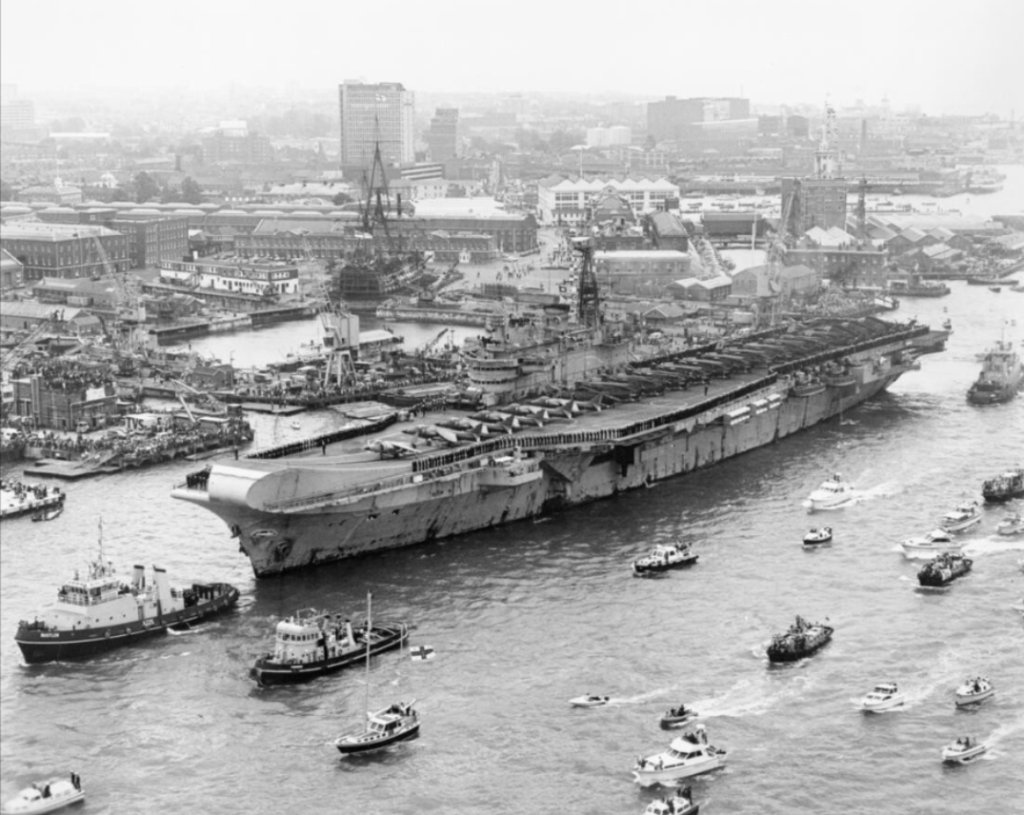
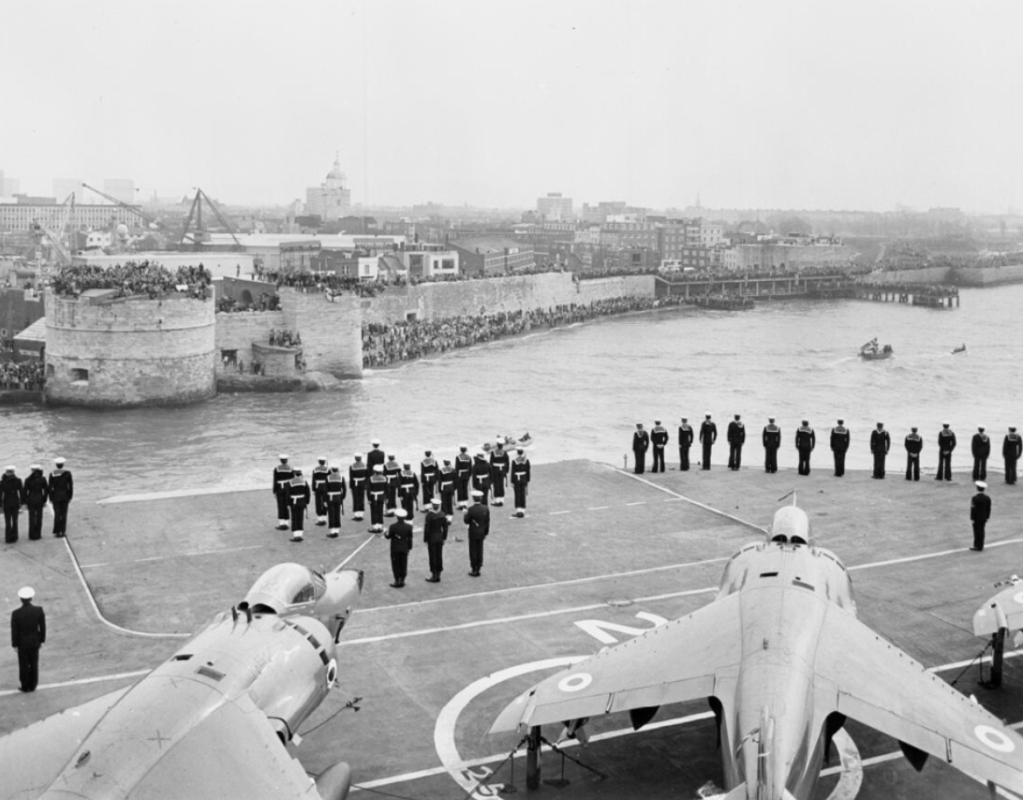
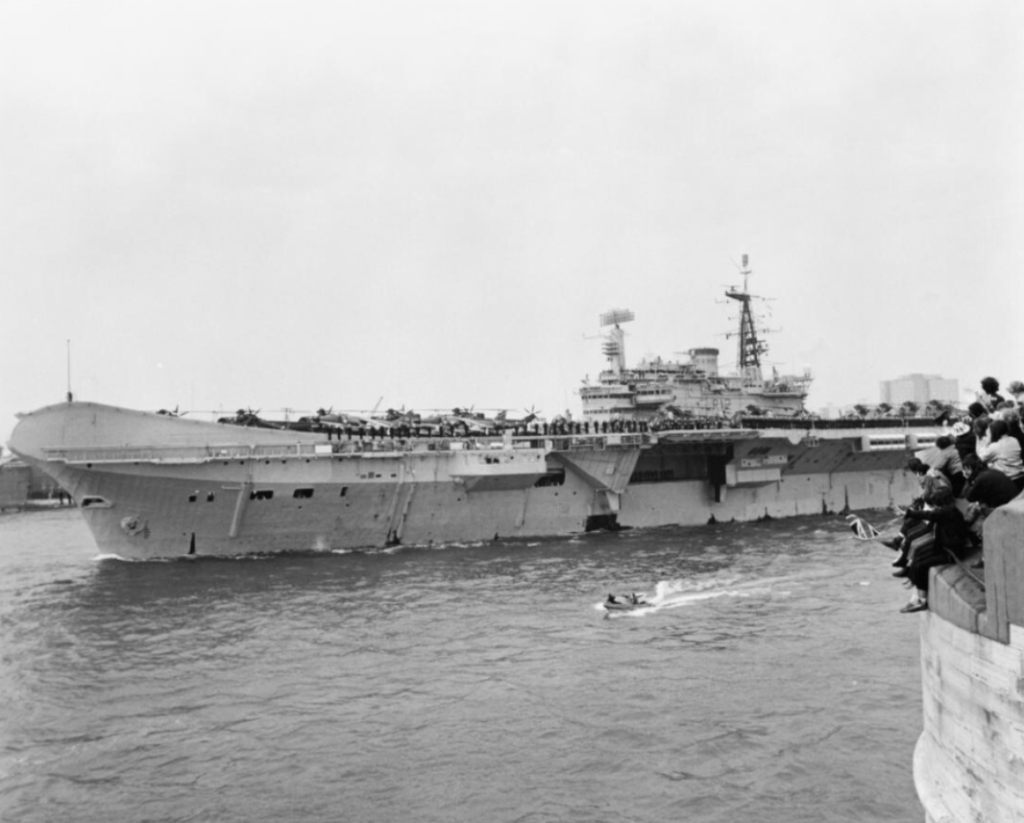
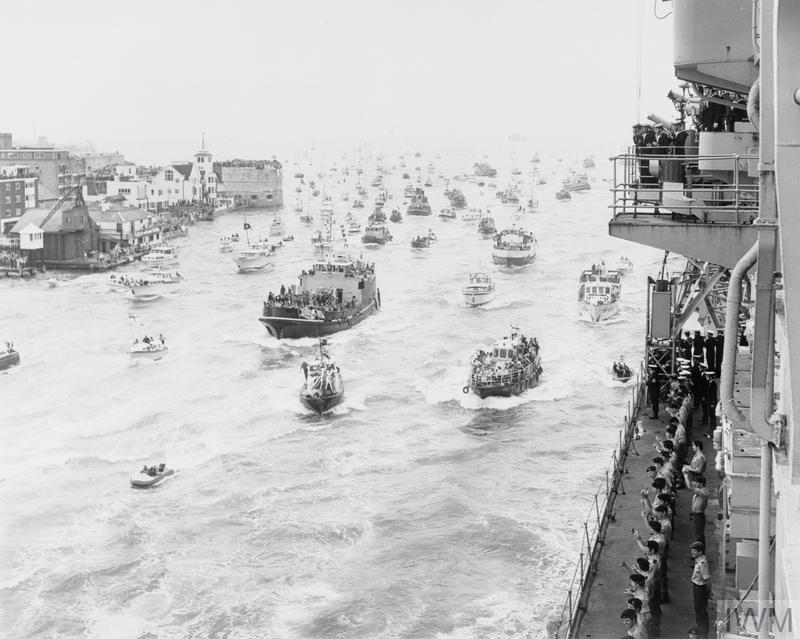
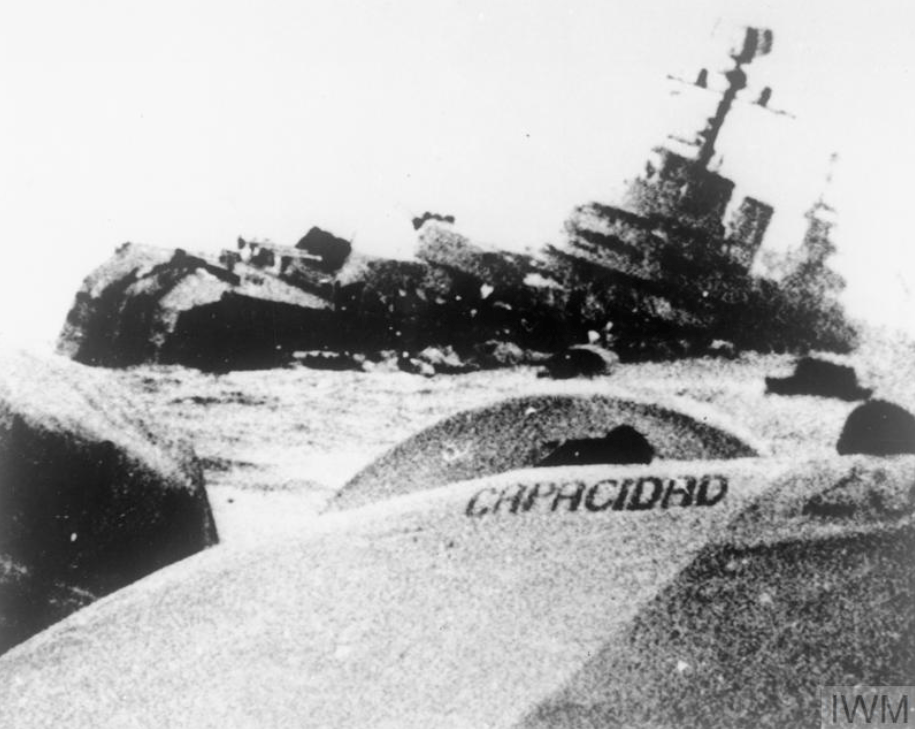
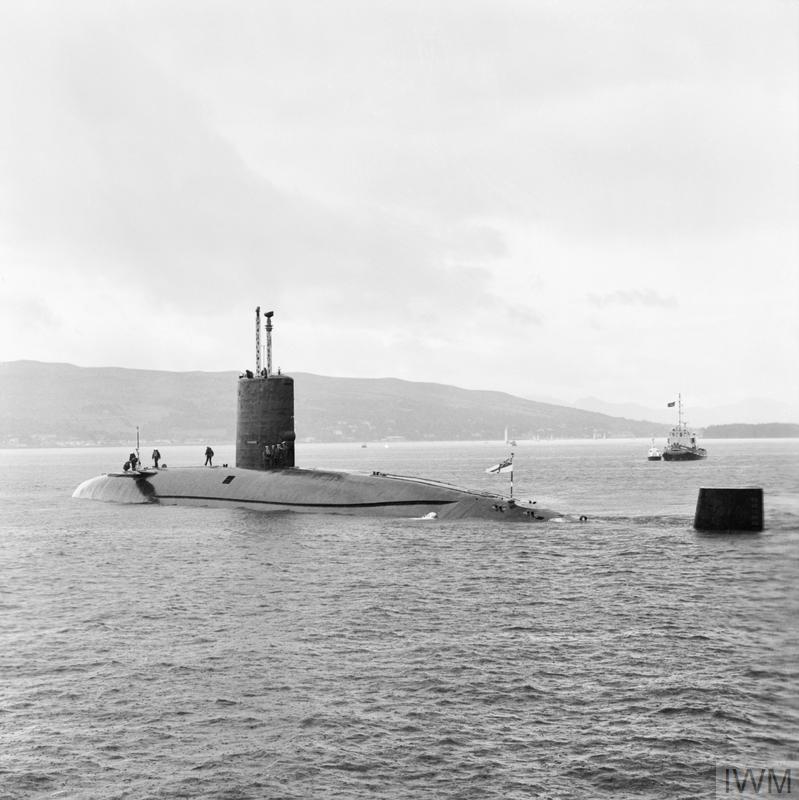
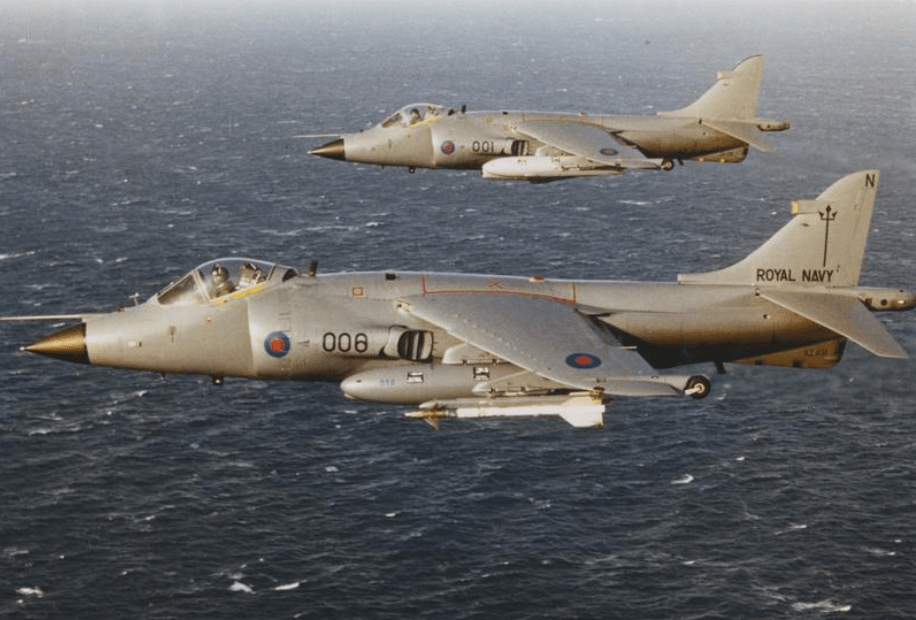
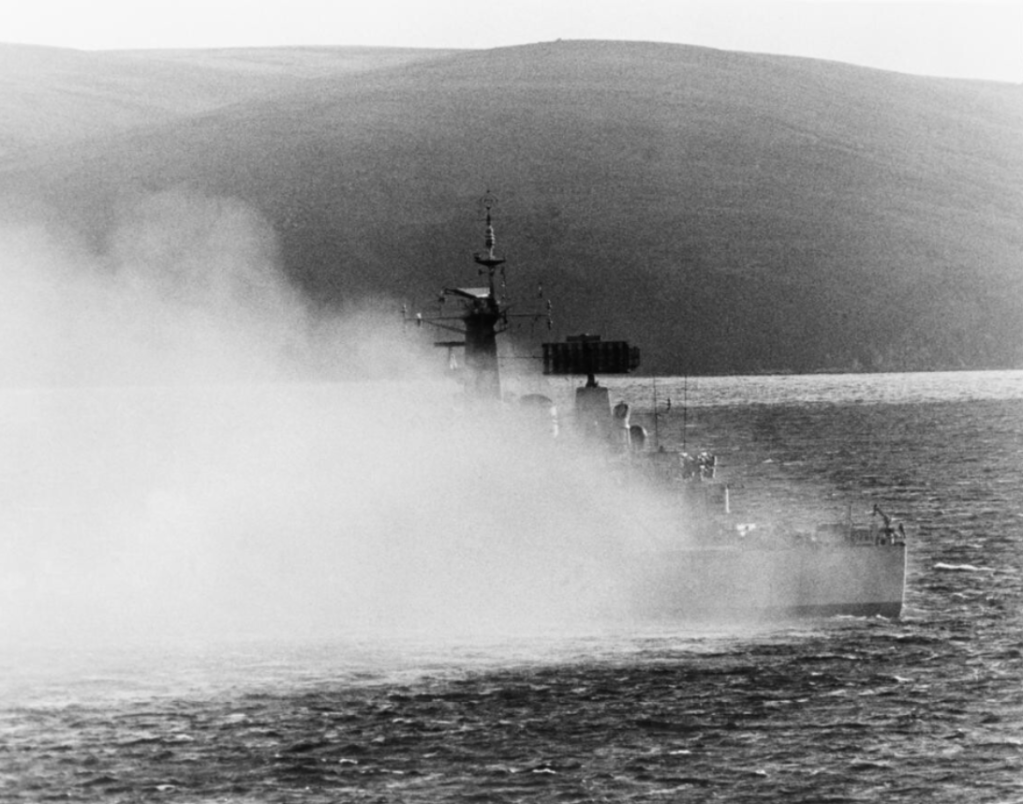
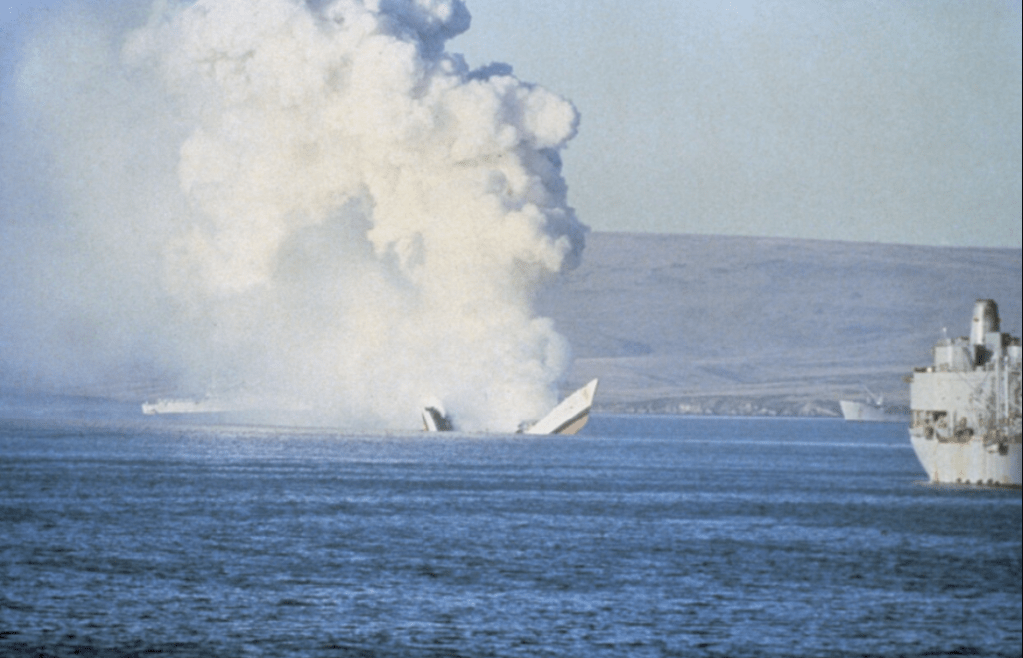
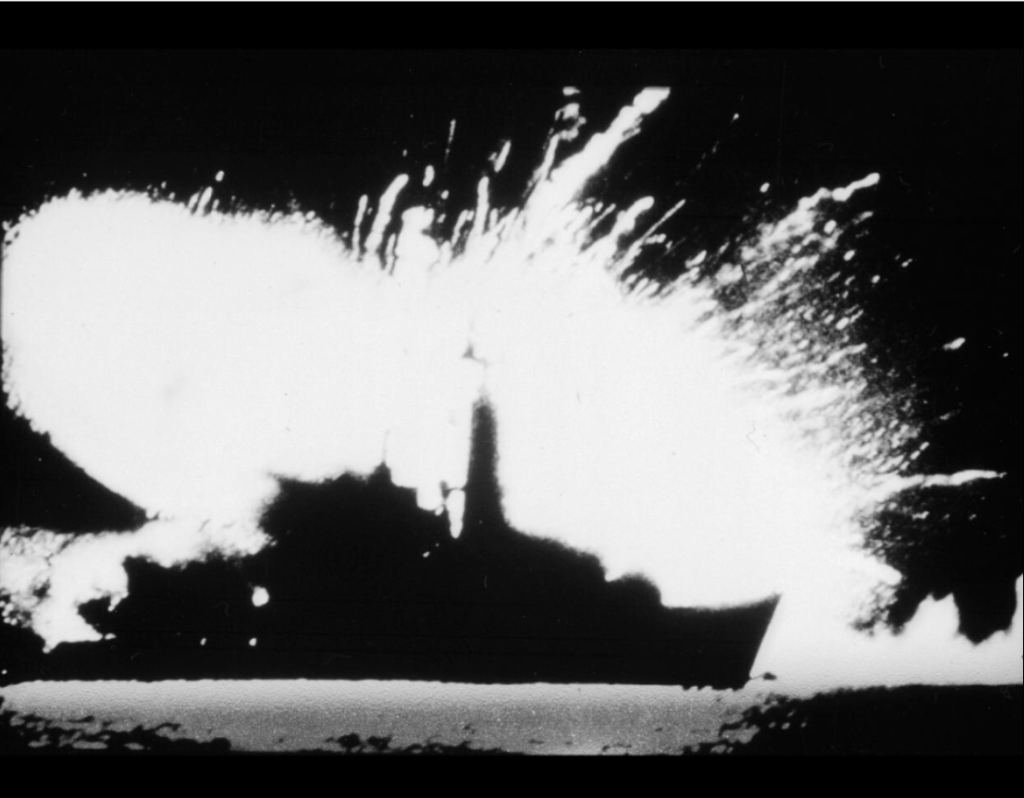
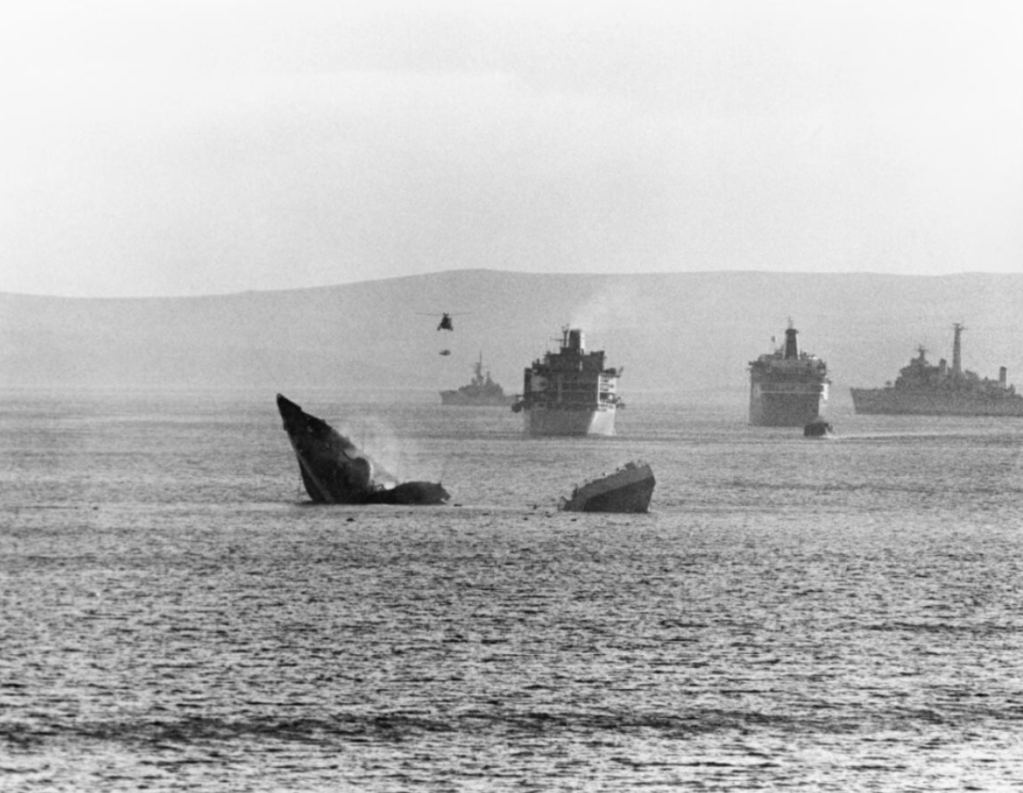
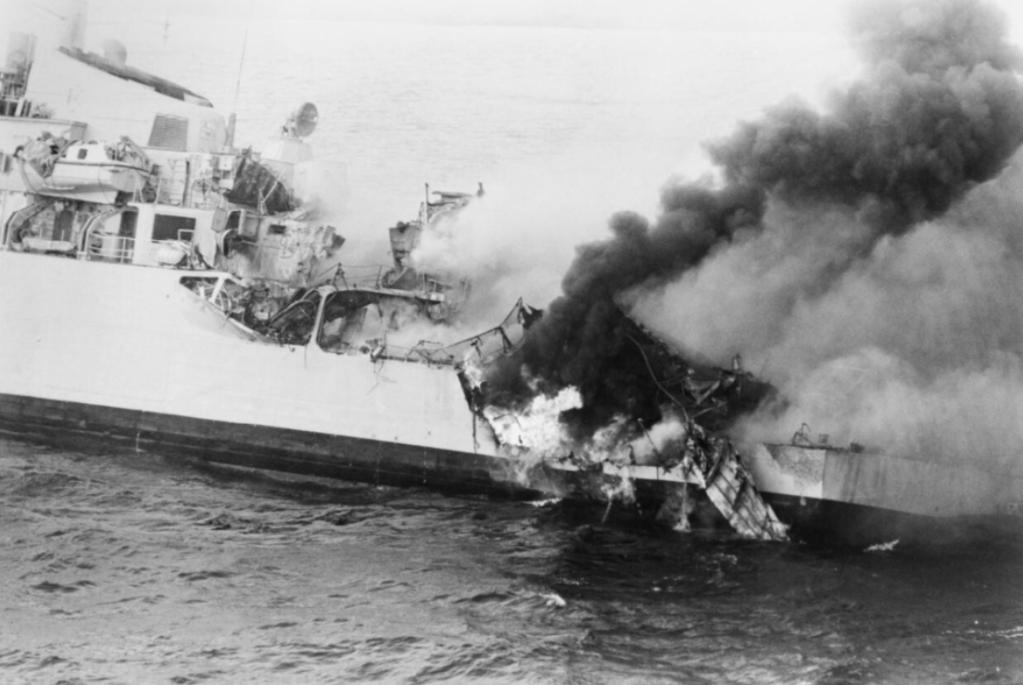
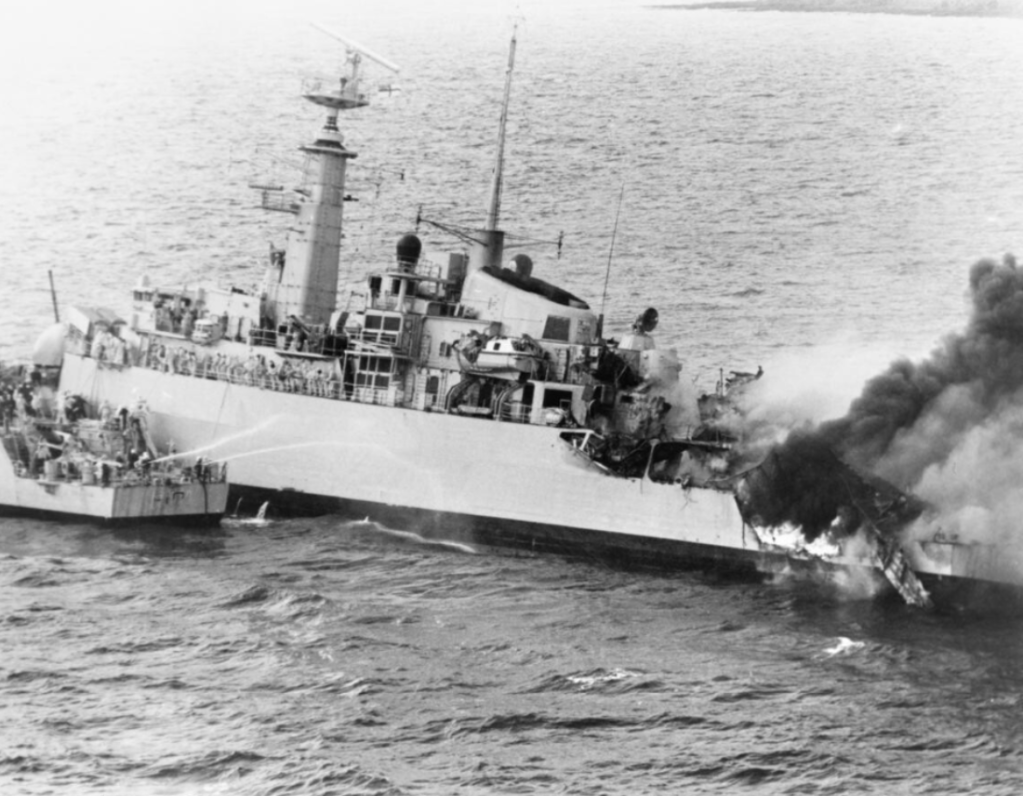
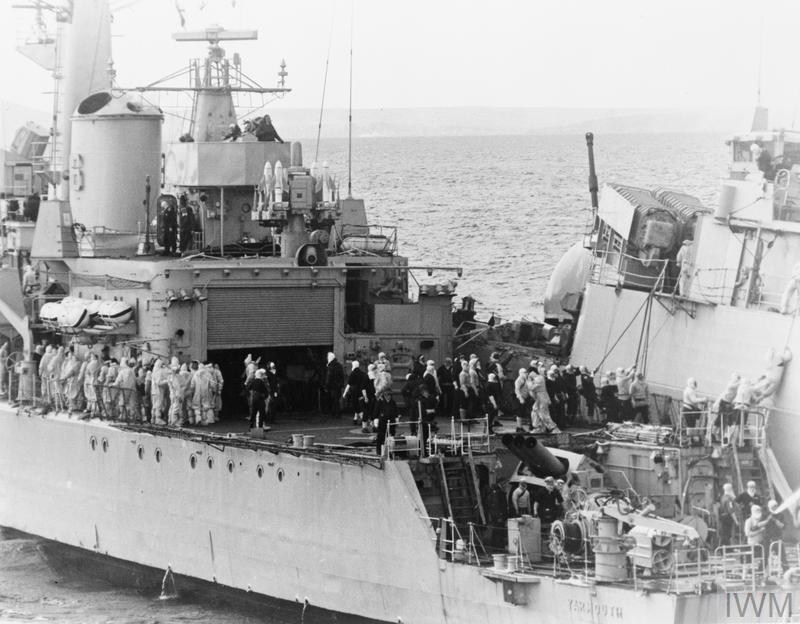
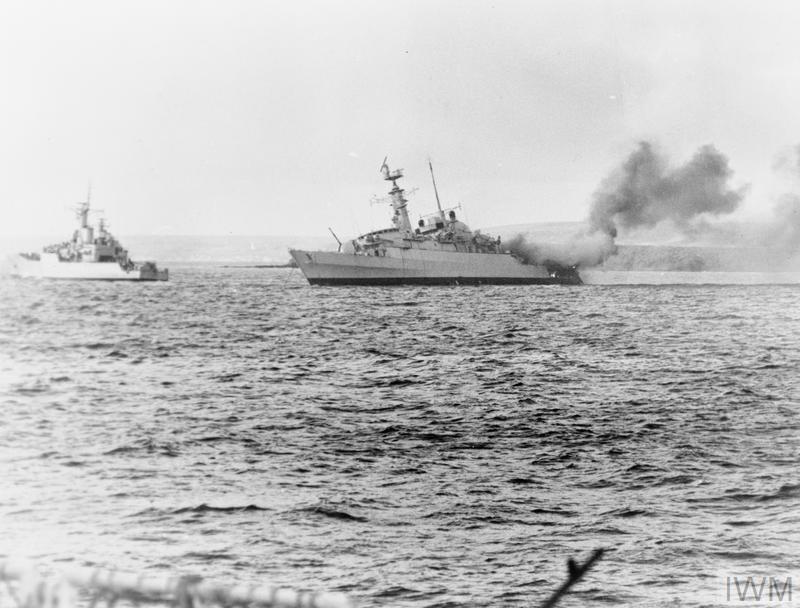
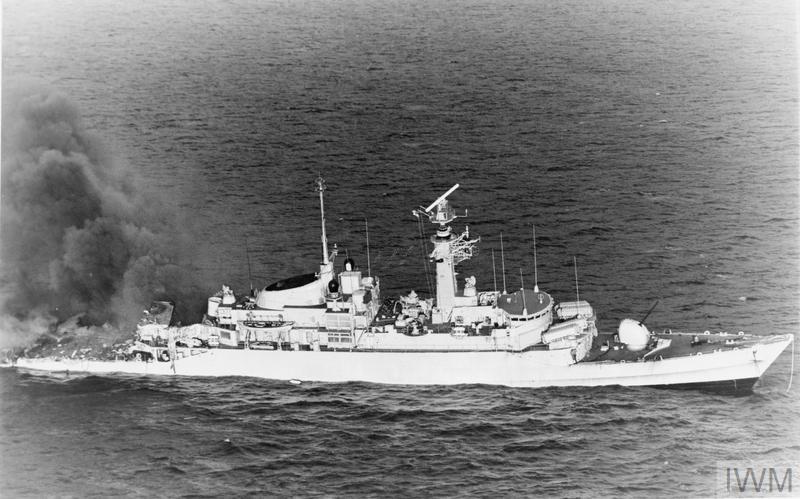
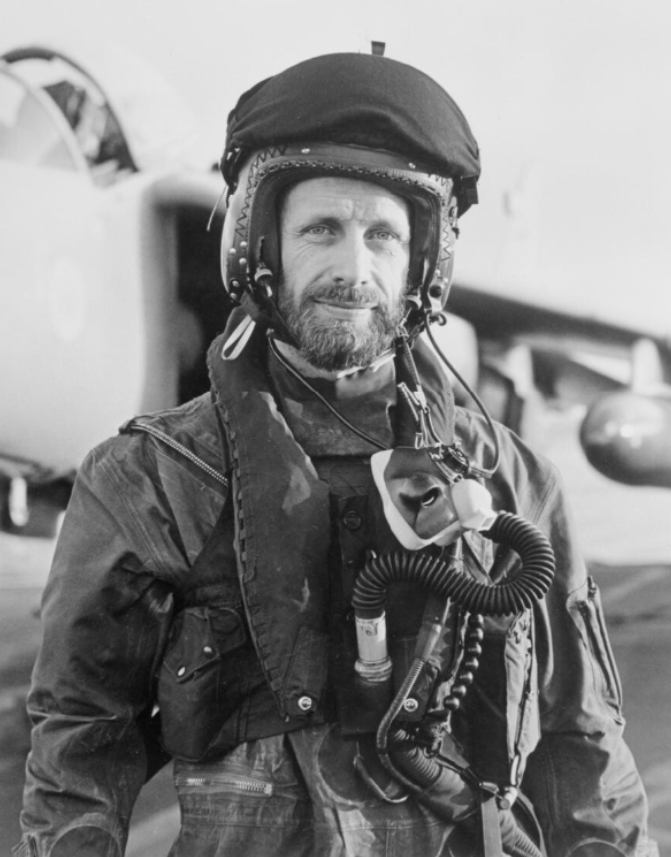
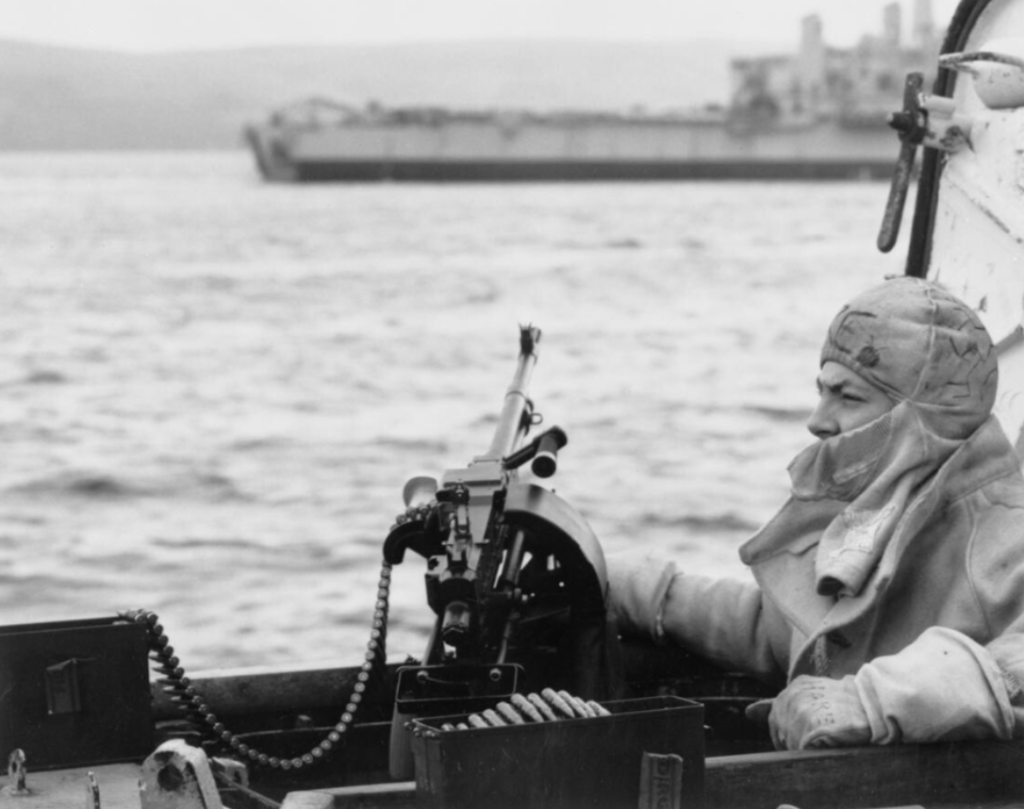
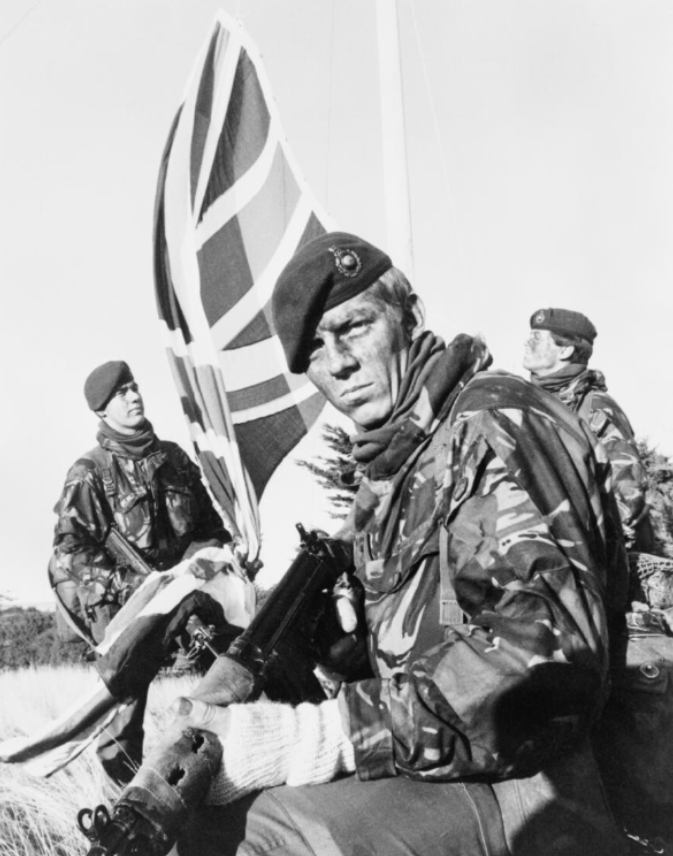
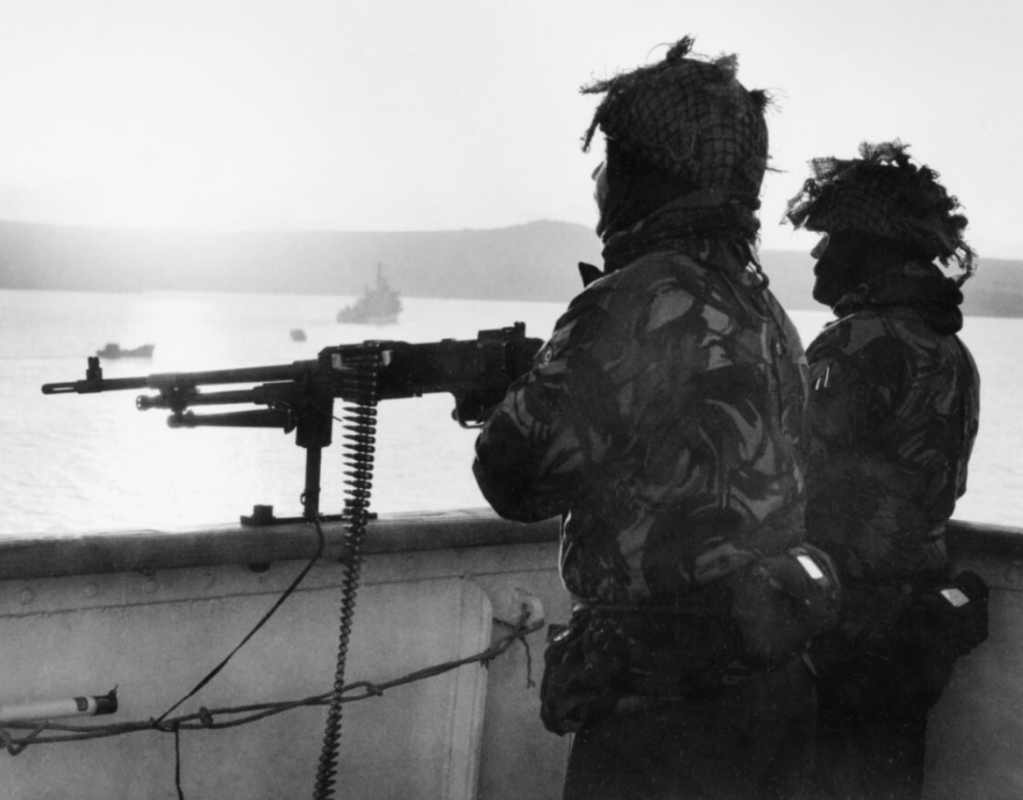
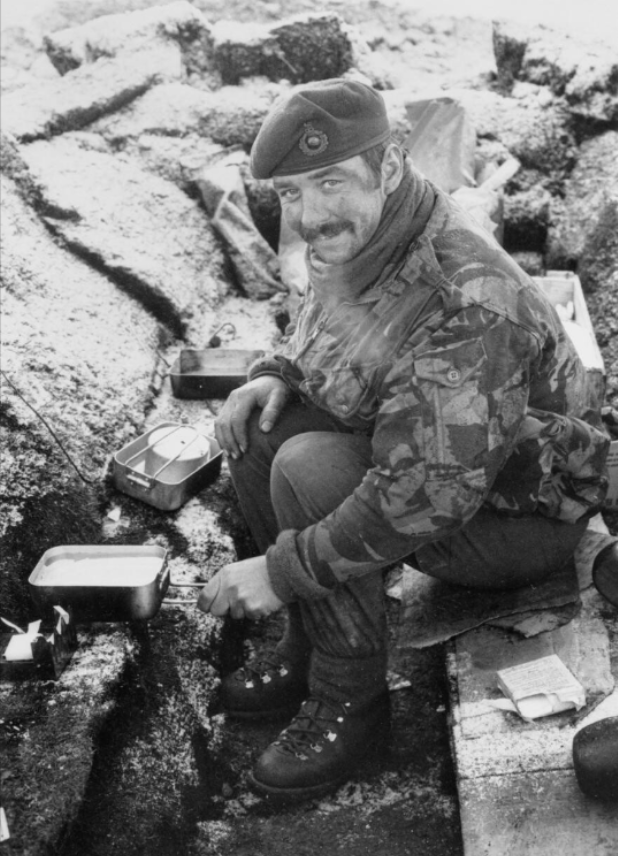
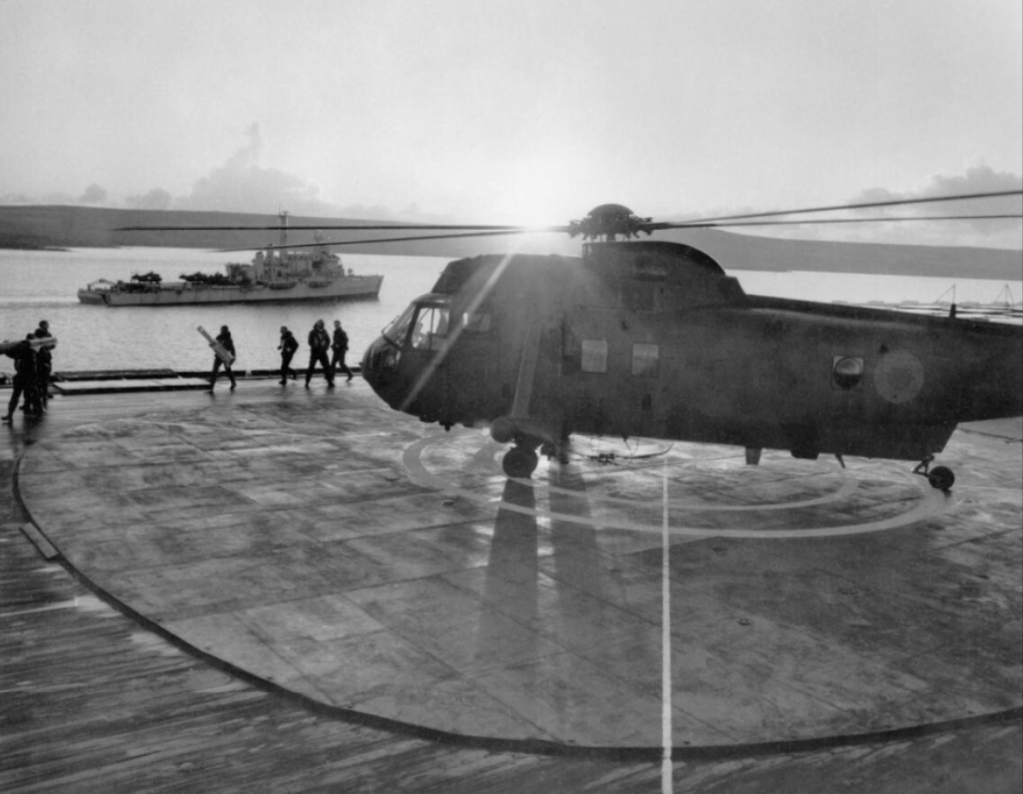
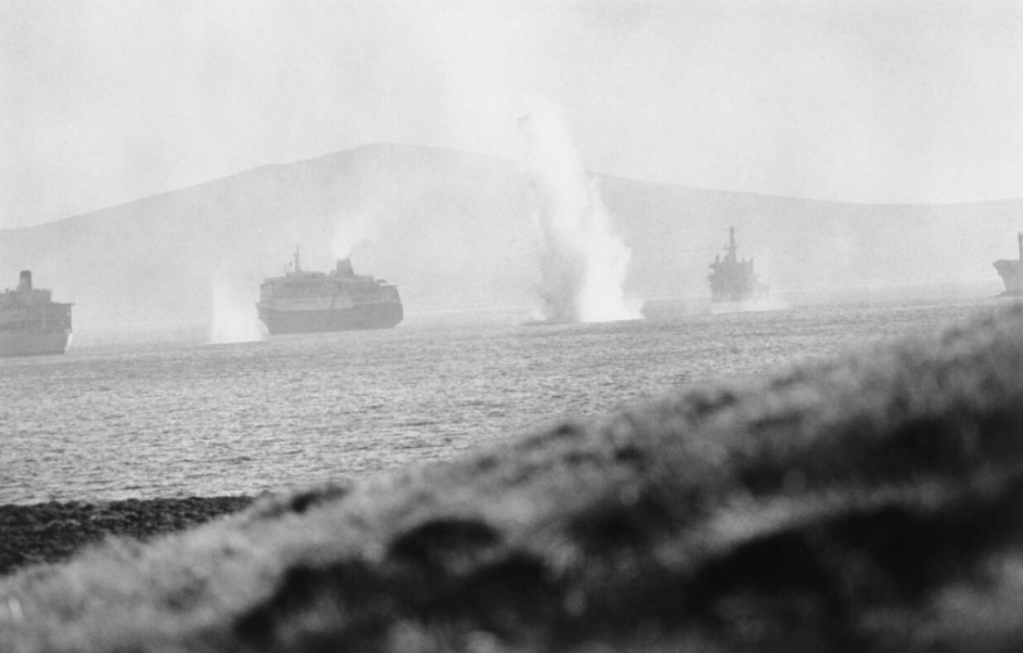
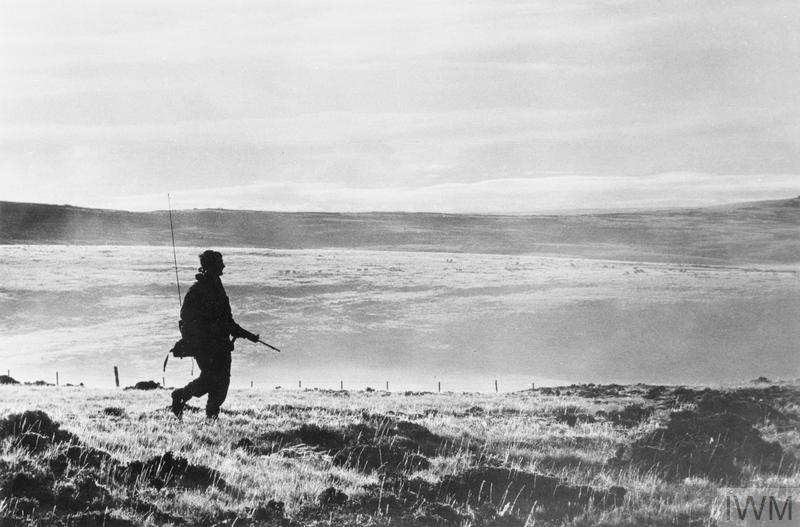
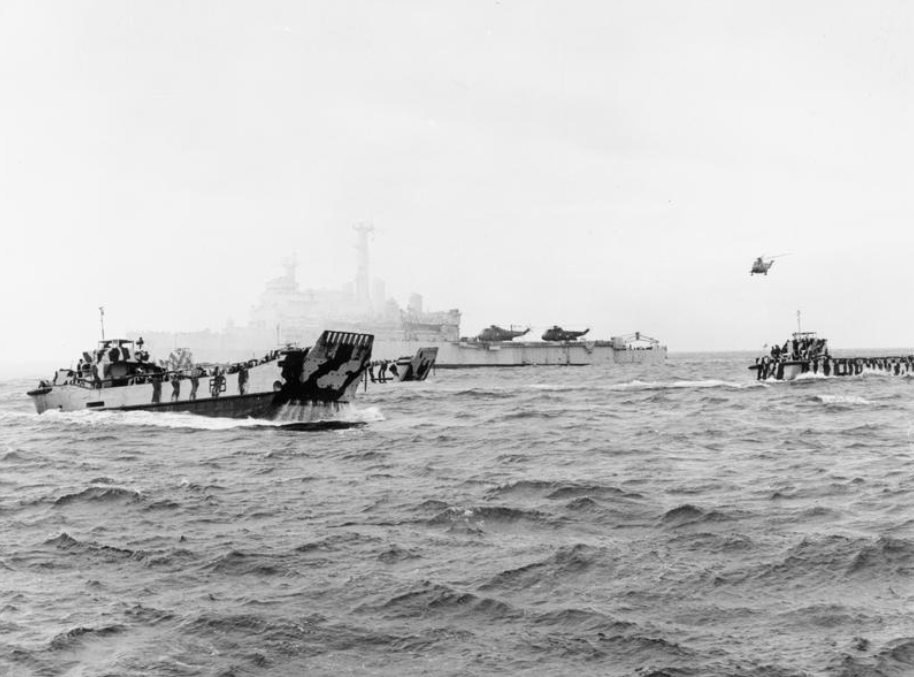
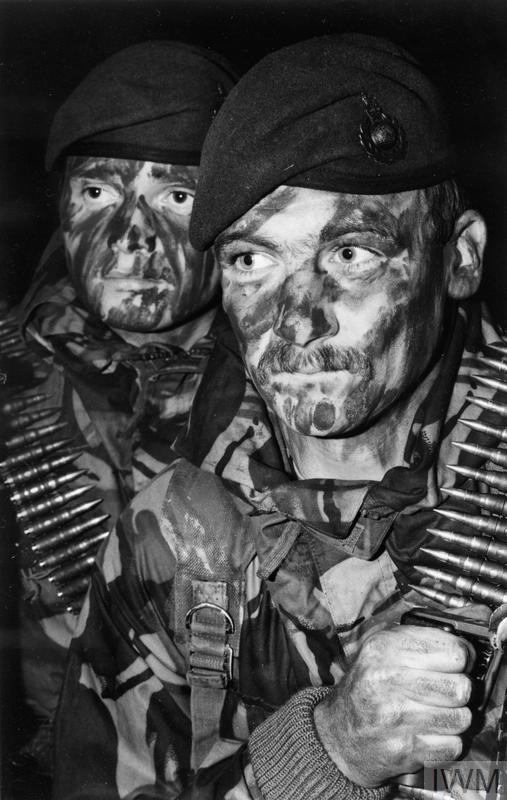
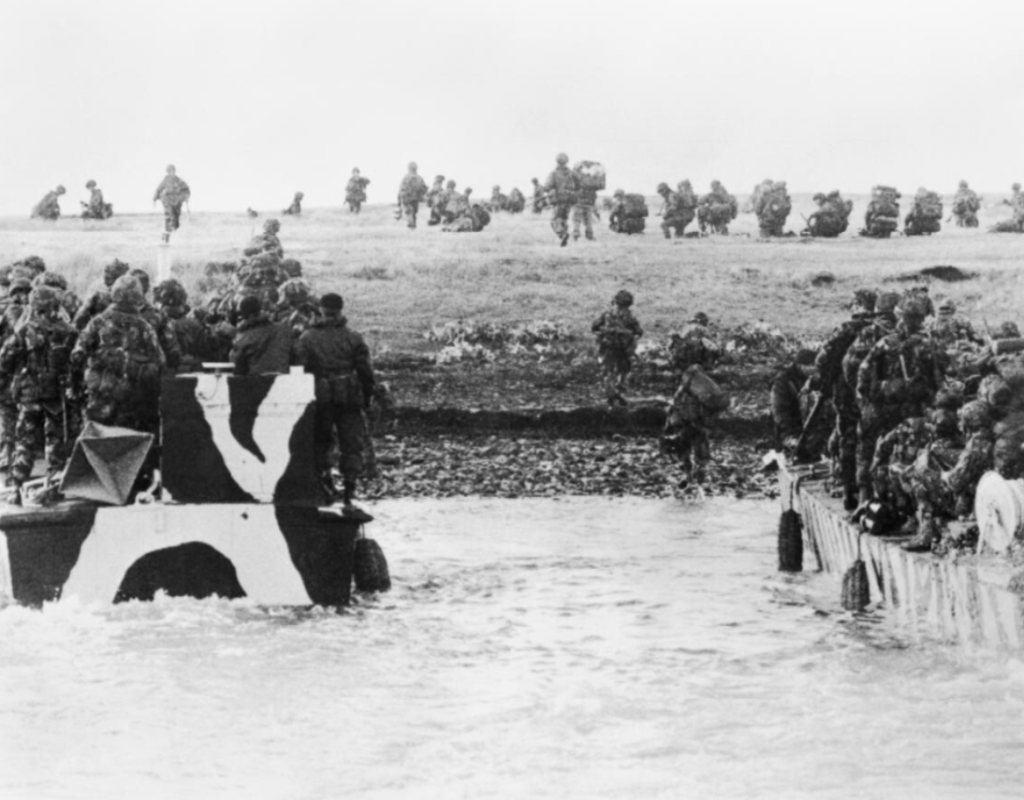
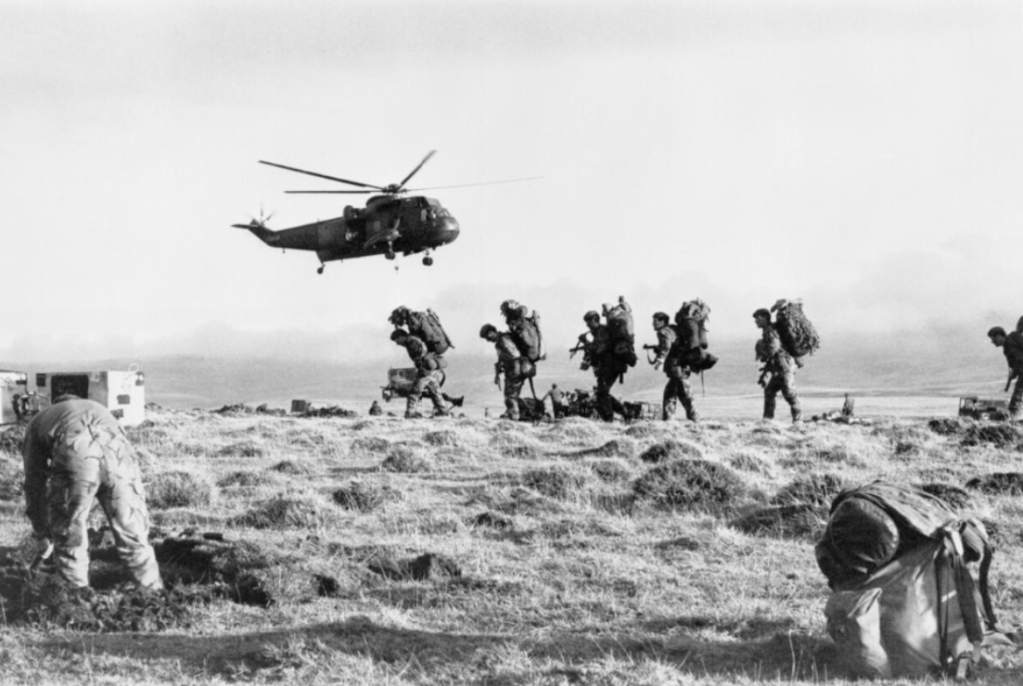
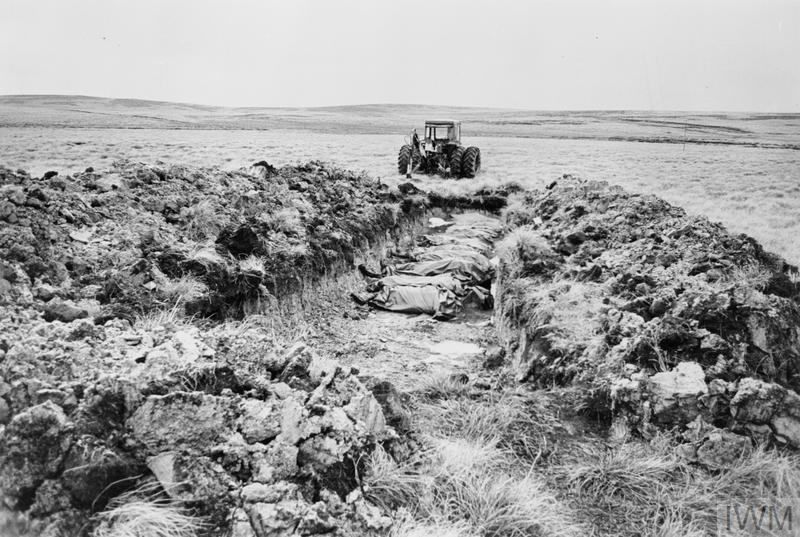
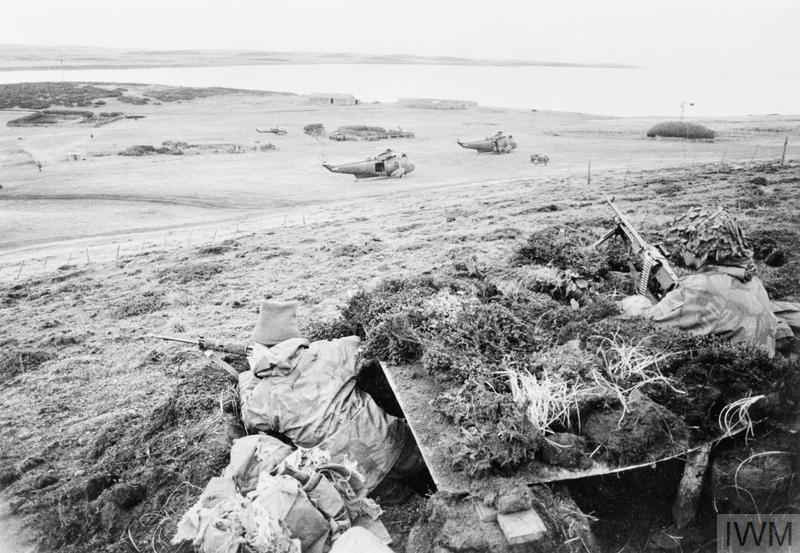
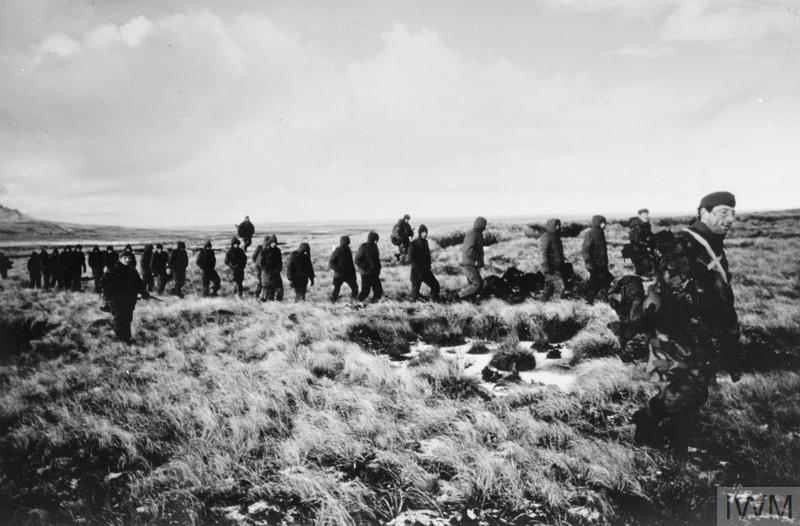
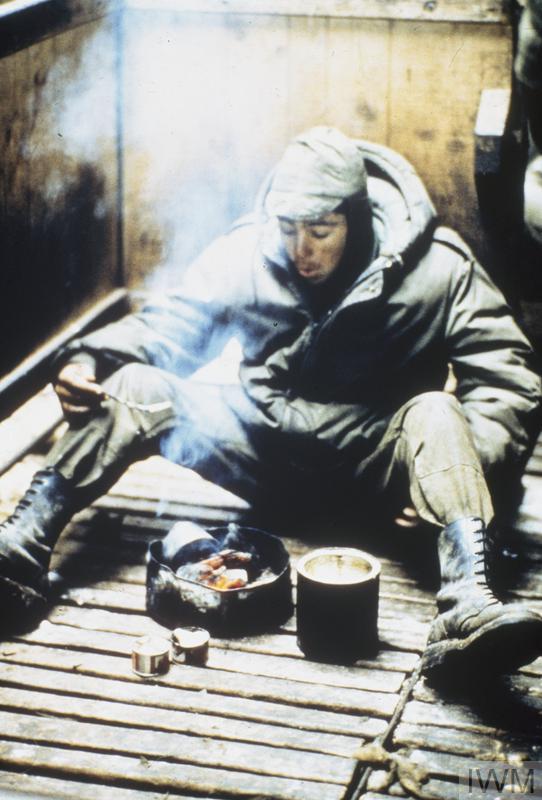
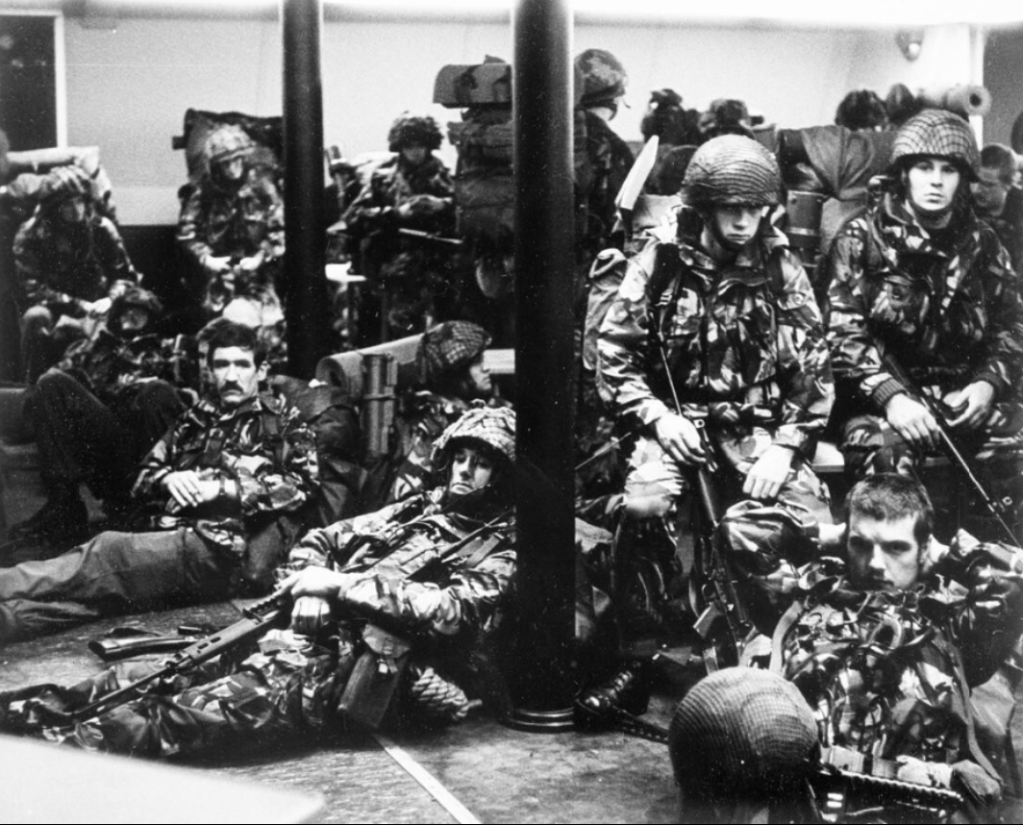
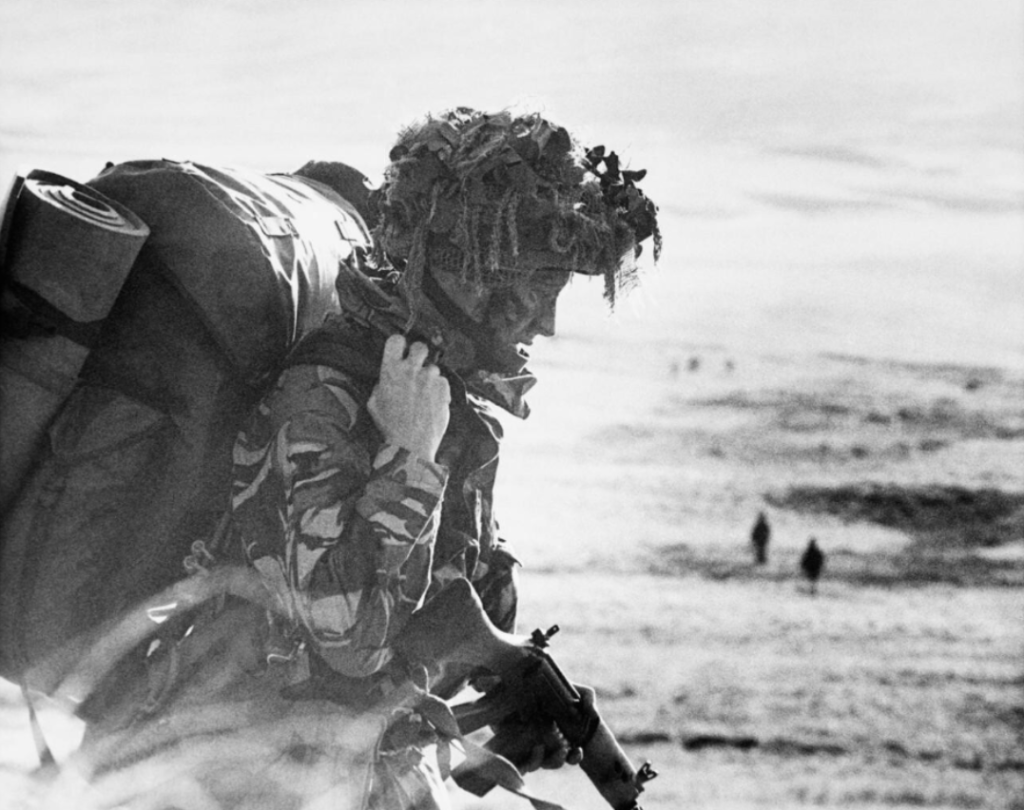
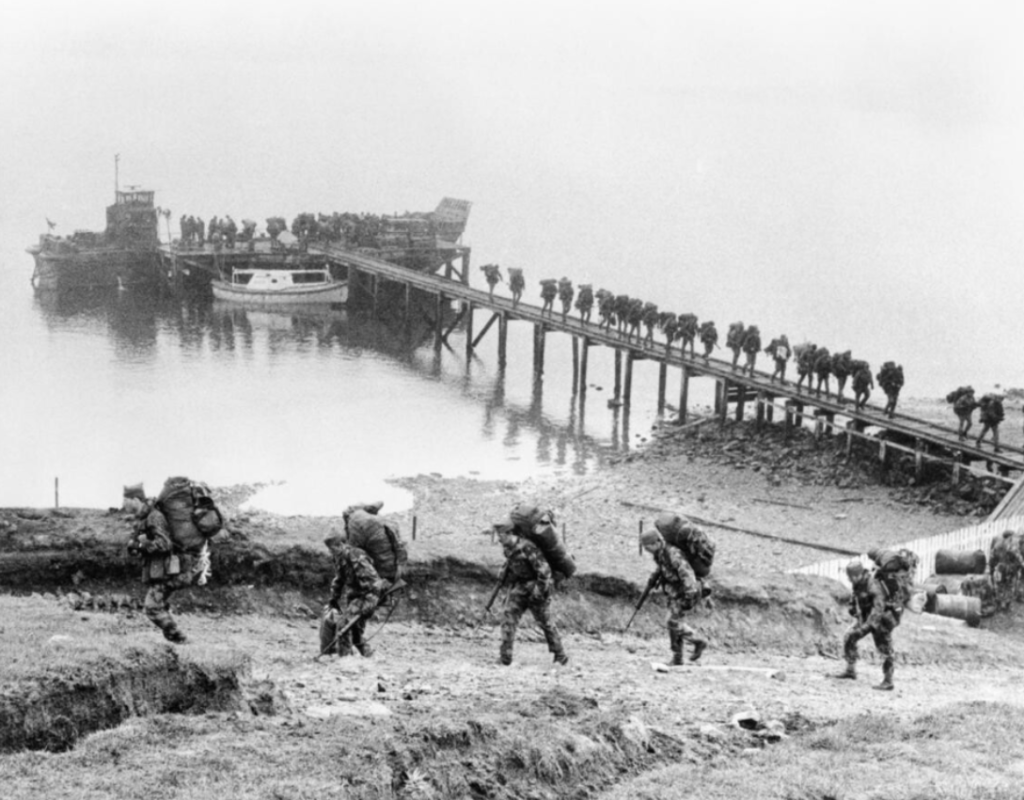
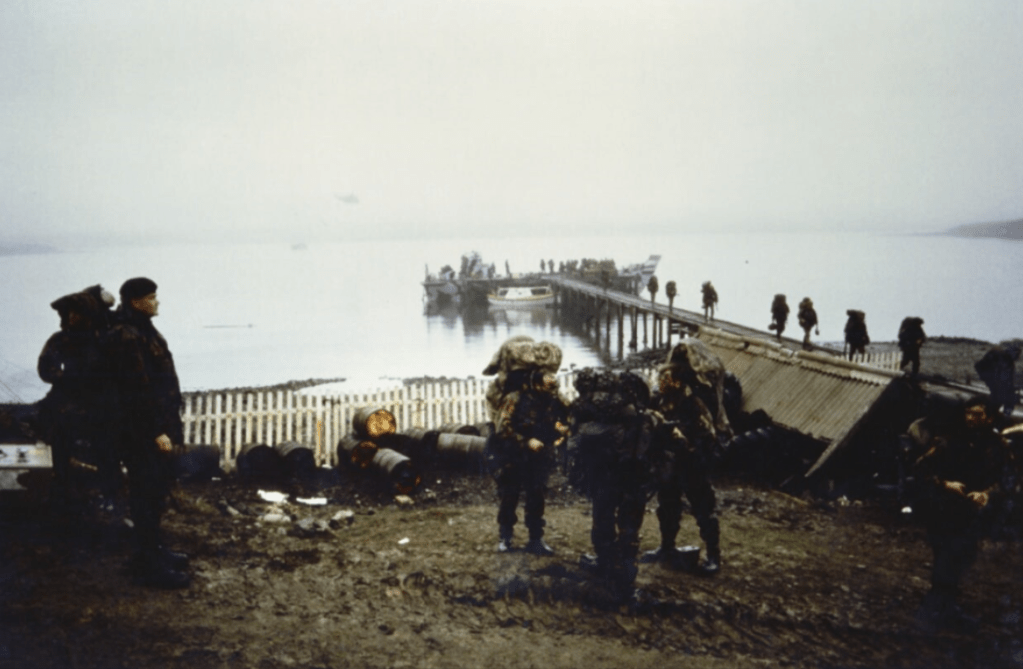
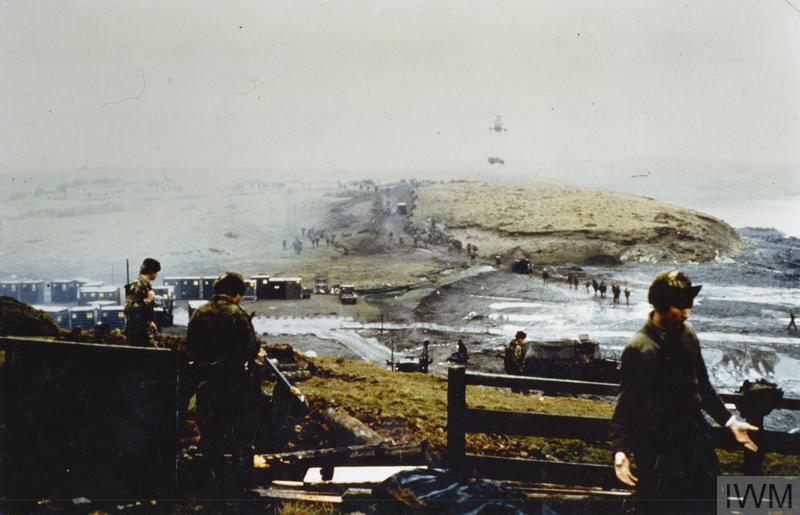
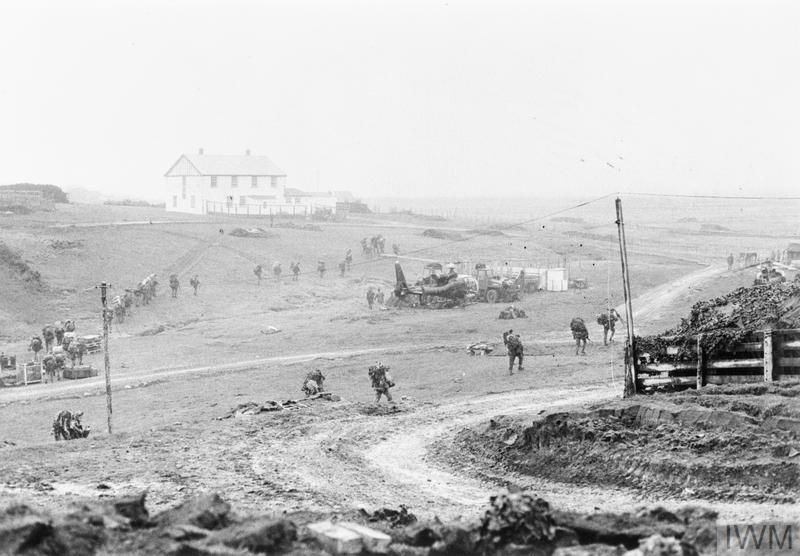
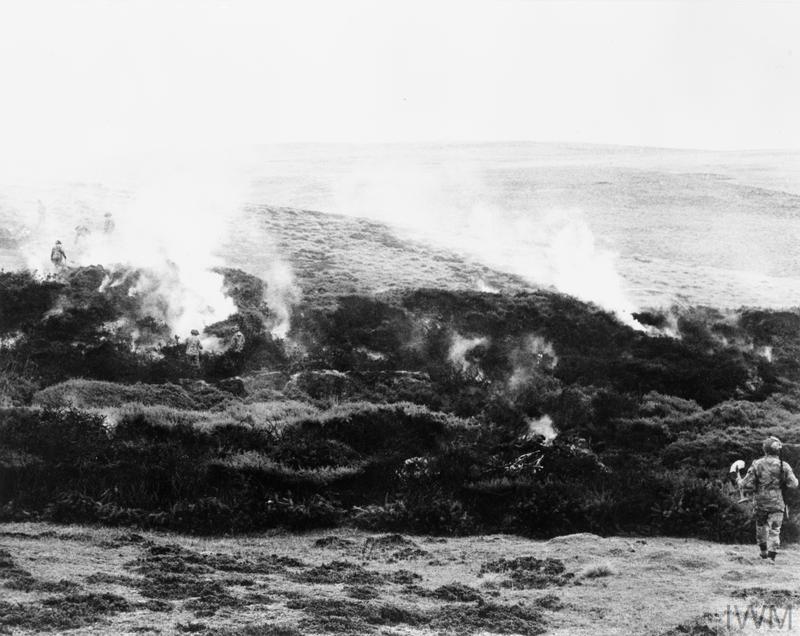
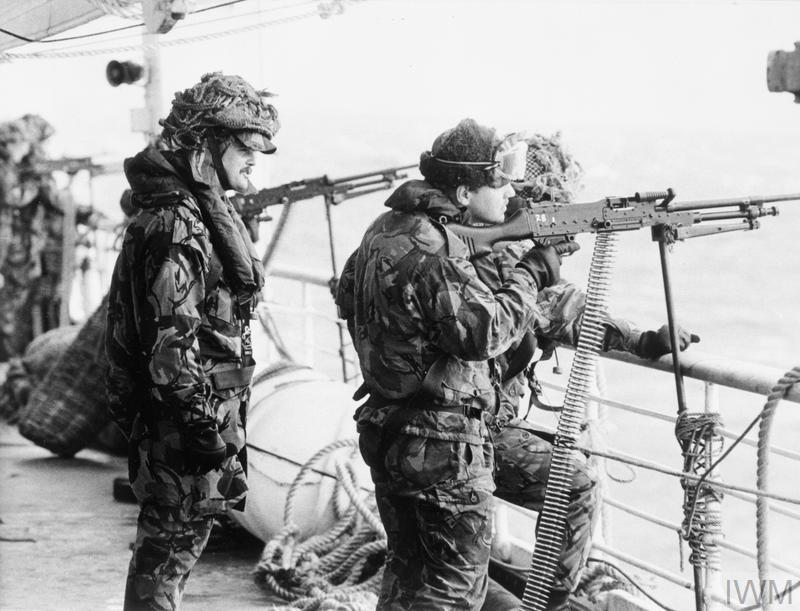
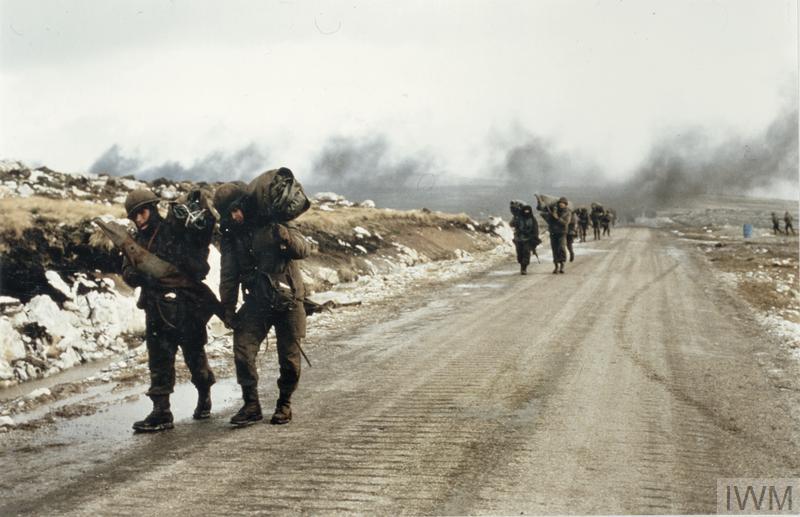
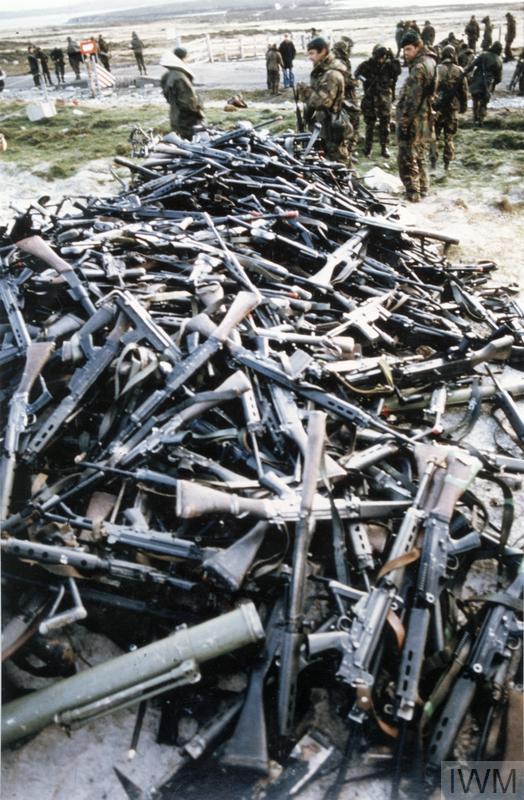
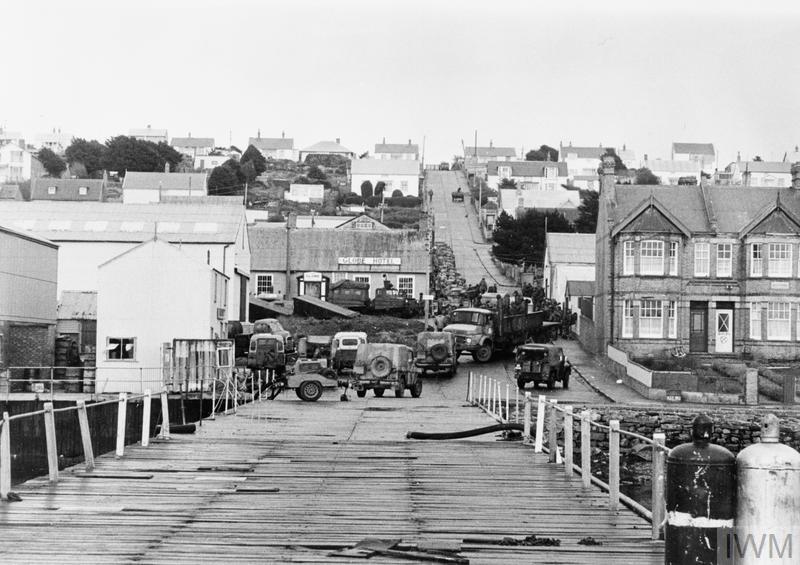
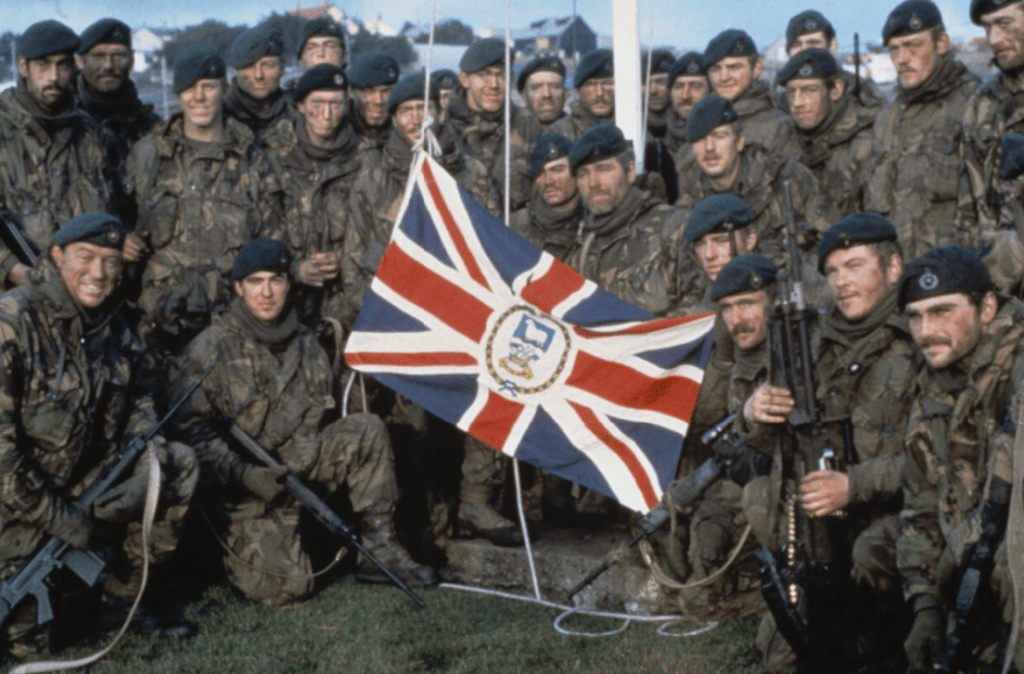
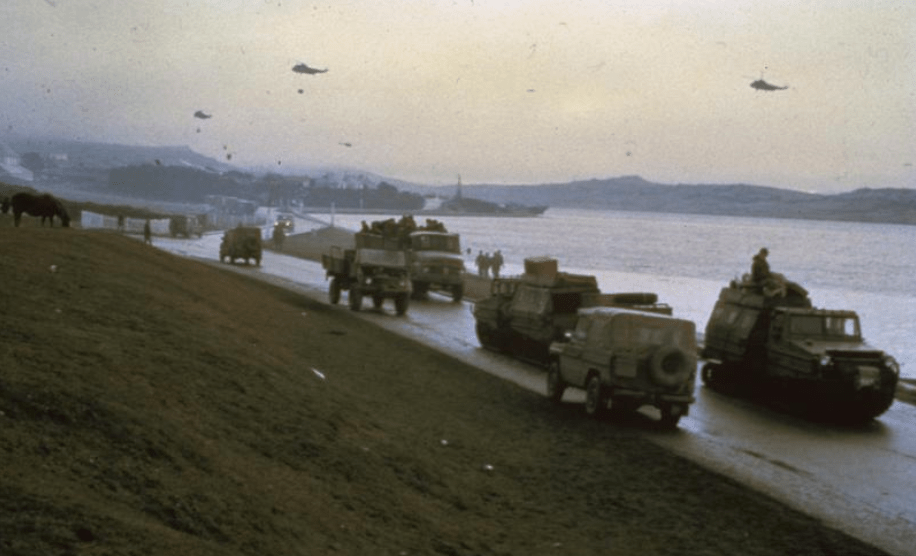
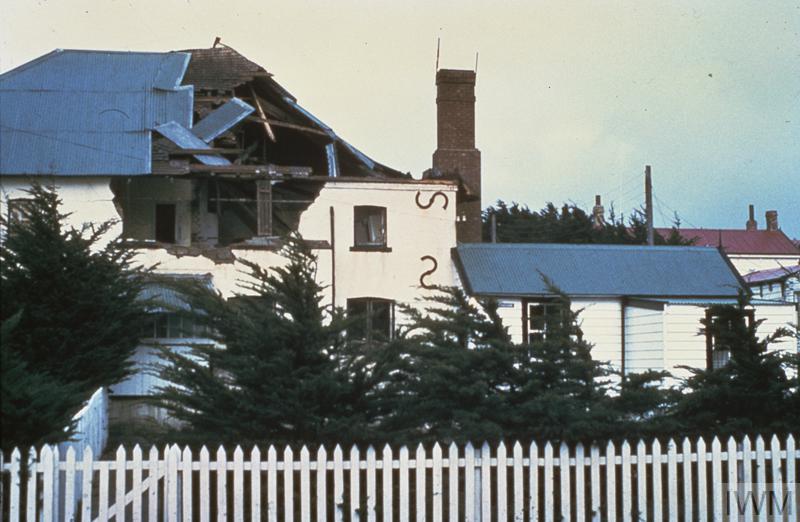
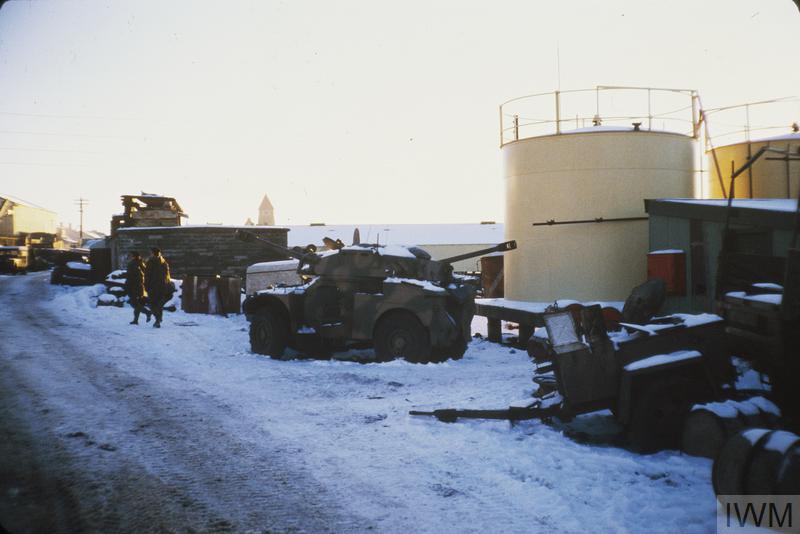
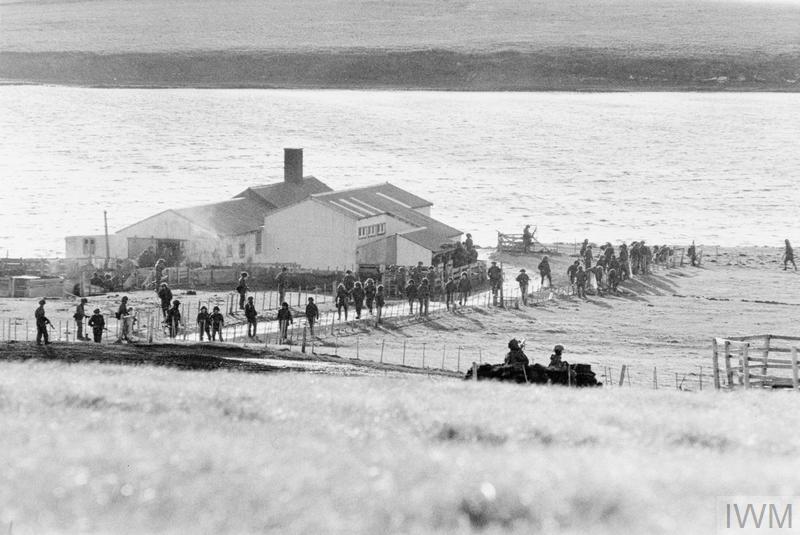
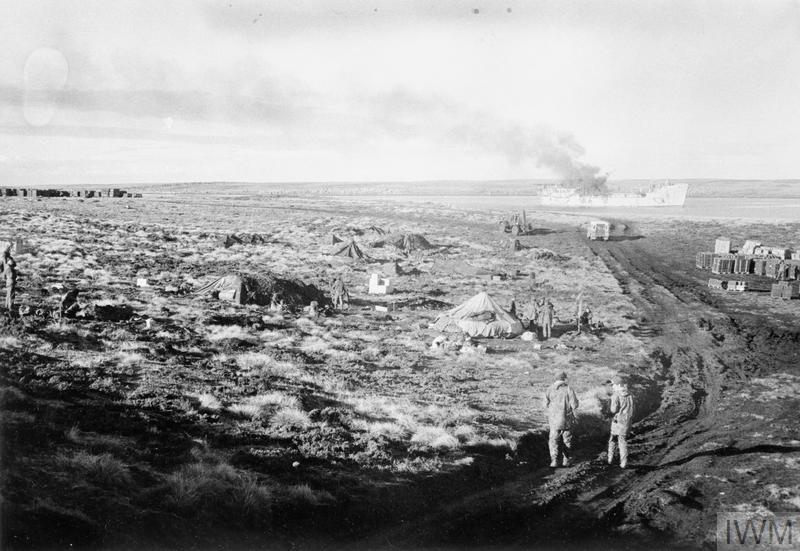
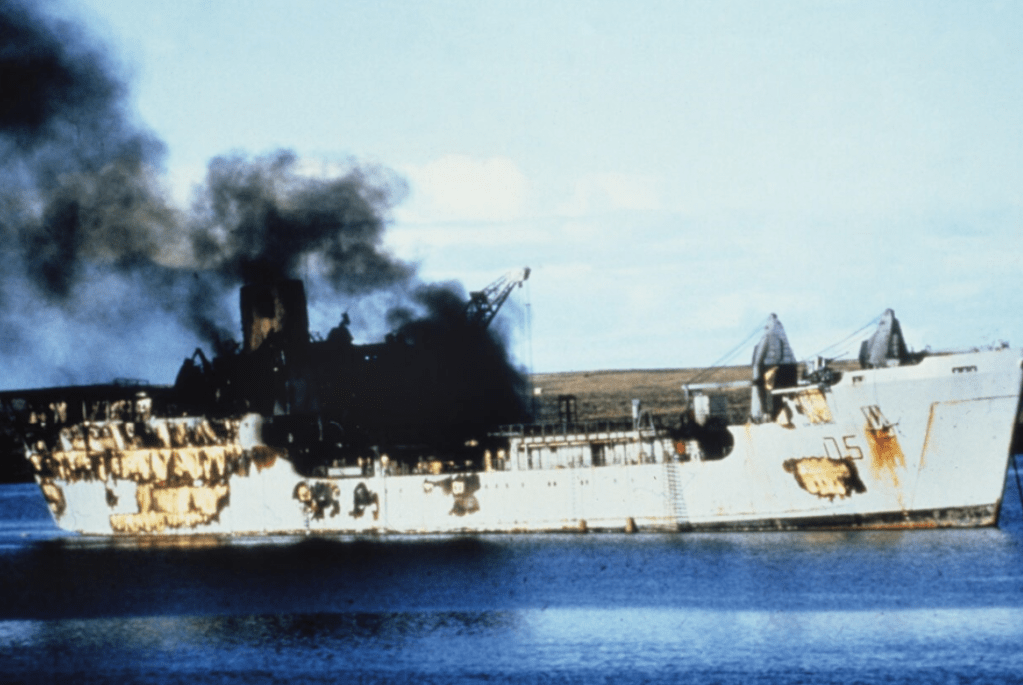
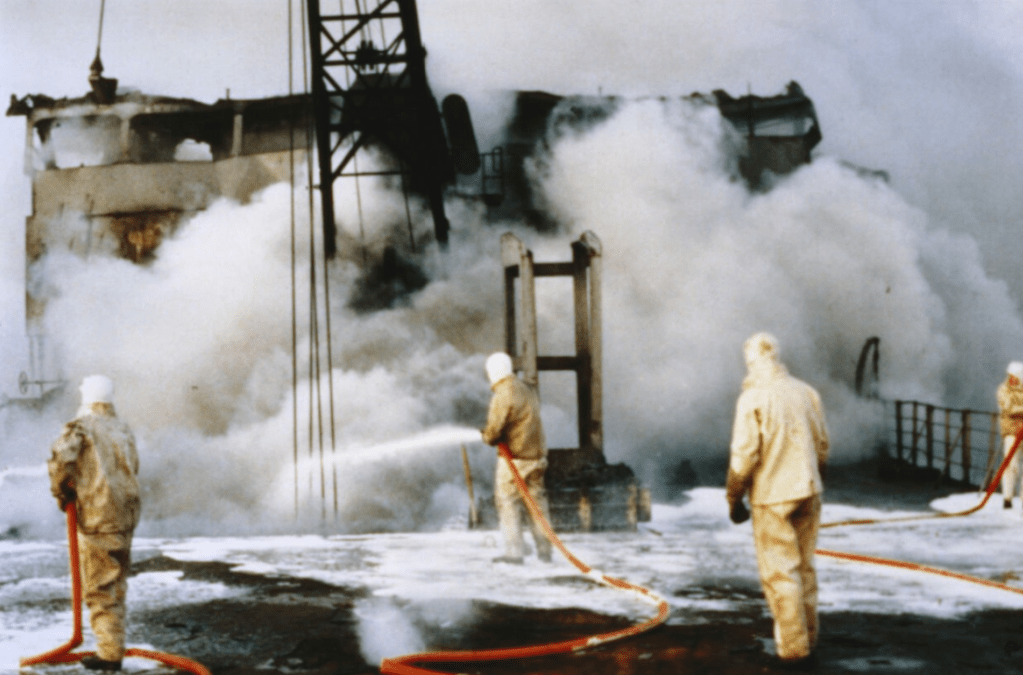
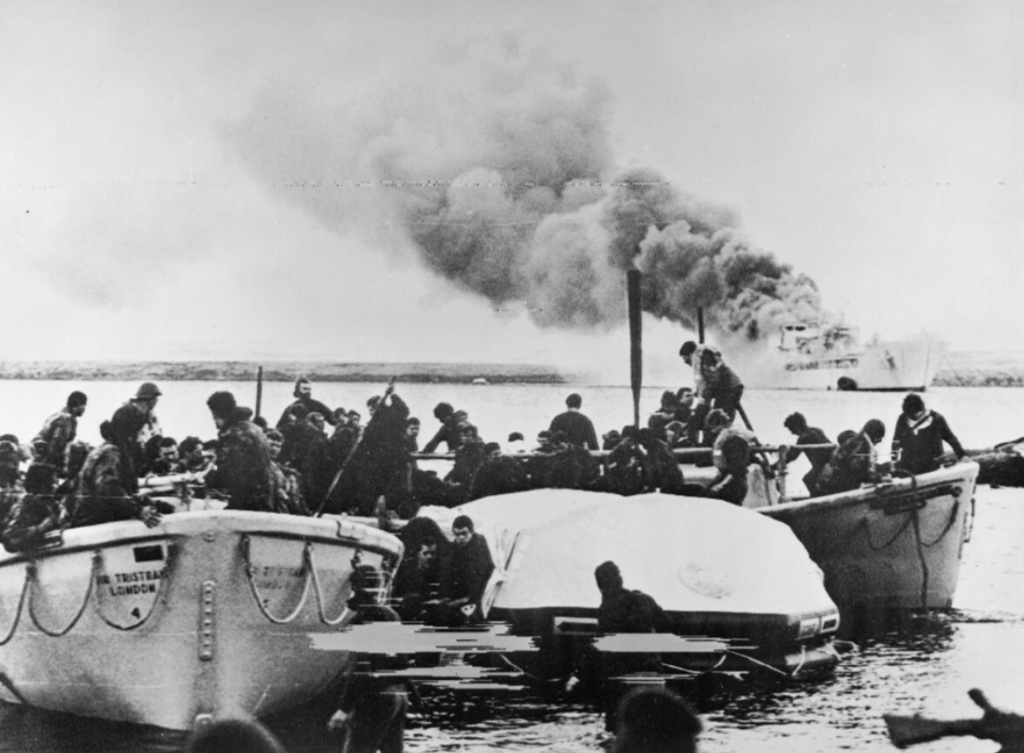
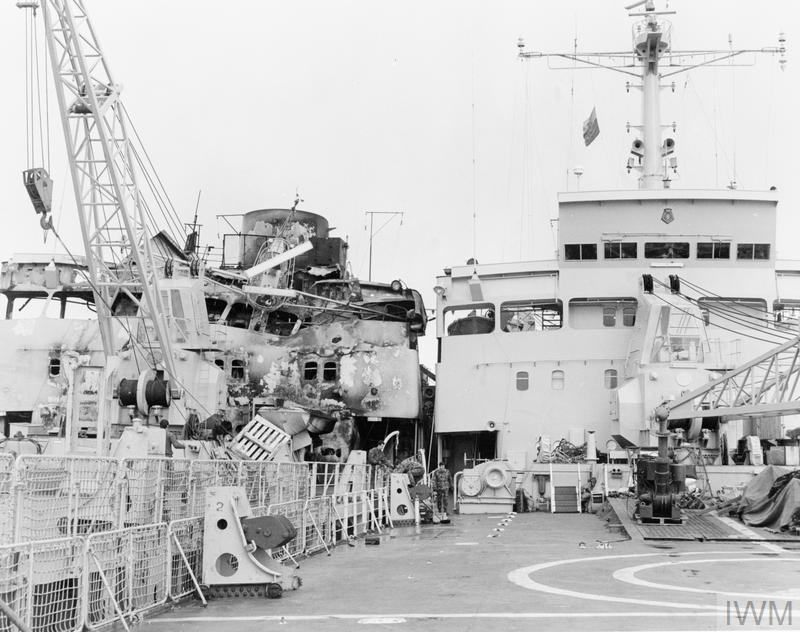
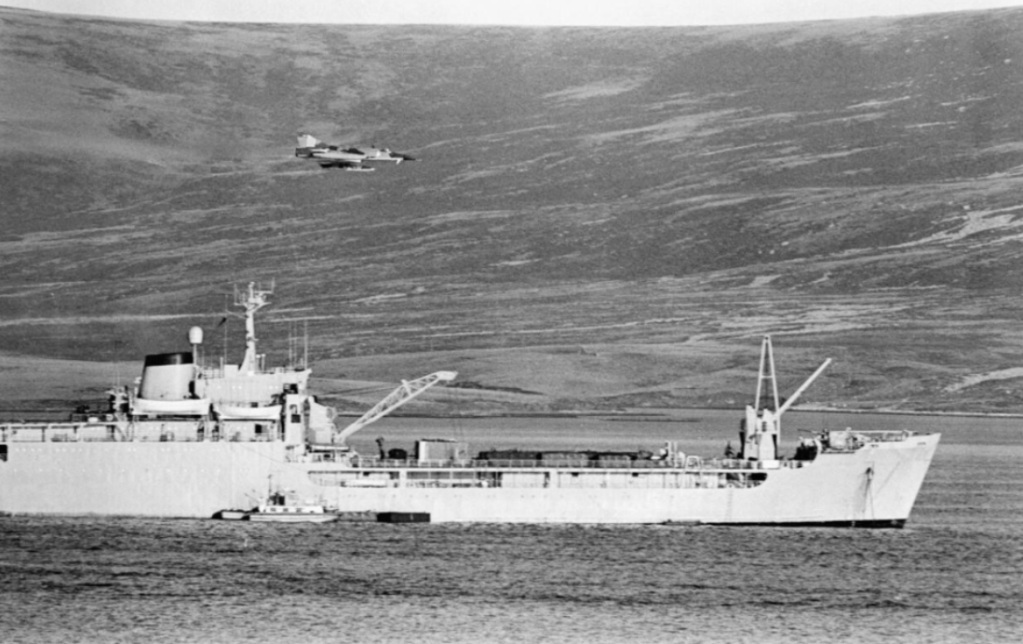
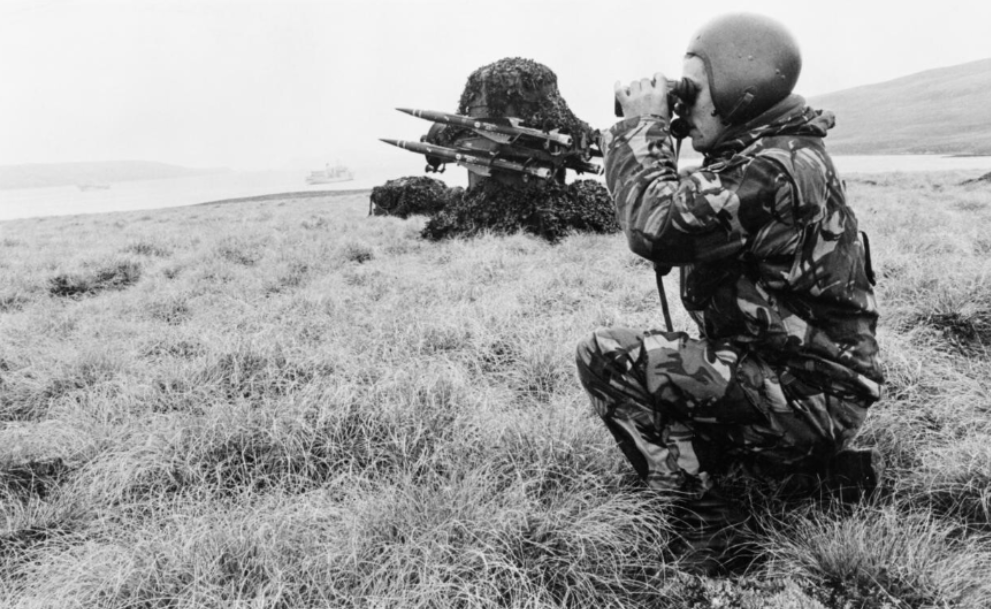
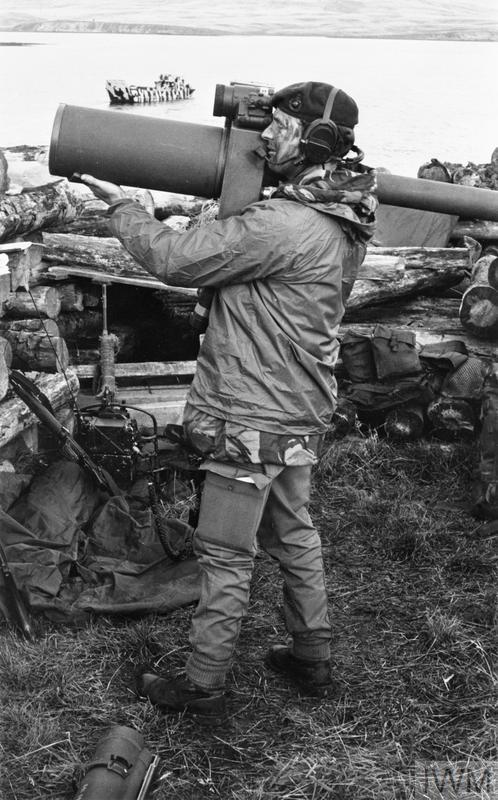
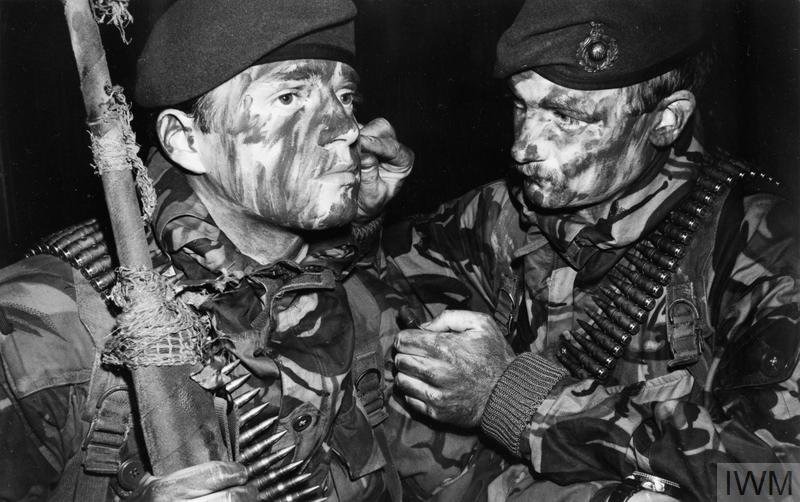
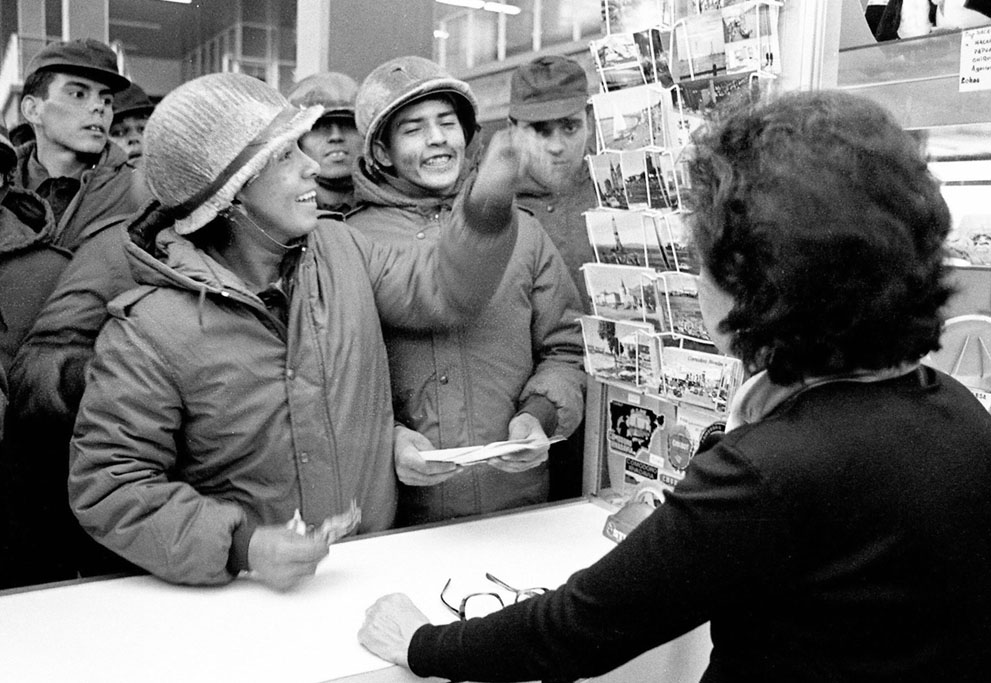
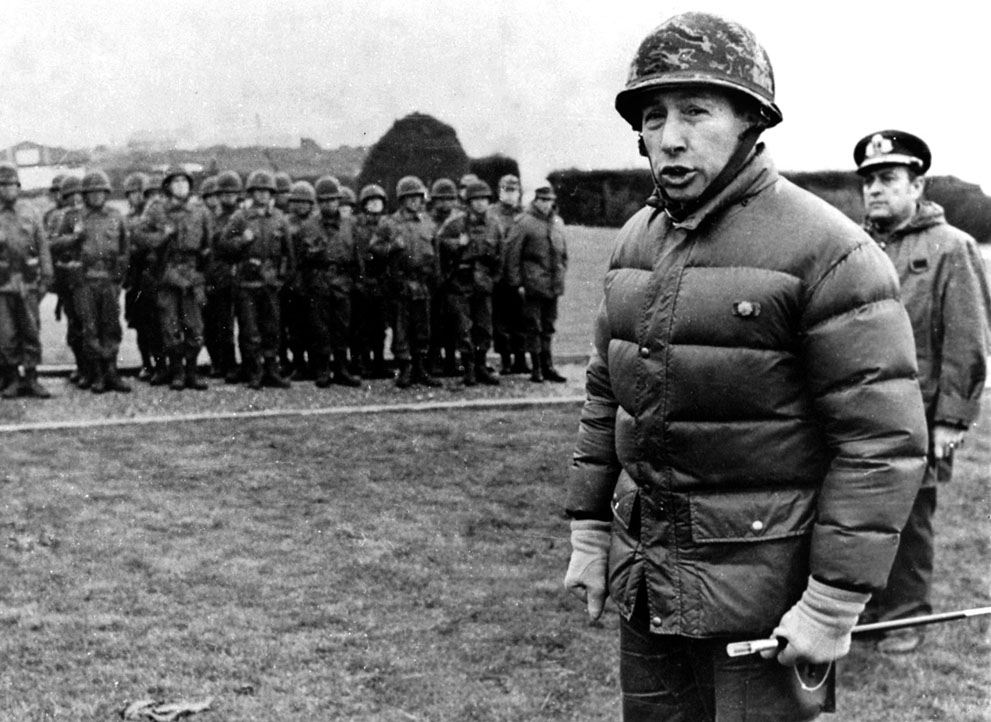
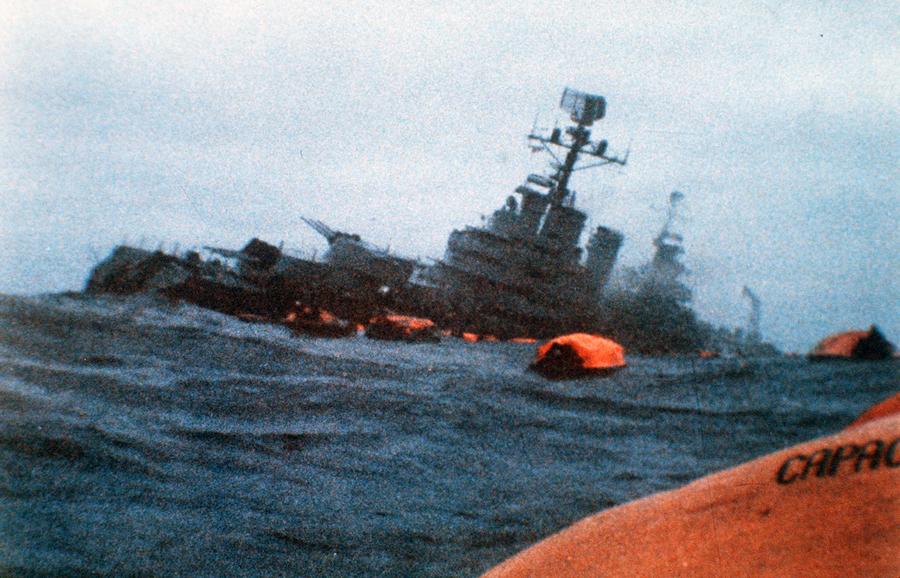
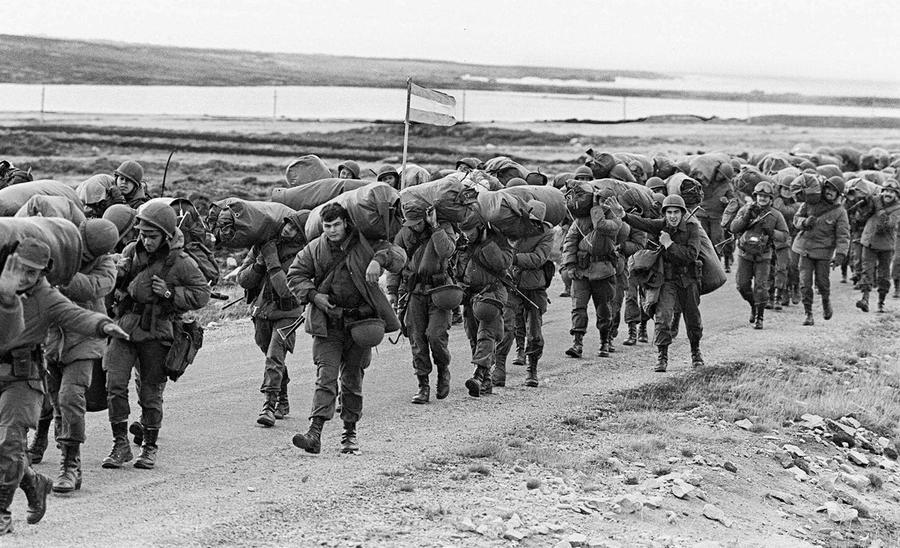
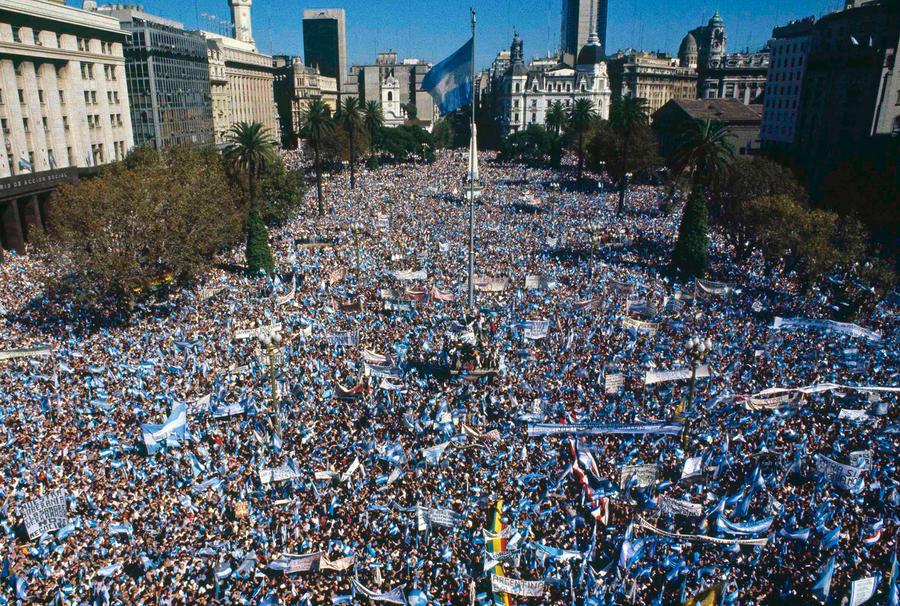
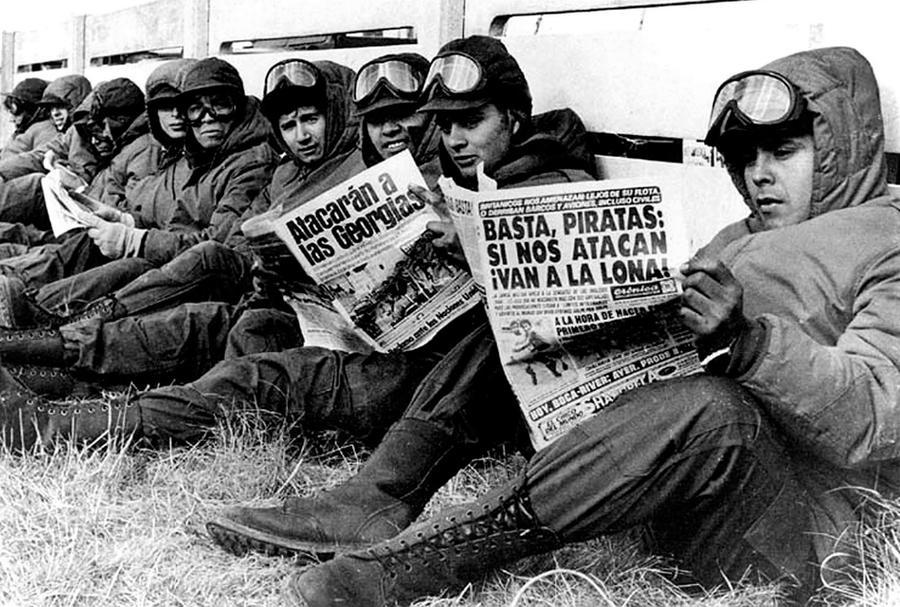
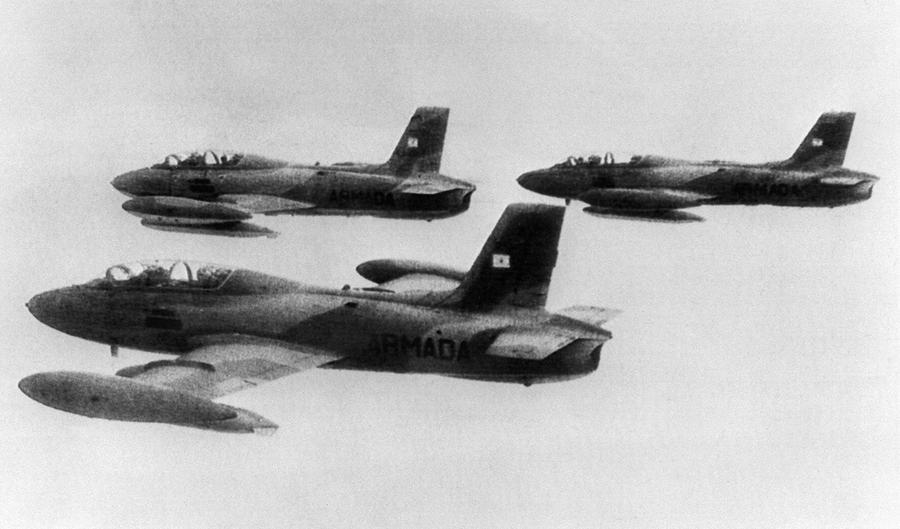
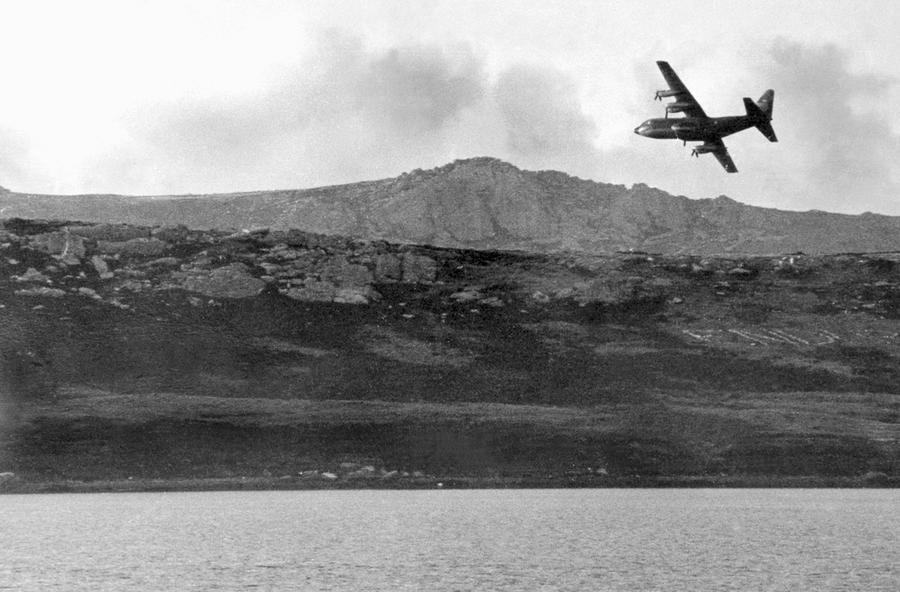
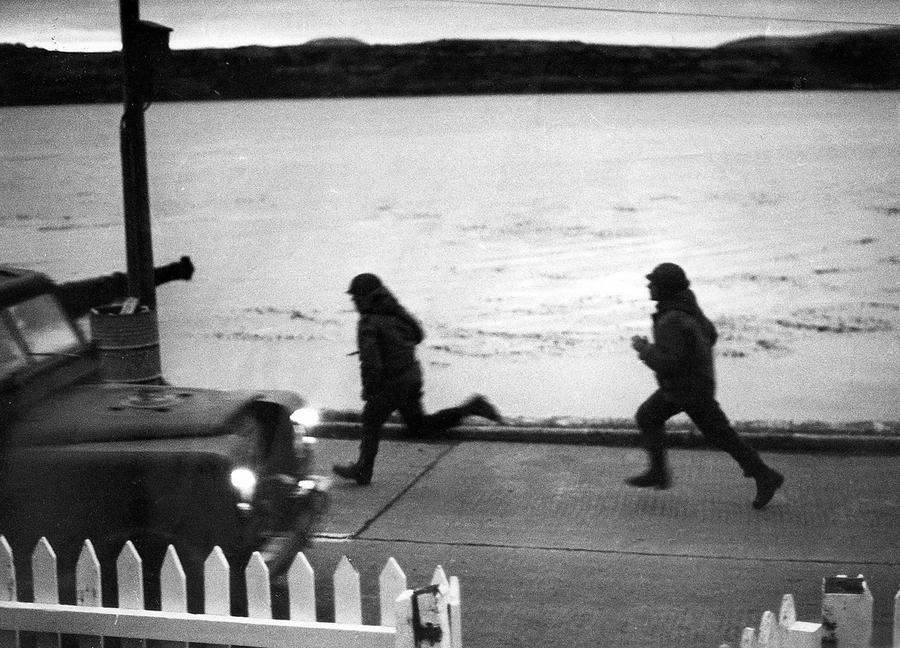
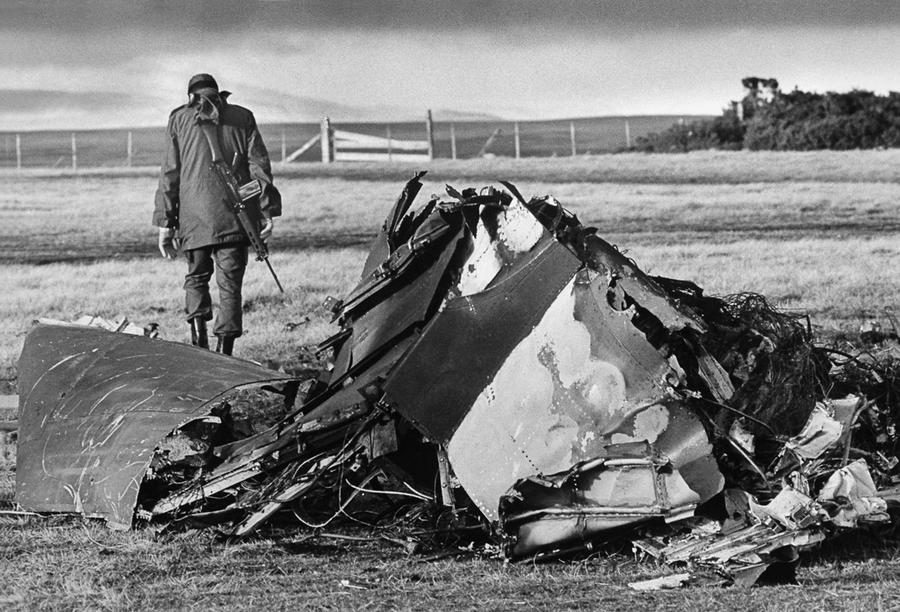
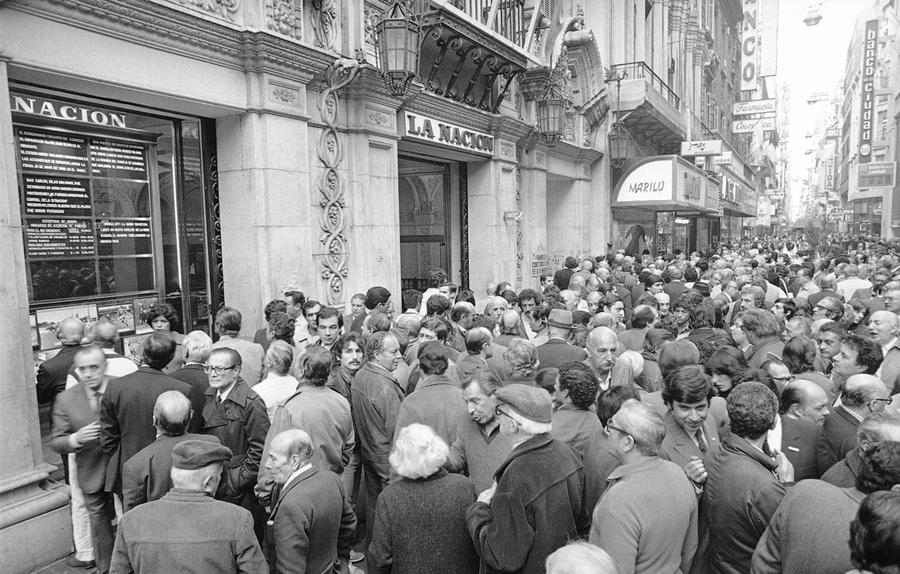
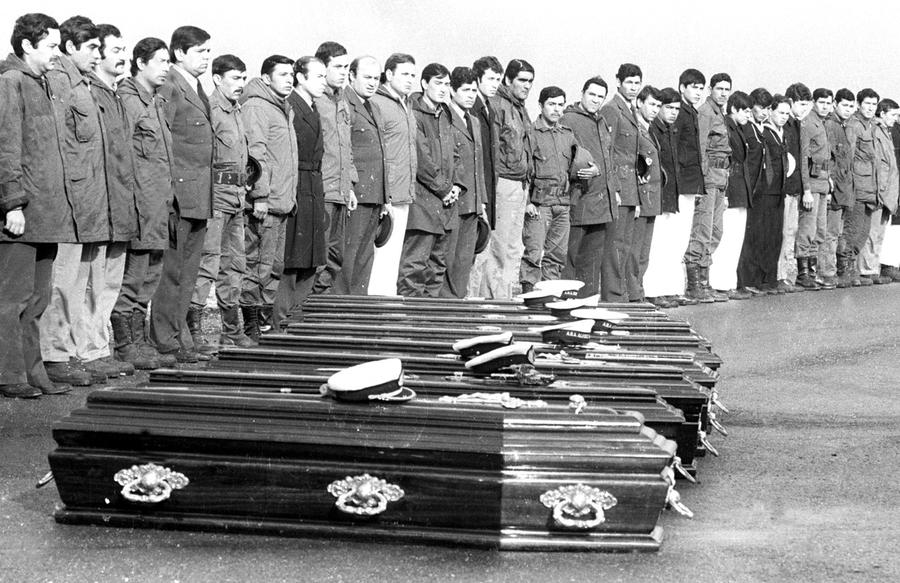
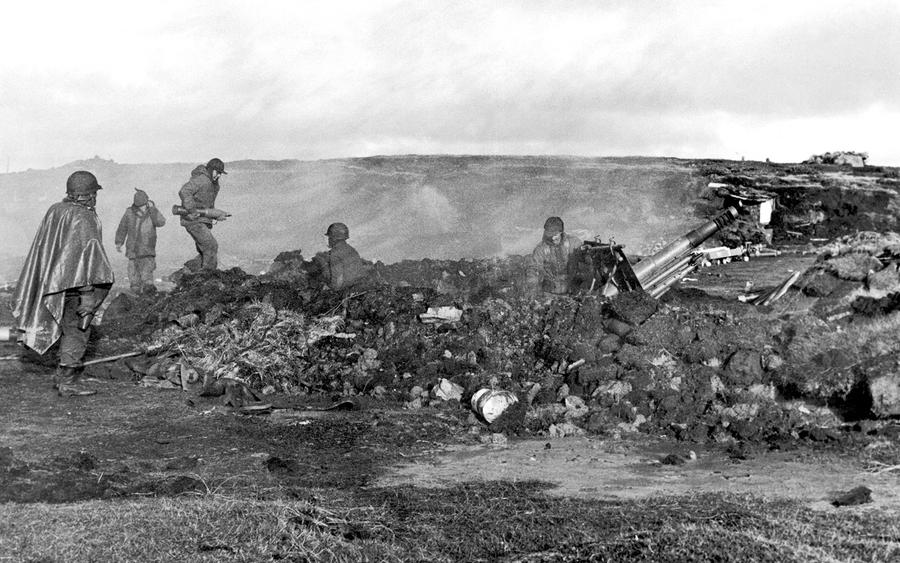
HMS HERMES about to berth at Portsmouth Harbour on her return from the Falkland Islands, 21 July 1982.HMS HERMES passes HMS VICTORY as she enters Portsmouth harbour on returning from the Falklands on 21 July 1982.The aircraft carrier HMS HERMES sails out of Portsmouth for the South Atlantic, at the start of the Falklands War, 1982.HMS HERMES leaves Portsmouth for the South Atlantic, 5 April 1982.View from HMS HERMES of the vast number of small boats which welcomed the aircraft carrier home from the Falklands and escorted her into Portsmouth Harbour on 21 July 1982.Surrounded by life rafts launched by her crew, the Argentine cruiser GENERAL BELGRANO sinks after being torpedoed by the British submarine HMS CONQUEROR on 2 May 1982.THE FALKLANDS CONFLICT, APRIL – JUNE 1982 (FKD 4) The Churchill class nuclear powered submarine HMS CONQUEROR returns to her base at Faslane in Scotland on 3 July 1982 after deployment to the South Atlantic during which she sank the Argentine cruiser GENERAL BELGRANO on 2 May 1982. HMS CONQUEROR was the first nuclear submarine to sink another warship in combat. Two British Aerospace Sea Harrier FRS 1s in flight. They are from background to foreground: ZA176 and XZ451 both of 801 Naval Air Squadron.Two British Aerospace Sea Harrier FRS 1s in flight. Nearest to the camera is ZA176 of 801 Naval Air Squadron. The other aircraft is believed to be XZ451 also of 801 NAS.A formation of Royal Navy Sea Harriers in flight shortly before being deployed during the Falklands Conflict.THE FALKLANDS CONFLICT, APRIL – JUNE 1982 (FKD 83) A British Aerospace Sea Harrier (ZA177) of No 800 Naval Air Squadron, Fleet Air Arm, piloted by Lt Simon Hargreaves lands on the flight deck of the amphibious assault ship, HMS INTREPID during the Battle for Tumbledown on 13 June 1982. The Harrier was unable to use the SHEATHBILL temporary airstrip on the Falkland Islands and lacked the fuel to return to HMS HERMES. It therefore diverted to HMS INTREPID which had been recommissioned at the start of the Conflict.HMS PLYMOUTH on fire after being attacked by five Argentine Mirage aircraft on 8 June 1982. The ship was badly damaged but survived.HMS ARGONAUT on fire in San Carlos Water after being attacked and badly damaged in Argentine air attacks on 21 May 1982.The sinking of HMS ANTELOPE in San Carlos Water. The explosion of the second Argentine 1000-lb bomb on board the ship broke its back and cause the frigate to sink. A bomb disposal officer had been attempting to defuse the bomb at the time.The sinking of HMS ANTELOPE in San Carlos Water. Argentine 500lb bombs explode on board HMS ANTELOPE on the night of 23-24 May 1982. Two bombs had been dropped by an Argentine aircraft flying at extremely low level on HMS ANTELOPE during the day of 23 May. The bombs, which did not explode, lodged in the engine room of the ship. One detonated while it was being defused. The explosion broke the back of the ship which sank.The bow and stern sections of HMS ANTELOPE in San Carlos Water in the Falkland Islands after the ship was sunk by Argentine air attack on 24 May 1982.The sinking of the Royal Navy frigate HMS ARDENT. Close up showing the stern of HMS ARDENT on fire after being attacked for the second time in San Carlos Water by the Argentine Air Force on 21 May 1982. No fewer than five bombs had struck ARDENT’s hangar and flight deck area and 22 lives were lost.The sinking of the Royal Navy frigate HMS ARDENT. HMS ARDENT on fire, with HMS YARMOUTH alongside, after being attacked for the first time in San Carlos Water by the Argentine Air Force on 21 May 1982. The ship had been struck by two 1,000lb bombs and 22 lives lost. HMS YARMOUTH attempted to assist with firefighting and then evacuated the crew (who can be seen lining the side of the ship.Survivors of HMS ARDENT wearing “once-only” survival suits, on the flight deck of HMS YARMOUTH after abandoning ship in San Carlos Water on 21 May. HMS ARDENT had been damaged in two Argentine air attacks.The abandoned HMS ARDENT in San Carlos water after two Argentine air attacks. HMS YARMOUTH (left) pulls away from ARDENT after taking off her crew.A low aerial view of HMS ARDENT at anchor in San Carlos Water after being damaged in the stern by the first of two Argentine air attacks by A4-Q Skyhawks of the Argentine Navy’s 3rd Fighter Attack Squadron. In this attack, two 500lb bombs exploded in the Ship’s hangar, destroying the Westland Lynx helicopter and Seacat missile launcher. A third bomb lodged in the After Auxiliary Machinery Room without exploding. Although not disabled at the time of this photograph, the subsequent air attack brought the Ship to a halt. HMS ARDENT sank on 22 May.Damage to the hangar and after superstructure of HMS ARDENT sustained in two attacks in Falkland Sound by A4-Q Skyhawks of the Argentine Navy’s 3rd Fighter Attack Squadron in San Carlos Water on 21 May 1982. In the first attack, two 500-lb bombs exploded in the Ship’s hangar, destroying the Westland Lynx helicopter and Seacat missile launcher and a third lodged in the After Auxiliary Machinery Room without exploding. In the second attack, two more direct hits on the Ship’s stern caused the fires to spread out of control and brought her to a halt. Twenty two lives were lost during the attack. HMS ARDENT sank on 22 May.Lieutenant Commander N D Ward AFC RN, Commanding Officer of No 801 Naval Air Squadron, Fleet Air Arm on board HMS INVINCIBLE. The photograph is believed to have been taken on 21 May after Lt Cmdr Ward shot down an Argentine Mirage. He is seen here wearing his flying helmet.A Royal Navy gunner mans a deck mounted 7.62mm General Purpose machine gun for use against low-level Argentine air attack in San Carlos Water. He is wearing an anti flash hood and gauntlets as protection against the possibility of fire.Royal Marines from 3 Commando Brigade raise the Union Jack on landing at San Carlos beachhead during Operation SUTTON on 21 May 1982.The San Carlos landings on 21 May 1982. Two Royal Marines of 40 Commando keep watch at dawn, armed with a 7.62mm General Purpose machine gun, on board the P & O liner CANBERRA. HMS FEARLESS is in the background.Sergeant “Sharkey” Ward of 40 Royal Marine Commando prepares a meal on a hexamine stove in a slit trench at San CarlosView from SS CANBERRA in San Carlos Water with a Westland Sea King HC.4 on the flight deck. HMS FEARLESS is in the background.The British Task Force under Argentine air attack in San Carlos Water in the Falkland Islands, 21 May 1982. MV NORLAND is straddled by bombs as she prepares to head for open water after disembarking men of 2nd Parachute Regiment.A Royal Marine of 40 Commando on patrol near San Carlos.Three landing craft from HMS FEARLESS, containing Royal Marines from 3 Commando Brigade, head through rough seas for BLUE Beach at San Carlos on 21 May 1982. HMS FEARLESS is in the background with two Sea King helicopters on her flight deck. Delays meant that the landing operations mostly took place in daylight.Two Royal Marines of 40 Commando defend the landing site at San Carlos with a Browning .5″ machine gun. A landing craft from HMS INTREPID is in the background.A Scorpion light tank of the Blues and Royals setting off on patrol near San Carlos, with a young Falkland Islander riding in the turret as a passenger, probably to provide the crew with local knowledge.Two Royal Marines of 3 Commando Brigade “blacked up” and ready to board a landing craft at the start of Operation SUTTON, the landings at San Carlos Bay.Landing craft from HMS INTREPID approach the beach at San Carlos in the Falkland Islands to land British troops, 21 May 1982.Royal Navy Sea King Helicopters transport troops up to Darwin from San Carlos on the Falkland Islands, 28th May 1982.Burial of Argentine dead at Darwin.Two Royal Navy Westland Sea King HAS.2s with an Army Air Corps Gazelle at Fitzroy.Surrendered Argentine weapons at Port Stanley. A picture of the Madonna is taped to the butt of a discarded Argentine rifle.Captured Argentine prisoners are marched away from Goose Green under guard.An Argentine prisoner of war, one of the many who surrendered at Goose Green, cooks a meal on elementary equipment in the sheep shearing shed which was converted to a temporary holding area for Argentine prisoners .Men of 2nd Battalion, Parachute Regiment wait on board the ferry NORLAND before the landings at San Carlos in the Falkland Islands, 20 May 1982.After landing at San Carlos, a heavily laden paratrooper of 2 Parachute Regiment heads south for Sussex Mountain on 21 May 1982. From there the Battalion attacked Goose GreenSoldiers of 5 Infantry Brigade disembark at a jetty from one of HMS INTREPID’s landing craft at San Carlos Water in the Falkland Islands, 1 June 1982.Troops of 5 Infantry Brigade come ashore at San Carlos in the Falkland Islands, 2 June 1982.5 Infantry Brigade lands at San Carlos on 2 June 1982. In the foreground, men dig in. In the background troops march to their dispersal areas and a Sea King helicopter delivers a truck by air. Storage containers line a prefabricated metal roadway.5 Infantry Brigade assemble on the beachhead at San Carlos.Fires smoulder on Hill 60 near Goose Green, Darwin, following the engagement between 2 Parachute Regiment and Argentine forces on 28 May 1982.Lance Corporal Drew Sheehan and Lance Corporal Garry Bingley of 2 Parachute Regiment undertake live firing practice with a 7.62mm General Purpose Machine Gun on improvised Anti Aircraft mountings from the deck of MV NORLAND as it approaches the Falkland Islands. Corporal Bingley, who served with D Company, was killed at Goose Green on 28 May after charging an Argentine machine gun position near Coronation Ridge. He was awarded a posthumous Military Medal.Argentine prisoners, carrying their kit, walk out to the airfield at Port Stanley, where a temporary prisoner of war camp was set up by British forces after the Argentine surrender.Argentine rifles piled beside the road leading to the airfield at Port Stanley after being surrendered.The Falkland Islands Company jetty at Port Stanley after the Argentine surrender. A mixture of British and Argentine vehicles are parked in the background.Naval Party 8901, the Royal Marine garrison of the Falkland Islands evicted by the Argentine invaders, with the Falkland Islands flag outside Government House, Port Stanley, after the Argentine surrender, June 1982.Transport in Port Stanley shortly after the Argentine surrender. British and Argentine vehicles pass on the road while Royal Navy Sea King helicopters hover overhead.Destruction in Port Stanley, photographed after the Argentine surrender. The police station at Port Stanley was struck by an AS 12 missile fired by a British Wessex HU 5 helicopter of No 845 Naval Air Squadron, Fleet Air Arm on 12 June 1982. The missile had been aimed at the Town Hall which was being used by General Menendez, Commander of Argentine forces in the Falkland Islands, and his staff. This photograph was one of many confiscated from Argentine prisoners by 3 Commando Brigade Royal Marines Intelligence Section.An Argentine armoured car abandoned in the snow at Port Stanley during the Falklands winter which set in shortly after the Argentine surrender.British troops at Fitzroy.View of Fitzroy Cove with RFA SIR GALAHAD burning in the distance.RFA SIR GALAHAD on fire in Fitzroy Cove after an Argentine air attack. Thirty three Welsh Guardsmen were killed in the attack. The ship was later towed into deep water and sunk as a war grave.8 June 1982.Damage control parties fight the fires on board RFA SIR GALAHAD at Fitzroy after the Argentine air attack of 8 June.Lifeboats carrying soldiers of 1st Battalion Welsh Guards from the blazing RFA SIR GALAHAD after the devastating Argentine air attack at Fitzroy in the Falkland Islands, 8 June 1982.The remains of the damaged RFA SIR TRISTRAM (left) alongside RFA SIR GERAINT after the devastating Argentine air attack at Fitzroy on 8 June 1982.An Argentine IAI Dagger passes low over RFA SIR BEDIVERE in San Carlos Water on 24 May 1982.A Rapier surface-to-air missile battery watches out for Argentine aircraft at San Carlos in the Falkland Islands, June 1982.A Royal Marine with a Blowpipe surface to air missile defends the landing site at San Carlos.A Royal Marine of 3 Commando Brigade helps another to apply camouflage face paint in preparation for the San Carlos landings on 21 May 1982.Argentine soldiers buy postcards at a souvenir shop in Stanley, on the Falkland Islands, shortly after their invasion, on April 13, 1982.Argentine military personnel of the 601 Company take their position in the Strait of San Carlos during the Falklands War, in this May 1982 photo.On May 25, 1982, Argentine Army General Mario Benjamin Menendez, who ruled as governor for the 73 days of the Falklands War, addresses his troops in Darwin.During the 1982 Falklands War, the Argentinian cruiser General Belgrano sinks amid orange life rafts holding survivors in the South Atlantic Ocean, after being torpedoed by the British nuclear-powered hunter-killer submarine HMS Conqueror on May 1, 1982. While Argentine and Chilean ships managed to rescue 770 men, 323 were killed in the attack.Argentine soldiers carrying military supplies shortly after invading the Falkland Islands, on April 13, 1982.In Buenos Aires, tens of thousands of Argentinians gather at Plaza de Mayo to show their support for President Leopoldo Galtieri during the Falklands War on April 10, 1982.Argentine army soldiers read newspapers in Port Stanley during the Falklands War, in this April 1982 photo.Argentine “Air Macchi” fighter-bombers take part in operations over the Falkland Islands on May 21, 1982.An Argentine Hercules C-130 military aircraft flies to Puerto Argentino during the Falklands War in this May, 1982 photo.Two Argentine soldiers run along Ross Road in Port Stanley to take cover from a bombing alert during the Falklands War, on May 4, 1982.An Argentine army officer walks next to a British war plane that was shot down during the Falklands War in Darwin in this May, 1982 photo.Hundreds of people jam Calle Florida in Buenos Aires, Argentina, on May 21, 1982 to read the latest newspaper in the window of a store. The crowd was especially large when war news from the Falklands became available.The surviving crew of Argentine Navy patrol boat, Alferez Sobral, stand at attention in the city of Puerto Deseado on the Argentine mainland, during a ceremony honoring their companions killed when their boat was attacked by Britain’s HMS Coventry, on May 4, 1982.Argentine soldiers take position in Port Howard, Falkland Islands, in May of 1982.
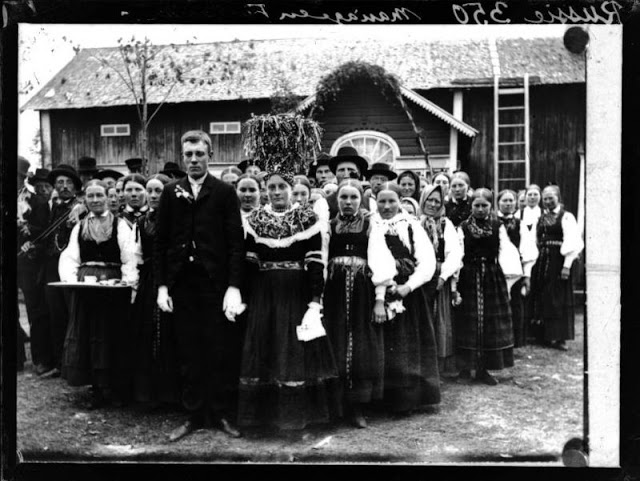
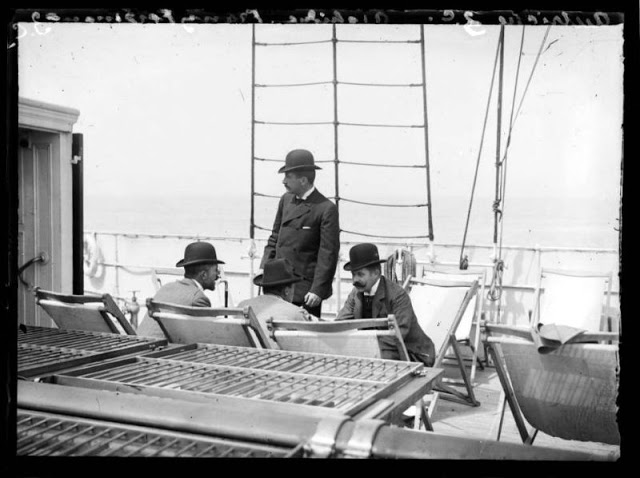
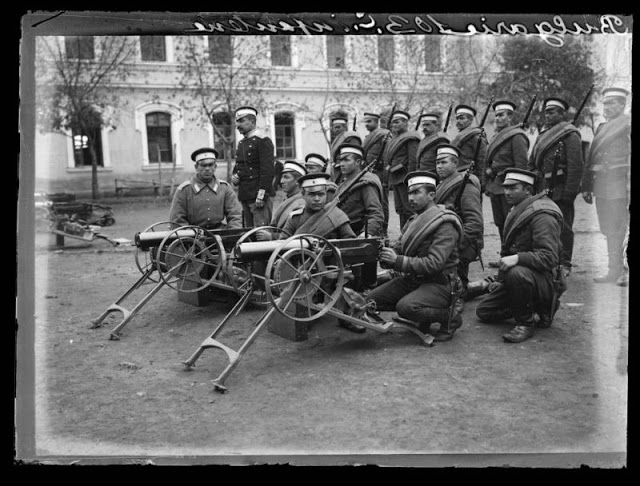
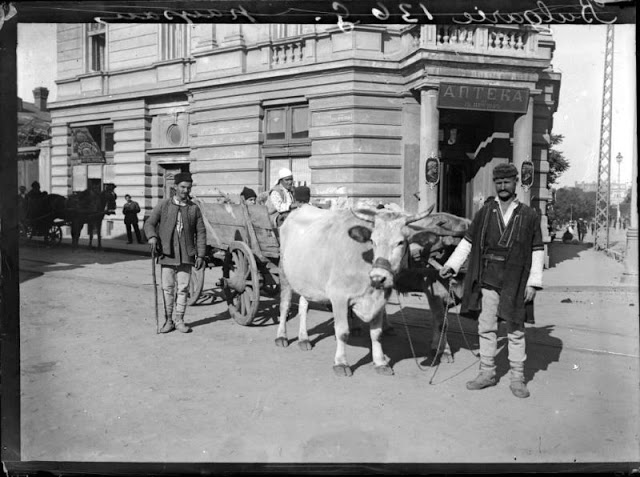
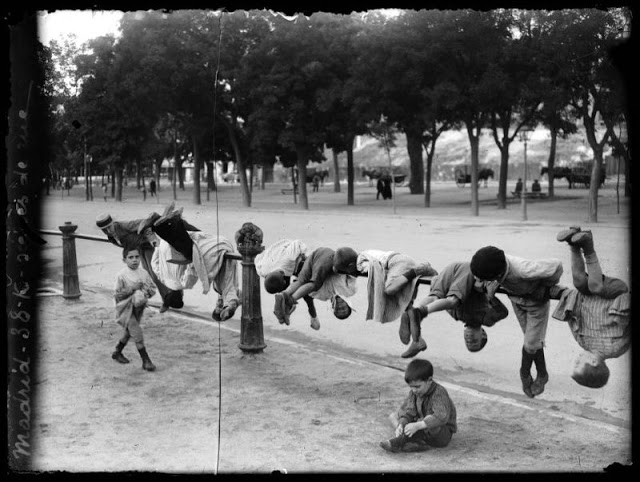
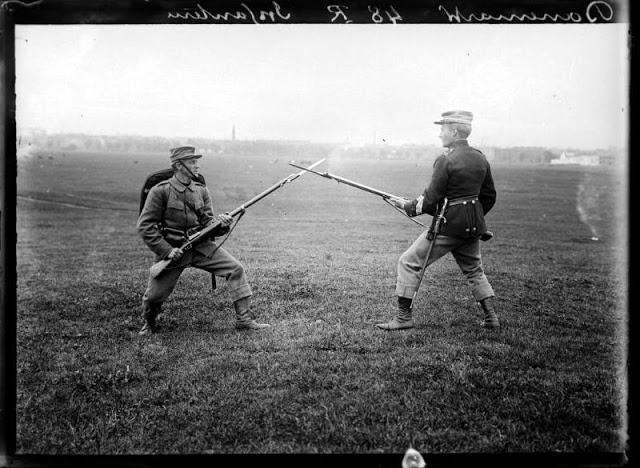
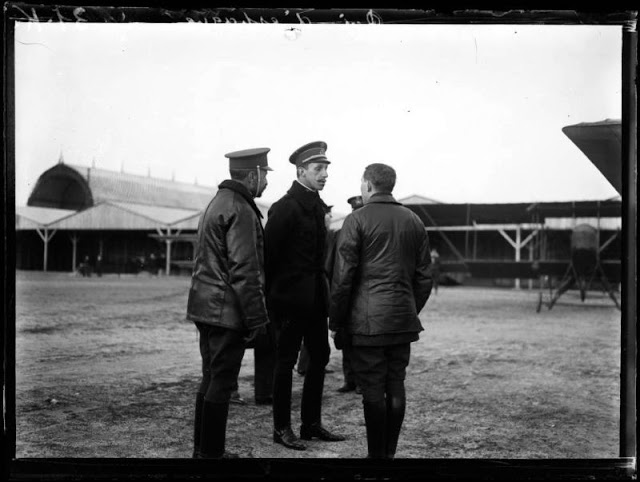
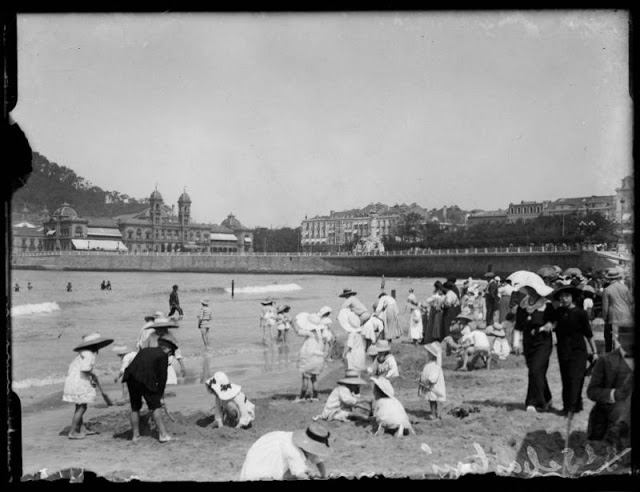
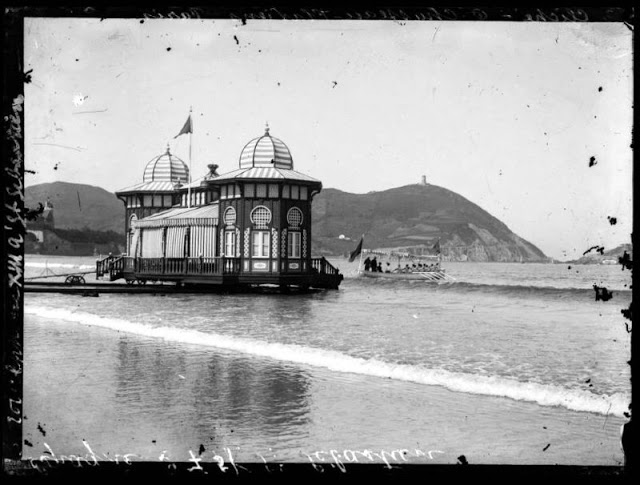
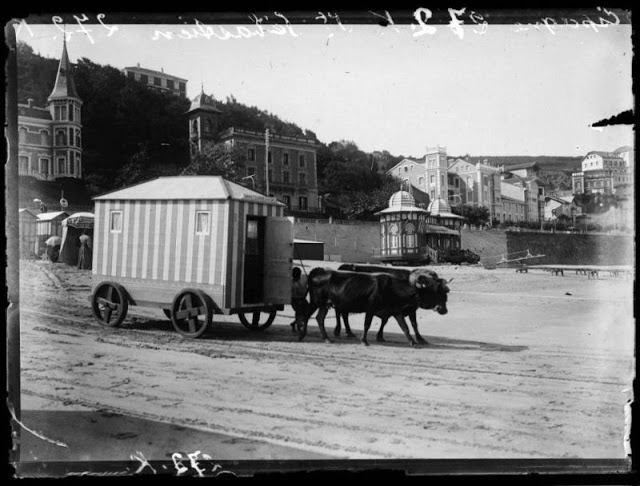
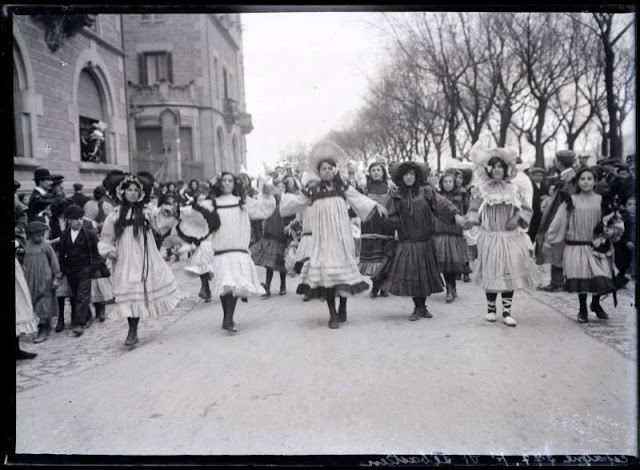
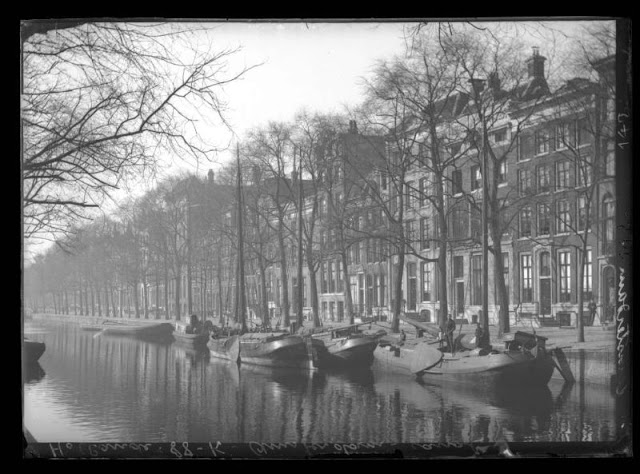
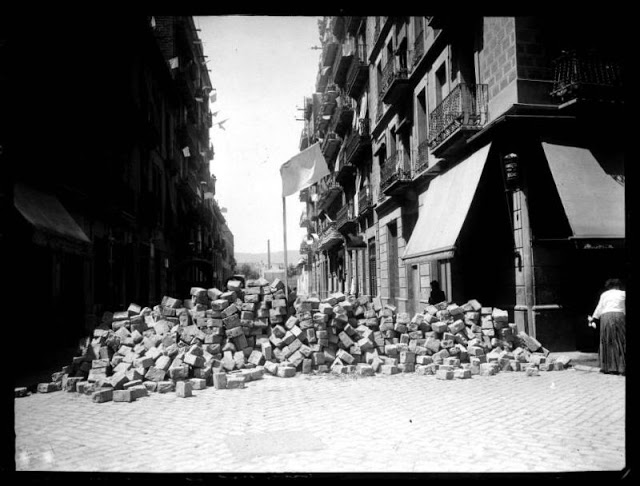
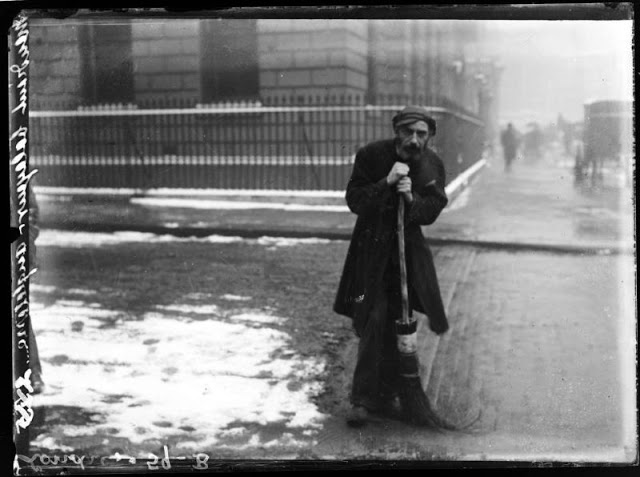
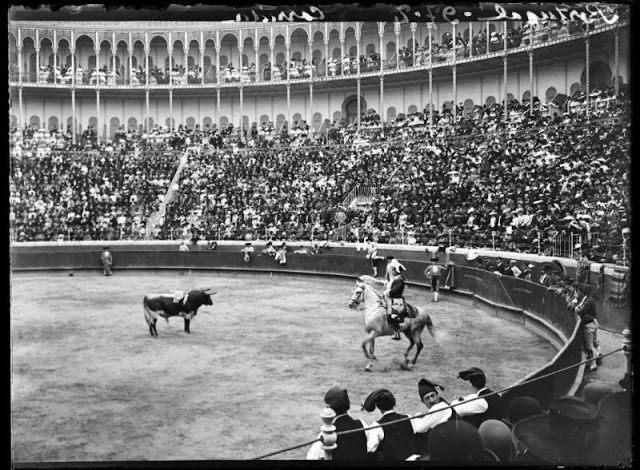
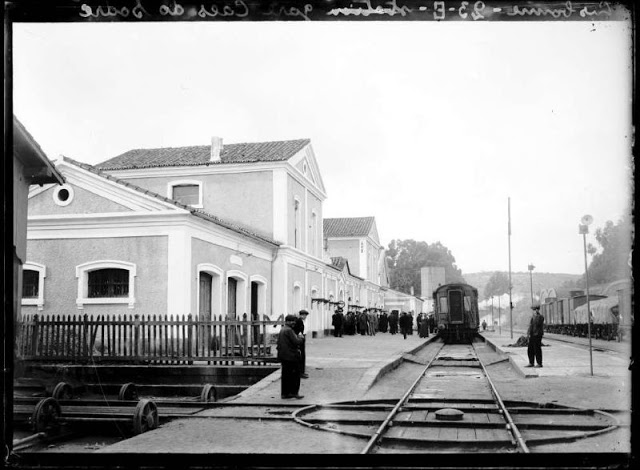
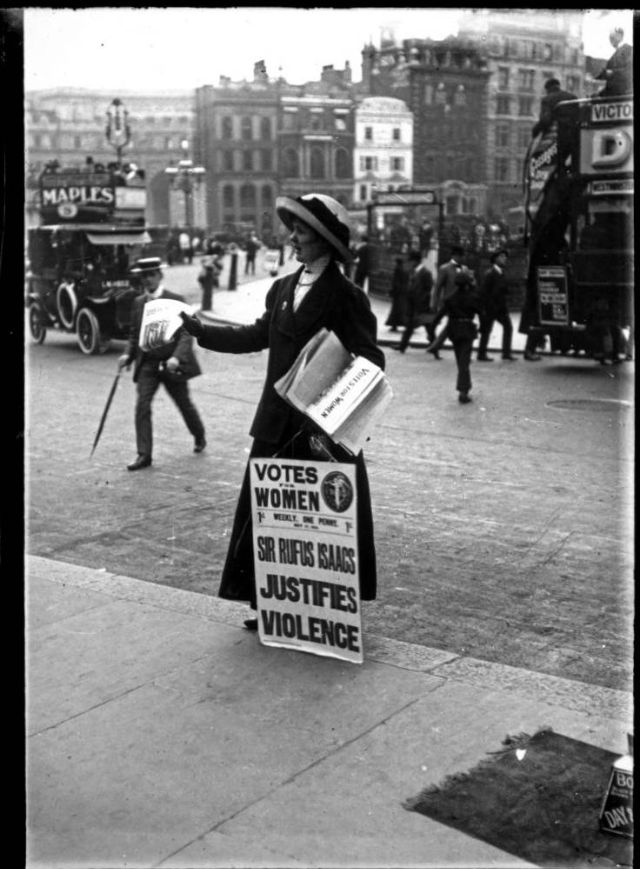
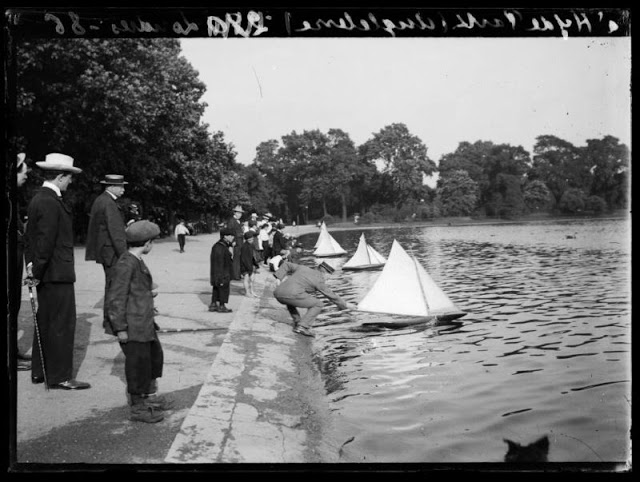
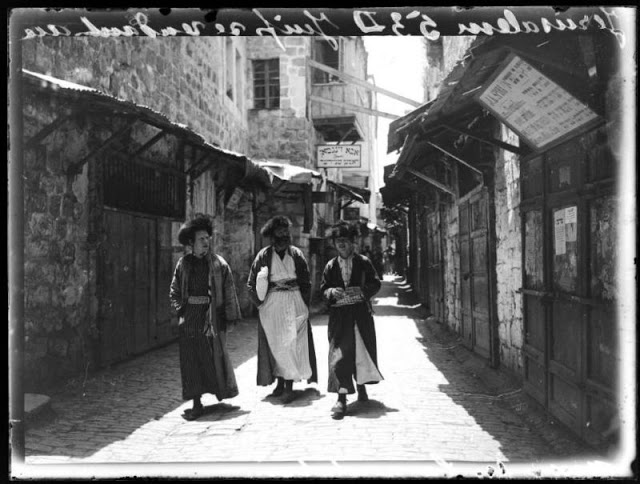
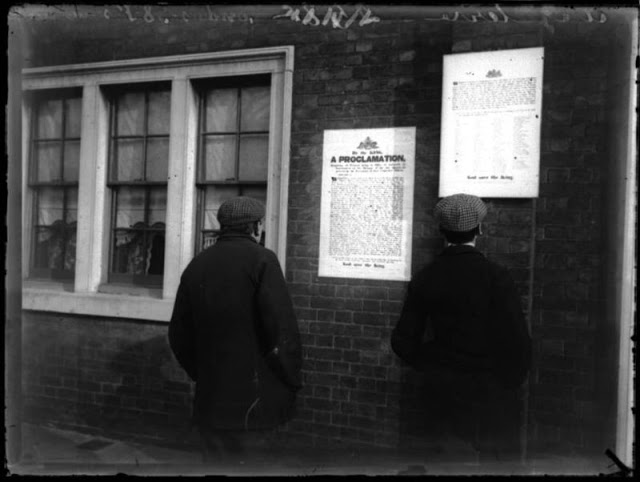
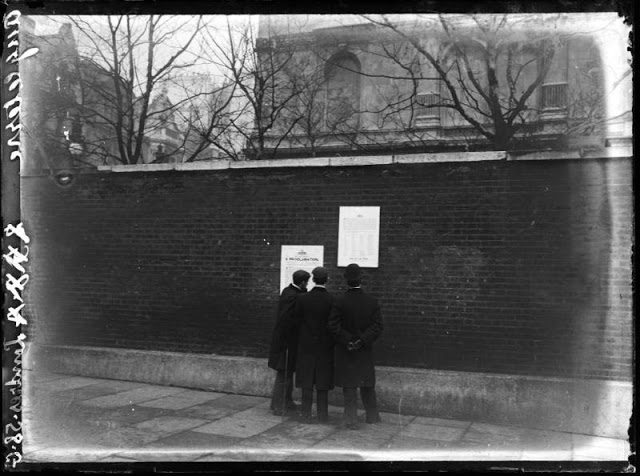
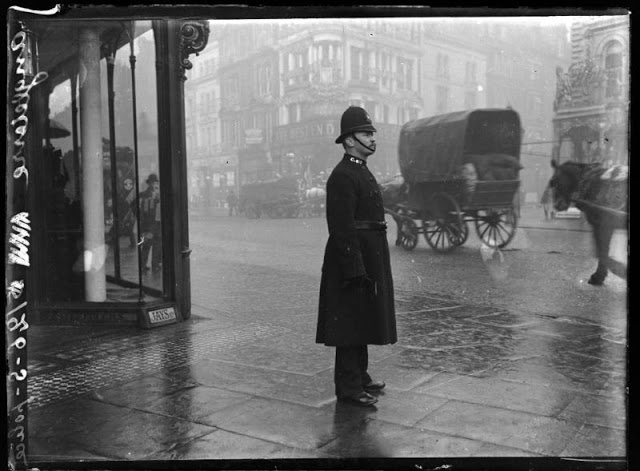
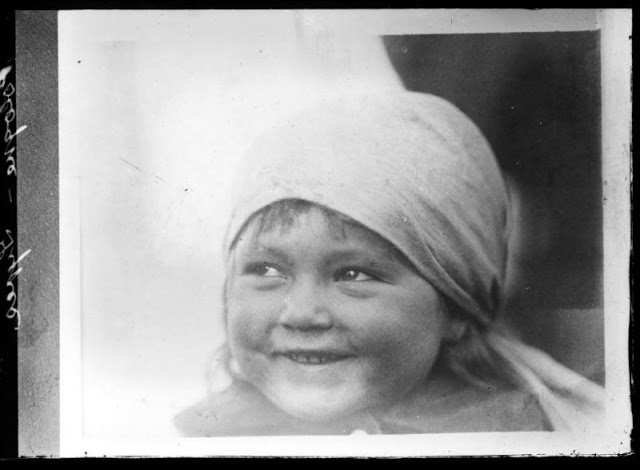
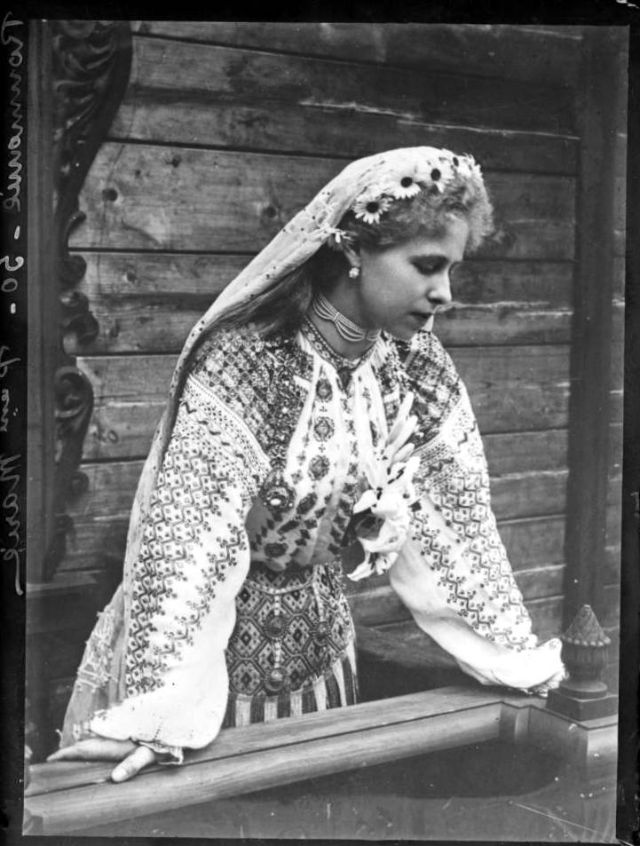
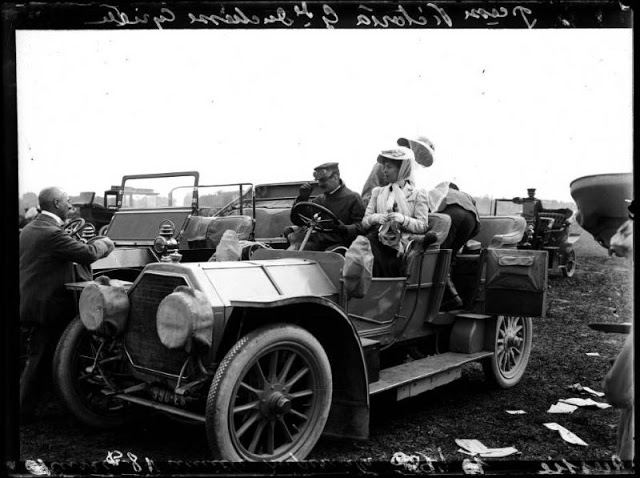
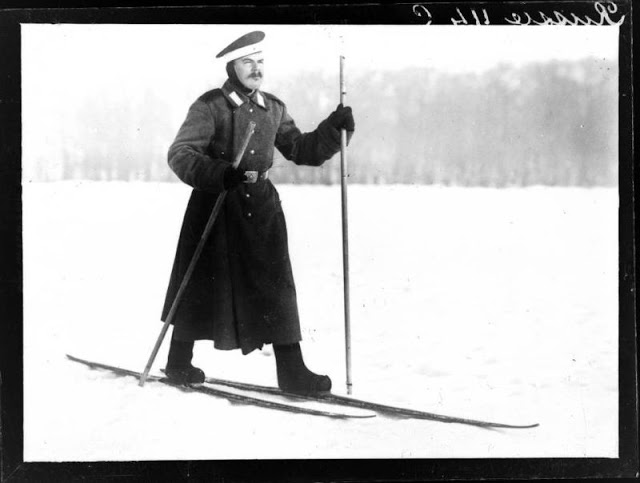
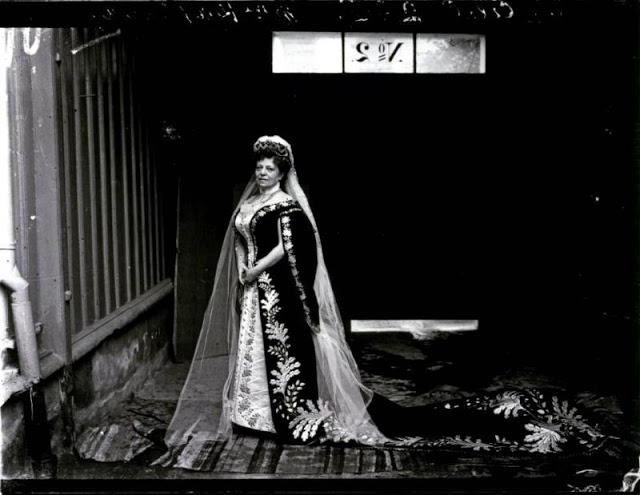
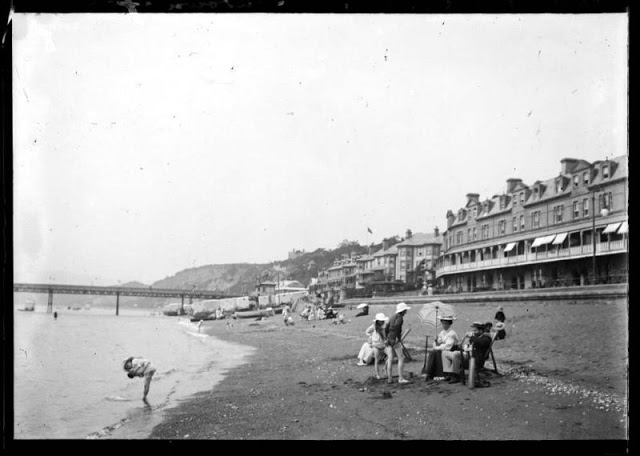
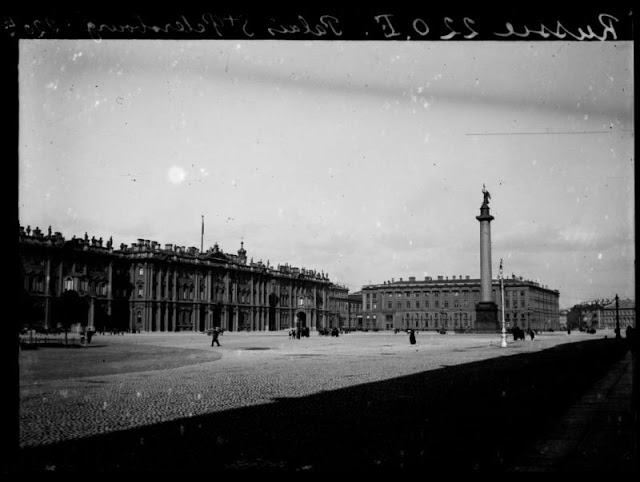
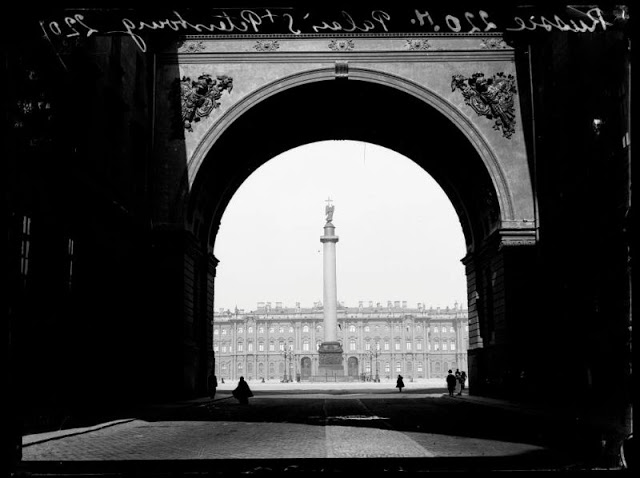
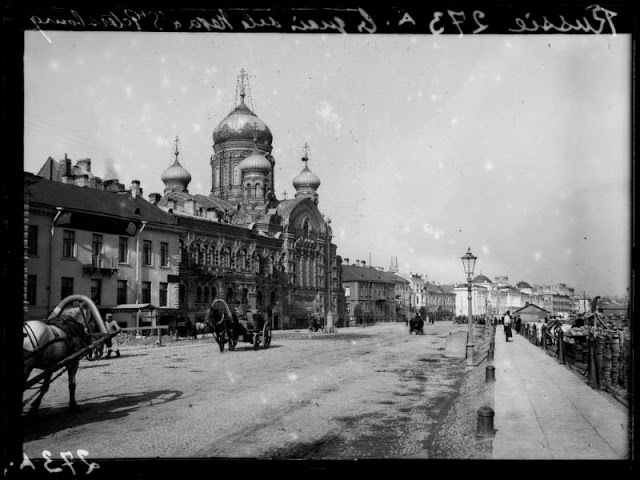
Flamenco dancing, Spain, 1908Archduke Franz Ferdinand of Austria, 1908Bulgarian Army with machine guns, 1908Bulgarian peasants, 1908Bulgarian shepherd, 1908Bullfighting, Madrid, 1908Children playing bullfighting, Spain, 1908Children playing in the park, Madrid, 1908Danish infantry, 1908King of Spain, 1908People at beach in San Sebastián, Spain, 1908San Sebastián beach, Spain, 1908San Sebastián beach, Spain, 1908San Sebastián beach, Spain, 1908San Sebastián, Spain, 1908San Sebastián-royal cabin, Spain, 1908Amsterdam canal, Holland, circa 1908Barcelona riots, circa 1908Beggar sweeper, London, circa 1908Bucharest street scenes, Romania, circa 1908Bullfighting, Portugal, circa 1908Cais do Sodré railway station, Lisbon, Portugal, circa 1908Cossacks, Russia, circa 1908English demonstration, circa 1908English suffragette, circa 1908Hyde Park, London, circa 1908Hyde Park, London, circa 1908Jews going to the Wailing Wall, Jerusalem, circa 1908London street scenes, England, circa 1908London, England, circa 1908Petticoat lane, London, circa 1908Police on the street in England, circa 1908Polish smile, circa 1908Princess Marie, Romania, circa 1908Princess Victoria Gde Duchess Cyril-Imperial Family, RussiaRussia, circa 1908Russian celebrity, Mrs. Kropinski, circa 1908Russian marriage in Finland, circa 1908Sandown, Isle of Wight, England, circa 1908Spanish artillery, circa 1908St. Petersburg Palace, Russia, circa 1908St. Petersburg Palace, Russia, circa 1908The quays of the Neva river in Petersburg, Russia, circa 1908
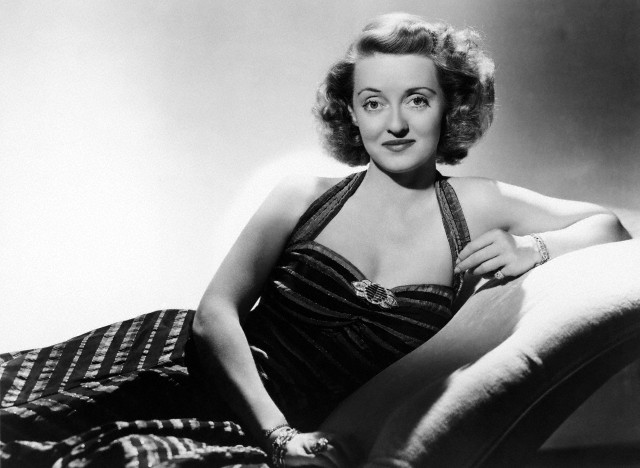
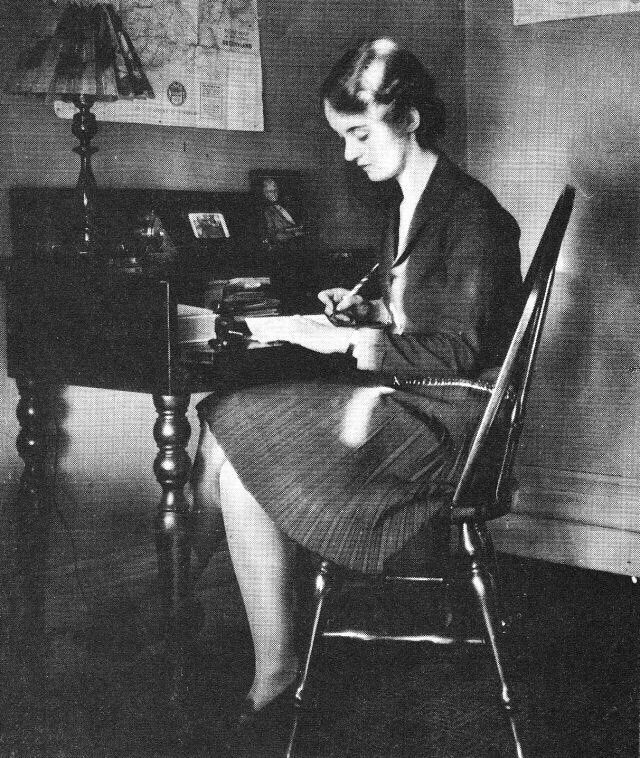
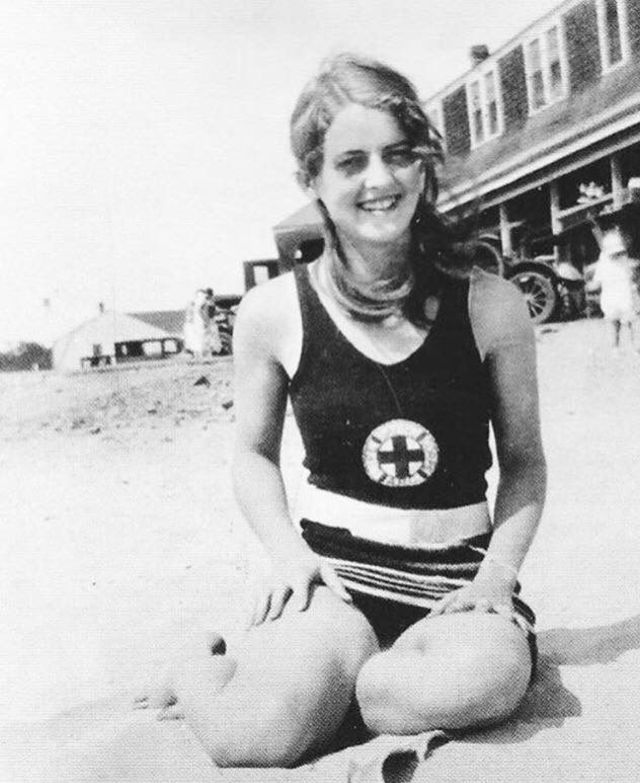
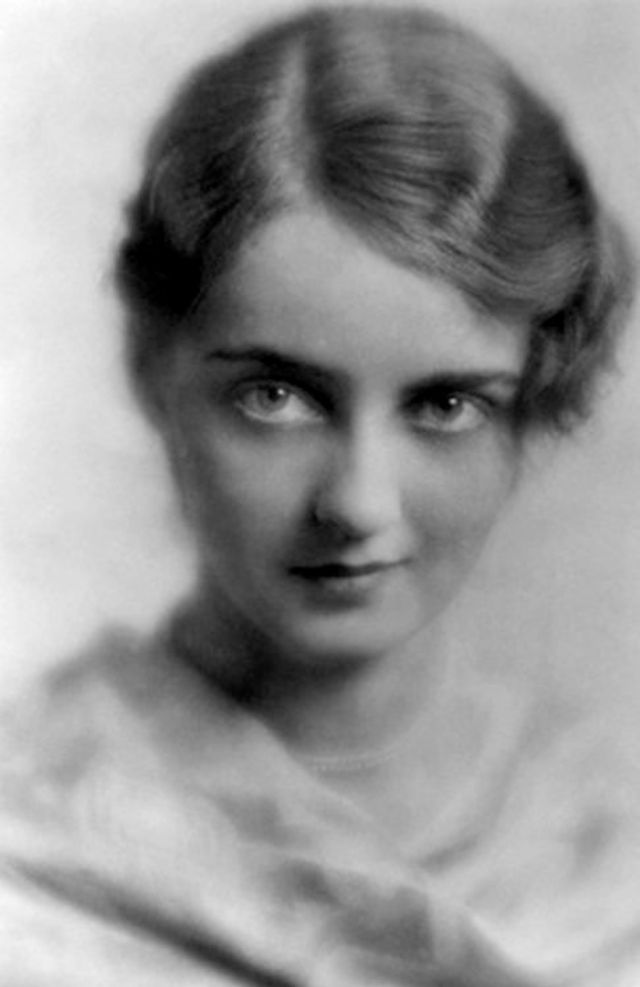
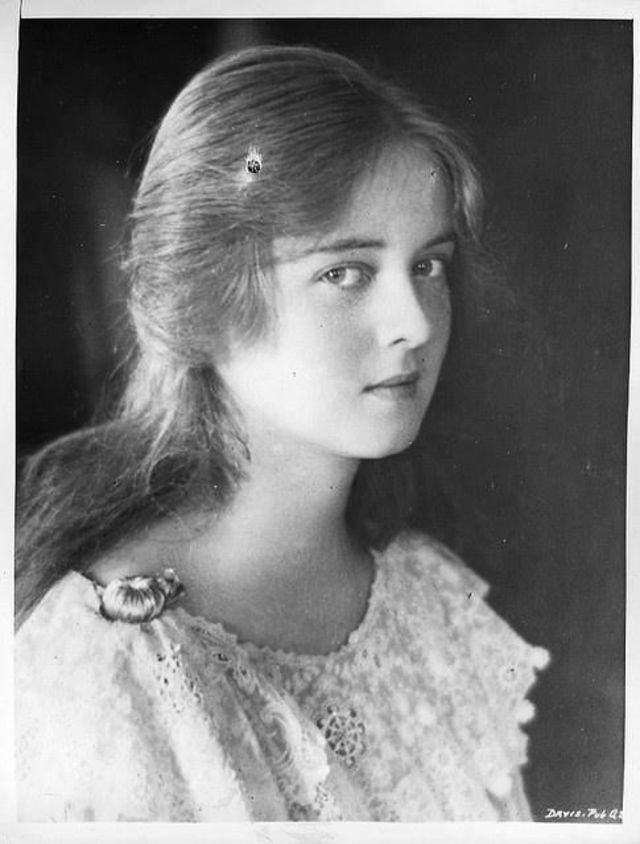
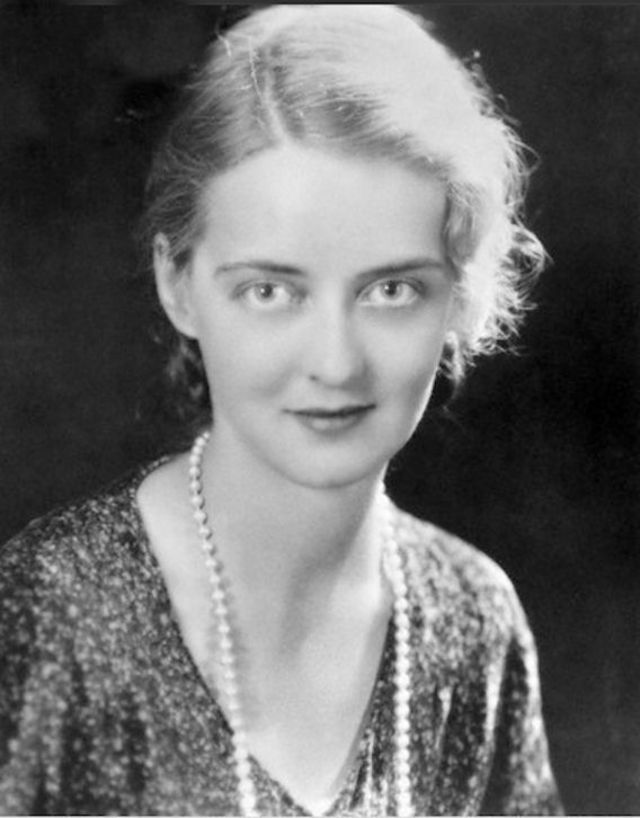
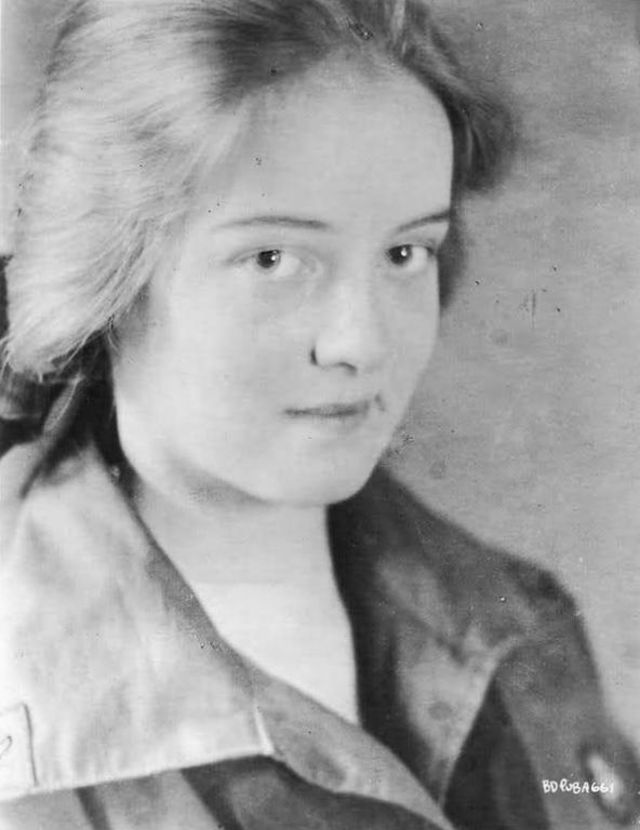
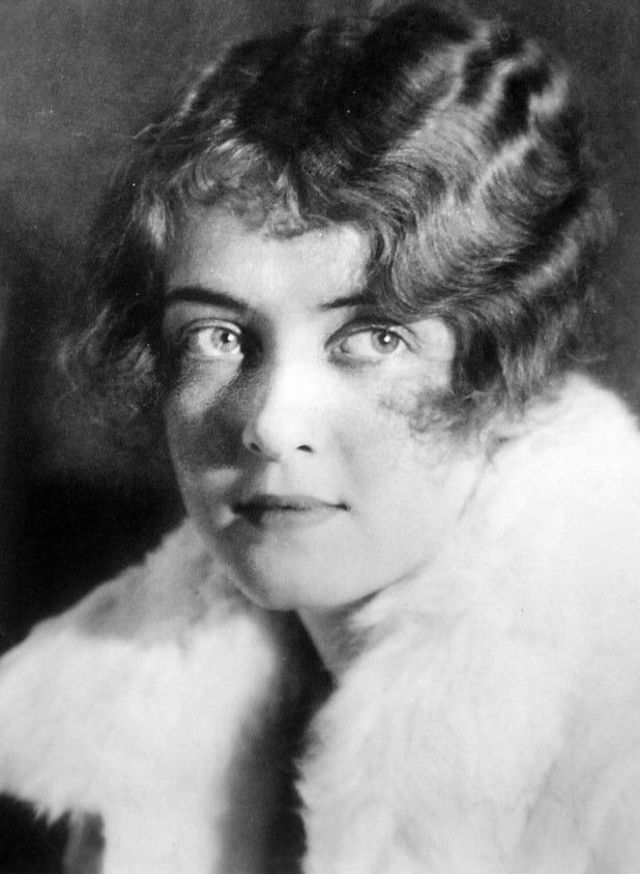
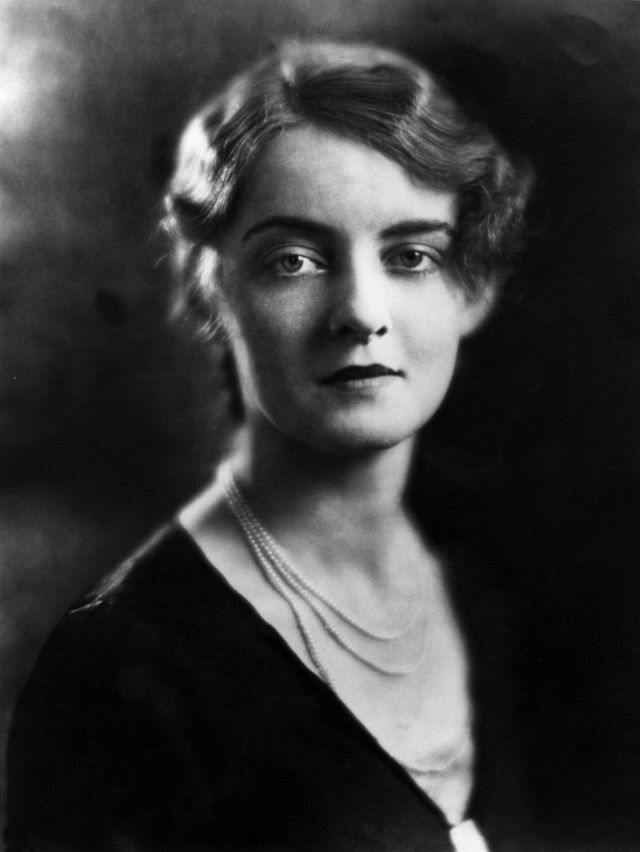
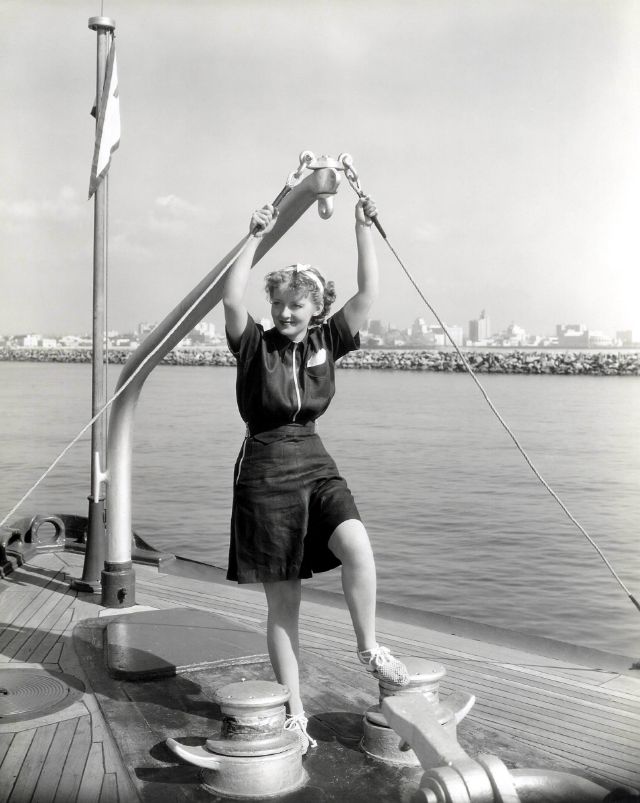
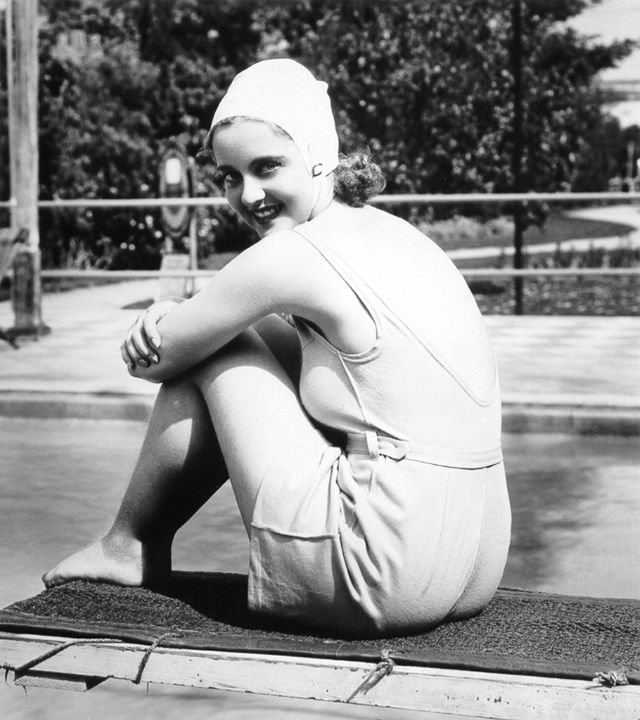
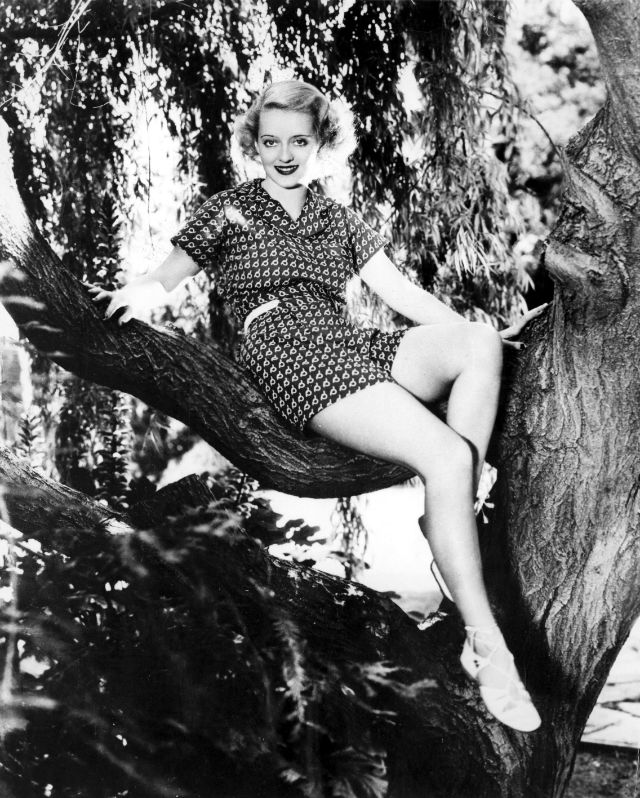
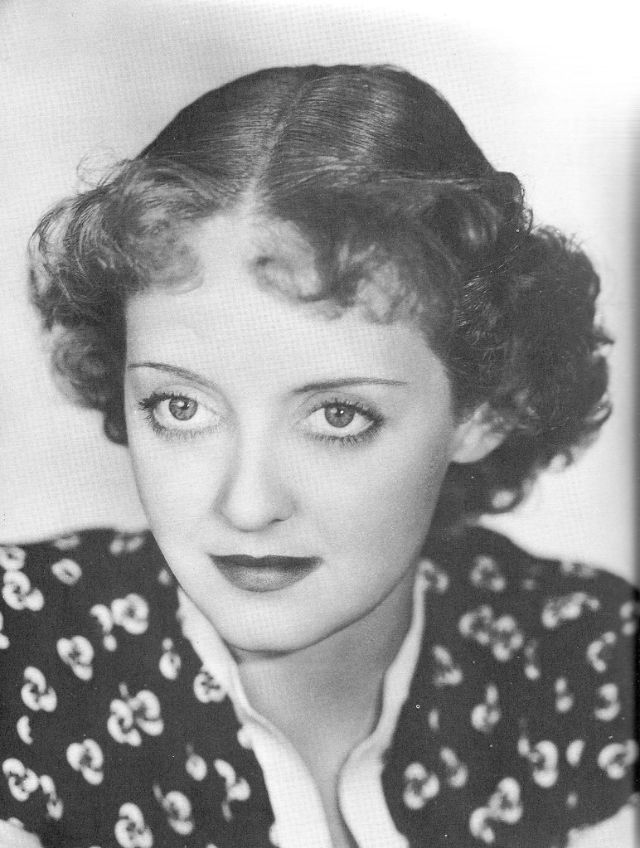
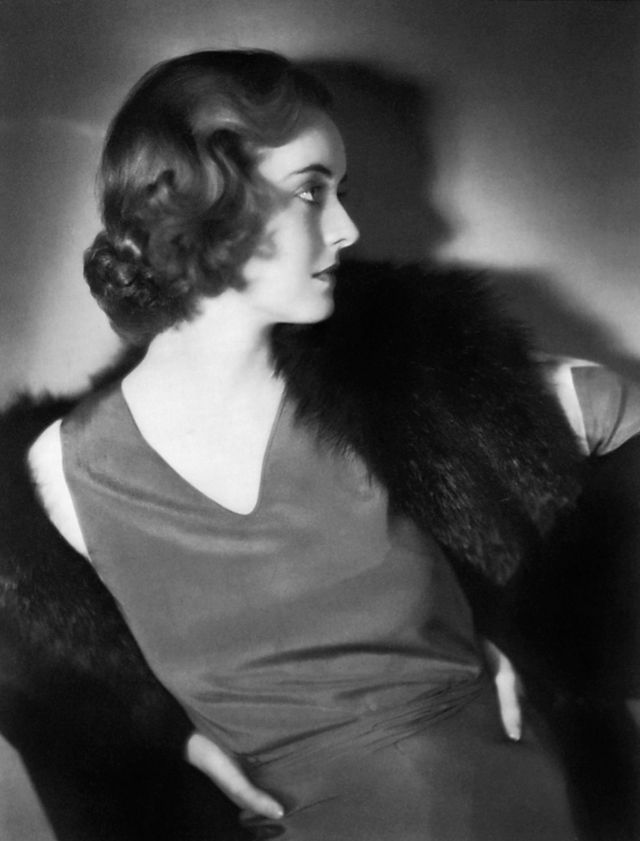
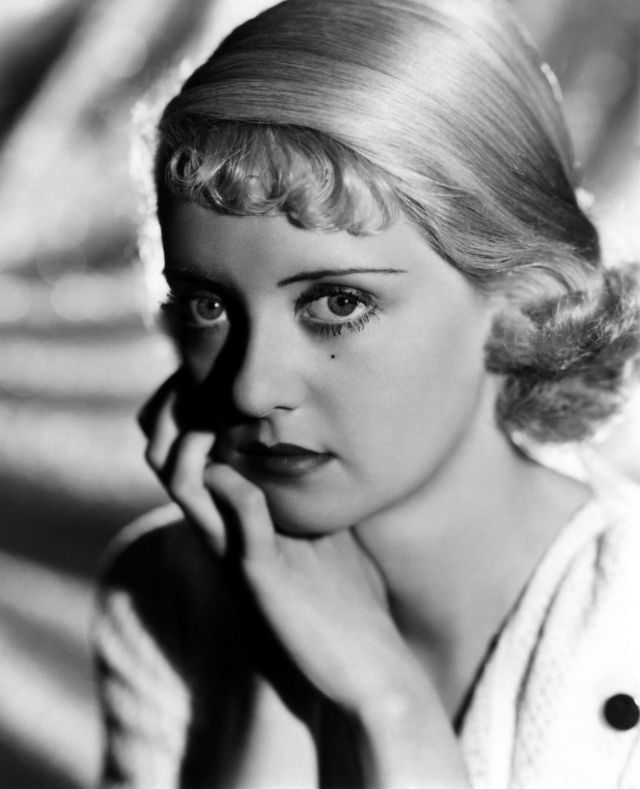
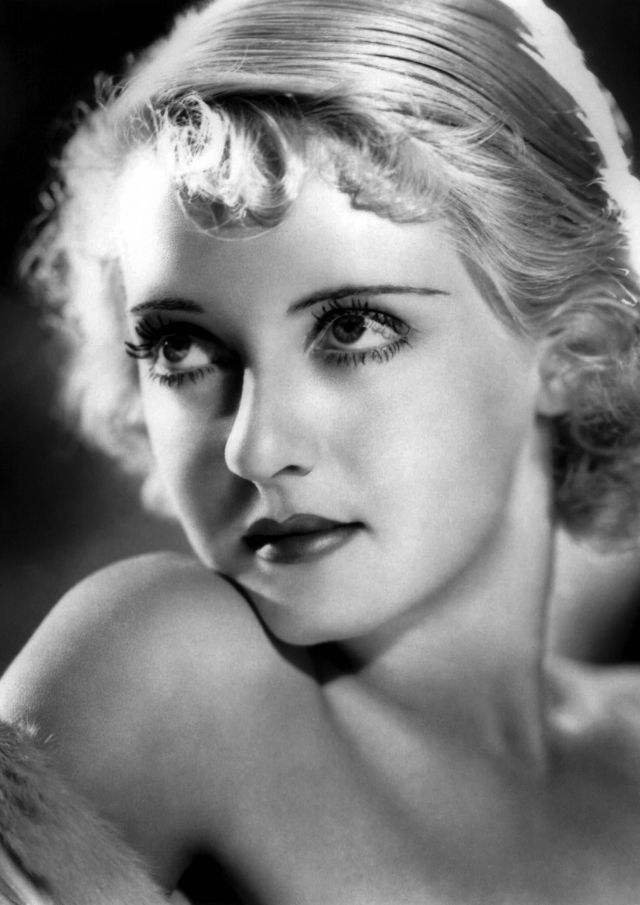
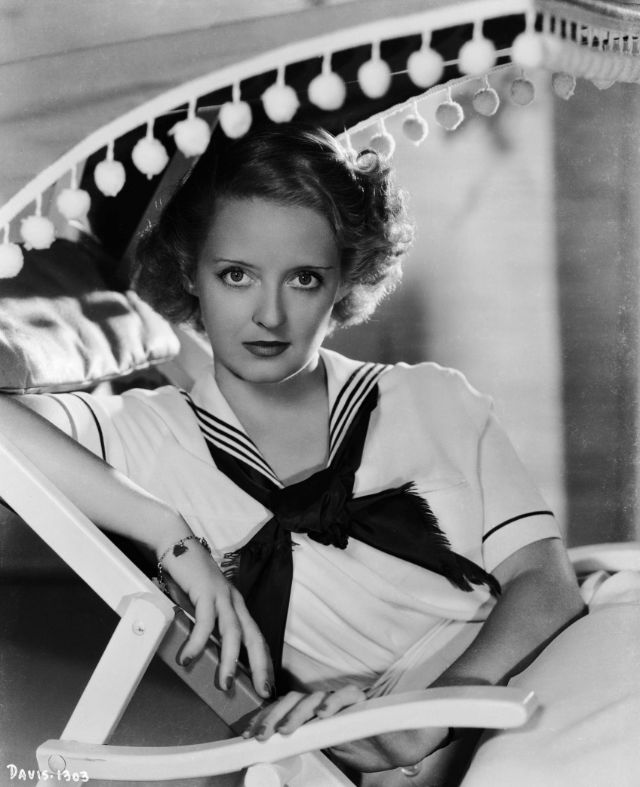
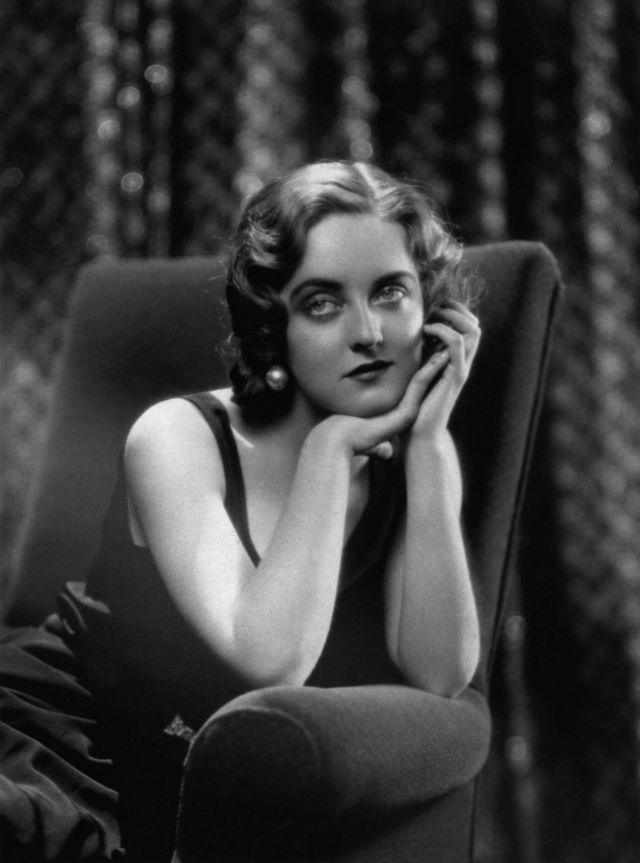
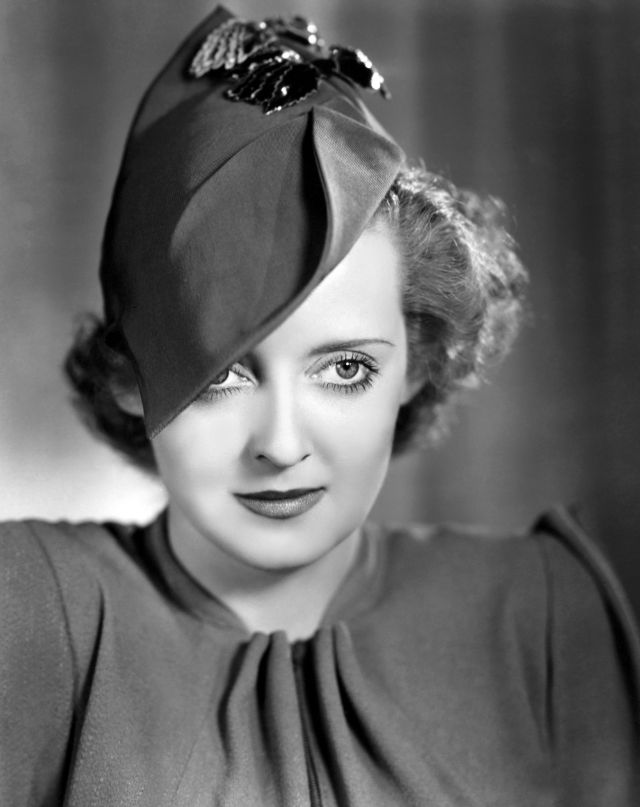
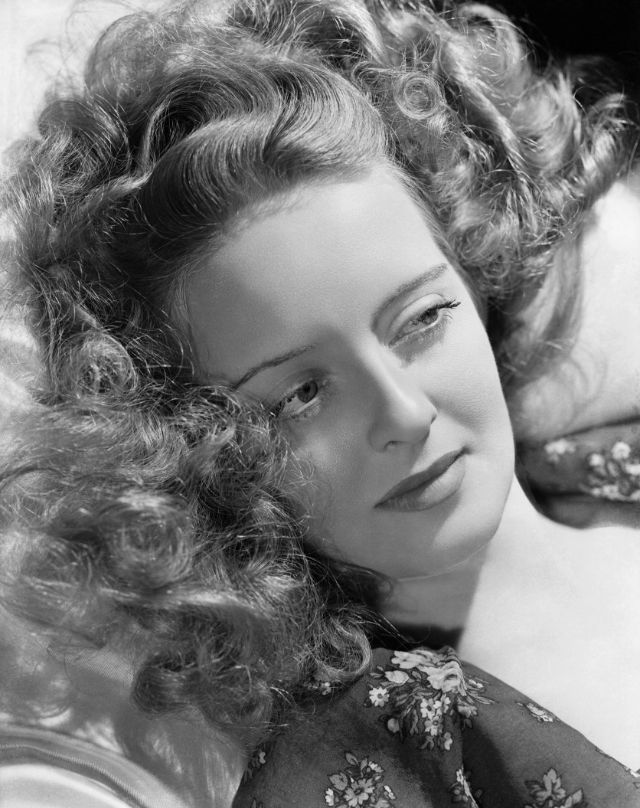
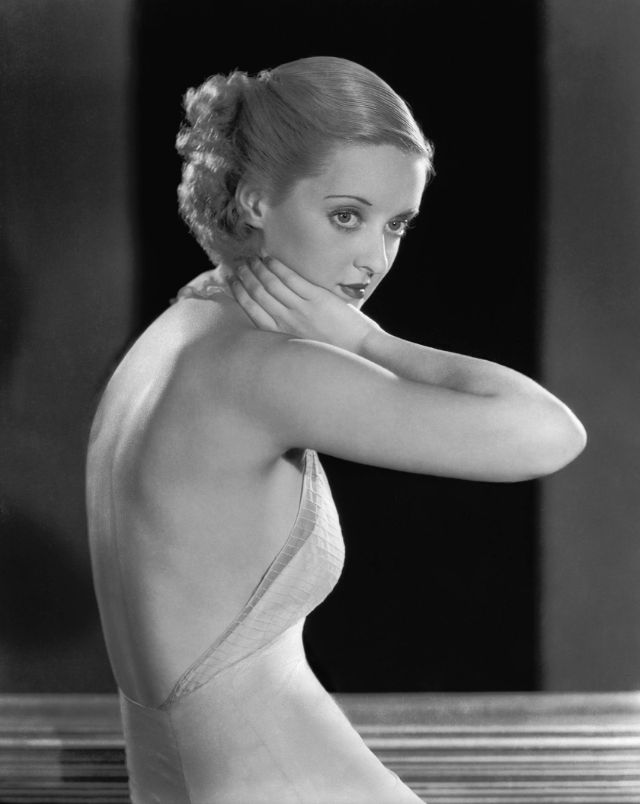
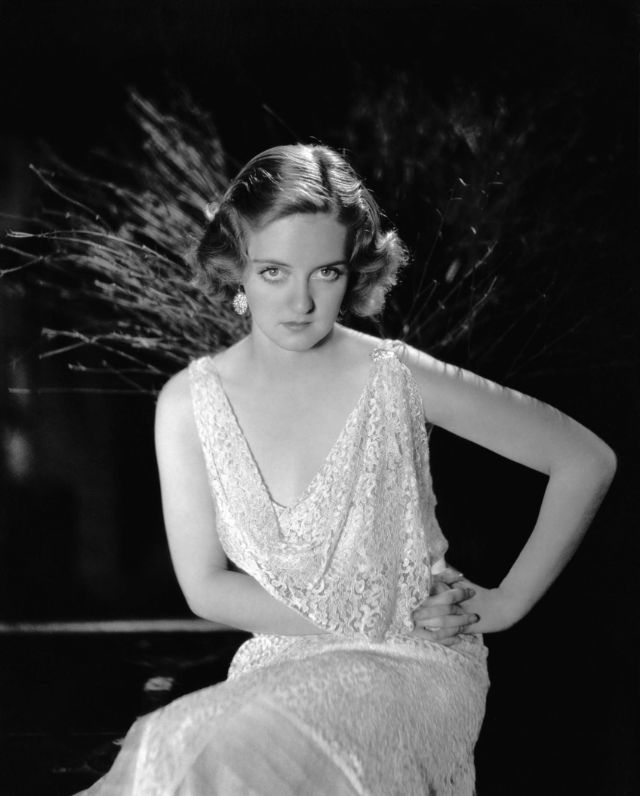
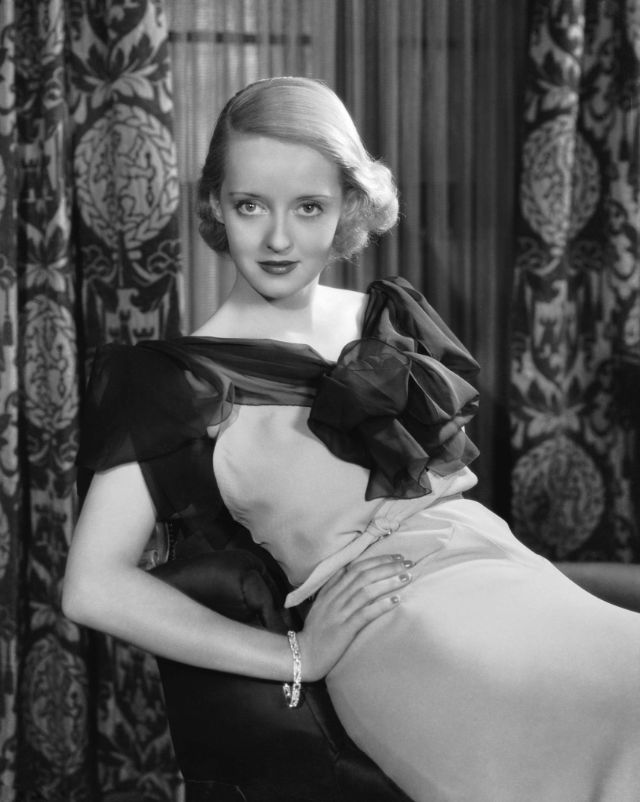
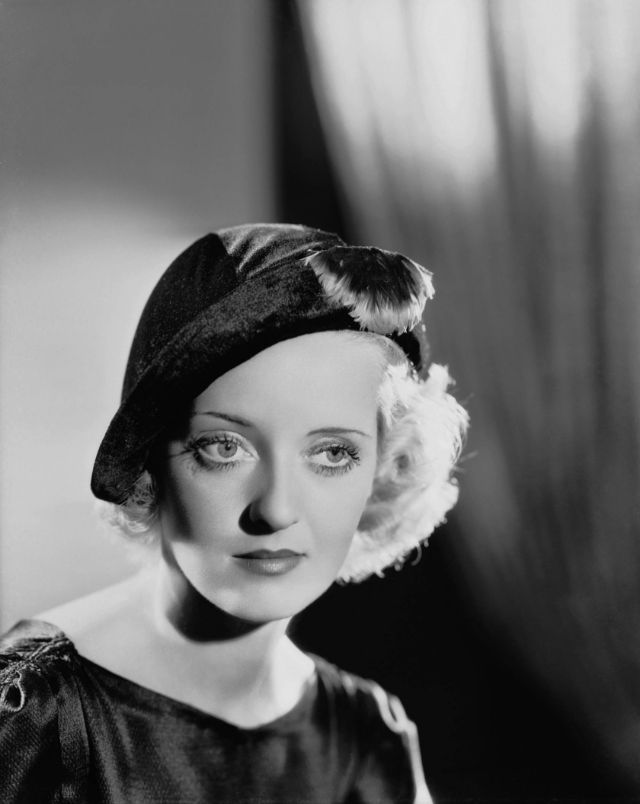
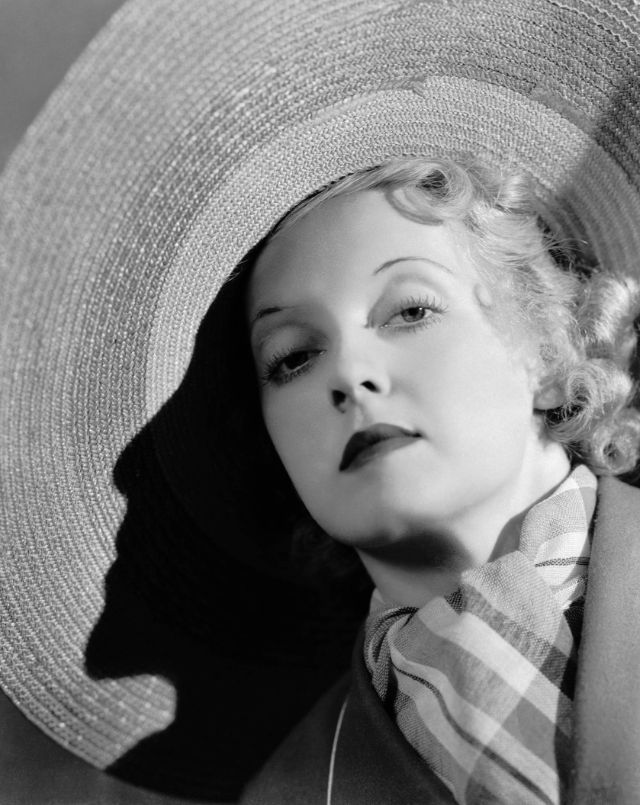
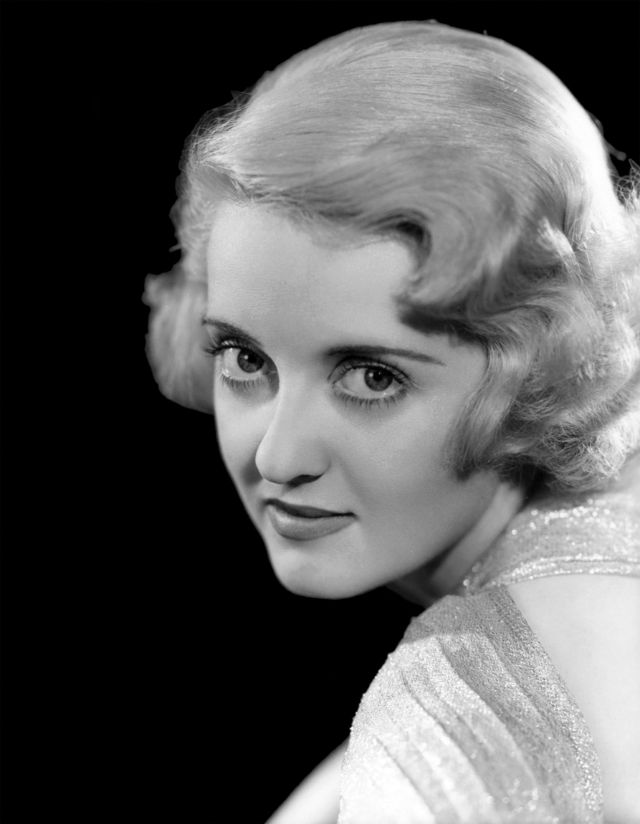
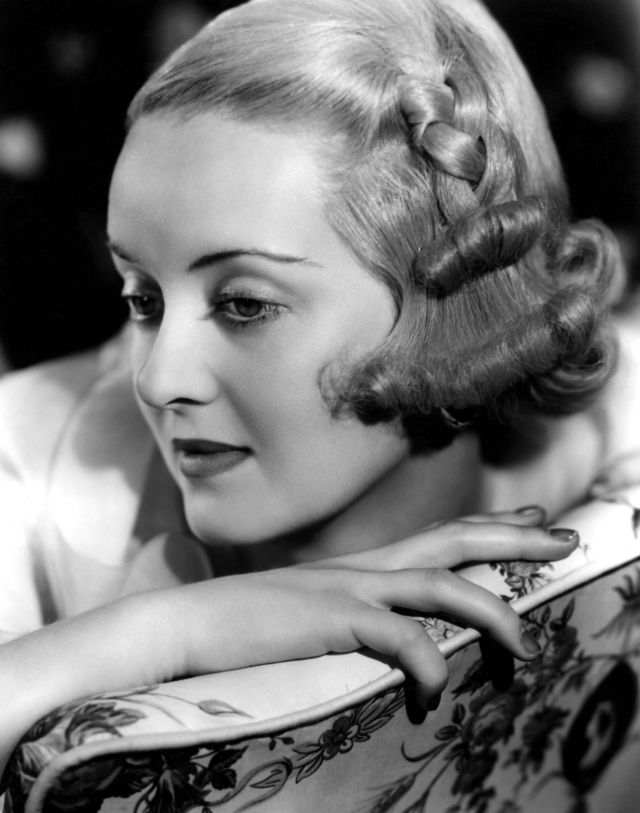
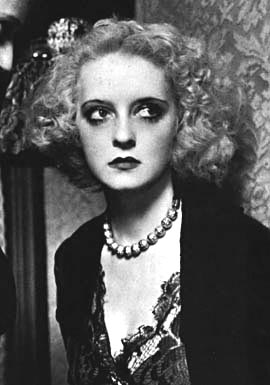
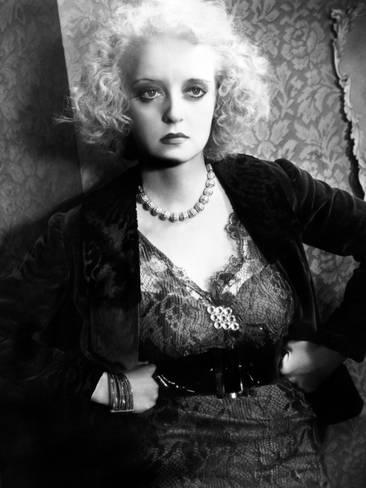
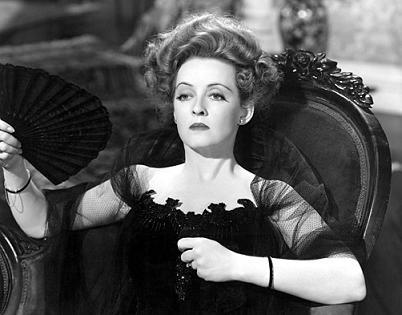
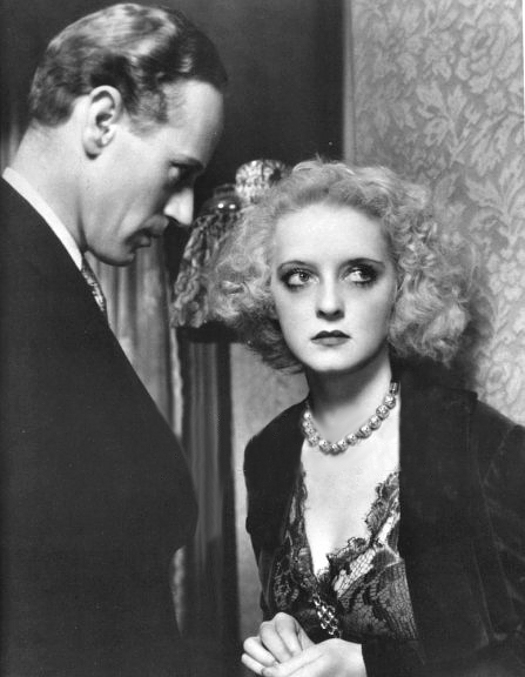
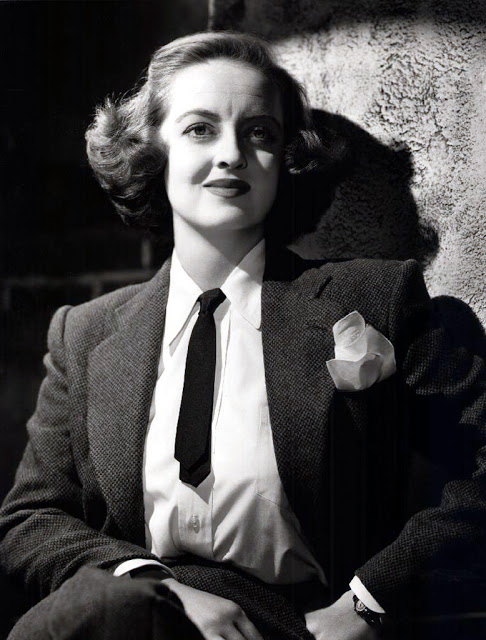
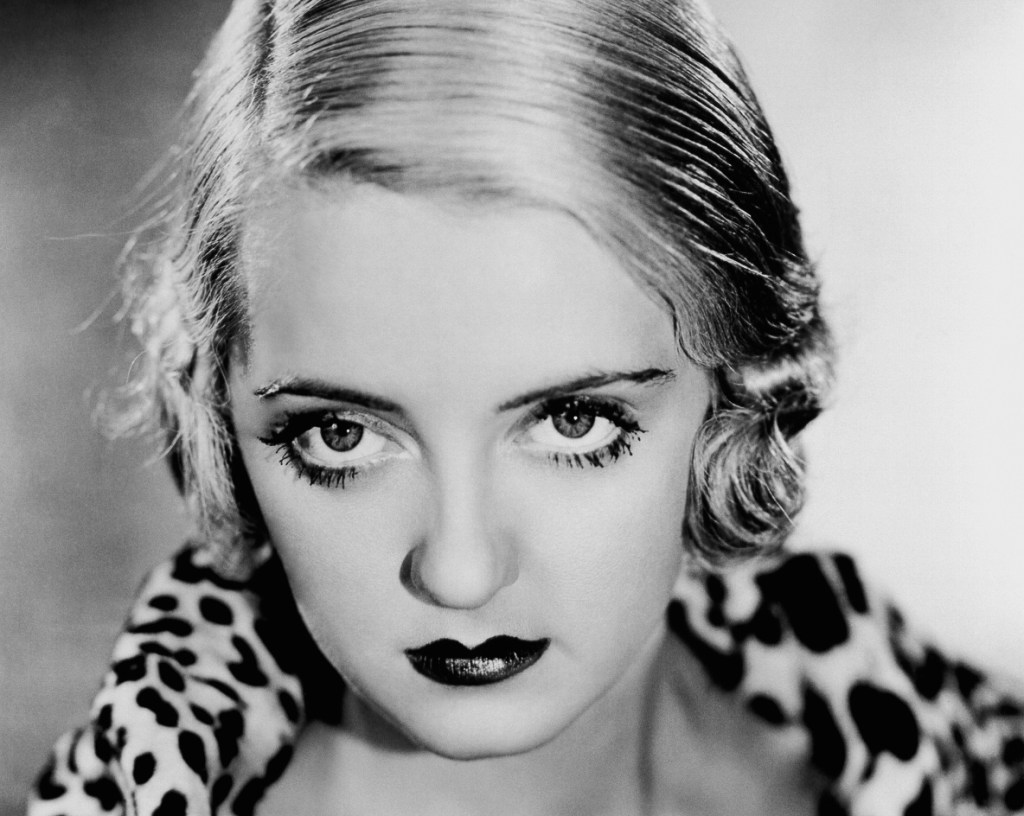
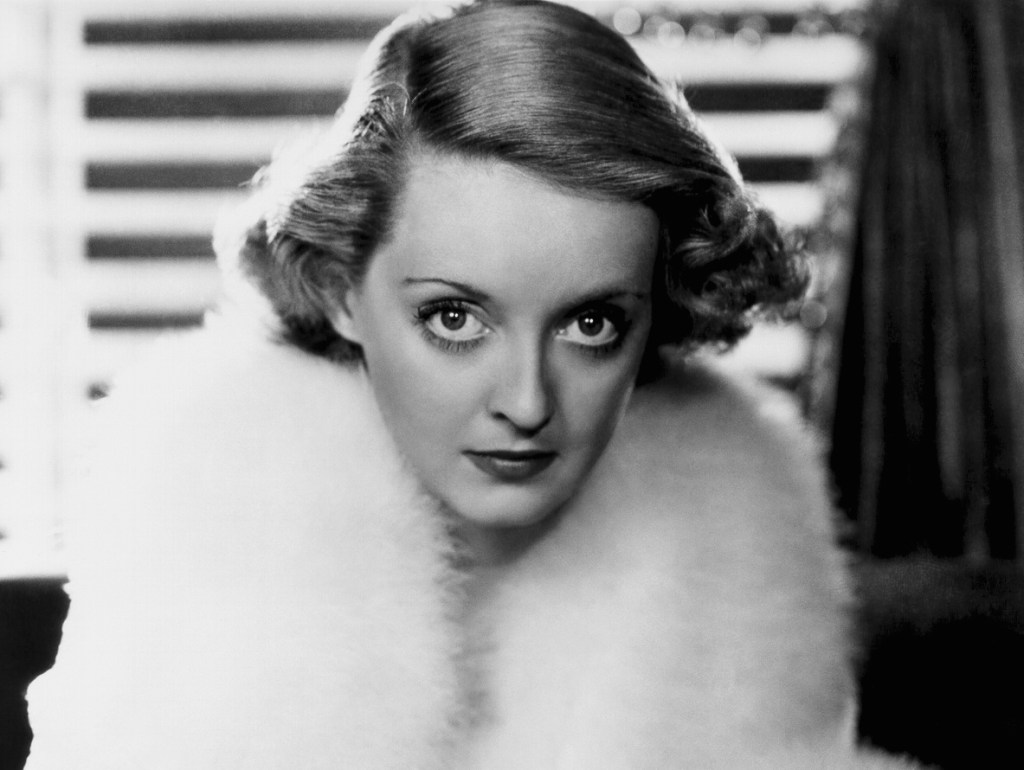
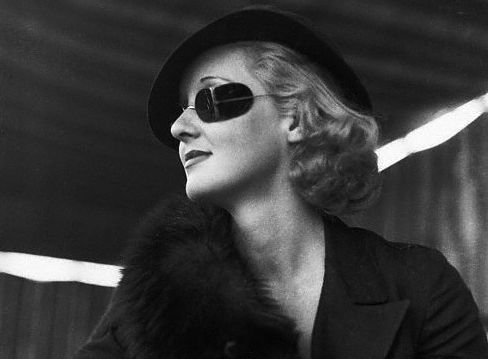
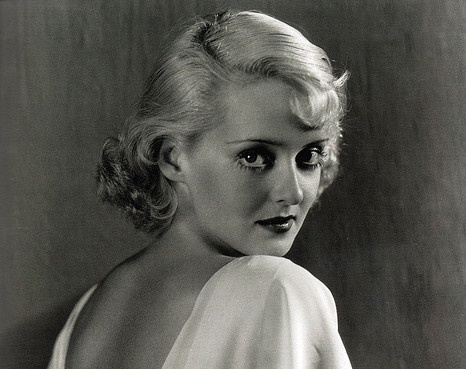
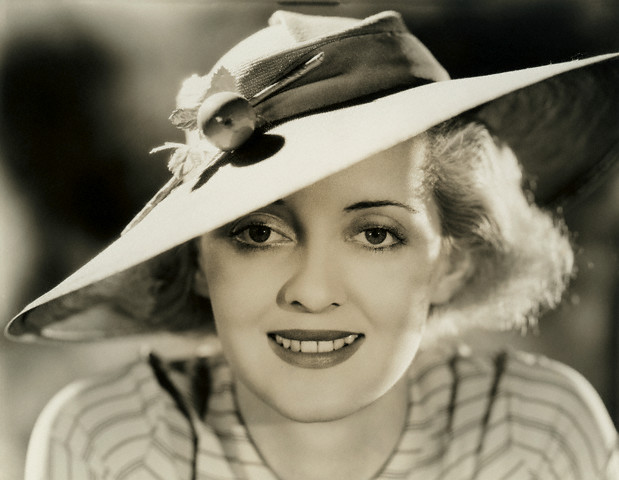
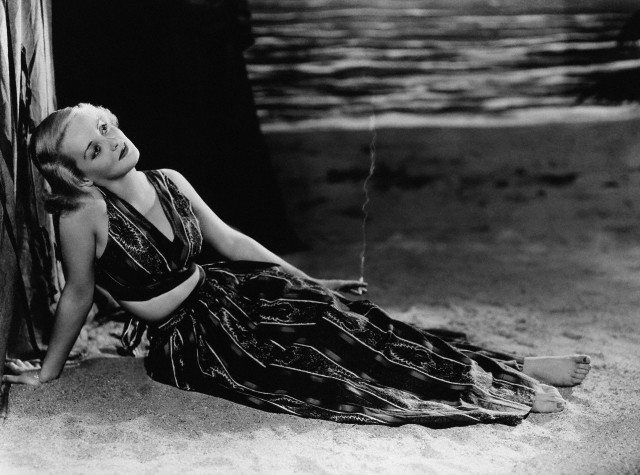
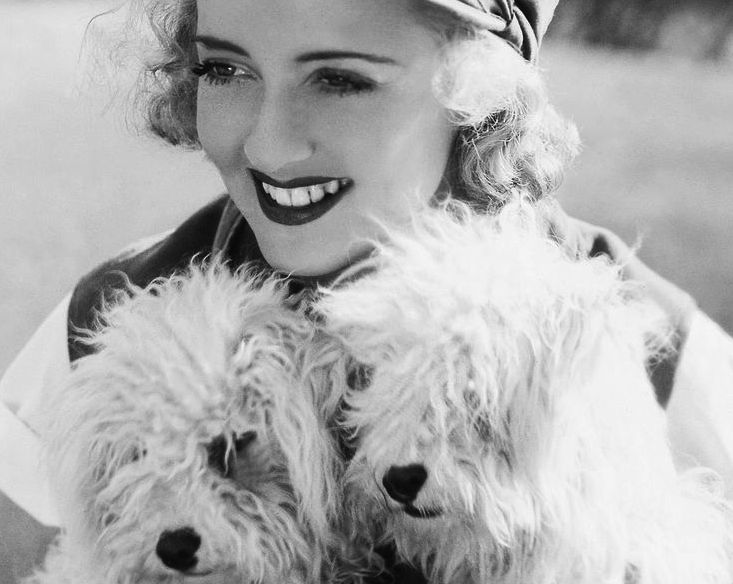
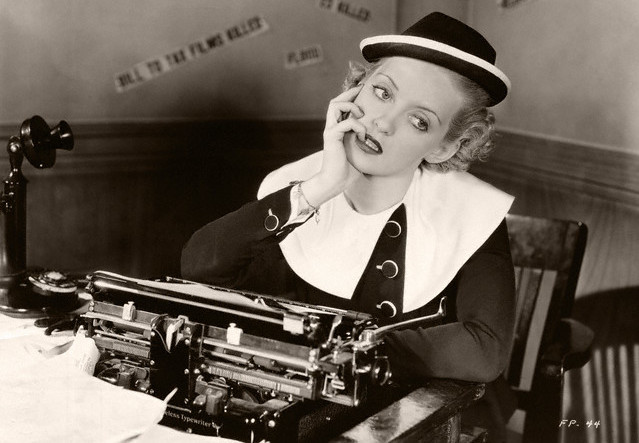
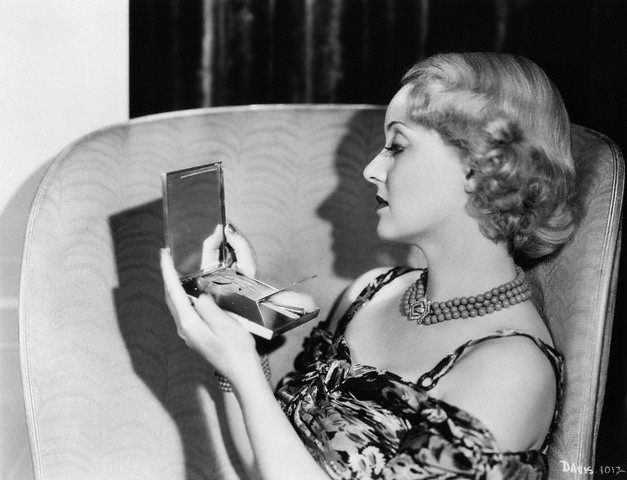
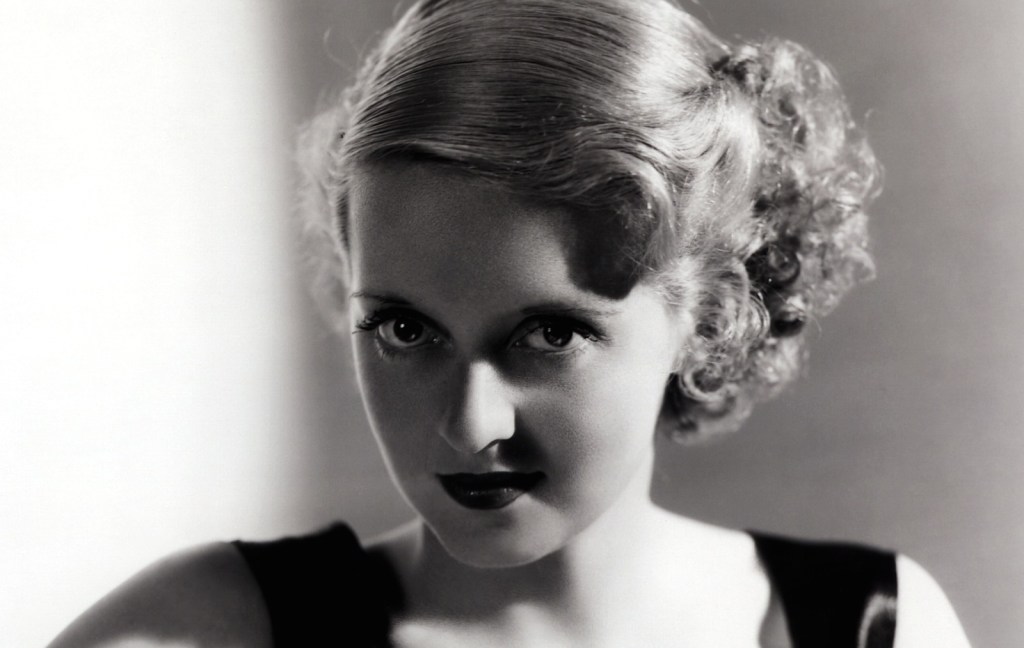
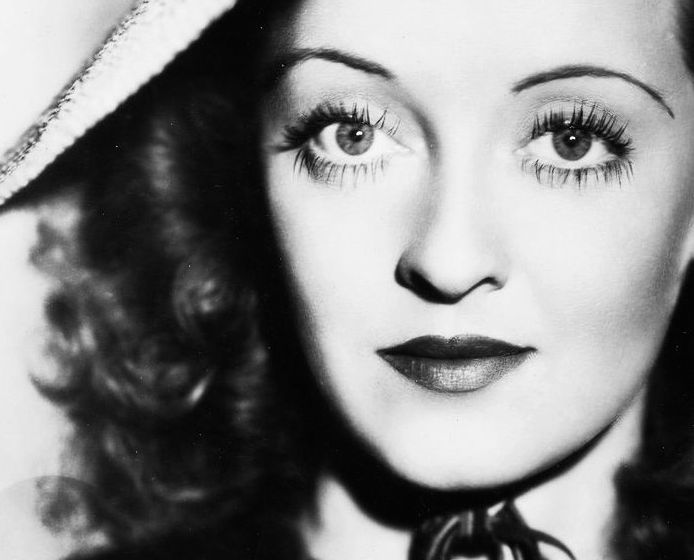
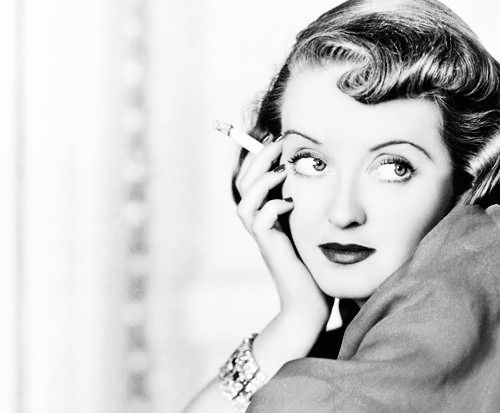
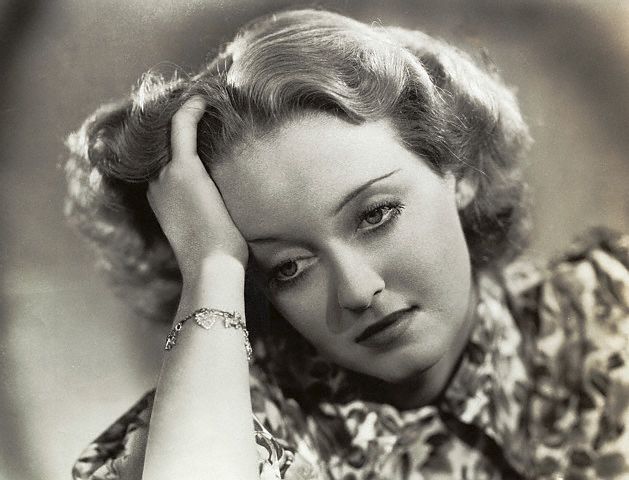
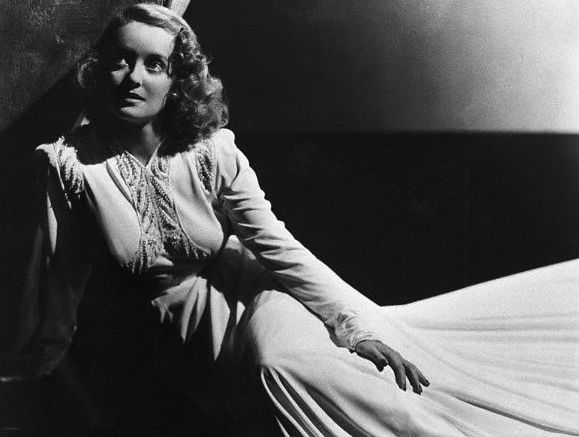
Often referred to as “The First Lady of the American Screen,” Bette Davis created a new kind of screen heroine. She was a liberated woman in an industry dominated by men. She was known as an actress that could play a variety of difficult and powerful roles, and because of this she set a new standard for women on the big screen. Independent off-screen as well, her battles with studio bigwigs were legendary. With a career spanning six decades, few in the history of film rival her longevity and appeal.
Bette Davis was born Ruth Davis on April 5, 1908 in Lowell, Massachusetts. Just before her tenth birthday, Bette’s father, Harlow, left the family. Although she had little money, her mother, Ruthie, sent Bette and her sister to boarding school. Upon graduating Cushing Academy, Bette enrolled in John Murray Anderson’s Dramatic School. In 1929, she made her Broadway debut in Broken Dishes. She also landed a role in Solid South. In 1930, she moved to Hollywood to screen test for Universal.
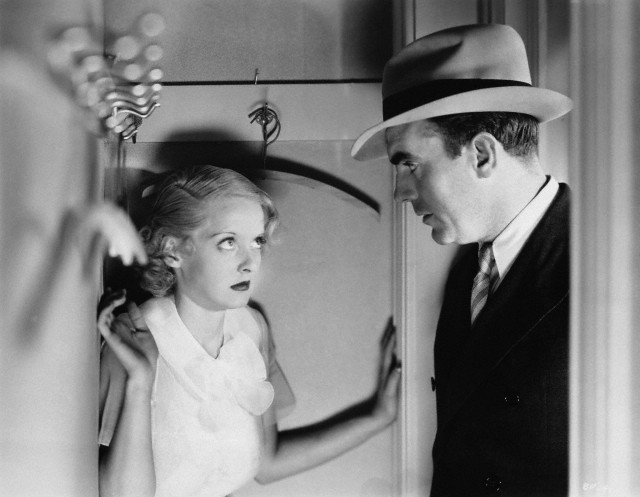
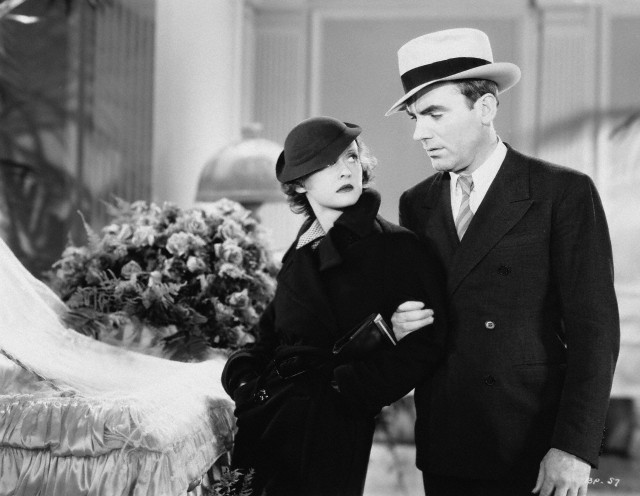
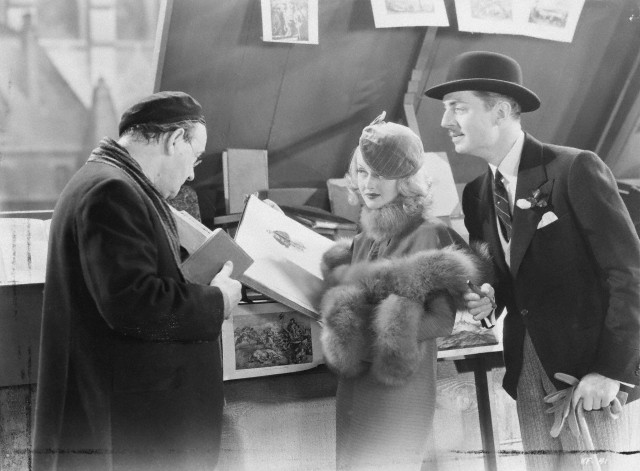
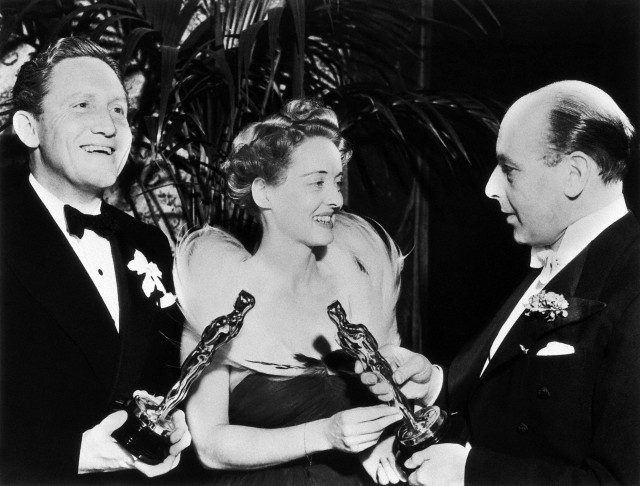
Six small films later, Bette’s contract with Universal was not renewed. She wanted to go back to Broadway, but a phone call from Warner Brothers quickly changed her mind. In 1932, she signed a seven-year contract with Warner Brothers. The film The Man Who Played God (1932) landed Bette on the path to stardom. She was a smash when she was lent out to RKO for the role of Mildred in Of Human Bondage (1934), her first critically acclaimed hit. Her role in Dangerous (1935) led to her nomination for a Best Actress Oscar. She became the first Warner Brothers actress to win the coveted award.
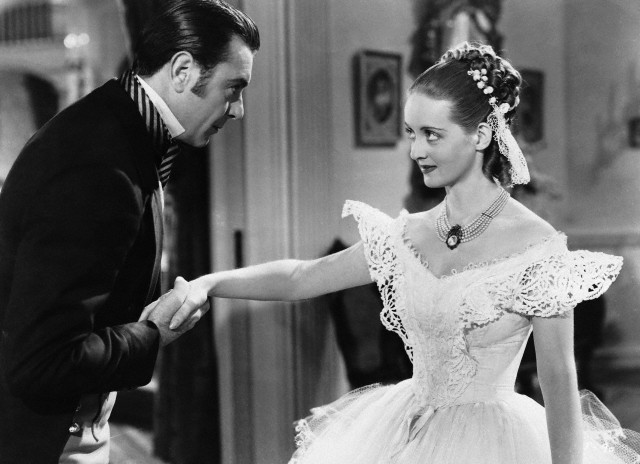
Despite her success, Warner Brothers continued to offer Bette unsatisfactory roles. In 1936, she challenged the studio by going to England to make pictures. Jack Warner sued her, and she was forced to honor her contract. Upon her return, however, Bette was offered a new contract and better roles. In 1939, Bette won her second Oscar for Jezebel (1938). She also received Oscar nominations the next five years in a row.
Although she earned a reputation for being difficult to work with, Bette set a new precedent for women. By 1942, she was the highest paid woman in America. Bette contributed to the war effort by helping to organize the Hollywood Canteen during World War II for soldiers passing through Los Angeles. Inspired by New York’s Stage Door Canteen, Bette transformed a once-abandoned nightclub into an inspiring entertainment facility. “There are few accomplishments in my life that I am sincerely proud of. The Hollywood Canteen is one of them,” Bette later commented. In 1980, she was awarded the Distinguished Civilian Service Medal, the Defense Department’s highest civilian award, for running the Hollywood Canteen.
Bette made a roaring comeback with her role as Margo Channing in All About Eve (1950), and she received her eighth Academy Award nomination. Her career was resuscitated again in 1962 with Whatever Happened to Baby Jane?. Soon after, Bette began her second career as a horror maven and continued to welcome new opportunities with television appearances. In 1987, Bette played a blind woman in The Whales of August, co-starring Lillian Gish.
With a career total of more than 100 films, Bette changed the way Hollywood looked at actresses. In 1977, she was the first woman to be honored with the American Film Institute’s Lifetime Achievement Award. She was also the first woman to be president of the Motion Picture Academy of Arts and Sciences. At the age of 75, Bette had a mastectomy due to breast cancer. Nine days later, she suffered a stroke. Despite her failing health, she continued to act until her death. Bette passed away October 6, 1989 in Neuilly-sur-Seine, France.