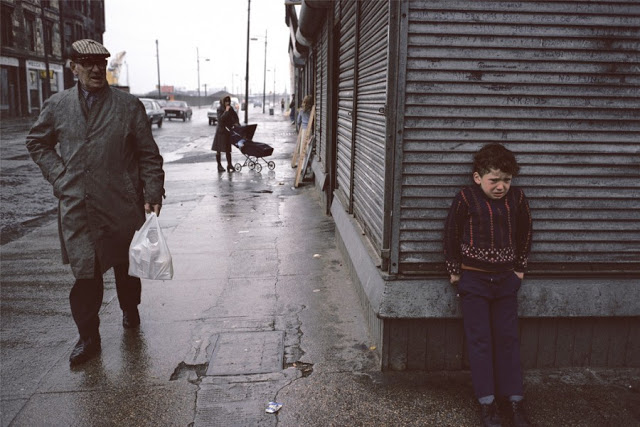
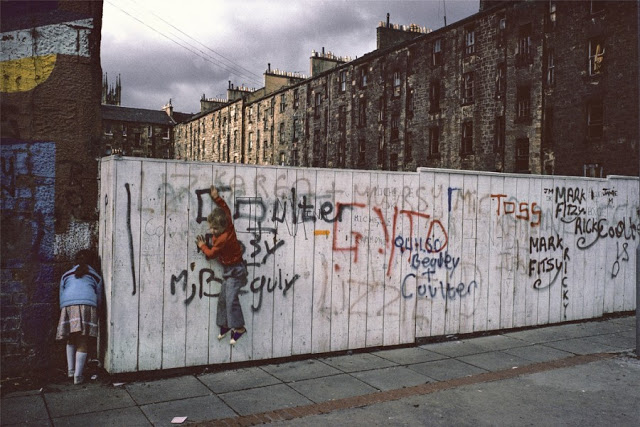
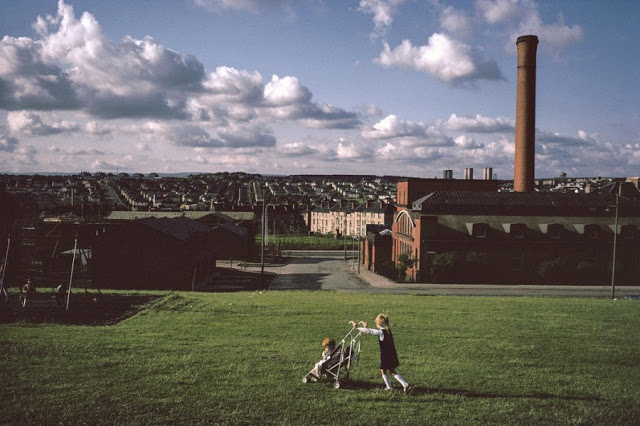
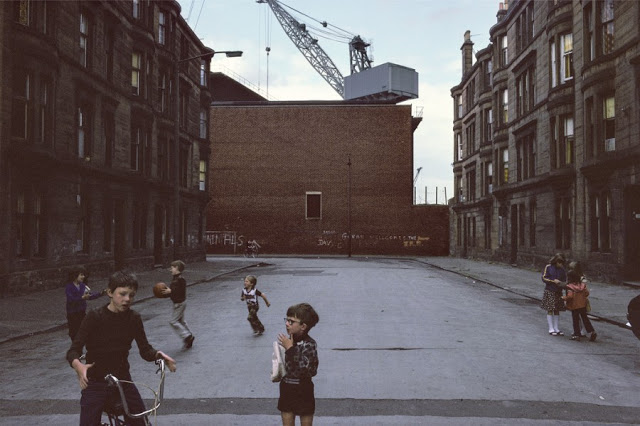
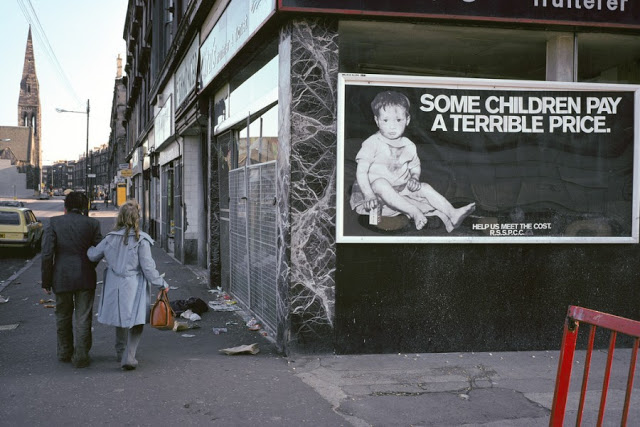
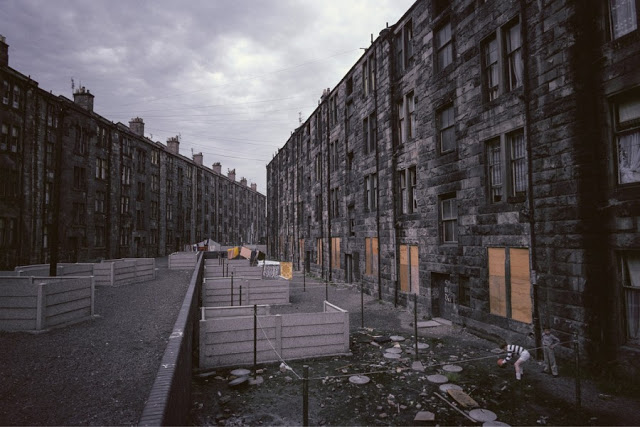
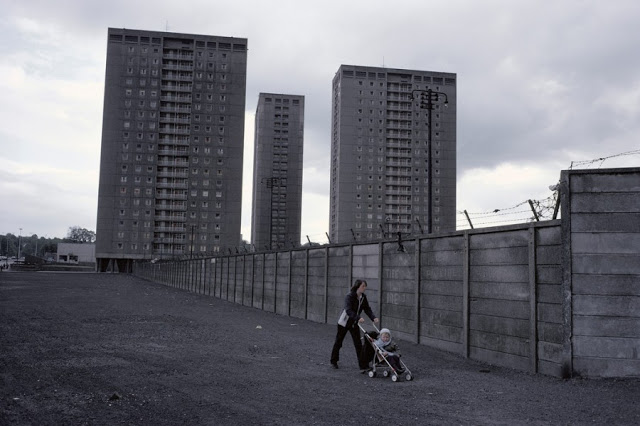
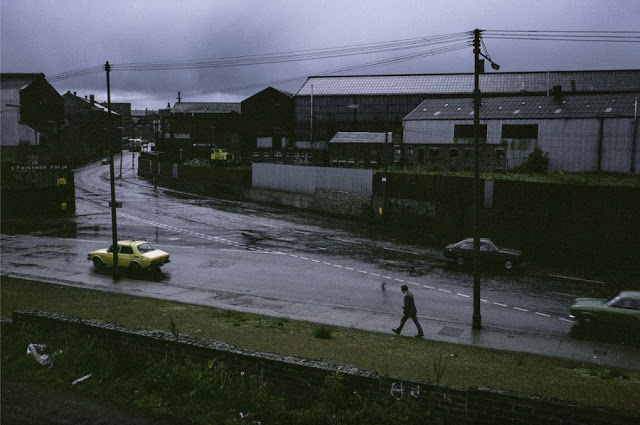
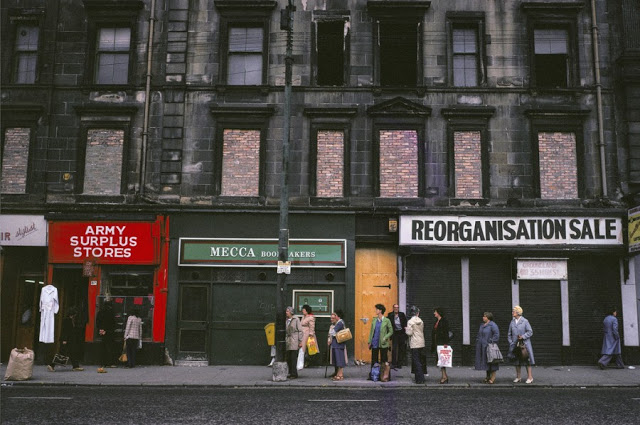
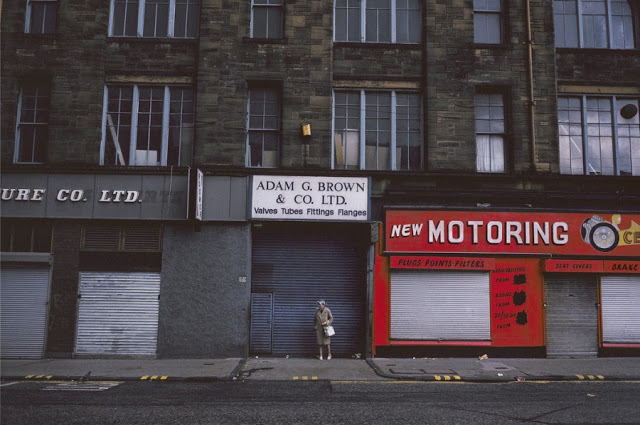
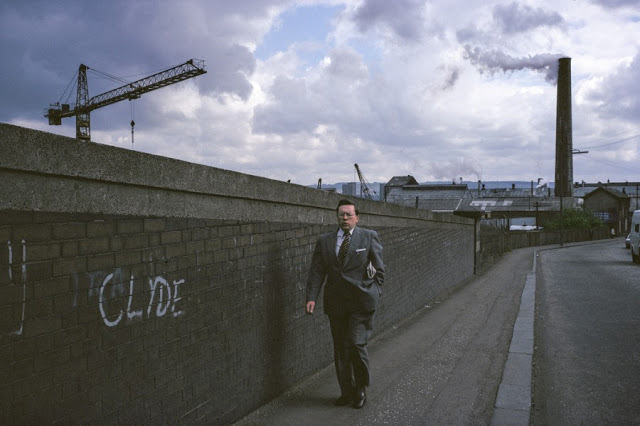
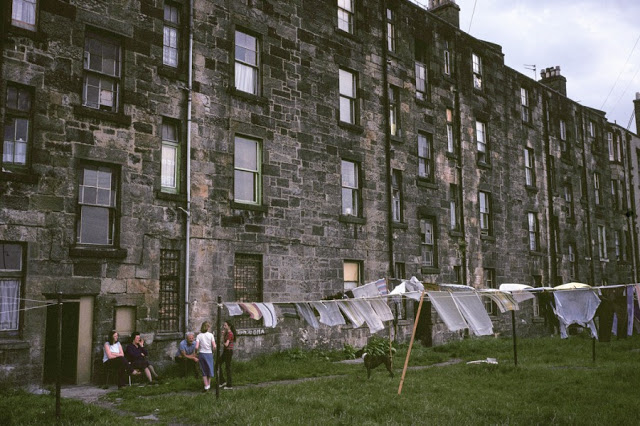
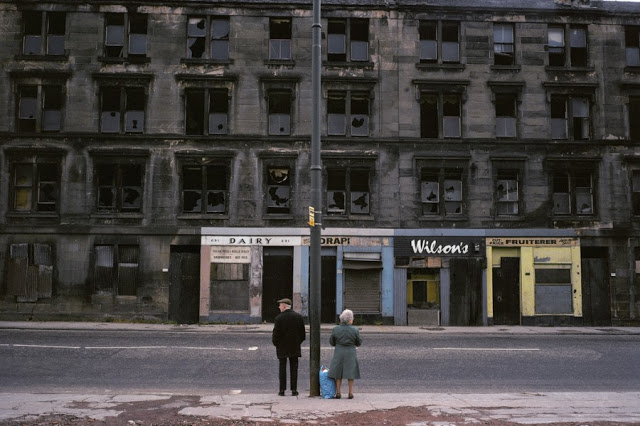
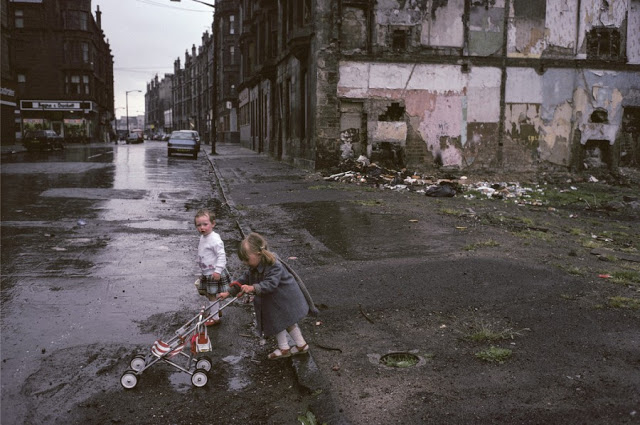
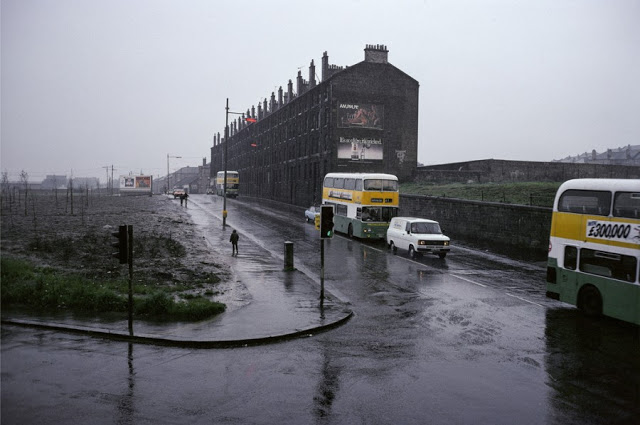
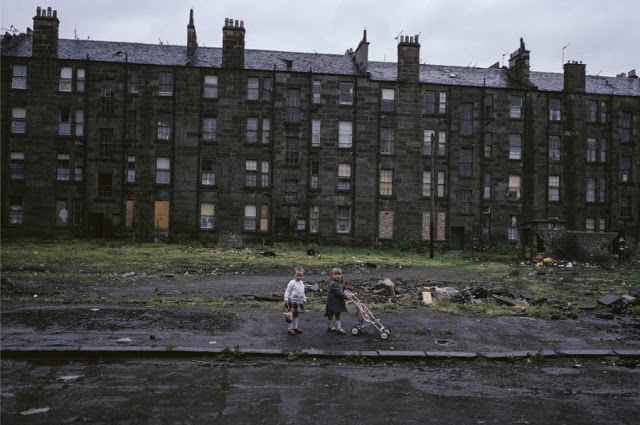
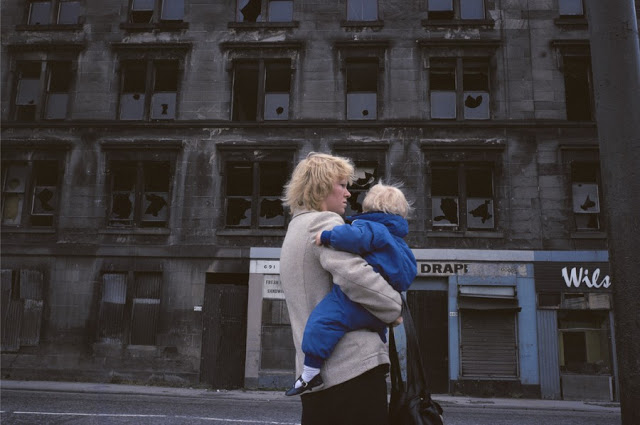
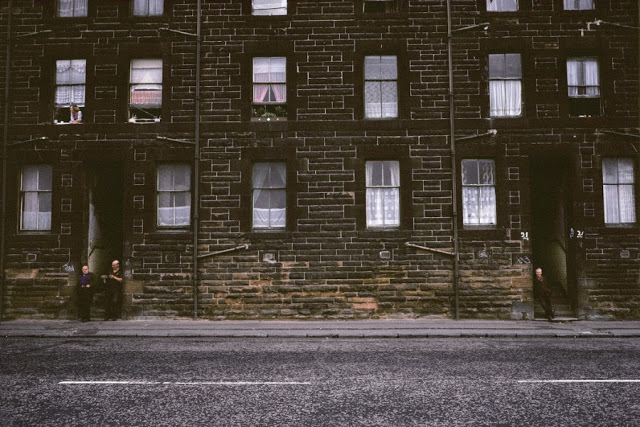
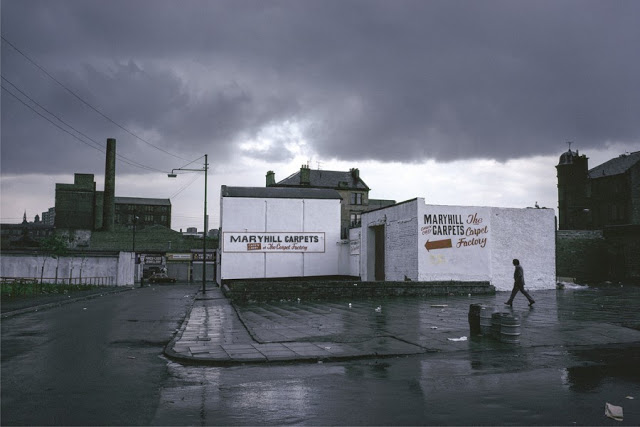
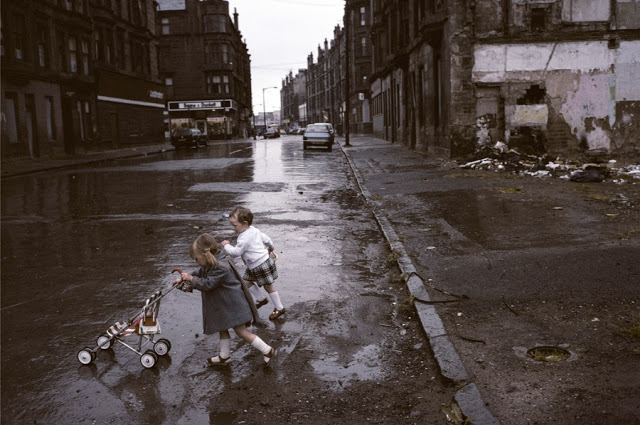
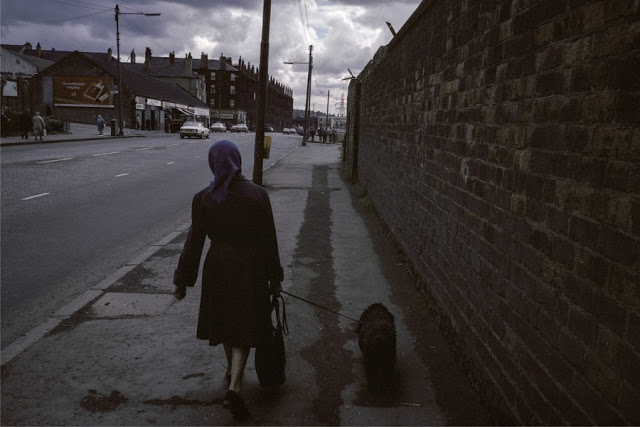
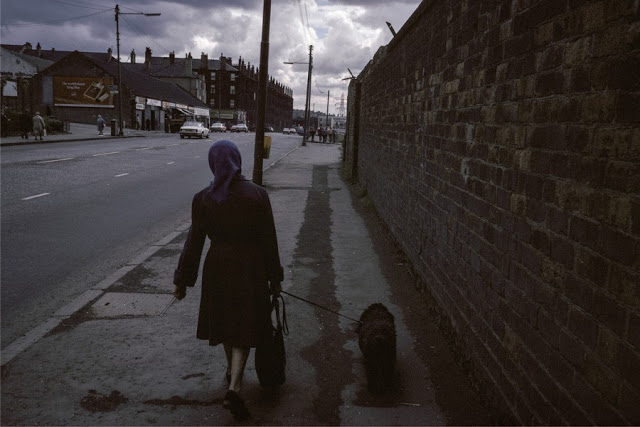
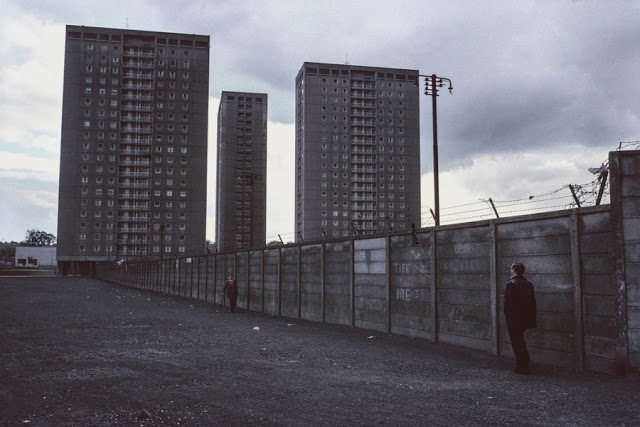
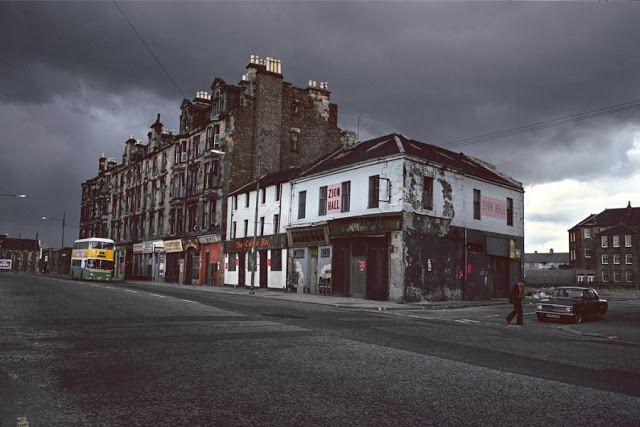
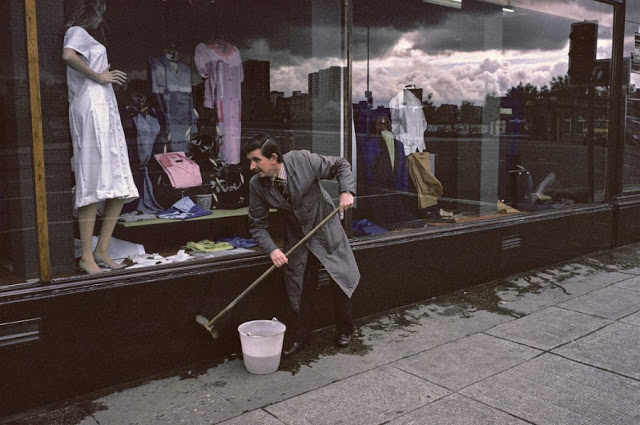
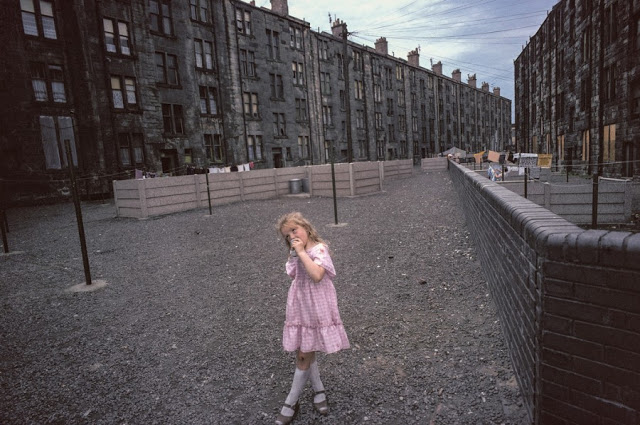
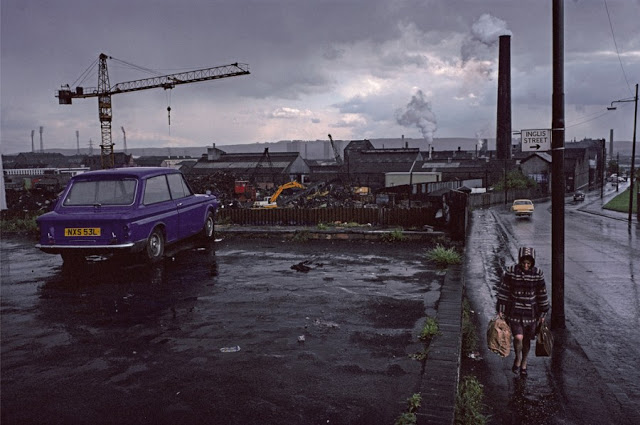
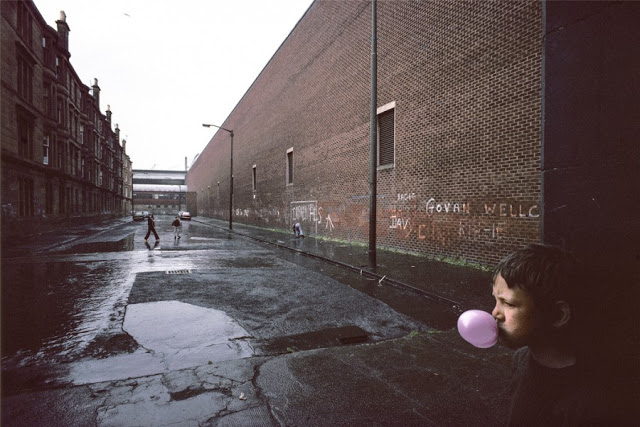
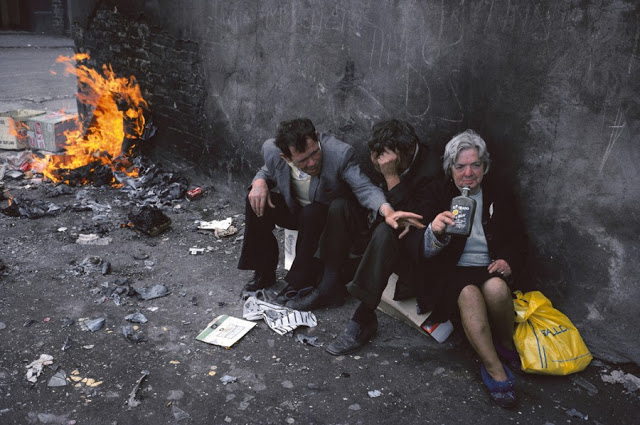
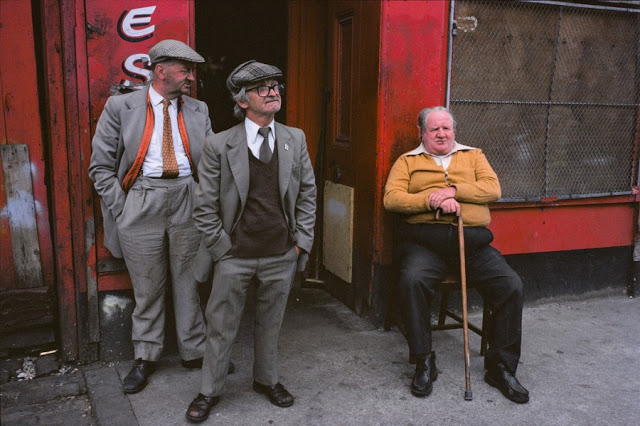
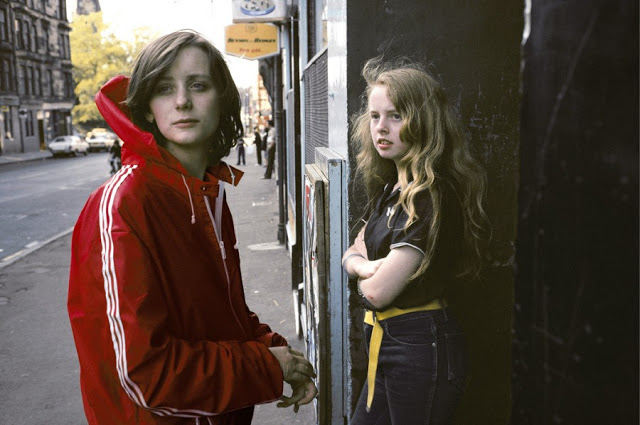
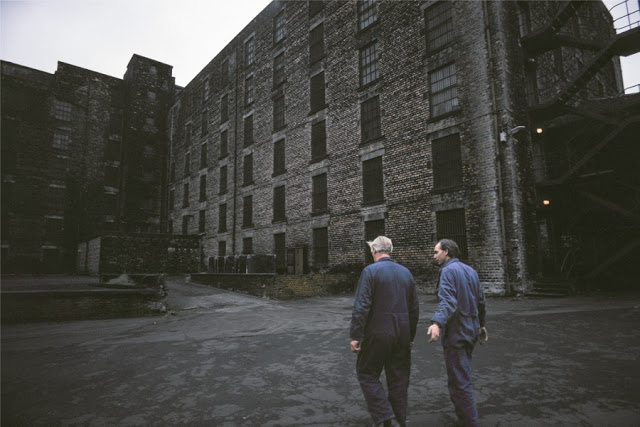
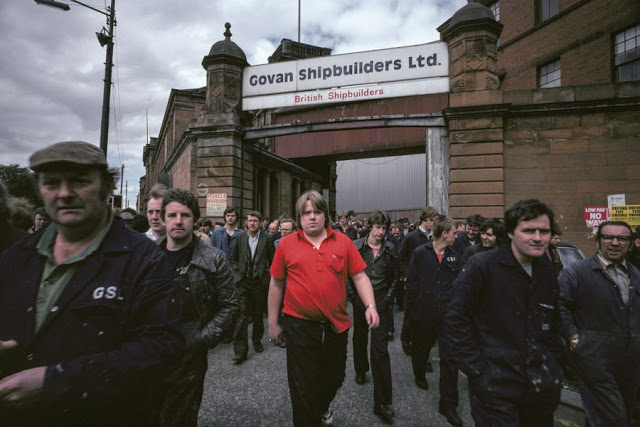
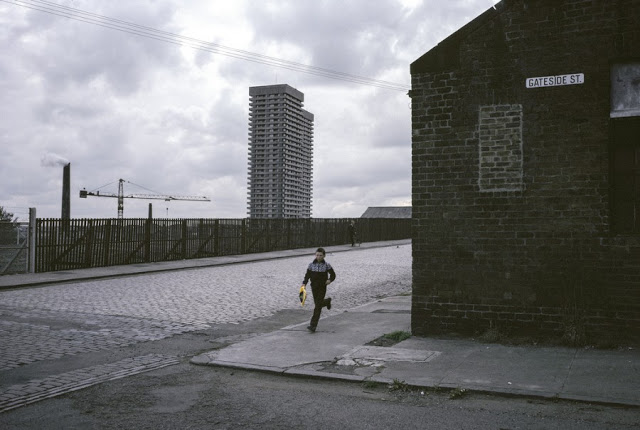
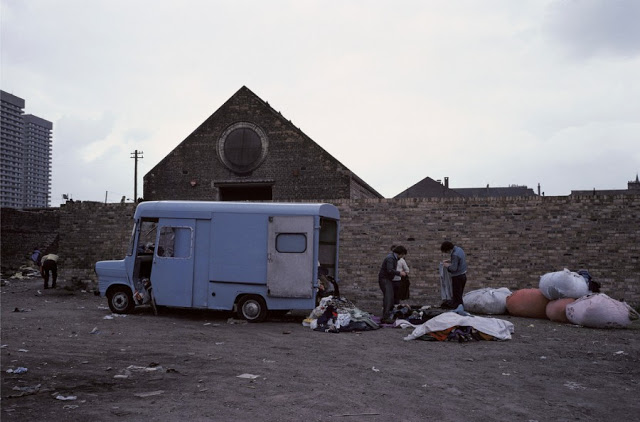
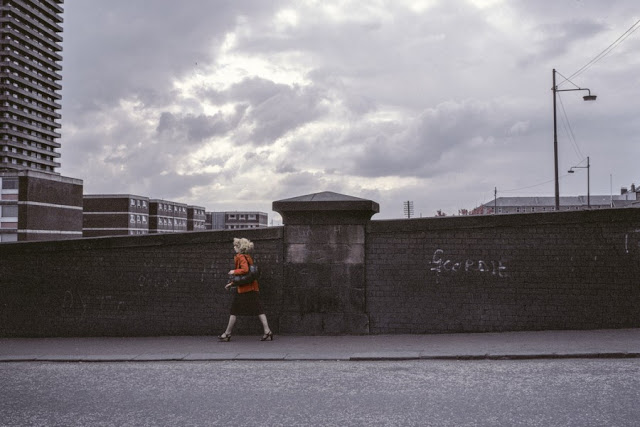
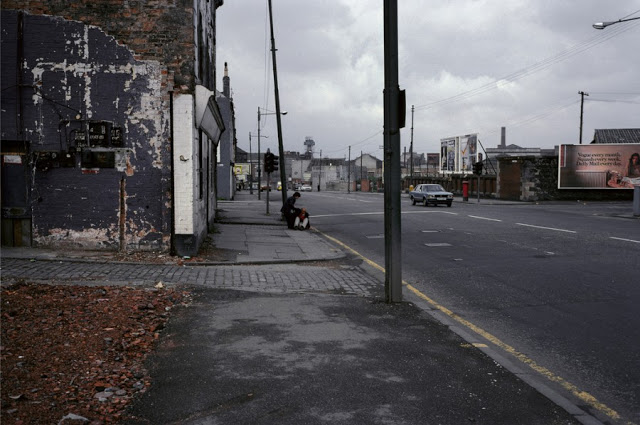
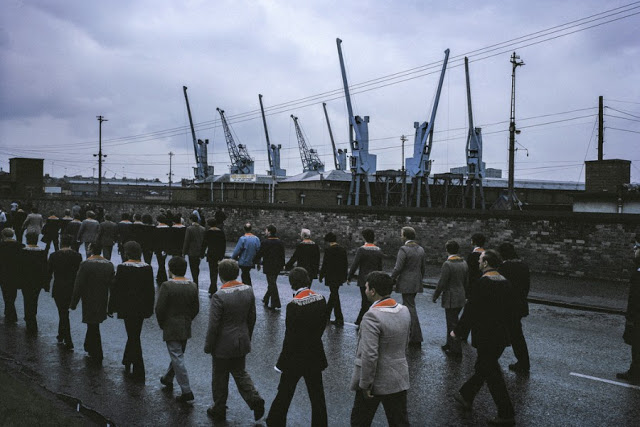
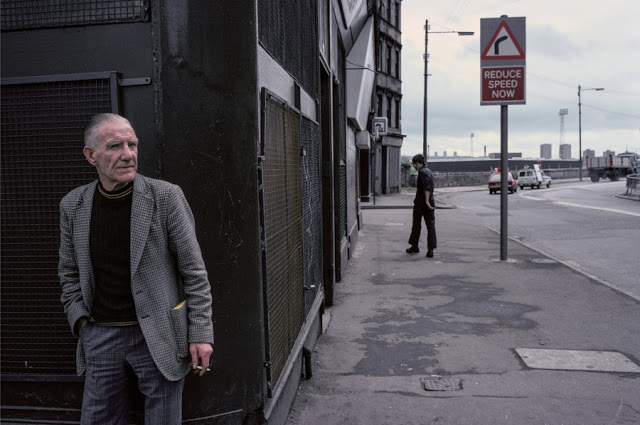
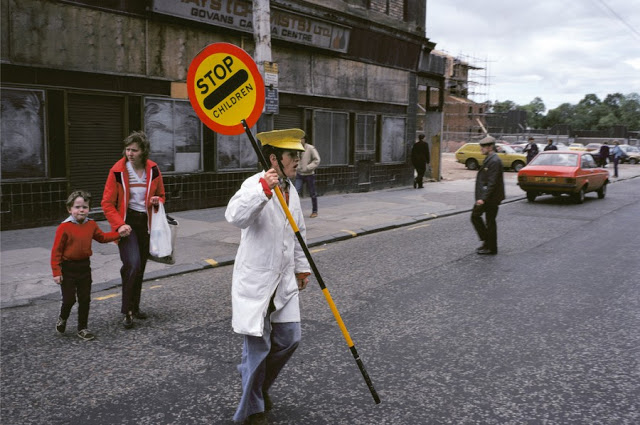
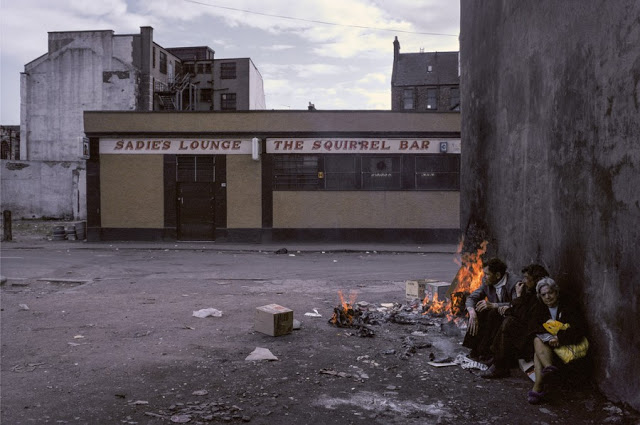
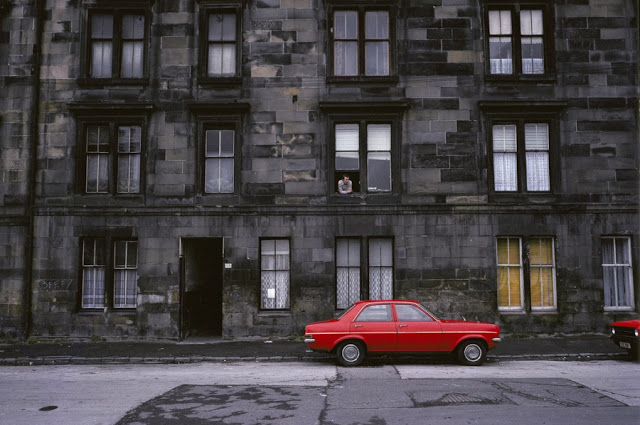
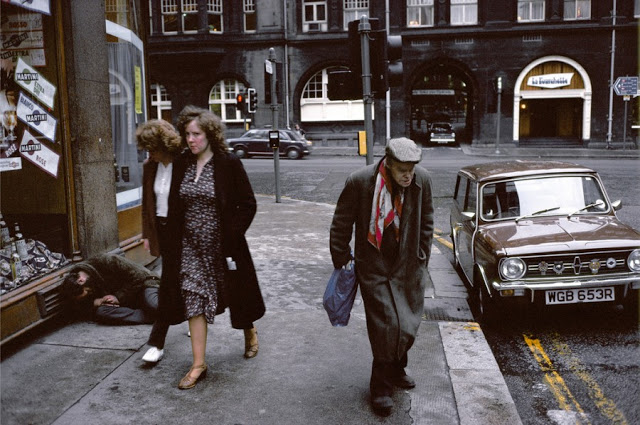
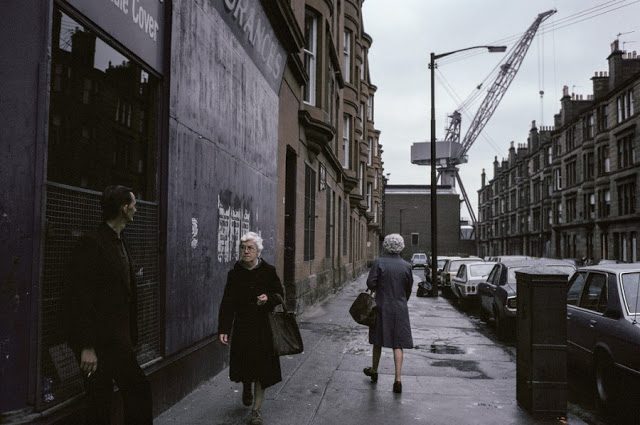
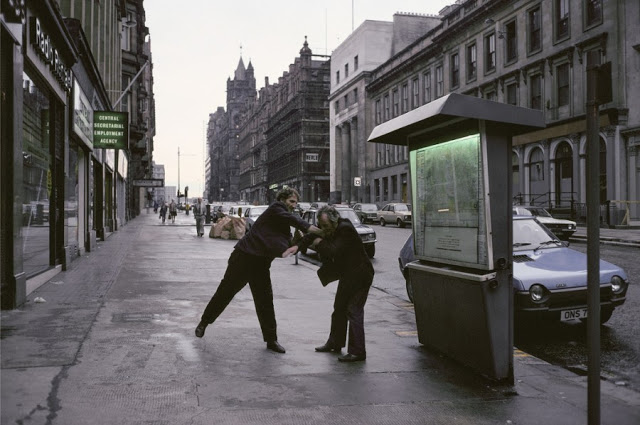
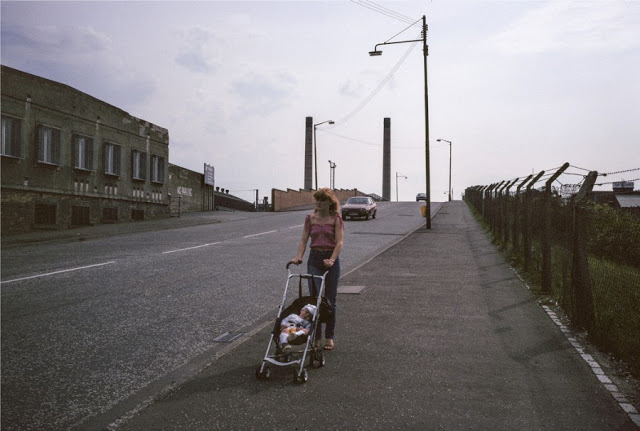
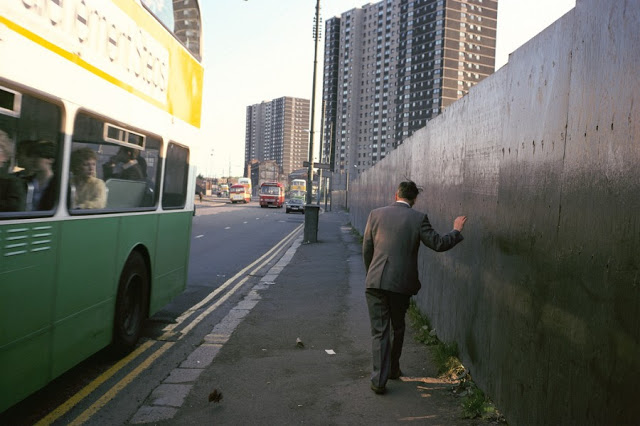
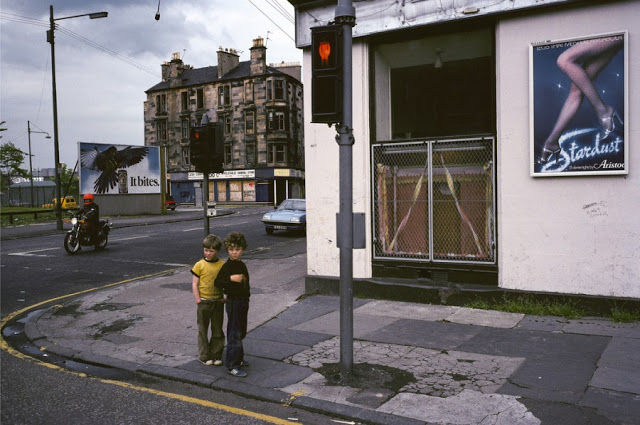
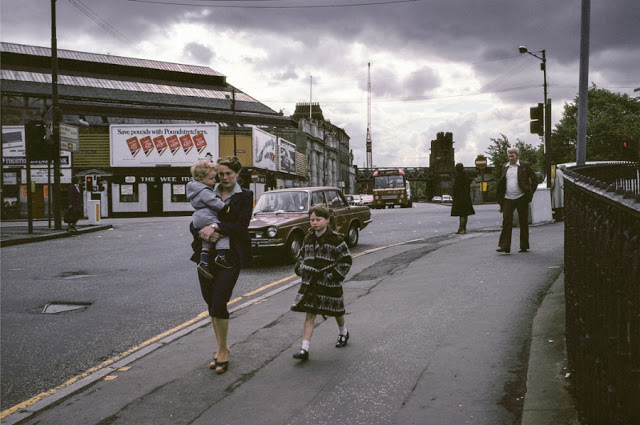
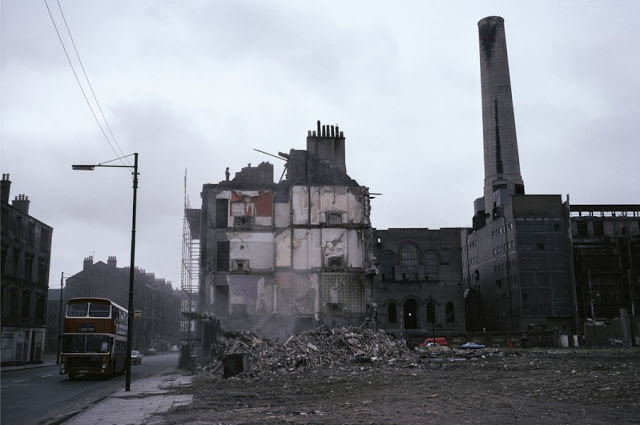
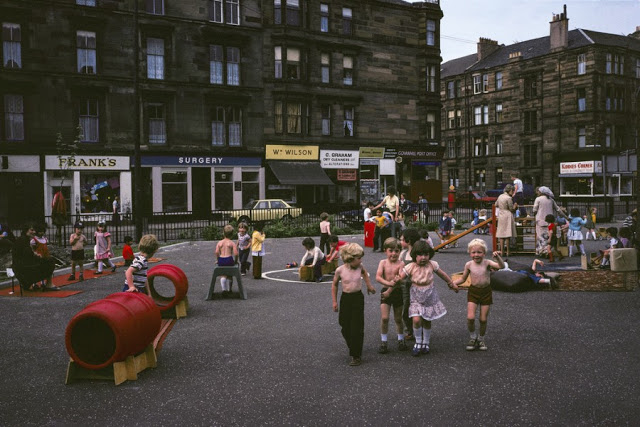
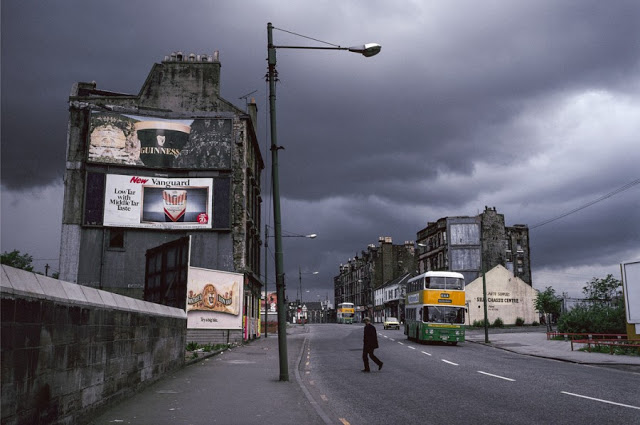
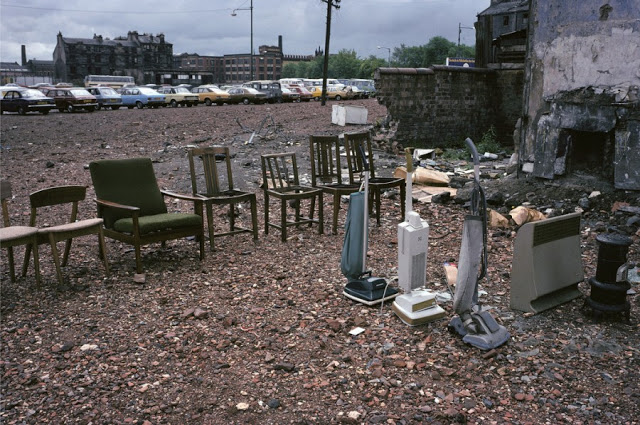
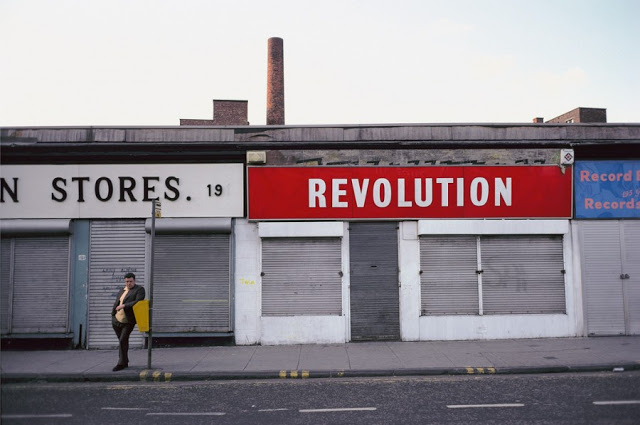
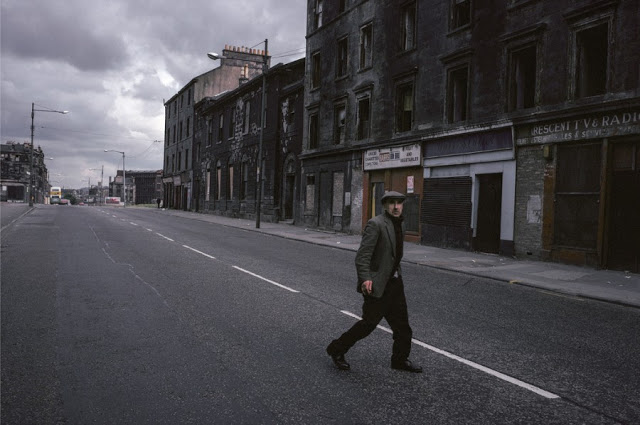
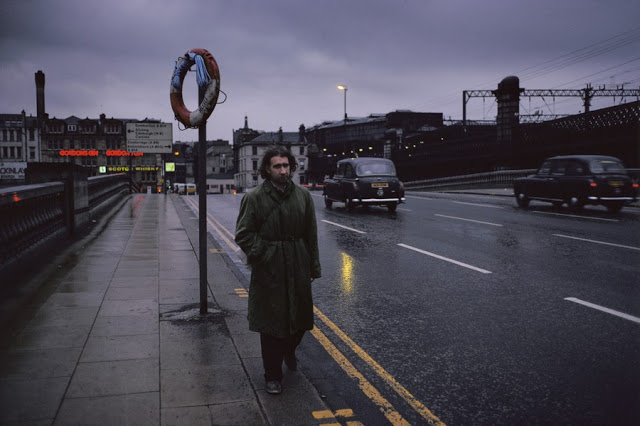
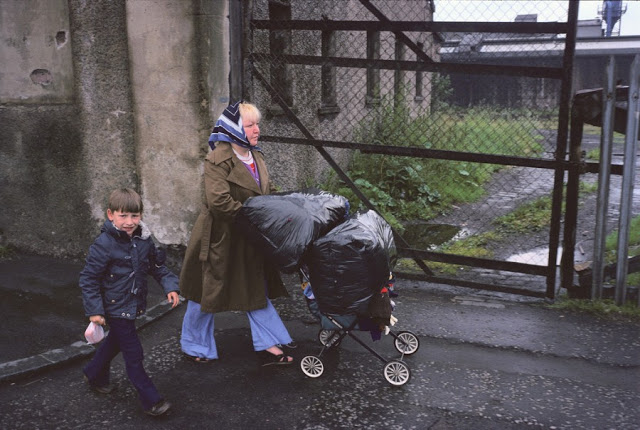
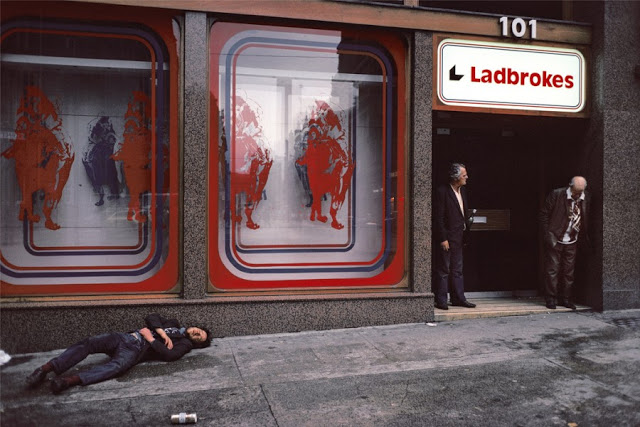
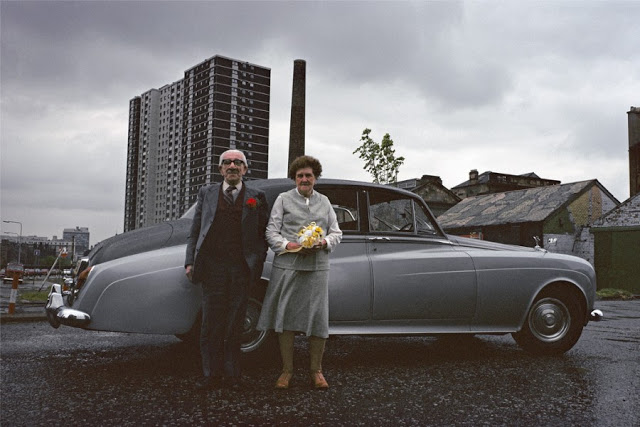
Glasgow is the most populous city in Scotland and the fourth-most populous city in the United Kingdom, as well as being the 27th largest city by population in Europe. In 2020, it had an estimated population of 635,640. Historically part of Lanarkshire, the city now forms the Glasgow City council area, one of the 32 council areas of Scotland, and is governed by Glasgow City Council. It is situated on the River Clyde in the country’s West Central Lowlands.
Glasgow grew from a small rural settlement on the River Clyde to become the largest seaport in Scotland, and tenth largest by tonnage in Britain. Expanding from the medieval bishopric and royal burgh, and the later establishment of the University of Glasgow in the 15th century, it became a major centre of the Scottish Enlightenment in the 18th century. From the 18th century onwards, the city also grew as one of Britain’s main hubs of transatlantic trade with North America and the West Indies. With the onset of the Industrial Revolution, the population and economy of Glasgow and the surrounding region expanded rapidly to become one of the world’s pre-eminent centres of chemicals, textiles and engineering; most notably in the shipbuilding and marine engineering industry, which produced many innovative and famous vessels. Glasgow was the “Second City of the British Empire” for much of the Victorian era and the Edwardian era.
In the late 19th and early 20th centuries, Glasgow’s population grew rapidly, reaching a peak of 1,127,825 people in 1938. The population was greatly reduced following comprehensive urban renewal projects in the 1960s which resulted in large-scale relocation of people to designated new towns, such as Cumbernauld, Livingston, East Kilbride and peripheral suburbs, followed by successive boundary changes. Over 985,200 people live in the Greater Glasgow contiguous urban area, while the wider Glasgow City Region is home to over 1,800,000 people, equating to around 33% of Scotland’s population. The city has one of the highest densities of any locality in Scotland at 4,023/km2. Natives or inhabitants are known as Glaswegians, and are well known for their distinctive dialect and accent.
Glasgow has the largest economy in Scotland and the third highest GDP per capita of any city in the UK. Glasgow’s major cultural institutions – the Burrell Collection, Kelvingrove Art Gallery and Museum, the Royal Scottish National Orchestra, Scottish Ballet and Scottish Opera – enjoy international reputations. The city was the European Capital of Culture in 1990 and is notable for its architecture, culture, media, music scene, sports clubs and transport connections. It is the fifth-most visited city in the United Kingdom. The city hosted the 2021 United Nations Climate Change Conference (COP26) at its main events venue, the SEC Centre. Glasgow hosted the 2014 Commonwealth Games and the first European Championships in 2018, and was one of the host cities for UEFA Euro 2020. The city is also well known in the sporting world for football, particularly the Old Firm rivalry between Celtic and Rangers. (Wikipedia)
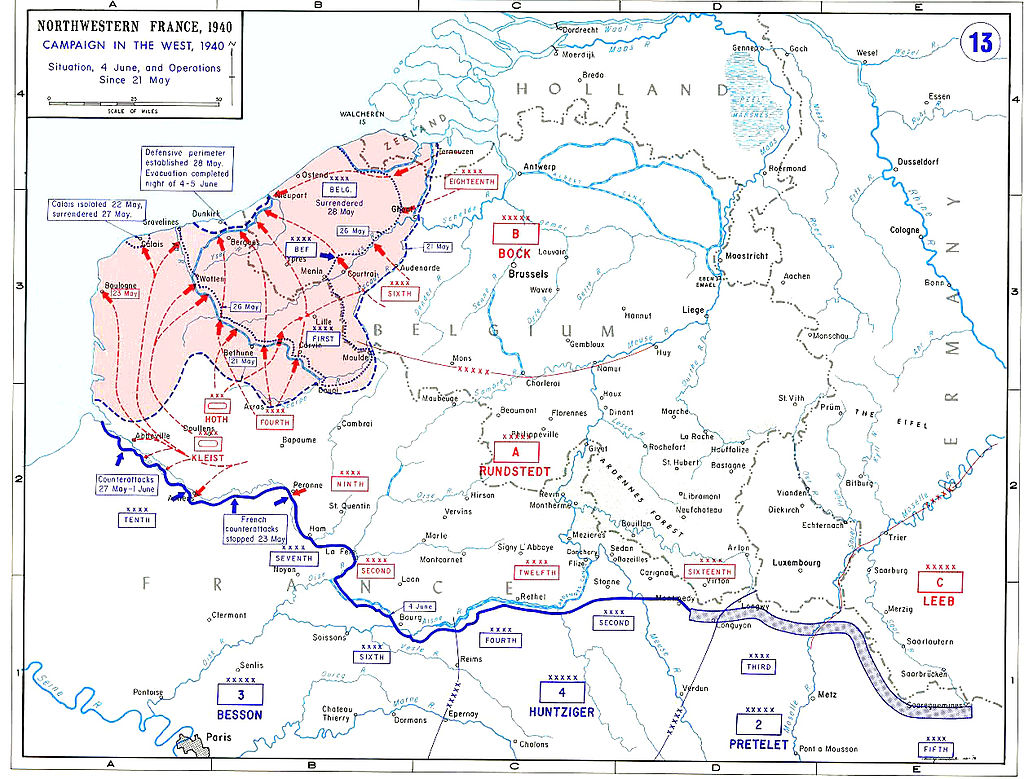
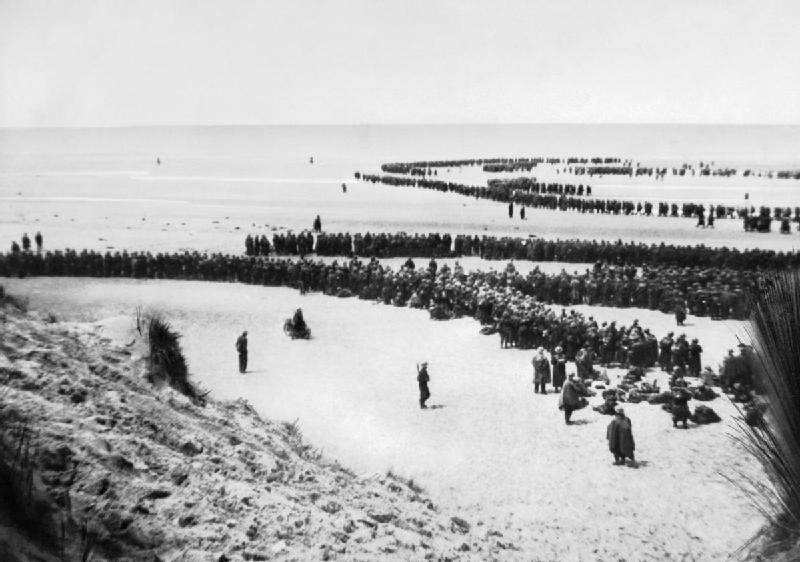
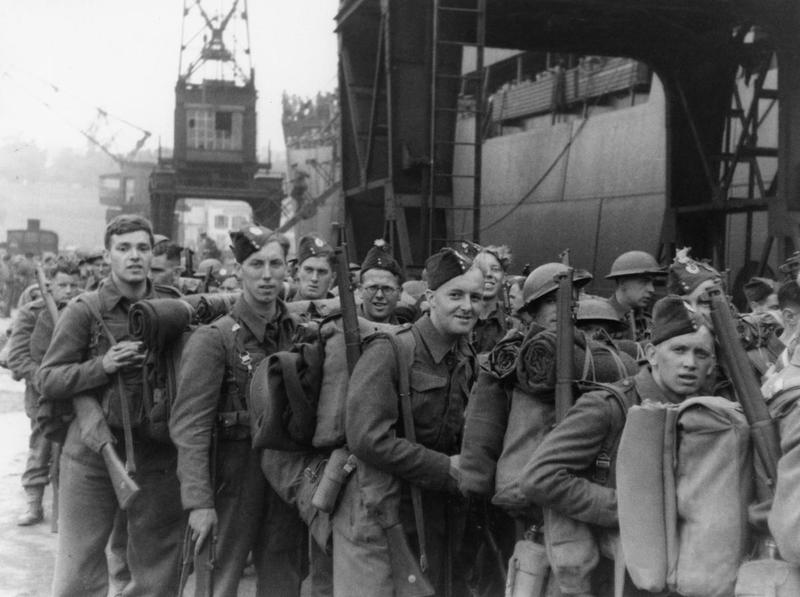
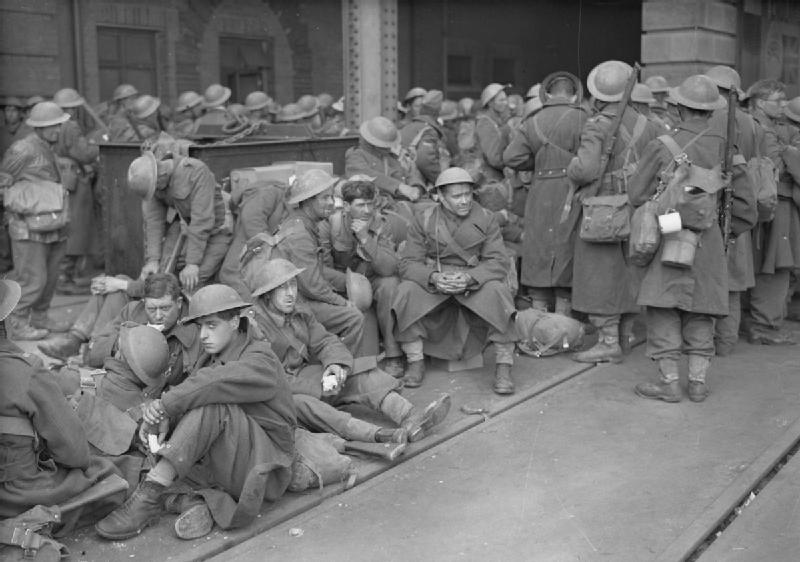
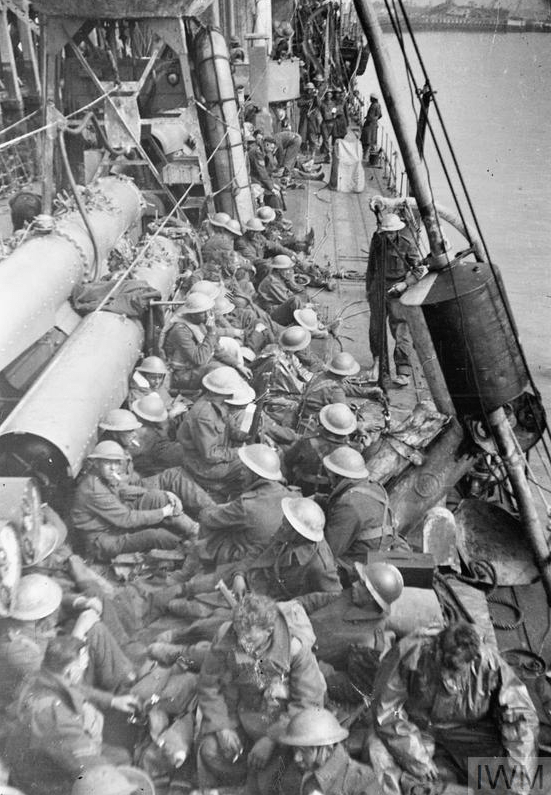
The Dunkirk evacuation, codenamed Operation Dynamo and also known as the Miracle of Dunkirk, or just Dunkirk, was the evacuation of Allied soldiers during World War II from the beaches and harbour of Dunkirk, in the north of France, between 26 May and 4 June 1940. The operation commenced after large numbers of Belgian, British, and French troops were cut off and surrounded by German troops during the six-week Battle of France. In a speech to the House of Commons, British Prime Minister Winston Churchill called this “a colossal military disaster”, saying “the whole root and core and brain of the British Army” had been stranded at Dunkirk and seemed about to perish or be captured. In his “We shall fight on the beaches” speech on 4 June, he hailed their rescue as a “miracle of deliverance”.
After Nazi Germany invaded Poland in September 1939, France and the British Empire declared war on Germany and imposed an economic blockade. The British Expeditionary Force (BEF) was sent to help defend France. After the Phoney War of October 1939 to April 1940, Germany invaded Belgium, the Netherlands, and France on 10 May 1940. Three panzer corps attacked through the Ardennes and drove northwest to the English Channel. By 21 May, German forces had trapped the BEF, the remains of the Belgian forces, and three French field armies along the northern coast of France. BEF commander General Viscount Gort immediately saw evacuation across the Channel as the best course of action, and began planning a withdrawal to Dunkirk, the closest good port.
Late on 23 May, a halt order was issued by Generaloberst Gerd von Rundstedt, commander of Army Group A. Adolf Hitler approved this order the next day, and had the German High Command send confirmation to the front. Attacking the trapped BEF, French, and Belgian armies was left to the Luftwaffe until the order was rescinded on 26 May. This gave Allied forces time to construct defensive works and pull back large numbers of troops to fight the Battle of Dunkirk. From 28 to 31 May, in the siege of Lille, the remaining 40,000 men of the French First Army fought a delaying action against seven German divisions, including three armoured divisions.
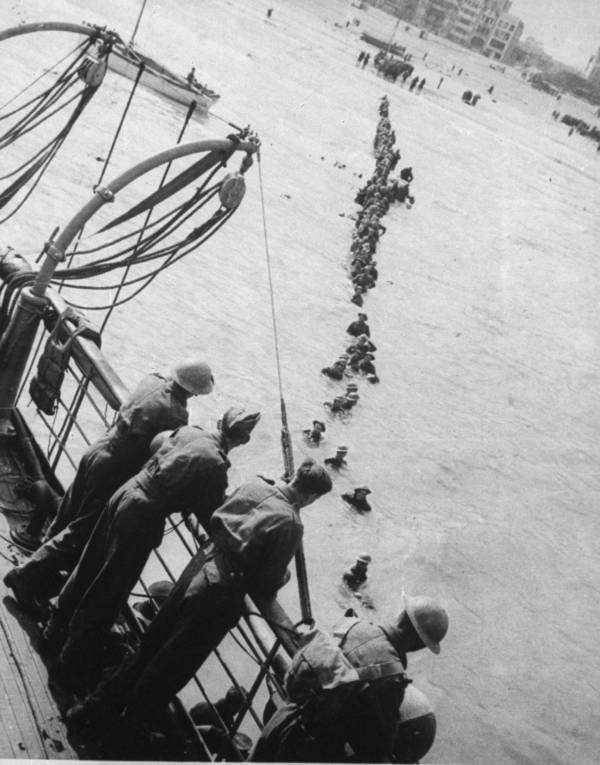
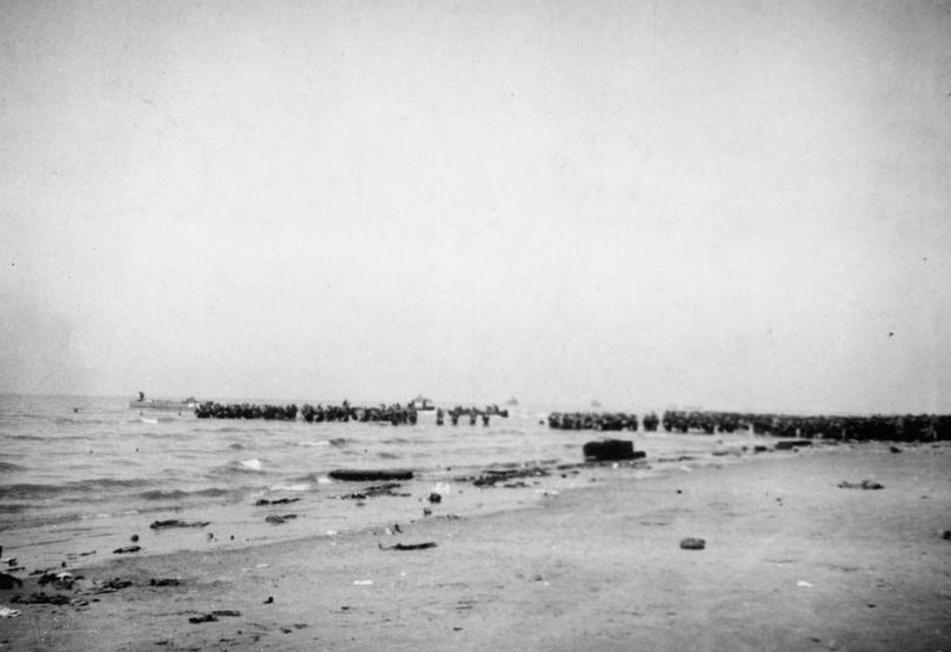
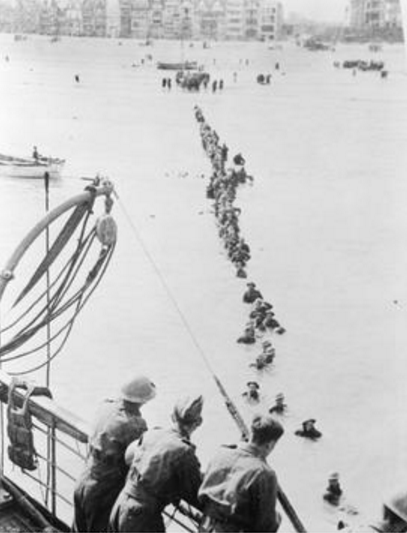
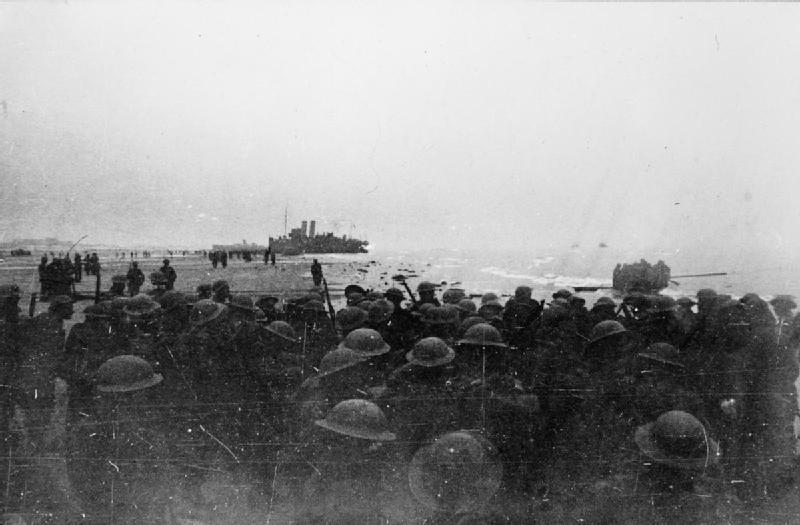
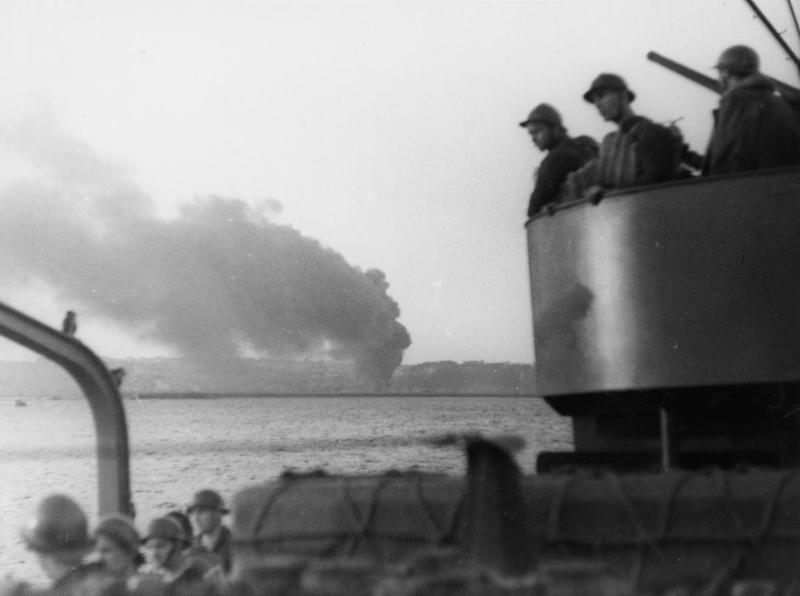
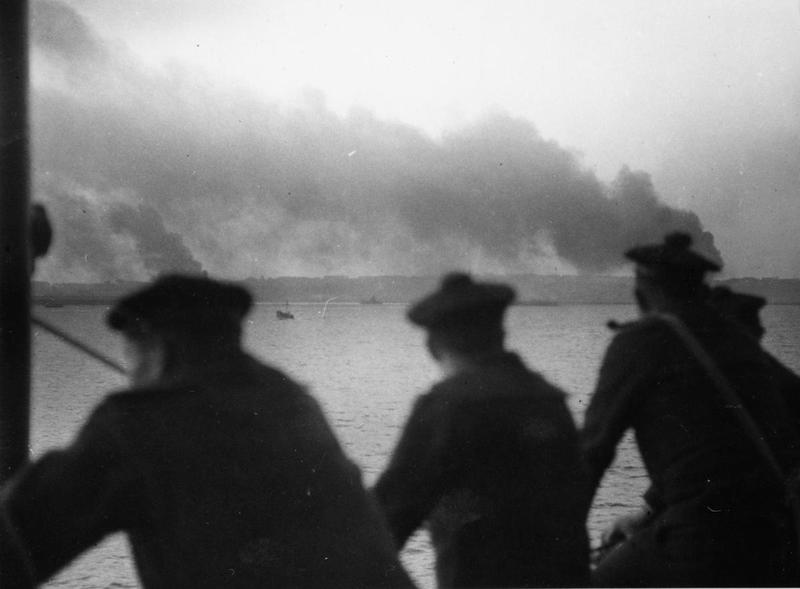
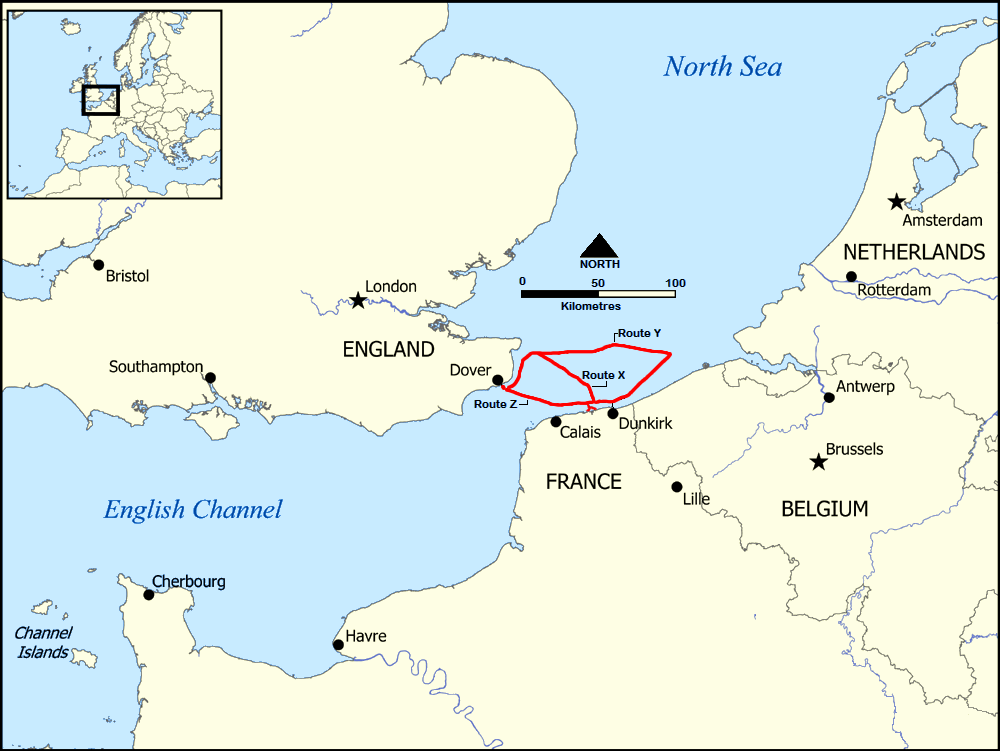
On the first day only 7,669 Allied soldiers were evacuated, but by the end of the eighth day, 338,226 had been rescued by a hastily assembled fleet of over 800 vessels. Many troops were able to embark from the harbour’s protective mole onto 39 British Royal Navy destroyers, four Royal Canadian Navy destroyers, at least three French Navy destroyers, and a variety of civilian merchant ships. Others had to wade out from the beaches, waiting for hours in shoulder-deep water. Some were ferried to the larger ships by what became known as the Little Ships of Dunkirk, a flotilla of hundreds of merchant marine boats, fishing boats, pleasure craft, yachts, and lifeboats called into service from Britain. The BEF lost 68,000 soldiers during the French campaign and had to abandon nearly all of its tanks, vehicles, and equipment. In his 4 June speech, Churchill also reminded the country that “we must be very careful not to assign to this deliverance the attributes of a victory. Wars are not won by evacuations.” (Wikipedia)
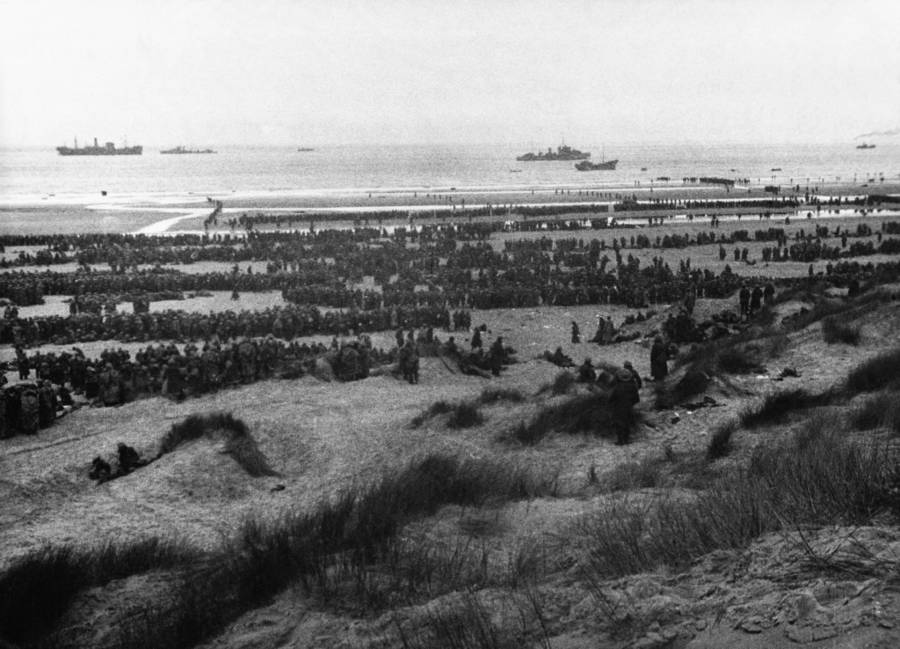
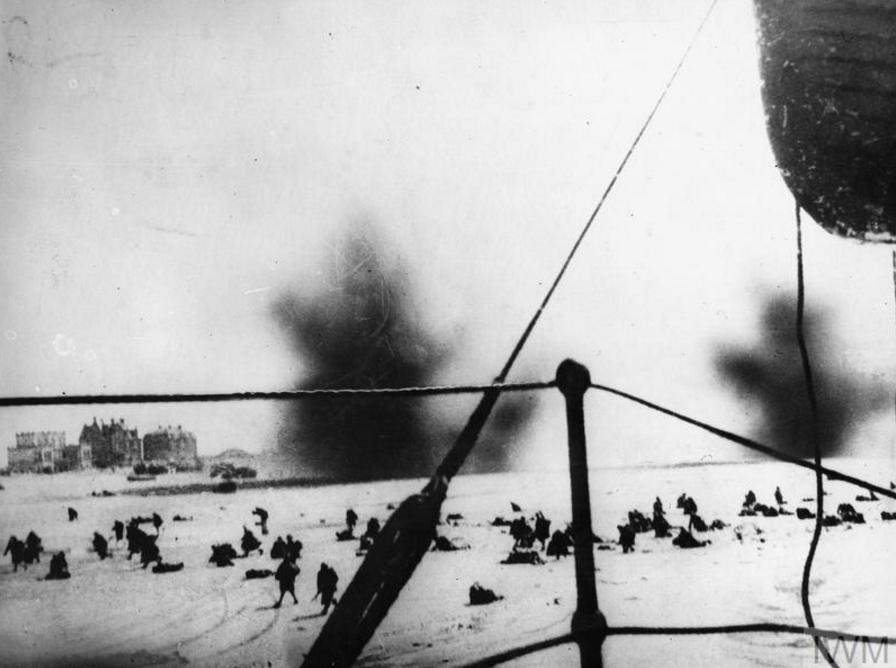
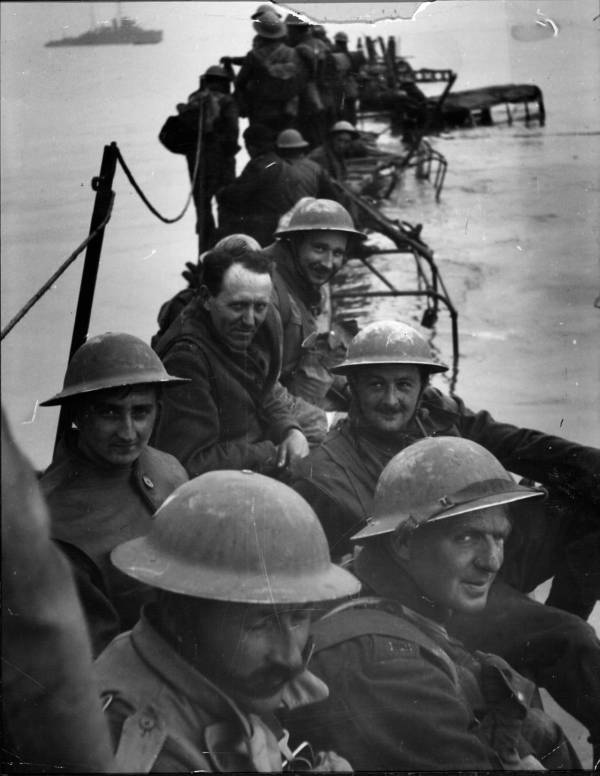
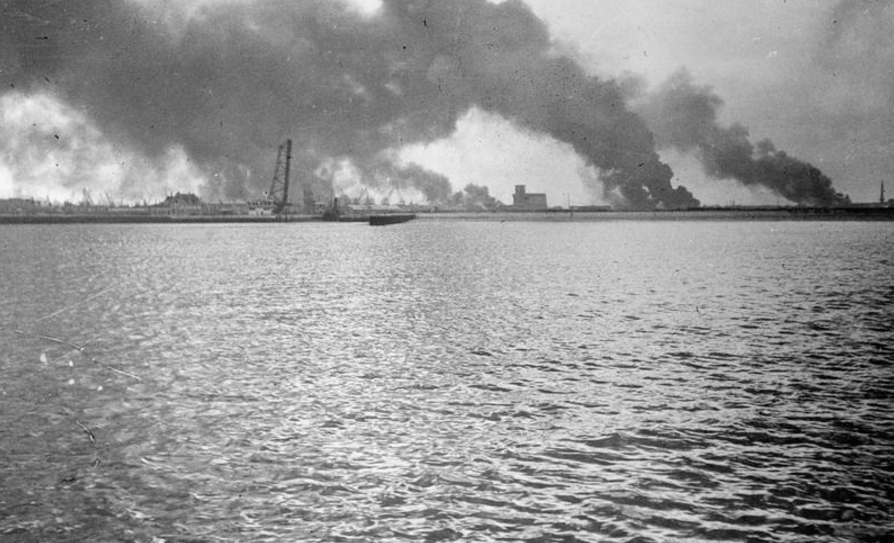
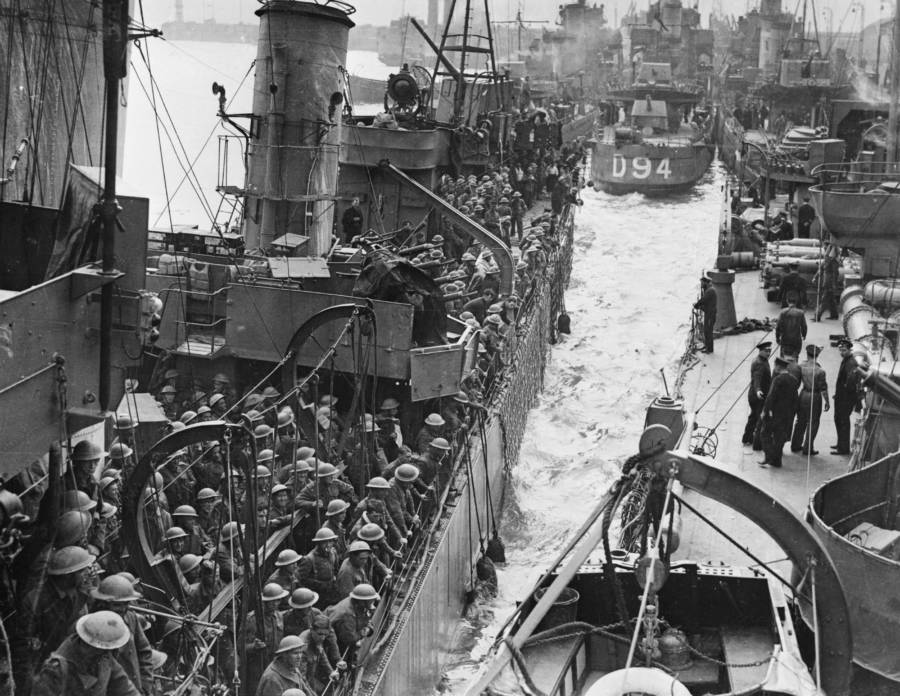
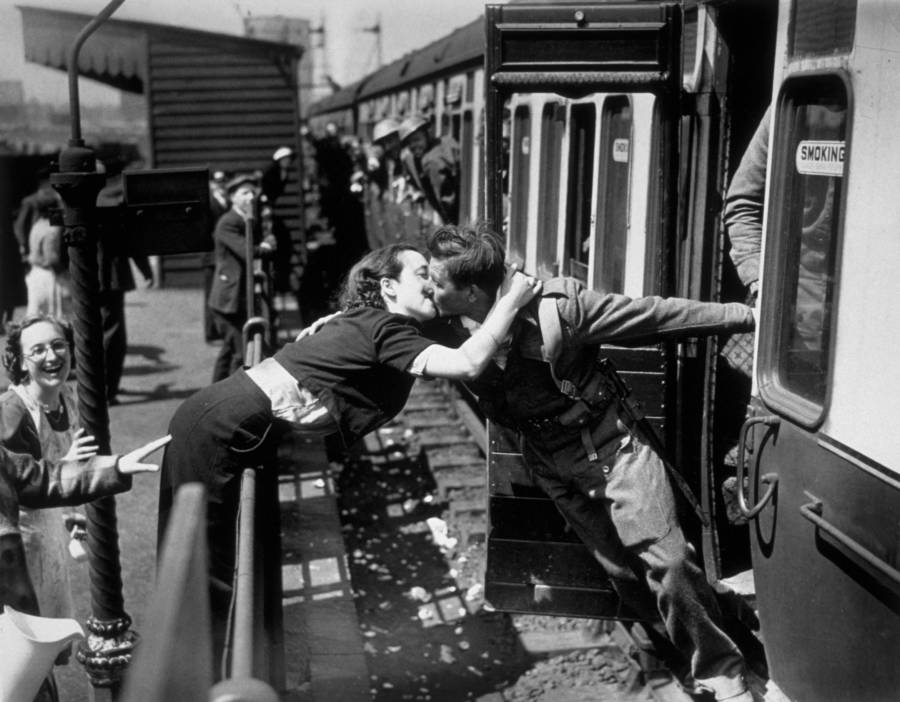
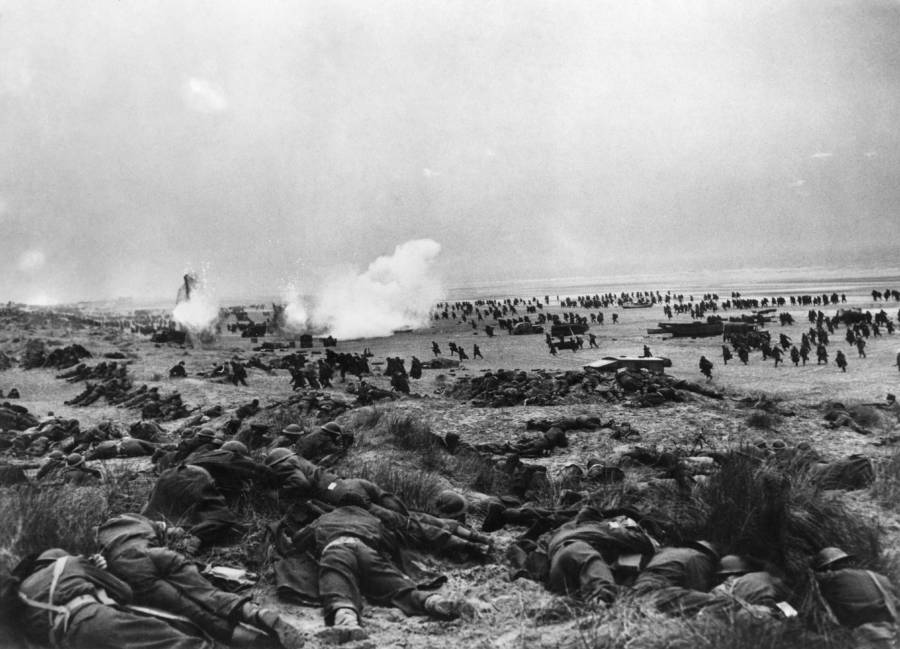
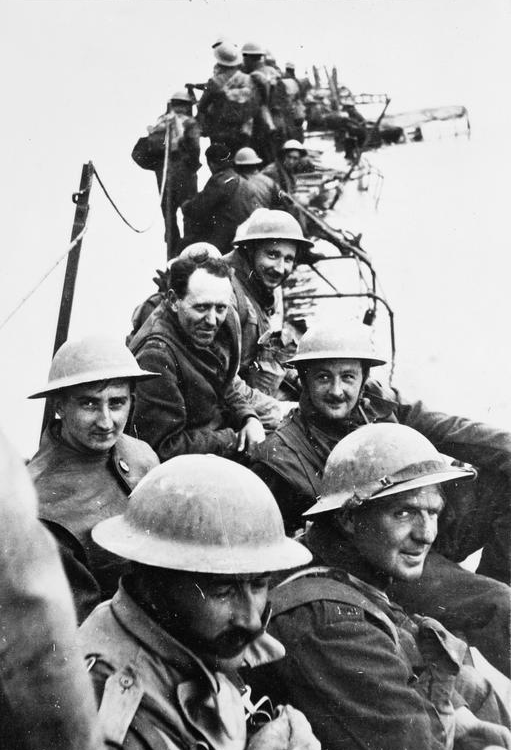
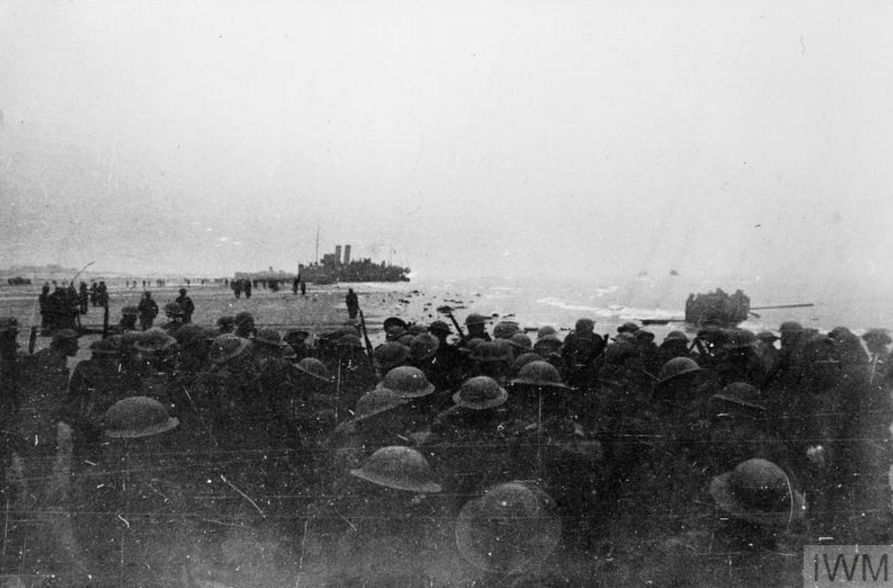
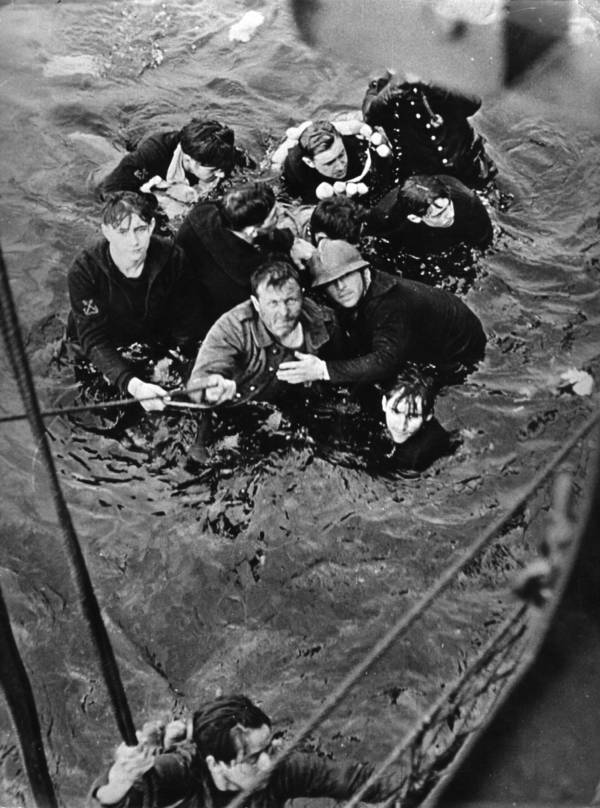
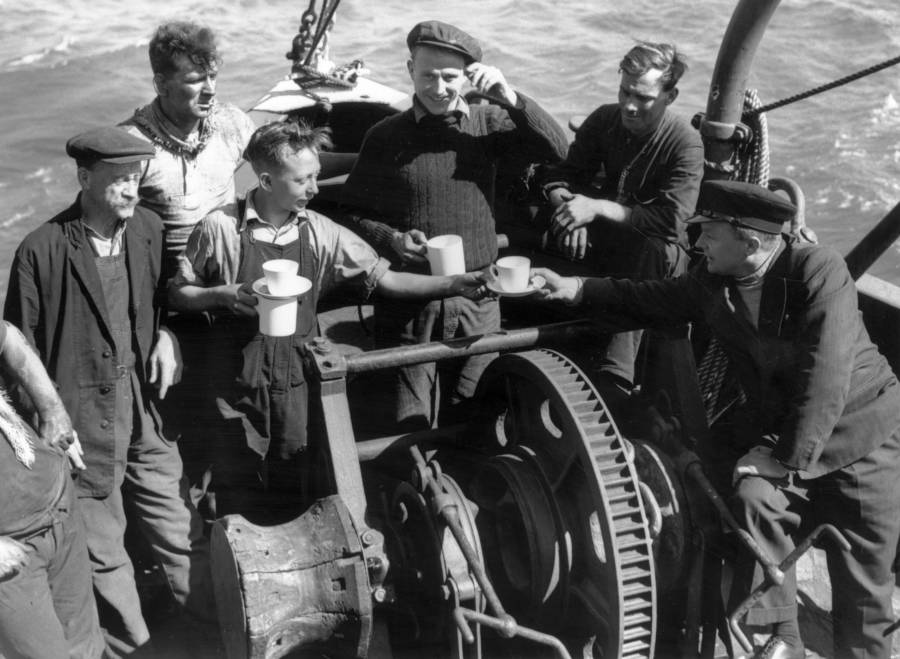
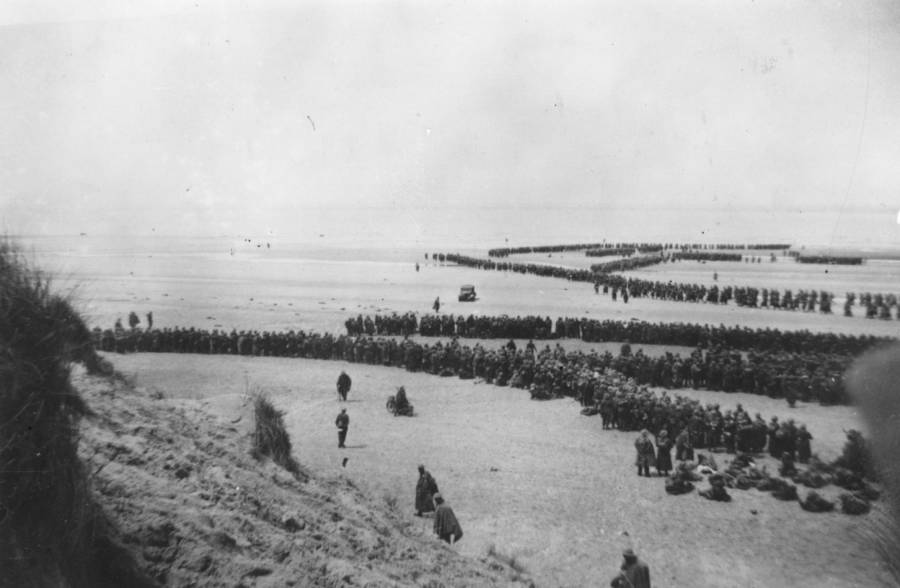
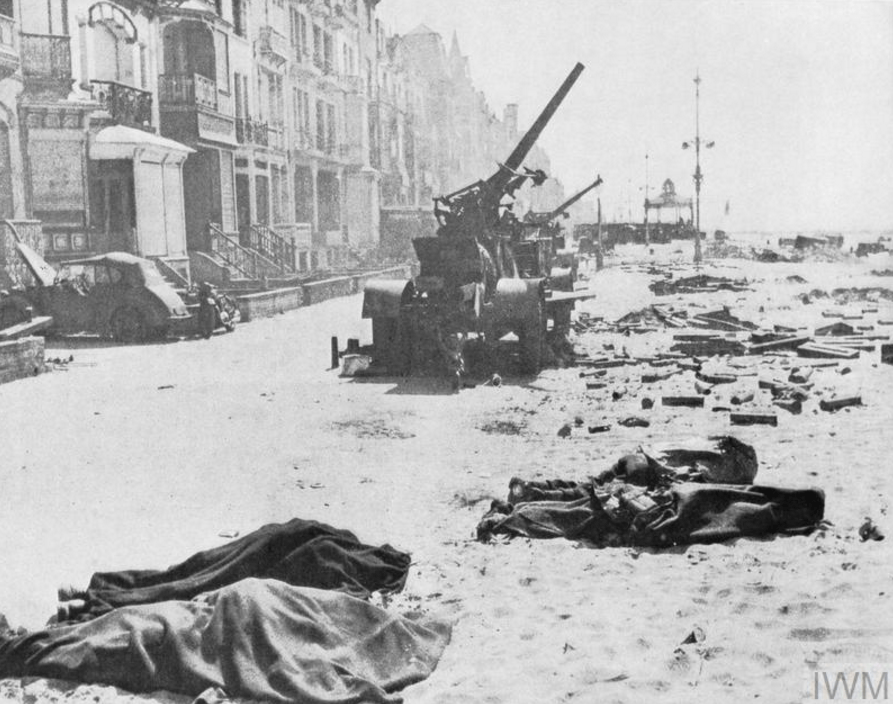
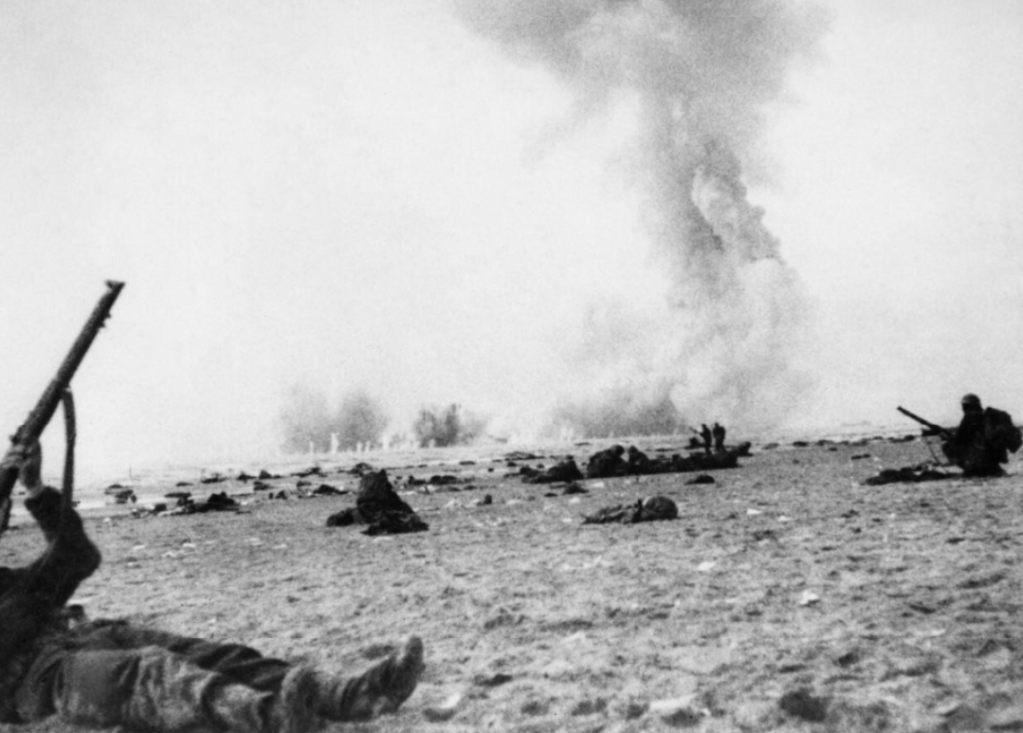
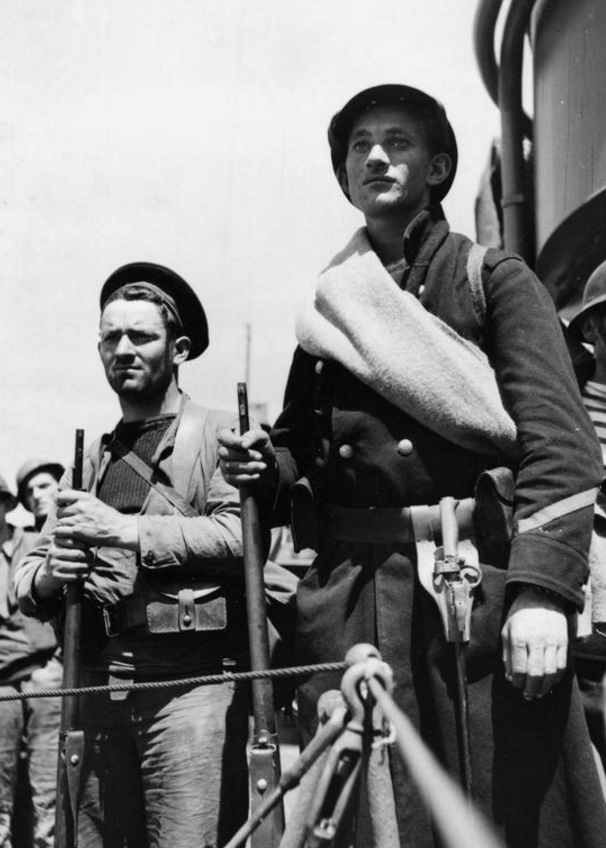
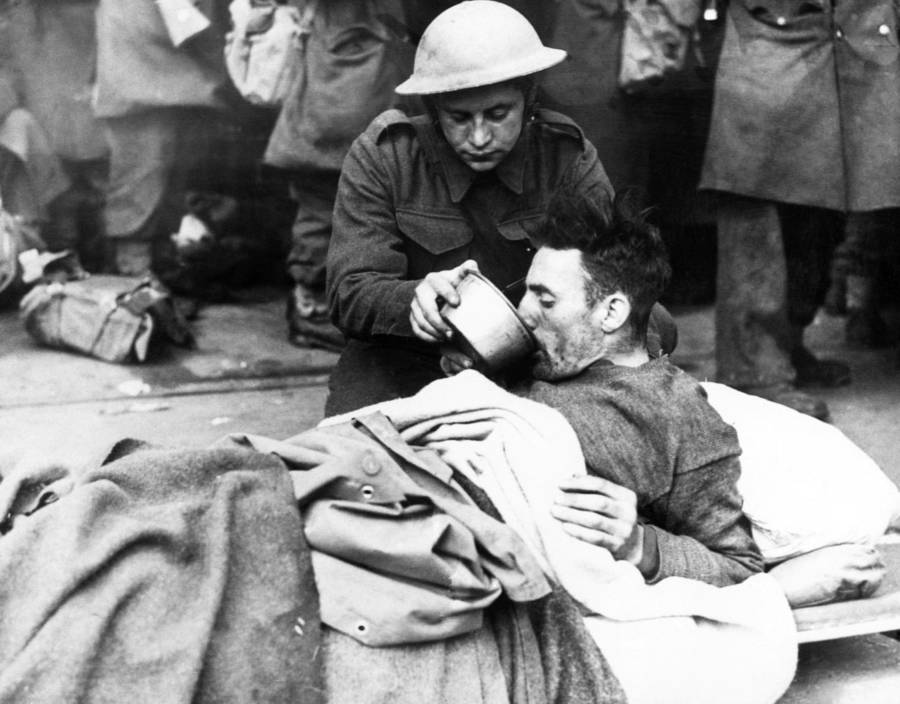
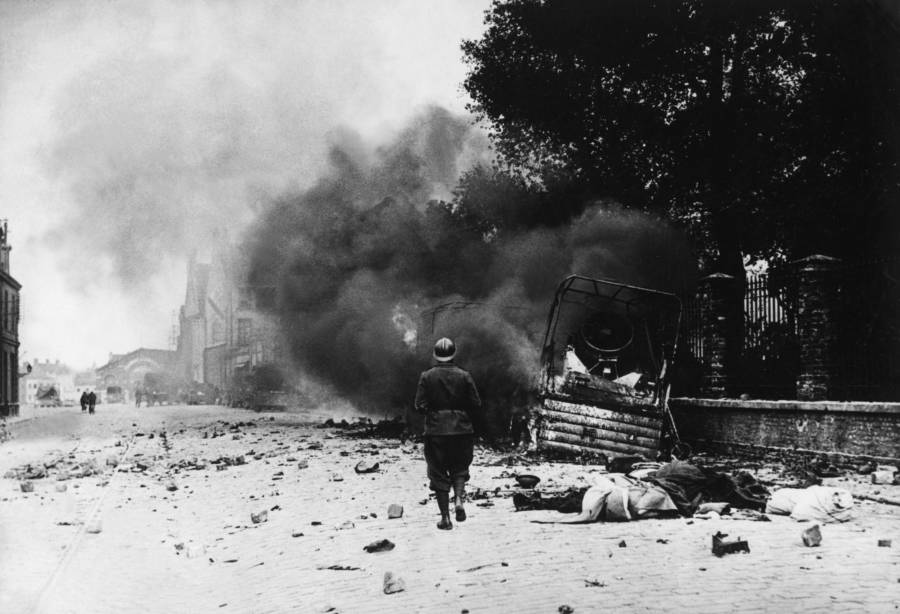
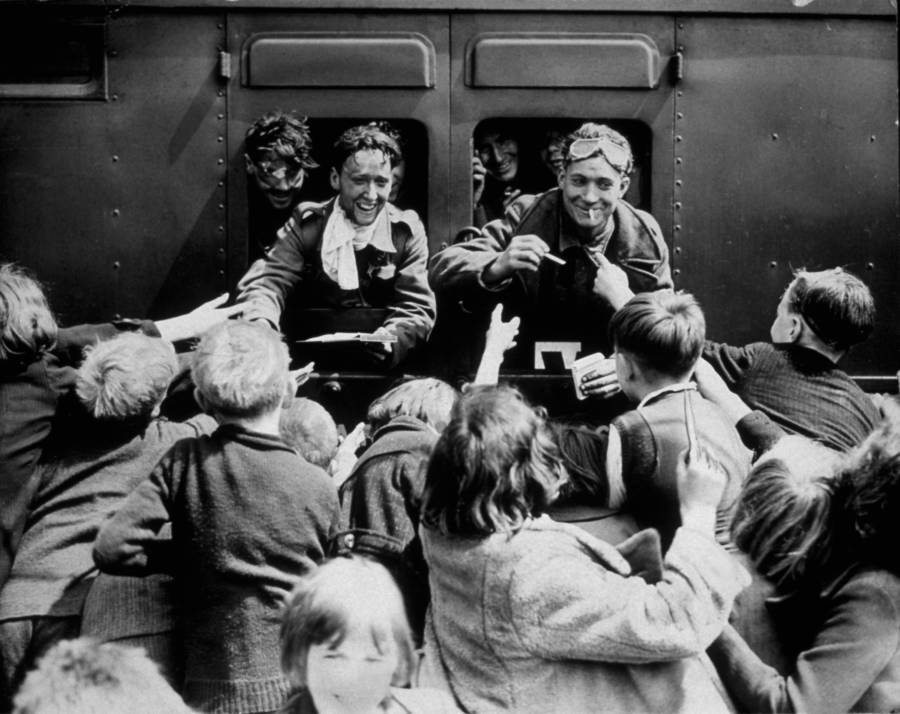
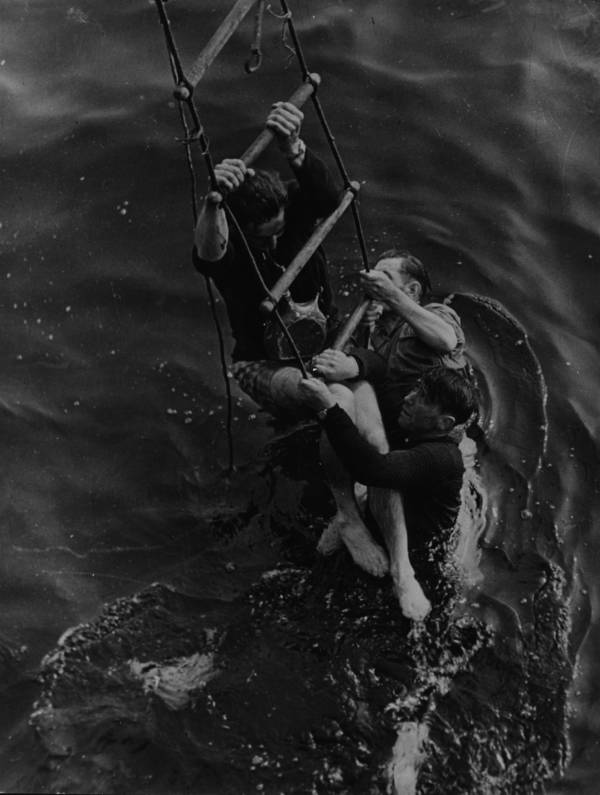
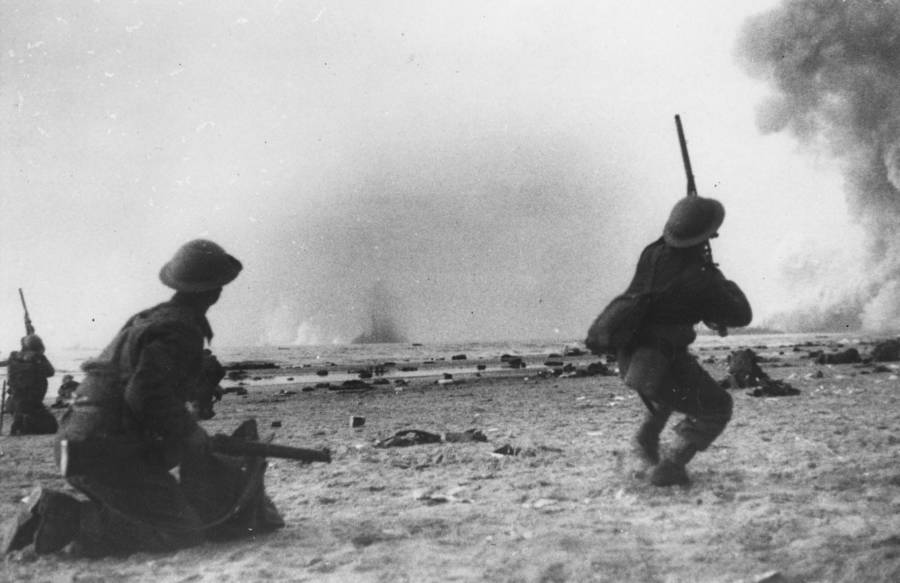
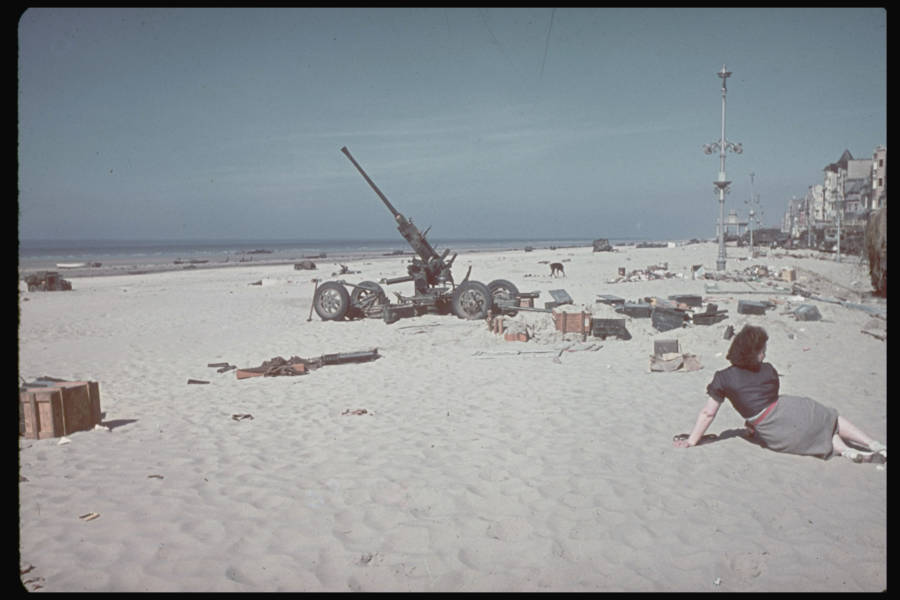
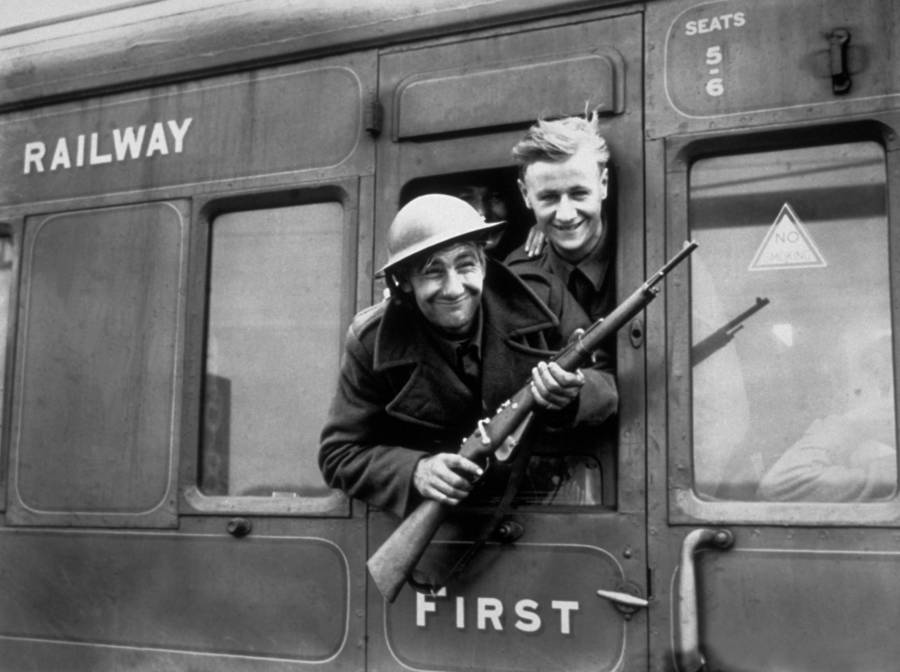
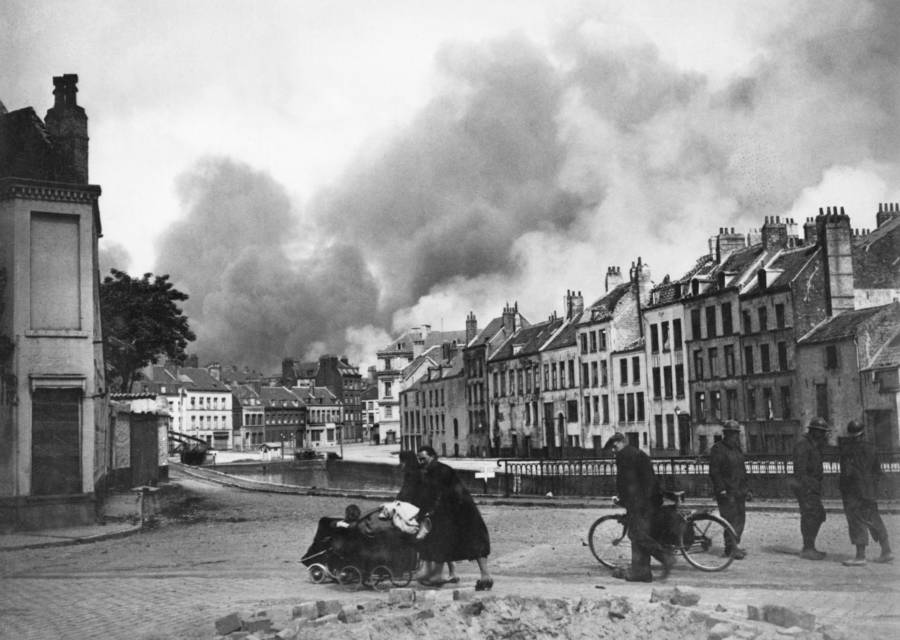
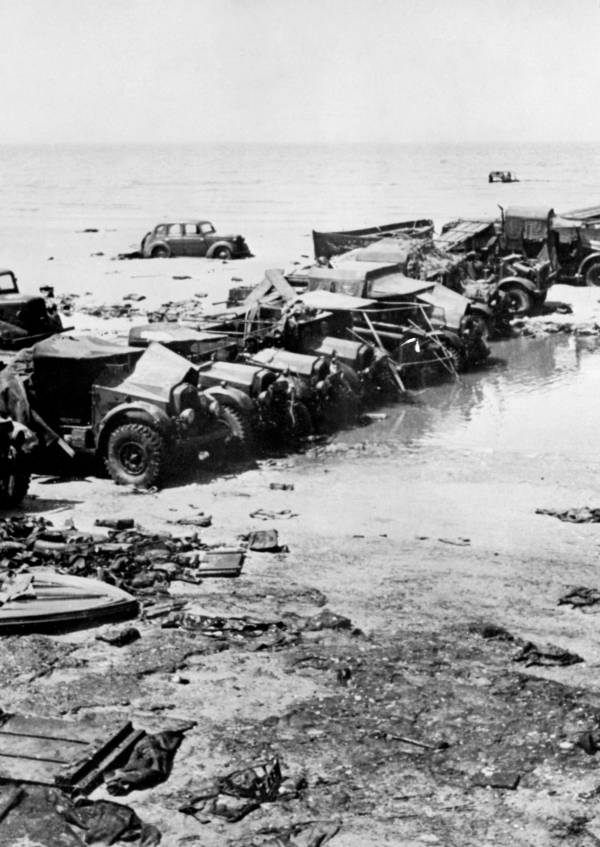
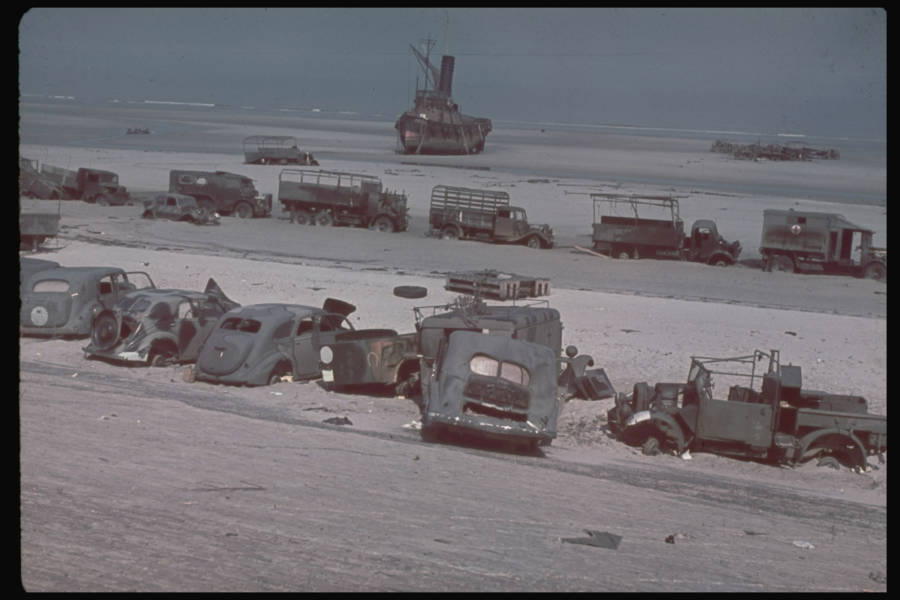
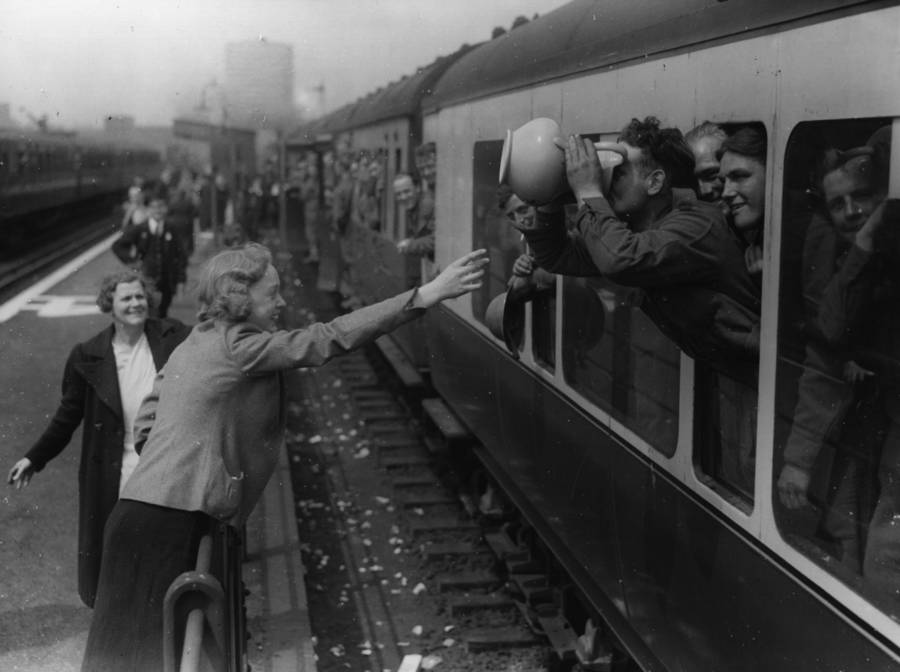
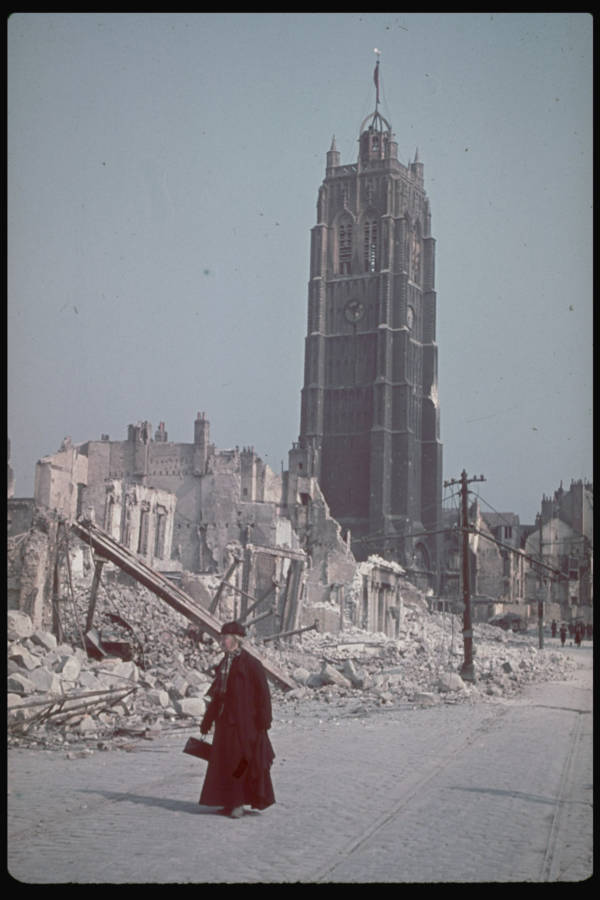
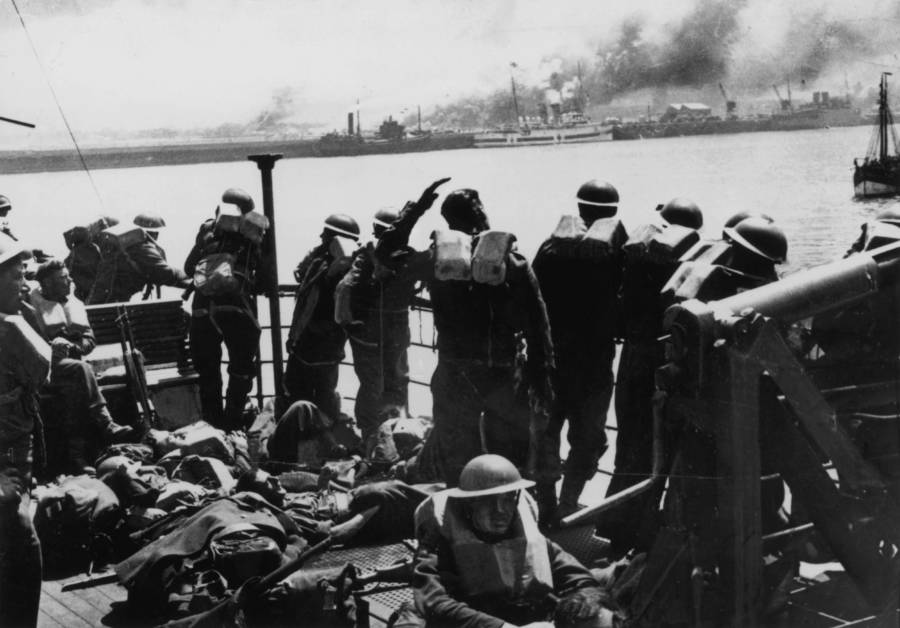
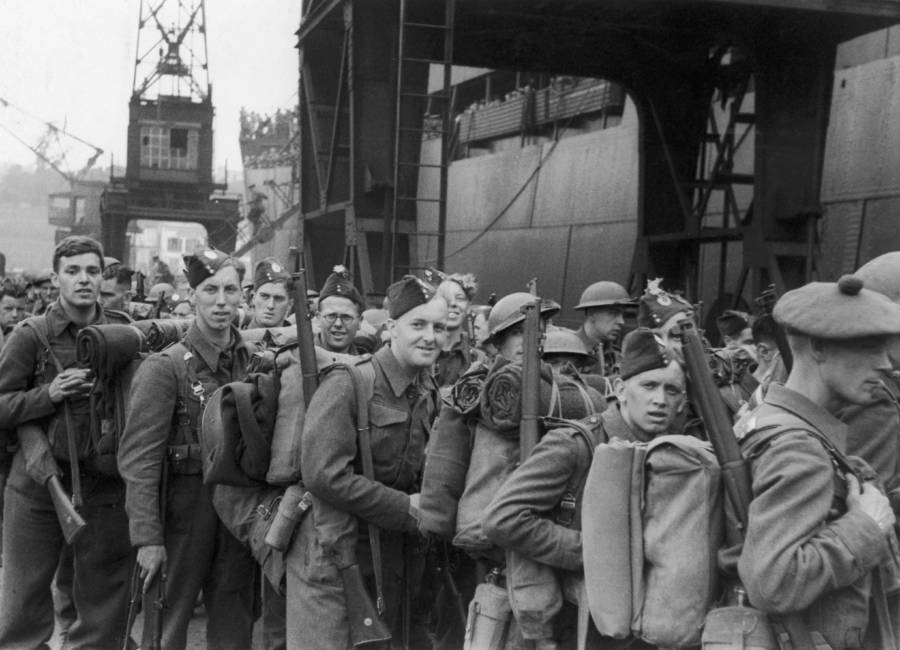
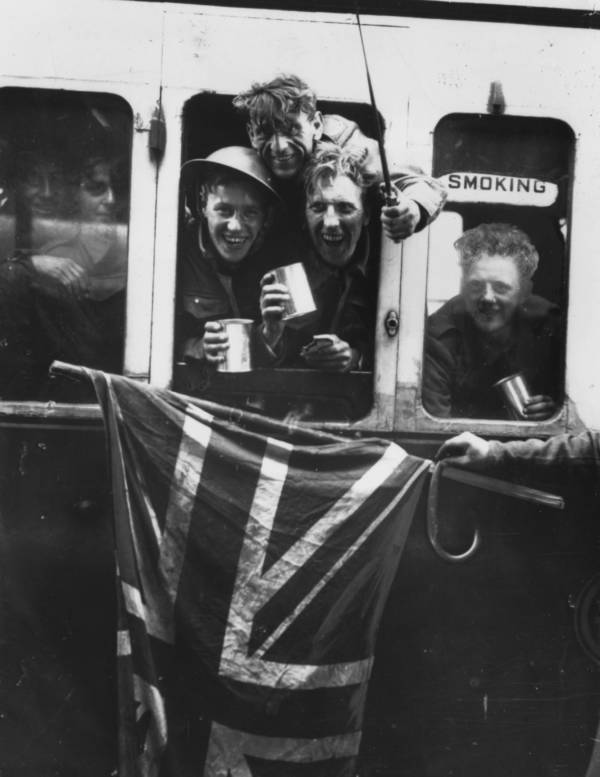
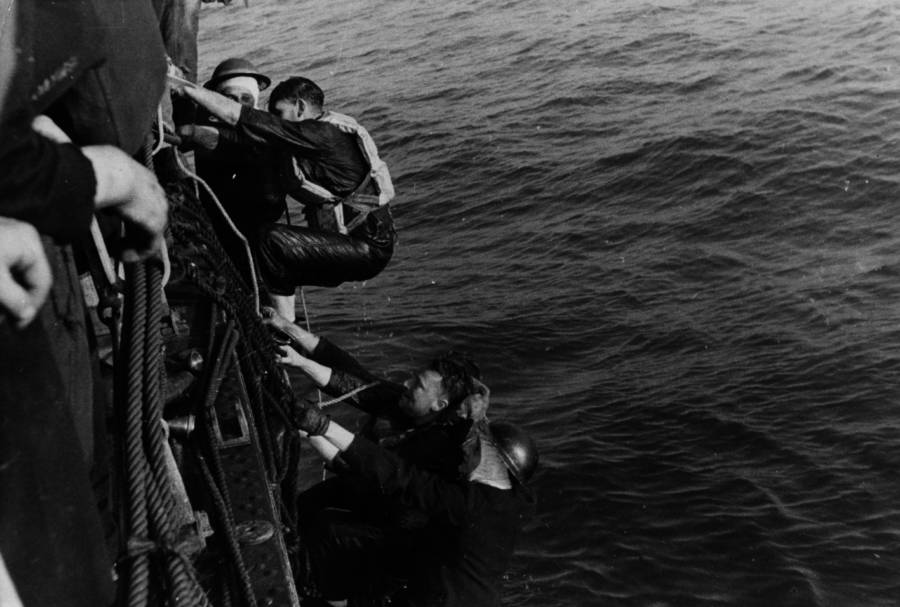
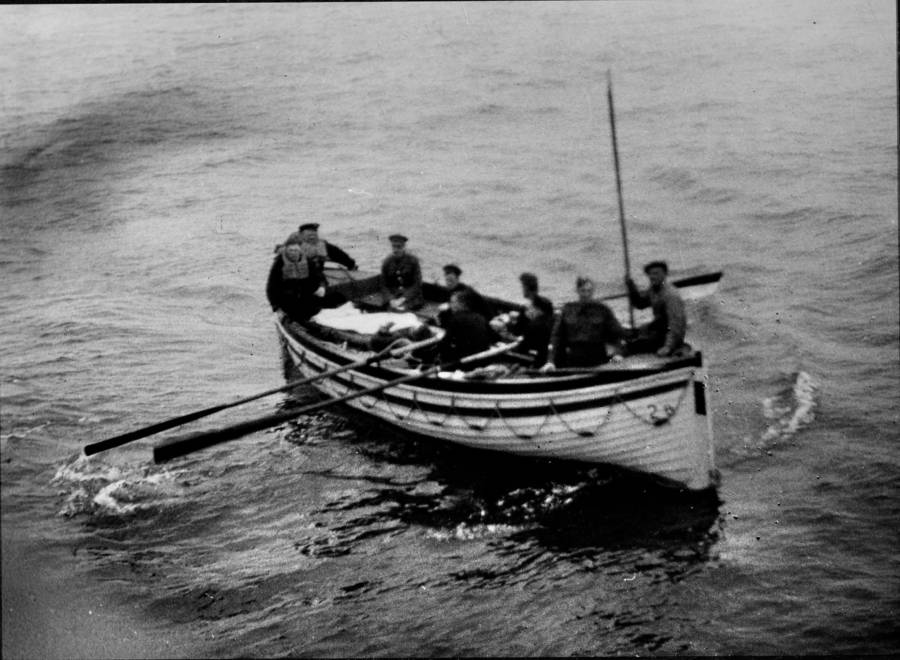
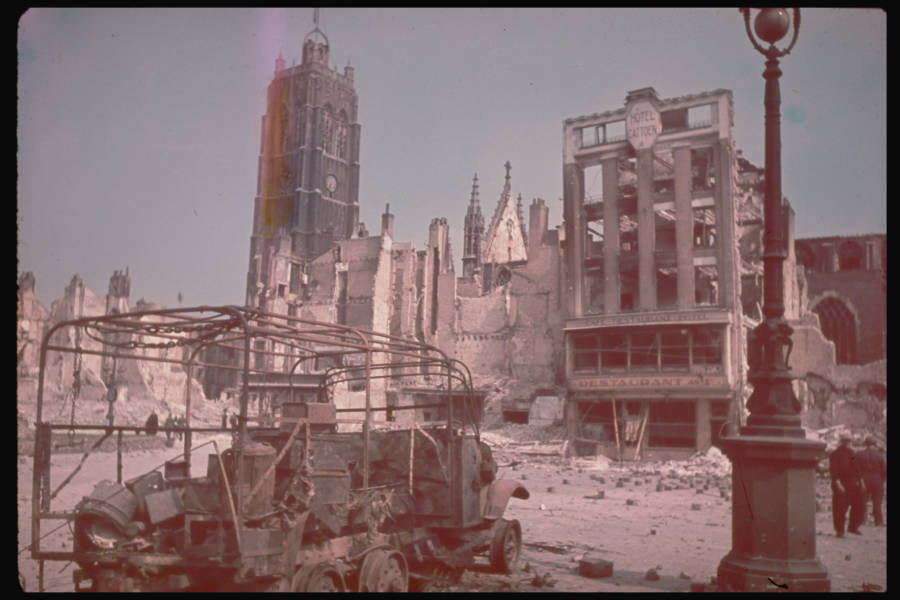
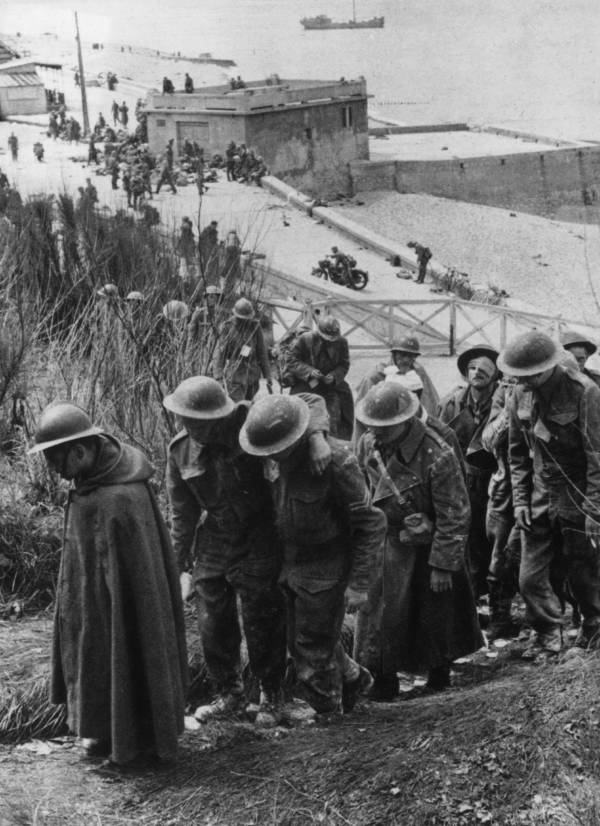
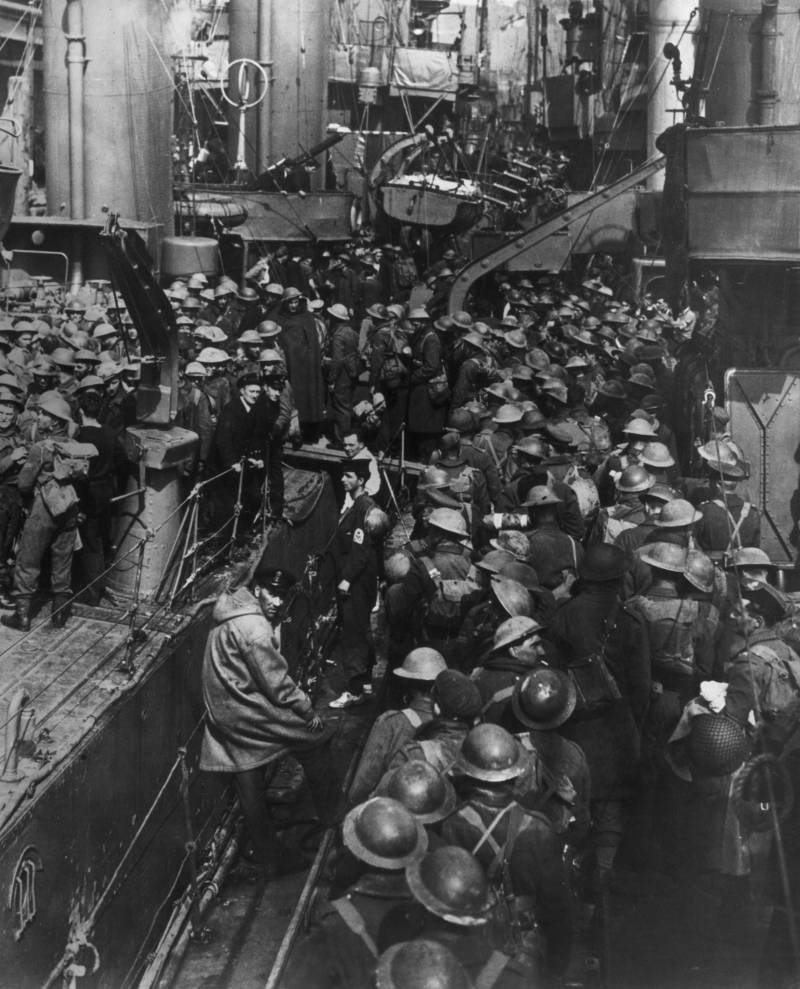
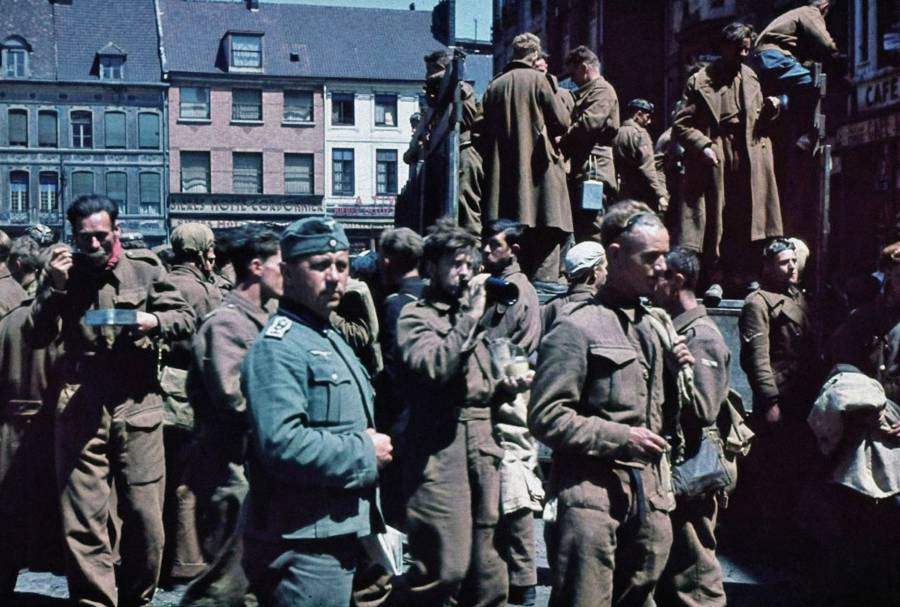
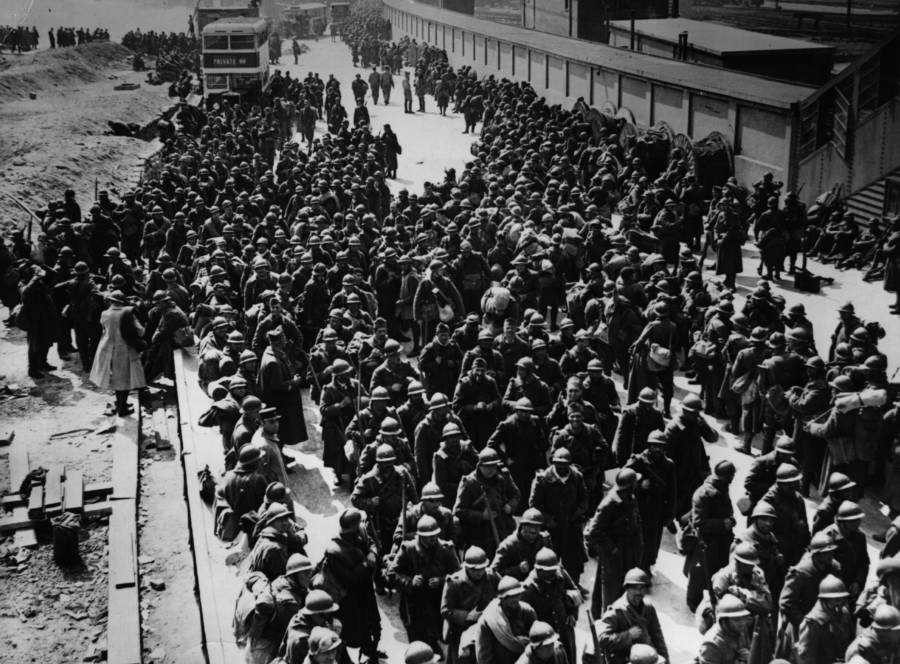
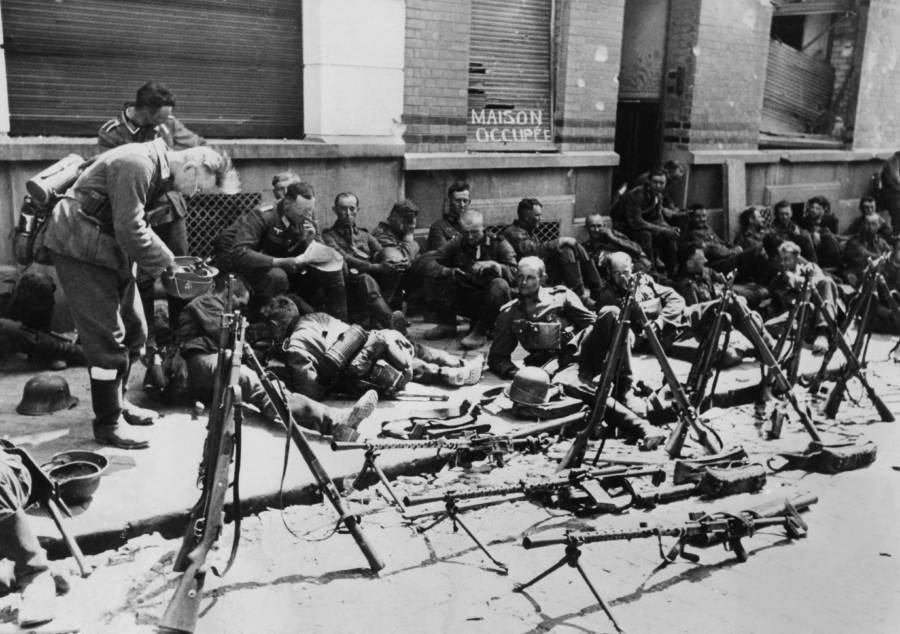
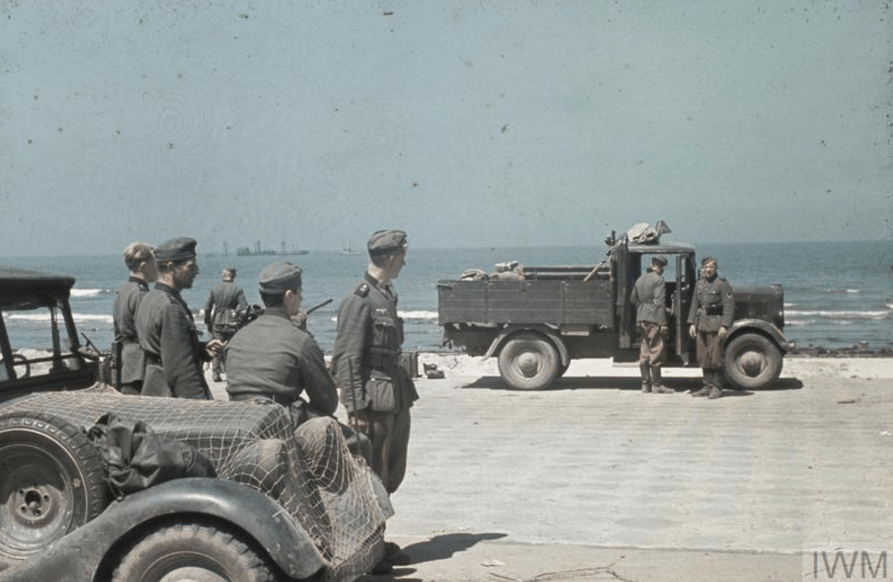
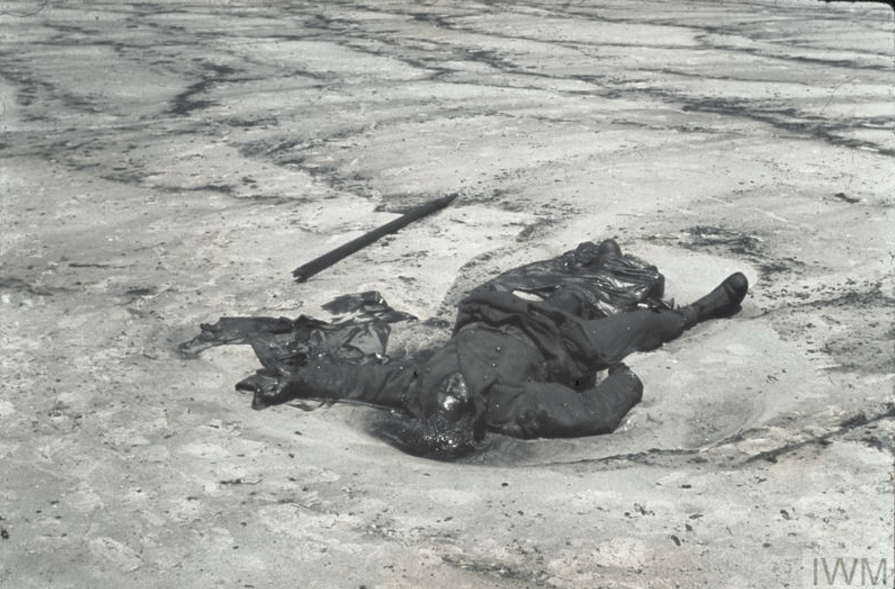
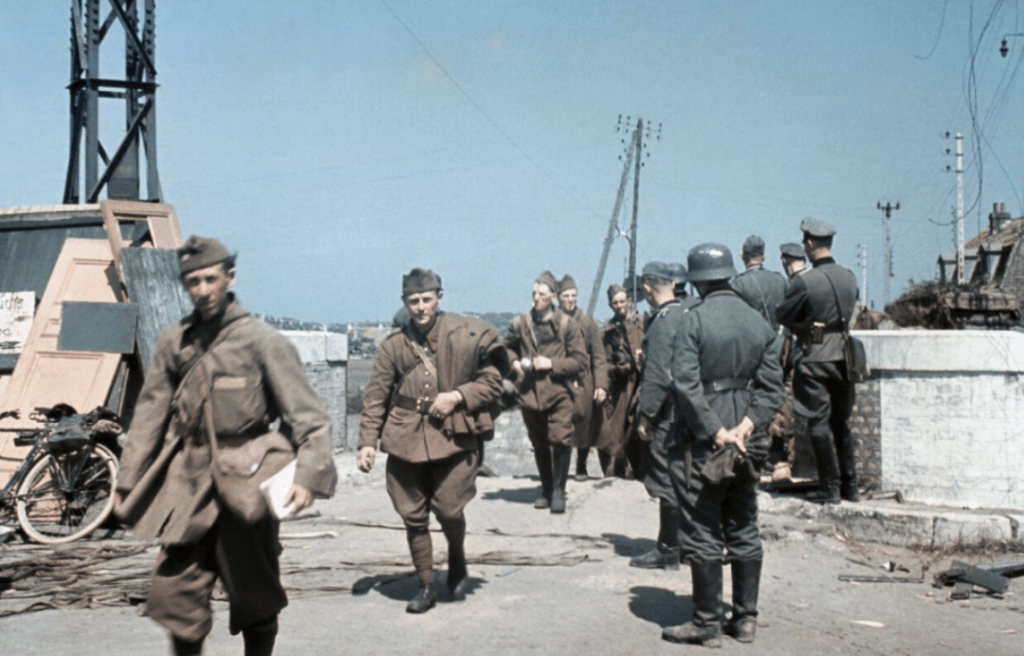
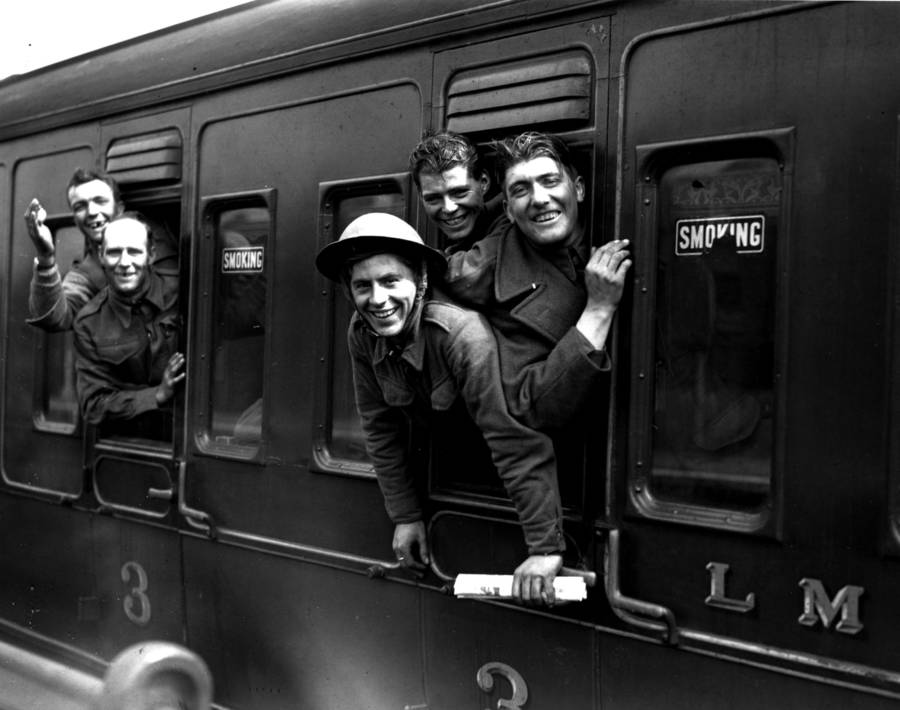
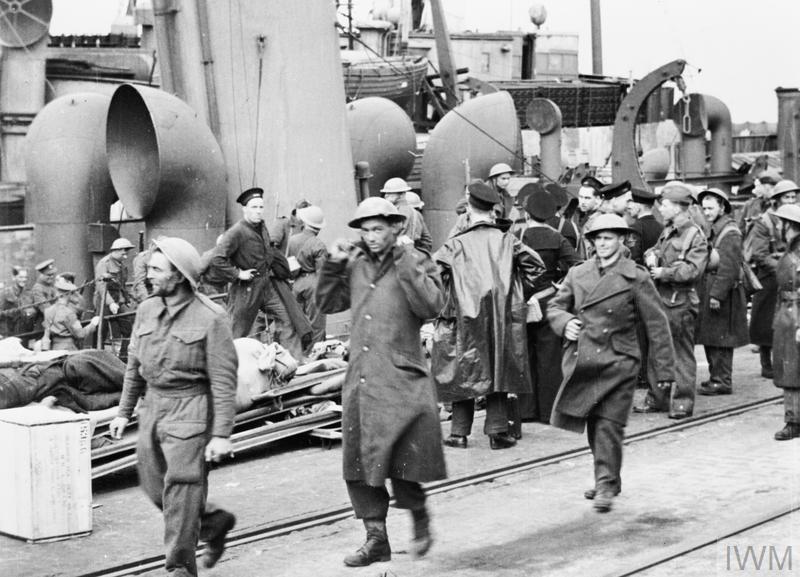
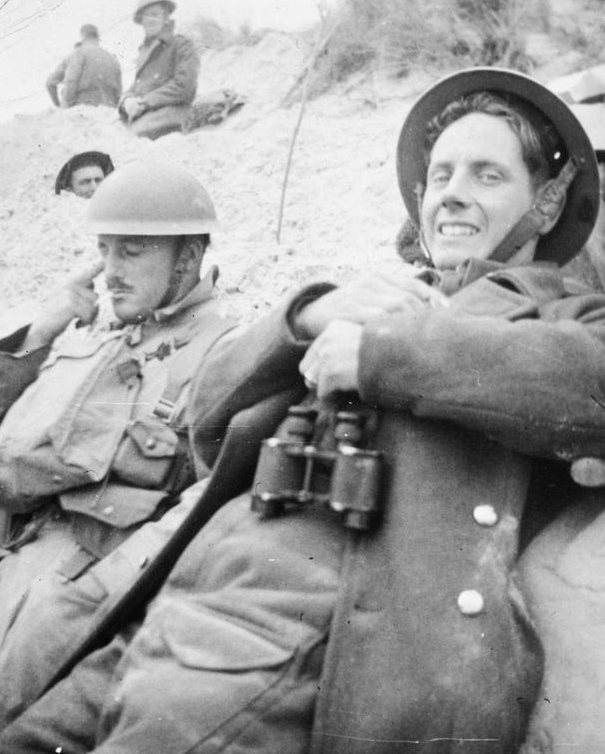
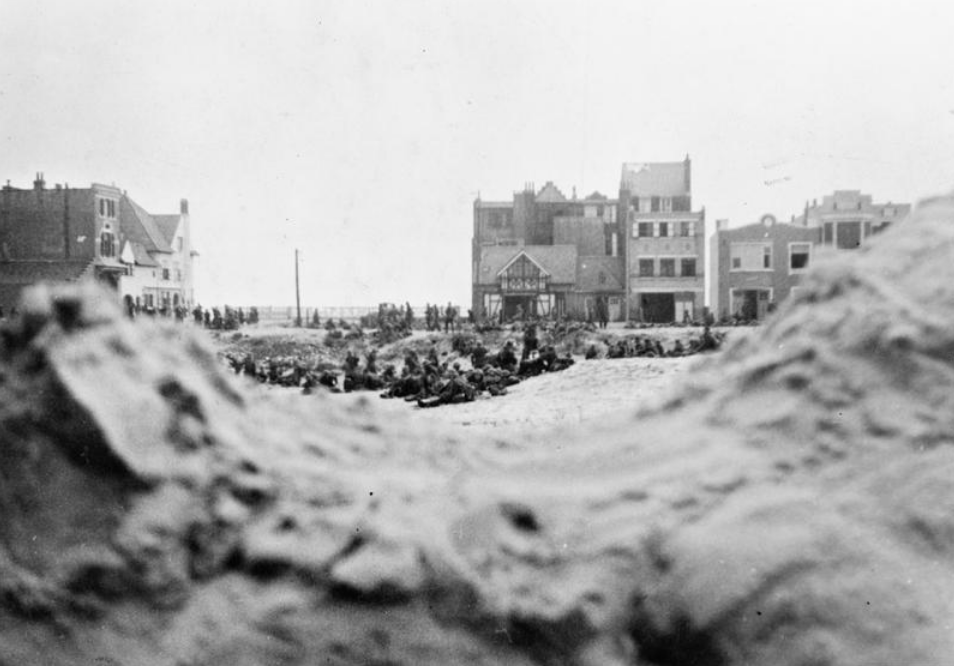
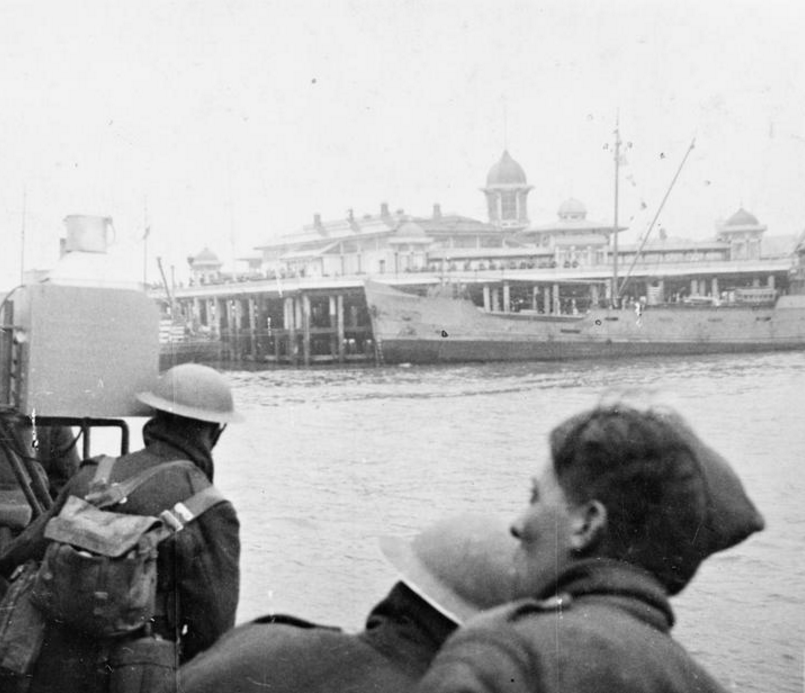
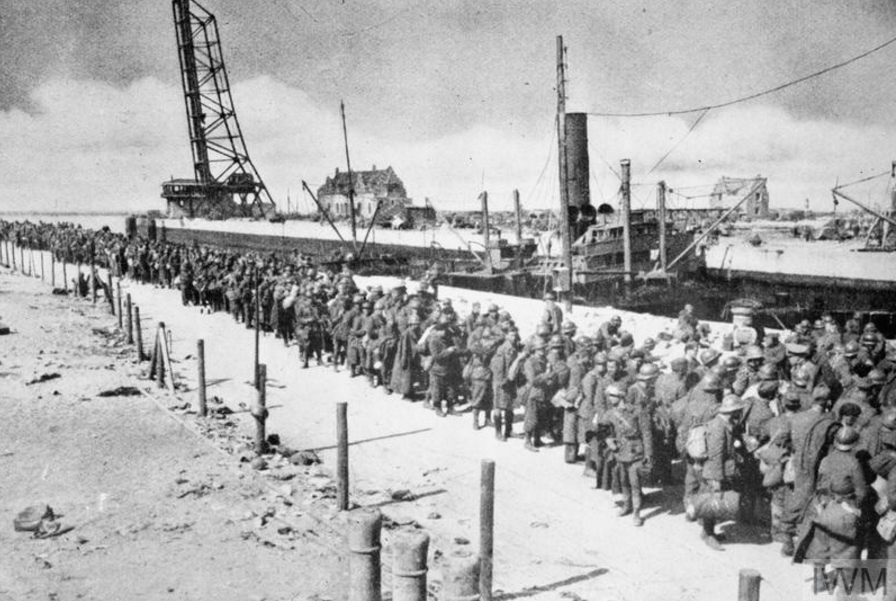
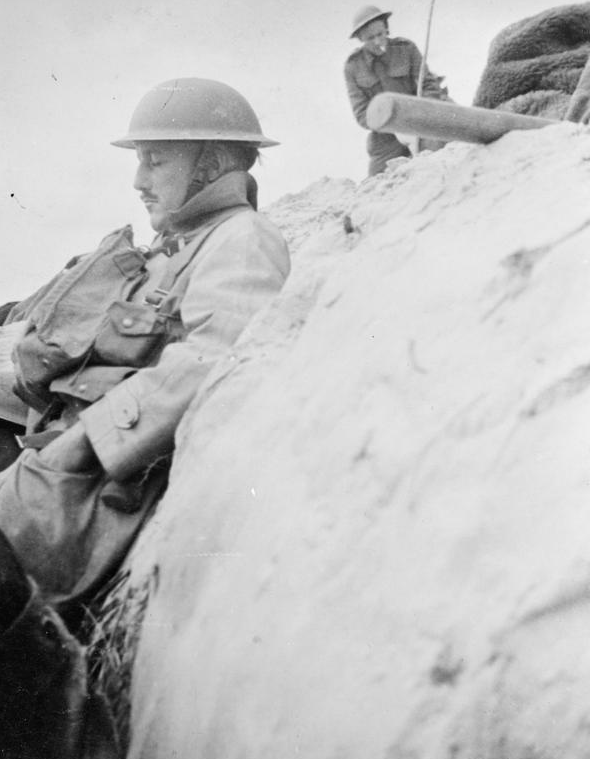
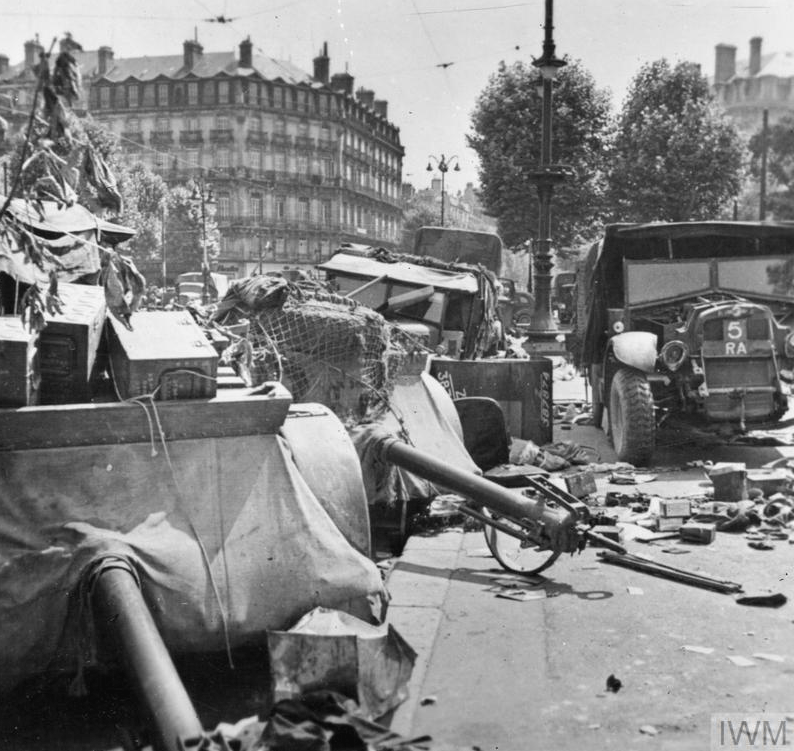
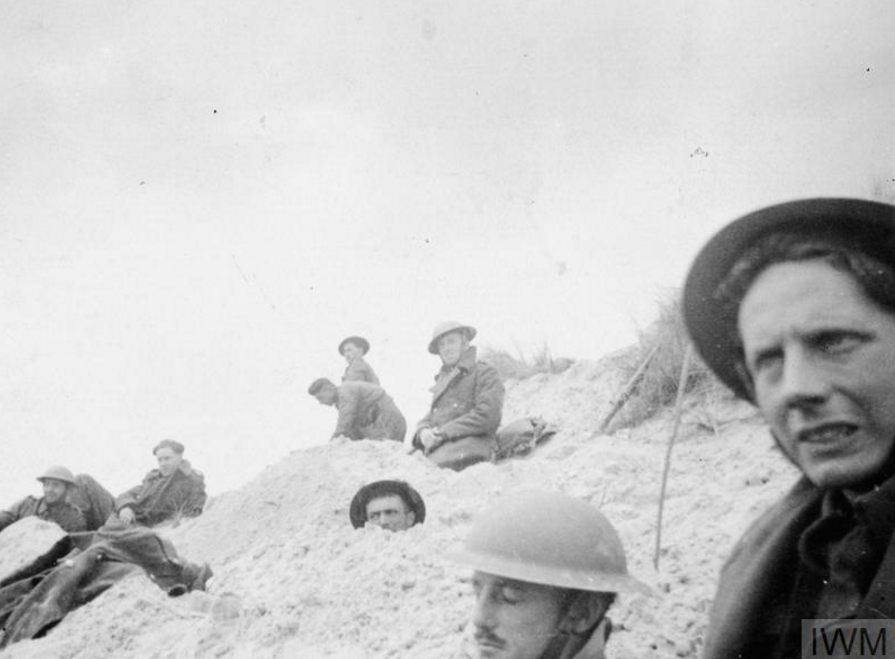
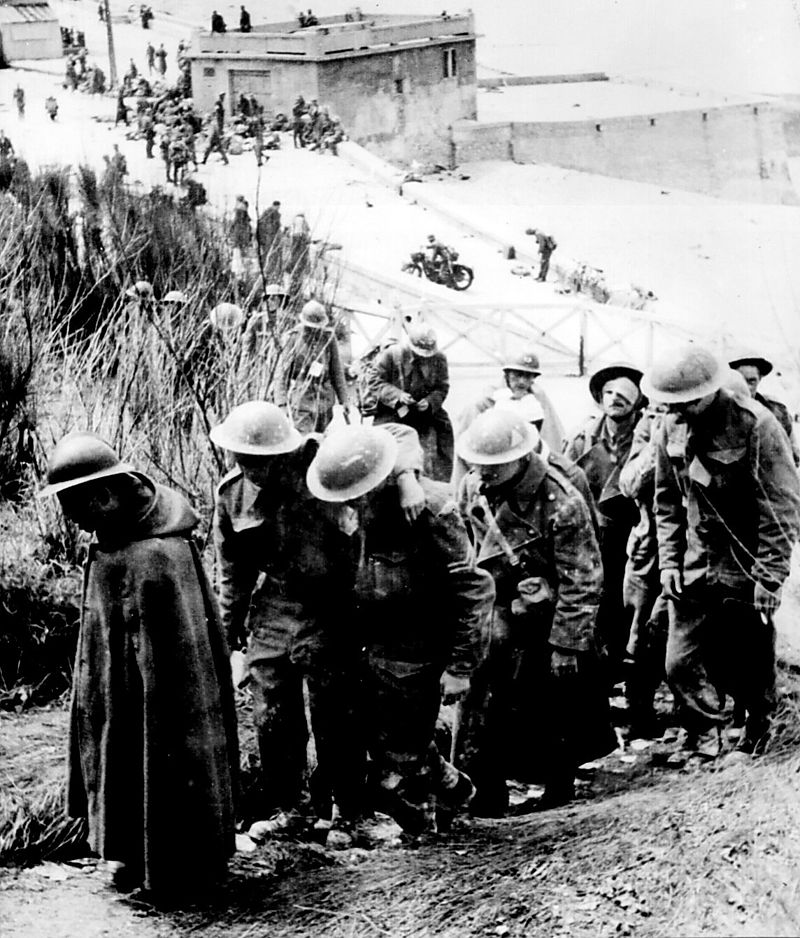
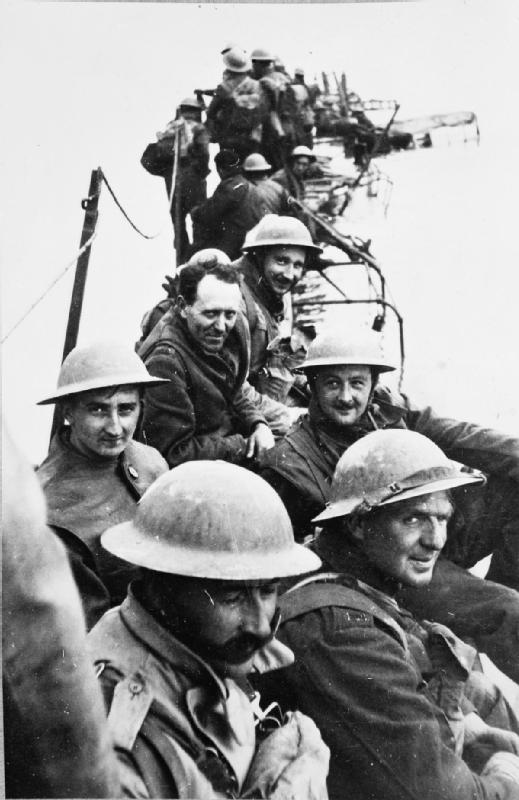
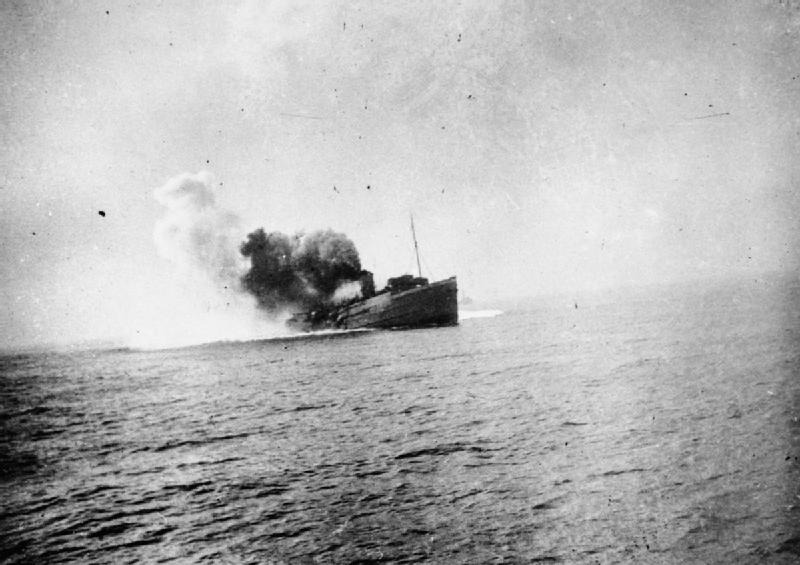
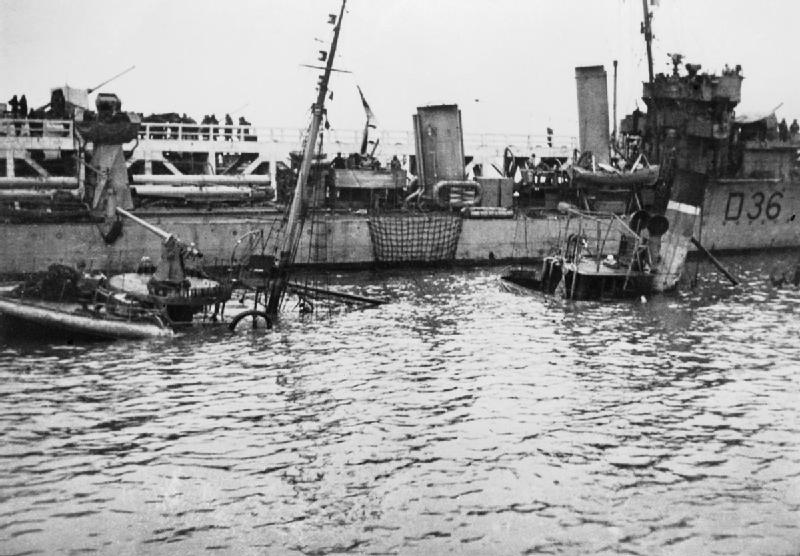
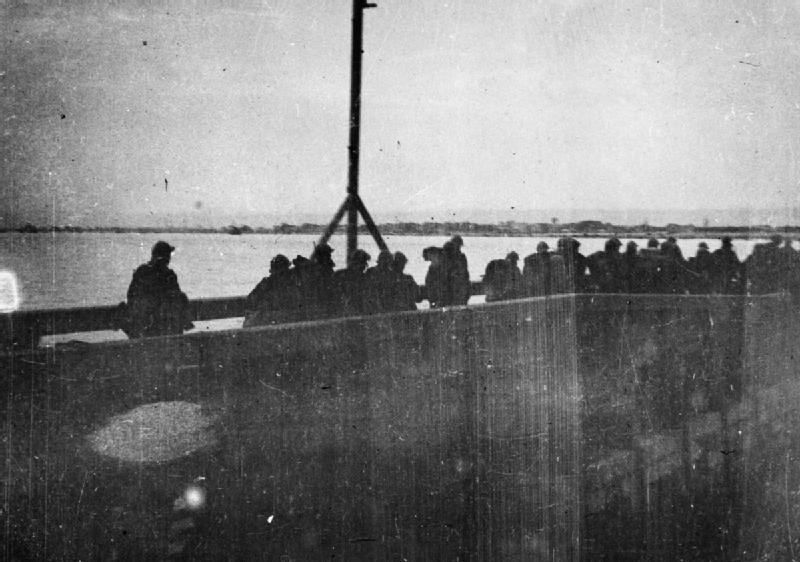
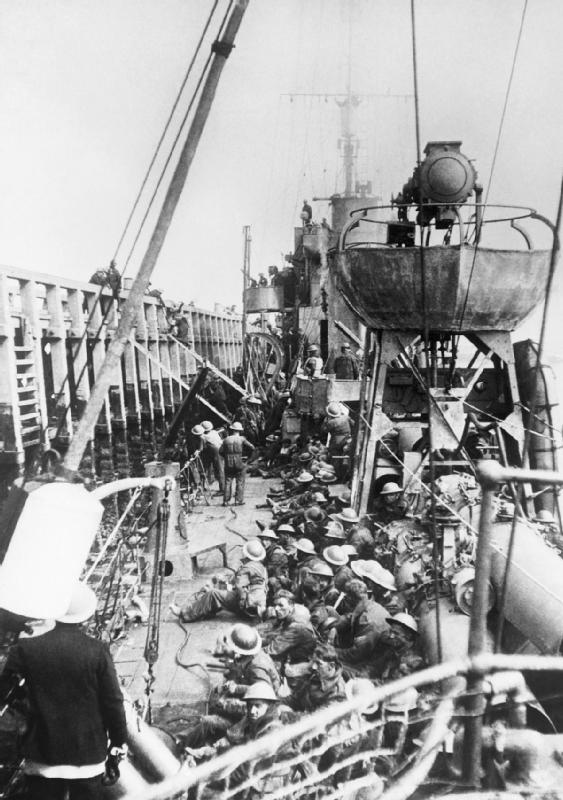
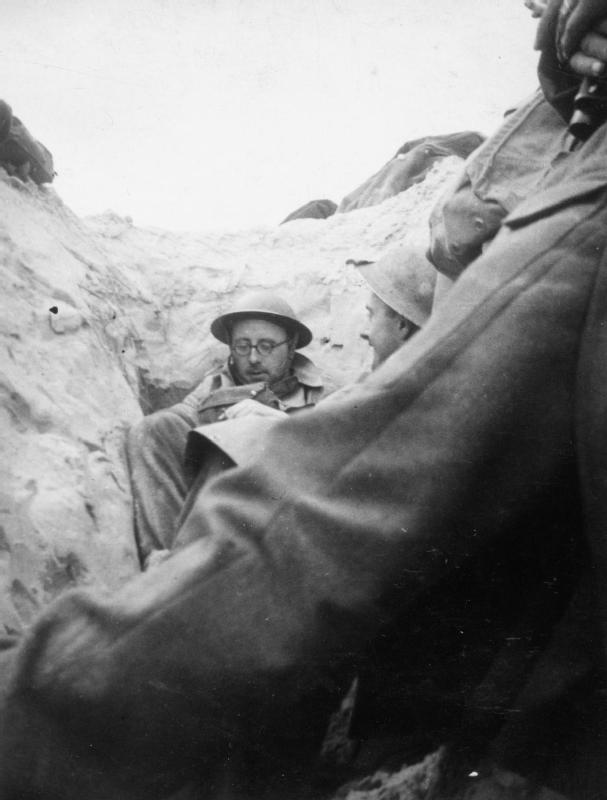
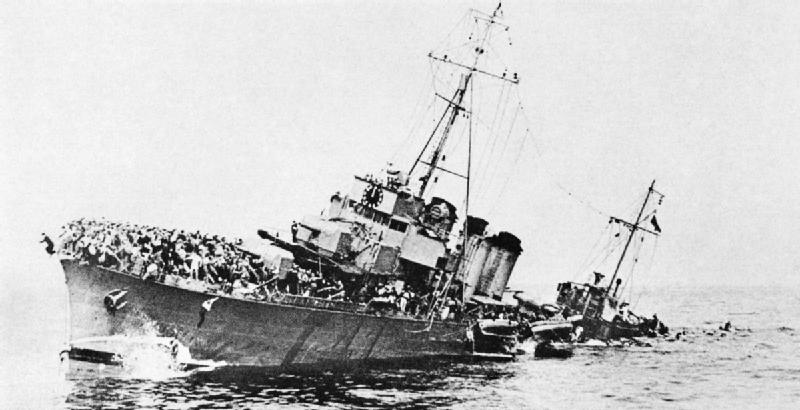
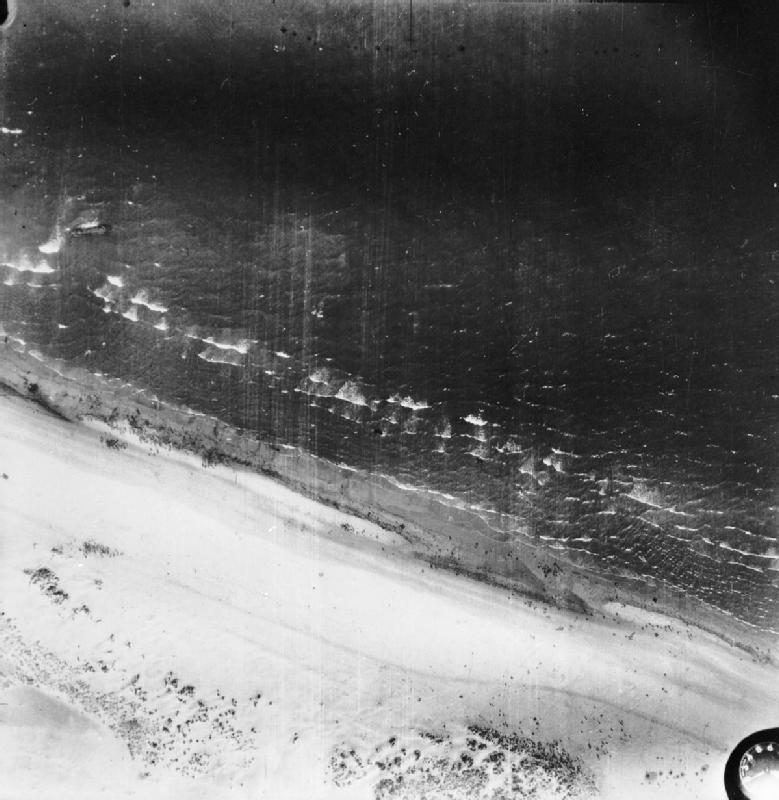
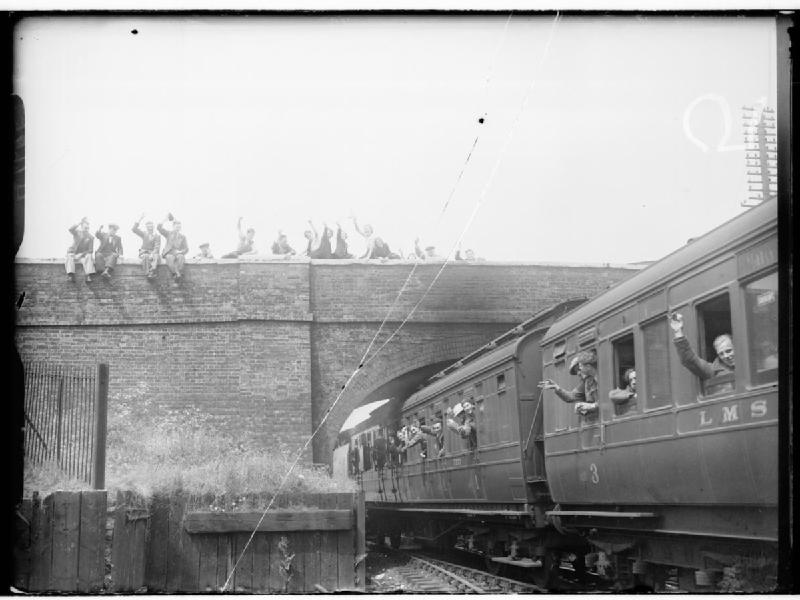
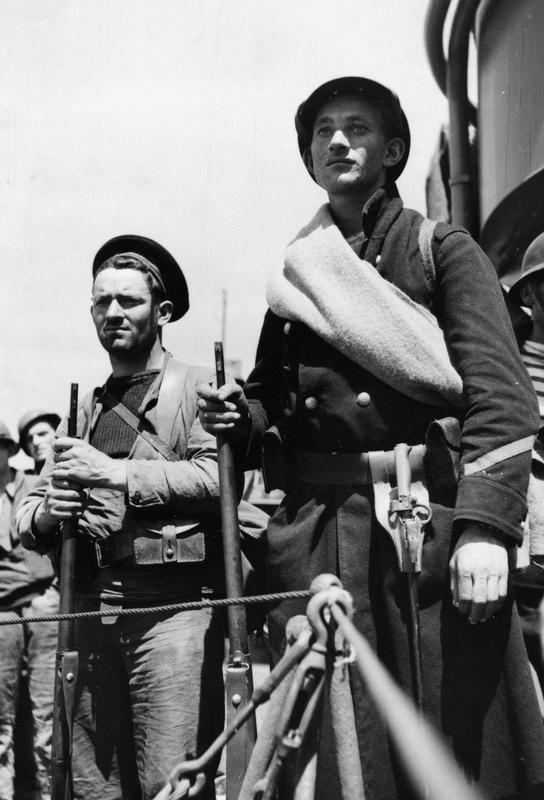
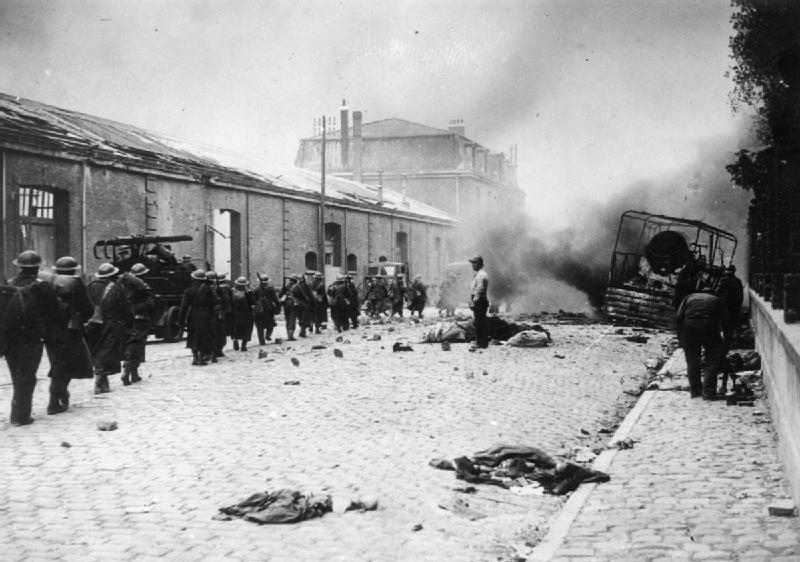
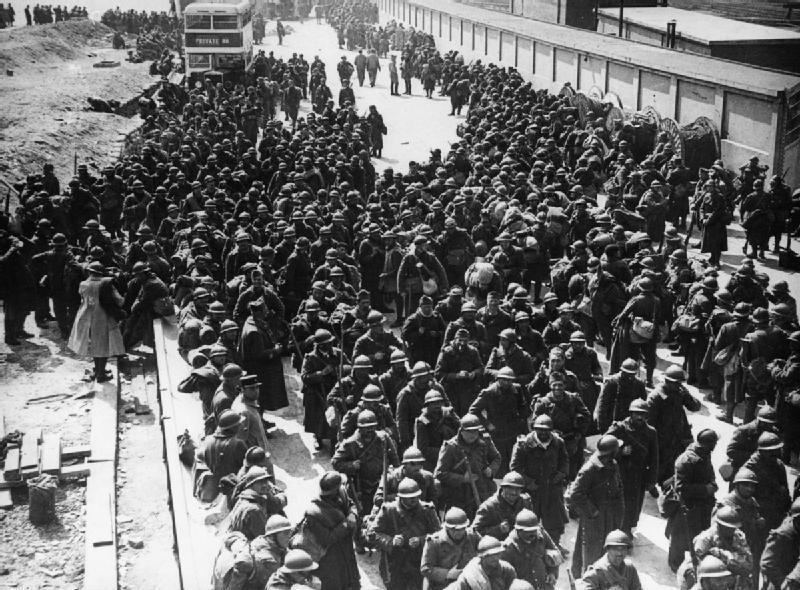
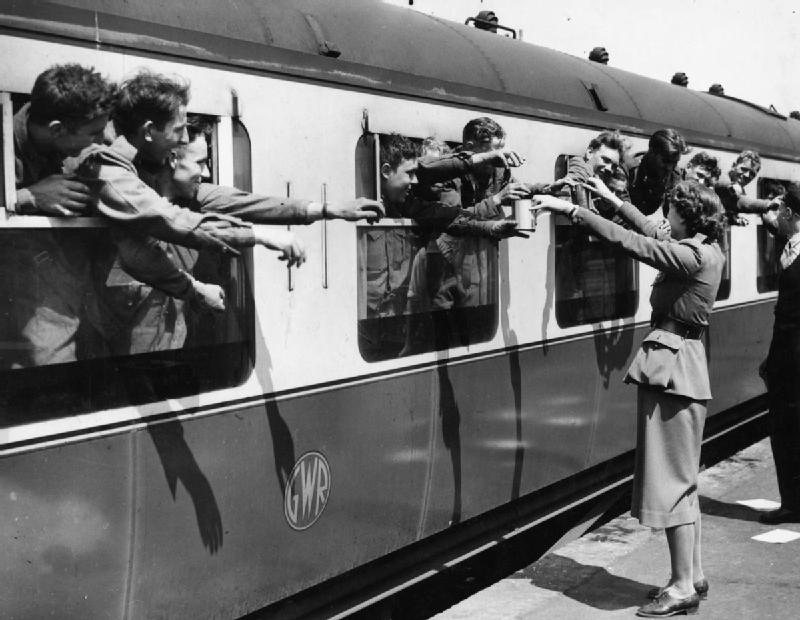
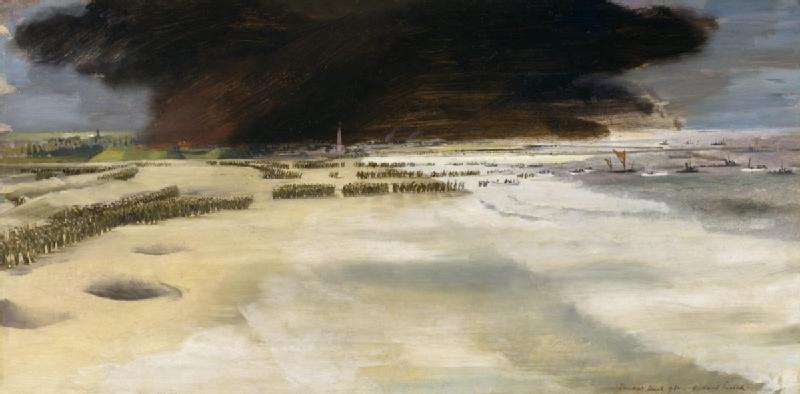
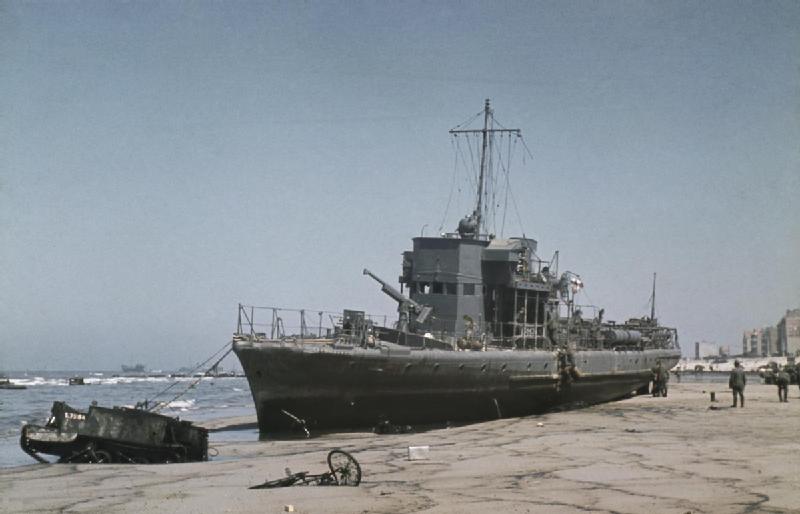
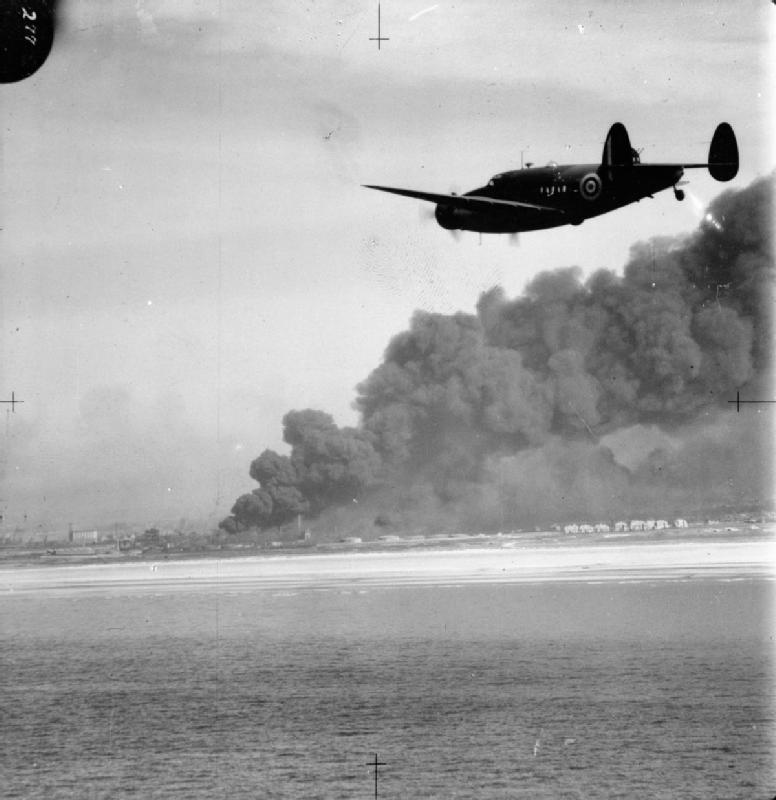
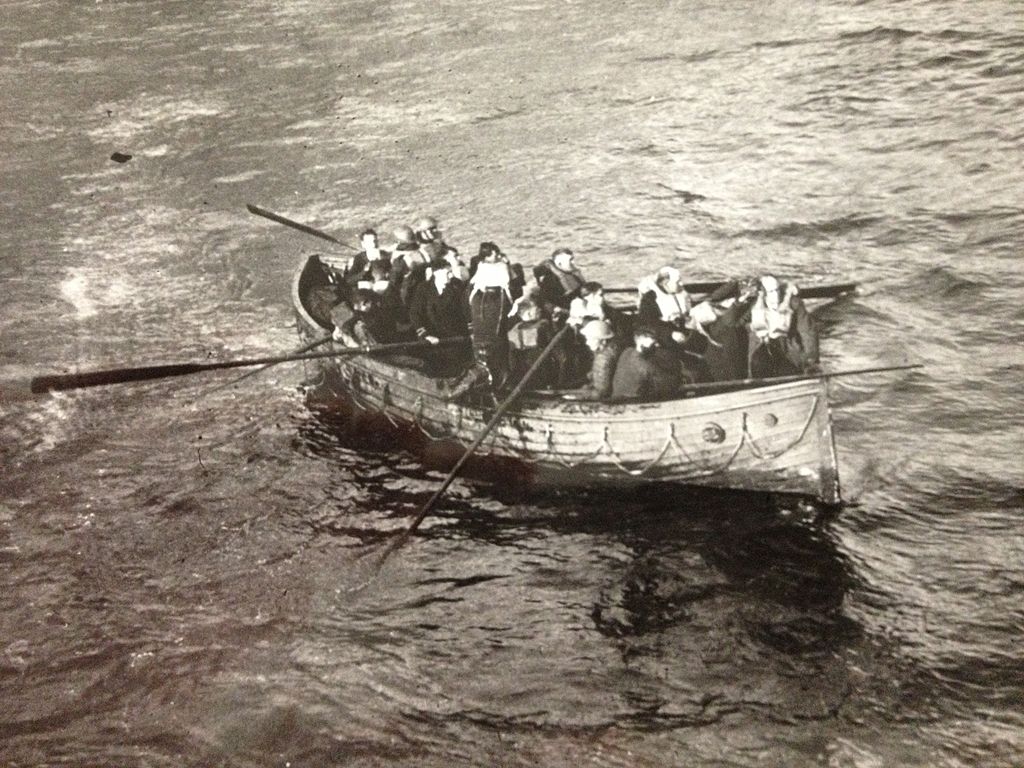
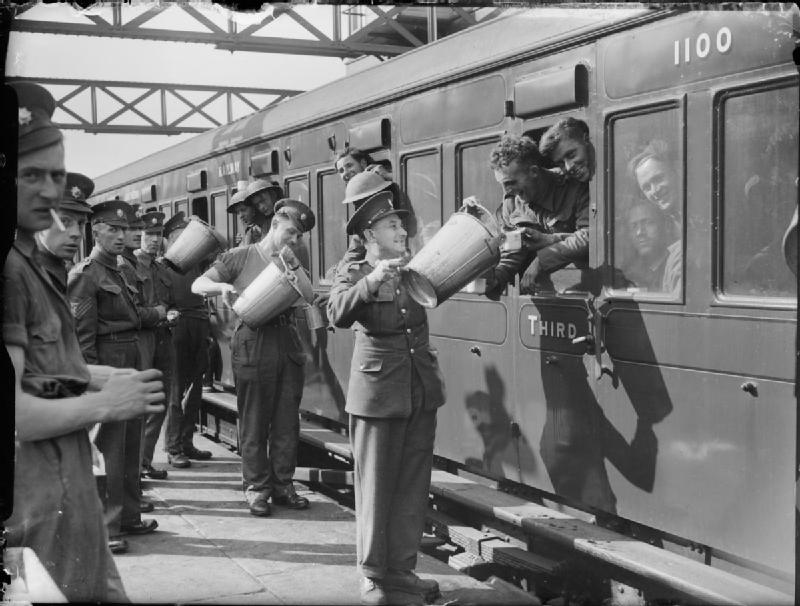
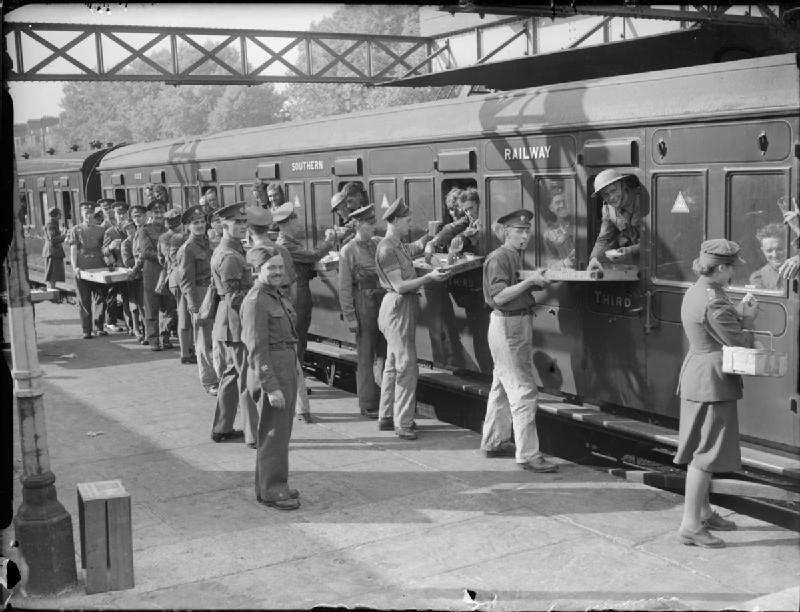
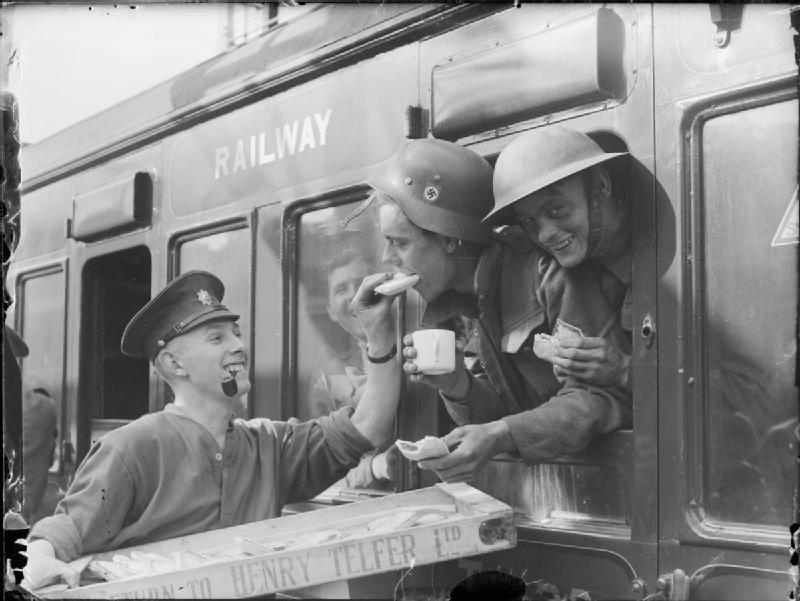
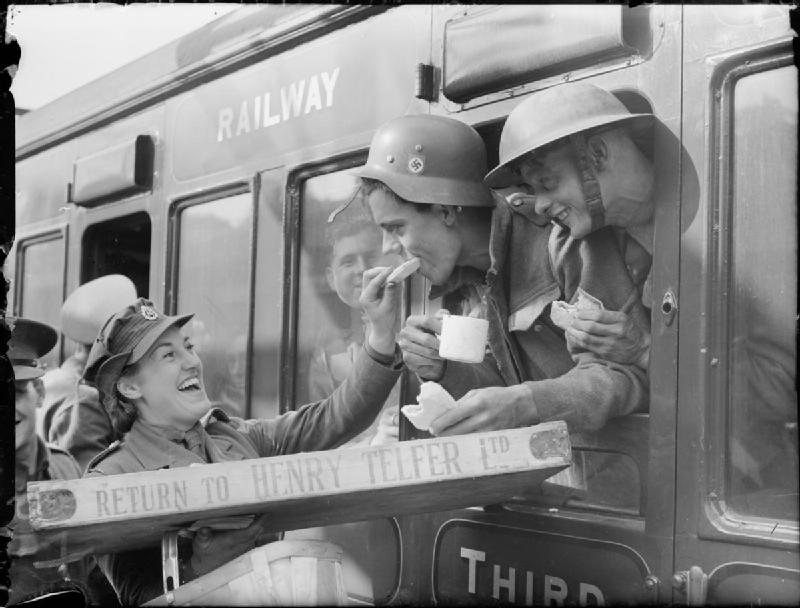
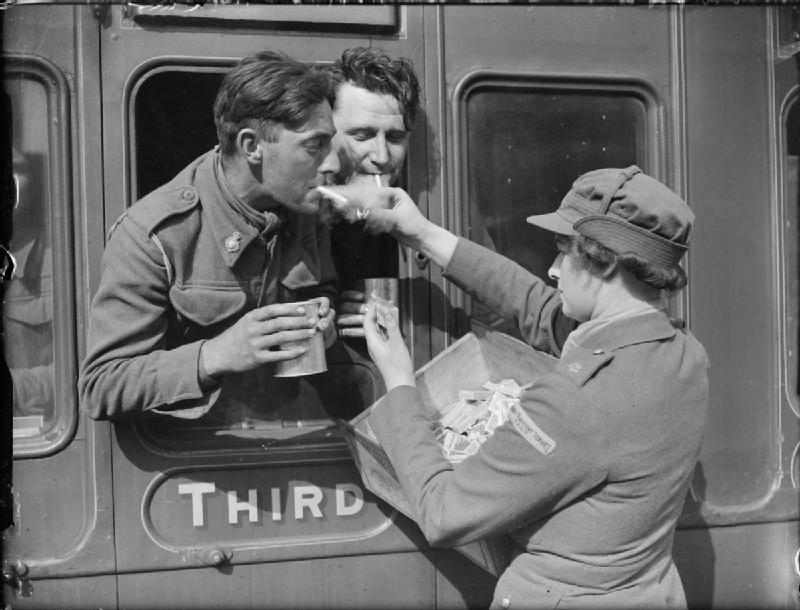
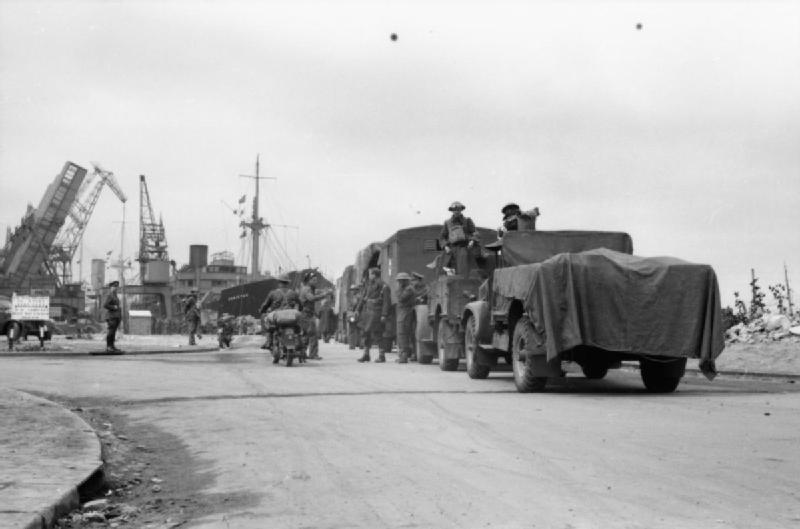
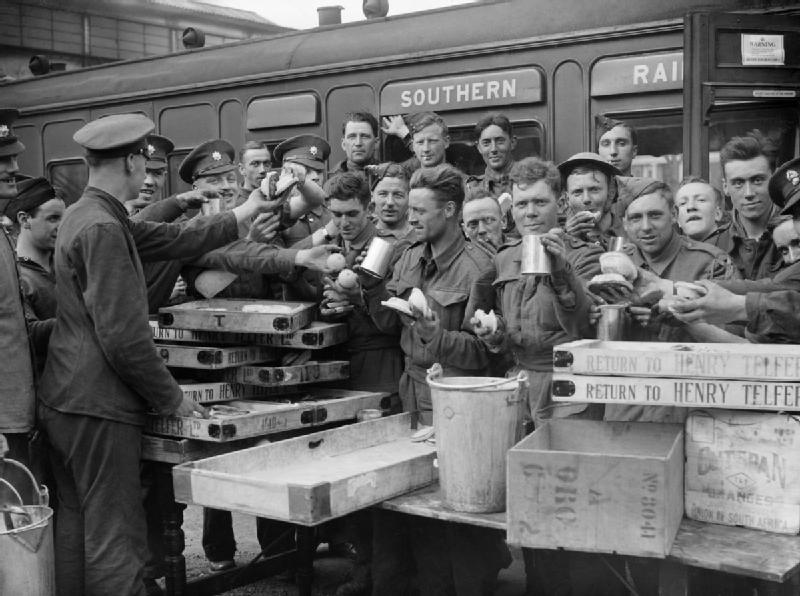
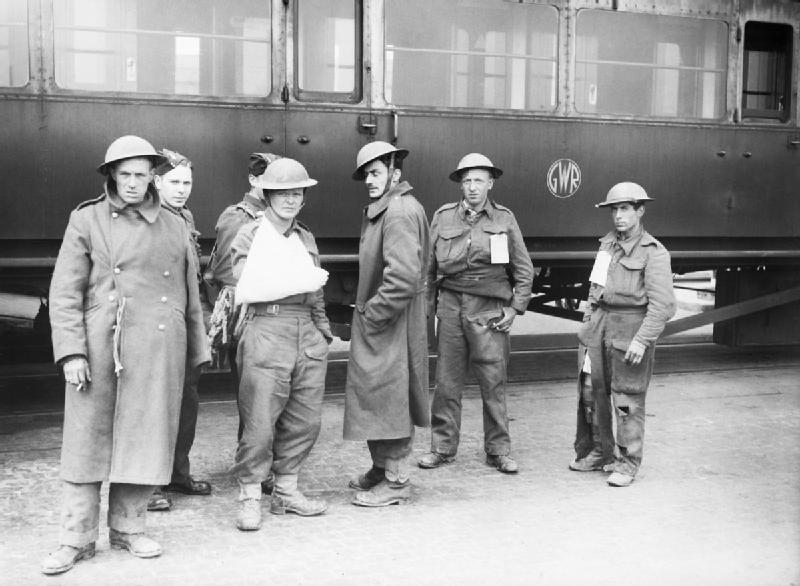
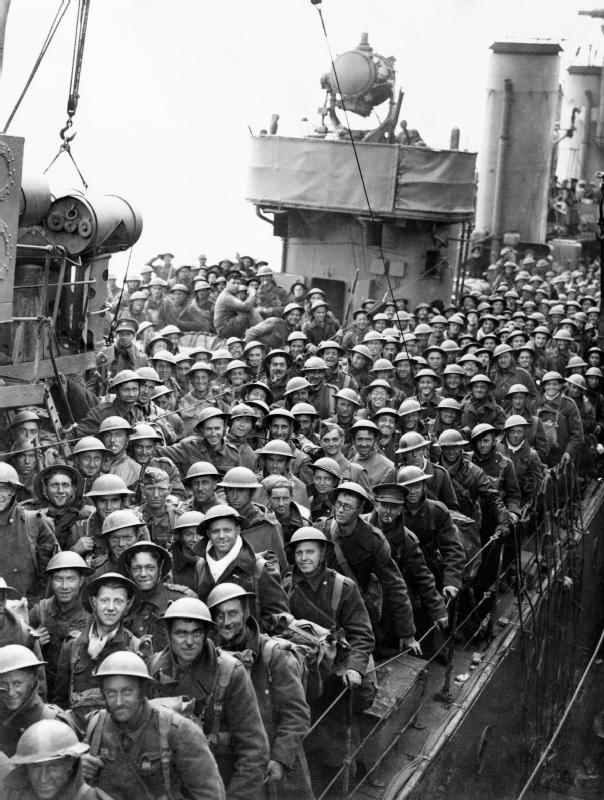
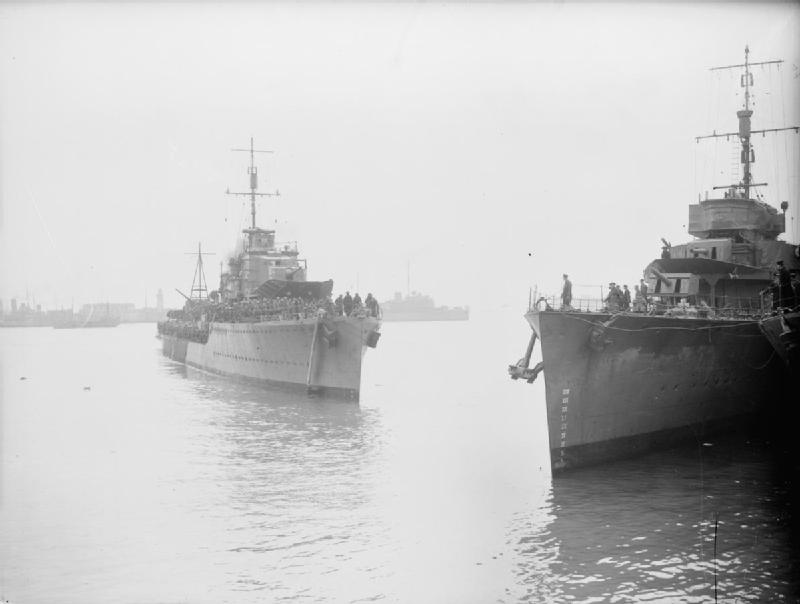
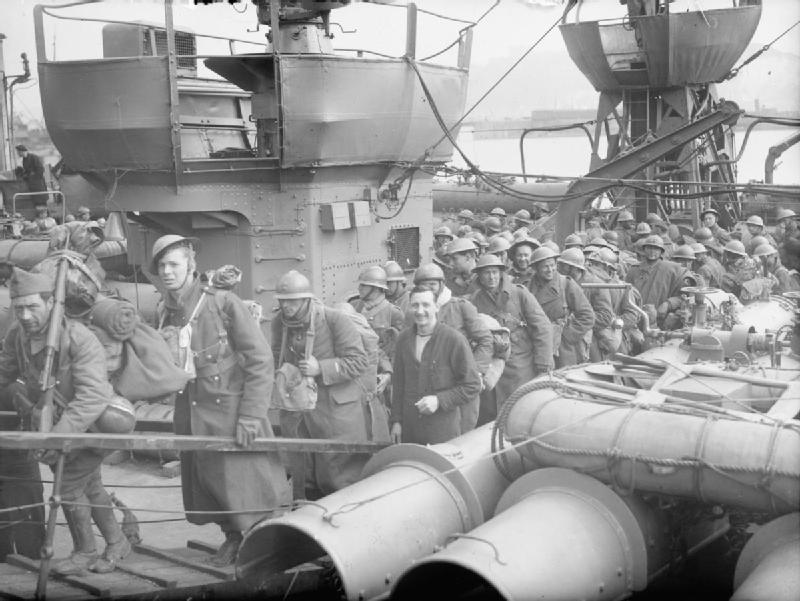
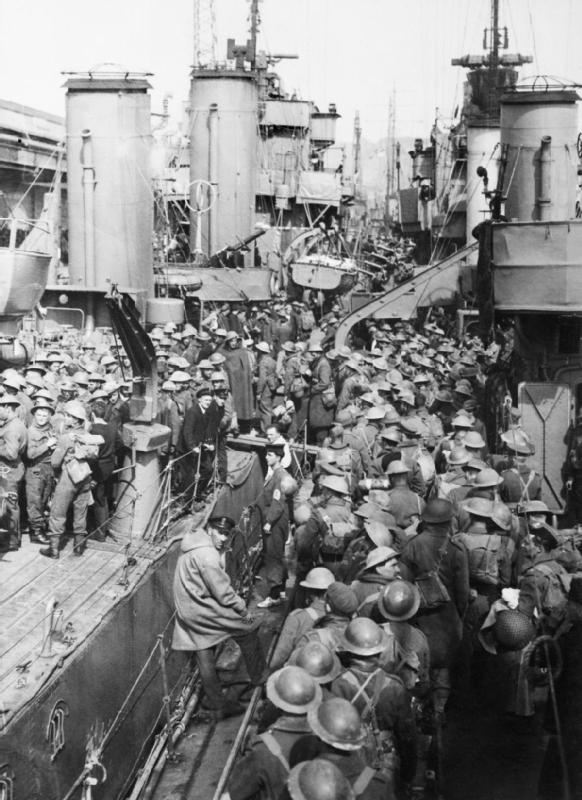
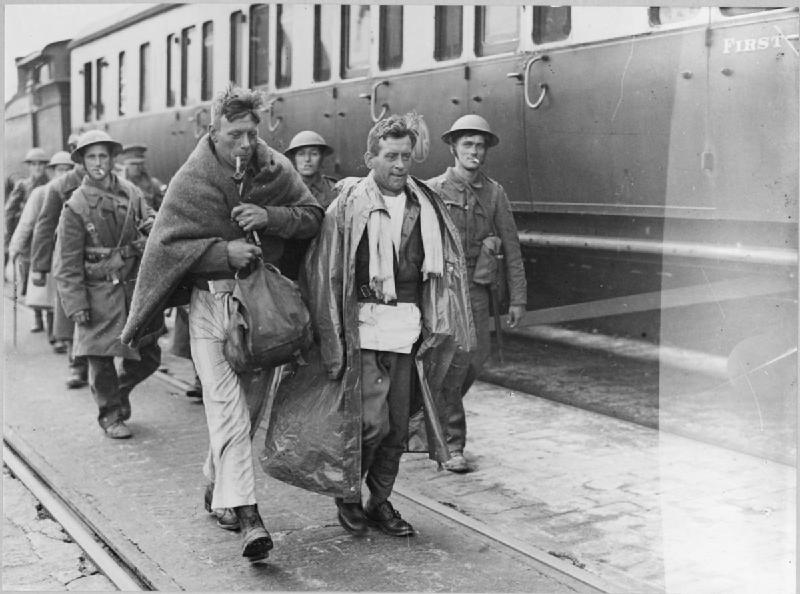
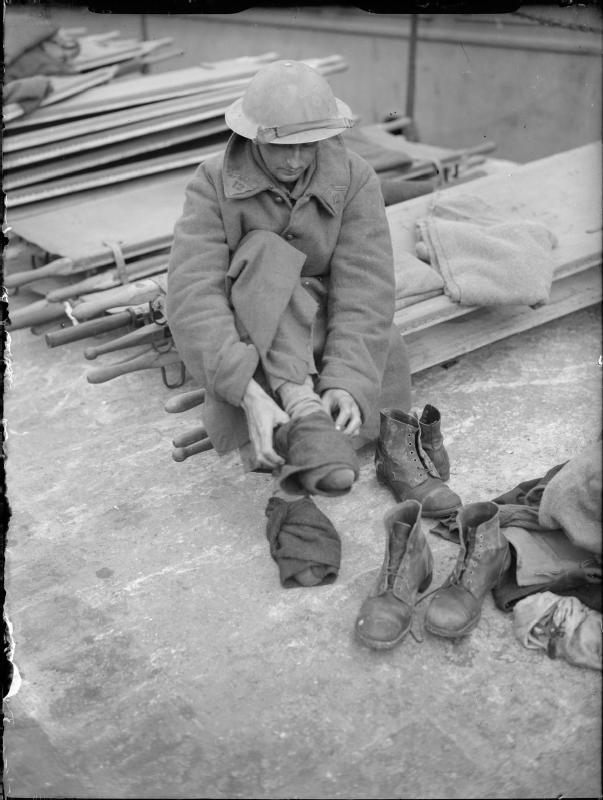
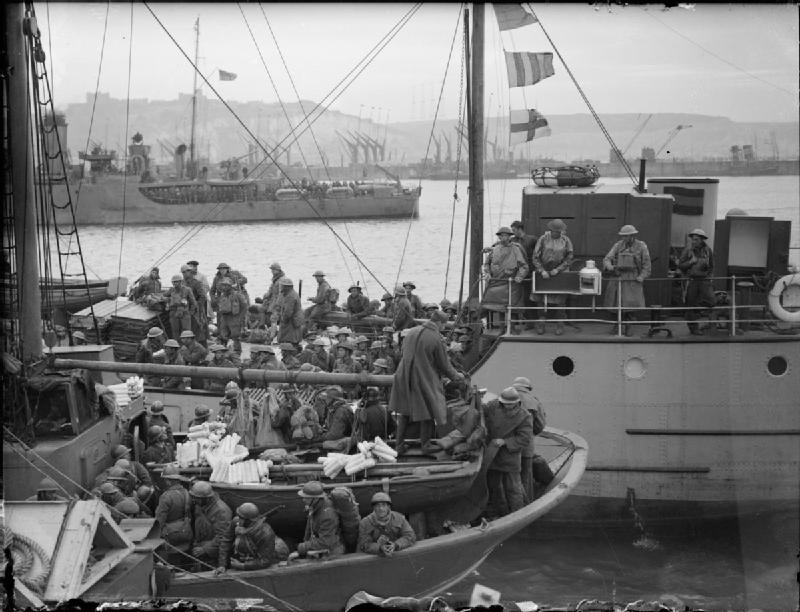
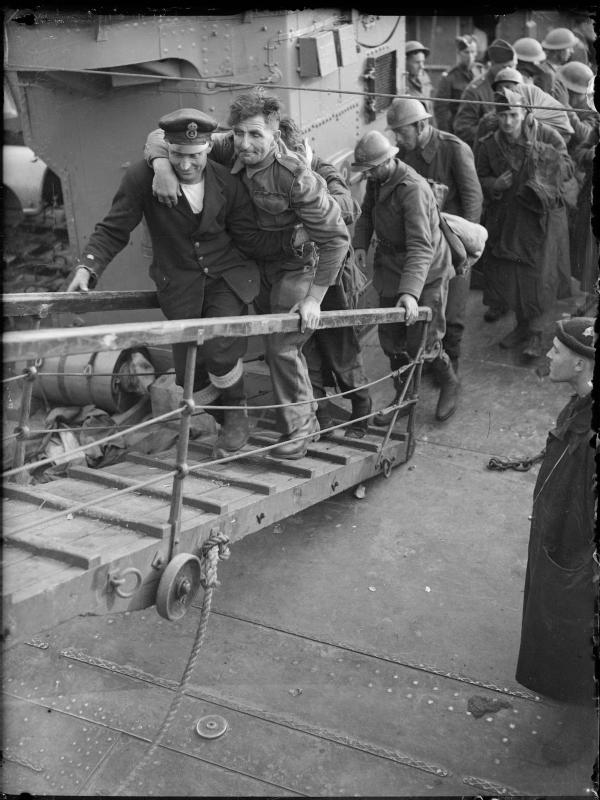
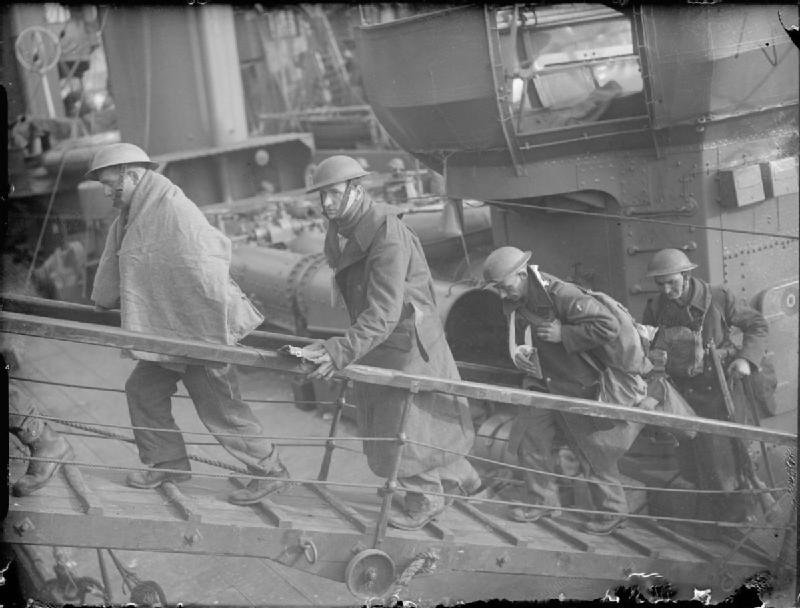
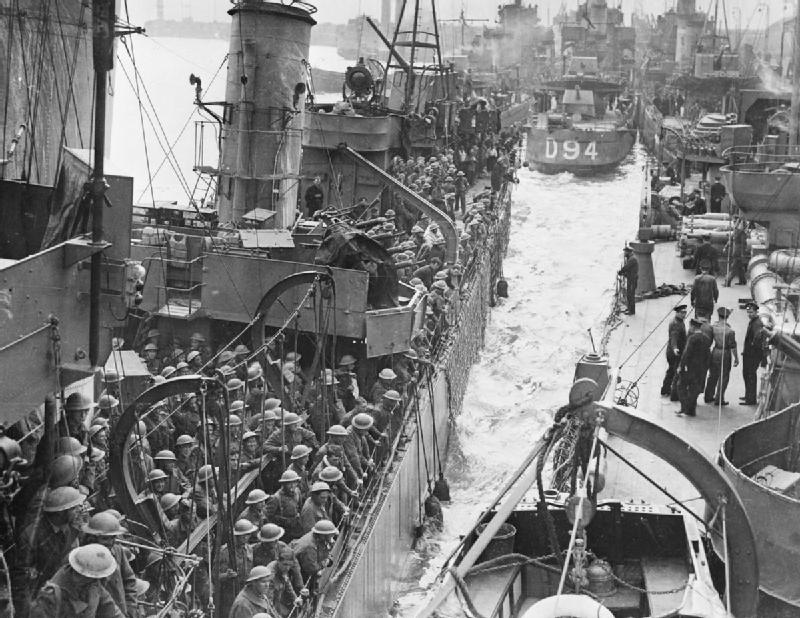
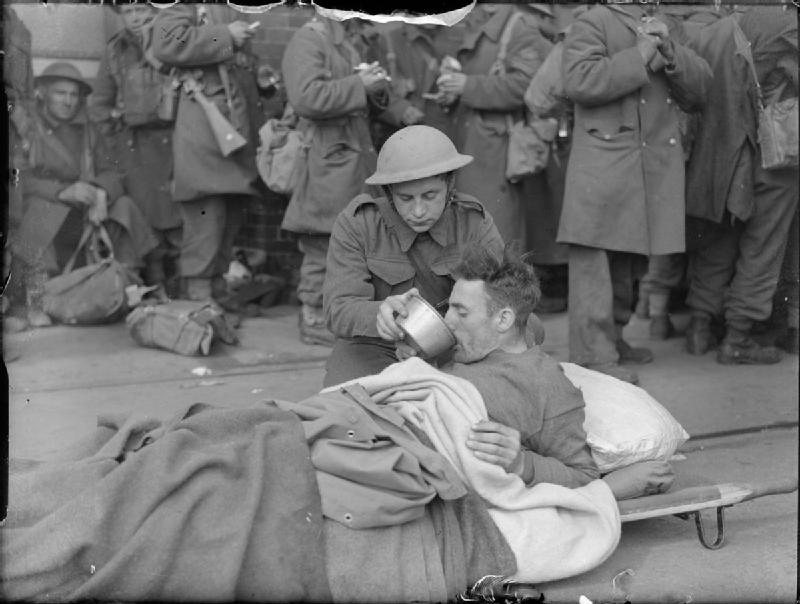
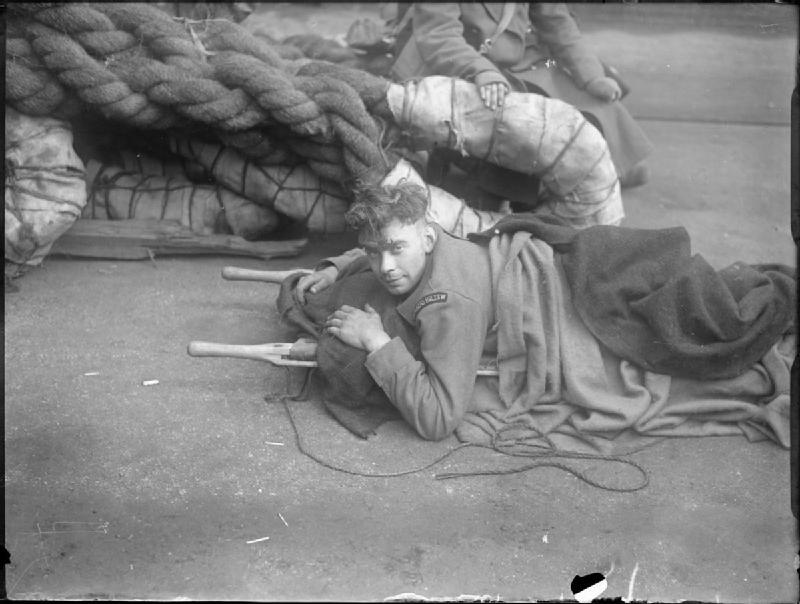
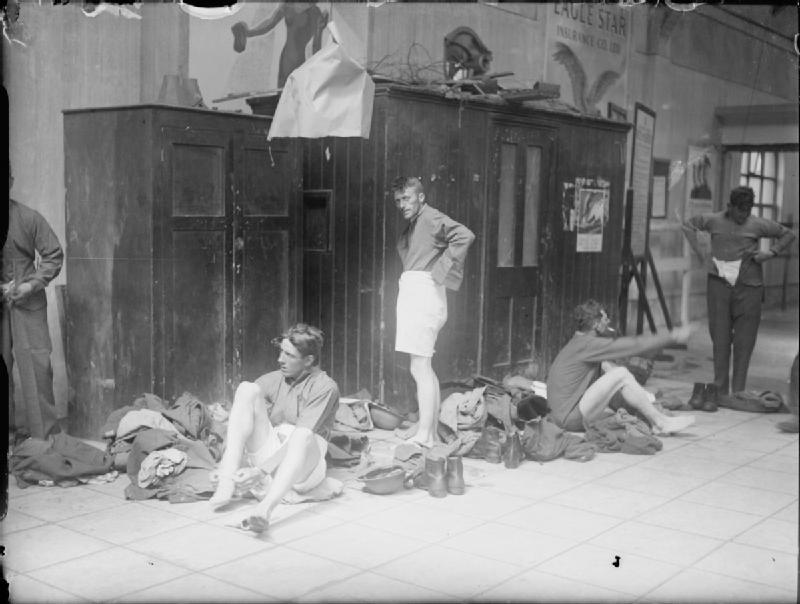
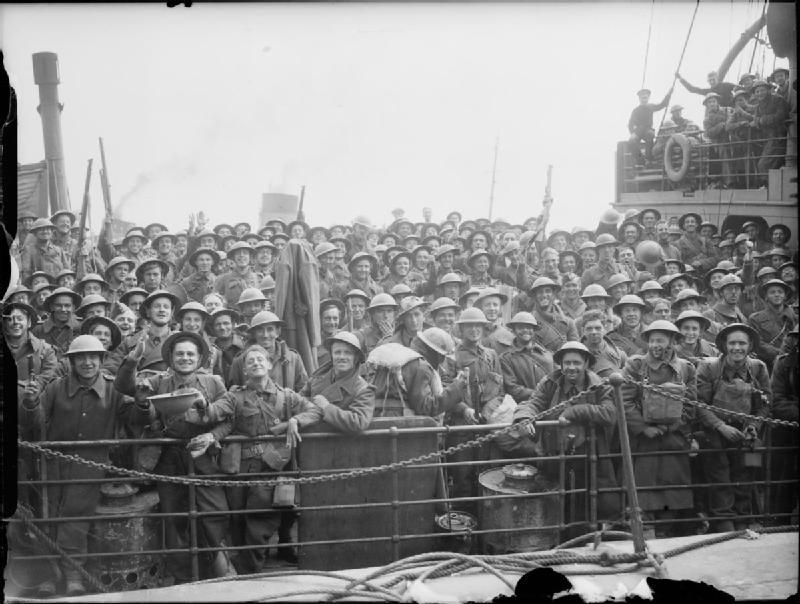
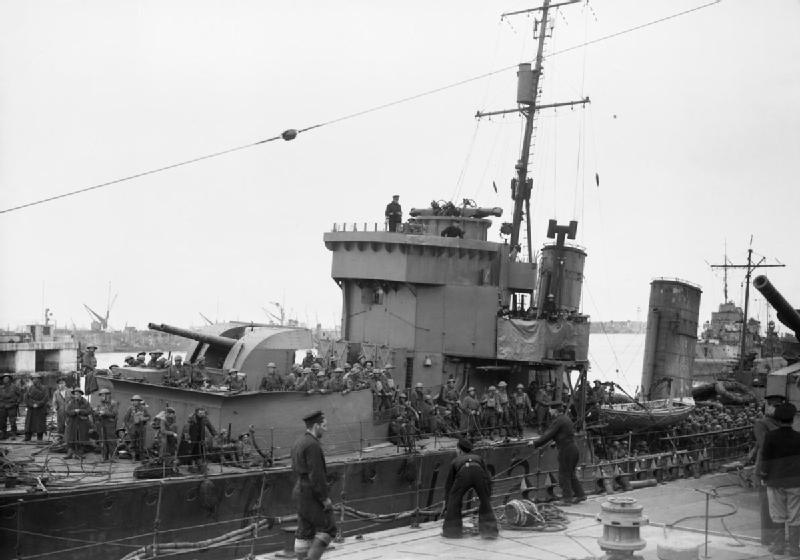
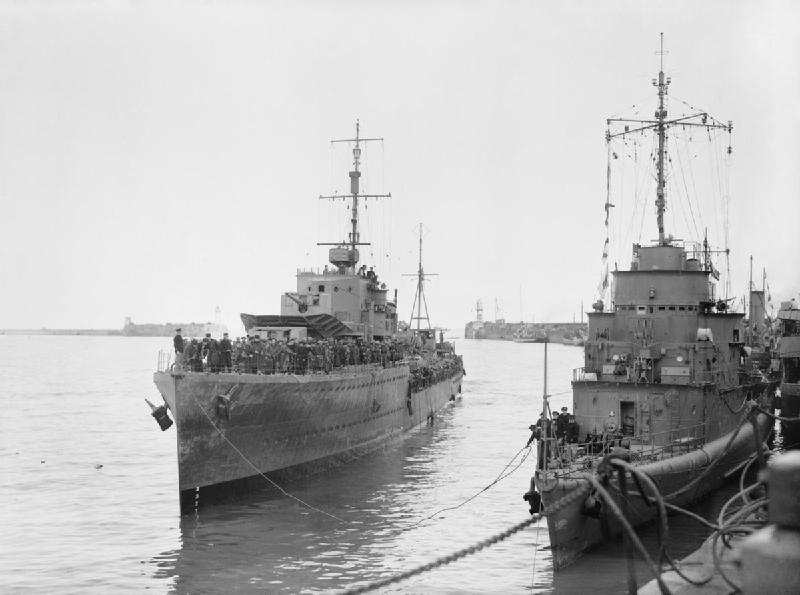
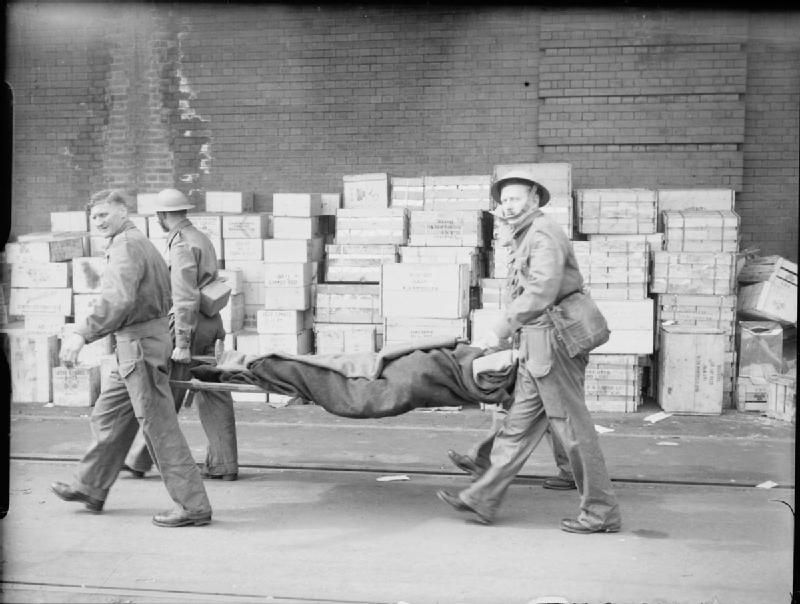
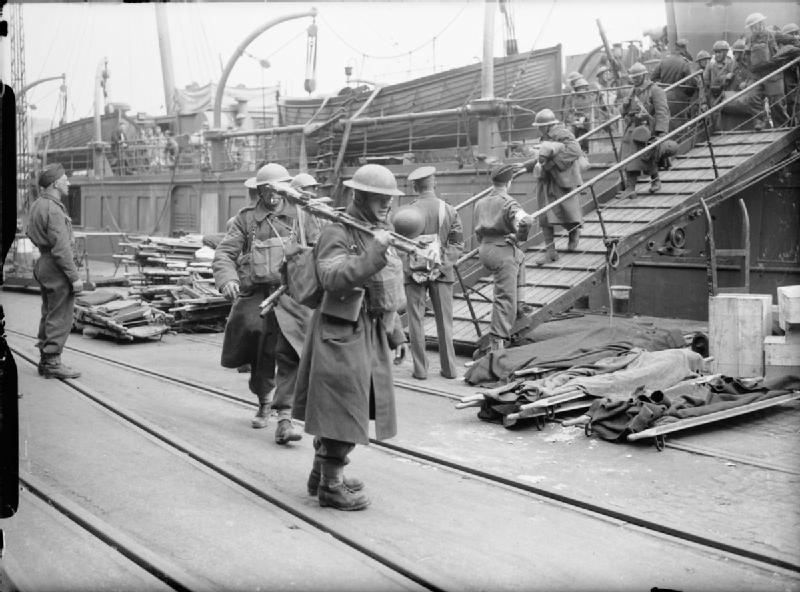
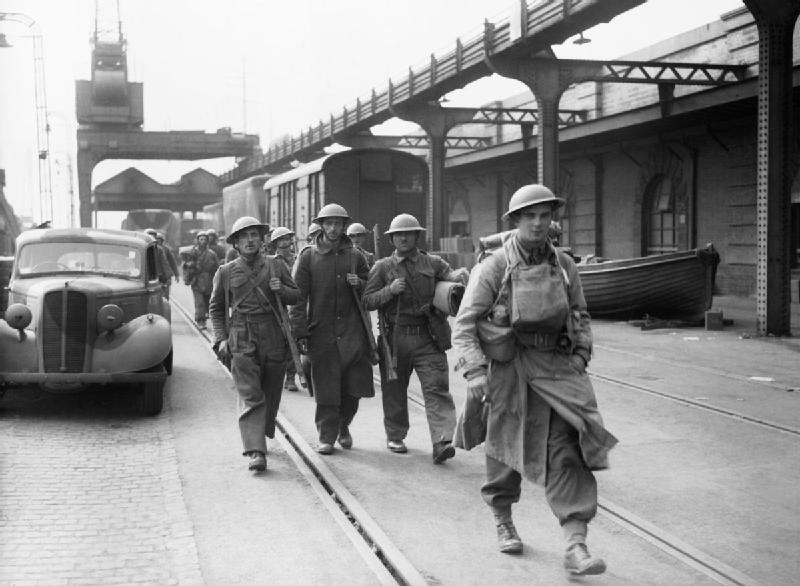
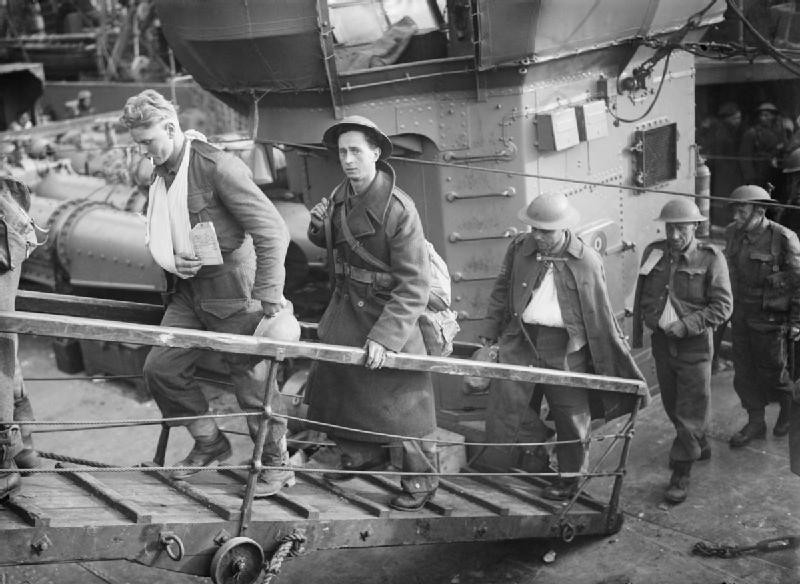
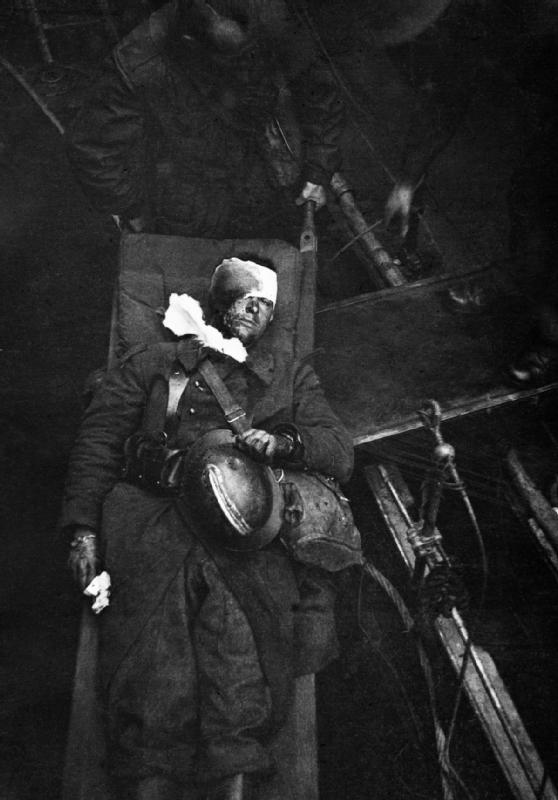
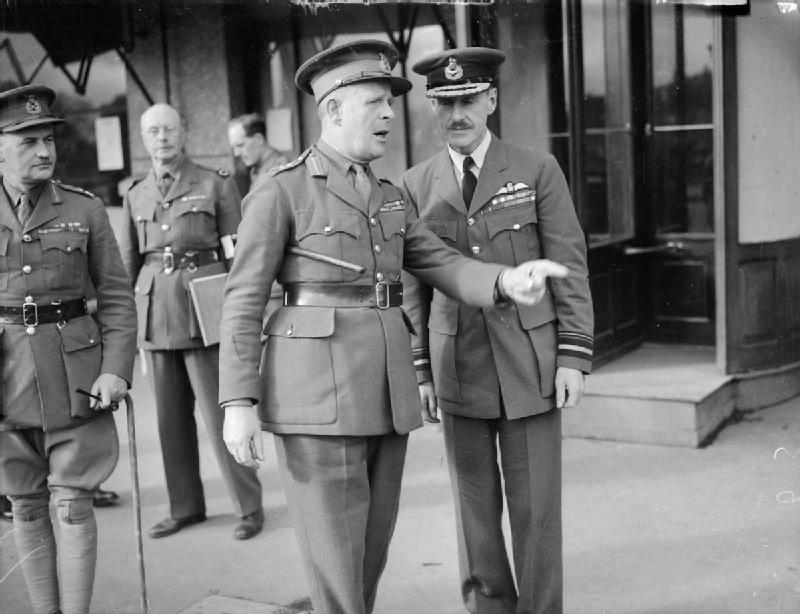
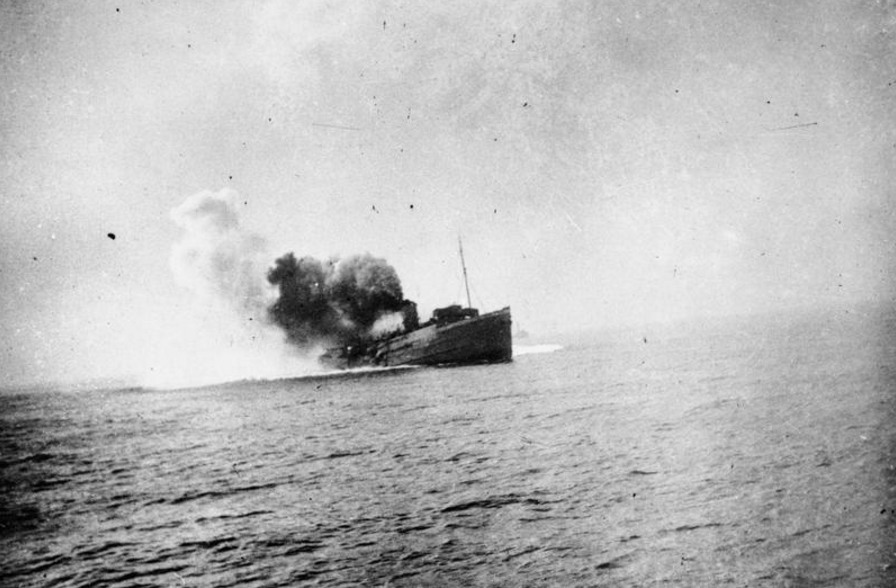
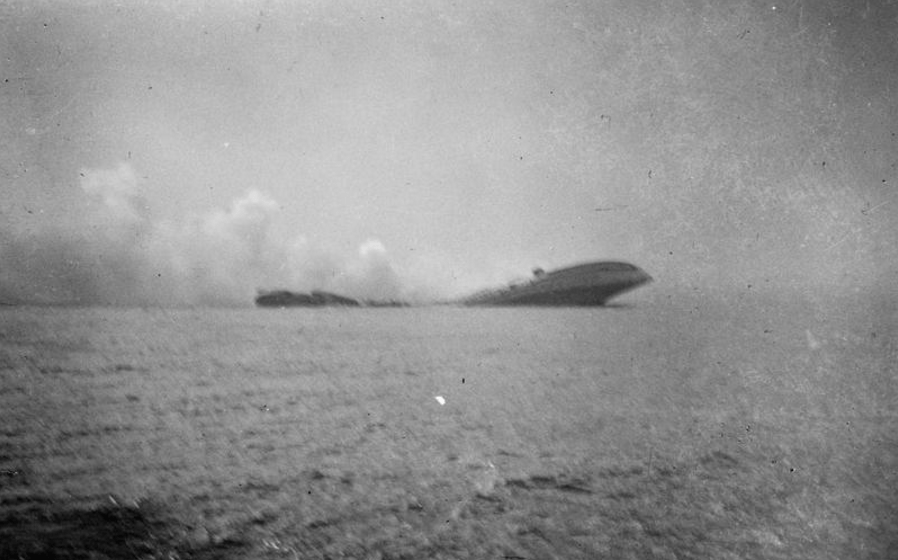
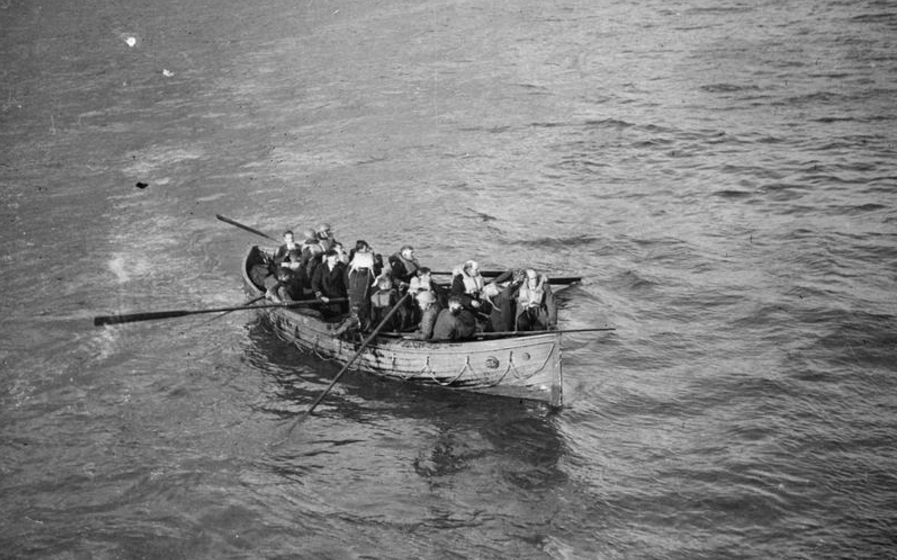
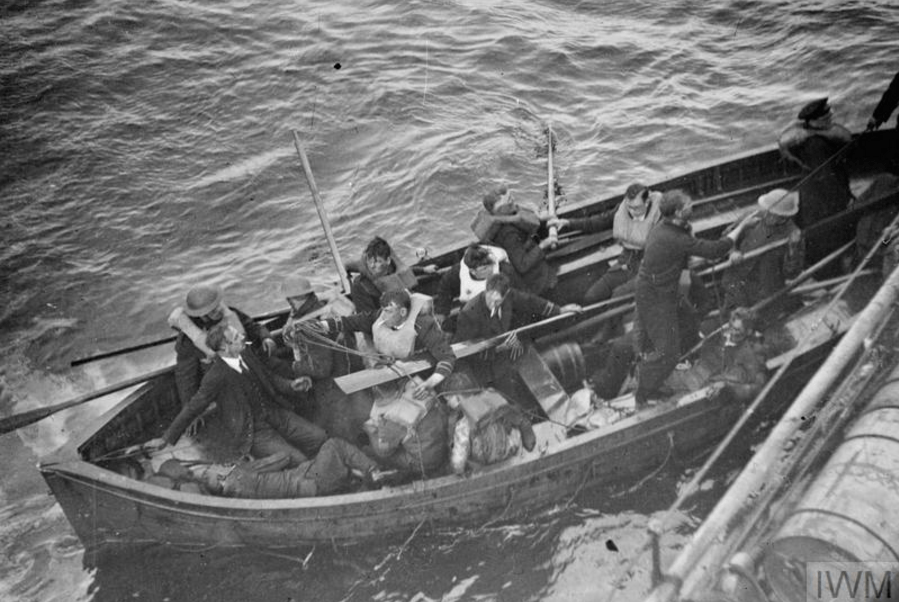
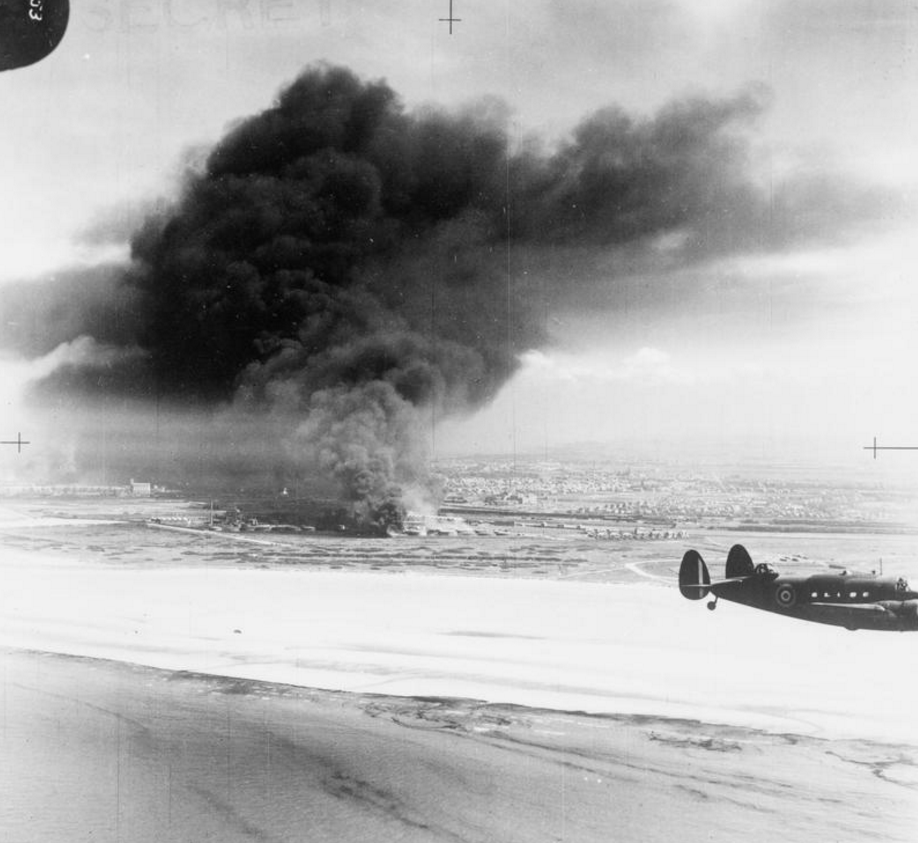
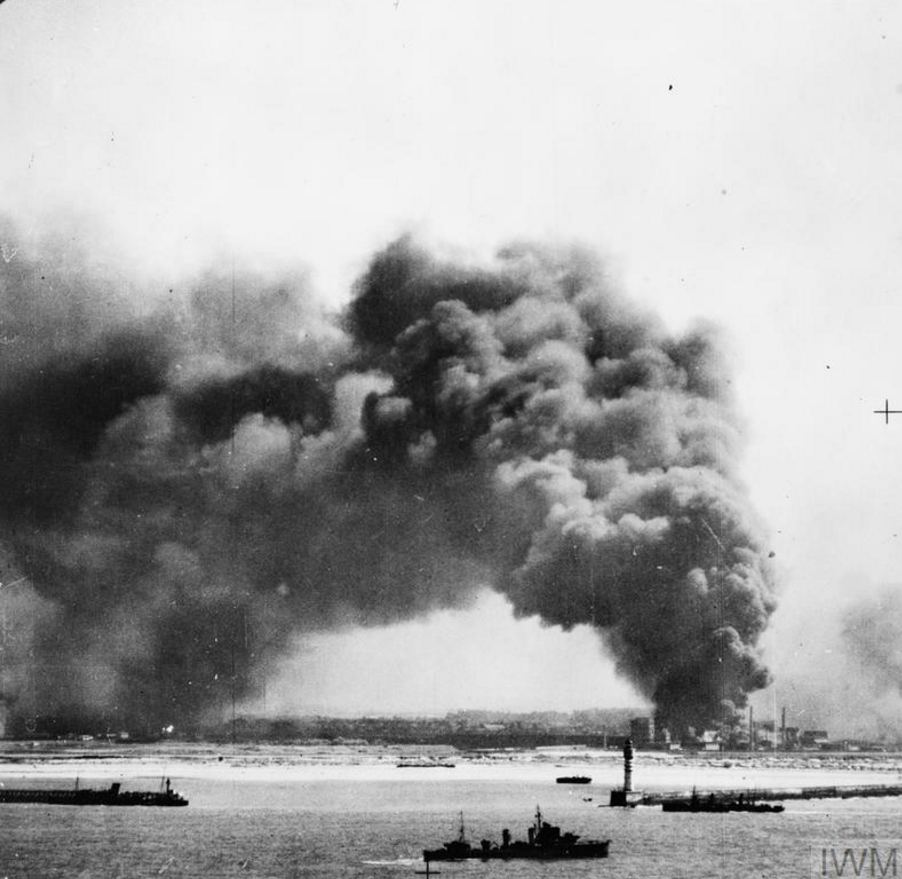
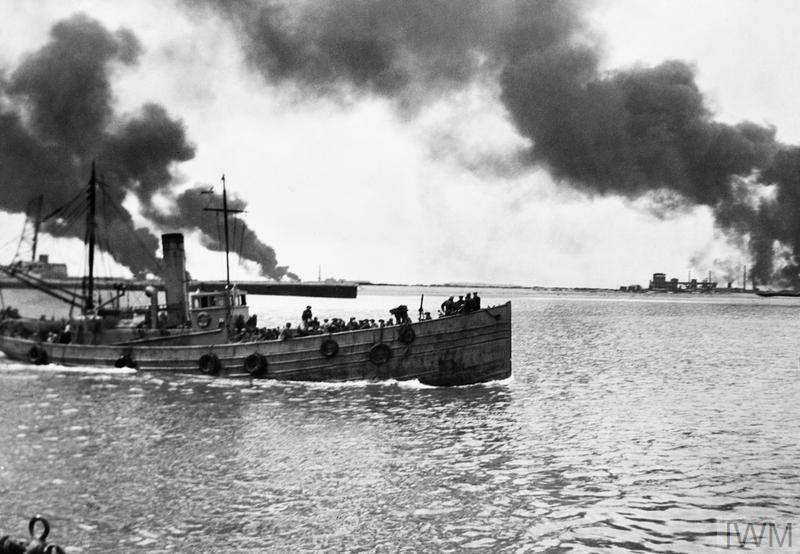
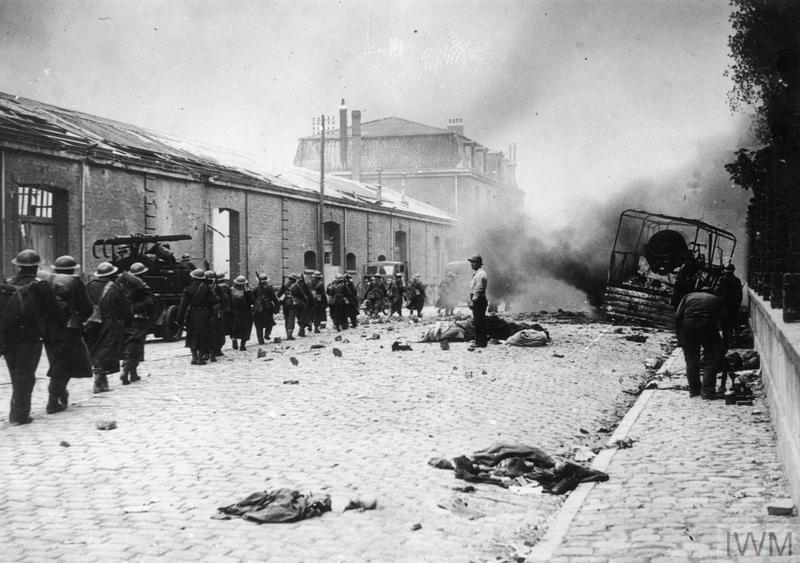
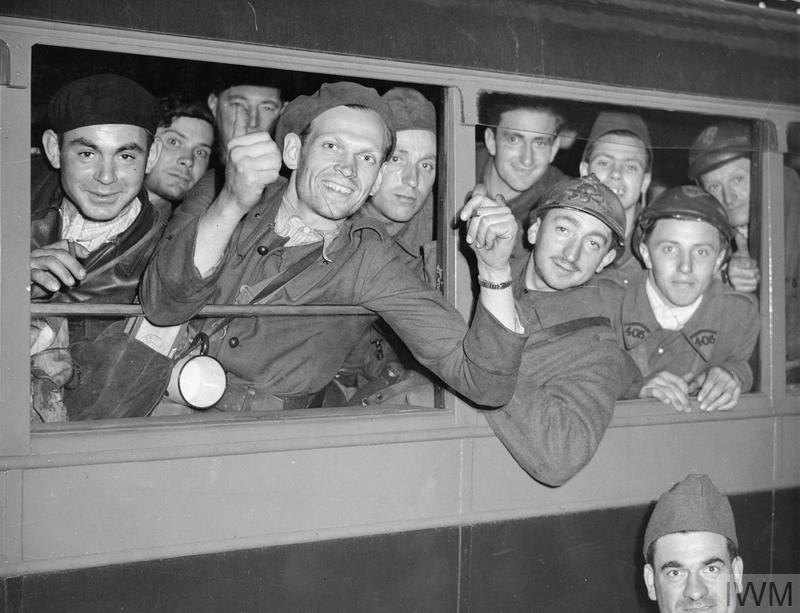
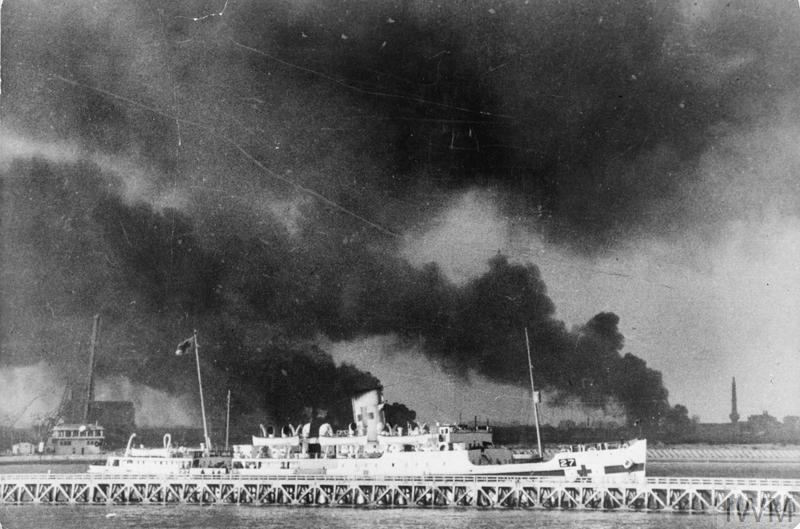
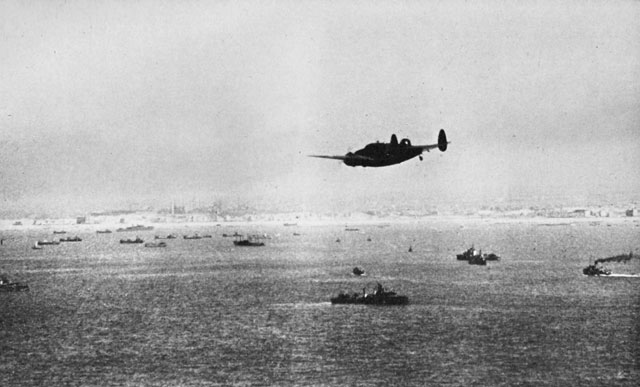
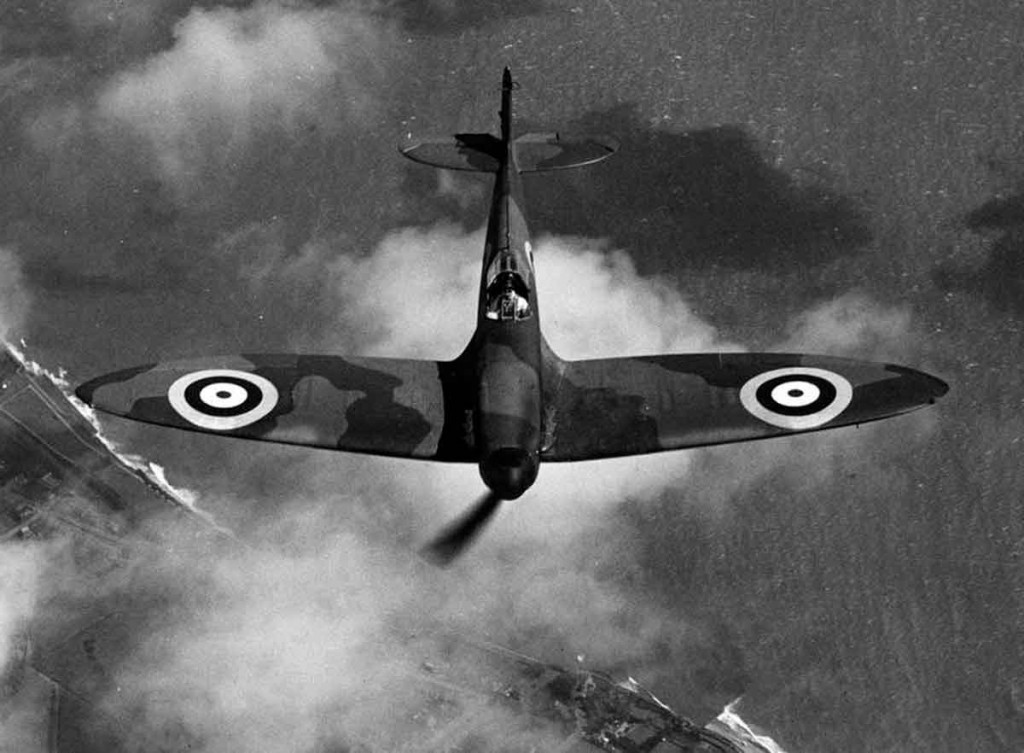
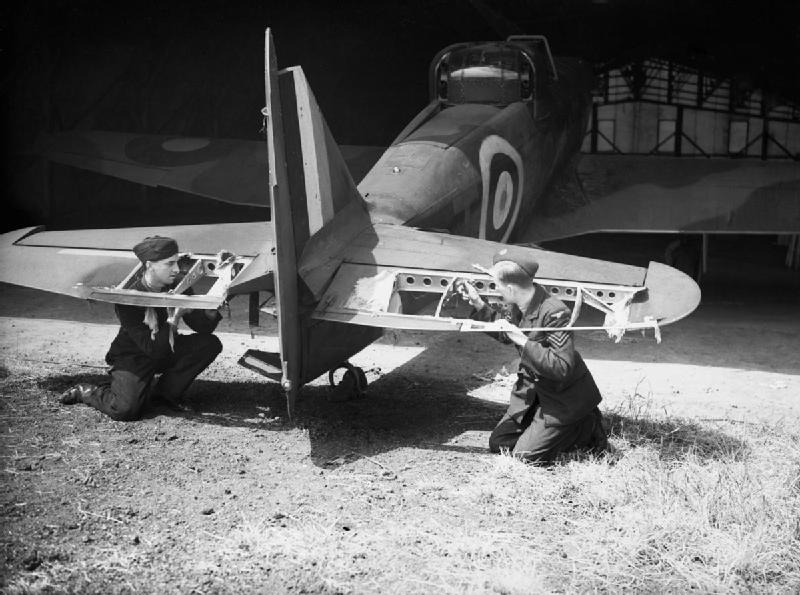
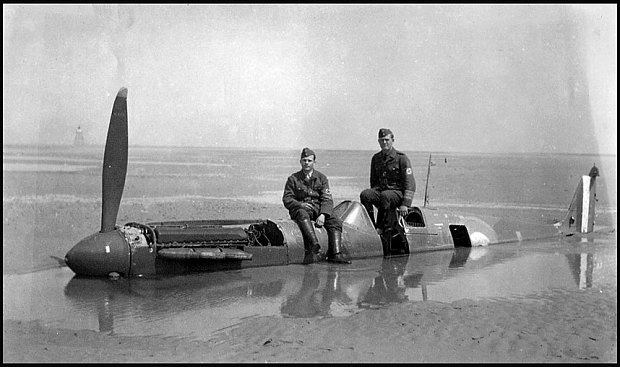
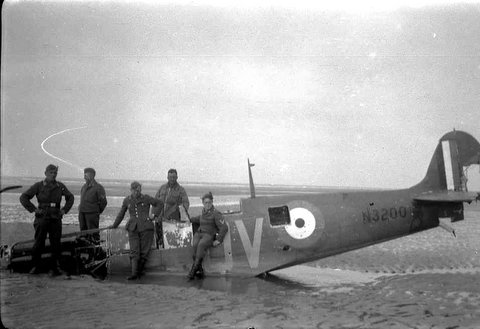
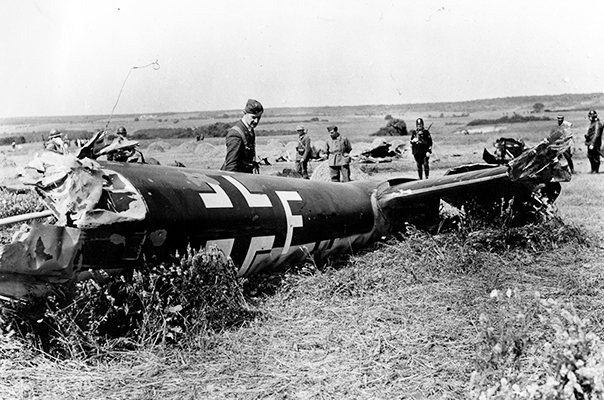
Soldiers gather on the beach in advance of evacuation. May 1940.Troops under fire on the beaches of Dunkirk, as seen from a ship offshore.British soldiers wait on an improvised pier made out of vehicles in order to evacuate Dunkirk during low tide. June 1940.Allied troops, mostly British, wade out to a fleet of military and civilian ships waiting to transport the men to England from Dunkirk. June 1940.A distant view of Dunkirk harbour from a ship offshore, with smoke rising from burning oil tanks, May/June 1940.A Royal Navy destroyer on its way to Dunkirk, May 1940.Destroyers filled with British troops return home to Dover, England on May 31, 1940.A soldier of the British Expeditionary Force, arriving back from Dunkirk, is greeted affectionately by his girlfriend. May 31, 1940.Allied troops wait on the beach ahead of the evacuation. Date unspecified.Officers of the Royal Ulster Rifles awaiting evacuation at Bray Dunes near Dunkirk, May 1940.Men of the 2nd Royal Ulster Rifles awaiting evacuation at Bray Dunes, near Dunkirk, 1940.Crew members of a French destroyer, sunk by mine at Dunkirk, are hauled aboard a British vessel from their sinking life-raft. May 1940.The crew of a London-based tugboat, one of the many small craft that took part in the evacuation, pause for a cup of tea. June 5, 1940.Thousands of soldiers line up on the beach at Dunkirk as they prepare for the evacuation. May 1940.British anti-aircraft guns lie abandoned at Dunkirk in 1940.British troops under attack by enemy aircraft on the beach at Dunkirk, 20 June 1940. One fires back with his rifle.French troops and sailors on the deck of a destroyer during the evacuation from France, June 1940.A British soldier helps a wounded man drink while waiting to be evacuated from Dunkirk. June 1940.A soldier walks among the destruction at Dunkirk following a German aerial bombing. June 1940.Children rush up to a train carrying British soldiers back from Dunkirk. Date unspecified.Three men forced to abandon ship climb the ladder let down by a rescue vessel. May 1940.While bombs explode nearby, British soldiers shoot their rifles at attacking aircraft during a rearguard action just after the evacuation. June 20, 1940.A woman sits on the beach alongside abandoned military equipment at La Panne, near Dunkirk, just after the evacuation. June 1940.A British soldier, carrying a German rifle brought back as a souvenir, arrives home following the Dunkirk evacuation. Date unspecified.Refugees make their way to safety amid aerial bombardment at Dunkirk soon after the evacuation. June 12, 1940.An improvised pier, used by soldiers to board rescue vessels, made out of military trucks that had been driven into the sea. June 5, 1940.Abandoned vehicles sit on the beach at La Panne, near Dunkirk, after the British retreat. June 1940.A British soldier takes a drink as he’s welcomed home from Dunkirk. May 1940.A woman walks among the destroyed buildings of Dunkirk following the evacuation. June 1940.British troops look back at the French coast from the deck of a steamer that is taking them back to England after the Dunkirk evacuation. June 1940.Members of the British Expeditionary Force (BEF) withdraw to England from Dunkirk. Date unspecified.Members of the British Expeditionary Force arrive back in Britain with a Union Jack following the evacuation. June 1940.A British ship rescues soldiers from a landing craft sunk during an operation near Dunkirk. May 1940.Men row a lifeboat carrying a wounded soldier on a stretcher out to a destroyer for evacuation from Dunkirk harbor. June 1940.The destroyed buildings of Dunkirk just after the evacuation. June 1940.French and British troops taken prisoner by the Germans at Dunkirk. May 1940.Allied soldiers crowd onto a ship during the Dunkirk evacuation.British prisoners and German soldiers at Dunkirk. Date unspecified.French soldiers who had been fighting the rear guard action arrive in England after having been evacuated from Dunkirk. June 5, 1940German soldiers rest at Dunkirk. June 4, 1940.German forces arrive in Dunkirk. The sea front at Dunkirk photographed immediately after the completion of the evacuation of the British Expeditionary Force earlier in the day. Vehicles and troops of the German mobile assault unit Motorensturm 13, drawn up on the sea front at Dunkirk near one of the unit’s light anti-tank guns.The oil-covered body of a British soldier lies on the beach at Dunkirk at low tide after being washed ashore hours after the completion of the evacuation.Disarmed French soldiers file pass German officers on the outskirts of Dunkirk. The evacuation of the British Expeditionary Force had been completed a few hours earlier.Members of the British forces arrive home by train after being evacuated from Dunkirk. May 31, 1940.British troops disembarking from a destroyer at Dover after their return from the Dunkirk beaches, June 1940.British troops during the evacuation from Dunkirk, 1940.British troops in the sand dunes at Dunkirk, 1940.British troops during the evacuation from Dunkirk, 1940.British troops during the evacuation from Dunkirk, 1940.British and French prisoners at Dunkirk, June 1940.An officer rests in a trench dug into the sand dunes at Dunkirk, May 1940.British artillery tractors and limbers abandoned during the retreat, June 1940.British troops in the sand dunes at Dunkirk, 1940.British troops evacuating Dunkirk’s beachesNorthwest France, 1940. Situation on 4 June, with operations since 21 May.British and French prisoners at Veules-les-Roses, France, June 1940Officers of the Royal Ulster Rifles awaiting evacuation at Bray Dunes near Dunkirk, May 1940.Men of the 2nd Royal Ulster Rifles awaiting evacuation at Bray Dunes, near Dunkirk, 1940.The Isle of Man steam ferry SS Mona’s Queen sinking after striking a mine off Dunkirk, 29 May 1940.The Royal Navy destroyer HMS VANQUISHER alongside a sunken trawler at Dunkirk, 1940.French soldiers on the Mole at Dunkirk awaiting evacuation.British troops boarding the destroyer HMS VANQUISHER at low tide from the Mole at Dunkirk, using scaling ladders.British officers in a trench dug into the beach at Dunkirk, 1940.The French destroyer BOURRASQUE sinking off Dunkirk loaded with troops, 30 May 1940.26-29 May 1940 Aerial view of the beach at Dunkirk where some 300-400 men await evacuation. Photograph shows c 700 yards of beach, about 4 miles east of the town.26-29 May 1940 A train carrying soldiers evacuated from Dunkirk being cheered by civilians as it passes under a bridge in South East London.26-29 May 1940 British troops line up on the beach at Dunkirk to await evacuation.Dunkirk and the Retreat From France 1940 British troops embarking onto ships during the evacuation from France, June 1940.French troops and sailors on the deck of a destroyer during the evacuation from France, June 1940.French troops and sailors on the deck of a destroyer during the evacuation from France, June 1940.French troops and sailors on the deck of a destroyer during the evacuation from France, June 1940.A column of British troops file past French firemen dealing with a burning lorry and the victims of German shelling in Dunkirk.Dunkirk and the Retreat From France 1940 French troops evacuated from Dunkirk arrive in the UK.A woman from the Mechanised Transport Corps (MTC) hands out tea to troops evacuated from Dunkirk at a railway station in the UK, 31 May 1940.View across the beach at Dunkirk with lines of soldiers preparing for evacuation and walking through the surf to small boats waiting offshore. A black pall of smoke hangs in the sky and bomb craters pock the sand to the left of the compositionmap shows the general location of the three shipping routes used during the Dunkirk Evacuation (1940).German forces move into Dunkirk hours after the evacuation of the British Expeditionary Force was completed. A beached French coastal patrol craft at low tide at Dunkirk. The ship is armed with a 75mm canon on its foredeck and probably dates from the First World War. A British Universal Carrier and a bicycle lie abandoned half buried in the sand.4 June 1940A Lockheed Hudson of No. 220 Squadron RAF approaches Dunkirk on a reconnaissance patrol during the evacuation of the British Expeditionary Force from the port in May-June 1940Survivors from Mona’s Queen, pictured from the destroyer HMS Vanquisher after the sinking of the vessel on the approach to Dunkirk. 29 May 1940Tea being served to evacuated troops in a train at Addison Road station, London, 31 May 1940.Refreshments being served to evacuated troops aboard a train at Addison Road station, London, 31 May 1940.Tea and sandwiches are offered to evacuated troops aboard a train at Addison Road station, London, 31 May 1940. One of the soldiers is wearing a captured German helmet.A member of the First Aid Nursing Yeomanry (FANY) serves tea and sandwiches to evacuated troops aboard a train at Addison Road station, London, 31 May 1940. One of the soldiers is wearing a captured German helmet.A member of the First Aid Nursing Yeomanry (FANY) offers cigarettes to evacuated troops aboard a train at Addison Road station, London, 31 May 1940.The Evacuation of the BEF from France, June 1940: Motor transport on the quay at Cherbourg awaiting evacuation to England.Evacuated troops enjoying tea and other refreshments at Addison Road station, London, 31 May 1940.A group of ‘walking wounded’ British troops, in front of a railway carriage at Dover, 31 May 1940.Dunkirk 26-29 May 1940 British troops on board a destroyer at Dover wait to leave the ship.Dunkirk 26-29 May 1940 A British destroyer arrives at Dover carrying British troops from Dunkirk.Dunkirk 26-29 May 1940 British troops disembark from a destroyer at Dover.Royal Navy destroyers crowded with evacuated British troops, Dover, 31 May 1941.Evacuated troops, one clad only in a blanket and pyjamas, at Dover, 31 May 1940.An evacuated soldier, wearing a French overcoat, changes his socks and boots at Dover. 31 May 1940.French and British troops on board ships berthing at Dover, 31 May 1940.A merchant sailor assists a wounded british soldier up the gangplank from a destroyer, Dover, 31 May 1940.‘Walking wounded’ British soldiers make their way up the gangplank from a destroyer, Dover, 31 May 1940.Destroyers filled with evacuated British troops berthing at Dover, 31 MayA wounded soldier on a stretcher is given a drink on the quayside at Dover, 31 May 1940.A wounded soldier from the Welsh Guards, confined to a stretcher, on the quayside at Dover, 31 May 1940.Evacuated soldiers changing into clean kit, Dover, 31 MayCheerful British troops crowd the deck of a Royal Navy destroyer at Dover, 31 May 1940.A Royal Navy destroyer, crowded with evacuated British troops, mooring at Dover, 31 May 1940.Royal Navy destroyers, crowded with evacuated British troops, alongside the quay at Dover, 31 May 1940.Soldiers carrying a stretcher case along the quayside at Dover, 31 May 1940. Note the crates of ‘bully beef’ and biscuits stacked behind.British and French troops disembarking from a merchant vessel at Dover, 31 May 1940.Evacuated British troops on the quayside at Dover, 31 May 1940Troops arrive back in Dover following the evacuation of British troops from Dunkirk on 31 May 1940. Some men change into clothes provided by the authorities.‘Walking wounded’ British soldiers make their way up the gangplank from a destroyer, Dover, 31 May 1940.A wounded French soldier being taken ashore on a stretcher at Dover.General Viscount Gort, Commander in Chief BEF with Air Vice Marshal C H B Blount, commanding the Air Component, outside the Hotel Moderne, Arras, France.The Isle of Man steam ferry SS Mona’s Queen sinking after striking a mine off Dunkirk, 29 May 1940.The Isle of Man steam ferry SS Mona’s Queen sinking after striking a mine off Dunkirk, 29 May 1940.A lifeboat with survivors from the Isle of Man steam ferry SS Mona’s Queen, mined off Dunkirk, comes alongside the destroyer HMS Vanquisher, 29 May 1940.A lifeboat with survivors from the Isle of Man steam ferry SS Mona’s Queen, mined off Dunkirk, comes alongside the destroyer HMS Vanquisher, 29 May 1940.Rescued troops on board the destroyer HMS Vanquisher, May 1940.A Hudson of RAF Coastal Command patrols over Dunkirk, as oil storage tanks burn fiercely in the background, c. 3 June 1940.Ships off the beaches at Dunkirk,3 June 1940. Smoke billows from burning oil storage tanks.As oil storage tanks burn in the distance, a trawler crowded with troops heads from Dunkirk back to England, June 1940.A column of British troops file past French firemen dealing with a burning lorry and the victims of German shelling in Dunkirk.French troops evacuated from Dunkirk photographed in a train at a railway station in the UK.A hospital ship carrying wounded soldiers away from Dunkirk. In the background can be seen columns of smoke and flames from fires burning in the bomb and shell shattered port.A Hudson of RAF Coastal Command patrols over Dunkirk,June 1940Thousands of soldiers line up on the beach at Dunkirk as they prepare for the evacuation. May 1940.Spitfire Mk I in flight, May 1940.Ground staff examine the damage to the elevators of a Boulton-Paul Defiant Mk I of No. 264 Squadron RAF at Duxford, following a battle with German fighters over Dunkirk, 29 May 1940Spitfire Mk I on the beaches of Dunkirk in Spring 1940 with two German servicemen on her fuselageGerman troops posing on the wreck of a Spitfire Mk I which has crash landed on the beach at Dunkirk. June 1940.An RAF officer examines the wreckage of a crashed German Dornier Do17 bomber which had been shot down by RAF fighters over France in early June 1940.
Florida is a state located in the Southeastern region of the United States. Florida is bordered to the west by the Gulf of Mexico, to the northwest by Alabama, to the north by Georgia, to the east by the Bahamas and Atlantic Ocean, and to the south by the Straits of Florida and Cuba; it is the only state that borders both the Gulf of Mexico and the Atlantic Ocean. Spanning 65,758 square miles, Florida ranks 22nd in area among the 50 states, and with a population of over 21 million, is the third-most populous. The state capital is Tallahassee and the most populous city is Jacksonville. The Miami metropolitan area, with a population of almost 6.2 million, is the most populous urban area in Florida and the seventh-most populous in the United States; other urban conurbations with over one million people are Tampa Bay, Orlando, and Jacksonville.
Various Native American groups have inhabited Florida for at least 14,000 years. In 1513, Spanish explorer Juan Ponce de León became the first known European to make landfall, calling the region La Florida ([la floˈɾiða] for its lush greenery and the Easter season (Pascua Florida in Spanish). Florida subsequently became the first area in the continental U.S. to be permanently settled by Europeans, with the Spanish colony of St. Augustine, founded in 1565, being the oldest continuously inhabited city. Florida was repeatedly contested by Spain and Great Britain, before being ceded to the U.S. in 1819; it was admitted as the 27th state on March 3, 1845. Florida was the principal location of the Seminole Wars (1816–1858), the longest and most extensive of the Indian Wars in U.S. history. The state seceded from the Union on January 10, 1861, becoming one of the seven original Confederate States. After the Civil War, Florida was restored to the Union on June 25, 1868.
Since the mid-20th century, Florida has experienced rapid demographic and economic growth. Its $1.0 trillion economy is the fourth-largest of any U.S. state and the 16th-largest in the world; the main sectors are tourism, hospitality, agriculture, real estate, and transportation. Florida is world-renowned for its beach resorts, amusement parks, warm and sunny climate, and nautical recreation; attractions such as Walt Disney World, the Kennedy Space Center, and Miami Beach draw tens of millions of visitors annually. Florida is a popular destination for retirees, seasonal vacationers, and both domestic and international migrants; it hosts nine out of the ten fastest-growing communities in the U.S. The state’s close proximity to the ocean has shaped its culture, identity, and daily life; its colonial history and successive waves of migration are reflected in African, European, Indigenous, Latino, and Asian influences. Florida has attracted or inspired writers such as Marjorie Kinnan Rawlings, Ernest Hemingway and Tennessee Williams, and continues to attract celebrities and athletes, particularly in golf, tennis, auto racing, and water sports.
About two-thirds of Florida occupies a peninsula between the Gulf of Mexico and the Atlantic Ocean. It has the longest coastline in the contiguous United States, spanning approximately 1,350 miles (2,170 km), not including its many barrier islands. Florida has 4,510 islands that are ten acres (4 ha) or larger in area, the second highest number after Alaska. Much of the state is at or near sea level, and is characterized by sedimentary soil. Florida is the flattest state in the country, with the lowest high point of any U.S. state, at just 345 feet (105 meters). Lake Okeechobee is its largest freshwater lake, and the second-largest located entirely within the contiguous 48 states. Several beaches in Florida have turquoise and emerald-colored coastal waters.
Florida’s climate varies from subtropical in the north to tropical in the south. It is the only state besides Hawaii to have a tropical climate, and is the only continental state with both a tropical climate (at the lower tip of the peninsula) and a coral reef. Consequently, Florida has several unique ecosystems, most notably Everglades National Park, the largest tropical wilderness in the U.S. and among the largest in the Americas. Unique wildlife include the American alligator, American crocodile, American flamingo, Roseate spoonbill, Florida panther, bottlenose dolphin, and manatee. The Florida Reef is the only living coral barrier reef in the continental United States, and the third-largest coral barrier reef system in the world (after the Great Barrier Reef and Belize Barrier Reef).
Florida’s large population and economy give it considerable influence in national politics; since the late 20th century the state has been a major battleground in presidential elections, most notably in 2000. Miami, along with Orlando and Tampa, is recognized as a global city. (Wikipedia)
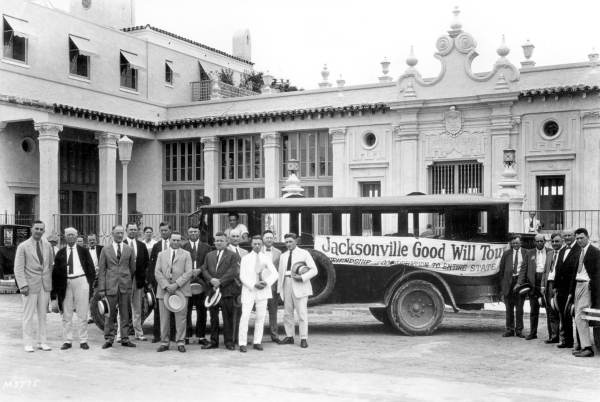
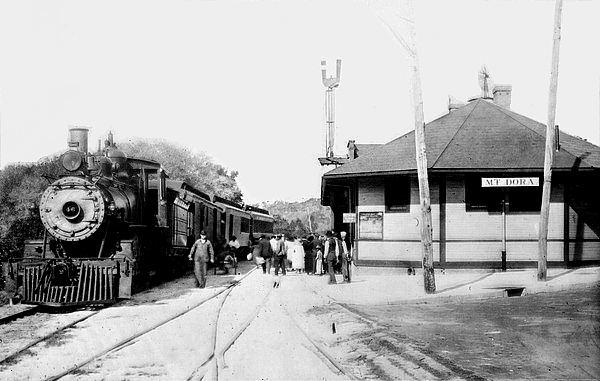
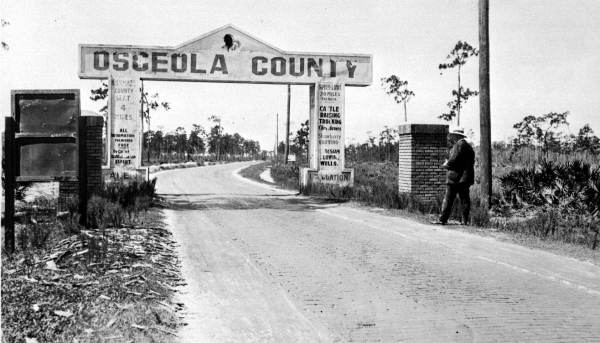
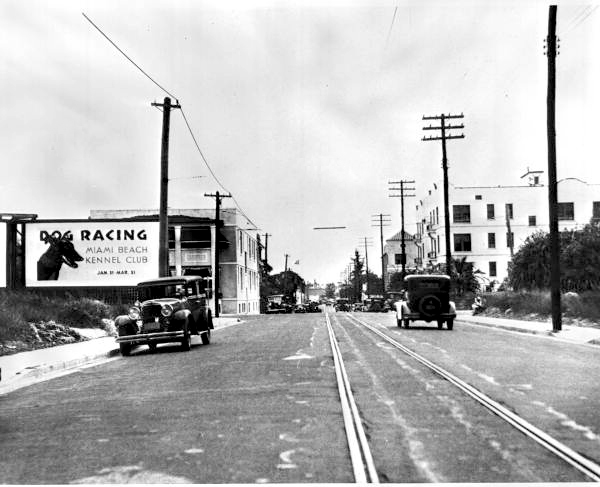
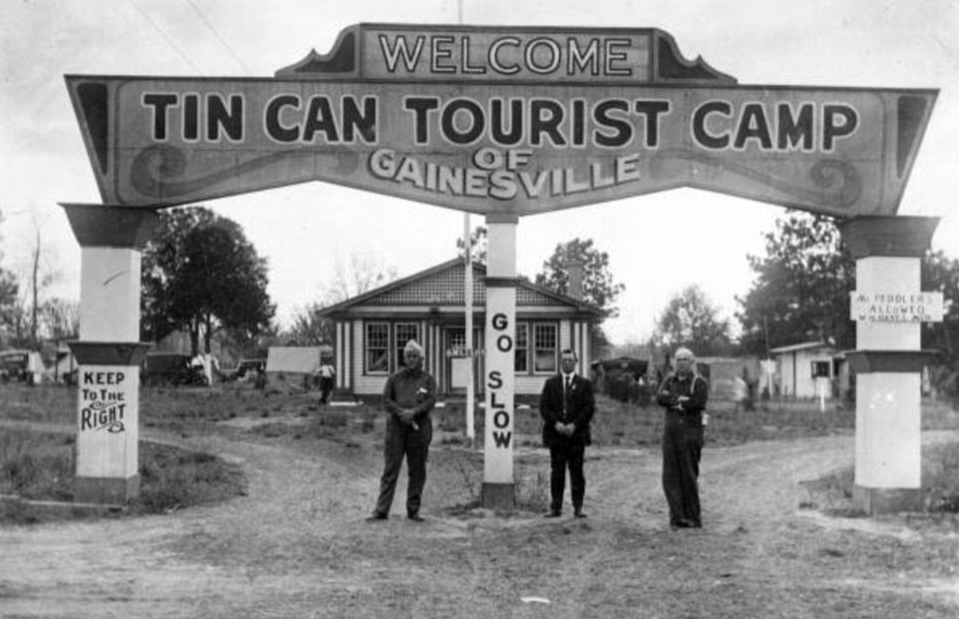
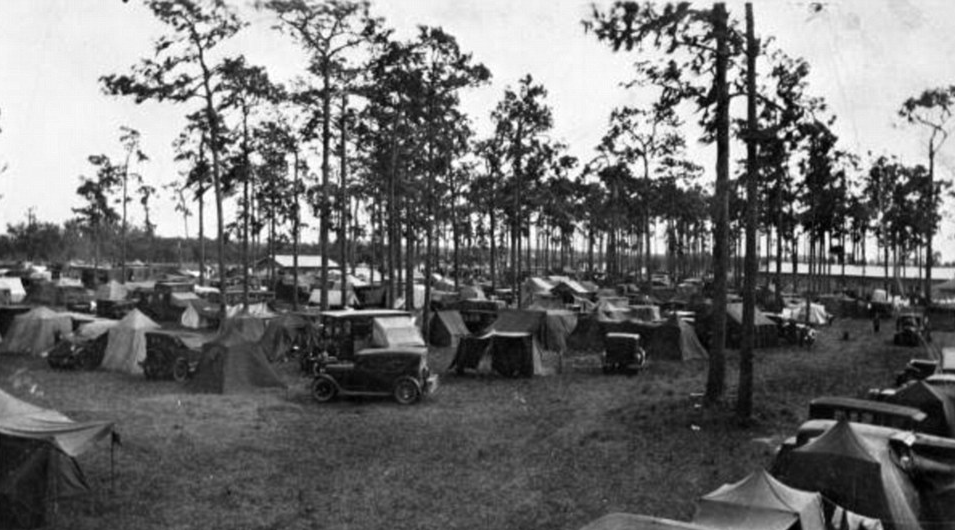
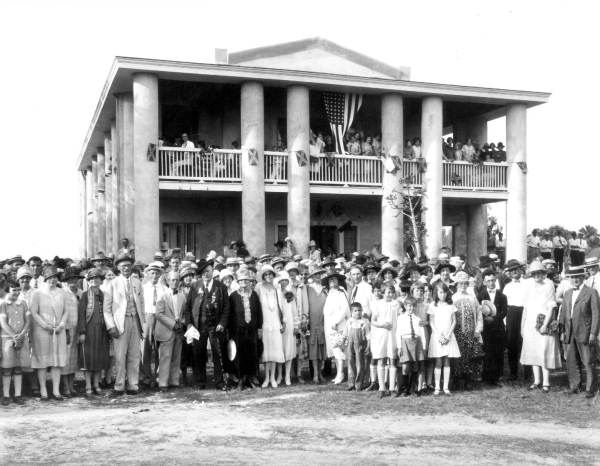
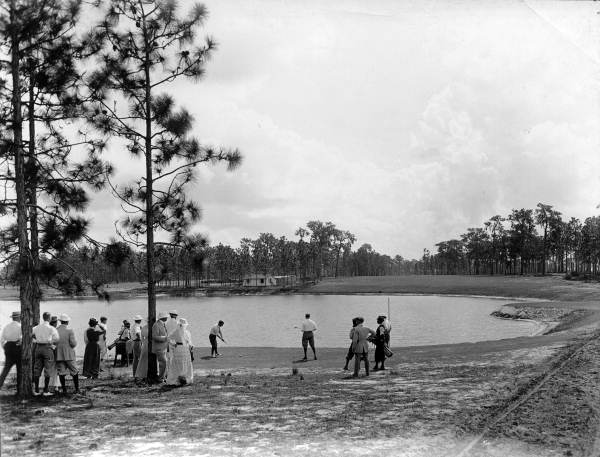
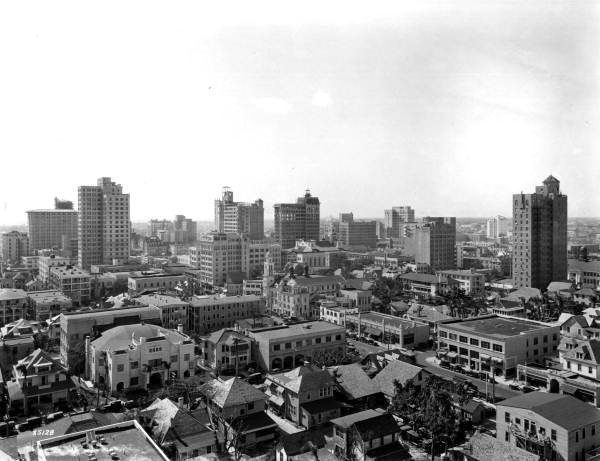
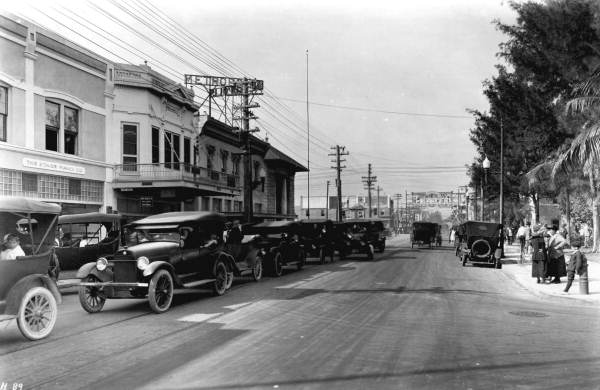
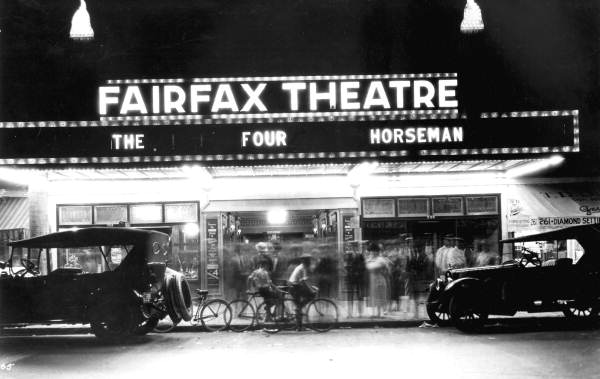
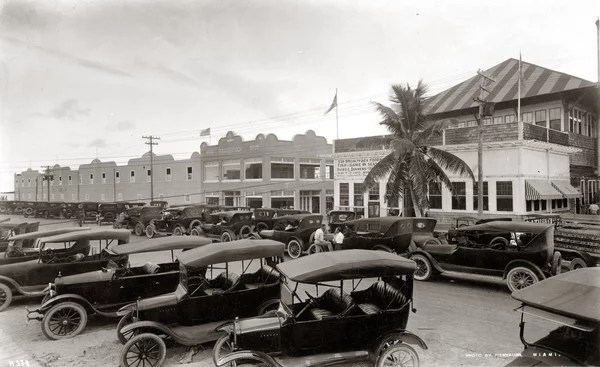
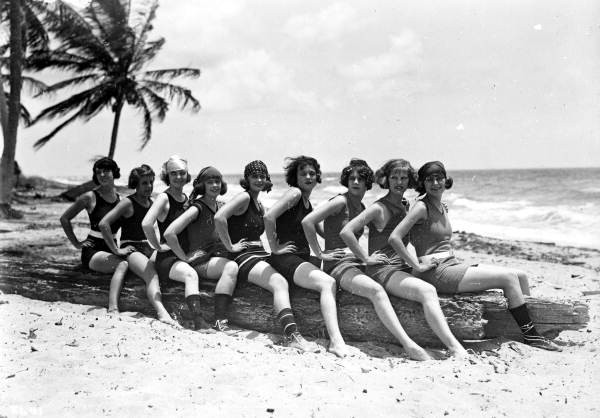
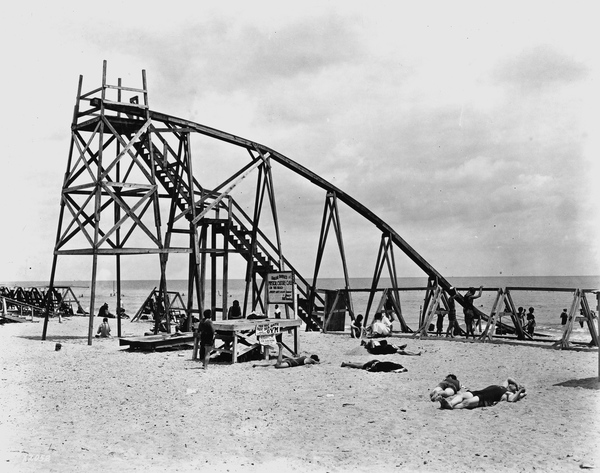
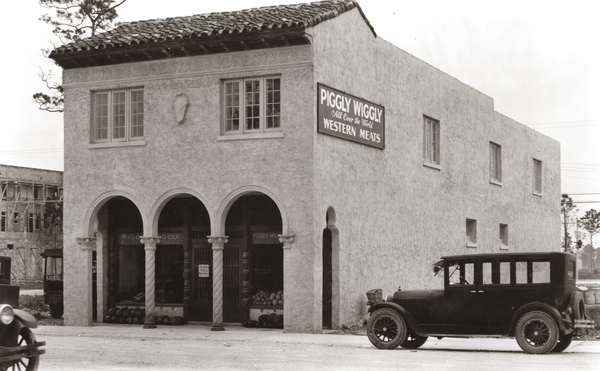
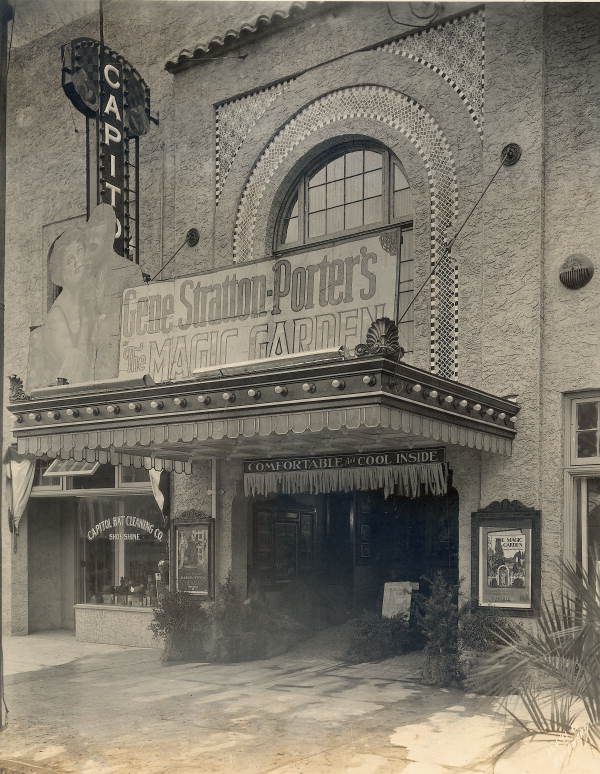
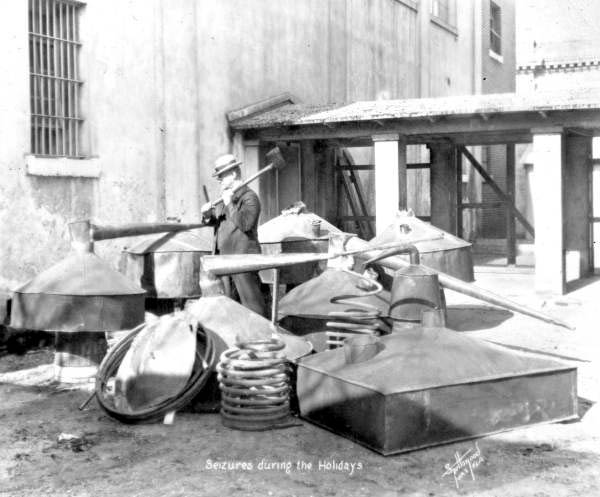
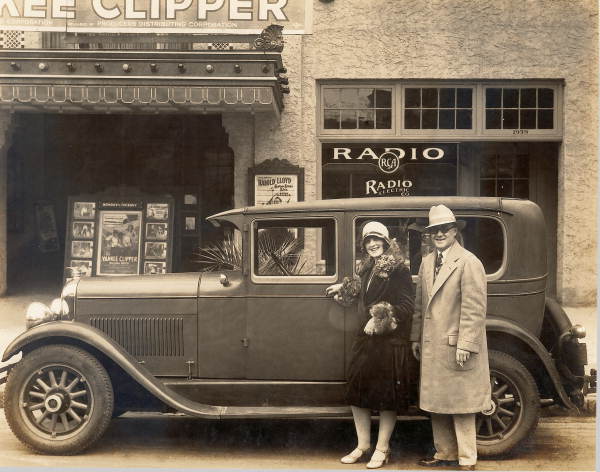
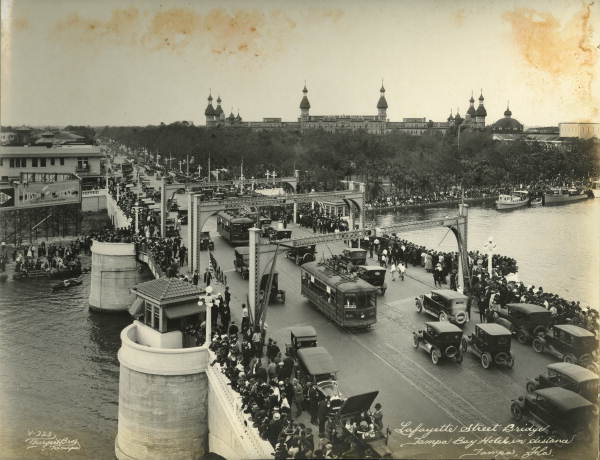
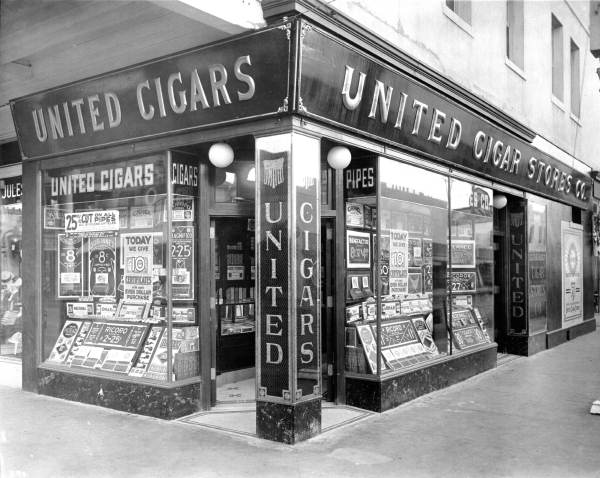
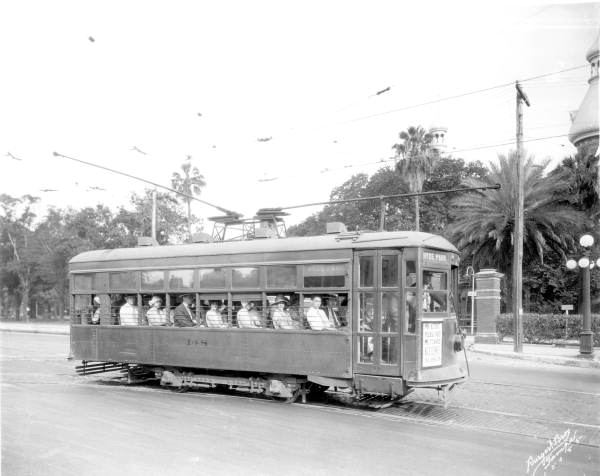
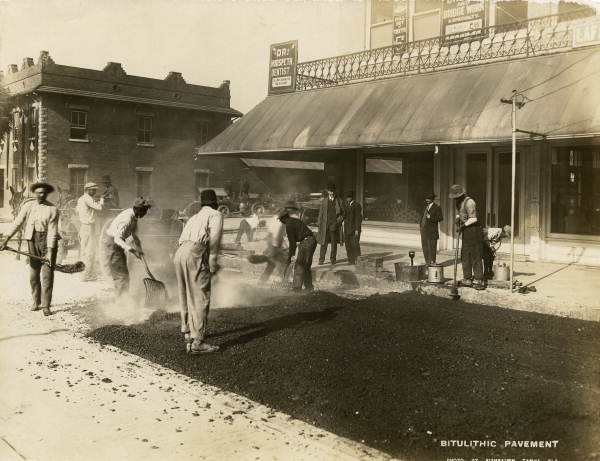
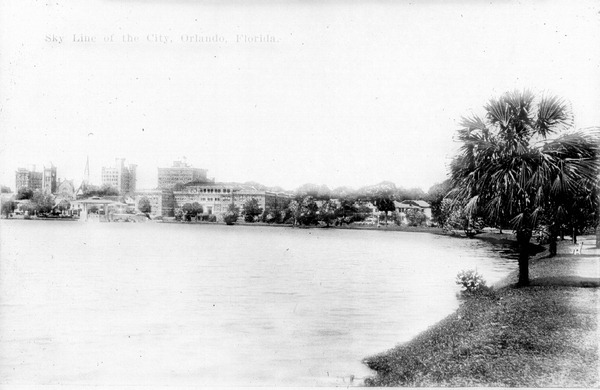
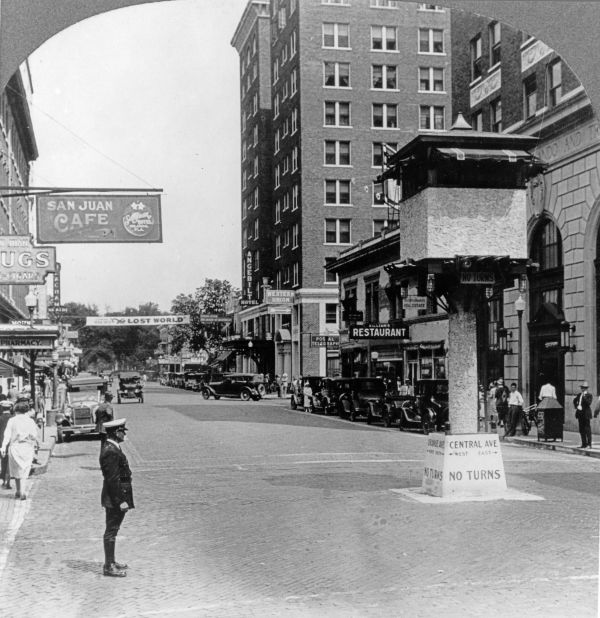
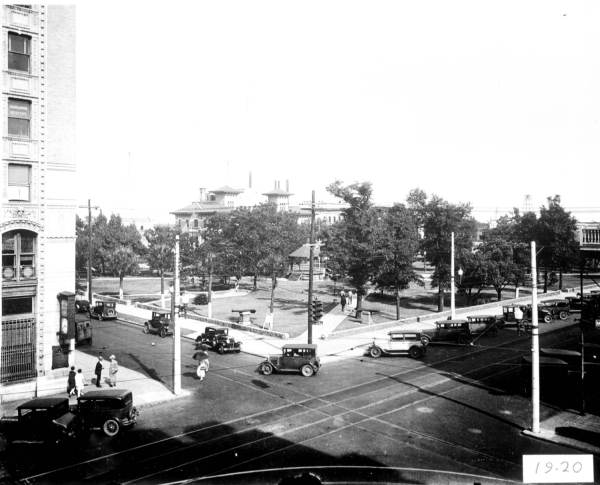
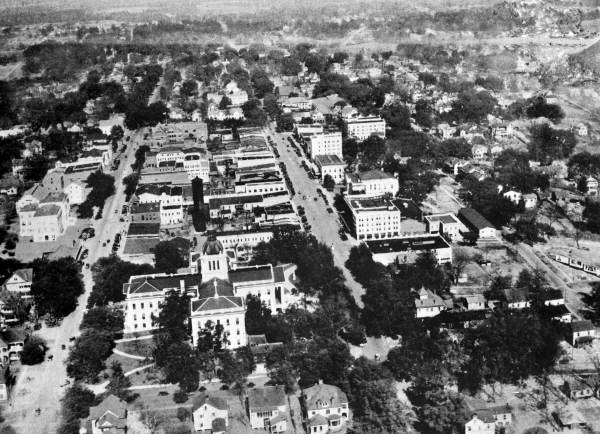
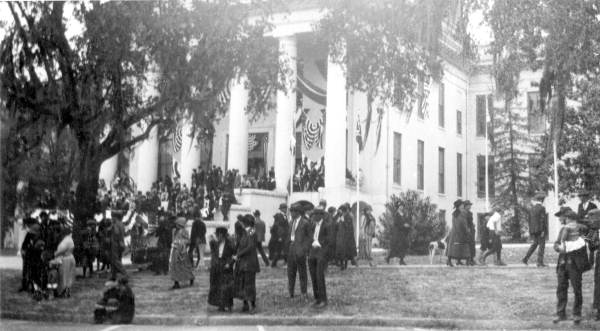
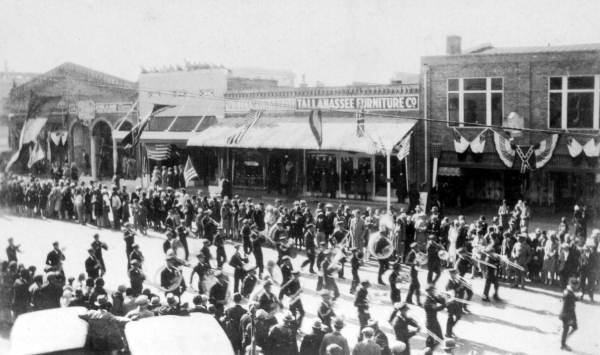
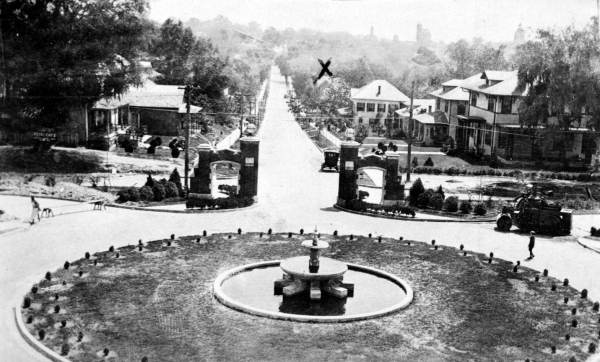
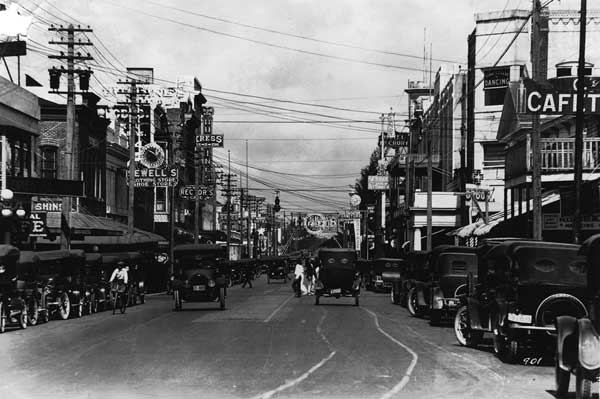
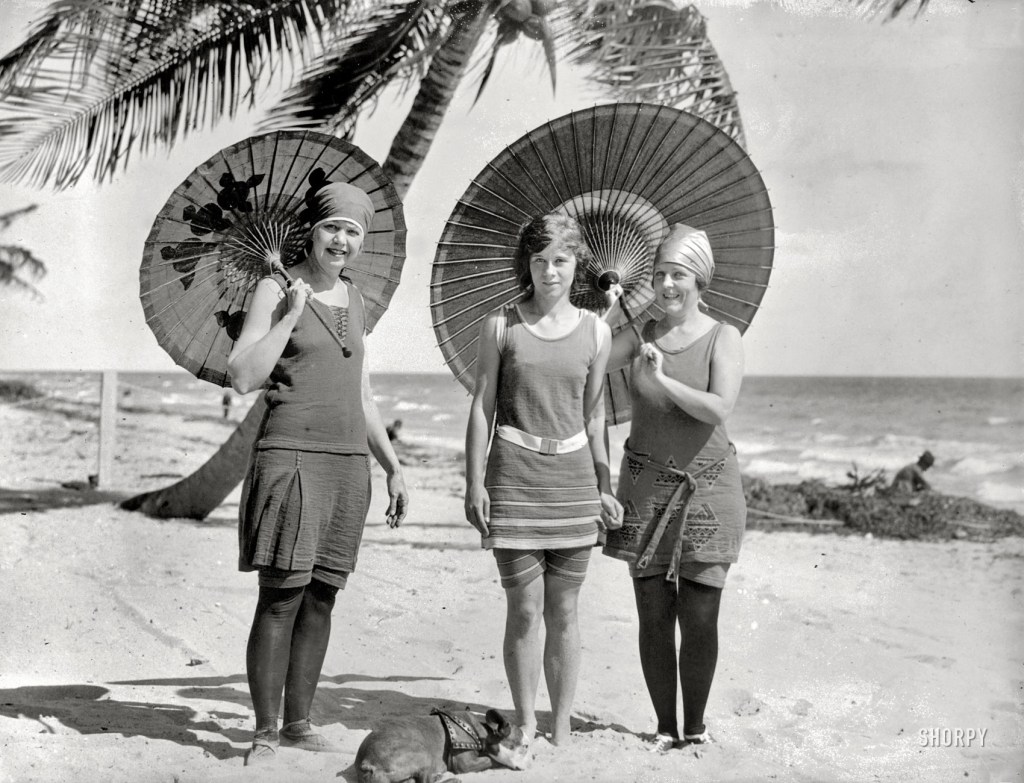
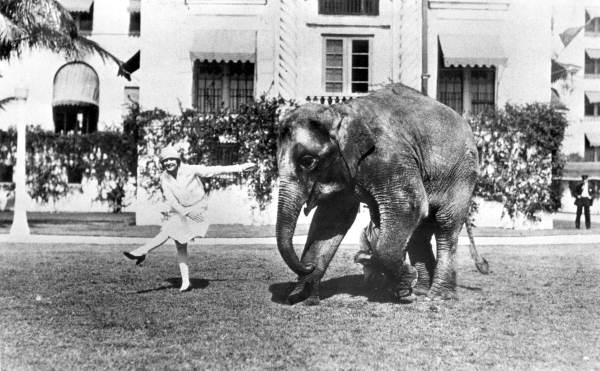
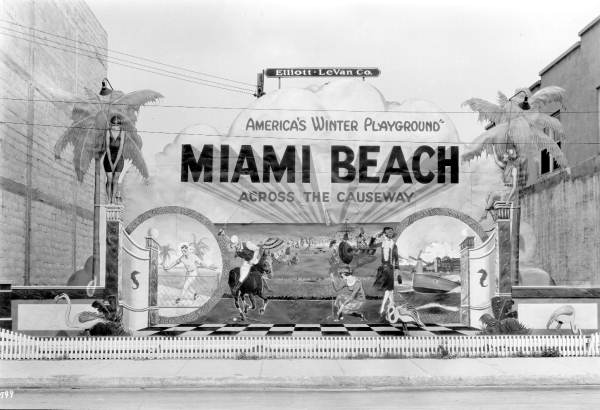
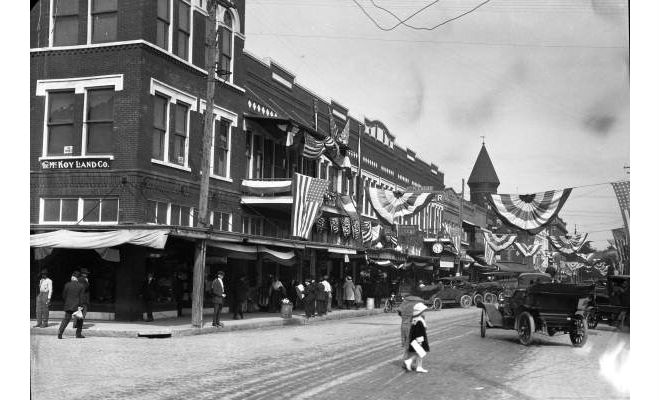
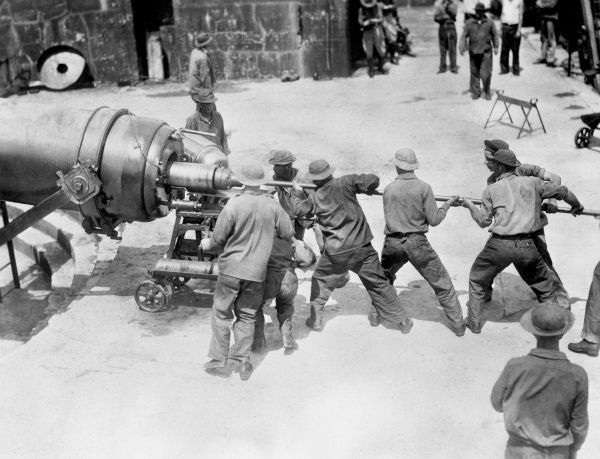
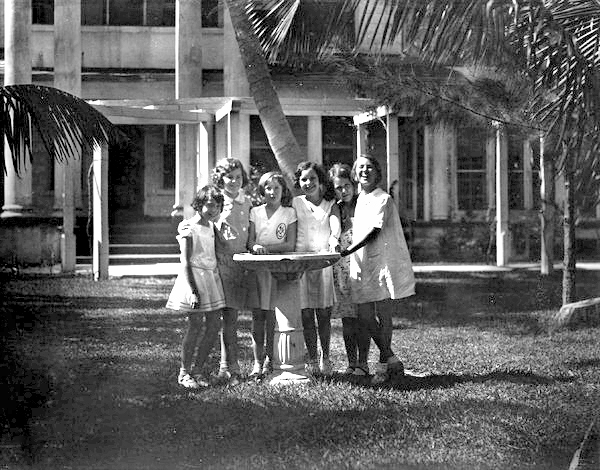
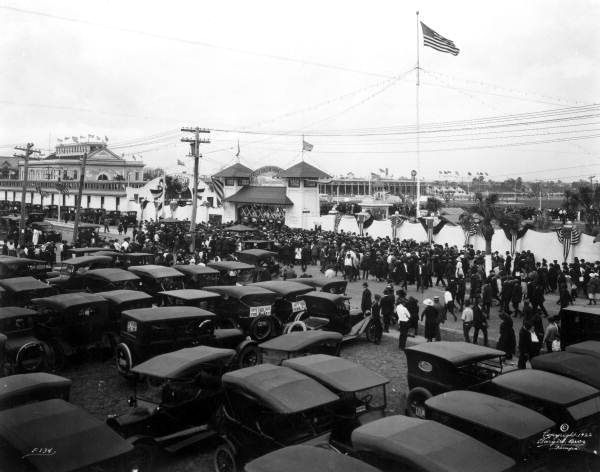
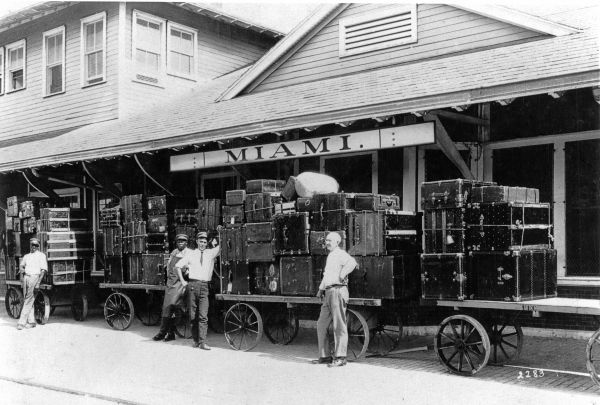
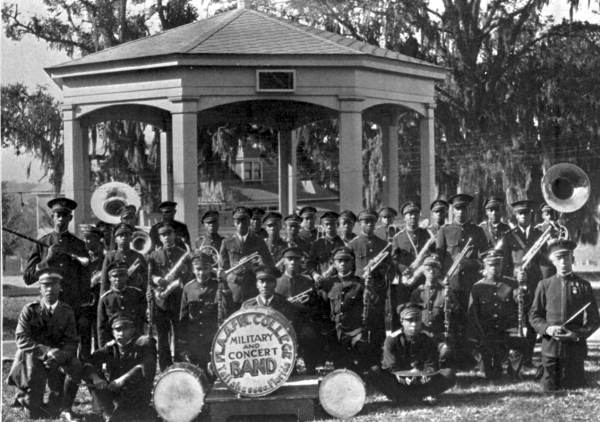
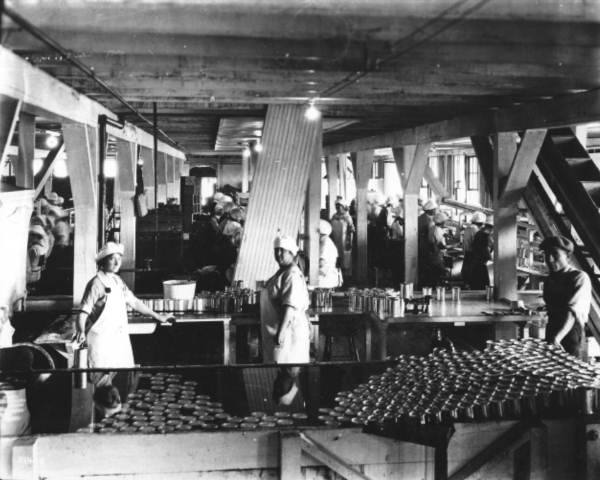
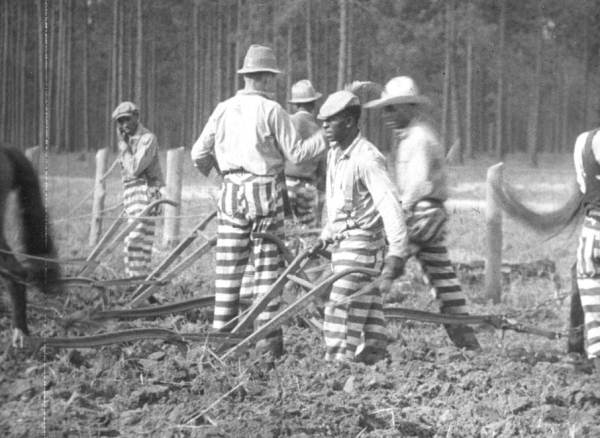
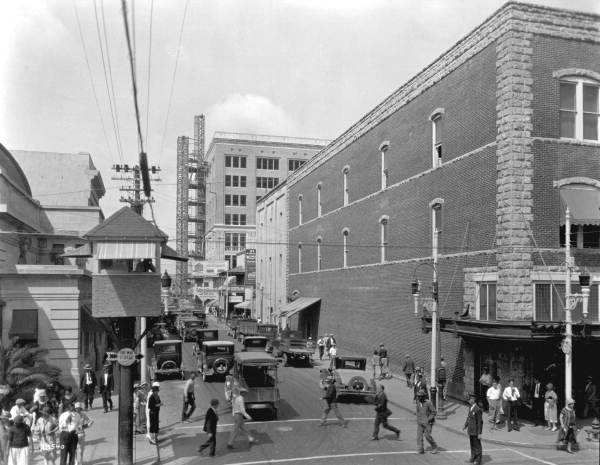
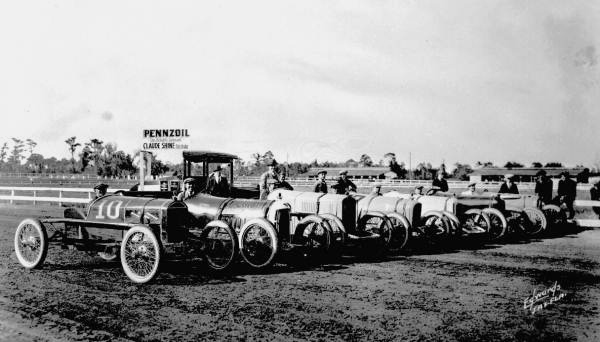
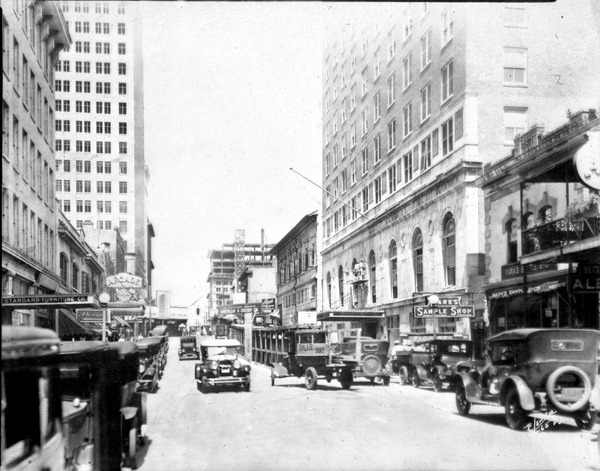
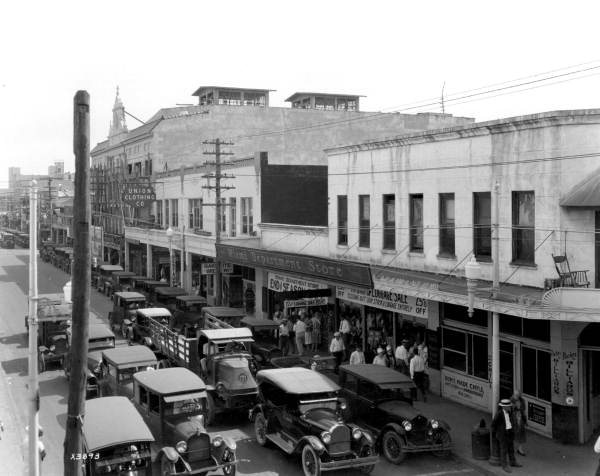
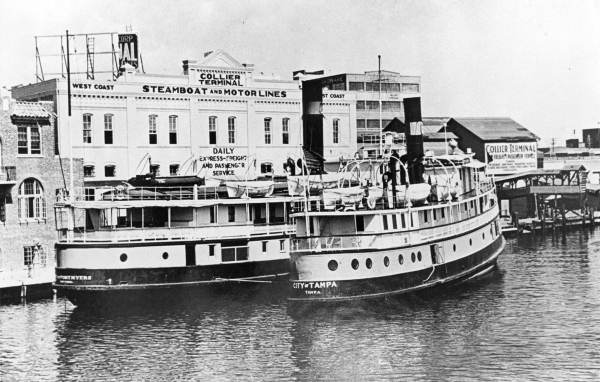
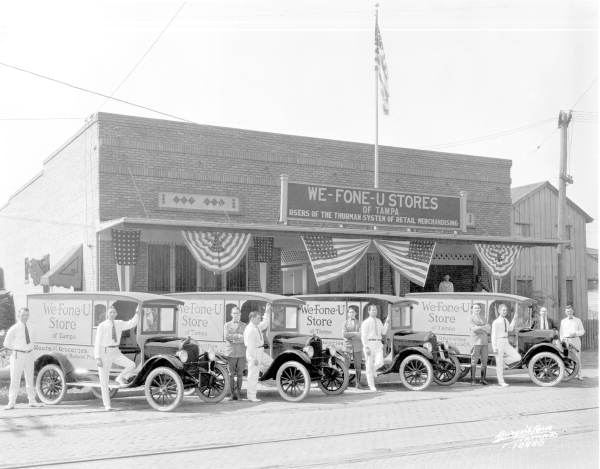
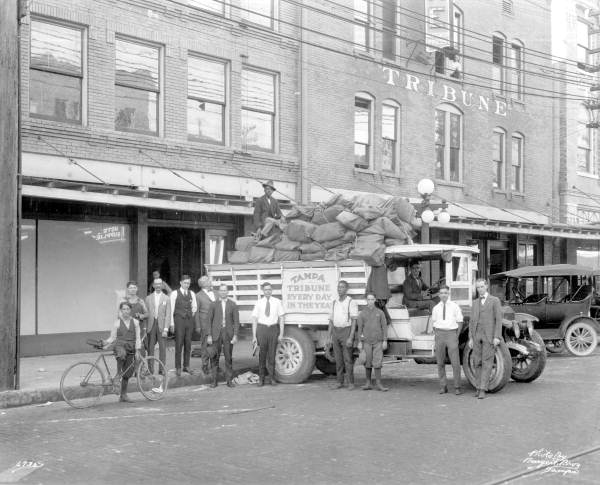
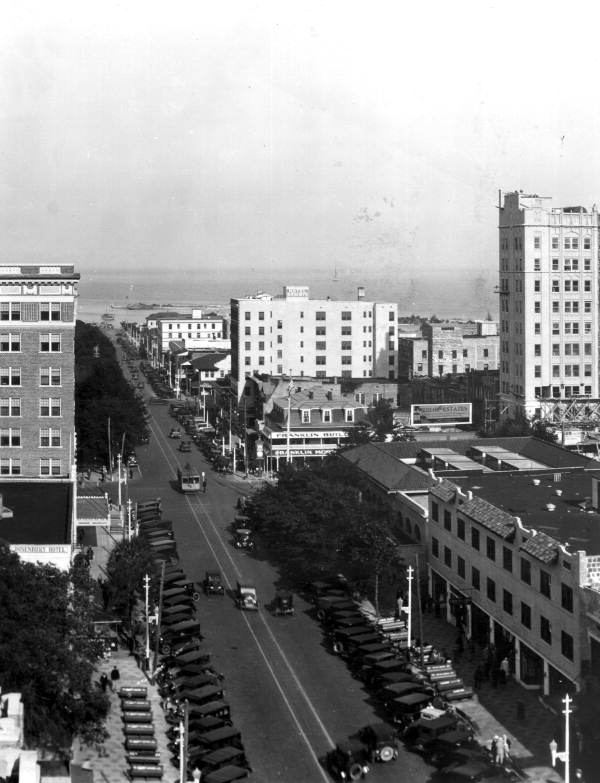
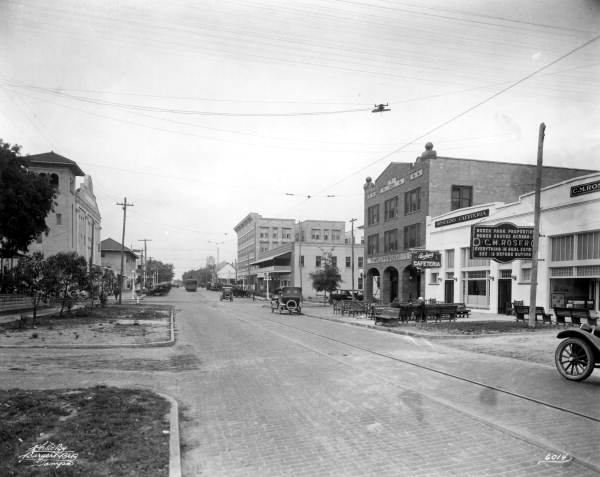
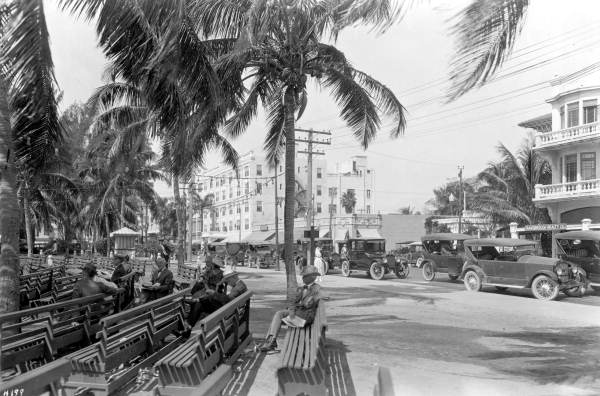
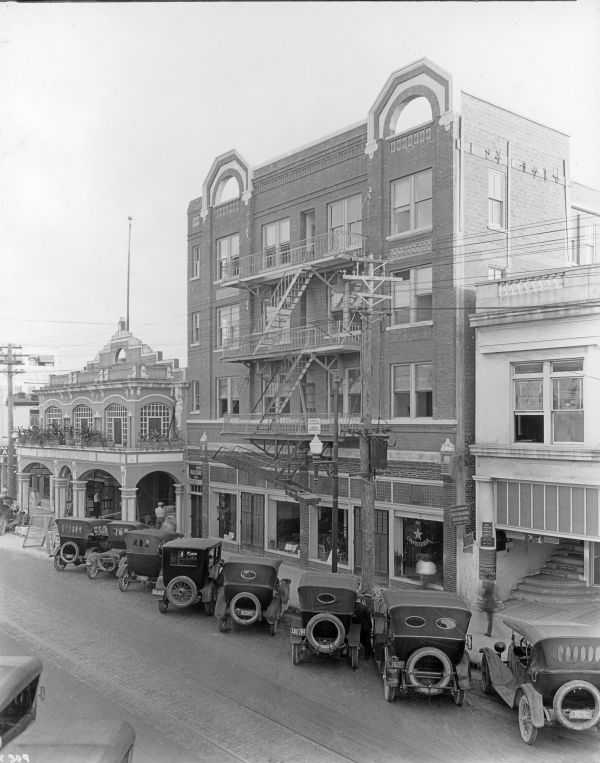
Railroad Station, Mount Dora, Florida, 1920Gateway and columns marking the Osceola County line (circa 1920s).Miami street scene, 1920sTin can tourism in the 1920s, after the improvement of roads throughout FloridaThree thousands campers set up tents in Arcadia, Florida in 1929. The tin can tourists of the 1920s pioneered camper travel.Confederate veterans and crowd standing at the Gamble Plantation Judah P. Benjamin Memorial, 1920s.Miami Biltmore, early 1920s.Downtown Miami from the Alcazar Hotel, 1927Looking down West Flagler Street, Miami, 1921Fairfax Theatre on East Flagler Street, Miami, 1922Parking lot at Smith’s Casino, Miami Beach, 1922Young women at Miami Beach, 1923Water toboggan at Miami Beach, 1925Piggly Wiggly grocery store, Coral Gables, 1924Capitol Theatre, Jacksonville, 1927Sheriff W.B. Cahoon breaking up a still, Jacksonville, 1928Couple with Marmon Automobile, Jacksonville, 1927Crowds on Lafayette Street Bridge, Tampa, 1925United Cigar Stores Company, Tampa, 1925Streetcar, Tampa, 1925Laying bitulithic pavement, Tampa, 1925Orlando skyline across a lake, 1920Looking down Orange Avenue from Central – Orlando, Florida, 1926Street scene of the Plaza Ferdinand, Pensacola, 1920Aerial view looking north at the Capitol and business district, Tallahassee, 1927People at the Capitol waiting for the centennial celebration parade, Tallahassee, 1924Tallahassee’s Centennial celebration, 1924Looking east on College Street from the steps of Westcott, Tallahassee, 1921Flagler Street, Miami, 1920Miami circa 1923.Rosie and friend dancing in front of the Boulevard Hotel – Miami Beach, 1920sBillboard advertisement for Miami Beach, 1921View looking north along Orange Avenue, Orlando, 1920sFlorida National Guard members loading a cannon – Florida, 1928Young girls outside Mrs. Harris’ Florida School, 1928Crowds entering the South Florida Fair – Tampa, Florida, 1922ReBaggage at the Florida East Coast Railway depot – Miami, 1921ference CollectionFlorida A. & M. College military and concert band – Tallahassee, Florida, 1929Florida Citrus Exchange – Miami, 1924Raiford Prison inmates plowing a field – Raiford, Florida, 1927Looking north on Miami Avenue from Flagler Street, Miami, 1926Businessmen on a good will tour, 1925Automobile race at the Jacksonville Fairgrounds, 1922Adams Street, Jacksonville, Florida, 1922North Miami Avenue – Miami, 1926Tampa Collier Steamboat Terminal in Tampa, 1926Employees and parked trucks in front of the store – Tampa, 1924Employees with a newspaper delivery truck in front of the Tribune building – Tampa, Florida, 1921Panoramic photograph of the city looking east along 1st Avenue North – Saint Petersburg, Florida, 1926Looking north on 5th Street – Saint Petersburg, Florida, 1921Royal Palm Park along East Flagler Street – Miami, Florida, 1921Hotel Roberts on West Flagler Street – Miami, Florida, 1921
Born 1938 in the East End of London, Terry O’Neill left school in 1952, aged 14, with the firm ambition of becoming a jazz drummer. He was already accomplished, and easily found work with small combos playing on the London scene. However Terry had bigger ideas and had set his sights on studying with the great drummers on America’s East Coast. Becoming an air steward would get him a free ticket to New York, and so he applied.
Advised by BOAC’s personnel department that getting a foot in the door would help his chances of finding such a job, Terry joined the company’s technical photographic unit as a trainee. One day in 1959 he happened upon the sleeping, drained looking figure of the Home Secretary Rab Butler, and photographed him. The picture was snapped up by the ‘Sunday Dispatch’, who put it on their front page the next day, and the Editor offered him a part-time job as their photographer at the airport. Overnight the drummer became a photographer.
At the beginning of the 1960s, Terry began working for the Daily Sketch, which was the principal picture paper at the time. He was a huge success and his work began appearing in Look, Life, Vogue, Paris Match, Rolling Stone, and many others, and becoming one of the most published photographers of the 1960s and 1970s.
During the 1980s, Terry became the photographer of choice for Hollywood. His success continued into the 1990s and with 65 pictures held by London’s National Portrait Gallery, he is today revered as one of the great British photographers.
These glamorous photos that he shot portraits of Hollywood beauties in the 1960s and 1970s.
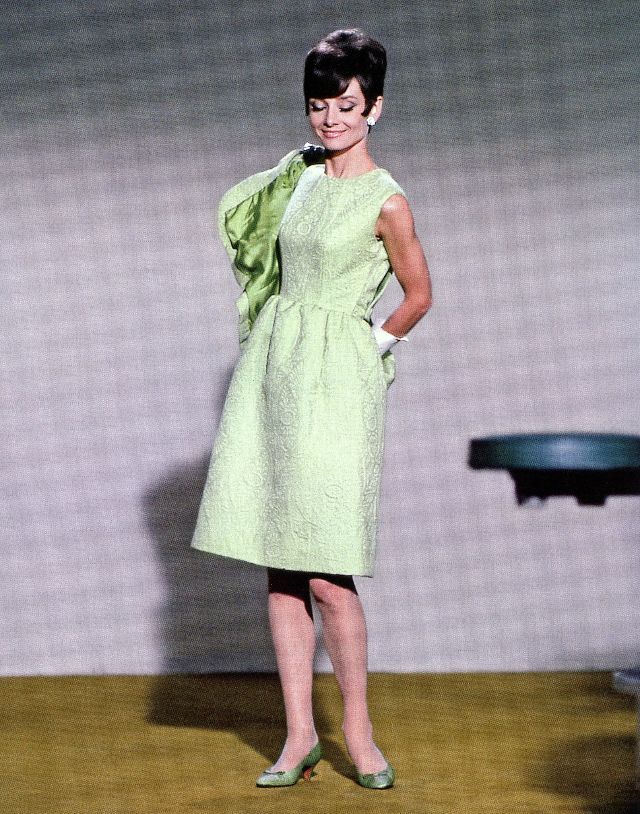
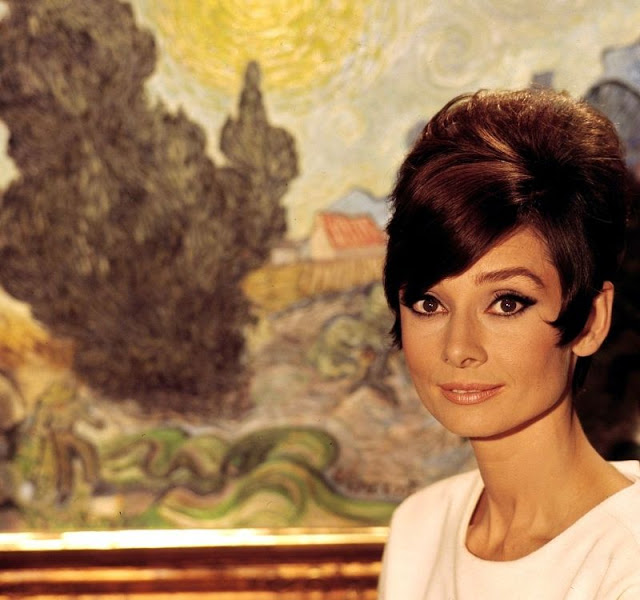
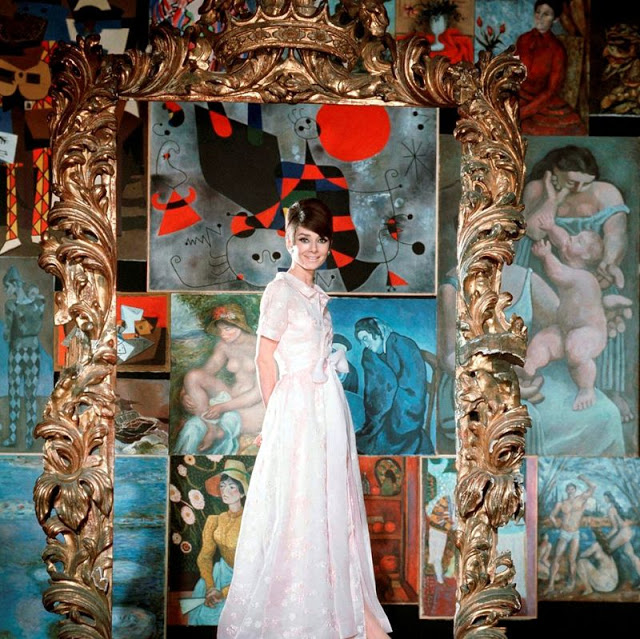
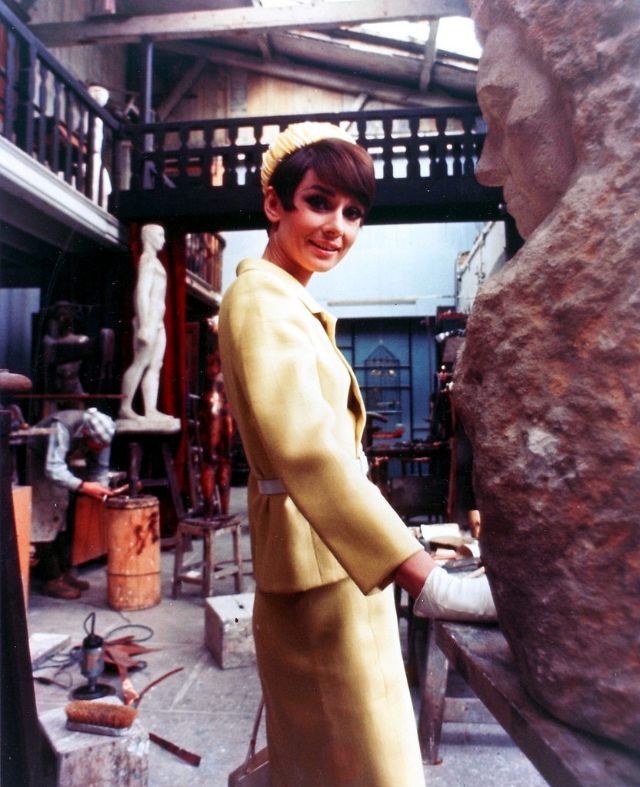
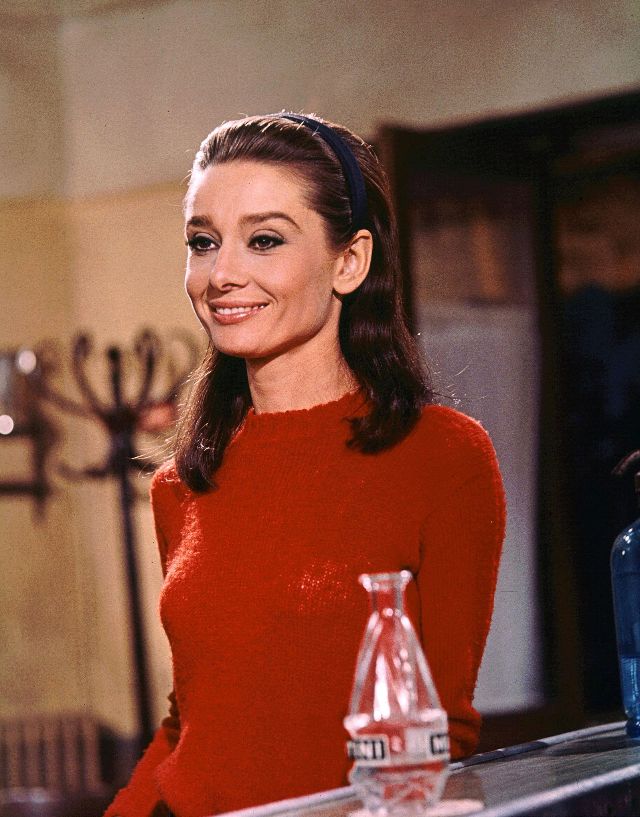
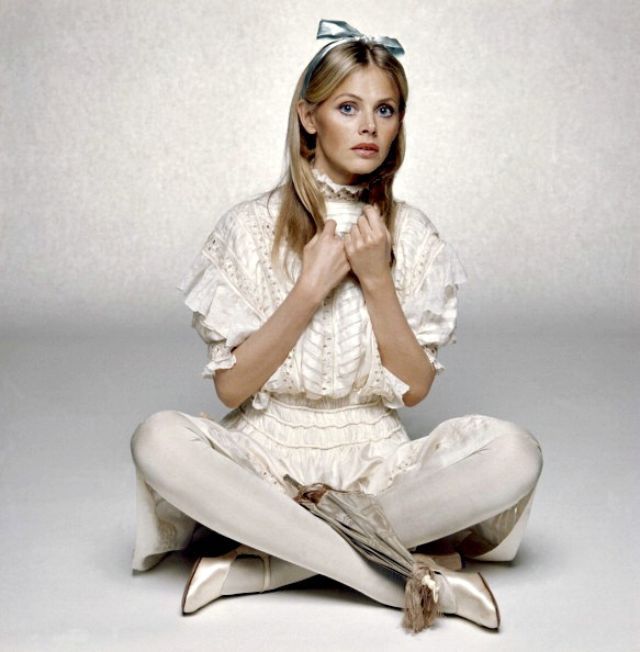
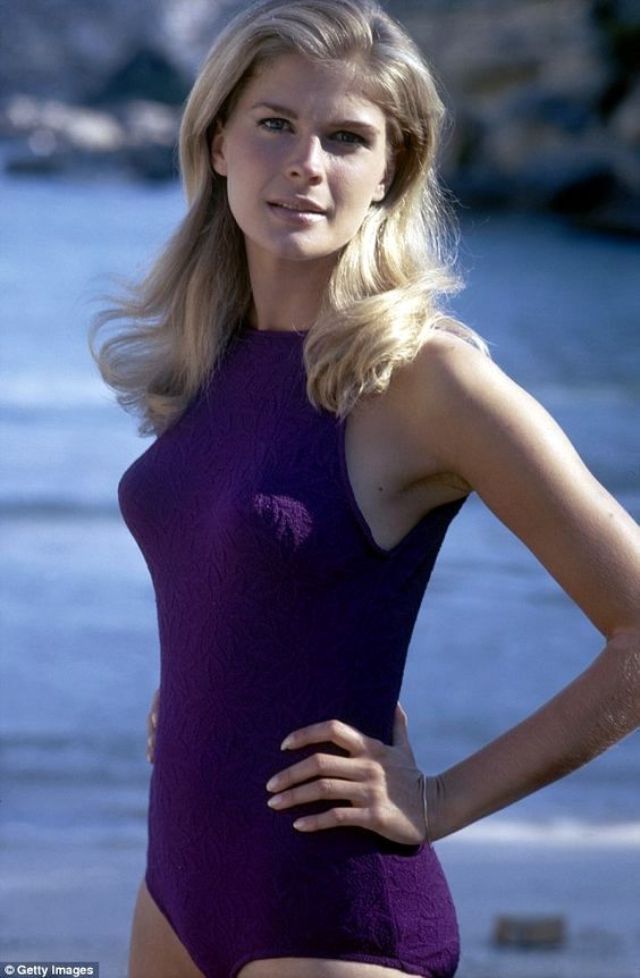
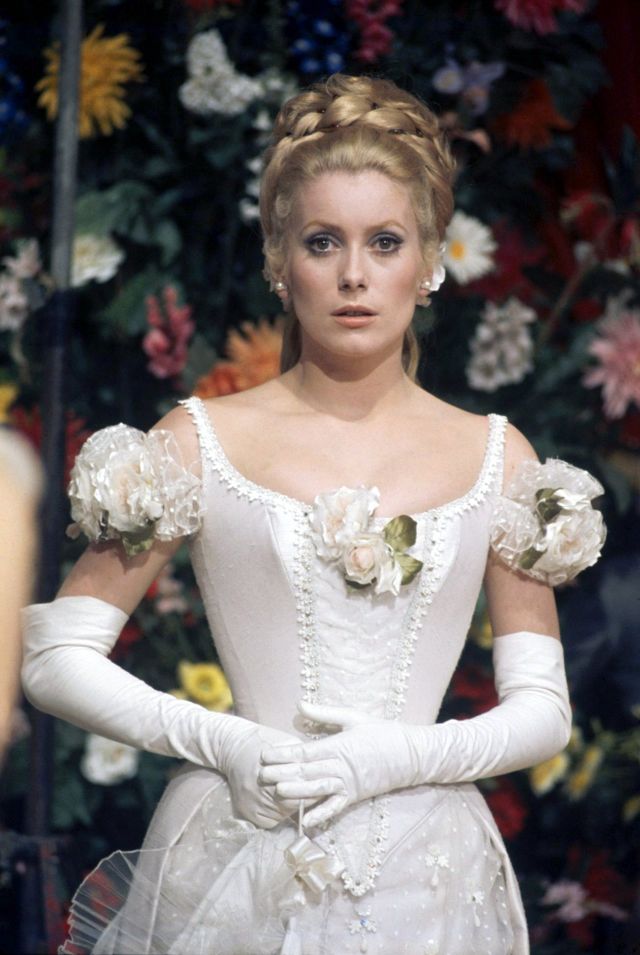
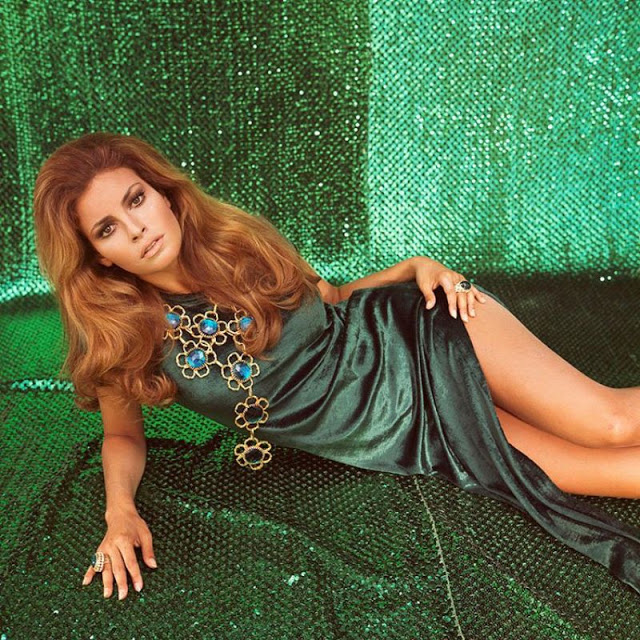
Jean Shrimpton at her father’s farm in Buckinghamshire, England, 1964Audrey Hepburn at the Studio de Boulogne, during a clothing selection for her wardrobe in ‘How to Steal a Million’, Paris, June 1965Audrey Hepburn photographed for the publicity of the film ‘How to Steal a Million’, Paris, October 1965Audrey Hepburn photographed for the publicity of the film ‘How to Steal a Million’, Paris, October 1965Audrey Hepburn wearing an evening gown of Hubert de Givenchy for his collection of Autumn/Winter 1965/66 during the filming of ‘How to Steal a Million’ for an fashion editorial, Paris, 1965Audrey photographed at the Studio de Boulogne for a fashion editorial, made for the publicity of ‘How to Steal a Million’, Paris, October 1965Britt Ekland, 1965Claudia Cardinale, 1965Ursula Andress as immortal Queen Ayesha in Robert Day’s film ‘She’, 1965Audrey Hepburn in a red bathing suit in a scene from the film ‘Two For the Road’, 1966Ursula Andress poses for a magazine shoot in Richmond Park, London, 1966Audrey Hepburn as Joanna Wallace photographed for the publicity of ‘Two for the Road’, 1967Audrey Hepburn as Joanna Wallace photographed for the publicity of ‘Two for the Road’, 1967Audrey Hepburn during filming of ‘Two For the Road’, St. Tropez, 1967Audrey Hepburn takes a break during filming of ‘Two for the Road’, 1967Britt Ekland in a yellow dress and matching tights, 1967Britt Ekland in brunette wig, 1967Britt Ekland, 1967Candice Bergen on the European set of Guy Green’s ‘The Magus’, adapted from the book by John Fowles, October 1967Jacqueline Bisset at her home in Malibu, 1967Raquel Welch, 1967Stella Stevens, 1967Catherine Deneuve as Baroness Maria Vetsera in a scene from ‘Mayerling’, a historical romance directed by Terence Young, 1968Mia Farrow on the set of Anthony Mann’s 1968 espionage film ‘A Dandy In Aspic’Pregnant Sharon Tate, 1968Sharon Tate, circa 1968Raquel Welch with permed curly hair, 1970Raquel Welch, 1970Raquel Welch, 1970
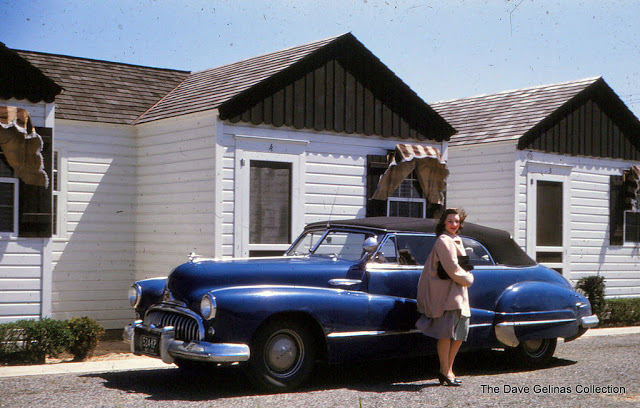
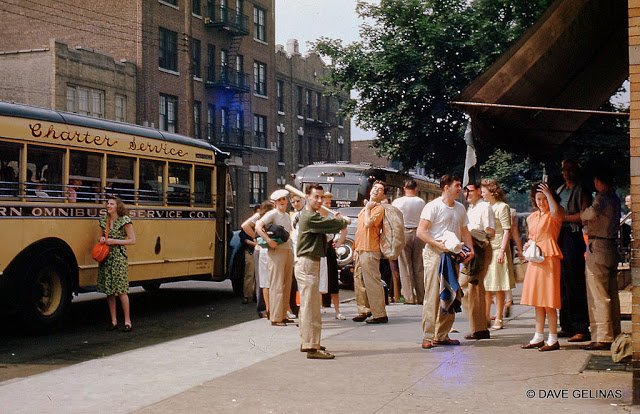
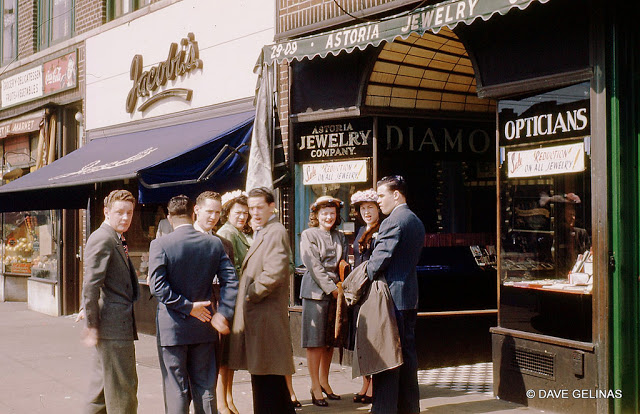
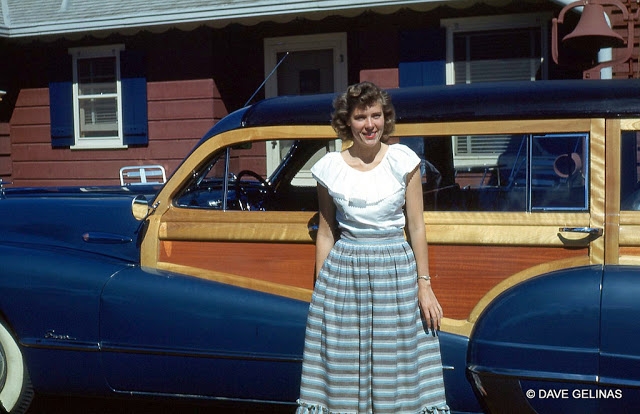
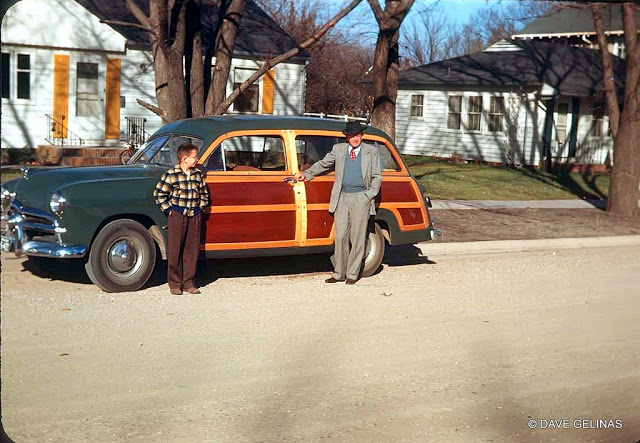
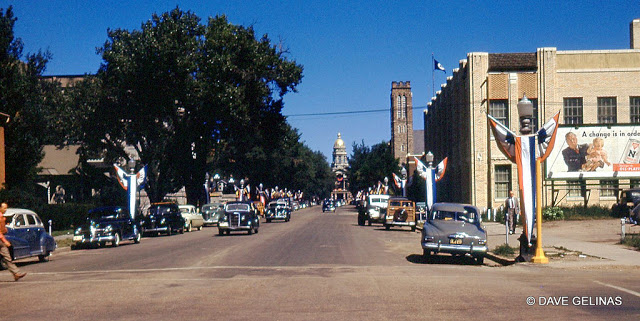
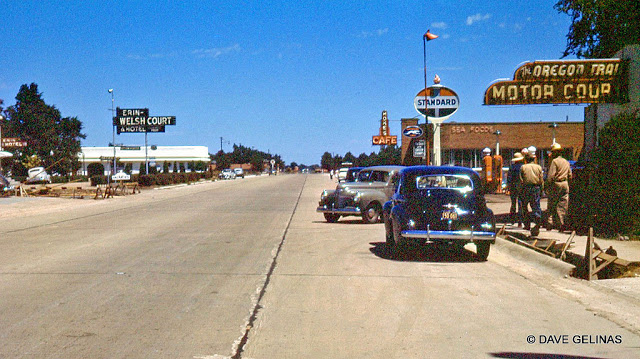
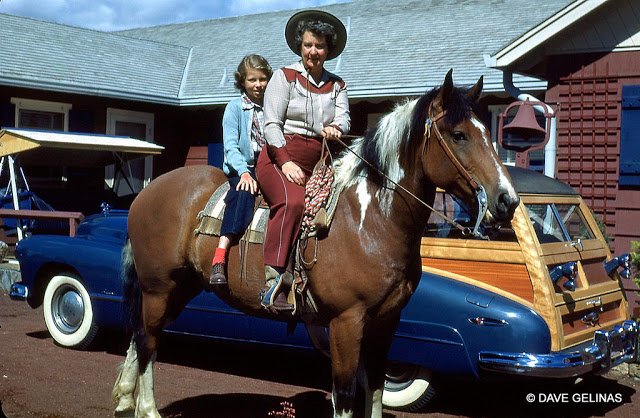
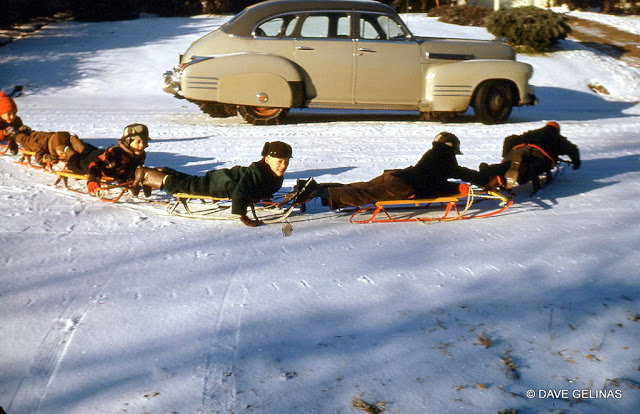
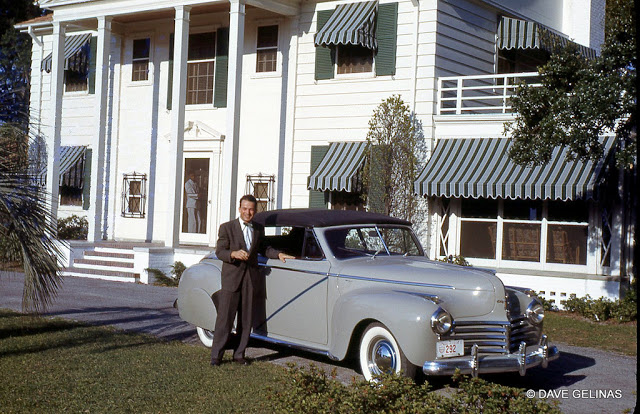
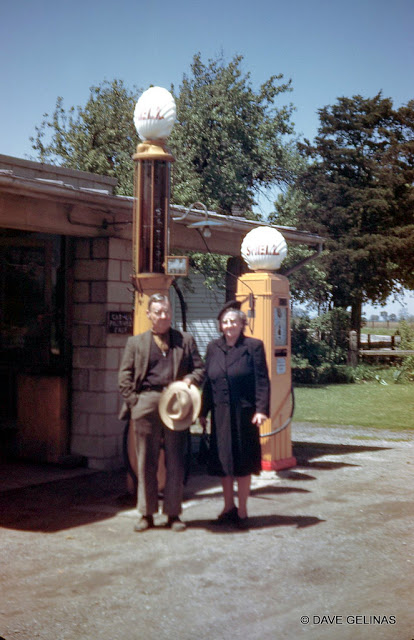
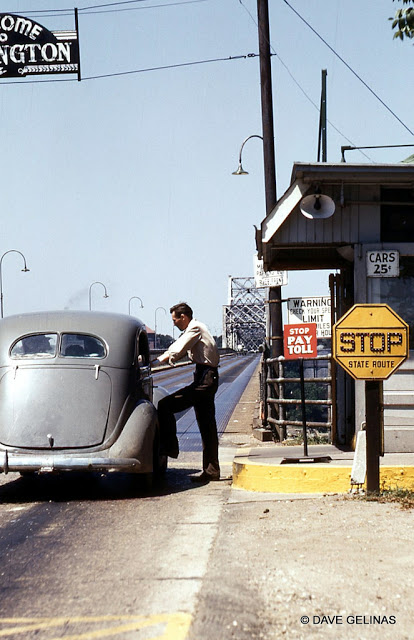
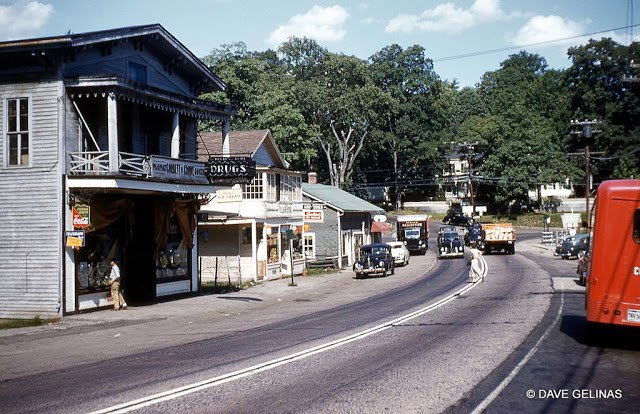
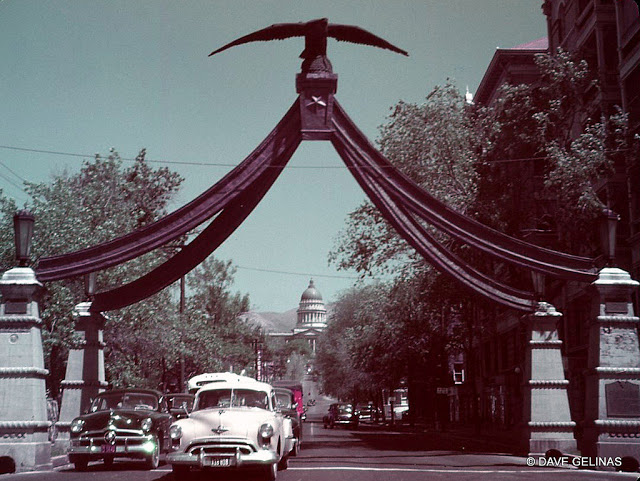
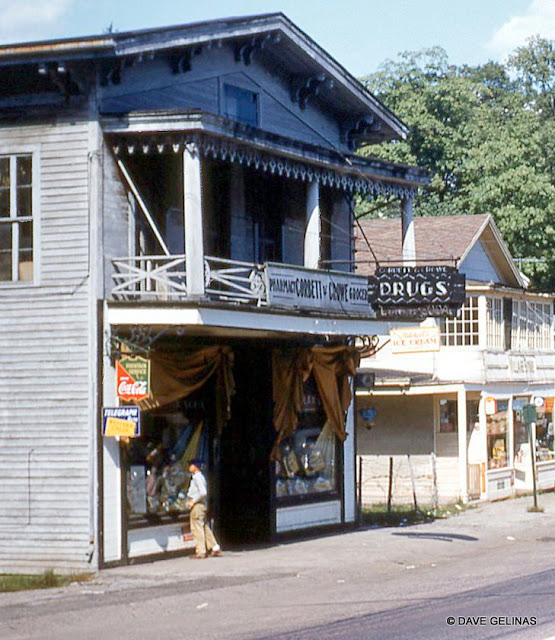
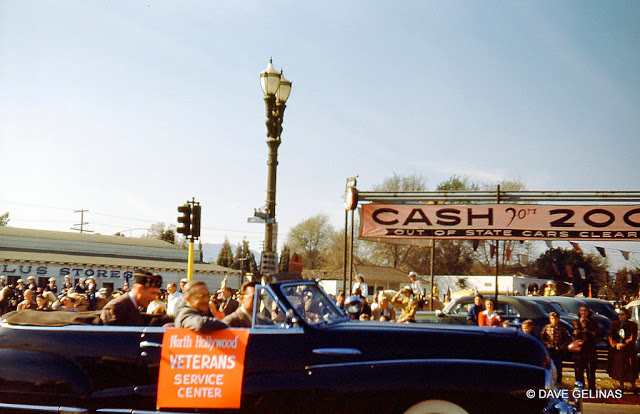
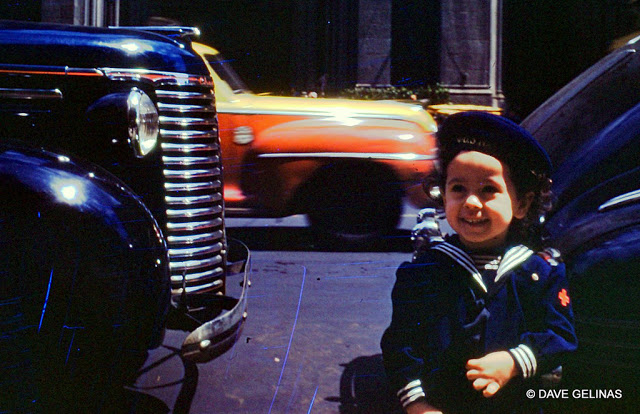
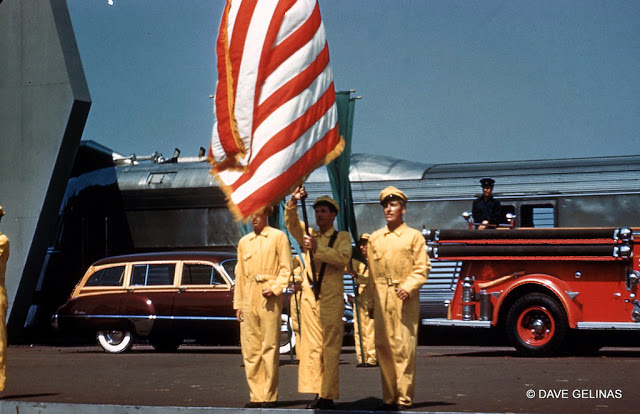
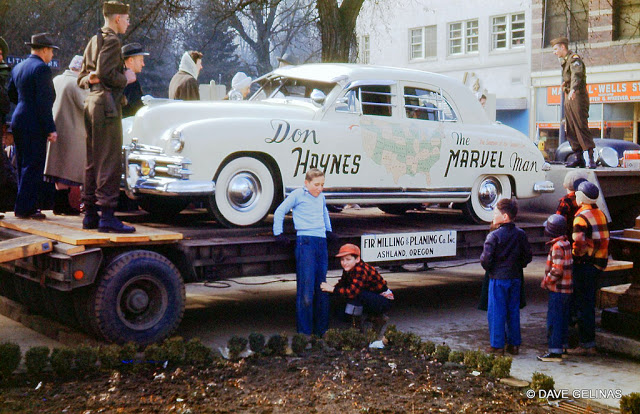
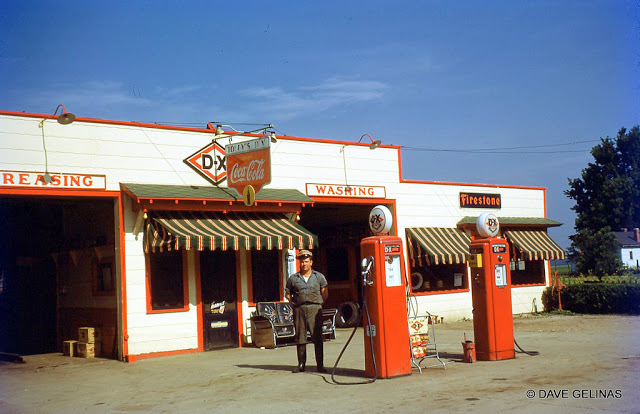
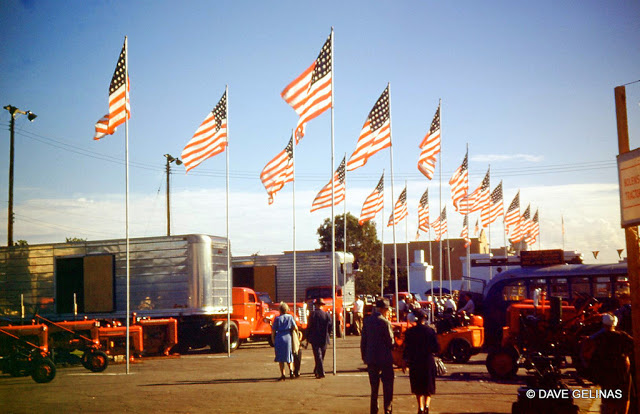
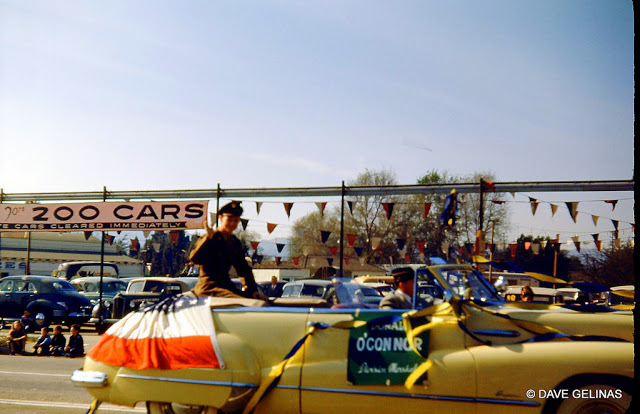
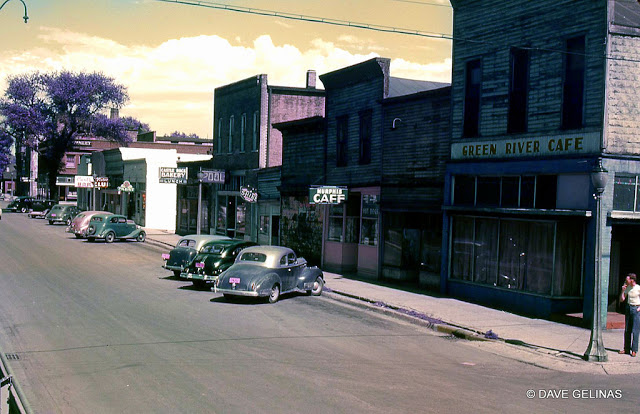
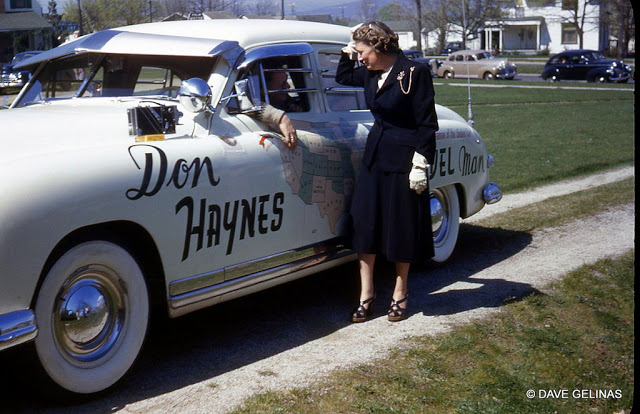
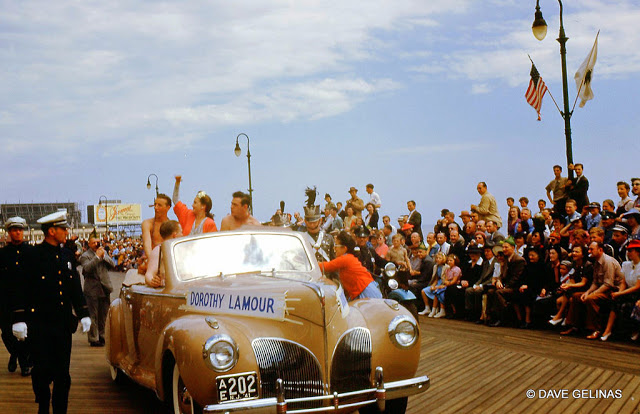
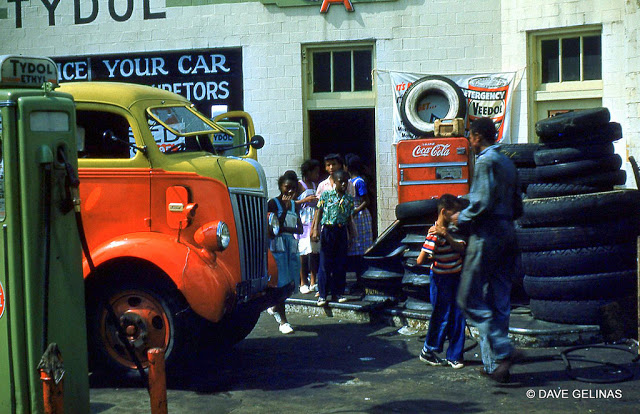
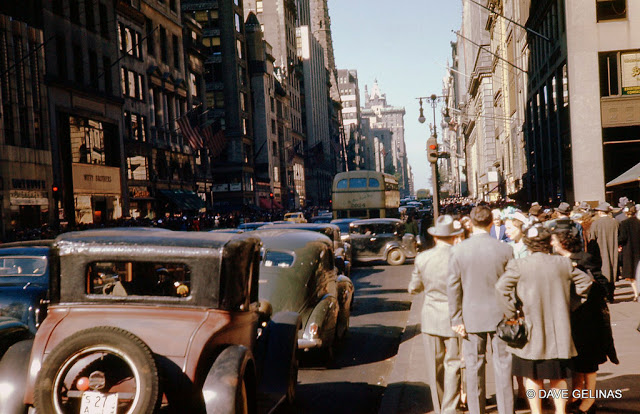
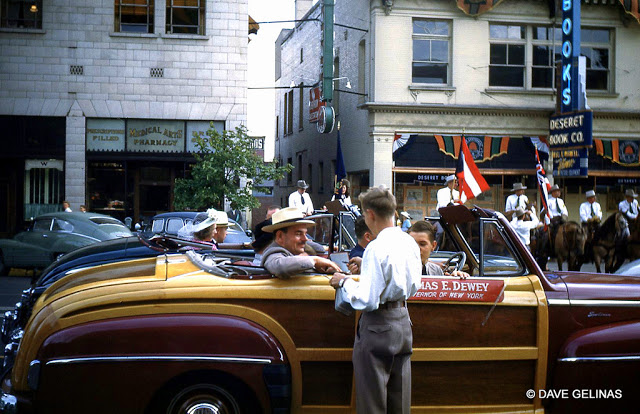
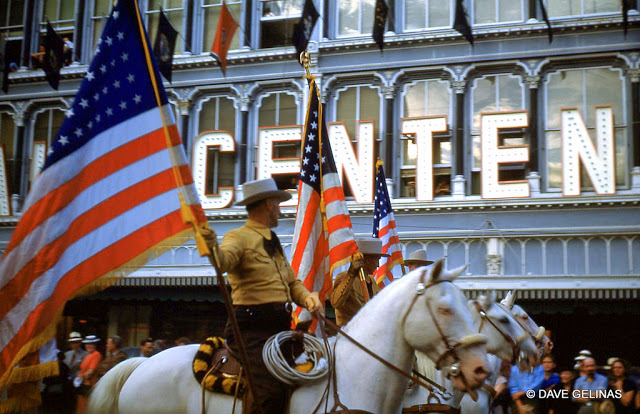
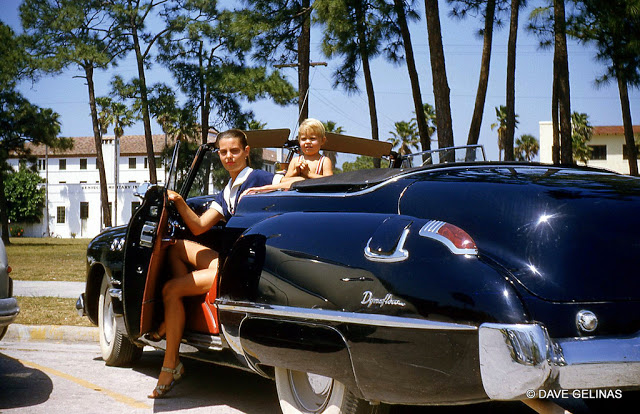
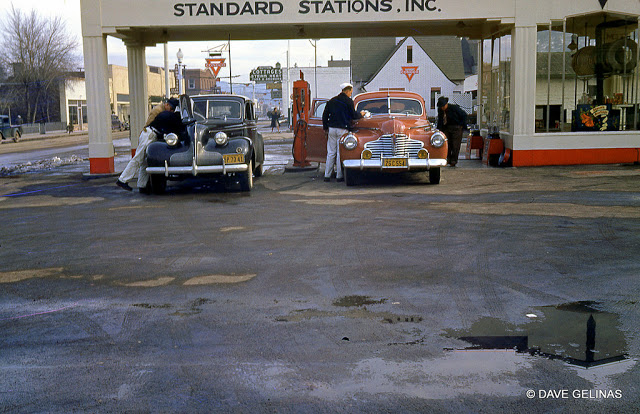
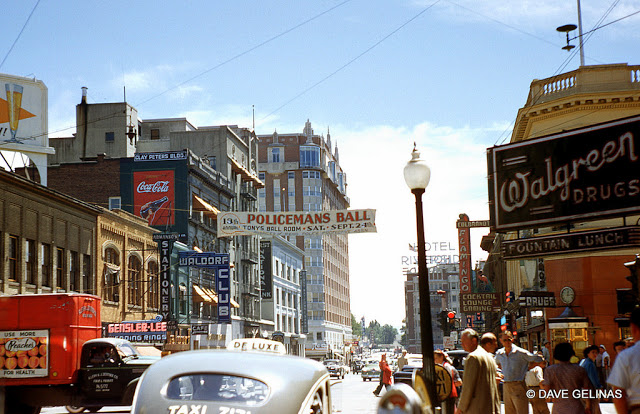
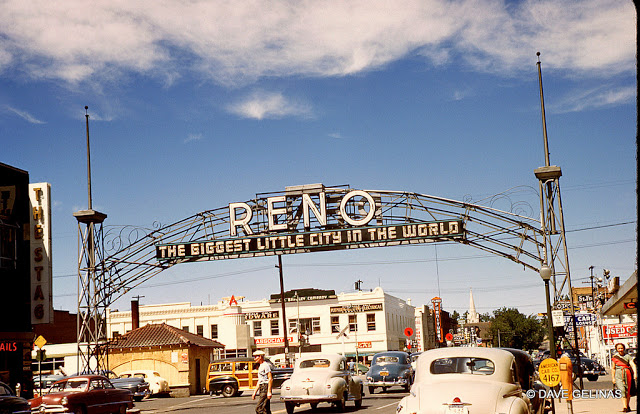
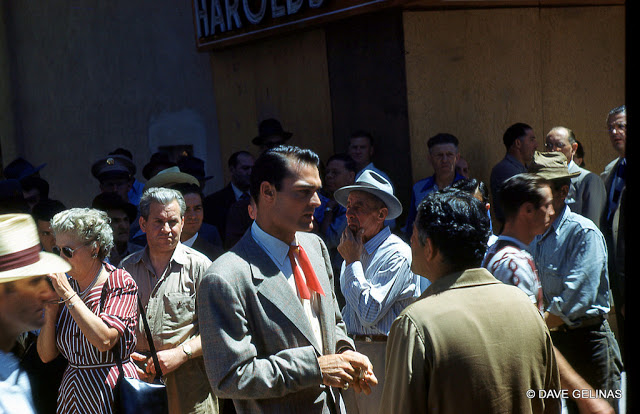
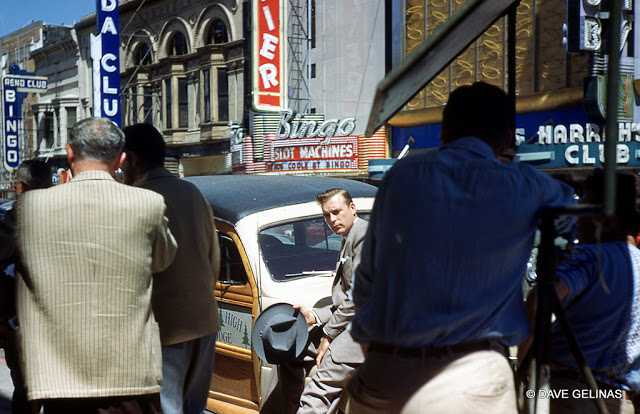
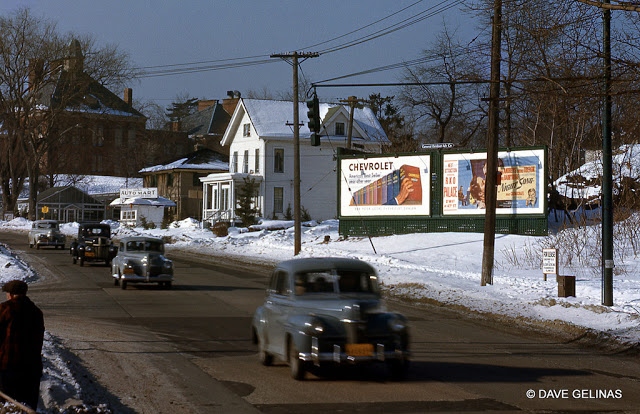
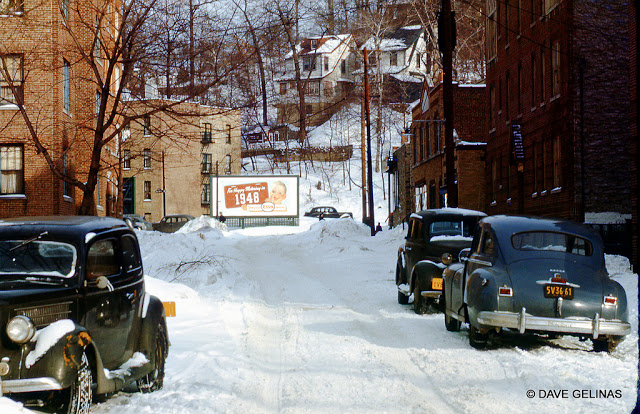
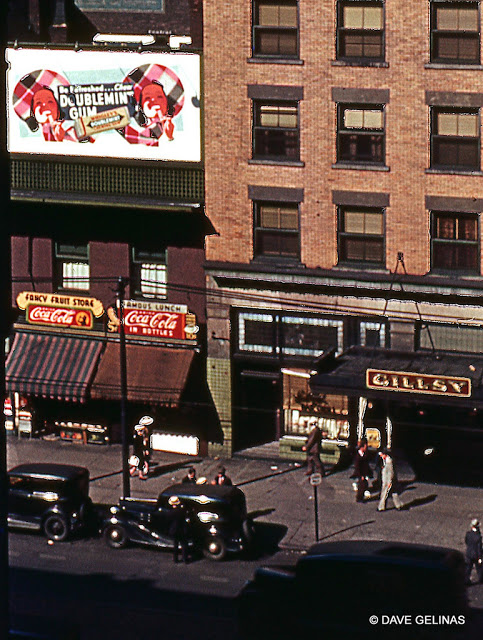
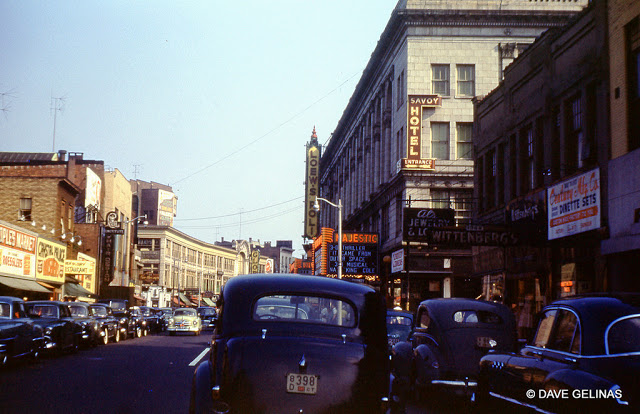
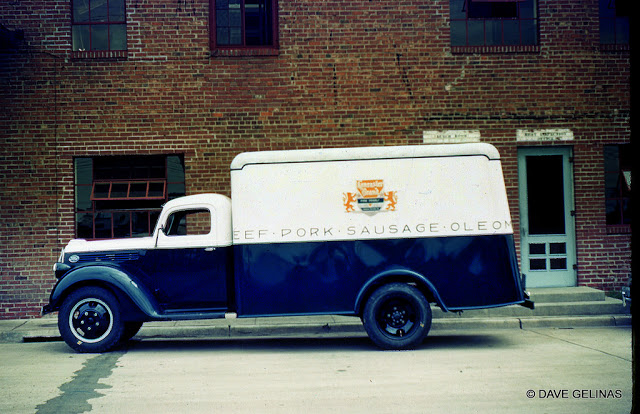
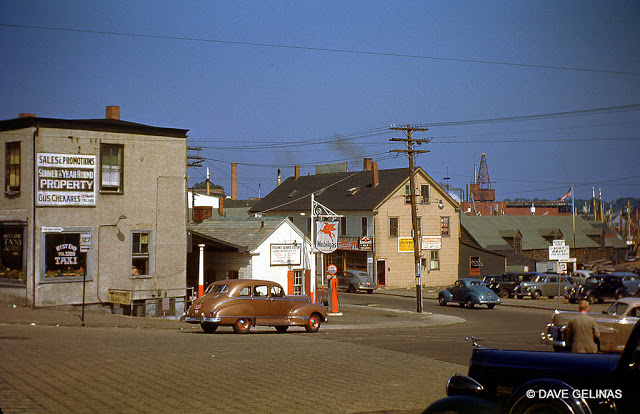
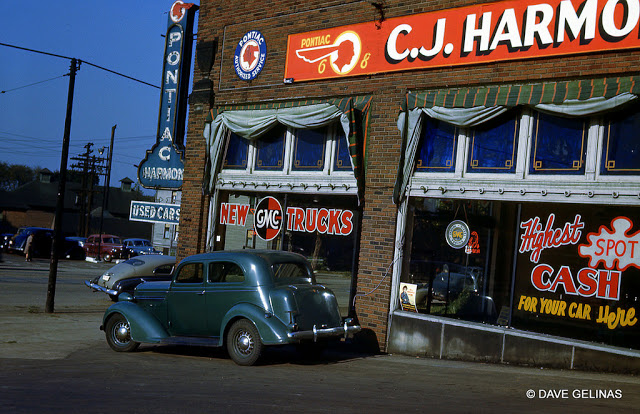
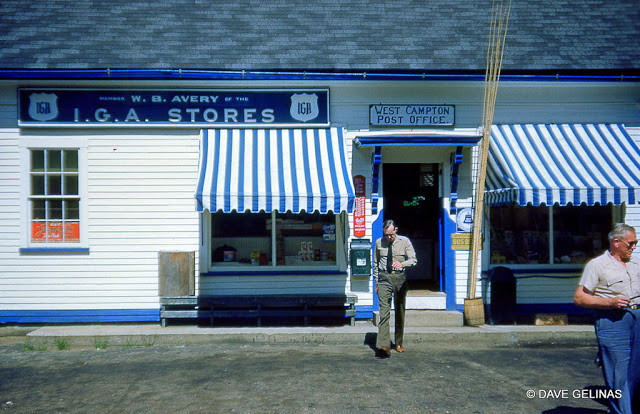
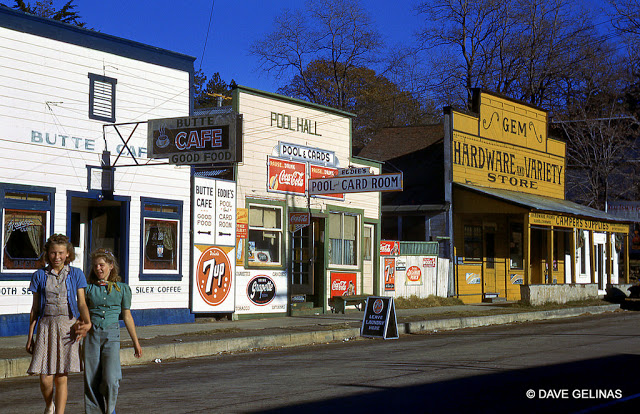
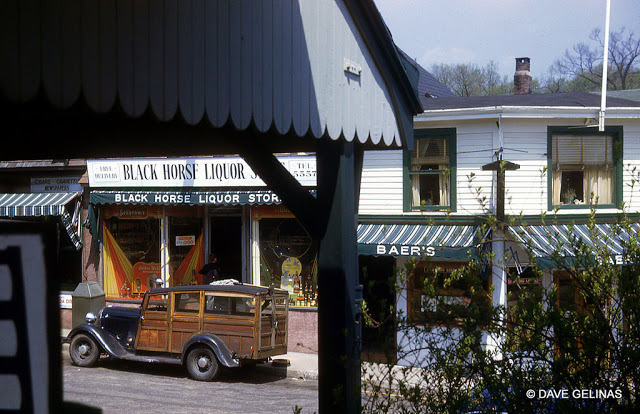
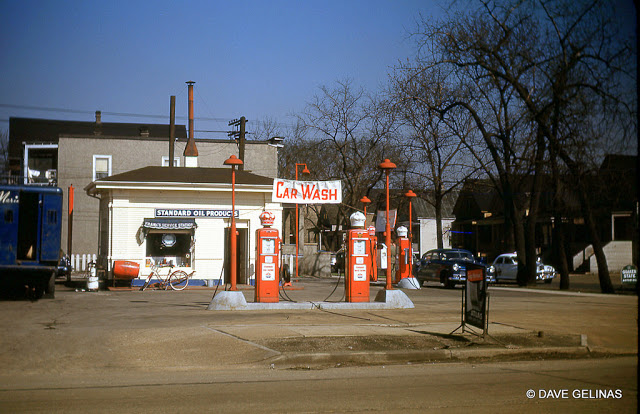
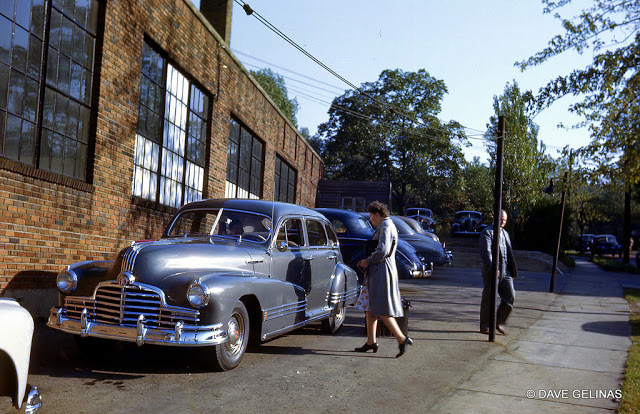
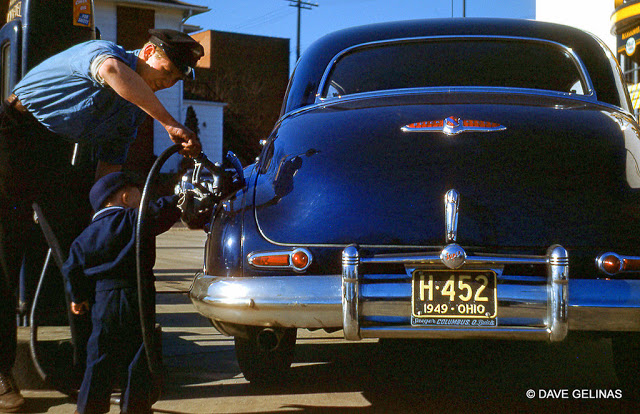
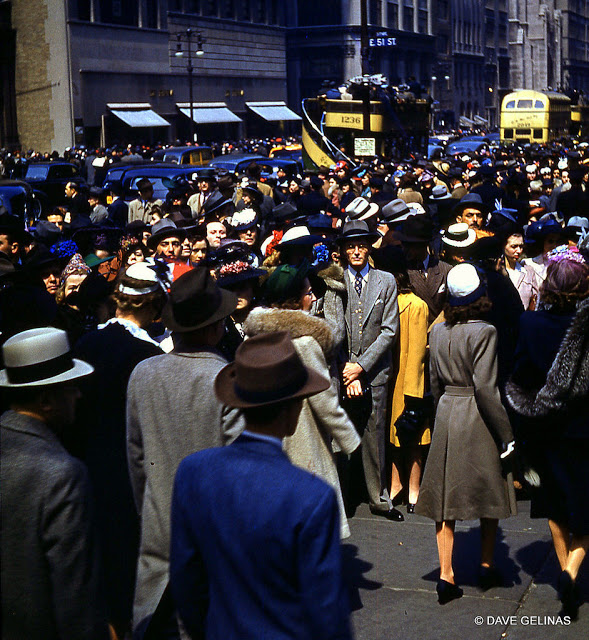
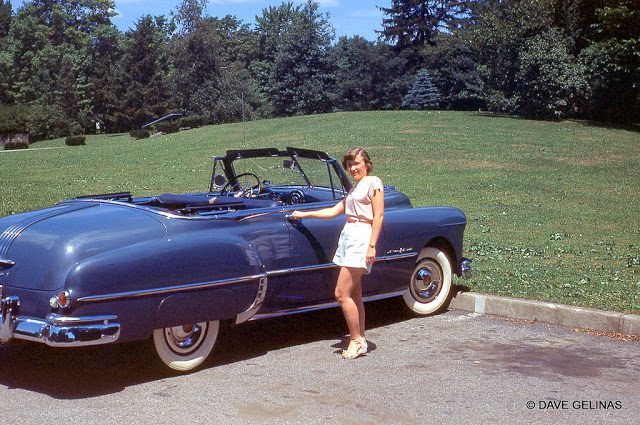
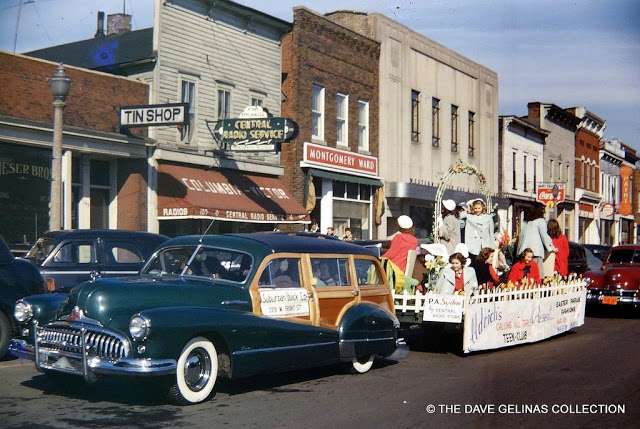
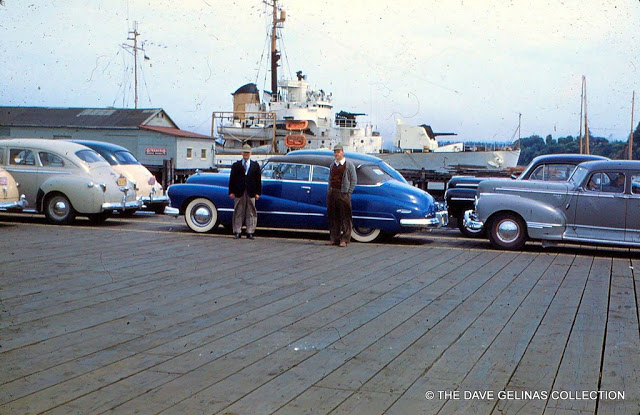
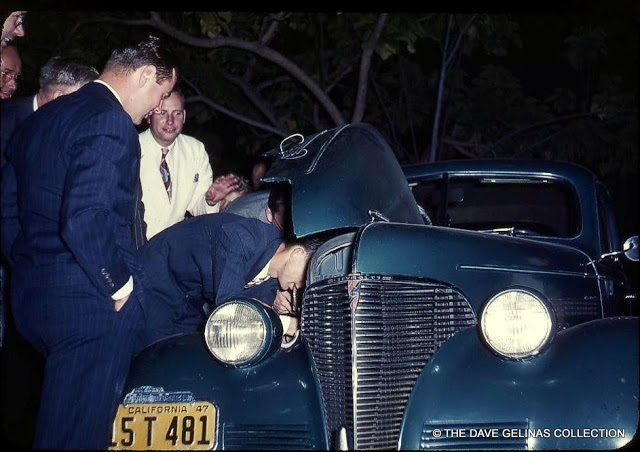
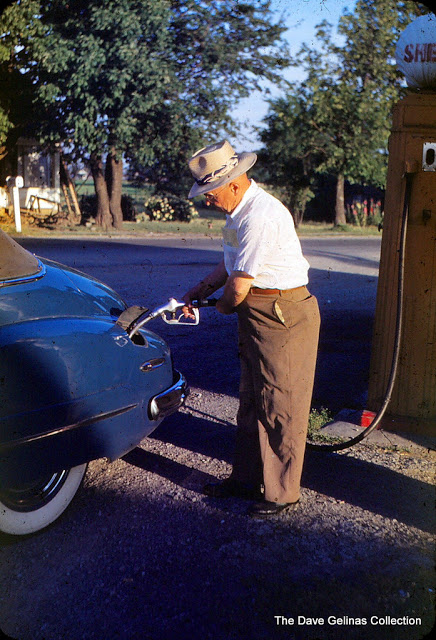
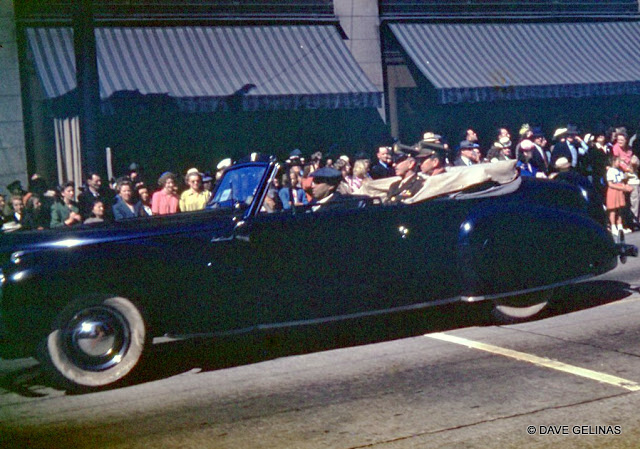
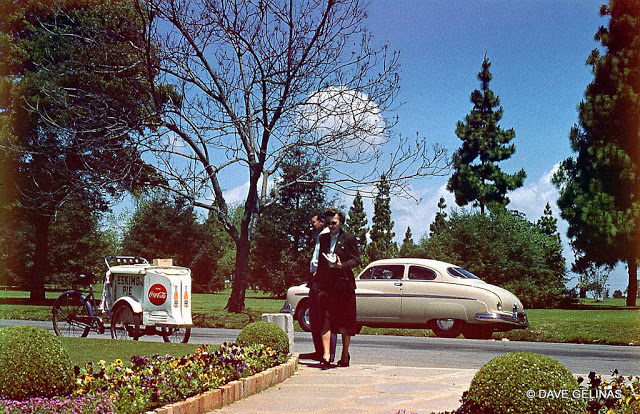
Astoria, Queens, New York, Late 1940sAstoria, Queens, New York, Late 1940s1948 Buick Super Woody Wagon, Late 1940s1949 Ford Woody Station Wagon – 1949Cheyenne, Wyoming, 1949Ogallala, Nebraska, 19491948 Buick Super Woody Wagon, Late 1940’s1941 Cadillac – Winter Sledding Scene1941 Chrysler Convertible, 1943Shell Gas Station, 1945Sandy Hook, CT, Late 1940’sSalt Lake City, Utah, 1949Sandy Hook, CT, Late 1940’s 1948 Buick Parade CarChicago, Late 1940’sChicago Railroad Fair, 1949Truck And Tractor Fair, 1948Actor Donald O’Connor, North Hollywood, California, 1946Green River, Wyoming, late 1940sDorothy Lamour, Atlantic City Parade, 1941New York City, 1946Williams, Arizona, 1947Reno, Nevada, 1949Reno, Nevada, 1949Reno, Nevada, 1949Reno, Nevada, 1949
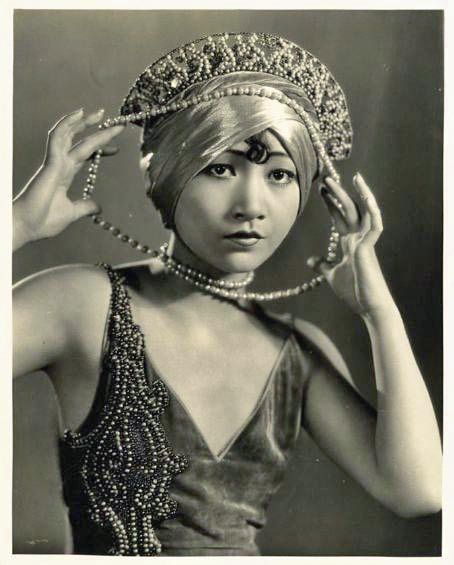
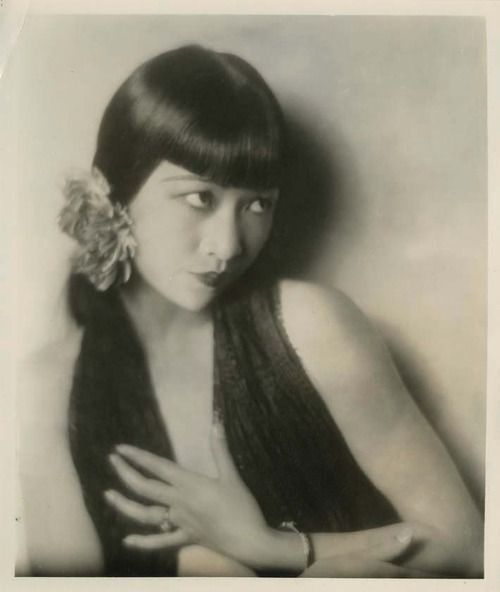
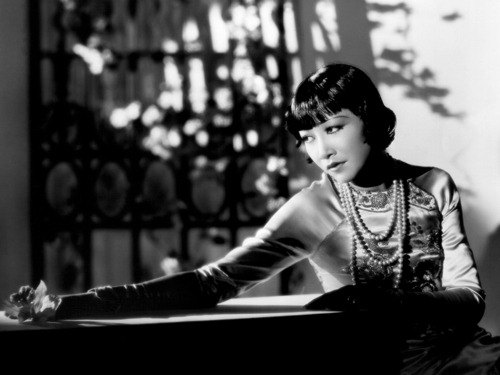
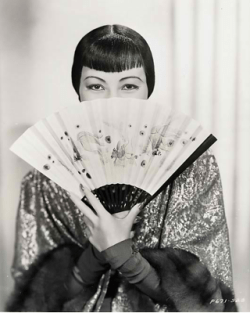
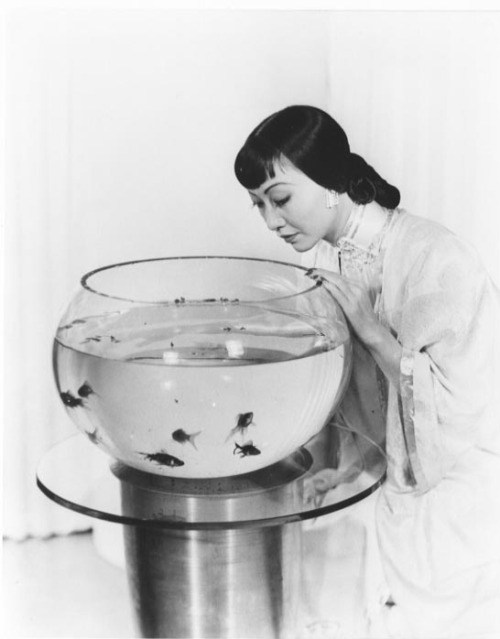
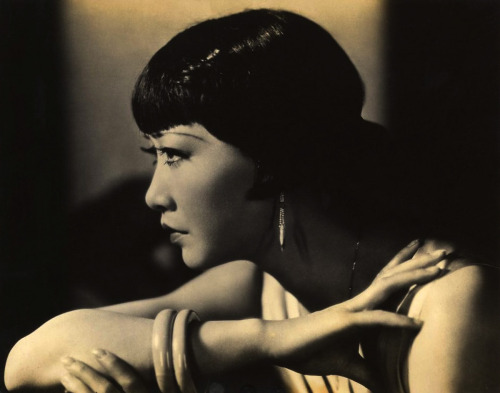
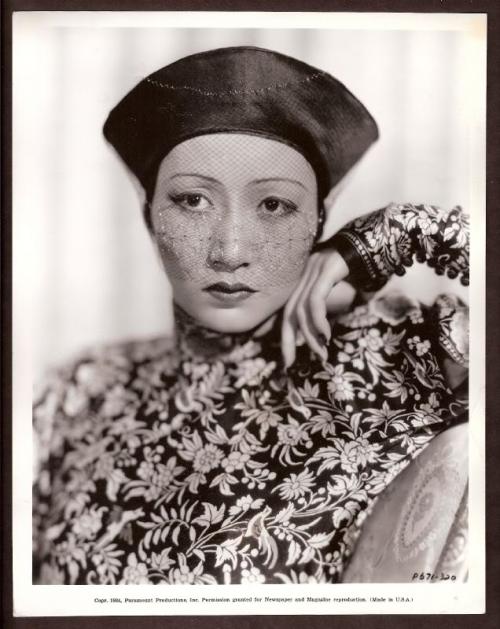
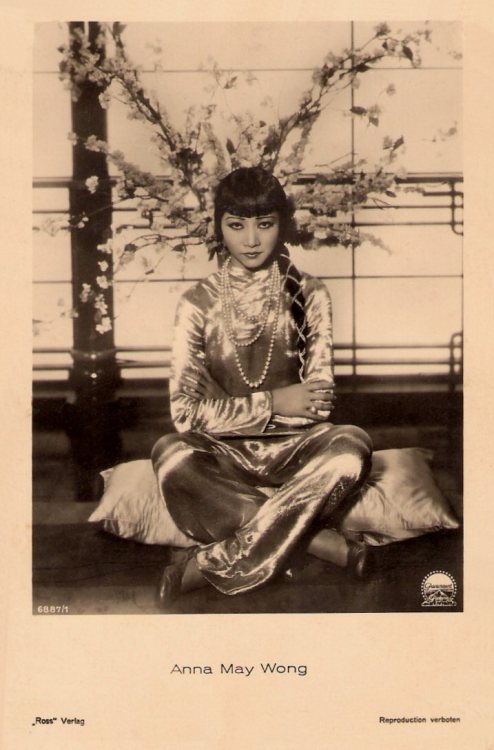
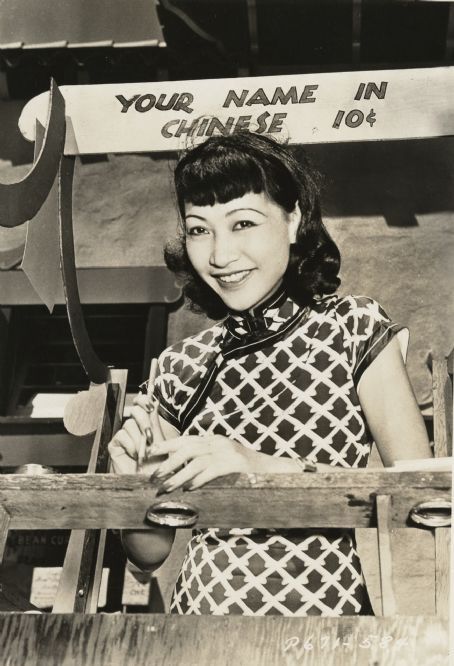
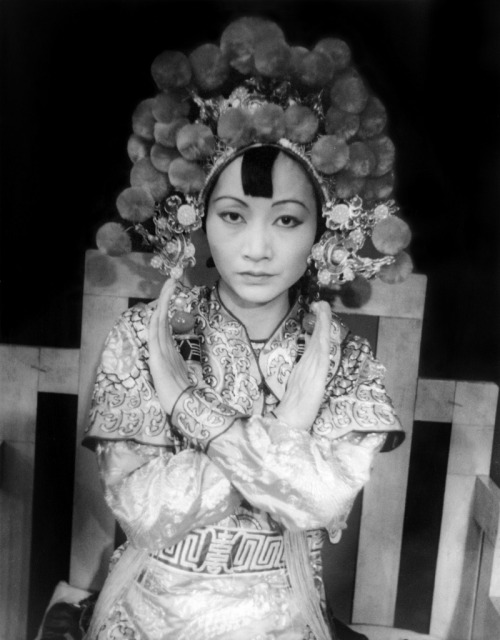
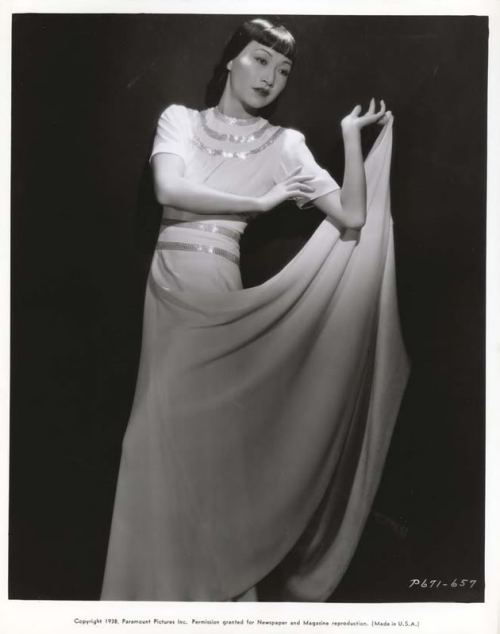
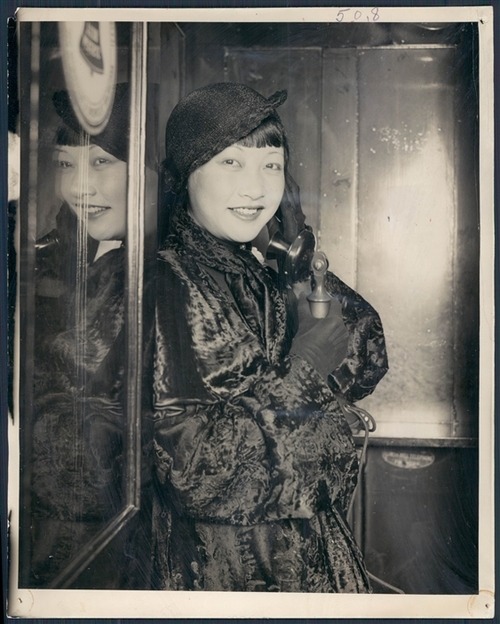
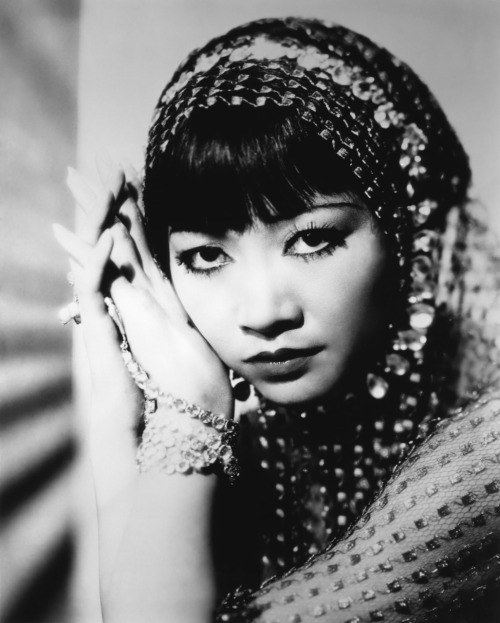
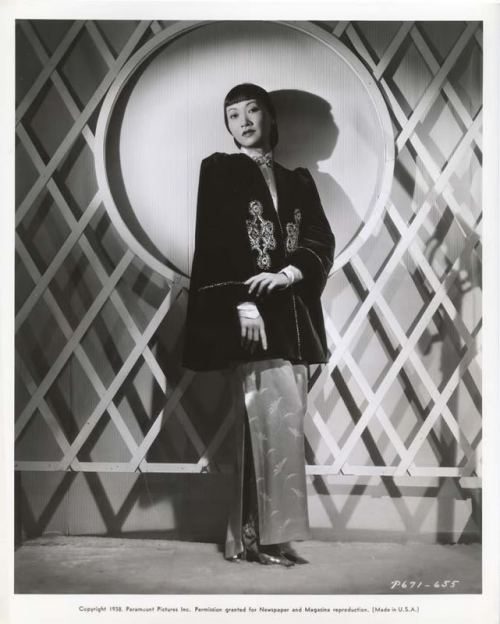
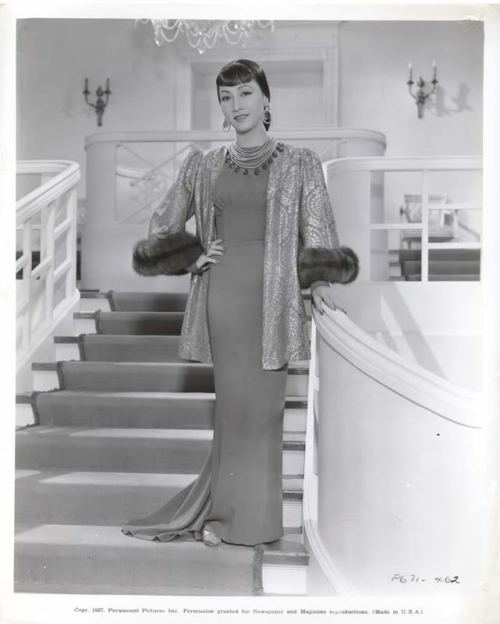
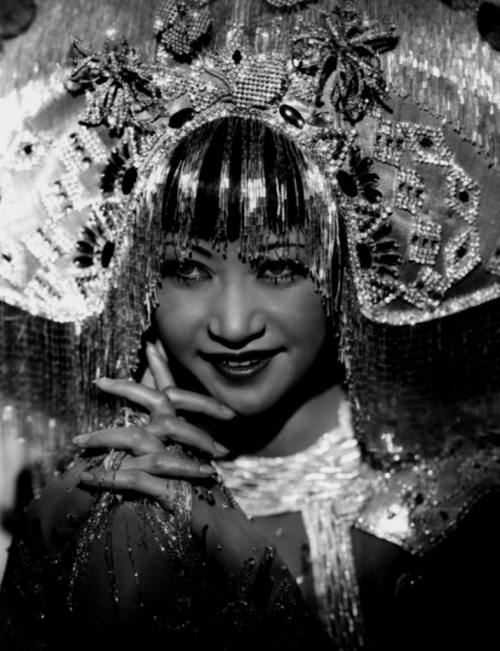
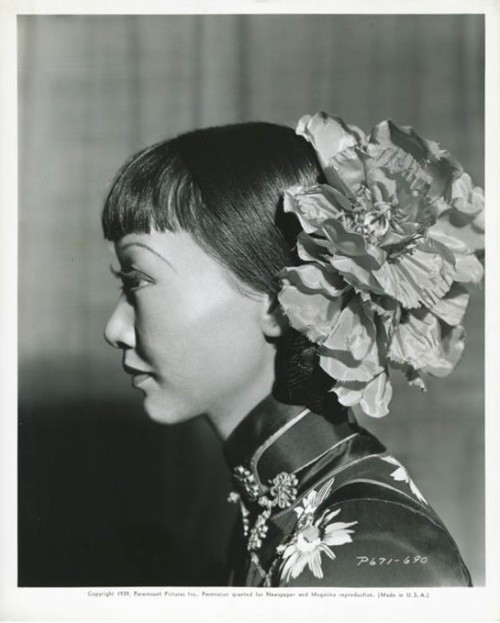
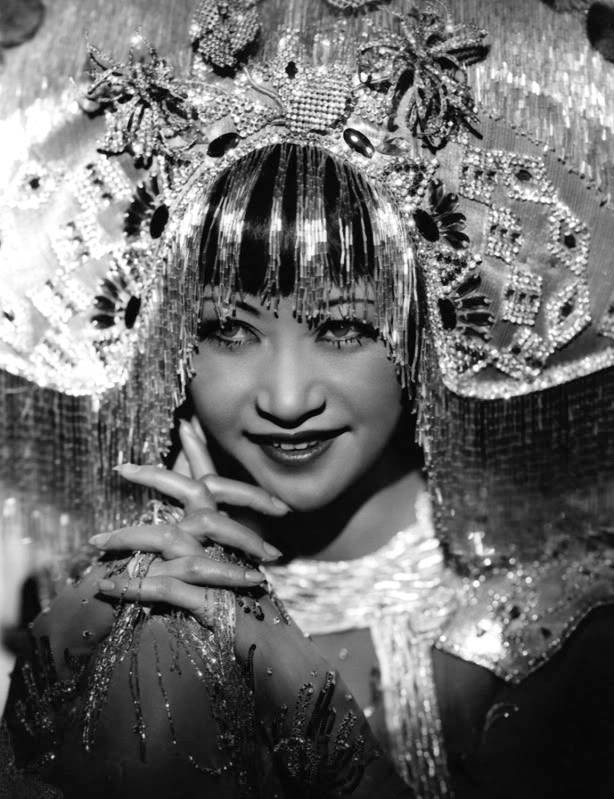
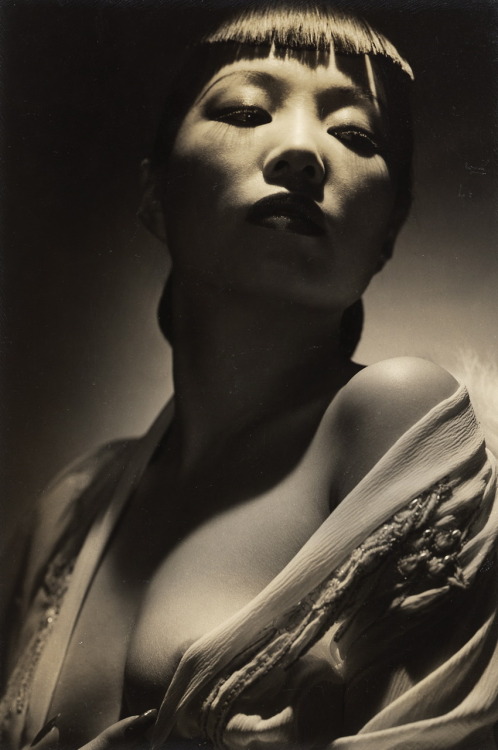
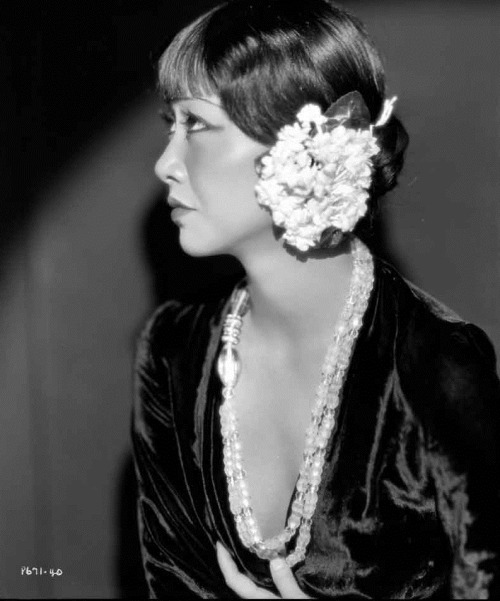
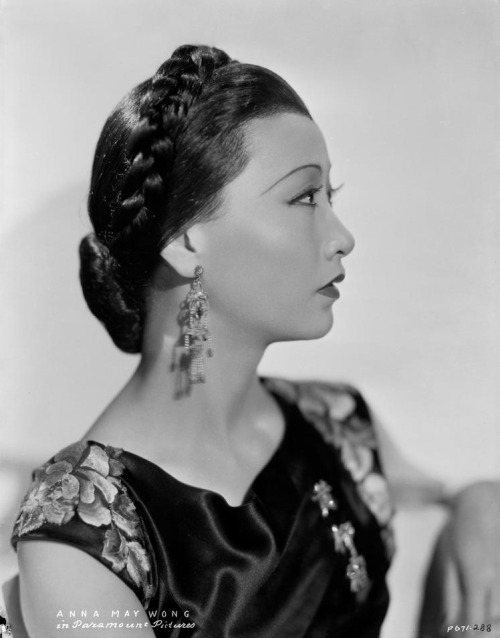
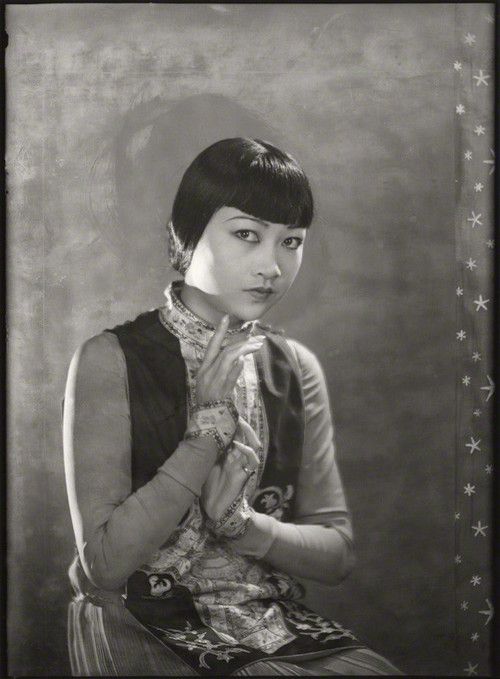
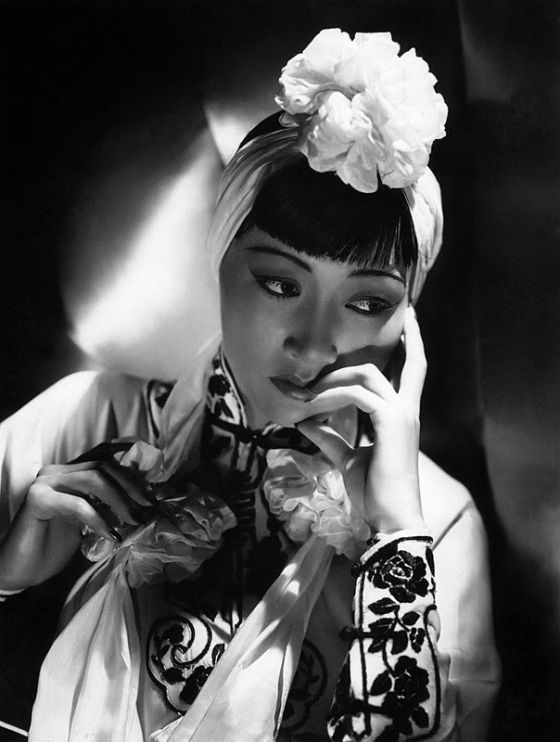
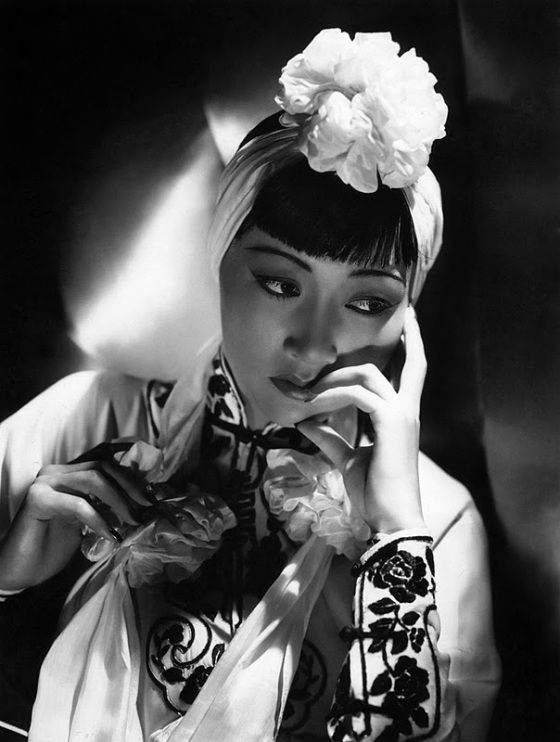
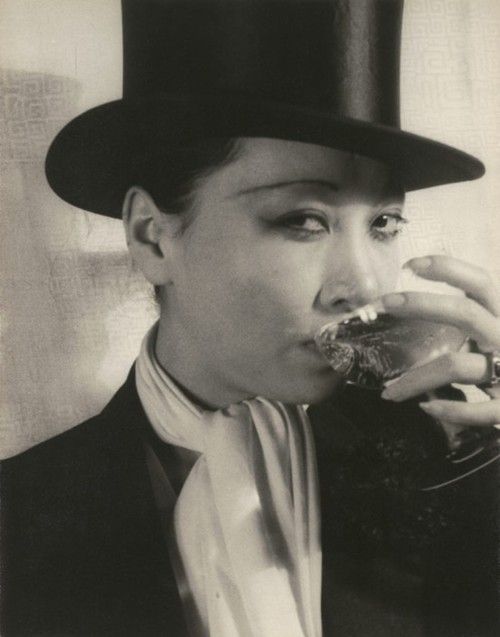
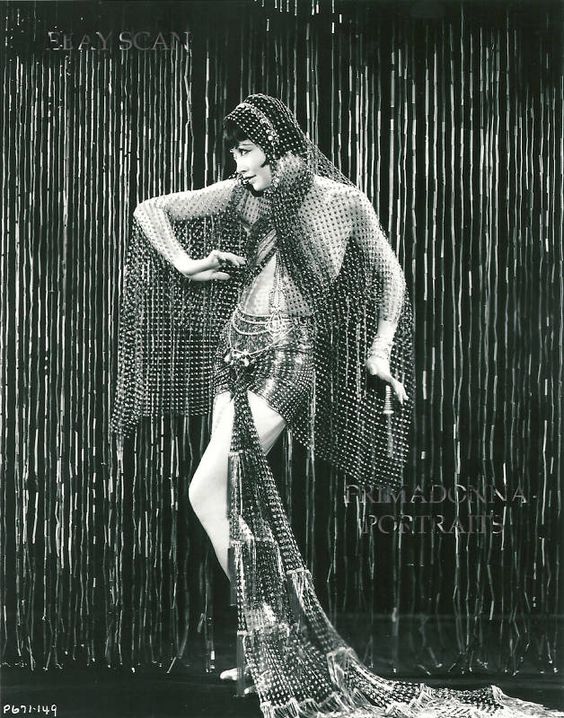
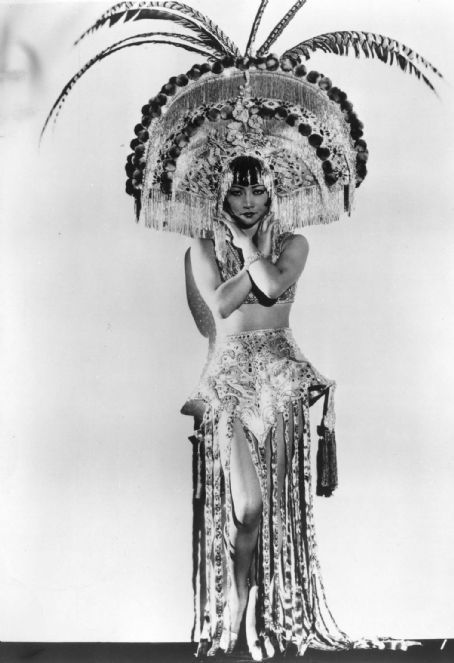
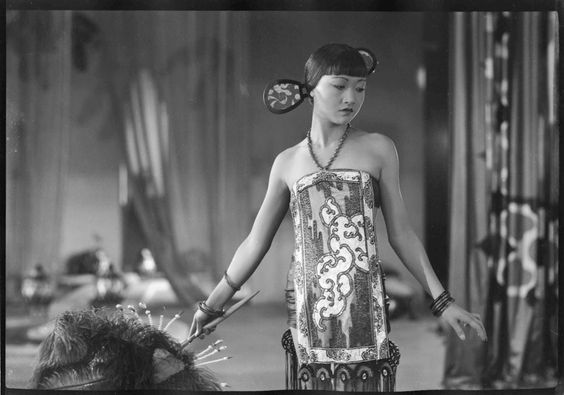
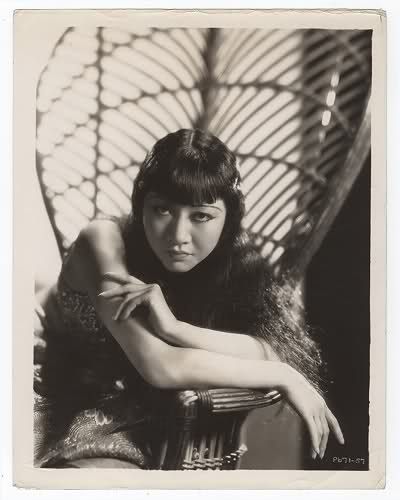
Wong Liu-tsong (January 3, 1905 – February 3, 1961), known professionally as Anna May Wong, was an American actress, considered to be the first Chinese American Hollywood movie star, as well as the first Chinese American actress to gain international recognition. Her varied career spanned silent film, sound film, television, stage, and radio.
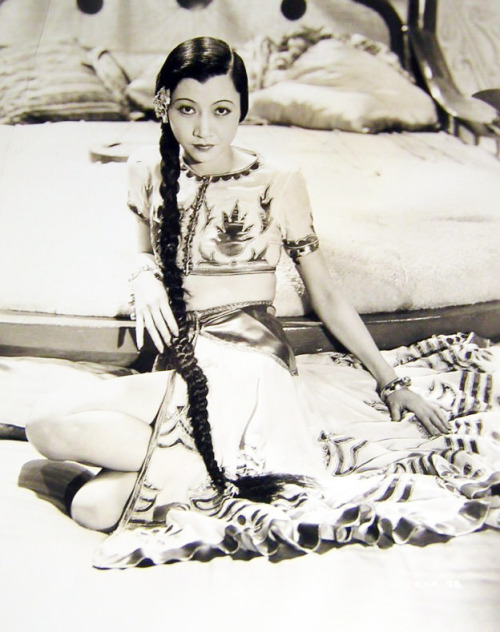
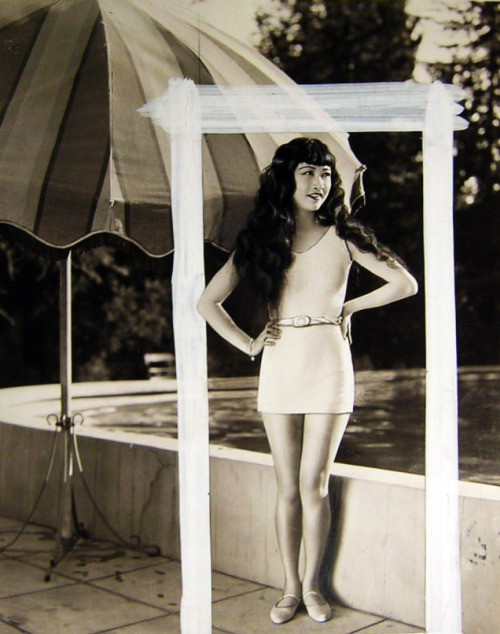
Born in Los Angeles to second-generation Taishanese Chinese-American parents, Wong became infatuated with films and began acting in films at an early age. During the silent film era, she acted in The Toll of the Sea (1922), one of the first films made in color, and in Douglas Fairbanks’ The Thief of Bagdad (1924). Wong became a fashion icon and had achieved international stardom in 1924. Wong had been one of the first to embrace the flapper look. In 1934, the Mayfair Mannequin Society of New York voted her the “world’s best dressed woman.” In the 1920s and 1930s, Wong was acclaimed as one of the top fashion icons.
Frustrated by the stereotypical supporting roles she reluctantly played in Hollywood, Wong left for Europe in March 1928, where she starred in several notable plays and films, among them Piccadilly (1929). She spent the first half of the 1930s traveling between the United States and Europe for film and stage work. Wong was featured in films of the early sound era, such as Daughter of the Dragon (1931), Daughter of Shanghai (1937), and with Marlene Dietrich in Josef von Sternberg’s Shanghai Express (1932).
In 1935, Wong was dealt the most severe disappointment of her career, when Metro-Goldwyn-Mayer refused to consider her for the leading role of the Chinese character O-Lan in the film version of Pearl S. Buck’s The Good Earth. MGM instead cast Luise Rainer to play the leading role in yellowface. One biographer believes that the choice was due to the Hays Code anti-miscegenation rules requiring the wife of a white actor, Paul Muni (ironically playing a Chinese character in yellowface) to be played by a white actress. But the 1930-1934 Hays Code of the Motion Picture Producers and Distributors of America insisted only that “miscegenation (sex relationship between the white and black races) was forbidden” and said nothing about Asian/white intermarriages. No other biographer has corroborated this theory, including historian Shirley Jennifer Lim’s recent Anna May Wong: Performing the Modern. MGM offered Wong a supporting role of Lotus, the seductress, but she refused on principle.
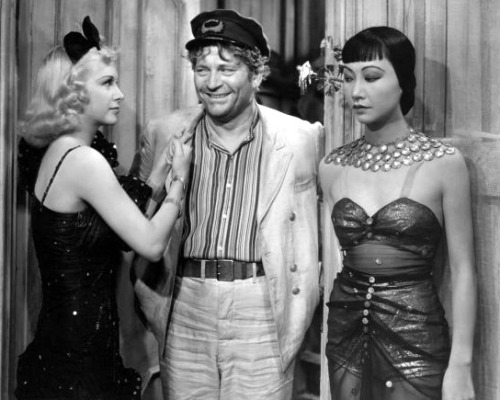
Wong spent the next year touring China, visiting her family’s ancestral village and studying Chinese culture. In the late 1930s, she starred in several B movies for Paramount Pictures, portraying Chinese and Chinese Americans in a positive light.
She paid less attention to her film career during World War II, when she devoted her time and money to help the Chinese cause against Japan. Wong returned to the public eye in the 1950s in several television appearances.
In 1951, Wong made history with her television show The Gallery of Madame Liu-Tsong, the first-ever U.S. television show starring an Asian American series lead. She had been planning to return to film in Flower Drum Song when she died in 1961, at the age of 56, from a heart attack. For decades after her death, Wong was remembered principally for the stereotypical “Dragon Lady” and demure “Butterfly” roles that she was often given. Her life and career were re-evaluated in the years around the centennial of her birth, in three major literary works and film retrospectives. (Wikipedia)
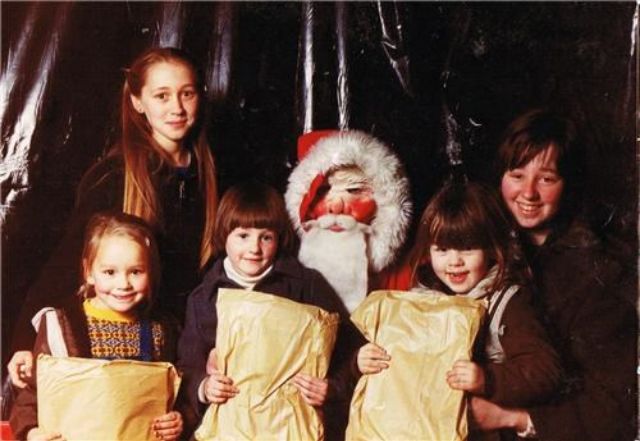
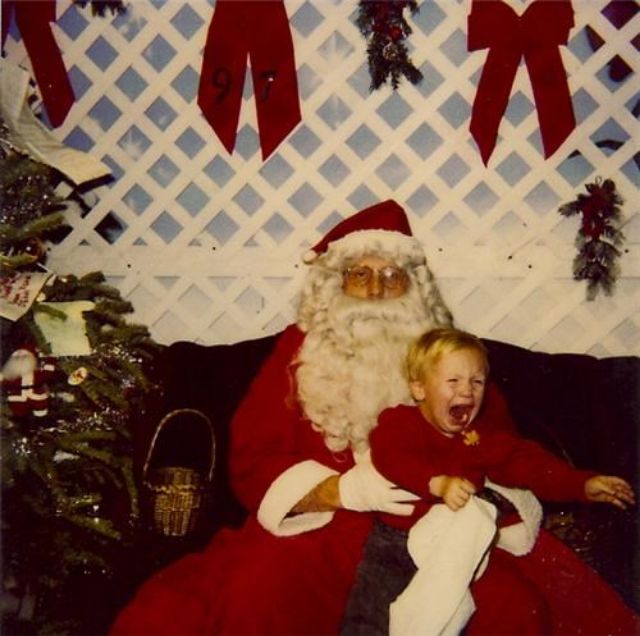
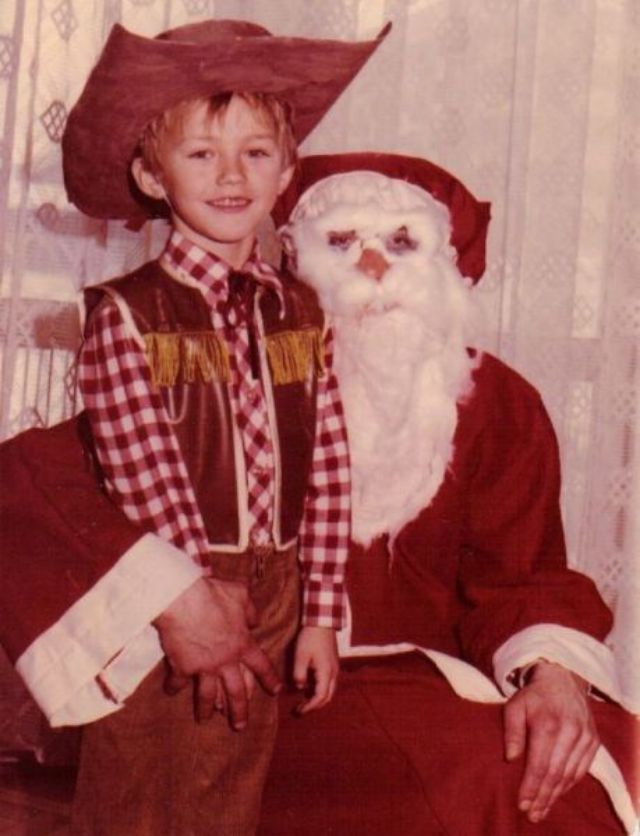
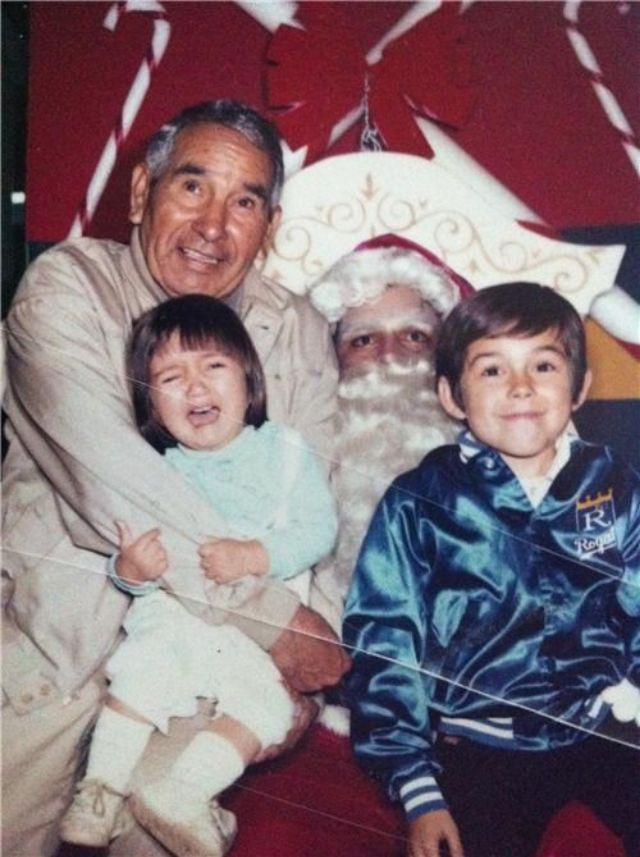
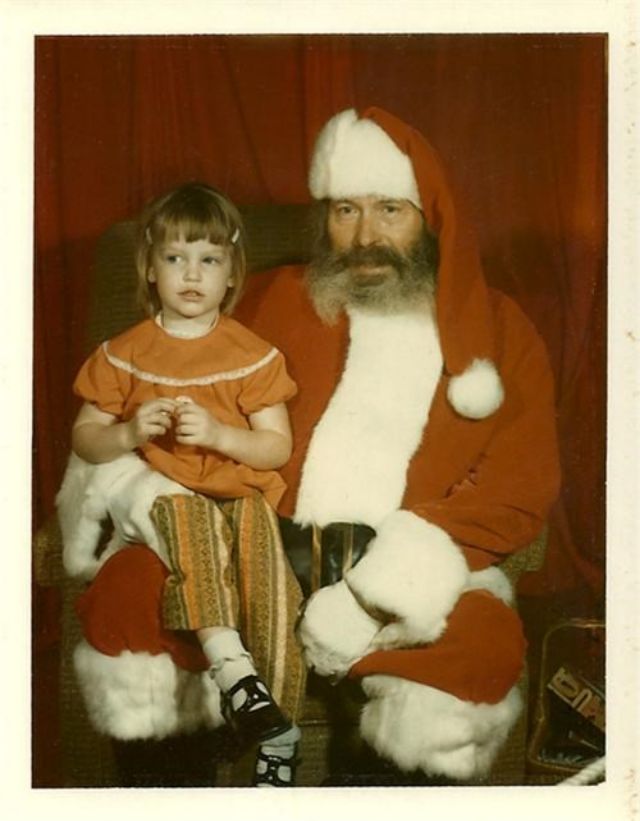
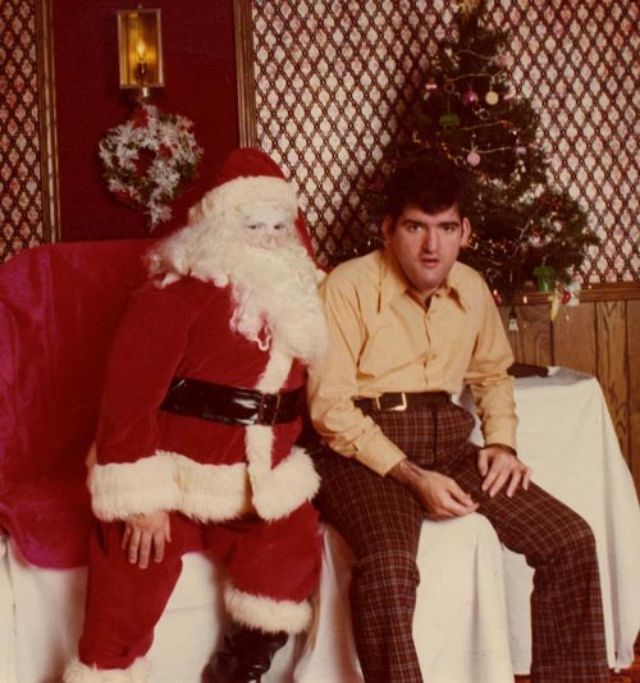
You’d better watch out, ’cause these Santas will make you cry!
Nearly everyone has known someone to be scared of Santa Claus or has been that kid wetting their pants on the jolly man’s lap.
Santa knows when we’ve been sleeping. He knows if we’ve been bad or good. He can be kind of scary! Here’s a collection of 40 vintage photographs that capture the sometimes strange, sometimes scary, always fun interaction people have with Santa Claus.
Stockholm is the capital of Sweden. It has the most populous urban area in Sweden as well as in Scandinavia. Approximately 975,000 people live in the municipality, with 1.6 million in the urban area,[6] and 2.4 million in the metropolitan area.[10] The city stretches across fourteen islands where Lake Mälaren flows into the Baltic Sea. Outside the city to the east, and along the coast, is the island chain of the Stockholm archipelago. The area has been settled since the Stone Age, in the 6th millennium BC, and was founded as a city in 1252 by Swedish statesman Birger Jarl. It is also the county seat of Stockholm County.
Stockholm is the cultural, media, political, and economic centre of Sweden. The Stockholm region alone accounts for over a third of the country’s GDP, and is among the top 10 regions in Europe by GDP per capita. Ranked as an alpha-global city, it is the largest in Scandinavia and the main centre for corporate headquarters in the Nordic region. The city is home to some of Europe’s top ranking universities, such as the Stockholm School of Economics, Karolinska Institute, KTH Royal Institute of Technology and Stockholm University. It hosts the annual Nobel Prize ceremonies and banquet at the Stockholm Concert Hall and Stockholm City Hall. One of the city’s most prized museums, the Vasa Museum, is the most visited non-art museum in Scandinavia. The Stockholm metro, opened in 1950, is well known for the decor of its stations; it has been called the longest art gallery in the world. Sweden’s national football arena is located north of the city centre, in Solna. Avicii Arena, the national indoor arena, is in the southern part of the city. The city was the host of the 1912 Summer Olympics, and hosted the equestrian portion of the 1956 Summer Olympics otherwise held in Melbourne, Victoria, Australia.
Stockholm is the seat of the Swedish government and most of its agencies, including the highest courts in the judiciary, and the official residencies of the Swedish monarch and the Prime Minister. The government has its seat in the Rosenbad building, the Riksdag (Swedish parliament) is seated in the Parliament House, and the Prime Minister’s residence is adjacent at Sager House. Stockholm Palace is the official residence and principal workplace of the Swedish monarch, while Drottningholm Palace, a World Heritage Site on the outskirts of Stockholm, serves as the Royal Family’s private residence. (Wikipedia)
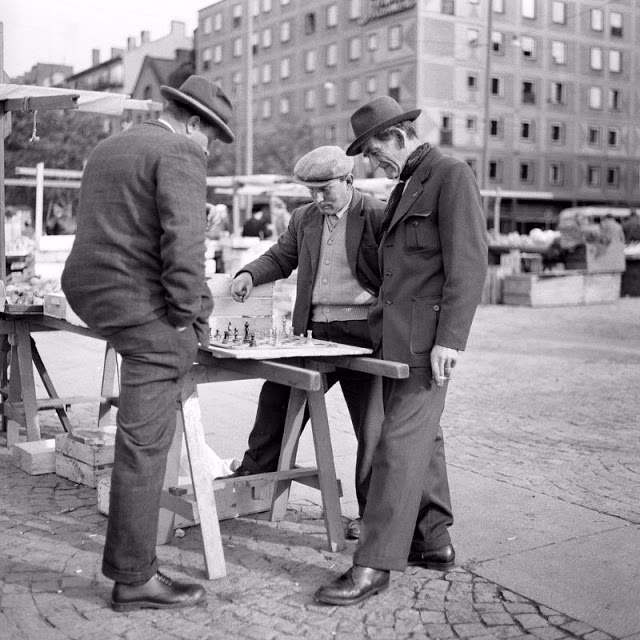
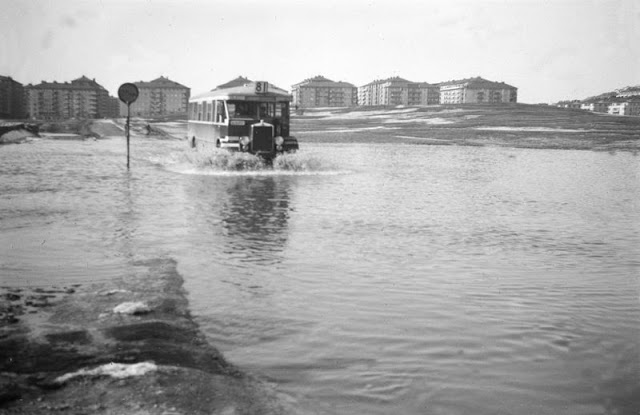
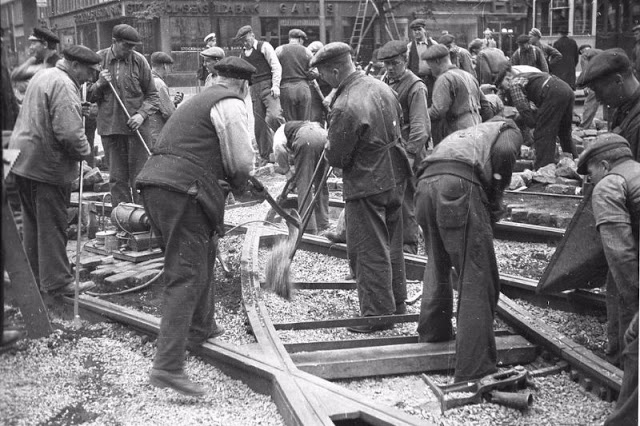
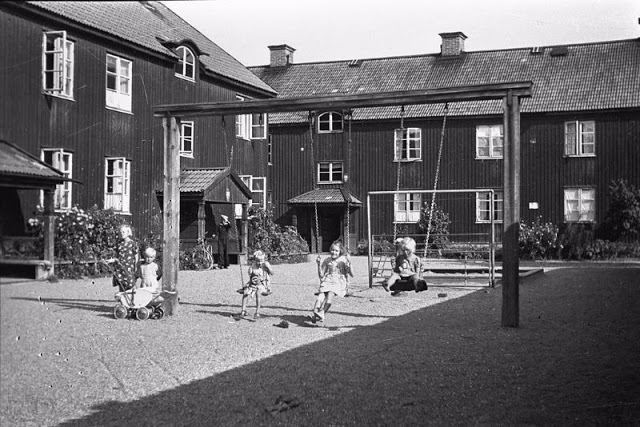
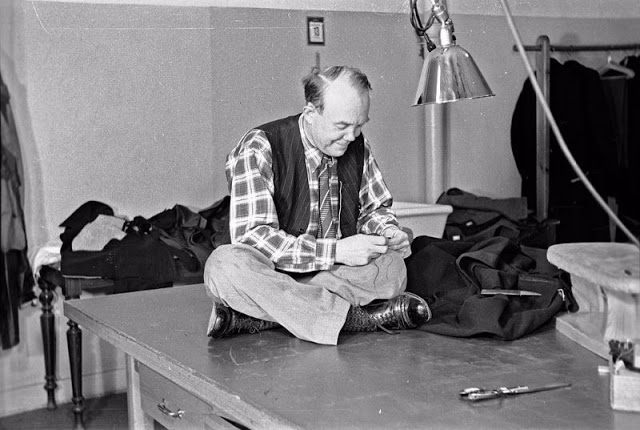
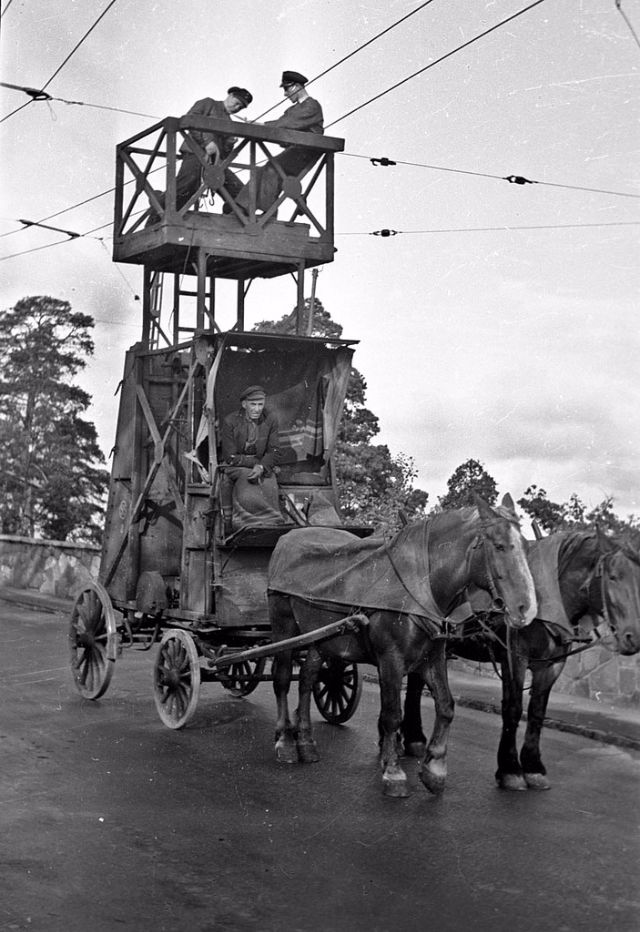
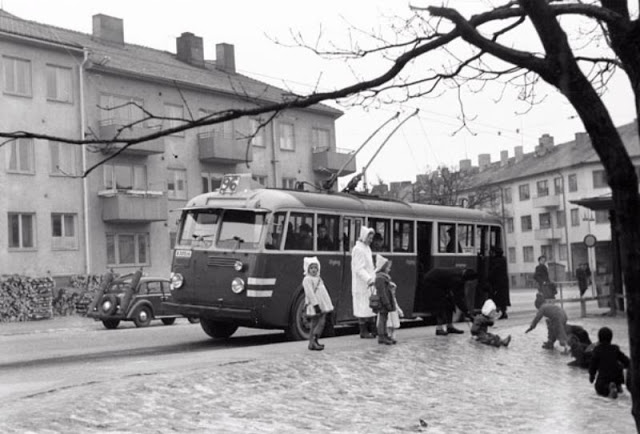
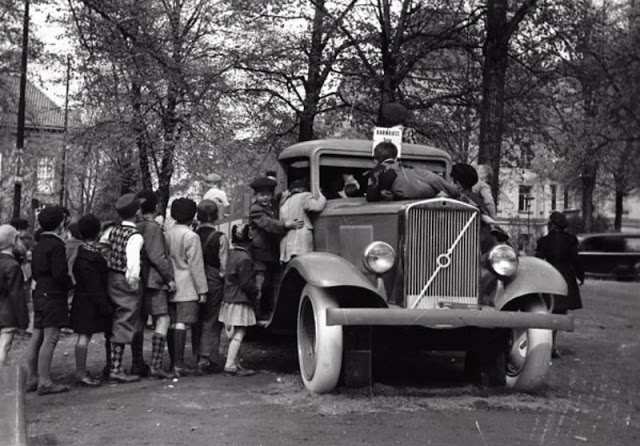
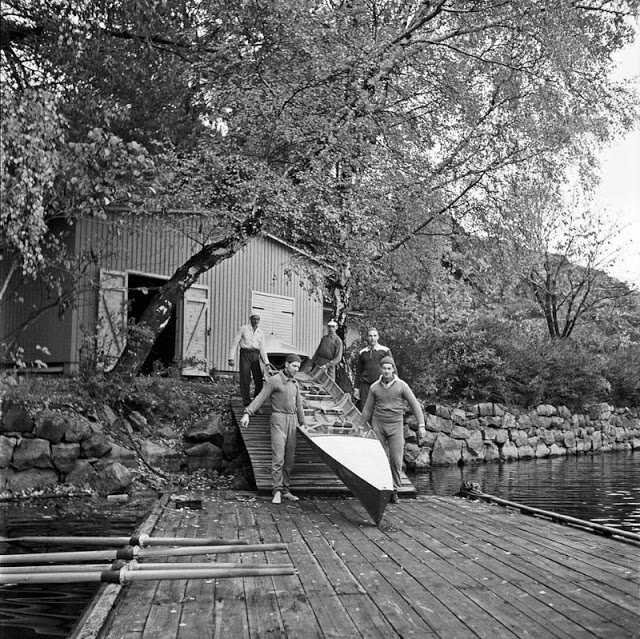
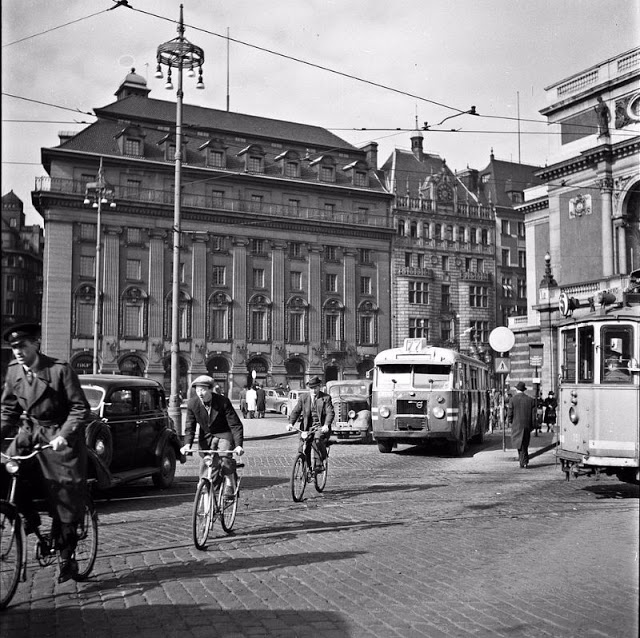
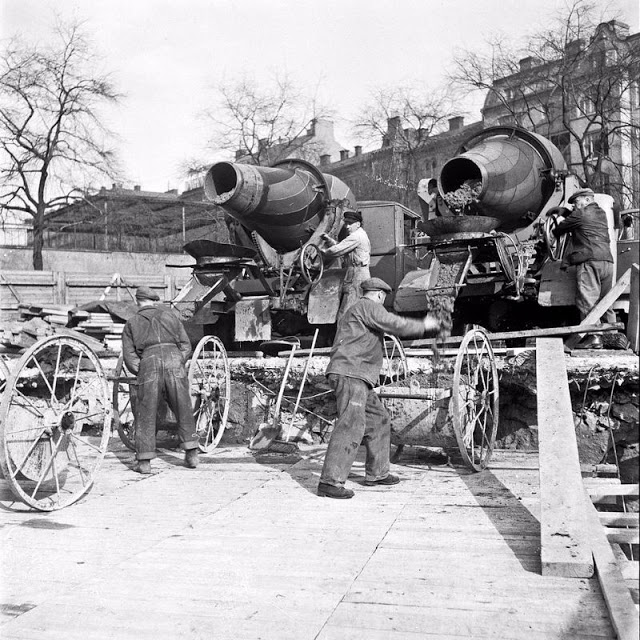
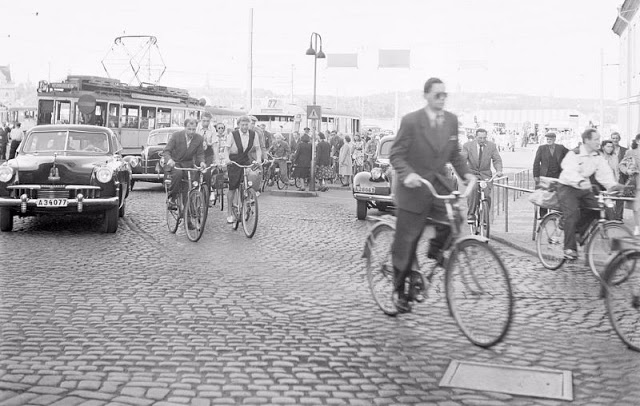
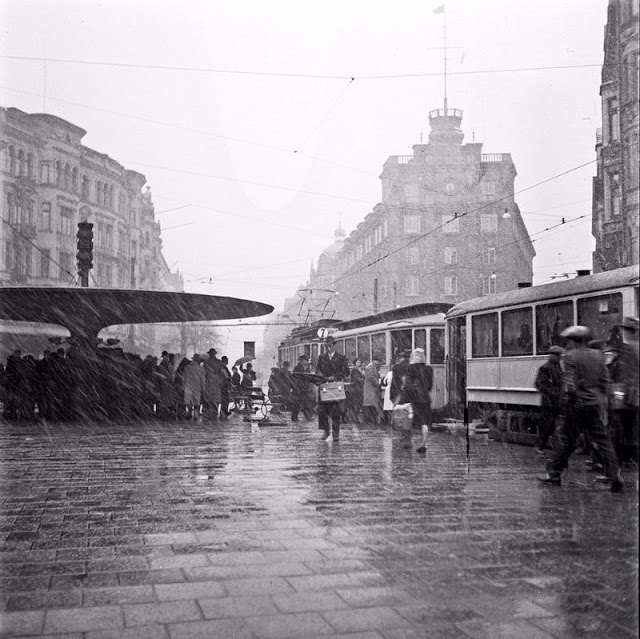
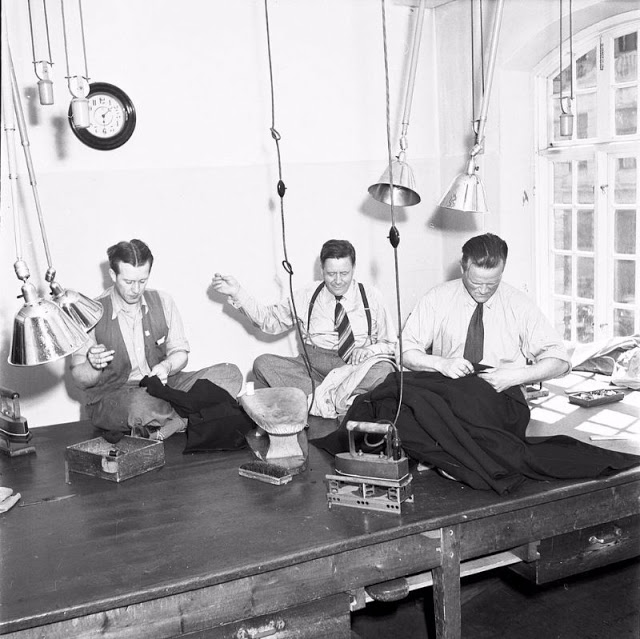
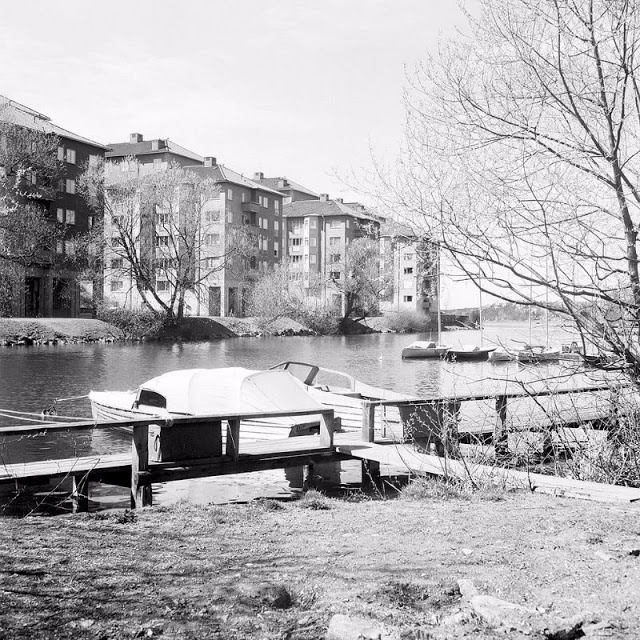
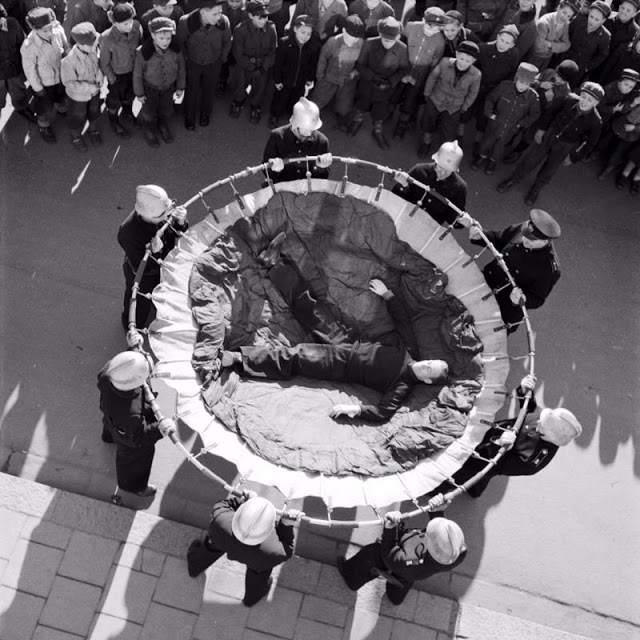
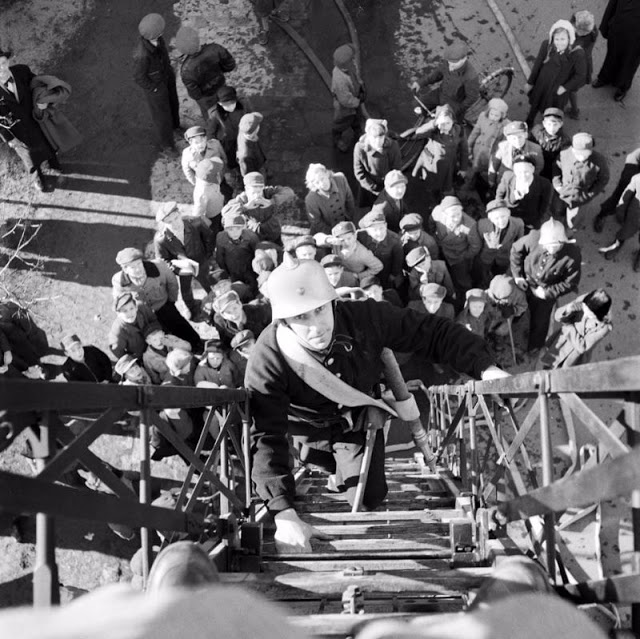
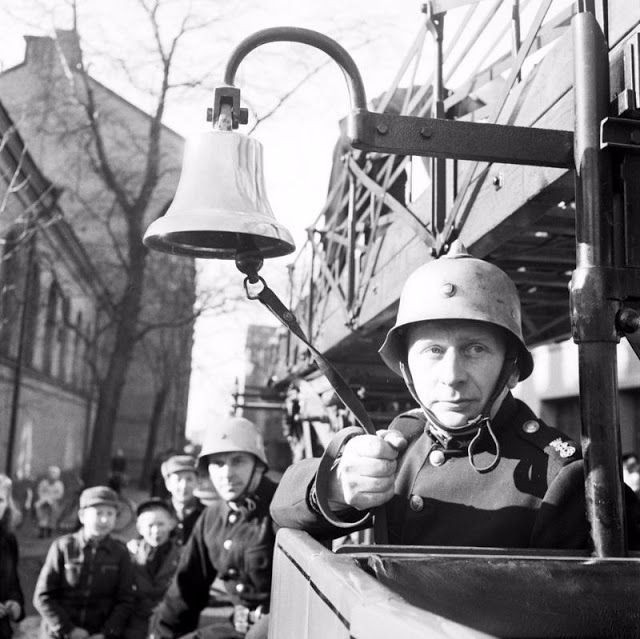
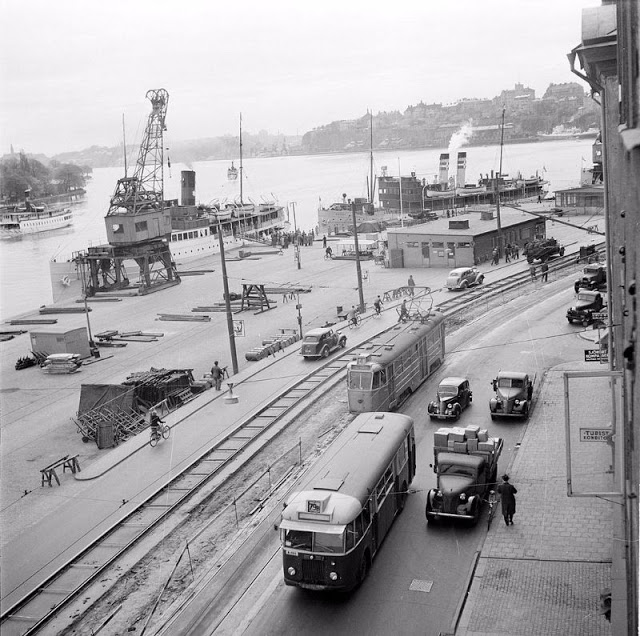
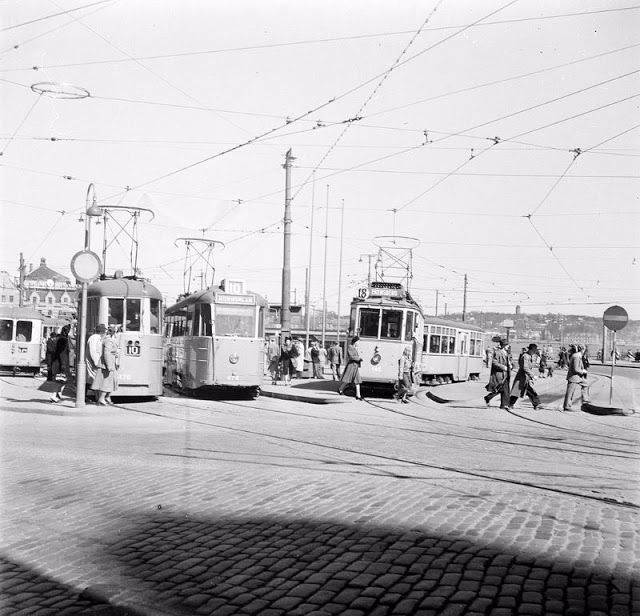
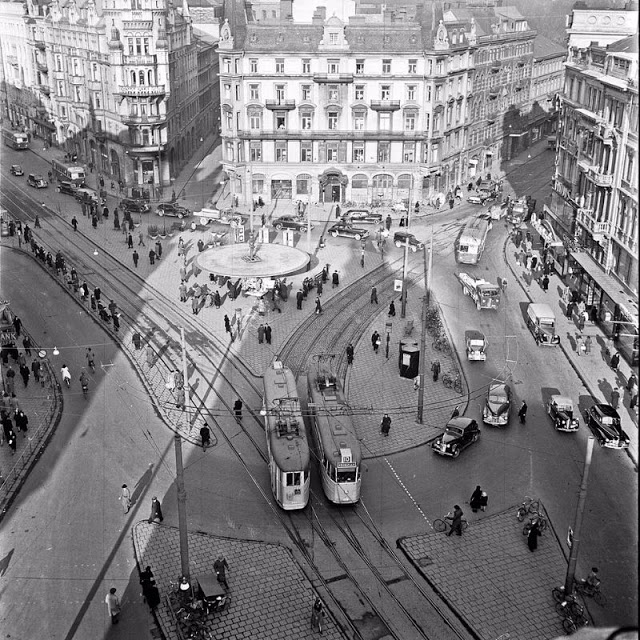
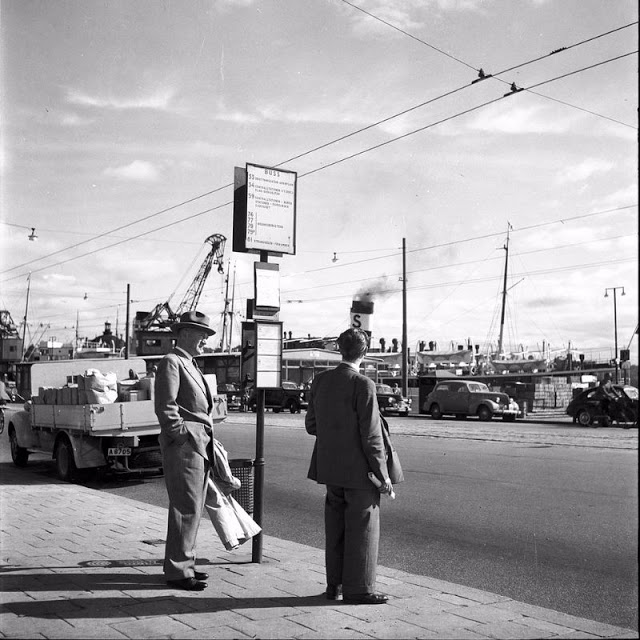
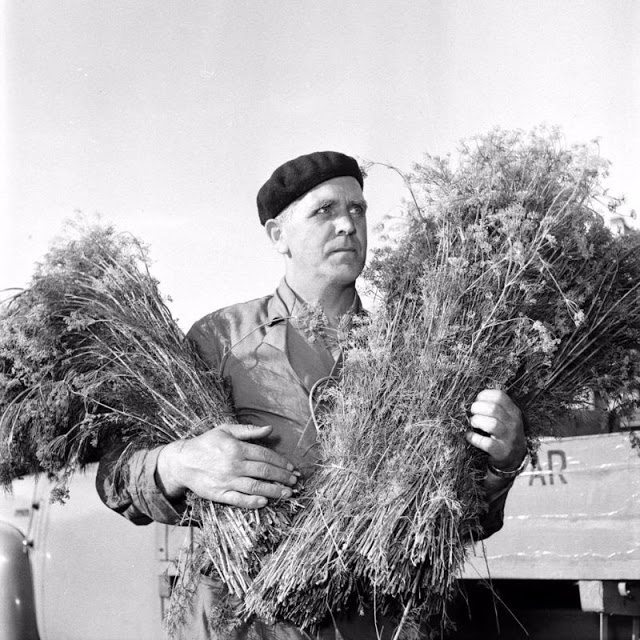
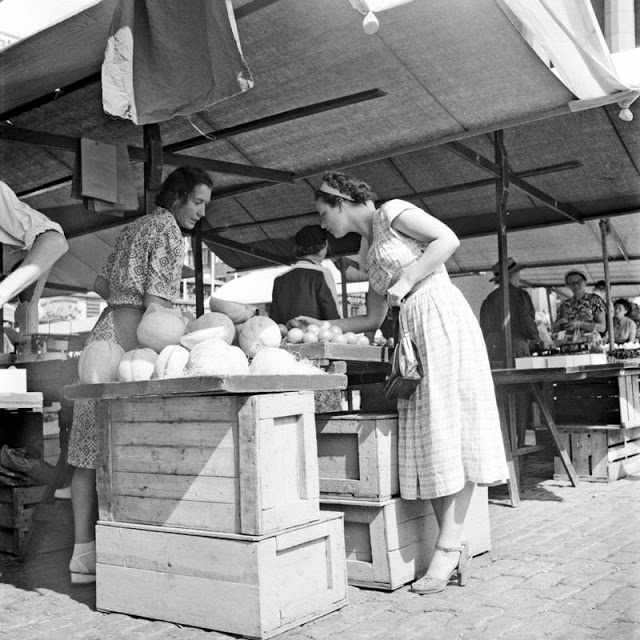
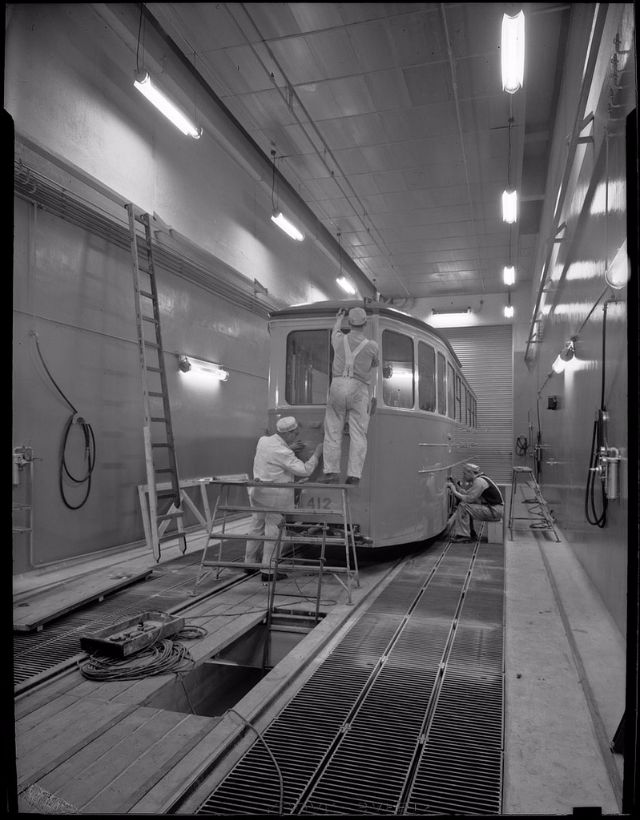
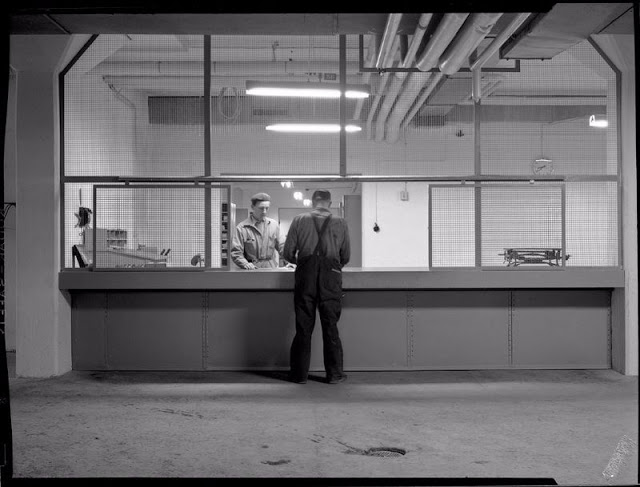
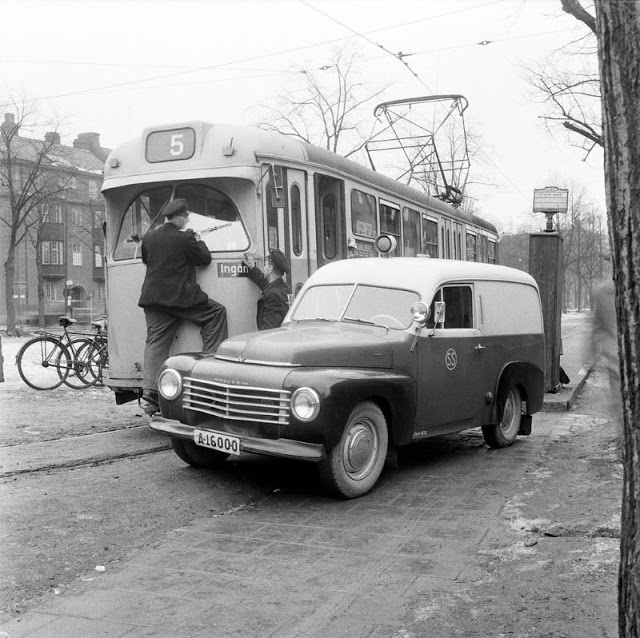
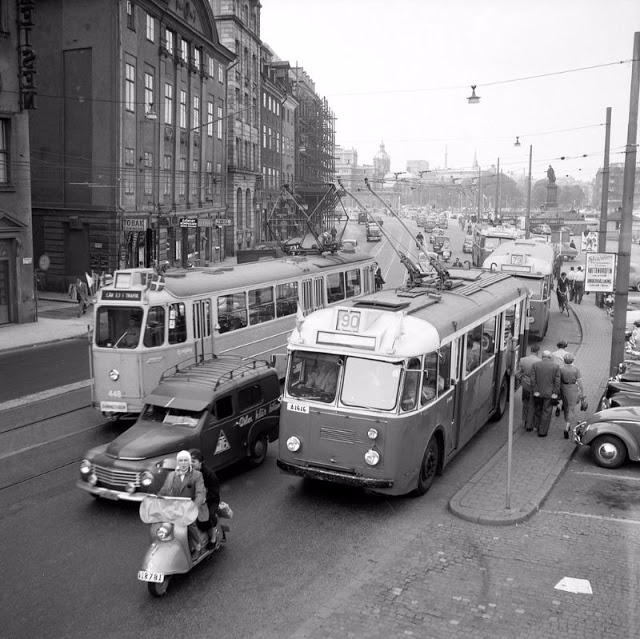
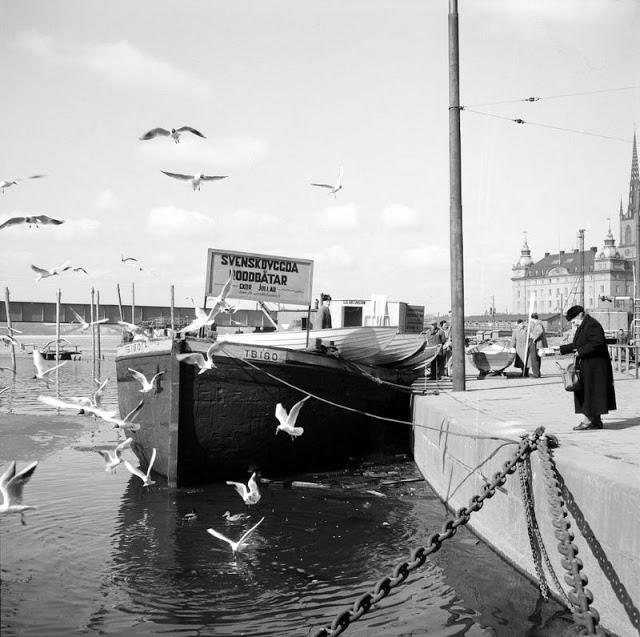
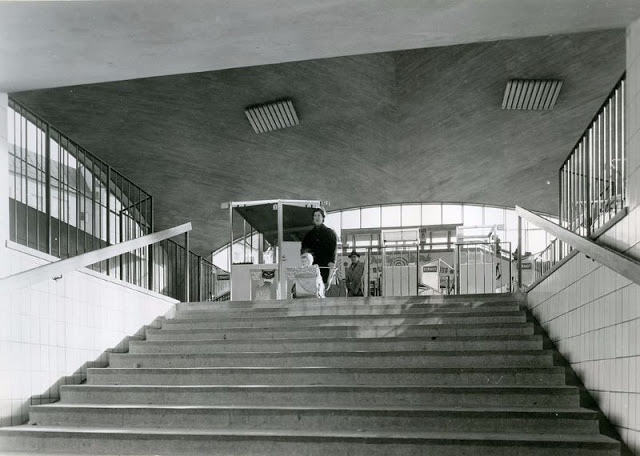
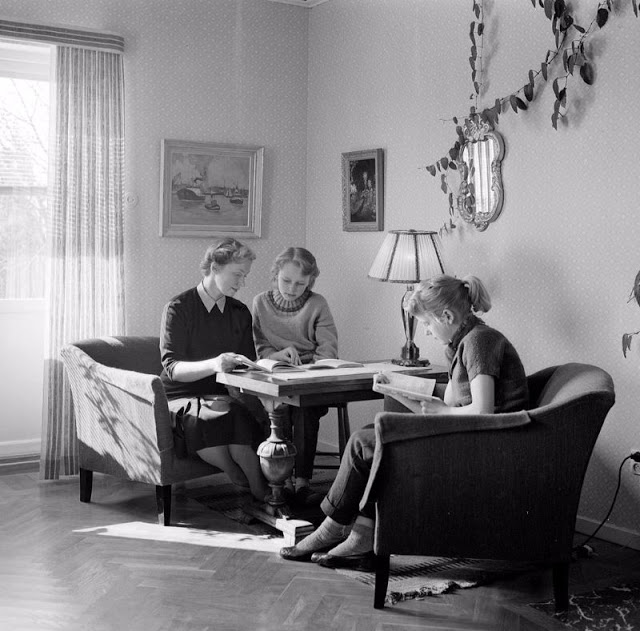
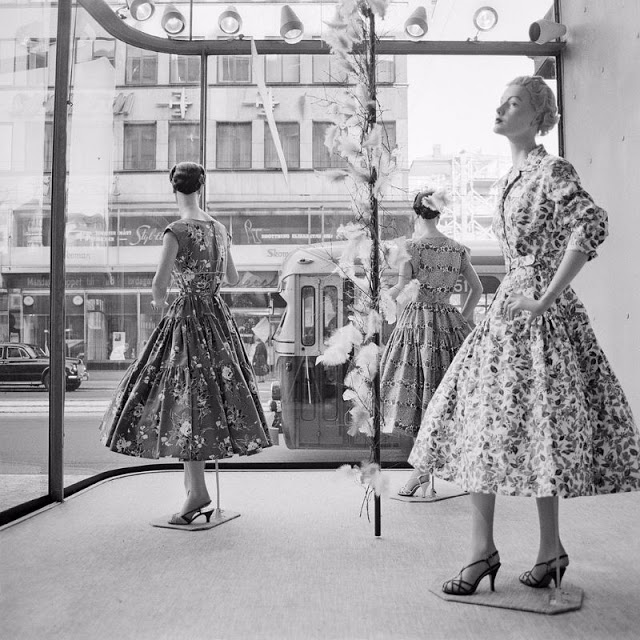
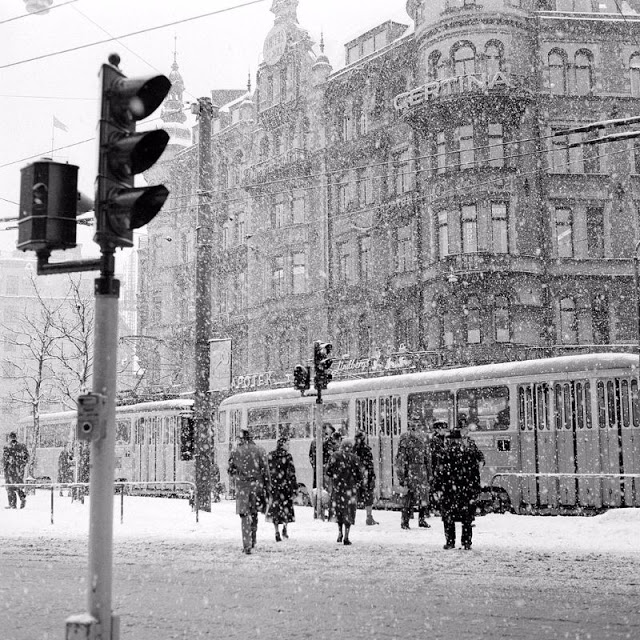
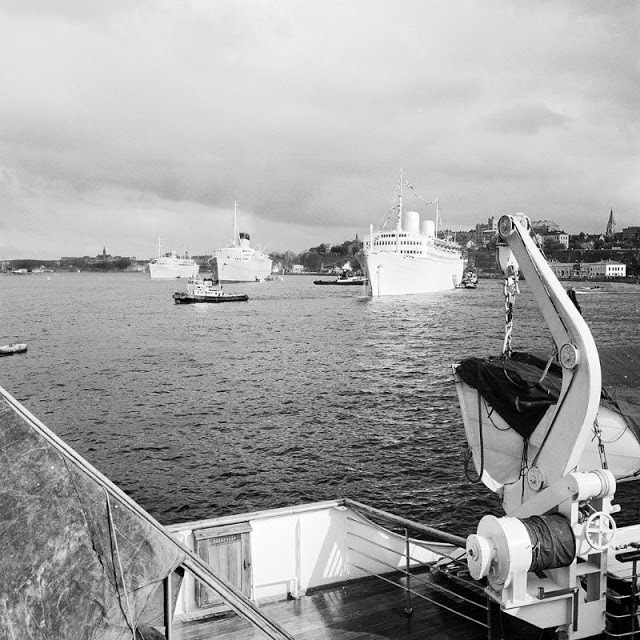
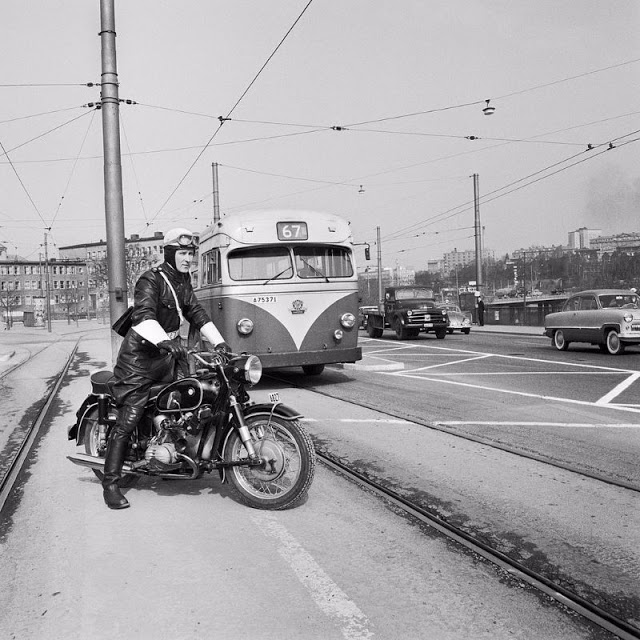
These black and white photos from The Stockholm Transport Museum that documented everyday life of Stockholm, Sweden from between the 1940s and 1950s.
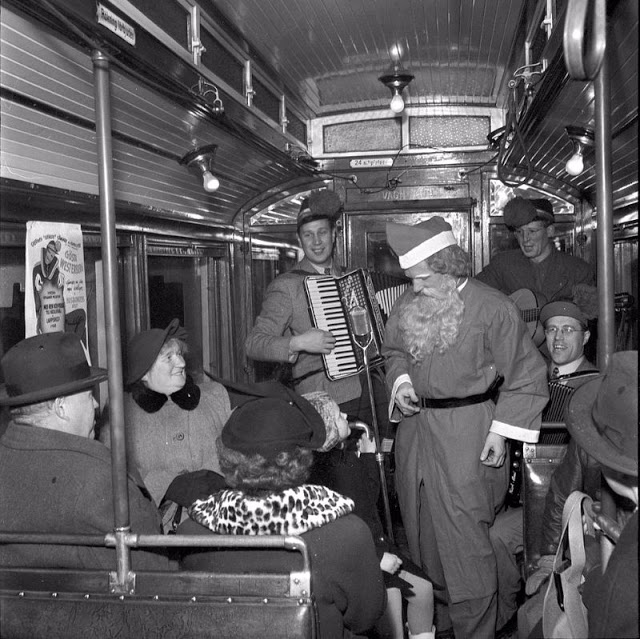
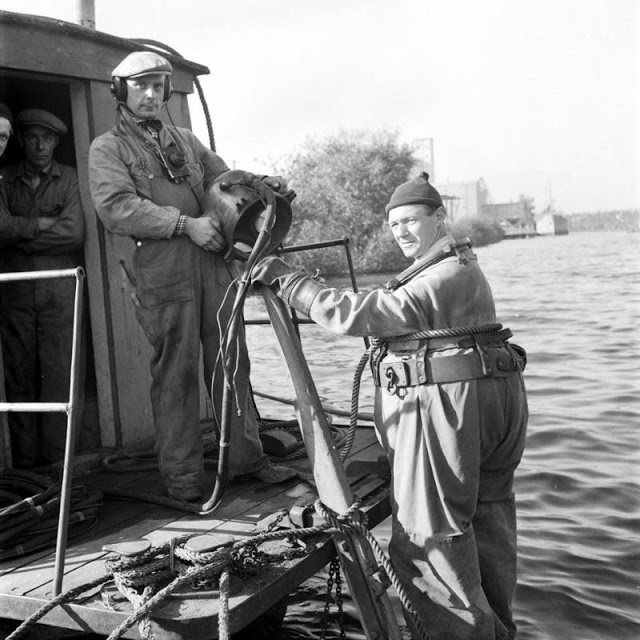
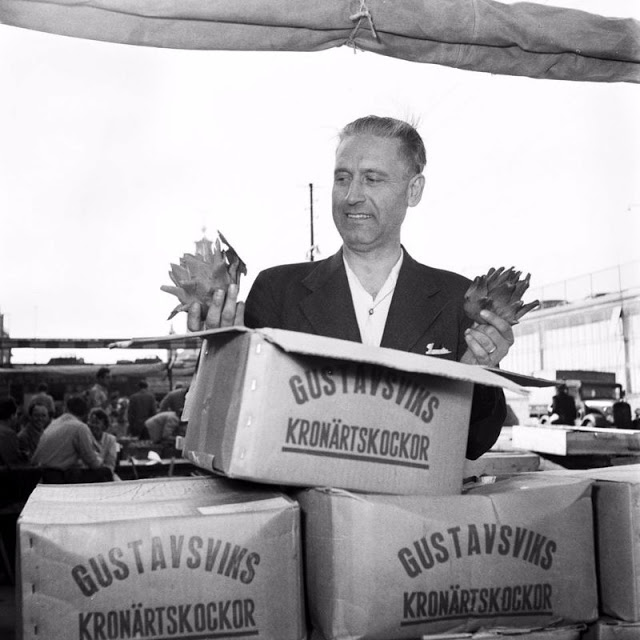
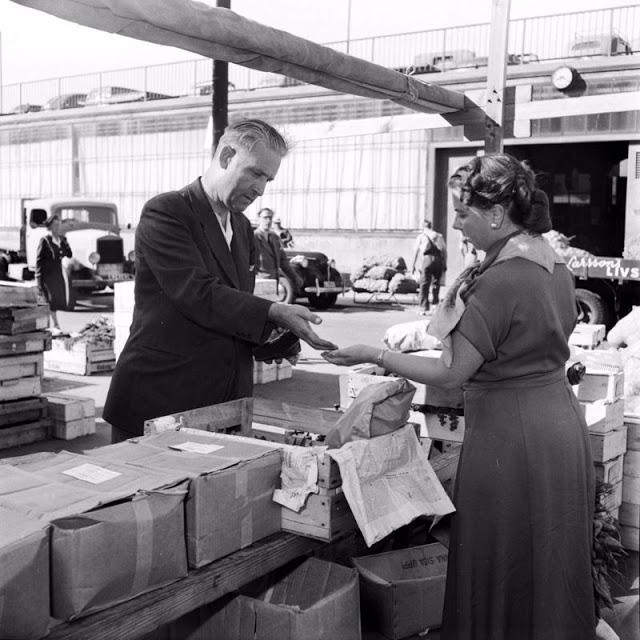
Spring flood in Stockholm, 1940Work with tracks in Stockholm, 1941Children on a swing in front of house in Stockholm, 1942Tailor at tram depot in Stockholm, 1943Installation of trolley bus wires with horse-drawn carriage assembly, 1944Children playing in front of trolleybus in Stockholm, 1945Children playing in Stockholm, 1945Rowing boat at Långholmen, Stockholm, 1947Traffic at Gustav Adolfs torg in Stockholm, 1947Concrete mixer used when building the Stockholm metro in 1948Cyclist in Stockholm, 1948Melting snow at Stureplan in Stockholm, 1948Tailors workshop at tram depot in Stockholm in 1948Pleasure crafts at Långholmen in Stockholm, 1949The fire brigade is training in Stockholm, 1949The fire brigade is training in Stockholm, 1949The fire brigade is training in Stockholm, 1949Traffic in Stockholm in 1949Tram on Södermalmstorg in Stockholm, 1949Trams on Stureplan in Stockholm, 1949Men waiting for the bus at Skeppsbron in Stockholm, 1950Santa Claus at a tram in Stockholm, 1950Diver in Stockholm, 1951Man selling artichokes at vegetable market in Stockholm, 1951Man selling artichokes at vegetable market in Stockholm, 1951Man selling dill at vegetable market in Stockholm, 1951Vegetable market in Stockholm, 1951Men painting a tram at the Hammaby workshop, Stockholm, 1952The workshop of Hammarby, Stockholm, 1952Repairing a tram in Stockholm, 1954Traffic in Stockholm, 1955Woman feeding waterfowl in Stockholm in 1955Women with pram in Blackeberg tube station, Stockholm, 1955Woman helping daughters with homework in Stockholm, 1956Chess players at Medborgarplatsen in Stockholm 1957Storefront at Norrmalmstorg in Stockholm 1957Stureplan, Stockholm in the winter of 1957Cruise ships in Stockholm 1958Police on motorcycle monitor traffic in Stockholm, 1959
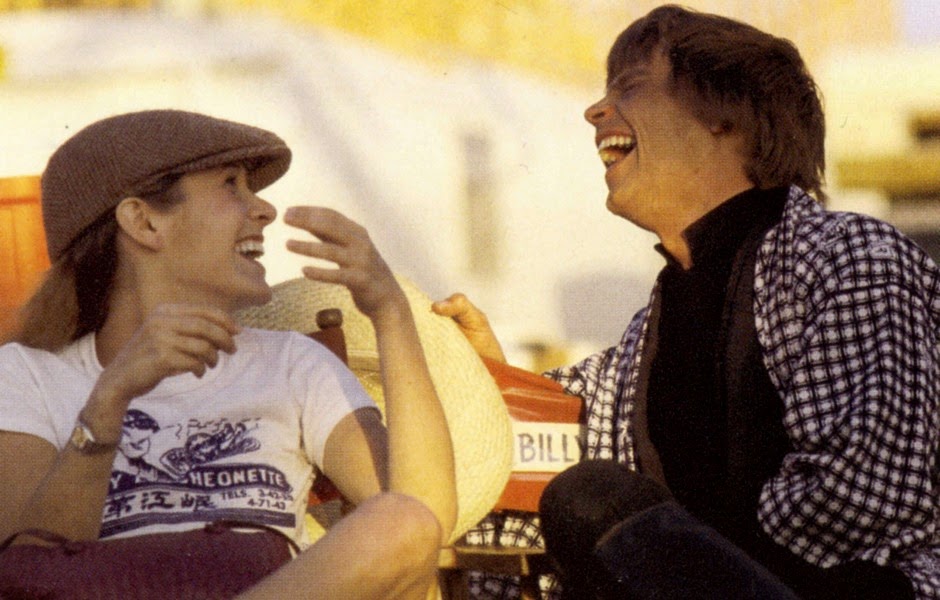
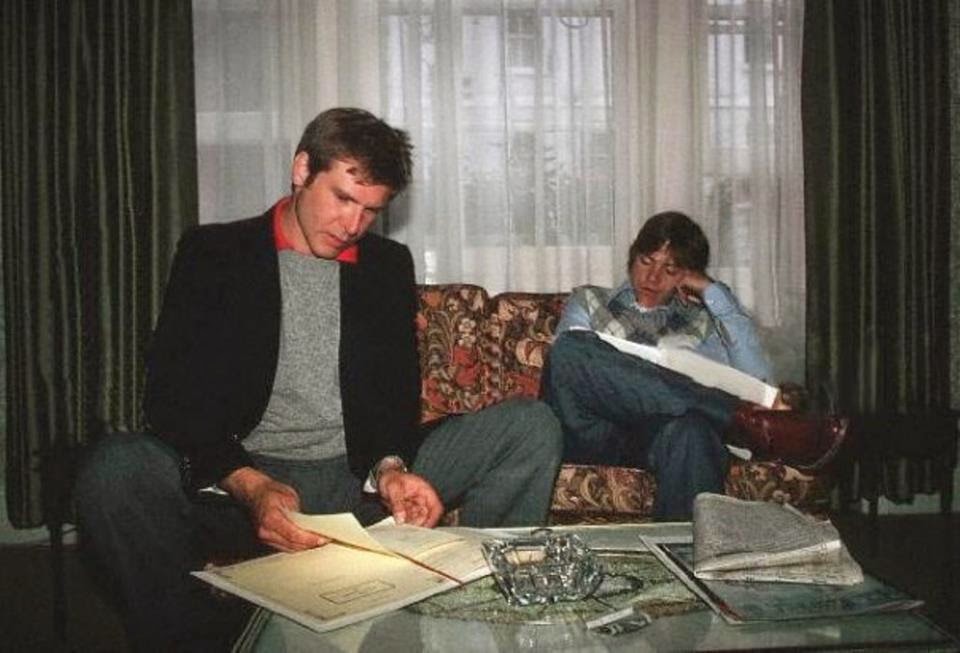
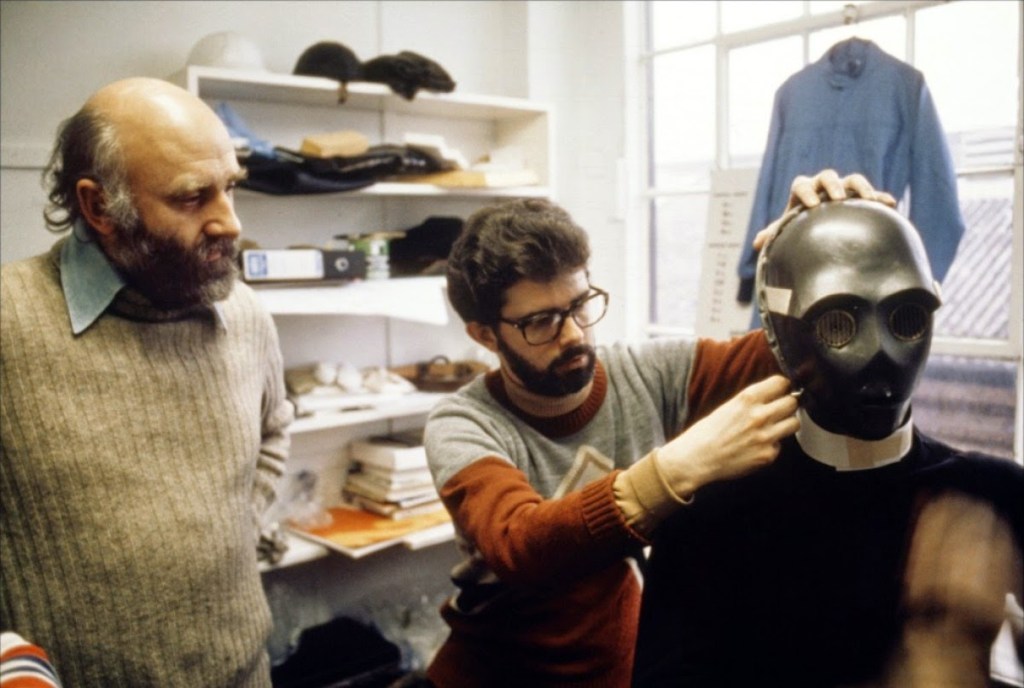
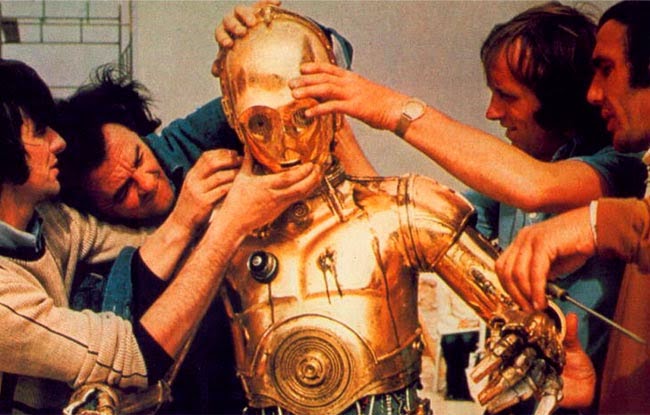
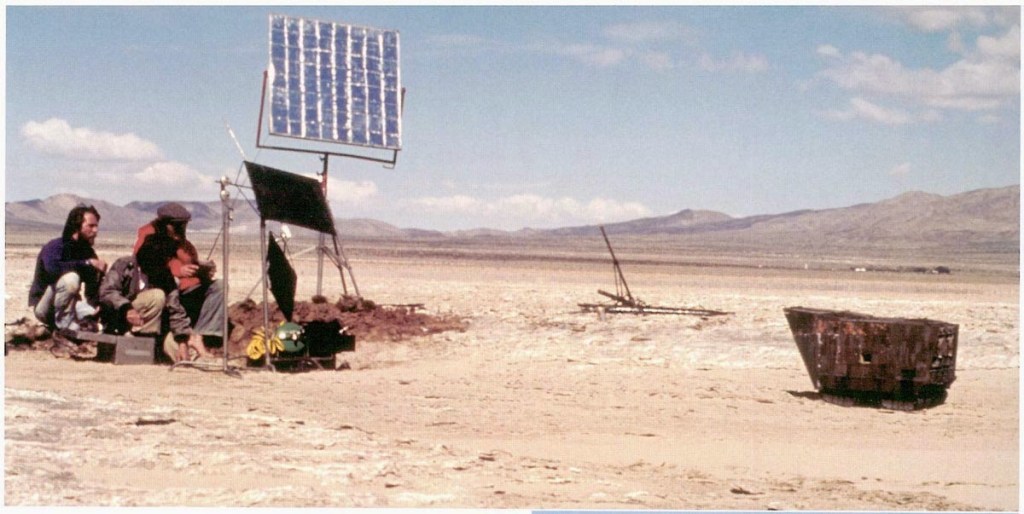
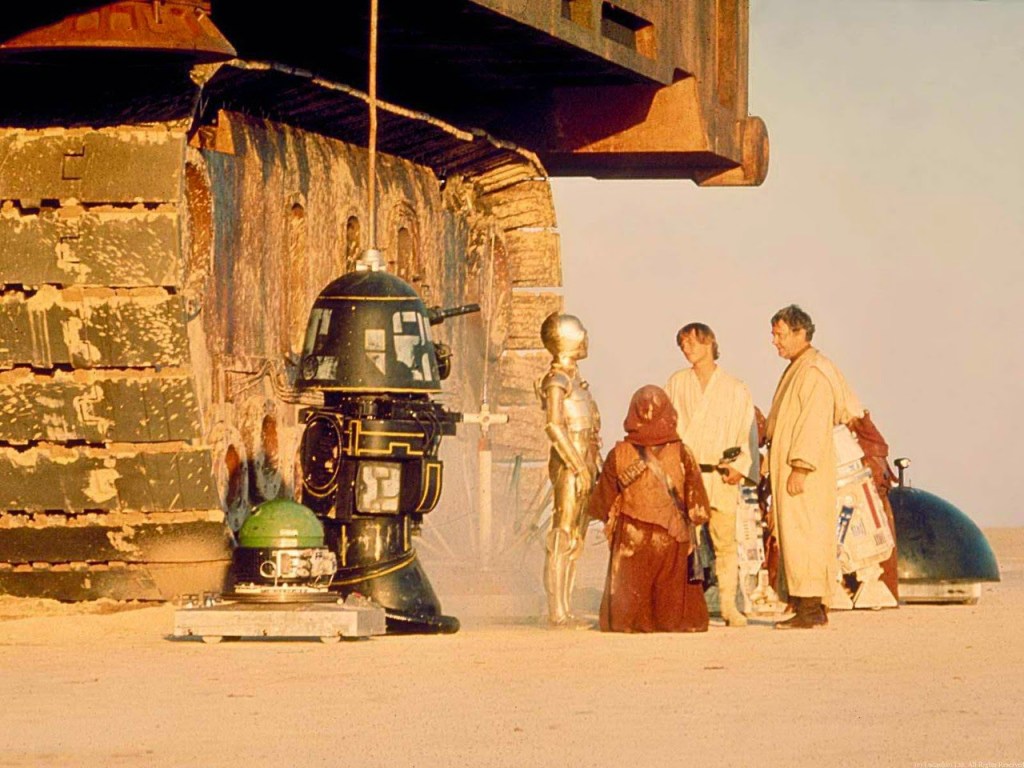
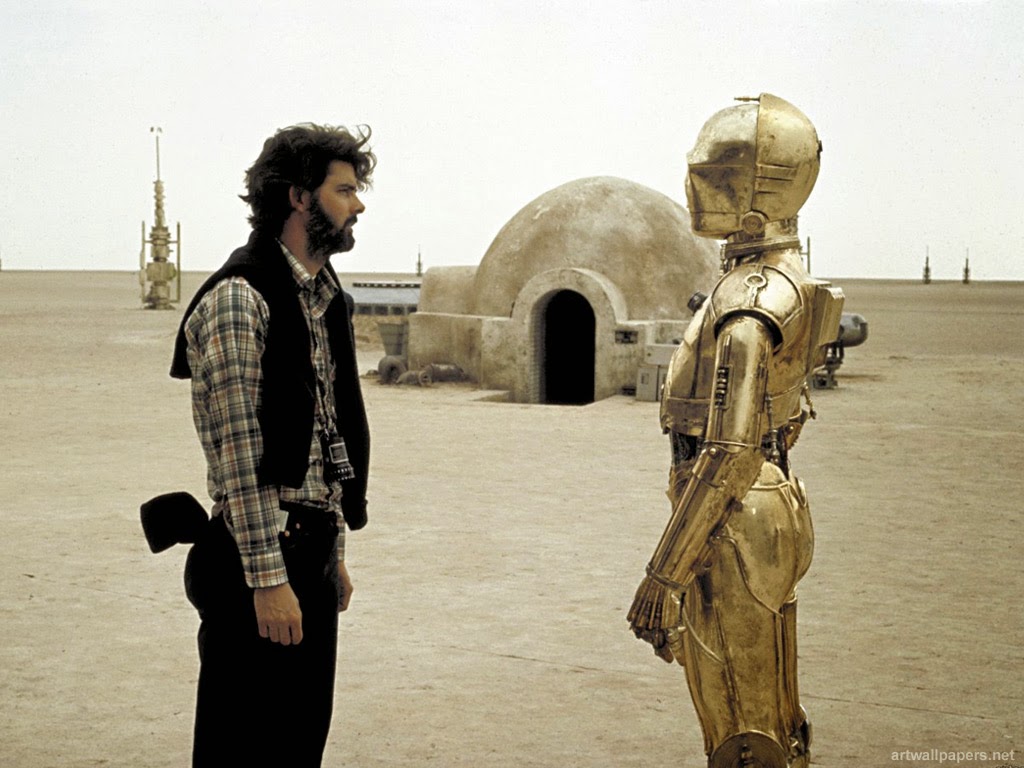
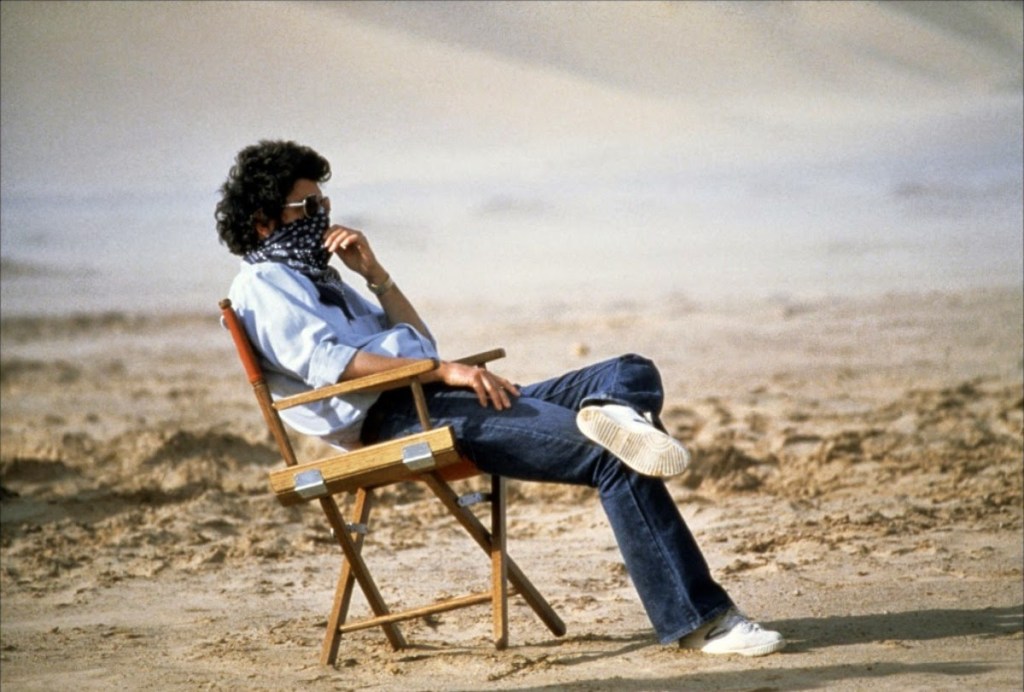
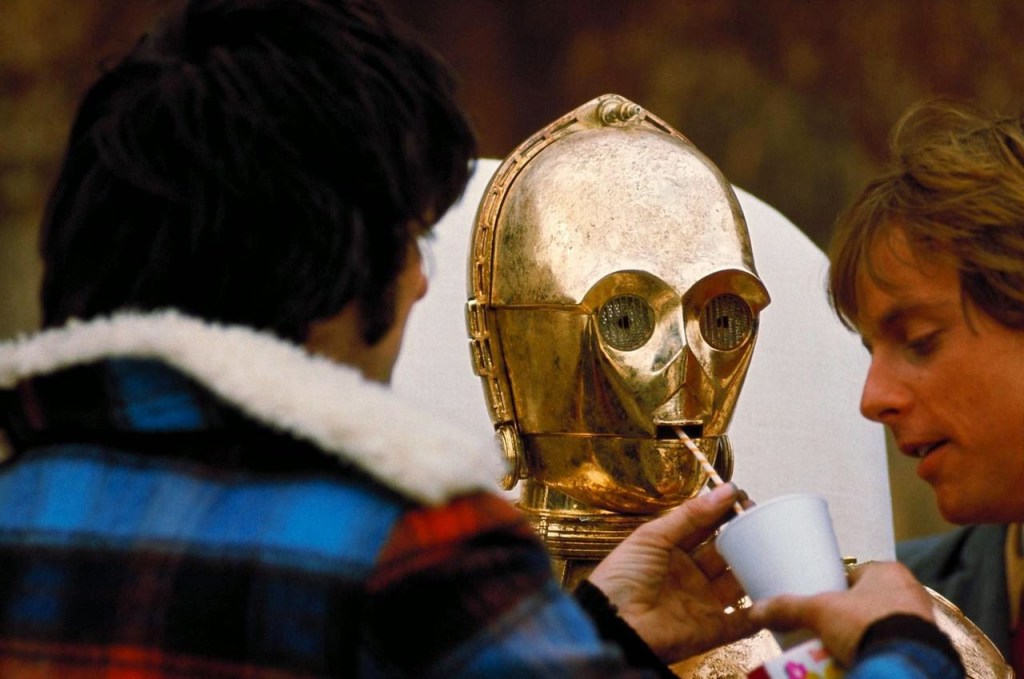
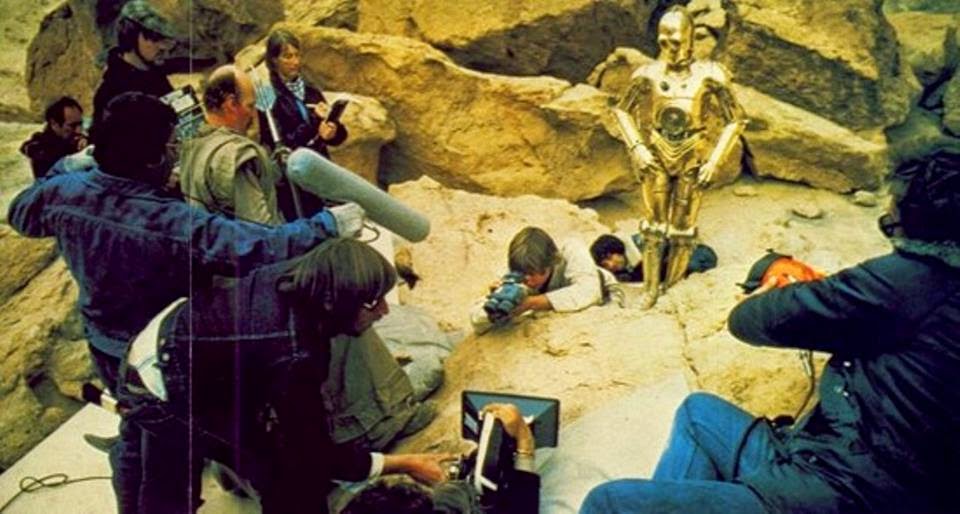
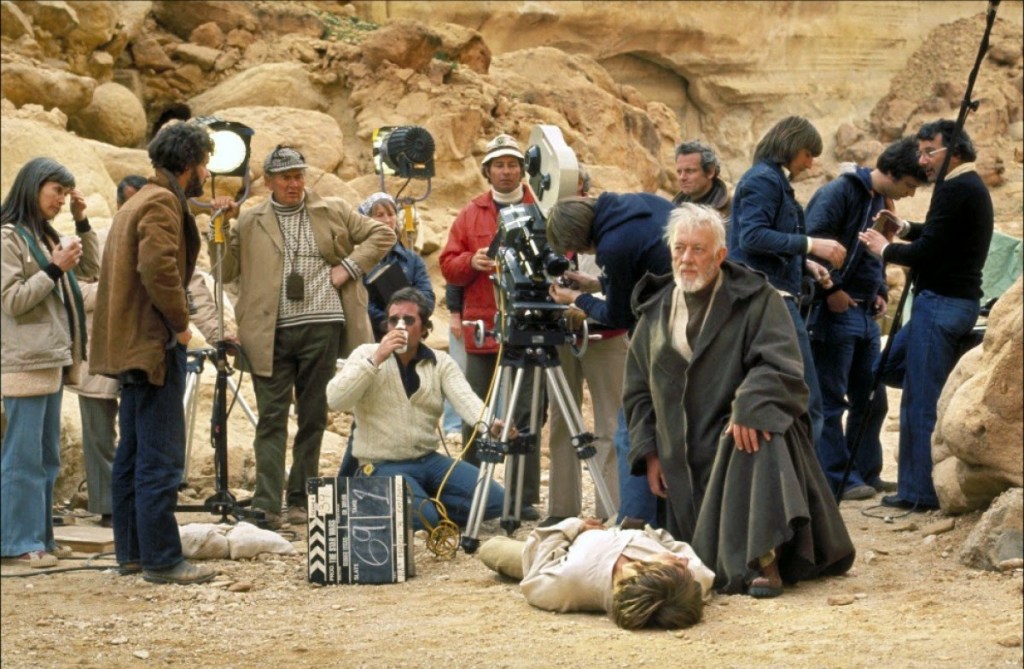
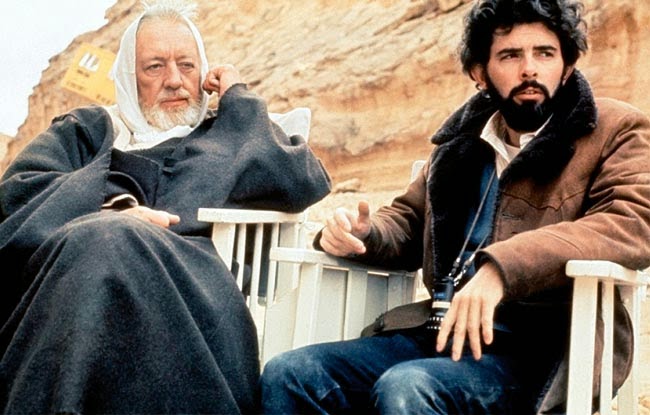
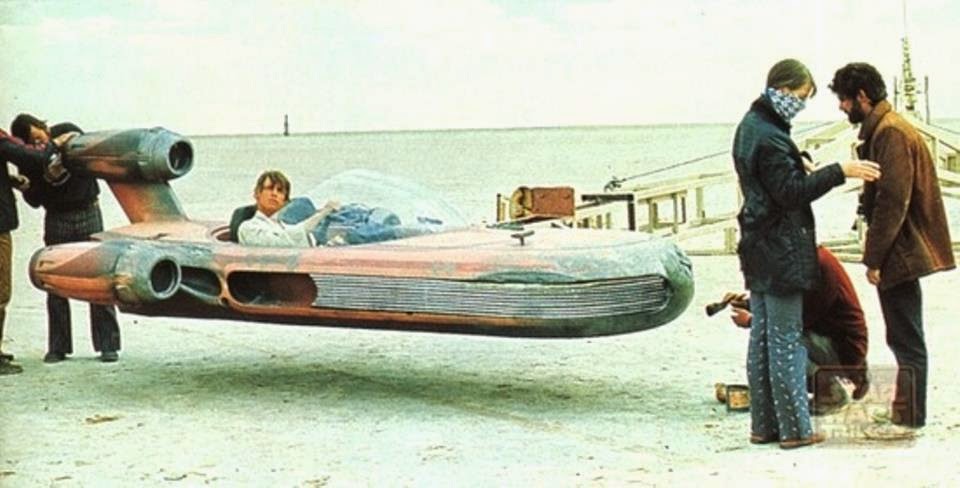
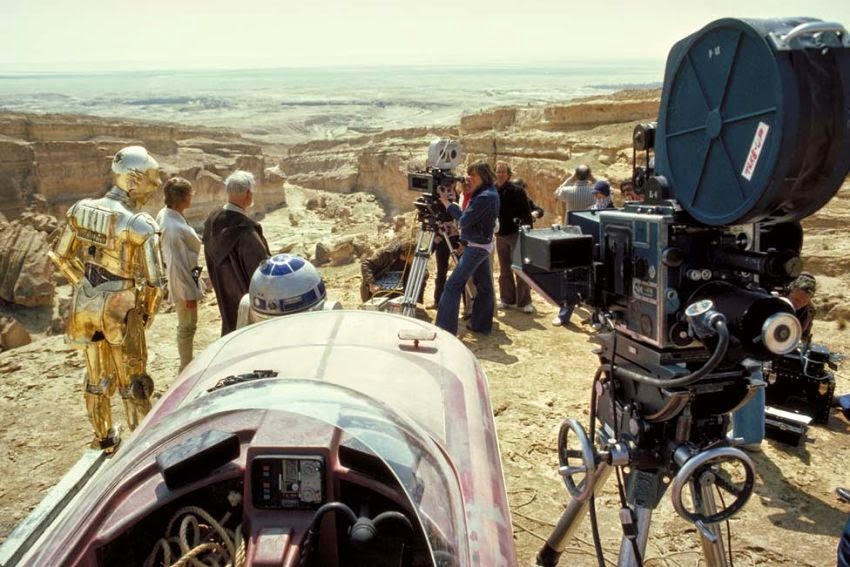
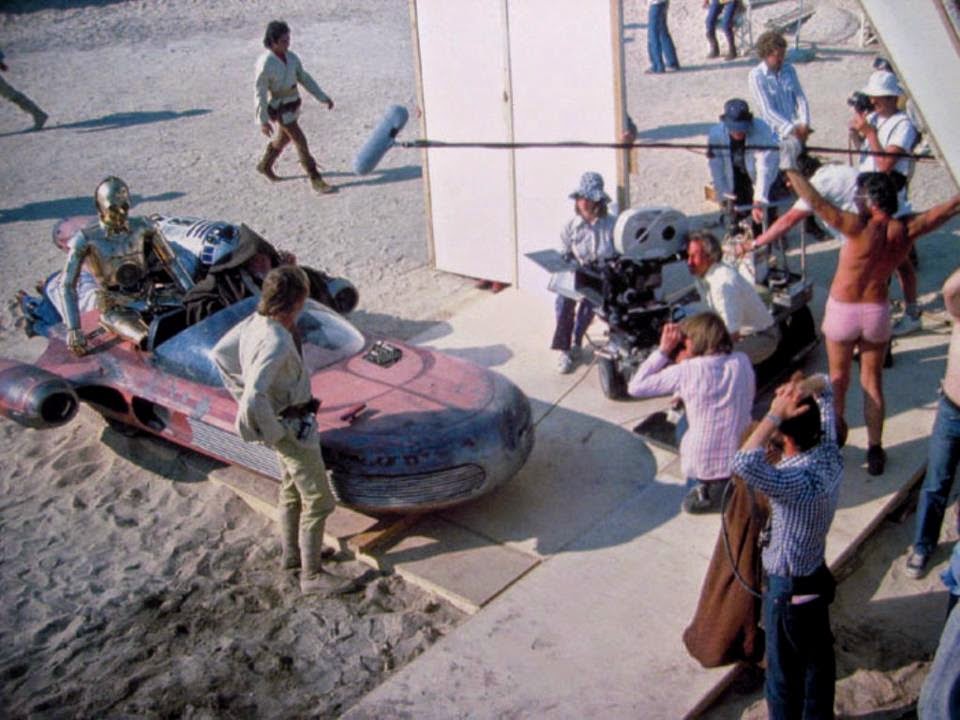
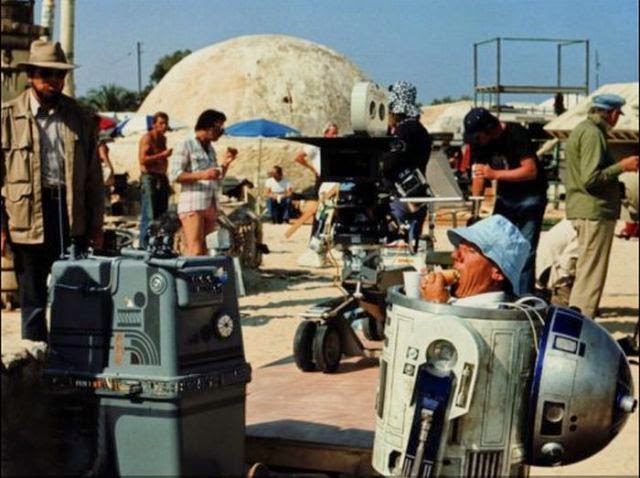
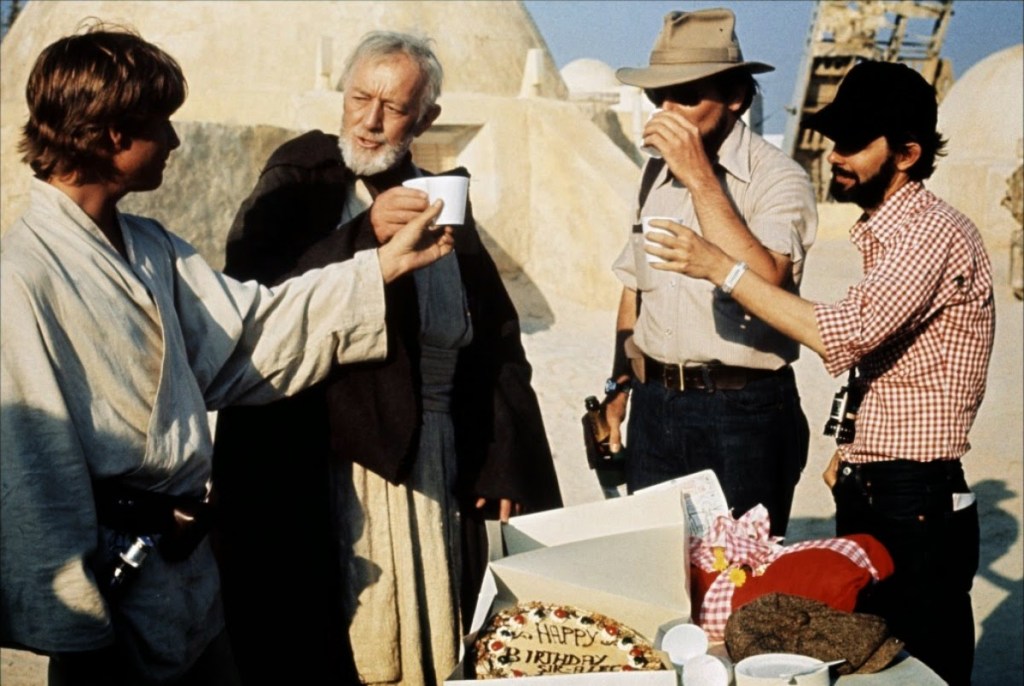
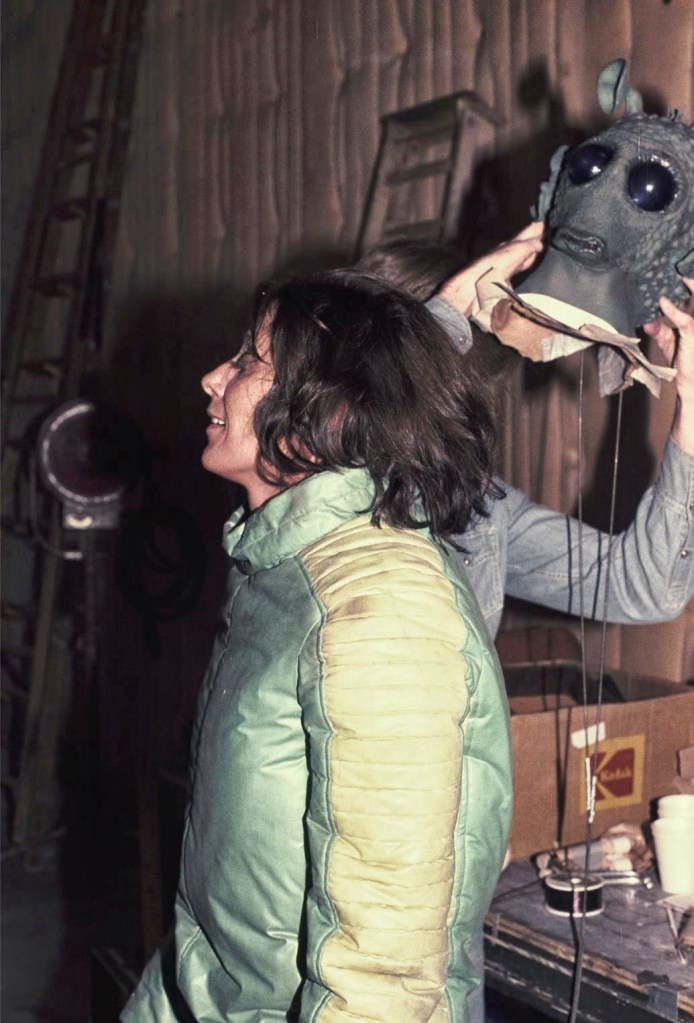
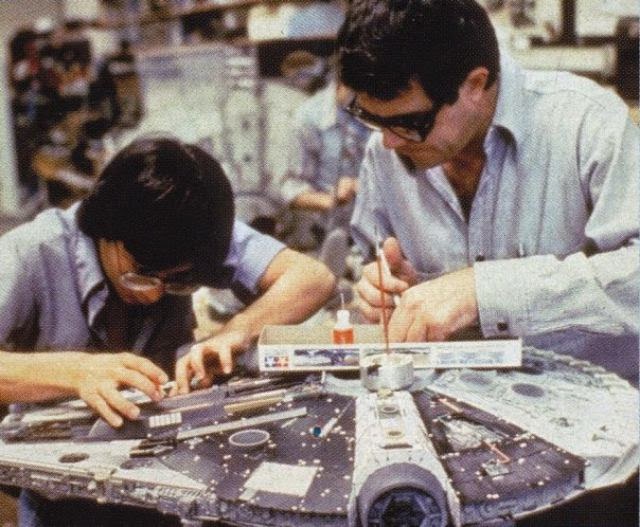
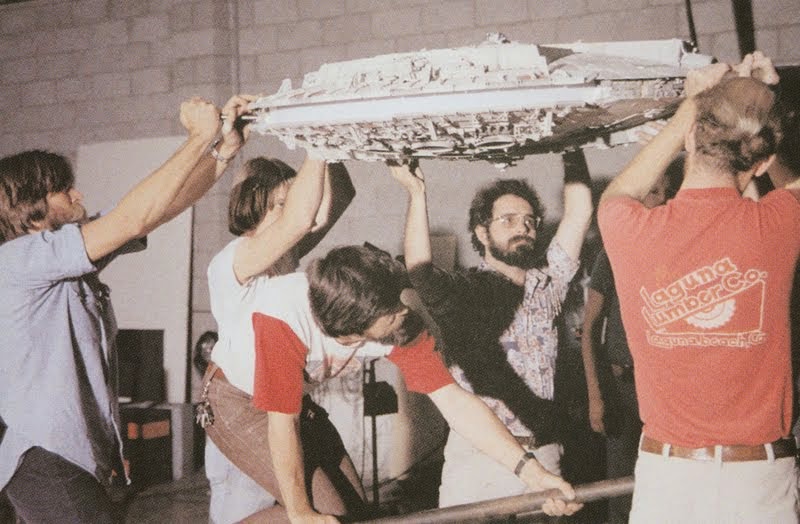
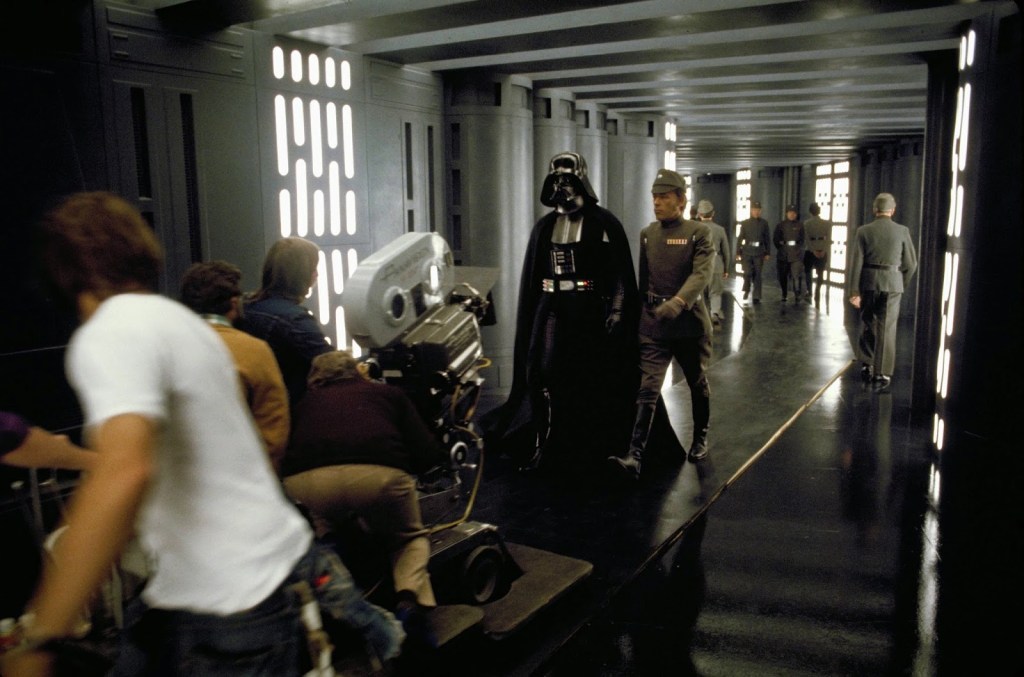
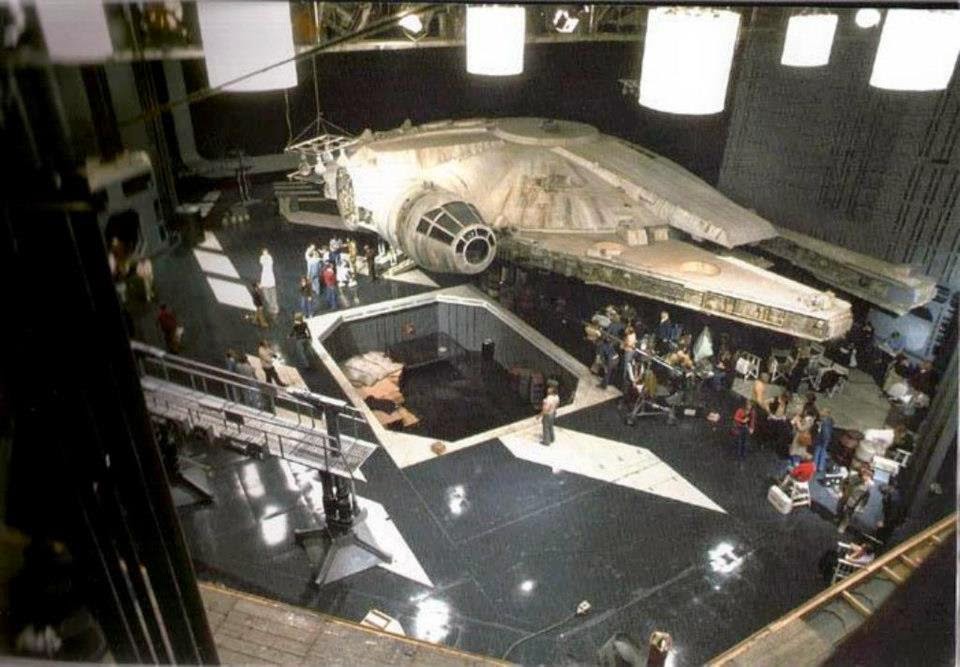
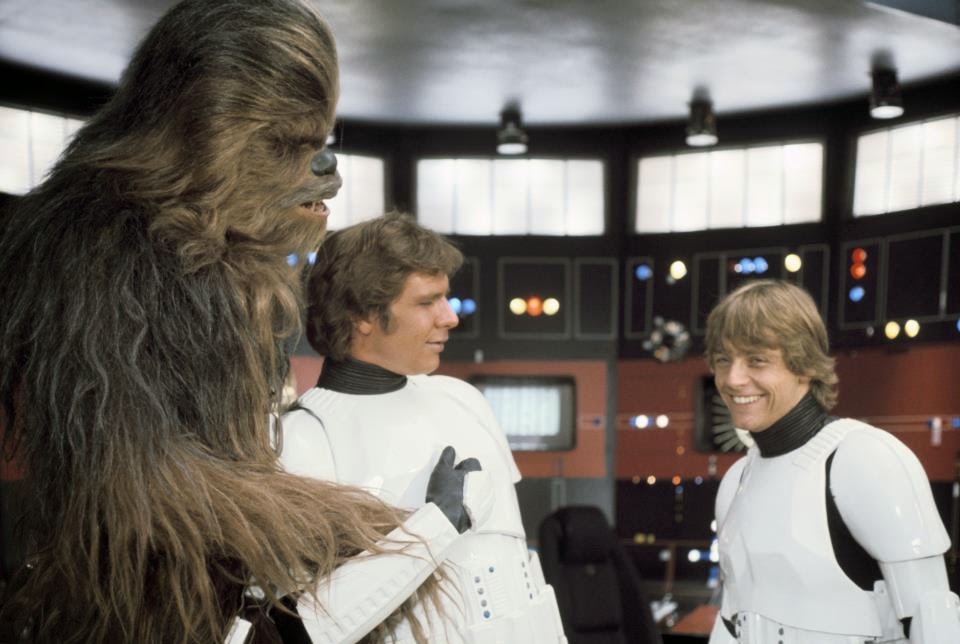
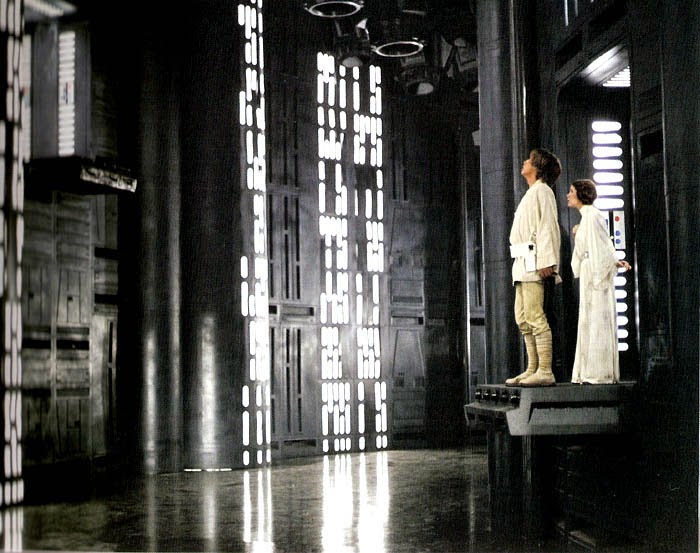
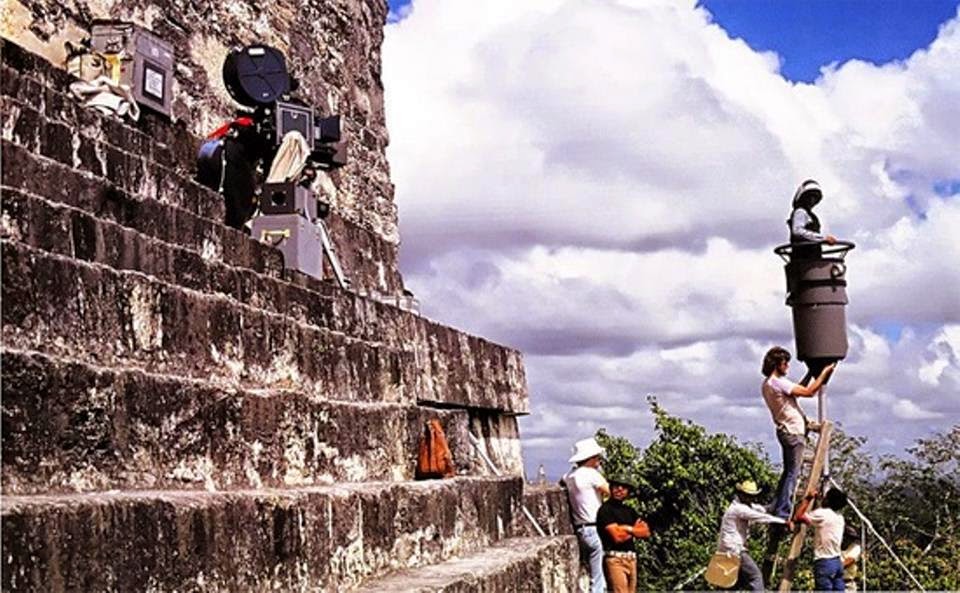
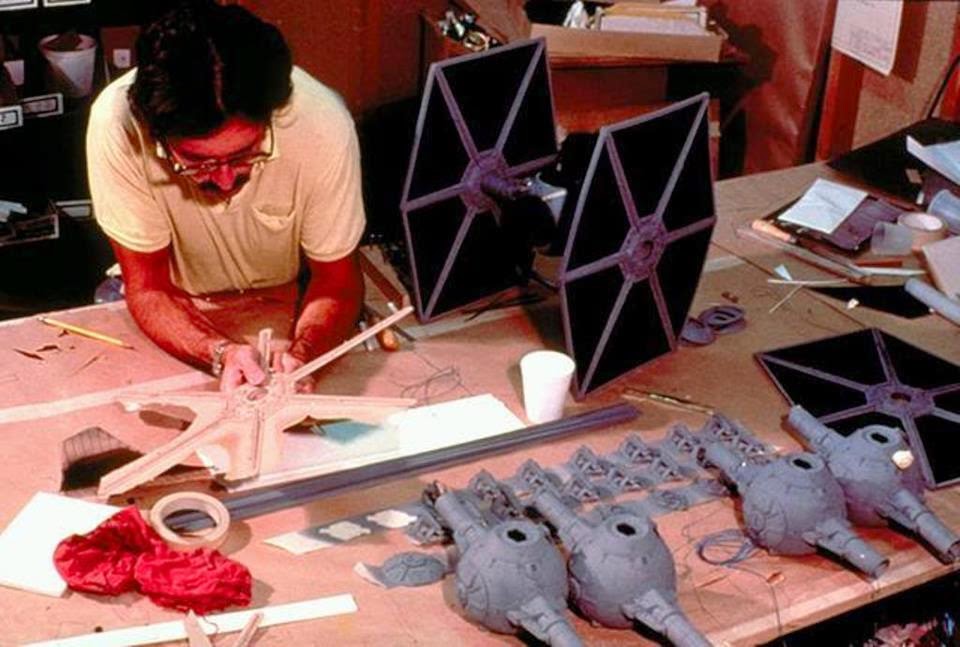
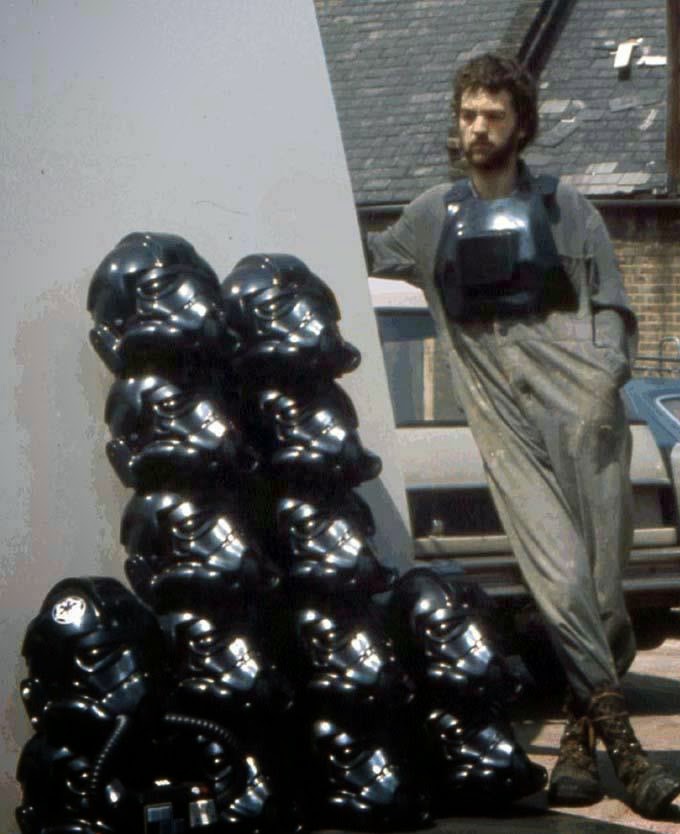
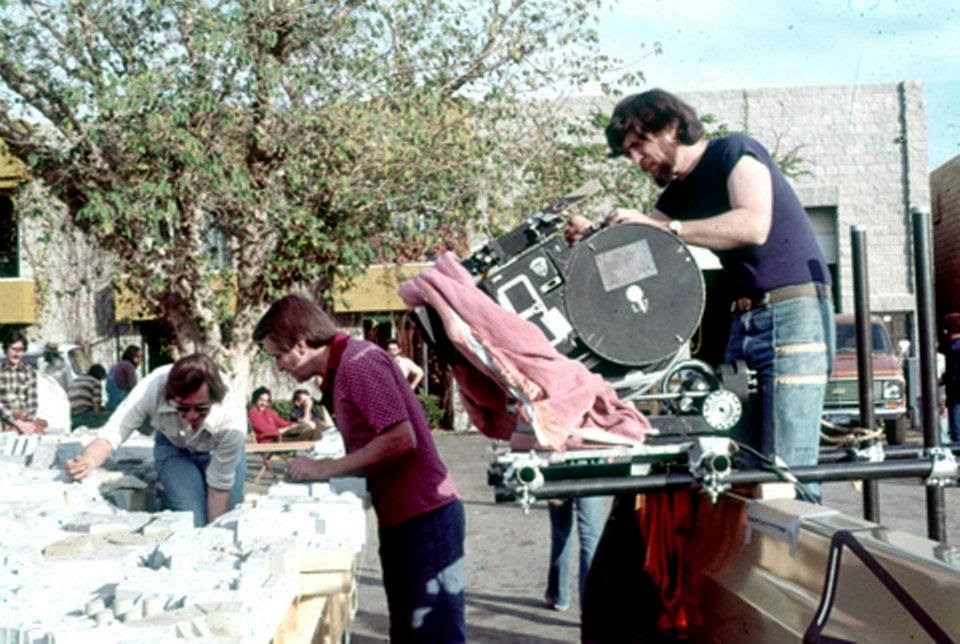
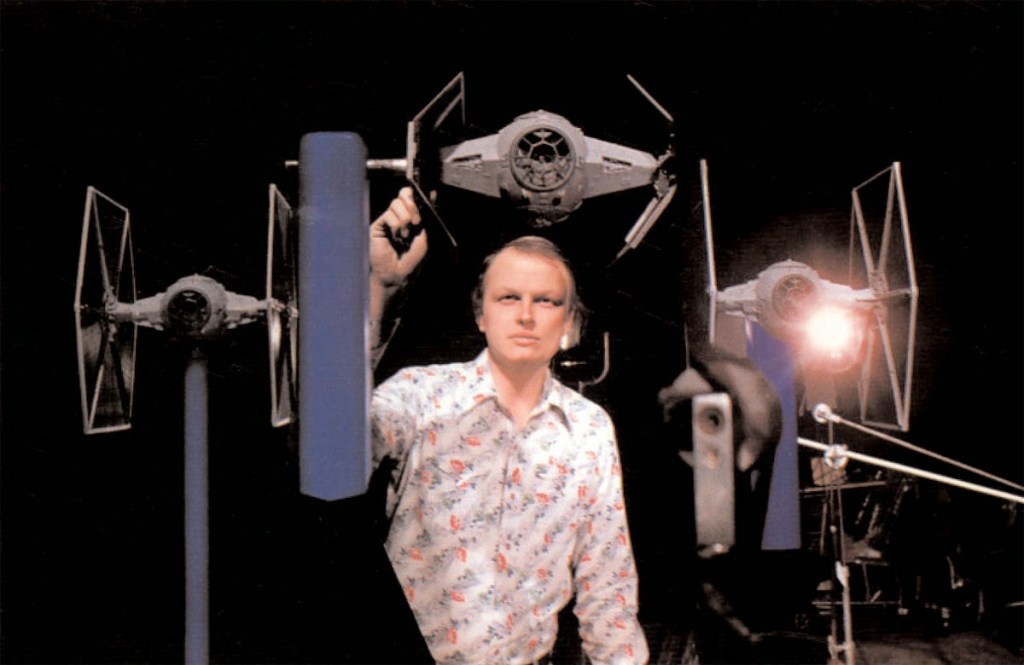
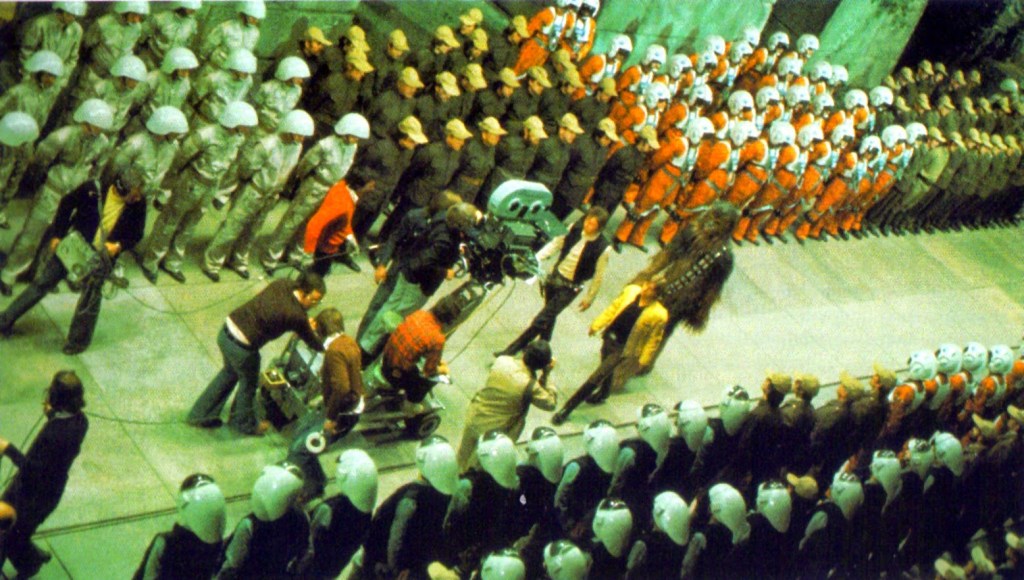
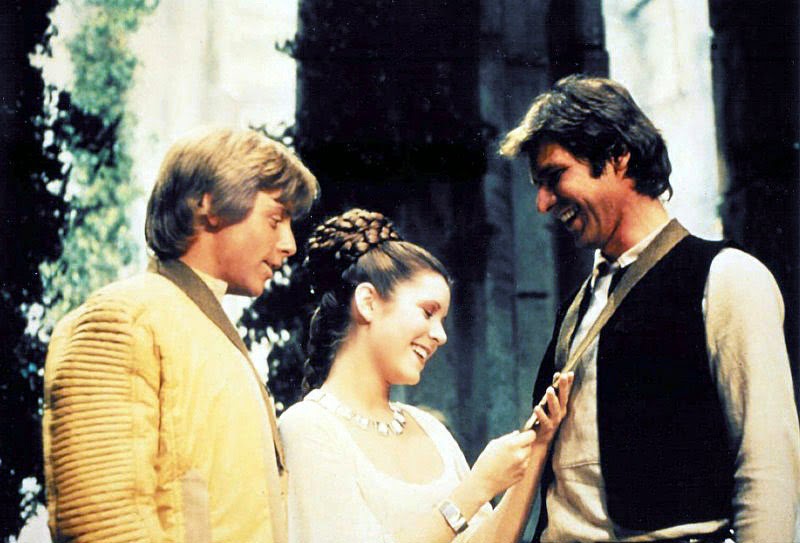
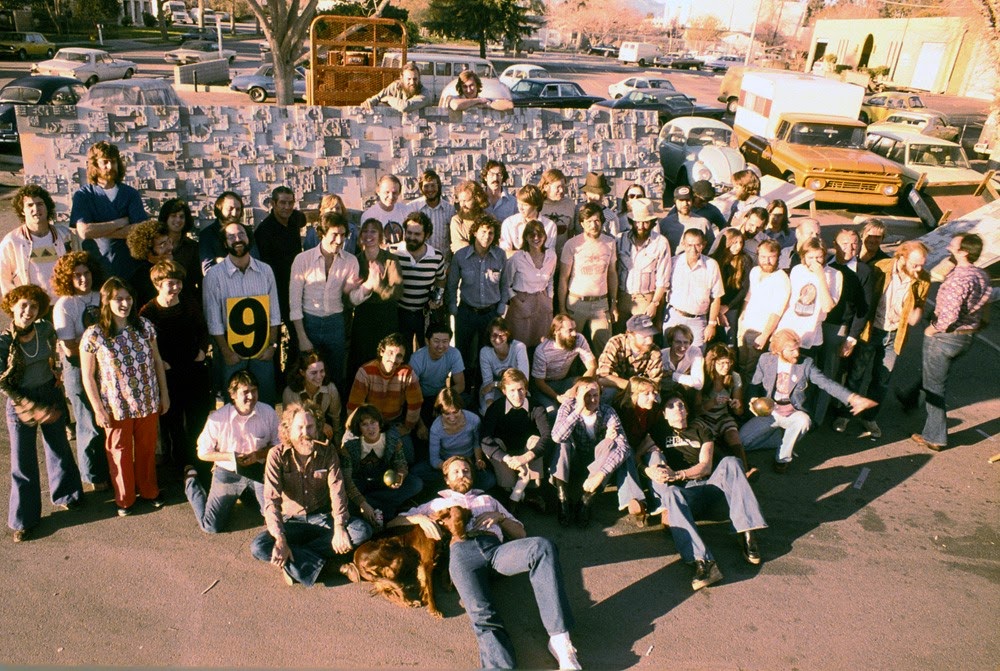
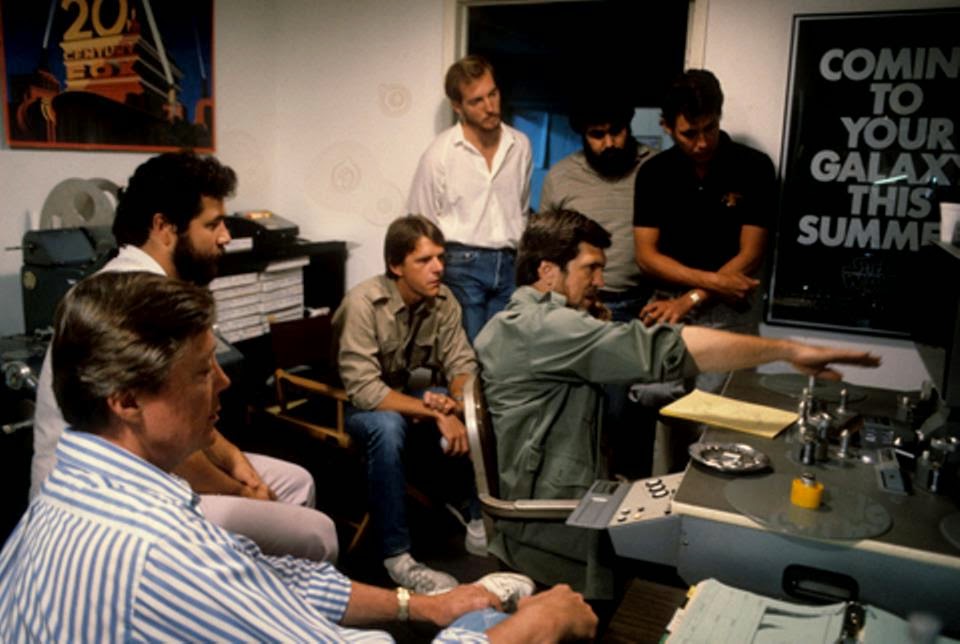
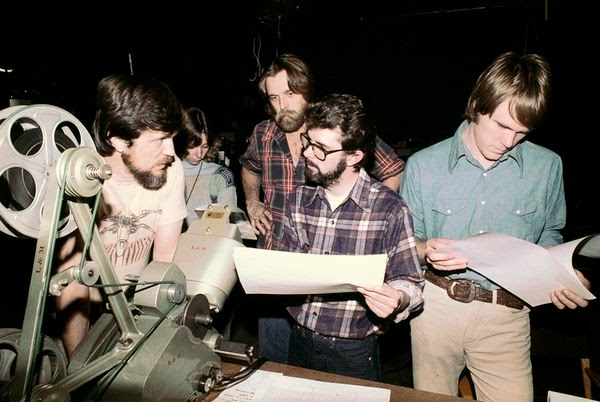
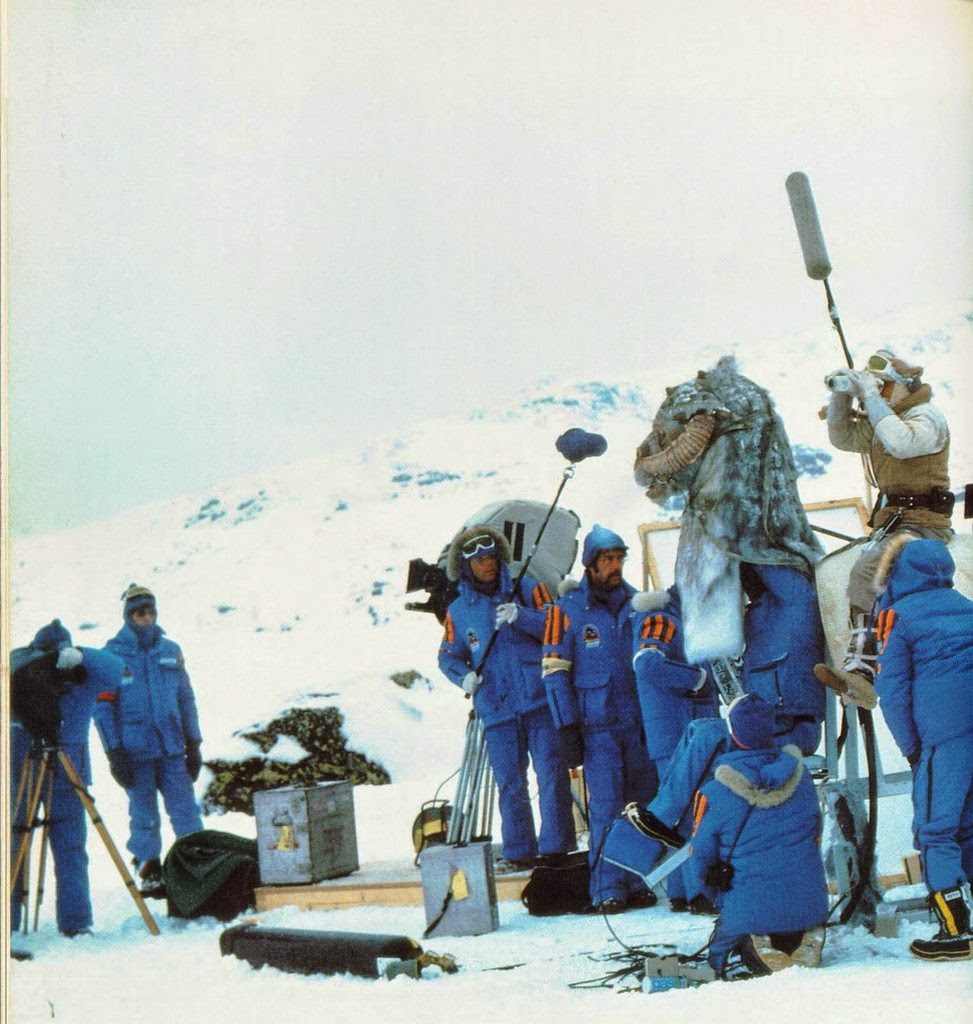
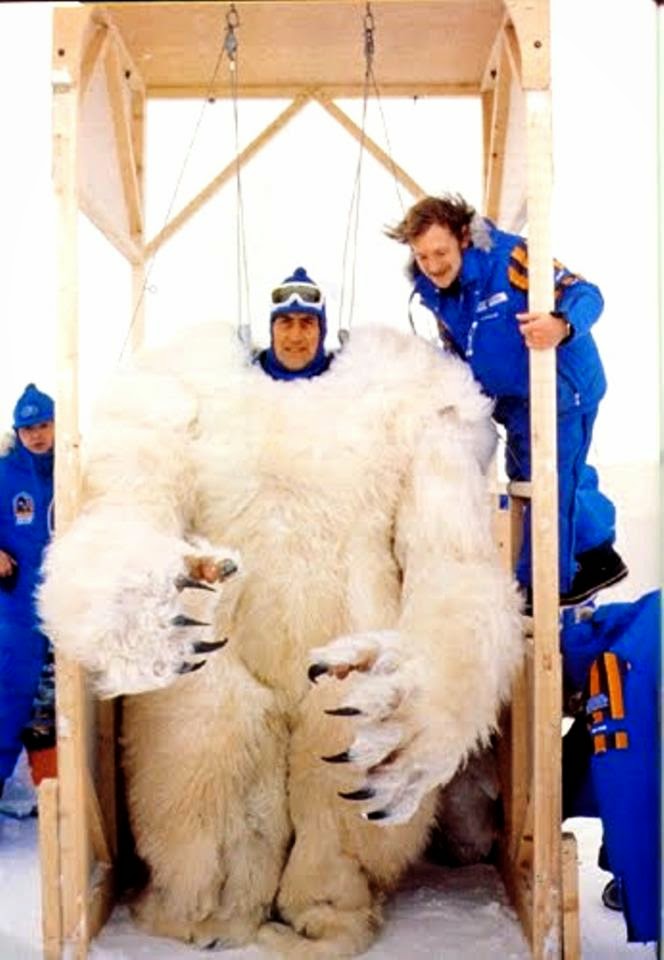
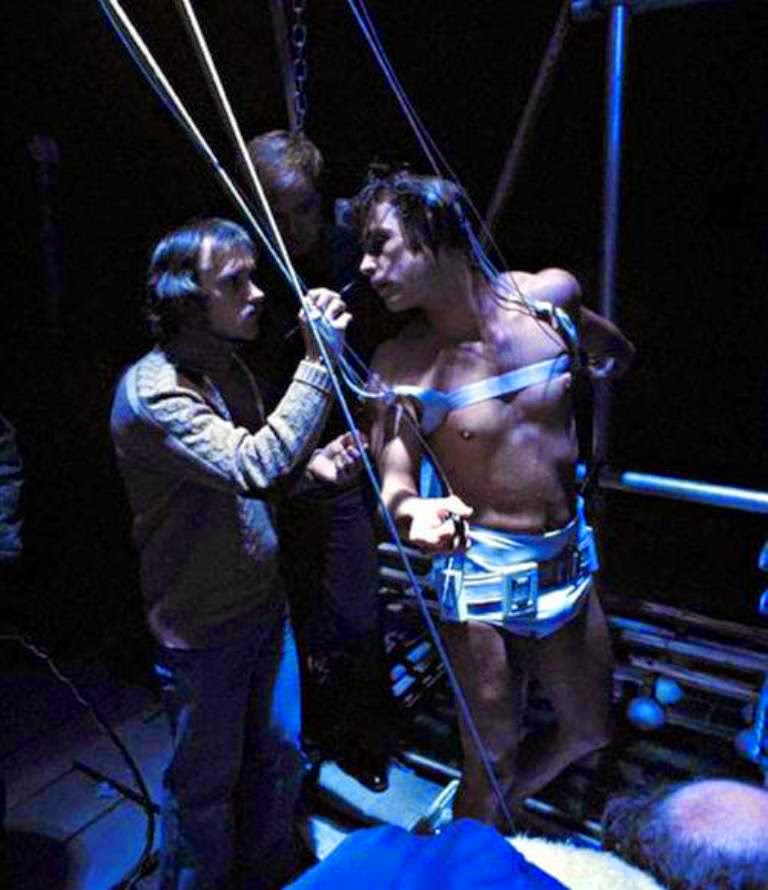
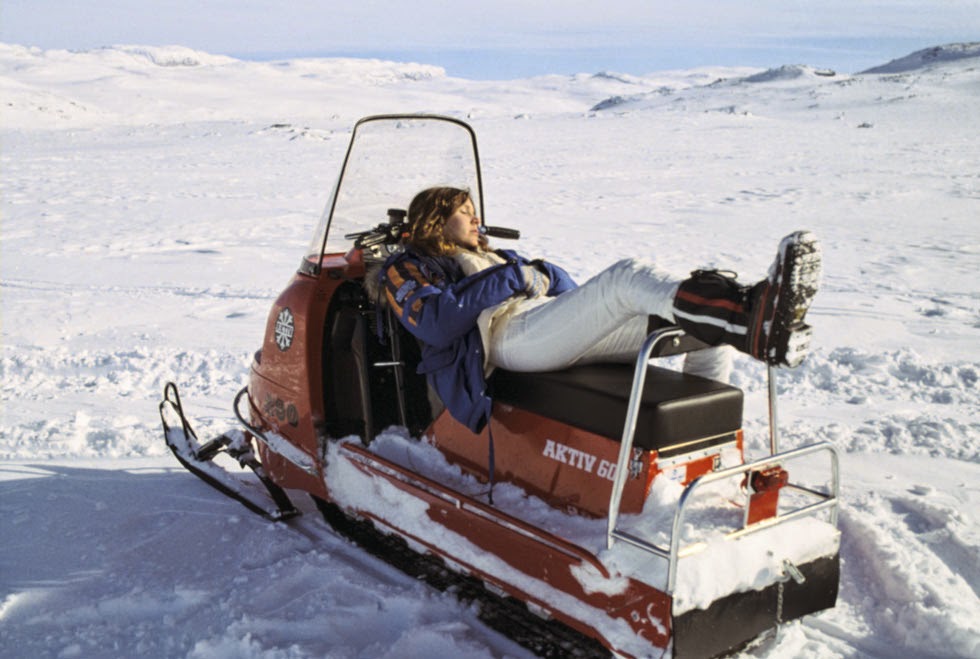
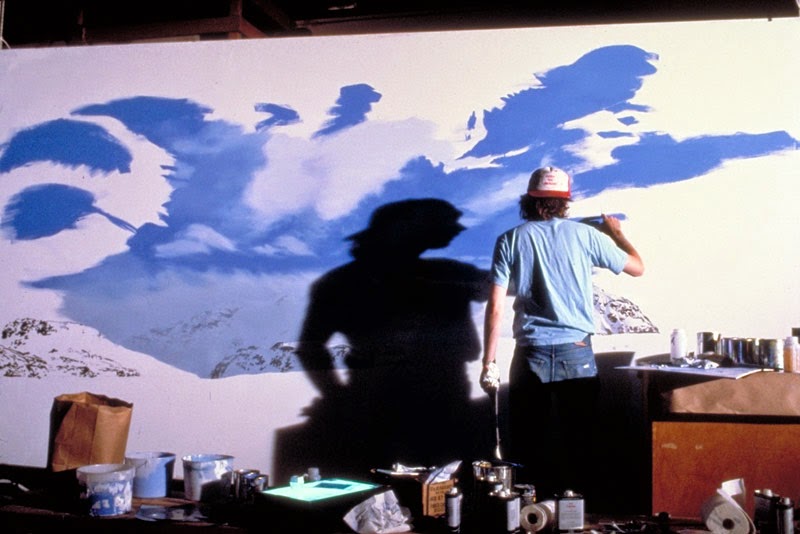
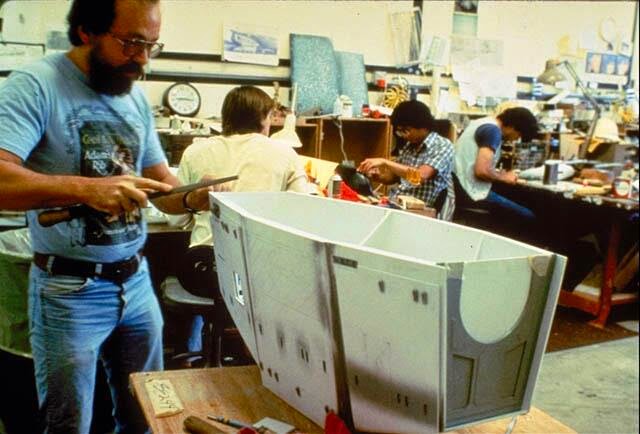
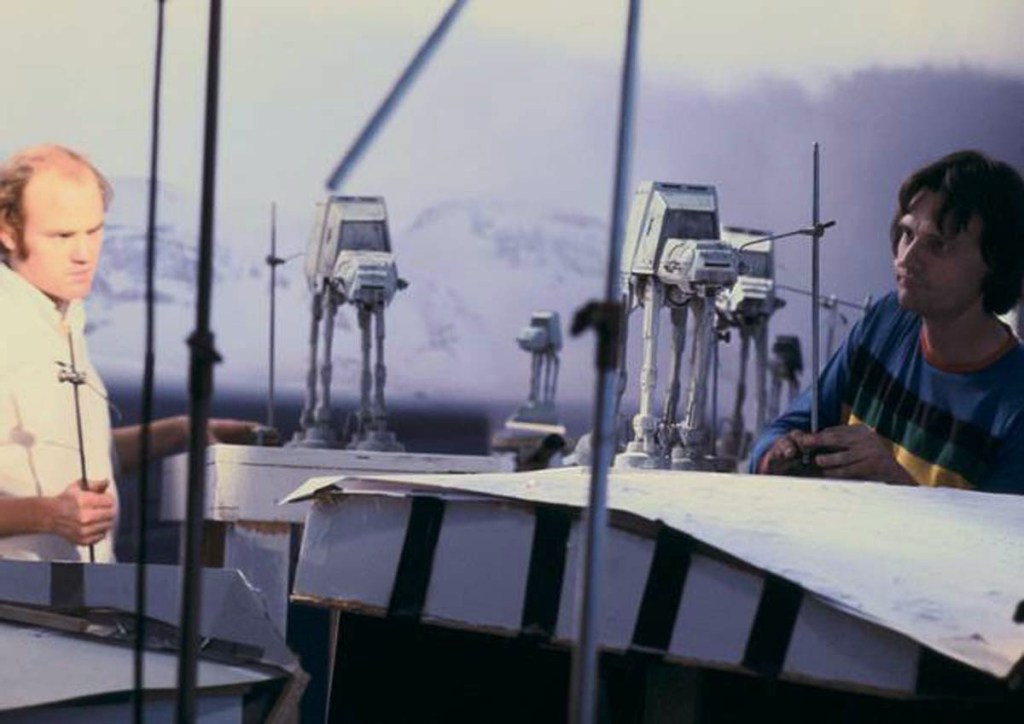
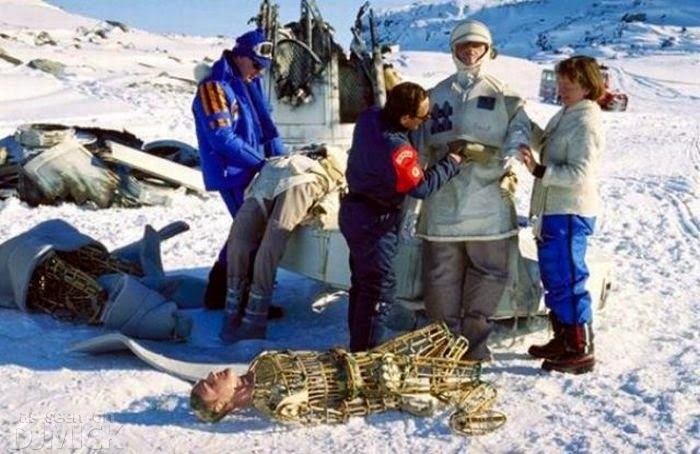
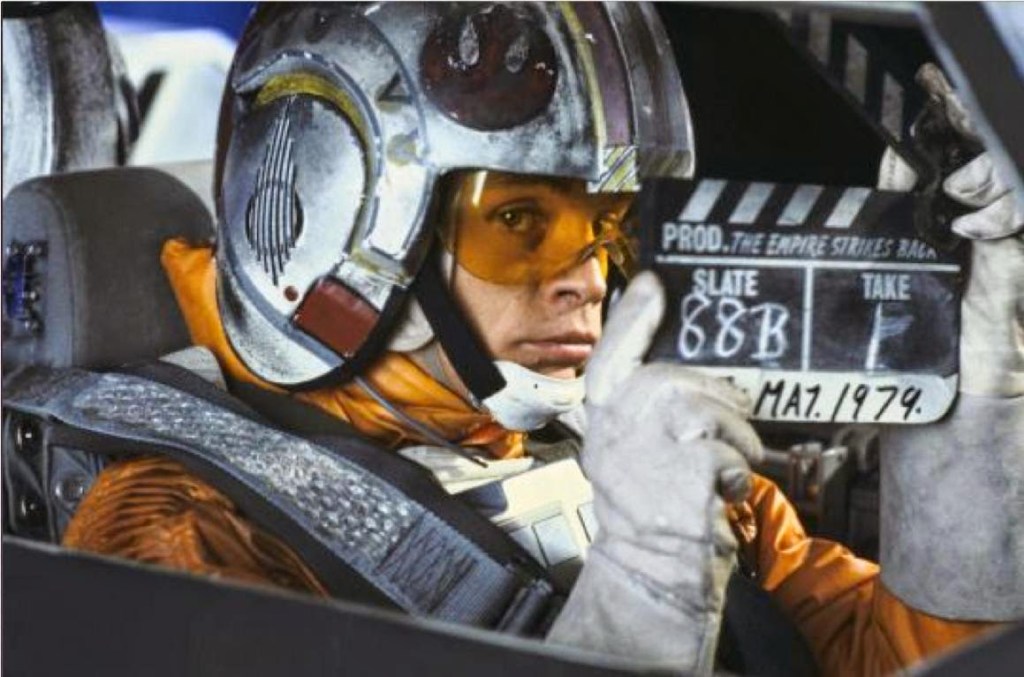
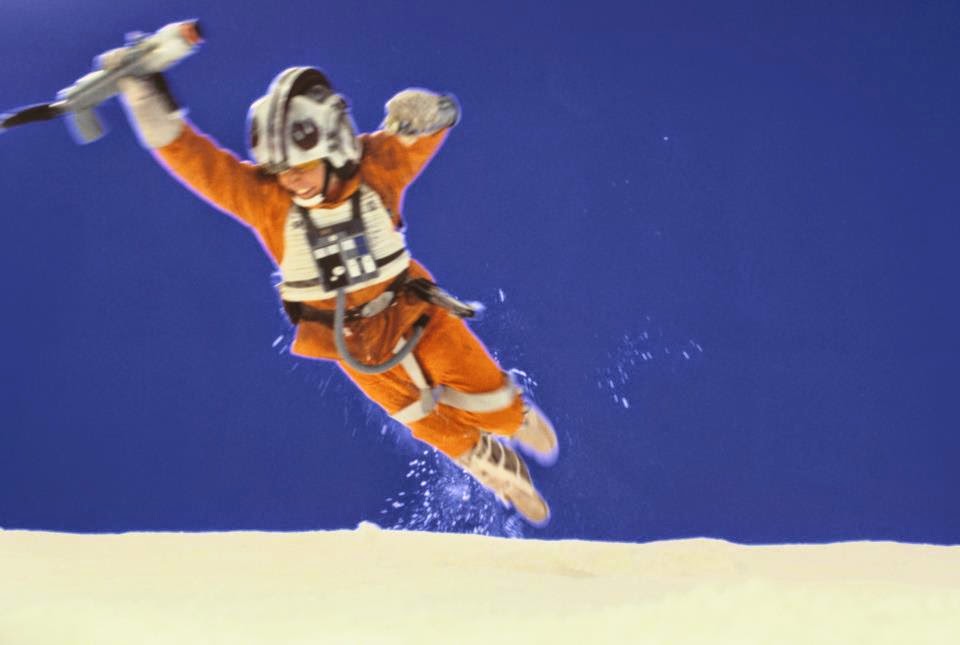
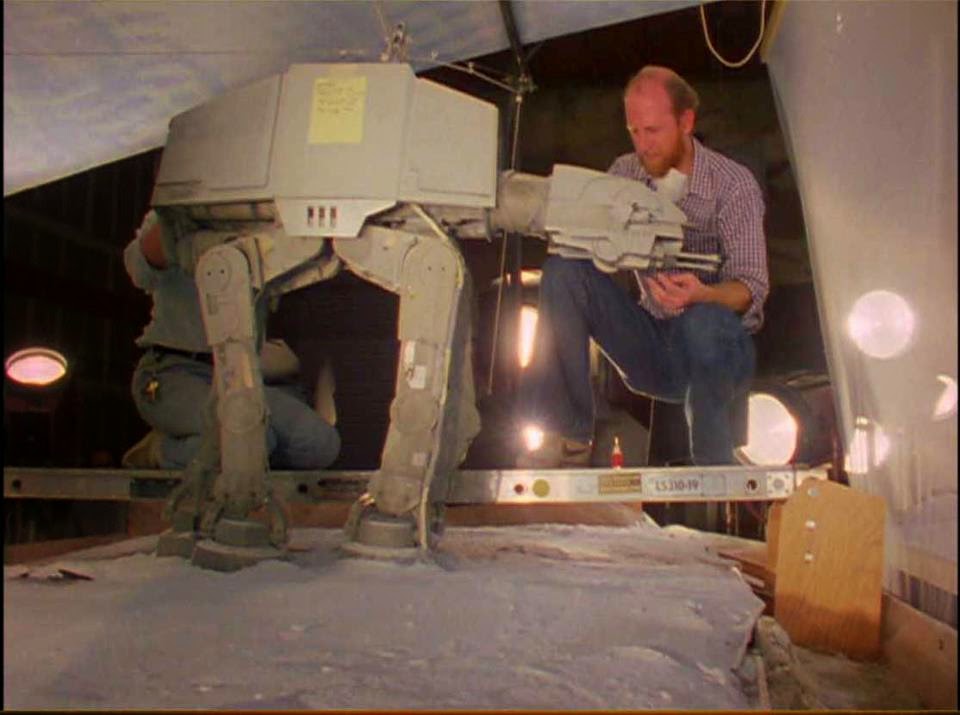
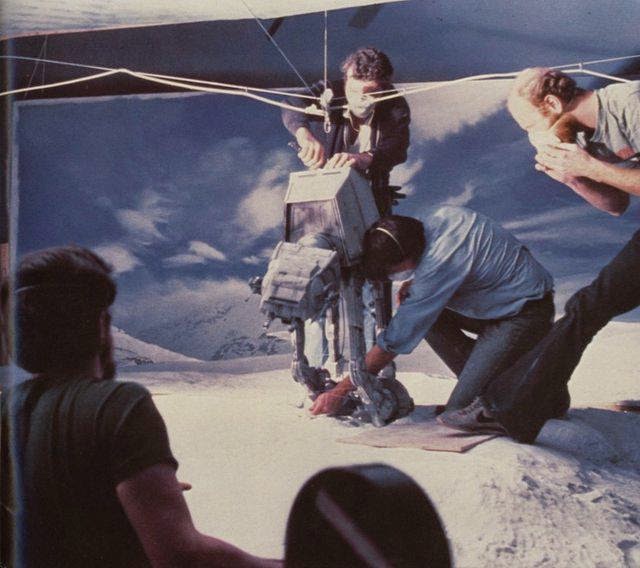
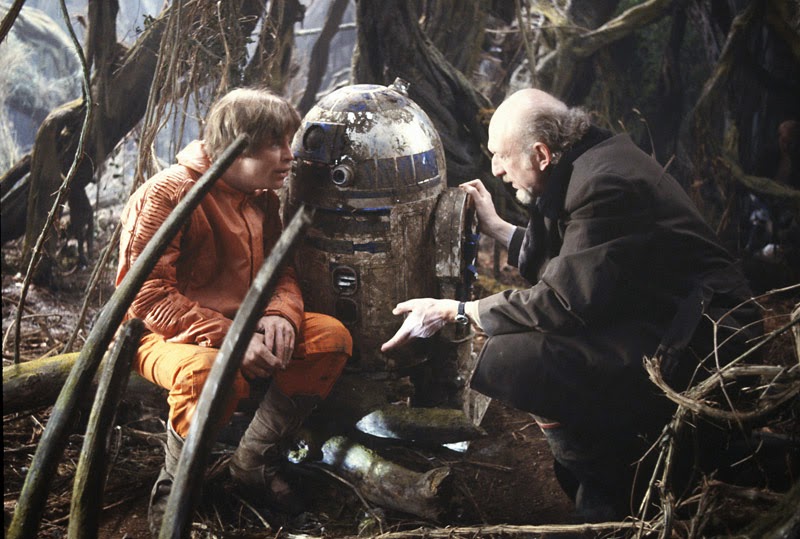
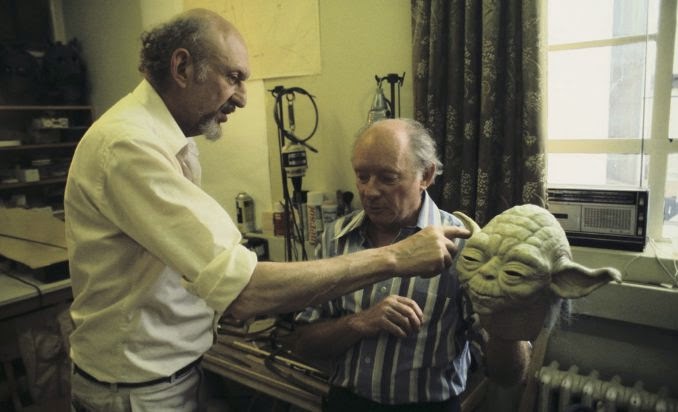
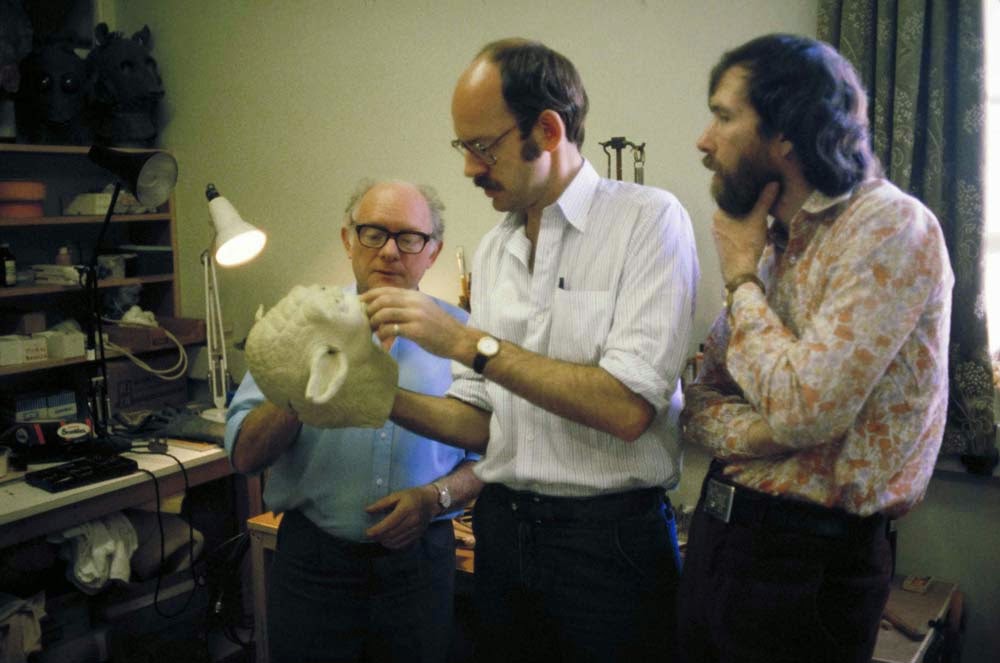
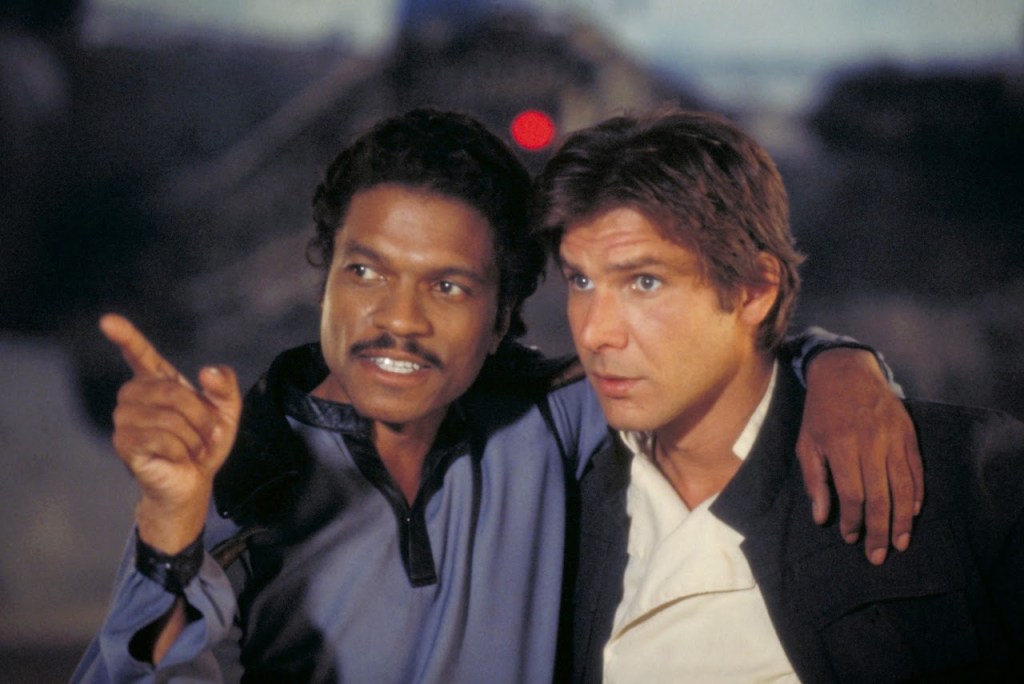
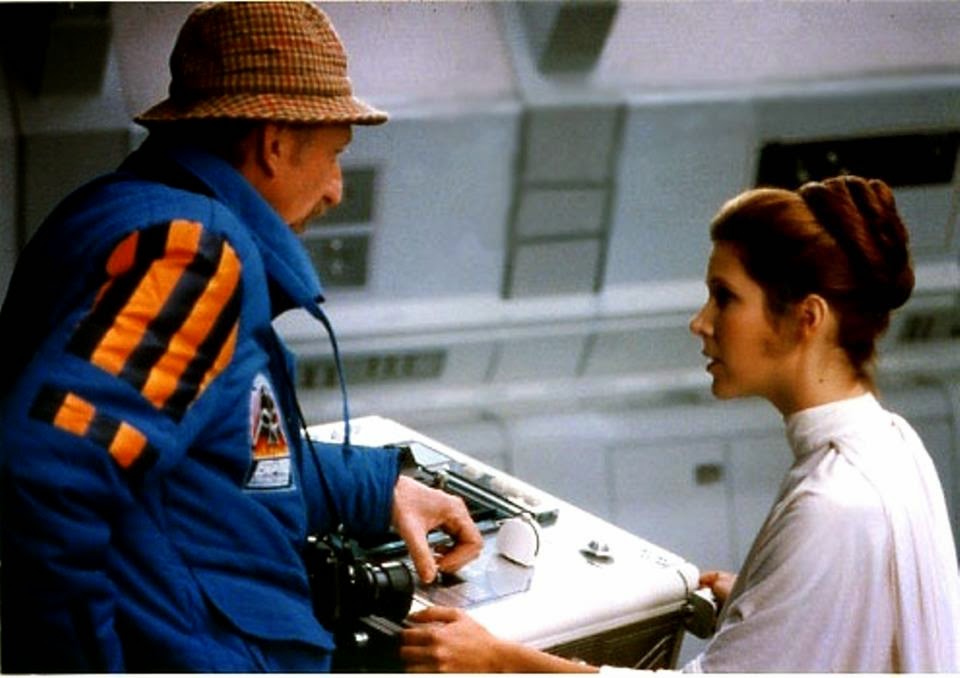
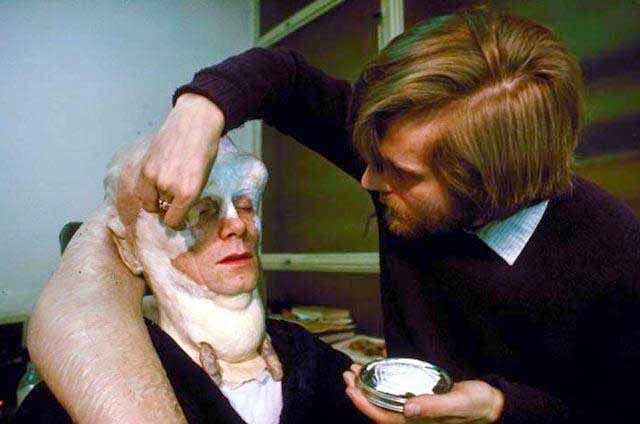
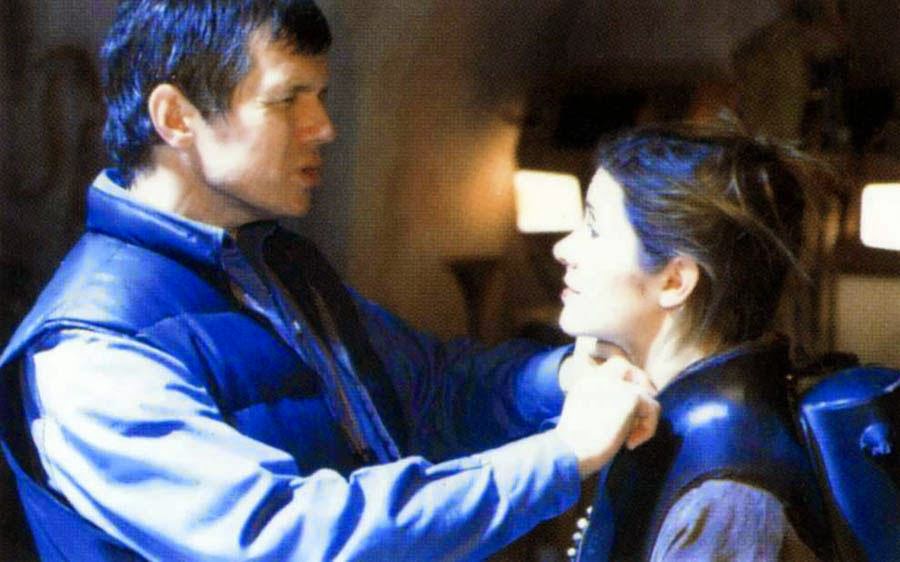
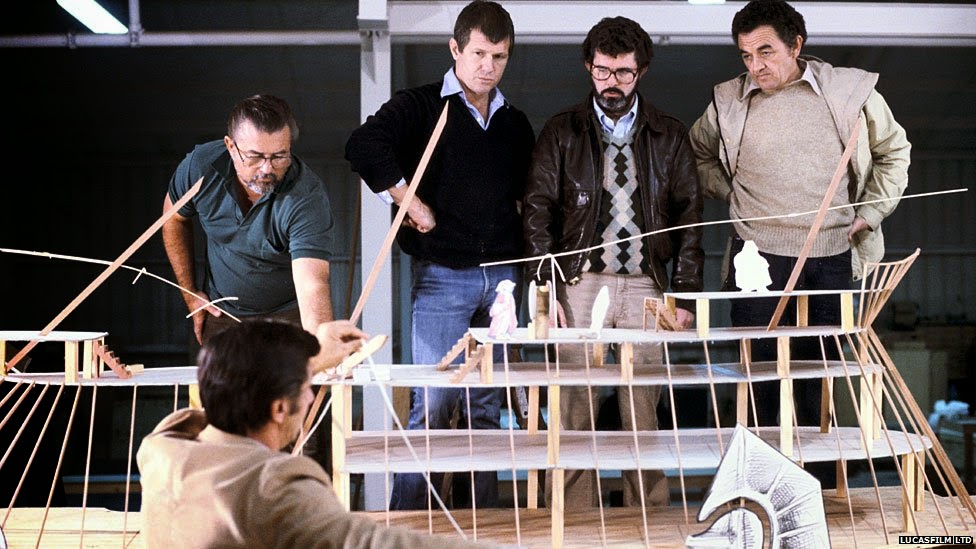
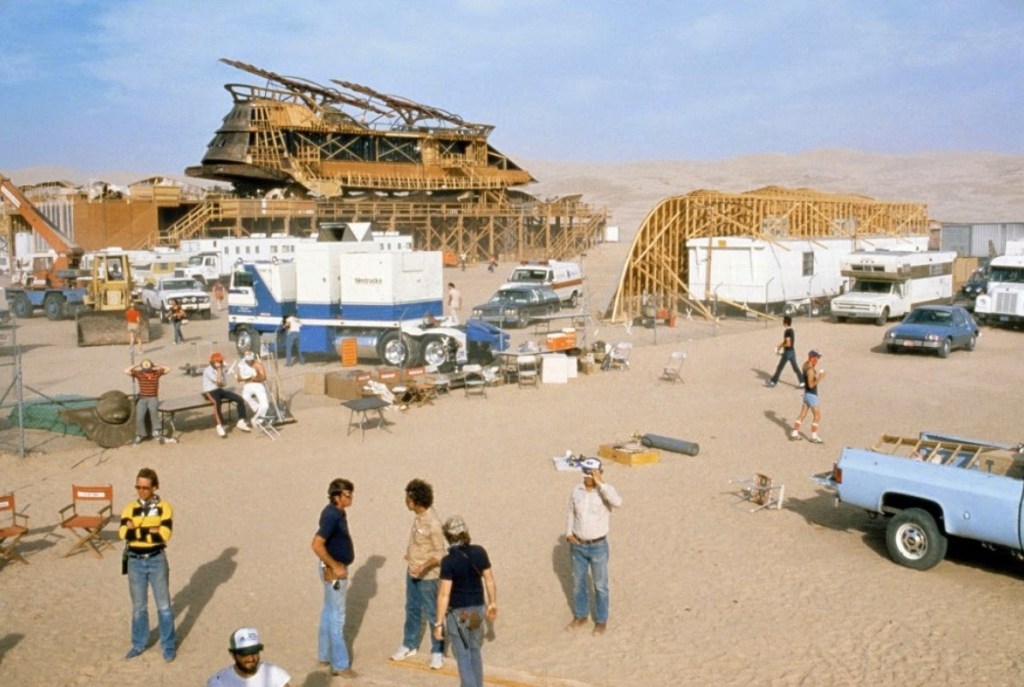
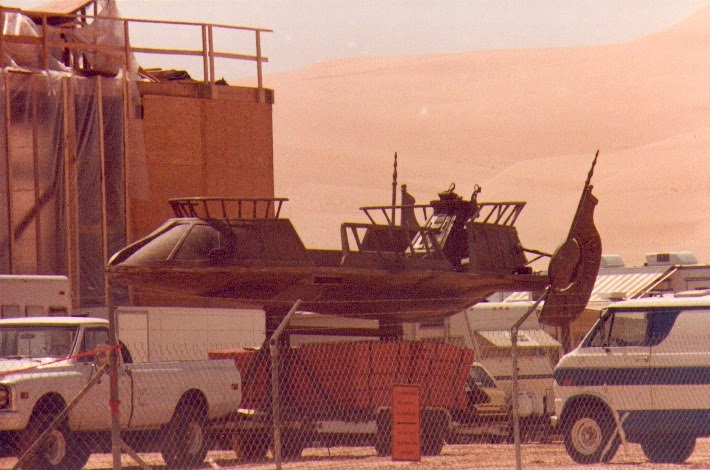
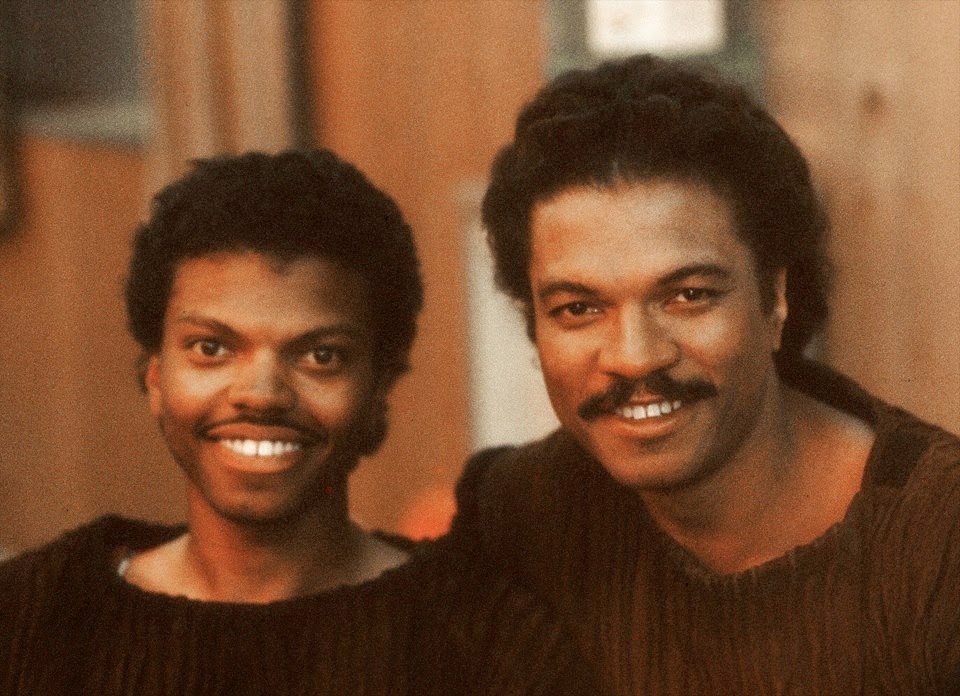
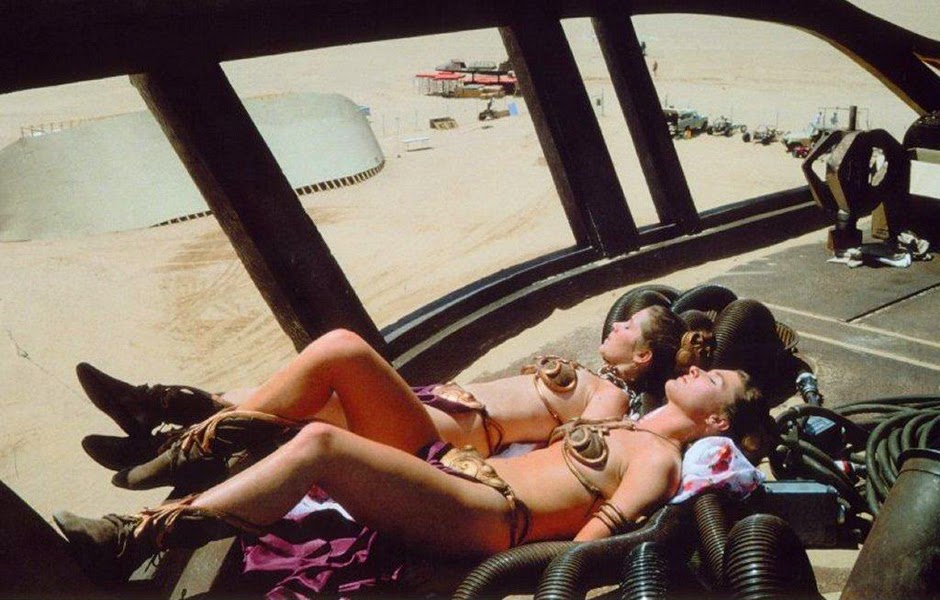
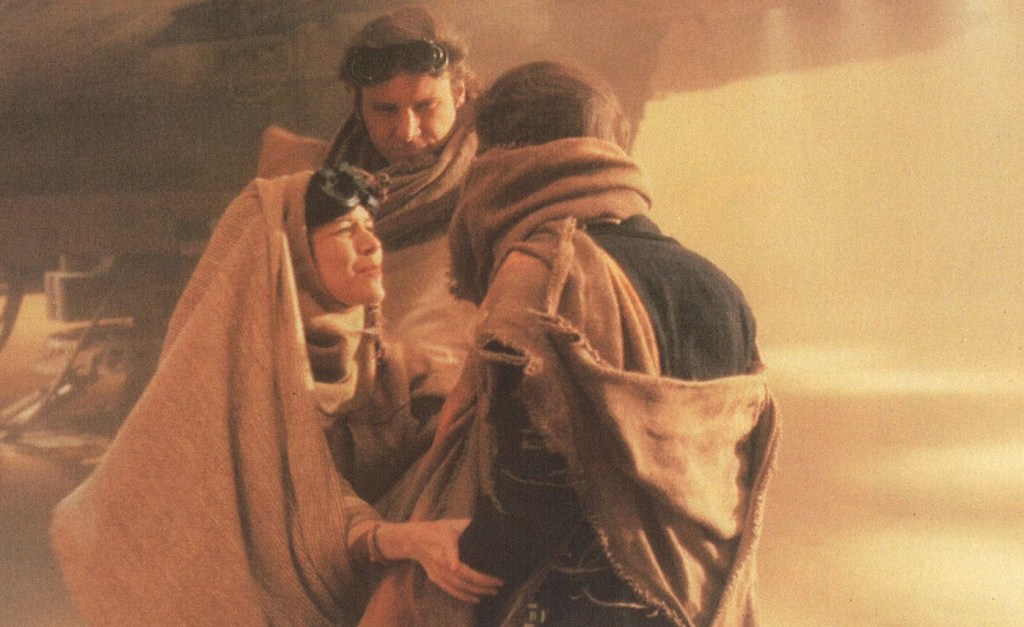
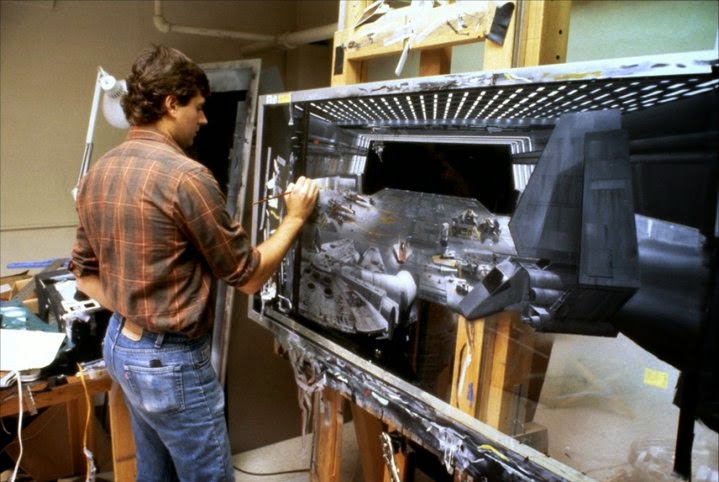
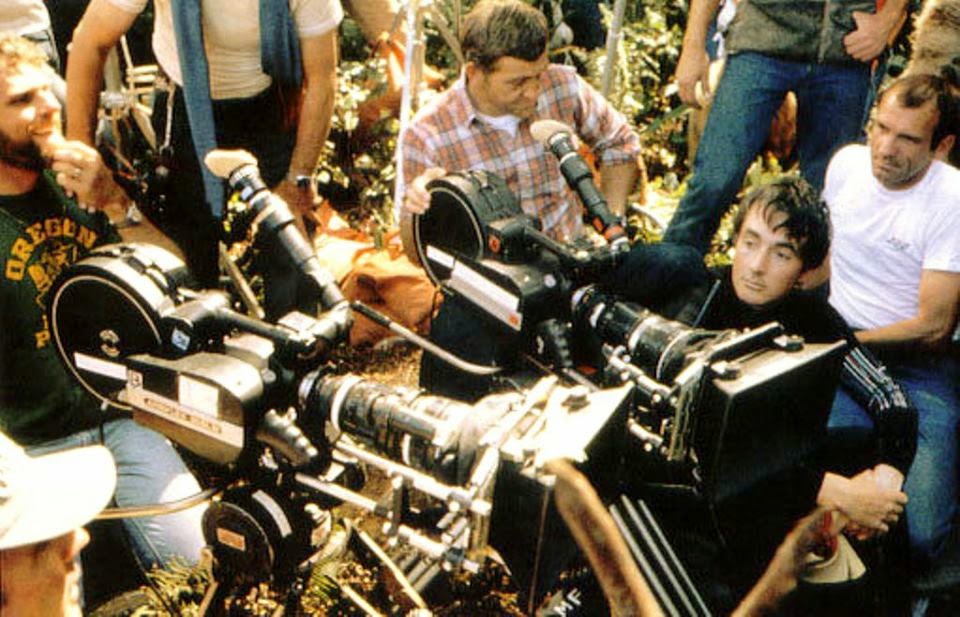
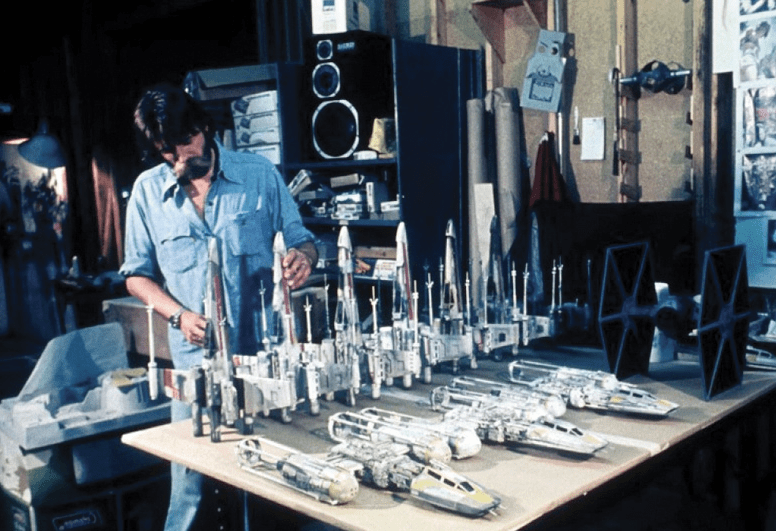
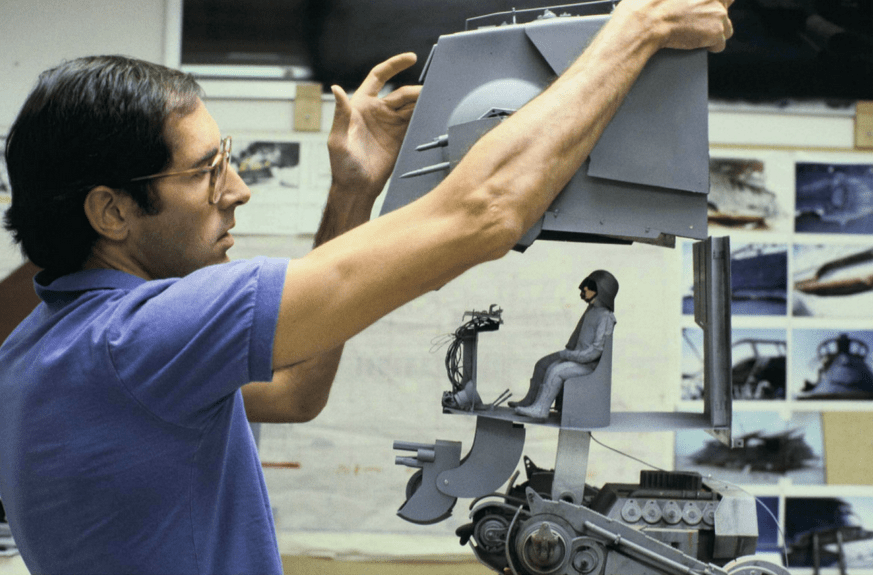
Star Wars (retroactively titled Star Wars: Episode IV – A New Hope) is a 1977 American epic space-opera film written and directed by George Lucas, produced by Lucasfilm and distributed by 20th Century Fox. It stars Mark Hamill, Harrison Ford, Carrie Fisher, Peter Cushing, Alec Guinness, David Prowse, James Earl Jones, Anthony Daniels, Kenny Baker and Peter Mayhew. It is the first film in the Star Wars film series and fourth chronological chapter of the “Skywalker Saga”.
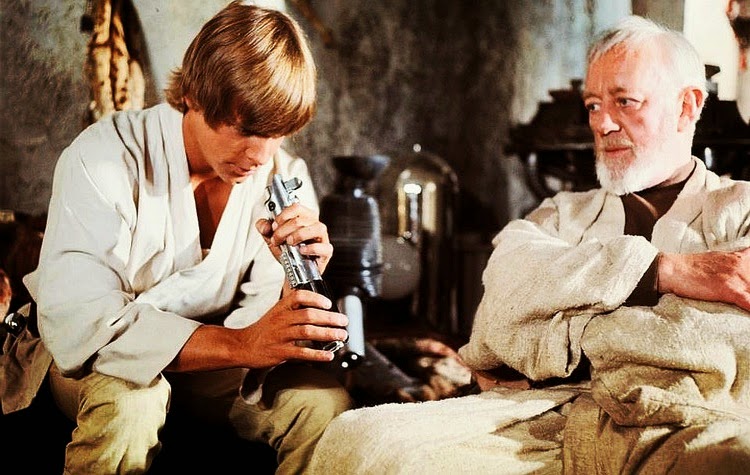
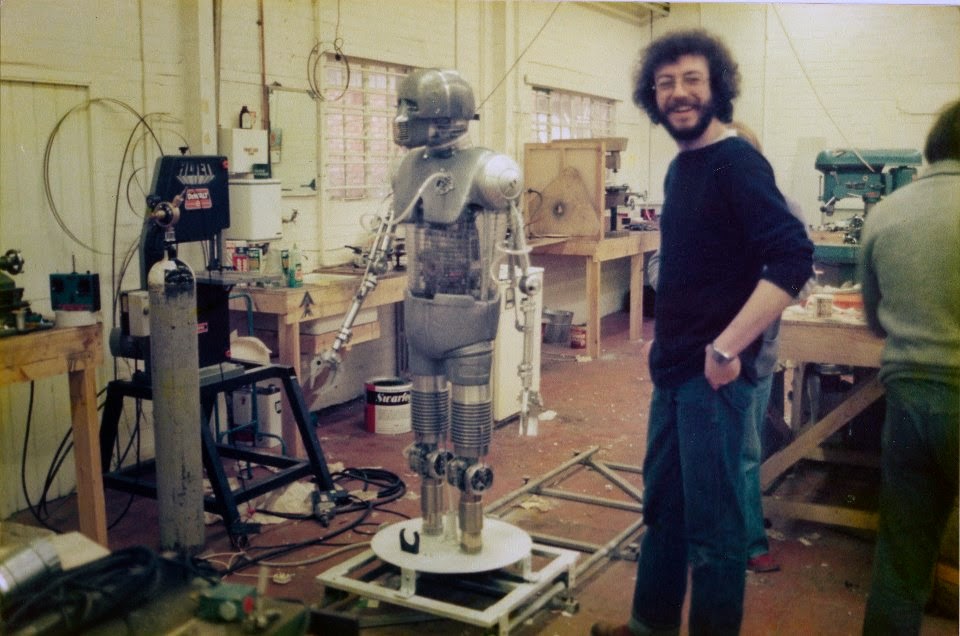
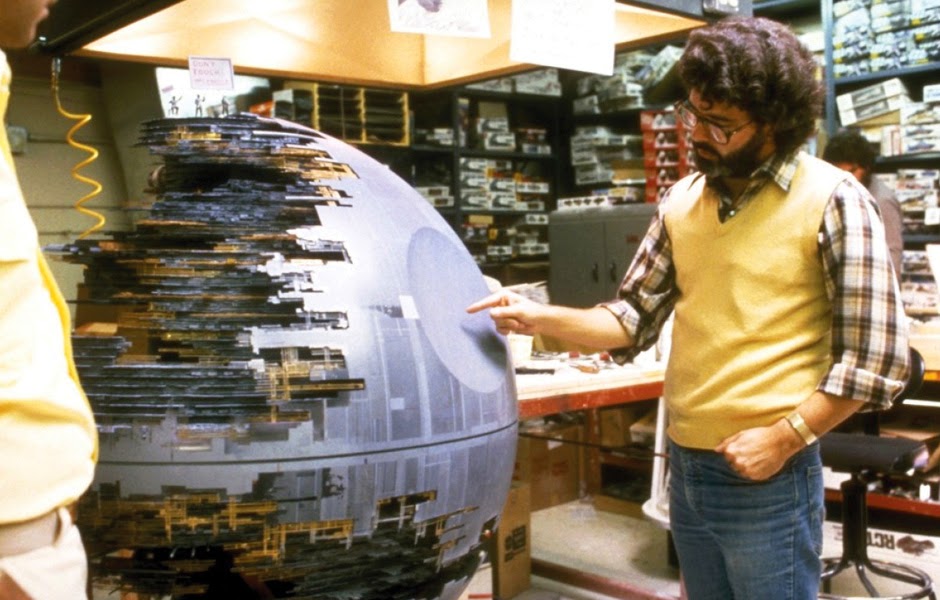
Lucas had the idea for a science-fiction film in the vein of Flash Gordon around the time he completed his first film, THX 1138 (1971) and began working on a treatment after the release of American Graffiti (1973). Star Wars takes place “a long time ago”, in a fictional universe inhabited by both humans and various alien species; most of the known galaxy is ruled by the tyrannical Galactic Empire, which is only opposed by the Rebel Alliance, a group of freedom fighters. The narrative of the film focuses on the hero journey of Luke Skywalker (Hamill), an everyman who becomes caught in the galactic conflict between the Empire and the Rebellion after coming into possession of two droids, R2-D2 (Baker) and C-3PO (Daniels), who are carrying the schematics of the Empire’s ultimate weapon, the Death Star. While attempting to deliver the droids to the Rebellion, Luke is joined by wizened Jedi Master Obi-Wan Kenobi (Guinness), who teaches him about the metaphysical power known as “the Force”, cynical smuggler Han Solo (Ford), his Wookiee companion Chewbacca (Mayhew), and Rebellion leader Princess Leia (Fisher). Meanwhile, Imperial officers Darth Vader (Prowse, voiced by Jones), a Sith Lord, and Grand Moff Tarkin (Cushing), the commander of the Death Star, seek to retrieve the stolen schematics and locate the Rebellion’s secret base.
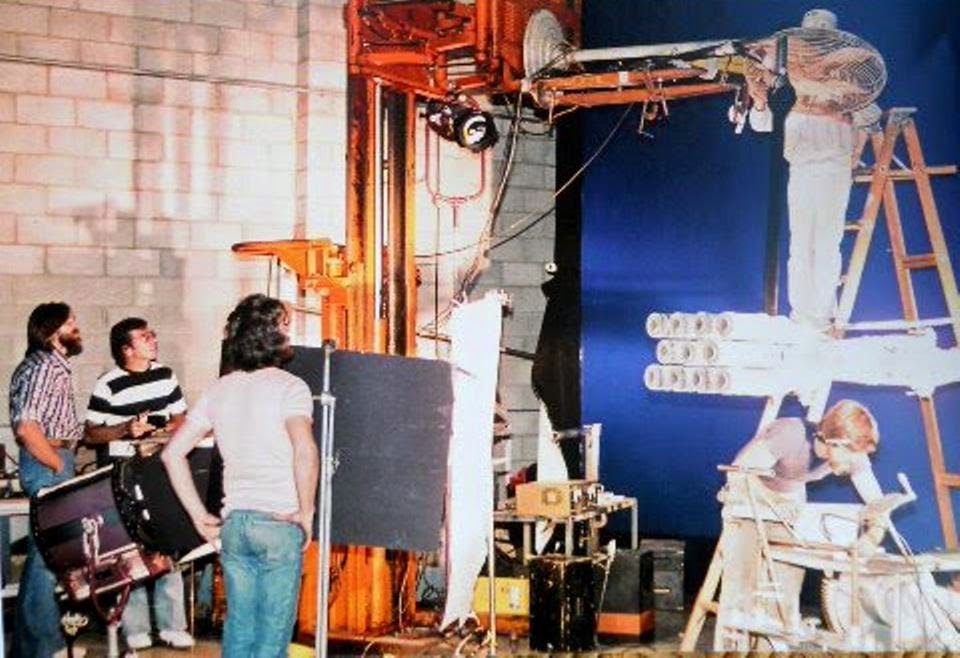
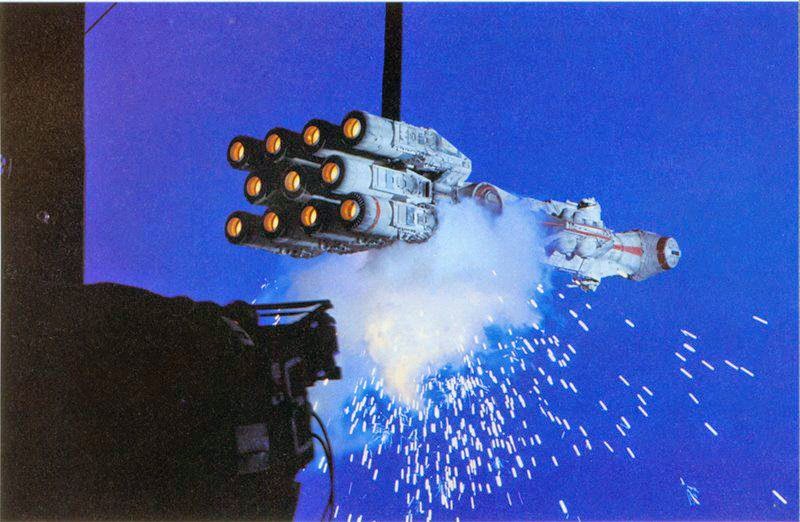
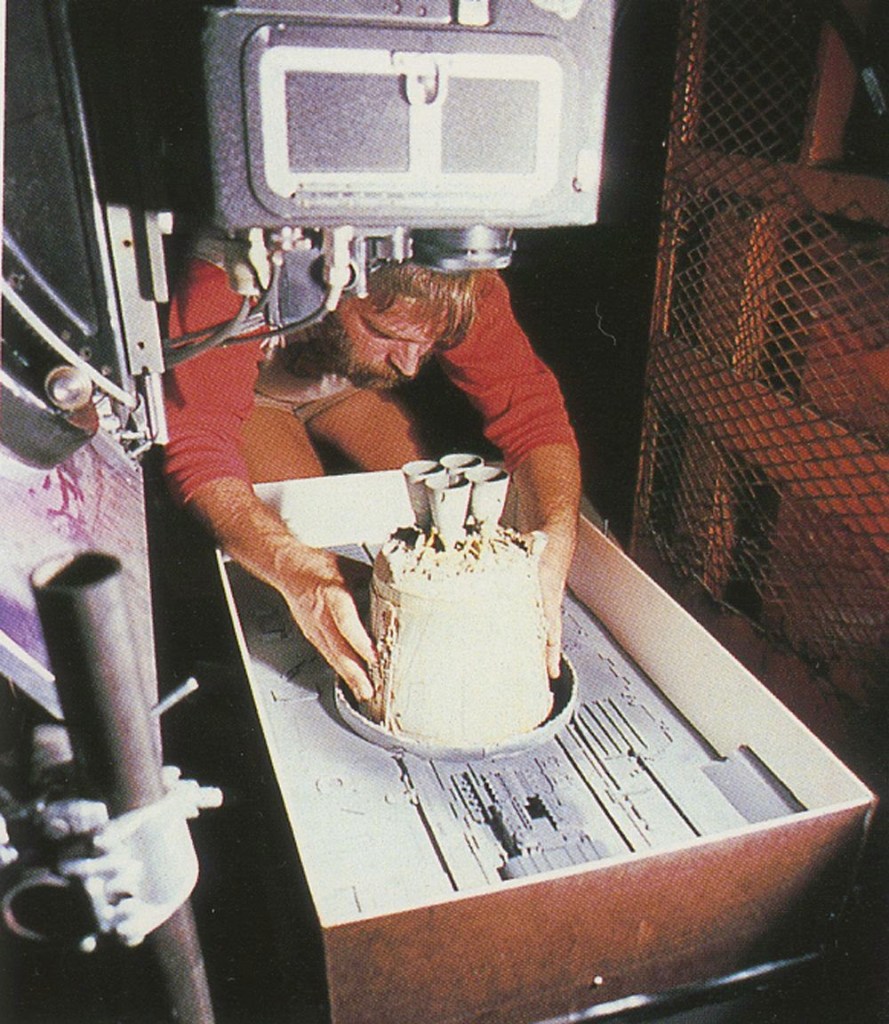
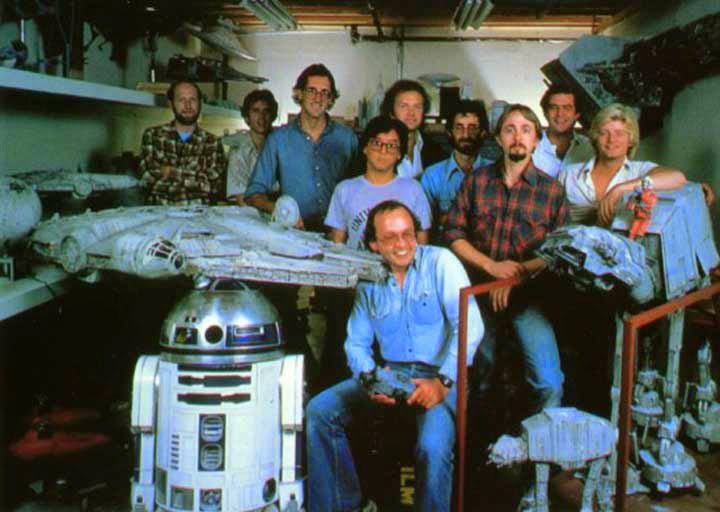
After a turbulent production, Star Wars was released in a limited number of theaters in the United States on May 25, 1977, and quickly became a blockbuster hit, leading to it being expanded to a much wider release. The film opened to critical acclaim, most notably for its groundbreaking visual effects. It grossed a total of $775 million (over $550 million during its initial run), surpassing Jaws (1975) to become the highest-grossing film at the time until the release of E.T. the Extra-Terrestrial (1982). When adjusted for inflation, Star Wars is the second-highest-grossing film in North America (behind Gone with the Wind) and the fourth-highest-grossing film in the world. It received ten Oscar nominations (including Best Picture), winning seven. In 1989, it became one of the first 25 films that was selected by the U.S. Library of Congress for preservation in the National Film Registry for being “culturally, historically, or aesthetically significant”. At the time, it was the most recent film in the registry and the only one chosen from the 1970s. In 2004, its soundtrack was added to the U.S. National Recording Registry, and was additionally listed by the American Film Institute as the best movie score of all time a year later. Today, it is widely regarded by many in the motion picture industry as one of the greatest and most important films in cinema history.
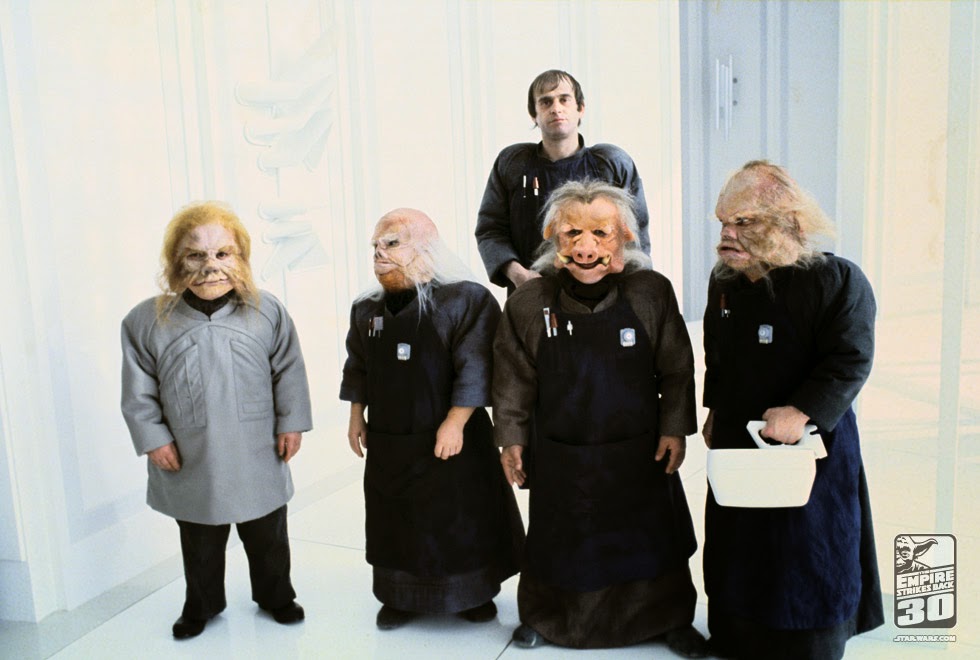
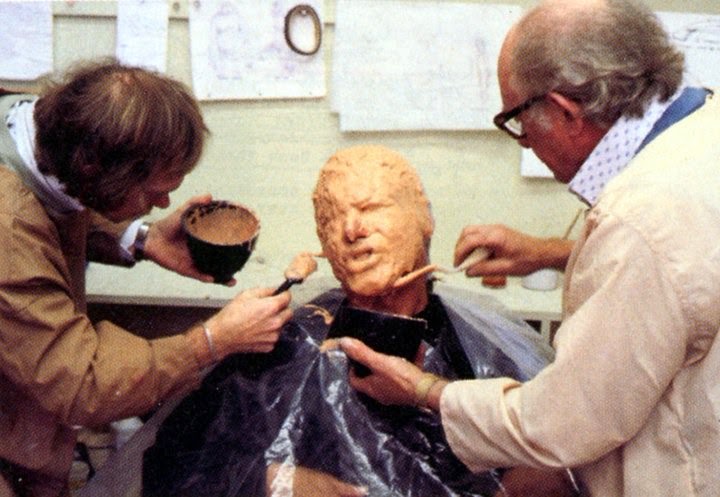
The film has been reissued multiple times with Lucas’s support—most significantly with its 20th-anniversary theatrical “Special Edition”—incorporating many changes including modified computer-generated effects, altered dialogue, re-edited shots, remixed soundtracks and added scenes. The film became a pop-cultural phenomenon and launched an industry of tie-in products, including novels, comics, video games, amusement park attractions, and merchandise including toys, games, clothing, and many other spin-off works, including two anthology films and various television series. The Empire Strikes Back (1980) and Return of the Jedi (1983) followed Star Wars, rounding out the original Star Wars trilogy. Prequel and sequel trilogies that round out the “Skywalker saga” have since been released. (Wikipedia)