29 Incredible Photographs of the 1945 Dresden Bombing and its Aftermath

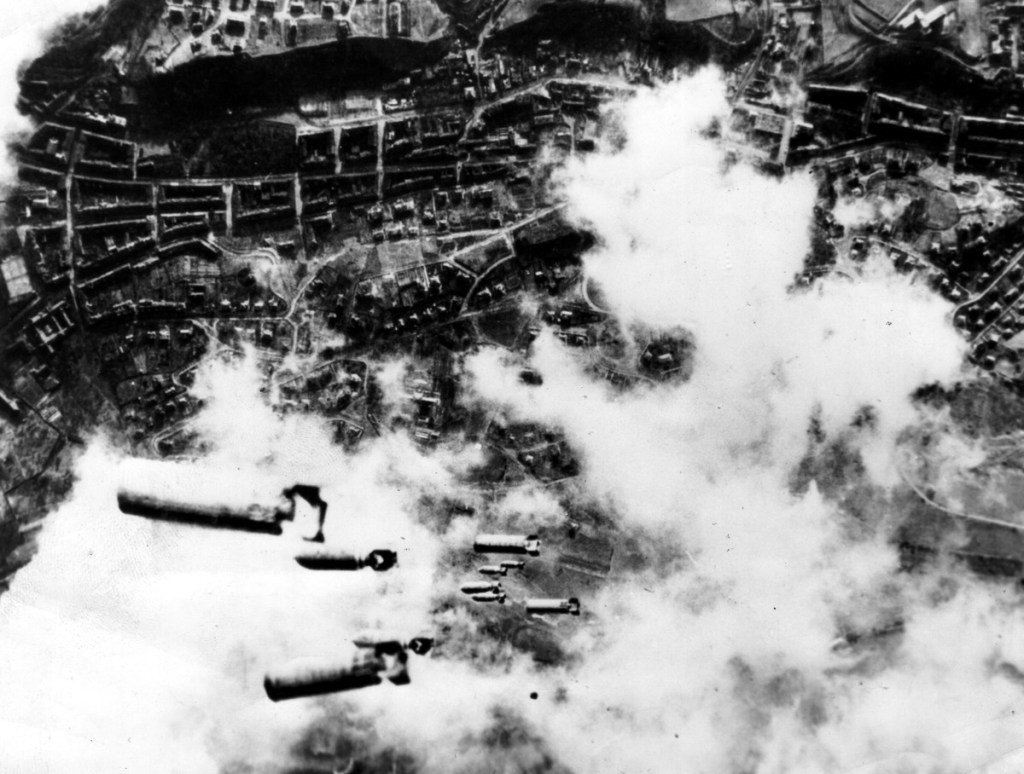
The bombing of Dresden was a British-American aerial bombing attack on the city of Dresden, the capital of the German state of Saxony, during World War II. In four raids between 13 and 15 February 1945, 722 heavy bombers of the British Royal Air Force (RAF) and 527 of the United States Army Air Forces (USAAF) dropped more than 3,900 tons of high-explosive bombs and incendiary devices on the city. The bombing and the resulting firestorm destroyed more than 1,600 acres (6.5 km2) of the city centre. An estimated 22,700 to 25,000 people were killed. Three more USAAF air raids followed, two occurring on 2 March aimed at the city’s railway marshalling yard and one smaller raid on 17 April aimed at industrial areas.

Immediate German propaganda claims, following the attacks and postwar discussions of whether the attacks were justified, have led to the bombing becoming one of the moral causes célèbres of the war. A 1953 United States Air Force report defended the operation as the justified bombing of a strategic target, which they noted was a major rail transport and communication centre, housing 110 factories and 50,000 workers in support of the German war effort. Several researchers claim that not all of the communications infrastructure, such as the bridges, were targeted, nor were the extensive industrial areas which were located outside the city centre. Critics of the bombing have asserted that Dresden was a cultural landmark while downplaying its strategic significance, and claim that the attacks were indiscriminate area bombing and not proportionate to the military gains. Some have claimed that the raid constituted a war crime. Some, mostly in the German far-right, refer to the bombing as a mass murder. To much controversy, some on the German far-right have taken to calling it “Dresden’s Holocaust of bombs” as an attempt to equate it to actual genocide of Jews committed by Germany; this is even though the bombing of Dresden had a mere 0.4% of the casualties of the real Holocaust.

In the decades since the war, large variations in the claimed death toll have fuelled the controversy, though the numbers themselves are no longer a major point of contention among historians. In March 1945, the German government ordered its press to publish a falsified casualty figure of 200,000 for the Dresden raids, and death tolls as high as 500,000 have been claimed. The city authorities at the time estimated up to 25,000 victims, a figure that subsequent investigations supported, including a 2010 study commissioned by the city council. One of the main authors responsible for inflated figures being disseminated in the West was Holocaust denier David Irving, who subsequently announced that he had discovered that the documentation he had worked from had been forged, and the real figures supported the 25,000 number. (Wikipedia)
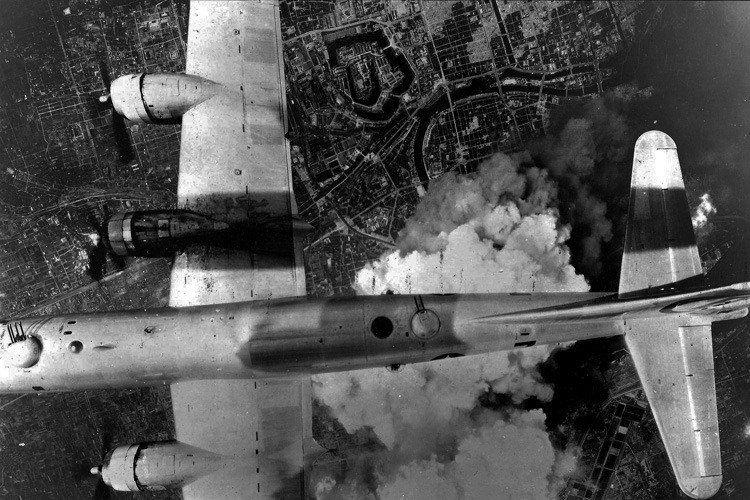
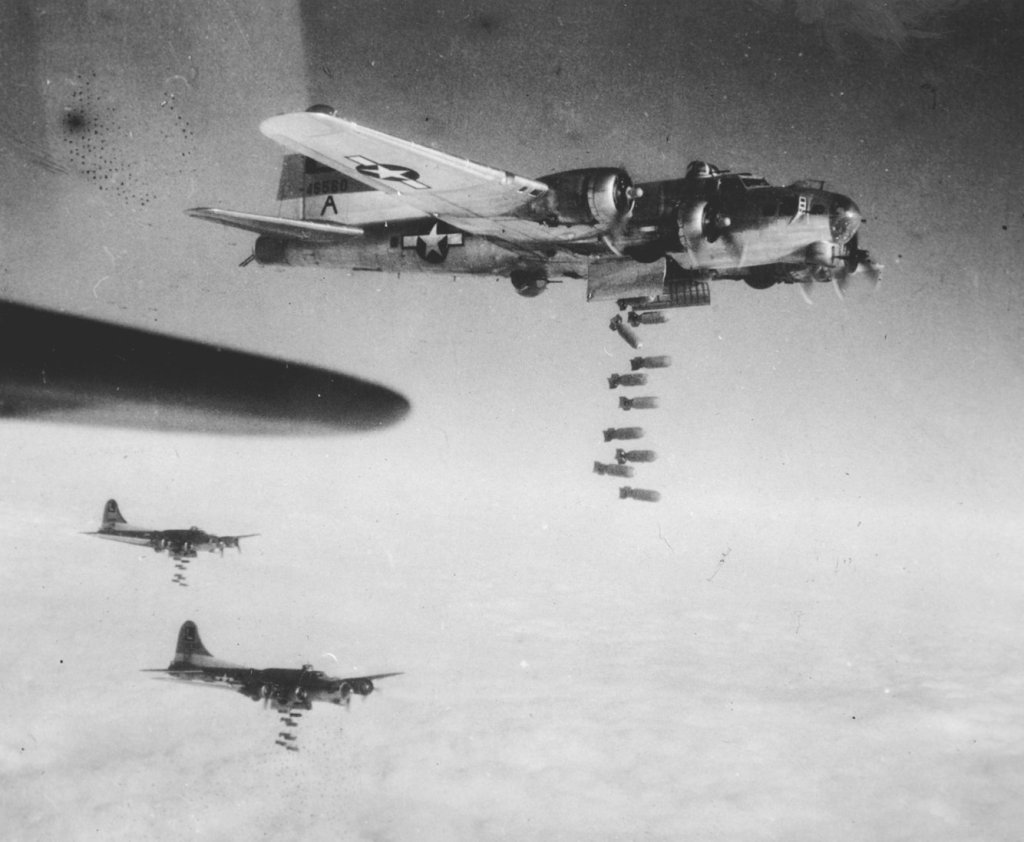
More than 3,900 tons of high-explosive bombs and incendiary devices were dropped on Dresden.
B-17 Flying Fortresses bomb German communication lines at Chemnitz, near Dresden, on February 6, 1945.
Smoke rises from fires still burning in Dresden, February 1945.
Heavy incendiary bombs, together with high exposives fall toward the city of Dresden (Germany), seen burning below as bombers of the 8th US Air Force attack the Saxony capital (February 14, 1945).
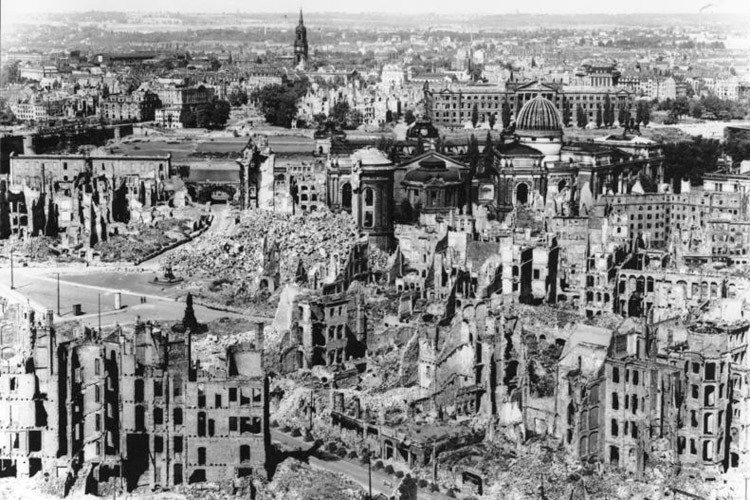
More than 75,000 homes were destroyed, along with pieces of historical architecture.
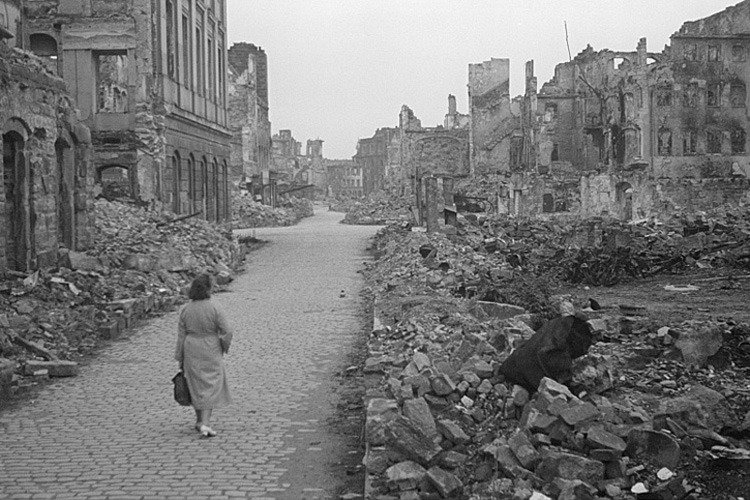
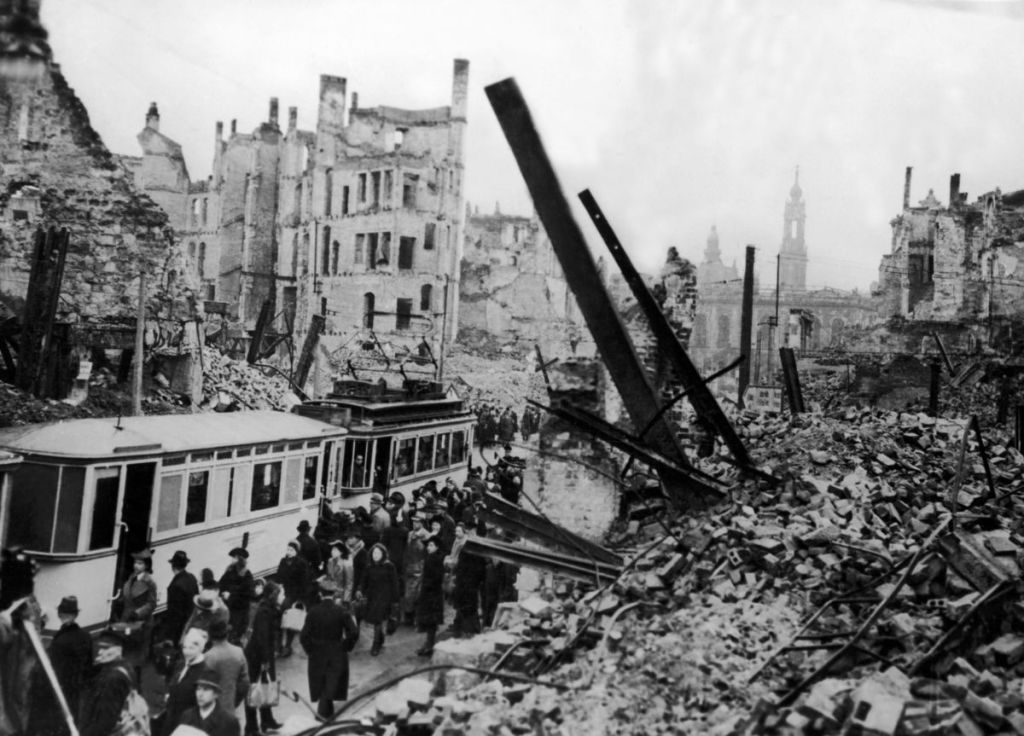
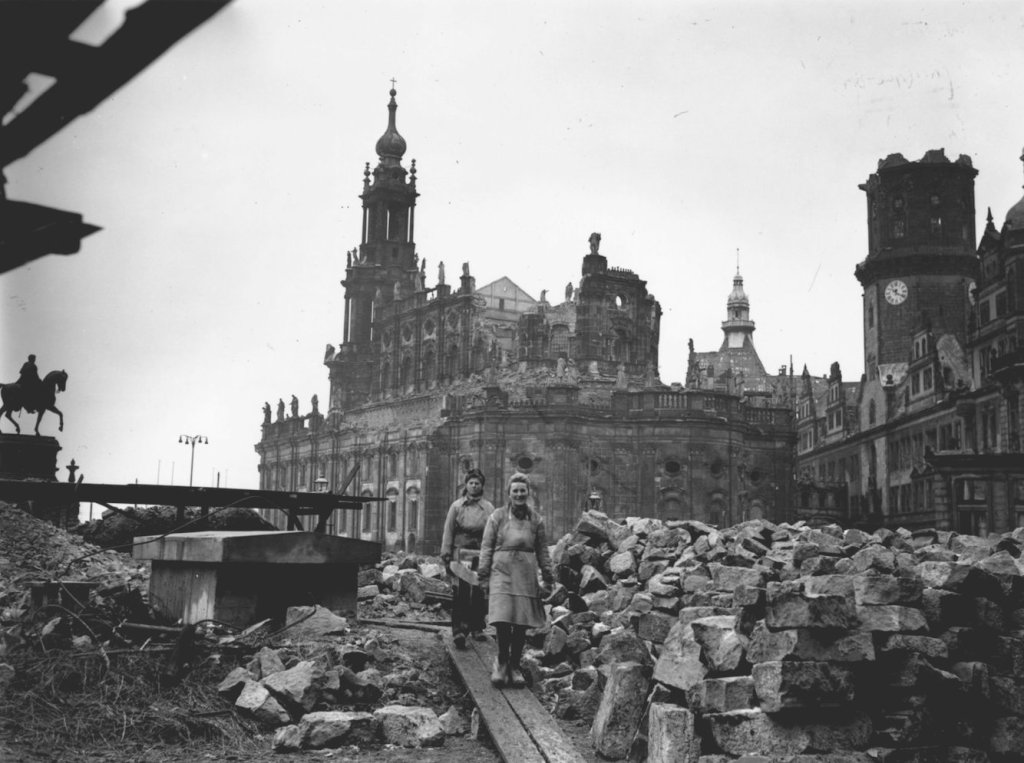
A woman walks through the unfathomable destruction.
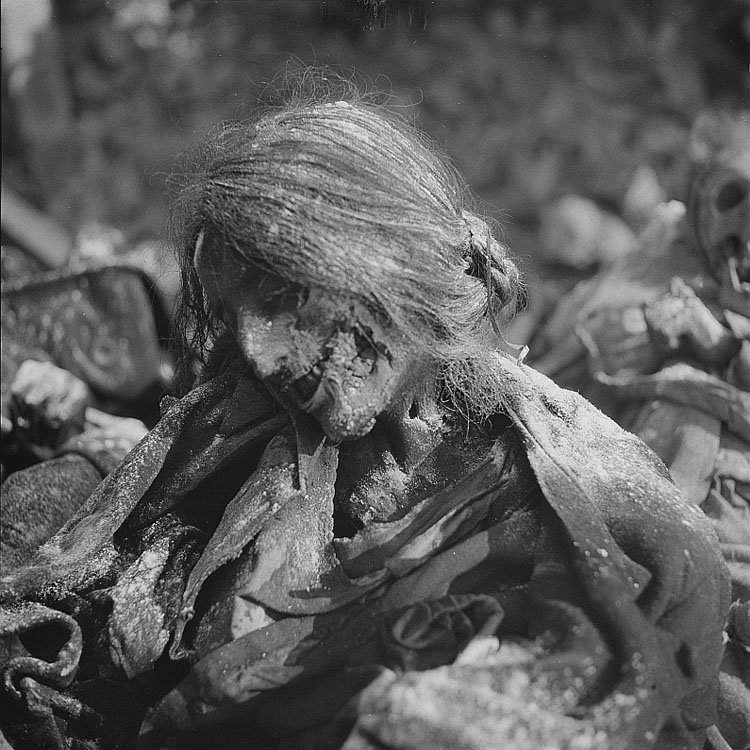
A casualty found inside a bomb shelter.
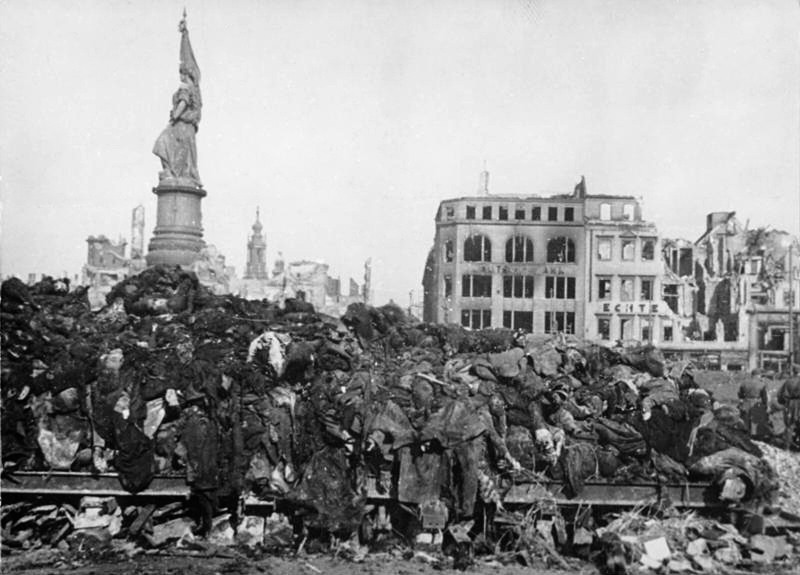
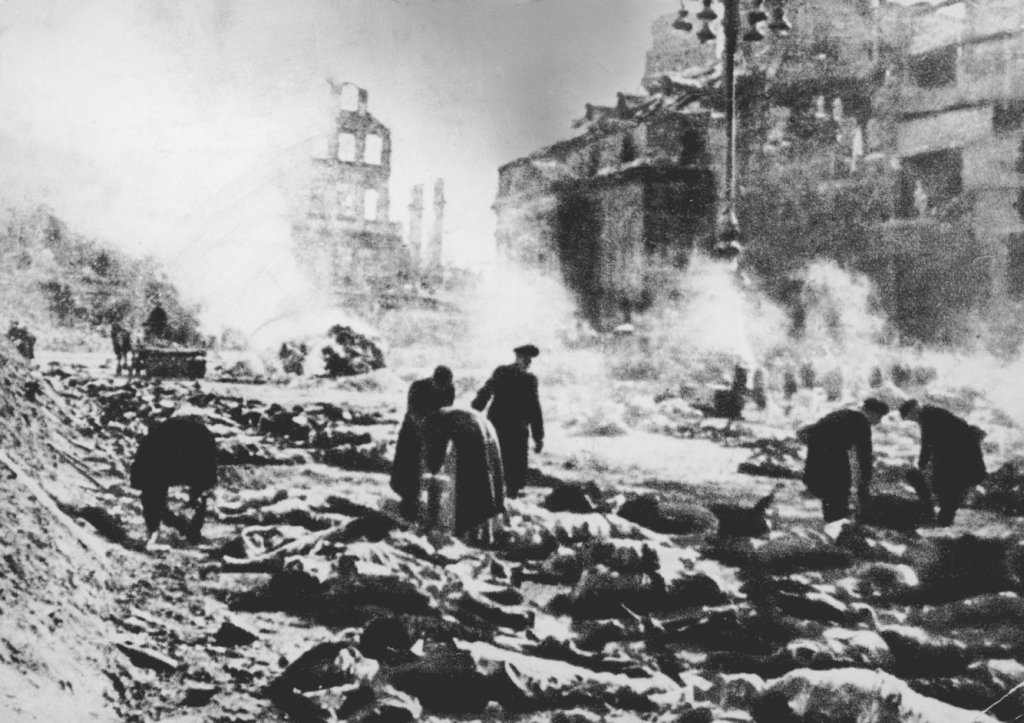
Bodies of dead civilians piled in the streets of Dresden in high stacks.
A woman’s body as found in an air-raid shelter.
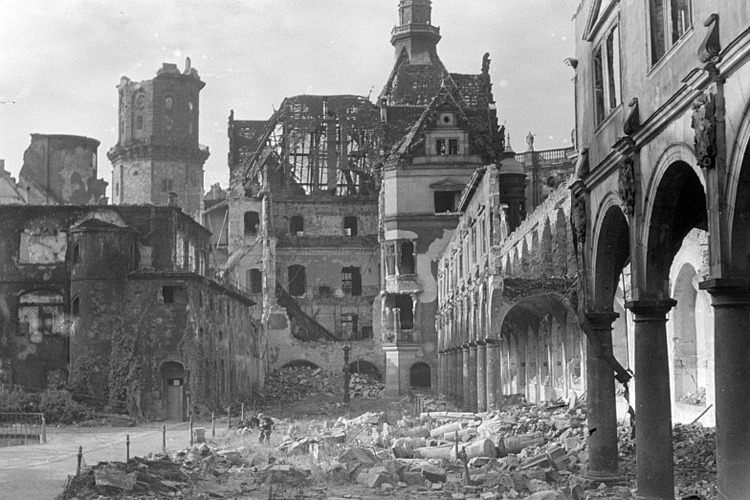
The remains of the Stallhof, a courthouse of the big Royal Palace complex.
Bodies in the street after the allied fire-bombing of Dresden, Germany, February 1945.
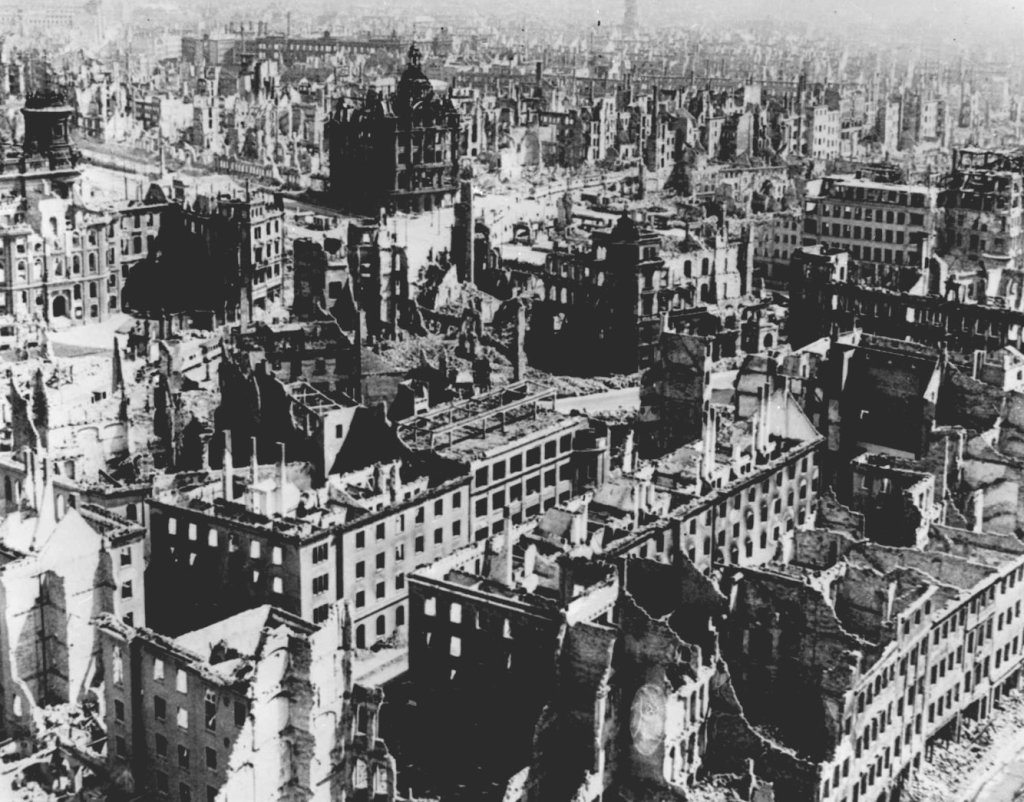
The city of Dresden, basically razed to the ground by Anglo-American bombings, in February 1945.
Dresden after Allied air raids on February 13 and 14, 1945. The city was left in ruins over an area of 15 square kilometers; 85% of its houses and unique monuments of the city’s Baroque architecture were destroyed.
The Ruins Of The Church Notre-Dame In Dresden
Taken after the city suffered devastating bombings in World War II, facades have never looked as ghostly.
The ruins of Dresden after the Allied bombing raid.
Dresden seen after Allied air raids on February 13 and 14, 1945.
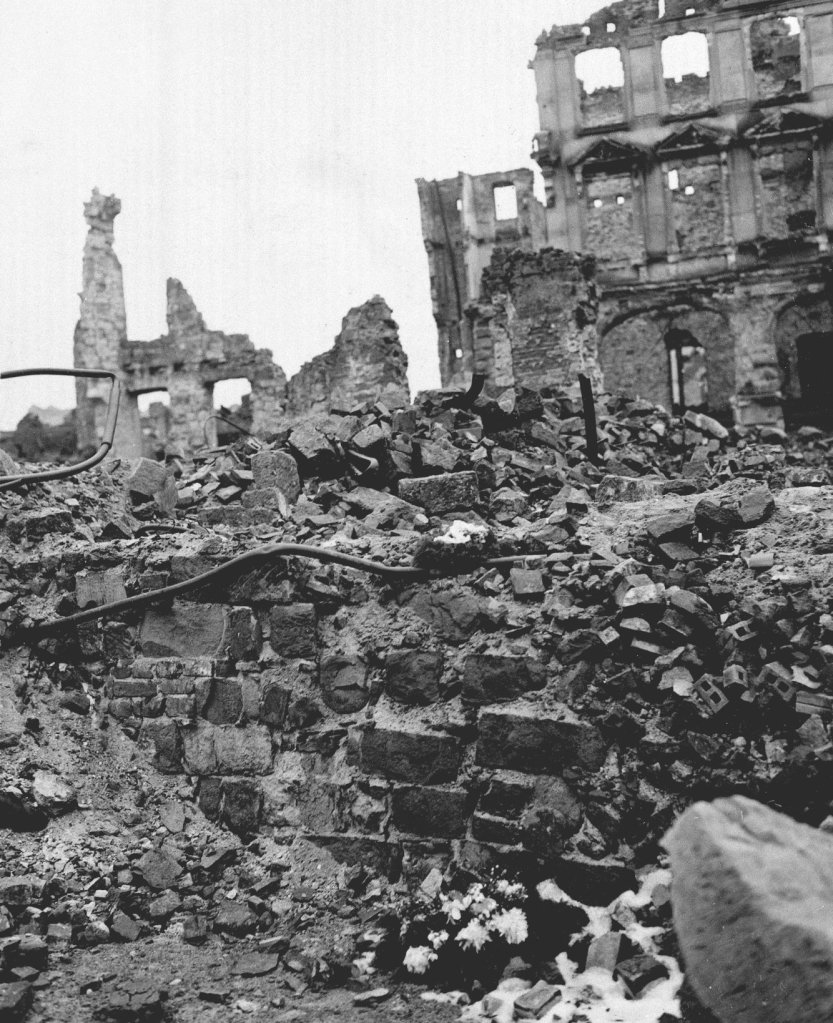
Two wreaths mark where persons were last seen and are believed to lie buried beneath the pile of rubble that was once a house in Dresden, Germany, in 1945. Two mass raids by Allied bombers struck Dresden on February 13 and 14, 1945, killing 35,000 people.
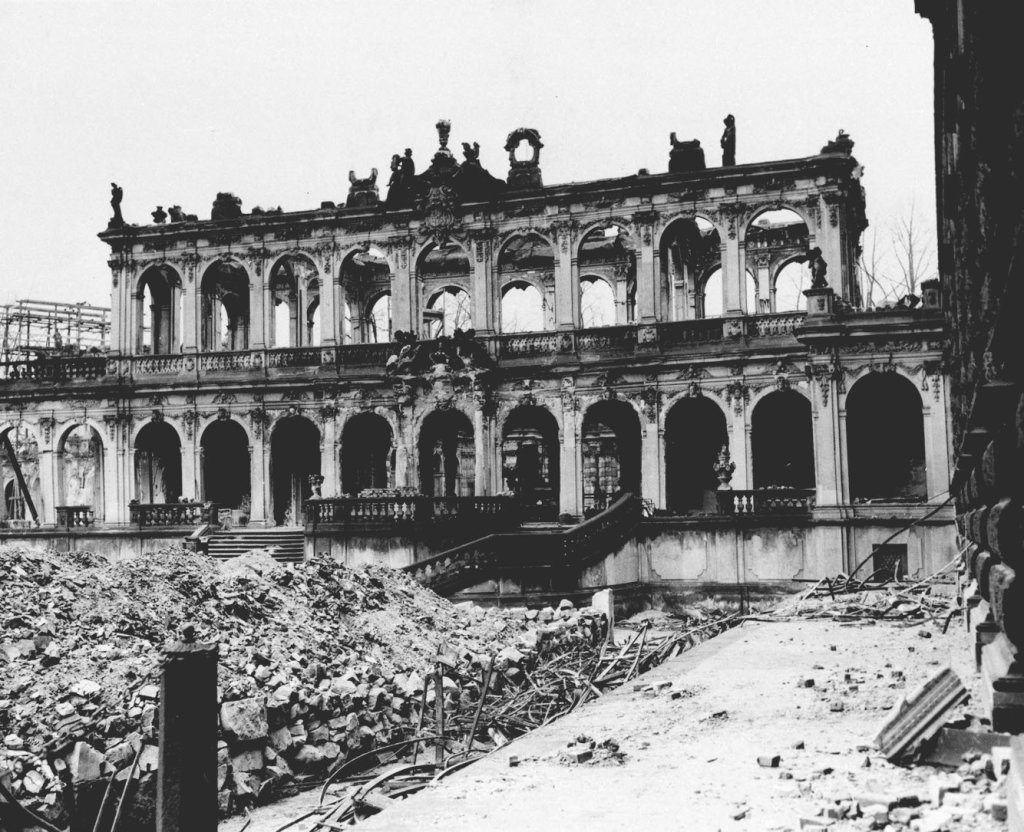
The inner courtyard at the Zwinger art galleries in central Dresden lies in ruins slightly more than a year after the Allied firebombing that caused widespread death and destruction in the German cultural center, March 12, 1946.
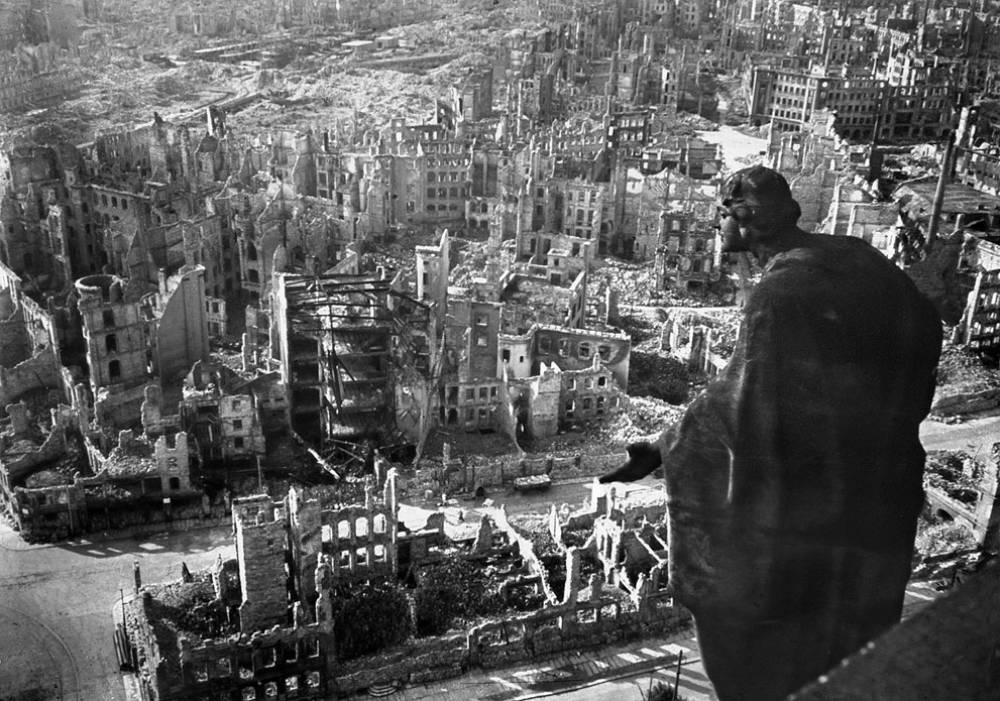
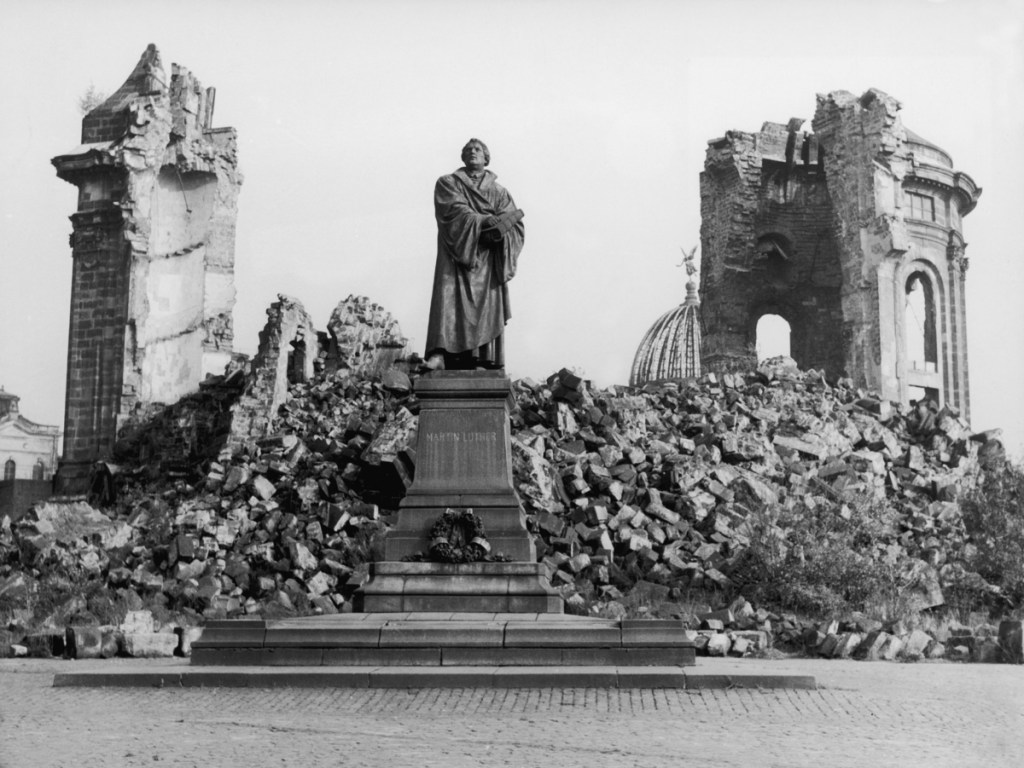
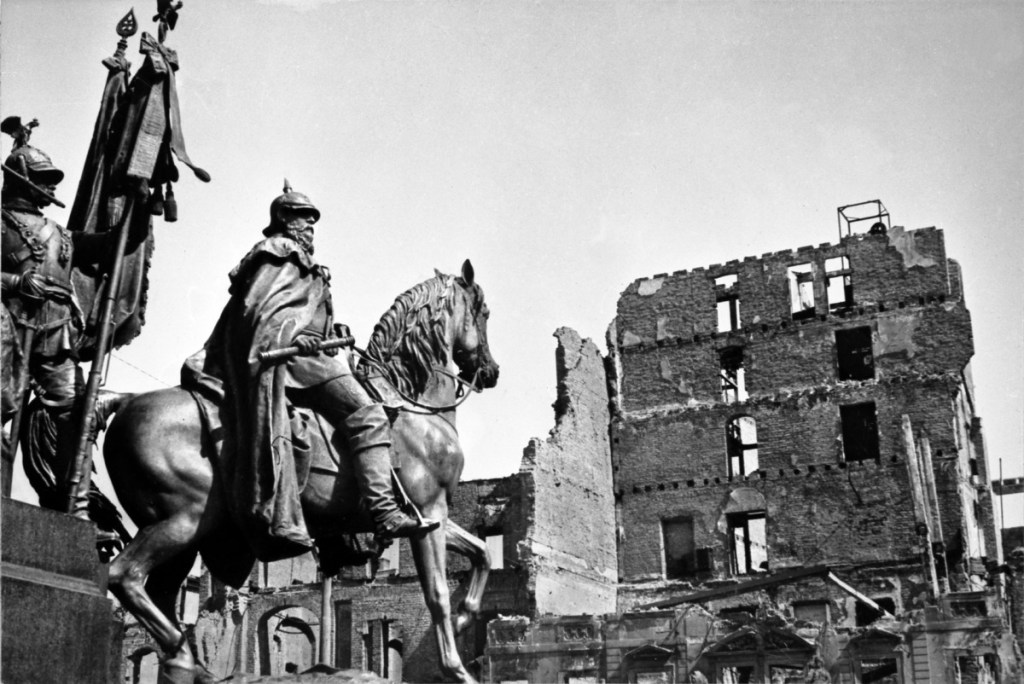
The Statue Of German Theologian And Reformer Martin Luther In The Ruins Of Dresden, In February Of 1945.
View taken in January 1952 from Dresden’s Muenzgasse street showing people working on the removal of debris in front of the ruins of the Frauenkirche (Church of Our Lady). The church was reduced to rubble during World War II allied bombings
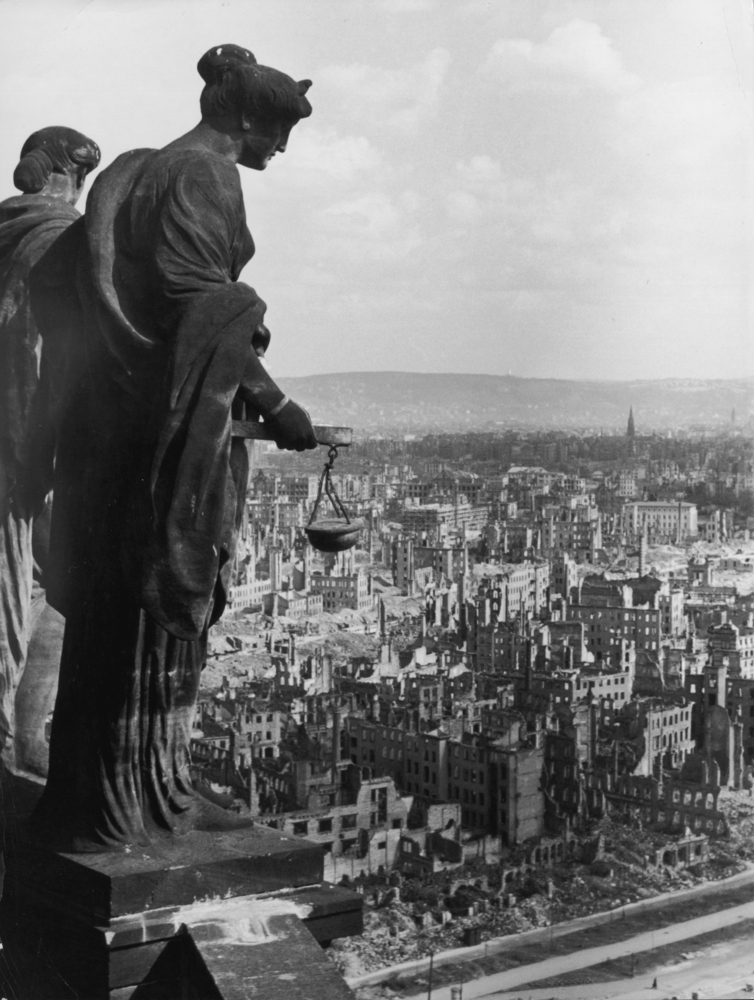
February 1945: High-angle view of the bombed remains of Dresden after Allied bombings, seen from the top of a tall building, possibly a courthouse, where a statue of a woman surveys the city while holding scales
Dresden, 1945.
Dresden volunteers continue to help clear the bomb damage debris, March 1946.
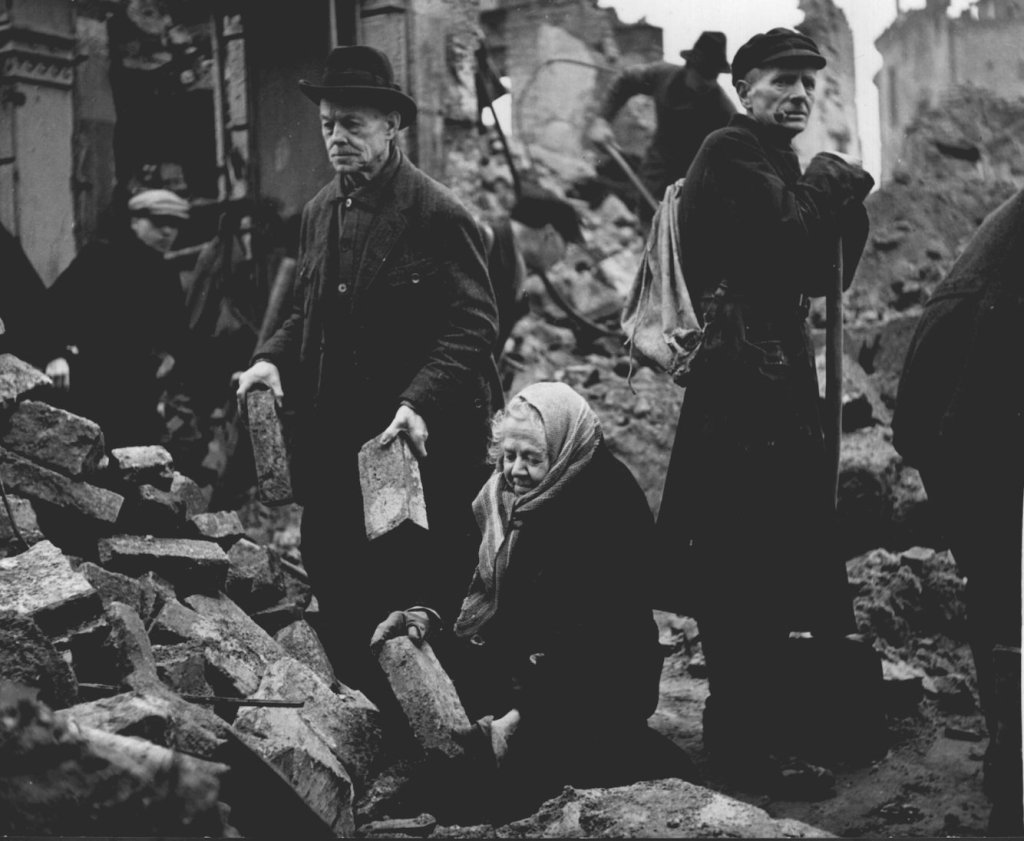
A group of volunteers working to rebuild Dresden. Two elderly Germans, Gustav and Alma Piltz, are assisting in the clearing of rubble.
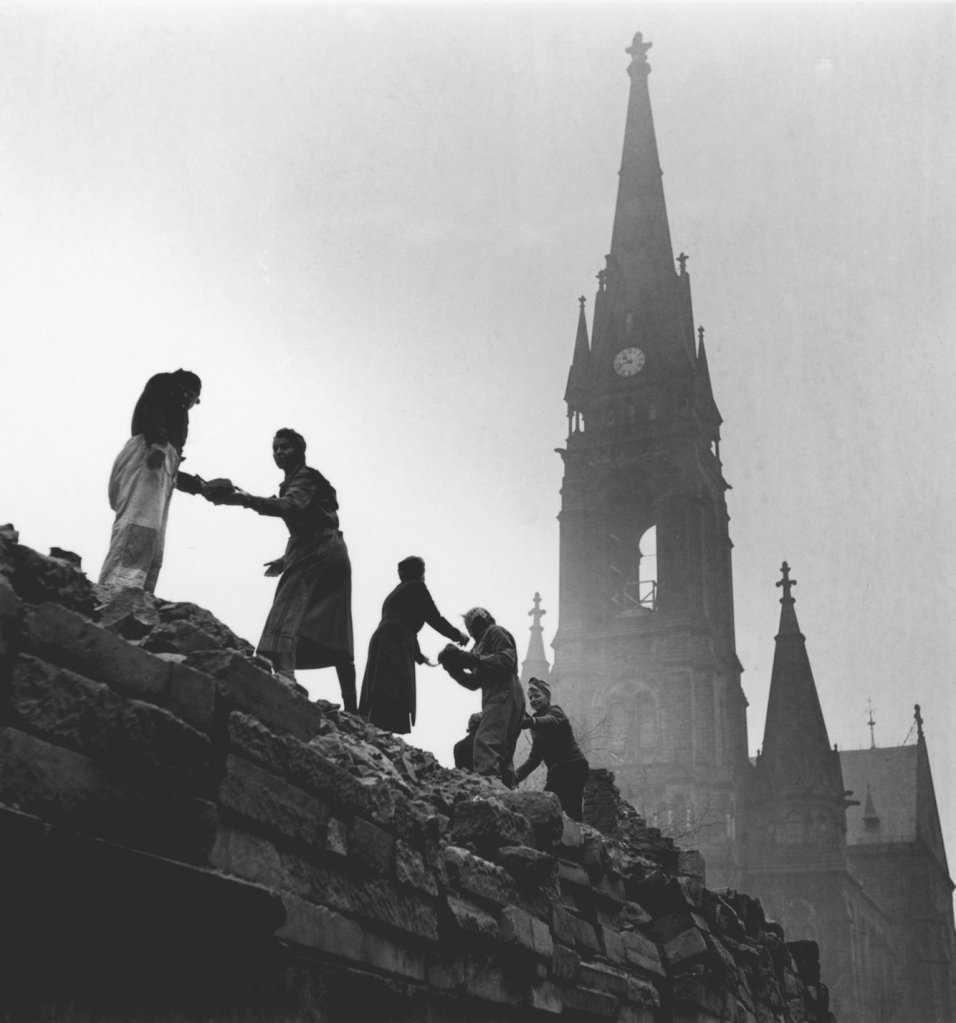
Women form a human chain to carry bricks used in the reconstruction of Dresden in March 1946 after allied bombing destroyed the city in February 1945. The steeple of the wrecked Roman Catholic cathedral can be seen in the background.
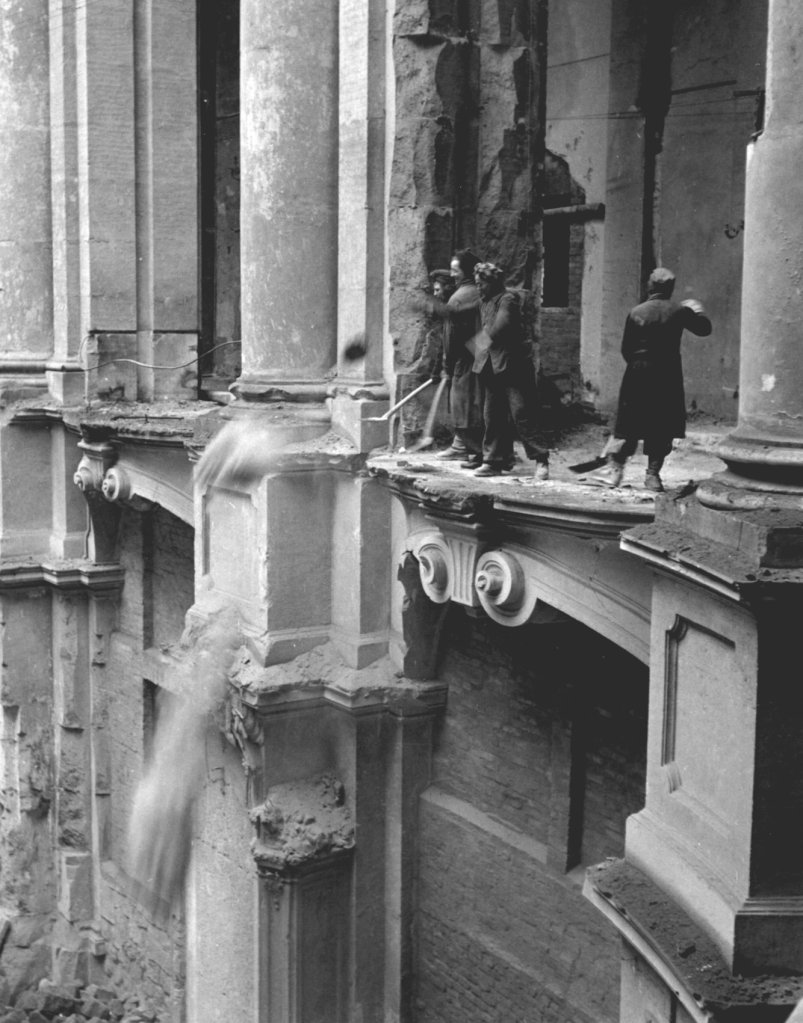
Women workers remove debris from the shell of the Hof Kirche, the Catholic cathedral in Dresden, Germany, February 1946.
Women in Dresden clear debris from the floor of the Zwinger art gallery during post-war rebuilding of the bomb-damaged city, March 1946.
Dresden, 1945.

43 Vintage Photos Show the Building of Seattle-Area Landmarks and Infrastructure during the 20th Century

Seattle is a seaport city on the West Coast of the United States. It is the seat of King County, Washington. With a 2020 population of 737,015, it is the largest city in both the state of Washington and the Pacific Northwest region of North America. The Seattle metropolitan area’s population is 4.02 million, making it the 15th-largest in the United States. Its growth rate of 21.1% between 2010 and 2020 makes it one of the nation’s fastest-growing large cities.

Seattle is situated on an isthmus between Puget Sound (an inlet of the Pacific Ocean) and Lake Washington. It is the northernmost major city in the United States, located about 100 miles (160 km) south of the Canadian border. A major gateway for trade with East Asia, Seattle is the fourth-largest port in North America in terms of container handling as of 2015.

The Seattle area was inhabited by Native Americans for at least 4,000 years before the first permanent European settlers. Arthur A. Denny and his group of travelers, subsequently known as the Denny Party, arrived from Illinois via Portland, Oregon, on the schooner Exact at Alki Point on November 13, 1851. The settlement was moved to the eastern shore of Elliott Bay and named “Seattle” in 1852, in honor of Chief Si’ahl of the local Duwamish and Suquamish tribes. Today, Seattle has high populations of Native, Scandinavian, Asian American and African American people, as well as a thriving LGBT community that ranks sixth in the United States by population.

Logging was Seattle’s first major industry, but by the late 19th century, the city had become a commercial and shipbuilding center as a gateway to Alaska during the Klondike Gold Rush. Growth after World War II was partially due to the local Boeing company, which established Seattle as a center for aircraft manufacturing. The Seattle area developed into a technology center from the 1980s onwards with companies like Microsoft becoming established in the region; Microsoft founder Bill Gates is a Seattleite by birth. Internet retailer Amazon was founded in Seattle in 1994, and major airline Alaska Airlines is based in SeaTac, Washington, serving Seattle’s international airport, Seattle–Tacoma International Airport. The stream of new software, biotechnology, and Internet companies led to an economic revival, which increased the city’s population by almost 50,000 between 1990 and 2000. Seattle also has a significant musical history. Between 1918 and 1951, nearly two dozen jazz nightclubs existed along Jackson Street, from the current Chinatown/International District to the Central District. The jazz scene nurtured the early careers of Ray Charles, Quincy Jones, Ernestine Anderson, and others. Seattle is also the birthplace of rock musician Jimi Hendrix, as well as the origin of the bands Nirvana, Pearl Jam, Soundgarden, Alice in Chains, Foo Fighters, and the alternative rock movement grunge. (Wikipedia)
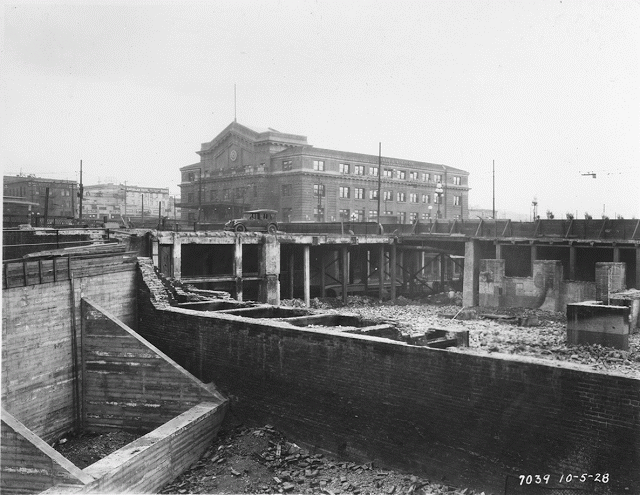
Here is a historical photo collection that shows the infrastructure of Seattle being constructed in the first half of the 20th century.

Cedar River Pipeline under construction, 1900
Yesler Building under construction, 1909
Ballard Locks under construction, 1913
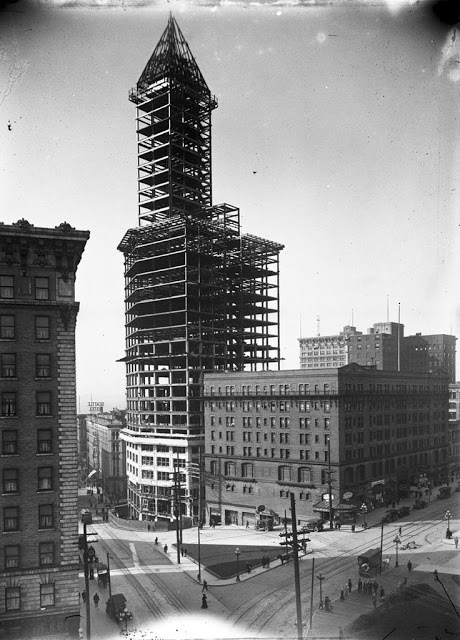
Smith Tower under construction, 1913
Lake Washington Ship Canal under construction, 1914
Second Avenue repaving, 1914
Ballard Bridge under construction, 1916
Crowd on half-built Fremont Bridge, circa 1916
Fremont Bridge under construction, 1916
Dearborn Street Bridge under construction, 1917
Husky Stadium under construction, 1920
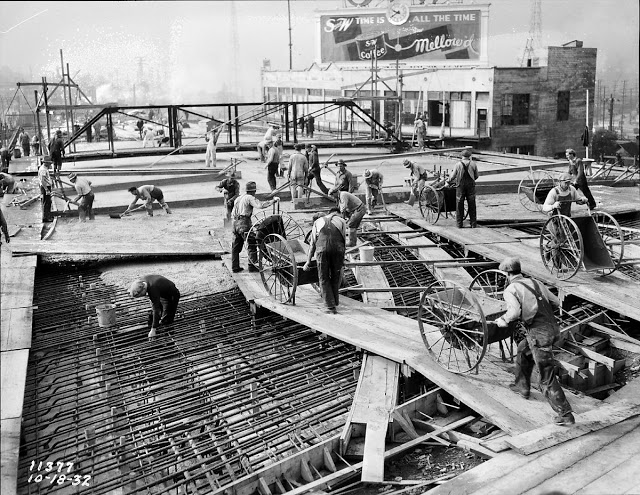
Paving the Fairview Avenue trestle, 1924
Second Avenue south extension under construction, 1928
Spokane Street Bridge under construction, 1929
Garfield Street Bridge under construction, 1930
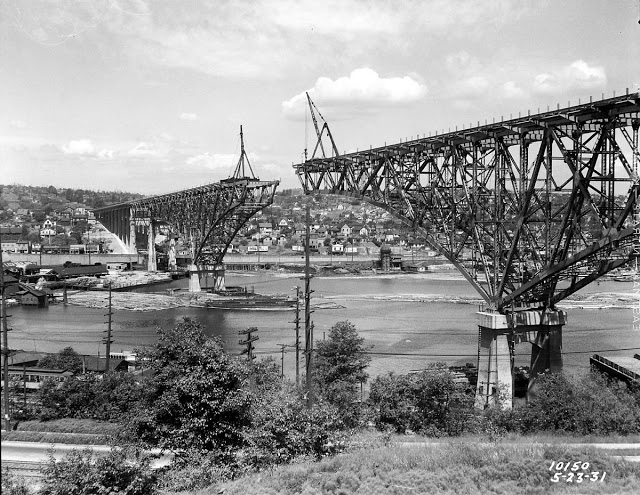
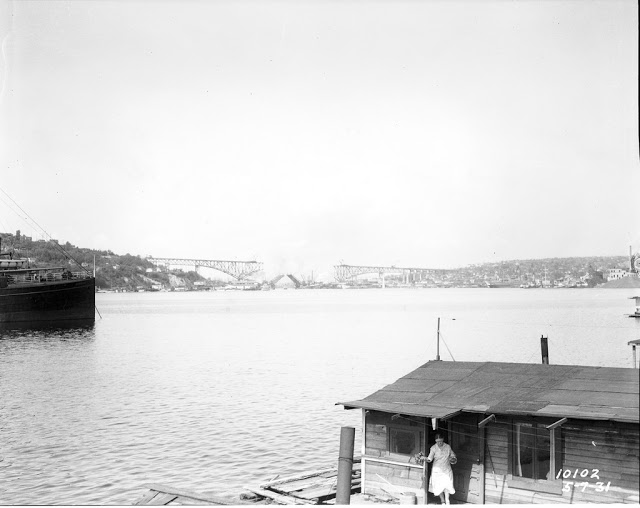
Aurora Bridge under construction, 1931
Albro Place Viaduct under construction, 1931
University Bridge under construction, 1932
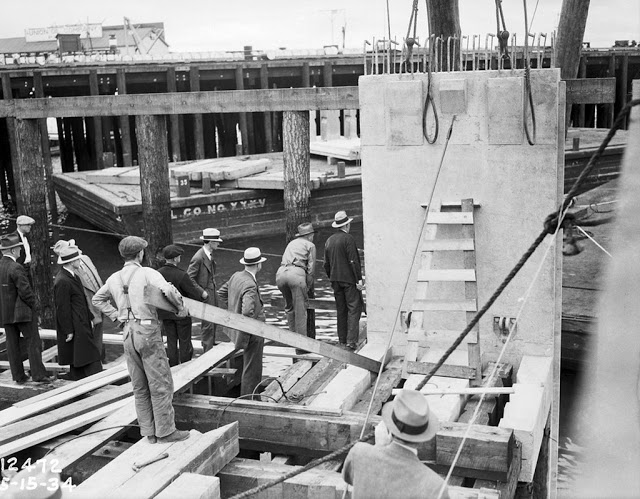
First slab of seawall being placed, 1934
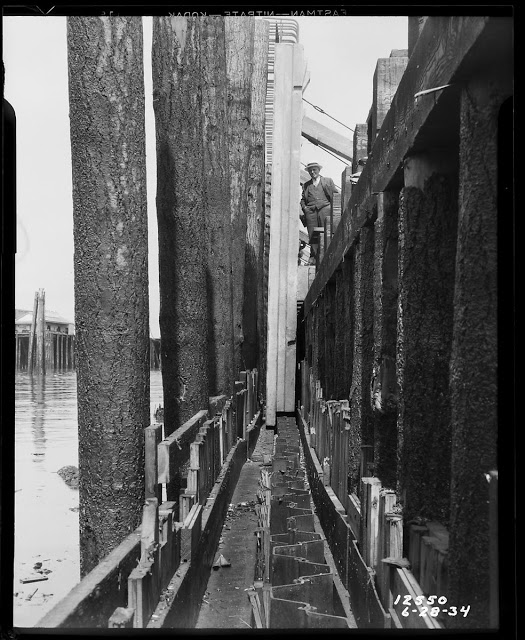
Central Waterfront seawall construction, 1934
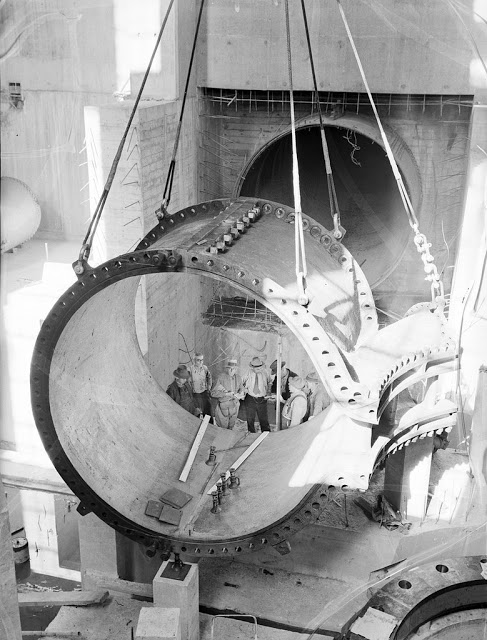
Diablo Powerhouse under construction, 1935
45th Street Viaduct under construction, 1939
Ballard Bridge south approach under construction, 1939
Highway 10 under construction, 1939
Mount Baker Tunnel under construction, 1939
Construction of bulkhead on Yesler, 1946
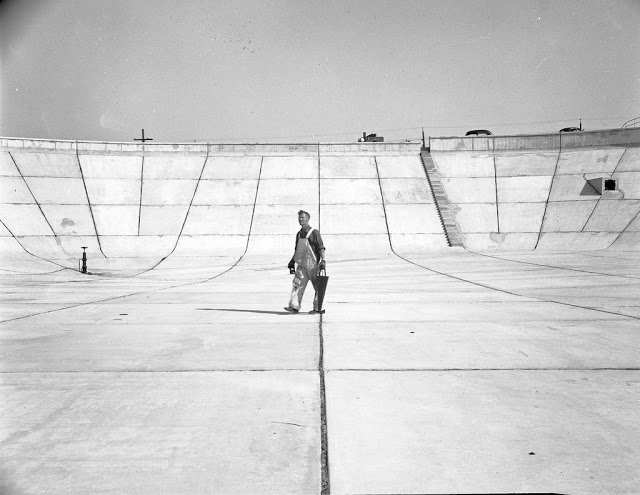
Myrtle Street Reservoir under construction, 1947
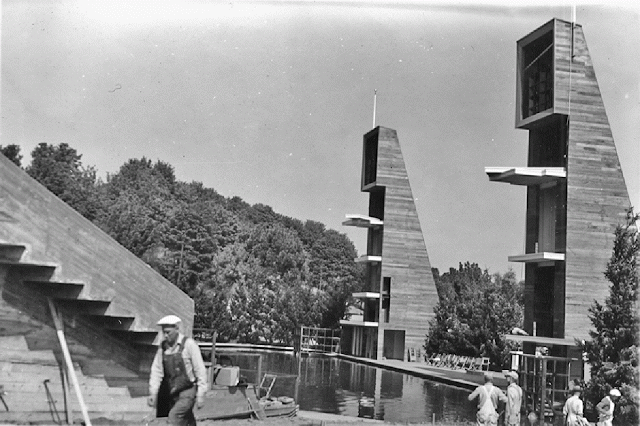
Aqua Theatre under construction, 1950
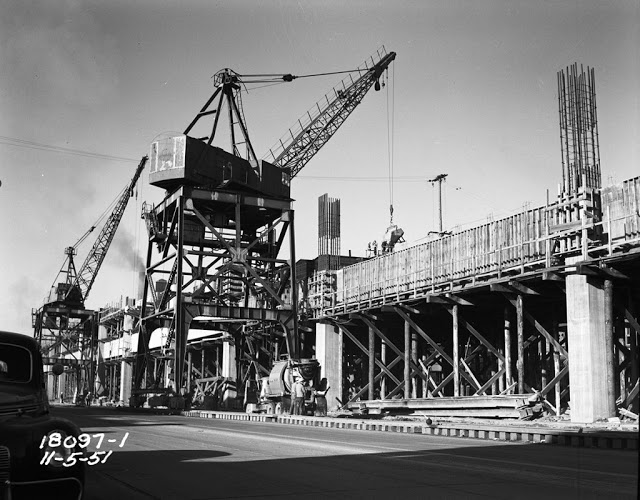
Alaskan Way Viaduct under construction, 1951
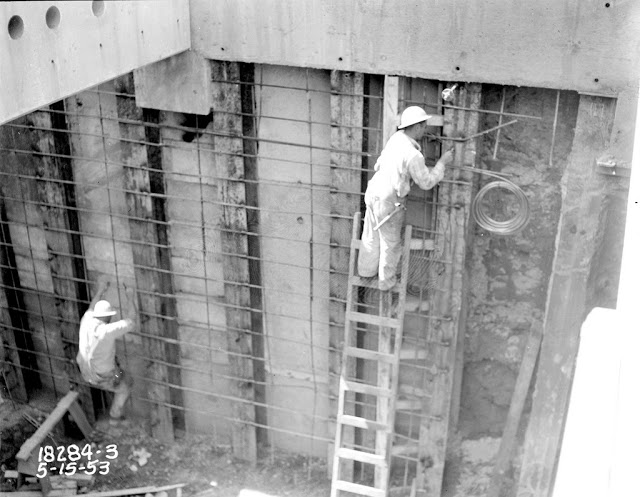
Battery Street tunnel under construction, 1953
Aurora Avenue under construction, 1954
First Avenue South Bridge under construction, 1955
Monorail under construction, 1961
Municipal building under construction, 1961
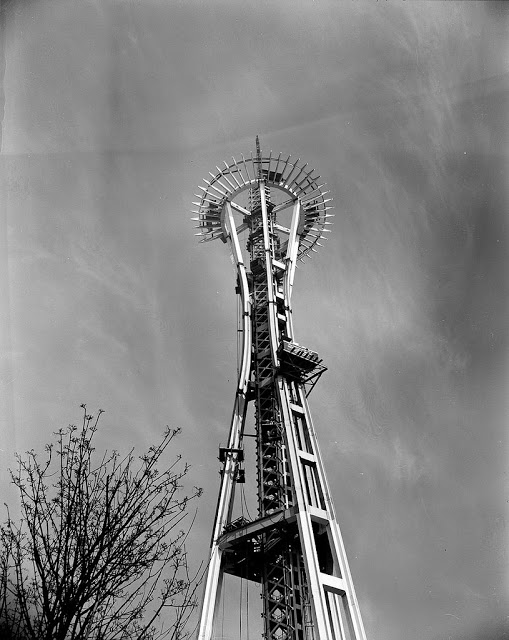
Space Needle under construction, 1961
Lake Forest Park Reservoir under construction, 1962
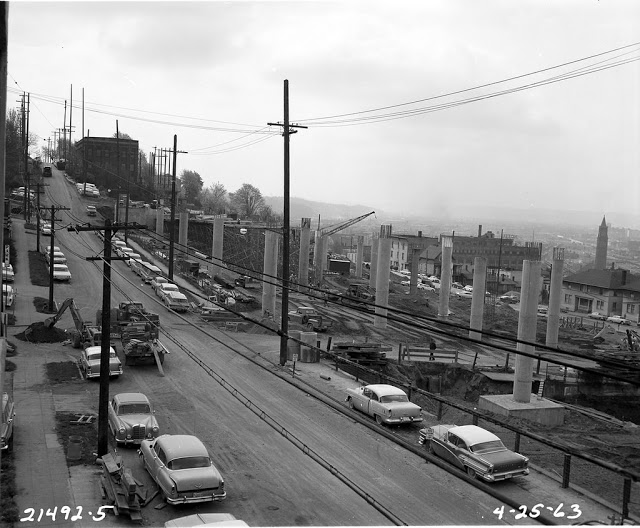
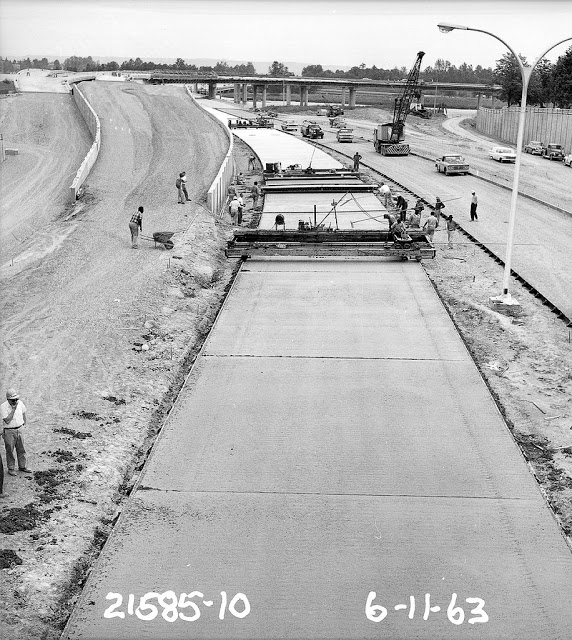
Interstate 5 under construction, 1963
James Street freeway overpass under construction, 1963
Montlake Interchange under construction, 1963
SR 520 under construction, 1963

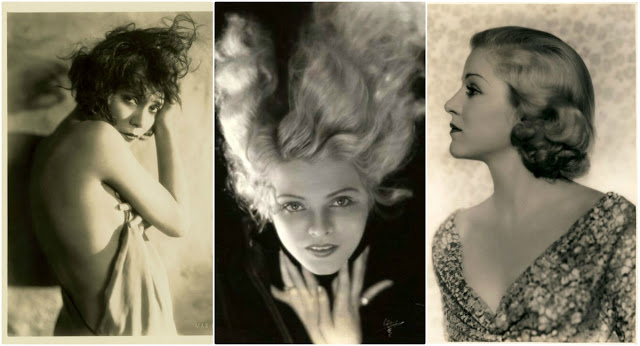
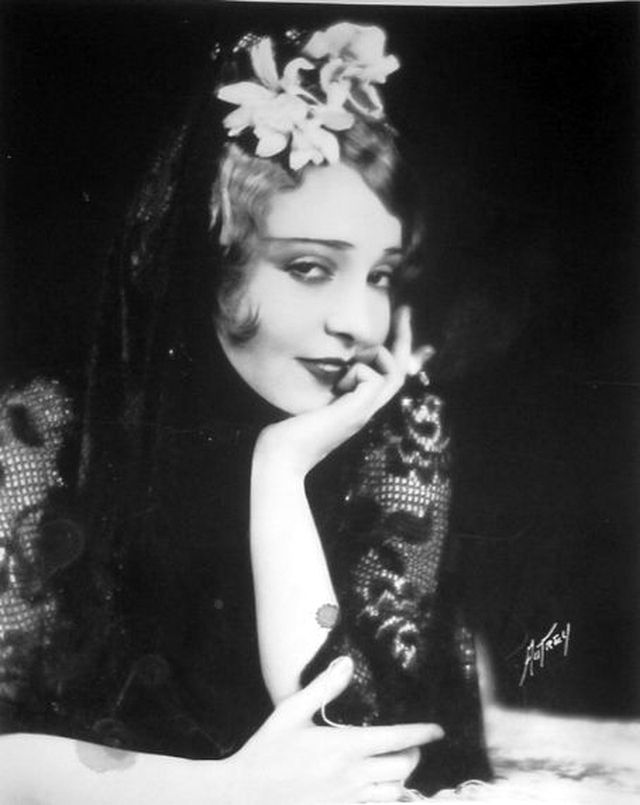
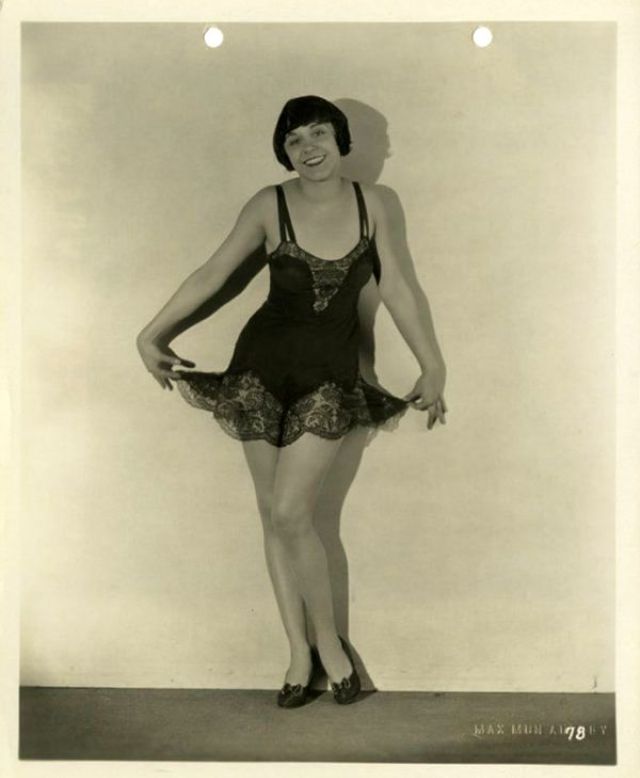
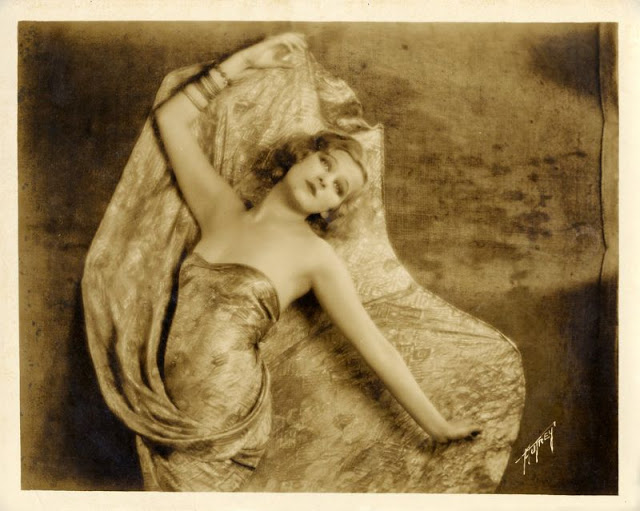
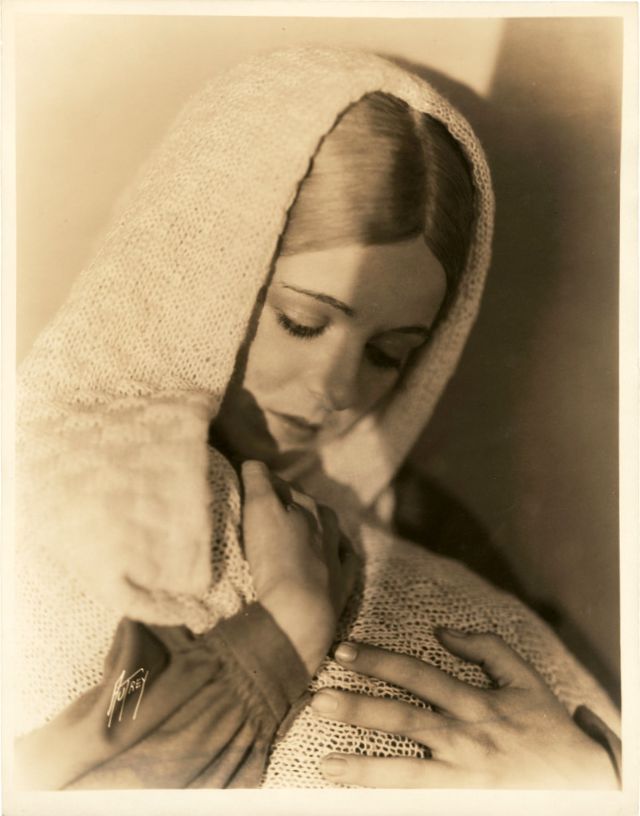
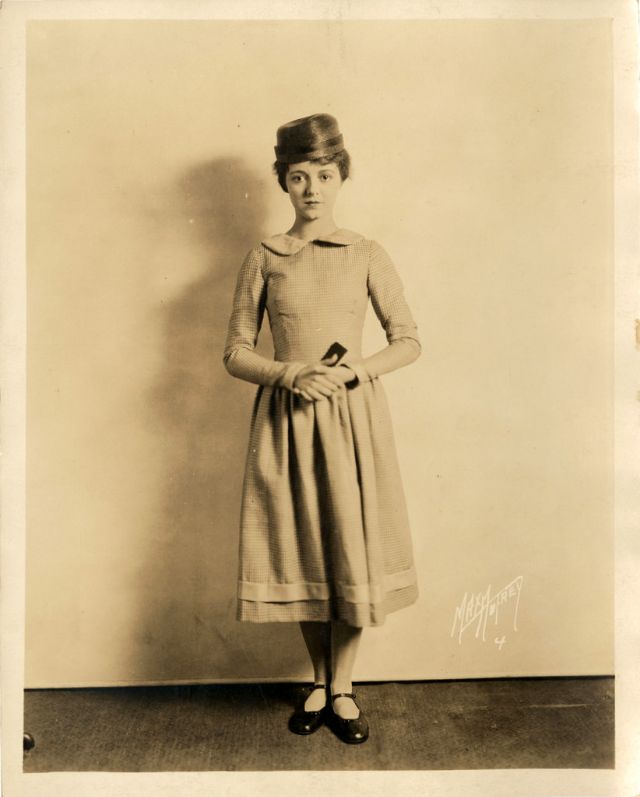
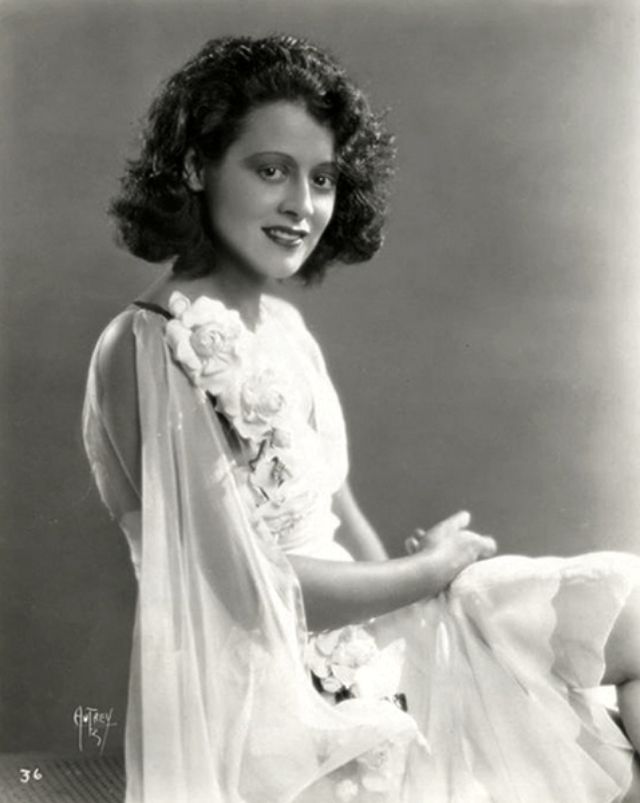
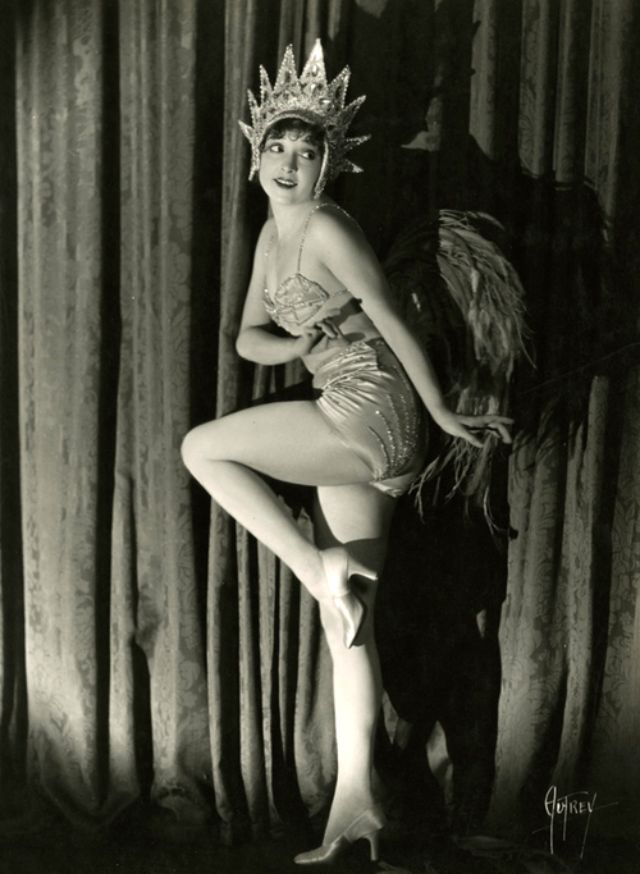
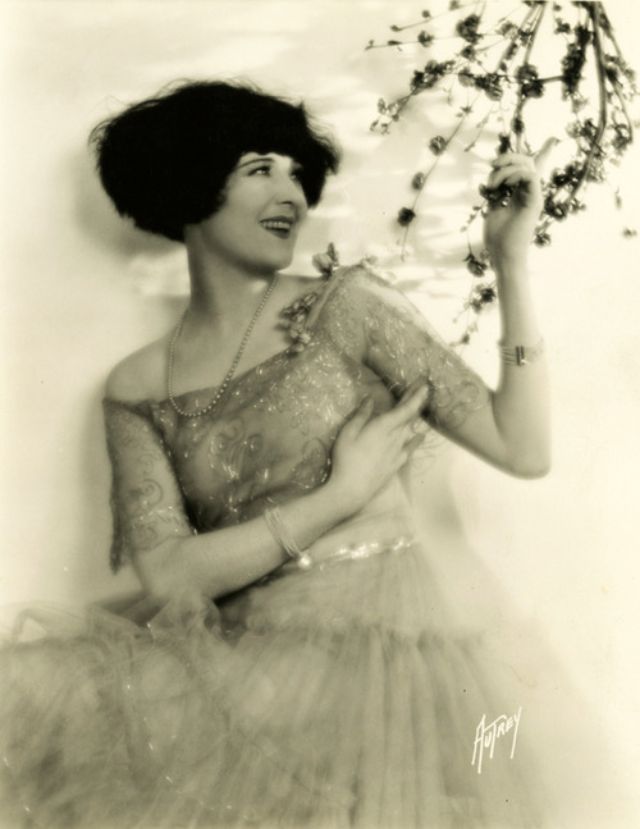
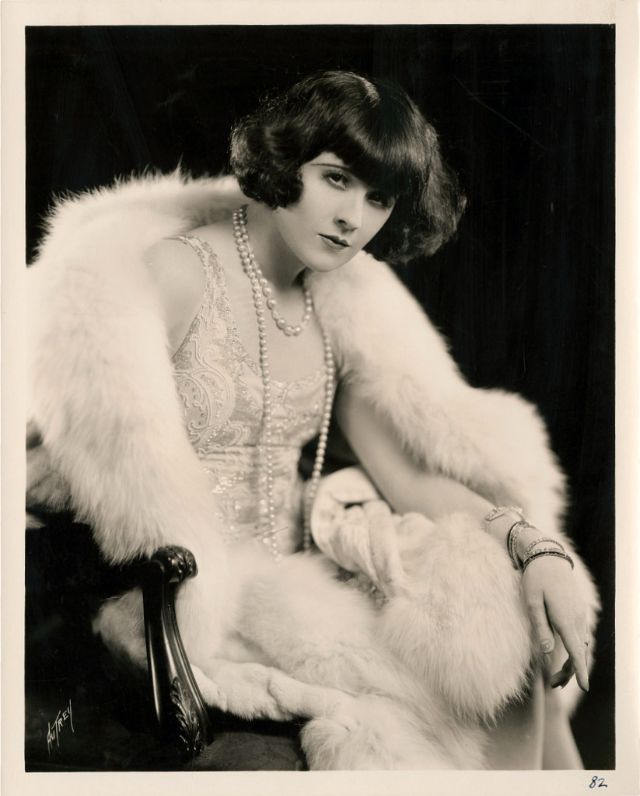
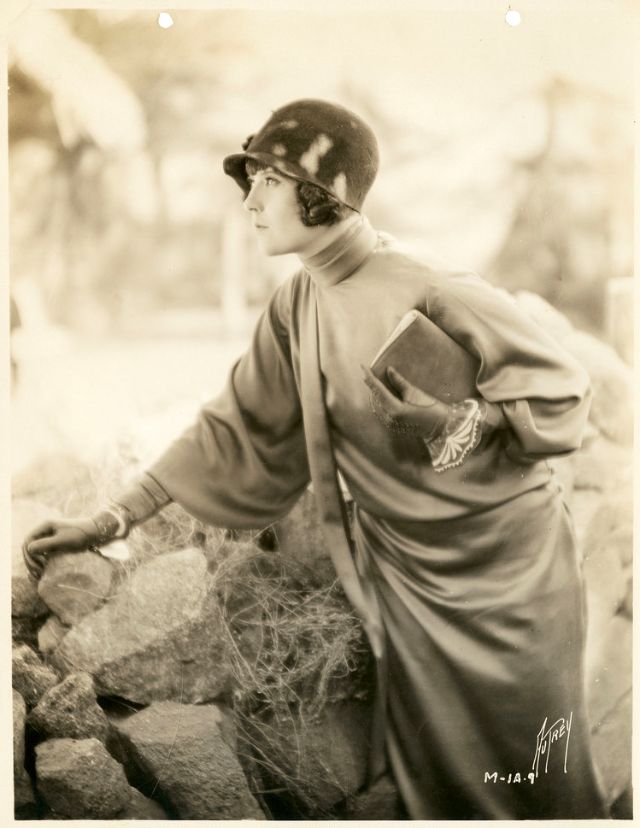
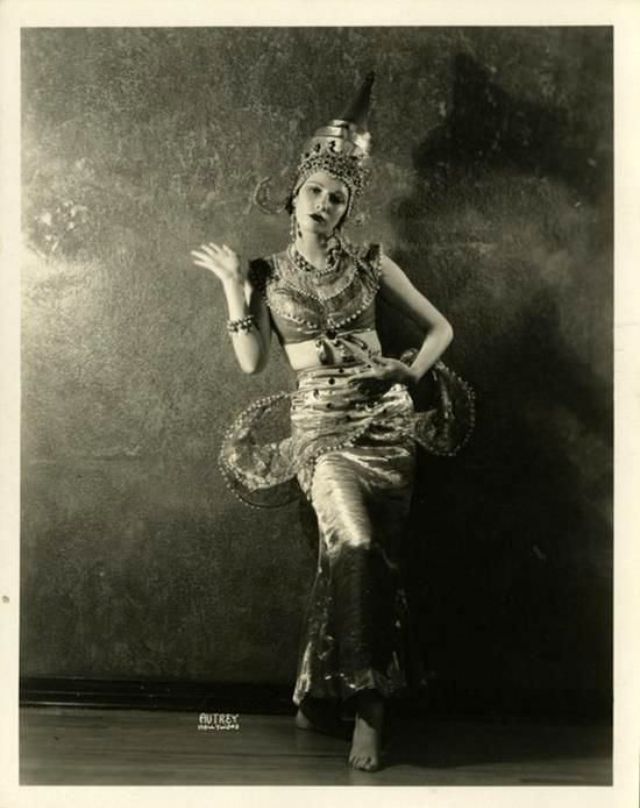
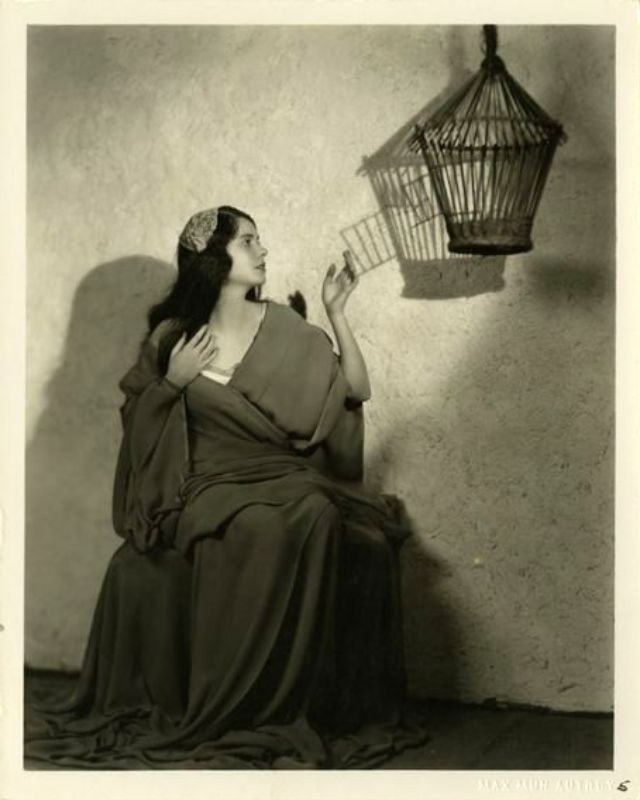
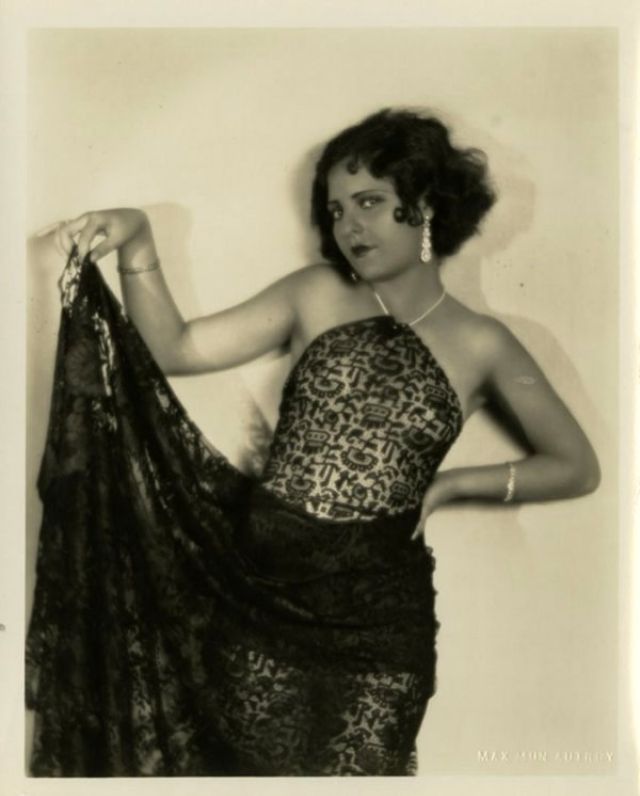
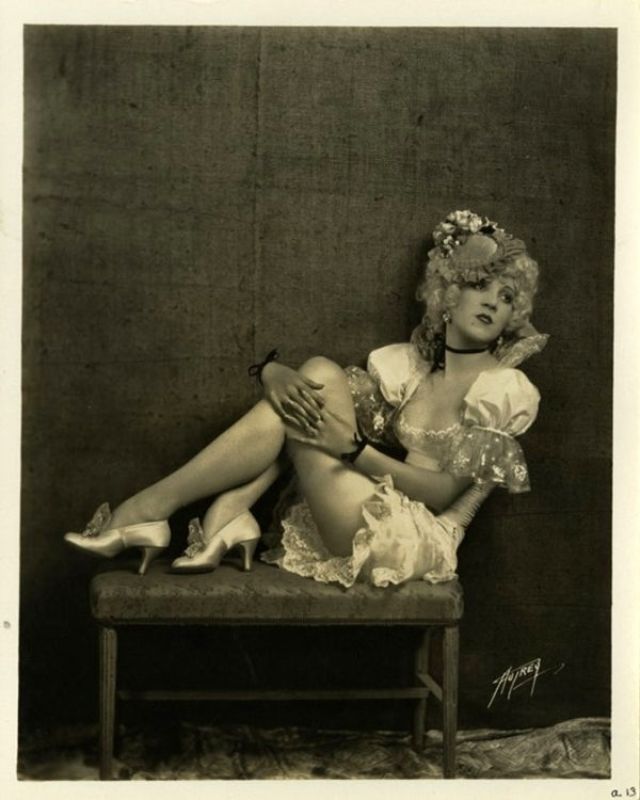
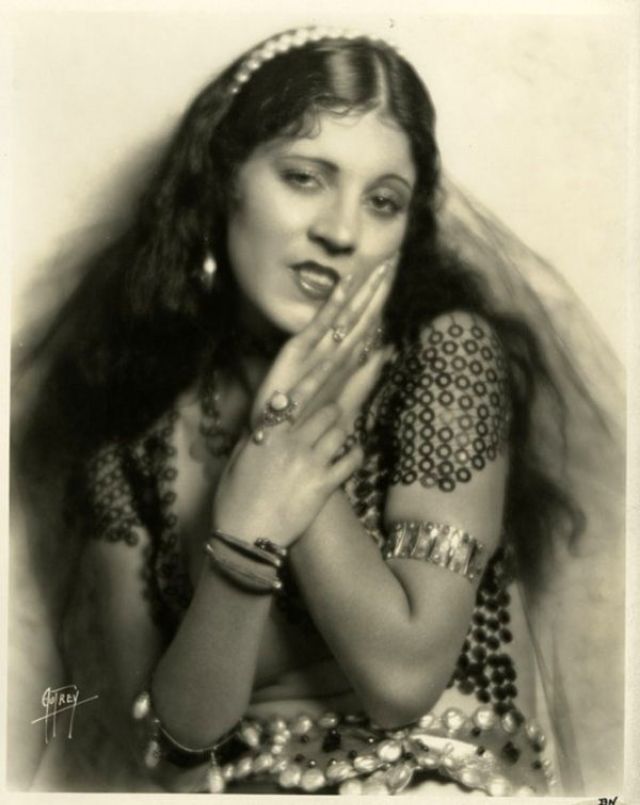
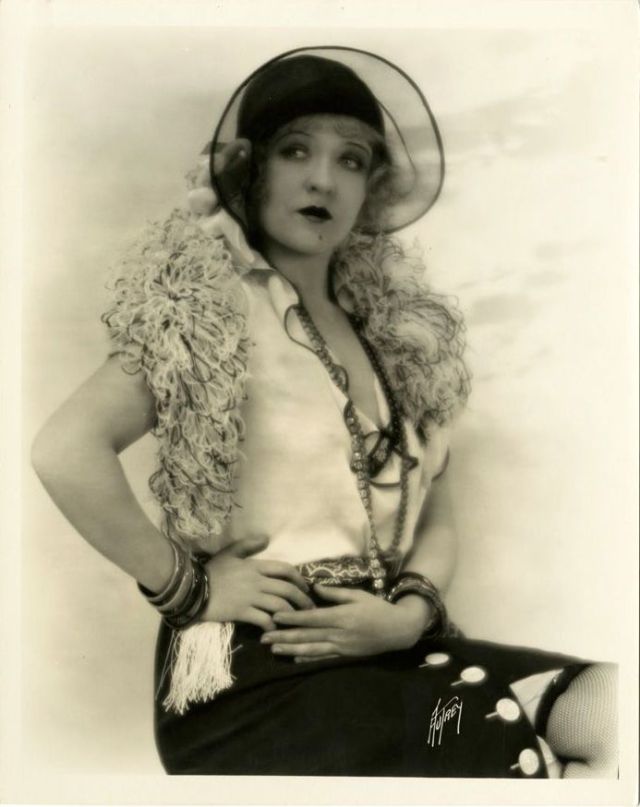
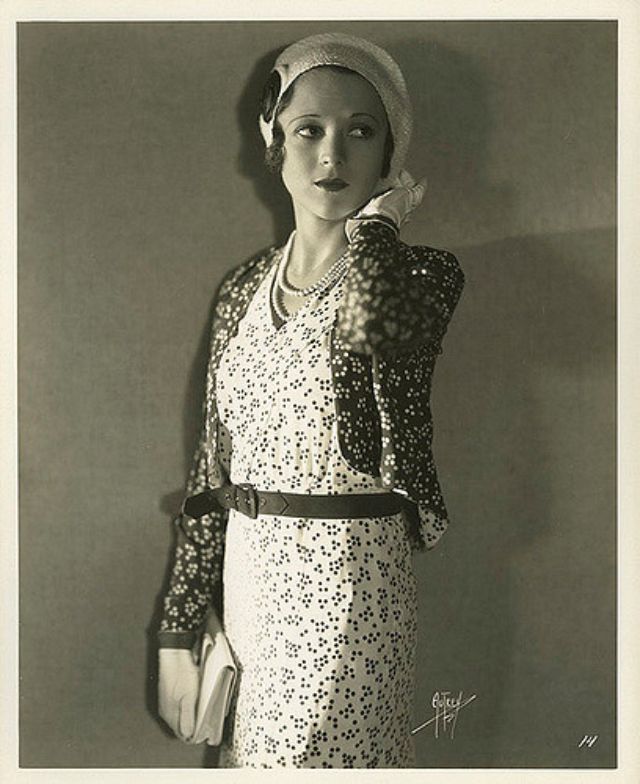
47 Vintage Photos of Silent Movie Stars of the 1920s

A silent film is a film with no synchronized recorded sound (and in particular, no audible dialogue). Though silent films convey narrative and emotion visually, various plot elements (such as a setting or era) or key lines of dialogue may, when necessary, be conveyed by the use of title cards.

The term “silent film” is something of a misnomer, as these films were almost always accompanied by live sounds. During the silent era that existed from the mid-1890s to the late 1920s, a pianist, theater organist—or even, in large cities, a small orchestra—would often play music to accompany the films. Pianists and organists would play either from sheet music, or improvisation. Sometimes a person would even narrate the intertitle cards for the audience. Though at the time the technology to synchronize sound with the film did not exist, music was seen as an essential part of the viewing experience. “Silent film” is typically used as a historical term to describe an era of cinema prior to the invention of synchronized sound, however it also naturally applies to sound-era films such as City Lights and The Artist which are accompanied by a music-only soundtrack in place of dialogue.

The term silent film is a retronym—a term created to retroactively distinguish something from later developments. Early sound films, starting with The Jazz Singer in 1927, were variously referred to as the “talkies”, “sound films”, or “talking pictures”. The idea of combining motion pictures with recorded sound is nearly as old as film itself, but because of the technical challenges involved, the introduction of synchronized dialogue became practical only in the late 1920s with the perfection of the Audion amplifier tube and the advent of the Vitaphone system. Within a decade, the widespread production of silent films for popular entertainment had ceased, and the industry had moved fully into the sound era, in which movies were accompanied by synchronized sound recordings of spoken dialogue, music and sound effects.

Most early motion pictures are considered lost because the nitrate film used in that era was extremely unstable and flammable. Additionally, many films were deliberately destroyed because they had negligible continuing financial value in this era. It has often been claimed that around 75 percent of silent films produced in the US have been lost, though these estimates may be inaccurate due to a lack of numerical data. (Wikipedia)
Anna Nilsson
Billy Poobah
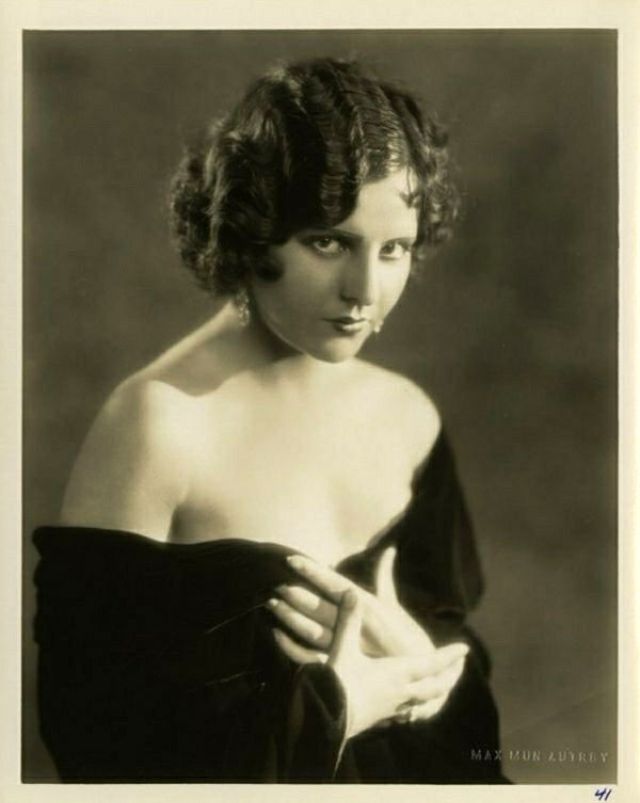
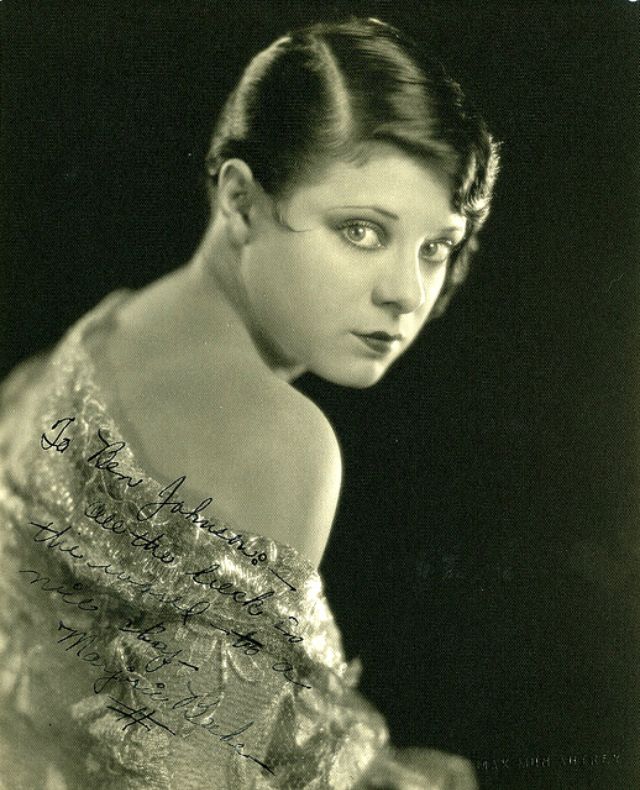
Boots Mallory
Boots Mallory
Boots Mallory
Claire Trevor
Delia Magaña
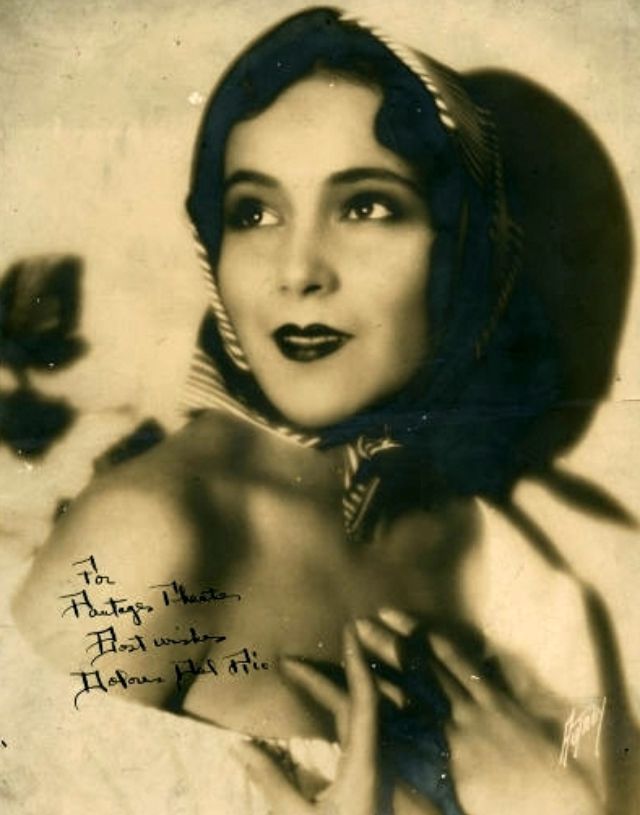
Delores Del Rio
Fifi Dorsay
Fifi Dorsay
Fifi Dorsay
Greta Nissen
Greta Nissen
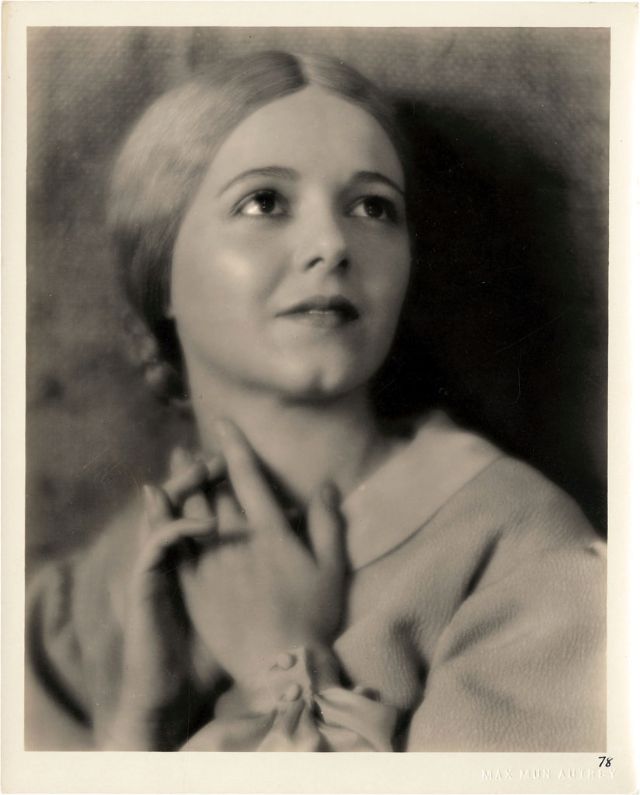
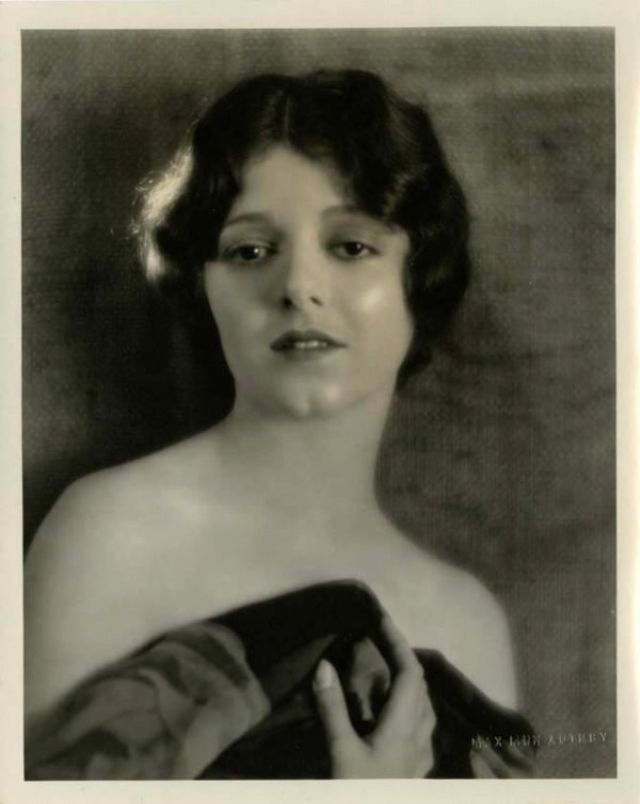
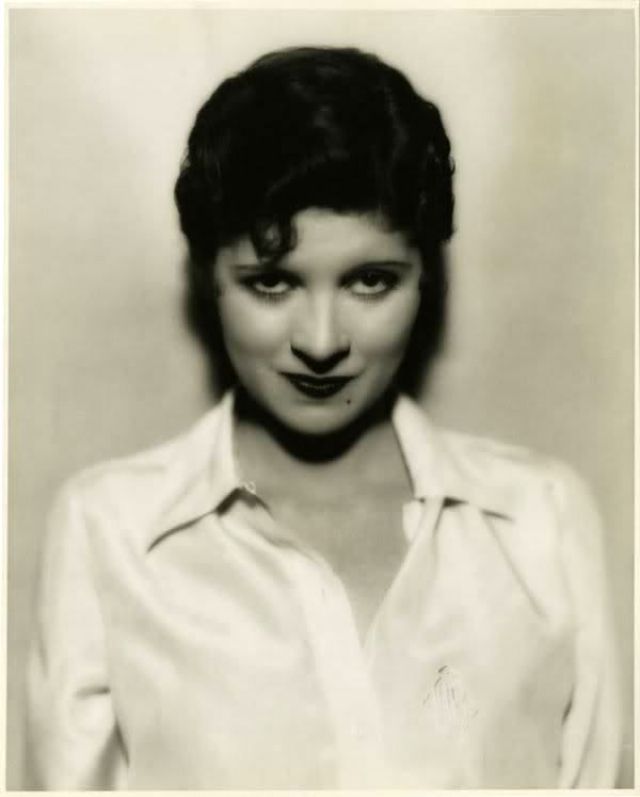
Janet Gaynor
Janet Gaynor
Janet Gaynor
Janet Gaynor
Janet Gaynor
Janet Gaynor
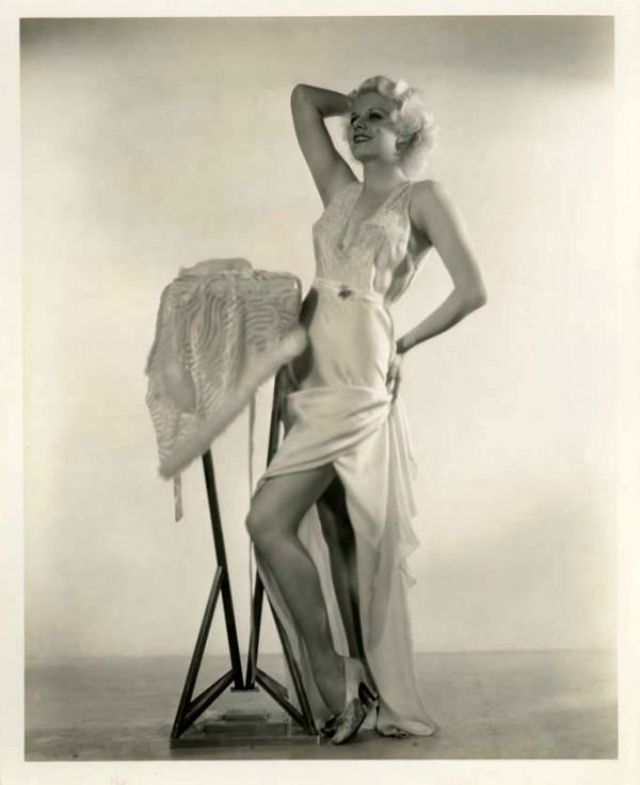
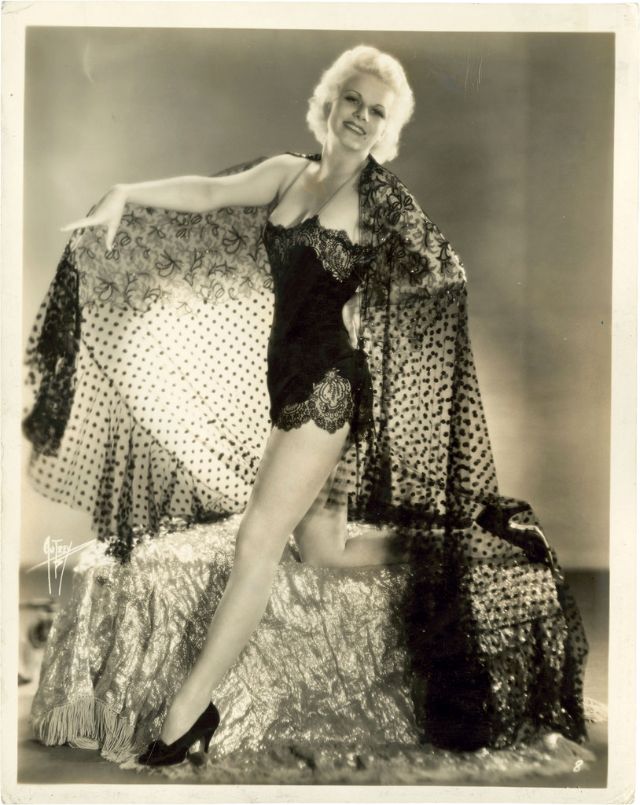
Jean Harlow
Jean Harlow
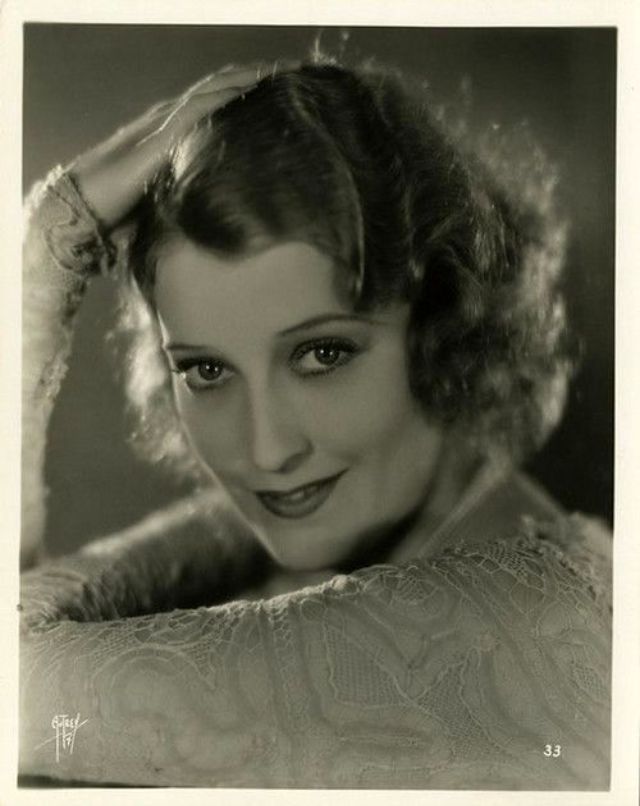
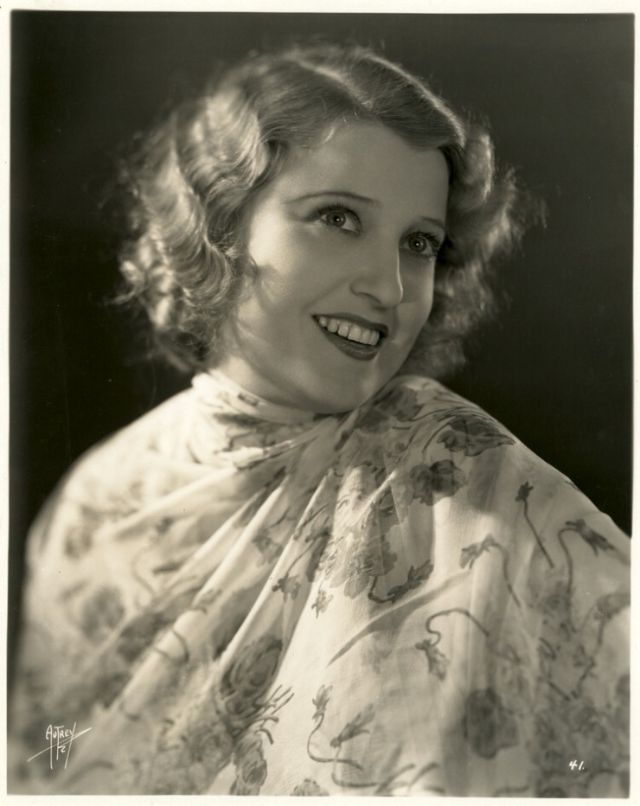
Jeanette MacDonald
Jeanette MacDonald
Katie-Louise Ford
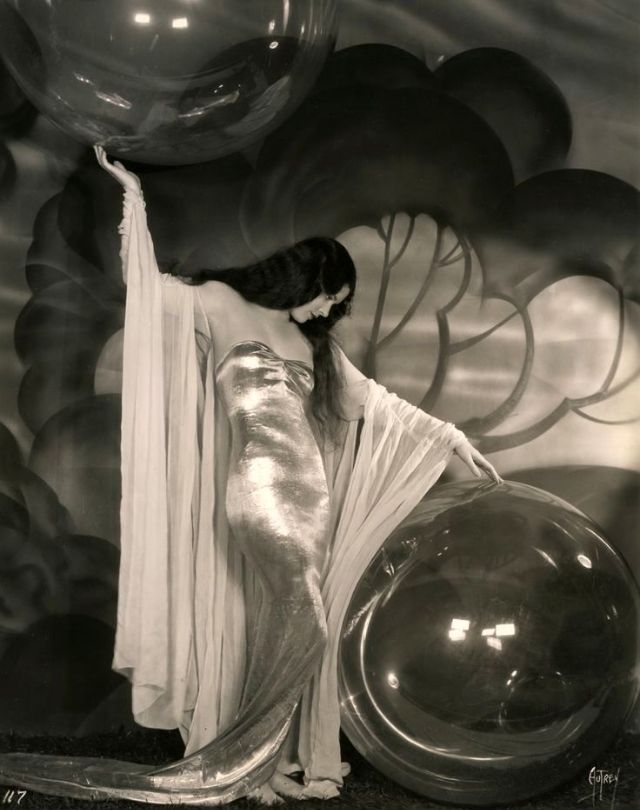
Lenore Ulric
Madge Bellamy
Madge Bellamy
Margaret Livingston
Margaret Livingston
Margaret Livingston
Marguerite Churchill
Maria Alba
Maria Alba
Marjorie Beebe
Mary Duncan
May Allison
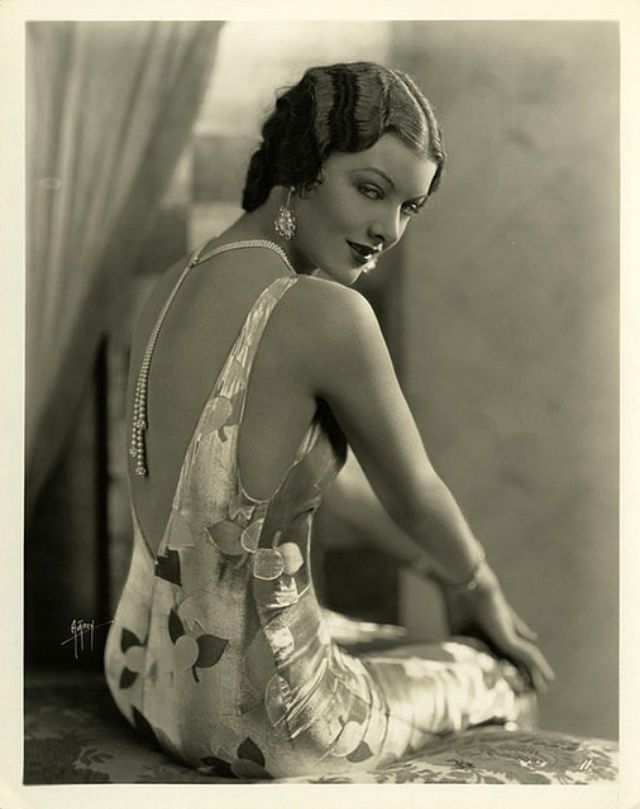
Myrna Loy
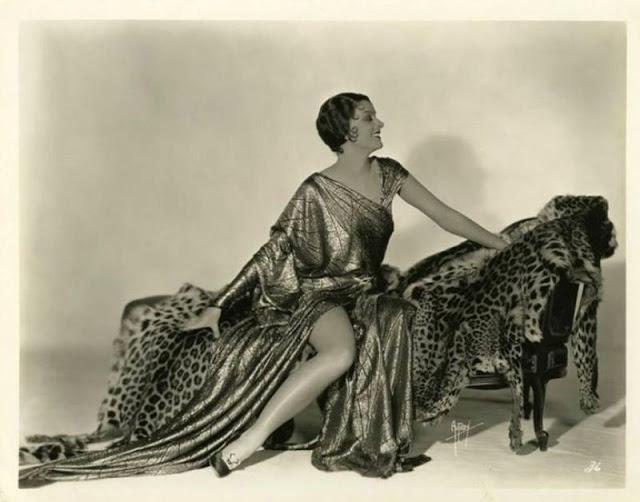
Myrna Loy
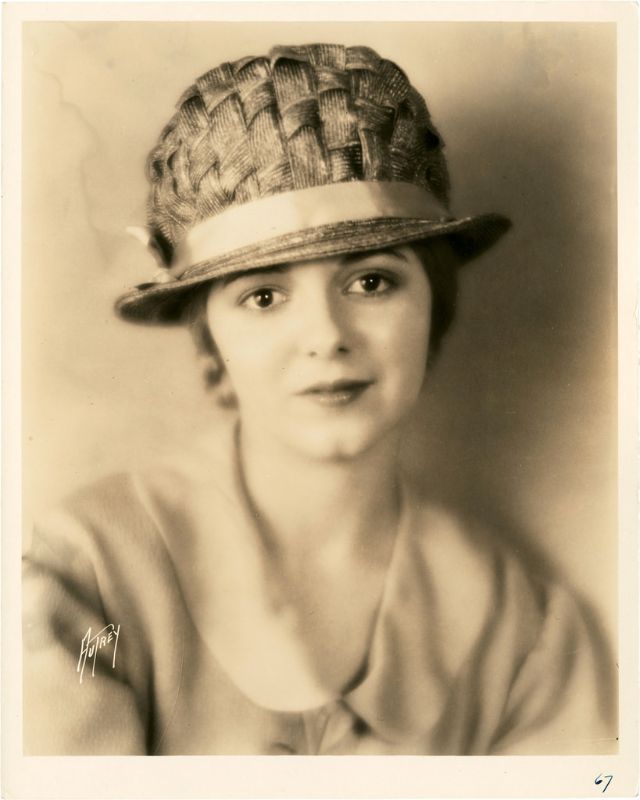
Olive Borden
Olive Borden
Olive Borden
Olive Borden
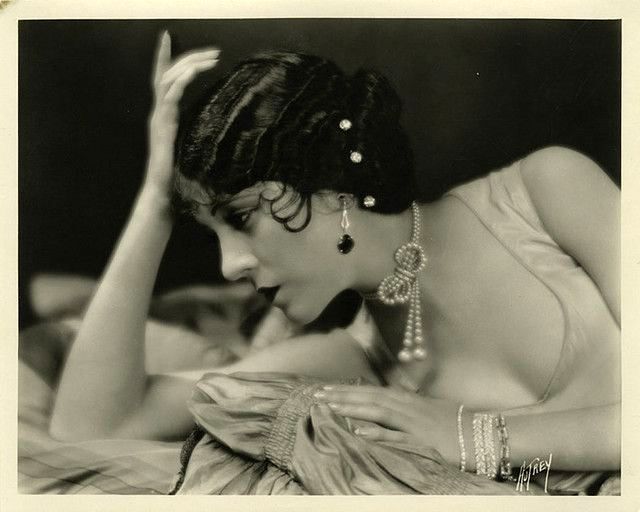
Phyllis Haver
Sally Eilers
Thelma Todd

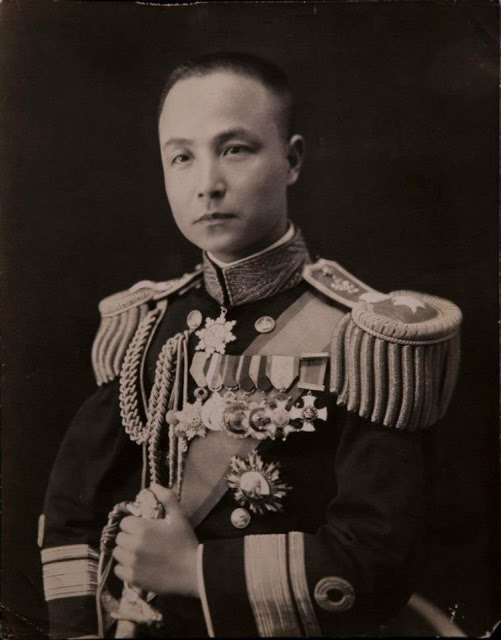
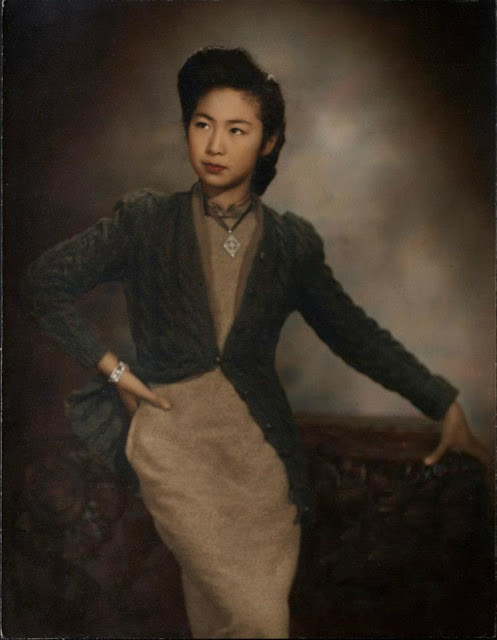
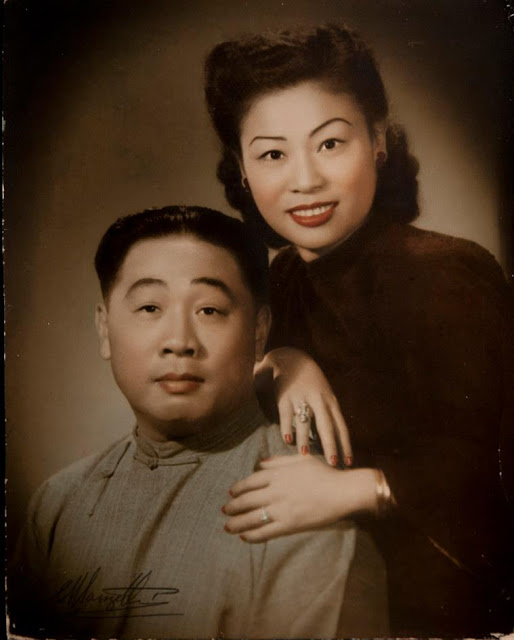
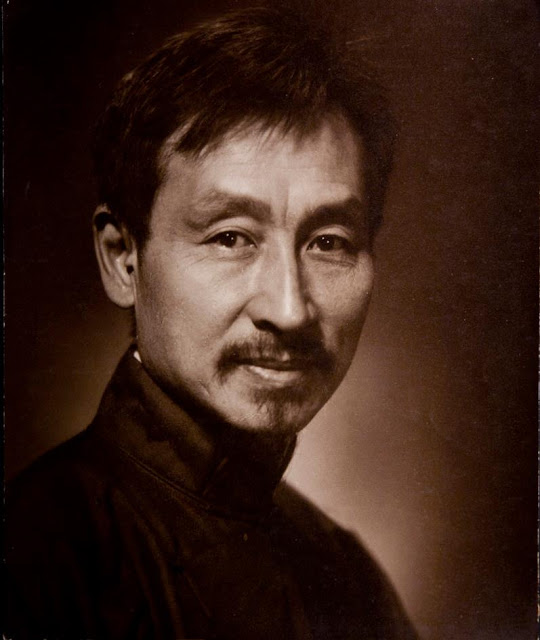
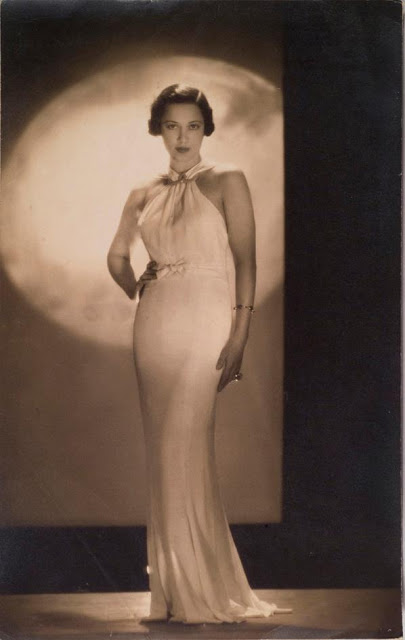
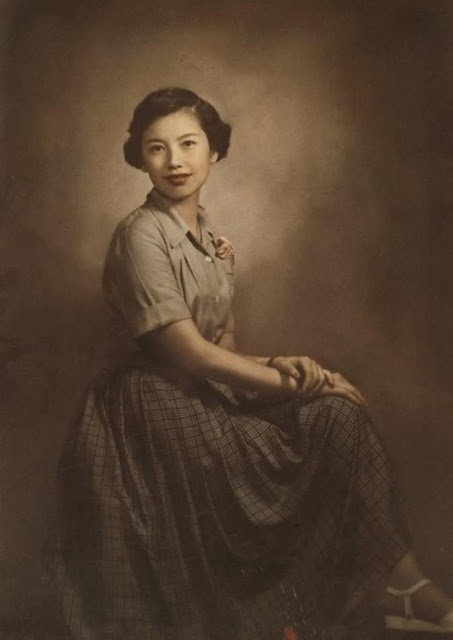
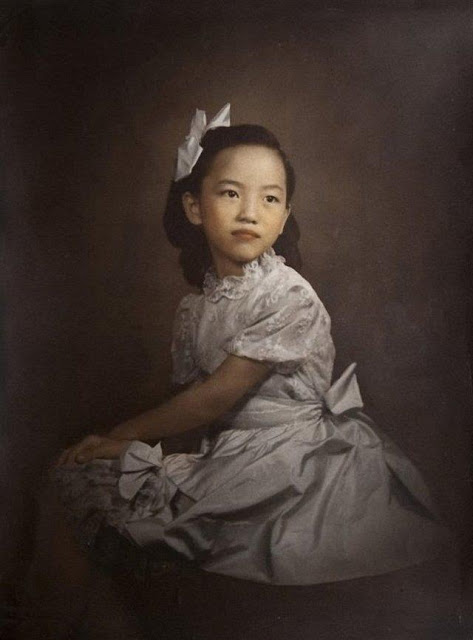
16 Beautiful Shanghai Studio Portraits From the 1920s

Sioma Lifshitz arrived in Shanghai on a freighter from Vladivostock in 1922. The 20 years old energetic Russian Jew had no money but lot’s of dreams and soon started to work in a photography studio under the name of Sam Sanzetti. It took him 5 years to open in own studio in 1927, becoming one of the most famous photographer in Shanghai.

The studio was first located on 73 Nanking Road (today 73 Nanjing Dong Lu), near the Bund and just behind the Palace hotel (today Swatch Art Peace Hotel). Construction on the Cathay Hotel (today Peace Hotel) was on-going at that time very and the opening in 1929 certainly also helped his business. The central position in the business center allowed him to become the photographer of the rich and famous in Shanghai, surely meeting with other successful business people of the time.
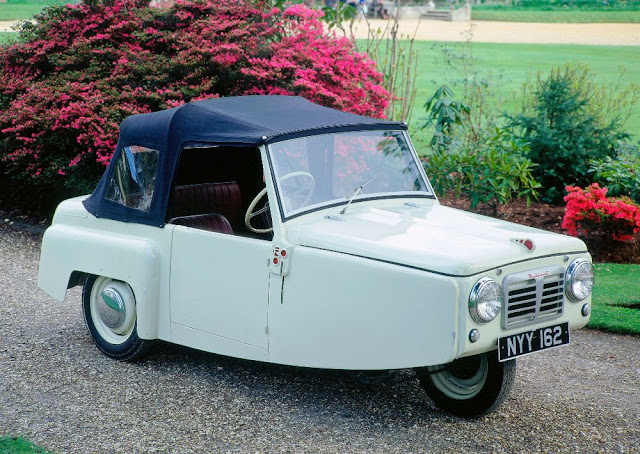
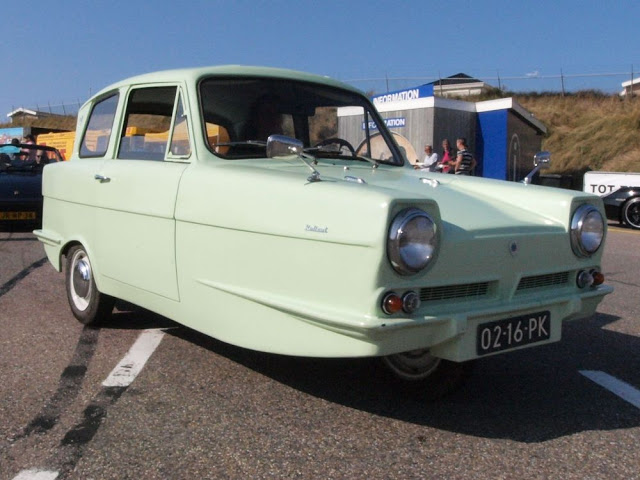
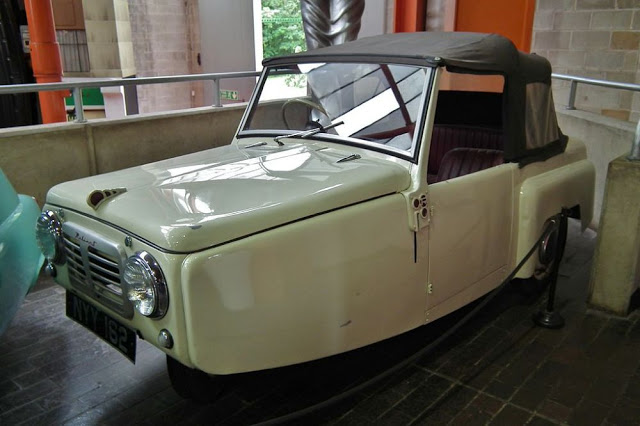
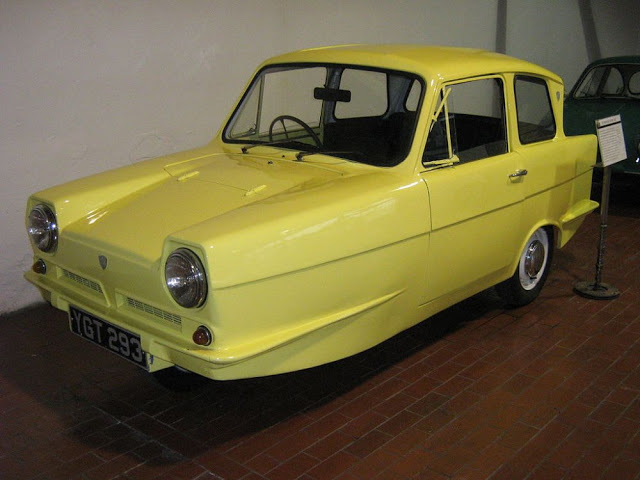
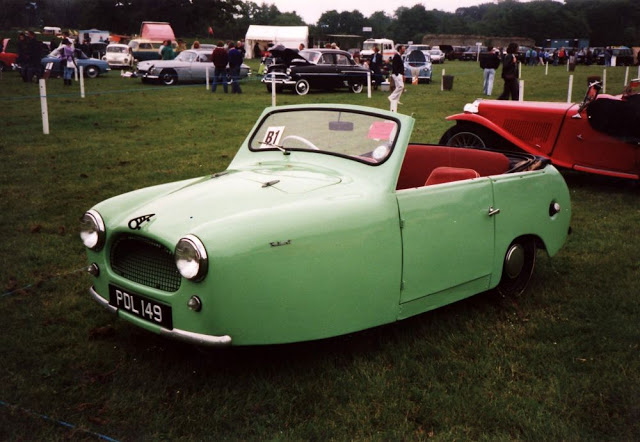
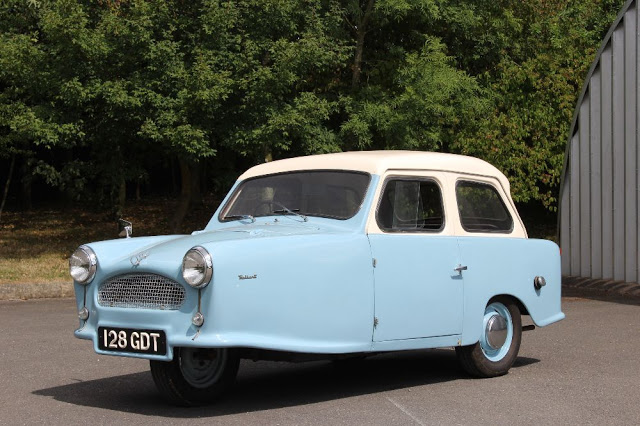
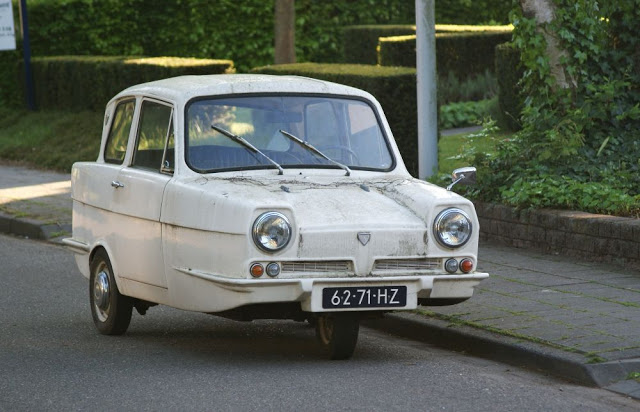
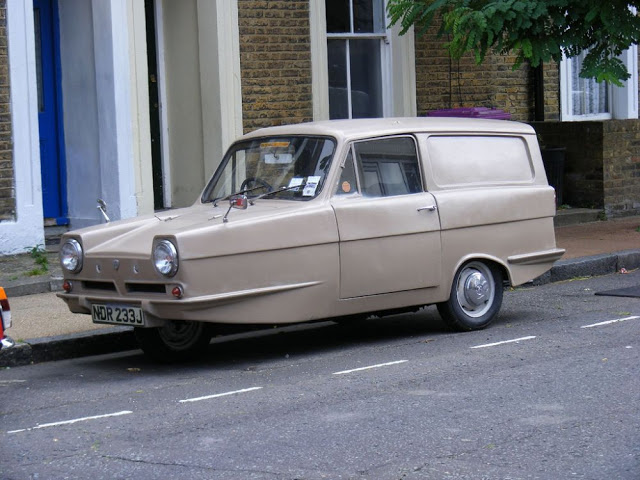
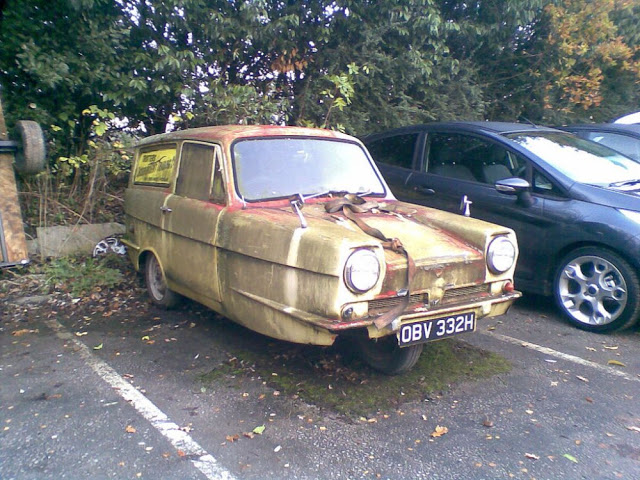
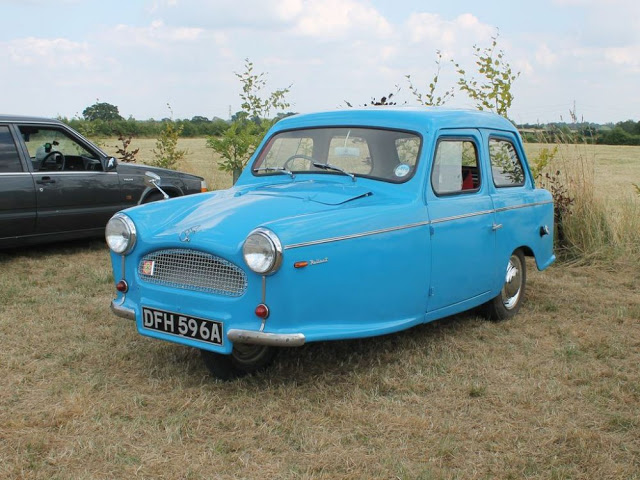
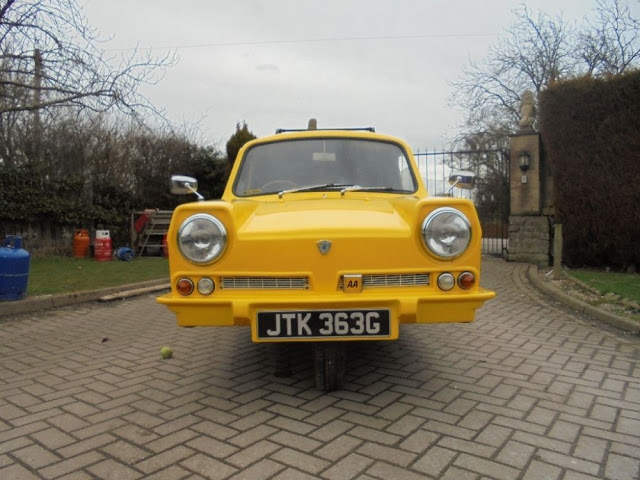
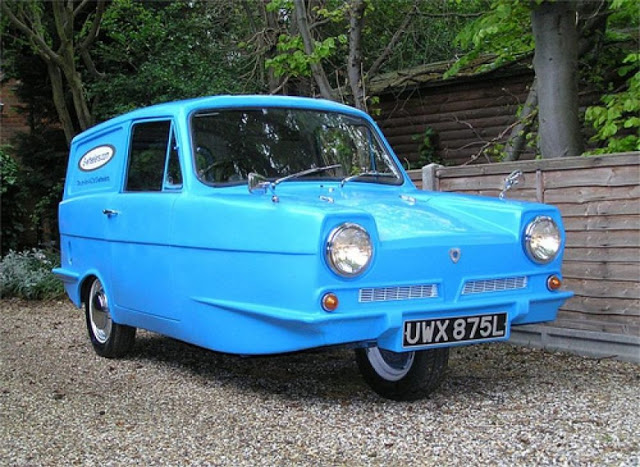
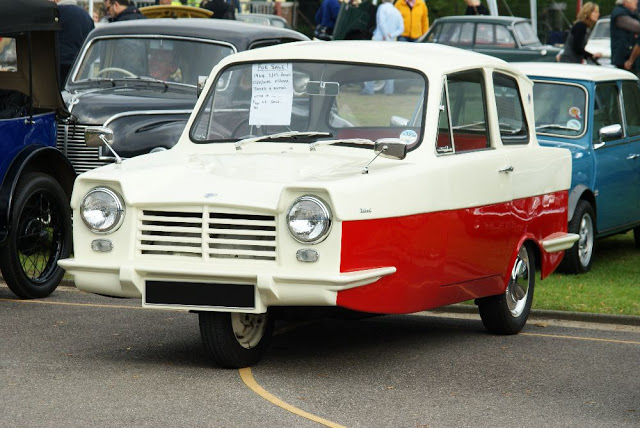
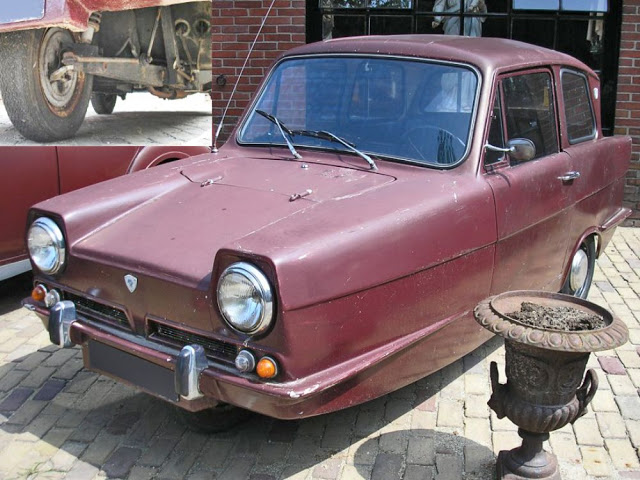
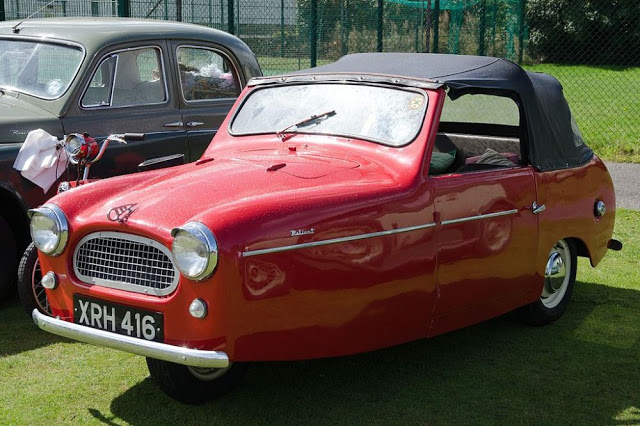
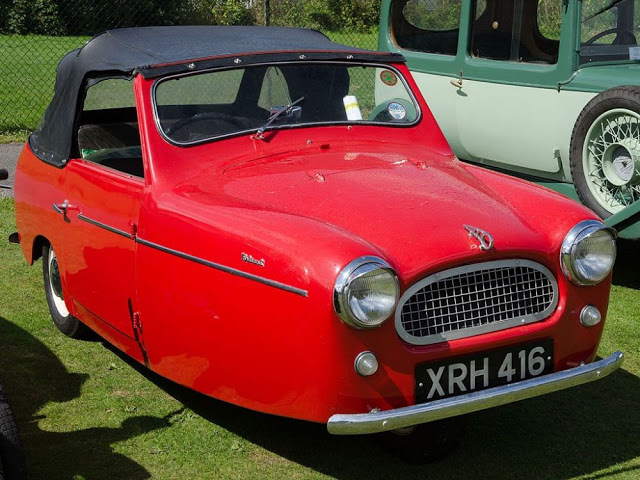
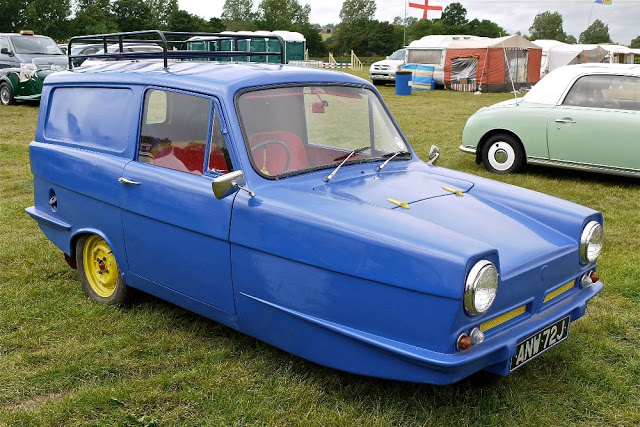
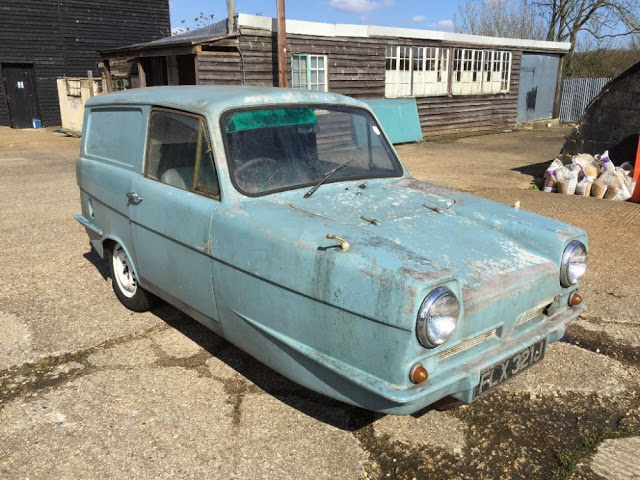
20 Wonderful Vintage Photos of Reliant Regal Cars

The Reliant Regal was a small three-wheeled car and van manufactured from 1953 to 1973 by the Reliant Motor Company in Tamworth, England, replacing the earlier Reliant Regent three-wheeled cyclecar van. As a three-wheeled vehicle having a lightweight (under 7 cwt, 355.6 kg) construction, under UK law it is considered a “tricycle” and can be driven on a full (class A) motorcycle licence. A light-commercial version with a side-hinged rear door was marketed as the Reliant Supervan.

Launched at the 1952 Motor Cycle Show, the Regal was the first Reliant passenger car. The three-wheeled, four-seater convertible had an aluminium body and was powered by a 747cc engine derived from the Austin Seven. The Regal name continued a royal theme started with the Regent van. With fuel consumption of around 50mpg and a road tax of only £5, the Regal provided a practical and economical alternative to the motorcycle combination.

Reliant was established in 1935 by Tom Lawrence Williams, previously the designer of the Raleigh Safety Seven three-wheeler. When Raleigh dropped out of car manufacture, Williams set up Reliant to make simple three-wheeled delivery vans with motorcycle engines and front forks. Austin Seven engines were used from 1937 but these were soon superseded by Reliant’s own updated version of the same unit.

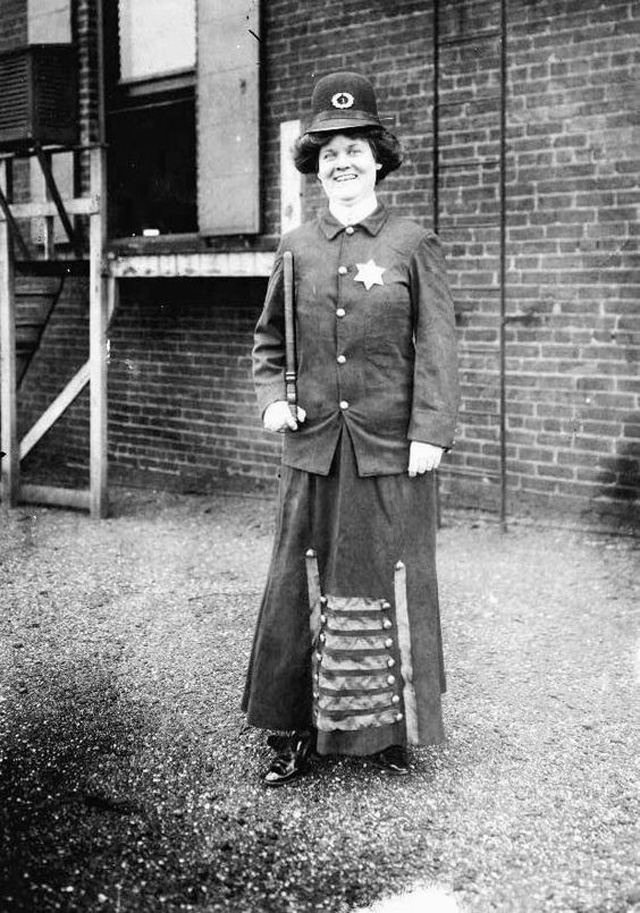
14 Vintage Photos Showing Postwomen in the Early 20th Century

Women have been transporting mail in the United States since the late 1800s. According to the United States Post Office archive, “the first known appointment of a woman to carry mail was on 3 April 1845, when Postmaster General Cave Johnson appointed Sarah Black to carry the mail between Charlestown Md P.O. & the Rail Road “daily or as often as requisite at $48 per annum”. For at least two years Black served as a mail messenger, ferrying the mail between Charlestown’s train depot and its post office.”

At least two women, Susanna A. Brunner in New York and Minnie Westman in Oregon, were known to be mail carriers in the 1880s. Mary Fields, nicknamed “Stagecoach Mary”, was the first black woman to work for the USPS, driving a stagecoach in Montana from 1895 until the early 1900s. When aviation introduced airmail, the first woman mail pilot was Katherine Stinson who dropped mailbags from her plane at the Montana State Fair in September 1913.

The first women city carriers were appointed in World War I and by 2007, about 59,700 women served as city carriers and 36,600 as rural carriers representing 40 per cent of the carrier force.

These are what postwomen looked like from between the 1900s to 1910s.

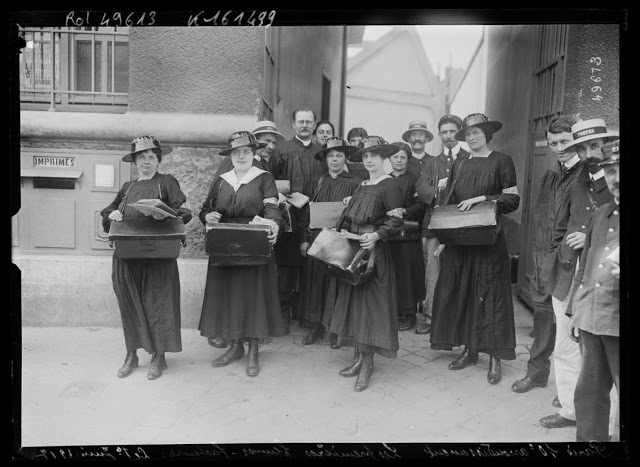
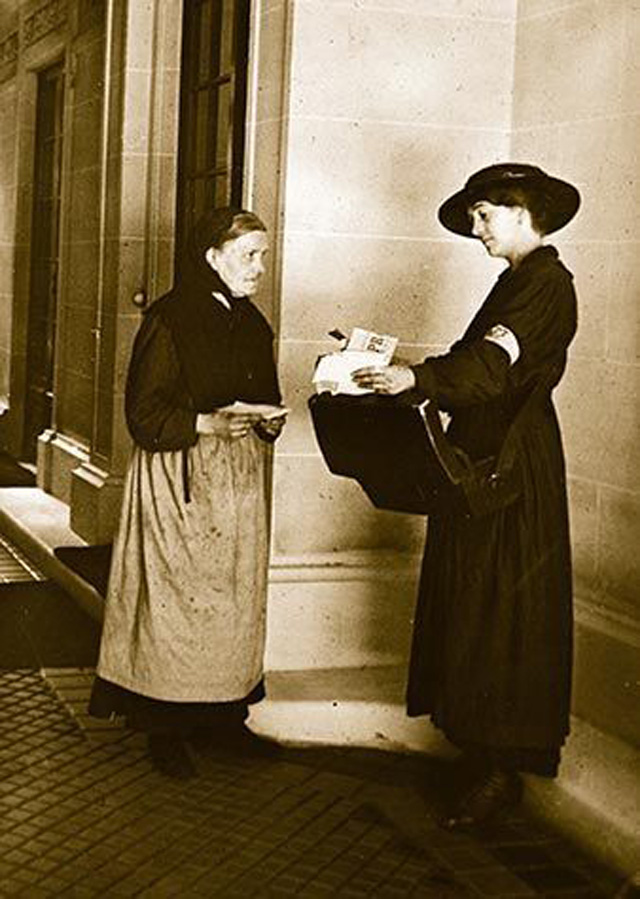
Female postal carriers in Paris, 1917
A postwoman in a coat and hat, 1900
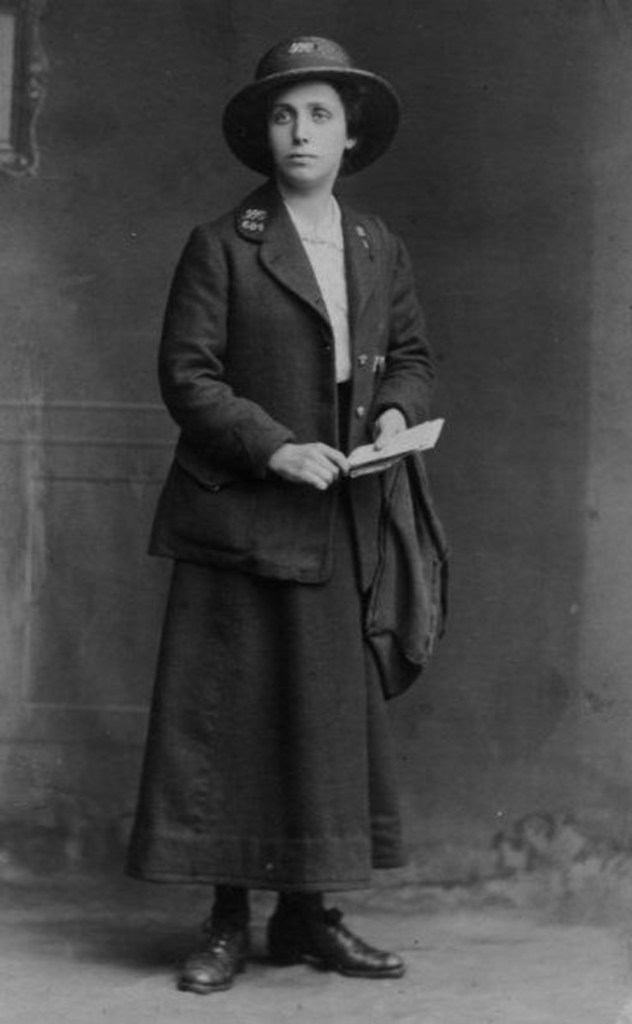
An English postwoman in 1917
Parcel postwoman, Germany, 1900
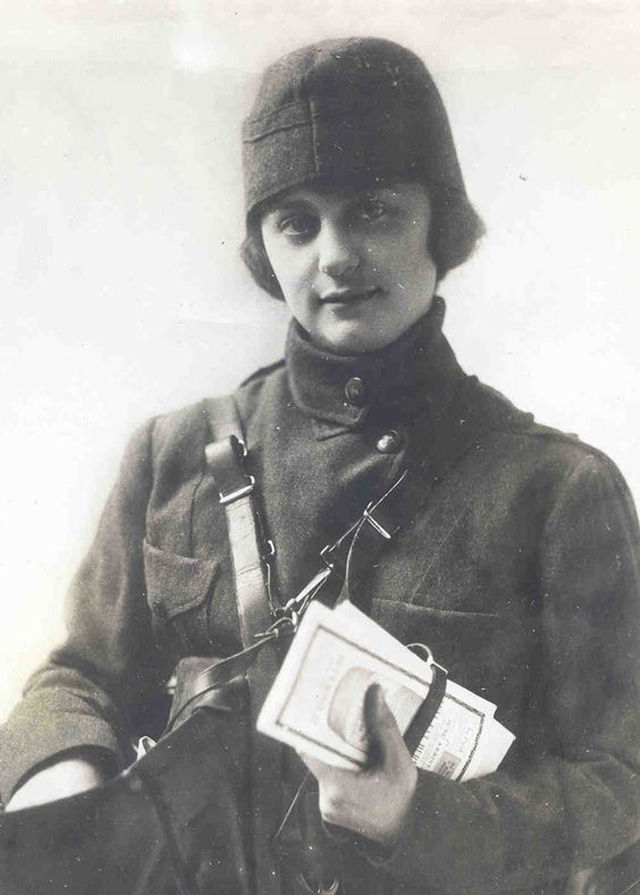
Portrait of a postgirl in the late 1910s
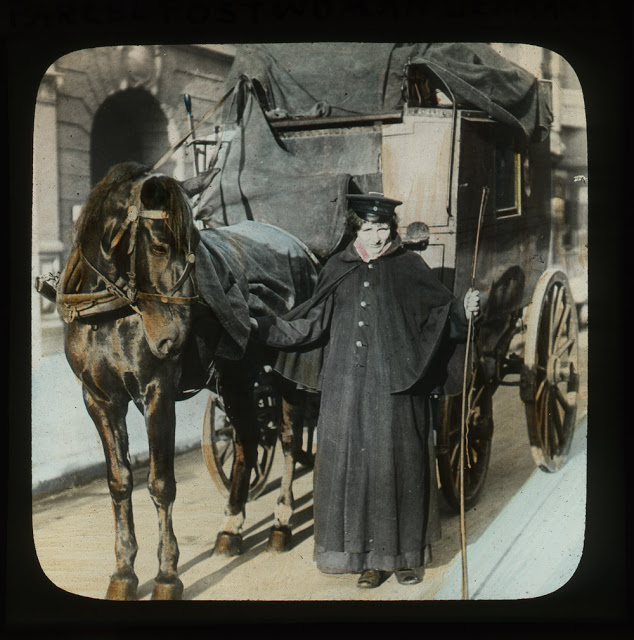
Postwoman driving a mail carriage, ca. 1900s
Postwoman in 1917
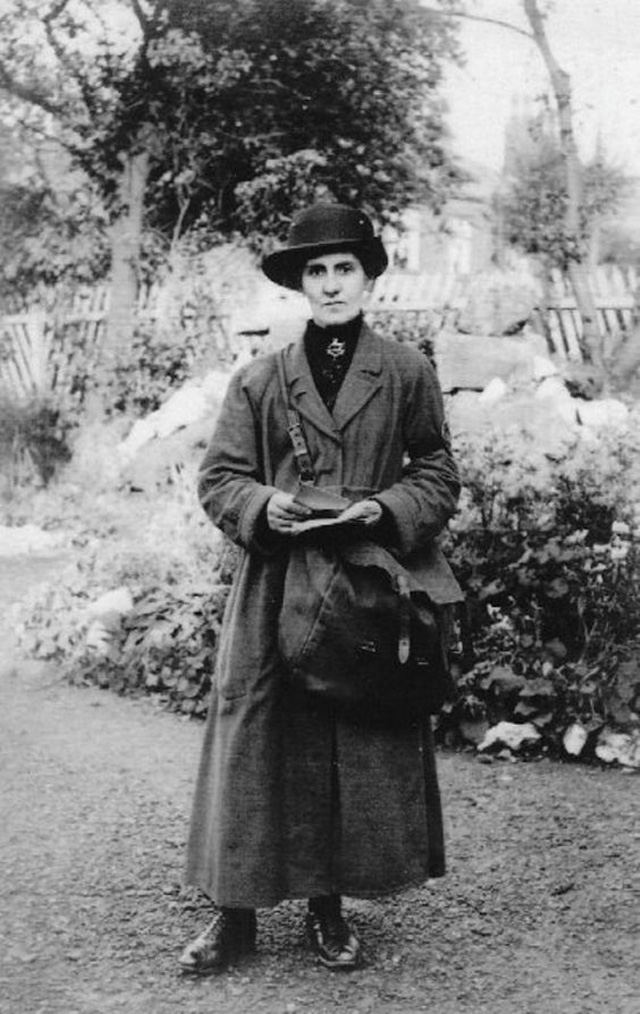
Postwoman in the 1910s
Postwomen drivers in the 1910s
Postwomen pose with their bicycles, ca. 1910s
Women as letter carriers in Washington, D.C., November 1917
Women working on parcel sorting during the First World War
A female postal carrier in 1909
A postwoman in 1916

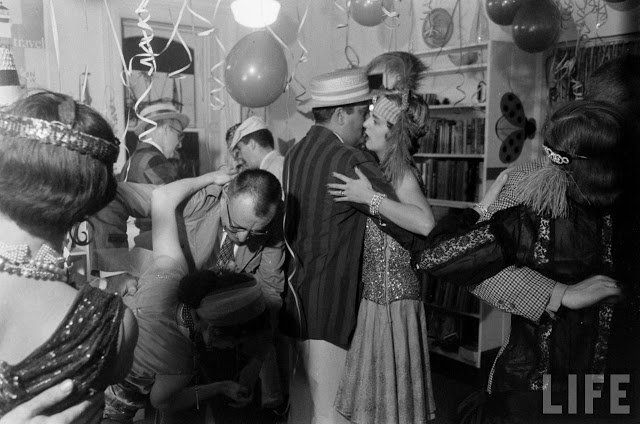
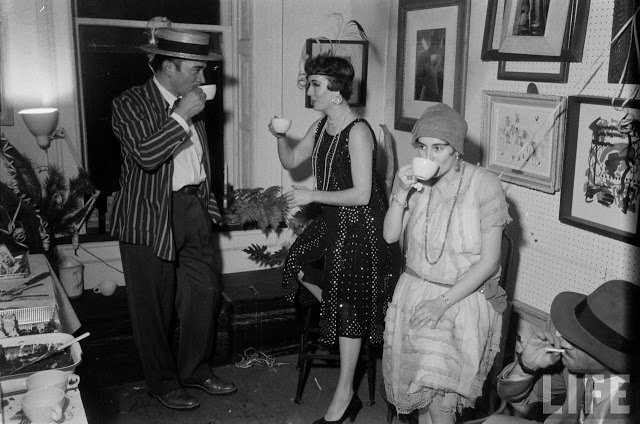
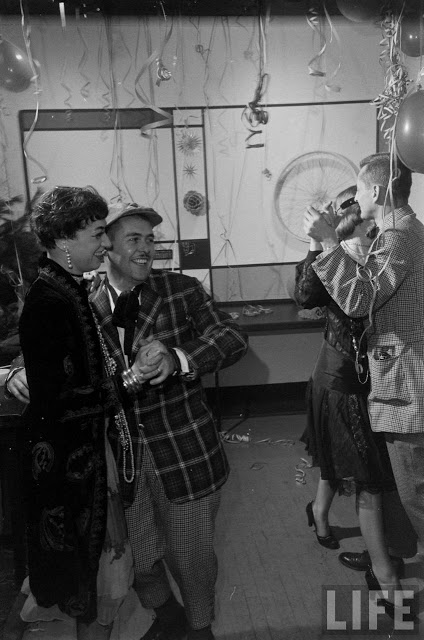
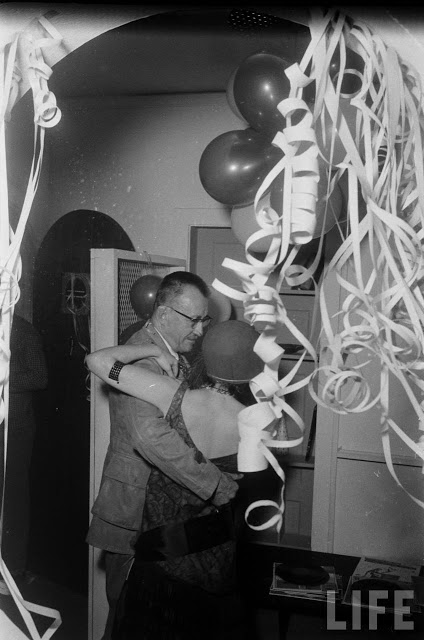
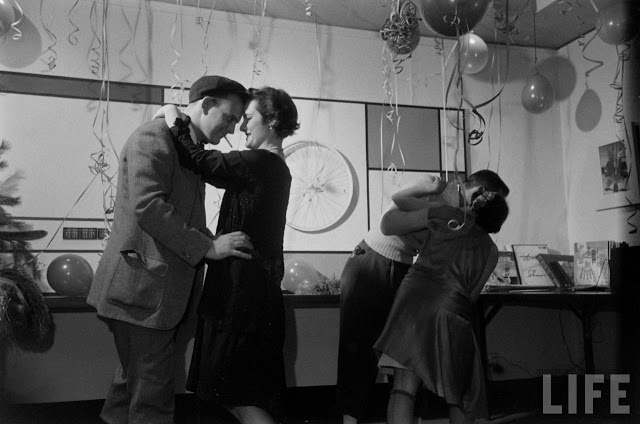
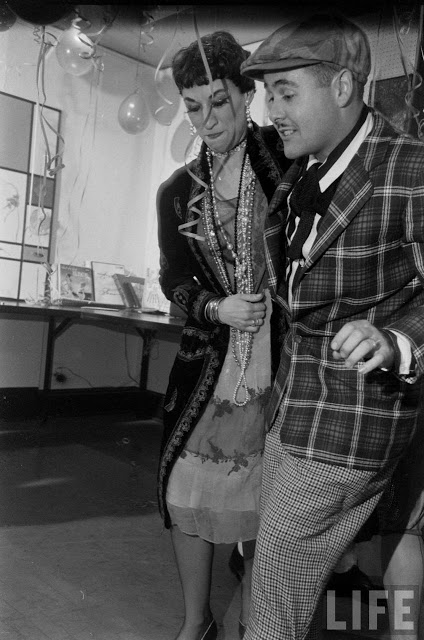
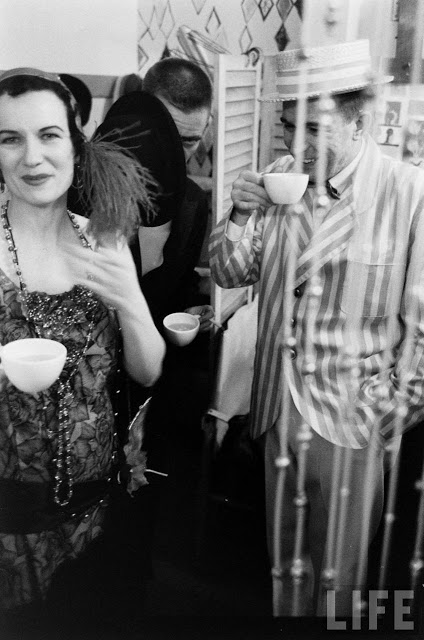
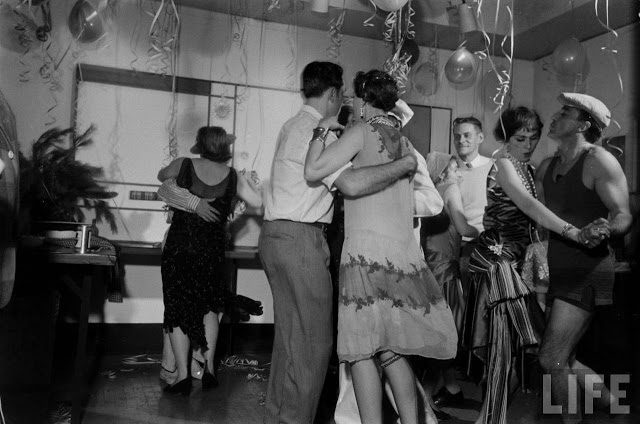
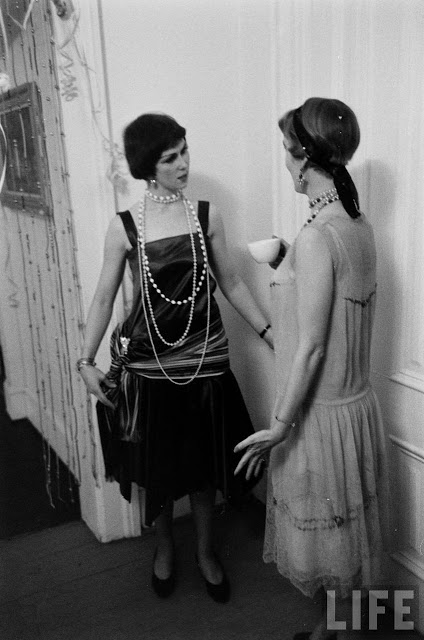
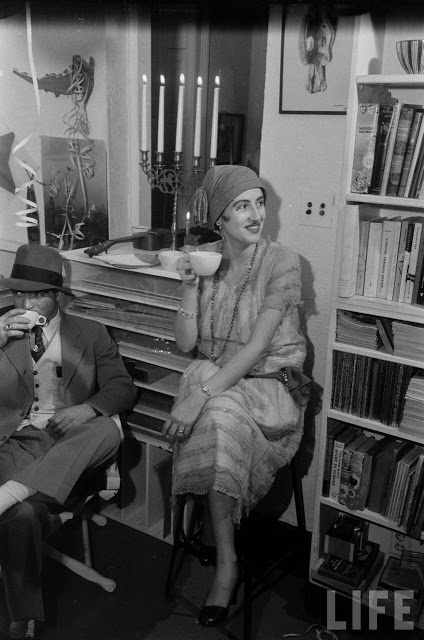
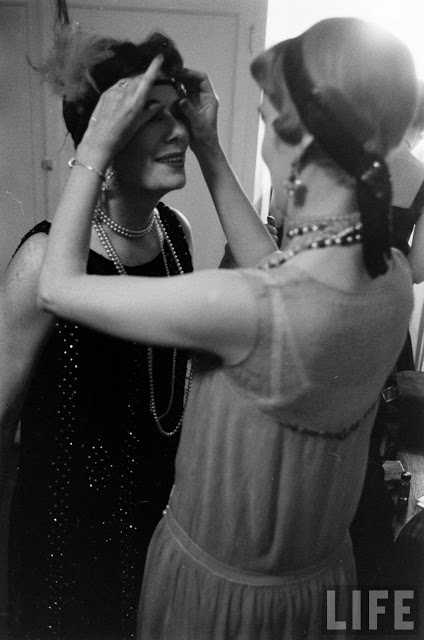
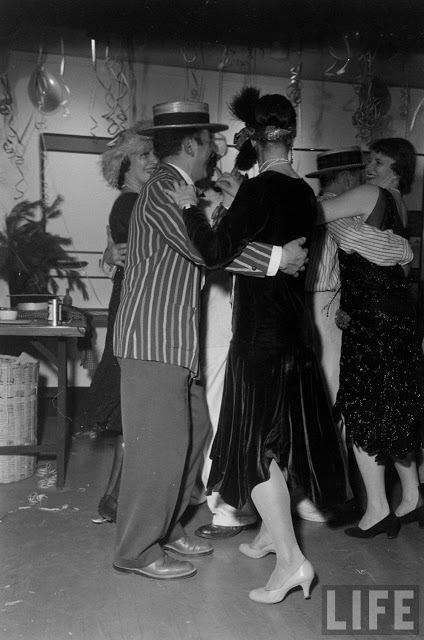
30 Vintage Photos of a 1920s Party During the 1950s

The 1920s, a time also known as the Roaring Twenties, was time post World War I where America was in one of its prime positions. America was seen as a world power and the lifestyle for men and women flourished. It was known as the Roaring Twenties because the nation was strong after the war and businesses were booming. It was a time of excitement and money for people, especially those on the social ladder. The night life in particular exploded with new fashions and ways for people to become more social.

Prohibition, or the outlawing of alcohol, passed during the 1920s and this lead to an outbreak of clubs known as speakeasies where people could go to buy liquor from bootleggers. This influenced the formation of gangs and gangsters who controlled the bootlegging operations and, in turn, controlled most of the social/party lives of the people in the major cities in America.

The look and popular culture of the era hold a strong appeal– distant enough to romanticize but close enough to relate to. The idea of Prohibition is easily turned into pretend naughty fun. And who doesn’t love sparkly dresses, stripey jackets, boater hats, and pearls?

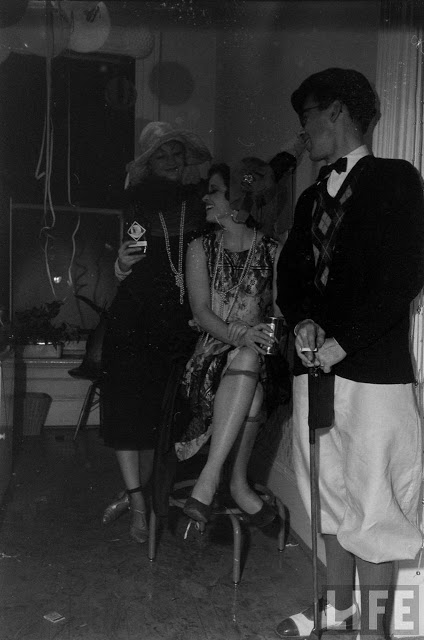
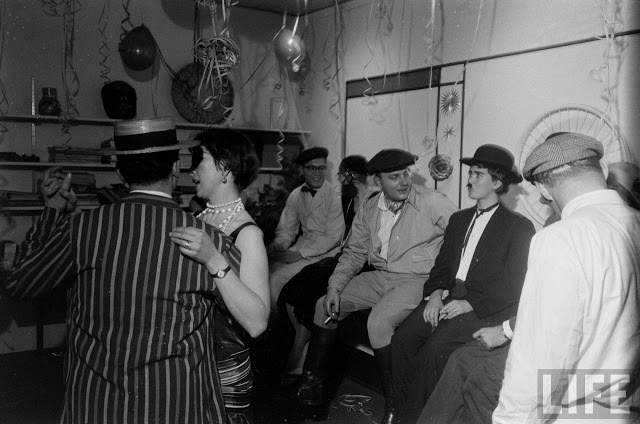
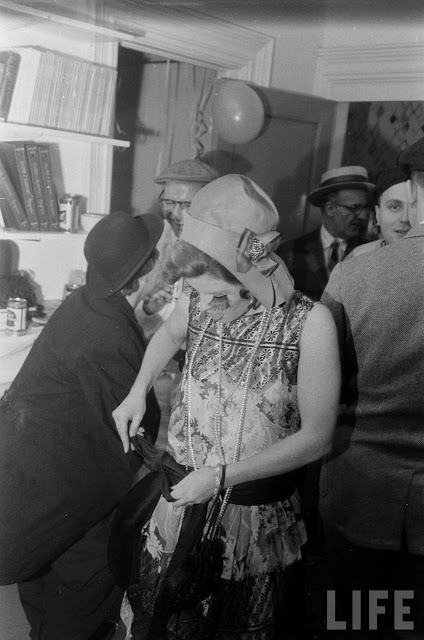
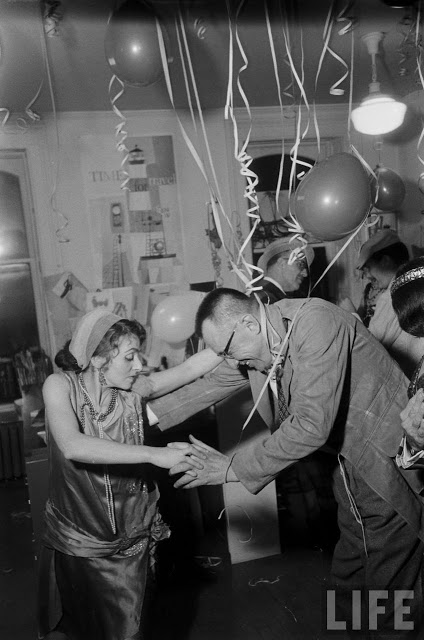
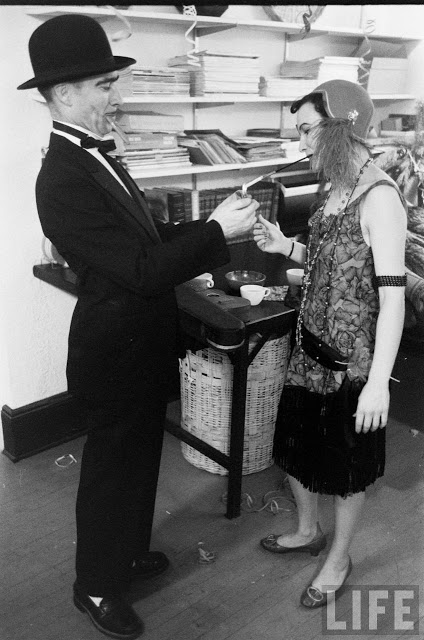
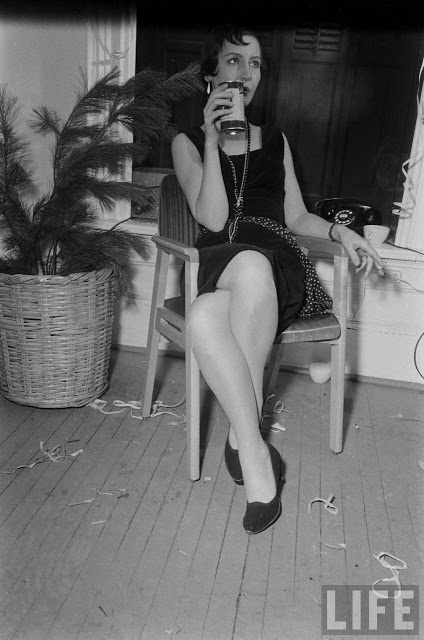
In fact, the 1920s party potential was already being seen by the 1950s. In these photos from 1954, partygoers have gone all out in their costumes (which, considering the decade only ended 24 years ago, are more than likely actually from it). Drinks are being sipped from teacups (though eventually many of the people give up and turn to cans of beer), a bathtub is used as a decoration/liquor holder, the ladies roll down their stockings and the men wear spats. It’s interesting to see that most of the people there were probably born in the 1920s, or slightly earlier… it’s the equivalent of a 1980s or even ’90s party today!

(Photos by Wallace Kirkland/LIFE archives, via FormerDays.com)

Yesterday Today

Bringing You the Wonder of Yesterday - Today

Skip to content ↓