
















Bringing You the Wonder of Yesterday – Today


Cadillac was “Standard of the World” in motoring pleasure and owner loyalty. “So new, so right, so obviously Cadillac!” This editorial is dedicated to those who regard their motorcars as prized possessions. Once one has been in the driver’s seat of a new Cadillac… it is difficult to become content with any other car.
Here is another classic DeVille encore performance… in the continuing saga of “As the Standard of the World Turns.”
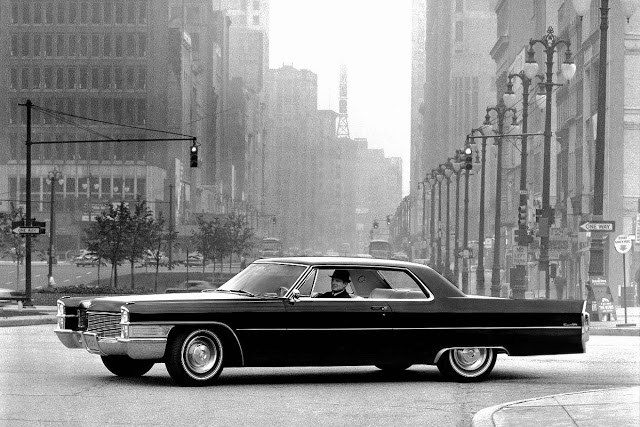
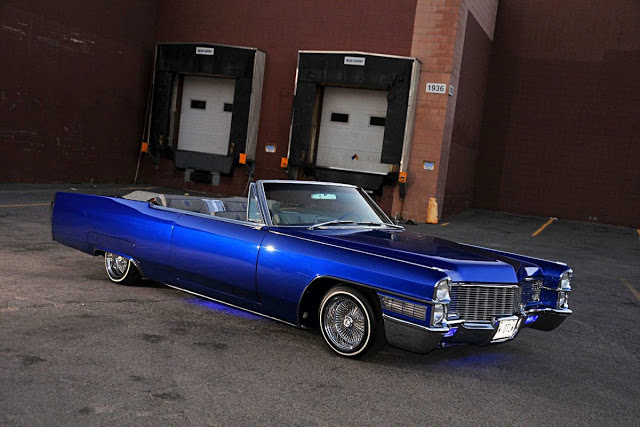
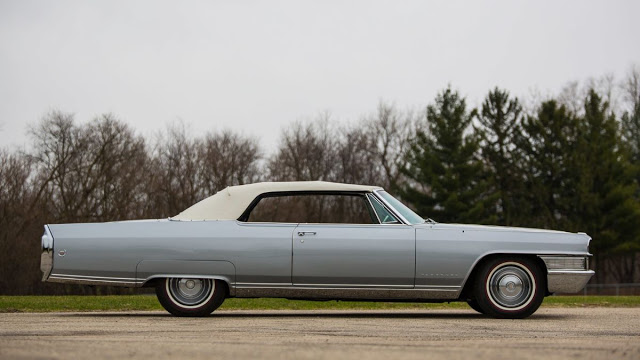
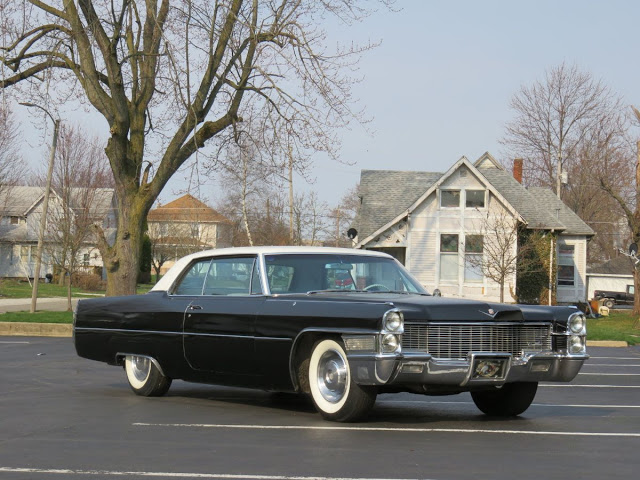
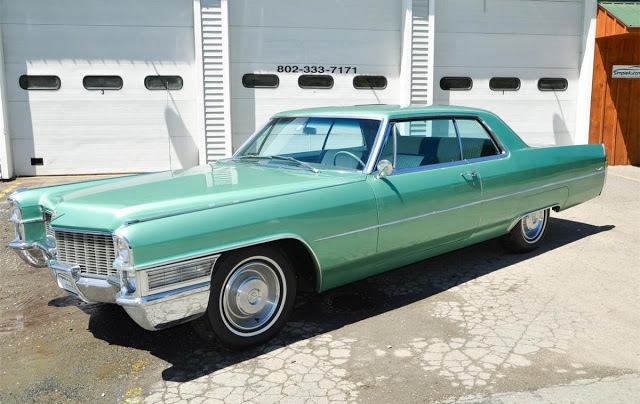
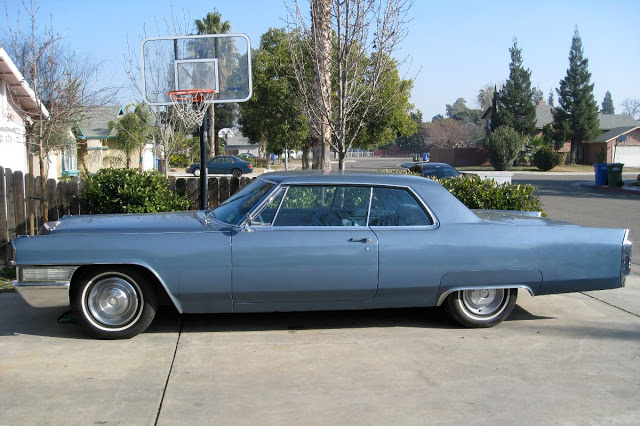
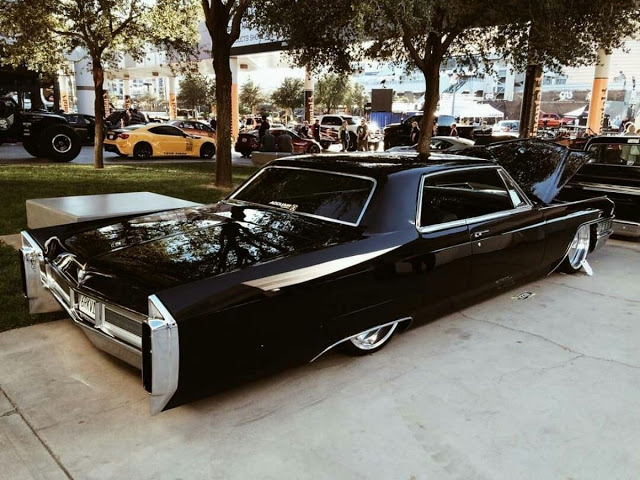
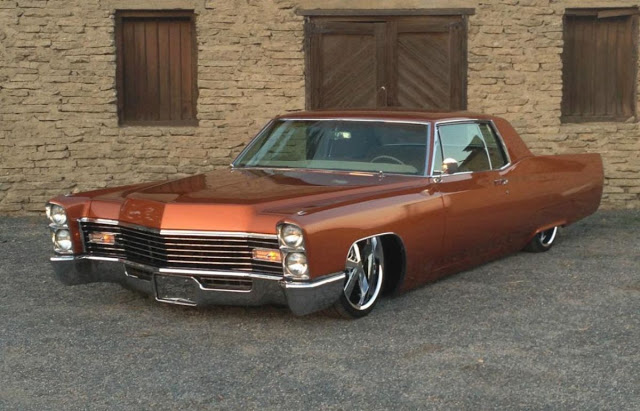
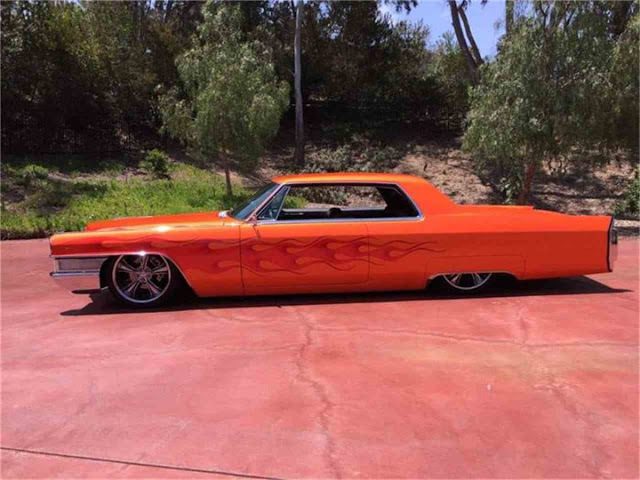
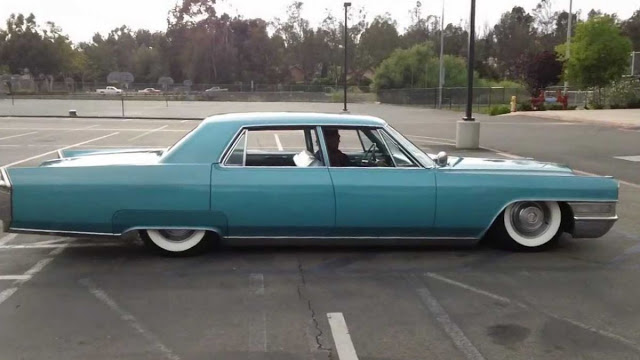
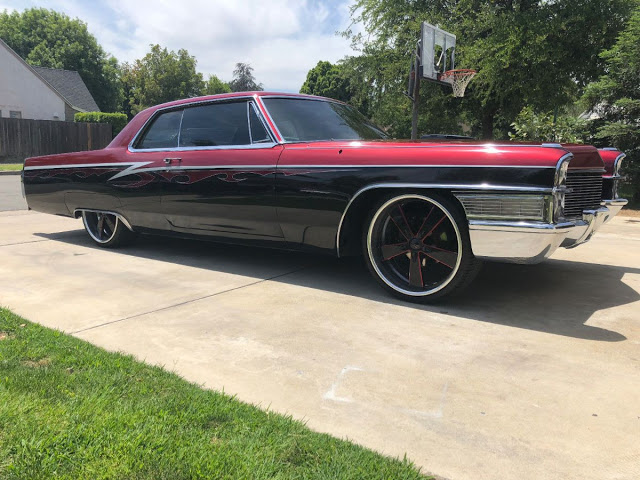
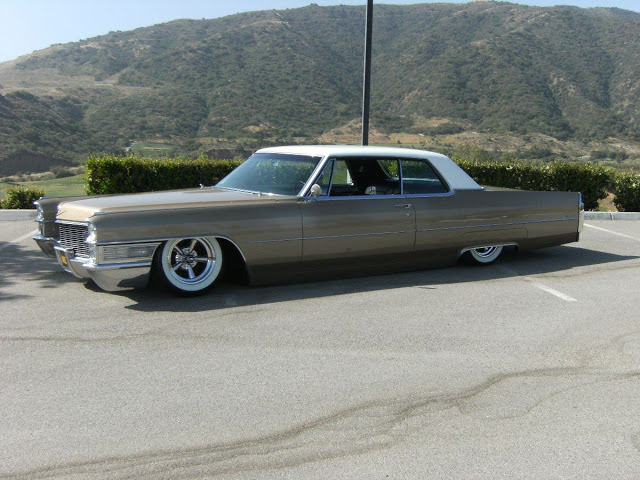
Another body change gave every 1965 Cadillac a longer, lower silhouette. Rear fenders were now planed ruler-flat in profile, though a hint of fin was preserved via a recontoured rear deck. Also new were a straight back bumper and vertical lamp clusters.
Up front for the 1965 Cadillac line, the headlight pairs were switched from horizontal to vertical, making for an even wider grille. Curved side windows appeared, six-window hardtop sedans disappeared, and pillared sedans returned in Calais, DeVille and Sixty Special guise. The Special also reverted to its exclusive 133-inch wheelbase (last used from 1954 to 1958).
The 1965 Cadillac Series 62 was renamed Calais, but its roster was thinned to just two hardtops and a pillared sedan. The convertible moved to the midrange DeVille series, which had been gaining popularity since its 1959 inaugural.
At the top of the 1965 Cadillac line, the Eldorado convertible and Sixty Special sedan officially became Fleetwoods, adopting the “carriage trade” Series 75 models’ nameplates, wreath-and-crest medallions, broad rocker-panel and rear-quarter brightwork, and rectangular-pattern rear appliqués. A new Fleetwood Brougham sedan (actually a Sixty Special trim option) came with a vinyl roof and “Brougham” script on the rear pillars.
Despite an unchanged V-8, the slightly lighter 1965 Cadillac lineup boasted the luxury field’s best power-to-weight ratio. A new “Dual driving range” Turbo Hydra-Matic transmission and full-perimeter frames (replacing the X-type used since ’57) were adopted except on Series 75s, and all 1965 Cadillac models came with a new “sonically balanced” exhaust system. Amazingly, prices weren’t too far above what they’d been back in 1961.
Cadillac had a resounding 1965, producing close to 200,000 cars. But it was a great year for all Detroit, so that volume was only good for 11th place.








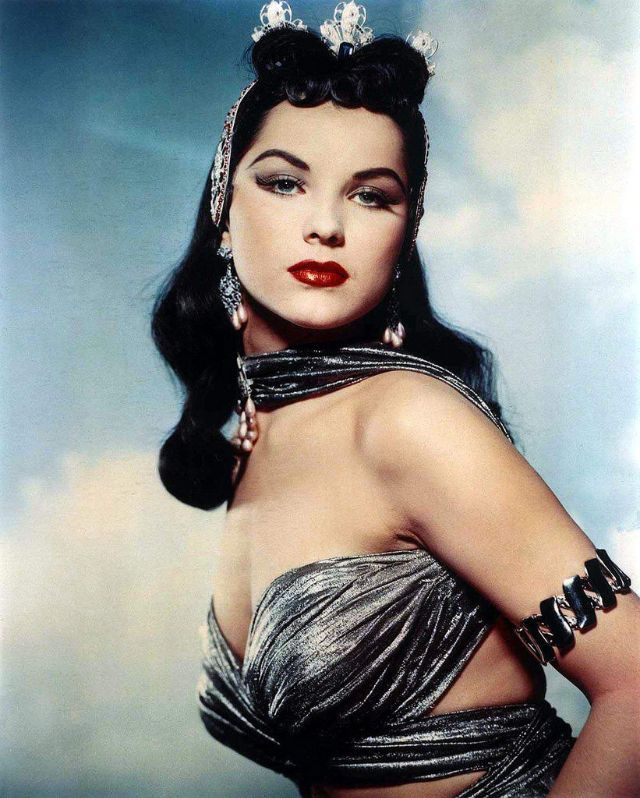
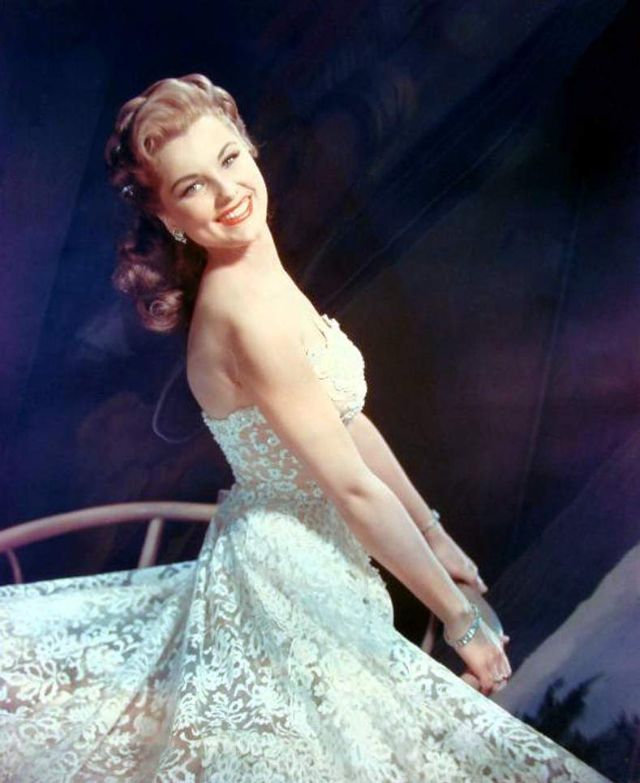
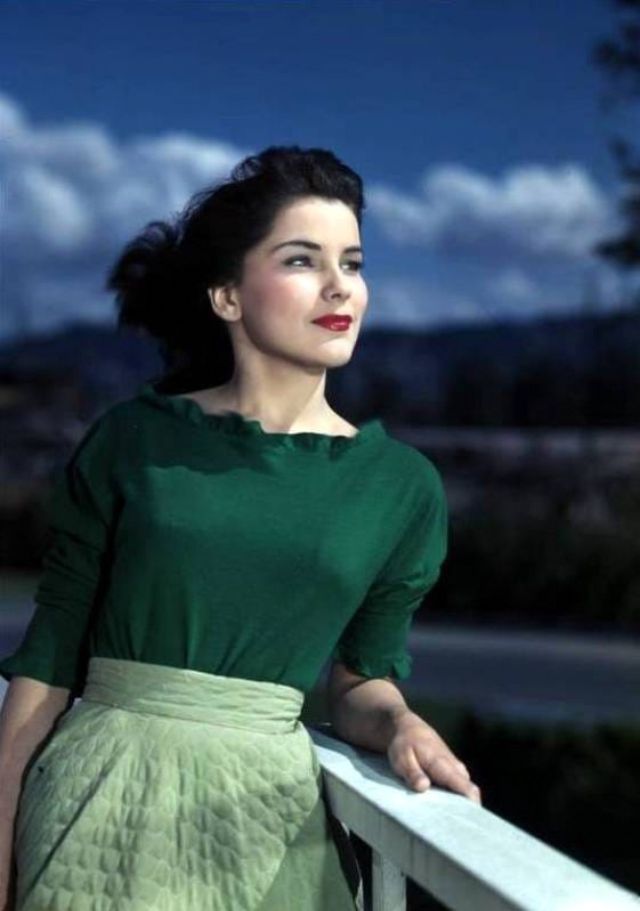
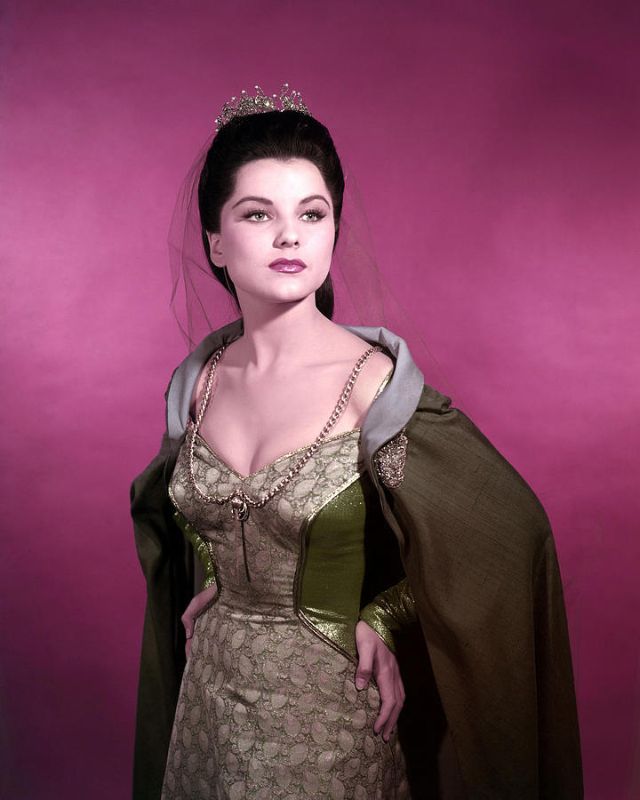
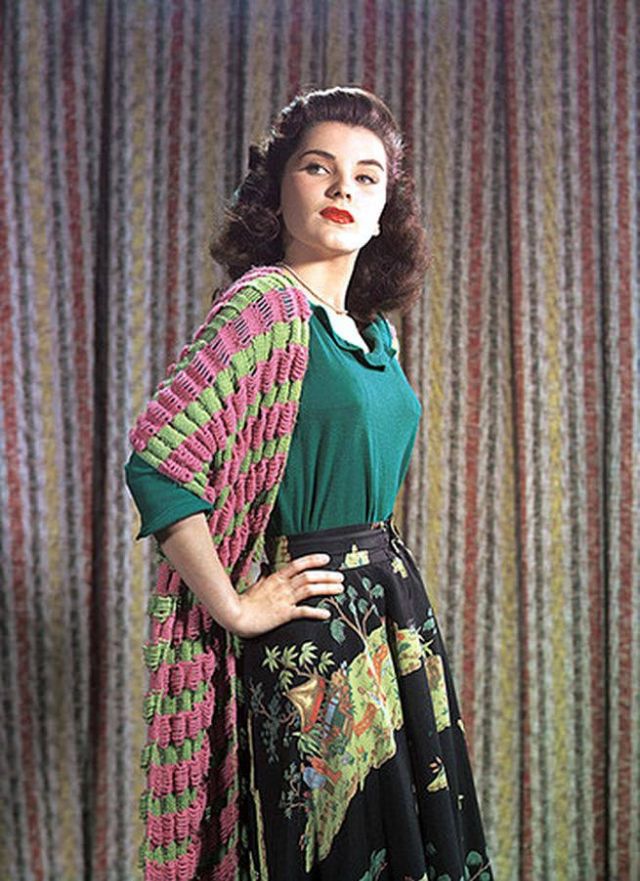
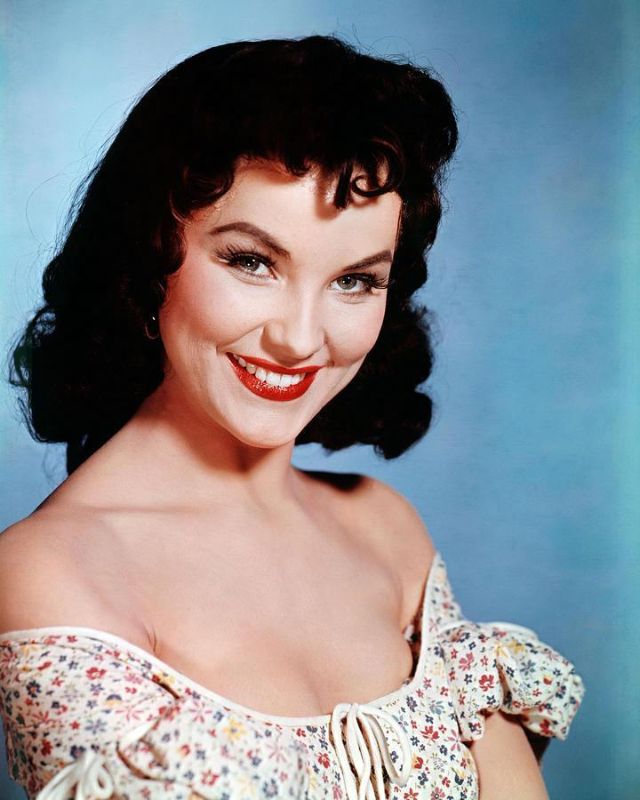
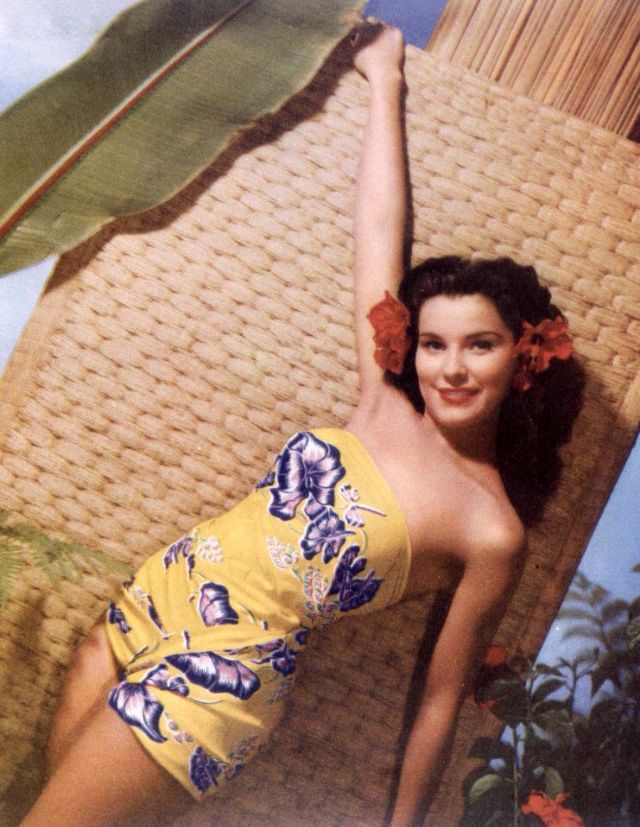
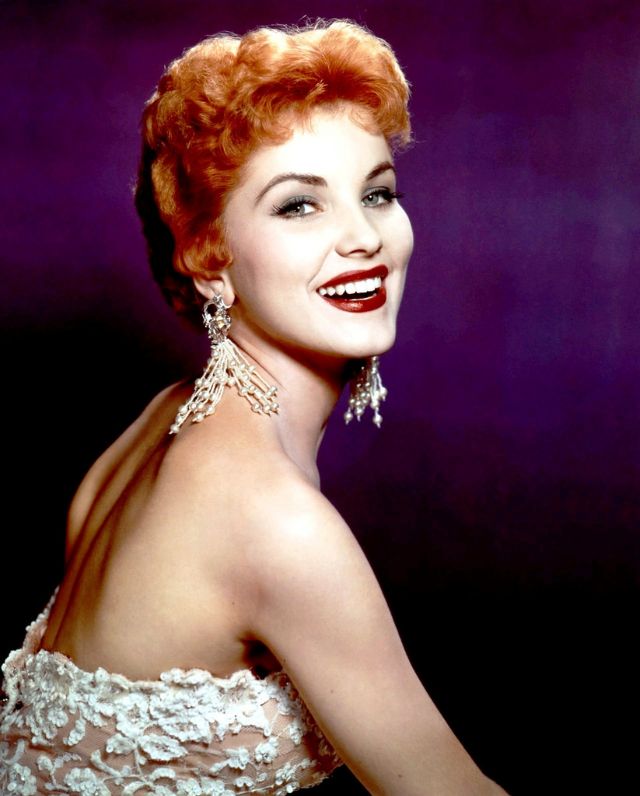
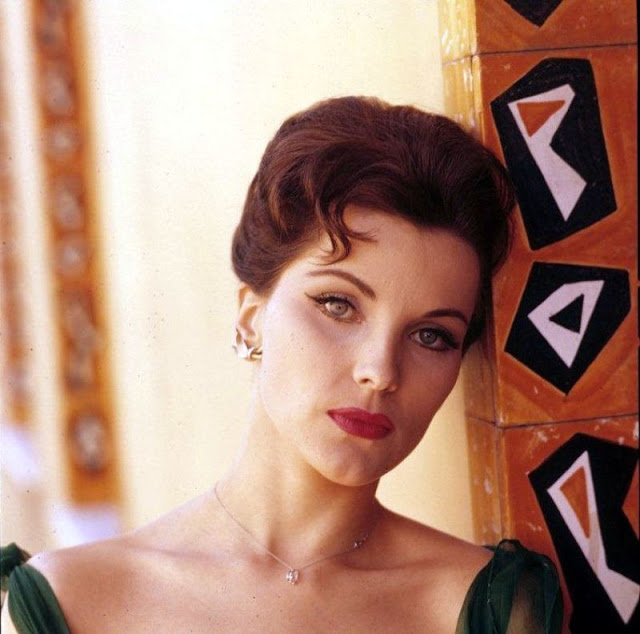
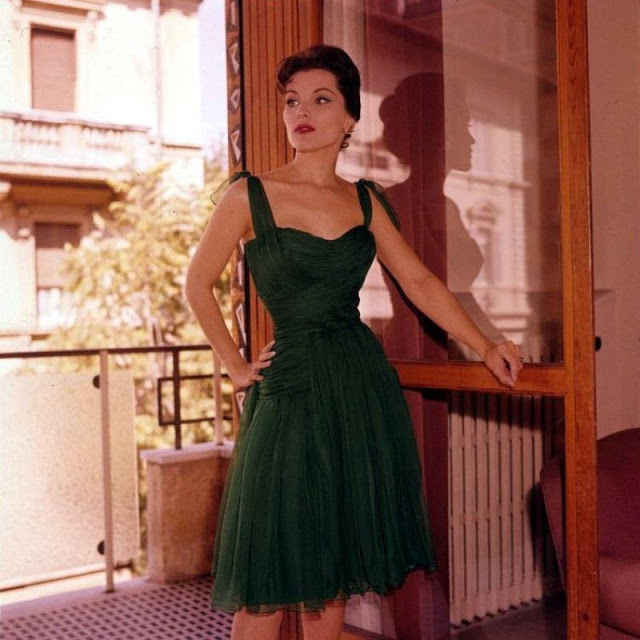
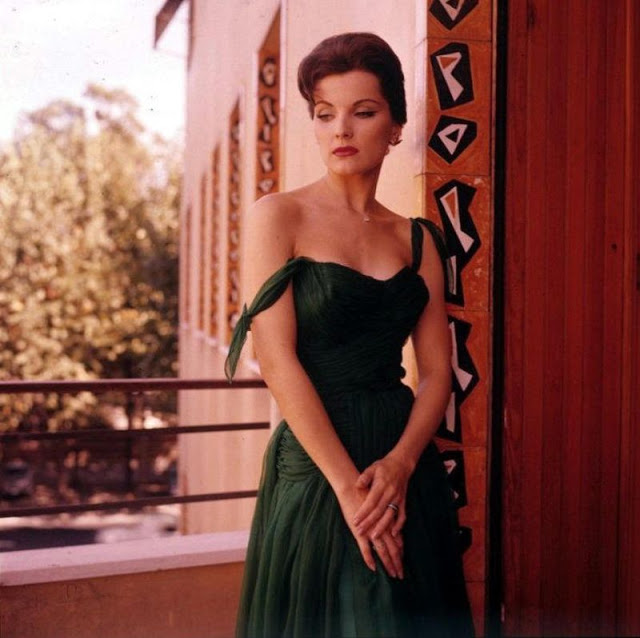
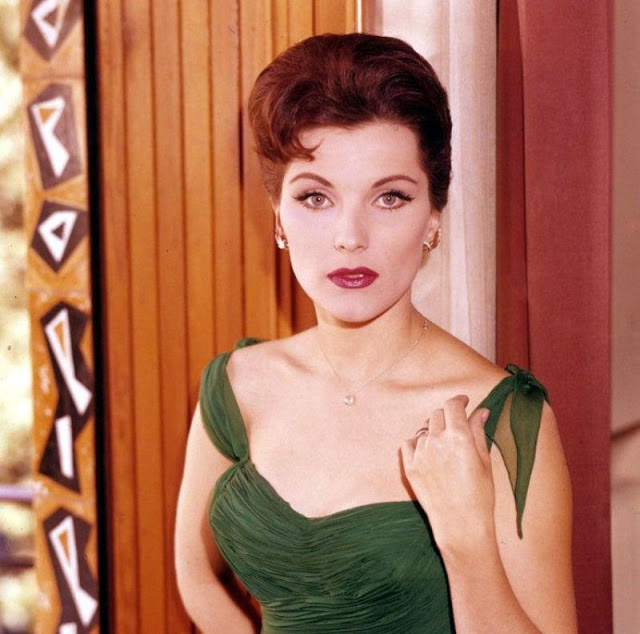
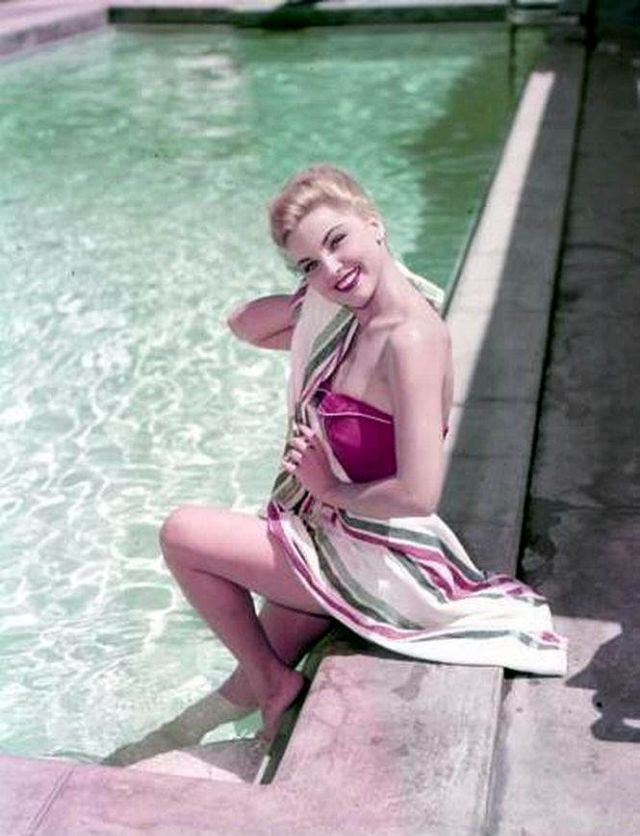
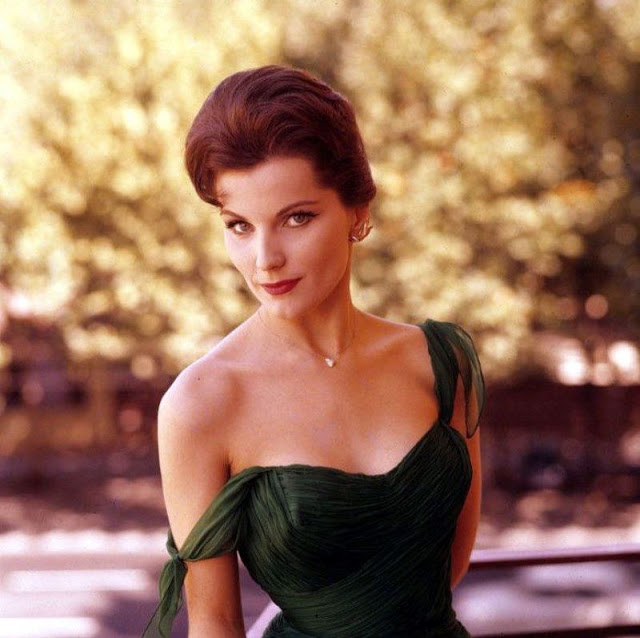
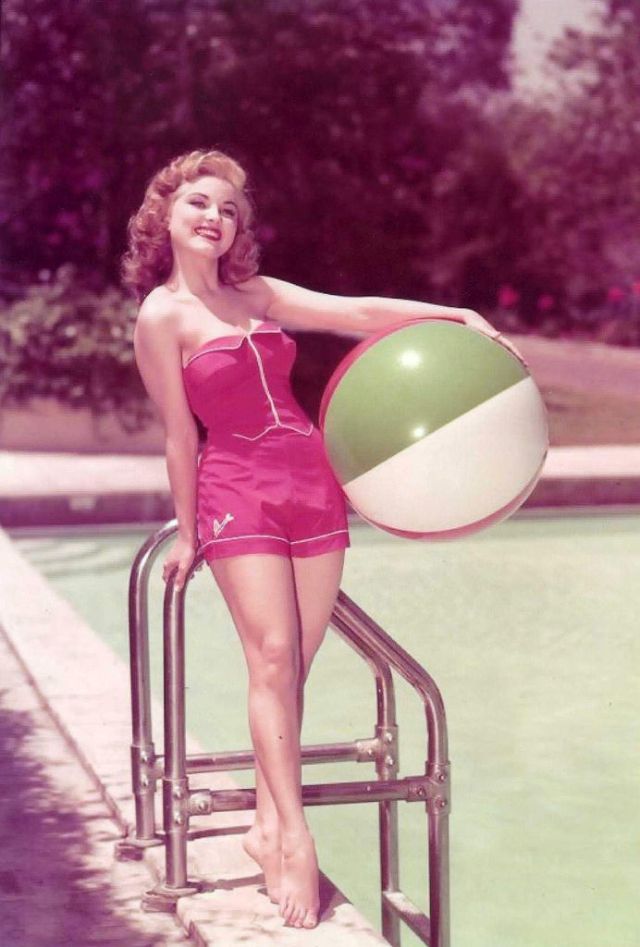
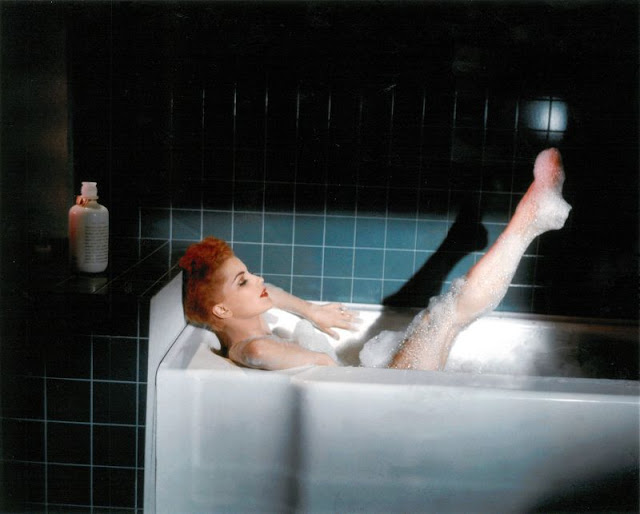
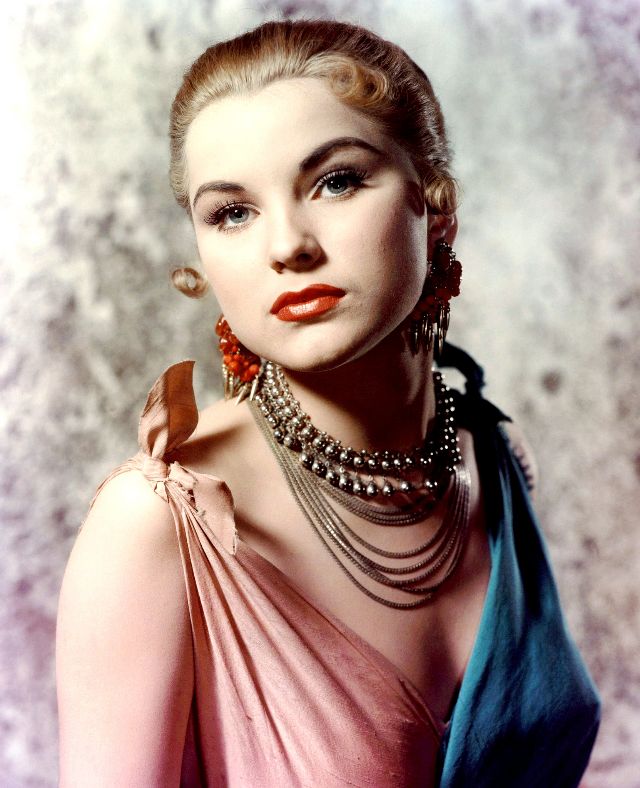
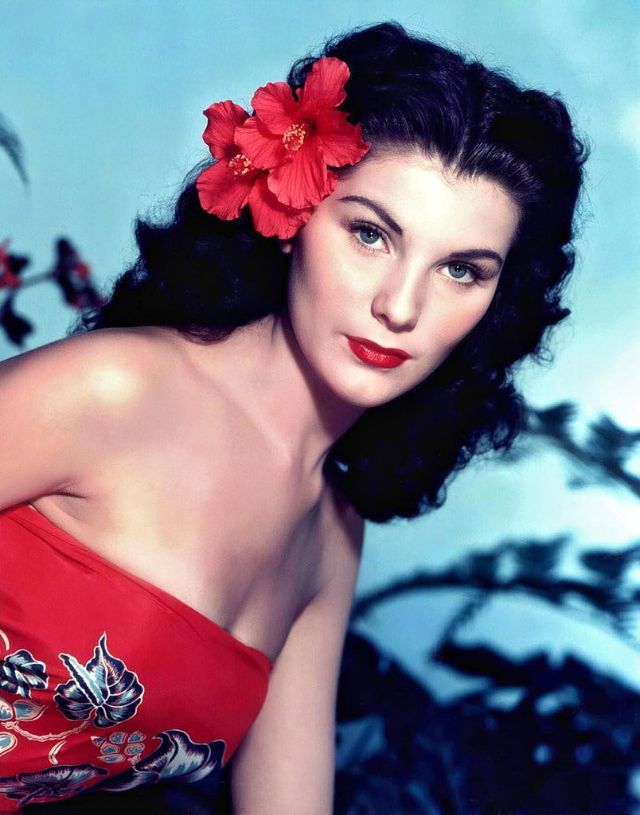
Born 1933 as Debralee Griffin in Denver, Colorado, American actress and entertainer Debra Paget had her first professional job at age 8, and acquired some stage experience at 13 when she acted in a 1946 production of Shakespeare’s The Merry Wives of Windsor.
Paget is perhaps best known for her performances in Cecil B. DeMille’s epic The Ten Commandments (1956) and in Love Me Tender (1956) (the film debut of Elvis Presley), and for the risque (for the time) snake dance scene in The Indian Tomb (1959). Her final two films were for Roger Corman at American International Pictures: Tales of Terror (1963) and The Haunted Palace (1963).
Paget did television work throughout her career. Her last performance in this medium came in a December 1965 episode of ABC’s Burke’s Law, starring Gene Barry. She retired from entertainment in 1965, after marrying a wealthy oil executive, by whom she had one son, her only child.
In 1987, the Motion Picture and Television Fund presented Paget with its Golden Boot Award, which is awarded to those actors, writers, directors, and stunt crew who “have contributed so much to the development and preservation of the western tradition in film and television.”
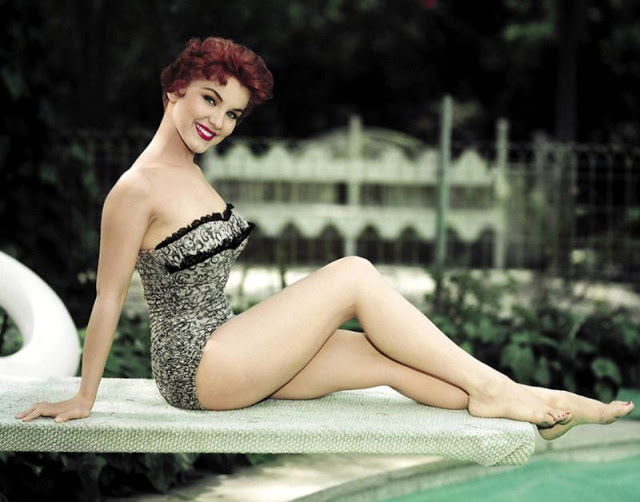
These glamorous color photos that captured portraits of young Debra Paget in the late 1940s and 1950s.














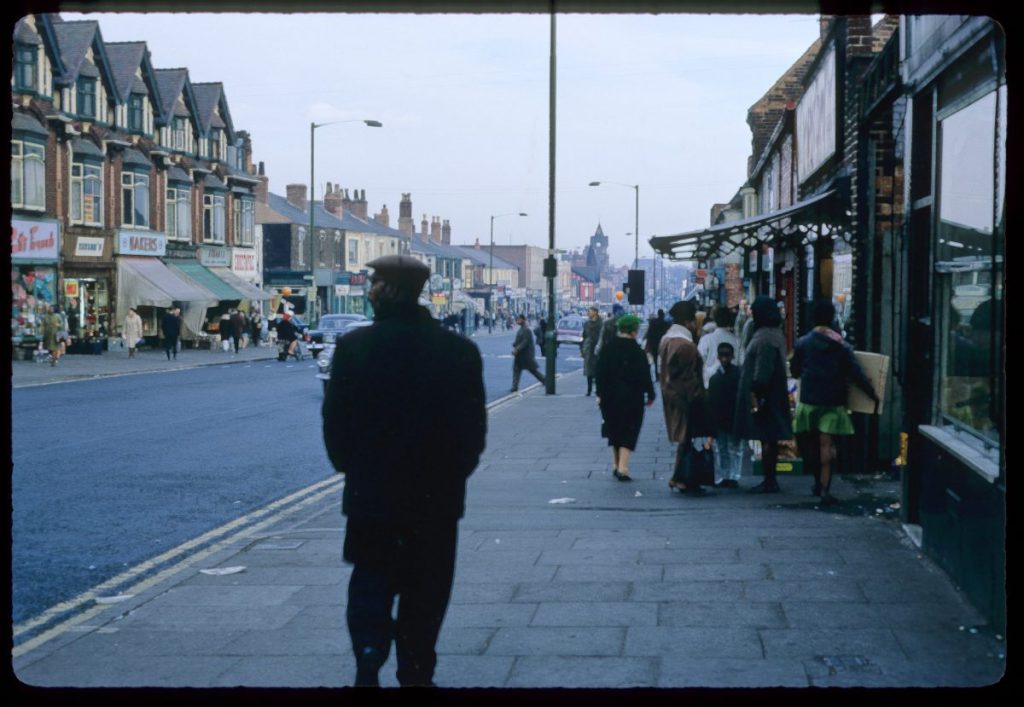
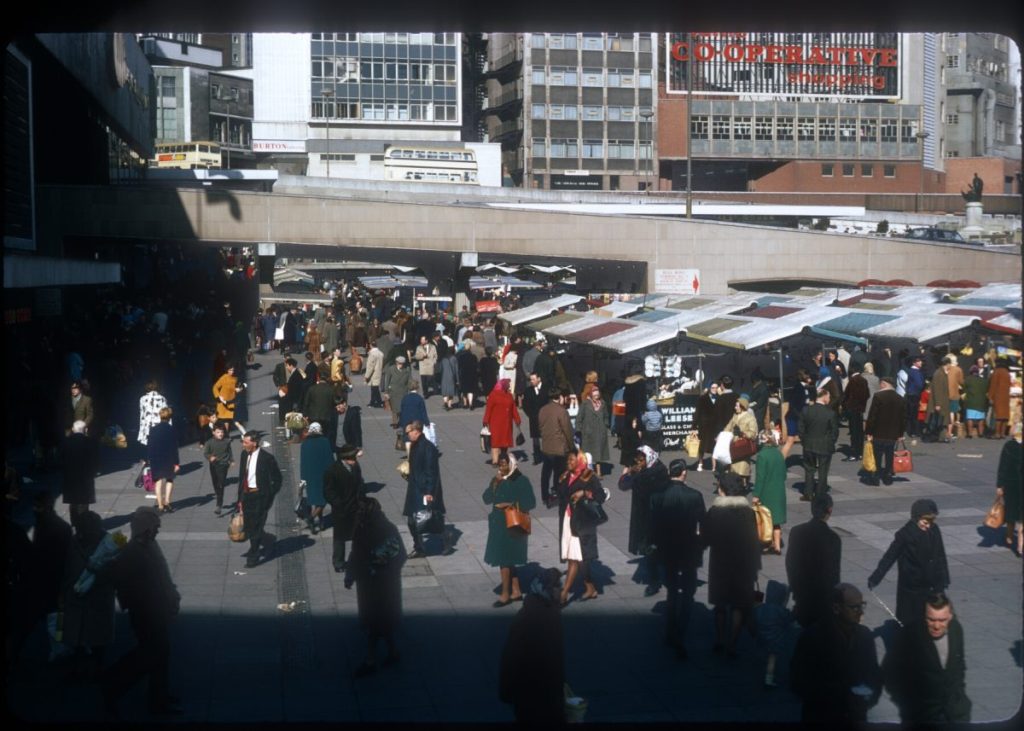
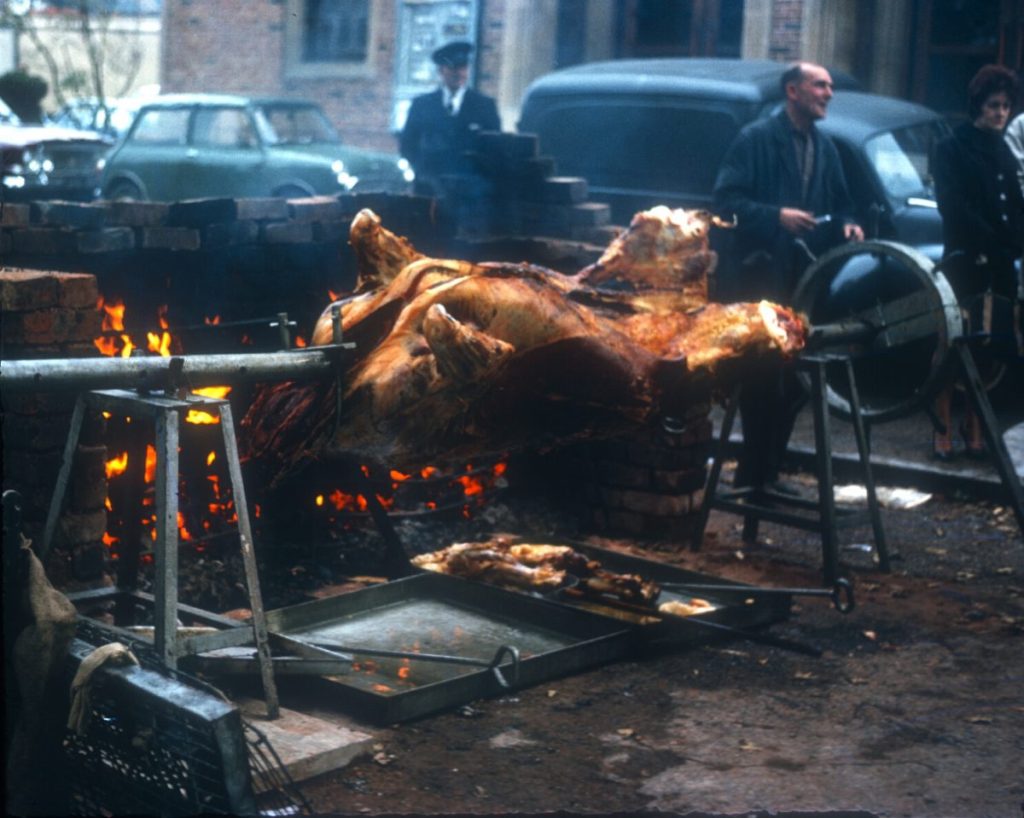
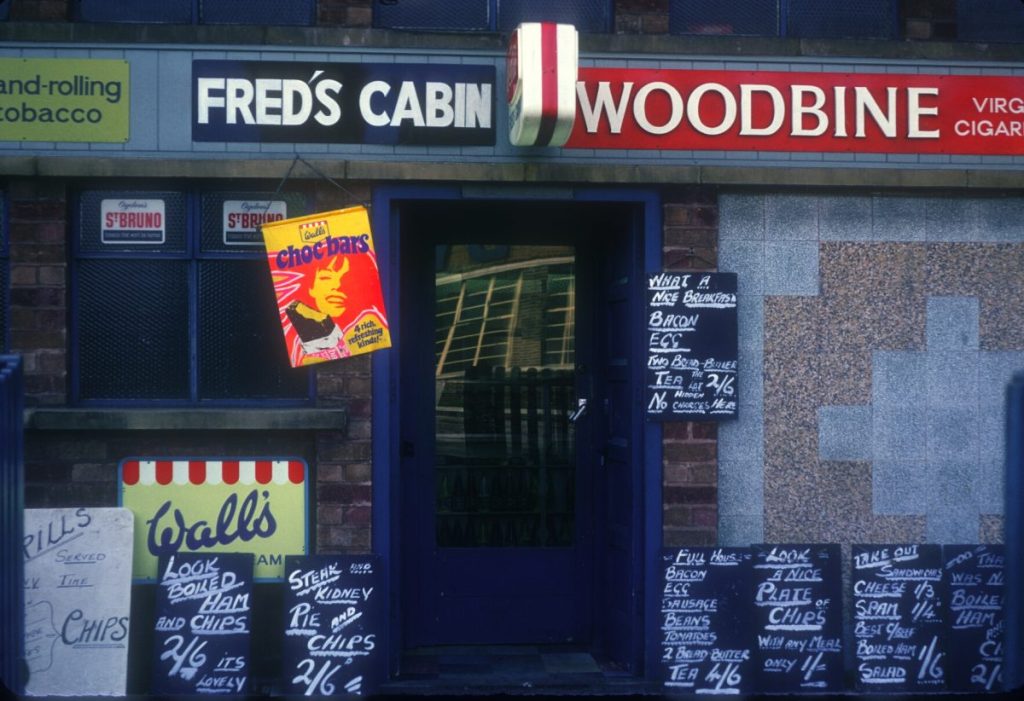
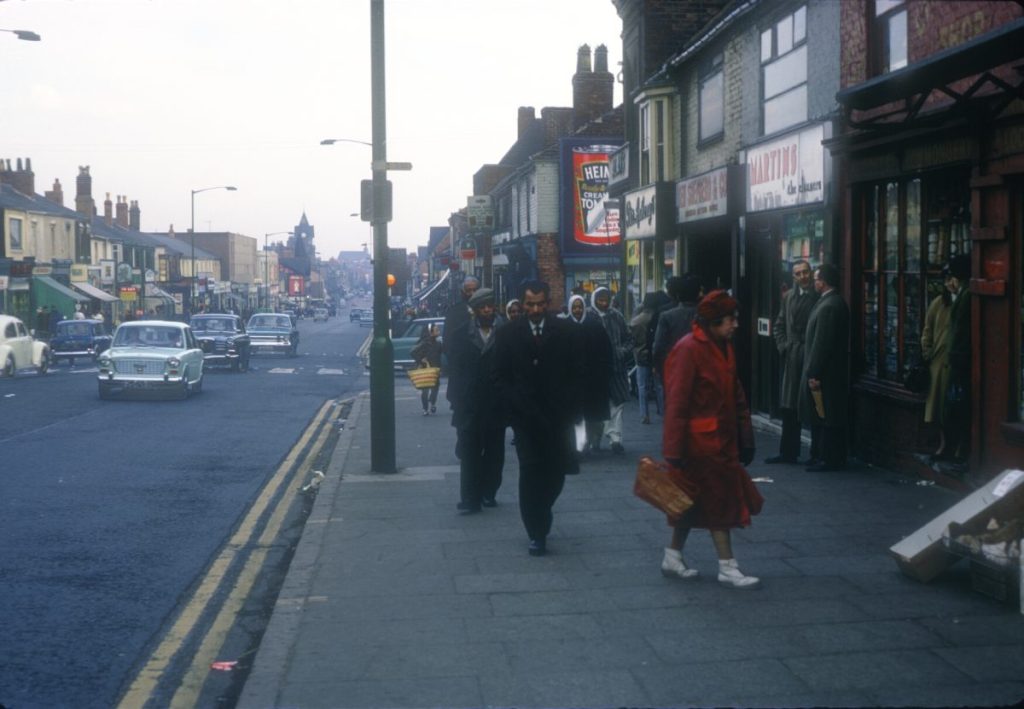
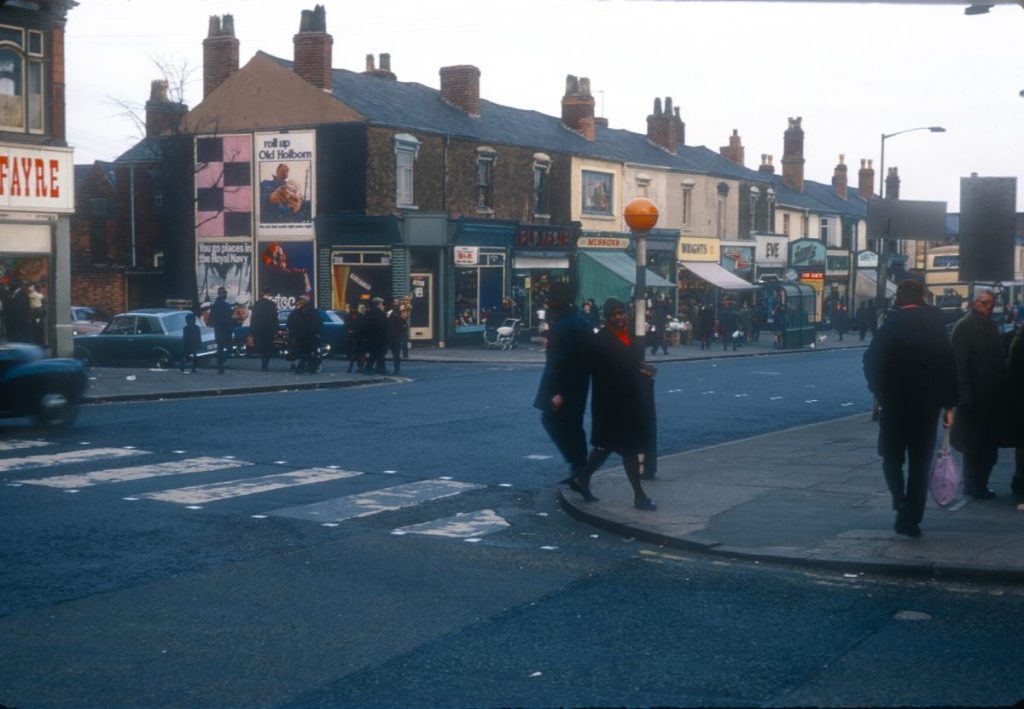
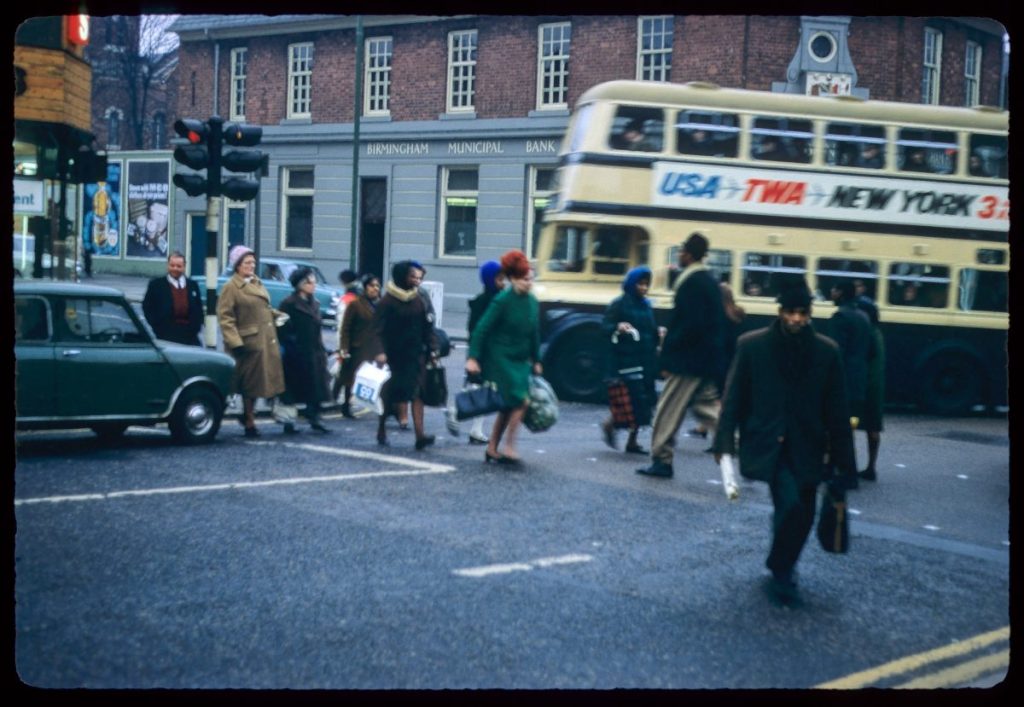
Birmingham is a city and metropolitan borough in the West Midlands, England. It is the second-largest city, urban area and metropolitan area in England and the United Kingdom, with roughly 1.1 million inhabitants within the city area, 2.9 million inhabitants within the urban area and 3.6 million inhabitants within the metropolitan area. The city proper is the most populated English local government district. Birmingham is commonly referred to as the “second city of the United Kingdom”.
Located in the West Midlands county and region in England, approximately 100 miles (160 km) from Central London, Birmingham, as one of the United Kingdom’s major cities, is considered to be the social, cultural, financial, and commercial centre of the Midlands. Distinctively, Birmingham only has small rivers flowing through it, mainly the River Tame and its tributaries River Rea and River Cole – one of the closest main rivers is the Severn, approximately 20 miles (32 km) west of the city centre.
Historically a market town in Warwickshire in the medieval period, Birmingham grew during the 18th century during the Midlands Enlightenment and during the Industrial Revolution, which saw advances in science, technology, and economic development, producing a series of innovations that laid many of the foundations of modern industrial society. By 1791, it was being hailed as “the first manufacturing town in the world”. Birmingham’s distinctive economic profile, with thousands of small workshops practising a wide variety of specialised and highly skilled trades, encouraged exceptional levels of creativity and innovation and provided an economic base for prosperity that was to last into the final quarter of the 20th century. The Watt steam engine was invented in Birmingham.
The resulting high level of social mobility also fostered a culture of political radicalism which, under leaders from Thomas Attwood to Joseph Chamberlain, was to give it a political influence unparalleled in Britain outside London, and a pivotal role in the development of British democracy. From the summer of 1940 to the spring of 1943, Birmingham was bombed heavily by the German Luftwaffe in what is known as the Birmingham Blitz. The damage done to the city’s infrastructure, in addition to a deliberate policy of demolition and new building by planners, led to extensive urban regeneration in subsequent decades.
Birmingham’s economy is now dominated by the service sector. The city is a major international commercial centre and an important transport, retail, events and conference hub. Its metropolitan economy is the second-largest in the United Kingdom with a GDP of $121.1bn (2014), and its five universities make it the largest centre of higher education in the country outside London. Birmingham’s major cultural institutions – the City of Birmingham Symphony Orchestra, the Birmingham Royal Ballet, the Birmingham Repertory Theatre, the Library of Birmingham and the Barber Institute of Fine Arts – enjoy international reputations, and the city has vibrant and influential grassroots art, music, literary and culinary scenes. The city will host the 2022 Commonwealth Games. Birmingham is the fourth-most visited city in the UK by people from foreign nations. (Wikipedia)














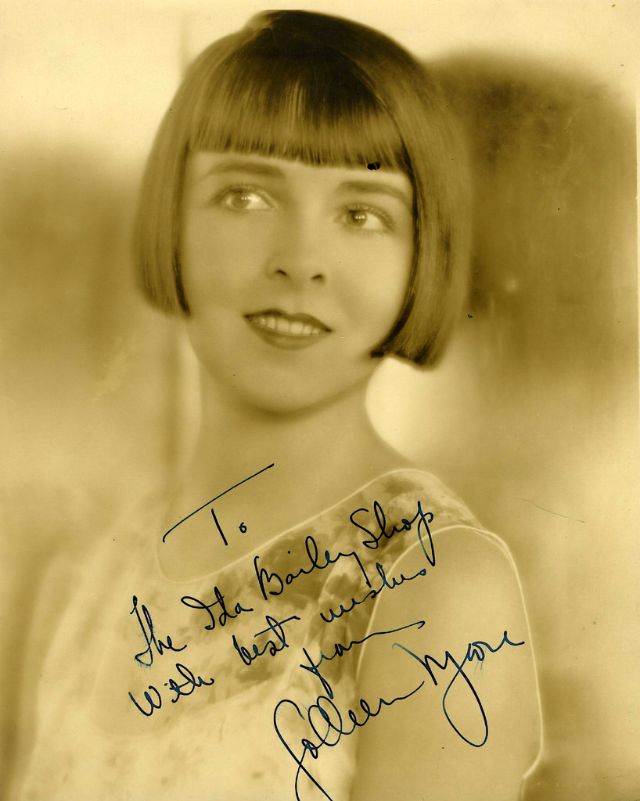
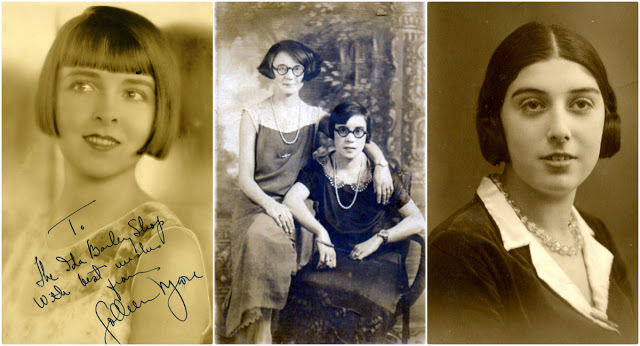
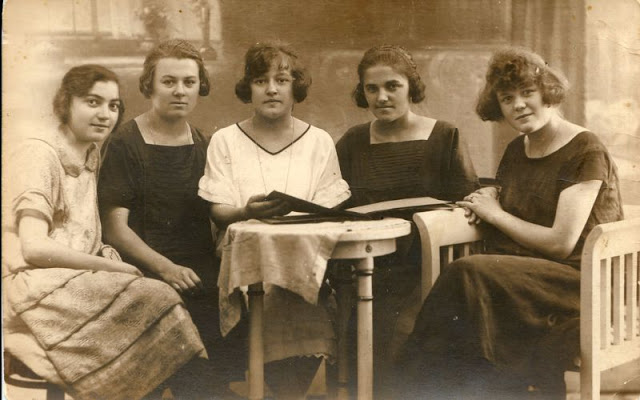
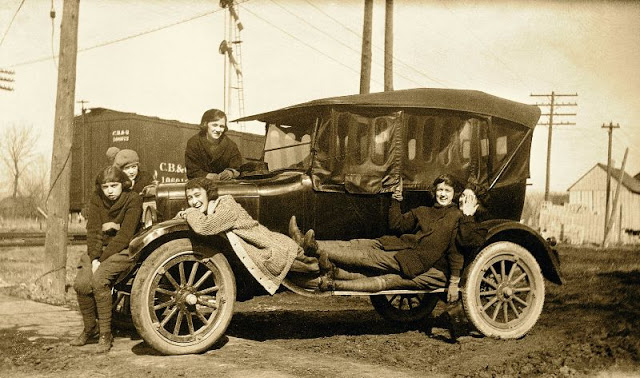
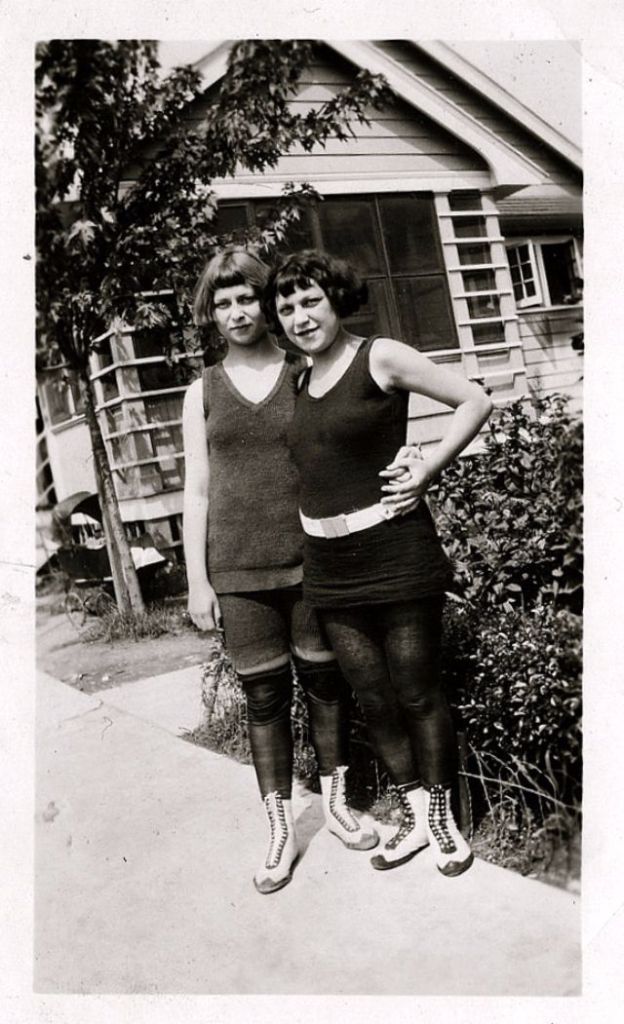
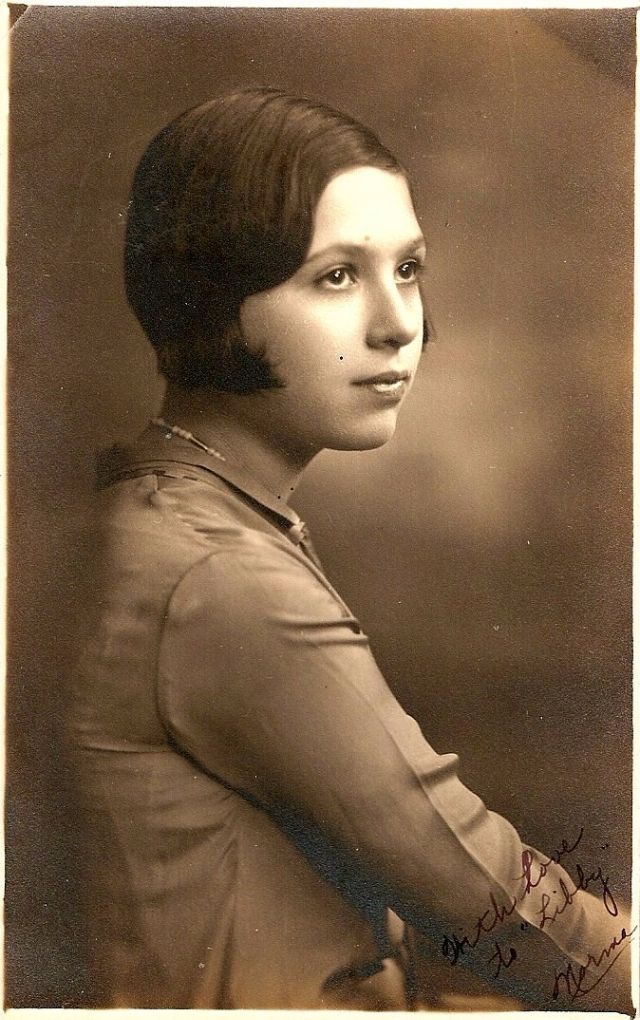
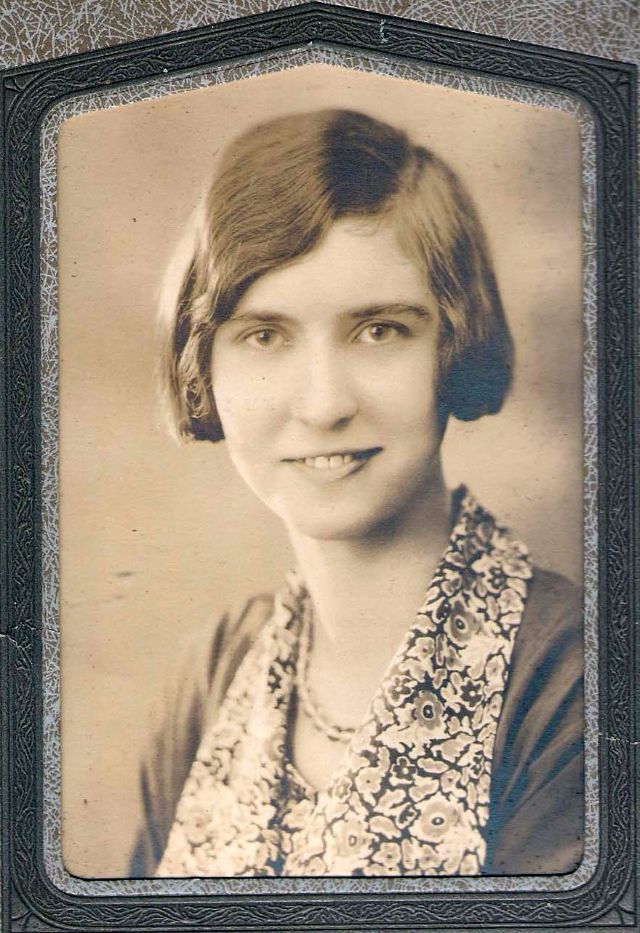
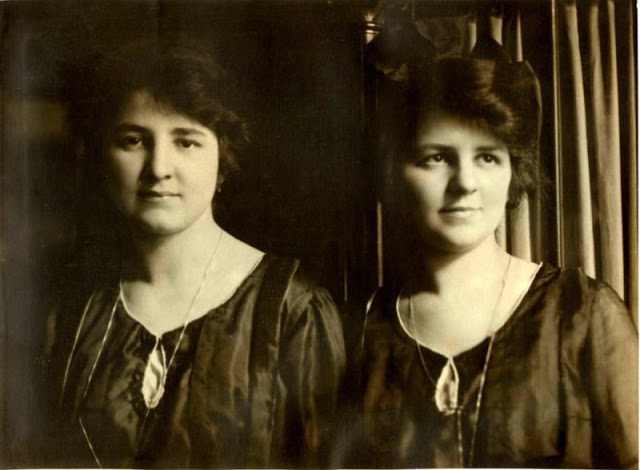
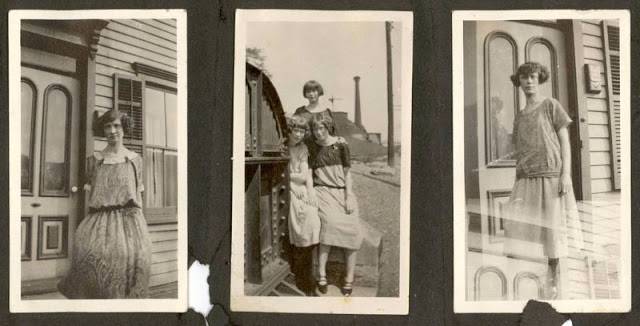
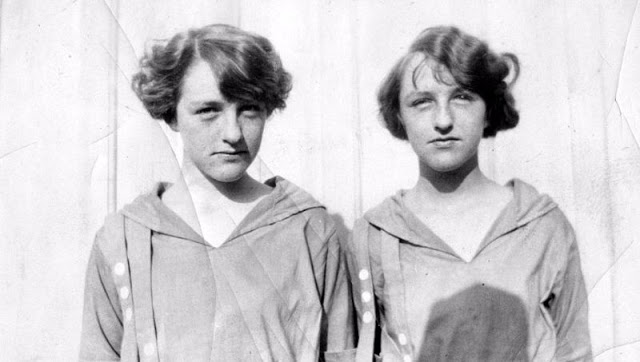
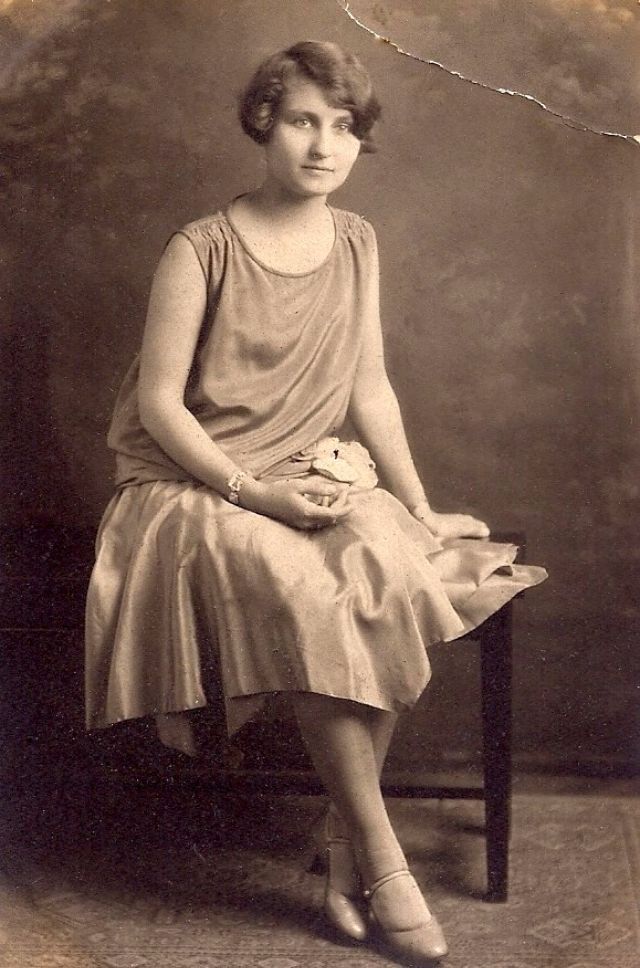
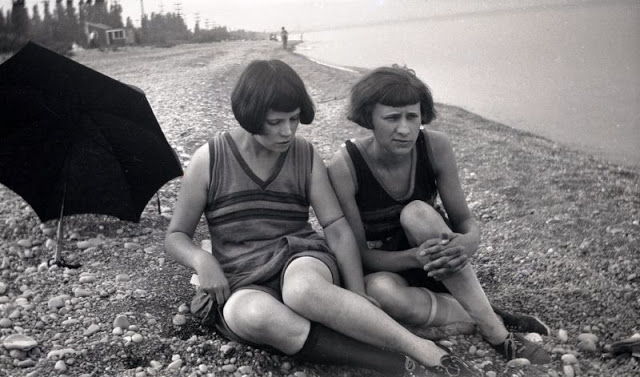
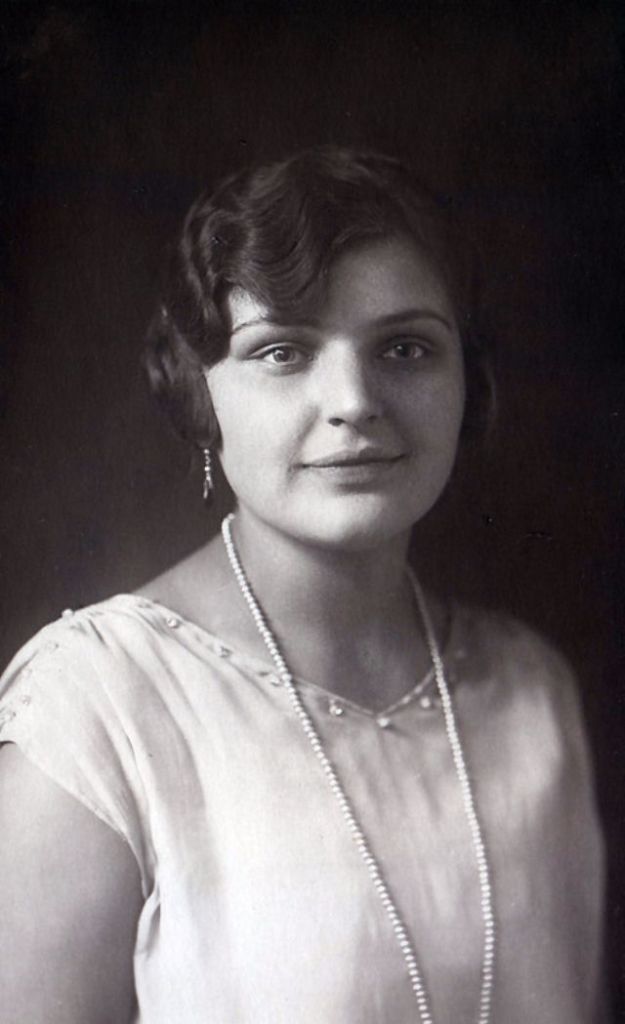
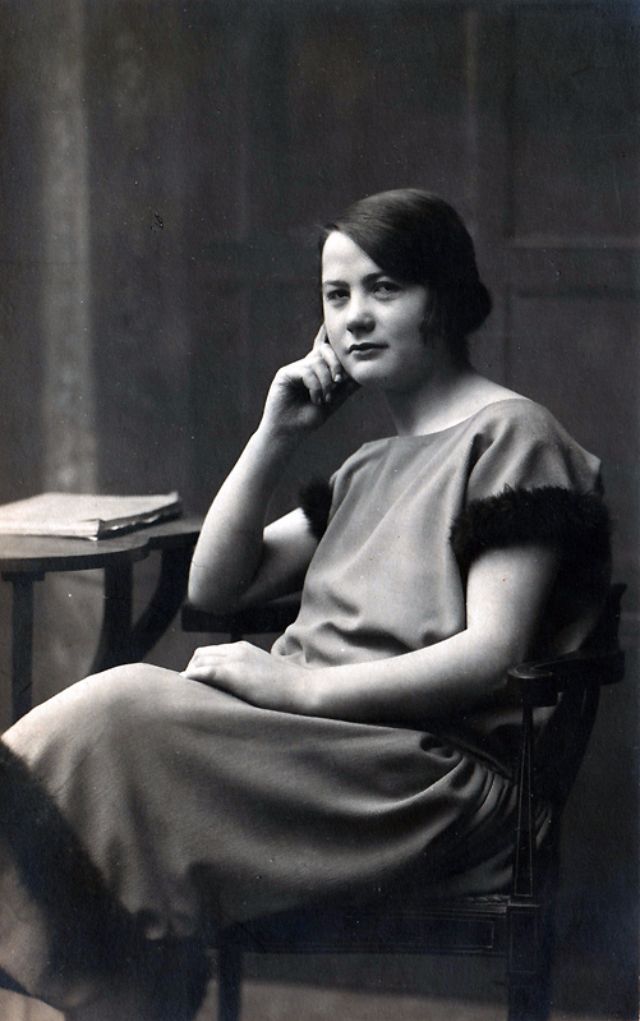
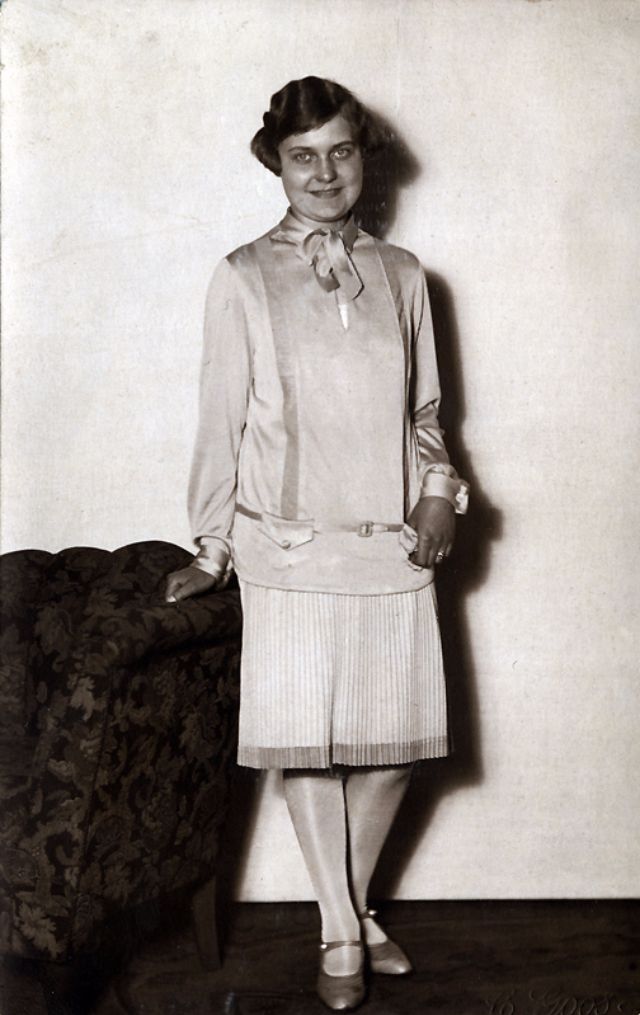
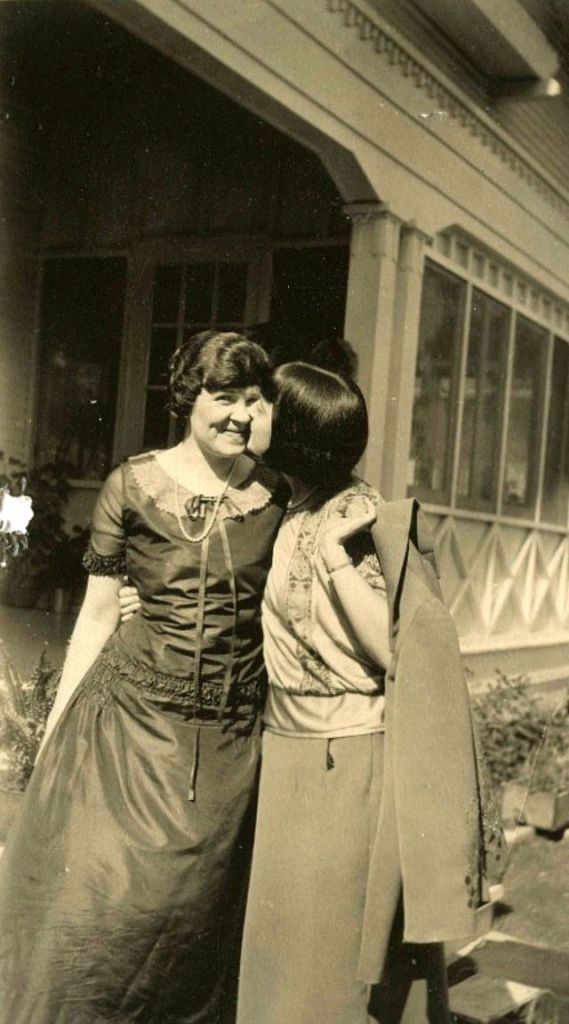
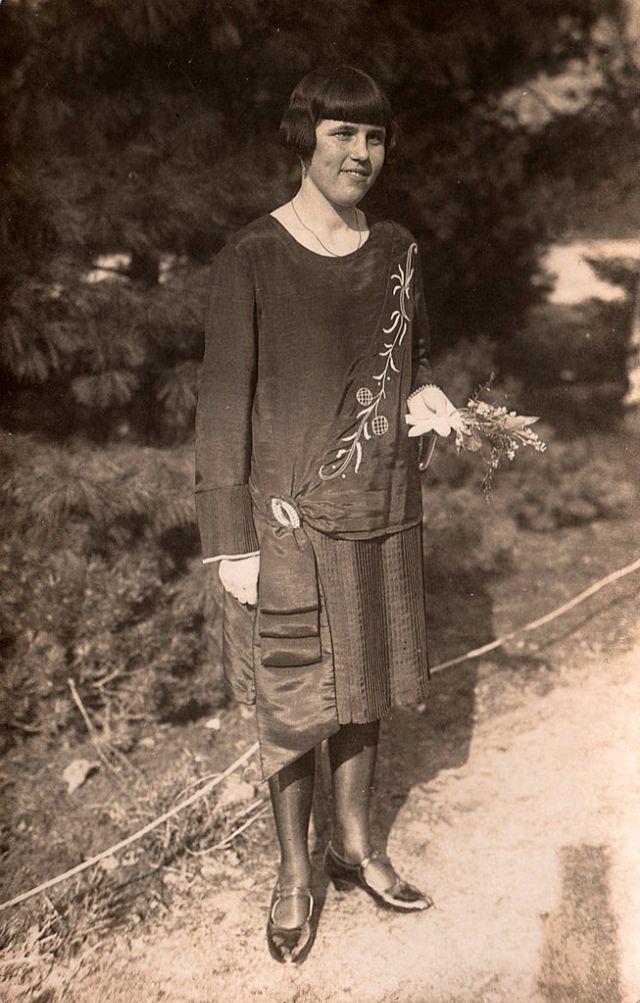
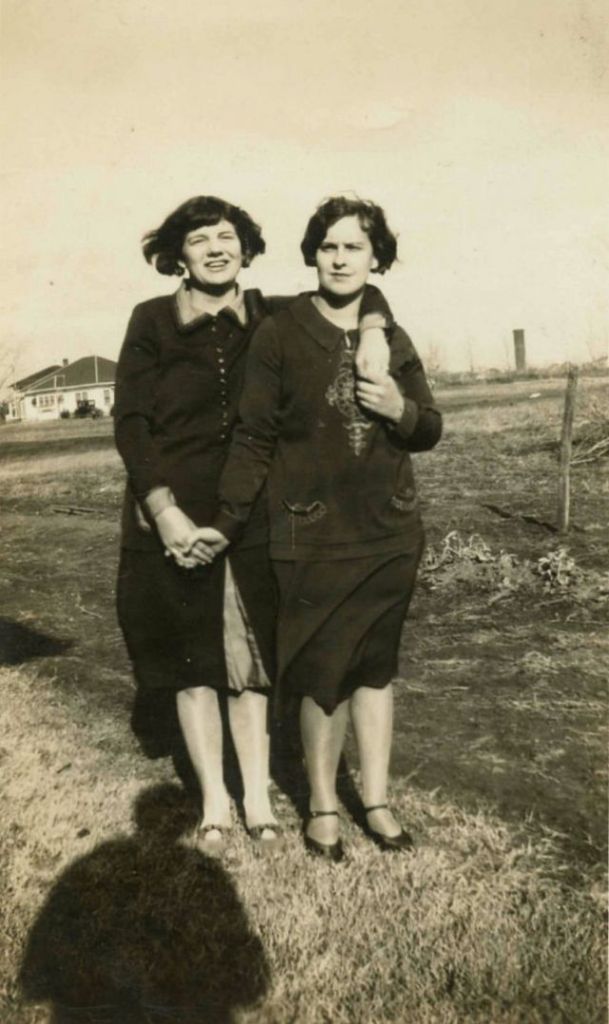
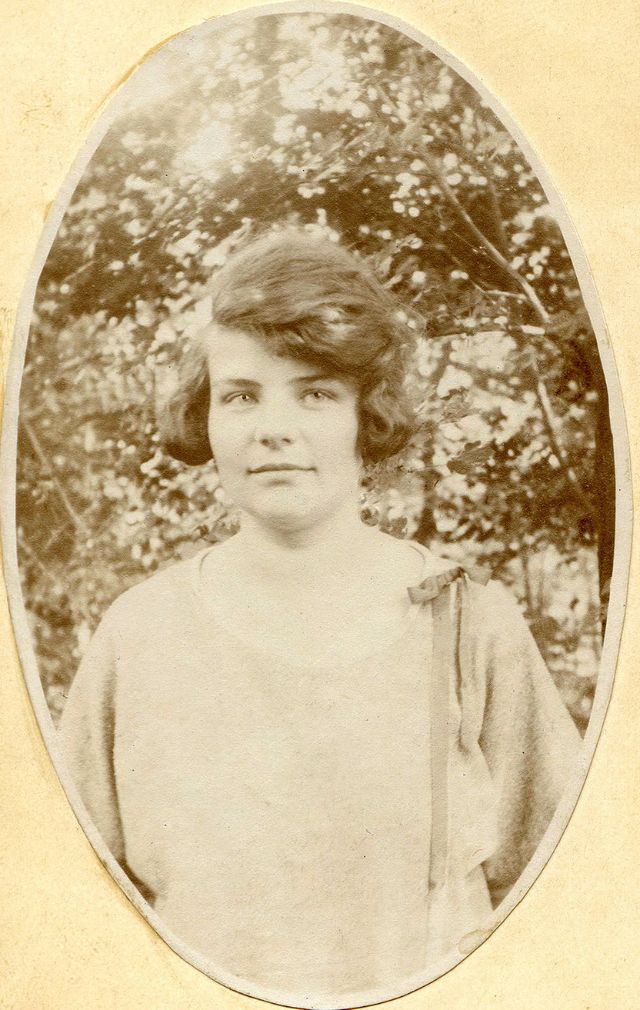
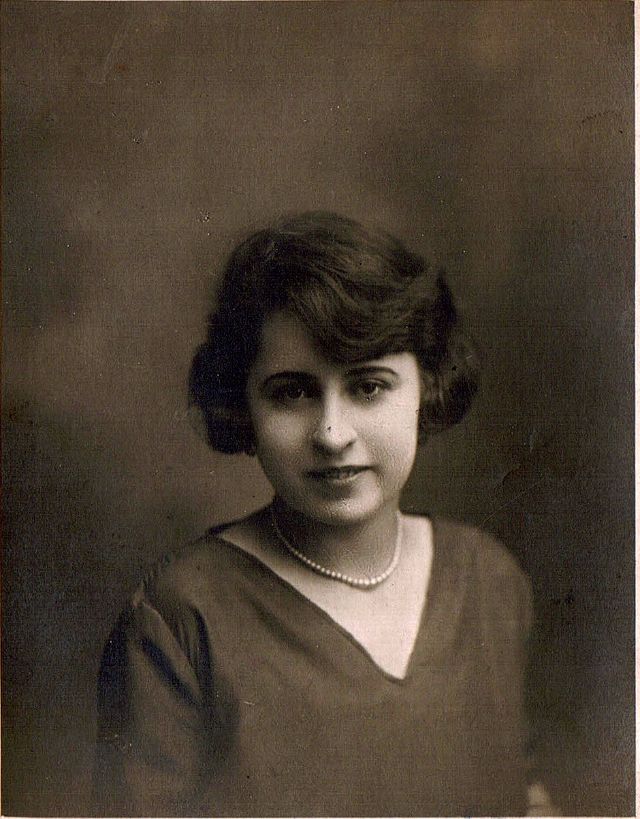
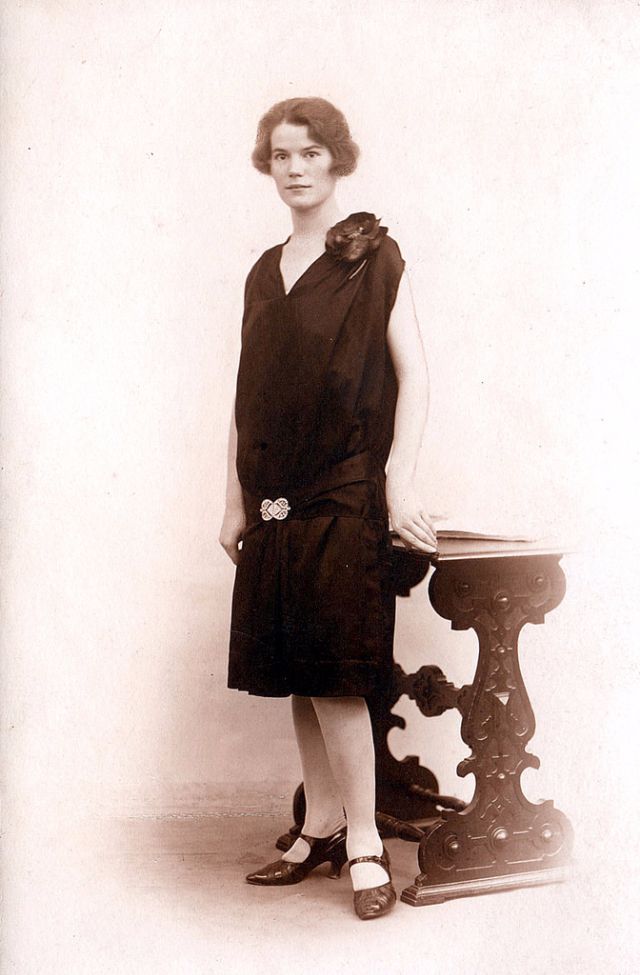
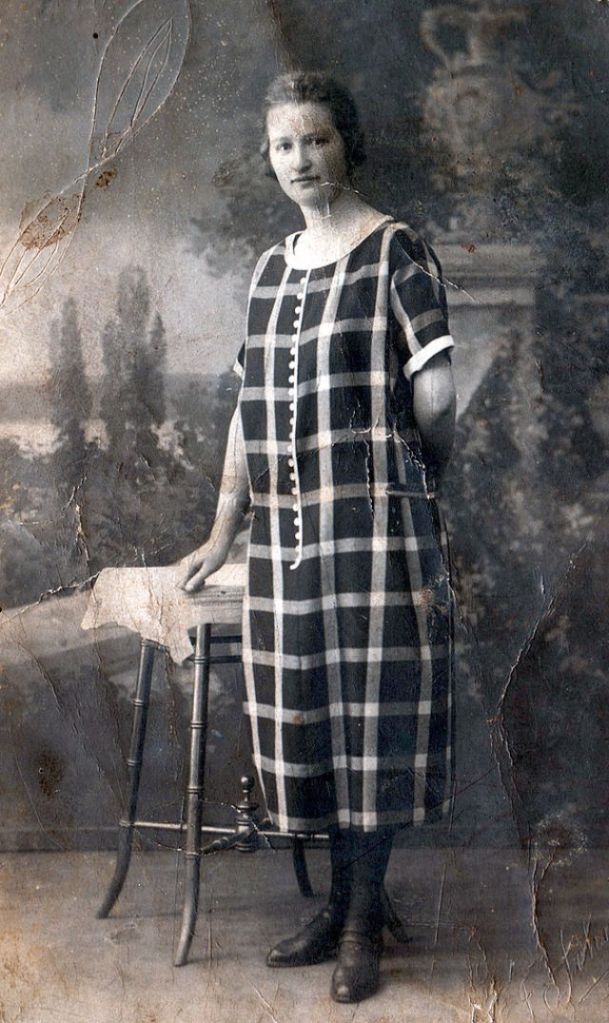
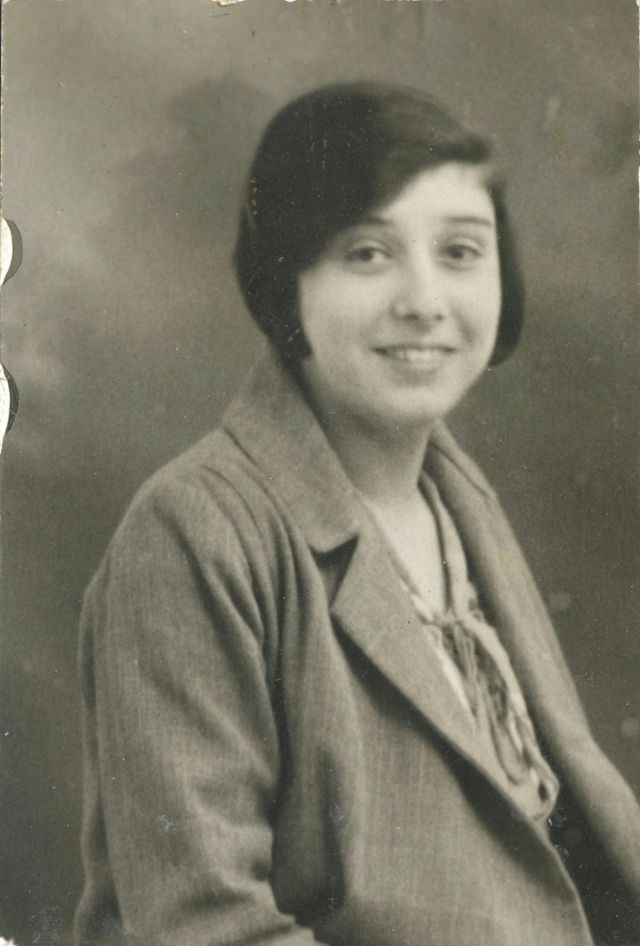
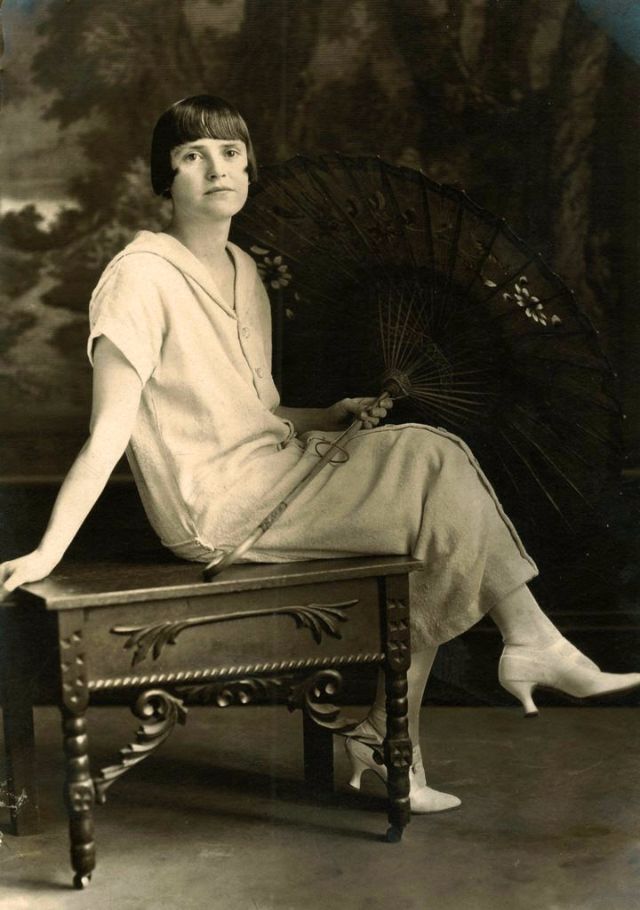
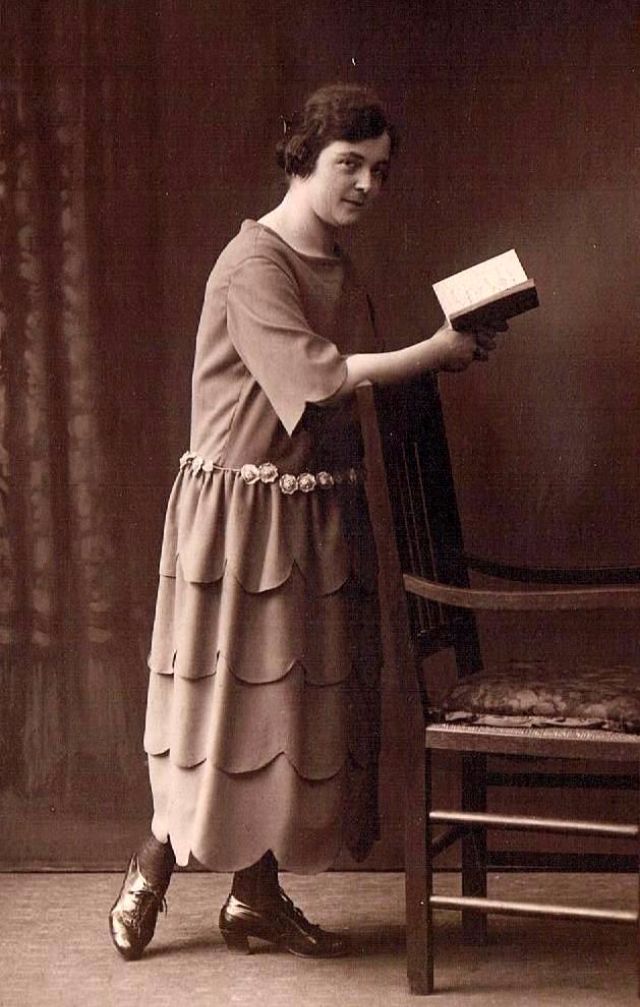
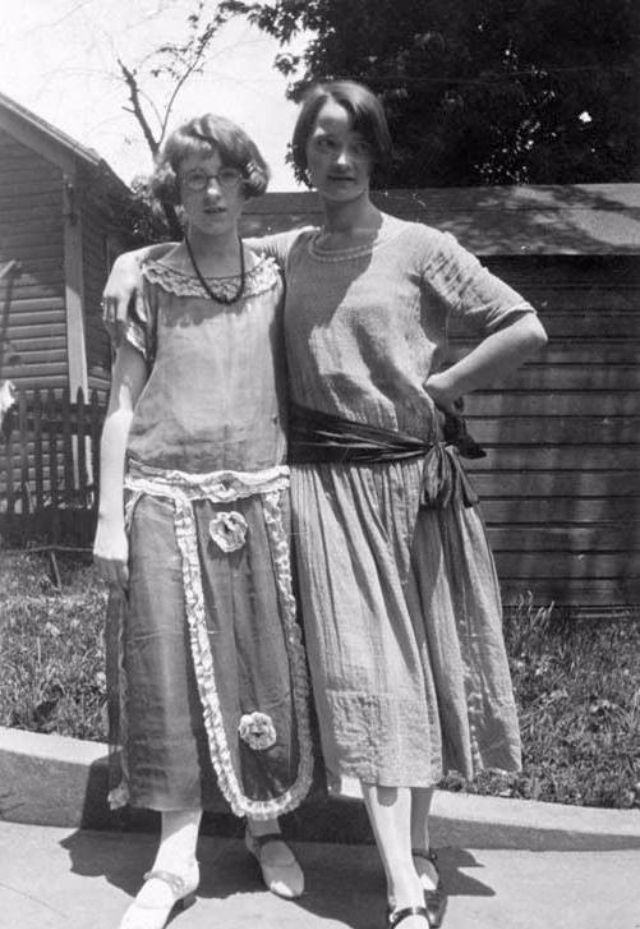
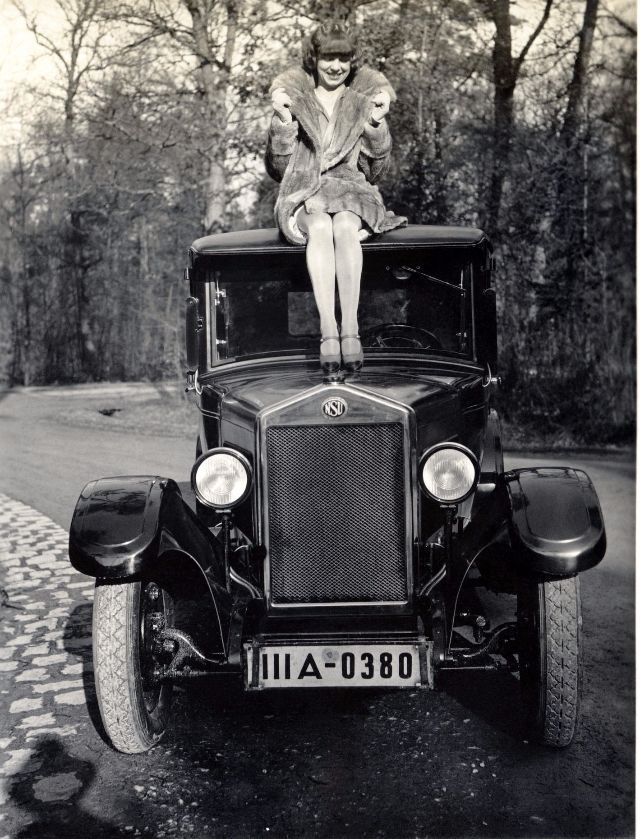
A bob cut or bob is a short haircut for women (and occasionally men) in which the hair is typically cut straight around the head at about jaw-level, often with a fringe (or “bangs”) at the front. The bob is cut at the level of ears, below the ears or above shoulders.
Began to rarely appear from between the 1900s and 1910s, it was really popular in the 1920s and later. Check out these photos too see what women looked like in bob style from the 1920s.













Buick is a division of the American automobile manufacturer General Motors (GM). Started by automotive pioneer David Dunbar Buick, it was among the first American marques of automobiles, and was the company that established General Motors in 1908. Before the establishment of General Motors, GM founder William C. Durant had served as Buick’s general manager and major investor.
For much of its existence in the North American market, Buick has been marketed as a premium automobile brand, selling luxury vehicles positioned above GM’s mainstream brands, while below the flagship luxury Cadillac division. Buick’s current target demographic according to The Detroit News is “a successful executive with family.”
After securing its market position in the late 1930s, when junior companion brand Marquette and Cadillac junior brand LaSalle were cancelled, Buick was recognized as an upscale luxury car with a conservative appearance, as opposed to more ostentatious Cadillac and technology-rich, forward-thinking Oldsmobile. During this same time period, many manufacturers were introducing V8 engines in their high-end models, while Buick used a straight-8 for all models starting in 1931. The first Buick V8 was introduced in 1953, then in 1962, the Buick V6 was introduced for the compact Special model. Buick engines, with few exceptions, have always used overhead valves which the company pioneered in the 1904 Buick Model B.
In 2017, Buick sold more than 1.4 million vehicles worldwide, a record for the brand. The main market is now China, where 80% of Buick-branded automobiles are sold. Buicks are also sold in the United States, Canada, and Mexico. (Wikipedia)
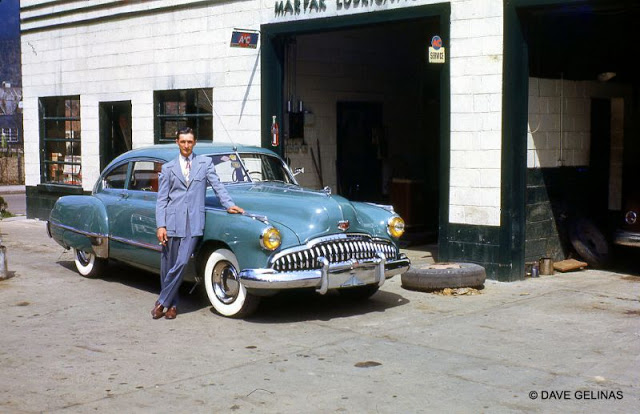
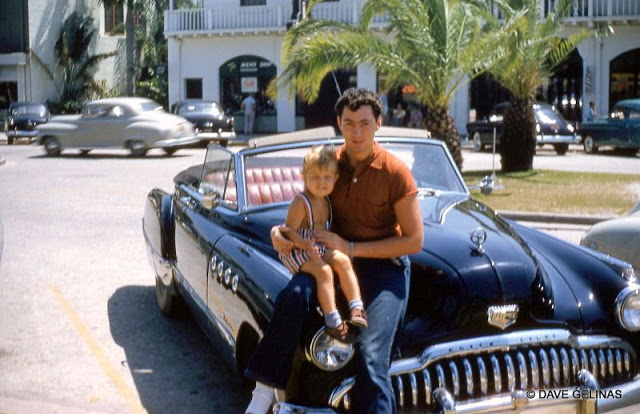
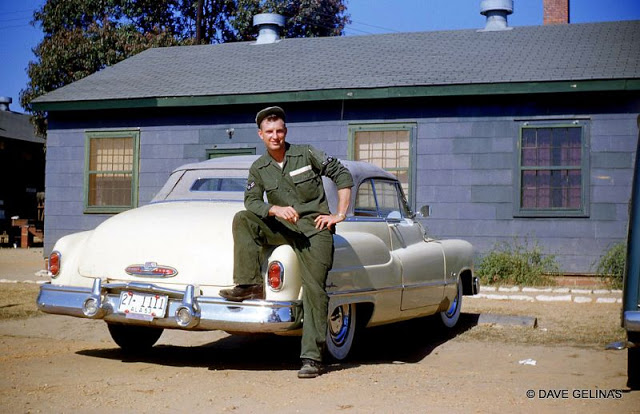
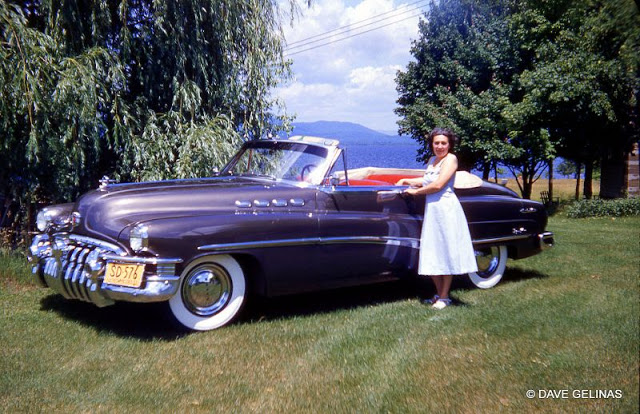
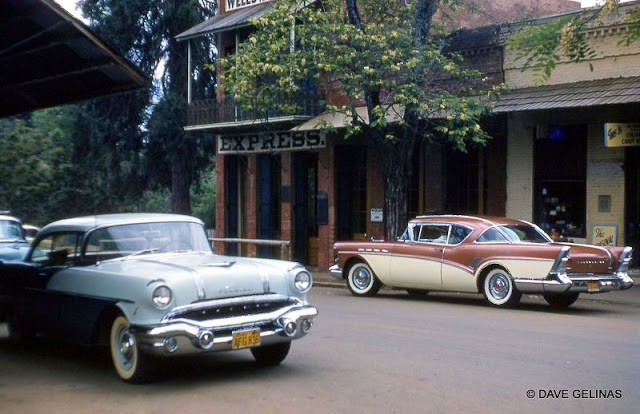
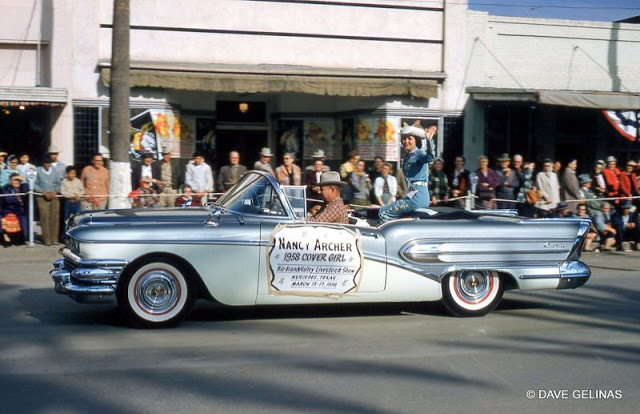
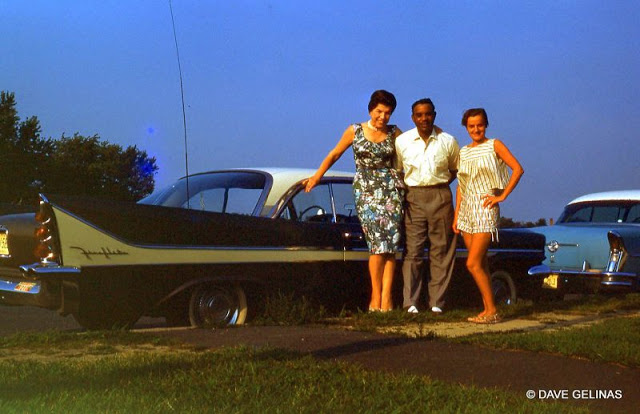
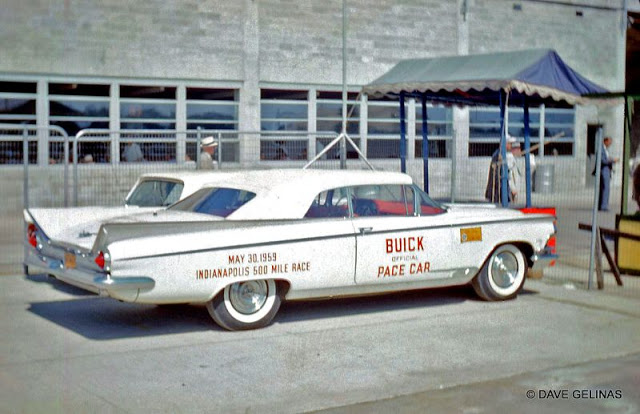
Here is a cool photo collection from Dave Gelinas that shows the 1940s and 1950s Buick cars on streets.
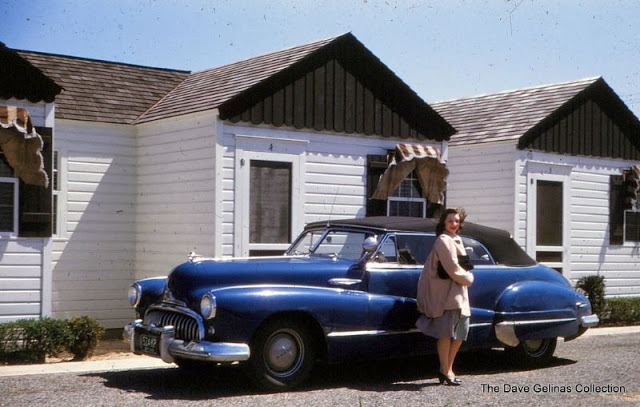

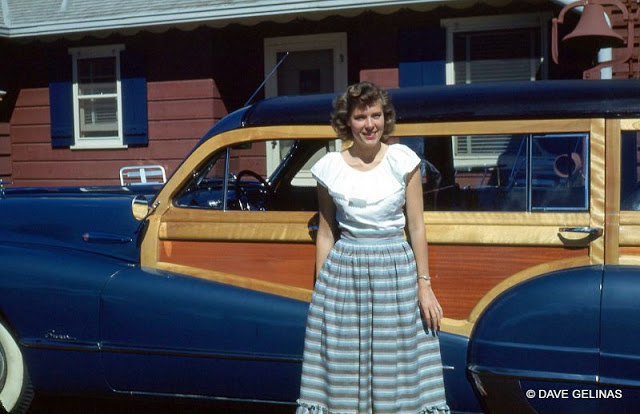

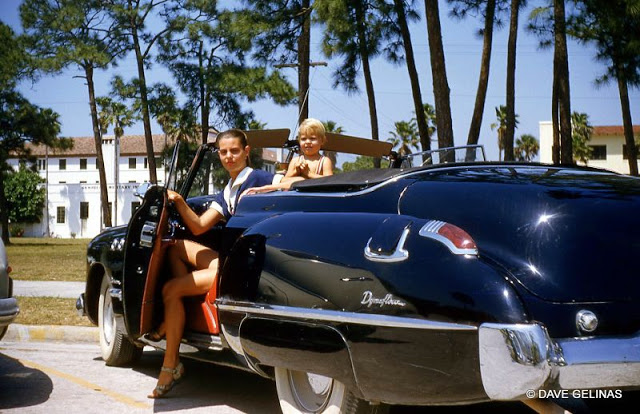

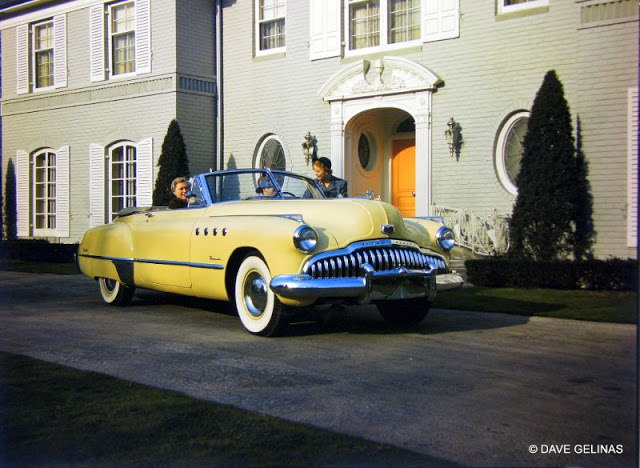



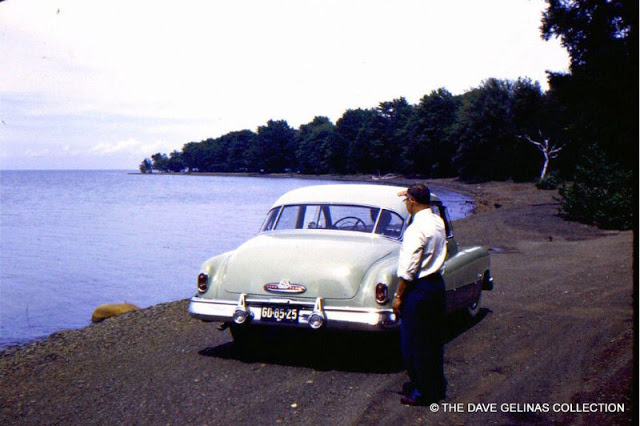
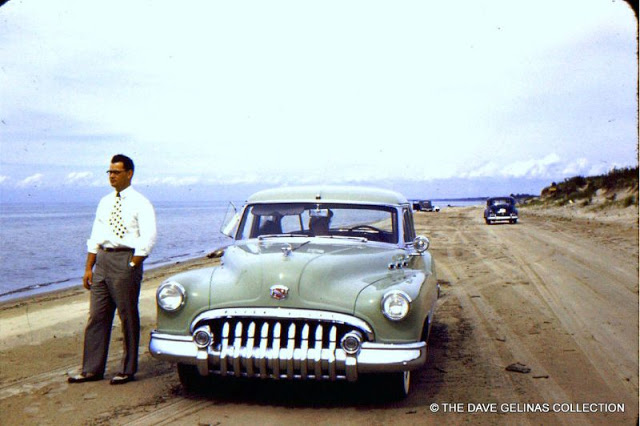
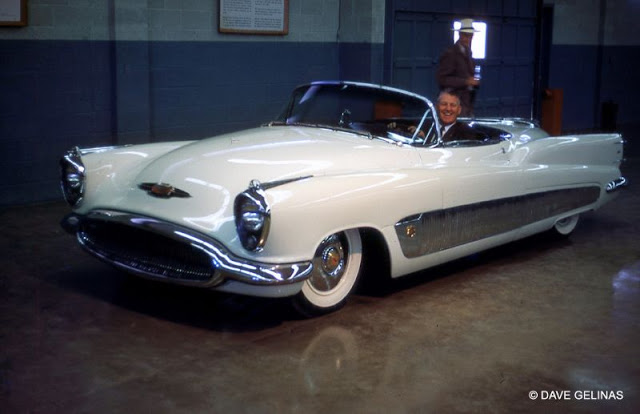
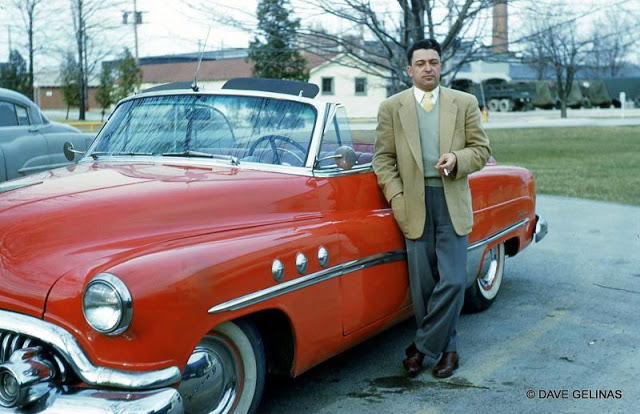

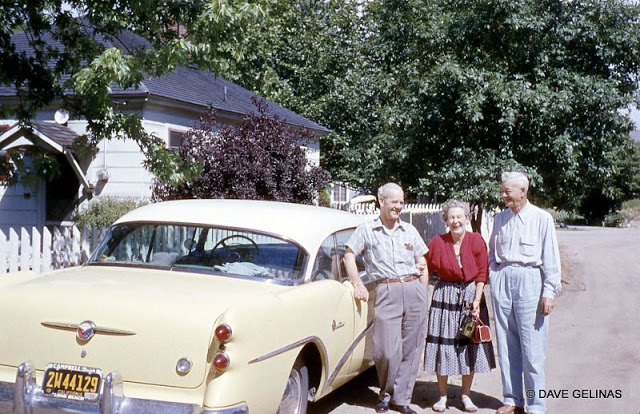
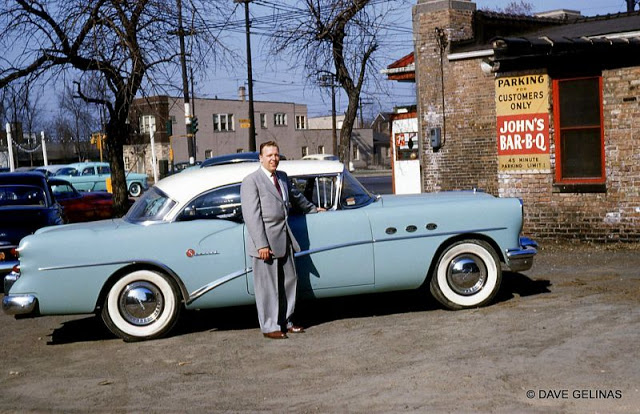
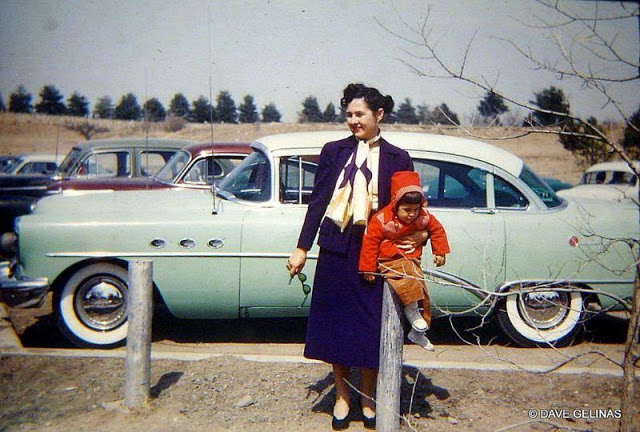




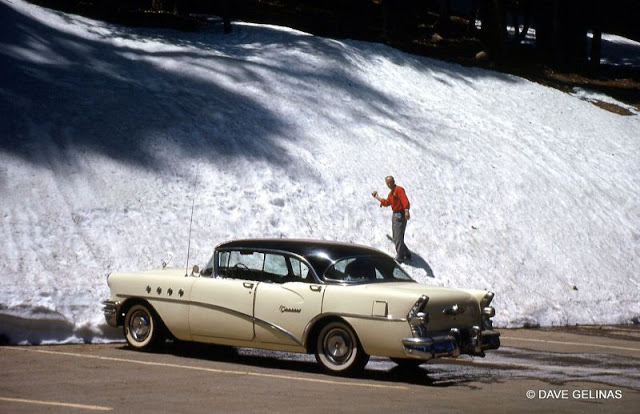

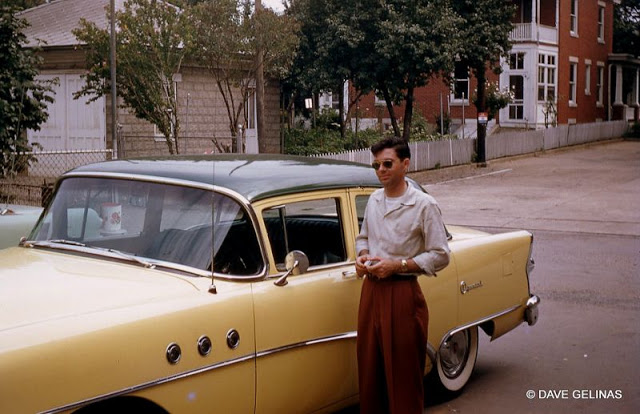
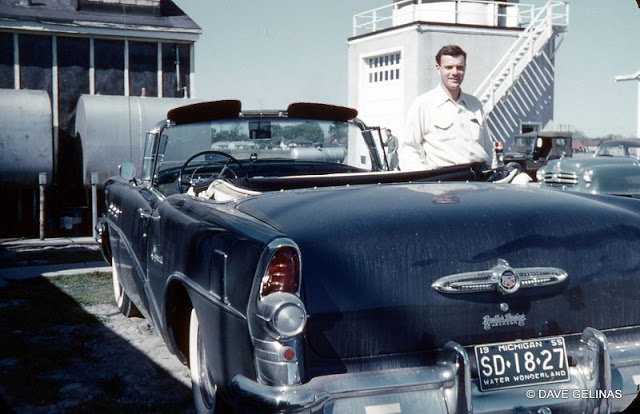



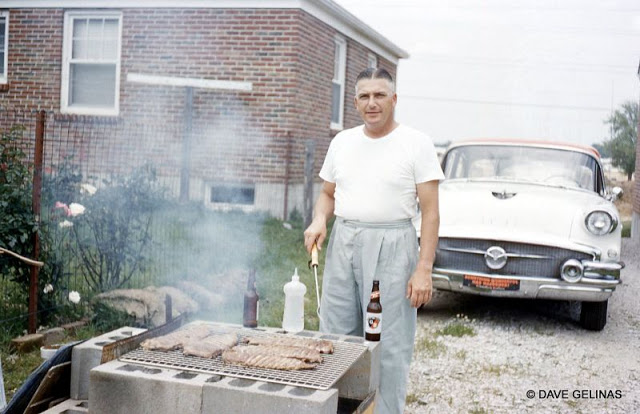



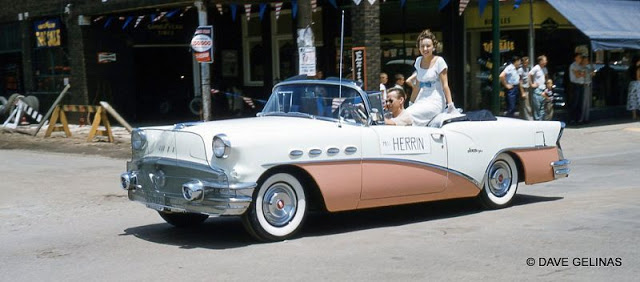

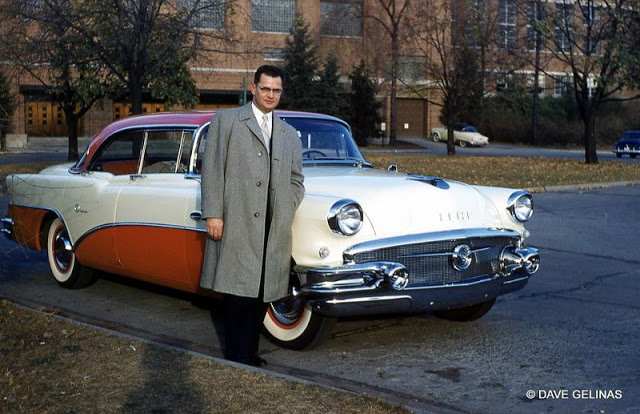
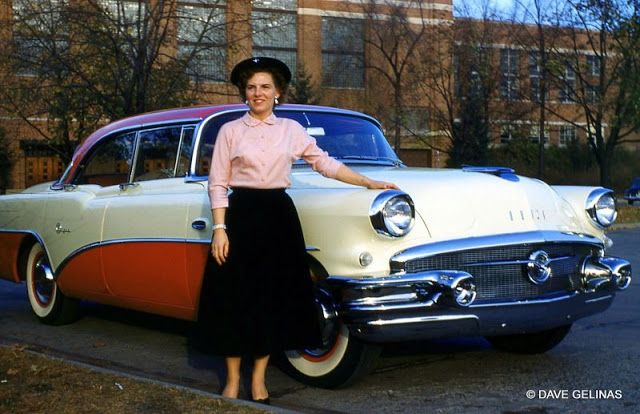
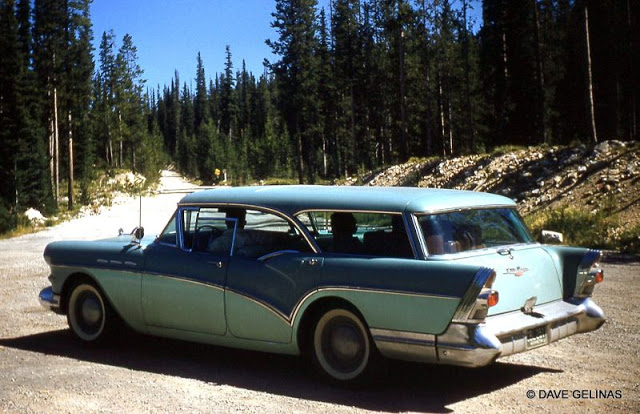

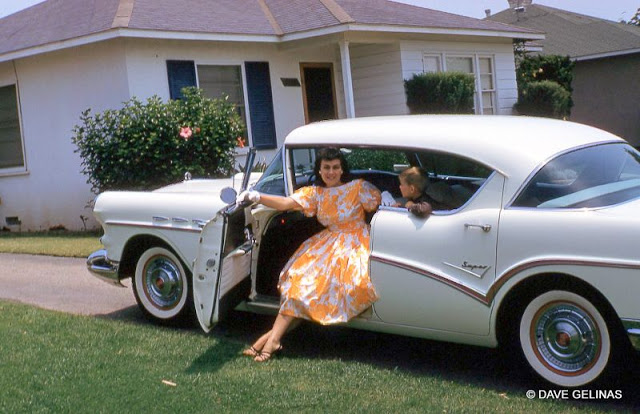
(Photos © Dave Gelinas)
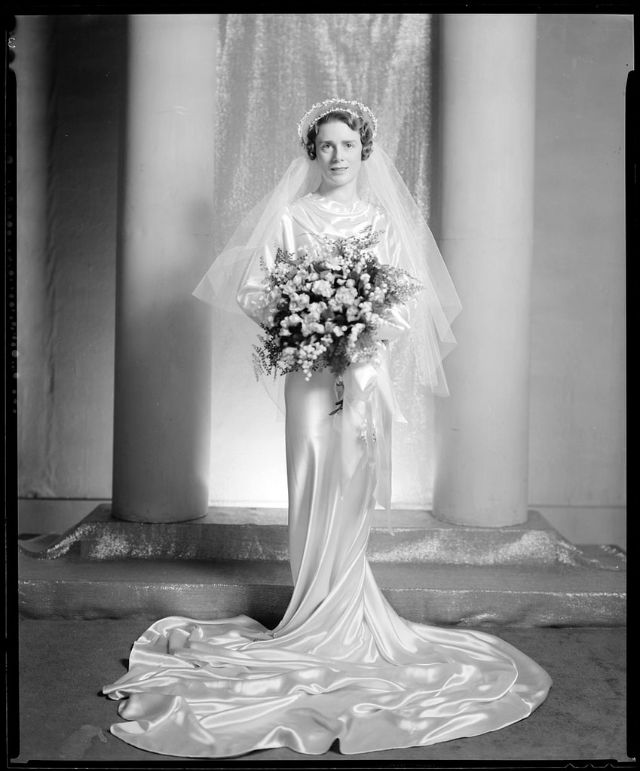

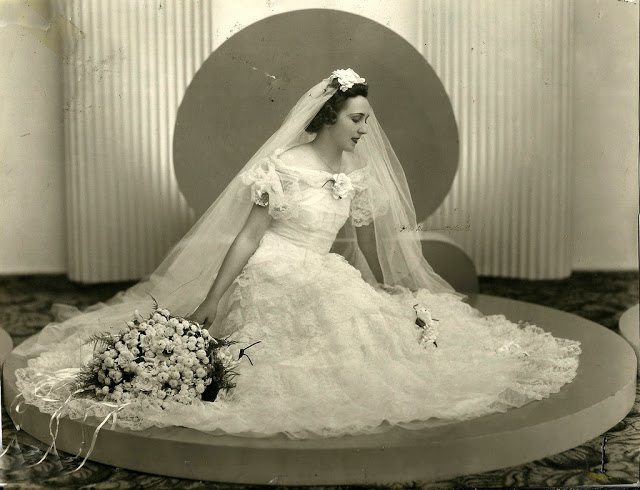

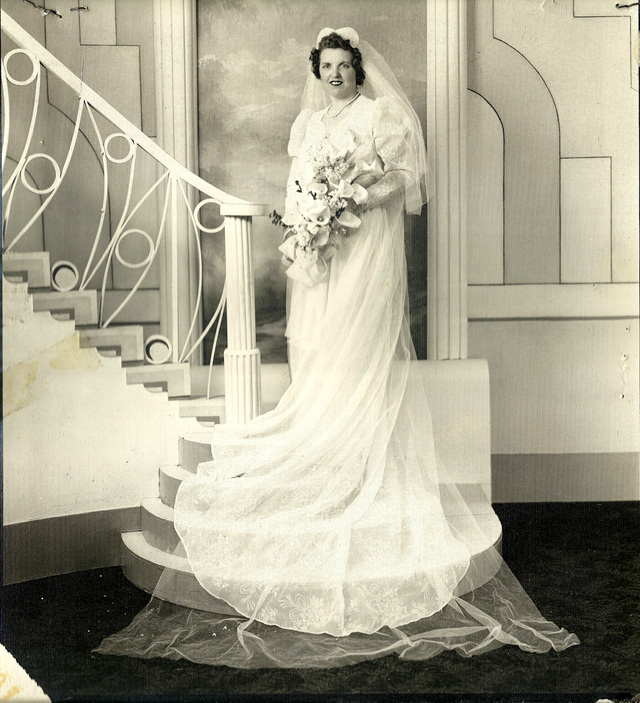
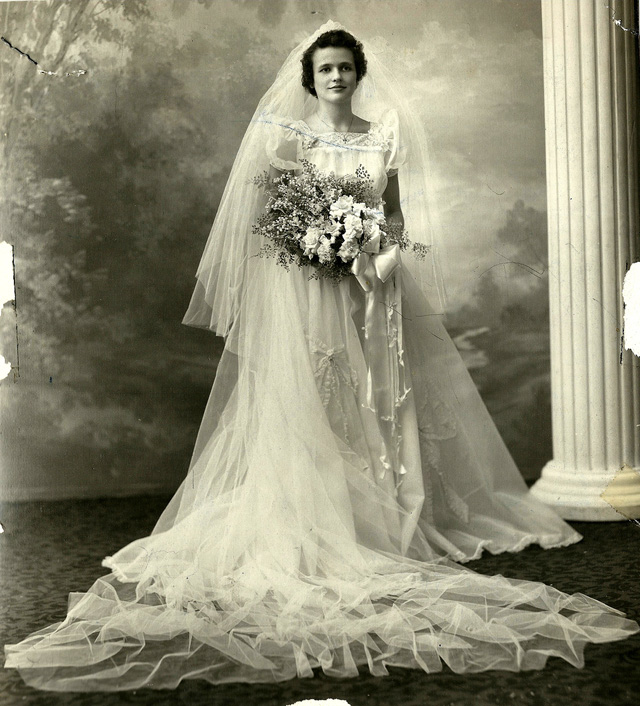












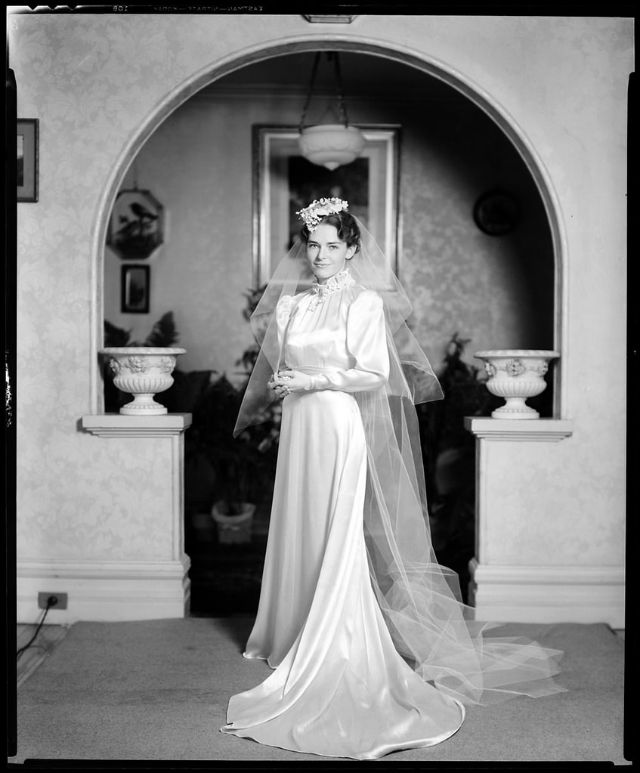
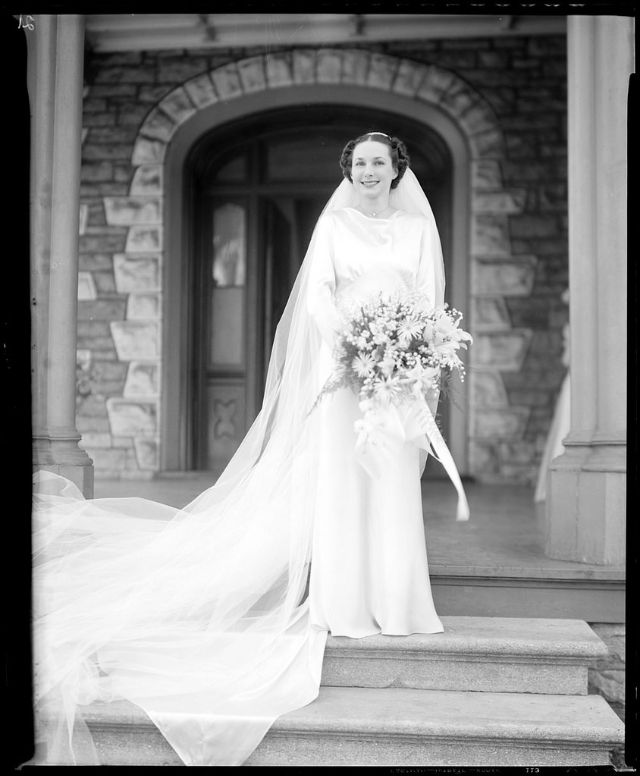
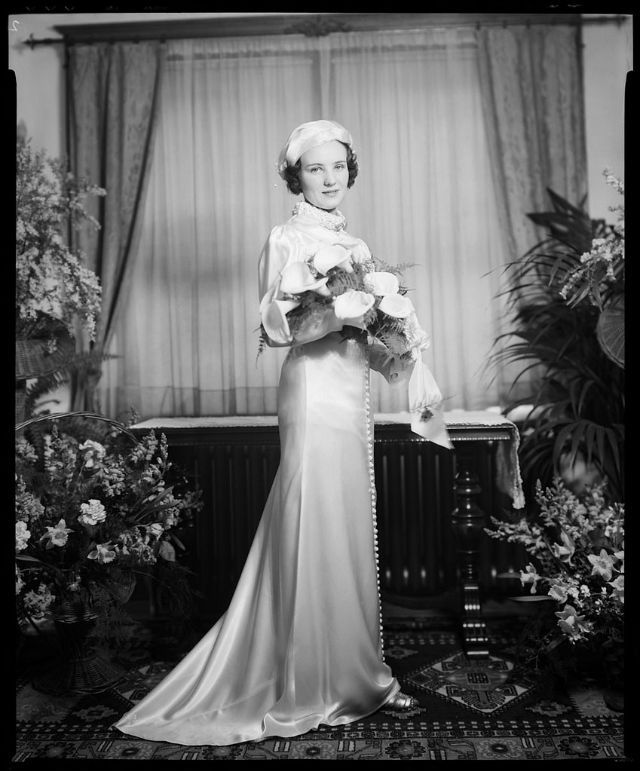
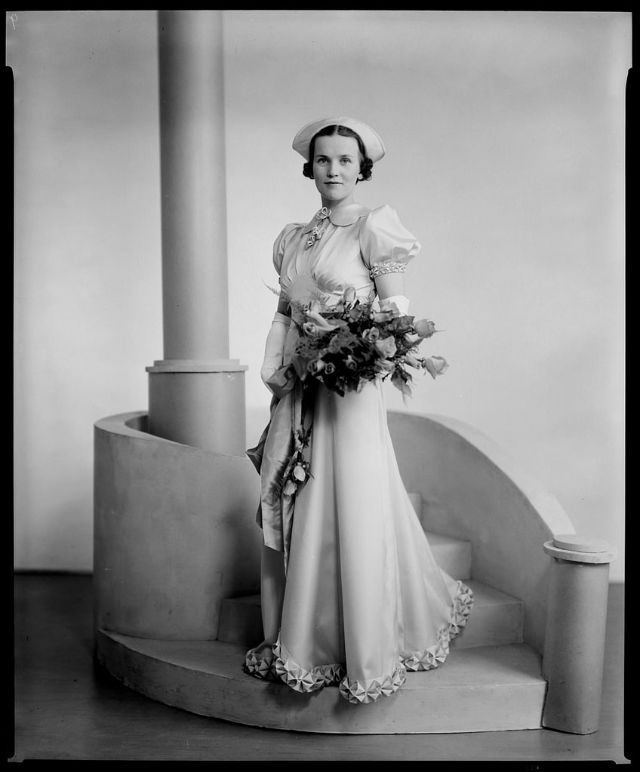
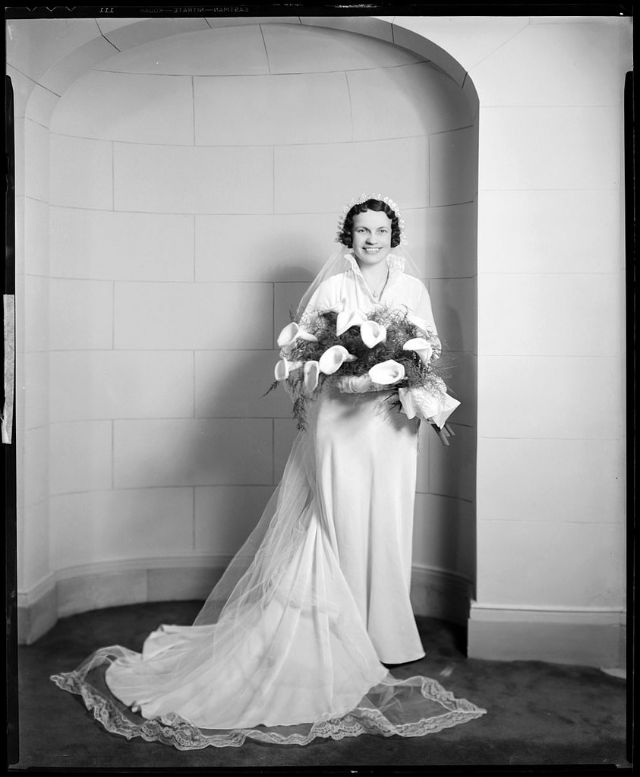
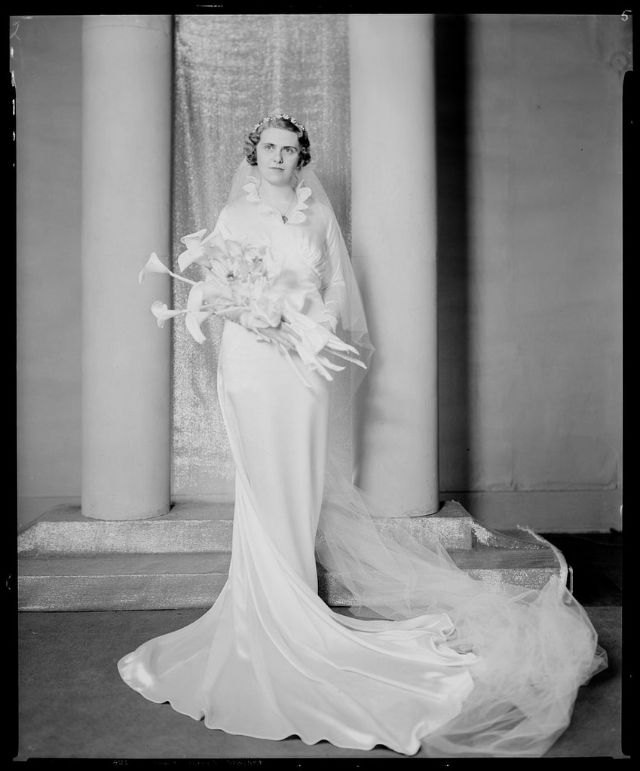
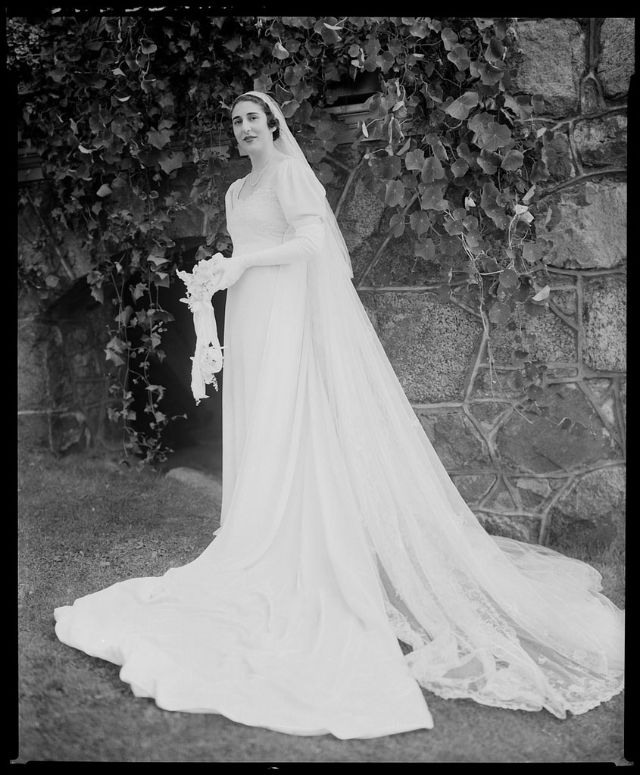
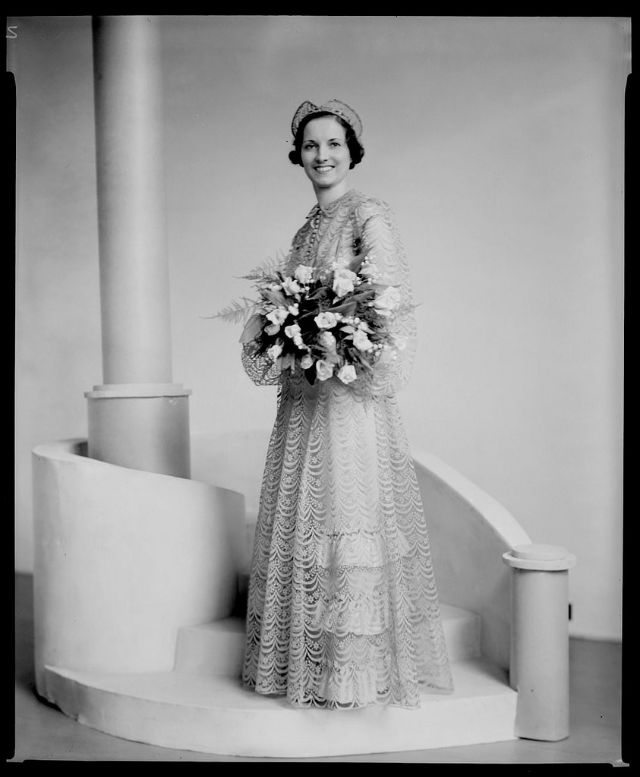
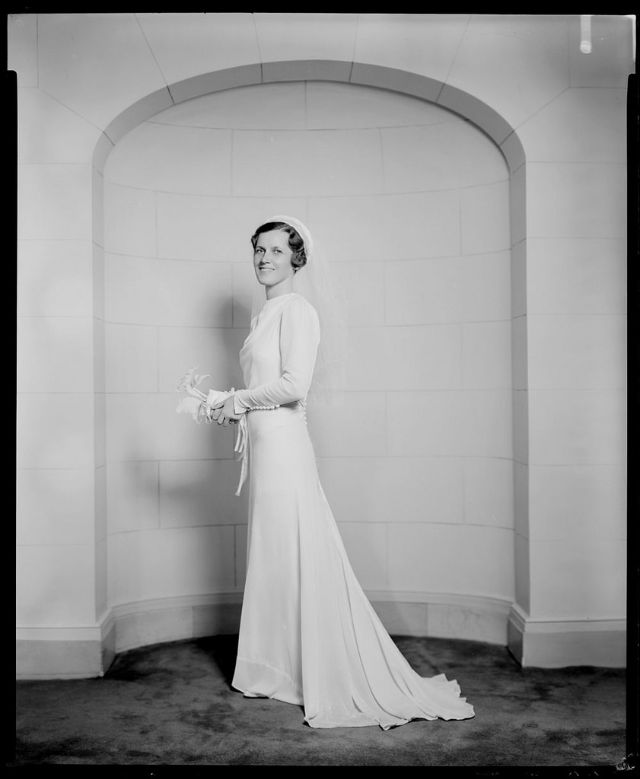
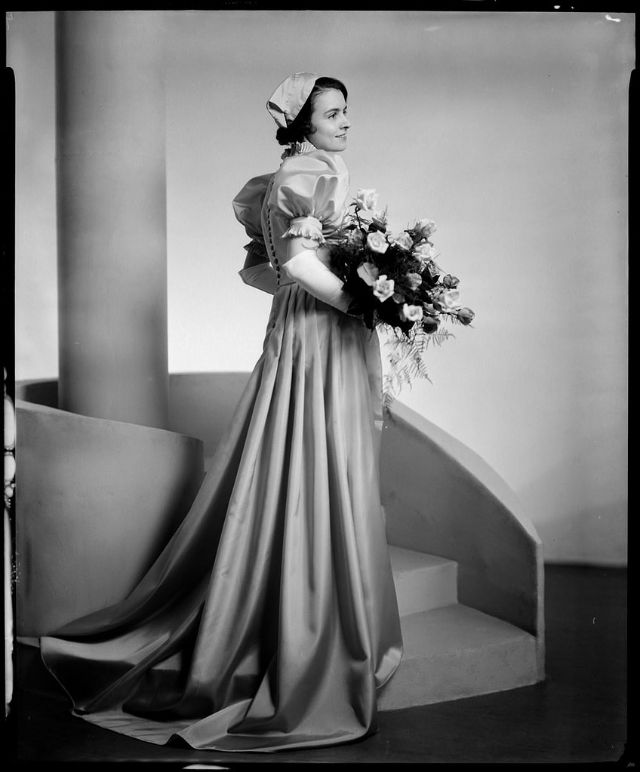
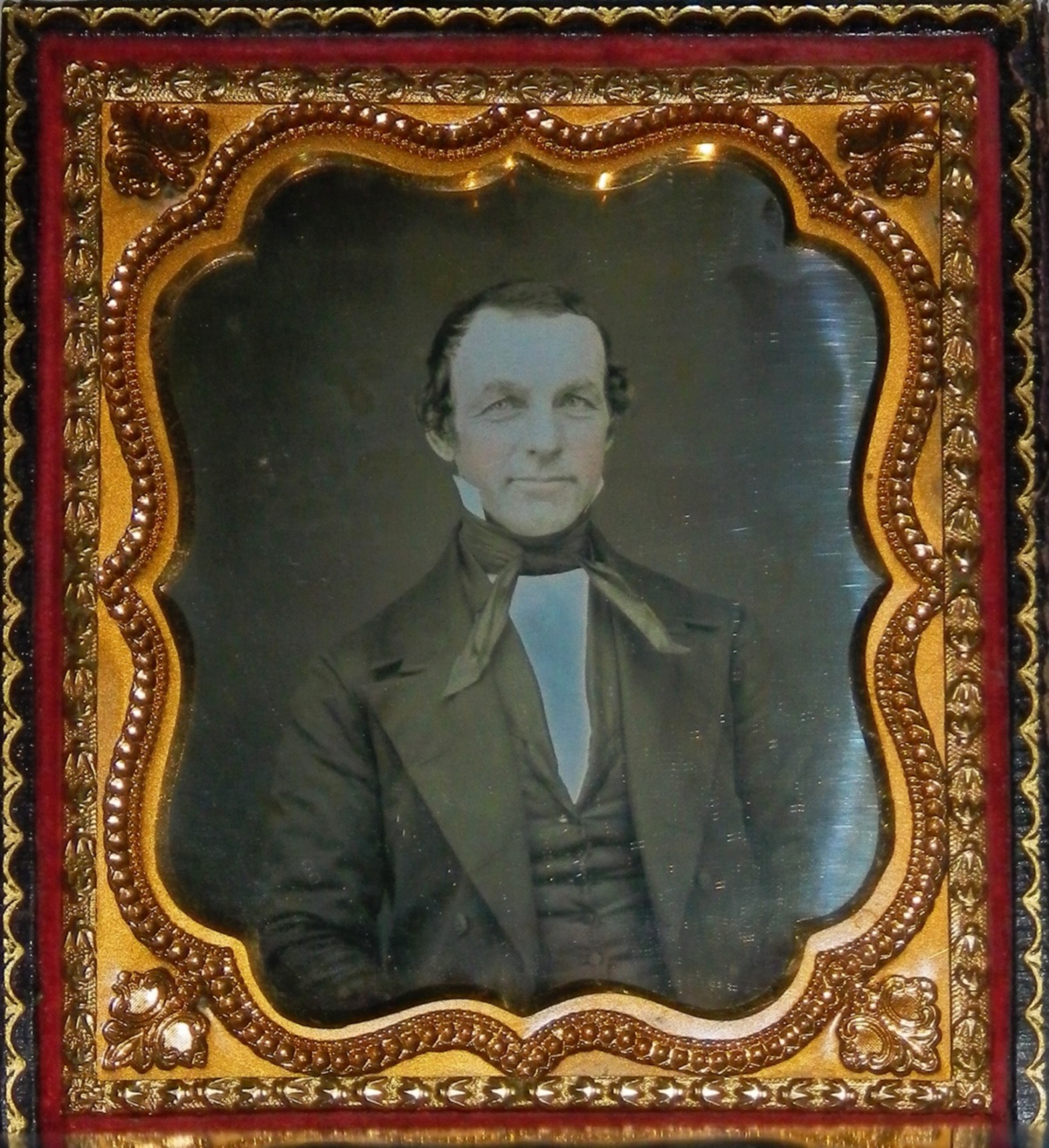
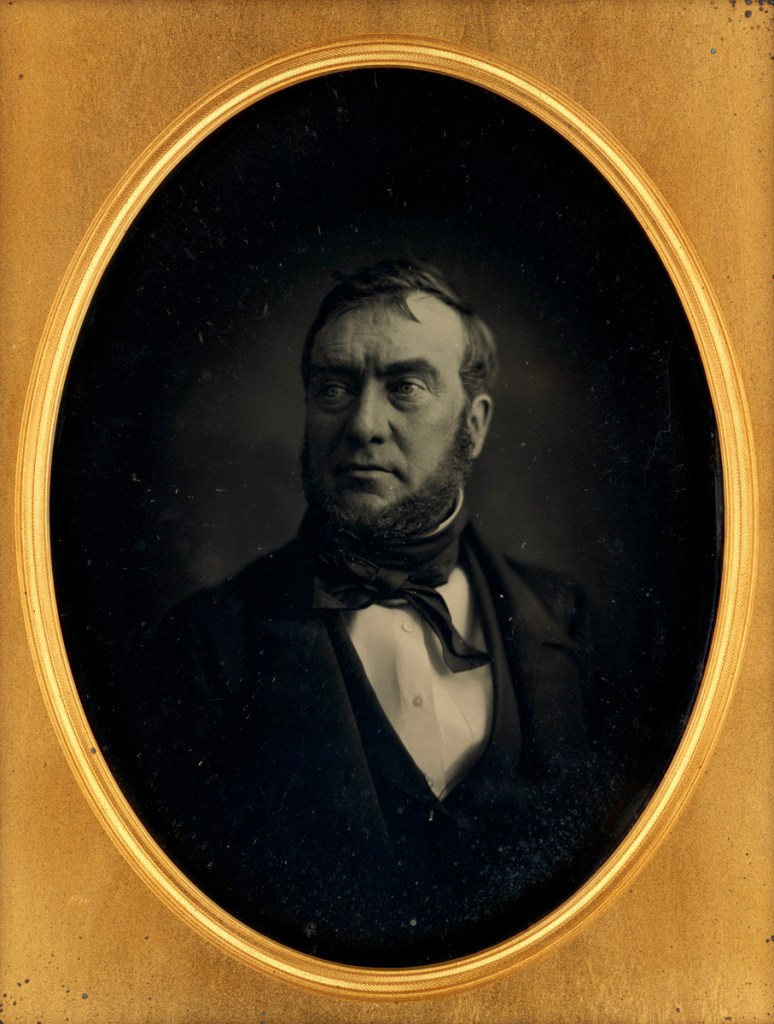
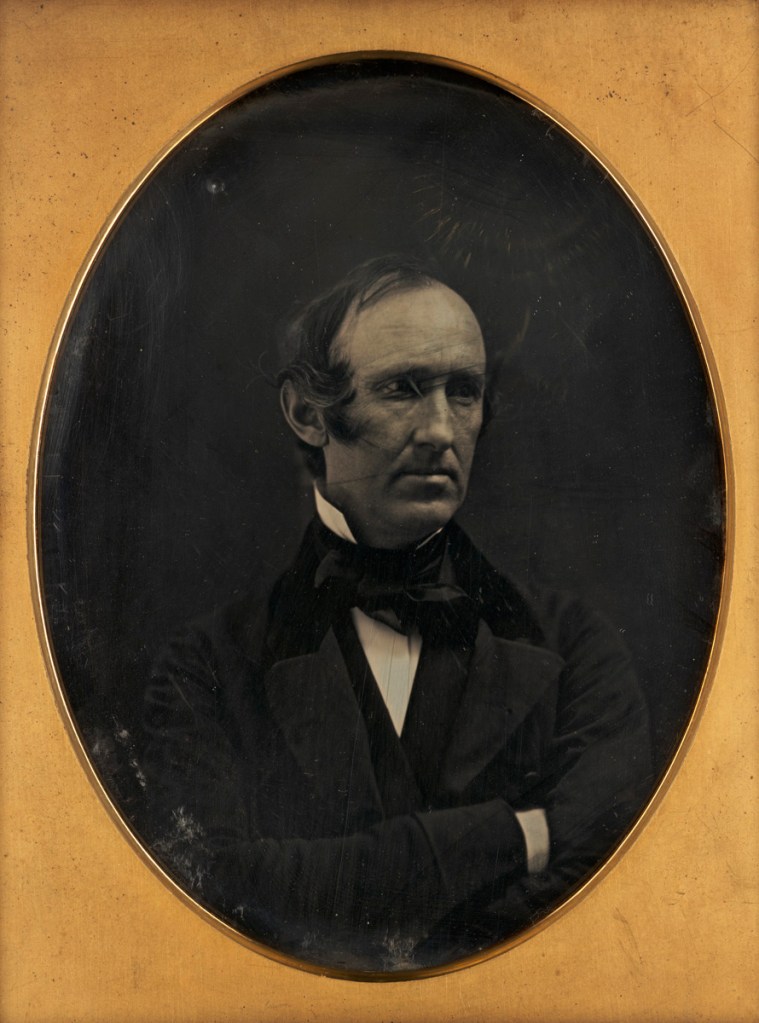
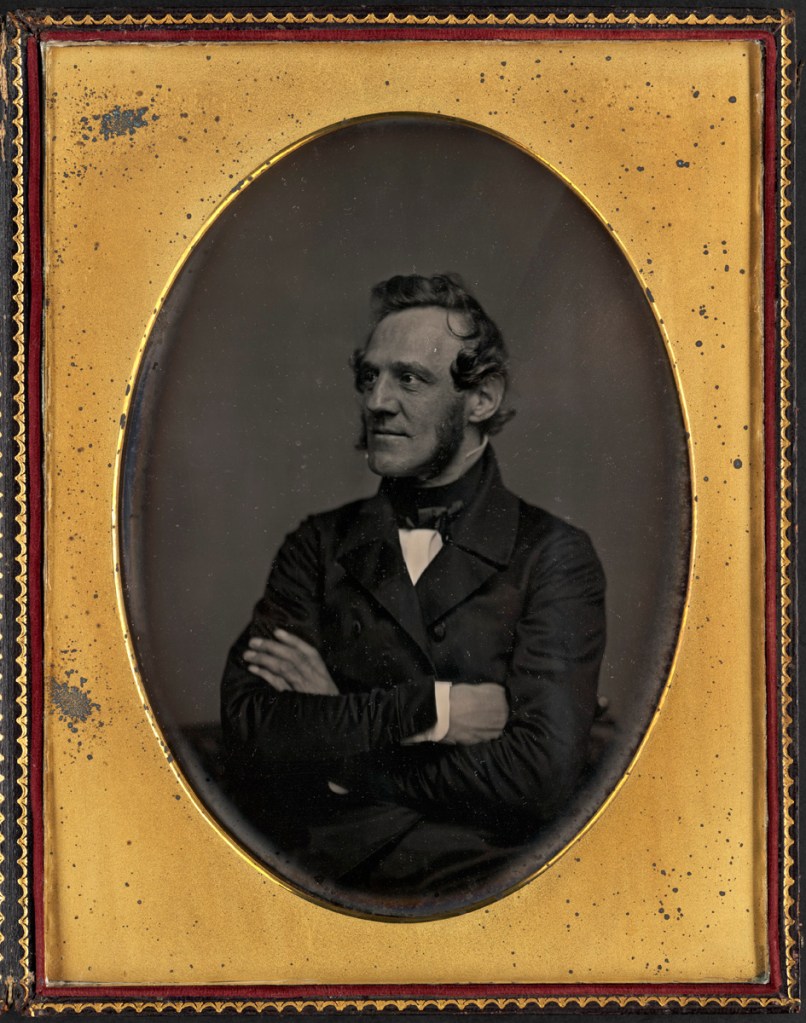
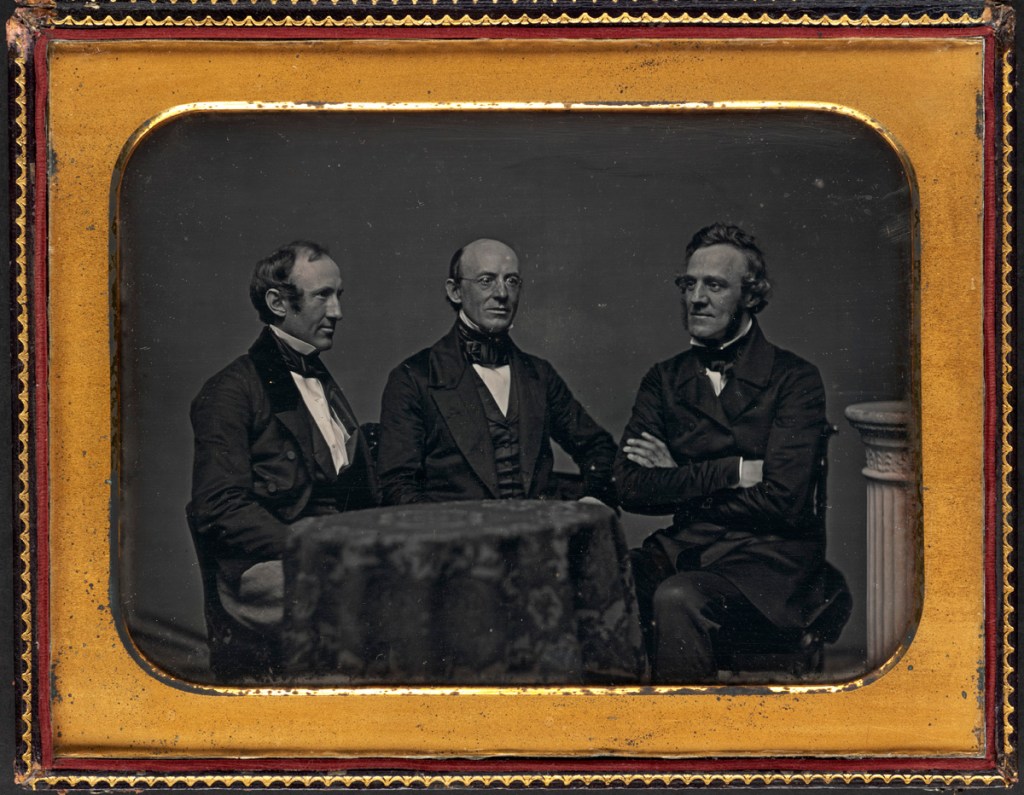
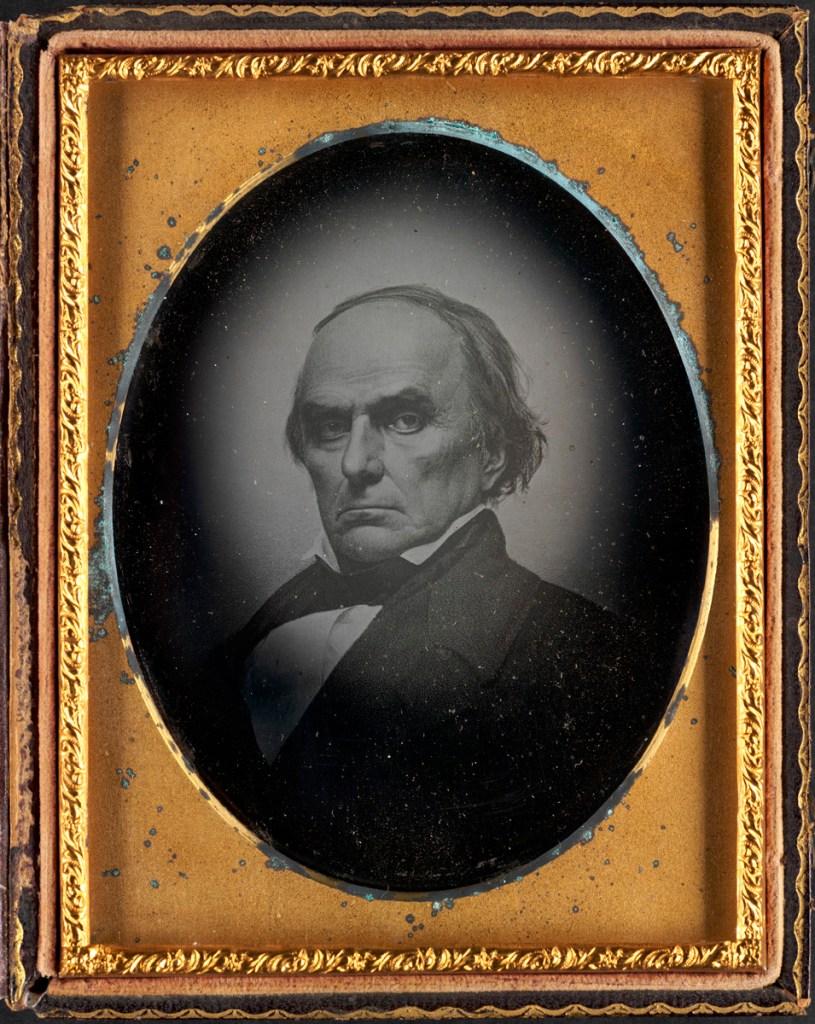
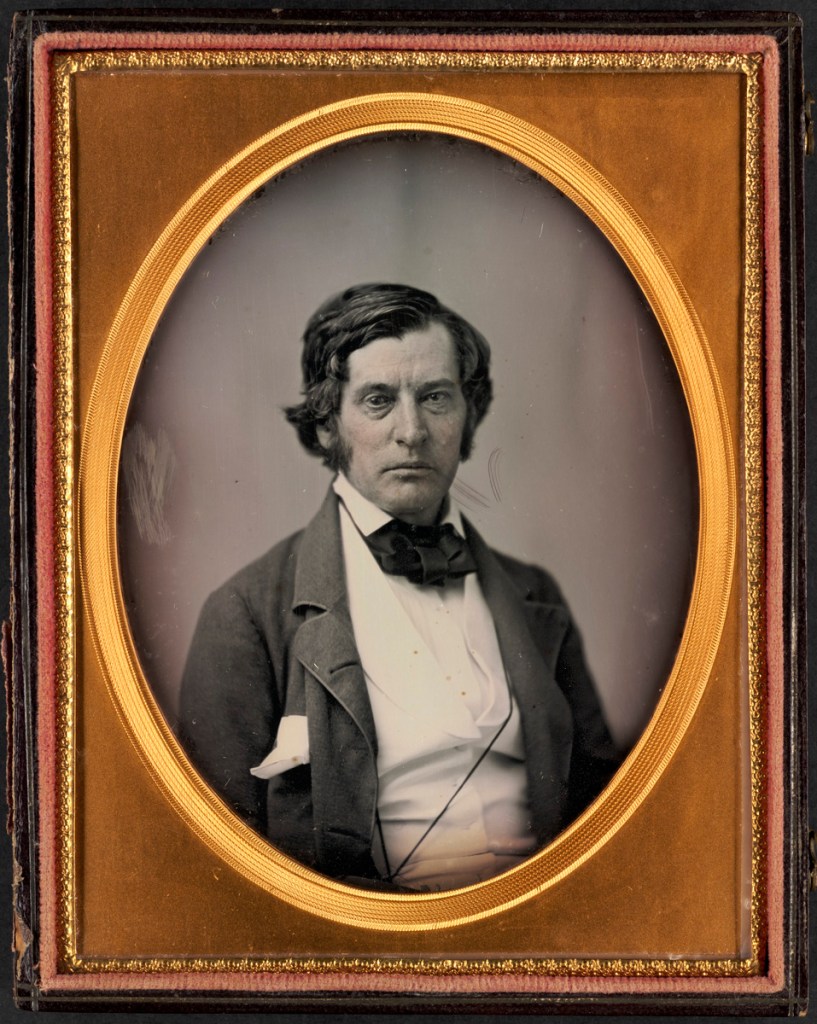
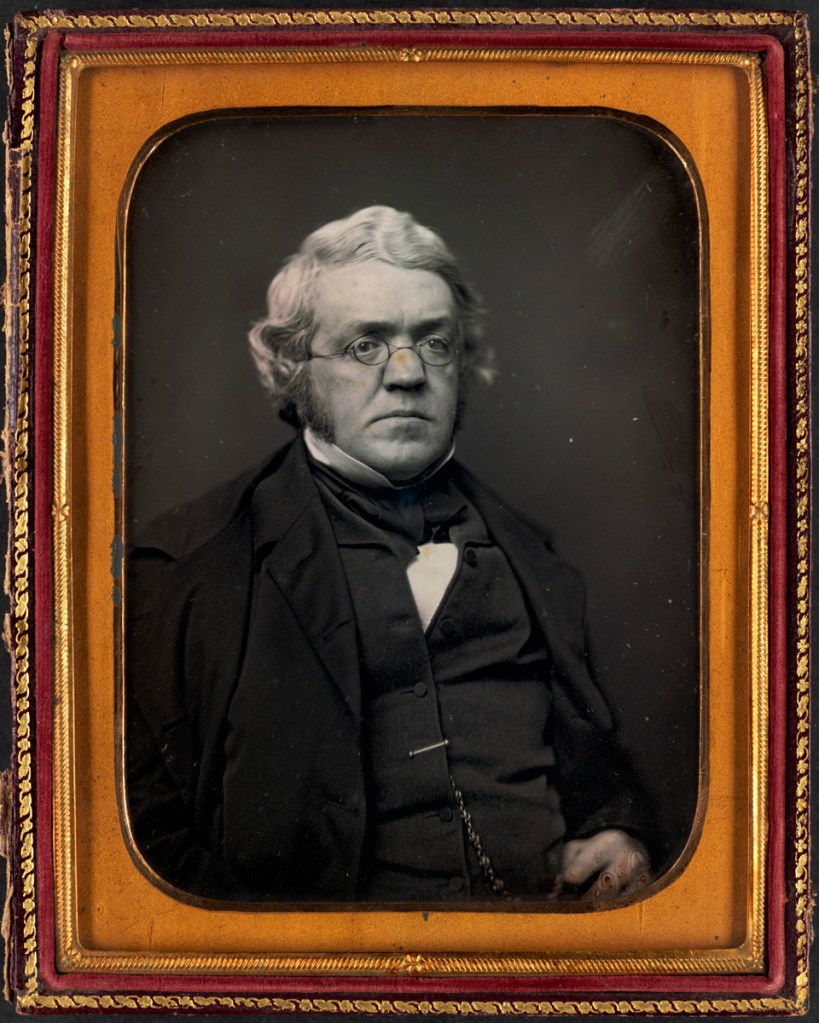
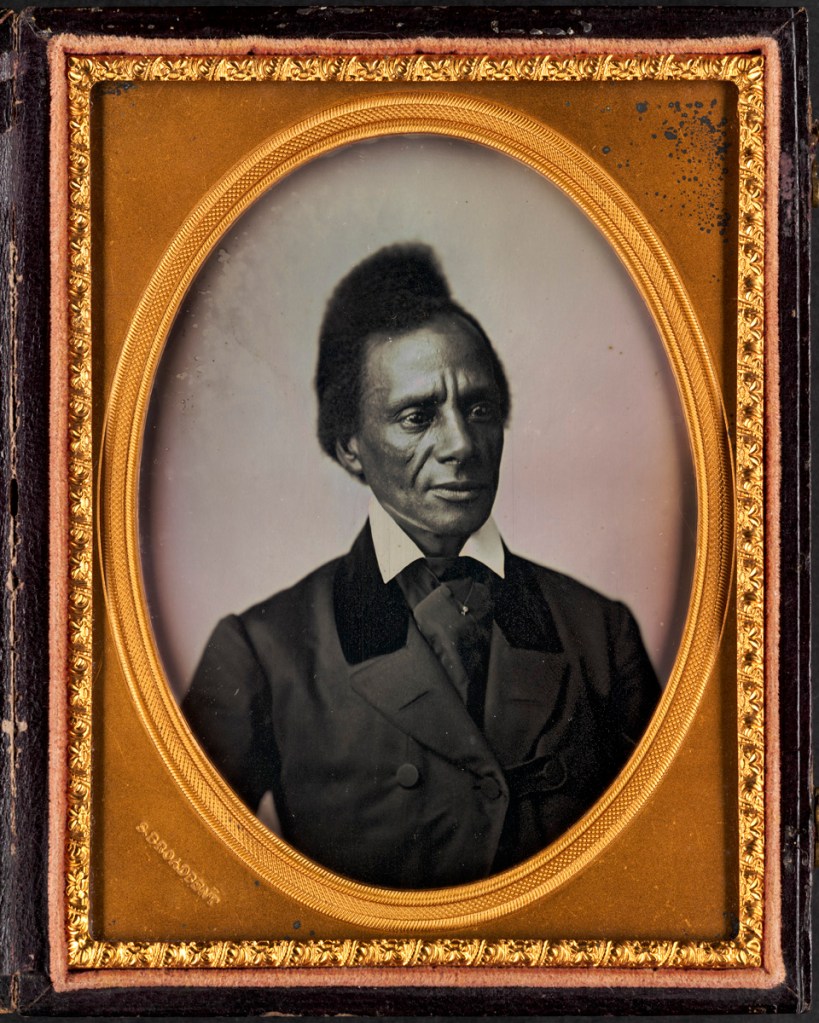
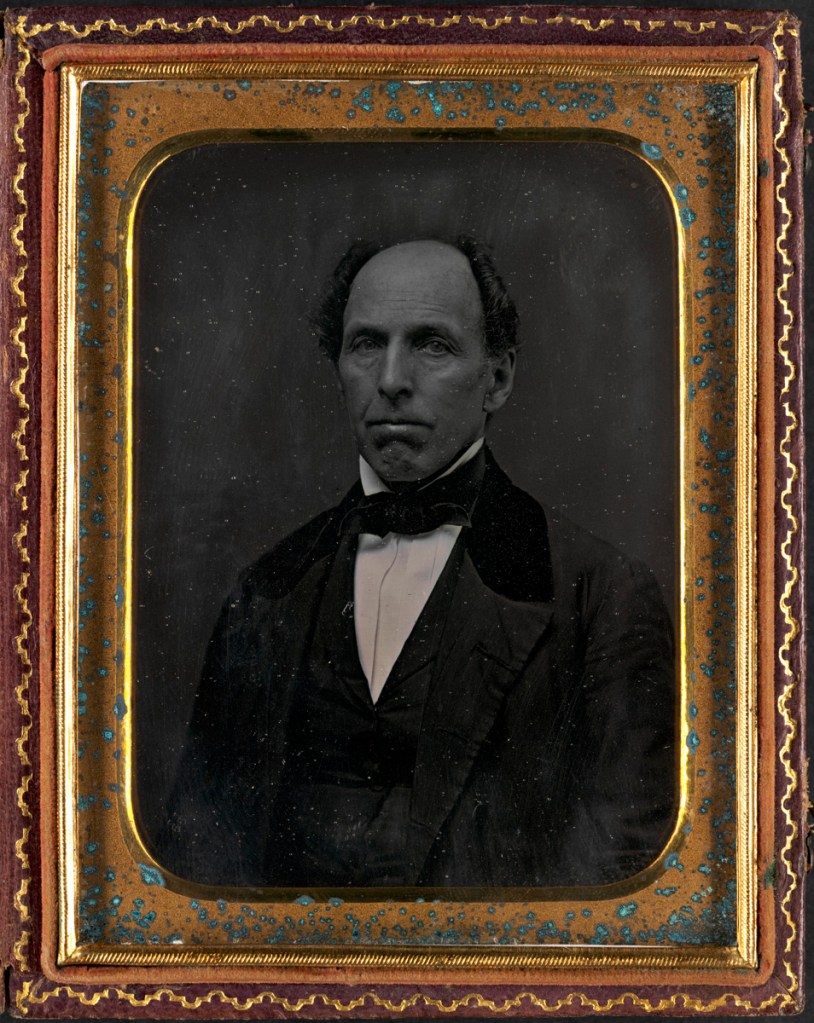
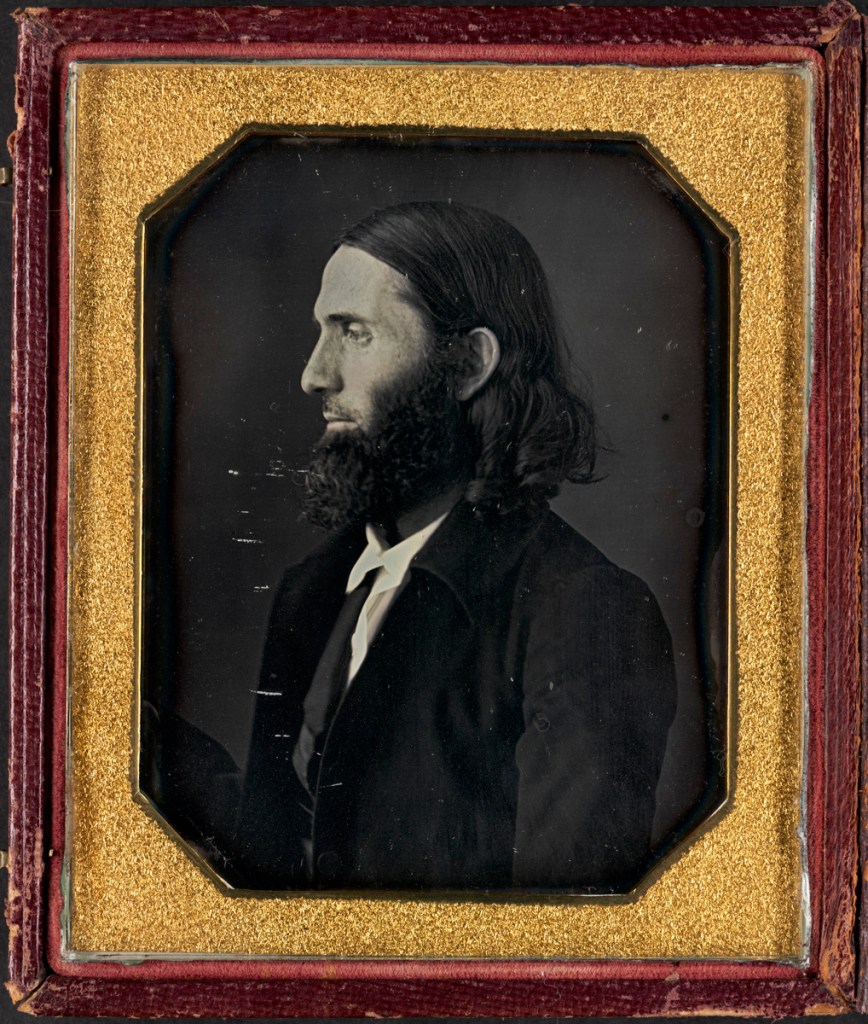
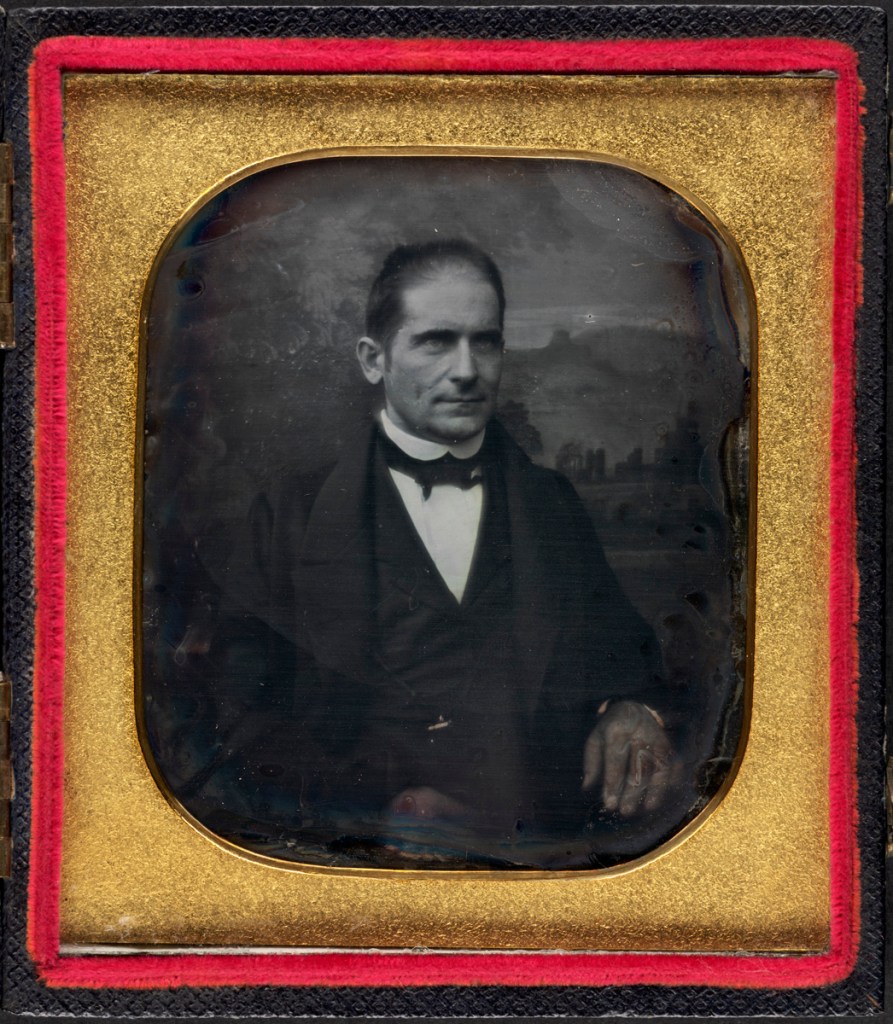
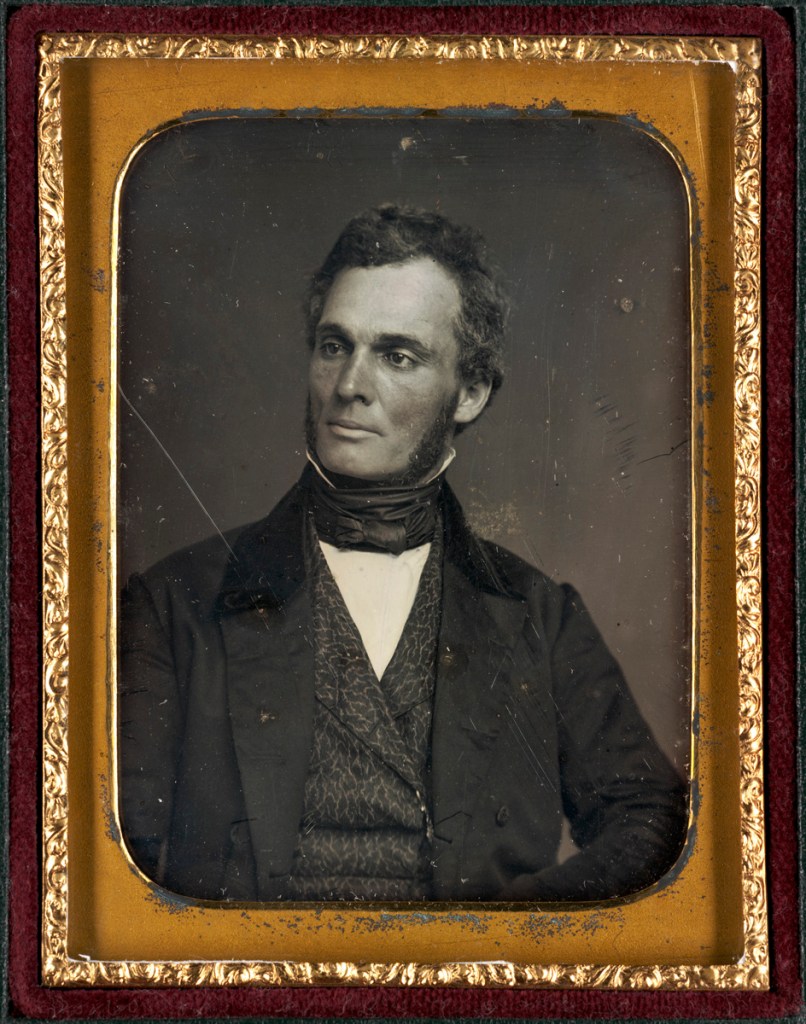
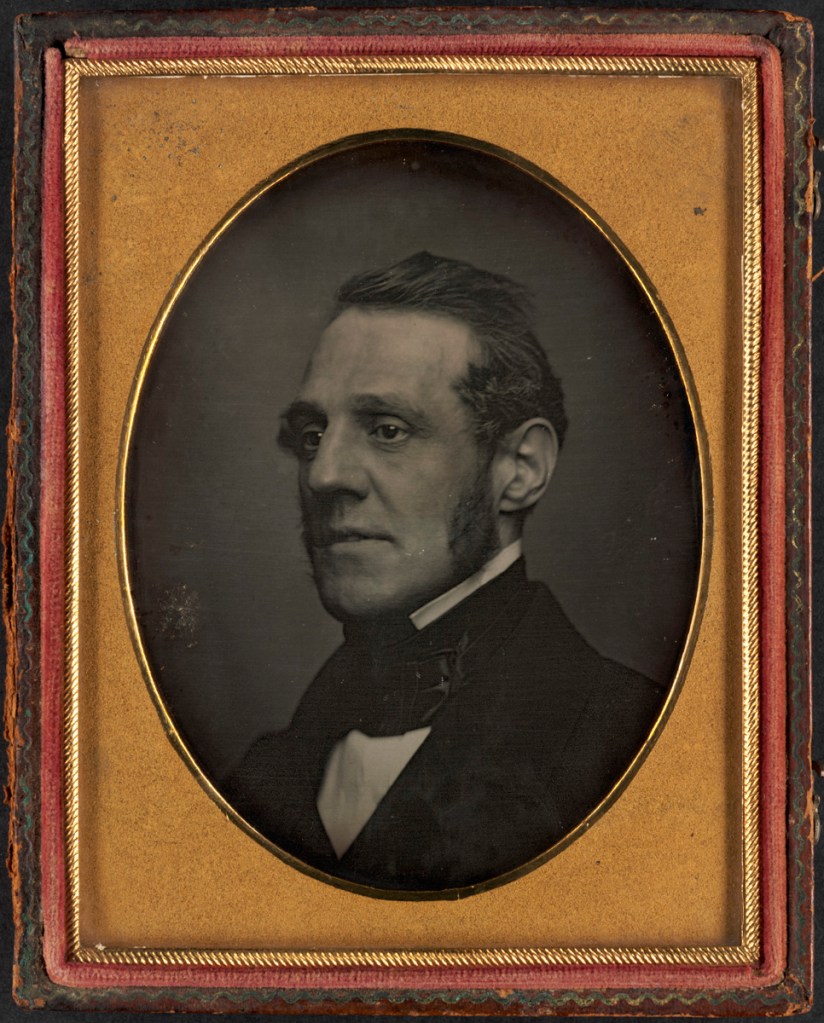
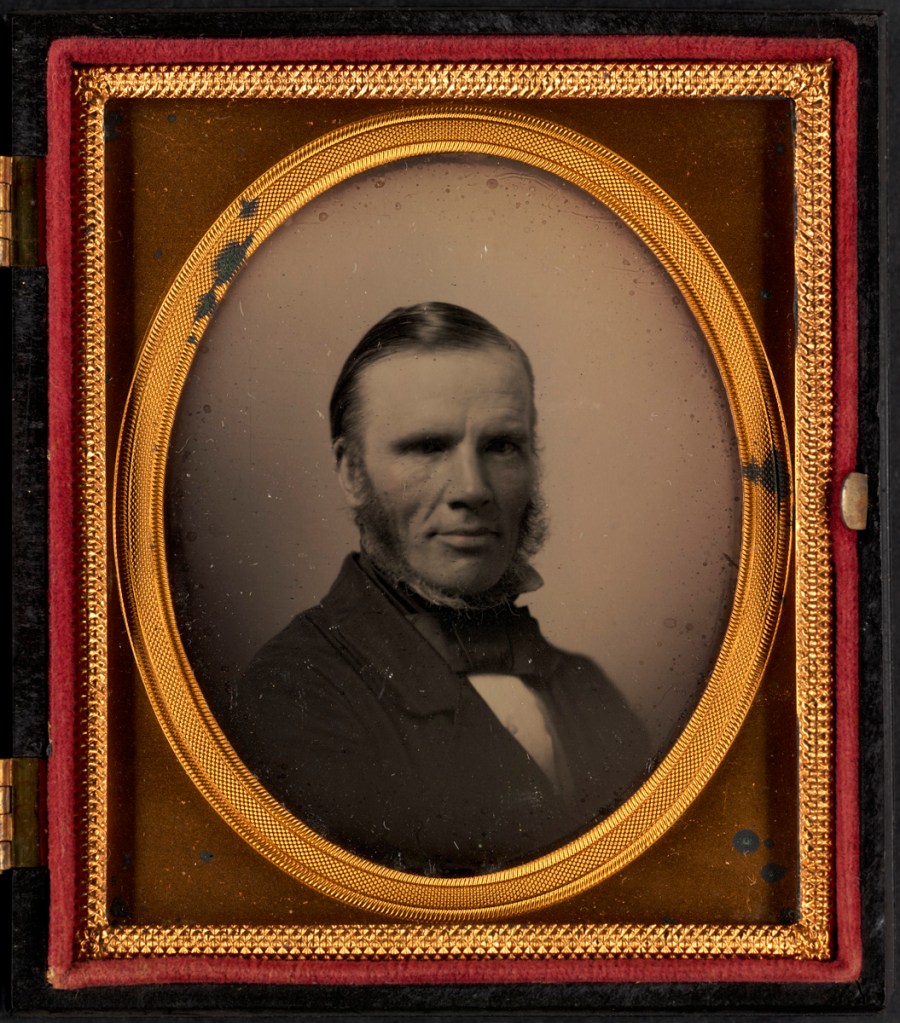
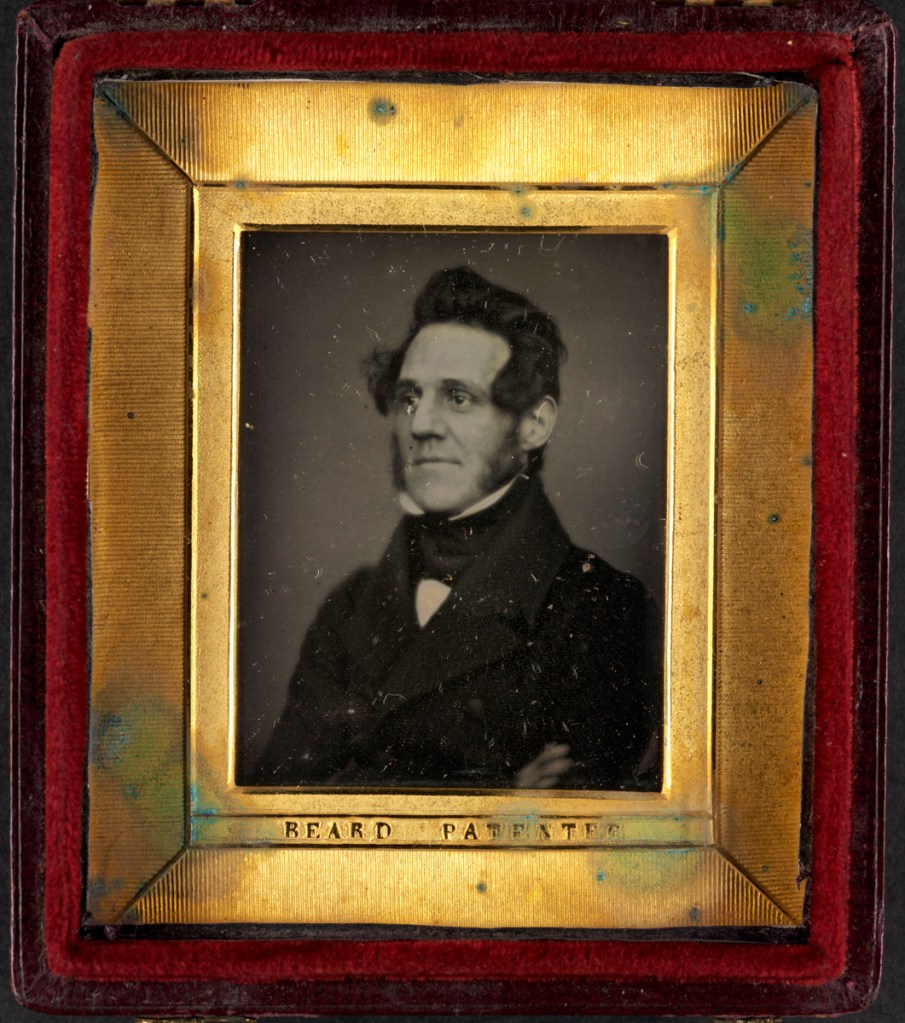
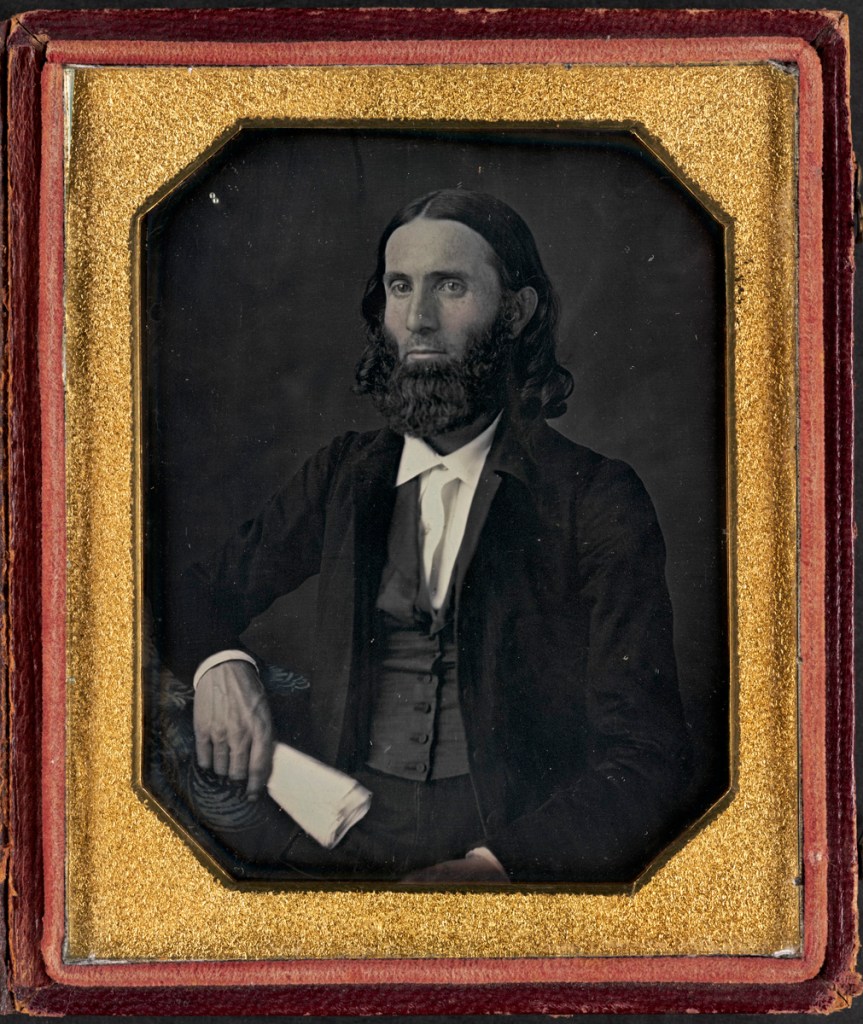
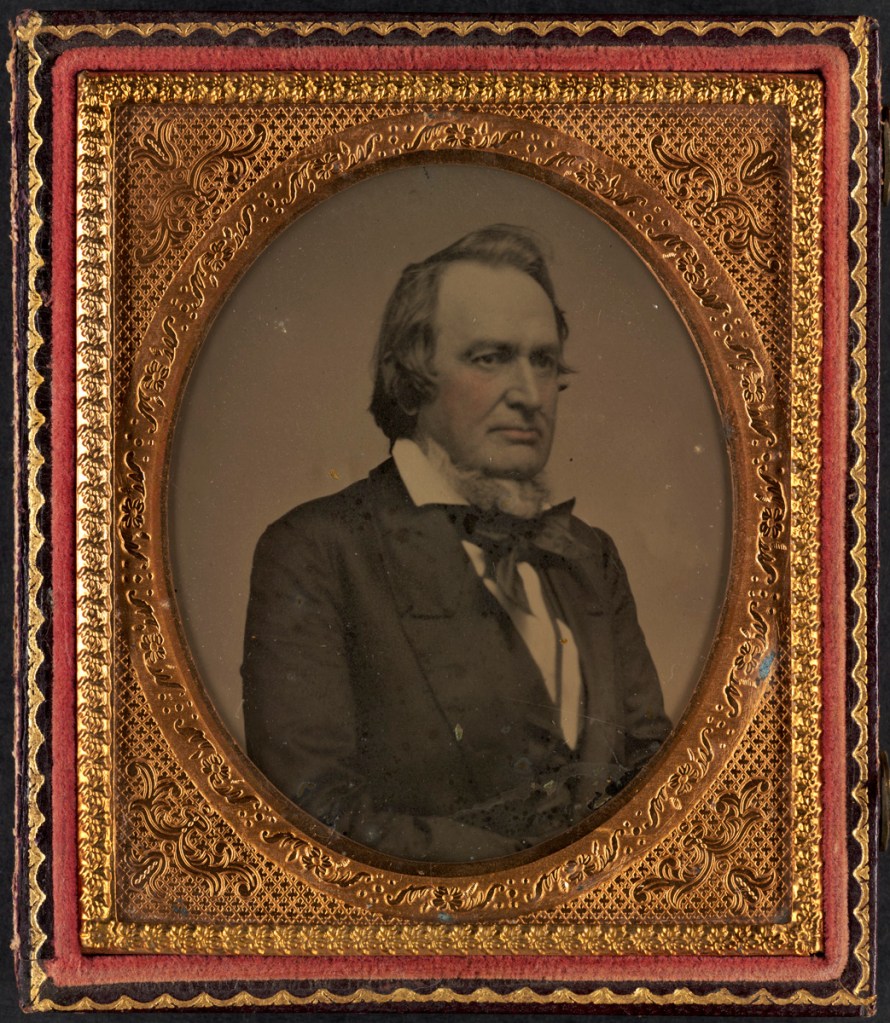
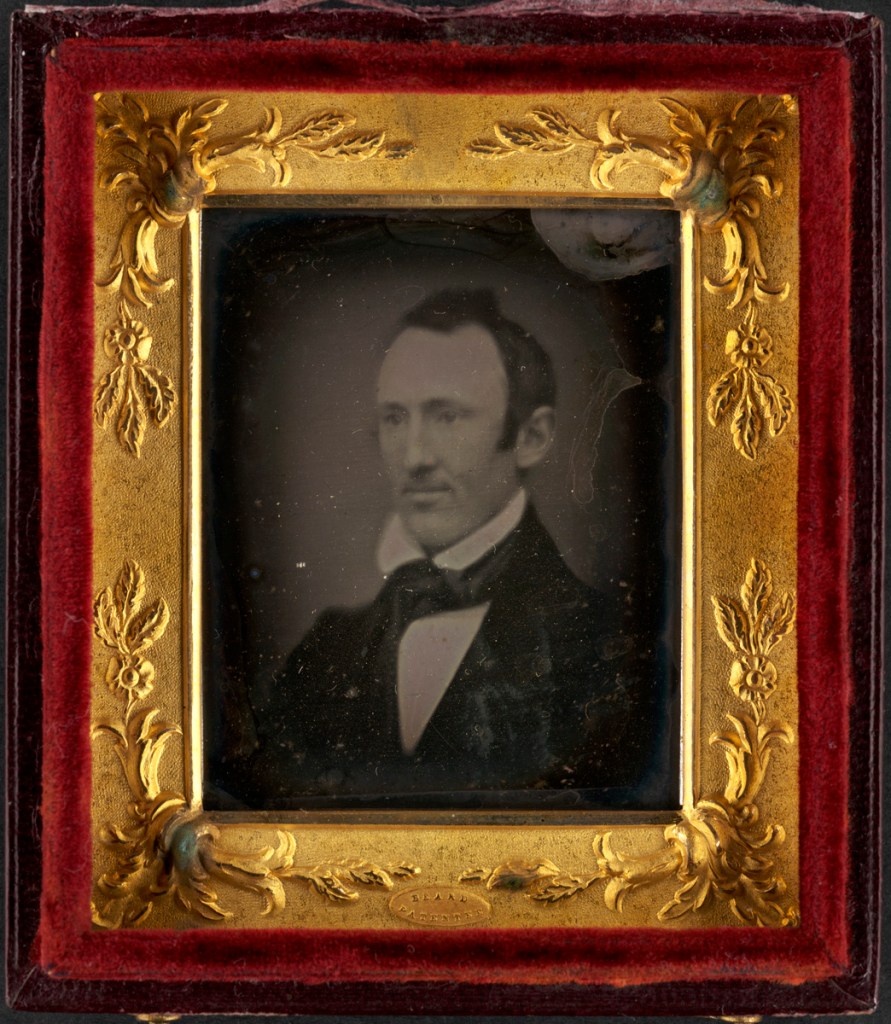
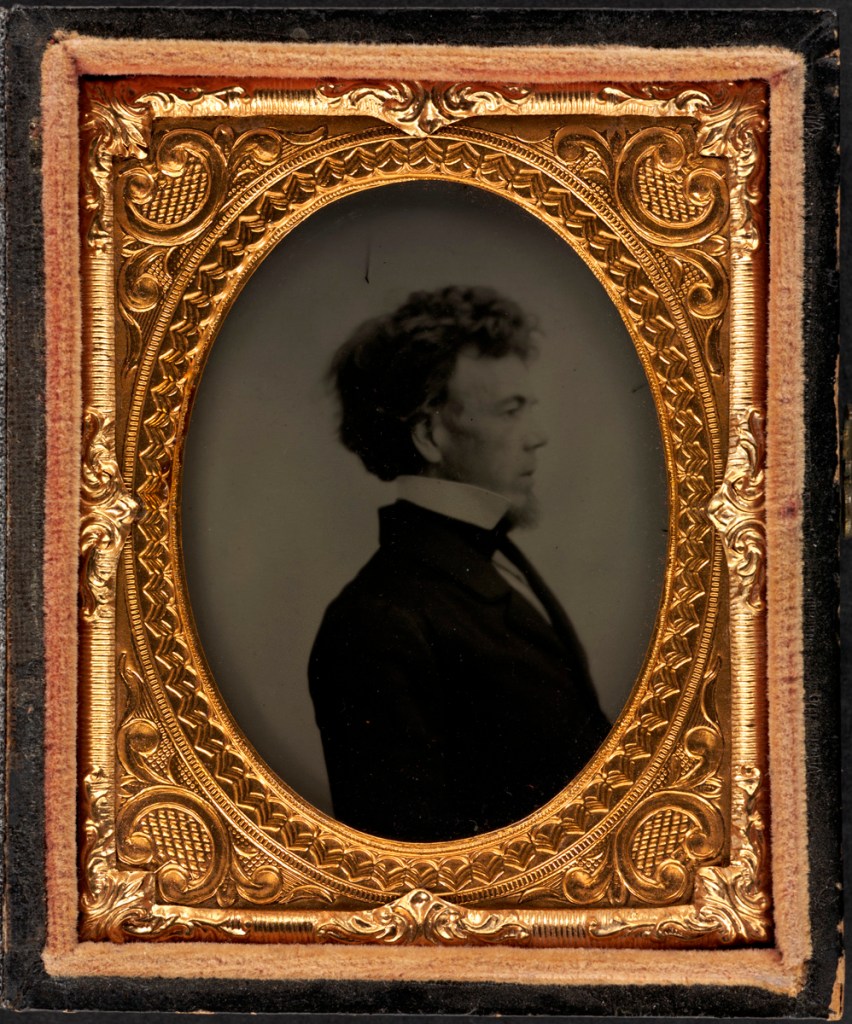
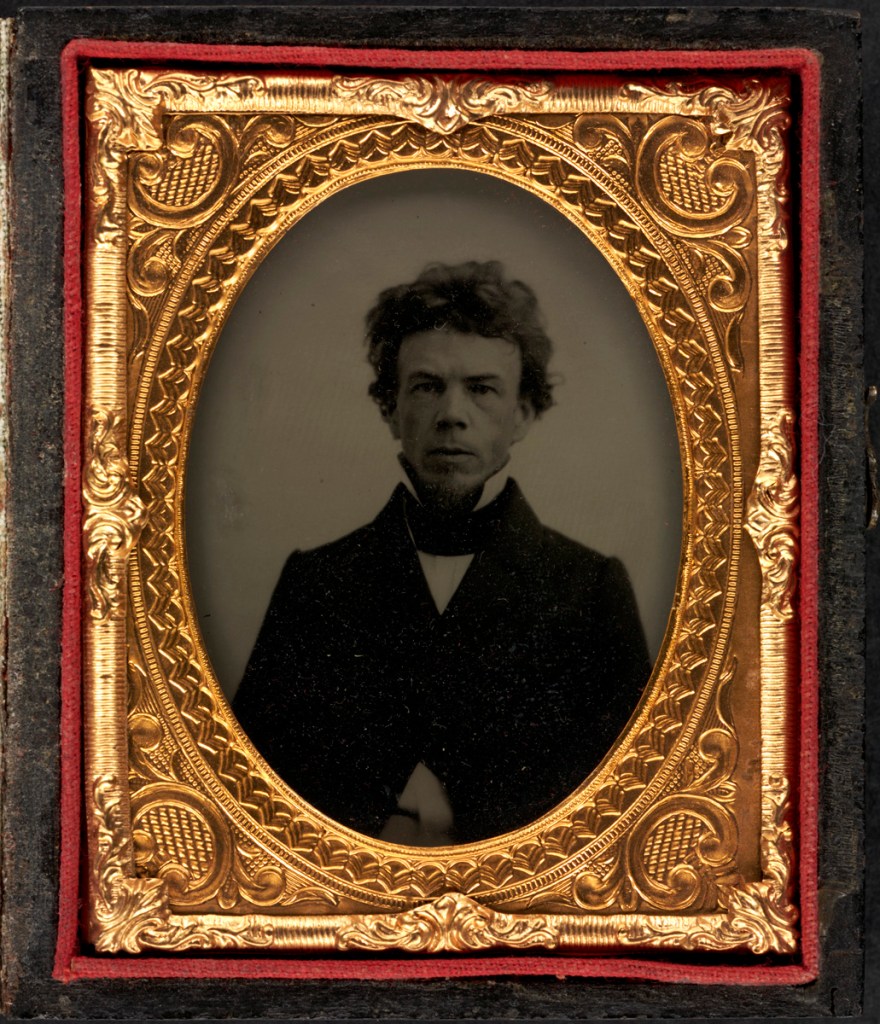
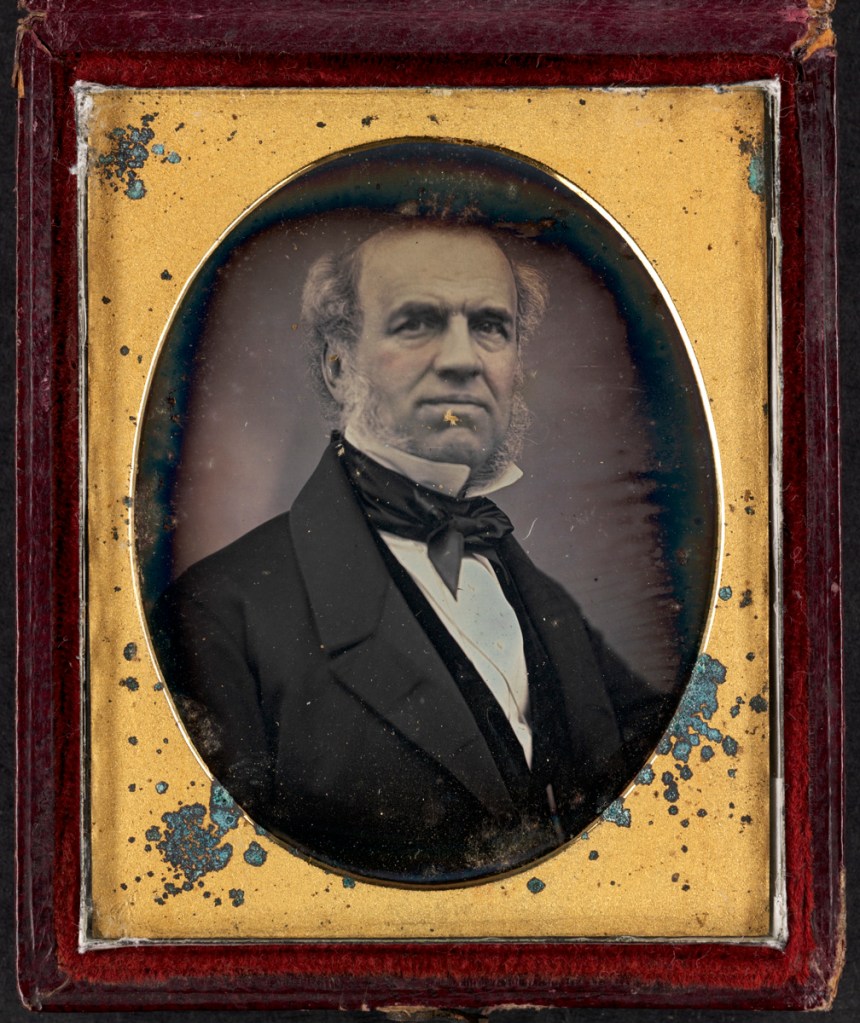
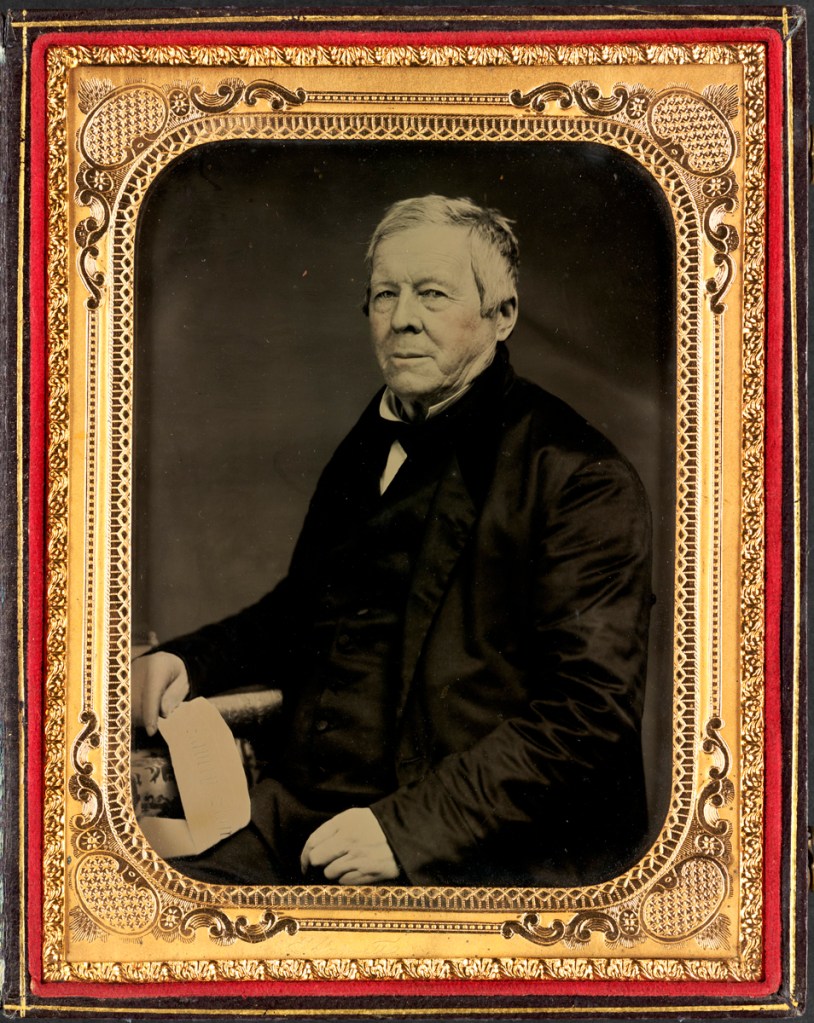
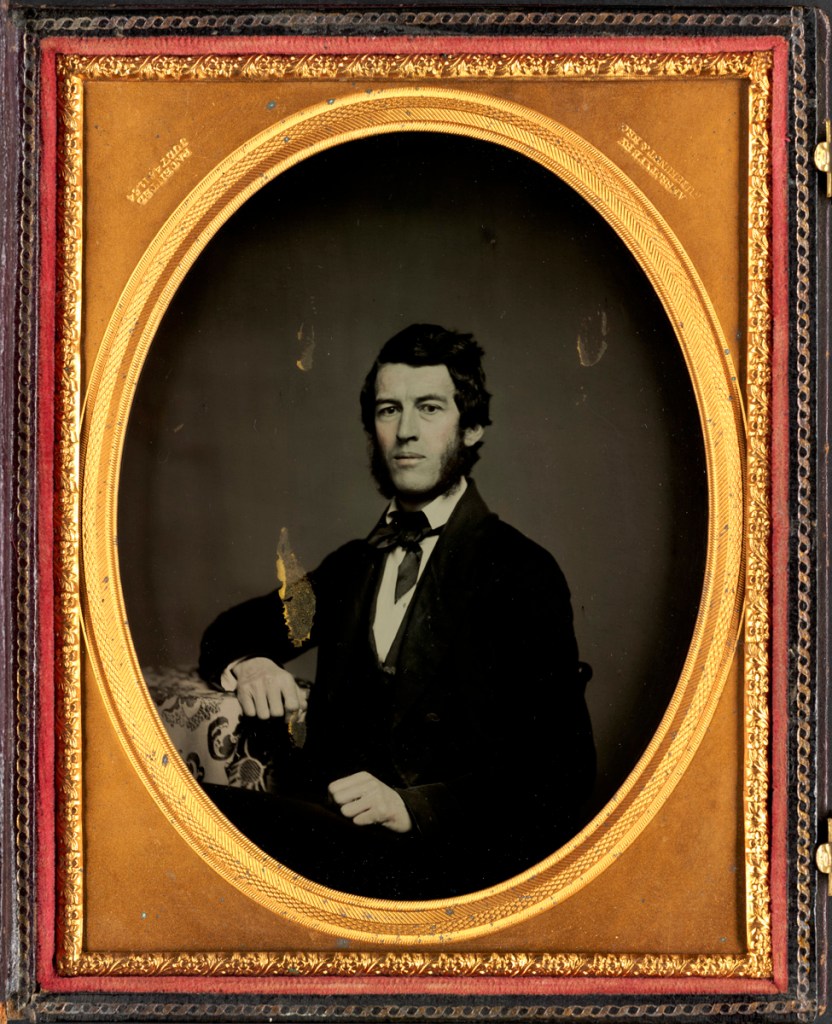
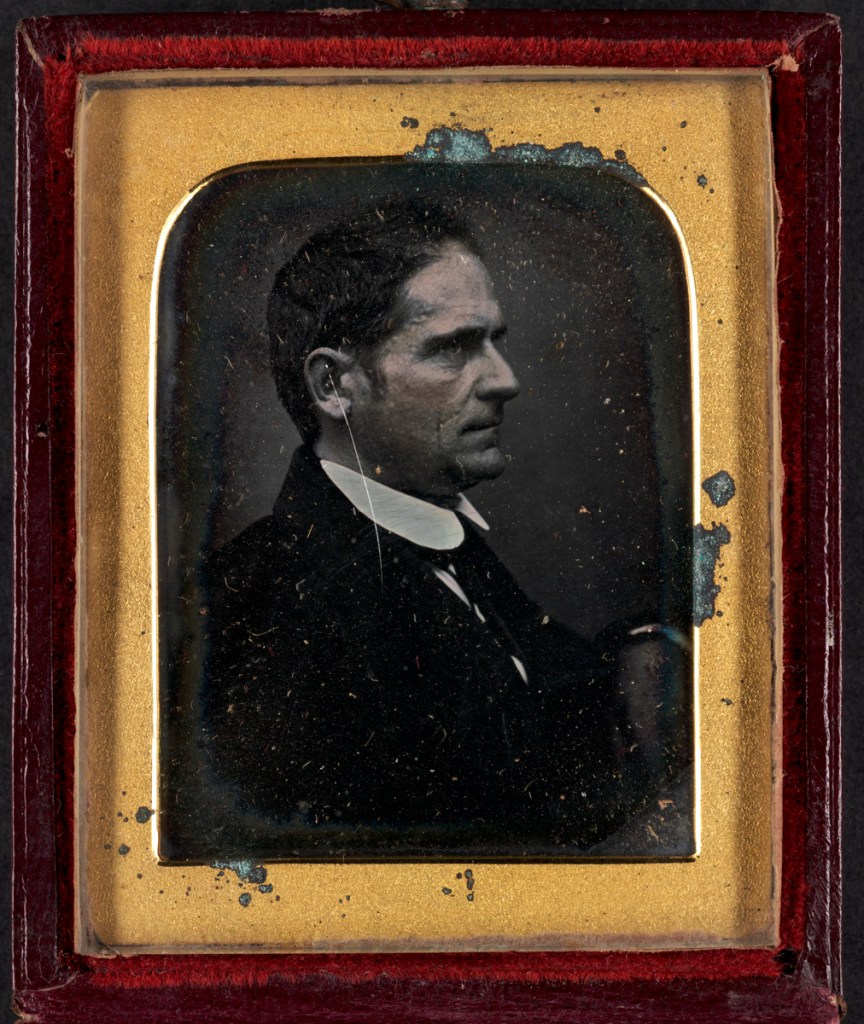
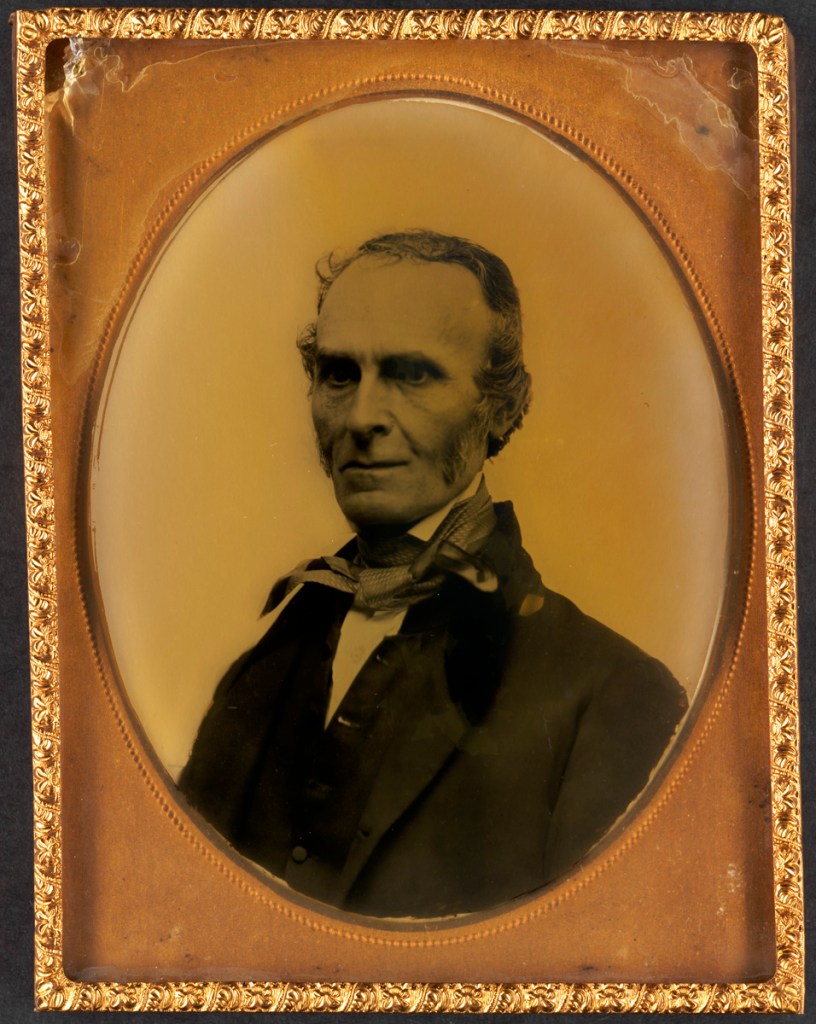
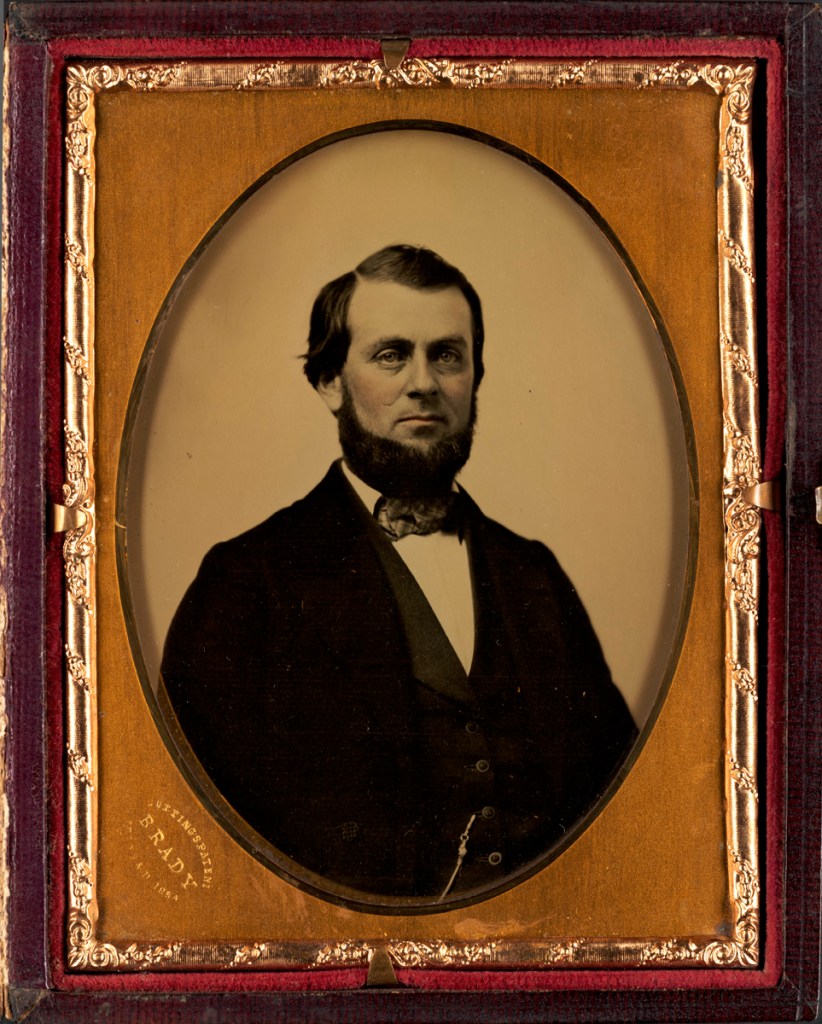
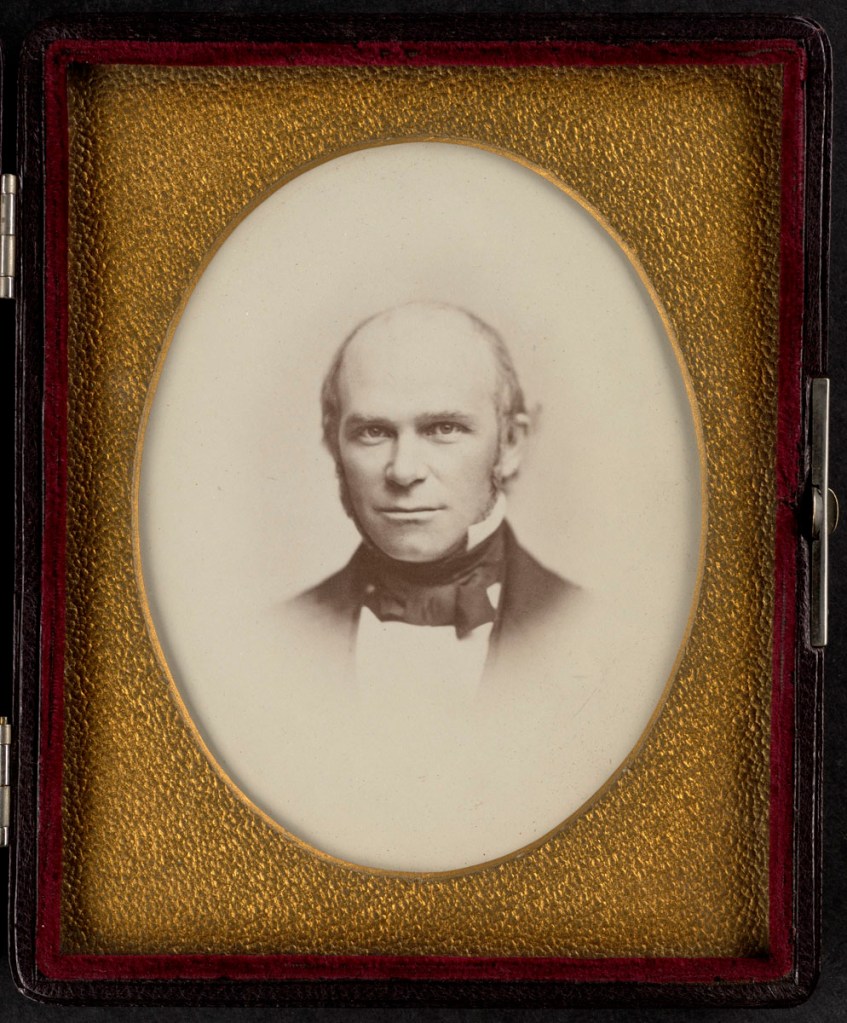
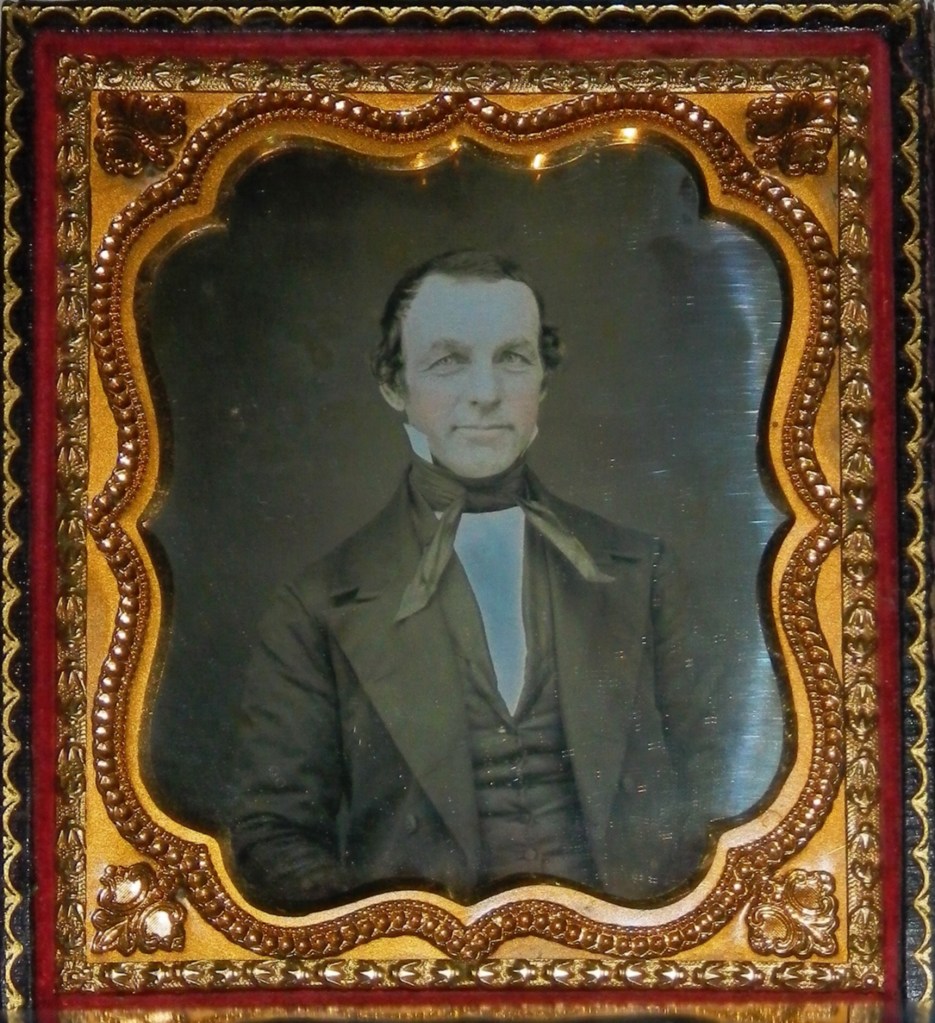
via Boston Public Library
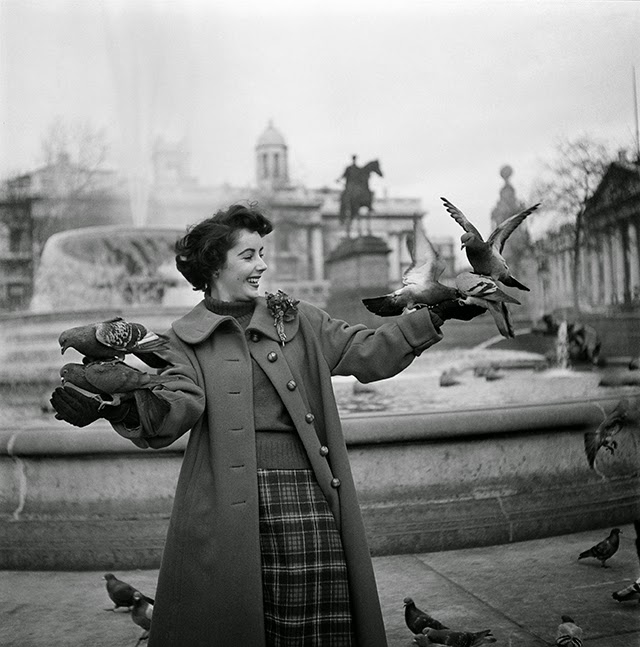
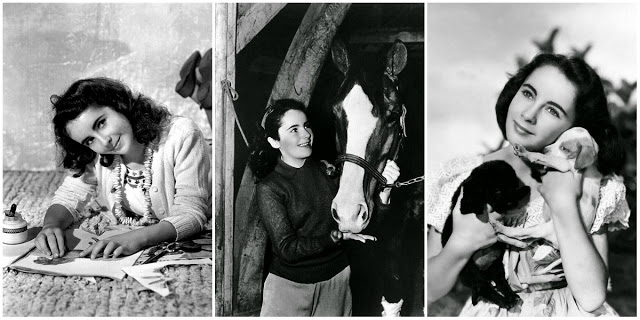
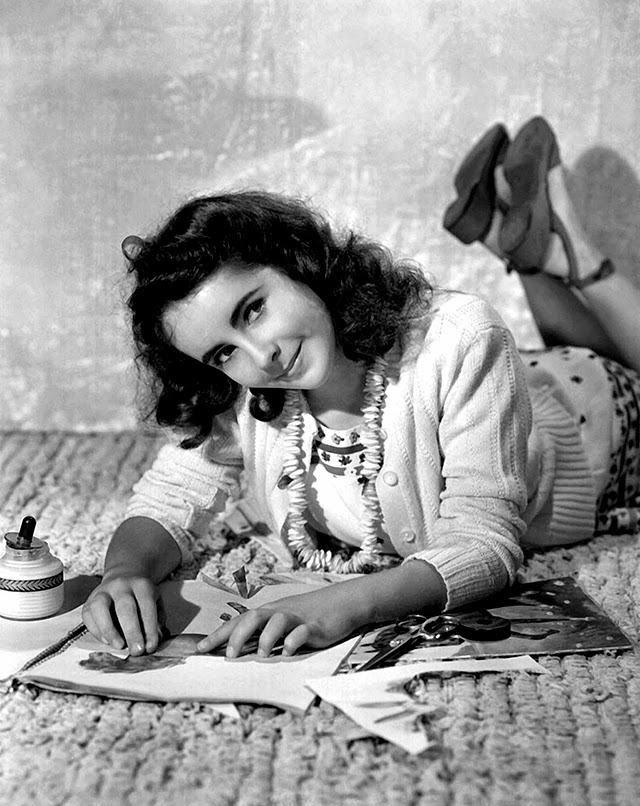
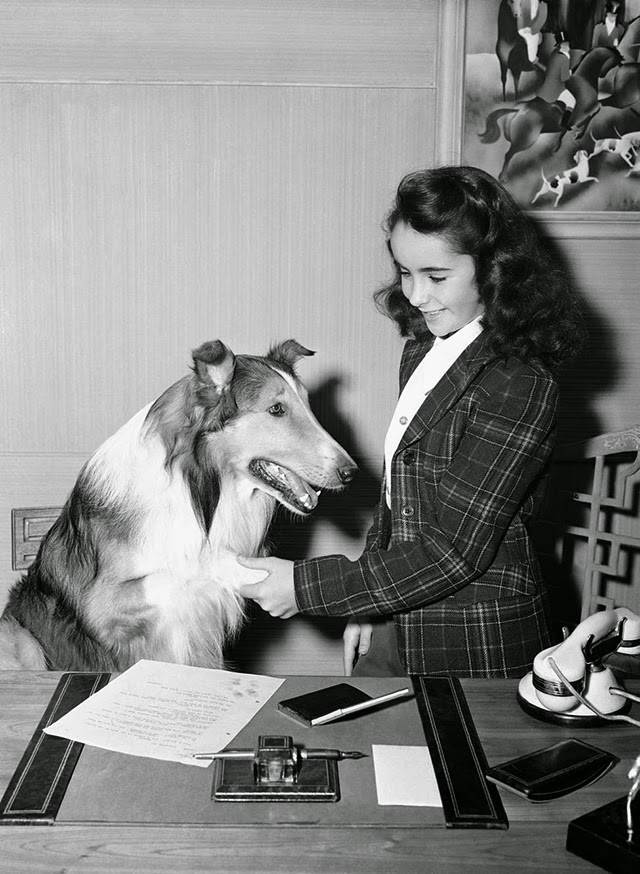
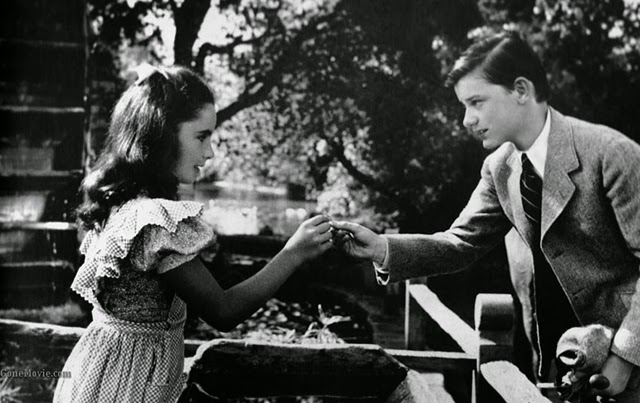
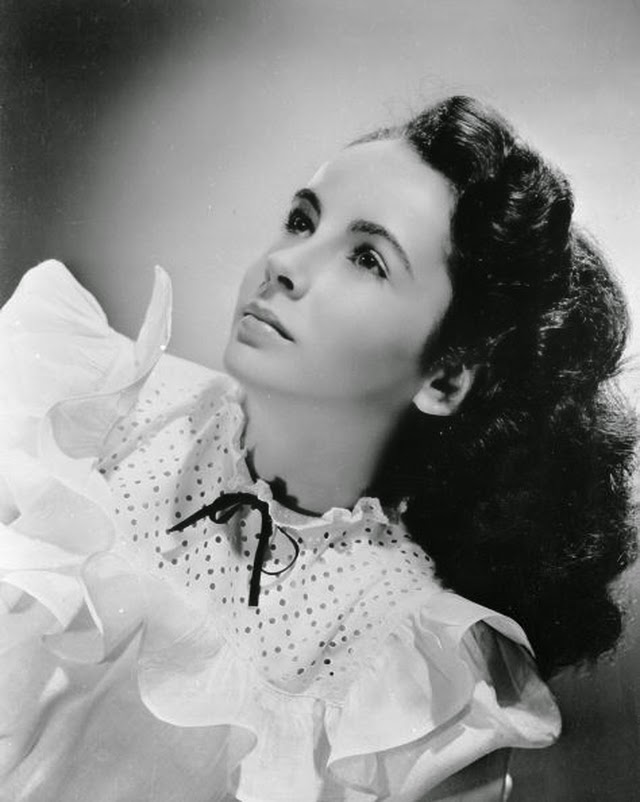
Dame Elizabeth Rosemond Taylor DBE (February 27, 1932 – March 23, 2011) was a British-American actress. She began her career as a child actress in the early 1940s and was one of the most popular stars of classical Hollywood cinema in the 1950s. She then became the highest paid movie star in the 1960s, remaining a well-known public figure for the rest of her life. In 1999, the American Film Institute named her the seventh-greatest female screen legend of Classic Hollywood cinema.
Born in London to socially prominent American parents, Taylor moved with her family to Los Angeles in 1939. She made her acting debut with a minor role in the Universal Pictures film There’s One Born Every Minute (1942), but the studio ended her contract after a year. She was then signed by Metro-Goldwyn-Mayer and became a popular teen star after appearing in National Velvet (1944). She transitioned to mature roles in the 1950s, when she starred in the comedy Father of the Bride (1950) and received critical acclaim for her performance in the drama A Place in the Sun (1951).
Despite being one of MGM’s most bankable stars, Taylor wished to end her career in the early 1950s. She resented the studio’s control and disliked many of the films to which she was assigned. She began receiving more enjoyable roles in the mid-1950s, beginning with the epic drama Giant (1956), and starred in several critically and commercially successful films in the following years. These included two film adaptations of plays by Tennessee Williams: Cat on a Hot Tin Roof (1958), and Suddenly, Last Summer (1959); Taylor won a Golden Globe for Best Actress for the latter. Although she disliked her role as a call girl in BUtterfield 8 (1960), her last film for MGM, she won the Academy Award for Best Actress for her performance.
During the production of the film Cleopatra in 1961, Taylor and co-star Richard Burton began an extramarital affair, which caused a scandal. Despite public disapproval, they continued their relationship and were married in 1964. Dubbed “Liz and Dick” by the media, they starred in 11 films together, including The V.I.P.s (1963), The Sandpiper (1965), The Taming of the Shrew (1967), and Who’s Afraid of Virginia Woolf? (1966). Taylor received the best reviews of her career for Woolf, winning her second Academy Award and several other awards for her performance. She and Burton divorced in 1974 but reconciled soon after, remarrying in 1975. The second marriage ended in divorce in 1976.
Taylor’s acting career began to decline in the late 1960s, although she continued starring in films until the mid-1970s, after which she focused on supporting the career of her sixth husband, United States Senator John Warner (R-Virginia). In the 1980s, she acted in her first substantial stage roles and in several television films and series. She became the second celebrity to launch a perfume brand, after Sophia Loren. Taylor was one of the first celebrities to take part in HIV/AIDS activism. She co-founded the American Foundation for AIDS Research in 1985 and the Elizabeth Taylor AIDS Foundation in 1991. From the early 1990s until her death, she dedicated her time to philanthropy, for which she received several accolades, including the Presidential Citizens Medal.
Throughout her career, Taylor’s personal life was the subject of constant media attention. She was married eight times to seven men, converted to Judaism, endured several serious illnesses, and led a jet set lifestyle, including assembling one of the most expensive private collections of jewelry in the world. After many years of ill health, Taylor died from congestive heart failure in 2011, at the age of 79. (Wikipedia)
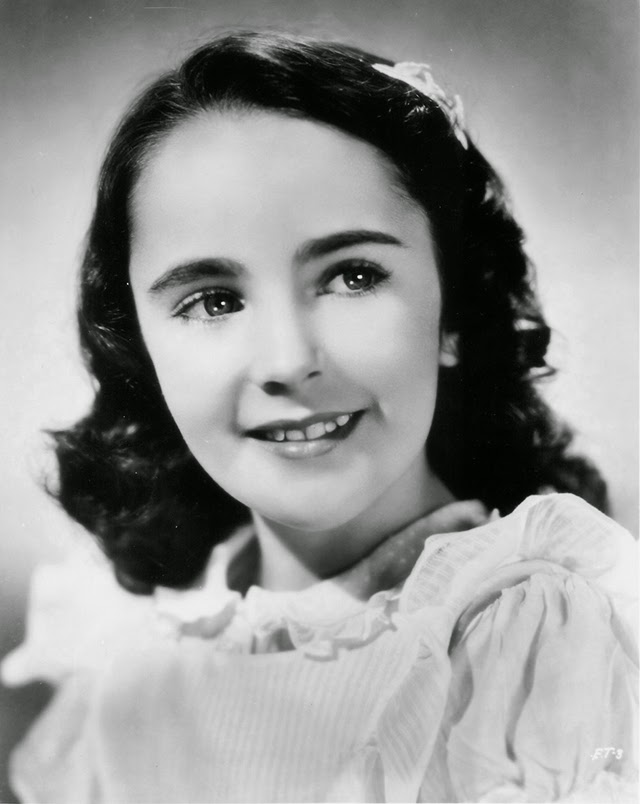
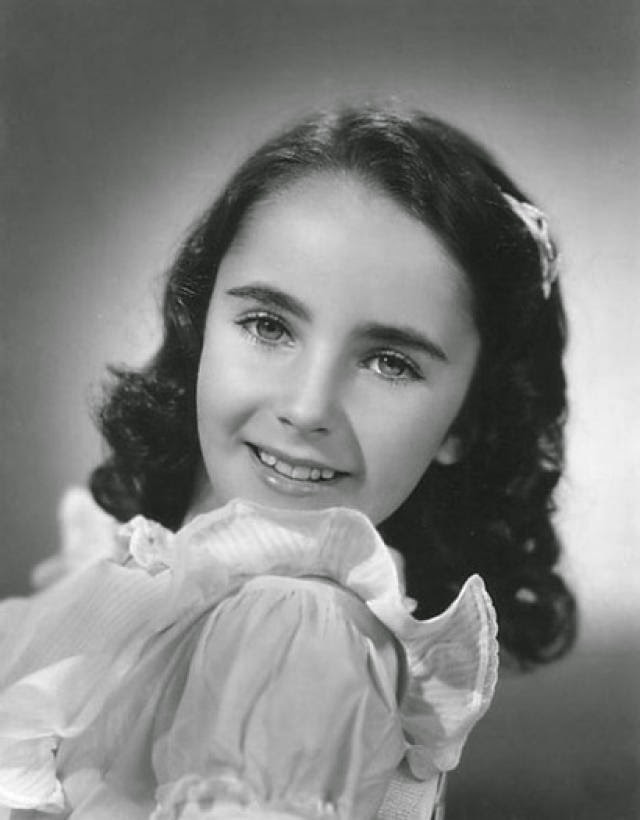
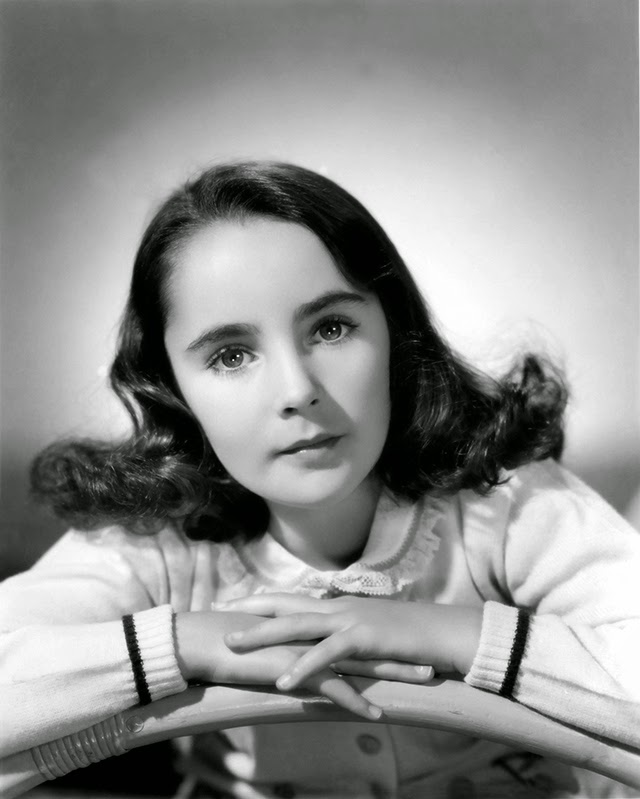

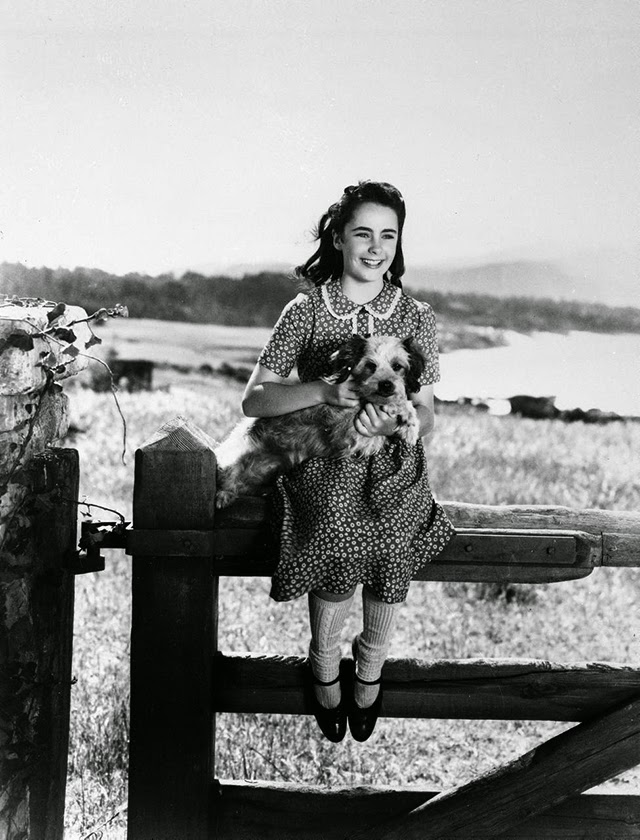
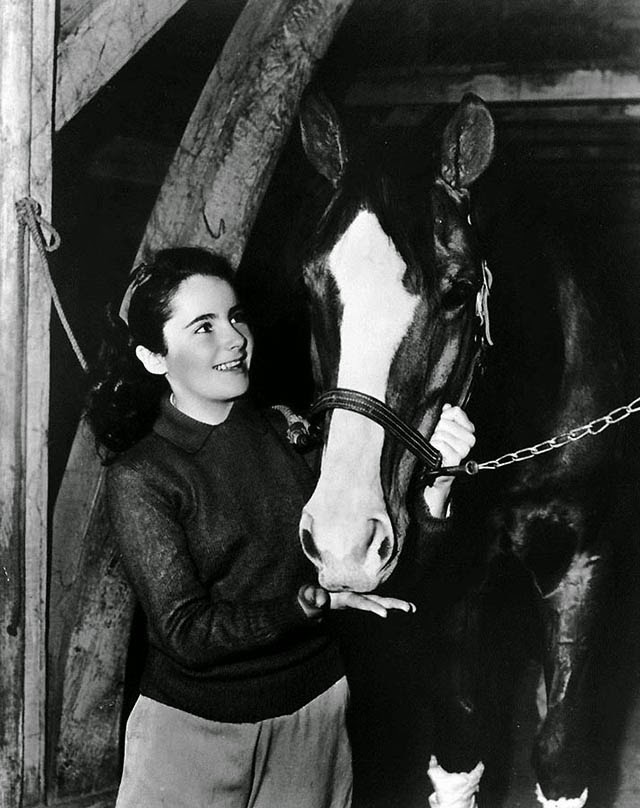
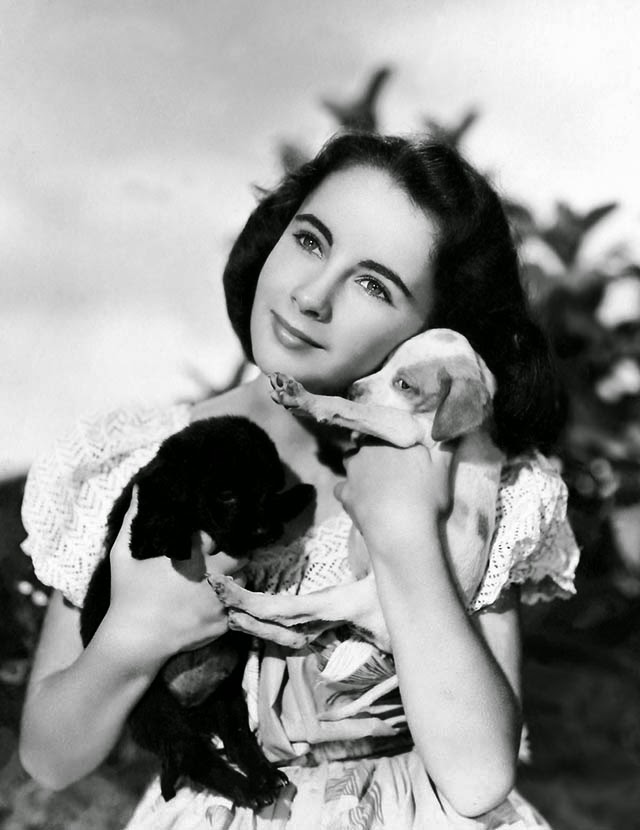
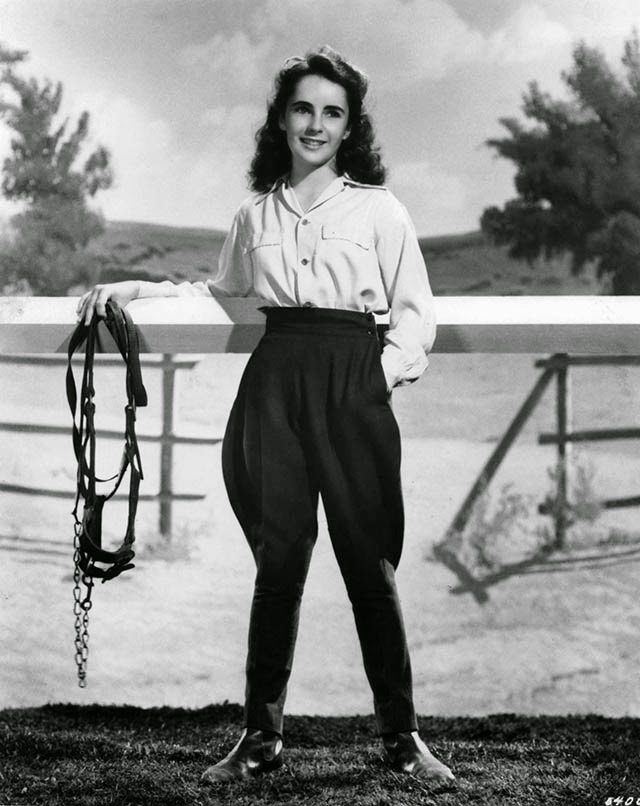
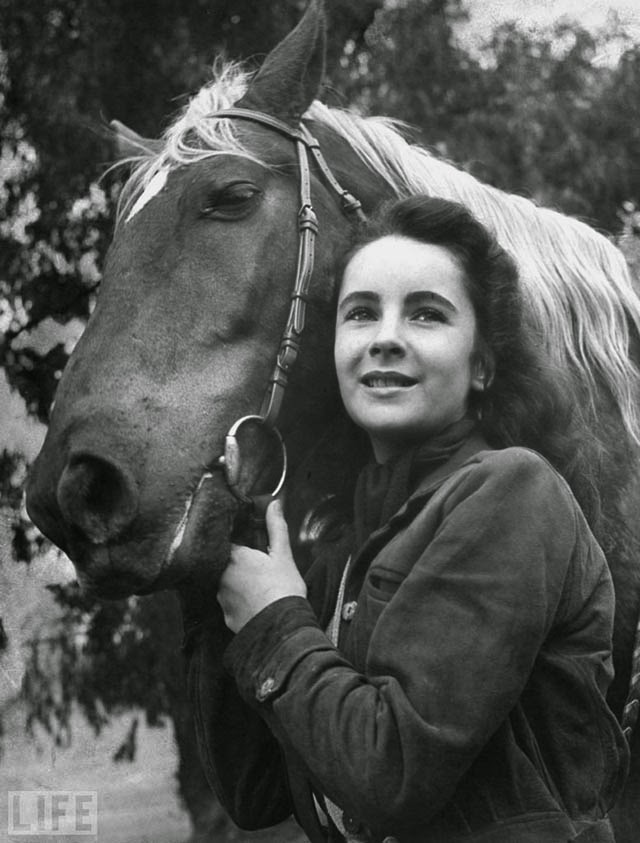
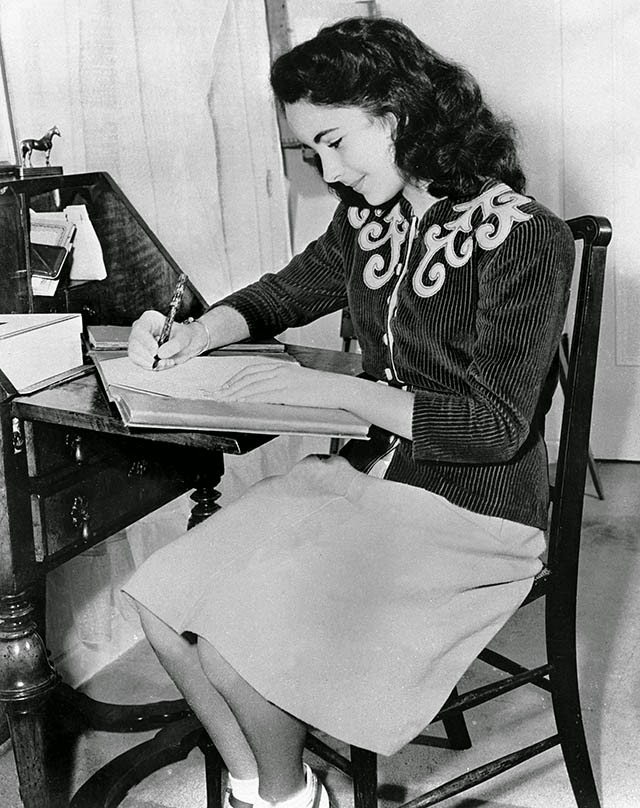

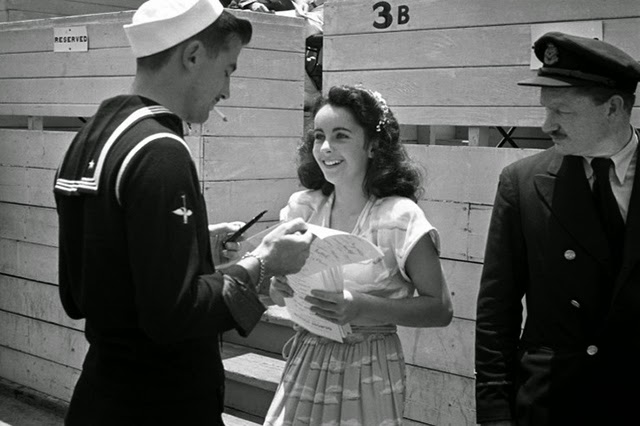
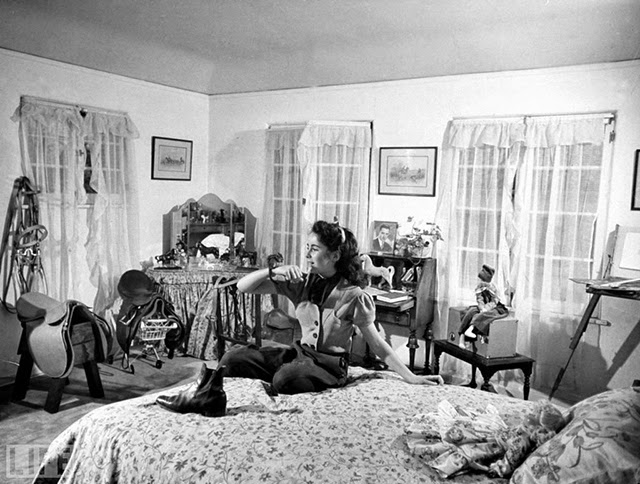
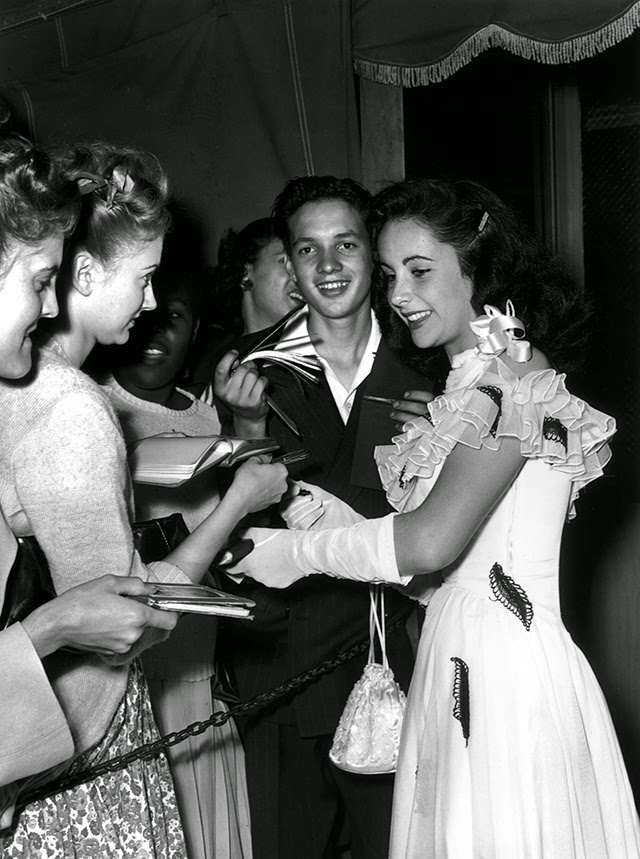
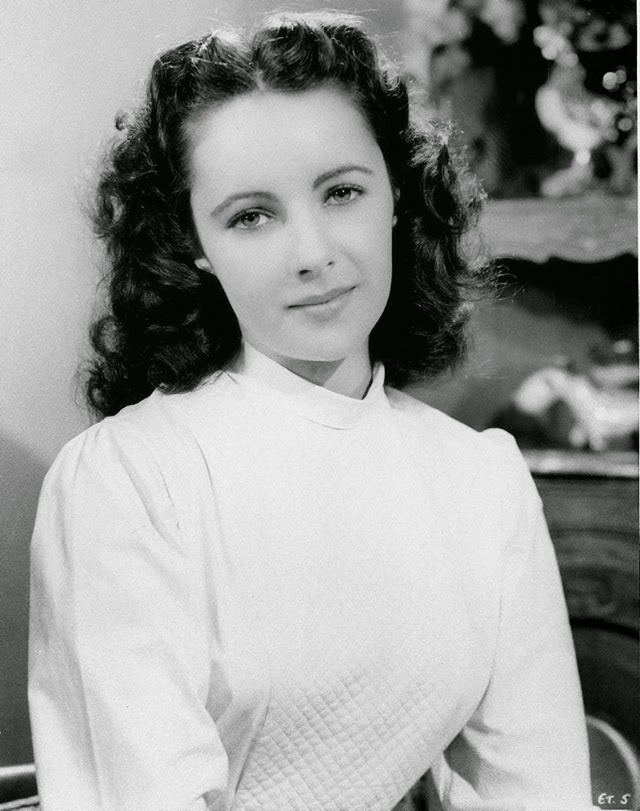


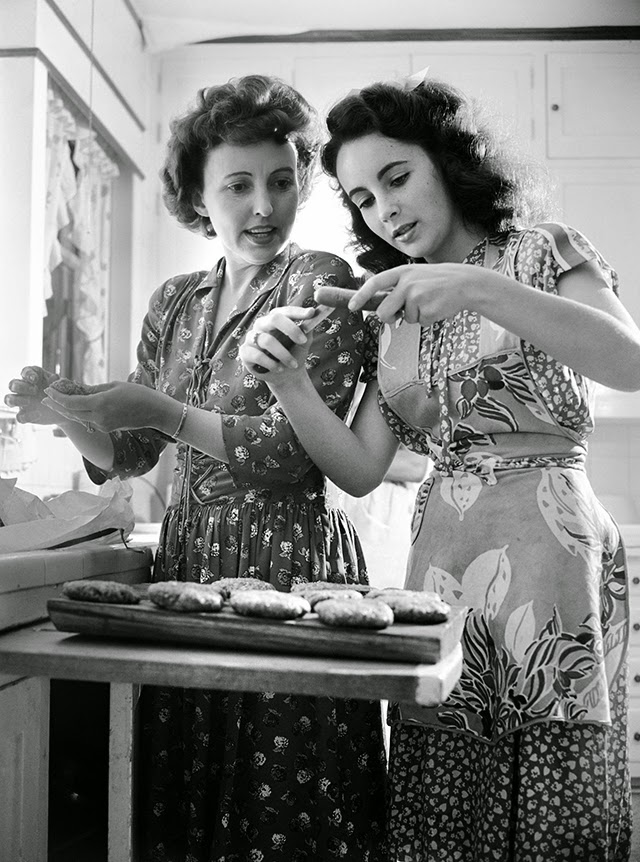
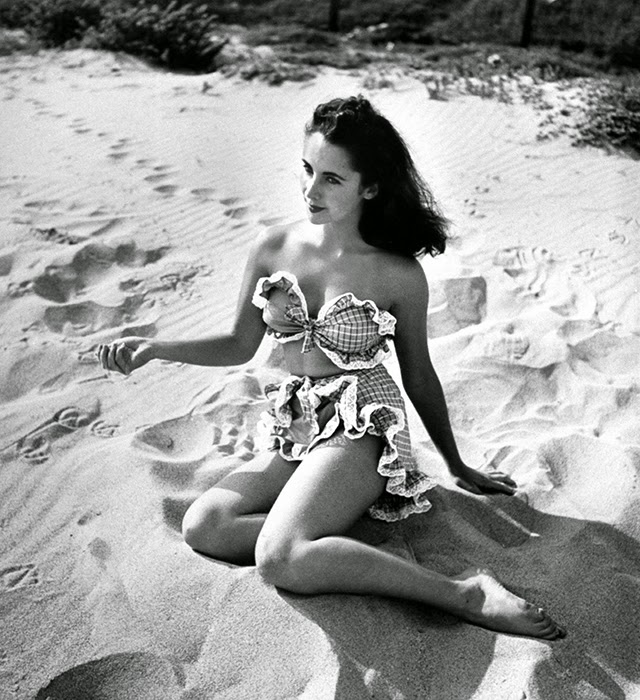

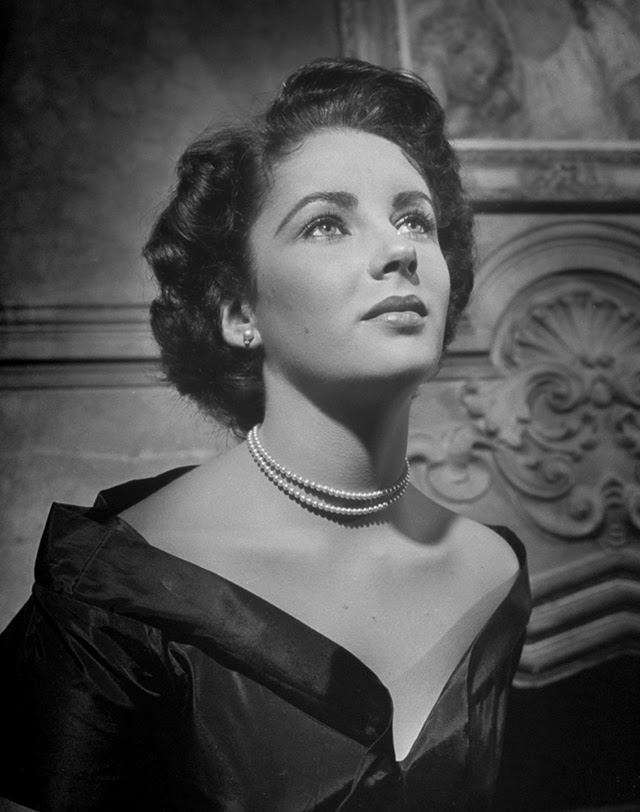
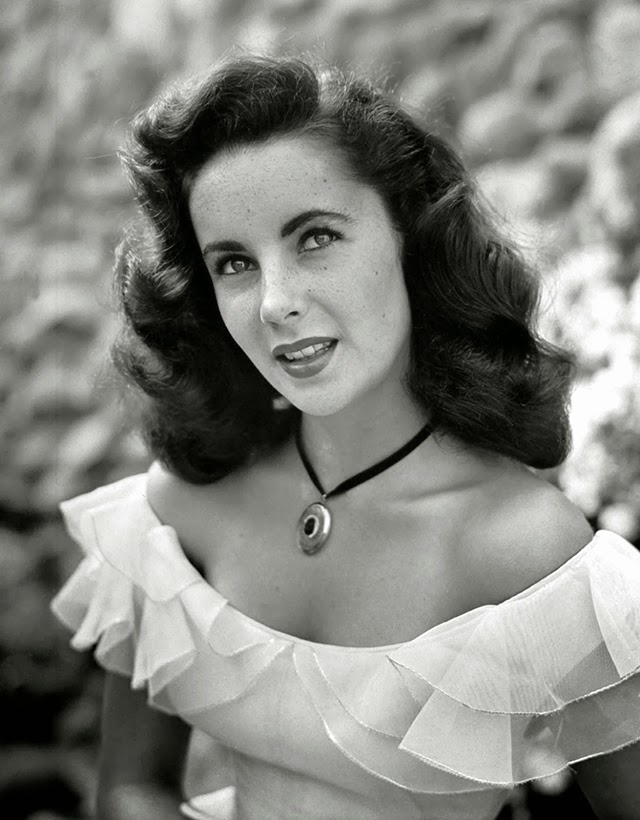
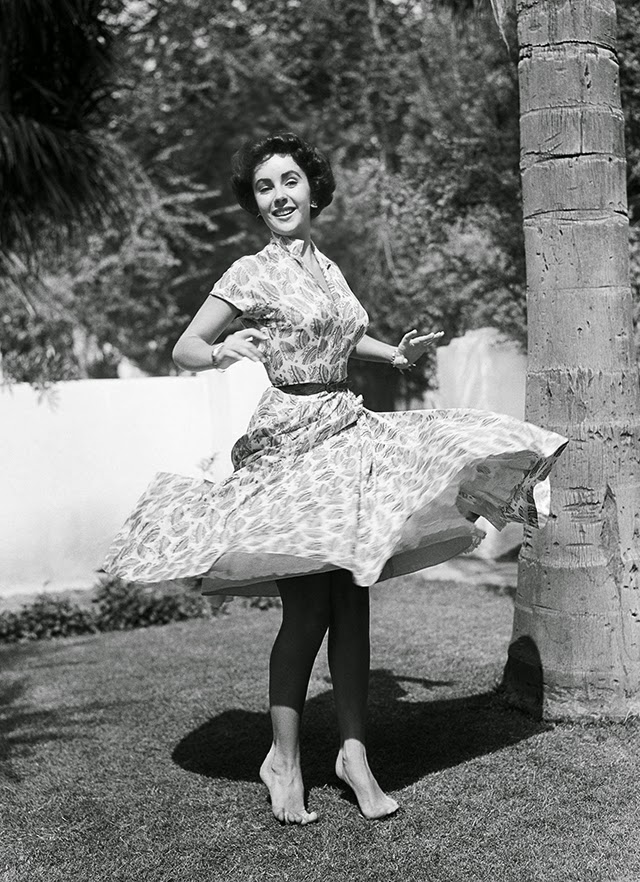


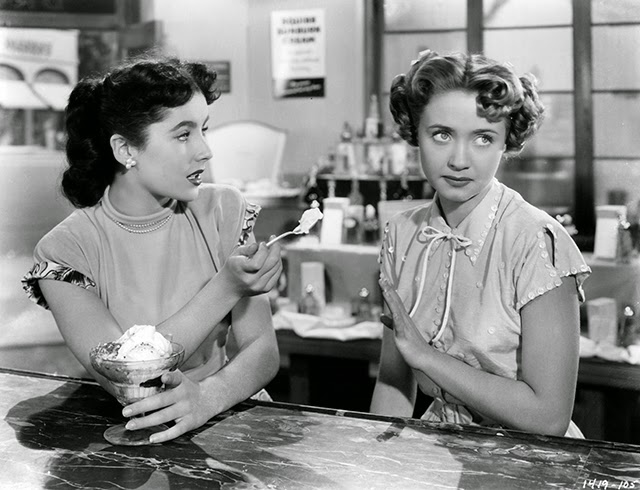


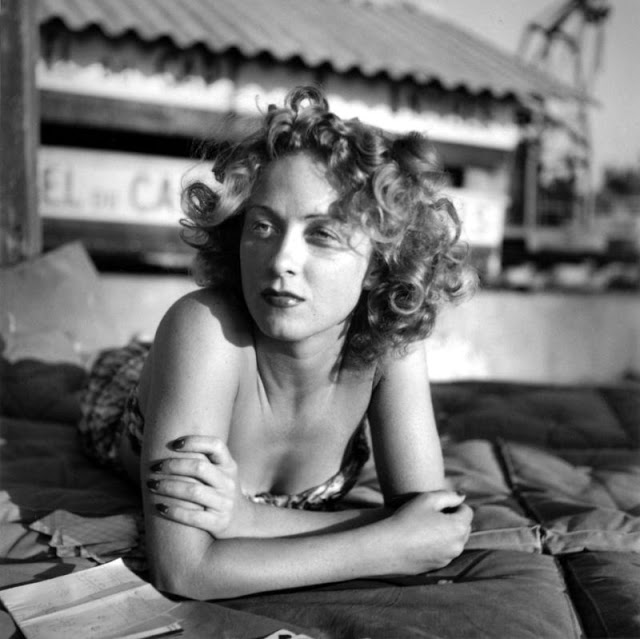
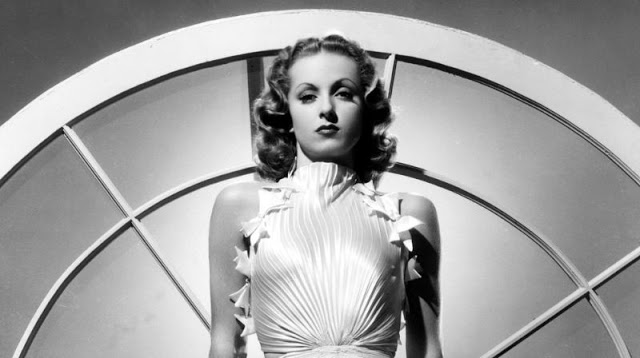
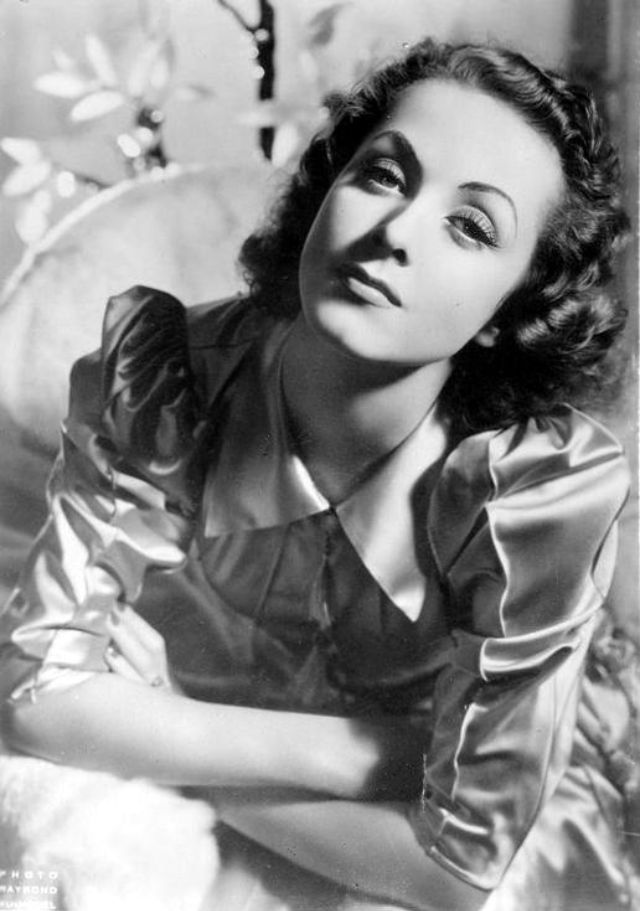
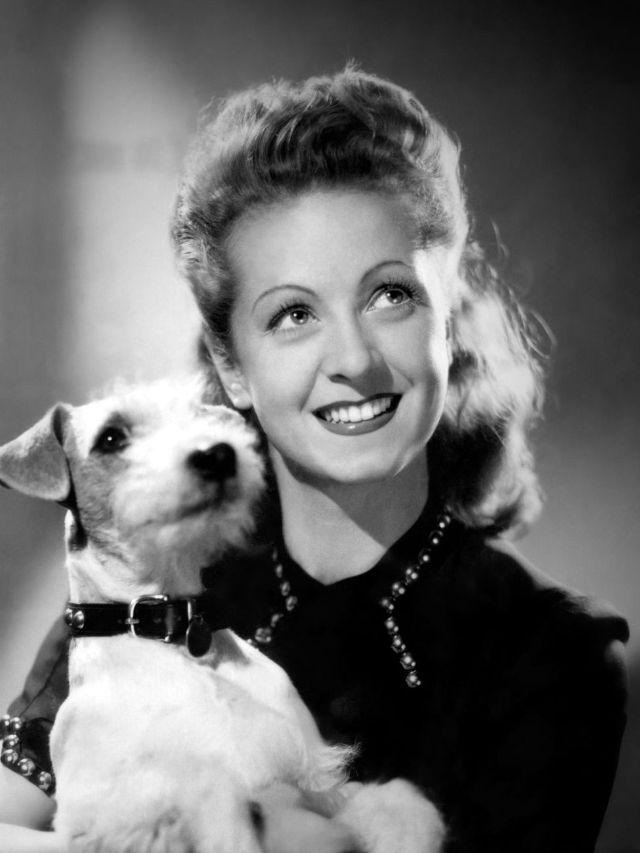
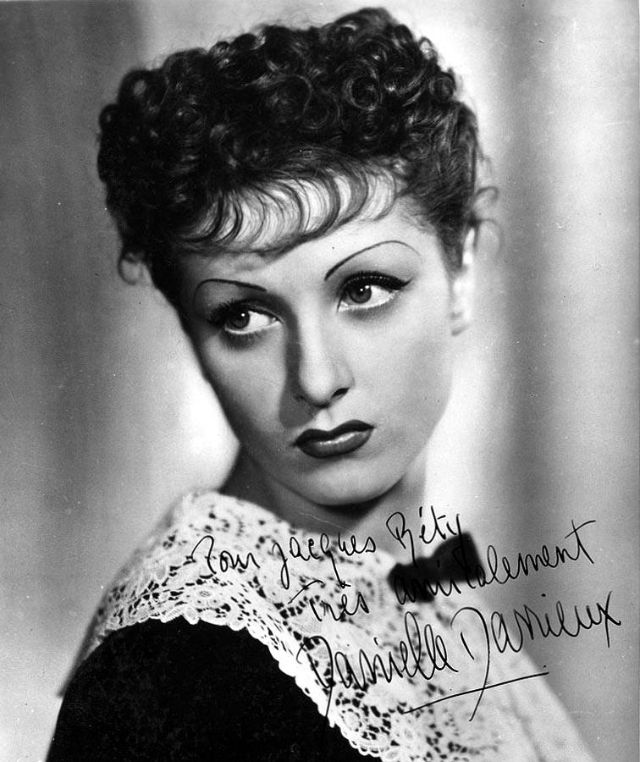
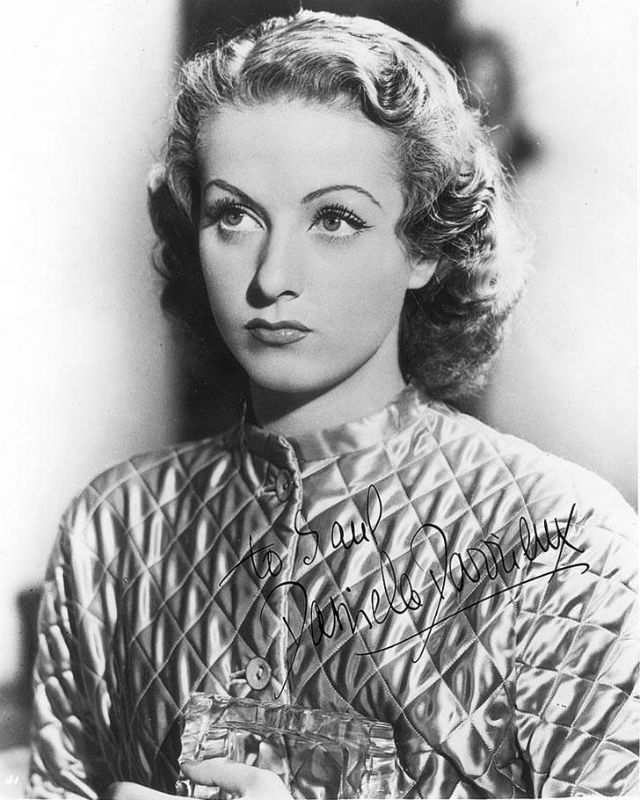
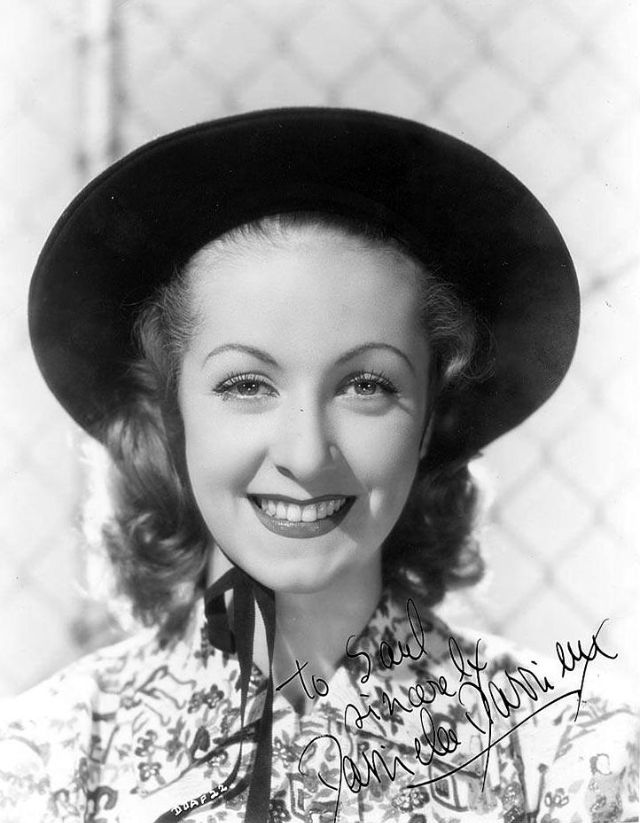
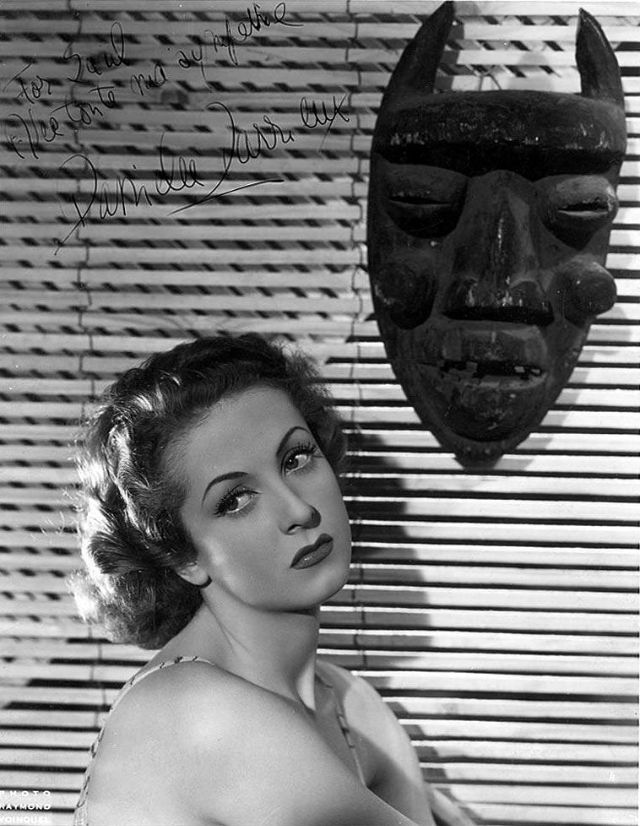
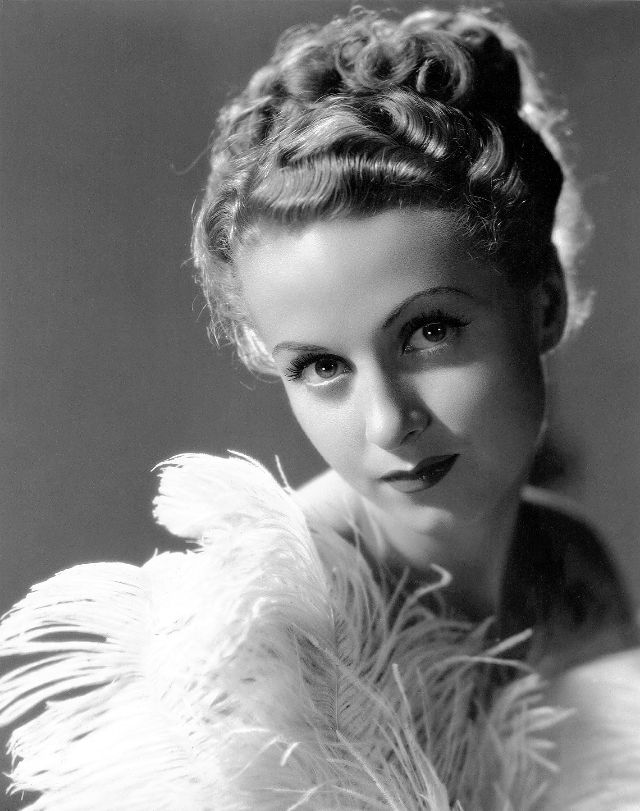
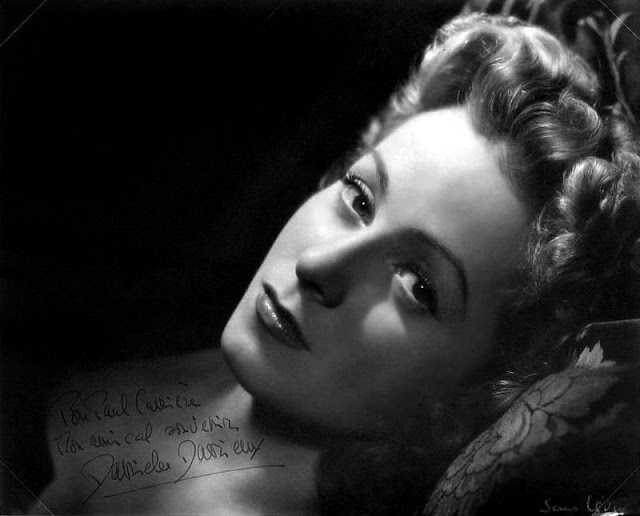
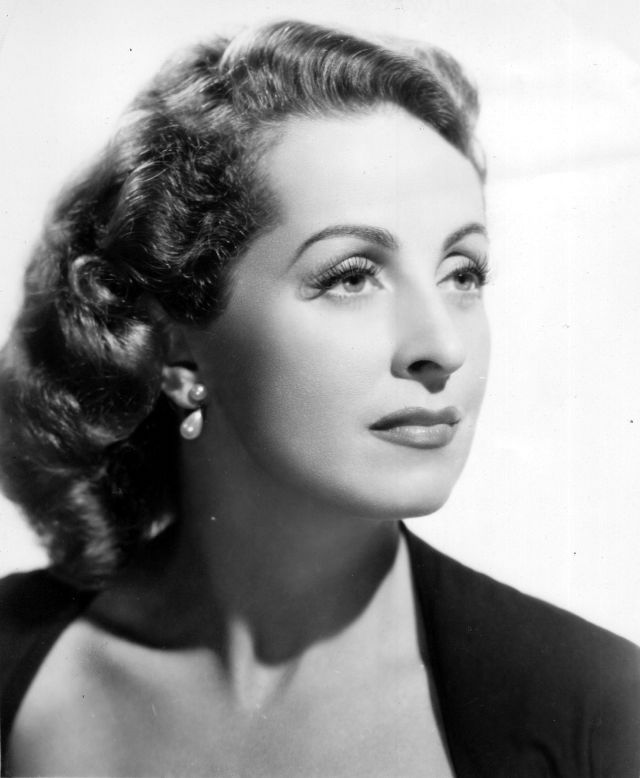
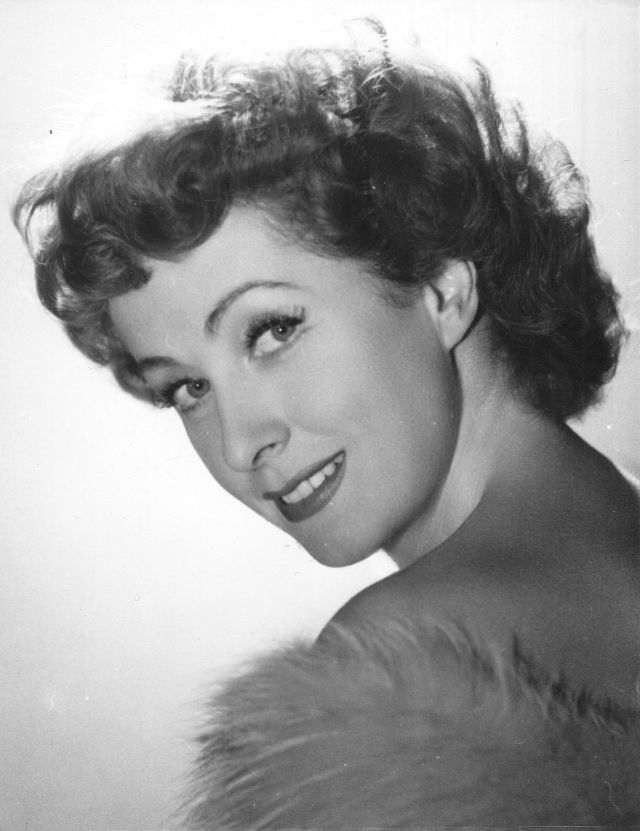
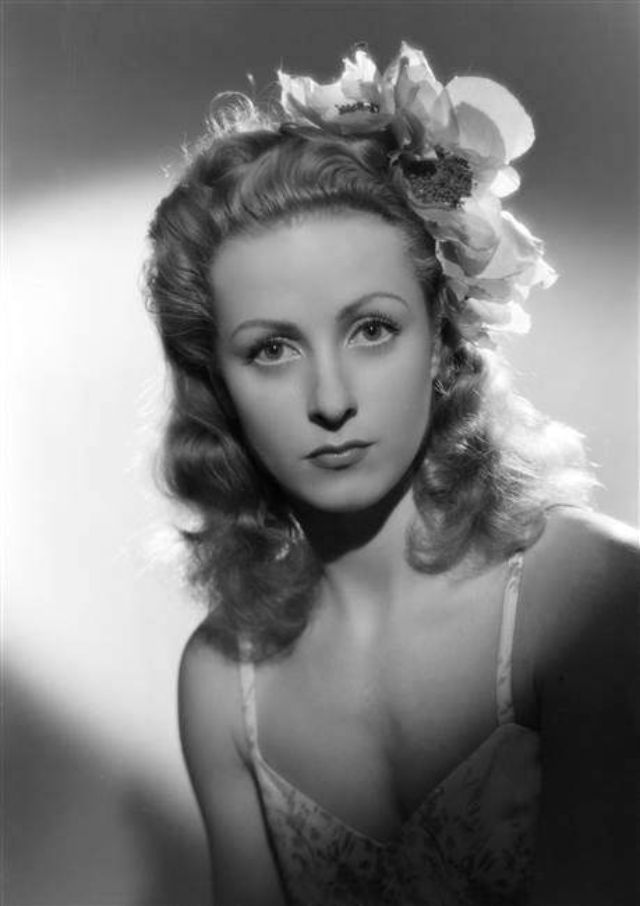
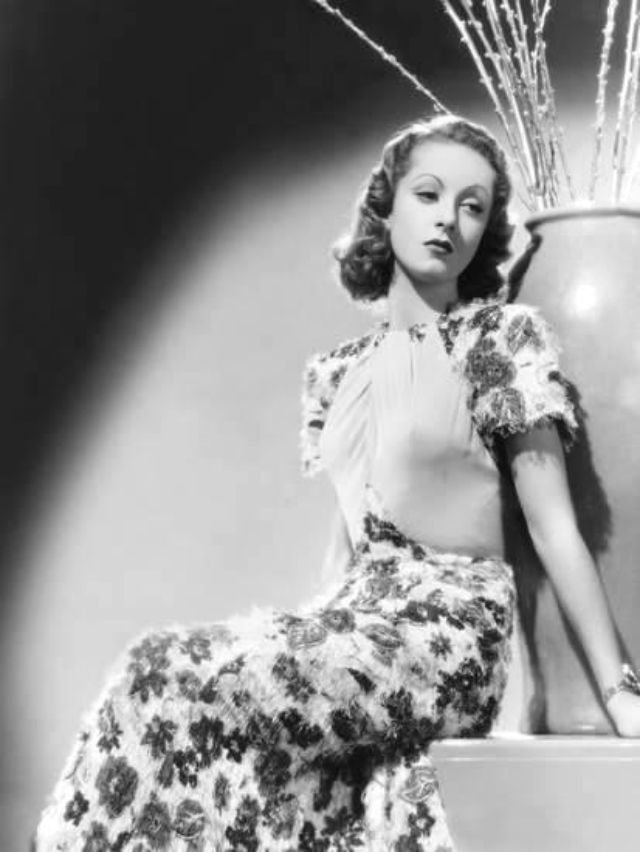
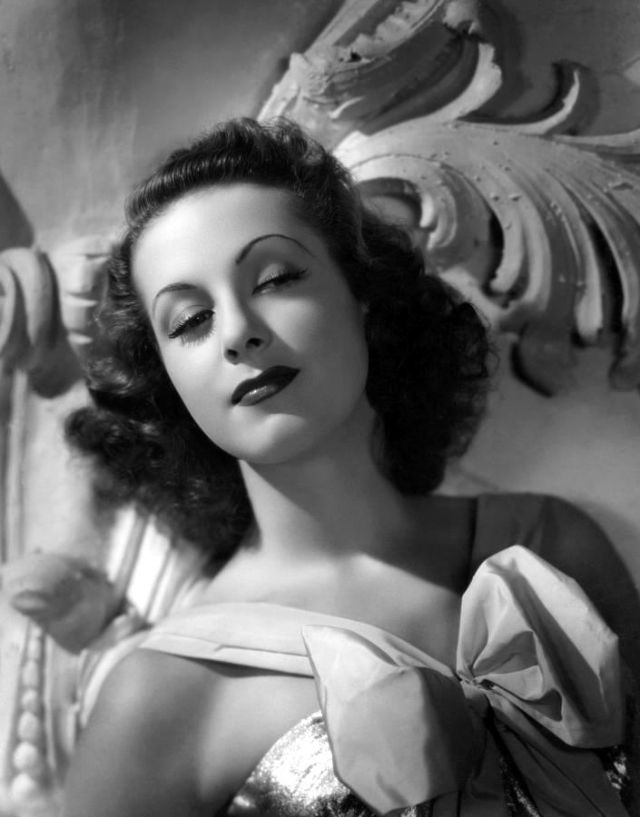
Danielle Yvonne Marie Antoinette Darrieux, (1 May 1917 – 17 October 2017) was a French actress of stage, television and film, as well as a singer and dancer.
Beginning in 1931, she appeared in more than 110 films. She was one of France’s great movie stars and her eight-decade career was among the longest in film history.
Darrieux was born in Bordeaux, France, during World War I, the daughter of Marie-Louise (Witkowski) and Jean Darrieux, a medical doctor who was serving in the French Army. Her mother was born in Algeria. Her father died when she was seven years old.
Raised in Paris, she studied the cello at the Conservatoire de Musique. At 14, she won a part in the musical film Le Bal (1931). Her beauty combined with her singing and dancing ability led to numerous other offers; the film Mayerling (1936) brought her to prominence.
In 1935, Darrieux married director/screenwriter Henri Decoin, who encouraged her to try Hollywood. She signed a seven-year contract with Universal Studios to star in The Rage of Paris (1938) opposite Douglas Fairbanks, Jr. Afterwards, she elected to return to Paris.
Under the German occupation of France during World War II, Darrieux continued to perform, a decision that was severely criticized by her compatriots. However, it is reported that her brother had been threatened with deportation by Alfred Greven, the German manager of Continental, the only film production company permitted in occupied France. She received a divorce and then fell in love with Porfirio Rubirosa, a Dominican Republic diplomat and notorious womanizer. They married in 1942. His anti-Nazi opinions resulted in his forced residence in Germany. In exchange for Rubirosa’s freedom, Darrieux agreed to make a promotional trip in Berlin. The couple lived in Switzerland until the end of the war, and divorced in 1947. She married scriptwriter Georges Mitsikidès in 1948, and they lived together until his death in 1991.
Darrieux appeared in the MGM musical Rich, Young and Pretty (1951). Joseph L. Mankiewicz lured her back to Hollywood to star in 5 Fingers (1952) with James Mason. Upon returning to France, she appeared in Max Ophüls’ The Earrings of Madame de… (1953) with Charles Boyer, and The Red and the Black (1954) with Gérard Philippe. She starred in Lady Chatterley’s Lover (1955), whose theme of uninhibited sexuality led to its being proscribed by Catholic censors in the United States. She played a supporting role in her last American film, United Artists’ epic Alexander the Great (1956) starring Richard Burton and Claire Bloom.
At the request of director Lewis Gilbert, Darrieux worked in England to shoot The Greengage Summer (1961) with Kenneth More. In 1963, she starred in the romantic comedy La Robe Mauve de Valentine at the Chatelet Theatre in Paris. The play was adapted from the novel by Françoise Sagan.
In Jacques Demy’s film musical The Young Girls of Rochefort (1966) her role was the only one in which a principal actor in any of Demy’s film-musicals sang his or her own musical parts. (All other actors had a separate person dub their singing parts.) During the 1960s, she also was a concert singer.
In 1970, Darrieux replaced Katharine Hepburn in the Broadway musical Coco, based on the life of Coco Chanel, but the play, essentially a showcase for Hepburn, soon folded without her. In 1971 and 1972 she also appeared in the short-lived productions of Ambassador. She worked again with Demy for his film Une chambre en ville (1982), an opera-like musical melodrama reminiscent of the director’s earlier work The Umbrellas of Cherbourg (Les Parapluies de Cherbourg, 1964). Once again, Darrieux provided her own vocals for her songs.
For her long service to the motion picture industry, in 1985 she was given an Honorary César Award. She continued to work, her career spanning eight decades, most recently providing the voice of the protagonist’s grandmother in the animated feature, Persepolis (2007), which deals with the impact of the Islamic revolution on a girl’s life as she grows to adulthood in Iran.
Danielle Darrieux died on 17 October 2017, due to complications from a fall, five months after turning 100 that May. (Wikipedia)
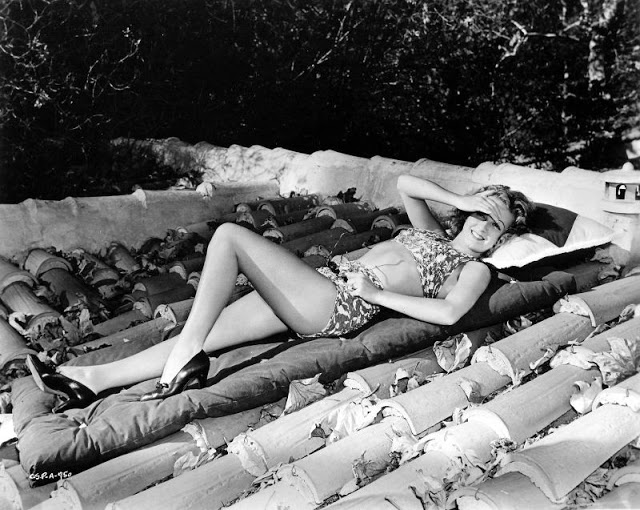
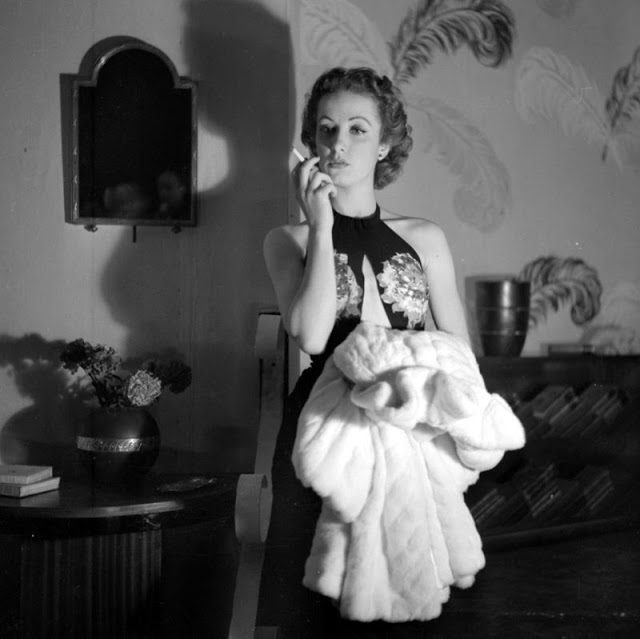
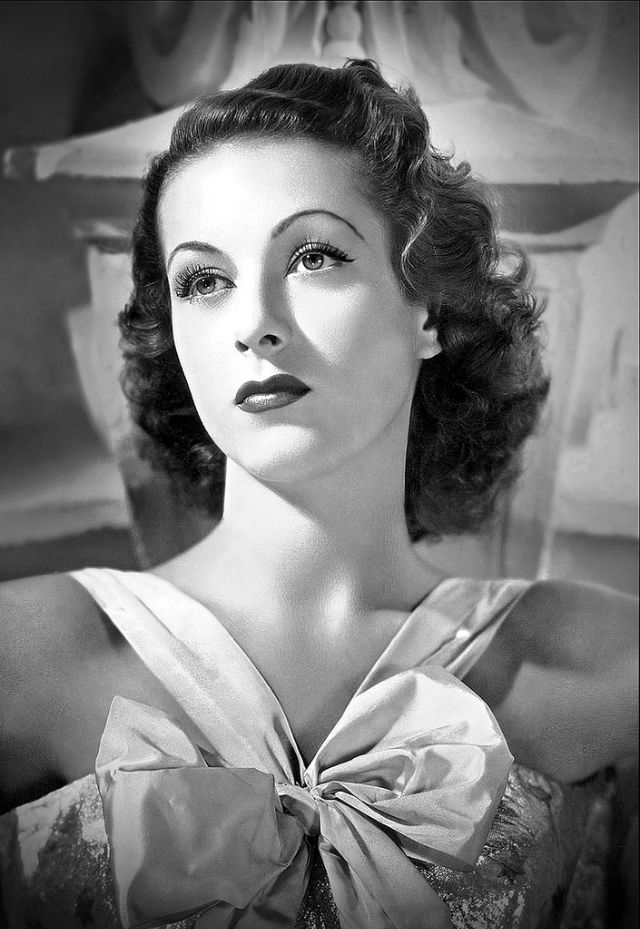
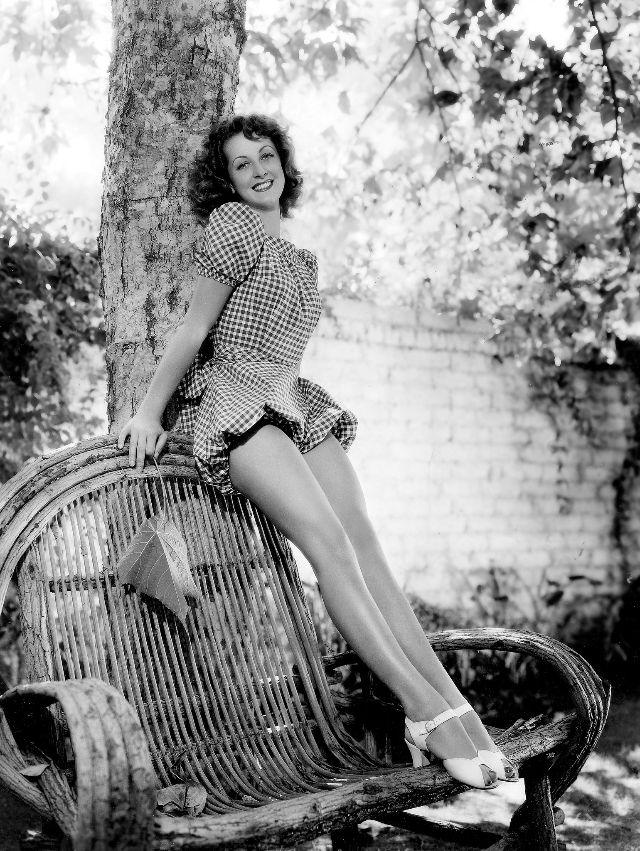
Here below is a black and white photo set that shows the beauty of Danielle Darrieux in the 1930s and 1940s.