There’s something about a blanket of snow that just makes winter feel extra special. In December, workers rushed to their office windows to document the first snowfall of the season.
So how did the country cope with it before the days of snow ploughs? Read on for a selection of the some of the most telling photos charting winter in Britain from the late 1920s to the 1970s.
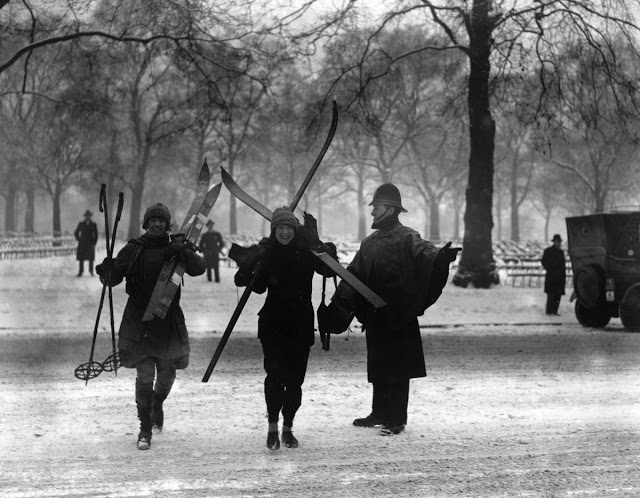
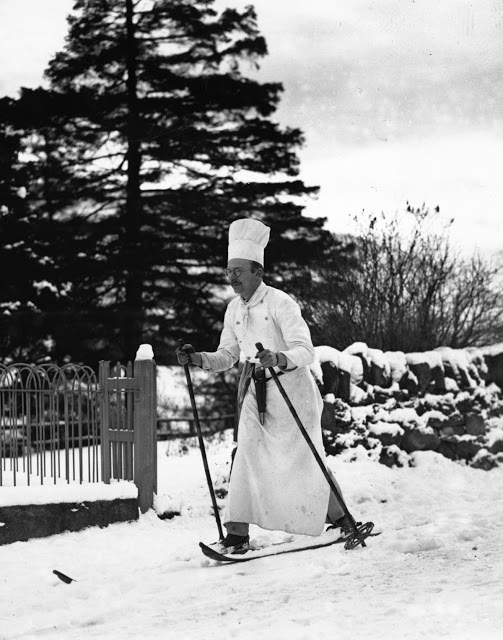
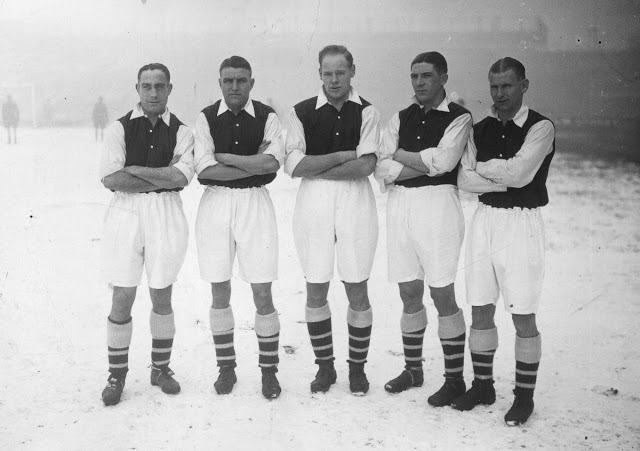
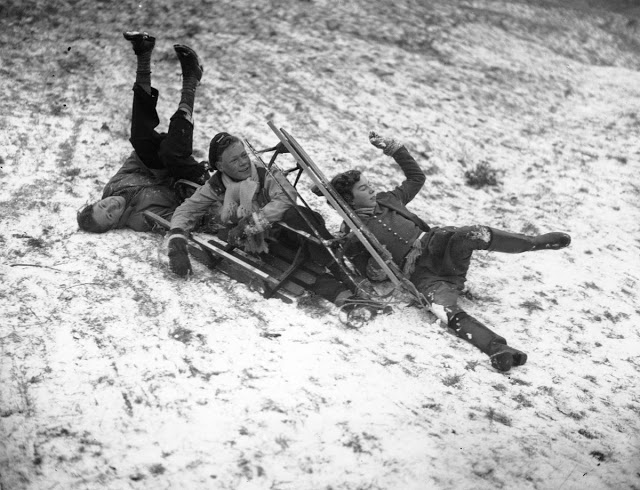
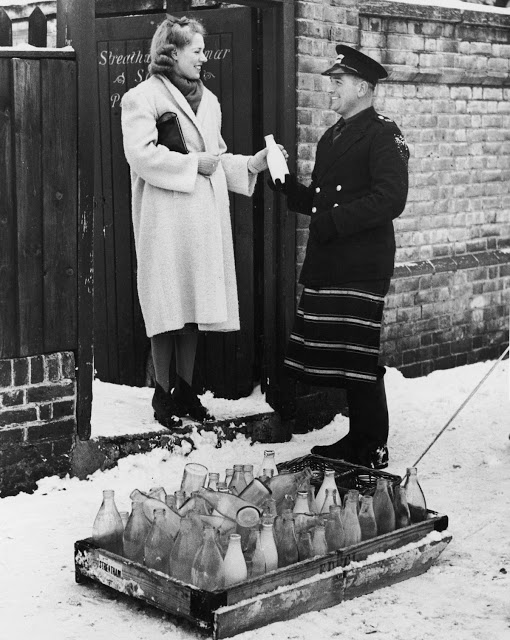
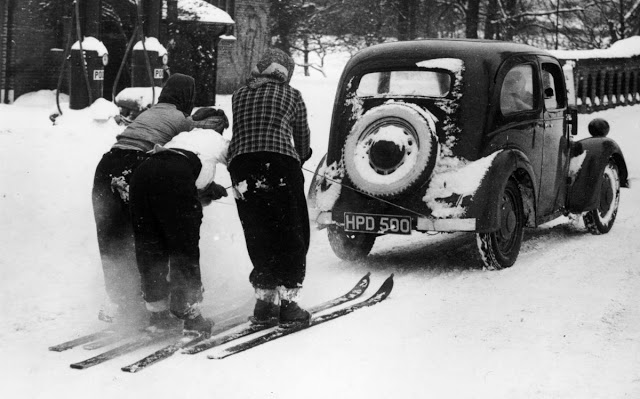
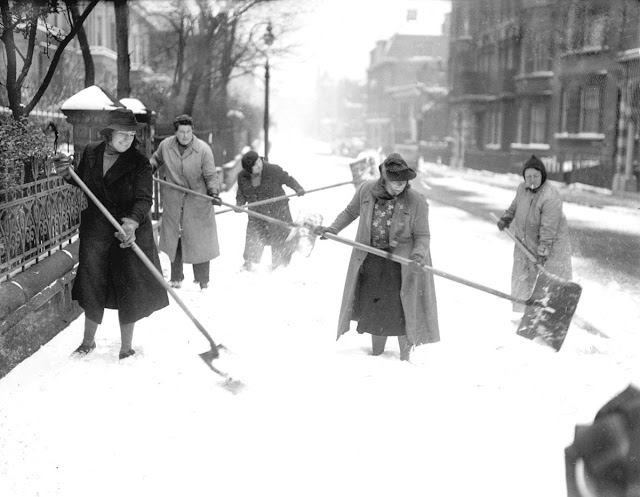
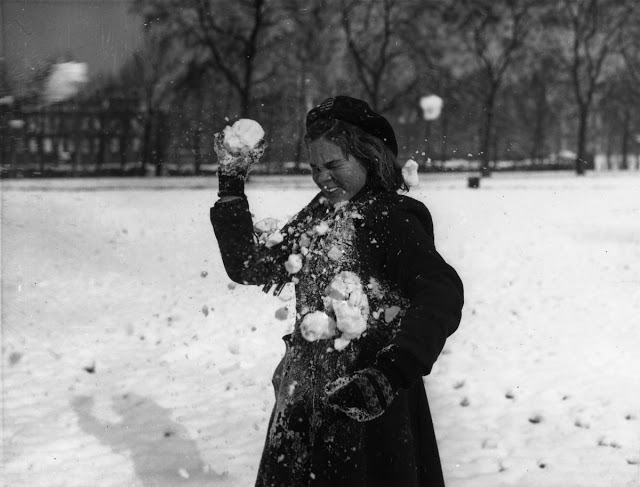
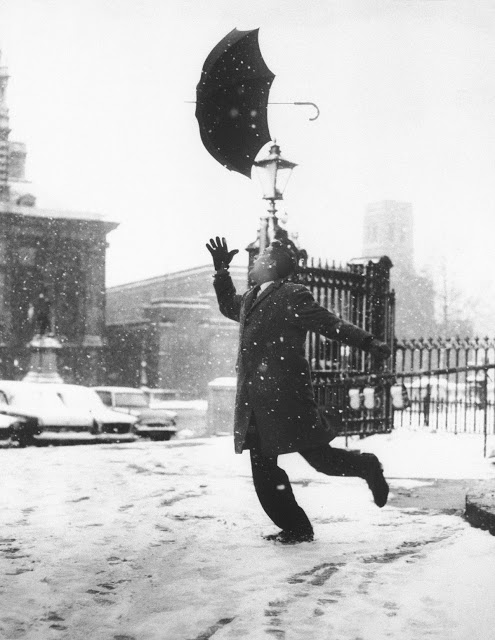
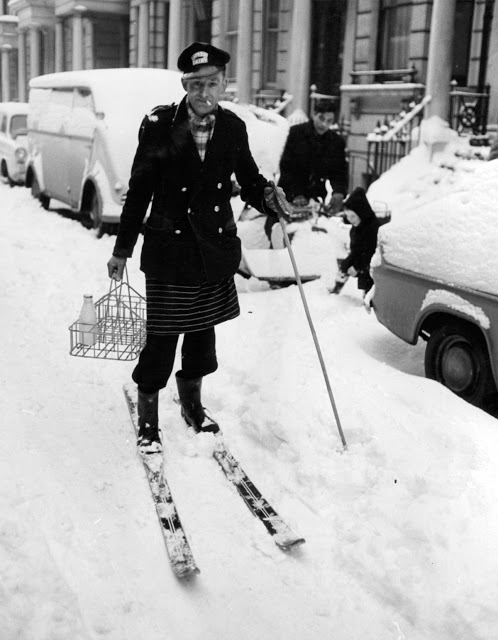
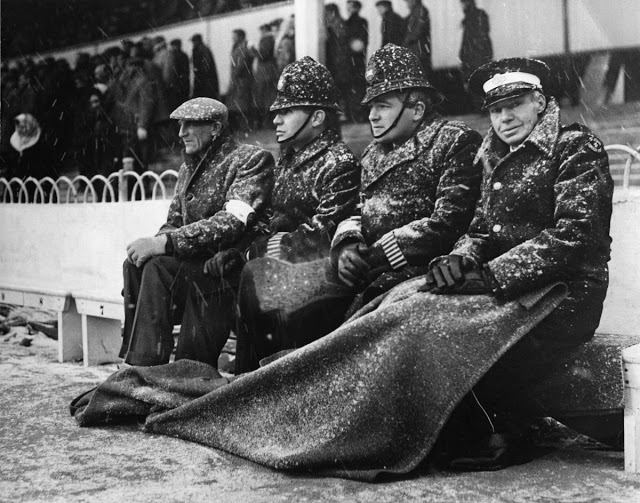
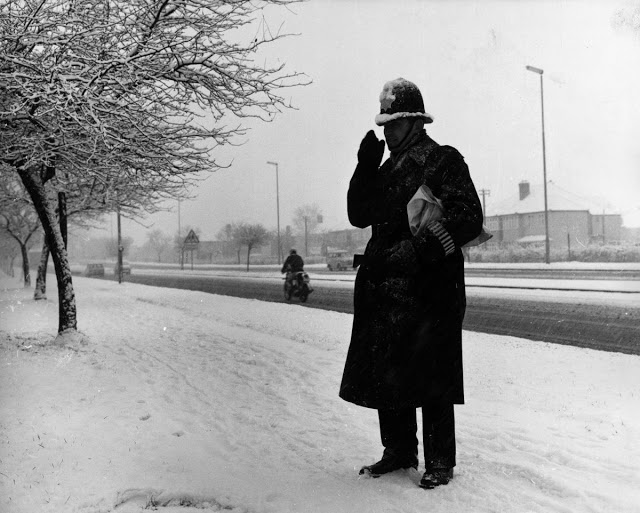
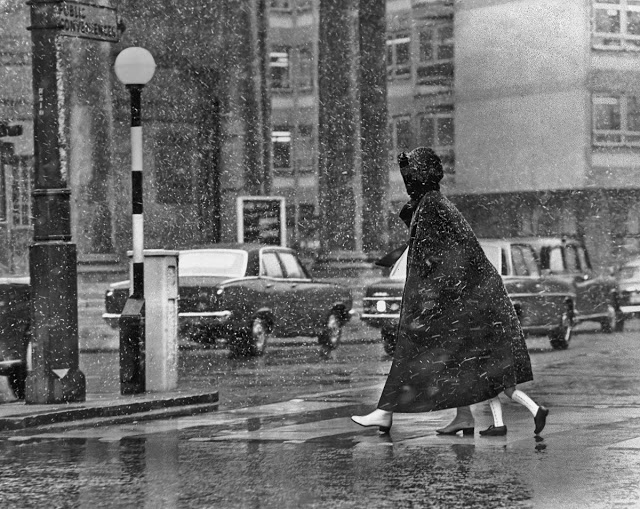
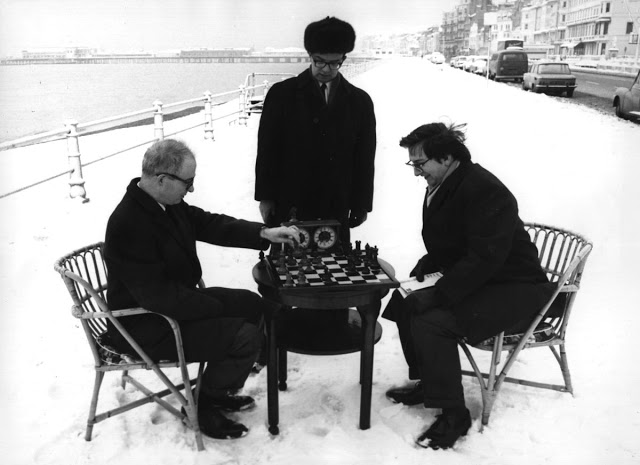
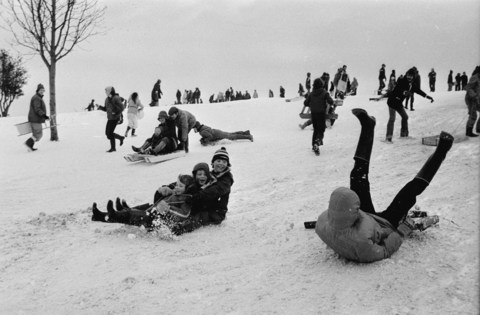
1926: A policeman directs skiers across a snow-covered road in Hyde Park.1932: A hotel chef in the Scottish village of Braemar takes to his skiis during a lunch break.1935: Arsenal footballers Wilf Copping, Eddie Hapgood, George Male, Ted Drake, and Cliff Bastin, looking fairly grumpy but coping nonetheless.1937: Boys take a tumble at London’s Hampstead Heath.1938: Skiing in Britain became so popular at one time that indoor ski schools started cropping up, this one in London.1939: A milkman makes a delivery to Streatham Grammar school in London.1940: Three skiers hitch a ride from a motor car at Box Hill, Surrey.1942: Two Auxiliary Territorial Service members from the women’s branch of the British Army on their toboggan at a gun site in London.1942: Women labourers employed by Kensington Borough Council clearing snow from the streets.1954: Losing a snowball fight in St James Park, London.A pair of nuns clearly having a jolly good time tobogganing in this undated snap, published by the Manchester Daily Express.1962: A Londoner loses his umbrella to a gust of wind during a particularly rugged winter’s day.1962: In London, a milkman does his morning run on skis.1963: A Mighty Moke vehicle navigating the snow to transport hay.1963: Police and ambulance workers shivering on the touchline at the White Hart Lane football ground.1967: A policeman on Chertsey Road at Twickenham using his radio during a storm.1969: Not a four-legged woman, but a mother taking her little girl to school under the shelter of her coat.1970: British player Raymond Keene (right) at the Hastings International Chess Congress on the snow-covered sea front.1970: An RAC (Royal Automobile Club) patrolman fitting his snowshoes by the side of the road.1978: Families cavort in the snow at Lyndhurst Hill, Southampton.
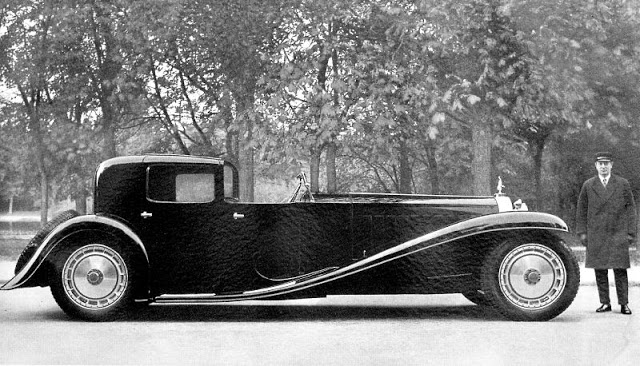
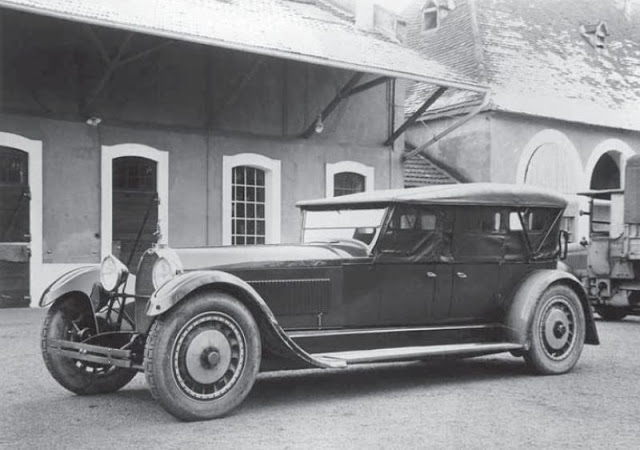
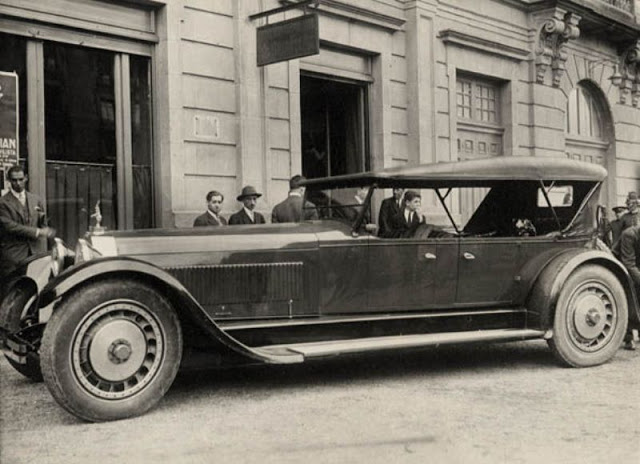
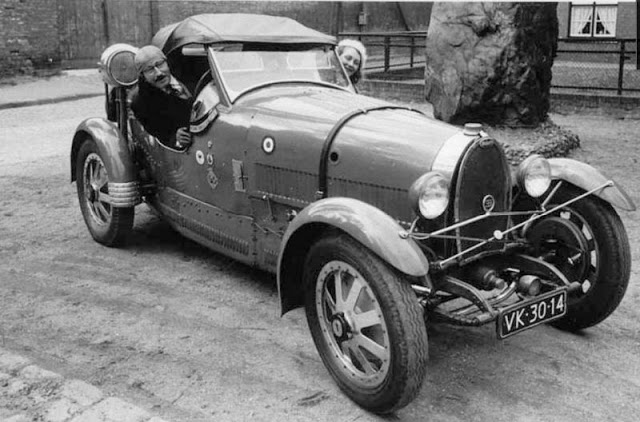
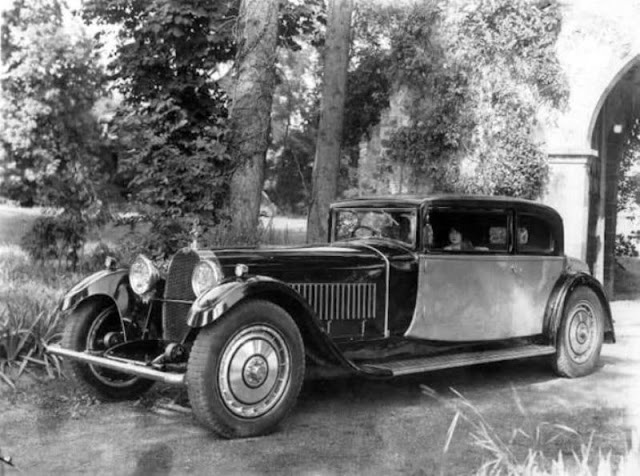
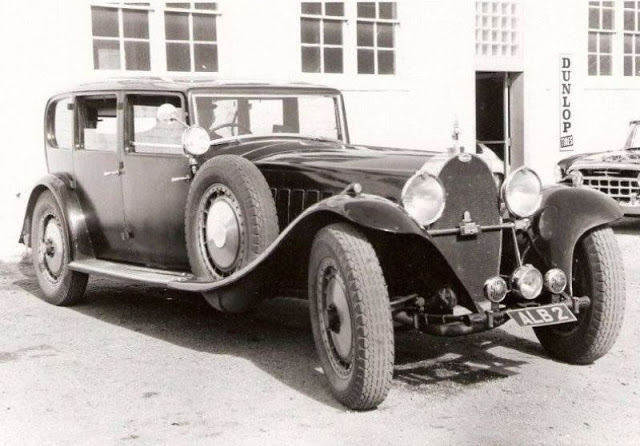
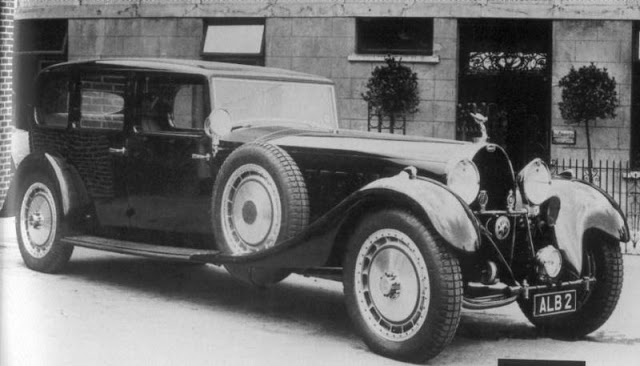
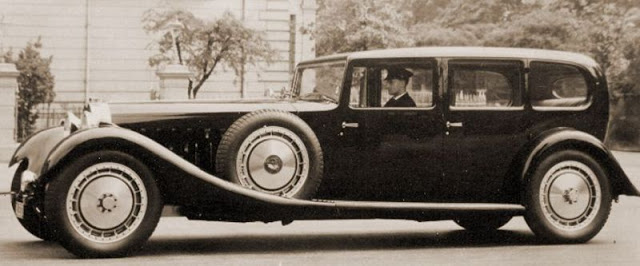
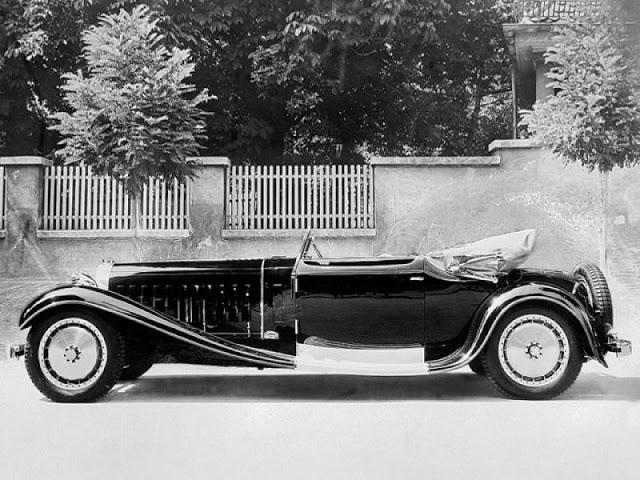
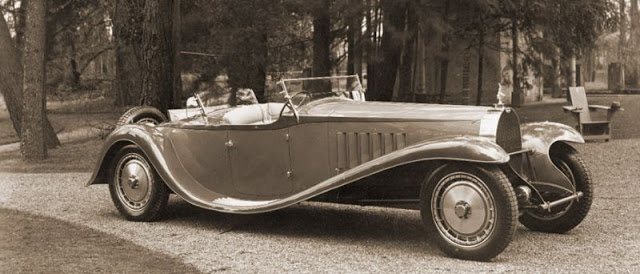
Bugatti was founded in in 1909 in Molsheim, France by Ettore Bugatti an Italian imigrant. The company produced expensive, and in the case of the Royalle some of the most exclusive bespoke cars in the world. The T35’s and T51’s were amongst the most sucessful voiterette racing cars.
Bugatti also produced aircraft engines and the engines for French rail cars. The badge not only bears the name Bugatti but the initials of Ettore Bugatti with an inverted E.
The death of Ettore Bugatti in 1947 proved to be the end for the marque, and the death of his son Jean Bugatti in 1939 ensured there was not a successor to lead the factory. No more than about 8,000 cars were made. The company struggled financially, and released one last model in the 1950s, before eventually being purchased for its airplane parts business in 1963.
In the 1990s, an Italian entrepreneur revived it as a builder of limited production exclusive sports cars. Today, the name is owned by the Volkswagen Group.
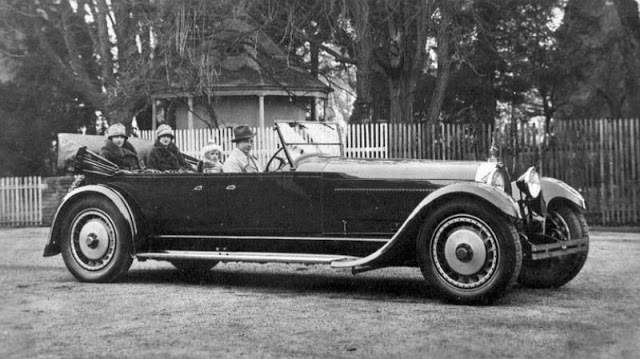
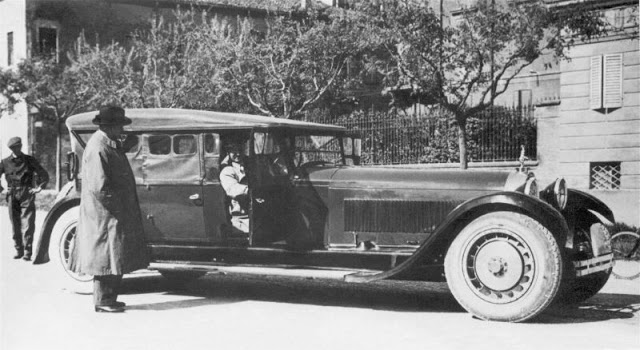
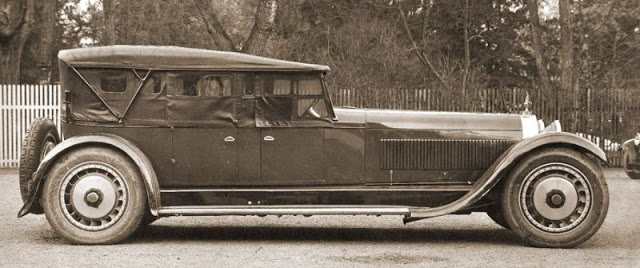
Here is a cool photo collection that shows Bugatti cars in the 1920s and 1930s.
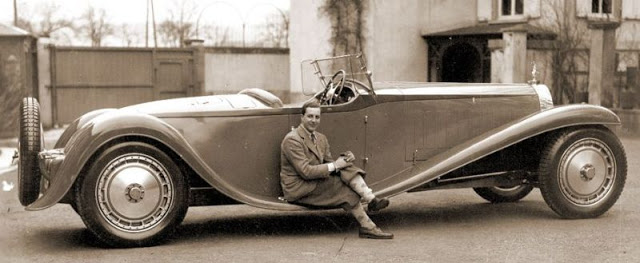
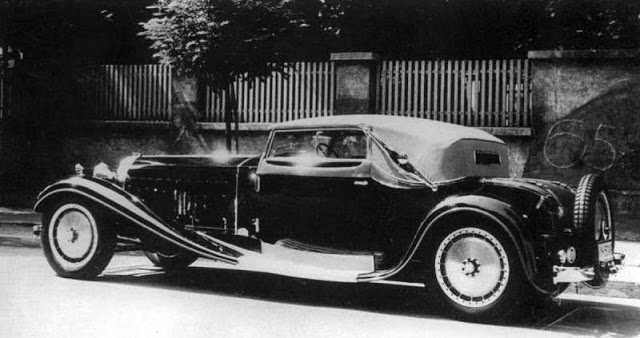
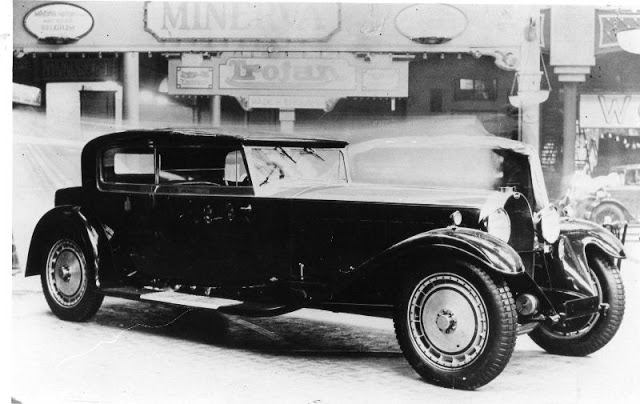
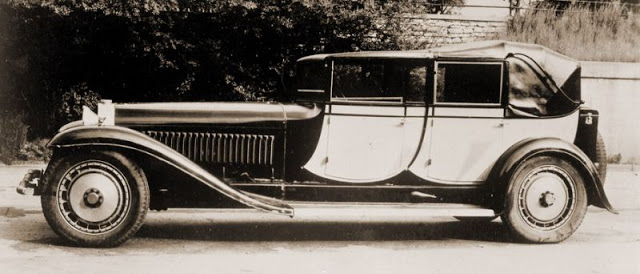
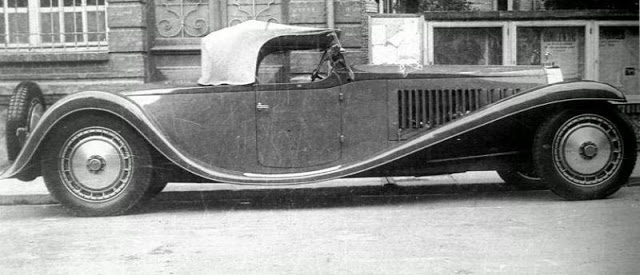
1927 Bugatti Type 41 Royale Coupe Napoleon with with family chauffeur1927 Bugatti Type 41 Royale Prototype body by Packard1927 Bugatti Type 41 Royale Prototype body by Packard1927 Bugatti Type 41 Royale Prototype body by Packard1927 Bugatti Type 41 Royale Prototype body by Packard1927 Bugatti Type 41 Royale Prototype body by Packard1928 Bugatti Type 43 Grand Sport1928 Bugatti Type 43 Grand Sport1929 Bugatti Type 41 Royale Coupe body by Weymann1929 Bugatti Type 41 Royale Coupe body by Weymann1929 Bugatti Type 43 Grand Sport1931 Bugatti Type 41 Royale Limosine body by Park Ward1931 Bugatti Type 41 Royale Limosine body by Park Ward1931 Bugatti Type 41 Royale Limosine body by Park Ward1931 Bugatti Type 41 Royale Victoria Cabriolet body by Weinberger1931 Bugatti Type 41 Royale Victoria Cabriolet body by Weinberger1932 Bugatti Type 41 Roadster Esders1932 Bugatti Type 41 Royale 2-Door Saloon body by Kellner1932 Bugatti Type 41 Royale 2-Door Saloon body by Kellner1932 Bugatti Type 41 Royale 2-Door Saloon body by Kellner1932 Bugatti Type 41 Royale 2-Door Saloon body by Kellner1932 Bugatti Type 41 Royale Berline de Voyage body by Bugatti1932 Bugatti Type 41 Royale Esders Roadster body by Jean Bugatti1932 Bugatti Type 41 Royale Esders Roadster body by Jean Bugatti1932 Bugatti Type 41 Royale Esders Roadster body by Jean Bugatti1932 Bugatti Type 41 Royale Esders Roadster body by Jean Bugatti
California is a state in the Western United States. California borders Oregon to the north, Nevada and Arizona to the east, and the Mexican state of Baja California to the south. With over 39.5 million residents across a total area of approximately 163,696 square miles (423,970 km2), it is the most populous and the third-largest U.S. state by area. It is also the most populated subnational entity in North America and the 34th most populous in the world. The Greater Los Angeles area and the San Francisco Bay Area are the nation’s second and fifth most populous urban regions respectively, with the former having more than 18.7 million residents and the latter having over 9.6 million. Sacramento is the state’s capital, while Los Angeles is the most populous city in the state and the second most populous city in the country (after New York City). Los Angeles County is the country’s most populous, while San Bernardino County is the largest county by area in the country. San Francisco, which is both a city and a county, is the second most densely populated major city in the country (after New York City) and the fifth most densely populated county in the country, behind four of New York City’s five boroughs.
The economy of California, with a gross state product of $3.2 trillion as of 2019, is the largest sub-national economy in the world. If it were a country, it would be the 37th most populous country and the fifth largest economy as of 2020. The Greater Los Angeles area and the San Francisco Bay Area are the nation’s second- and third-largest urban economies ($1.0 trillion and $0.5 trillion respectively as of 2020), after the New York metropolitan area ($1.8 trillion). The San Francisco Bay Area Combined Statistical Area had the nation’s highest gross domestic product per capita ($106,757) among large primary statistical areas in 2018, and is home to five of the world’s ten largest companies by market capitalization and four of the world’s ten richest people.
Prior to European colonization, California was one of the most culturally and linguistically diverse areas in pre-Columbian North America and contained the highest Native American population density north of what is now Mexico. European exploration in the 16th and 17th centuries led to the colonization of California by the Spanish Empire. In 1804, it was included in Alta California province within the Viceroyalty of New Spain. The area became a part of Mexico in 1821, following its successful war for independence, but was ceded to the United States in 1848 after the Mexican–American War. The western portion of Alta California was then organized and admitted as the 31st state on September 9, 1850, following the Compromise of 1850. The California Gold Rush started in 1848 and led to dramatic social and demographic changes, including large-scale immigration into California, a worldwide economic boom, and the California genocide of indigenous people.
Notable contributions to popular culture, for example in entertainment and sports, have their origins in California. The state also has made noteworthy contributions in the fields of communication, information, innovation, environmentalism, economics, and politics. It is the home of Hollywood, the oldest and largest film industry in the world, which has had a profound effect on global entertainment. It is considered the origin of the hippie counterculture, beach and car culture, and the personal computer, among other innovations. The San Francisco Bay Area and the Greater Los Angeles Area are widely seen as centers of the global technology and entertainment industries, respectively. California’s economy is very diverse: 58% of it is based on finance, government, real estate services, technology, and professional, scientific, and technical business services. Although it accounts for only 1.5% of the state’s economy, California’s agriculture industry has the highest output of any U.S. state. California’s ports and harbors handle about a third of all U.S. imports, most originating in Pacific Rim international trade.
The state’s extremely diverse geography ranges from the Pacific Coast and metropolitan areas in the west to the Sierra Nevada mountains in the east, and from the redwood and Douglas fir forests in the northwest to the Mojave Desert in the southeast. The Central Valley, a major agricultural area, dominates the state’s center. Although California is well known for its warm Mediterranean climate and monsoon seasonal weather, the large size of the state results in climates that vary from moist temperate rainforest in the north to arid desert in the interior, as well as snowy alpine in the mountains. All these factors lead to an enormous demand for water. Over time, droughts and wildfires have increased in frequency and become less seasonal and more year-round, further straining California’s water security. (Wikipedia)
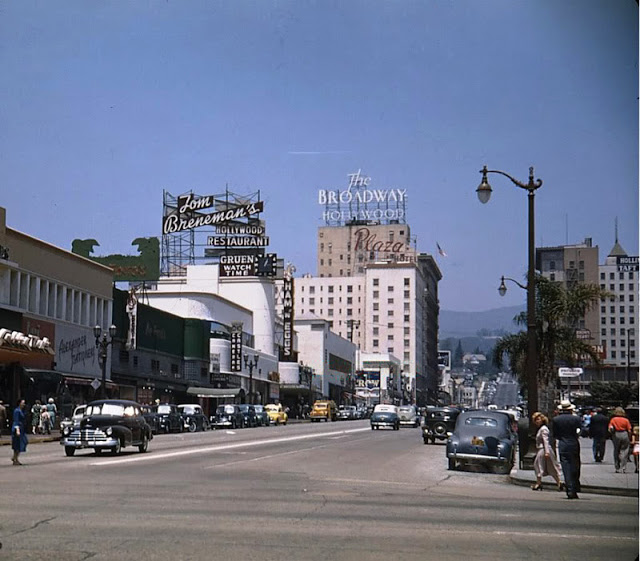
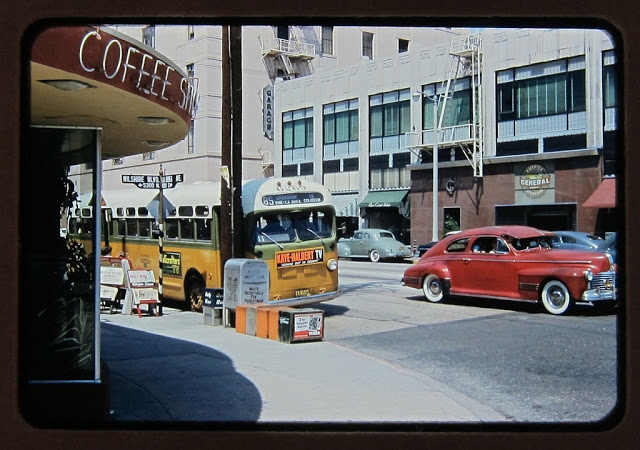
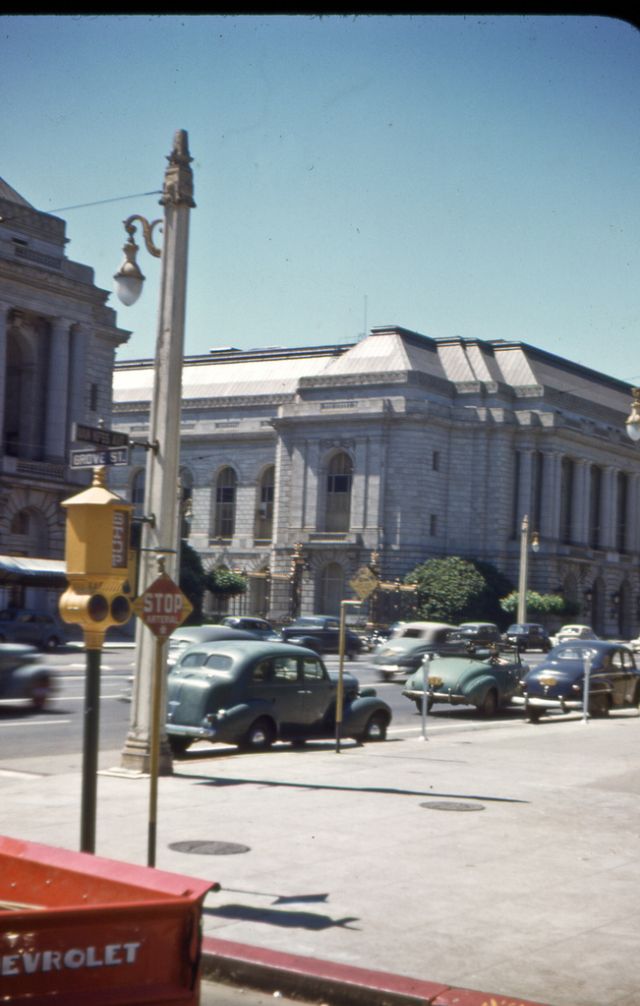
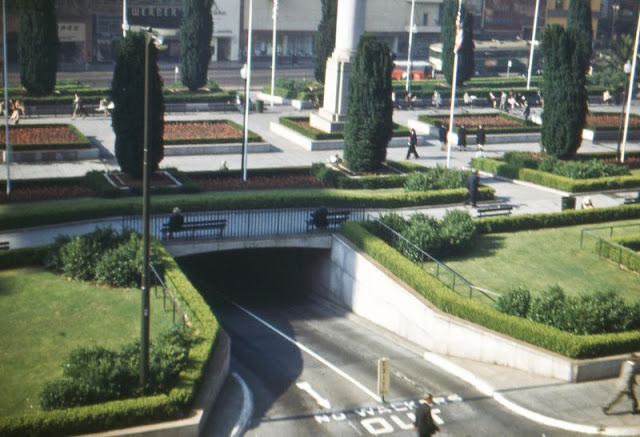
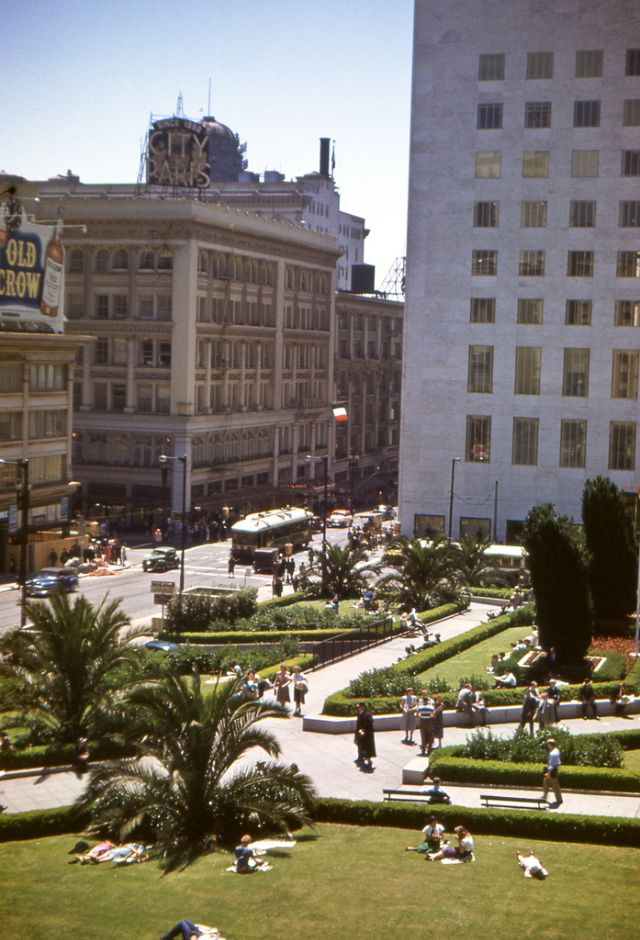
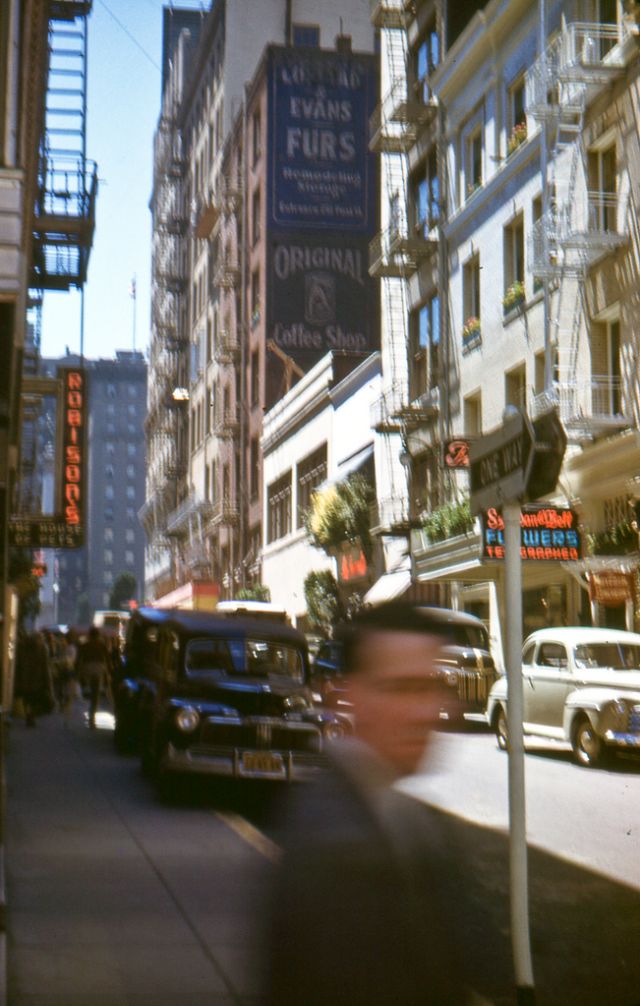
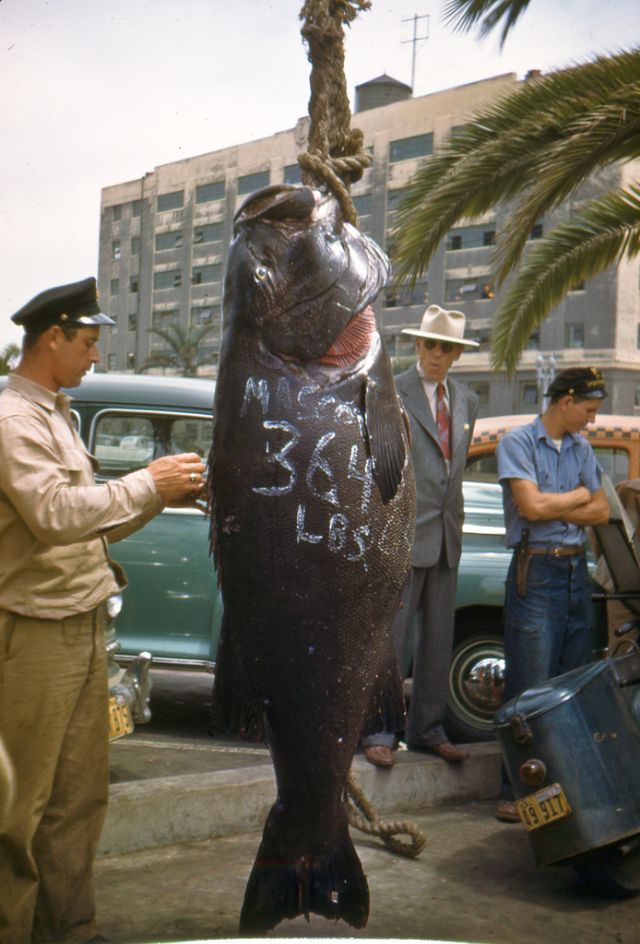
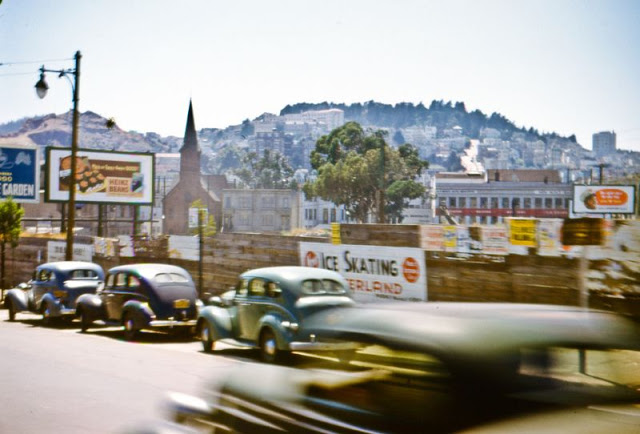
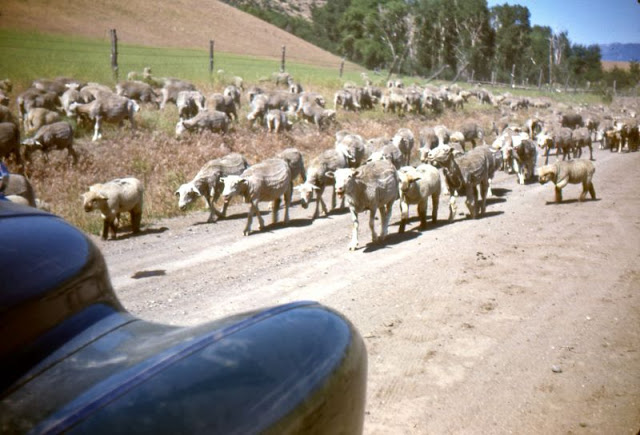
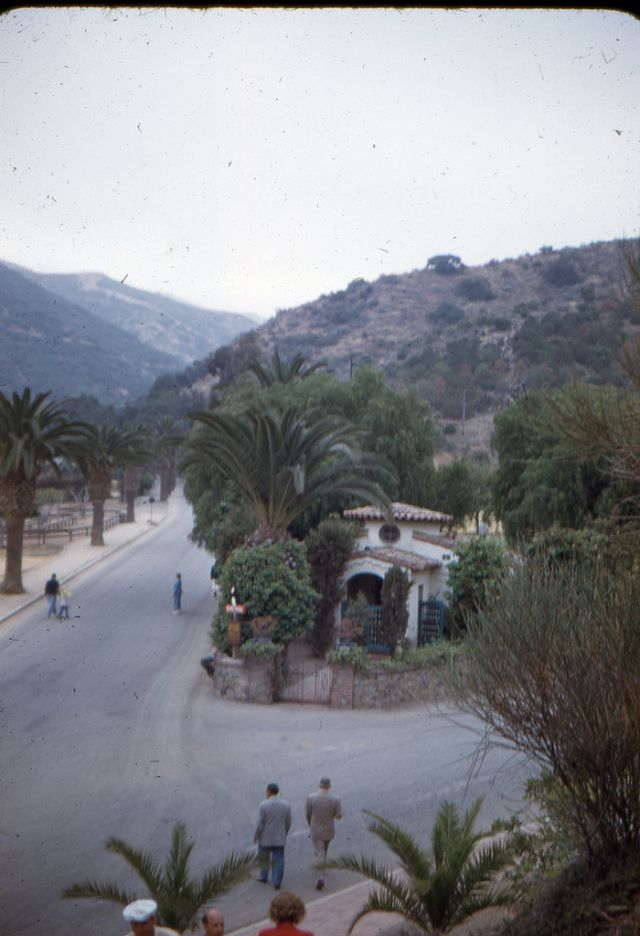
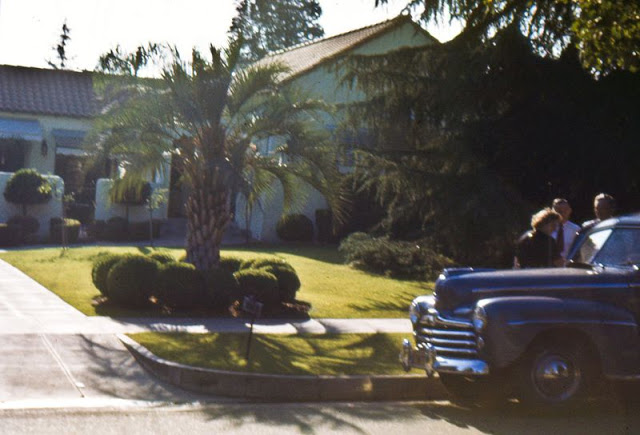
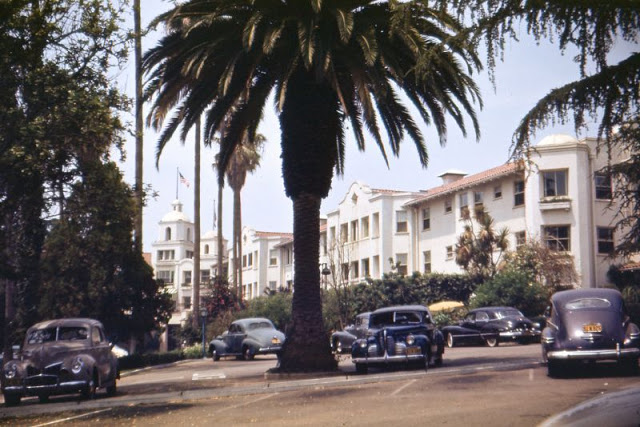
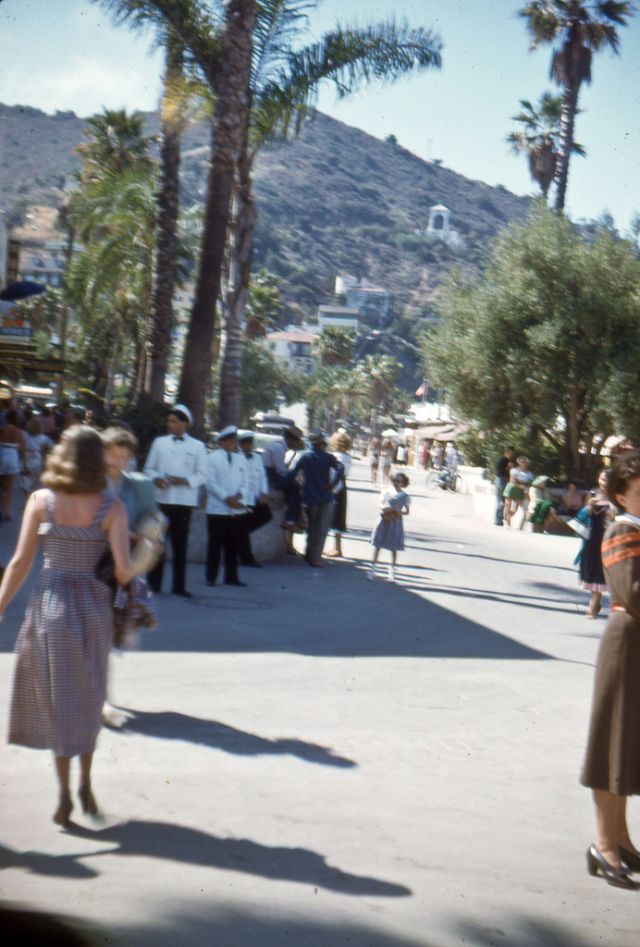
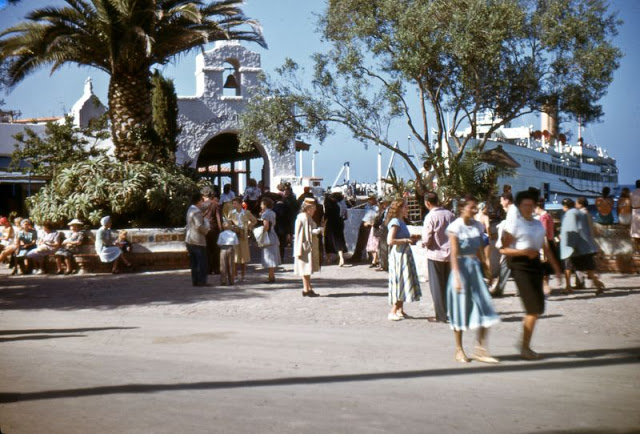
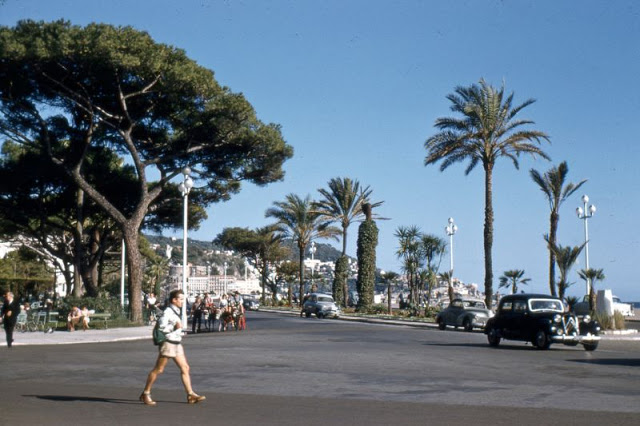
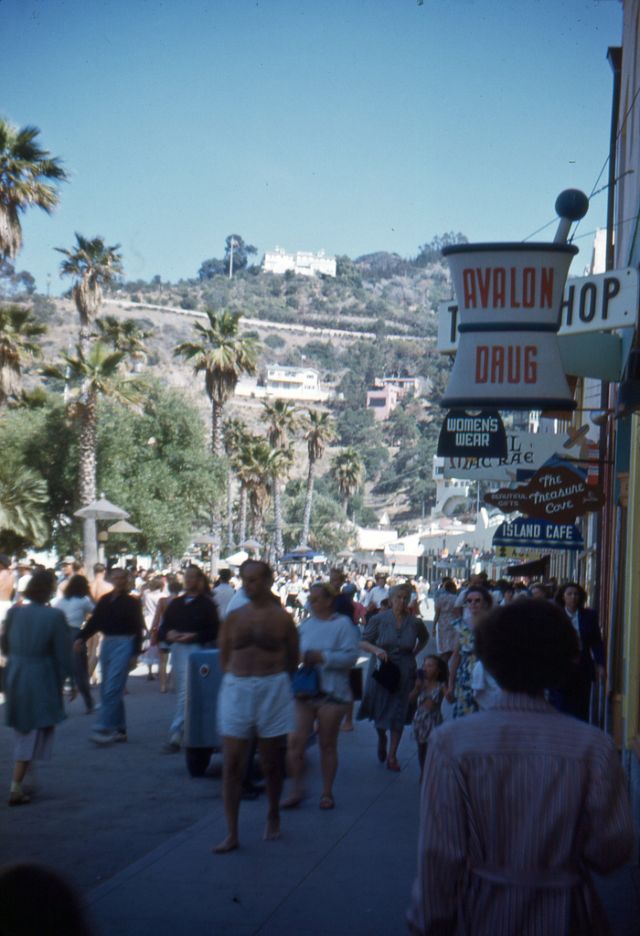
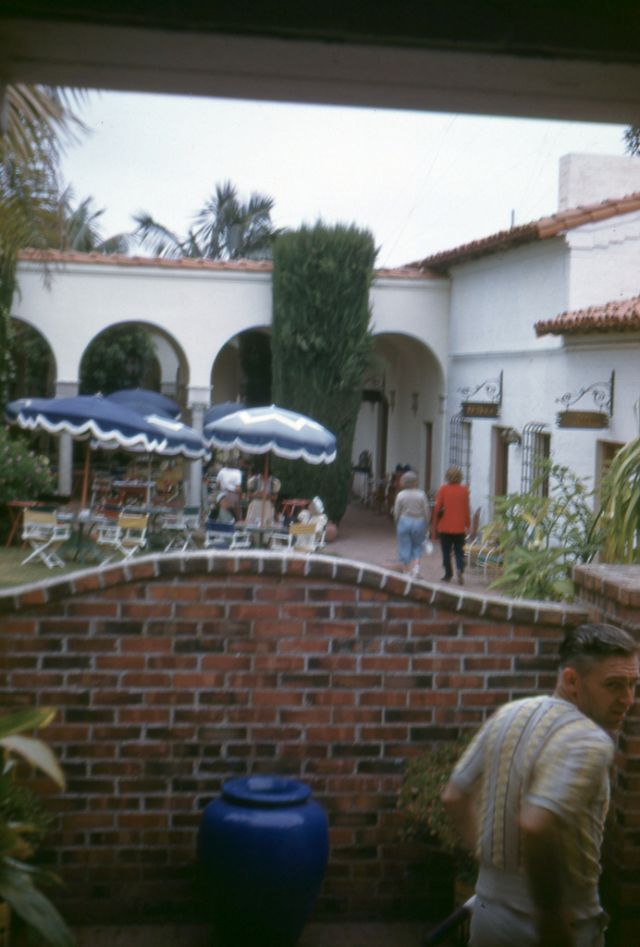
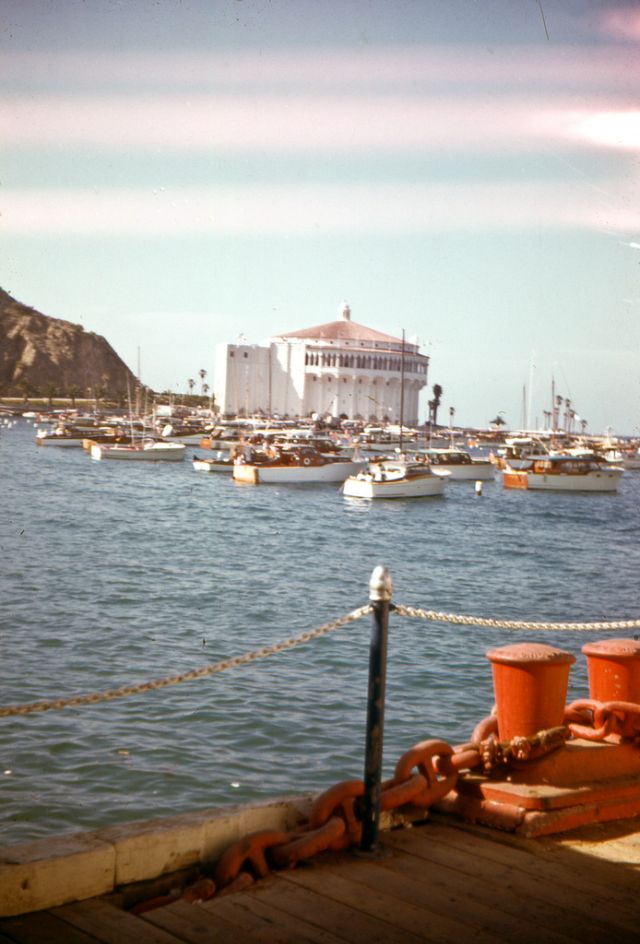
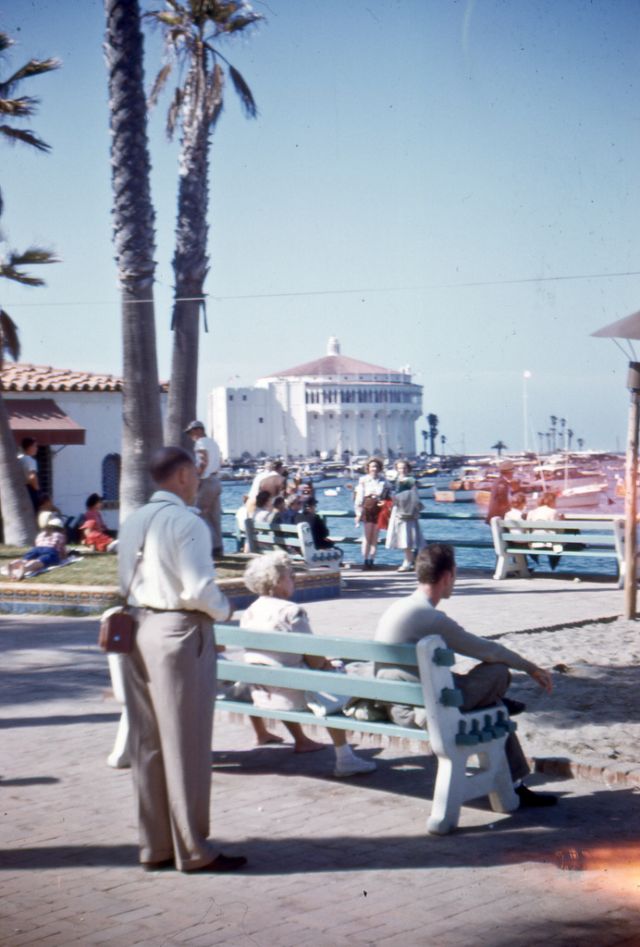
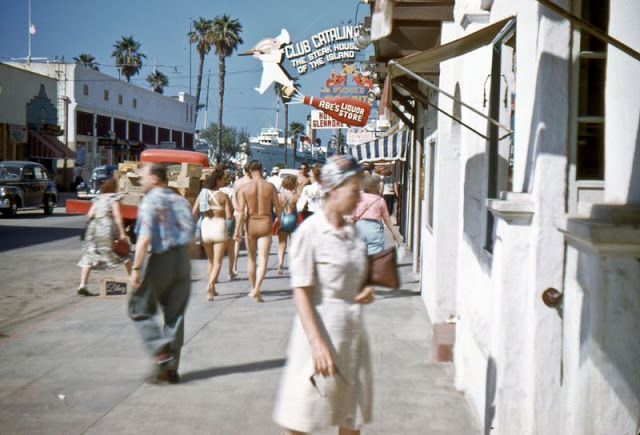
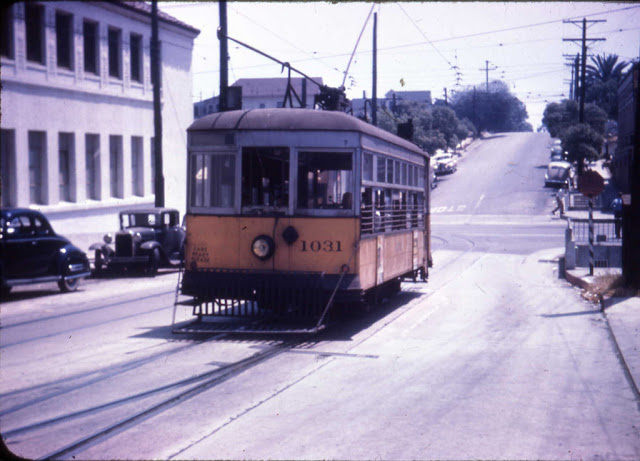
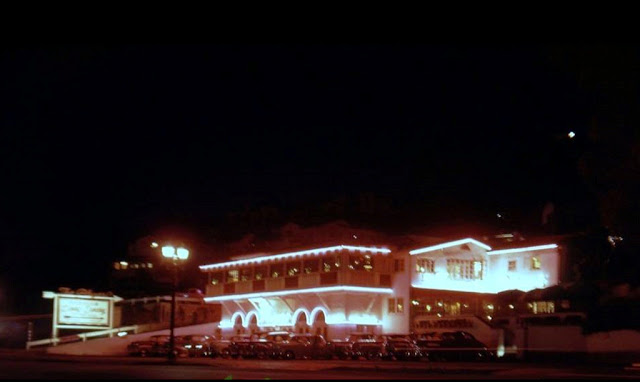
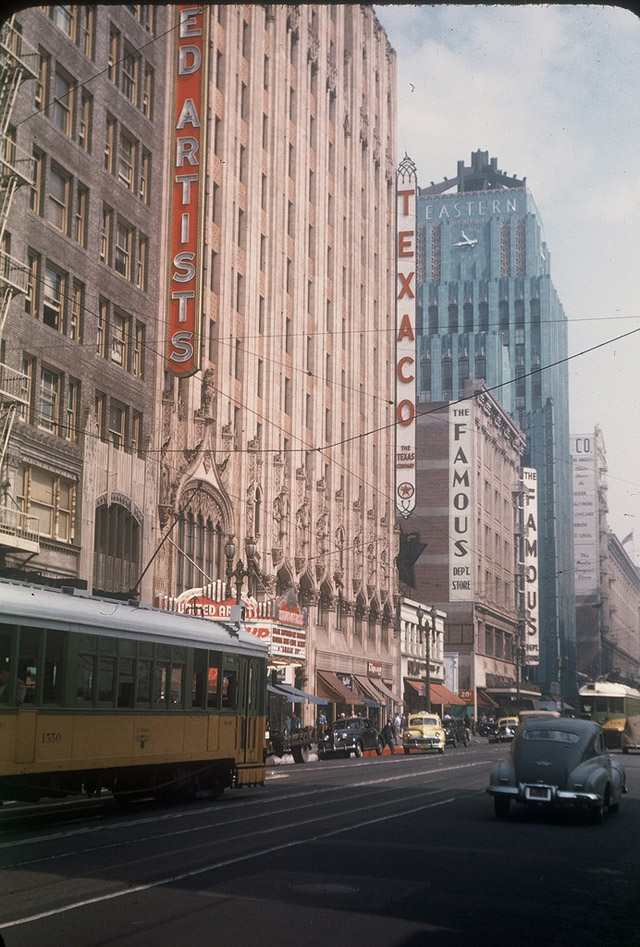
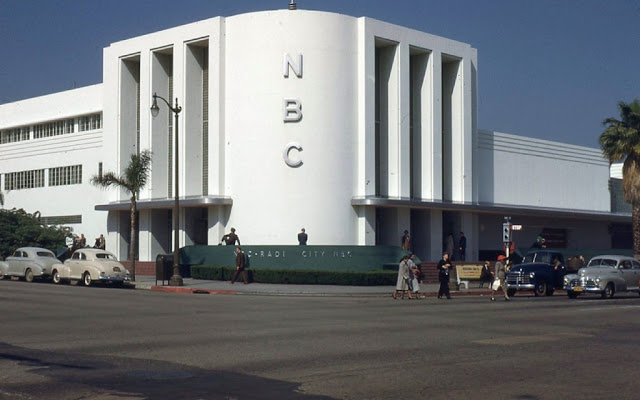
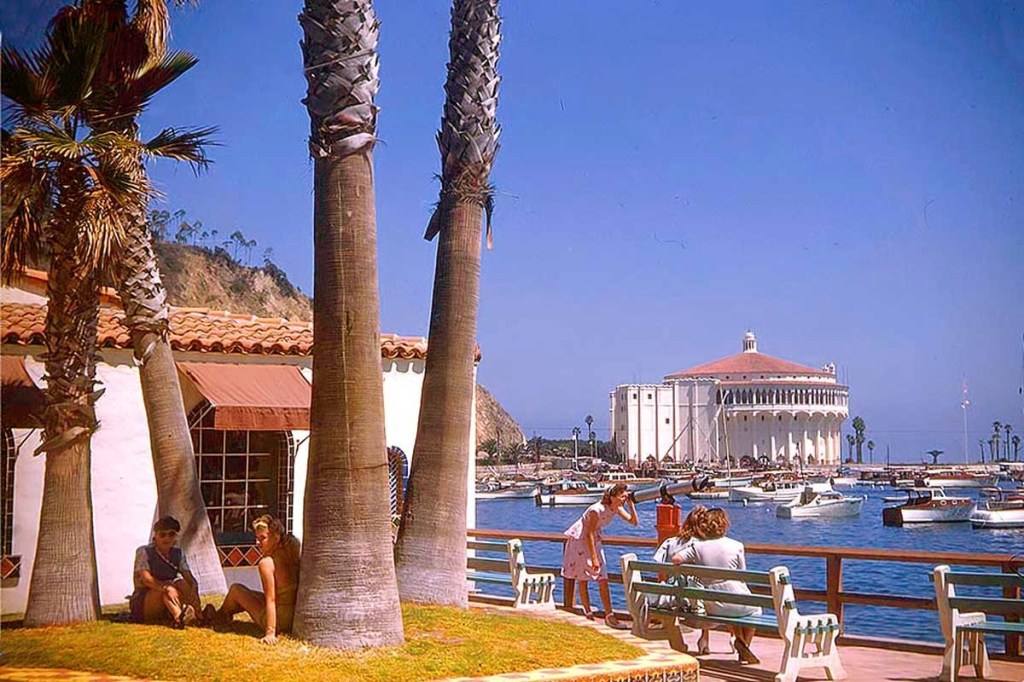
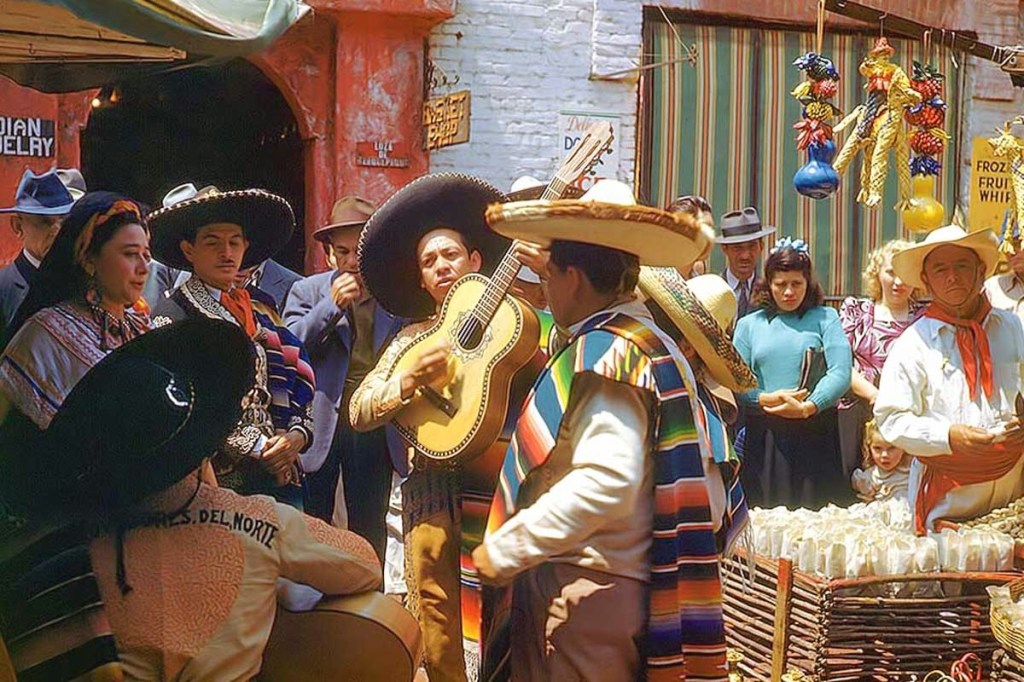
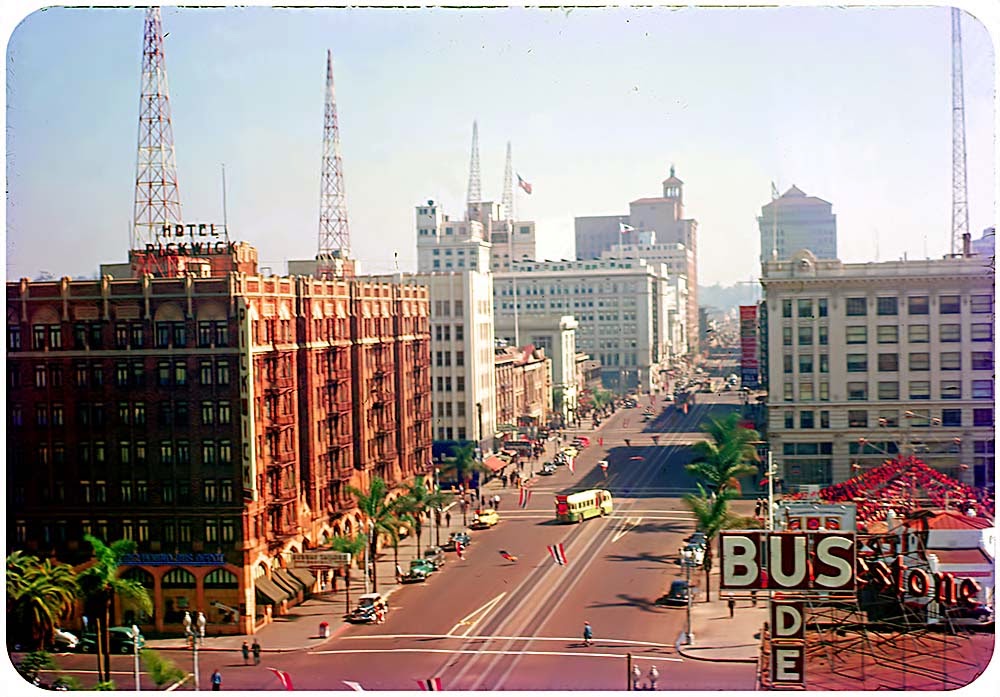
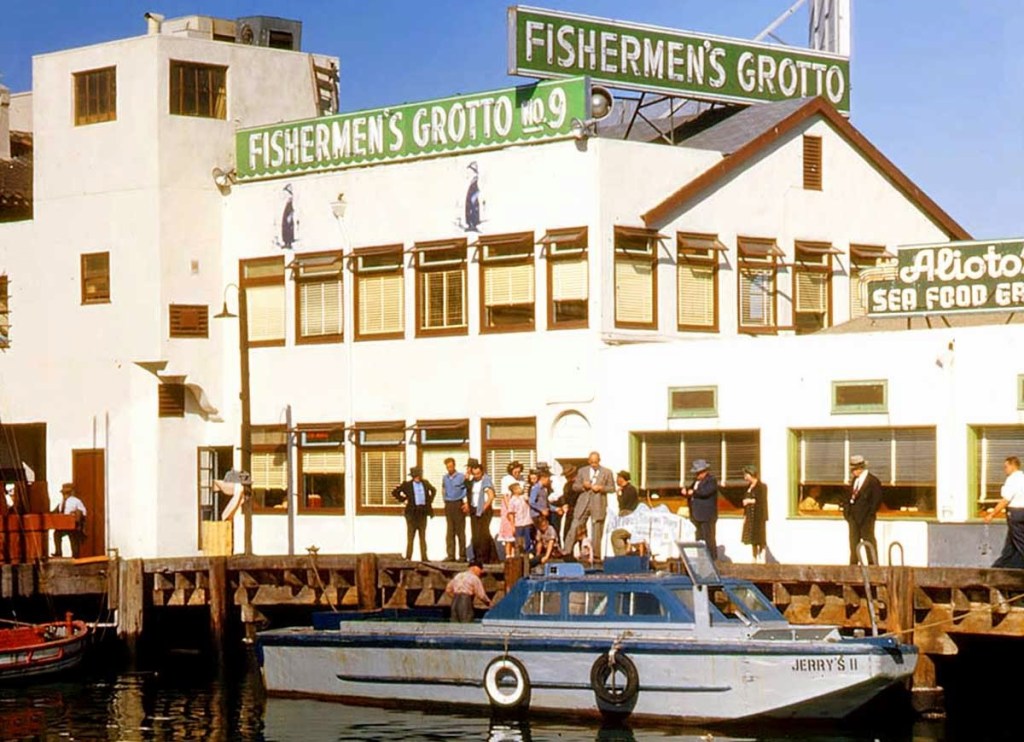
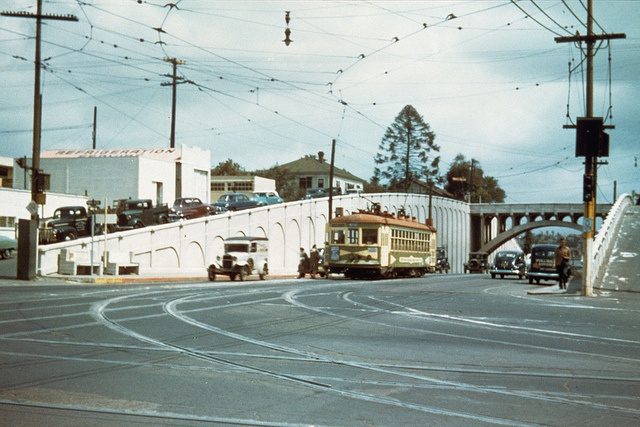
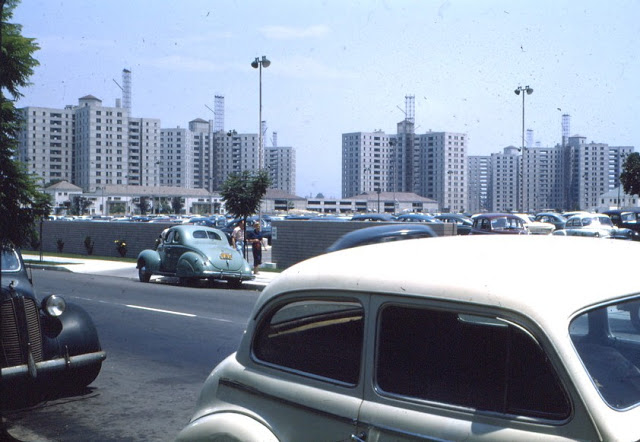
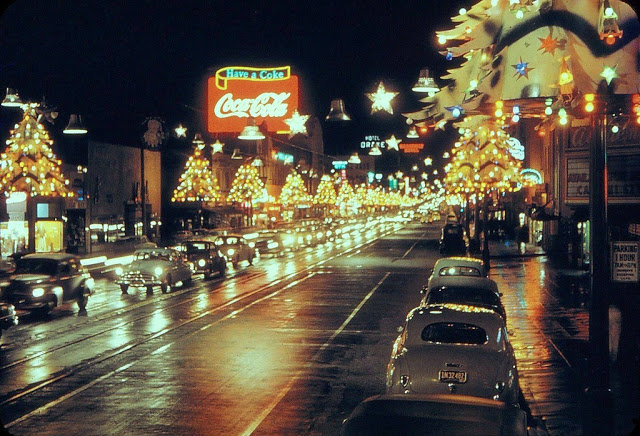
Los AngelesLos AngelesLooking northeast at Wilshire Boulevard and La Brea Avenue, Los AngelesSan Francisco. City HallSan Francisco. Union SquareSan Francisco. Union SquareSan Francisco. Union SquareSan FranciscoSan FranciscoRalphs, Wilshire Boulevard and Crescent Drive, Los AngelesSan FranciscoSan FranciscoSan FranciscoSan FranciscoSan FranciscoSomewhere in CaliforniaSomewhere in CaliforniaSomewhere in CaliforniaStreet scene in CaliforniaStreet scene in CaliforniaYosemite National ParkBeverly Hills. Beverly Hills HotelCatalina IslandCatalina IslandCatalina IslandCatalina IslandCatalina IslandCatalina IslandCatalina IslandCatalina IslandCatalina IslandHollywood Blvd, late 1940sLos Angeles Railway Birney no. 1031 rolls through the intersection of Temple and EdgewareThe Players Club, 8225 Sunset Boulevard, Los AngelesLooking north on Broadway from just north of 10th Street, Los AngelesNBC Radio City, Sunset Boulevard at Vine Street, Los AngelesSanta Catalina HarborOlvera Street, Los AngelesWest Broadway St in San DiegoAlioto’s Seafood Grill, San FranciscoPark and University at the Georgia Street bridge, San DiegoLate construction shot of Park La Brea, Los AngelesLooking north on Vine Street from Sunset Boulevard, Los AngelesLooking west on Hollywood Boulevard from Las Palmas, Los Angeles
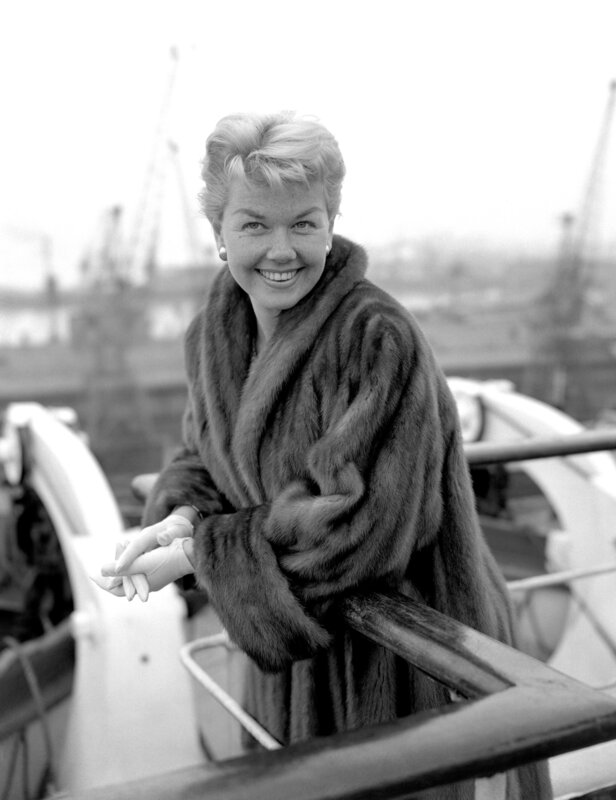
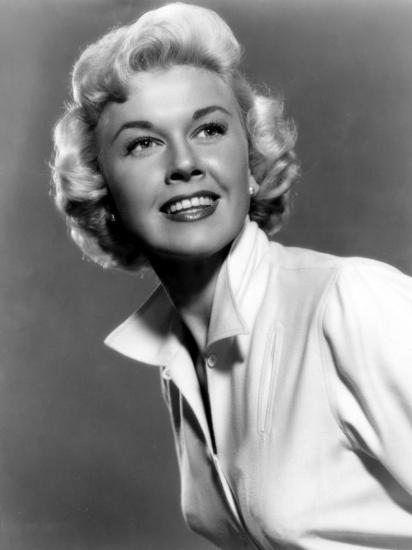
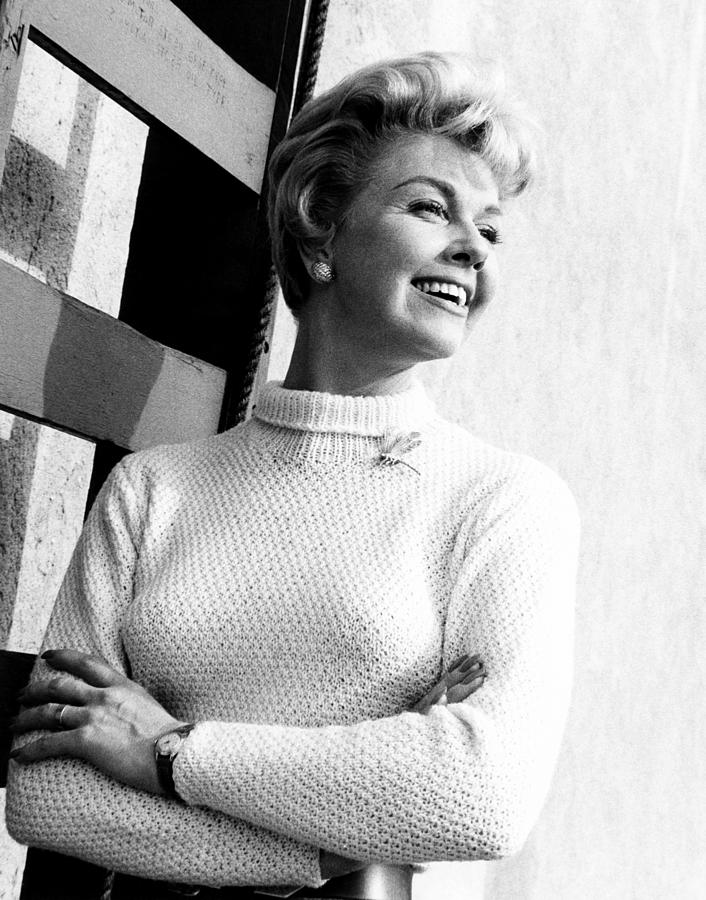
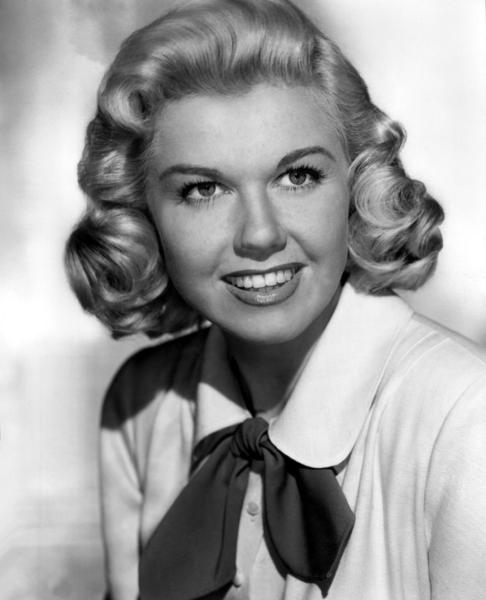
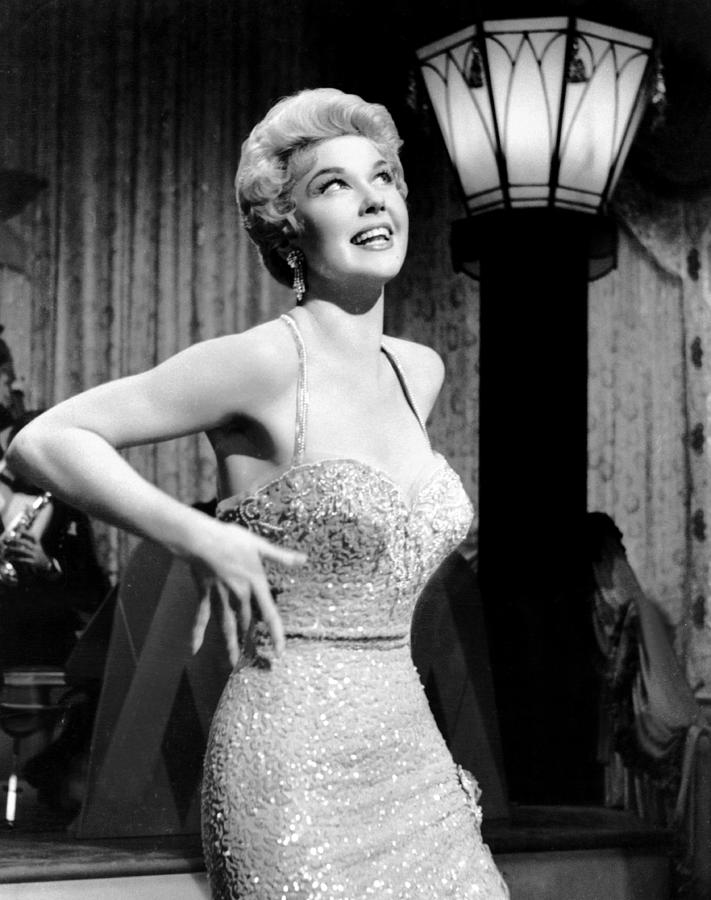
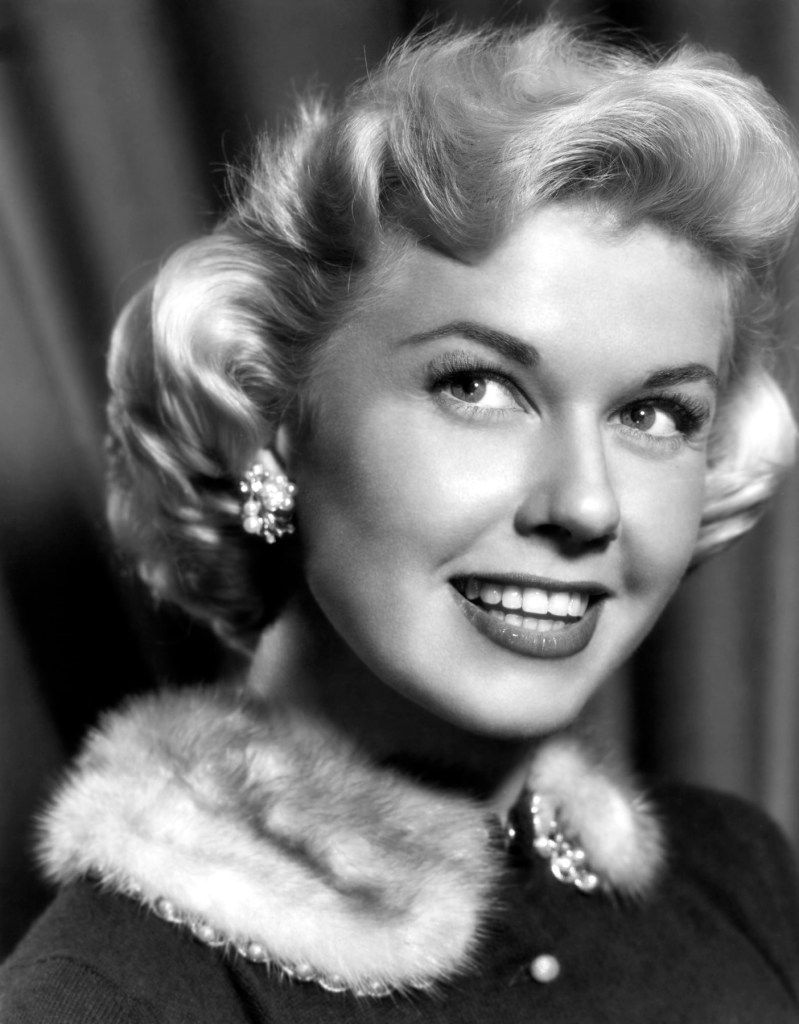
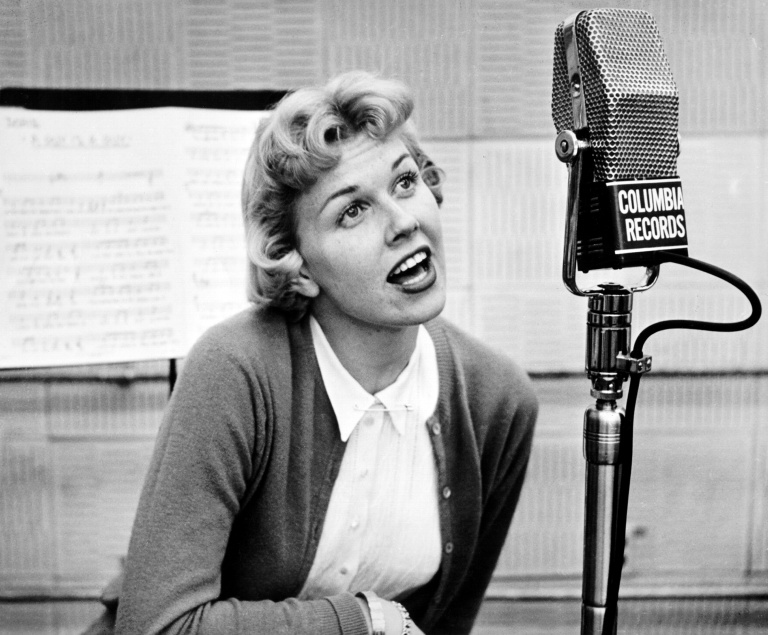
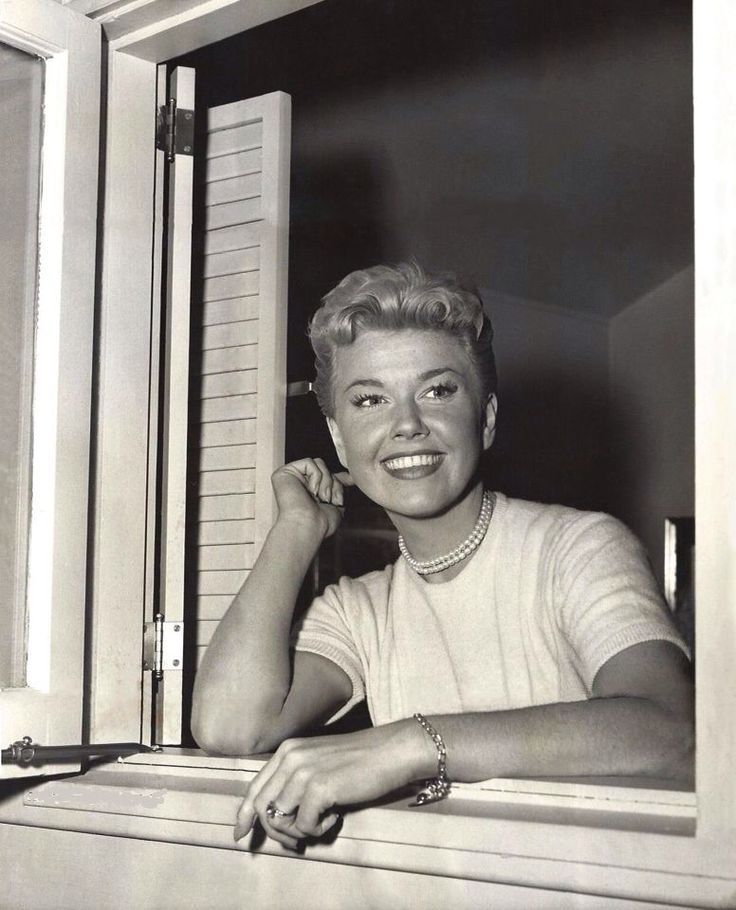
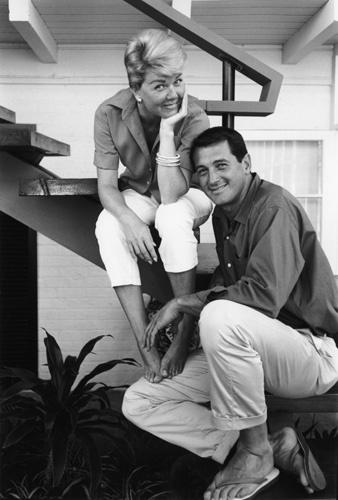
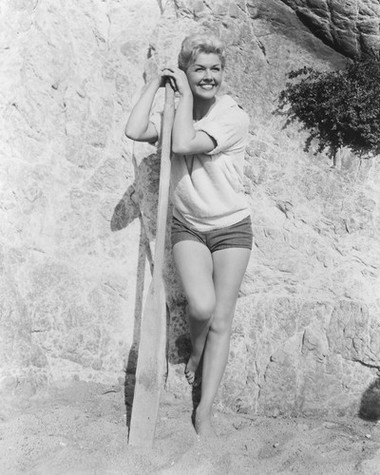
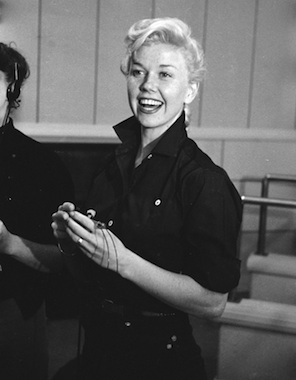
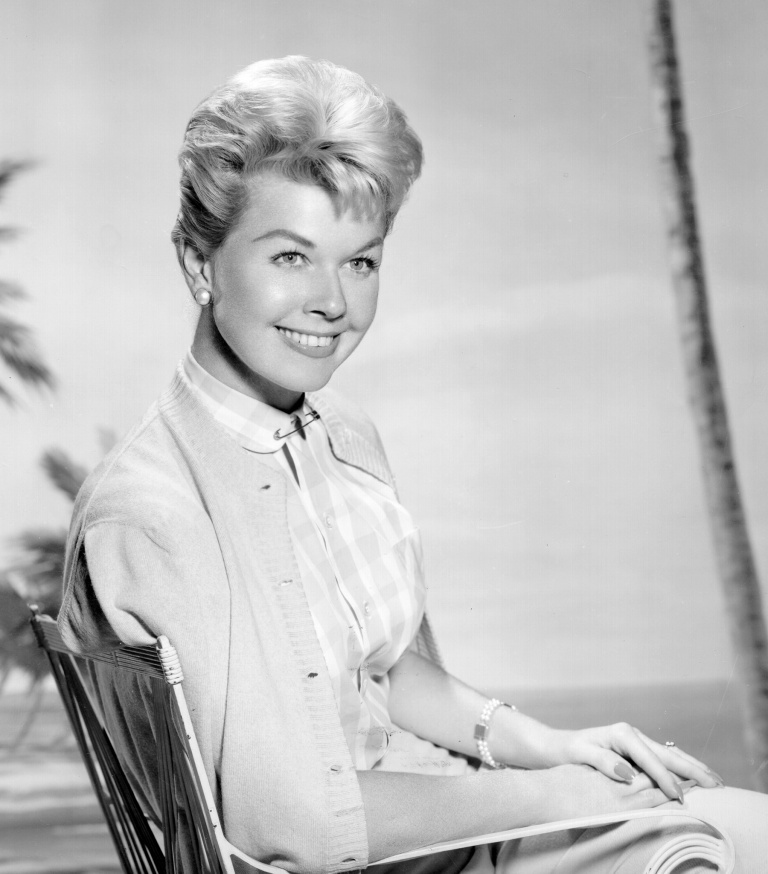
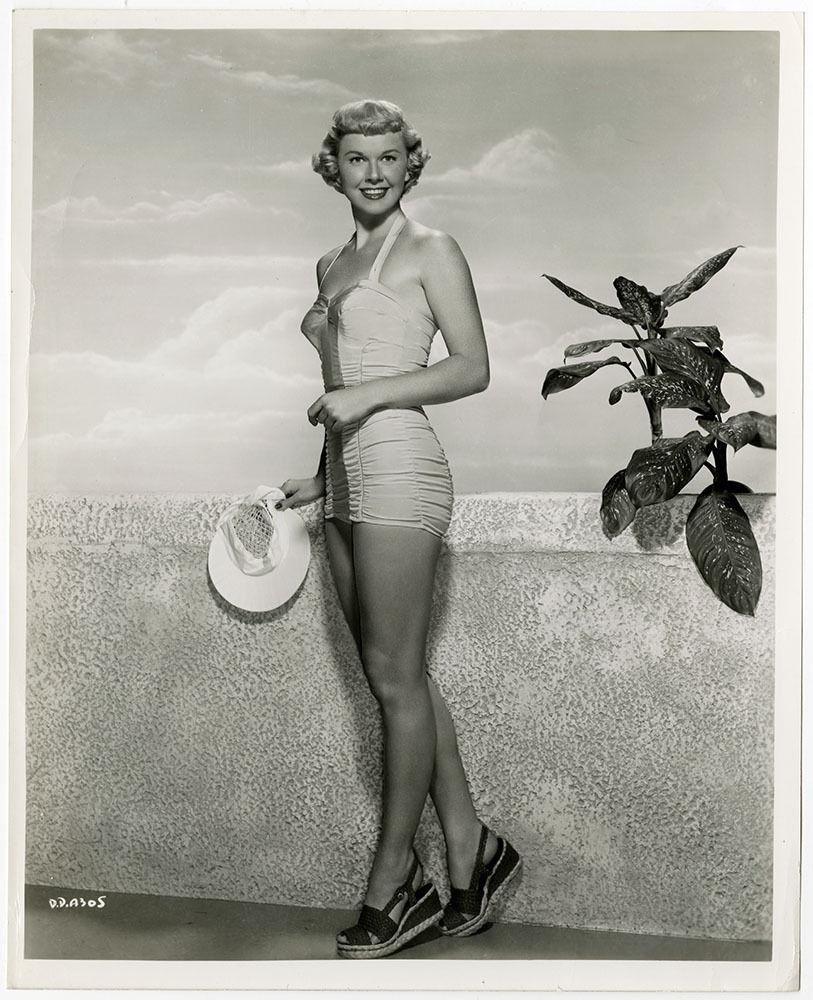
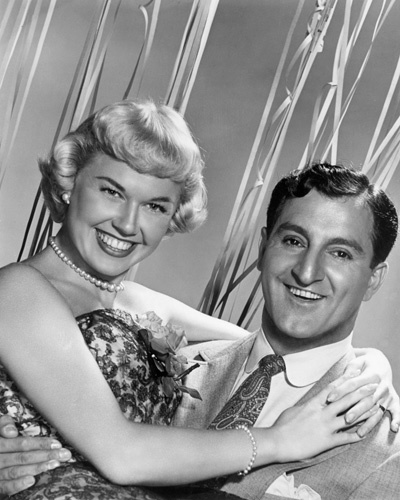
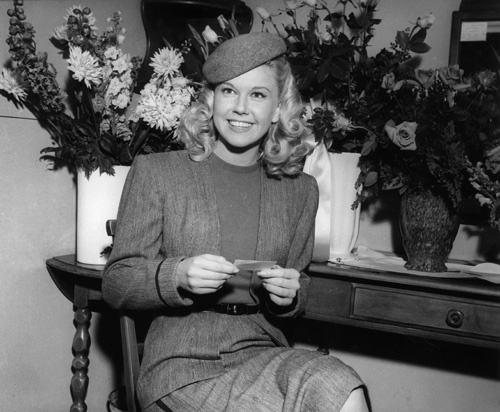
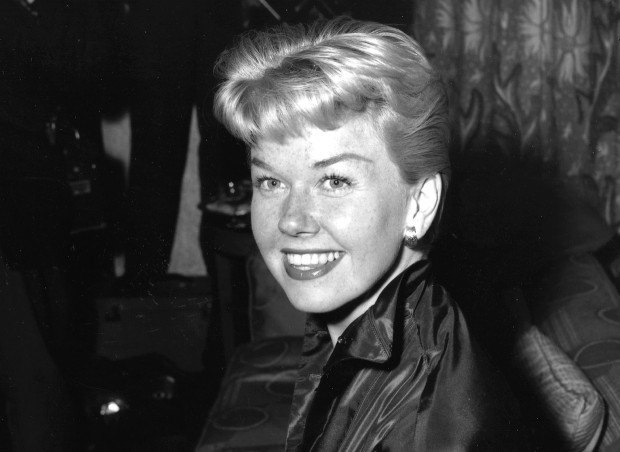
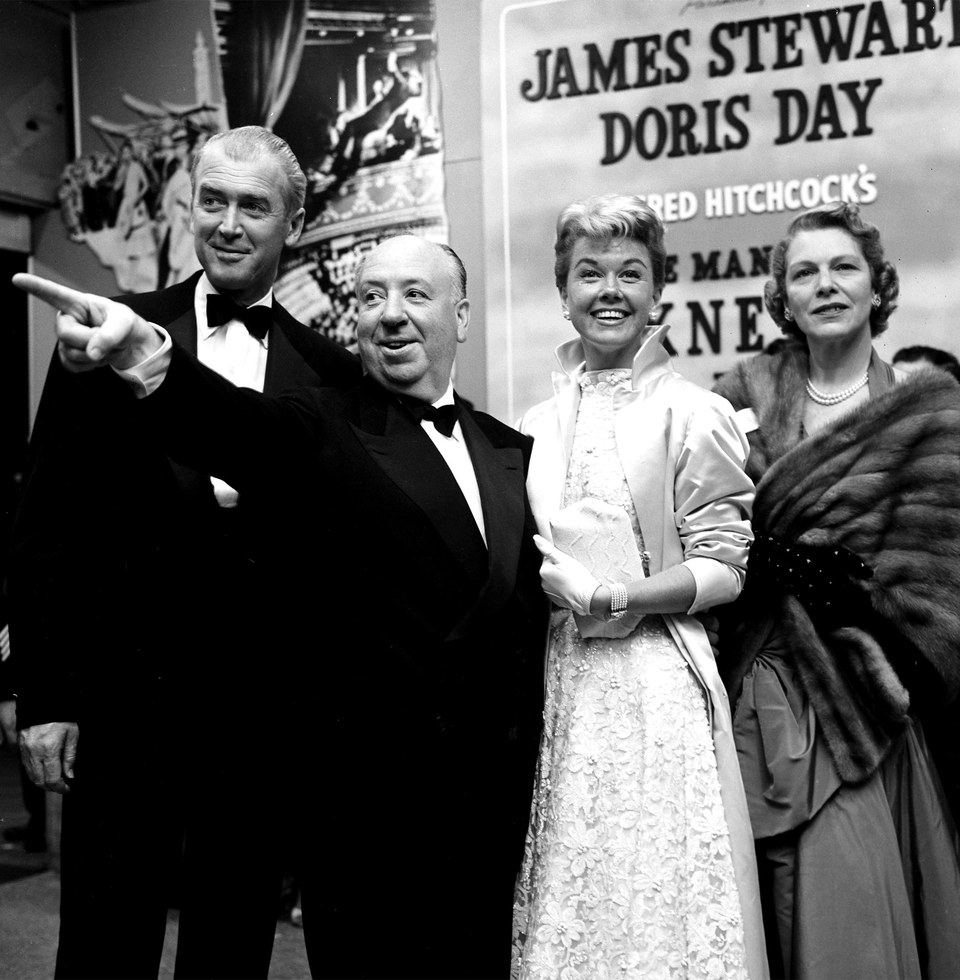
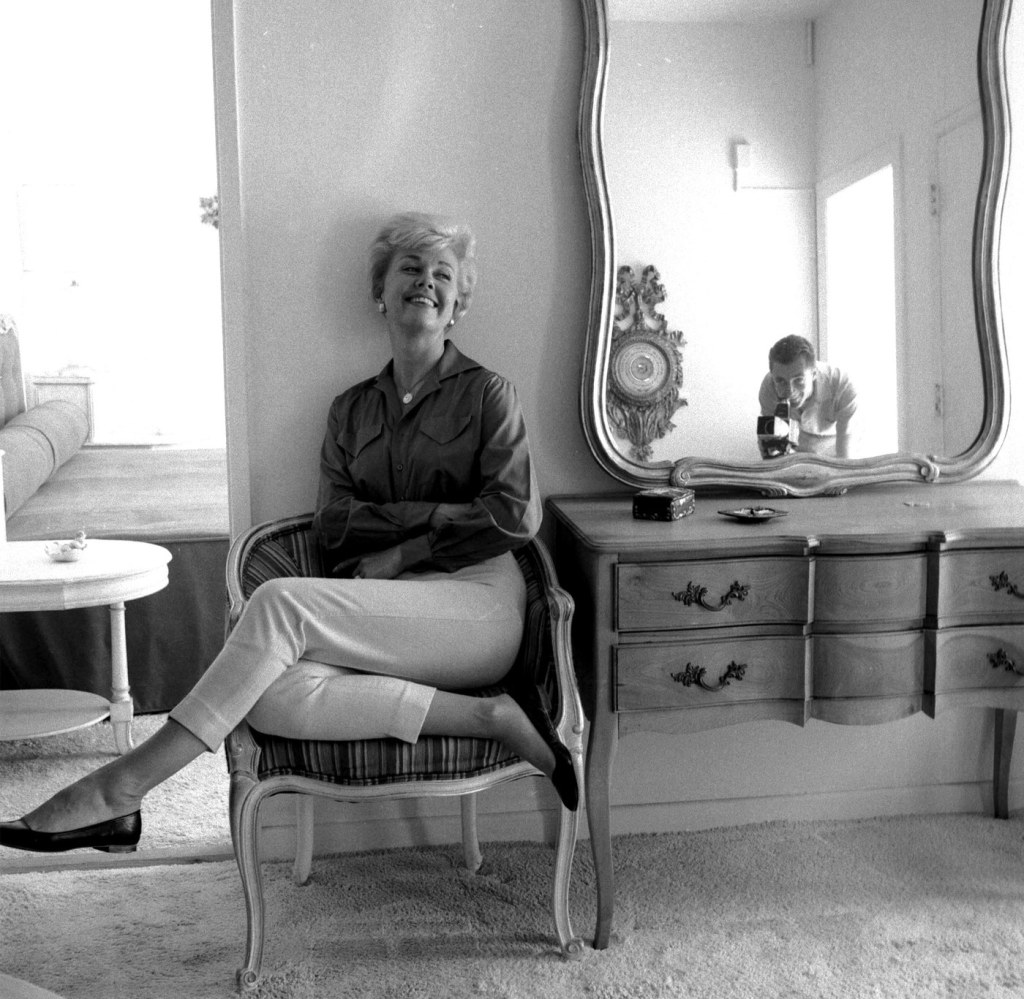
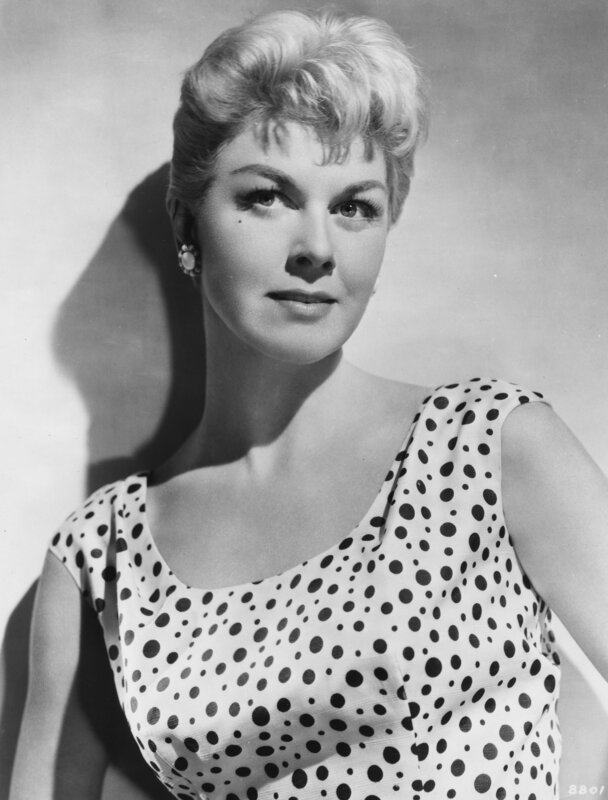
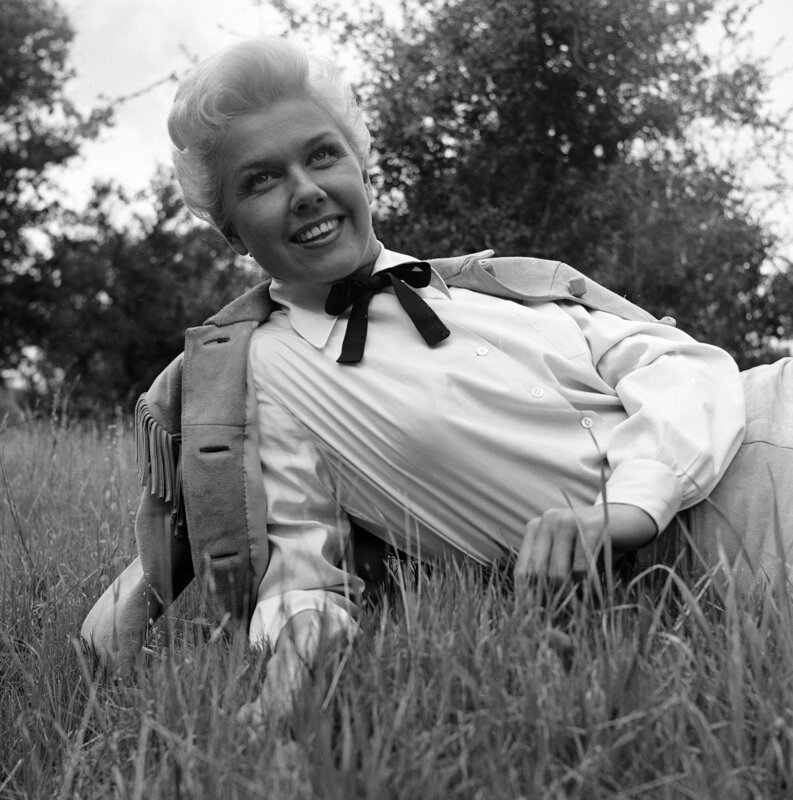
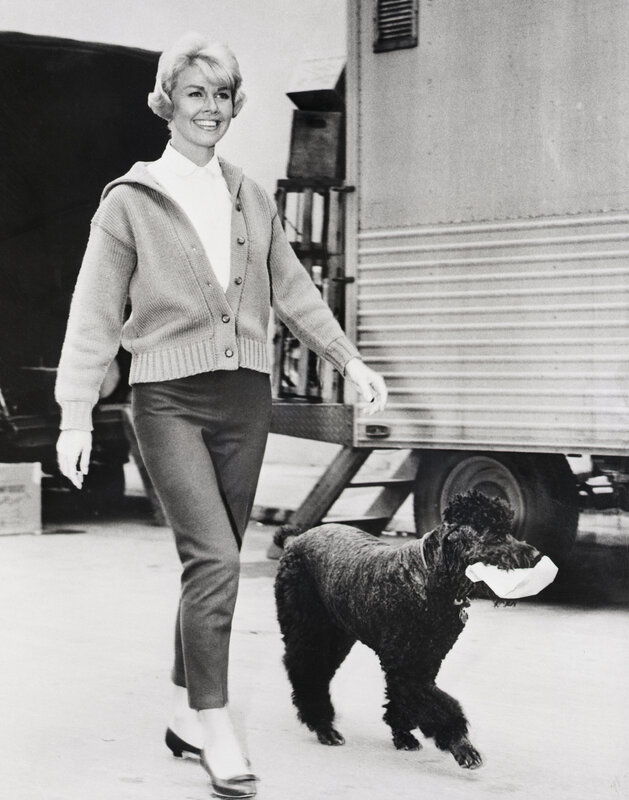
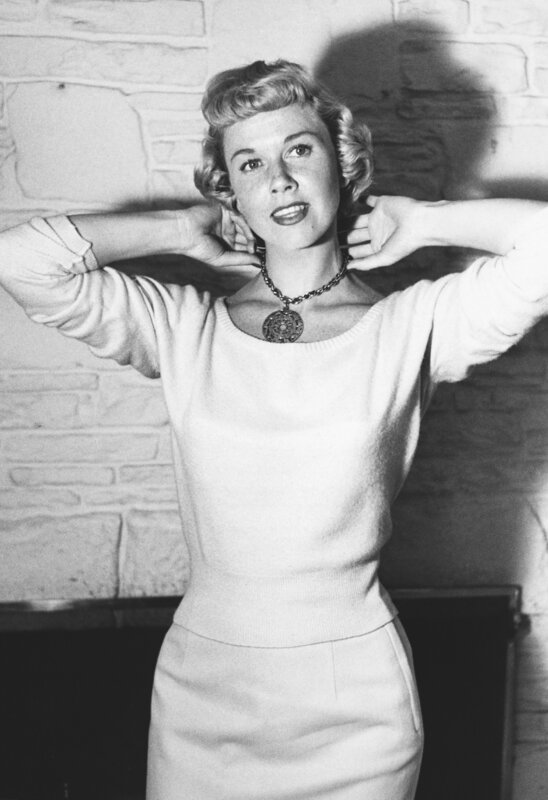
Doris Day (born Doris Mary Anne Kappelhoff; April 3, 1922 – May 13, 2019) was an American actress, singer, and animal welfare activist. She began her career as a big band singer in 1939, achieving commercial success in 1945 with two No. 1 recordings, “Sentimental Journey” and “My Dreams Are Getting Better All the Time” with Les Brown & His Band of Renown. She left Brown to embark on a solo career and recorded more than 650 songs from 1947 to 1967.
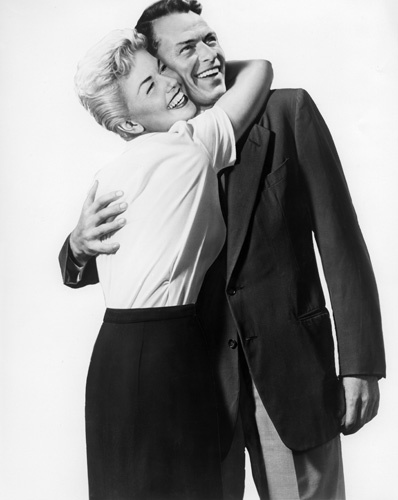
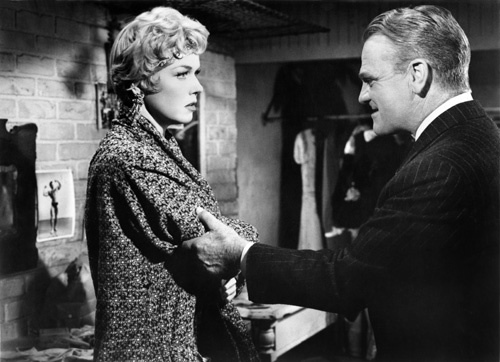
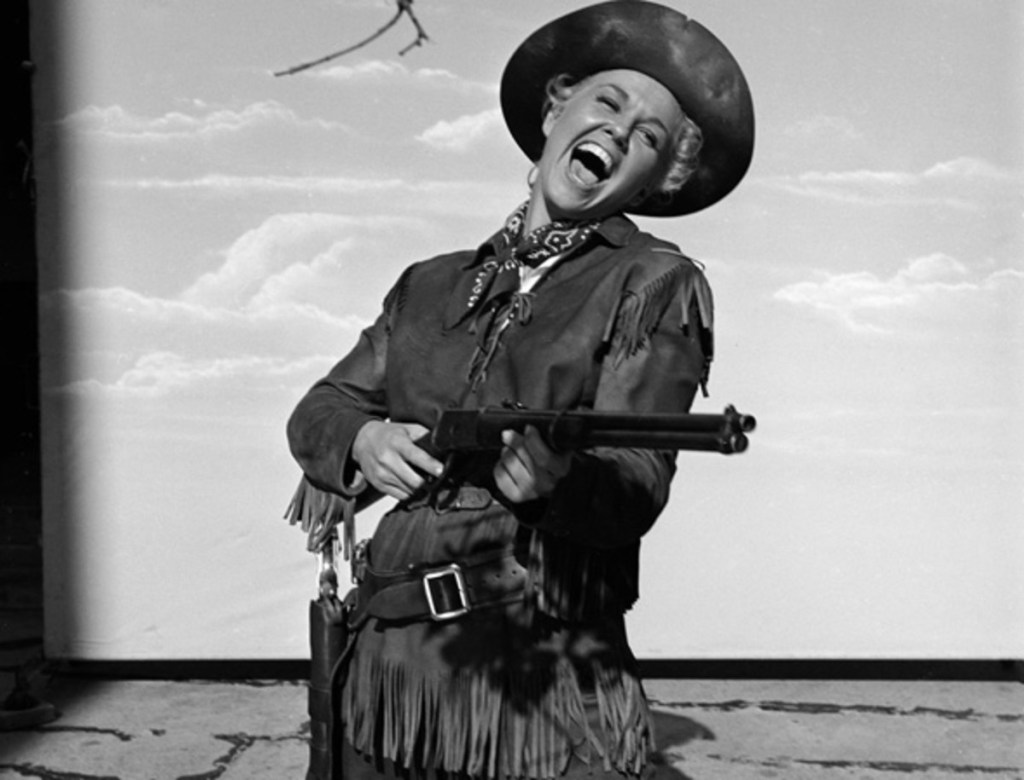
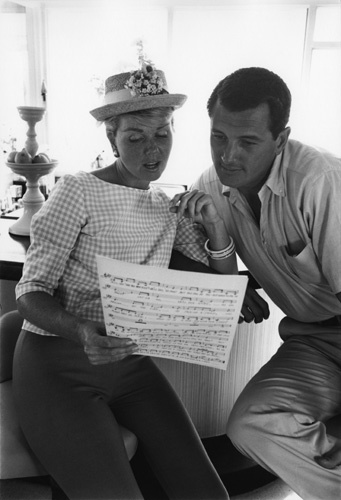
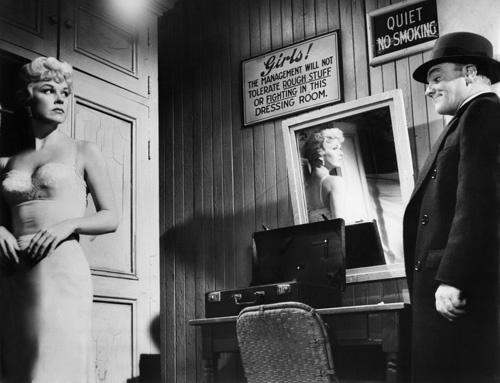
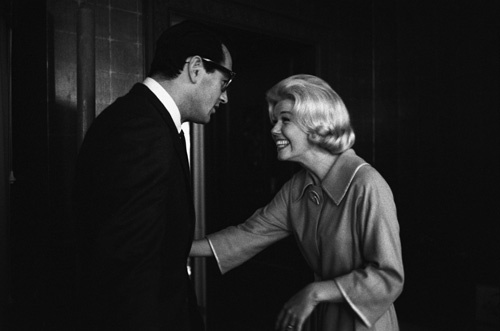
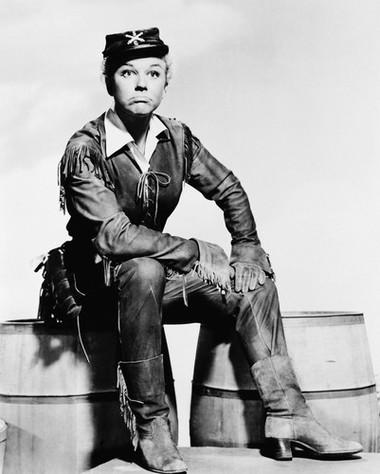
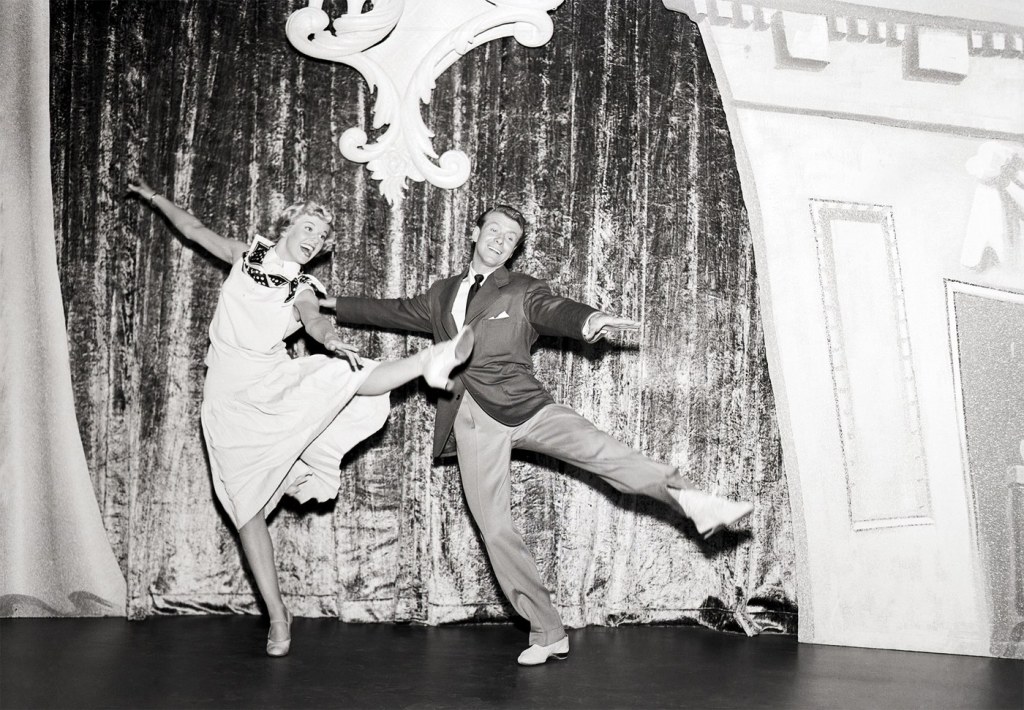
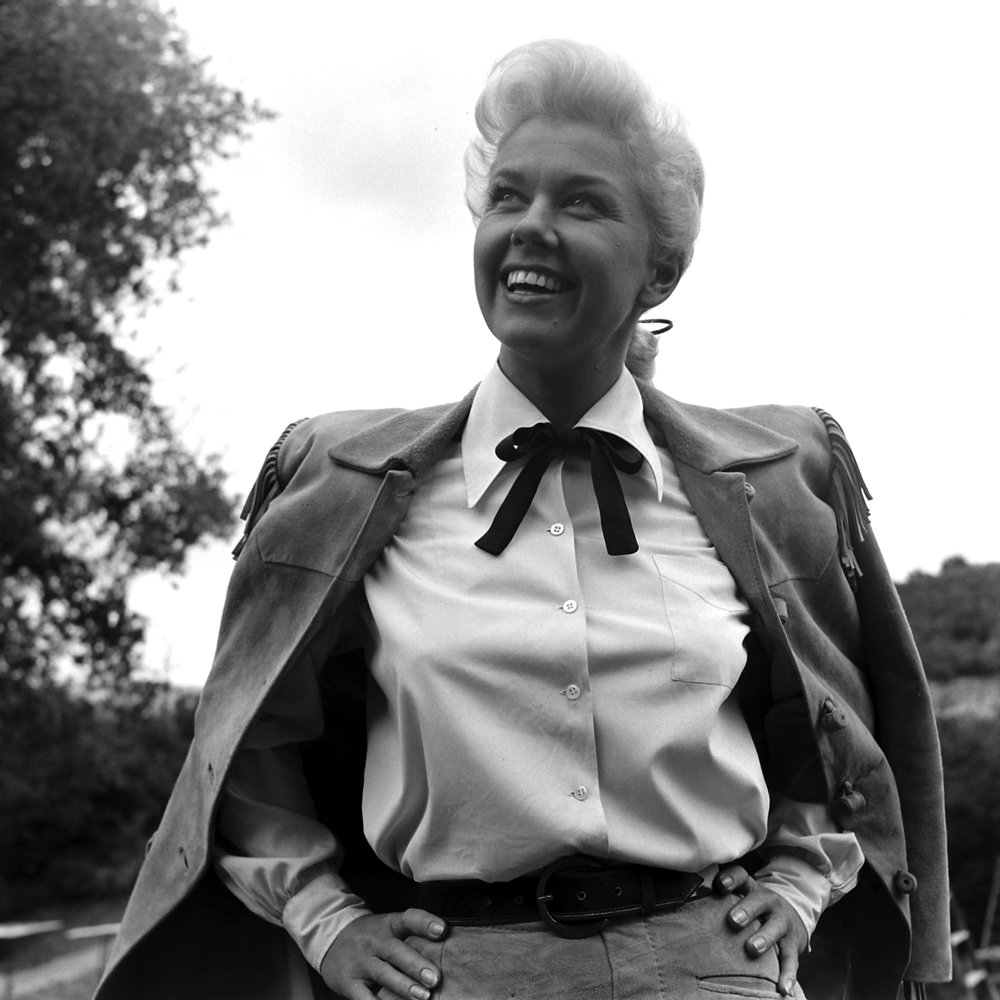
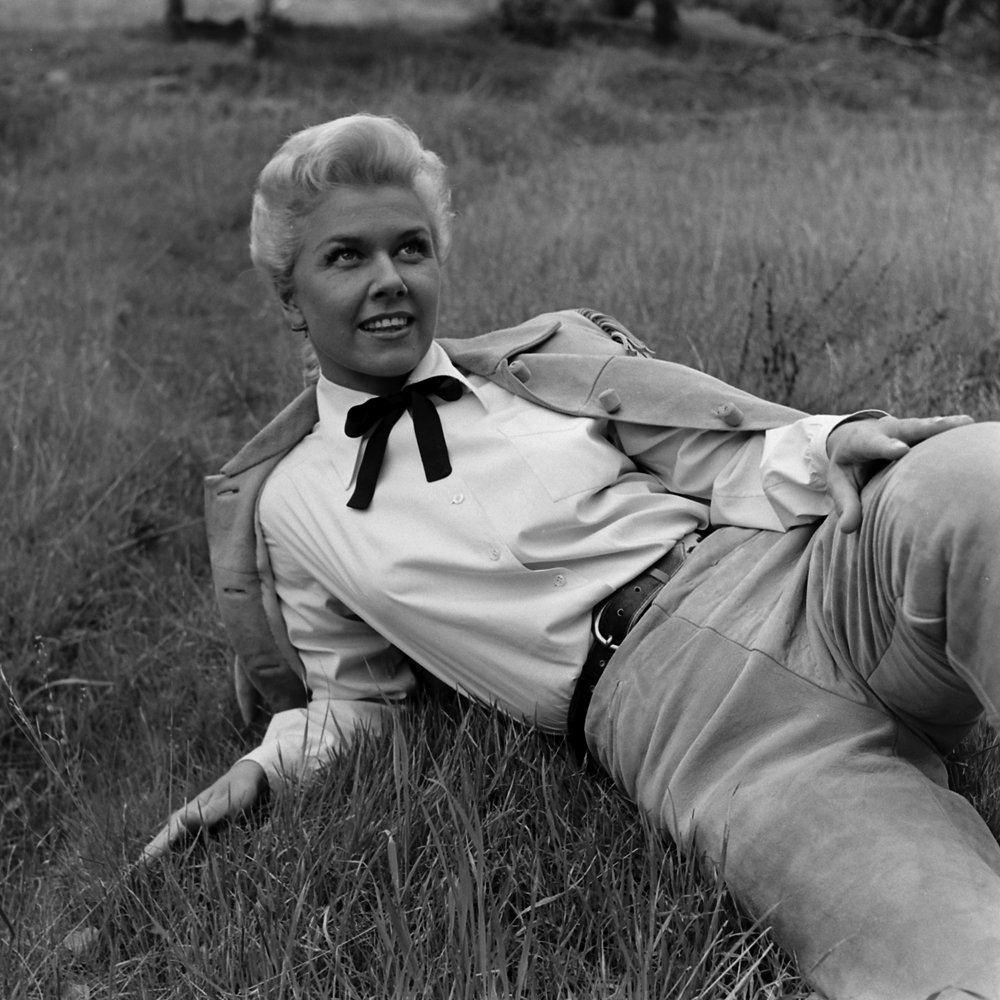
Day was one of the biggest film stars in the 1950s–1960s era. Day’s film career began during the Golden Age of Hollywood with the film Romance on the High Seas (1948). She starred in films of many genres, including musicals, comedies, dramas, and thrillers. She played the title role in Calamity Jane (1953) and starred in Alfred Hitchcock’s The Man Who Knew Too Much (1956) with James Stewart. Her best-known films are those in which she co-starred with Rock Hudson, chief among them 1959’s Pillow Talk, for which she was nominated for the Academy Award for Best Actress. She also worked with James Garner on both Move Over, Darling (1963) and The Thrill of It All (1963), and starred alongside Clark Gable, Cary Grant, James Cagney, David Niven, Ginger Rogers, Jack Lemmon, Frank Sinatra, Kirk Douglas, Lauren Bacall, and Rod Taylor in various movies. After ending her film career in 1968, only briefly removed from the height of her popularity, she starred in her own sitcom The Doris Day Show (1968–1973).
In 1989, she was awarded the Golden Globe Cecil B. DeMille Award for lifetime achievement in motion pictures. In 2004, she was awarded the Presidential Medal of Freedom. In 2008, she received the Grammy Lifetime Achievement Award as well as a Legend Award from the Society of Singers. In 2011, she was awarded the Los Angeles Film Critics Association’s Career Achievement Award. The same year, she released her 29th studio album, My Heart, which contained new material and became a UK Top 10 album. As of 2020, she was one of eight record performers to have been the top box-office earner in the United States four times.
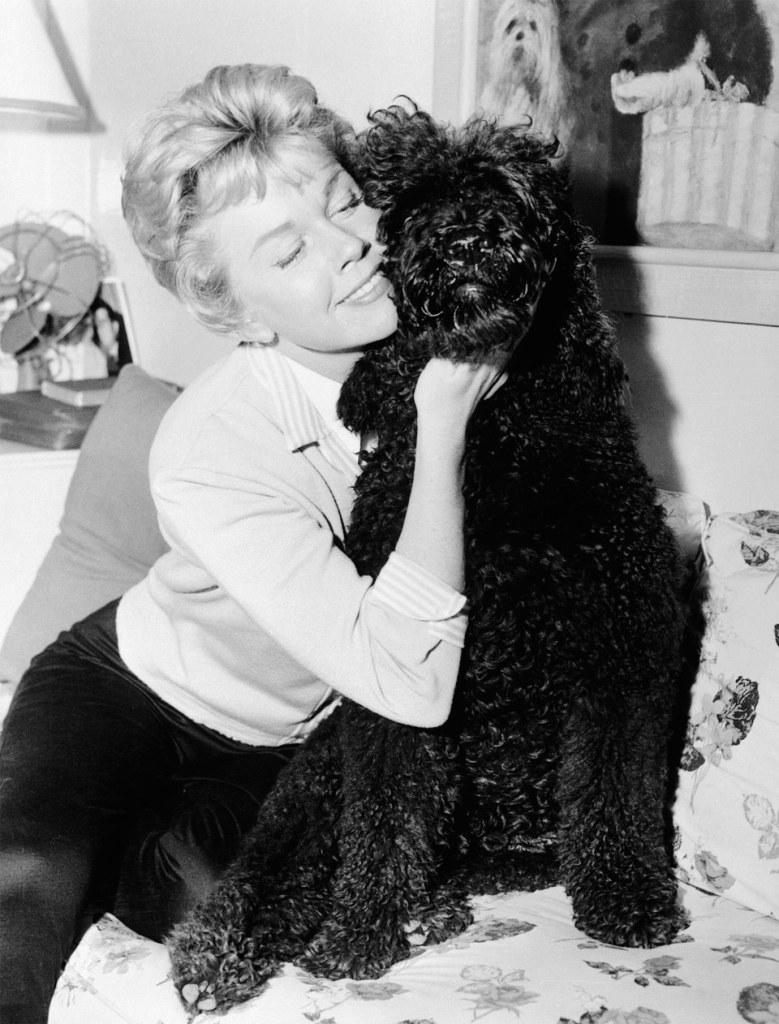
After her retirement from films, Day lived in Carmel-by-the-Sea, California. She had many pets and adopted stray animals. She was a lifelong Republican. Her only child was music producer and songwriter Terry Melcher, who had a hit in the 1960s with “Hey Little Cobra” under the name The Rip Chords before becoming a successful producer whose acts included The Byrds, Paul Revere & the Raiders, and The Beach Boys; he died of melanoma in November 2004. Since the 1980s Day owned a hotel in Carmel-by-the-Sea called the Cypress Inn which she originally co-owned with her son. It was an early pet–friendly hotel and was featured in Architectural Digest in 1999.
Day was married four times. From March 1941 to February 1943, she was married to trombonist Al Jorden (1917–1967), whom she met in Barney Rapp’s Band. Jorden was a violent schizophrenic who later died by suicide. When Day became pregnant and refused to have an abortion, he beat her in an attempt to force a miscarriage. Their son, Terrence “Terry” Paul Jorden, was born in 1942, and changed his name to Terrence Paul Melcher when he was adopted by Day’s third husband.
Her second marriage was to George William Weidler (1926–1989) from March 30, 1946, to May 31, 1949, a saxophonist and the brother of actress Virginia Weidler. Weidler and Day met again several years later during a brief reconciliation, and he introduced her to Christian Science.
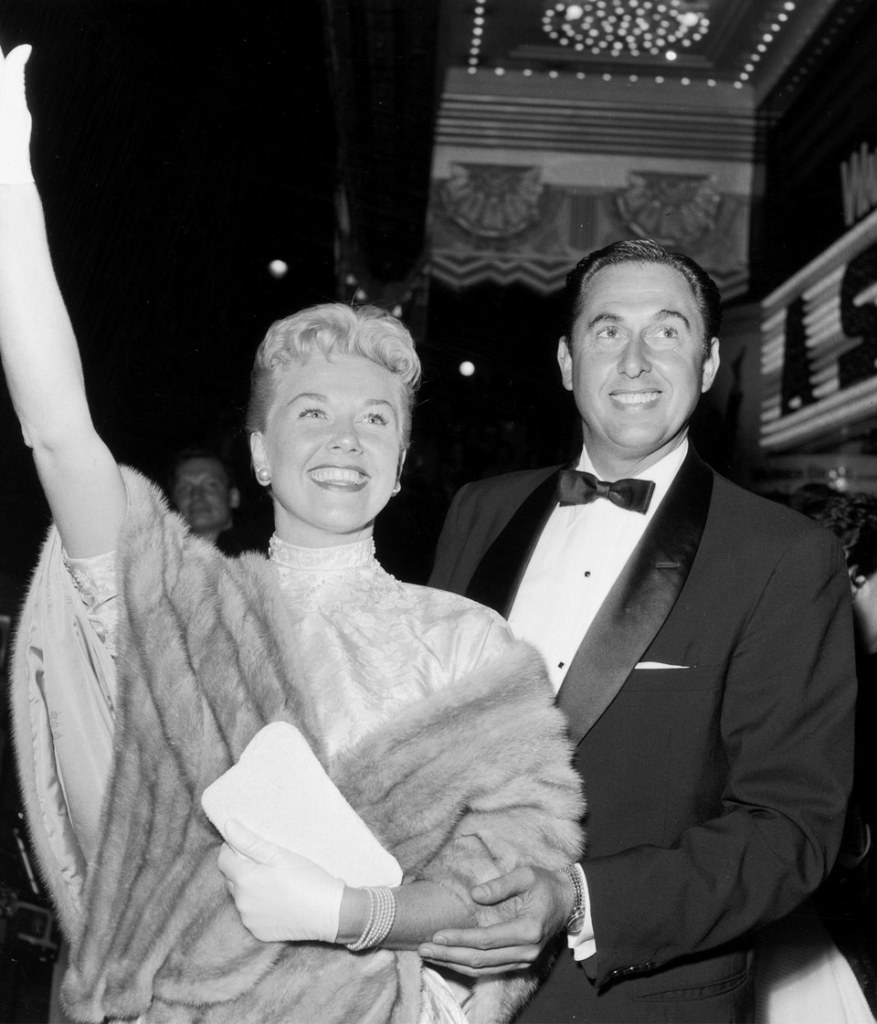
Day married American film producer Martin Melcher (1915–1968) on April 3, 1951, her 29th birthday, and this marriage lasted until he died in April 1968. Melcher adopted Day’s son Terry, who became a successful musician and record producer under the name Terry Melcher. Martin Melcher produced many of Day’s movies. They were both Christian Scientists, resulting in her not seeing a doctor for some time for symptoms which suggested cancer.
Day’s fourth marriage was to Barry Comden (1935–2009) from April 14, 1976, until April 2, 1982. He was the maître d’hôtel at one of Day’s favorite restaurants. He knew of her great love of dogs and endeared himself to her by giving her a bag of meat scraps and bones on her way out of the restaurant. He later complained that she cared more for her “animal friends” than she did for him.
Day died on May 13, 2019, at the age of 97, after having contracted pneumonia. Her death was announced by her charity, the Doris Day Animal Foundation. Per Day’s requests, the Foundation announced that there would be no funeral services, grave marker, or other public memorials. (Wikipedia)
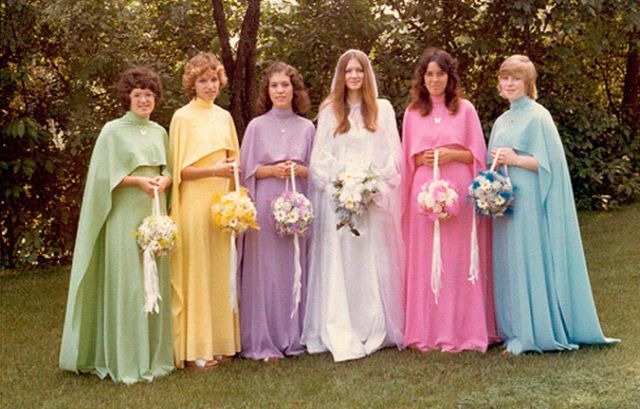
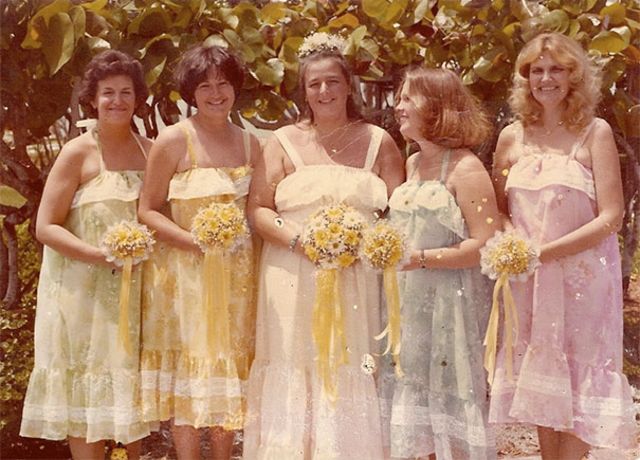
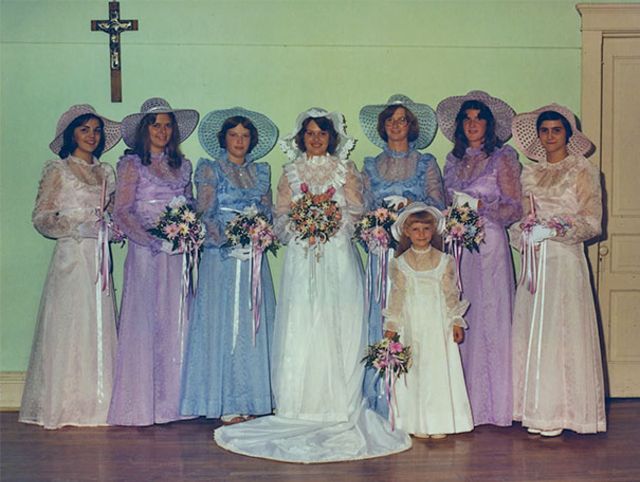
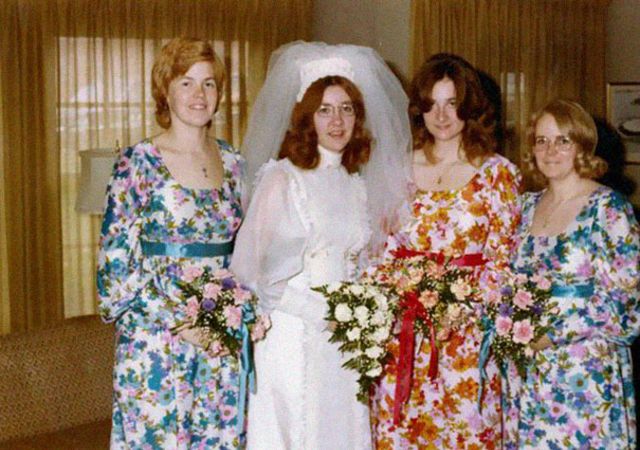
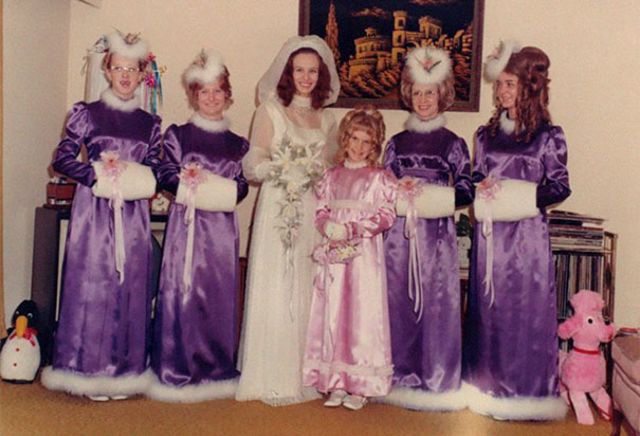
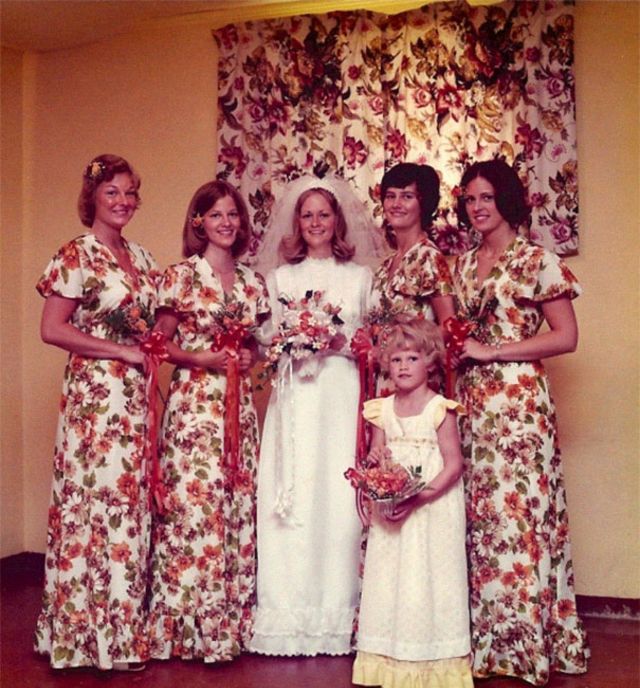
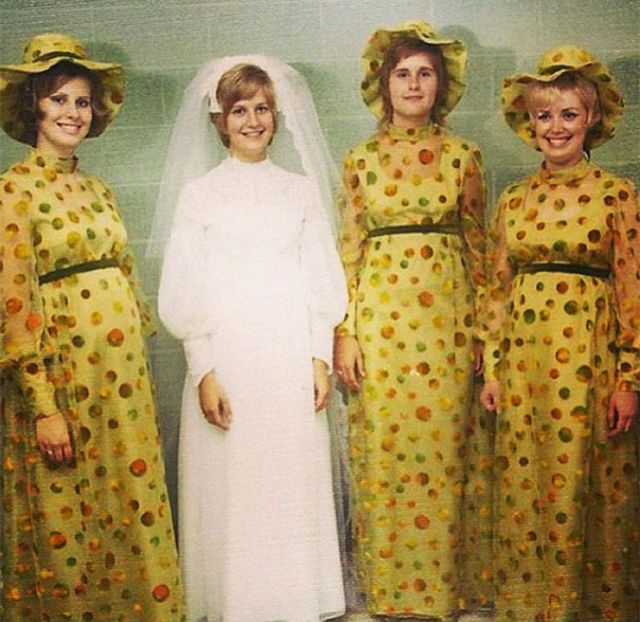
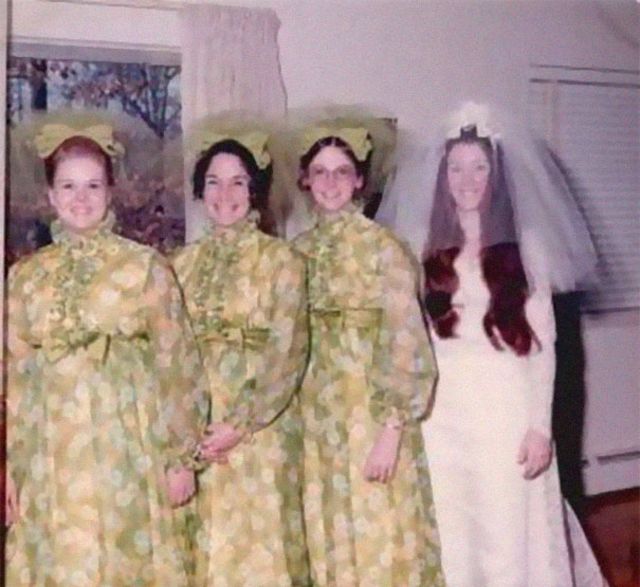
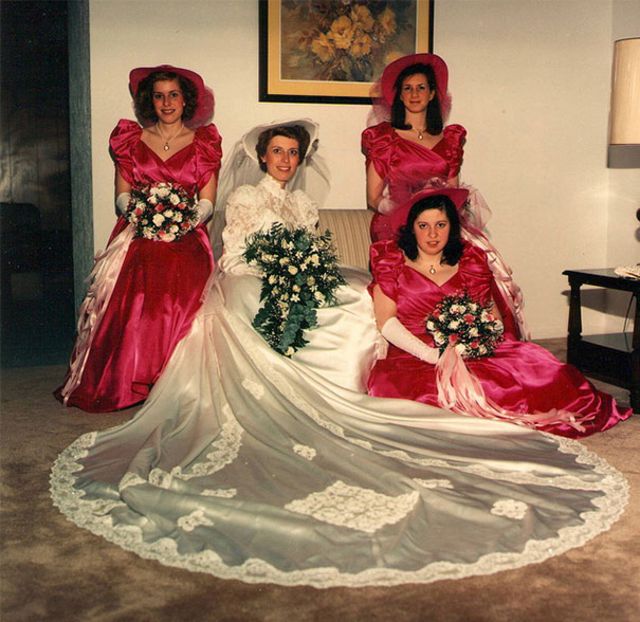
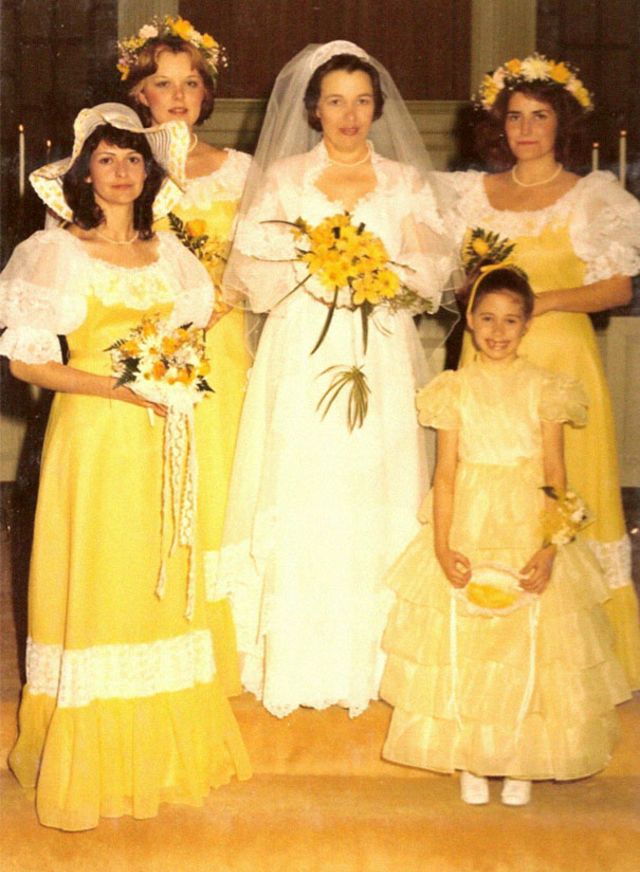
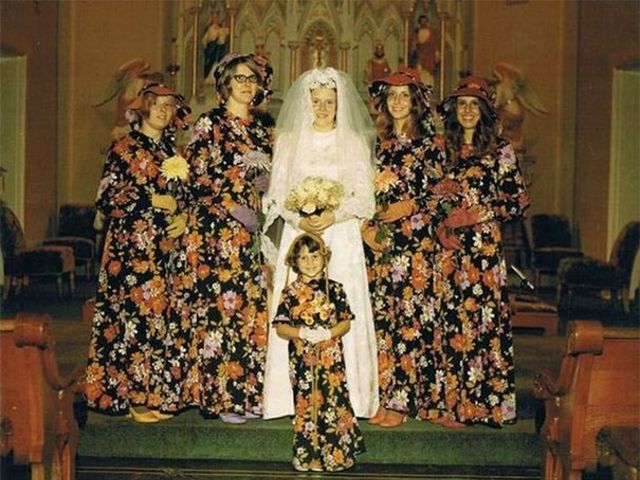
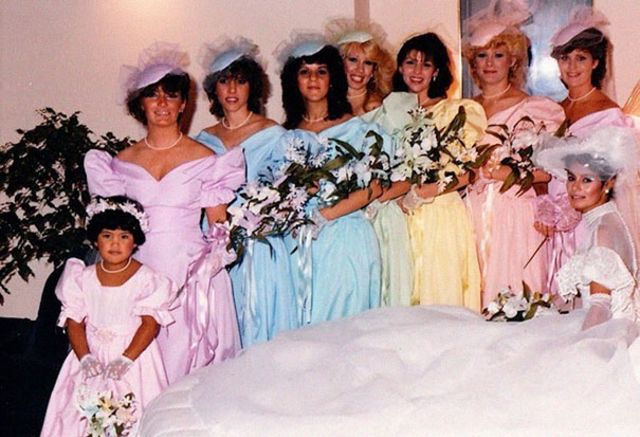
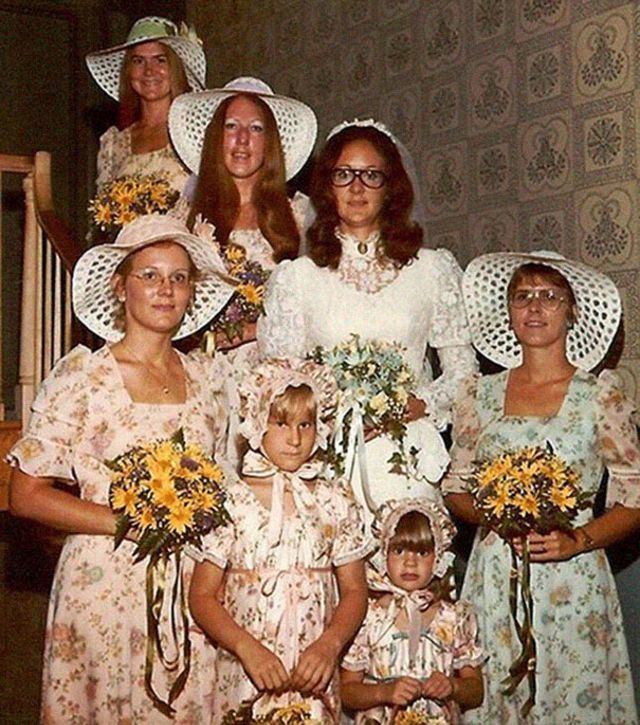
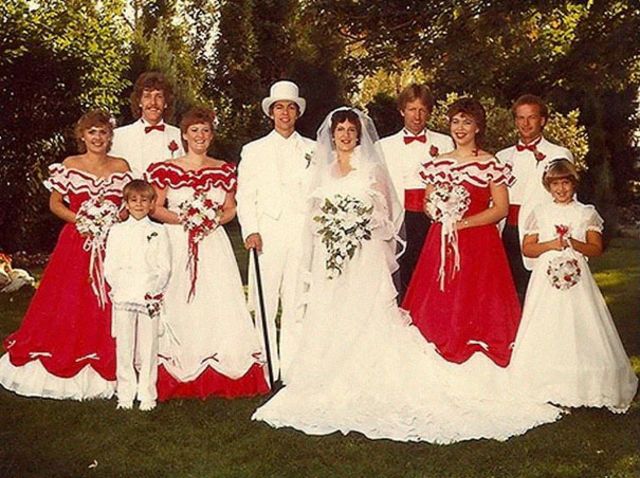
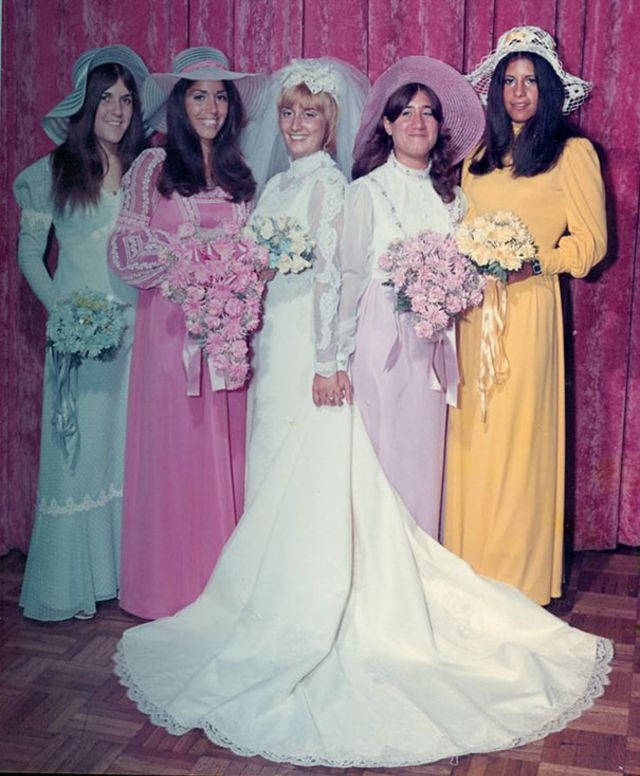
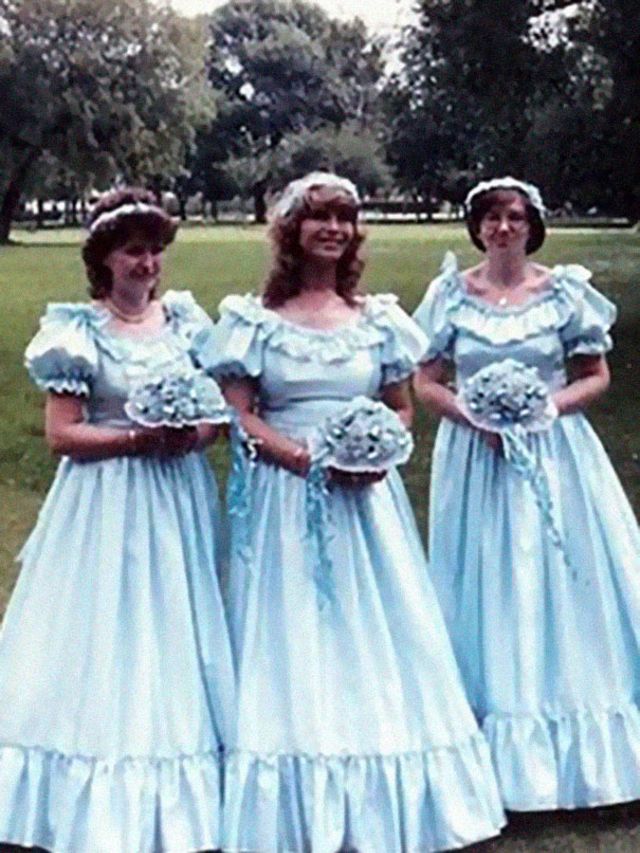
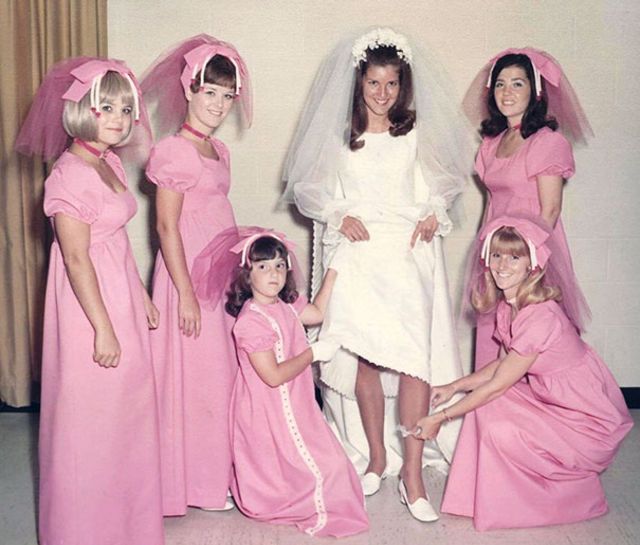
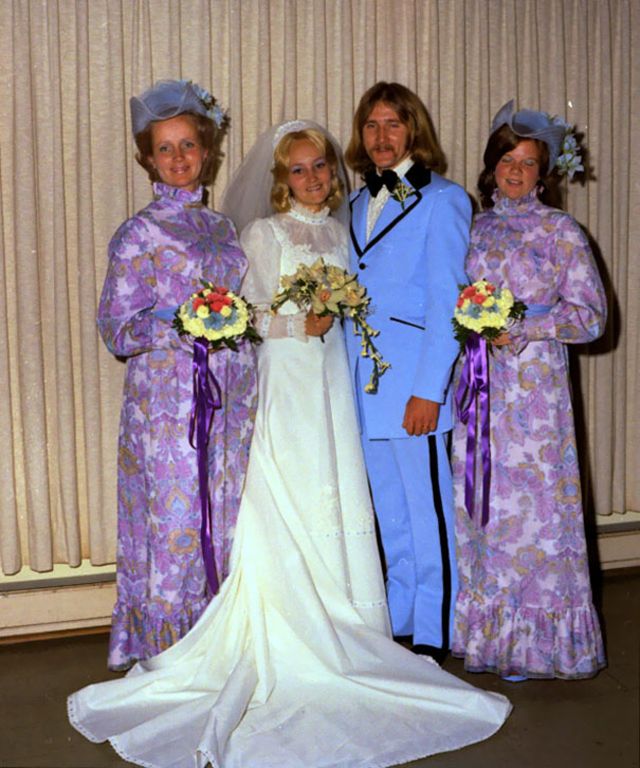
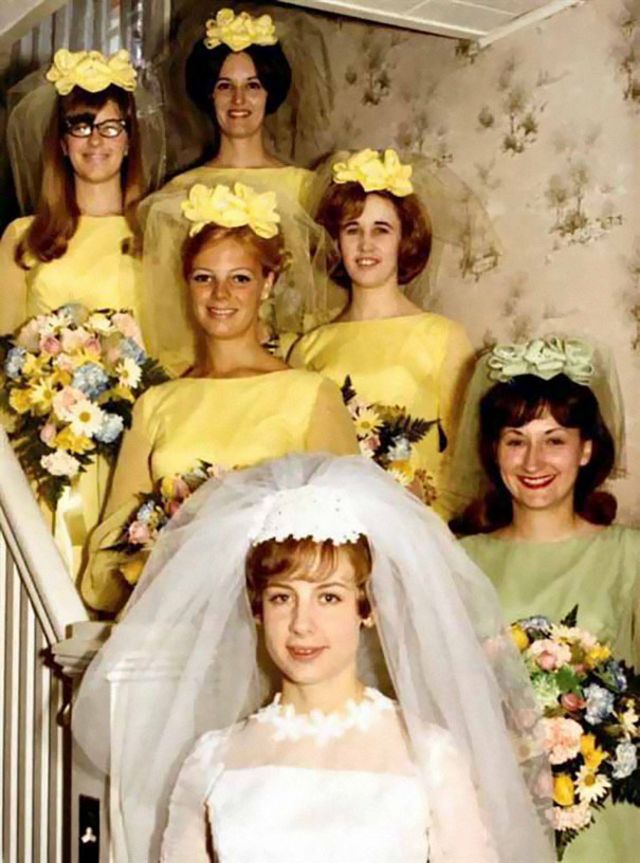
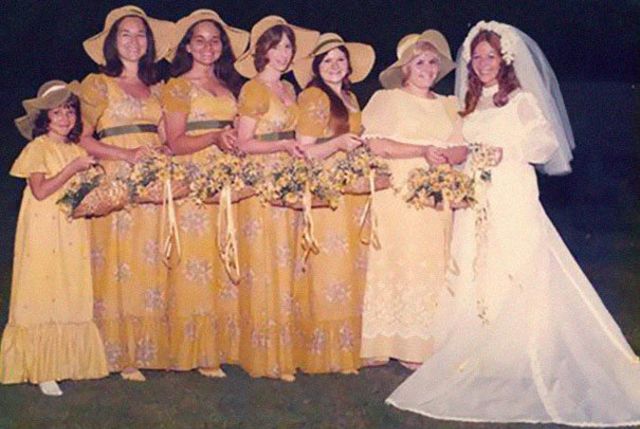
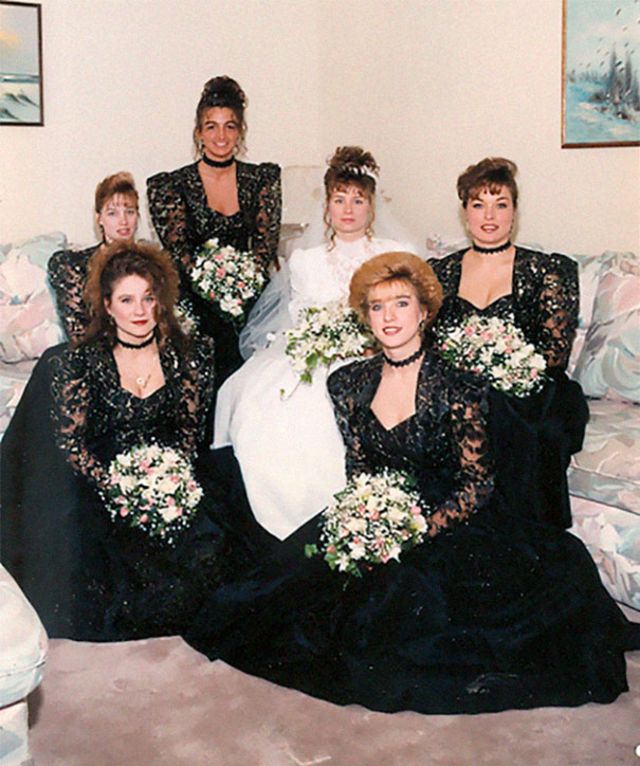
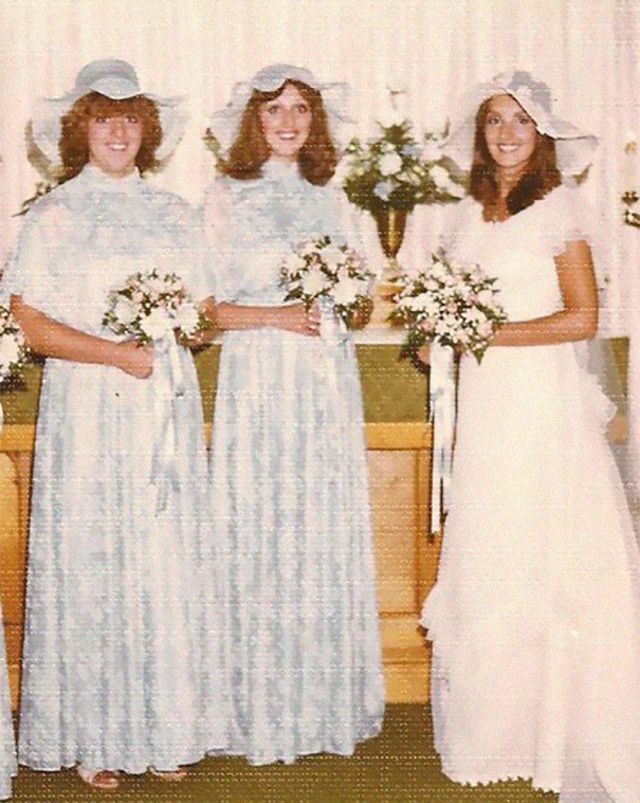
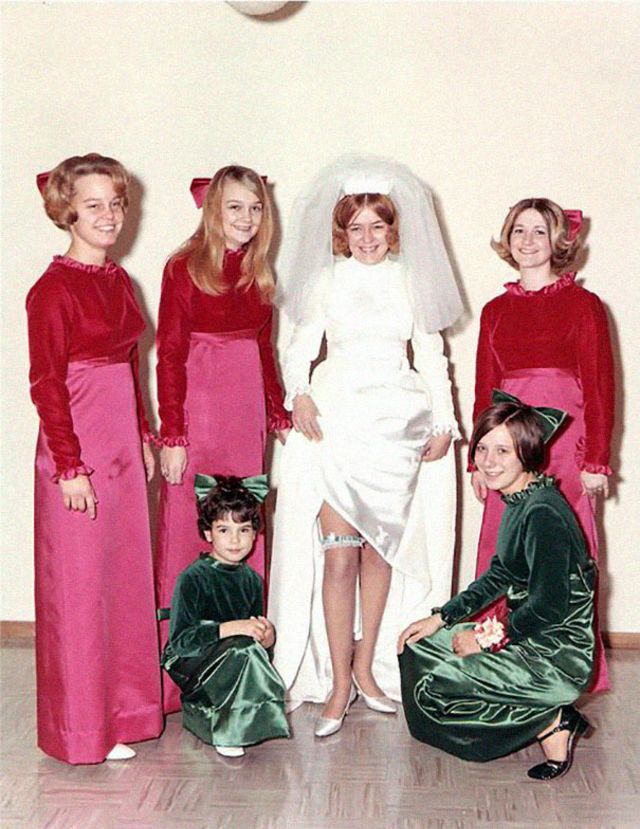
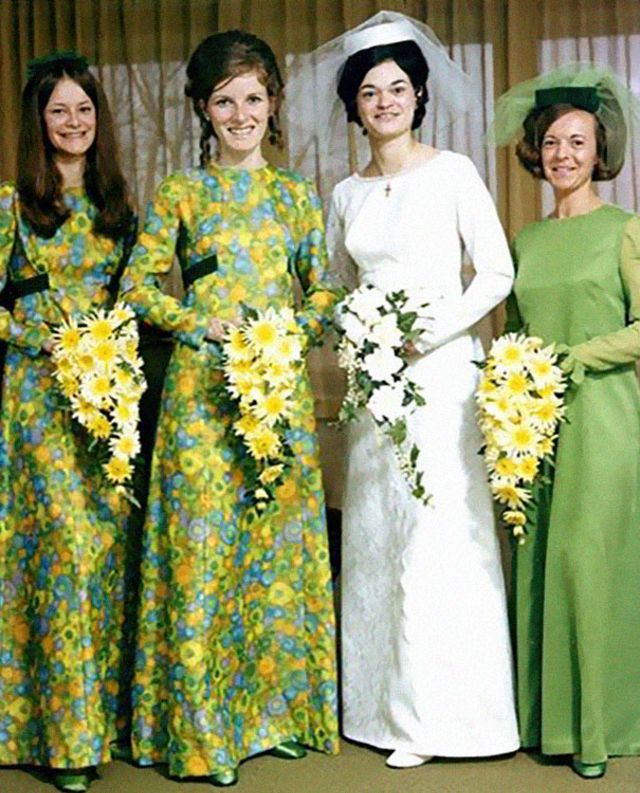
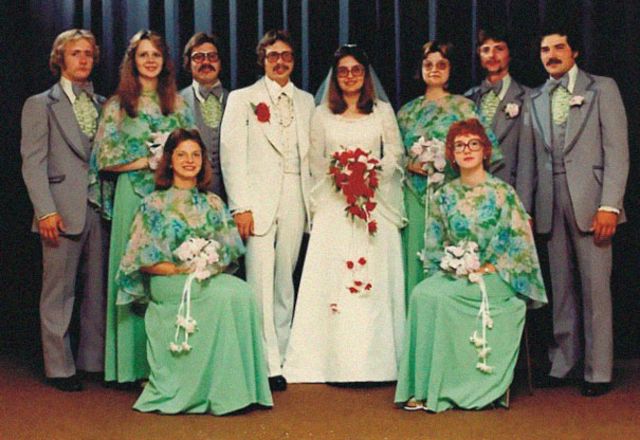
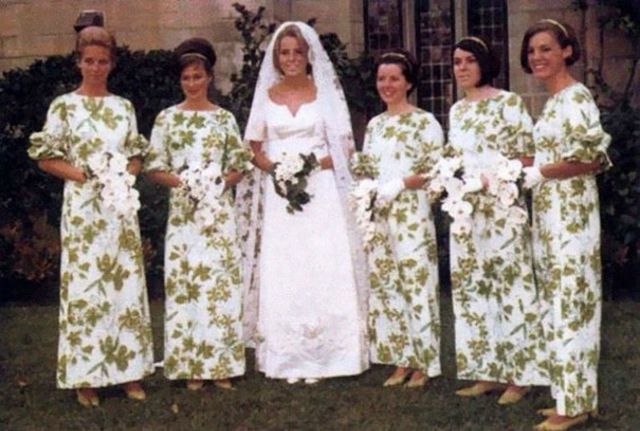
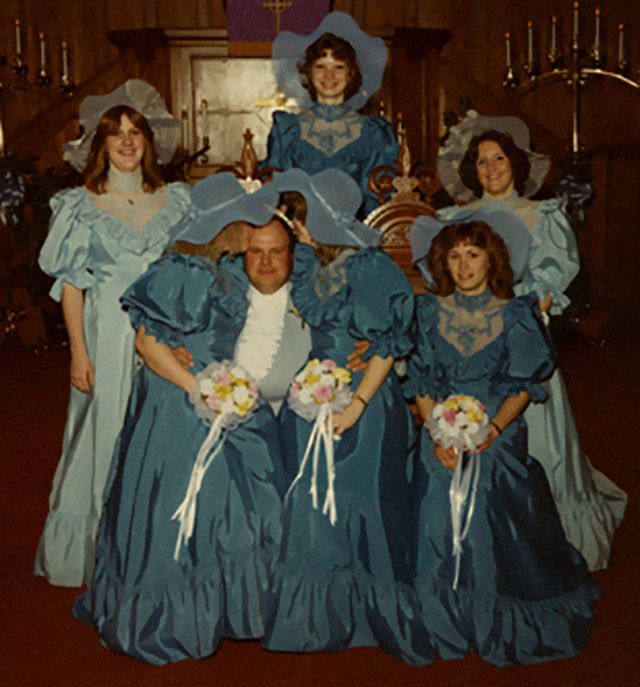
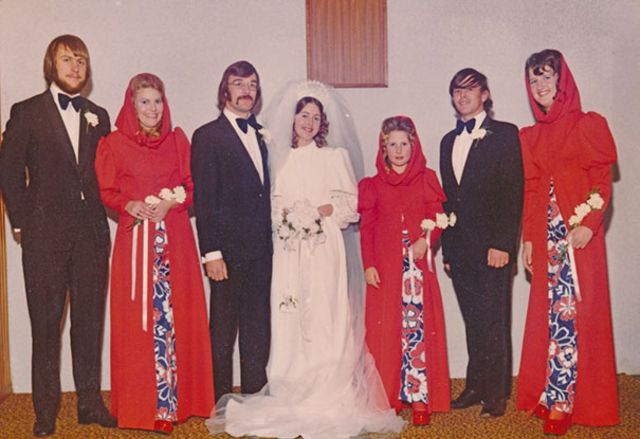
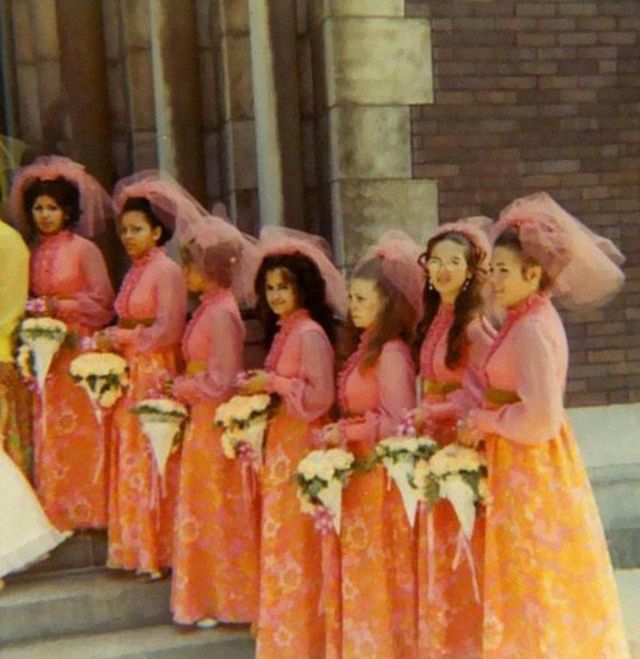
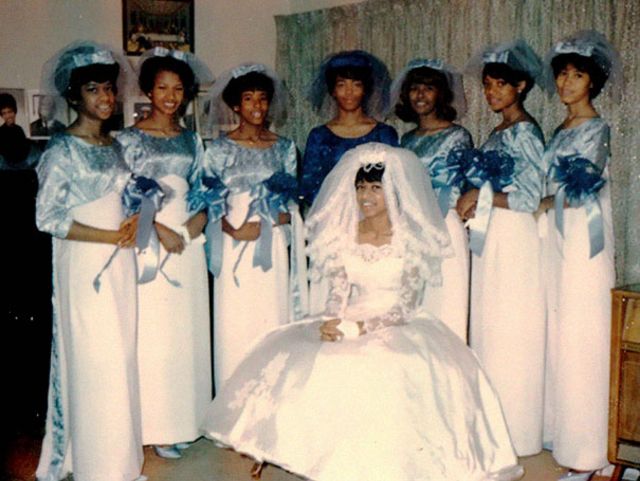
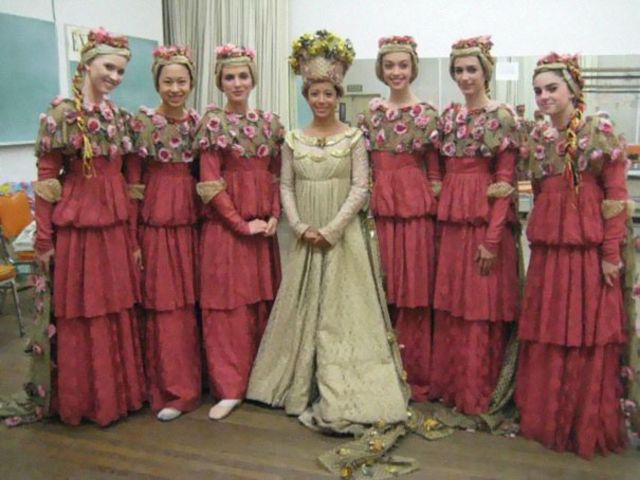
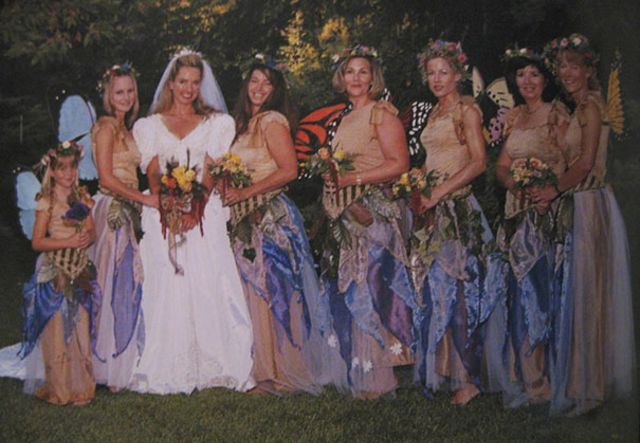
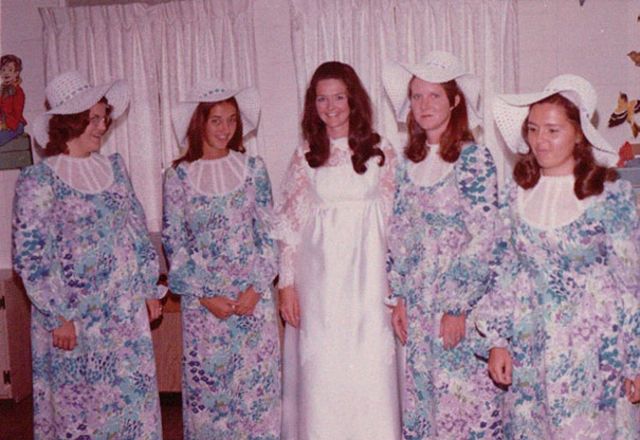
The most important dress at a wedding is the one on the bride, but the bridesmaids’ gowns tend to fall close behind. Picking bridesmaids dresses is one of the most stressful conundrums during the wedding planning.
The bridesmaids should never outshine the bride. Some brides, however, seem to be taking this to the extreme when dressing up their maids of honor. Or maybe time changes fashion trends so much, that after some the style that was “in” starts to look simply ridiculous.
Here, a hilarious gallery of vintage wedding photos, feature dresses with hoods, fluffy hats and puffy sleeves. Many dresses worn by bridesmaids looked dated with styles frozen in time, and some are so funny. You’ll probably feel sorry for the women who wore them.
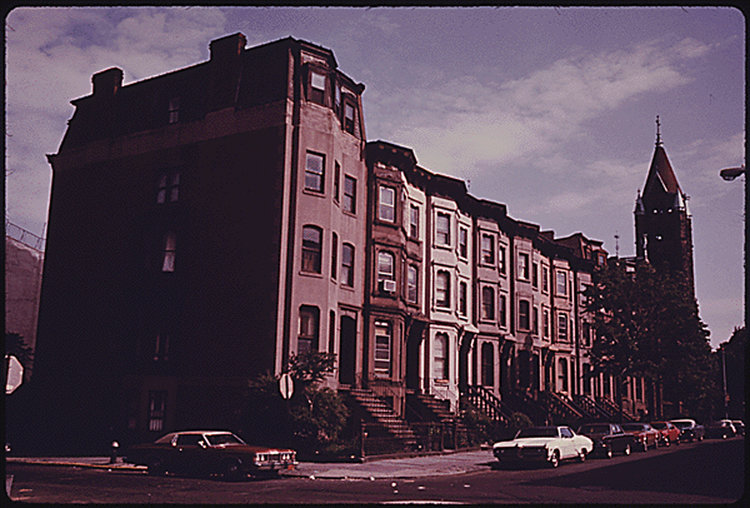
Brooklyn is a borough of New York City, coextensive with Kings County, in the U.S. state of New York. Kings County is the most populous county in New York State, as well as the second-most densely populated county in the United States (after New York County). It is also New York City’s most populous borough, with 2,736,074 residents in 2020. If each borough were ranked as a city, Brooklyn would rank as the third-most populous in the U.S., after Los Angeles and Chicago.
Named after the Dutch village of Breukelen, it shares a land border with the borough of Queens, on the western end of Long Island. Brooklyn has several bridge and tunnel connections to the borough of Manhattan across the East River and the Verrazzano-Narrows Bridge connects it with Staten Island. With a land area of 70.82 square miles (183.4 km2) and a water area of 26 square miles (67 km2), Kings County is New York state’s fourth-smallest county by land area and third-smallest by total area.
Brooklyn was an independent incorporated city (and previously an authorized village and town within the provisions of the New York State Constitution) until January 1, 1898, when, after a long political campaign and public relations battle during the 1890s, according to the new Municipal Charter of “Greater New York,” Brooklyn was consolidated with other cities, towns, and counties, to form the modern City of New York, surrounding the Upper New York Bay with five constituent boroughs. The borough continues, however, to maintain a distinct culture. Many Brooklyn neighborhoods are ethnic enclaves. Brooklyn’s official motto, displayed on the Borough seal and flag, is Eendraght Maeckt Maght, which translates from early modern Dutch as “Unity makes strength.”
In the first decades of the 21st century, Brooklyn has experienced a renaissance as a destination for hipsters, with concomitant gentrification, dramatic house price increases, and a decrease in housing affordability. Some new developments are required to include affordable housing units. Since the 2010s, Brooklyn has evolved into a thriving hub of entrepreneurship, high technology start-up firms postmodern art and design. (Wikipedia)
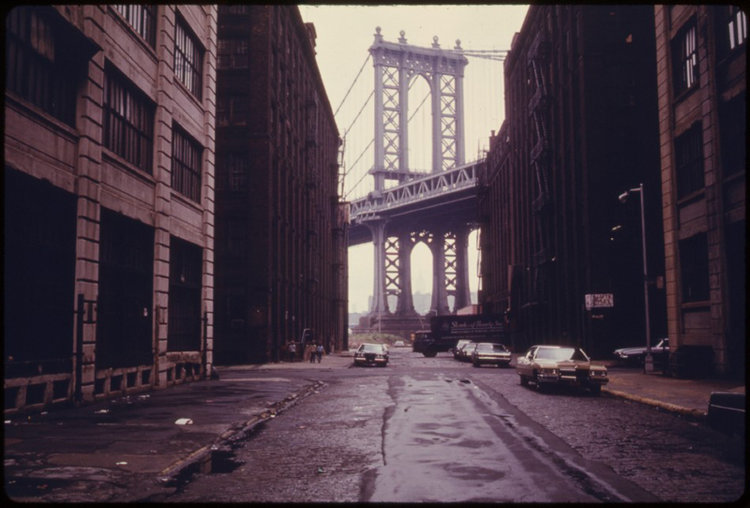
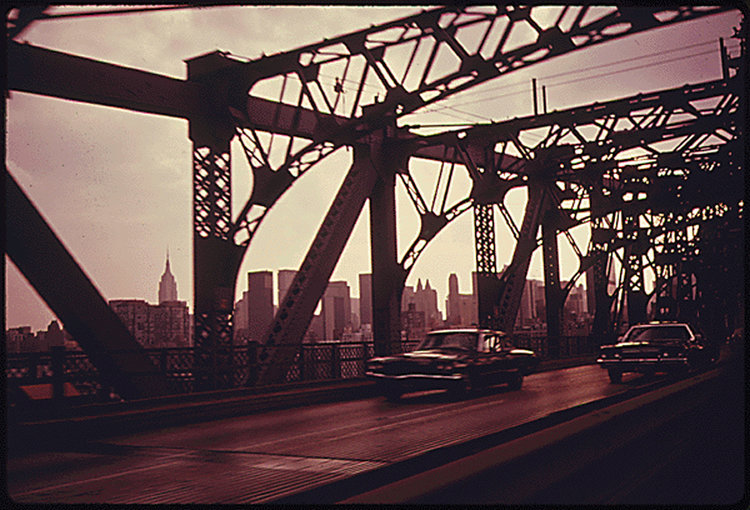
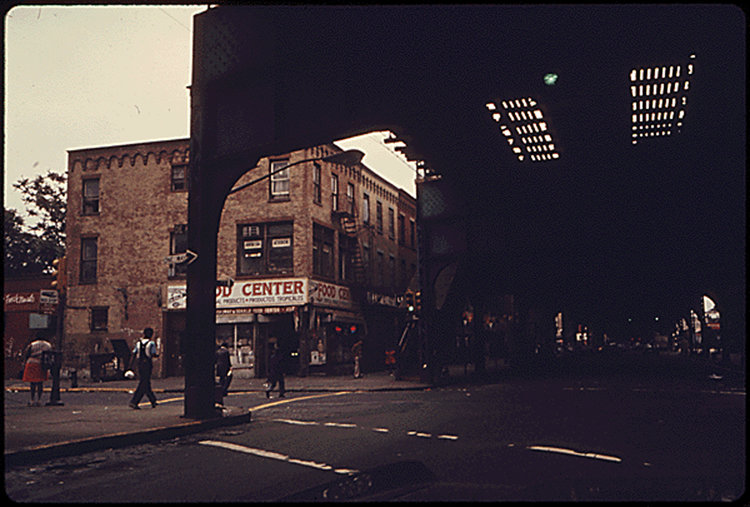
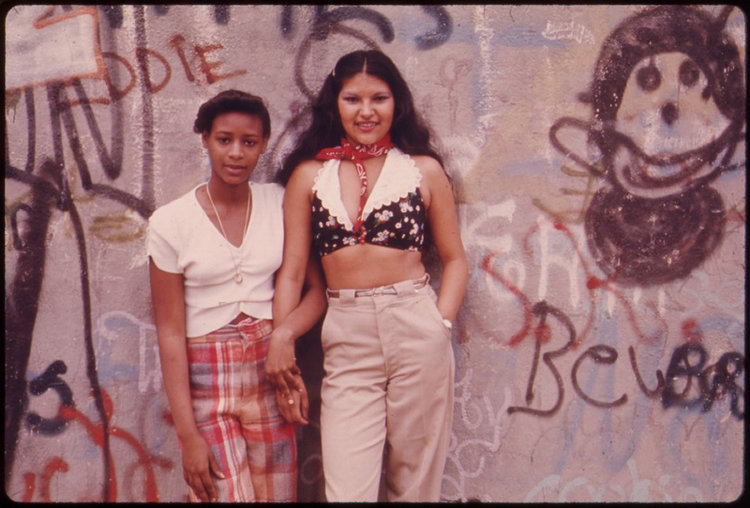
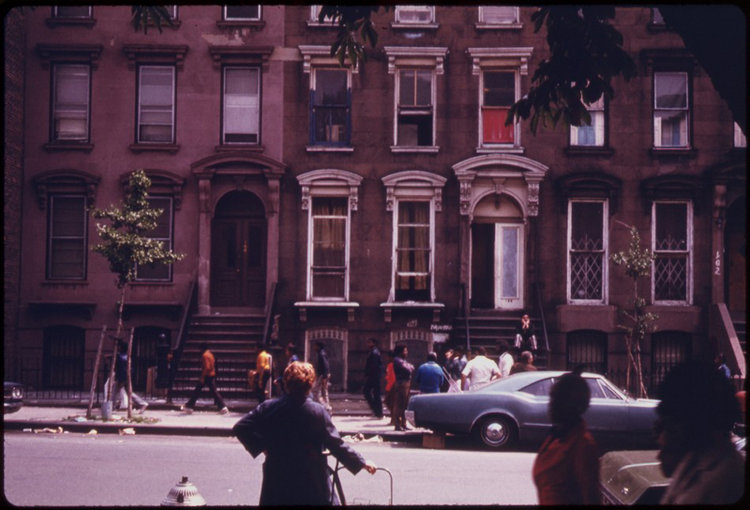
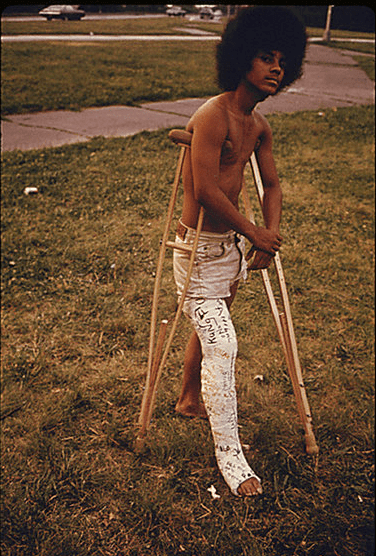
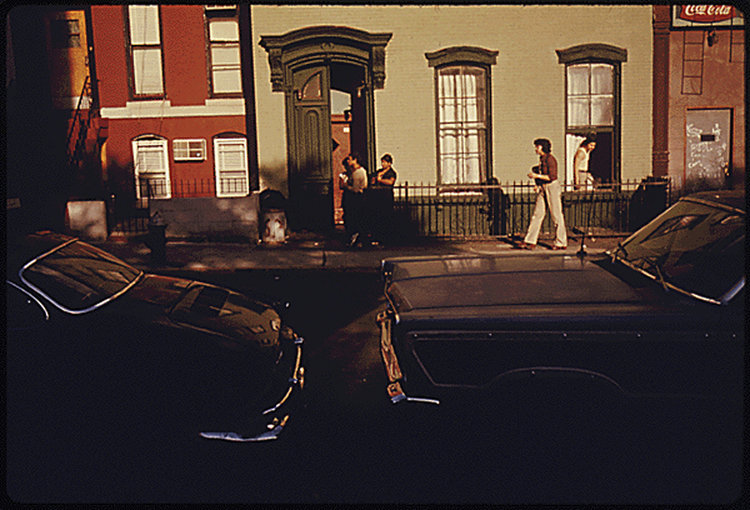
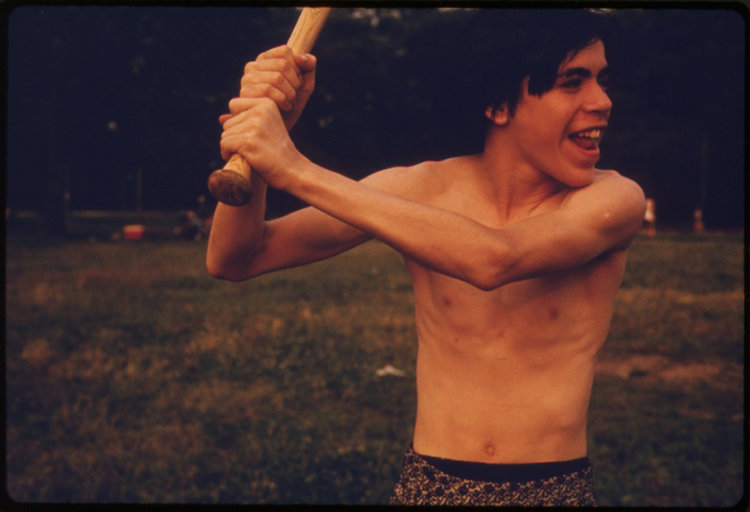
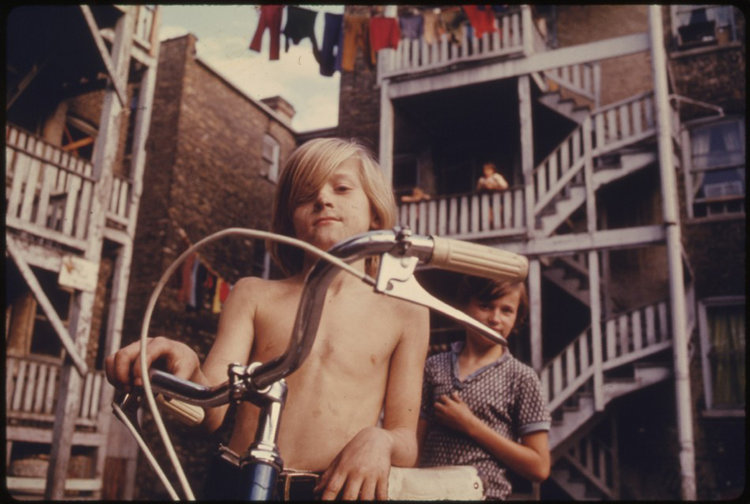
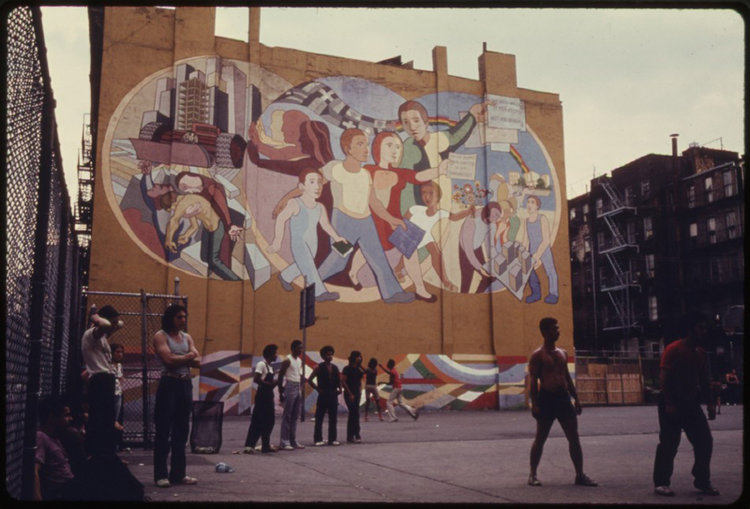
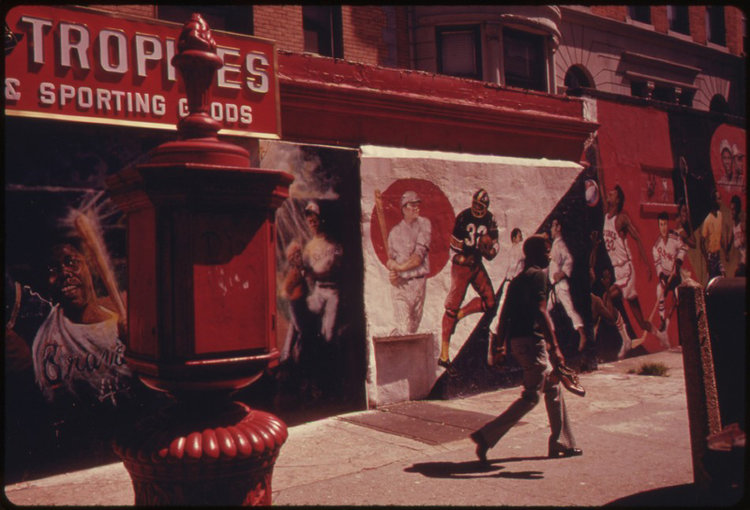
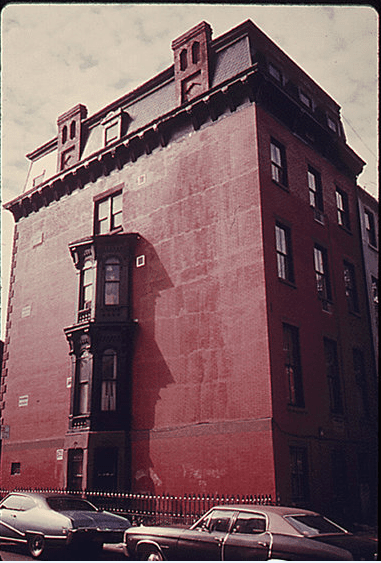
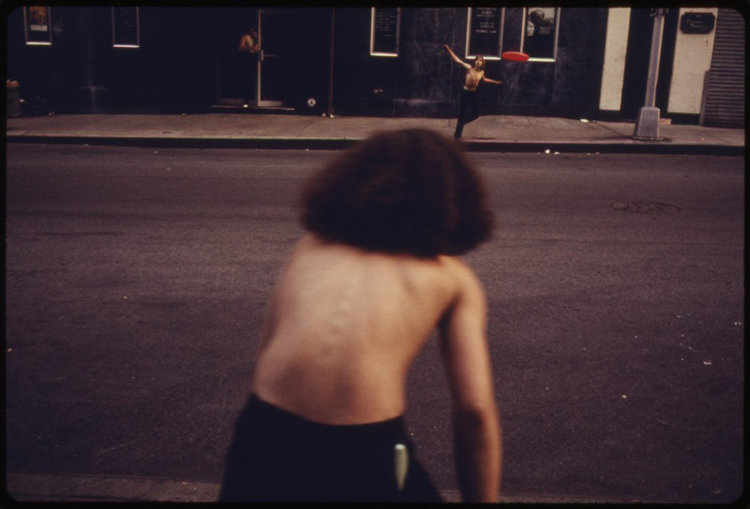
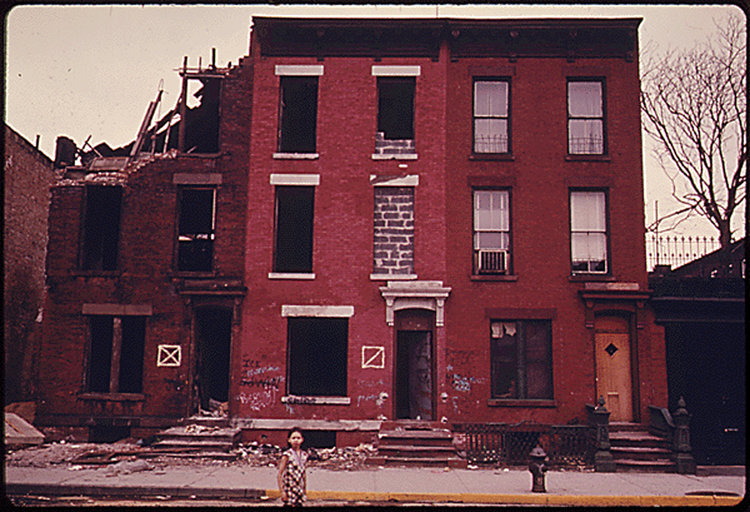
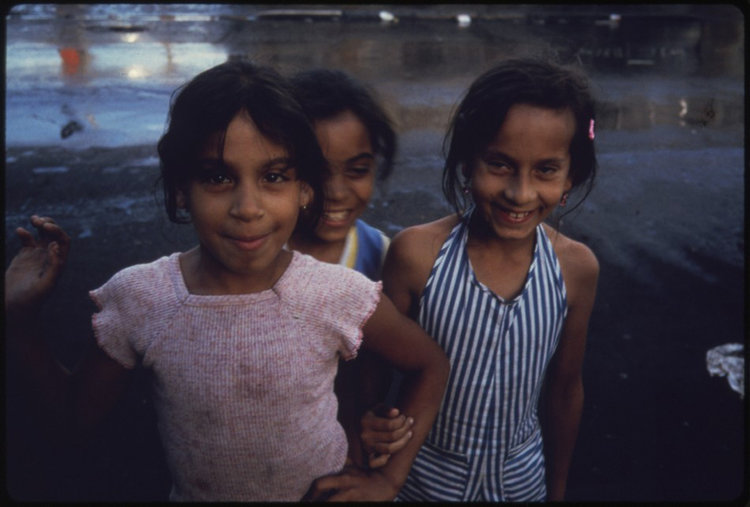
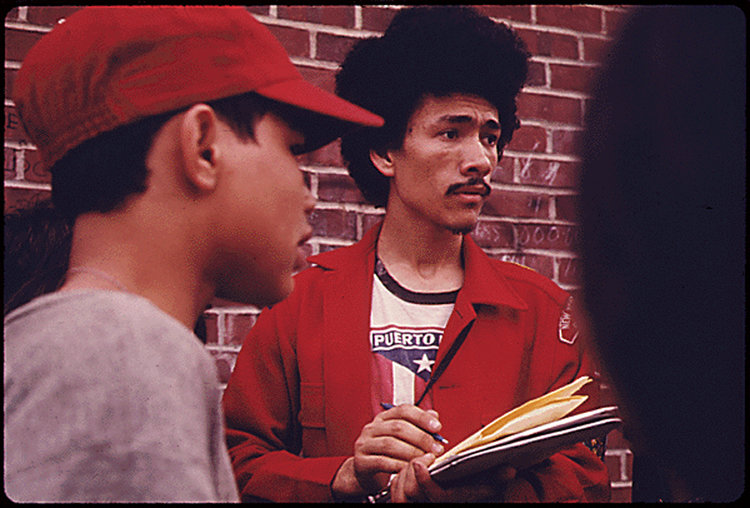
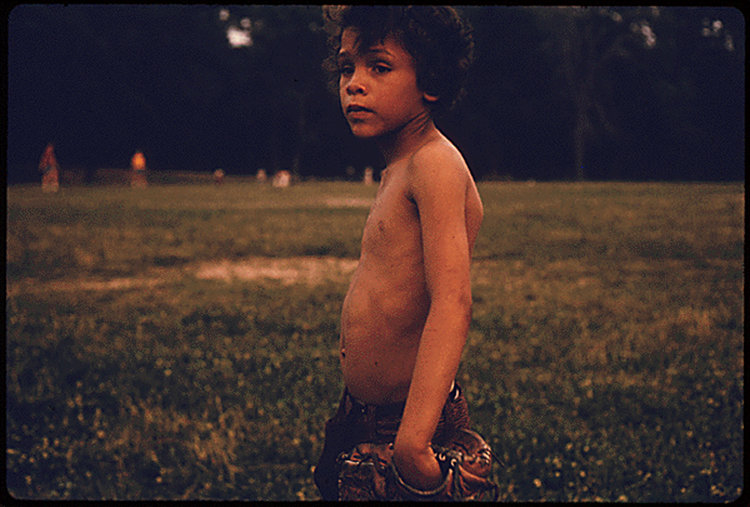
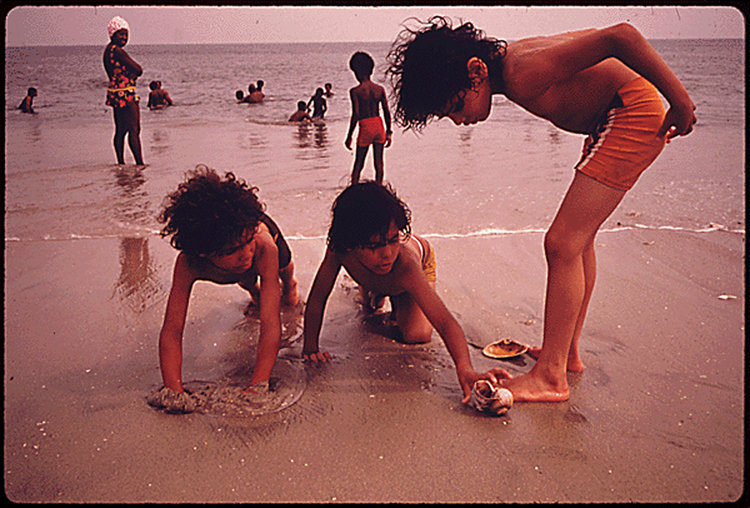
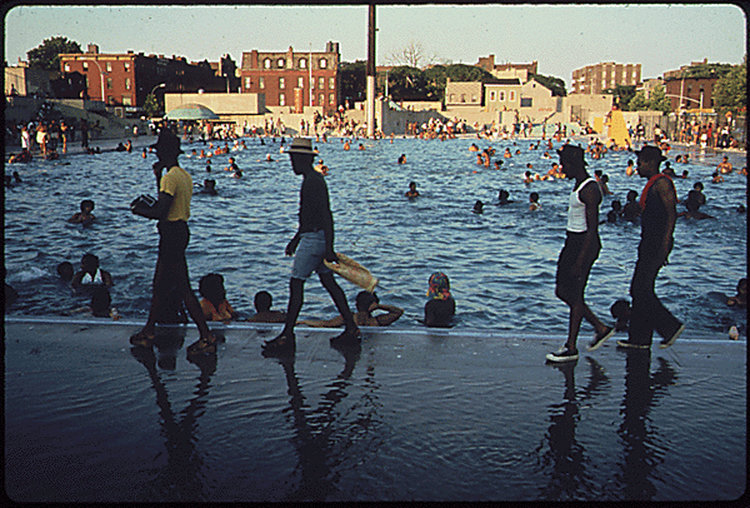
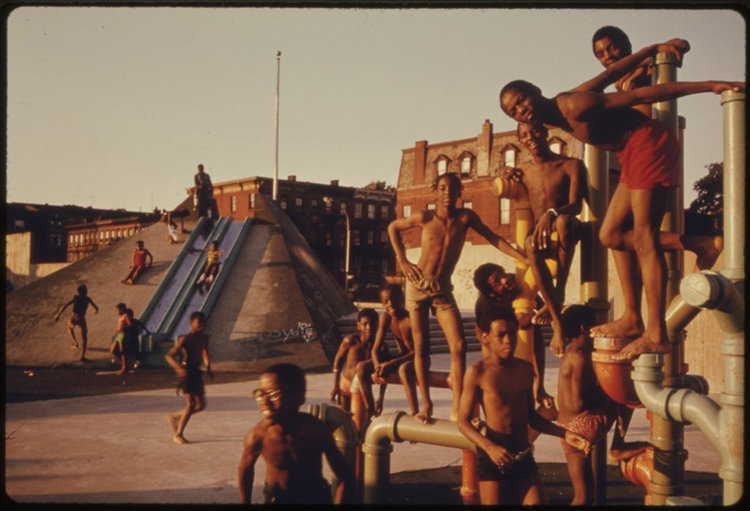
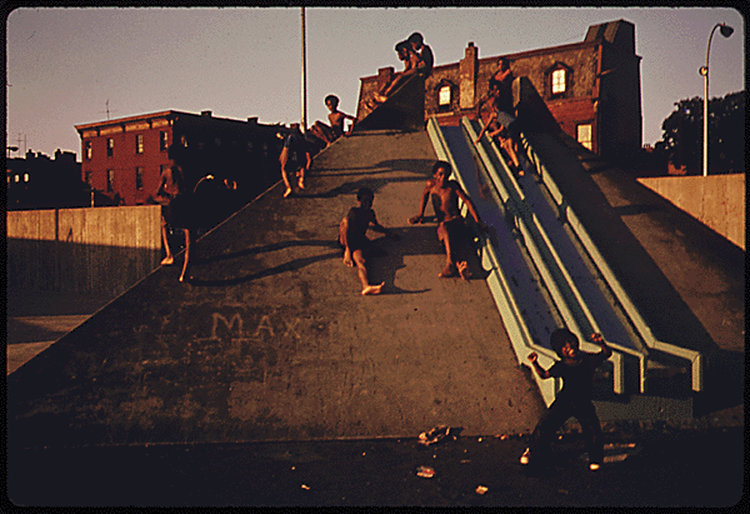
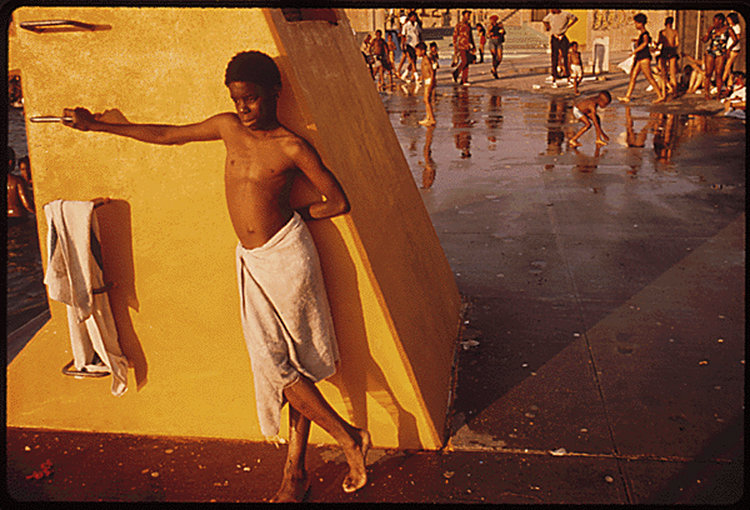
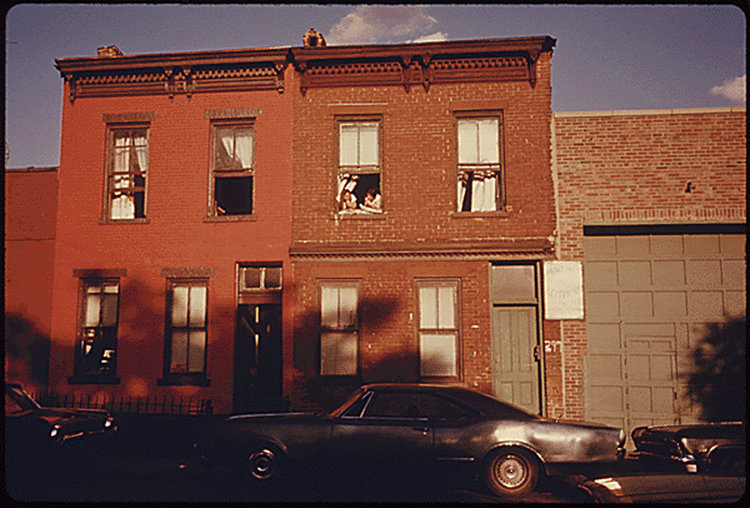
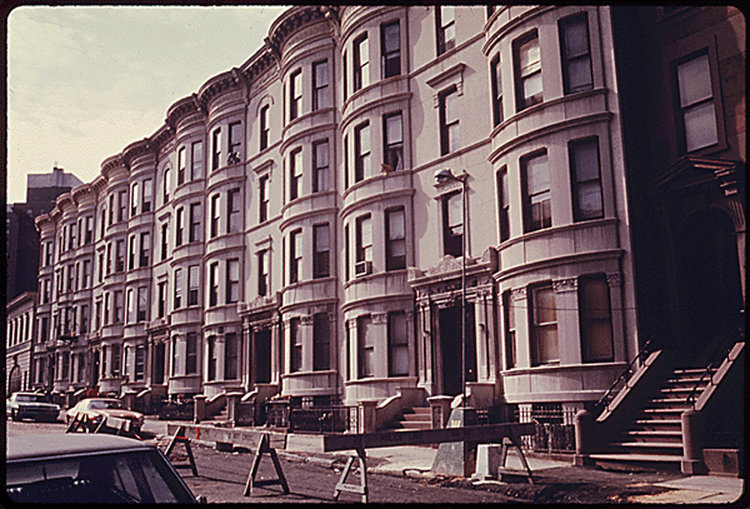
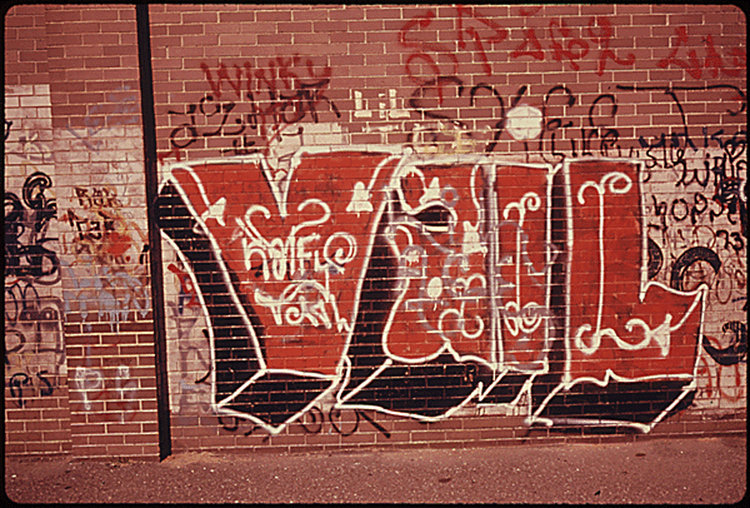
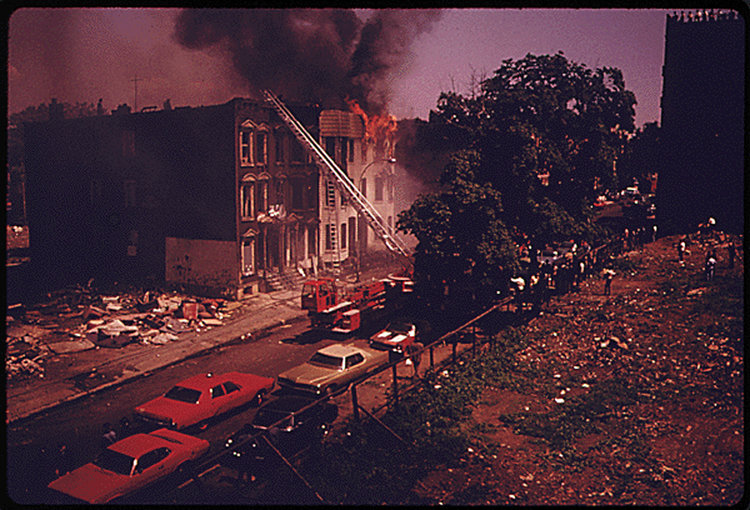
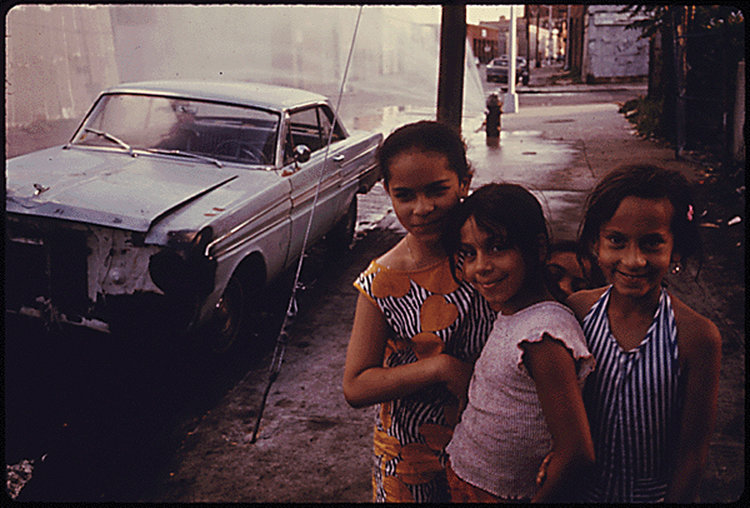
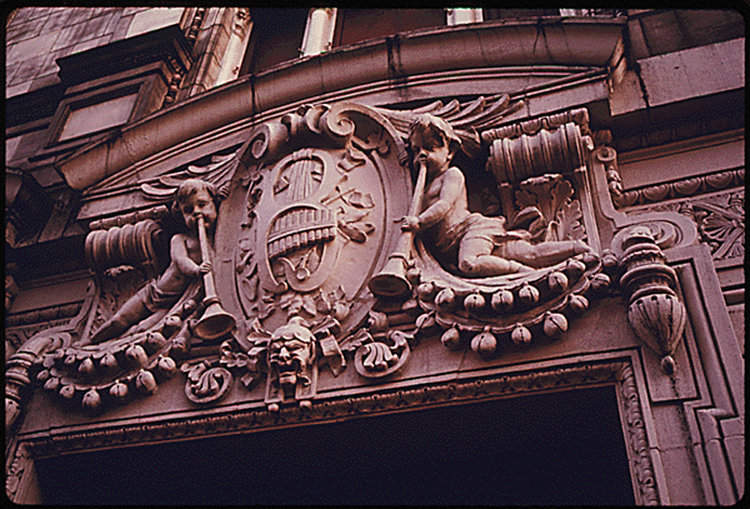
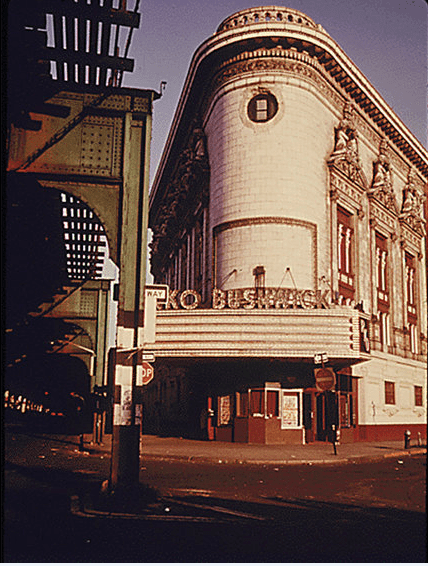
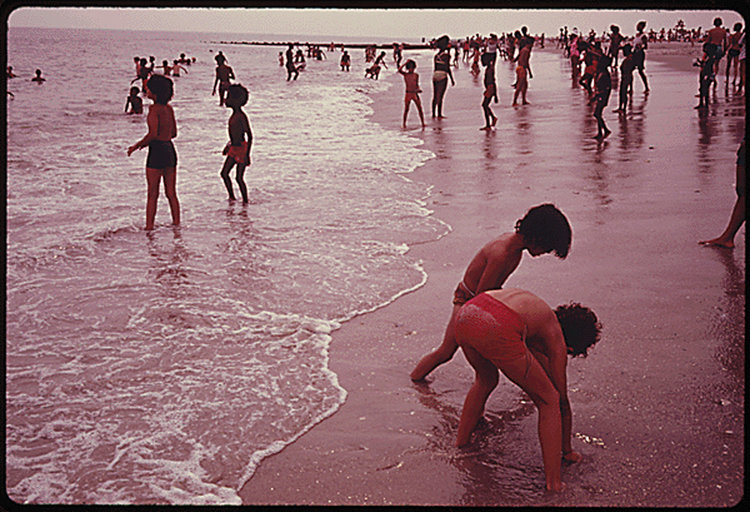
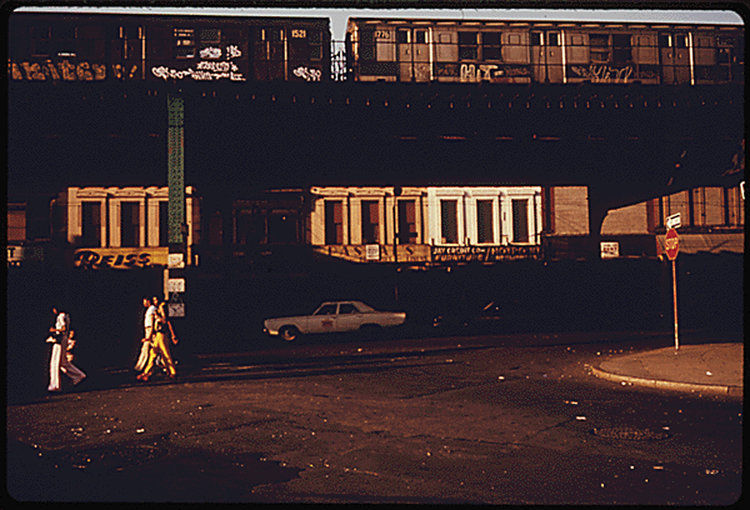
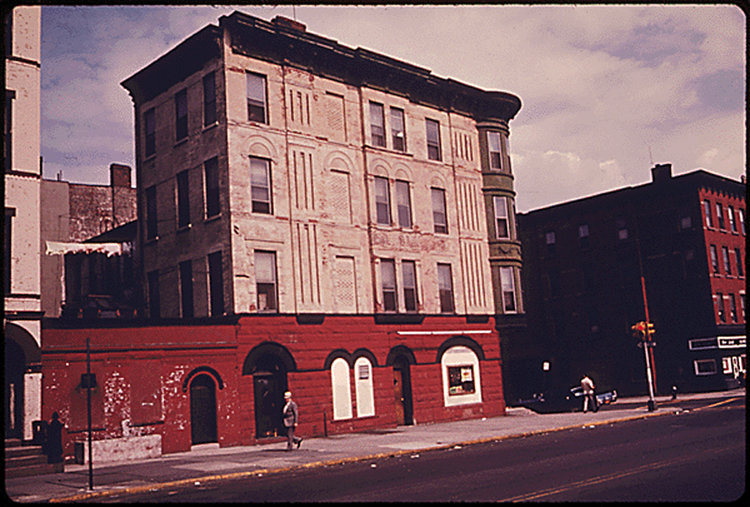
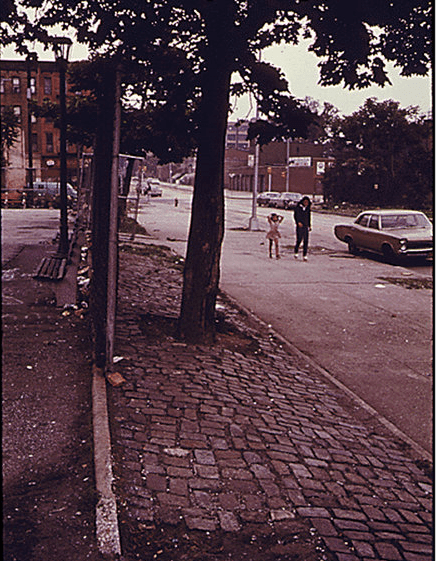
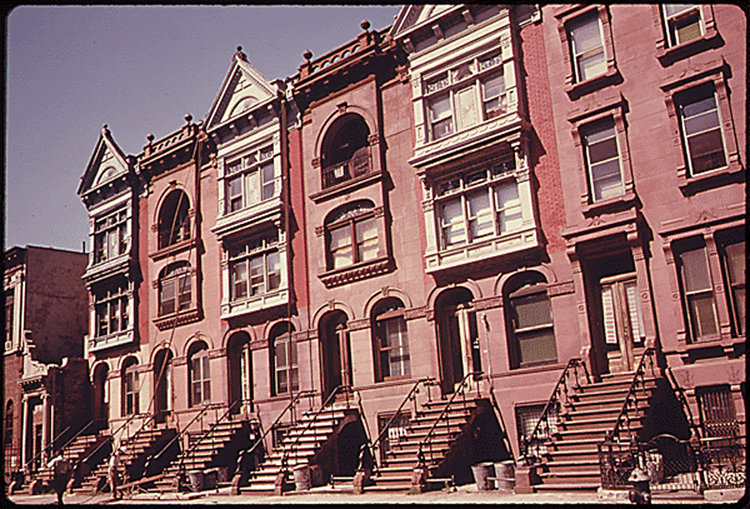
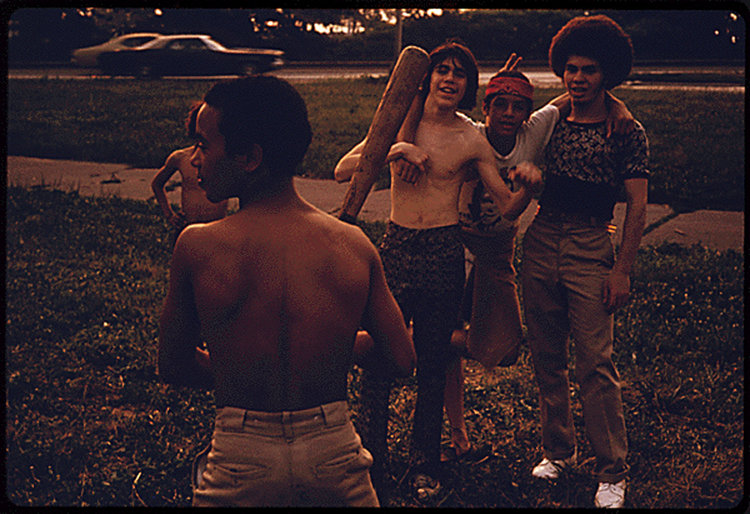
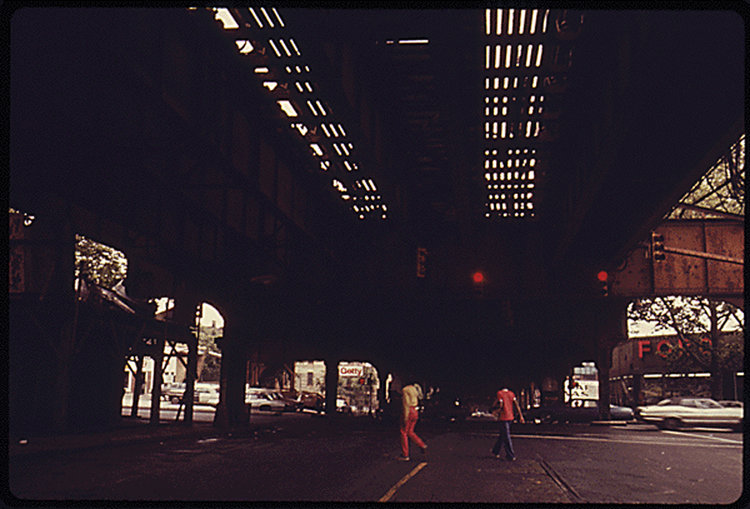
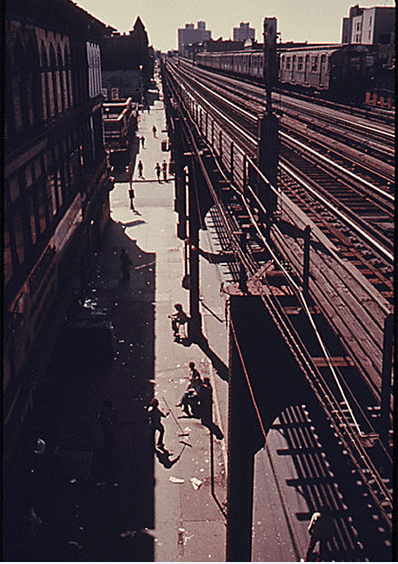
Manhattan Bridge Tower in Brooklyn, framed through nearby buildings.Williamsburg Bridge facing towards Manhattan.View from under elevated train tracks at Bushwick AvenueTwo girls pose in front of graffiti in Lynch Park, BrooklynApartment house across from Fort Green Park in BrooklynBlock of brownstone residences in Park Slope, Brooklyn.Young man with his leg in a cast in Highland ParkOn Bond Street in BrooklynBoy at bat in a softball game in Highland Park, BrooklynBoys in BrooklynBasketball playground in BrooklynBlack sports heros are the motifs in the wall paintings on Nostrand Ave., Brooklyn.House in Park Slope, BrooklynPlaying Frisbee in the streetAlthough partially gutted by fire, one portion of this building across from Lynch Park, in Brooklyn, is still inhabited.Three girls in BroooklynBoy Scout Leader recruiting among Latino Youths in the Bed-Stuy District.Boy playing ball in Highland Park, Brooklyn.Children at Riis Park, a public beach in Brooklyn.Kosciusko Public Swimming Pool in the heart of Bed-Stuy.Youngsters on the July 4th holiday at the Kosciusko Swimming Pool in Bedford-Stuyvesant, Brooklyn.Kosciosko Swimming Pool — a public pool in the Bedford-Stuyvesant District of Brooklyn.Boy at the Kosciusko Swimming Pool in Bed-StuyYouth at Lynch Park, Brooklyn.Row houses on Bond Street, Brooklyn.Row houses in BrooklynGraffiti in BrooklynFire set by the Brooklyn Polytechnic Institute to test wires and insulation in NYC.Three girls on Bond Street in Brooklyn.Building detail of the RKO Bushwick Theater in Brooklyn.RKO Bushwick TheaterChildren at the beach in Riis Park, BrooklynWalking along Bushwick Ave.An example of Brooklyn architecture on Vanderbilt Ave.Three boys and ” A Train” graffiti in Brooklyn’s Lynch Park.Near Lynch Park, BrooklynTurn of the century brownstone apartmentsPlaying softball in Highland ParkCrossing underneath the subway at Bushwick Ave.Bushwick Ave seen from an elevated train platform
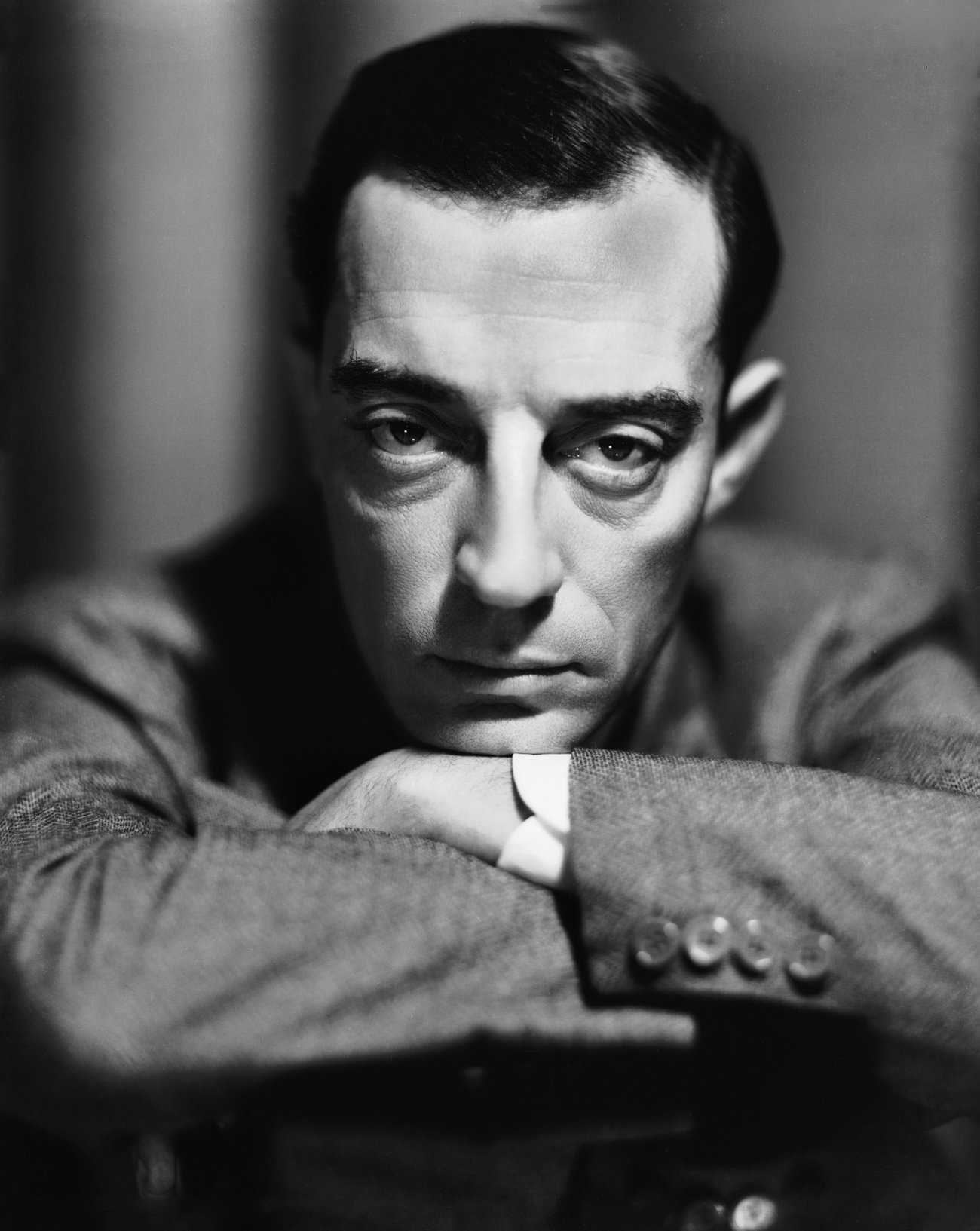
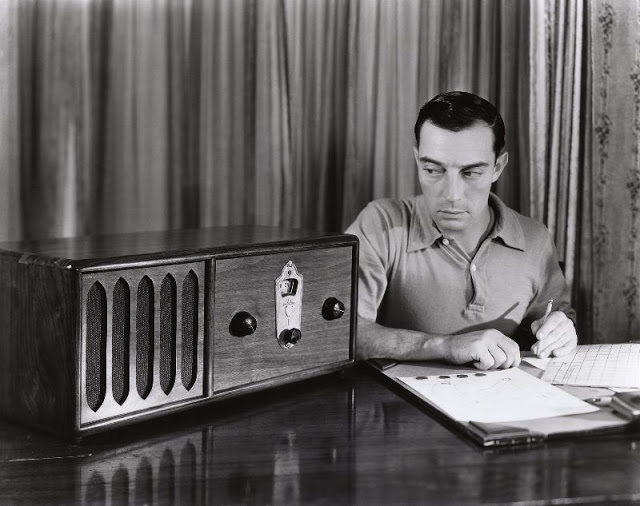
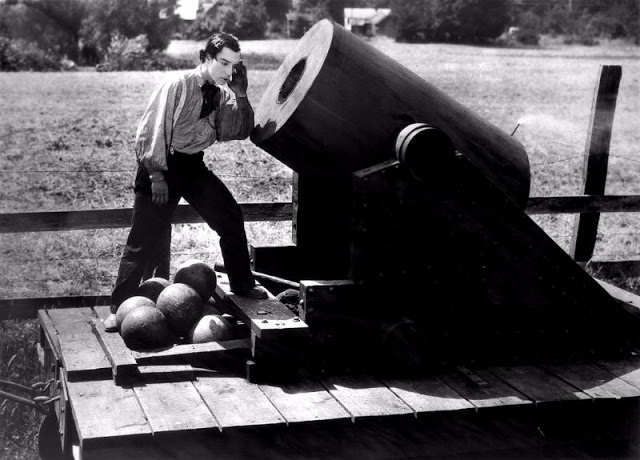
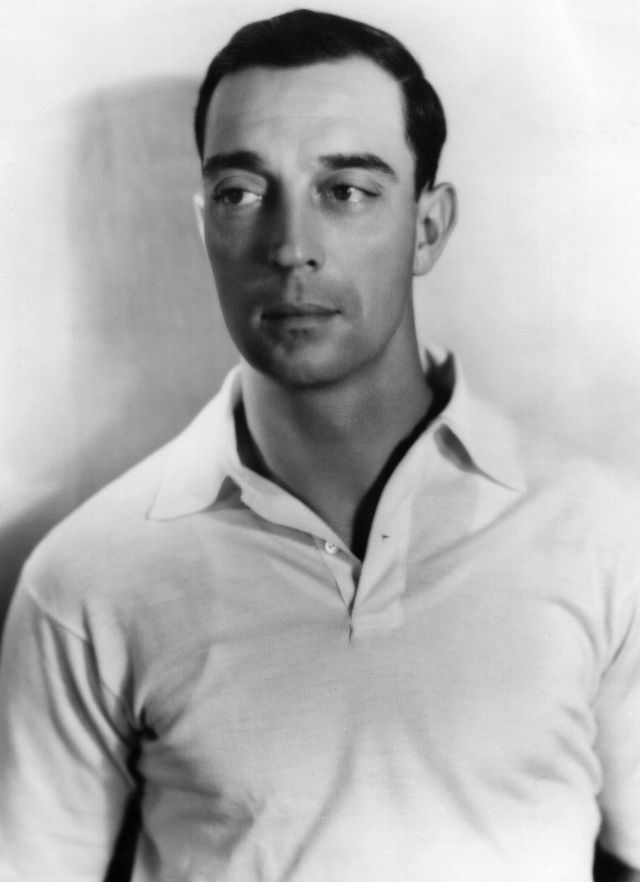
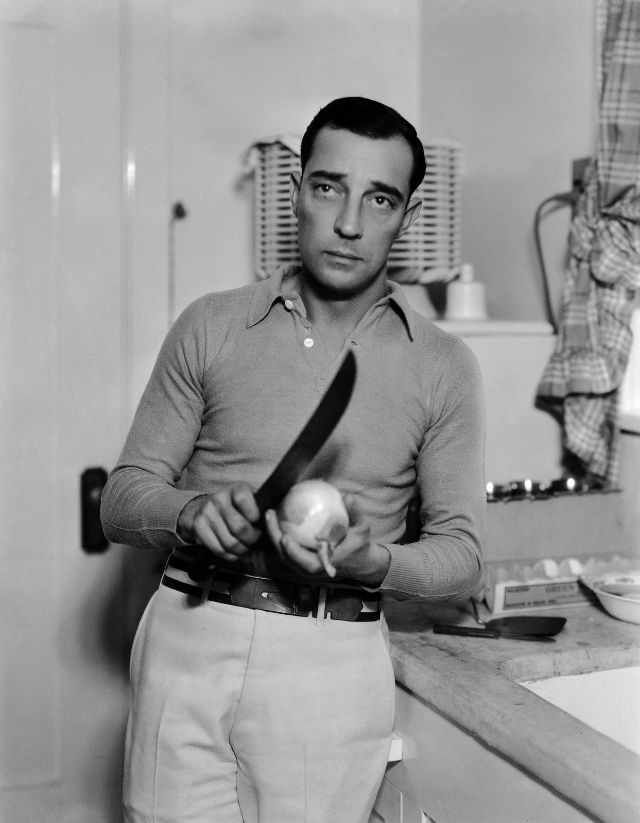
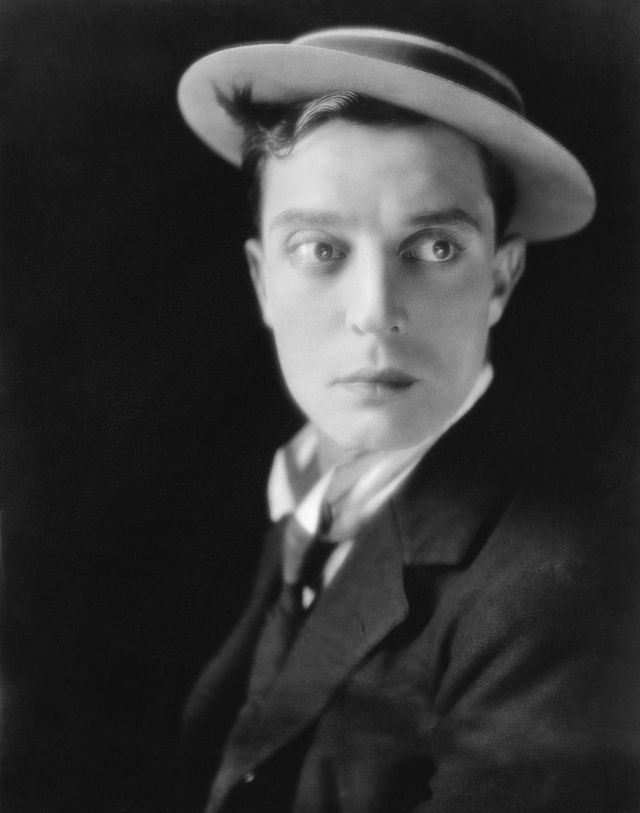
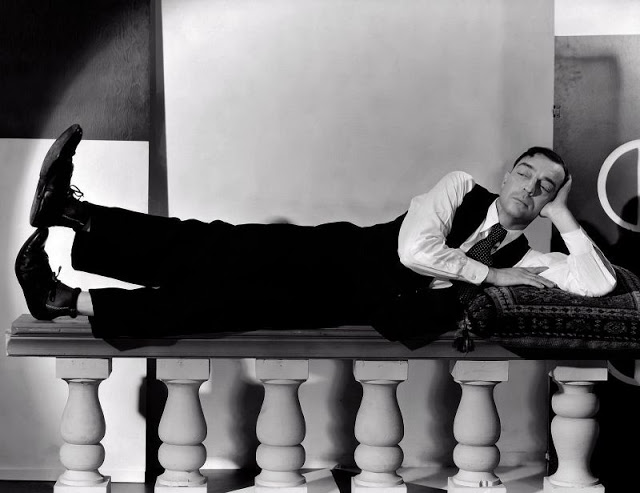
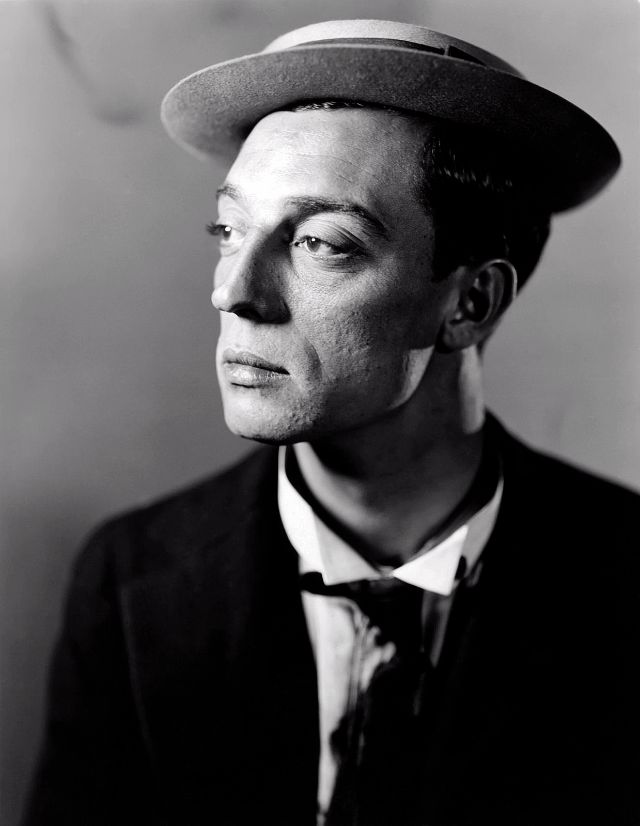
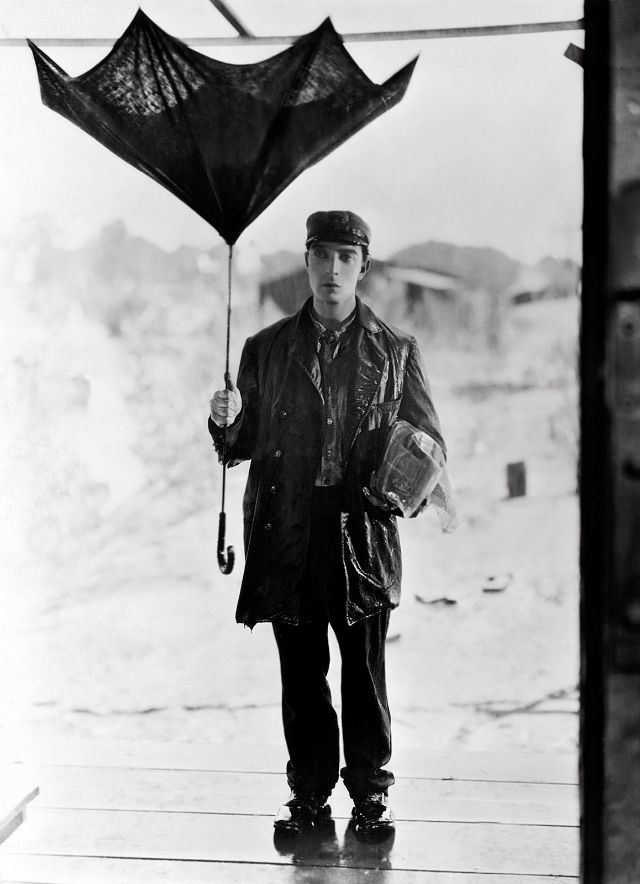
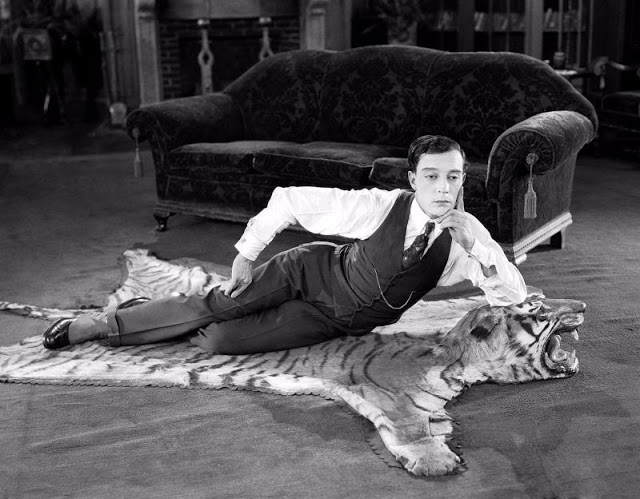
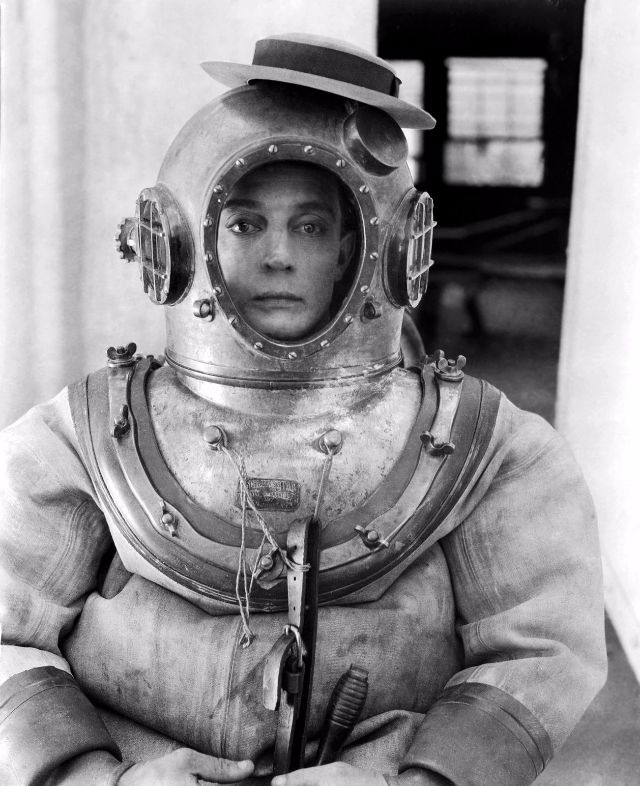
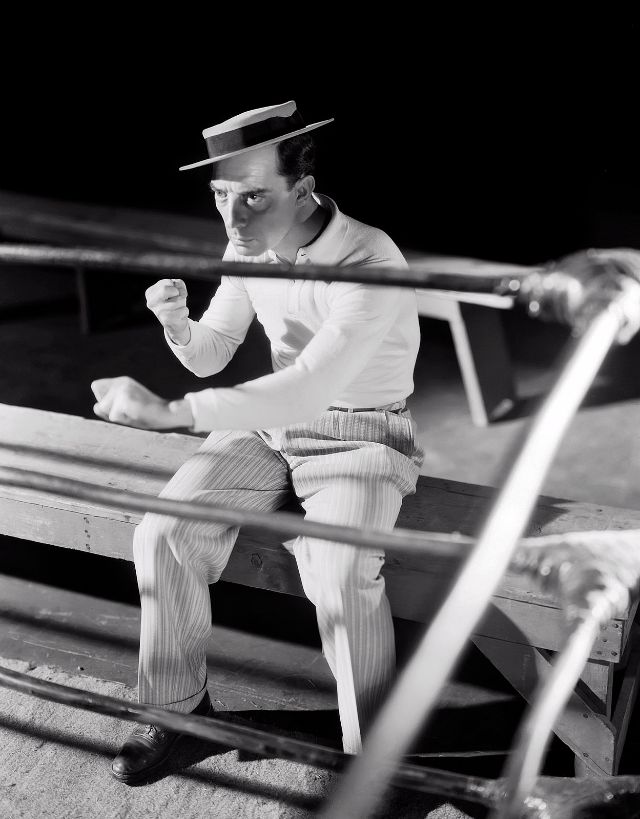
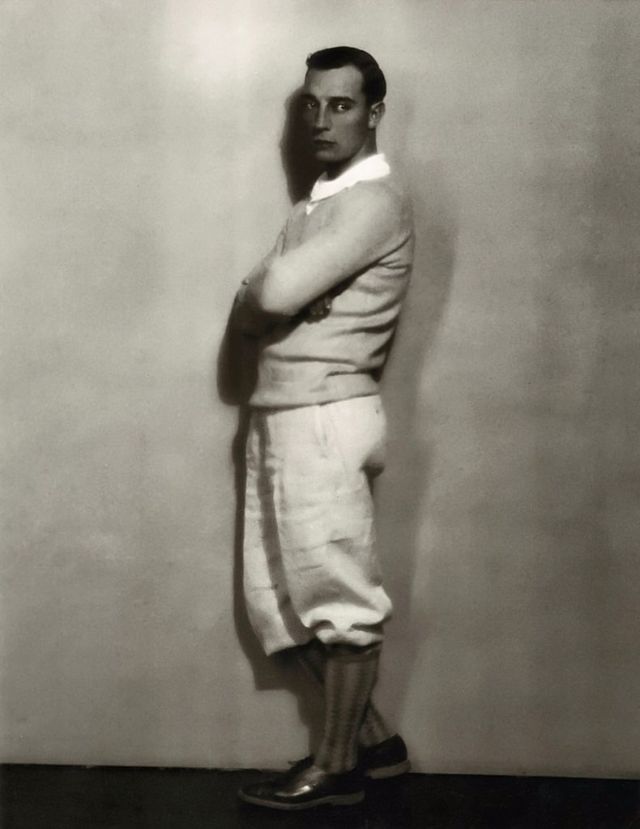
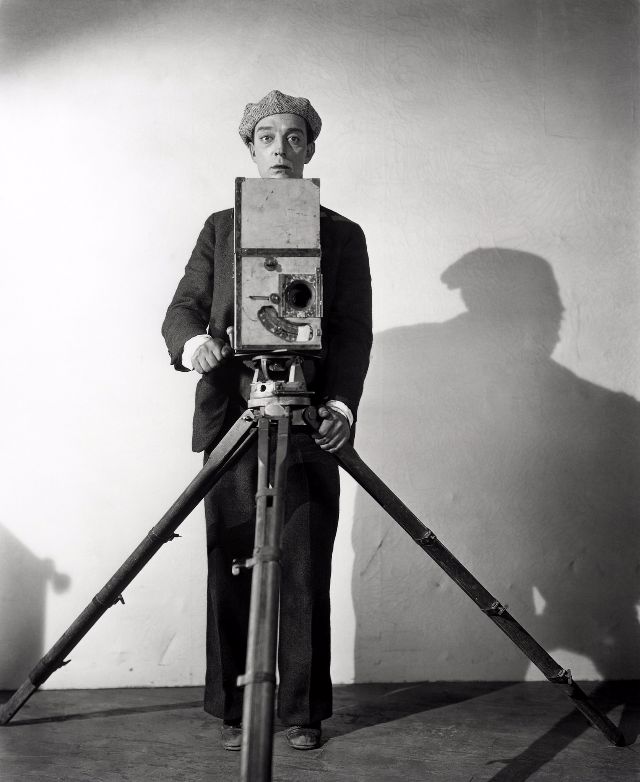
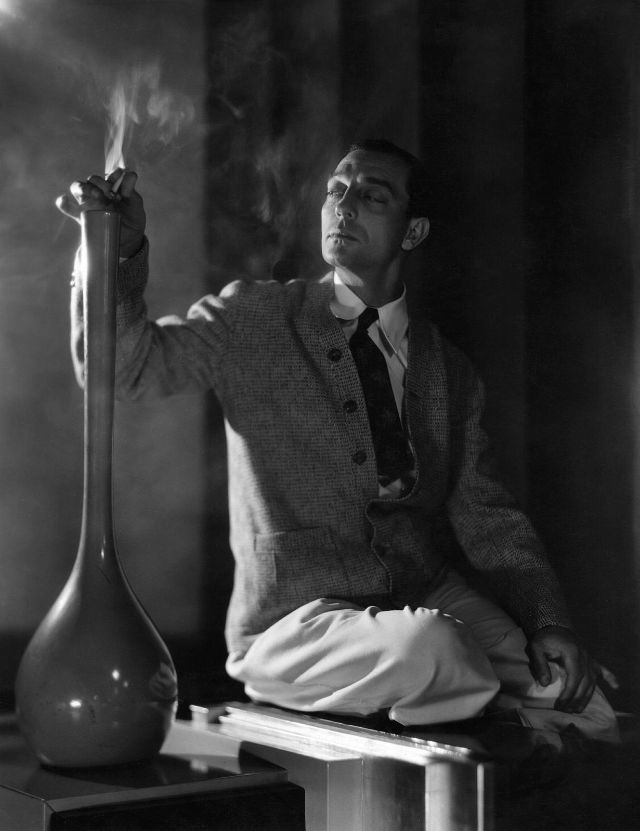
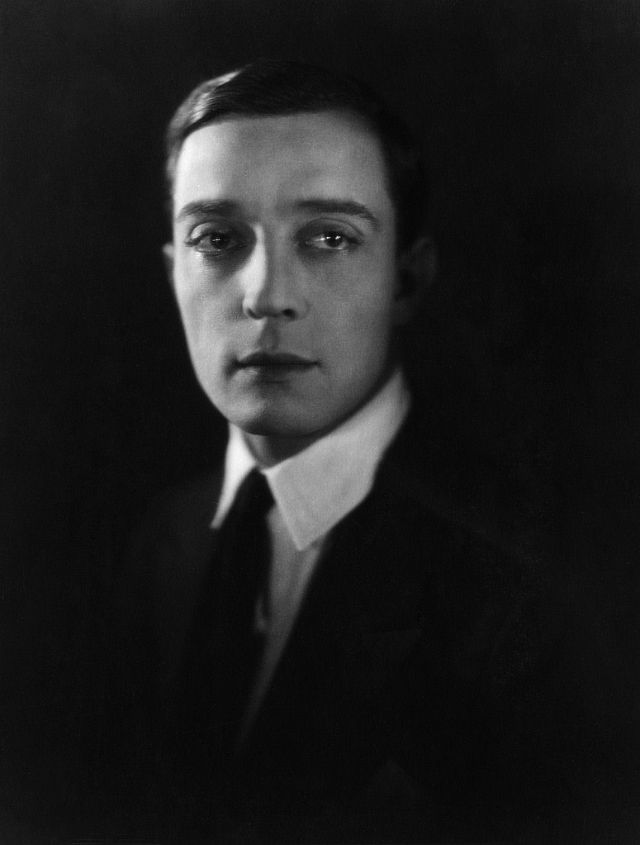
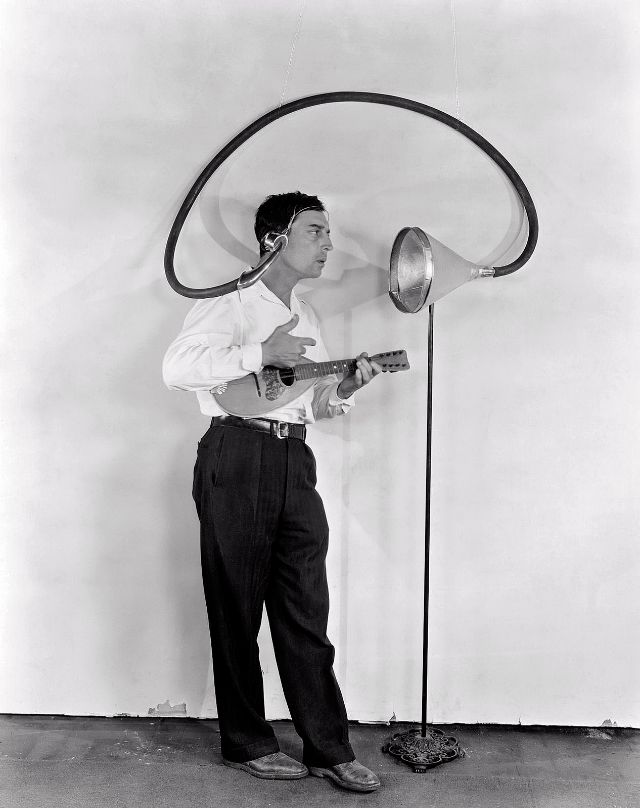
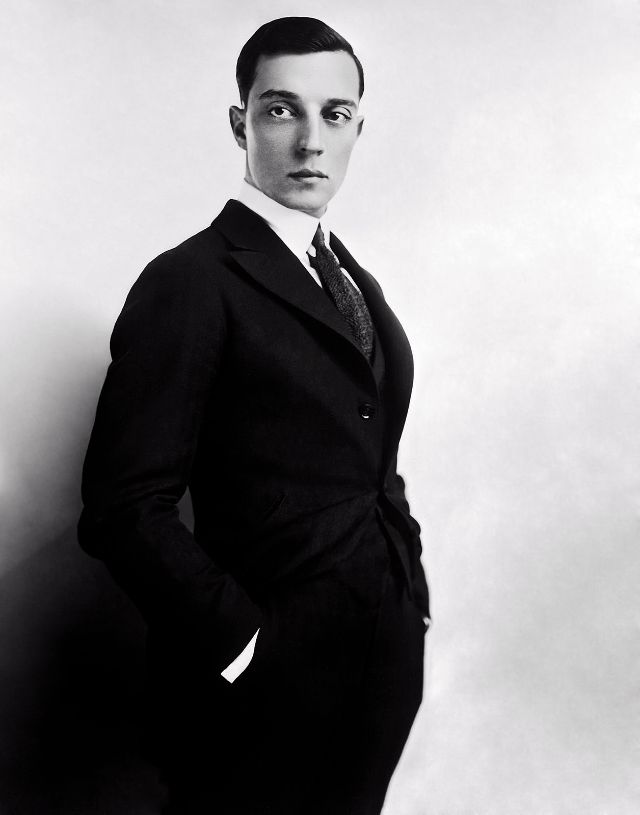
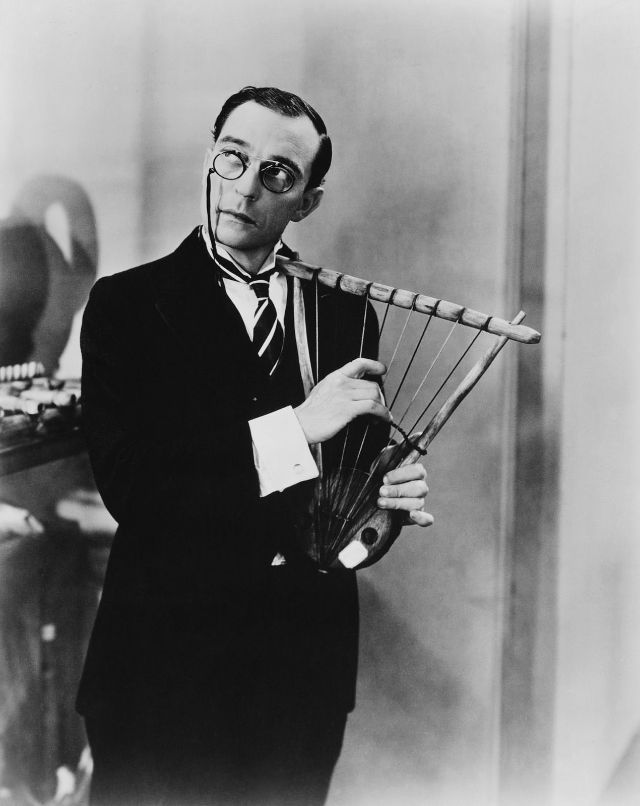
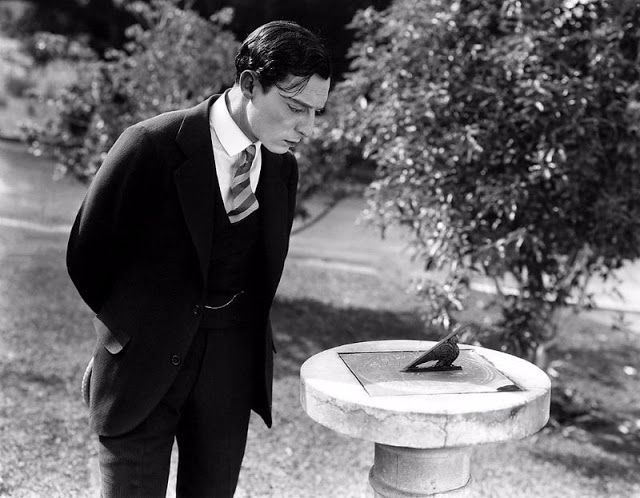
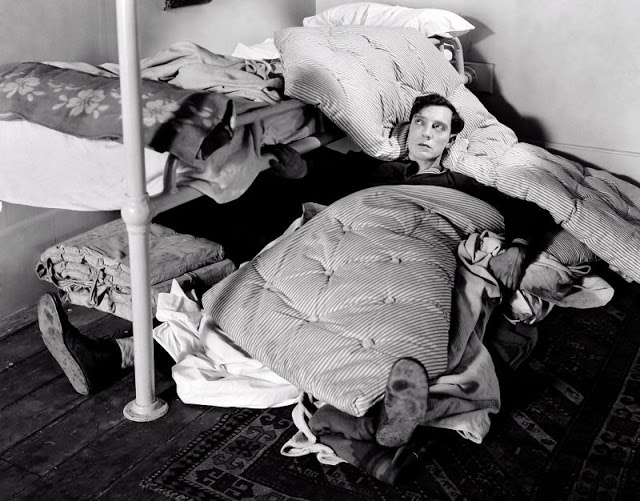
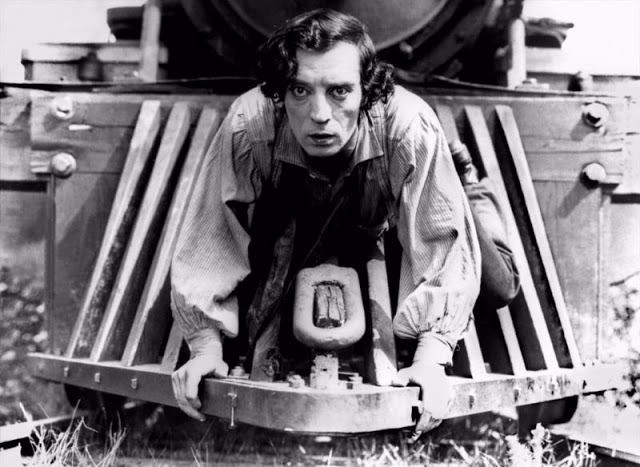
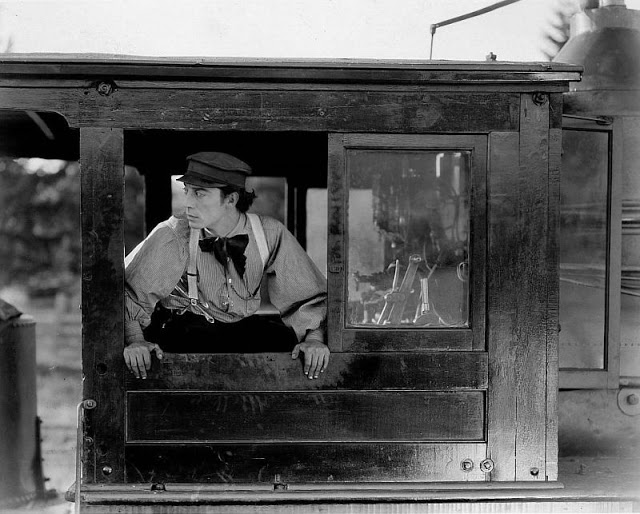
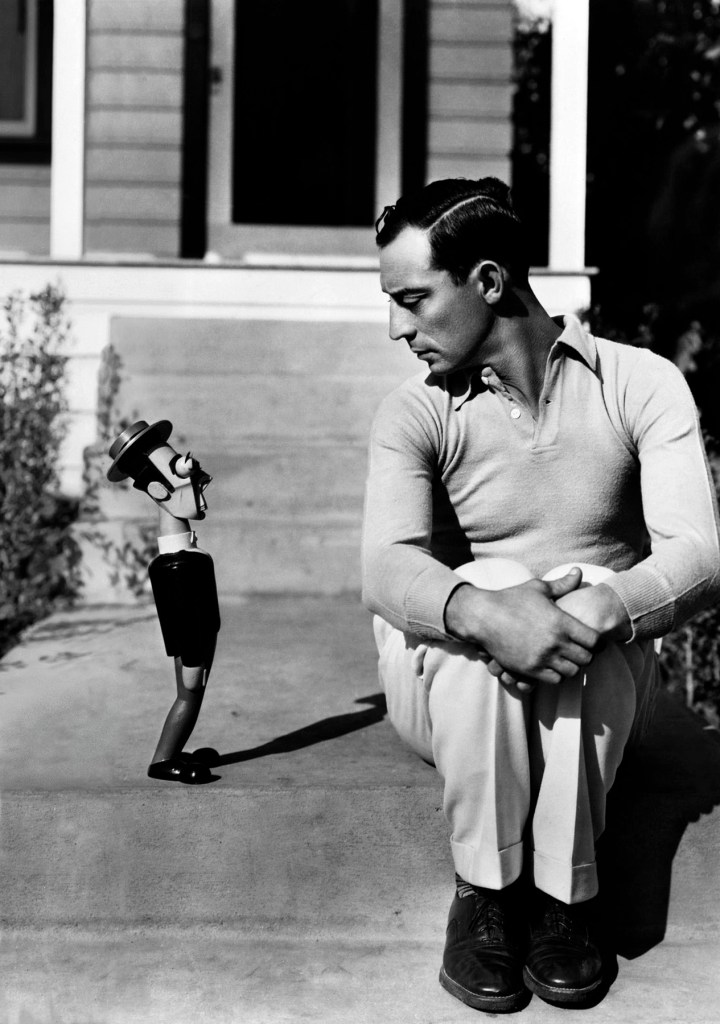
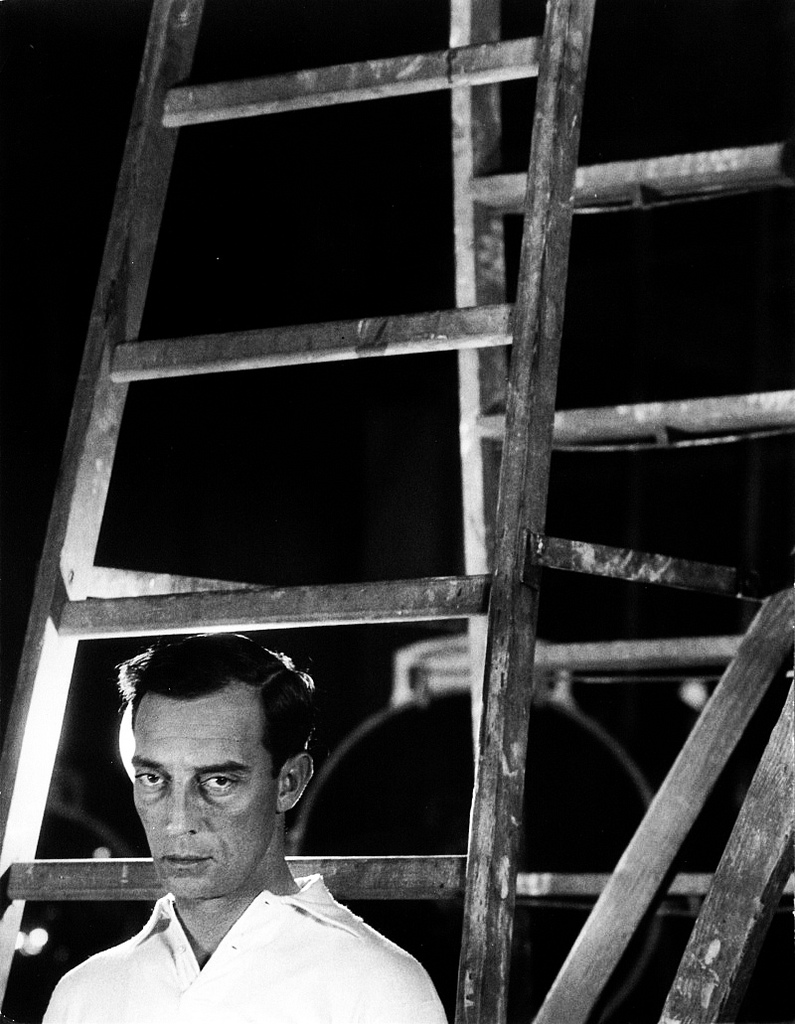
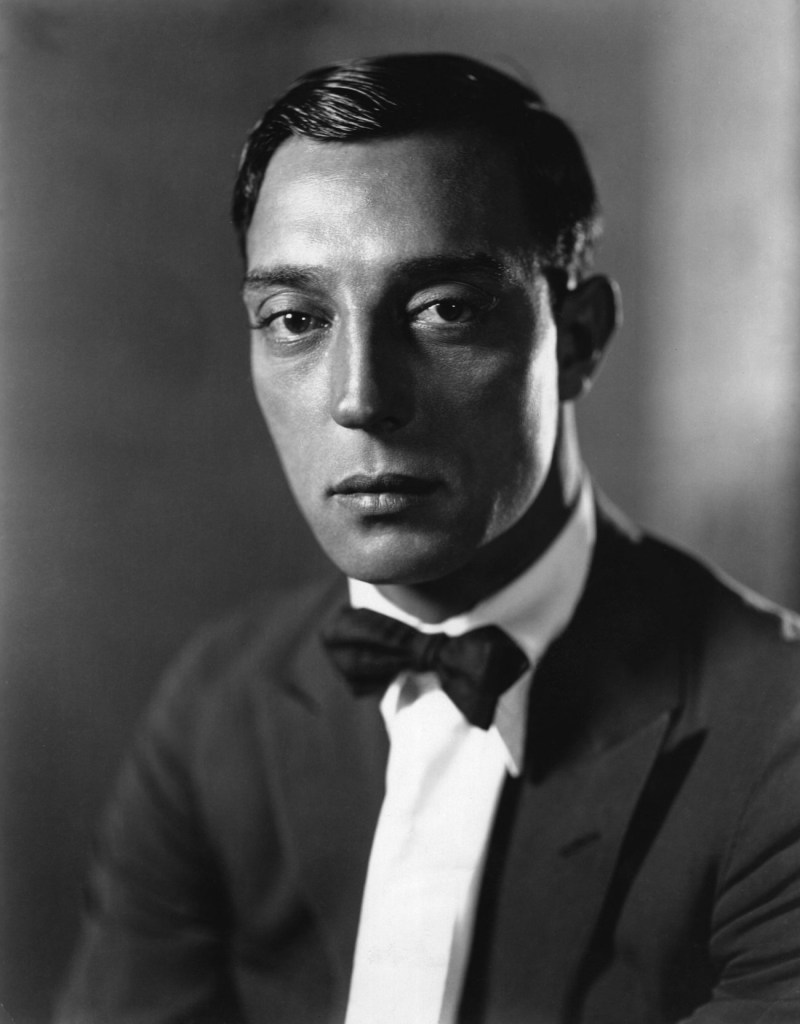
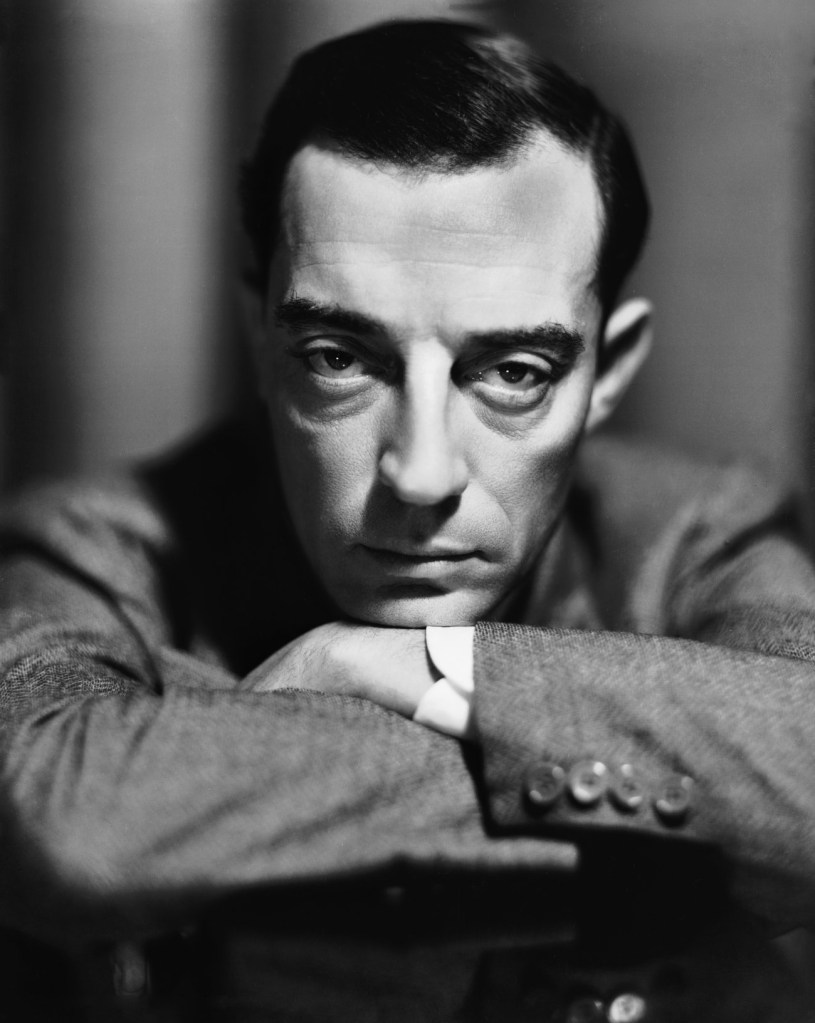
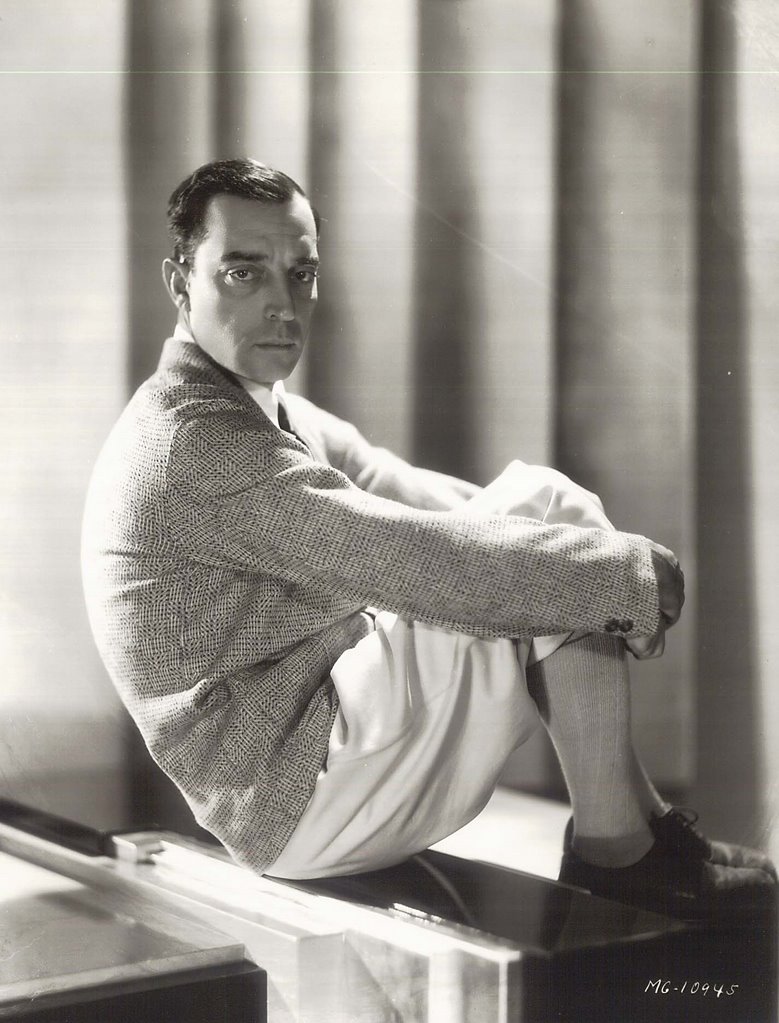
Joseph Frank “Buster” Keaton (October 4, 1895 – February 1, 1966)[1] was an American actor, comedian, and filmmaker.[2] He is best known for his silent films, in which his trademark was physical comedy with a consistently stoic, deadpan expression that earned him the nickname “The Great Stone Face”.[3][4] Critic Roger Ebert wrote of Keaton’s “extraordinary period from 1920 to 1929” when he “worked without interruption” as having made him “the greatest actor-director in the history of the movies”.[4] In 1996, Entertainment Weekly recognized Keaton as the seventh-greatest film director,[5] and in 1999 the American Film Institute ranked him as the 21st-greatest male star of classic Hollywood cinema.[6]
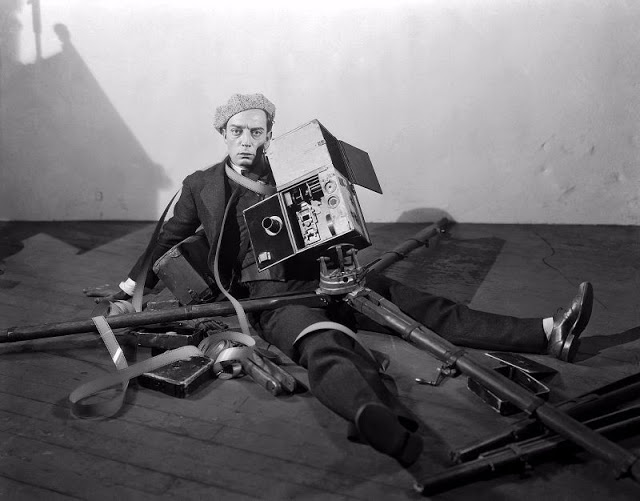
Working with independent producer Joseph M. Schenck, Keaton made a series of successful two-reel comedies in the early 1920s, including One Week (1920), The Playhouse (1921), Cops (1922), and The Electric House (1922). He then moved to feature-length films; several of them, such as Sherlock Jr. (1924), The General (1926), and The Cameraman (1928), remain highly regarded.[7] The General is widely viewed as his masterpiece: Orson Welles considered it “the greatest comedy ever made…and perhaps the greatest film ever made”.[8][9][10][11] His career declined when he signed with Metro-Goldwyn-Mayer and lost his artistic independence. His wife divorced him, and he descended into alcoholism. He recovered in the 1940s, remarried, and revived his career as an honored comic performer for the rest of his life, earning an Academy Honorary Award in 1959.
On May 31, 1921, Keaton married Natalie Talmadge, his leading lady in Our Hospitality, and the sister of actresses Norma Talmadge (married to his business partner Joseph M. Schenck at the time) and Constance Talmadge, at Norma’s home in Bayside, Queens. They had two sons: Joseph, called James[58] (June 2, 1922 – February 14, 2007),[59] and Robert (February 3, 1924 – July 19, 2009).[60]
After Robert’s birth, the marriage began to suffer.[14] Talmadge decided not to have any more children, banishing Keaton to a separate bedroom; he dated actresses Dorothy Sebastian, and Kathleen Key during this period.[61] Natalie’s extravagance was another factor, spending up to a third of her husband’s earnings. No penny-pincher himself, Keaton hired Gene Verge Sr. in 1926 to build a 10,000-square-foot (930 m2) estate in Beverly Hills for $300,000, which was later owned by James Mason and Cary Grant.[62] After attempts at reconciliation, she divorced him in 1932, and changed the boys’ surname to “Talmadge”.[63] On July 1, 1942, the now-18 year old Robert and the now-20 year old Joseph made the name change permanent after their mother won a court petition.[64]
With the failure of his marriage and the loss of his independence as a filmmaker, Keaton descended into alcoholism.[14] He was briefly institutionalized, according to the Turner Classic Movies documentary So Funny it Hurt. He escaped a straitjacket with tricks learned from Harry Houdini. In 1933, he married his nurse Mae Scriven during an alcoholic binge about which he afterwards claimed to remember nothing. Scriven claimed that she didn’t know Keaton’s real first name until after the marriage. She filed for divorce in 1935 after finding him with Leah Clampitt Sewell, the wife of millionaire Barton Sewell,[65] in a hotel in Santa Barbara. They divorced in 1936[66] at great financial cost to Keaton.[67] After undergoing aversion therapy, he stopped drinking for five years.[68]
On May 29, 1940, Keaton married Eleanor Norris, who was 23 years his junior. She has been credited with salvaging his life and career.[69] The marriage lasted until his death. Between 1947 and 1954, the couple appeared regularly in the Cirque Medrano in Paris as a double act. She came to know his routines so well that she often participated in them on television revivals.
Keaton died of lung cancer on February 1, 1966, aged 70, in Woodland Hills, California.[70] Despite being diagnosed with cancer in January 1966, he was never told he was terminally ill. Keaton thought that he was recovering from a severe case of bronchitis. Confined to a hospital during his final days, Keaton was restless and paced the room endlessly, desiring to return home. In a British television documentary about his career, his widow Eleanor told producers from Thames Television that Keaton was up out of bed and moving around, and even played cards with friends who came to visit the day before he died.[71] He was buried at Forest Lawn Memorial Park Cemetery in Hollywood Hills, California. (Wikipedia)
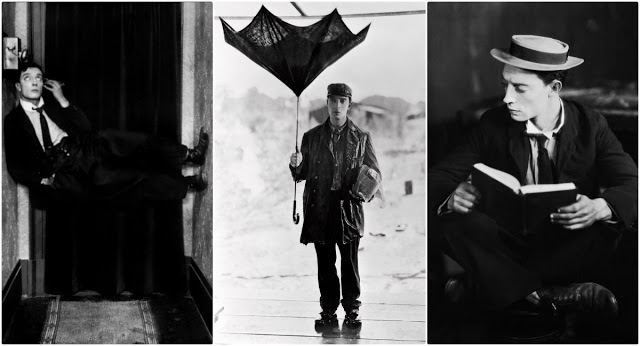
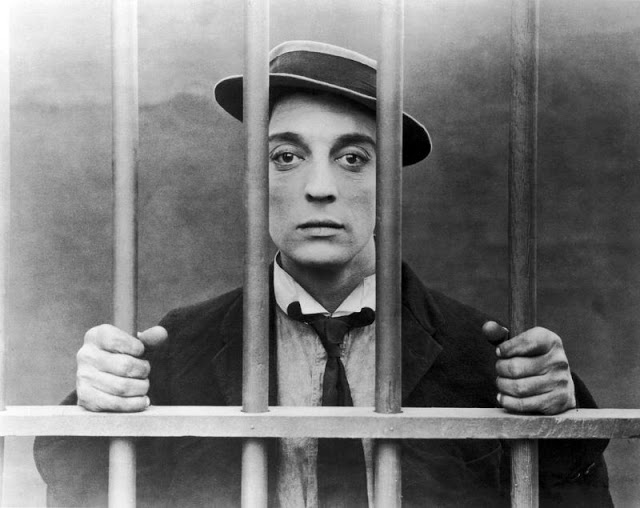
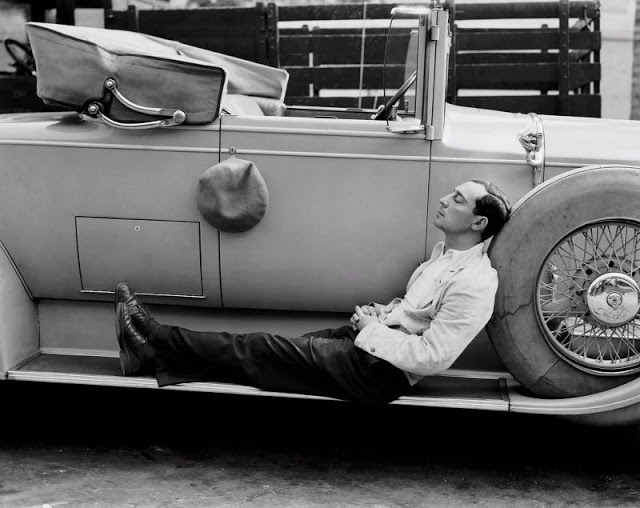
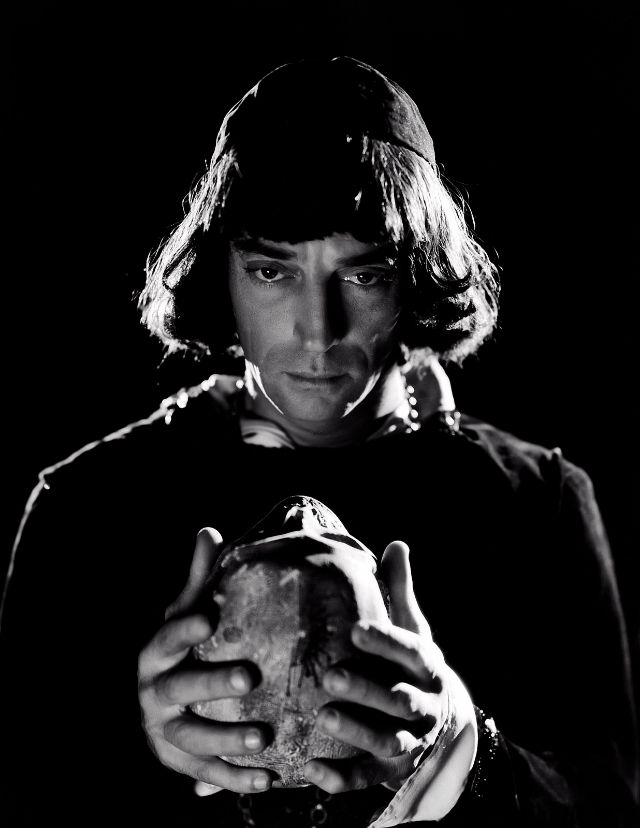
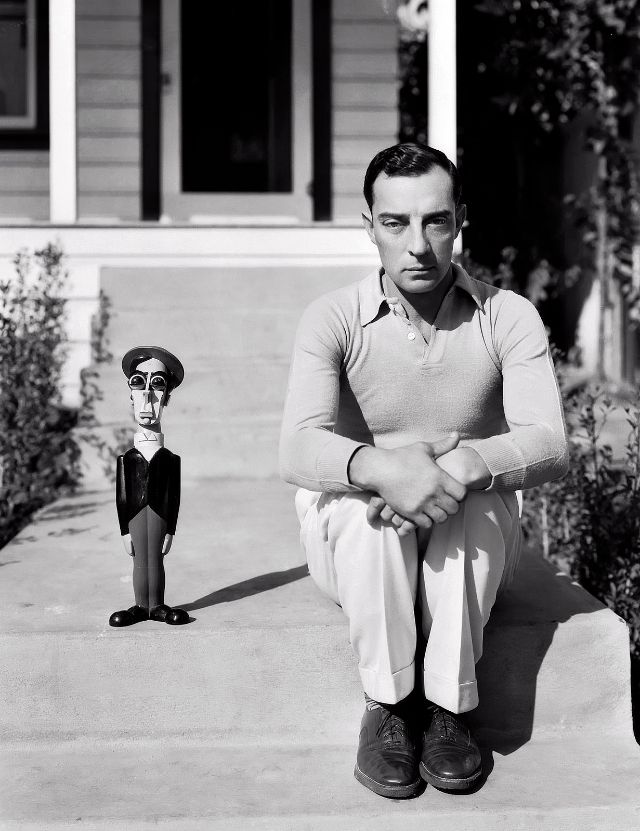
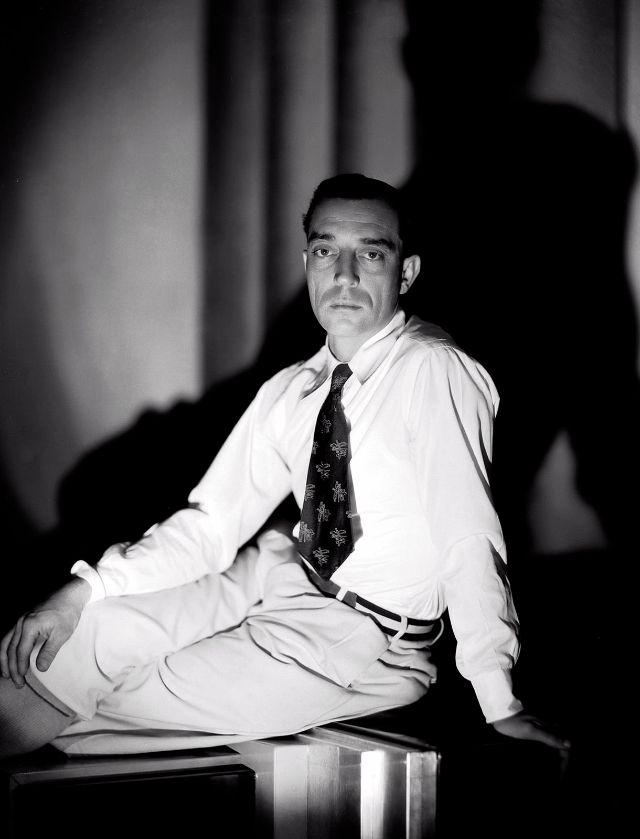
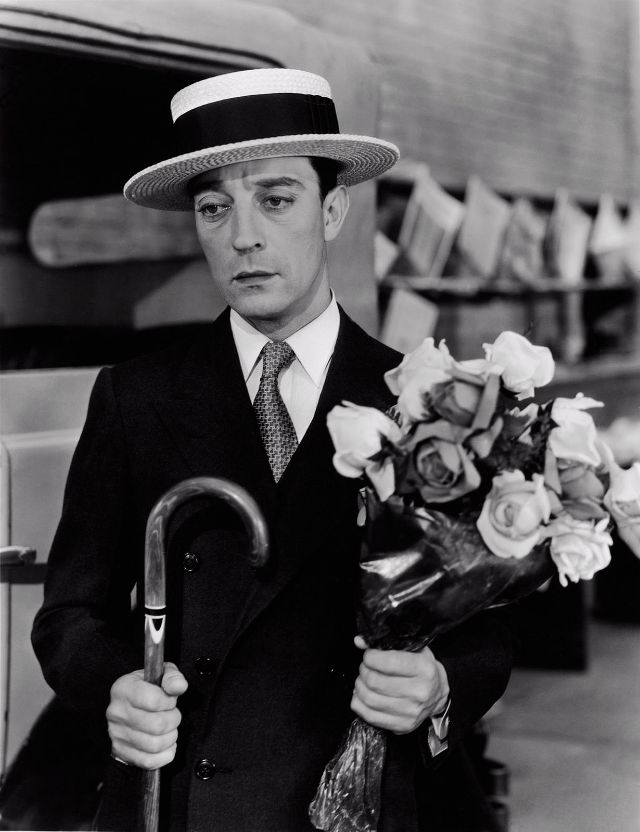
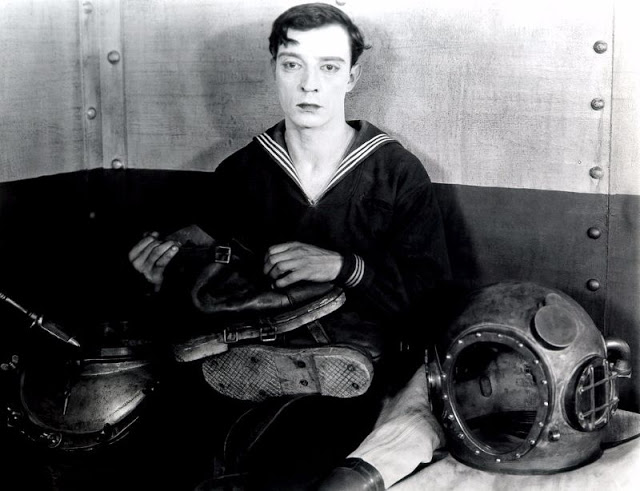
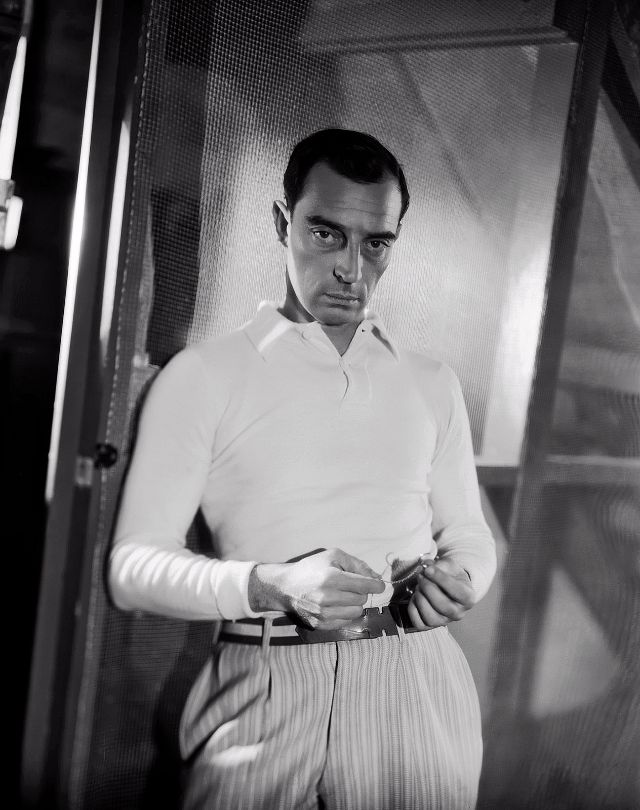
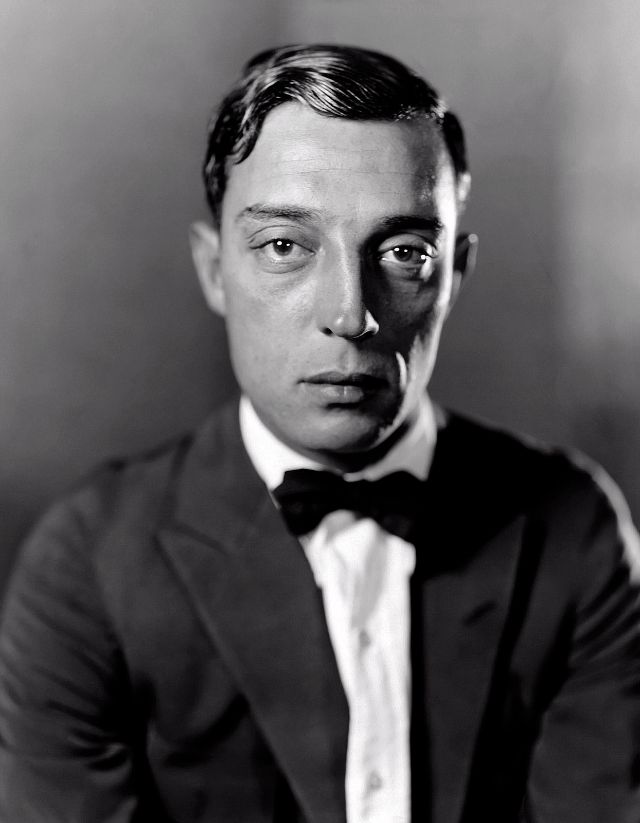
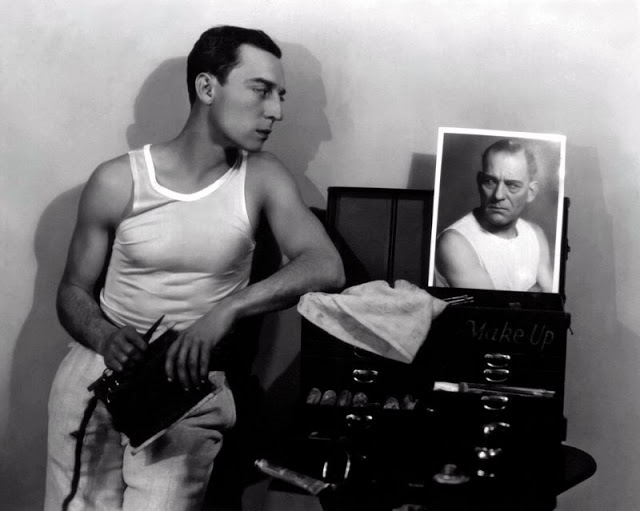
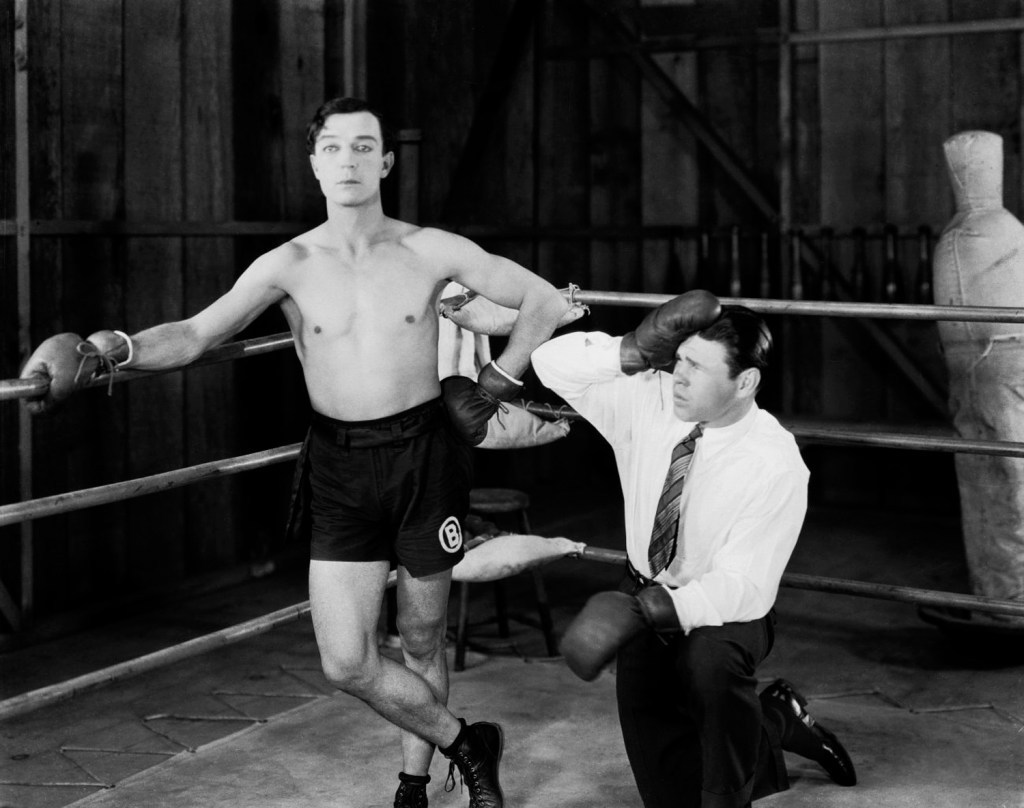
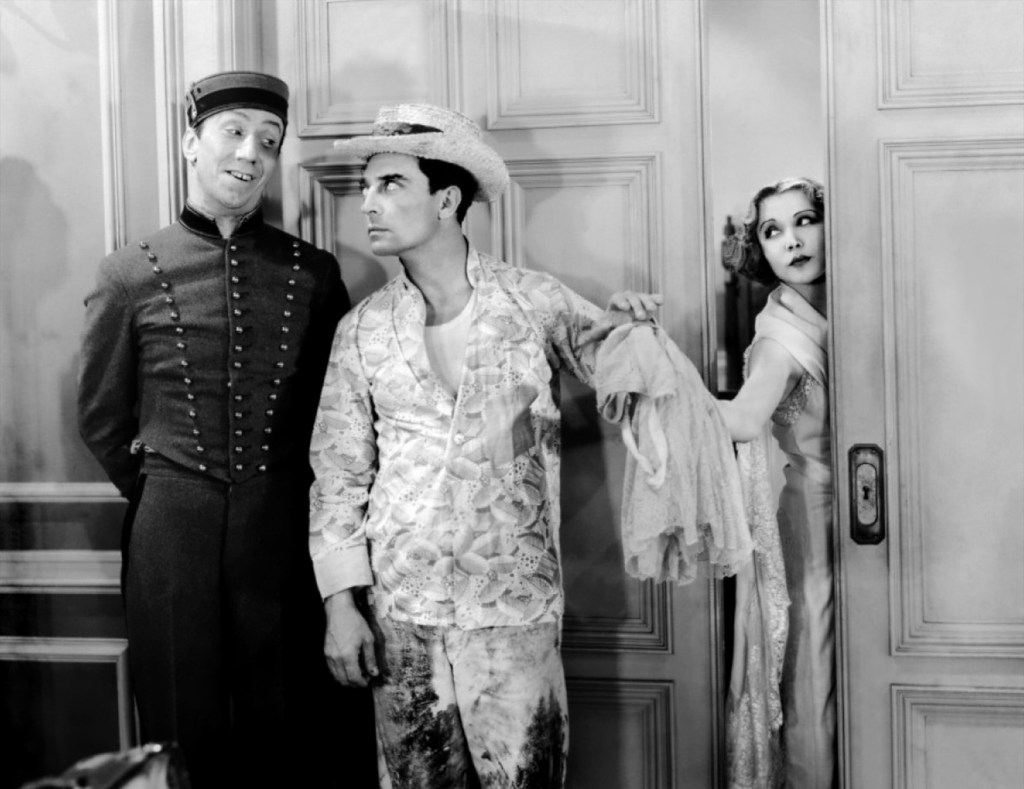
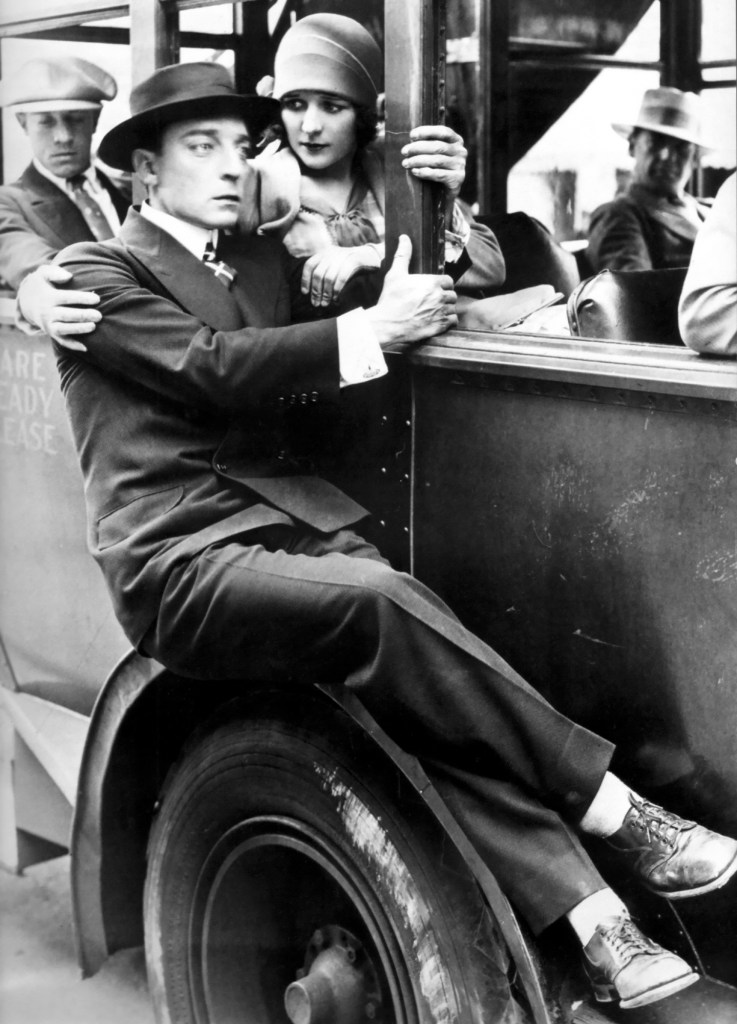
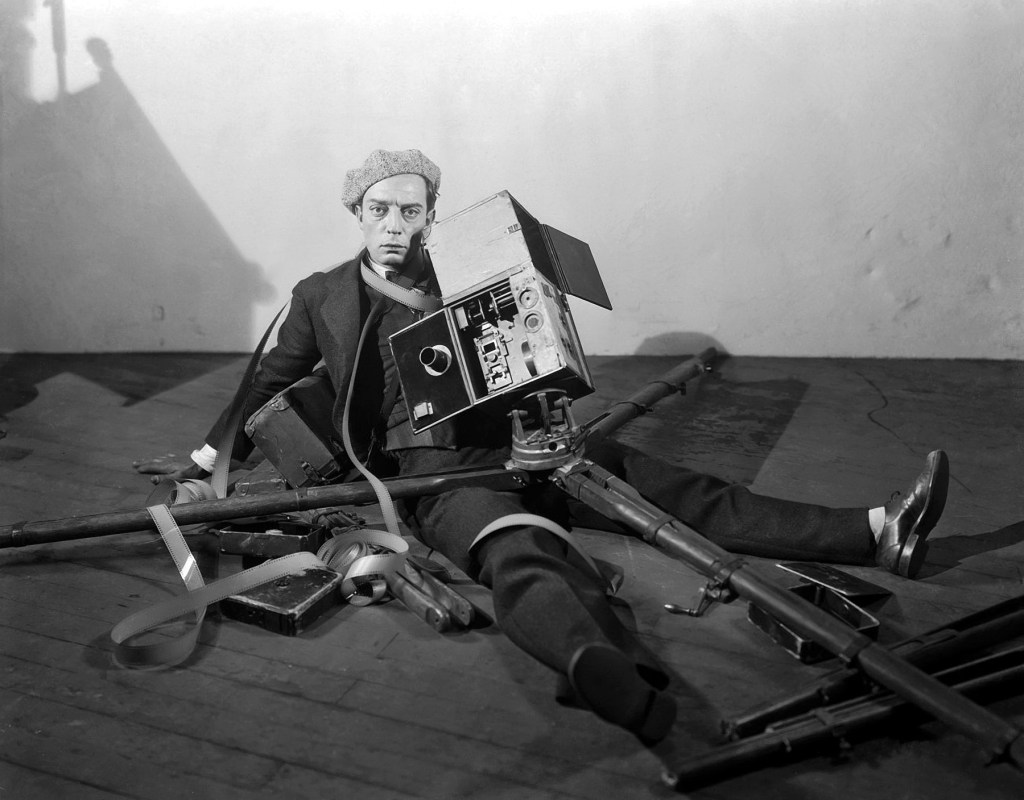
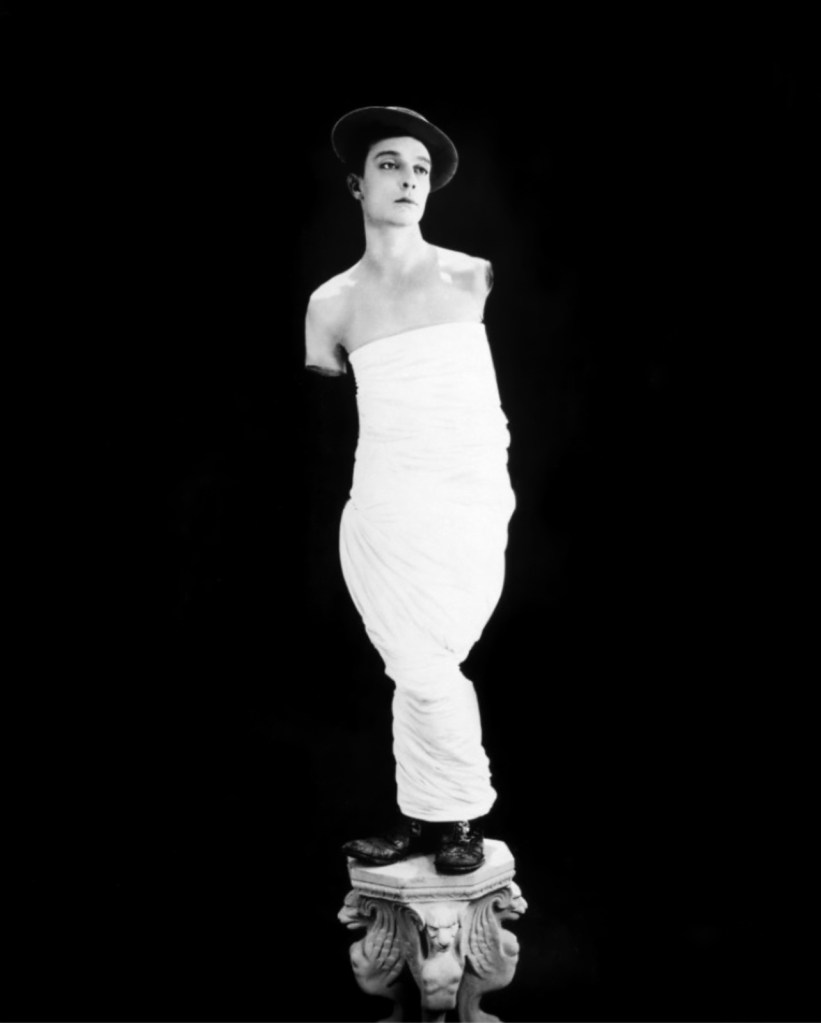
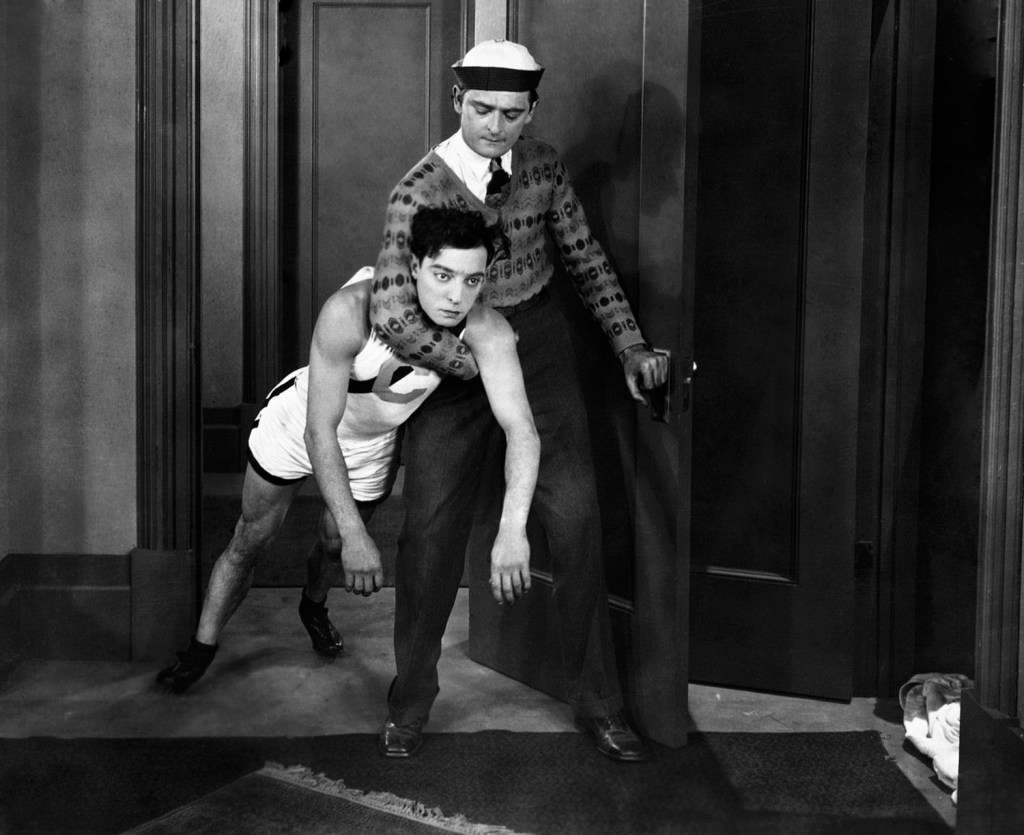
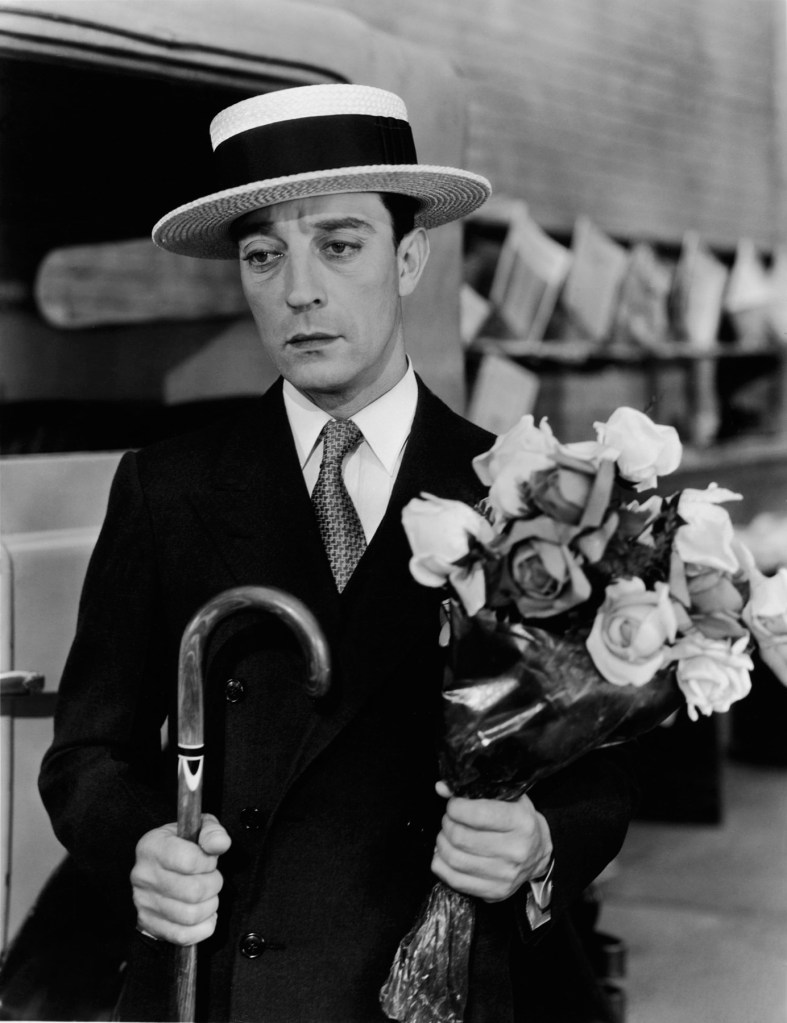
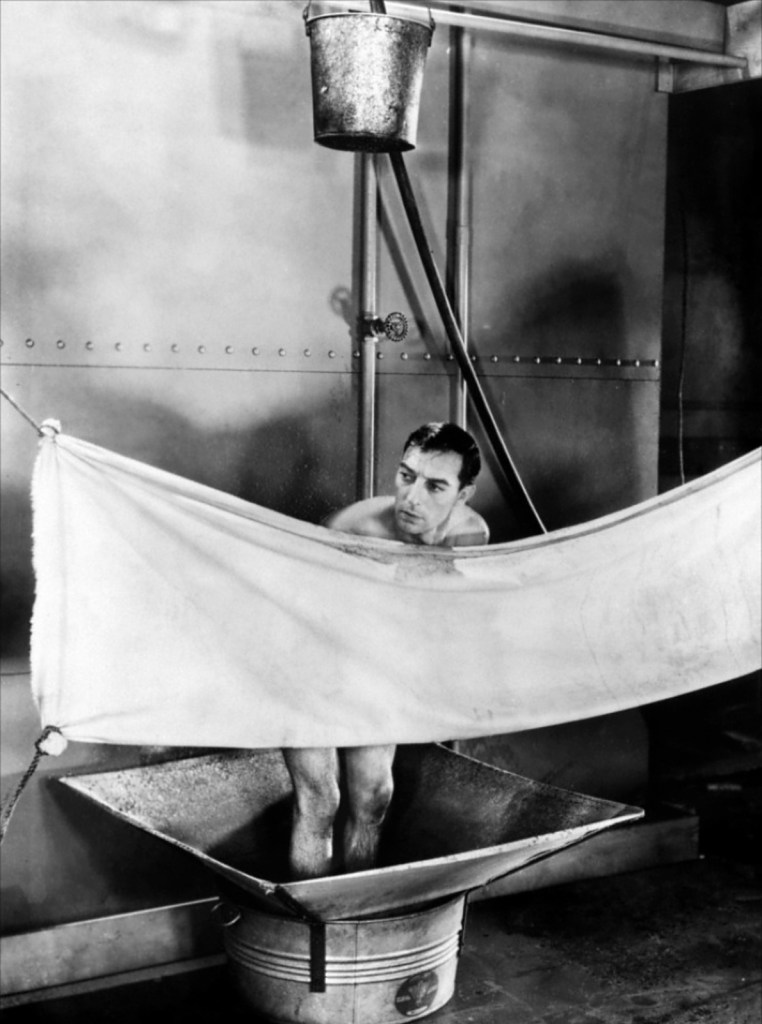
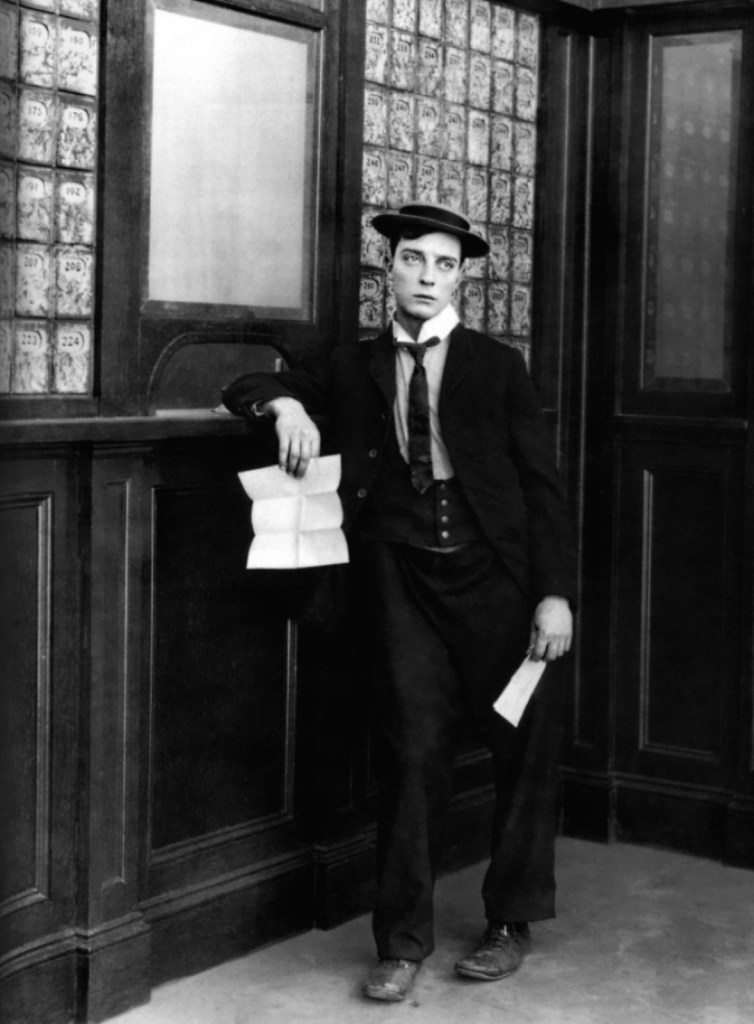
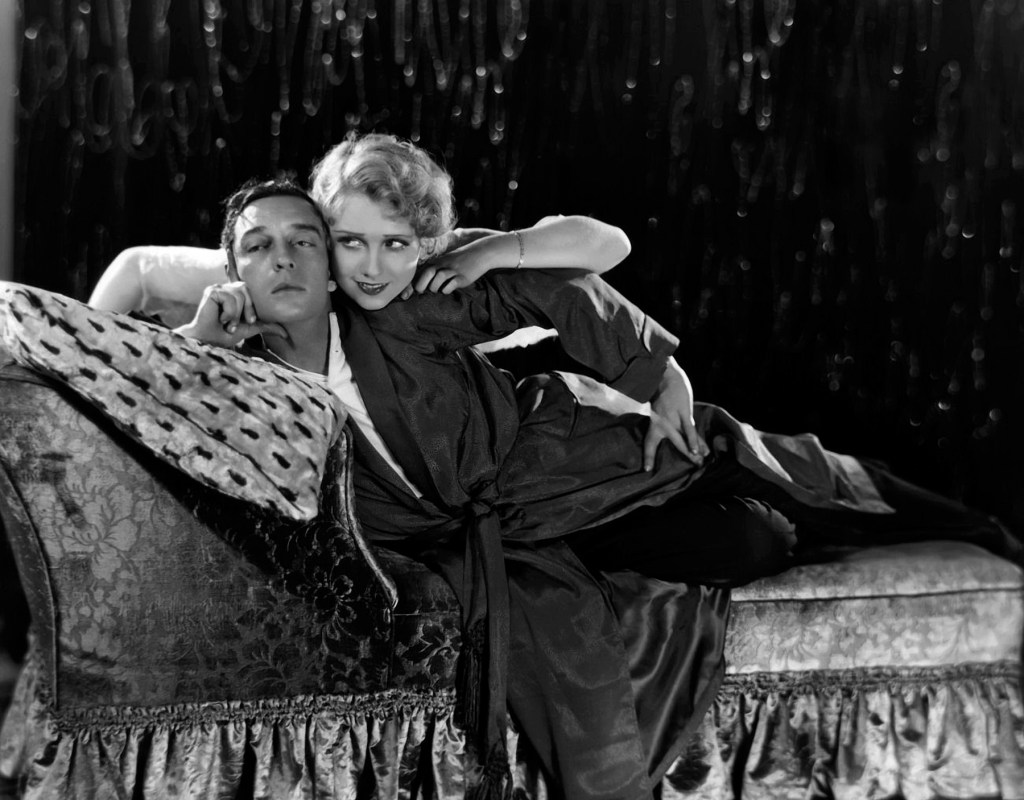
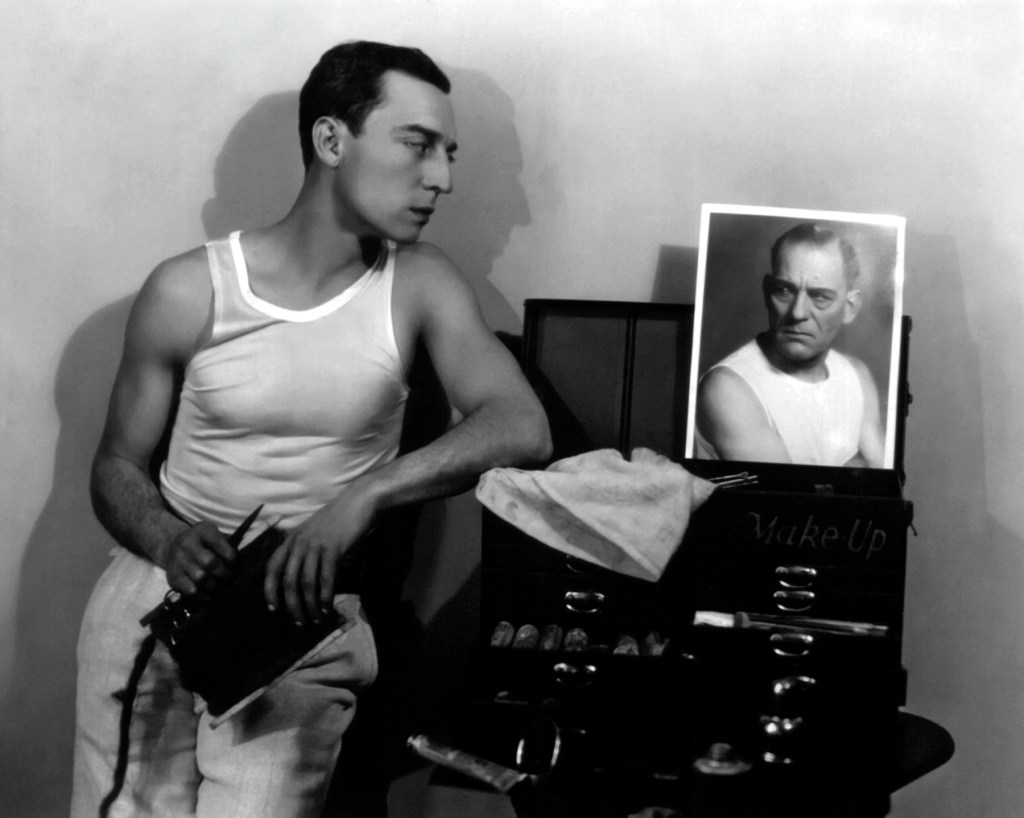
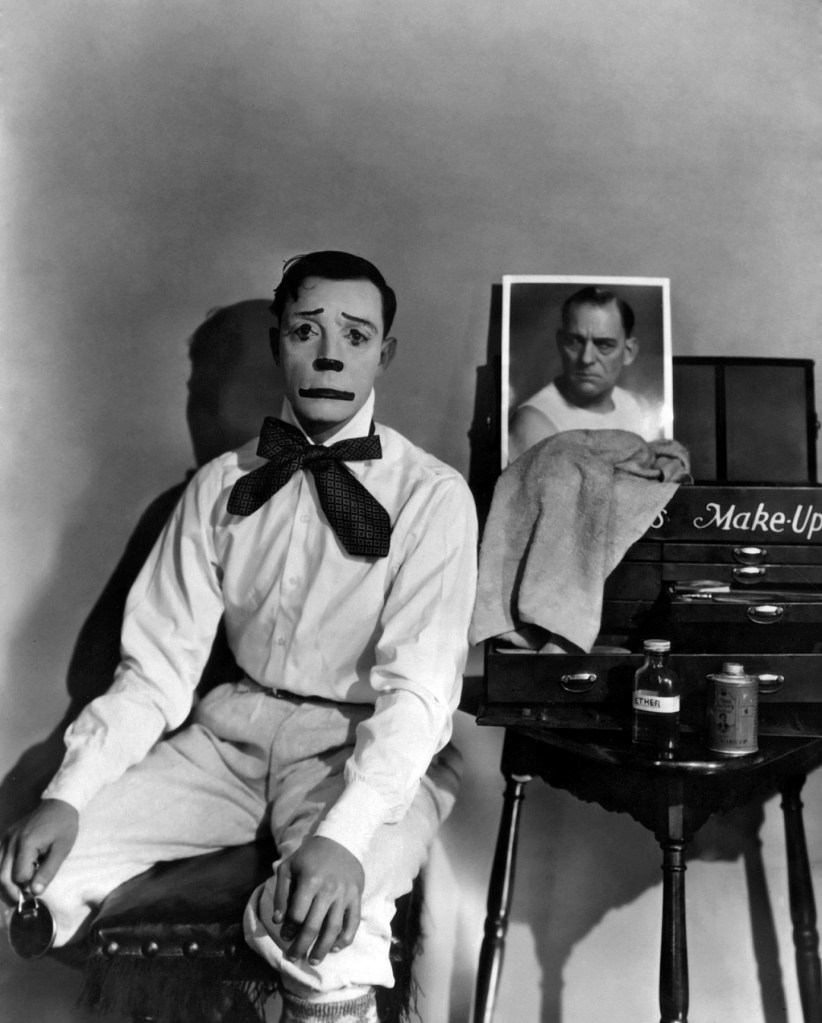
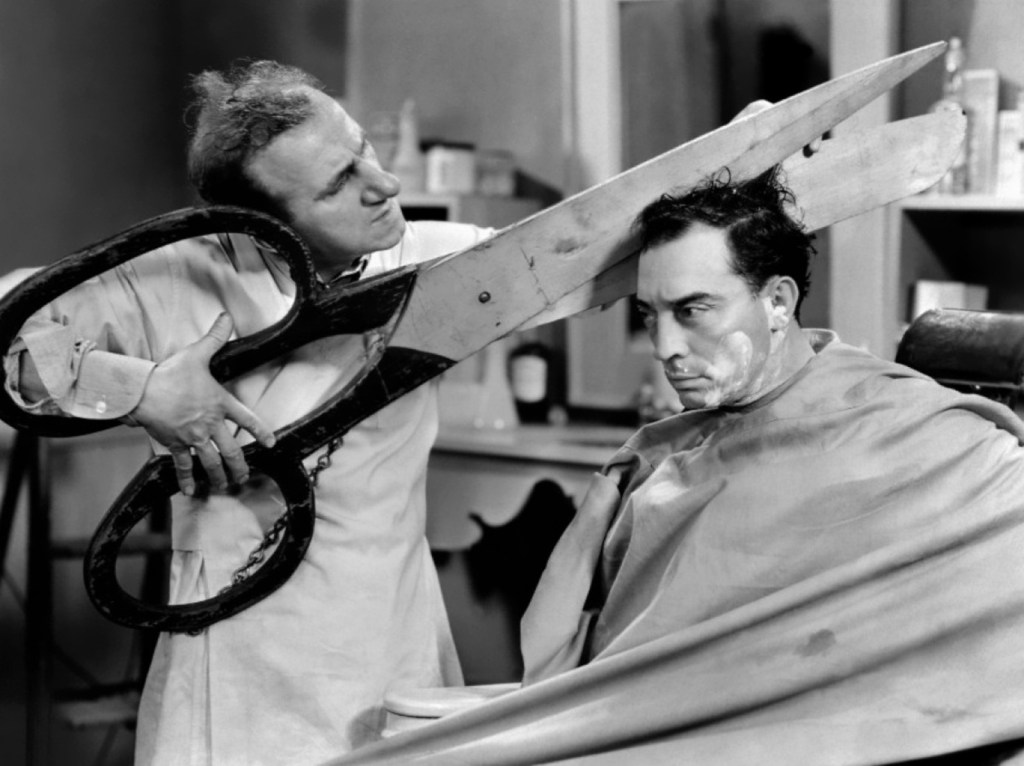
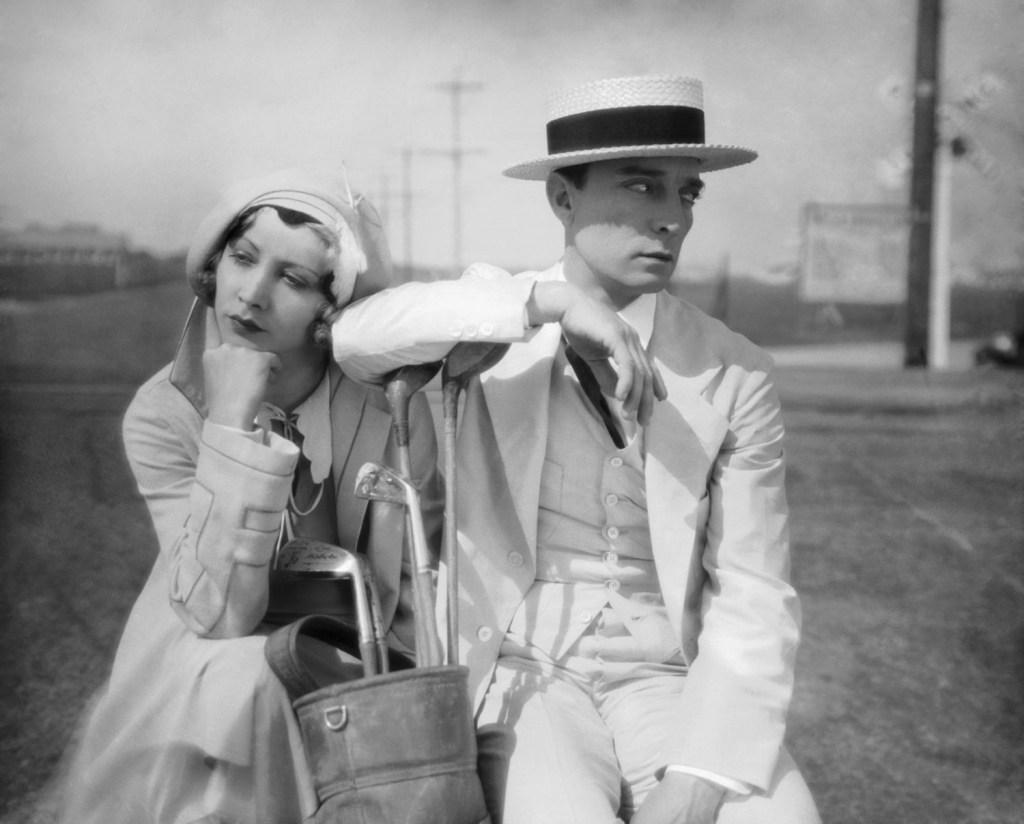
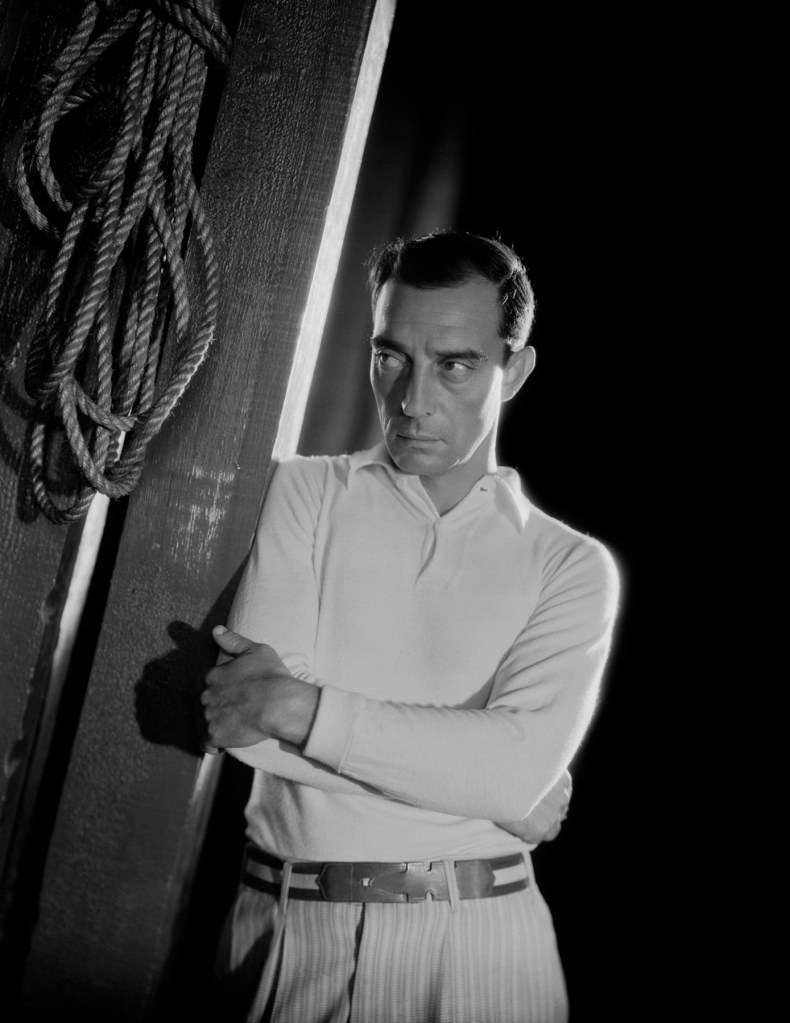
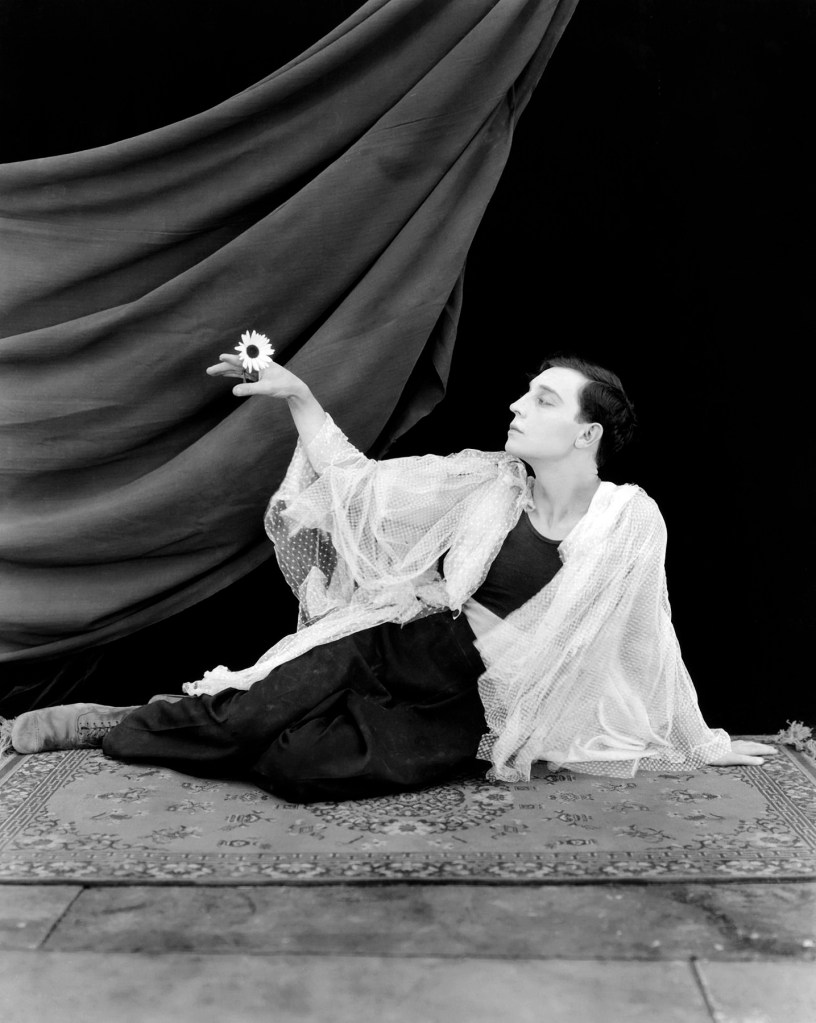
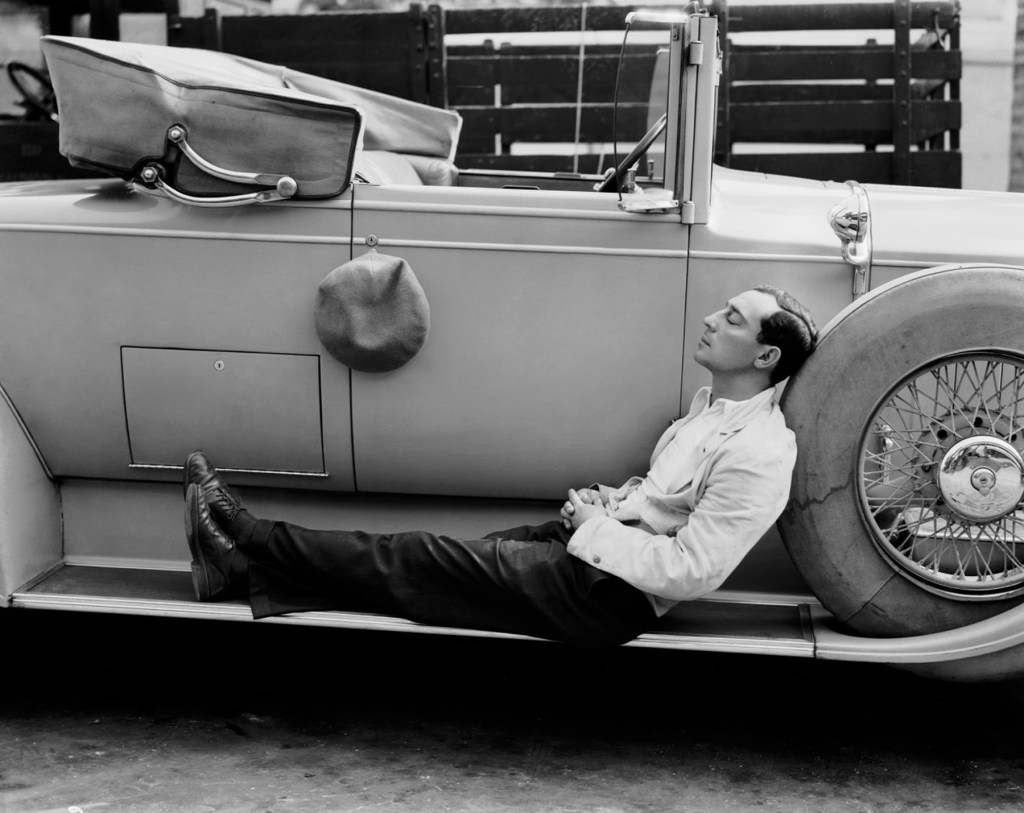
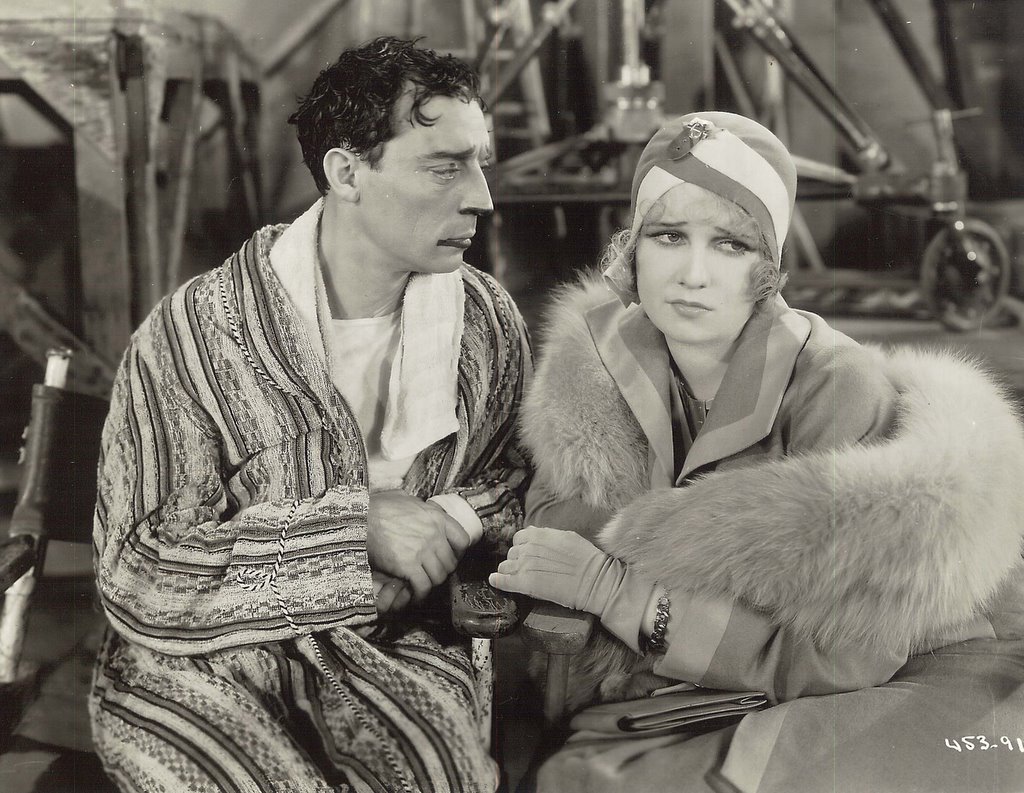
1926: American comedian Buster Keaton (1895-1966) in the boxing ring with a confused looking trainer in his latest film ‘Battling Butler’.1927: An actor carries Buster Keaton, in the role of Ronald, in the 1927 movie College.1930: American silent-era comedian Buster Keaton (1895 – 1966) is dressed in a suit and boater hat carrying a cane and a bouquet of flowers with a sad expression on his face in this film still from the motion picture ‘Doughboys’.1930: Buster Keaton and actress Anita Page around the time of their appearance in the movie Free and Easy.American comic actor Buster Keaton (1895 – 1966) originally Joseph Francis Keaton, engages in a staring match with a photograph of Lon Chaney as he prepares to apply his make-up. (Photo by Ruth Harriet Louise)1927: American comic film actor and director Buster Keaton (1895 – 1966) made up as a clown, with a photograph of Lon Chaney behind him. (Photo by Ruth Harriet Louise)17th March 1931: Buster Keaton (1895 – 1966) and Charlotte Greenwood (1890 – 1978) guard their golf clubs in the comedy ‘Parlor, Bedroom and Bath’, directed by Edward Sedgwick. The film is alternatively titled ‘Romeo in Pyjamas’.1931: American silent screen comedian and actor Buster Keaton (1895-1966). (Photo by Clarence Sinclair Bull)c. 1925: Actor Buster Keaton in Costume17th December 1930: American silent screen comedian and actor Buster Keaton (1895-1966), known as ‘The King of Deadpan’ sits beside a model resembling himself.20th October 1930: American silent screen comedian and actor Buster Keaton (1895-1966) is overcome with exhaustion on the side of a convertible motor.circa 1928: American silent screen comedian and actor Buster Keaton (1895-1966) reclines with a deadpan expression.
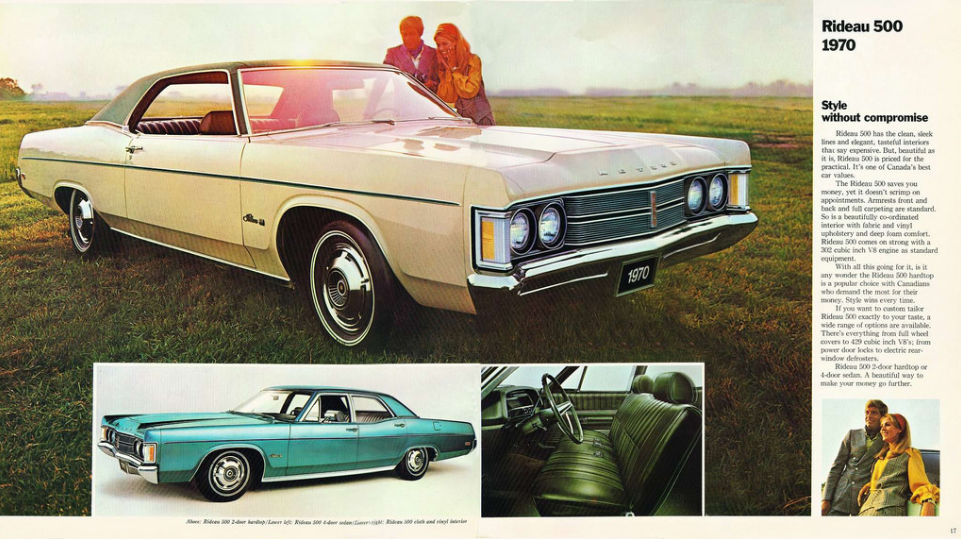
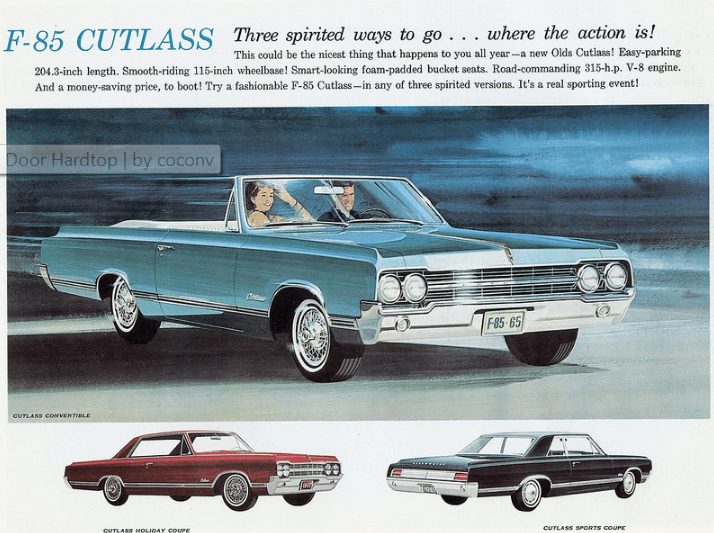
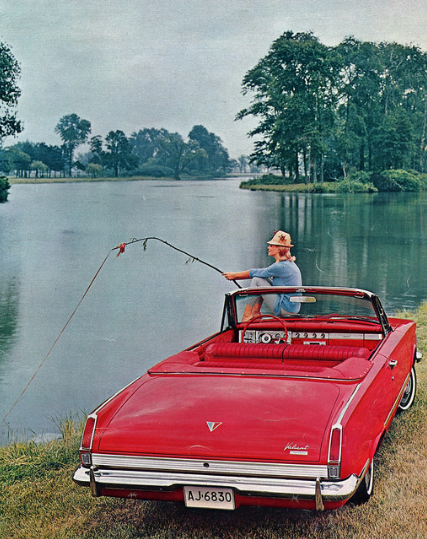
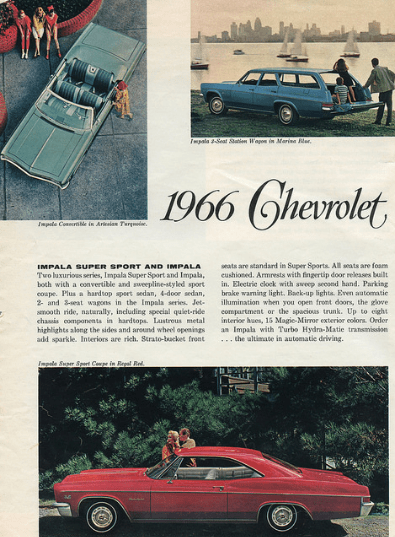
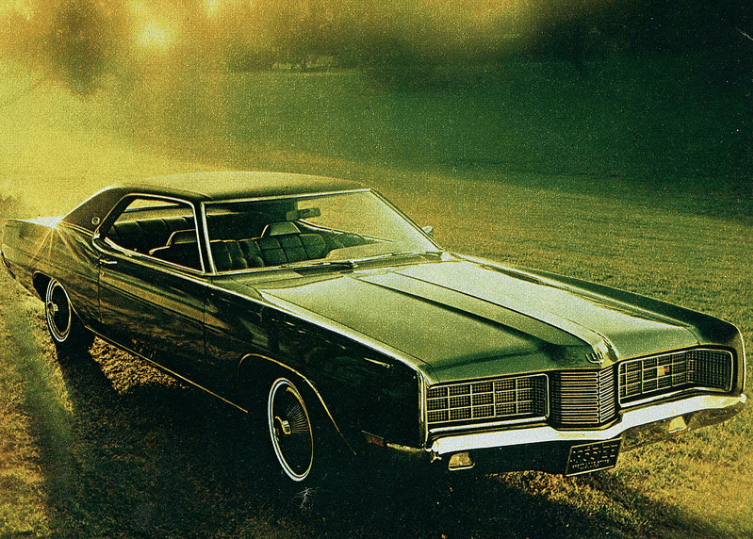
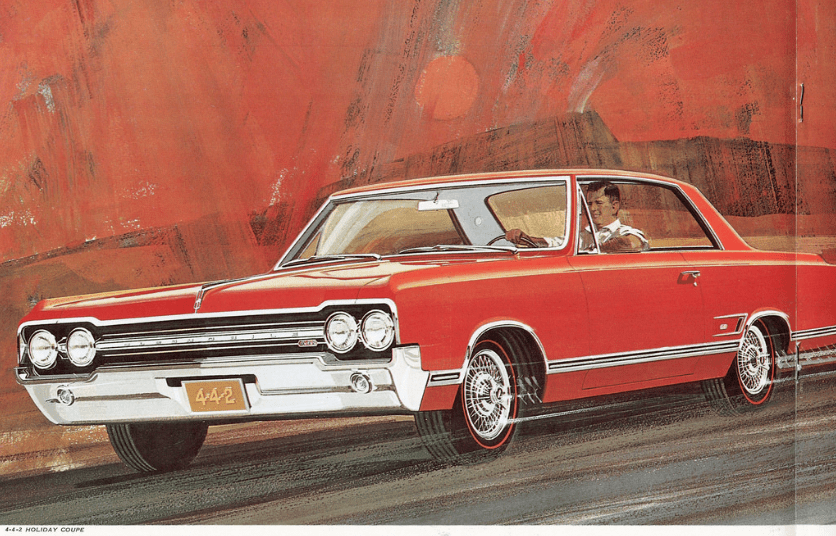
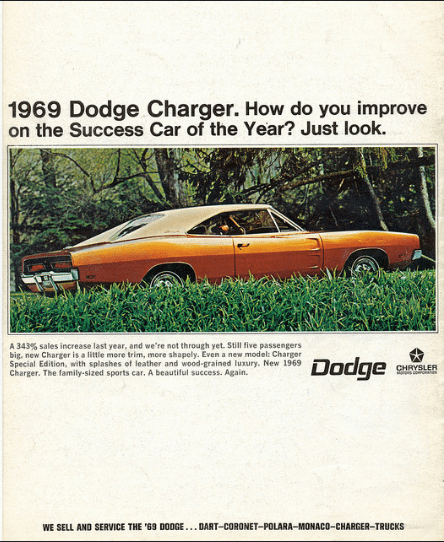
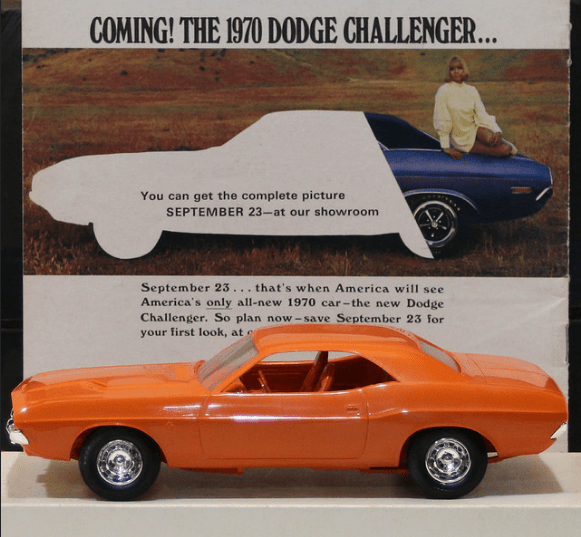
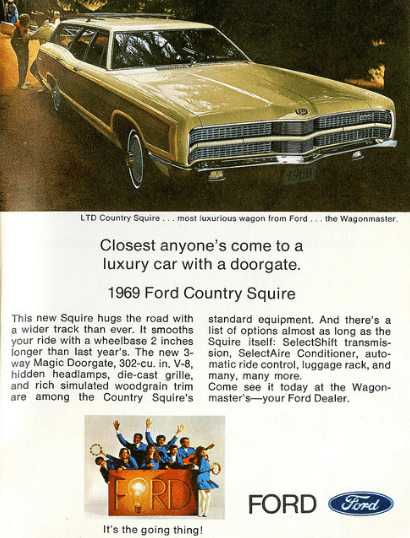
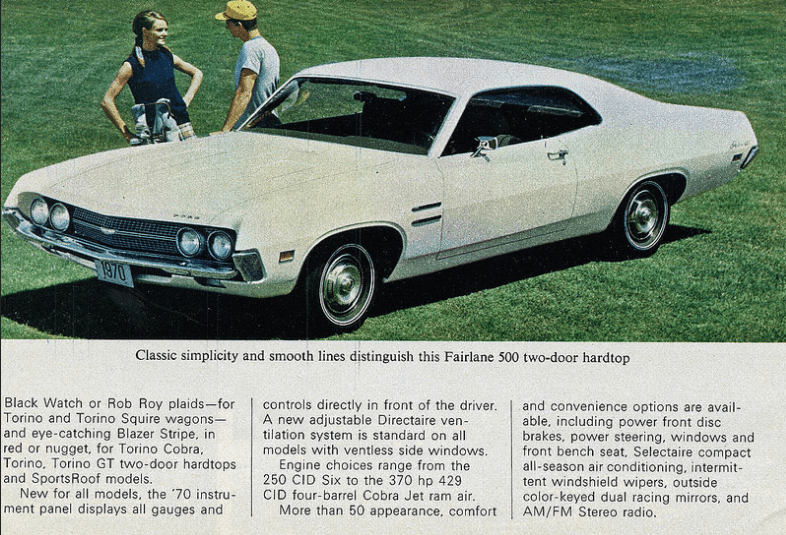
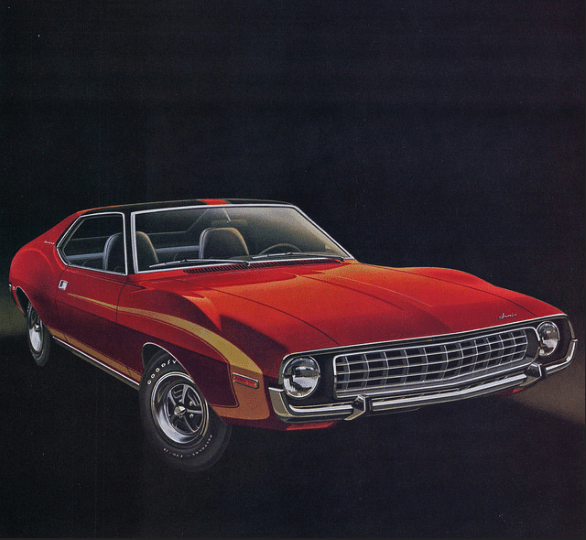
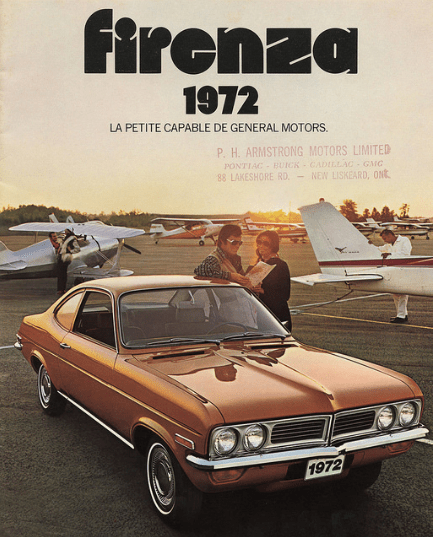
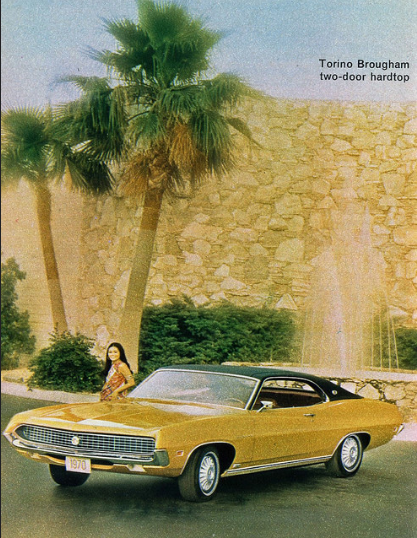
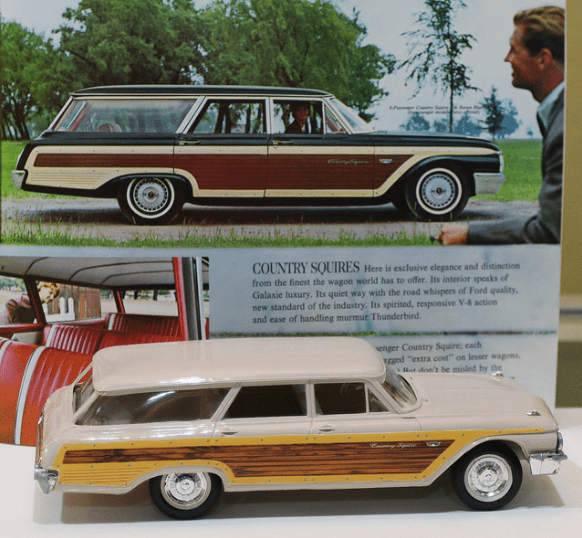
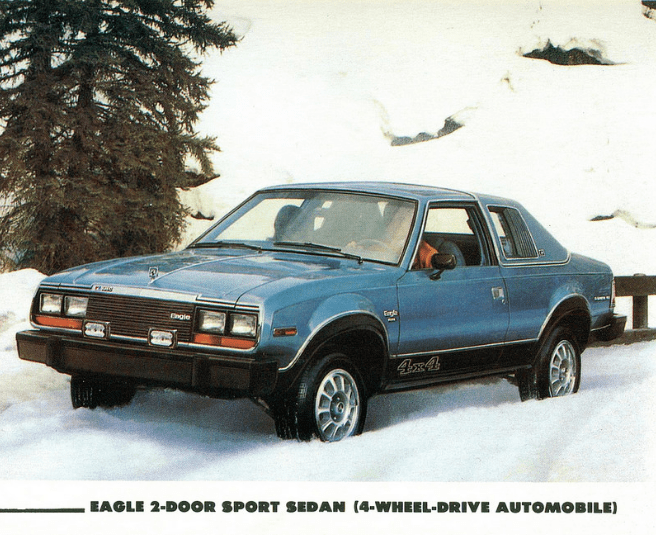
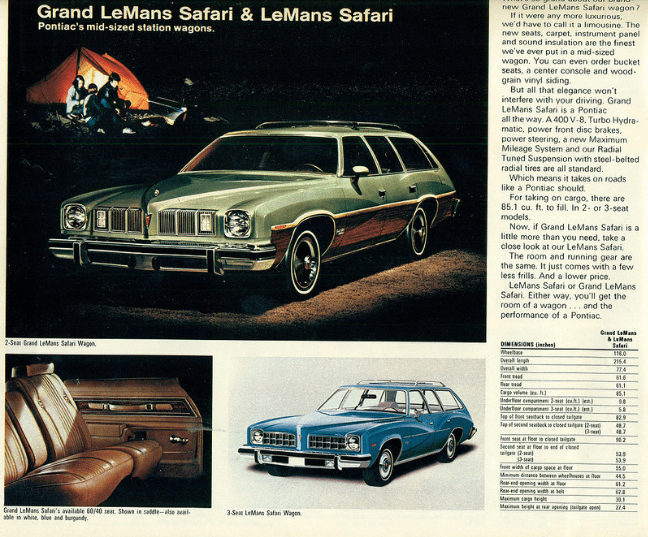
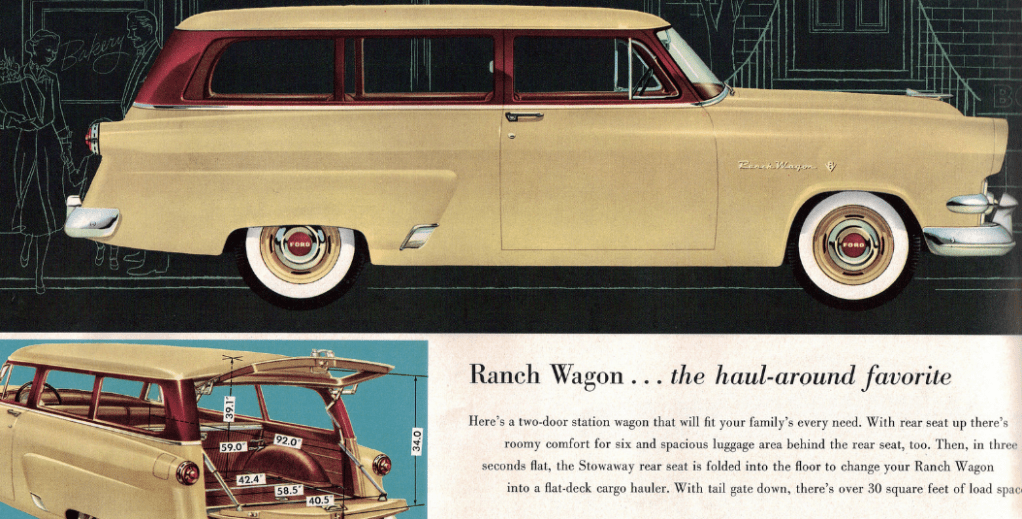
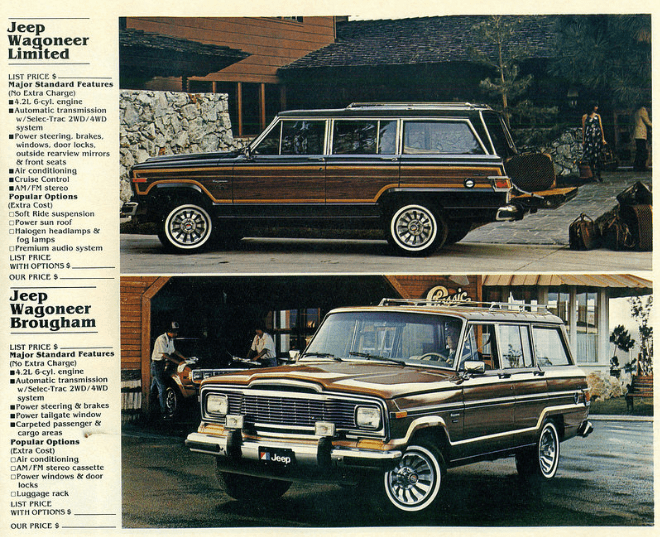
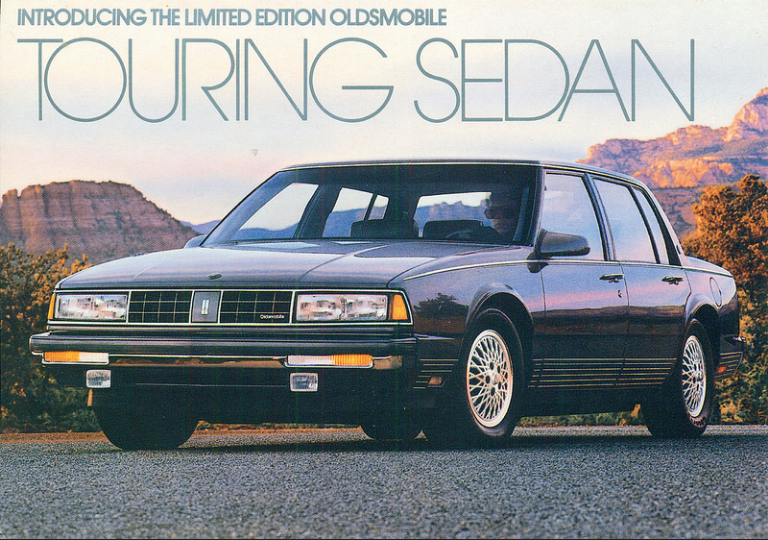
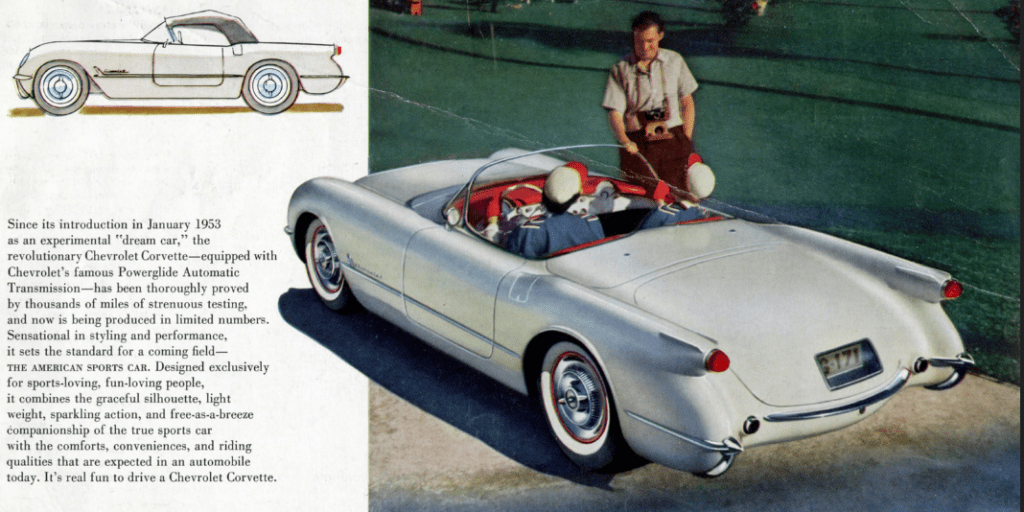
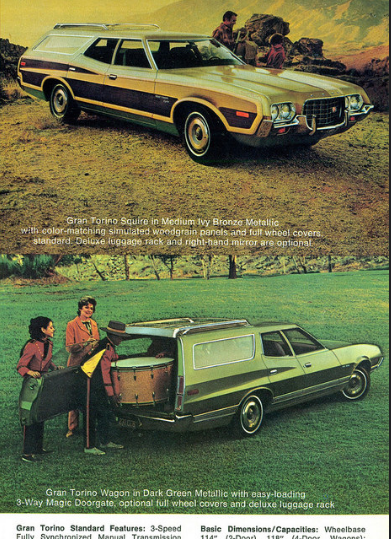
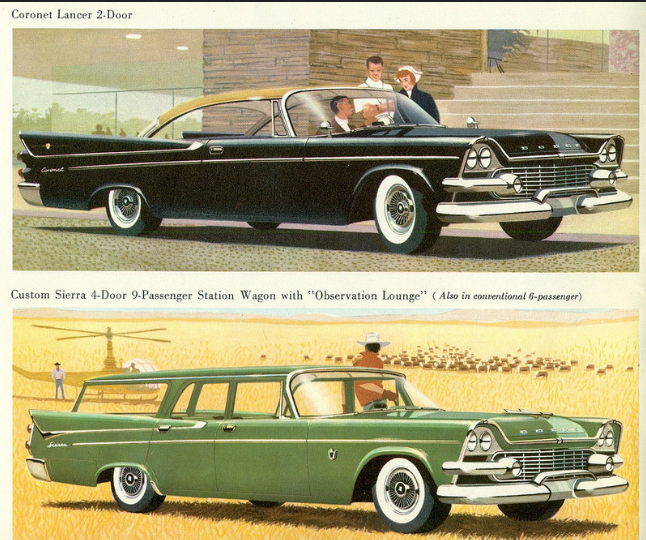
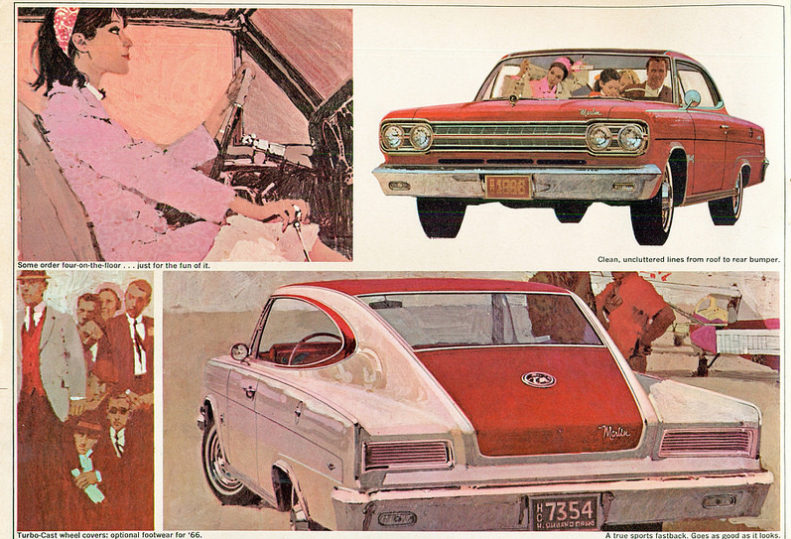
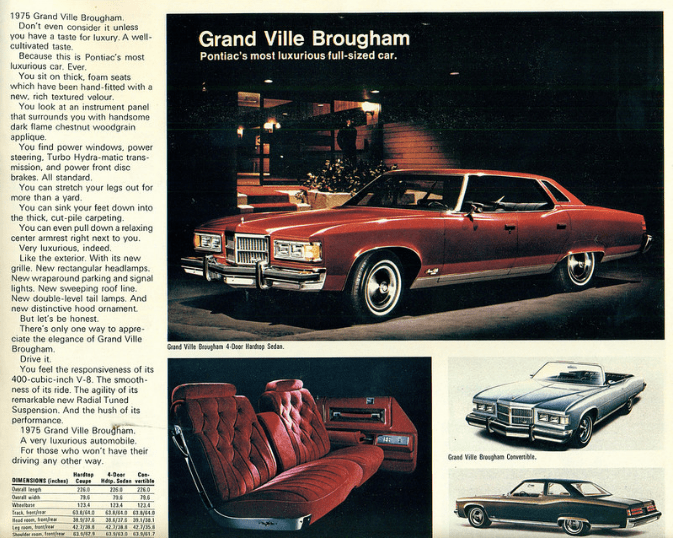
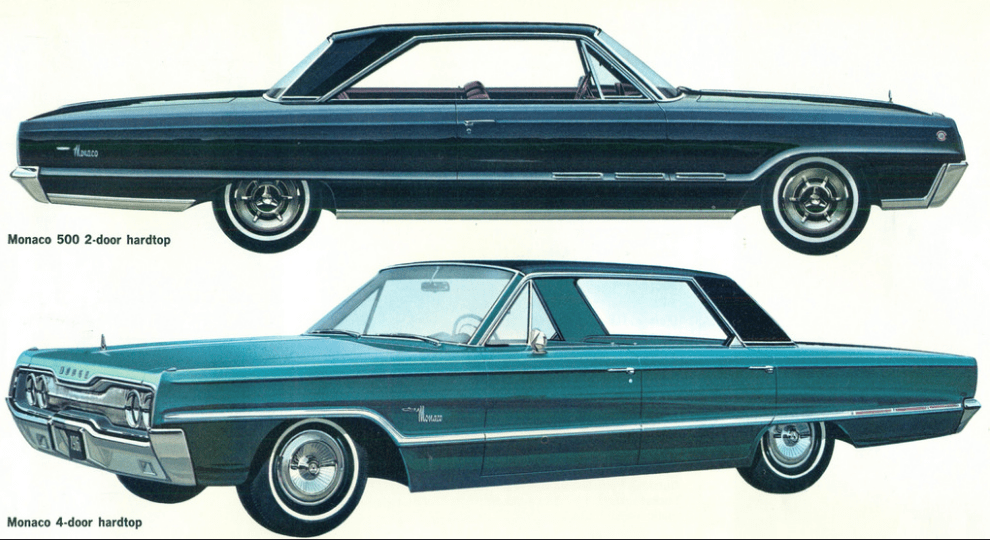
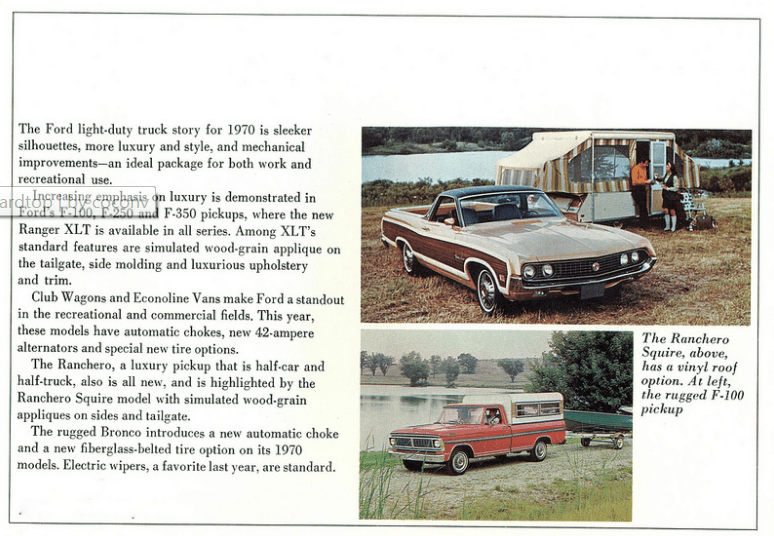
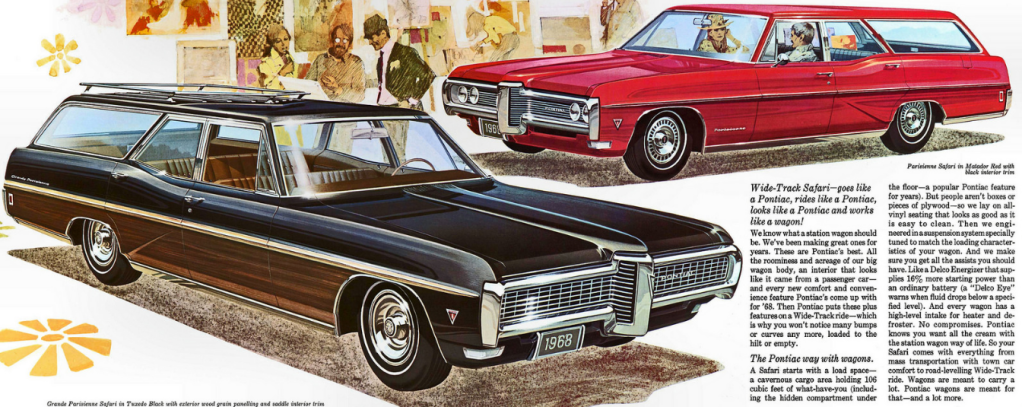
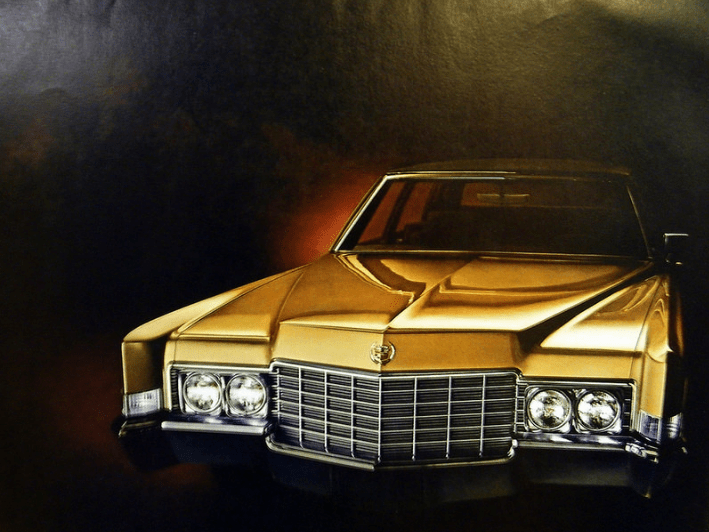
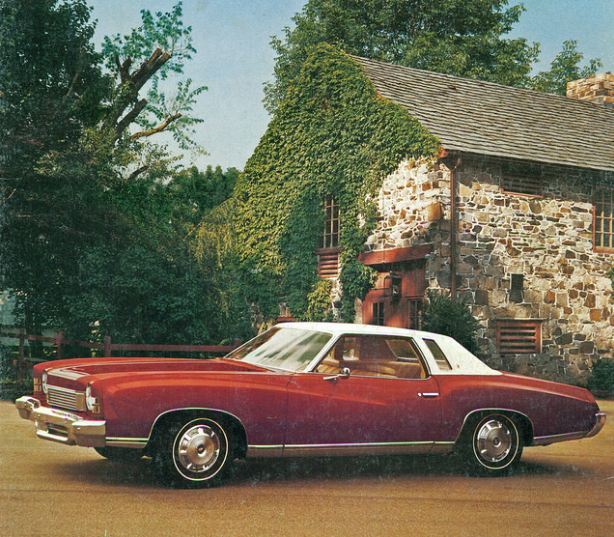
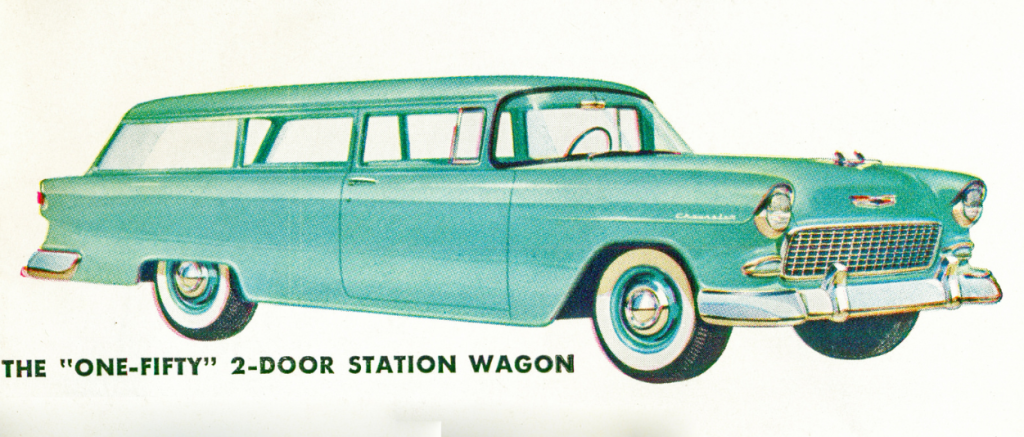
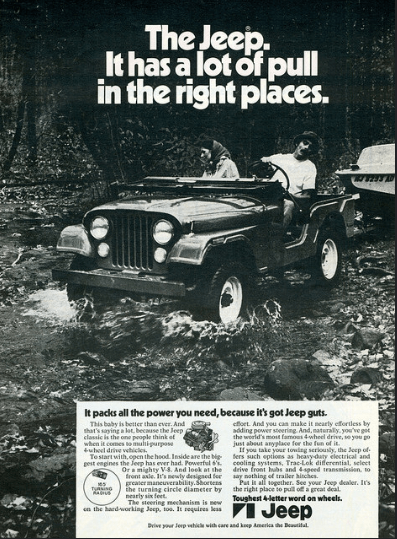
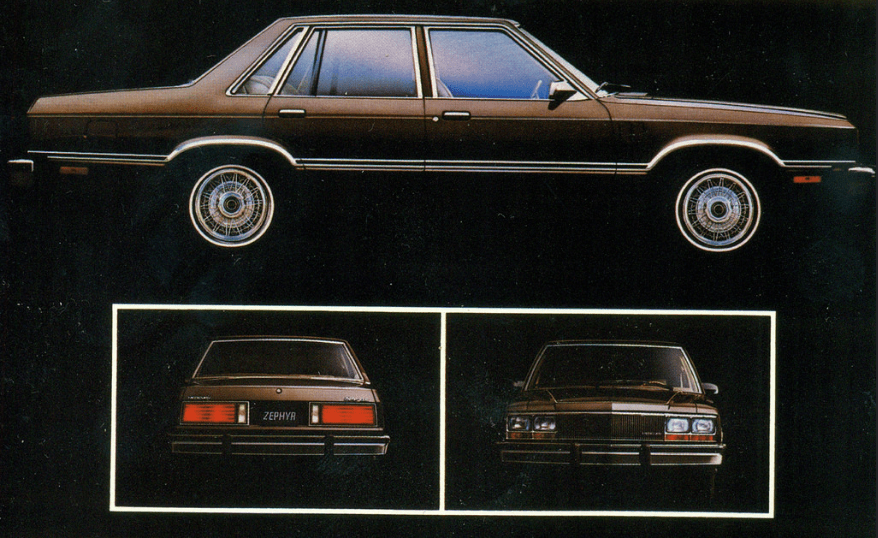
1964 Chevrolet Corvette Sting Ray Coupe1974 Chrysler New Yorker Brougham 4 Door Hardtop1965 Oldsmobile F-85 Cutlass Convetible1967 Dodge 4X4 Pickup Truck1964 Plymouth Valiant V-200 Convertible1973 Dodge Charger1965 American Motors Amabassador Classic and American1966 Chevrolet Impala1970 Ford LTD 2-Door Hardtop1965 Oldsmobile Cutlass 442 Hardtop1969 Dodge Charger SE1970 Dodge Challenger R/T Promo Model Car – Go Mango (orange)1969 Ford Country Squire Station Wagon1970 Ford Fairlane 500 2 Door Hardtop1972 AMC Javelin1972 Firenza1970 Ford Torino Brougham 2 Door Hardtop1962 Ford Station Wagon Promo Model Car – Sandshell Beige1980 AMC Eagle 2 Door Sedan1970 Meteor Rideau 500 2 Door Hardtop1975 Pontiac Grand LeMans Safari Staion Wagon1954 Mainline Ranch Wagon1983 Jeep Wagoneer1987 Oldsmobile Ninety-eight Touring Sedan1953 Chevrolet Corvette1972 Ford Gran Torino Squire and Gran Torino Station Wagon1958 Dodge Coronet Lancer 2 Door Hardtop and Custom Sierra Station Wagon1967 Meteor Rideau 4 Door Sedan1966 American Motors Marlin1975 Pontiac Grand Ville Brougham 4 Door Hardtop1966 Dodge Monaco 2 and 4 Door Hardtop1970 Ford F-100 and Ranchero Squire Pickup Truck1972 Ford Thunderbird1968 Grande Parisienne Safarai Station Wagon and Parisienne Safari Station Wagon1965 Plymouth Valiant 100 2 Door Sedan1969 Cadillac Fleetwood 4 Door Sedan1973 Chevrolet Monte Carlo Sport Coupe1964 Cadillac Eldorado Convertible1955 Chevrolet One-Fifty 2 Door Station Wagon1972 Jeep CJ-5 4X41983 Mercury Zephyr 4 Door Sedan
Canada is a country in North America. Its ten provinces and three territories extend from the Atlantic to the Pacific and northward into the Arctic Ocean, covering 9.98 million square kilometres (3.85 million square miles), making it the world’s second-largest country by total area. Its southern and western border with the United States, stretching 8,891 kilometres (5,525 mi), is the world’s longest bi-national land border. Canada’s capital is Ottawa, and its three largest metropolitan areas are Toronto, Montreal, and Vancouver.
Indigenous peoples have continuously inhabited what is now Canada for thousands of years. Beginning in the 16th century, British and French expeditions explored and later settled along the Atlantic coast. As a consequence of various armed conflicts, France ceded nearly all of its colonies in North America in 1763. In 1867, with the union of three British North American colonies through Confederation, Canada was formed as a federal dominion of four provinces. This began an accretion of provinces and territories and a process of increasing autonomy from the United Kingdom. This widening autonomy was highlighted by the Statute of Westminster 1931 and culminated in the Canada Act 1982, which severed the vestiges of legal dependence on the Parliament of the United Kingdom.
Canada is a parliamentary democracy and a constitutional monarchy in the Westminster tradition. The country’s head of government is the prime minister—who holds office by virtue of their ability to command the confidence of the elected House of Commons—and is appointed by the governor general, representing the monarch, who serves as head of state. The country is a Commonwealth realm and is officially bilingual at the federal level. It ranks among the highest in international measurements of government transparency, civil liberties, quality of life, economic freedom, and education. It is one of the world’s most ethnically diverse and multicultural nations, the product of large-scale immigration from many other countries. Canada’s long and complex relationship with the United States has had a significant impact on its economy and culture.
A highly developed country, Canada has the 26th highest nominal per-capita income globally and the sixteenth-highest ranking in the Human Development Index. Its advanced economy is the ninth-largest in the world, relying chiefly upon its abundant natural resources and well-developed international trade networks. Canada is part of several major international and intergovernmental institutions or groupings including the United Nations, NATO, the G7, the Group of Ten, the G20, the Organisation for Economic Co-operation and Development (OECD), the World Trade Organization (WTO), the Commonwealth of Nations, the Arctic Council, the Organisation internationale de la Francophonie, the Asia-Pacific Economic Cooperation forum, and the Organization of American States. (Wikipedia)
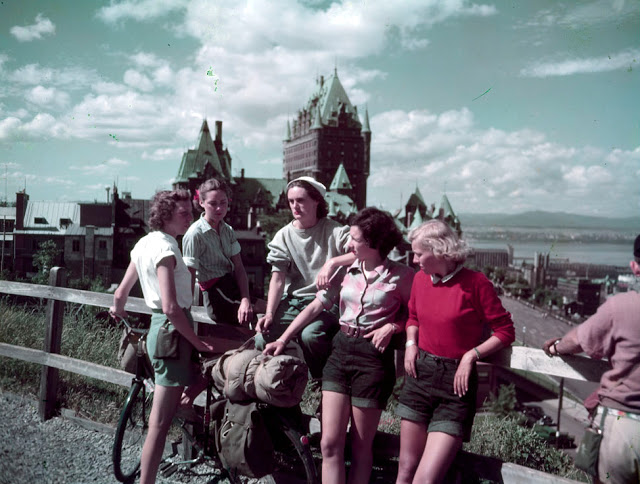
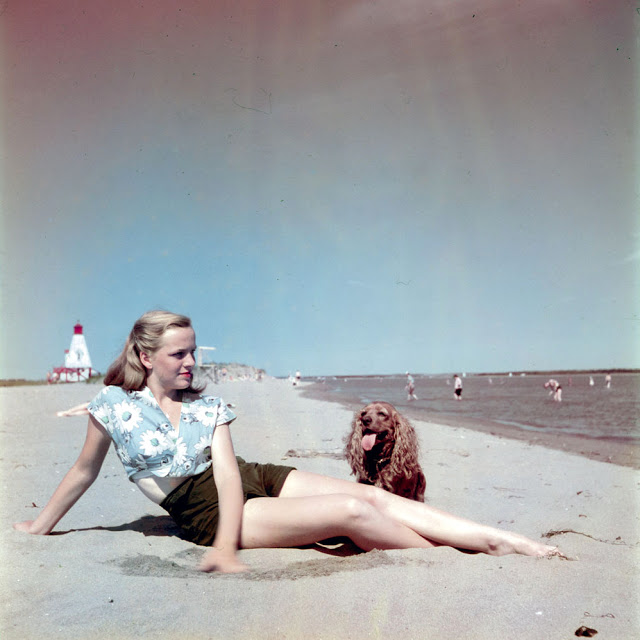
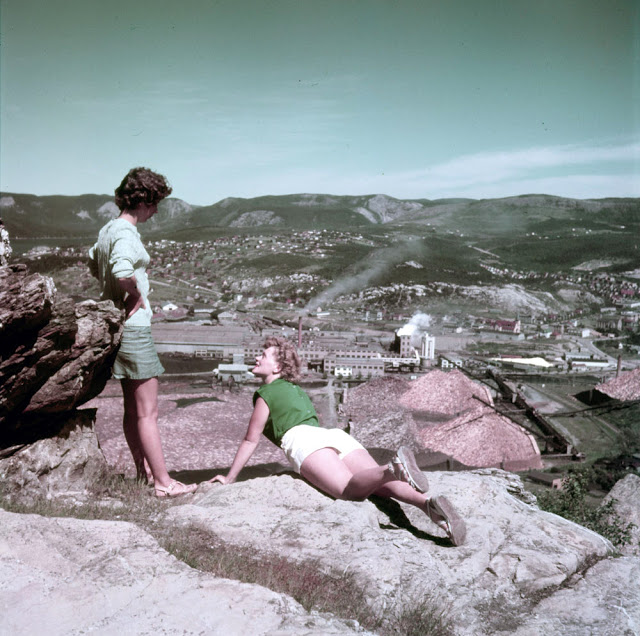
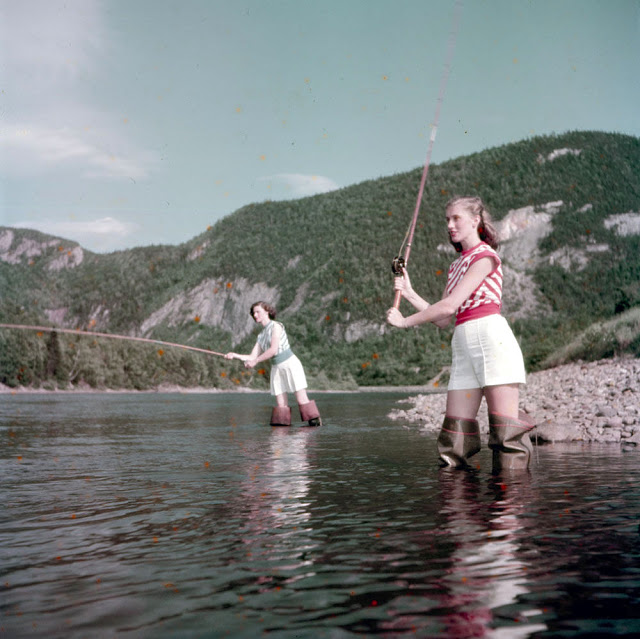
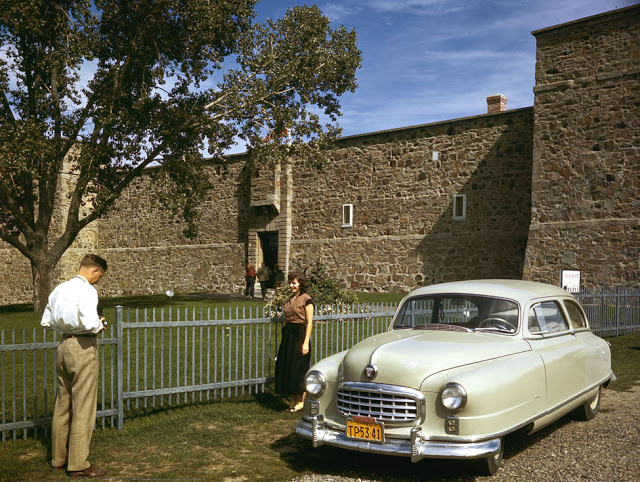
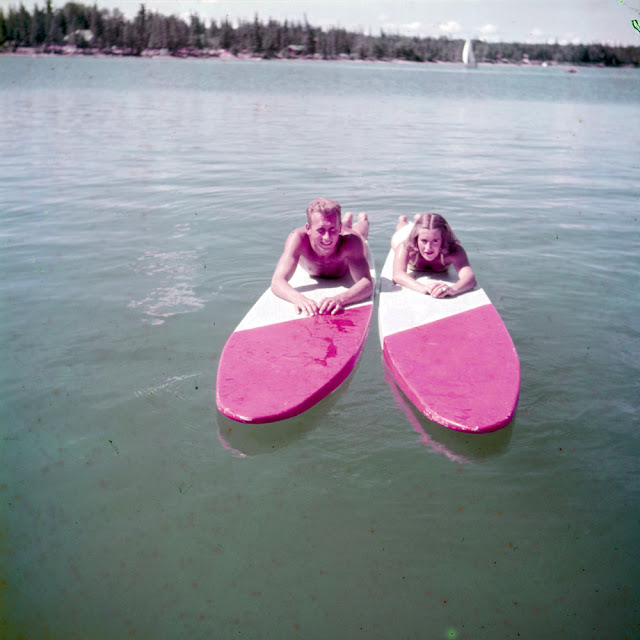
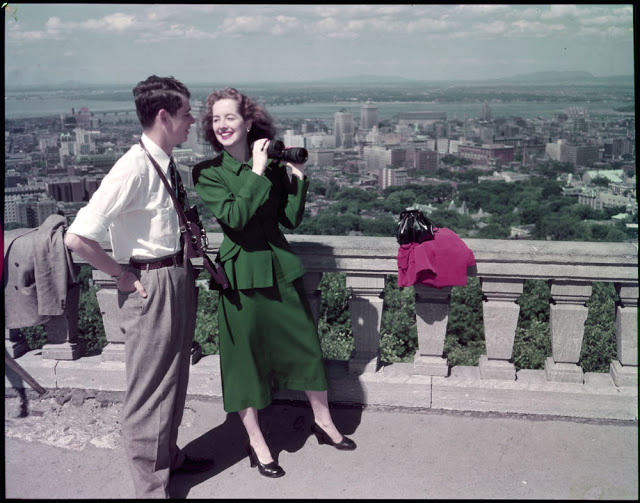
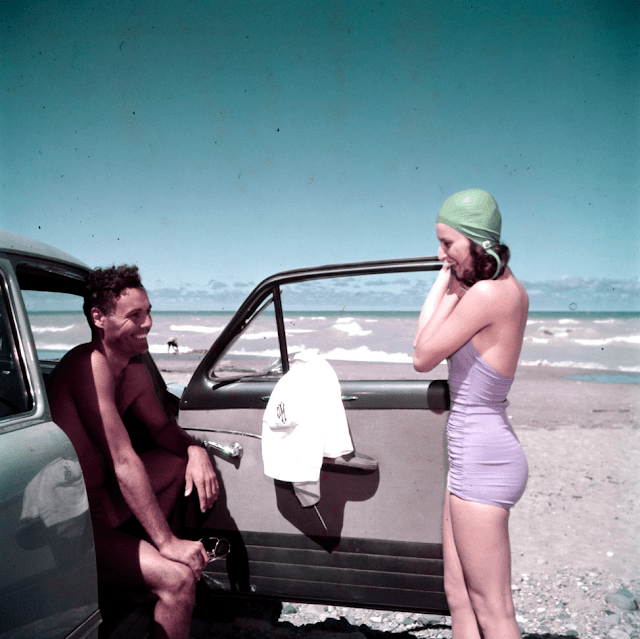
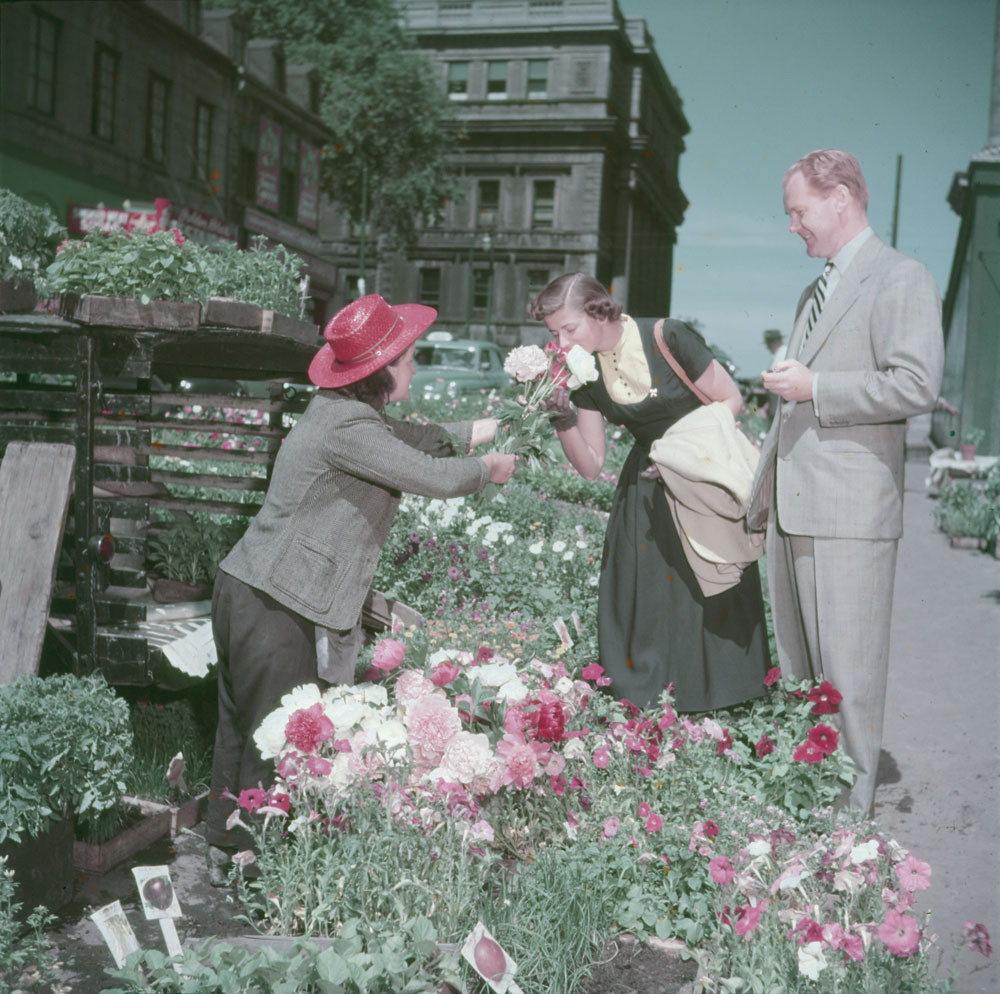
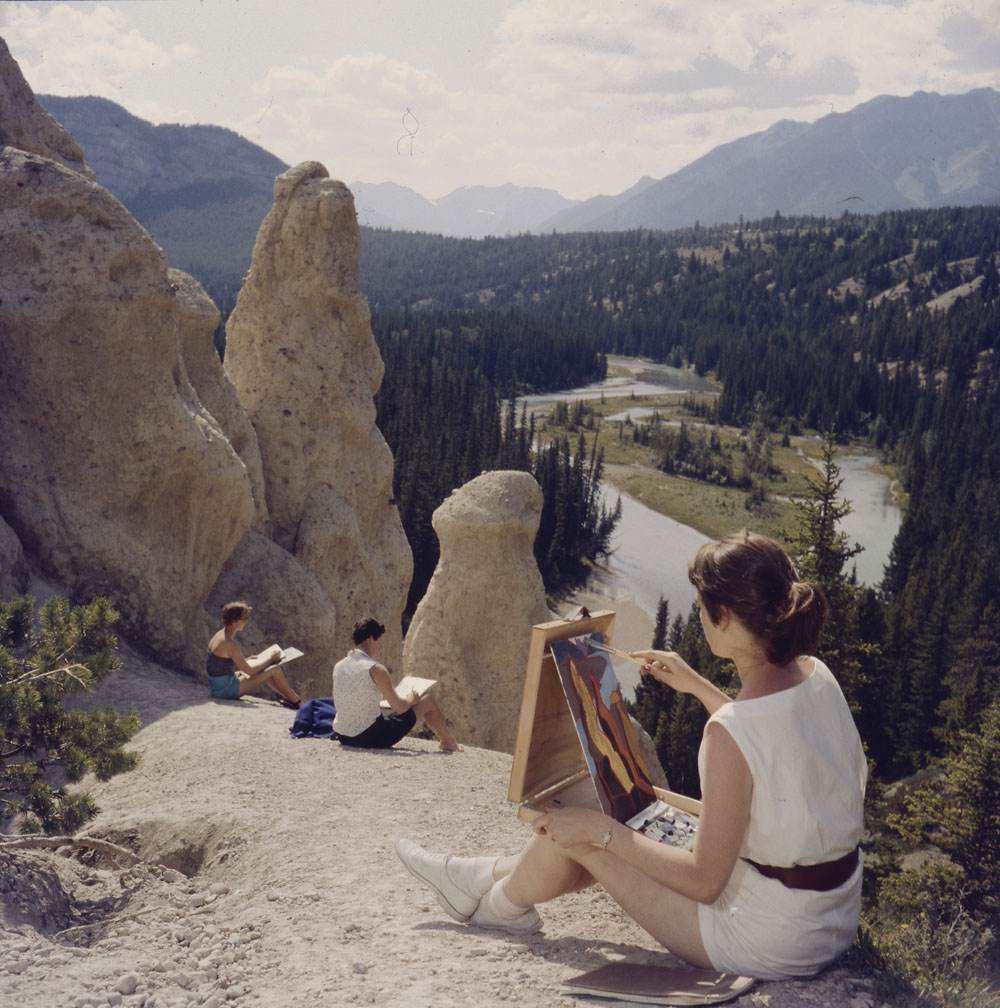
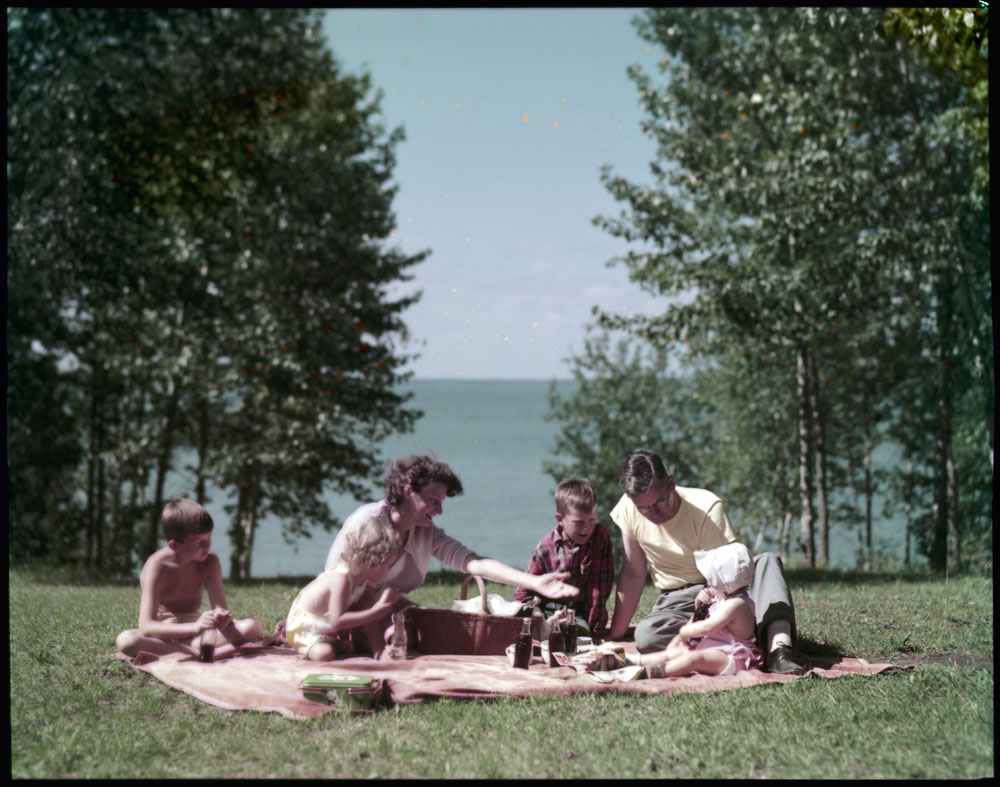
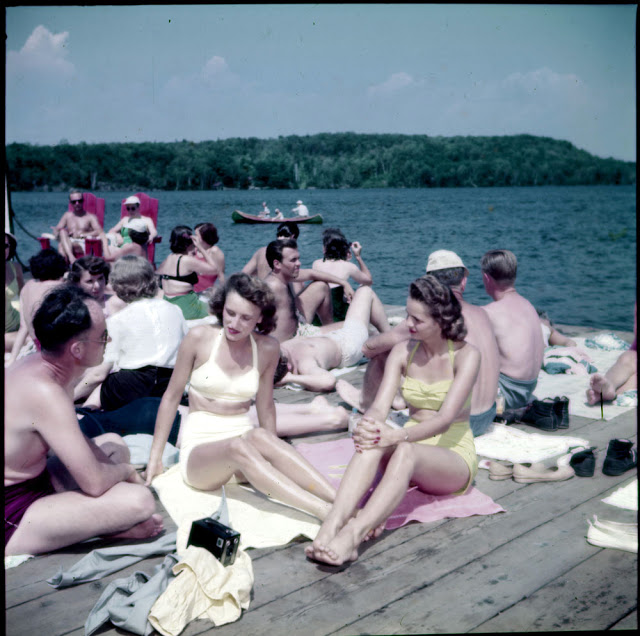
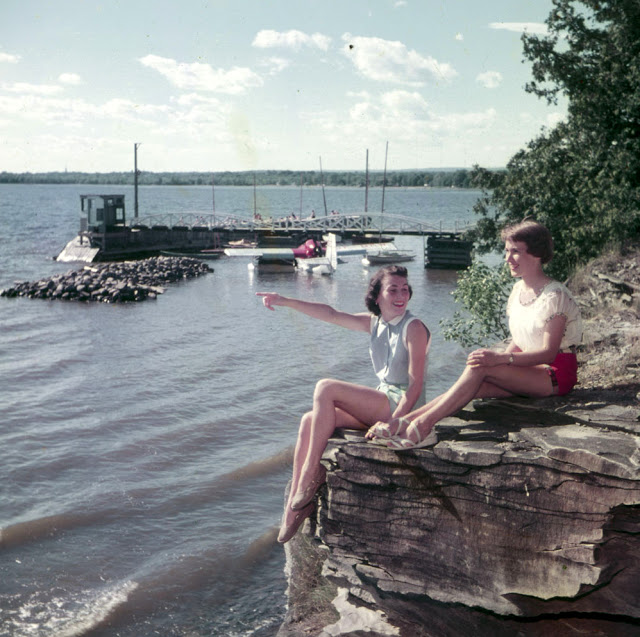
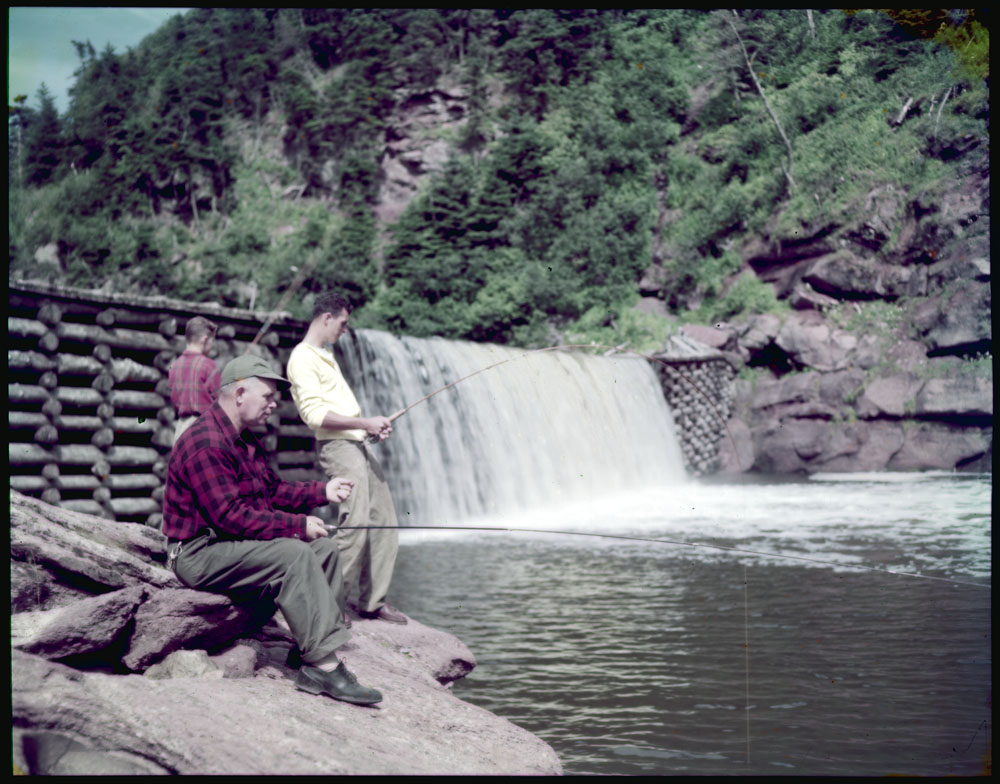
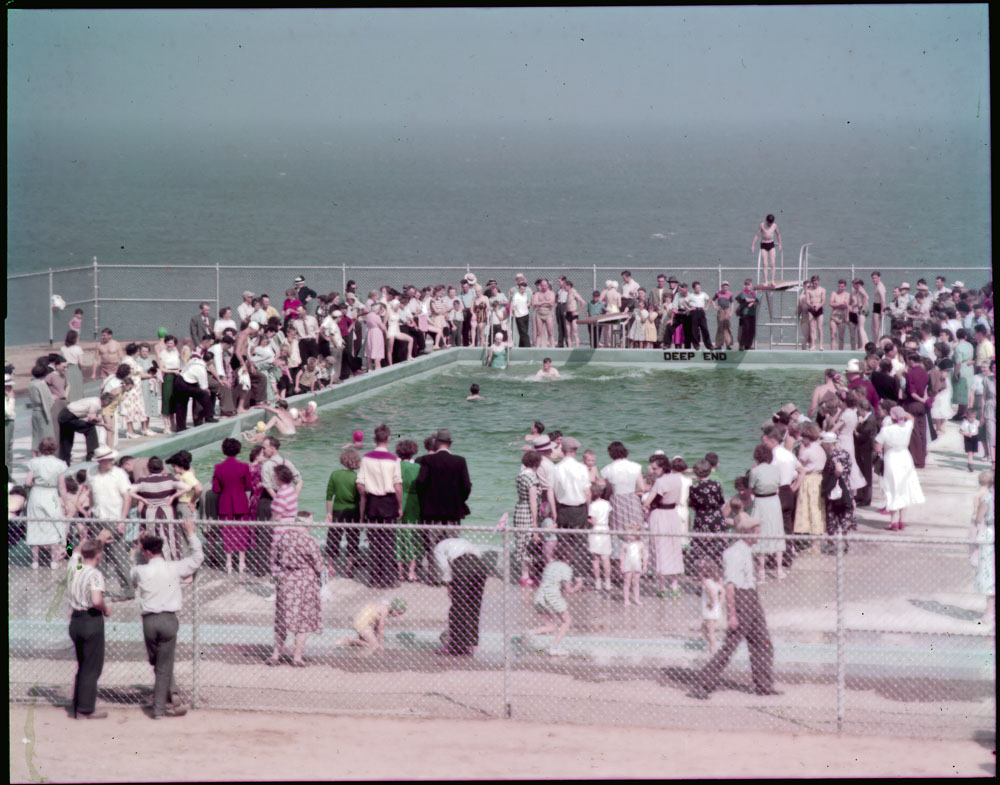
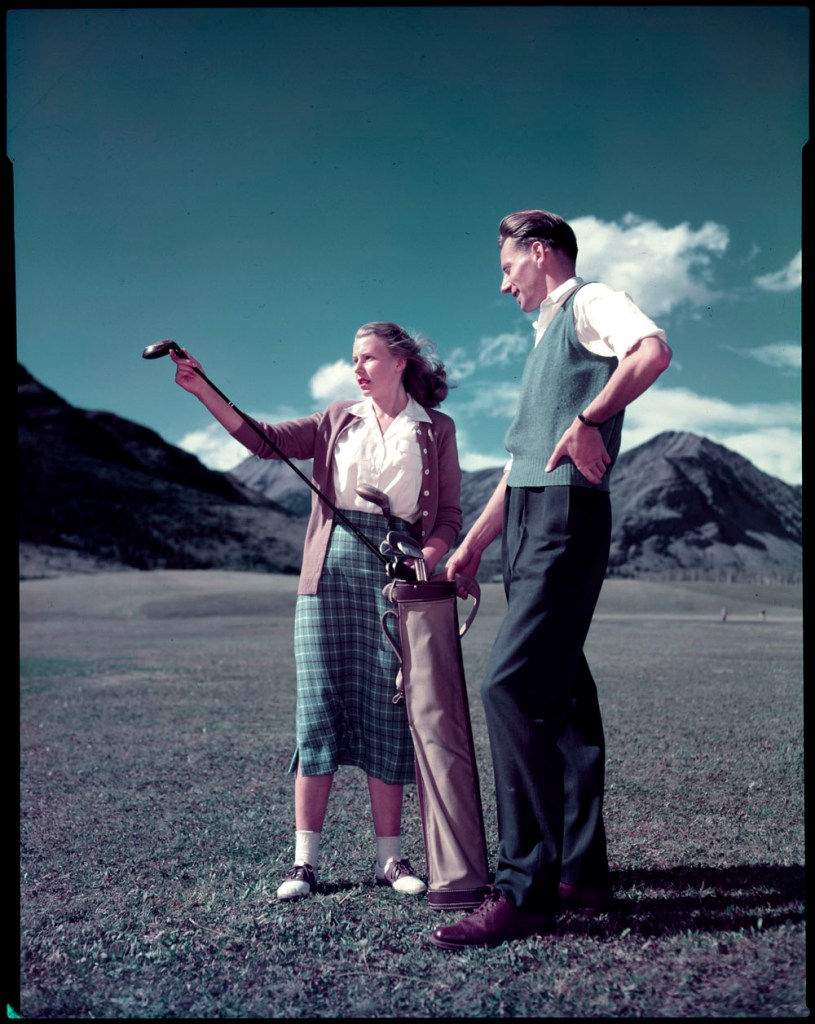
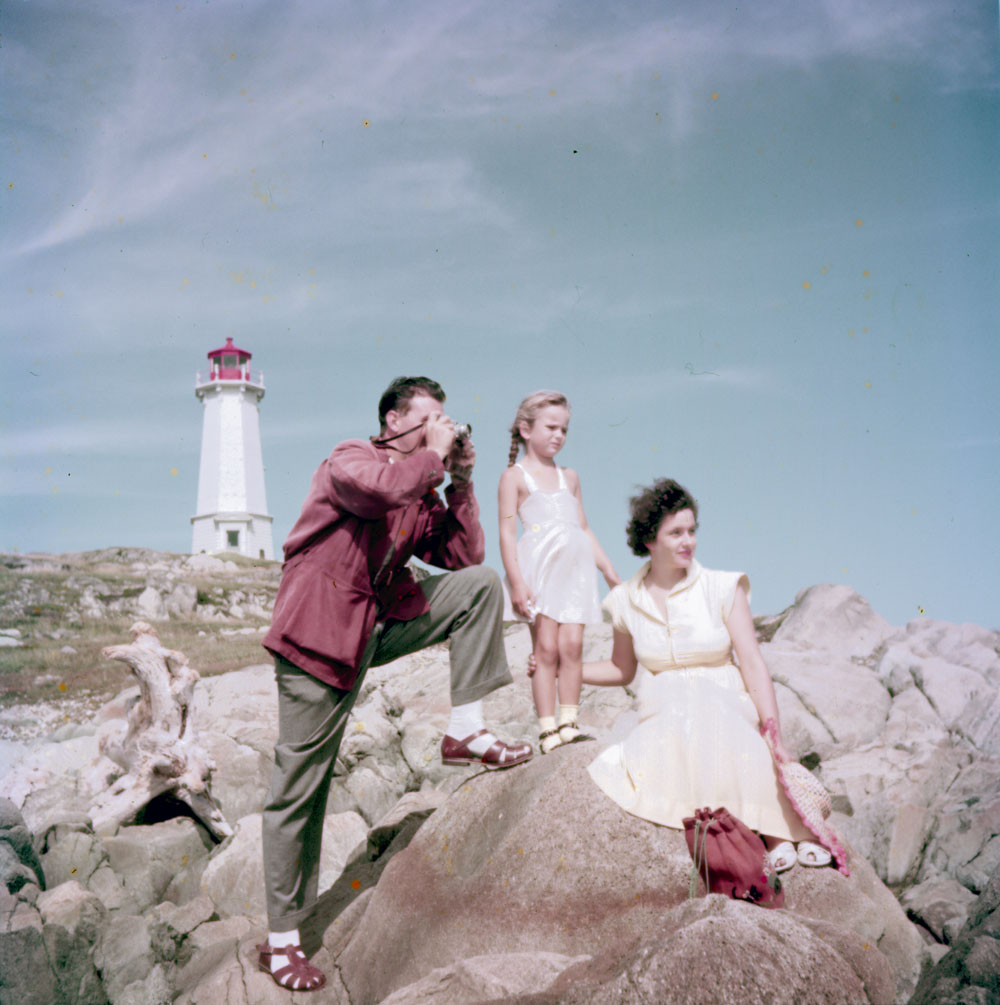
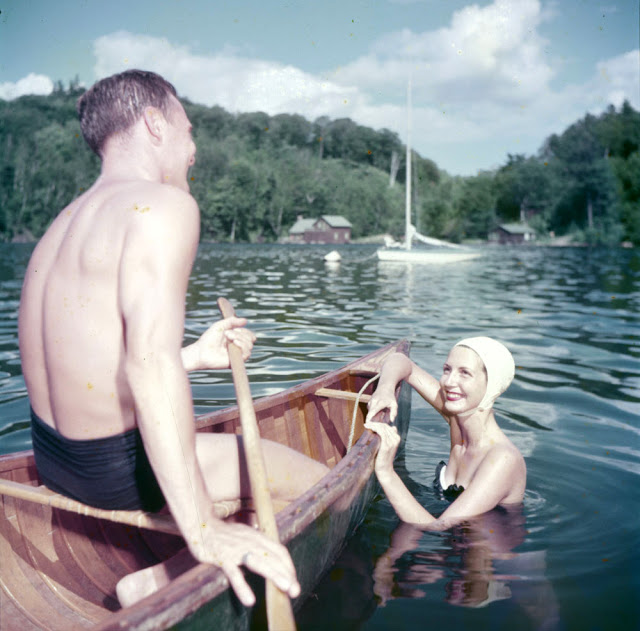
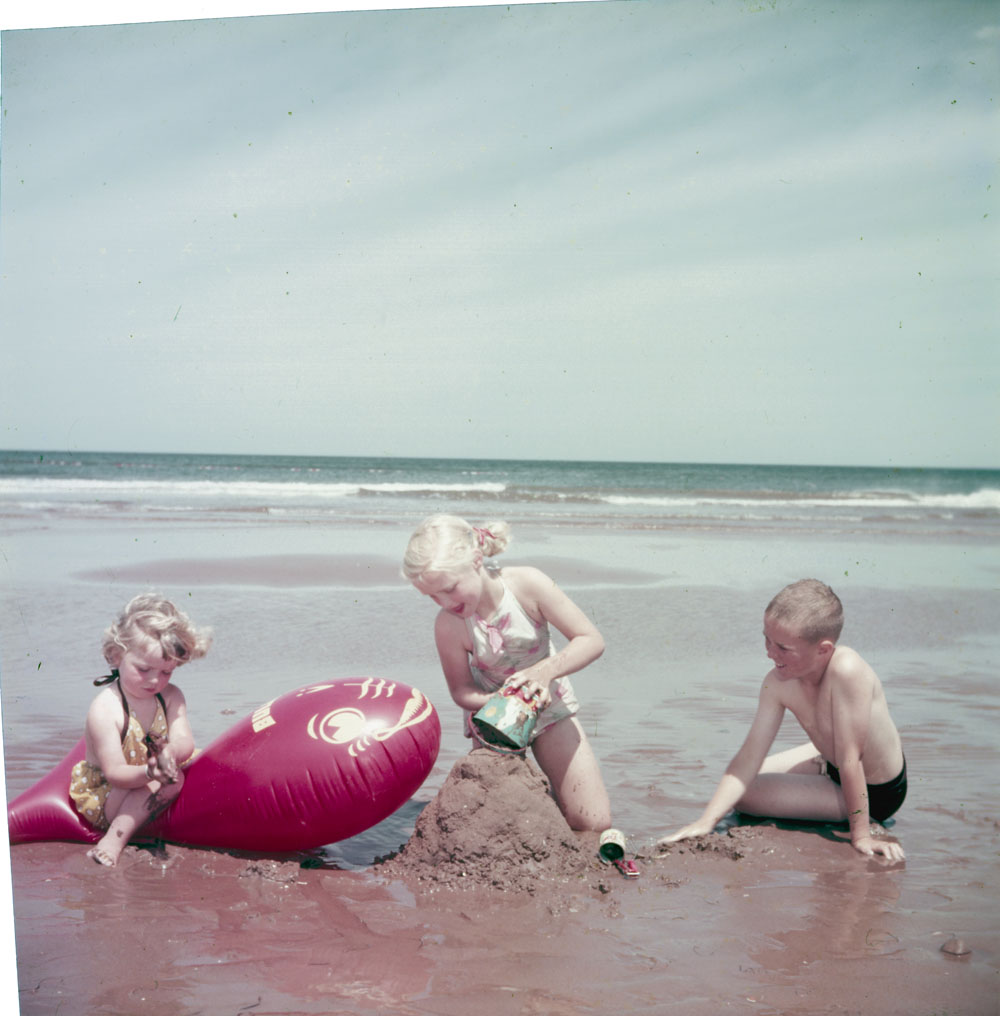
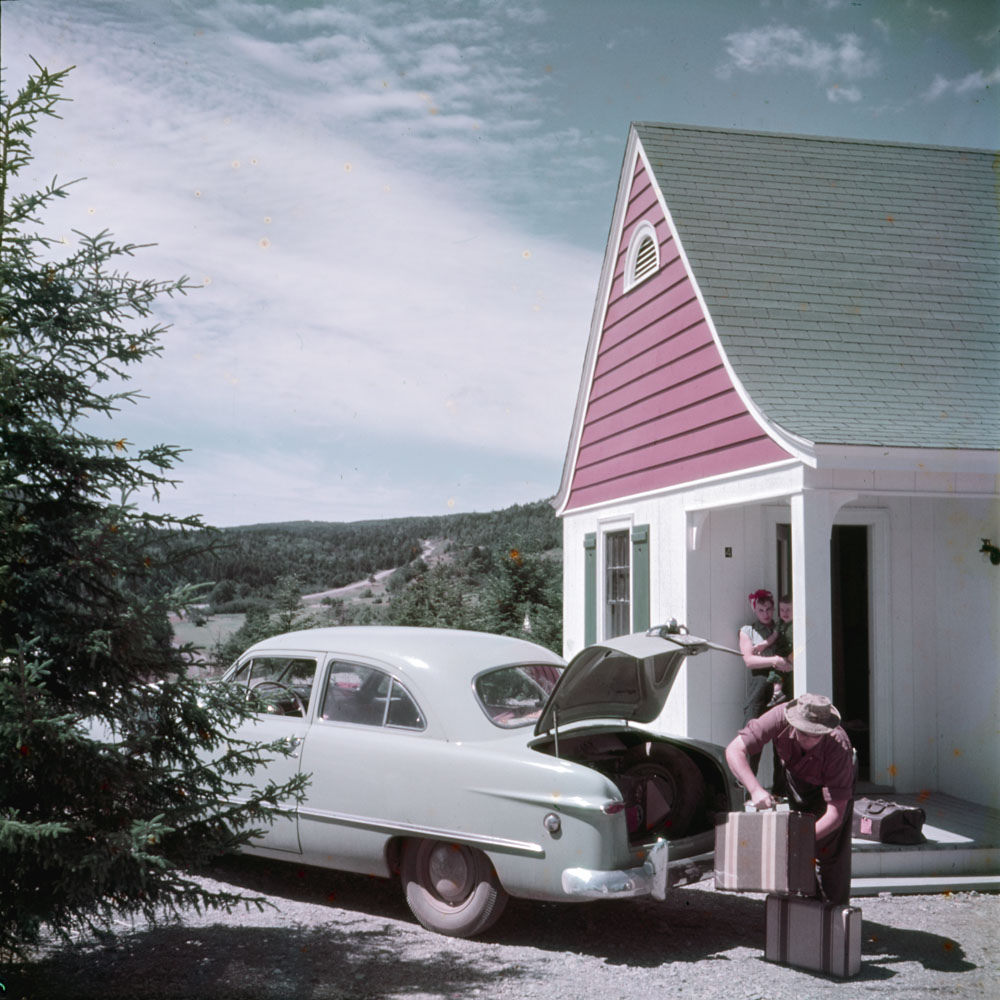
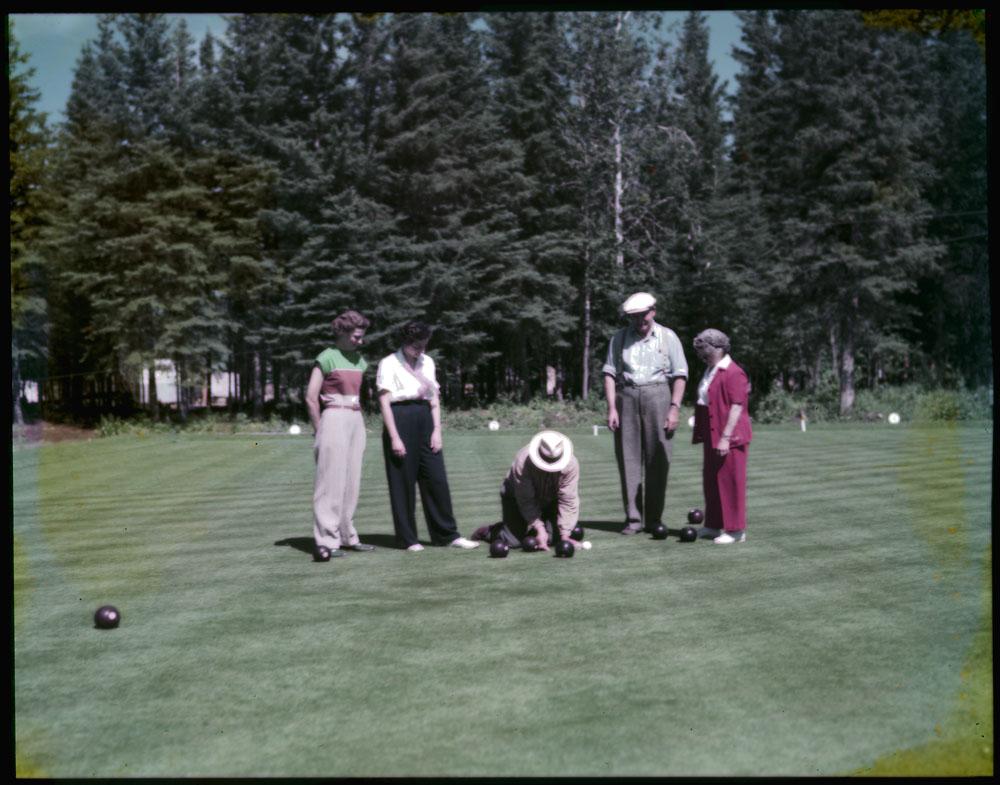
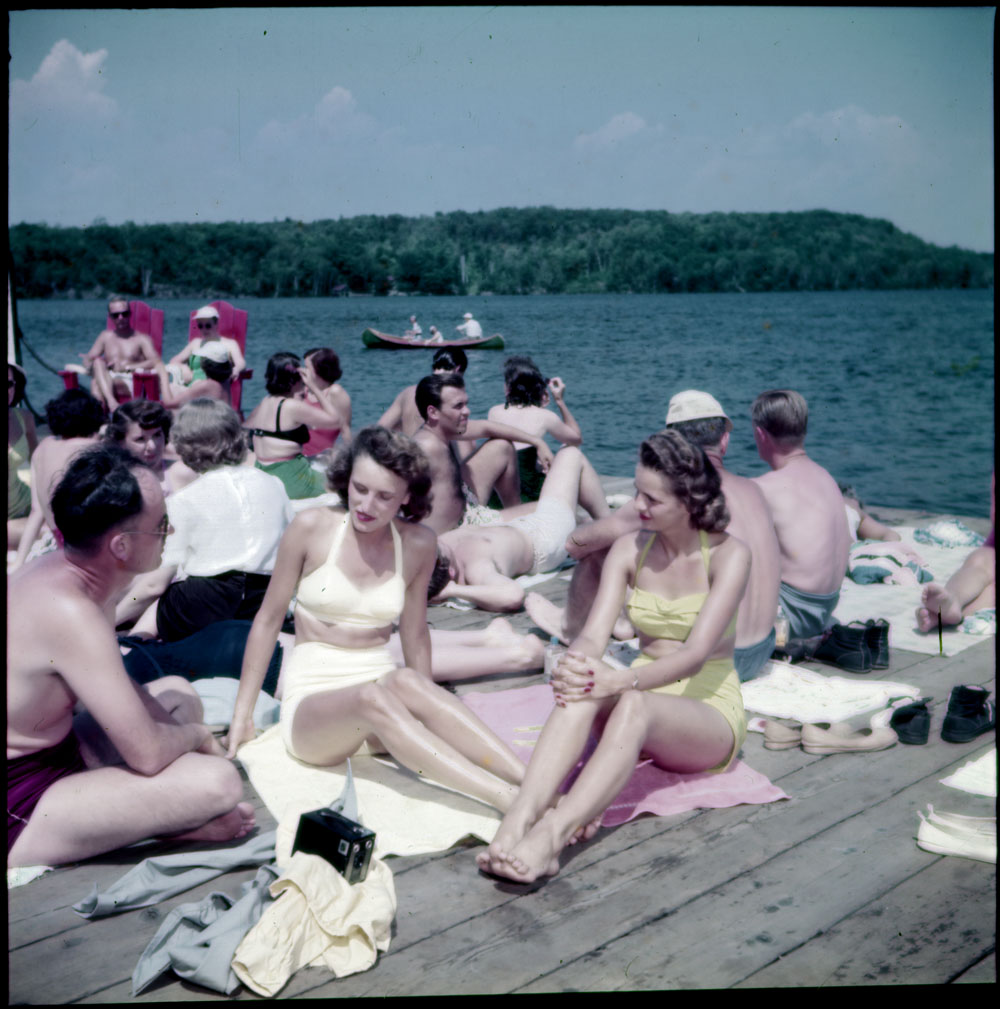
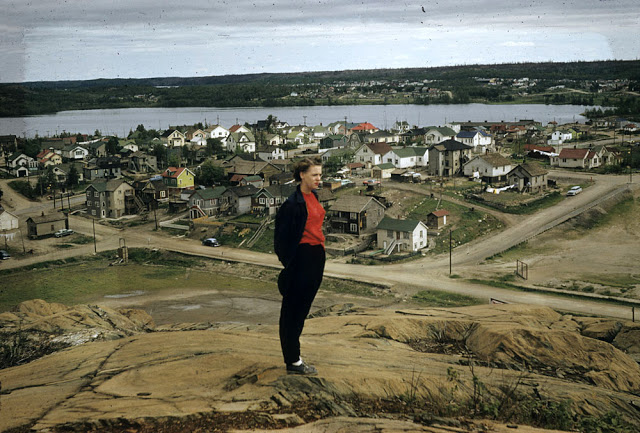
Cave and Basin swimming pool, Banff National Park, Alberta, October 1948Five hostel workers, Quebec City, August 1948Pointe-du-Chêne, New Brunswick, October 1948Corner Brook, Newfoundland, July 1949Fly fish for salmon in the Humber River, Corner Brook, Newfoundland, July 1949Sarnia, Ontario, Yacht Club, 1949Young couple photographing with a new bathtub Nash, Fort Chambly, Quebec, 1949Anglers, Bennett Lake, Fundy National Park, New Brunswick, July 1950Paddle boarding, Lake Waskesiu, Saskatchewan, July 1950.Tourists view the city of Montreal from the lookout on Mount Royal, Quebec, June 1950Grand Bend, Ontario, July 1951Horseshoe Falls from lookout platform, Niagara Falls, Ontario, July 1951A man and a woman on bicycles consult a road map on the bank of the Ottawa River, Rockcliffe Park, Ontario, June 1952Two men and two women play ping-pong at Britannia Yacht Club, Ottawa, Ontario, June 1952A woman smelling some flowers offered by a vendor at the Bonsecours market in Montreal, 1950Students painting some of the remarkable scenery in Banff National Park, Alberta. 1957A family picnic at Lake Waskesiu, Prince Albert National Park, Saskatchewan, 1950Sunbathing at Wigwassan Lodge, Lake Rosseau, Muskoka, Ontario, July 1951Britannia Yacht Club, Ottawa, June 1952Clear Lake, Manitoba, 1952Fishing at Point Wolfe River, Fundy National Park, New Brunswick, 1950The swimming pool at Fundy National Park, New Brunswick, 1950Picnicking on the shore of the St. Lawrence River, Mallorytown Landing, Thousand Islands national park, 1950Fishing in Cameron Creek, Waterton Lakes National Park, Alberta, 1949Golfer chooses a club on the golf course at Waterton Lakes National Park, Alberta, 1948Man, woman and little girl on the rocks below the lighthouse at Fortress of Louisbourg National Historic Site, Nova Scotia, 1952Meech Lake, Quebec, July 1952Vacationing in British Columbia, July 1953Picnic in Portage-la-Prairie, Manitoba, August 5, 1954Children playing at Brackley Beach, Prince Edward Island, 1953A man unpacks the trunk of his car for a stay in one of the chalets in Fundy National Park, New Brunswick, 1950Bowling on the public greens at Waskesiu, Saskatchewan, 1950Early summer swimming in the St. Lawrence River near Brockville, Ontario, 1949Guests sunbathe on the pier at Wigwassan Lodge, Lake Rosseau, Muskoka, Ontario, July 1951Makeshift bath, Portage-la-Prairie, Manitoba, August 5, 1954Stanley Park archers, Vancouver, 1954Flin Flon, Manitoba, 1956