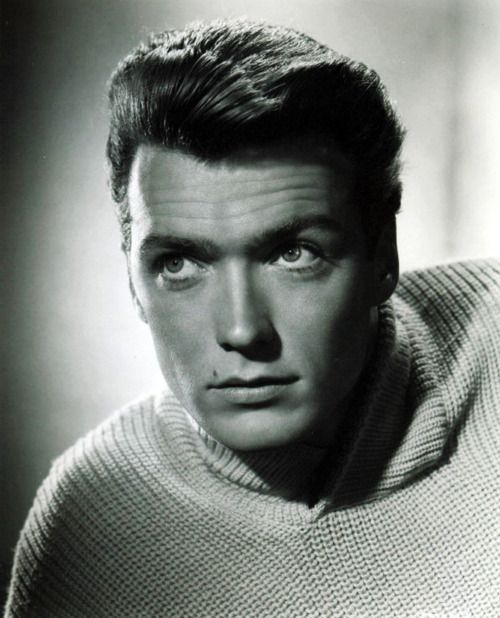
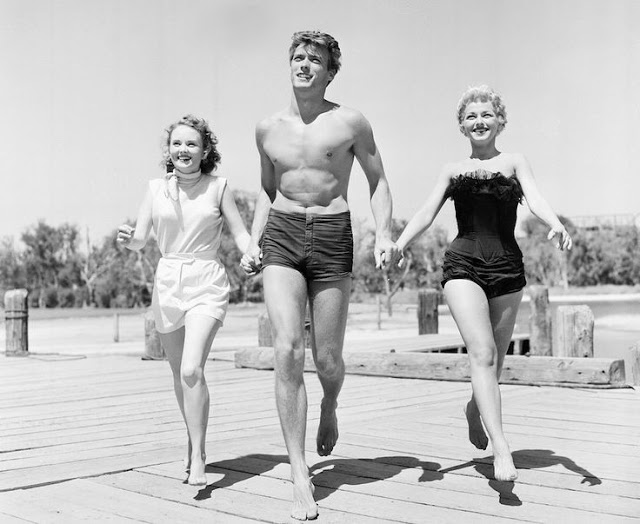
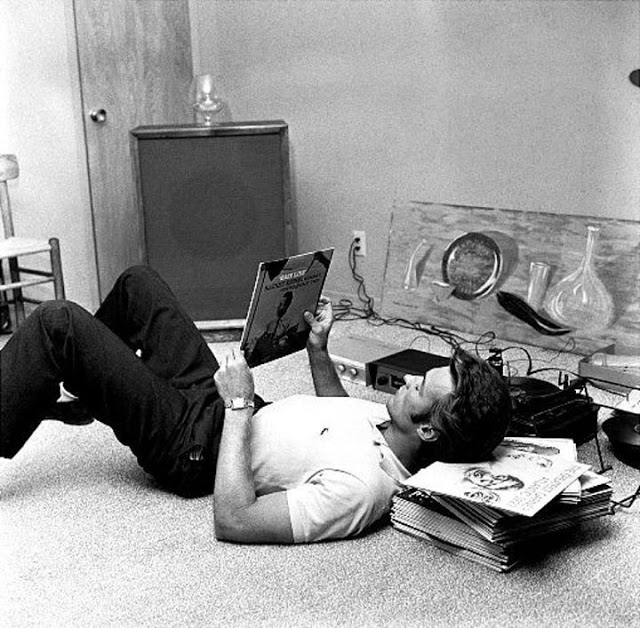
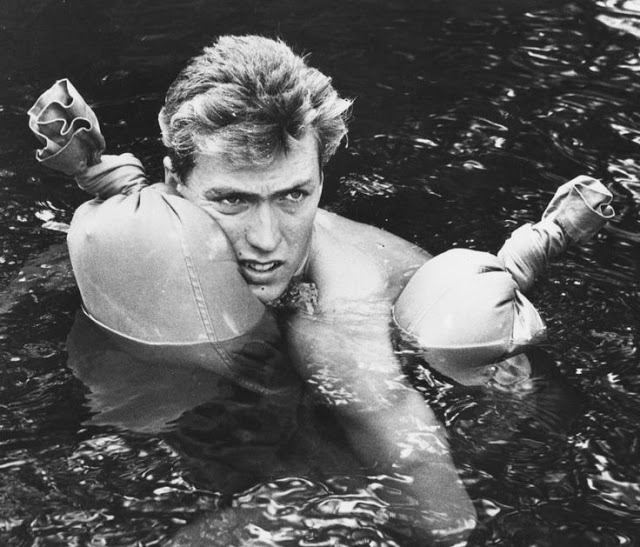
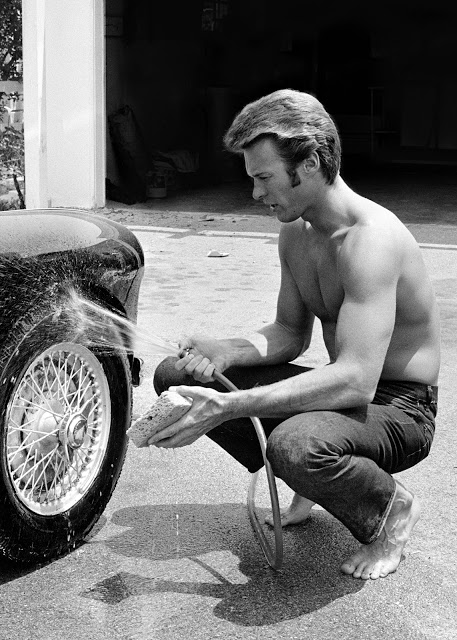
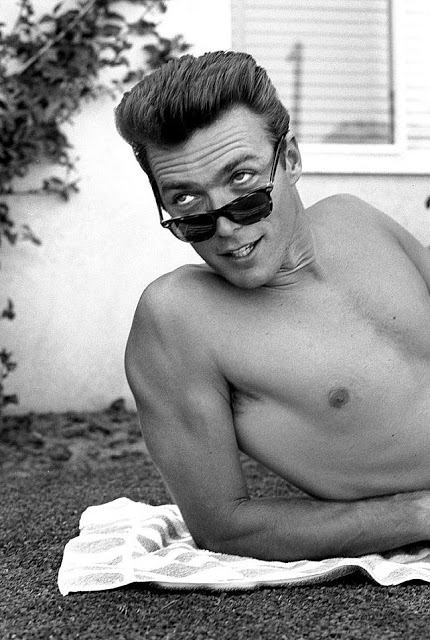
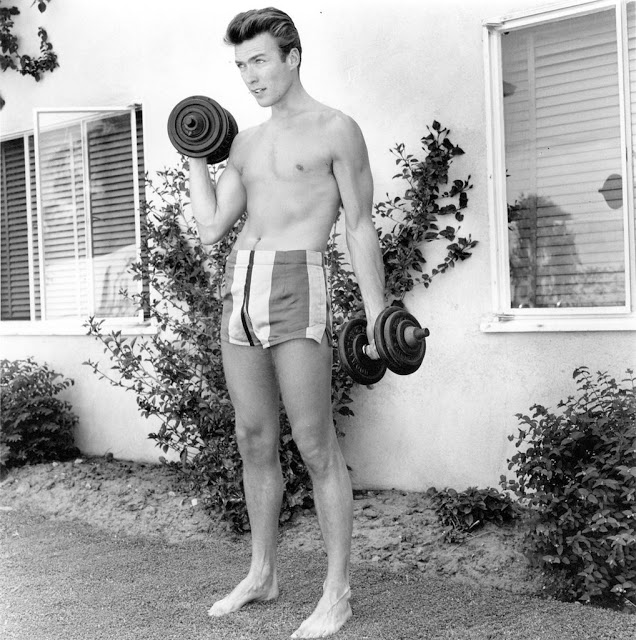
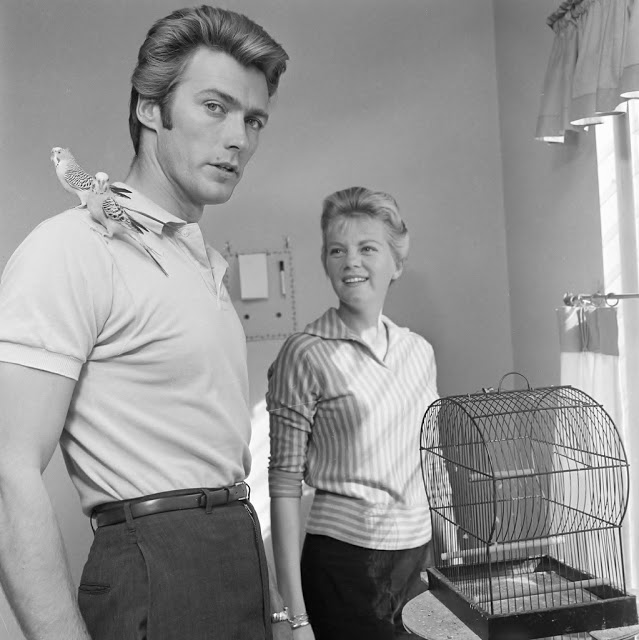
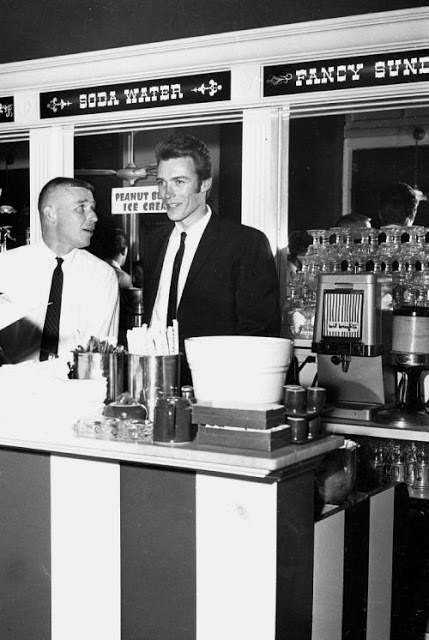
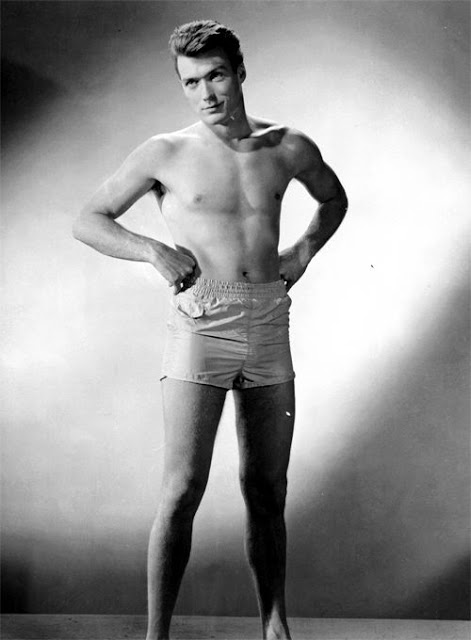
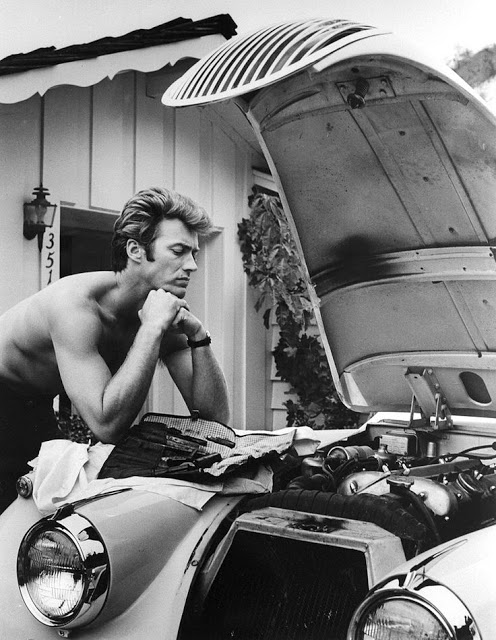
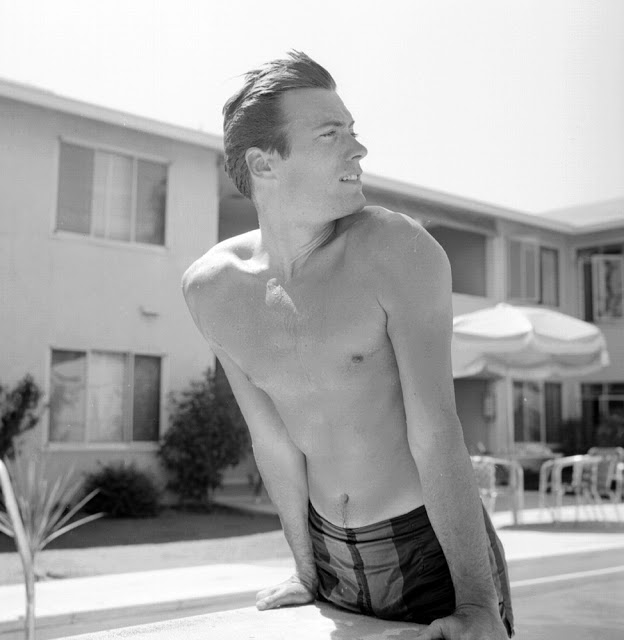
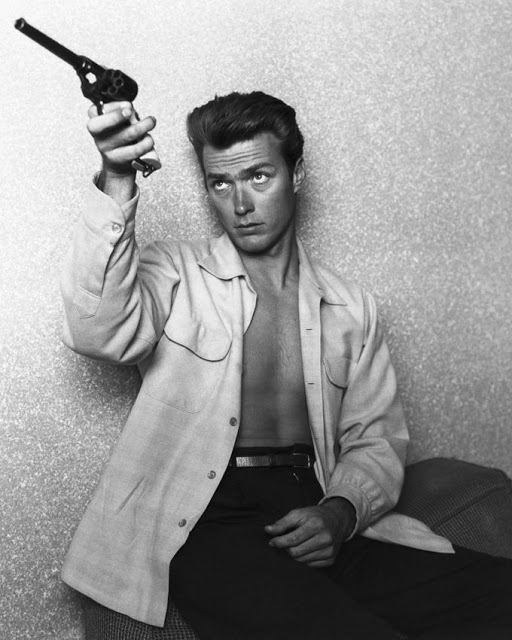
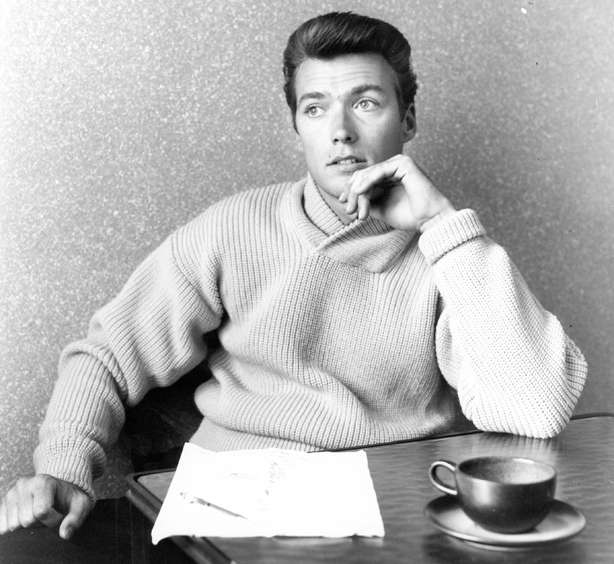
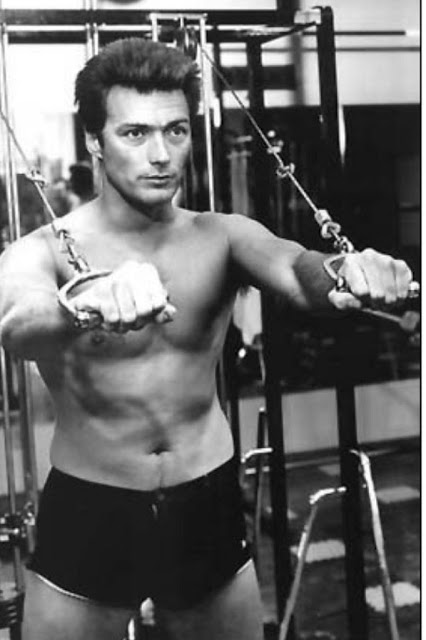
Clinton Eastwood Jr. (born May 31, 1930) is an American actor, film director, producer, and composer. After achieving success in the Western TV series Rawhide, he rose to international fame with his role as the “Man with No Name” in Italian filmmaker Sergio Leone’s “Dollars Trilogy” of Spaghetti Westerns during the mid-1960s, and as antihero cop Harry Callahan in the five Dirty Harry films throughout the 1970s and 1980s. These roles, among others, have made Eastwood an enduring cultural icon of masculinity. His accolades include four Academy Awards, four Golden Globe Awards, three César Awards, and an AFI Life Achievement Award.
An Academy Award nominee for Best Actor, Eastwood won Best Director and Best Picture for his Western film Unforgiven (1992) and his sports drama Million Dollar Baby (2004). His greatest commercial successes are the adventure comedy Every Which Way but Loose (1978) and its action comedy sequel Any Which Way You Can (1980). Other popular Eastwood films include the Westerns Hang ‘Em High (1968) and Pale Rider (1985), the action-war film Where Eagles Dare (1968), the prison film Escape from Alcatraz (1979), the war film Heartbreak Ridge (1986), the action film In the Line of Fire (1993), and the romantic drama The Bridges of Madison County (1995). More recent works are Gran Torino (2008), The Mule (2018), and Cry Macho (2021). Since 1967, Eastwood’s company Malpaso Productions has produced all but four of his American films.
In addition to directing many of his own star vehicles, Eastwood has also directed films in which he did not appear, such as the mystery drama Mystic River (2003) and the war film Letters from Iwo Jima (2006), for which he received Academy Award nominations, the drama Changeling (2008), and the biographical sports drama Invictus (2009). The war drama biopic American Sniper (2014) set box-office records for the largest January release ever and was also the largest opening ever for an Eastwood film.
Elected in 1986, Eastwood served for two years as the mayor of Carmel-by-the-Sea, California. In 2000, Eastwood received the Italian Venice Film Festival’s Golden Lion award, honoring his lifetime achievements. Bestowed two of France’s highest civilian honors, he received the Commander of the Ordre des Arts et des Lettres in 1994, and the Legion of Honour medal in 2007. (Wikipedia)
These interesting photographs below captured a young Clint Eastwood during the 1950s.
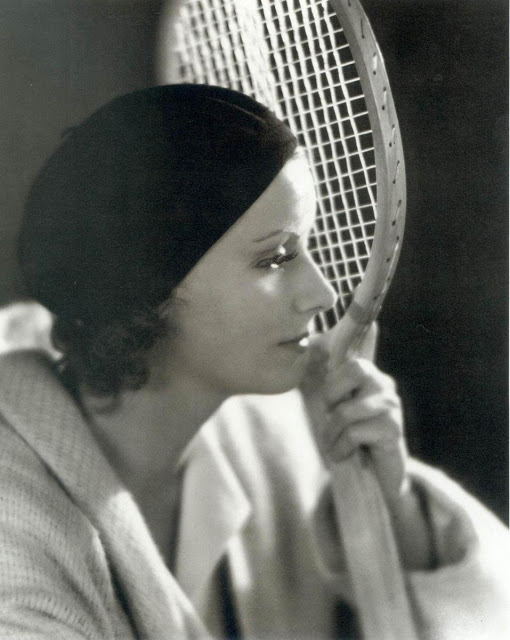
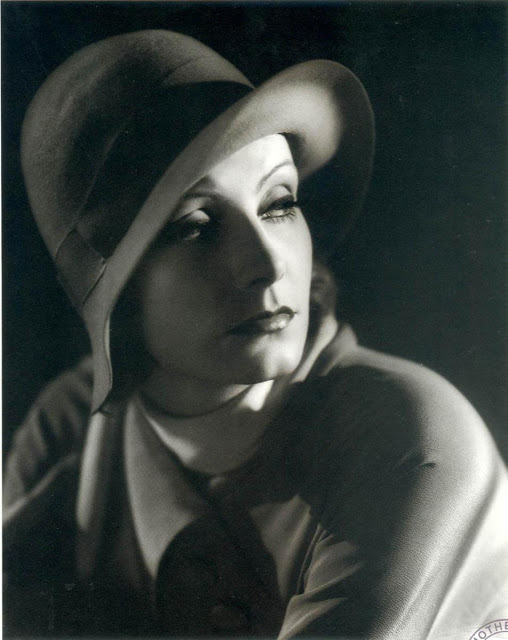
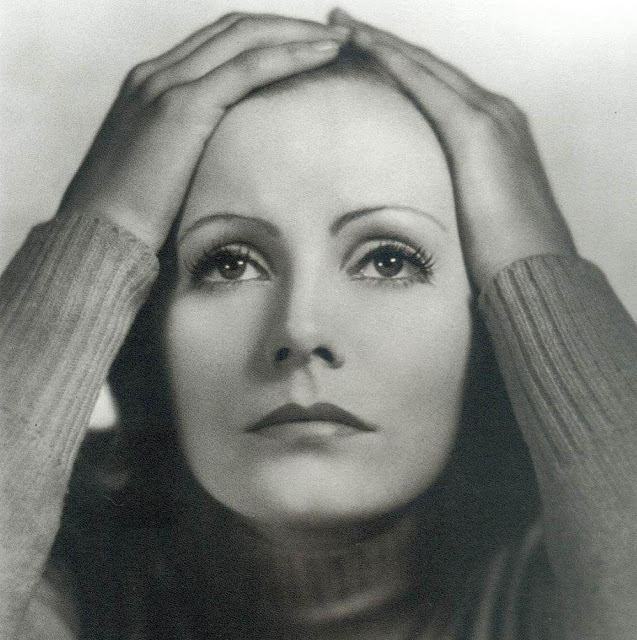
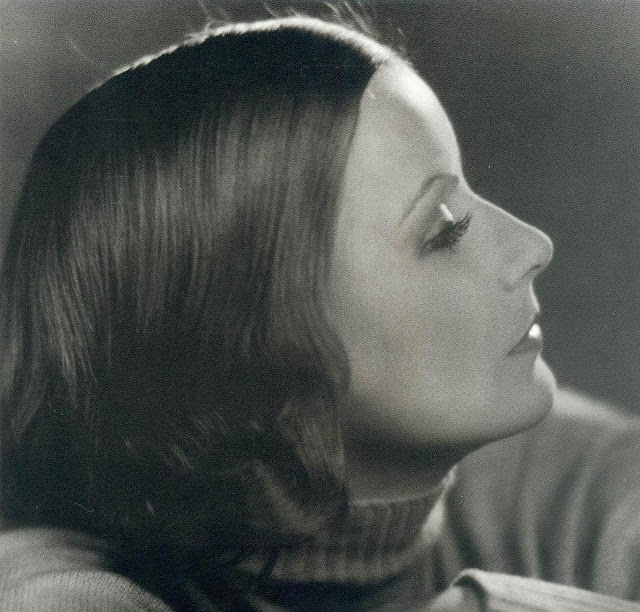
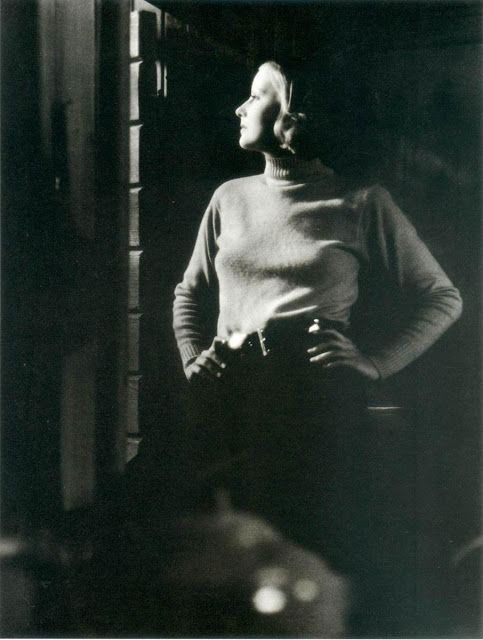
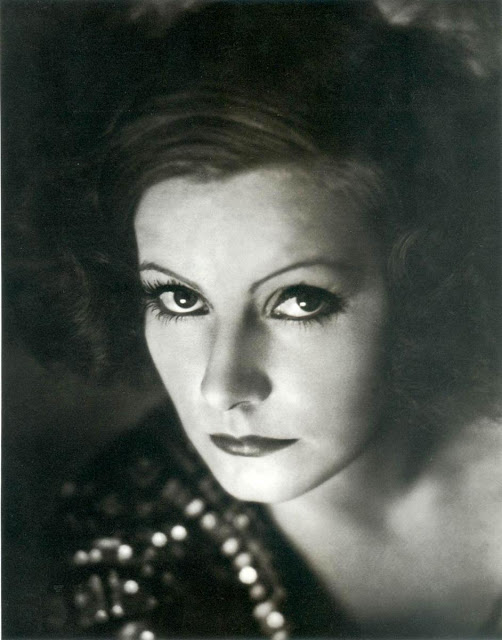
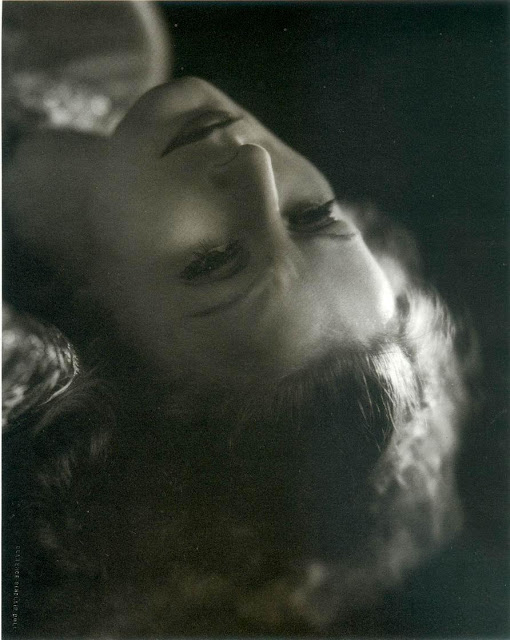
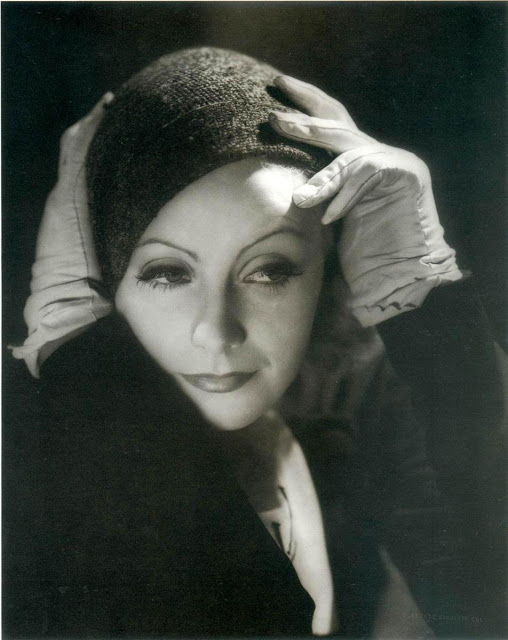
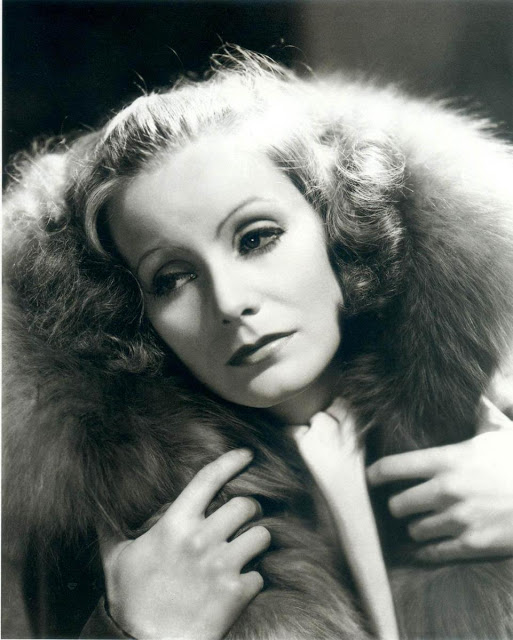
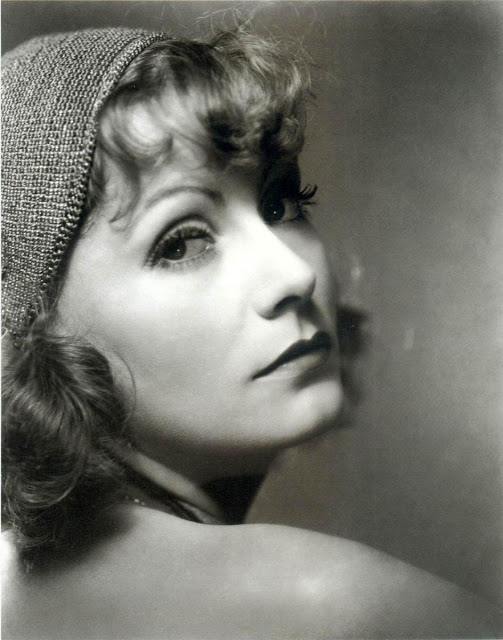
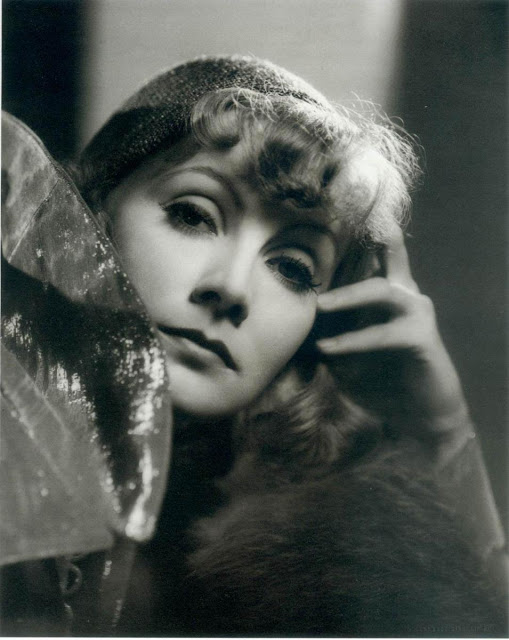
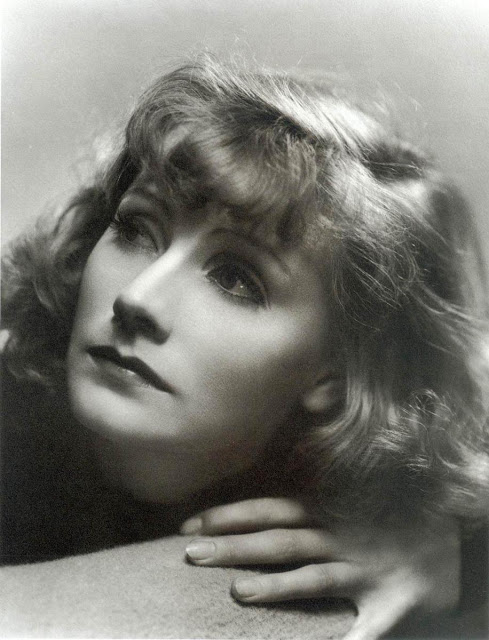
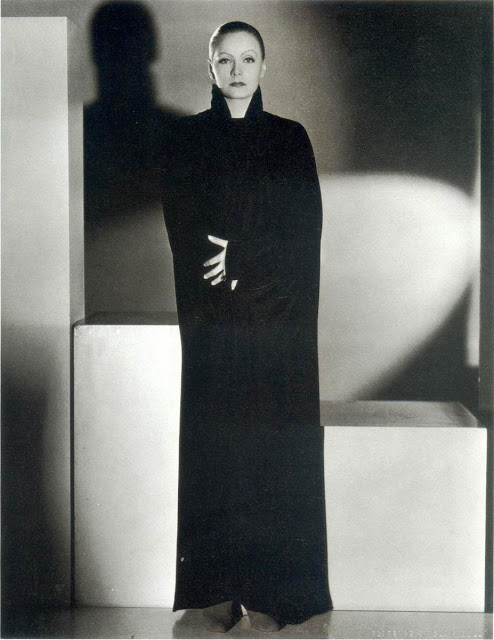
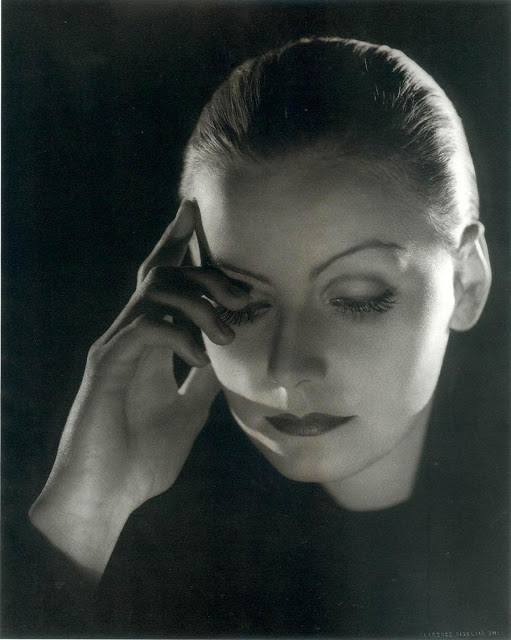
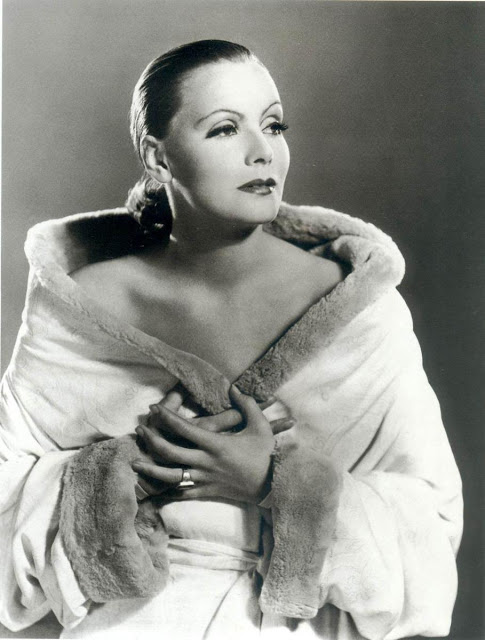
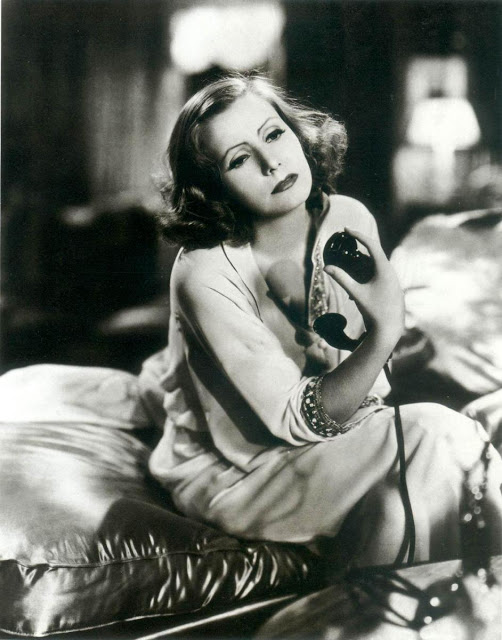
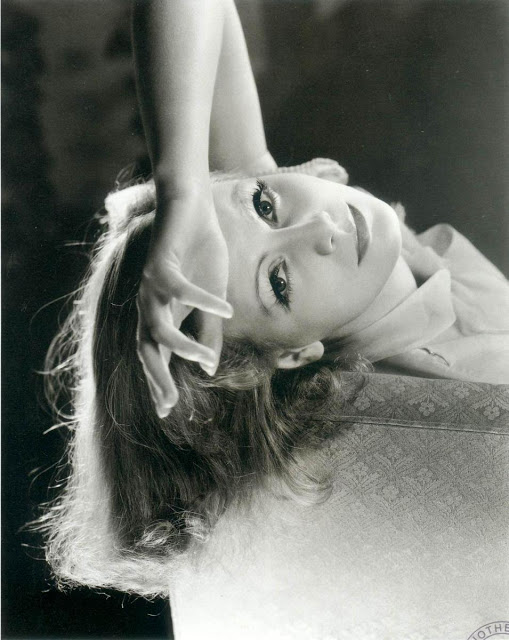
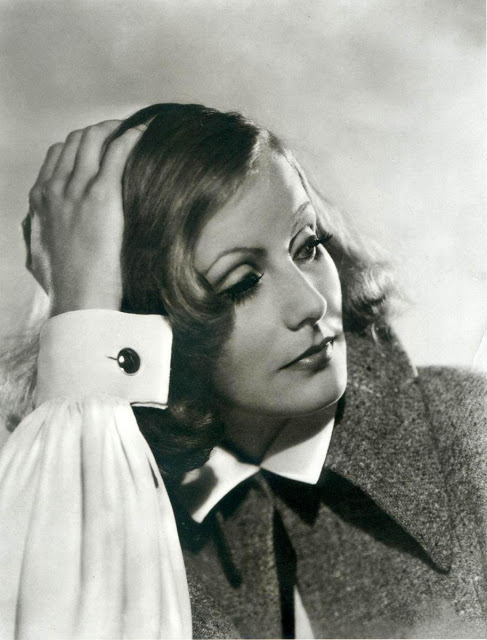
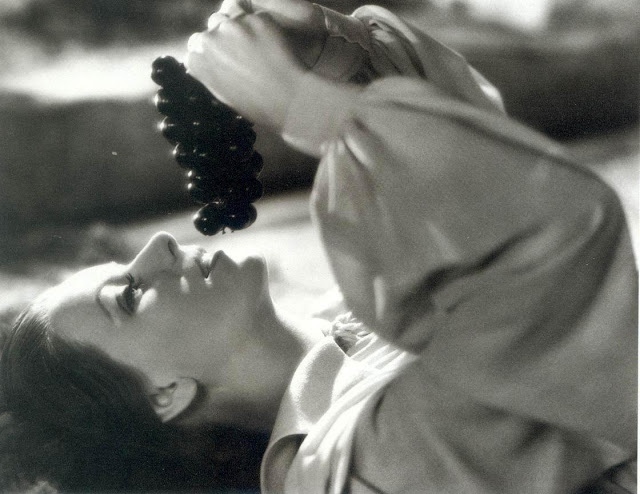
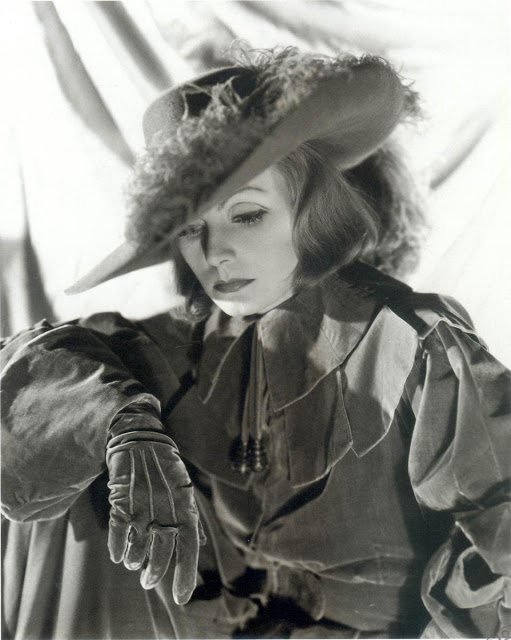
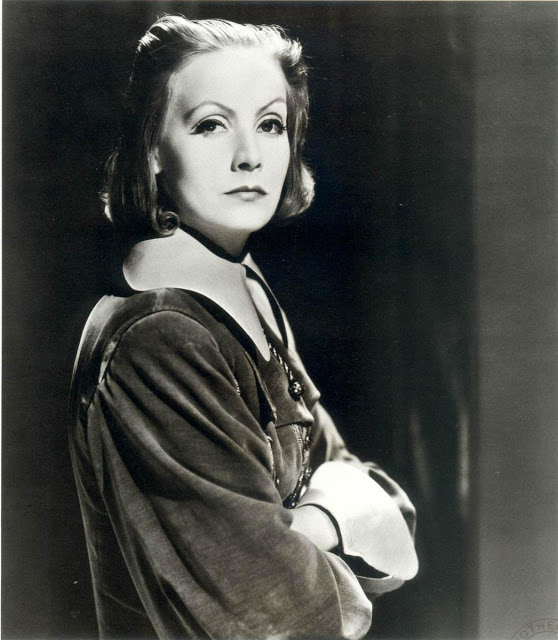
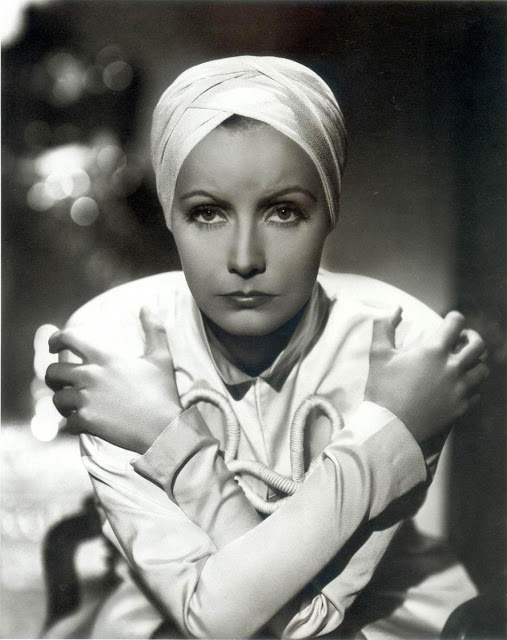
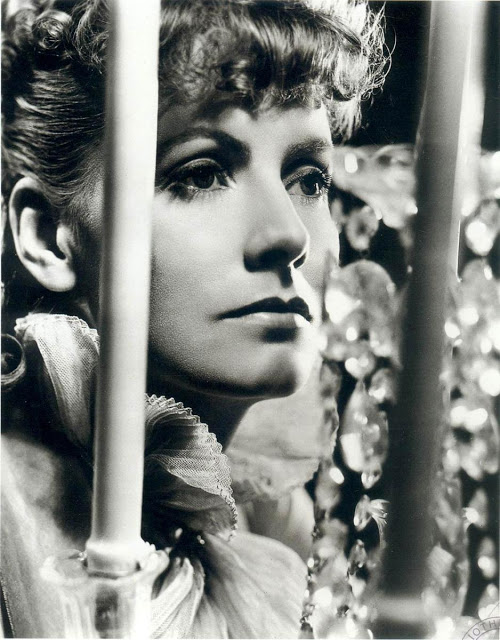
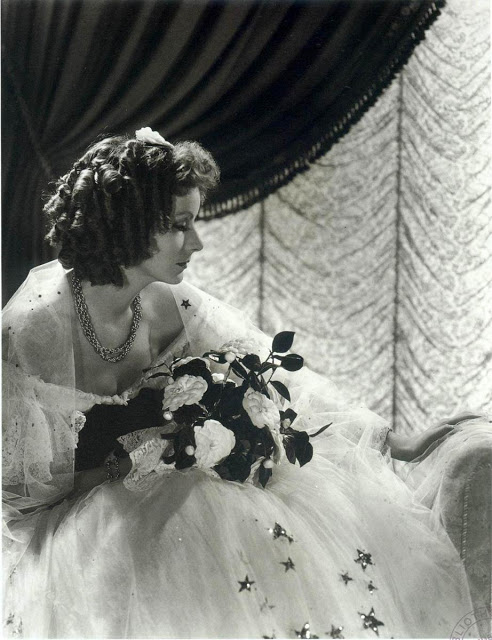
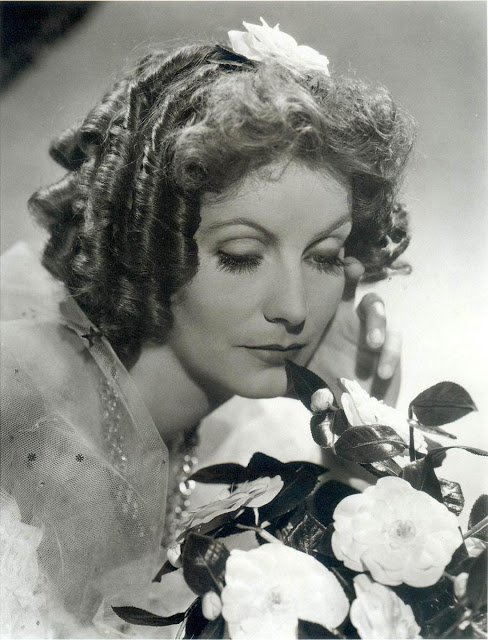
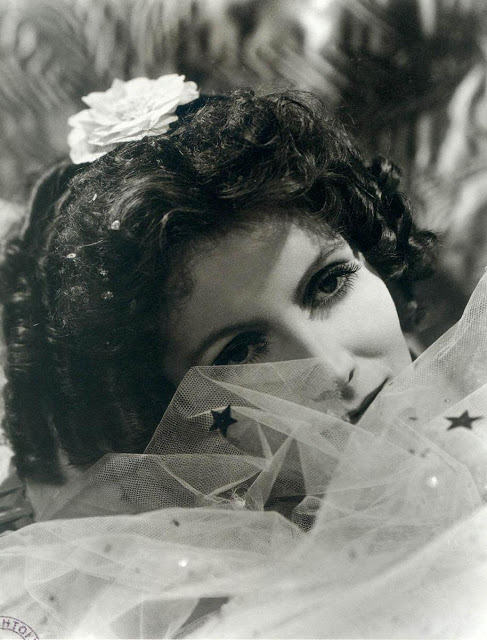
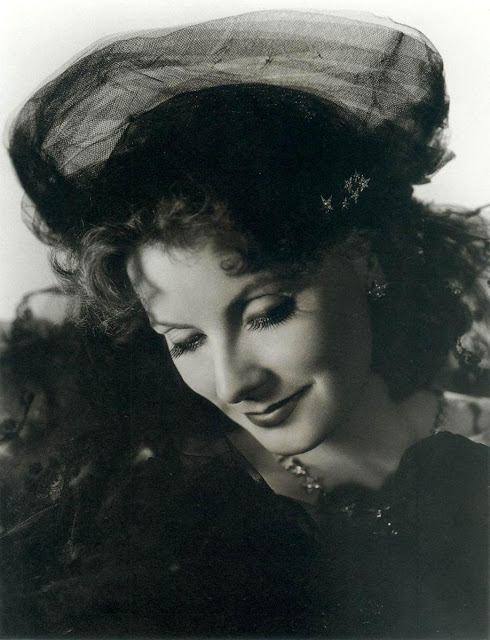
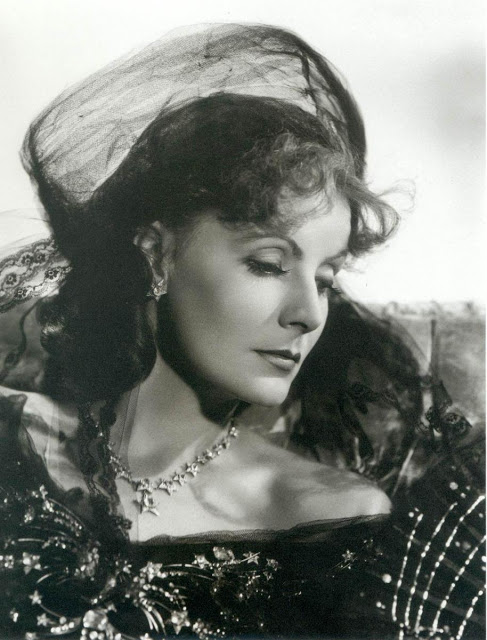
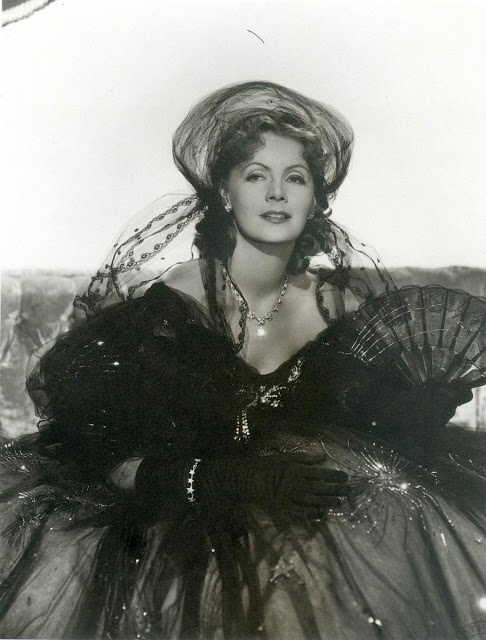
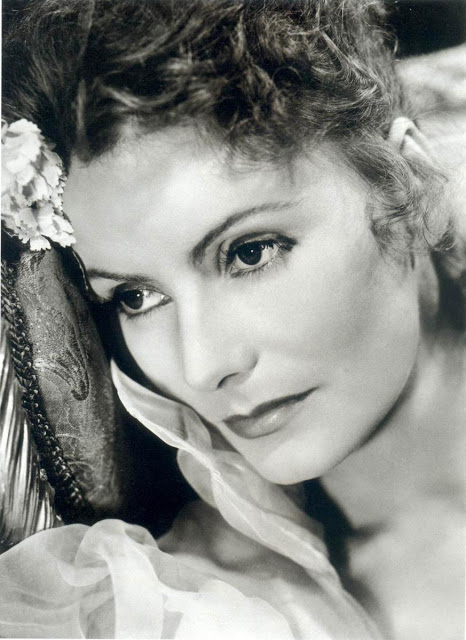
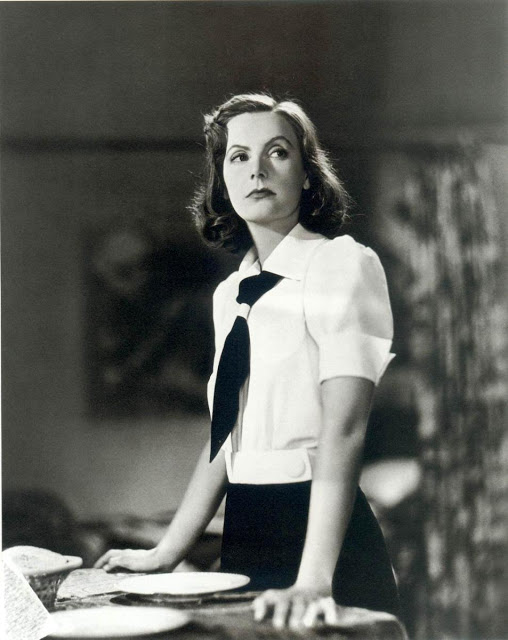
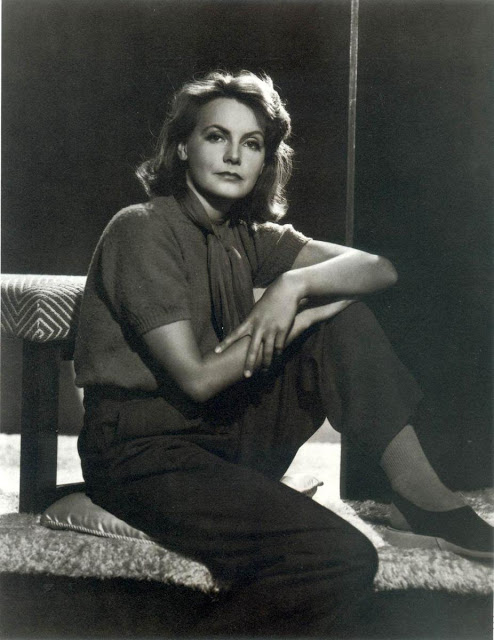
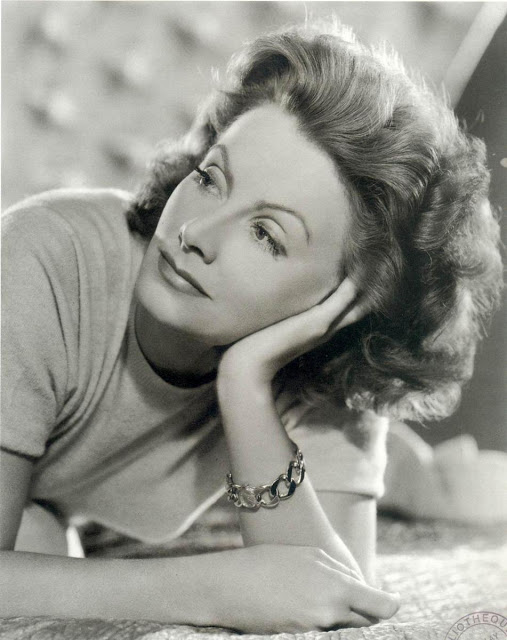
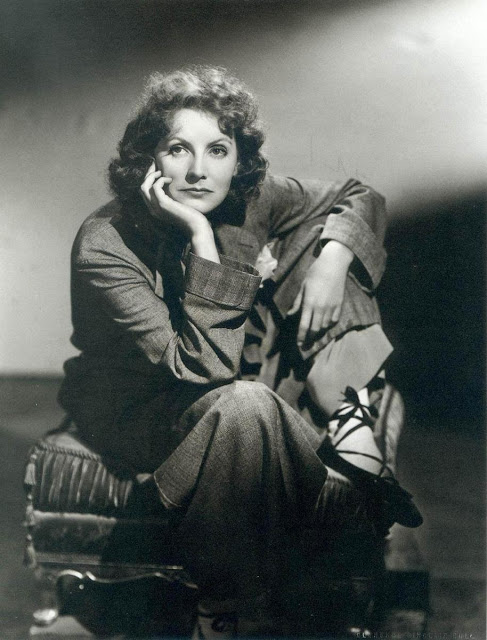
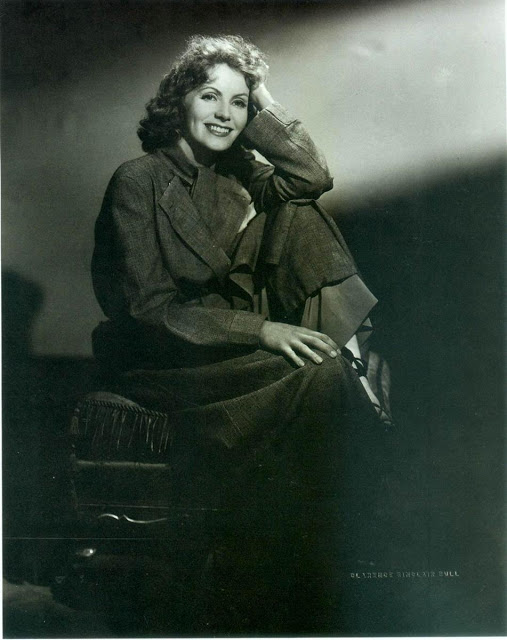
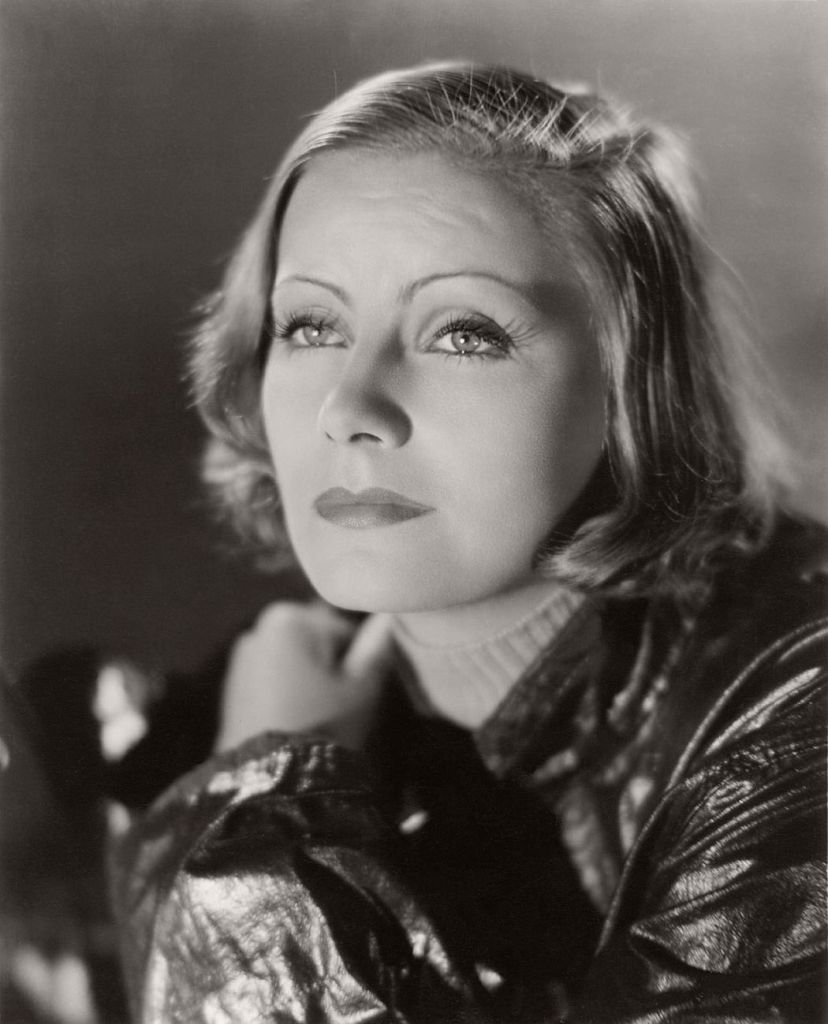
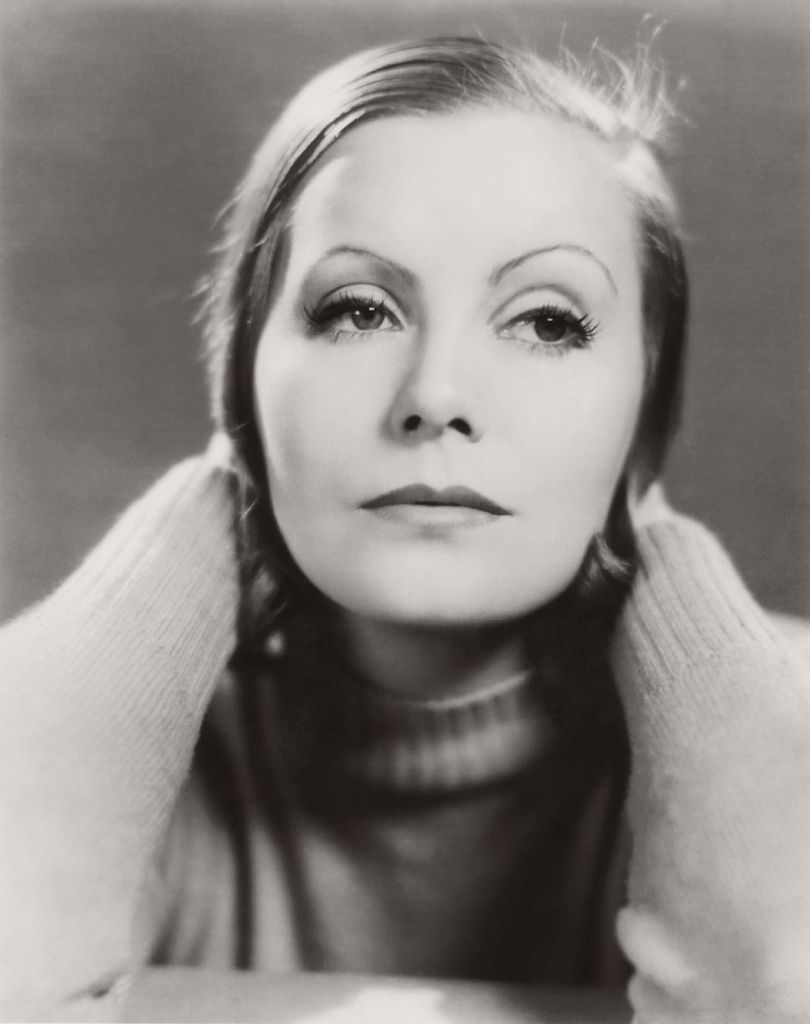
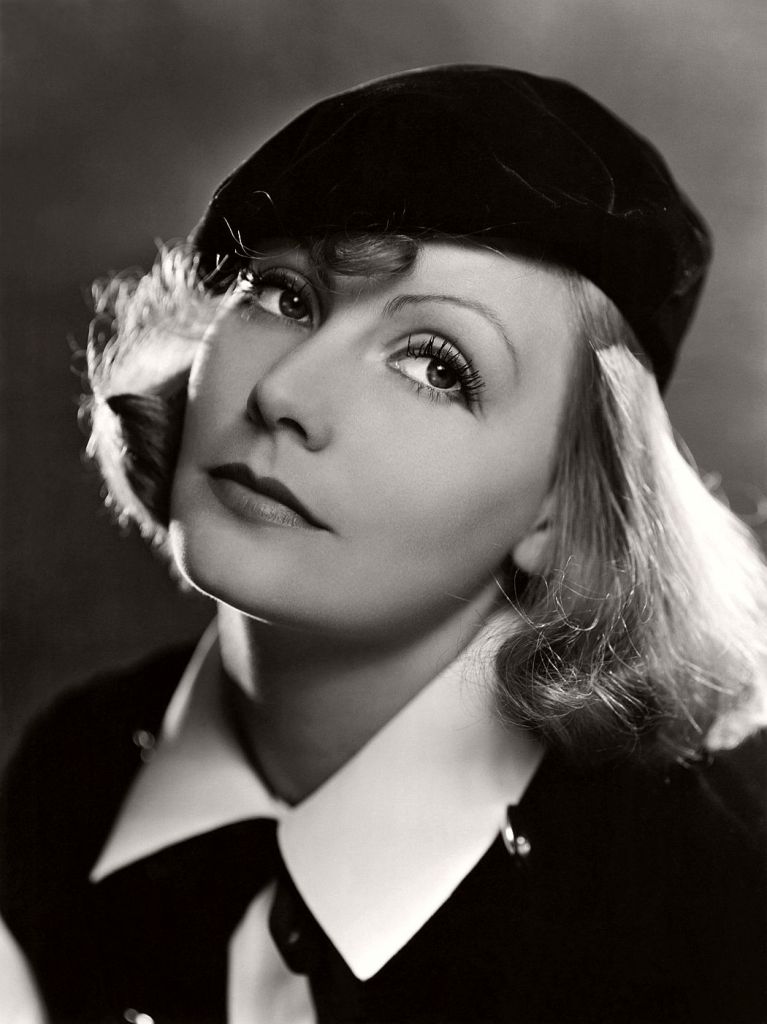
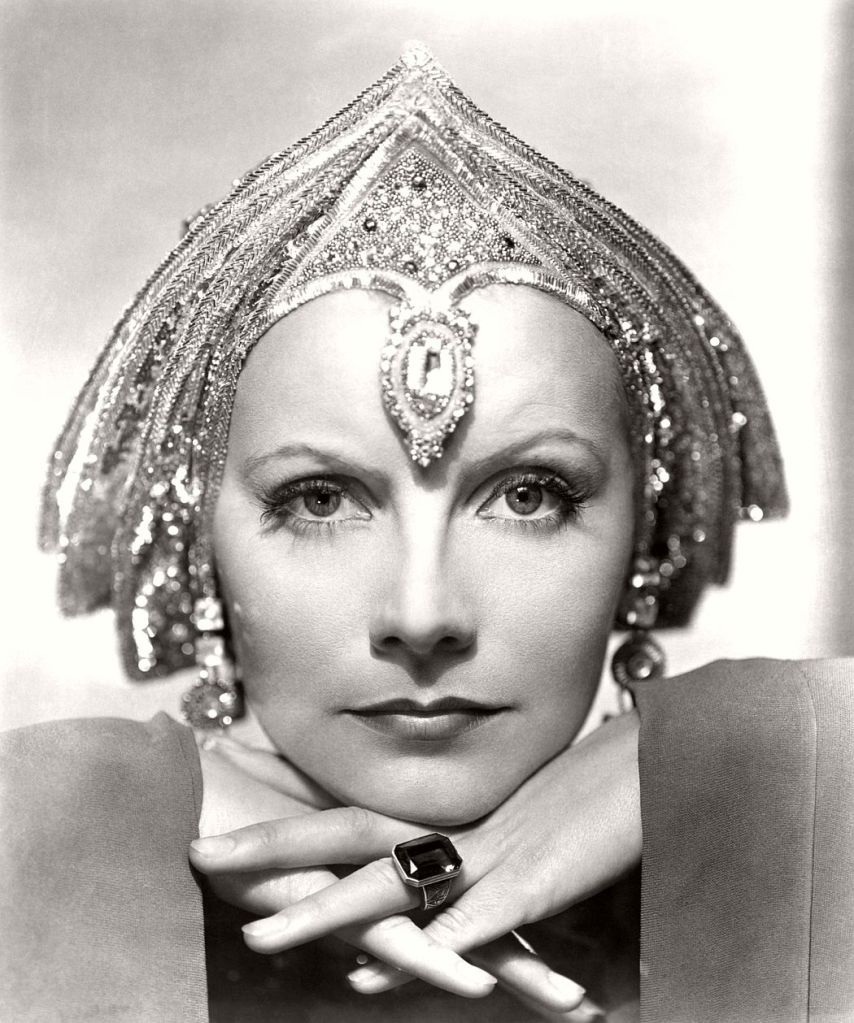
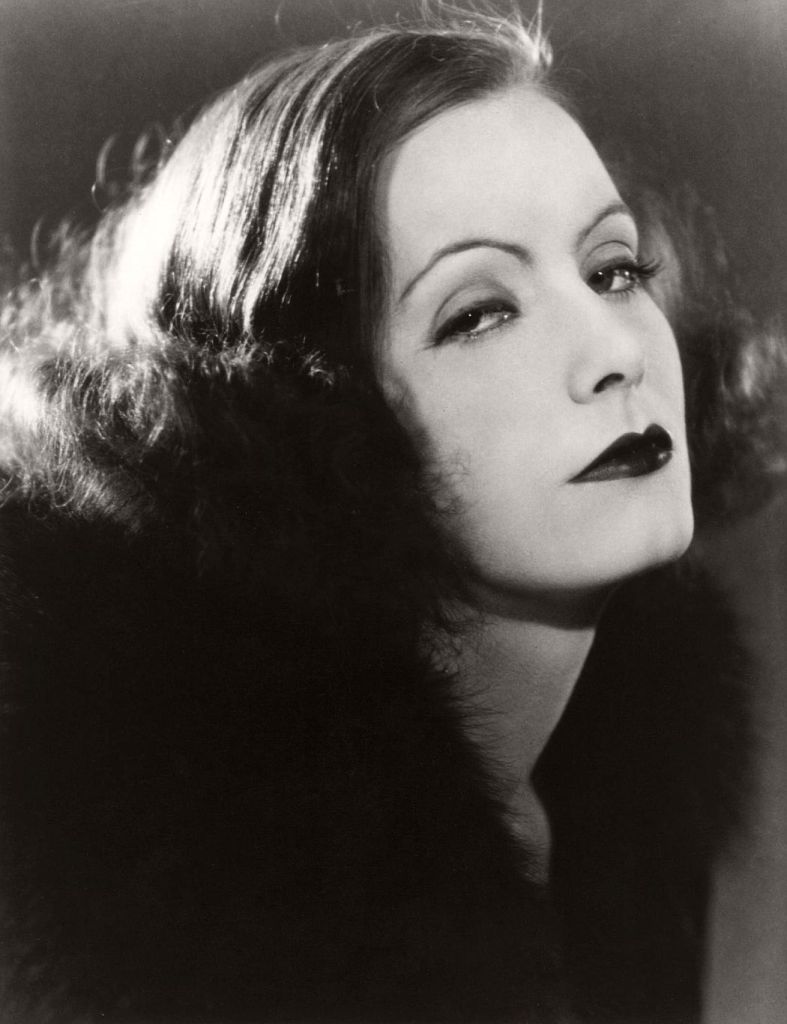
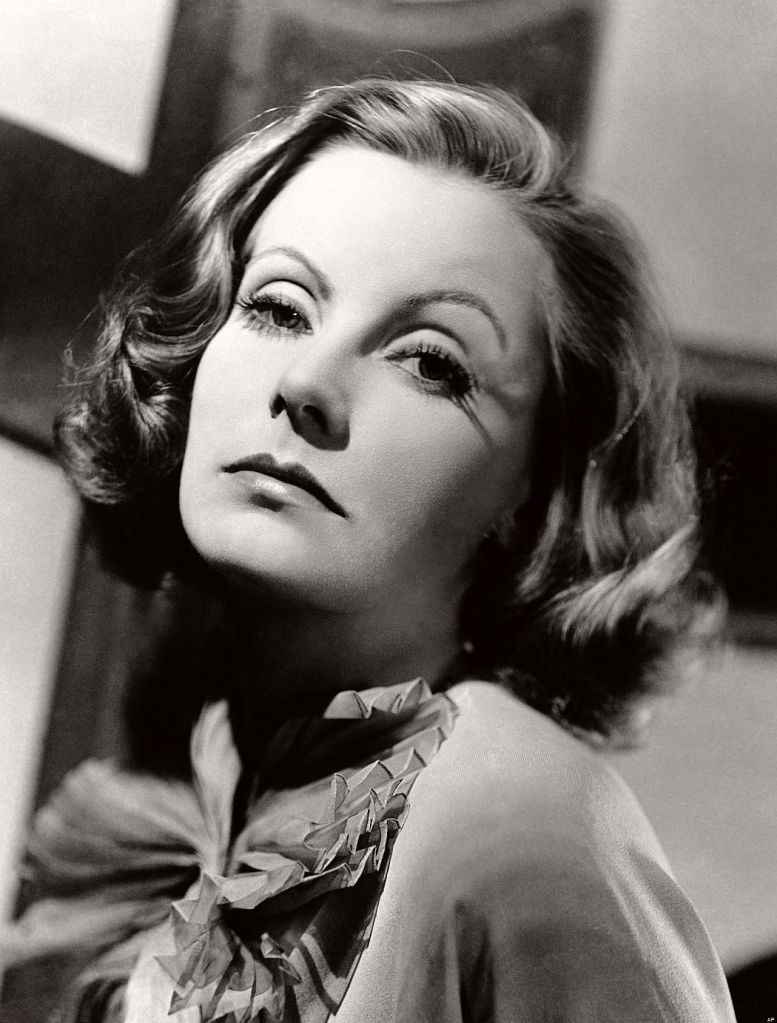
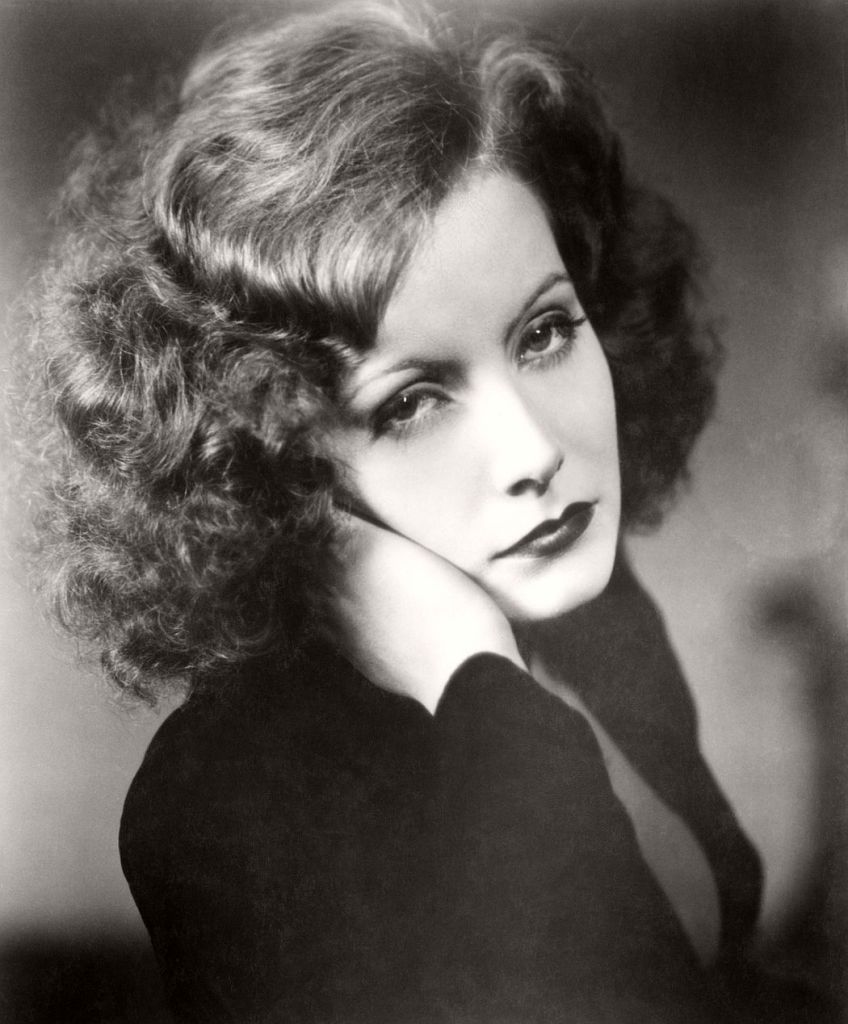
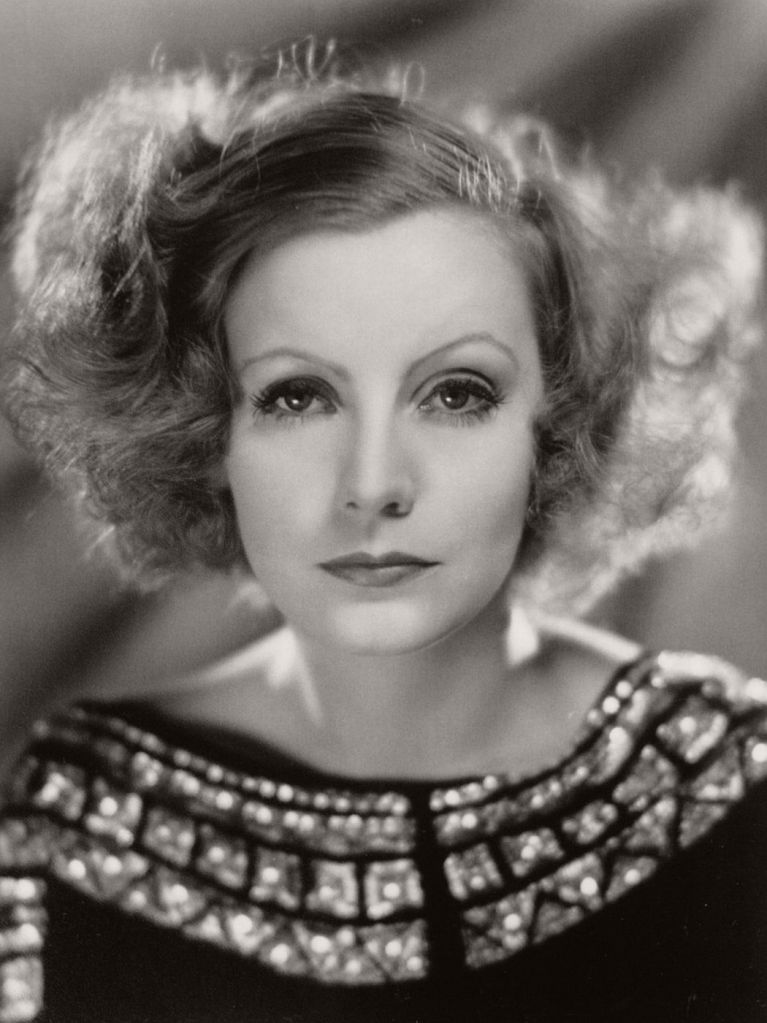
Greta Garbo was born Greta Lovisa Gustafsson on September 18, 1905, in Stockholm, Sweden, to Anna Lovisa (Johansdotter), who worked at a jam factory, and Karl Alfred Gustafsson, a laborer. She was fourteen when her father died, which left the family destitute. Greta was forced to leave school and go to work in a department store. The store used her as a model in its newspaper ads. She had no film aspirations until she appeared in short advertising film at that same department store while she was still a teenager. Erik A. Petschler, a comedy director, saw the film and gave her a small part in his Luffar-Petter (1922). Encouraged by her own performance, she applied for and won a scholarship to a Swedish drama school. While there she appeared in at least one film, En lyckoriddare (1921). Both were small parts, but it was a start. Finally famed Swedish director Mauritz Stiller pulled her from the drama school for the lead role in The Saga of Gösta Berling (1924). At 18 Greta was on a roll.
Following The Joyless Street (1925) both Greta and Stiller were offered contracts with MGM, and her first film for the studio was the American-made Torrent (1926), a silent film in which she didn’t have to speak a word of English. After a few more films, including The Temptress (1926), Love (1927) and A Woman of Affairs (1928), Greta starred in Anna Christie (1930) (her first “talkie”), which not only gave her a powerful screen presence but also garnered her an Academy Award nomination as Best Actress (she didn’t win). Later that year she filmed Romance (1930), which was somewhat of a letdown, but she bounced back in 1931, landing another lead role in Mata Hari (1931), which turned out to be a major hit.
Greta continued to give intense performances in whatever was handed her. The next year she was cast in what turned out to be yet another hit, Grand Hotel (1932). However, it was in MGM’s Anna Karenina (1935) that she gave what some consider the performance of her life. She was absolutely breathtaking in the role as a woman torn between two lovers and her son. Shortly afterwards, she starred in the historical drama Queen Christina (1933) playing the title character to great acclaim. She earned an Oscar nomination for her role in the romantic drama Camille (1936), again playing the title character. Her career suffered a setback the following year in Conquest (1937), which was a box office disaster. She later made a comeback when she starred in Ninotchka (1939), which showcased her comedic side. It wasn’t until two years later she made what was to be her last film, Two-Faced Woman (1941), another comedy. But the film drew controversy and was condemned by the Catholic Church and other groups and was a box office failure, which left Garbo shaken.
After World War II Greta, by her own admission, felt that the world had changed perhaps forever and she retired, never again to face the camera. She would work for the rest of her life to perpetuate the Garbo mystique. Her films, she felt, had their proper place in history and would gain in value. She abandoned Hollywood and moved to New York City. She would jet-set with some of the world’s best-known personalities such as Aristotle Onassis and others. She spent time gardening and raising flowers and vegetables. In 1954 Greta was given a special Oscar for past unforgettable performances. She even penned her biography in 1990.
On April 15, 1990, Greta died of natural causes in New York and with her went the “Garbo Mystique”. She was 84. (IMDB)
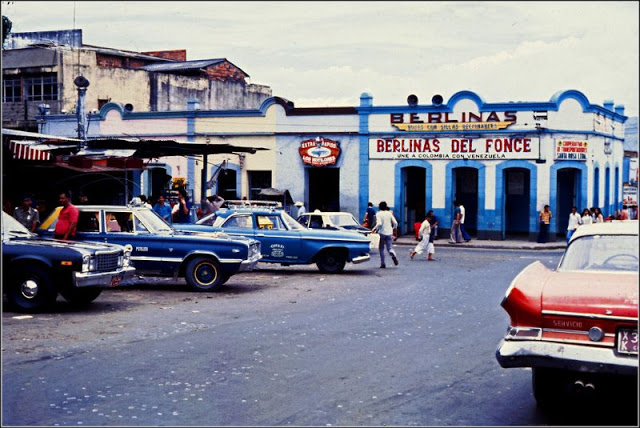
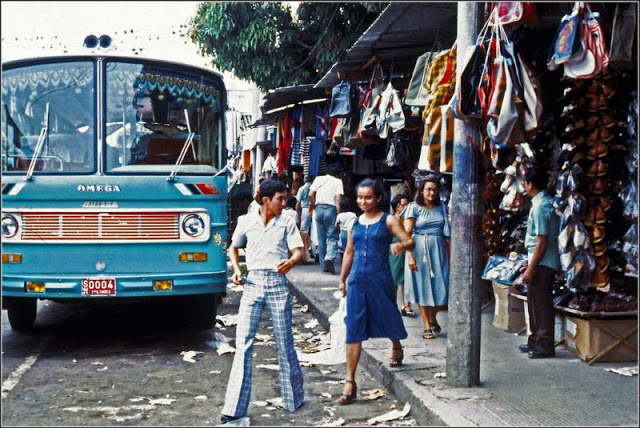
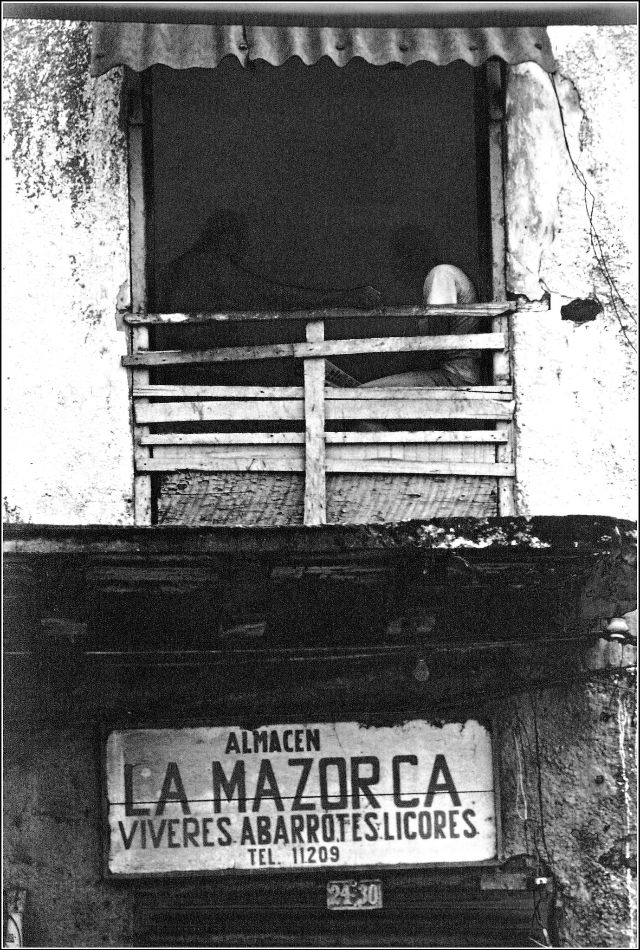
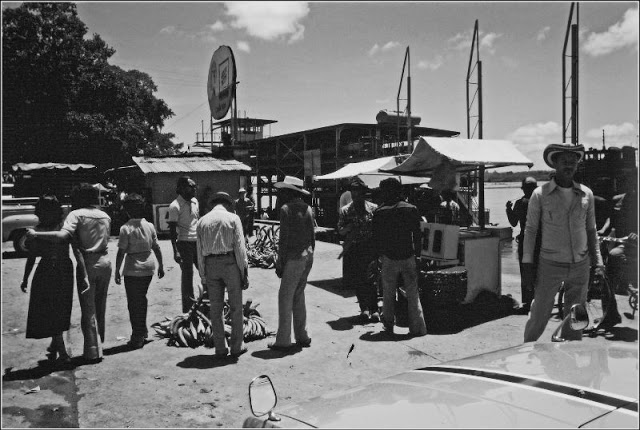
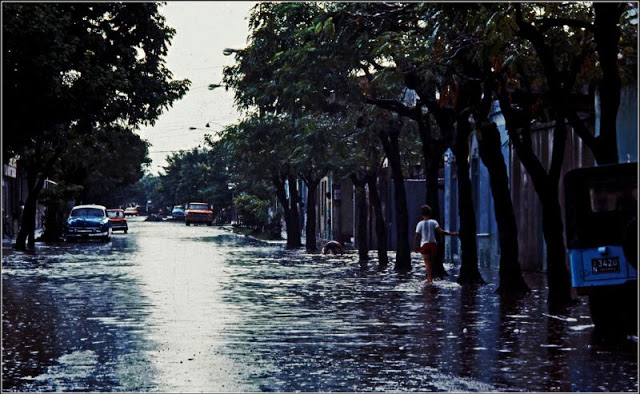
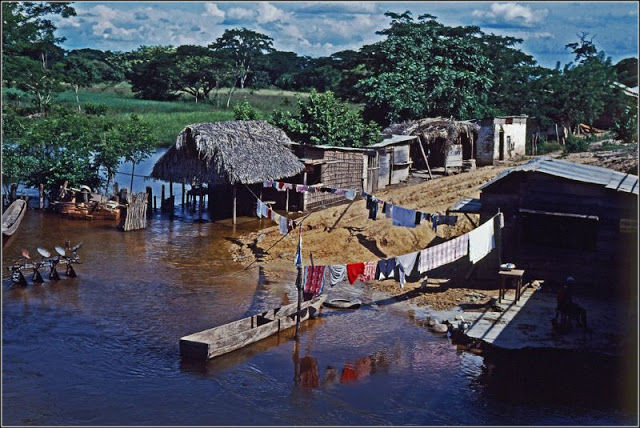
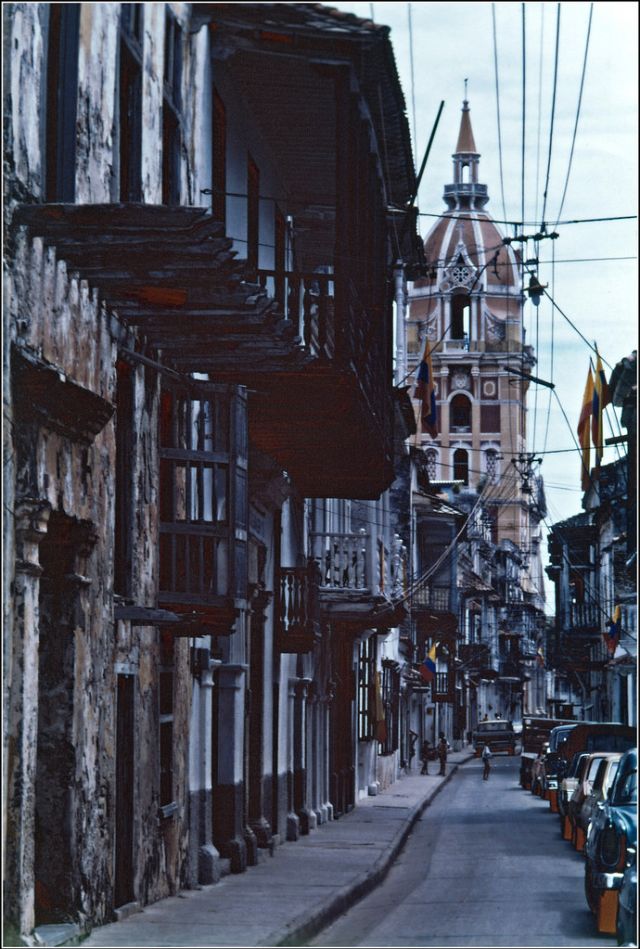
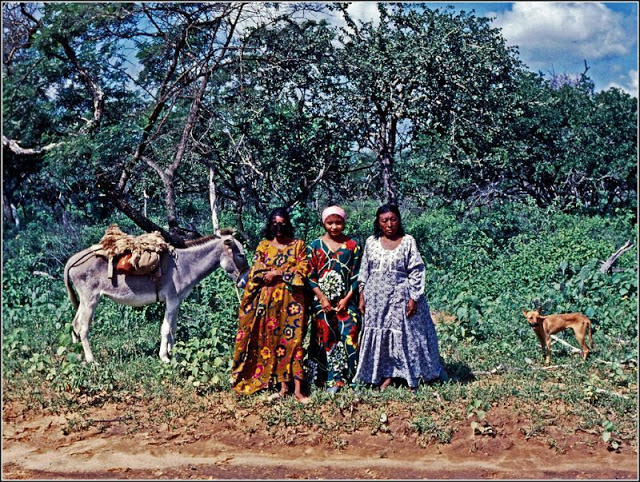
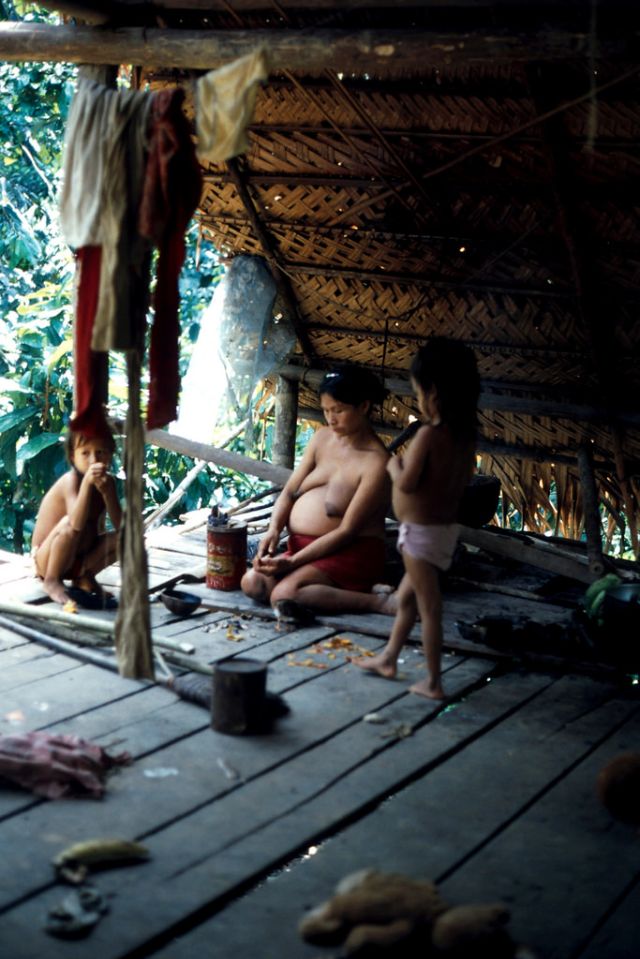
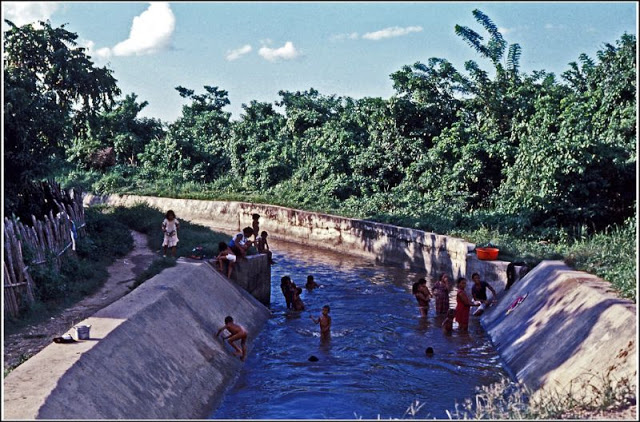
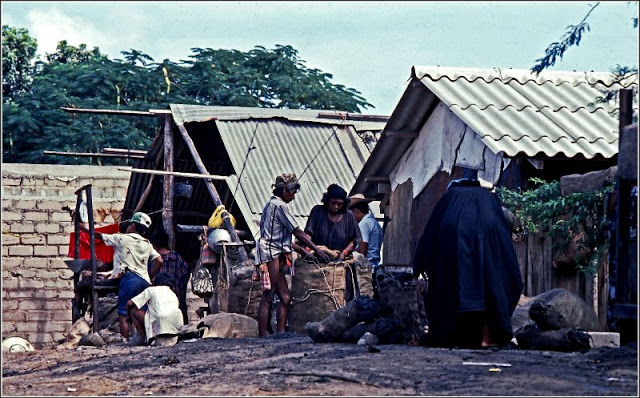
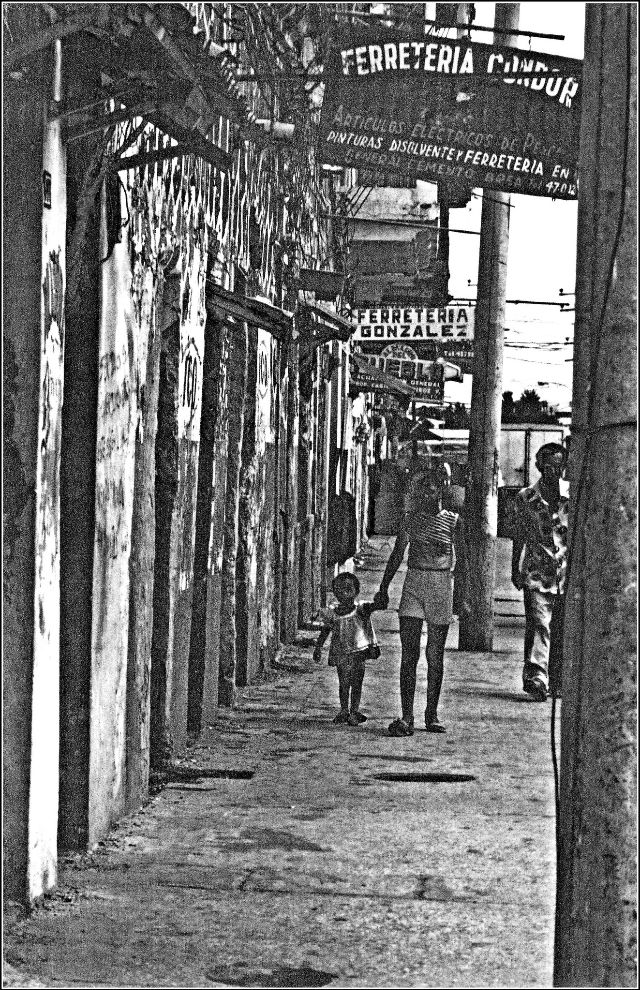
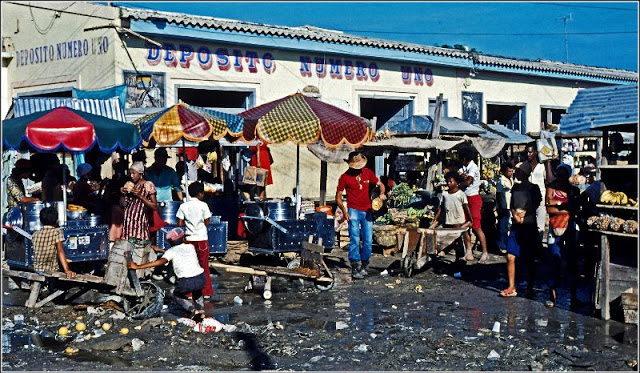
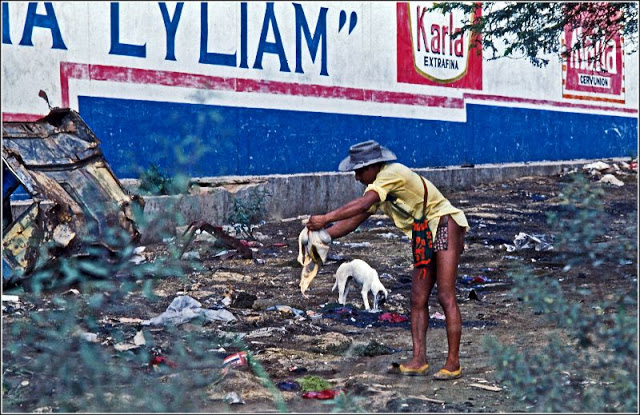
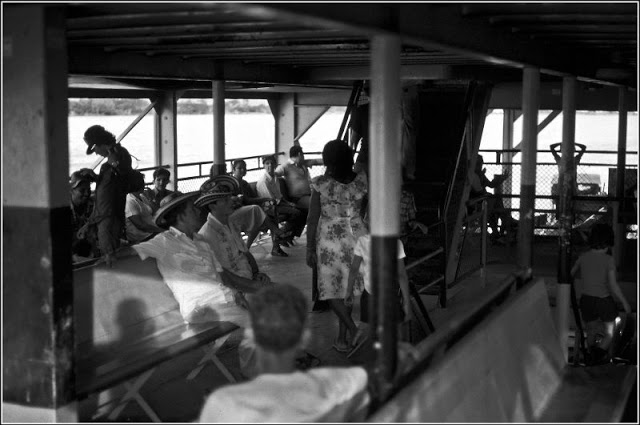
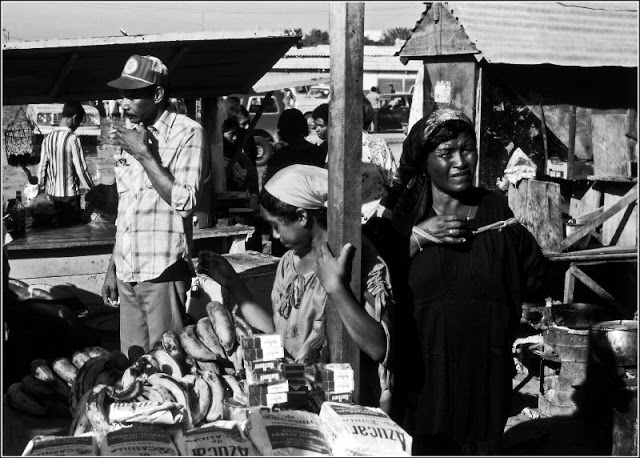
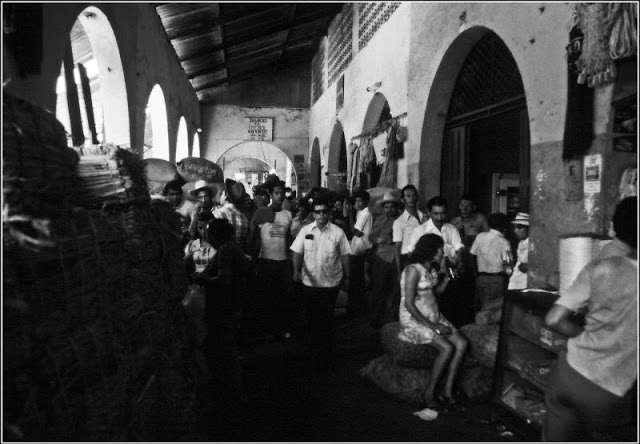
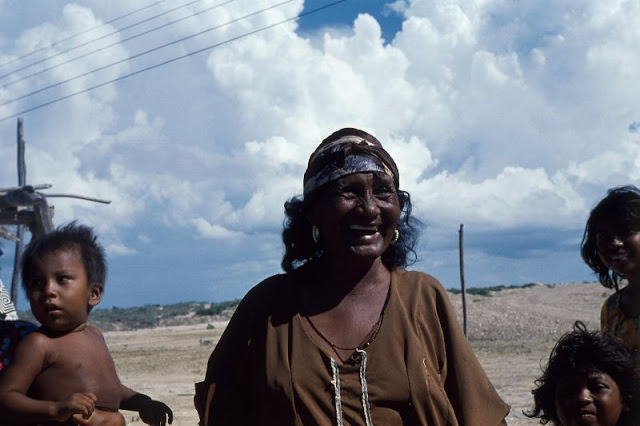
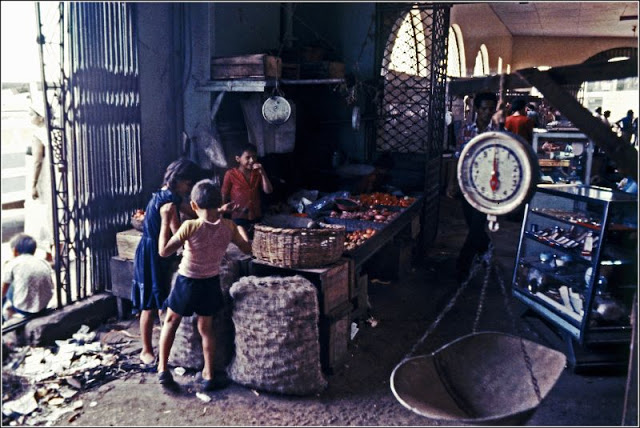
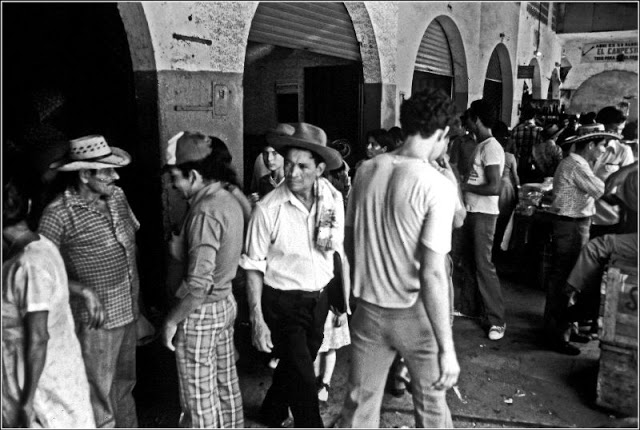
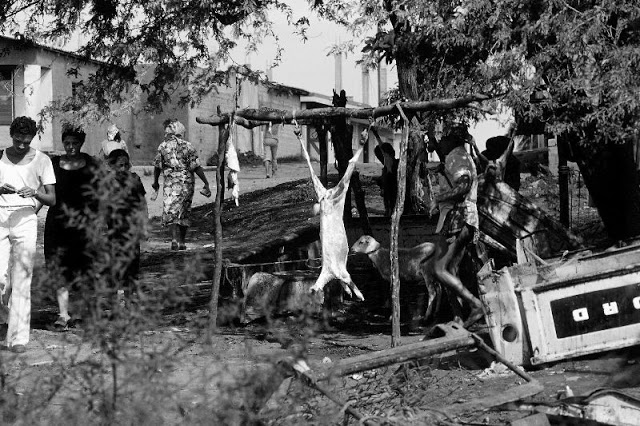
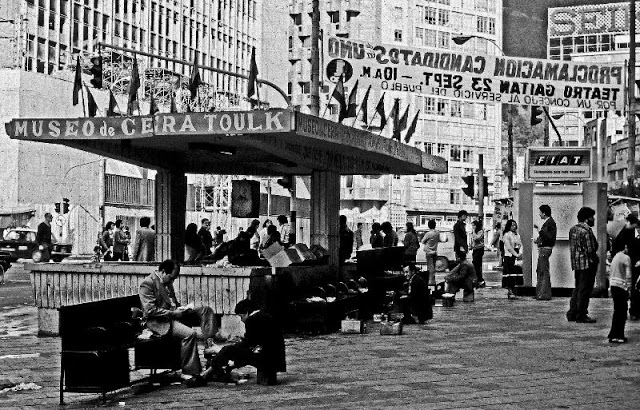
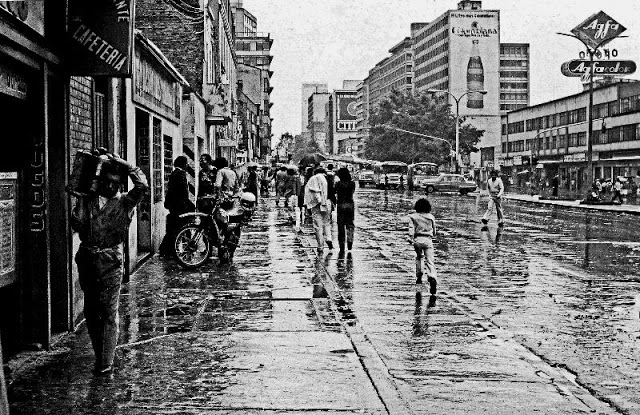
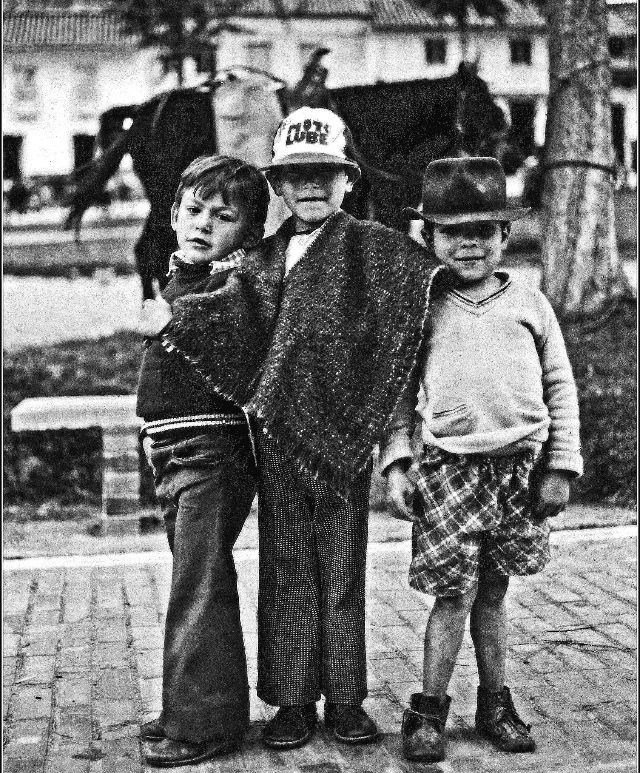
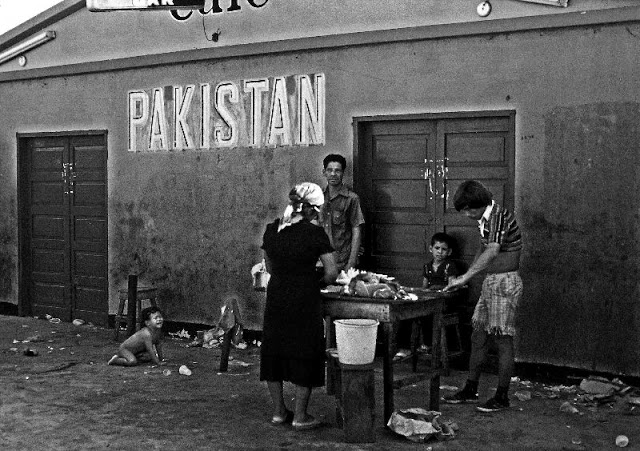
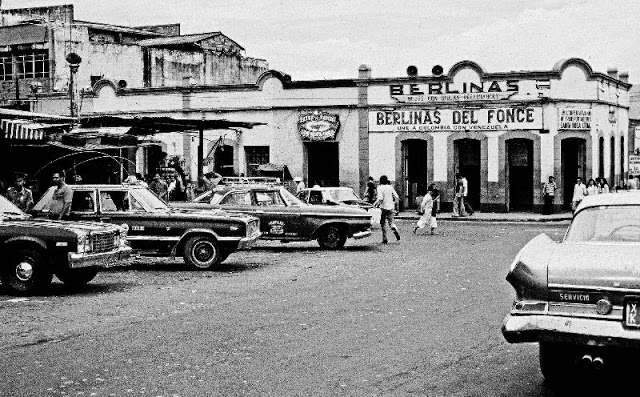
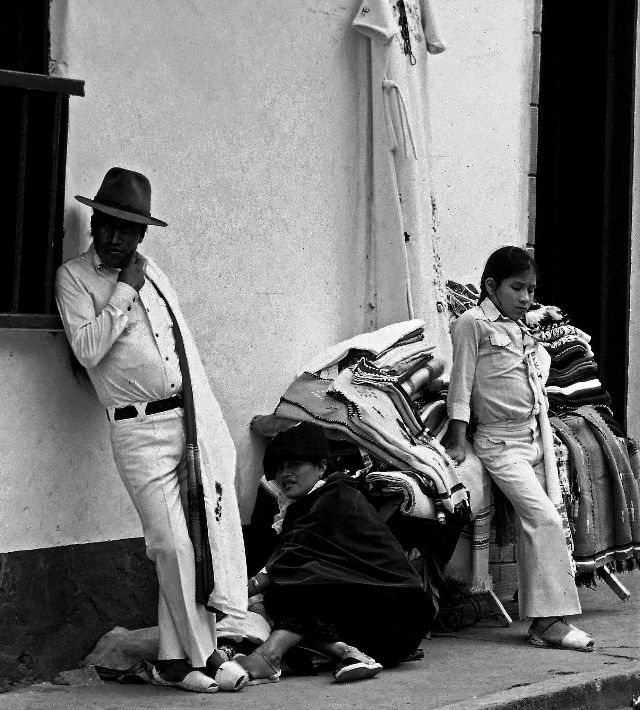
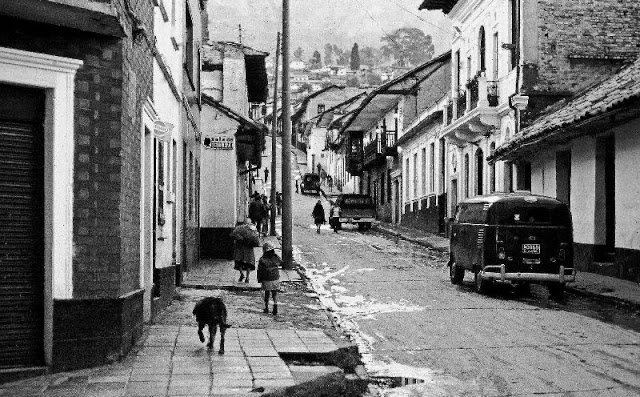
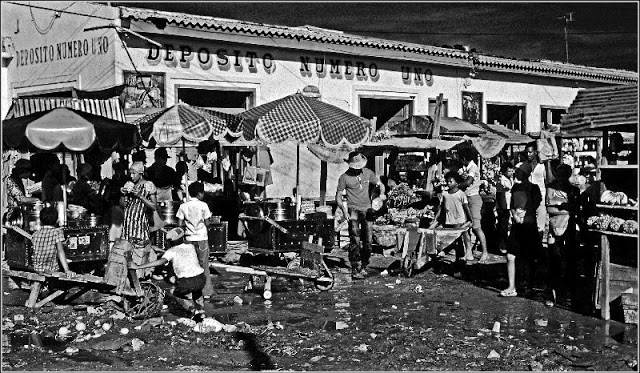
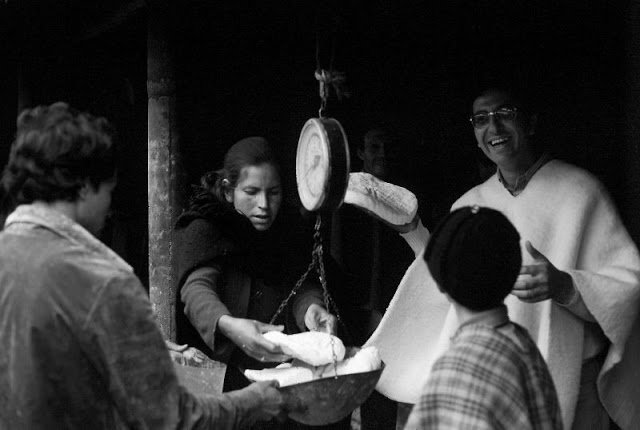
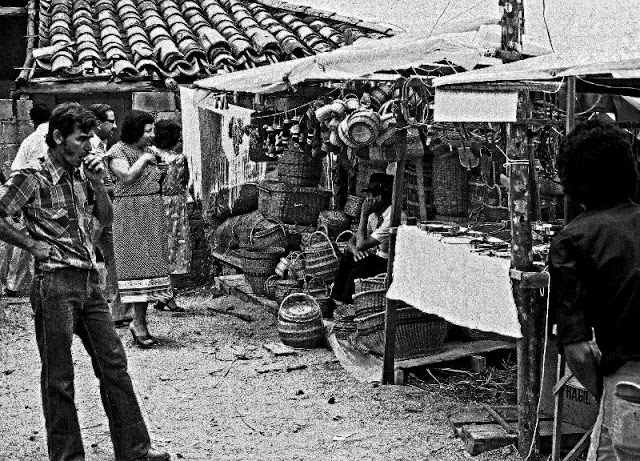
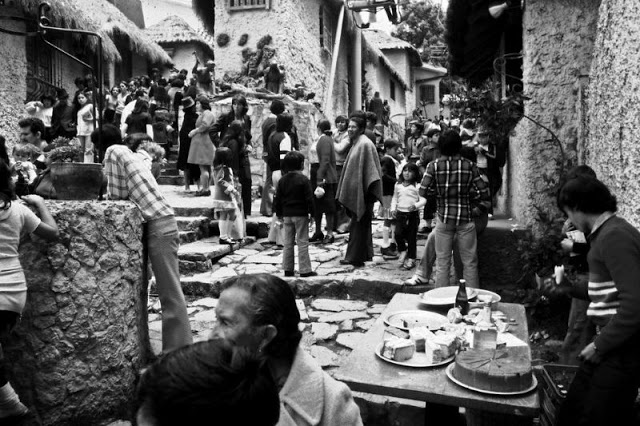
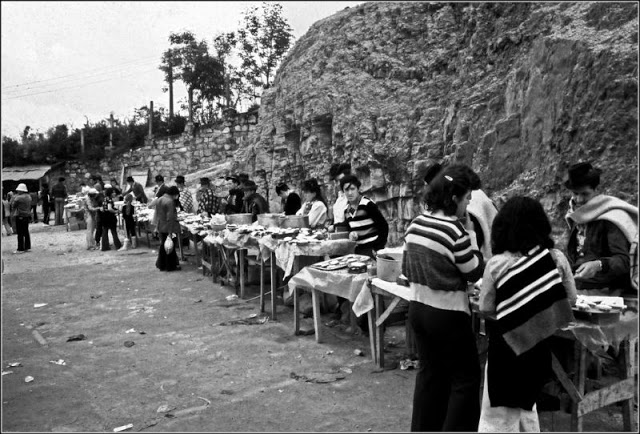
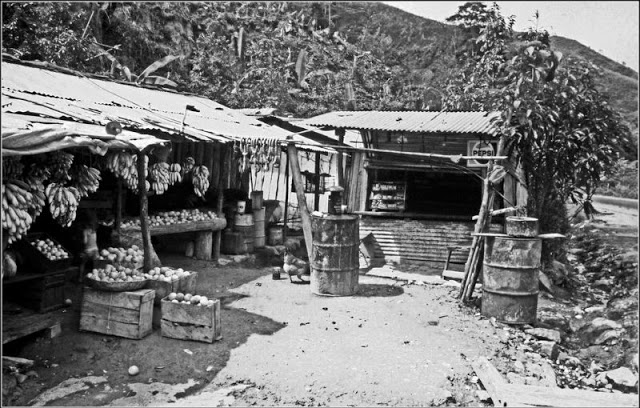
Colombia, officially the Republic of Colombia, is a country in South America. It is bordered by the Caribbean Sea to the north, Venezuela to the east, Brazil to the southeast, Ecuador and Peru to the south, the Pacific Ocean to the west, and Panama to the northwest. Colombia comprises 32 departments and the Capital District of Bogotá, the country’s largest city. It covers an area of 1,141,748 square kilometers (440,831 sq mi), with a population of 50 million. Colombia’s rich cultural heritage reflects influences by various Amerindian civilizations, European settlement, African slaves, and immigration from Europe and the Middle East. Spanish is the nation’s official language, besides which over 70 languages are spoken.
Colombia has been inhabited by various indigenous peoples since at least 12,000 BCE, including the Muisca, Quimbaya, and the Tairona. The Spanish landed first in La Guajira in 1499 and by the mid-16th century colonized parts of the region, establishing the New Kingdom of Granada, with Santafé de Bogotá as its capital. Independence from the Spanish Empire was achieved in 1819, with what is now Colombia emerging as the United Provinces of New Granada. The new nation experimented with federalism as the Granadine Confederation (1858), and then the United States of Colombia (1863), before the Republic of Colombia was finally declared in 1886. Panama seceded in 1903, leading to Colombia’s present borders. Beginning in the 1960s, the country has suffered from an asymmetric low-intensity armed conflict and political violence, both of which escalated in the 1990s. Since 2005, there has been significant improvement in security, stability, and rule of law, as well as unprecedented economic growth and development.
Colombia is one of the world’s seventeen megadiverse countries, and has the second-highest level of biodiversity in the world. Its territory encompasses Amazon rainforest, highlands, grasslands, and deserts, and it is the only country in South America with coastlines and islands along both Atlantic and Pacific oceans.
Colombia is a member of major global and regional organizations including the United Nations, the WTO, the OECD, the OAS, the Pacific Alliance, the Andean Community, and a NATO Global Partner. Its diversified economy is the third-largest in South America, with macroeconomic stability and favorable long-term growth prospects. (Wikipedia)
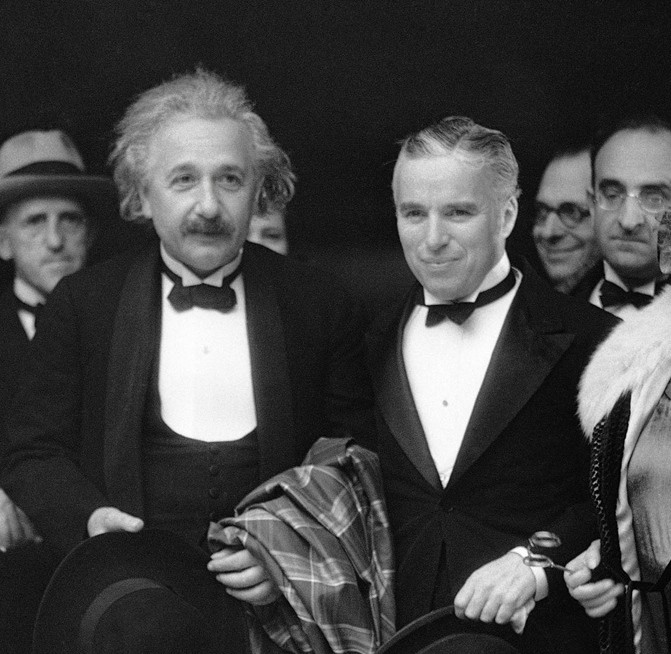
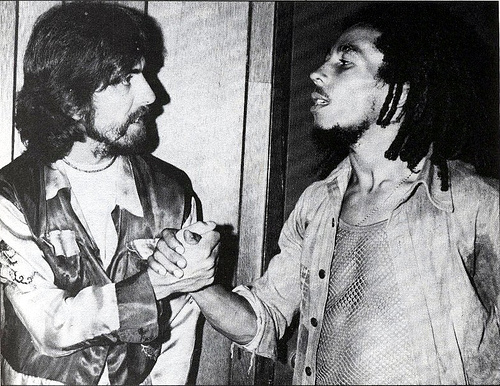
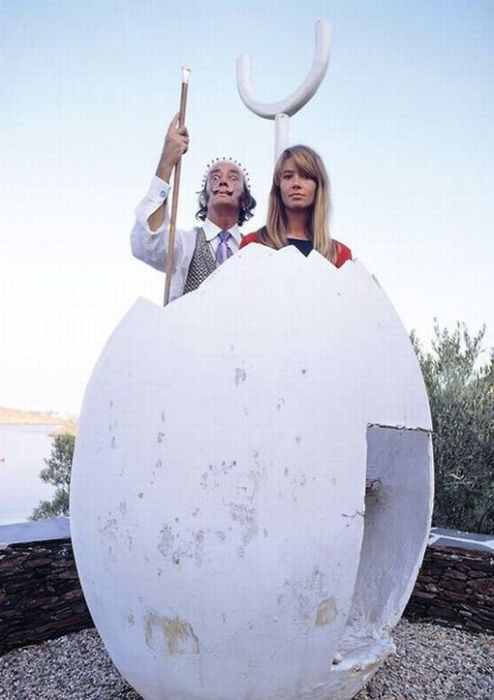
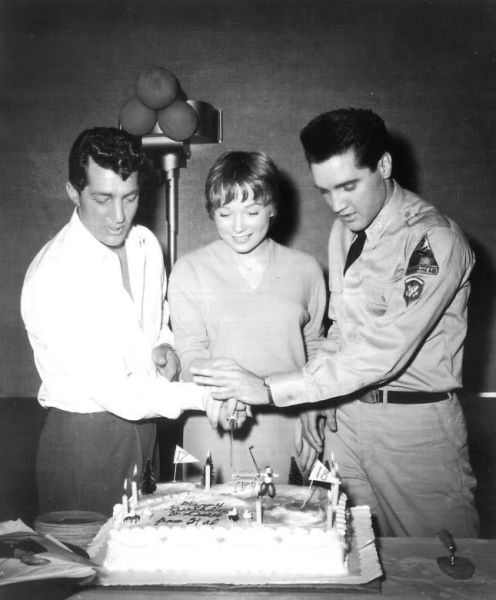
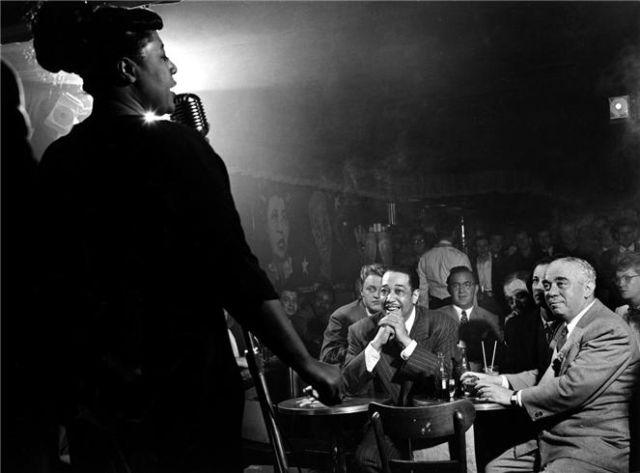
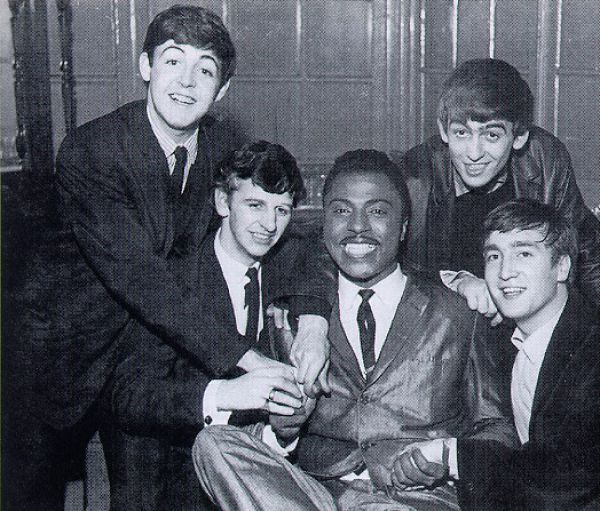
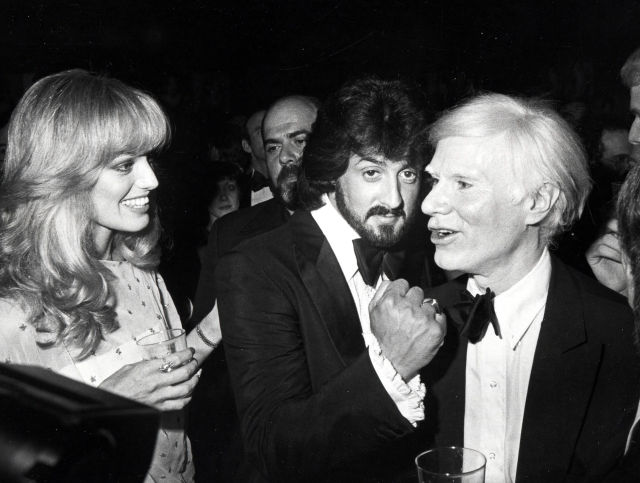
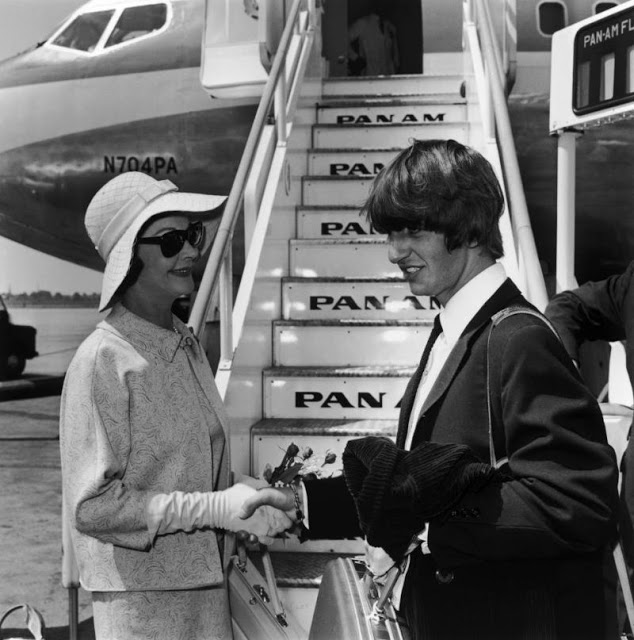
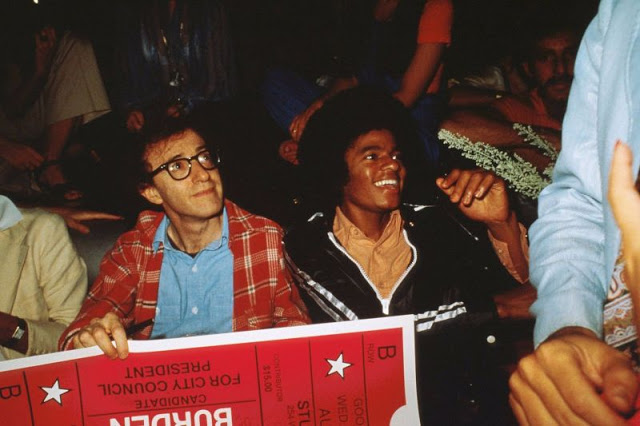
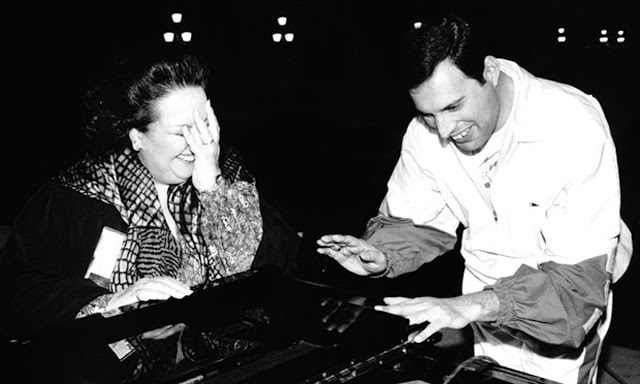
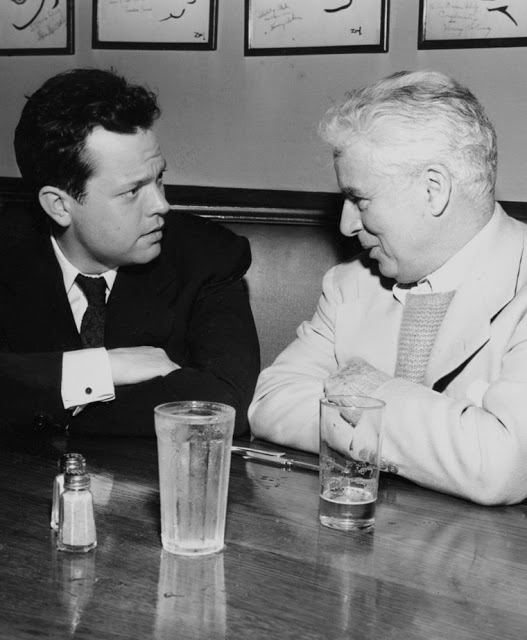
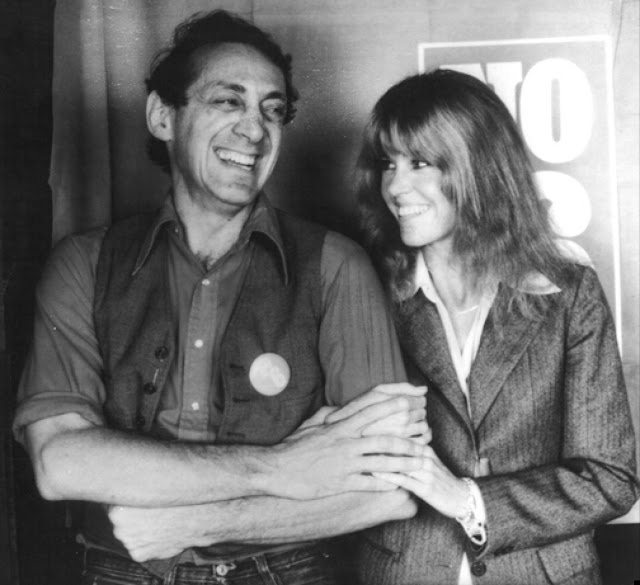
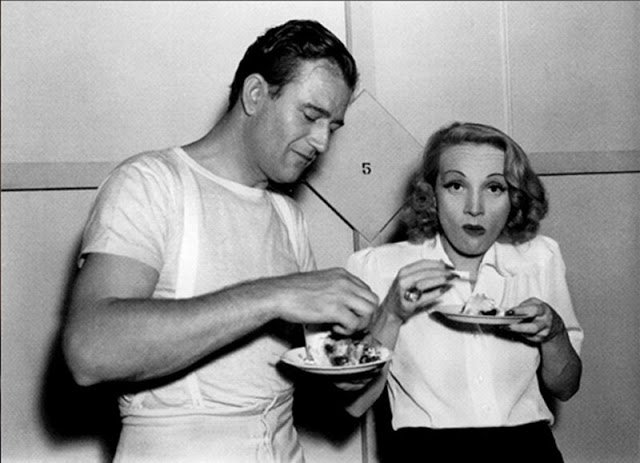
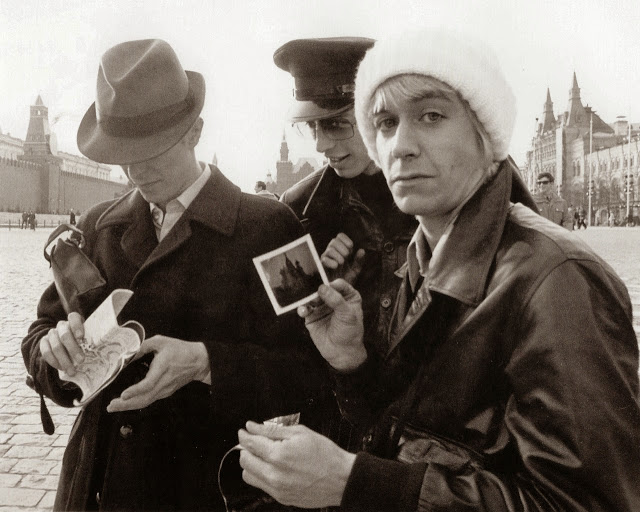
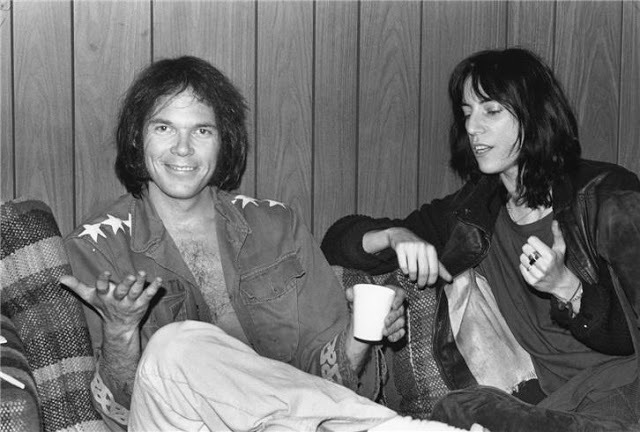
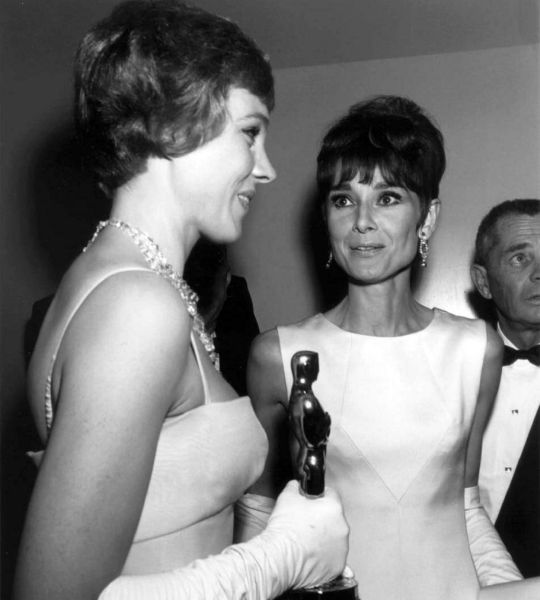
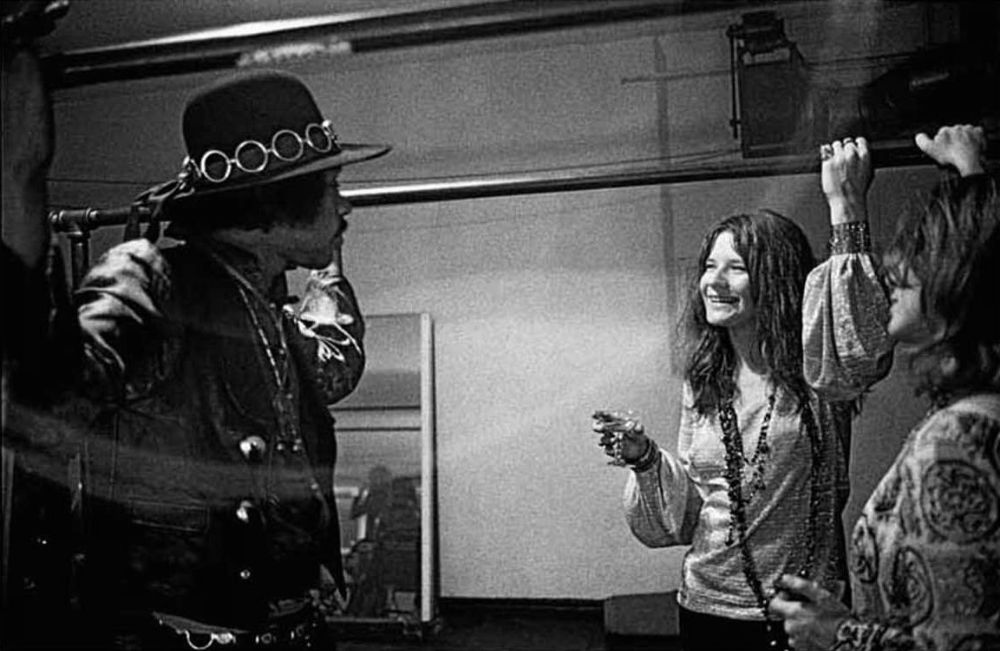
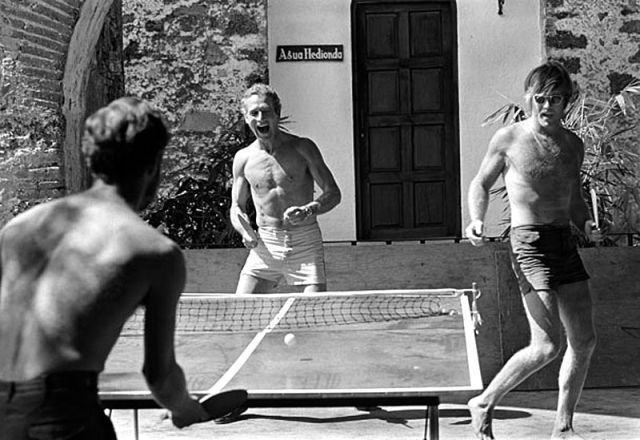
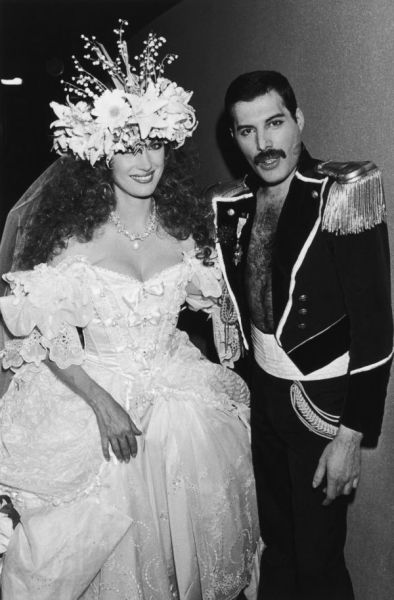
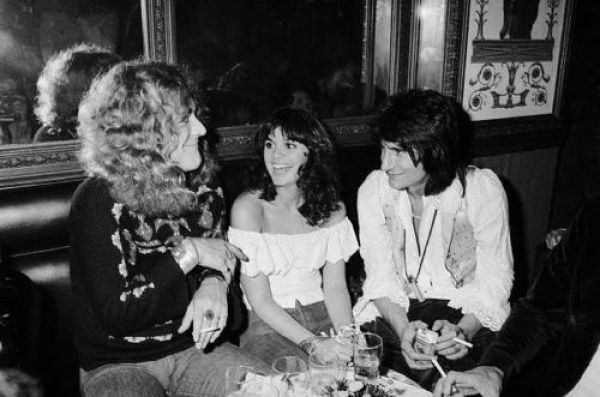
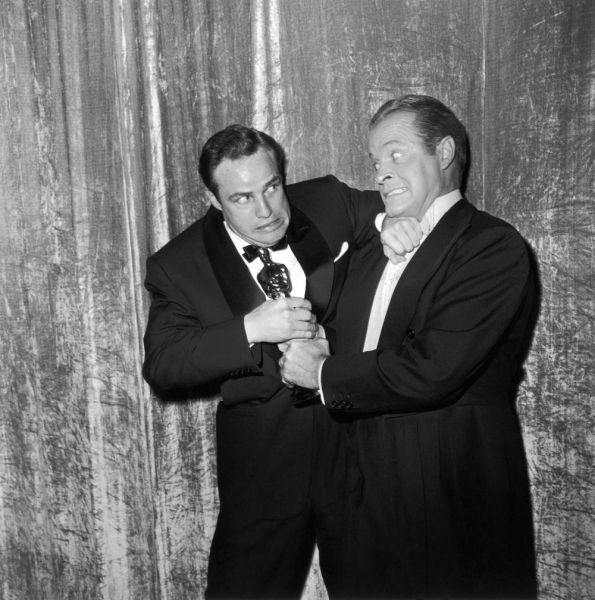
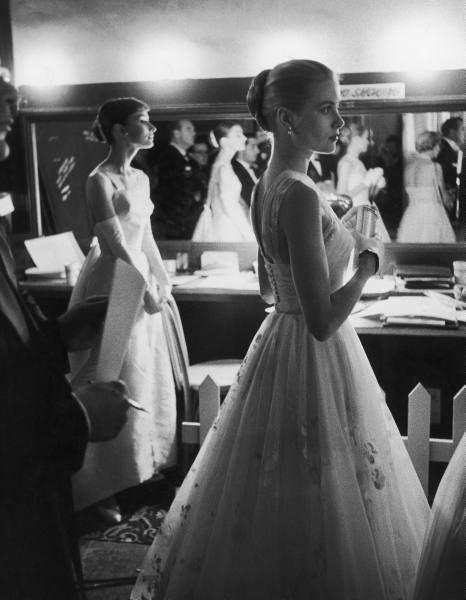
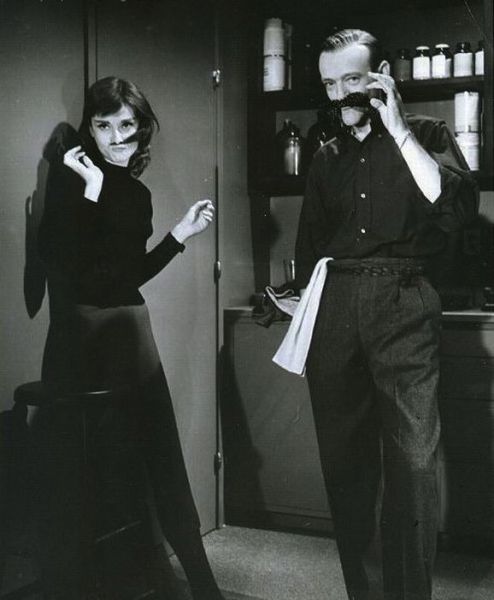
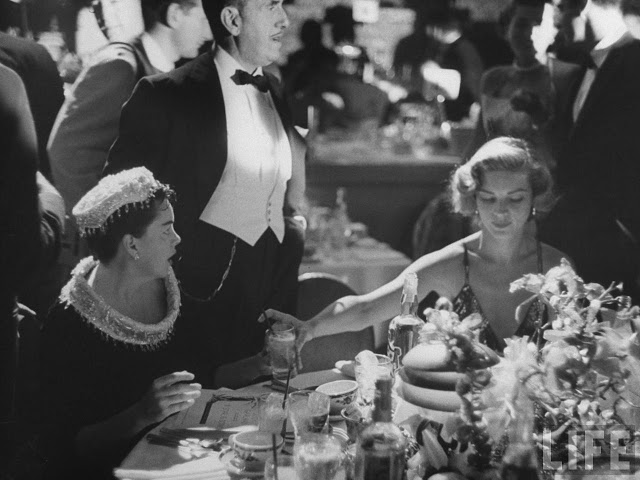
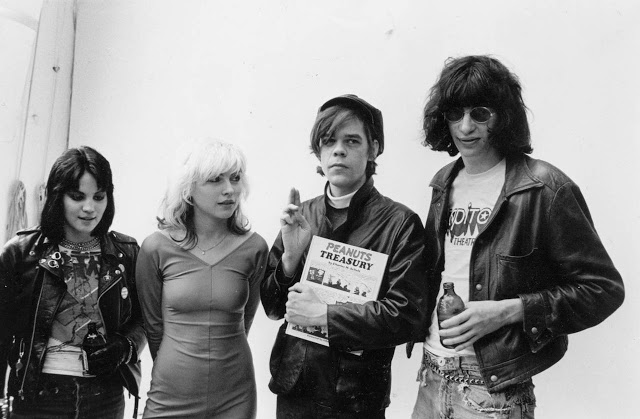
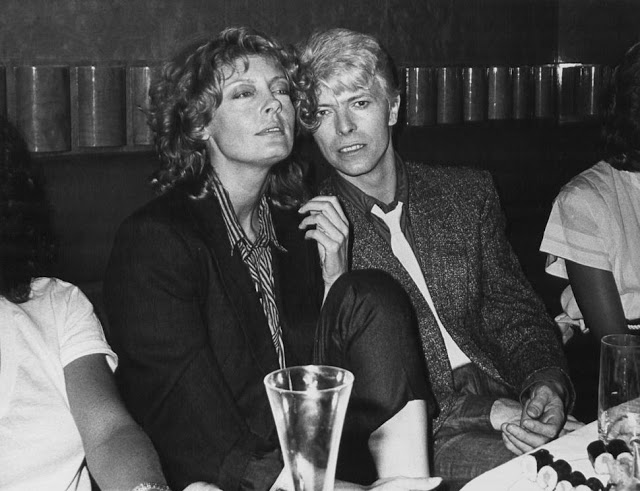
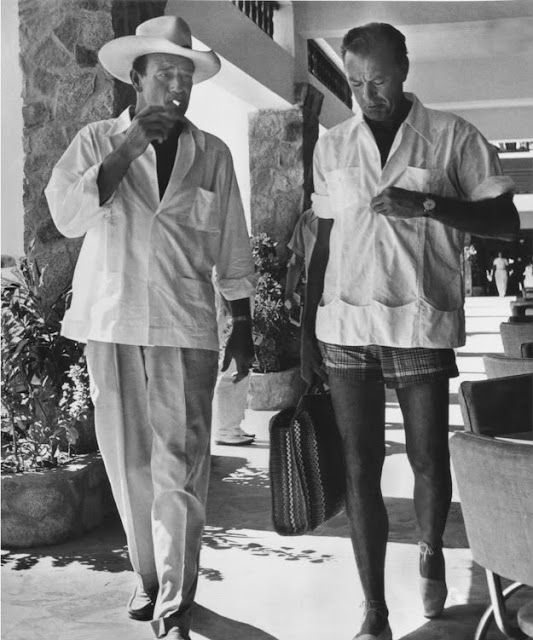
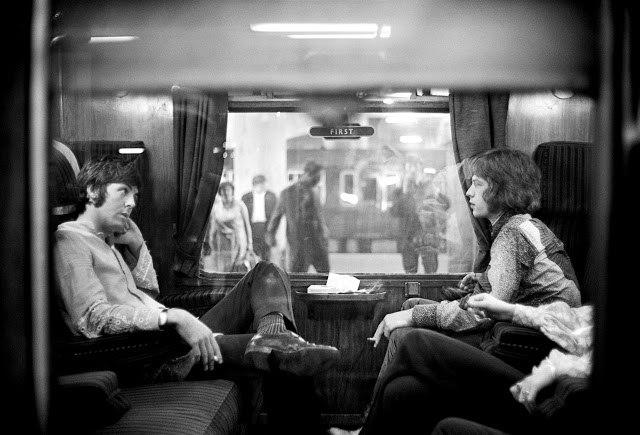
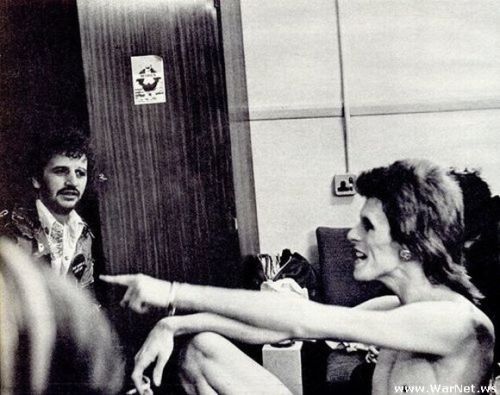
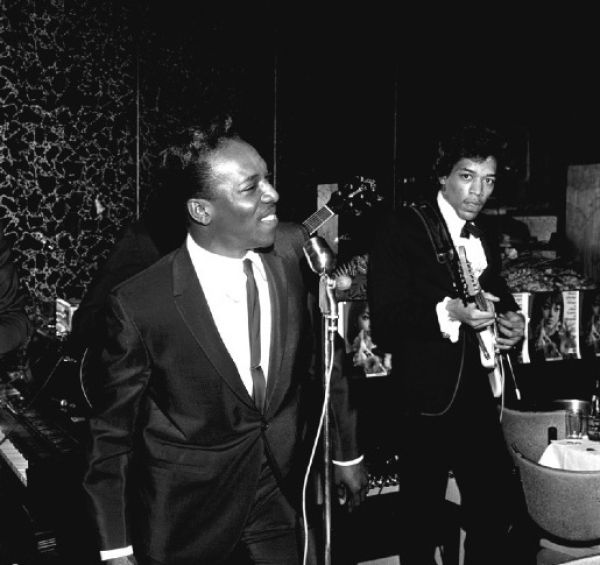
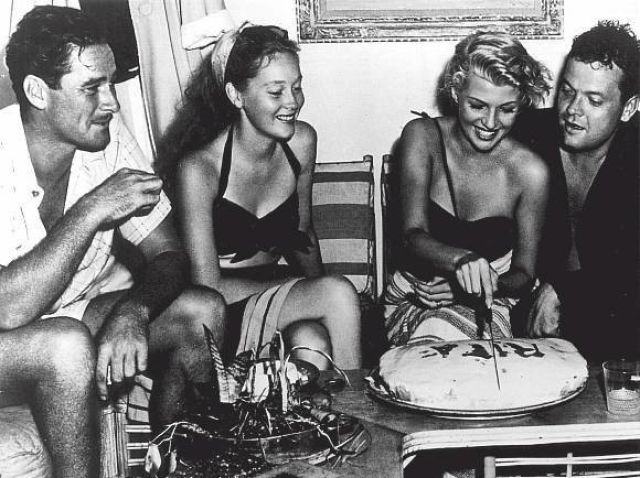
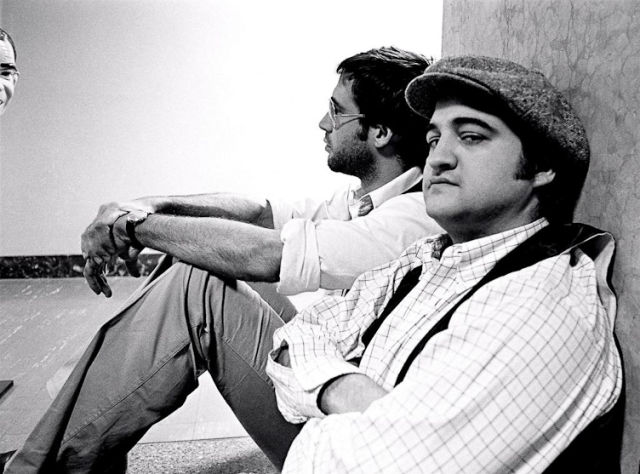
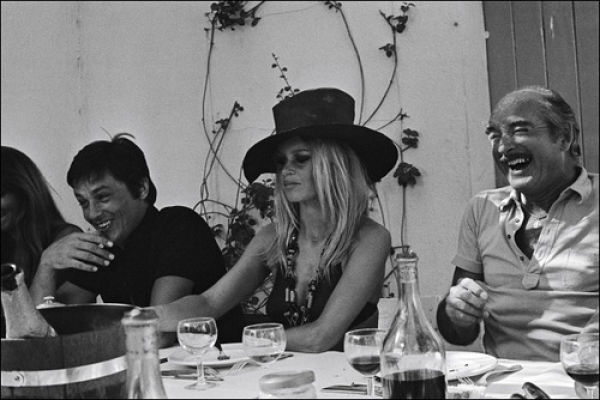
George Harrison and Bob MarleySalvador Dali and Francoise HardyDean Martin, Shirley MacLaine and Elvis PresleyJimi Hendrix With The WhoElla Fitzgerald, Duke Ellington and Benny GoodmanThe Beatles and Little RichardSusan Anton, Sylvestor Stallone, and Andy WarholVivien Leigh and Ringo StarrWoody Allen and Michael JacksonMontserrat Caballé and Freddie MercuryOrson Welles and Charlie ChaplinHarvey Milk and Jane FondaJohn Wayne and Marlene DietrichDavid Bowie and Iggy PopNeil Young and Patti SmithJulie Andrews and Audrey HepburnJimi Hendrix and Janis JoplinPaul Newman and Robert Redford playing Ping PongJane Seymour and Freddie MercuryRobert Plant, Linda Ronstadt and Ronnie WoodMarlon Brando and Bob HopeAudrey Hepburn and Grace Kelly backstage at the 28th Annual Academy AwardsAudrey Hepburn and Fred AstaireHoward Cosell and John LennonJudy Garland, Jack Warner and Lauren BacallJoan, Debbie, David, JoeySusan Sarandon and David BowieJohn Wayne and Gary CooperPaul McCartney and Mick JaggerRingo Starr and David BowieWilson Pickett and Jimi HendrixErrol Flynn and wife Nora Eddington with Rita Hayworth and Orson WellesCharlie Chaplin and Albert EinsteinChevy Chase & John BelushiAlain Delon, Brigitte Bardot and Eddie Barclay
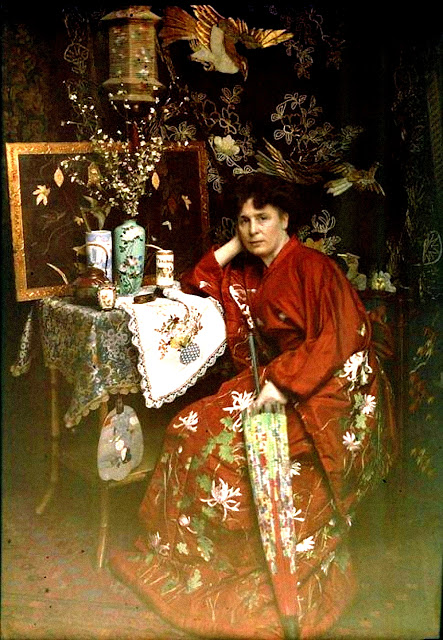
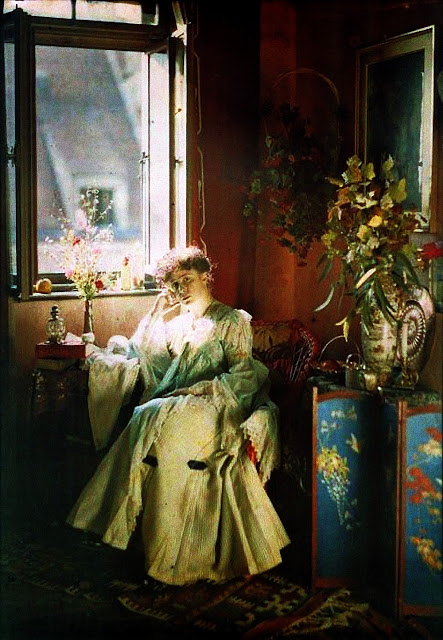
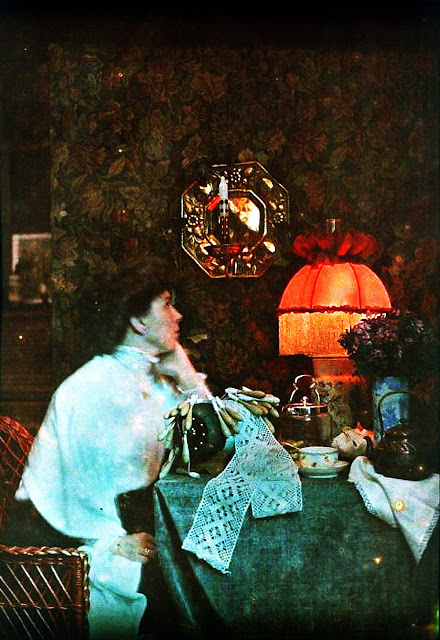
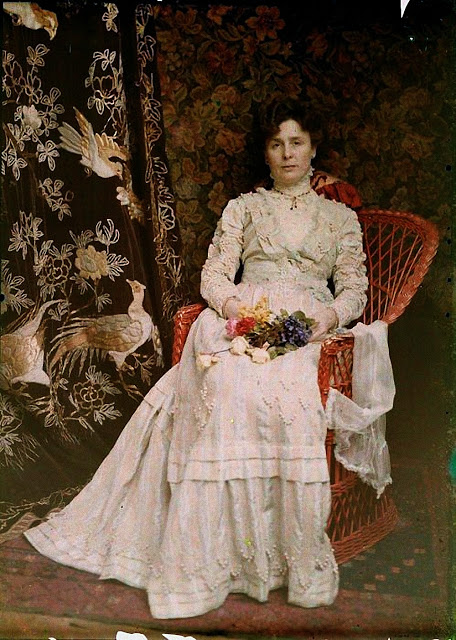
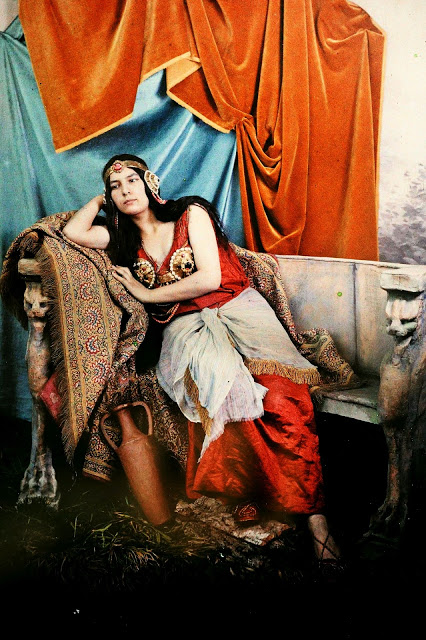
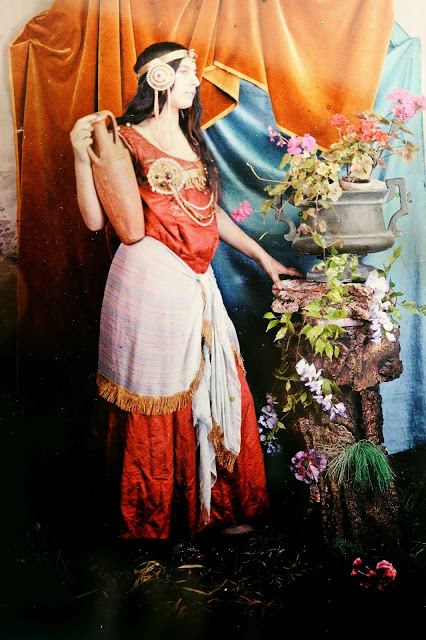
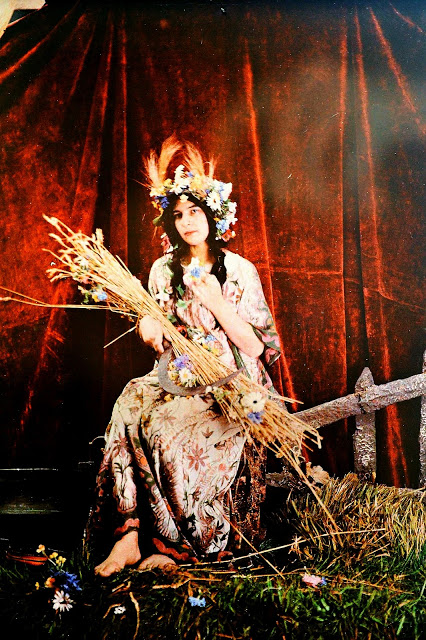
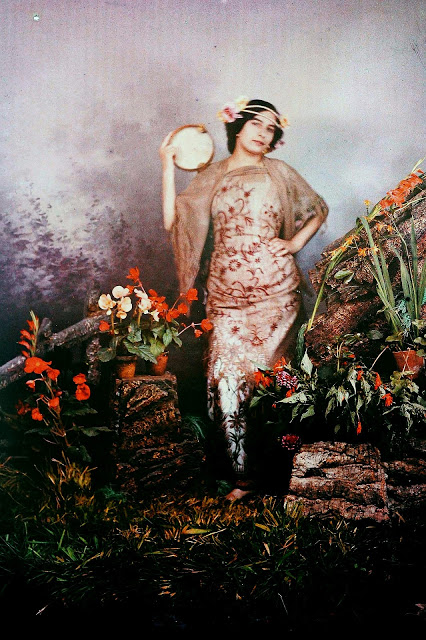
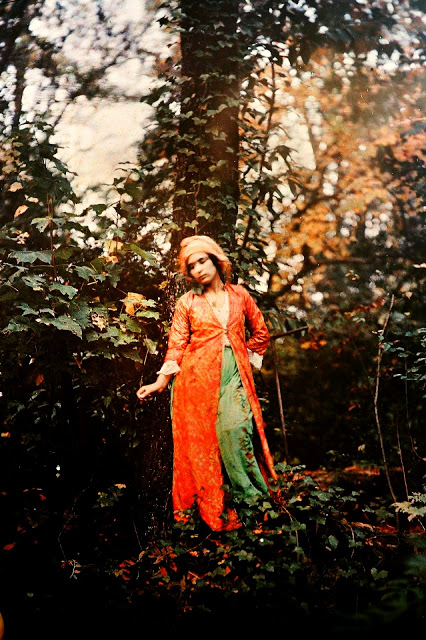
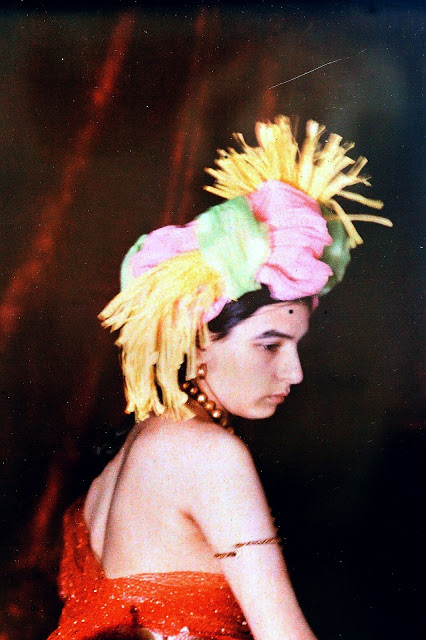
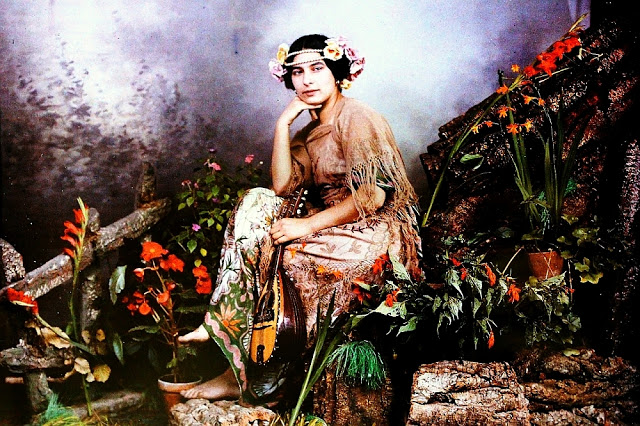
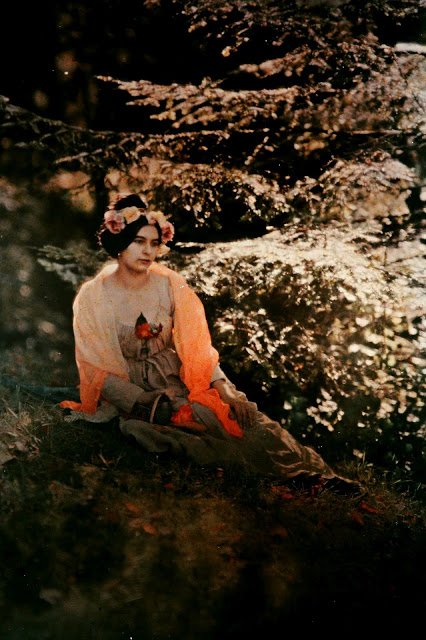
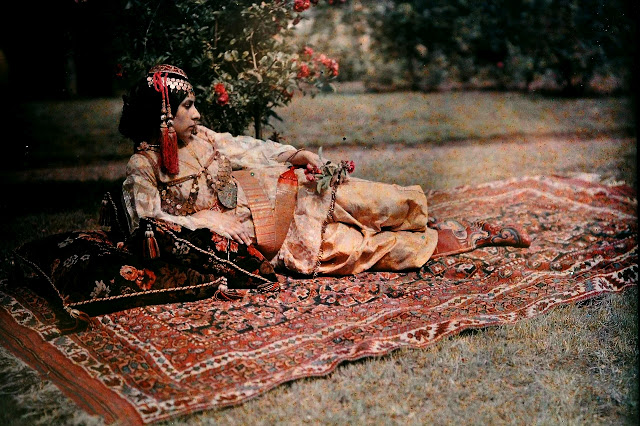
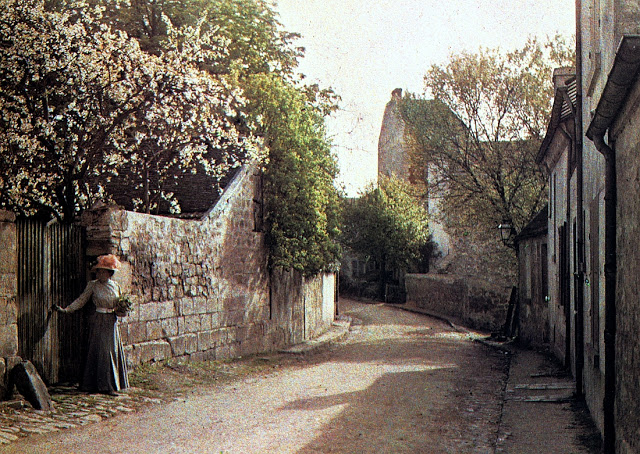
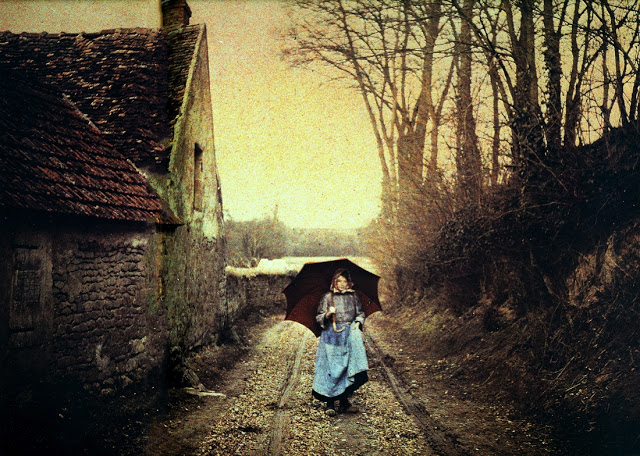
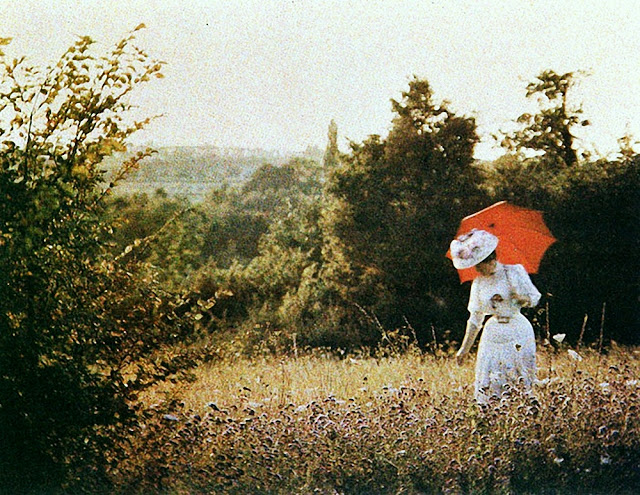
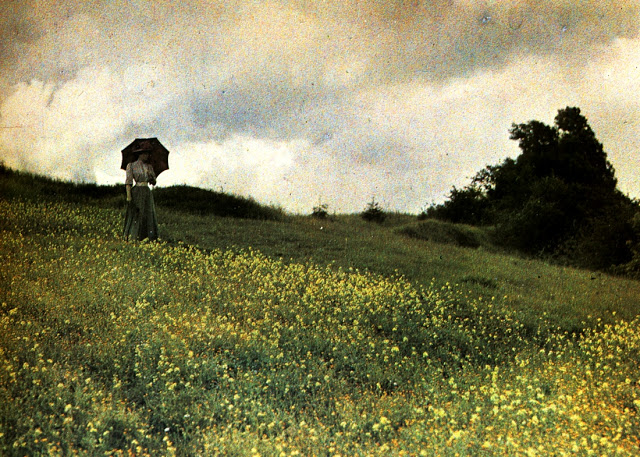
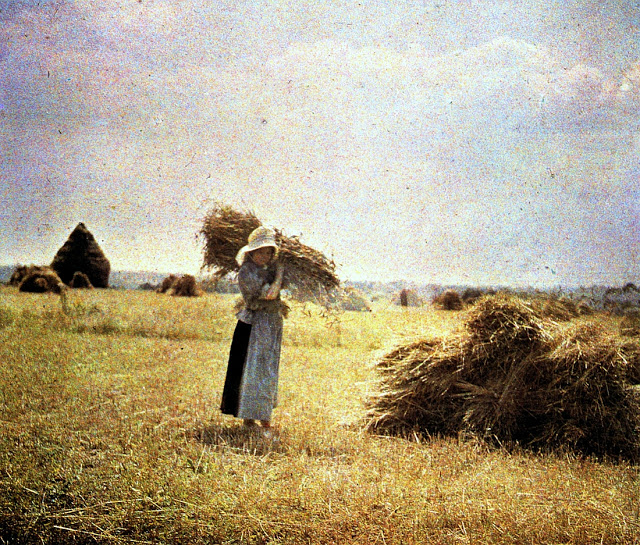
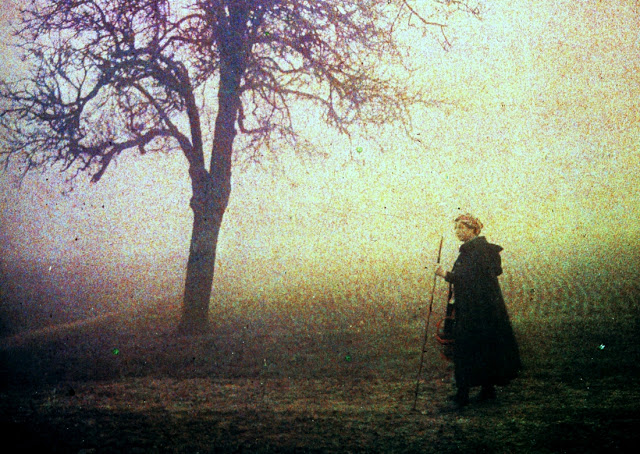
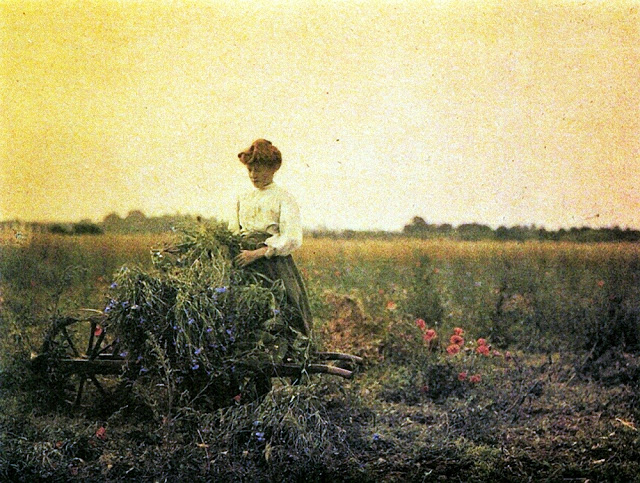
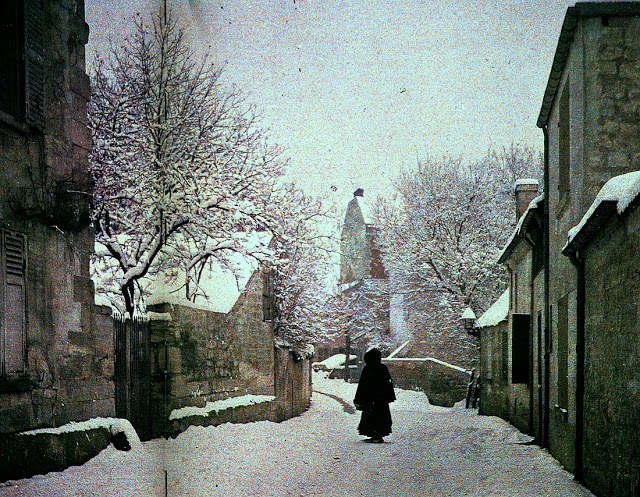
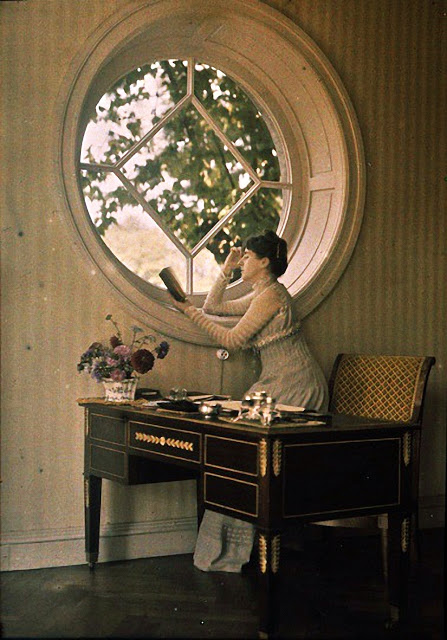
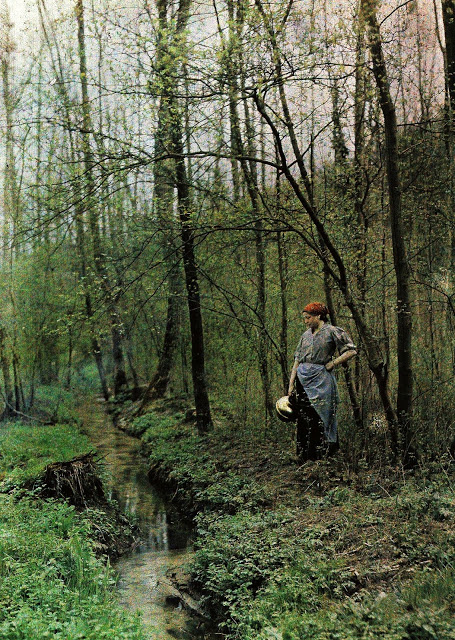
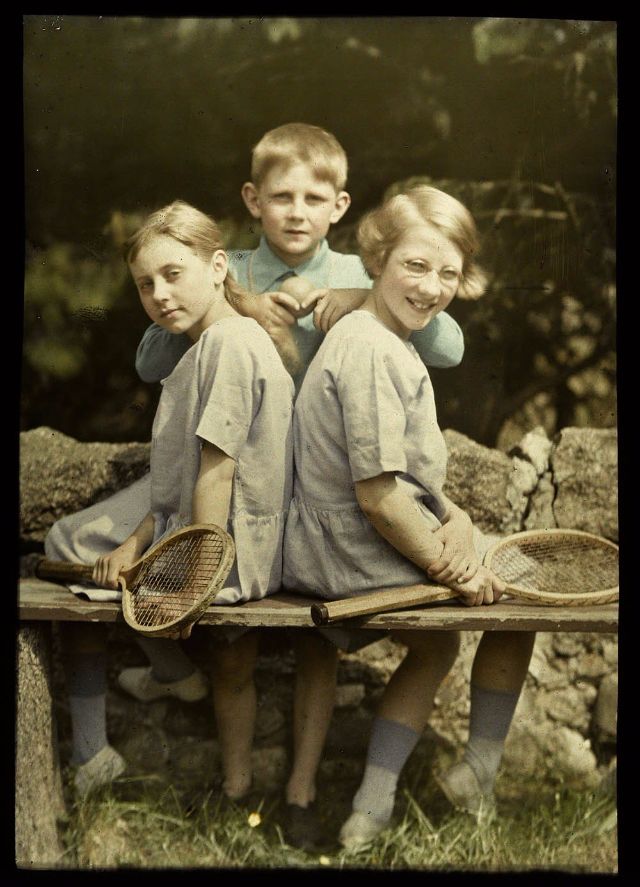
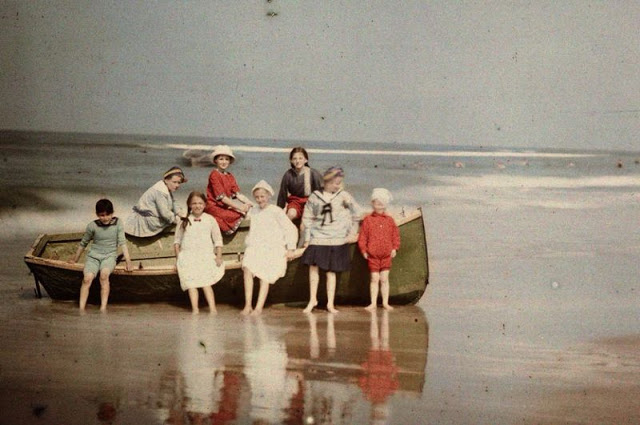
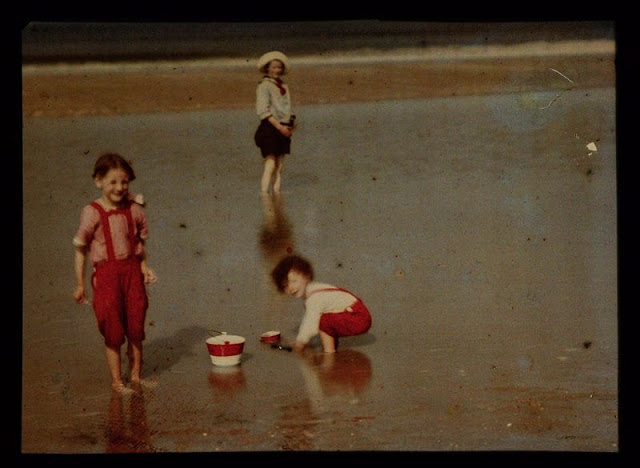
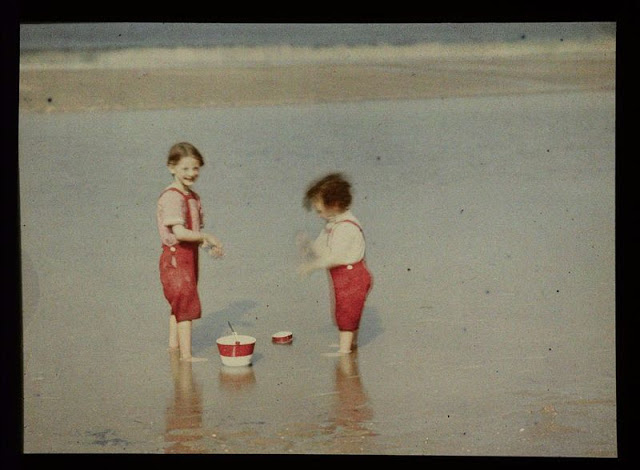
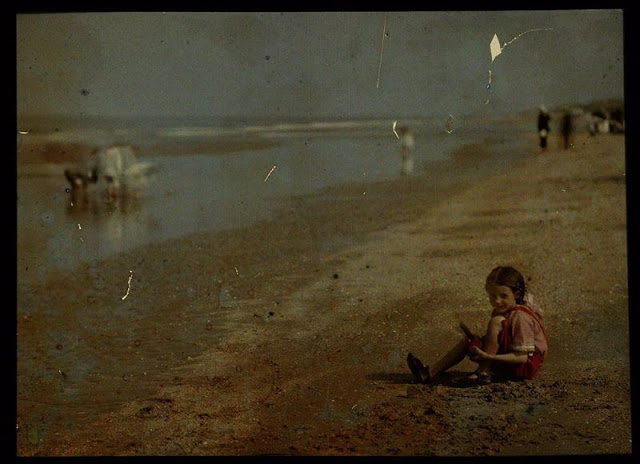
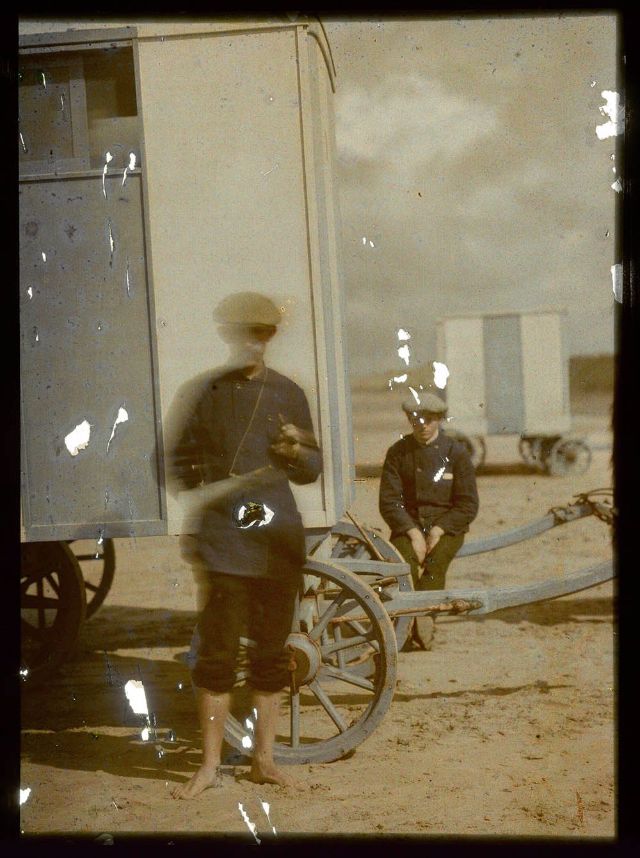
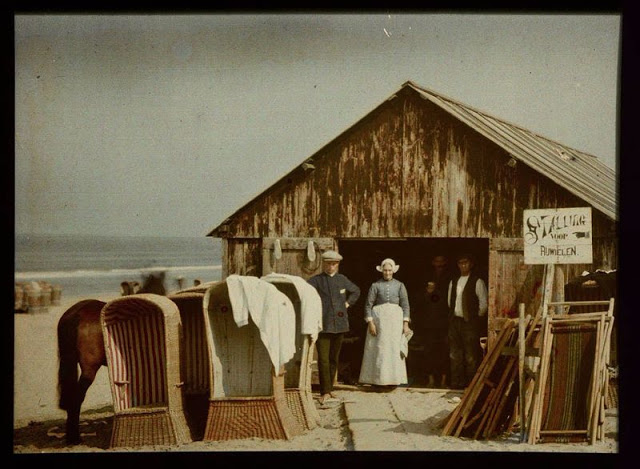
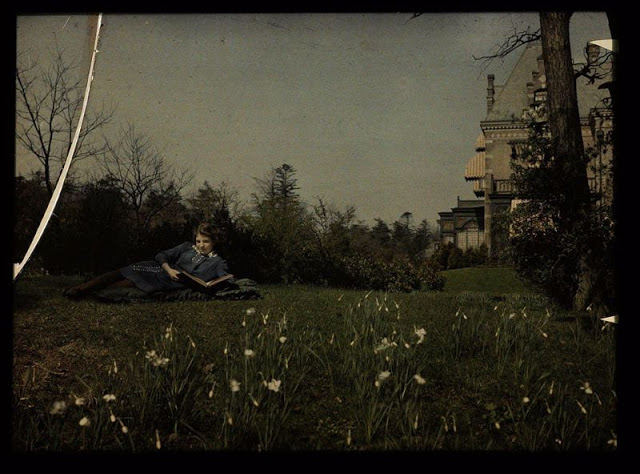
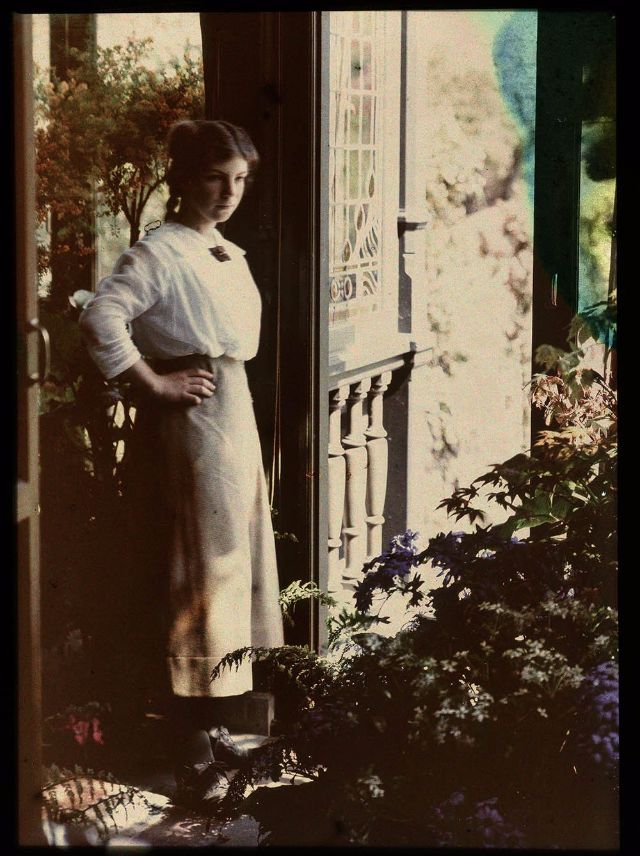
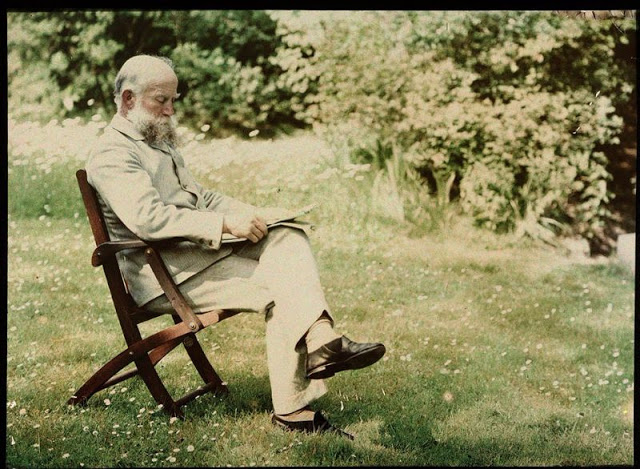
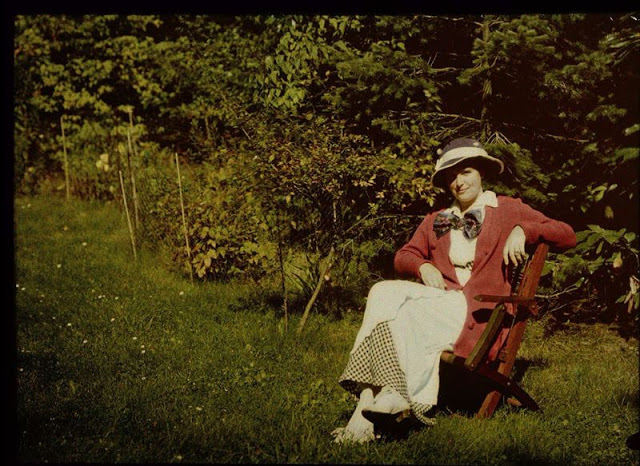
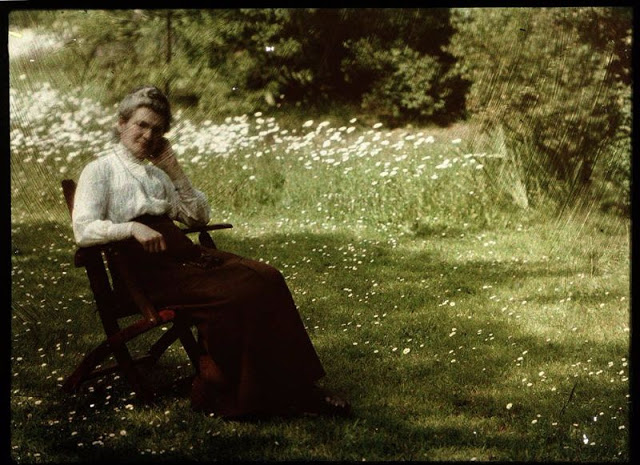
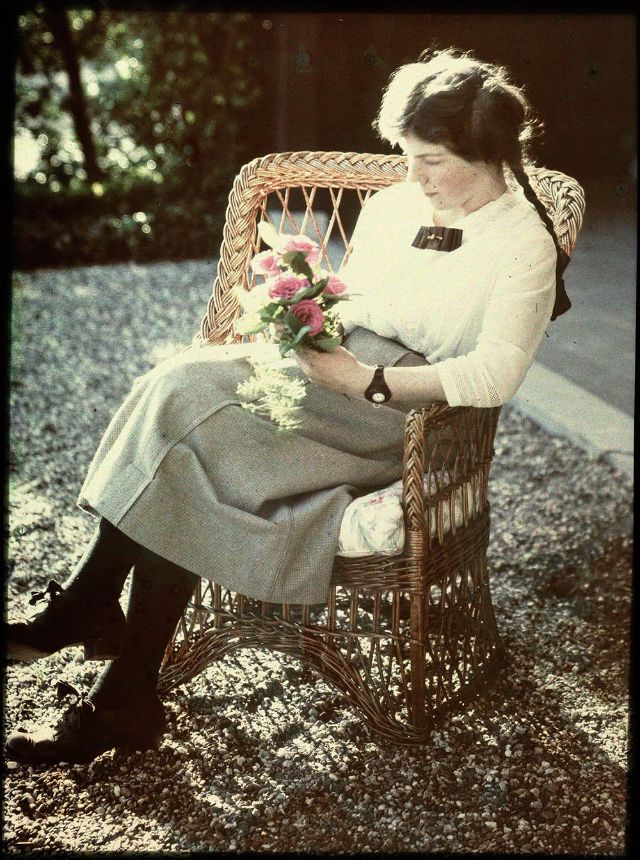
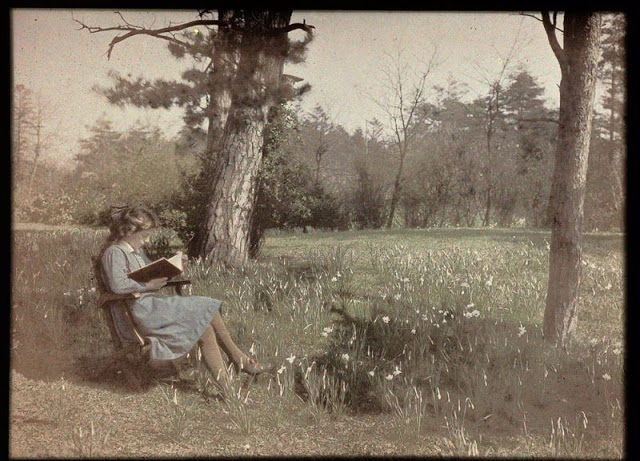
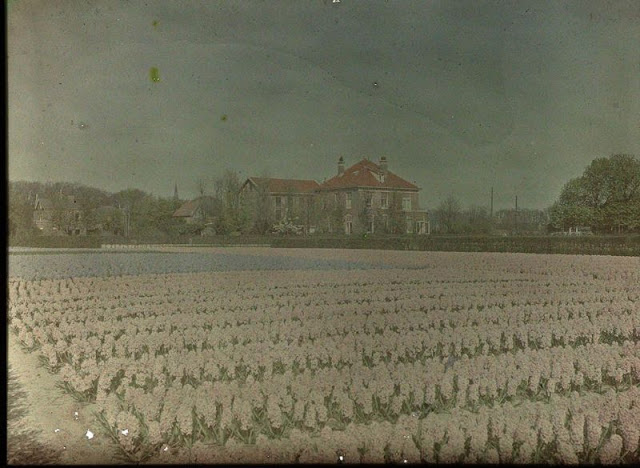
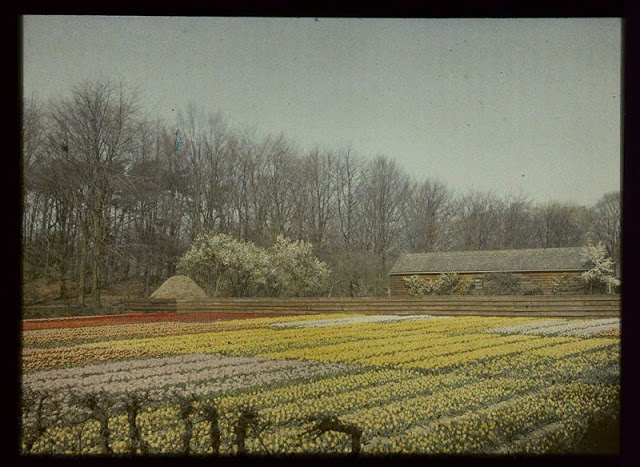
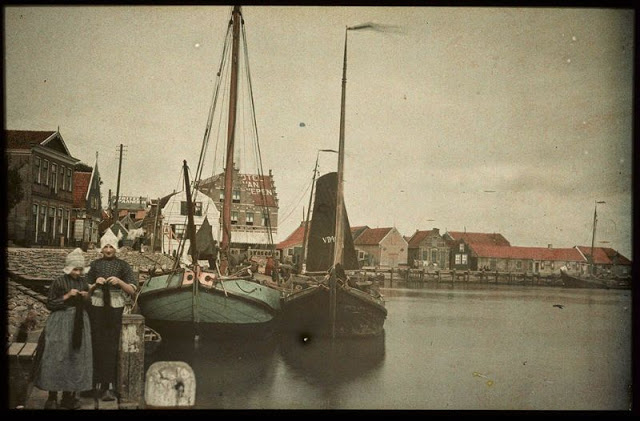
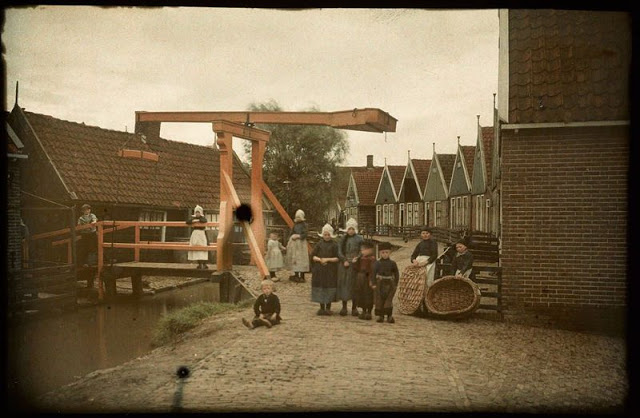
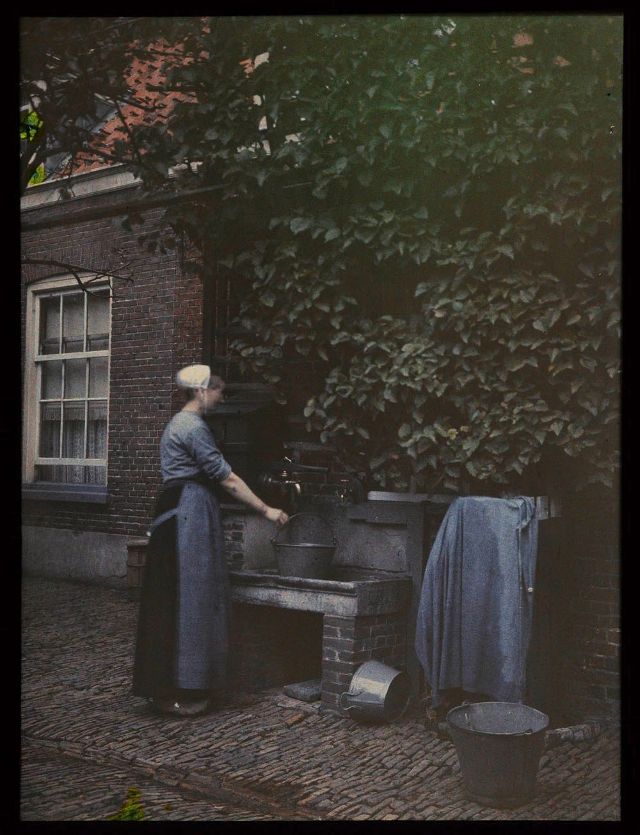
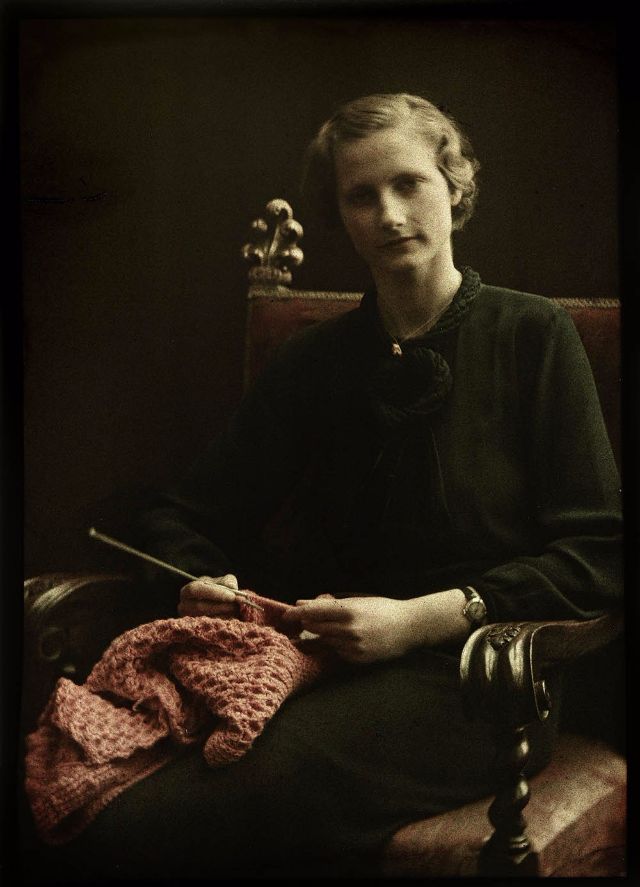
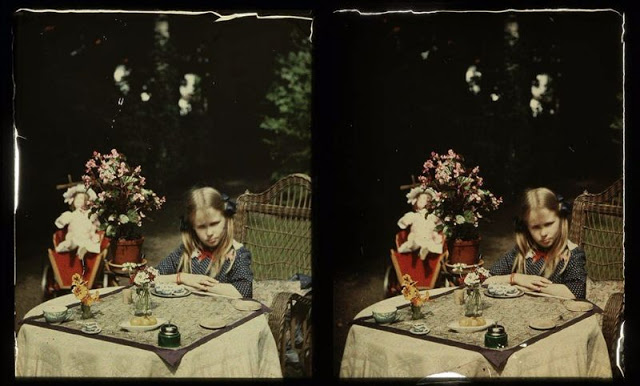
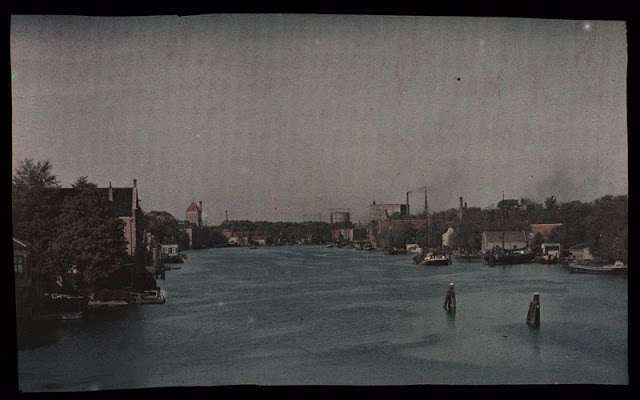
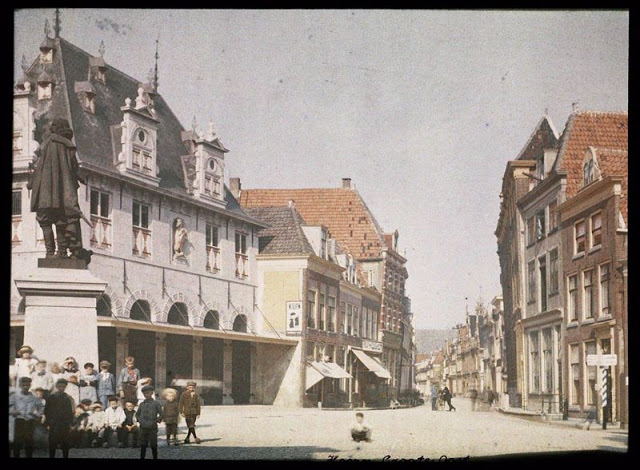
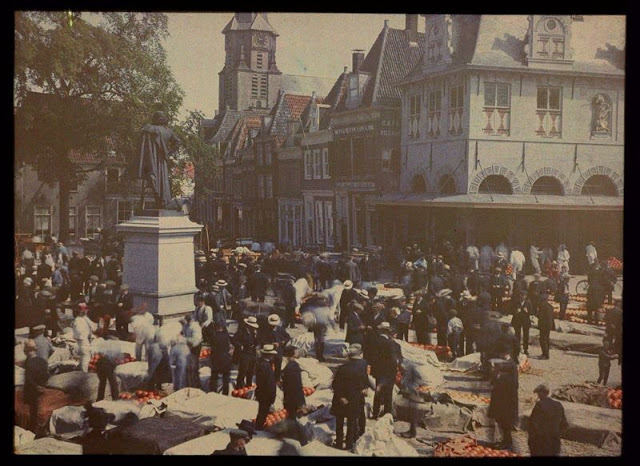
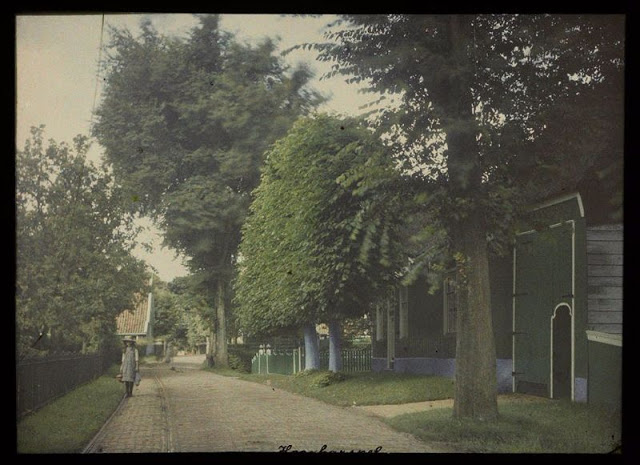
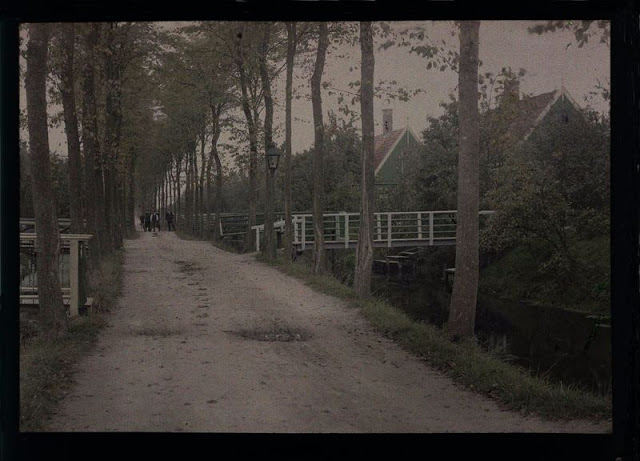
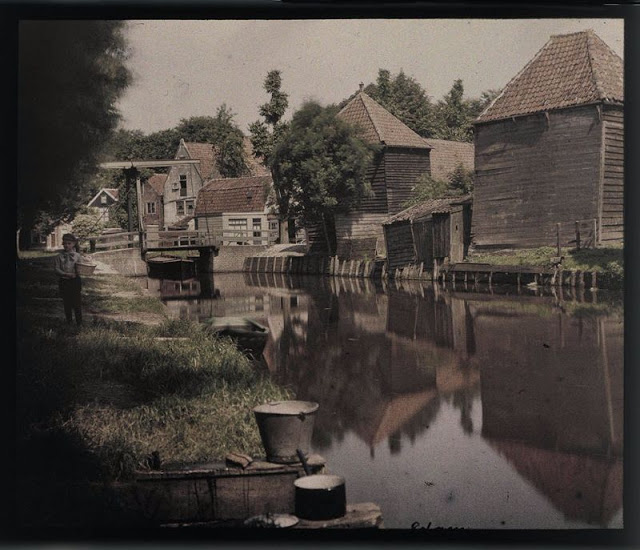
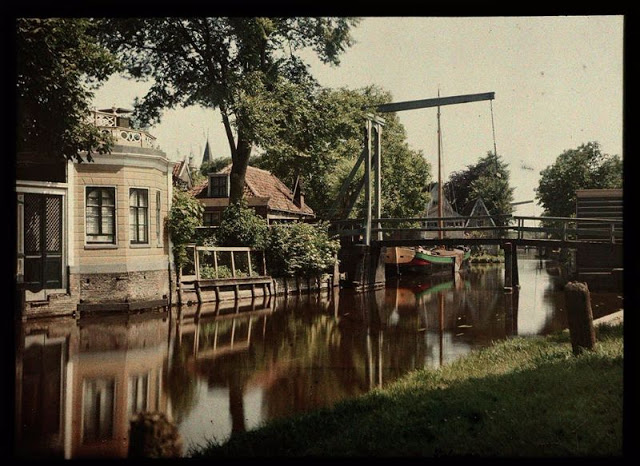
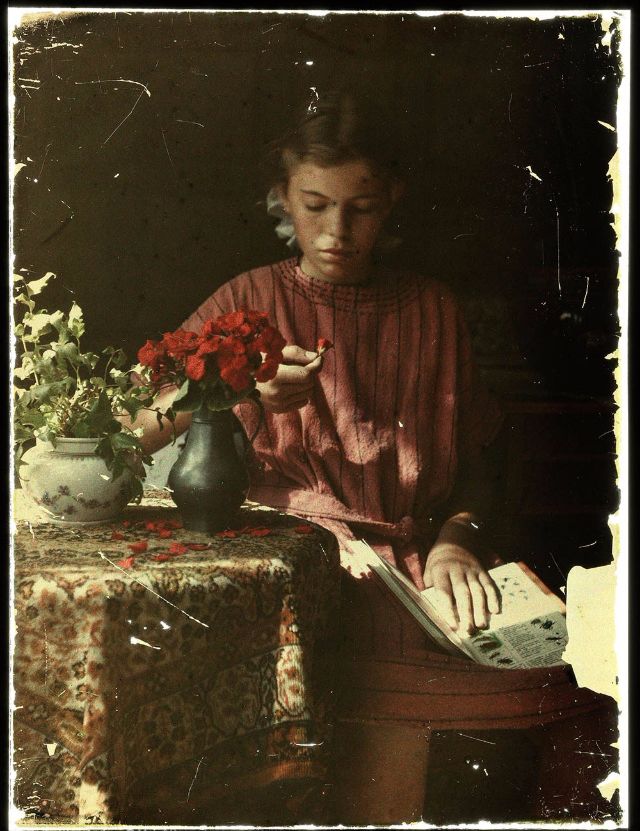
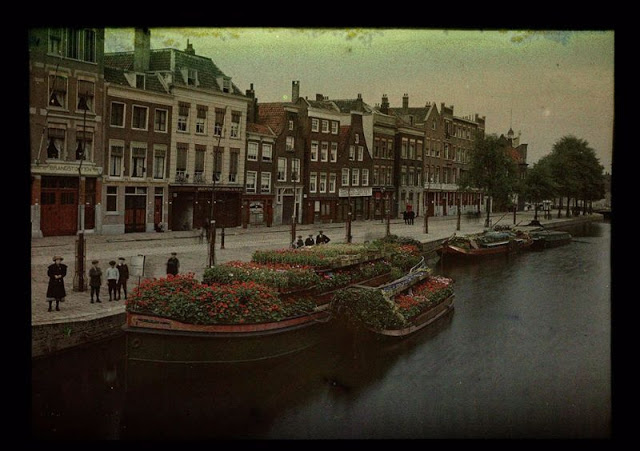
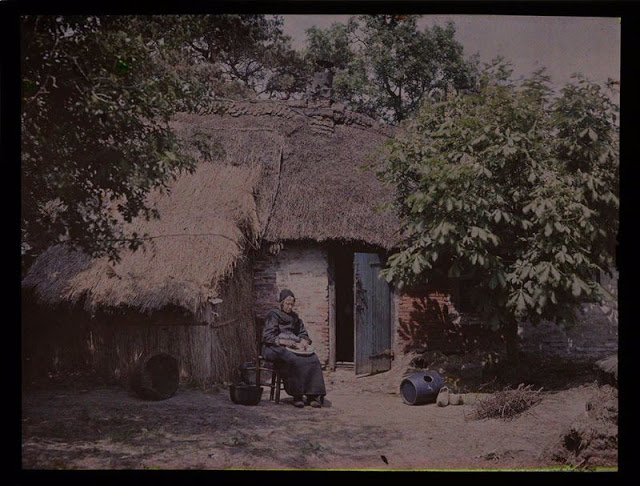
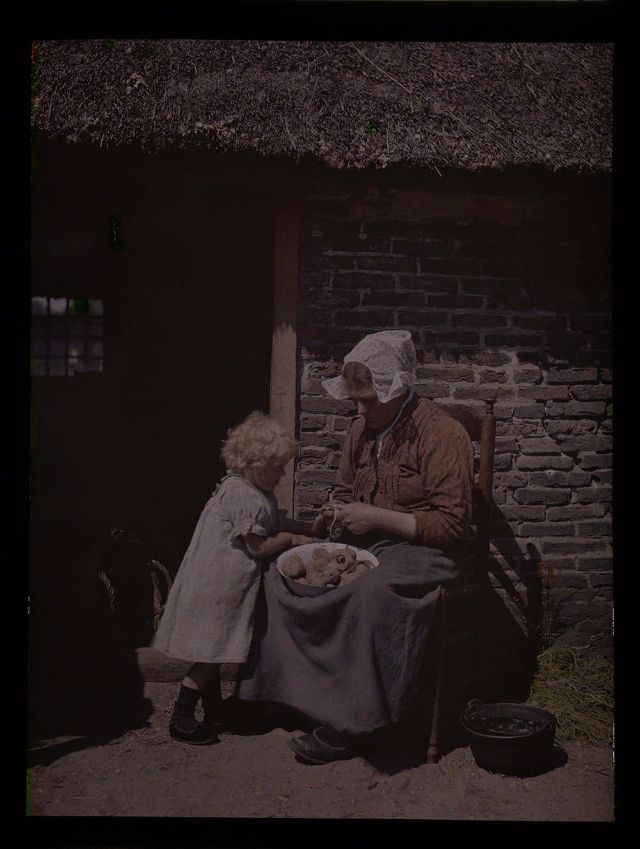
With photos from the past you automatically think about black and white. Even in our own childhood, almost no color photograph was made. Nevertheless, the technique for making color photographs has been around for more than 100 years!
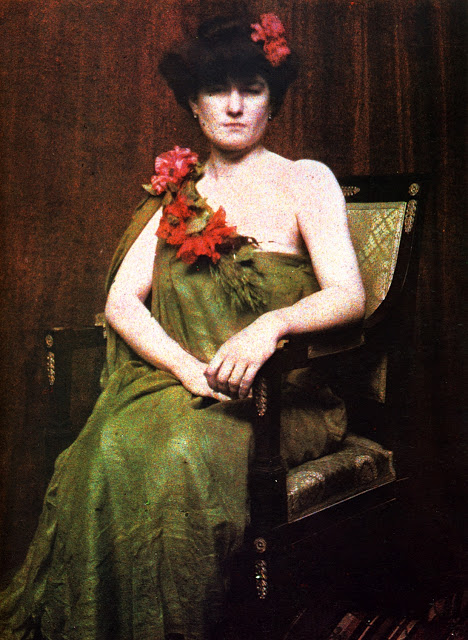
In 1907, the two French brothers August and Louis Lumière invented a technique with which real color photographs could be made, the Autochrome Lumière. It was a very ingenious process that used glass plates on which a layer of microscopically colored potato starch granules were applied.
The photographs that were taken with them were beautiful and had a dreamy painting-like atmosphere. And now it is possible for us to see the world of more than 100 years ago in the original colors.
These wonderful photographs show how the Netherlands looked in color from the early 20th century.
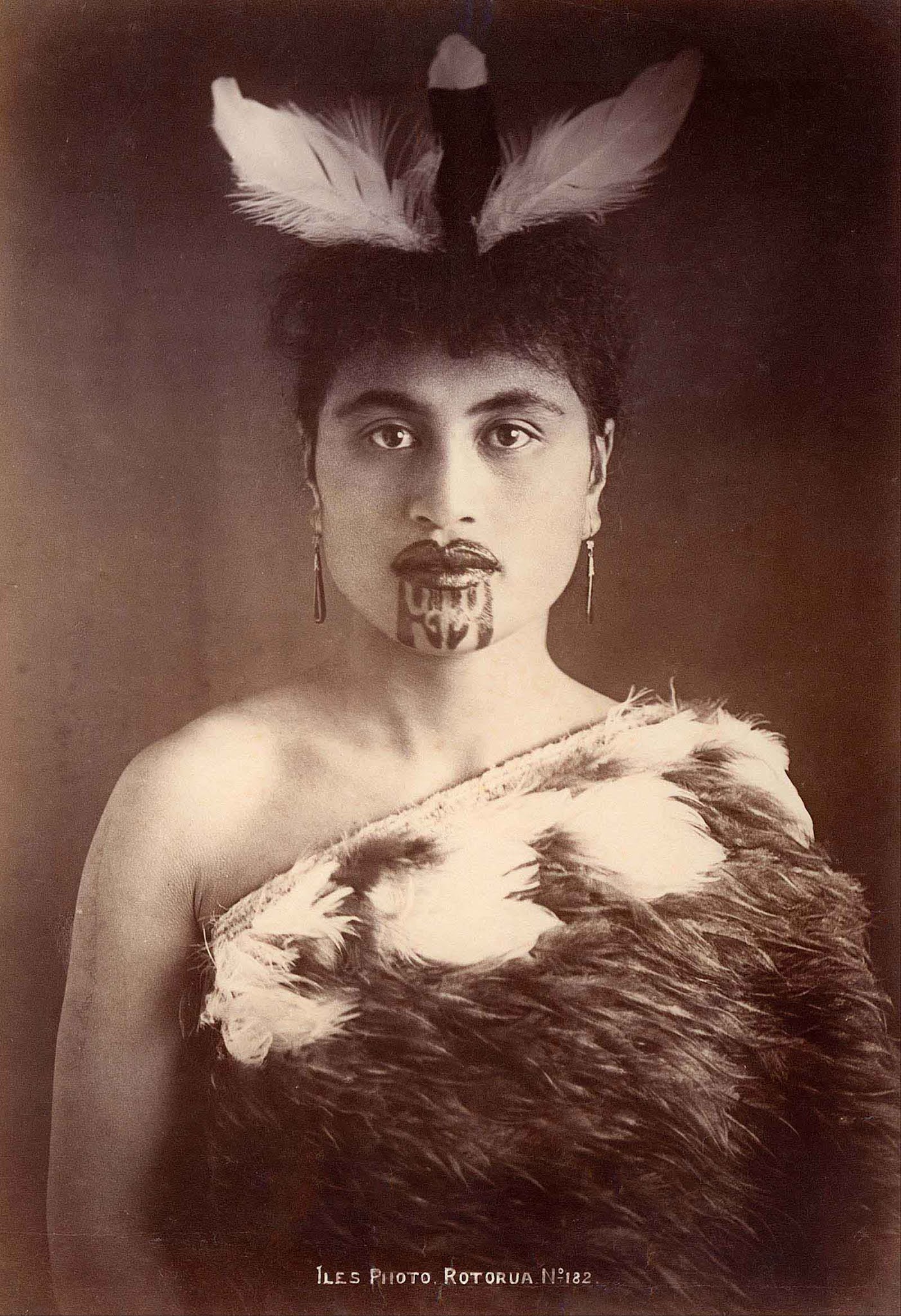
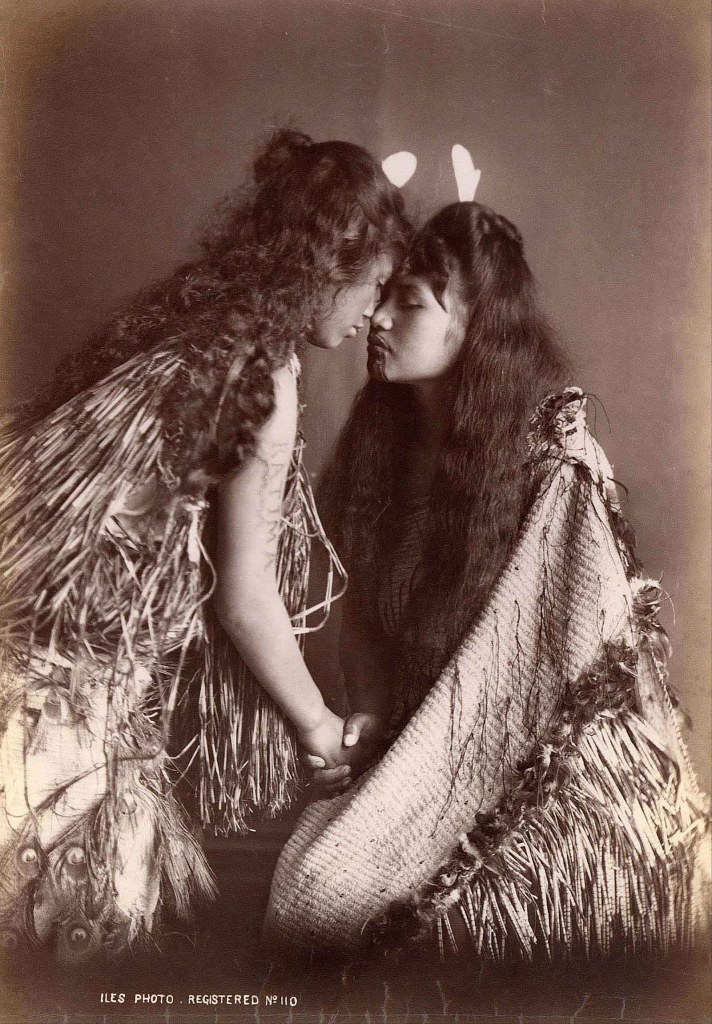
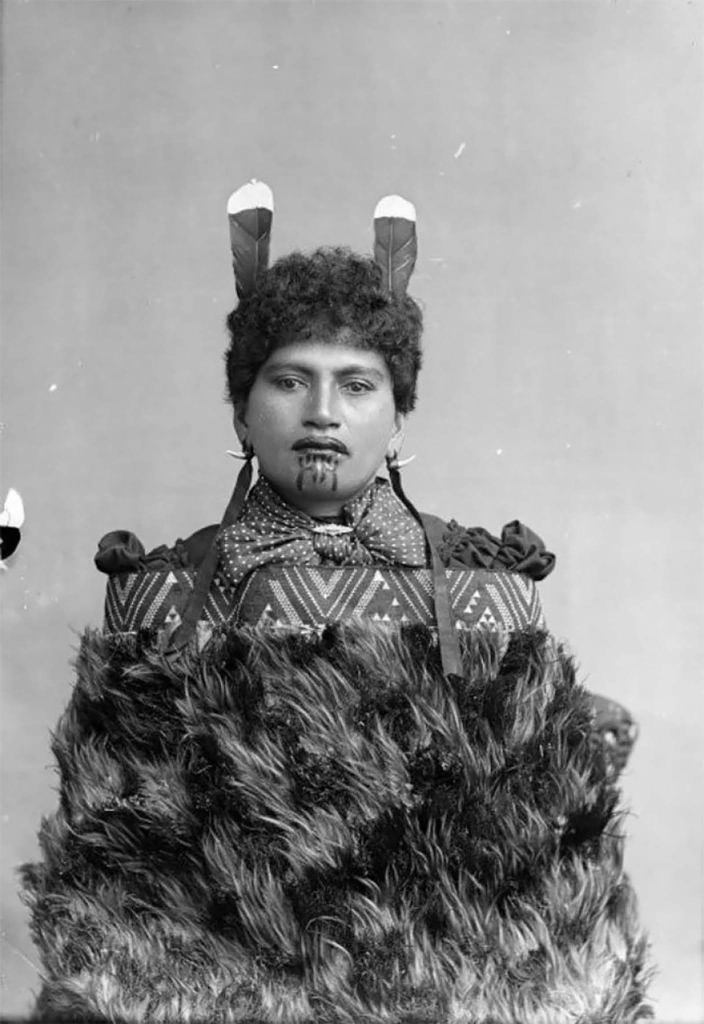
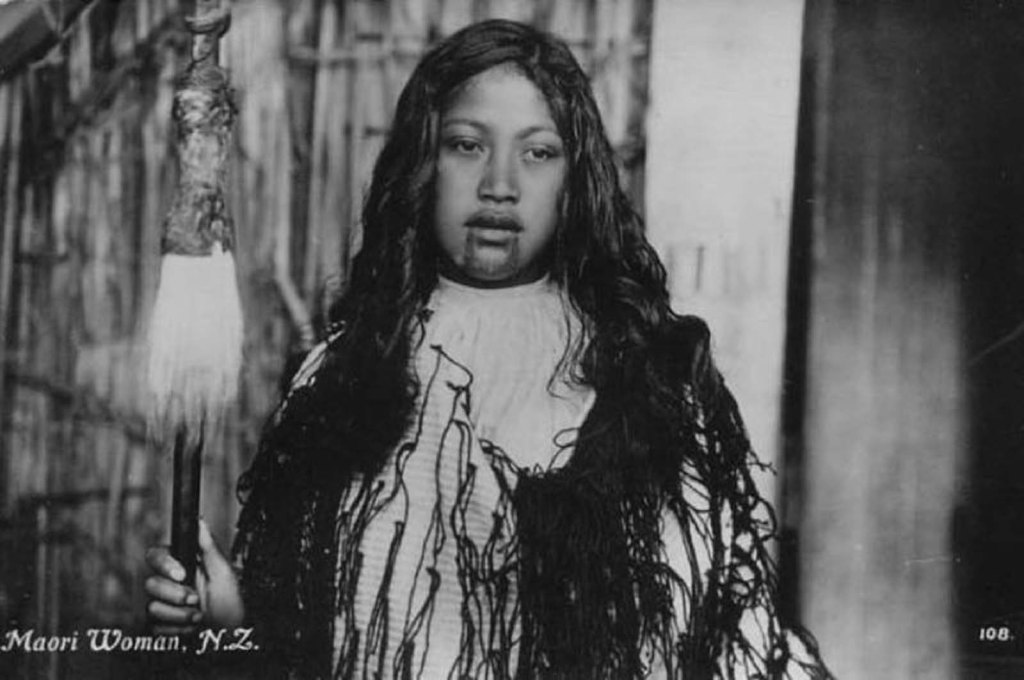
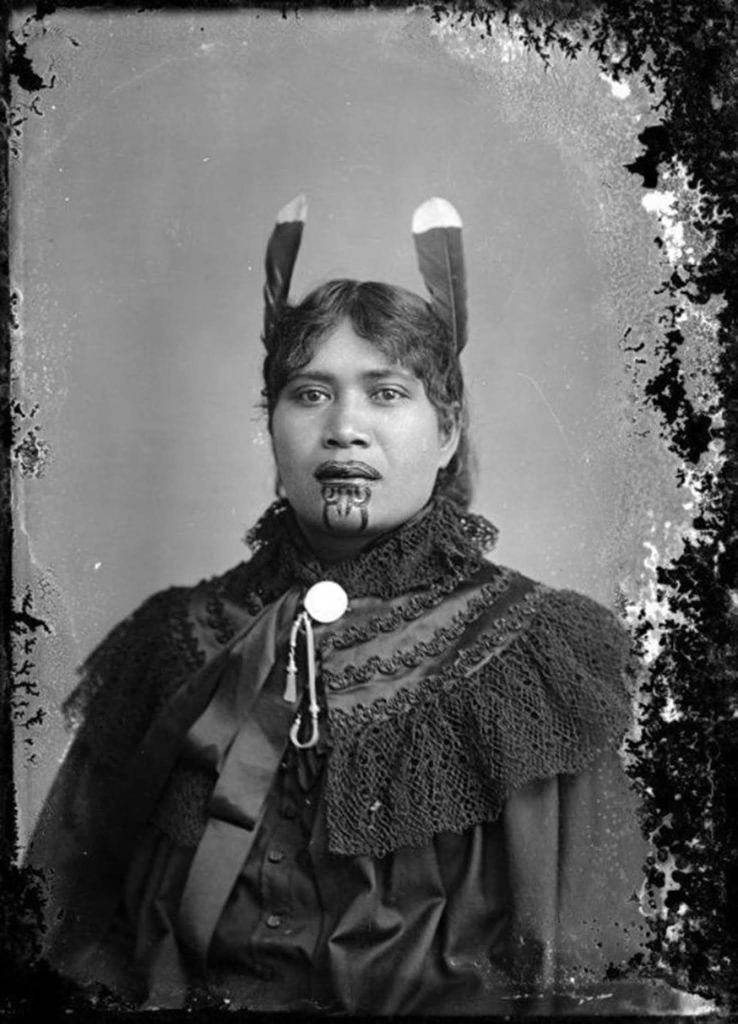
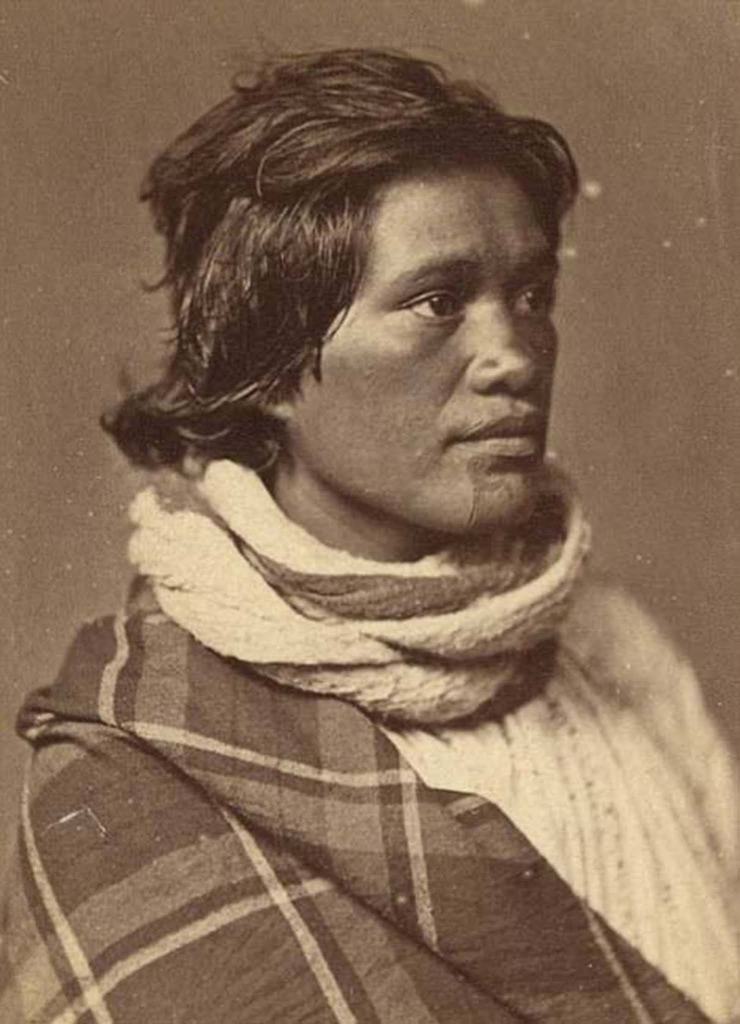
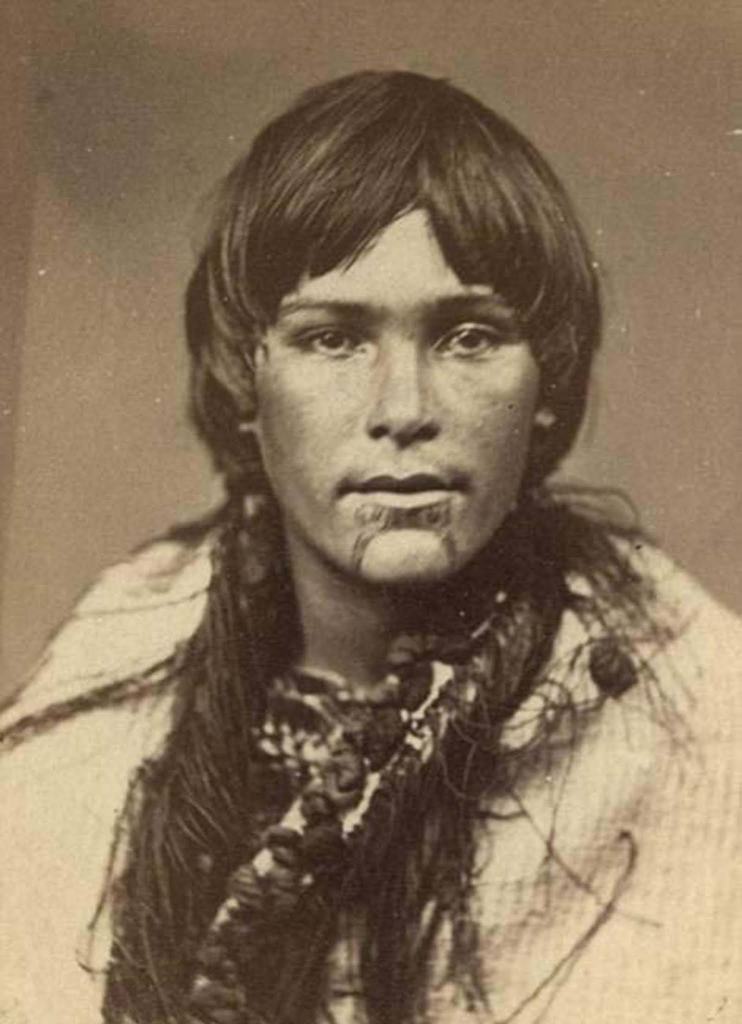
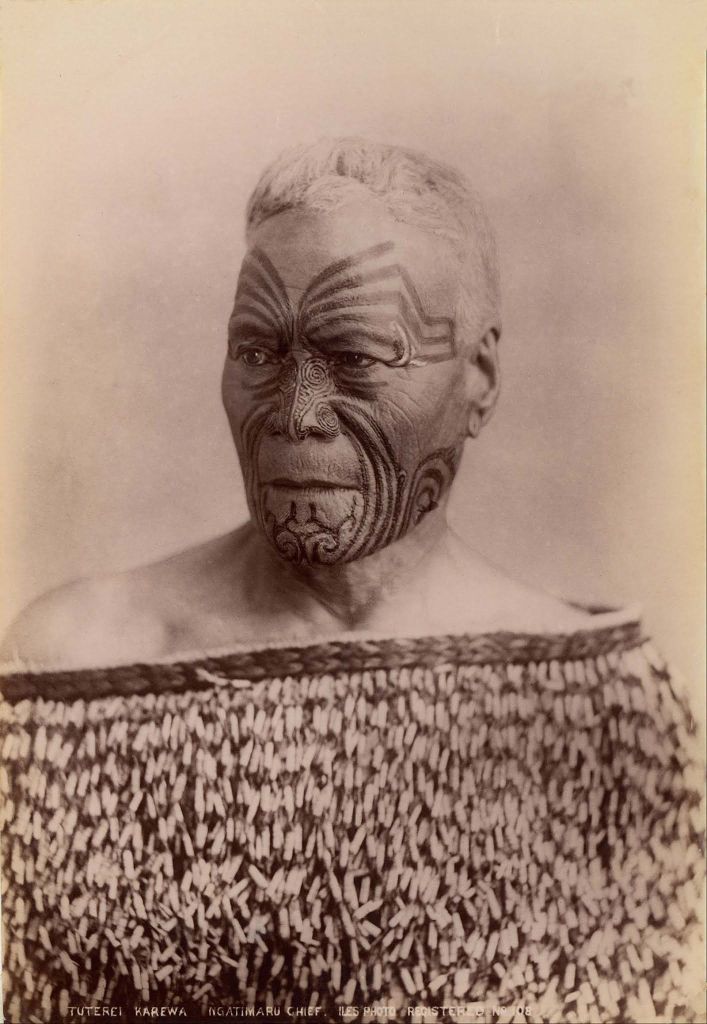
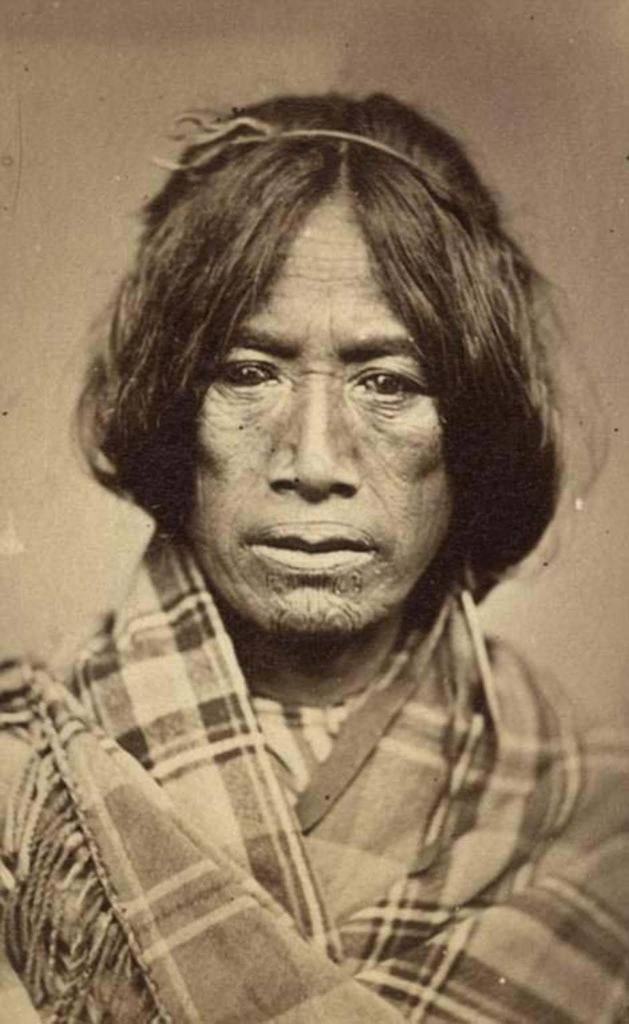
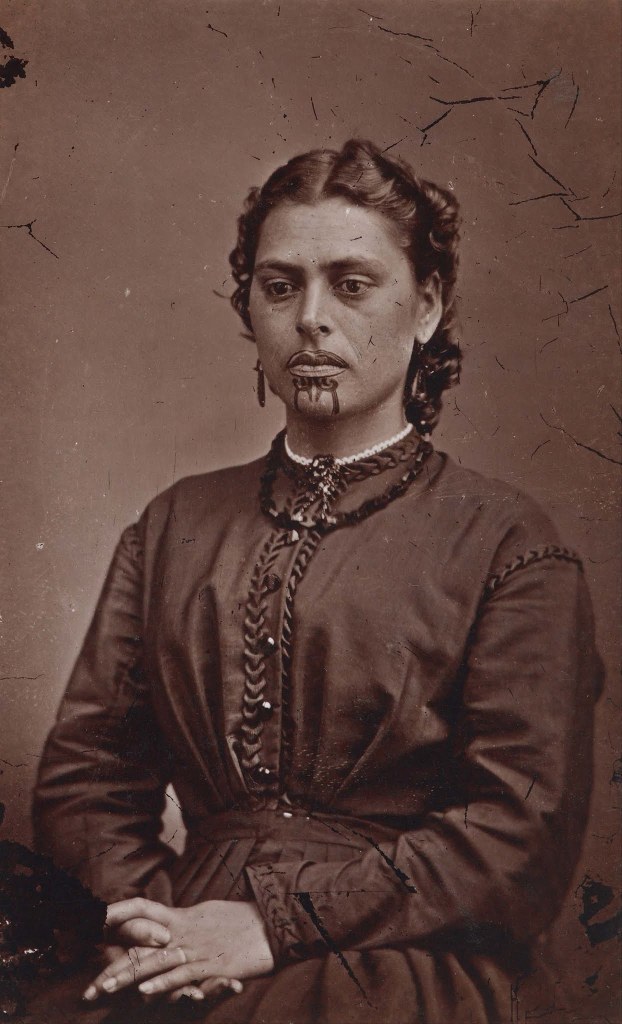
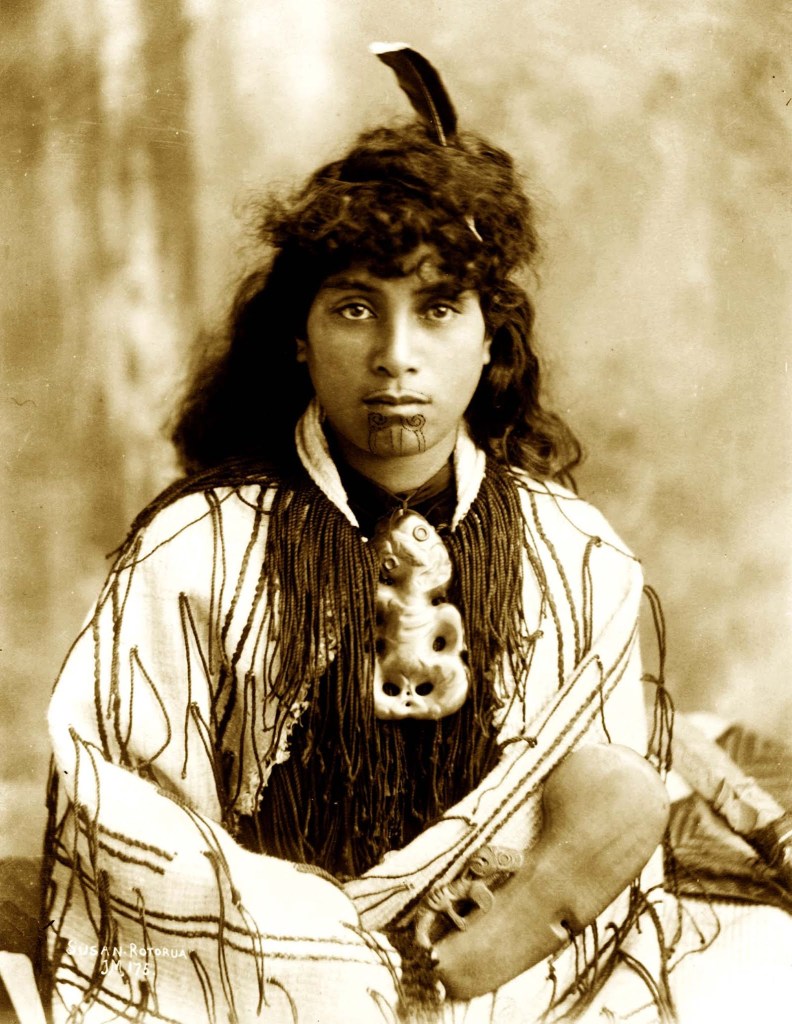
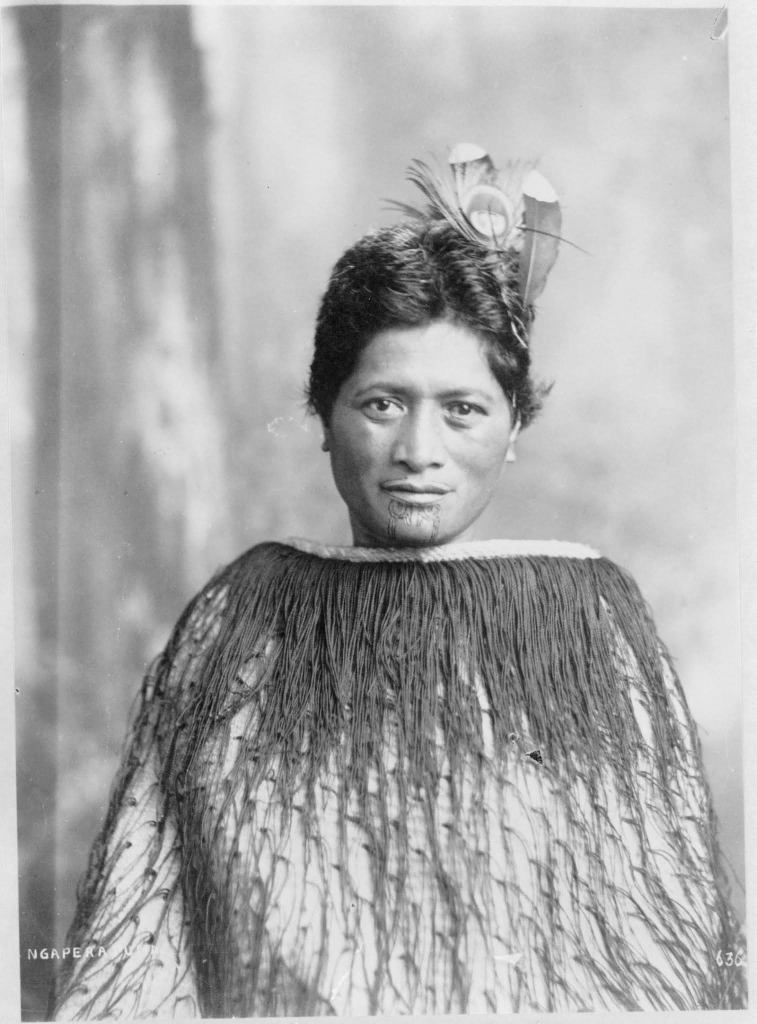
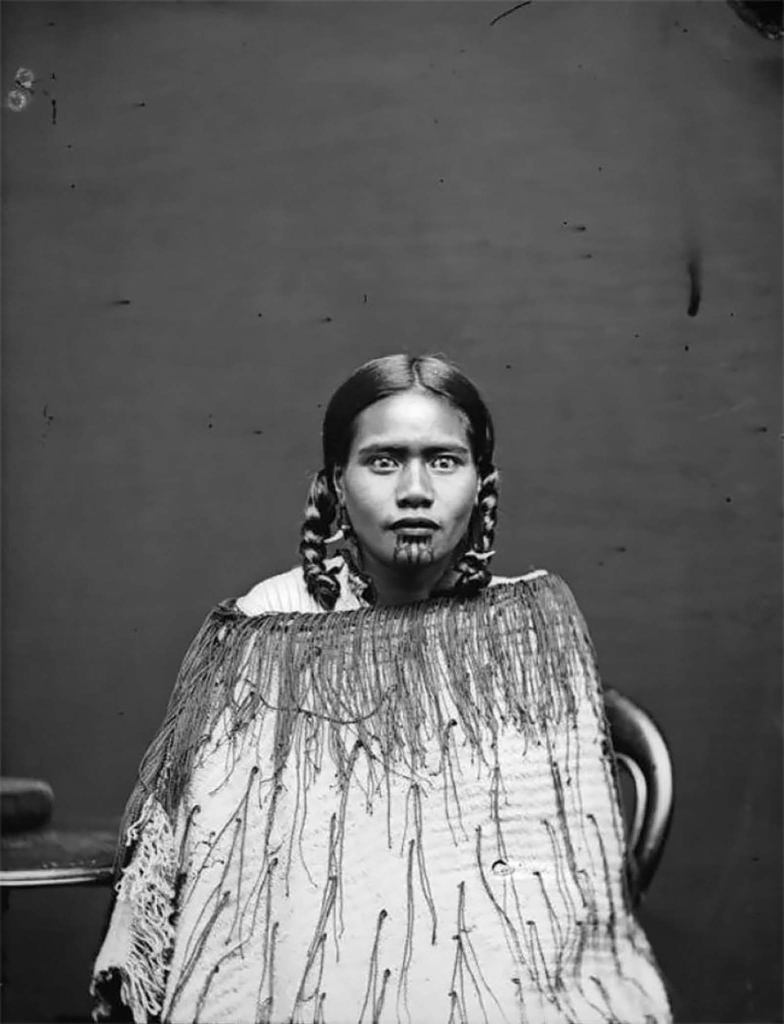
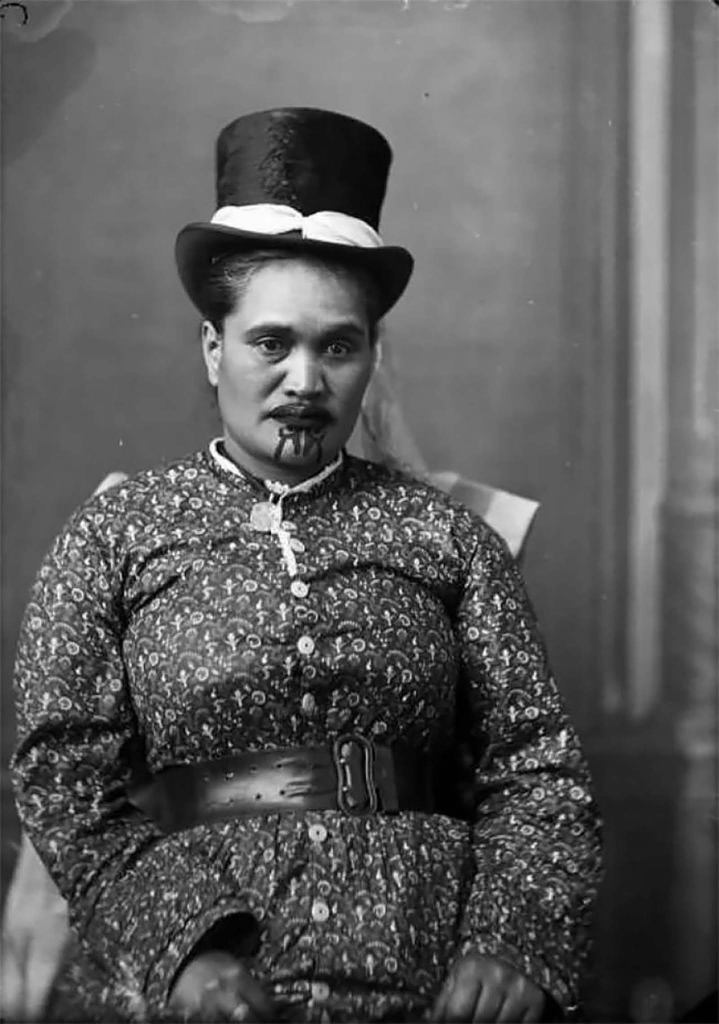
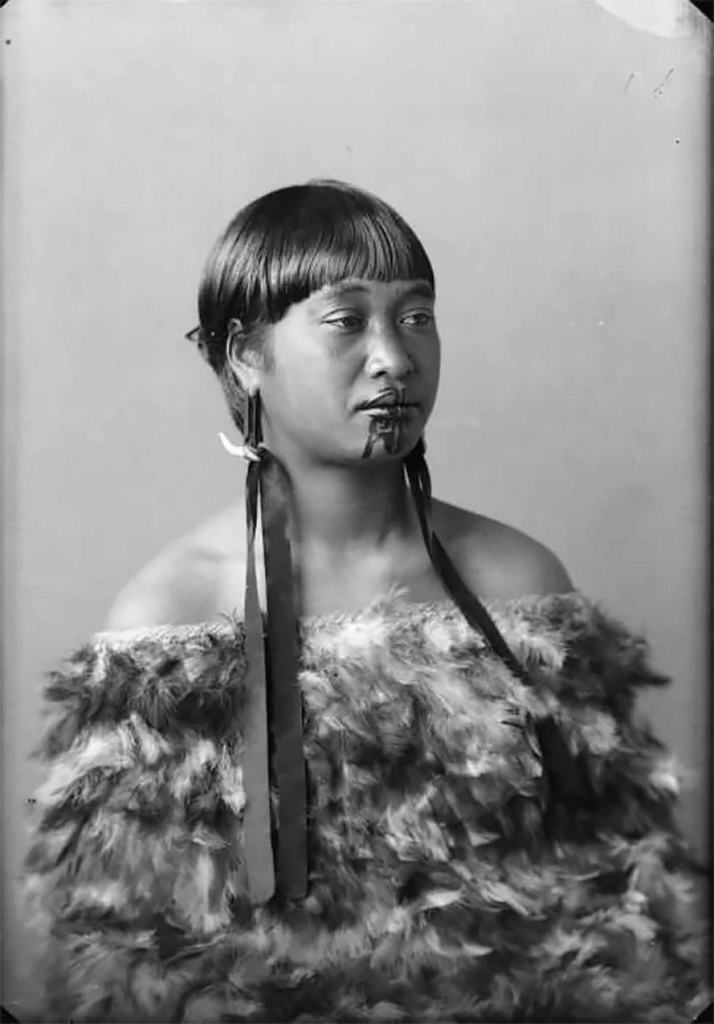
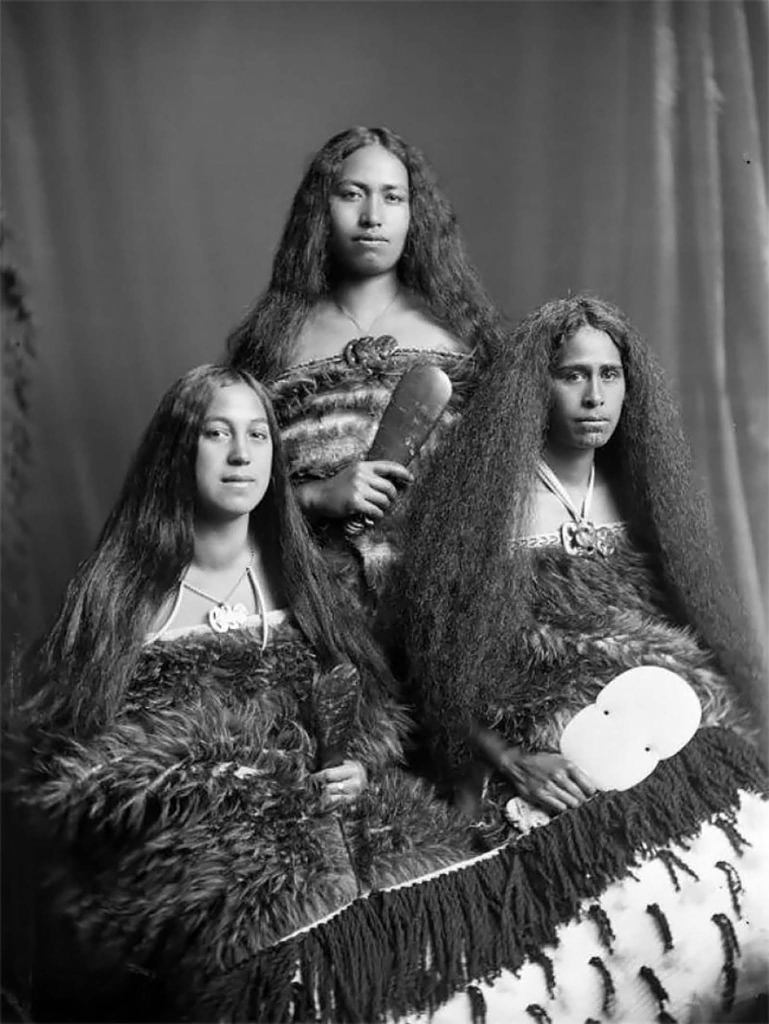
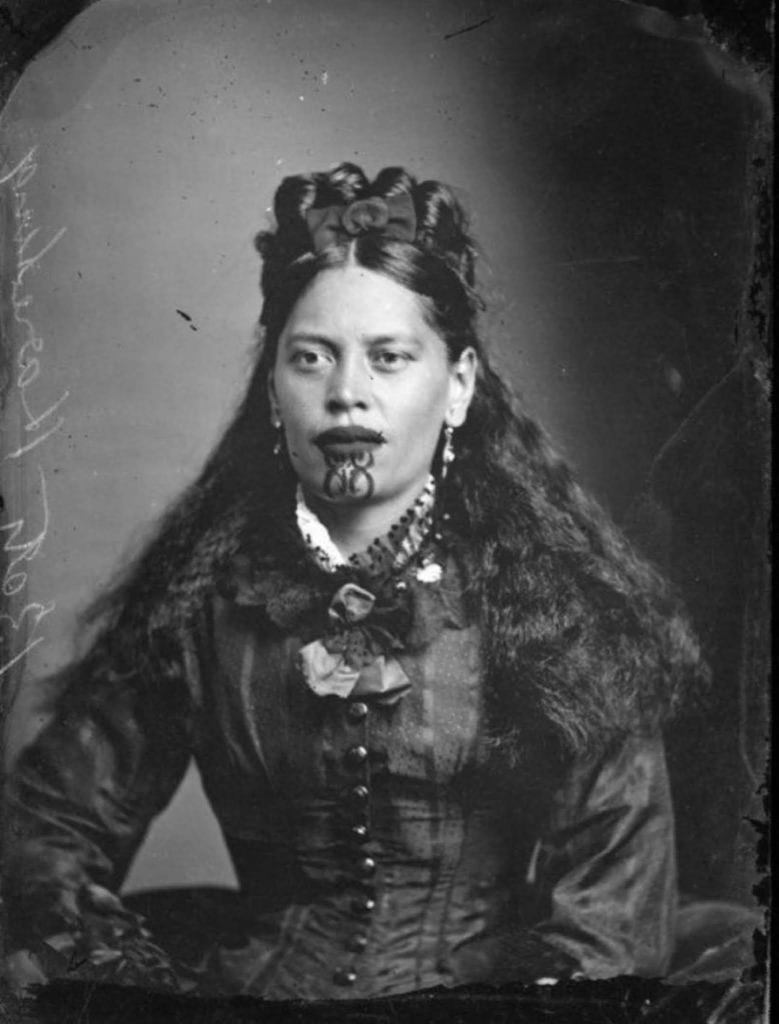
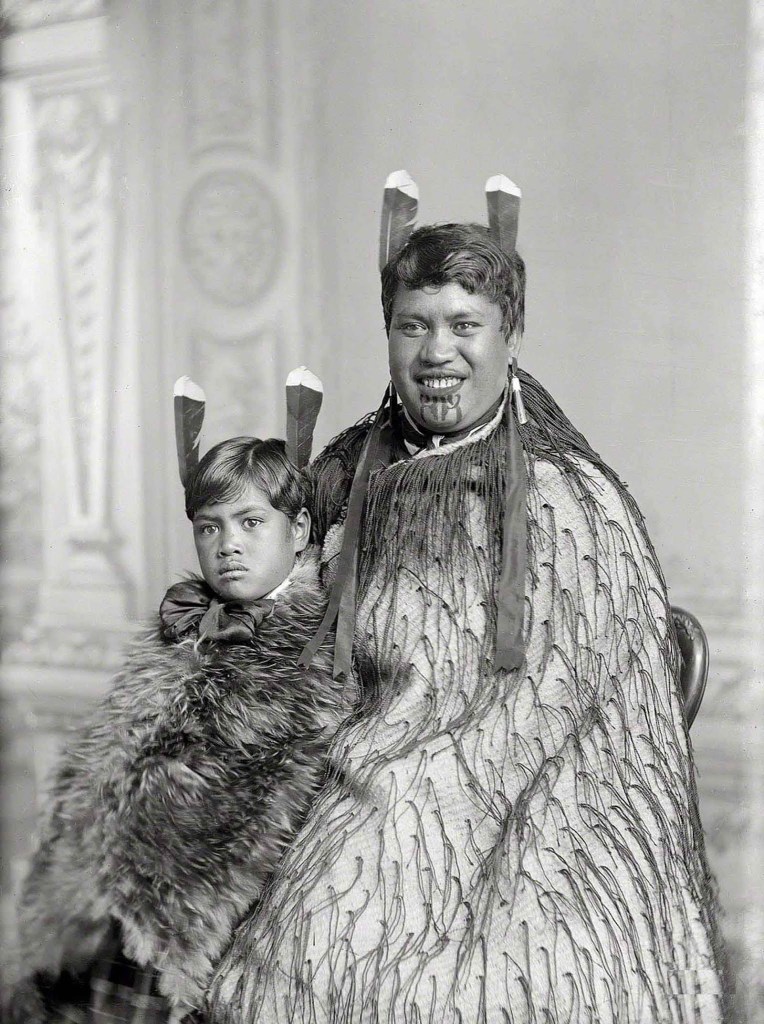
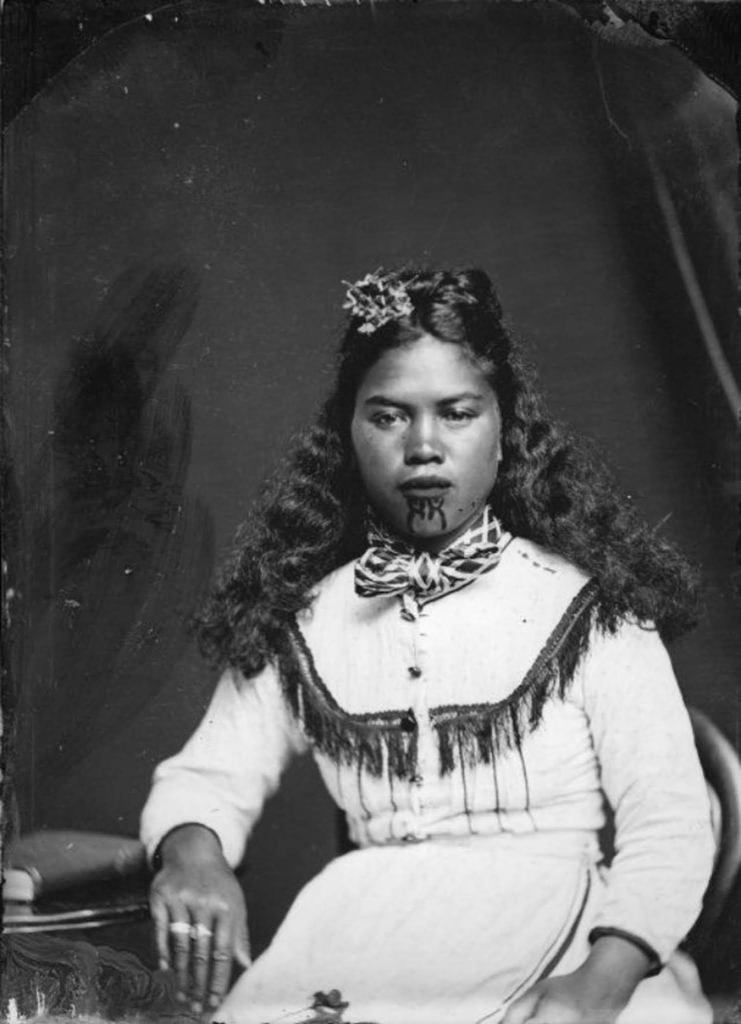
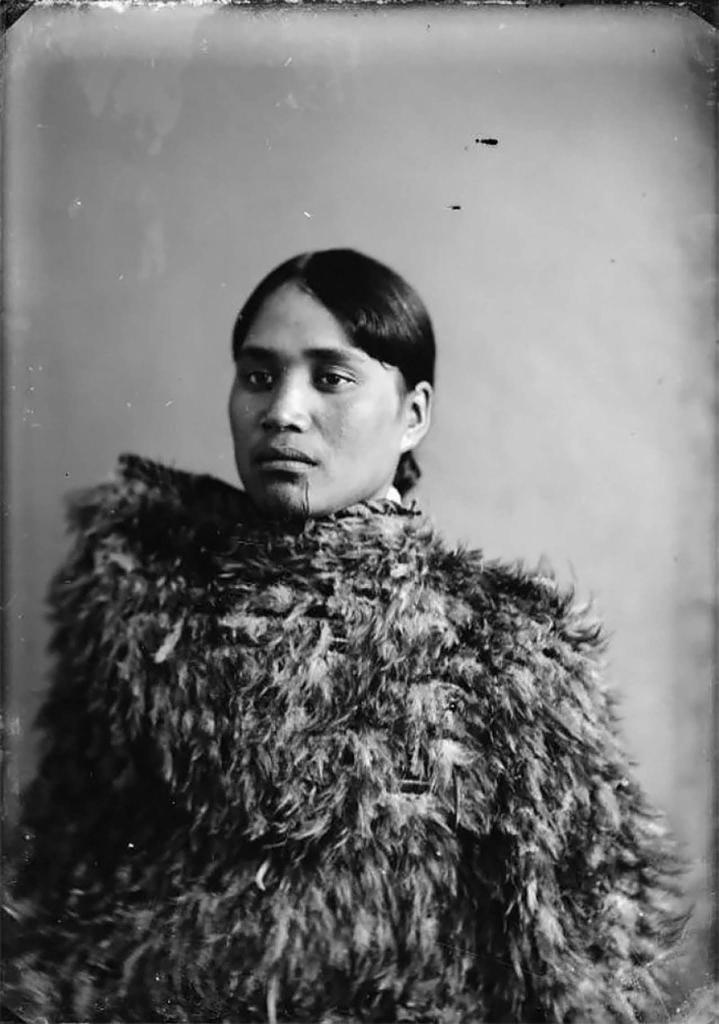
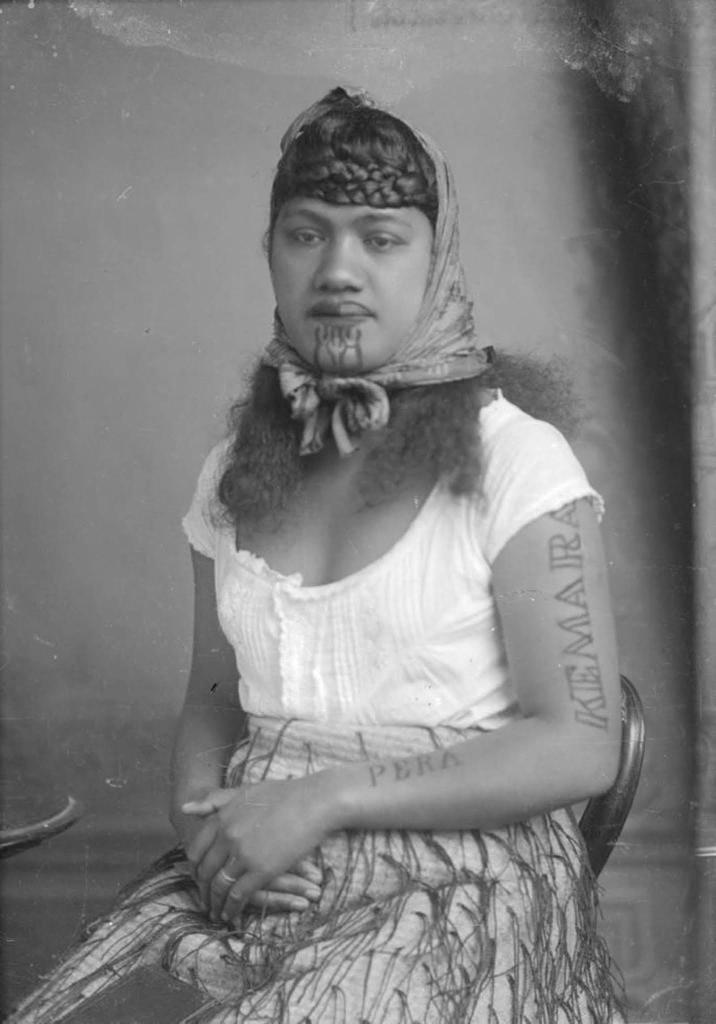
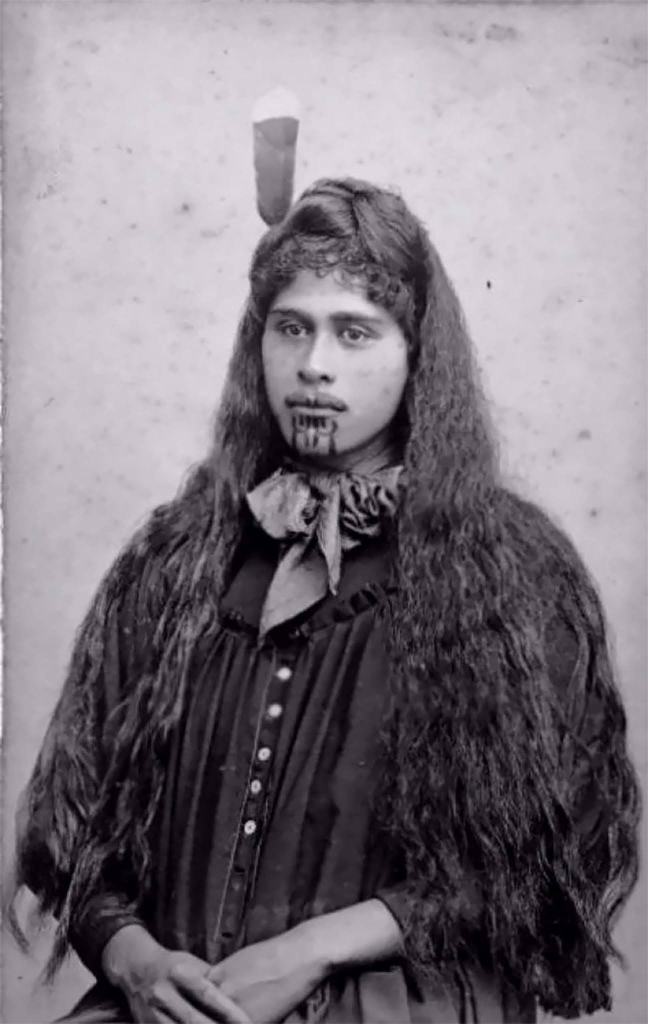
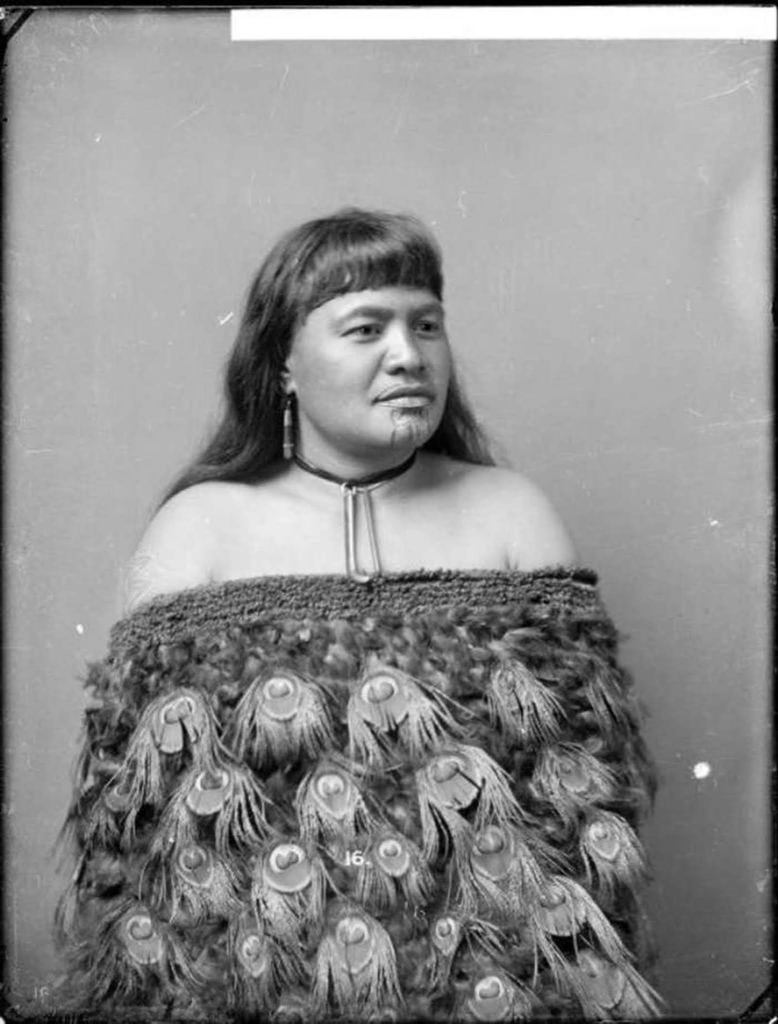
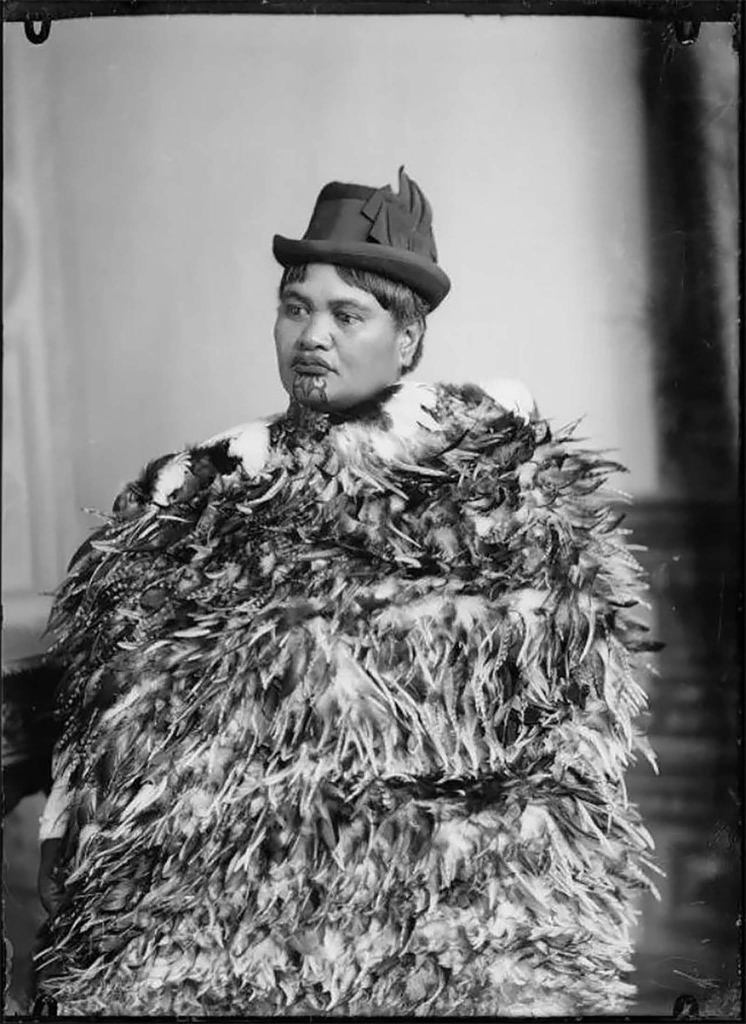
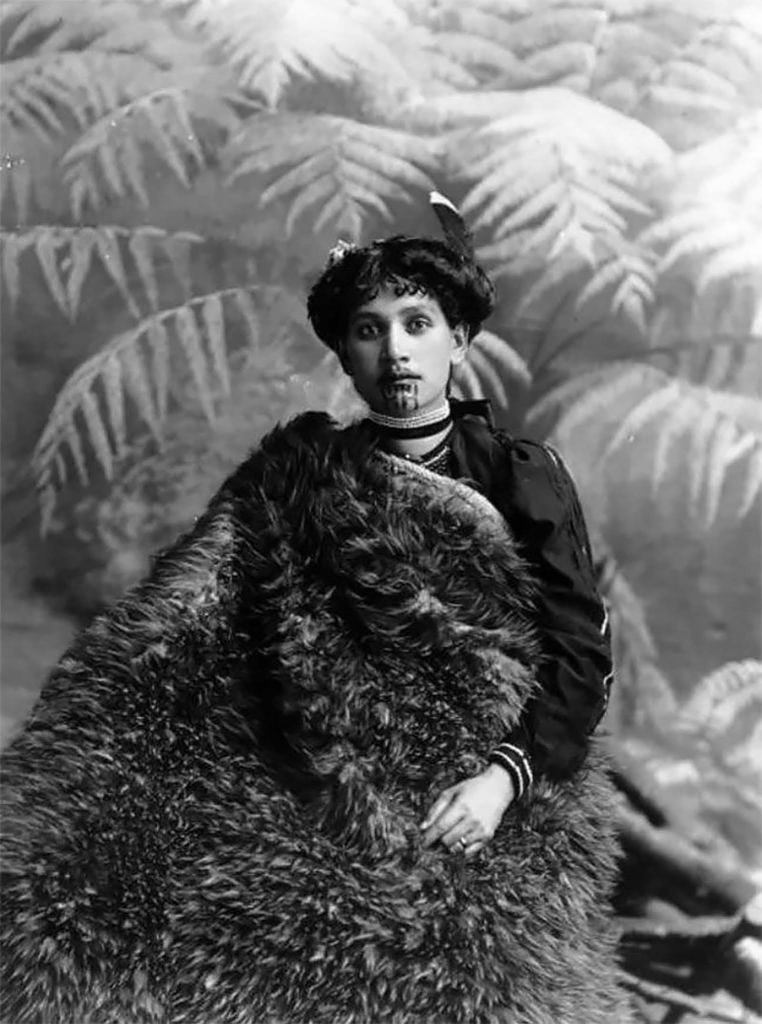
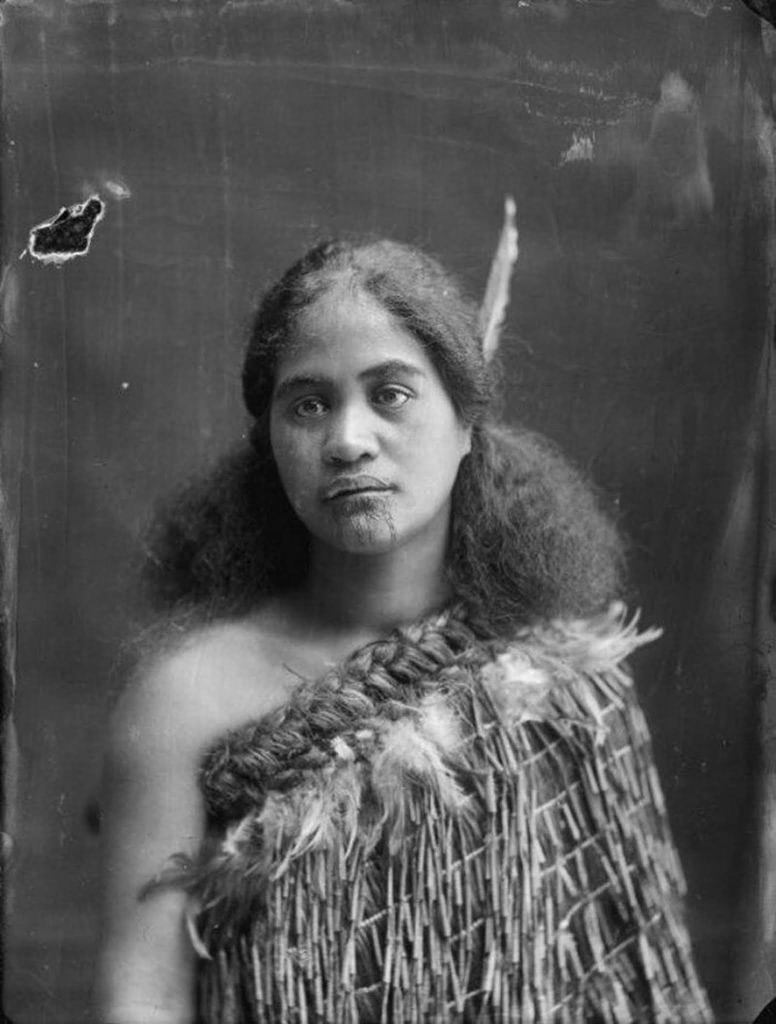
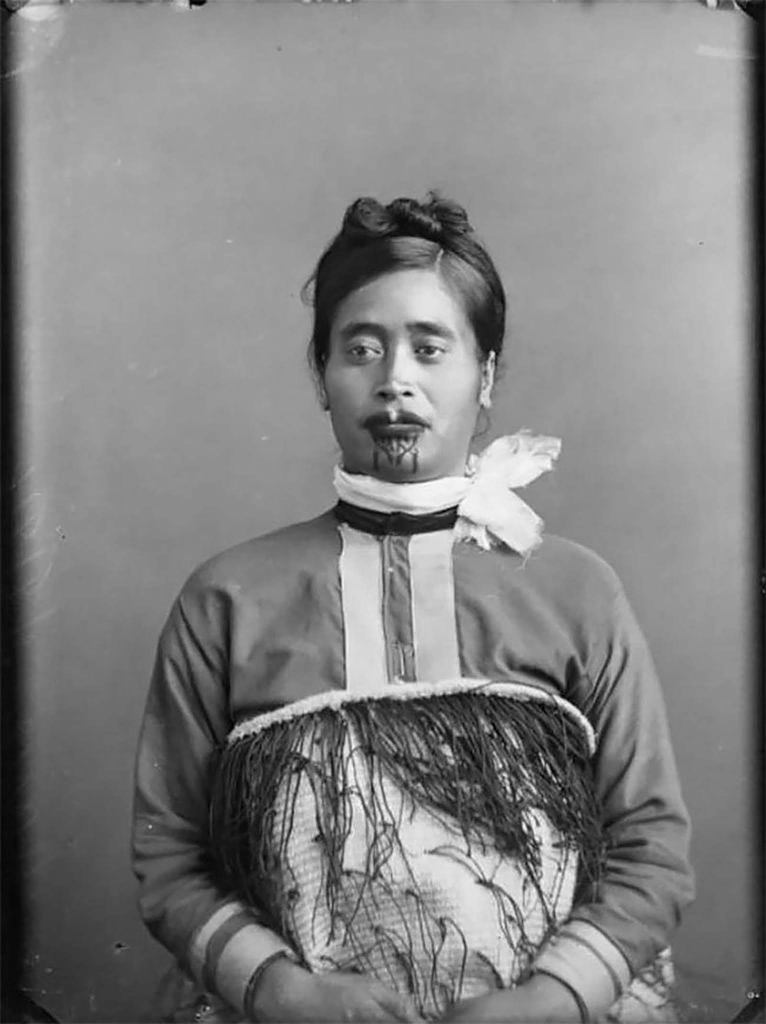
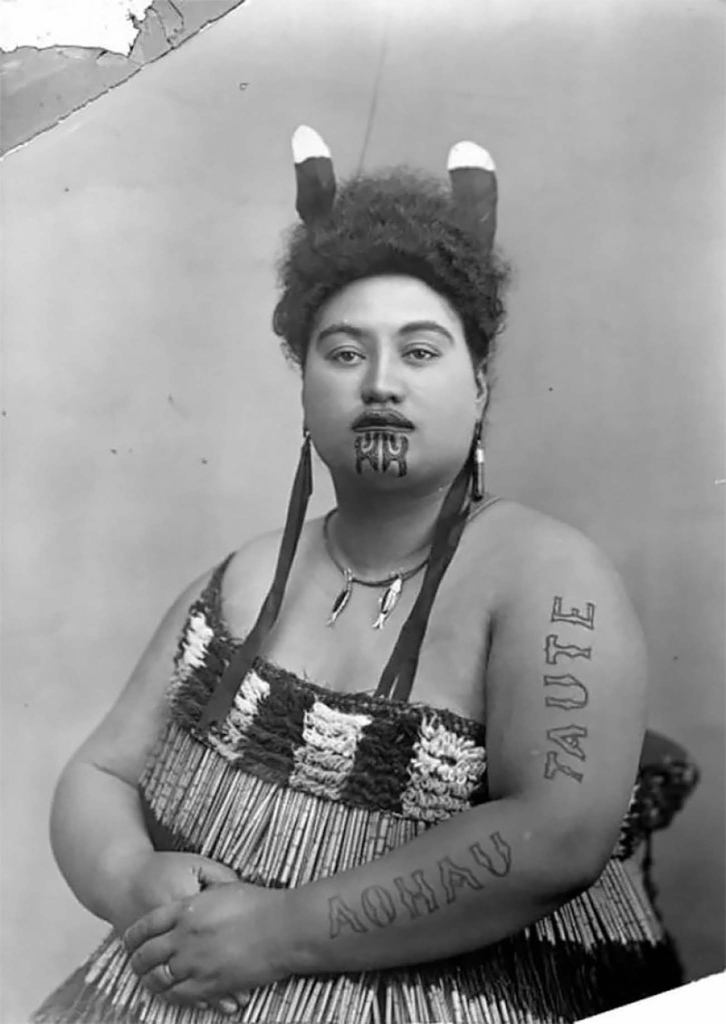
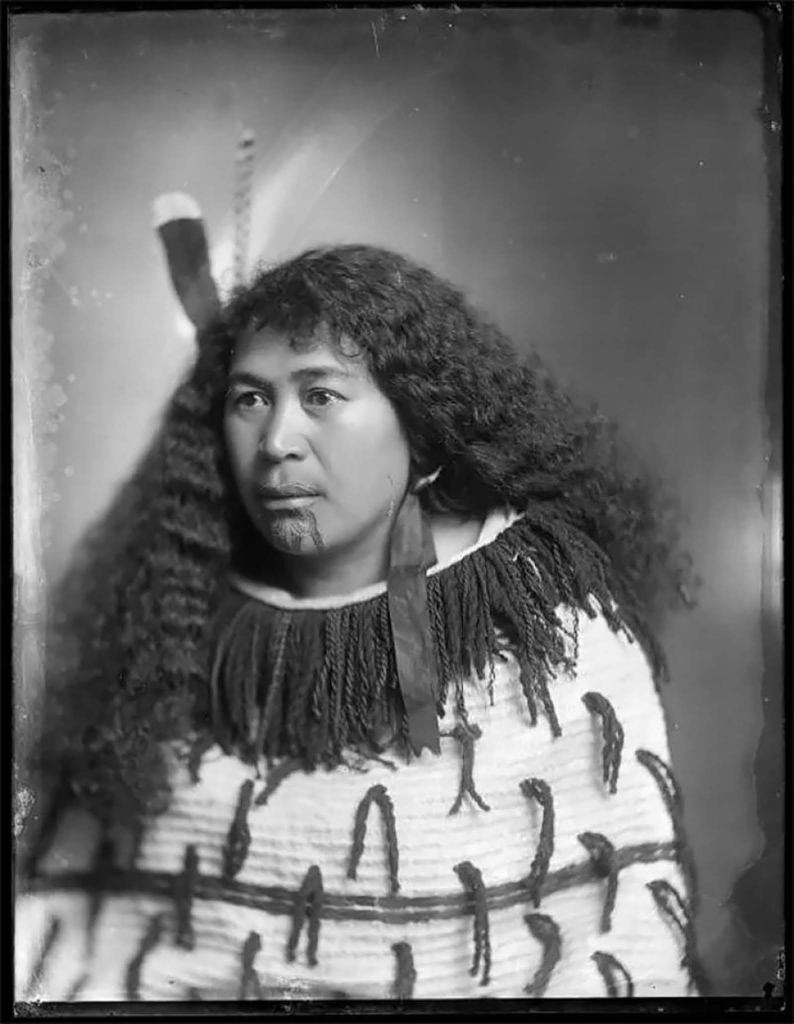
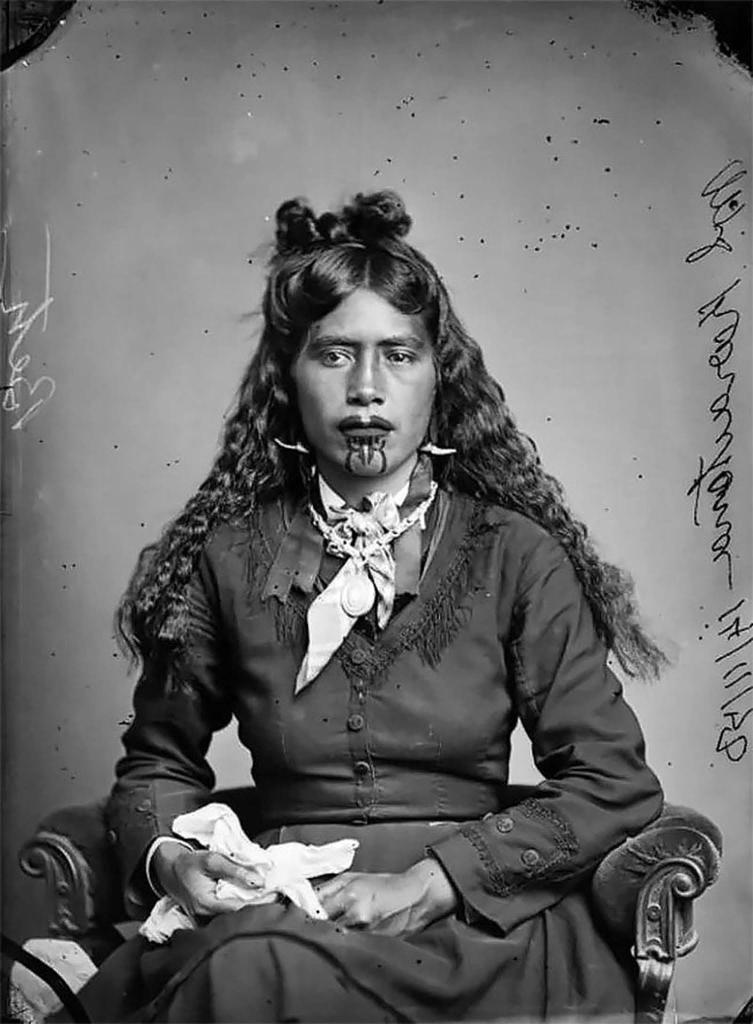
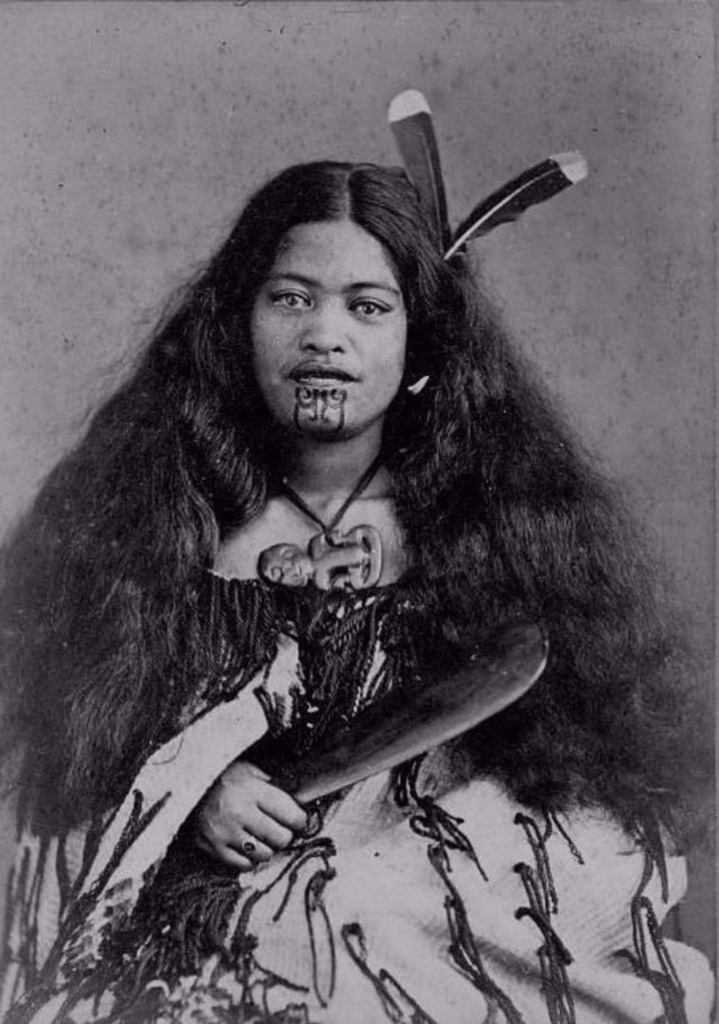
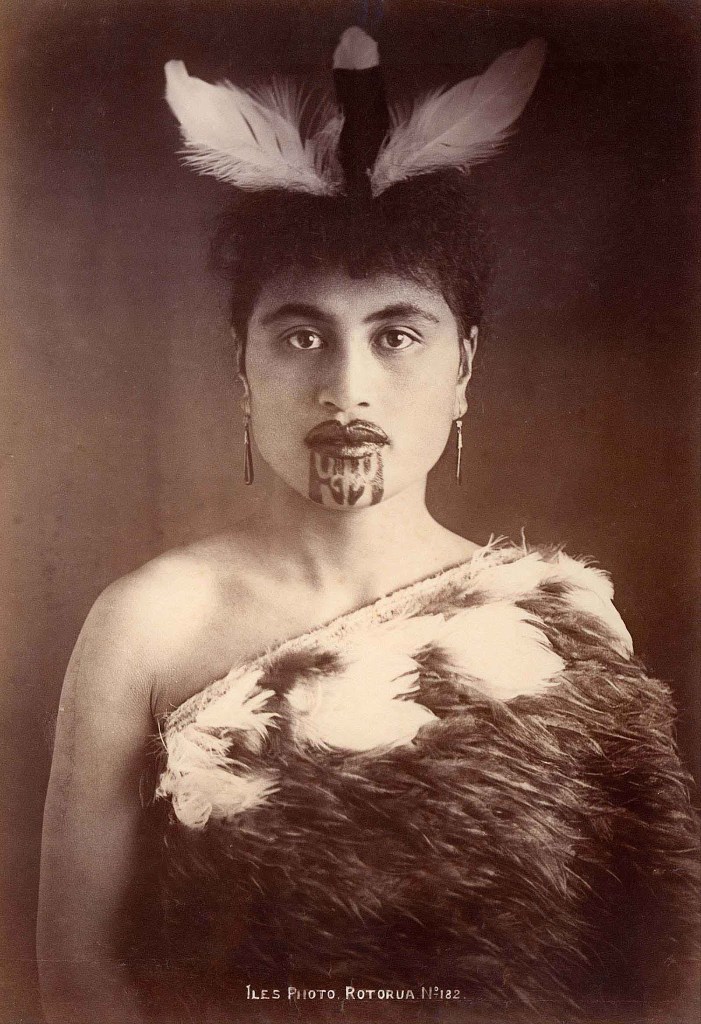
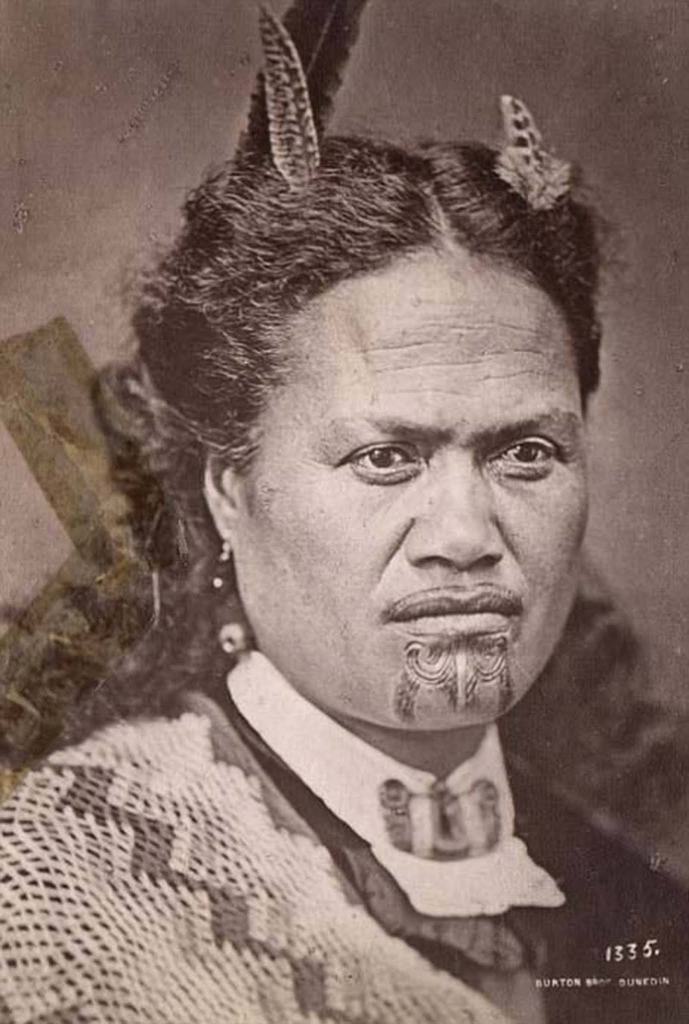
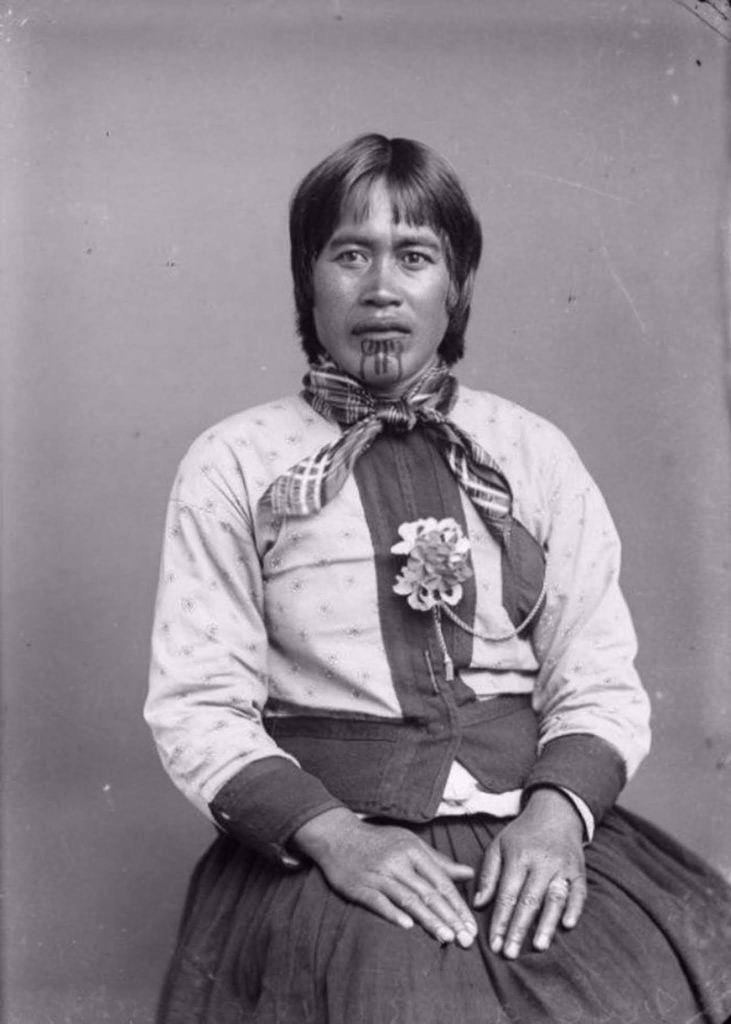
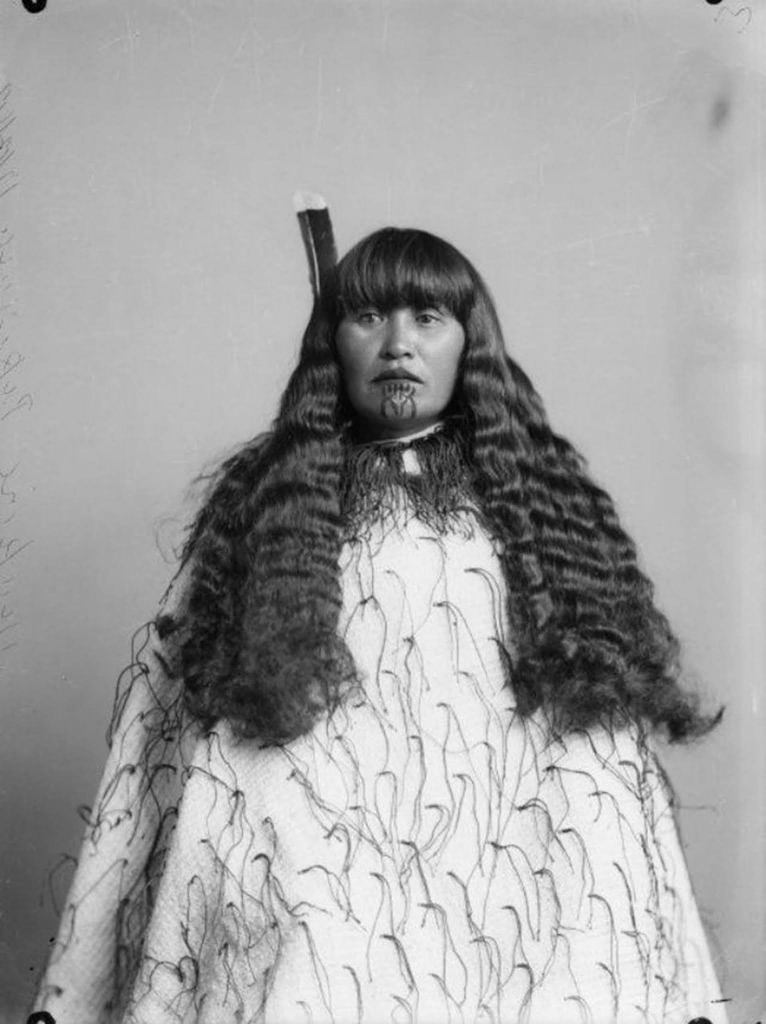
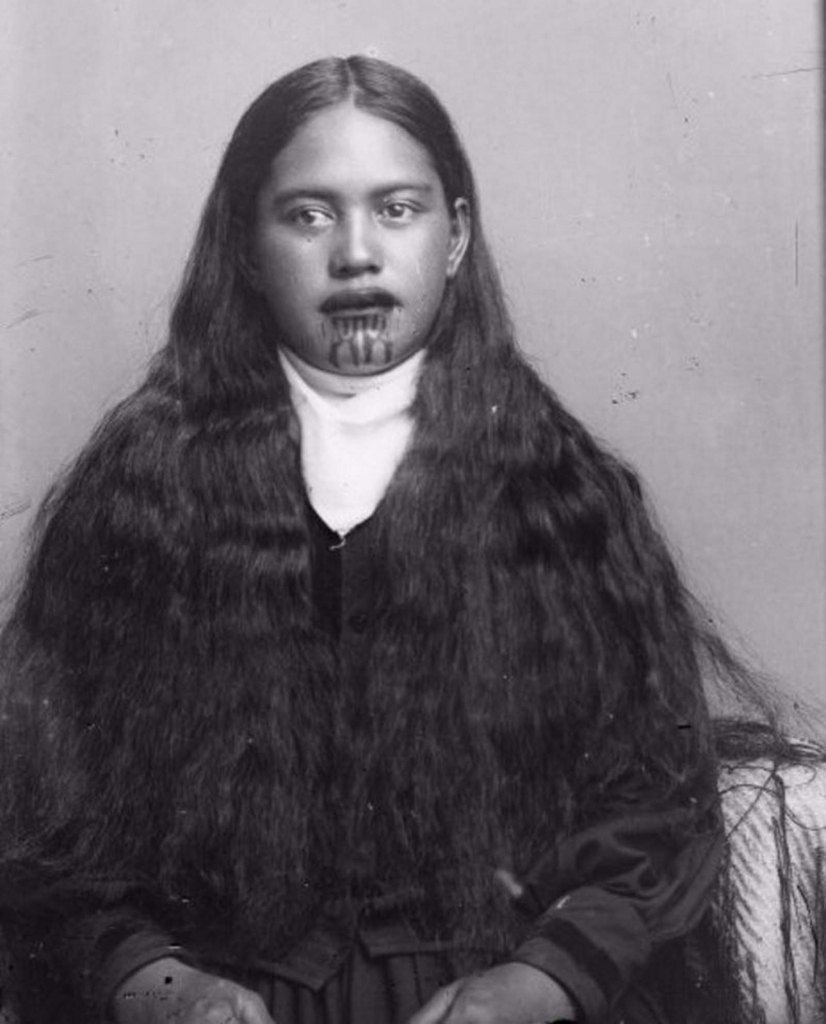
These late-19th and early-20th century photographs show some of the last Maori women to wear the traditional Ta moko face marking before it was outlawed by British colonialists. Ta moko is the name for the permanent body and face marking by Maori, the indigenous people of New Zealand.
The tattoos depicted the story of the wearer’s family, their ancestral tribe, and their position within that group. Moko were associated with mana and high social status; however, some very high-status individuals were considered too tapu to acquire moko, and it was also not considered suitable for some tohunga to do so.
Receiving moko constituted an important milestone between childhood and adulthood, and was accompanied by many rites and rituals. Apart from signaling status and rank, another reason for the practice in traditional times was to make a person more attractive to the opposite sex.
Men generally received moko on their faces, buttocks (raperape) and thighs (puhoro). Women usually wore moko on their lips (kauwae) and chins. Other parts of the body known to have moko include women’s foreheads, buttocks, thighs, necks, and backs, and men’s backs, stomachs, and calves.
While its exact origins are unknown, the art of ta moko came from Eastern Polynesian culture. Before the needle was introduced, ta moko instruments consisted of uhi chisels made of bone that would carve directly into the skin, leaving grooves rather than smooth skin.
As such, the ta moko process was long and painful, taking as long as a year for a piece to be completed. The pigment used in ta moko was usually made from charcoal mixed with oil or liquid from plants. Known as wai ngarahu, it was stored in special containers.
Women continued receiving moko through the early 20th century, and the historian Michael King in the early 1970s interviewing over 70 elderly women who would have been given the moko before the 1907 Tohunga Suppression Act. Women were traditionally only tattooed on their lips, around the chin, and sometimes the nostrils.
After the Brits colonized New Zealand, ta moko declined as a cultural form. This was partly due to the Tohunga Suppression Act of 1907, which outlawed Maori medical practices. As these were closely linked to Maori spiritual and cultural traditions, the Maoris lost much of their culture and became what was termed as a “lost race.” The Act was eventually repealed in 1962.
Since the 1990s, there has been a resurgence of the practice of ta moko for both men and women as a sign of their cultural Maori identity.
Two Maori girls with chin mokos in an ancient greeting, circa 1900.This photo shows Monika Ruke. She has a chin moko and is wearing feathers in her hair and earrings. A feather cloak with a taniko border is wrapped about her shoulders.An unidentified Maori woman with a chin moko, feathers in her hair, and European clothing, taken around 1895.This stunning portrait from the 1890s shows an elderly Maori woman with intricate markings across her face.An unidentified elderly Maori woman with a lip and chin moko and a scarf taken around 1895.An unknown Maori woman with a chin moko, circa 1890s.Susan Rotorua, a young Maori woman with a tiki around her neck, circa 1890s.Head-and-shoulders portrait of a Maori, facing front, in native clothing, circa 1890s.A Maori woman wearing a korowai (tag cloak), probably associated with the Pai Marire party, taken in the 1870s.An unidentified Maori woman in a top hat shows off her chin moko. The photo is believed to date from around the 1890s.These long-haired Maori women are wearing Maori kiwi cloaks, tiki (greenstone ornaments), and are holding traditional weapons. The woman on the right is seen with a chin moko.A carte de visite portrait of beautiful Maori woman Beti Karaitiana with a chin moko circa 1870s.Portrait of a Maori woman and child from Hawkes Bay, New Zealand, taken between 1880 and 1900.Portrait of a Maori woman from Hawkes Bay, New Zealand, circa 1870sA striking portrait of Irini Kemara, a young Maori woman with the words ‘Pera’ and ‘Kemara’ tattooed on her left arm, taken in July 1888A portrait of Susan Jury, taken by Grand & Dunlop of Christchurch, circa 1890s.Arihi Te Nahu of Te Hauke, a Maori woman, wearing a kahu huruhuru (feather cloak), taken on 16 December 1892.An unidentified Maori woman with a chin moko, circa 1890s.An unidentified Maori woman with a chin moko, circa 1890s.Pikau Teimana of Putaruru, wearing a piupiu and with the words ‘Aohau Taute’ tattooed on her right arm. She is wearing two huia feathers in her hair, and two pendants in the shape of fish around her neck.Karaitiana Takamoana, a Maori woman with a chin moko, taken on 14 November 1878.An unidentified Maori woman with a chin moko, circa 1890s.An unidentified Maori woman with a chin moko from Denedin, New Zealand, circa 1890s.Julia, a Maori woman from the Hawkes Bay district, taken on 23 November 1888.Portrait of Makire Pikihuia, wearing a korowai, taken on 17 December 1892.An unidentified Maori woman with a chin moko, circa 1890s.
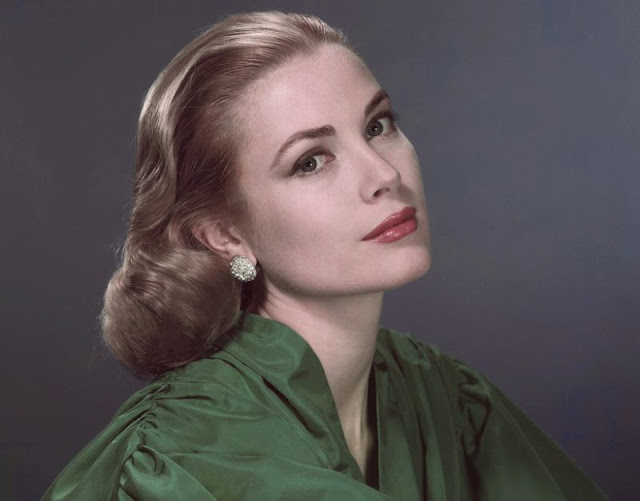
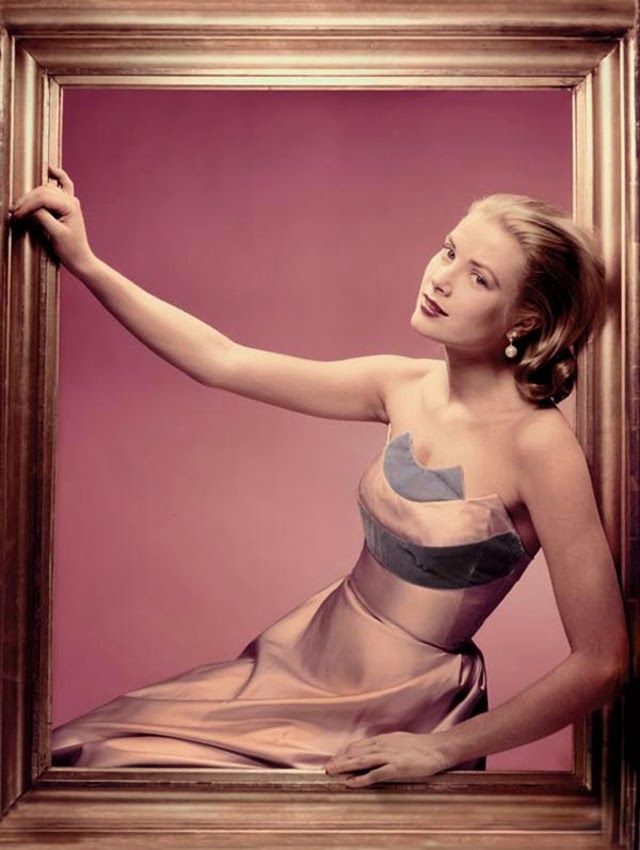
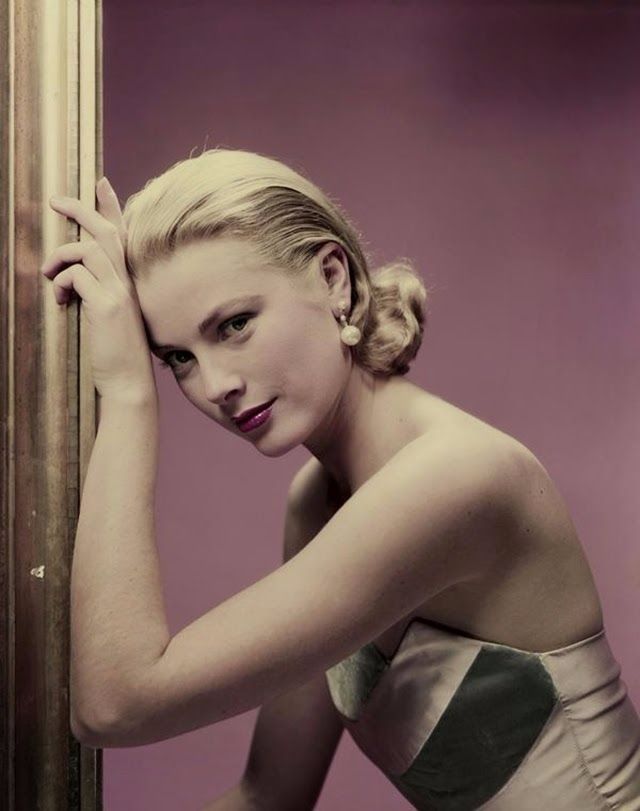
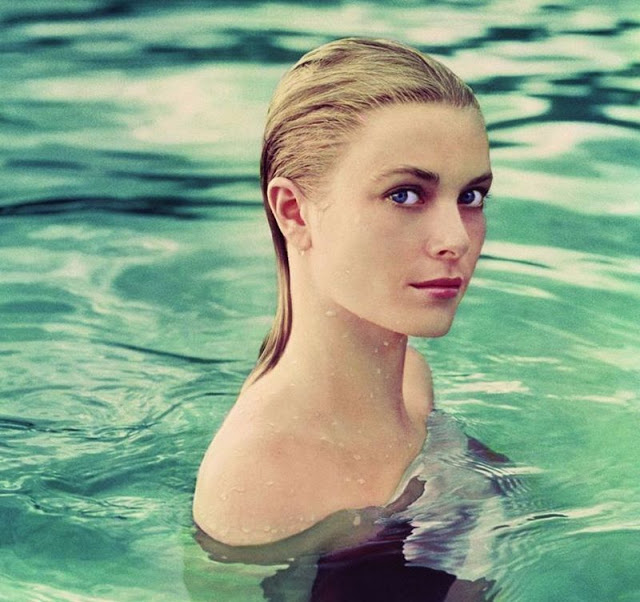
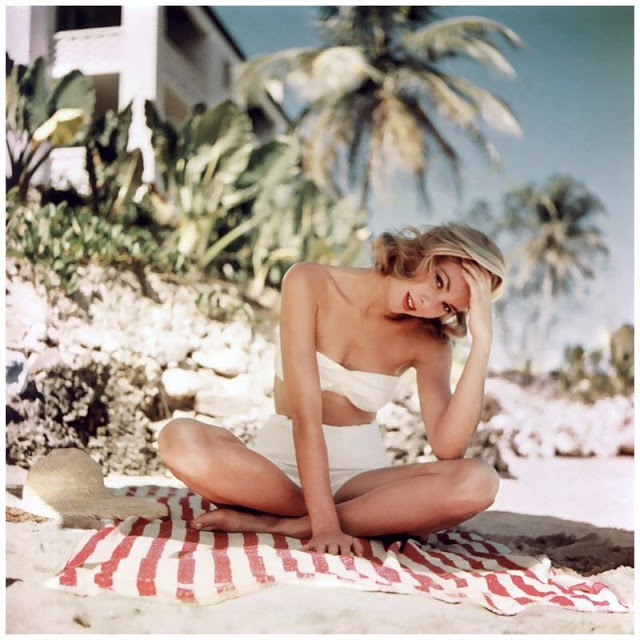
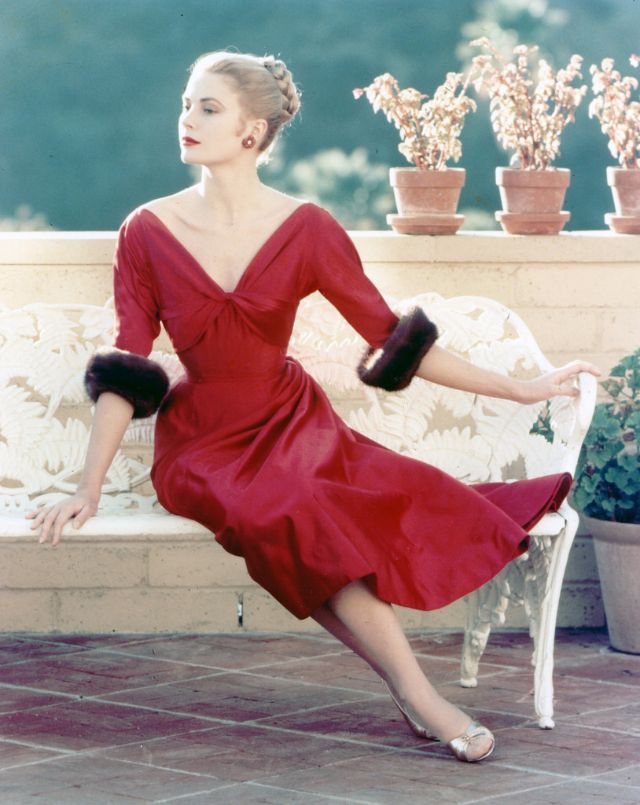
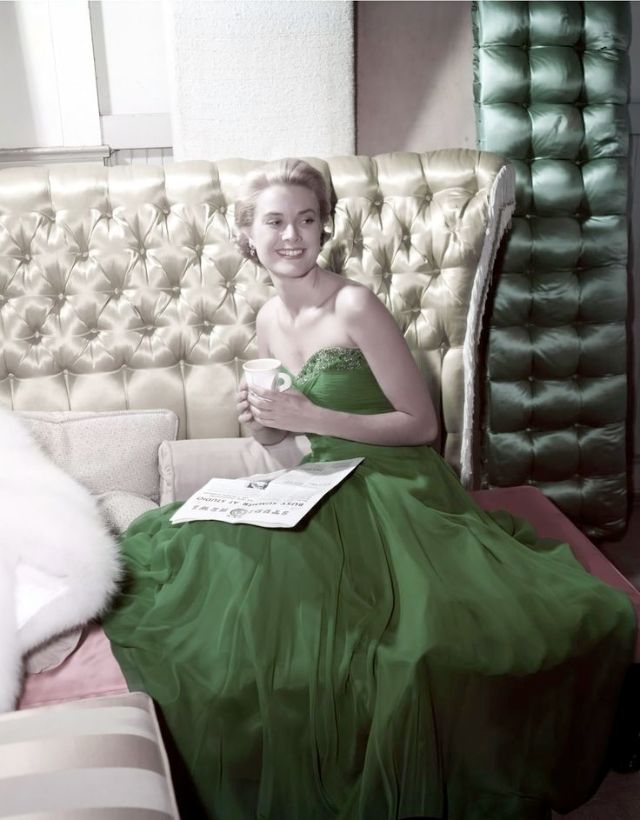
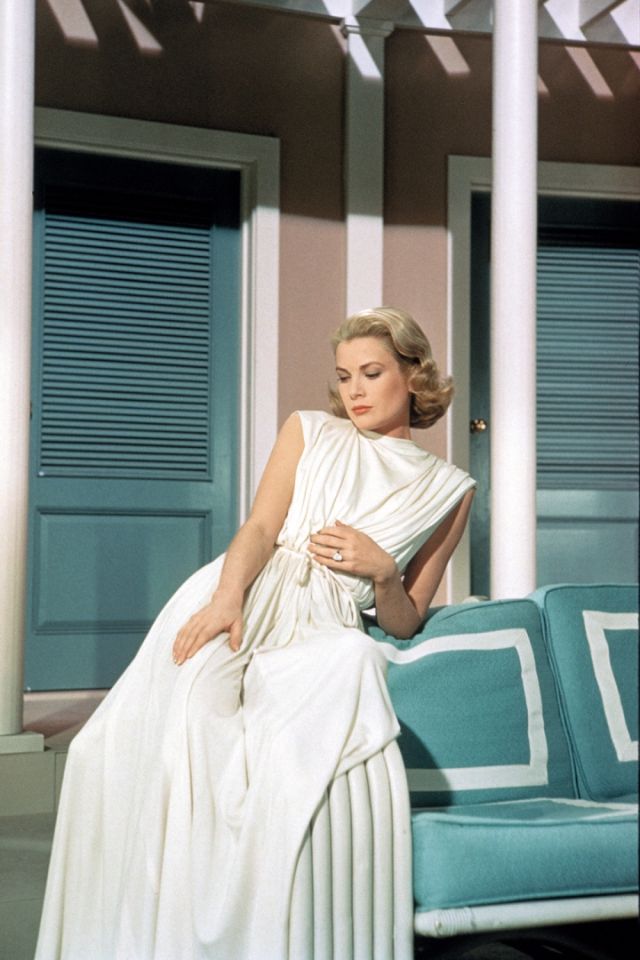
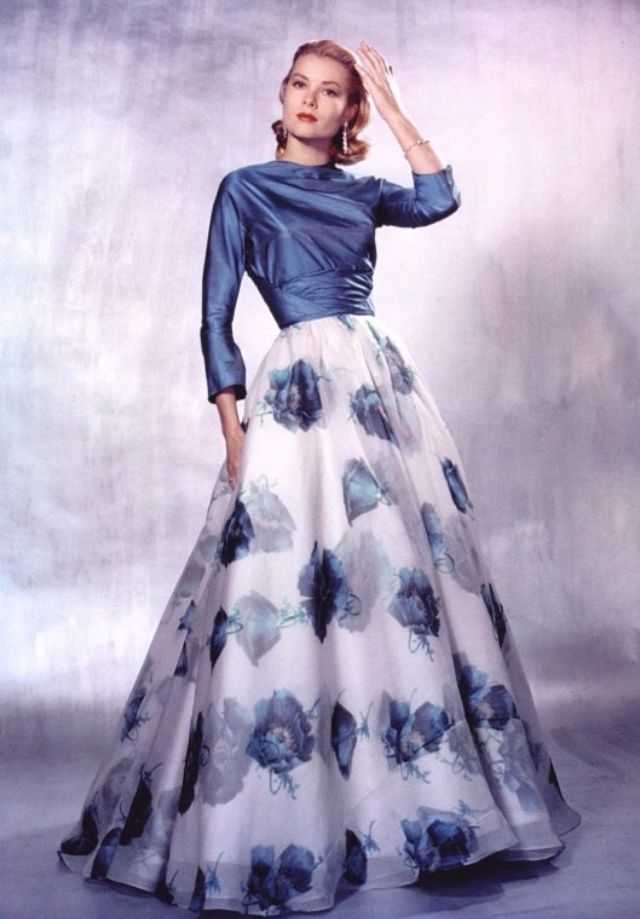
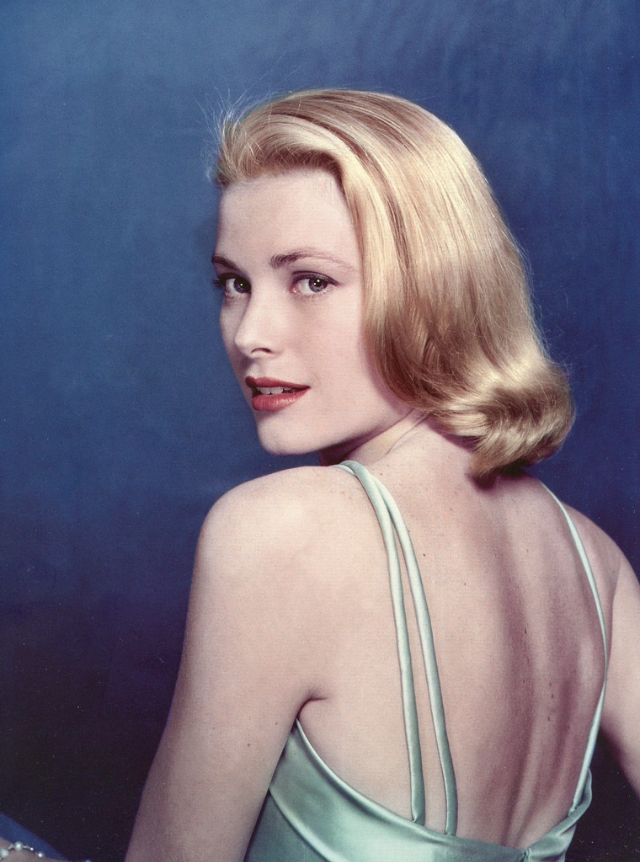
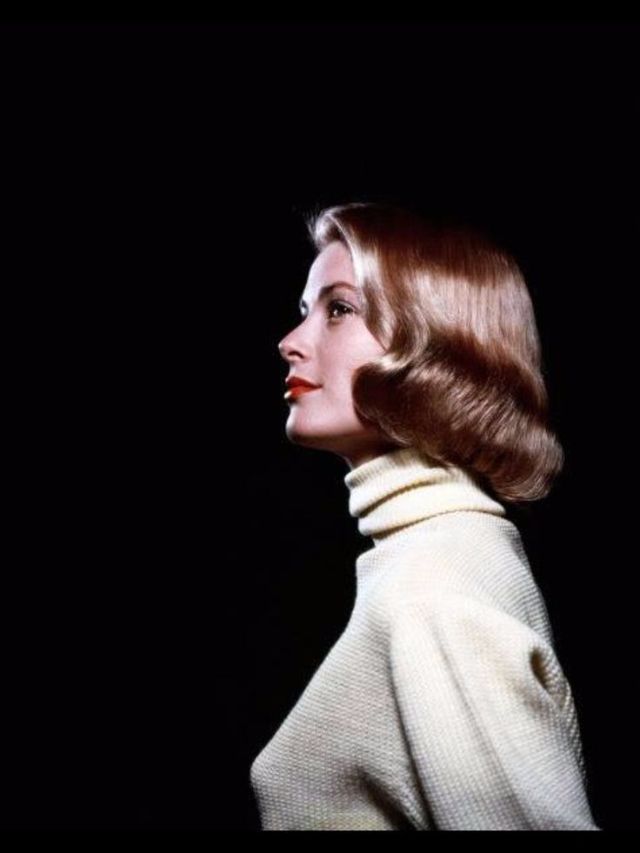
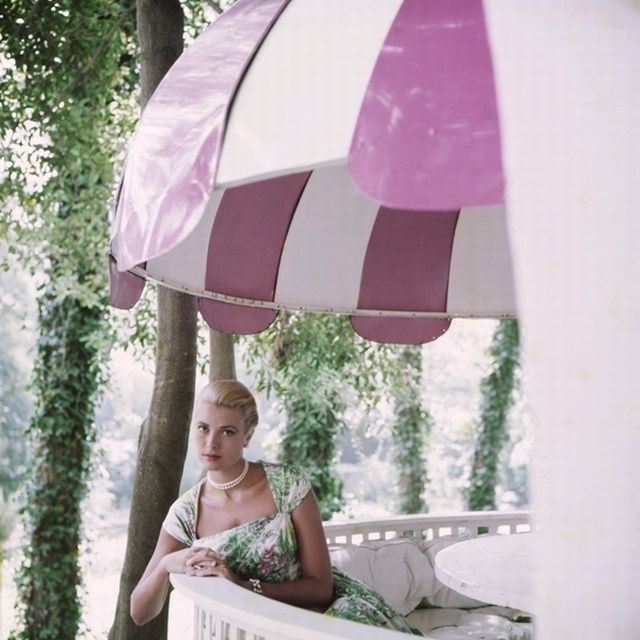
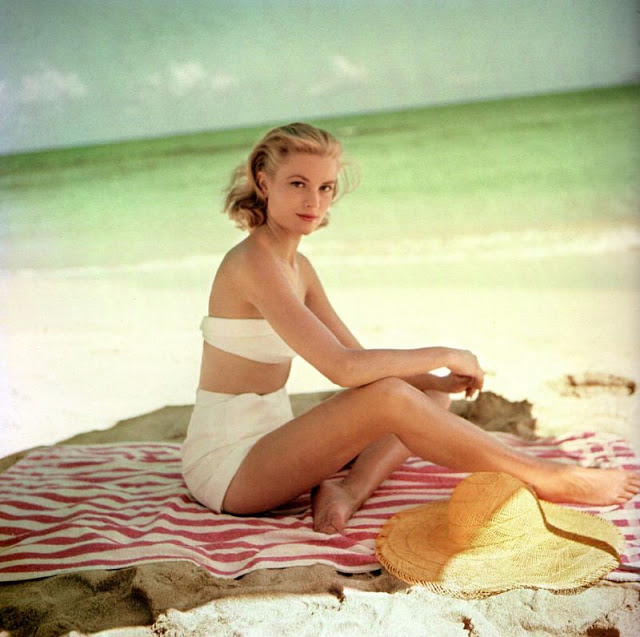
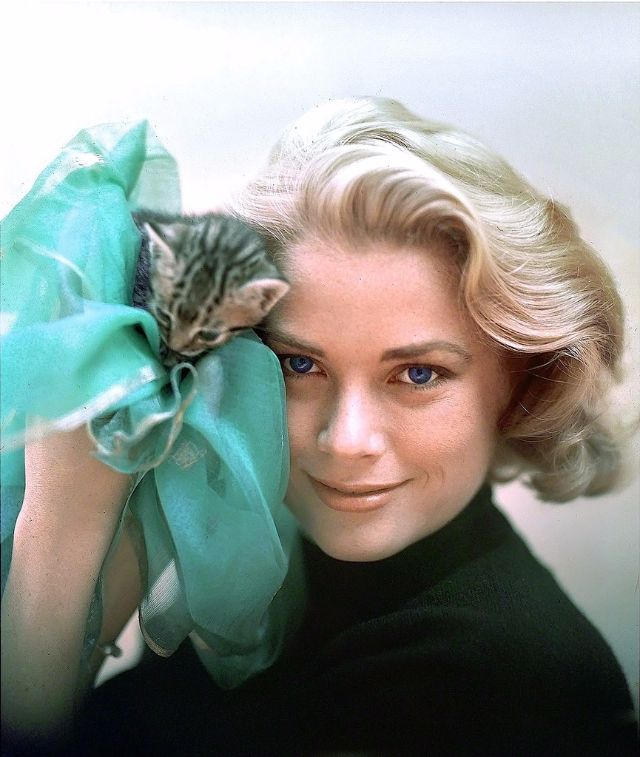
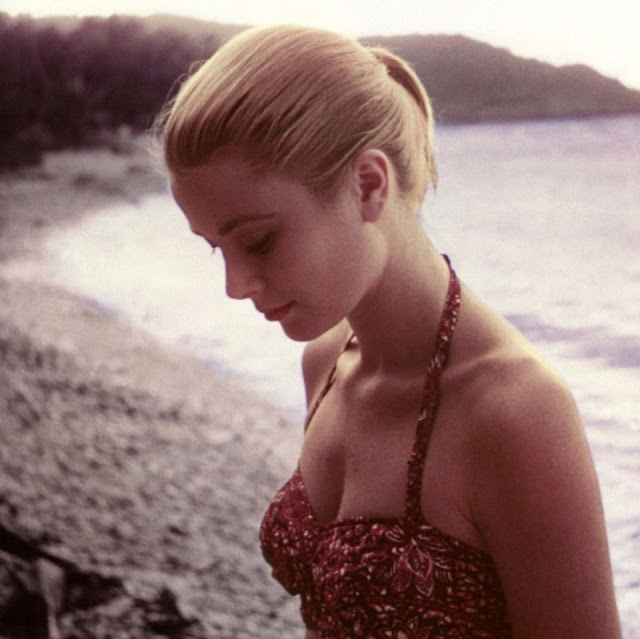
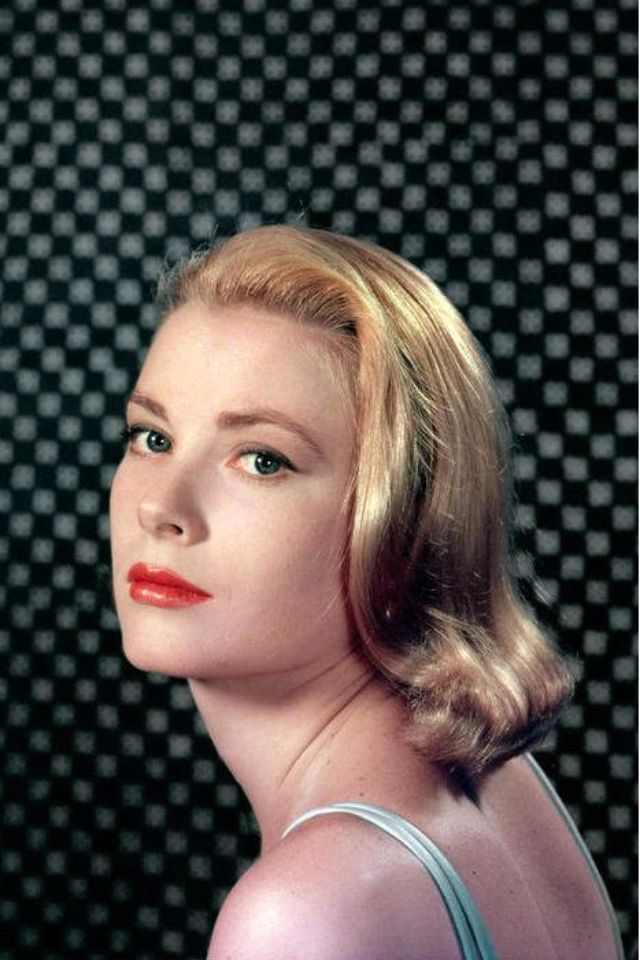
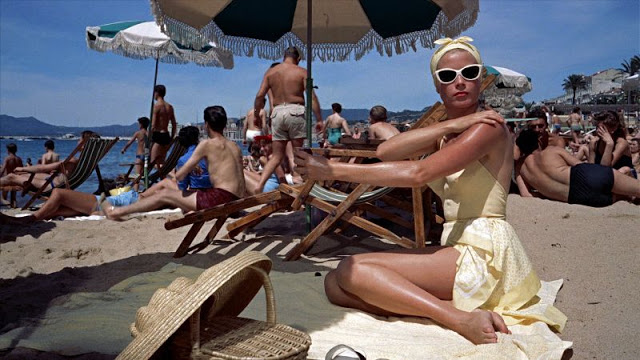
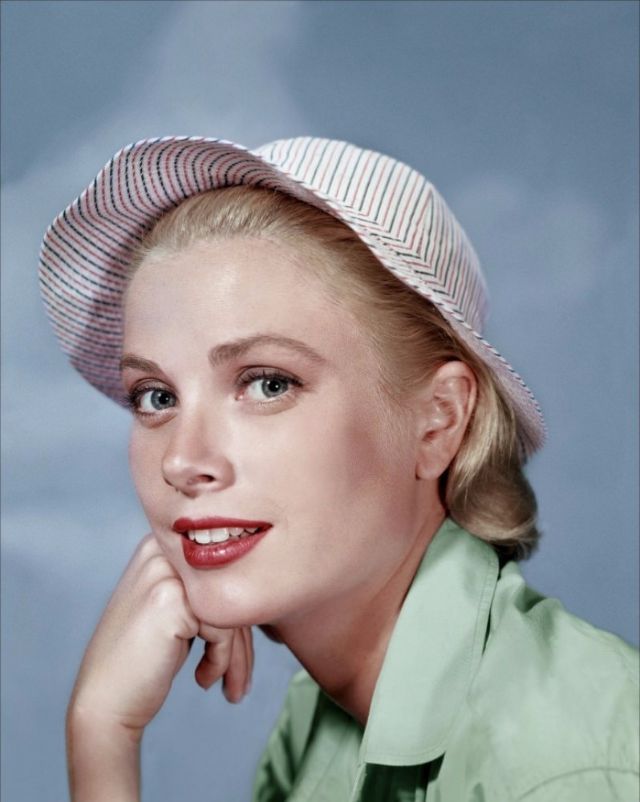
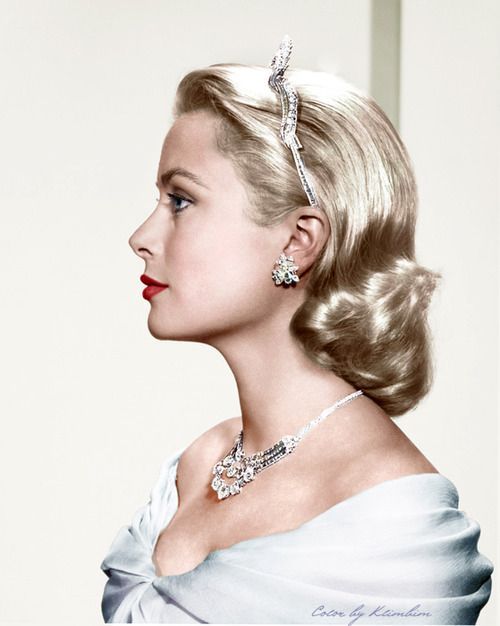
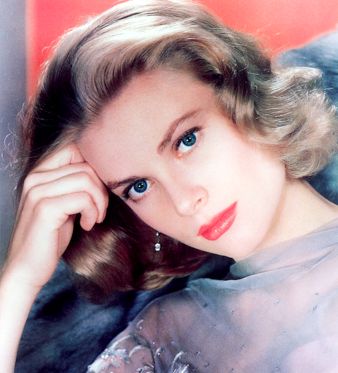
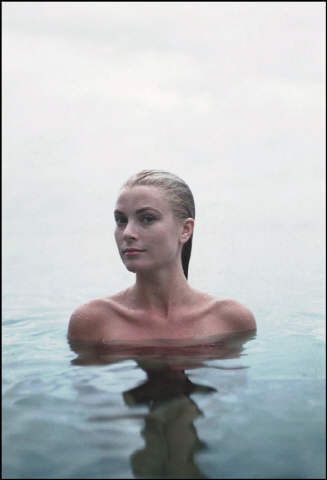
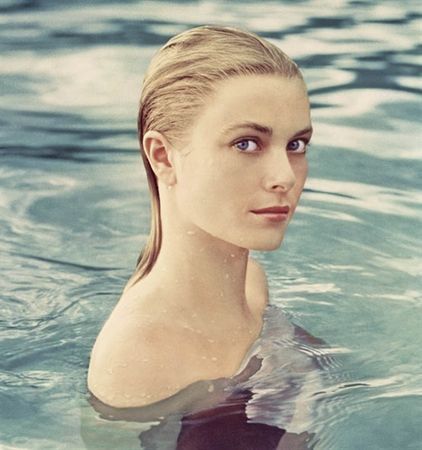
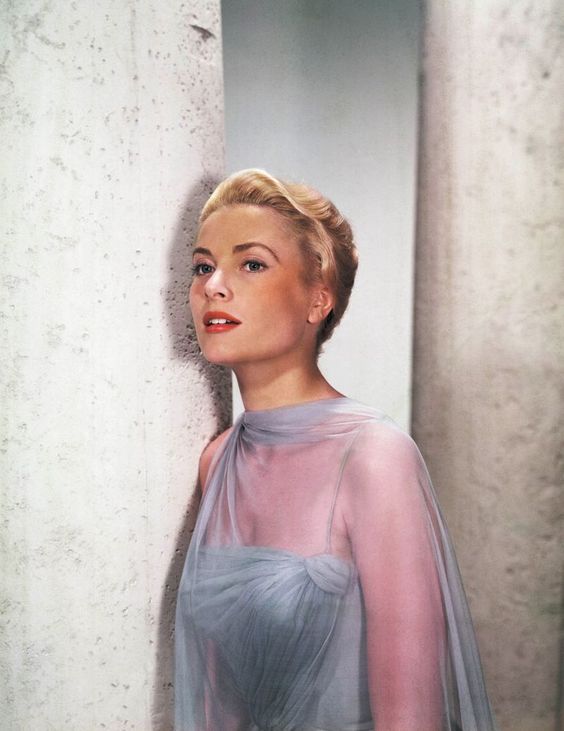
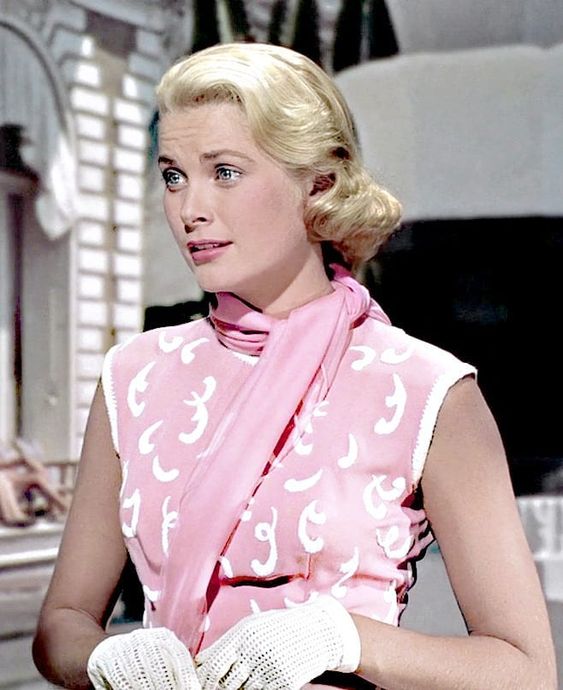
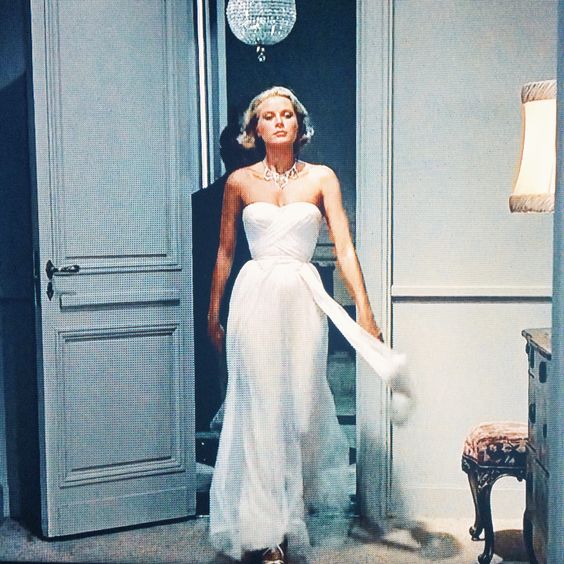
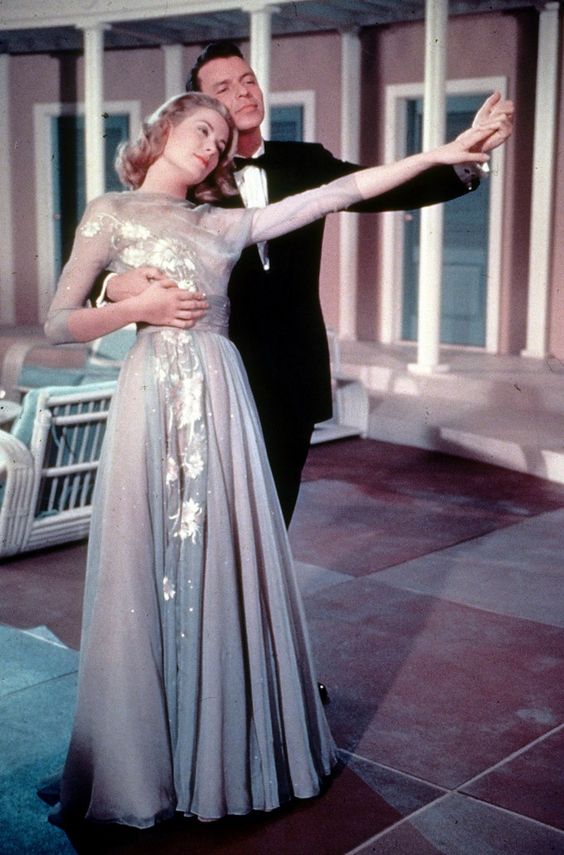
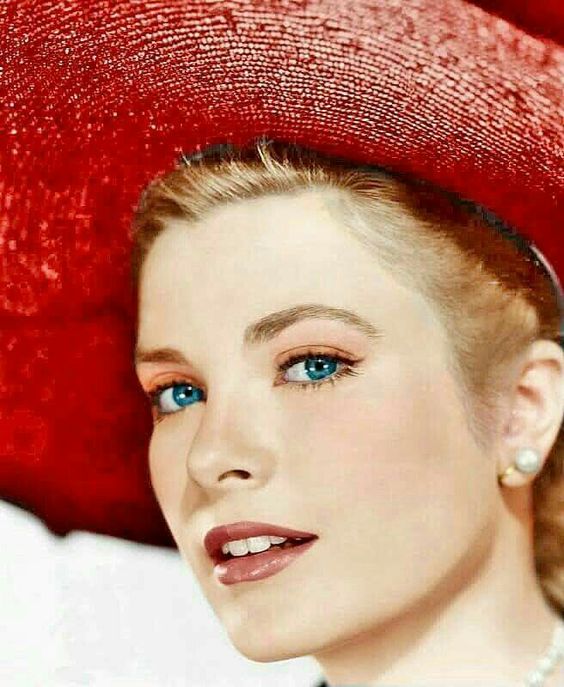
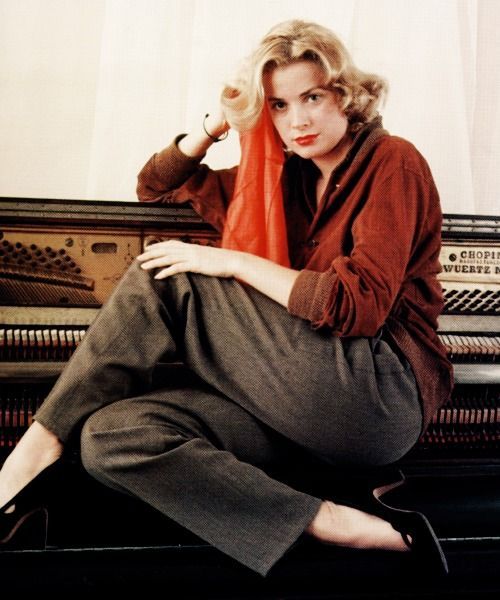
Grace Patricia Kelly (November 12, 1929 – September 14, 1982) was an American actress who, after starring in several significant films in the early to mid-1950s, became Princess of Monaco by marrying Prince Rainier III in April 1956.
After graduating from the American Academy of Dramatic Arts in 1949, Kelly began appearing in New York City theatrical productions and over 40 live drama productions broadcast in early 1950s Golden Age of Television. She gained stardom from her performance in John Ford’s adventure-romance Mogambo (1953), for which she was nominated for an Academy Award for Best Supporting Actress. She won the Academy Award for Best Actress for her performance in the drama The Country Girl (1954). Other notable works include the western High Noon (1952), the romance-comedy High Society (1956), and three consecutive Alfred Hitchcock suspense thrillers: Dial M for Murder (1954), Rear Window (1954), and To Catch a Thief (1955). Kelly worked with some of the most prominent leading men of the era, including Gary Cooper, Clark Gable, Ray Milland, James Stewart, Bing Crosby, William Holden, Cary Grant, Alec Guinness, and Frank Sinatra.
Kelly retired from acting at age 26 to marry Rainier, and began her duties as Princess of Monaco. Hitchcock hoped that she would appear in more of his films which required an “icy blonde” lead actress, but he was unable to coax her out of retirement. The Prince and Princess had three children: Princess Caroline, Prince Albert, and Princess Stéphanie. Princess Grace retained her link to America by her dual U.S. and Monégasque citizenship. Her charity work focused on young children and the arts, establishing the Princess Grace Foundation to support local artisans in 1964. Her organization for children’s rights, AMADE Mondiale, gained consultive status within UNICEF and UNESCO. Her final film contribution was in 1977 to documentary The Children of Theatre Street directed by Robert Dornhelm, where she served as the narrator. The documentary was nominated for an Academy Award for Best Documentary Feature.
Kelly died aged 52 at Monaco Hospital on September 14, 1982, from injuries sustained in a car crash the previous day. She is listed 13th among the American Film Institute’s 25 Greatest Female Stars of Classical Hollywood Cinema. Her son, Prince Albert, helped establish the Princess Grace Awards in 1984 to recognize emerging performers in film, theatre, and dance. (Wikipedia)