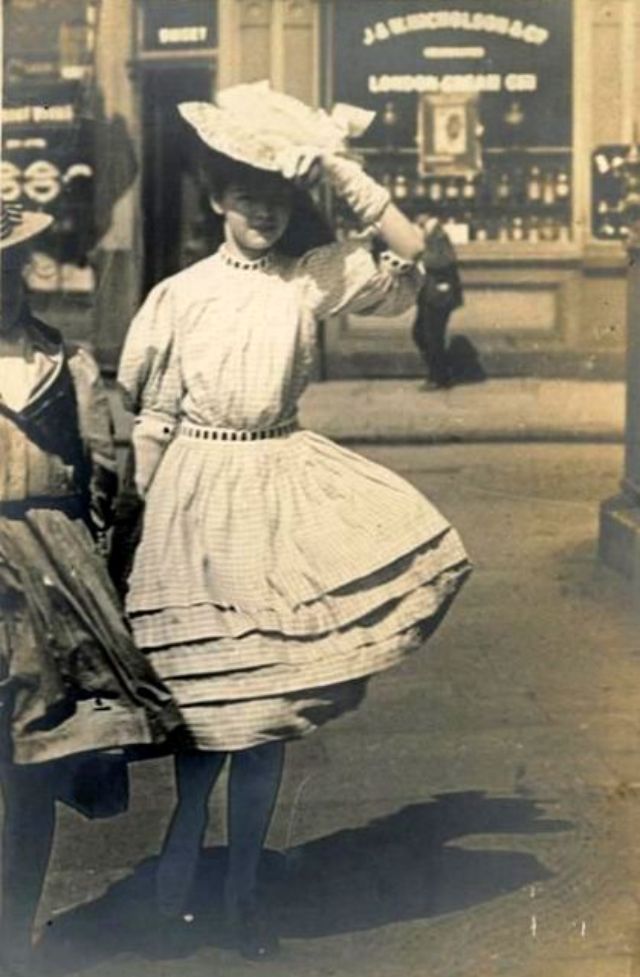
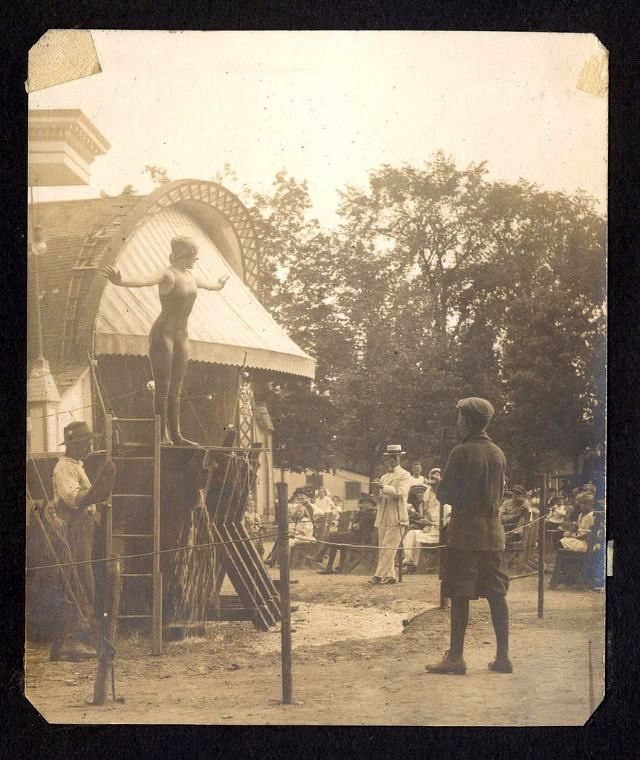
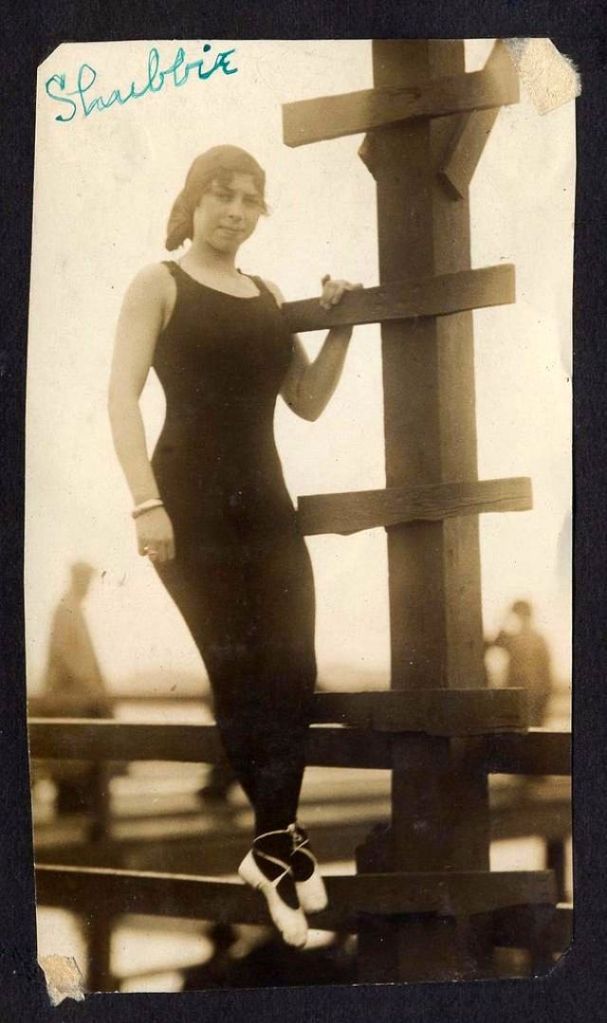
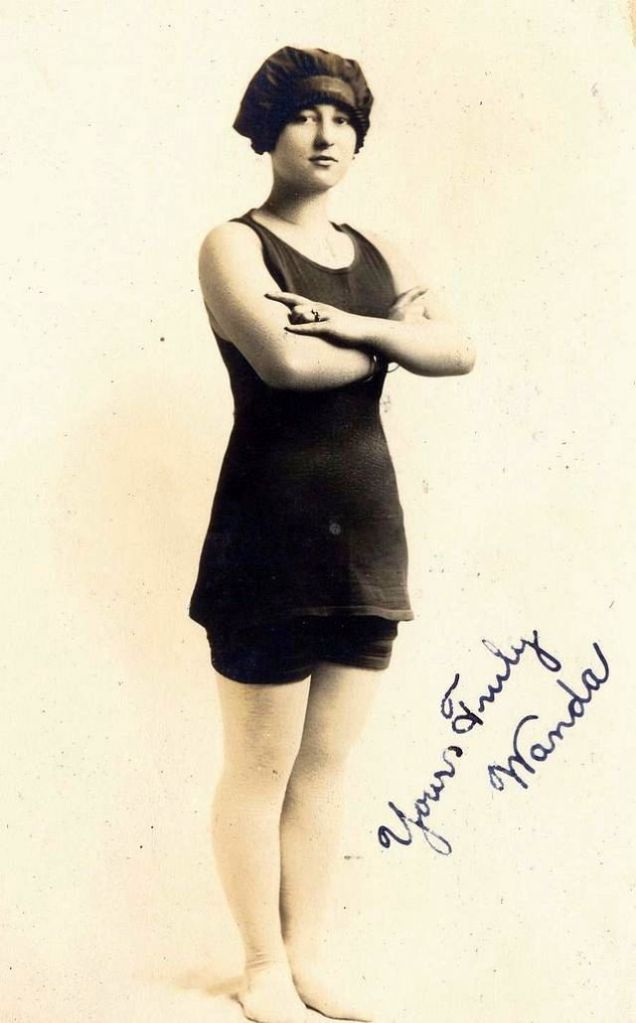
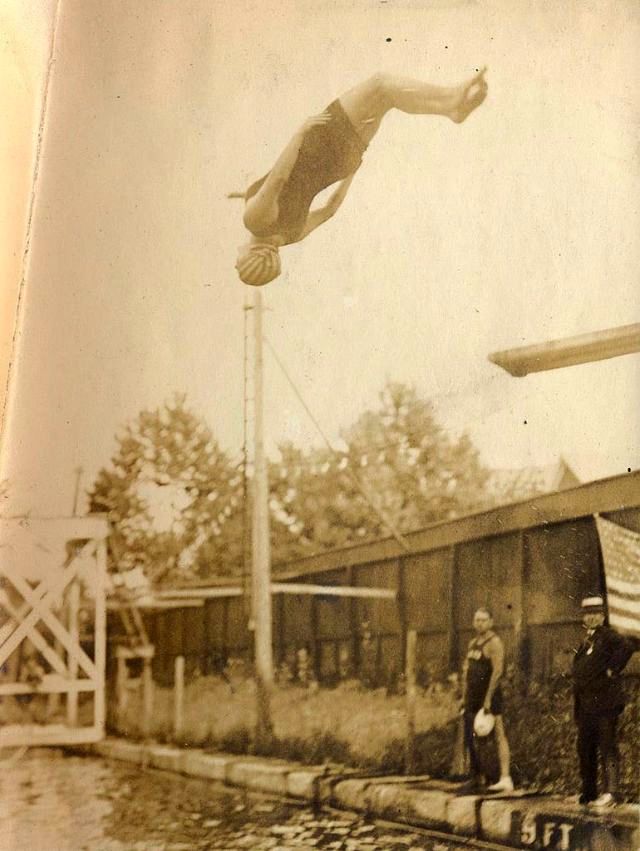
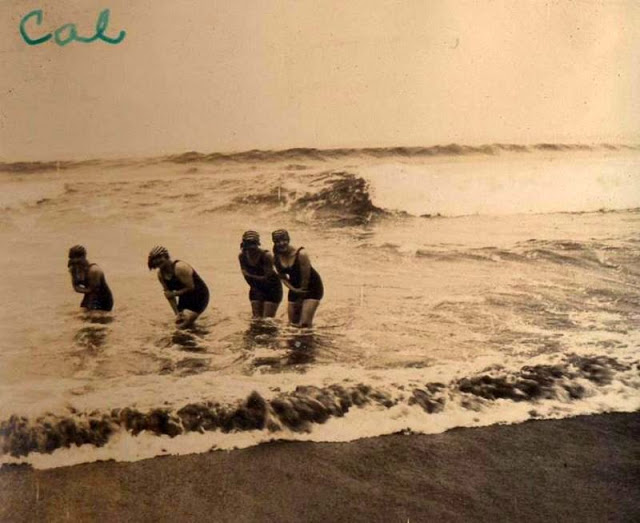
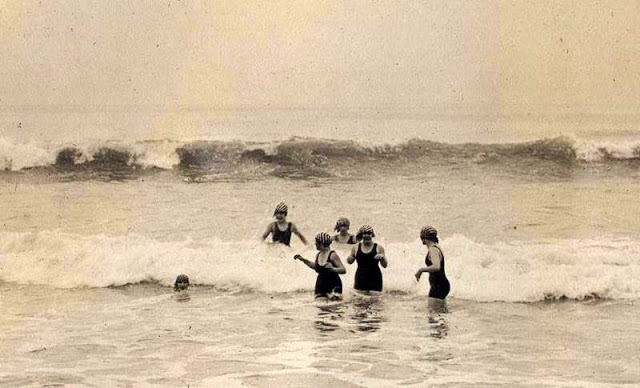
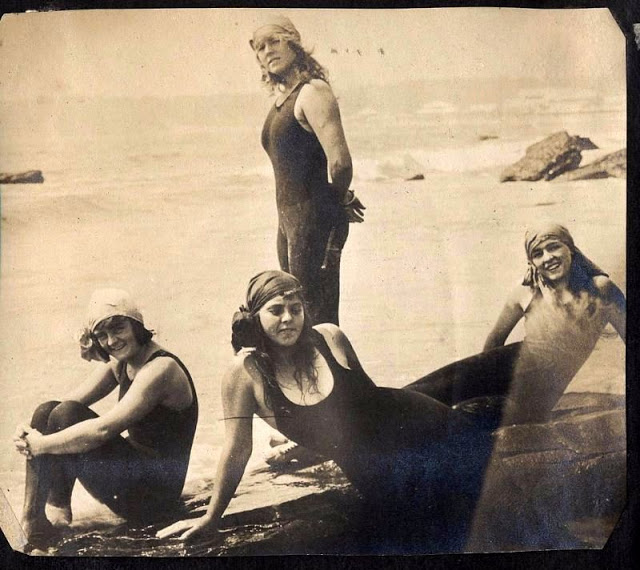
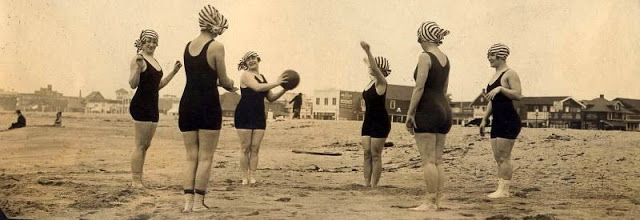
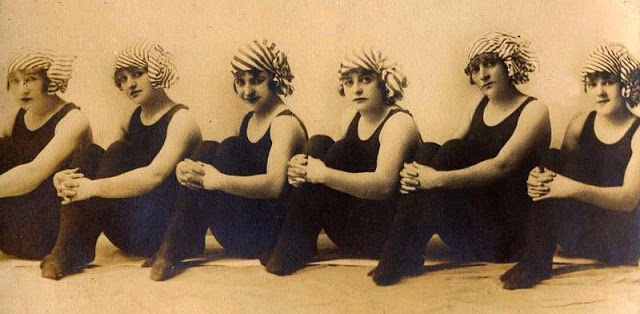
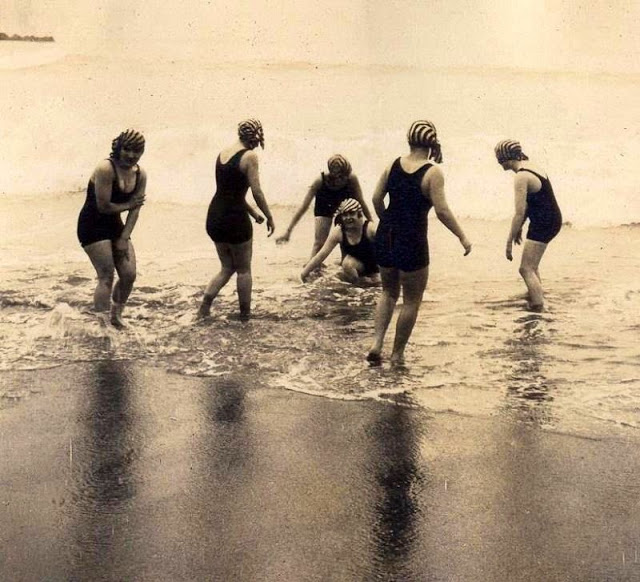
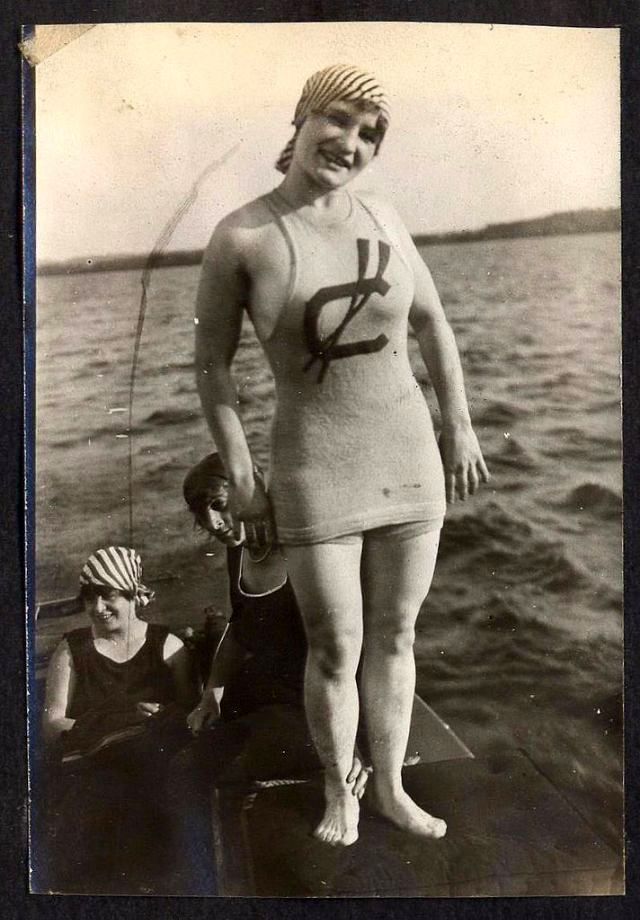
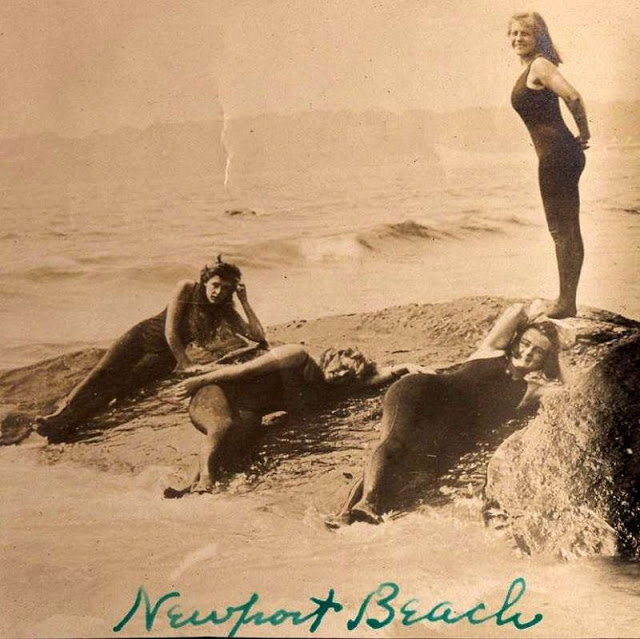
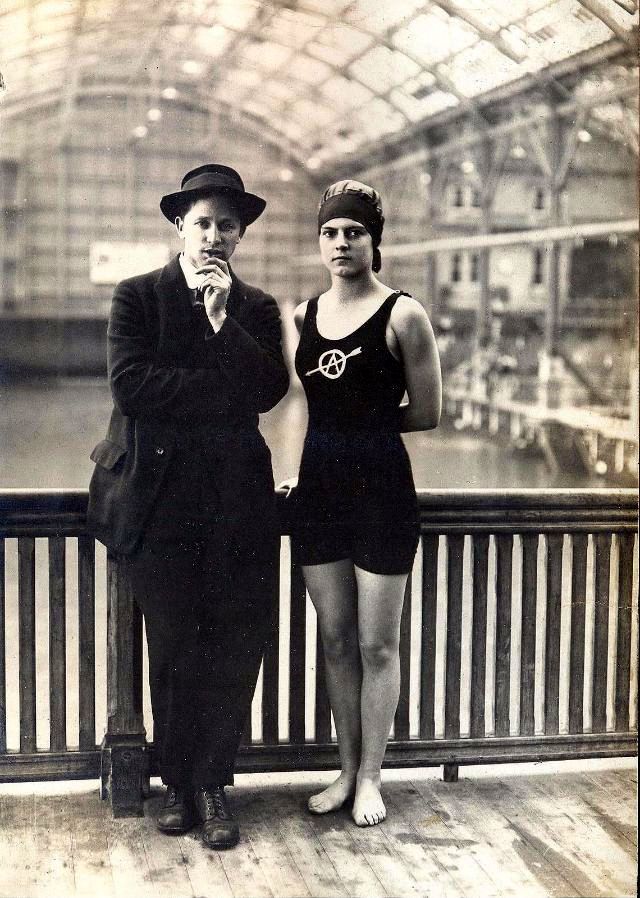
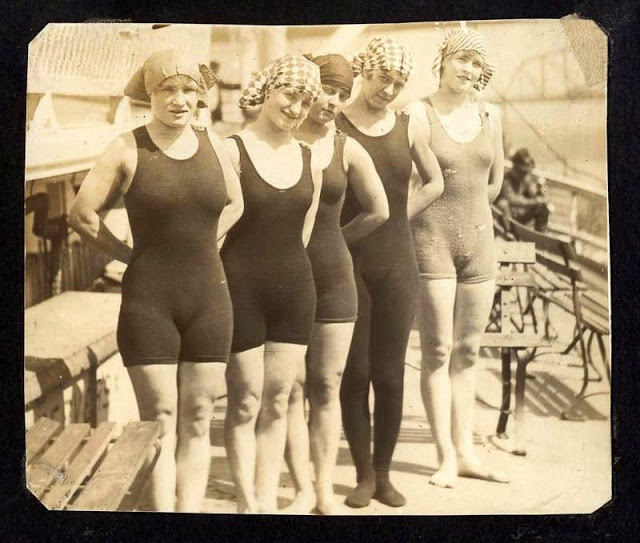
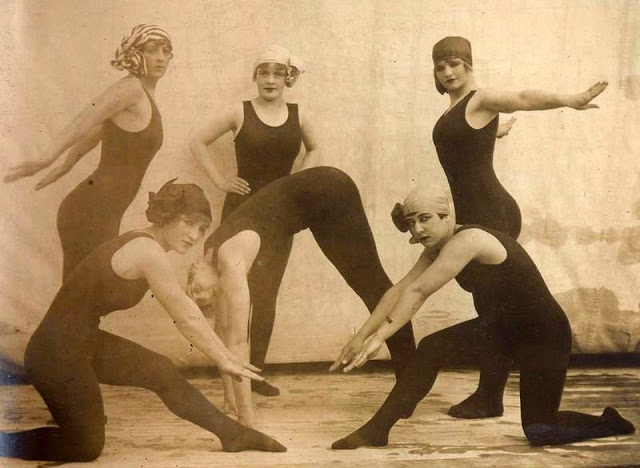
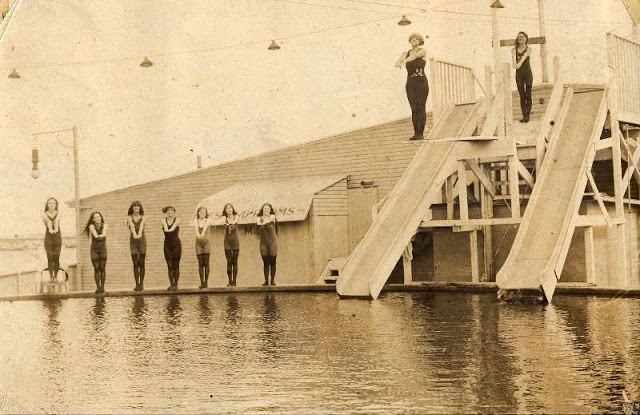
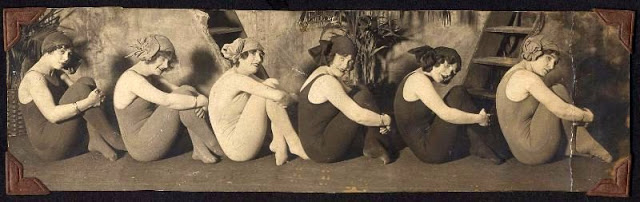
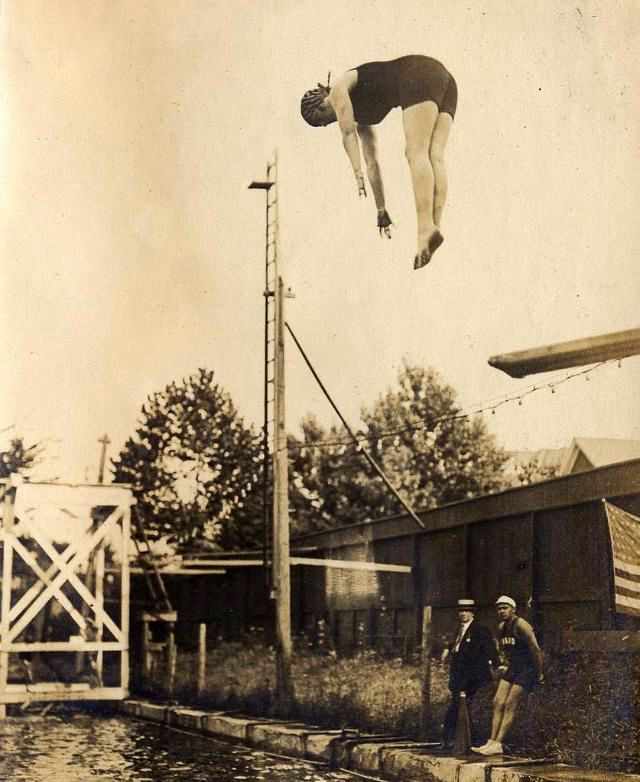
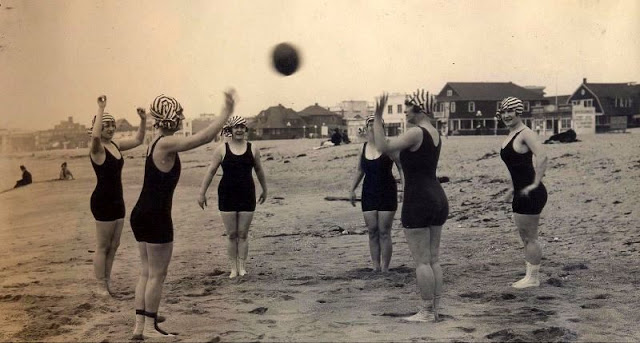
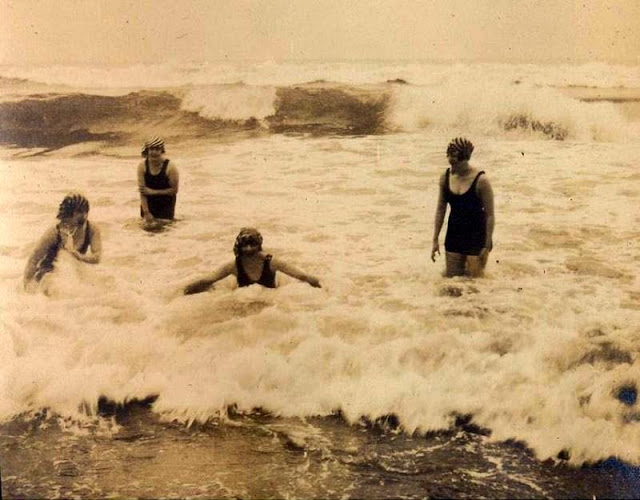
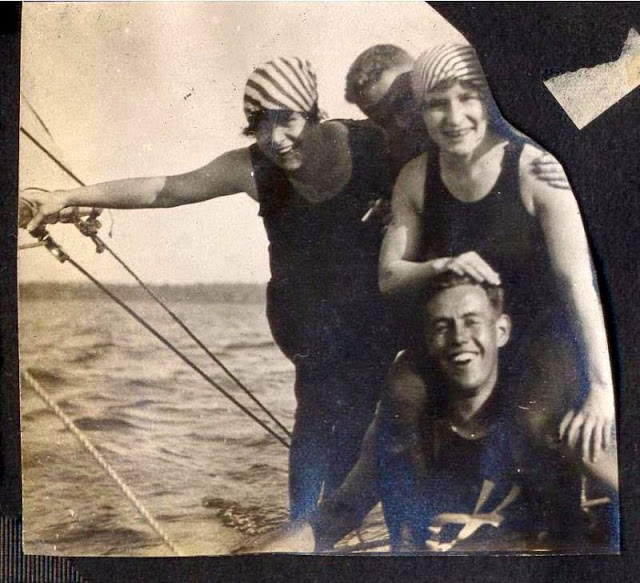
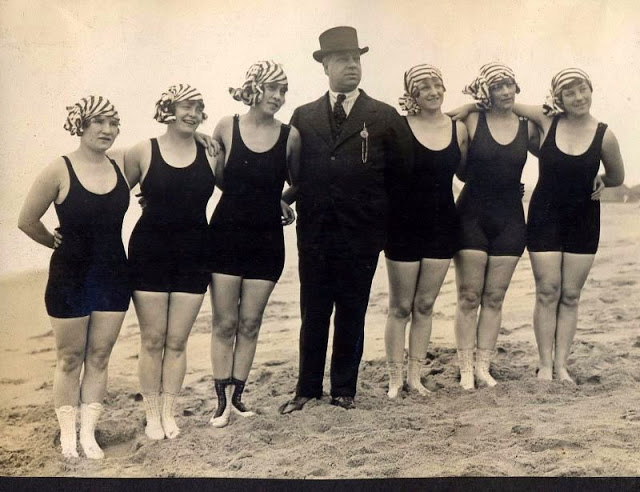
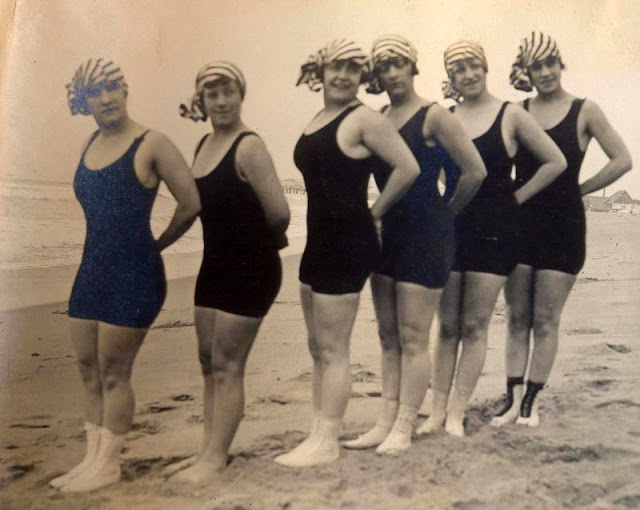
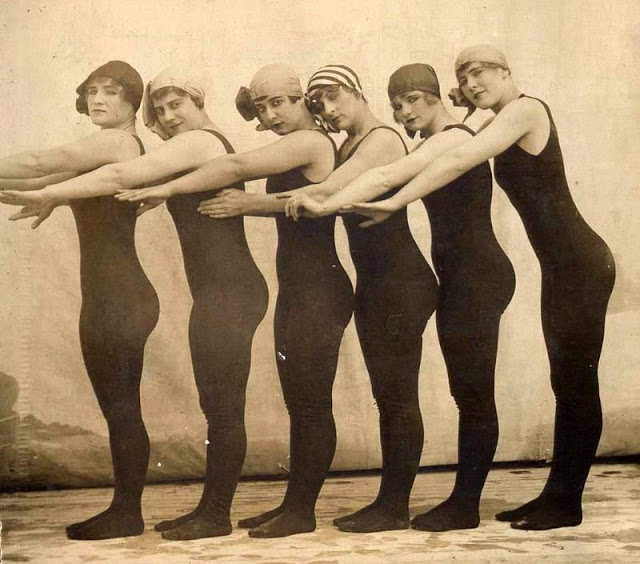
Here is a collection of amazing photographs that show American diving nymphs from the 1910s.

















Bringing You the Wonder of Yesterday – Today
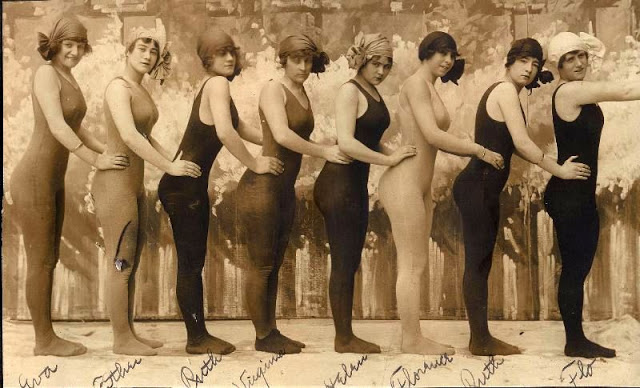
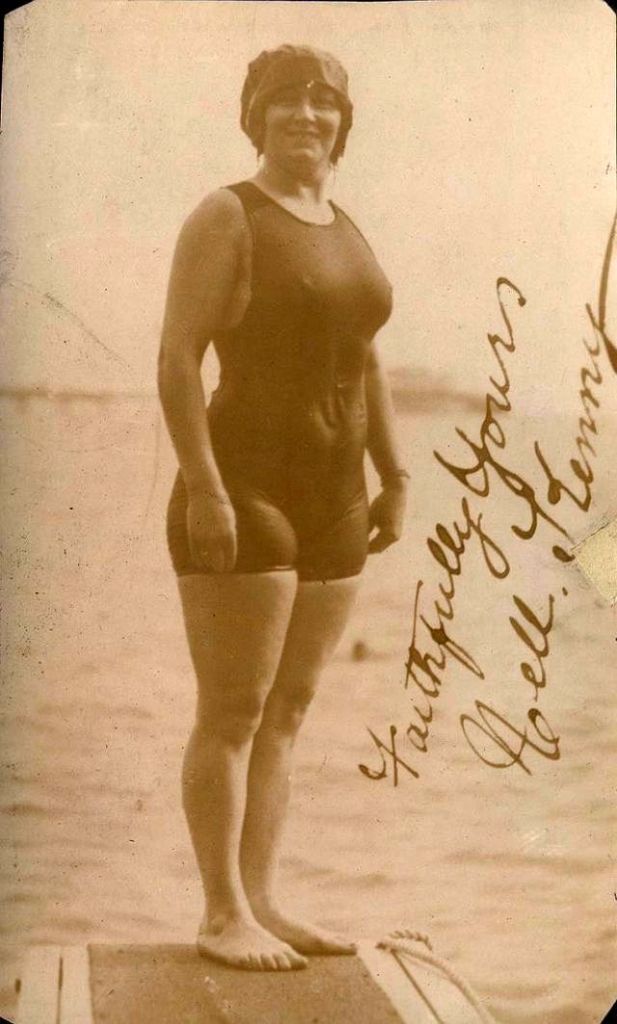
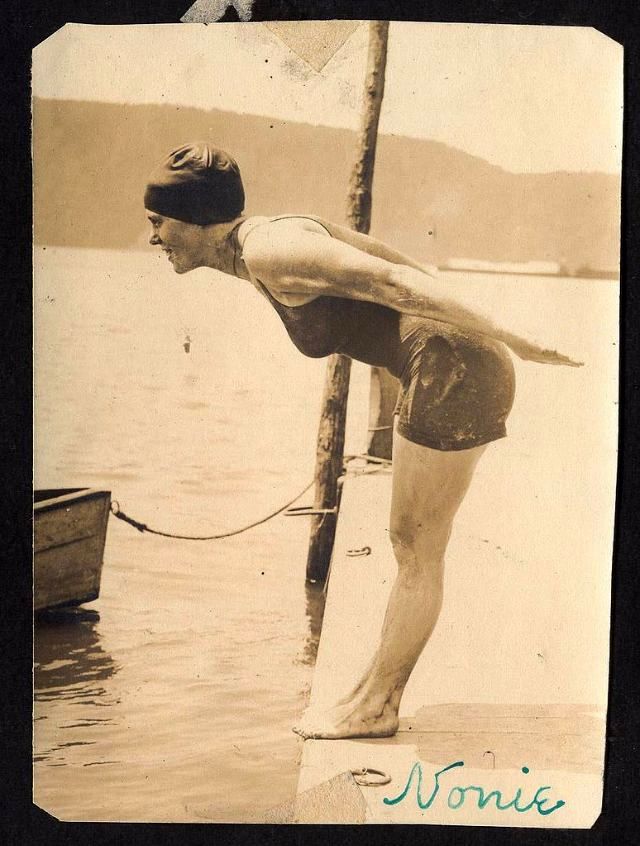
Here is a collection of amazing photographs that show American diving nymphs from the 1910s.
Your support helps us to continue making great content for all to enjoy. We thank you for your donation.
Yesterday Today
Choose an amount
Or enter a custom amount
Your contribution is appreciated.
Your contribution is appreciated.
Your contribution is appreciated.
DonateDonate monthlyDonate yearly
Read more of this content when you subscribe today.


Become a paid subscriber to get access to the rest of this post and other exclusive content.
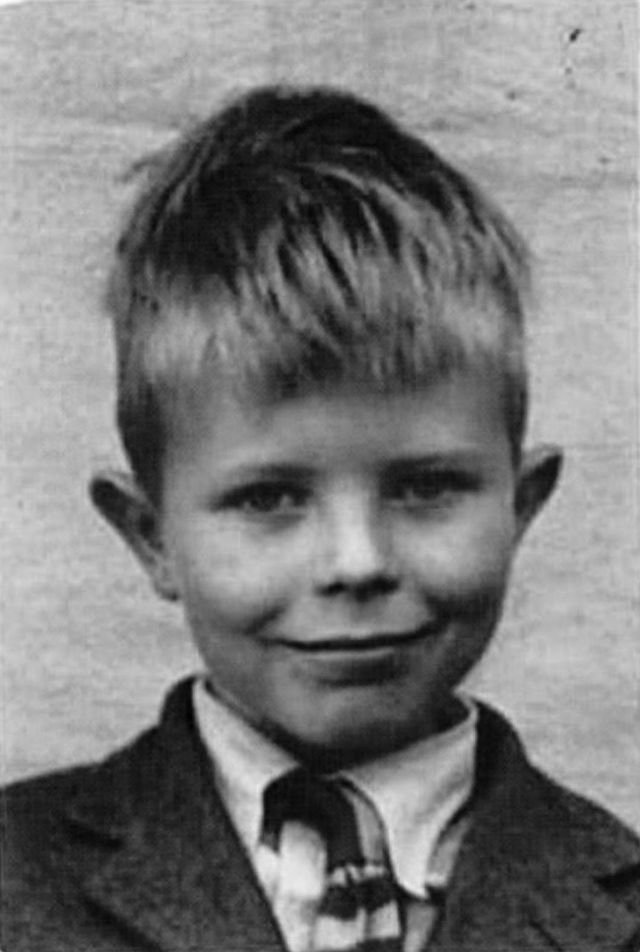
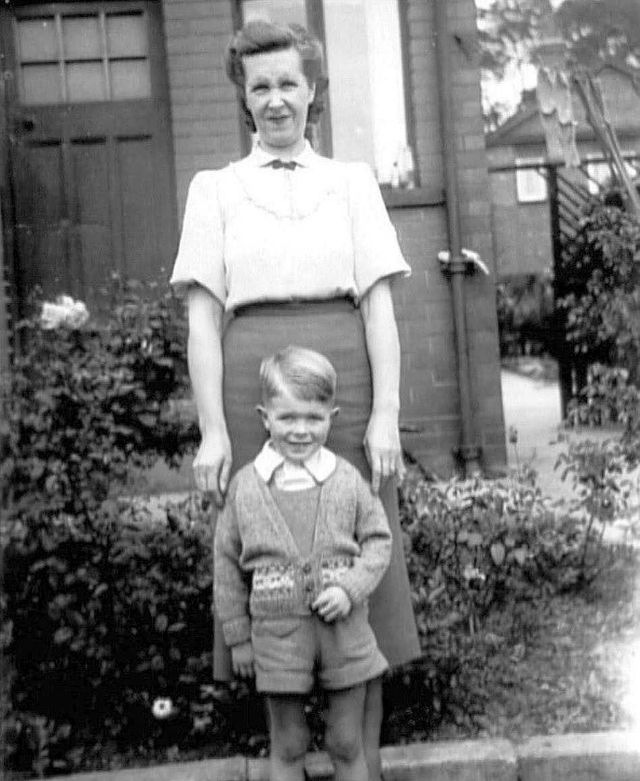
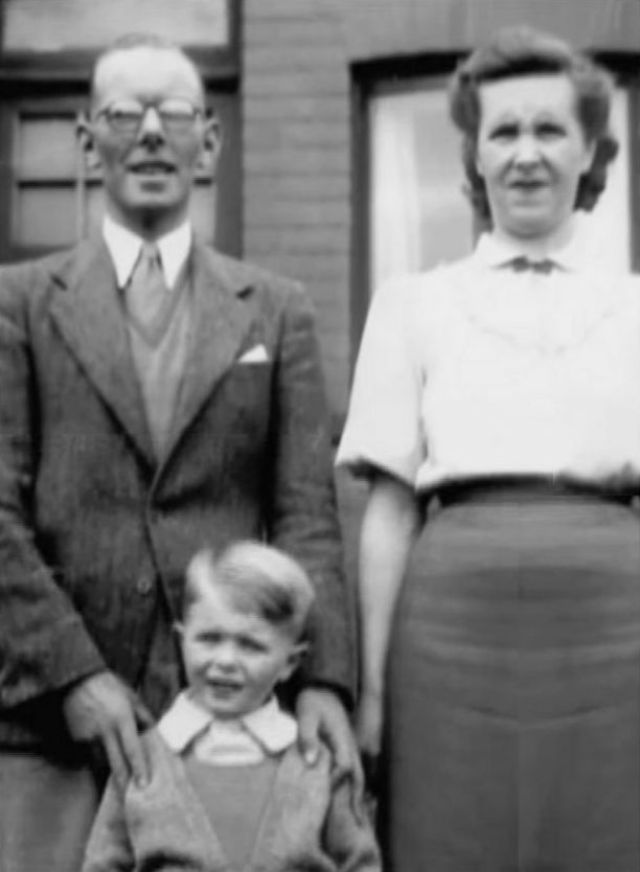
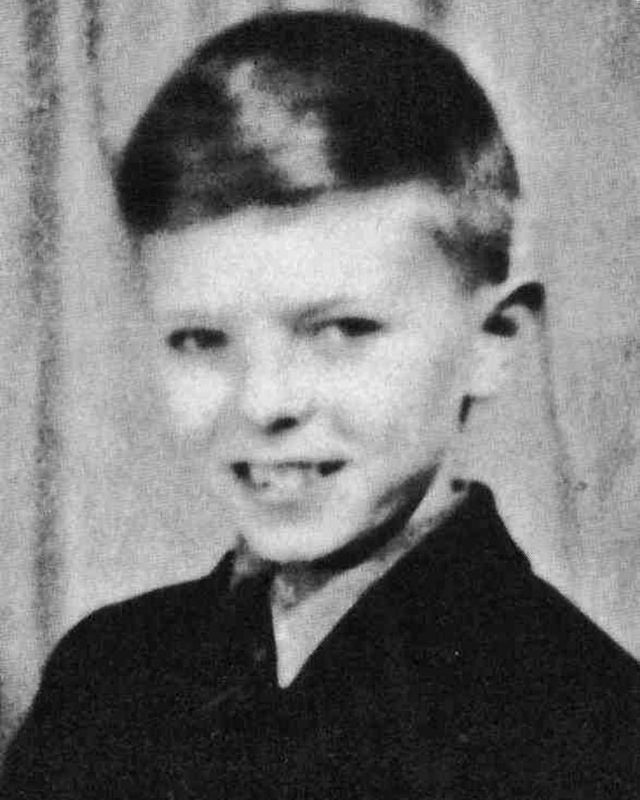
David Robert Jones OAL (8 January 1947 – 10 January 2016), known professionally as David Bowie, was an English singer-songwriter and actor. A leading figure in the music industry, Bowie is regarded as one of the most influential musicians of the 20th century. He was acclaimed by critics and musicians, particularly for his innovative work during the 1970s. His career was marked by reinvention and visual presentation, with his music and stagecraft having a significant impact on popular music.
Bowie developed an interest in music as a child. He studied art, music and design before embarking on a professional career as a musician in 1963. “Space Oddity”, released in 1969, was his first top-five entry on the UK Singles Chart. After a period of experimentation, he re-emerged in 1972 during the glam rock era with his flamboyant and androgynous alter ego Ziggy Stardust. The character was spearheaded by the success of Bowie’s single “Starman” and album The Rise and Fall of Ziggy Stardust and the Spiders from Mars, which won him widespread popularity. In 1975, Bowie’s style shifted towards a sound he characterised as “plastic soul”, initially alienating many of his UK fans but garnering him his first major US crossover success with the number-one single “Fame” and the album Young Americans. In 1976, Bowie starred in the cult film The Man Who Fell to Earth, directed by Nicolas Roeg, and released Station to Station. In 1977, he further confounded expectations with the electronic-inflected album Low, the first of three collaborations with Brian Eno that came to be known as the “Berlin Trilogy”. “Heroes” (1977) and Lodger (1979) followed; each album reached the UK top five and received lasting critical praise.
After uneven commercial success in the late 1970s, Bowie had UK number ones with the 1980 single “Ashes to Ashes”, its album Scary Monsters (and Super Creeps), and “Under Pressure”, a 1981 collaboration with Queen. He reached his commercial peak in 1983 with Let’s Dance; its title track topped both the UK and US charts. Throughout the 1990s and 2000s, Bowie continued to experiment with musical styles, including industrial and jungle. He also continued acting; his roles included Major Jack Celliers in Merry Christmas, Mr. Lawrence (1983), Jareth the Goblin King in Labyrinth (1986), Pontius Pilate in The Last Temptation of Christ (1988), and Nikola Tesla in The Prestige (2006), among other film and television appearances and cameos. He stopped touring after 2004 and his last live performance was at a charity event in 2006. In 2013, Bowie returned from a decade-long recording hiatus with The Next Day. He remained musically active until his death from liver cancer at his home in New York City, two days after his 69th birthday and the release of his final album, Blackstar (2016).
During his lifetime, his record sales, estimated at over 100 million records worldwide, made him one of the best-selling music artists of all time. In the UK, he was awarded ten platinum album certifications, eleven gold and eight silver, and released eleven number-one albums. In the US, he received five platinum and nine gold certifications. He was inducted into the Rock and Roll Hall of Fame in 1996. Rolling Stone named him among the greatest artists in history and the “greatest rock star ever” after his death in 2016. (Wikipedia)














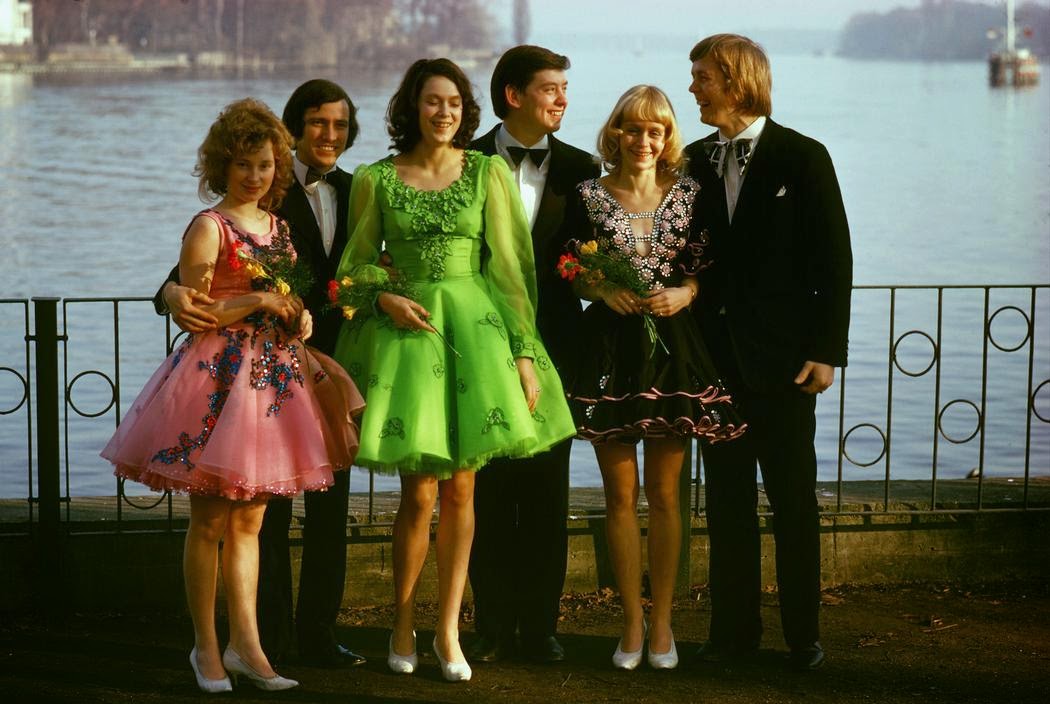
During the Cold War and following the construction of the Berlin Wall, many parts of the world had few ways of fully ascertaining what life was like in East Germany. Indeed, the Eastern Bloc state was isolated from the West in both physical and ideological senses for decades.
Aided substantially by the Internet, years after the wall came down photographers from behind the Iron Curtain have been able to disseminate images of “closed” life to the public, giving us visual insights into the many differences – and similarities, at least superficially – between East German and Western life.
These stunning photos were taken by photographer Thomas Hoepker that show everyday life of East Germany in 1974.
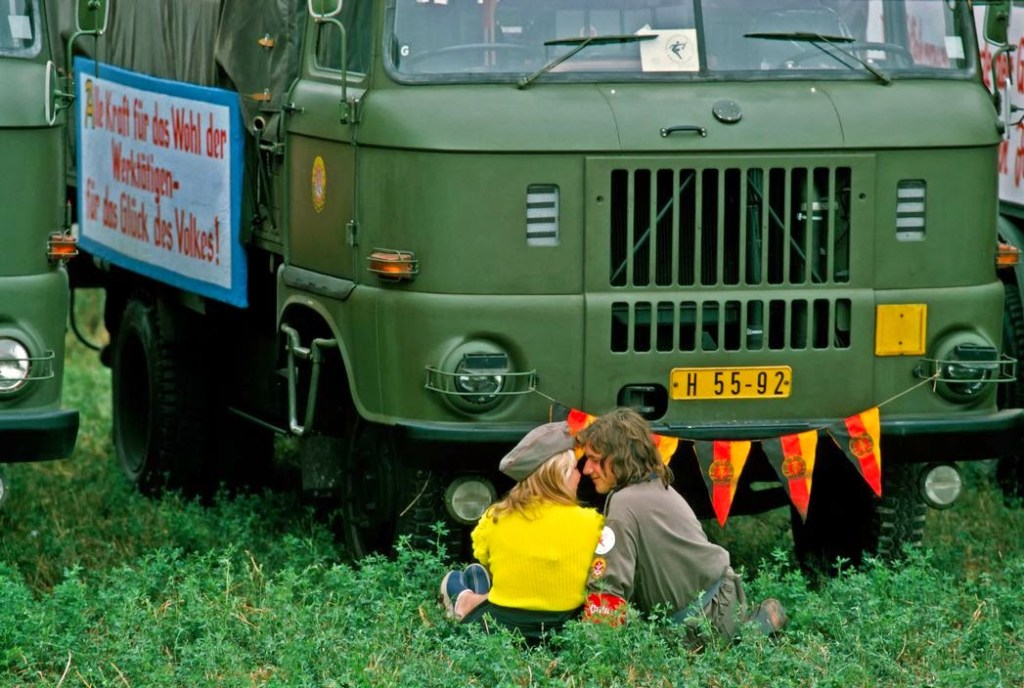


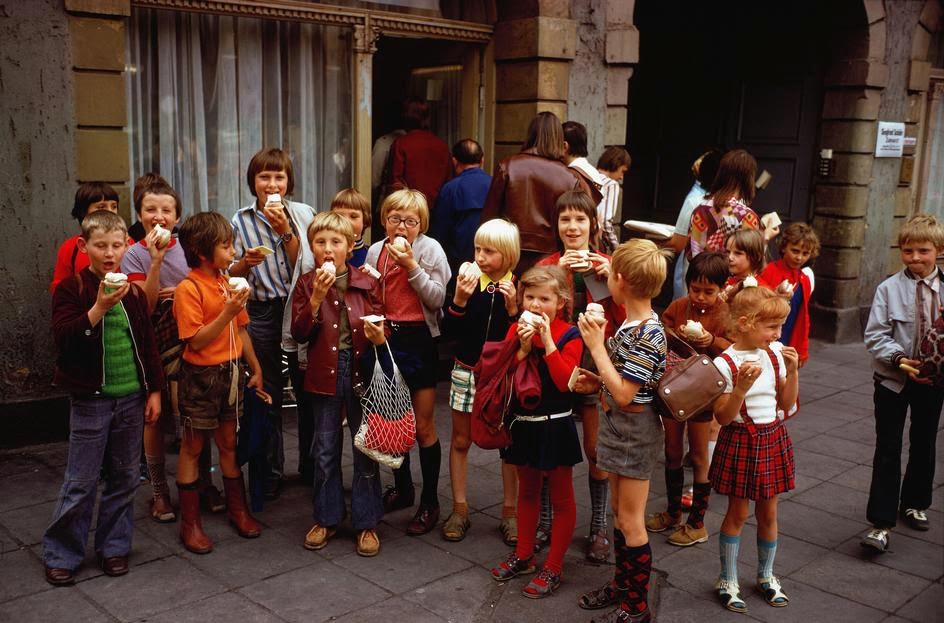
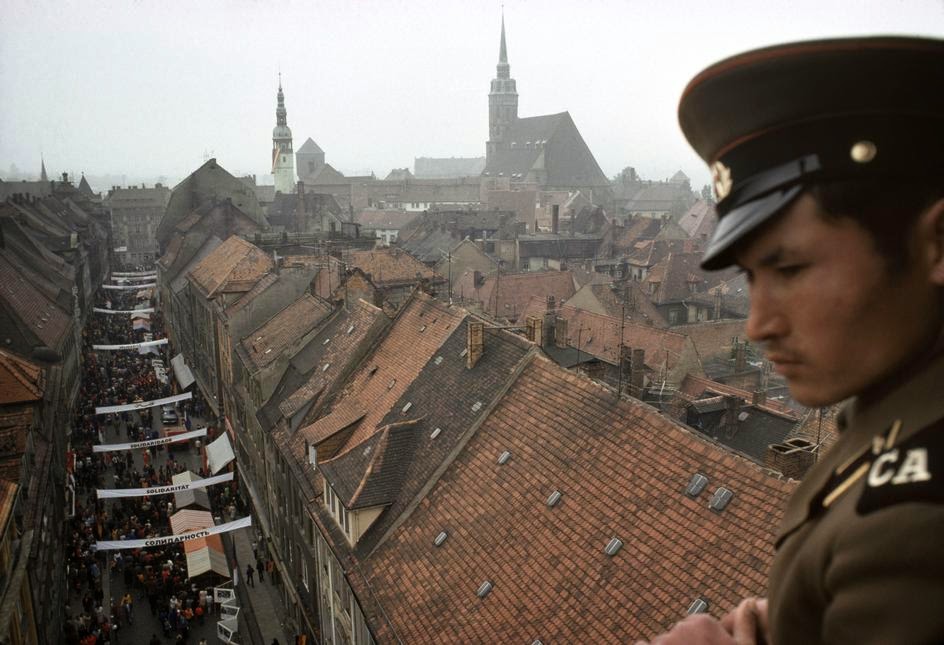

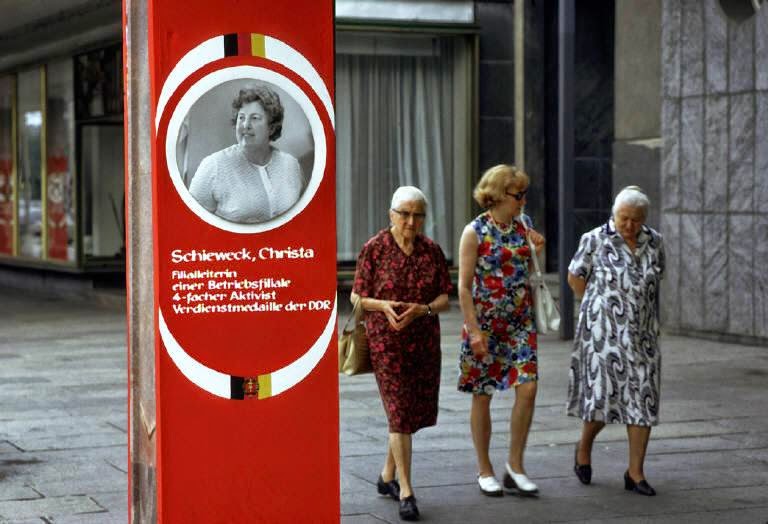




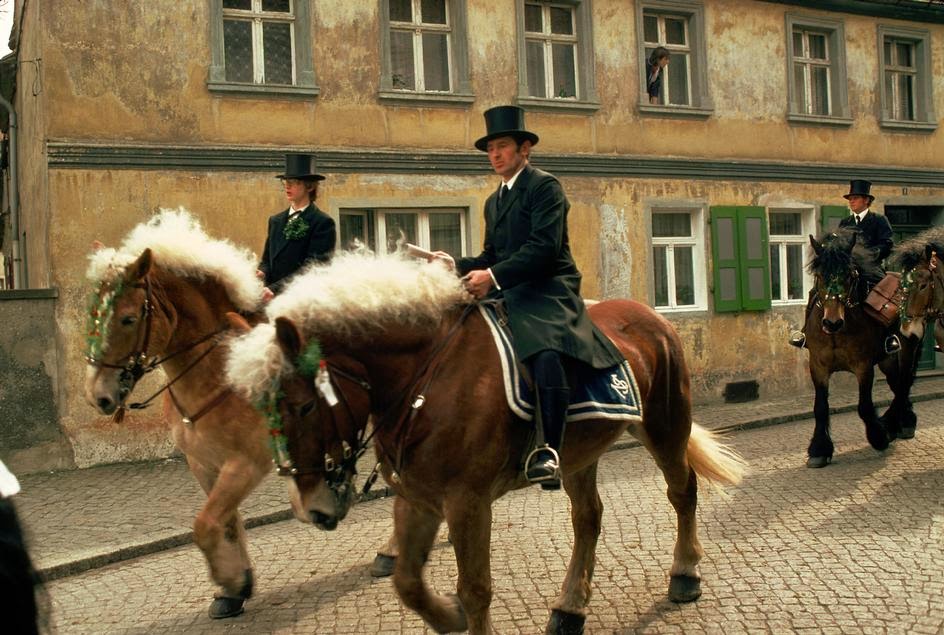





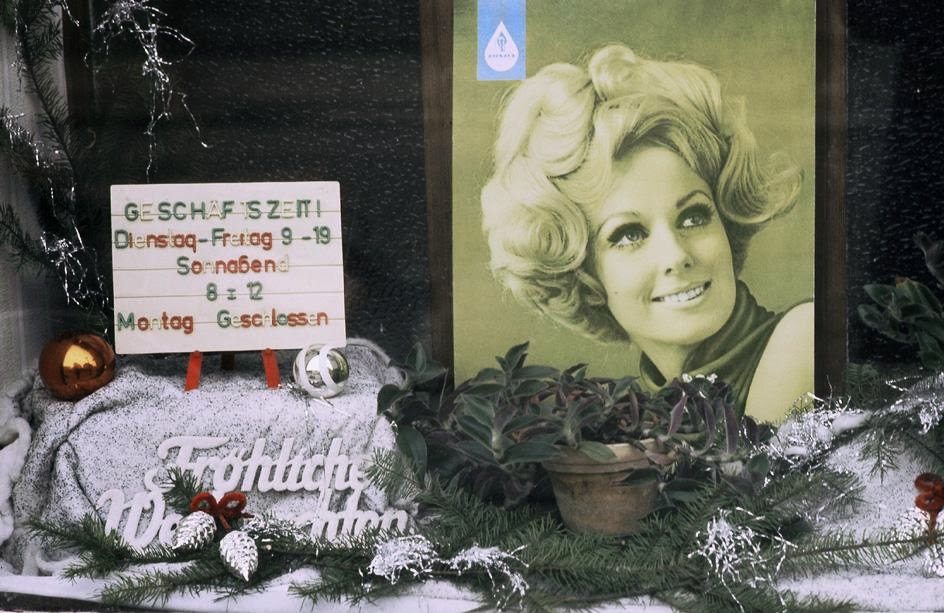



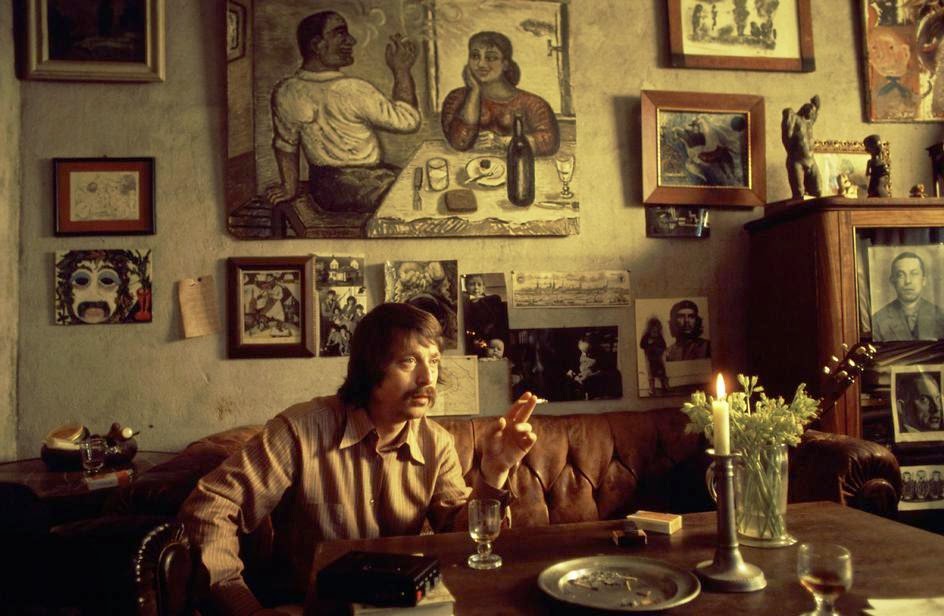


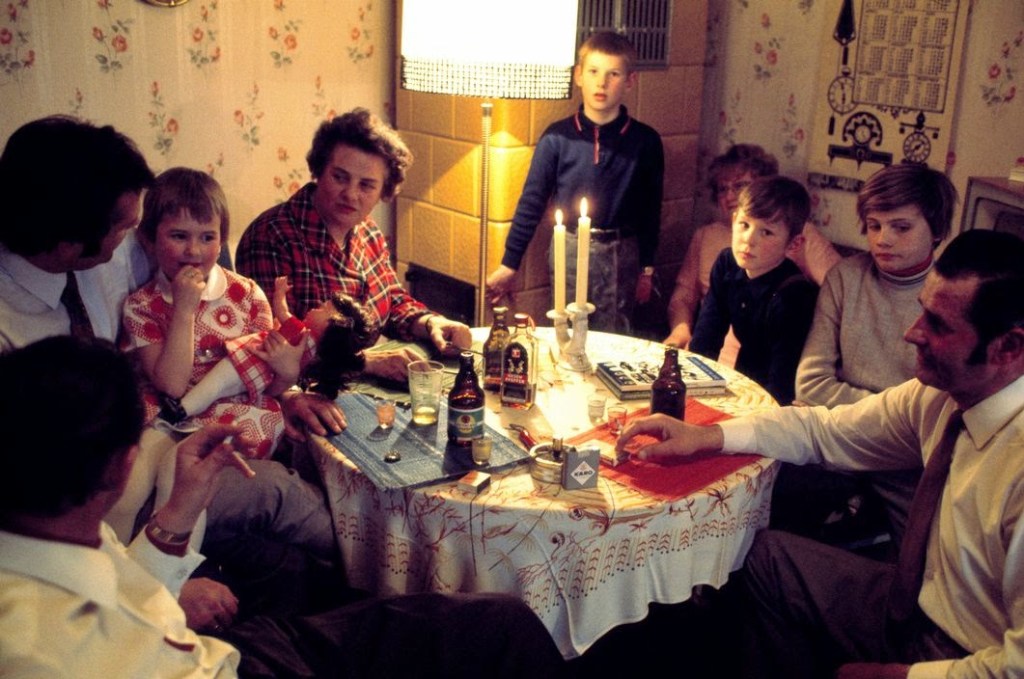


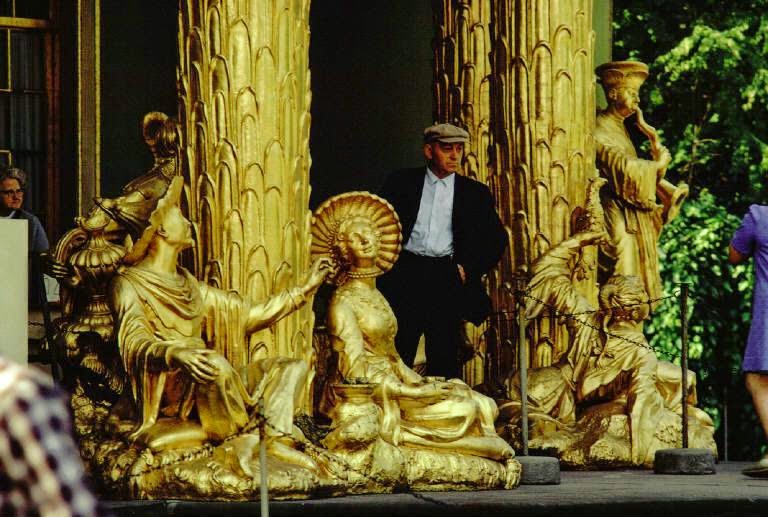


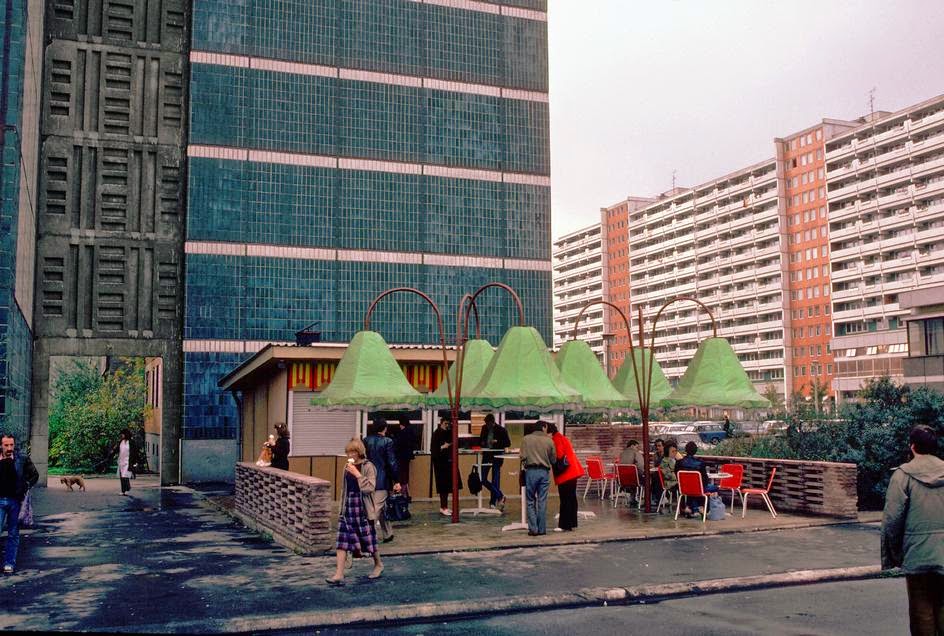


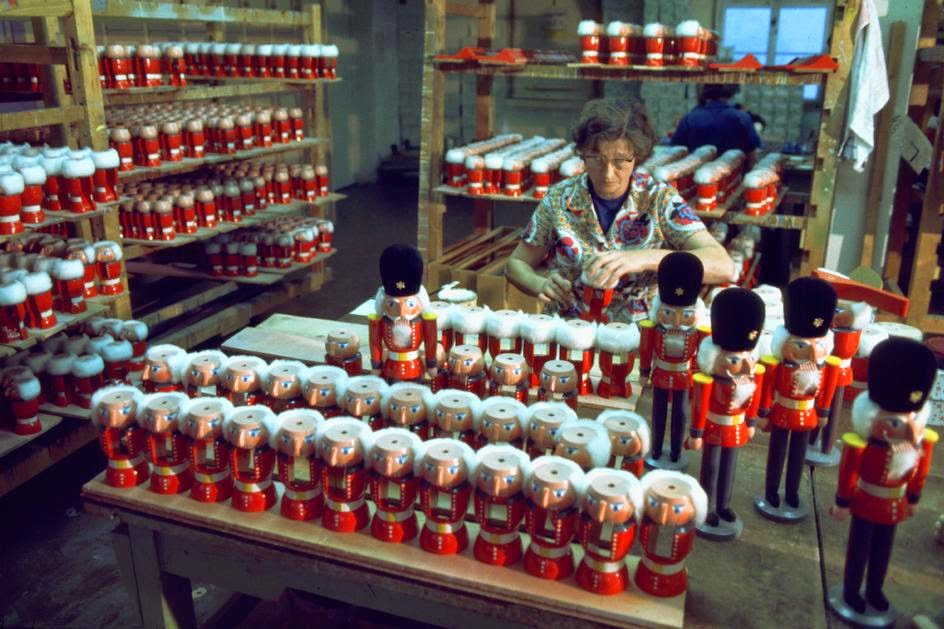





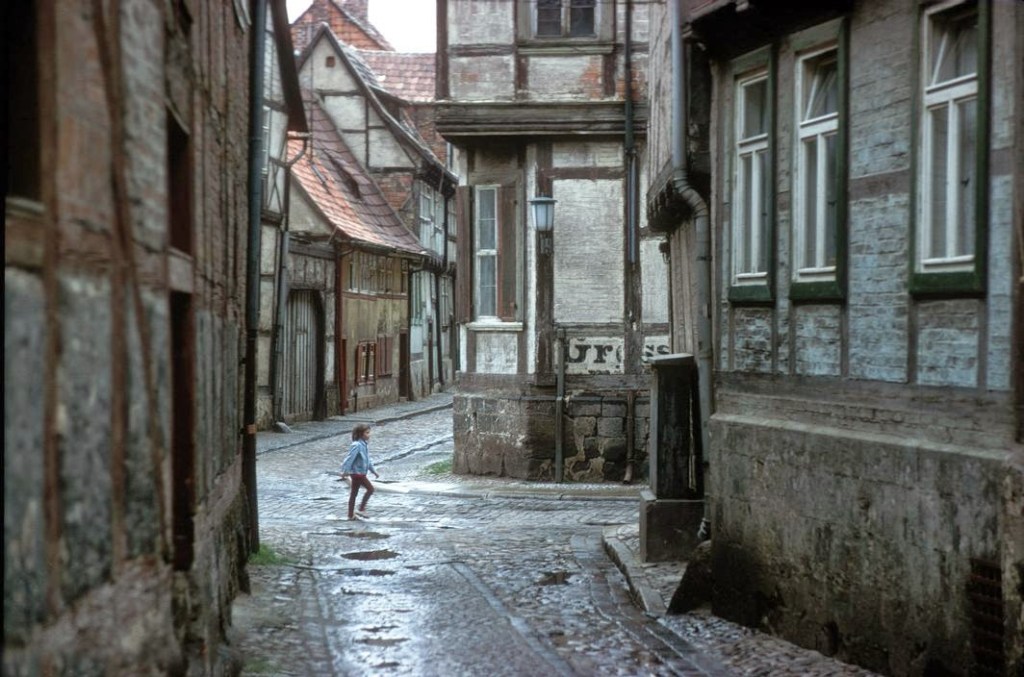
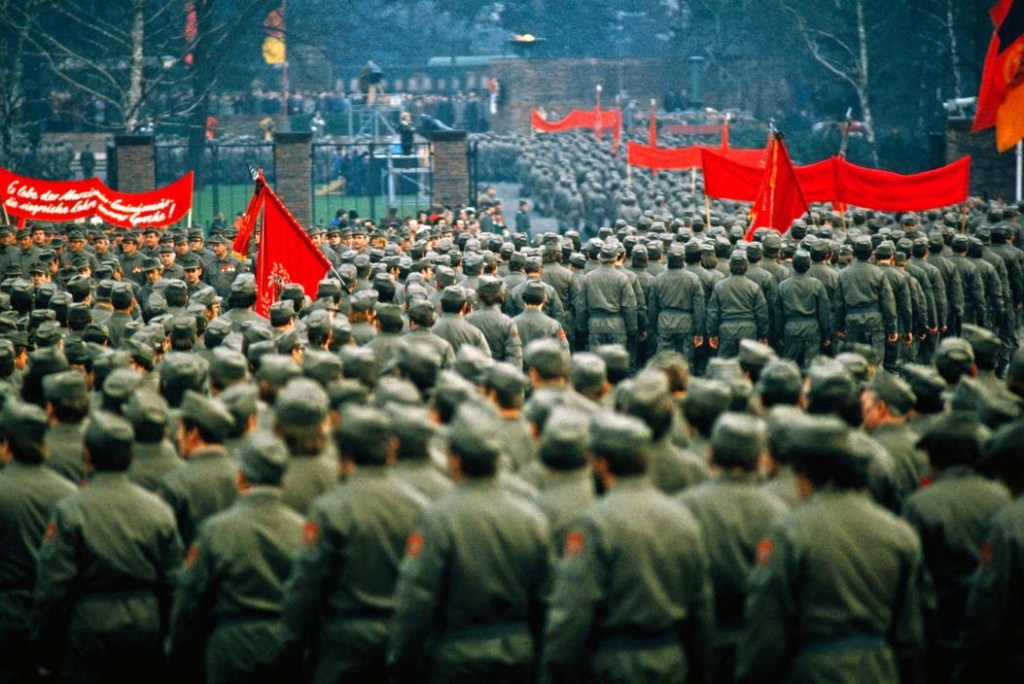


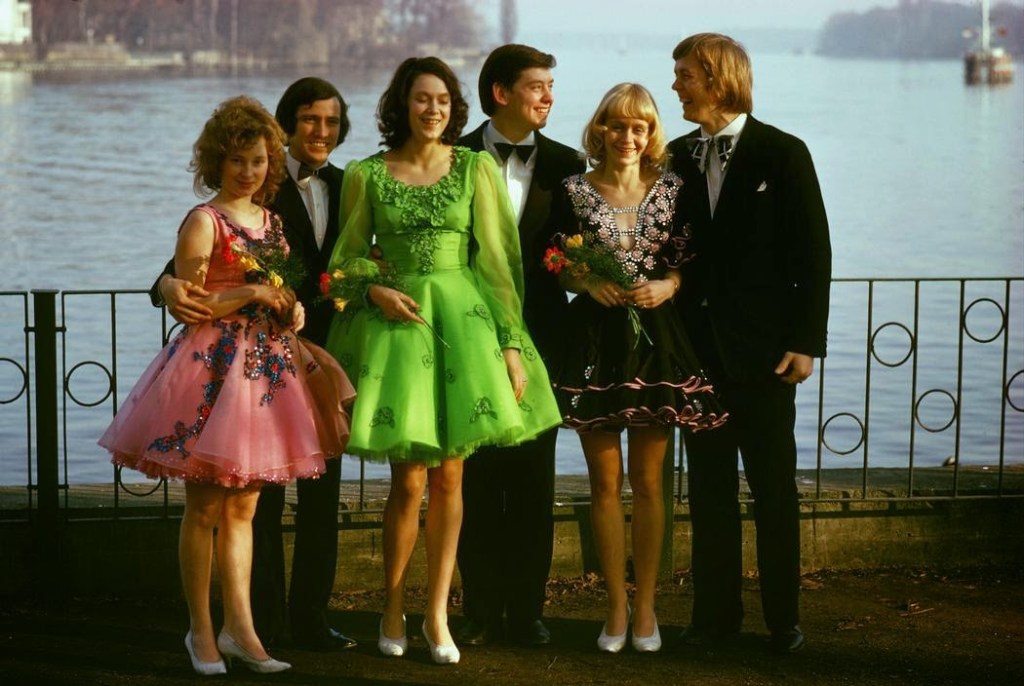
(Photos © Thomas Hoepker/Magnum Photos)

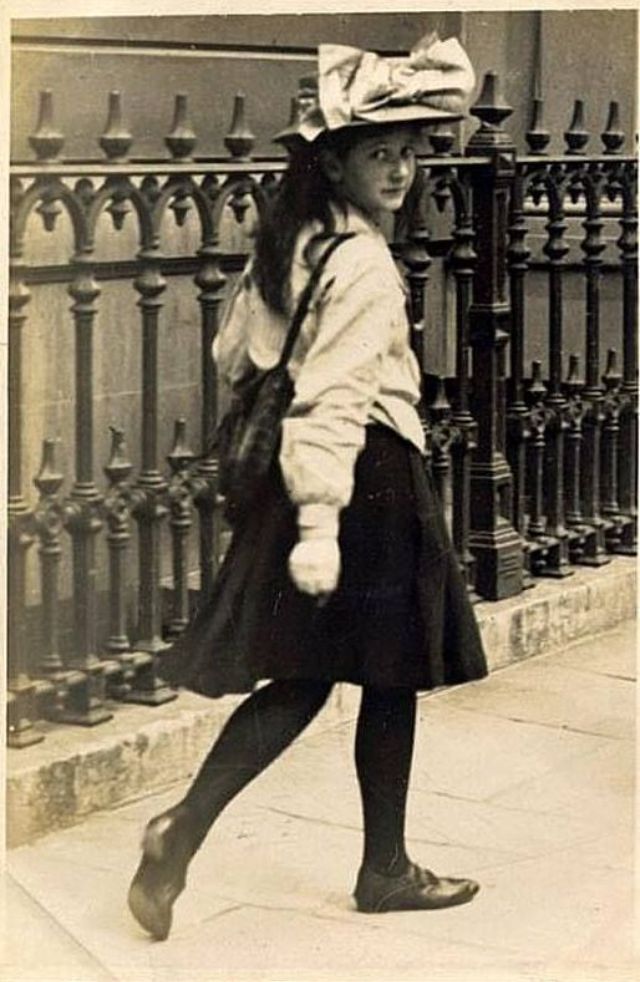
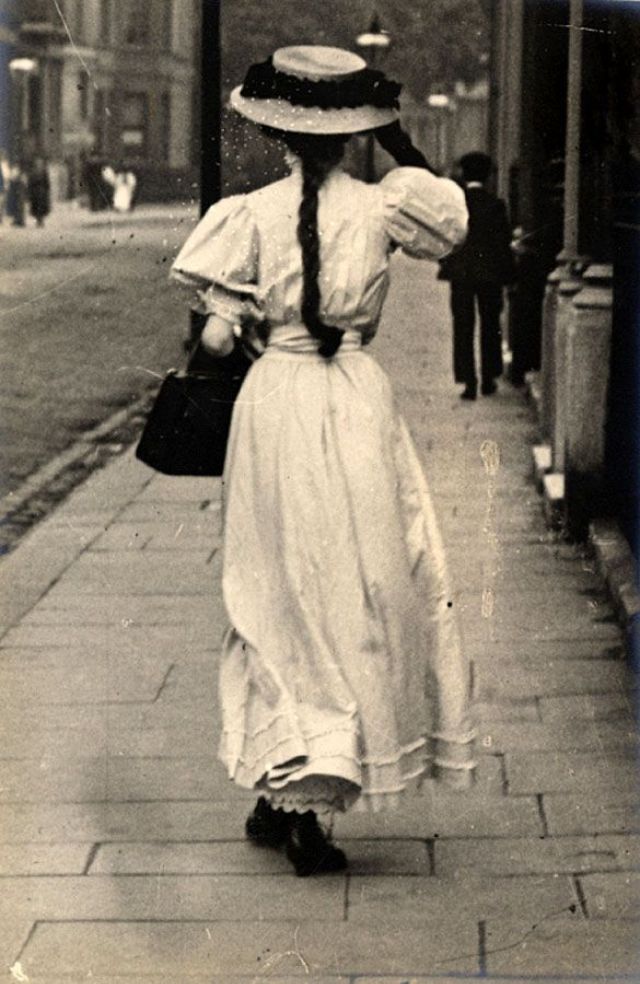
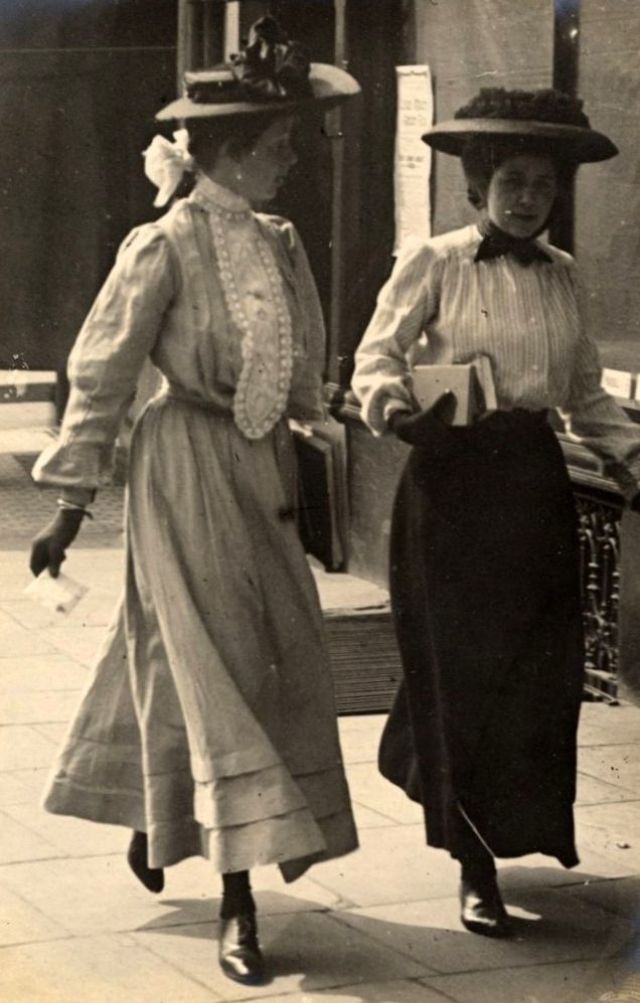
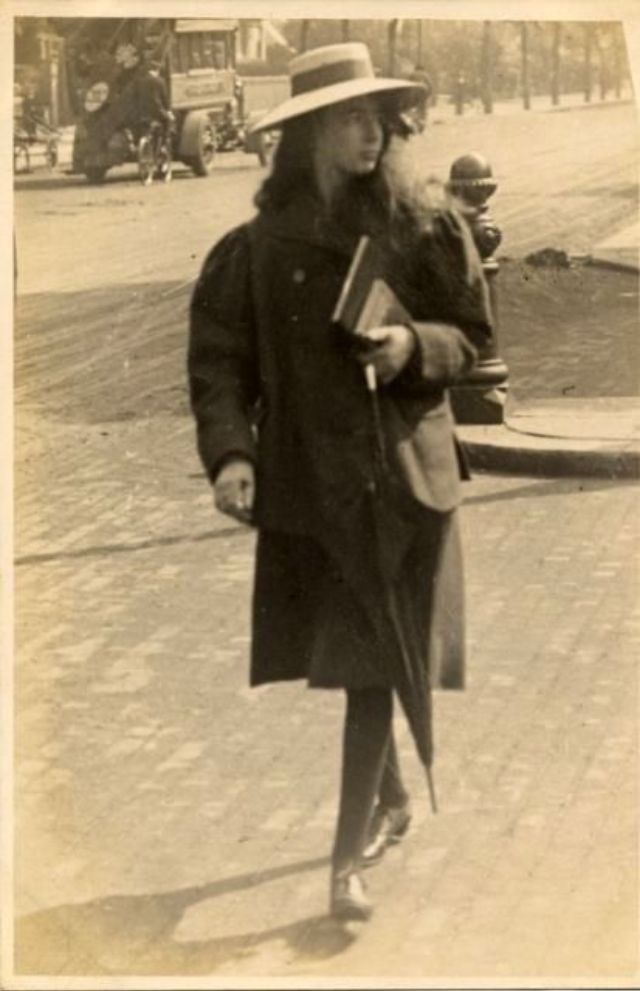
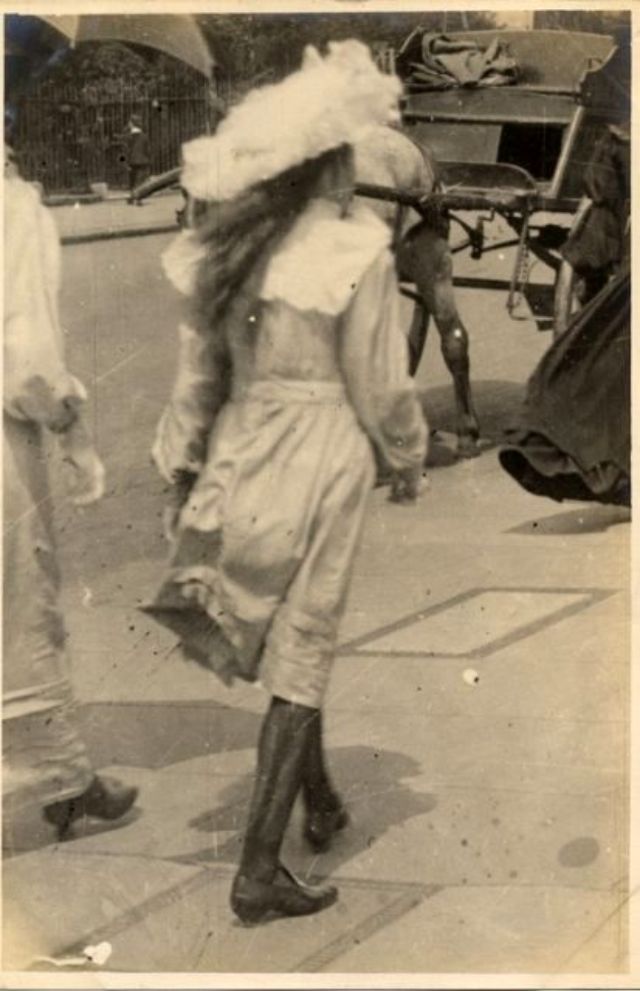
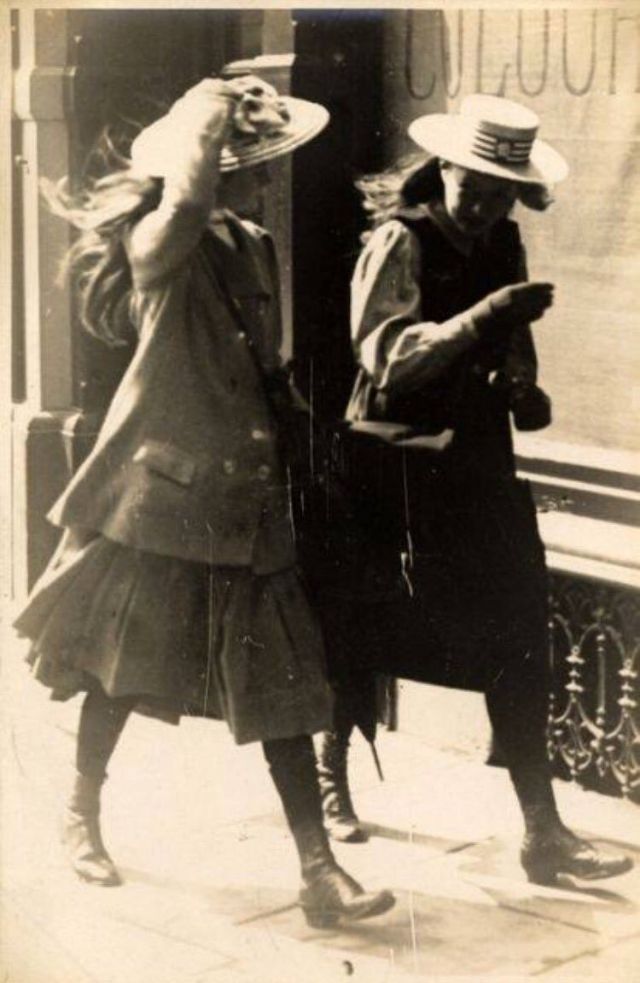
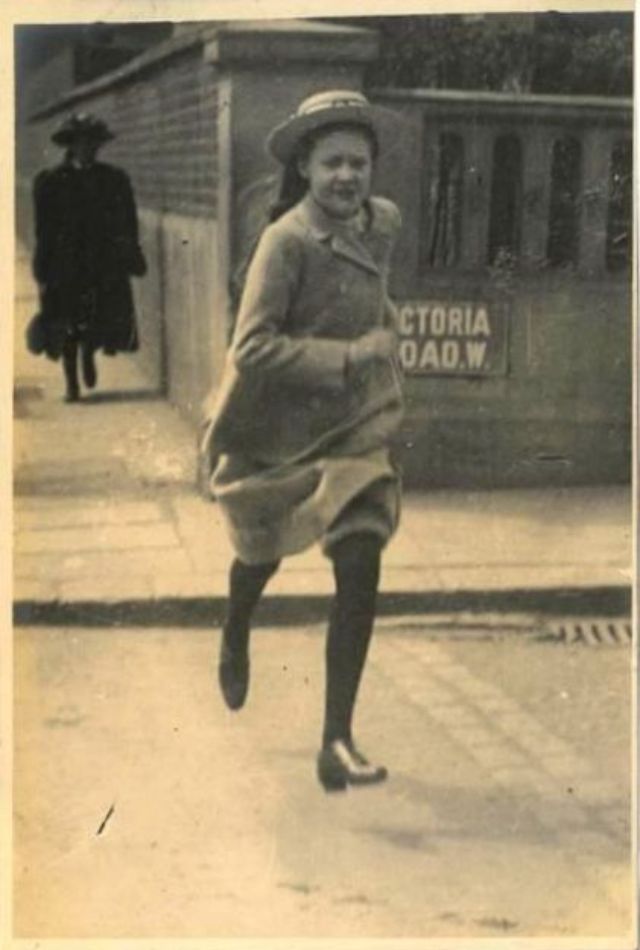
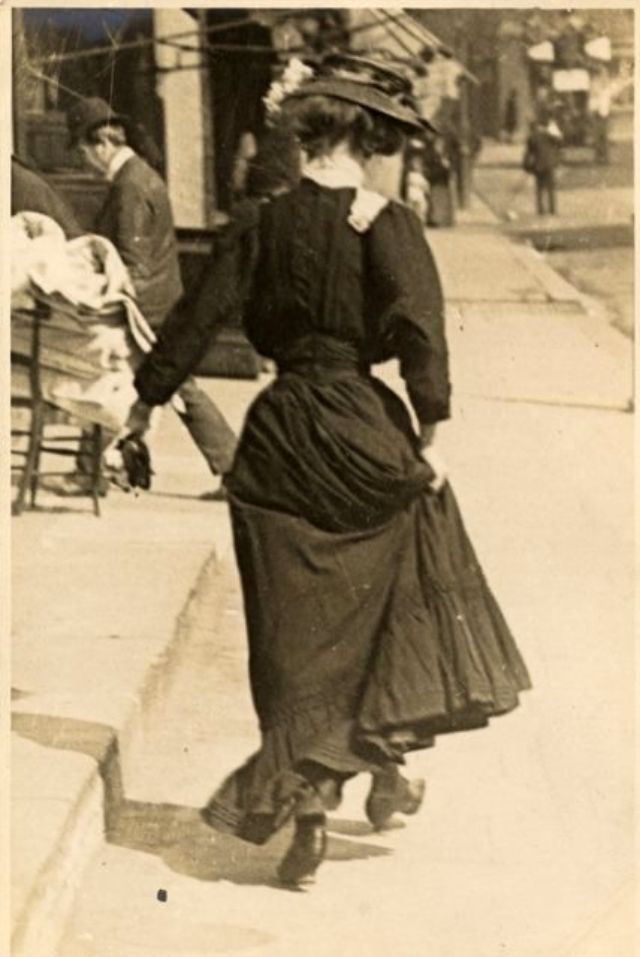
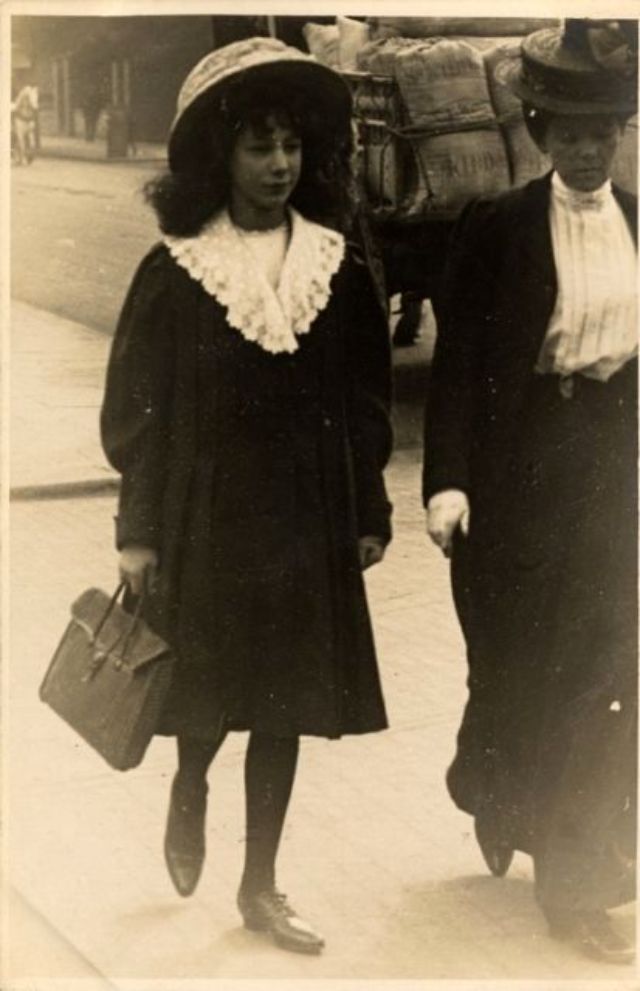
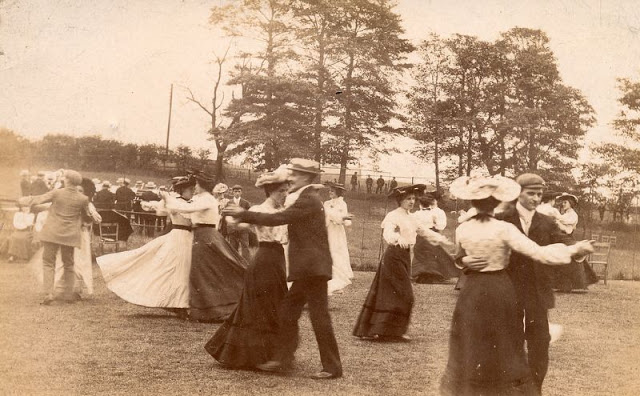
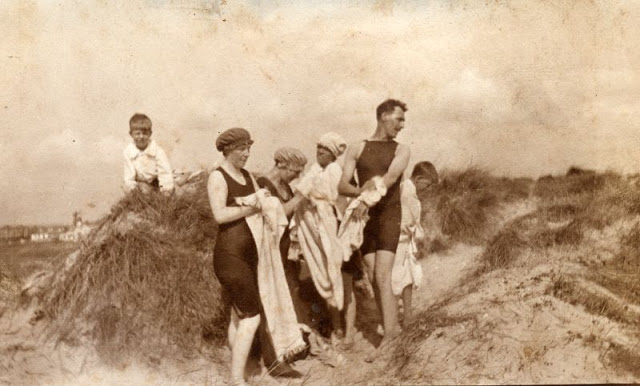
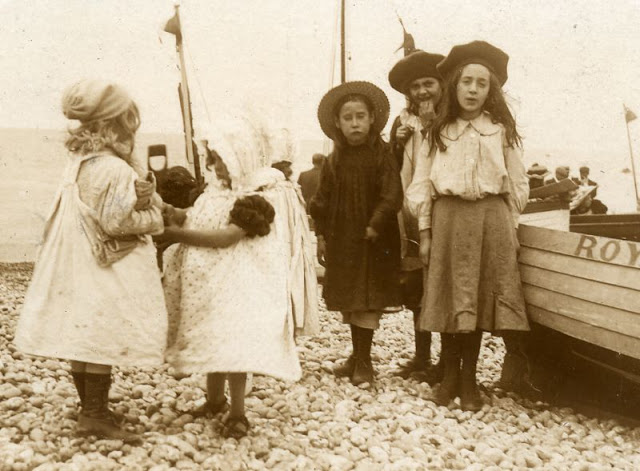
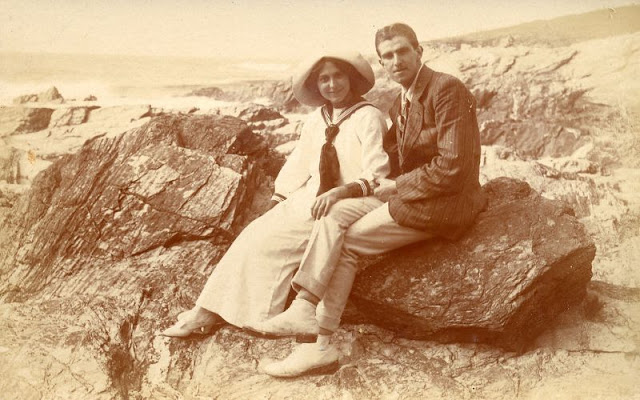
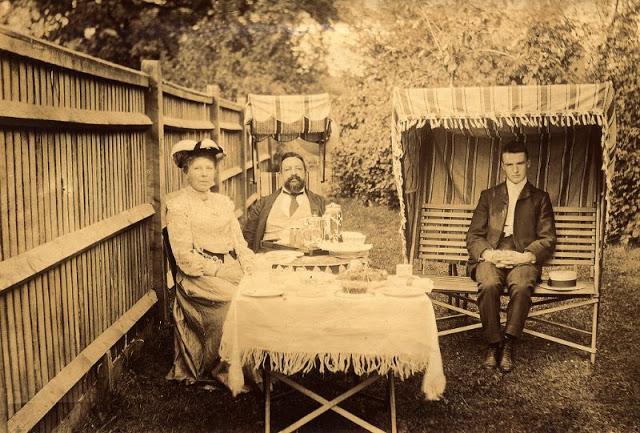
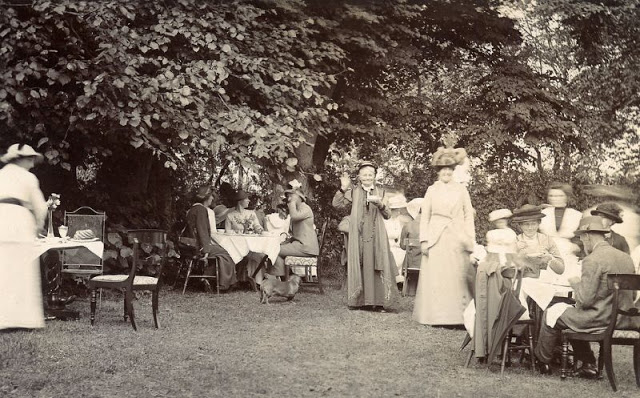
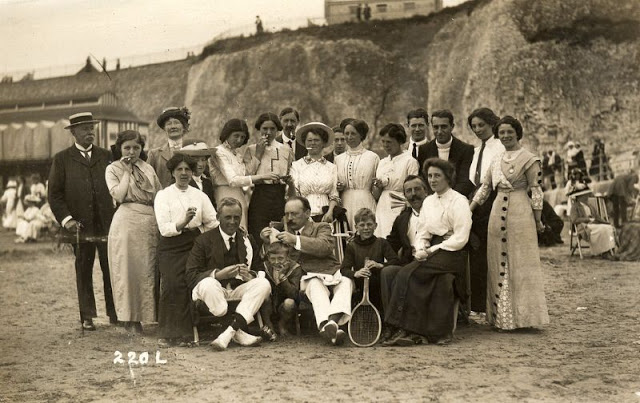
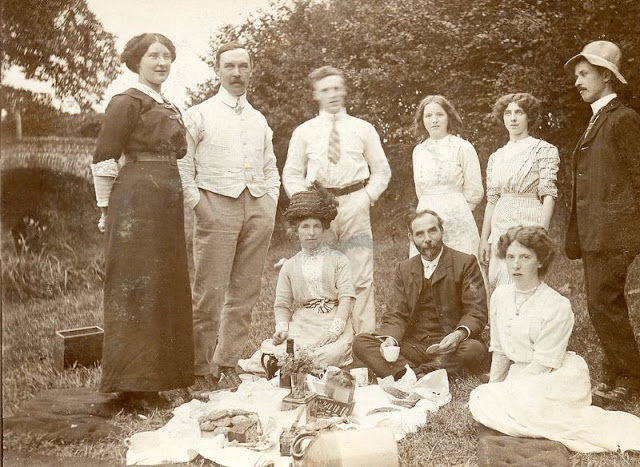
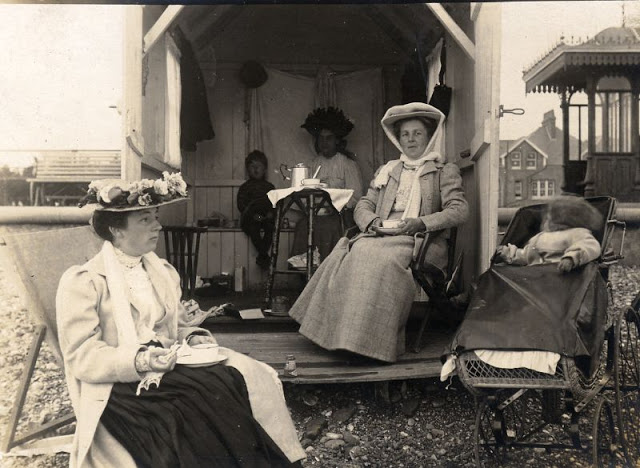
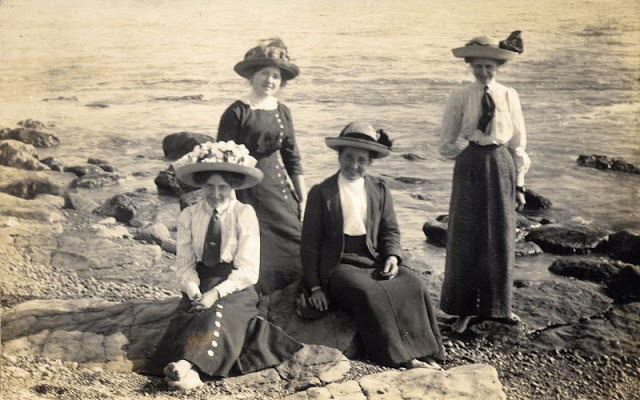
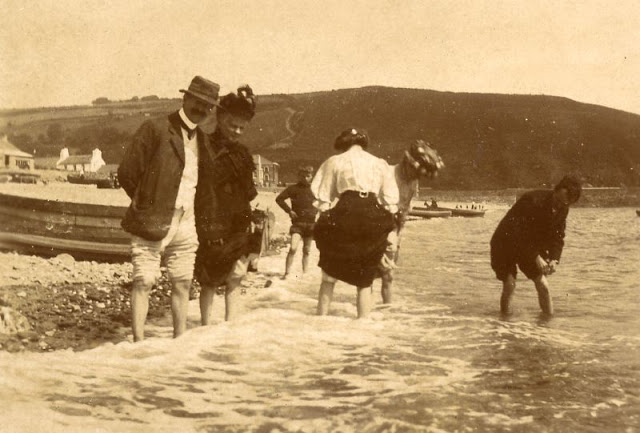
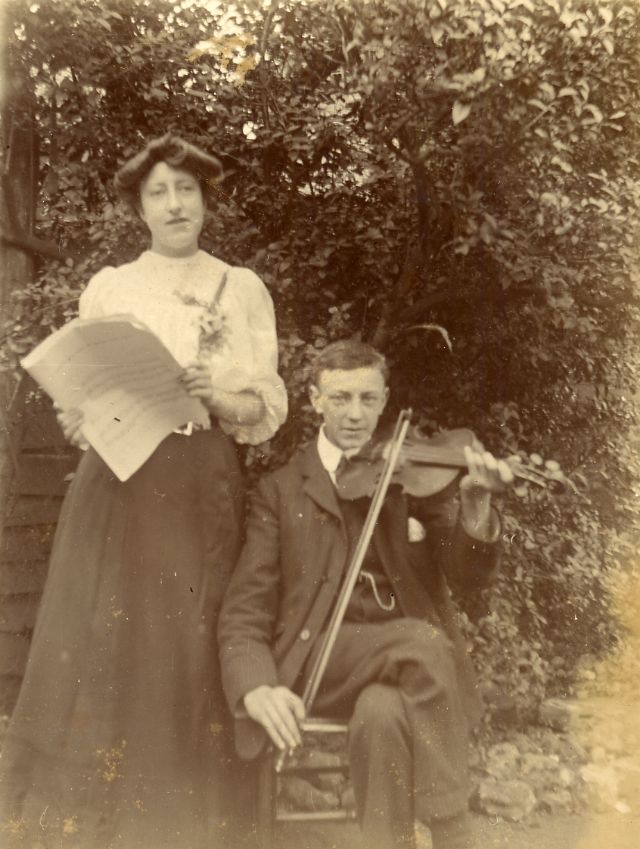
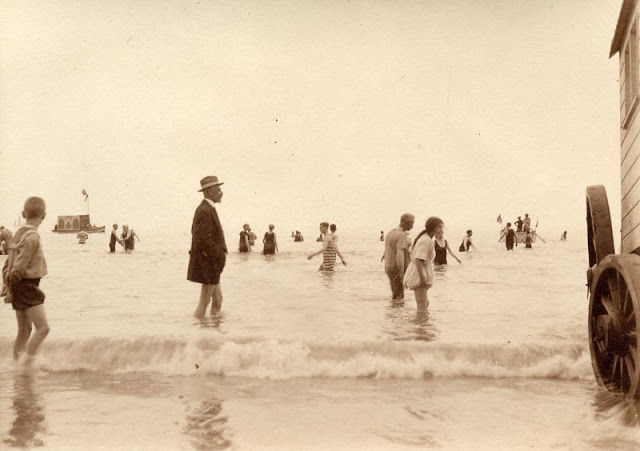
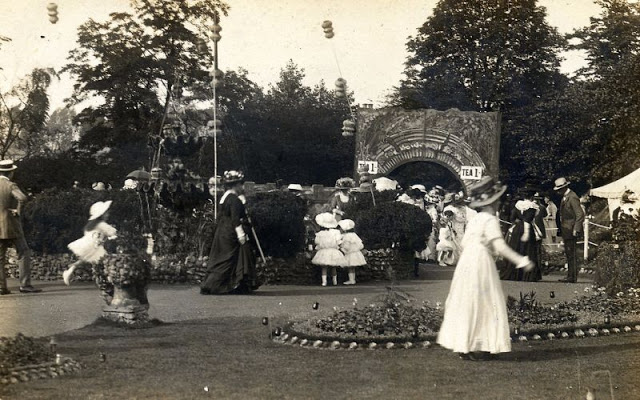
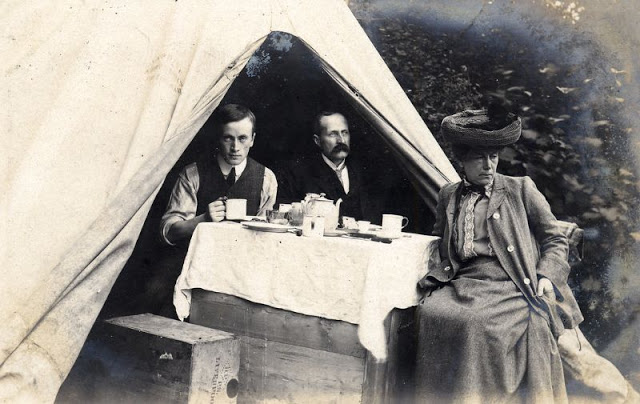
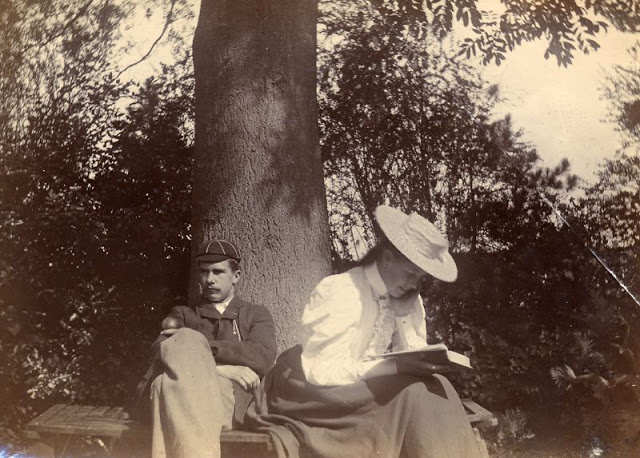
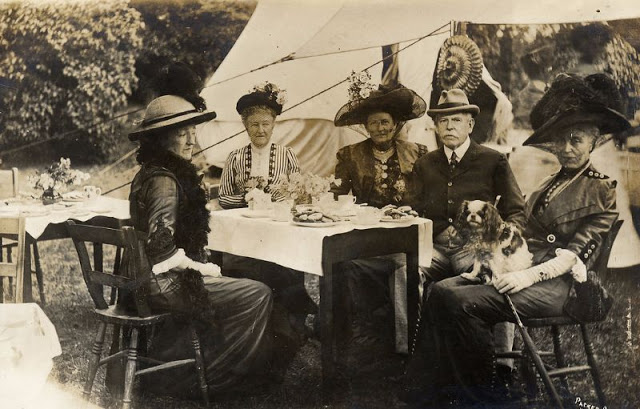
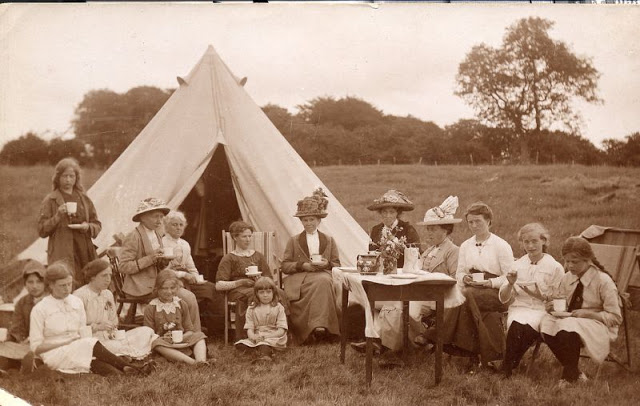
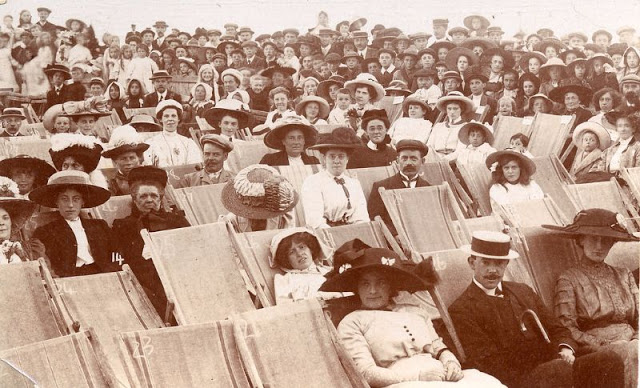
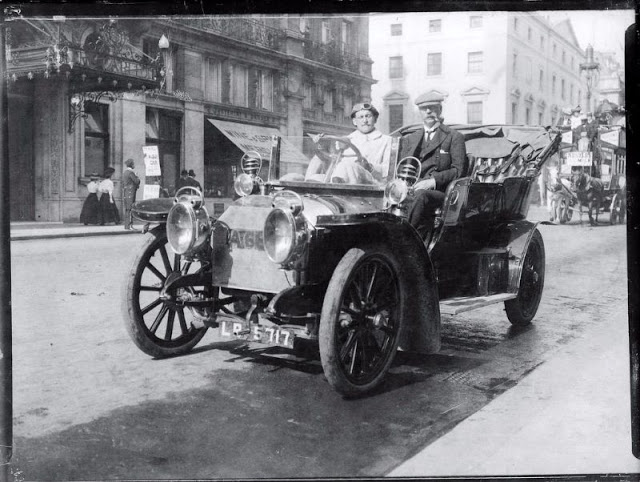
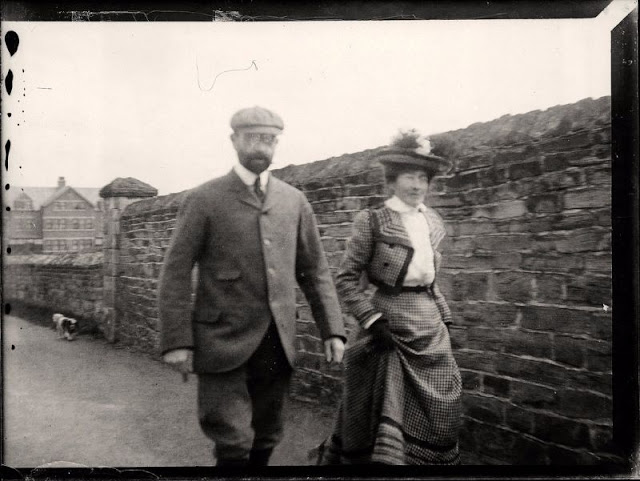
The Edwardian era or Edwardian period of British history spanned the reign of King Edward VII, 1901 to 1910, and is sometimes expanded to the start of the First World War. The death of Queen Victoria in January 1901 marked the end of the Victorian era. Her son and successor, Edward VII, was already the leader of a fashionable elite that set a style influenced by the art and fashions of continental Europe. Samuel Hynes described the Edwardian era as a “leisurely time when women wore picture hats and did not vote, when the rich were not ashamed to live conspicuously, and the sun really never set on the British flag.”
The Liberals returned to power in 1906 and made significant reforms. Below the upper class, the era was marked by significant shifts in politics among sections of society that had largely been excluded from power, such as labourers, servants, and the industrial working class. Women started to play more of a role in politics.
The Edwardian era was the last period of British history to be named after the reigning monarch. The subsequent reigns of George V and George VI are not commonly termed Georgian era, this name being reserved for the time of the 18th-century kings of that name. Similarly, Elizabethan era refers solely to the 16th-century queen Elizabeth I and is not extended to the current Elizabeth II.
























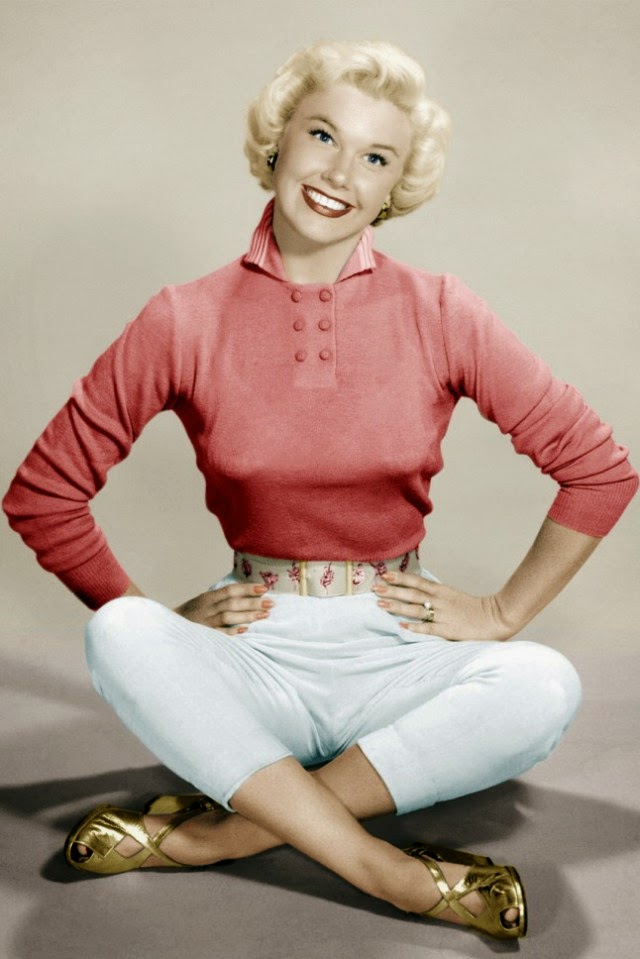


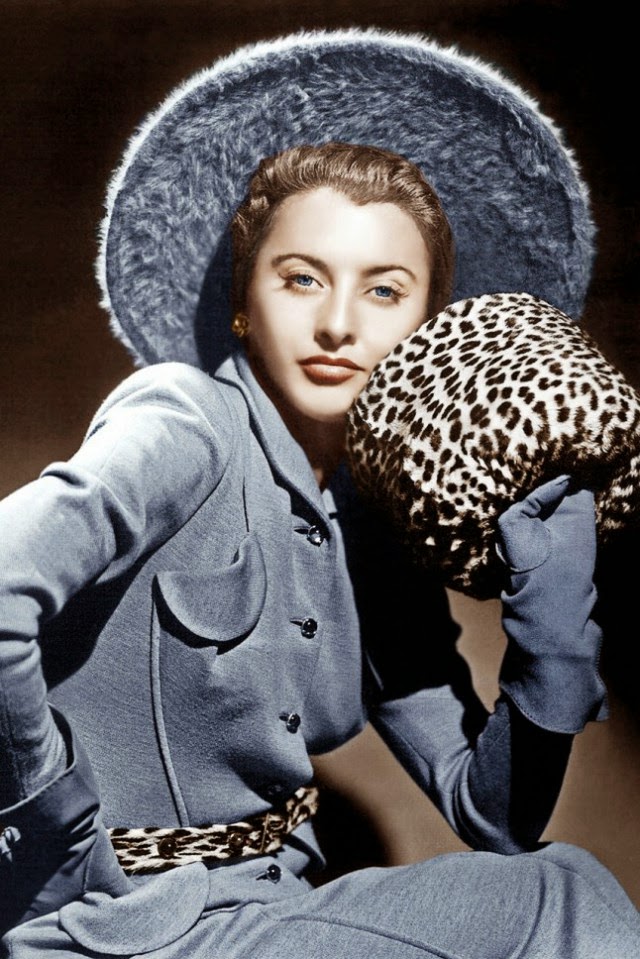
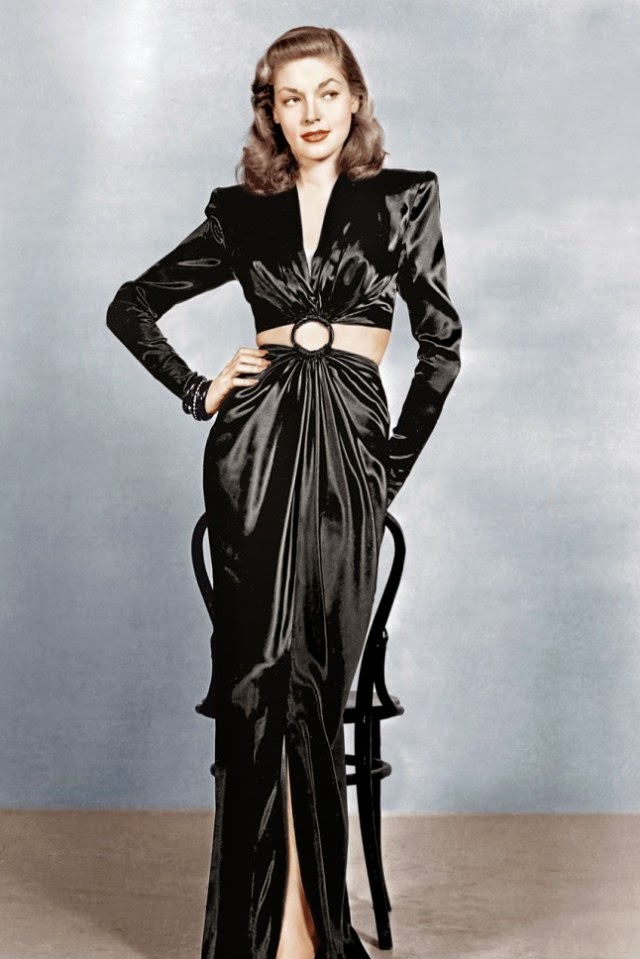

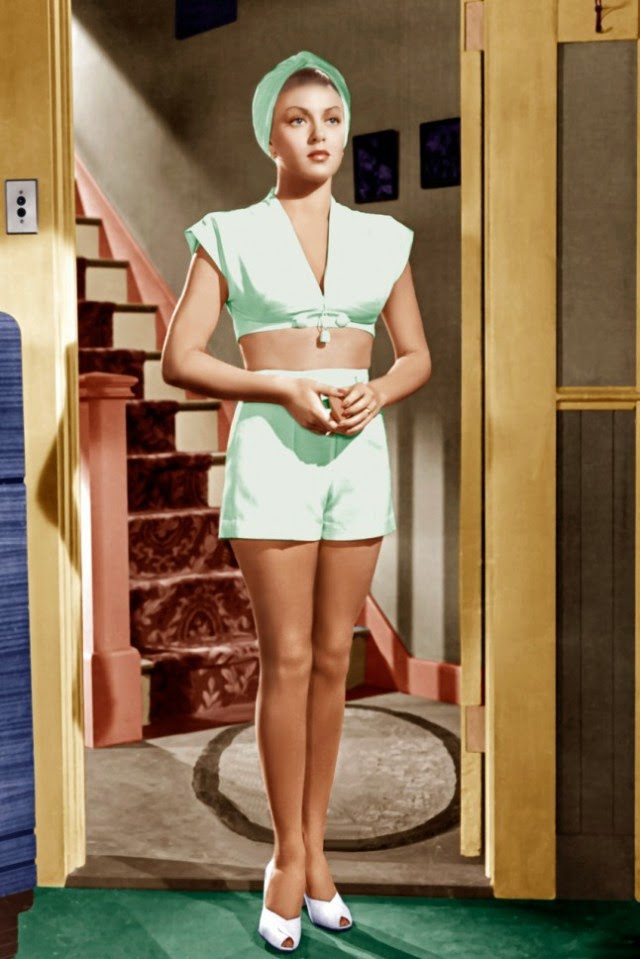





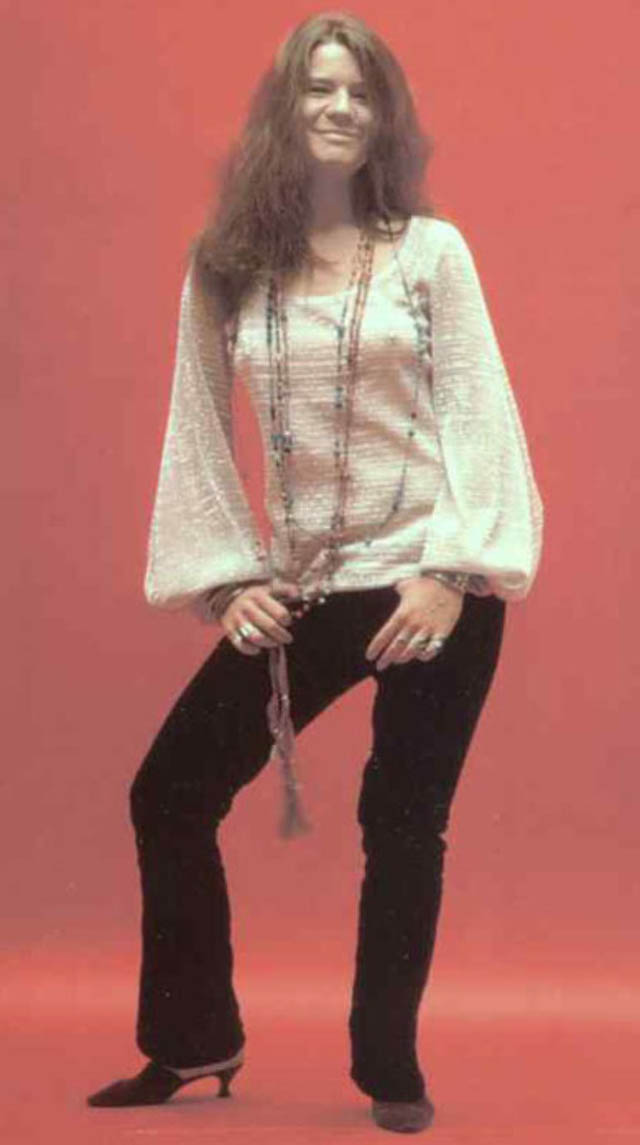
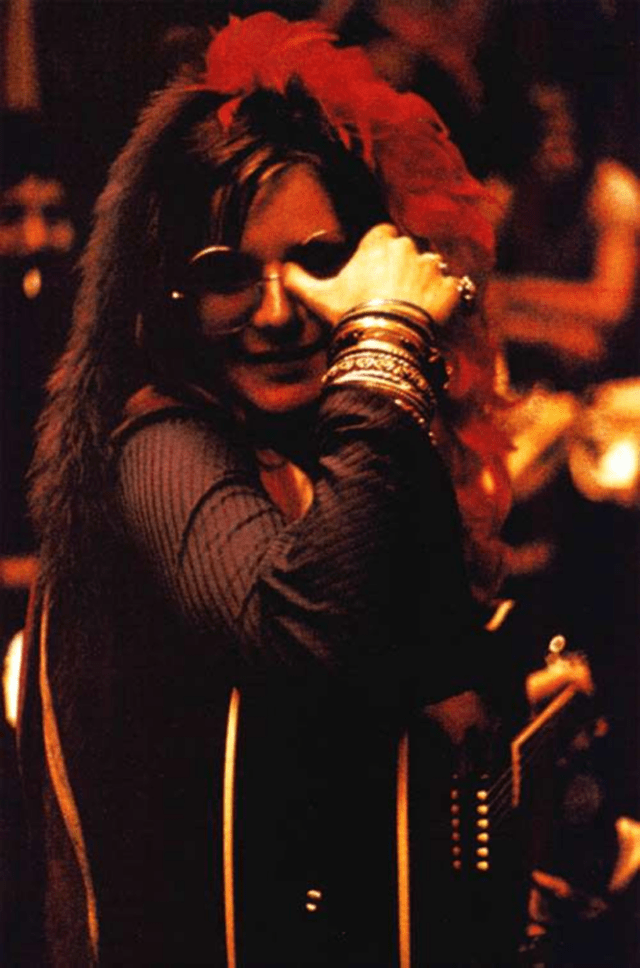
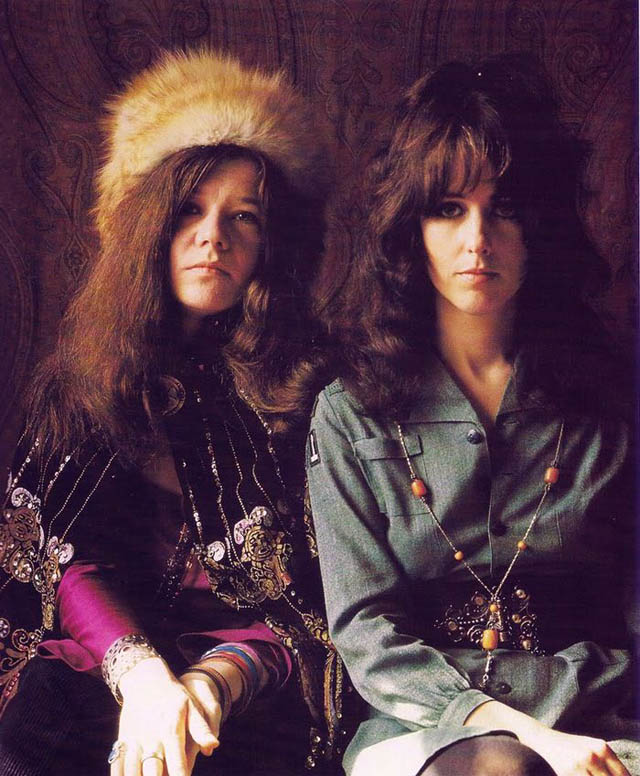
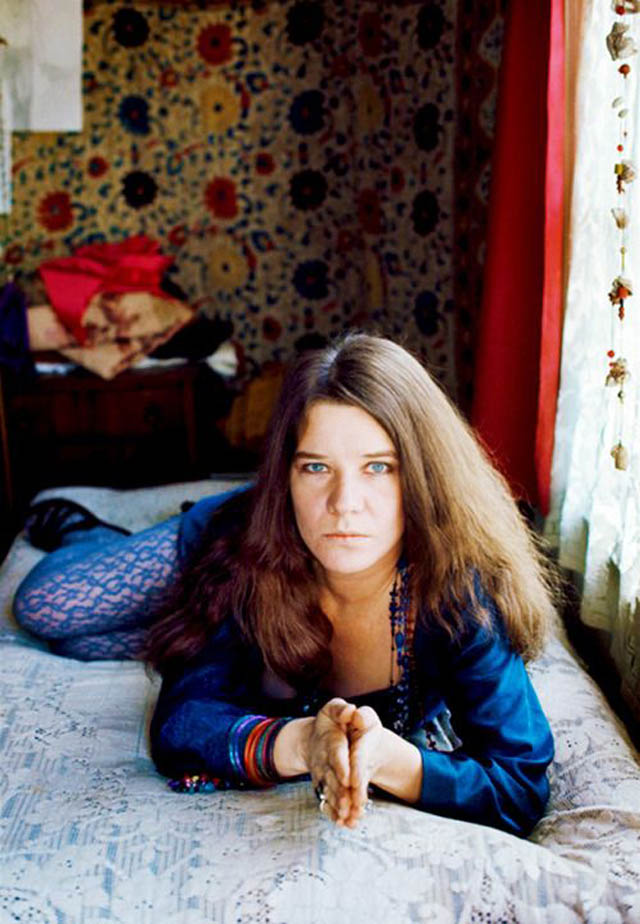
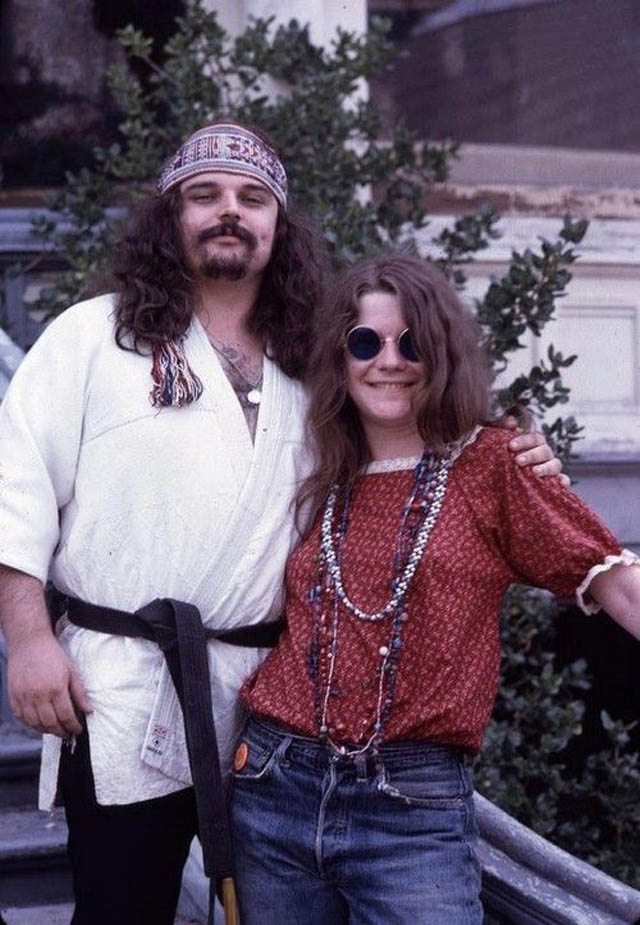
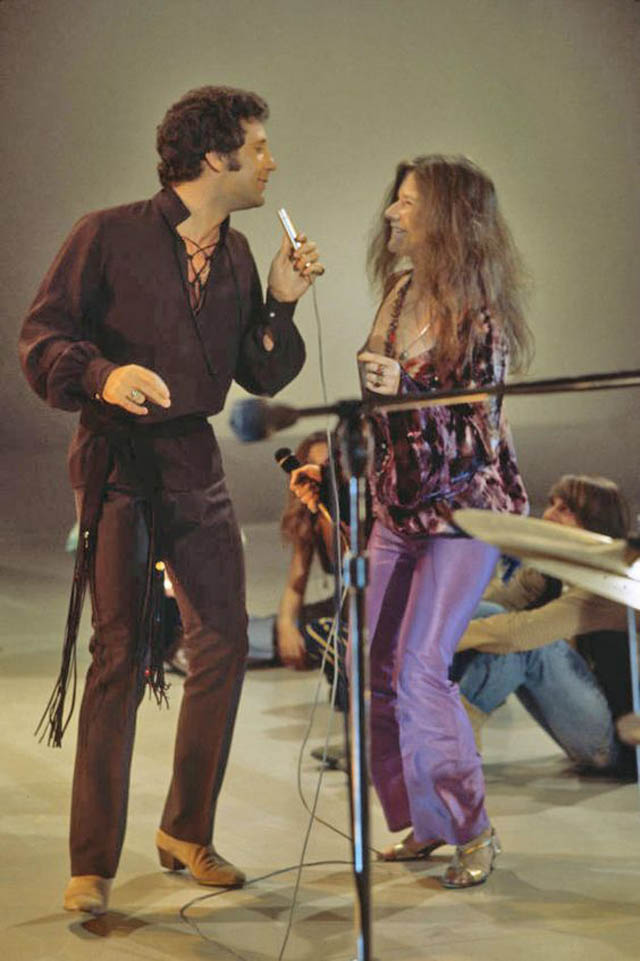
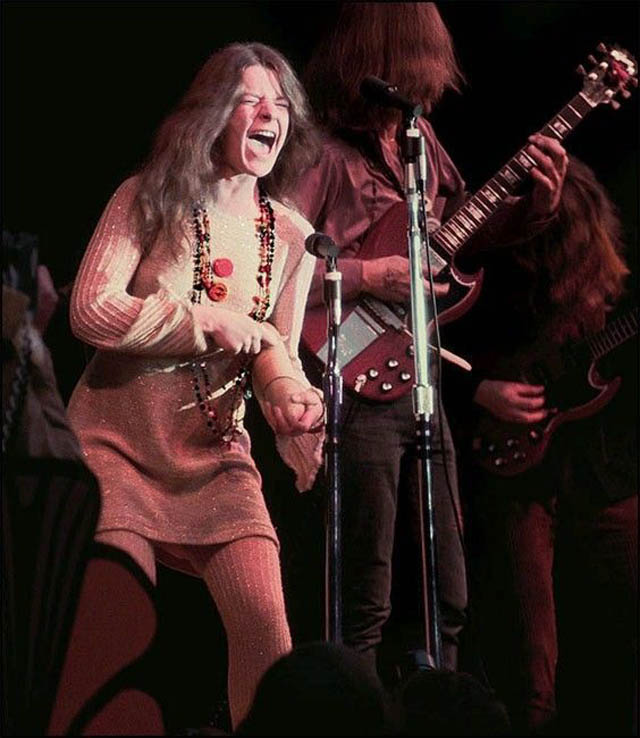
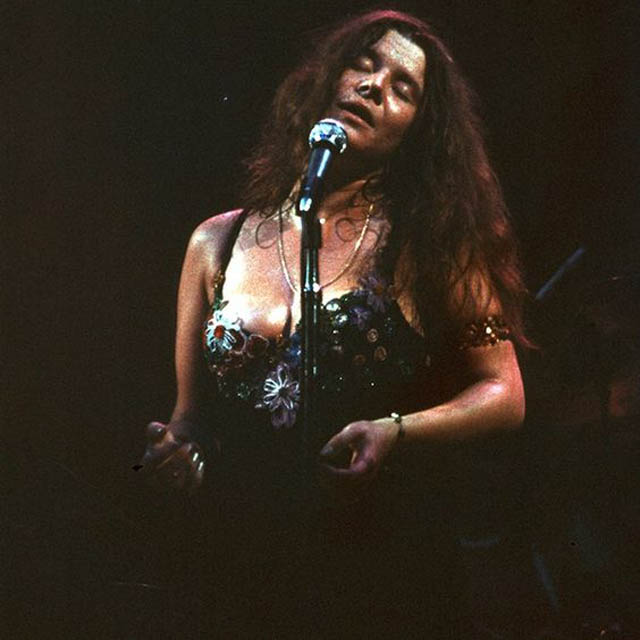
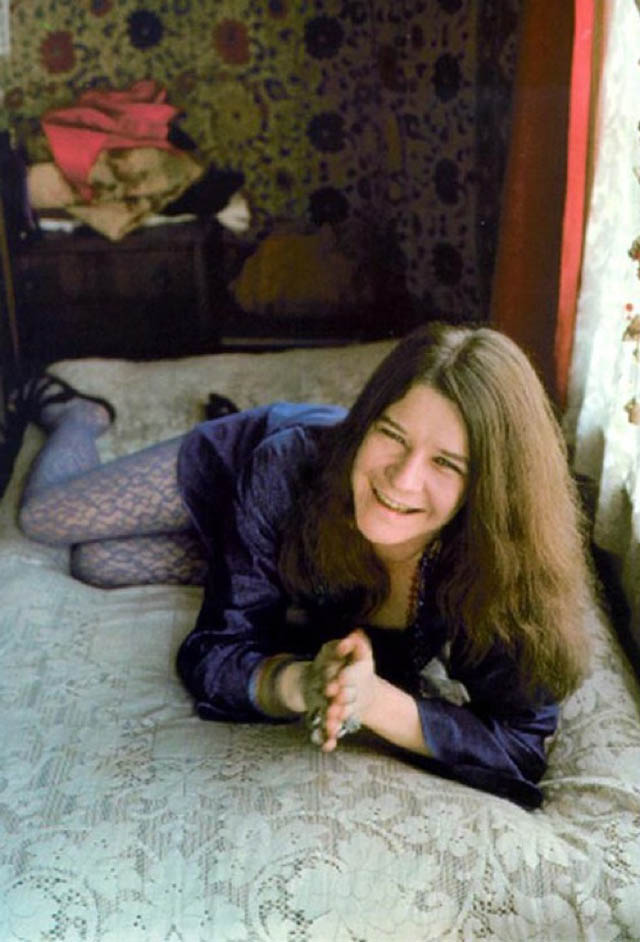
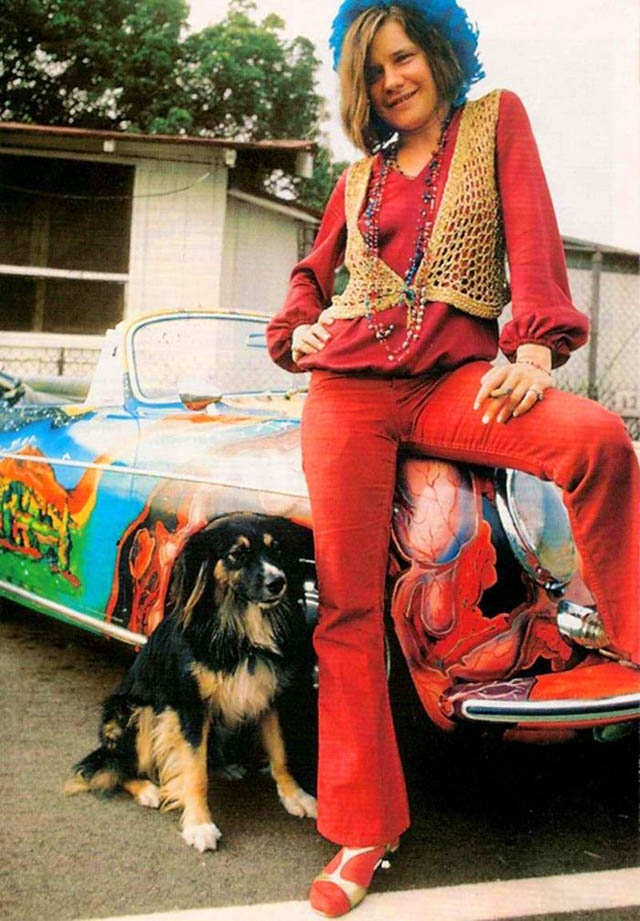
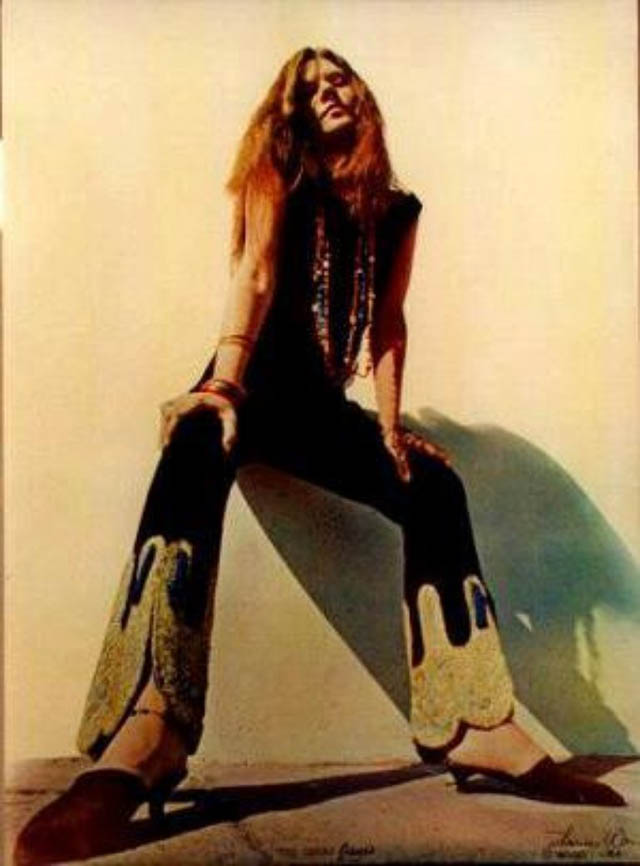
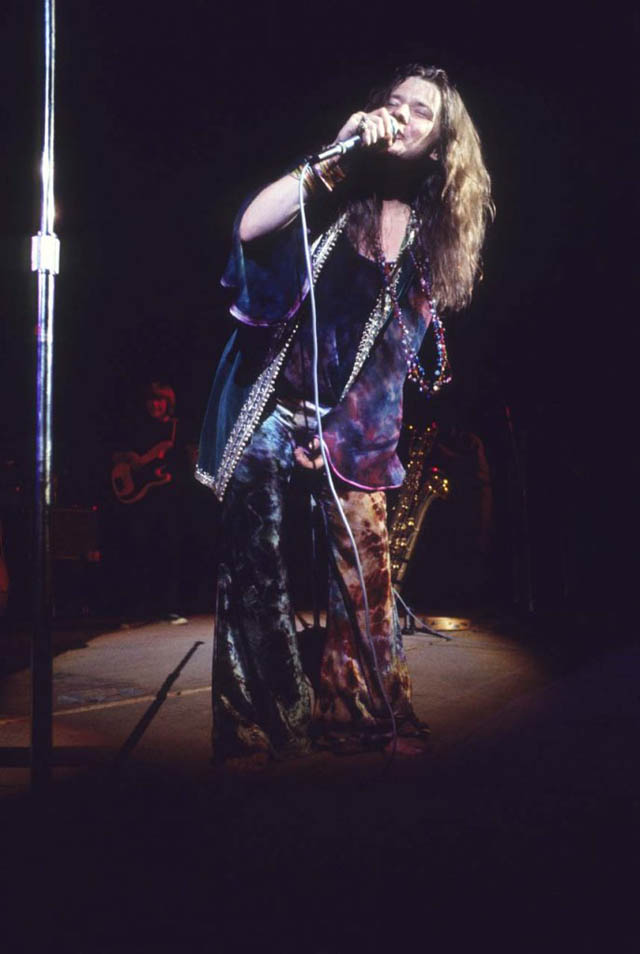
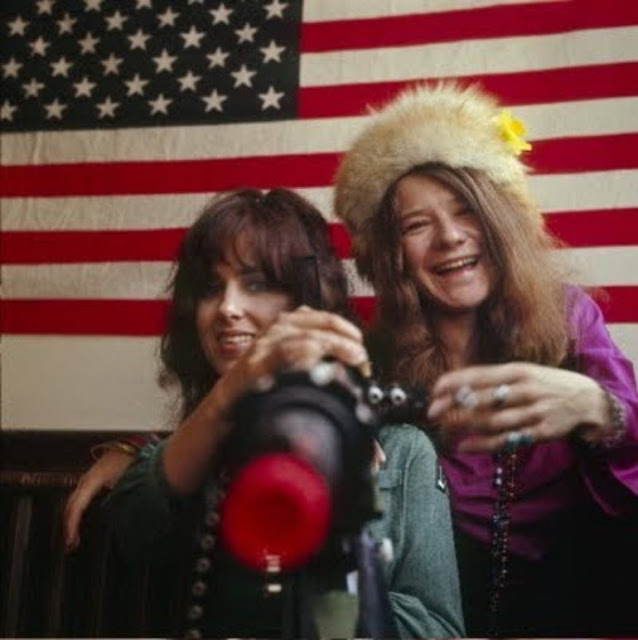
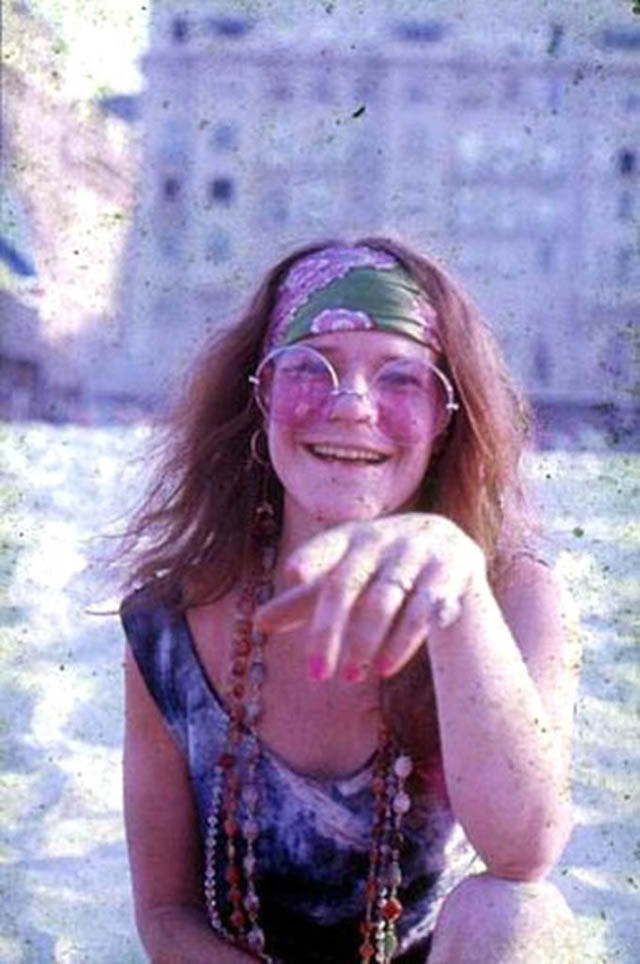
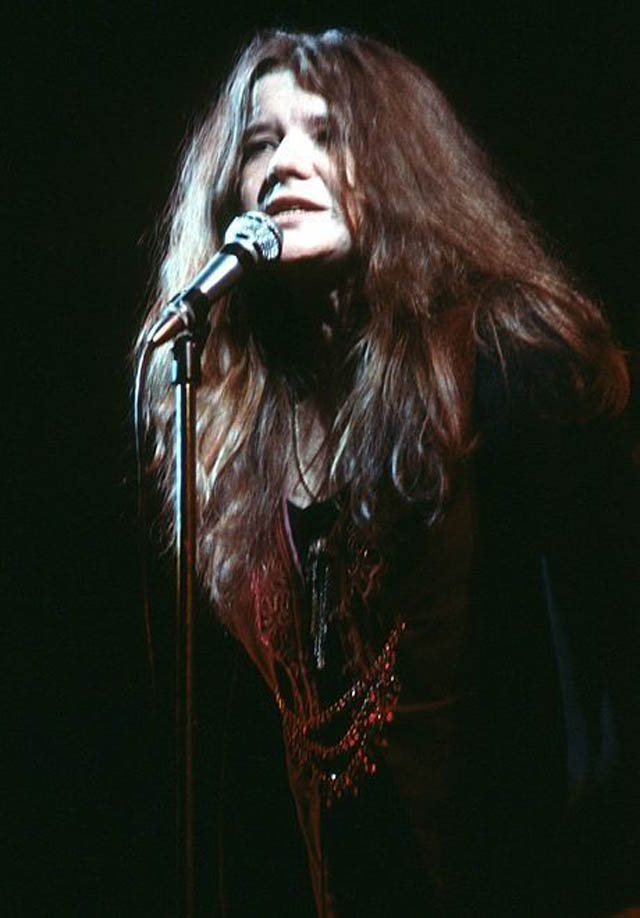
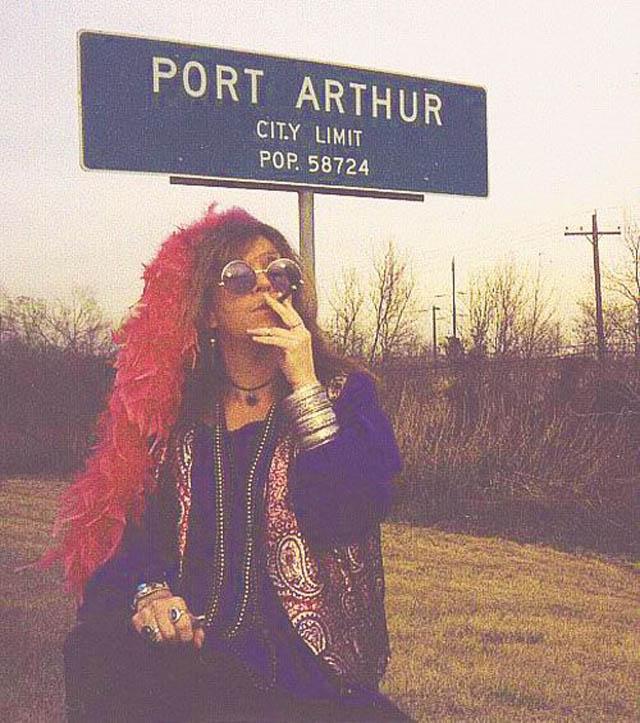
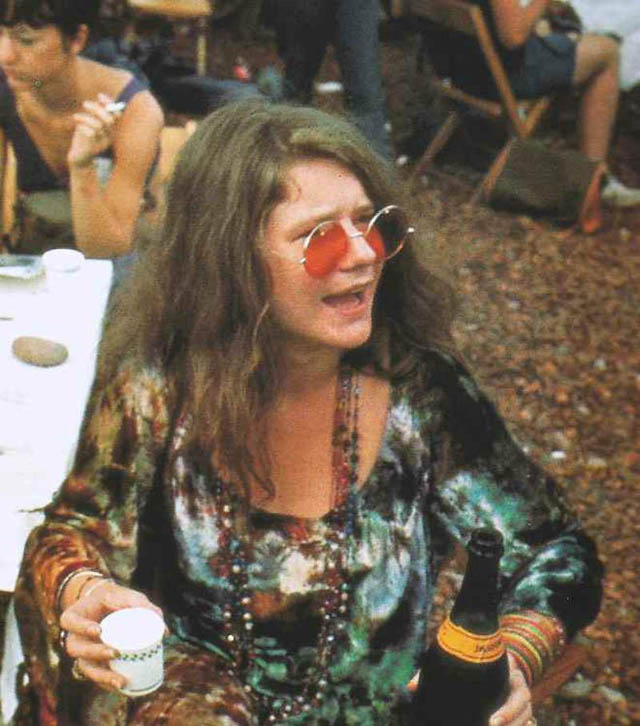
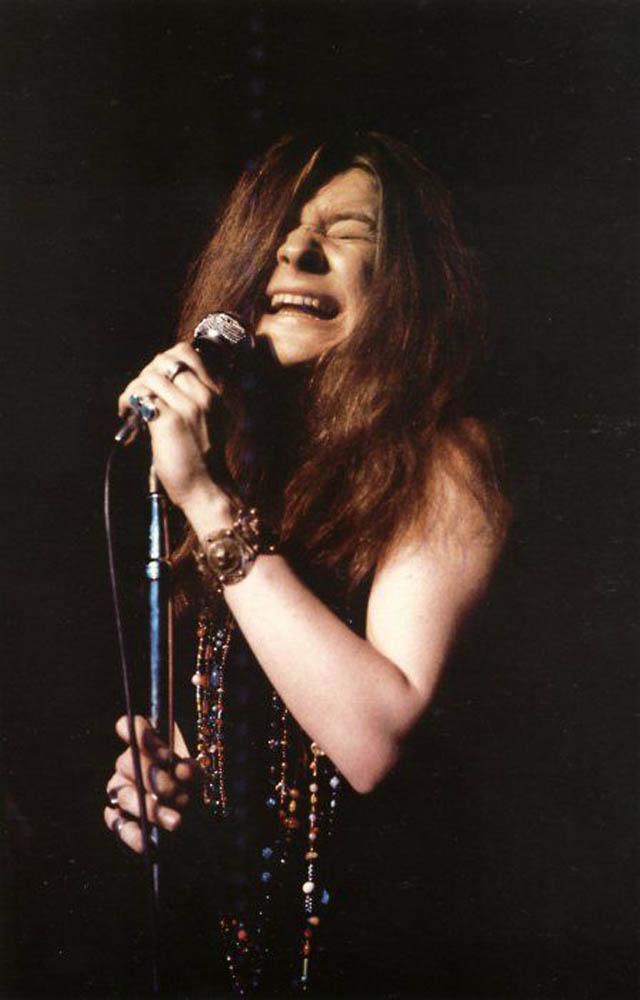
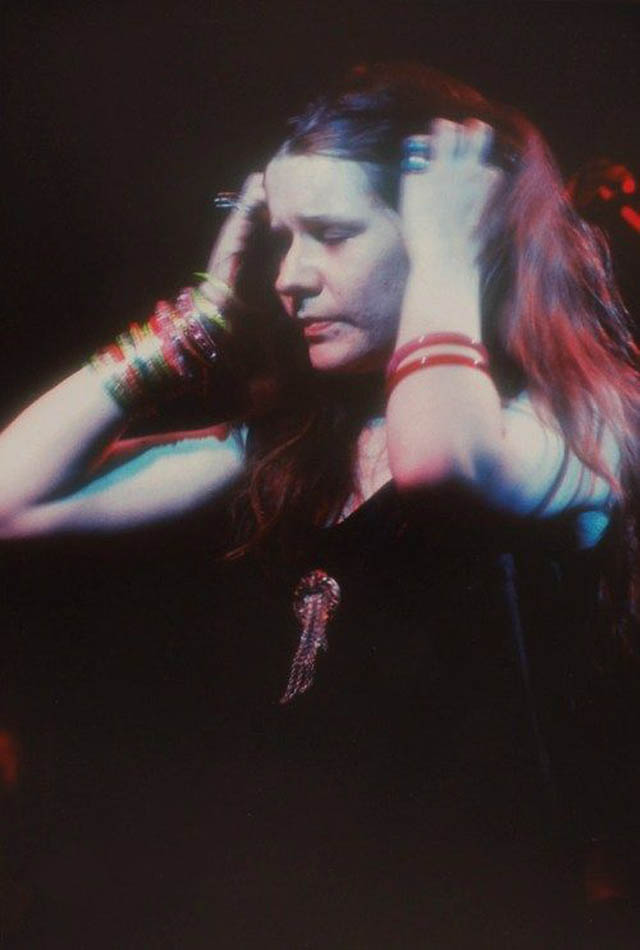
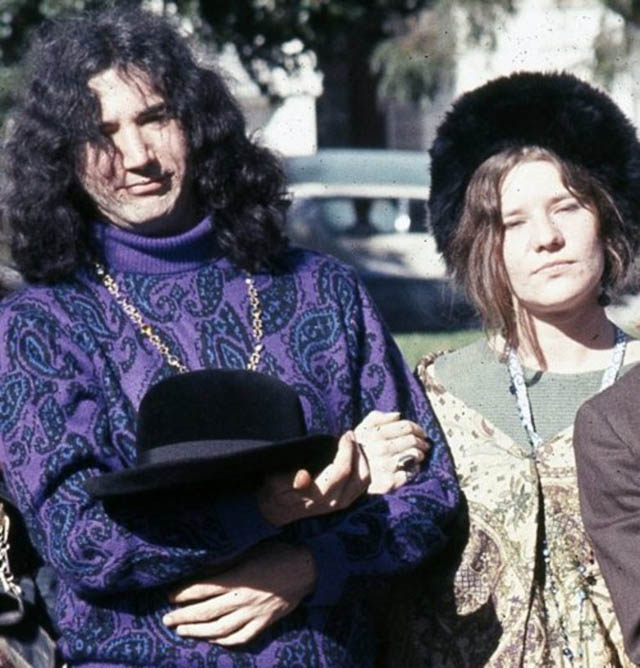
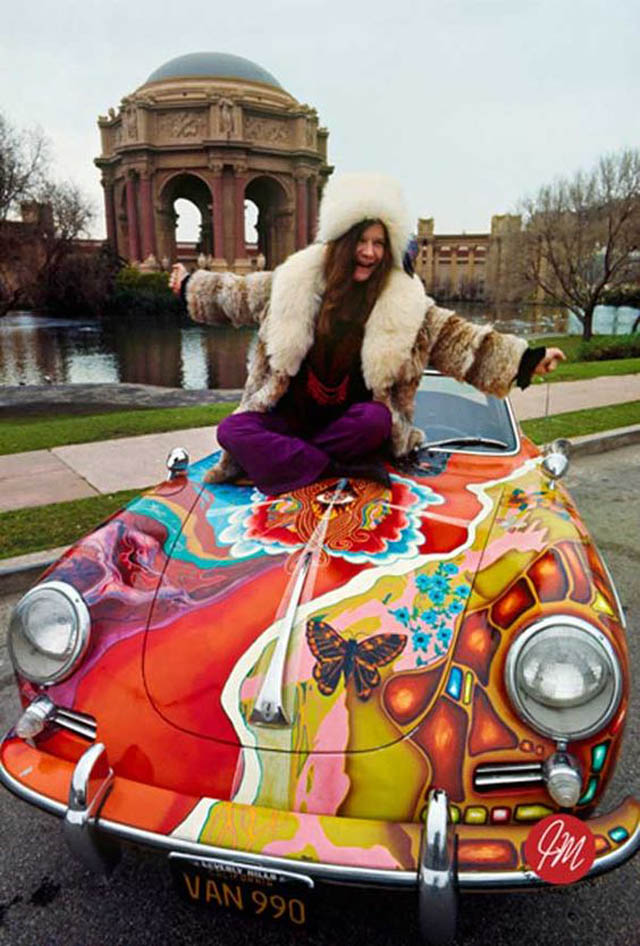
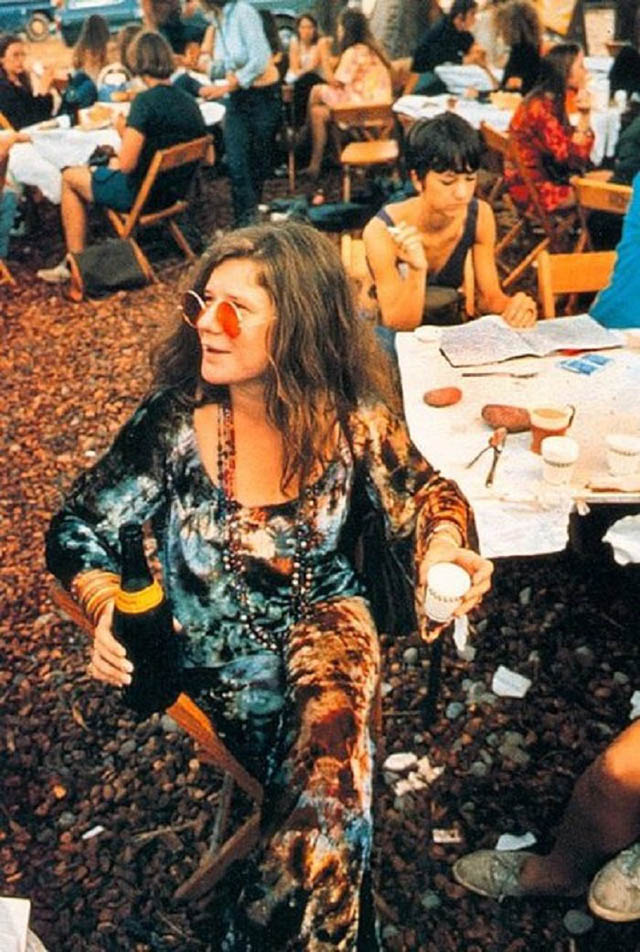
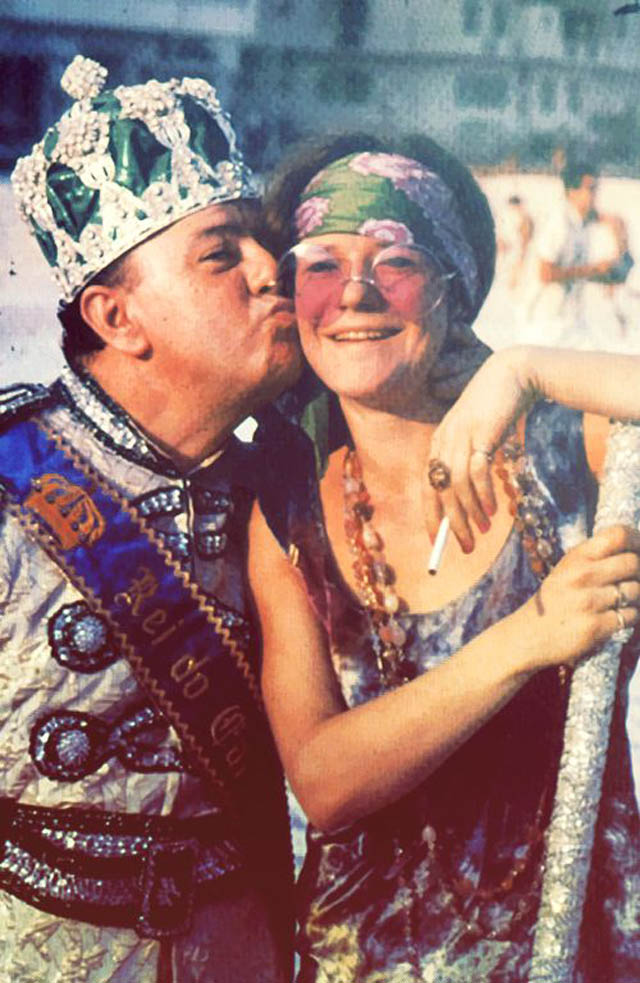
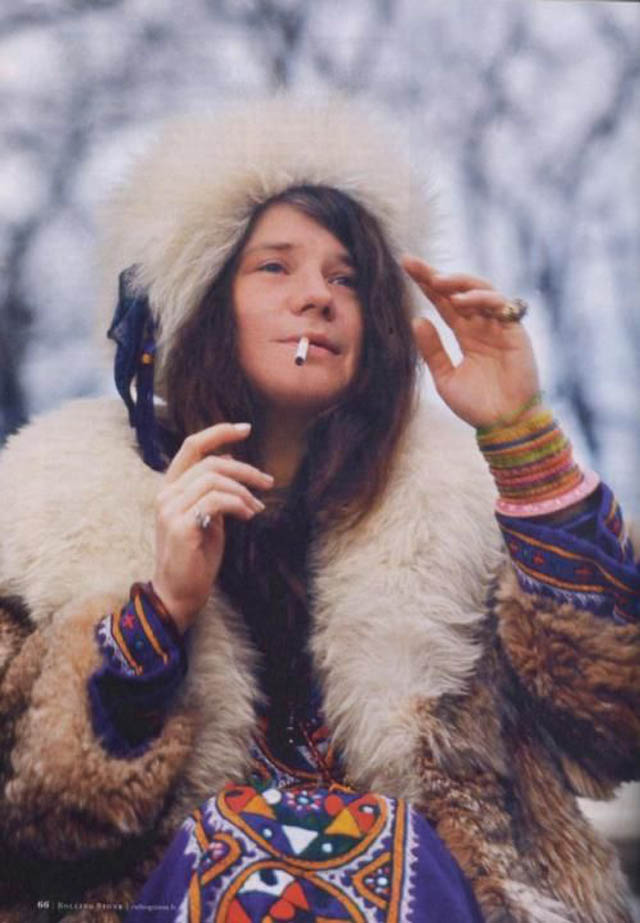
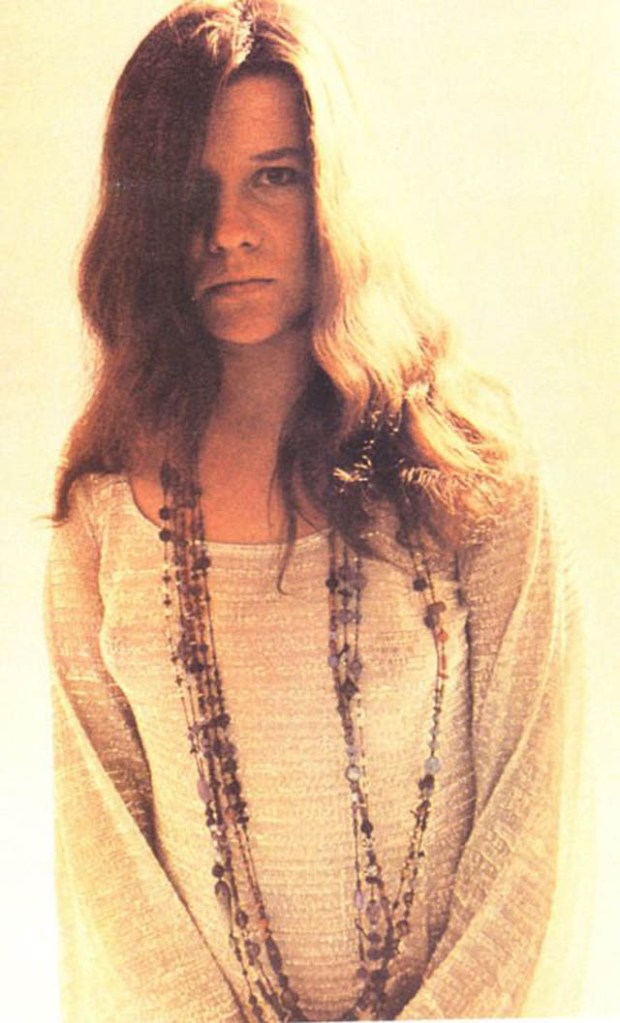
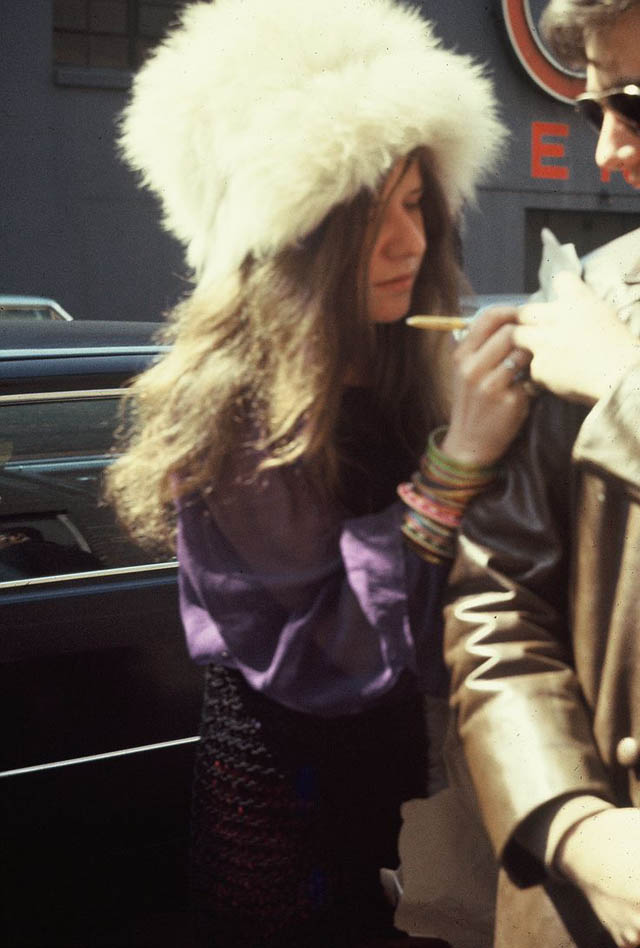
In the Rock ‘n Roll firmament of the 1960s, Janis Joplin was a shooting star who burned white hot for five short years. She died of a heroin overdose at age 27. Joplin sang her own brand of the blues in an incendiary style. Yet in her short time — between 1966 and 1970 — she carved out a piece of music history that was distinctly her own. During these years, she traveled from the conservative community of Port Arthur, Texas to the expansive and unpredictable world that was the drug/hippie/music scene of 1960s San Francisco — and mostly in the glare of national stardom.
Joplin was born in Port Arthur, an oil refinery town, in 1943. As a teenager in the late 1950s, she had read about Jack Kerouac and the Beatniks, began to dress in her own style, and started listening to blues music with a few high school friends. Black blues singers Bessie Smith and Leadbelly were among her heroes.
An outcast in Port Arthur by the early 1960s, Joplin had made her way to California a time or two, and eventually came to San Francisco’s music and hippie scene. In 1967, Joplin rose to fame following an appearance at Monterey Pop Festival, where she was the lead singer of the then little-known San Francisco psychedelic rock band Big Brother and the Holding Company. After releasing two albums with the band, she left Big Brother to continue as a solo artist with her own backing groups, first the Kozmic Blues Band and then the Full Tilt Boogie Band. She appeared at the Woodstock festival and on the Festival Express train tour. Five singles by Joplin reached the Billboard Hot 100, including a cover of the Kris Kristofferson song “Me and Bobby McGee”, which reached number one in March 1971. Her most popular songs include her cover versions of “Piece of My Heart”, “Cry Baby”, “Down on Me”, “Ball and Chain”, and “Summertime”; and her original song “Mercedes Benz”, her final recording.
Joplin died of a heroin overdose in 1970 aged 27, after releasing three albums (two with Big Brother and the Holding Company and one solo album). A second solo album, Pearl, was released in January 1971, just over three months after her death. It reached number one on the Billboard charts. She was posthumously inducted into the Rock and Roll Hall of Fame in 1995. Rolling Stone ranked Joplin number 46 on its 2004 list of the 100 Greatest Artists of All Time and number 28 on its 2008 list of 100 Greatest Singers of All Time. She remains one of the top-selling musicians in the United States, with Recording Industry Association of America certifications of 18.5 million albums sold.
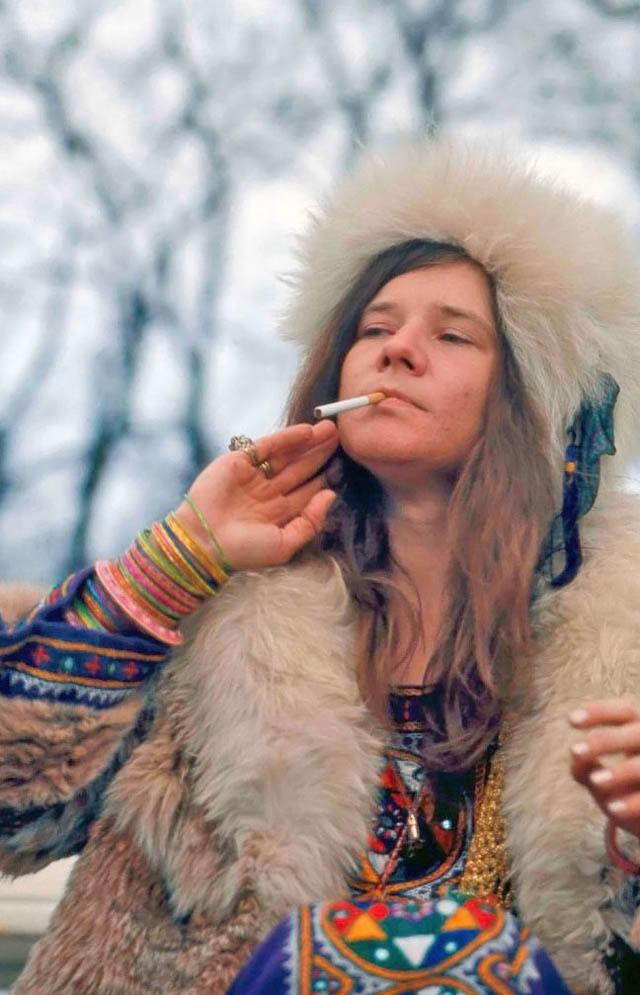
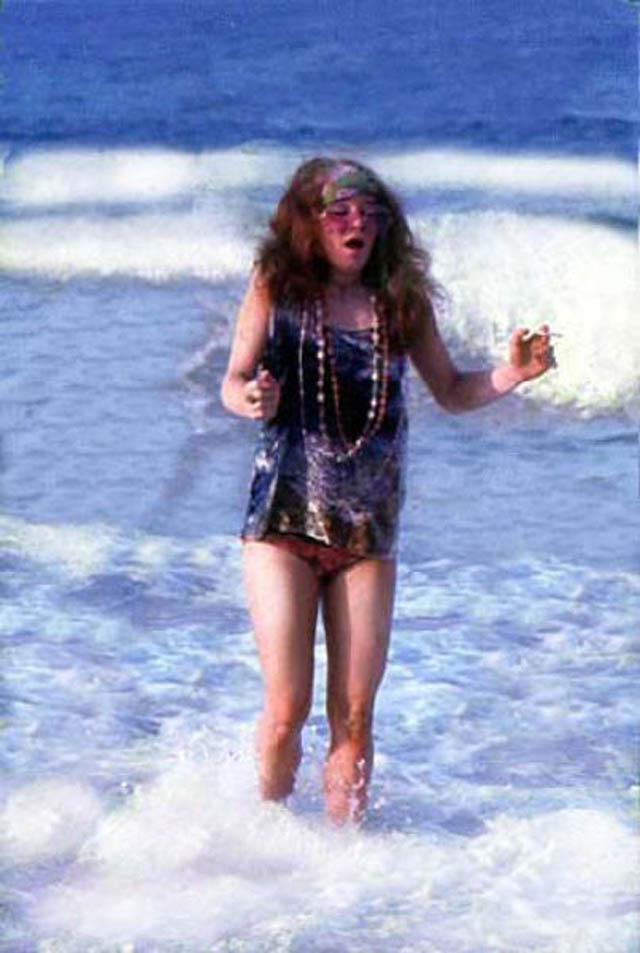
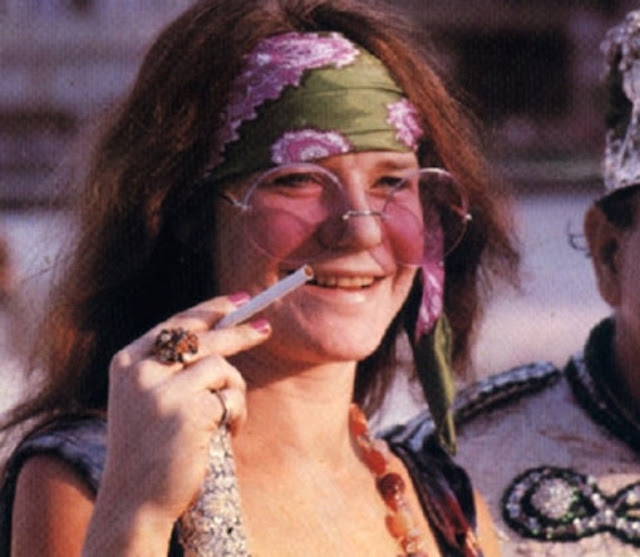
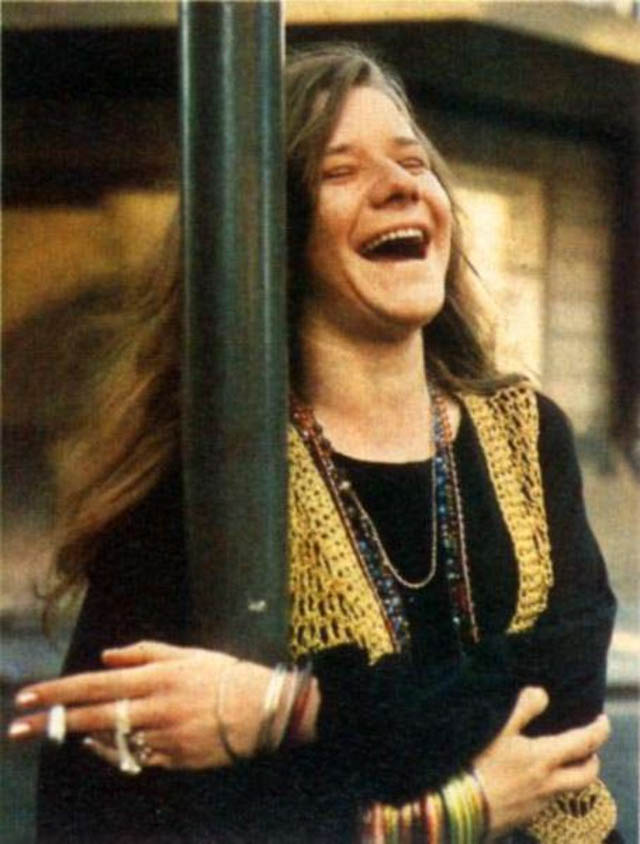
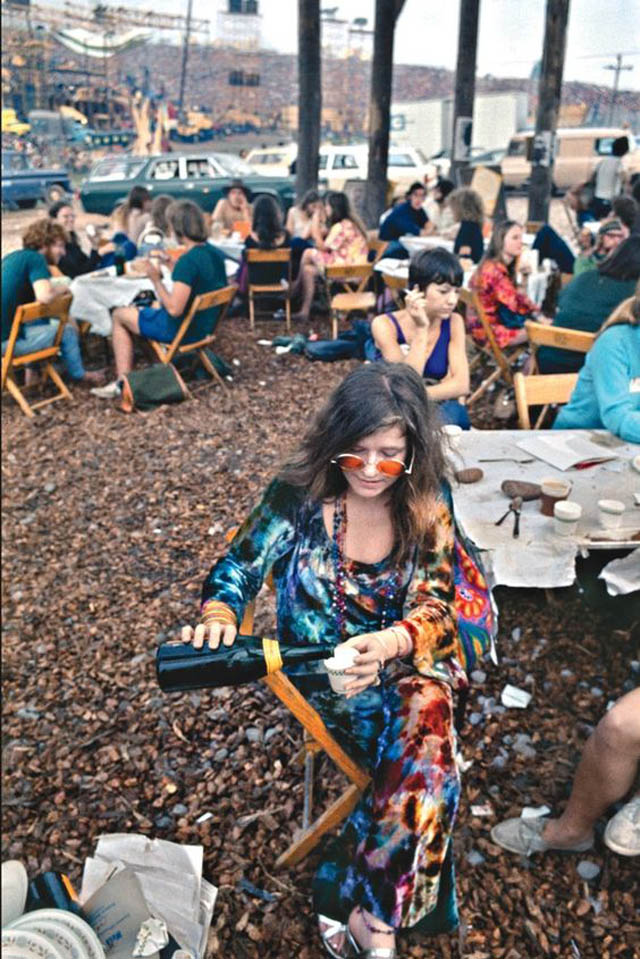
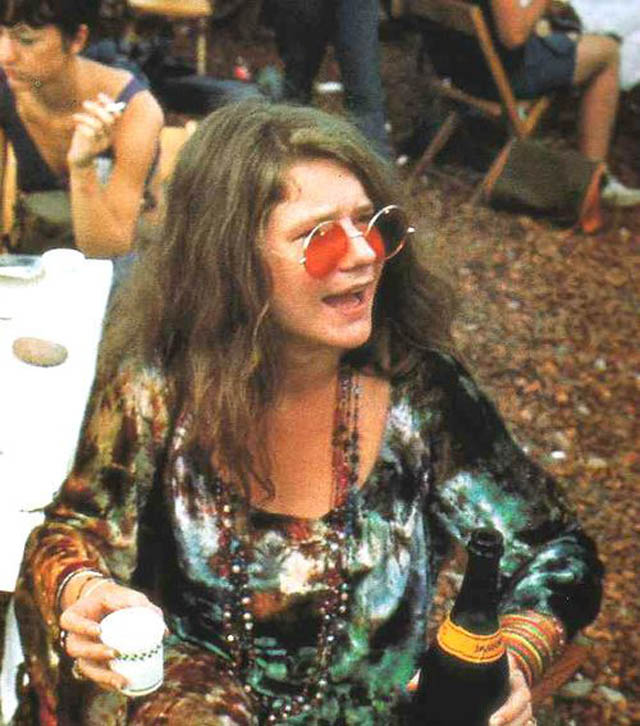
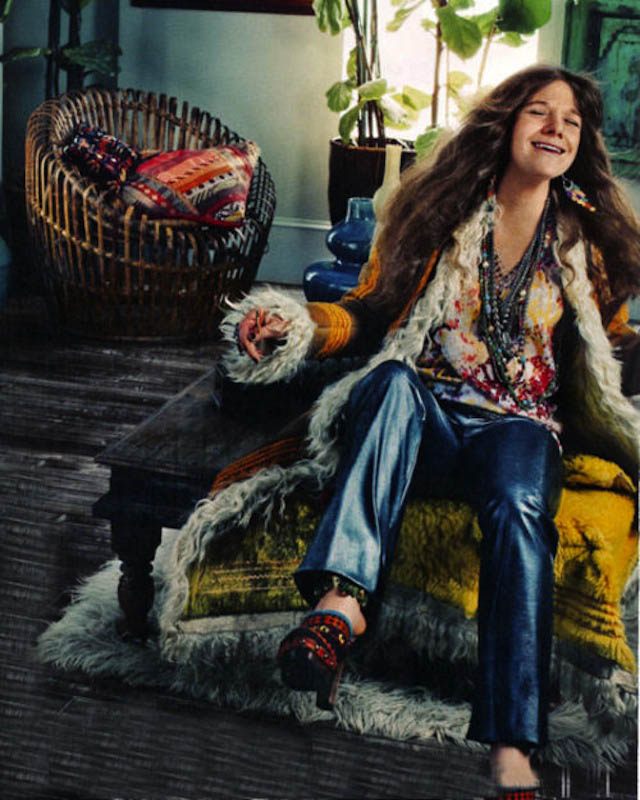
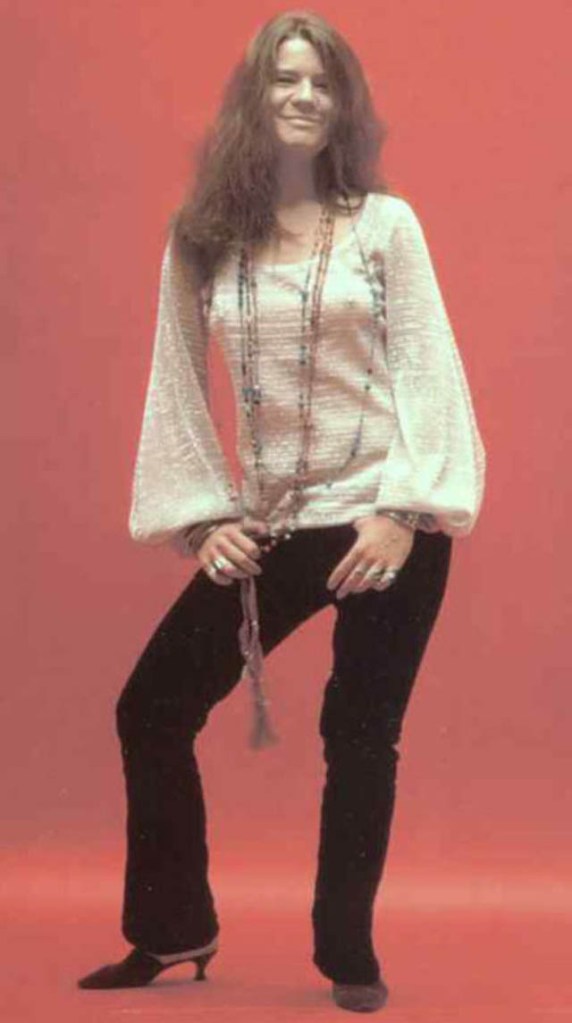
Here, below is a color photo collection of Joplin in the 1960s.



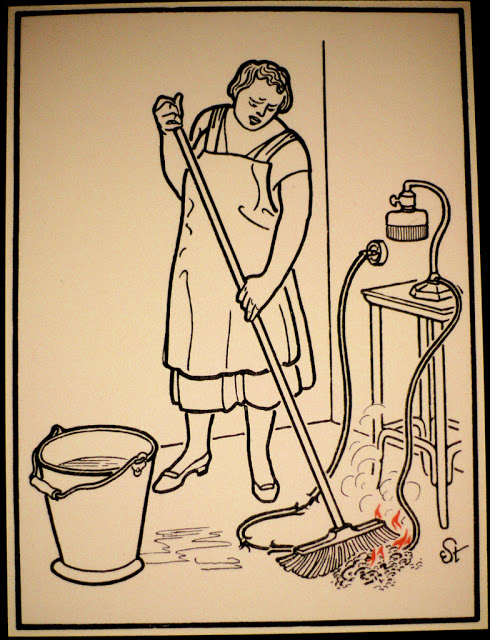
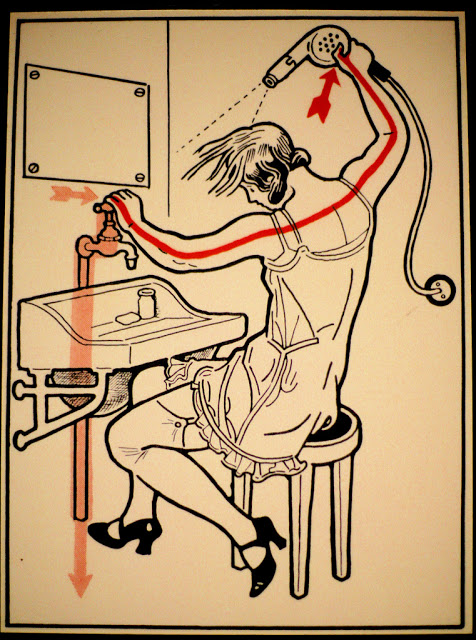
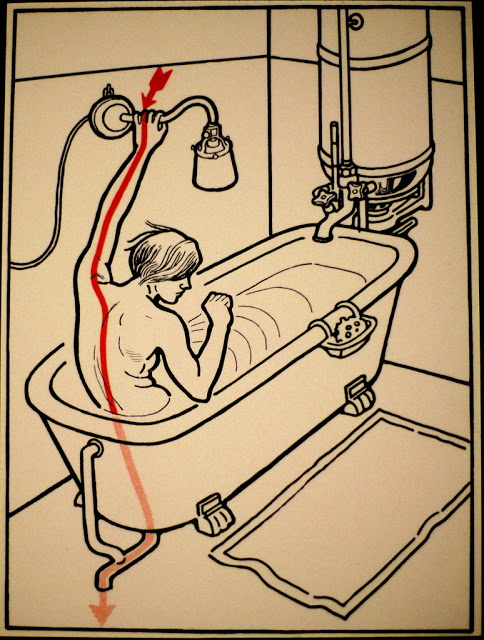
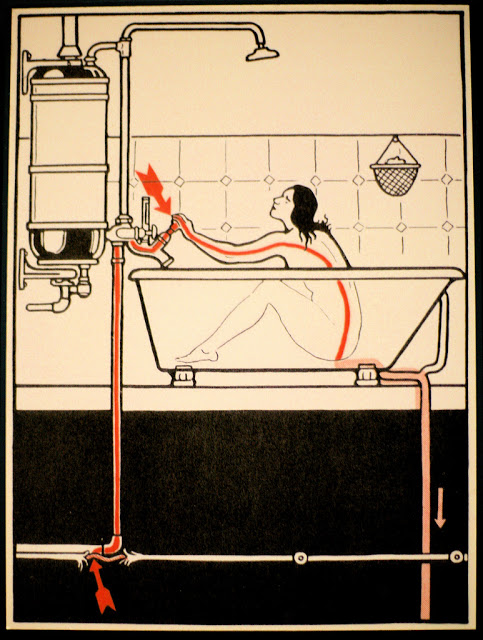
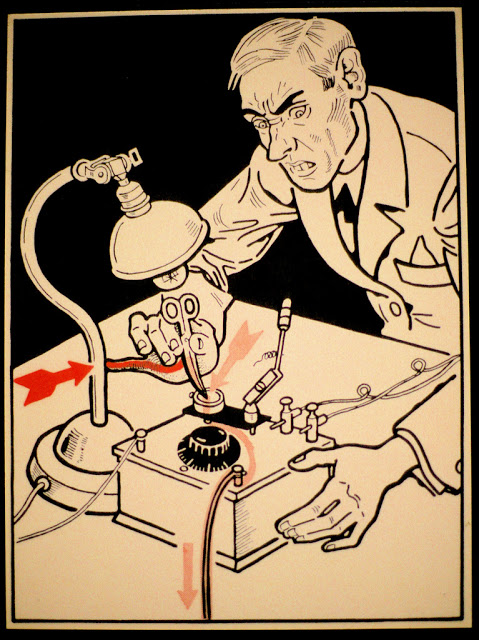
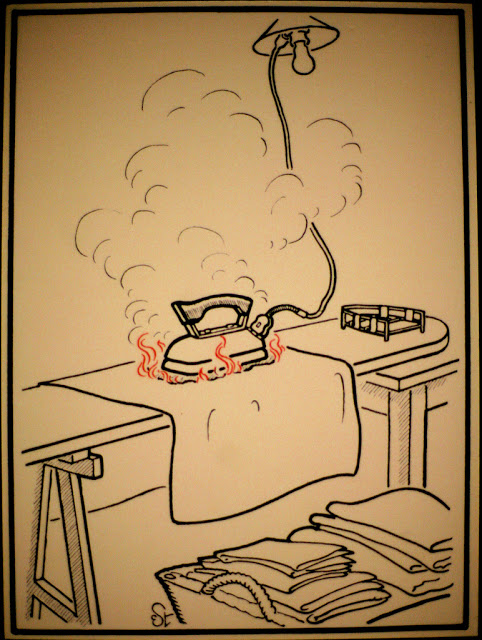
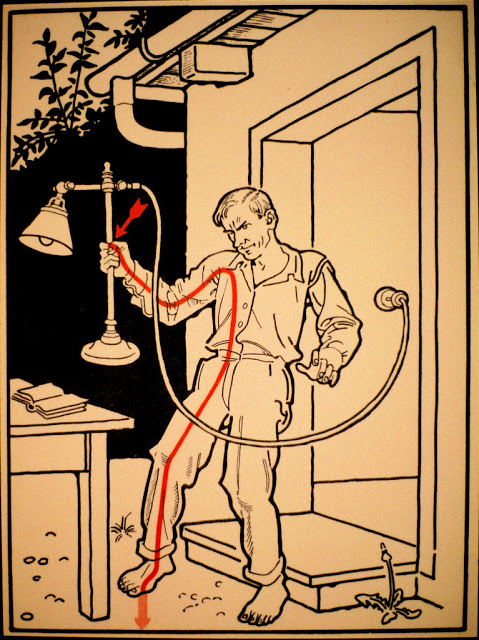
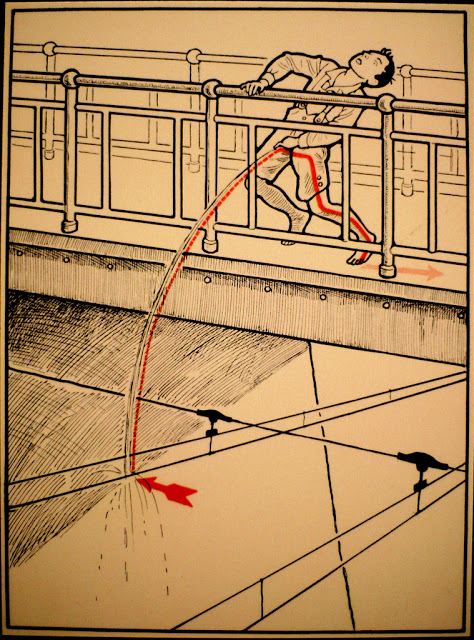
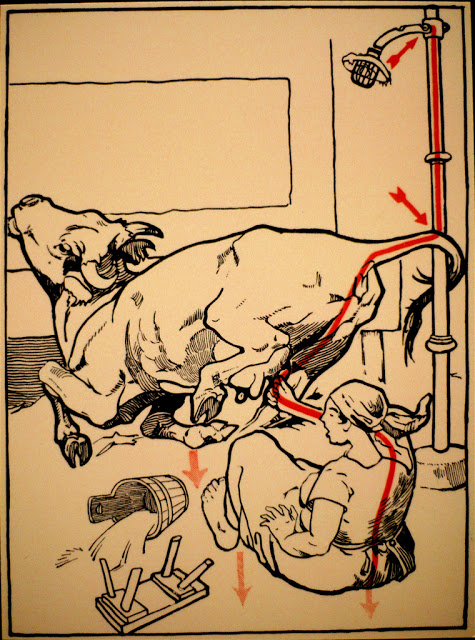
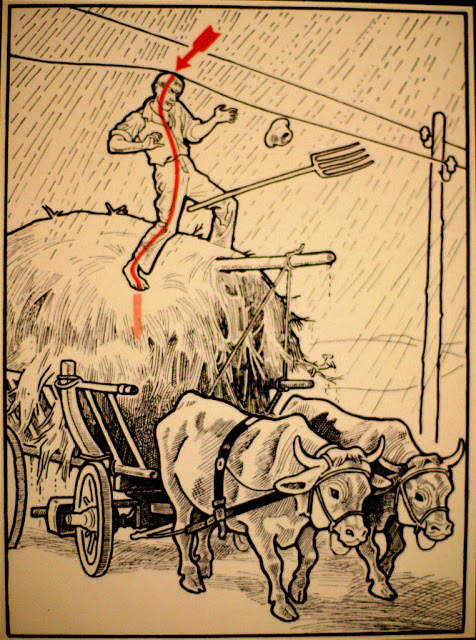
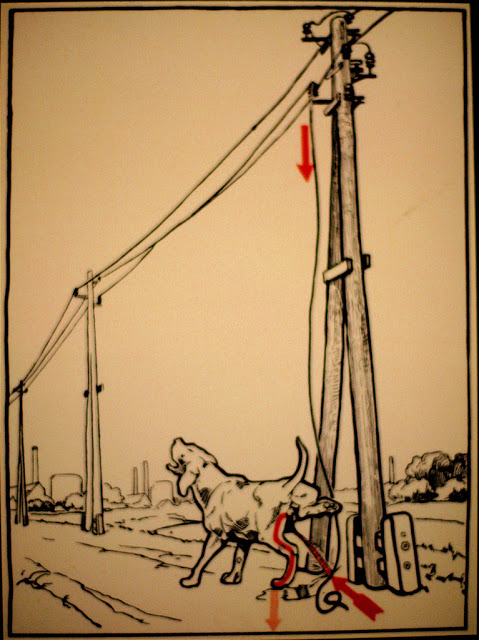
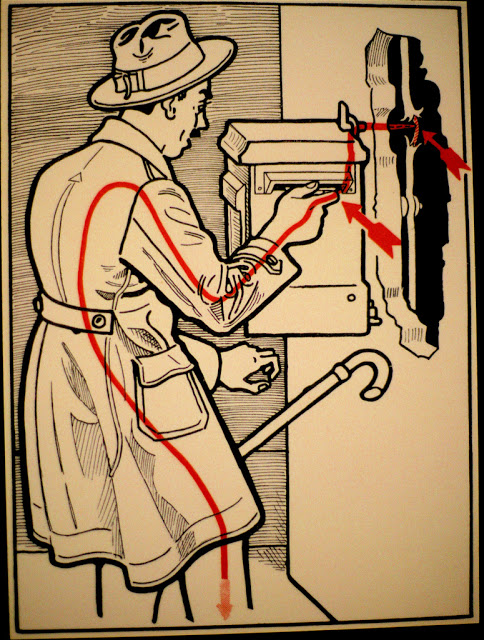
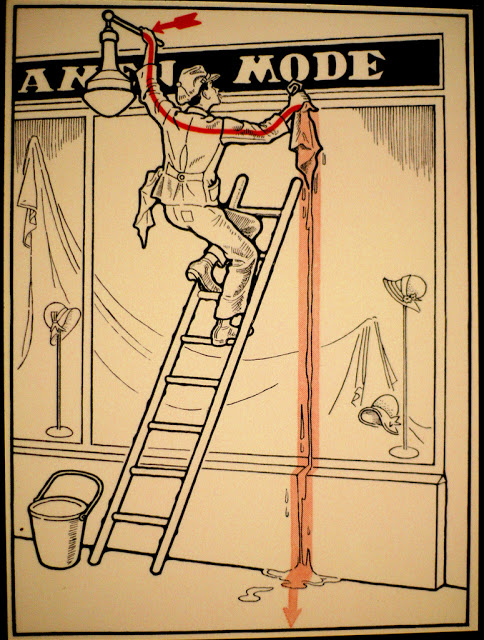
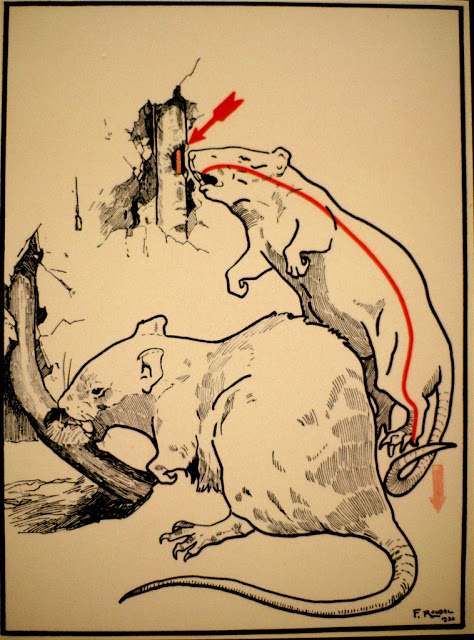
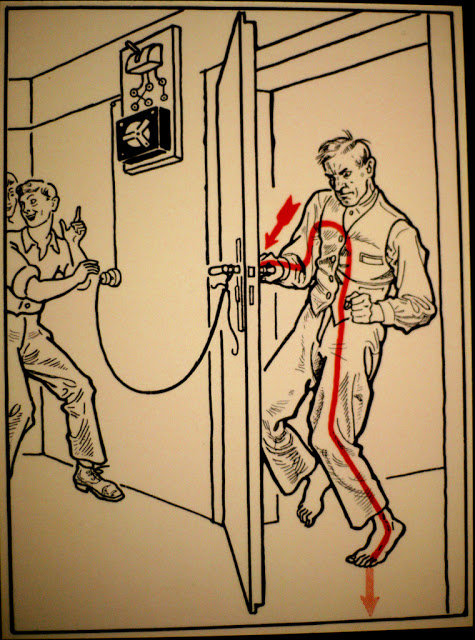
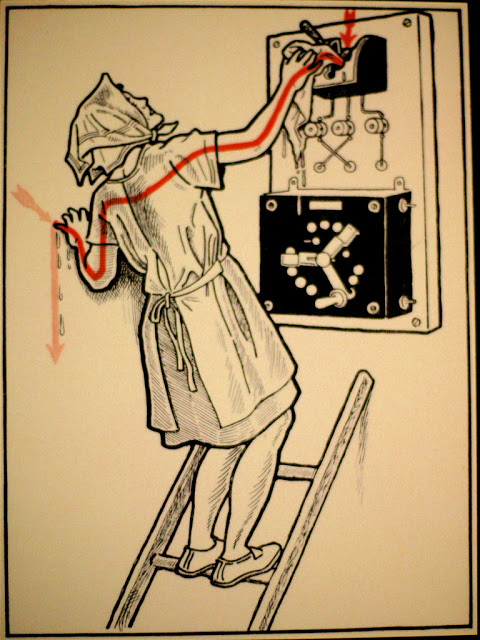
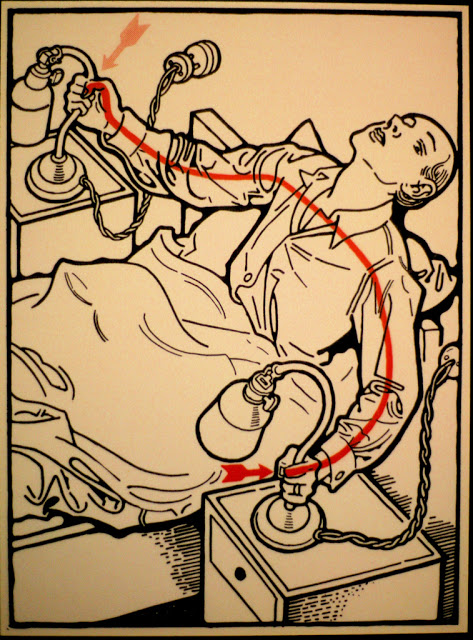
Have you ever counted the ways to achieve death or extreme shock from electricity? Well, here’s some pretty strange diagrams of 30 ways to die by electrocution from a 1931 illustrated German book “Elektroschutz in 132 Bildern”.









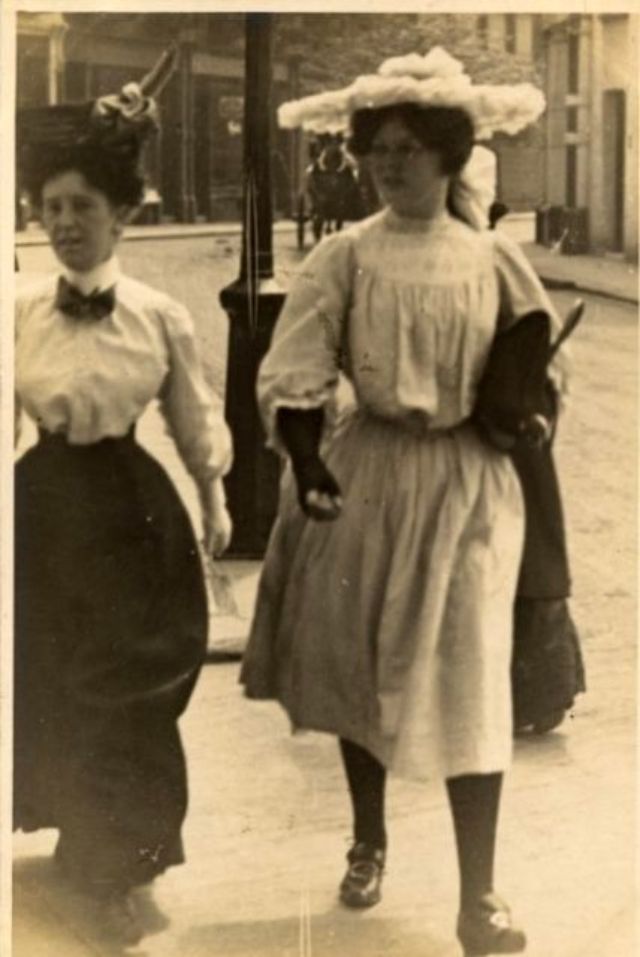
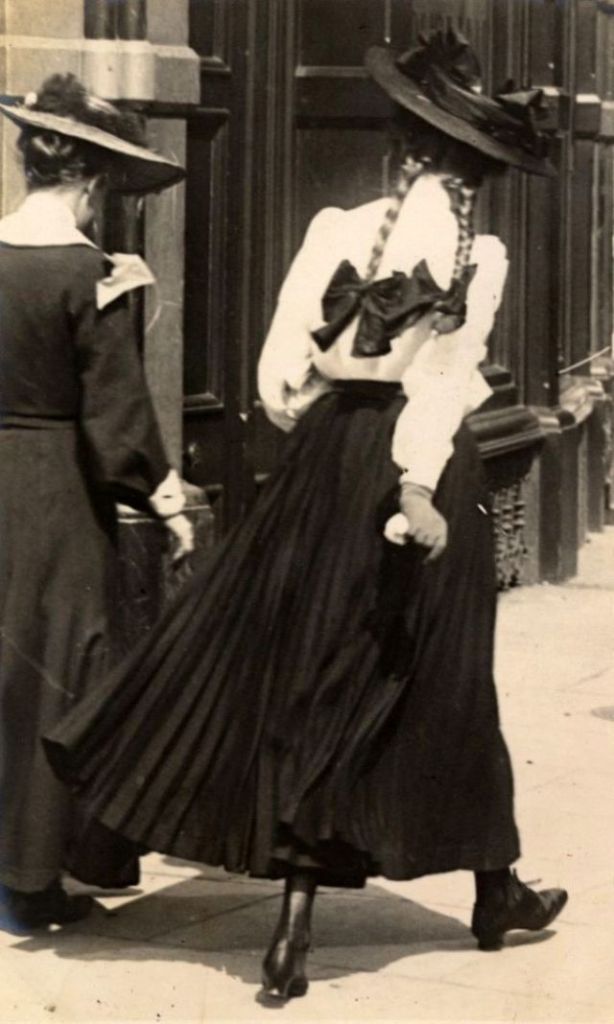
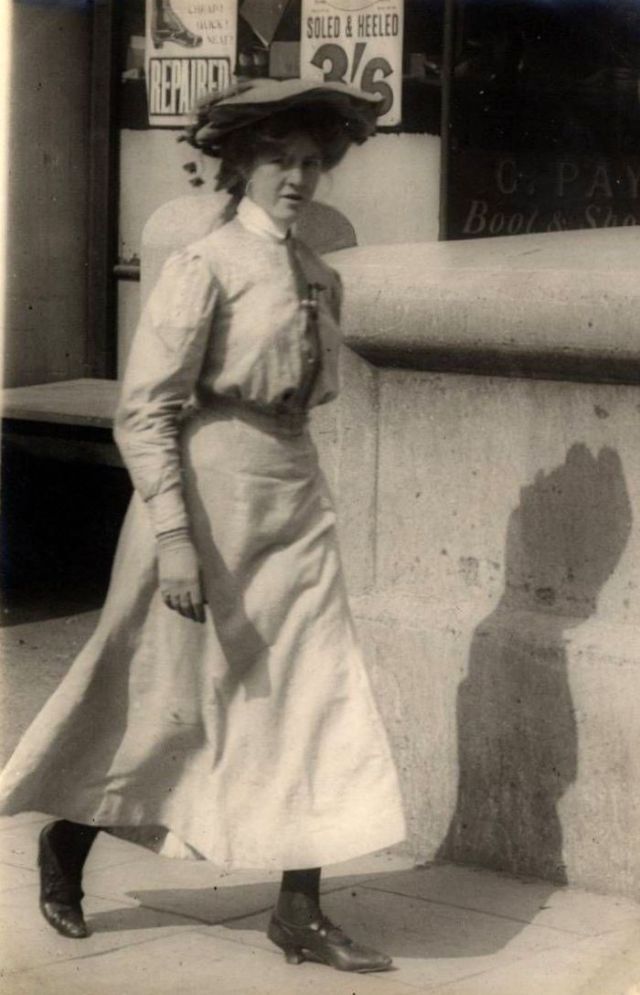
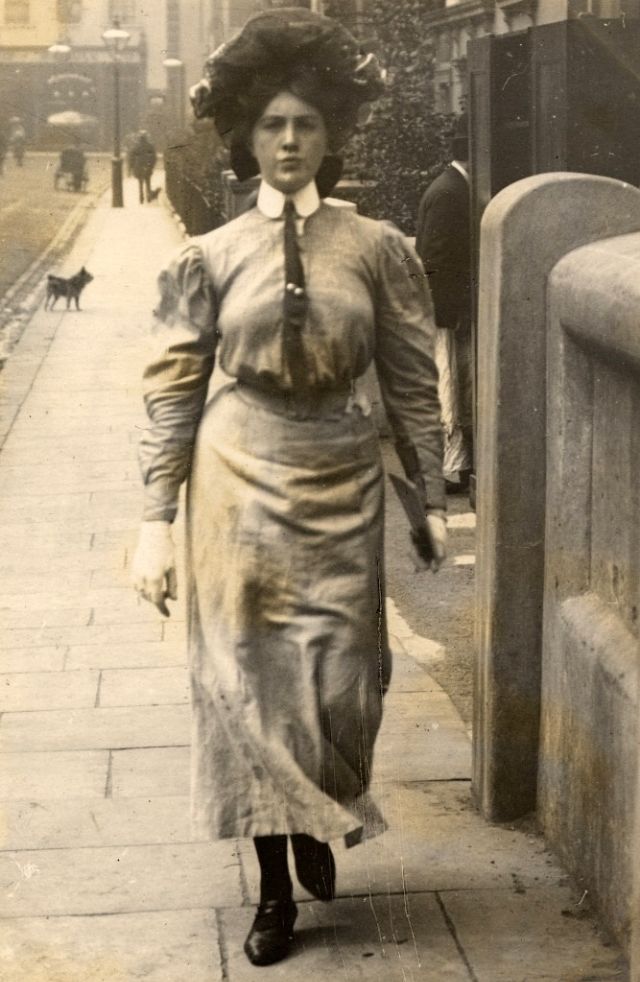
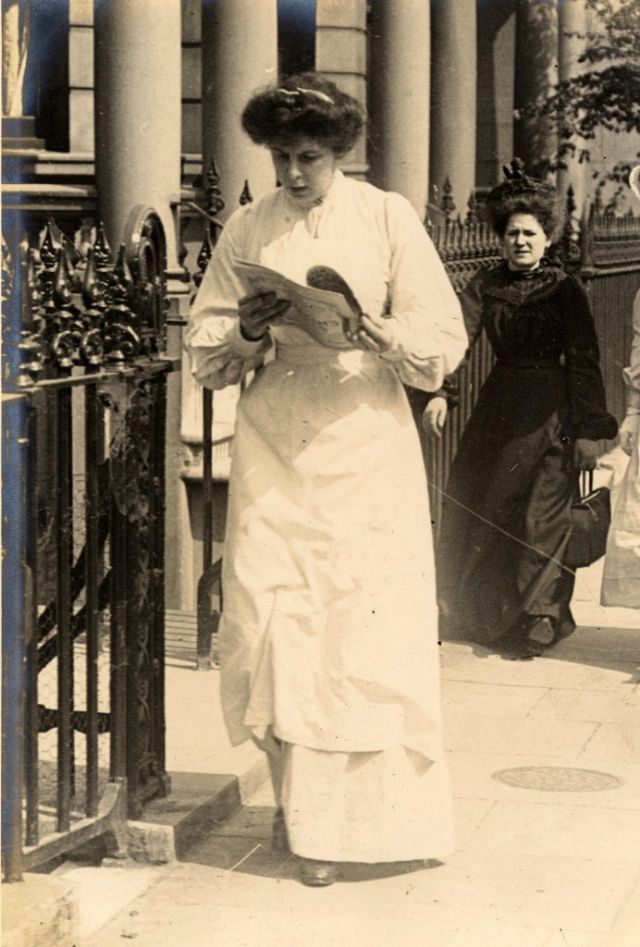
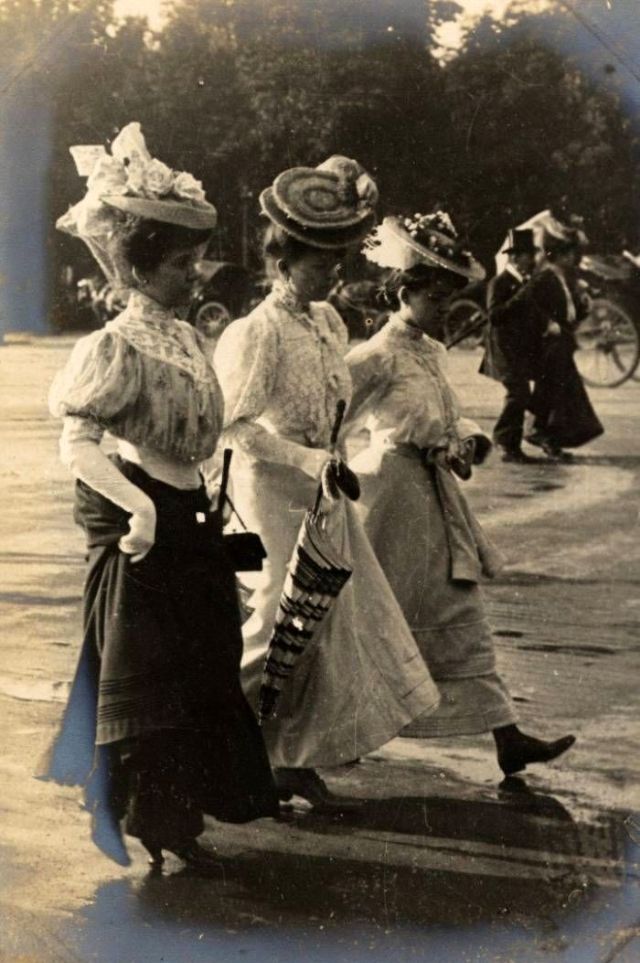
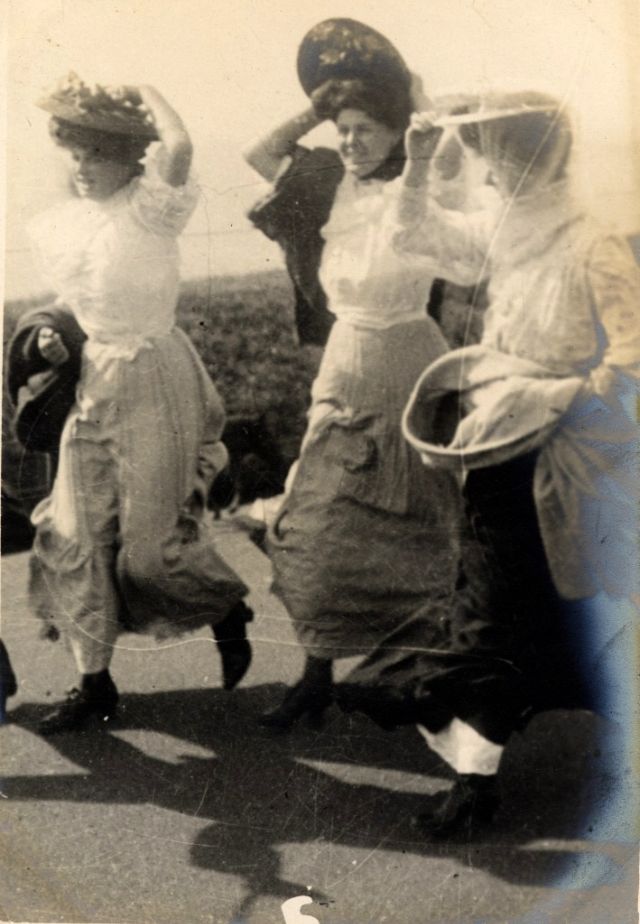
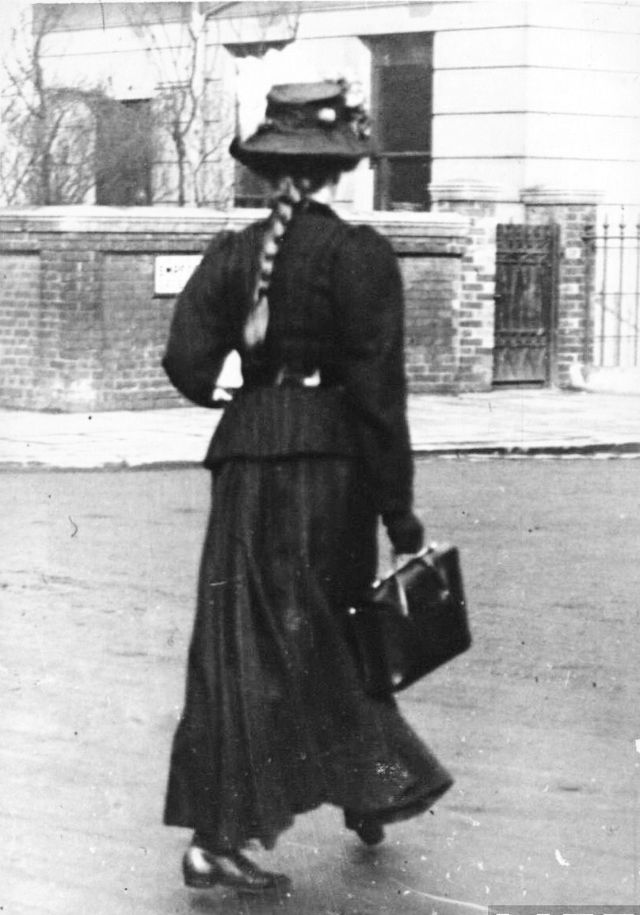
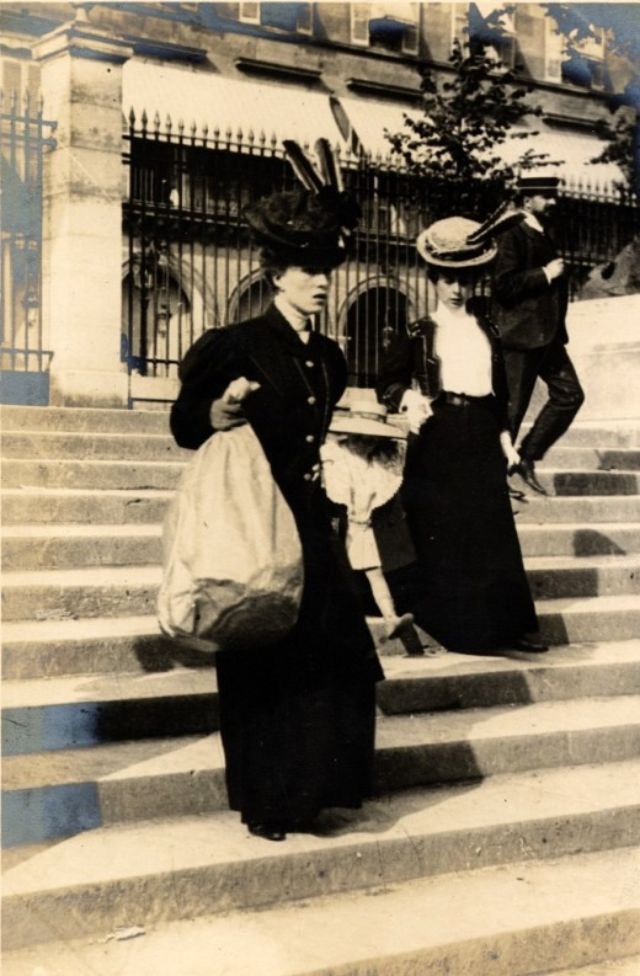
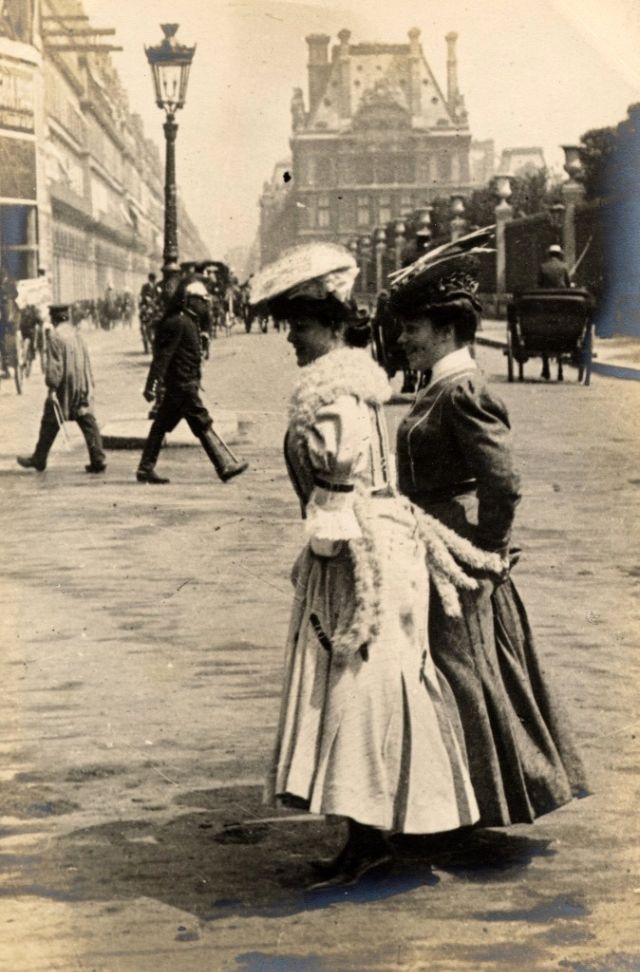
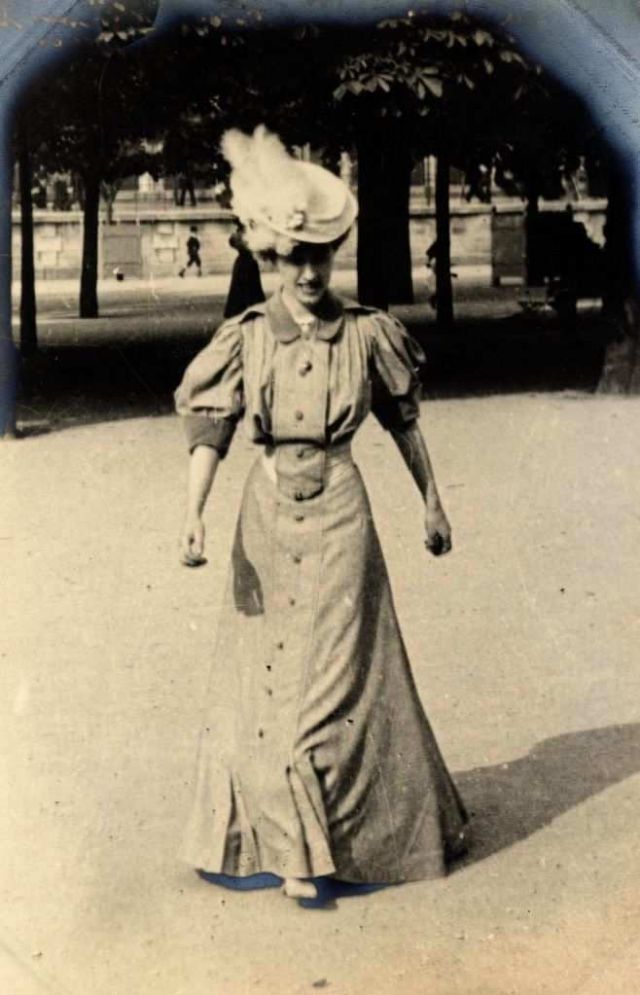
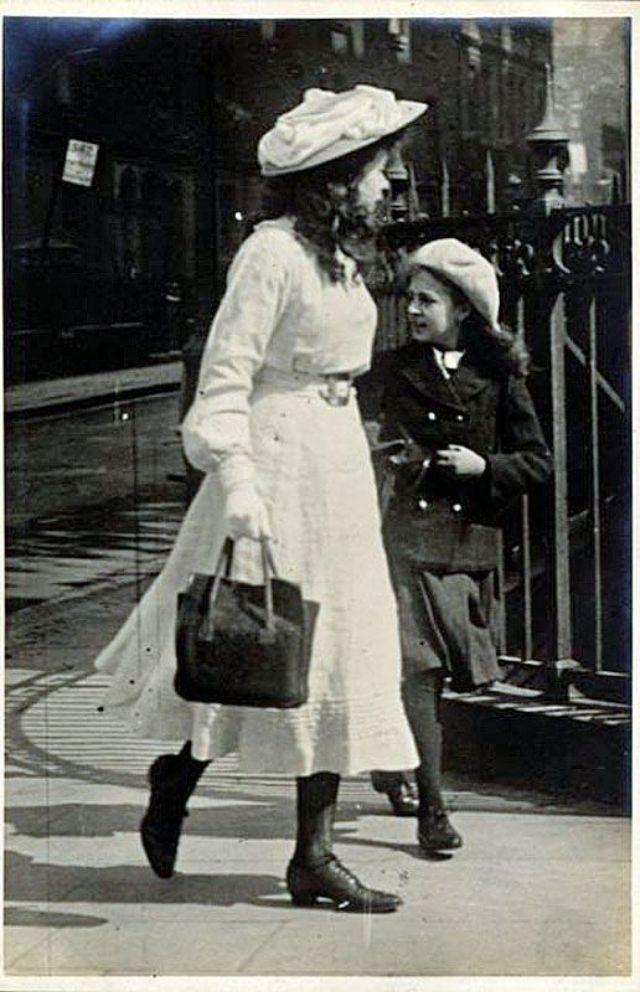
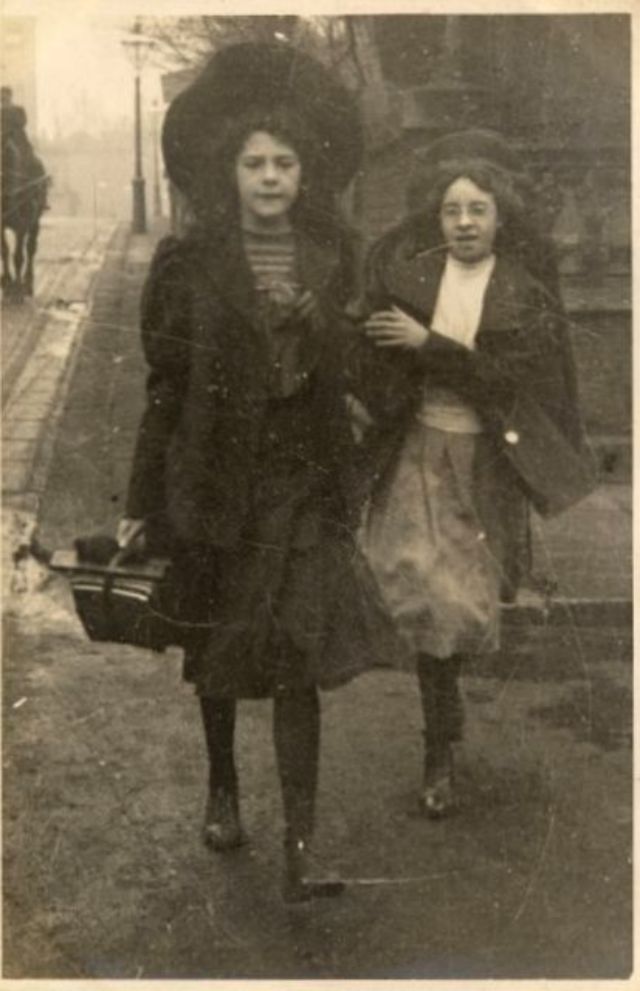
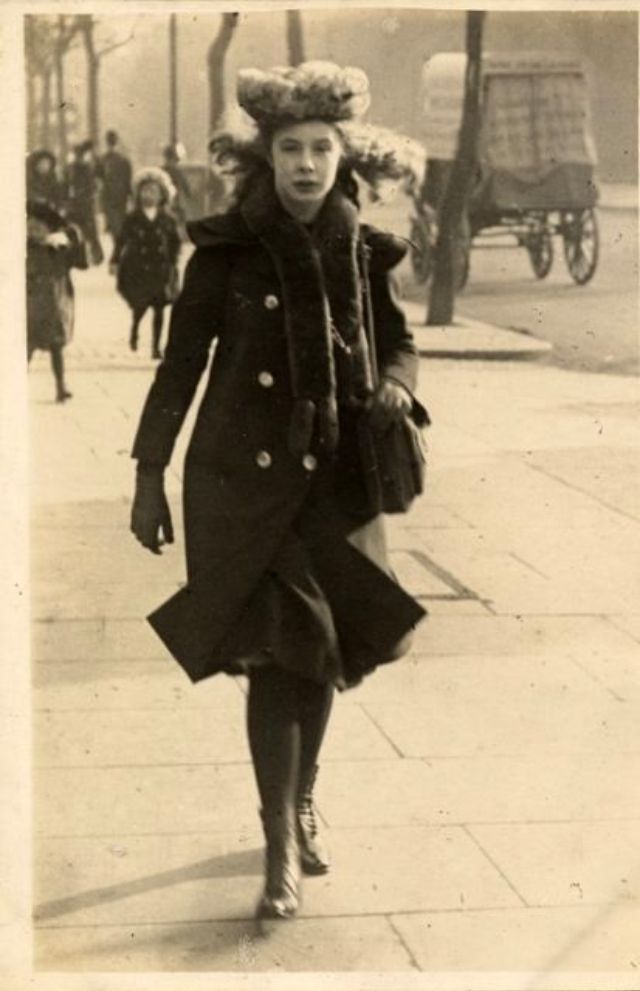
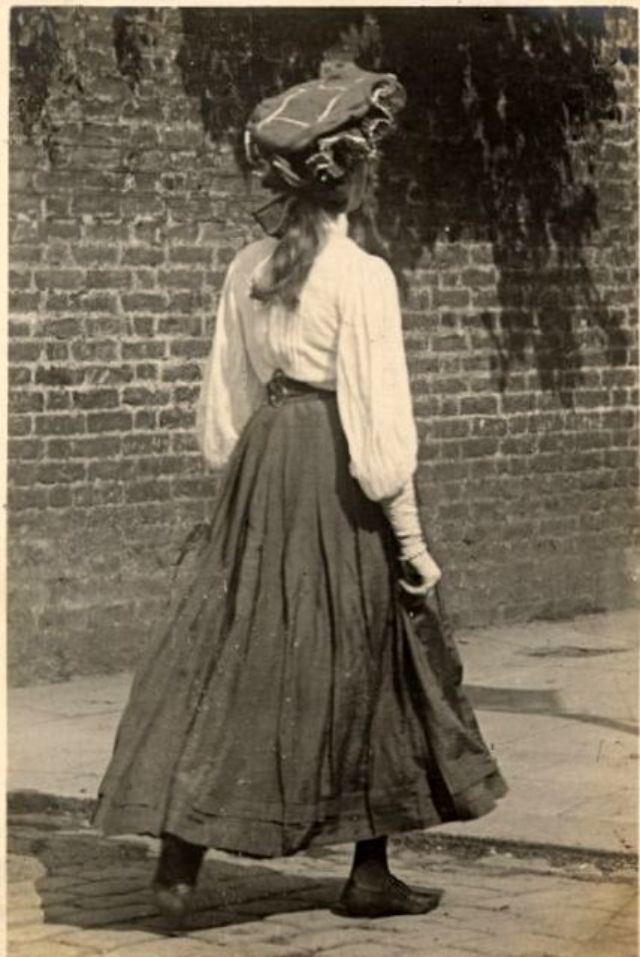
The previous century had produced crinolines, bustles, polonaises, dolmans, abundant frills and furbelow’s of every description; but the new century, at the height of the Belle Epoch (beautiful era) was bowing to simplicity and to common sense, and, though details were still elaborate, fussy trimmings and unnatural lines were gradually being abandoned.
This trend of simplicity was enormously intensified and sped up by the The Great War, which clearly established two great principles in women’s dress: Freedom and convenience.