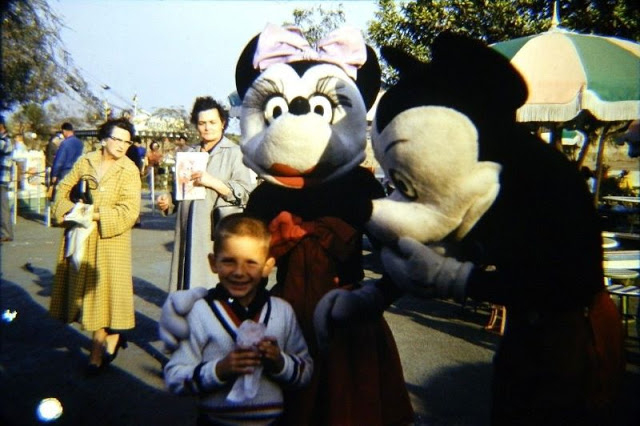
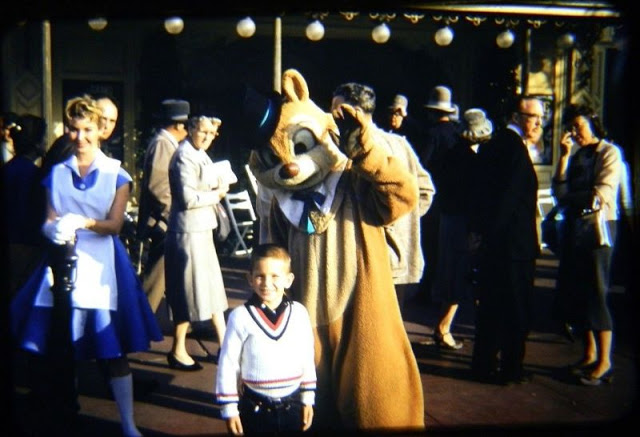
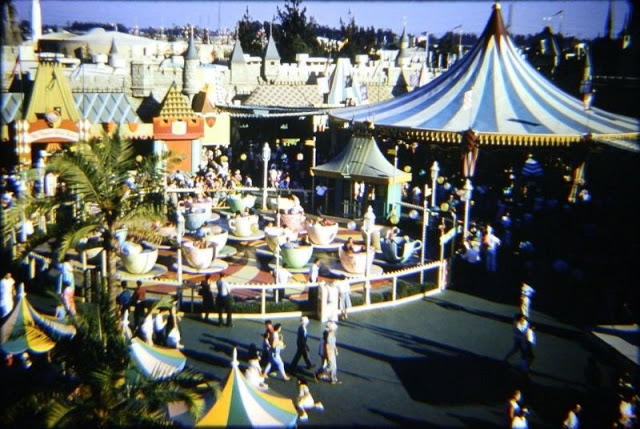
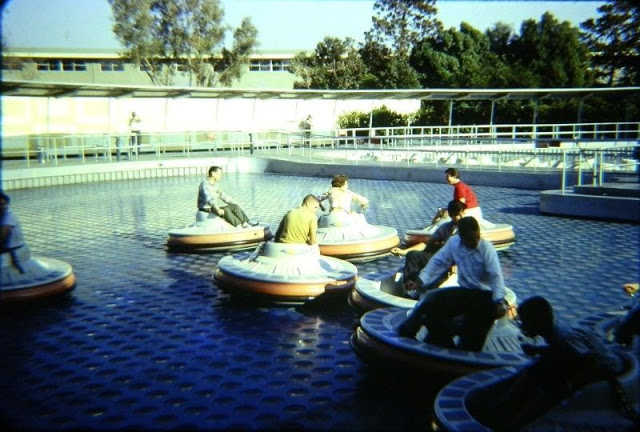
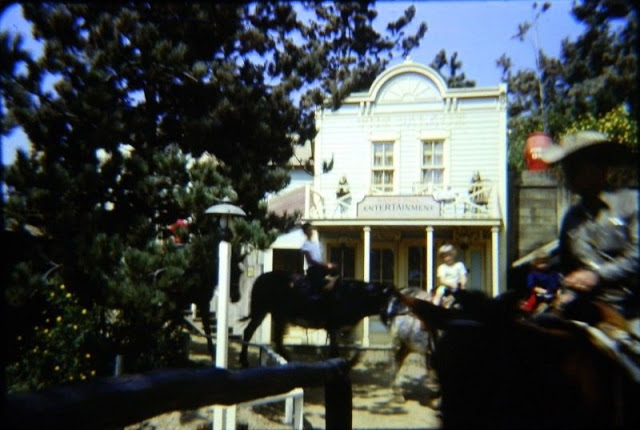
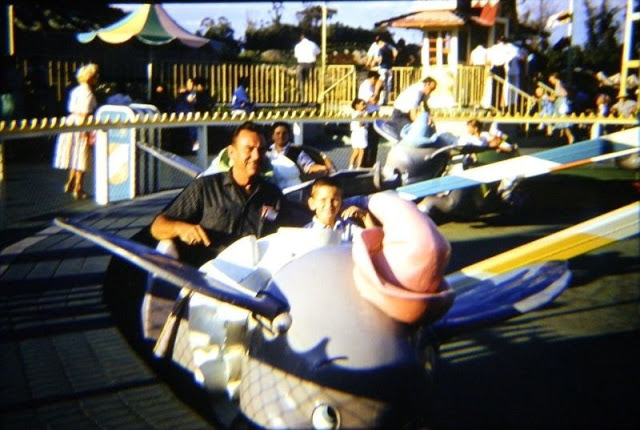
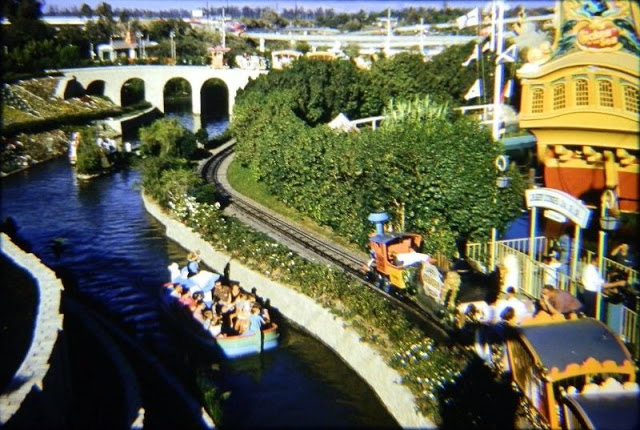
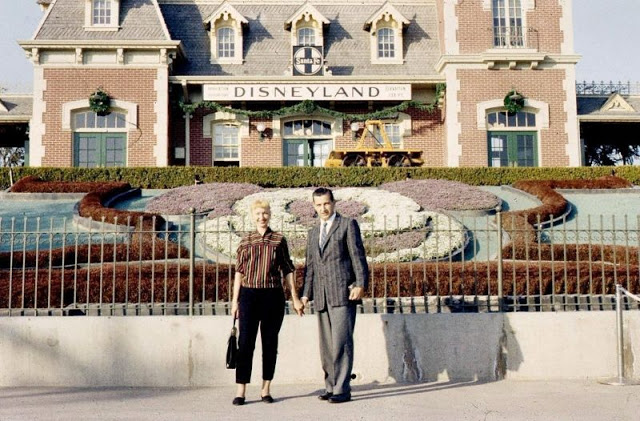
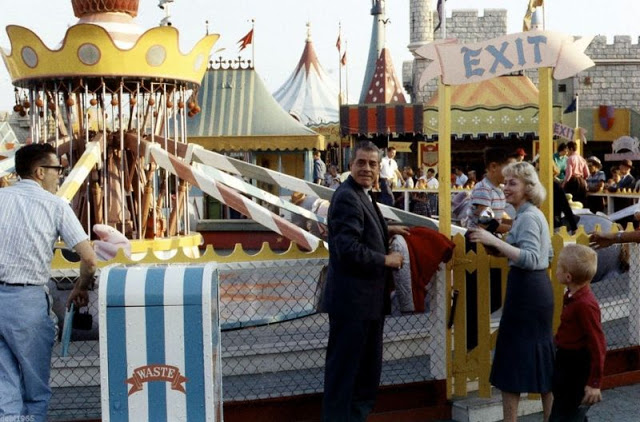
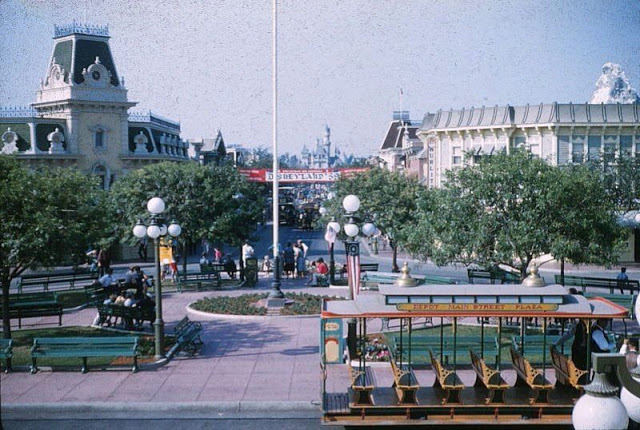
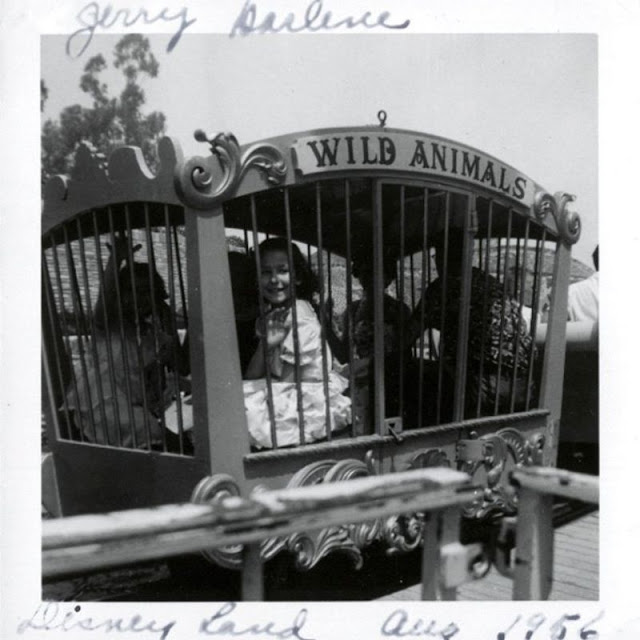
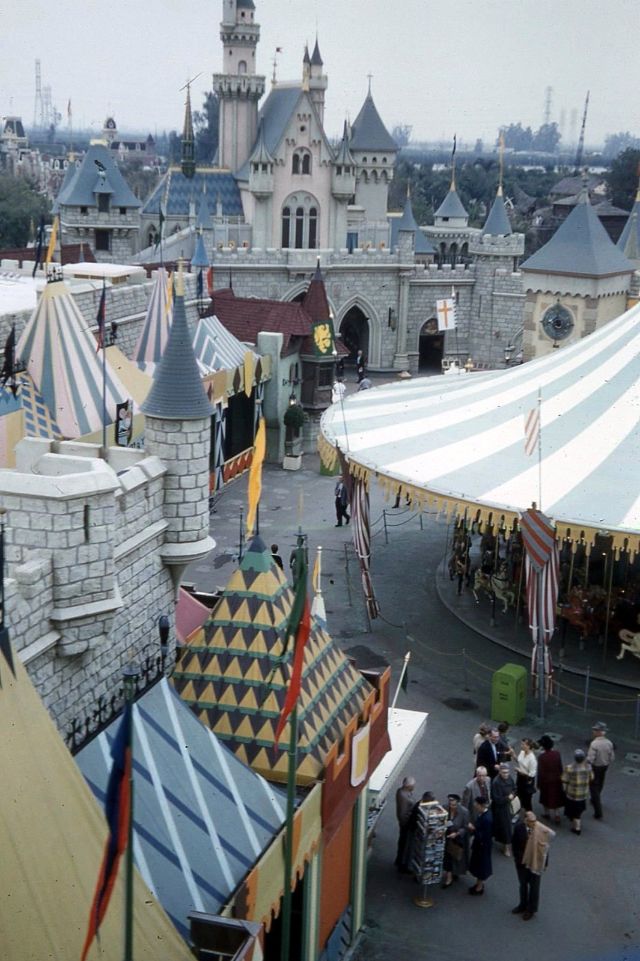
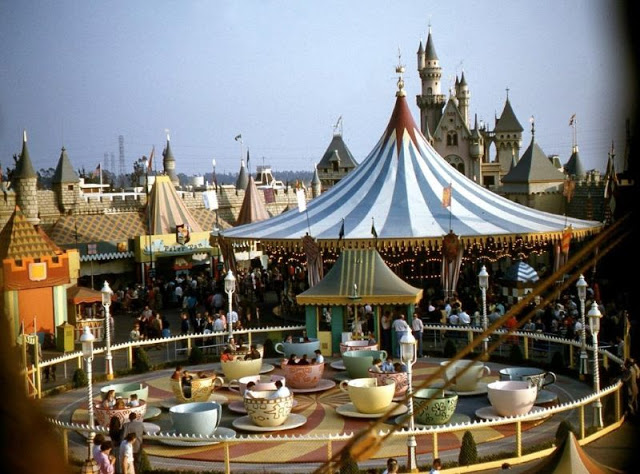
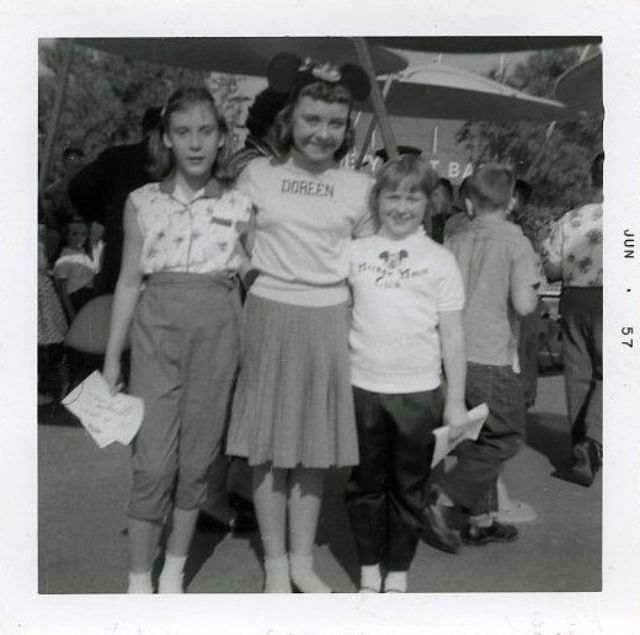
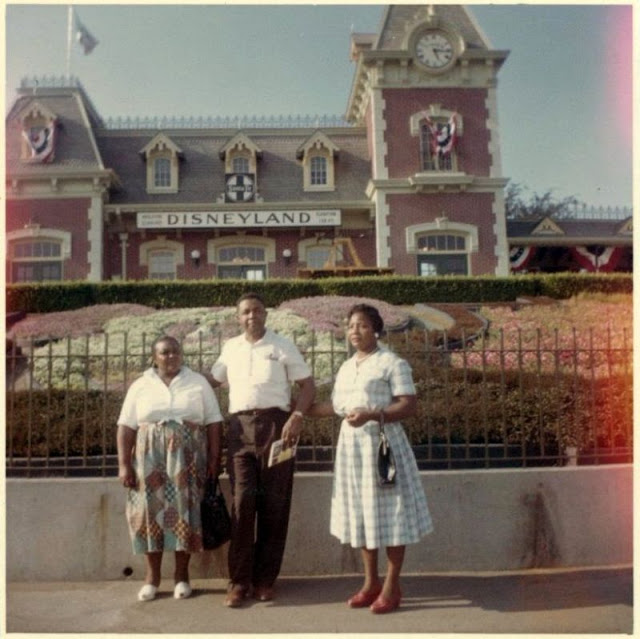
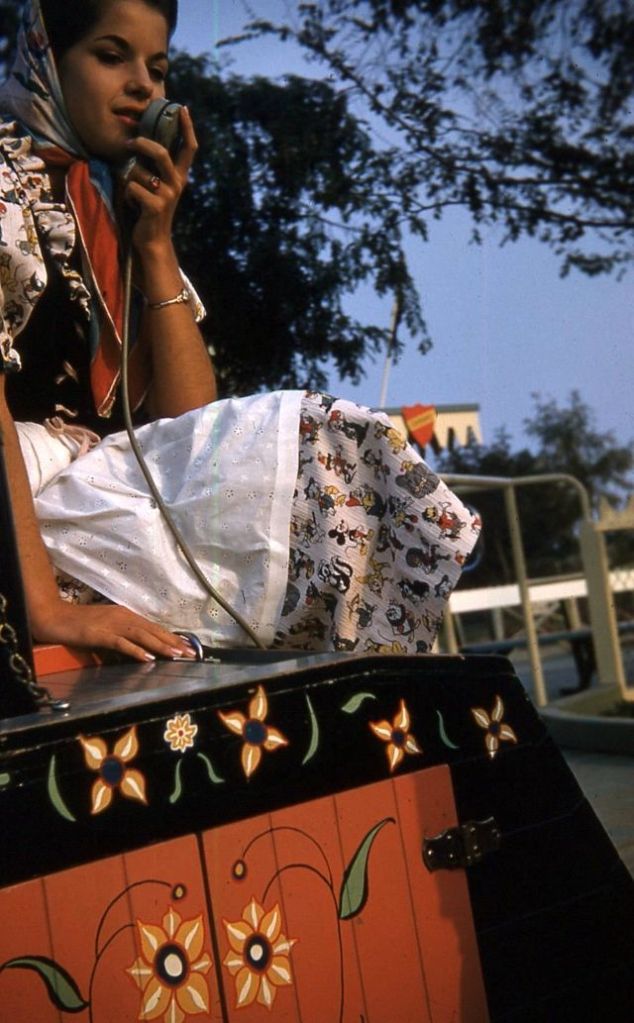
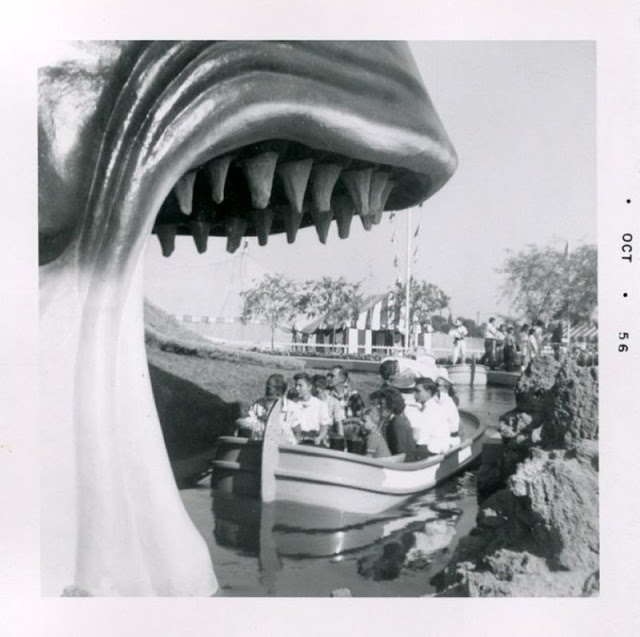
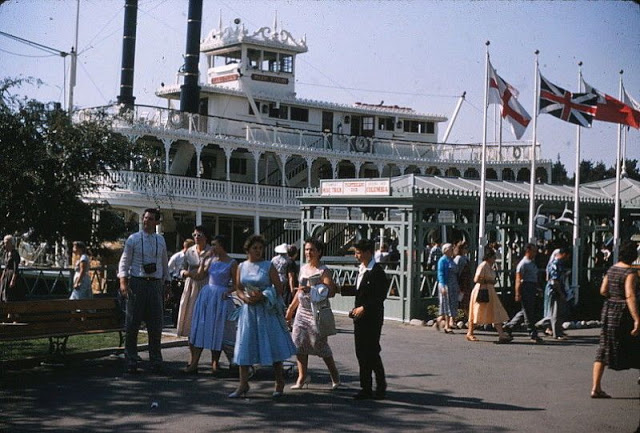
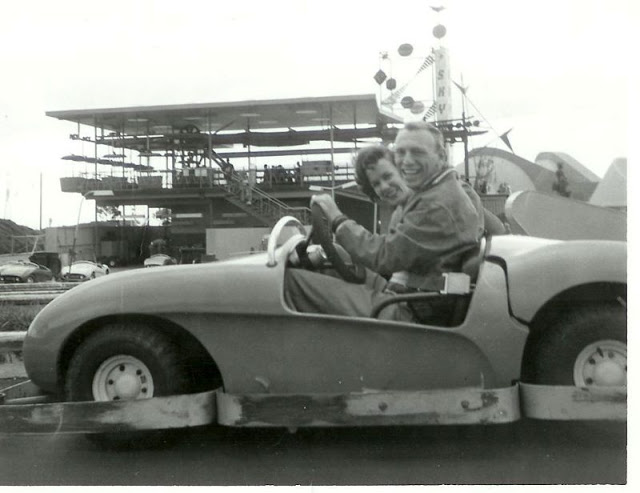
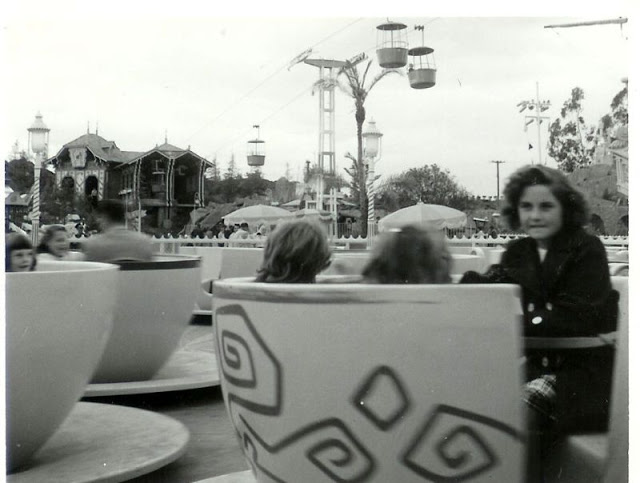
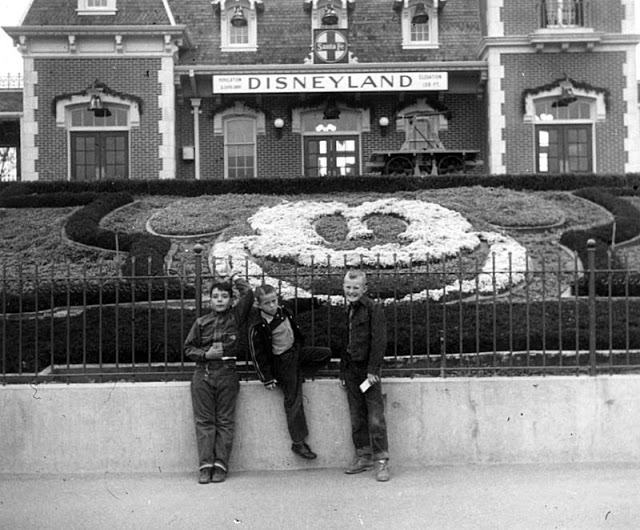
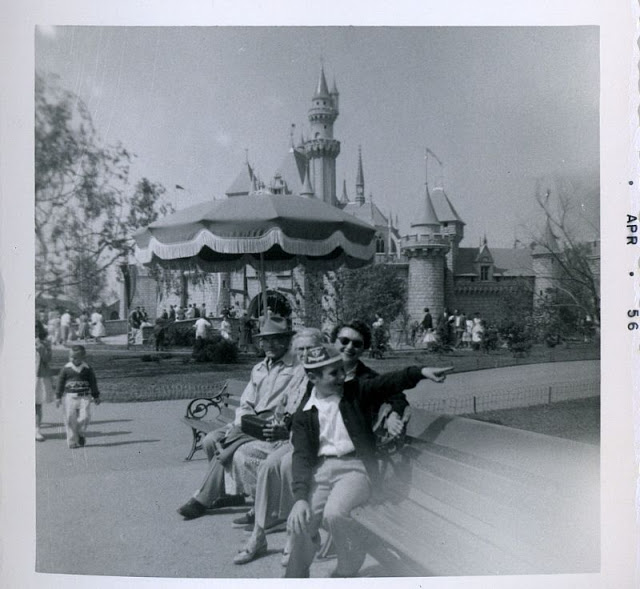
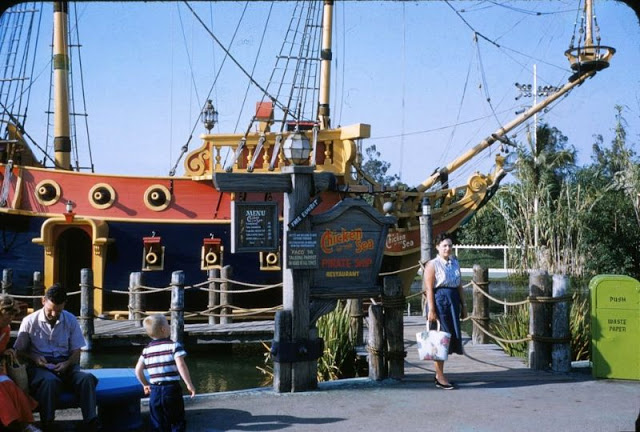
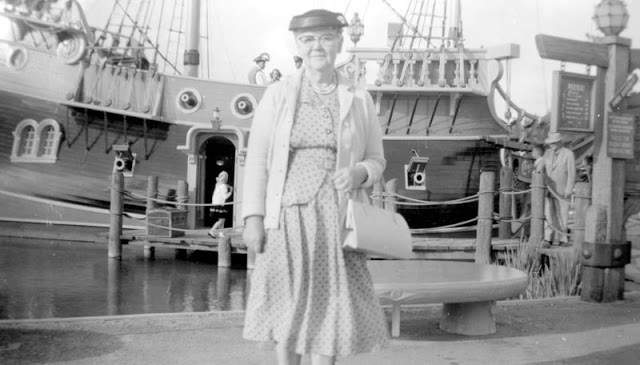
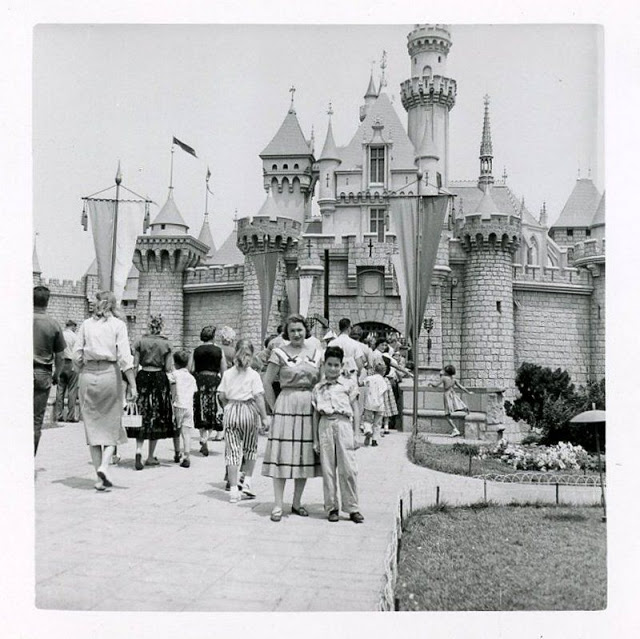
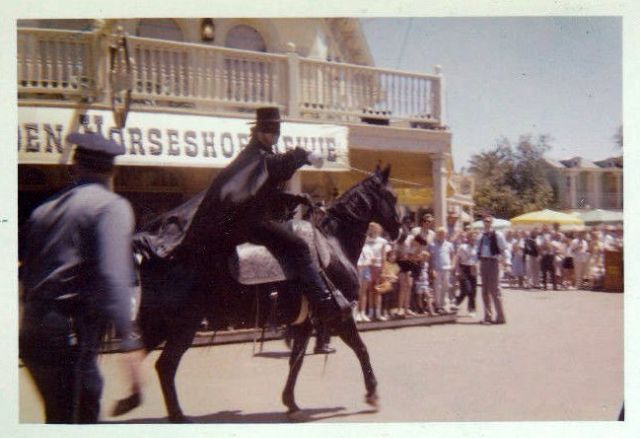
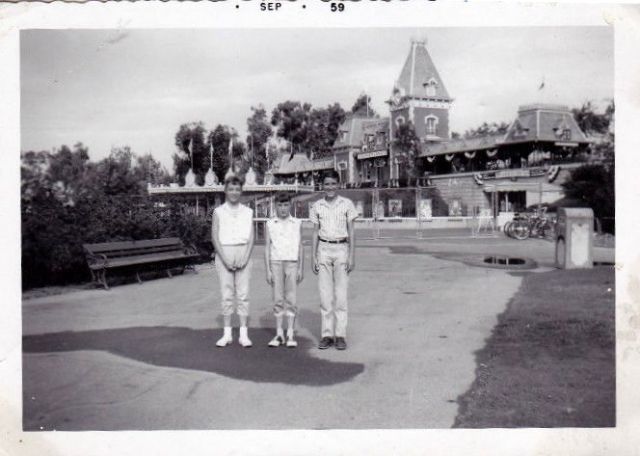
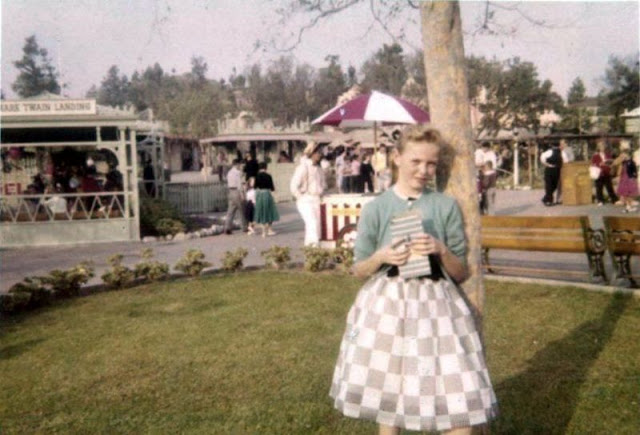
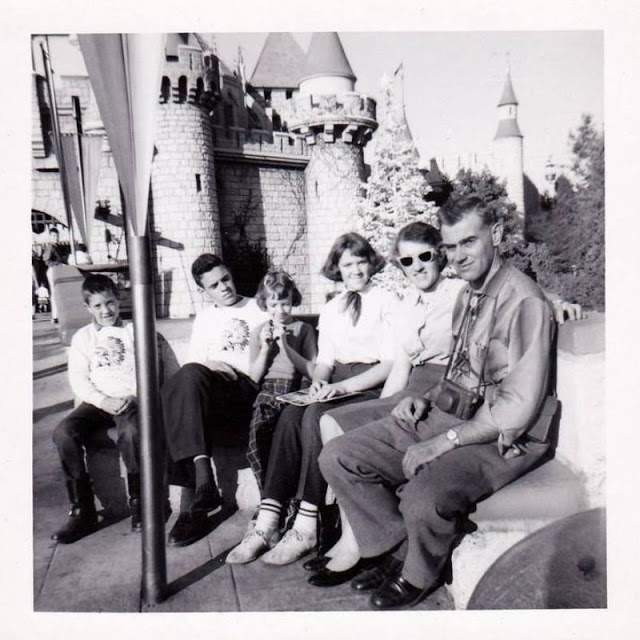
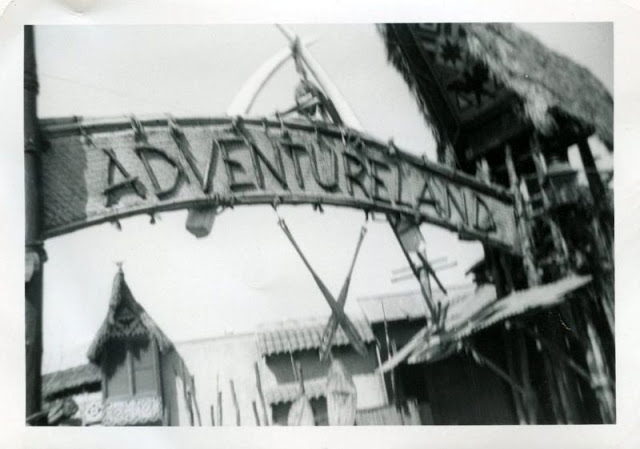
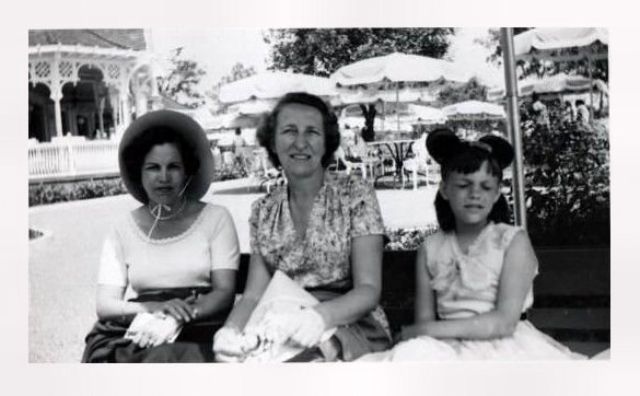
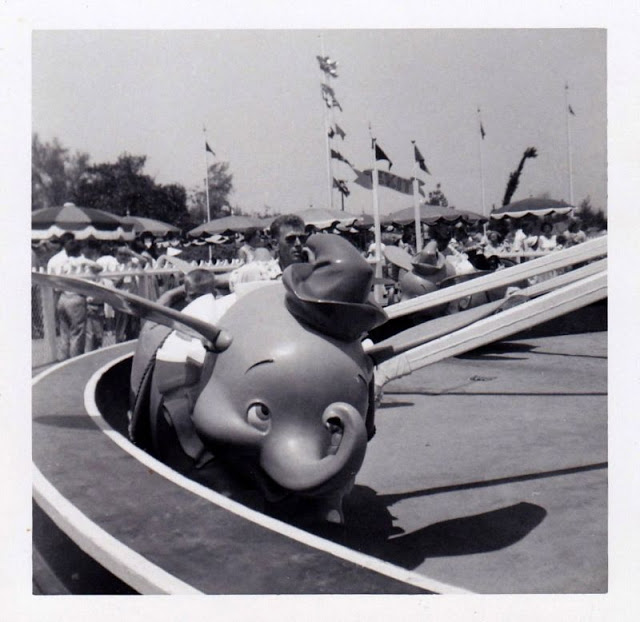
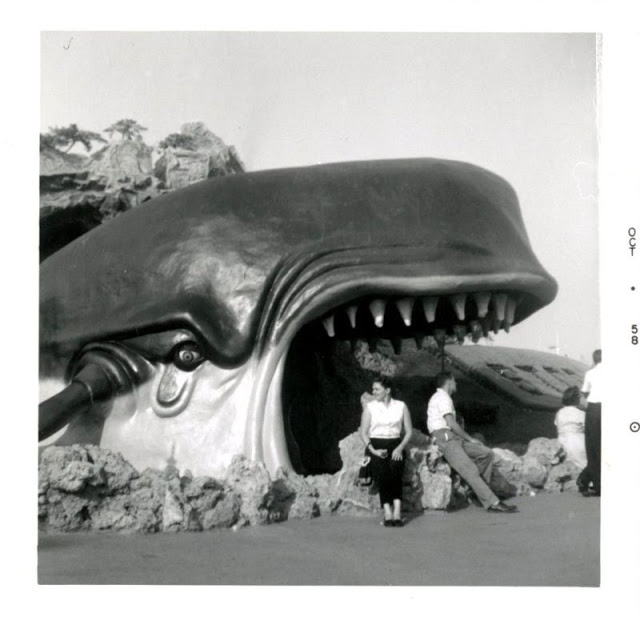
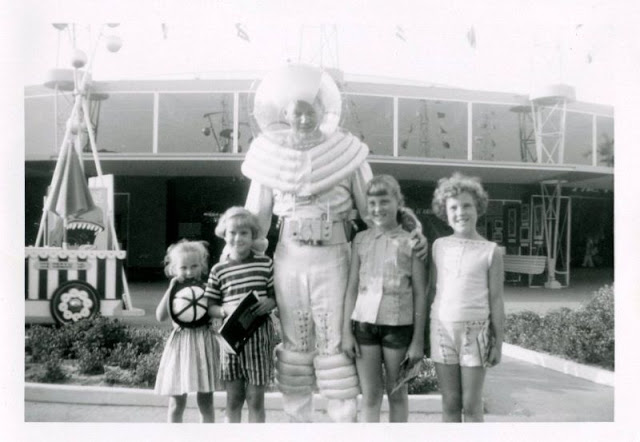
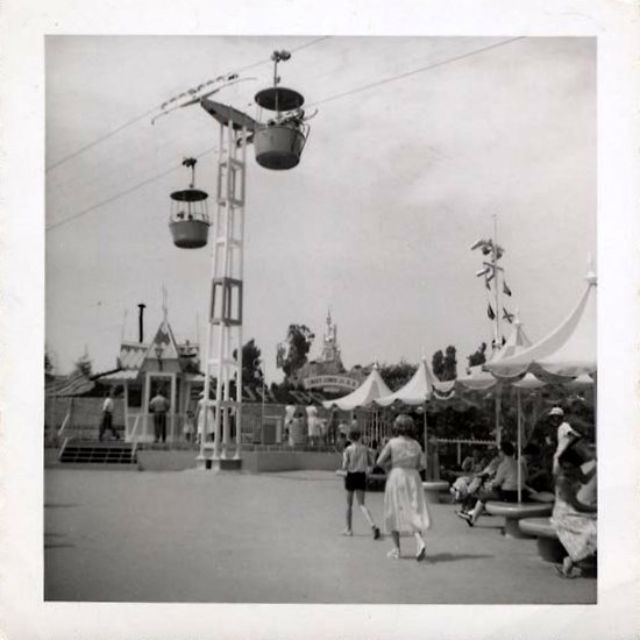
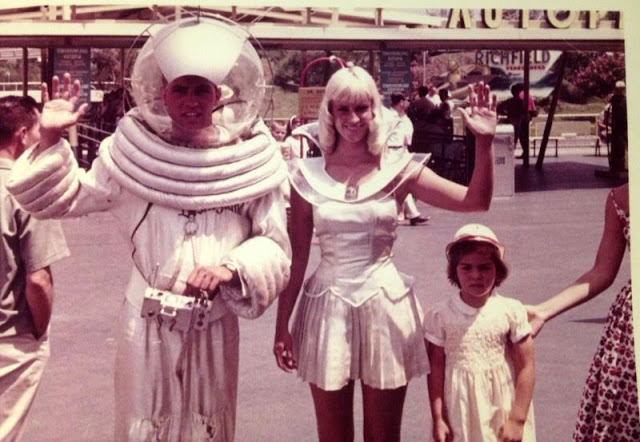
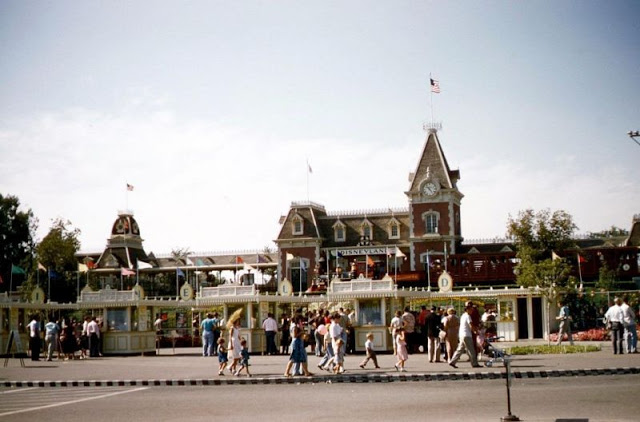
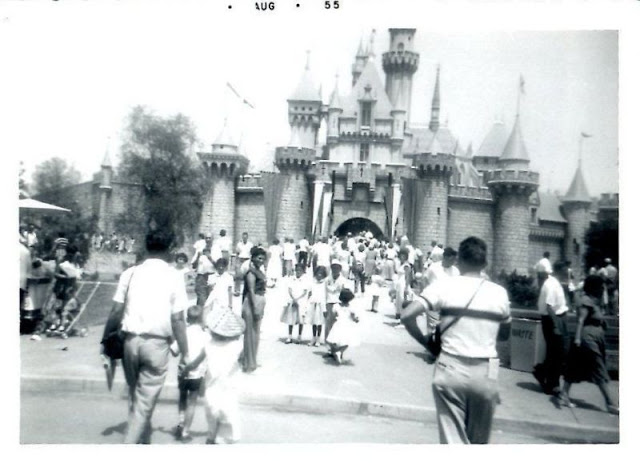
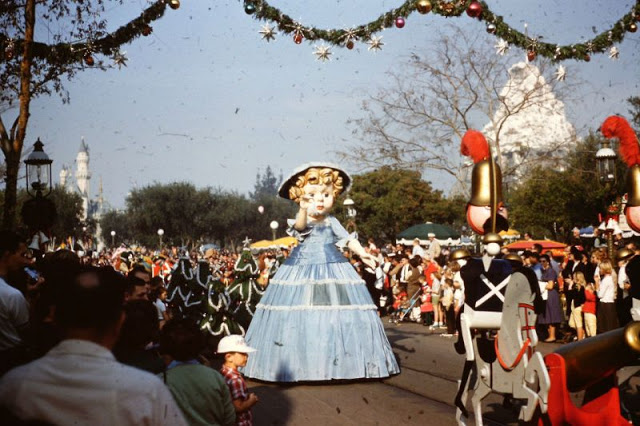
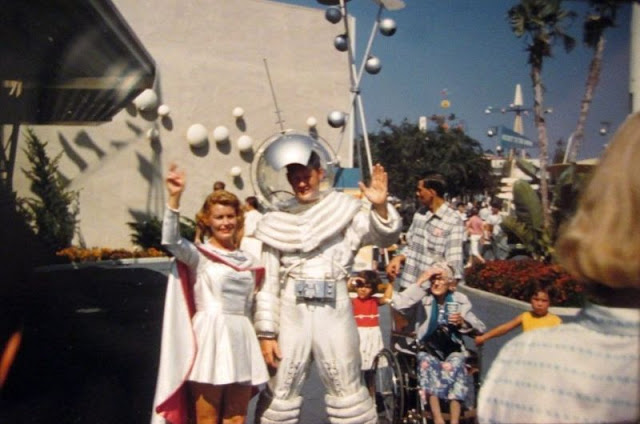
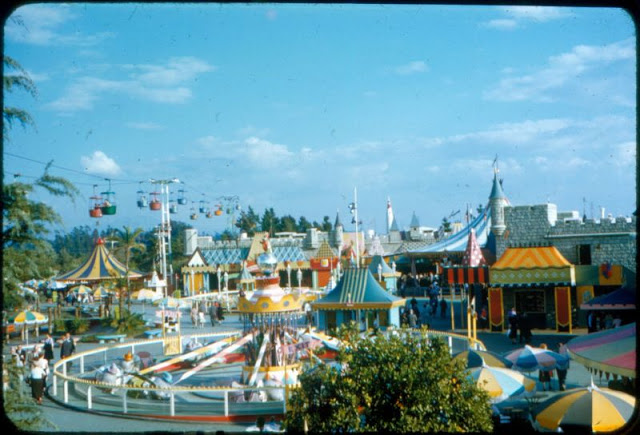
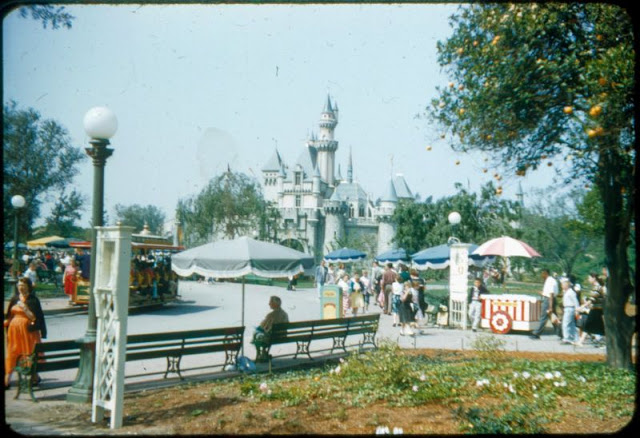
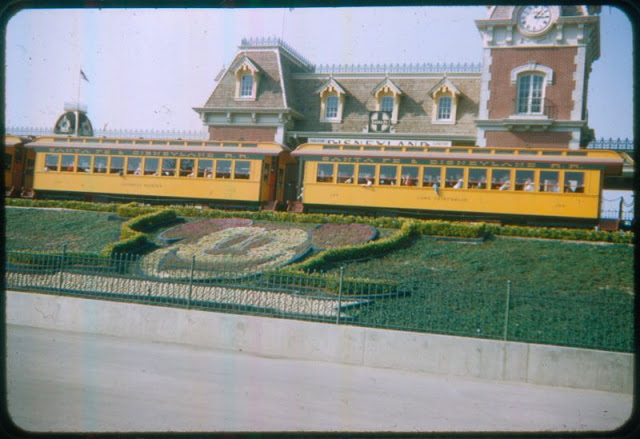
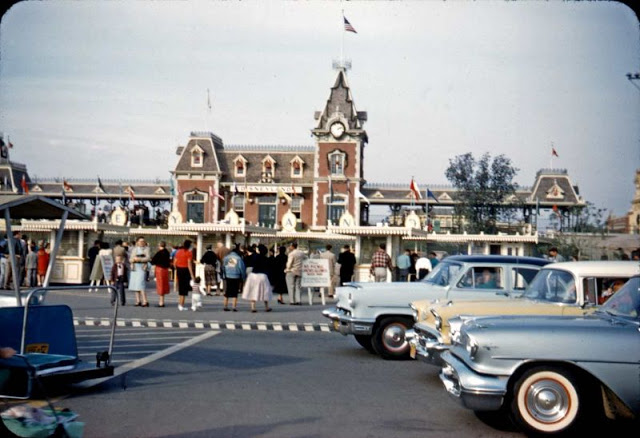
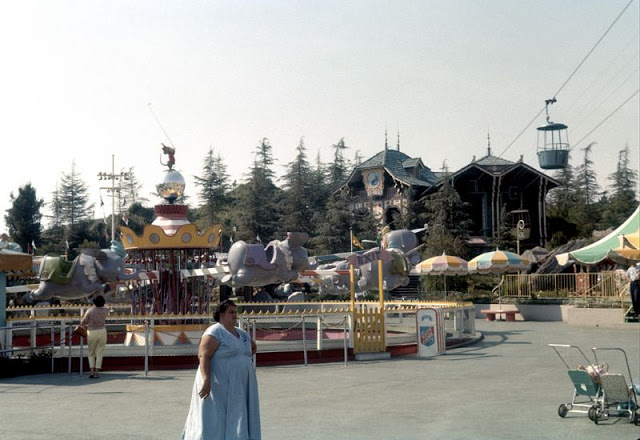
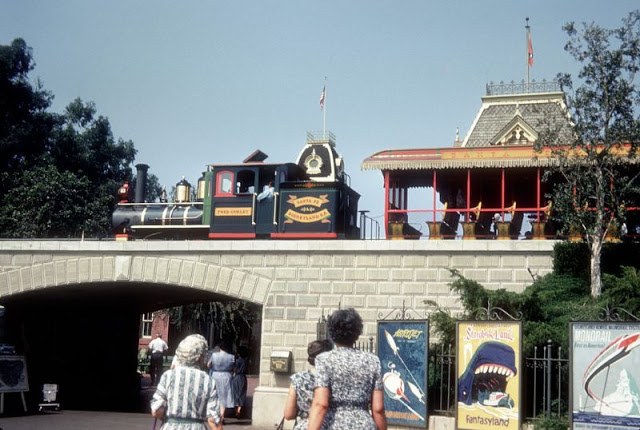
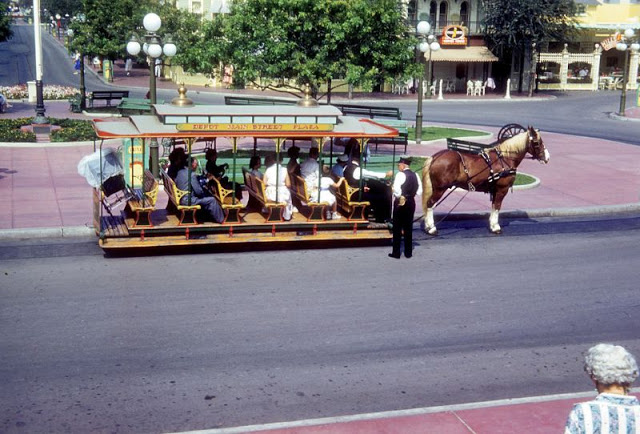
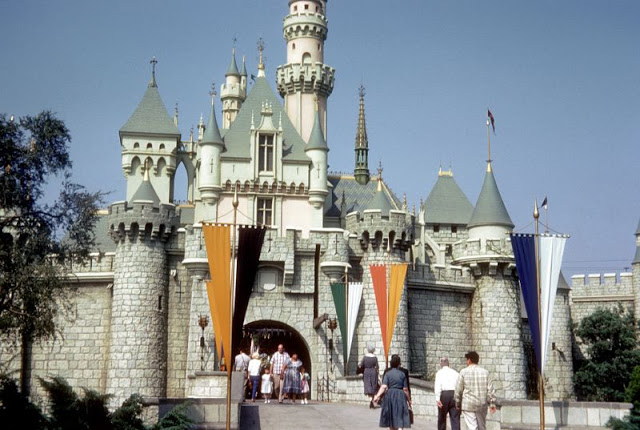
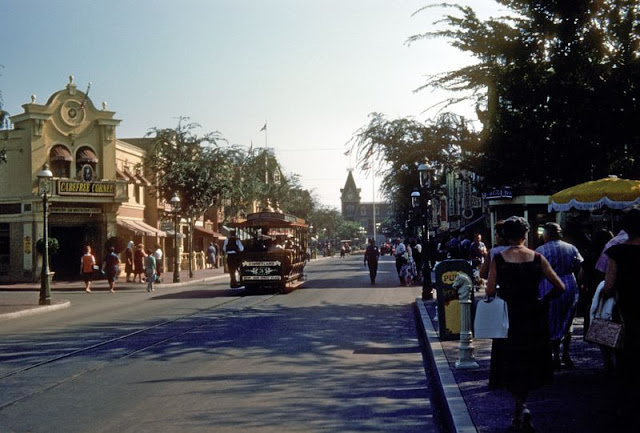
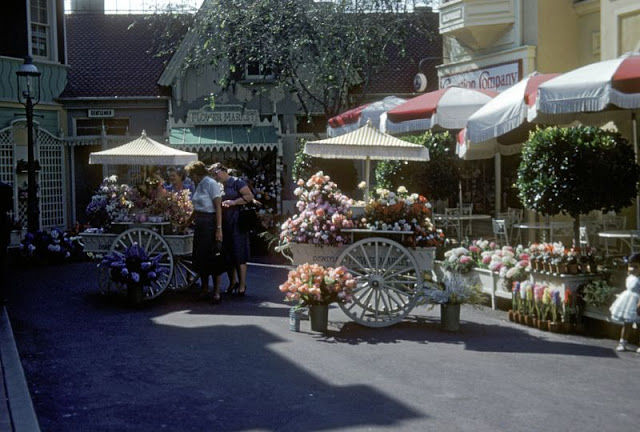
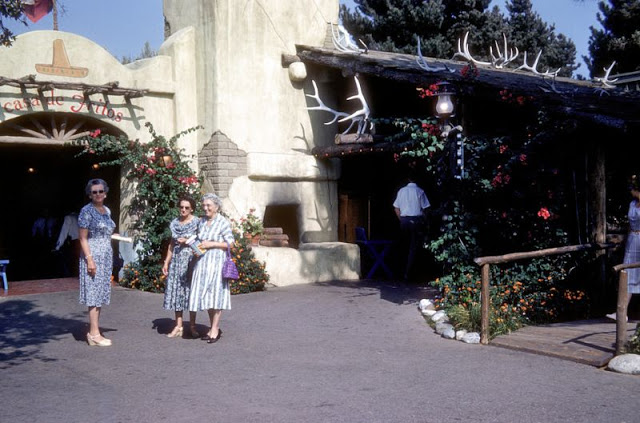
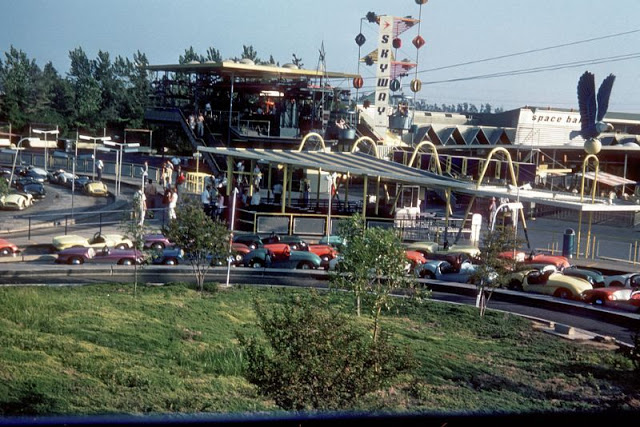
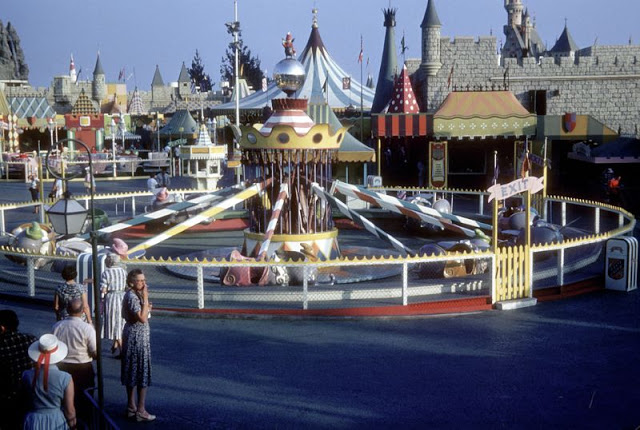
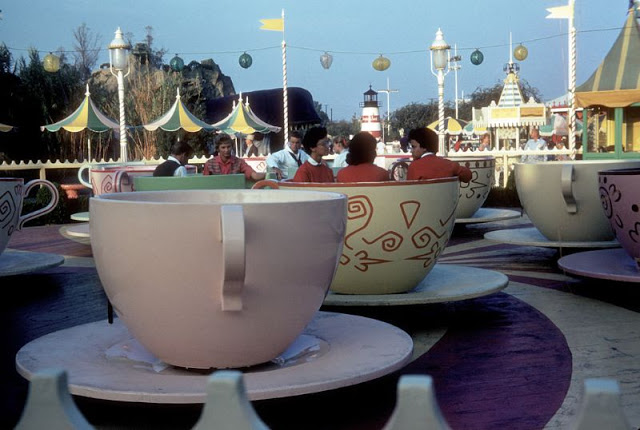
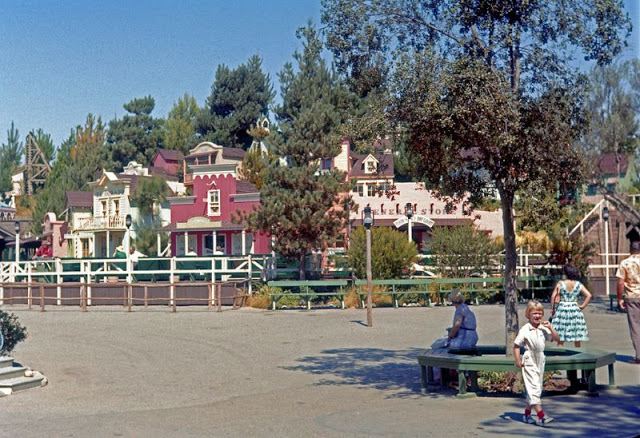
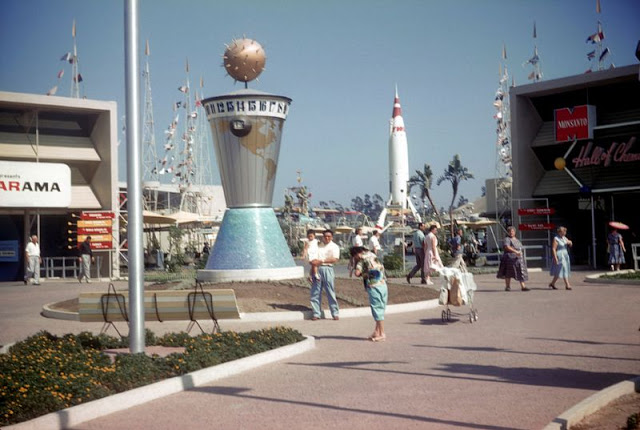
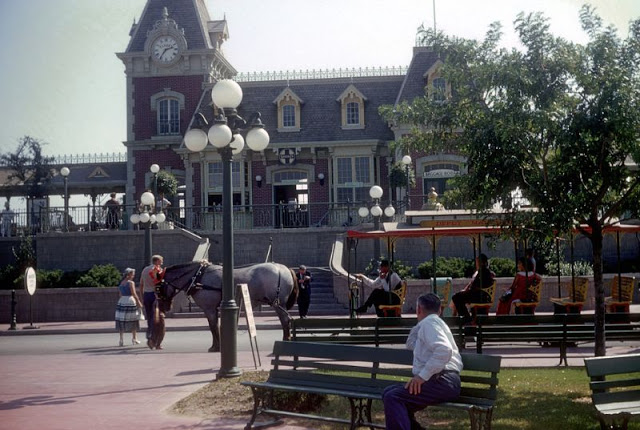
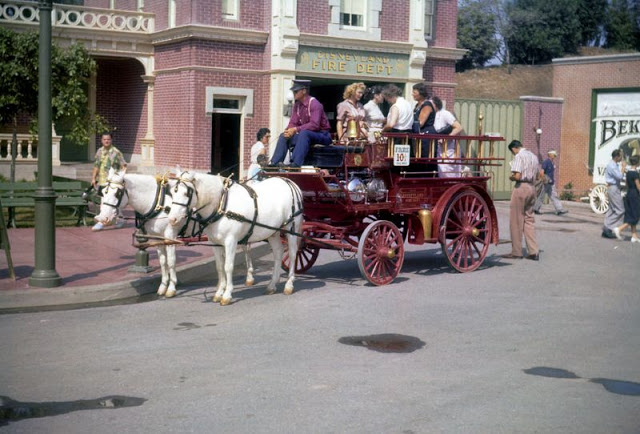
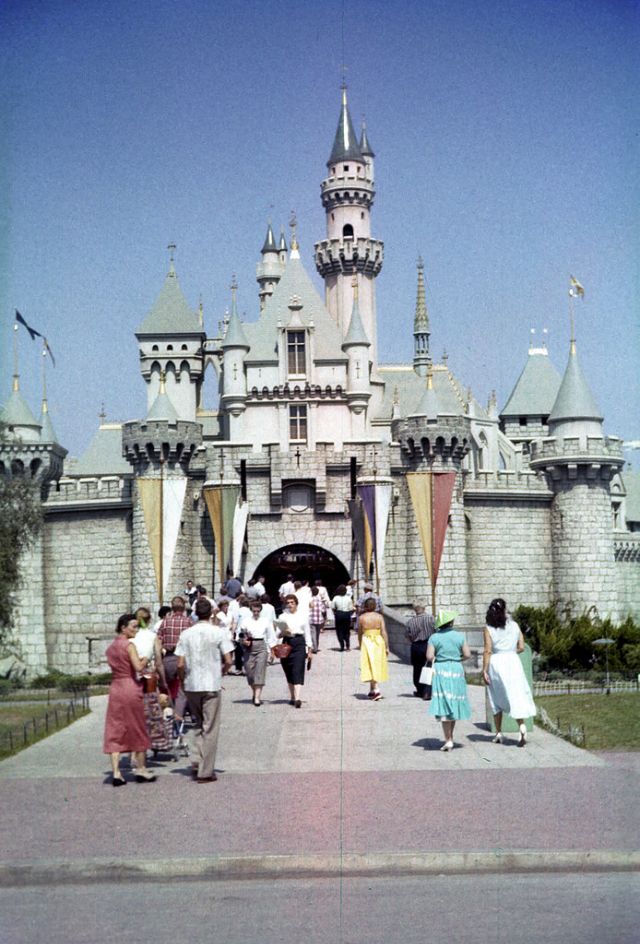
The Disneyland Park, originally Disneyland, is the first of two theme parks built at the Disneyland Resort in Anaheim, California, opened on July 17, 1955. It is the only theme park designed and built to completion under the direct supervision of Walt Disney. It was originally the only attraction on the property; its official name was changed to Disneyland Park to distinguish it from the expanding complex in the 1990s. It was the first Disney theme park.
Walt Disney came up with the concept of Disneyland after visiting various amusement parks with his daughters in the 1930s and 1940s. He initially envisioned building a tourist attraction adjacent to his studios in Burbank to entertain fans who wished to visit; however, he soon realized that the proposed site was too small. After hiring the Stanford Research Institute to perform a feasability study determining an appropriate site for his project, Disney bought a 160-acre (65 ha) site near Anaheim in 1953. The Park was designed by a creative team, hand-picked by Walt from internal and outside talent. They founded WED Enterprises, the precursor to today’s Walt Disney Imagineering. Construction began in 1954 and the park was unveiled during a special televised press event on the ABC Television Network on July 17, 1955.
Since its opening, Disneyland has undergone expansions and major renovations, including the addition of New Orleans Square in 1966, Bear Country (now Critter Country) in 1972, Mickey’s Toontown in 1993, and Star Wars: Galaxy’s Edge in 2019. Opened in 2001, Disney California Adventure Park was built on the site of Disneyland’s original parking lot.
Disneyland has a larger cumulative attendance than any other theme park in the world, with 726 million visits since it opened (as of December 2018). In 2018, the park had approximately 18.6 million visits, making it the second most visited amusement park in the world that year, behind only Magic Kingdom, the very park it inspired. According to a March 2005 Disney report, 65,700 jobs are supported by the Disneyland Resort, including about 20,000 direct Disney employees and 3,800 third-party employees (independent contractors or their employees). Disney announced “Project Stardust” in 2019, which included major structural renovations to the park to account for higher attendance numbers.
The United States Federal Aviation Administration has declared a zone of prohibited airspace around both Disneyland and some of the surrounding areas centered at Sleeping Beauty Castle. No aircraft, including recreational and commercial drones, are permitted to fly within this zone; this level is only shared with Walt Disney World, other pieces of critical infrastructure (military bases, Pantex) in the United States and whenever the President of the United States travels outside of Washington, D.C. (Wikipedia)
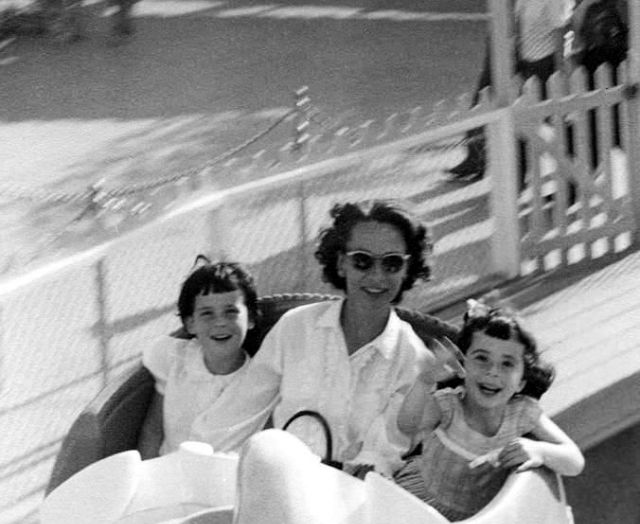
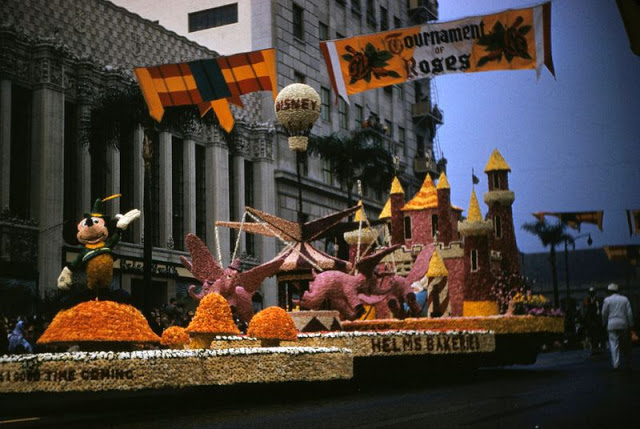
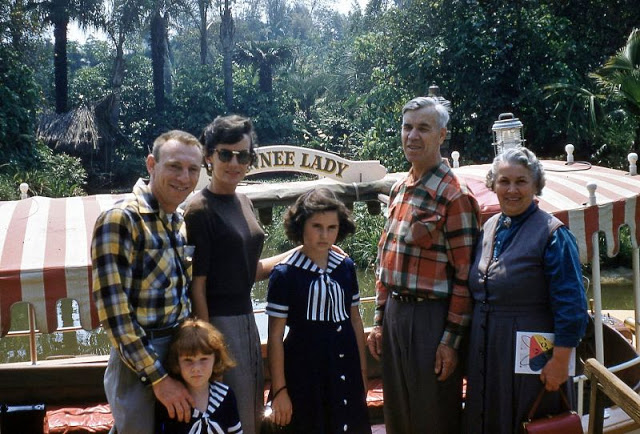
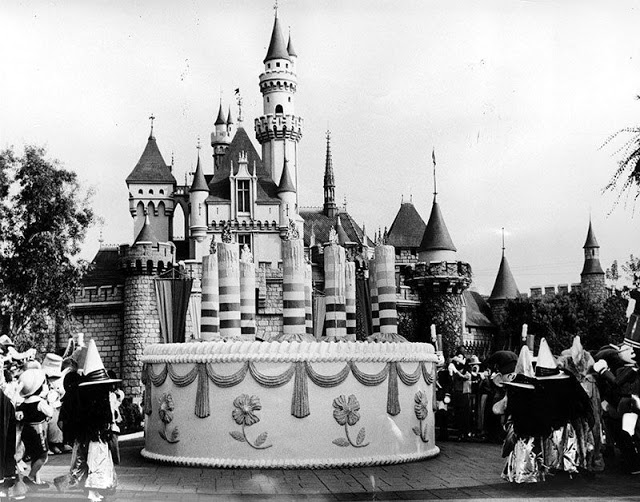
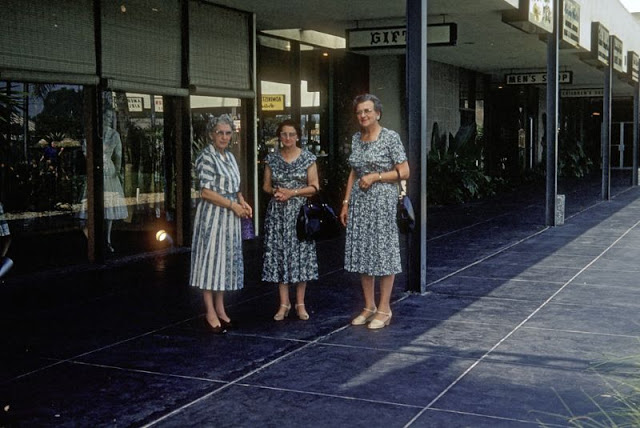
Take a look at these fantastic snapshots to see what Disneyland in the 1950s looked like.
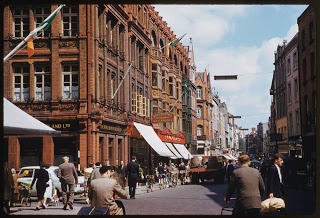
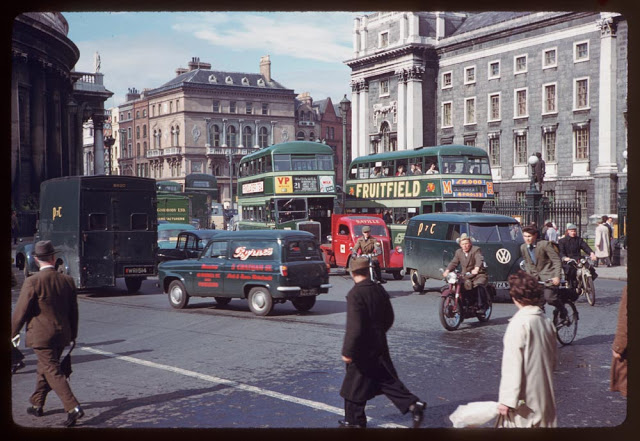
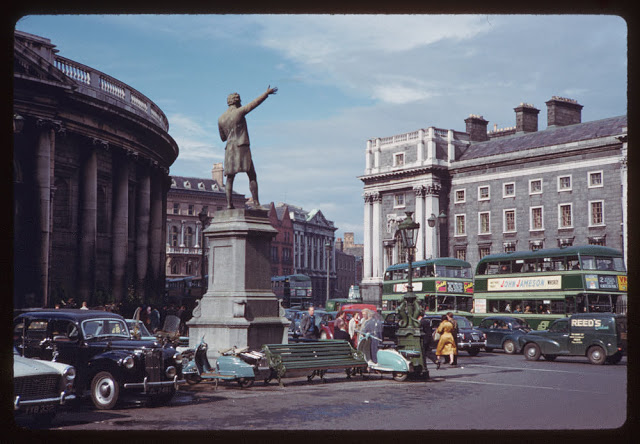
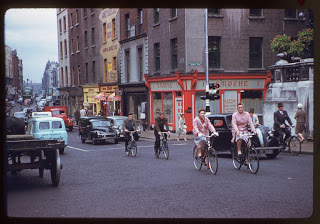
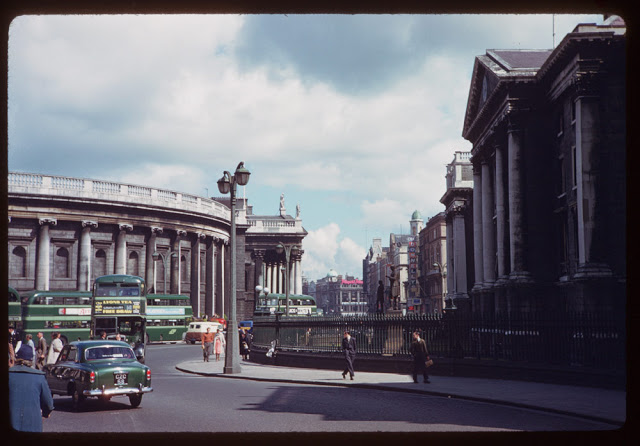
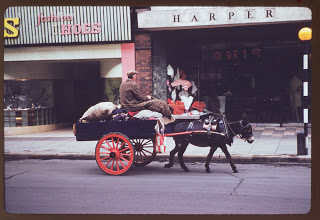
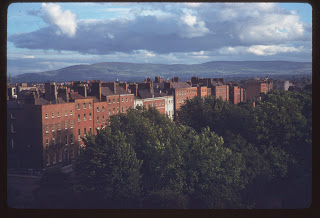
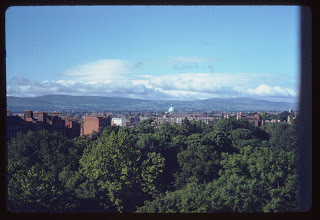
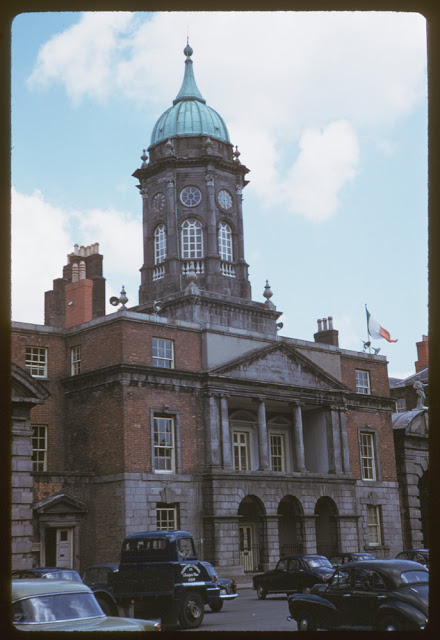
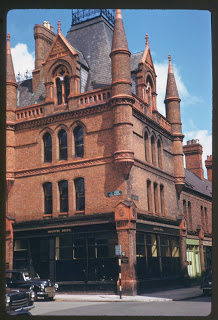
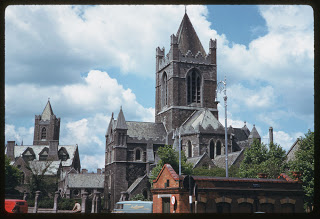
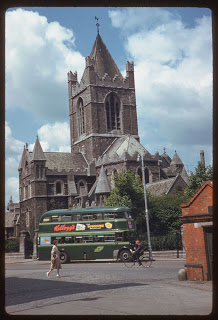
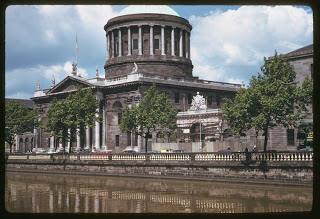
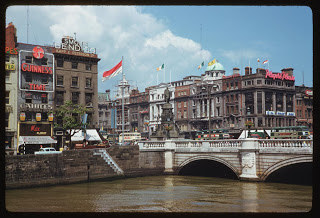
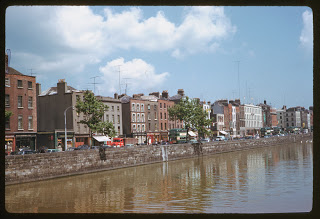
Dublin is the capital and largest city of Ireland. Situated on a bay on the east coast, at the mouth of the River Liffey, it lies within the province of Leinster. It is bordered on the south by the Dublin Mountains, a part of the Wicklow Mountains range. It has an urban area population of 1,173,179, while the population of the Dublin Region (traditional County Dublin) as of 2016 was 1,347,359. The population of the Greater Dublin Area was 1,904,806 per the 2016 census.
There is archaeological debate regarding precisely where and when Dublin originated, with a settlement established by the Gaels during or before the 7th century AD, and a second, Viking, settlement, following. As the small Kingdom of Dublin, the city grew, and it became Ireland’s principal settlement following the Norman invasion. The city expanded rapidly from the 17th century and was briefly the second largest city in the British Empire after the Acts of Union in 1800. Following independence in 1922, Dublin became the capital of the Irish Free State, later renamed Ireland.
Dublin is a contemporary and historical centre for Irish education, arts and culture, administration and industry. As of 2018 the city was listed by the Globalization and World Cities Research Network (GaWC) as a global city, with a ranking of “Alpha minus”, which places it as one of the top thirty cities in the world.
Elvis appeared at the Florida Theatre in Jacksonville, FL. Juvenile Court Judge Marion Gooding warned Elvis in chambers after the first show that he must tone down his act. Elvis told reporters “I can’t figure out what I’m doing wrong”. Elvis modifies his show nonetheless, wiggling his little finger suggestively with a gesture that replaces some of his less restrained body movements and at the same time still drives the audience wild.
“One of the most memorable events in the theatre’s history occurred in 1956, when Elvis Presley came to the Florida Theatre for his first concert appearance on an indoor stage. Presley, the City of Jacksonville and the Florida Theatre found themselves subjects of a LIFE Magazine feature when Juvenile Court Judge Marion Gooding sat through the performance to ensure that Presley’s body movements would not become too suggestive”. Florida State Theater.
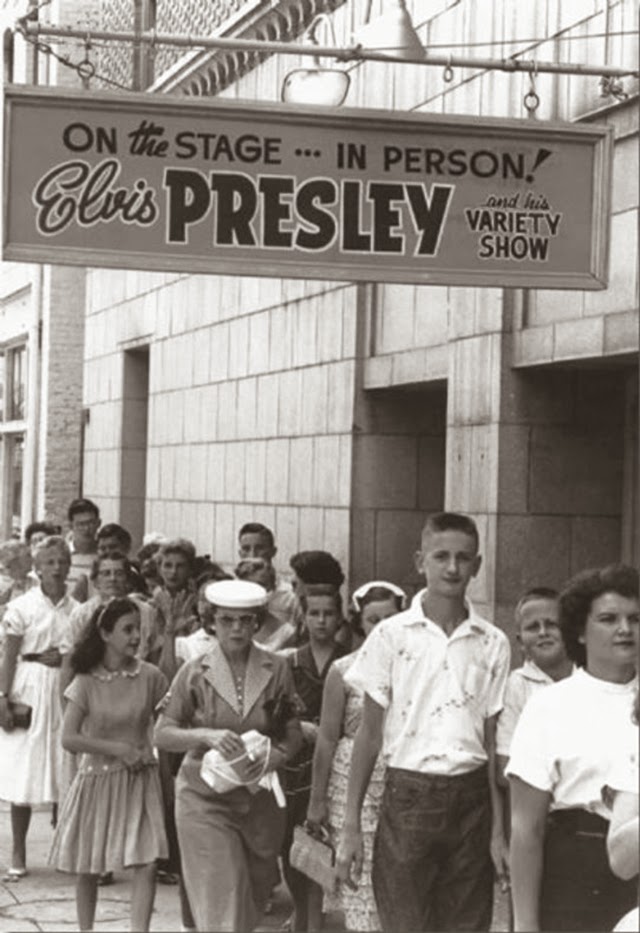
Crowds await entrance to see Elvis Presley performs at one of his two concerts at the Florida Theatre on August 10 & 11, 1956.
Subscribe to continue reading
Become a paid subscriber to get access to the rest of this post and other exclusive content.
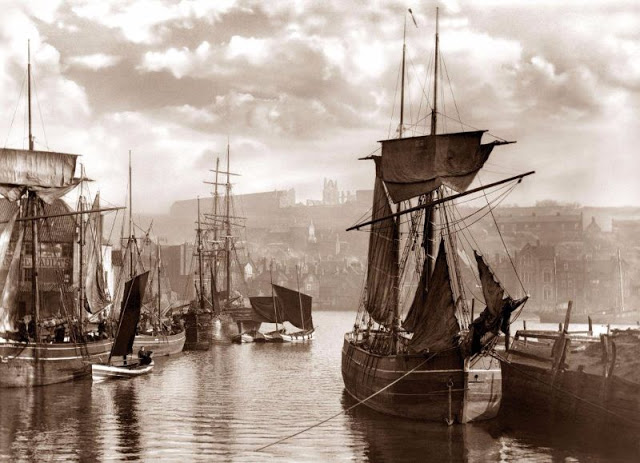
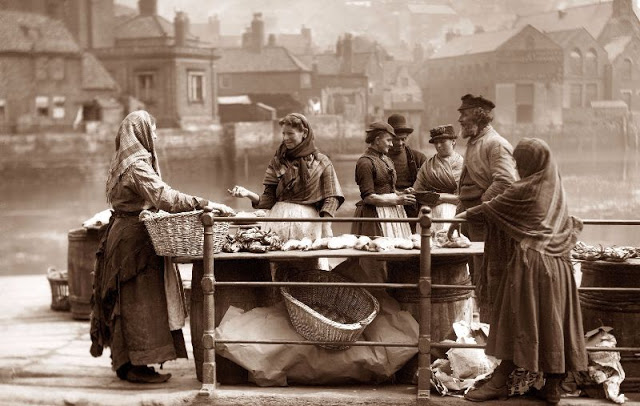
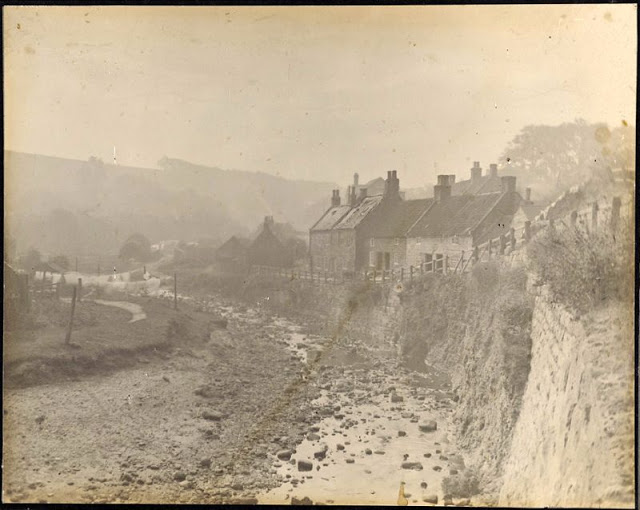
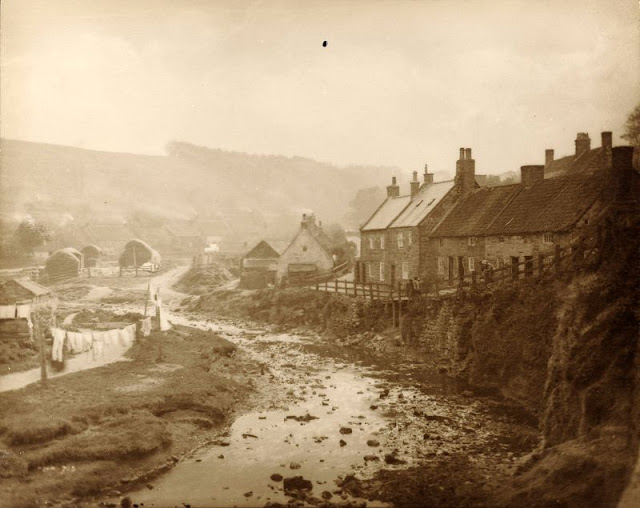
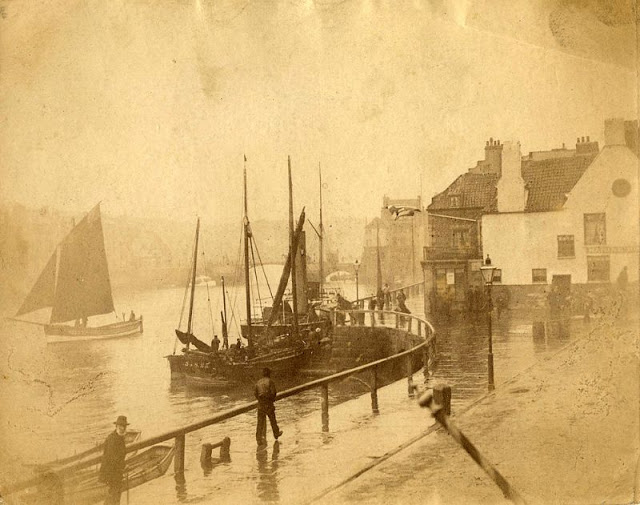
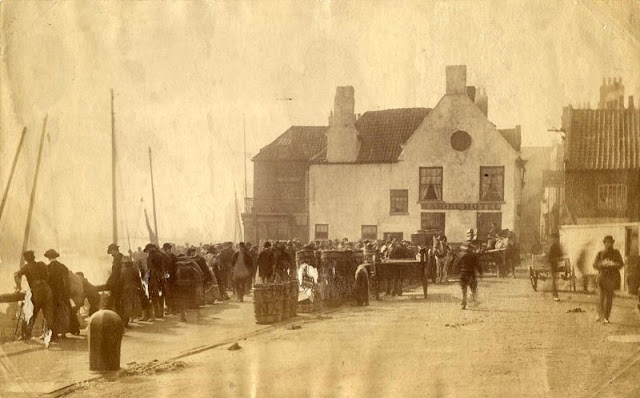
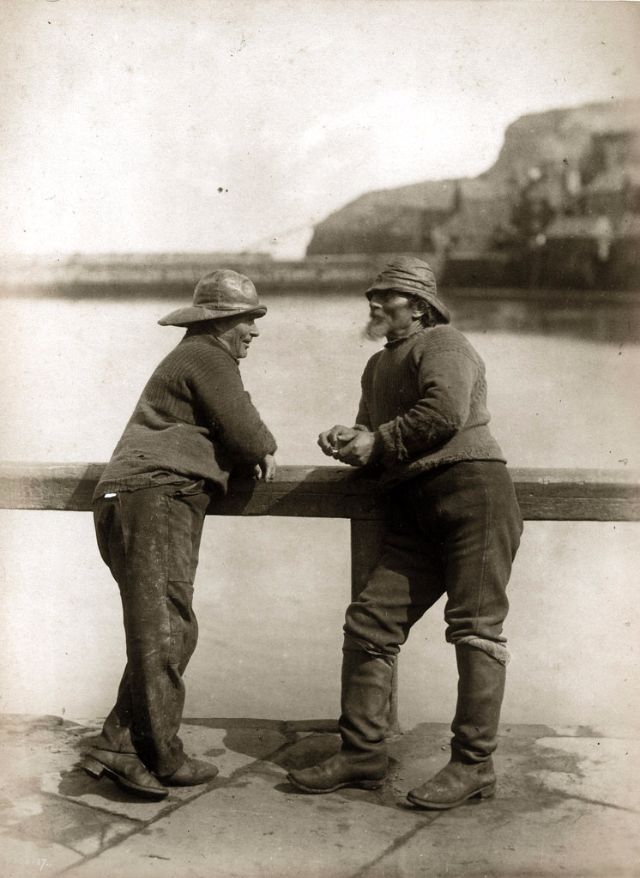
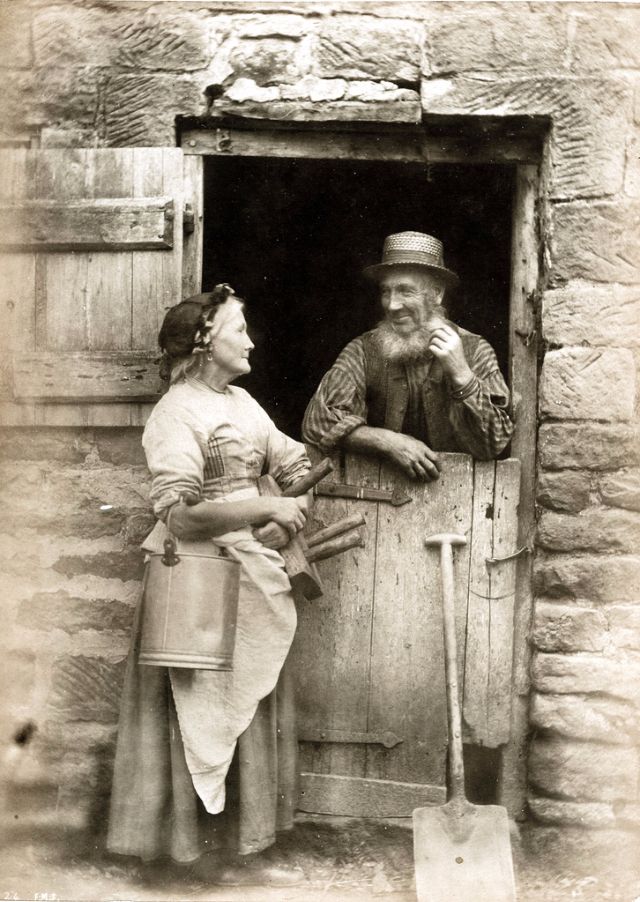
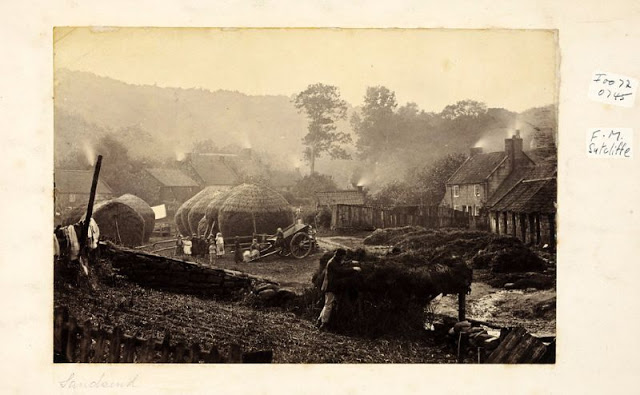
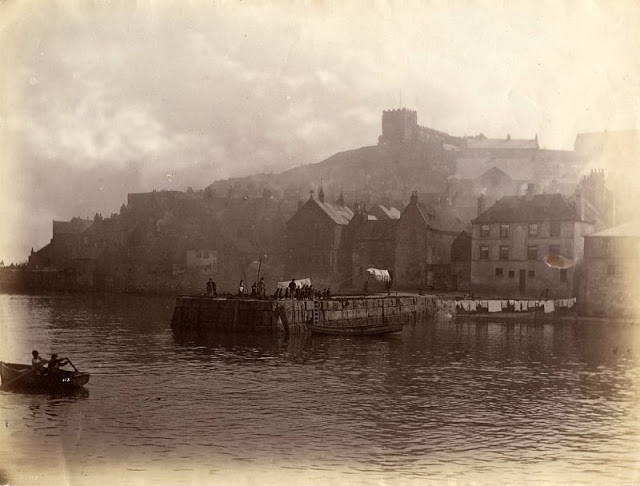
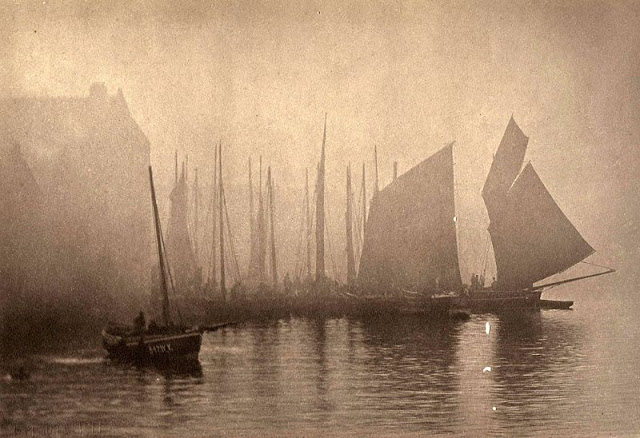
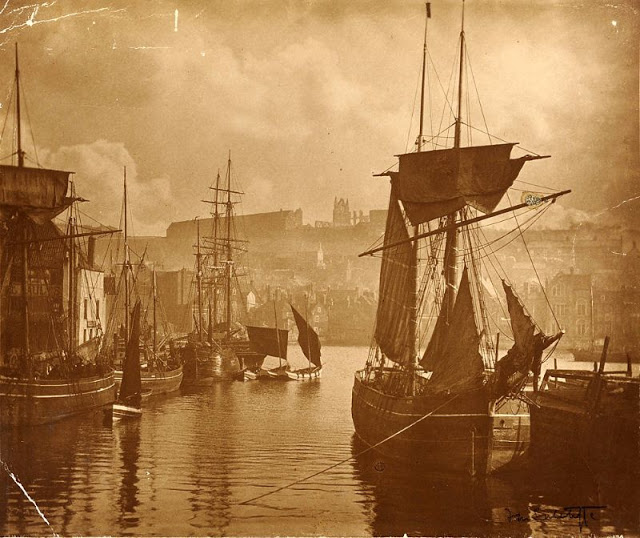
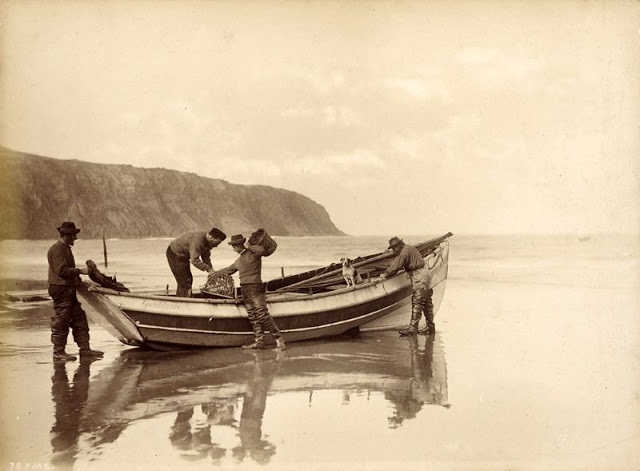
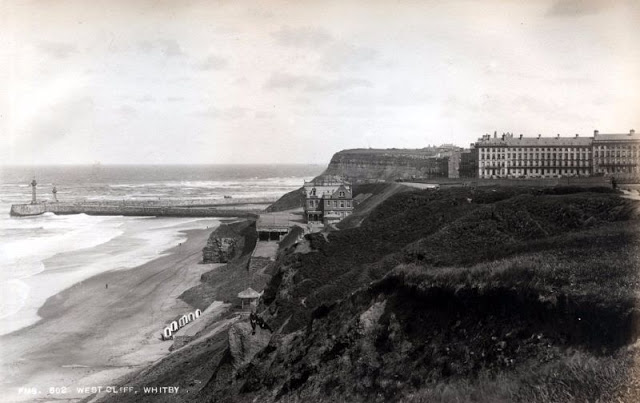
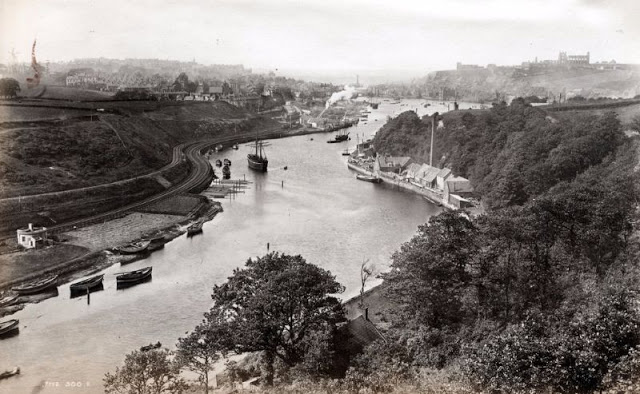
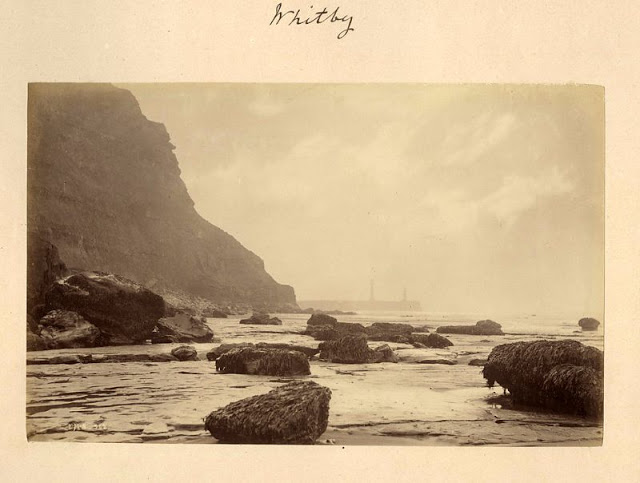
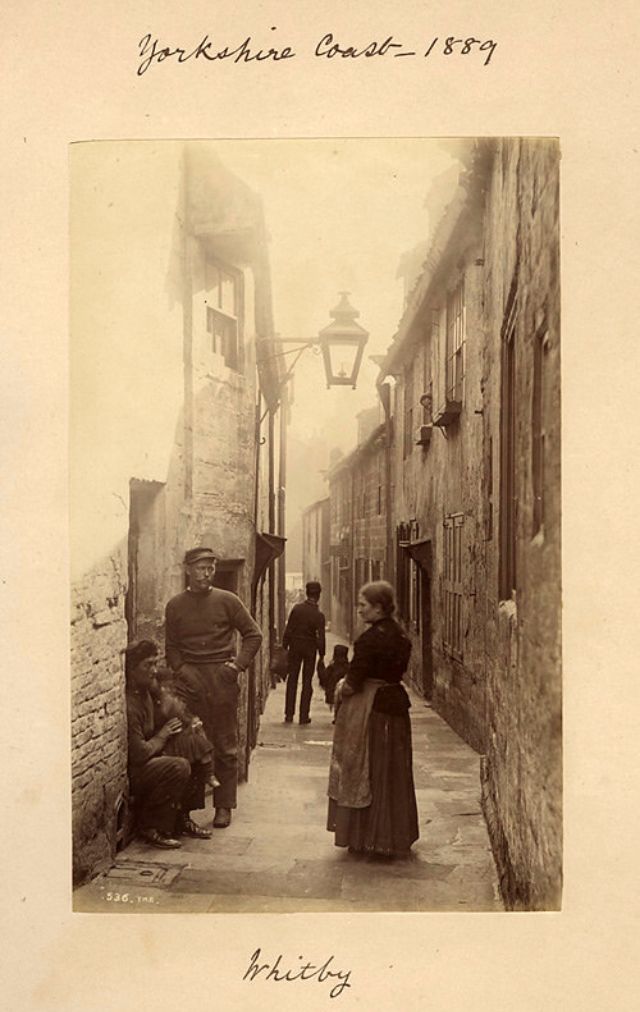
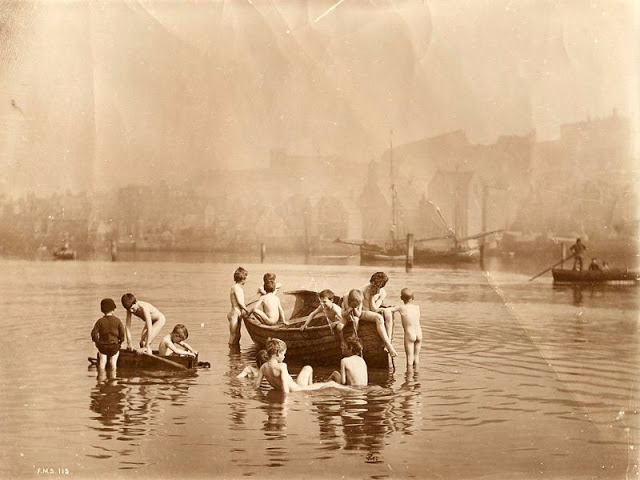
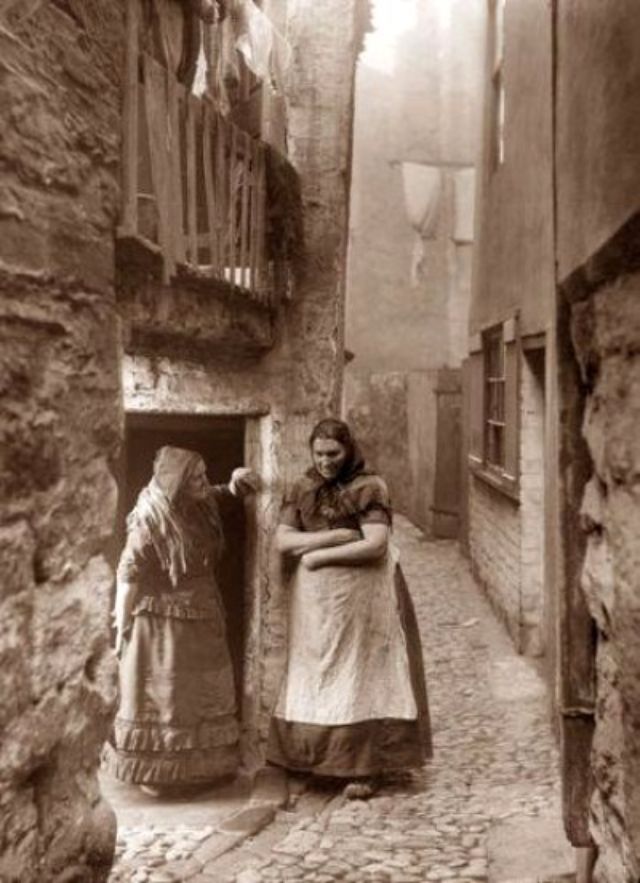
Whitby is a seaside town, port and civil parish in the Scarborough borough of North Yorkshire, England. Situated on the east coast of Yorkshire at the mouth of the River Esk, Whitby has a maritime, mineral and tourist heritage. Its East Cliff is home to the ruins of Whitby Abbey, where Cædmon, the earliest recognised English poet, lived. The fishing port emerged during the Middle Ages, supporting important herring and whaling fleets, and was where Captain Cook learned seamanship. Tourism started in Whitby during the Georgian period and developed with the arrival of the railway in 1839. Its attraction as a tourist destination is enhanced by the proximity of the high ground of the North York Moors national park and the heritage coastline and by association with the horror novel Dracula. Jet and alum were mined locally, and Whitby jet, which was mined by the Romans and Victorians, became fashionable during the 19th century.
The earliest record of a permanent settlement is in 656, when as Streanæshealh it was the place where Oswy, the Christian king of Northumbria, founded the first abbey, under the abbess Hilda. The Synod of Whitby was held there in 664. In 867, the monastery was destroyed by Viking raiders. Another monastery was founded in 1078. It was in this period that the town gained its current name, Whitby (from “white settlement” in Old Norse). In the following centuries Whitby functioned as a fishing settlement until, in the 18th century, it developed as a port and centre for shipbuilding and whaling, the trade in locally mined alum, and the manufacture of Whitby jet jewellery.
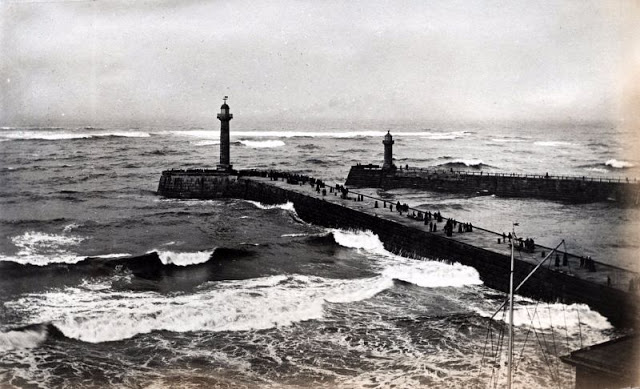
The abbey ruin at the top of the East Cliff is the town’s oldest and most prominent landmark. Other significant features include the swing bridge, which crosses the River Esk and the harbour, which is sheltered by the grade II listed East and West piers. The town’s maritime heritage is commemorated by statues of Captain Cook and William Scoresby, as well as the whalebone arch that sits at the top of the West Cliff. The town also has a strong literary tradition and has featured in literary works, television and cinema, most famously in Bram Stoker’s novel Dracula.
While Whitby’s cultural and historical heritage contribute to the local economy, the town does suffer from the economic constraints of its remote location, ongoing changes in the fishing industry, relatively underdeveloped transport infrastructure, and limitations on available land and property. As a result, tourism and some forms of fishing remain the mainstay of its economy. It is the closest port to a proposed wind farm development in the North Sea, 47 miles (76 km) from York and 22 miles (35 km) from Middlesbrough. There are transport links to the rest of North Yorkshire and North East England, primarily through national rail links to Middlesbrough and road links to Teesside, via both the A171 and A174, and Scarborough by the former. As at 2011, the town had a population of 13,213.
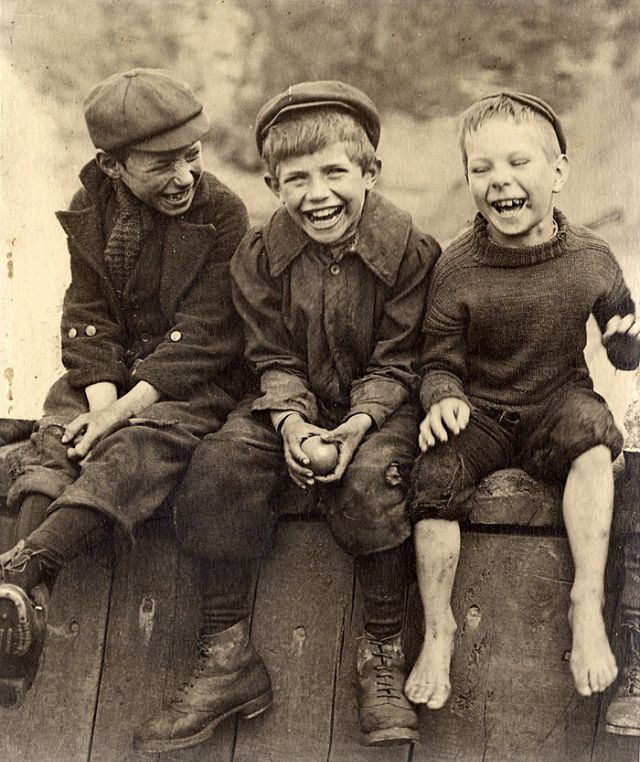
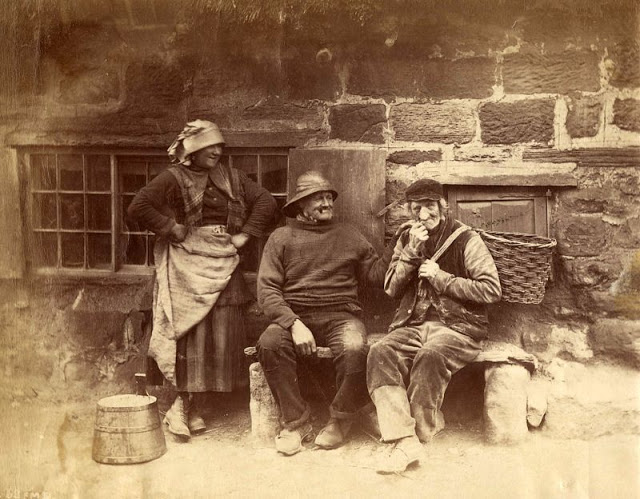
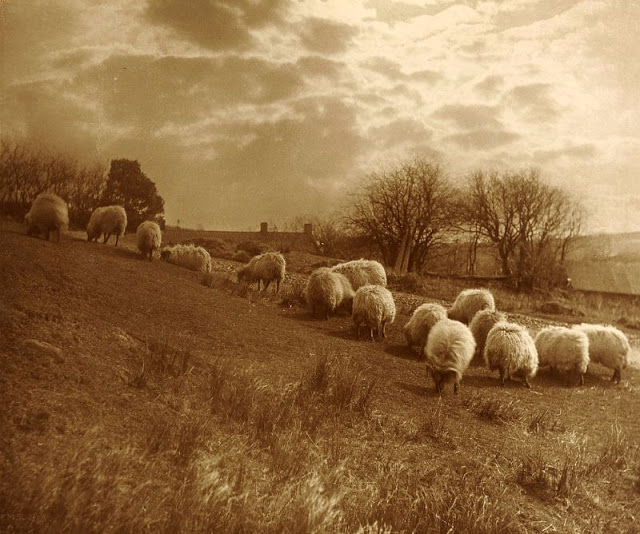
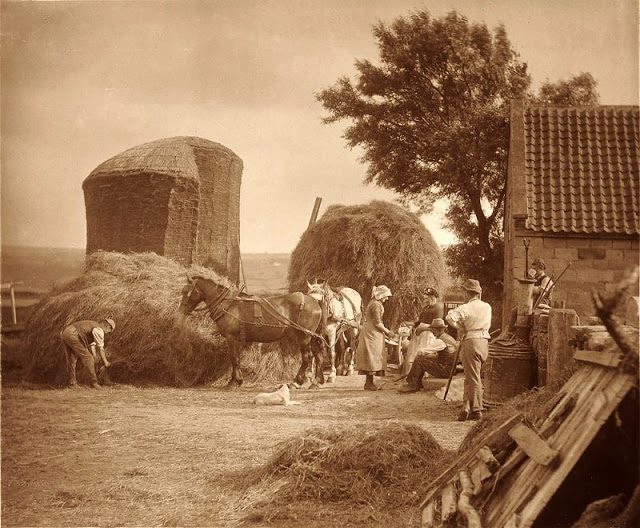
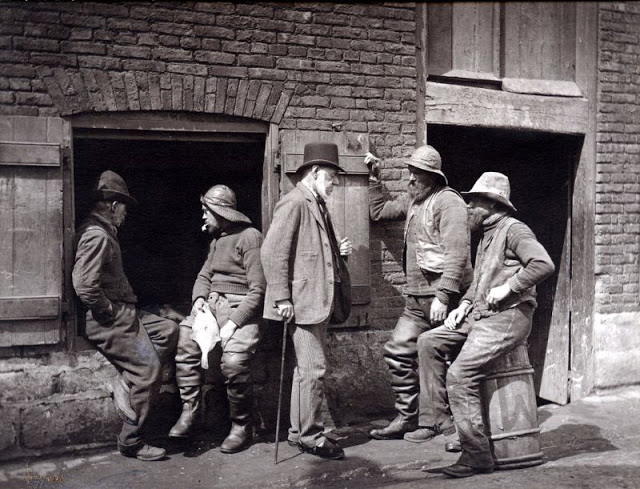
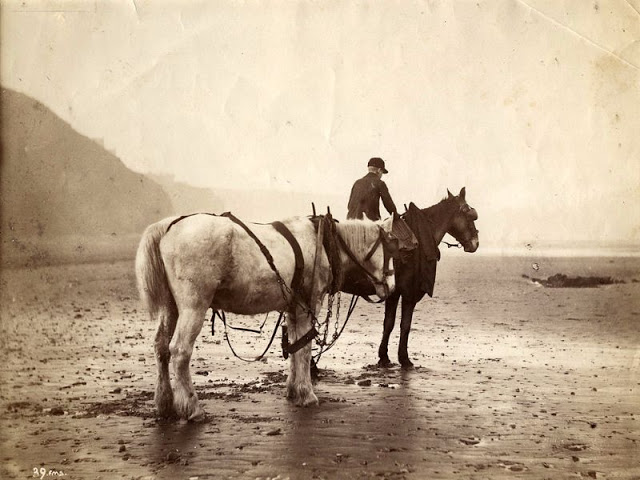
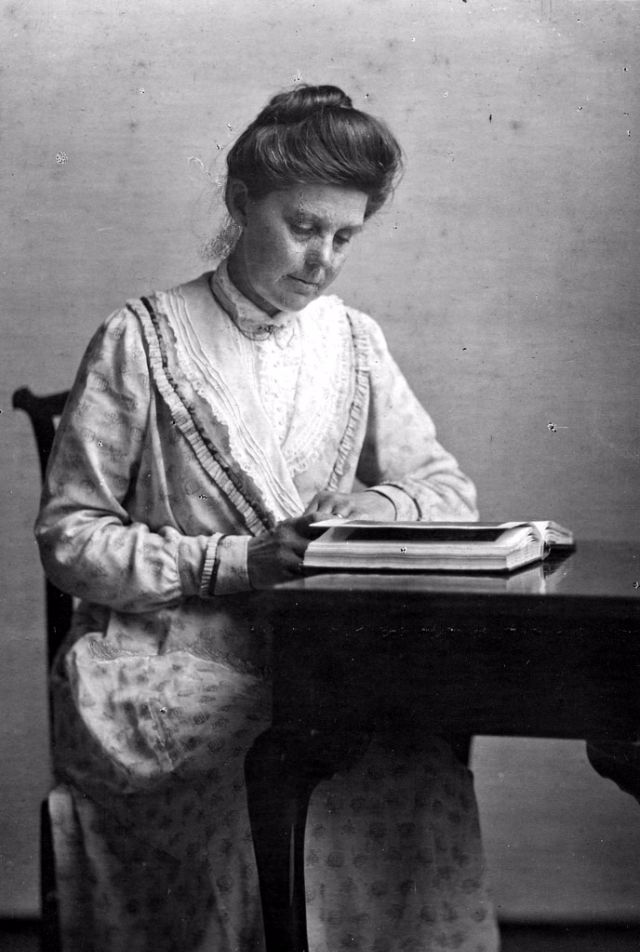
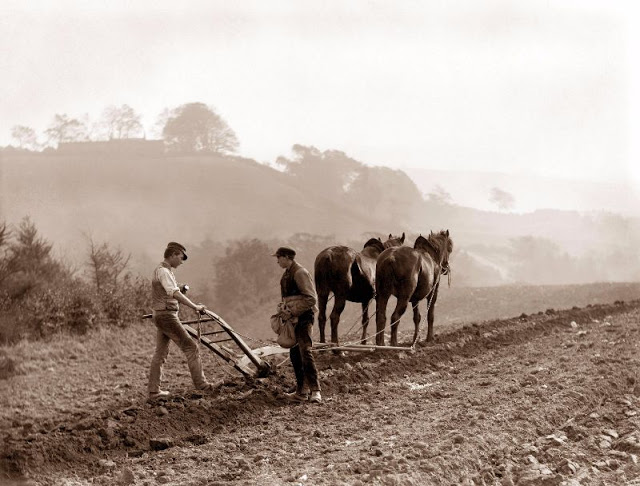
Fish stall, WhitbyFishermen on wharfFishmanHouse by river banks in Whitby.House by river banks in WhitbyLandscapeMarine Hotel at the seasideMarine HotelMen at ease in WhitbyMending the netsMilking timePeople in work at a farmPort with small boatsPortrait of three happy boysPortrait of three people outside a houseSheep grazing in the middleThe fish pierThe harbor of Whitby with sailboatsThe harbor of Whitby with sailboatsThe ingatheringThe questionThe river in WhitbyThe Strom family of Robin Hood’s BayTrees and riverTwo horses and a rider on a beachView of the Marina HotelVillage with a pile of wood in frontWest Cliff, WhitbyWhitby from St Mary’s Parish ChurchWhitby, YorkshireWhitbyWhitbyWhitbyWoman readingYorkshire Coast, WhitbyA conversationA group of boys bathing from a rowing boatA group of fishing girls in the stairs down to the beach, WhitbyA quiet gossipAt the fieldDinner timeDock End, Whitby
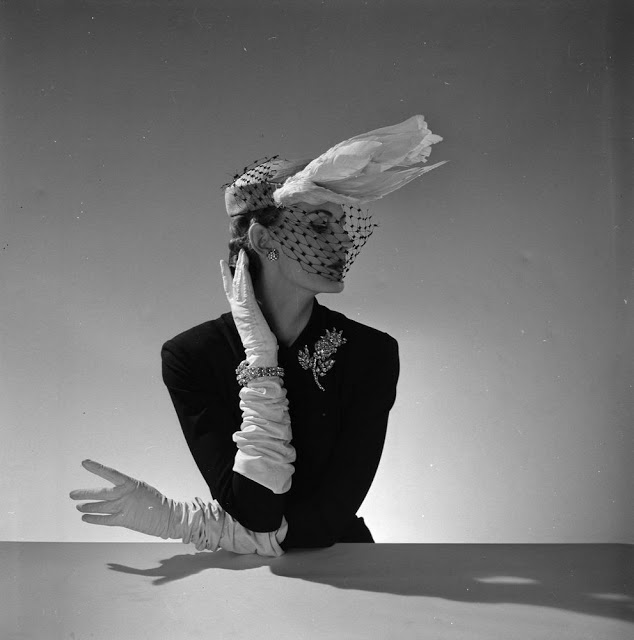
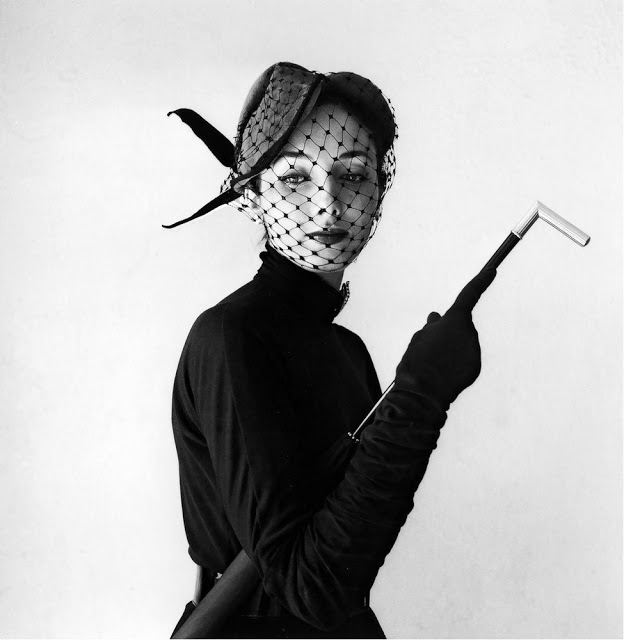
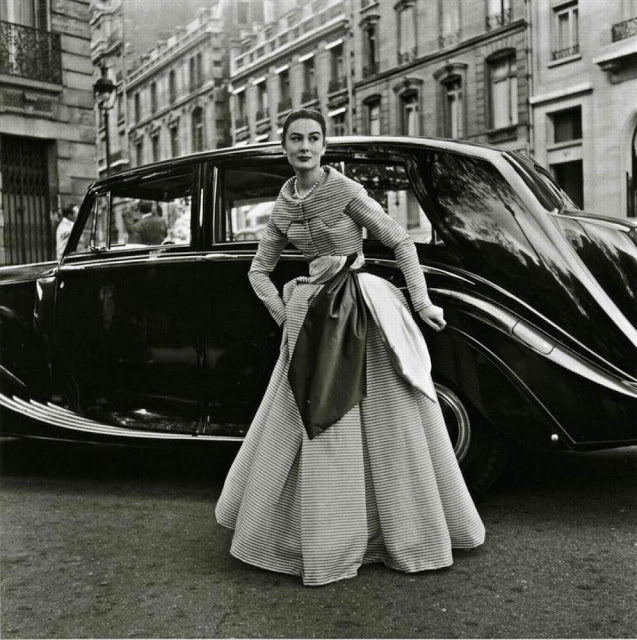
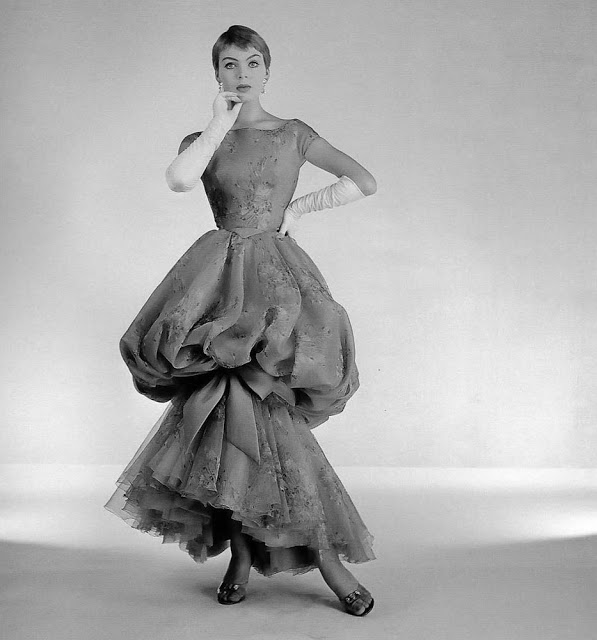
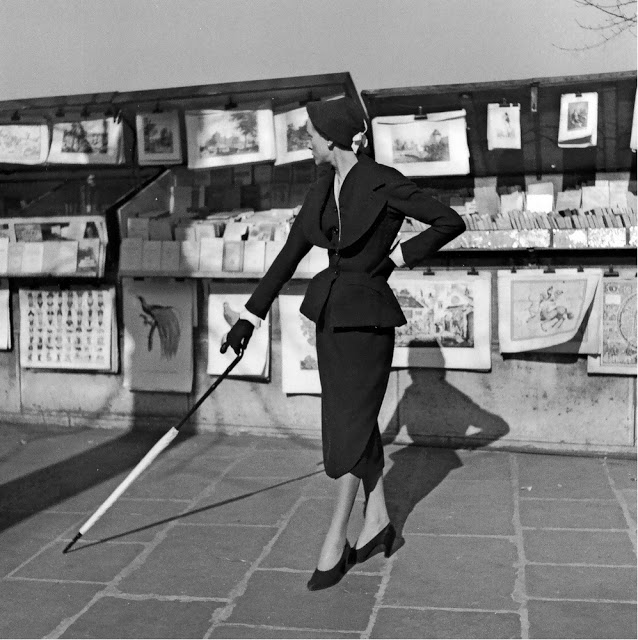
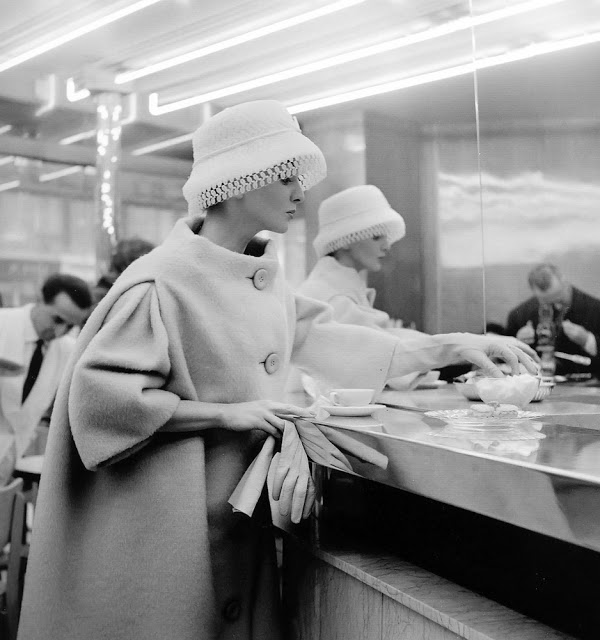
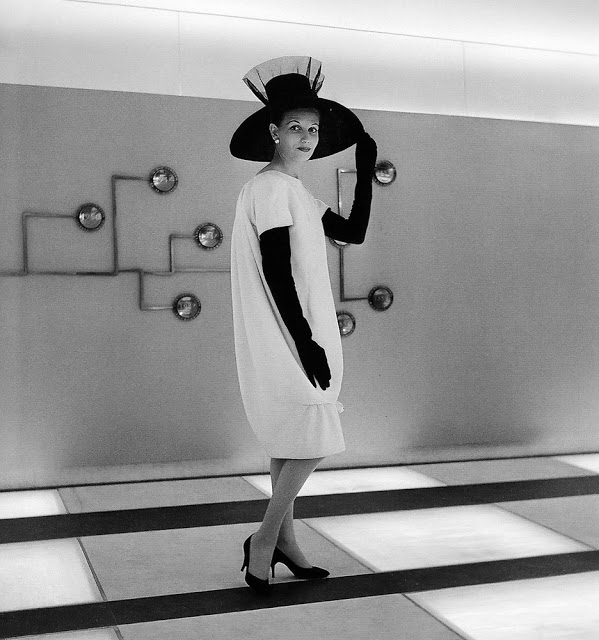
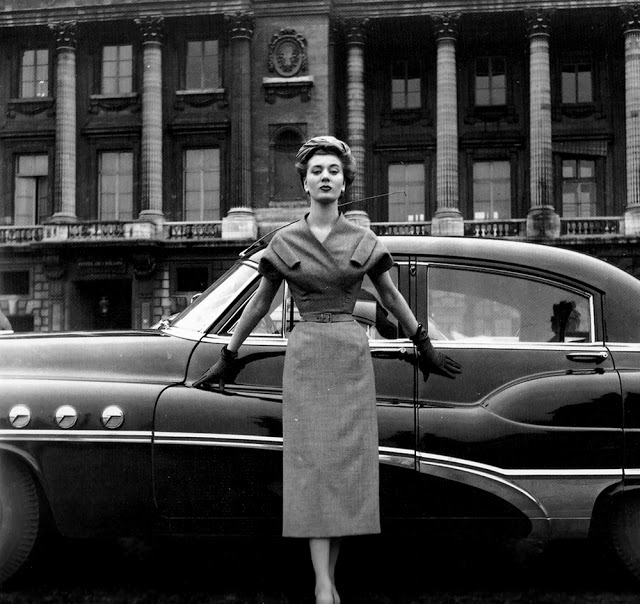
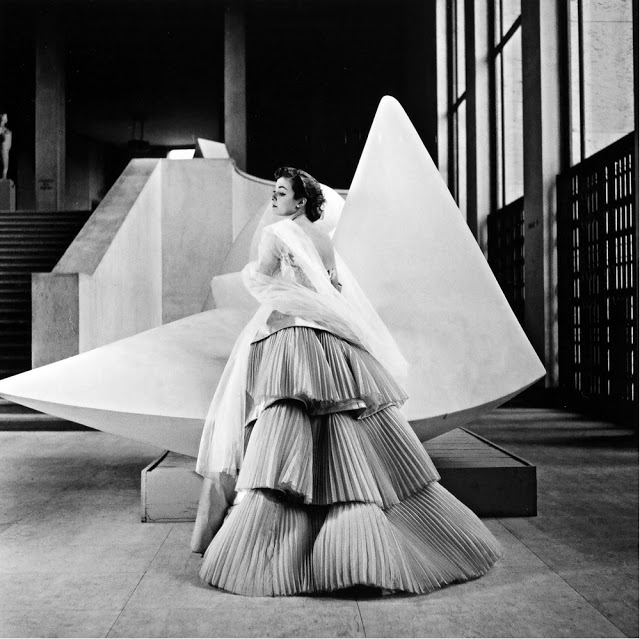
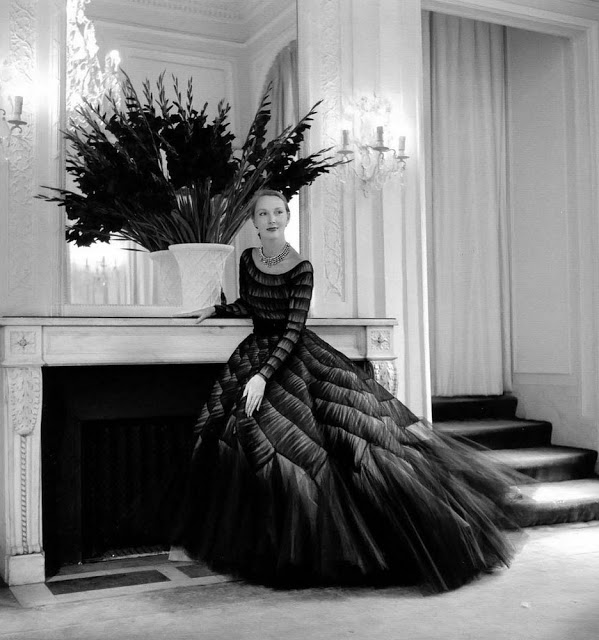
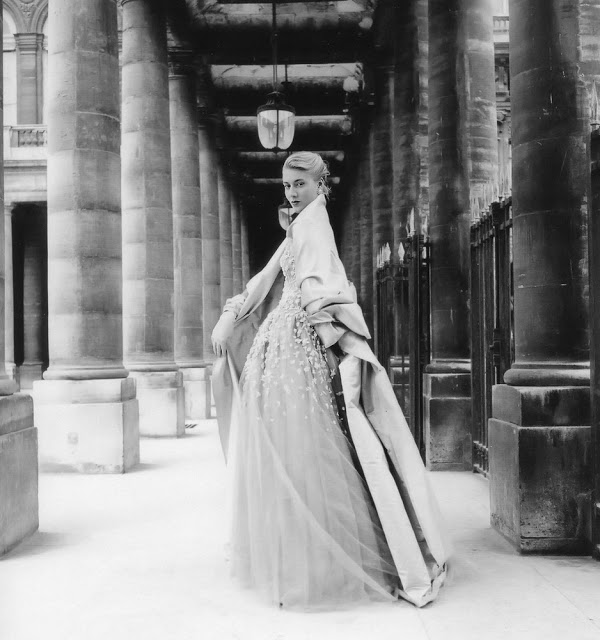
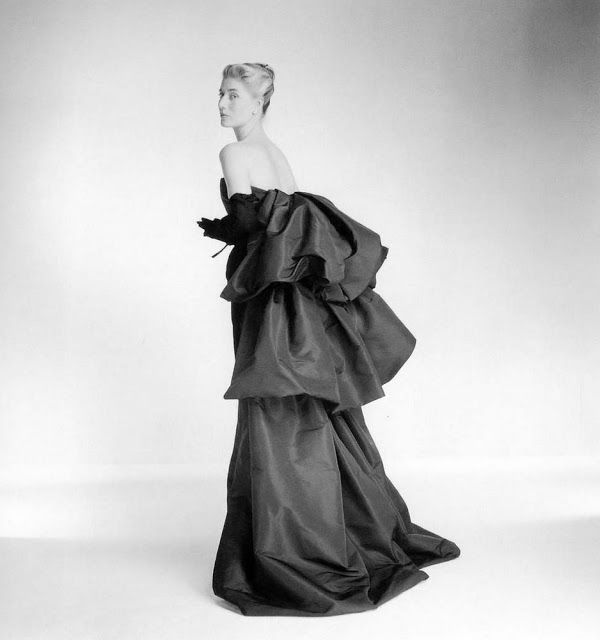
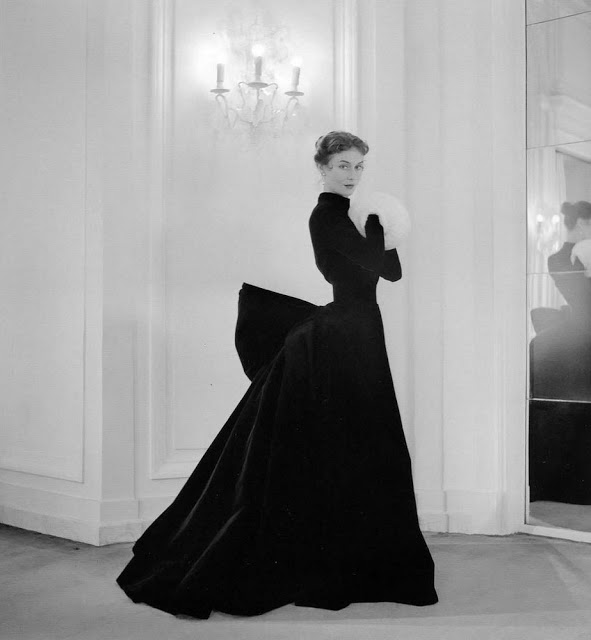
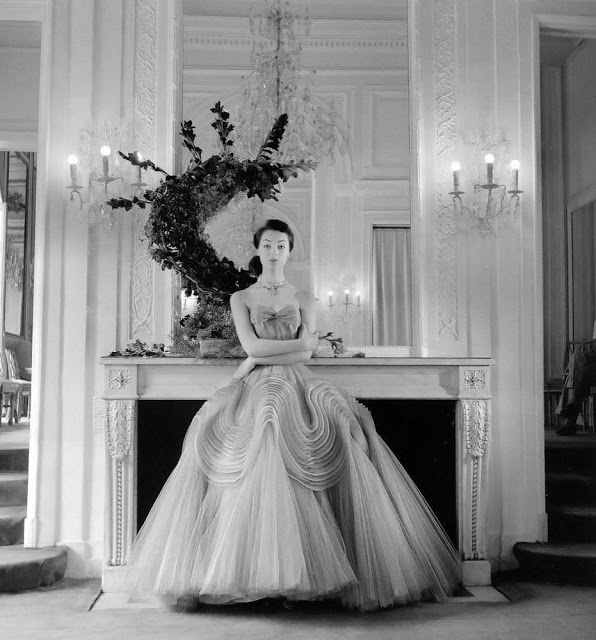
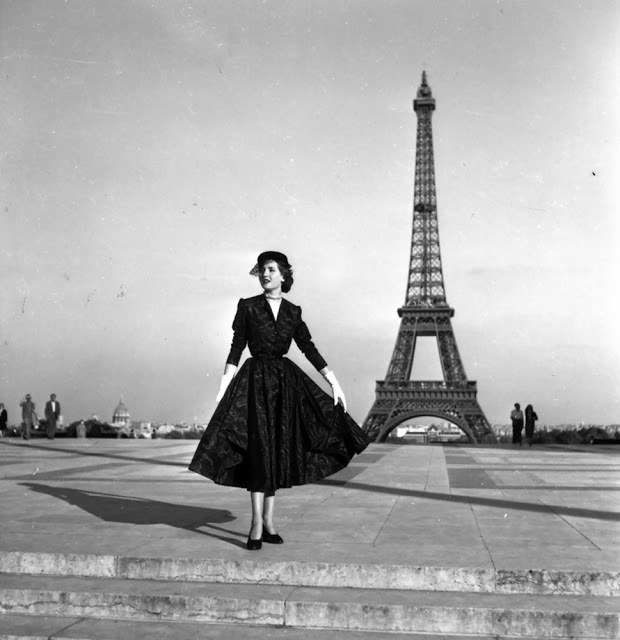
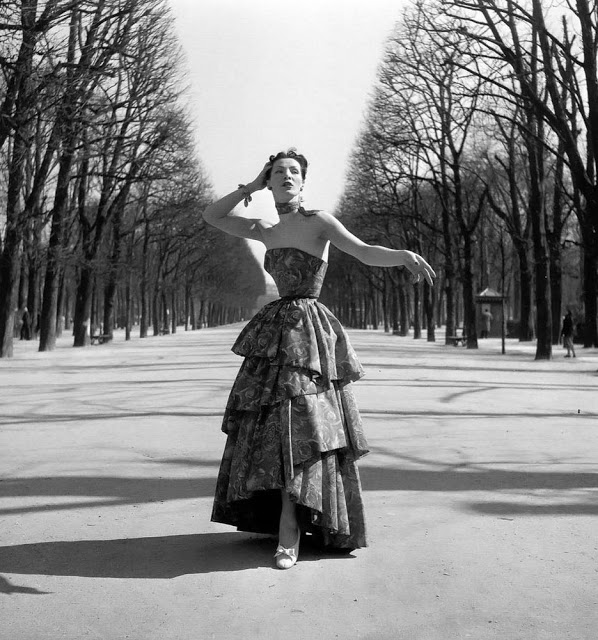
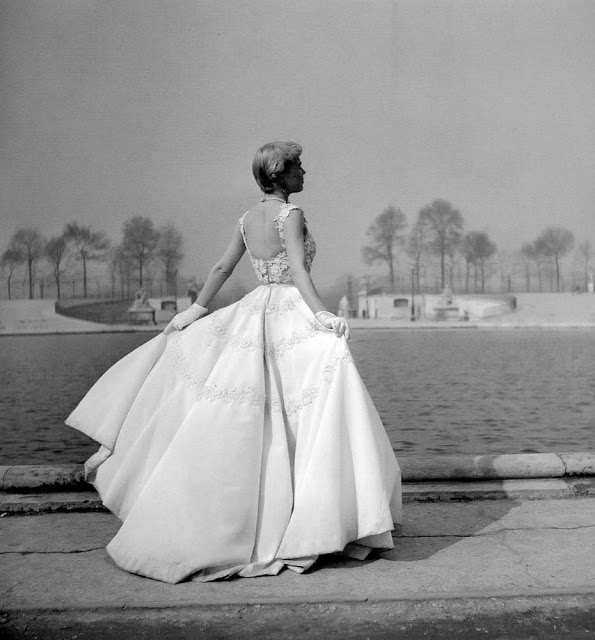
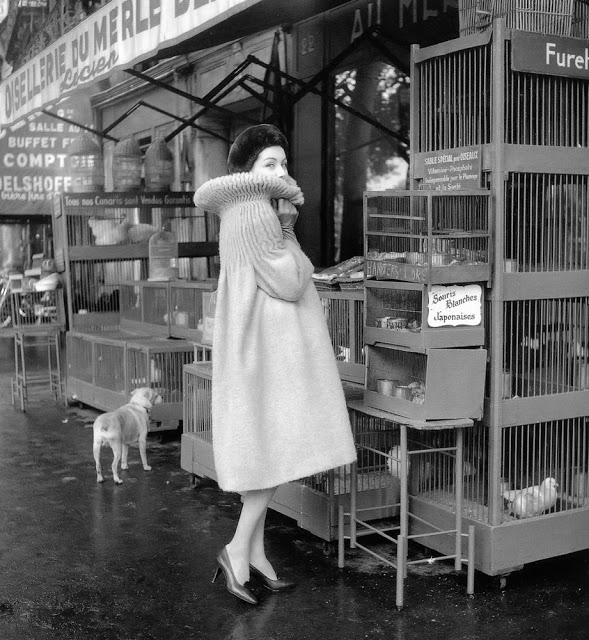
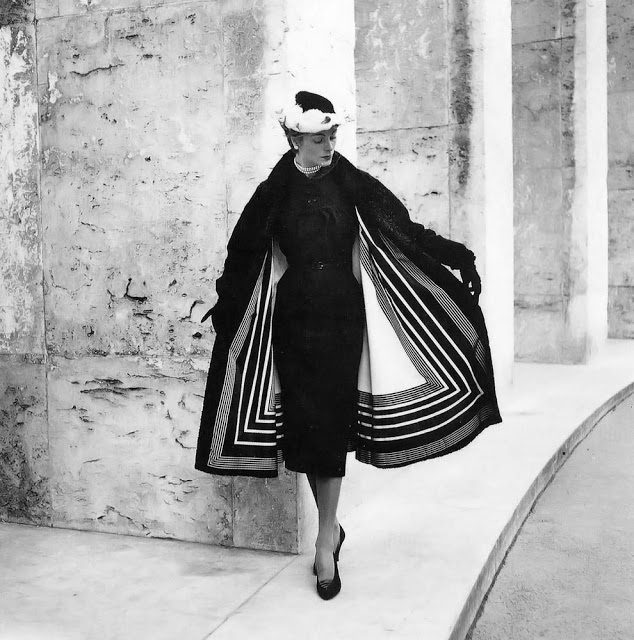
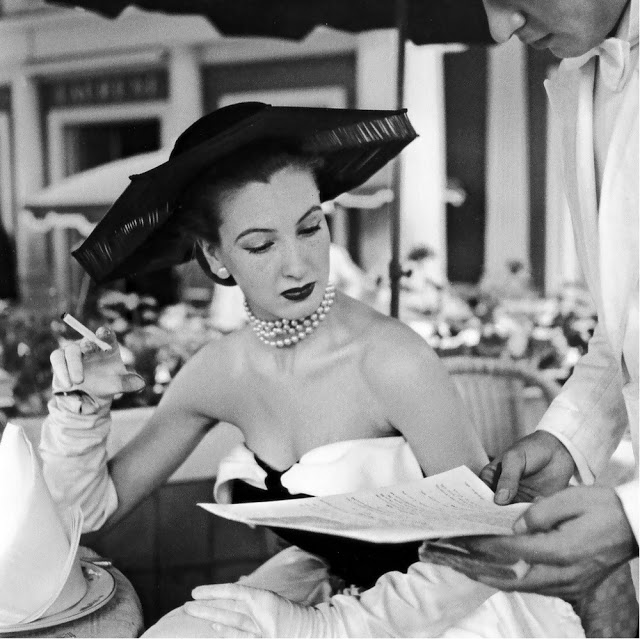
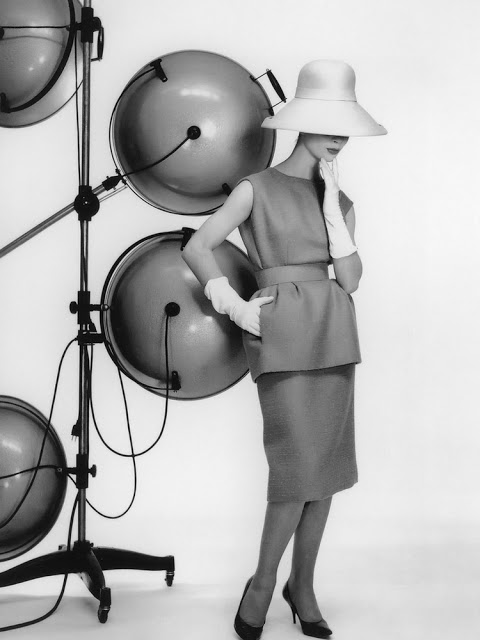
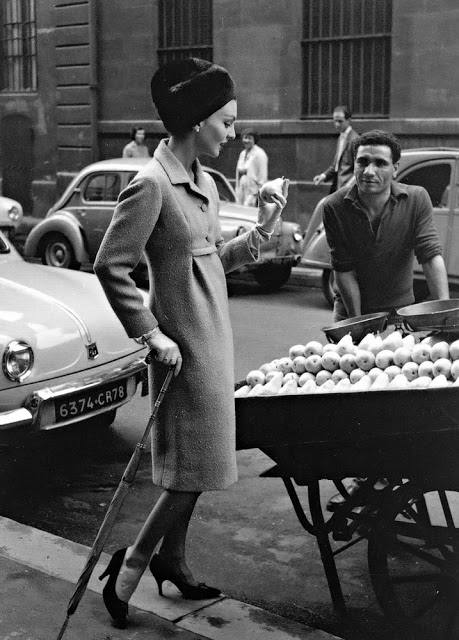
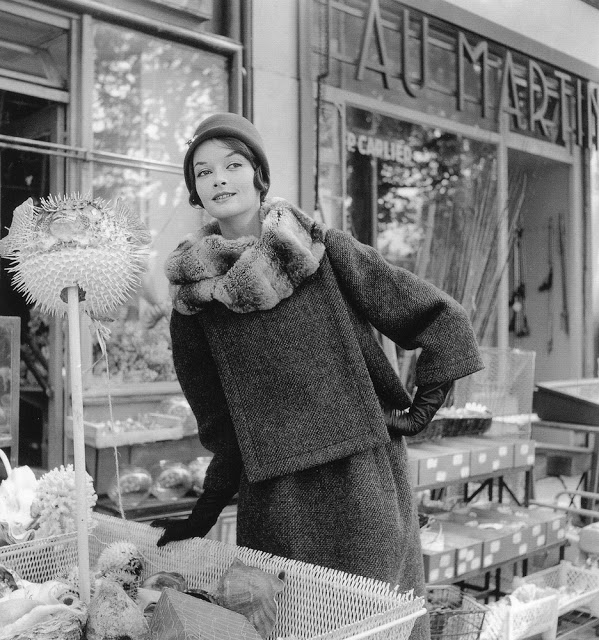
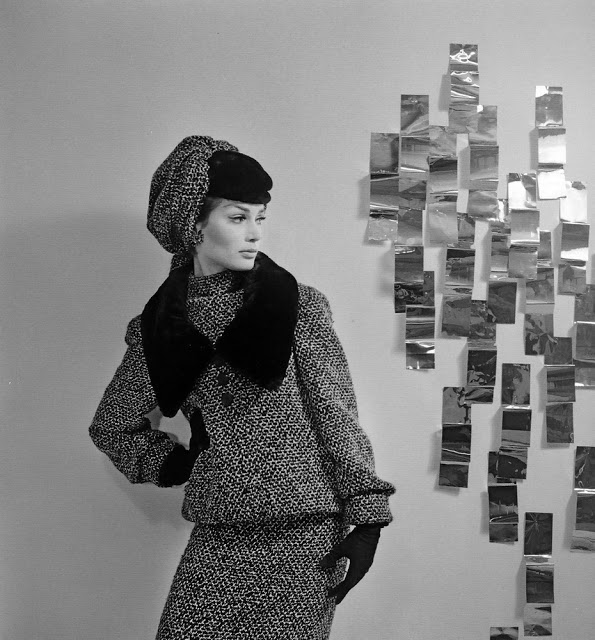
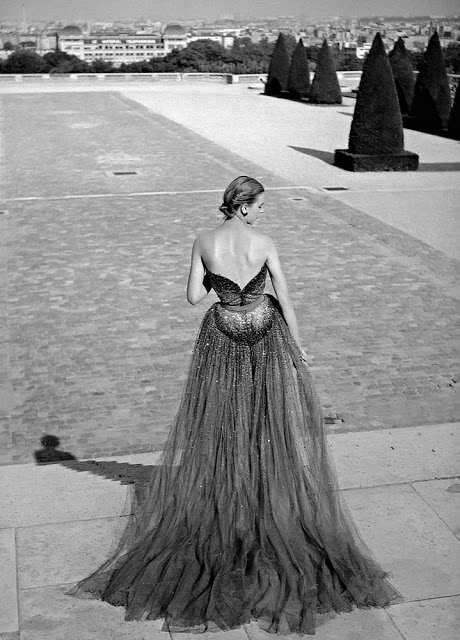
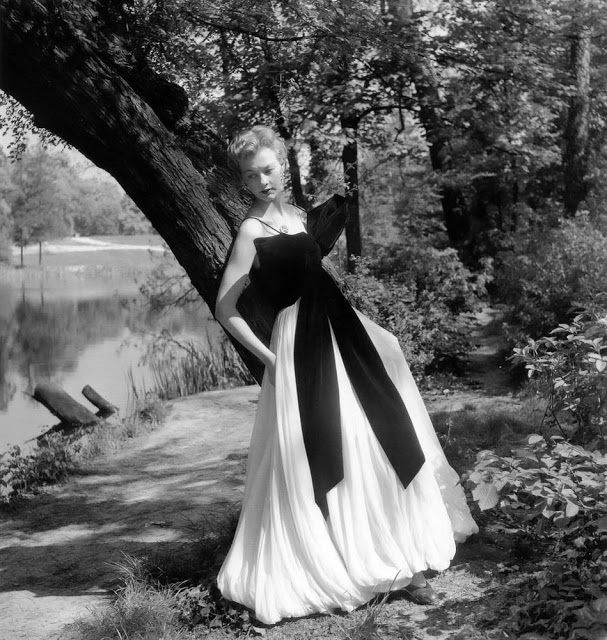
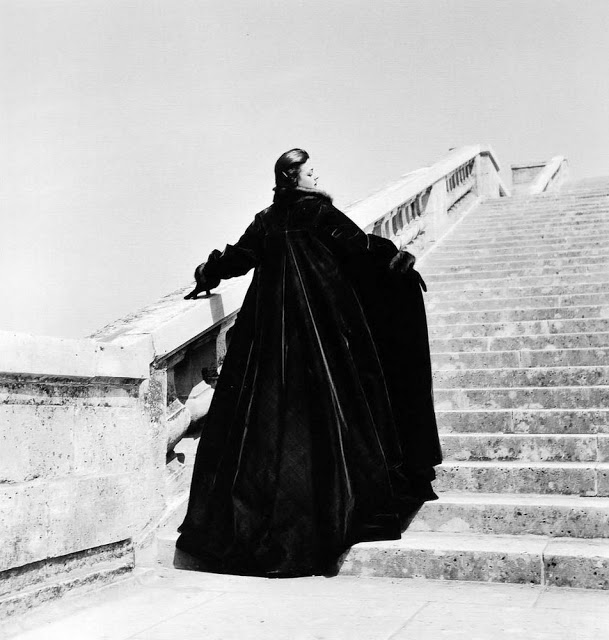
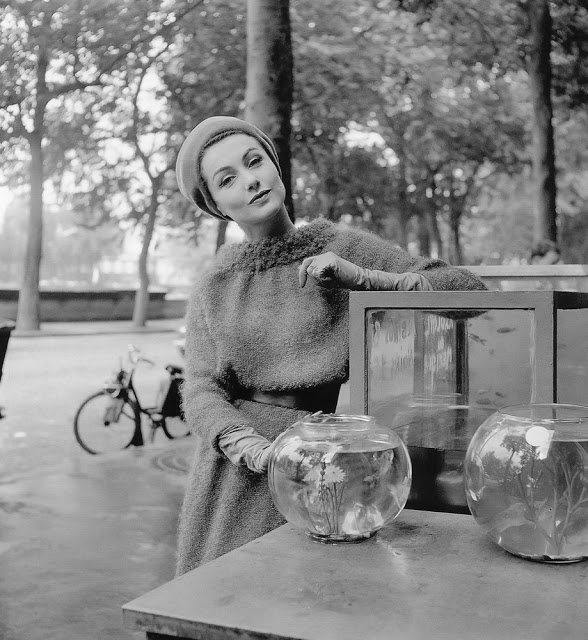
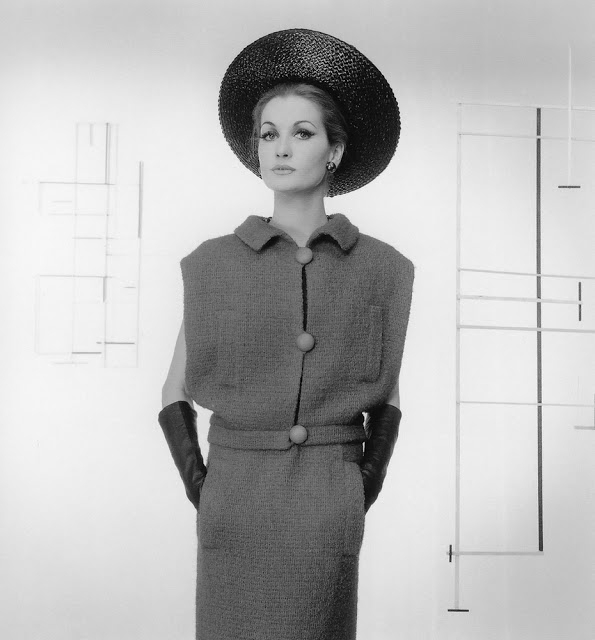
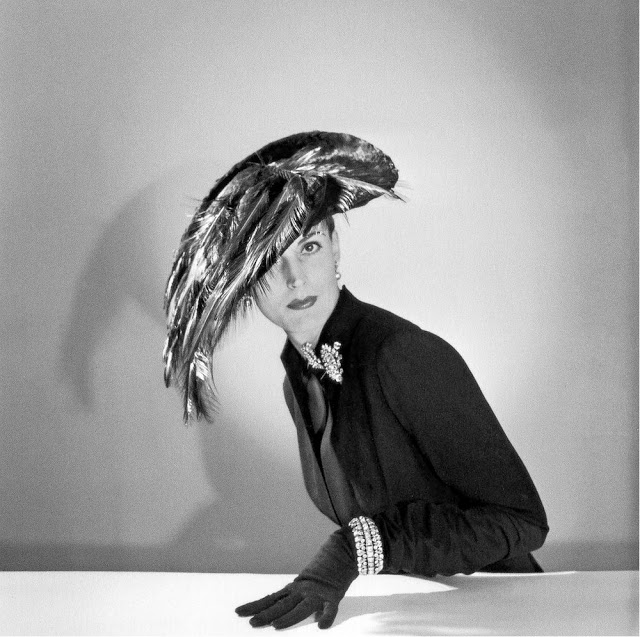
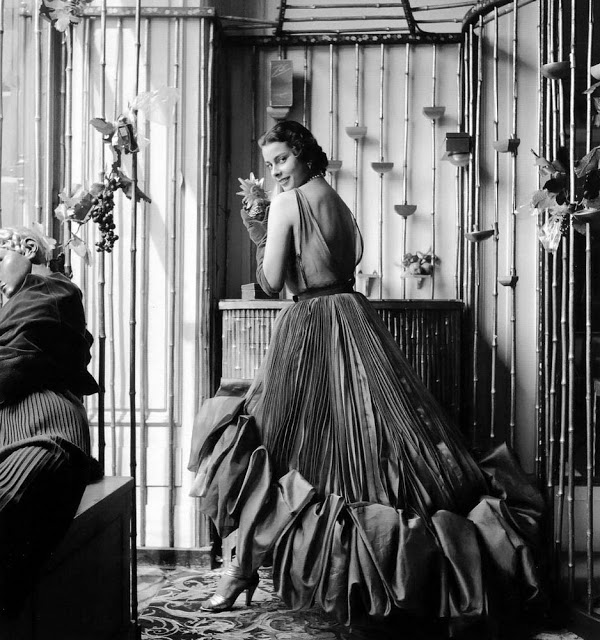
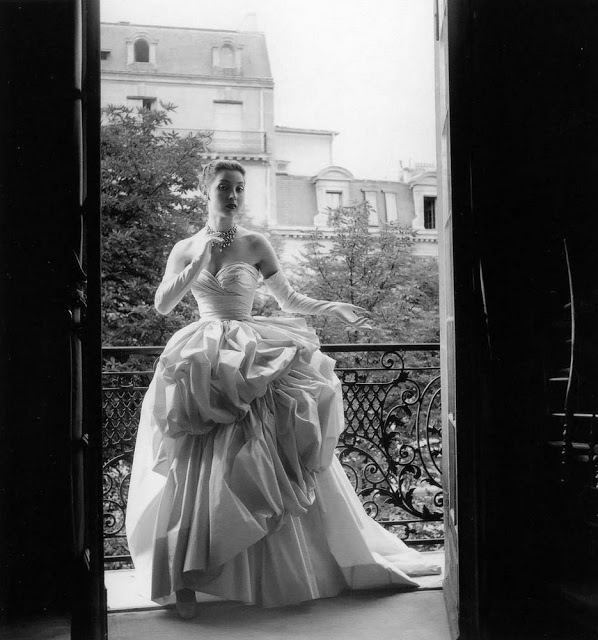
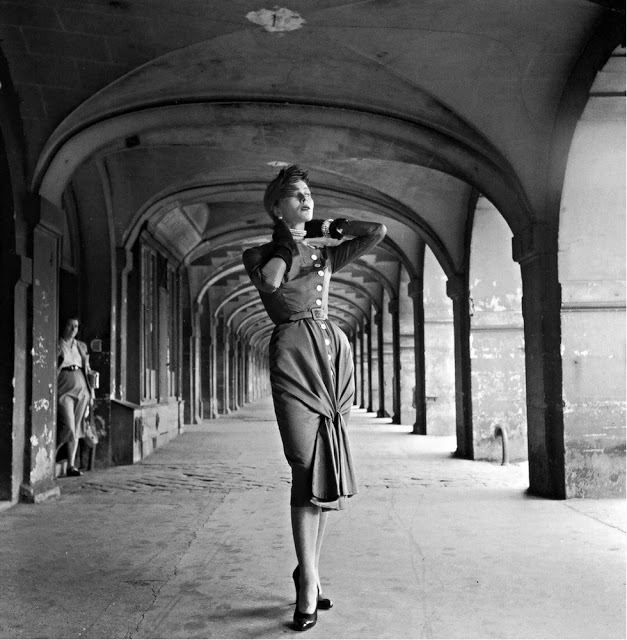
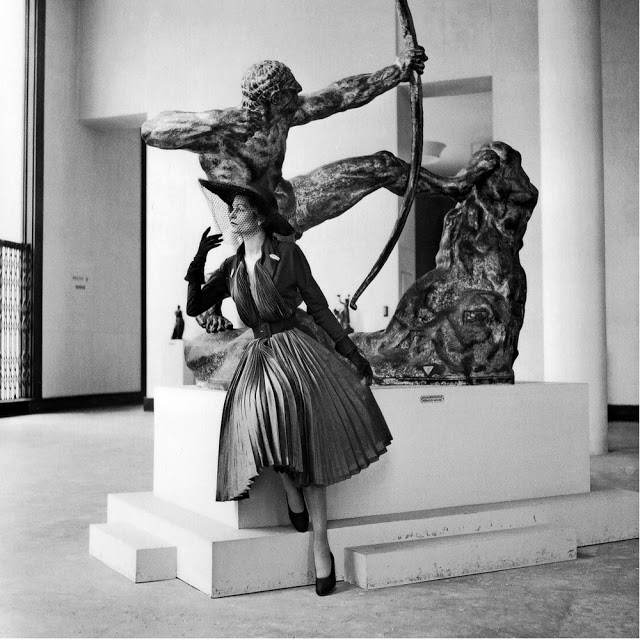
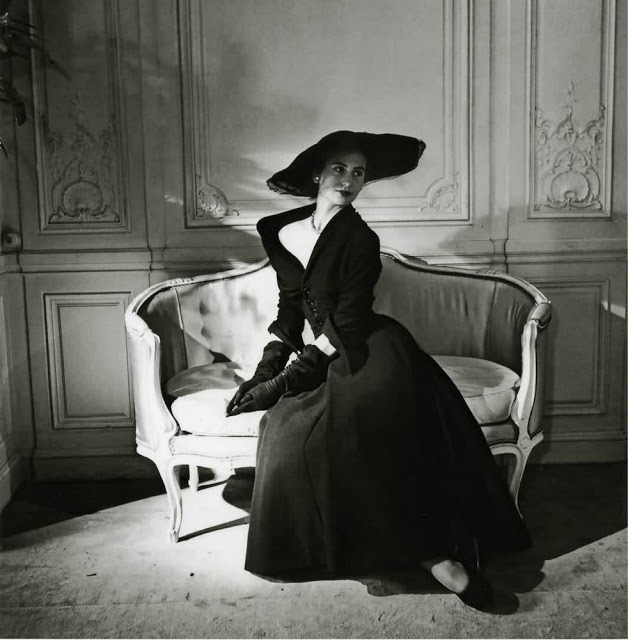
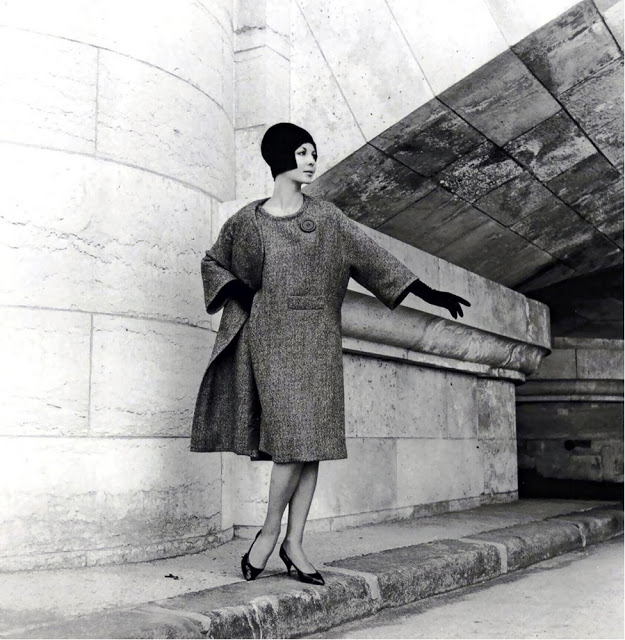
Willy Maywald (1907-1985) was a German photographer who grew up in Kleve and attended art school from 1928 to 1931. He moved to Paris in 1931 and was active there through the 1930s. He documented daily life in the streets, cafes, the interiors of the artist’s studios and workshops of Montparnasse and the construction of the l’Exposition Universelle of 1937. From 1942-1946 he worked as a portrait photographer in Switzerland and later returned to Paris where he concentrated on fashion and celebrity photography.
Maywald worked for the fashion designers Christian Dior and Pierre Balmain, Jacques Fath and Jeanne Paquin. His recordings were for discreet elegance and were caused in part or in luxurious interiors of expensive luxury cars, but also partly in the open, in the streets and cafes of Paris or, for example, before the window of an antique book. His photos were published in magazines such as Vogue and Harper’s Bazaar.
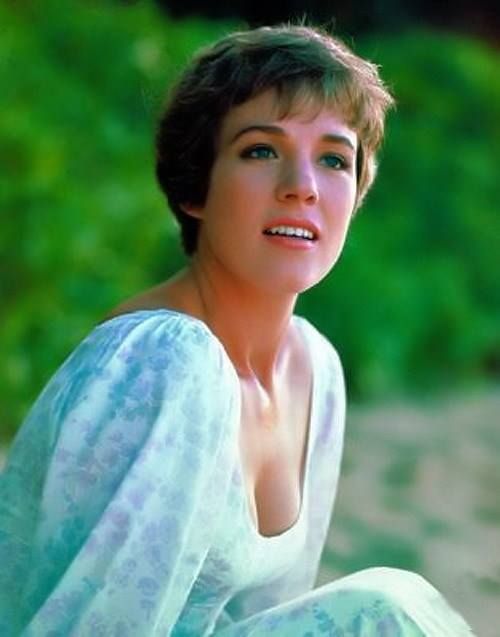
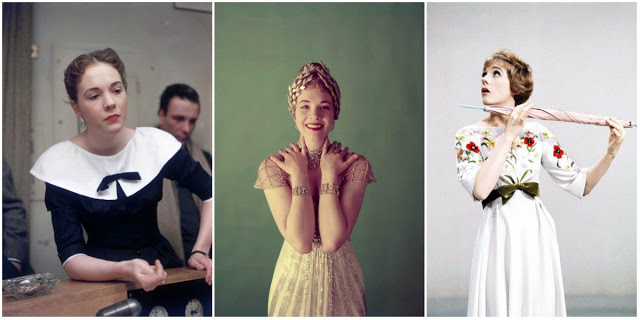
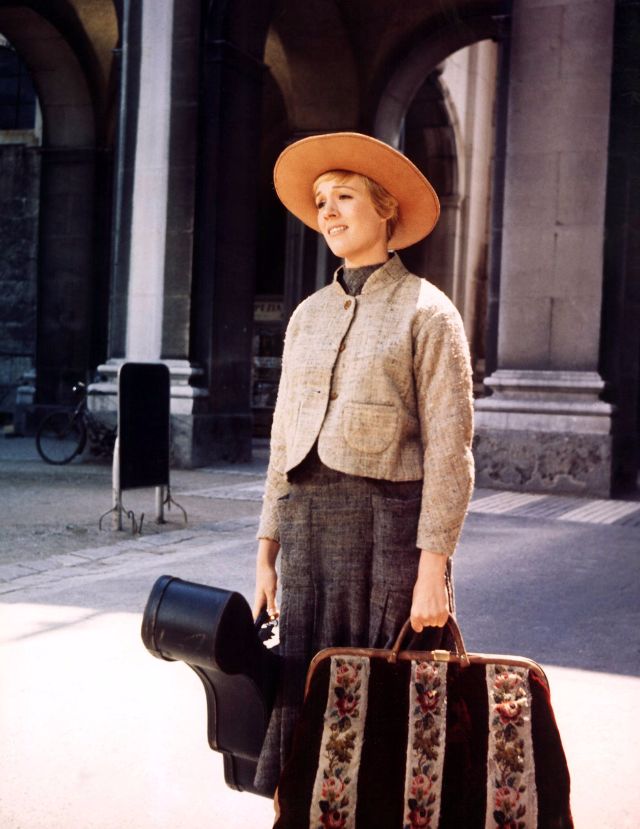
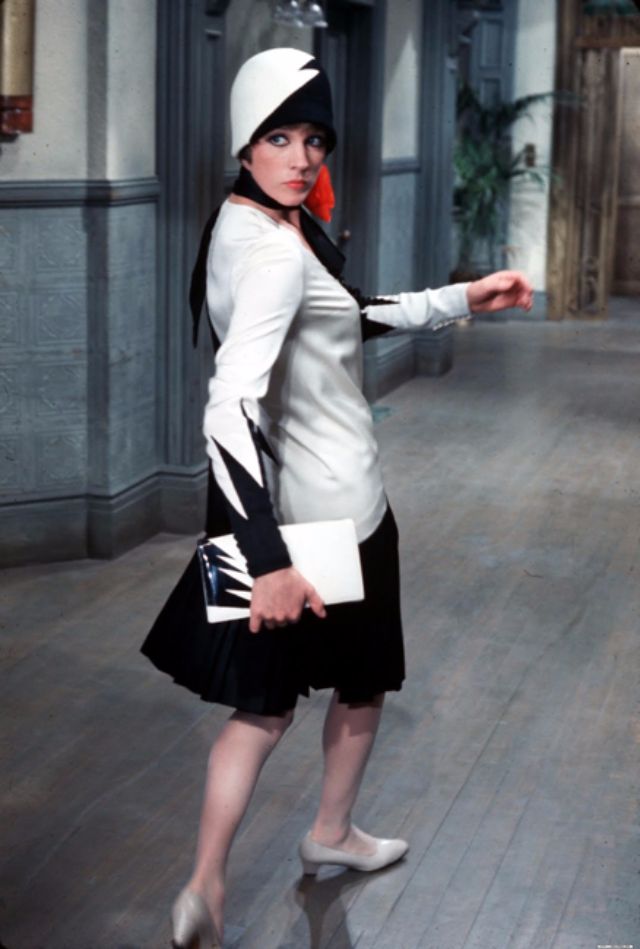
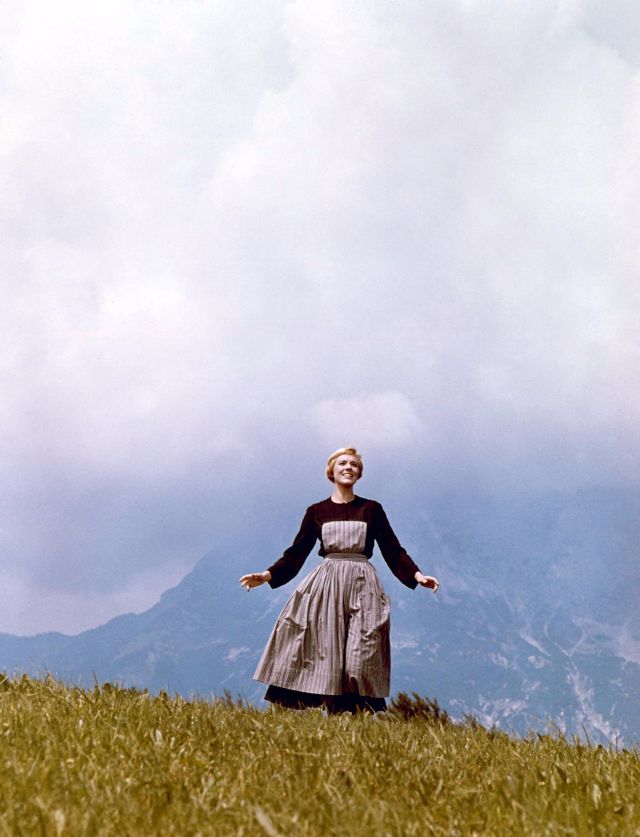
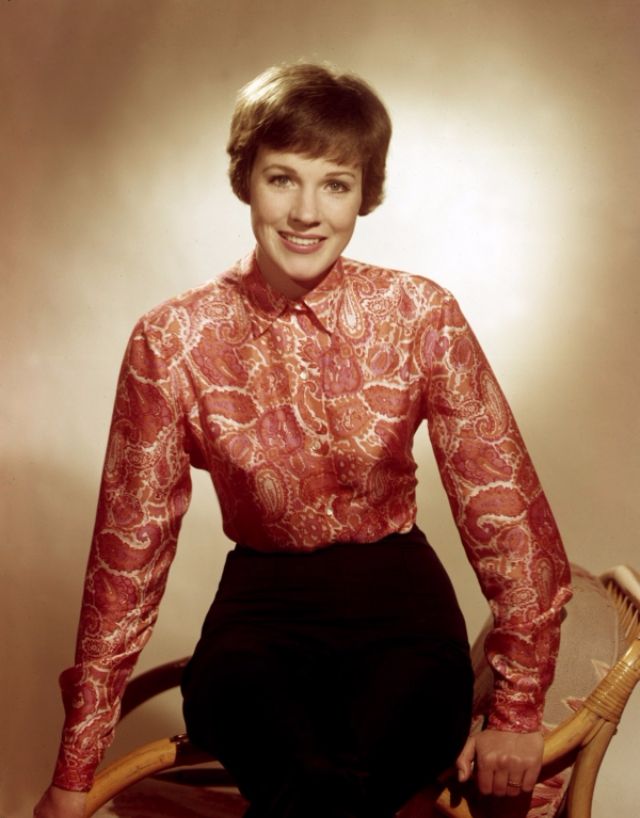
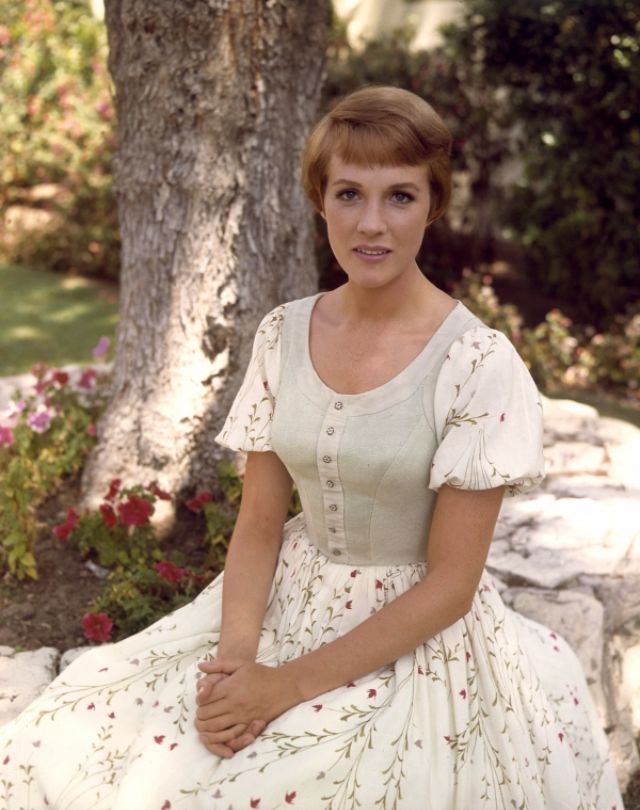
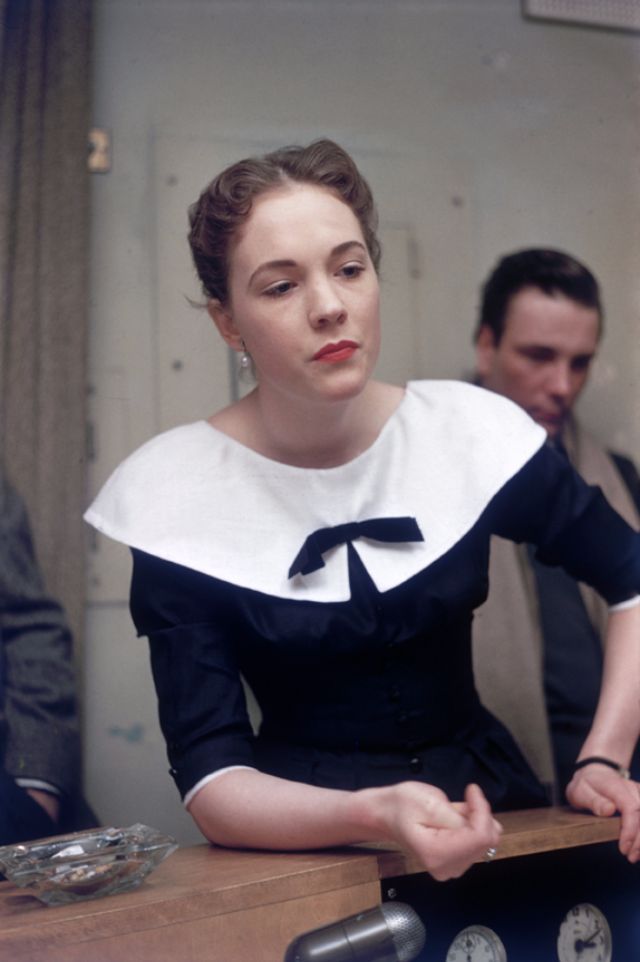
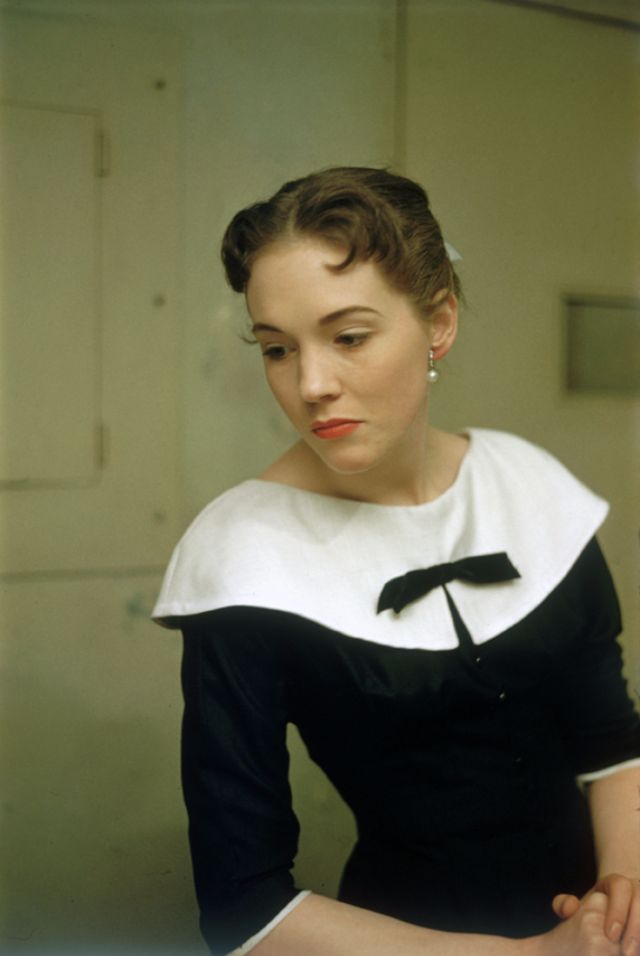
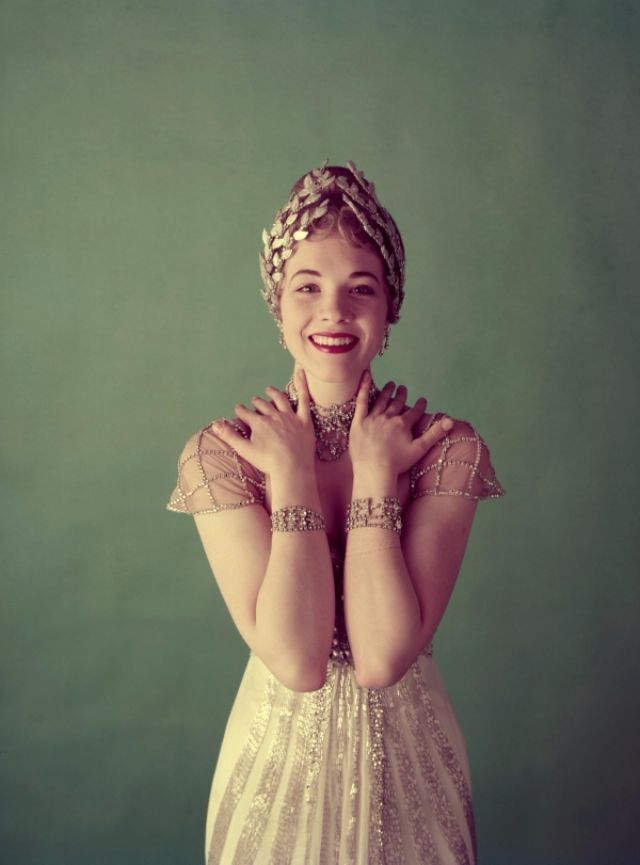
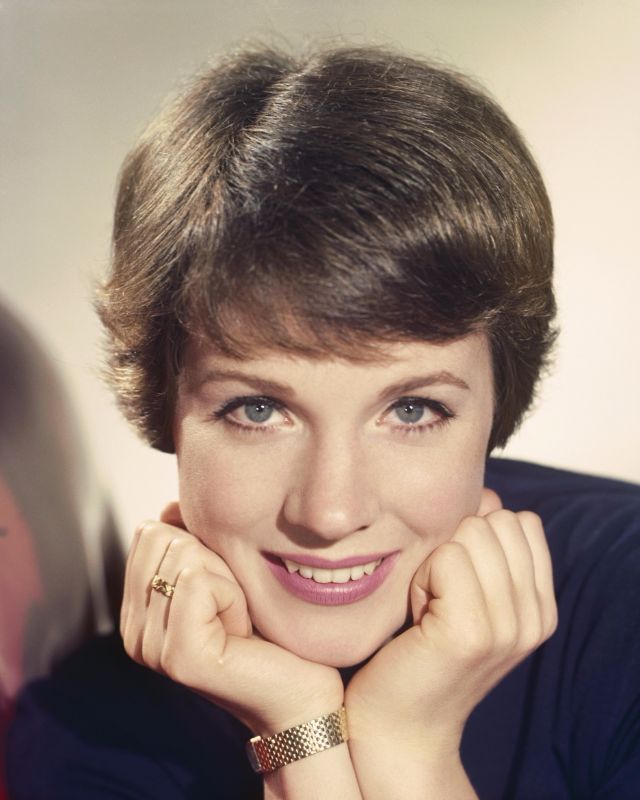
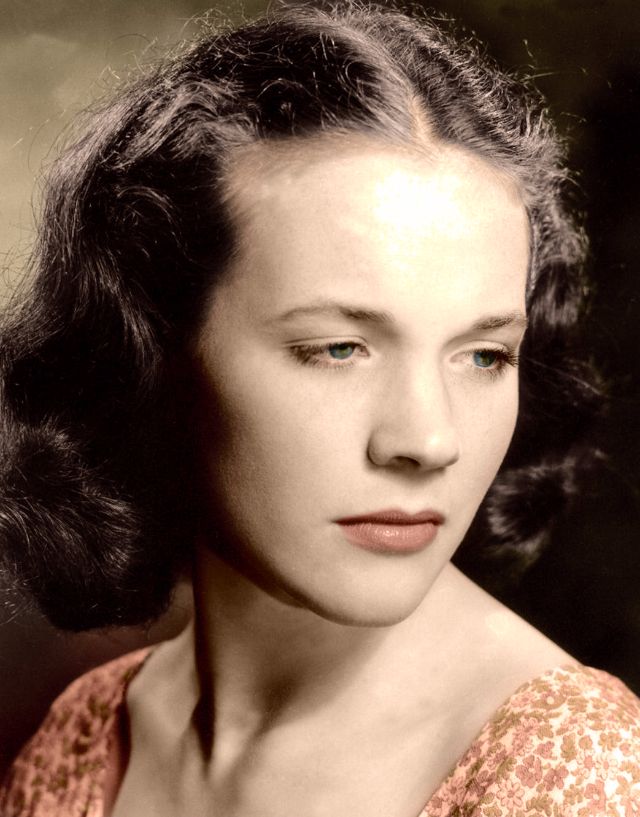
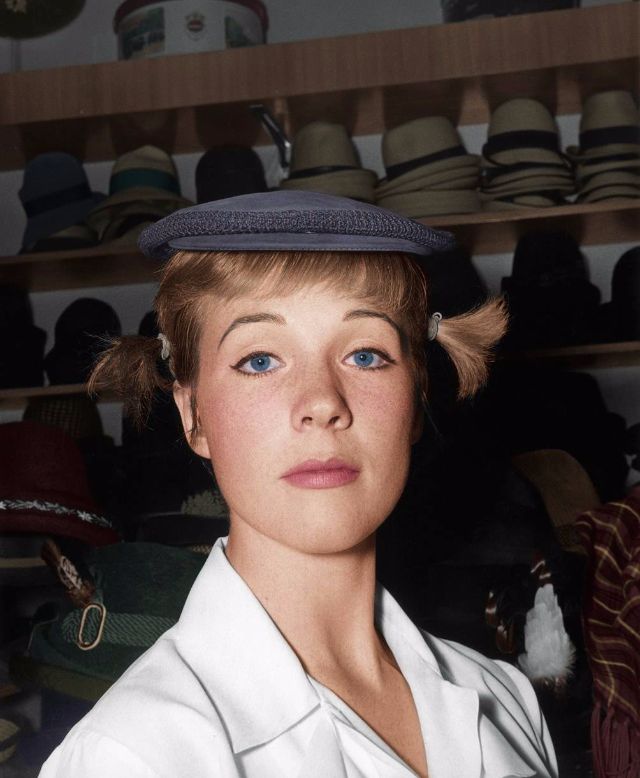
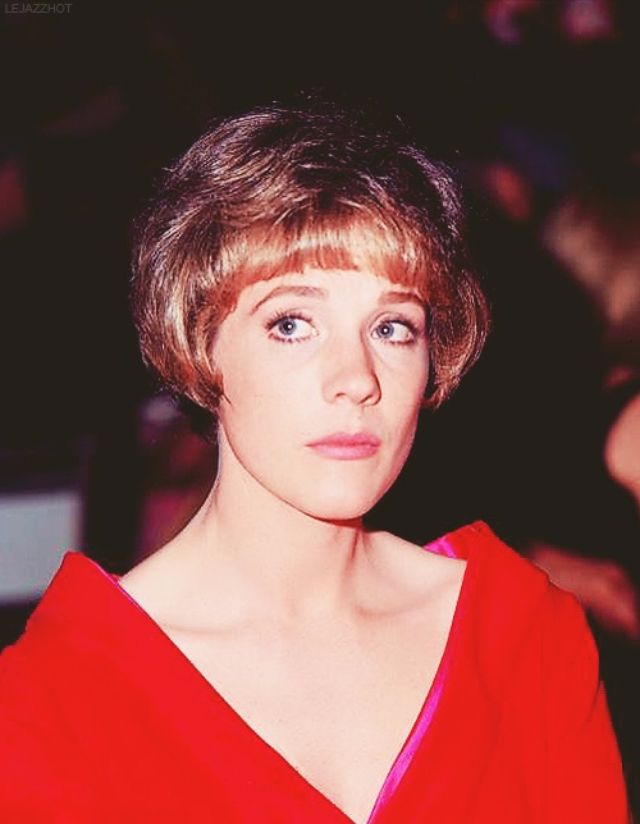
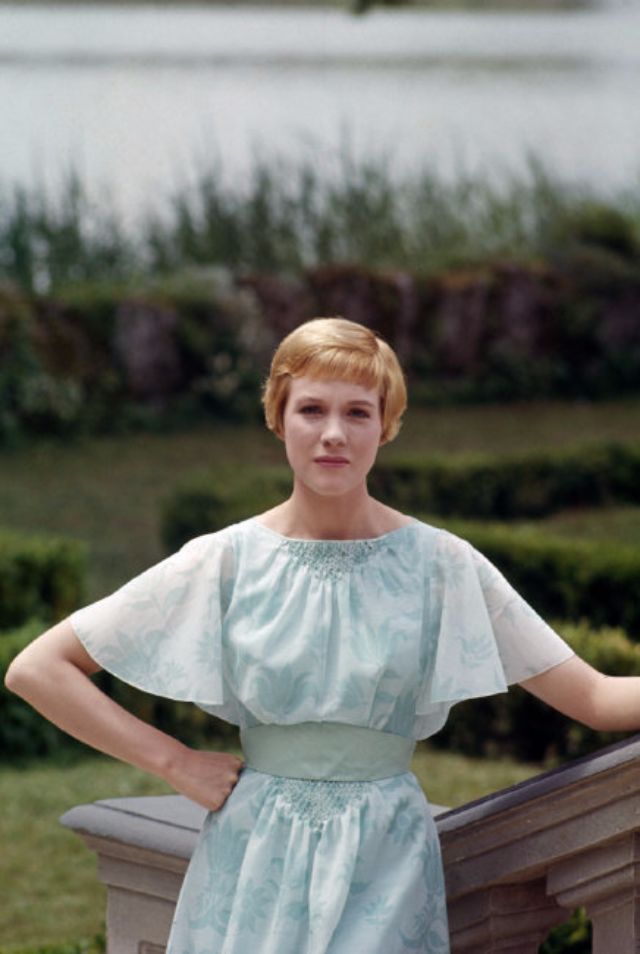
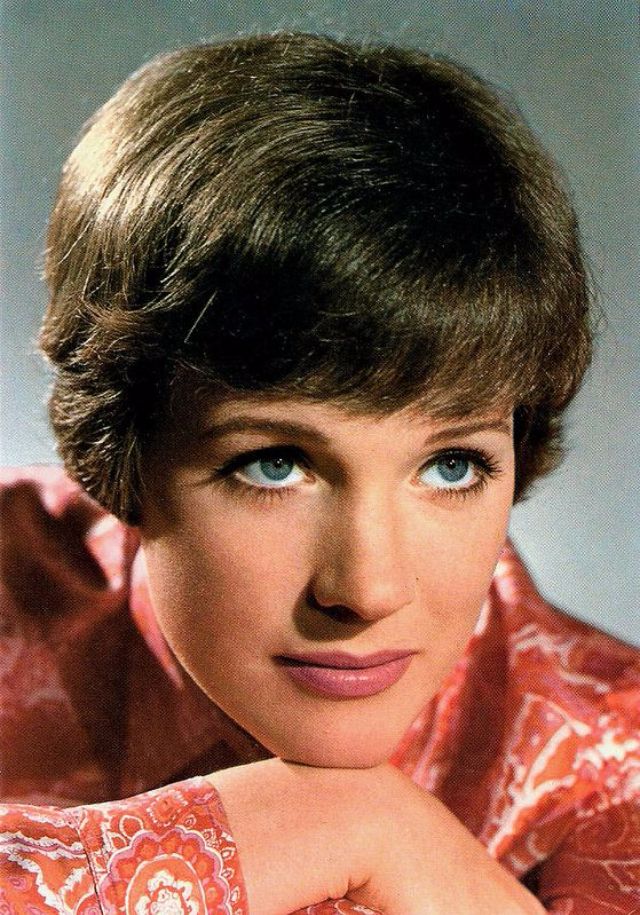
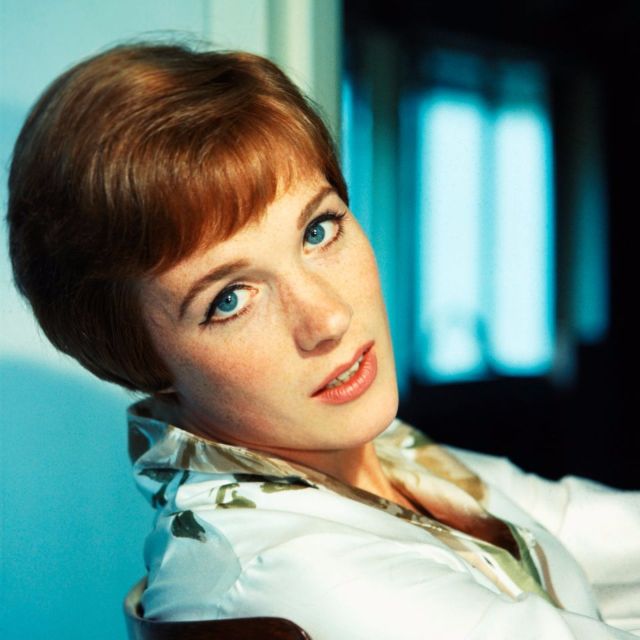
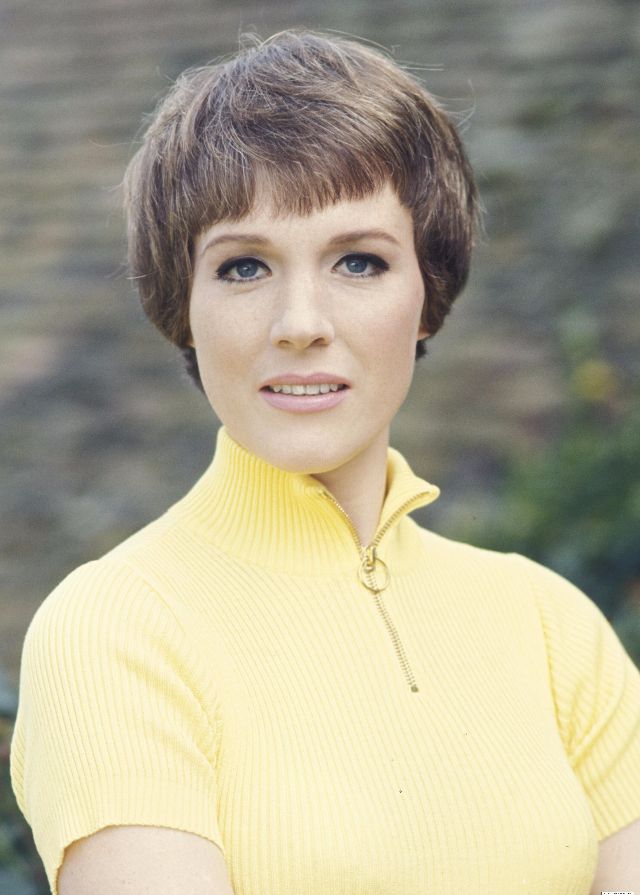
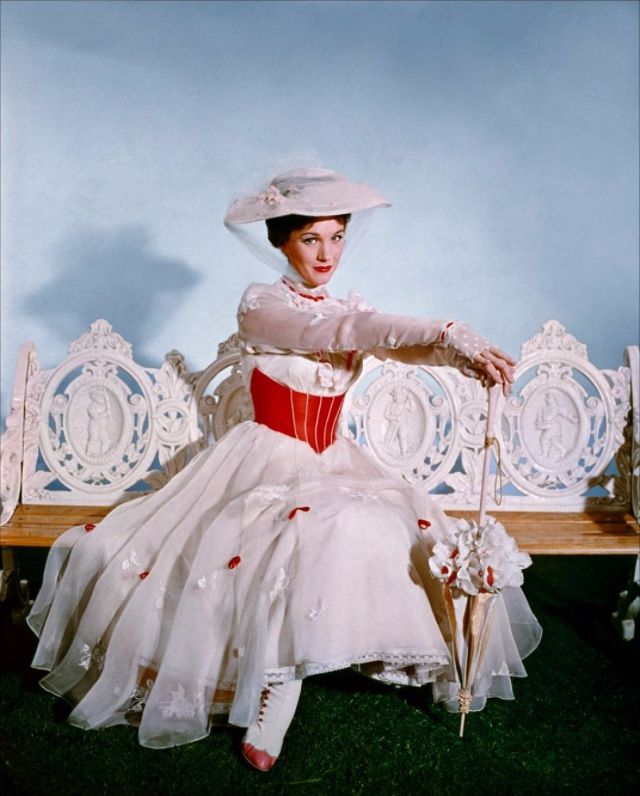
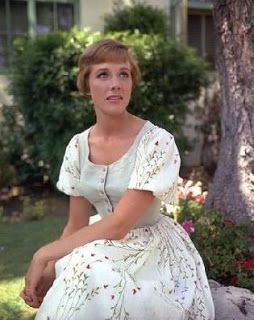
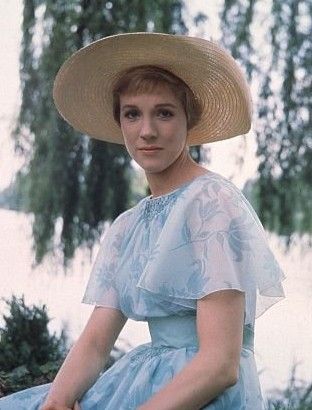
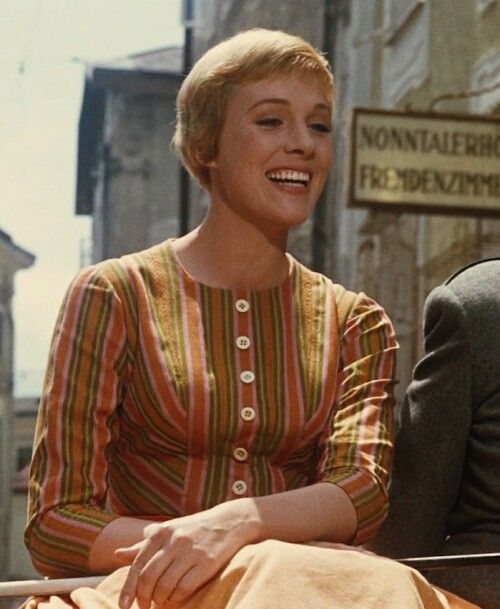
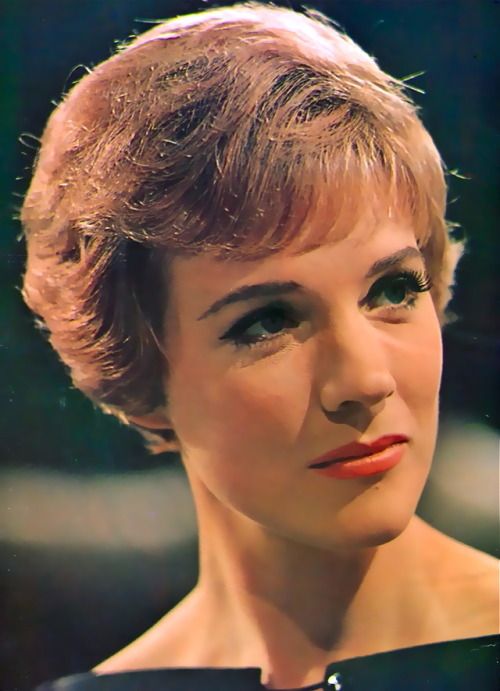
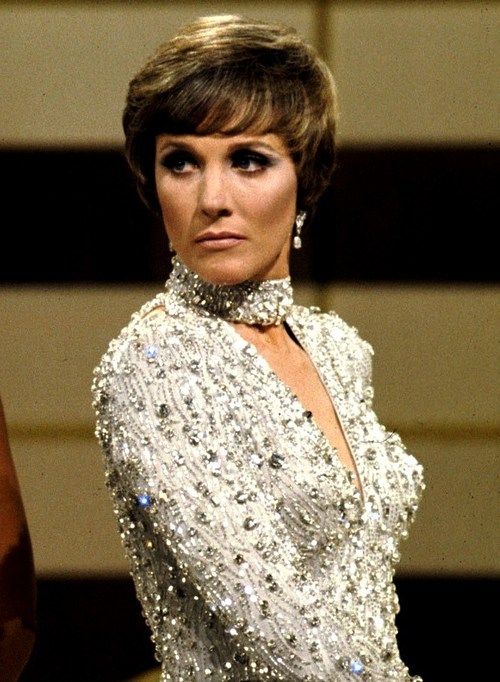
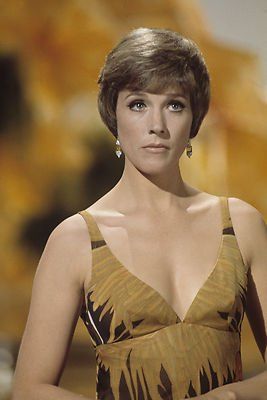
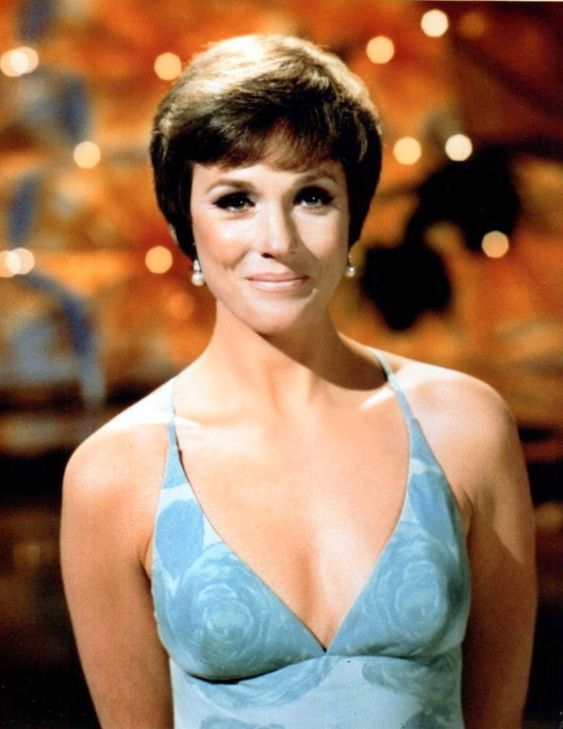
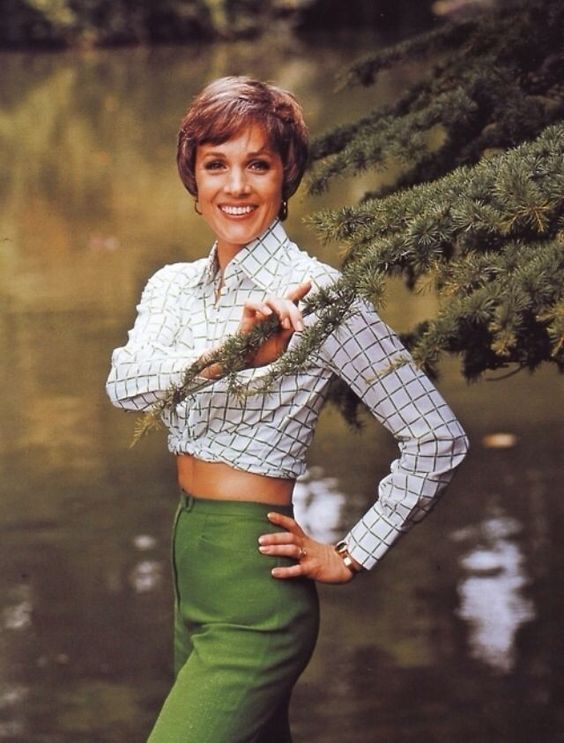
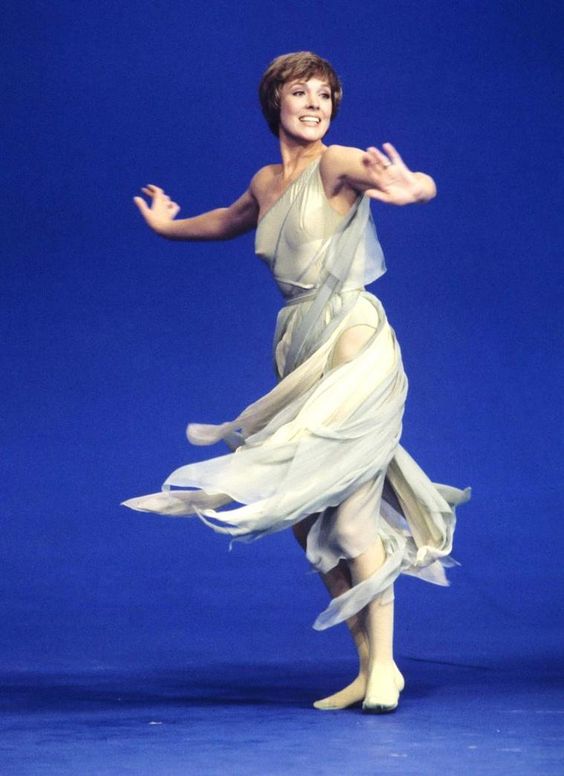
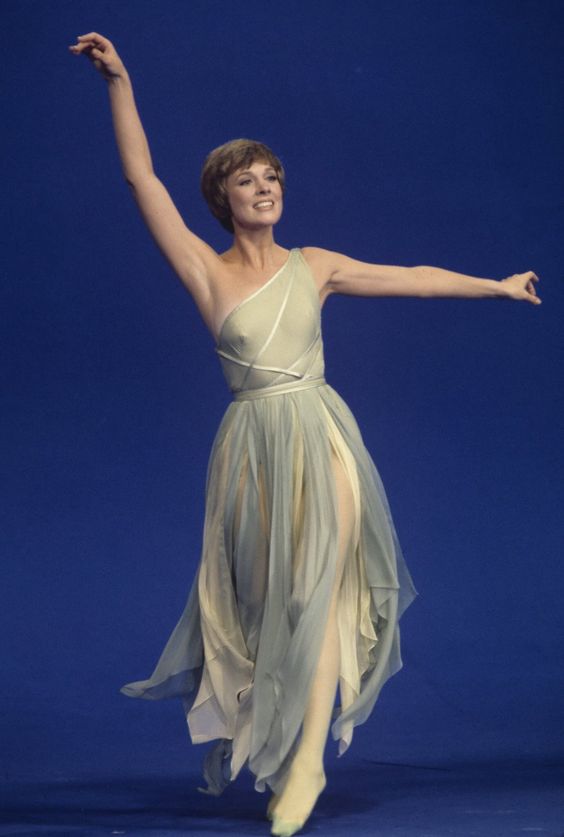
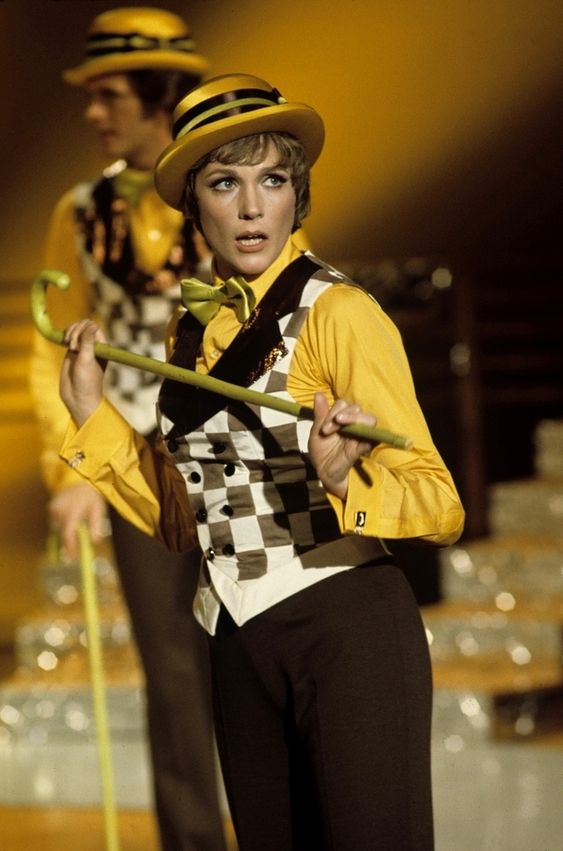
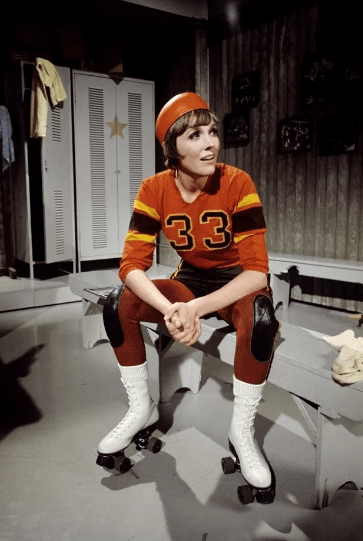
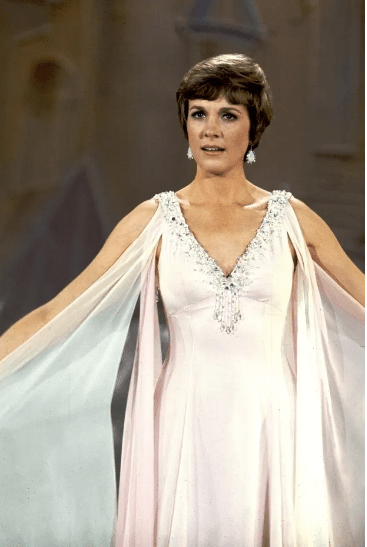
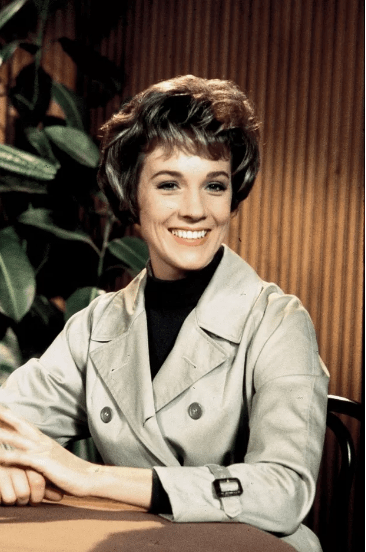
Dame Julie Andrews DBE (born Julia Elizabeth Wells; 1 October 1935) is an English actress, singer, and author. Throughout her career spanning nine decades, she has received numerous accolades, including an Academy Award, a British Academy Film Award, two Primetime Emmy Awards, three Grammy Awards, and six Golden Globe Awards. Andrews was made a Disney Legend in 1991, and has been honoured with a Honorary Golden Lion as well as the AFI Life Achievement Award. In 2000, Andrews was made a Dame by Queen Elizabeth II for services to the performing arts.
Andrews, a child actress and singer, appeared in the West End in 1948 and made her Broadway debut in The Boy Friend (1954). Billed as “Britain’s youngest prima donna”, she rose to prominence starring in Broadway musicals such as My Fair Lady (1956) playing Eliza Doolittle and Camelot (1960) playing Queen Guinevere. On 31 March 1957, Andrews starred in the premiere of Rodgers and Hammerstein’s written-for-television musical Cinderella, a live, colour CBS network broadcast seen by over 100 million viewers. Andrews made her feature film debut in Walt Disney’s Mary Poppins (1964) and won the Academy Award for Best Actress for her performance in the title role. The following year she starred in musical film The Sound of Music (1965), playing Maria von Trapp and won the Golden Globe Award for Best Actress – Motion Picture Comedy or Musical.
Between 1964 and 1986, Andrews starred in various films working with directors including her husband Blake Edwards, George Roy Hill, and Alfred Hitchcock in The Americanization of Emily (1964), Hawaii (1966), Torn Curtain (1966), Thoroughly Modern Millie (1967), Star! (1968), The Tamarind Seed (1974), 10 (1979), S.O.B. (1981), Victor/Victoria (1982), That’s Life! (1986), and Duet for One (1986). After 1986 her workload decreased, appearing in two films in 1991 and not again until 2000. After the turn of the new millennium, however, her career had a revival. From 2001 to 2004 Andrews starred in The Princess Diaries (2001) and The Princess Diaries 2: Royal Engagement (2004). From 2004 to 2018 she lent her voice to the Shrek and Despicable Me animated films and Aquaman (2018). In 2017 she co-created and hosted a children’s educational show titled Julie’s Greenroom, for which she received two Daytime Emmy Award nominations. Beginning in 2020, Andrews voiced the narrator Lady Whistledown in the Netflix series Bridgerton. She has also worked hosting performance shows such as Great Performances and narrating documentaries such as the 2004 Emmy-winning series Broadway: The American Musical.
In 2002, Andrews was ranked No. 59 in the BBC’s poll of the 100 Greatest Britons. In 2003, she revisited her first Broadway success, this time as a stage director, with a revival of The Boy Friend. Apart from her musical career, she is also an author of children’s books and has published two autobiographies, Home: A Memoir of My Early Years (2008) and Home Work: A Memoir of My Hollywood Years (2019).
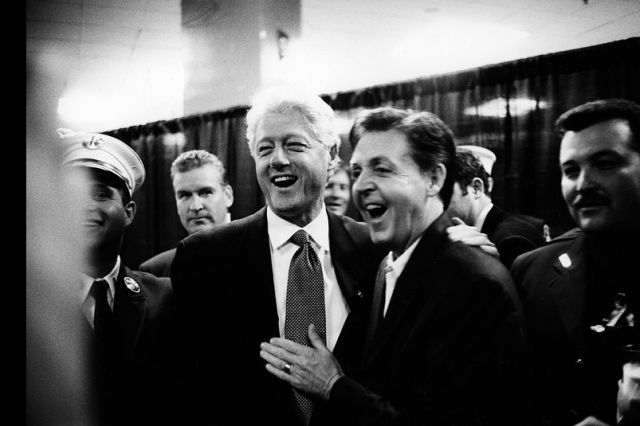
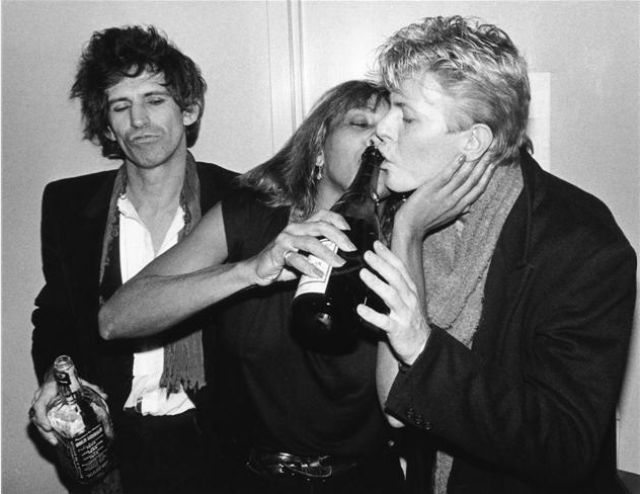
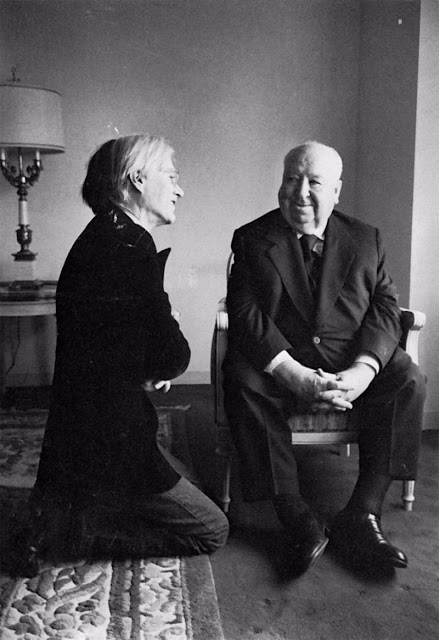
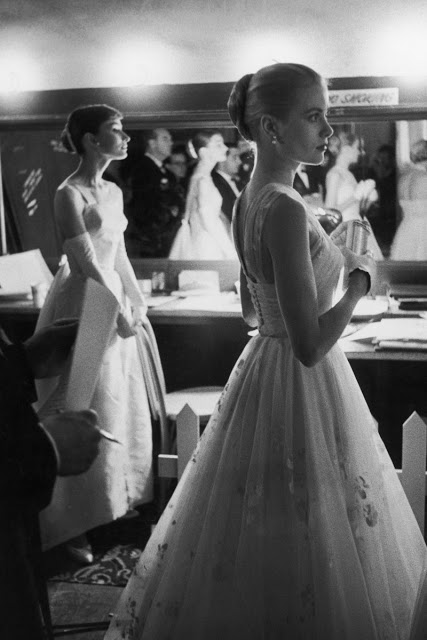
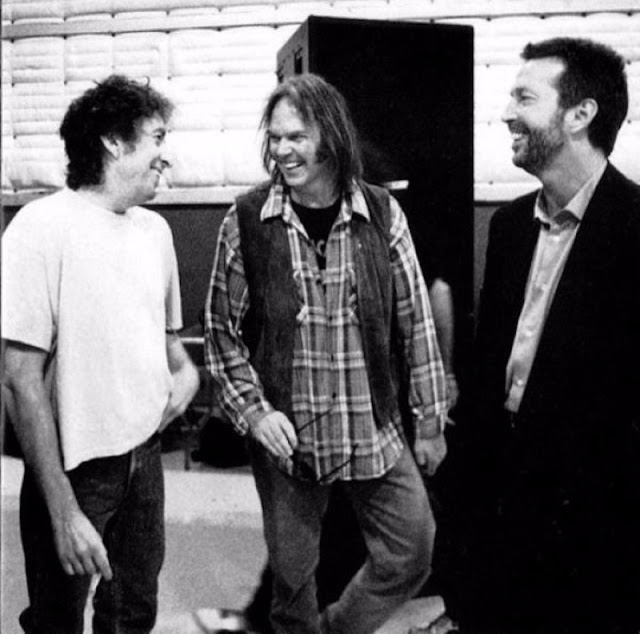
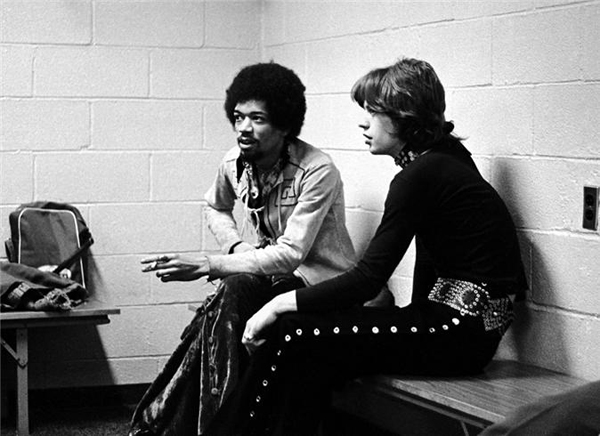
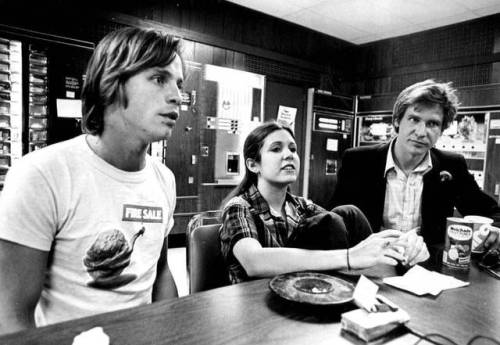
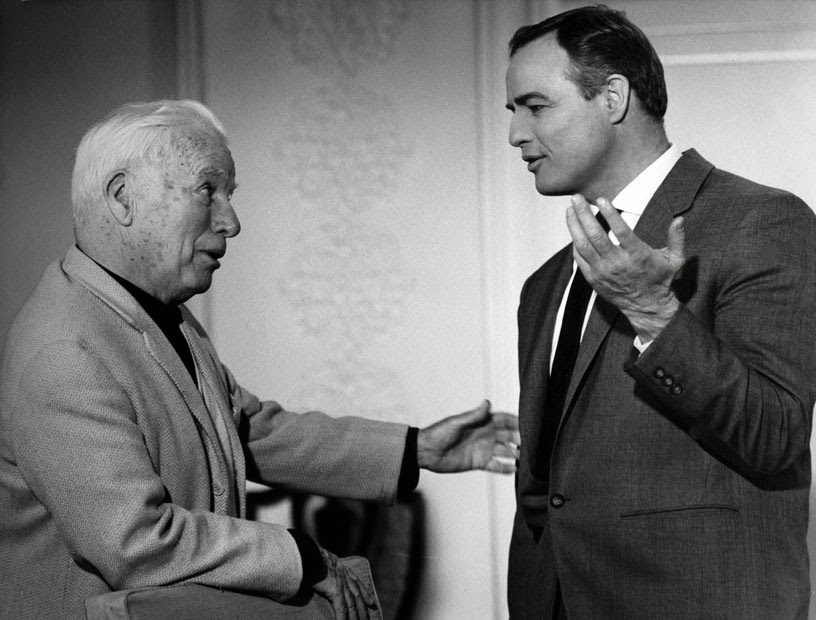
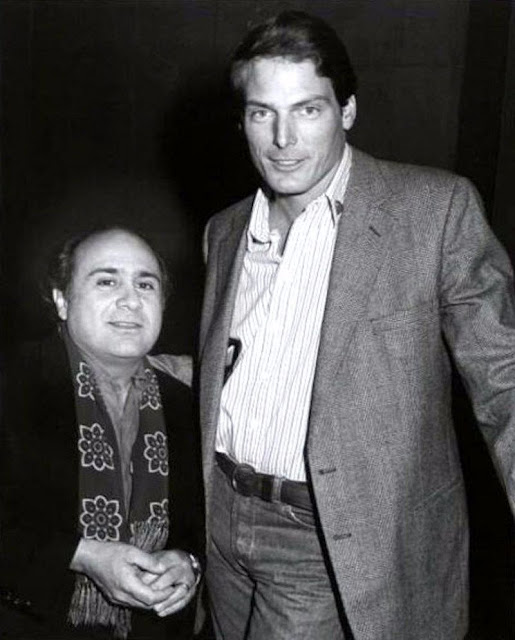
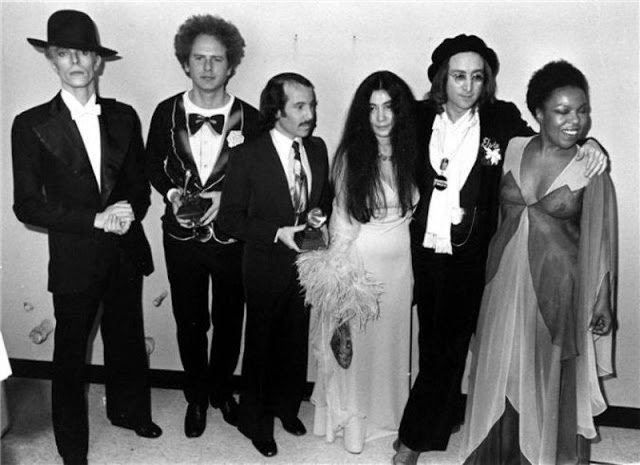
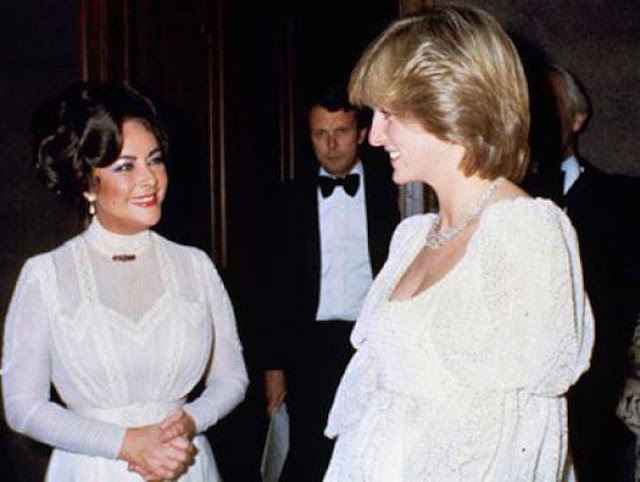
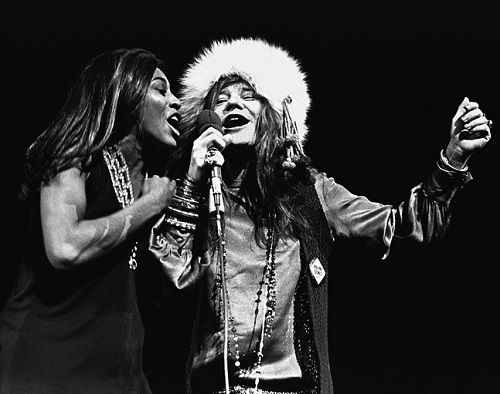
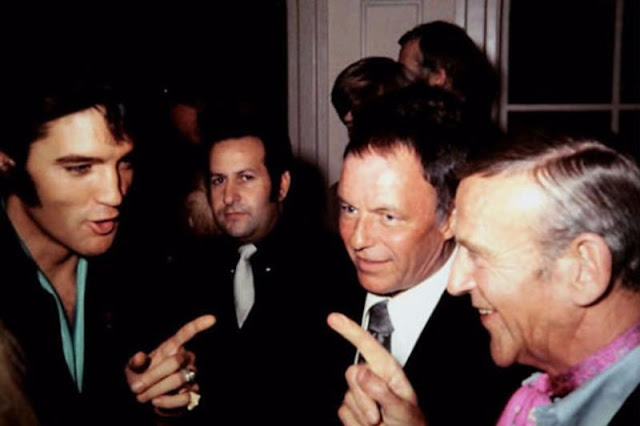
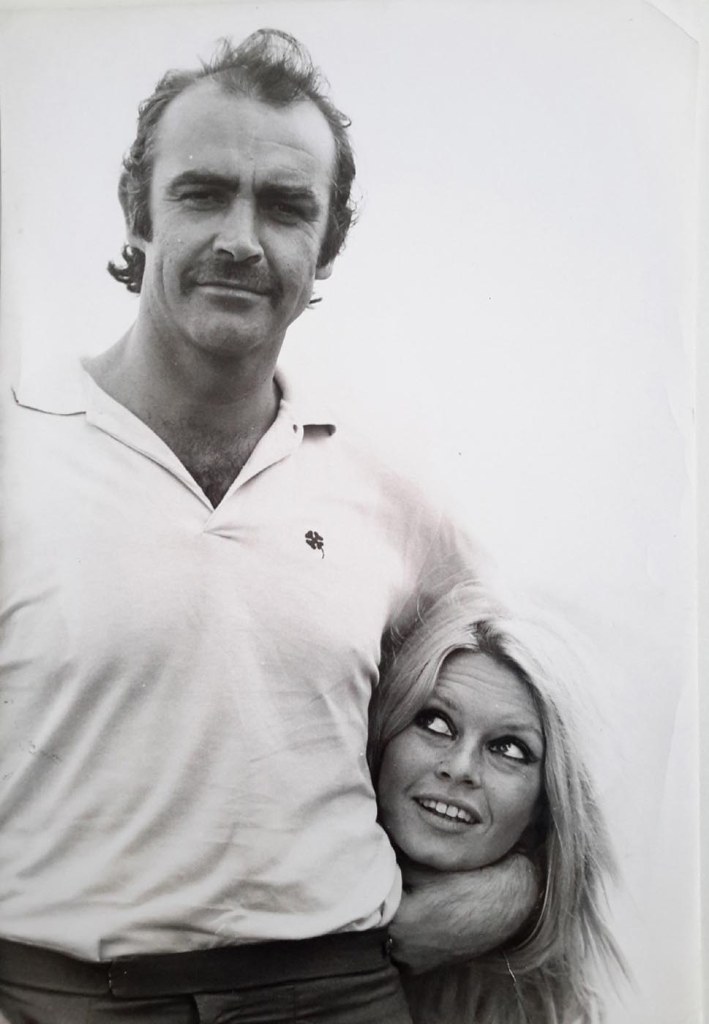
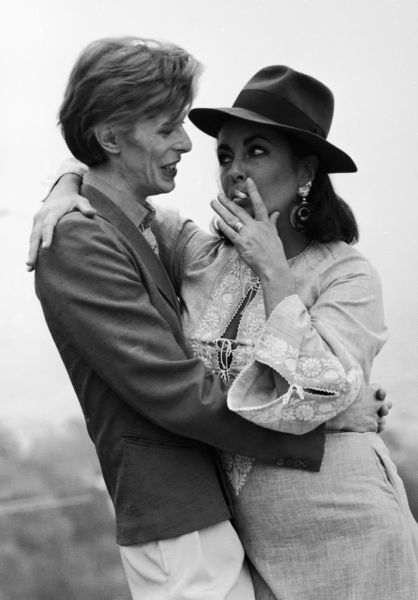
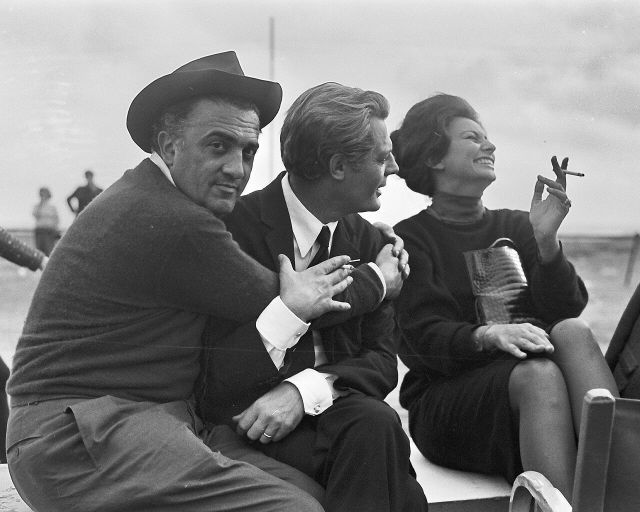
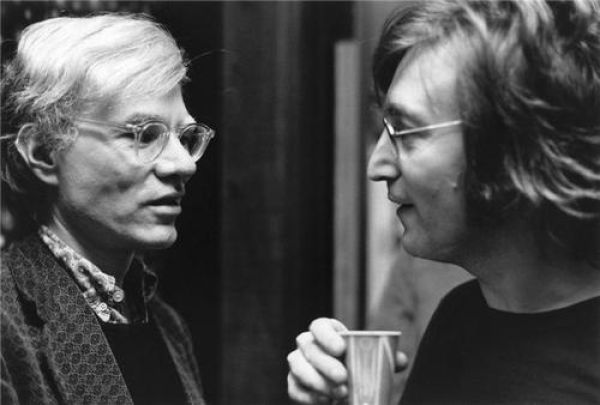
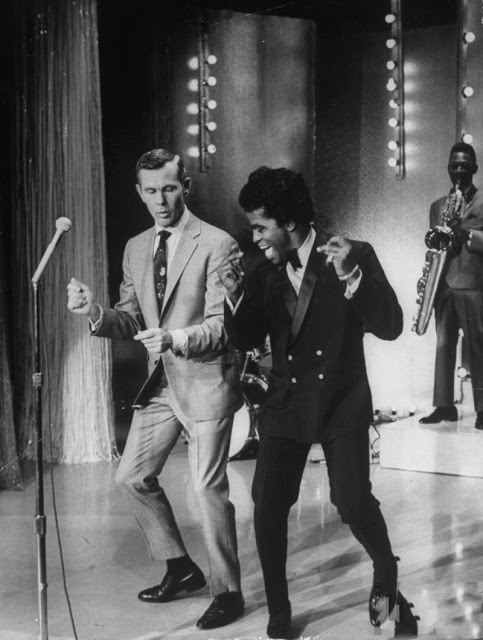
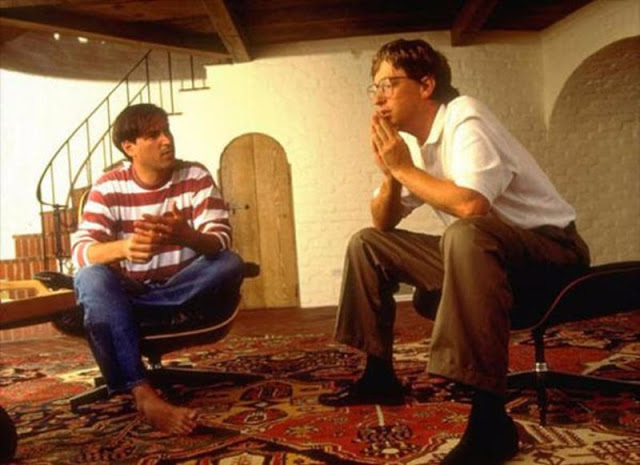
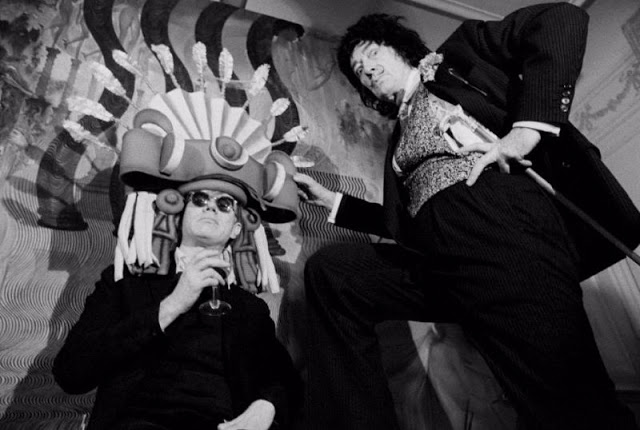
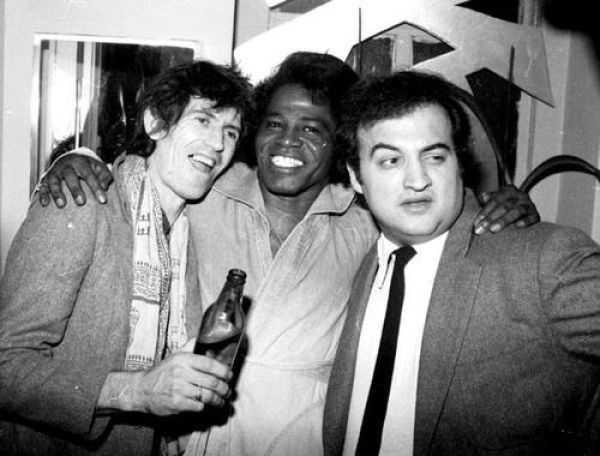
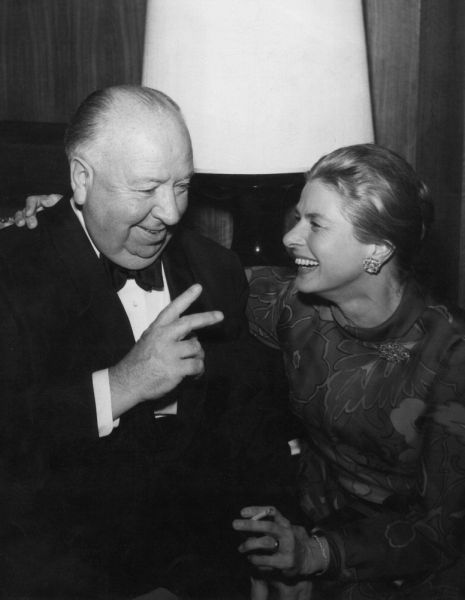
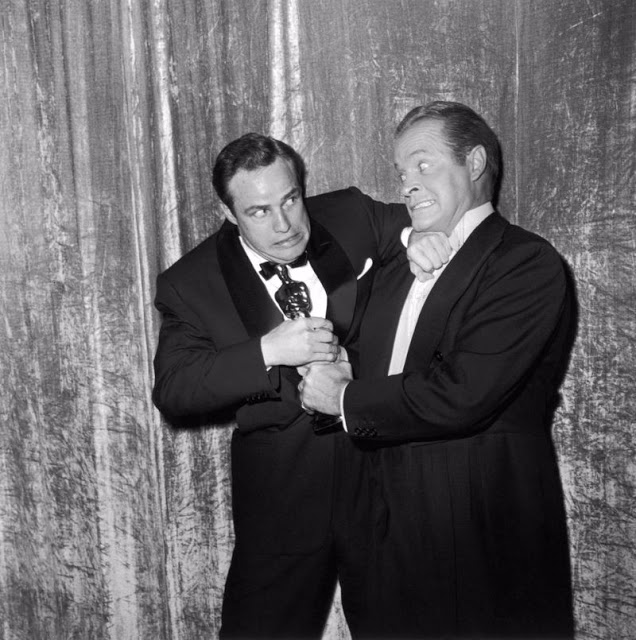
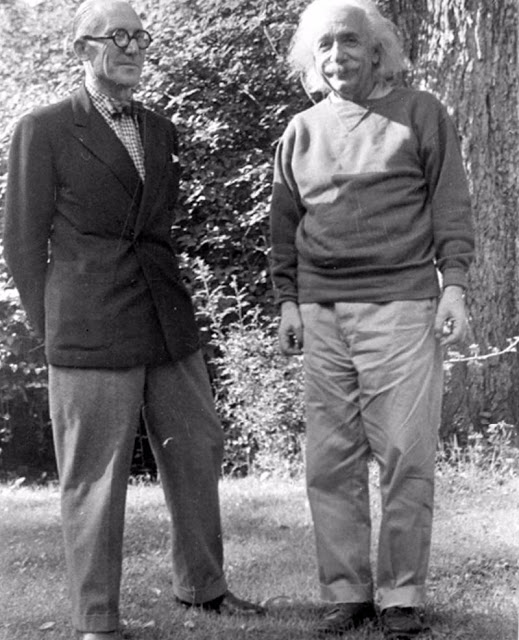
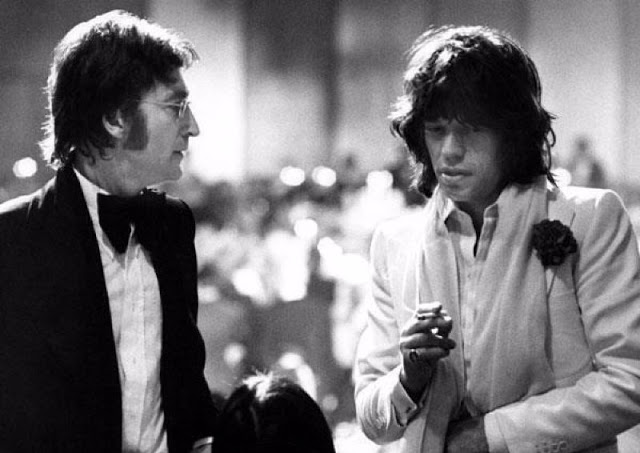
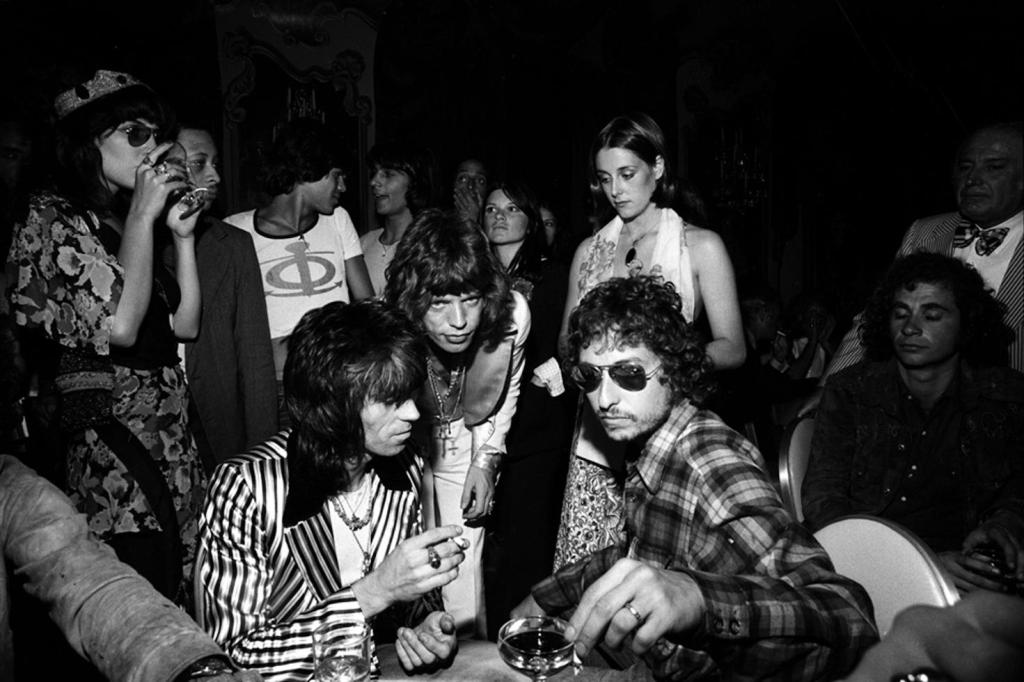
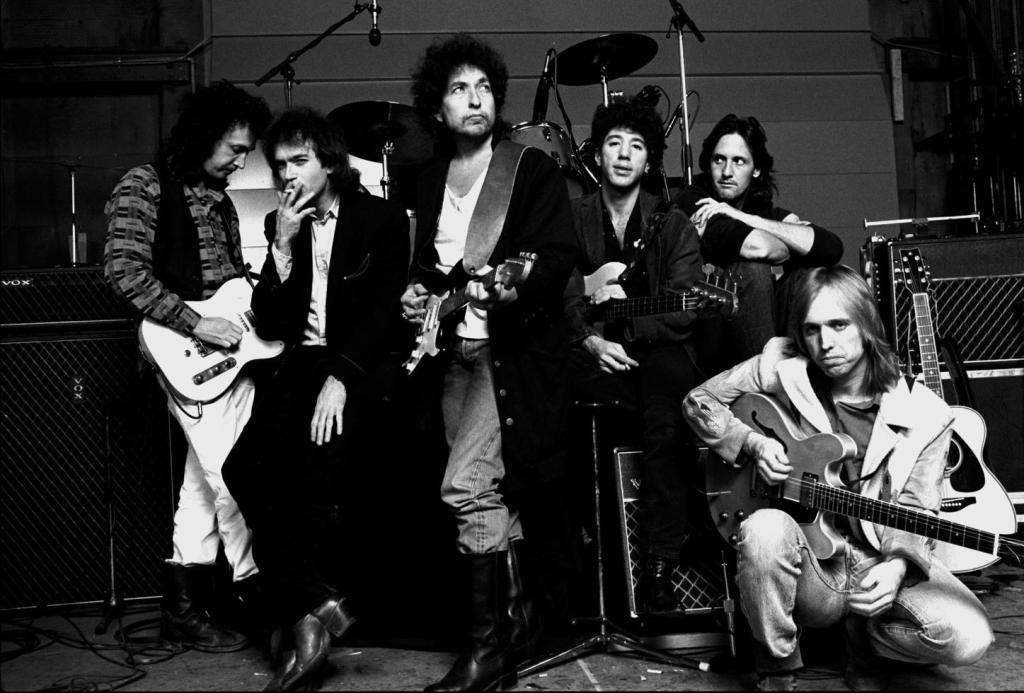
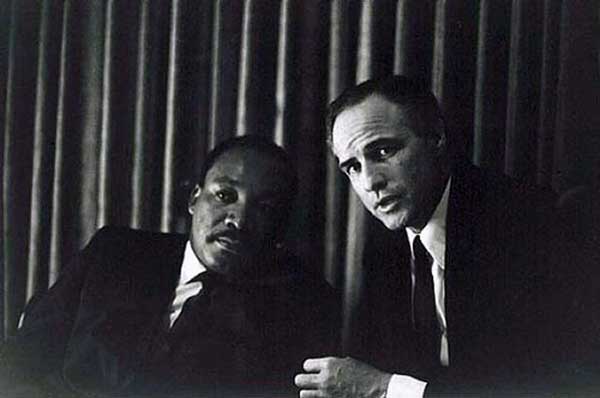
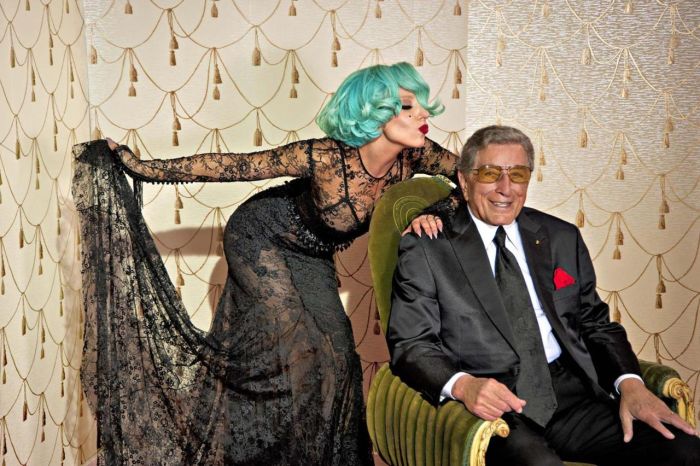
Bill Clinton and Paul McCartneyKeith Richards, Tina Turner & David BowieBrigitte Bardot & Pablo PicassoAndy Warhol and Alfred HitchcockAudrey Hepburn and Grace KellyBob Dylan, Neil Young and Eric ClaptonJimi Hendrix & Mick JaggerMark Hamill, Carrie Fisher & Harrison FordCharlie Chaplin and Marlon BrandoDanny DeVito and Christopher ReeveDavid Bowie, Art Garfunkel, Paul Simon, Yoko Ono, John Lennon and Roberta FlackElizabeth Taylor and Princess DianaJanis Joplin and Tina TurnerElvis Presley, Joe Esposito, Frank Sinatra and Fred AstaireElvis Presley with comic Lou Costello and actress Jane RussellSean Connery & Brigitte BardotDavid Bowie & Elizabeth TaylorFederico Fellini, Marcello Mastroianni and Sophia LorenAndy Warhol & John LennonJohnny Carson and James BrownCharlie Chaplin and Helen KellerSteve Jobs and Bill GatesAndy Warhol and Salvador DaliKeith Richards, James Brown & John BelushiBob Dylan & Allen GinsbergAlfred Hitchcock and Ingrid BergmanMarlon Brando and Bob HopeLe Corbusier and Albert EinsteinJohn Lennon and Mick JaggerGeorge Lucas, Akira Kurosawa and Francis Ford CoppolaKeith Richards, Mick Jagger & Bob DylanBob Dylan and Tom PettyElla Fitzgerald and Marilyn MonroeMartin Luther King Jr. and Marlon BrandoLady Gaga and Tony Bennett
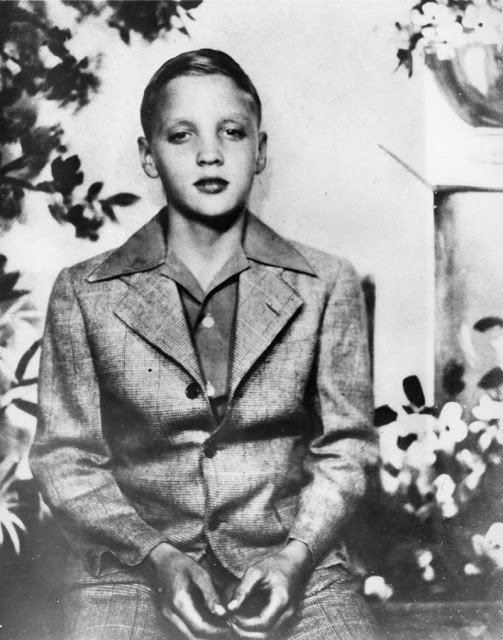
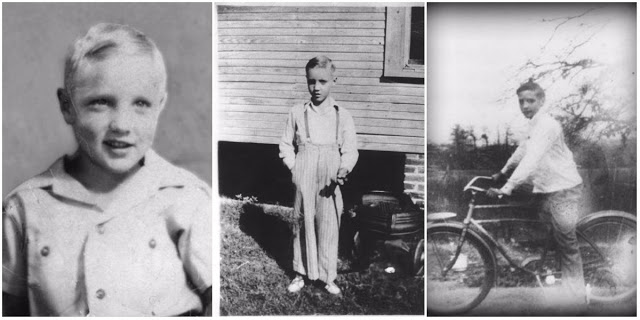
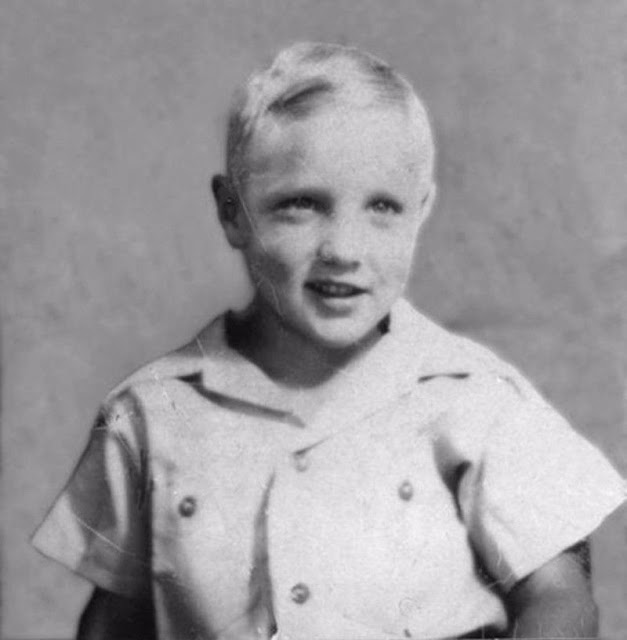
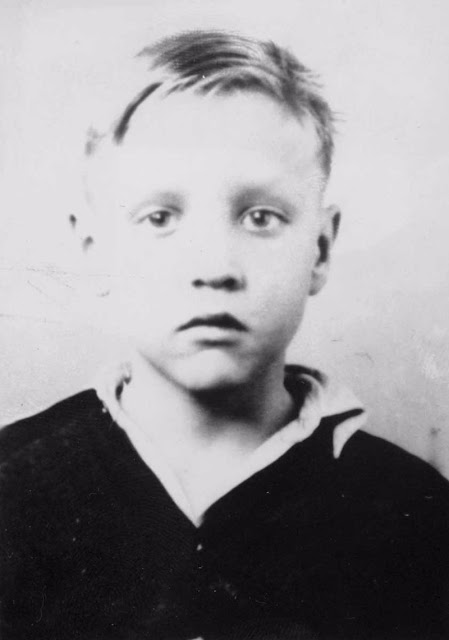
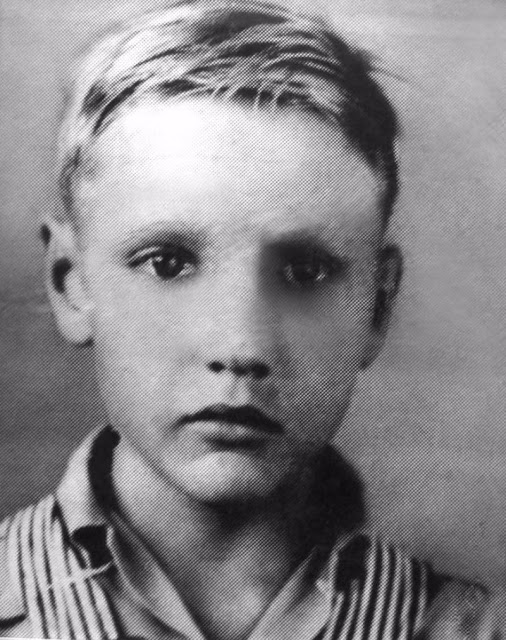
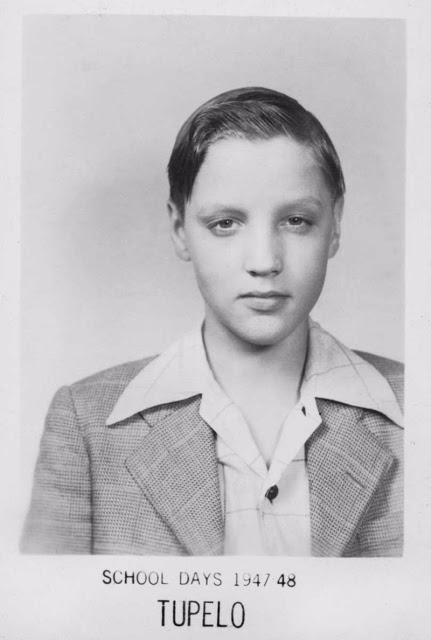
Elvis Aaron Presley (January 8, 1935 – August 16, 1977) was an American singer and actor. Dubbed the “King of Rock and Roll”, he is regarded as one of the most significant cultural icons of the 20th century. His energized interpretations of songs and sexually provocative performance style, combined with a singularly potent mix of influences across color lines during a transformative era in race relations, led him to both great success and initial controversy.
Presley was born in Tupelo, Mississippi, and relocated to Memphis, Tennessee, with his family when he was 13 years old. His music career began there in 1954, recording at Sun Records with producer Sam Phillips, who wanted to bring the sound of African-American music to a wider audience. Presley, on rhythm acoustic guitar, and accompanied by lead guitarist Scotty Moore and bassist Bill Black, was a pioneer of rockabilly, an uptempo, backbeat-driven fusion of country music and rhythm and blues. In 1955, drummer D. J. Fontana joined to complete the lineup of Presley’s classic quartet and RCA Victor acquired his contract in a deal arranged by Colonel Tom Parker, who would manage him for more than two decades. Presley’s first RCA Victor single, “Heartbreak Hotel”, was released in January 1956 and became a number-one hit in the United States. Within a year, RCA would sell ten million Presley singles. With a series of successful network television appearances and chart-topping records, Presley became the leading figure of the newly popular sound of rock and roll.
In November 1956, Presley made his film debut in Love Me Tender. Drafted into military service in 1958, Presley relaunched his recording career two years later with some of his most commercially successful work. He held few concerts, however, and guided by Parker, proceeded to devote much of the 1960s to making Hollywood films and soundtrack albums, most of them critically derided. In 1968, following a seven-year break from live performances, he returned to the stage in the acclaimed television comeback special Elvis, which led to an extended Las Vegas concert residency and a string of highly profitable tours. In 1973, Presley gave the first concert by a solo artist to be broadcast around the world, Aloha from Hawaii. Years of prescription drug abuse severely compromised his health, and he died suddenly in 1977 at his Graceland estate at the age of 42.
Recognized as the best-selling solo music artist of all time by Guinness World Records, Presley was commercially successful in many genres, including pop, country, R&B, adult contemporary, and gospel. He won three Grammy Awards, received the Grammy Lifetime Achievement Award at age 36, and has been inducted into multiple music halls of fame. Presley holds several records, including the most RIAA certified gold and platinum albums, the most albums charted on the Billboard 200, the most number-one albums by a solo artist on the UK Albums Chart, and the most number-one singles by any act on the UK Singles Chart. In 2018, Presley was posthumously awarded the Presidential Medal of Freedom by Donald Trump.
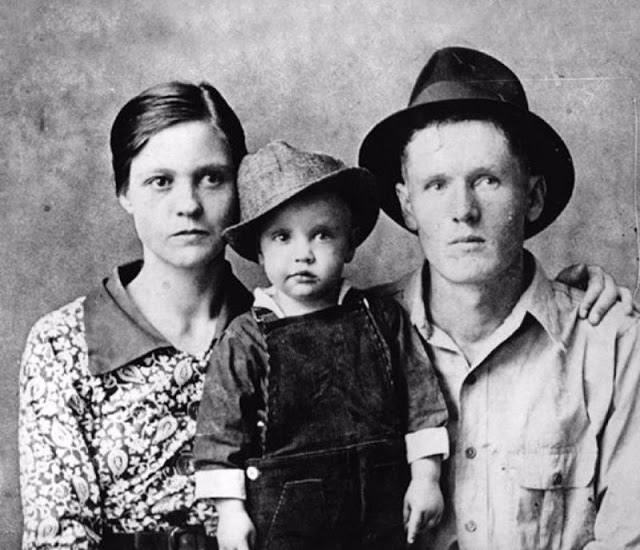
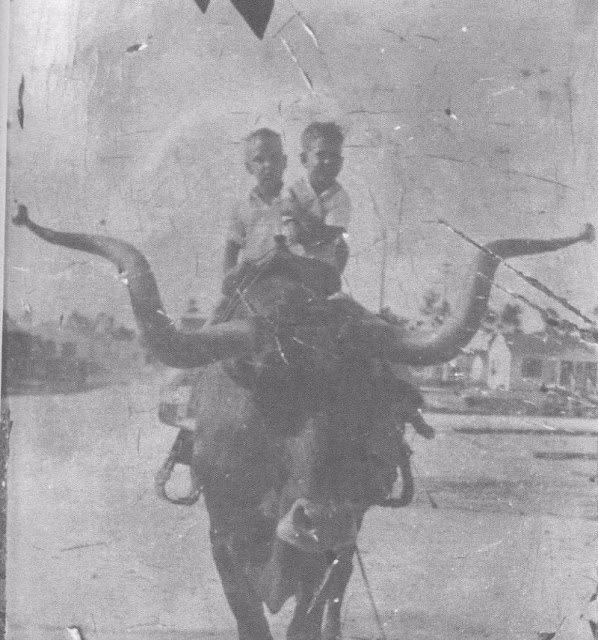
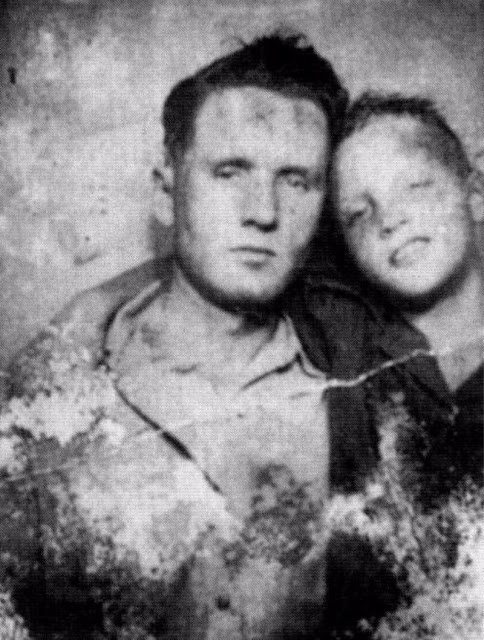
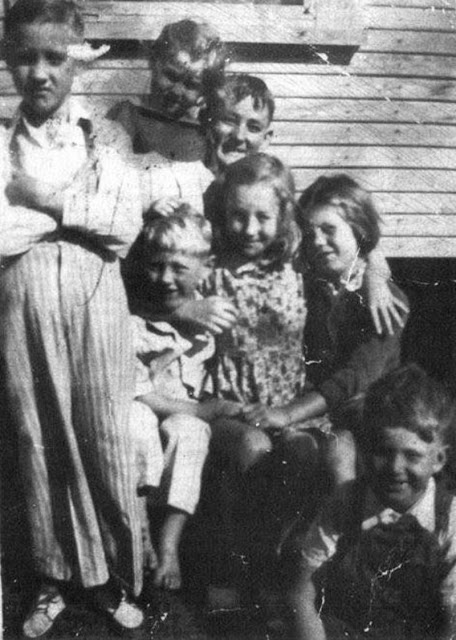
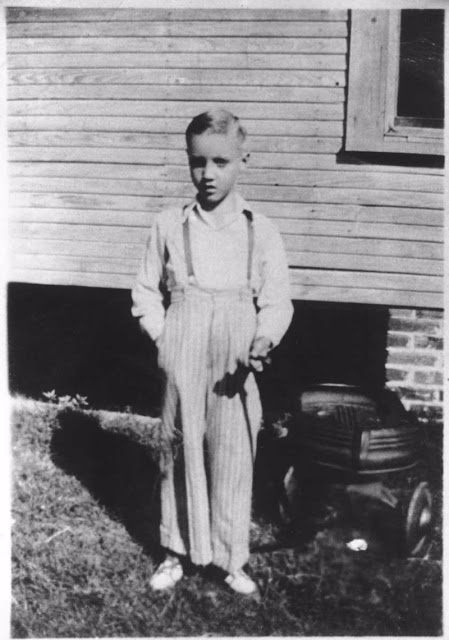
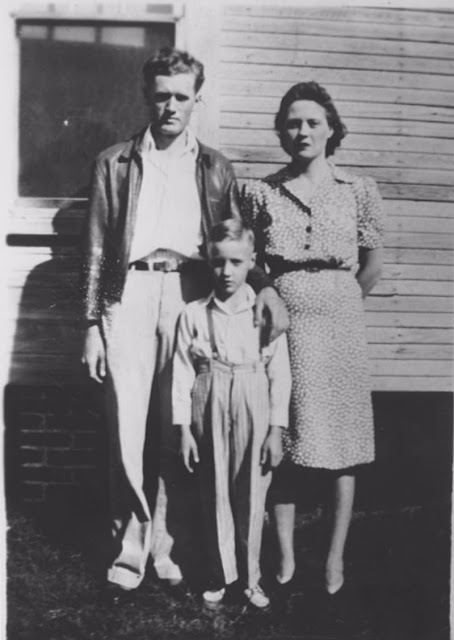
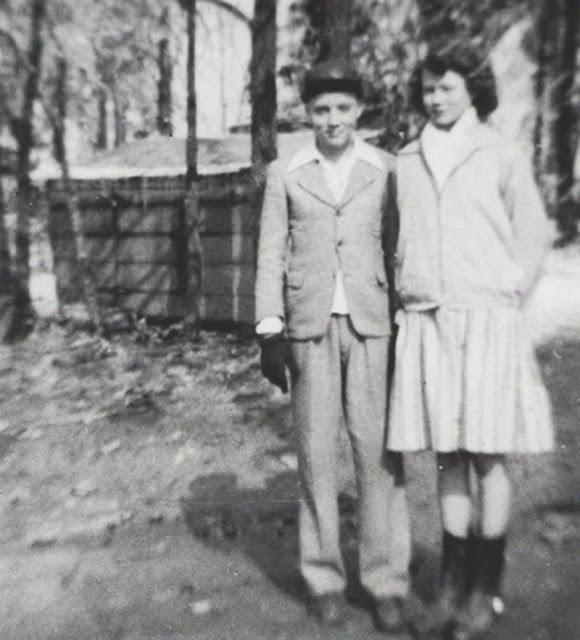
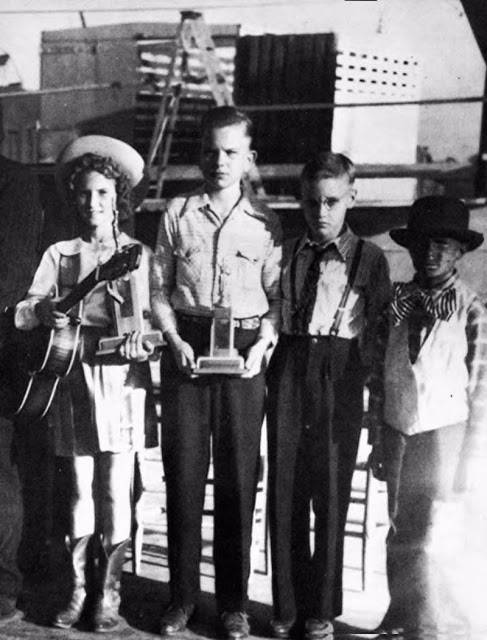
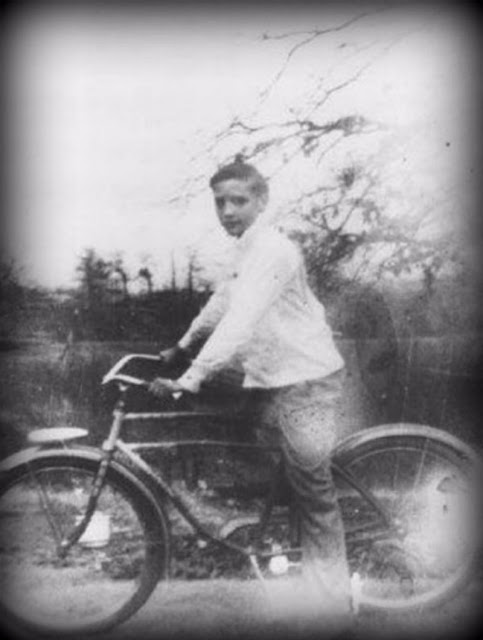
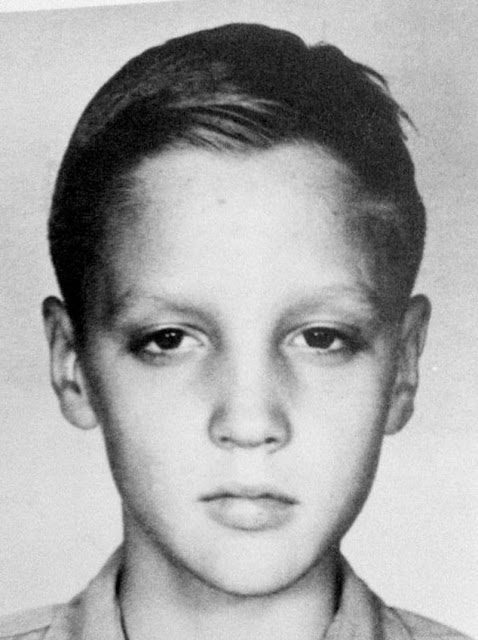
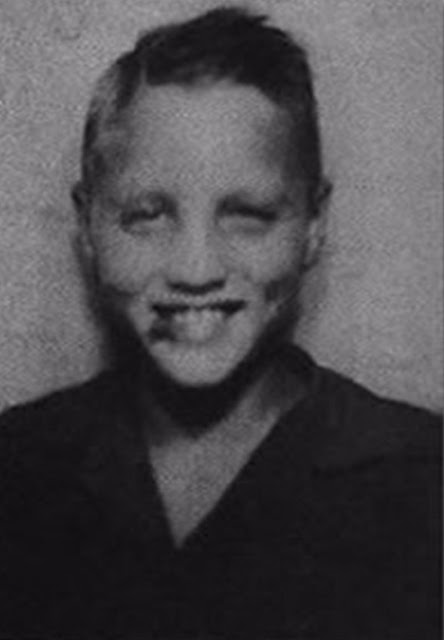
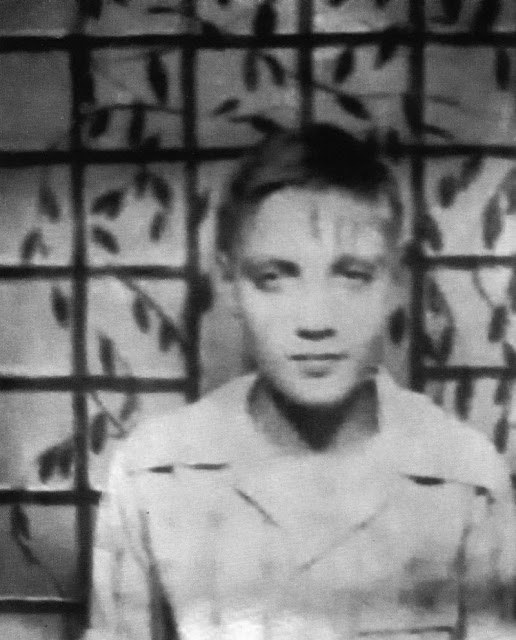
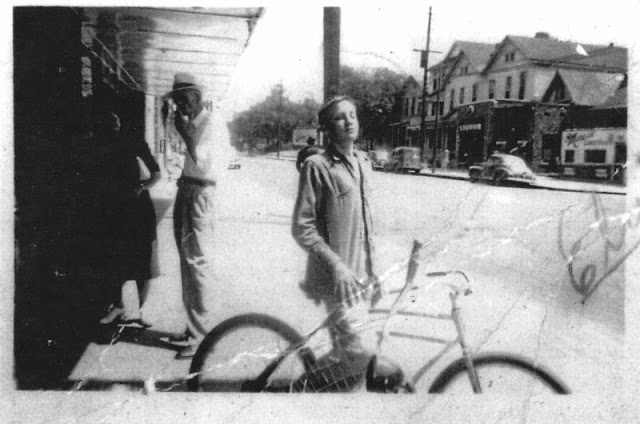
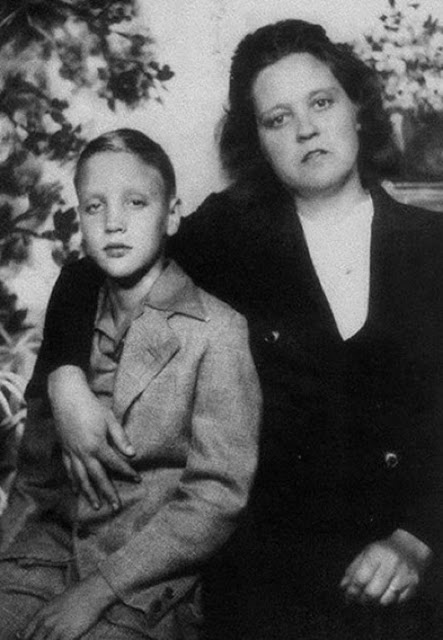
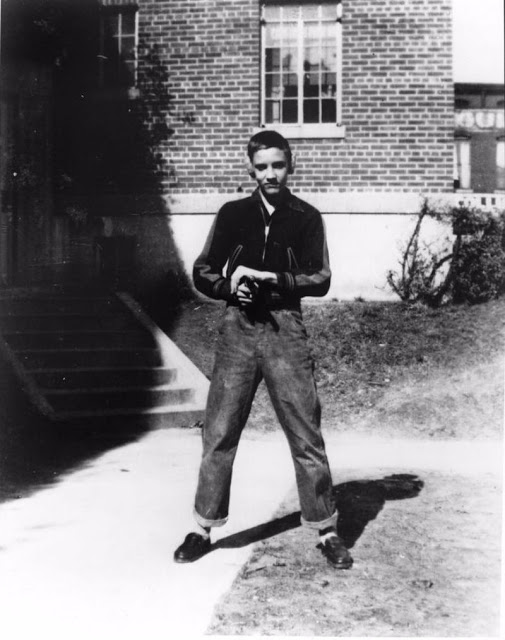
Gladys, Elvis and Vernon Presley, 1937.Elvis Presley, 1939Elvis and his cousin Kenny are riding a bull at a street carnival in Tupelo, 1941.Elvis Presley, 1942Elvis Presley, 1942Vernon and ElvisTupelo childhood classmates at Lawhon Junior High School in 1943. Elvis Presley; Evon Farrar, now Mrs. Bobby Richey; James Farrar, Fourth District Justice of the Peace; (middle row) Guy HarrisElvis Presley, 1943Elvis Presley and his parents, 1943Elvis Presley and a friend, 1945Elvis Presley and his friends, 1945Elvis Presley, 1945Elvis Presley, 1946Elvis Presley, 1947Elvis Presley, 1947Elvis Presley, 1947Elvis Presley, 1948Elvis Presley, 1948Elvis Presley and Gladys, 1948.Elvis Presley, 1949
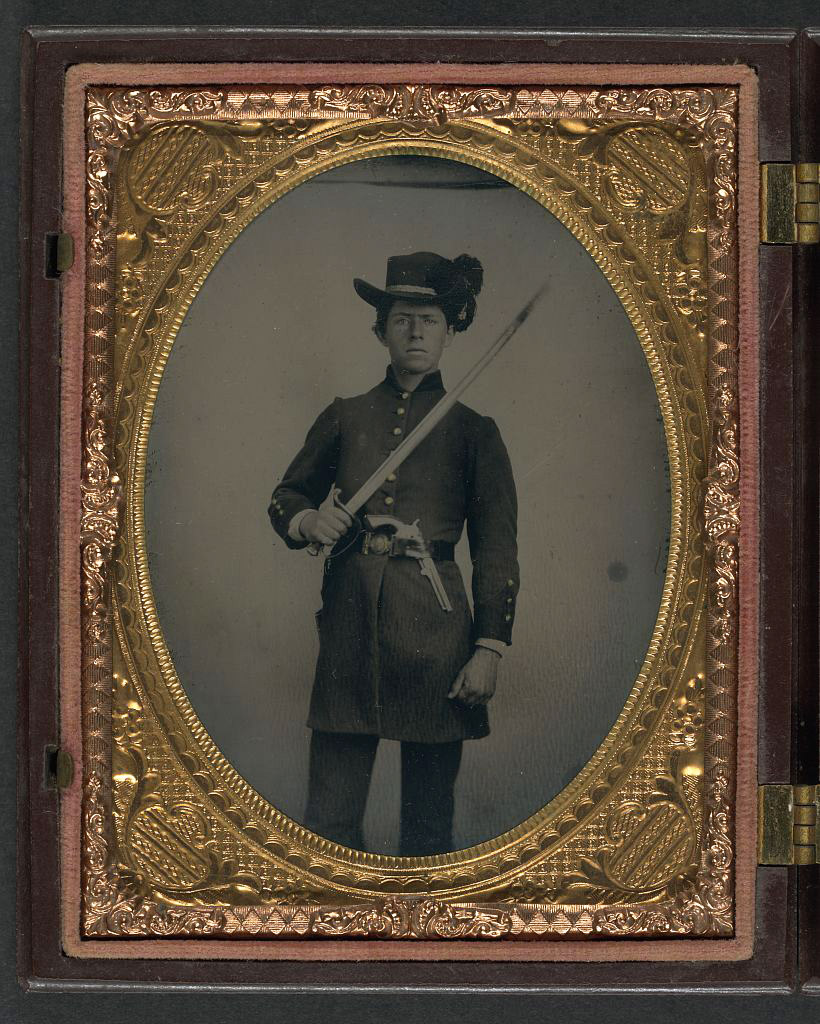
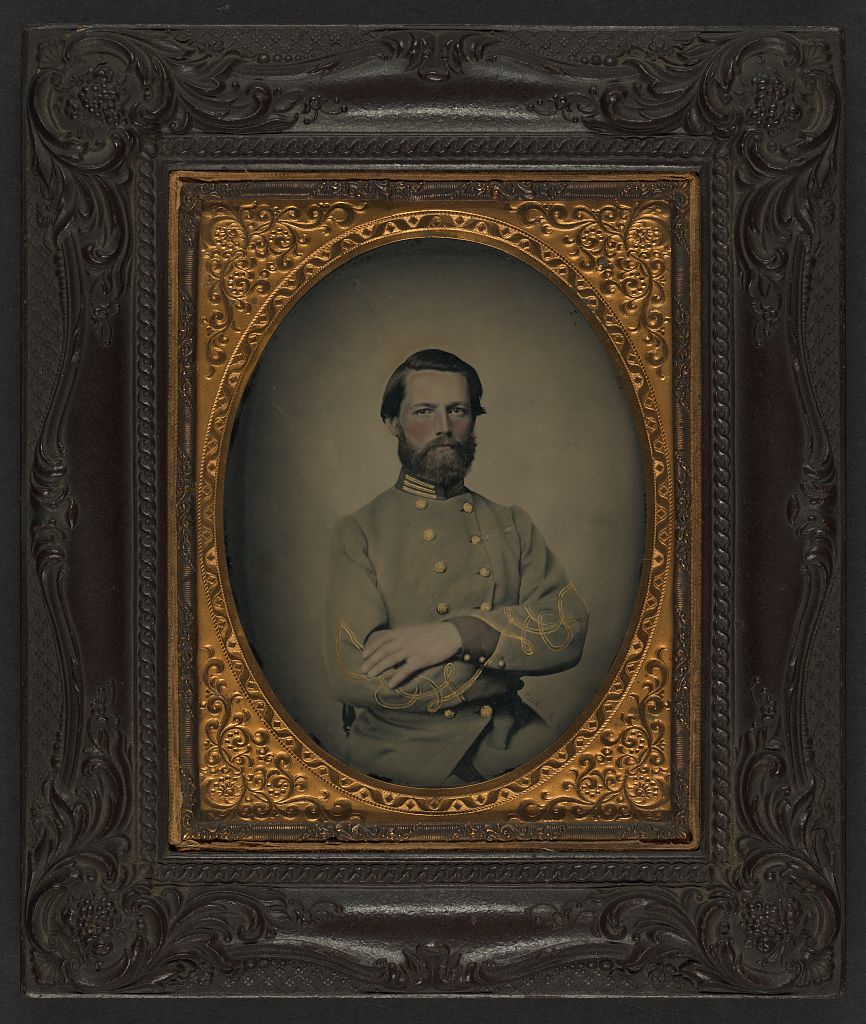
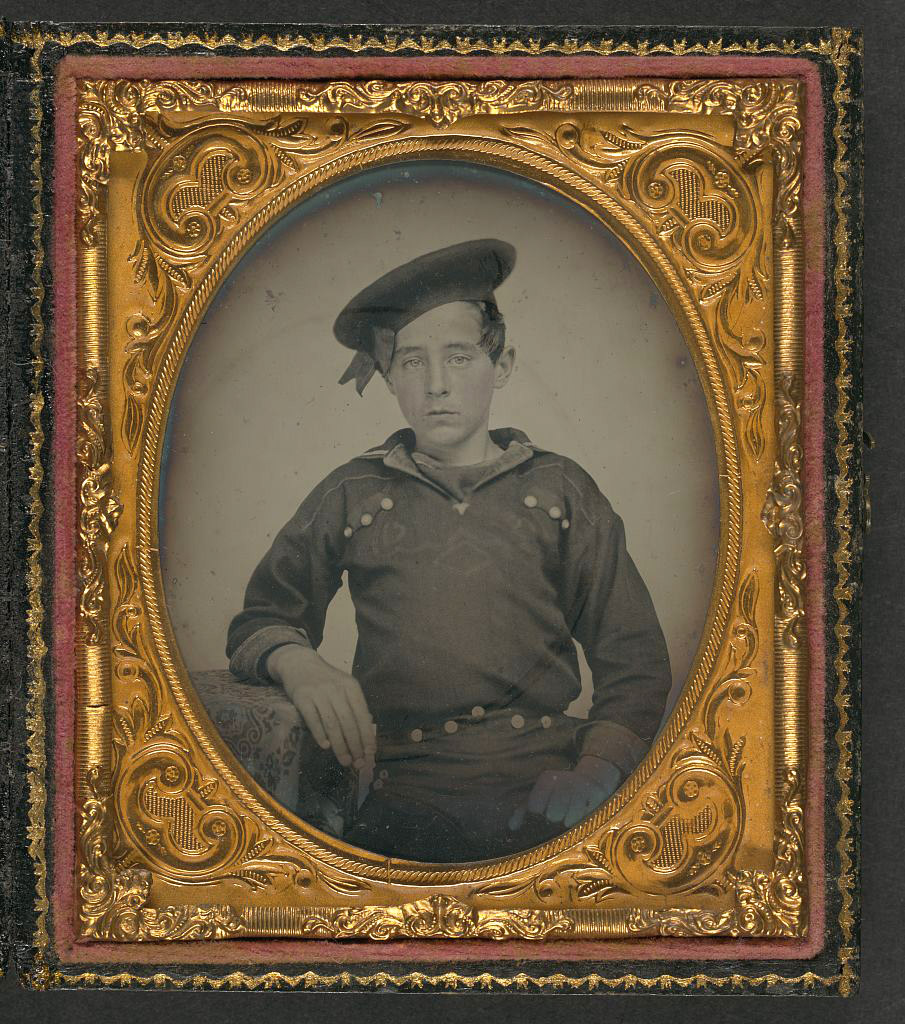
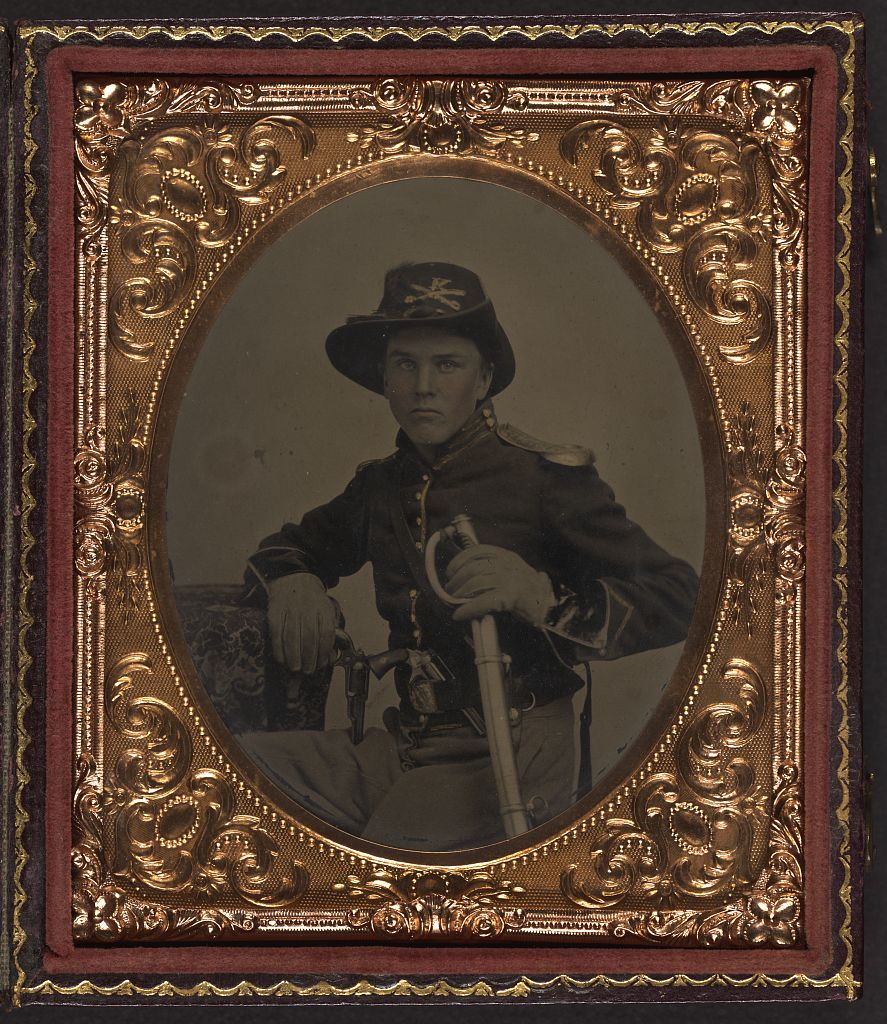
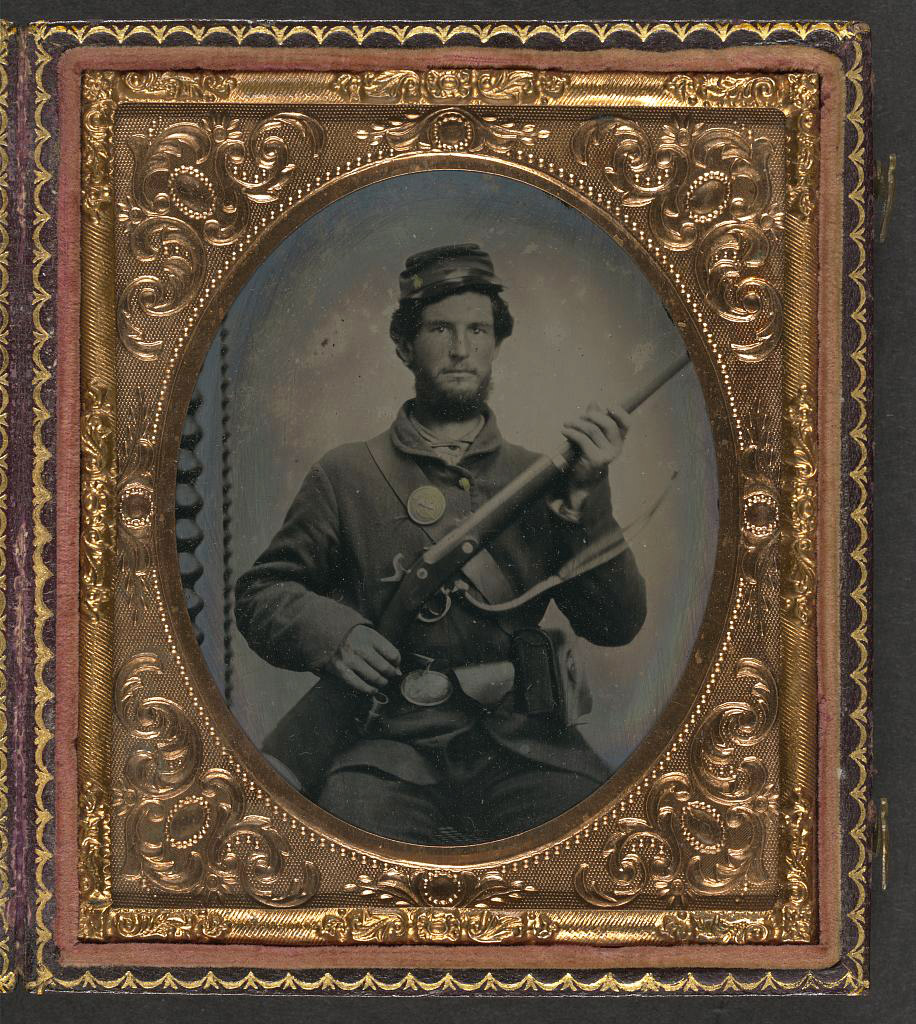
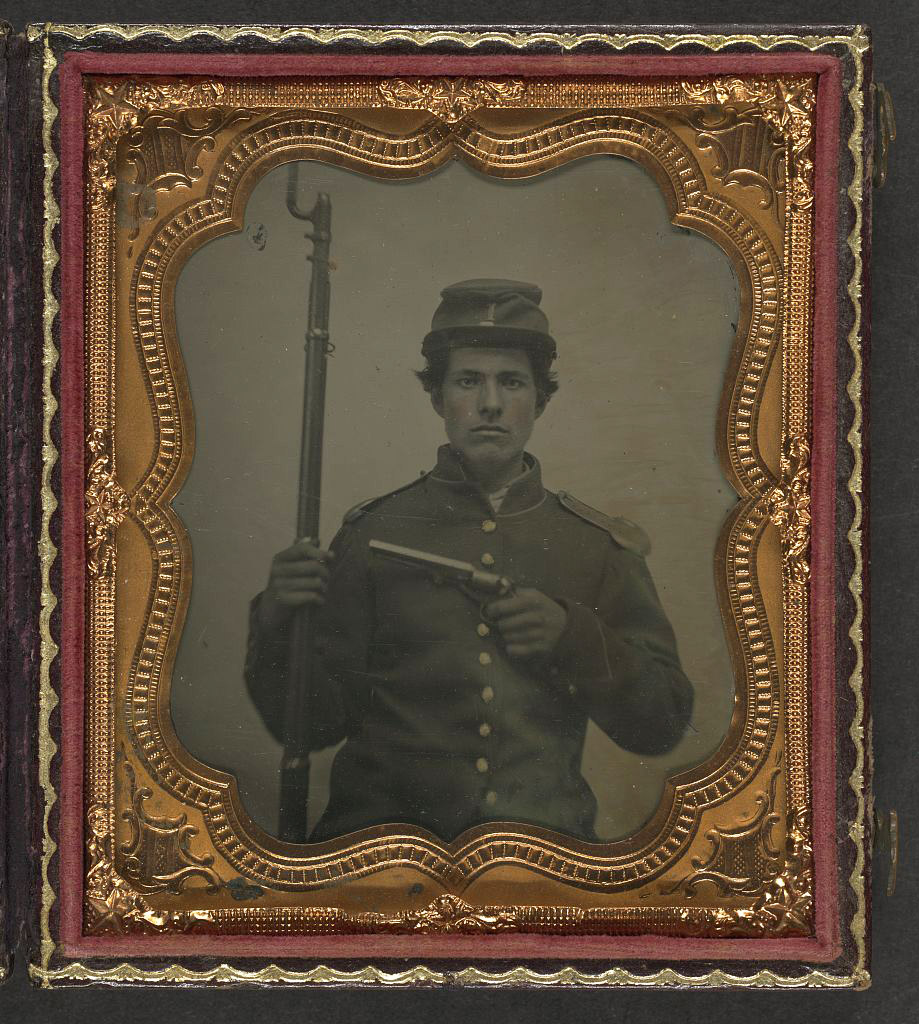
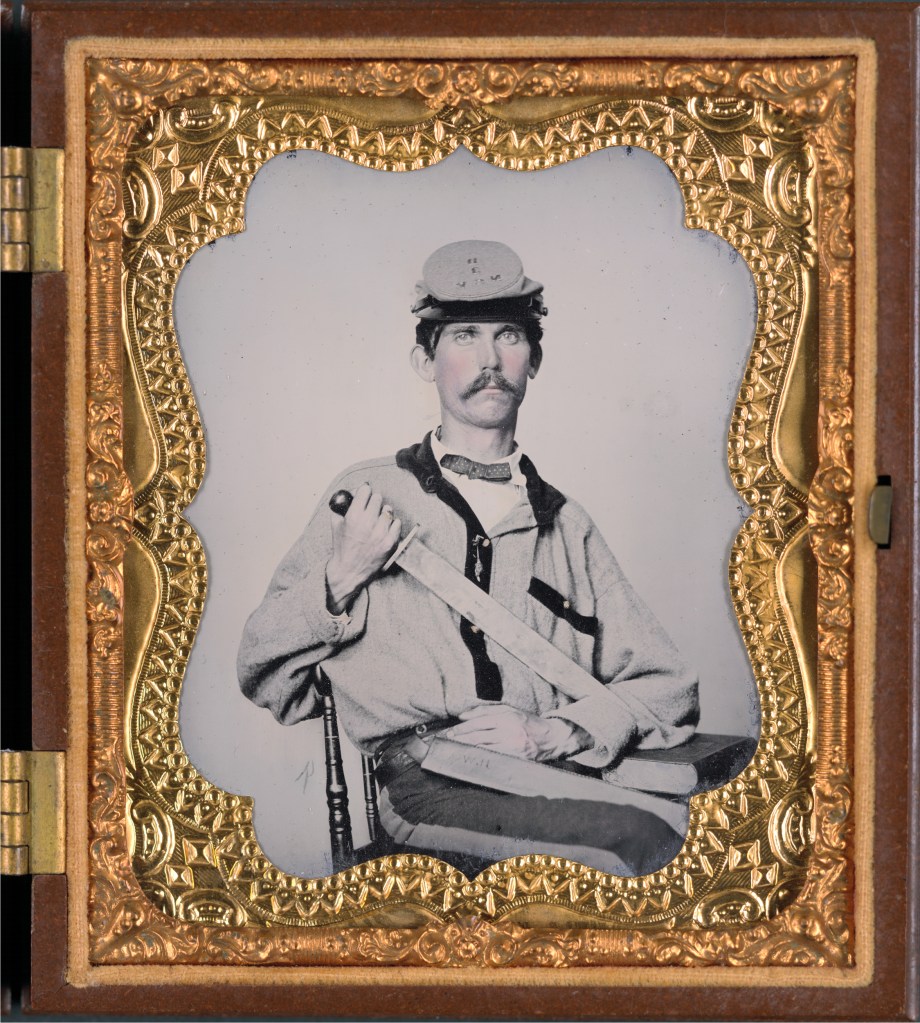
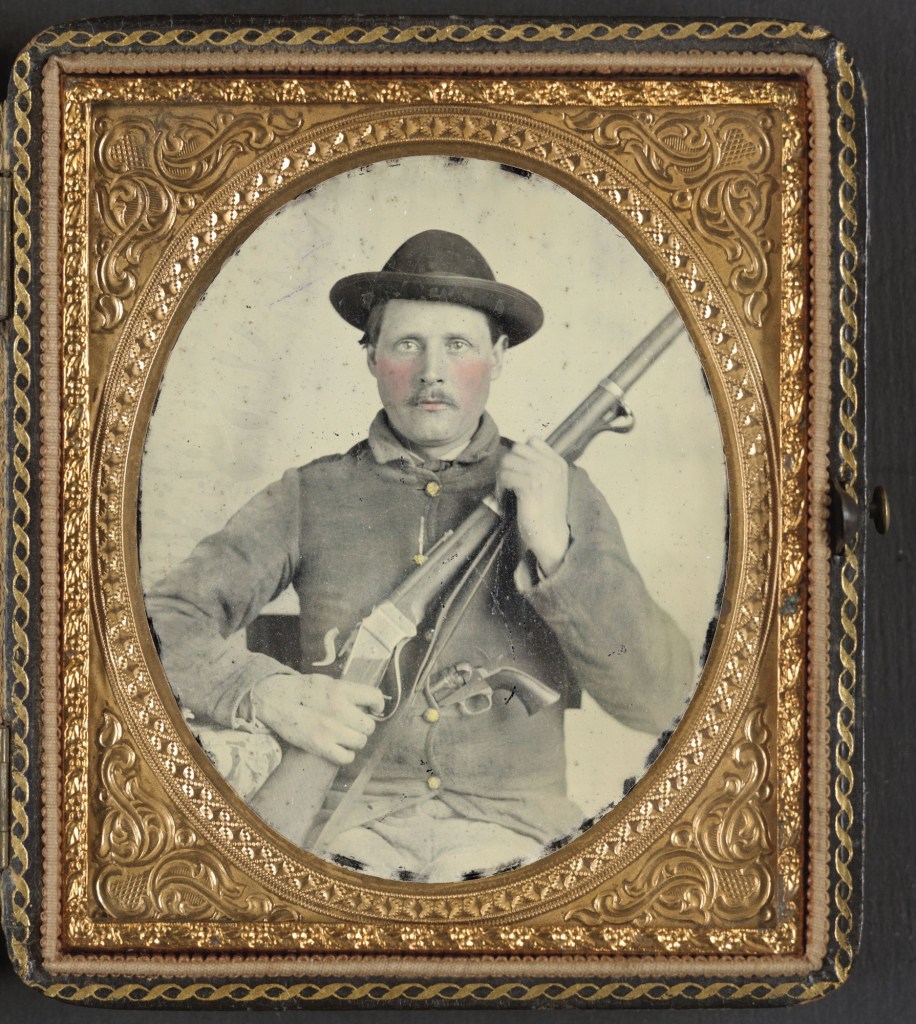
The American Civil War (April 12, 1861 – May 9, 1865, also known by other names) was a civil war in the United States fought between the Union states (—states remaining in the federal union— or “the North”) and the Confederate states (—southern states that voted to secede— “the Confederacy” or “the South”). The central cause of the war was the status of slavery, especially the expansion of slavery into territories acquired as a result of the Louisiana Purchase and the Mexican–American War. On the eve of the Civil War in 1860, four million of the 32 million Americans (nearly 13%) were enslaved black people, almost all in the South.
The practice of slavery in the United States was one of the key political issues of the 19th century; decades of political unrest over slavery led up to the war. Disunion came after Abraham Lincoln won the 1860 United States presidential election on an anti-slavery expansion platform. An initial seven Southern slave states declared their secession from the country to form the Confederacy. After Confederate forces seized numerous federal forts within territory they claimed, the attempted Crittenden Compromise failed and both sides prepared for war. Fighting broke out in April 1861 when the Confederate army began the Battle of Fort Sumter in South Carolina, just over a month after the first inauguration of Abraham Lincoln. The Confederacy grew to control at least a majority of territory in eleven states (out of the 34 U.S. states in February 1861), and asserted claims to two more. The states that remained loyal to the federal government were known as the Union. Large volunteer and conscription armies were raised; four years of intense combat, mostly in the South, ensued.
During 1861–1862 in the war’s Western Theater, the Union made significant permanent gains, though in the war’s Eastern Theater, the conflict was inconclusive. In September 1862, Lincoln issued the Emancipation Proclamation, which made ending slavery a war goal. To the west, the Union destroyed the Confederate river navy by summer 1862, then much of its western armies, and seized New Orleans. The successful 1863 Union siege of Vicksburg split the Confederacy in two at the Mississippi River. In 1863, Confederate General Robert E. Lee’s incursion north ended at the Battle of Gettysburg. Western successes led to General Ulysses S. Grant’s command of all Union armies in 1864. Inflicting an ever-tightening naval blockade of Confederate ports, the Union marshaled resources and manpower to attack the Confederacy from all directions, leading to the fall of Atlanta in 1864 to Union General William Tecumseh Sherman and his march to the sea. The last significant battles raged around the ten-month Siege of Petersburg, gateway to the Confederate capitol of Richmond.
The war effectively ended on April 9, 1865, when Confederate General Lee surrendered to Union General Grant at the Battle of Appomattox Court House, after abandoning Petersburg and Richmond. Confederate generals throughout the Southern states followed suit, the last surrender on land occurring on June 23. By the end of the war, much of the South’s infrastructure was destroyed, especially its railroads. The Confederacy collapsed, slavery was abolished, and four million enslaved black people were freed. The war-torn nation then entered the Reconstruction era in a partially successful attempt to rebuild the country and grant civil rights to freed slaves.
The Civil War is one of the most studied and written about episodes in the history of the United States, and remains the subject of cultural and historiographical debate. Of particular interest is the persisting myth of the Lost Cause of the Confederacy. The American Civil War was among the earliest to employ industrial warfare. Railroads, the telegraph, steamships, the ironclad warship, and mass-produced weapons were employed extensively. In total the war left between 620,000 and 750,000 soldiers dead, along with an undetermined number of civilian casualties. President Lincoln was assassinated just five days after Lee’s surrender. The Civil War remains the deadliest military conflict in American history, and accounted for more American military deaths than all other wars combined until the Vietnam War. The mobilization of civilian factories, mines, shipyards, banks, transportation, and food supplies all foreshadowed the impact of industrialization in World War I, World War II, and subsequent conflicts.
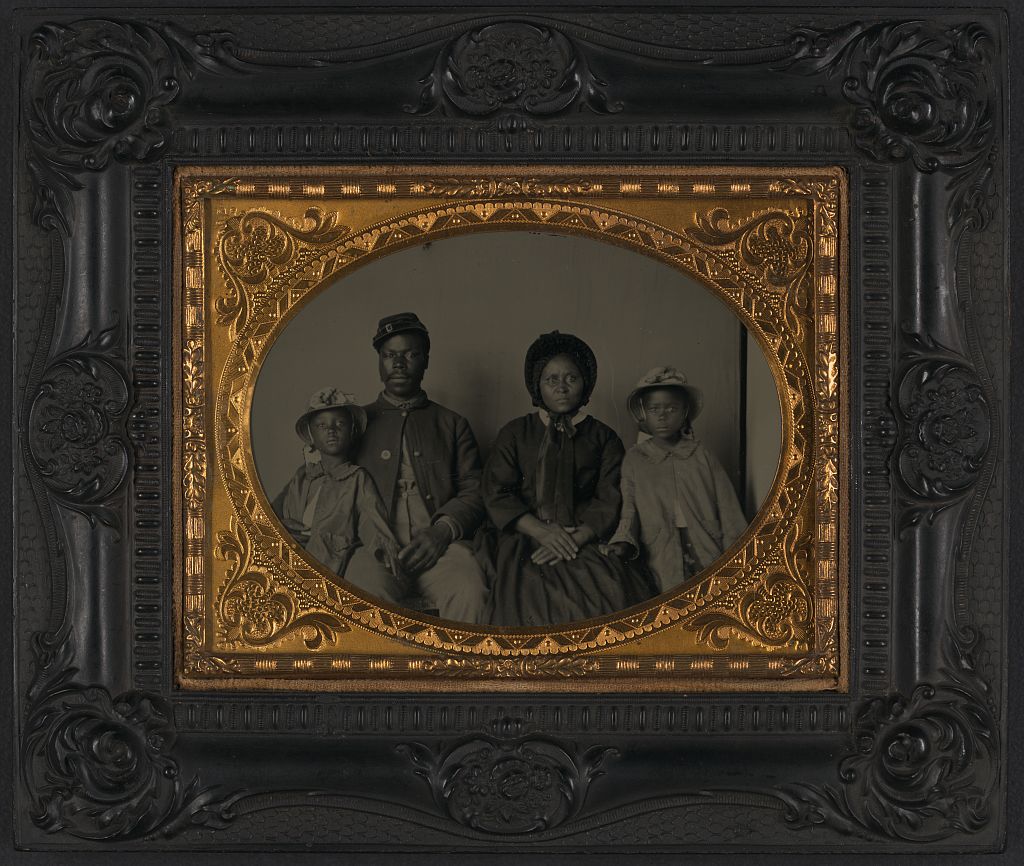
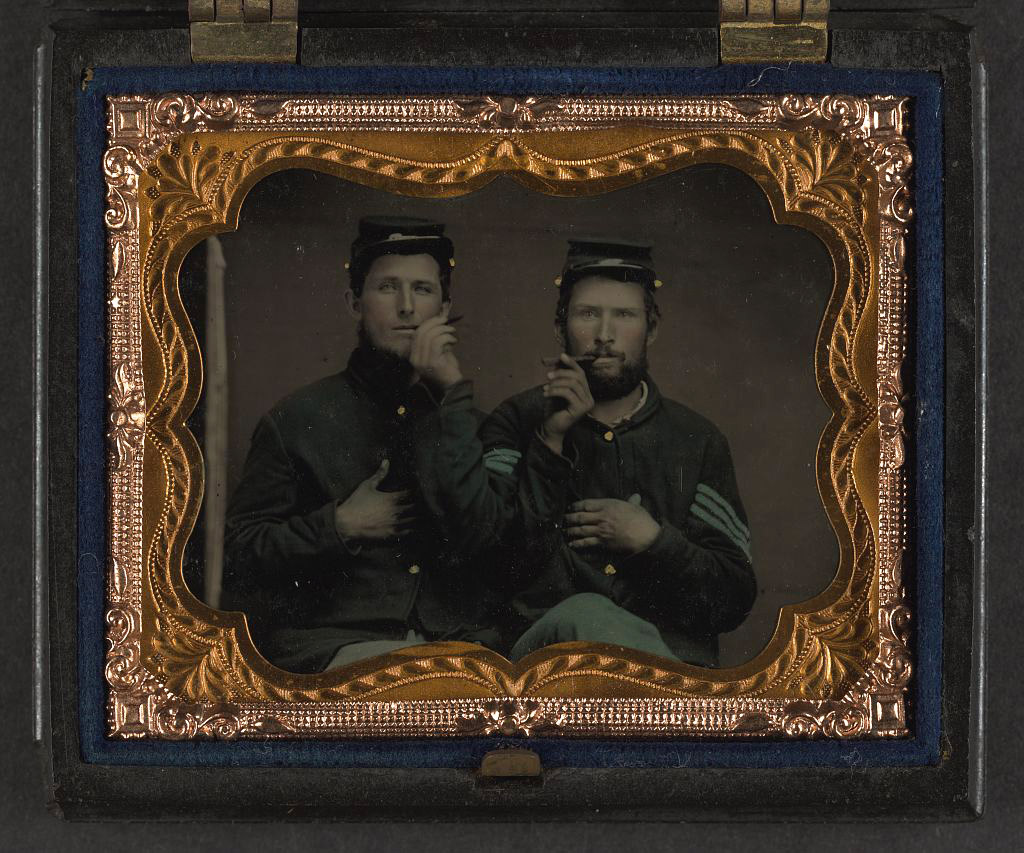
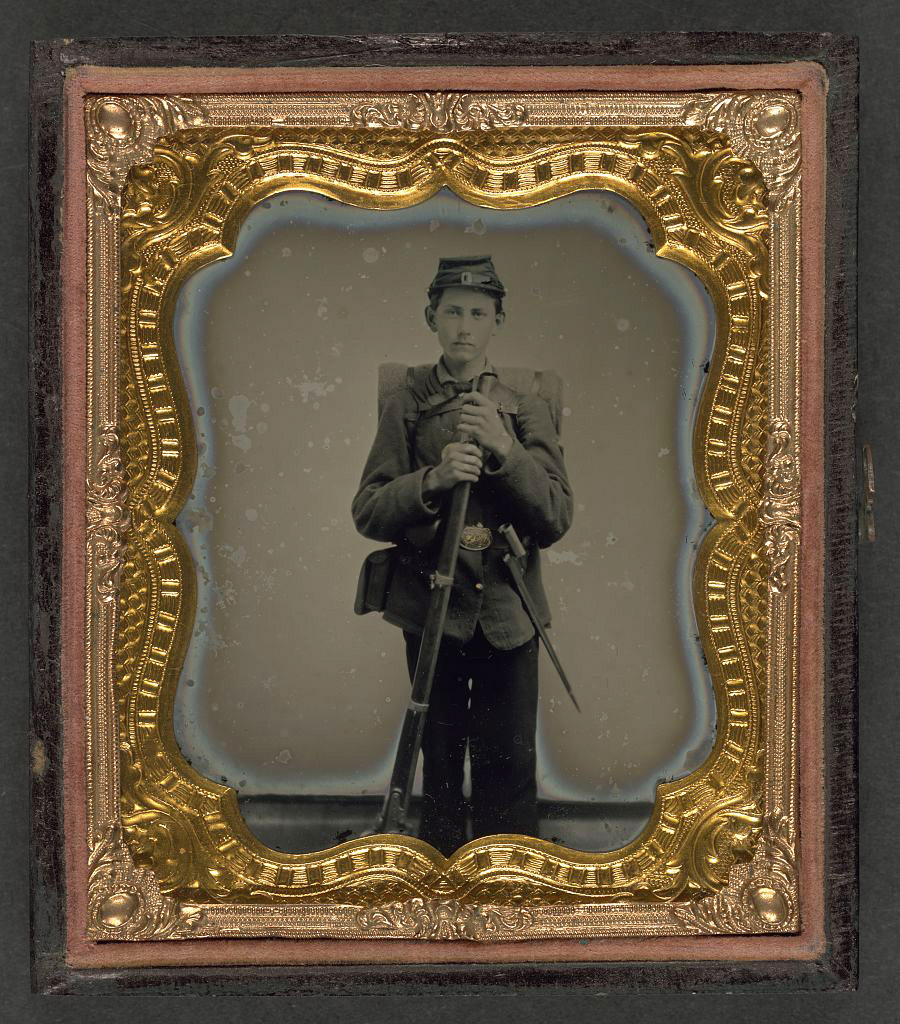
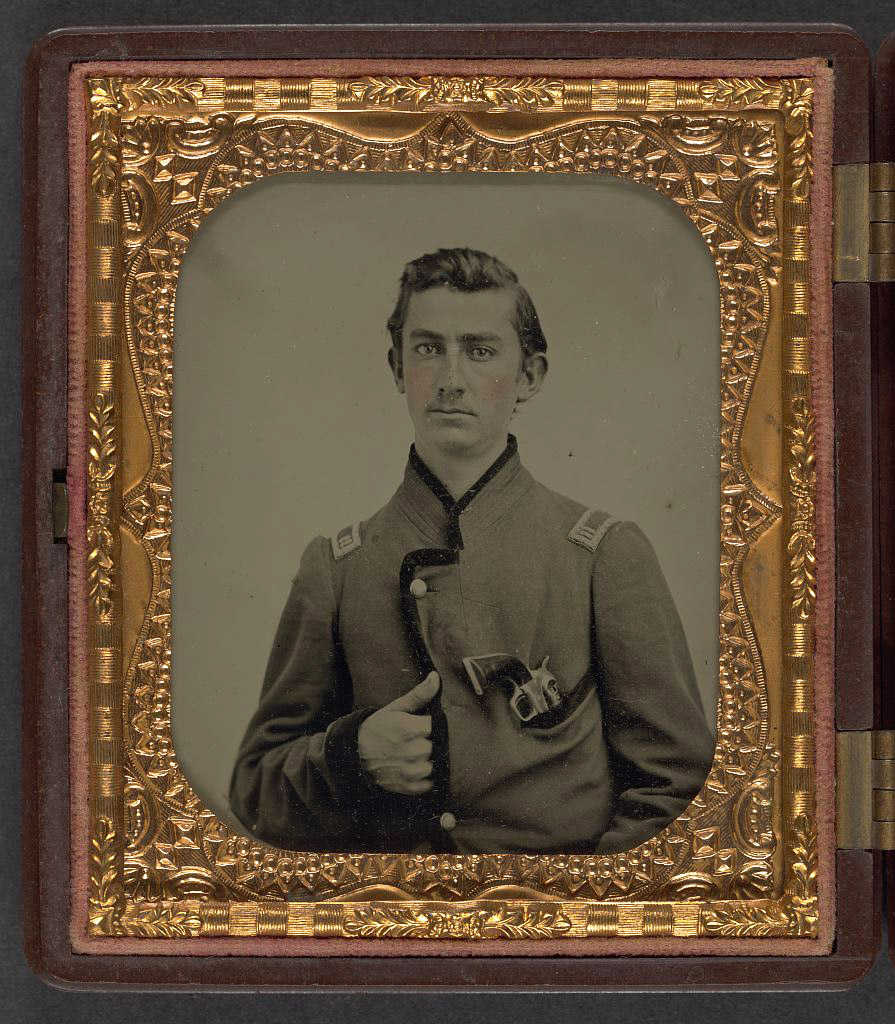
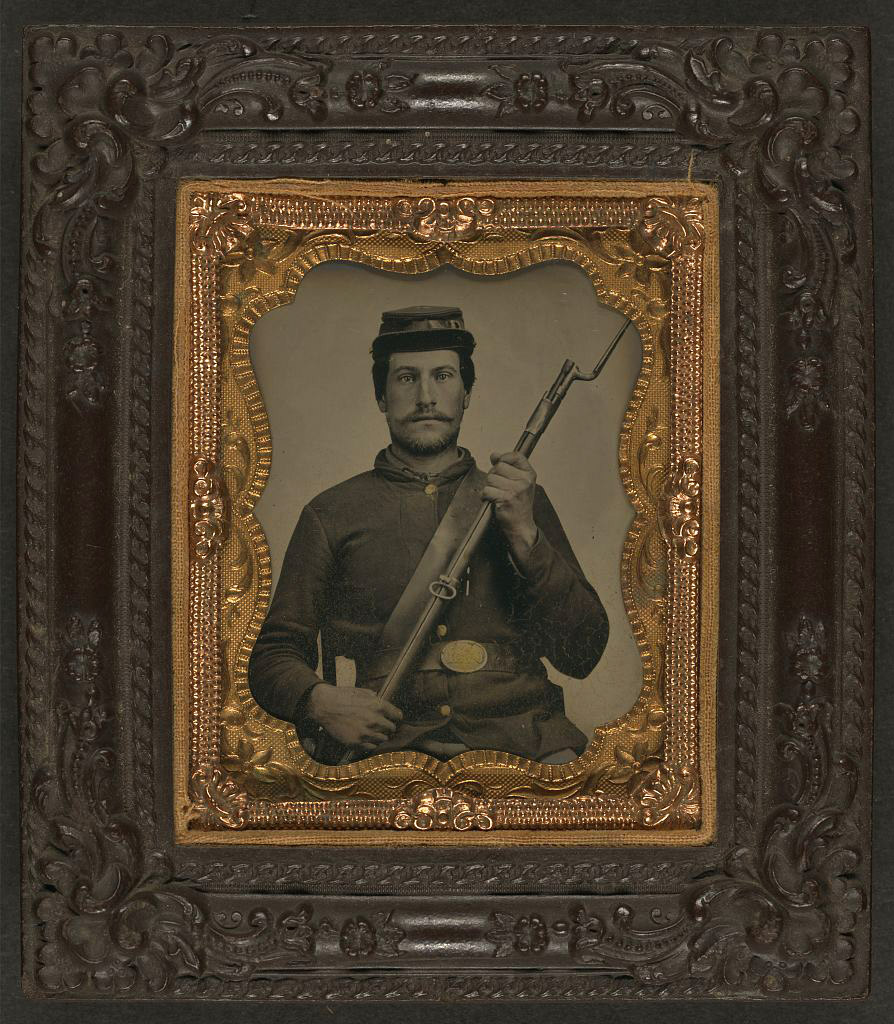
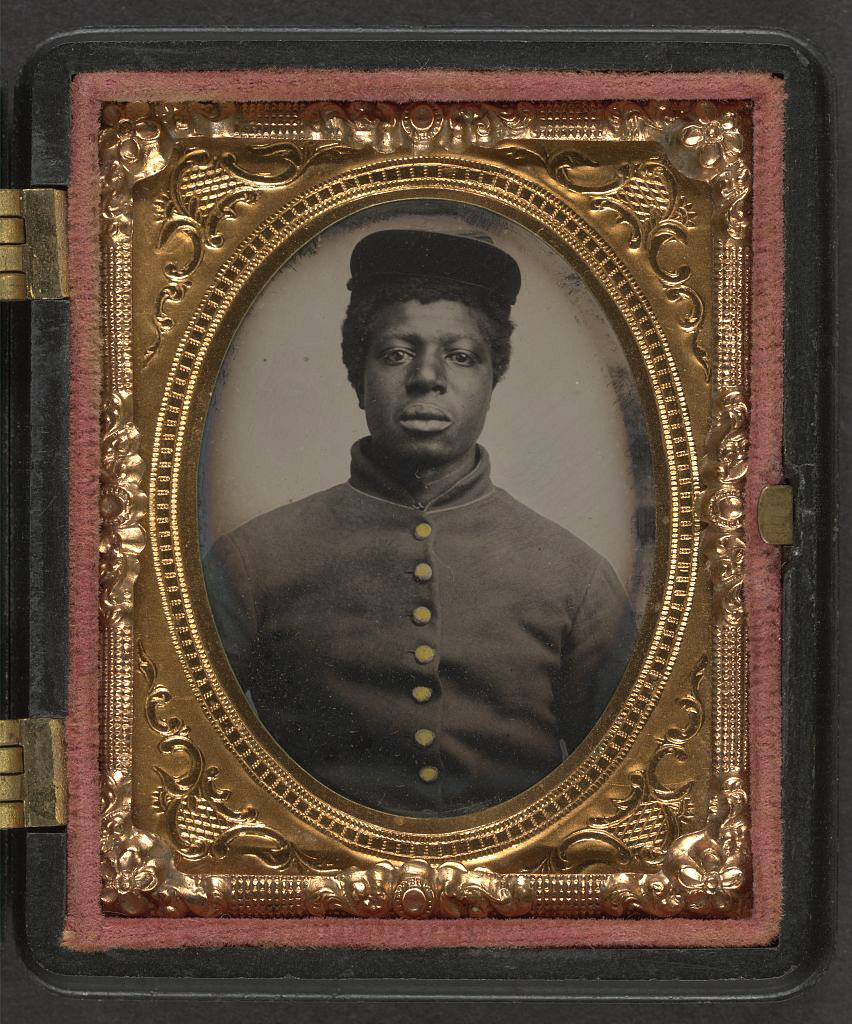
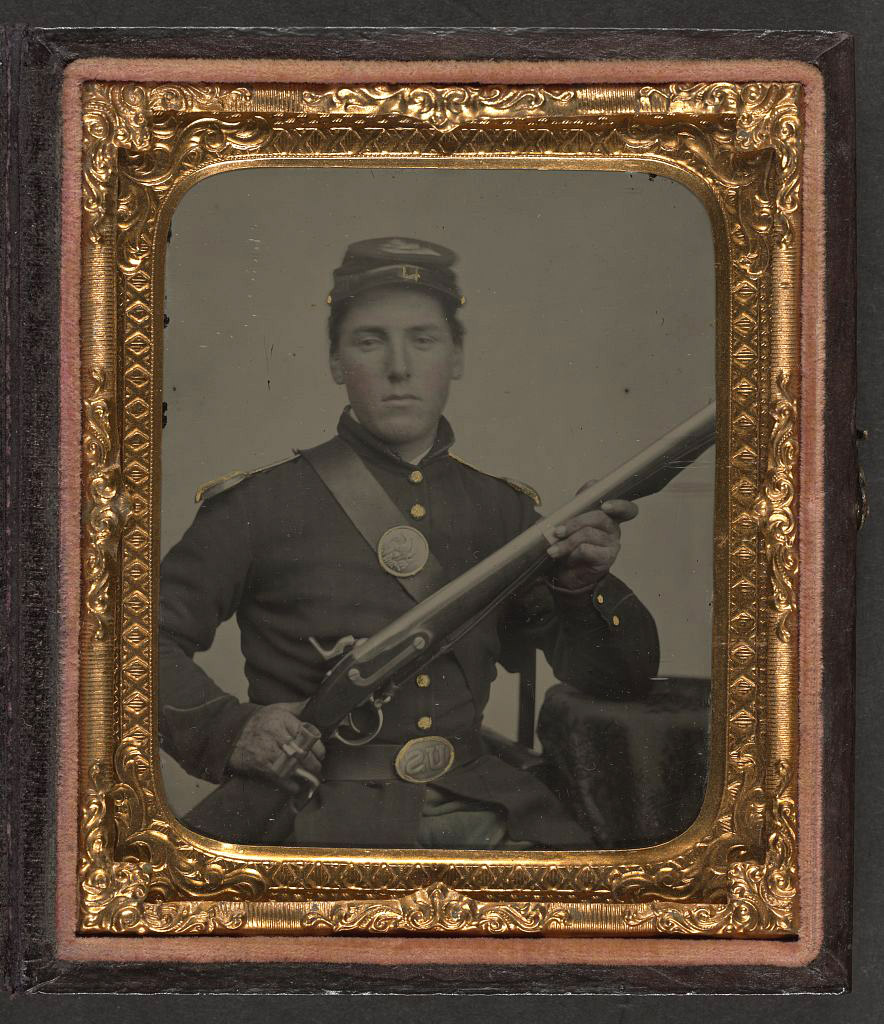
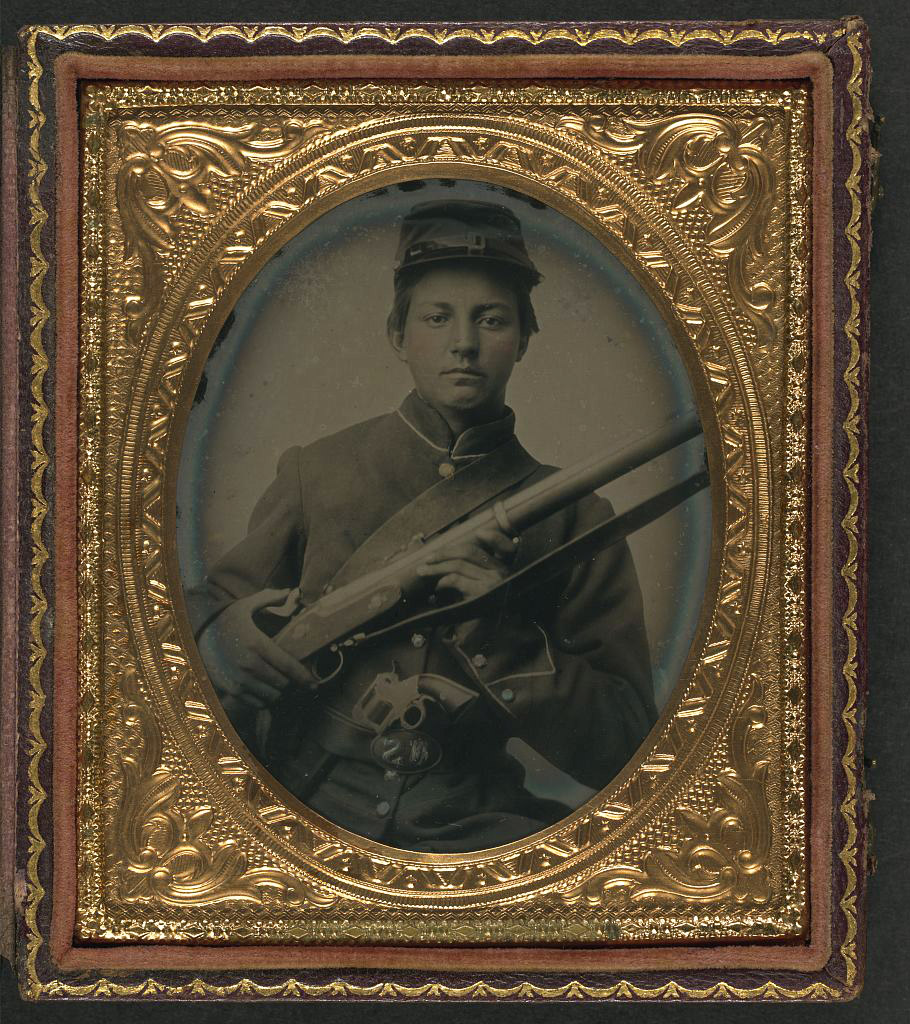
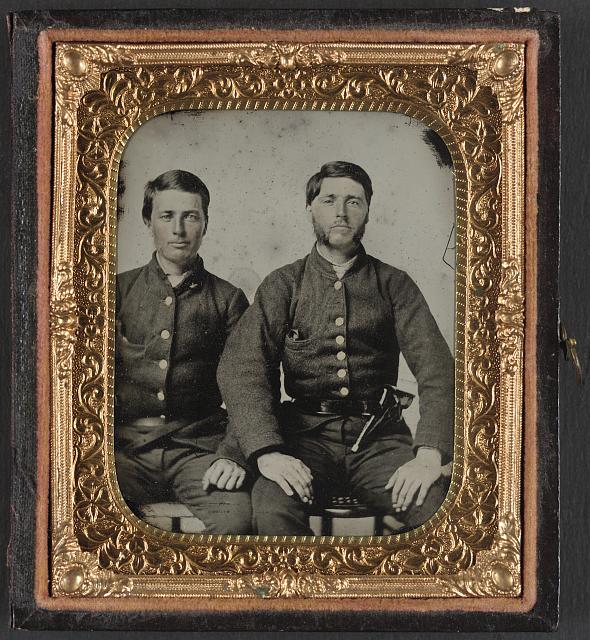
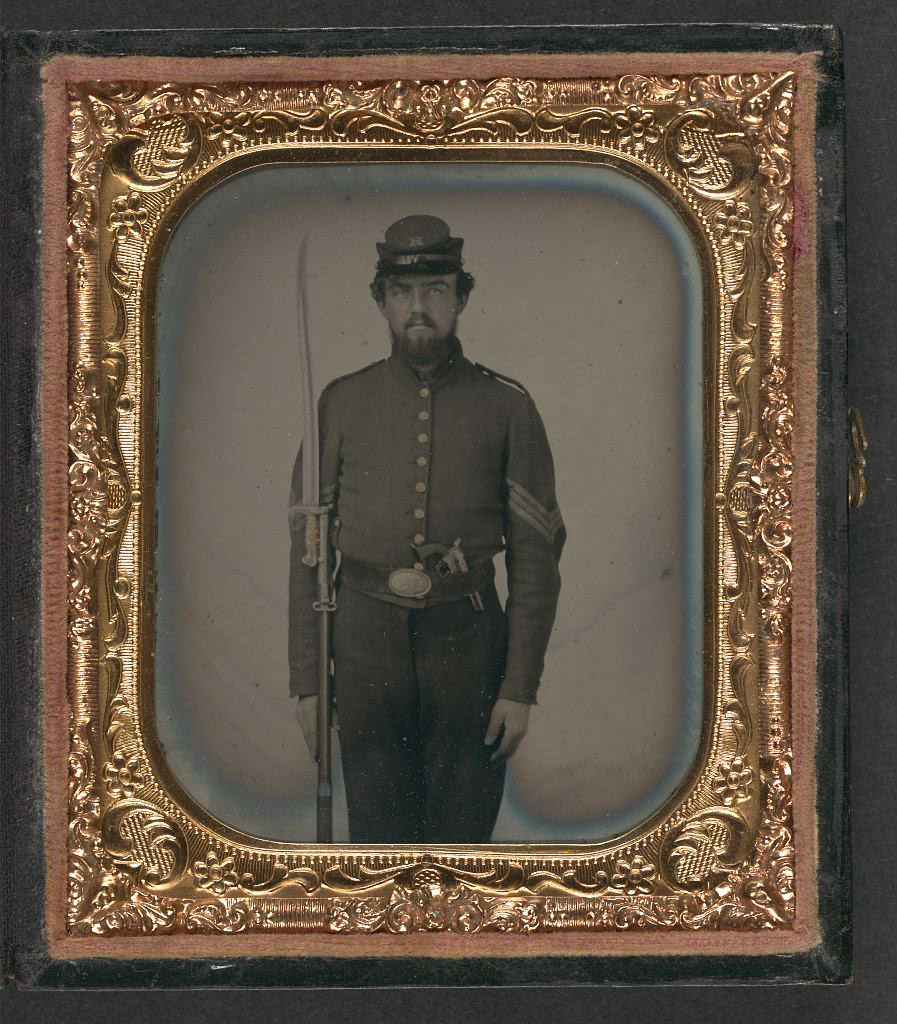
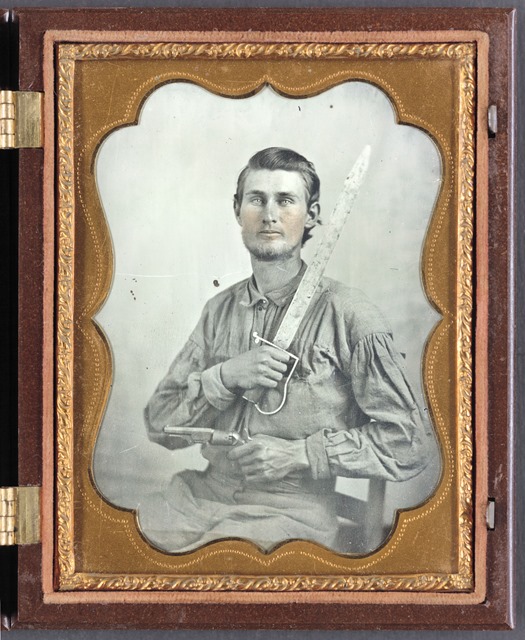
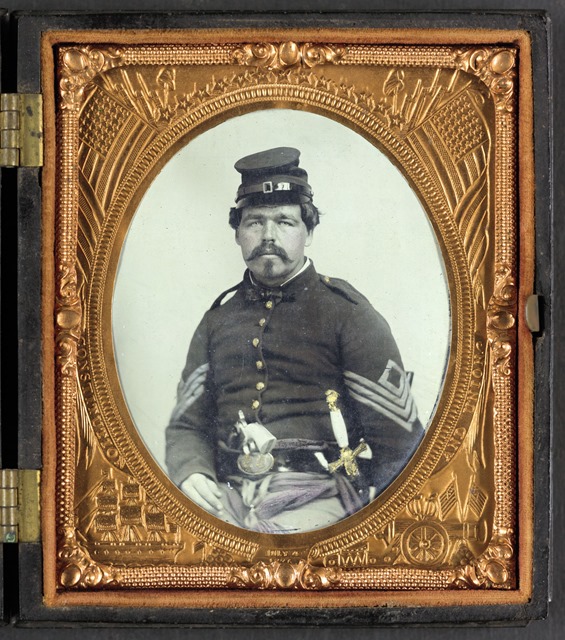
Unidentified Young Confederate soldier.African American soldier in Union uniform with wife and two daughtersGirl in mourning dress holding framed photograph of her father as a cavalrymanSoldier of the 2nd United States Sharpshooters in Union uniformTwo Union soldiers.African American Union soldierYoung Confederate soldierYoung sailor in uniform with American flag in front of backdrop showing naval sceneConfederate soldierThree Union soldiers and two unidentified men, one pointing a revolver at another’s headCaptain William W. Cosby of H Company, 2nd Virginia Light Artillery RegimentYoung Union sailorPrivate Albert H. Davis of Company K, 6th New Hampshire Infantry RegimentUnion soldierYoung Union soldierYoung Union soldierSoldier in Union captain’s uniformPrivate William F. Bower of Company D, 21st Ohio Regiment Infantry VolunteersUnion sailorYoung African American Union soldierSoldier of the 12th Illinois Volunteers, “The First Scotch Regiment”Young Confederate soldierConfederate soldierUnion soldier, Private James McGrealUnion cavalry soldierPrivate David Bowman from the 12th Virginia CavalryYoung Union soldierBrothers Private Stephen D. and Private Moses M. Boynton of Co. C, Beaufort District Troop, Hampton Legion South Carolina Cavalry BattalionUnion sergeantUnion soldierUnion soldierUnion soldierAfrican American Union sailorUnion soldier holding a young child in his lapConfederate 3rd North Carolina Volunteers SoldierConfederate soldierYoung Union soldierConfederate soldierUnion corporalPrivate Simeon J. Crews of Co. F, 7th Texas Cavalry RegimentUnion First SergeantConfederate Soldier with his wife