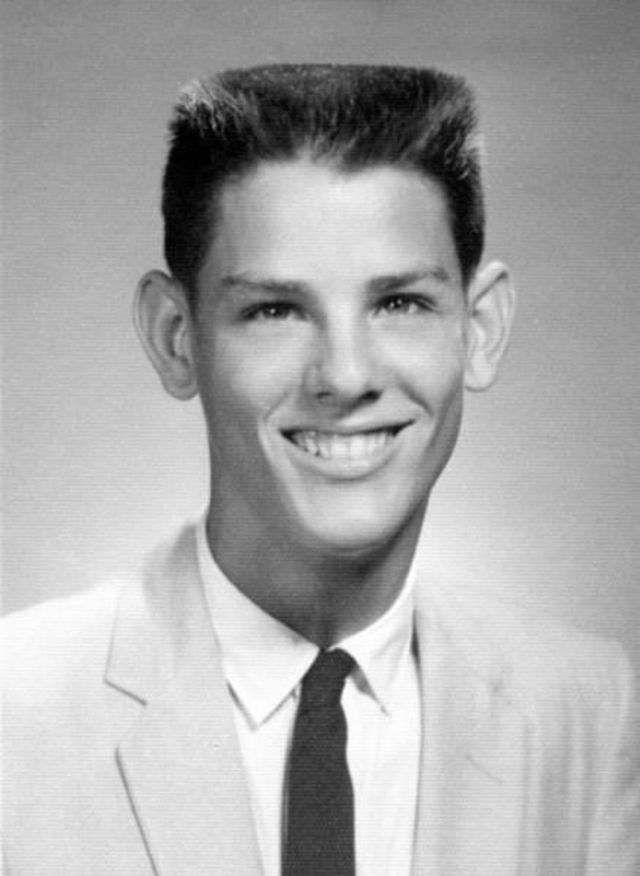
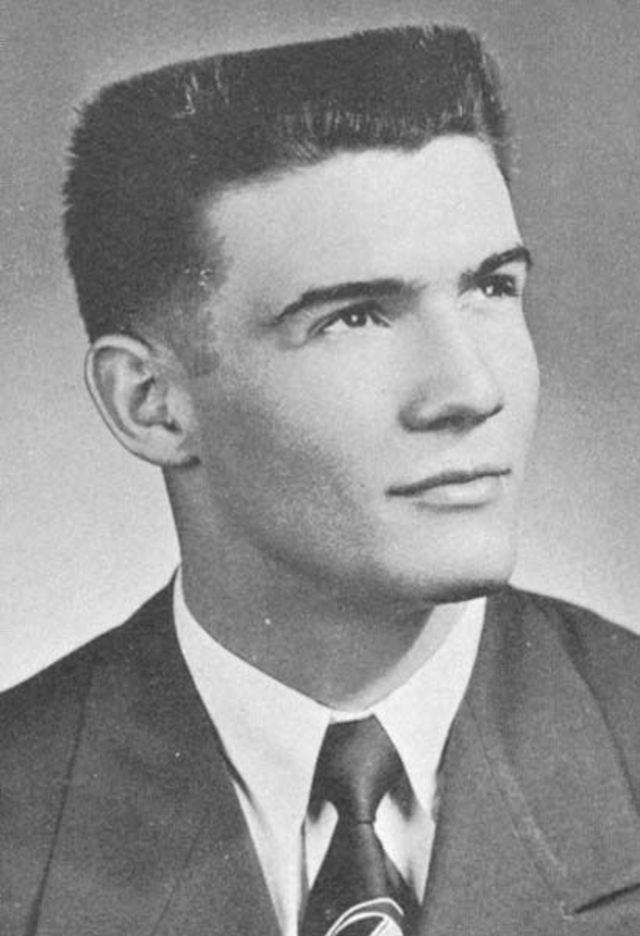
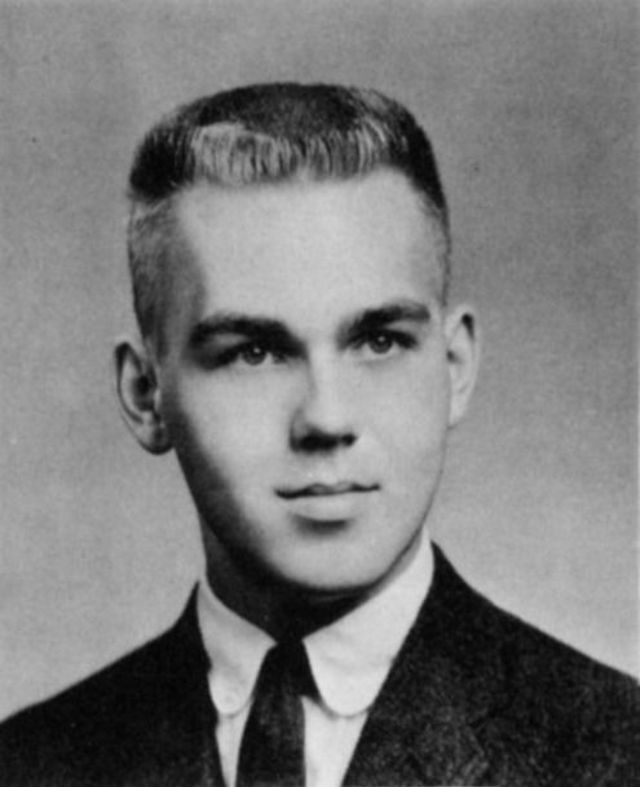
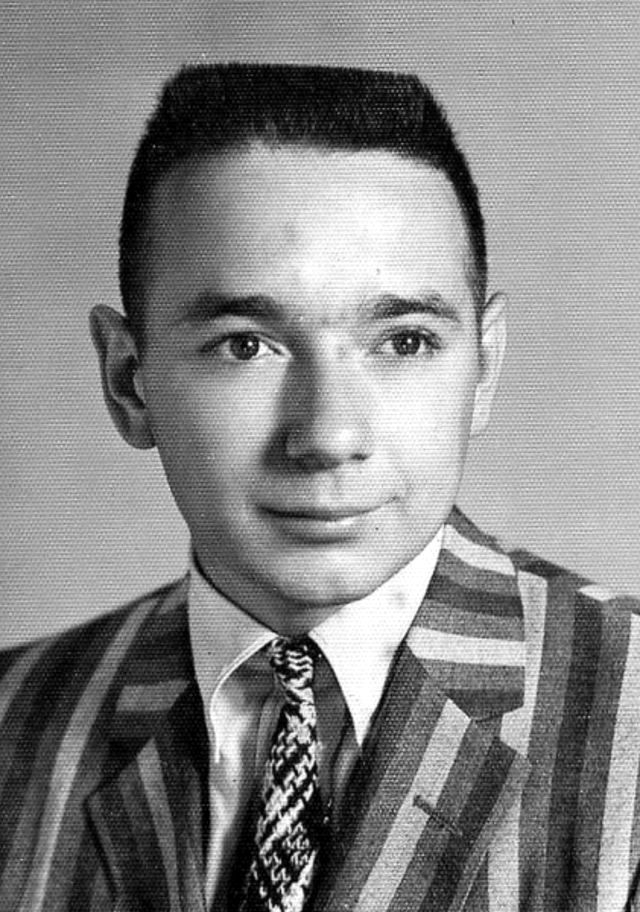
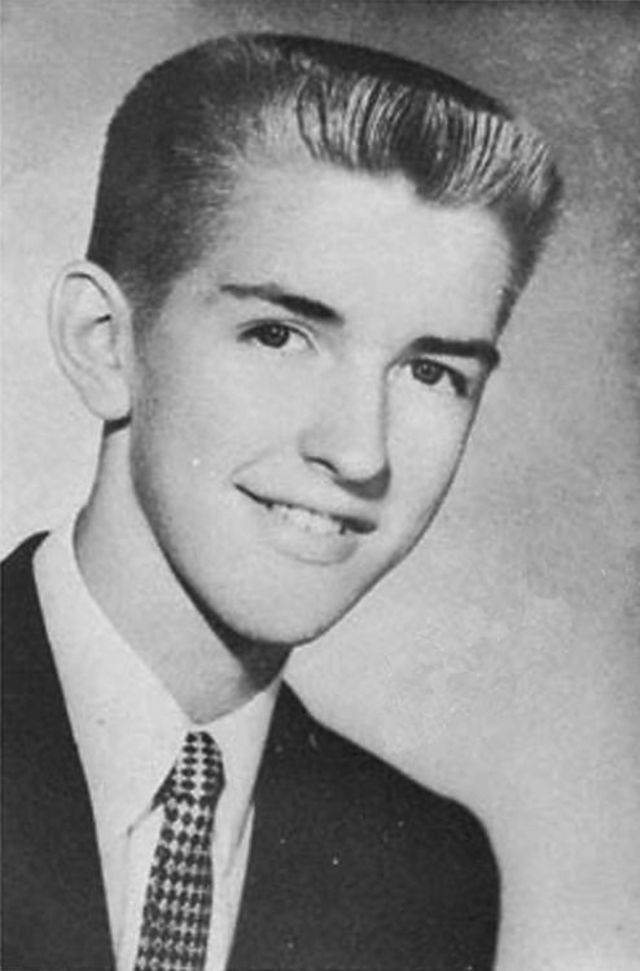
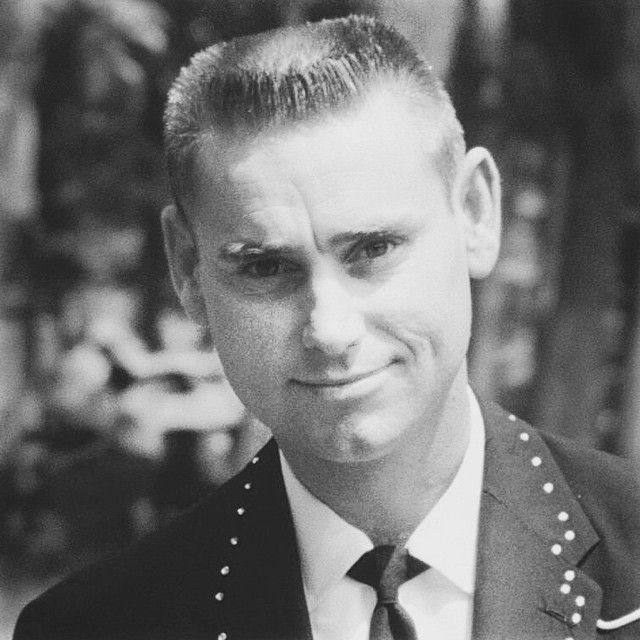
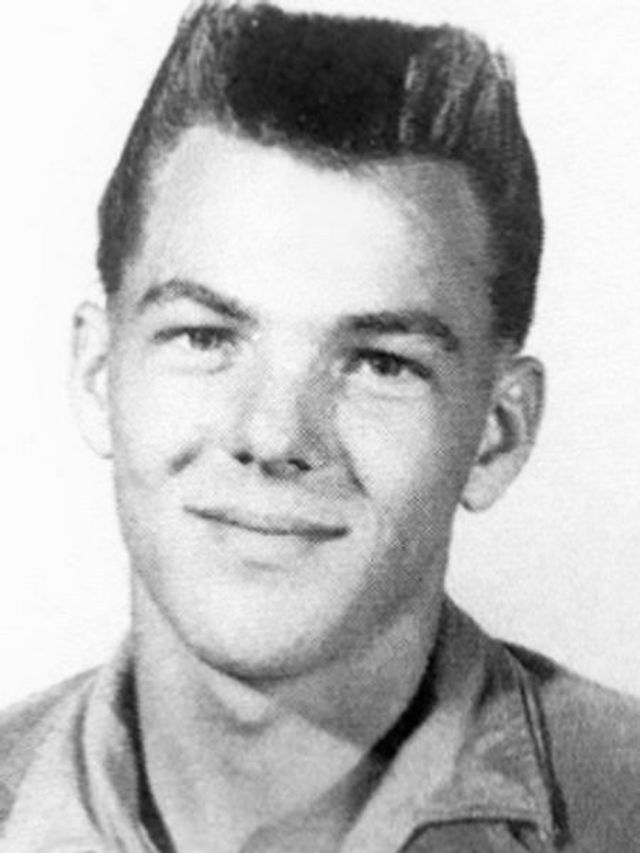
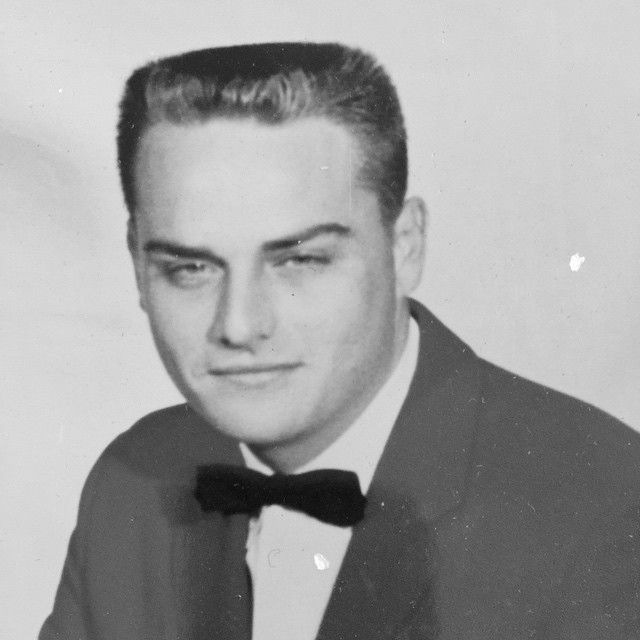
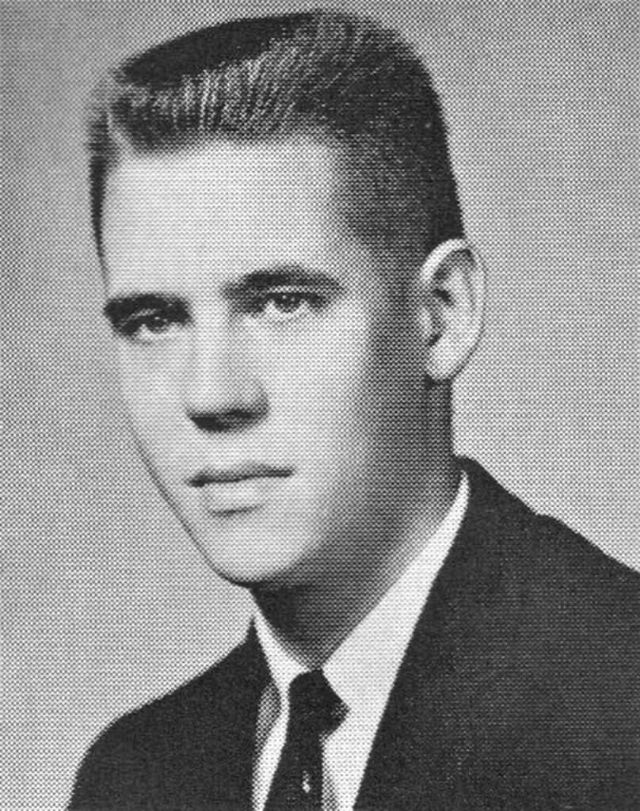
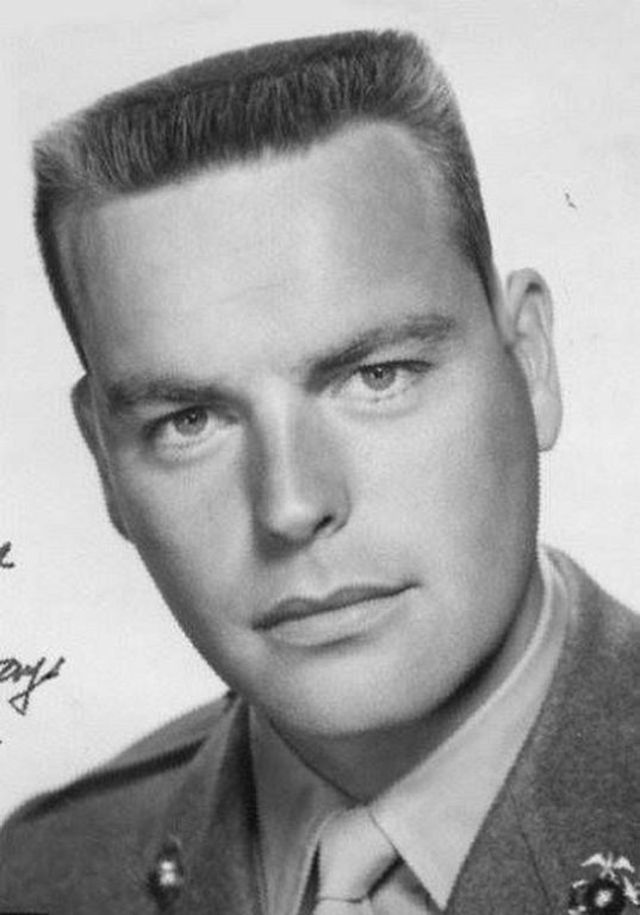
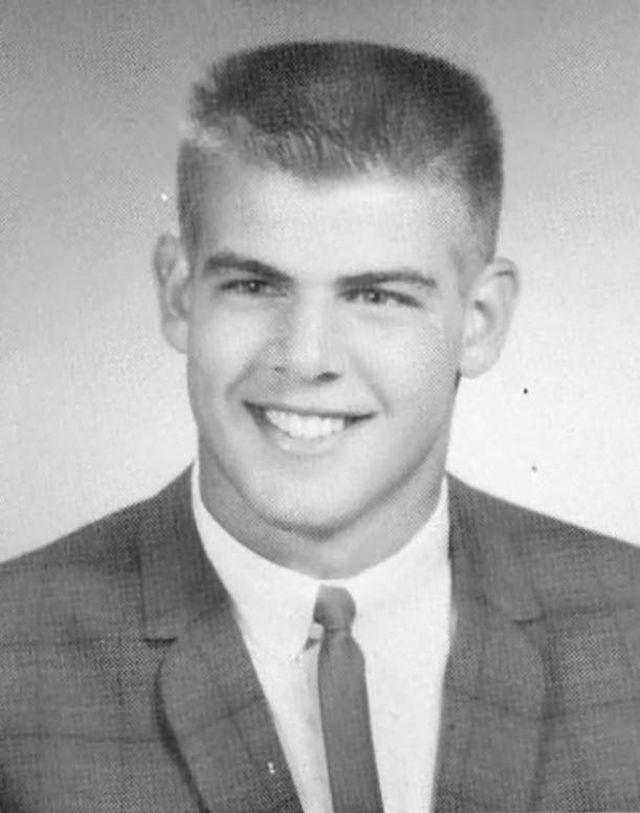
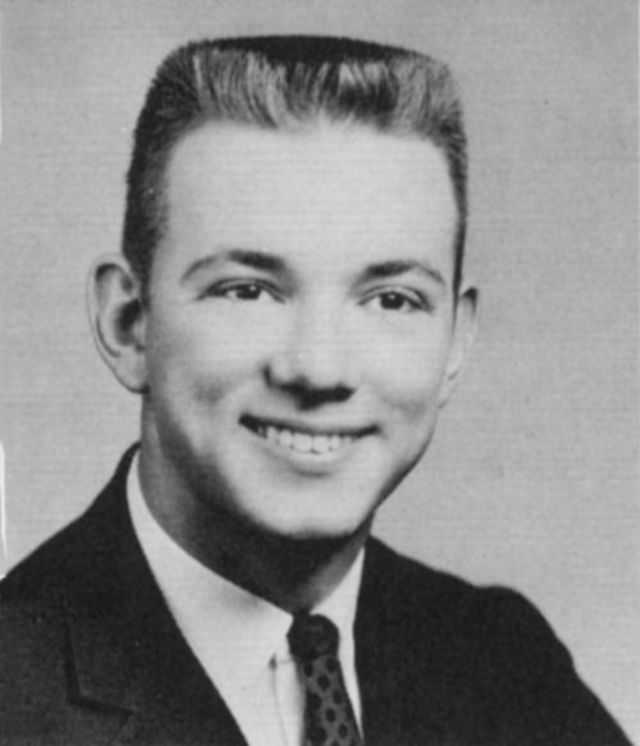
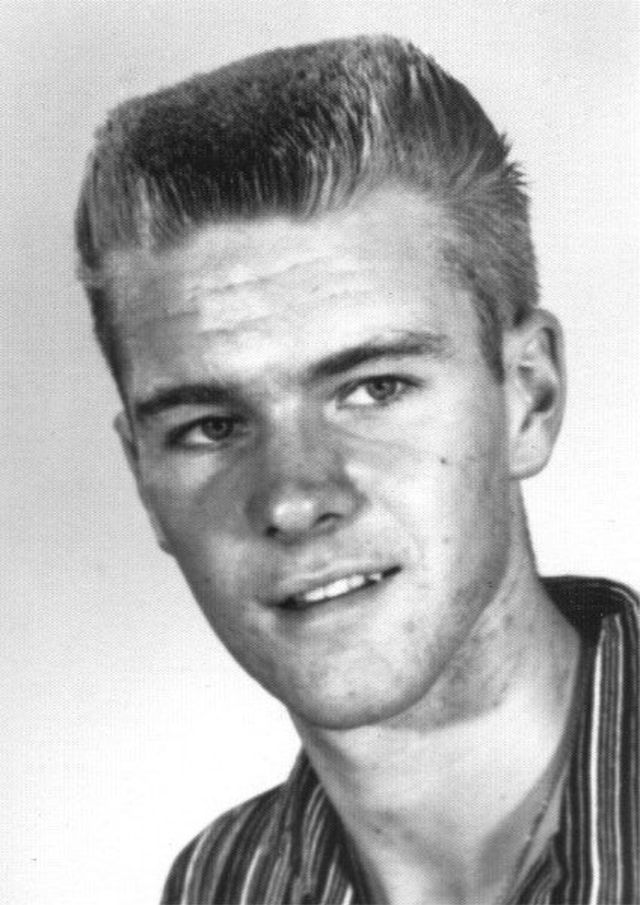
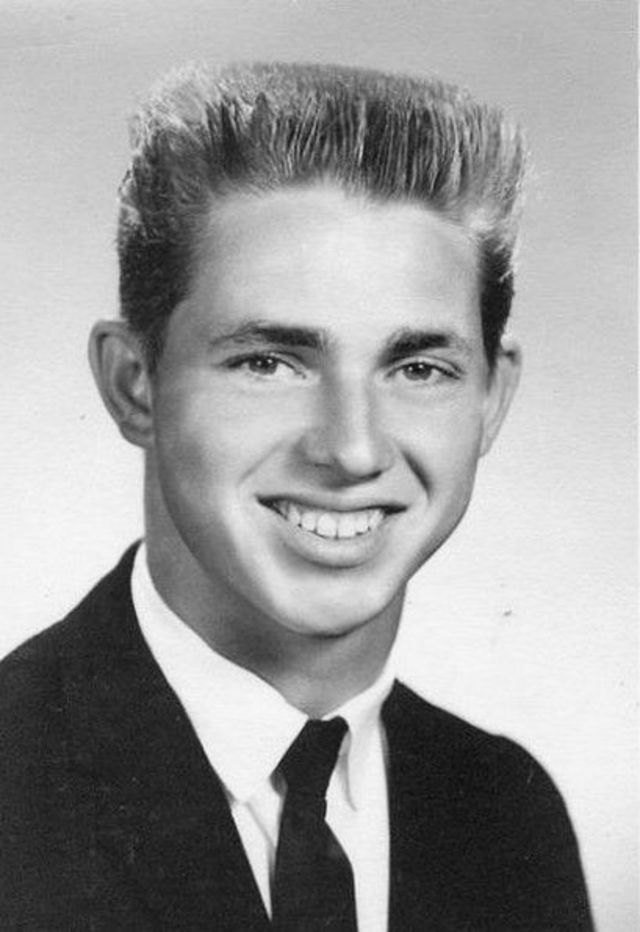
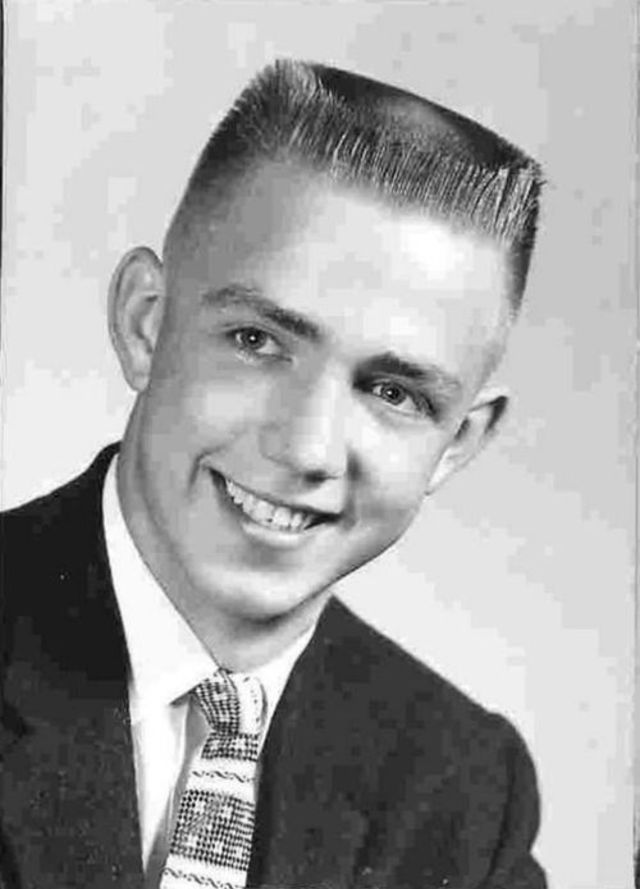
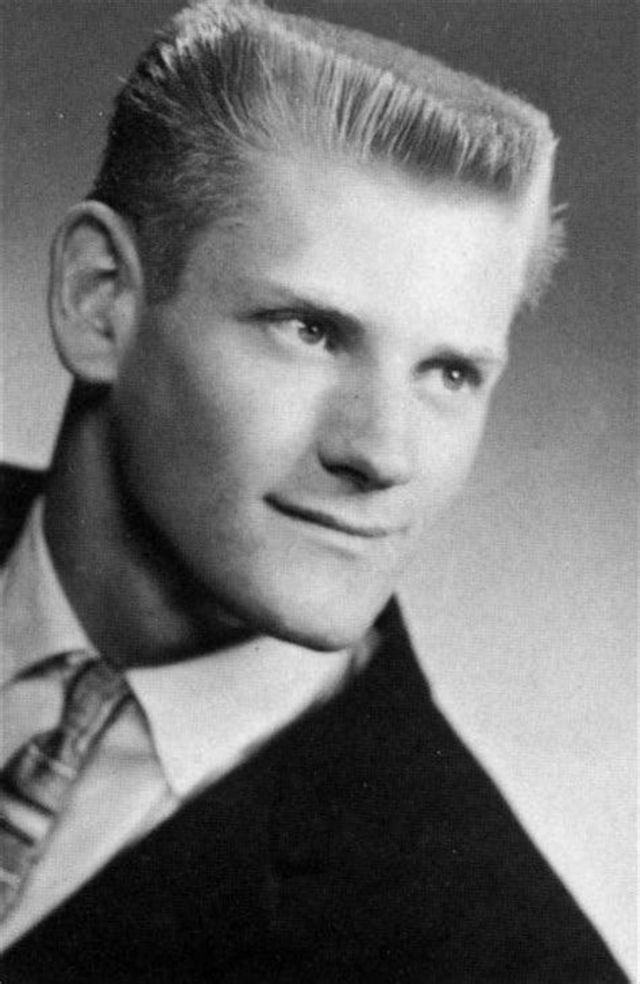
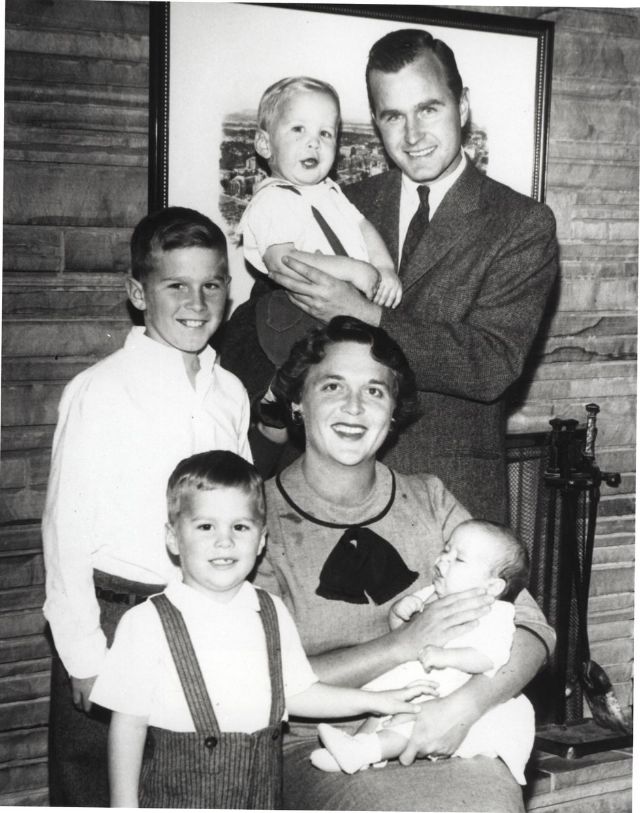
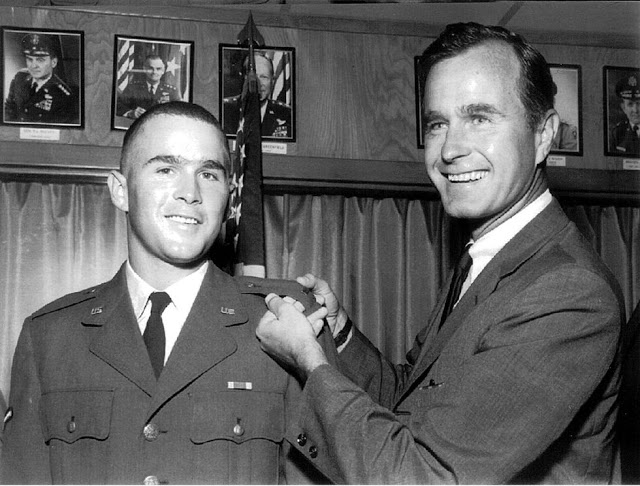
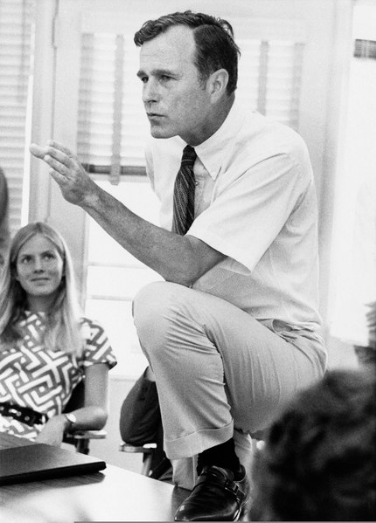
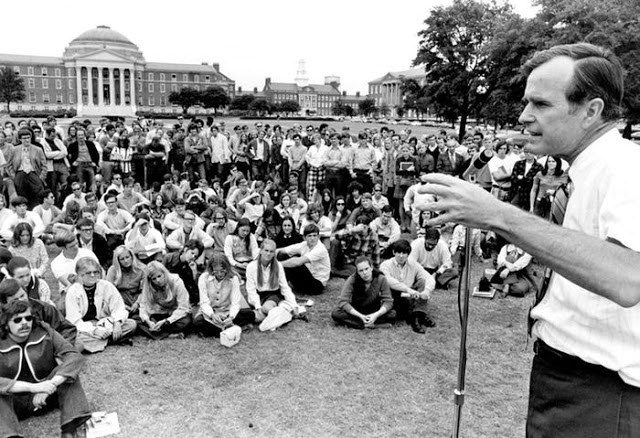
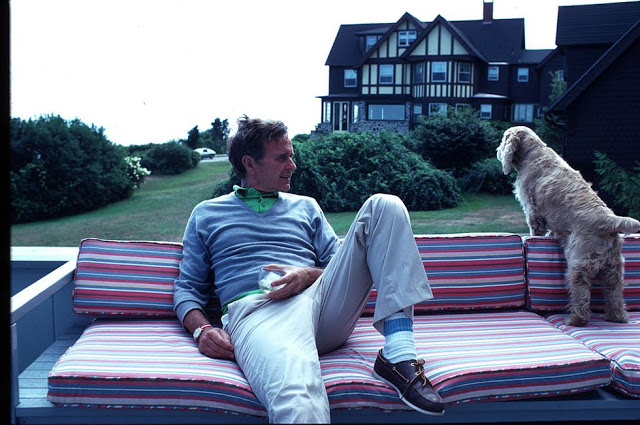
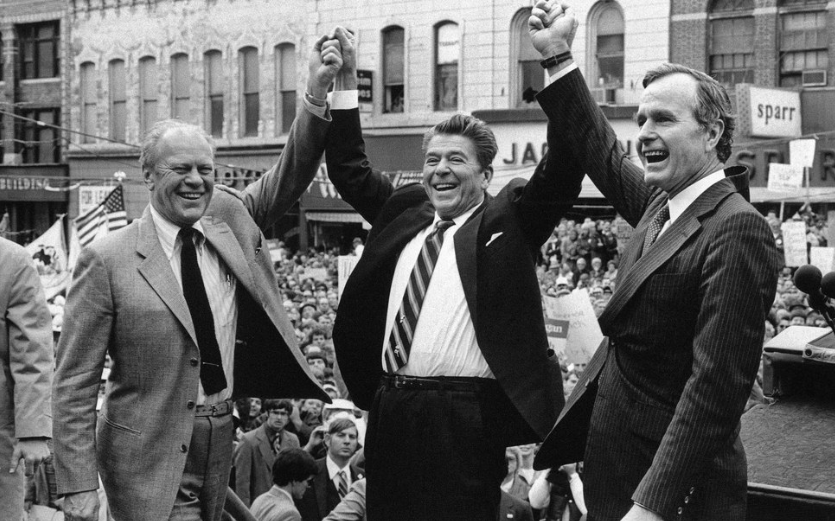
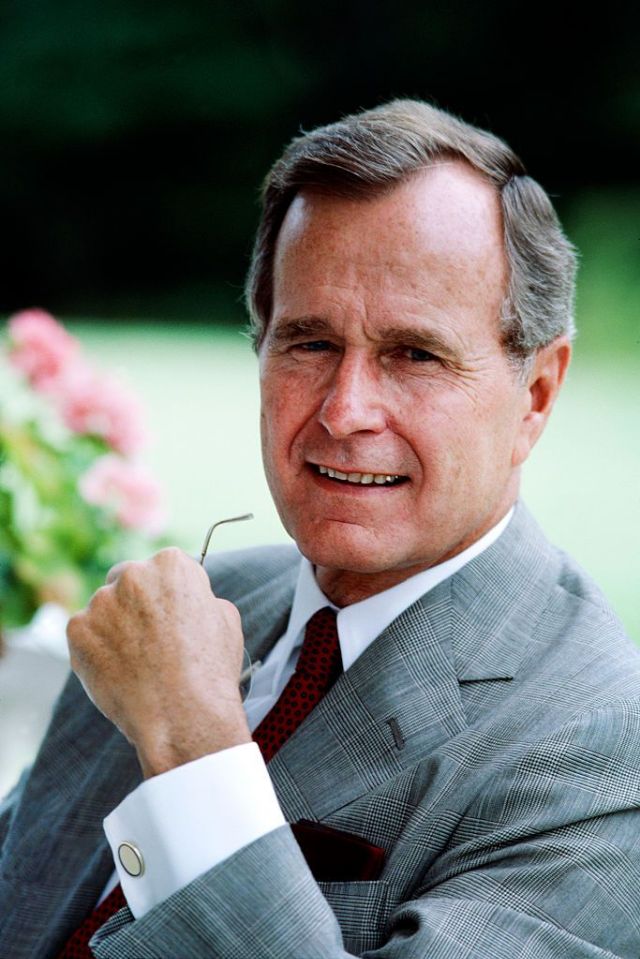
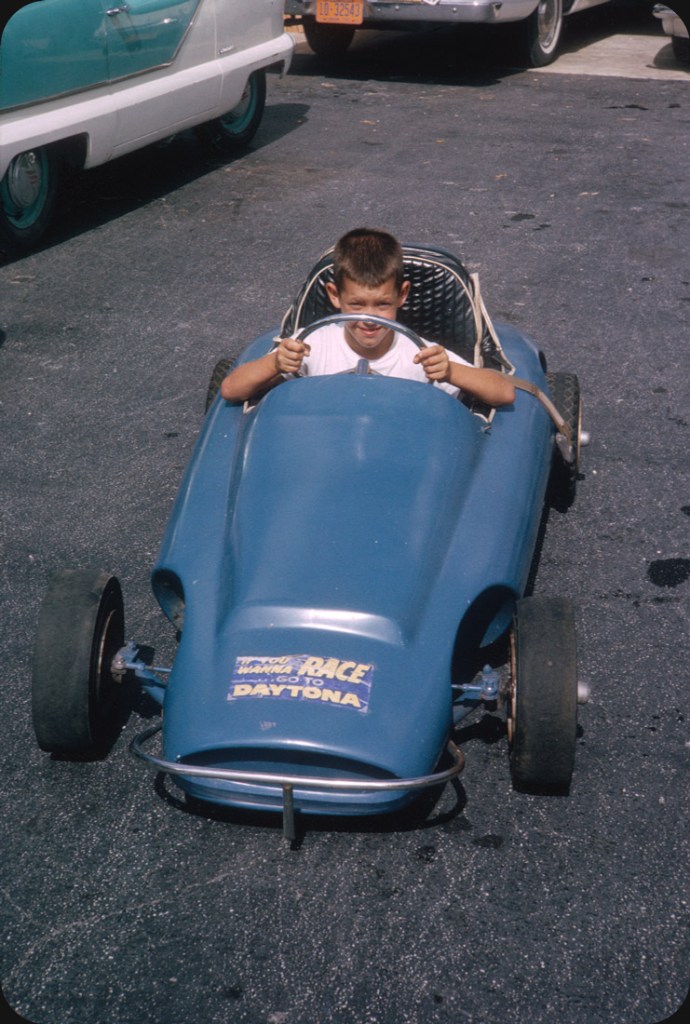
A “flattop” is a type of short haircut where the hair on the top of the head is usually standing upright and cut to form a flat-appearing deck. This deck may be level, or it may be upward or downward sloping. This type of haircut is usually performed with electric clippers, either freehand or using the clipper-over-comb method.
When a flattop is viewed from the front, varying degrees of squarish appearance are achieved by the design of the upper sides as they approach and round or angle on to the flat deck. Possibilities are somewhat limited by skull shape, the density of the hair and the diameter of the individual shafts of hair, but may include: boxy upper sides with rounded corners; boxy upper sides with sharp corners; rounded upper sides with rounded corners; rounded upper sides with sharp corners. The hair on the sides and back of the head is usually tapered short, semi-short, or medium.
Since the haircut is short and quickly grows out of its precisely-cut shape, maintenance haircuts are required at least every few weeks, and some flattop wearers get haircuts as often as once a week. Flattops have almost exclusively been worn by men and boys, being most popular among military men, athletes and blue collar workers.
The flattop has maintained a contingent of dedicated wearers since it was introduced. It was very popular in the 1950s, but faded in popularity with the emergence of longer hair styles in the late 1960s and 1970s. It had a brief reappearance in the 1980s and early 1990s, before dropping off again.
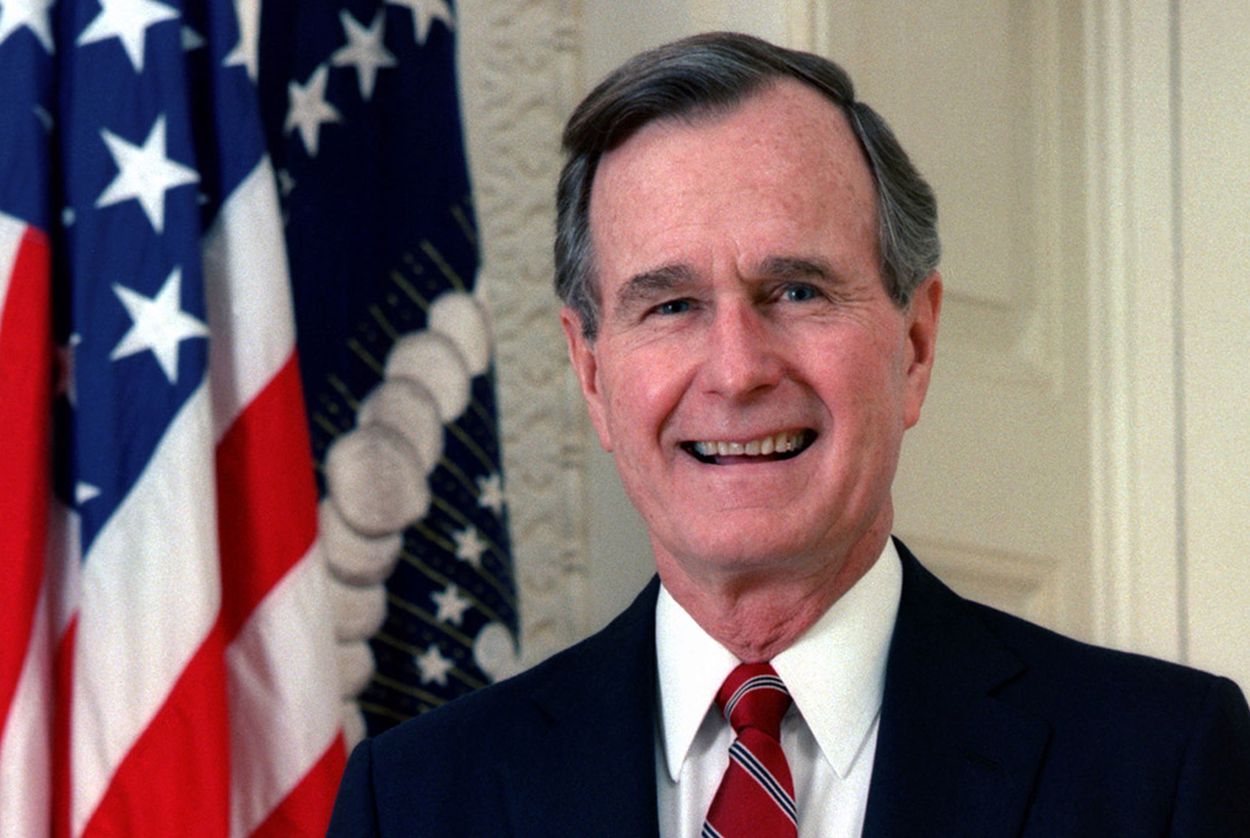
George Herbert Walker Bush (June 12, 1924 – November 30, 2018) was an American politician and businessman who served as the 41st president of the United States from 1989 to 1993. A member of the Republican Party, Bush also served as the 43rd vice president from 1981 to 1989 under Ronald Reagan, in the U.S. House of Representatives, as U.S. Ambassador to the United Nations, and as Director of Central Intelligence.
Bush was raised in Greenwich, Connecticut, and attended Phillips Academy before serving in the United States Navy Reserve during World War II. After the war, he graduated from Yale and moved to West Texas, where he established a successful oil company. After an unsuccessful run for the United States Senate, he won the election to the 7th congressional district of Texas in 1966. President Richard Nixon appointed Bush to the position of Ambassador to the United Nations in 1971 and to the position of chairman of the Republican National Committee in 1973. In 1974, President Gerald Ford appointed him as the Chief of the Liaison Office to the People’s Republic of China, and in 1976 Bush became the Director of Central Intelligence. Bush ran for president in 1980, but was defeated in the Republican presidential primaries by Ronald Reagan. He was then elected vice president in 1980 and 1984 as Reagan’s running mate.
In the 1988 presidential election, Bush defeated Democrat Michael Dukakis, becoming the first incumbent vice president to be elected president since Martin Van Buren in 1836. Foreign policy drove the Bush presidency, as he navigated the final years of the Cold War and played a key role in the reunification of Germany. Bush presided over the invasion of Panama and the Gulf War, ending the Iraqi occupation of Kuwait in the latter conflict. Though the agreement was not ratified until after he left office, Bush negotiated and signed the North American Free Trade Agreement (NAFTA), which created a trade bloc consisting of the United States, Canada, and Mexico. Domestically, Bush reneged on a 1988 campaign promise by enacting legislation to raise taxes with the justification of reducing the budget deficit. He also signed the Americans with Disabilities Act of 1990 and successfully appointed David Souter and Clarence Thomas to the Supreme Court. Bush lost the 1992 presidential election to Democrat Bill Clinton following an economic recession, his turnaround on his tax promise, and the decreased emphasis of foreign policy in a post–Cold War political climate.
After leaving office in 1993, Bush was active in humanitarian activities, often working alongside Bill Clinton, his former opponent. With the victory of his son, George W. Bush, in the 2000 presidential election, the two became the second father–son pair to serve as the nation’s president, following John Adams and John Quincy Adams. Another son, Jeb Bush, unsuccessfully sought the Republican presidential nomination in the 2016 Republican primaries. Historians generally rank Bush as an above-average president. (Wikipedia)
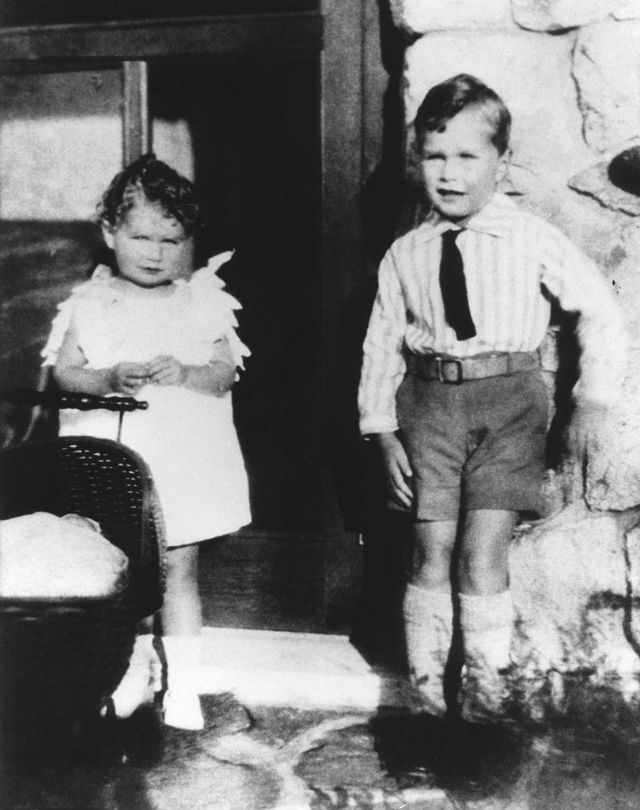
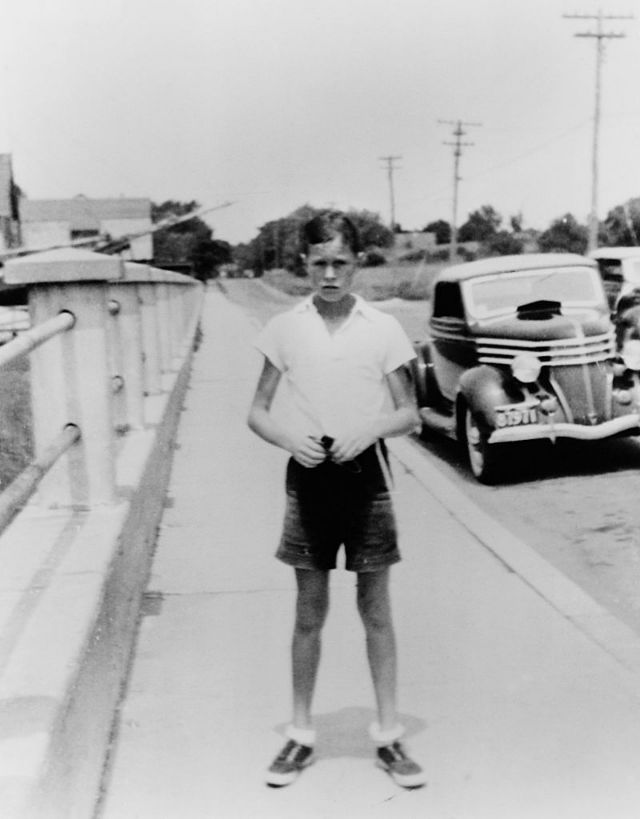
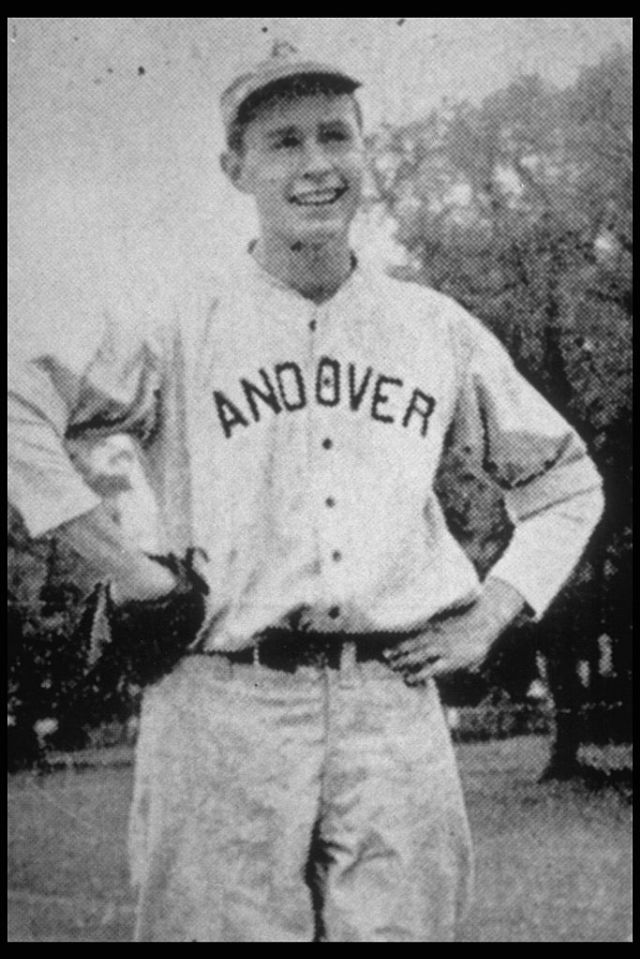
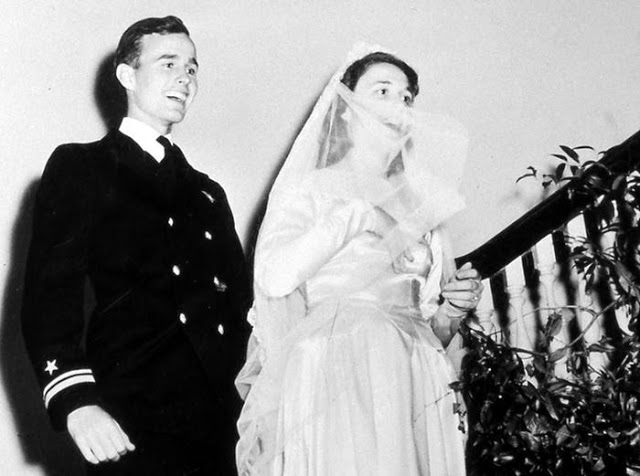
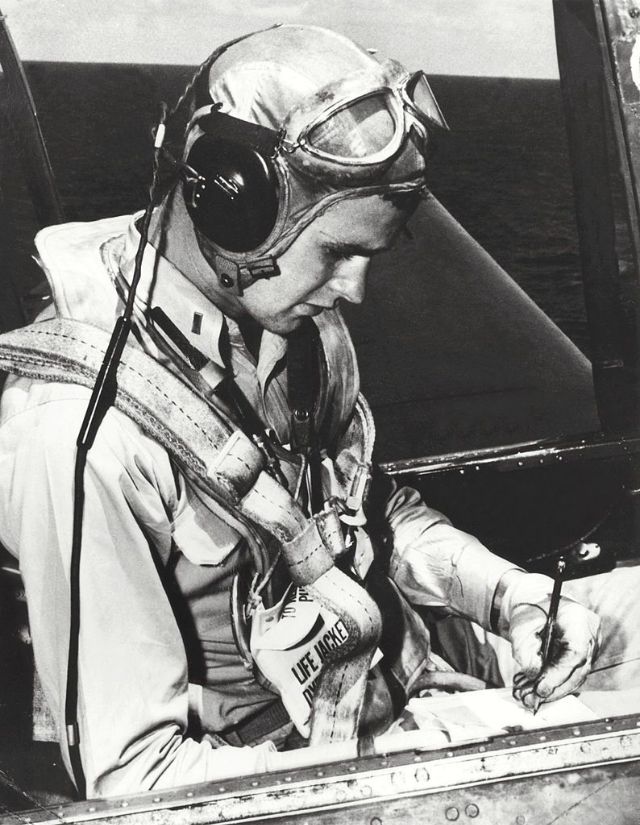
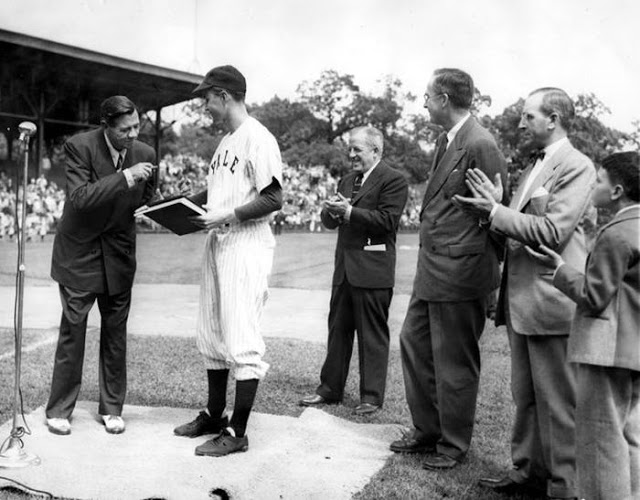
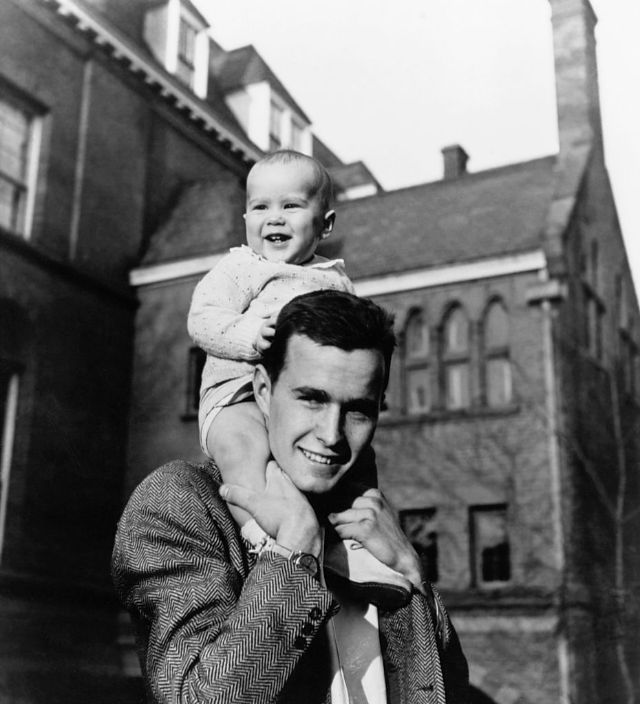
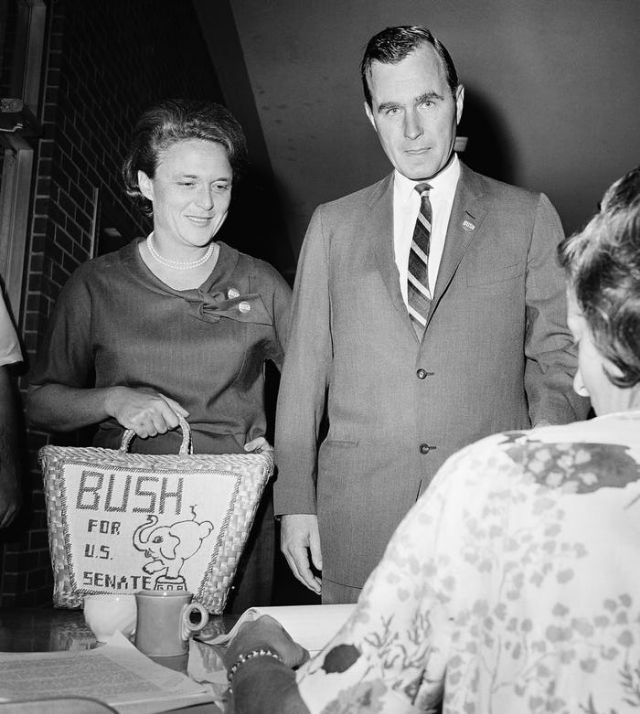
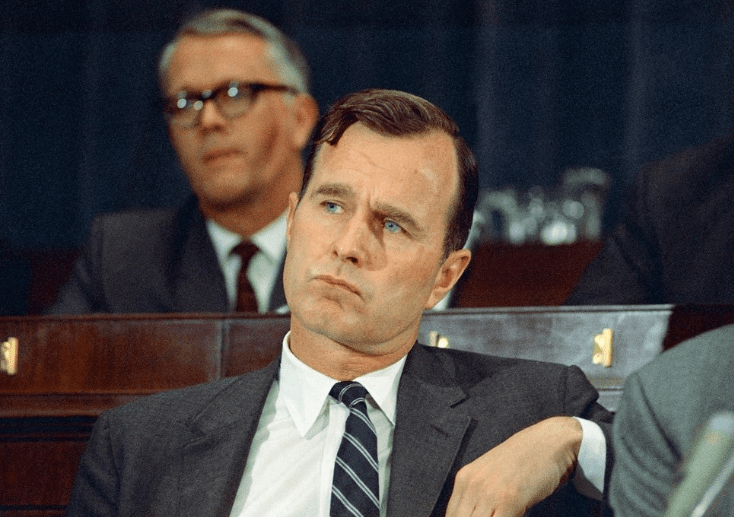
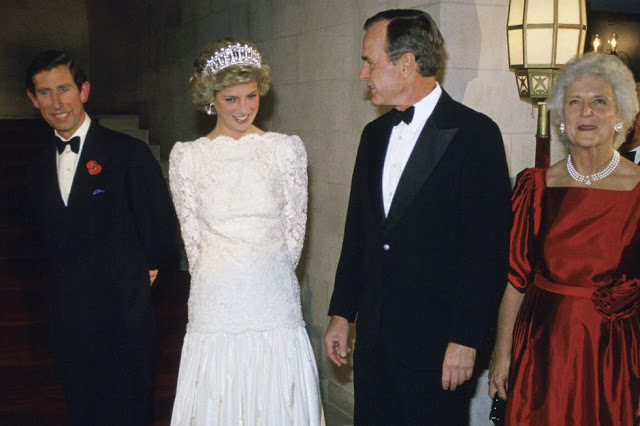
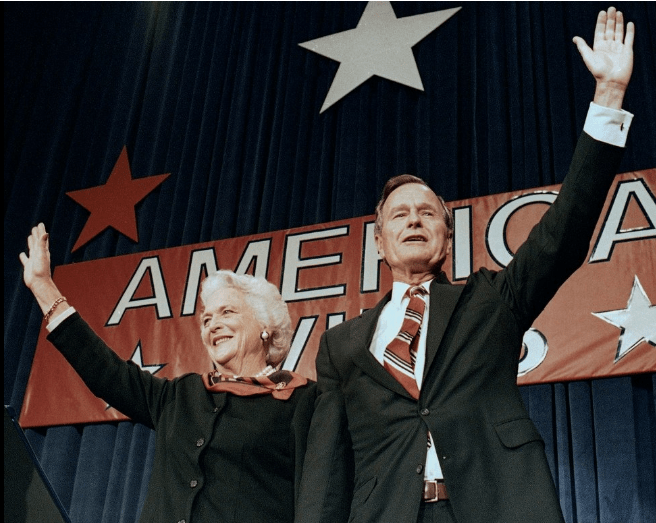
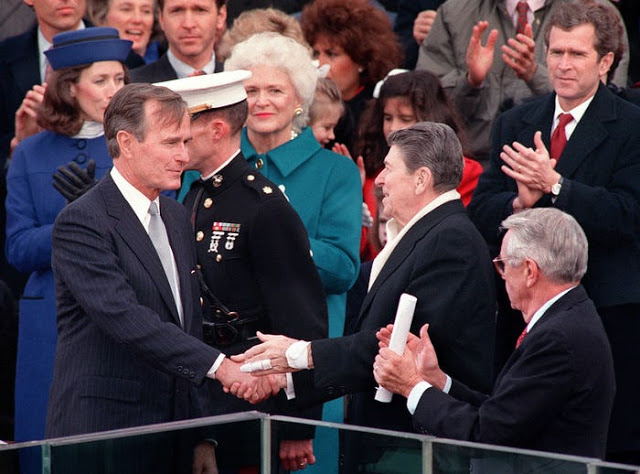
George Herbert Walker Bush is pictured when he was one and a half year old.Five-year-old George H. W. Bush stands with his sister Mercy in Milton, Massachusetts, 1929.Here Bush is as a young teenager, July 1937.George H.W. Bush at summer camp, 1939.The future president poses in his Phillips Academy Andover baseball uniform, 1941.Bush served in the Navy from June 1942 to September 1945.George H.W. Bush, Naval Aviator Cadet, 1943.The wedding of George H.W. Bush and Barbara Pierce, in Rye, New York, 1945.Bush was a Navy pilot during the war.Baseball legend Babe Ruth (left) presents his papers to Yale University, received by Yale baseball team captain George Bush, 1946.George Bush is shown as captain of the Yale baseball team, 1947.George H. W. Bush became Bush Sr. a year before this picture was taken at Yale University, 1947.The Bush’s pose for a family portrait, 1956.George H.W. Bush and son George W. Bush at the commissioning ceremonies for the Scorpion off-shore drilling platform, 1956.George Bush and his wife Barbara cast their votes in Houston for the Texas senate primary race in 1964, his entry into politics. Bush was seeking the Republican primary victory over opponent Jack Cox, and went on to oppose (and lose to) Sen. Ralph Yarborough in the November general election.George Bush Sr. proudly displays his son George Bush Jr.’s Texas Air National Guard uniform, 1968.George H.W. Bush, R-Texas, appears in Washington, March 1968.Rep. George H.W. Bush, R-Texas, talks with a group of young people at a rally in Houston, Texas. October 1970U.S. Congressman George Bush speaks to students on SMU campus during his run for a Republican Senate seat, a race that he lost, 1970. Bush was a U.S. Congressman from Texas from 1966-1970.Here is Bush’s portrait as chairman of the Republican National Committee, May 1974.Bush looks pensive while discussing U.S. intelligence reform, February 1976.Bush gives a speech as the Republican vice presidential candidate, July 1980.Vice Presidential candidate George H. W. Bush sits with his family dog Fred in Kennebunkport, Maine, September 1980.Former President Gerald Ford lends his support to Republican presidential candidate Ronald Reagan and his running mate George H.W. Bush, in Peoria, Ill. Nov 3, 1980George H. W. Bush stands beside President Reagan at his inauguration, November 1981.Newly elected Vice President George H. W. Bush poses on his porch, 1982.Vice President Bush meets Princess Diana and Prince Charles at the British Ambassador’s Residence, November 1985.Bush, then a presidential candidate, laughs with his wife, August 1988.Bush speaks at campaign rally near the end of his presidential race, September 1988.President-elect George H.W. Bush and his wife Barbara wave to supporters in Houston, Texas after winning the presidential election. Nov 8, 1988Outgoing President Ronald Reagan congratulates newly-inaugurated President George H.W. Bush, as first lady Barbara Bush (center), George W. Bush (top right) and others applaud during the swearing-in ceremony, 1989.President George H. W. Bush and First Lady Barbara stand in front of the Lincoln Memorial during the inauguration ceremony, January 1989.George H. W. Bush, the 41st president of the United States.
(Photos: Getty Images, AP Photo, and George Bush Presidential Library)
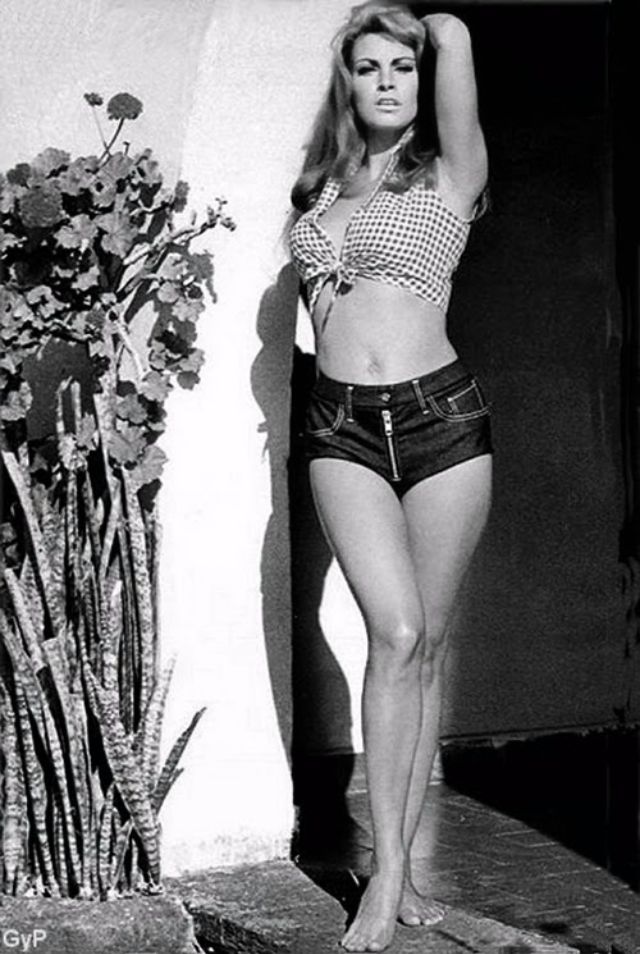
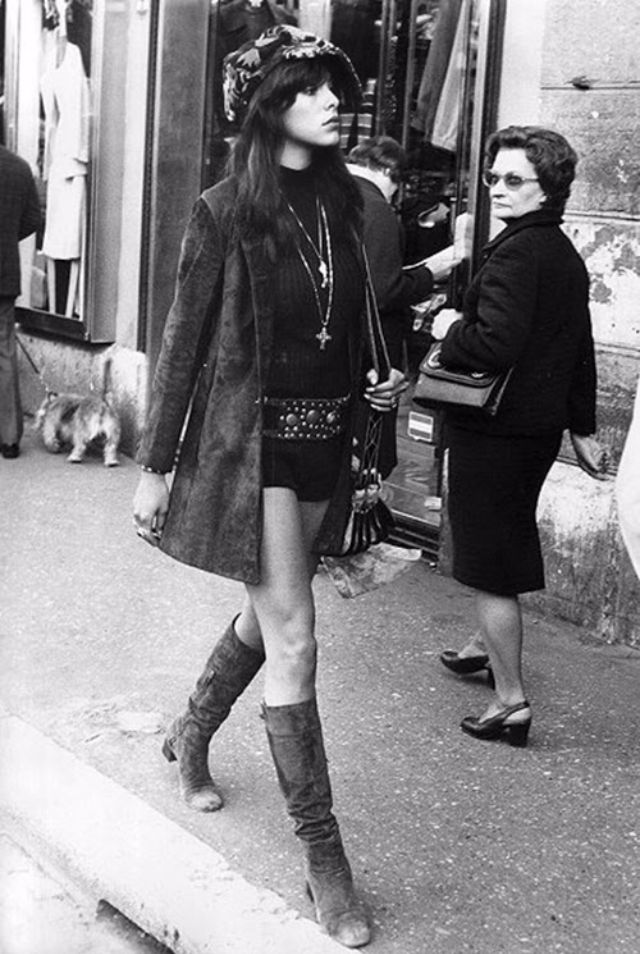
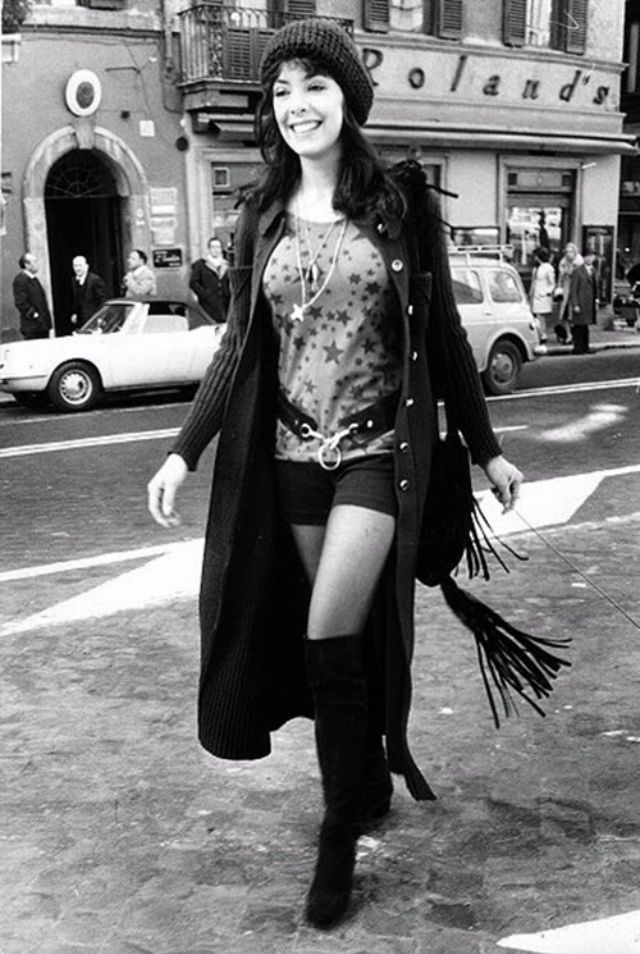
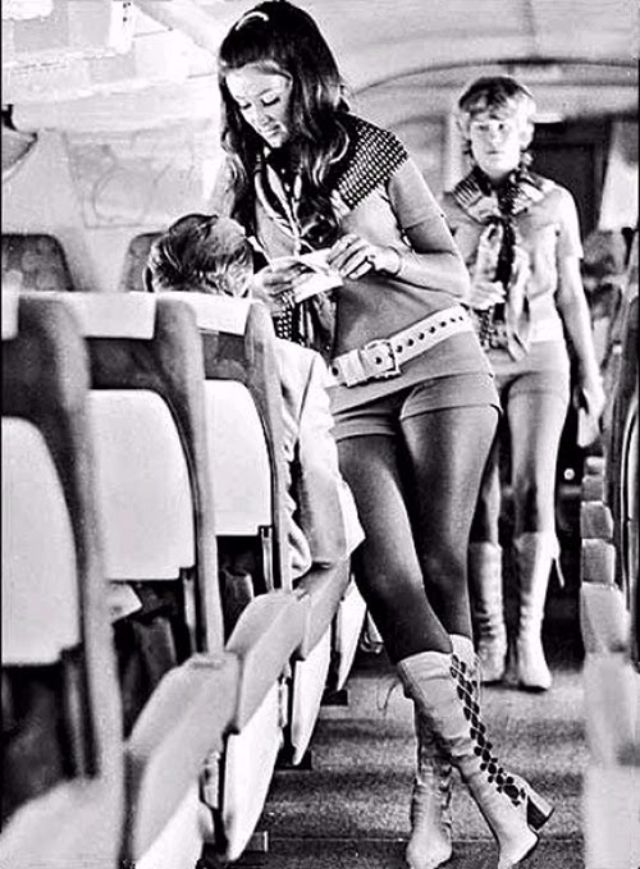
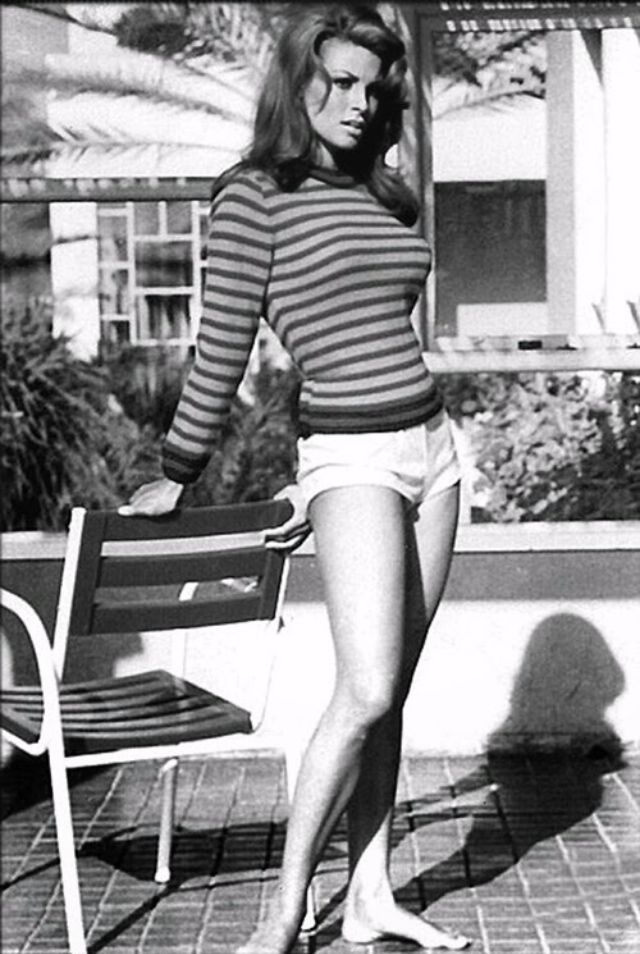
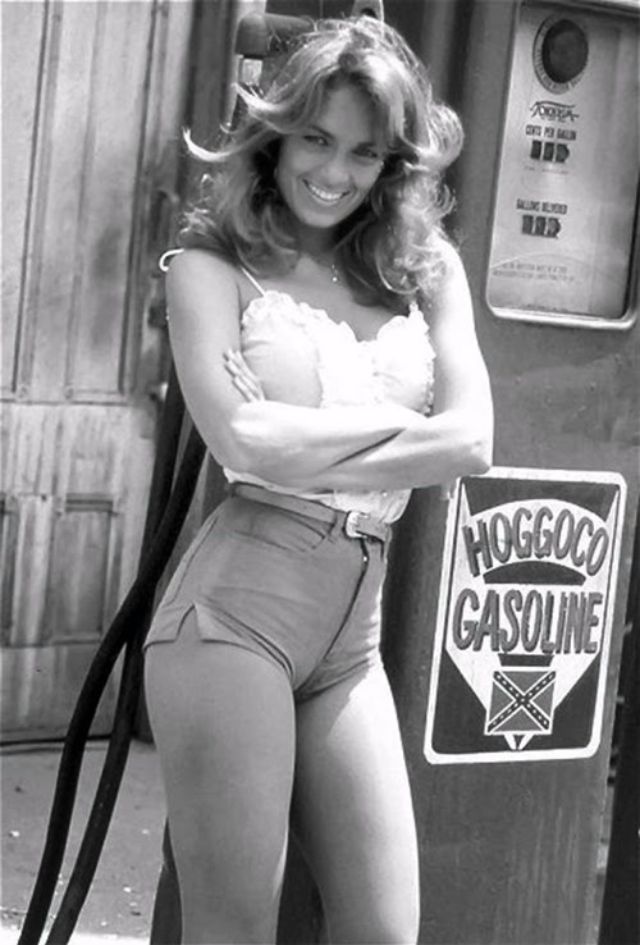
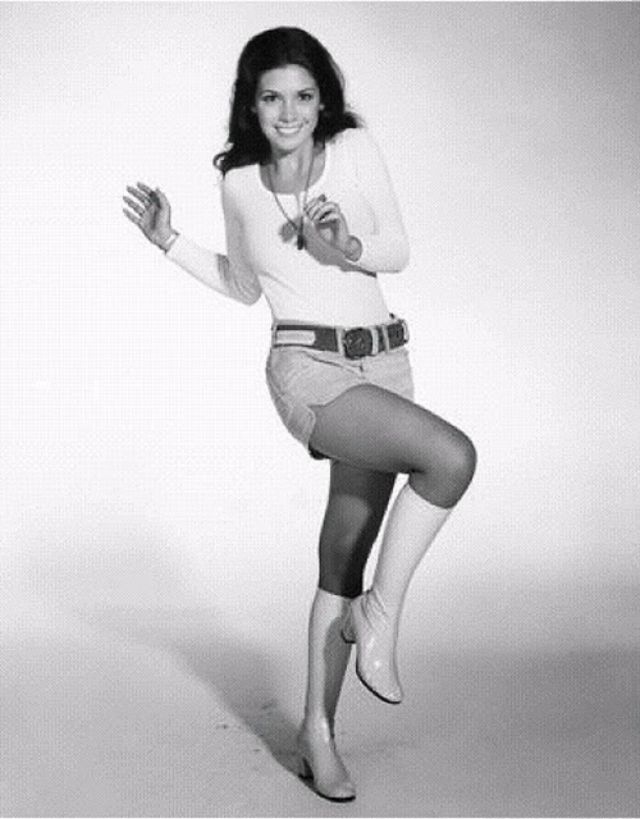
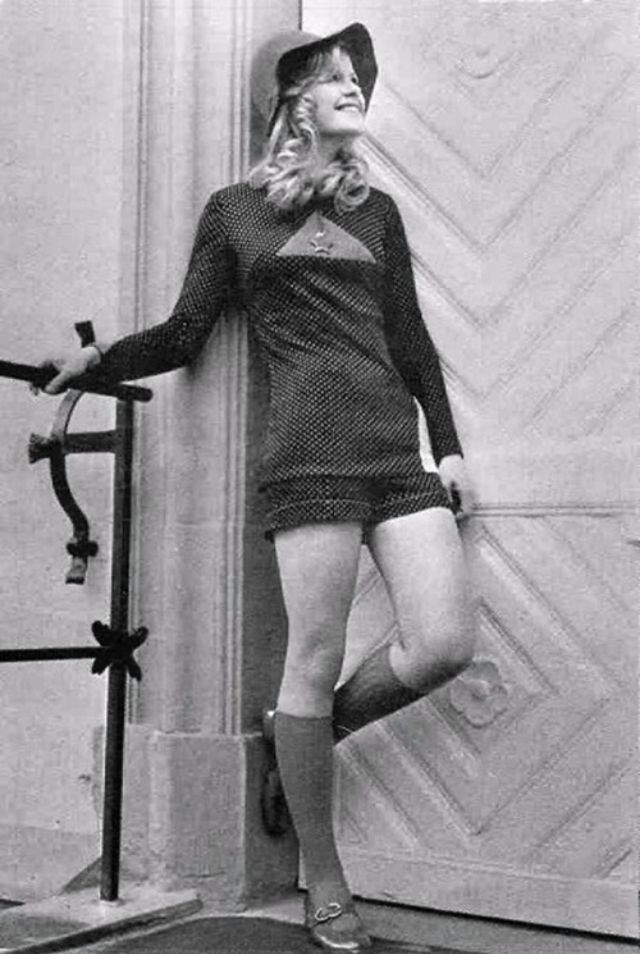
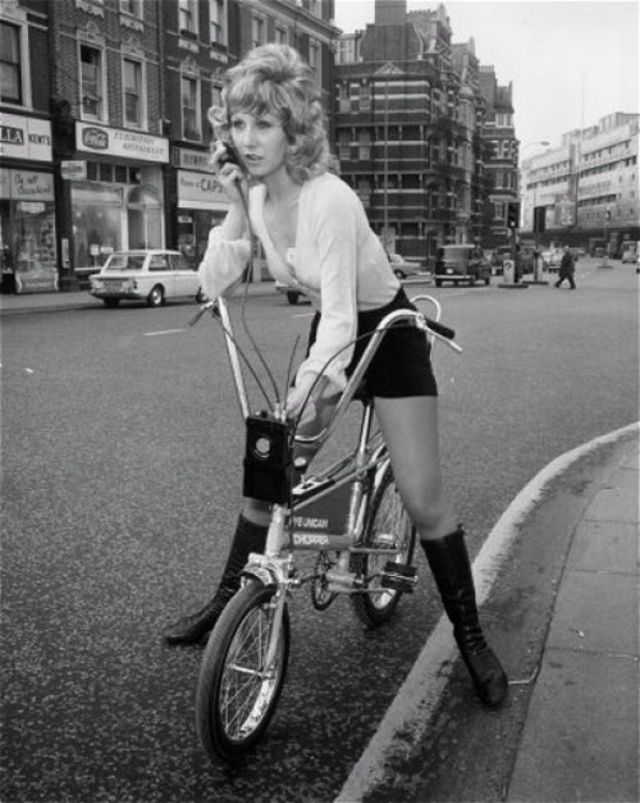
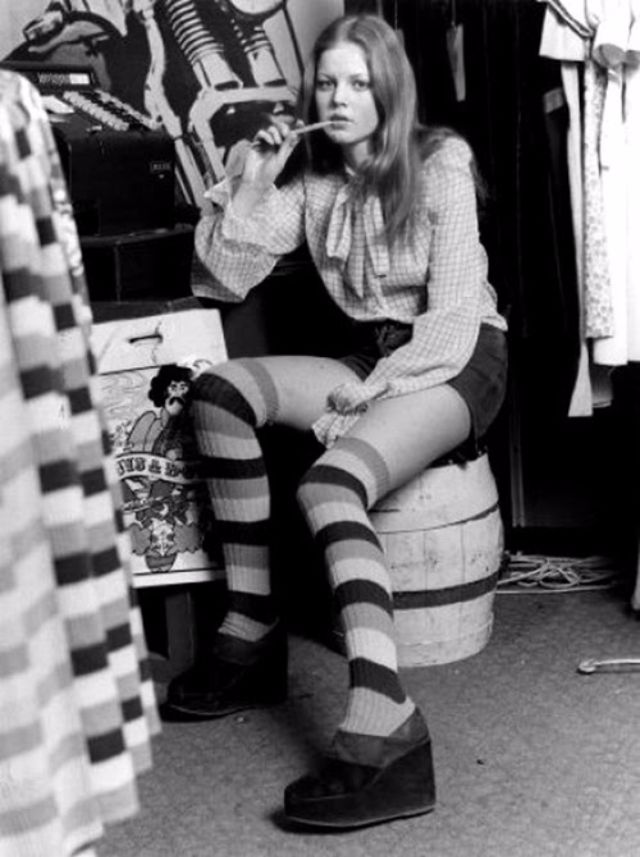
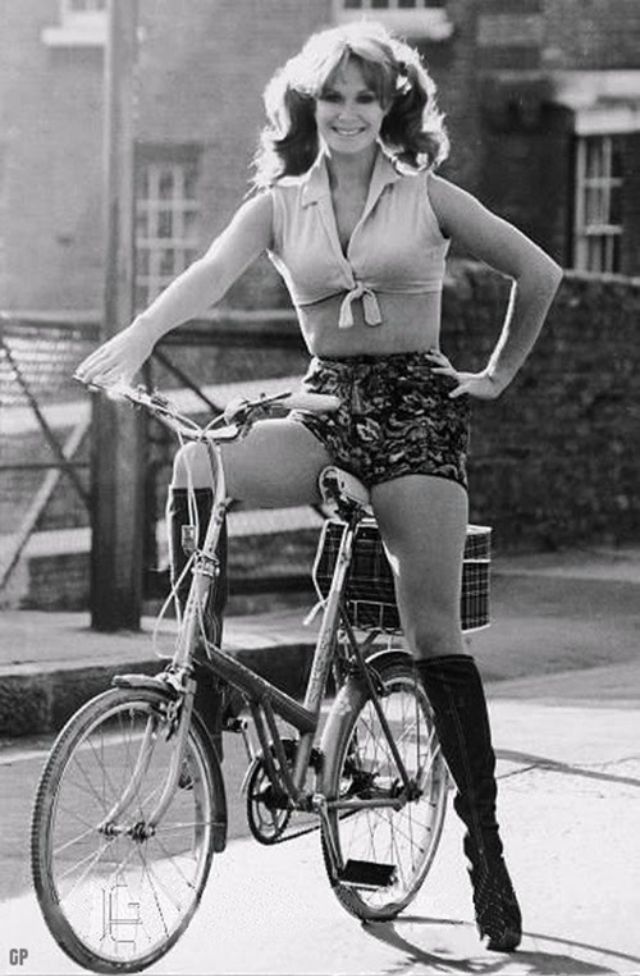
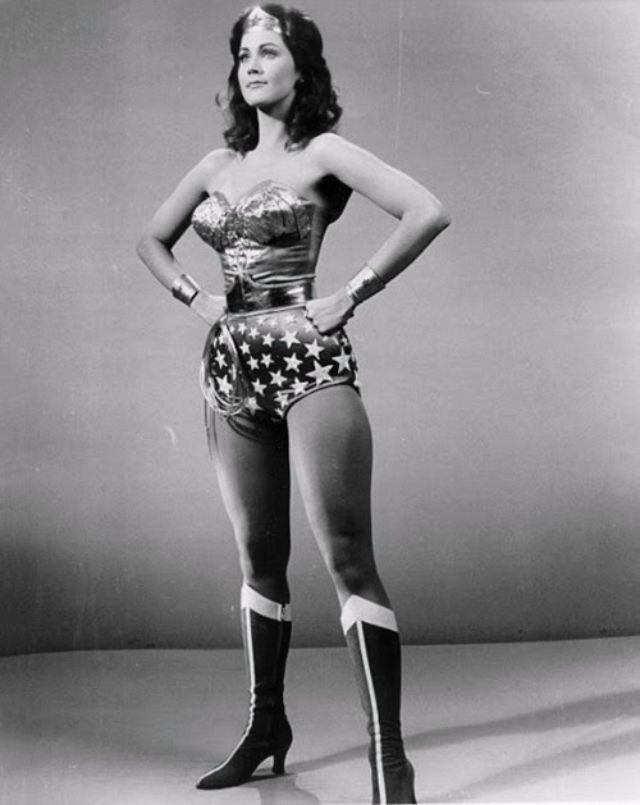
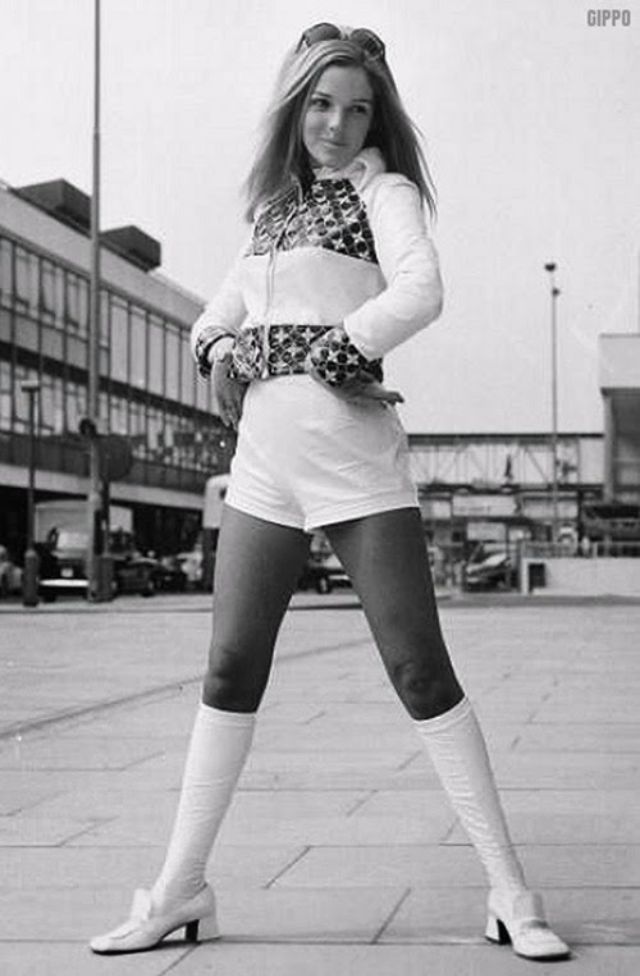
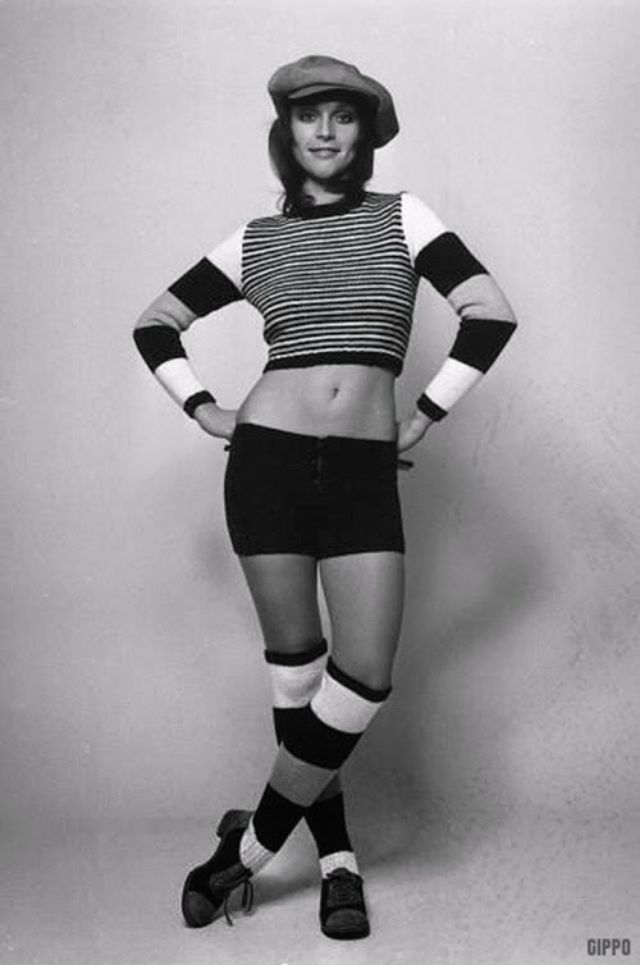
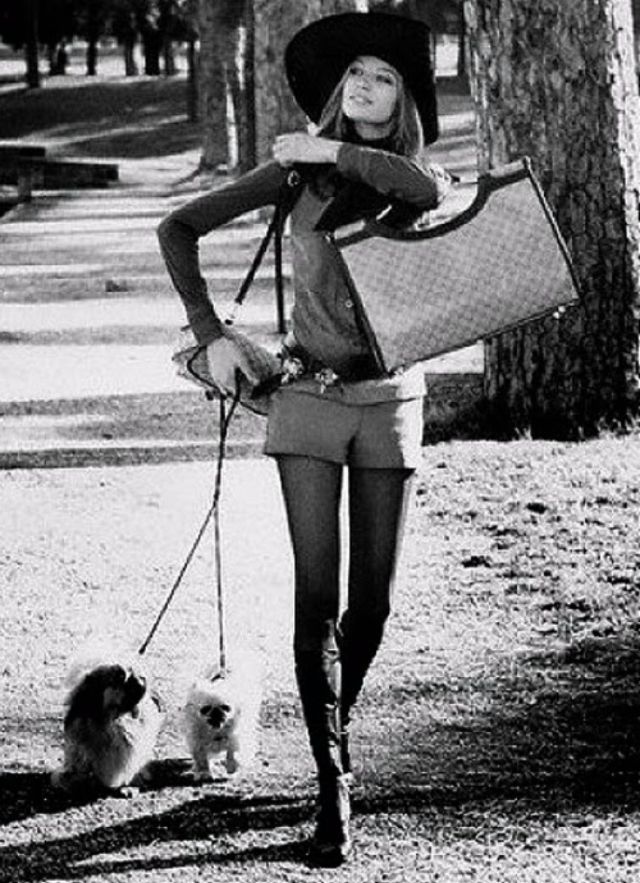
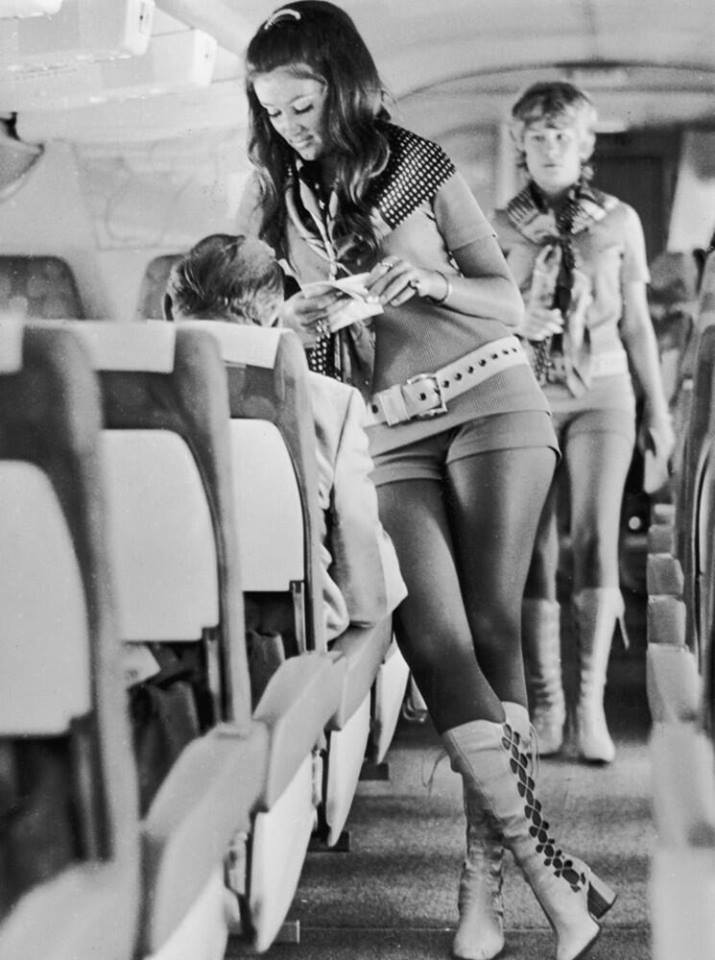
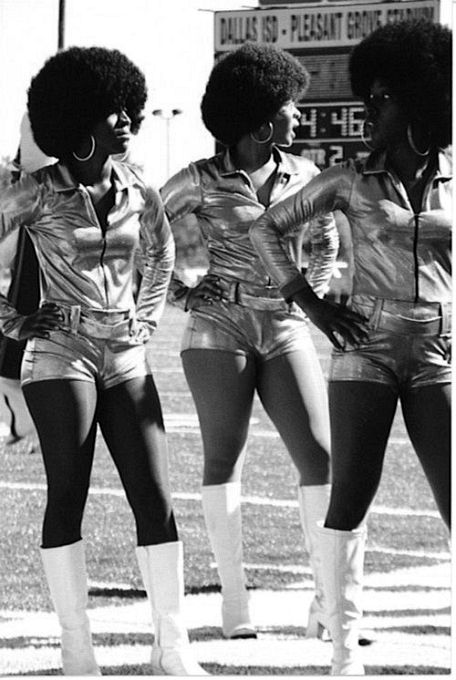
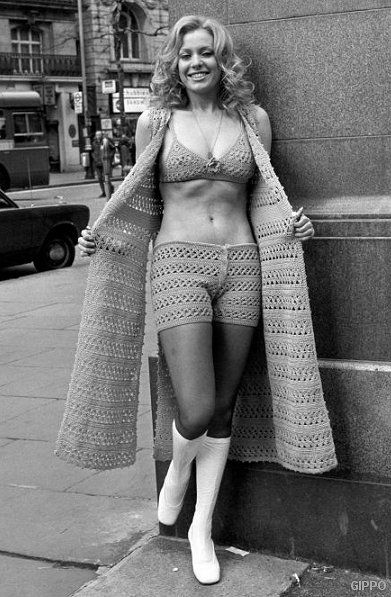
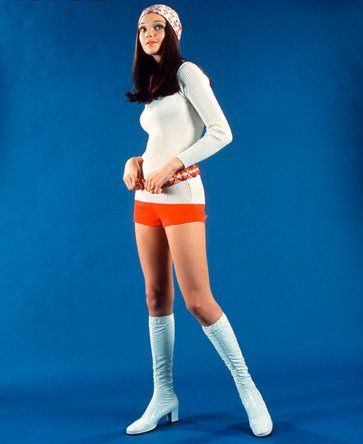
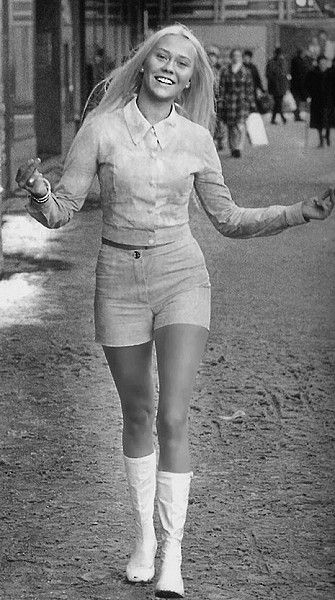
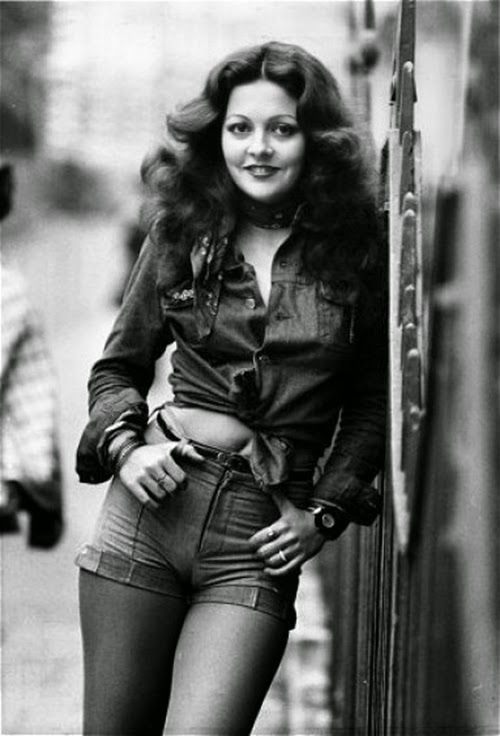
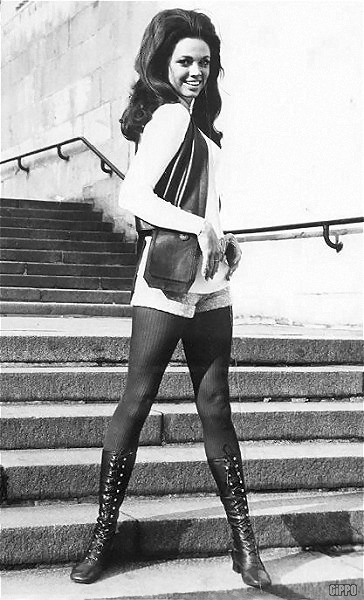
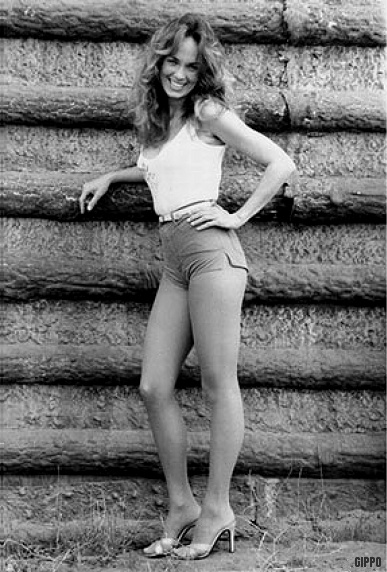
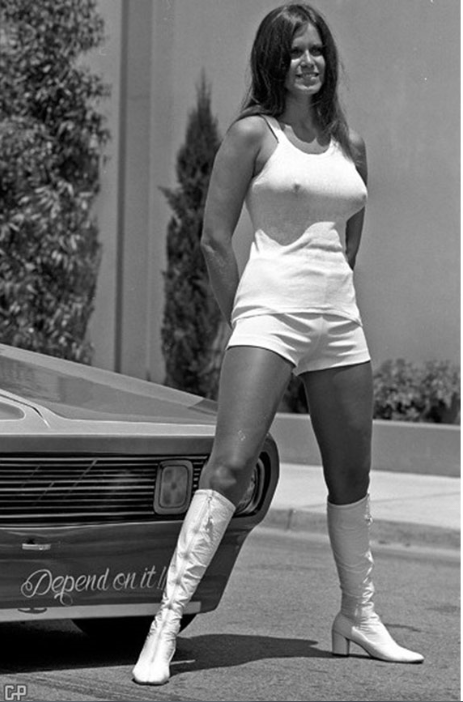
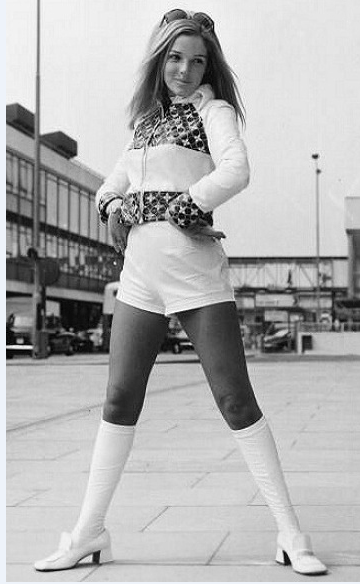
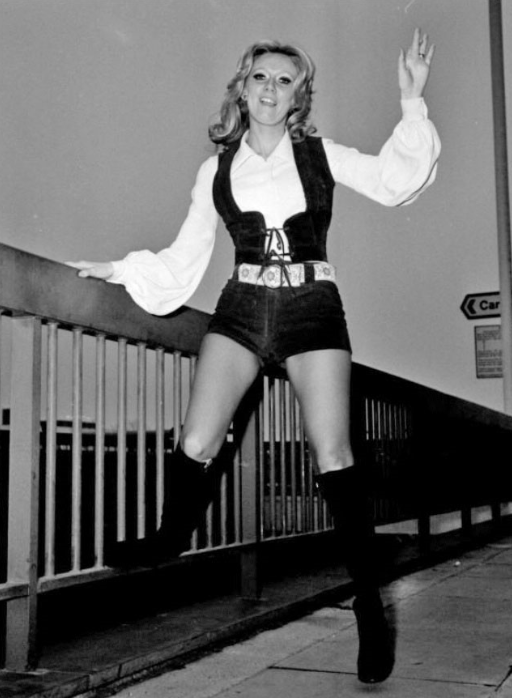
Hotpants or hot pants describe extremely short shorts. The term was first used by Women’s Wear Daily in 1970 to describe shorts made in luxury fabrics such as velvet and satin for fashionable wear, rather than their more practical equivalents that had been worn for sports or leisure since the 1930s. The term has since become a generic term for any pair of extremely short shorts. While hotpants were briefly a very popular element of mainstream fashion in the early 1970s, by the mid-1970s they had become associated with the sex industry, which contributed to their fall from fashion. However, hotpants continue to be popular as clubwear well into the 2010s and are often worn within the entertainment industry, particularly as part of cheerleader costumes or for dancers (especially backup dancers). Performers such as Britney Spears and Kylie Minogue have famously worn hotpants as part of their public performances and presentation. (Wikipedia)
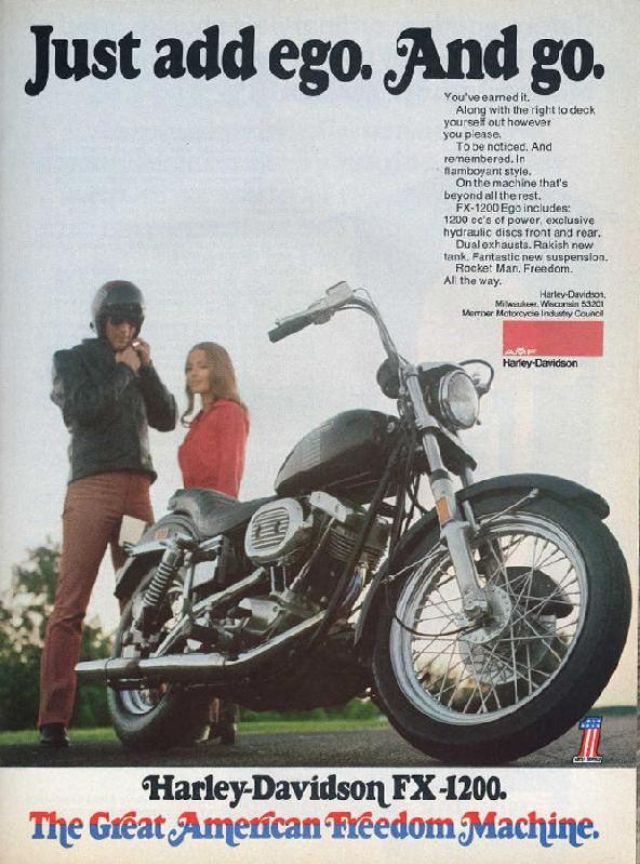
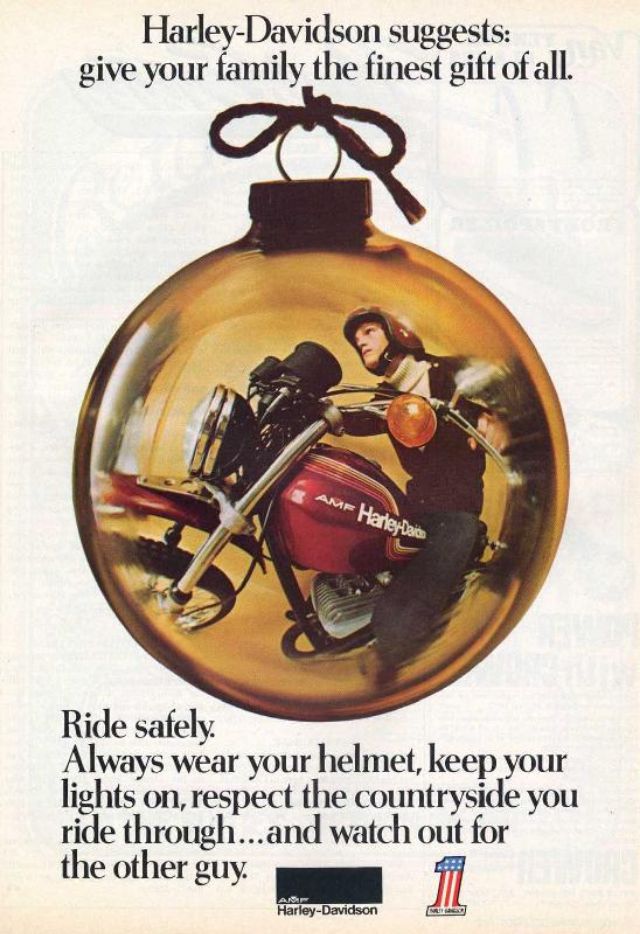
Harley-Davidson, Inc., H-D, or Harley, is an American motorcycle manufacturer founded in 1903 in Milwaukee, Wisconsin. Along with Indian, it was one of two major American motorcycle manufacturers to survive the Great Depression. The company has survived numerous ownership arrangements, subsidiary arrangements, periods of poor economic health and product quality, and intense global competition to become one of the world’s largest motorcycle manufacturers and an iconic brand widely known for its loyal following. There are owner clubs and events worldwide, as well as a company-sponsored, brand-focused museum.
Harley-Davidson is noted for a style of customization that gave rise to the chopper motorcycle style. The company traditionally marketed heavyweight, air-cooled cruiser motorcycles with engine displacements greater than 700 cc, but it has broadened its offerings to include more contemporary VRSC (2002) and middle-weight Street (2015) platforms.
Harley-Davidson manufactures its motorcycles at factories in York, Pennsylvania; Milwaukee, Wisconsin; Kansas City, Missouri (closed May 2019); Manaus, Brazil; and Bawal, India. Construction of a new plant in Thailand began in late 2018. The company markets its products worldwide, and also licenses and markets merchandise under the Harley-Davidson brand, among them apparel, home décor and ornaments, accessories, toys, scale models of its motorcycles, and video games based on its motorcycle line and the community. (Wikipedia)
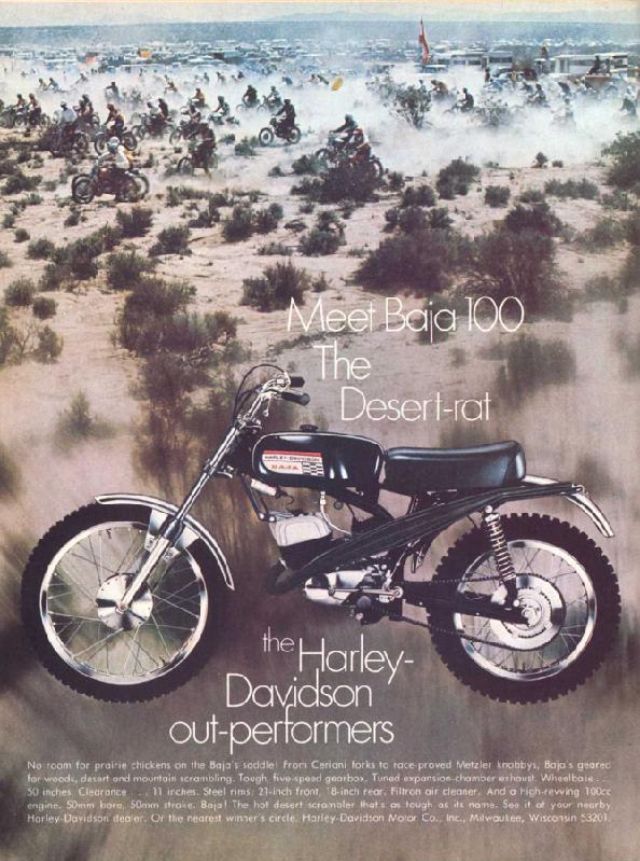
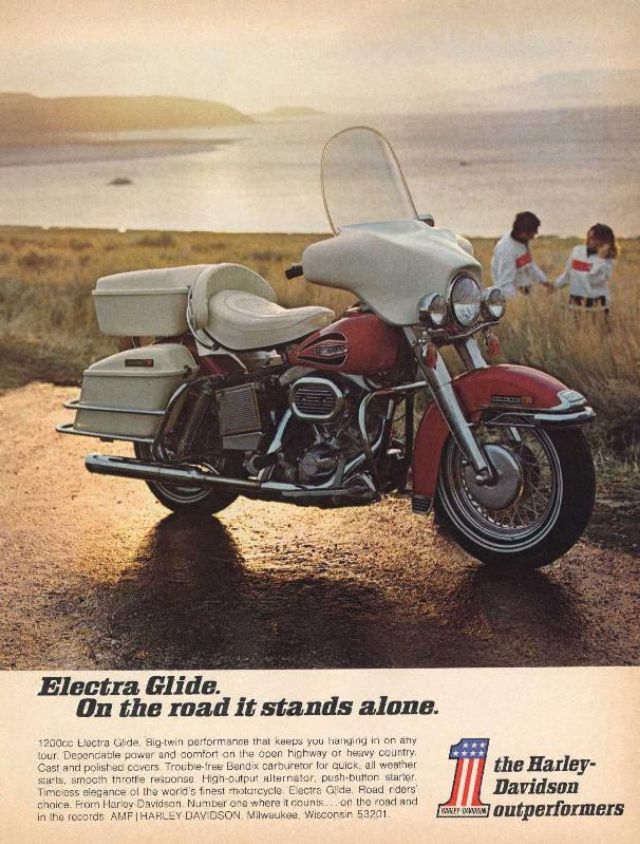
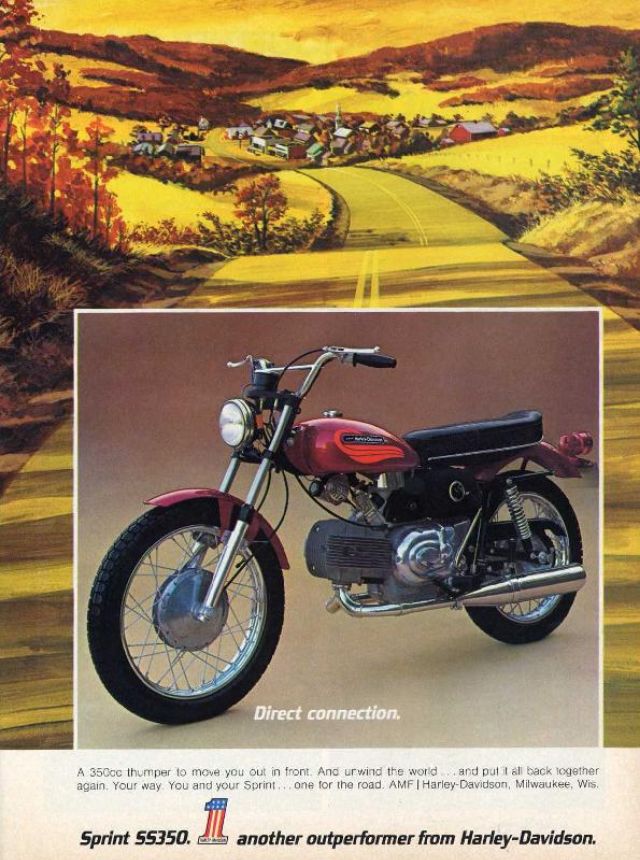
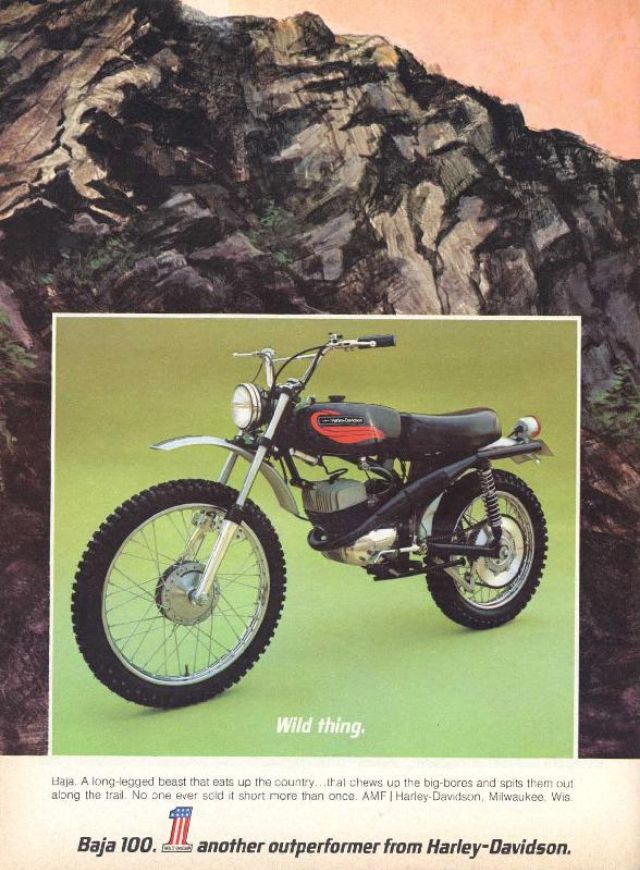
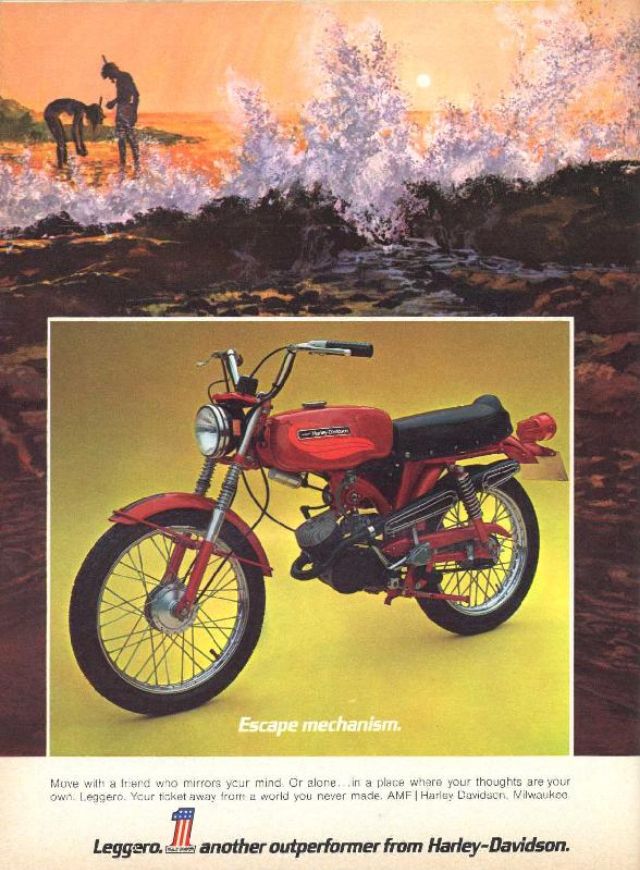
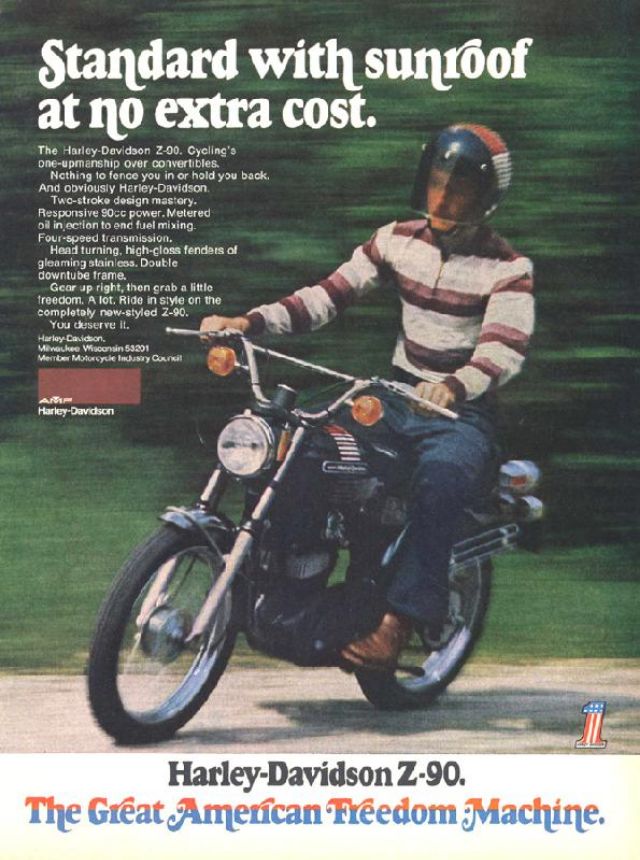
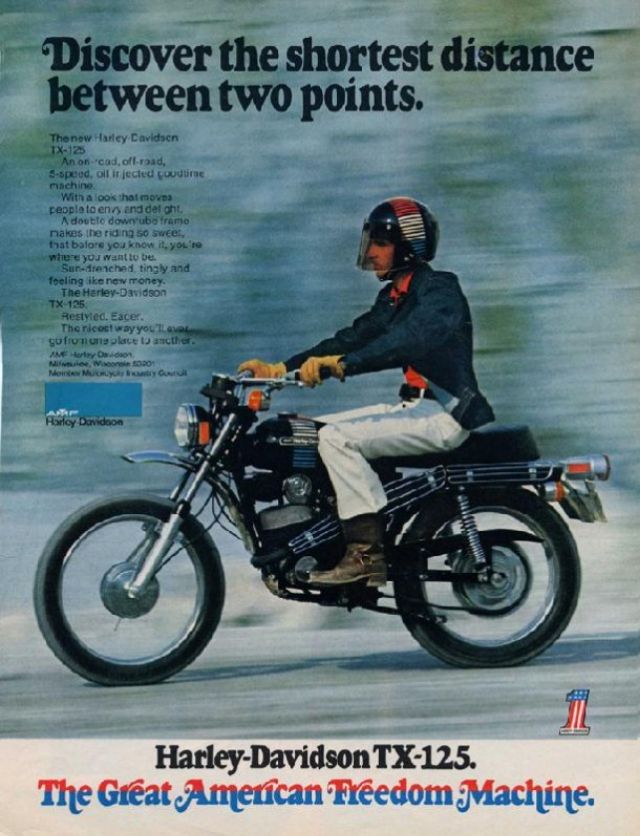
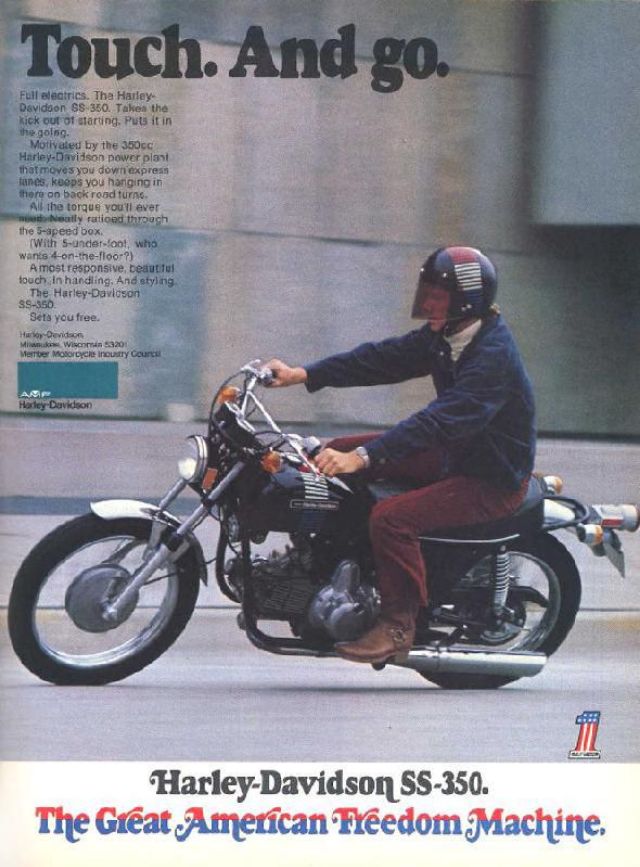
Below is a collection of 34 wonderful vintage ads of Harley-Davidson during the 1970s.
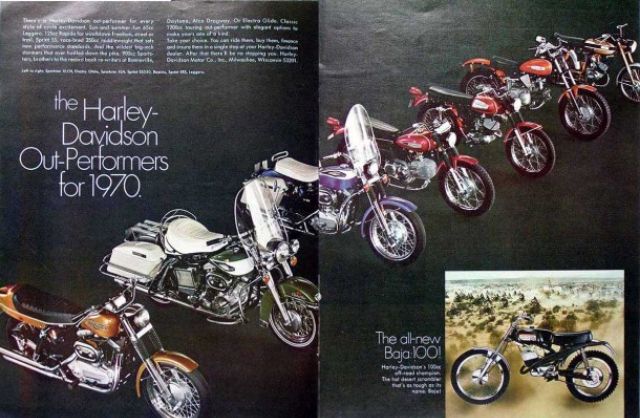
The Harley-Davidson Out-Performers for 1970Meet Baja 100 The Desert-Rat, 19707 mph the pegs, of flat out at 70, 1970Sportster makes the dust the others eat, 1970Baja wins in wild country, 1971Super Glide FX call it the night train, 1971Sprint SS gets it all together, 1971Leggero Mini cycle… maxi fun, 1971New Sprint SX350. Light the fire and hang on!, 1971Sportster. Pull the trigger!, 1971Electra Glide. On the road it stands alone, 1971Rapido. The starchy torquer, 1971Sprint SS350 another outperformer from Harley-Davidson, 1972Baja 100. Another outperformer from Harley-Davidson, 1972Sportster 1000. Another outperformer from Harley-Davidson, 1972Sprint SX350. Another outperformer from Harley-Davidson, 1972Rapido. Another outperformer from Harley-Davidson, 1972Leggero. Another outperformer from Harley-Davidson, 1972Super Glide. Another outperformer from Harley-Davidson, 1972Shortster… the mini-cycle that’s mighty like a motorcycle, 1972Harley-Davidson X90. The Great American Freedom Machine, 1972Harley-Davidson Z90. The Great American Freedom Machine, 1973Harley-Davidson SX-350. The Great American Freedom Machine, 1973Harley-Davidson TX-125. The Great American Freedom Machine, 1973All new Harley-Davidson SX-175, 1973Harley-Davidson XLCH-1000, 1973Harley-Davidson SS-350, 1973Harley-Davidson FX-1200, 1973Harley-Davidson FX-1200, 1974Harley-Davidson suggests: give your family the finest gift of all, 1974Harley-Davidson SR-100, 1974Satisfying millions of motorcyclists is easy, 1975Dual in the sun, 1975Until you’ve been on a Harley-Davidson you haven’t been on a motorcycle, 1979
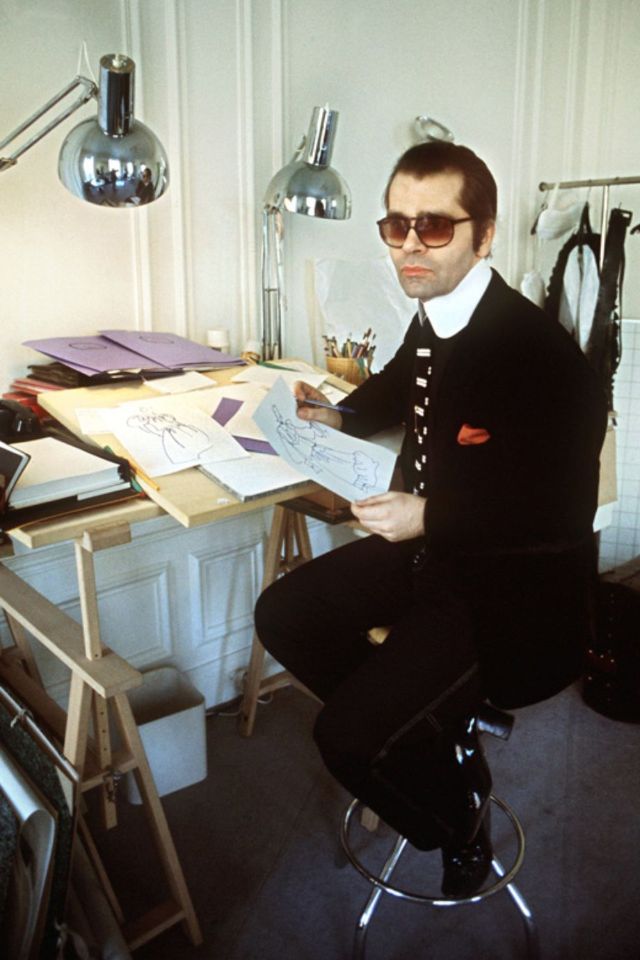
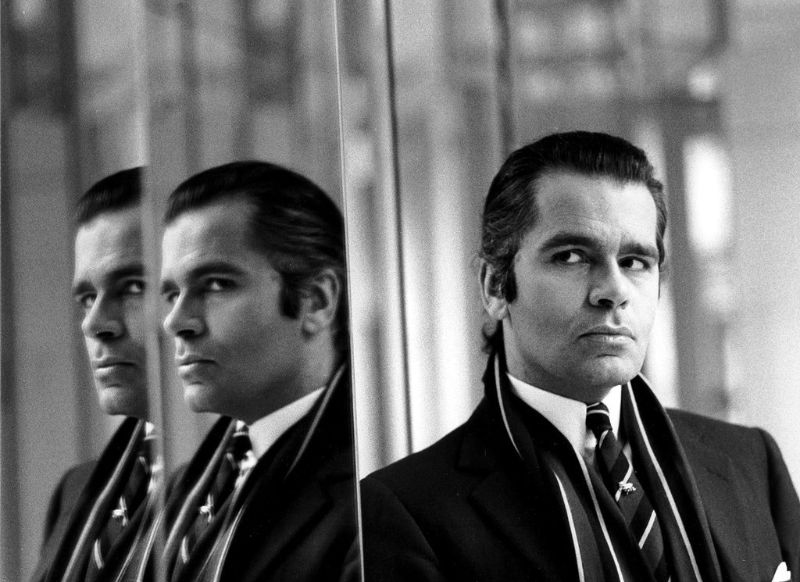
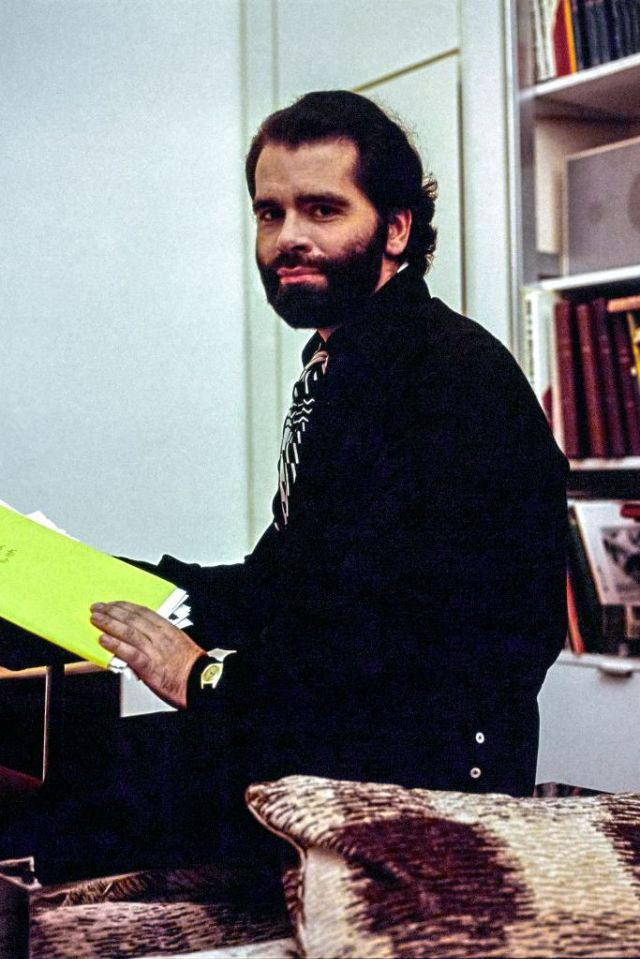
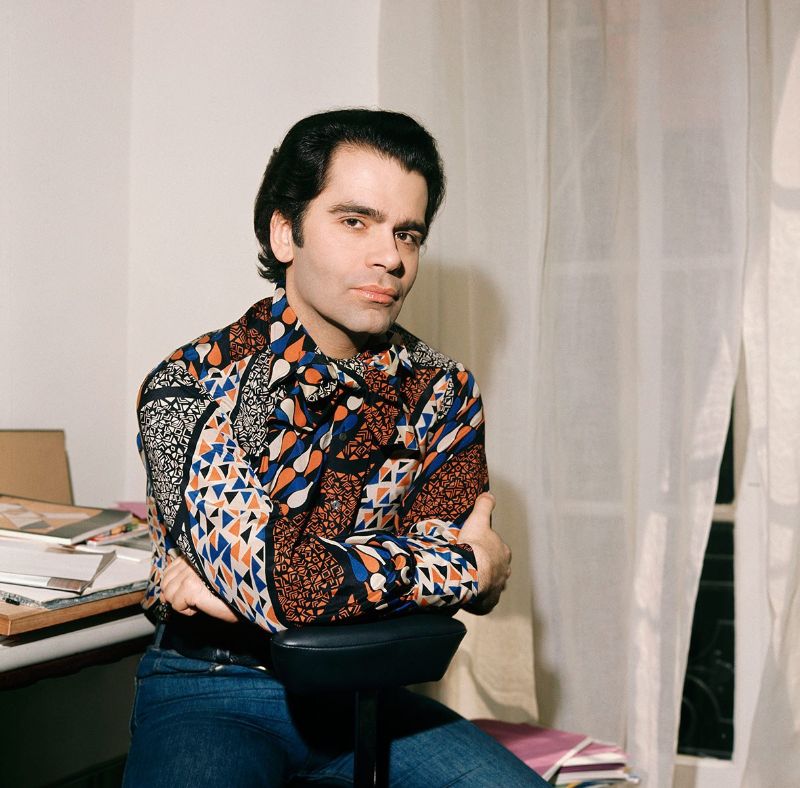
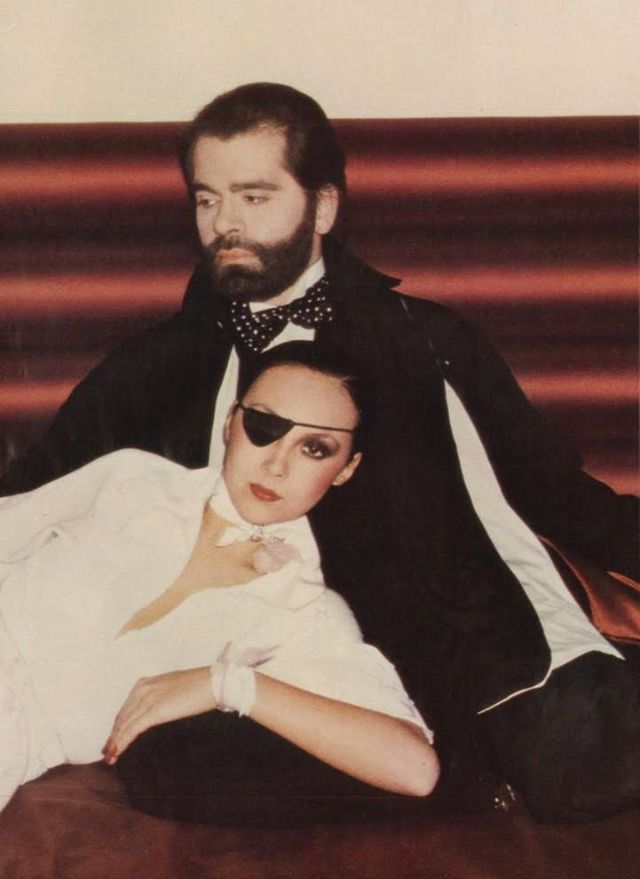
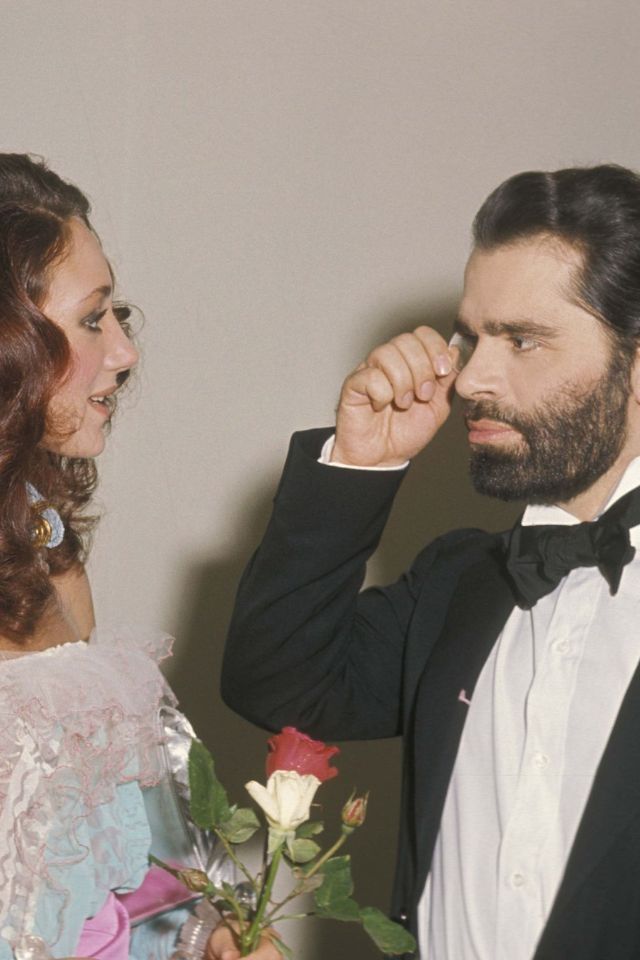
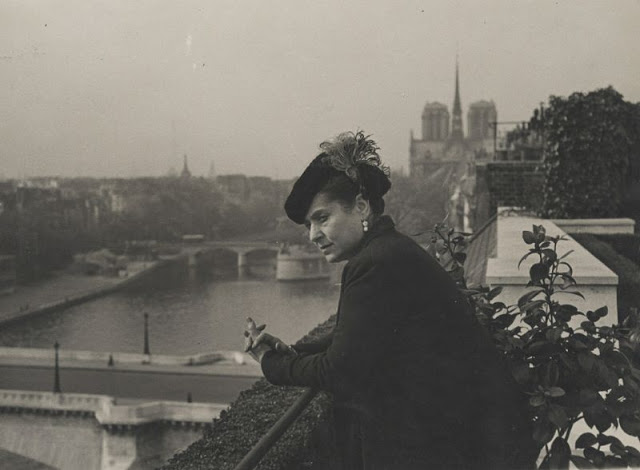
Iconic fashion designer Karl Lagerfeld died at age 85 in Paris on February 19, 2019 following a short illness.
He was born Karl Otto Lagerfeldt in 1933 in pre-war Germany. Lagerfeld changed his original surname from Lagerfeldt, because he believed it sounded “more commercial”.
He emigrated to Paris as a young teenager, and became a design assistant for Pierre Balmain, before working at Fendi and Chloe in the 1960s.
The German designer was known as the creative director of the French luxury fashion house Chanel (from 1983 until his death), as well as creative director of the Italian fur and leather goods fashion house Fendi and his own eponymous fashion label.
Over the decades, he collaborated on a variety of fashion and art-related projects. He was well recognized around the world for his white hair, black sunglasses, fingerless gloves, and high starched collars.
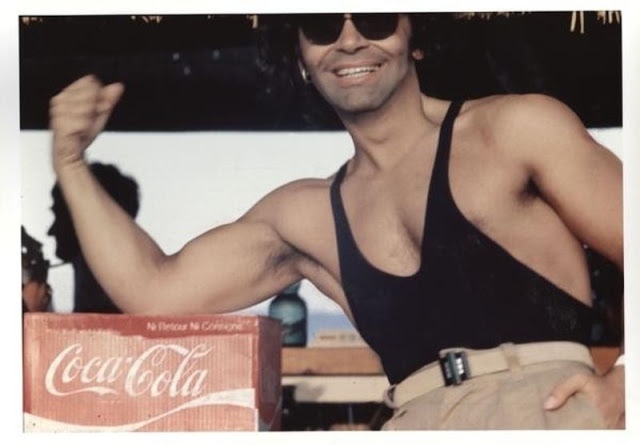
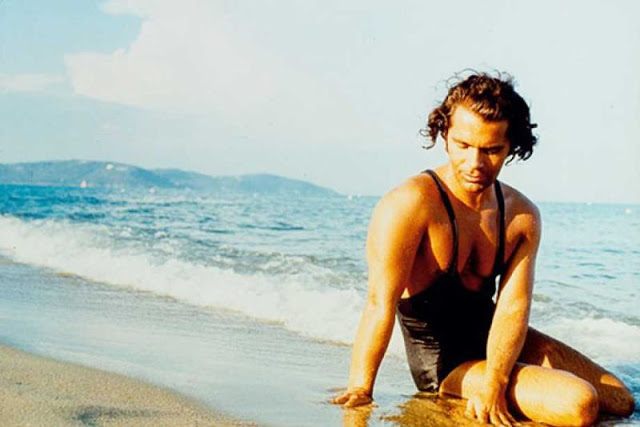
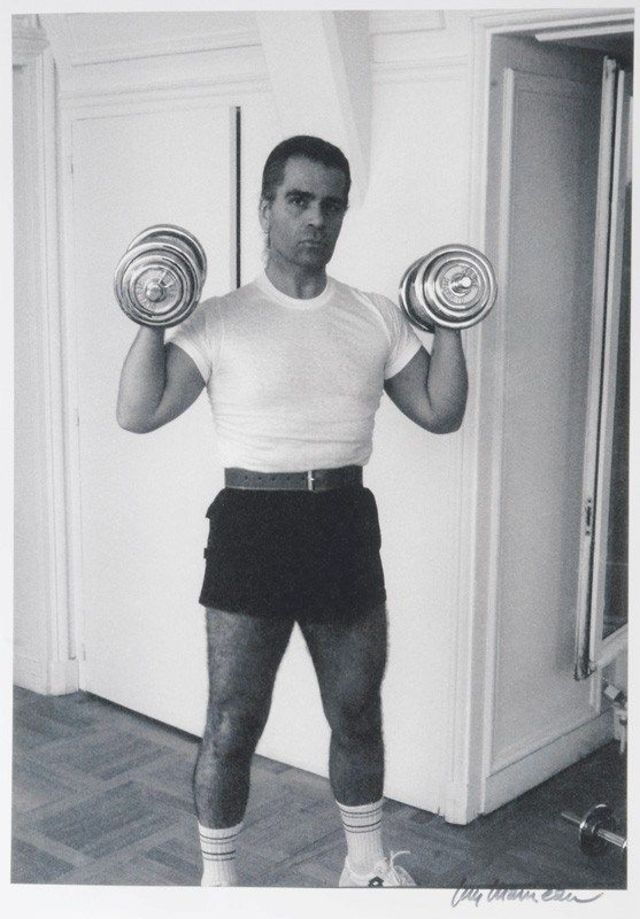
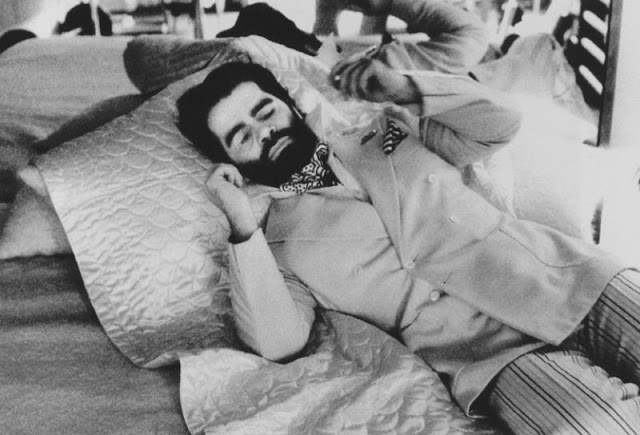
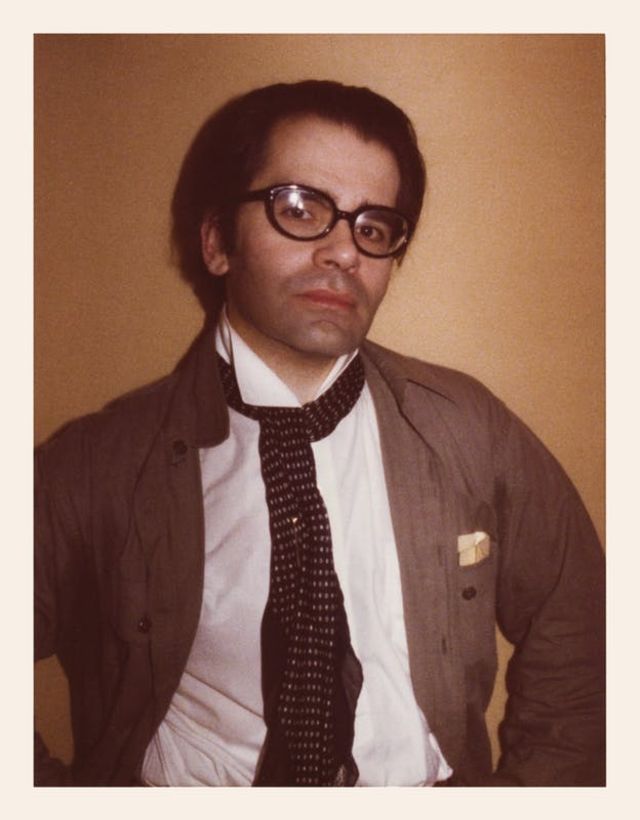
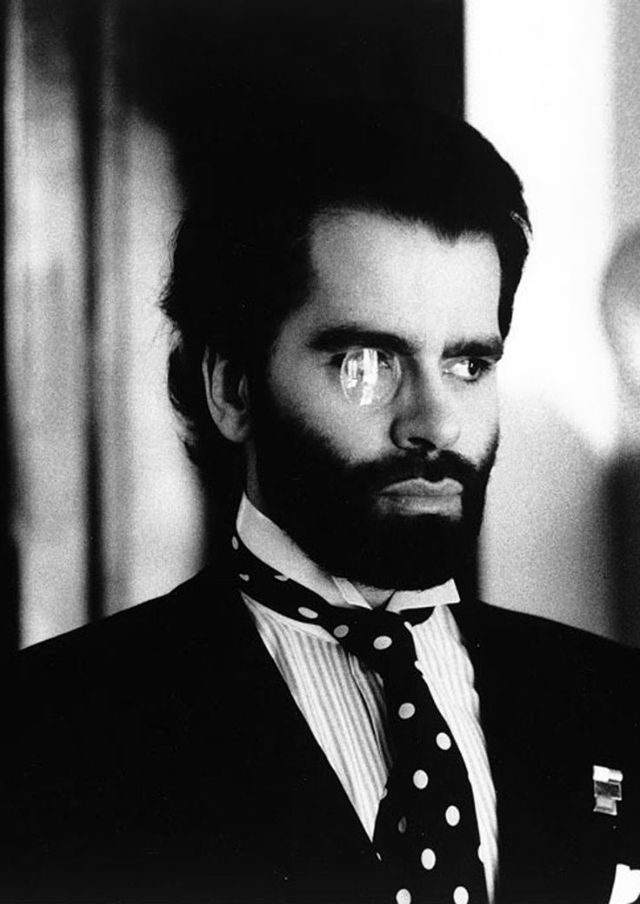
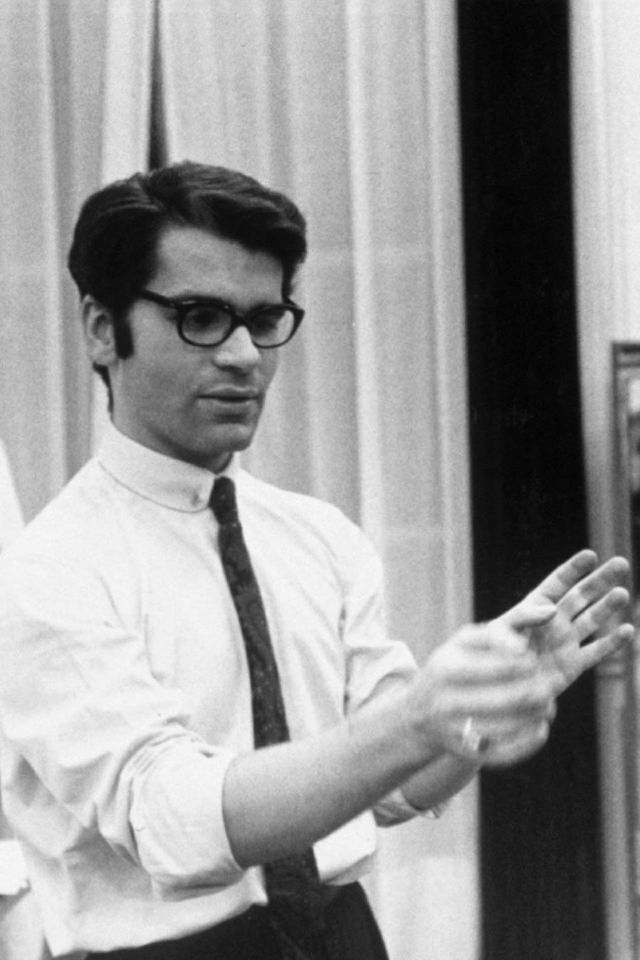
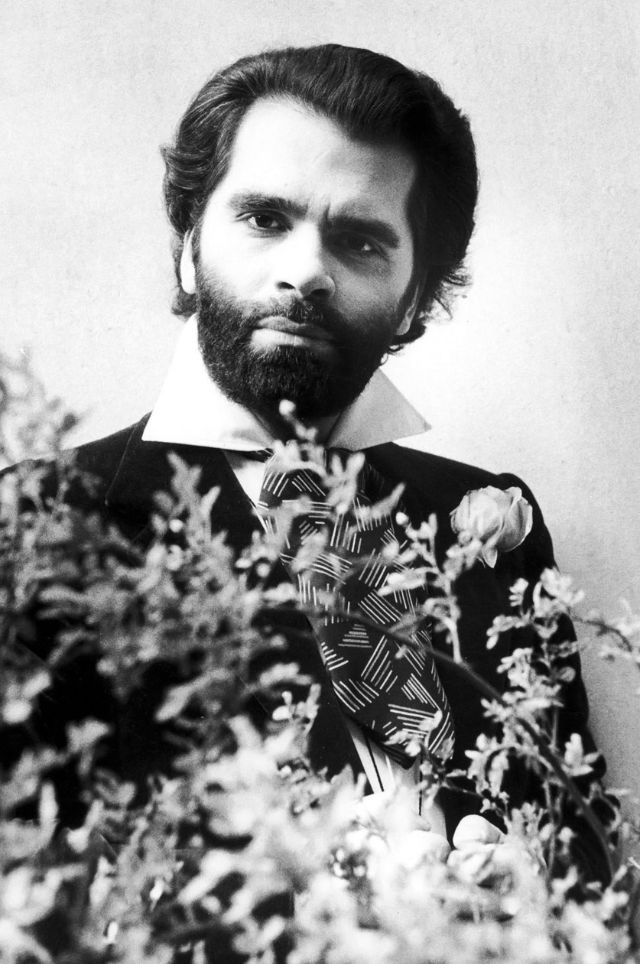
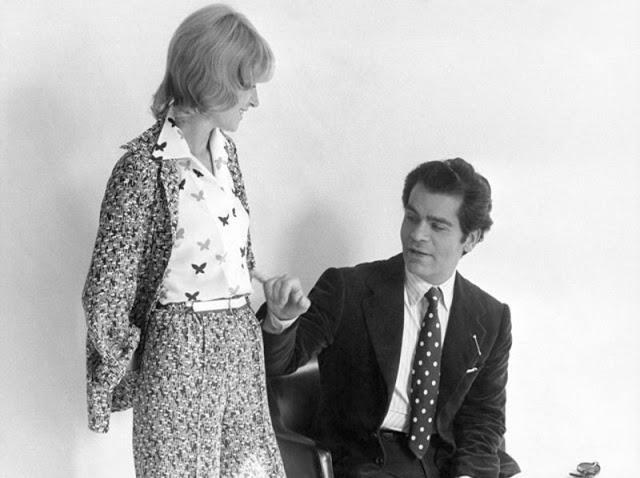
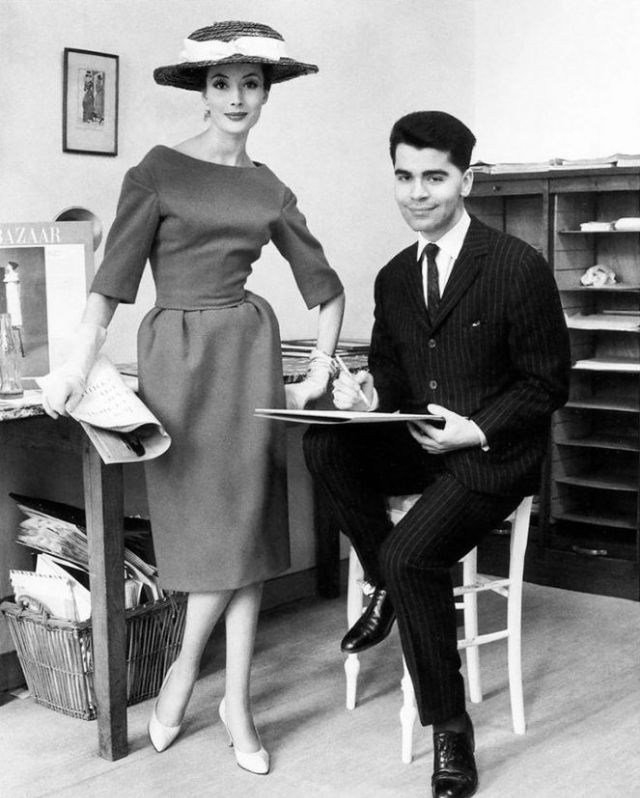
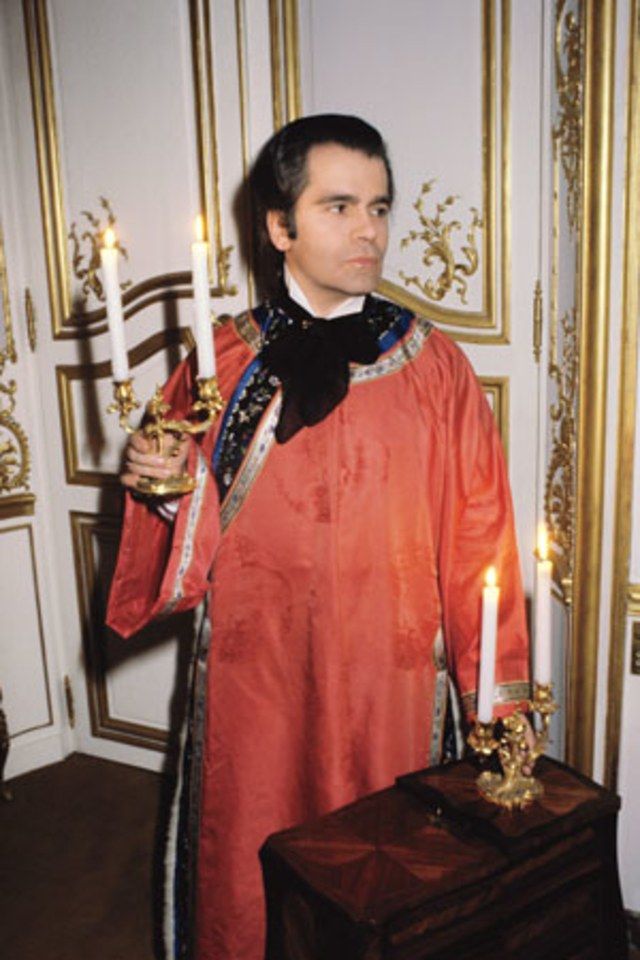
Shown is a gallery of 30 vintage photographs of a young Karl Lagerfeld in the 1950s and 1960s.
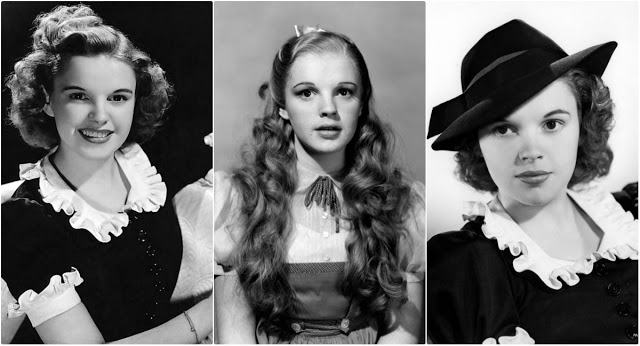
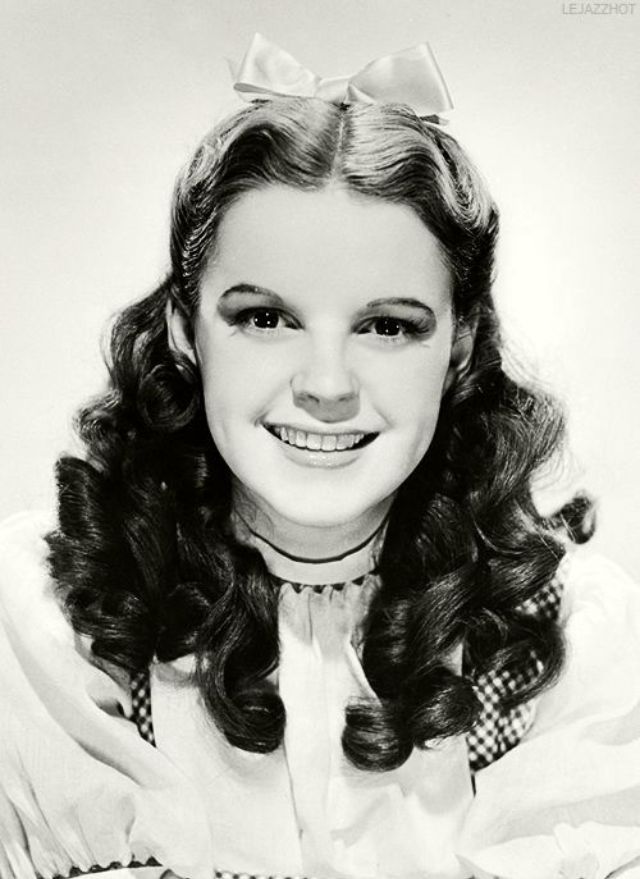
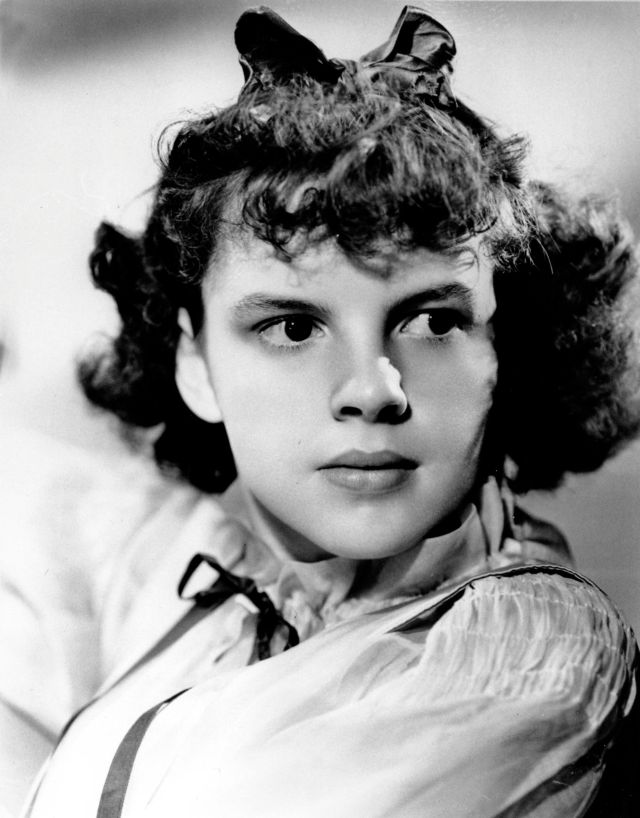
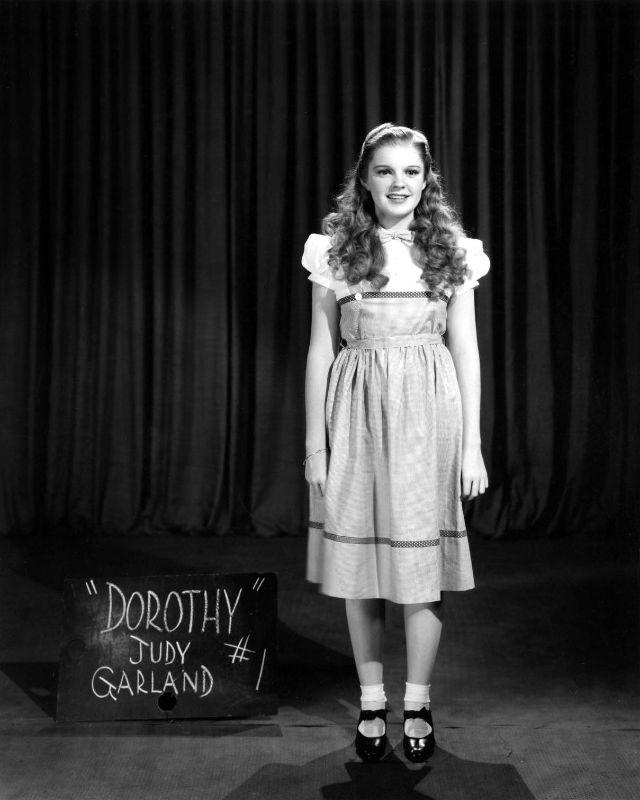
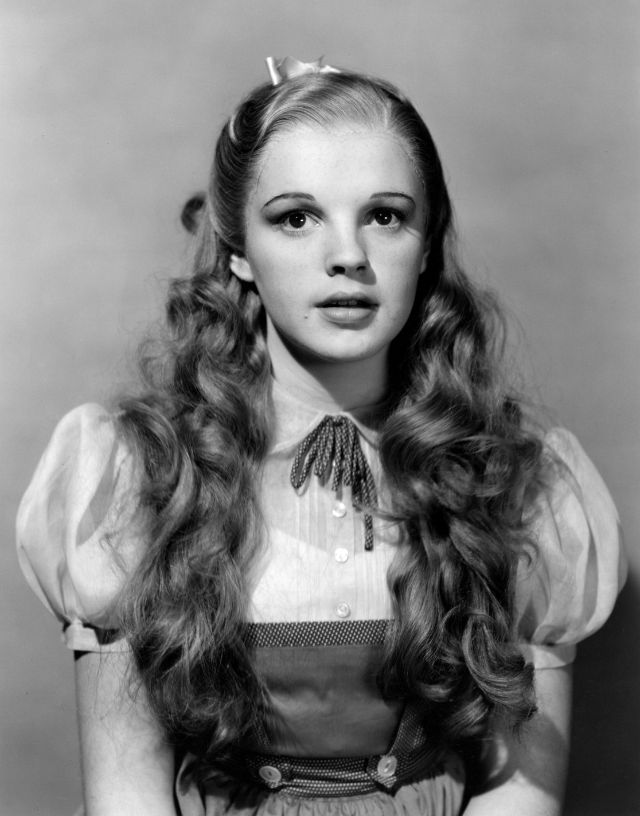
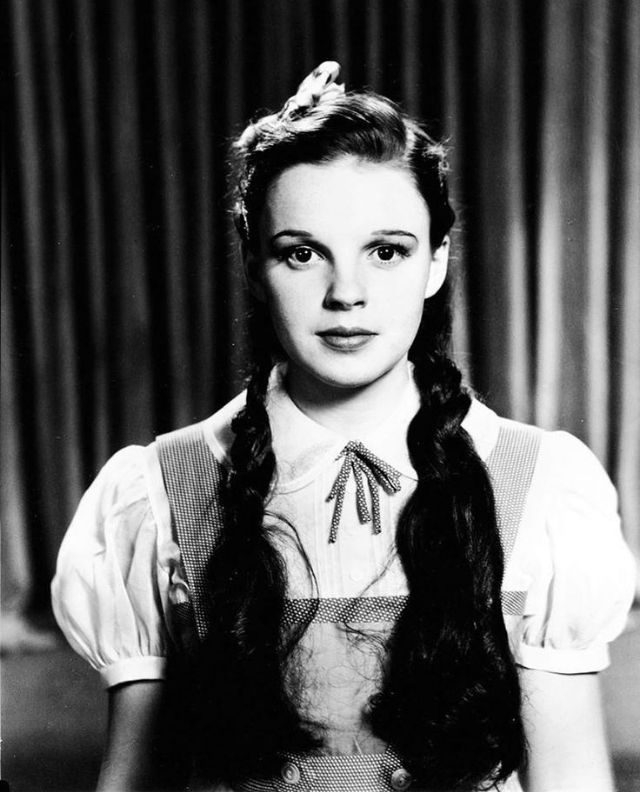
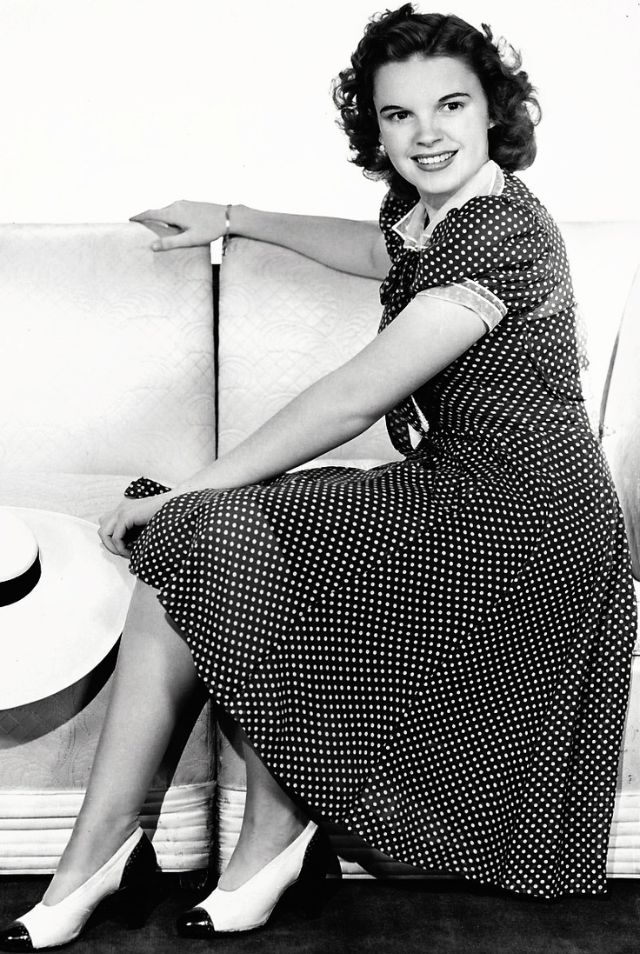
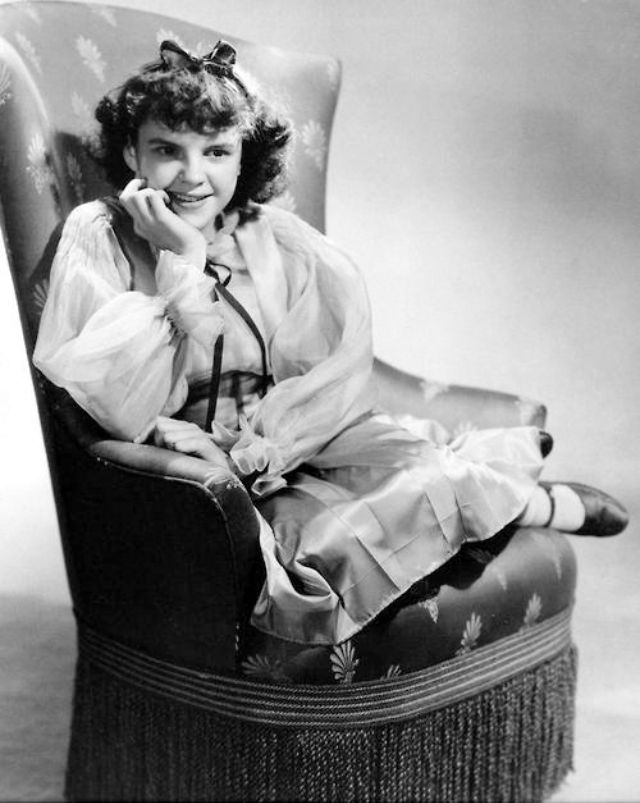
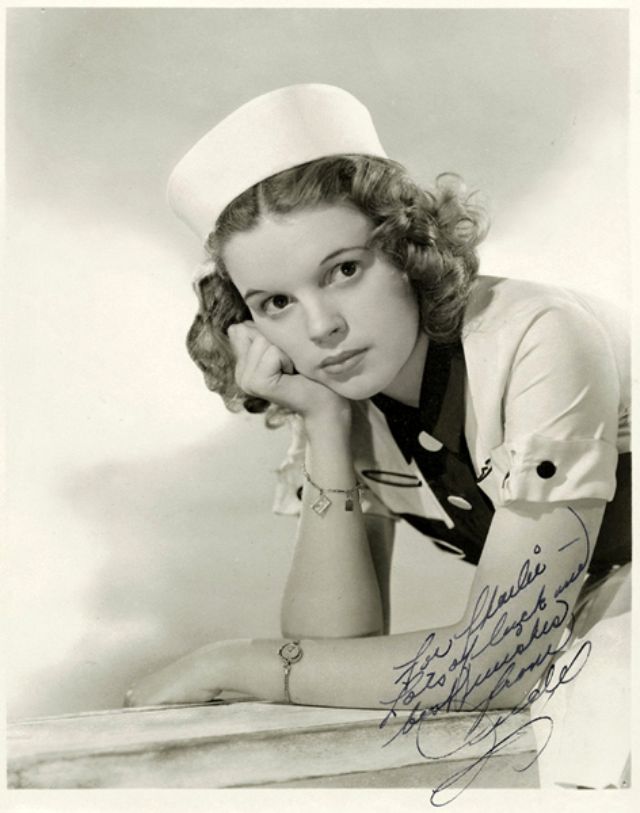
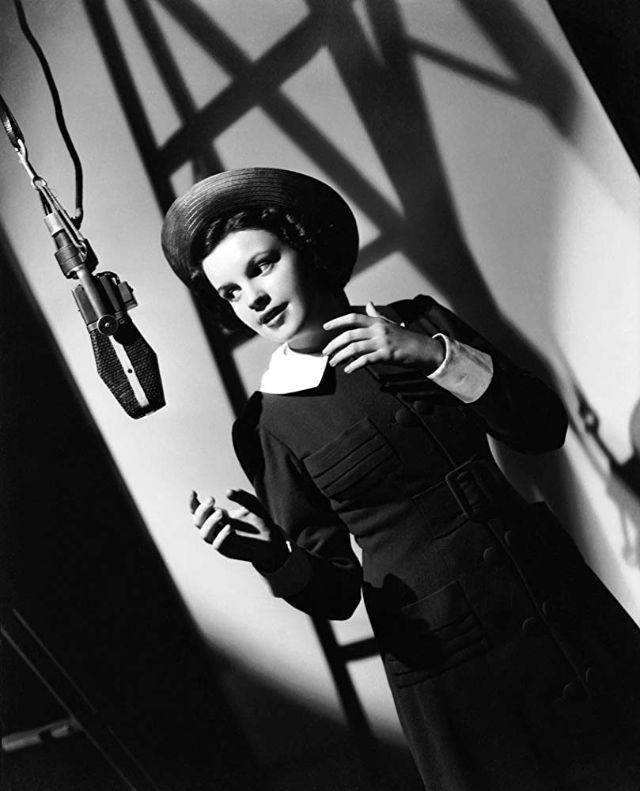
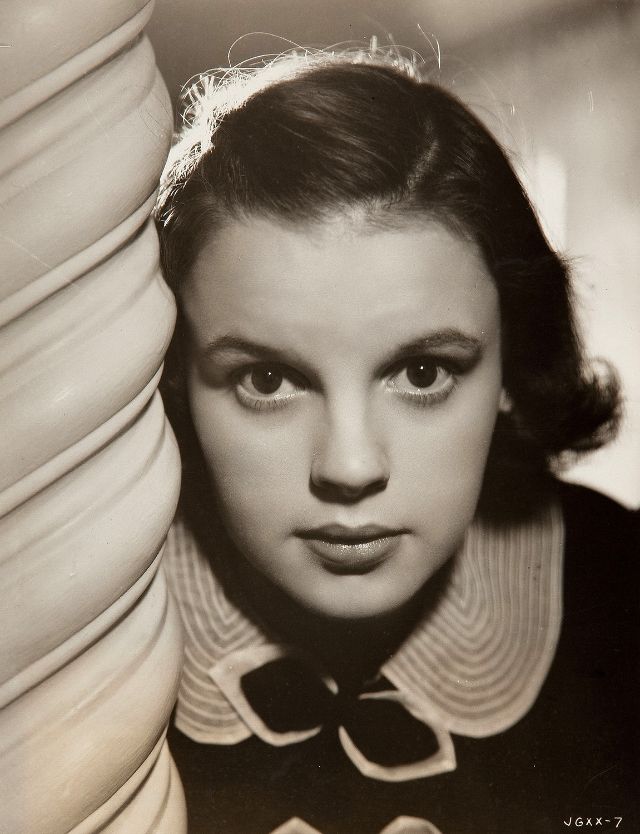
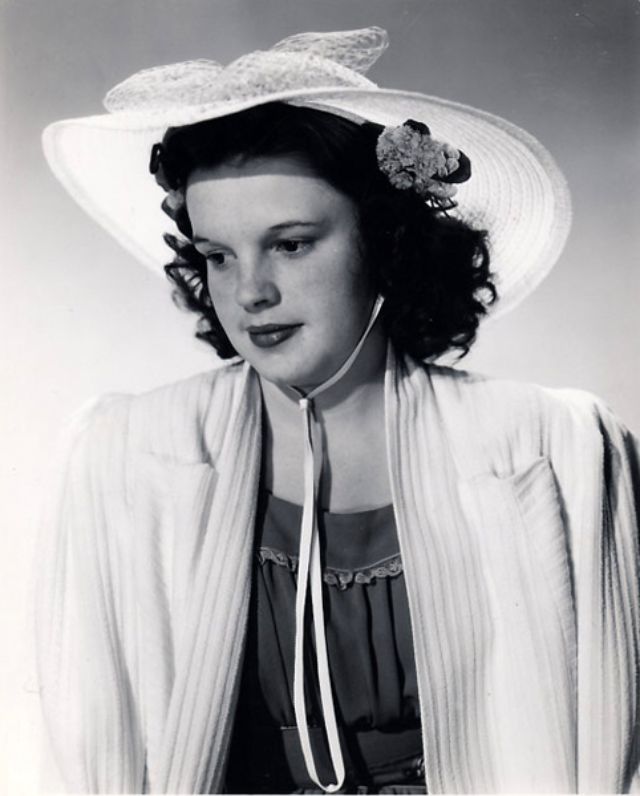
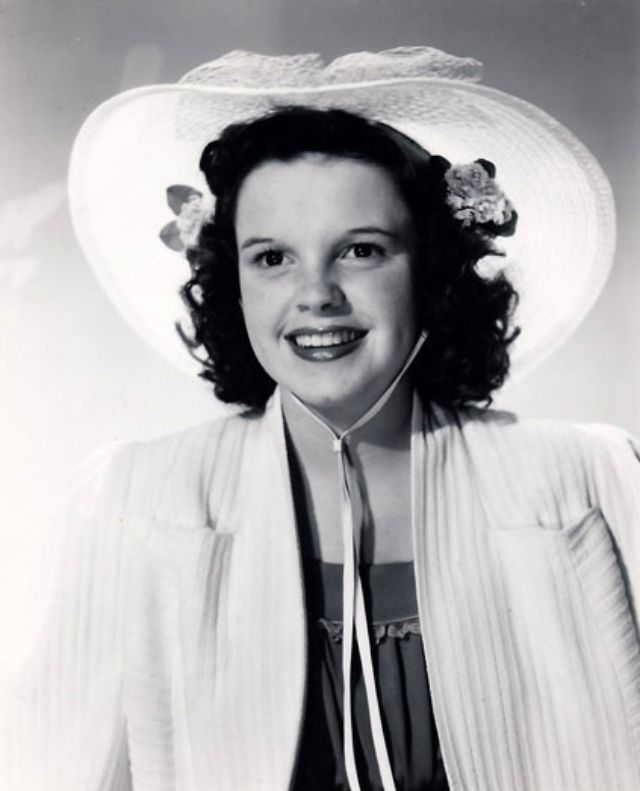
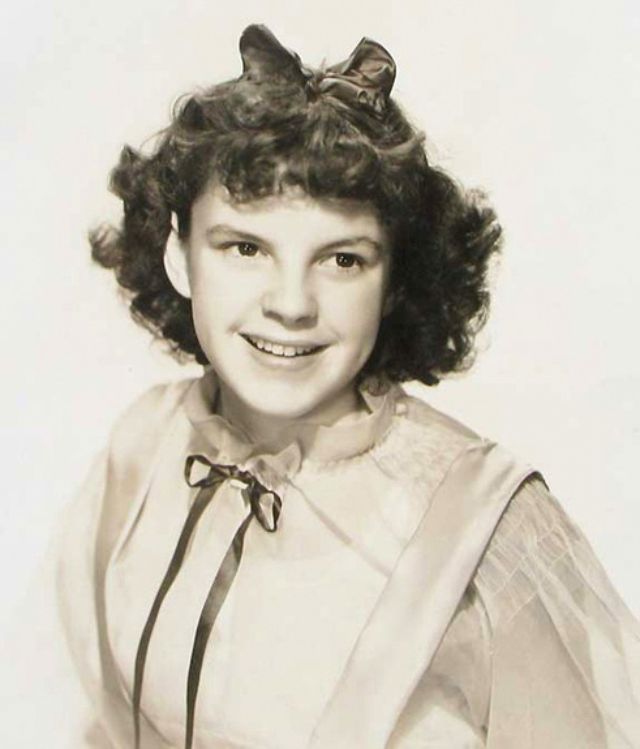
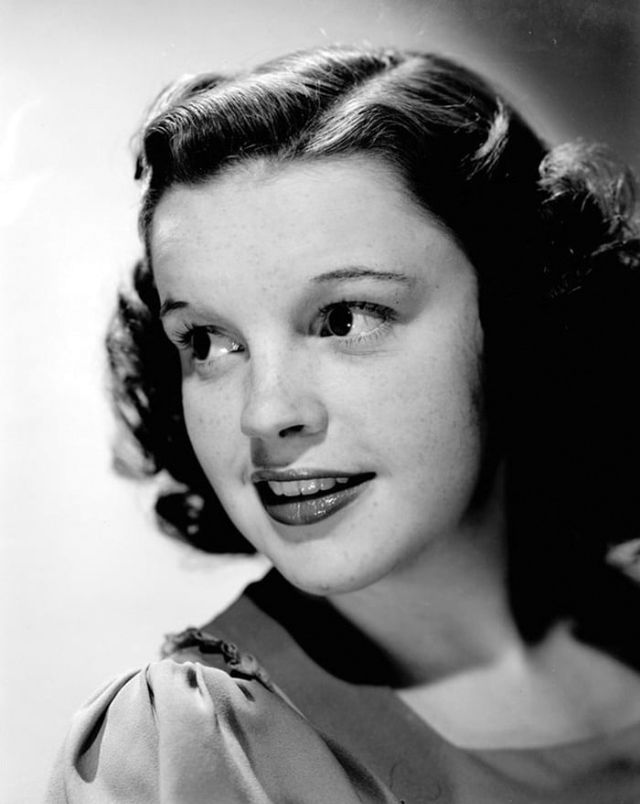
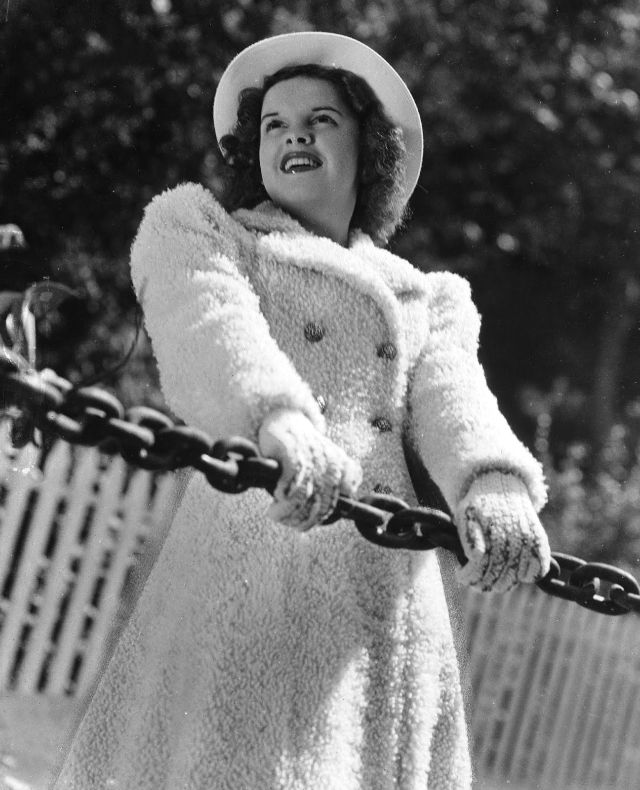
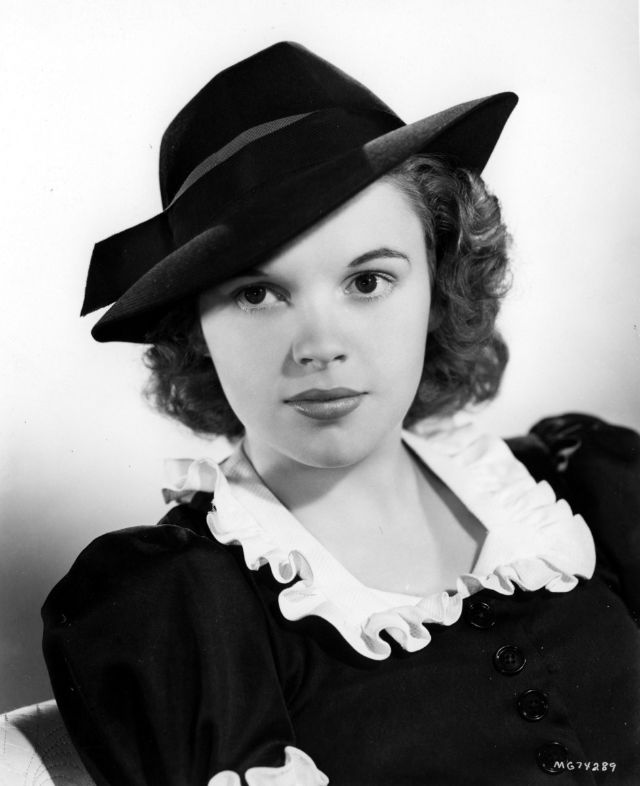
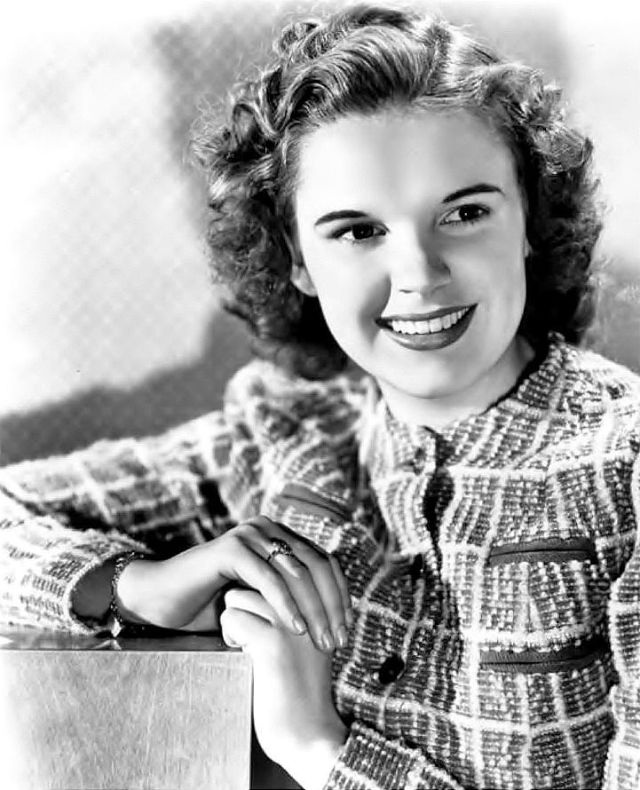
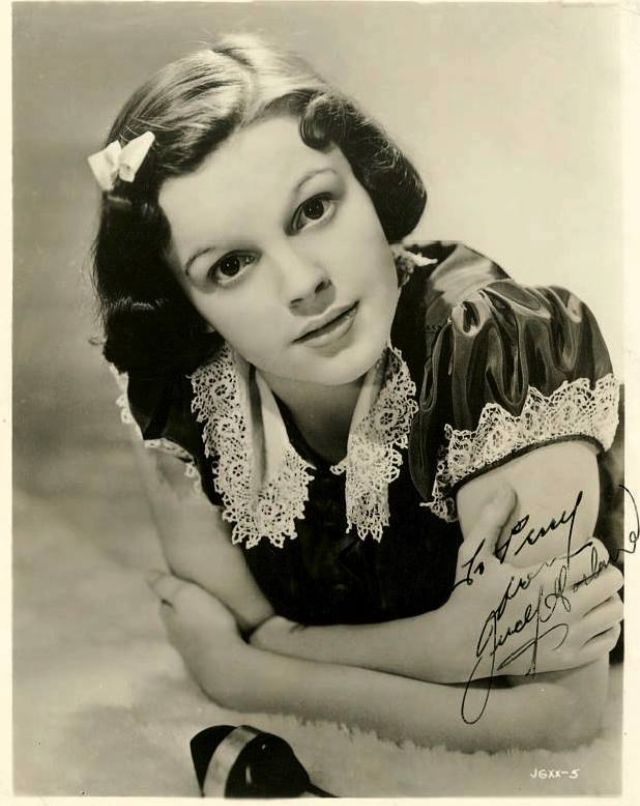
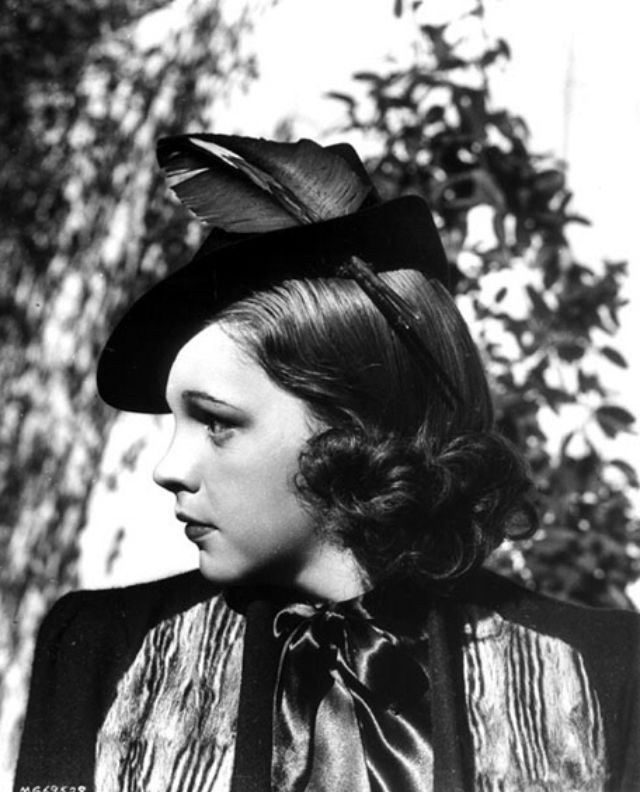
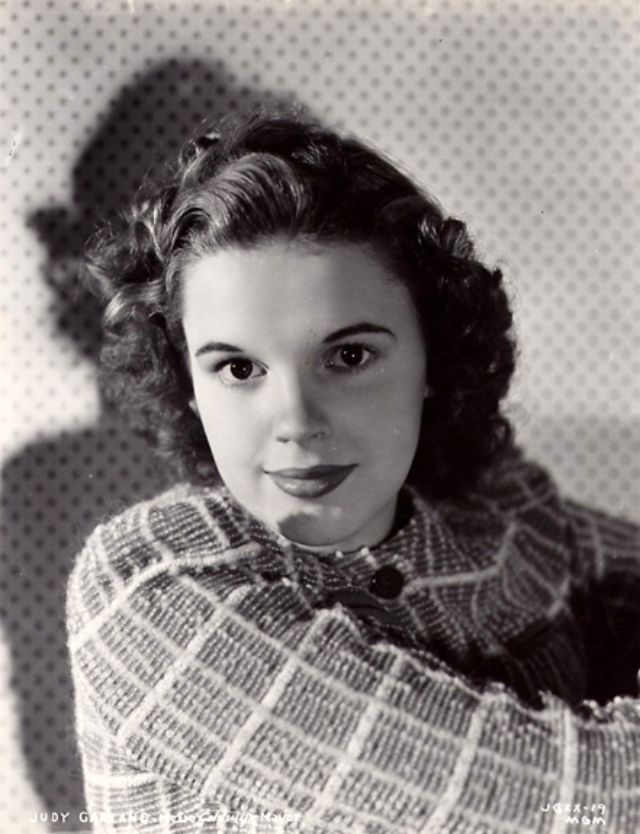
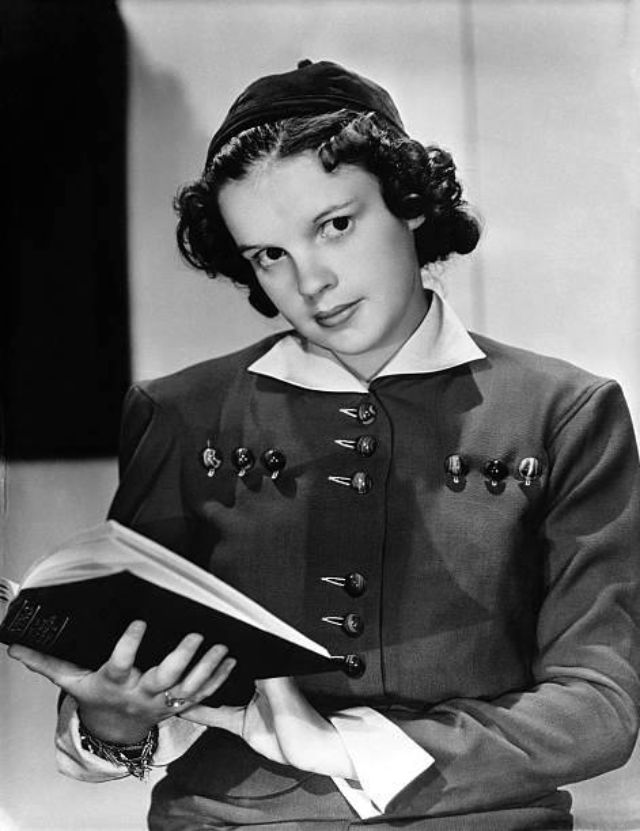
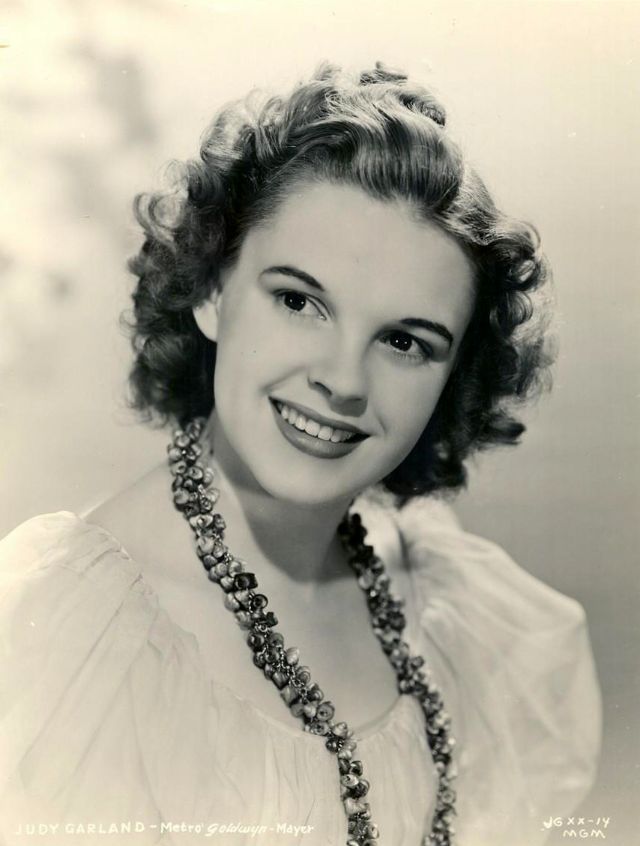
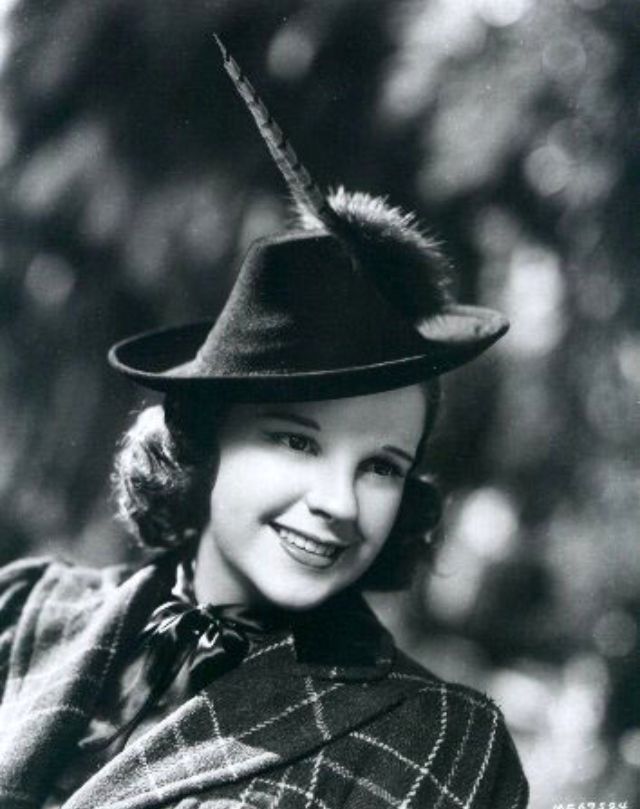
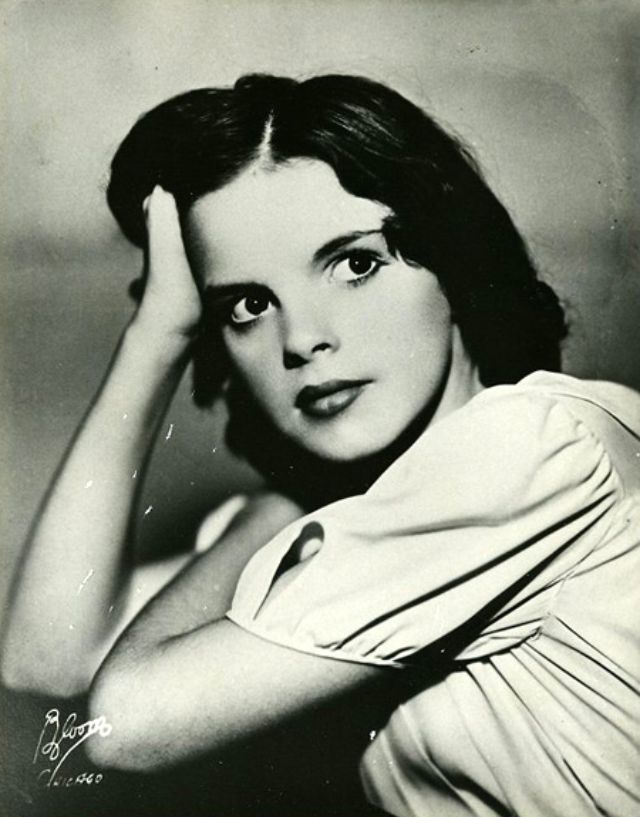
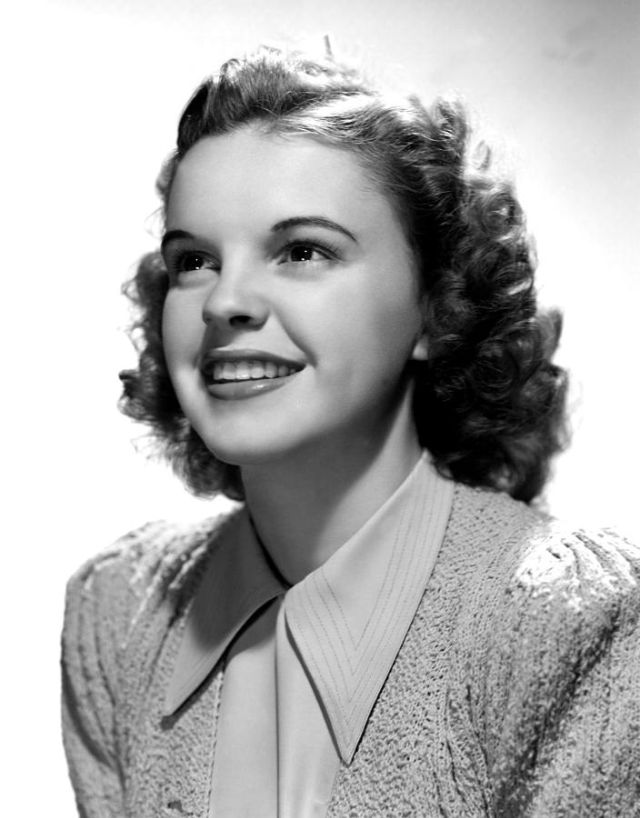
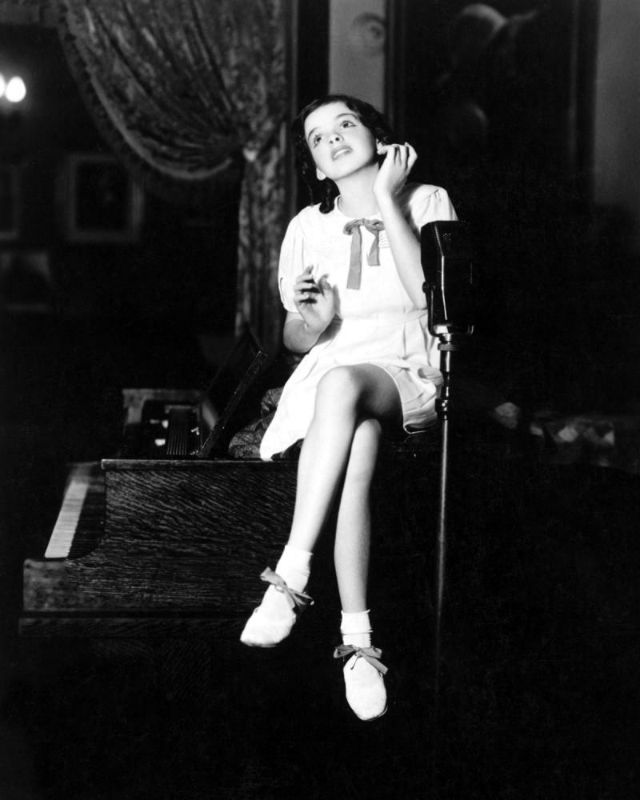
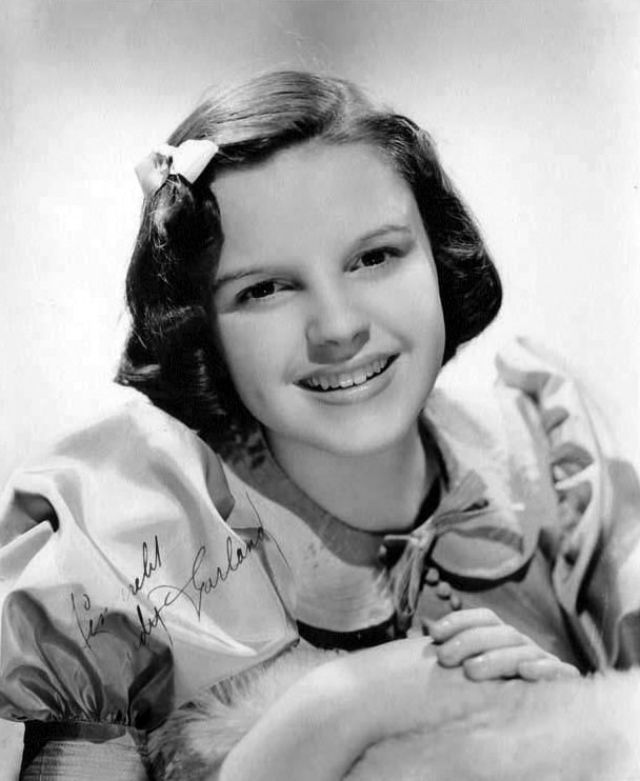
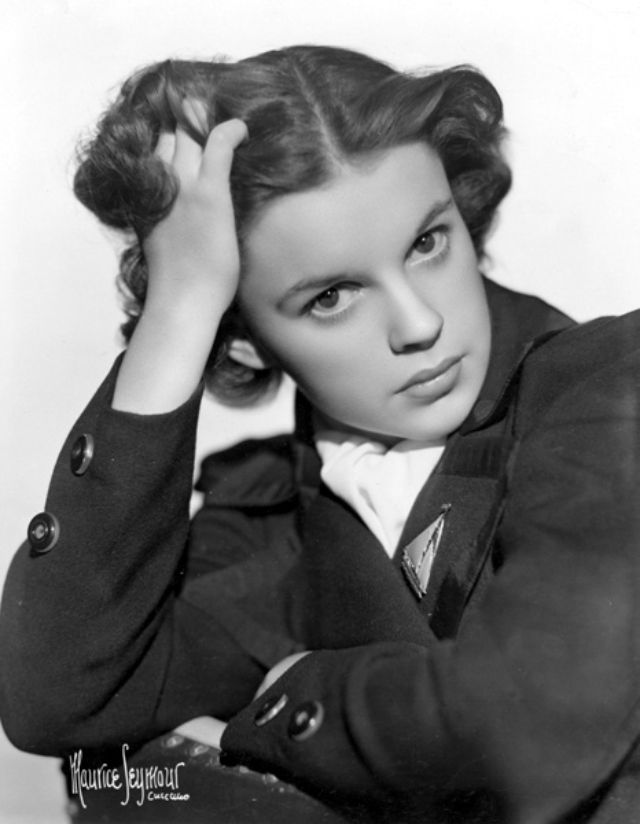
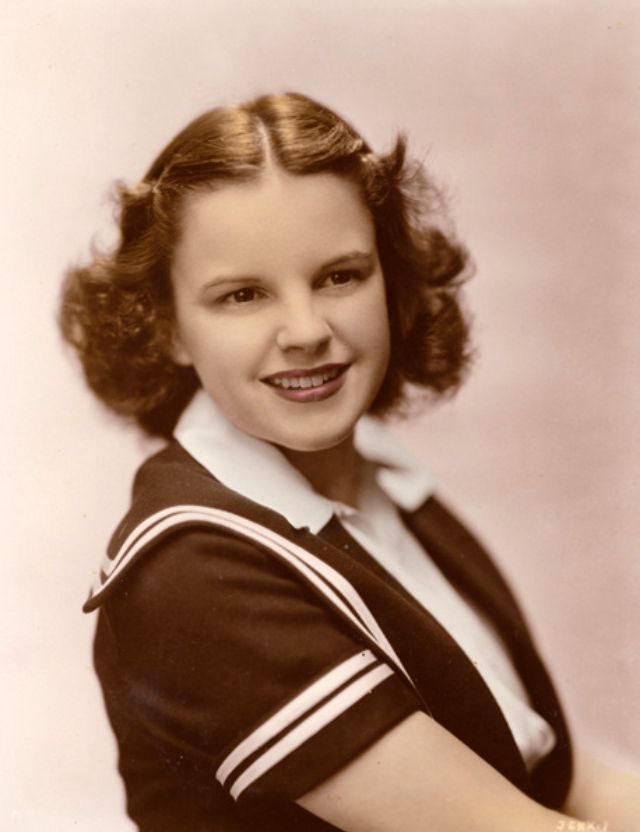
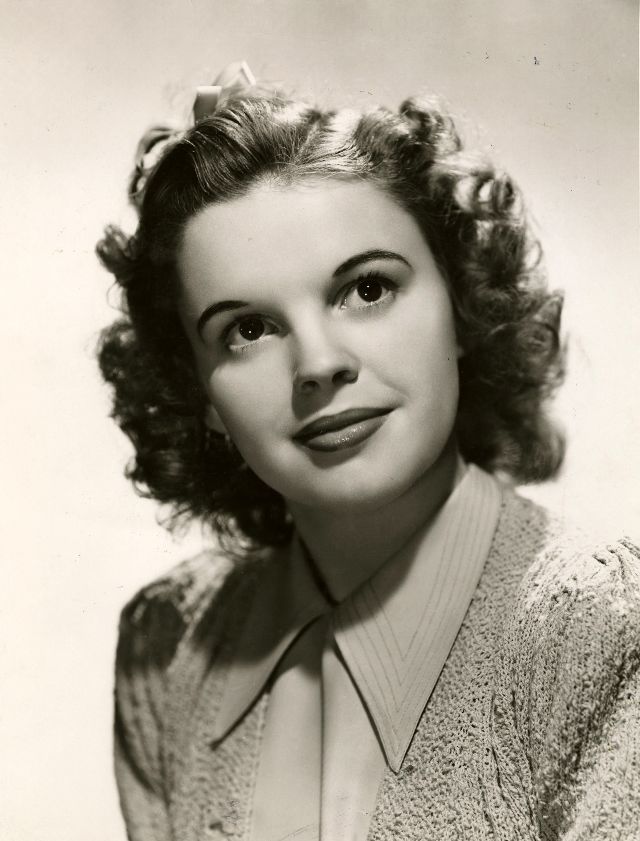
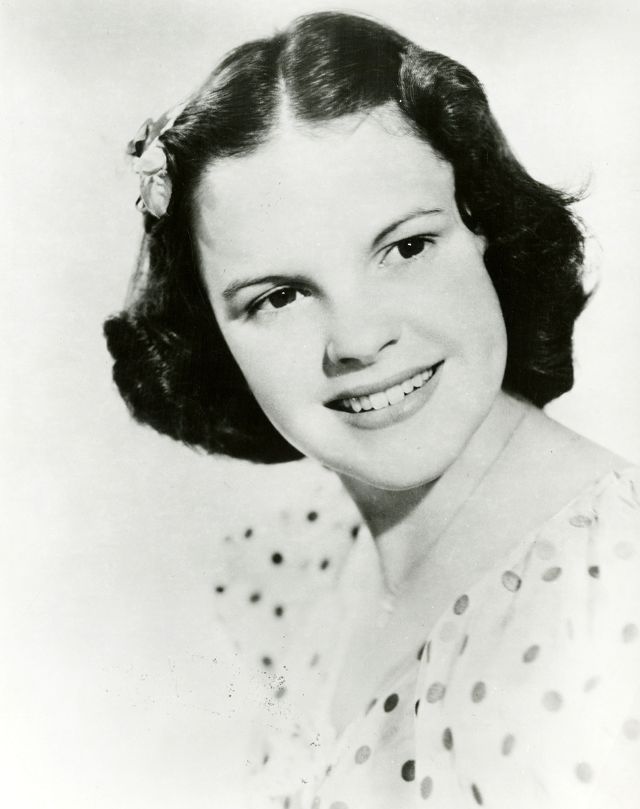
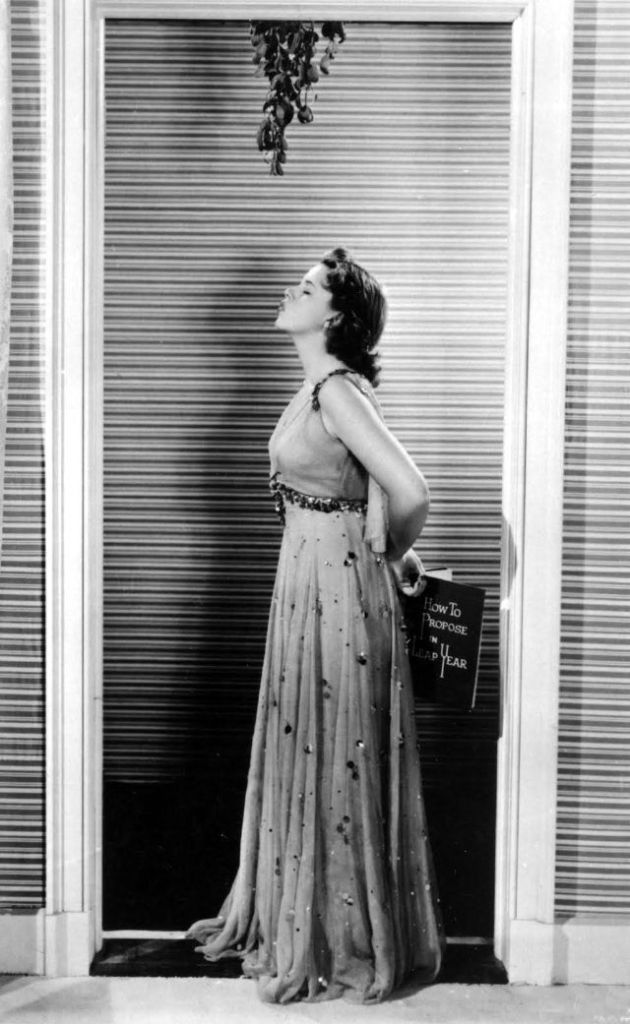
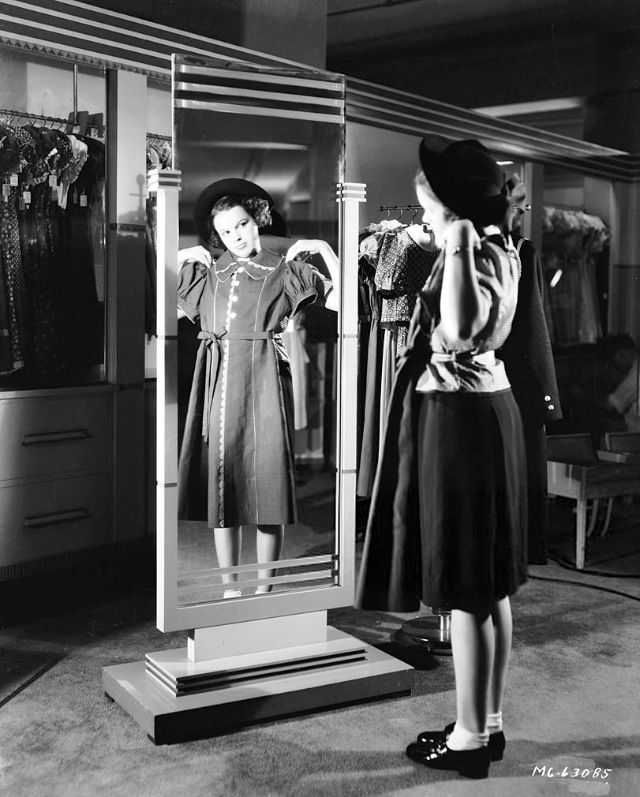
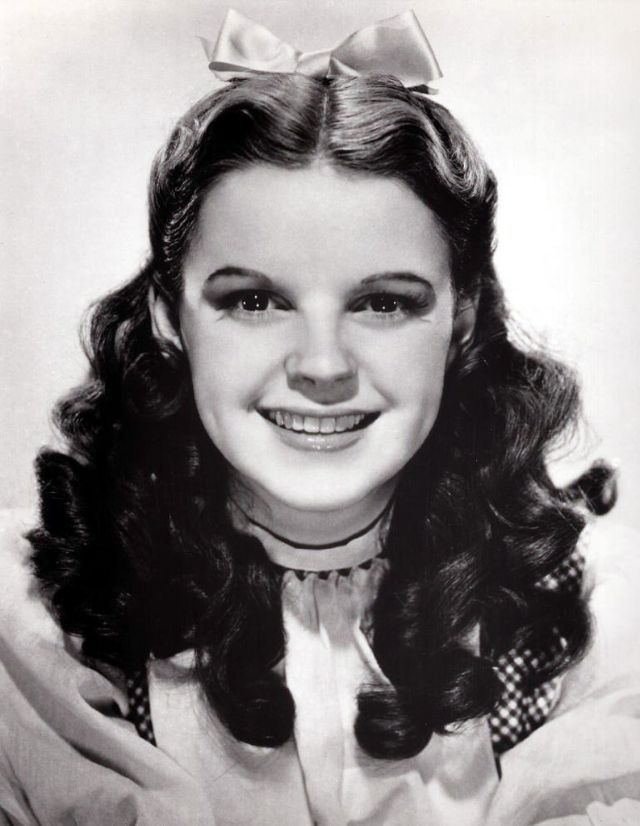
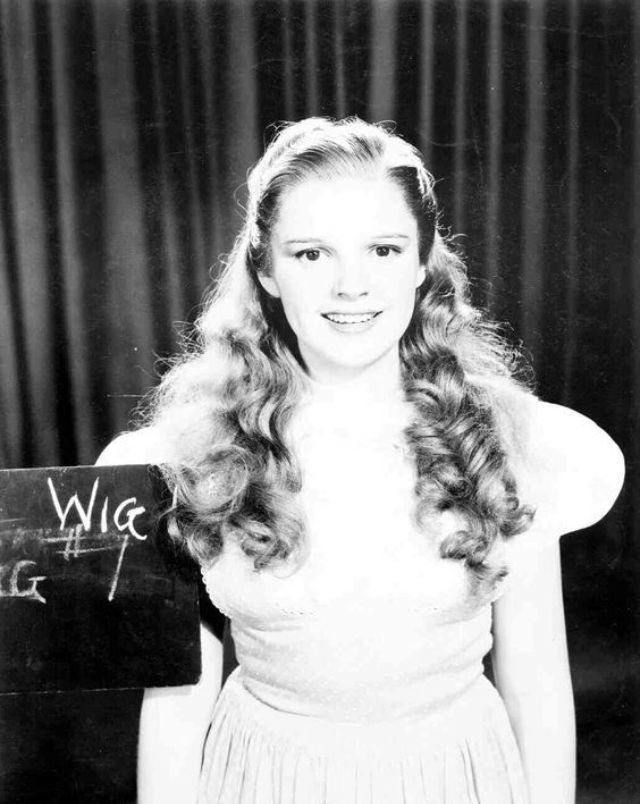
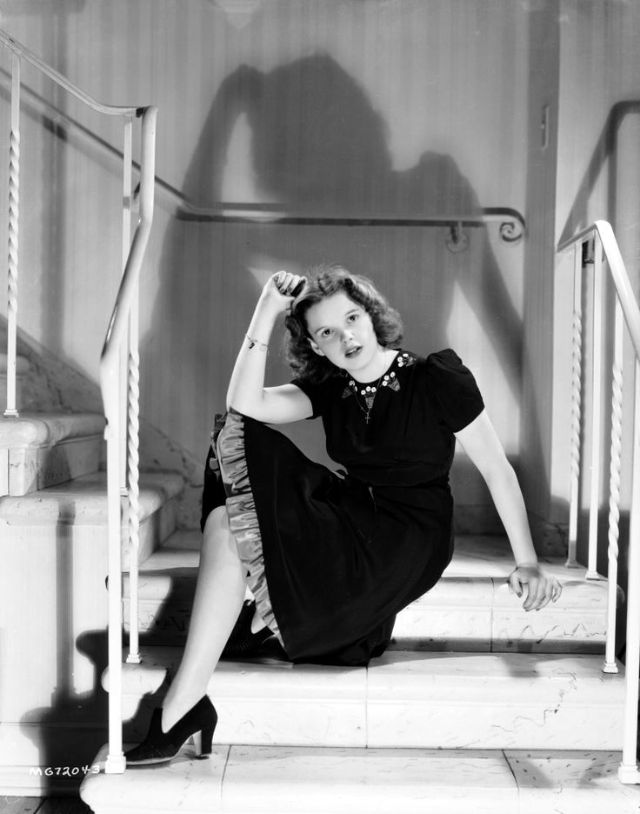
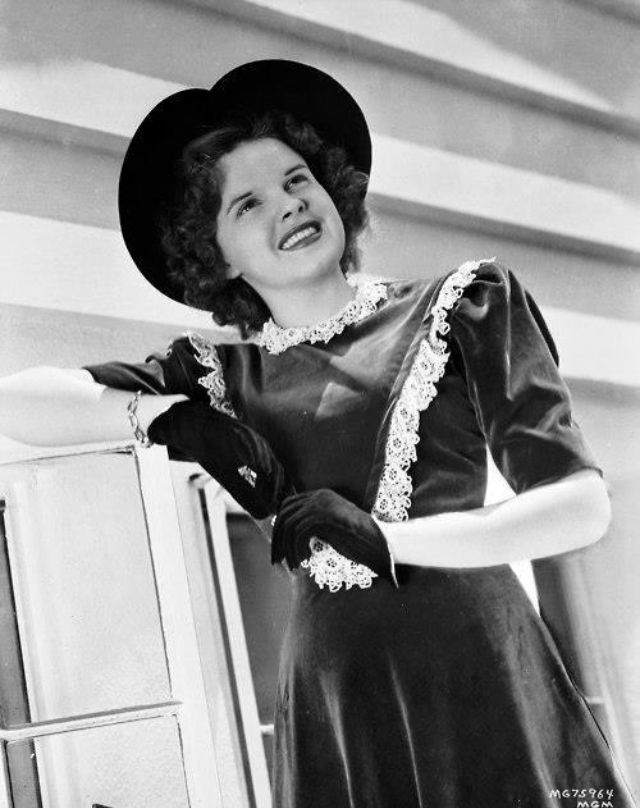
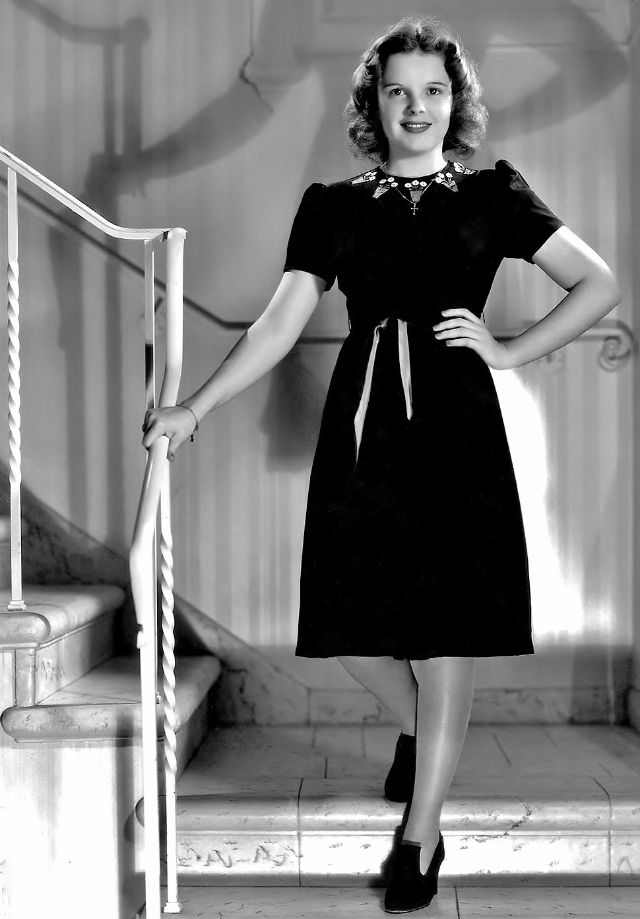
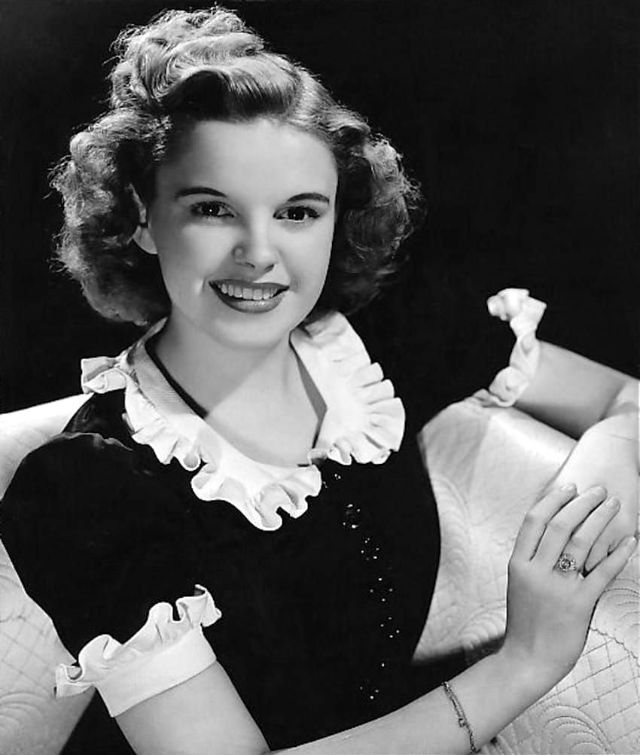
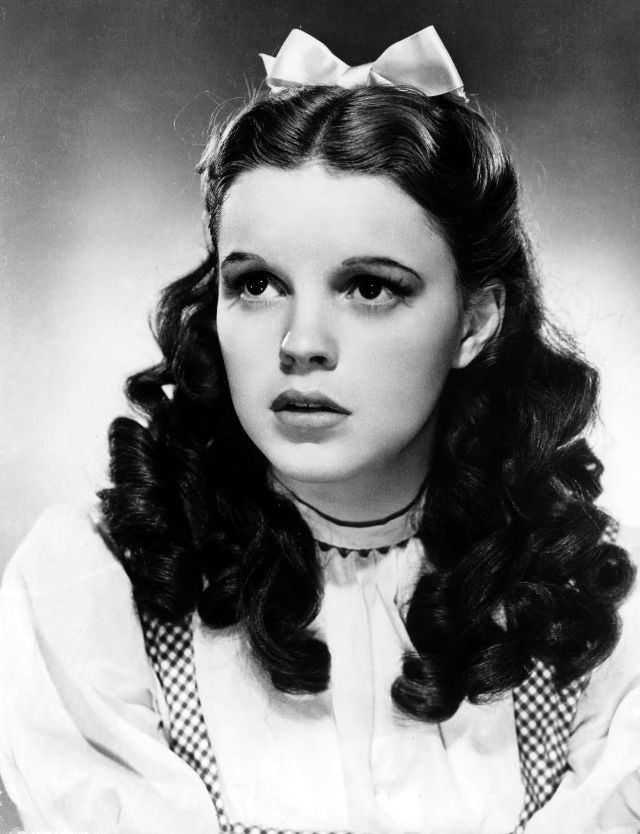
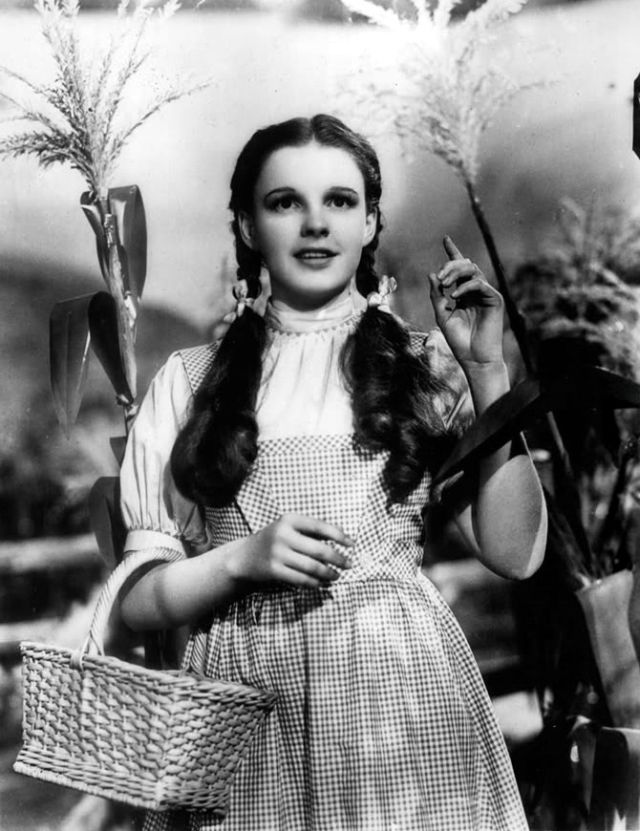
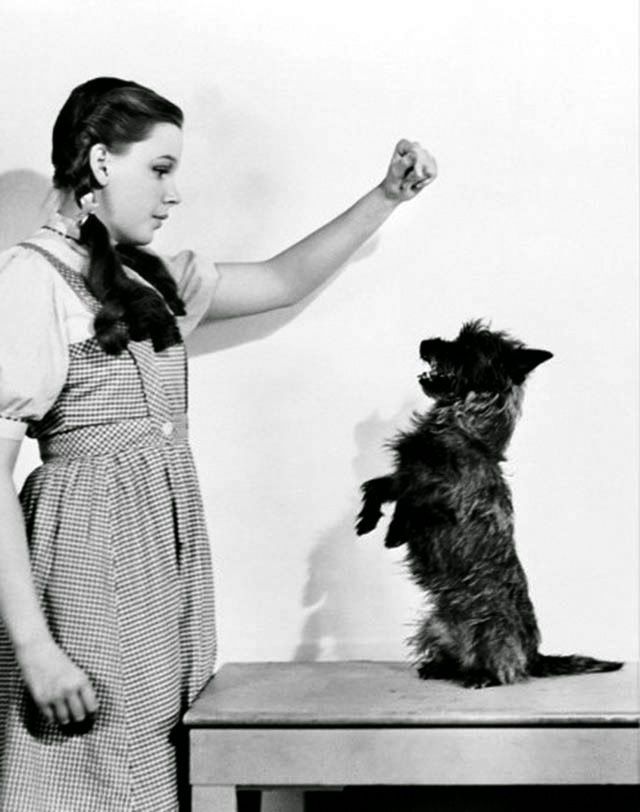
Judy Garland (born Frances Ethel Gumm; June 10, 1922 – June 22, 1969) was an American actress, singer, vaudevillian, and dancer. With a career spanning 45 years, she attained international stardom as an actress in both musical and dramatic roles, as a recording artist, and on the concert stage. Renowned for her versatility, she received an Academy Juvenile Award, a Golden Globe Award, and a Special Tony Award. Garland was the first woman to win the Grammy Award for Album of the Year, which she won for her 1961 live recording titled Judy at Carnegie Hall.
Garland began performing in vaudeville as a child with her two older sisters and was later signed to Metro-Goldwyn-Mayer as a teenager. She appeared in more than two dozen films for MGM and is remembered for portraying Dorothy Gale in The Wizard of Oz (1939). Garland was a frequent on-screen partner of both Mickey Rooney and Gene Kelly and regularly collaborated with director and second husband Vincente Minnelli. Other starring roles during this period included Meet Me in St. Louis (1944), The Harvey Girls (1946), Easter Parade (1948), and Summer Stock (1950). In 1950, after 15 years with MGM, the studio released her amid a series of personal struggles that prevented her from fulfilling the terms of her contract.
Although her film career became intermittent thereafter, two of Garland’s most critically acclaimed roles came later in her career: she received a nomination for the Academy Award for Best Actress for her performance in A Star Is Born (1954) and a nomination for Best Supporting Actress for her performance in Judgment at Nuremberg (1961). She also made record-breaking concert appearances, released eight studio albums, and hosted her own Emmy-nominated television series, The Judy Garland Show (1963–1964). At age 39, Garland became the youngest and first female recipient of the Cecil B. DeMille Award for lifetime achievement in the film industry. In 1997, Garland was posthumously awarded the Grammy Lifetime Achievement Award. Several of her recordings have been inducted into the Grammy Hall of Fame, and in 1999, the American Film Institute ranked her as the eighth-greatest female screen legend of classic Hollywood cinema.
Garland struggled in her personal life from an early age. The pressures of early stardom affected her physical and mental health from the time she was a teenager; her self-image was influenced by constant criticism from film executives who believed that she was physically unattractive and who manipulated her onscreen physical appearance. Throughout her adulthood she was plagued by alcohol and substance use disorders, as well as financial instability, often owing hundreds of thousands of dollars in back taxes. Her lifelong substance use disorder ultimately led to her death in London from an accidental barbiturate overdose at age 47 in 1969. (Wikipedia)
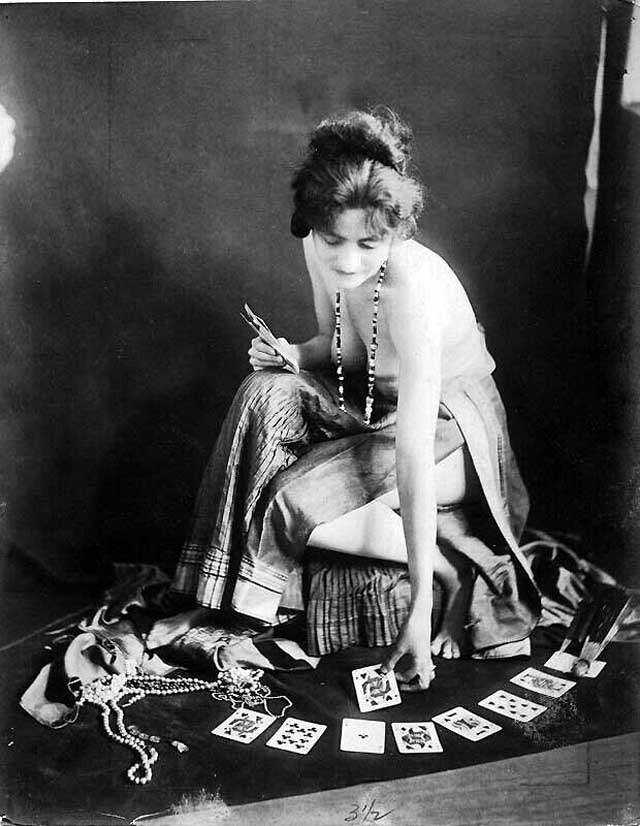
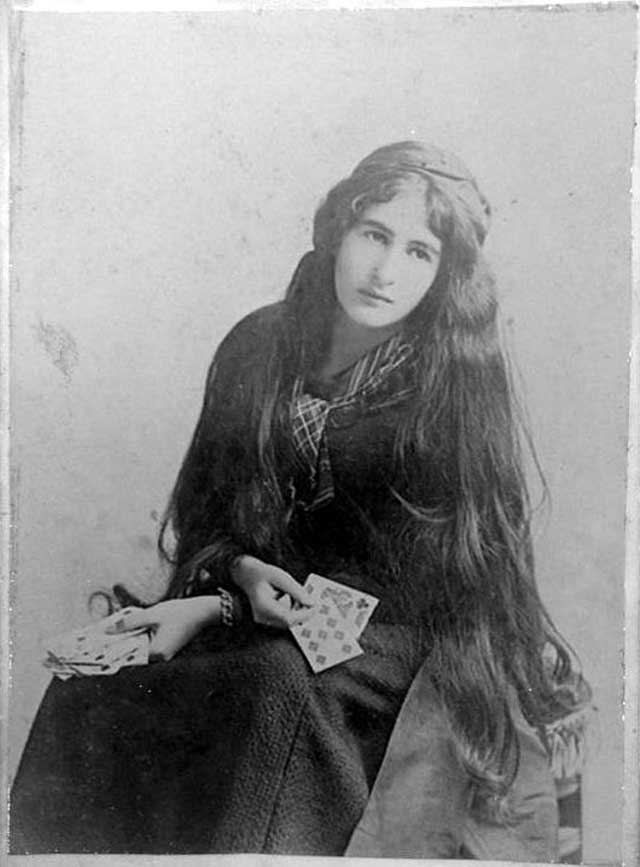
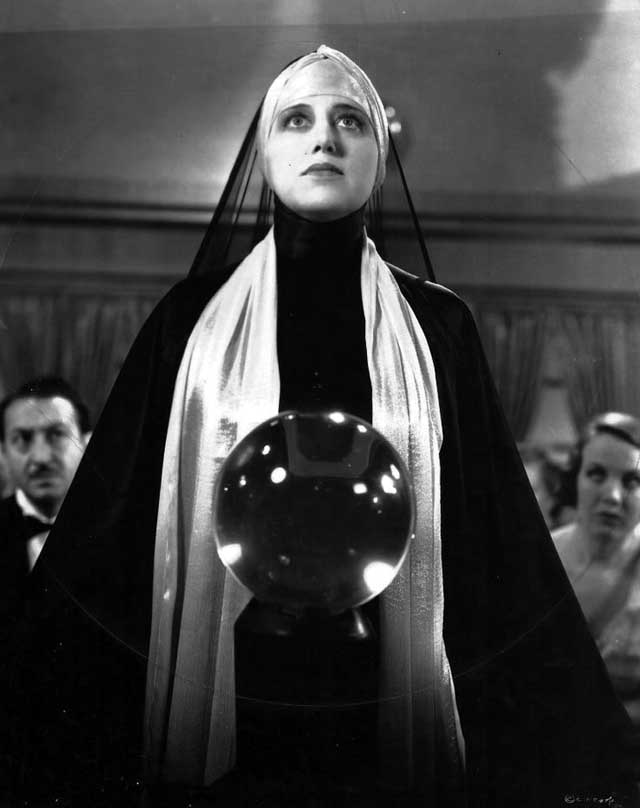
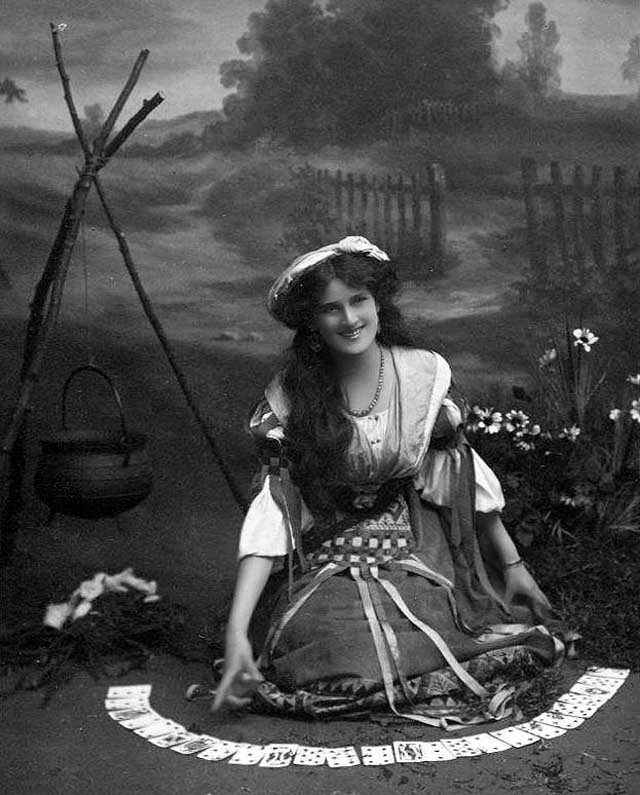
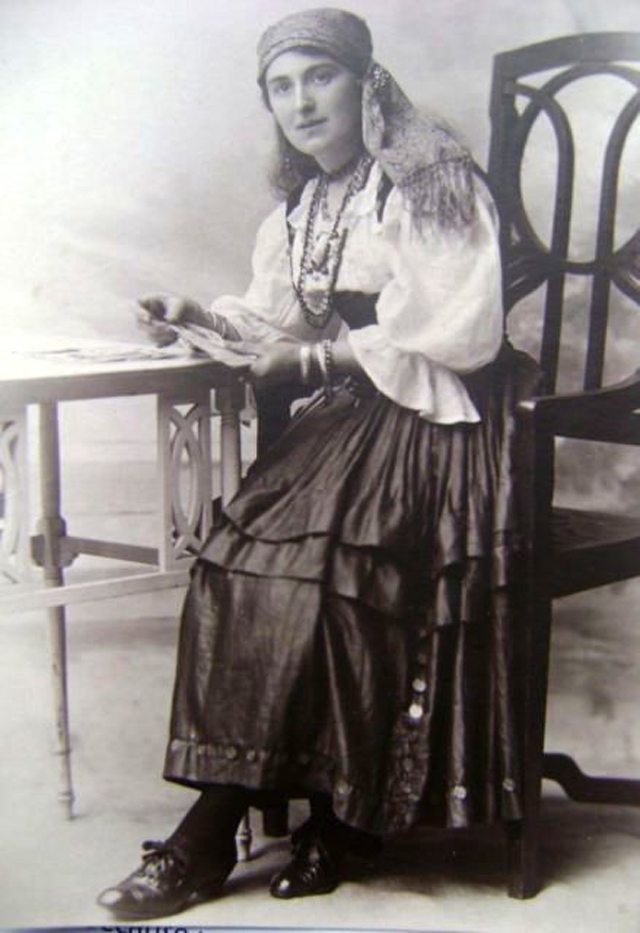
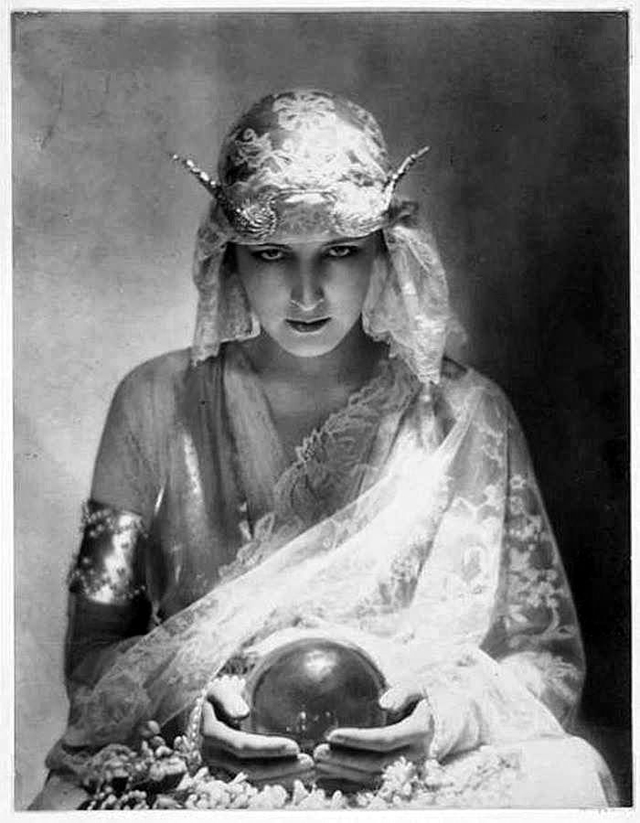
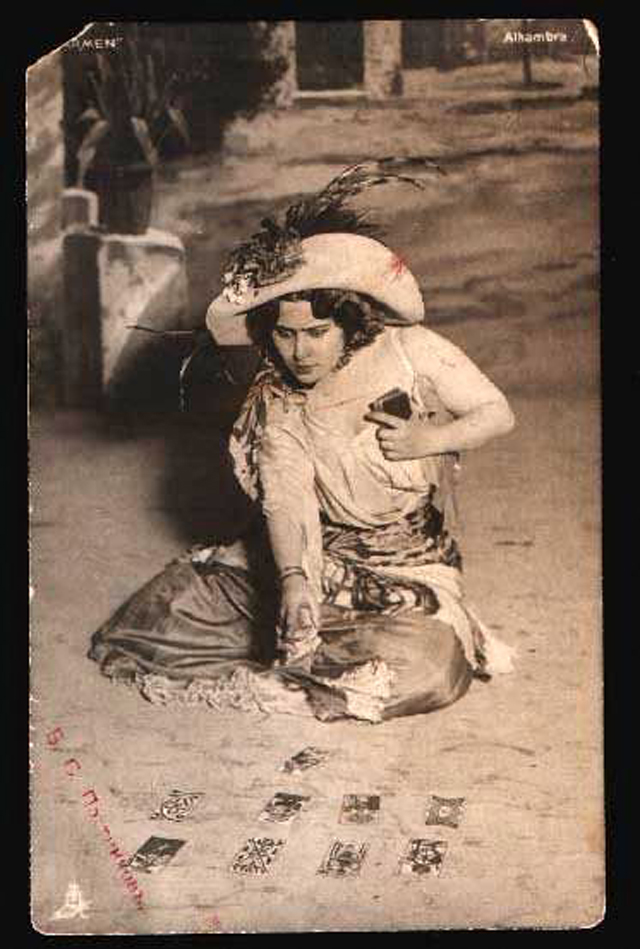
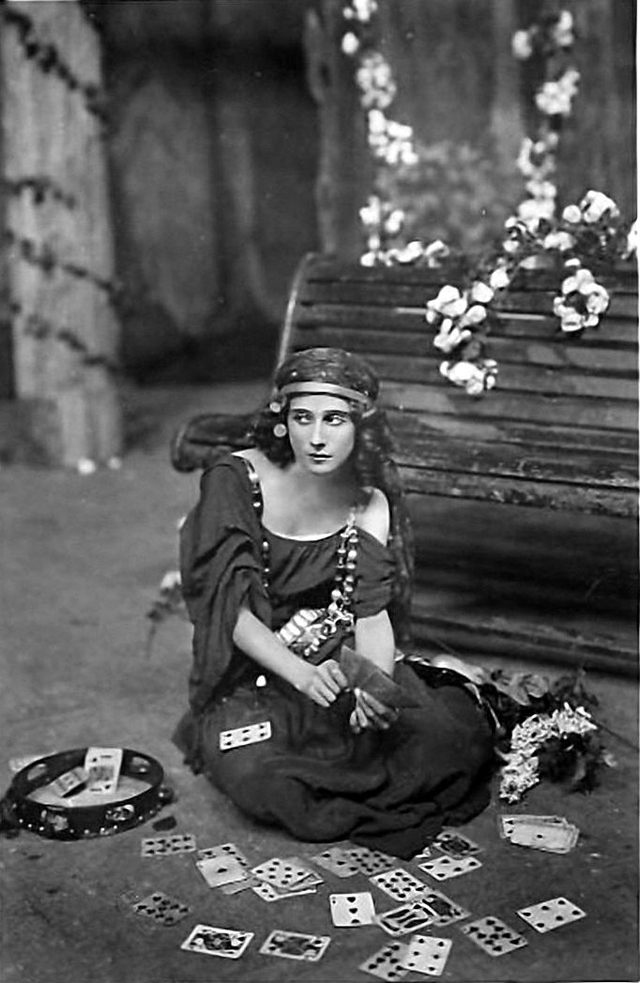
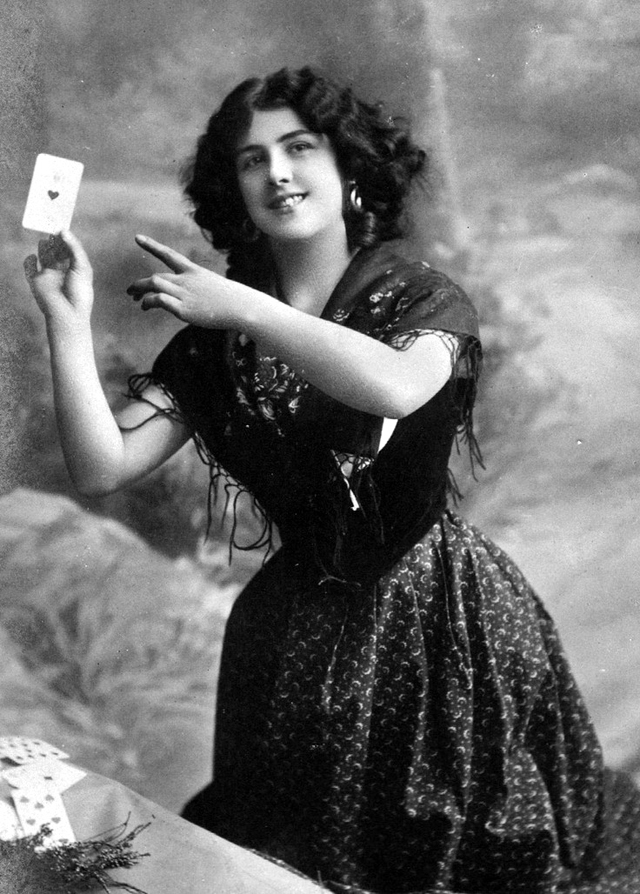
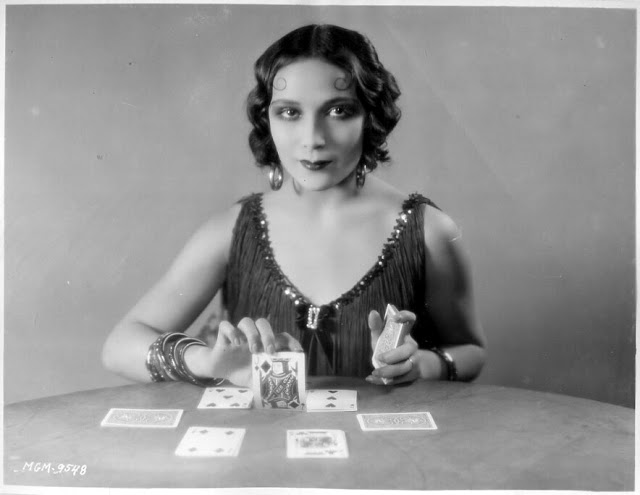
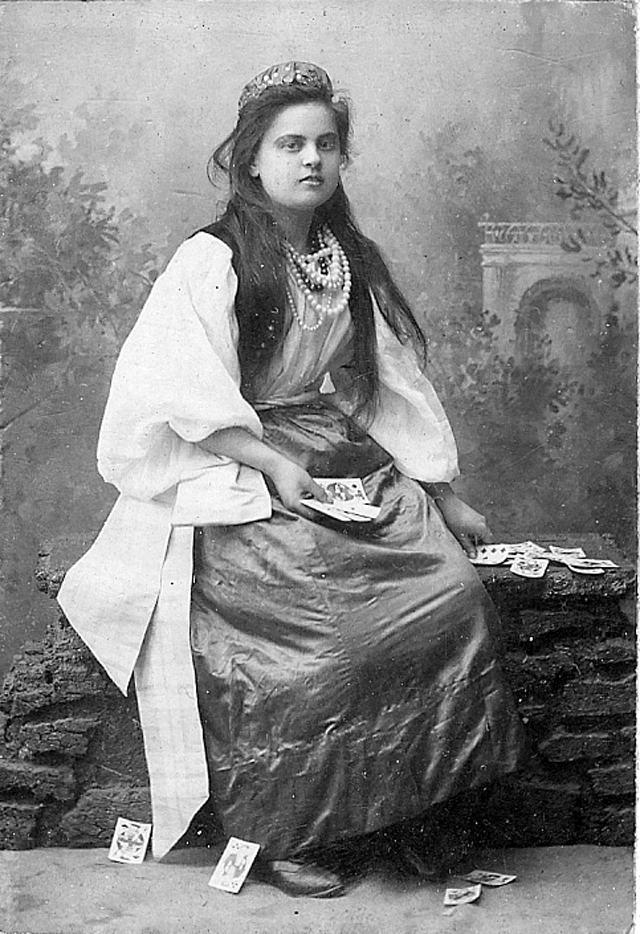
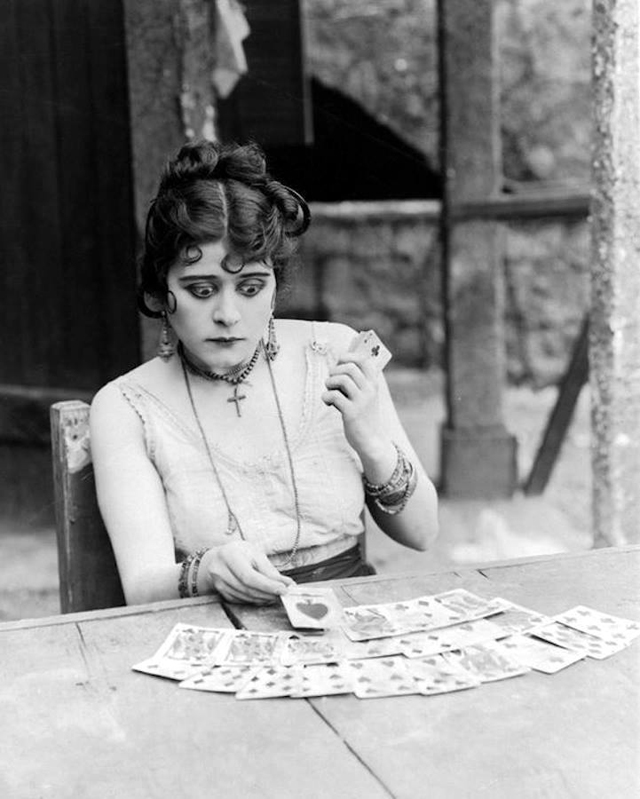
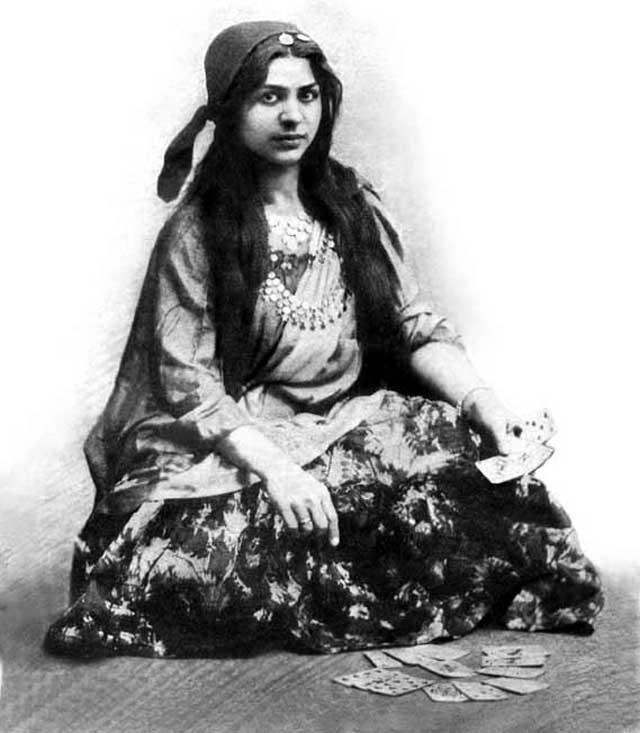
Fortune telling is the practice of predicting information about a person’s life. The scope of fortune telling is in principle identical with the practice of divination. The difference is that divination is the term used for predictions considered part of a religious ritual, invoking deities or spirits, while the term fortune telling implies a less serious or formal setting, even one of popular culture, where belief in occult workings behind the prediction is less prominent than the concept of suggestion, spiritual or practical advisory or affirmation.
Historically, Pliny the Elder describes use of the crystal ball in the 1st century CE by soothsayers (“crystallum orbis”, later written in Medieval Latin by scribes as orbuculum).
Contemporary Western images of fortune telling grow out of folkloristic reception of Renaissance magic, specifically associated with Romani people. During the 19th and 20th century, methods of divination from non-Western cultures, such as the I Ching, were also adopted as methods of fortune telling in western popular culture.
An example of divination or fortune telling as purely an item of pop culture, with little or no vestiges of belief in the occult, would be the Magic 8-Ball sold as a toy by Mattel, or Paul II, an octopus at the Sea Life Aquarium at Oberhausen used to predict the outcome of matches played by the Germany national football team.
There is opposition to fortune telling in Christianity, Islam, Bahá’ísm and Judaism based on scriptural prohibitions against divination.
Terms for one who claims to see into the future include fortune teller, crystal-gazer, spaewife, seer, soothsayer, sibyl, clairvoyant, and prophet; related terms which might include this among other abilities are oracle, augur, and visionary.
Fortune telling is dismissed by the scientific community and scientific skeptics as being based on magical thinking and superstition. (Wikipedia)
France is a transcontinental country spanning Western Europe and overseas regions and territories in South America and the Atlantic, Pacific and Indian Oceans. Including all of its territories, France has twelve time zones, the most of any country. Its metropolitan area extends from the Rhine to the Atlantic Ocean and from the Mediterranean Sea to the English Channel and the North Sea; overseas territories include French Guiana in South America, Saint Pierre and Miquelon in the North Atlantic, the French West Indies, and several islands in Oceania and the Indian Ocean. Due to its several coastal territories, France has the largest exclusive economic zone in the world. France borders Belgium, Luxembourg, Germany, Switzerland, Monaco, Italy, Andorra and Spain in Europe, as well as the Netherlands, Suriname and Brazil in the Americas. Its eighteen integral regions (five of which are overseas) span a combined area of 643,801 km2 (248,573 sq mi) and over 67 million people (as of May 2021). France is a unitary semi-presidential republic with its capital in Paris, the country’s largest city and main cultural and commercial centre; other major urban areas include Lyon, Marseille, Toulouse, Bordeaux, Lille and Nice.
Inhabited since the Palaeolithic era, the territory of Metropolitan France was settled by Celtic tribes known as Gauls during the Iron Age. Rome annexed the area in 51 BC, leading to a distinct Gallo-Roman culture that laid the foundation of the French language. The Germanic Franks arrived in 476 and formed the Kingdom of Francia, which became the heartland of the Carolingian Empire. The Treaty of Verdun of 843 partitioned the empire, with West Francia becoming the Kingdom of France in 987.
In the High Middle Ages, France was a powerful but highly decentralised feudal kingdom in which the king’s authority was barely felt. King Philip Augustus achieved remarkable success in the strengthening of royal power and the expansion of his realm, defeating his rivals and doubling its size. By the end of his reign, the kingdom had emerged as the most powerful state in Europe. From the mid-14th to the mid-15th century, France was plunged into a series of dynastic conflicts for the French throne, collectively known as the Hundred Years’ War, and a distinct French identity emerged as a result. The French Renaissance saw art and culture flourish, various wars with rival powers, and the establishment of a global colonial empire, which by the 20th century would become the second-largest in the world. The second half of the 16th century was dominated by religious civil wars between Catholics and Huguenots that severely weakened the country. But France once again emerged as Europe’s dominant cultural, political and military power in the 17th century under Louis XIV following the Thirty Years’ War. Inadequate economic policies, an inequitable taxation system as well as endless wars (notably a defeat in the Seven Years’ War and costly involvement in the American War of Independence), left the kingdom in a precarious economic situation by the end of the 18th century. This precipitated the French Revolution of 1789, which overthrew the absolute monarchy, replaced the Ancien Régime with one of history’s first modern republics and produced the Declaration of the Rights of Man and of the Citizen, which expresses the nation’s ideals to this day.
France reached its political and military zenith in the early 19th century under Napoleon Bonaparte, subjugating much of continental Europe and establishing the First French Empire. The French Revolutionary and Napoleonic Wars shaped the course of European and world history. The collapse of the empire initiated a period of relative decline, in which France endured a tumultuous succession of governments until the founding of the French Third Republic during the Franco-Prussian War in 1870. Subsequent decades saw a period of optimism, cultural and scientific flourishing, as well as economic prosperity known as the Belle Époque. France was one of the major participants of World War I, from which it emerged victorious at great human and economic cost. It was among the Allied powers of the World War II, but was soon occupied by the Axis in 1940. Following liberation in 1944, the short-lived Fourth Republic was established and later dissolved in the course of the Algerian War. The current Fifth Republic was formed in 1958 by Charles de Gaulle. Algeria and most French colonies became independent in the 1960s, with the majority retaining close economic and military ties with France.
France retains its centuries-long status as a global centre of art, science and philosophy. It hosts the fifth-largest number of UNESCO World Heritage Sites and is the world’s leading tourist destination, receiving over 89 million foreign visitors in 2018. France is a developed country with the world’s seventh-largest economy by nominal GDP and ninth-largest by PPP; in terms of aggregate household wealth, it ranks fourth in the world. France performs well in international rankings of education, health care, life expectancy and human development. It remains a great power in global affairs, being one of the five permanent members of the United Nations Security Council and an official nuclear-weapon state. France is a founding and leading member of the European Union and the Eurozone, as well as a key member of the Group of Seven, North Atlantic Treaty Organization (NATO), Organisation for Economic Co-operation and Development (OECD) and La Francophonie. (Wikipedia)
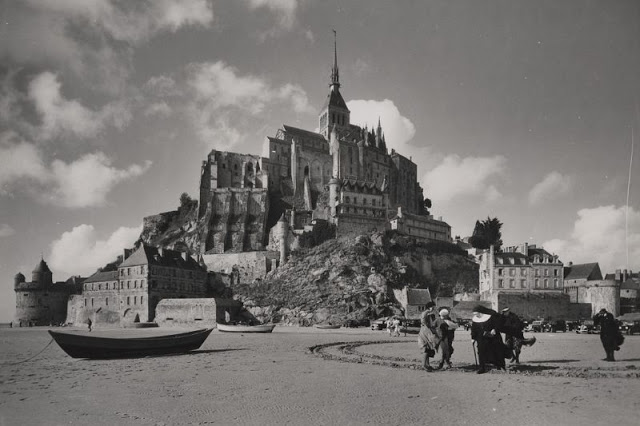
Normandy, France. Mont St. Michel, 1934
Subscribe to continue reading
Become a paid subscriber to get access to the rest of this post and other exclusive content.
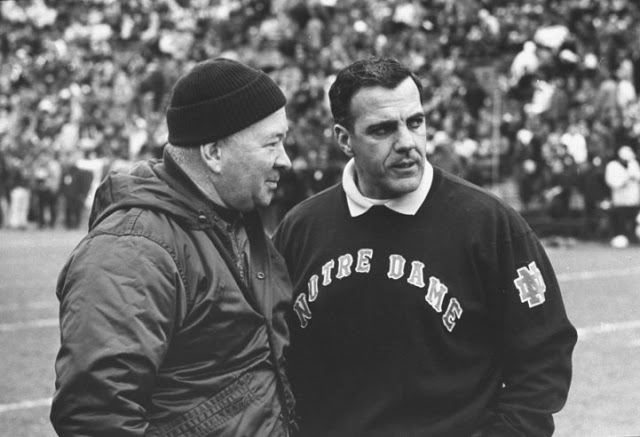
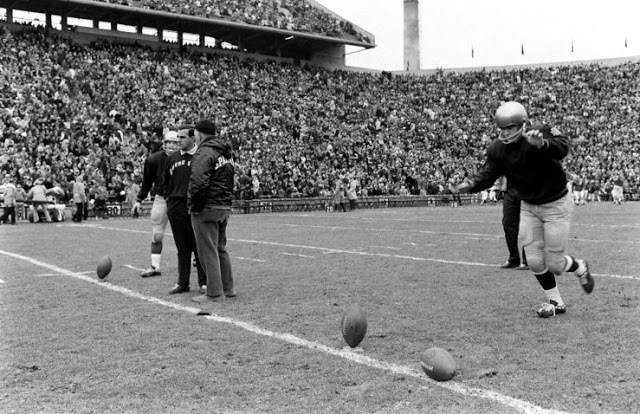
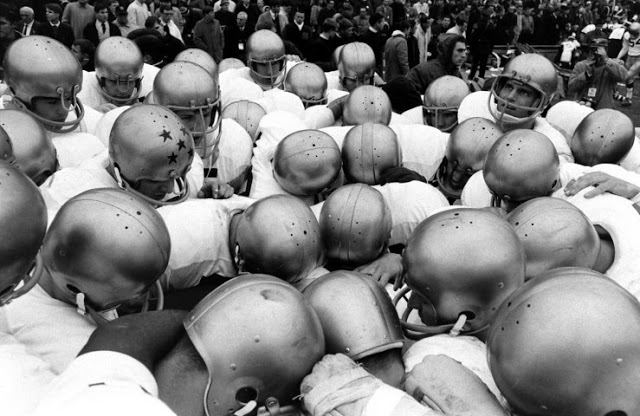
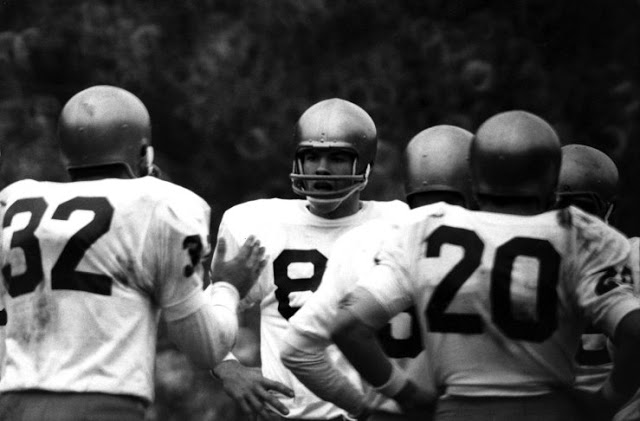
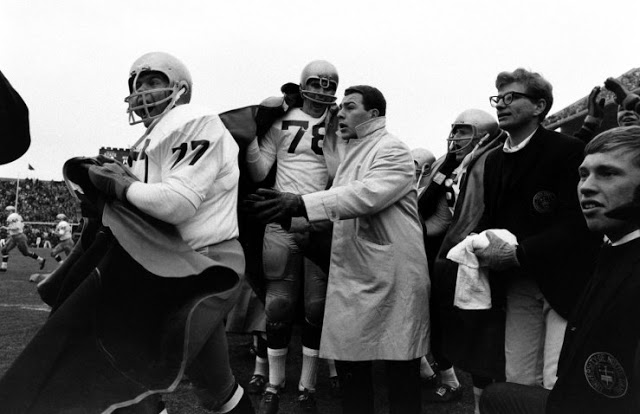
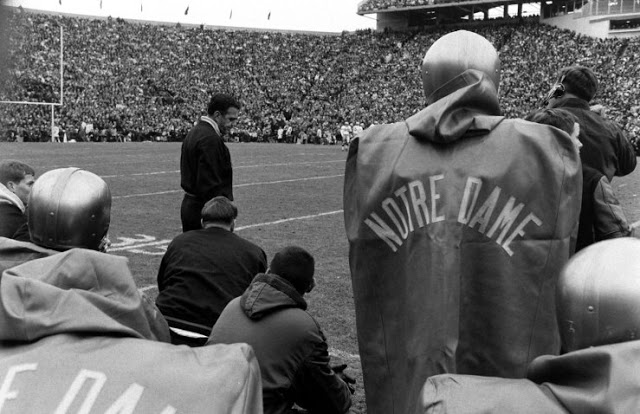
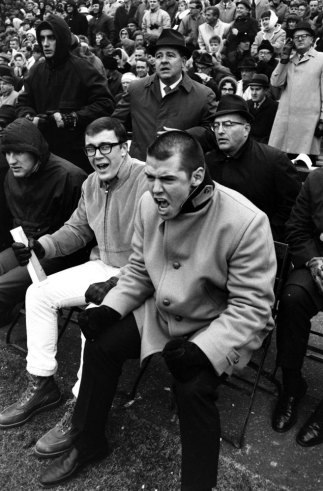
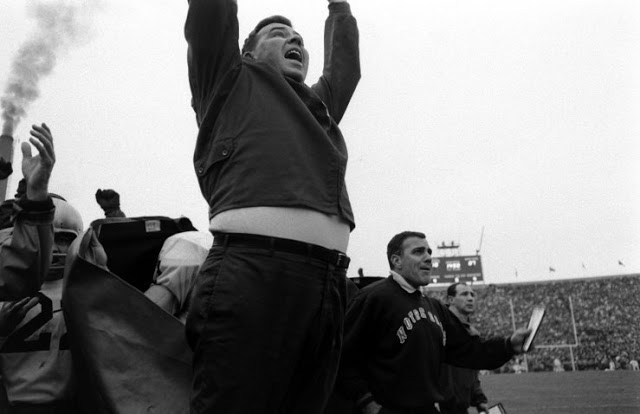
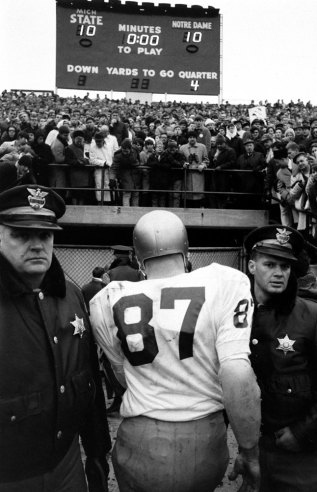
The 1966 Michigan State vs. Notre Dame football game (“the game of the century”) remains one of the greatest, and most controversial, games in college football history. The game was played in Michigan State’s Spartan Stadium on November 19, 1966. Michigan State entered the contest 9–0 and ranked #2, while Notre Dame entered the contest 8–0 but ranked #1. Notre Dame elected not to try for the endzone on the final series; thus, the game ended in a 10–10 tie with both schools recording national championships.
Scene from the November 1966 ‘Game of the Century’ between Notre Dame (in white) and Michigan StateBefore the kick-off, Michigan State coach Duffy Daugherty and Notre Dame’s Ara Parseghian meet at midfieldThe Fighting Irish take the field before the 1966 ‘Game of the Century’ against Michigan State, November 1966Michigan State Spartans before their ‘Game of the Century’ against Notre Dame, 1966Notre Dame cheerleaders work the crowd during the 1966 ‘Game of the Century’ against Michigan State, November 1966The Fighting Irish warm up before the 1966 ‘Game of the Century’ against Michigan State, November 1966Marching band at Spartan Stadium, November 1966The Fighting Irish huddle before the 1966 ‘Game of the Century’ against Michigan State, November 1966Scene from the November 1966 ‘Game of the Century’ between Notre Dame and Michigan StateScene from the November 1966 ‘Game of the Century’ between Notre Dame (in white) and Michigan StateThe Spartans’ Pat Gallinagh during game against Notre Dame, Nov. 19, 1966Scene on the Notre Dame sideline, Nov. 19, 1966Fans during the 1966 ‘Game of the Century’ between Notre Dame and Michigan StateScene on the Notre Dame sideline, Nov. 19, 1966, before a fourth-quarter field goal attempt against Michigan State. At right, Fighting Irish coach Ara ParseghianScene on the Notre Dame sideline, Nov. 19, 1966, after a fourth-quarter field goal ties the game against Michigan StateScene on the Notre Dame sideline, Nov. 19, 1966Spartans and Fighting Irish leave the field after their ‘Game of the Century’ 10-10 tie, 1966Spartans and Fighting Irish leave the field after their ‘Game of the Century’ 10-10 tie, 1966Fighting Irish leave the field after their ‘Game of the Century’ 10-10 tie with Michigan State, 1966