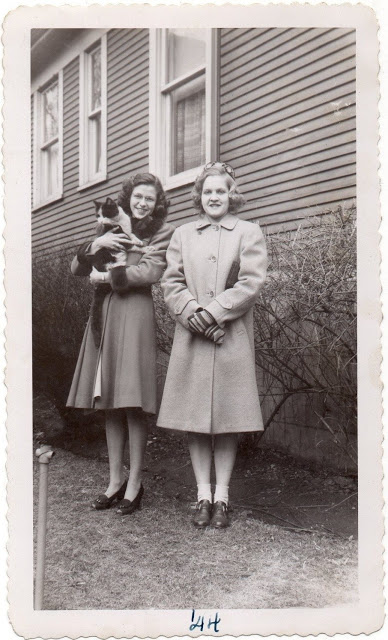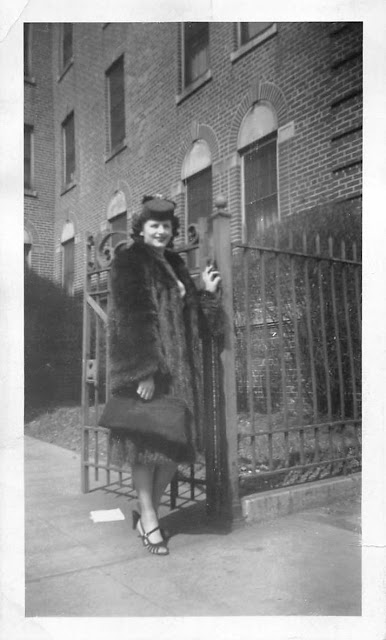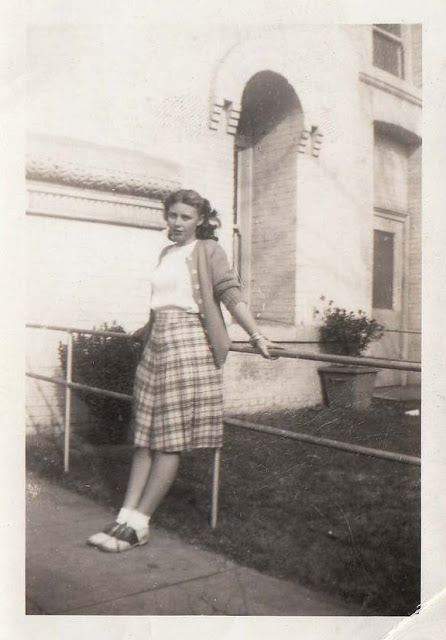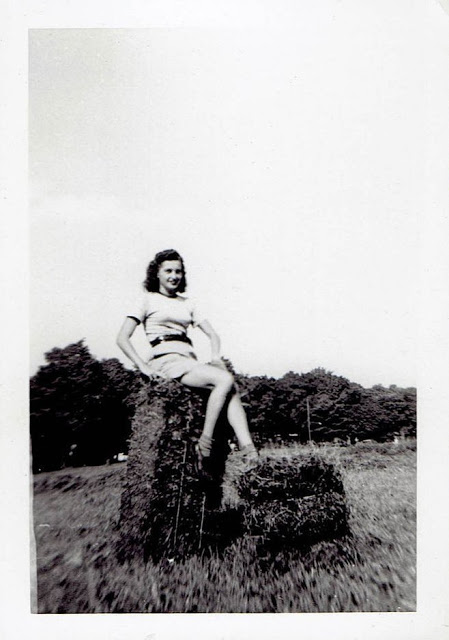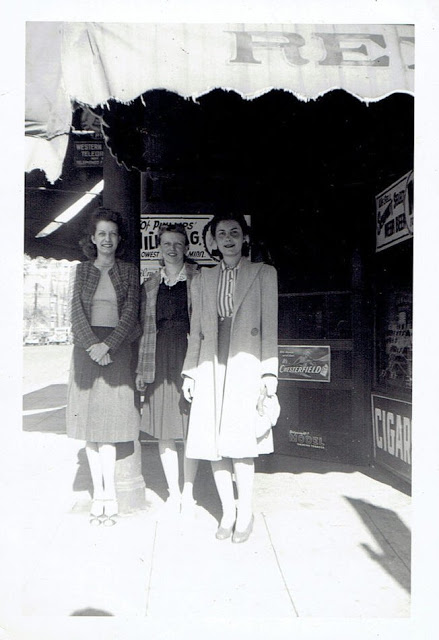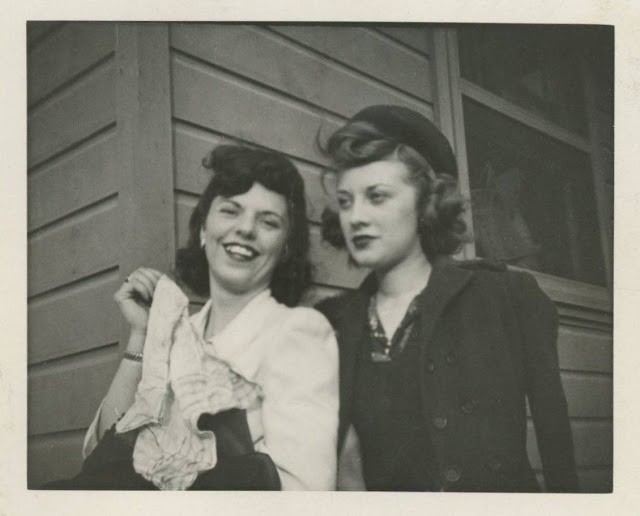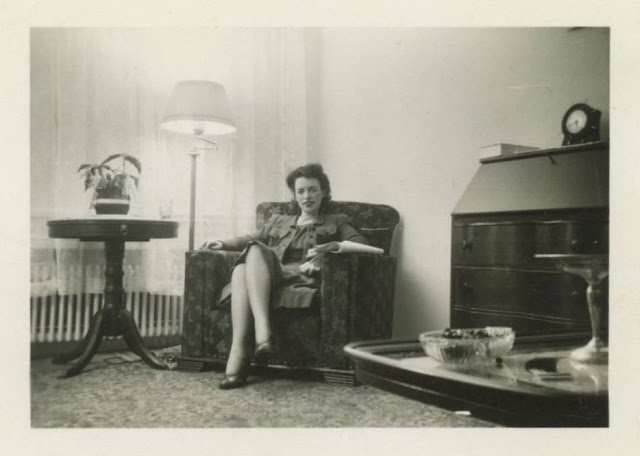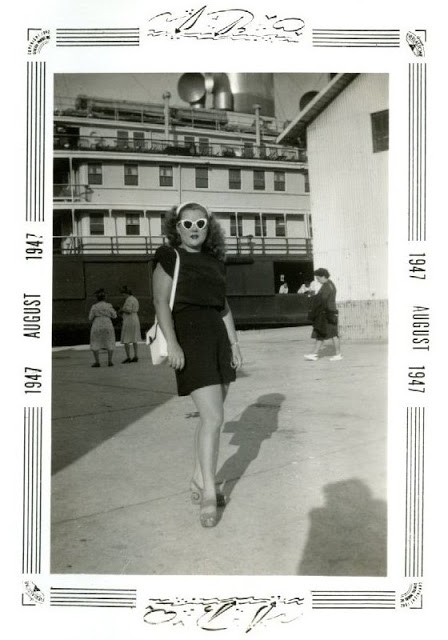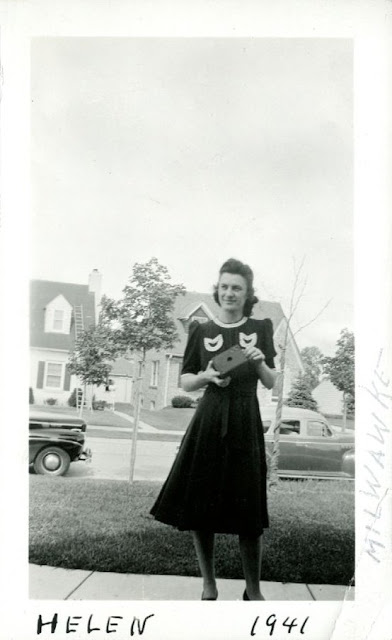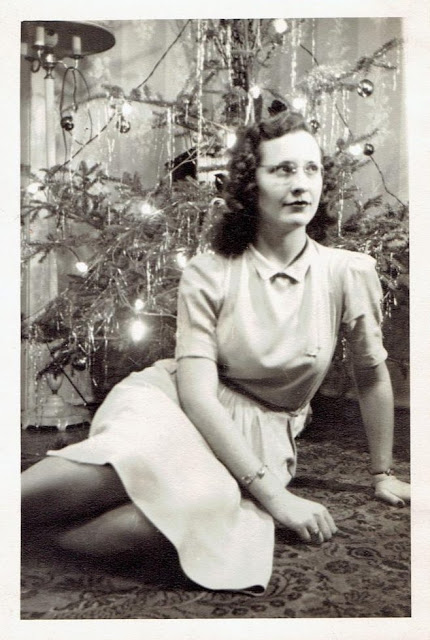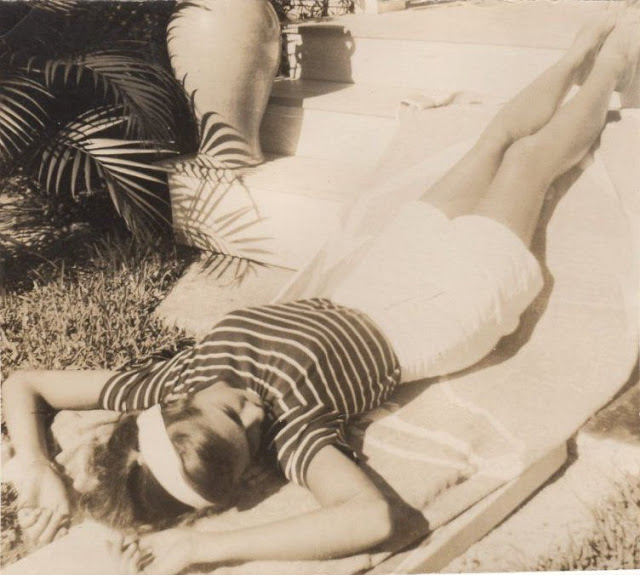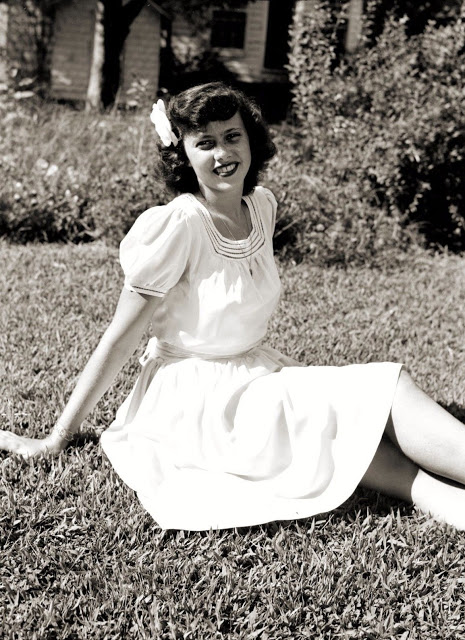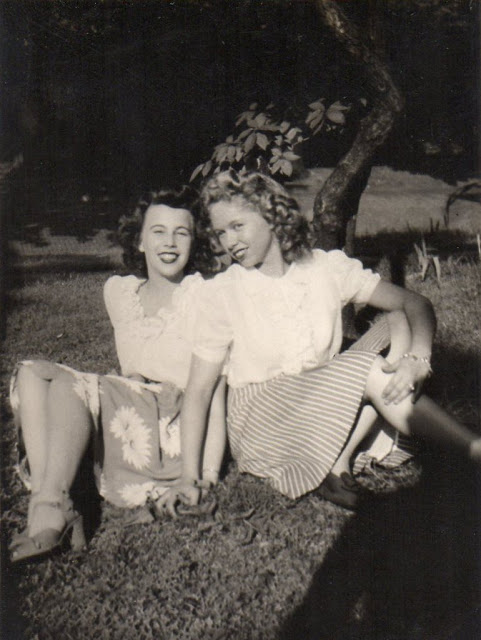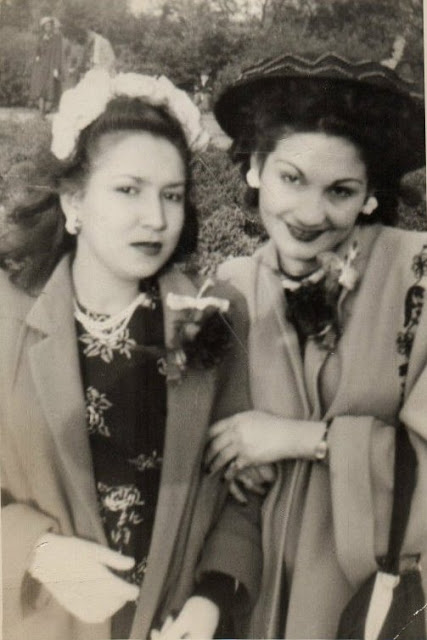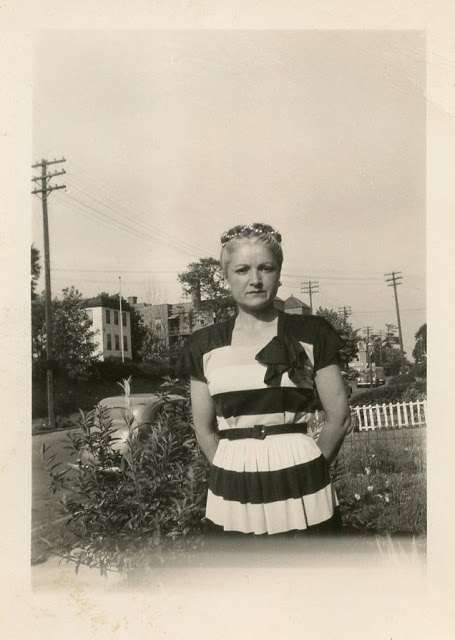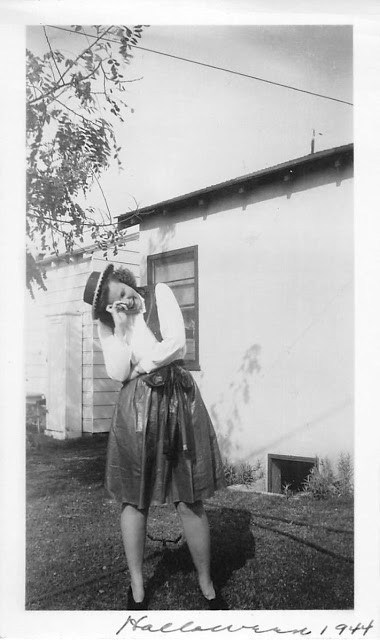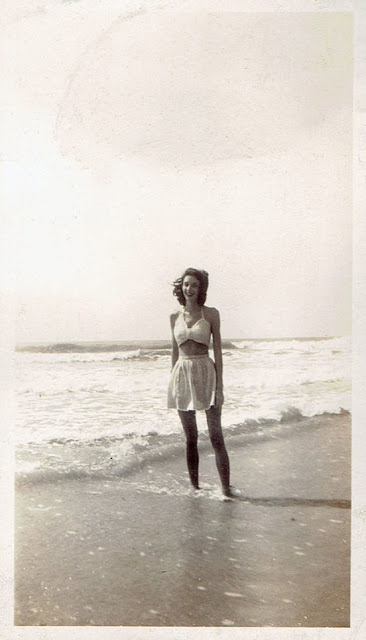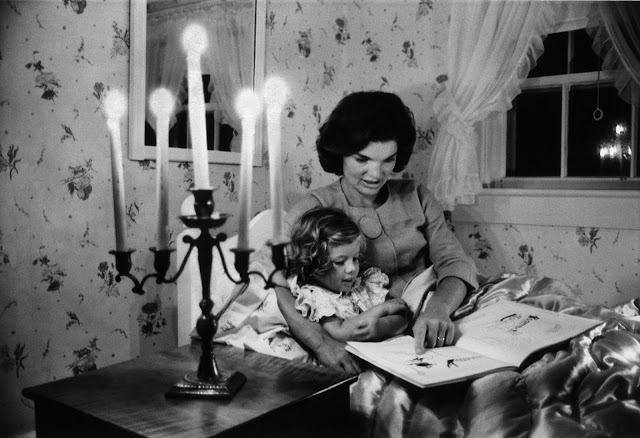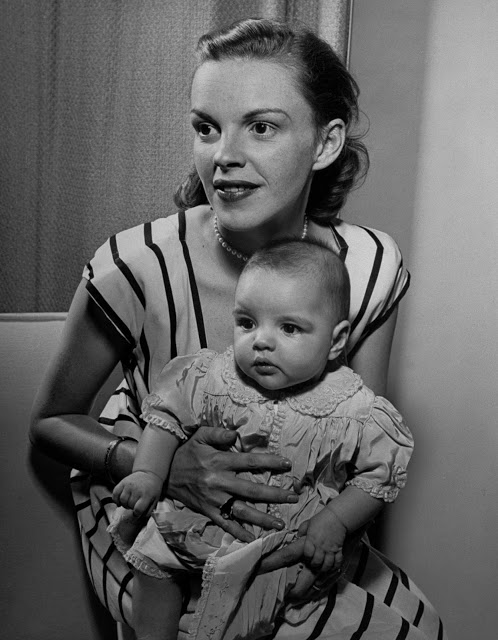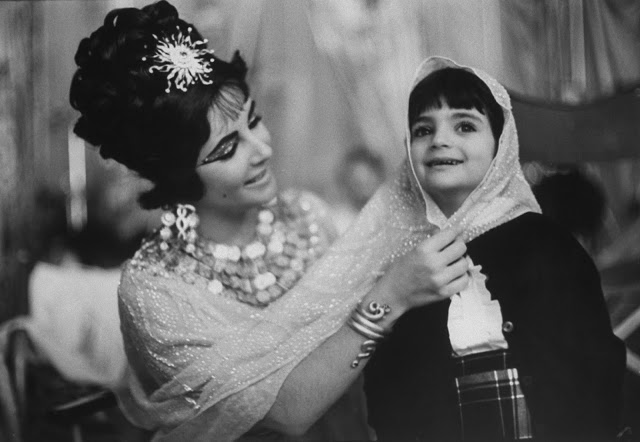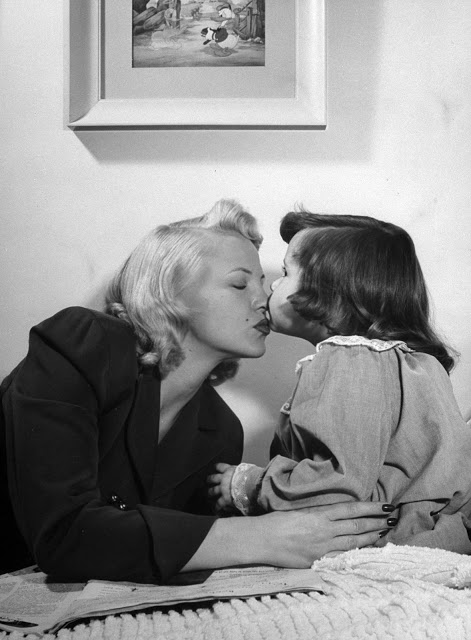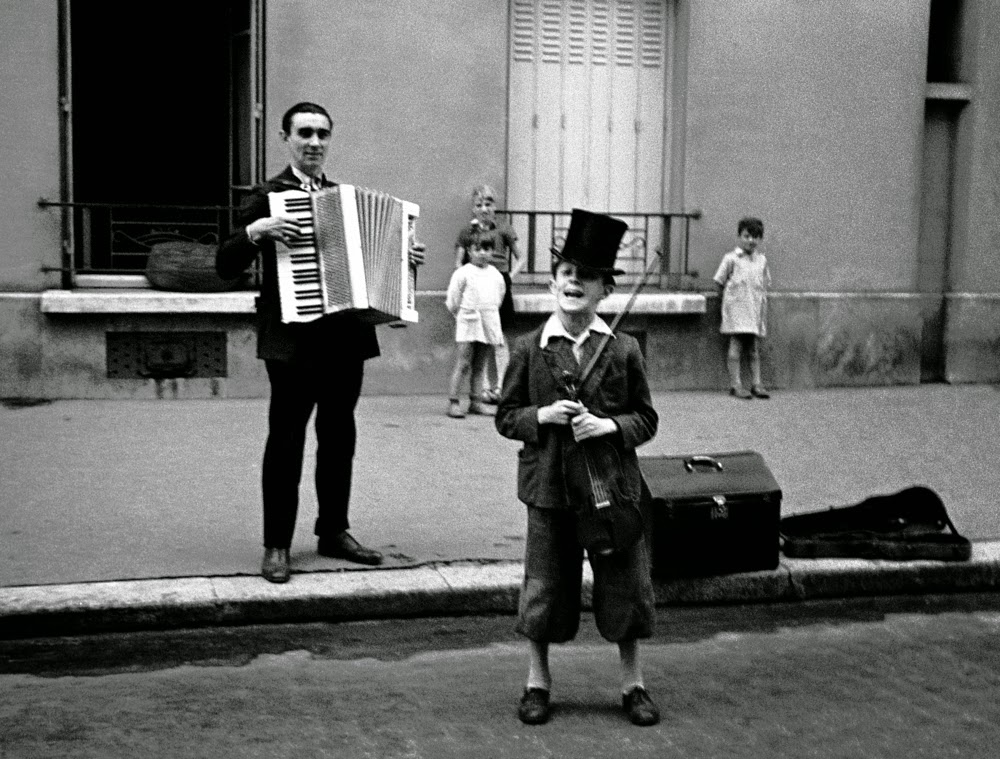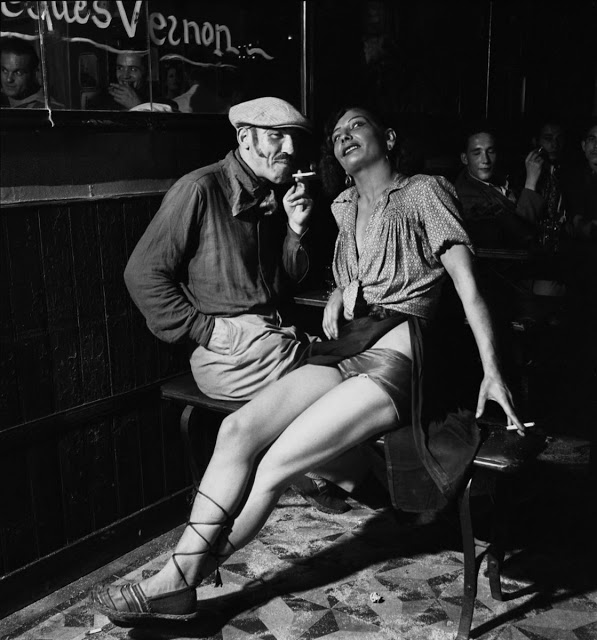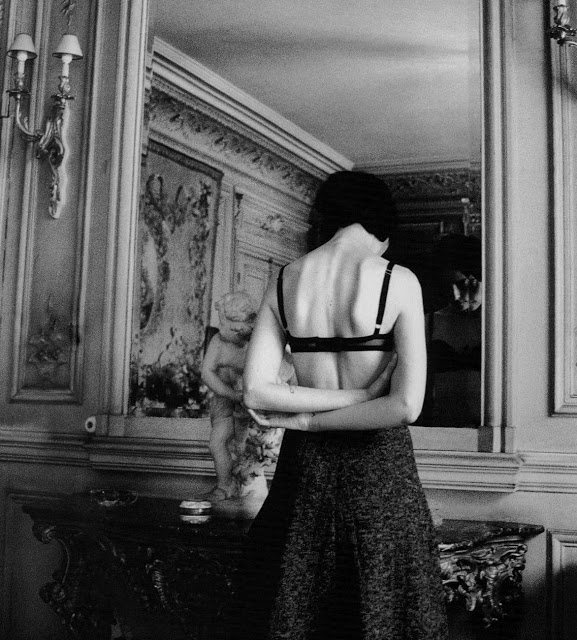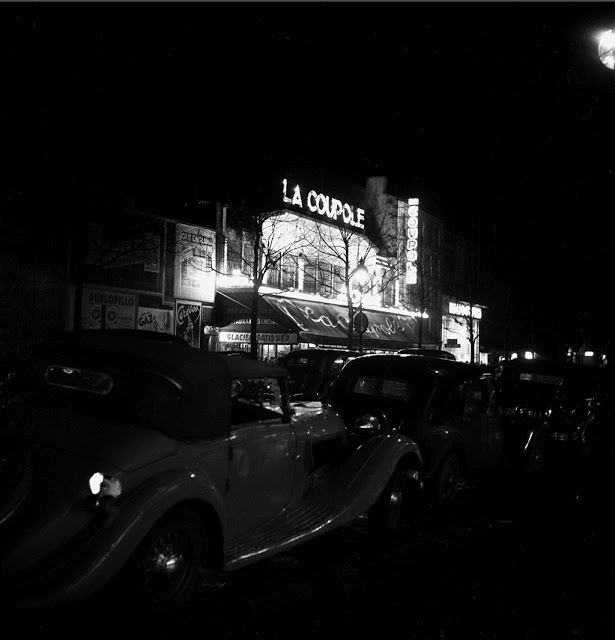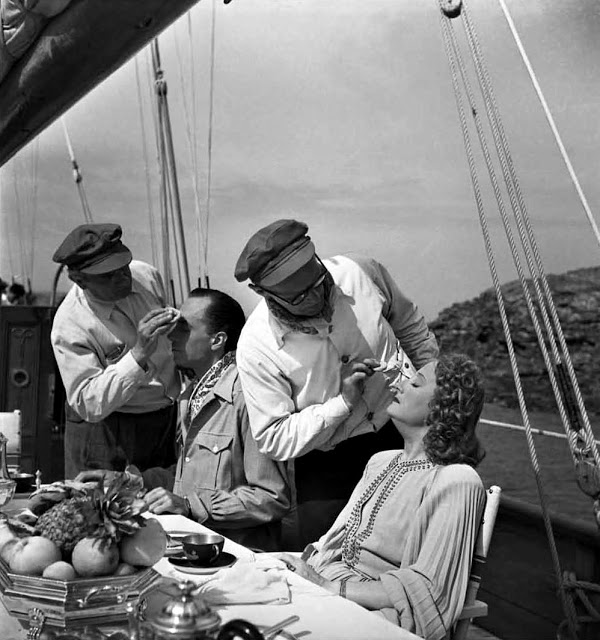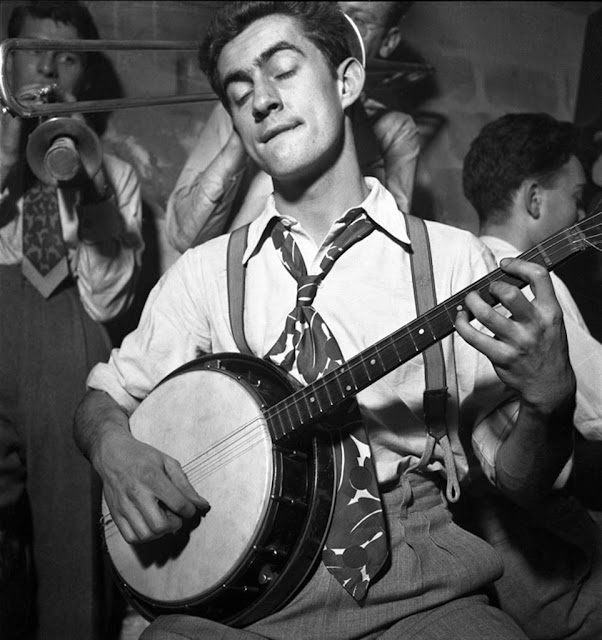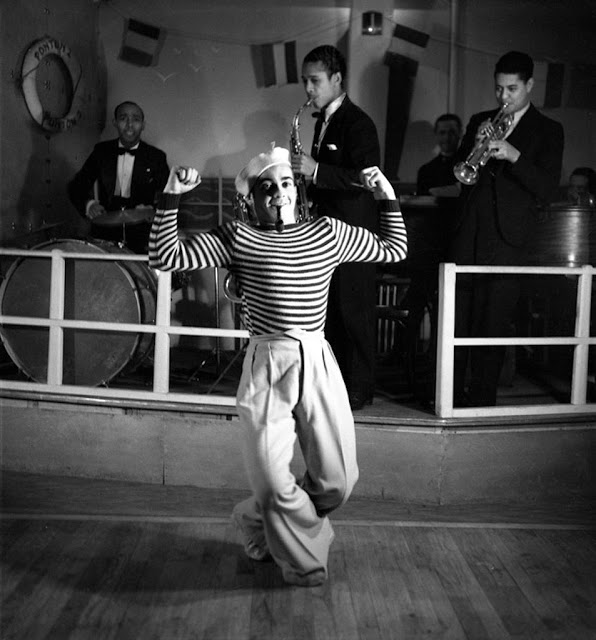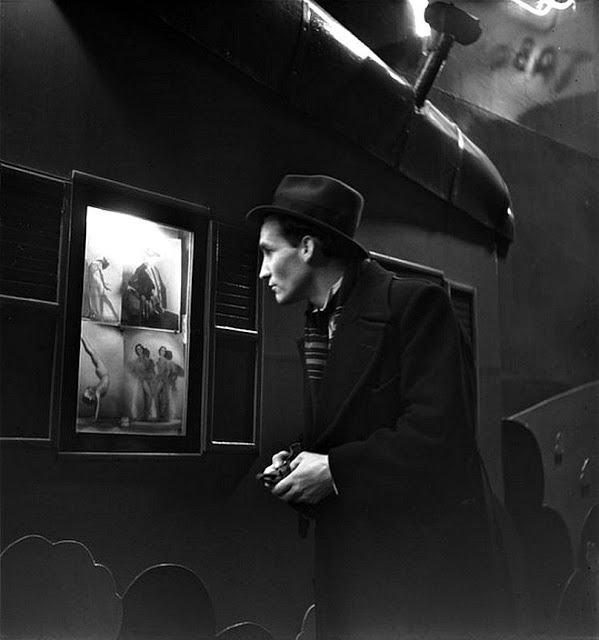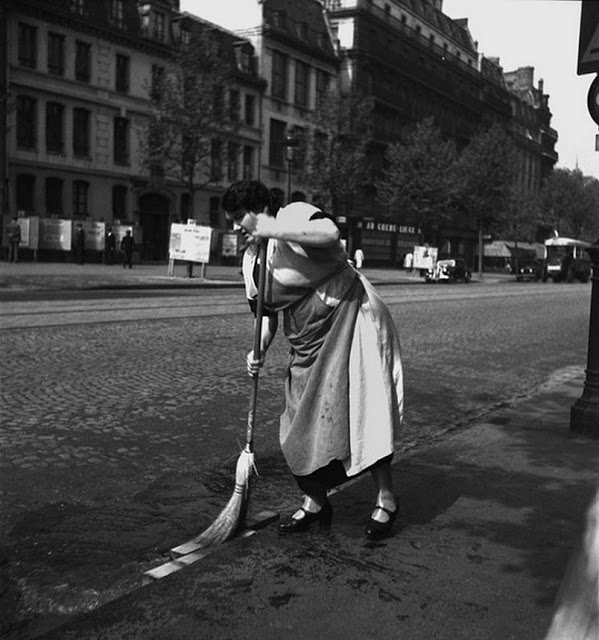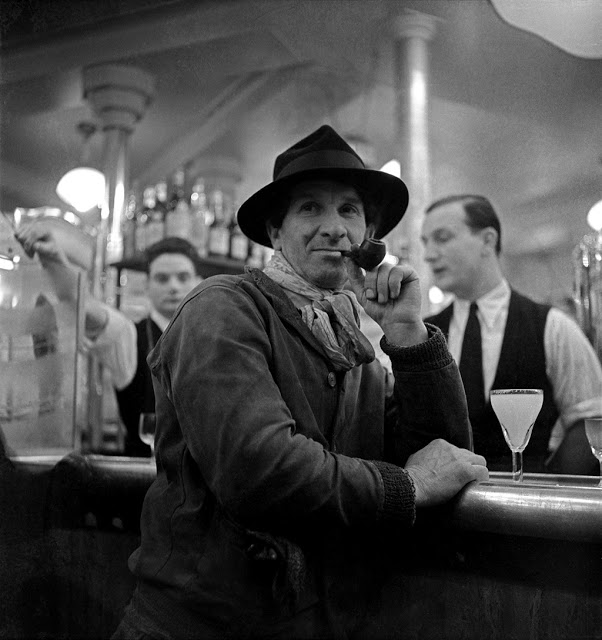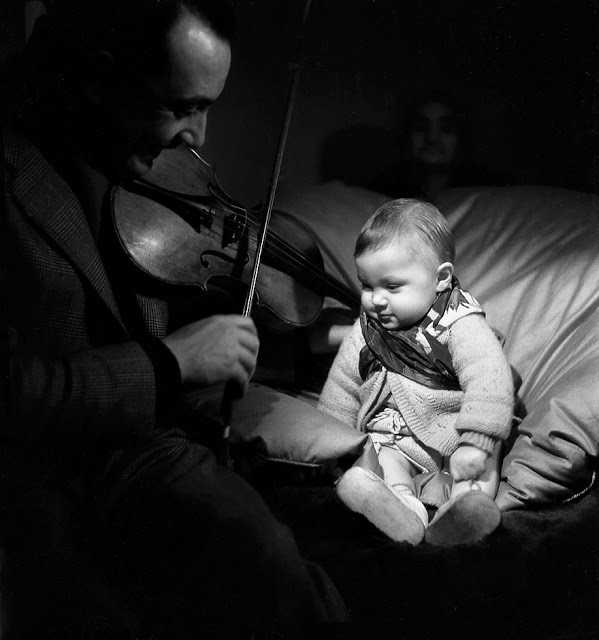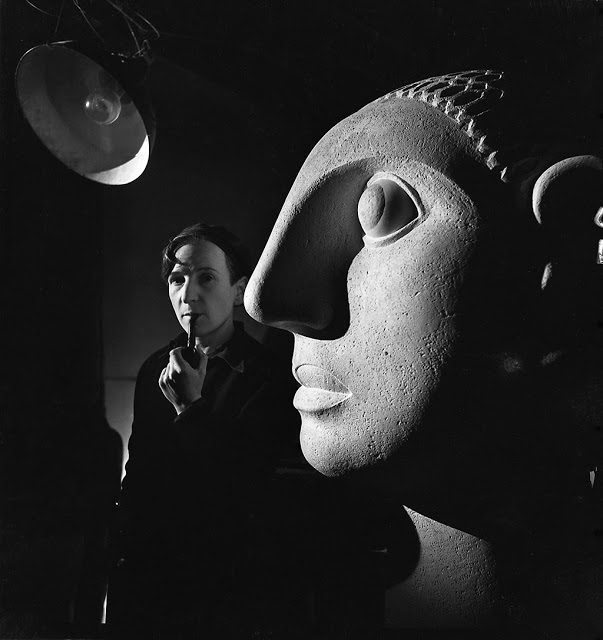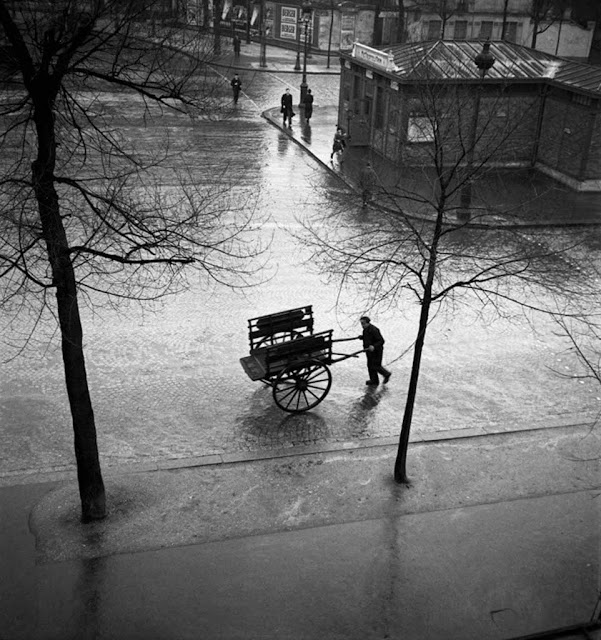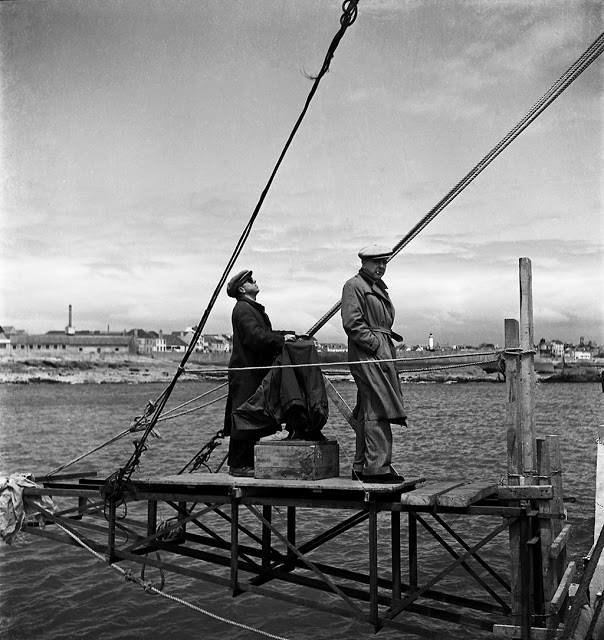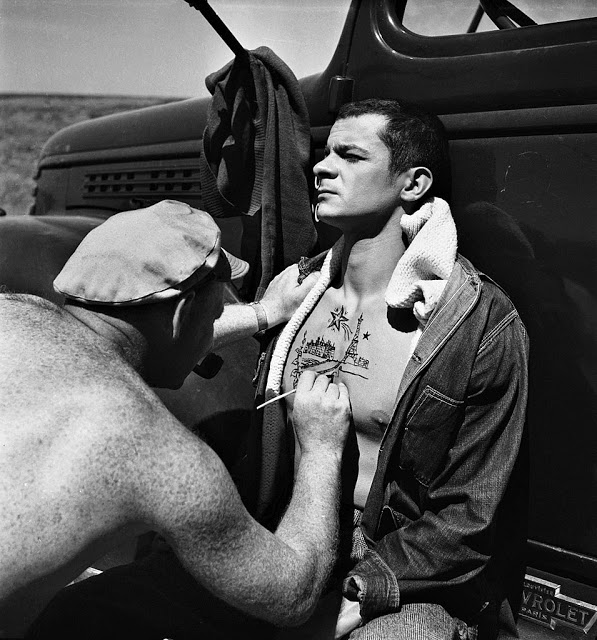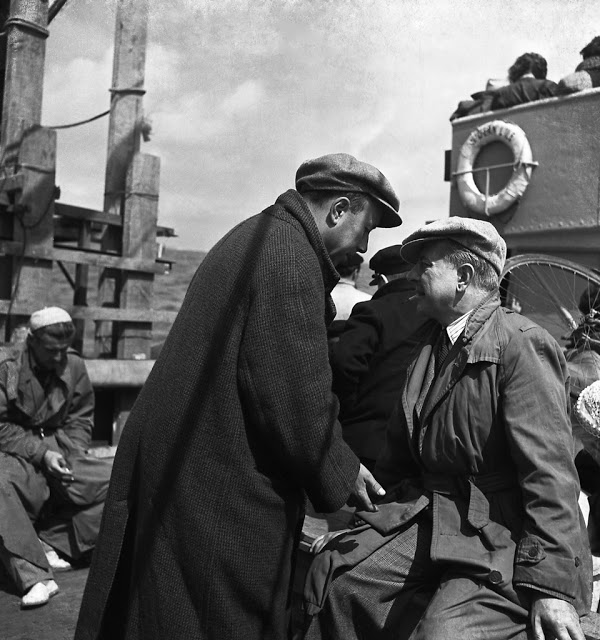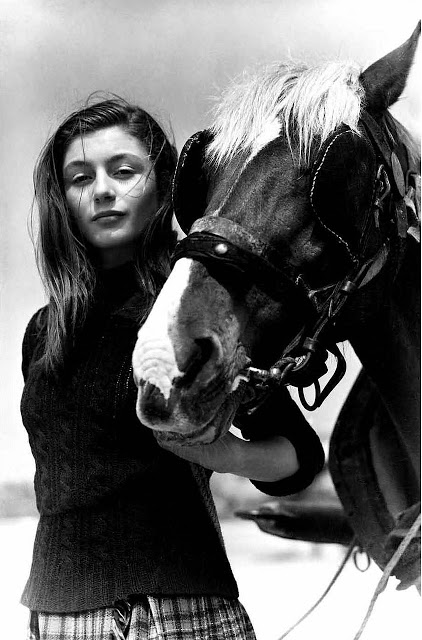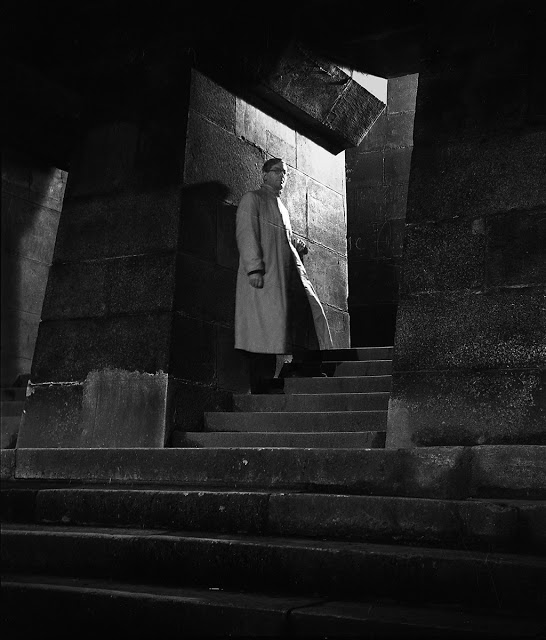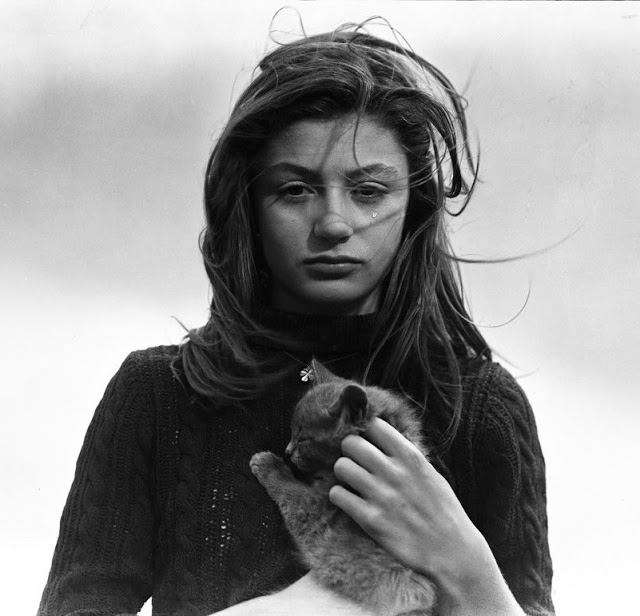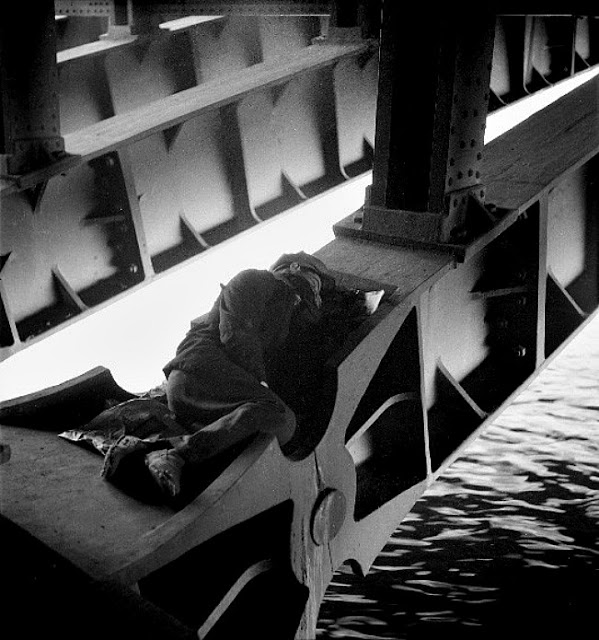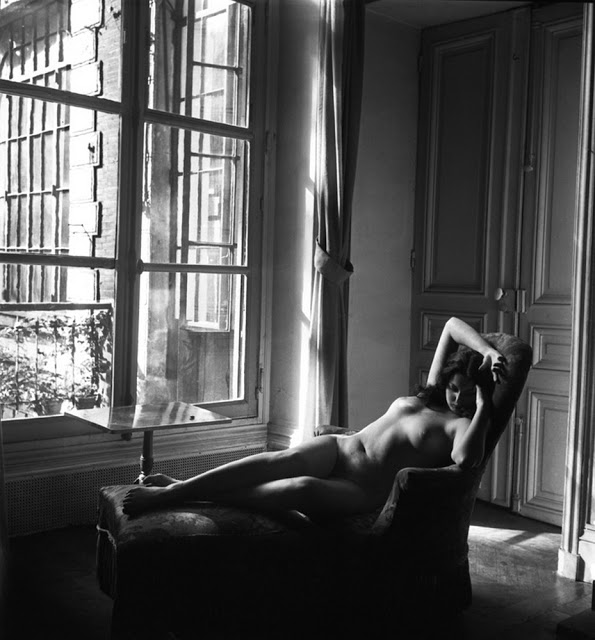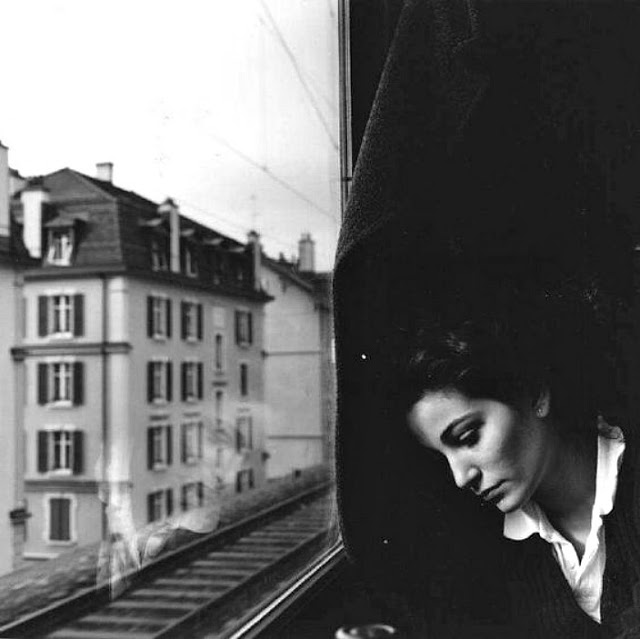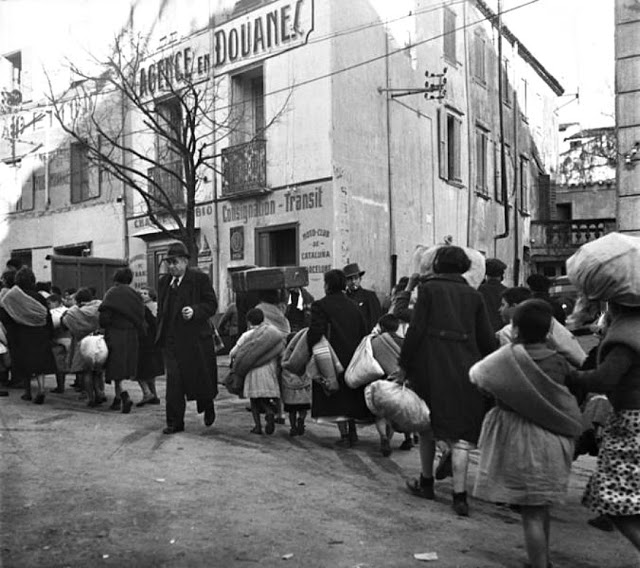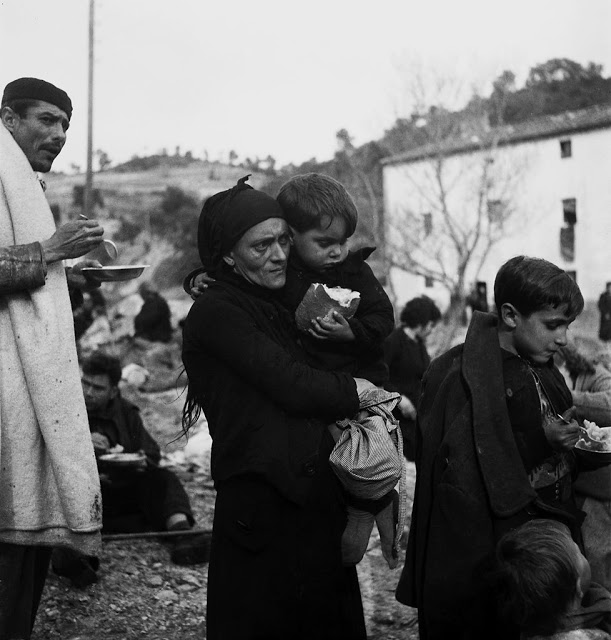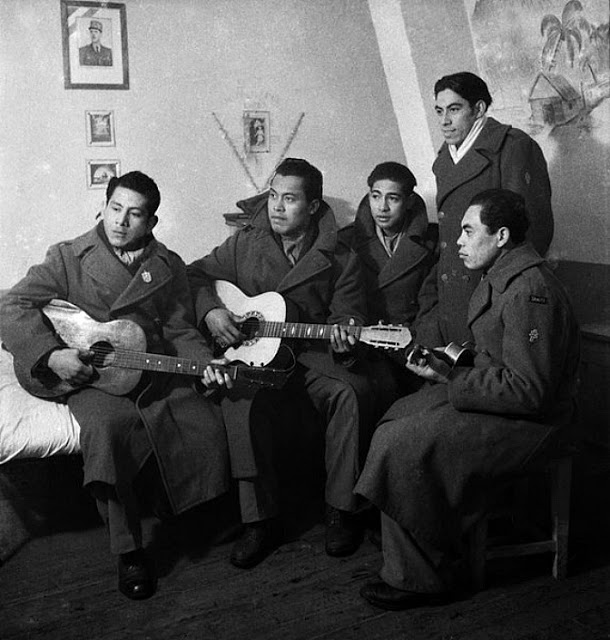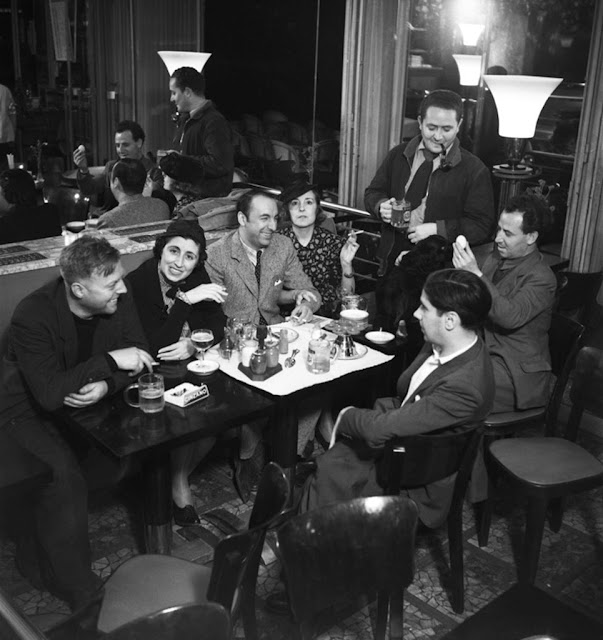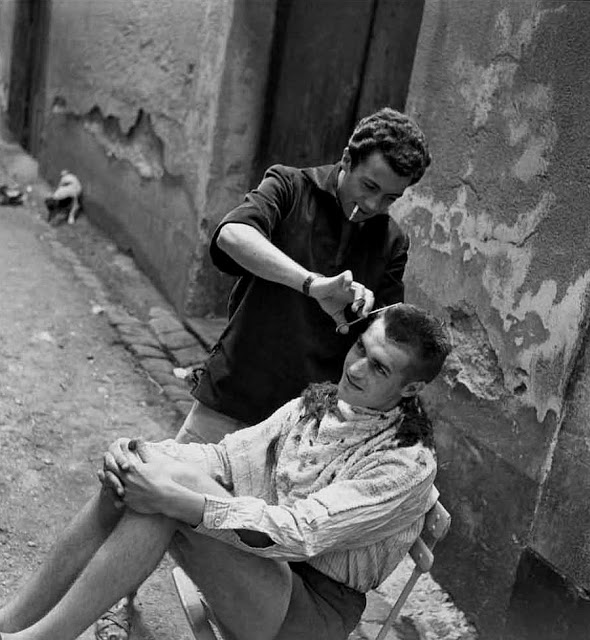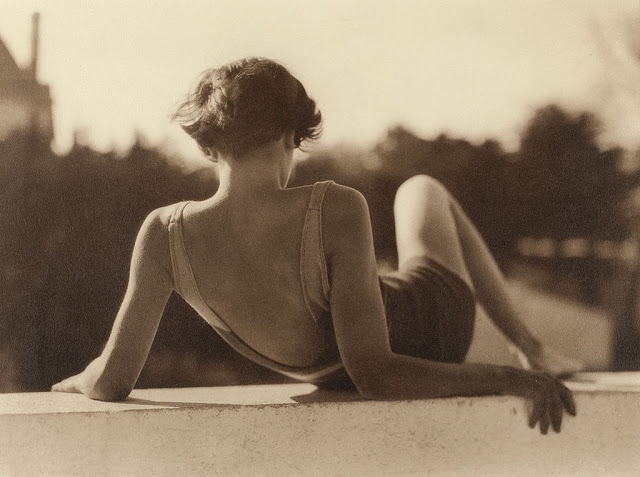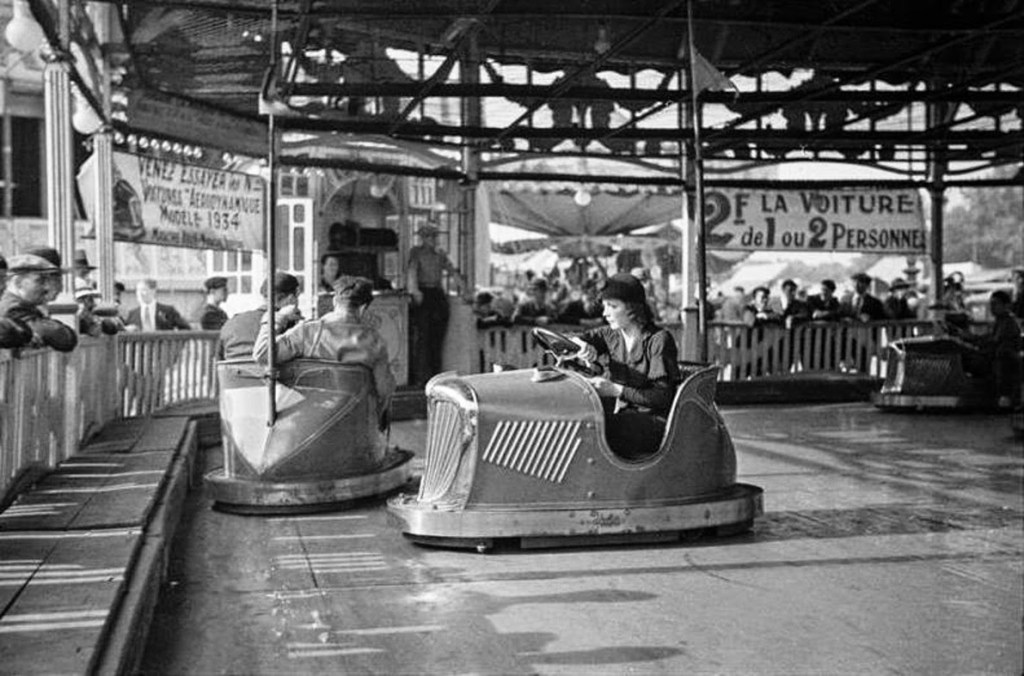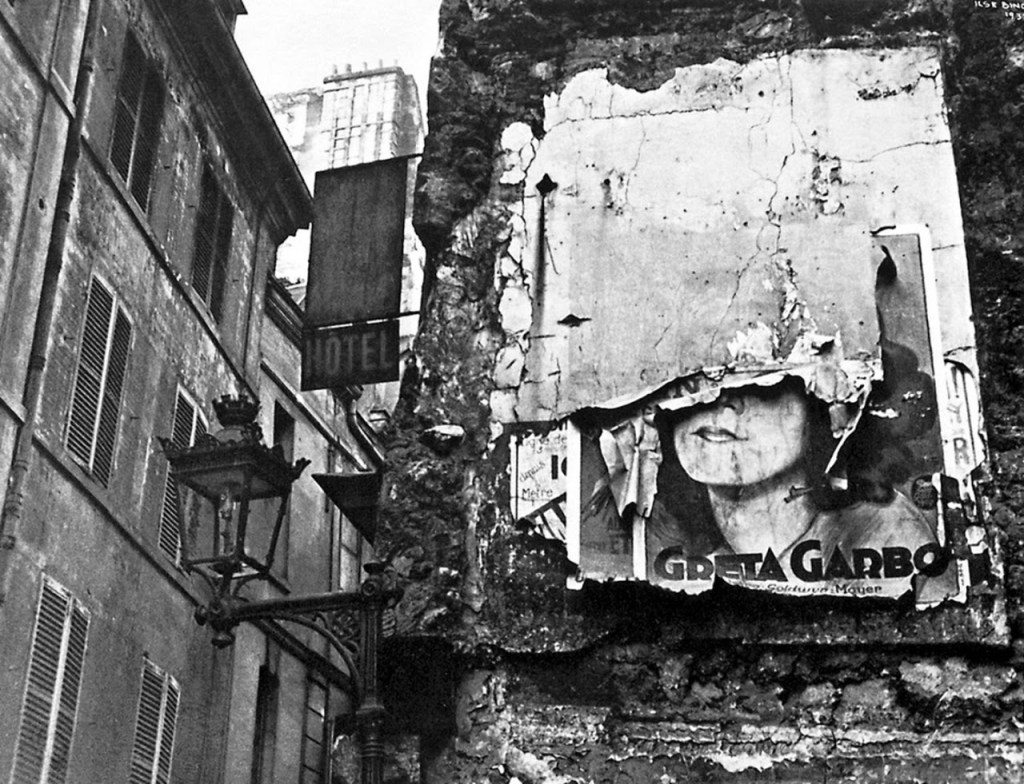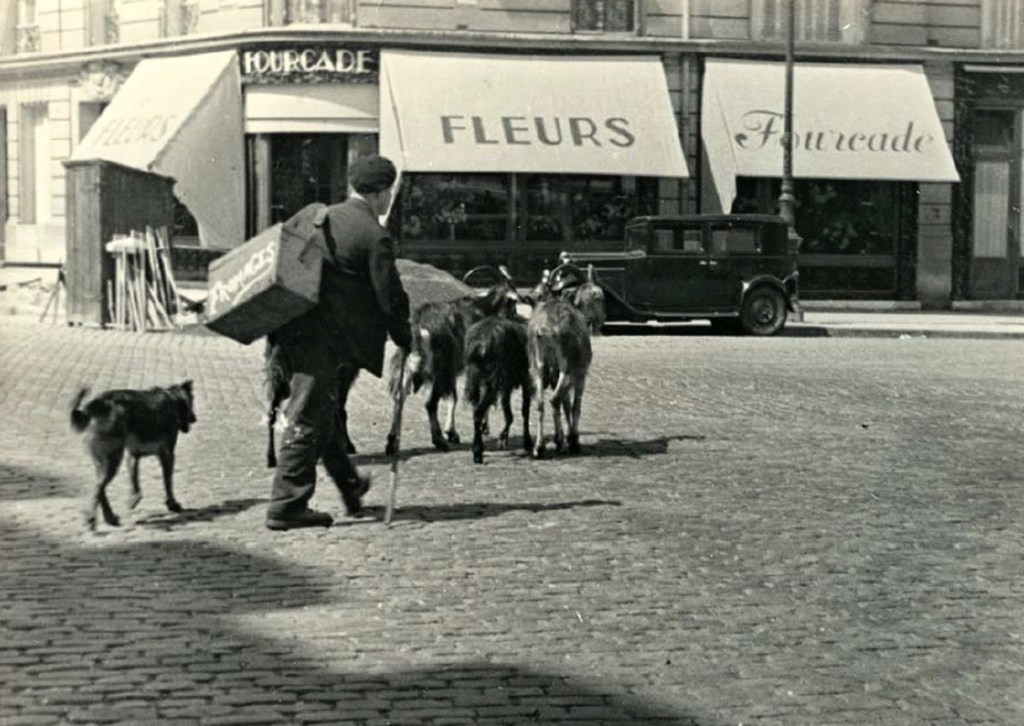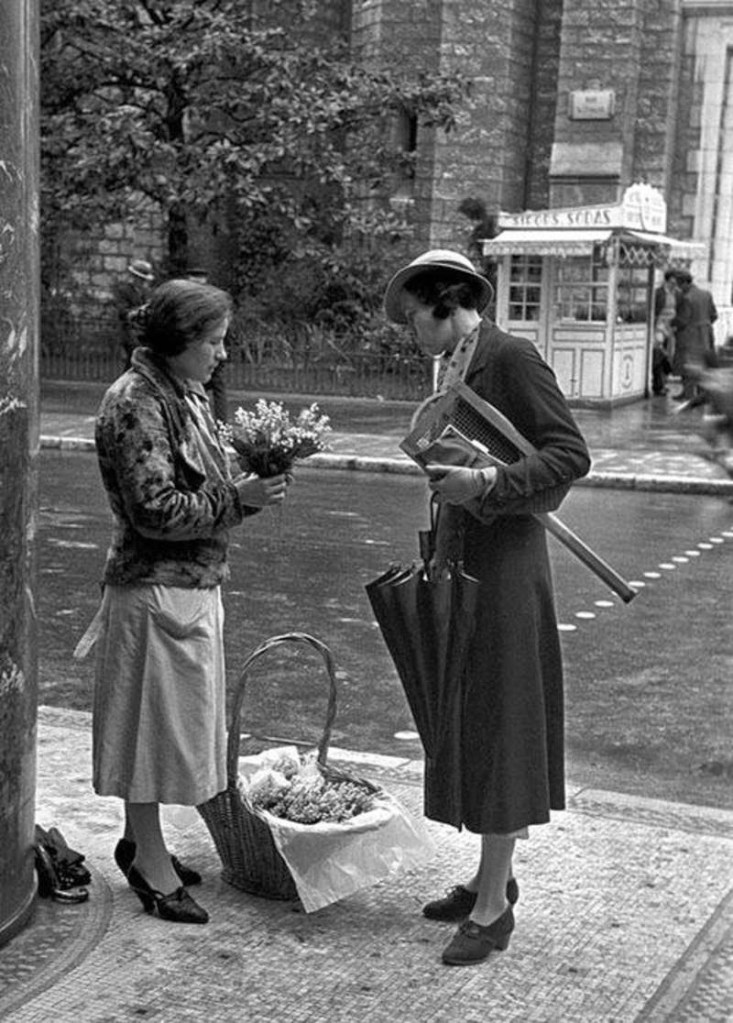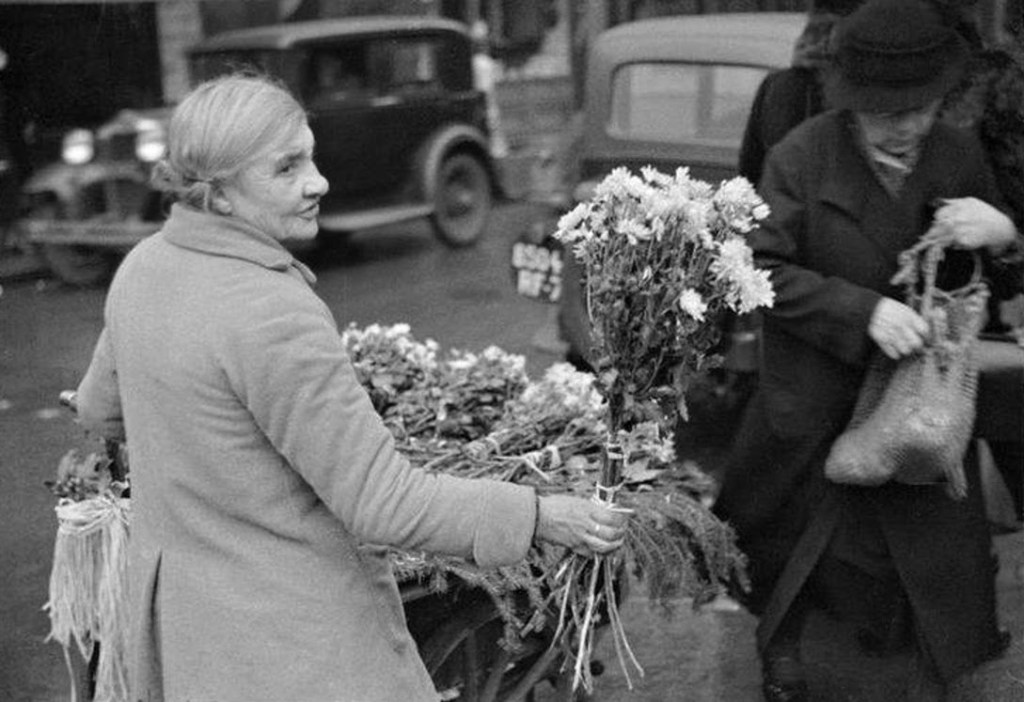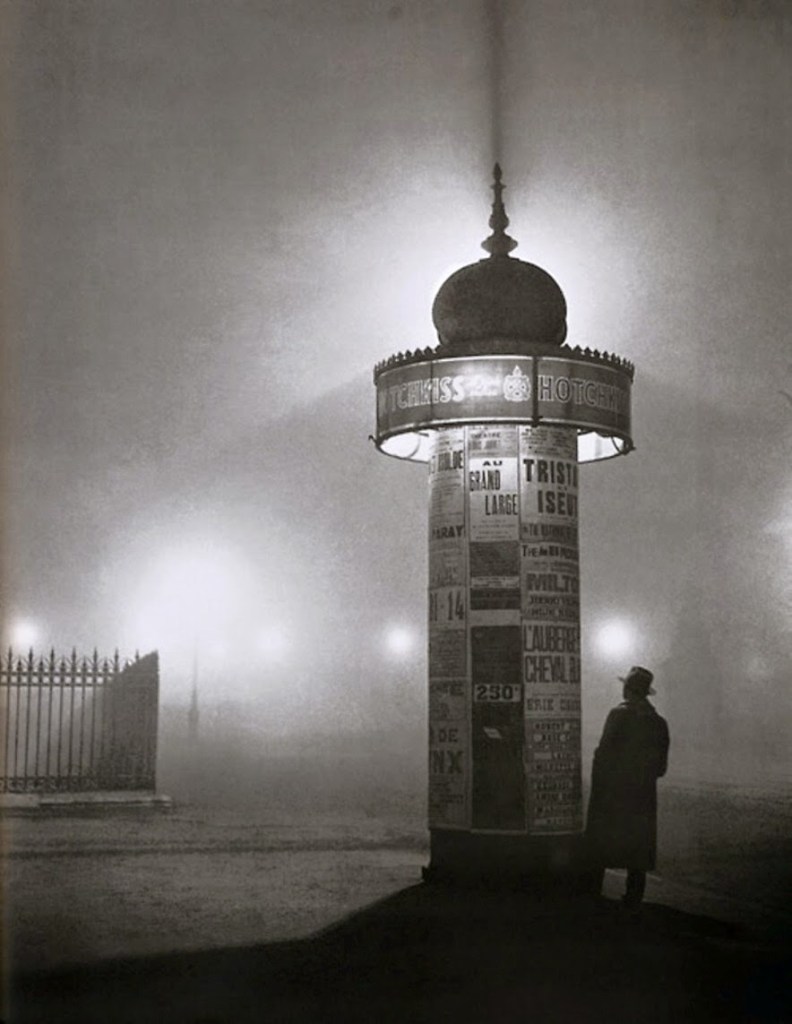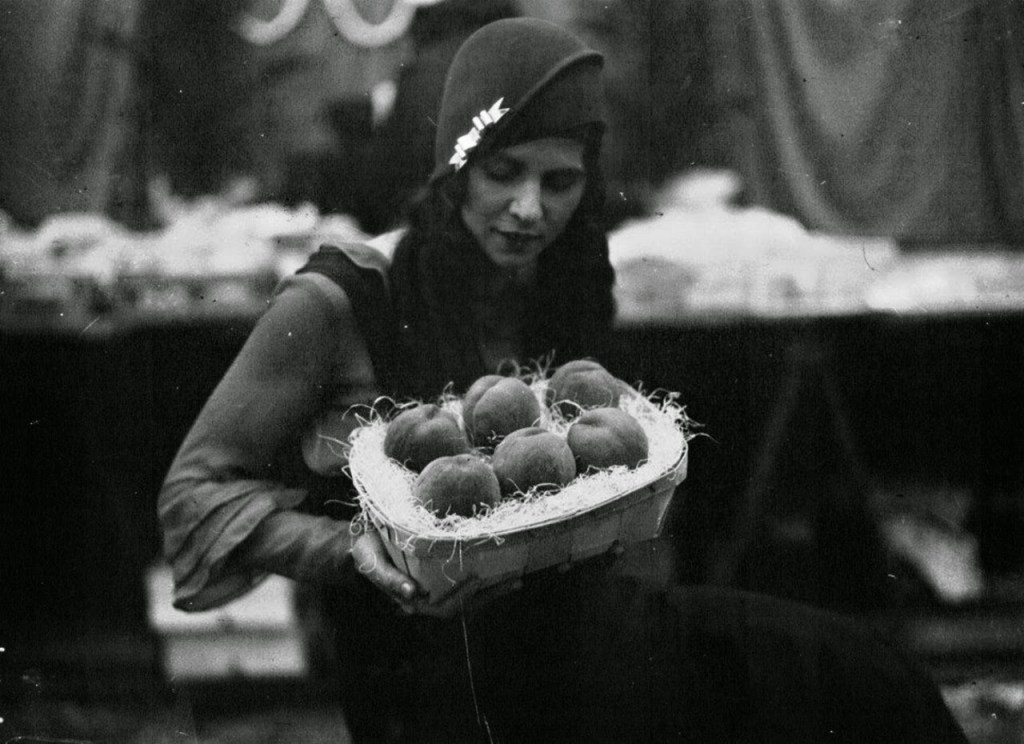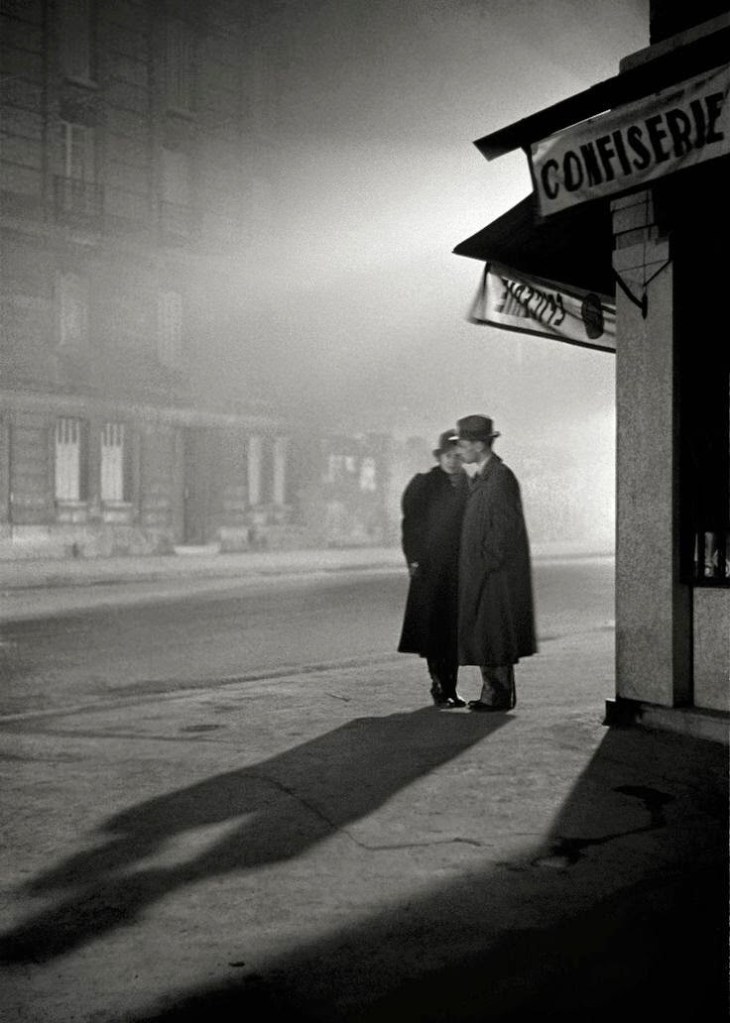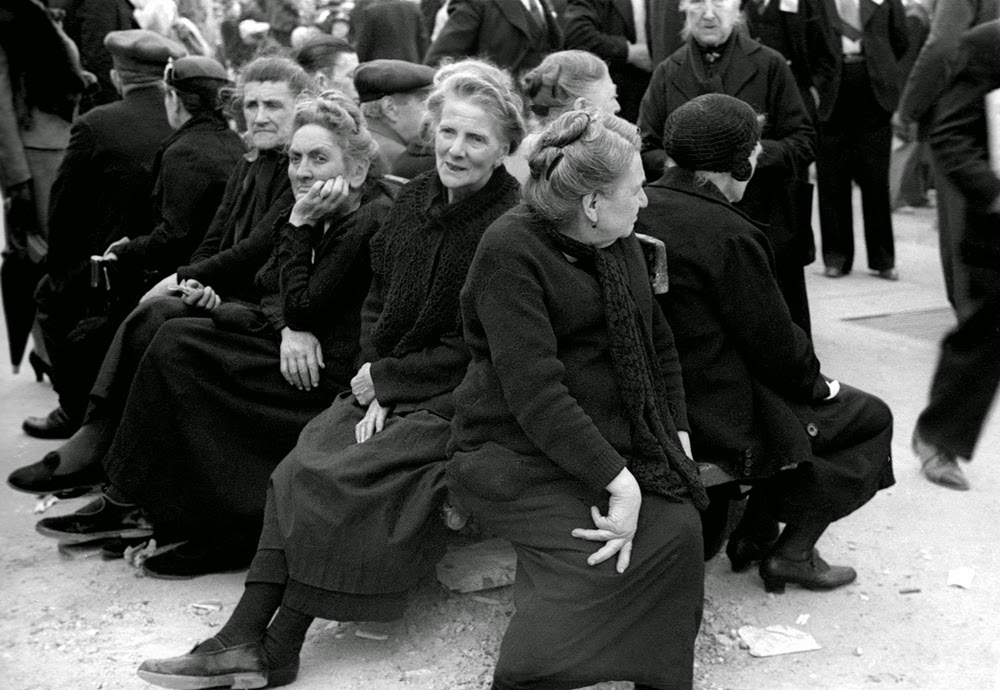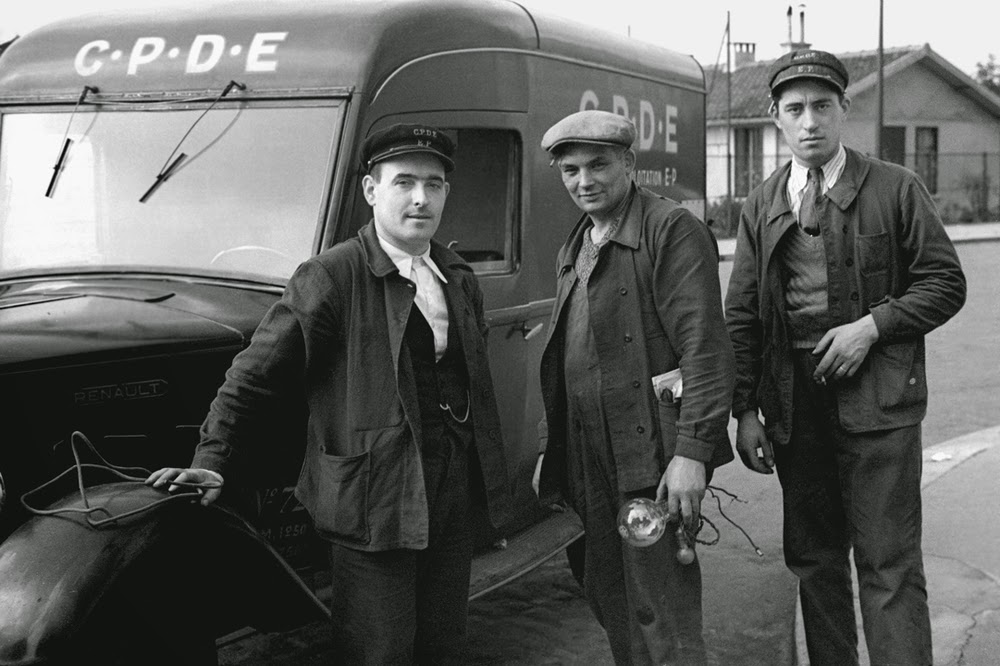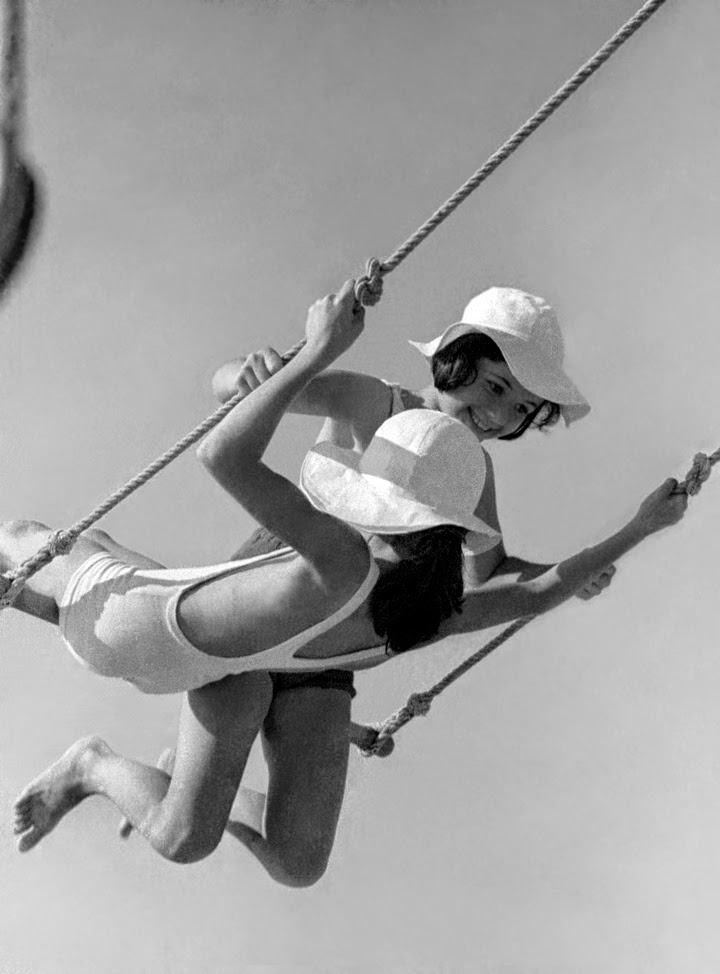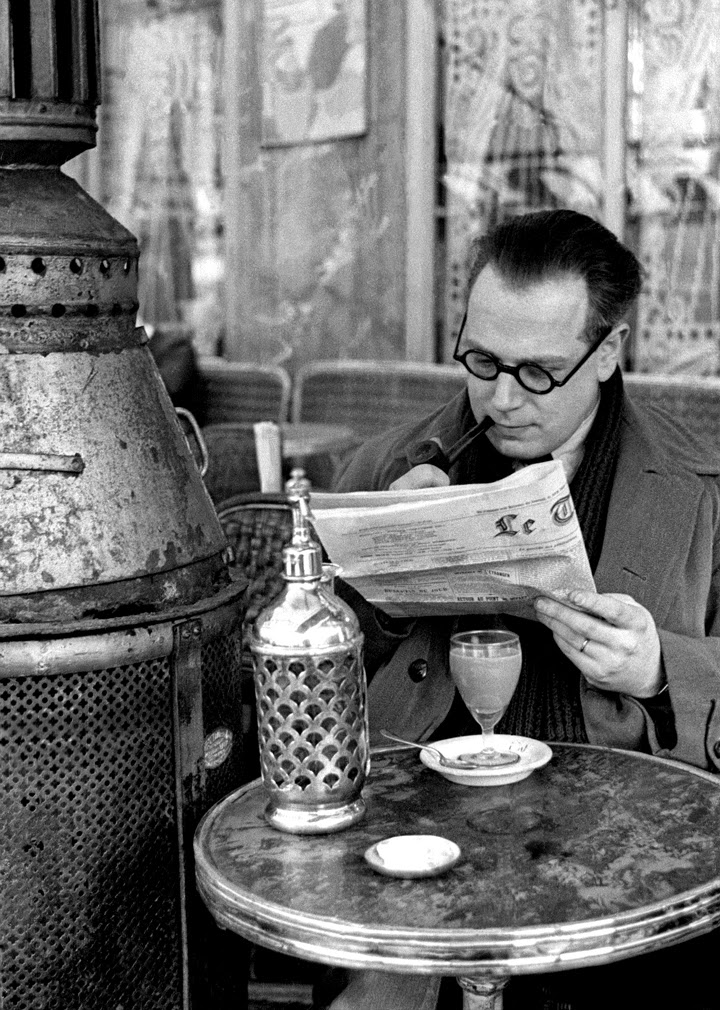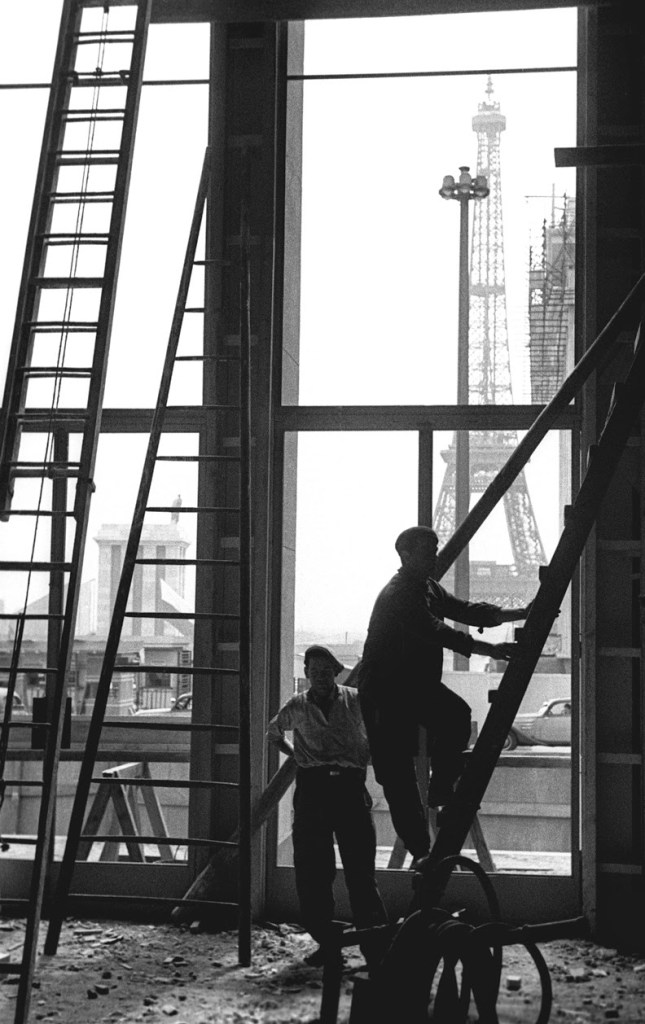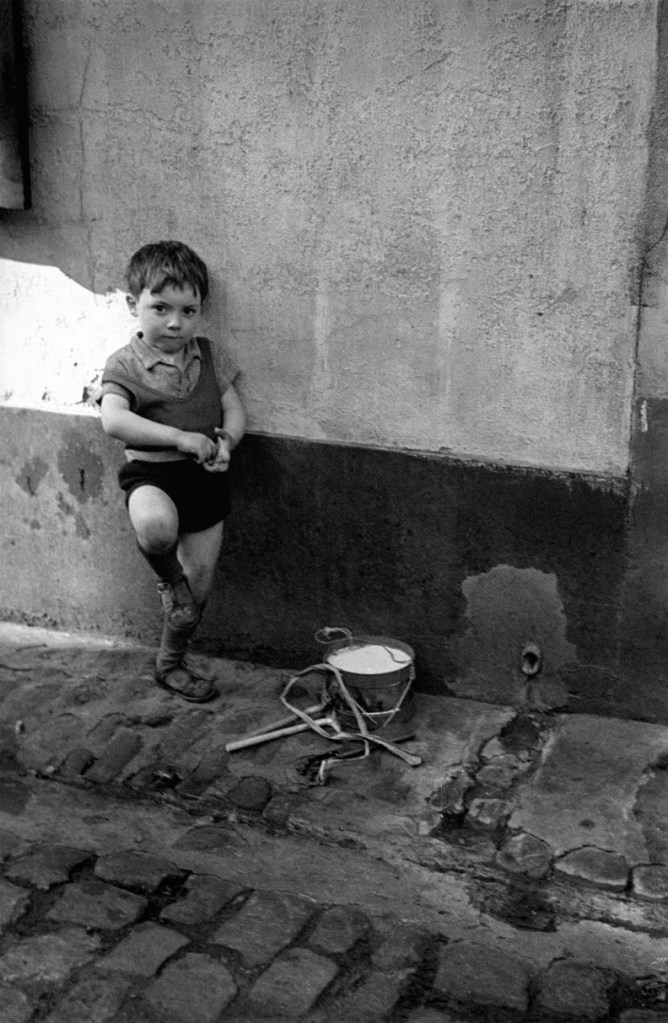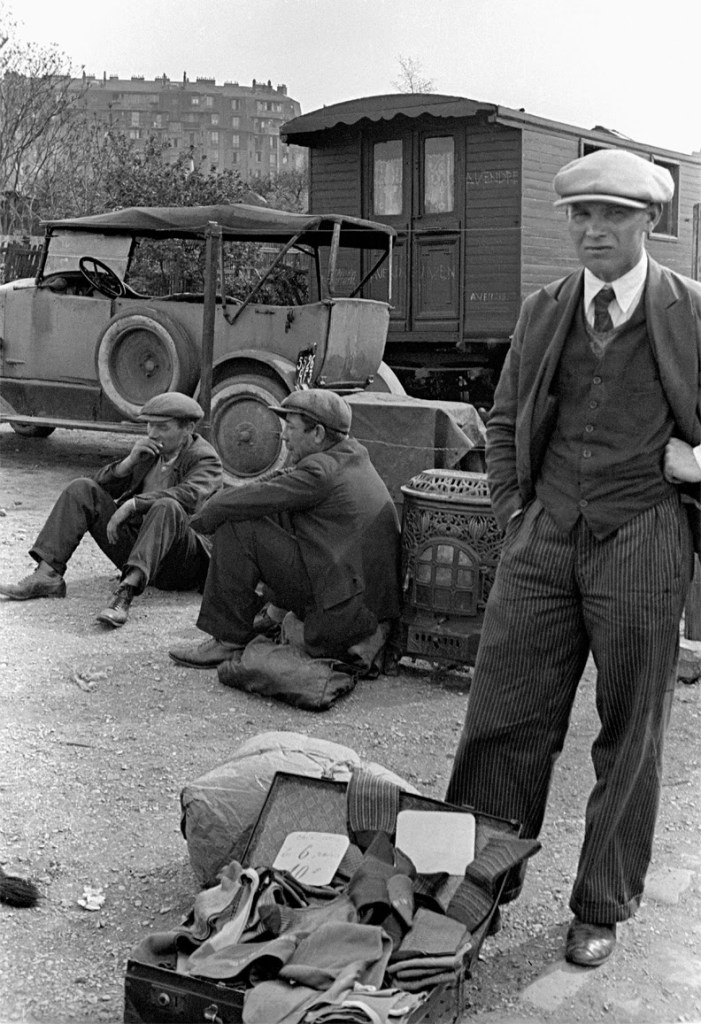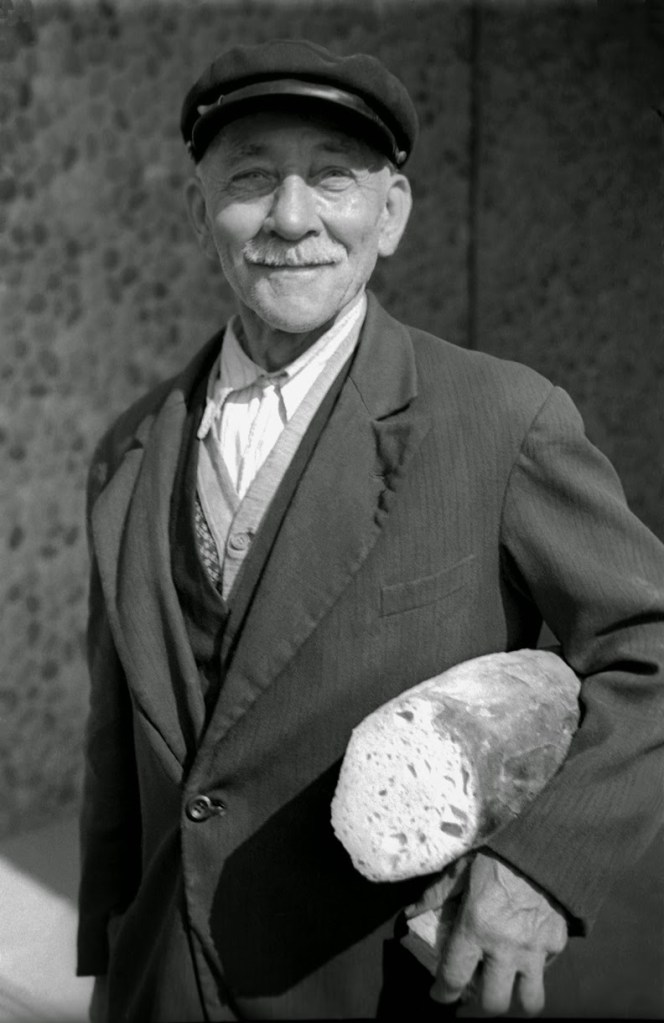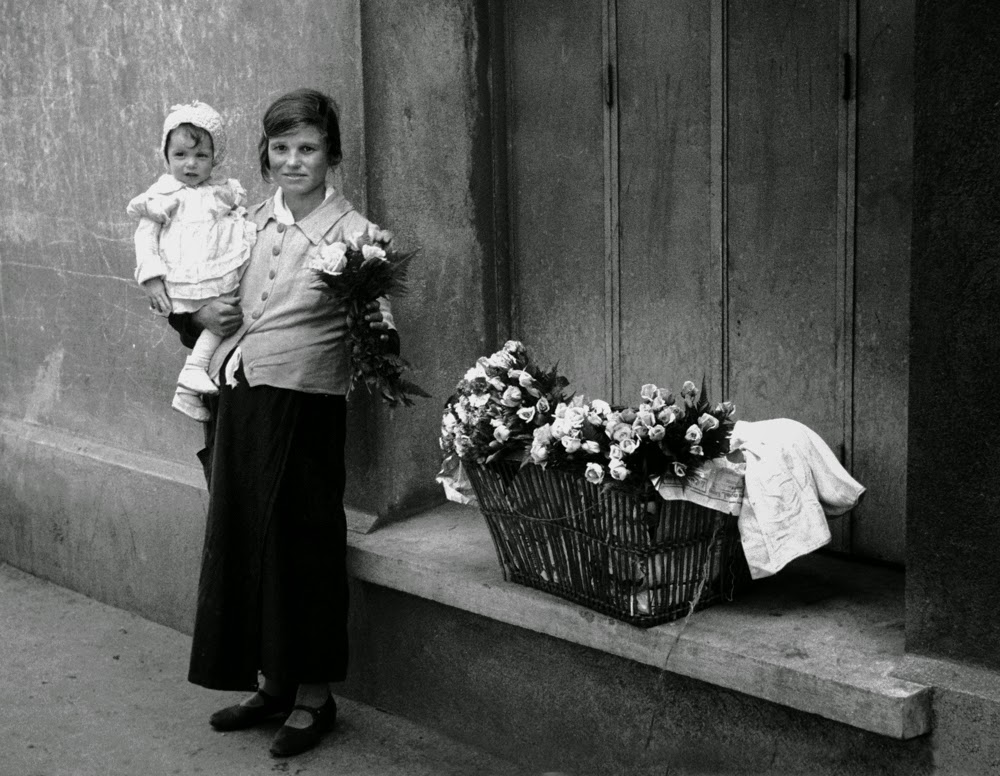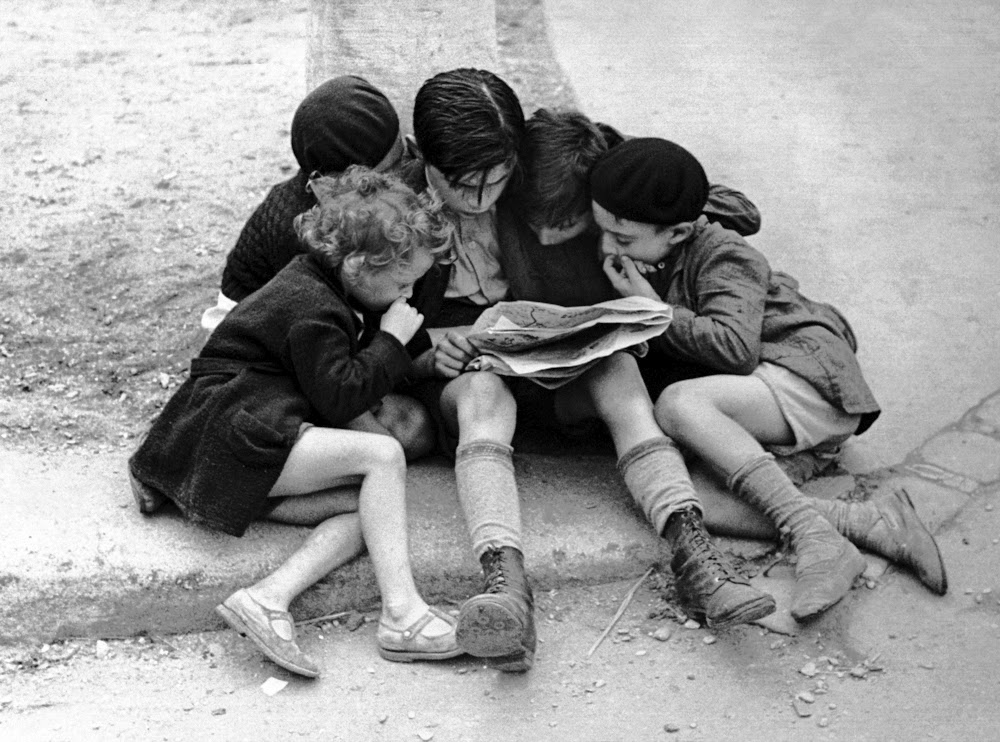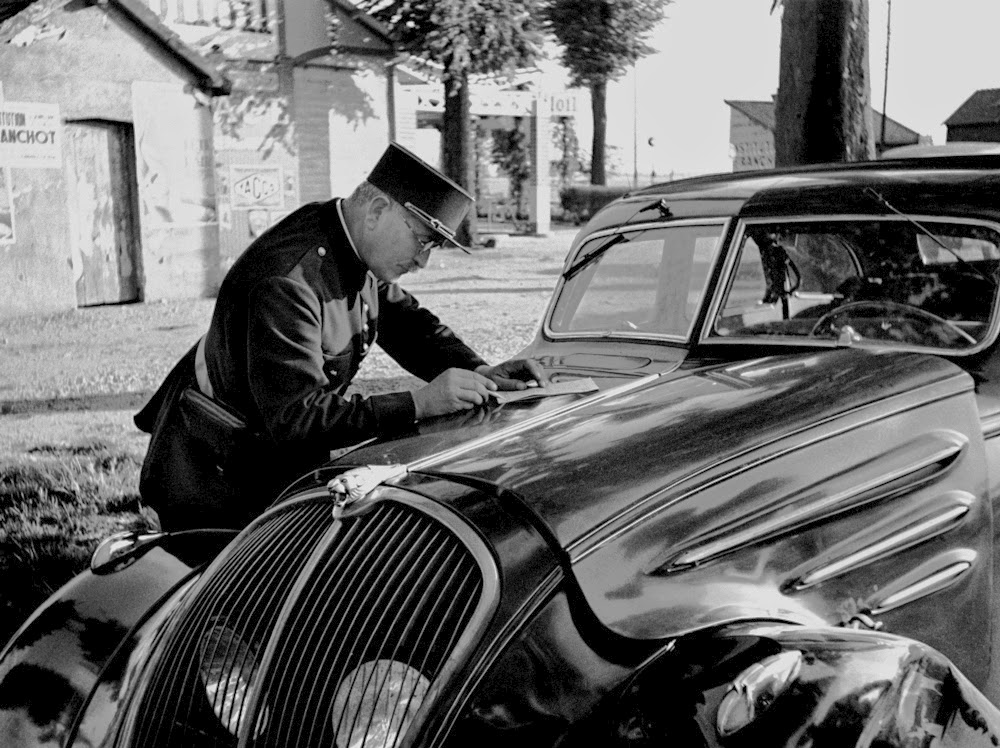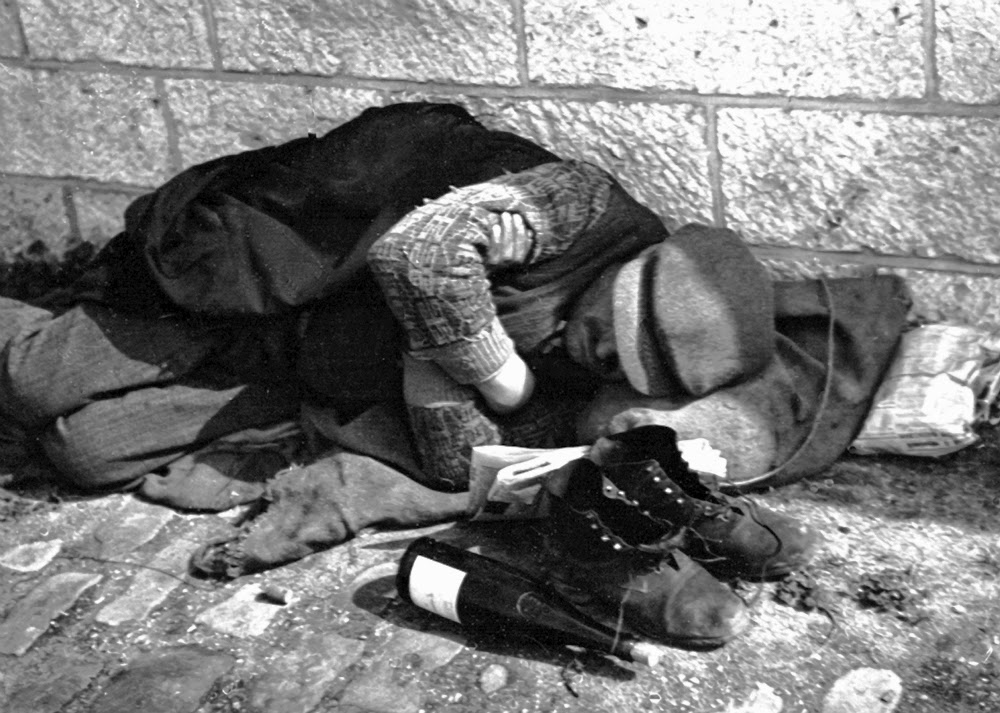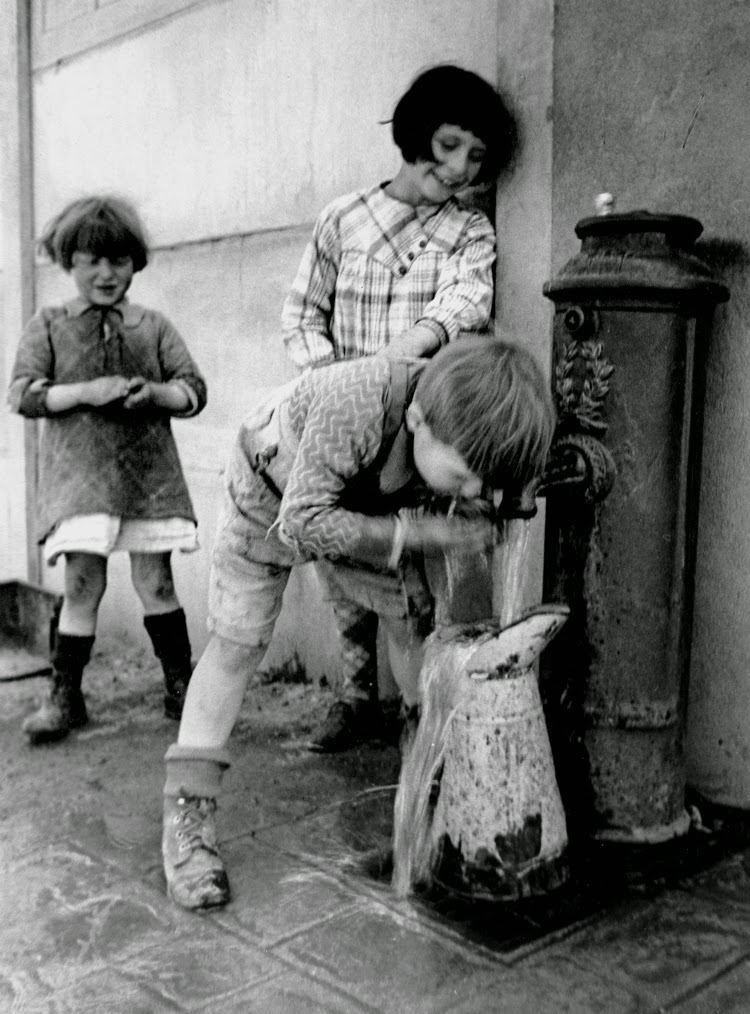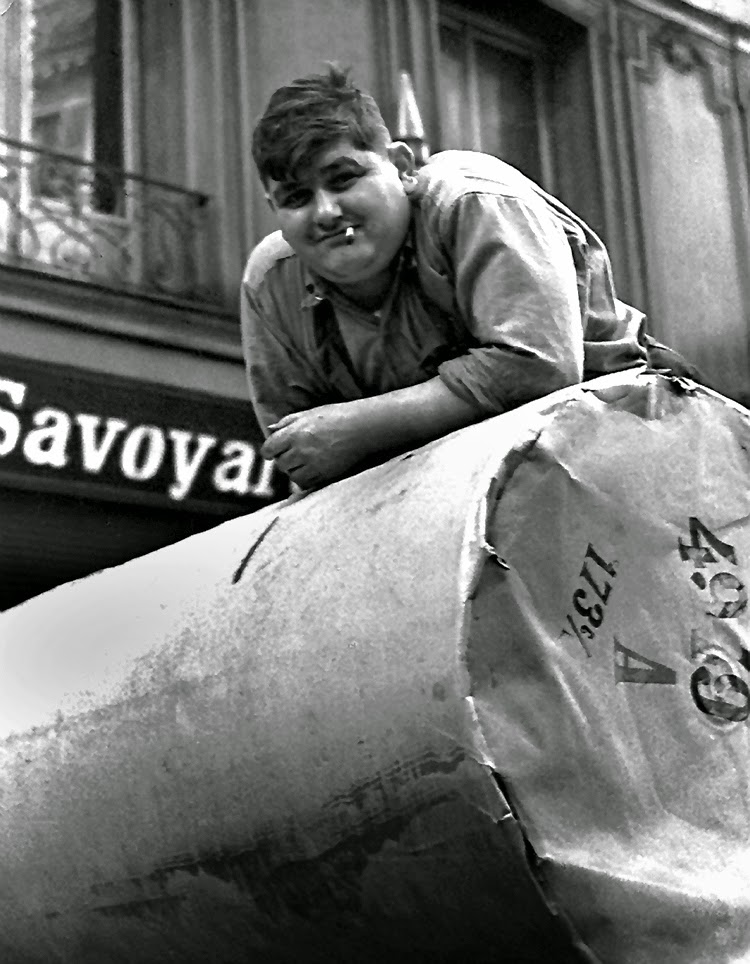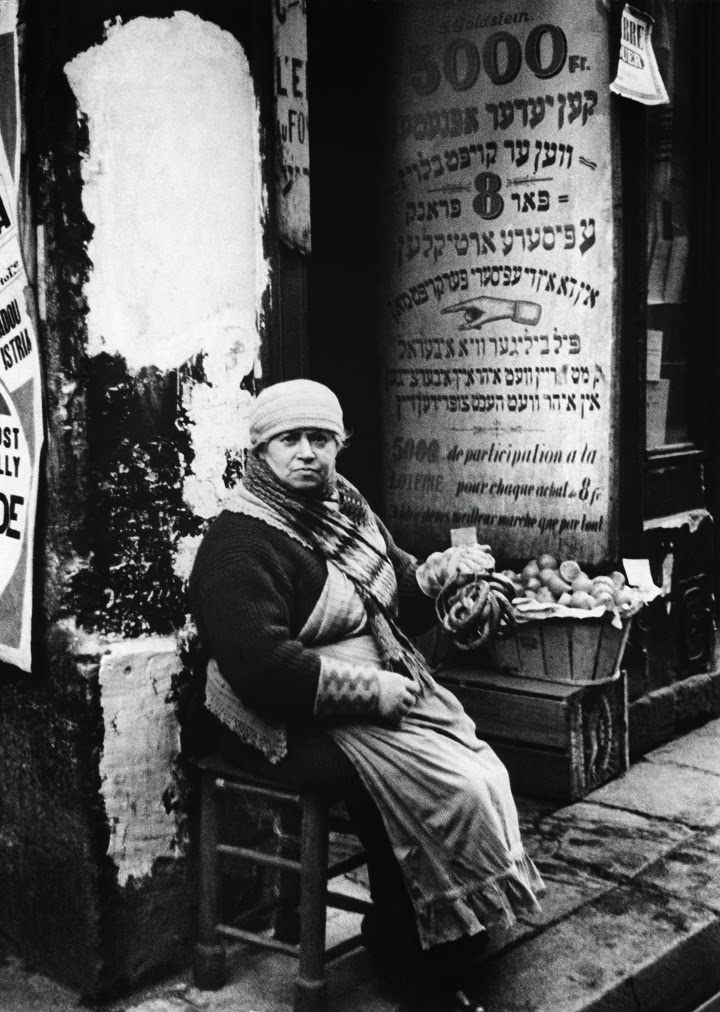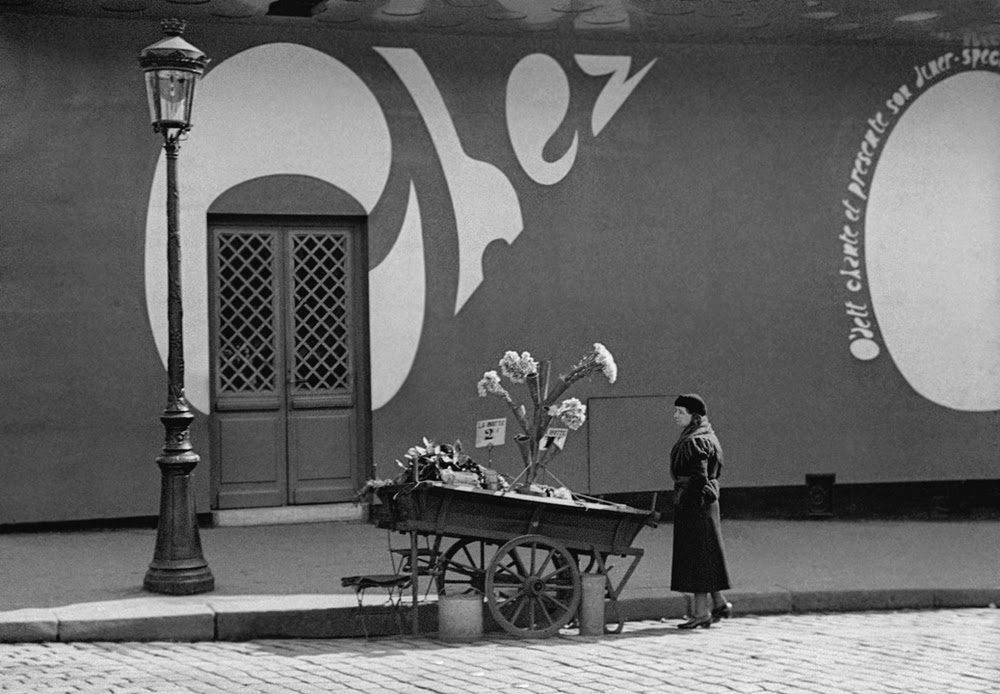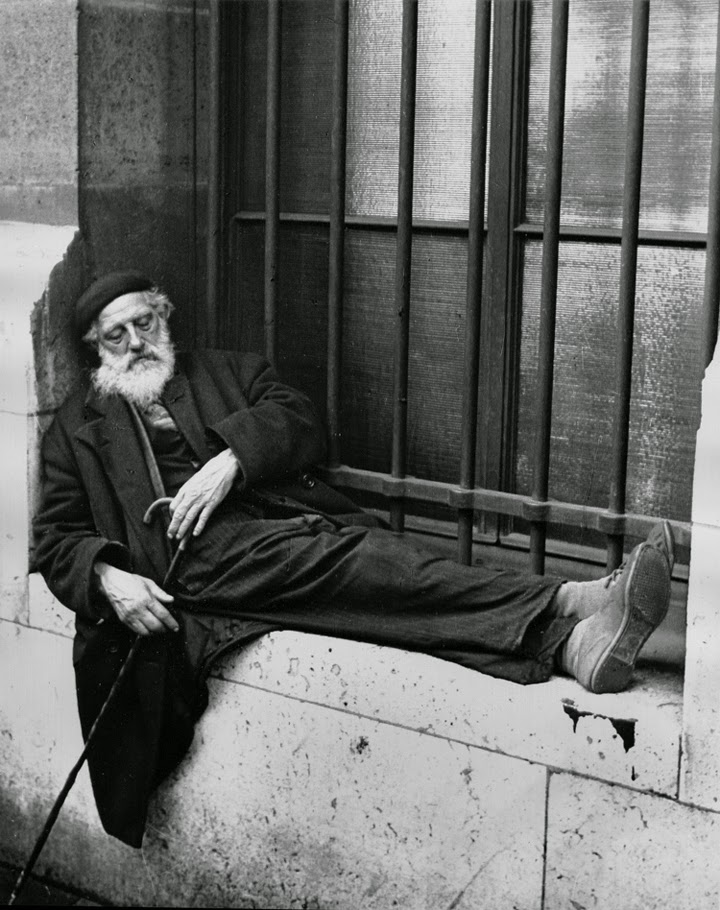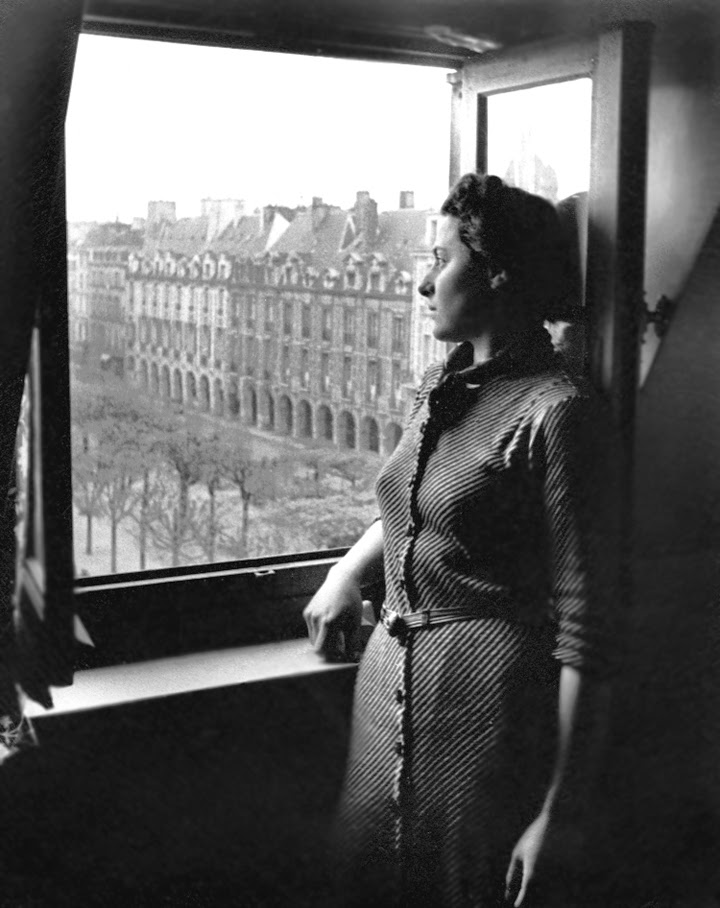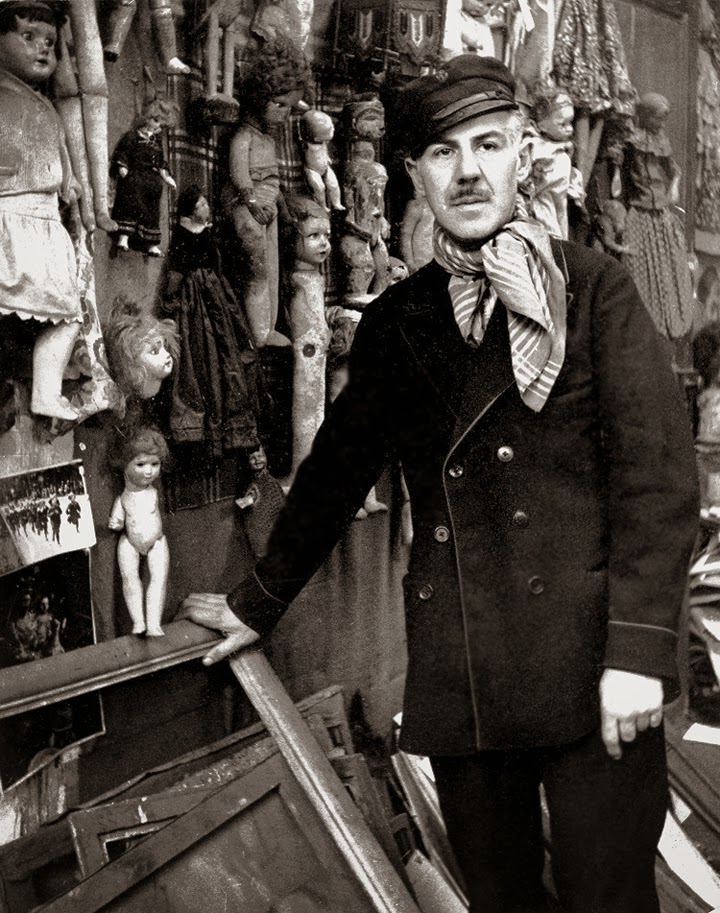




57 Amazing Photographs Showing Life in France in the 1930s and 1940s

France, officially the French Republic (French: République française), is a transcontinental country spanning Western Europe and overseas regions and territories in South America and the Atlantic, Pacific and Indian Oceans.[XIII] Including all of its territories, France has twelve time zones, the most of any country. Its metropolitan area extends from the Rhine to the Atlantic Ocean and from the Mediterranean Sea to the English Channel and the North Sea; overseas territories include French Guiana in South America, Saint Pierre and Miquelon in the North Atlantic, the French West Indies, and several islands in Oceania and the Indian Ocean. Due to its several coastal territories, France has the largest exclusive economic zone in the world. France borders Belgium, Luxembourg, Germany, Switzerland, Monaco, Italy, Andorra and Spain in Europe, as well as the Netherlands, Suriname and Brazil in the Americas. Its eighteen integral regions (five of which are overseas) span a combined area of 643,801 km2 (248,573 sq mi) and over 67 million people (as of May 2021). France is a unitary semi-presidential republic with its capital in Paris, the country’s largest city and main cultural and commercial centre; other major urban areas include Lyon, Marseille, Toulouse, Bordeaux, Lille and Nice.

Inhabited since the Palaeolithic era, the territory of Metropolitan France was settled by Celtic tribes known as Gauls during the Iron Age. Rome annexed the area in 51 BC, leading to a distinct Gallo-Roman culture that laid the foundation of the French language. The Germanic Franks arrived in 476 and formed the Kingdom of Francia, which became the heartland of the Carolingian Empire. The Treaty of Verdun of 843 partitioned the empire, with West Francia becoming the Kingdom of France in 987.

In the High Middle Ages, France was a powerful but highly decentralised feudal kingdom in which the king’s authority was barely felt. King Philip Augustus achieved remarkable success in the strengthening of royal power and the expansion of his realm, defeating his rivals and doubling its size. By the end of his reign, the kingdom had emerged as the most powerful state in Europe. From the mid-14th to the mid-15th century, France was plunged into a series of dynastic conflicts for the French throne, collectively known as the Hundred Years’ War, and a distinct French identity emerged as a result. The French Renaissance saw art and culture flourish, various wars with rival powers, and the establishment of a global colonial empire, which by the 20th century would become the second-largest in the world. The second half of the 16th century was dominated by religious civil wars between Catholics and Huguenots that severely weakened the country. But France once again emerged as Europe’s dominant cultural, political and military power in the 17th century under Louis XIV following the Thirty Years’ War. Inadequate economic policies, an inequitable taxation system as well as endless wars (notably a defeat in the Seven Years’ War and costly involvement in the American War of Independence), left the kingdom in a precarious economic situation by the end of the 18th century. This precipitated the French Revolution of 1789, which overthrew the absolute monarchy, replaced the Ancien Régime with one of history’s first modern republics and produced the Declaration of the Rights of Man and of the Citizen, which expresses the nation’s ideals to this day.

France reached its political and military zenith in the early 19th century under Napoleon Bonaparte, subjugating much of continental Europe and establishing the First French Empire. The French Revolutionary and Napoleonic Wars shaped the course of European and world history. The collapse of the empire initiated a period of relative decline, in which France endured a tumultuous succession of governments until the founding of the French Third Republic during the Franco-Prussian War in 1870. Subsequent decades saw a period of optimism, cultural and scientific flourishing, as well as economic prosperity known as the Belle Époque. France was one of the major participants of World War I, from which it emerged victorious at great human and economic cost. It was among the Allied powers of the World War II, but was soon occupied by the Axis in 1940. Following liberation in 1944, the short-lived Fourth Republic was established and later dissolved in the course of the Algerian War. The current Fifth Republic was formed in 1958 by Charles de Gaulle. Algeria and most French colonies became independent in the 1960s, with the majority retaining close economic and military ties with France.

France retains its centuries-long status as a global centre of art, science and philosophy. It hosts the fifth-largest number of UNESCO World Heritage Sites and is the world’s leading tourist destination, receiving over 89 million foreign visitors in 2018. France is a developed country with the world’s seventh-largest economy by nominal GDP and ninth-largest by PPP; in terms of aggregate household wealth, it ranks fourth in the world. France performs well in international rankings of education, health care, life expectancy and human development. It remains a great power in global affairs, being one of the five permanent members of the United Nations Security Council and an official nuclear-weapon state. France is a founding and leading member of the European Union and the Eurozone, as well as a key member of the Group of Seven, North Atlantic Treaty Organization (NATO), Organisation for Economic Co-operation and Development (OECD) and La Francophonie. (Wikipedia)

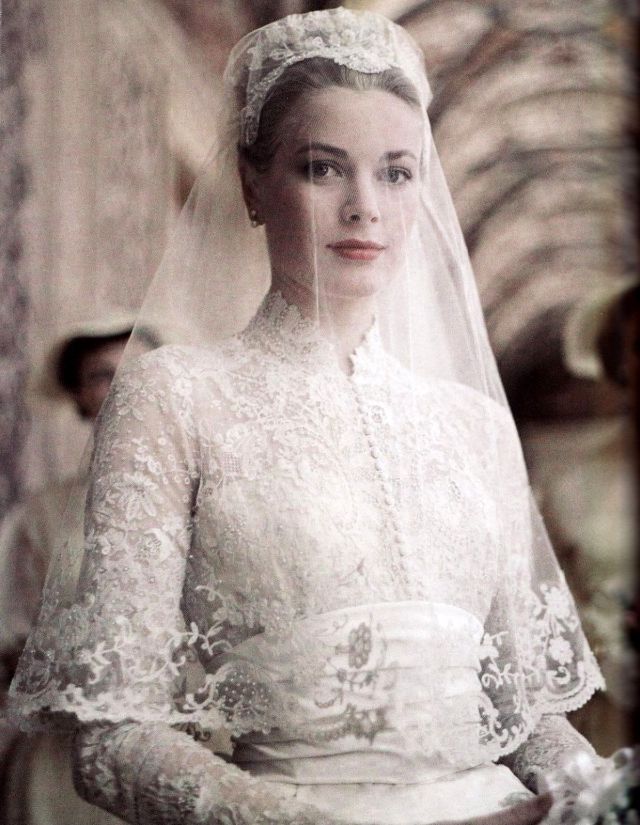
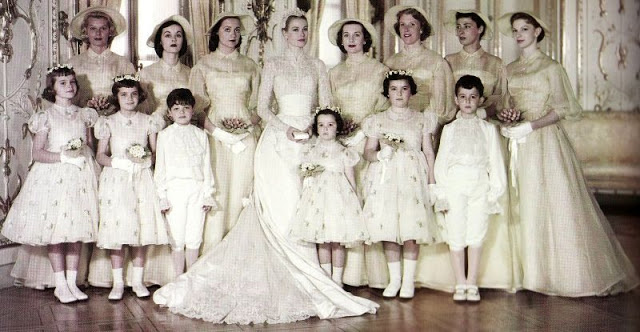
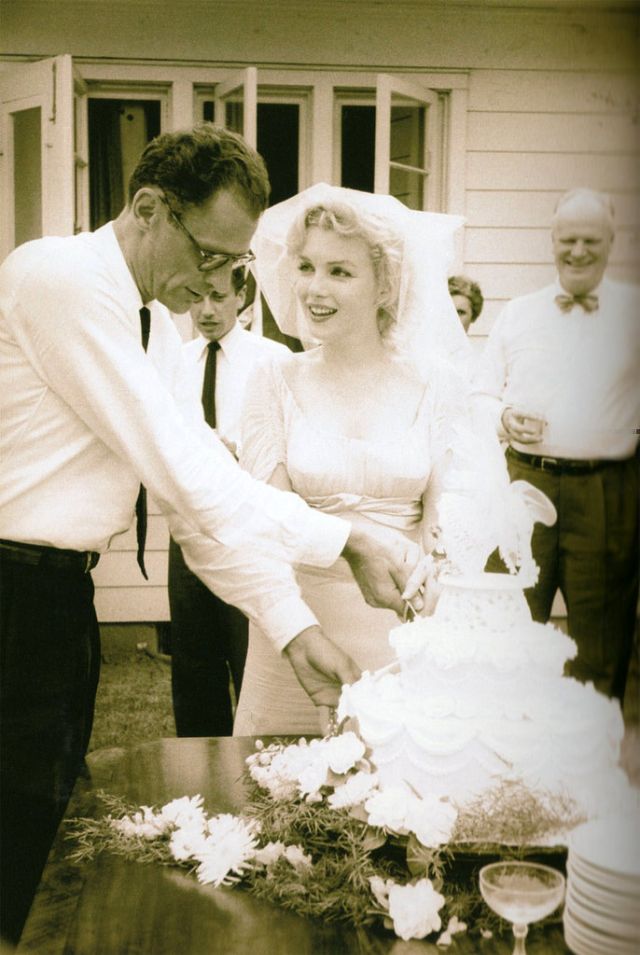
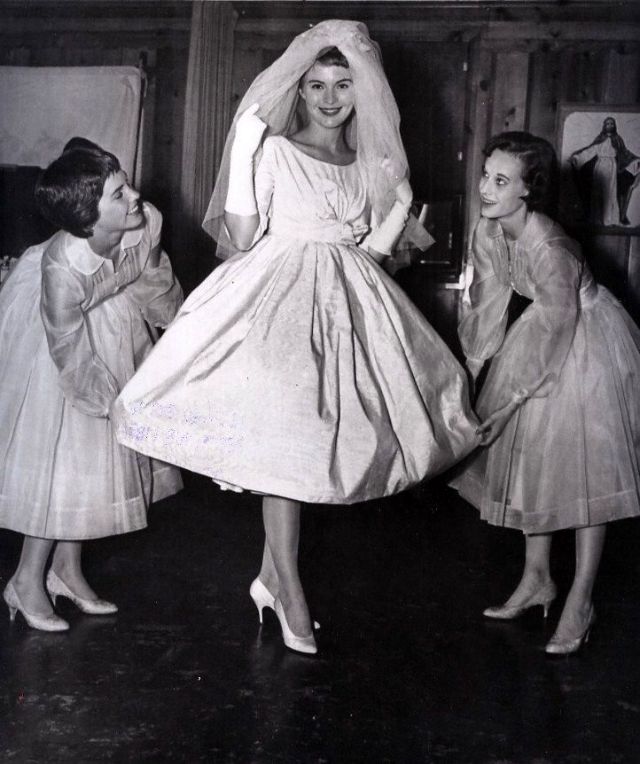
32 Amazing Photos of Wedding Dresses Worn By Famous Women in the 1950s

British ballet dancer and actress Moira Shearer, 1950
Elizabeth Taylor in ‘Father of the Bride’, 1950
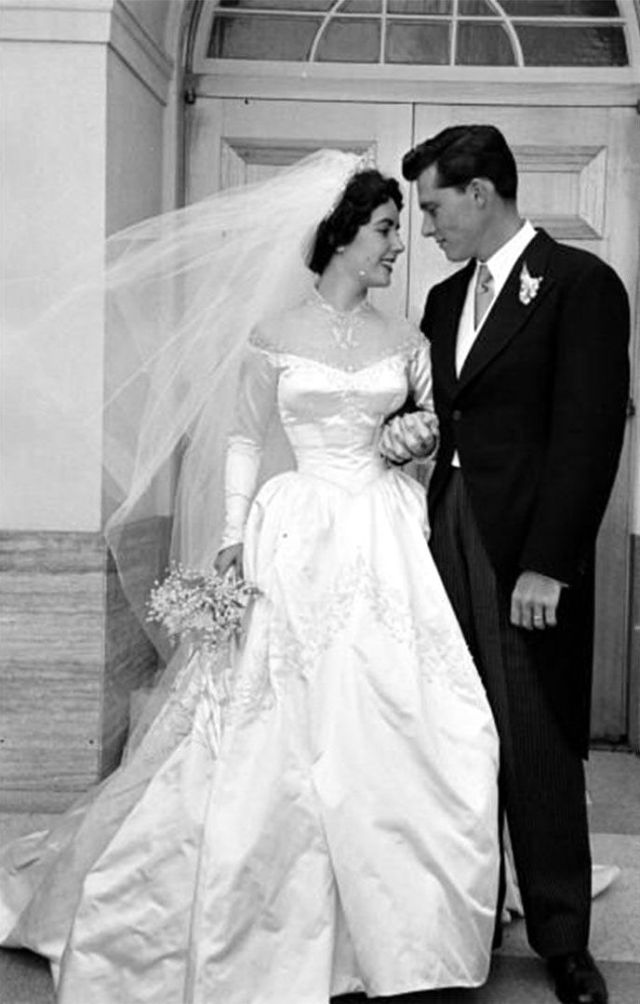
Elizabeth Taylor’s first marriage, she wed hotel heir Conrad ‘Nicky’ Hilton in a gown designed by Hollywood costumer Helen Rose, 1950
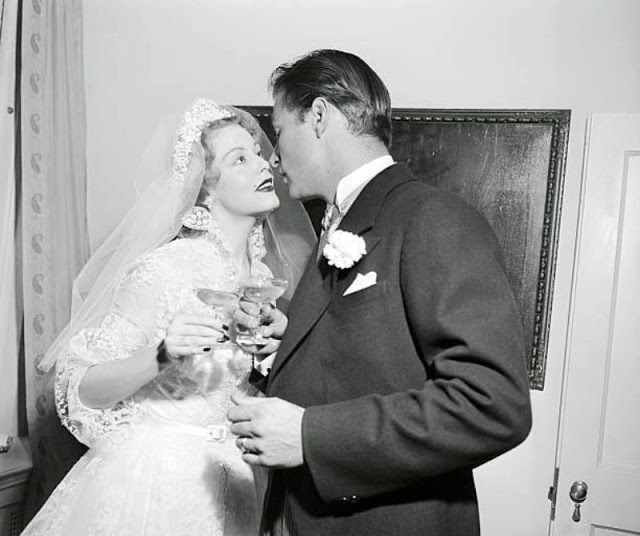
American actress Arlene Dahl and Lex Barker, 1951
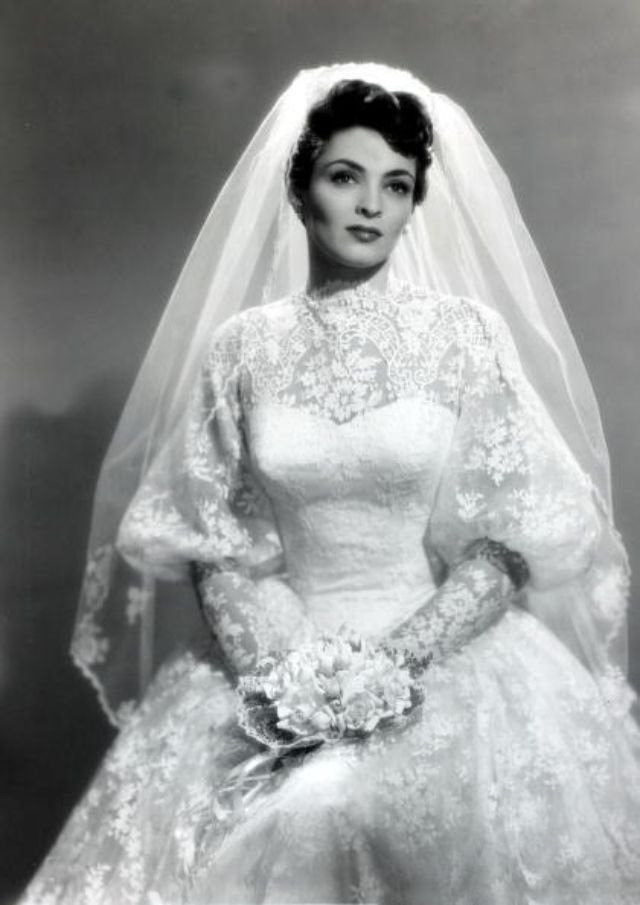
Chilean actress Felicia Cohn Montealegre married American composer and conductor Leonard Bernstein, 1951
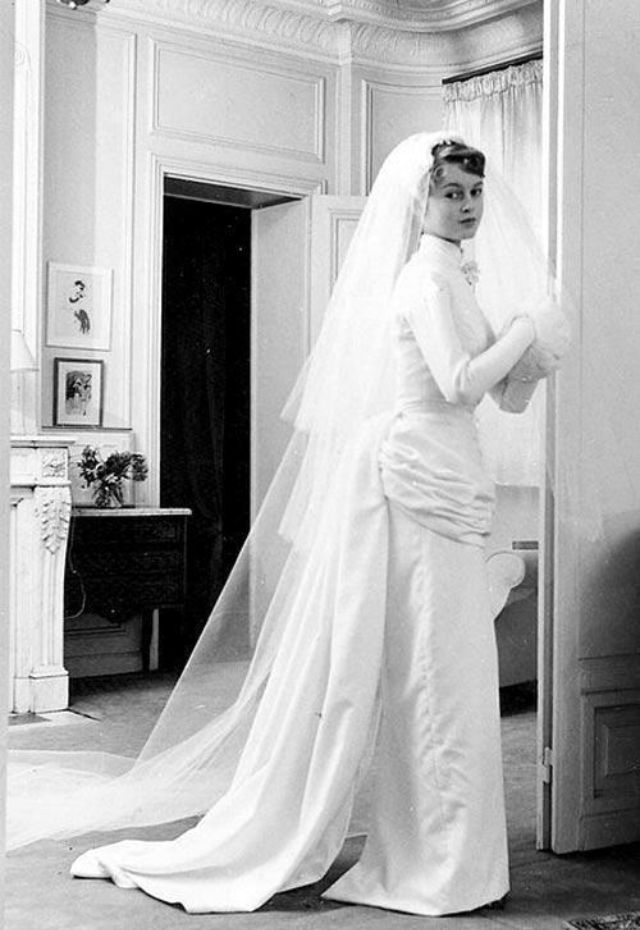
Brigitte Bardot on her first wedding day to Roger Vadim, 1952
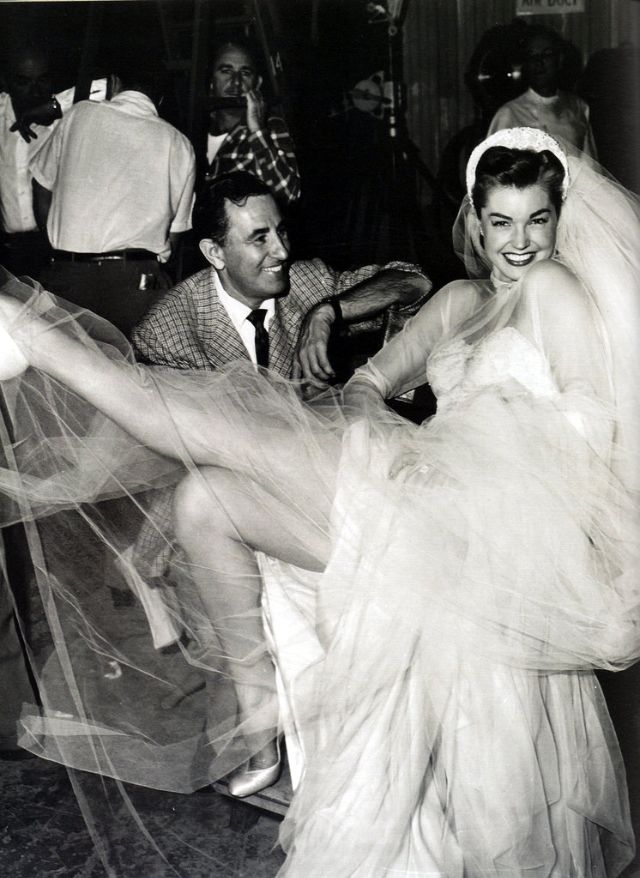
Esther Williams poses in a wedding dress, 1952
Joan Collins at her first wedding to Maxwell Reed , 1952
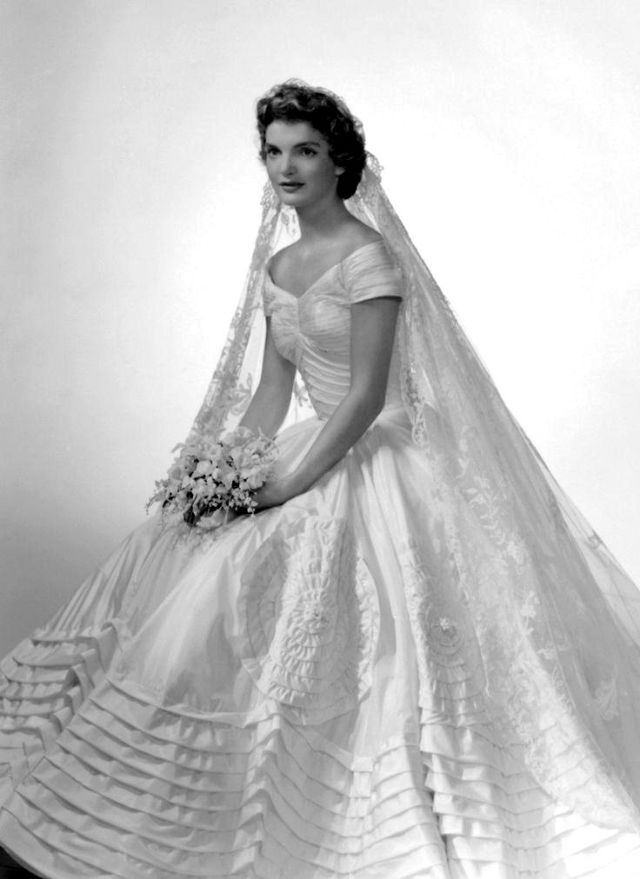
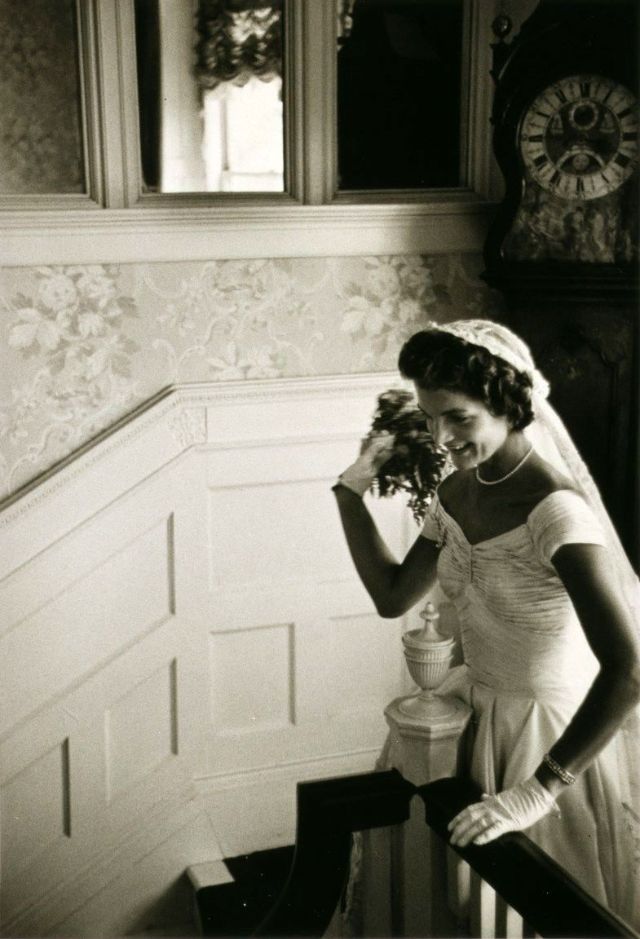
Jacqueline Bouvier married then-U.S. Representative John Fitzgerald ‘Jack’ Kennedy in September 1953 in Newport, Rhode Island.
Jacqueline Bouvier on her wedding day, 1953
Jane O’Neil’s wedding dress, 1953
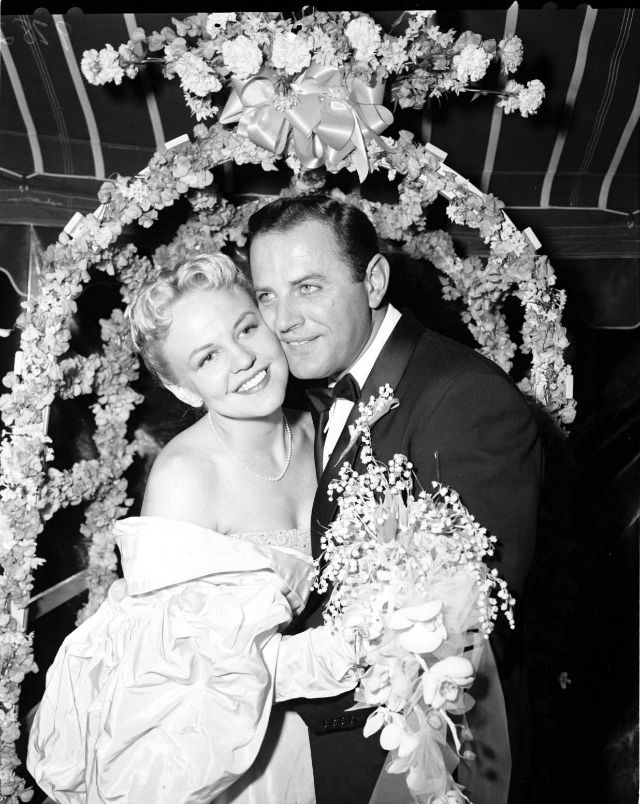
Singer and actress Peggy Lee married husband Brad Dexter in Los Angeles, 1953
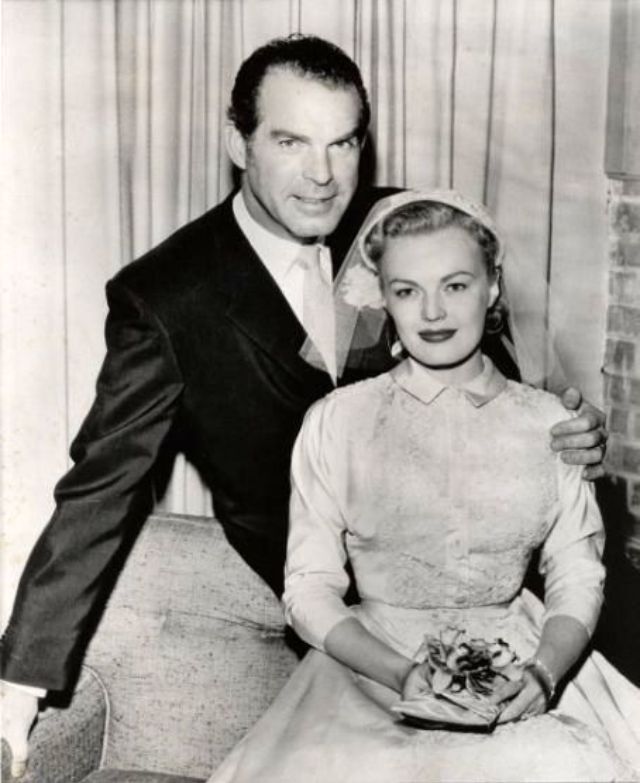
Actors Fred MacMurray and June Haver married on June 28, 1954 in a simple ceremony in Ojai, California
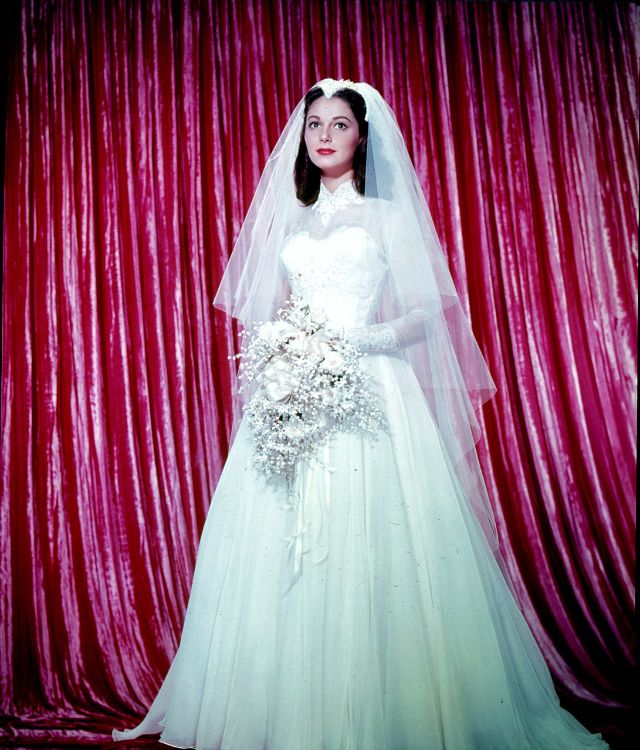
Actress Pier Angeli married singer Vic Damone in November of 1954.
Actress Suzan Ball married fellow actor Richard Long in 1954 while battling cancer that had developed in her right leg. Tragically, she passed away just one year later at the age of 21
Audrey Hepburn and Mel Ferrer on their wedding day in Burgenstock, Switzerland, 1954
Audrey Hepburn on her wedding day, 1954
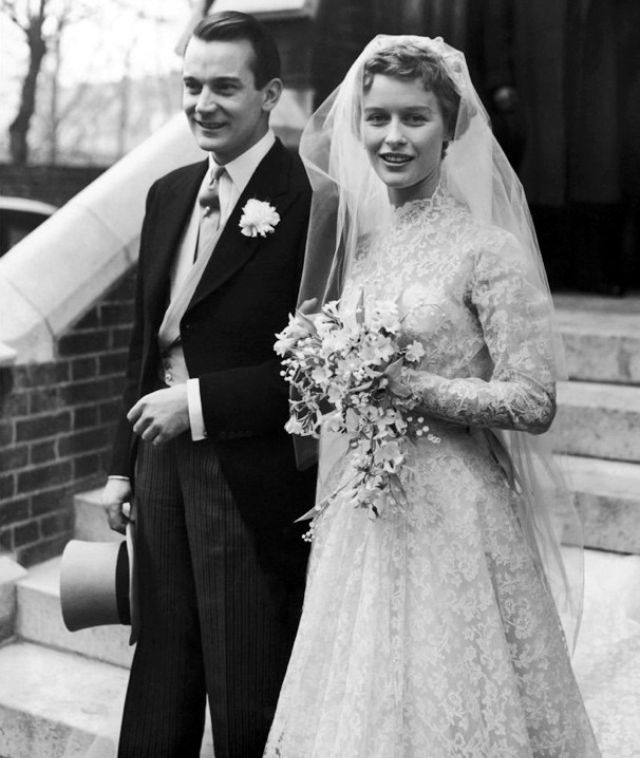
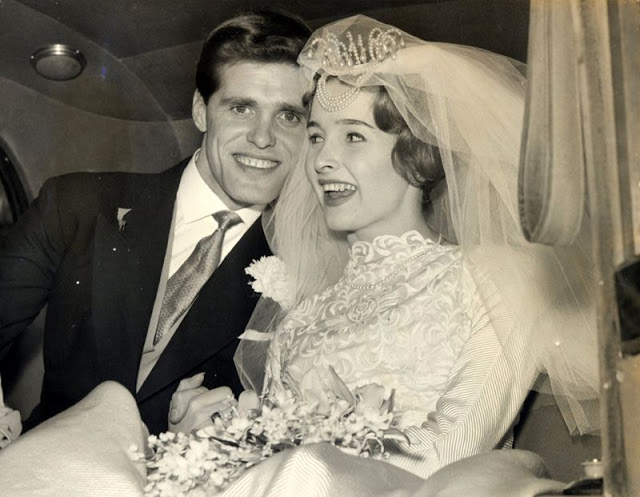
English actors Denholm Elliott and Virginia McKenna married, 1954
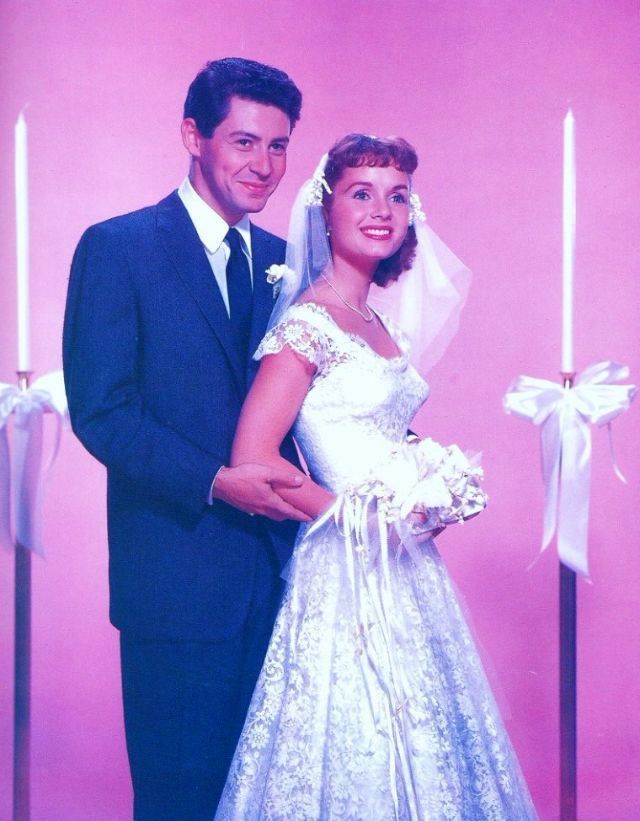
Eddie Fisher and Debbie Reynolds on their wedding day, 1955
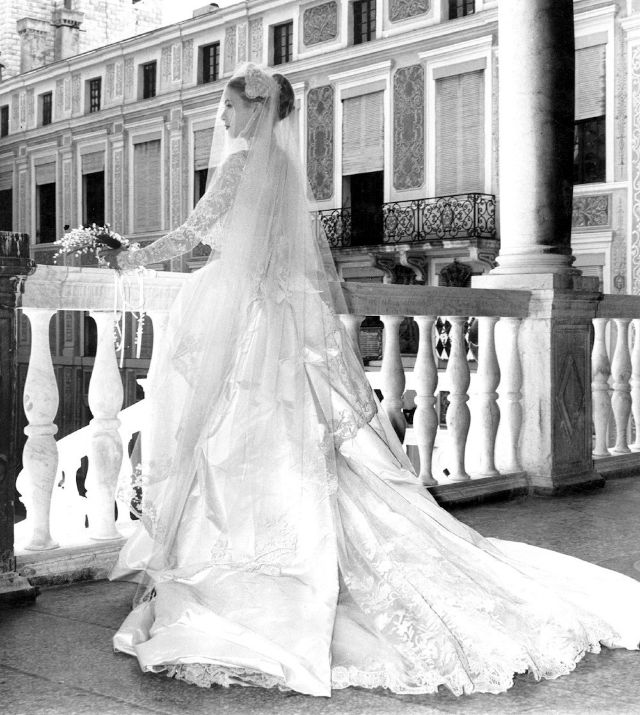
Grace Kelly in her wedding dress, 1956
Grace Kelly in her wedding gown, 1956
Grace Kelly with her wedding party, 1956
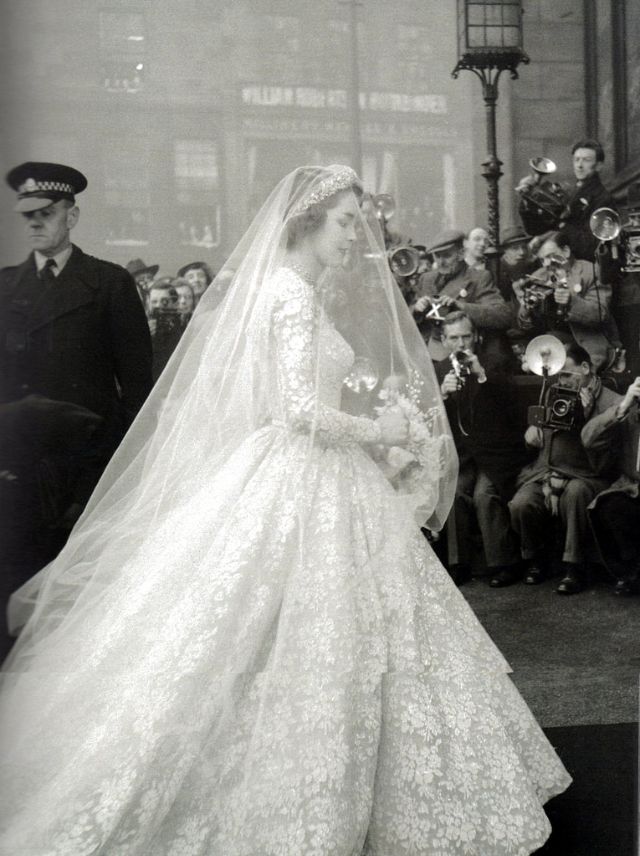
Lady Anne Glenconner in wedding gown designed by Norman Hartnell on her wedding day, 1956
Marilyn Monroe on her wedding day, 1956
American actress Jean Seberg married first husband French attorney (and aspiring filmmaker) François Moreuil in 1958 in Seberg’s hometown of Marshalltown, Iowa
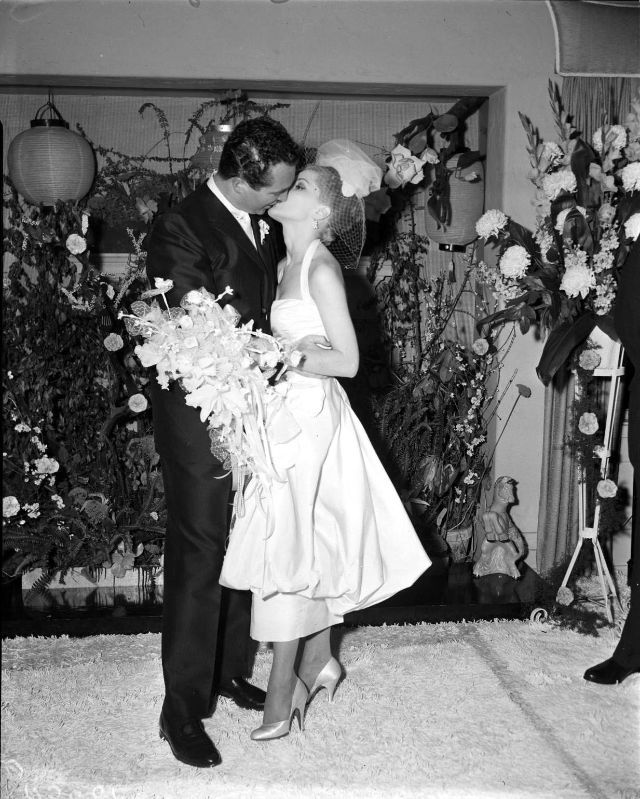
Hollywood actress Debra Paget married David Street in Los Angeles, California, 1958
Jackie Loughery, winner of the first Miss USA pageant, married actor Jack Webb in Los Angeles, California, 1958
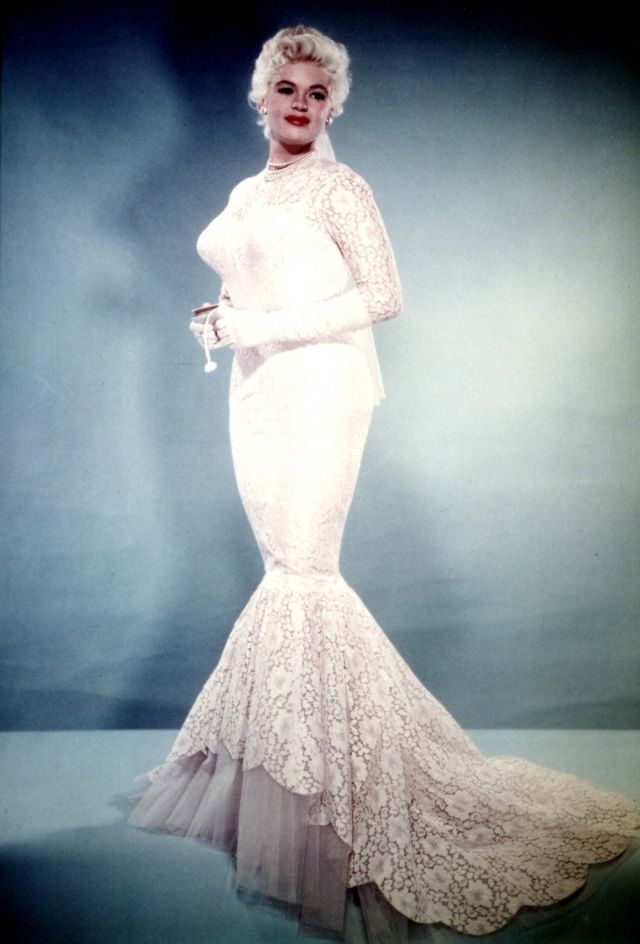
Jayne Mansfield in her wedding gown for her marriage to Mickey Hargitay, January 13, 1958
Singer Ronnie Carroll married actress Millicent Martin, 1958
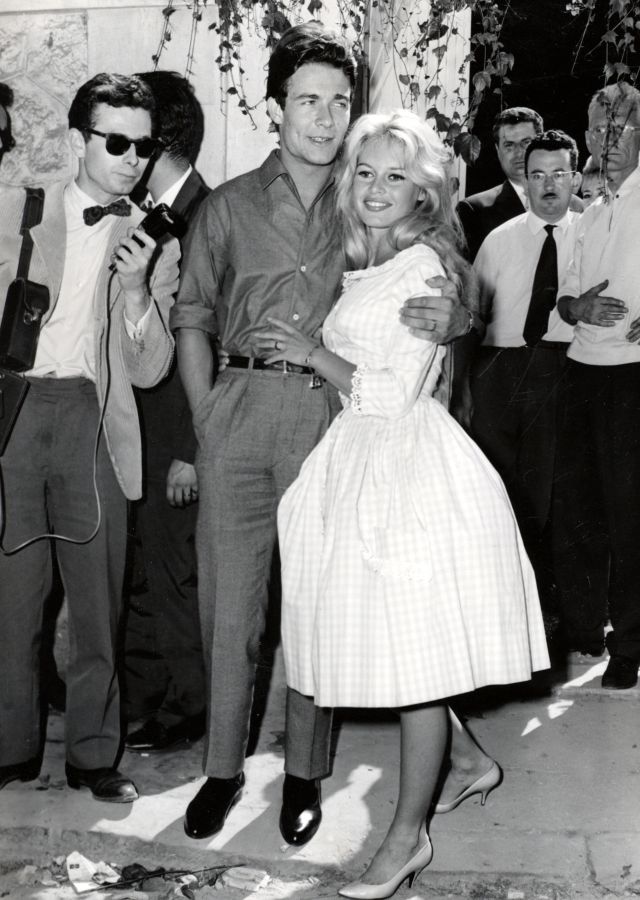
Brigitte Bardot and Jacques Charrier on their wedding day, 1959
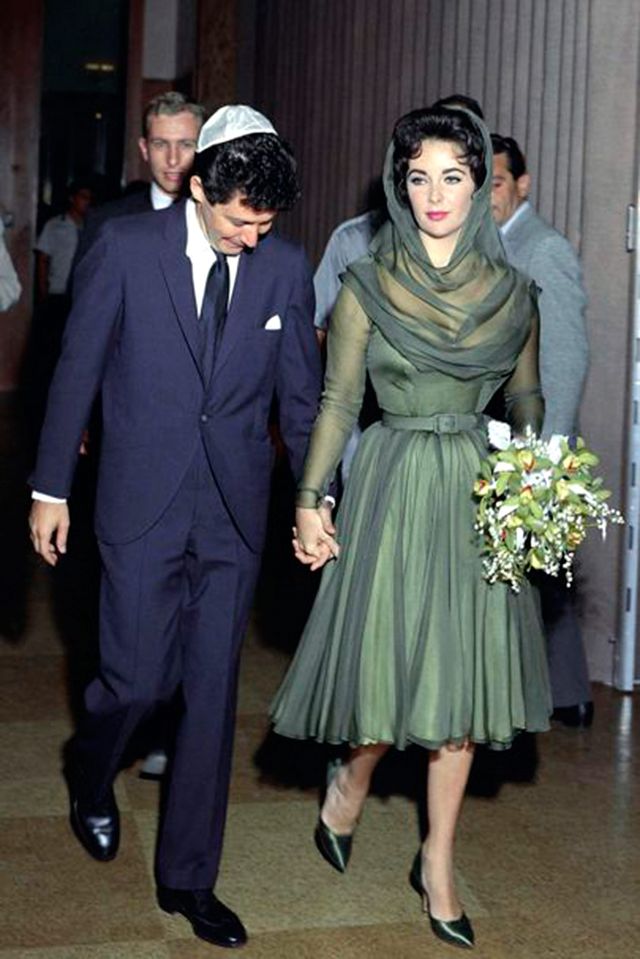
Elizabeth Taylor and Eddie Fisher at their wedding, 1959
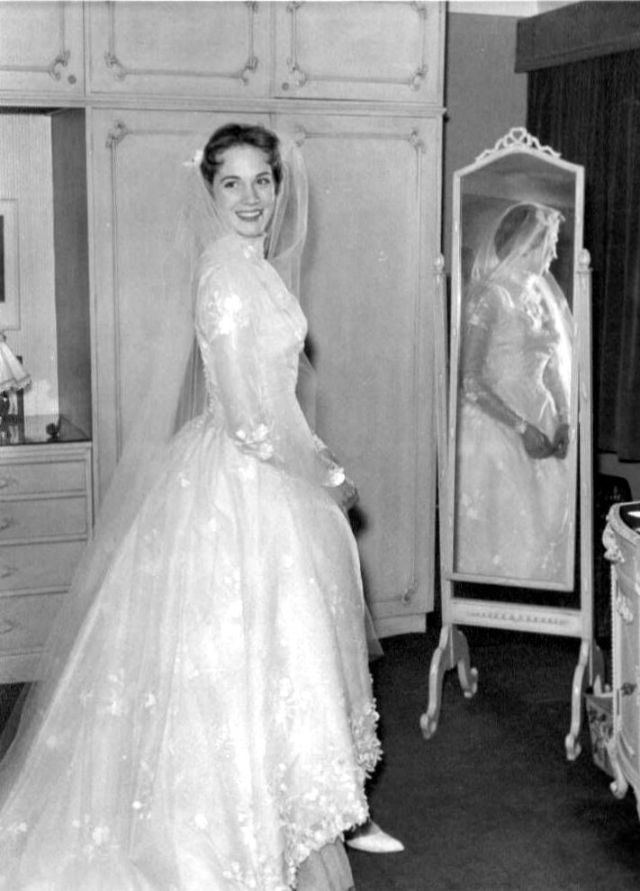
Julie Andrews on her wedding day, 1959

20 Beautiful Vintage Photos of Actress Katherine Helmond From Between the Late 1970s and 1980s

Katherine Helmond, the seven-time Emmy-nominated Texas actress who played the feisty, man-crazy mother Mona Robinson on the long-running ABC sitcom Who’s the Boss? died on February 23, 2019 at her Los Angeles home due to complications from Alzheimer’s disease. She was 89.

Born on Galveston Island in Texas on July 5, 1929, Katherine Marie Helmond was the only child of Joseph and Thelma Helmond. Her father was a fireman and her mother a housewife. Her parents divorced a few years after she was born, and she was raised in a strict Roman Catholic tradition by her mother and grandmother.

After her stage debut in As You Like It, Helmond began working in New York in 1955. She later ran a summer theatre in the Catskills for three seasons and taught acting in university theatre programs. She made her television debut in 1962, but would not achieve a high profile until the 1970s. She also acted on stage, earning a Tony nomination for her performance on Broadway in Eugene O’Neill’s The Great God Brown (1973). Other Broadway productions include Private Lives, Don Juan and Mixed Emotions.

Helmond appeared in such feature films as Family Plot (1976) and Brazil (1985), in which she played the mother of Jonathan Pryce’s character. In 1983, she studied at the American Film Institute’s Directing Workshop. She went on to direct four episodes of the television series Benson as well as one episode of Who’s the Boss? (1984). She picked up Emmy nominations for her role as Mona Robinson in Who’s the Boss? and as Lois Whelan in Everybody Loves Raymond. She also received acclaim for her stage performance in Eve Ensler’s The Vagina Monologues.

Helmond appeared in The Legend of Lizzie Borden (1975) as Emma Borden, the title character’s sister. She appeared in an episode of the short-lived 1976 CBS adventure series, Spencer’s Pilots, starring Gene Evans. Helmond gained prominence as Jessica Tate, the ditzy matriarch of the Tate family in Soap (1977–1981) on ABC. From 1984 to 1992, she played the role of Mona Robinson on the ABC sitcom Who’s the Boss?. The show was a ratings success, running for eight seasons and finishing in the Nielsen ‘Top 10’ four straight years. In 1993, she appeared in one episode of the British version of Who’s the Boss?, The Upper Hand.

From 1995 to 1997, she starred in the ABC sitcom Coach as Doris Sherman, eccentric owner of the fictional Orlando Breakers professional football team. From 1996 to 2004, she had a recurring role on Everybody Loves Raymond as Lois Whelan (Ray Barone’s mother-in-law). On July 25, 2010, she guest-starred on A&E’s The Glades. She also guest starred as Caroline Bellefleur on HBO’s True Blood.

Despite many difficult times on set, Helmond “never fell out of love” with acting. “I felt I blossomed as a person when I got a chance to act,” she said. “It’s been like an incredible marriage that really worked. I enjoyed every minute of it.”

50 Amazing Fashion Photographs From Between the 1930s and 1950s

As a staff photographer for Harper’s Bazaar, Louise Dahl-Wolfe introduced a witty naturalism to the staid conventions of fashion photography and helped pioneer the use of color film.

After studying painting, figure drawing, and design at the San Francisco Institute of Art, Dahl-Wolfe began experimenting with photography in 1921, inspired by Anne Brigman’s photographs. In 1928, Dahl-Wolfe married American sculptor Meyer (Mike) Wolfe and soon established herself as a professional photographer.

Dahl-Wolfe often juxtaposed her models with famous works of art, resulting in surprising and irreverent compositions. Fashion assignments led her to locations around the world, where she posed her models outdoors, in natural light. Throughout this period, Dahl-Wolfe also created striking portrait photographs of society figures and art world celebrities, including authors Carson McCullers and Colette, designer Christian Dior, and sculptor Isamu Noguchi.

(Photos by Louise Dahl-Wolfe)

36 Amazing Photos Showing Children During World War 2

Subscribe to get access

Read more of this content when you subscribe today.

An untold number of children were touched by the atrocities of World War II. Throughout the war, the proportion of civilian deaths to military deaths is said to have been as high as three to one — and some countries were definitely affected much worse than others.

The country most affected during the war was Poland. More than 6 million people, equal to one-sixth of the country’s pre-war population, died during World War II. All of these victims were predominantly civilian, with a great many of them being children.

However, getting caught up in the maelstrom of war, whether it be a mass execution or a bombing raid were not the only tragic circumstances that Polish children had to worry about. Many of them faced the distinct possibility of being kidnapped by their German oppressors. Under “Generalplan Ost” — the Nazi plan for genocide and ethnic cleansing in Europe — tens of thousands of Polish children were kidnapped and taken to Germany to become “Germanized.”

It has been calculated that over 250,000 Polish children were kidnapped during World War II. It is estimated that nearly 75 percent of these children never made it back home to their families in Poland after the war.

Aside from Poland, a large number of other countries suffered immensely horrifying civilian casualties during World War II. Some of the countries include include the Soviet Union, China, Germany (where an estimated 76,000 children died as a direct result of Allied bombing raids), Japan, India, and the Philippines.

Let us not forget that more than 1 million Jewish children were killed by the Nazis and their allies or packed into ghettos across Eastern Europe. In these ghettos, children often died from starvation and other privations. Those that did not die in the ghettos were either consigned to the death camps to be gassed or were executed and placed in mass graves.

Only those adults and children who were considered productive and useful to the German war effort were spared and even then, their fate was effectively secured by the horrendous working conditions and the miniscule amount of food given to each needed for subsistence. What made these mass killings even worse was the fact that, during the war, most of the world thought that these stories of mass extermination and death camps were propaganda – tales not to be belived.

Many of the most touching photographs that depict children during World War 2 show Britain during the Blitz. A large number of British children were sent away to the countryside as part of the government’s evacuation scheme known as Operation Pied Piper. The evacuation scheme had been touted as a great success in the media but in actual fact, by early 1940, more than 60 percent of children had returned home, just in time to witness the Blitz. All told, at least 5,028 children died during the Blitz.

While historians have tended to focus on other more high profiles topics relating to the Second World War the facy remains that without a doubt, children are the forgotten victims of the war.

A little girl holds her doll in the rubble of her bomb-damaged home. England. 1940.

Subscribe to continue reading

Become a paid subscriber to get access to the rest of this post and other exclusive content.

38 Interesting Photos Showing Life in Eskilstuna, Sweden During the Late 1950s

Eskilstuna is a city and the seat of Eskilstuna Municipality, Södermanland County, Sweden. The city of Eskilstuna had 67,359 inhabitants in 2015, with a total population of 100,092 inhabitants in Eskilstuna municipality (2014). Eskilstuna has a large Sweden Finn population. The town is located on the River Eskilstunaån, which connects Lake Hjälmaren and Lake Mälaren.

These fascinating photos documented everyday life of Eskilstuna, Sweden in the late 1950s.

Eva Braun’s Life in Pictures: 20 Rarely Seen Photos of Adolf Hitler’s Wife From LIFE Magazine

These photographs from Eva Braun’s personal picture albums reveal new dimensions of the woman who was Adolf Hitler’s longtime girlfriend and, in their last, frantic hours together, his wife. Braun became the central woman in Hitler’s life after the 1931 suicide of Geli Raubal, the future Führer’s 23-year-old niece (and rumored lover).

By all accounts, Eva was an unpretentious companion for the Nazi leader, but also a woman at once frivolous and vain — unsurprising characteristics, perhaps, in a former teenage model, but striking in a figure long associated with the darkest chapters of the 20th century.

Showing Eva Braun relaxing with friends at home and posing glamorously in a swimsuit while on vacation, this collection of rare and previously unseen photos comes from a cache of images confiscated by the U.S. Army in 1945 and brought to light by collector and curator Reinhard Schulz exclusively for LIFE.

Eva and her sister Ilse in a childhood photo, 1913. In later life, Ilse worked for — and had a relationship with — a Jewish surgeon, Dr. Martin Levy Marx, until he emigrated to the United States in 1938.
Nine-year-old Eva Braun (second from right), with some of her classmates at the Beilngries convent school Beilngries, Germany, 1922.
“My first carnival costume” wrote Braun underneath this 1928 photo.
Eva Braun sitting on a table in the living room at her parent’s house in Munich, Germany, 1929. She was staying with her family after finishing her education at a trade school; later that year, she met Hitler at Hoffmann’s photo studio.
Eva Braun and friends in the Bavarian Alps, Germany, 1935.
Eva Braun and an unidentified friend at a house party in Munich, 1935. By all accounts Braun enjoyed these parties and frequently dressed up for them during carnival. She also liked to smoke but only when Hitler was not around.
This 1937 photo of Braun was titled “Me as Al Jolson” and depicts her in blackface as the American actor and singer in his role in The Jazz Singer. Braun was a fan of American movies, including Gone with the Wind.
Eva Braun in a rowboat on Lake Worthsee near Munich in 1937.
Eva Braun (left) and friends on vacation in Bad Godesberg, Germany, 1937.
Eva Braun (on floor, at left) and colleagues at the office of Heinrich Hoffmann’s photo agency, Munich, Germany, 1938.
Eva Braun (far right) celebrates carnival time at her parents house in Munich, Germany, 1938. Among the group are her mother Franziska Katharina (center) and her sisters Ilse and Margarethe.
Braun in her bathing suit near Berchtesgaden, Germany, 1940.
Behind the umbrella, 1940.
Hitler disapproved of some of Braun’s habits such as smoking, wearing makeup, skinny dipping, and nude sunbathing. Here, Braun, in a bathing suit, relaxes by Konigssee lake in 1940.
Eva Braun (far right) with her parents, Friedrich “Fritz” and Franziska, and her sisters Ilse (left) and Gretl, 1940.
Braun filming with her 16mm camera in 1942. Occasionally, she shot with color film which, years later, proved invaluable to historians as it offered an inside view of Hitler and his entourage.
Braun exercising in her bathing suit at Konigssee lake, a few miles from Hitler’s mountaintop retreat, in 1942.
Eva Braun sits on the terrace at Berghof, Hitler’s home in the Alps, 1942. A photography buff, she took many photos of daily life at Berghof; note the camera by her side. But her life would not long remain so idyllic.
Braun and Hitler’s German shepherd in 1942.
Eva Braun (left) and her younger sister Margarethe “Gretl” Braun in 1943.

35 Amazing Photos of Famous People When They Were Young

Everyone was young once. It is a hard thing to believe sometimes, but it is true. Which makes it all the more curious to see what famous (or infamous) people looked like during their younger days. Take a look at 35 influential people before they became famous. You may be suprised.

Walt Disney at around the age of 16, circa 1917.
Oprah Winfrey crowned Miss Black Tennessee at age 17, East Tennessee State University, 1971.
Cadet Captain Donald Trump in his graduation photo from the New York Military Academy, 1964.
A rascally, young Stephen Colbert at age 22.
Theodore “Teddy” Roosevelt, 15-years old and already a member of Dollar Shave Club.
Christopher Walken, age 22.
Barak Obama, 1980, a freshman at Occidental College posing for a photo essay by aspiring photographer Lisa Jack.
Mother Teresa.
George Clooney at the age of 15.
Martin Luther King, Jr. at age 7.
Martha Stewart, age 22.
A 15-year-old Samuel Clemens before he became Mark Twain.
Marilyn Monroe at age 12
One of the first known pictures of Abraham Lincoln, circa 1840.
21-year-old Sir Winston Churchill in military garb, 1895.
Larry David, 20-years-old, enthusiasm already curbed.
22-year-old Hillary Rodham Clinton, Park Ridge, Illinois, June 1969
A young Josef Stalin
10-year-old John F. Kennedy.
Vladimir Putin, 1970
Academy Award Winner Helen Mirren at age 25.
17-year-old Bill Clinton shacking hands with President John F. Kennedy in the Rose Garden, White House. July 24, 1963
Henry Hank Aaron, around age 19, circa 1953.
German Chancellor Angela Merkel.
Fidel Castro reading while at his rebel base in Cuba’s Sierra Maestra mountains, 1957.
Albert Einstein, age 3, 1882.
19-year-old Mahatma Gandhi.
Steve Jobs, Age 18
Sean Connery, age 23
Lady Gaga, Age 8
Clint Eastwood, Age 26
Goldie Hawn, Age 19
Queen Elizabeth II, an 18-year-old princess at the time, trained as a military mechanic and drove a supply truck during W.W. II
Charlie Chaplin at age 27 – 1916
23-year-old Frank Sinatra after he was arrested for adultery and seduction, a crime at the time [1938].

50 Vintage Fashion Photos That Reveal Just How Awesome People Used To Dress

A group of kids in Chicago, 1941.
A couple show what elegance looks like. Michigan Ave., Chicago, 1975
A group of men enjoy ice cream. England, 1971.
Models in nautical-inspired clothing. 1940s.
A woman named Florette basks in the Monte Carlo sun. 1953.
Two men at a tattoo parlor. 1940s.
Two ladies stroll at the beach. Circa late 1920s.
A figure-skating man in New York City. 1937.
Harlem, New York City, 1940s.
One of London’s shopping districts. 1908.
Model Bettie Page. 1950s.
California, 1950s.
Katherine Hepburn, whom Time describes as “a woman could care about her looks and still look like herself”. 1938.
Two girls draw attention as they walk the street of Cape Town, South Africa. 1965.
Paul Newman shows how to look effortlessly cool. Venice, Italy, 1963.
Three “moga” (modern) girls stroll a street in Kageyama Koyo, Japan. 1928.
A woman shows retro elegance. Accra, Ghana, 1972.
Brigitte Bardot, 1950.
James Brown, 1967.
Mia Farrow in London, the mid-60s epicenter of fashion and pop culture. circa 1960s.
Cary Grant, 1950s.
Retro beach fashion, 1950s.
Two men in dashing daysuits, circa 1910.
Actor Toshiro Mifune. Venice, 1960.
Jamaican immigrants in Tilbury, 1948.
Audrey Hepburn in the film “Two for the Road”, 1967.
Trudy Marshall, Jeanne Crain, Gale Robbins, June Haver and Mary Anderson. 1944.
Marlon Brando, 1950s.
Clint Eastwood, Olive Sturgess, Dani Crayne looking good on a sunny day, San Francisco, 1954.
A swimmer demonstrates why old school is cool.
A typical 60s prom.
Natalie Wood
Models stand in line at Roosevelt Raceway, 1958.
Roy Halston Frowick, one of the most prominent American designers of his time, 1960.
Irish farmers at a pub prove that you can look good in suits and rubber boots, 1963.
Grace Kelly wears a smile with her glasses. Her timeless fashion style is constantly recreated.
Erlin Ibreck impresses with a pastel dress. London, England, 1966.
Freddie Mercury riding Darth Vader while wearing a Flash Gordon shirt, 1980.
A girl models in New York City, 1956.
A boy in Boston dressed fashionably from head to toe, 1968.
James Garner, 1959.
Two women at an event in Tehran, Iran, 1960s.
A model wears an ensemble by Balenciaga for Vogue, 1963.
Londoners walking Carnaby Street, 1966.
Models pose for a 1954 issue of Vogue.
Grace Kelly at the Princely Palace of Monaco, 1962.
Chinese-American actress Anna May Wong looking royal in a silk dress, 1930s.
A model wanders Disneyland, 1961.
A model in Paris, 1950s.
Paris, France, 1951.

Yesterday Today

Bringing You the Wonder of Yesterday - Today

Skip to content ↓