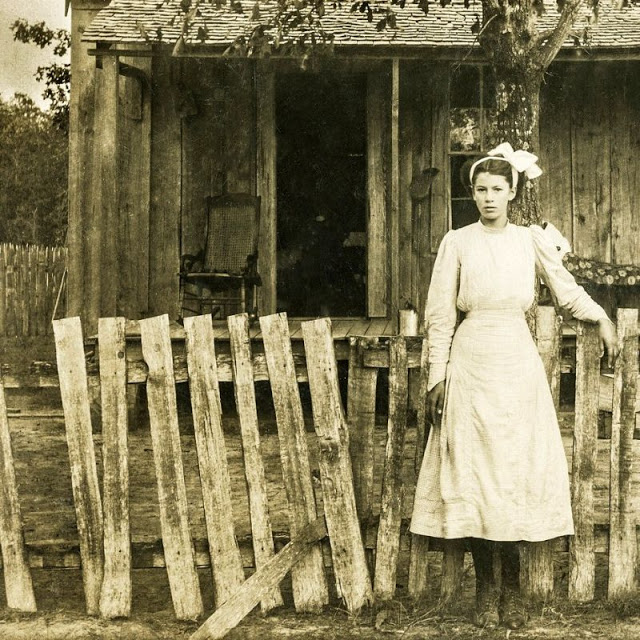
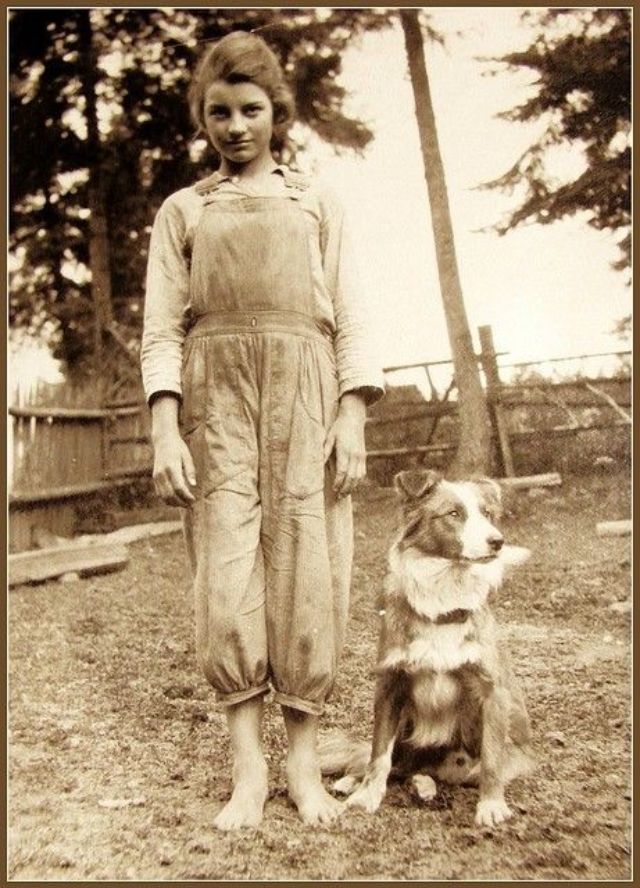
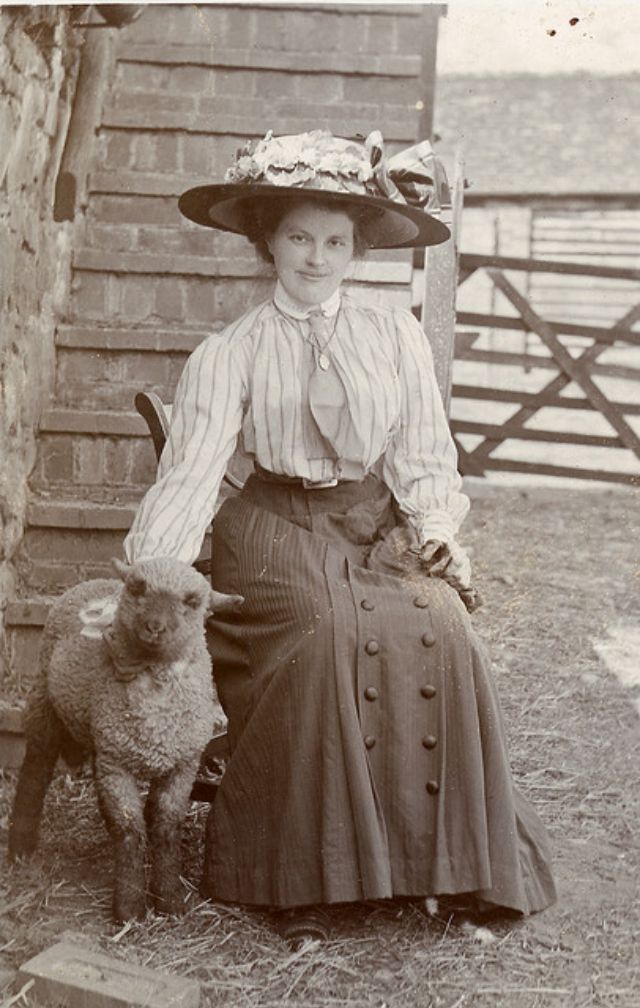
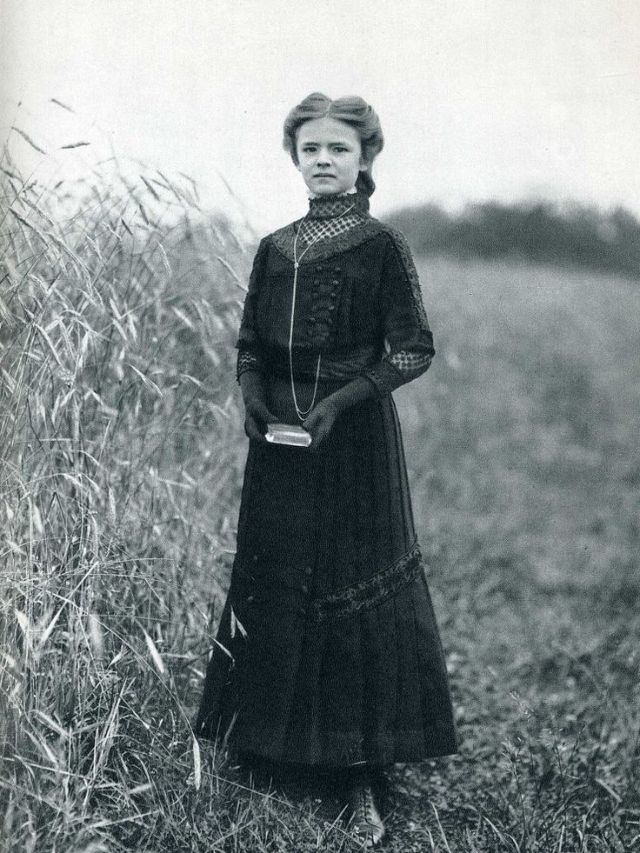
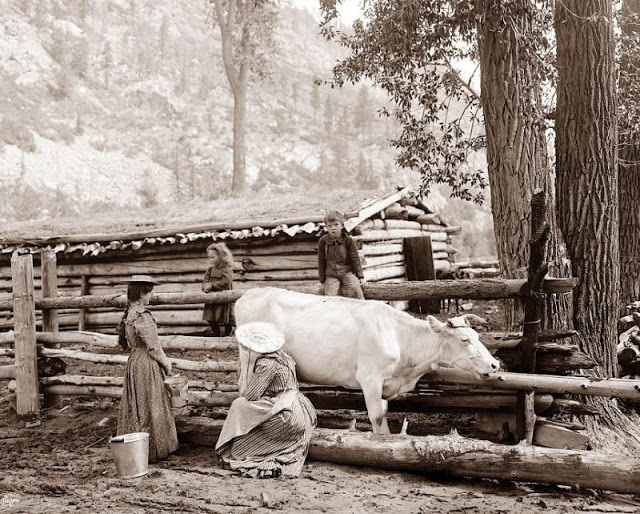
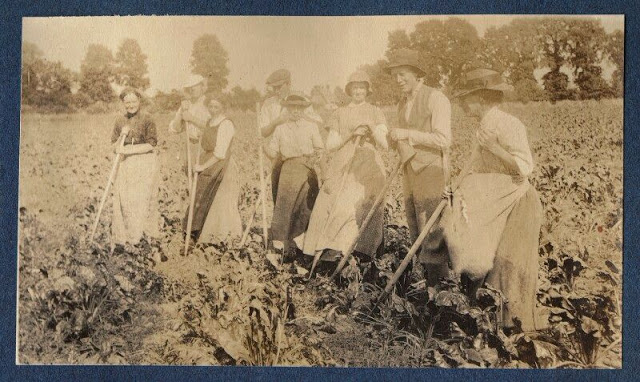
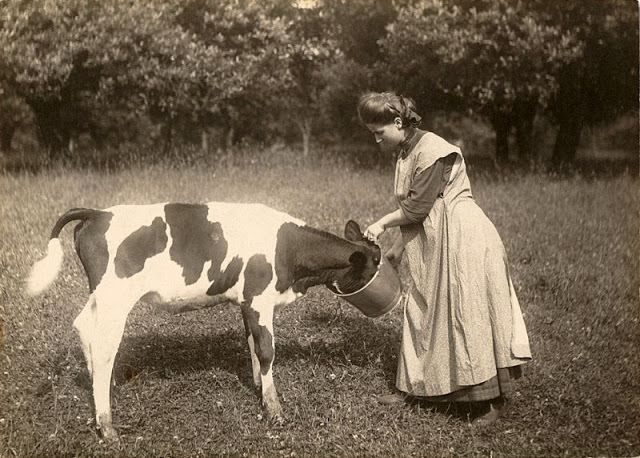
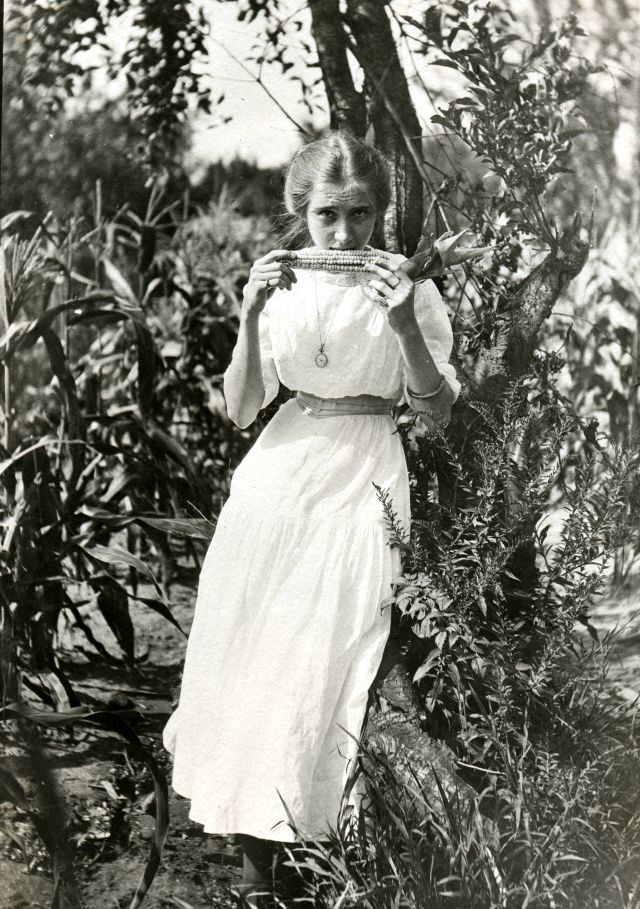
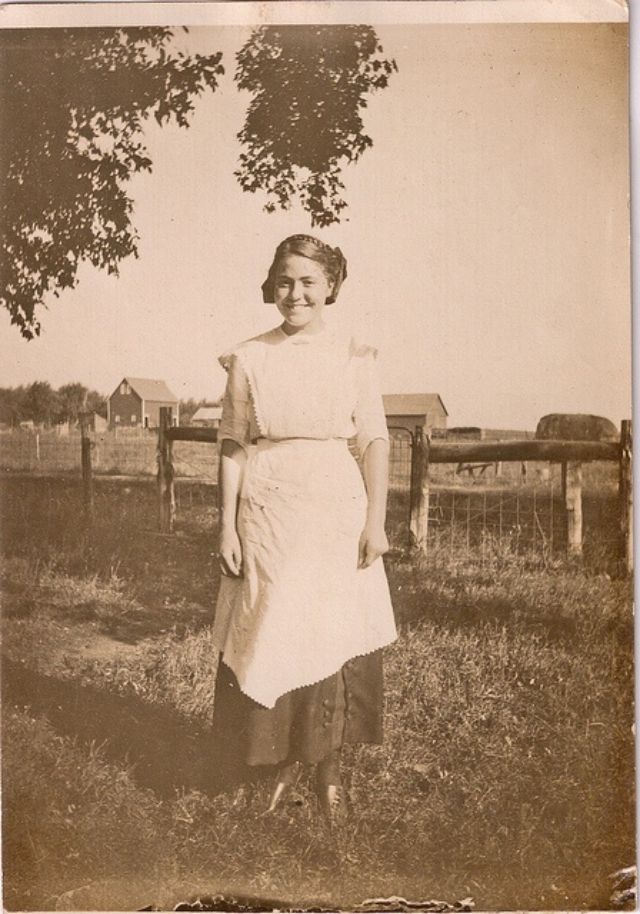
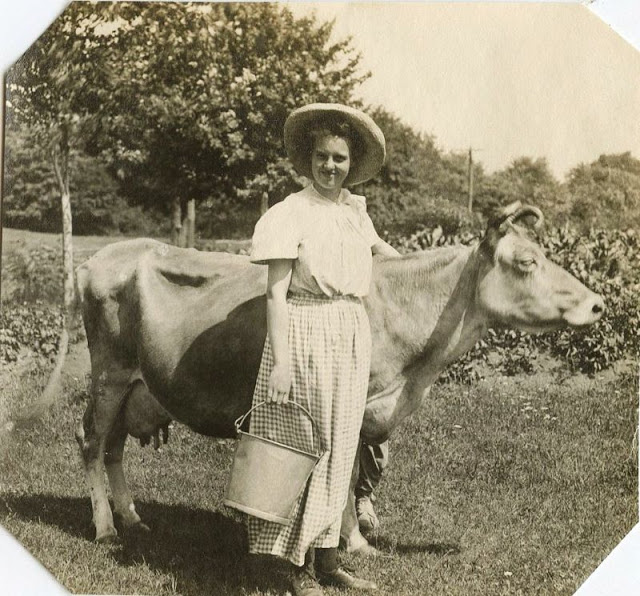
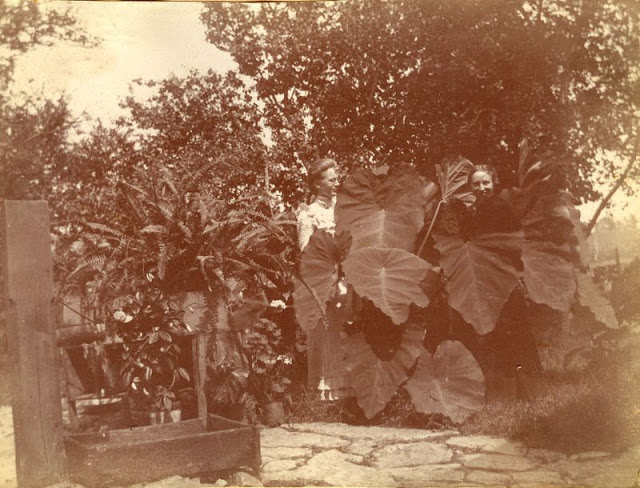
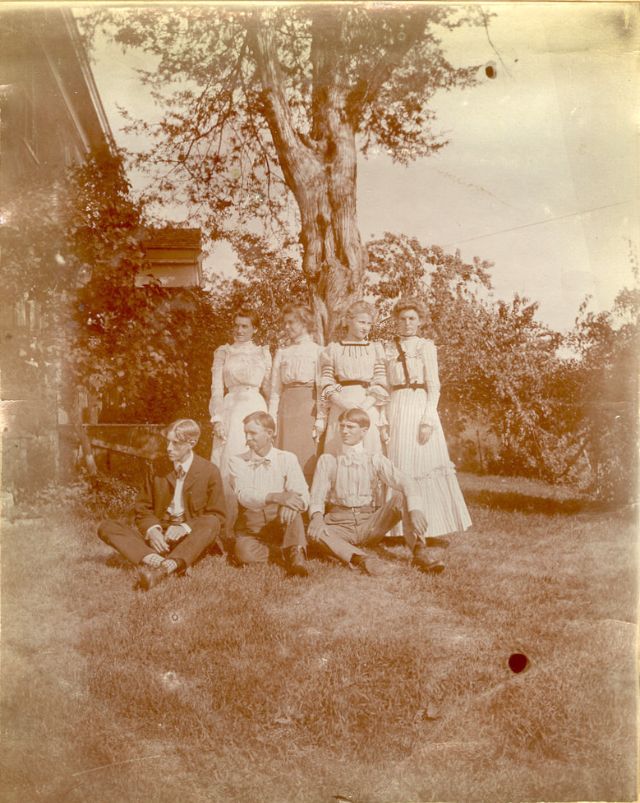
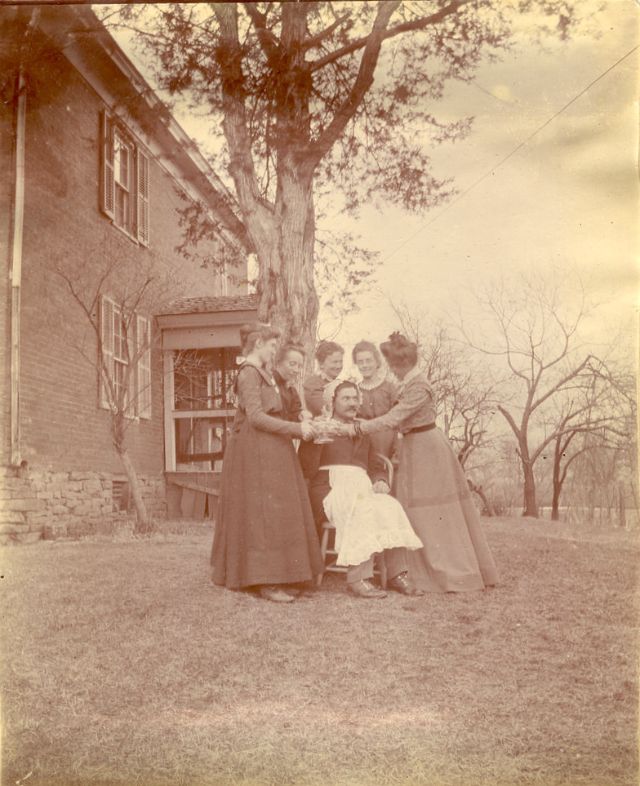
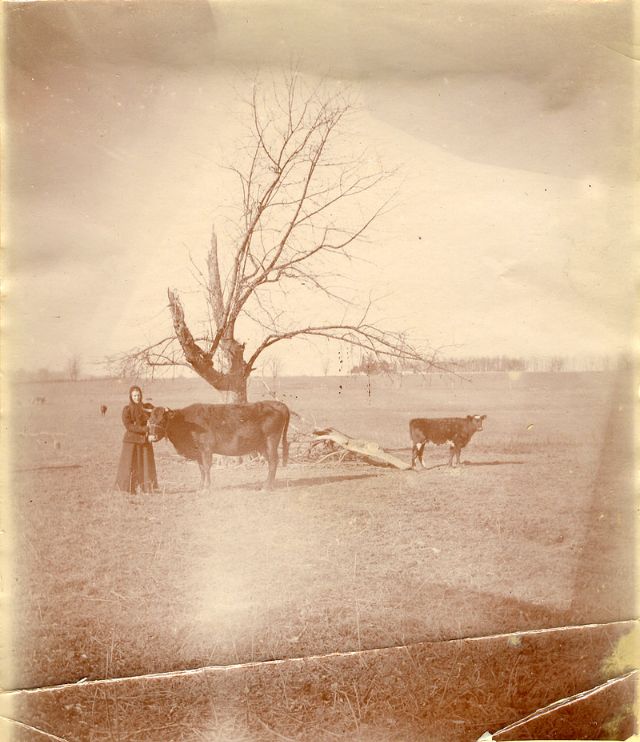
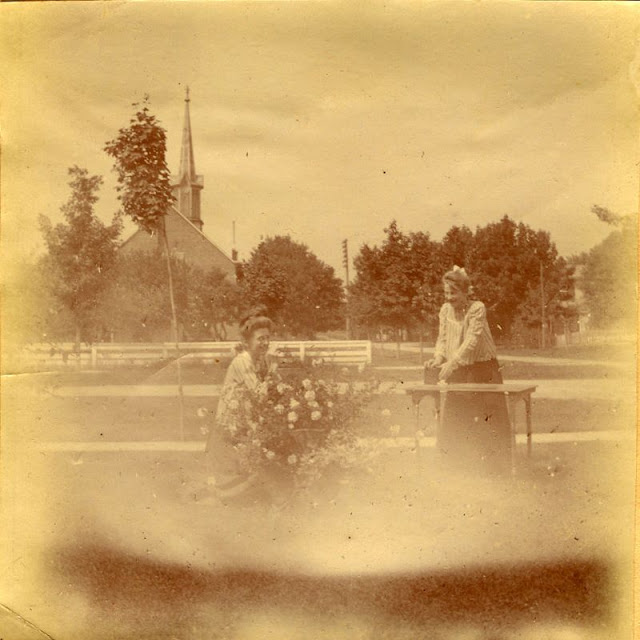
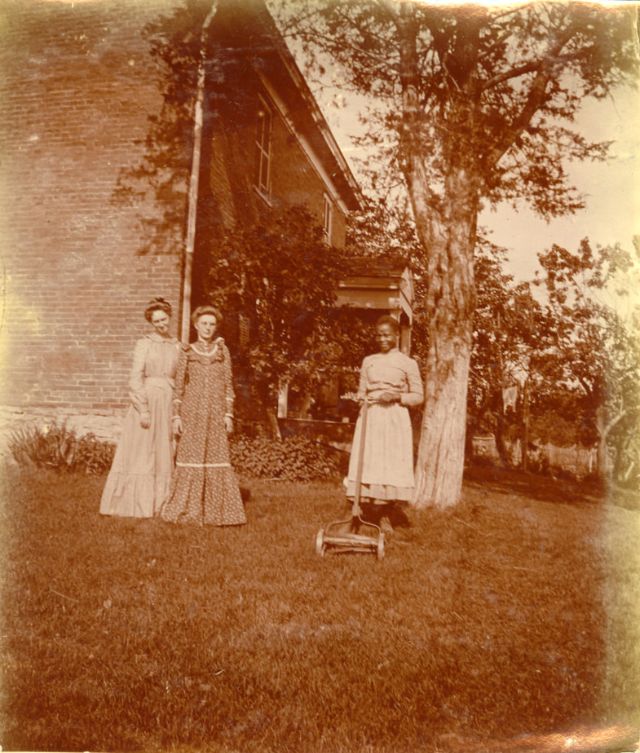
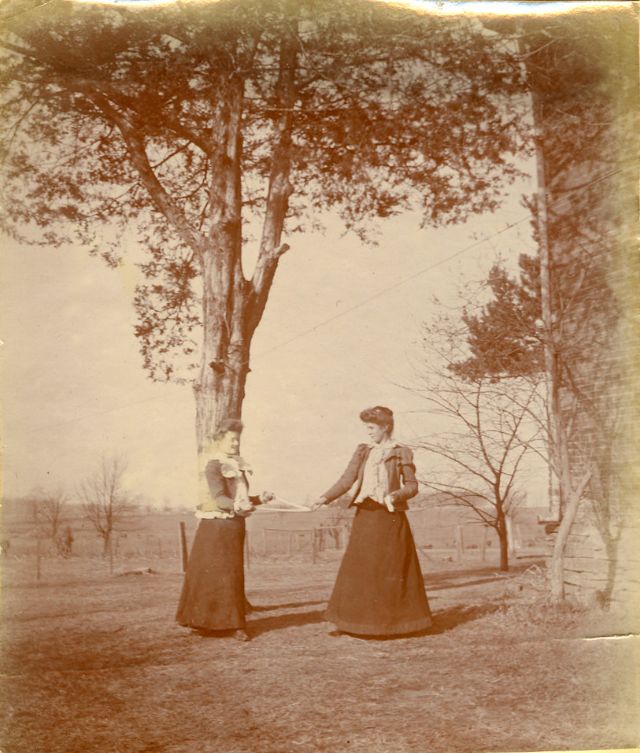
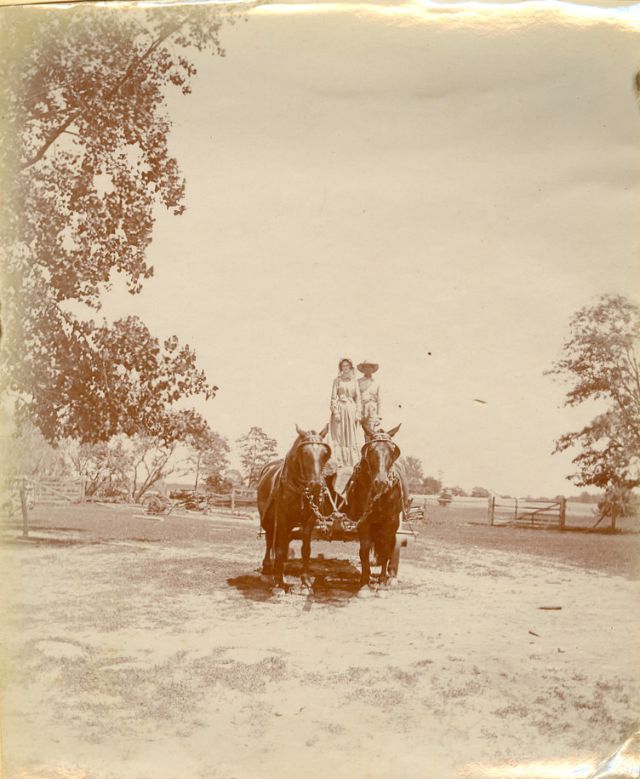
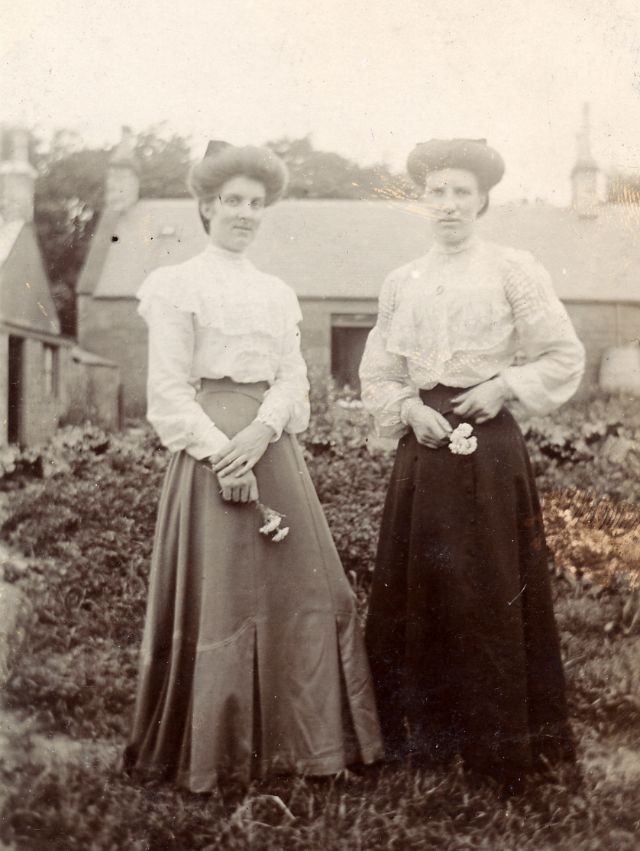
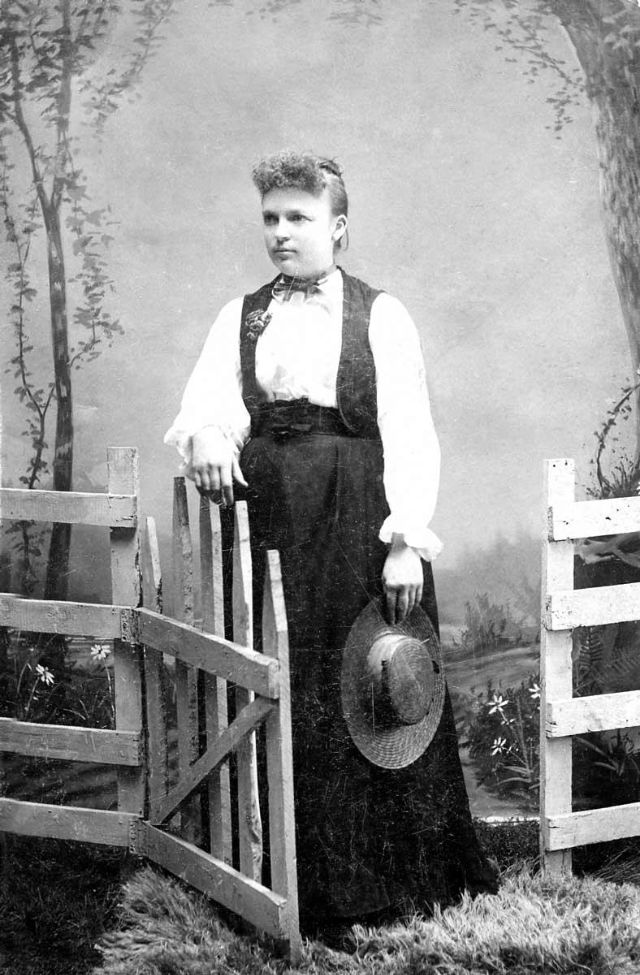
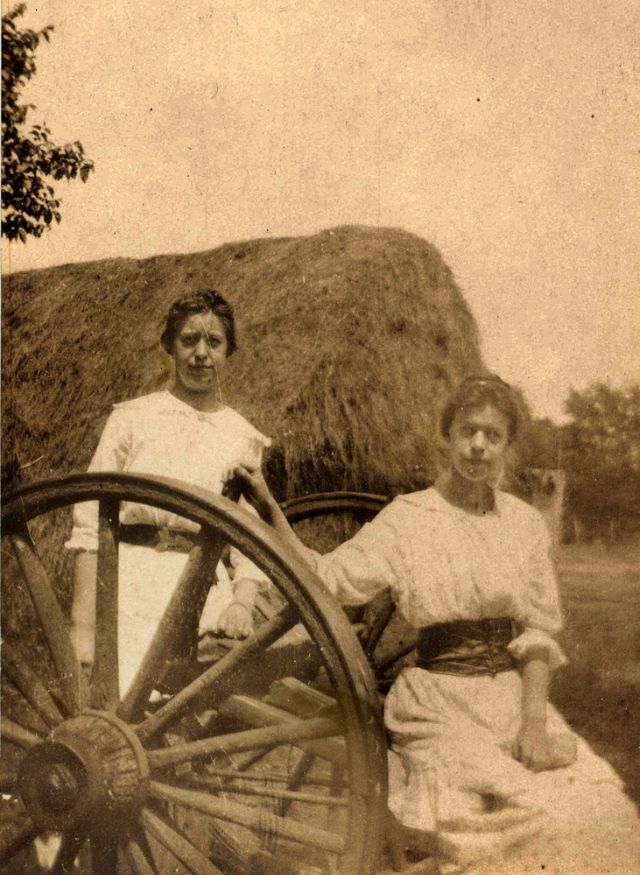
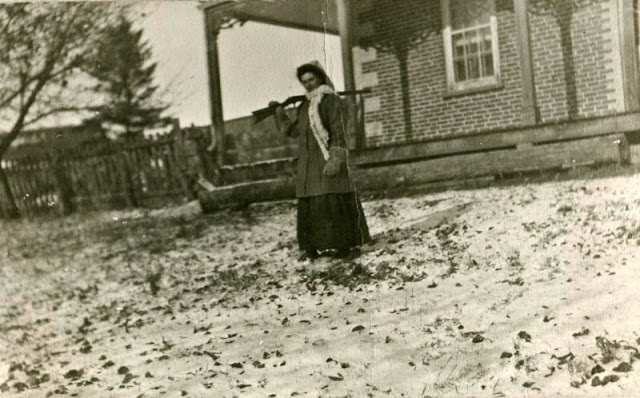
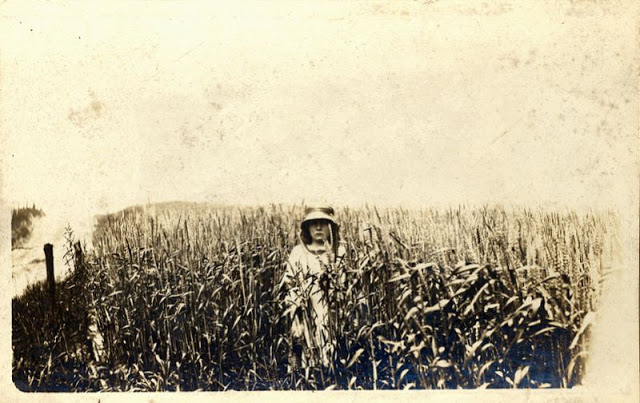
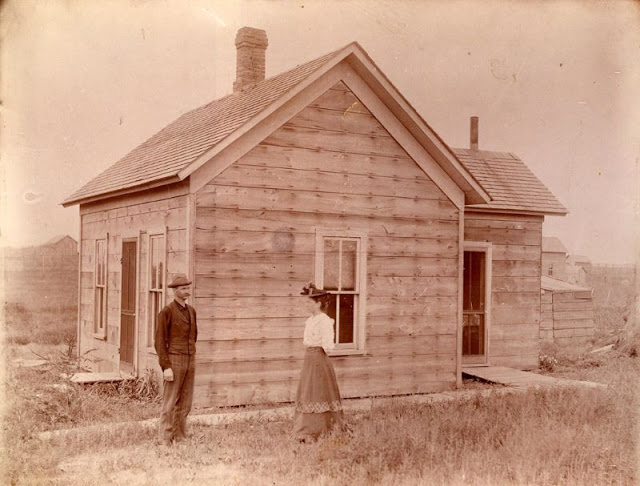
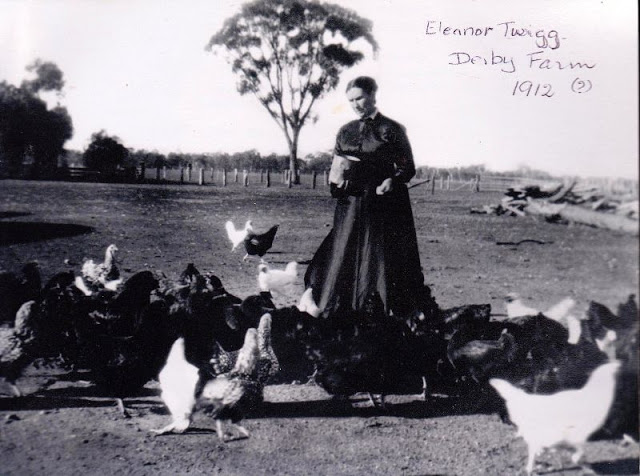
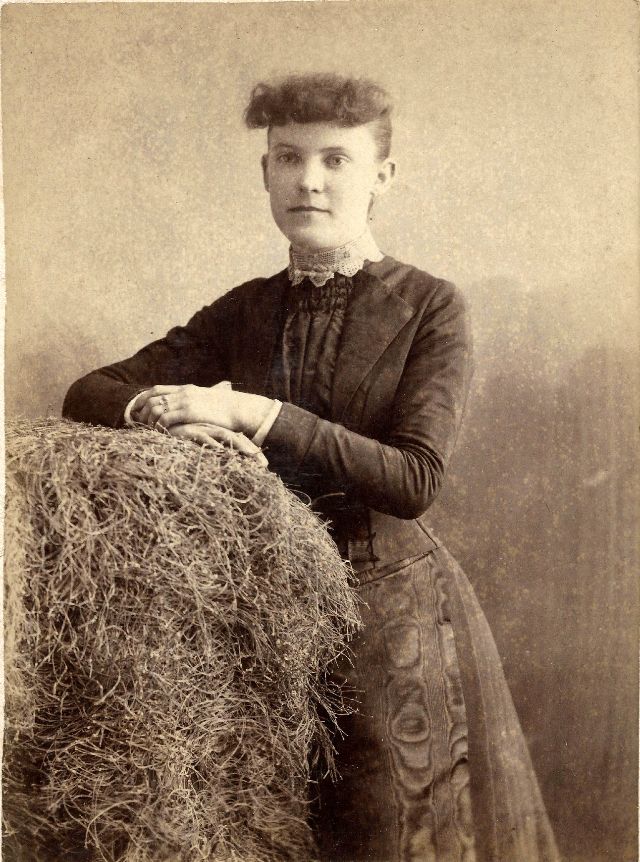
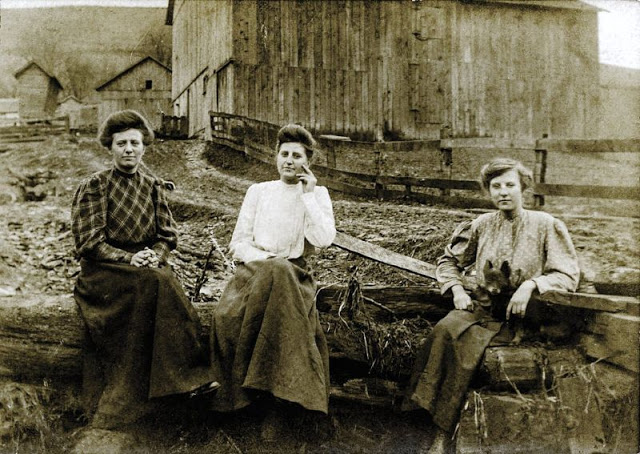
These lovely photos that capture portraits of farm ladies from the late 19th to early 20th centuries.










Bringing You the Wonder of Yesterday – Today
These lovely photos that capture portraits of farm ladies from the late 19th to early 20th centuries.



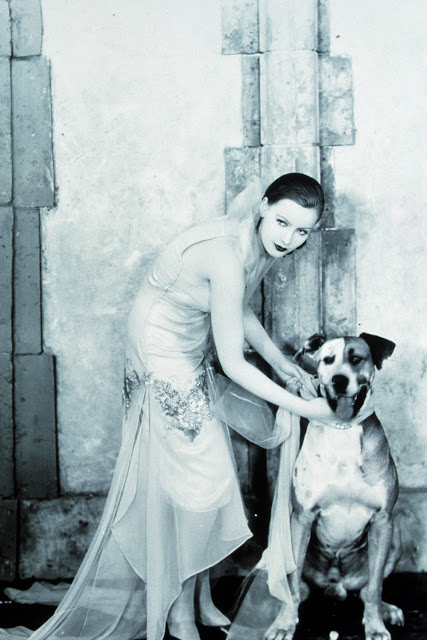
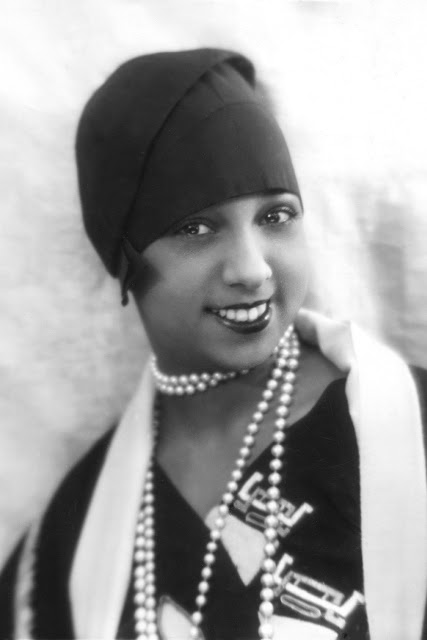
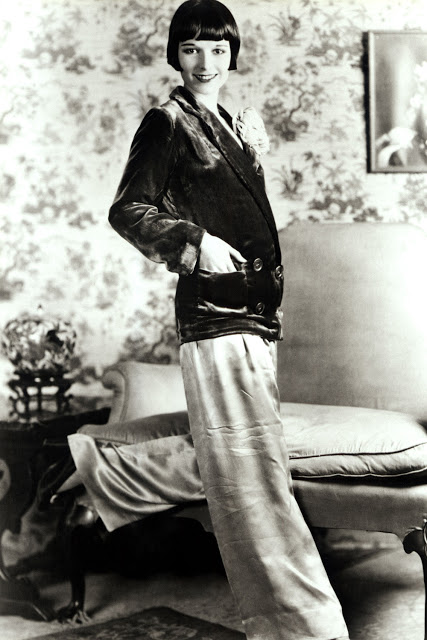
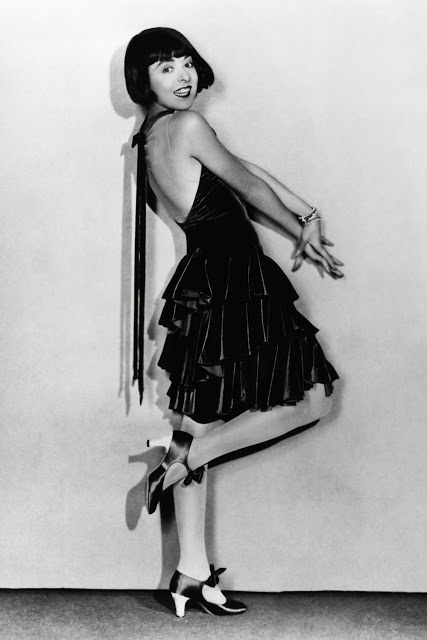












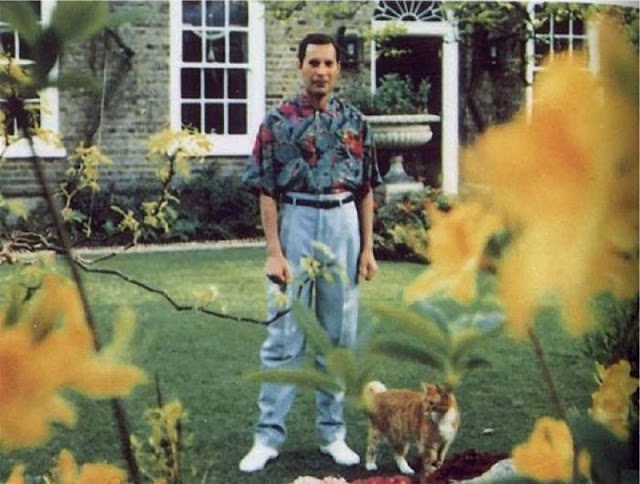
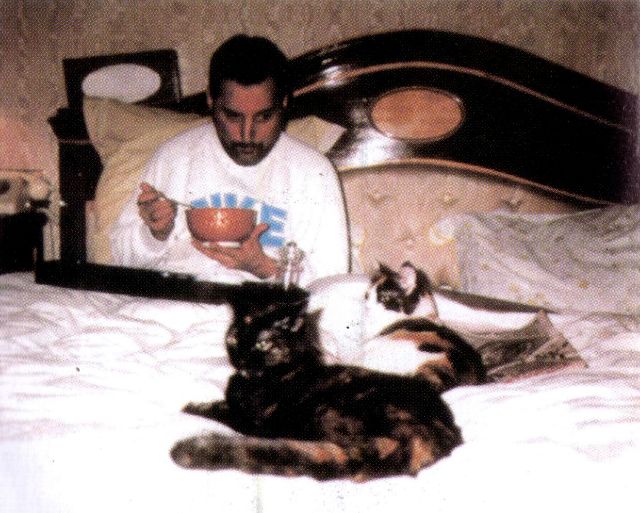
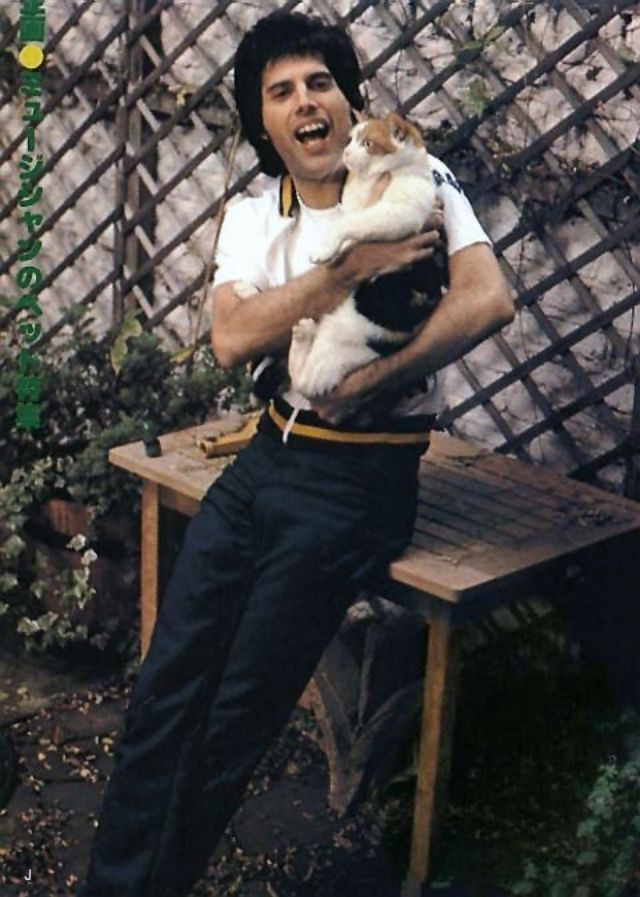
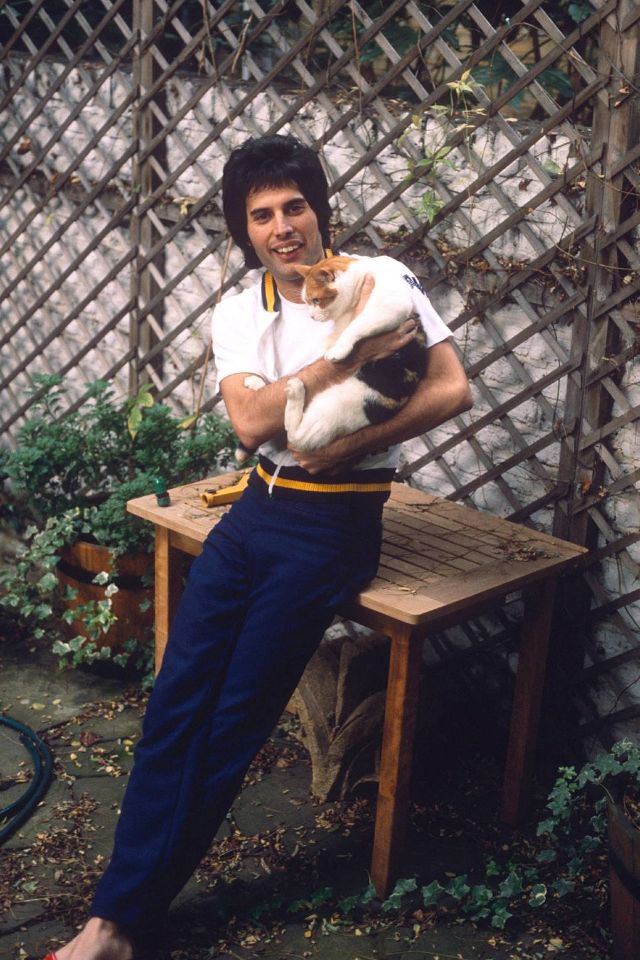
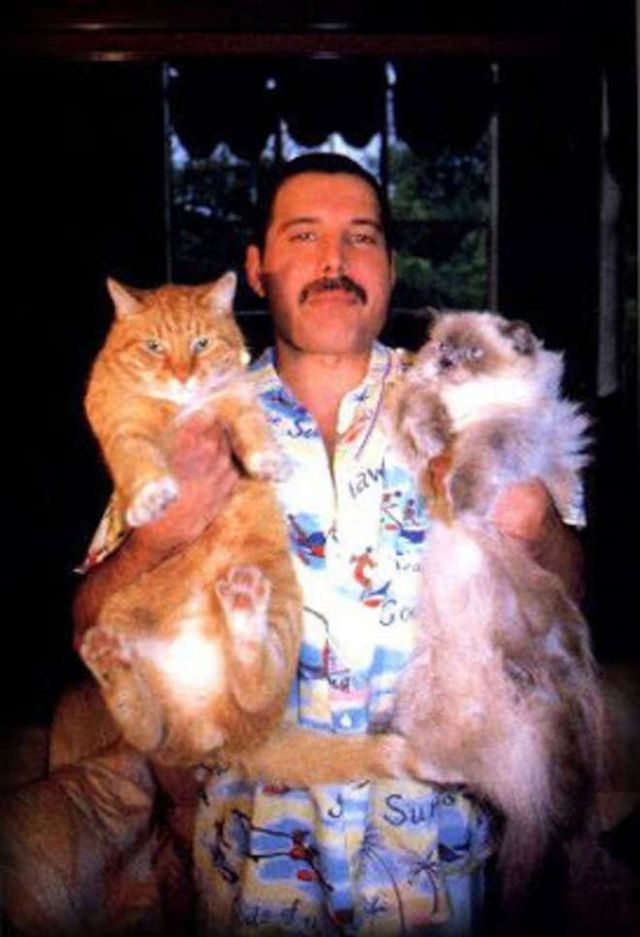
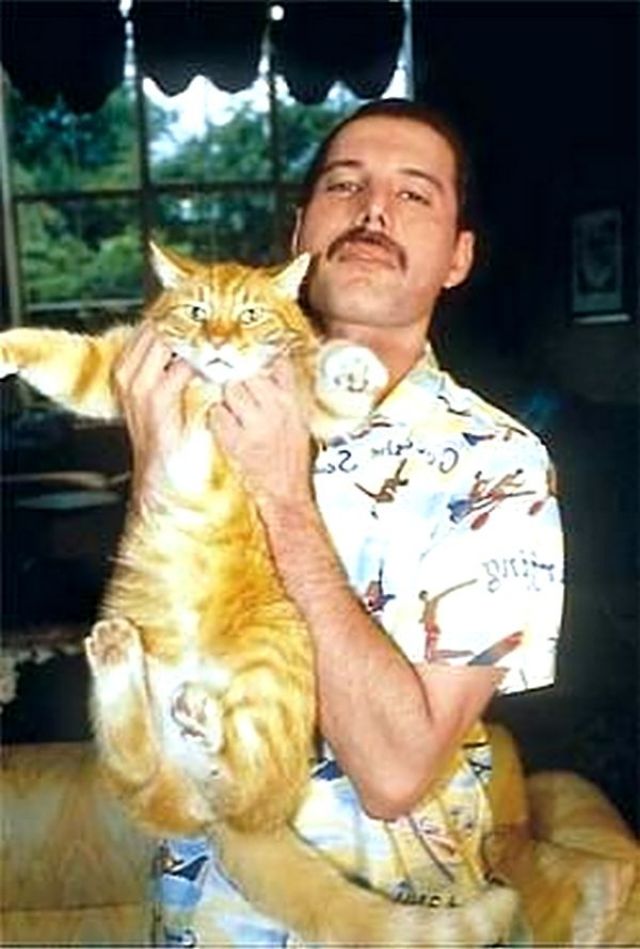
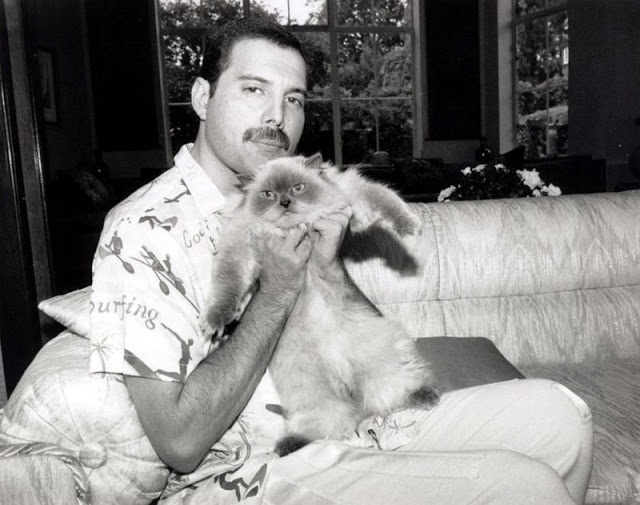
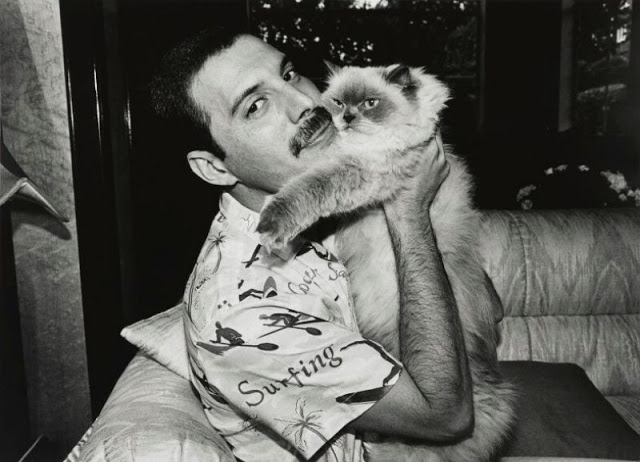
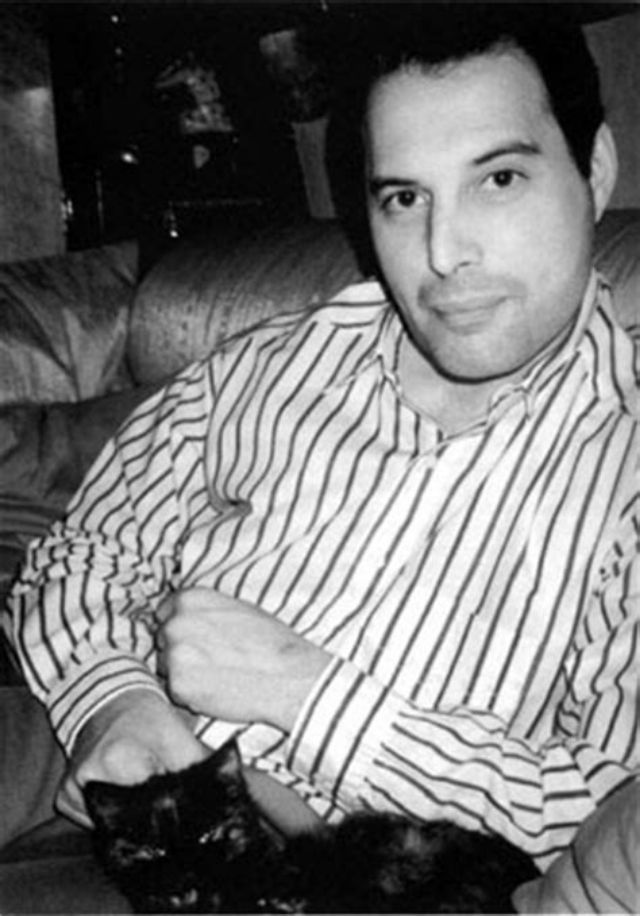
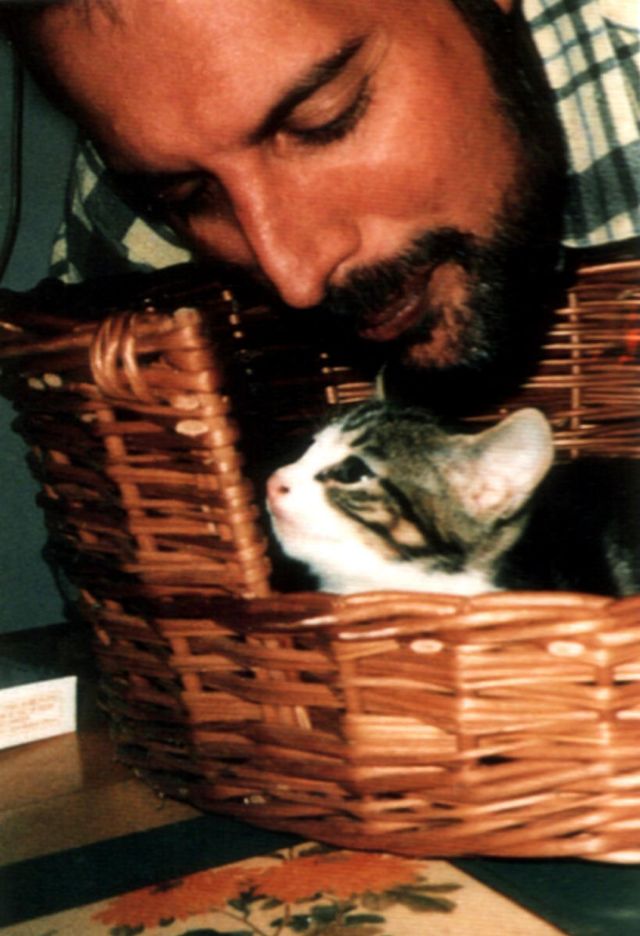
There are lots of crazy stories going around about Freddie Mercury. The extravagant Queen frontman always was one of the favorite subjects of the tabloids. You might have heard some crazy drug or party stories, but this true story is about something completely different: cats.
Freddie Mercury was a cat person, no doubt about that. He owned several cats during his life and missed them a lot when he was on tour. According to Peter Freestone who wrote Mercury’s memoir, the singer often “called” his cats when he was away. He would call his house and a friend or family member on the other side of the line would get his cats on the phone. He told them about his day and how much he missed his furry friends.
Freddie Mercury also dedicated the album “Mr Bad Guy” and the song Delilah to cats. People think Delilah is about a woman but there is a line which goes: “peeing all over [his] Chippendale Suite” – gotta be a cat.
At the time a cat named Jerry was big in his life. Delilah was a large calico cat he adopted in 1987. He favored her. He treated her (and his other pets) like children according to Jim Hutton, his last partner.
Other cats he cared for were: Goliath (a small black cat who liked to sleep in the bathroom washbasin or at least he did when they couldn’t find him once), Miko (black and white – mainly black), Romeo (tabby and white), Lilly (black and white – mainly white, a Turkish Van type cat) and Oscar (an orange-and-white Tom who came to live with him via his partner Jim Hutton).








Read more of this content when you subscribe today.
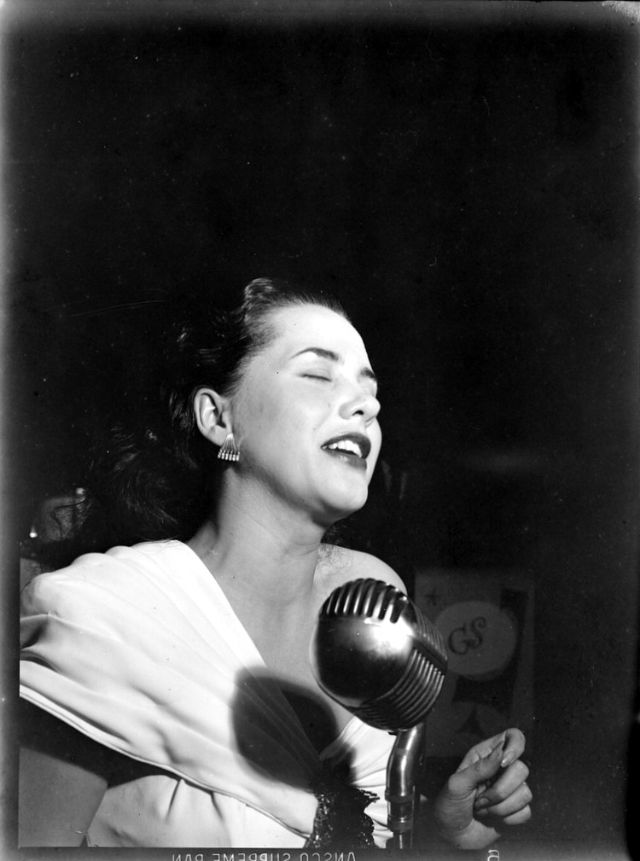
William Paul Gottlieb (1917-2006) was an American photographer and newspaper columnist who is best known for his classic photographs of the leading performers of the “Golden Age” of American jazz in the 1930s and 1940s. Gottlieb’s photographs are among the best known and widely reproduced images of this era of jazz.
During the course of his career, Gottlieb took portraits of hundreds of prominent jazz musicians and personalities, typically while they were playing or singing at well-known New York City jazz clubs. Well-known musicians Gottlieb photographed included Louis Armstrong, Duke Ellington, Charlie Parker, Billie Holiday, Dizzy Gillespie, Earl Hines, Jo Stafford, Thelonious Monk, Stan Kenton, Ray McKinley, Benny Goodman, Coleman Hawkins, Louis Jordan, Ella Fitzgerald, Toots Thielemans, and Benny Carter.
These selected photos from his work are portraits of female jazz artists that he took from the 1940s in New York.


Become a paid subscriber to get access to the rest of this post and other exclusive content.
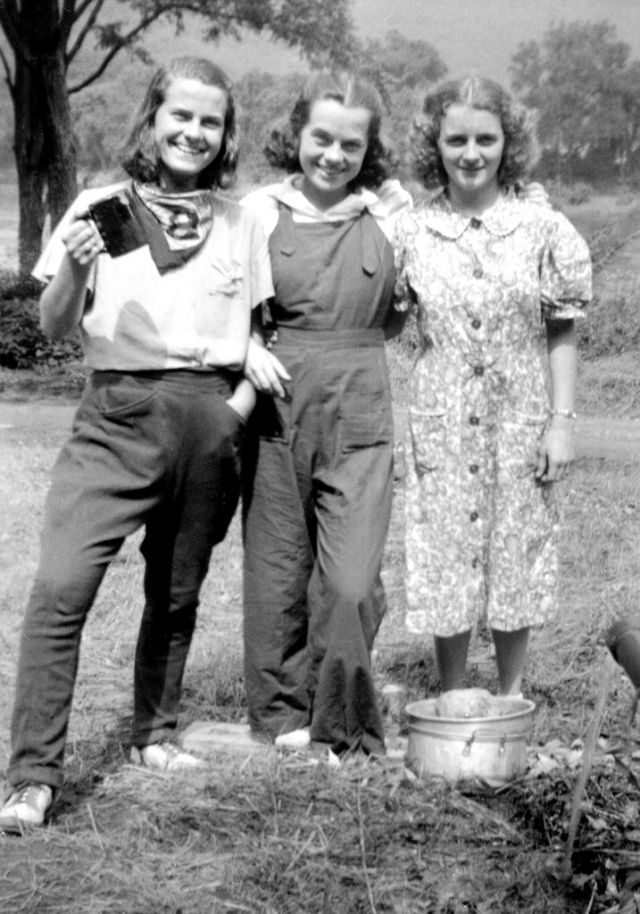
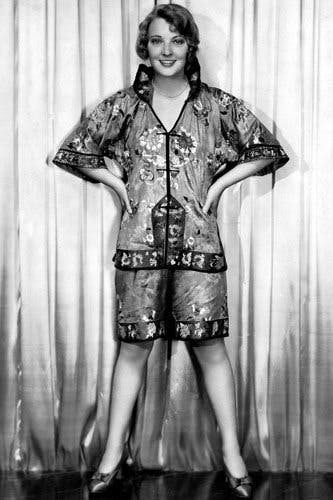
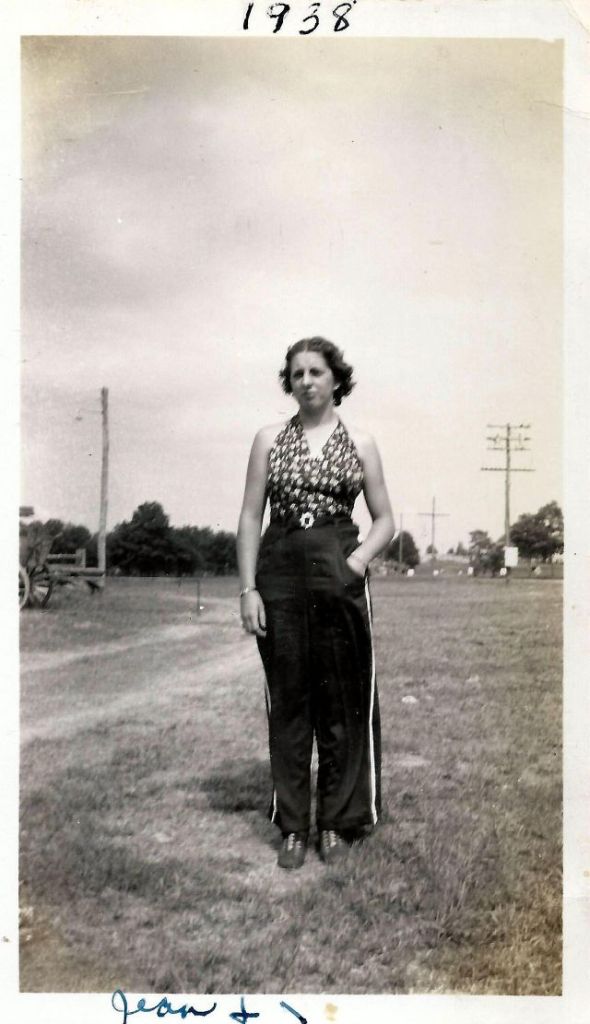
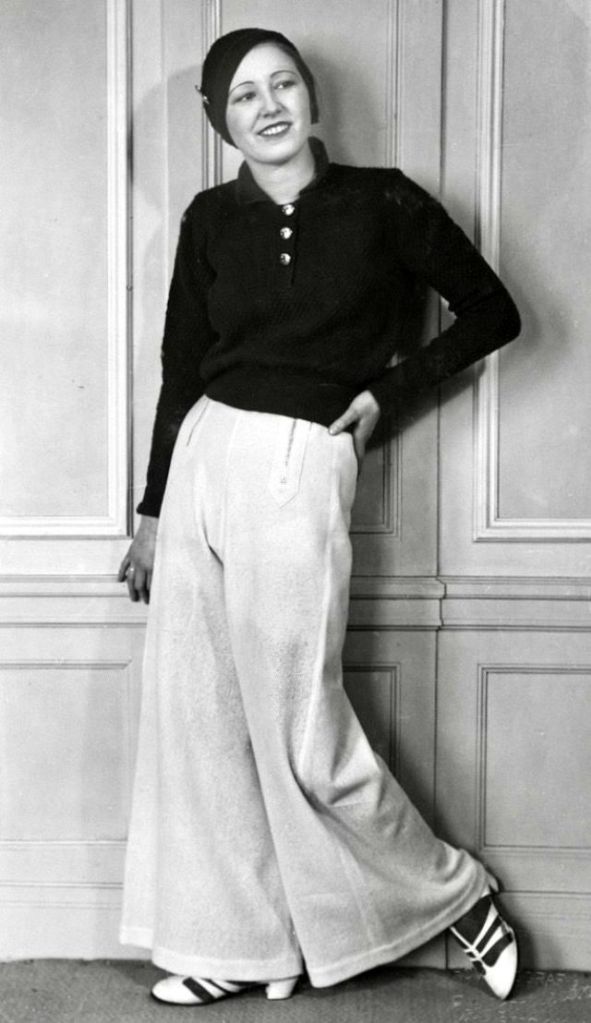
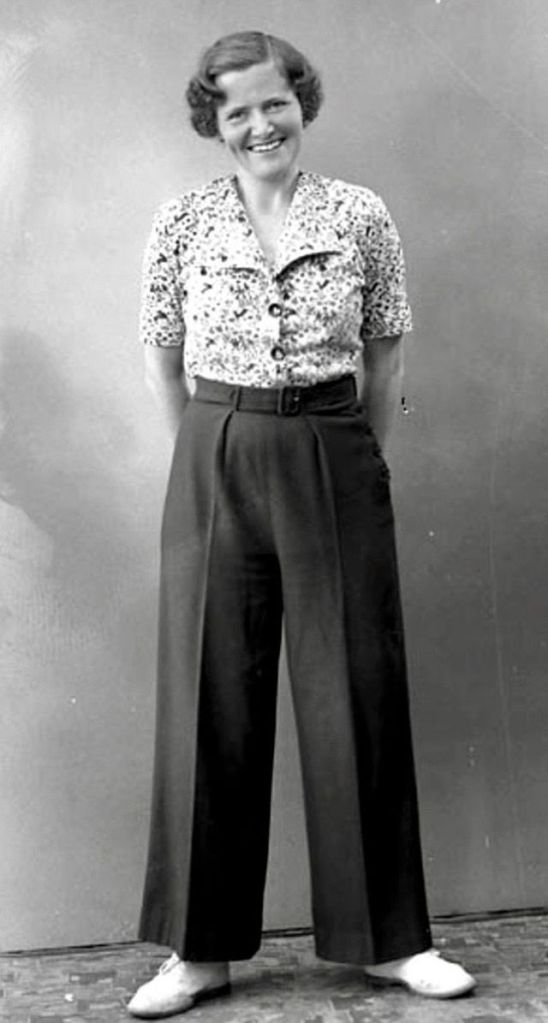
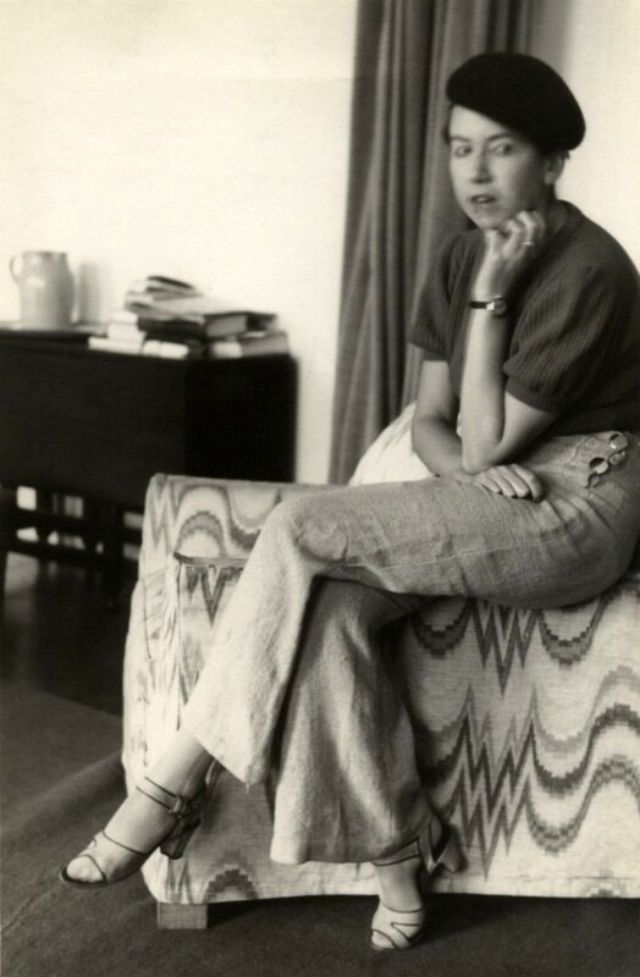
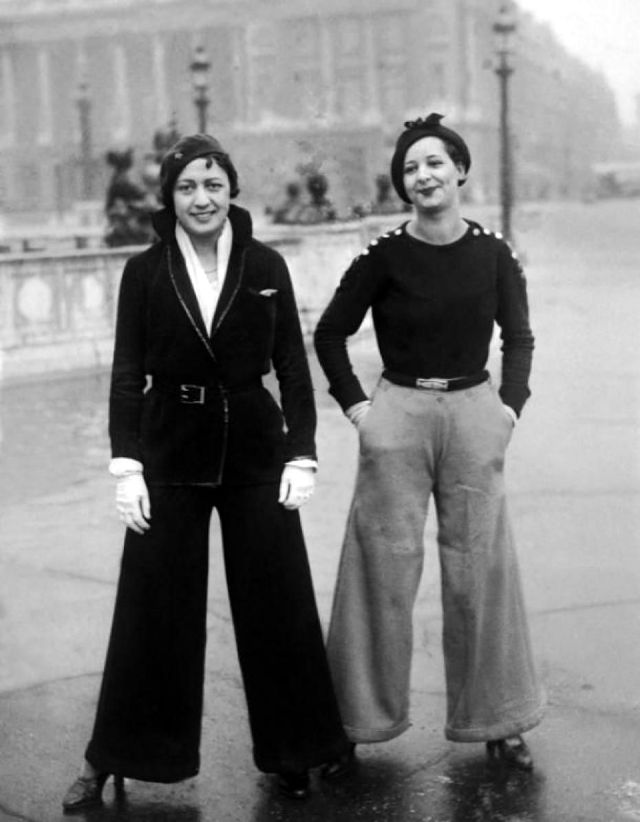
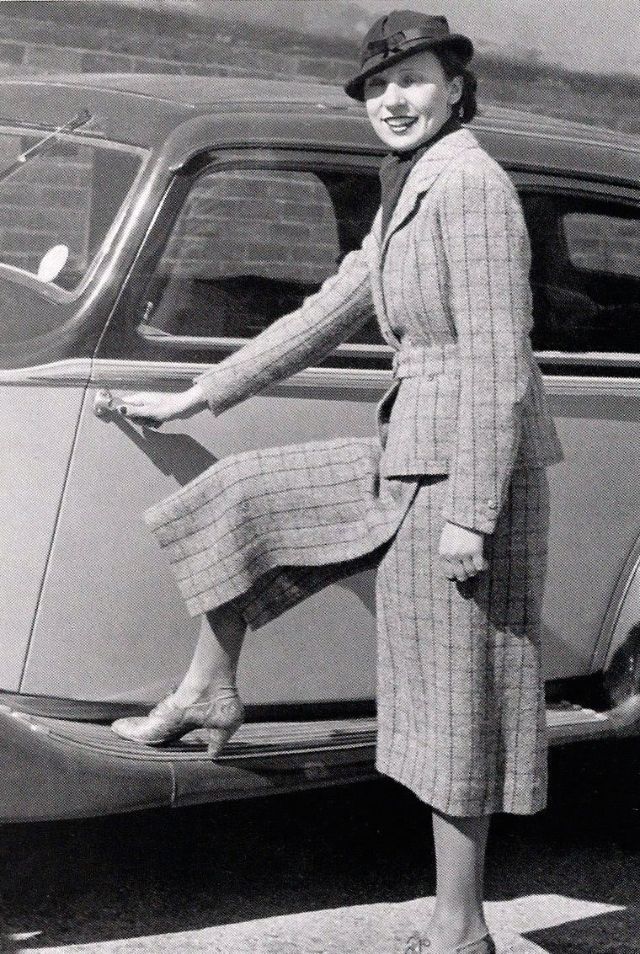
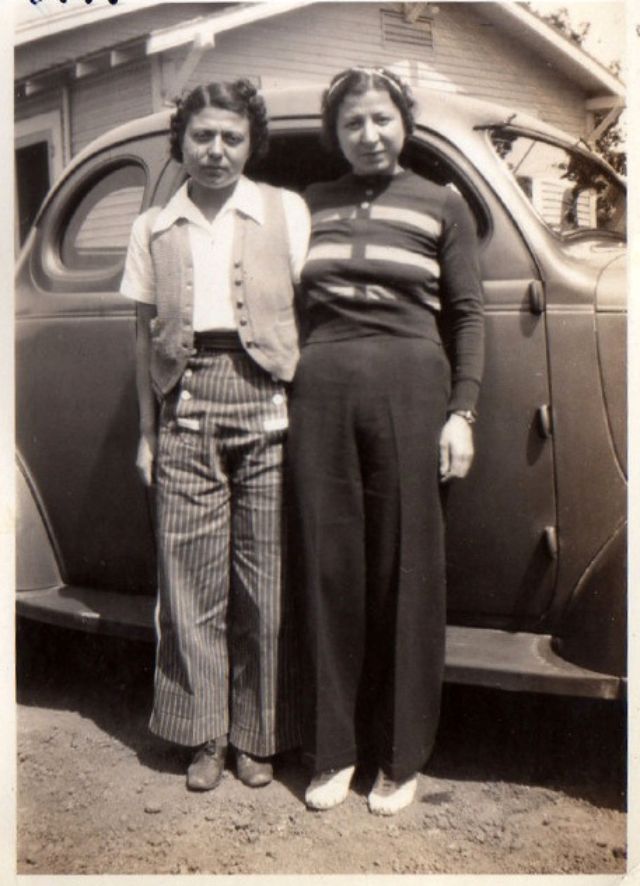
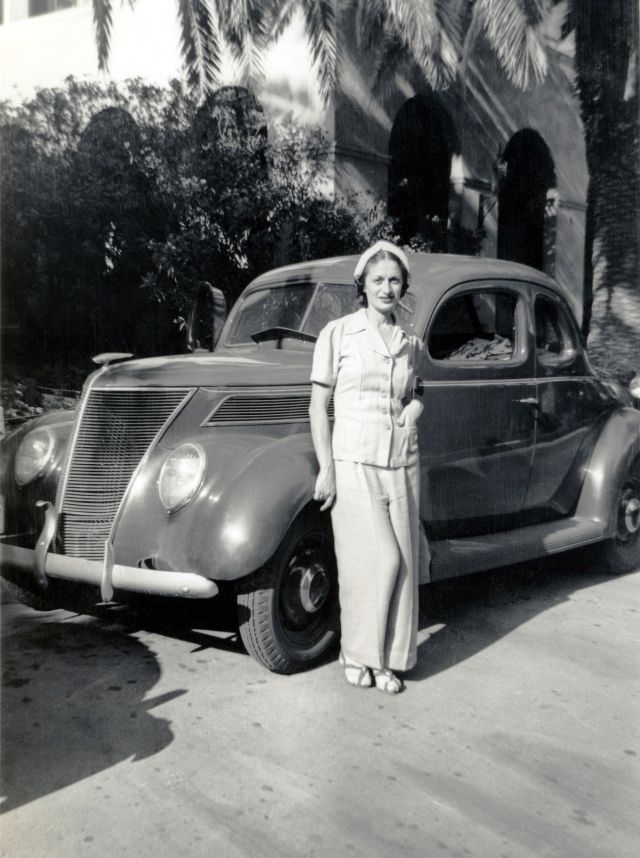
The 1930s is when we really see women in trousers get their stride. It was still not accepted by the majority in the early part of the 1930s.
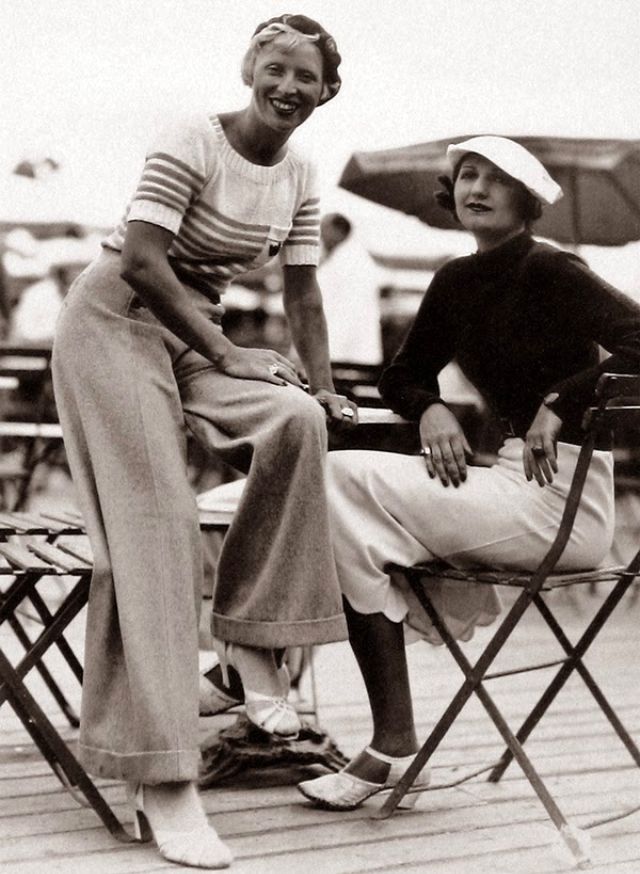
They were not widely worn, but by the mid 1930s it was acceptable for wear for sportswear. They’re mostly seen on campus, at the resort, and in other places if you lived in the warmer climates like Southern California or Florida.
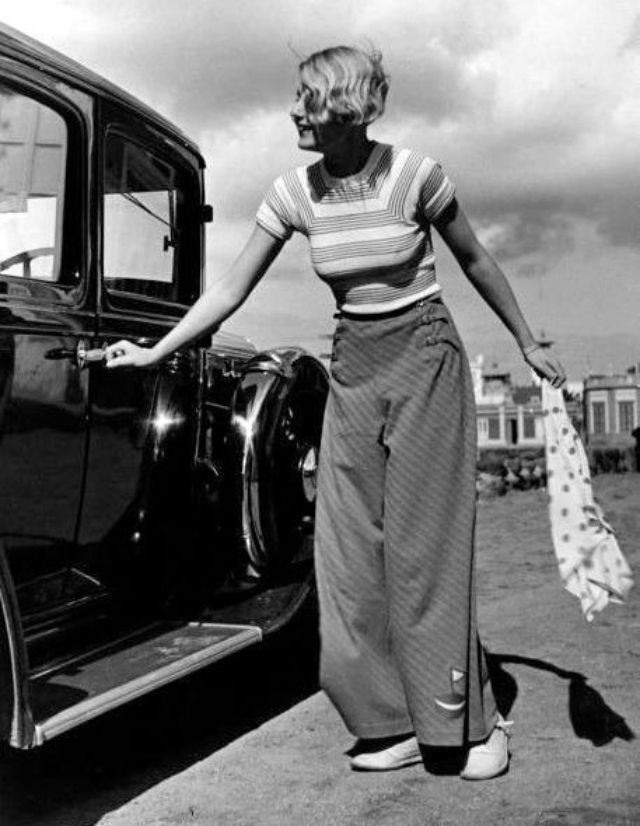
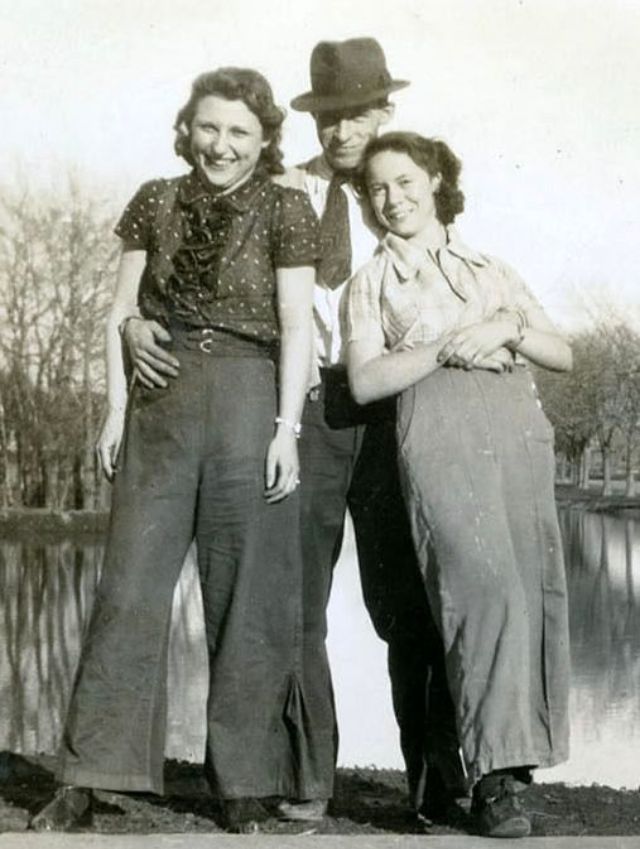
In the second half of the 1930s, trousers really start going crazy. In 1939 it seemed everyone wanted them. There were lounging ones, playing ones, work ones, beach ones, pajamas… and sometimes even dinner outfits.
The late 1930s is playful, and trousers fit in perfectly with that ideal. Trousers were not meant to hug your butt. They really wanted them to fit like a skirt- skimming your hips and rear loosely, then falling to a low crotch, and splitting into a bifurcated garment.
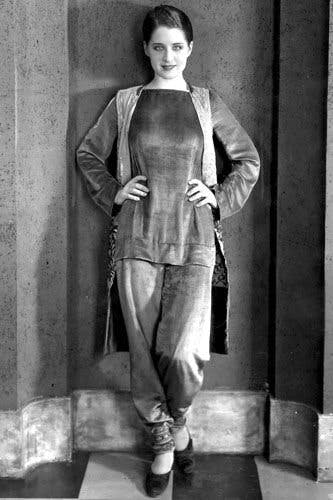
Here below is a nice photo set that shows trousers’ styles of women from the 1930s.





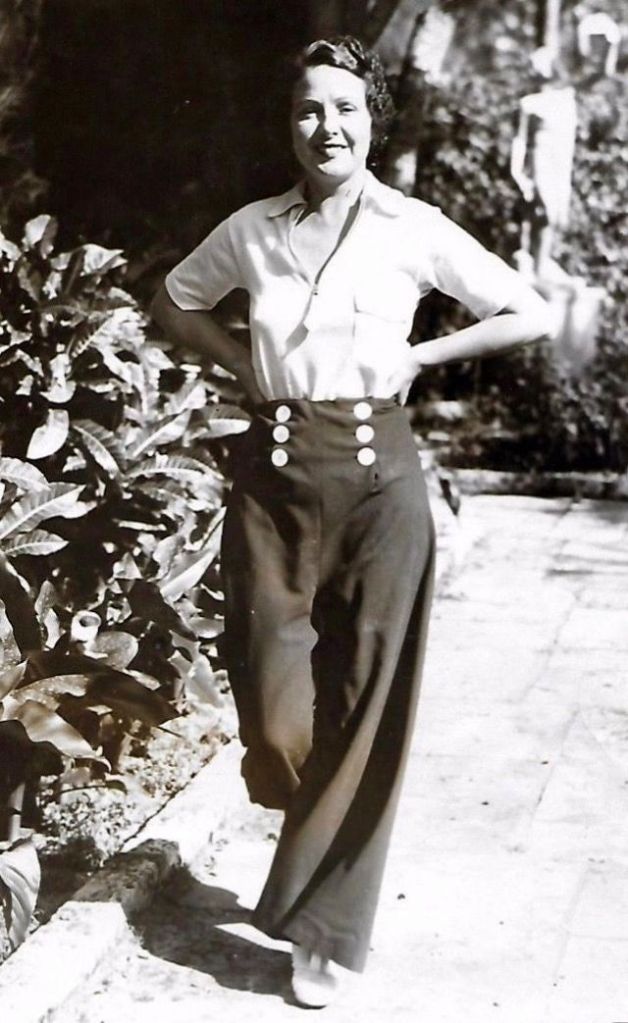
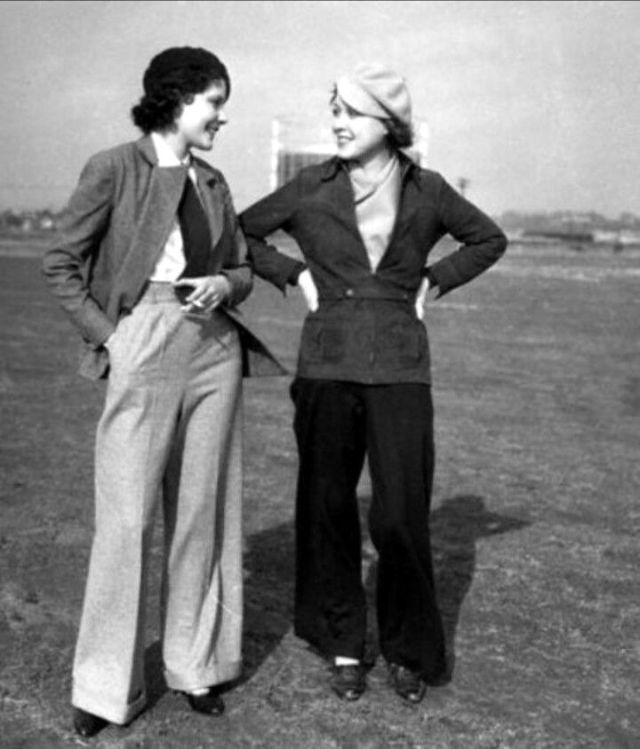


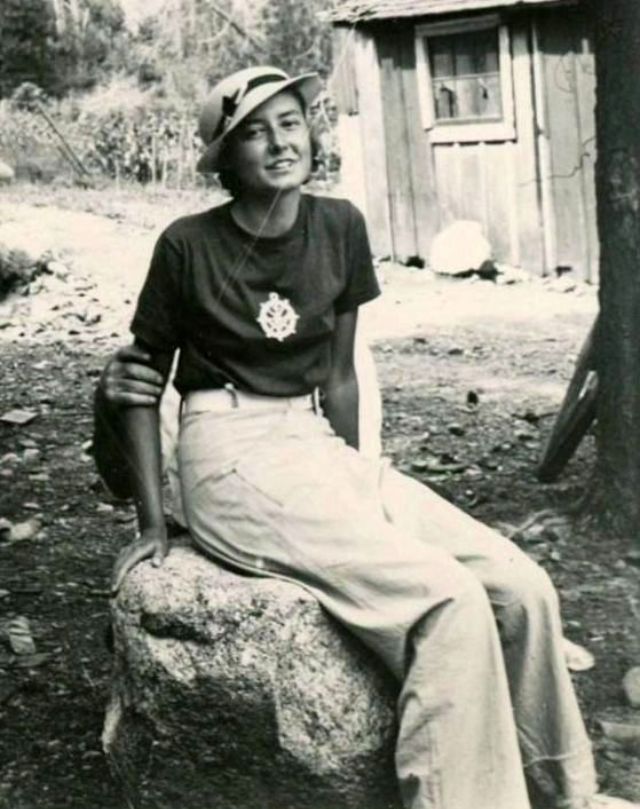
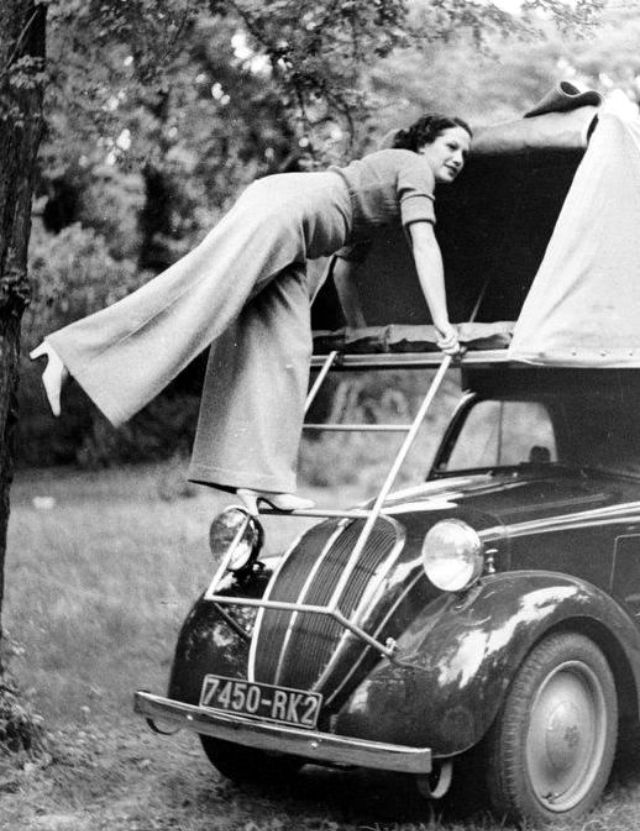






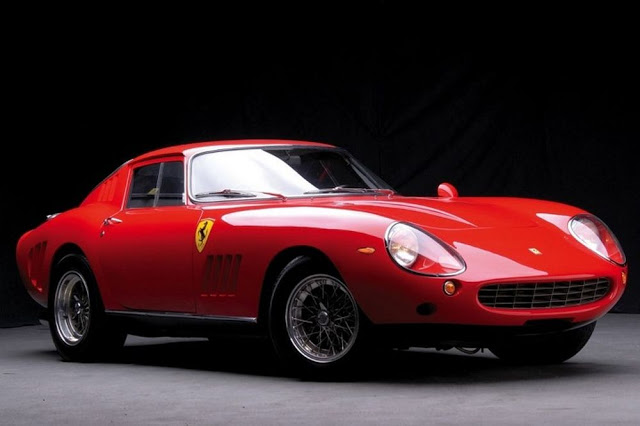
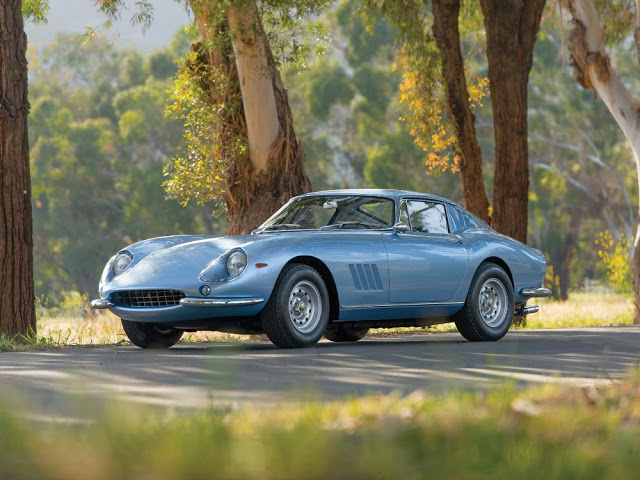
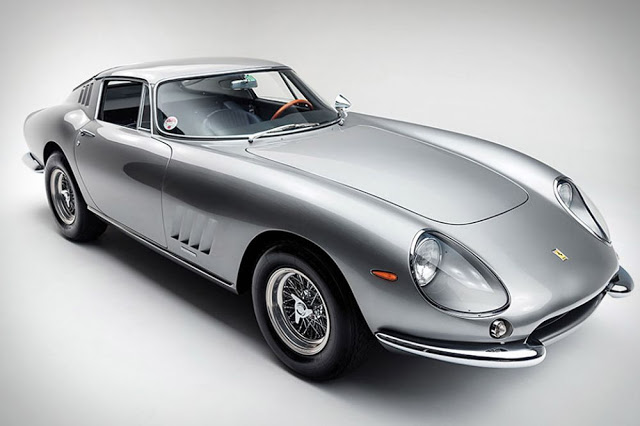
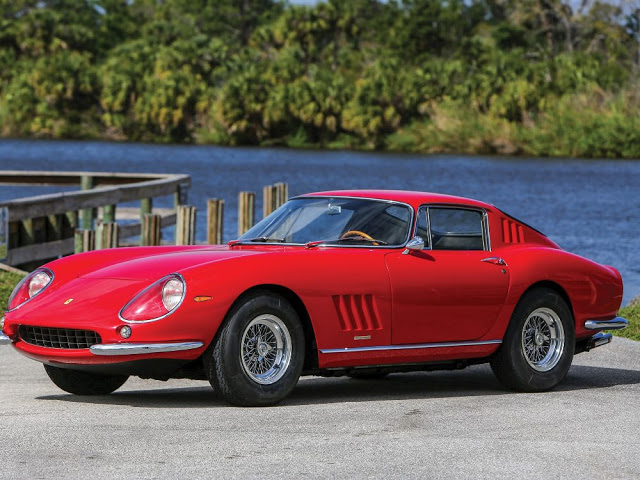
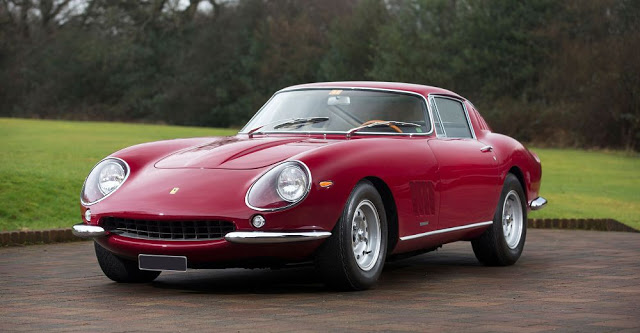
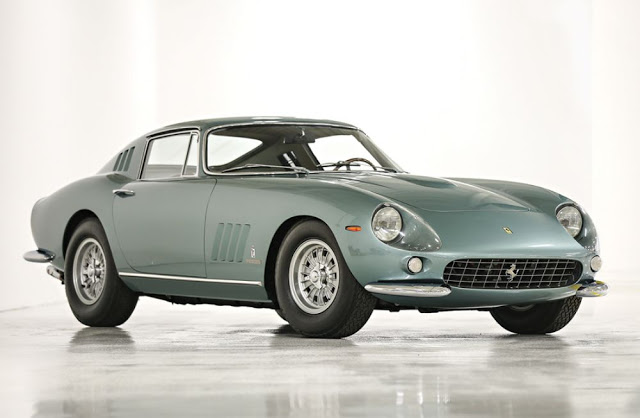
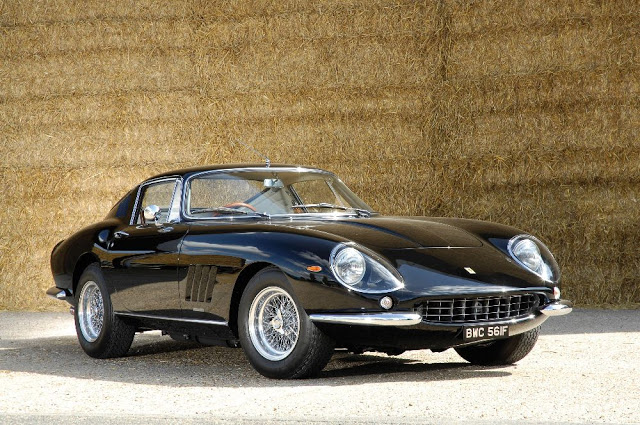
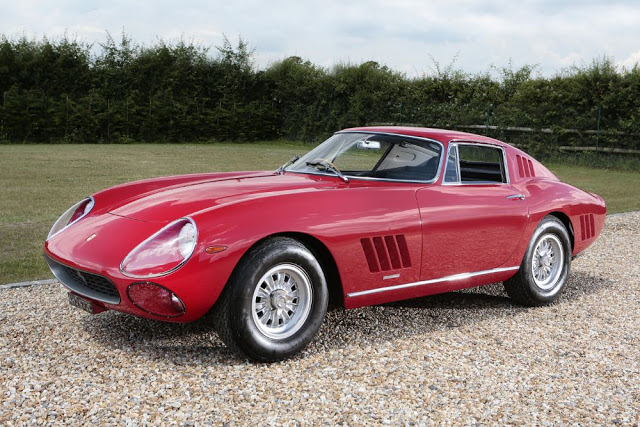
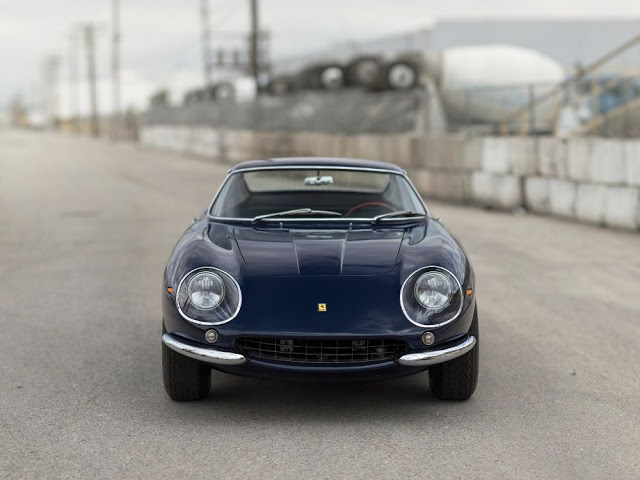
The Ferrari 275 is a series of front-engined V12-powered grand touring automobiles with two-seater coupé and spider bodies produced by Ferrari between 1964 and 1968.
The first 275 series cars were powered by a 3.3 L (3286 cc) dual overhead camshaft Colombo 60° V12 engine producing 260–320 hp (190–240 kW). An updated 275 GTB/4 was introduced in 1966, with a revised four overhead camshaft engine producing 300 hp (220 kW). The 275 series were the first road-going Ferraris equipped with a transaxle and independent rear suspension.
Pininfarina designed the 275 coupé and spider bodies, while Scaglietti designed the 275 GTS/4 NART Spyder, of which only 10 were made.
Motor Trend Classic named the 275 GTB coupé/GTS spider as number three in their list of the ten “Greatest Ferraris of all time”, and the 275 GTB/4 was named number seven on Sports Car International’s 2004 list of Top Sports Cars of the 1960s. In a September 1967 road test, Road & Track described the NART Spyder as “the most satisfying sports car in the world.”








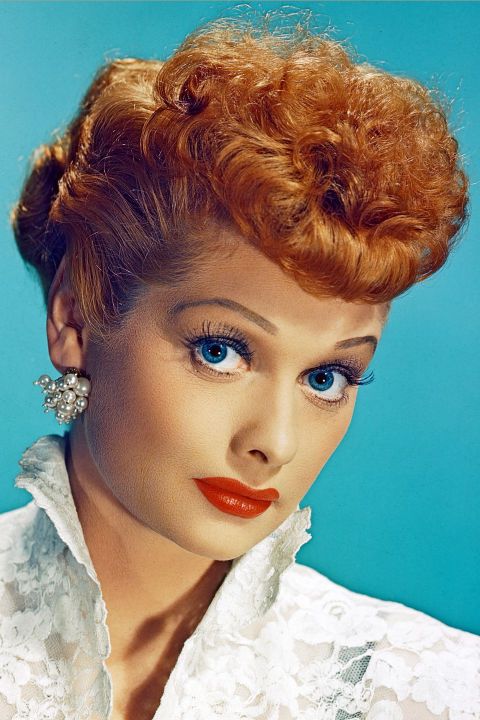
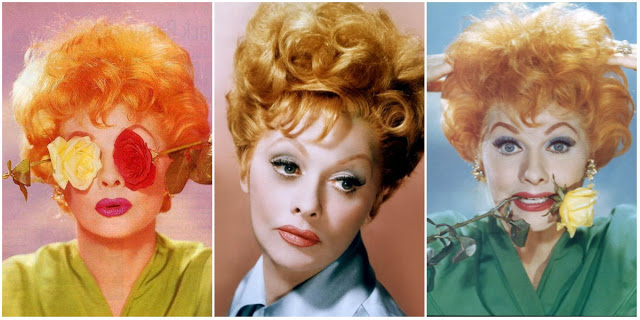
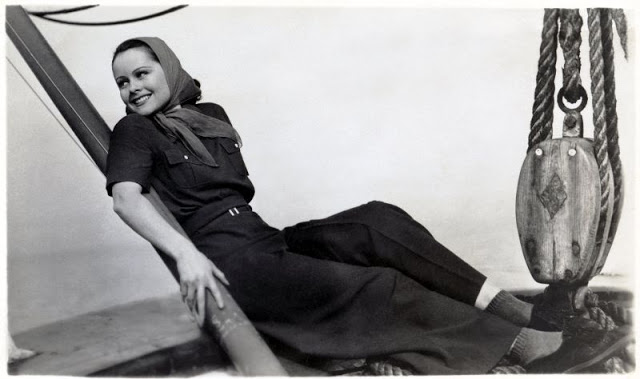
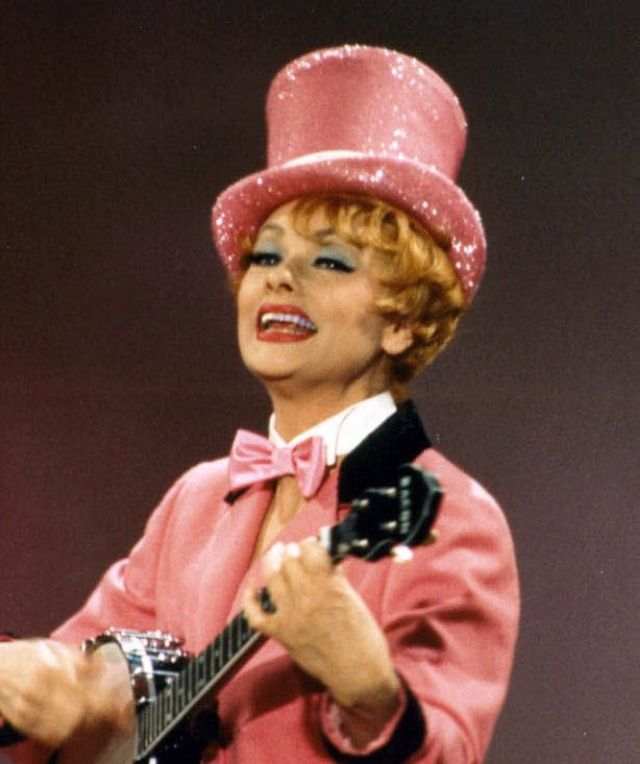
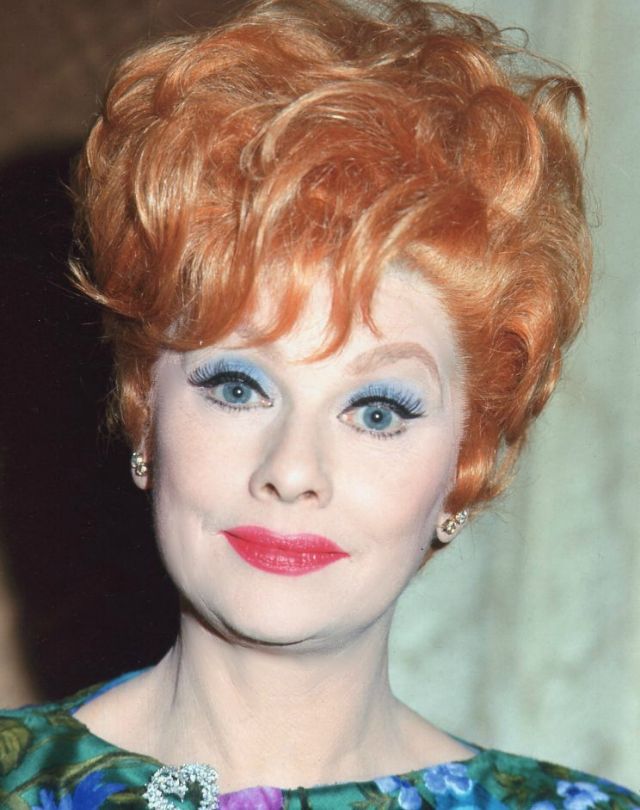
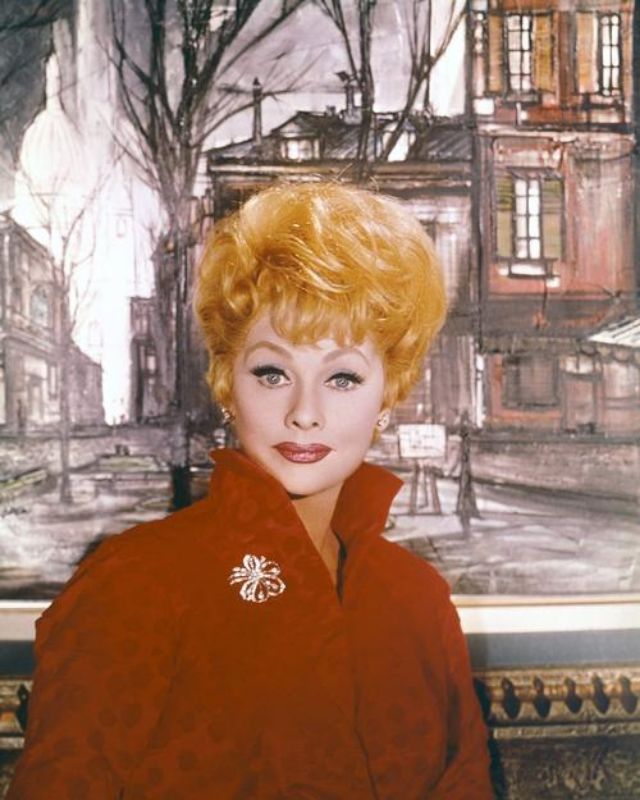
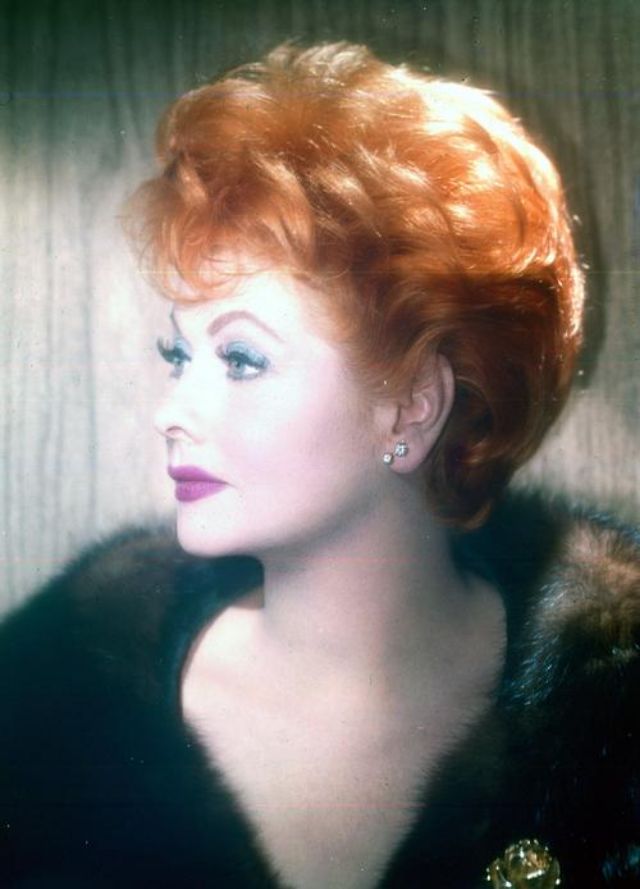
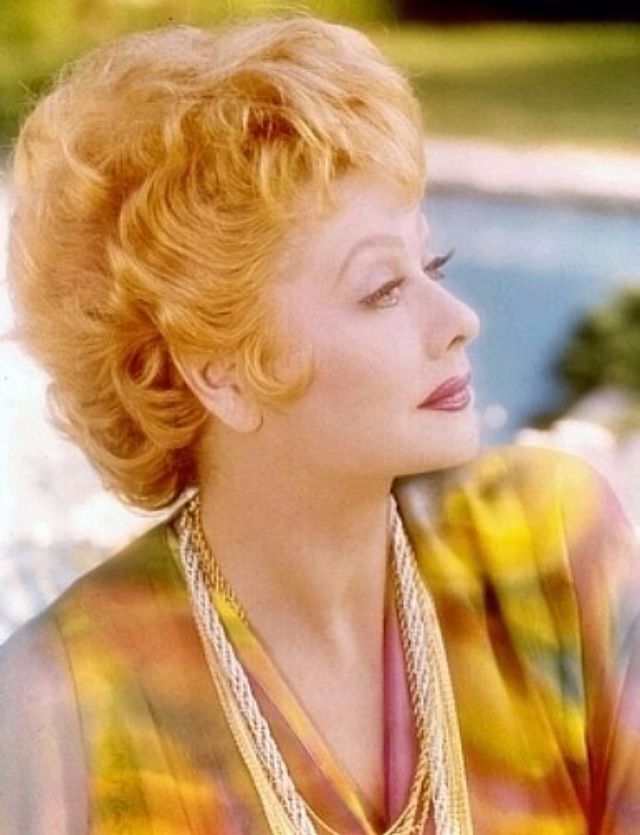
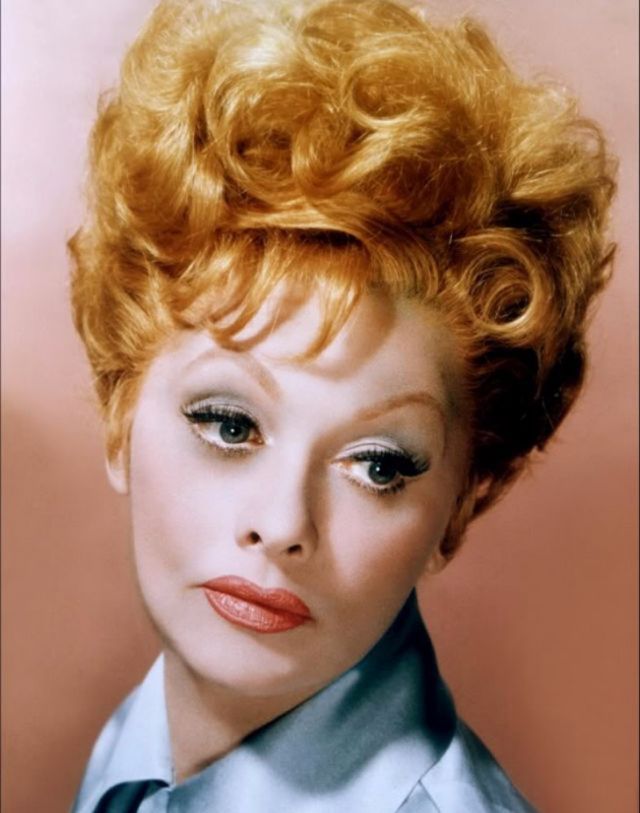
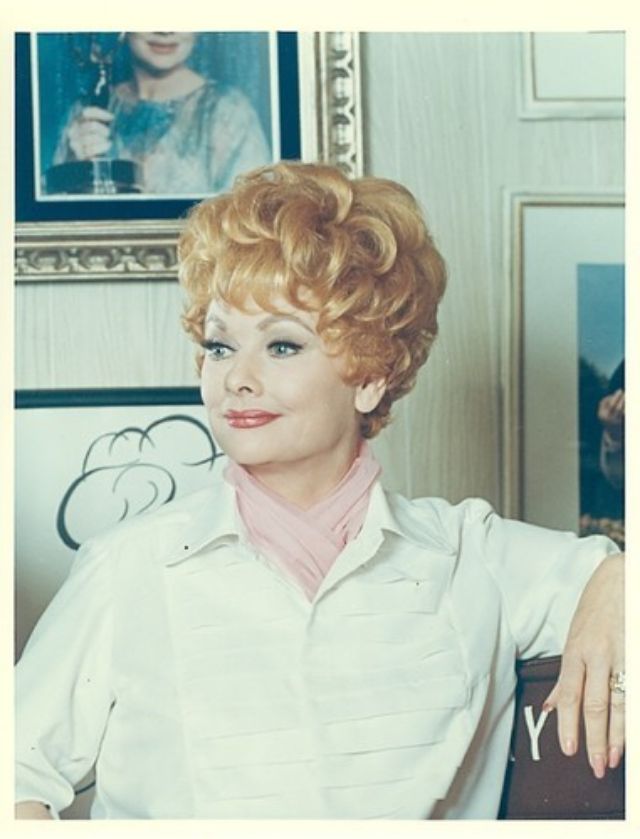
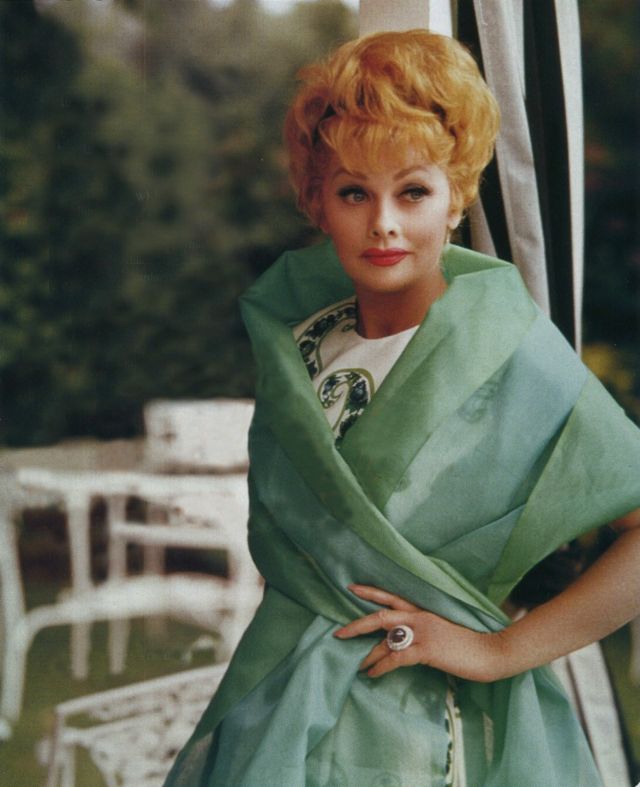
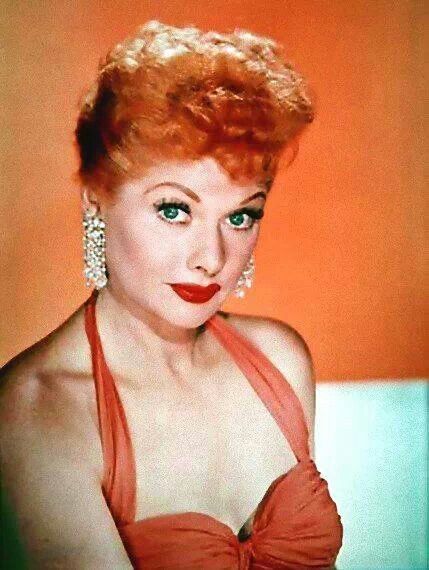
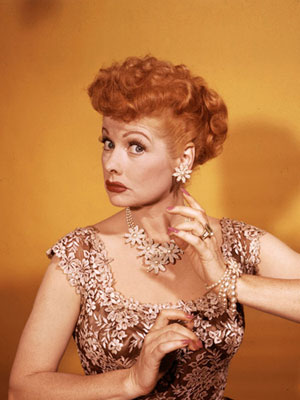
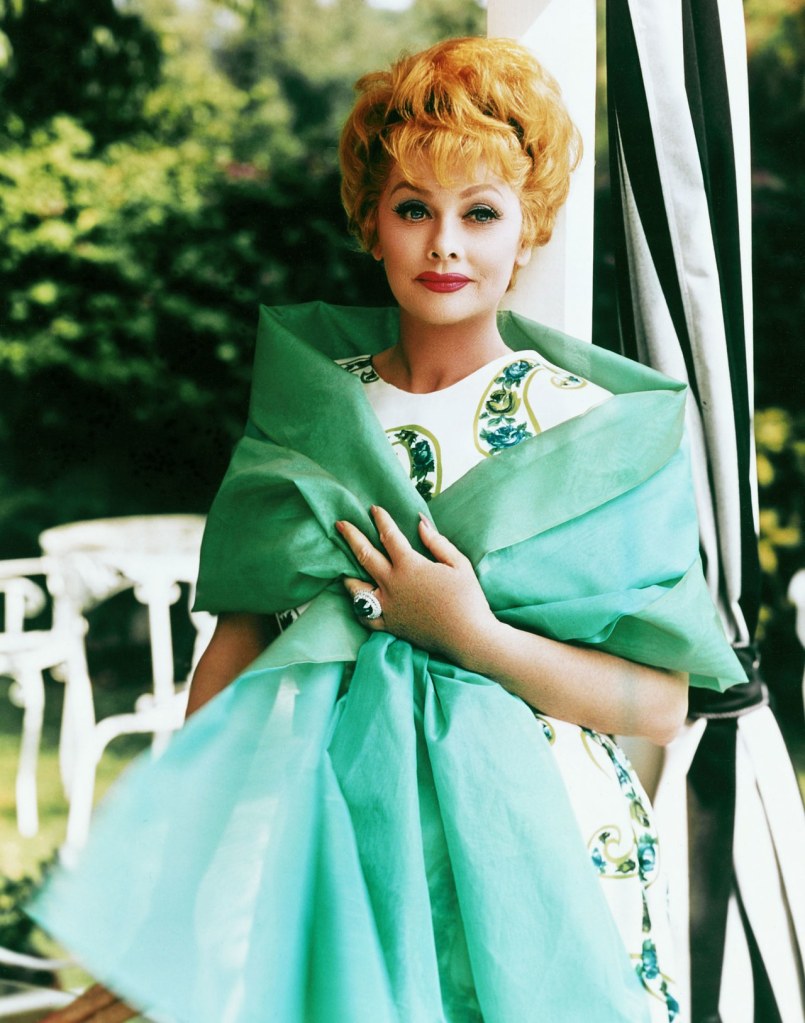
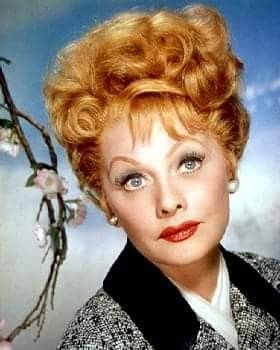
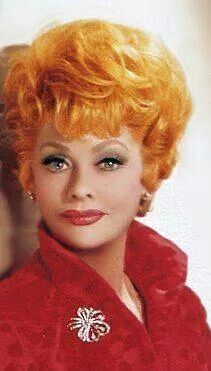
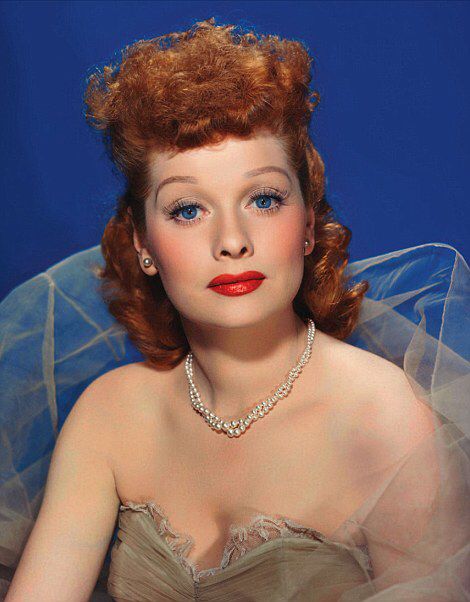
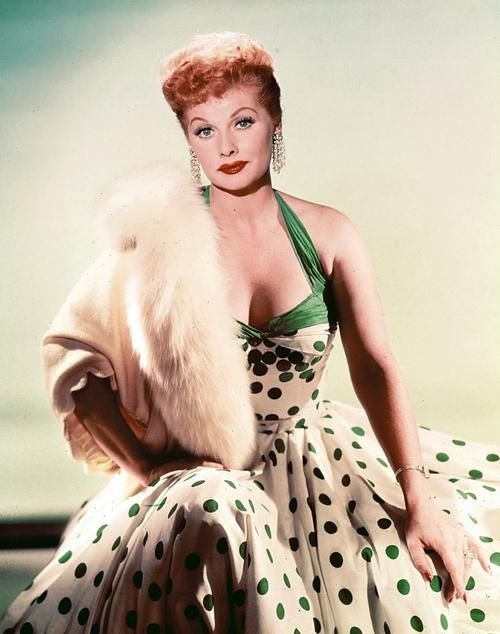
The woman who will always be remembered as the crazy, accident-prone, lovable Lucy Ricardo was born Lucille Desiree Ball on August 6, 1911 in Jamestown, New York. Her father died before she was four, and her mother worked several jobs, so she and her younger brother were raised by their grandparents. Always willing to take responsibility for her brother and young cousins, she was a restless teenager who yearned to “make some noise”. She entered a dramatic school in New York City, but while her classmate Bette Davis received all the raves, she was sent home; “too shy”. She found some work modeling for Hattie Carnegie’s and, in 1933, she was chosen to be a “Goldwyn Girl” and appear in the film Roman Scandals (1933).
She was put under contract to RKO Radio Pictures and several small roles, including one in Top Hat (1935), followed. Eventually, she received starring roles in B-pictures and, occasionally, a good role in an A-picture, like in Stage Door (1937) or The Big Street (1942). While filming Too Many Girls (1940), she met and fell madly in love with a young Cuban actor-musician named Desi Arnaz. Despite different personalities, lifestyles, religions and ages (he was six years younger), he fell hard, too, and after a passionate romance, they eloped and were married in November 1940. Lucy soon switched to Metro-Goldwyn-Mayer, where she got better roles in films such as Du Barry Was a Lady (1943); Best Foot Forward (1943) and the Katharine Hepburn-Spencer Tracy vehicle Without Love (1945). In 1948, she took a starring role in the radio comedy “My Favorite Husband”, in which she played the scatterbrained wife of a Midwestern banker. In 1950, CBS came knocking with the offer of turning it into a television series. After convincing the network brass to let Desi play her husband and to sign over the rights to and creative control over the series to them, work began on the most popular and universally beloved sitcom of all time.
With I Love Lucy (1951), she and Desi promoted the 3-camera technique now the standard in filming sitcoms using 35mm film (the earliest known example of the 3-camera technique is the first Russian feature film, “Defence of Sevastopol” in 1911). Desi syndicated I Love Lucy.
Lucille Desiree Ball was the first woman to own her own studio as the head of Desilu Productions.
Lucille Ball died at Cedars-Sinai Medical Center, age 77, of an acute aortic aneurysm on April 26, 1989 in Los Angeles, CA.
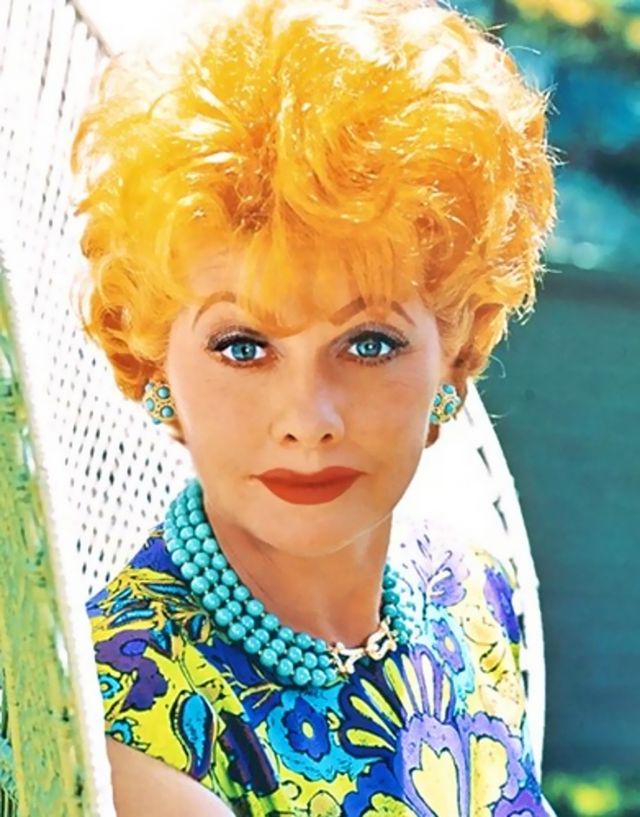
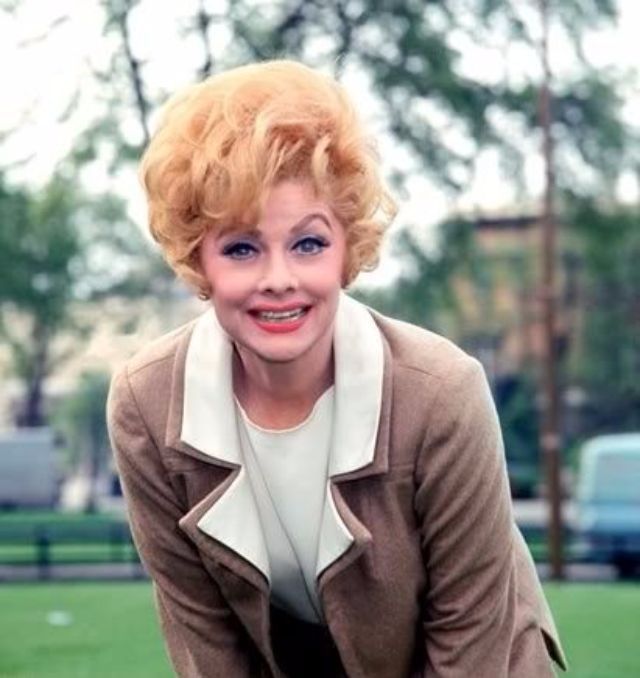
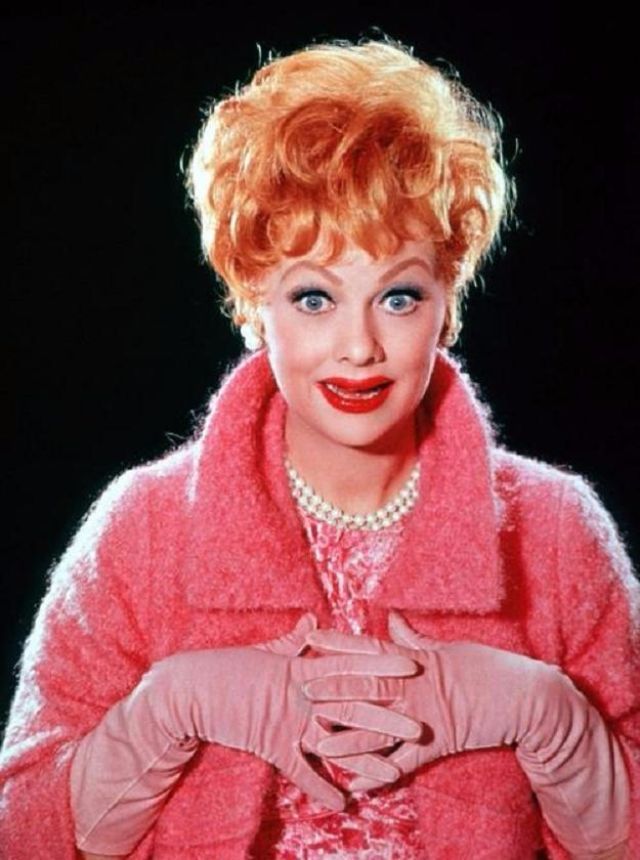
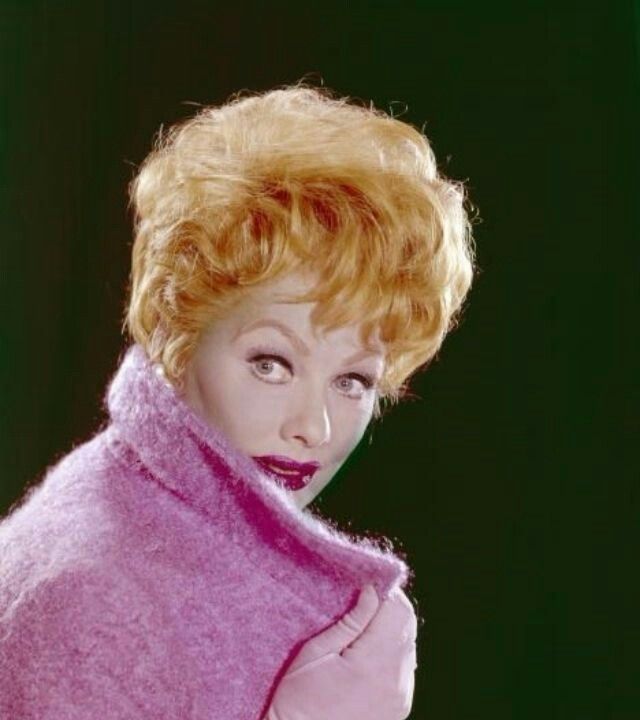
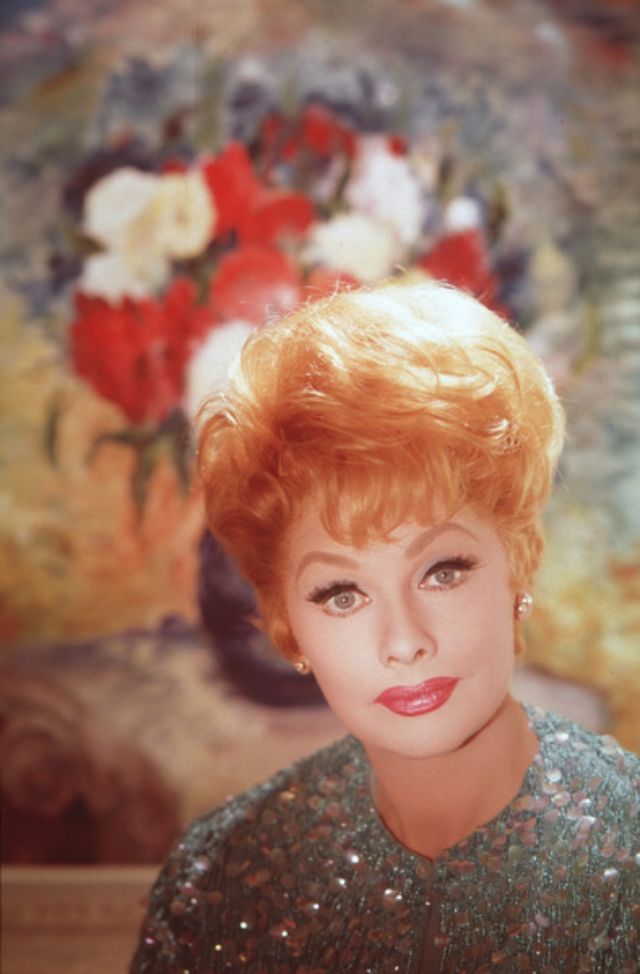
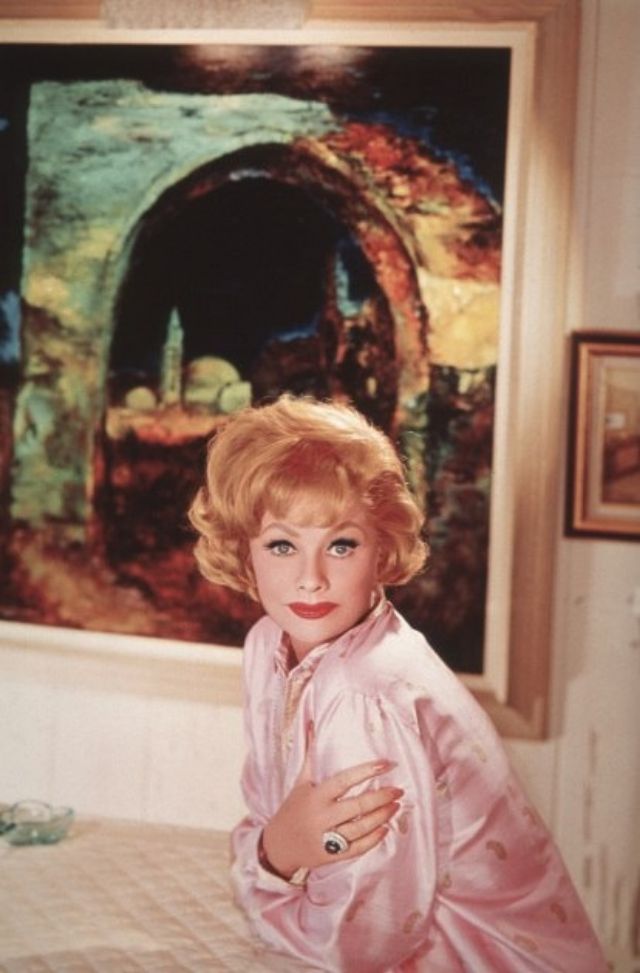
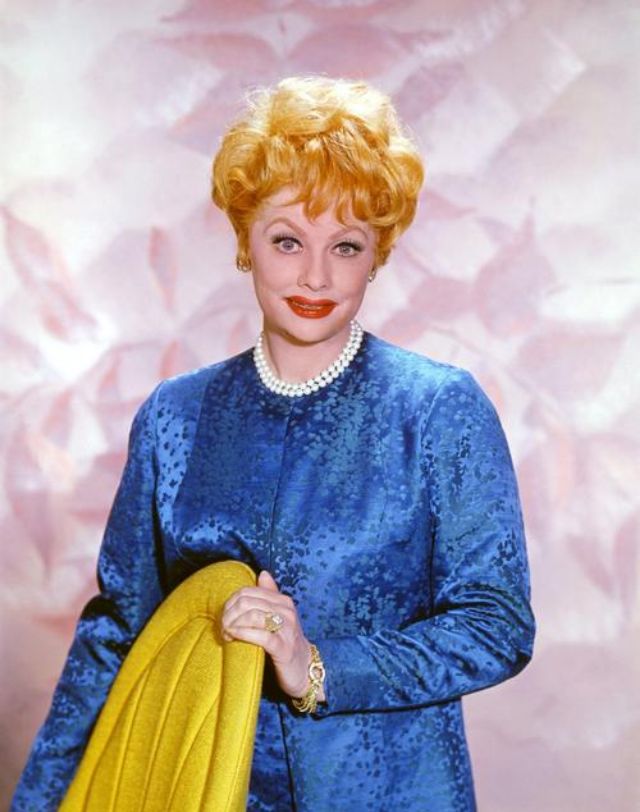
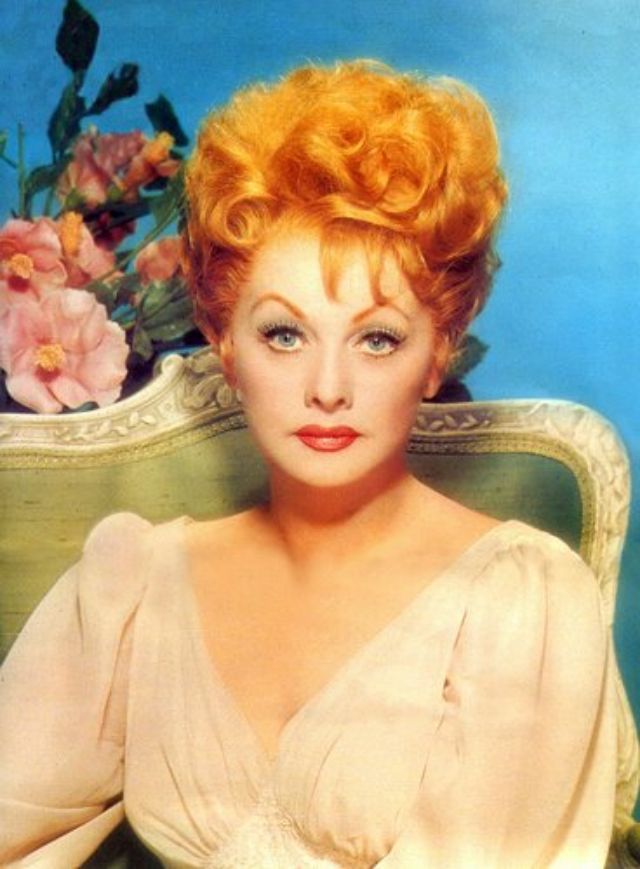
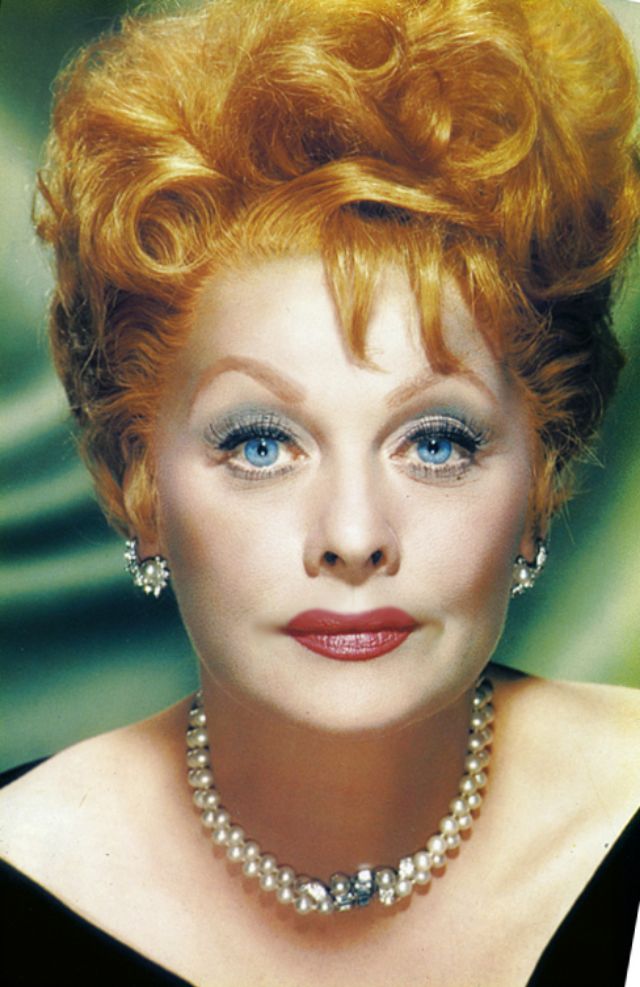
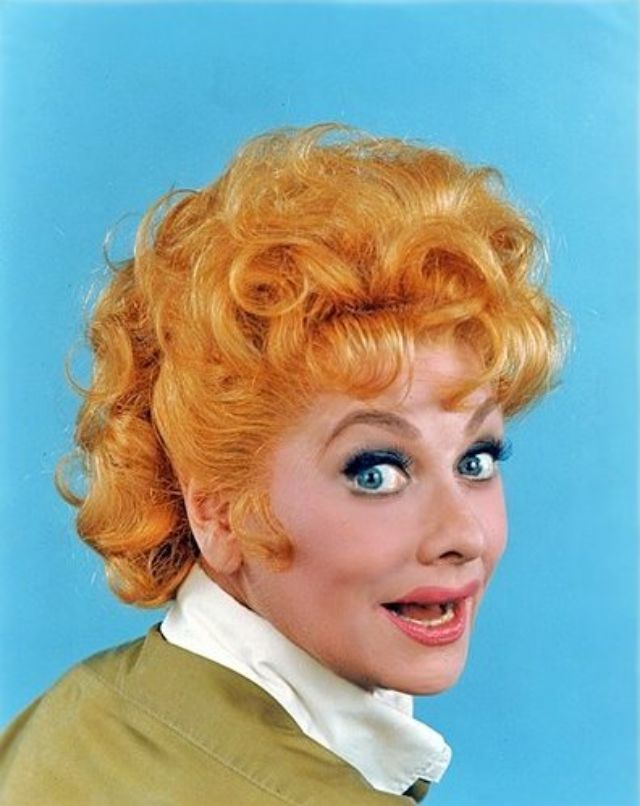
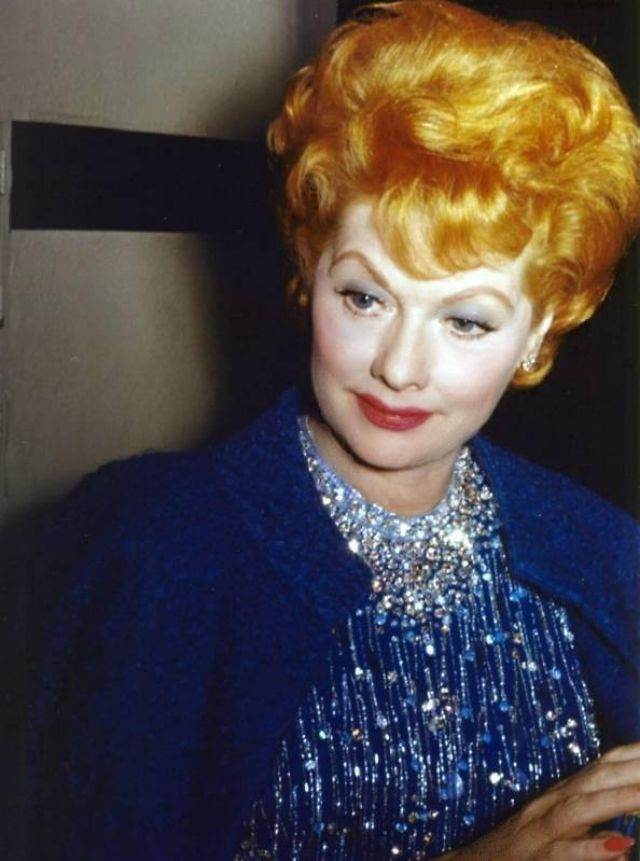
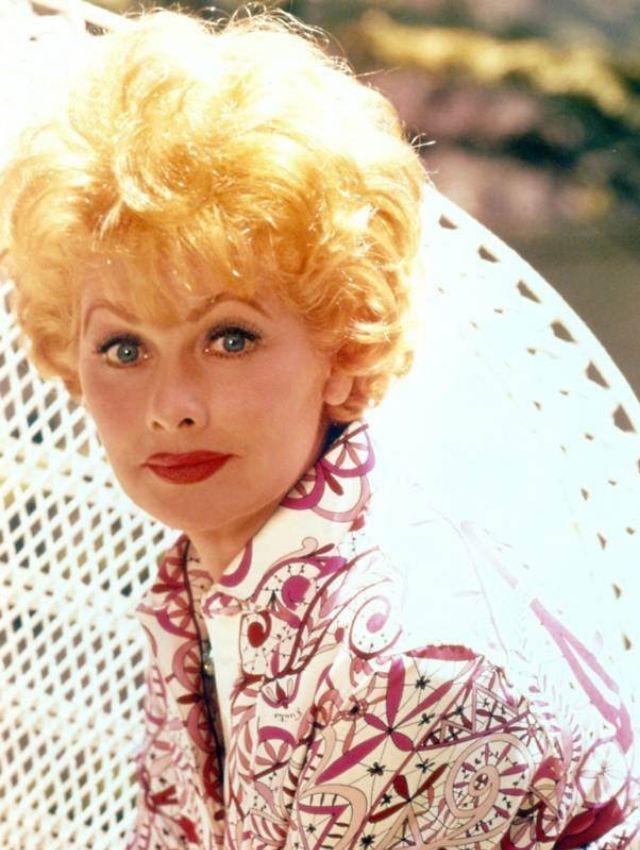
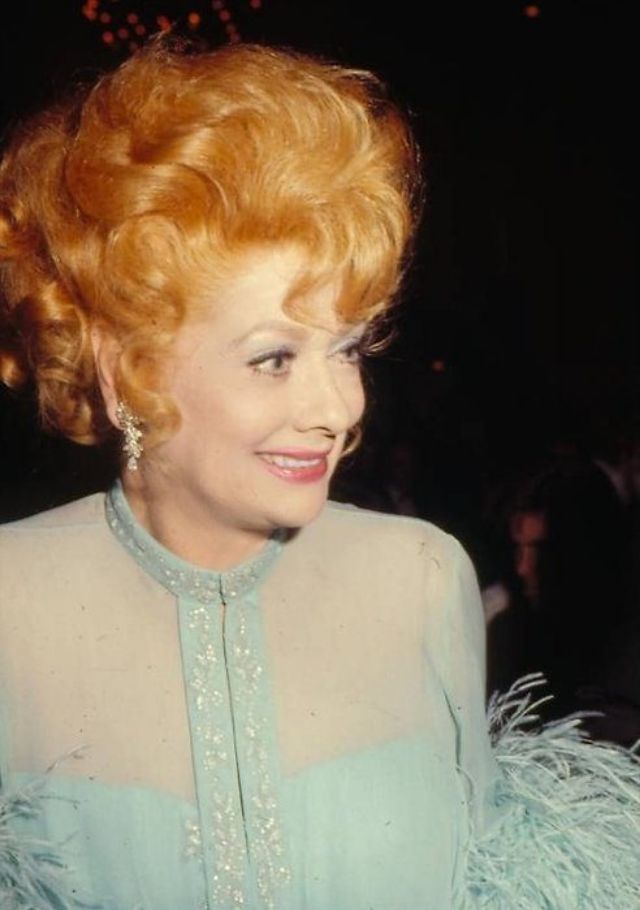
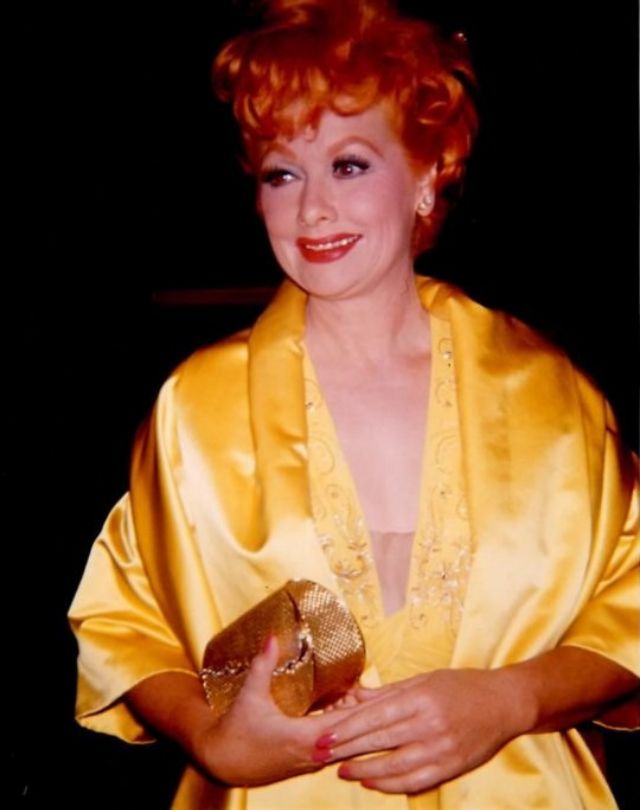
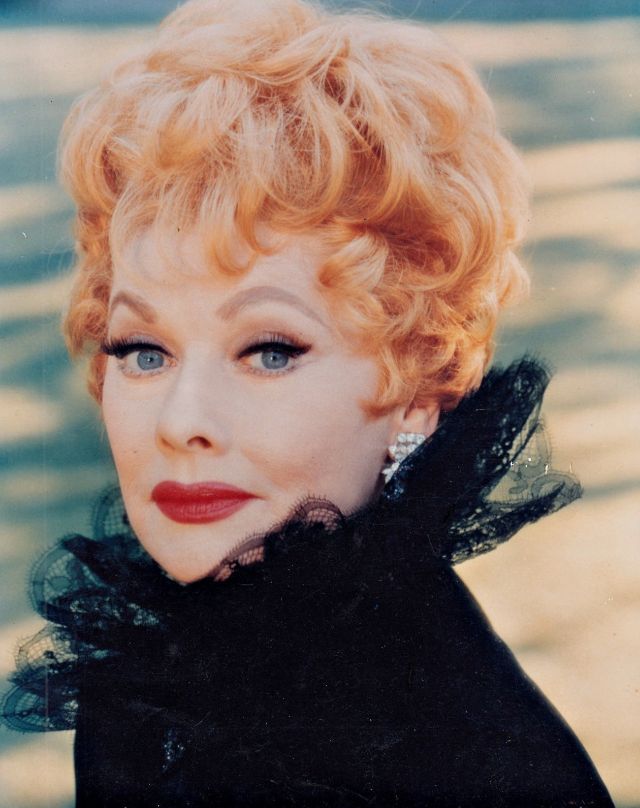
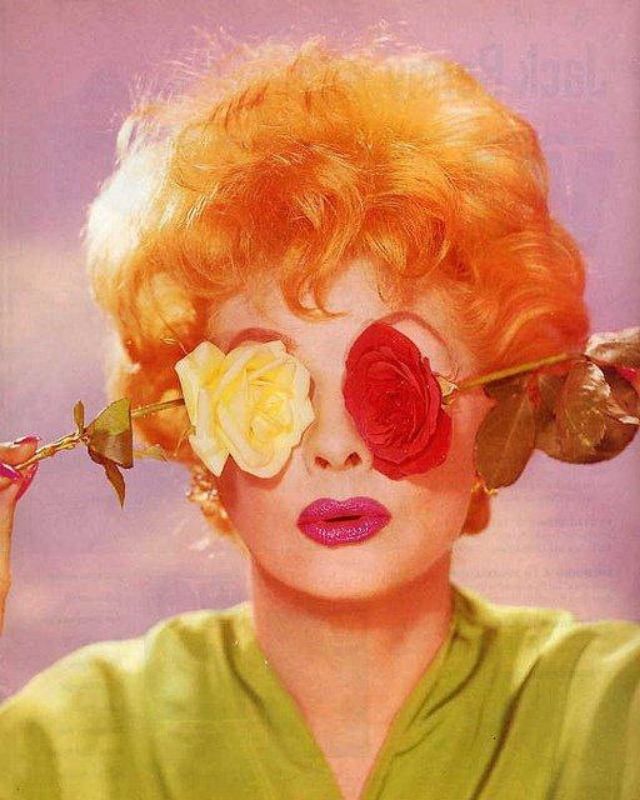
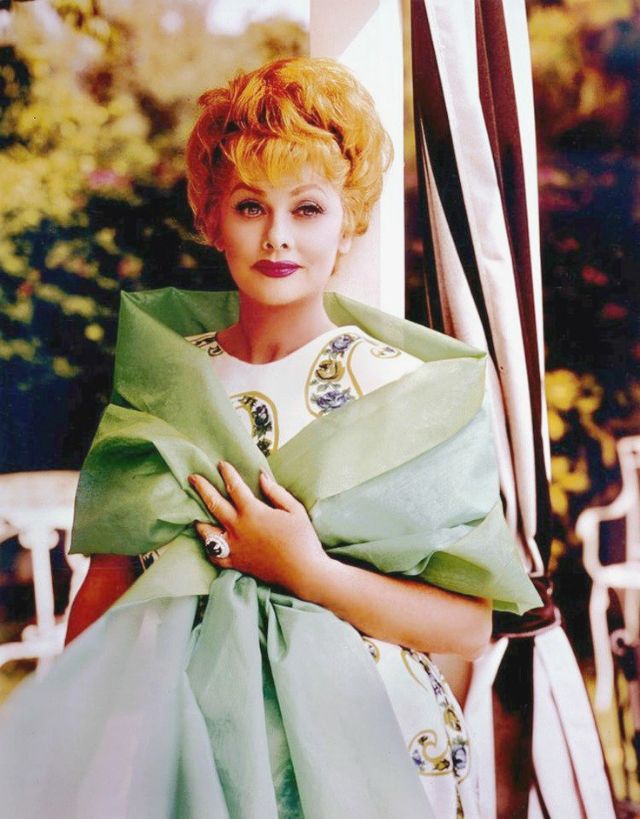
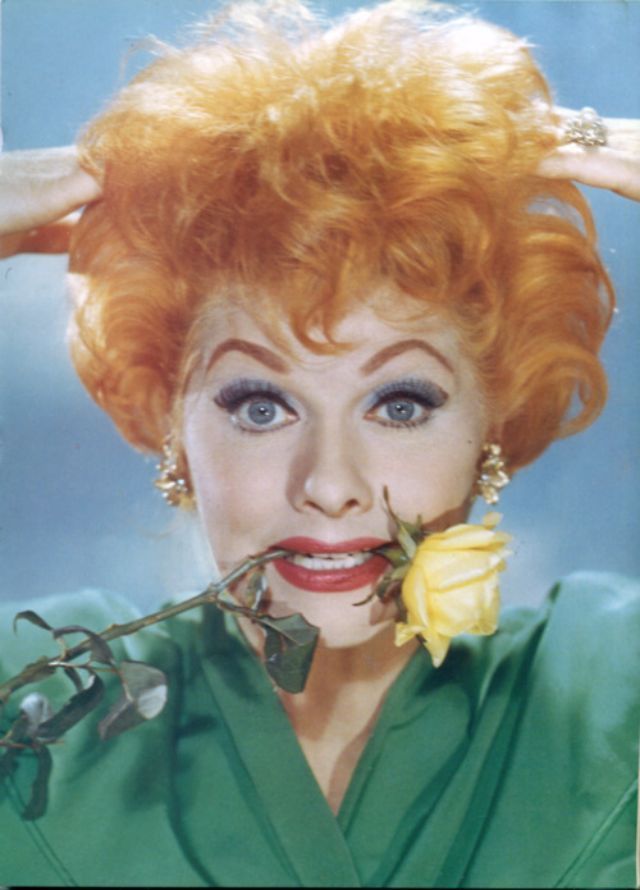
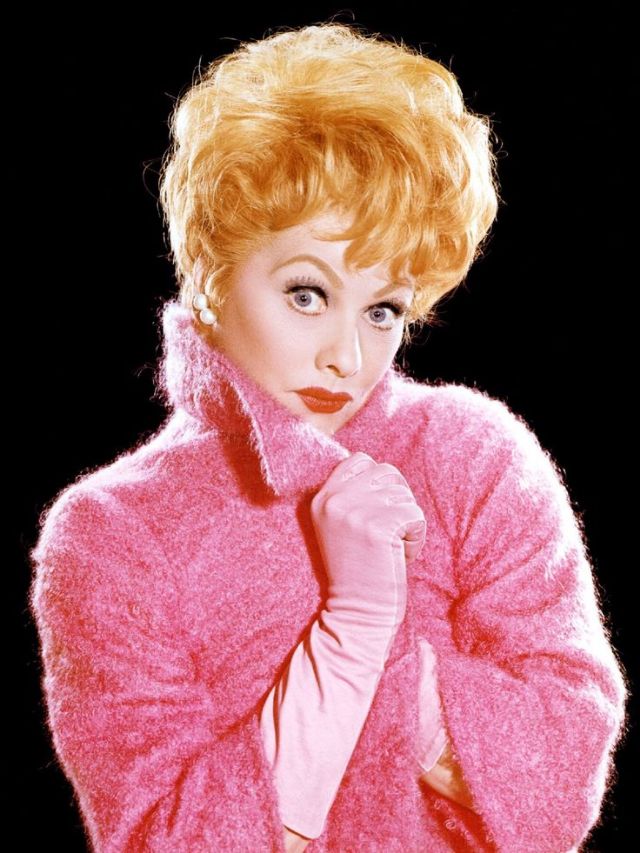
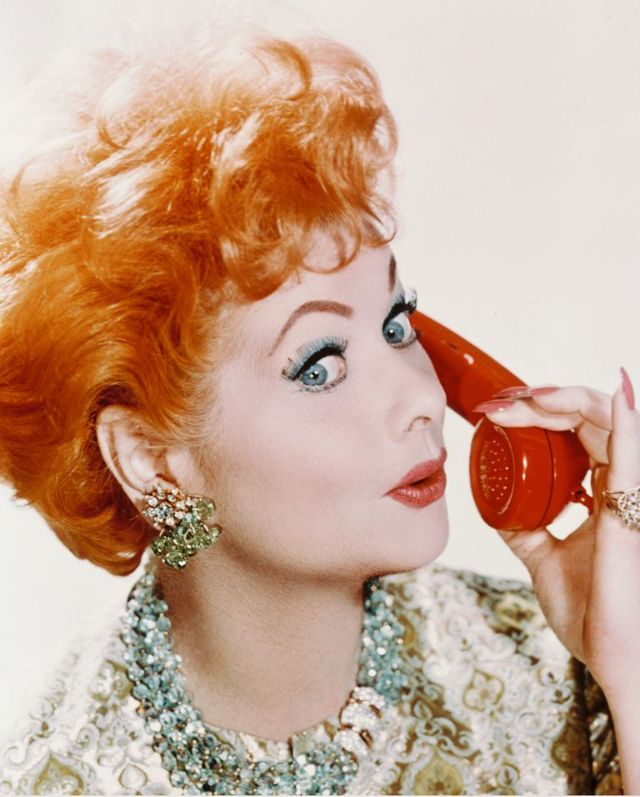
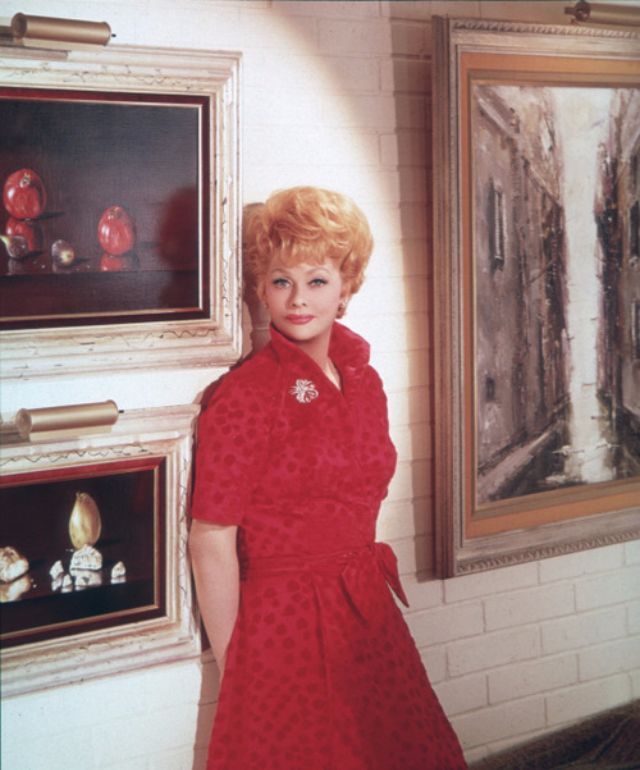
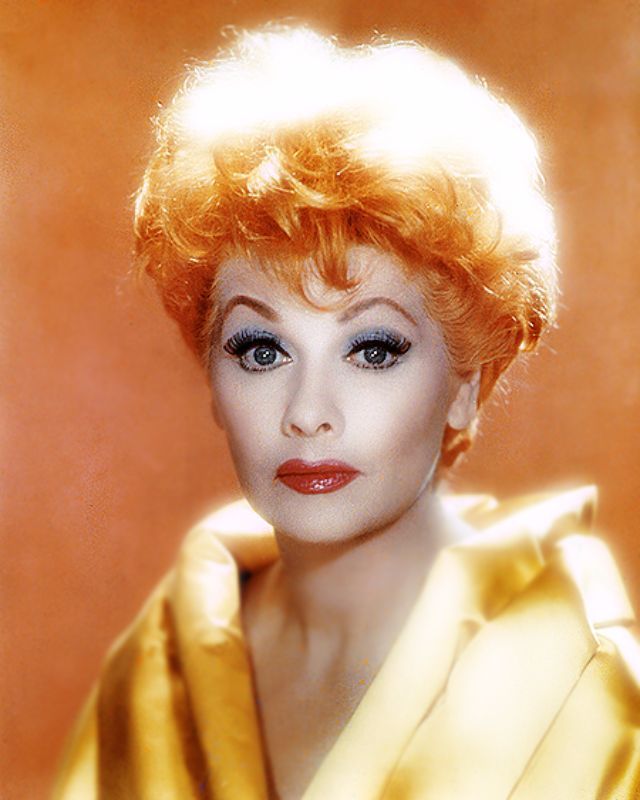
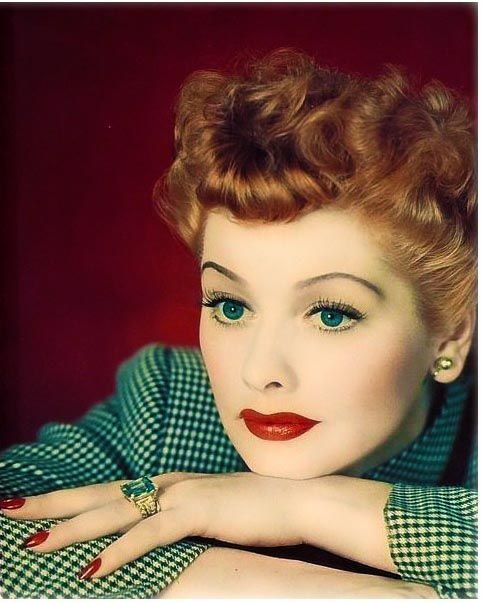
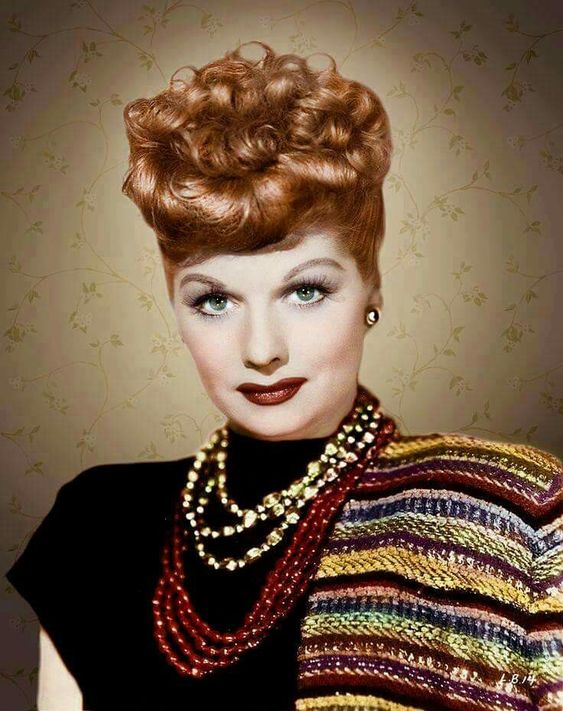
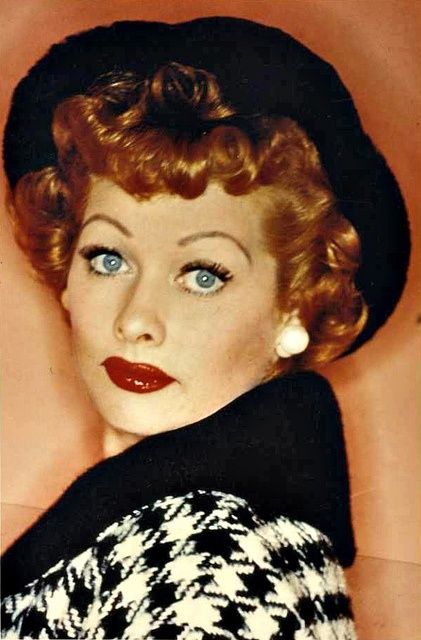
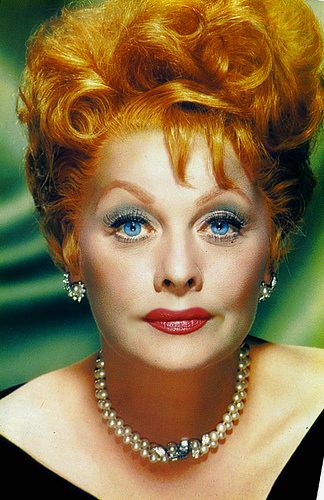
Read more of this content when you subscribe today.
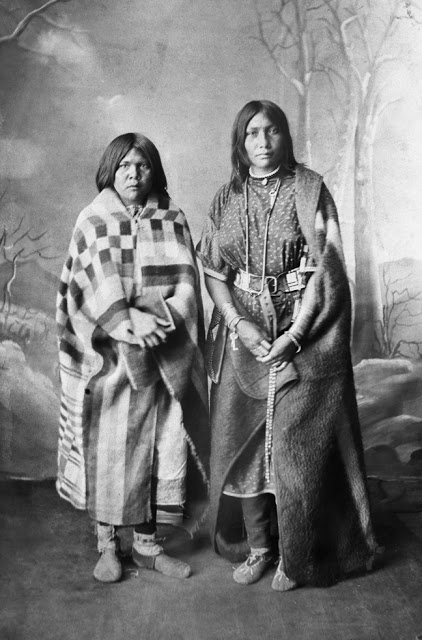
Alex Ross (1851–1894) came to Calgary, Alberta in 1884 and set up a photographic studio at the corner of Atlantic Avenue and Osler Street. He had previously worked for a photographer in Winnipeg, but felt the time was right to strike out on his own and establish his own business.
He quickly became well-known for his photographs of the First Nations people in the Calgary area, especially the Tsuu T’ina (called Sarcee at that time) and the Blackfoot. Some of the photographs were taken outdoors, but many more were carefully-posed studio shots. By 1891 the studio seems to have closed, and three years later Ross died at the relatively young age of 43.

Become a paid subscriber to get access to the rest of this post and other exclusive content.
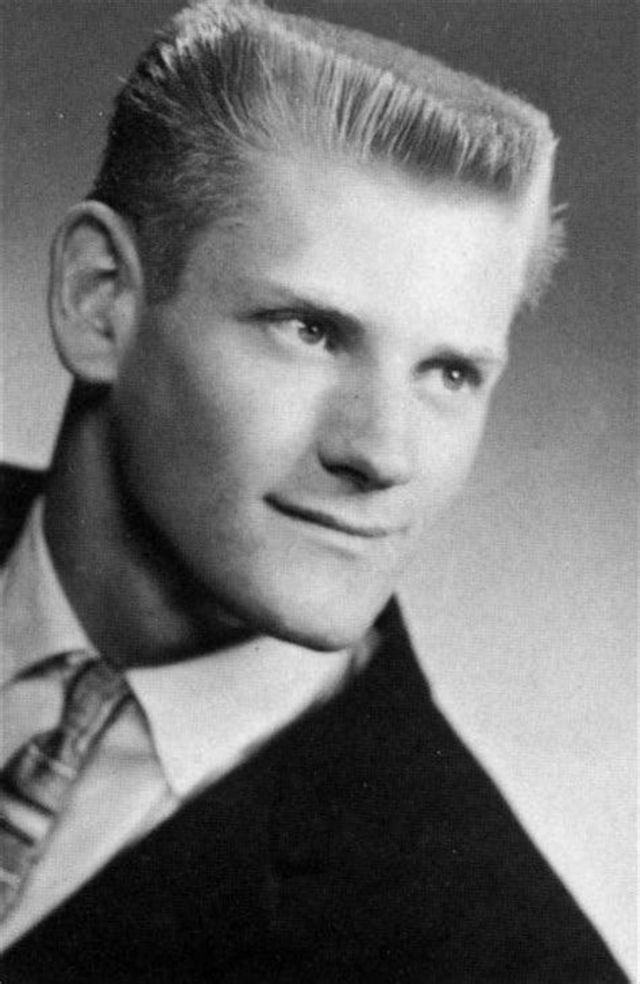
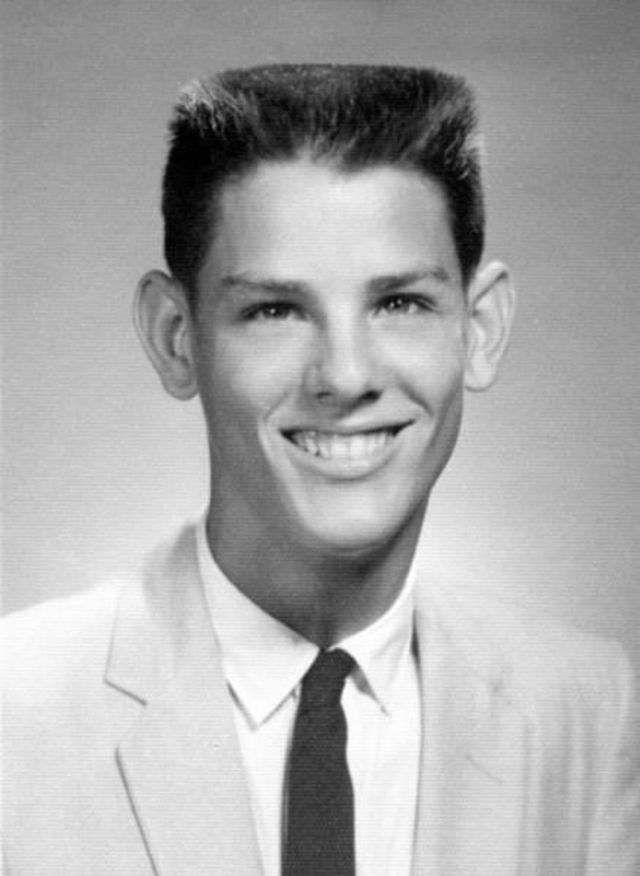
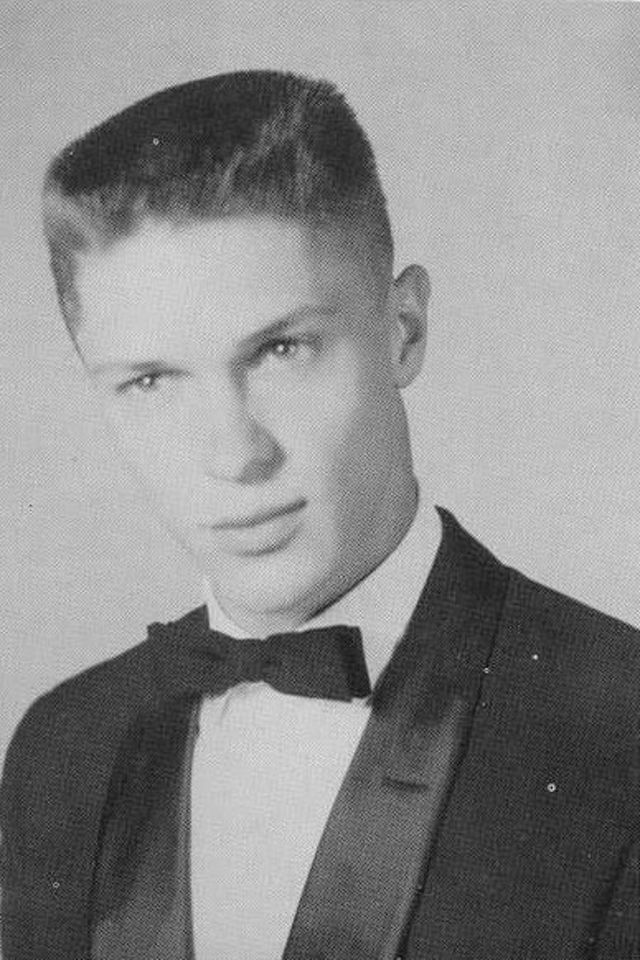
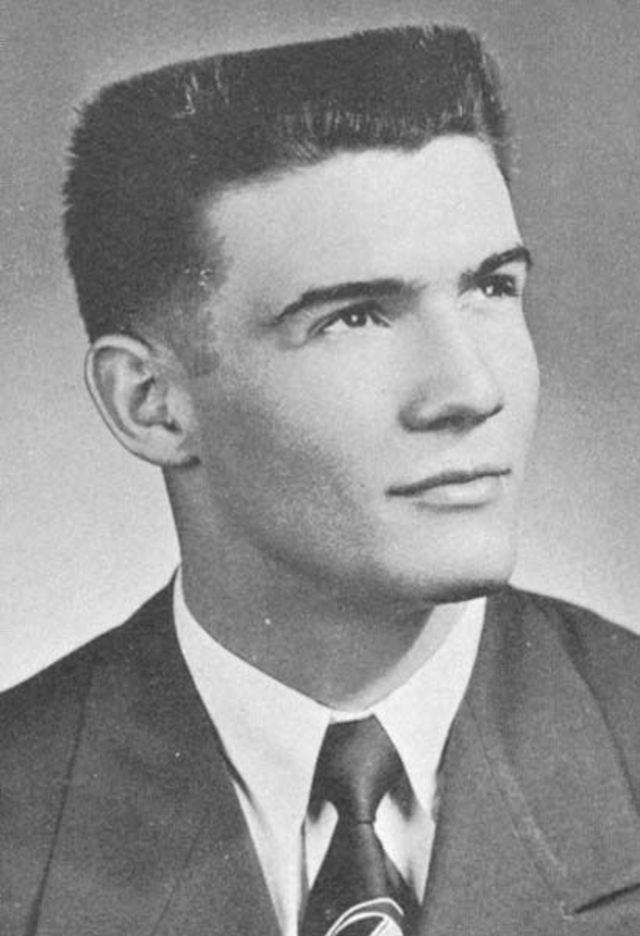
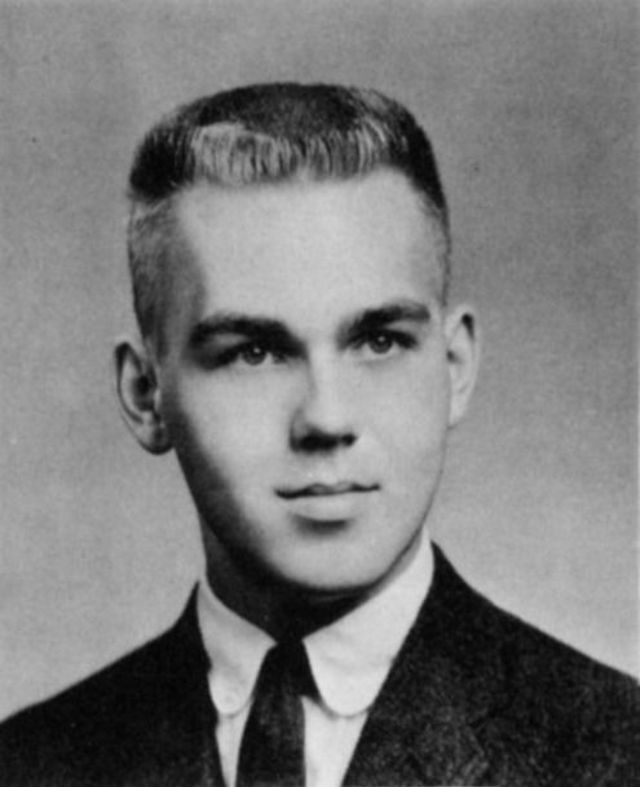
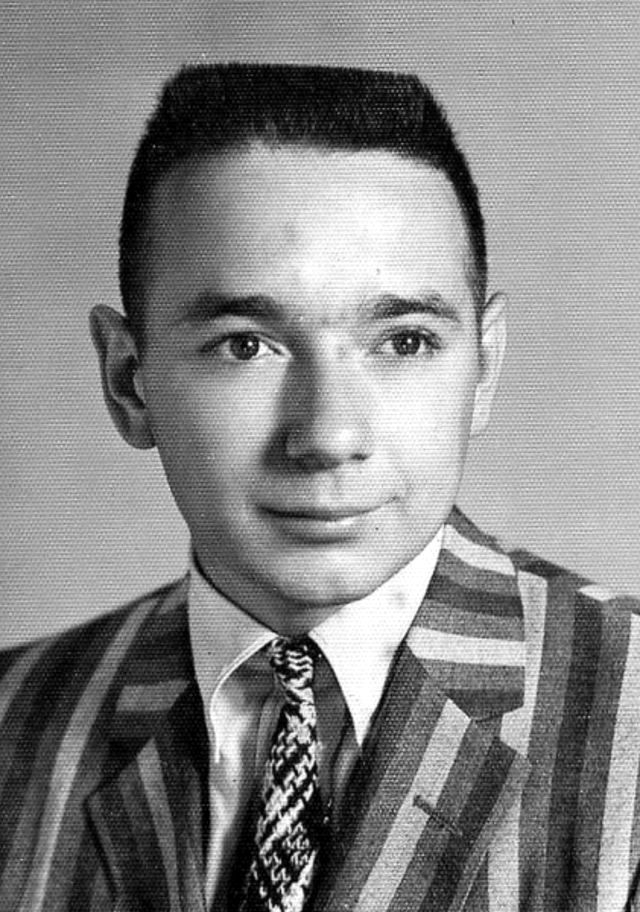
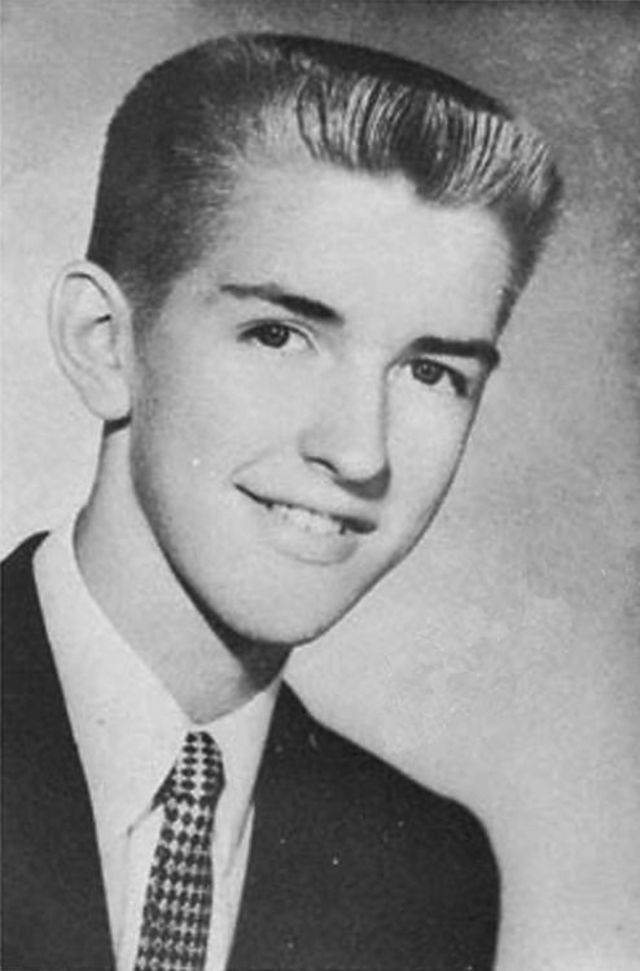
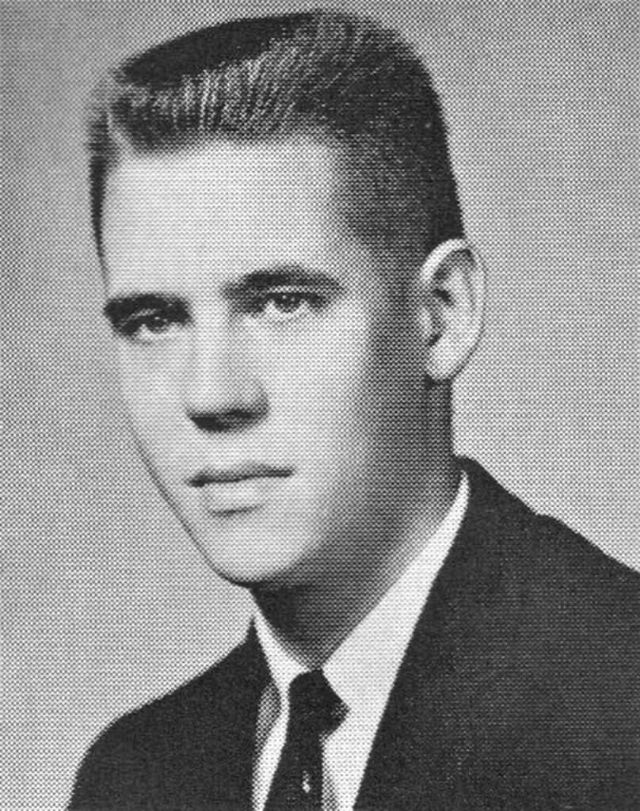
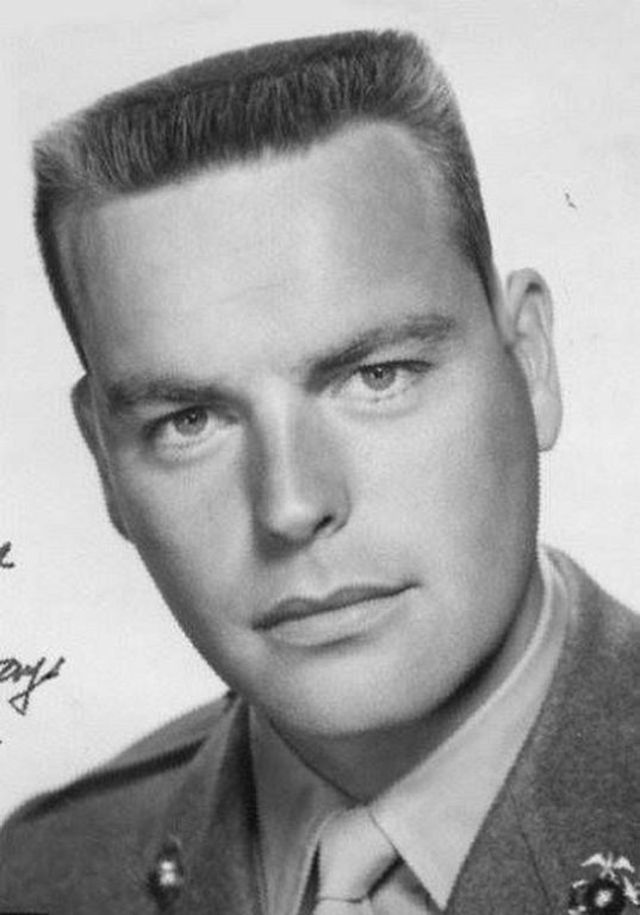
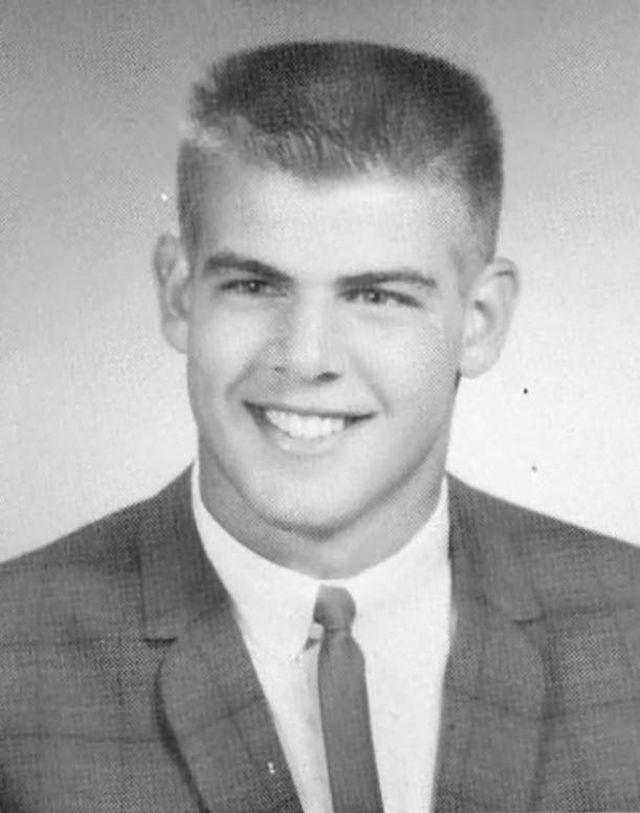
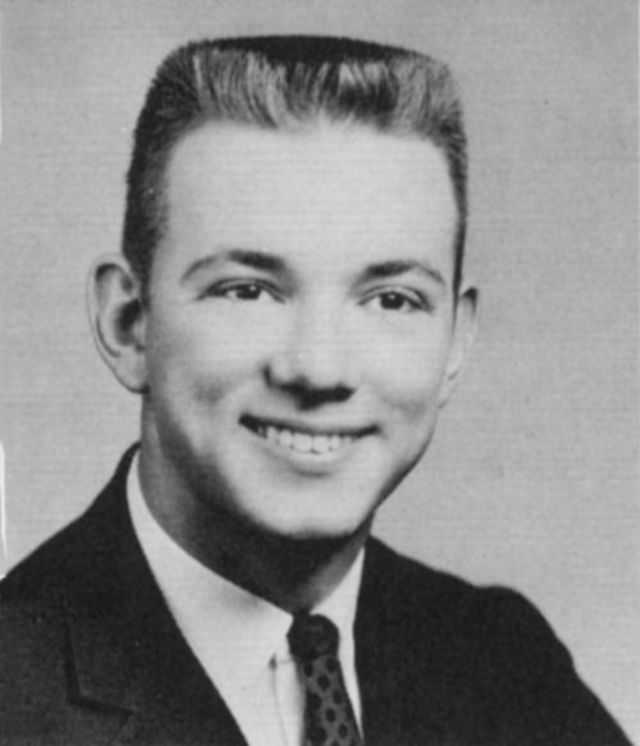
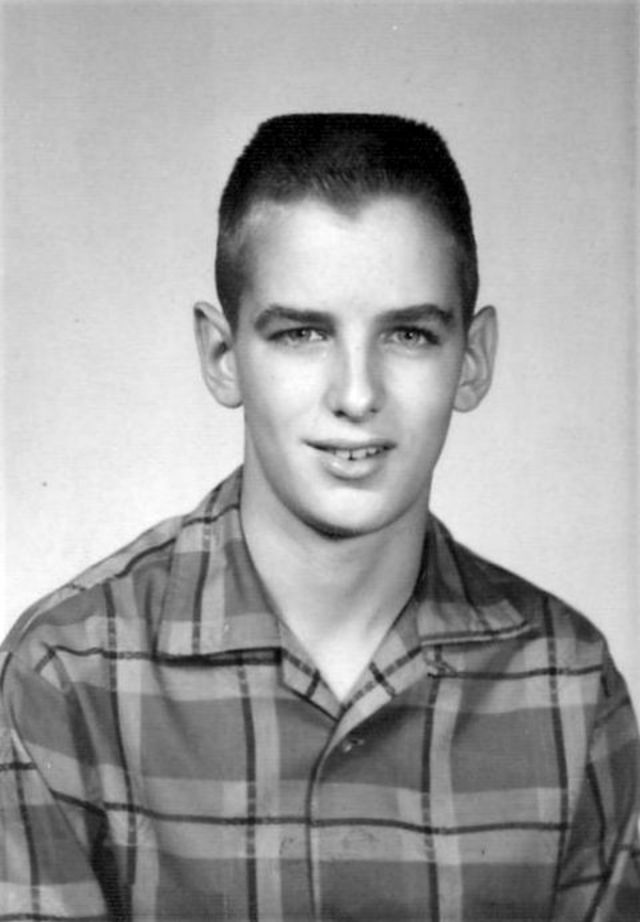
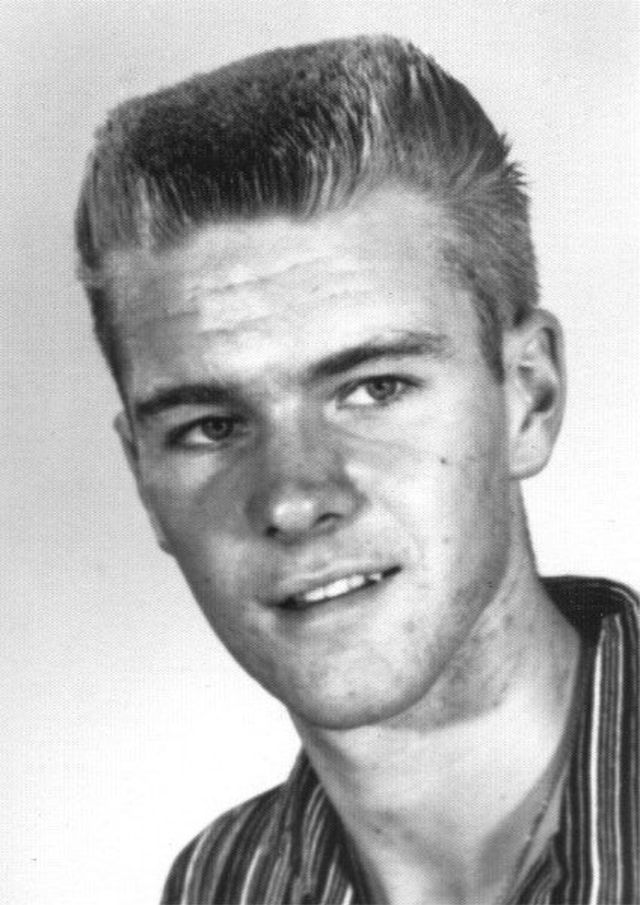
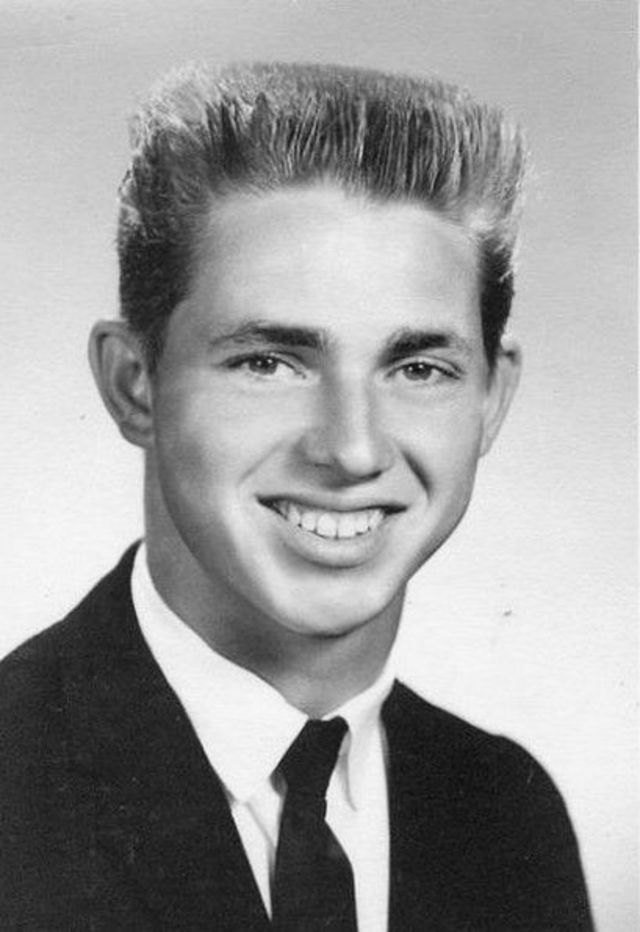
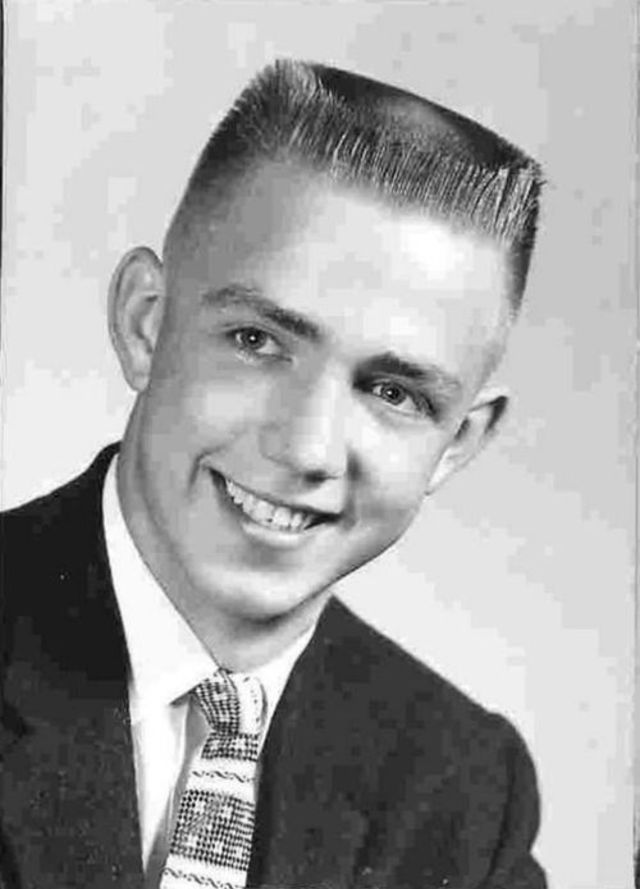
A “flattop” is a type of short haircut where the hair on the top of the head is usually standing upright and cut to form a flat-appearing deck. This deck may be level, or it may be upward or downward sloping. This type of haircut is usually performed with electric clippers, either freehand or using the clipper-over-comb method.
When a flattop is viewed from the front, varying degrees of squarish appearance are achieved by the design of the upper sides as they approach and round or angle on to the flat deck. Possibilities are somewhat limited by skull shape, the density of the hair and the diameter of the individual shafts of hair, but may include: boxy upper sides with rounded corners; boxy upper sides with sharp corners; rounded upper sides with rounded corners; rounded upper sides with sharp corners. The hair on the sides and back of the head is usually tapered short, semi-short, or medium.
Since the haircut is short and quickly grows out of its precisely-cut shape, maintenance haircuts are required at least every few weeks, and some flattop wearers get haircuts as often as once a week. Flattops have almost exclusively been worn by men and boys, being most popular among military men, athletes and blue collar workers.
The flattop has maintained a contingent of dedicated wearers since it was introduced. It was very popular in the 1950s, but faded in popularity with the emergence of longer hair styles in the late 1960s and 1970s. It had a brief reappearance in the 1980s and early 1990s, before dropping off again.

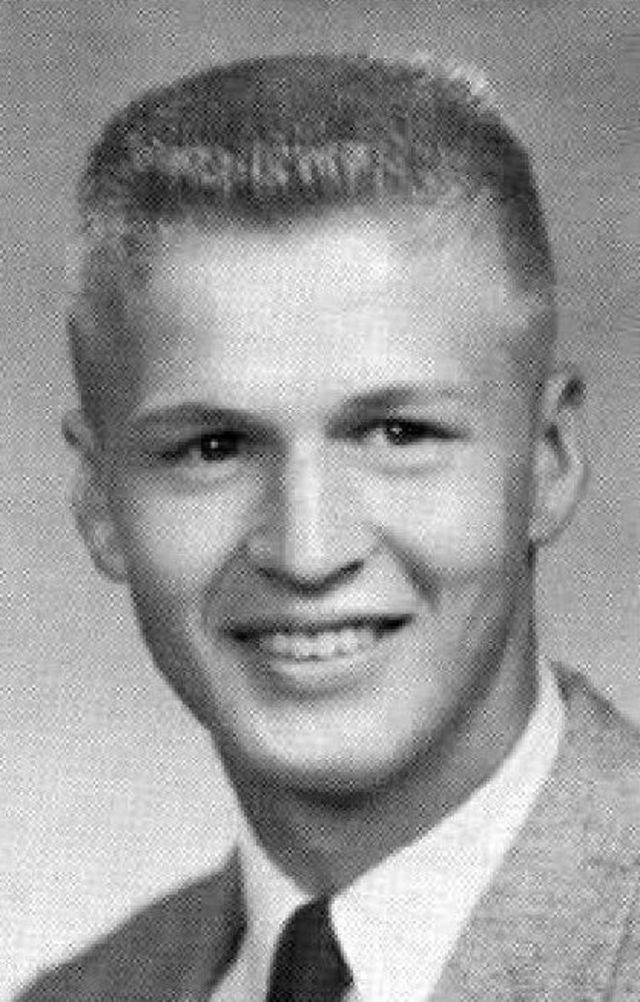

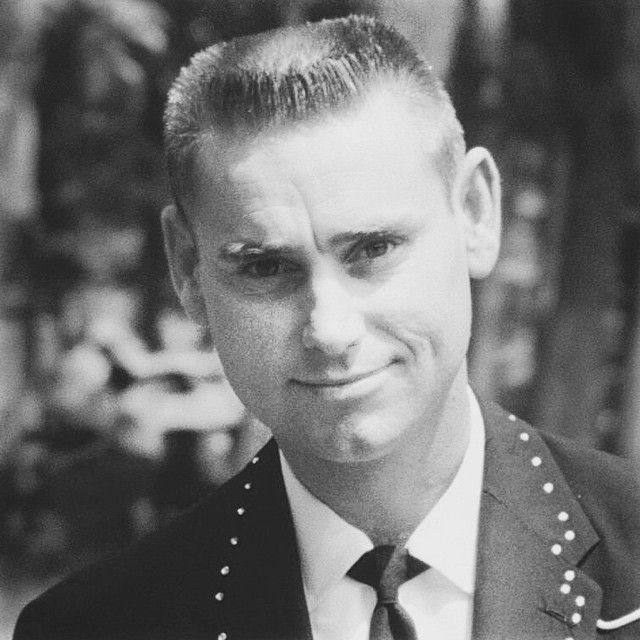
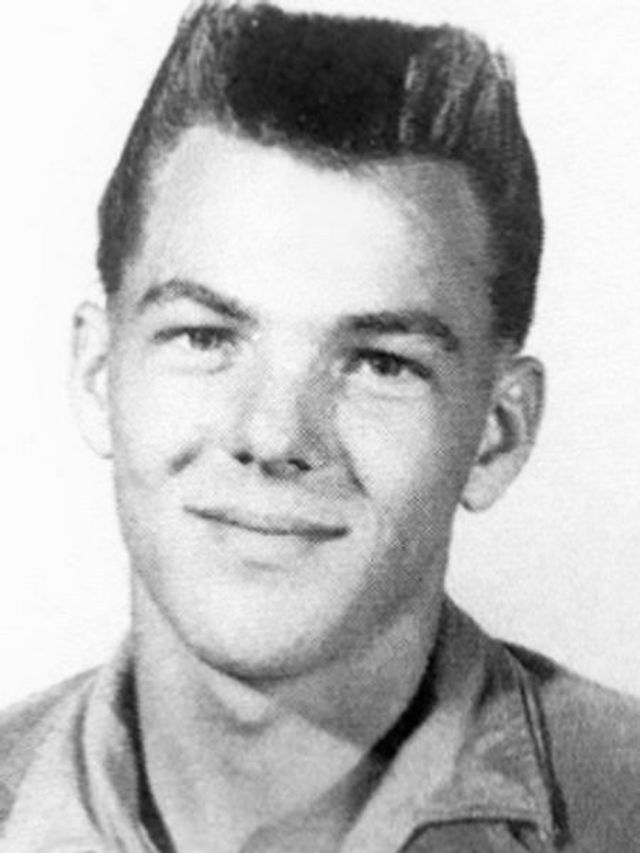


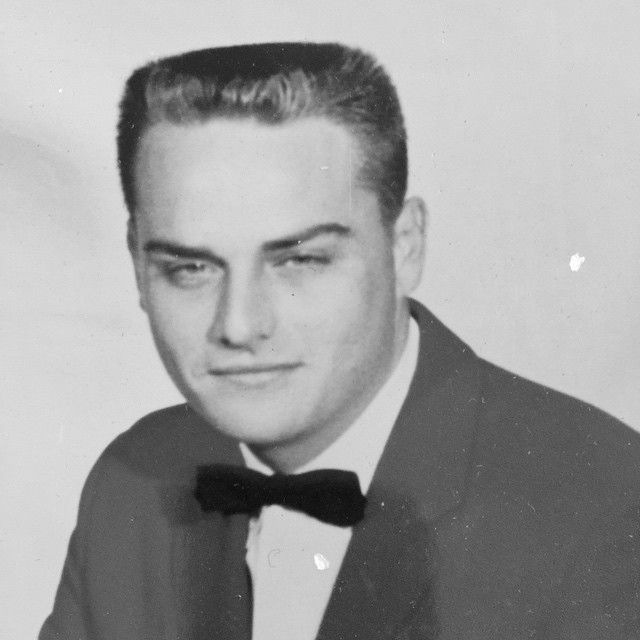




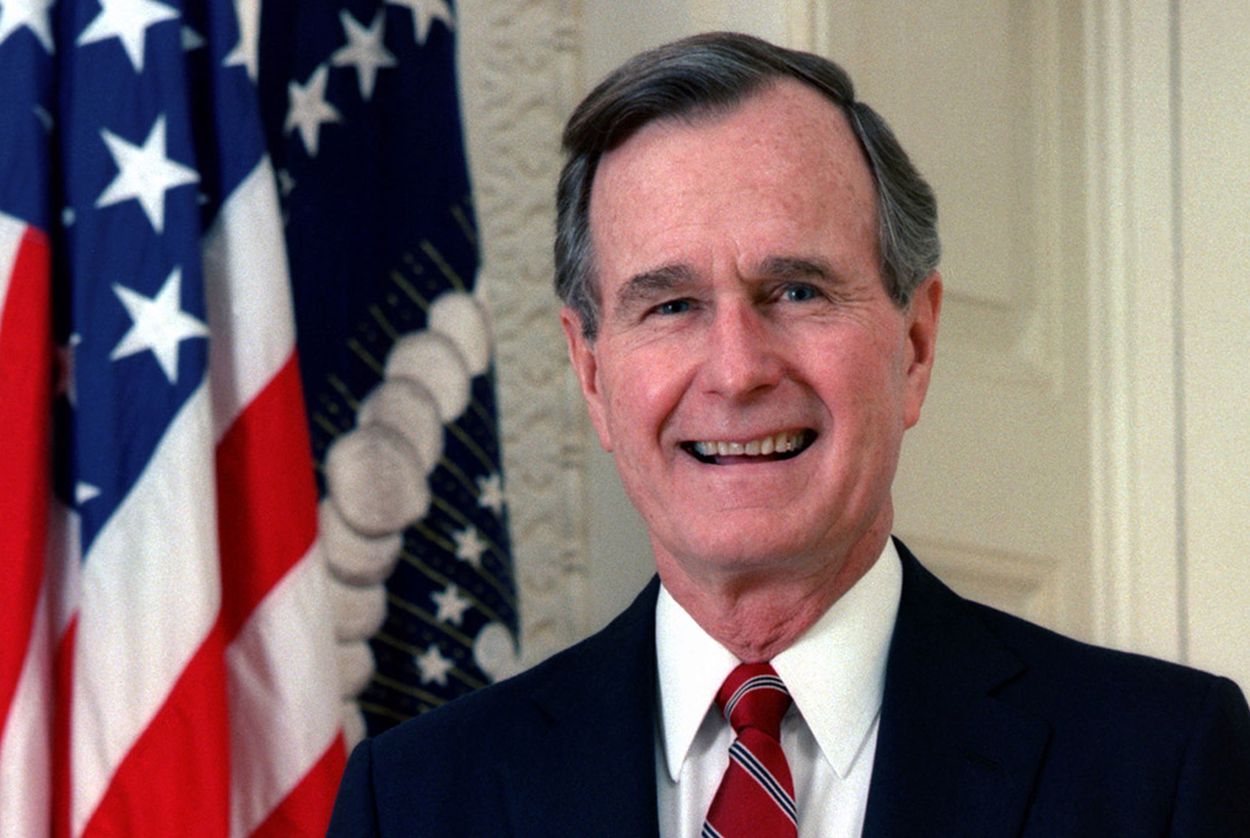
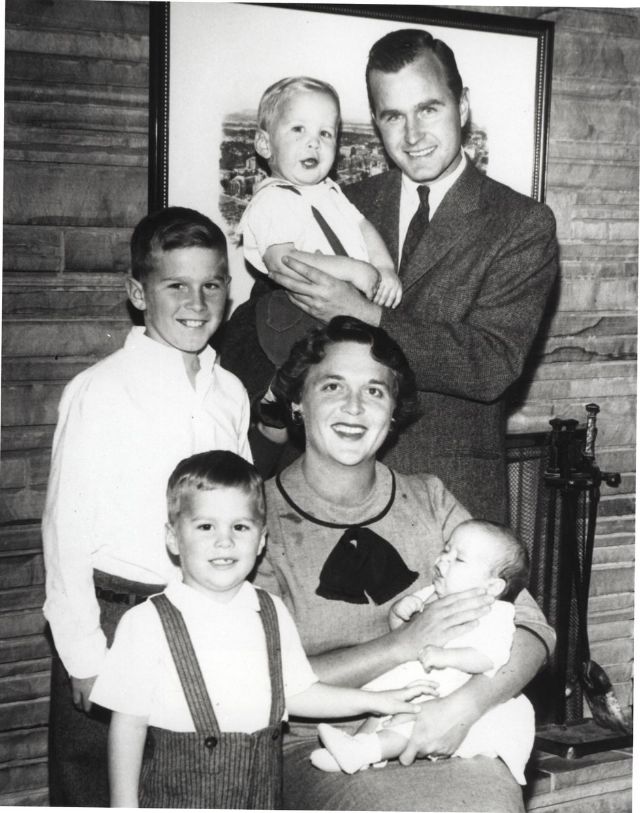
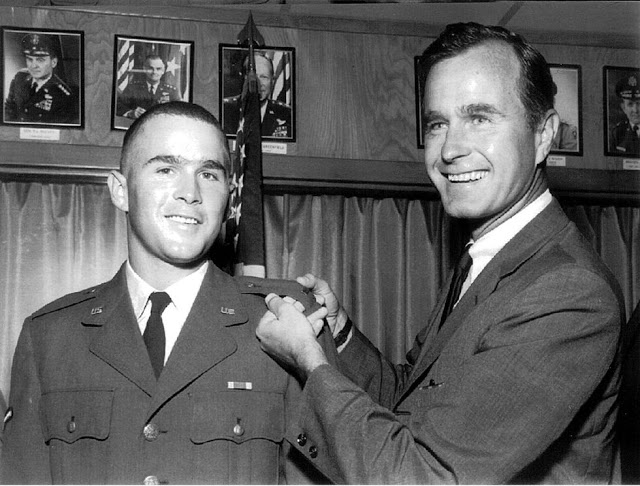
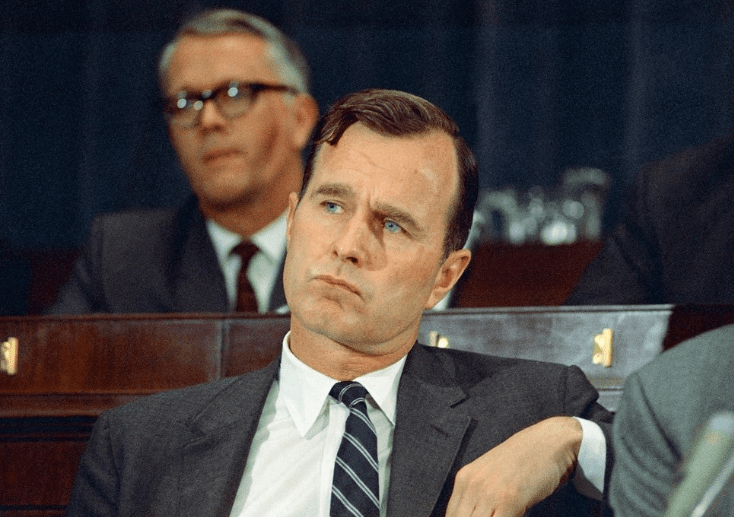
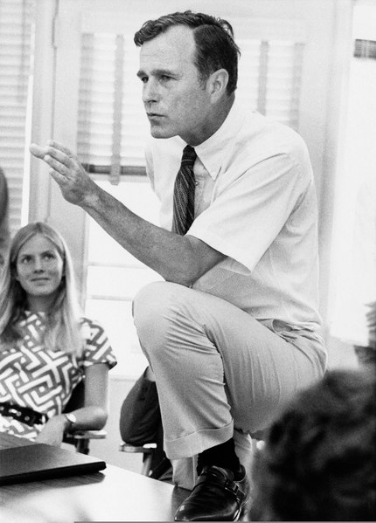
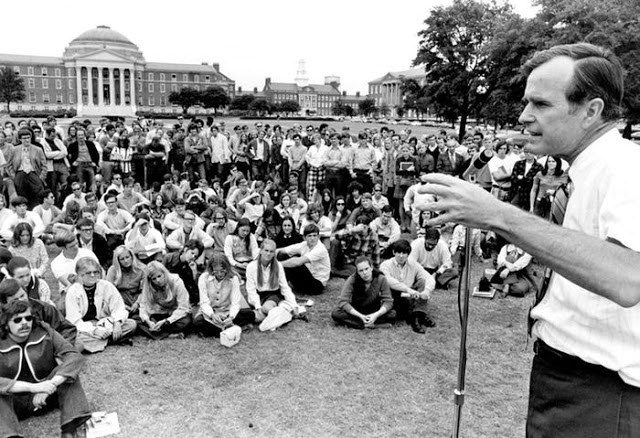
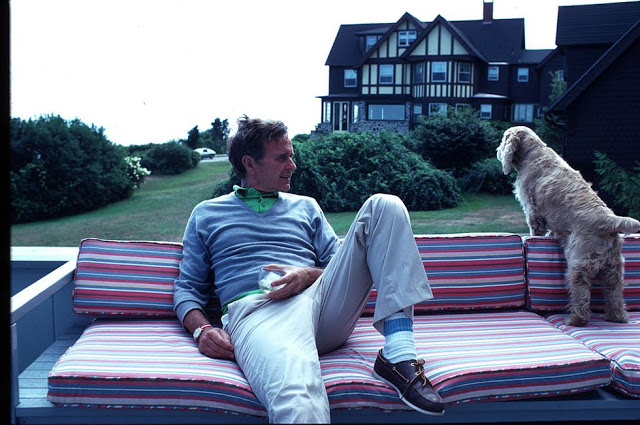
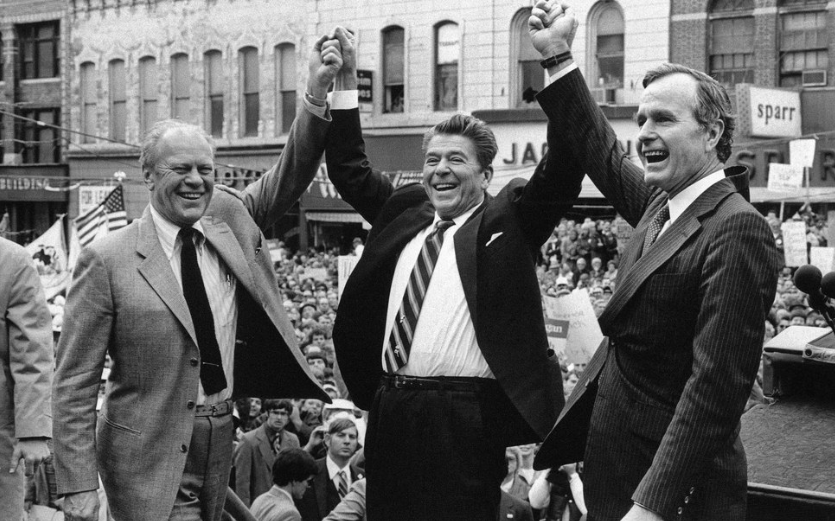
George Herbert Walker Bush (June 12, 1924 – November 30, 2018) was an American politician and businessman who served as the 41st president of the United States from 1989 to 1993. A member of the Republican Party, Bush also served as the 43rd vice president from 1981 to 1989 under Ronald Reagan, in the U.S. House of Representatives, as U.S. Ambassador to the United Nations, and as Director of Central Intelligence.
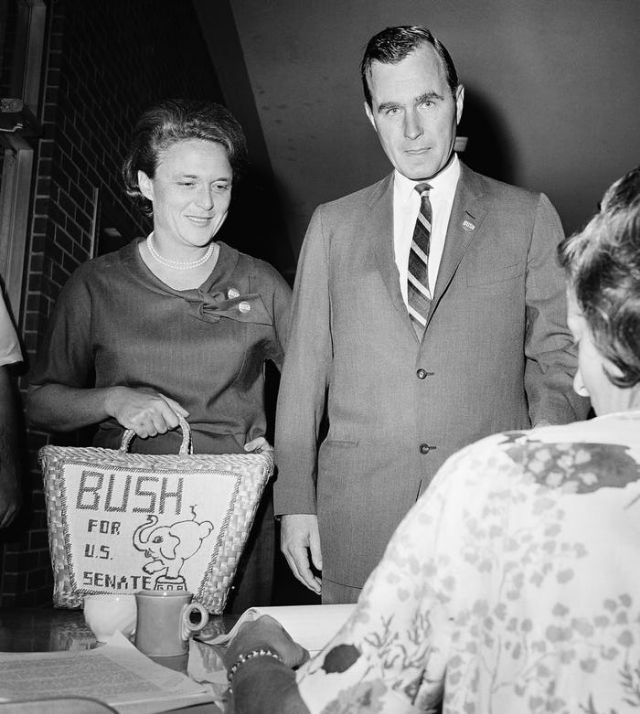
Bush was raised in Greenwich, Connecticut, and attended Phillips Academy before serving in the United States Navy Reserve during World War II. After the war, he graduated from Yale and moved to West Texas, where he established a successful oil company. After an unsuccessful run for the United States Senate, he won the election to the 7th congressional district of Texas in 1966. President Richard Nixon appointed Bush to the position of Ambassador to the United Nations in 1971 and to the position of chairman of the Republican National Committee in 1973. In 1974, President Gerald Ford appointed him as the Chief of the Liaison Office to the People’s Republic of China, and in 1976 Bush became the Director of Central Intelligence. Bush ran for president in 1980, but was defeated in the Republican presidential primaries by Ronald Reagan. He was then elected vice president in 1980 and 1984 as Reagan’s running mate.
In the 1988 presidential election, Bush defeated Democrat Michael Dukakis, becoming the first incumbent vice president to be elected president since Martin Van Buren in 1836. Foreign policy drove the Bush presidency, as he navigated the final years of the Cold War and played a key role in the reunification of Germany. Bush presided over the invasion of Panama and the Gulf War, ending the Iraqi occupation of Kuwait in the latter conflict. Though the agreement was not ratified until after he left office, Bush negotiated and signed the North American Free Trade Agreement (NAFTA), which created a trade bloc consisting of the United States, Canada, and Mexico. Domestically, Bush reneged on a 1988 campaign promise by enacting legislation to raise taxes with the justification of reducing the budget deficit. He also signed the Americans with Disabilities Act of 1990 and successfully appointed David Souter and Clarence Thomas to the Supreme Court. Bush lost the 1992 presidential election to Democrat Bill Clinton following an economic recession, his turnaround on his tax promise, and the decreased emphasis of foreign policy in a post–Cold War political climate.
After leaving office in 1993, Bush was active in humanitarian activities, often working alongside Bill Clinton, his former opponent. With the victory of his son, George W. Bush, in the 2000 presidential election, the two became the second father–son pair to serve as the nation’s president, following John Adams and John Quincy Adams. Another son, Jeb Bush, unsuccessfully sought the Republican presidential nomination in the 2016 Republican primaries. Historians generally rank Bush as an above-average president. (Wikipedia)

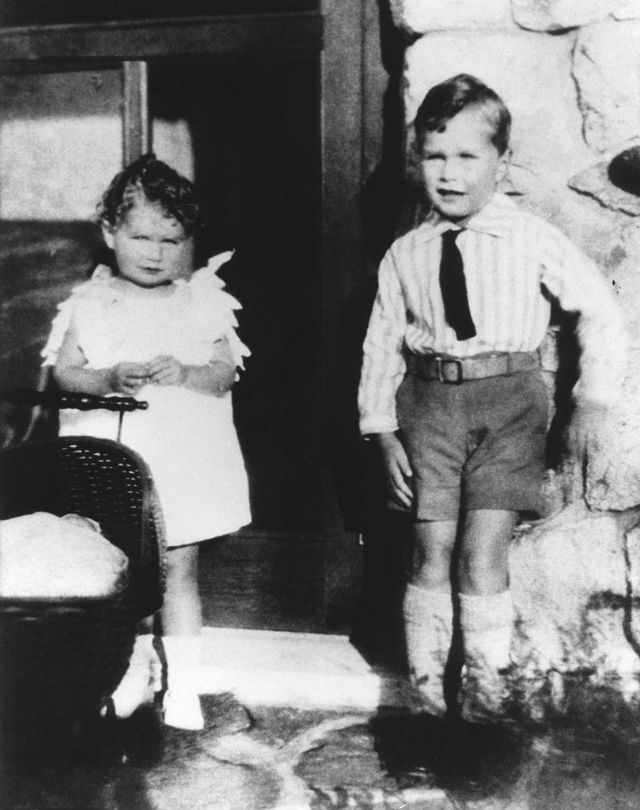
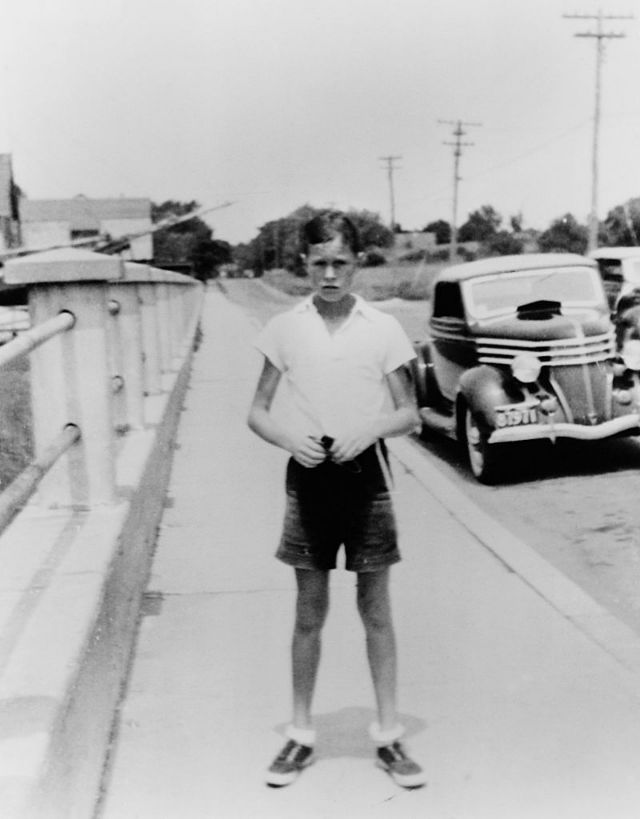

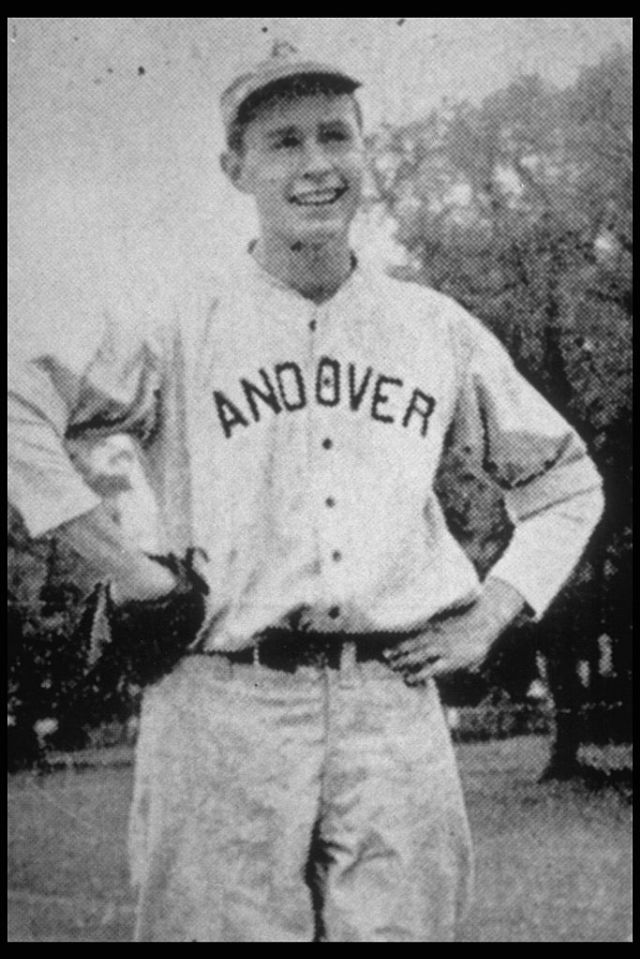


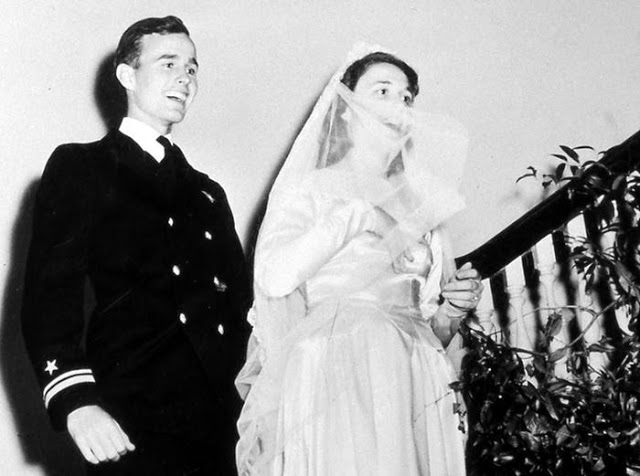
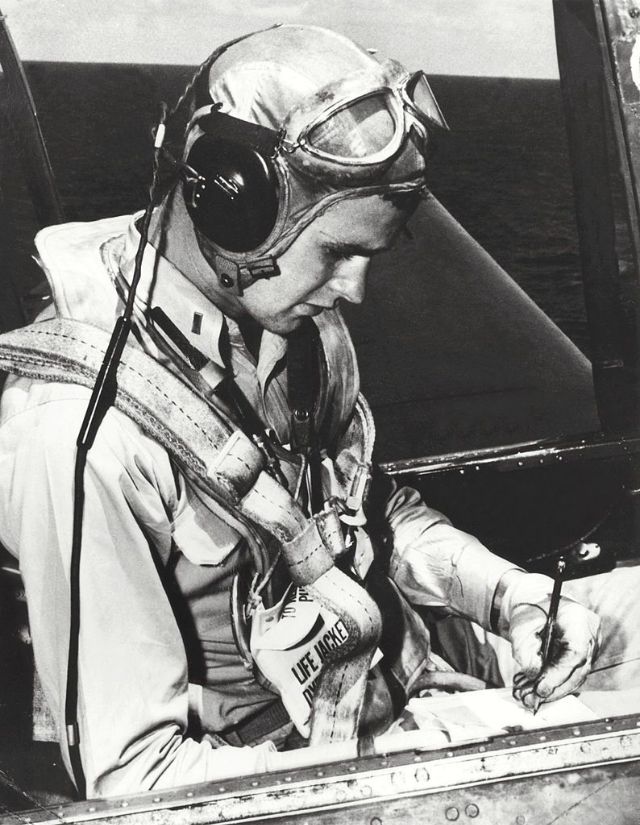
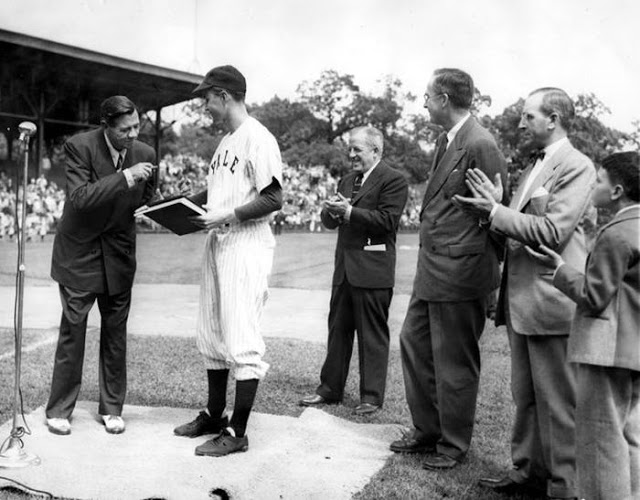

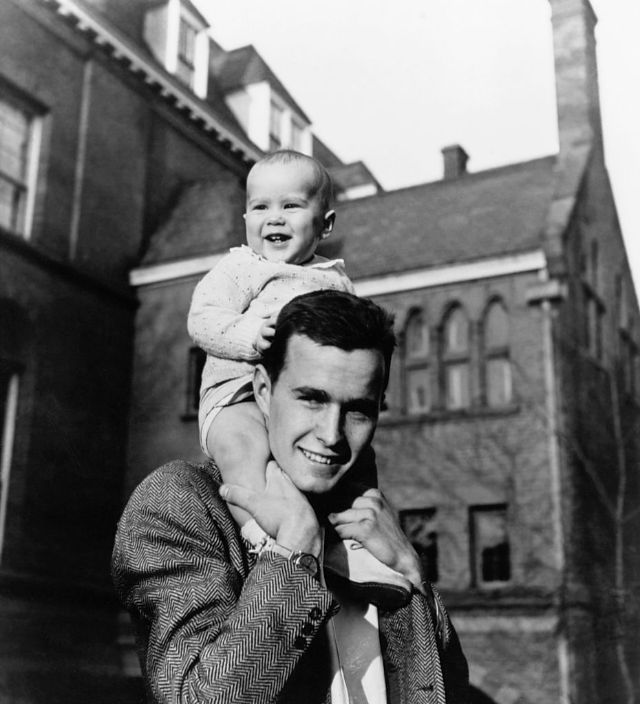




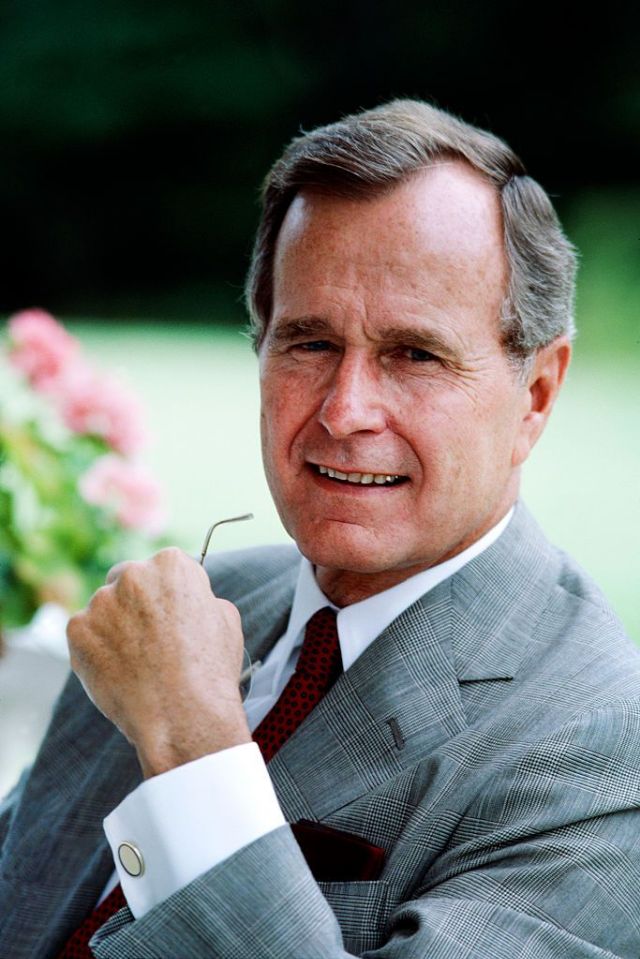
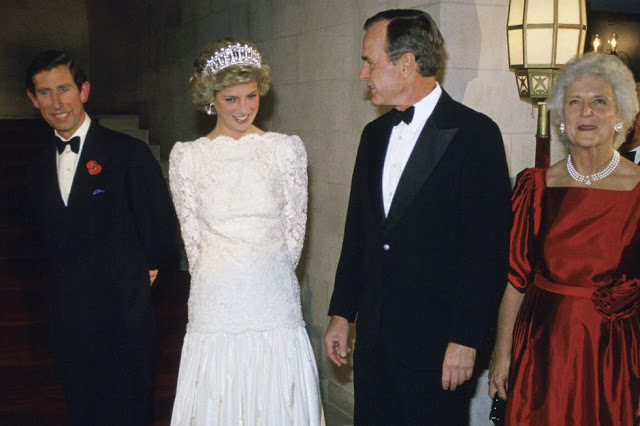


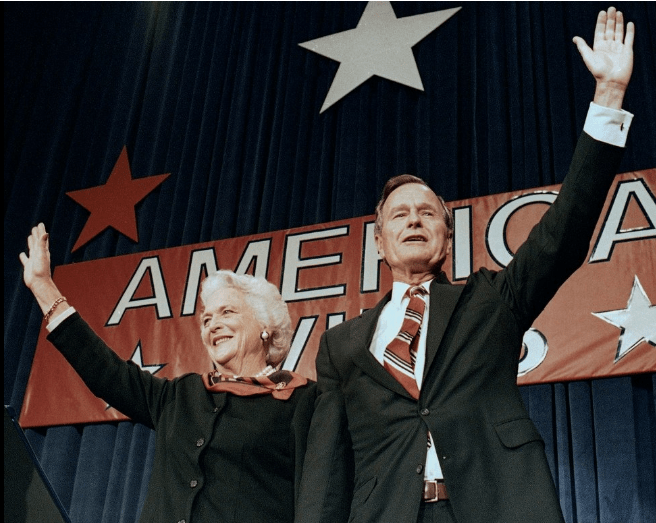
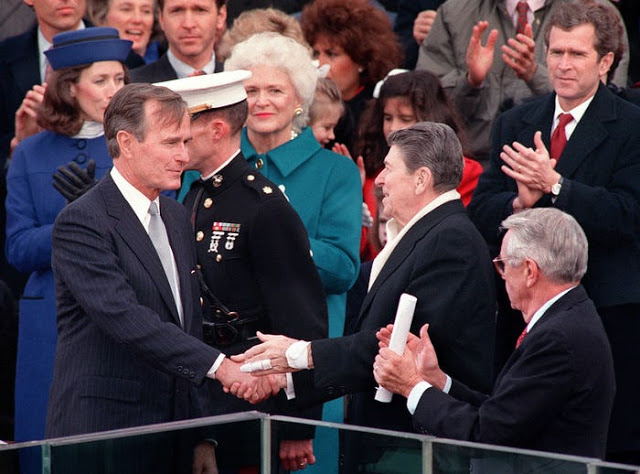


(Photos: Getty Images, AP Photo, and George Bush Presidential Library)
