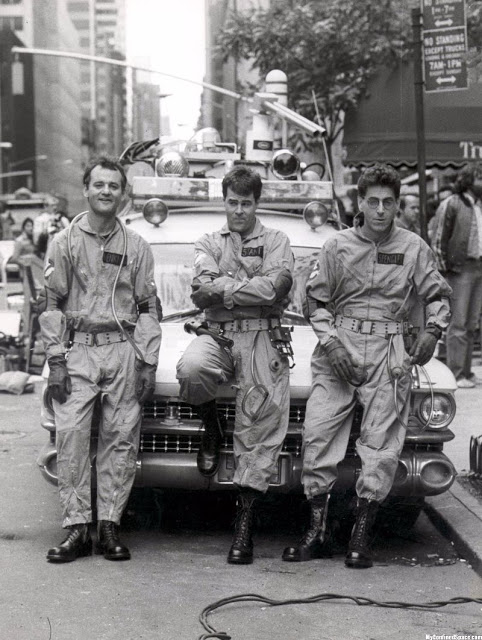
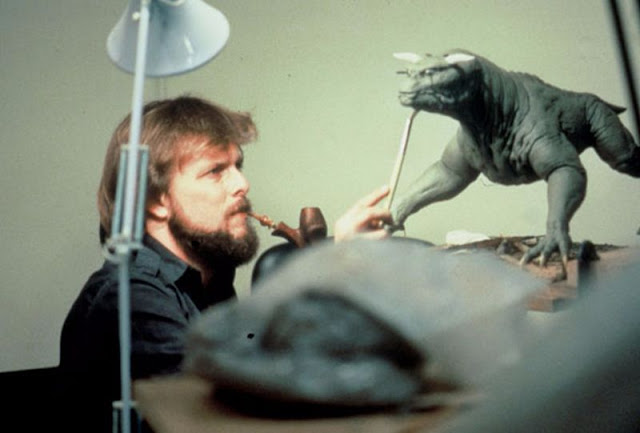
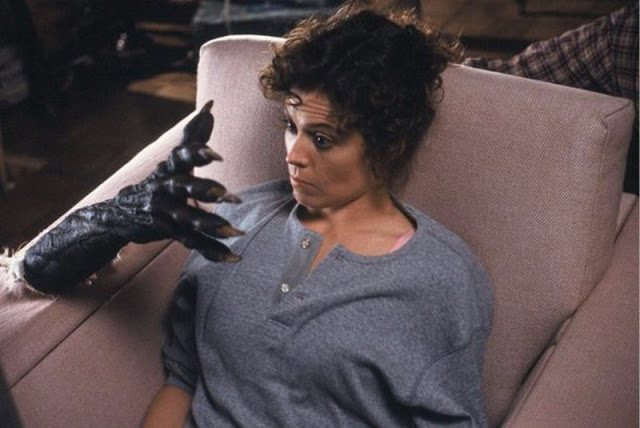
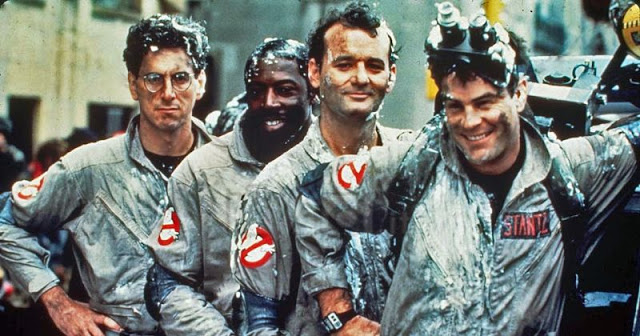
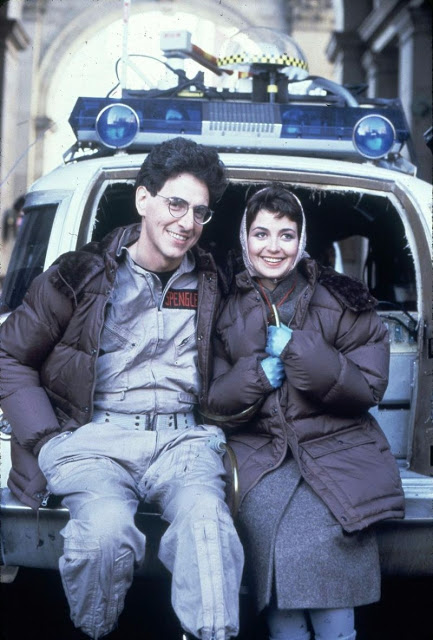
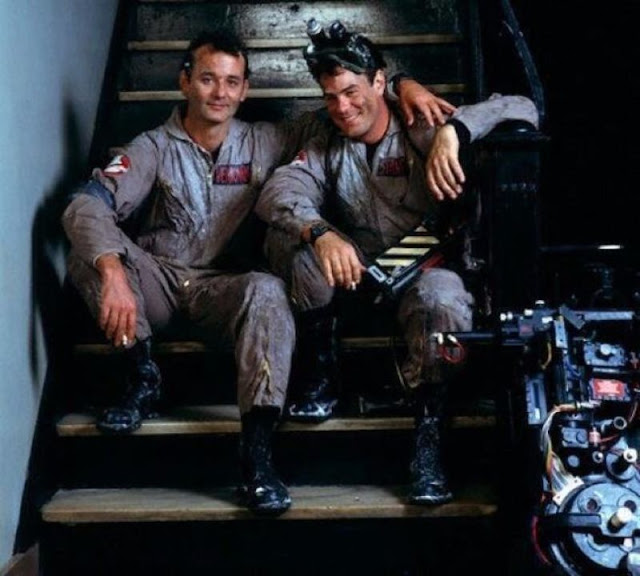
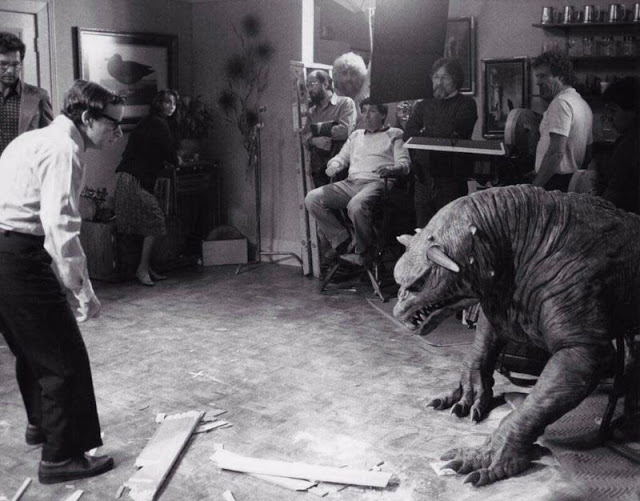
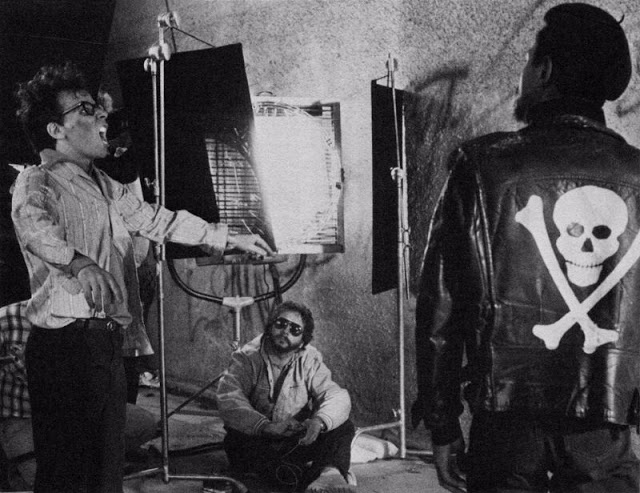
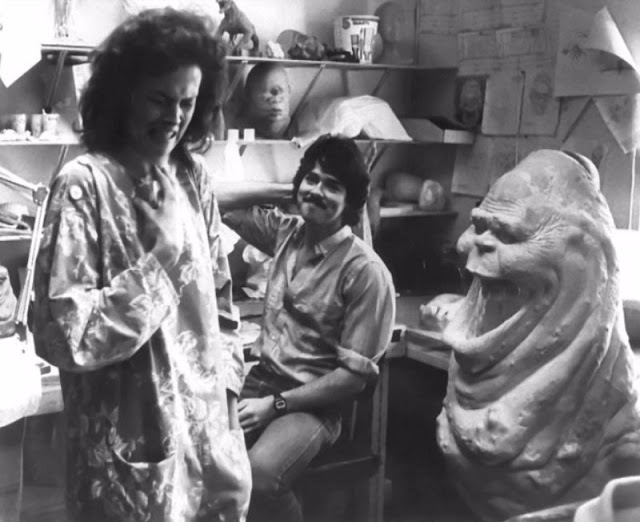
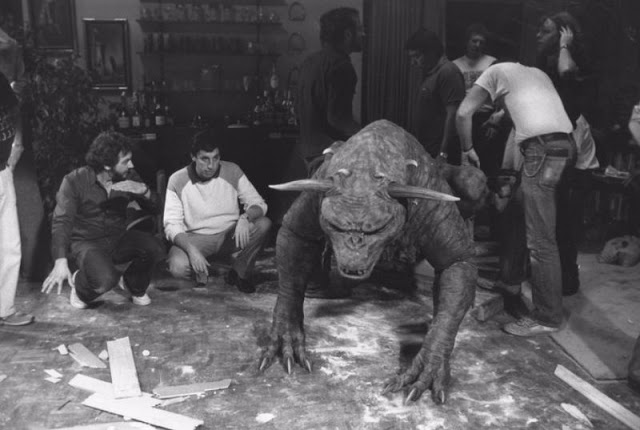
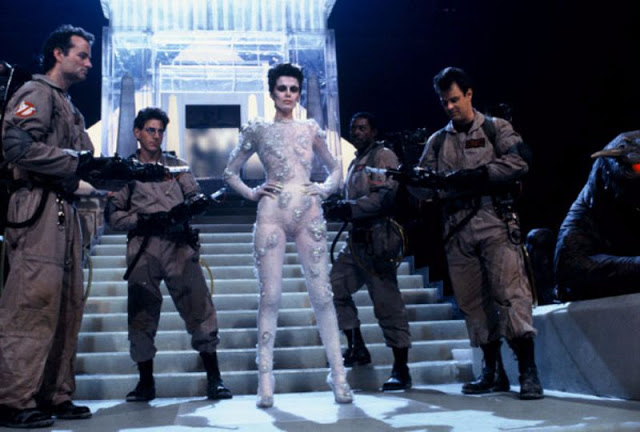
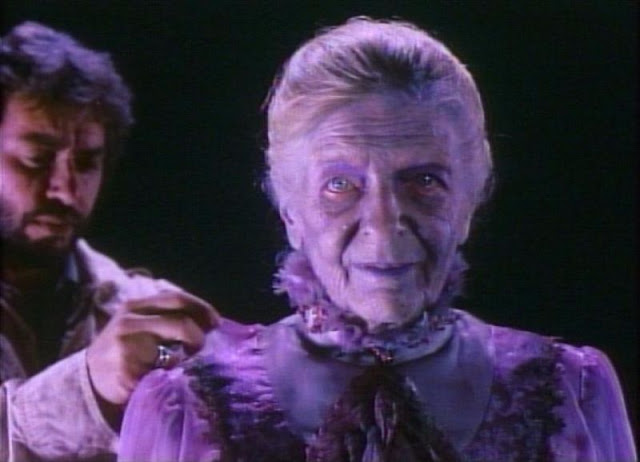
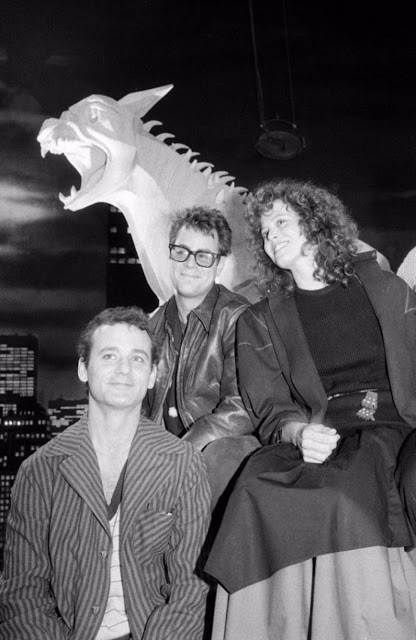
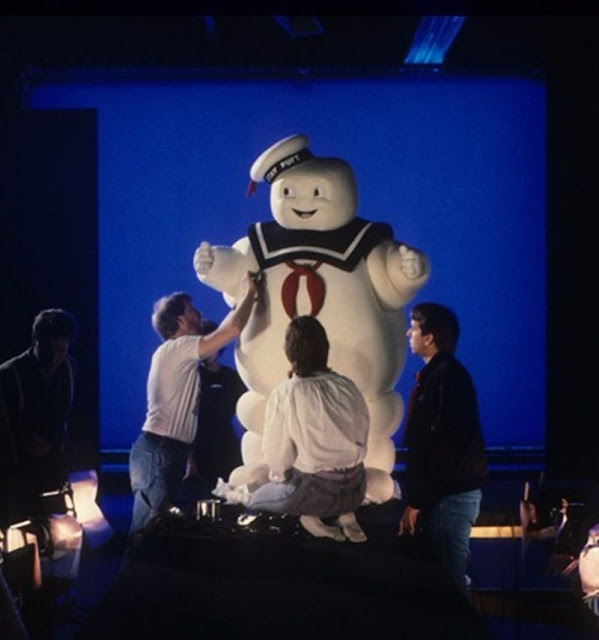
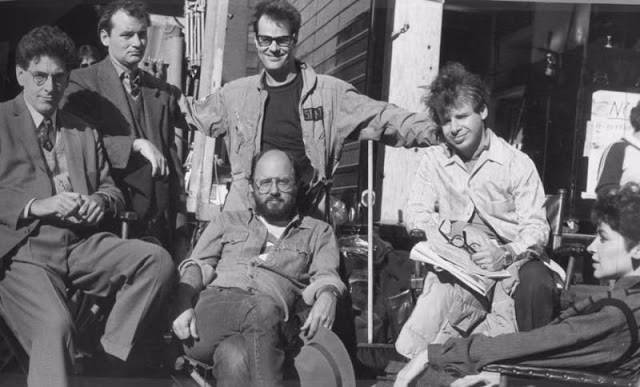
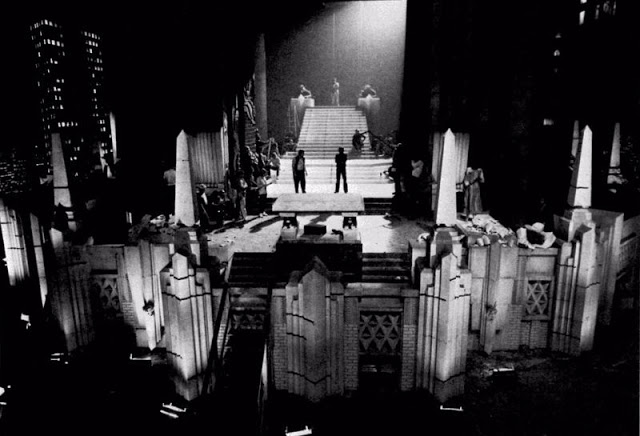
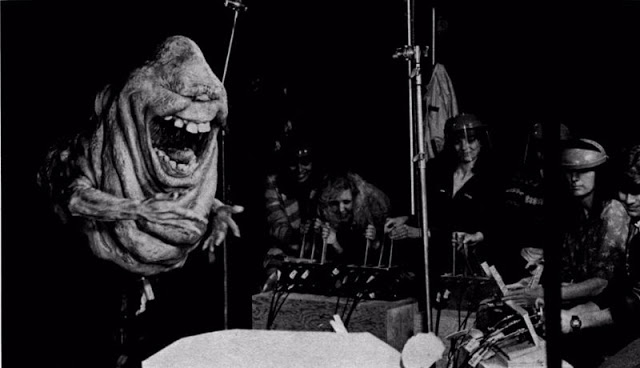
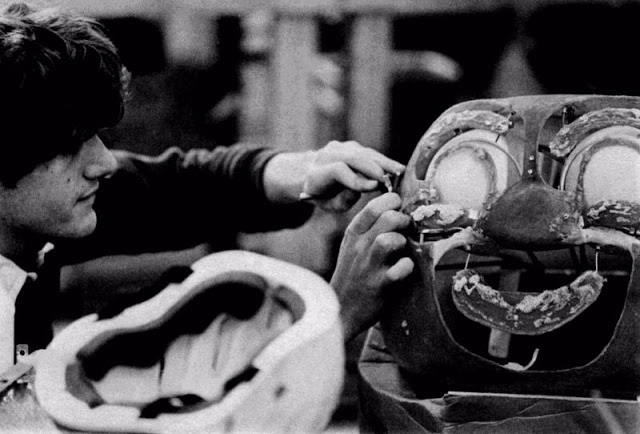
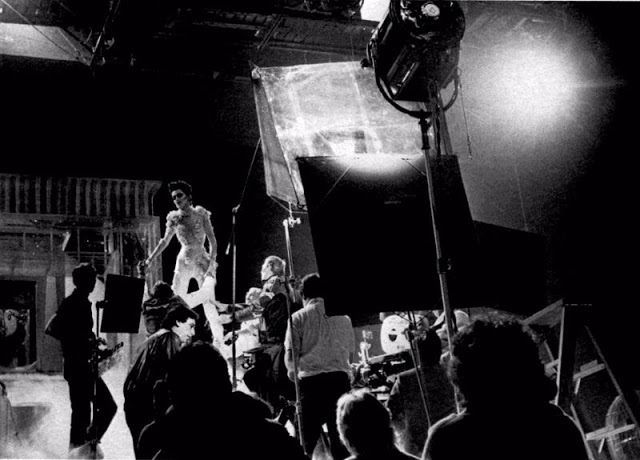
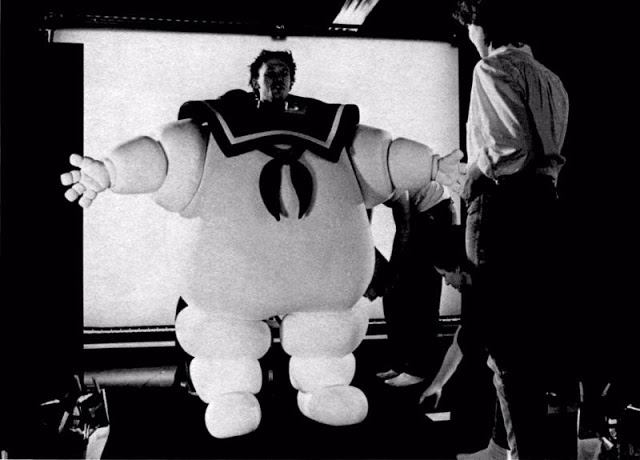
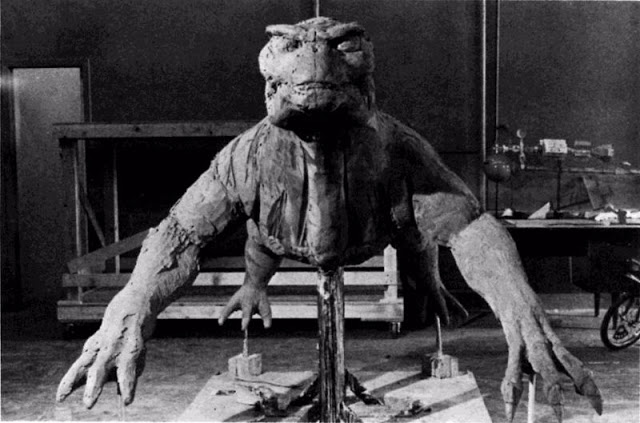
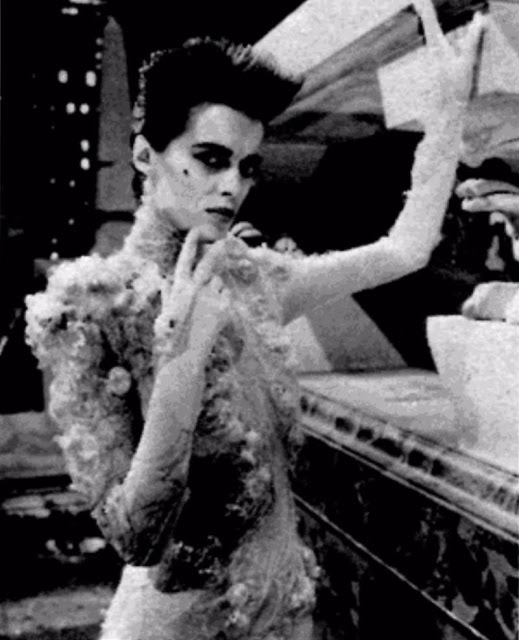
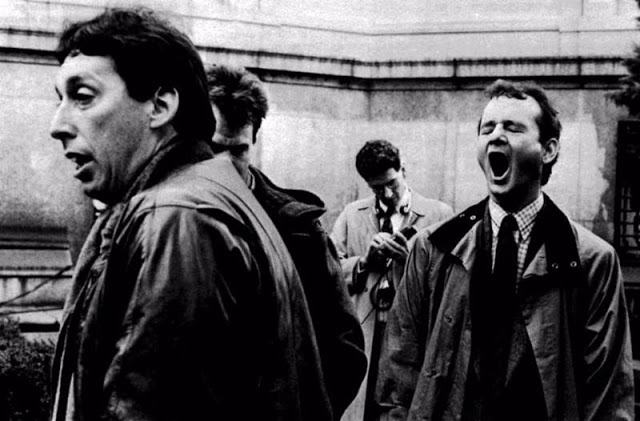
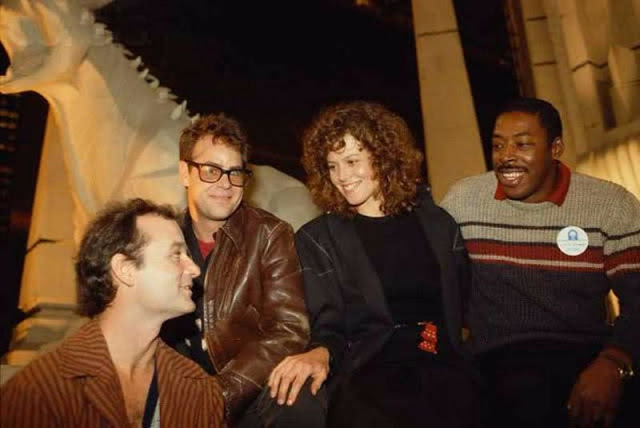
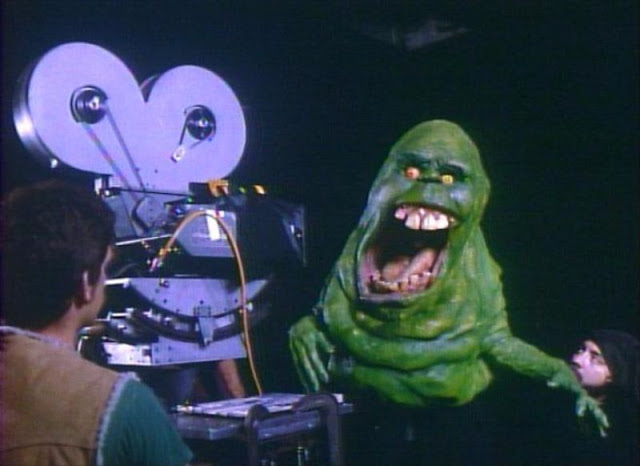
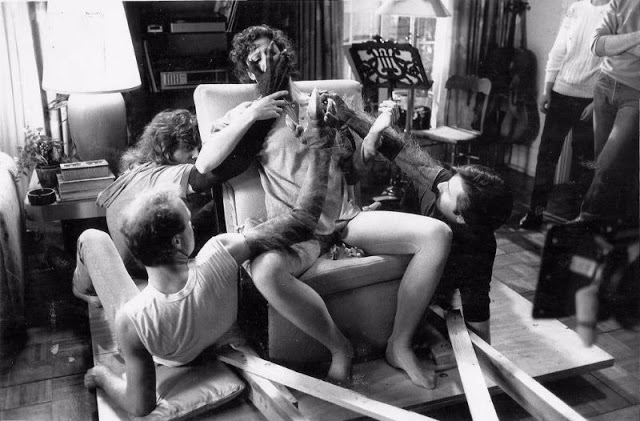
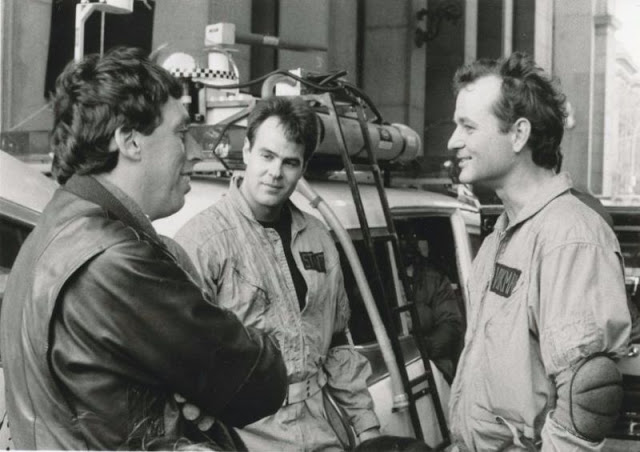
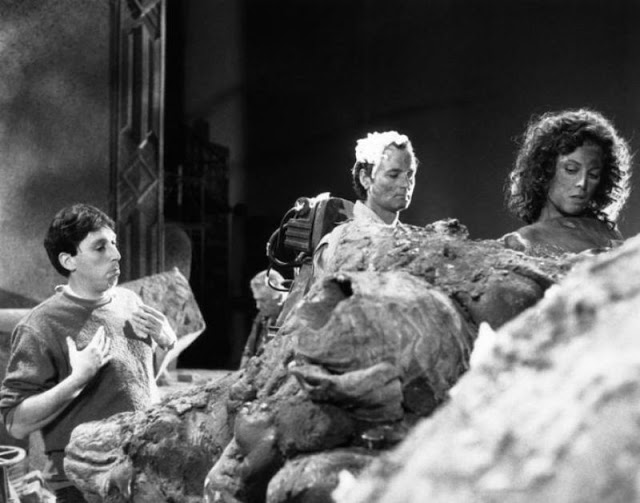
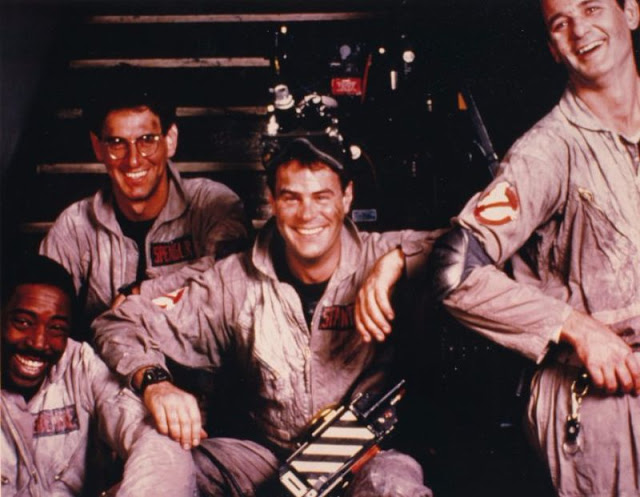
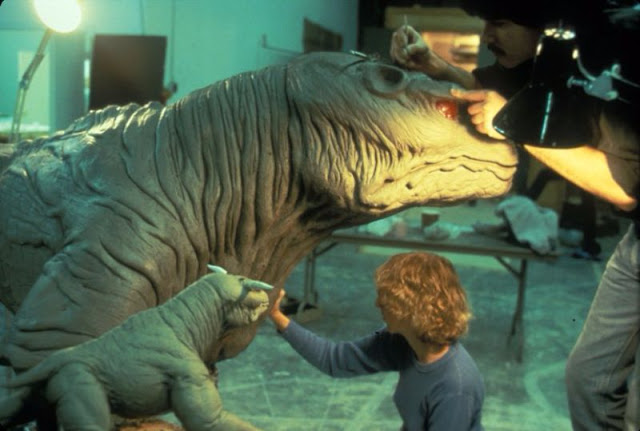
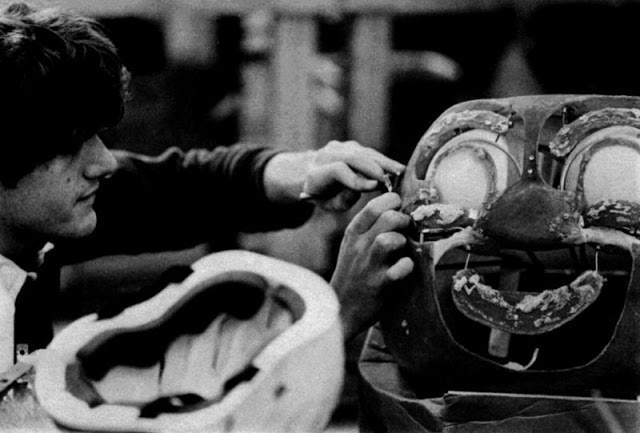
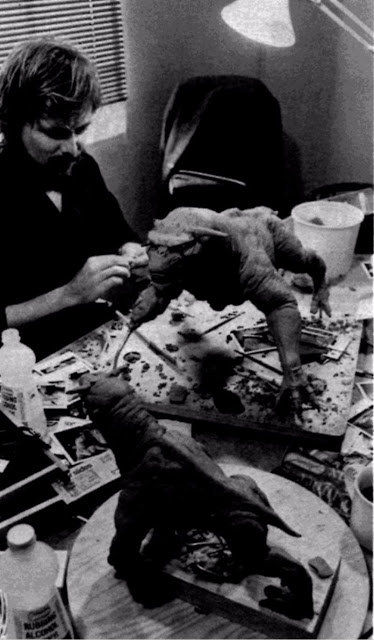
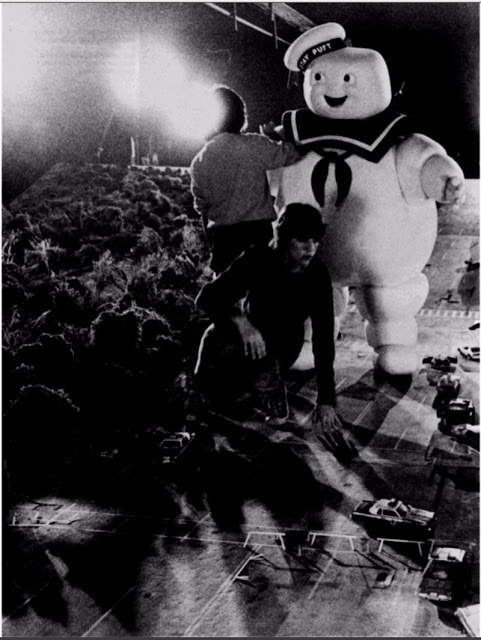
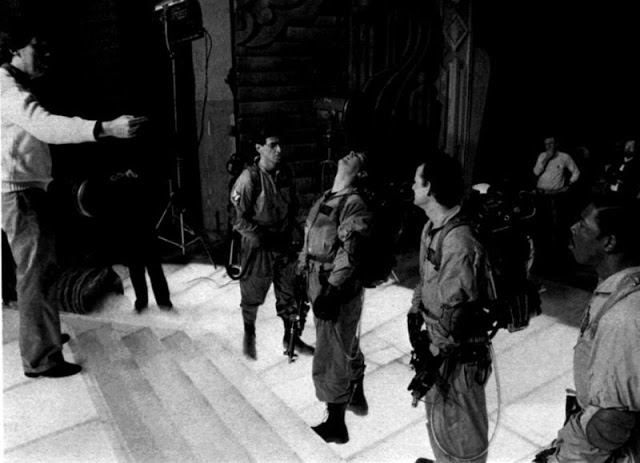
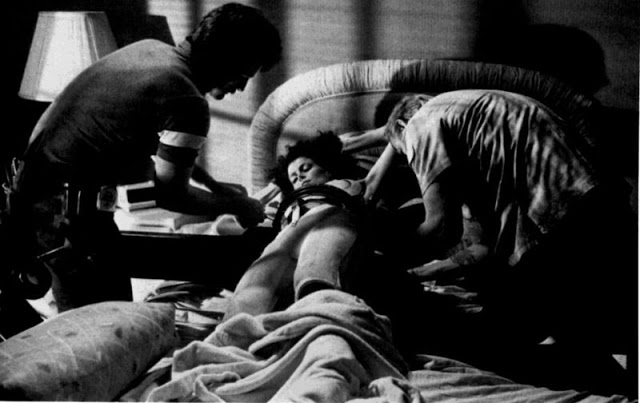
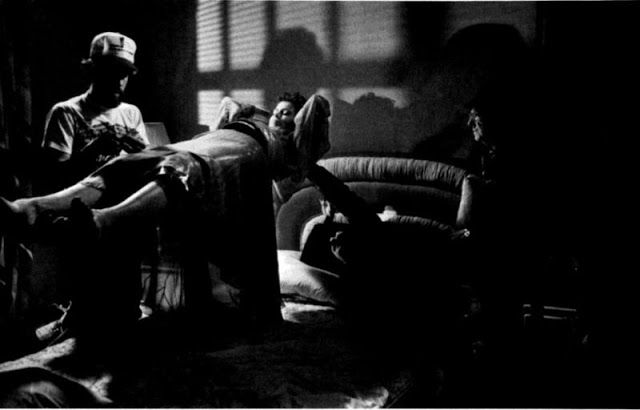
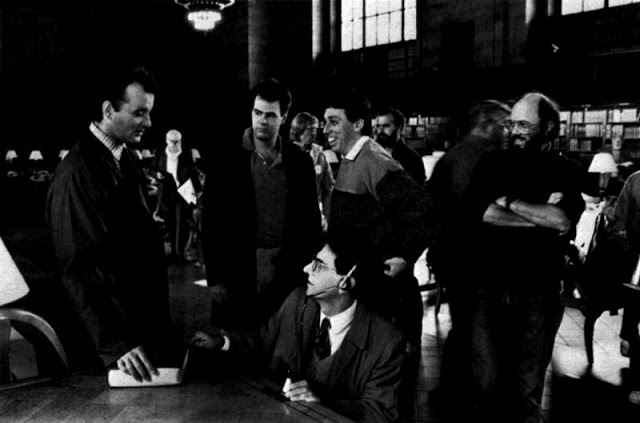
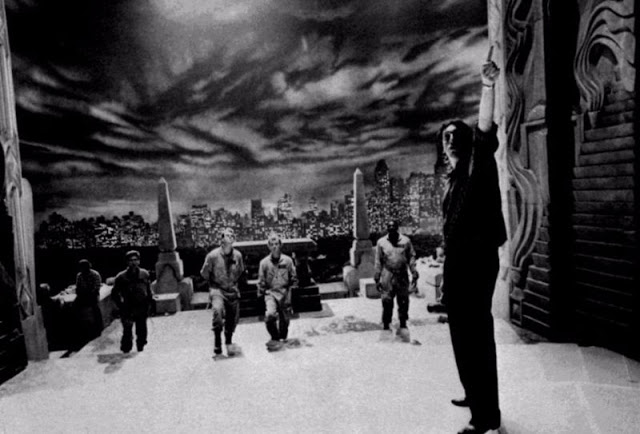
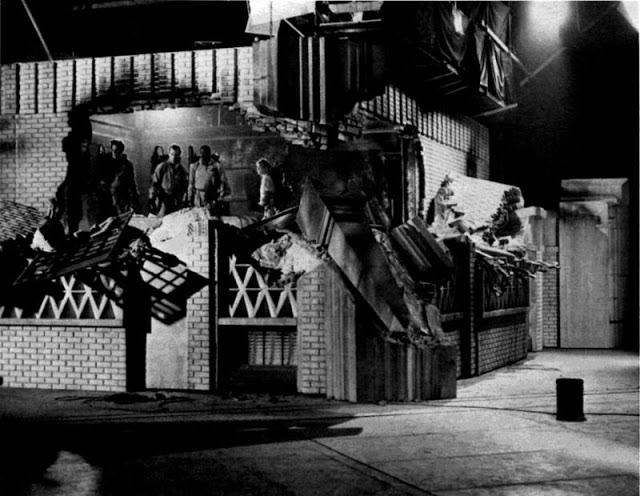
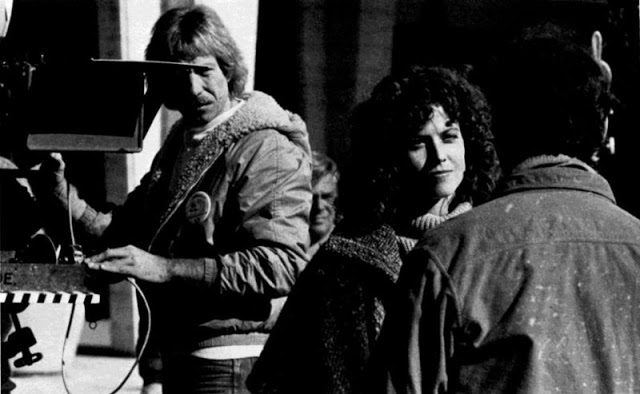
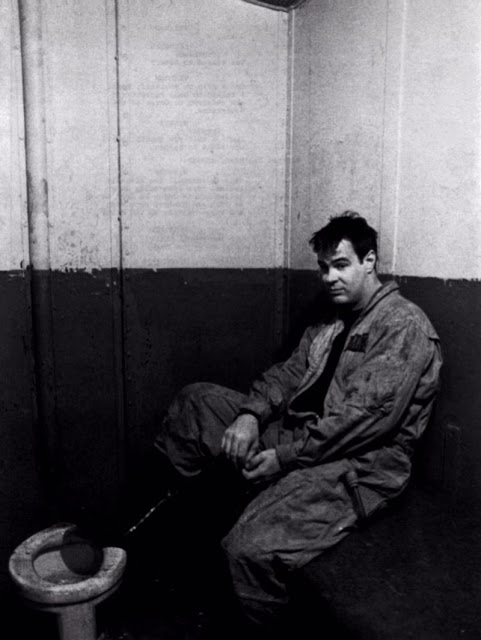
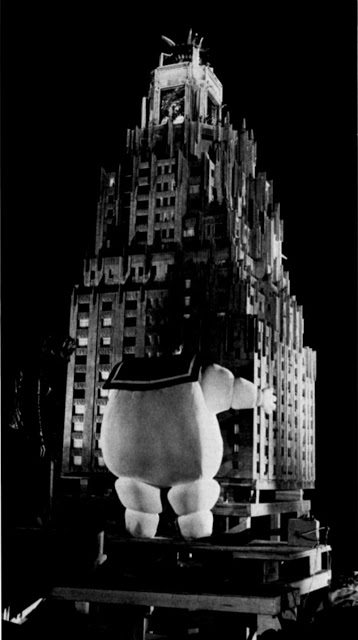
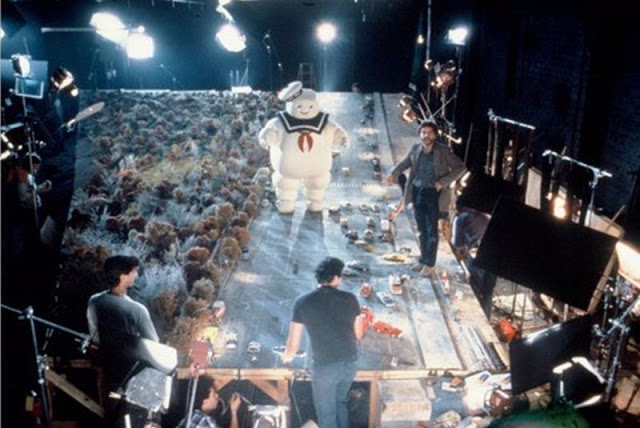
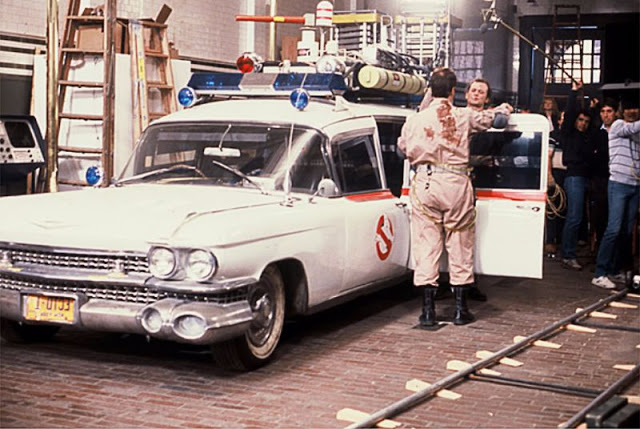
50 Amazing Behind the Scenes Photos From the Making of ‘Ghostbusters’ (1984)

Ghostbusters is a 1984 American supernatural comedy film directed and produced by Ivan Reitman and written by Dan Aykroyd and Harold Ramis. It stars Bill Murray, Aykroyd, and Ramis as Peter Venkman, Ray Stantz, and Egon Spengler, respectively, a trio of eccentric parapsychologists who start a ghost-catching business in New York City. The film also stars Sigourney Weaver and Rick Moranis, and features Annie Potts, William Atherton, and Ernie Hudson in supporting roles.

Based on his own fascination with spirituality, Aykroyd conceived Ghostbusters as a project starring himself and John Belushi, in which they would adventure through time and space battling supernatural threats. Following Belushi’s death in 1982, and with Aykroyd’s concept deemed financially impractical, Ramis was hired to help rewrite the script to set it in New York City and make it more realistic. Ghostbusters was the first comedy film to employ expensive special effects, and Columbia Pictures was concerned about its relatively high $25–30 million budget and had little faith in its box office potential. Filming took place from October 1983 to January 1984, in New York City and Los Angeles. Due to competition for special effects studios among various films in development at the time, Richard Edlund used part of the budget to found Boss Film Studios, which used a combination of practical effects, miniatures, and puppets to deliver the ghoulish visuals.

Ghostbusters was released on June 8, 1984, to critical acclaim and became a cultural phenomenon. It was well-received for its blend of comedy, action, and horror, and Murray’s performance was often singled out for praise. The film earned $282.2 million during its initial theatrical run, making it the second-highest-grossing film of 1984, and the then-highest-grossing comedy ever. It was the number-one film in theaters for seven consecutive weeks and was one of only four films to gross more than $100 million that year. Further theatrical releases have increased the total gross to approximately $295.2 million, making it one of the most successful comedy films of the 1980s. In 2015, the Library of Congress selected it for preservation in the National Film Registry. Its theme song, “Ghostbusters” by Ray Parker Jr., was also a number-one hit.

With its effect on popular culture, and a dedicated fan following, the success of Ghostbusters launched a multi-billion dollar multimedia franchise. This included the popular animated television series The Real Ghostbusters (1986), its sequel series Extreme Ghostbusters (1997), video games, board games, comic books, clothing, and music, and haunted attractions. Ghostbusters was followed in 1989 by Ghostbusters II, which fared less well financially and critically. Attempts to develop a second sequel paused following Ramis’s death in 2014. A 2016 reboot, also called Ghostbusters, was released to mixed reviews and financial failure. A second sequel to the 1984 film, Ghostbusters: Afterlife, is scheduled for release in 2021. (Wikipedia)
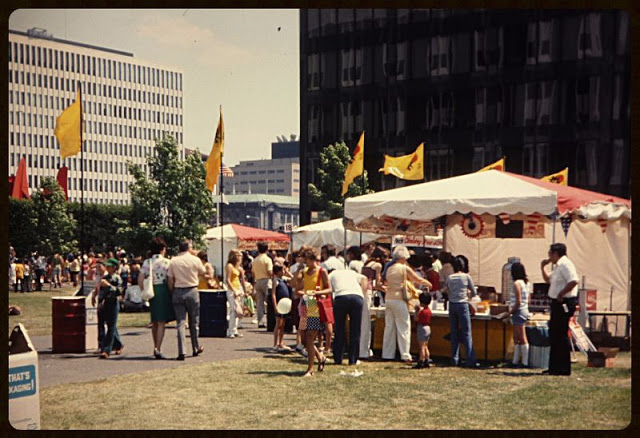
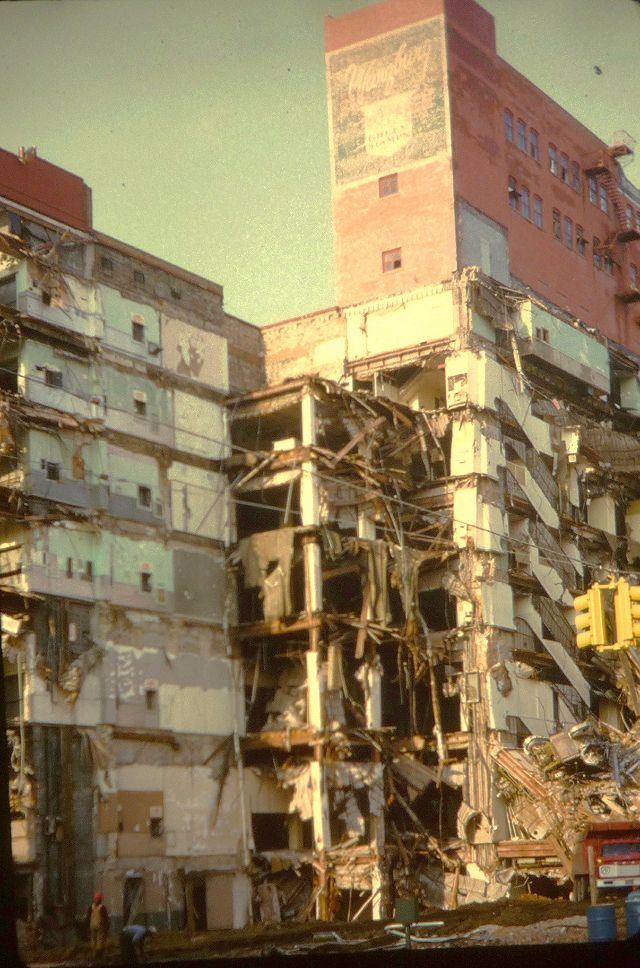
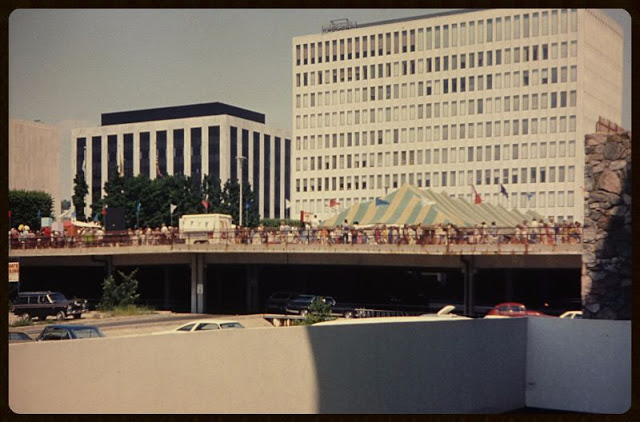
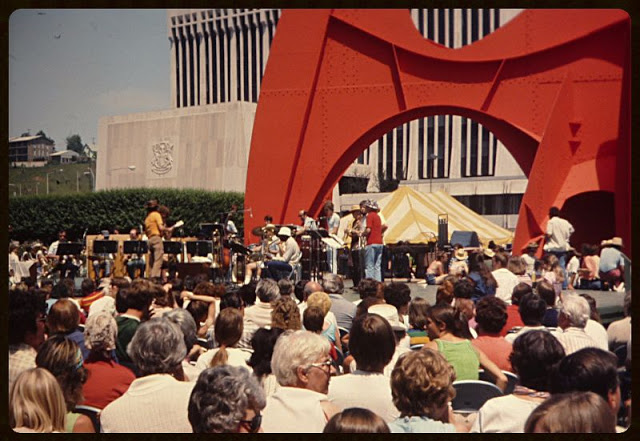
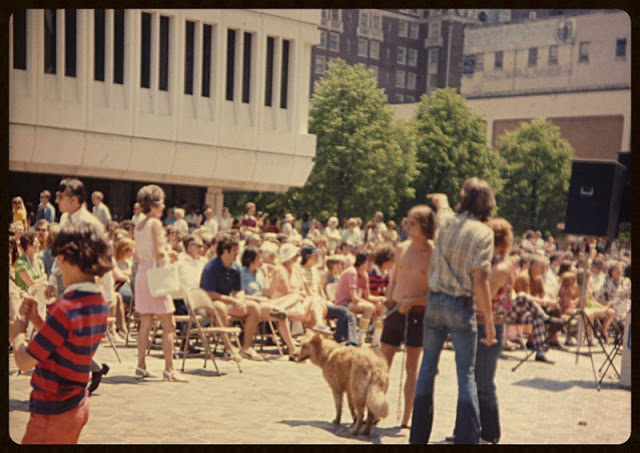
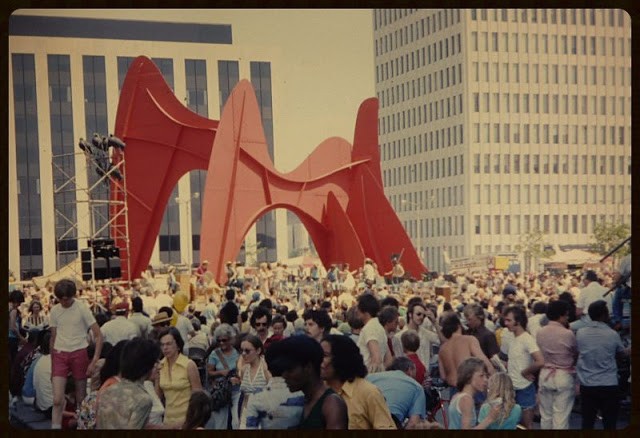
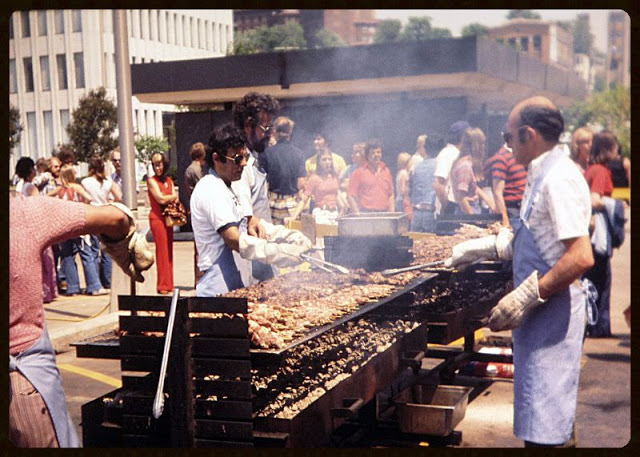
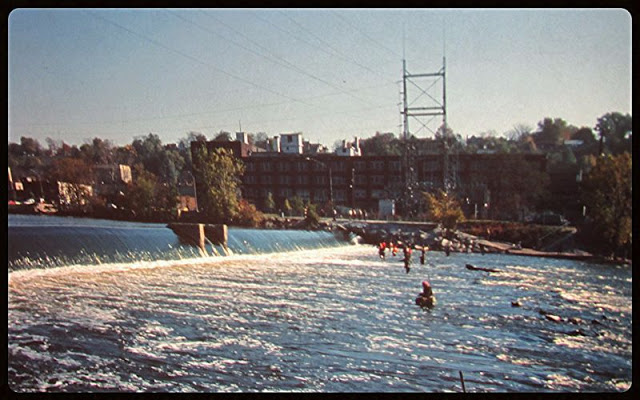
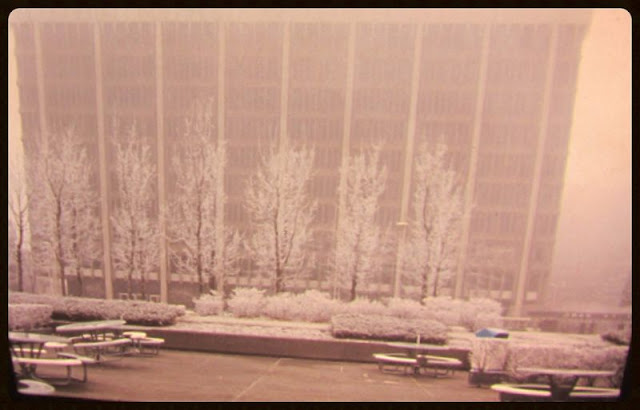
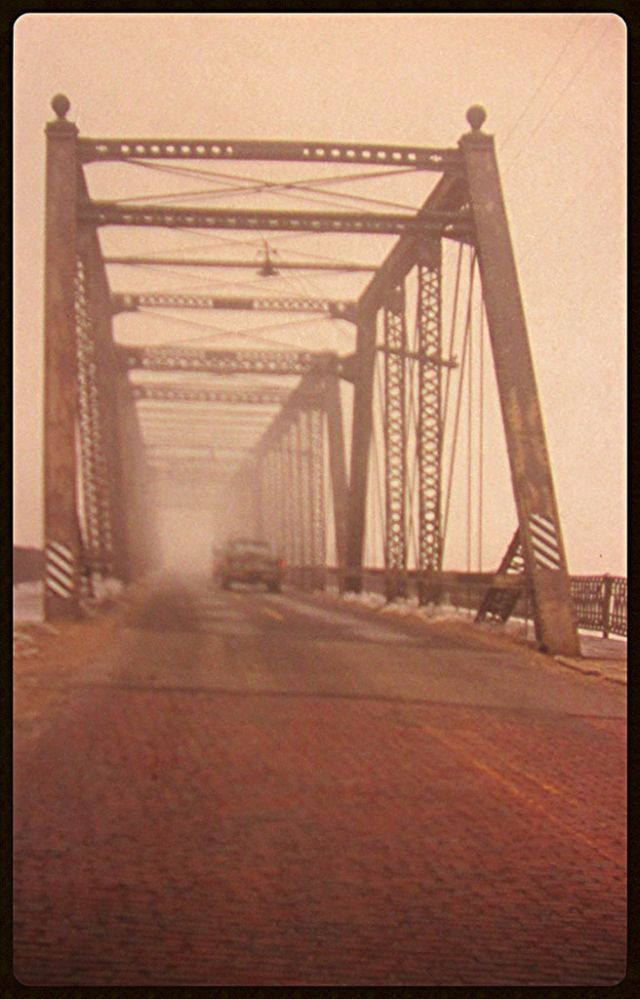
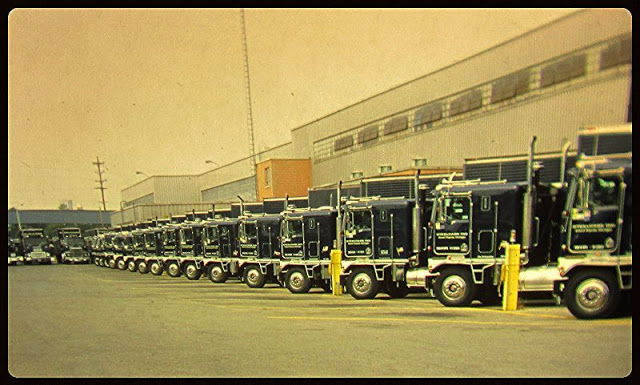
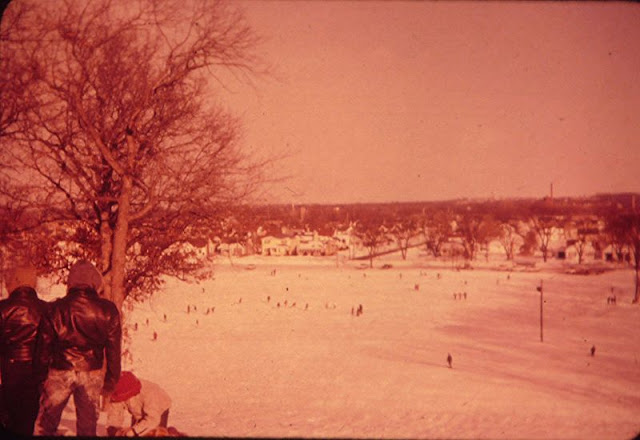
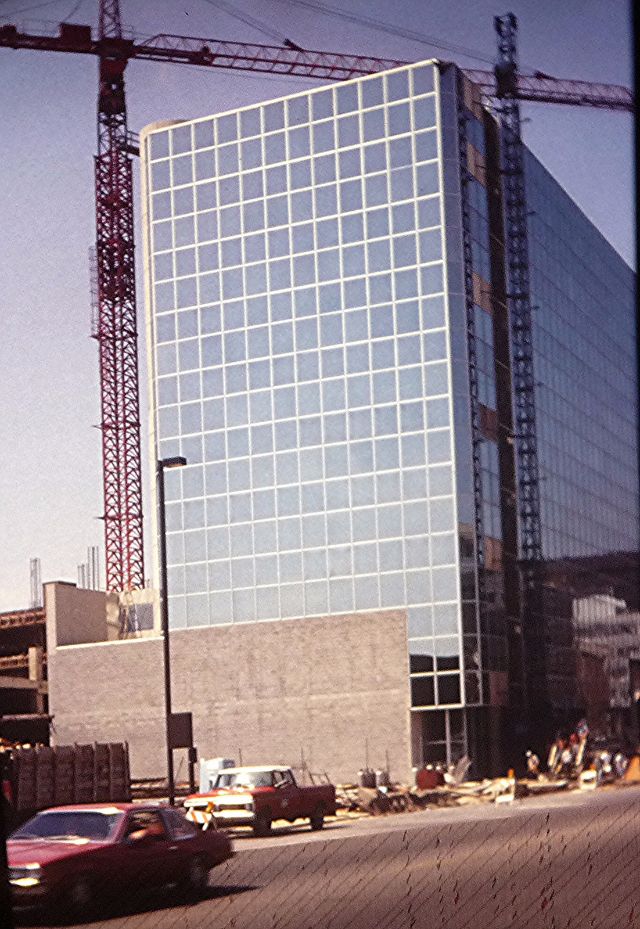
30 Interesting Photos Showing Scenes of Downtown Grand Rapids, Michigan in the 1970s

Grand Rapids is a city and county seat of Kent County in the U.S. state of Michigan. At the 2020 census, the city had a population of 198,917, which ranks it as the second most-populated city in the state after Detroit. Grand Rapids is the central city of the Grand Rapids metropolitan area, which has a population of 1,087,592 and a combined statistical area population of 1,383,918.

Situated along the Grand River approximately 30 miles (48 km) east of Lake Michigan, it is the economic and cultural hub of West Michigan, as well as one of the fastest growing cities in the Midwest. A historic furniture manufacturing center, Grand Rapids is home to five of the world’s leading office furniture companies and is nicknamed “Furniture City.” Other nicknames include “River City” and more recently, “Beer City” (the latter given by USA Today and adopted by the city as a brand). The city and surrounding communities are economically diverse, based in the health care, information technology, automotive, aviation, and consumer goods manufacturing industries, among others.

Grand Rapids was the childhood home of U.S. President Gerald Ford, who is buried with his wife Betty on the grounds of the Gerald R. Ford Presidential Museum in the city. The city’s Gerald R. Ford International Airport and Gerald R. Ford Freeway are named after him. (Wikipedia)
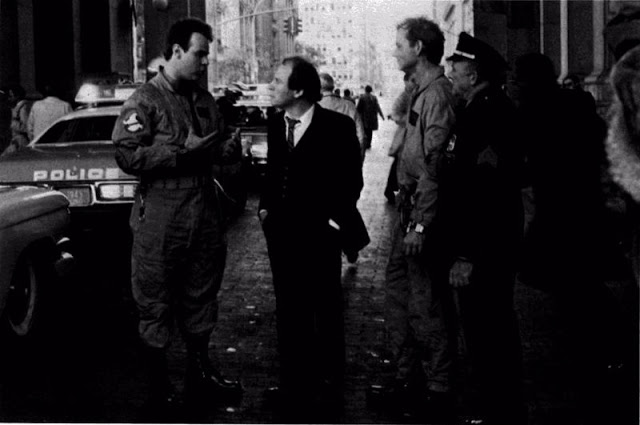
Take a look at these color photos to see how Grand Rapids was in the 1970s.

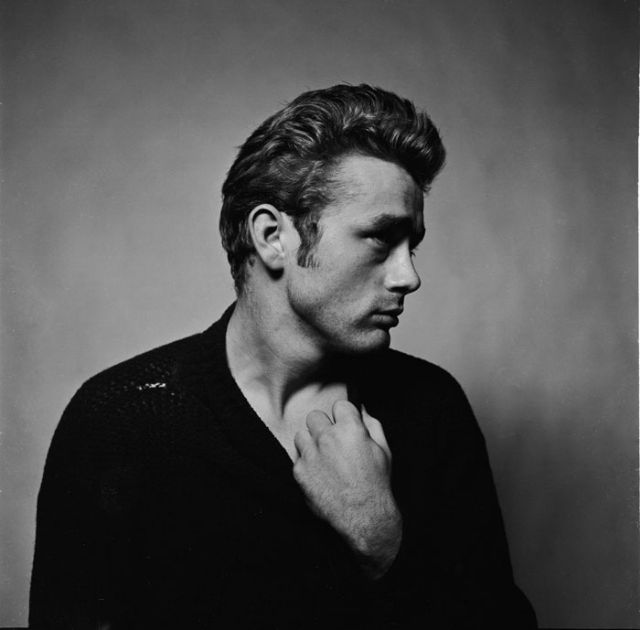
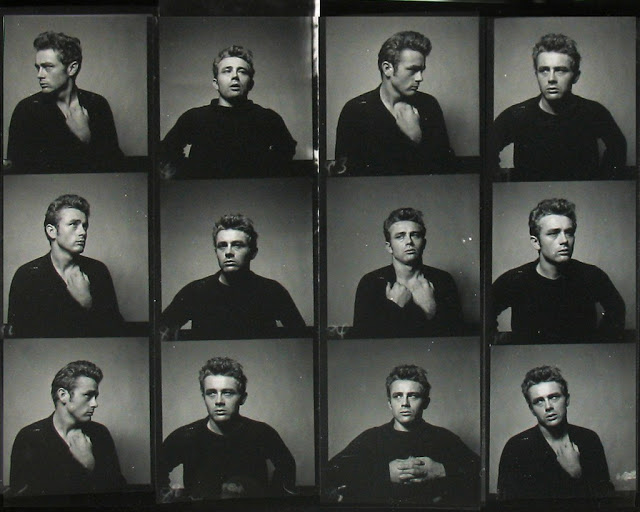
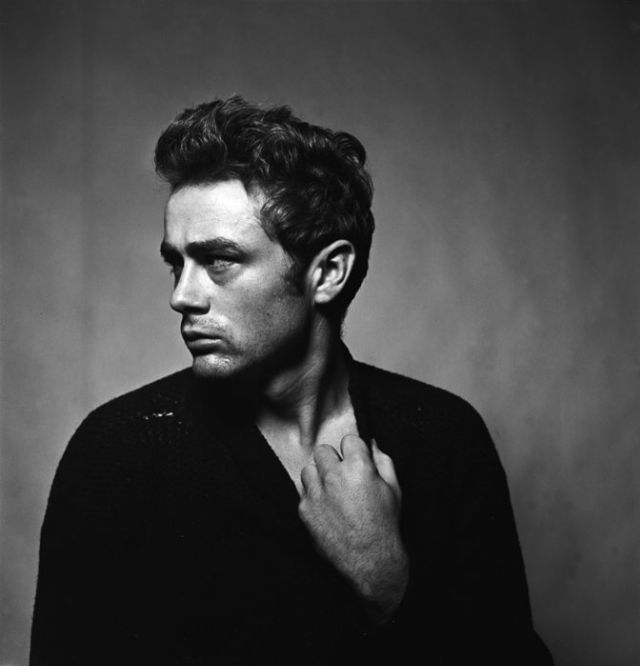
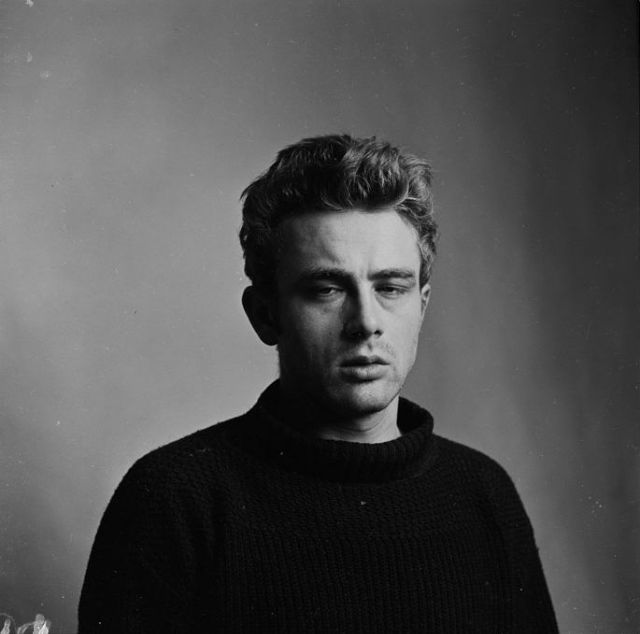
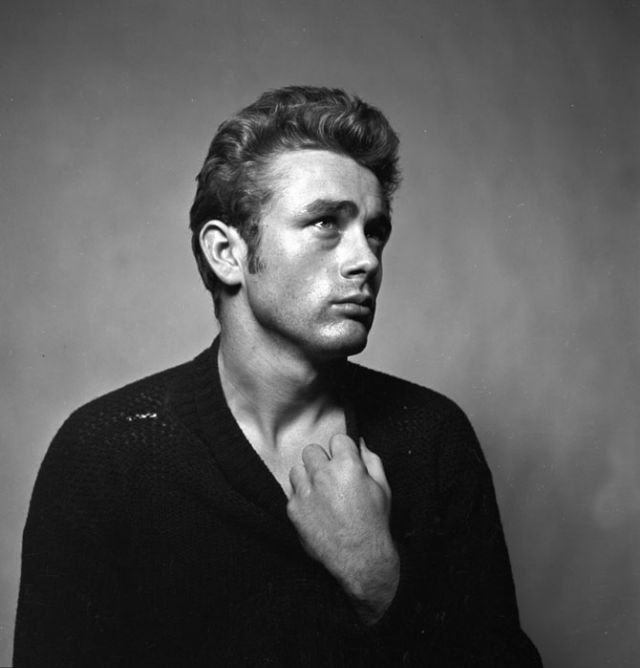
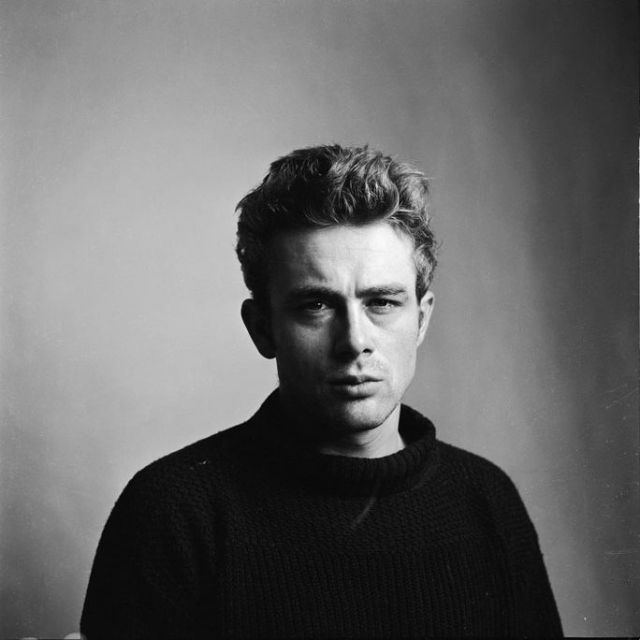
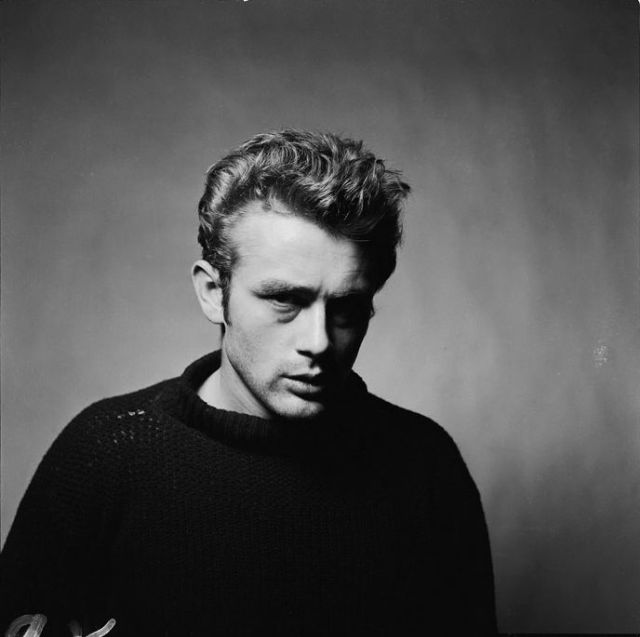
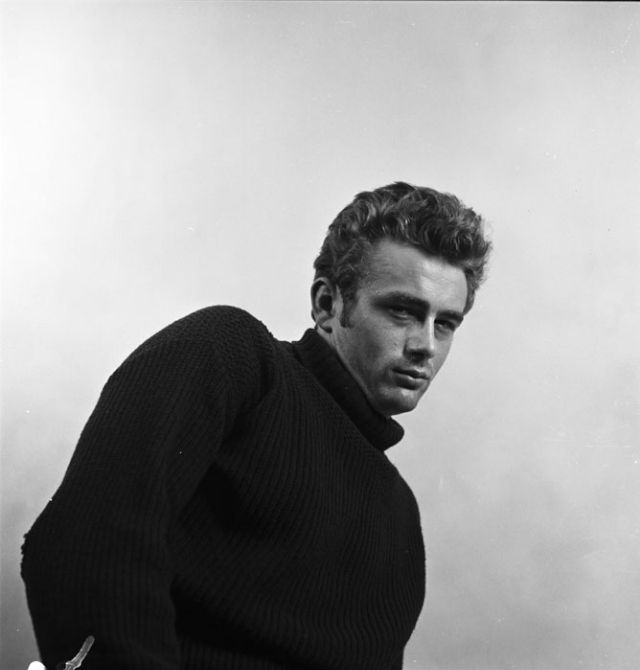
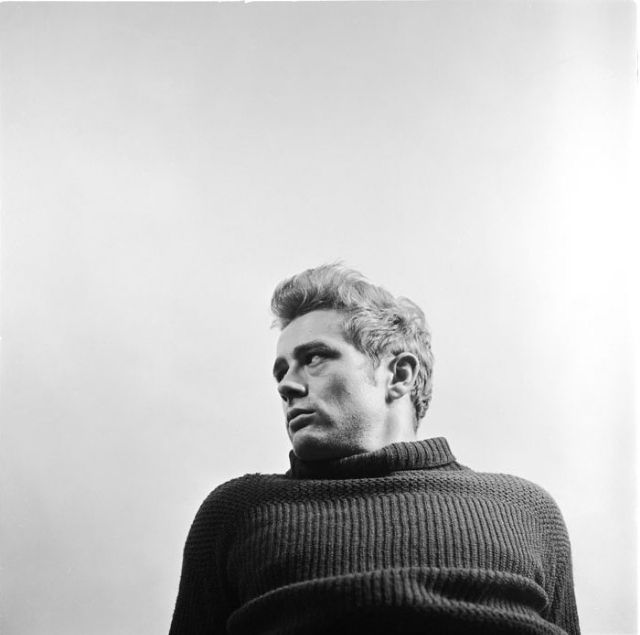
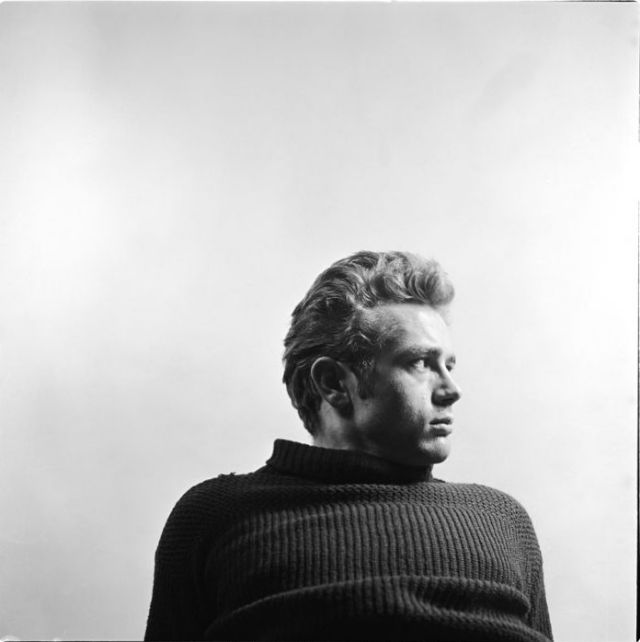
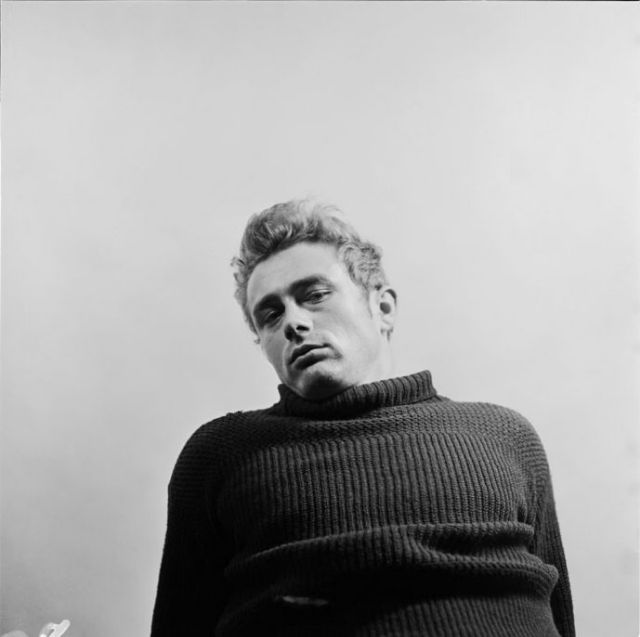
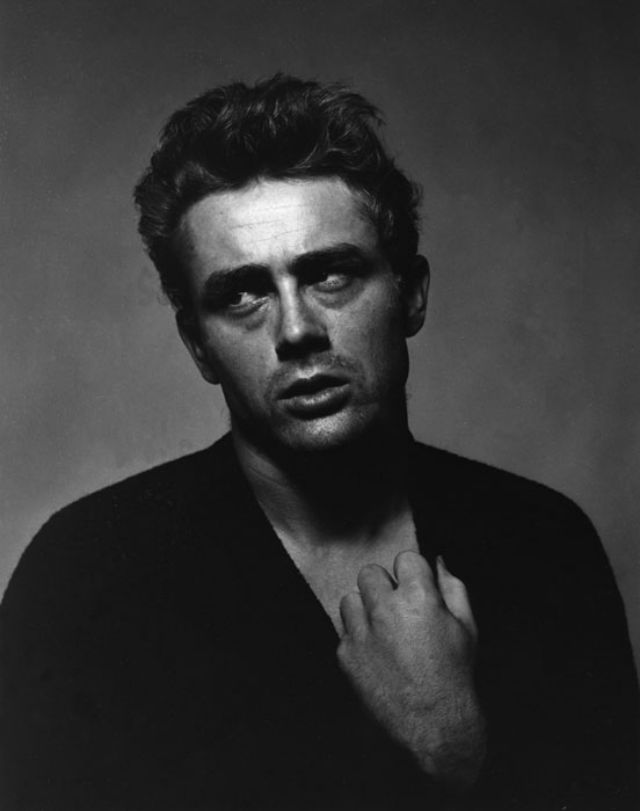
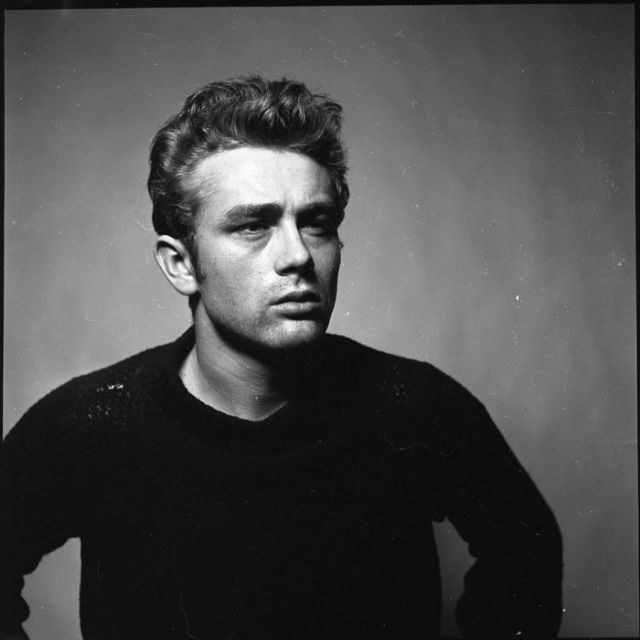
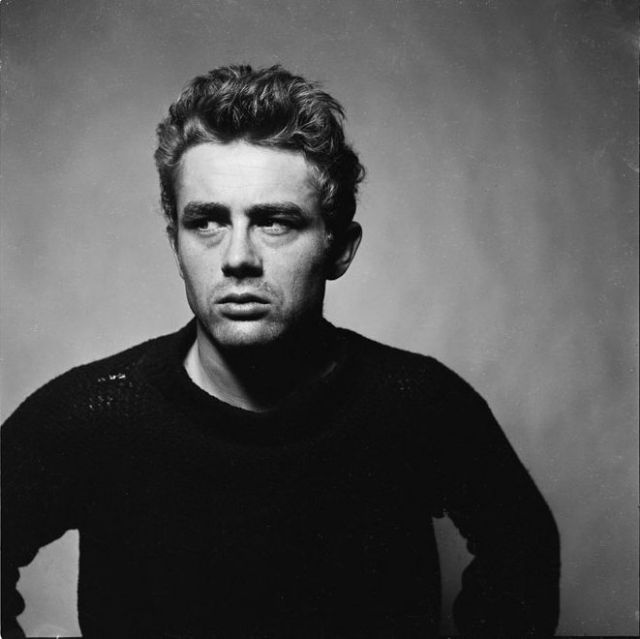
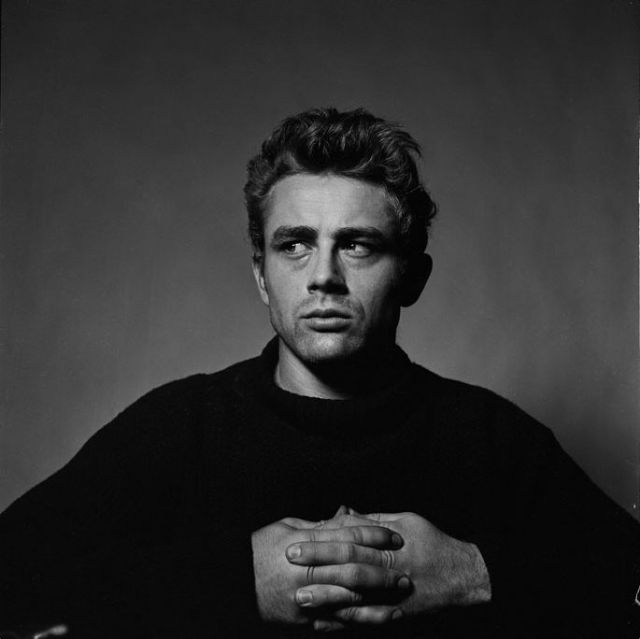
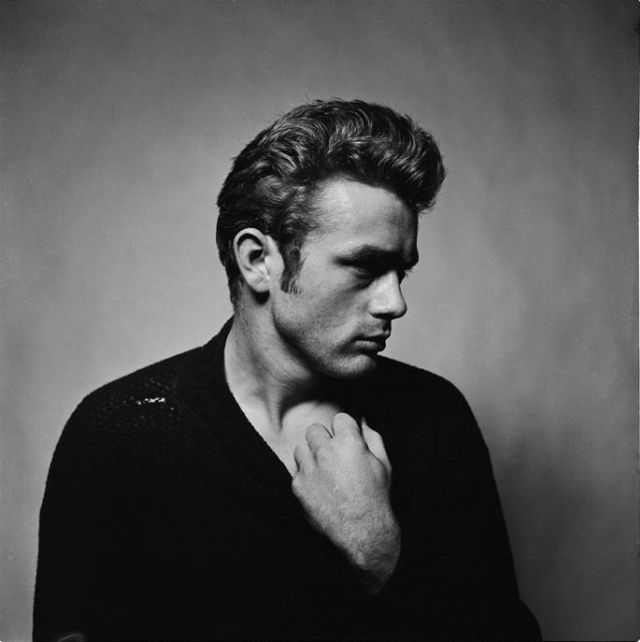
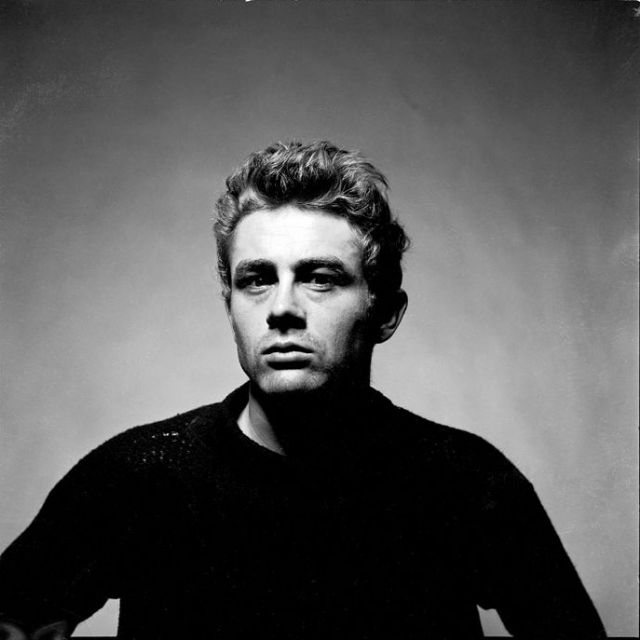
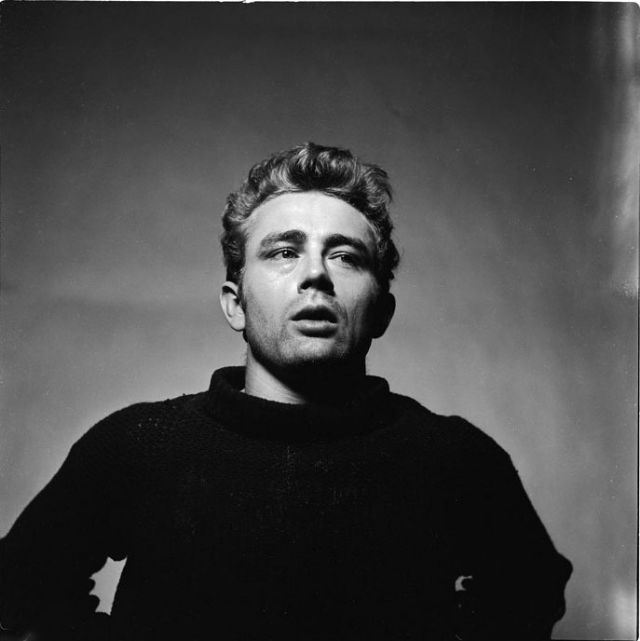
22 Stunning Photos of James Dean’s “Torn Sweater Series”, 1954

One of the most recognizable sets of James Dean photographs, the “Torn Sweater” series was shot by Roy Schatt for LIFE magazine on December 29, 1954, and although it went unused in the magazine, a colorized version was used on a U.S. postage stamp in 1996 and featured on page 8 of James Dean: A Portrait.

The two met while Dean was a student at the prestigious Actor’s Studio in New York City; Schatt was the official photographer of the school, and the two soon struck up a friendship. Jimmy had an interest in photography, as he did with most art forms and professions?—?friends and confidantes all described him as a consummate dabbler who believed knowledge of anything and everything would help him become a better actor. So, Roy became a friend and mentor of sorts, photographing Jimmy frequently, as well as helping Jimmy with his own photography.

“I knew James Dean… as a friend and as a student,” he said of Dean. “He was a disrupter of norms, a bender of rules, a disquieter of calm. Through these photographs I hope to transmit a glimpse of his most insistent, and perhaps eternal, presence.”

Remember, these photos were taken in 1954, before East of Eden, before anyone had any idea what kind of iconography would soon be associated with Dean’s visage.

(Photos by Roy Schatt)

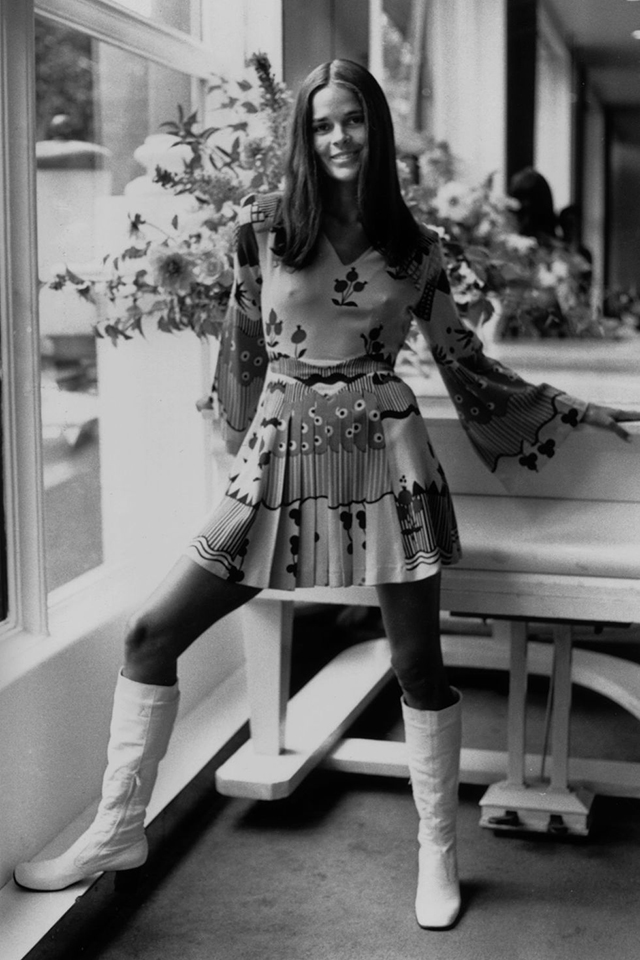
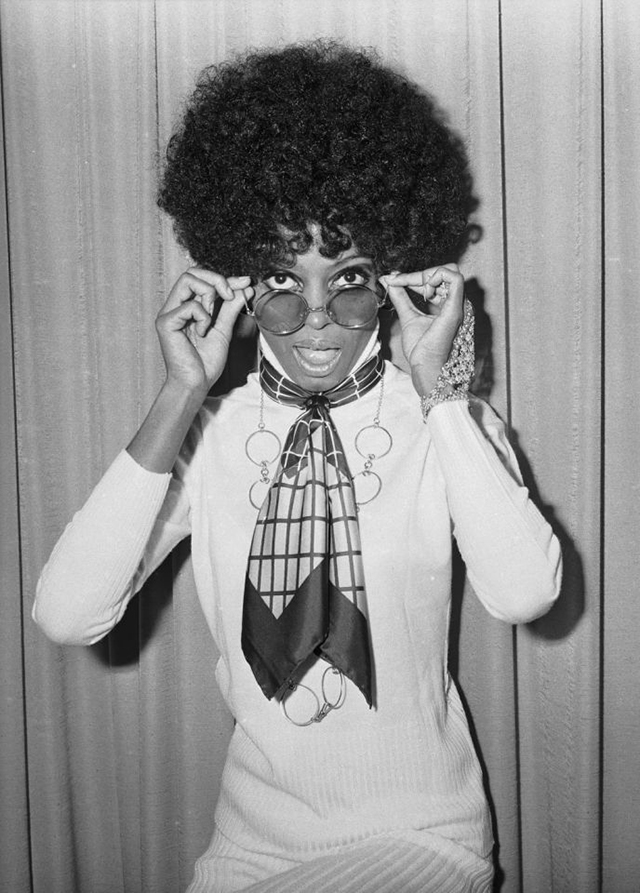
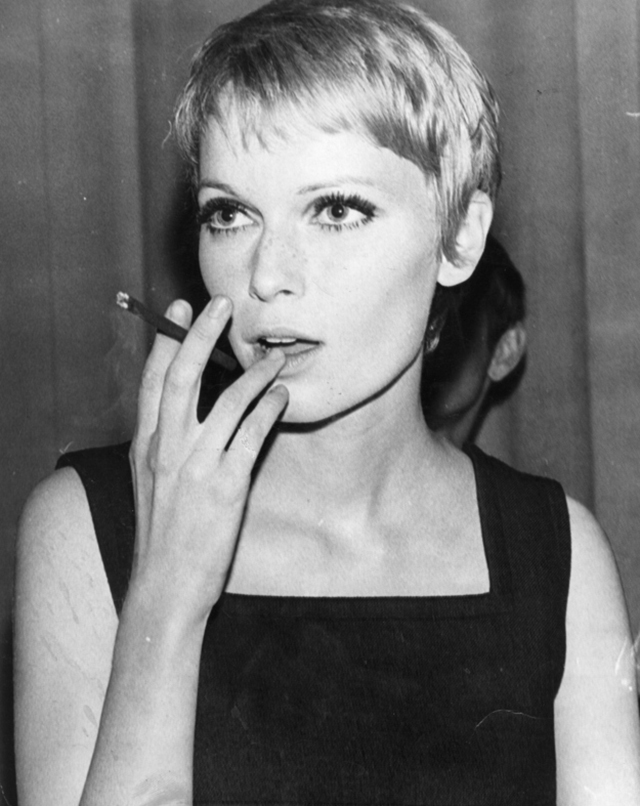
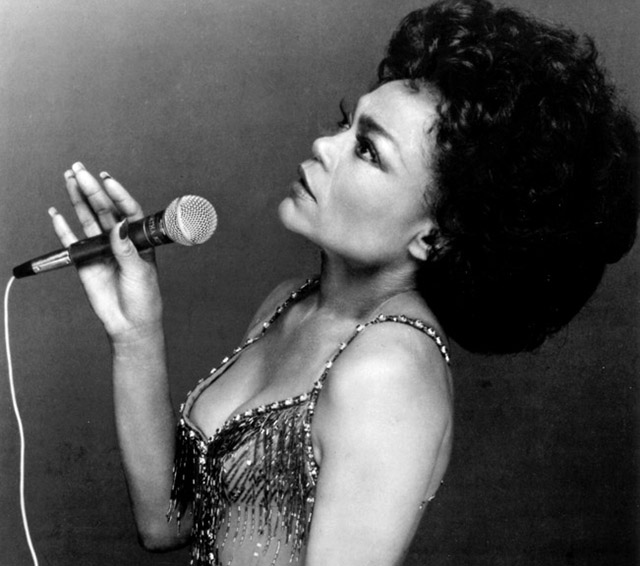
60 Stunning Photos of Iconic & Stylish Women from the 1960s

Jean Shrimpton
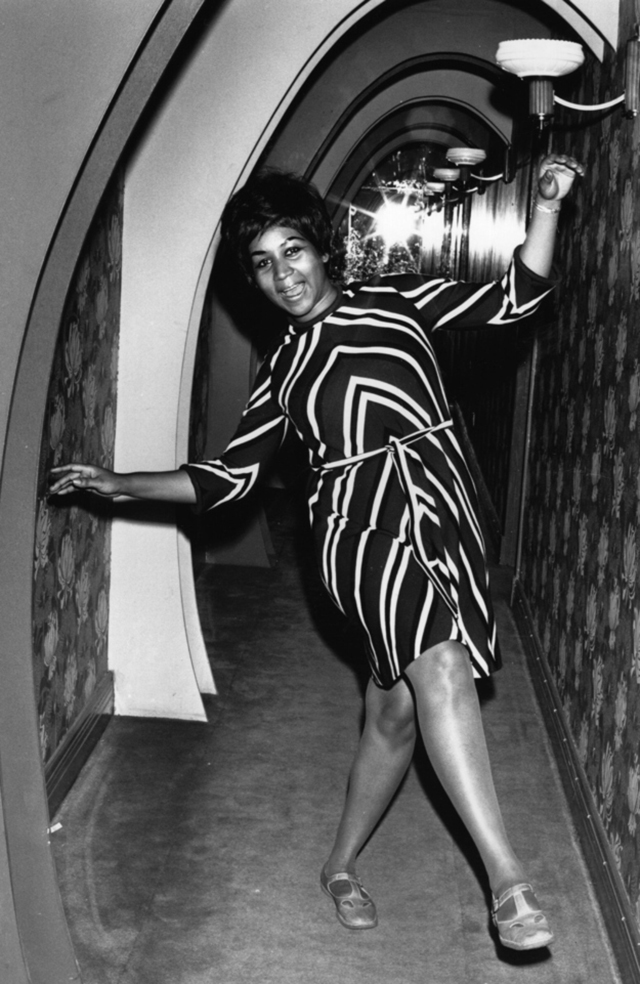
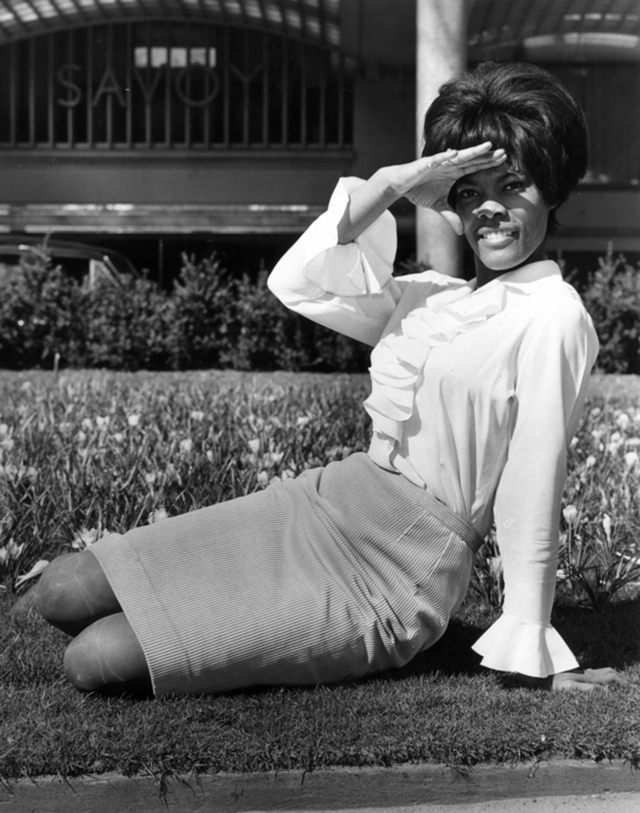
Aretha Franklin
Audrey Hepburn
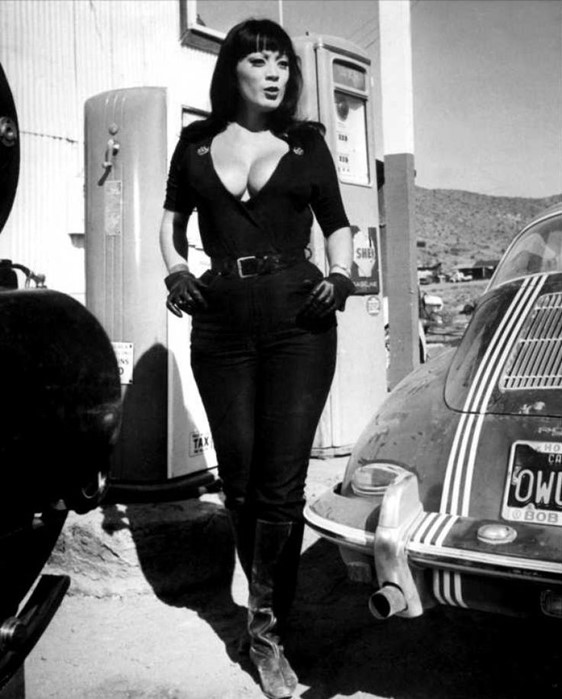
Tura Satana
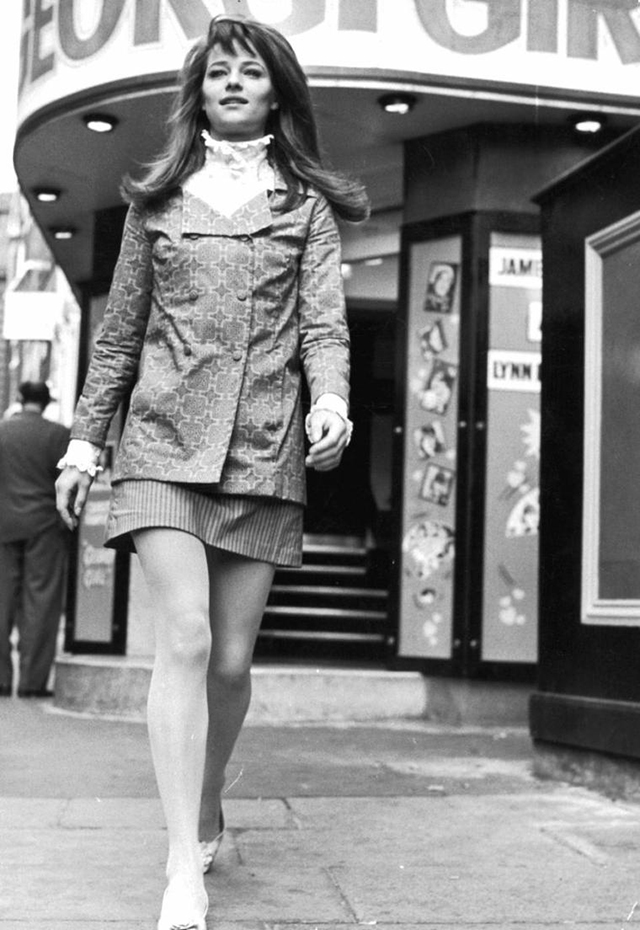
Charlotte Rampling
Connie Chan
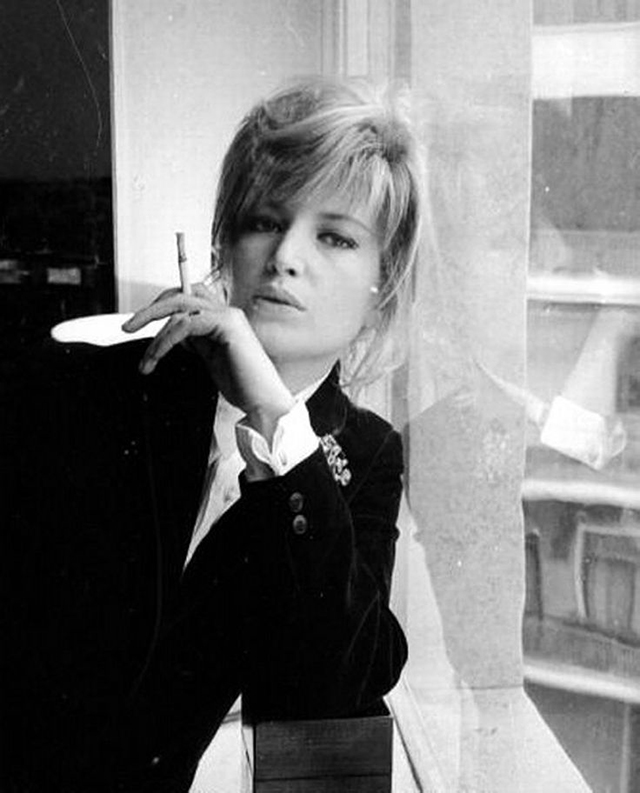
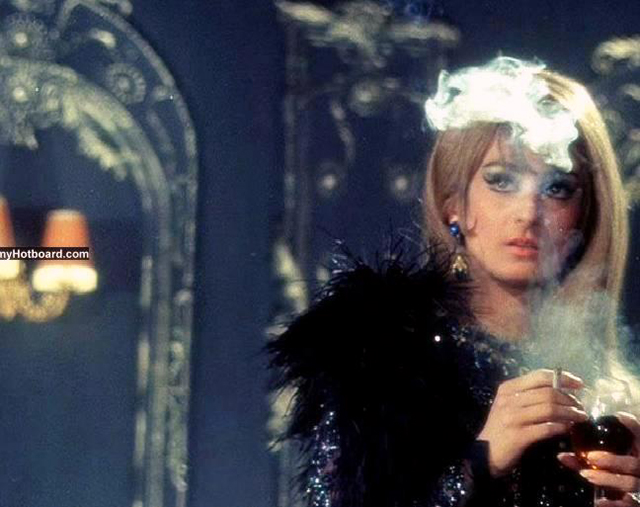
Monica Vitti
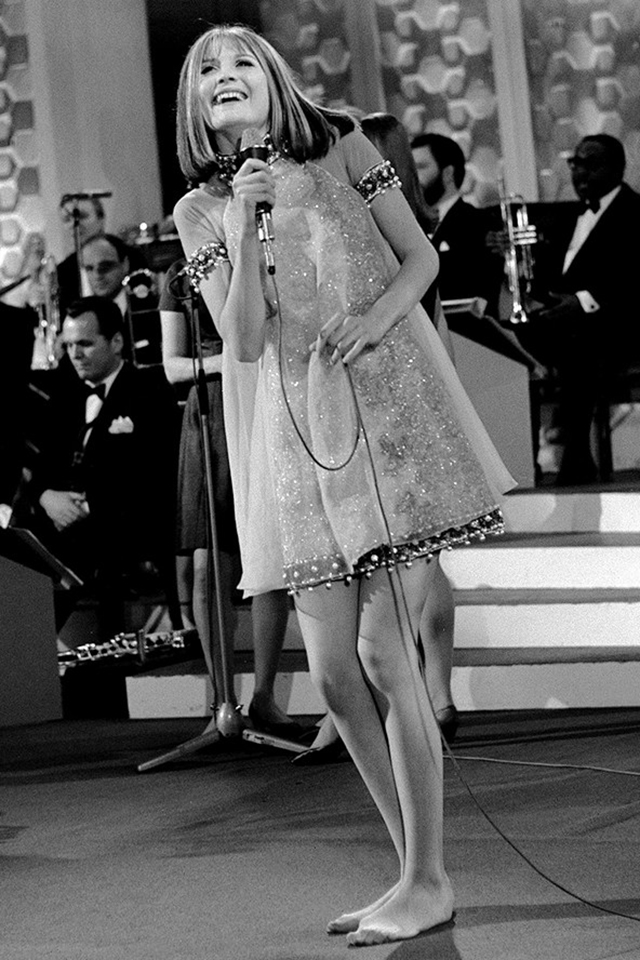
Sandie Shaw
Donyale Luna
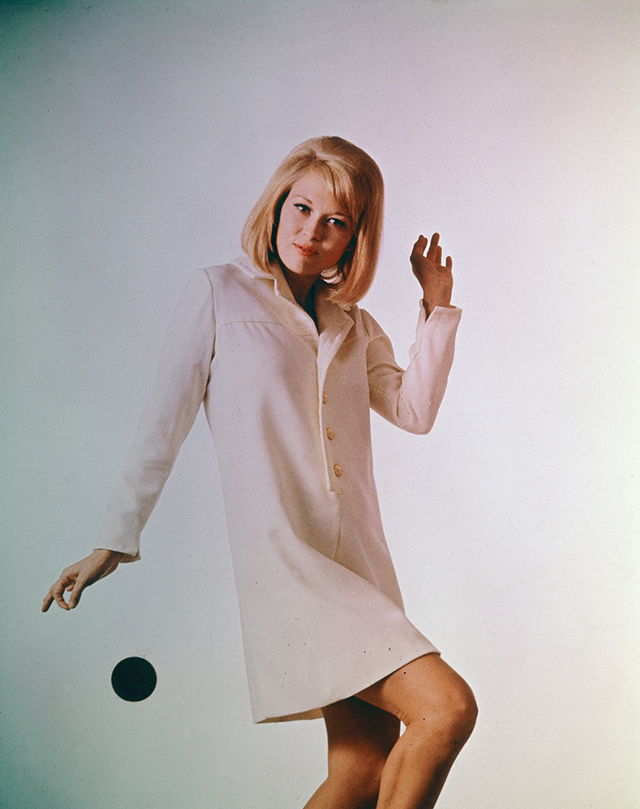
Faye Dunaway
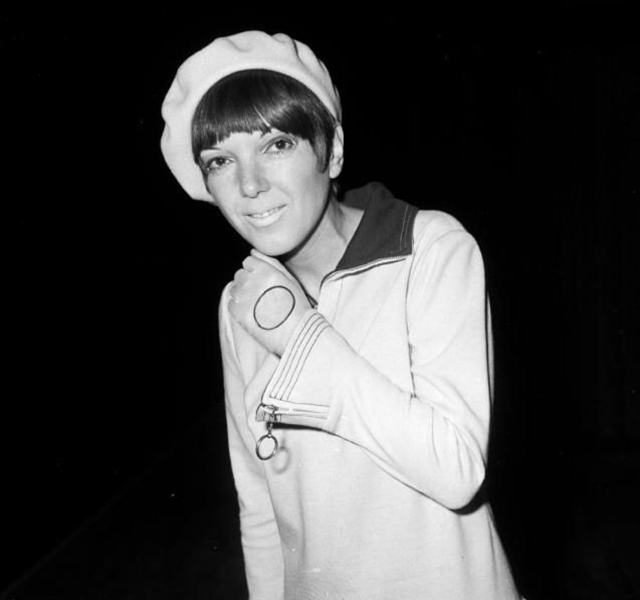
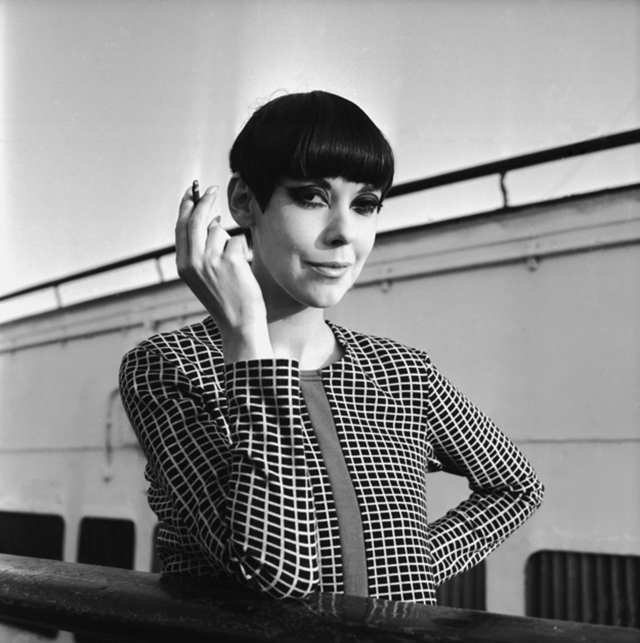
Mary Quant
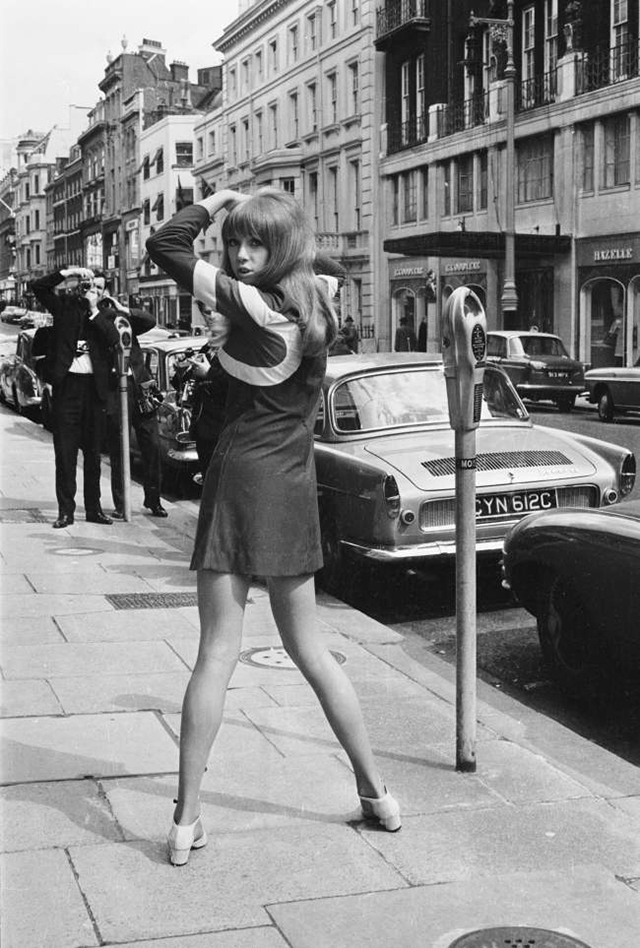
Patti Boyd
Veruschka
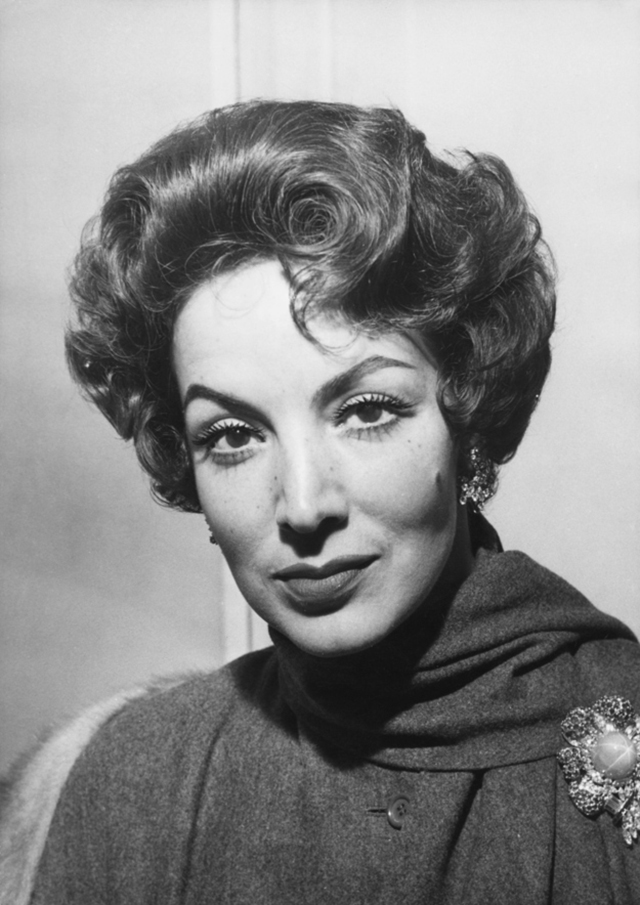
María Félix
Cilla Black
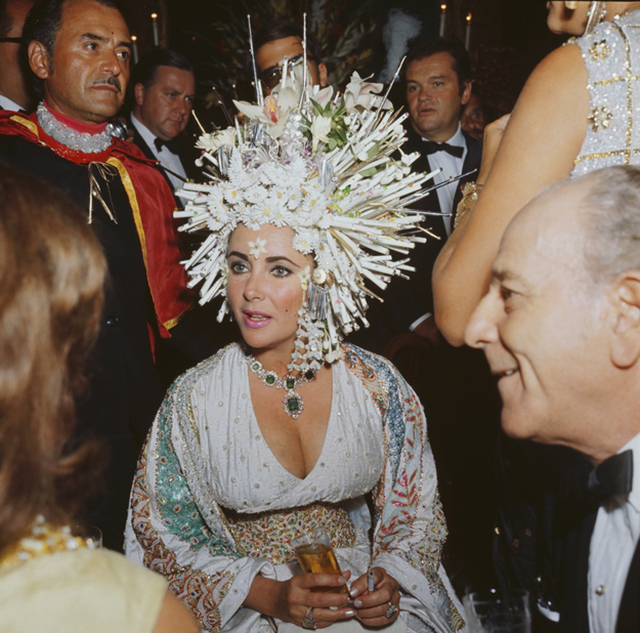
Elizabeth Taylor
Saira Banu
Elke Sommer
Lulu
Jacqueline Kennedy
Susan George
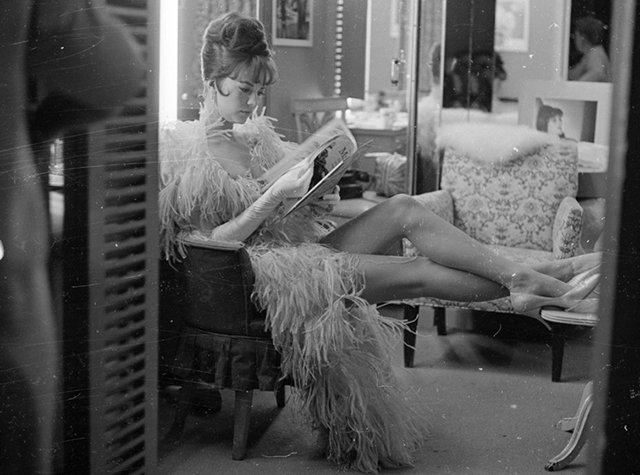
10th December 1962: Former child actress, American film star Natalie Wood (1938 – 1981), relaxing and reading a magazine in her dressing room.
Peggy Moffitt
Petula Clark
Nina Simone
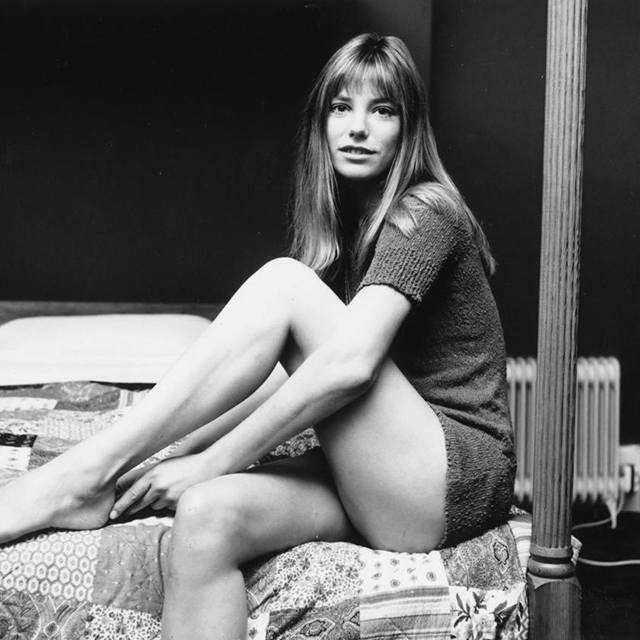
Jane Birkin
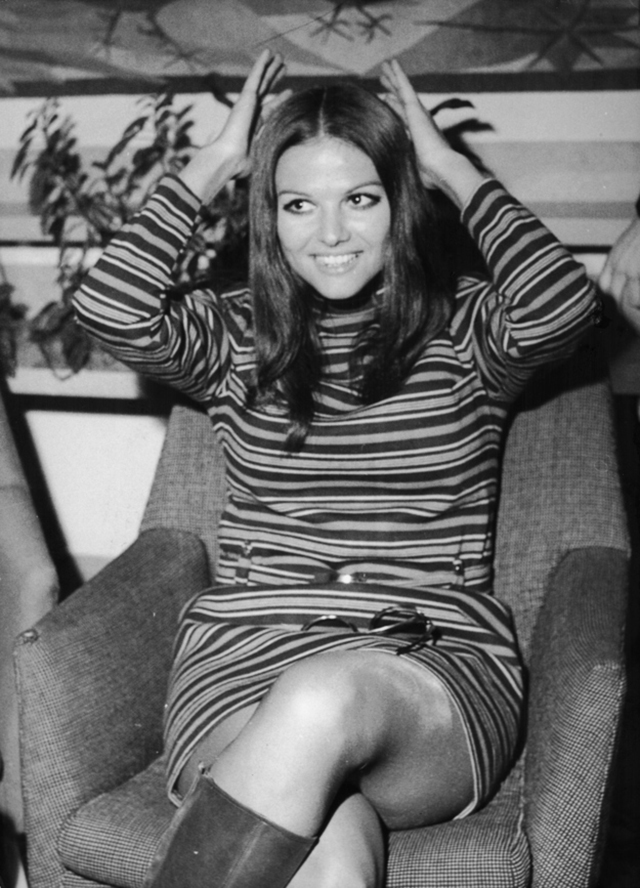
Claudia Cardinale
Mary Wells
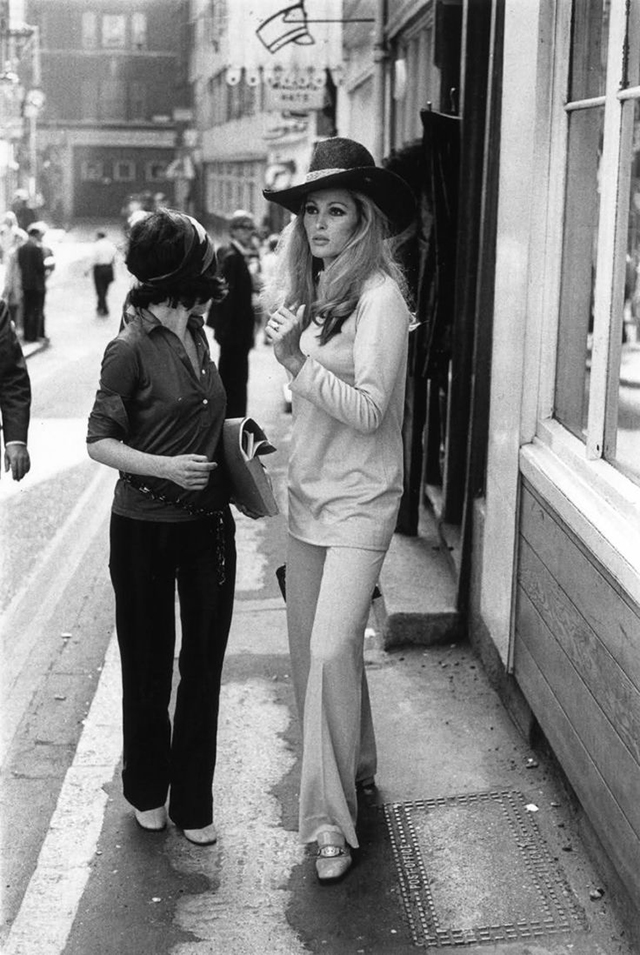
Ursula Andress
Diana Rigg
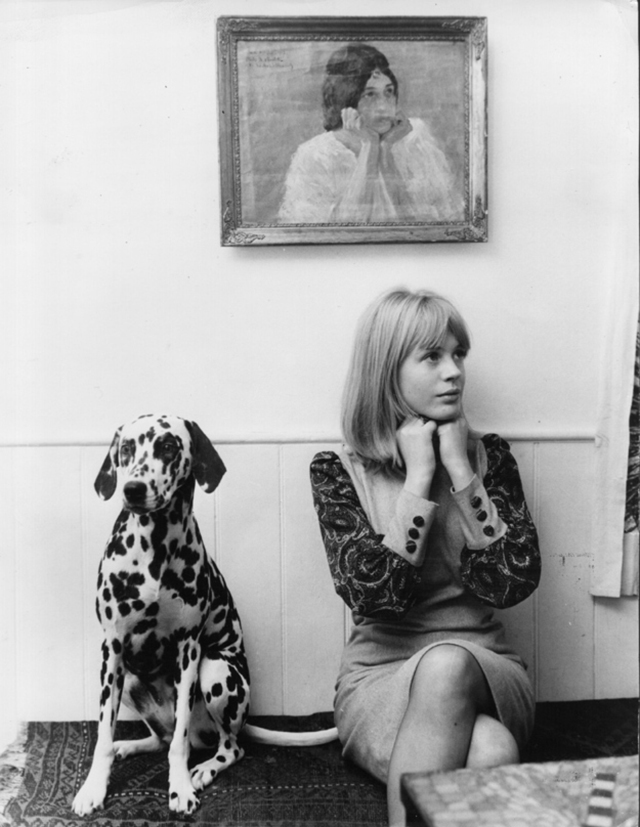
Marianne Faithfull
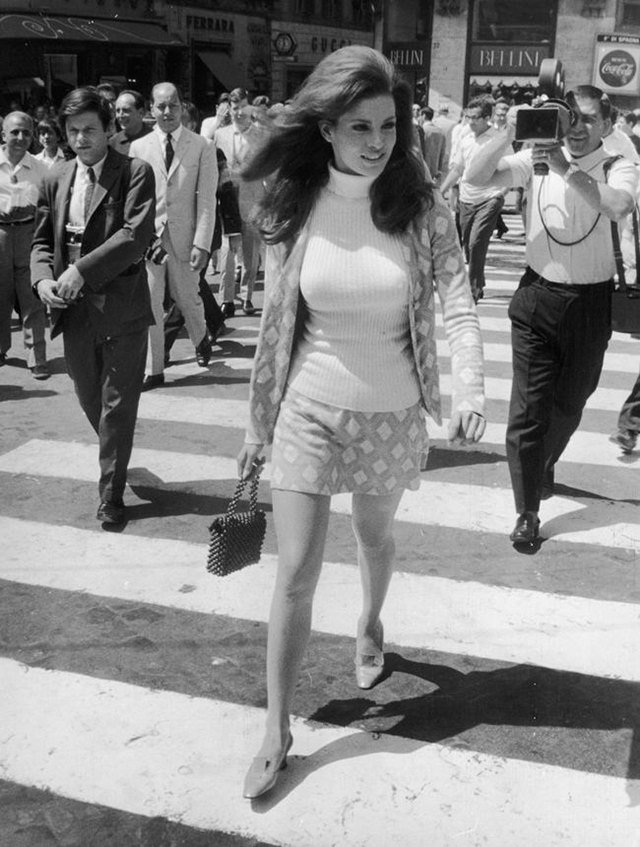
Raquel Welch
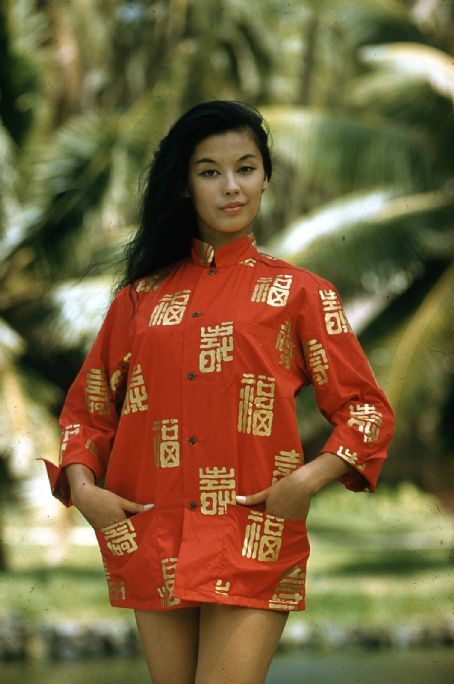
France Nguyen
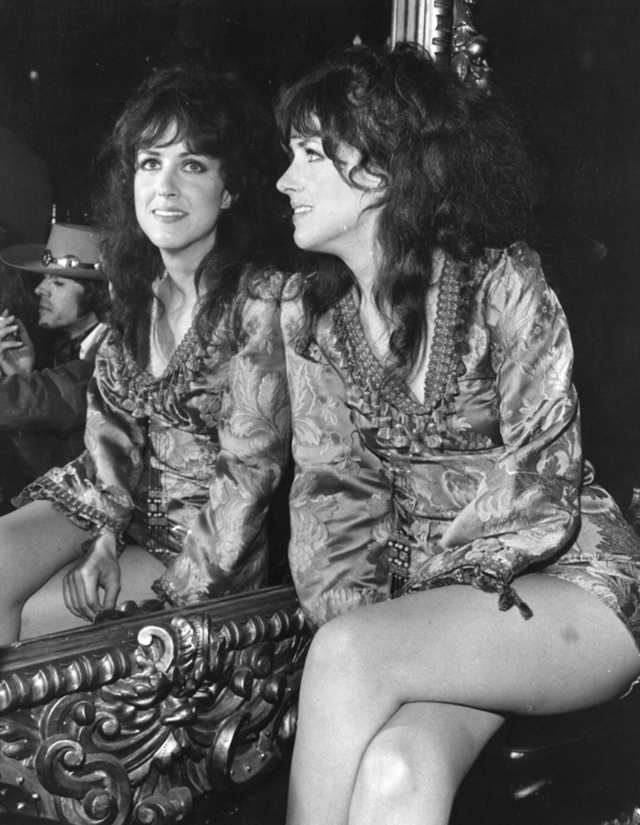
Grace Slick
Shirley Bassey
Ali McGraw
Diana Ross
Romy Schneider
Dusty Springfield
Mia Farrow
Eartha Kitt
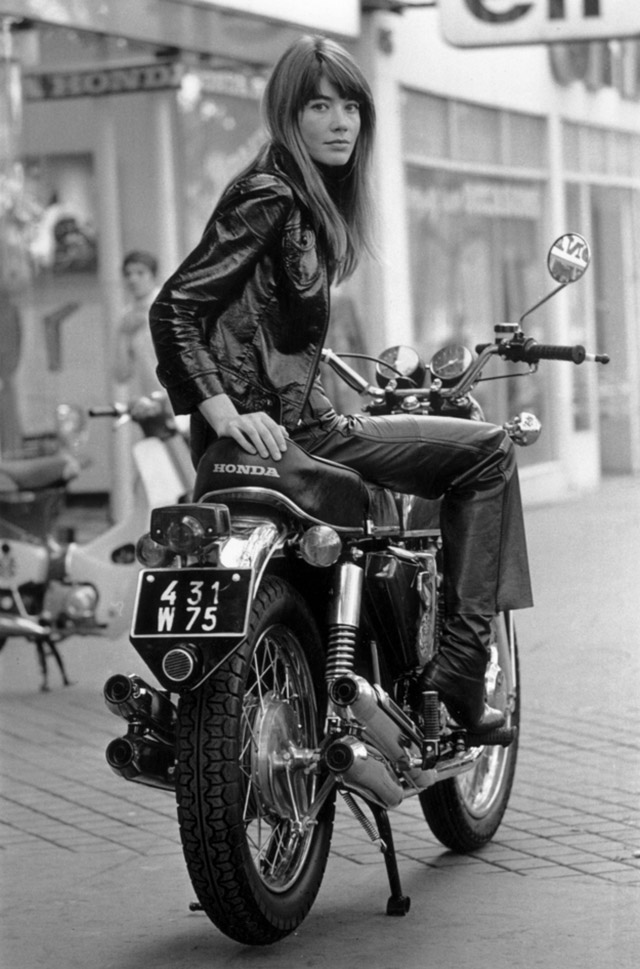
Françoise Hardy
Ronnie Spector
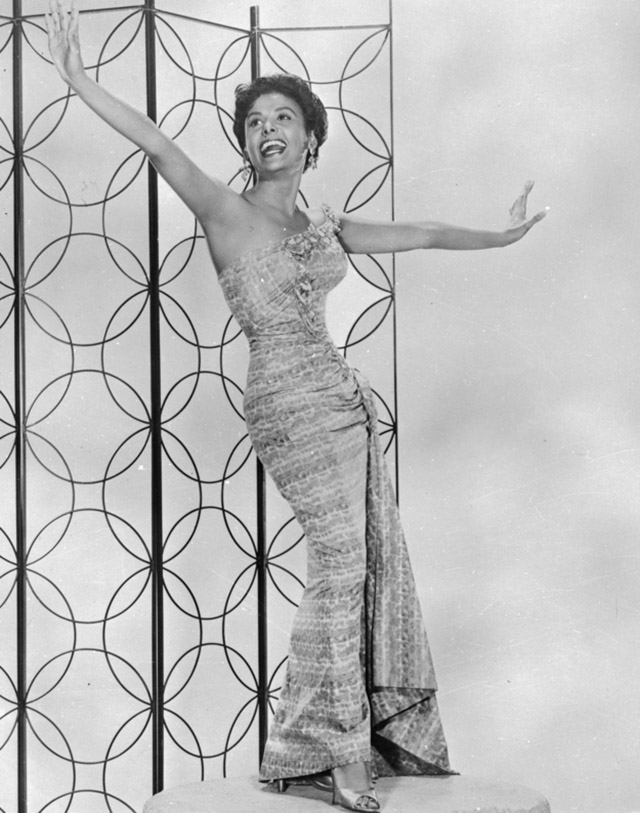
Lena Horne
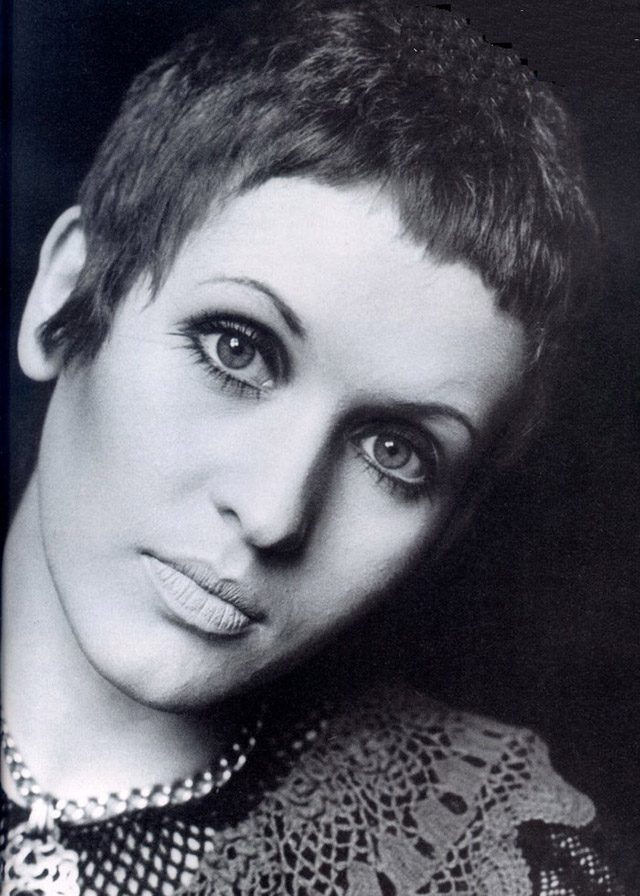
Julie Driscoll
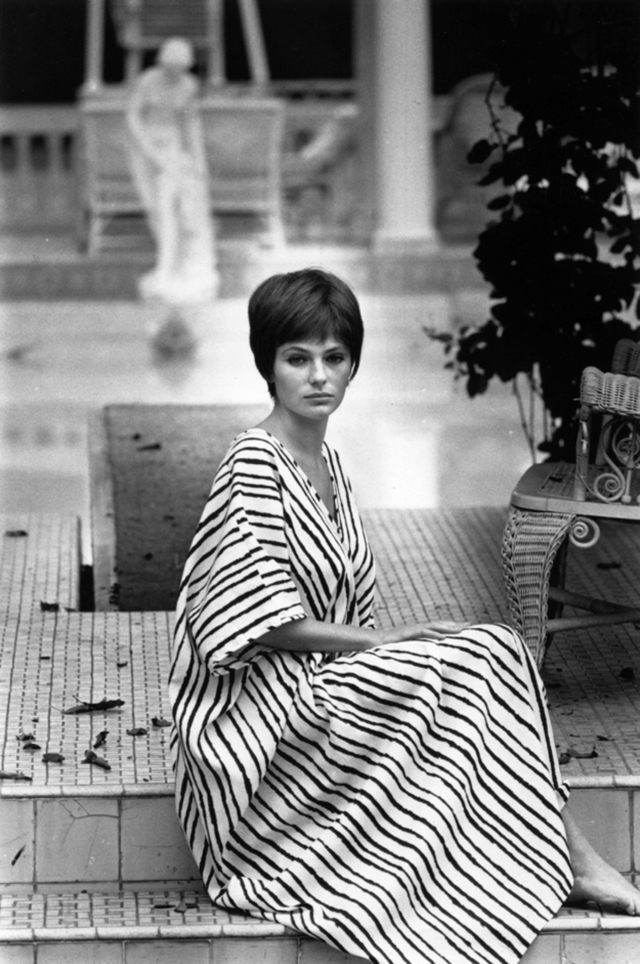
Jacqueline Bisset
Dionne Warwick
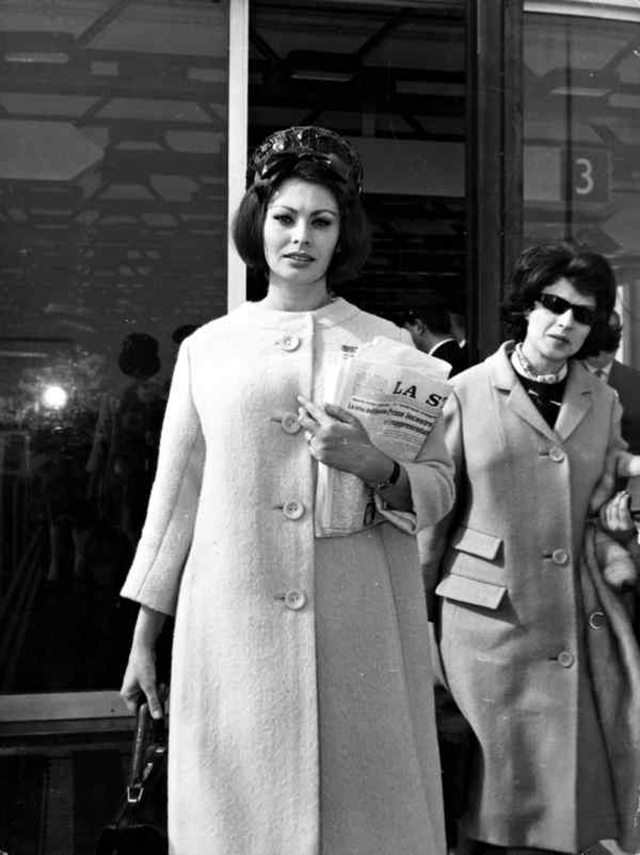
Sophia Loren
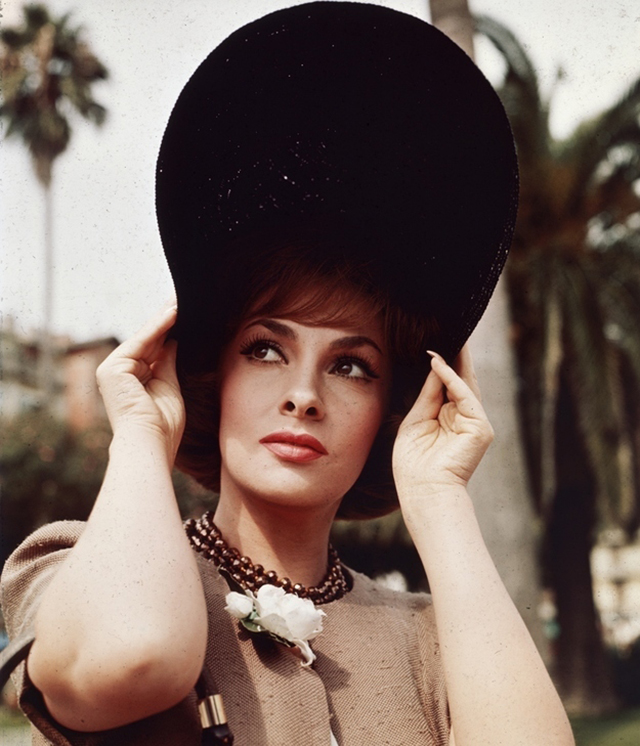
Gina Lollobrigida
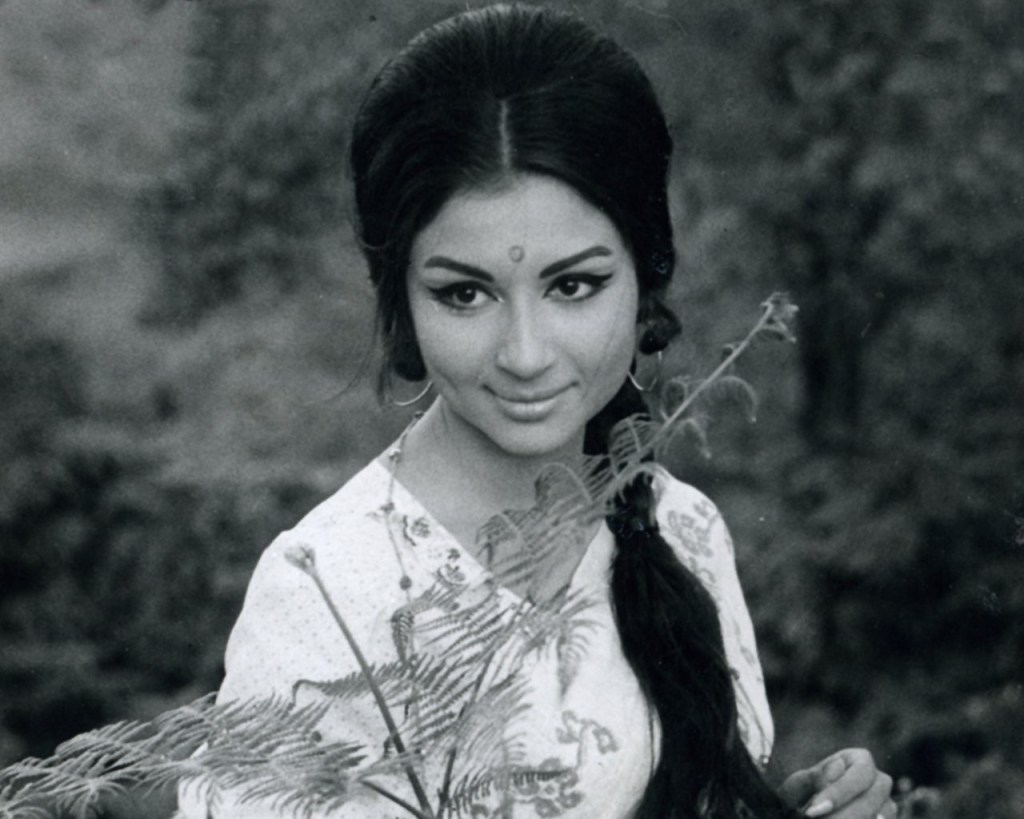
Sharmila Tagore
American pop singer Marsha Hunt, whose career has found greater success in the UK than the States, particularly with her rendition of Dr John’s ‘Walk On Gilded Splinters’.
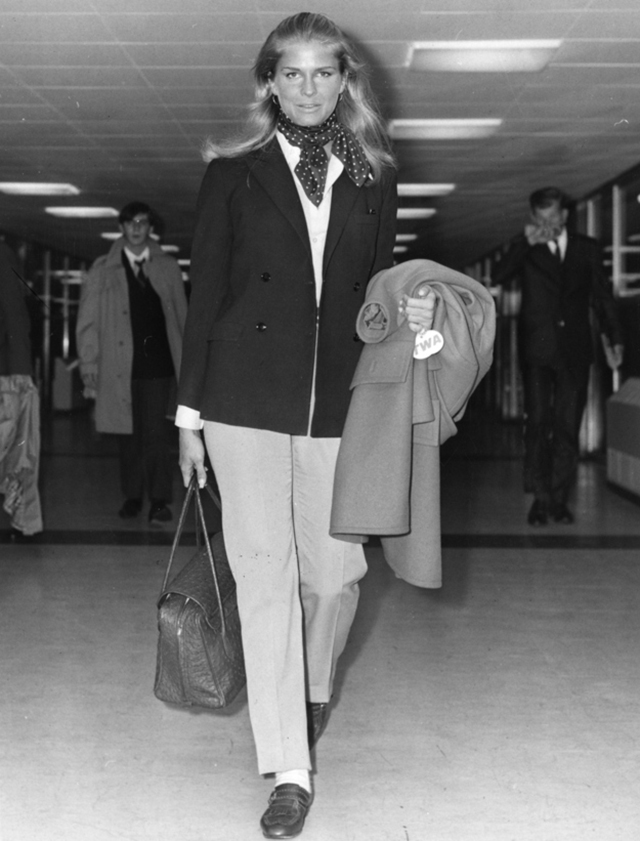
Candice Bergen
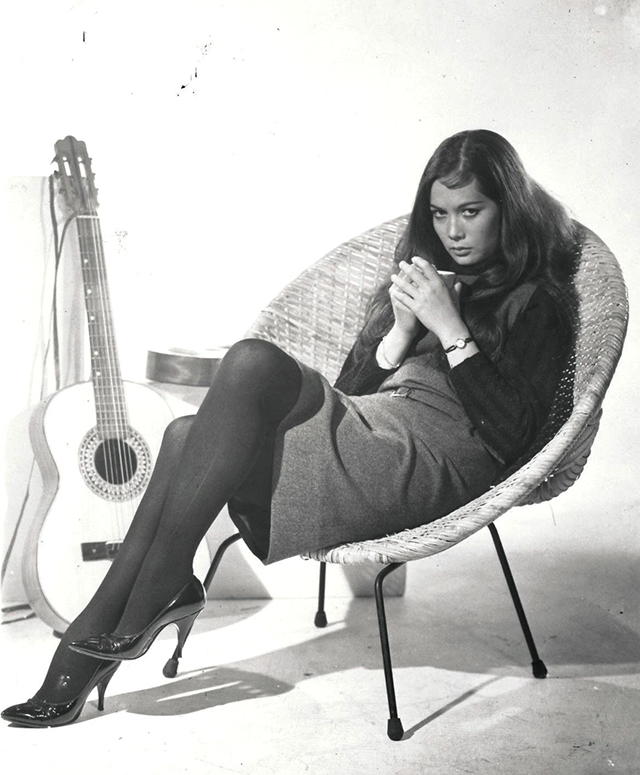
Nancy Kwan
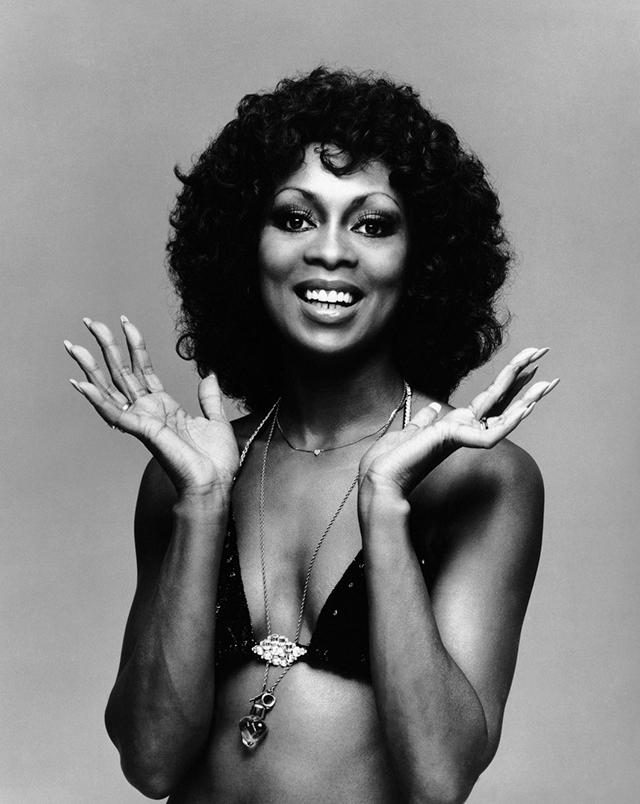
Lola Falana
Celia Hammond
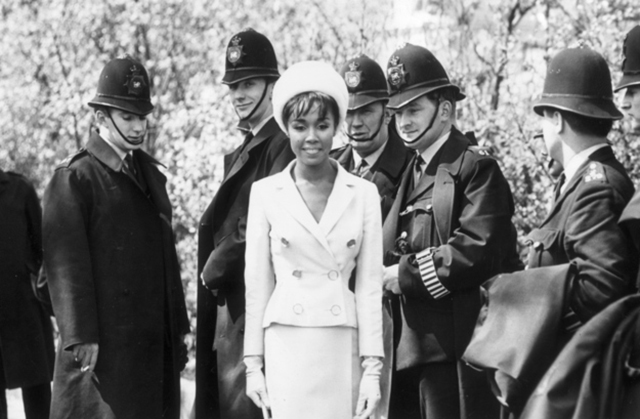
Diahann Carroll
Honor Blackman
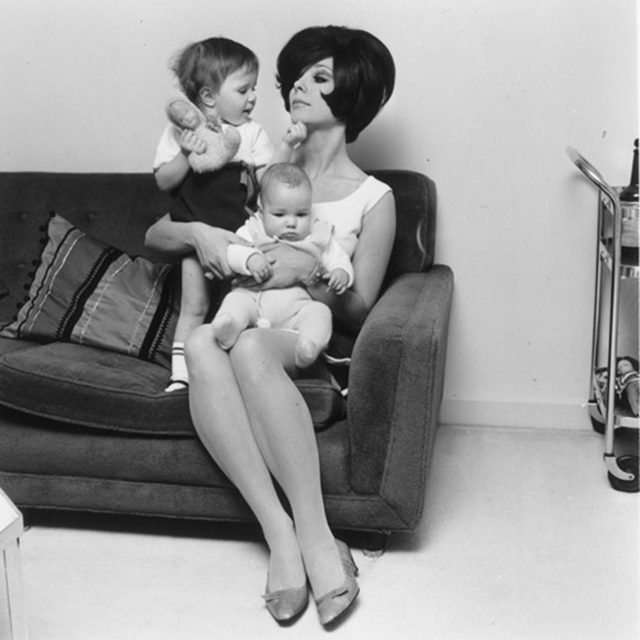
8th January 1966: English actress Joan Collins with her children Sacha and Tara.
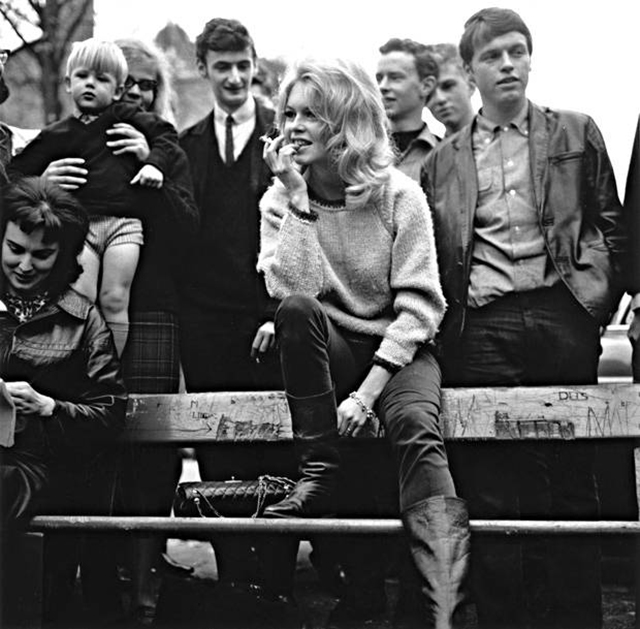
Brigitte Bardot
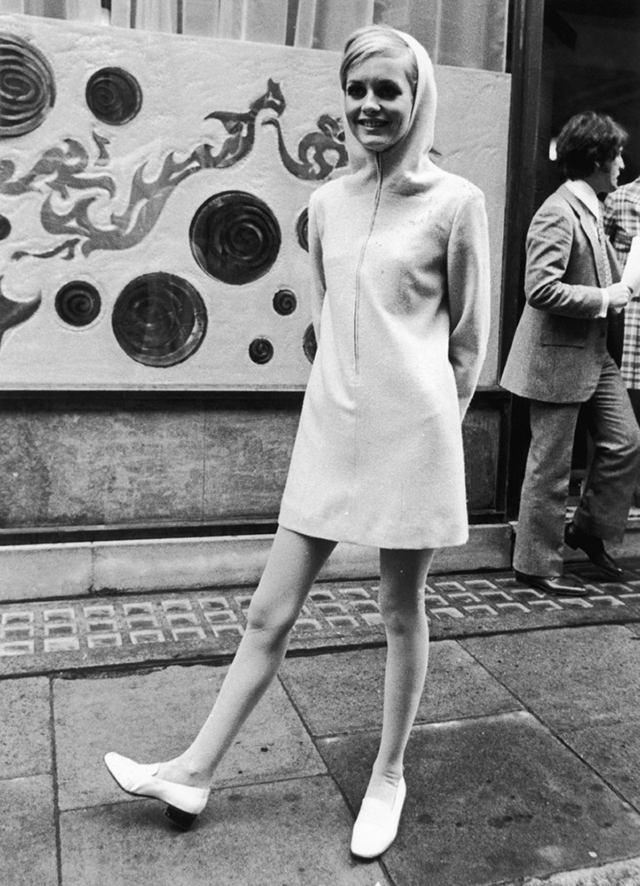
Twiggy

GALLIPOLI, 1915

The Gallipoli campaign, also known as the Dardanelles campaign, the Battle of Gallipoli or the Battle of Çanakkale (Turkish: Çanakkale Savasi), was a campaign of the First World War that took place on the Gallipoli peninsula (Gelibolu in modern Turkey), from 17 February 1915 to 9 January 1916. The Entente powers, Britain, France and the Russian Empire, sought to weaken the Ottoman Empire, one of the Central Powers, by taking control of the straits that provided a supply route to Russia. The Allies’ attack on Ottoman forts at the entrance of the Dardanelles in February 1915 failed and was followed by an amphibious landing on the Gallipoli peninsula in April 1915 to capture the Ottoman capital of Constantinople (Istanbul).

In January 1916, after eight months’ fighting, with approximately 250,000 casualties on each side, the land campaign was abandoned and the invasion force withdrawn. It was a costly defeat for the Allies and for the sponsors, especially First Lord of the Admiralty (1911–1915), Winston Churchill. The campaign was considered a great Ottoman victory. In Turkey, it is regarded as a defining moment in the history of the state, a final surge in the defence of the motherland as the Ottoman Empire retreated. The struggle formed the basis for the Turkish War of Independence and the declaration of the Republic of Turkey eight years later, with Kemal Atatürk, who rose to prominence as a commander at Gallipoli, as founder and president.

The campaign is often considered to be the beginning of Australian and New Zealand national consciousness; 25 April, the anniversary of the landings, is known as ANZAC Day, the most significant commemoration of military casualties and veterans in the two countries, surpassing Remembrance Day (Armistice Day).
Text via Wikipedia

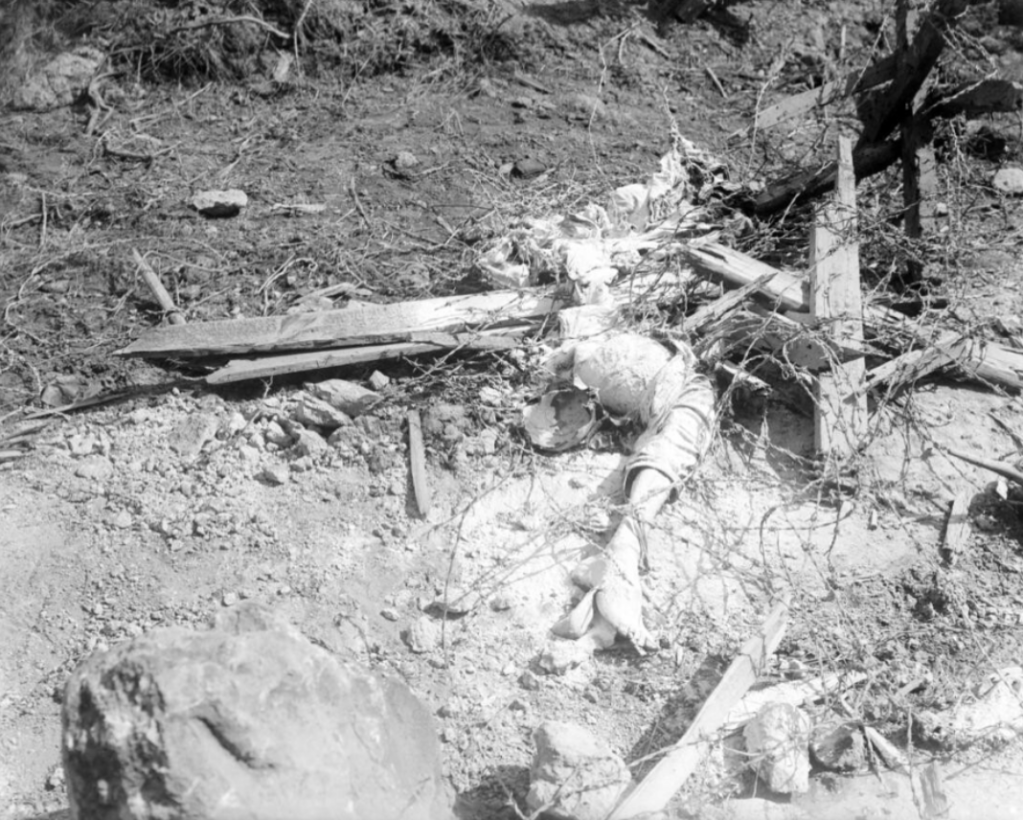
Body of a dead Turkish soldier near barbed wire defences.
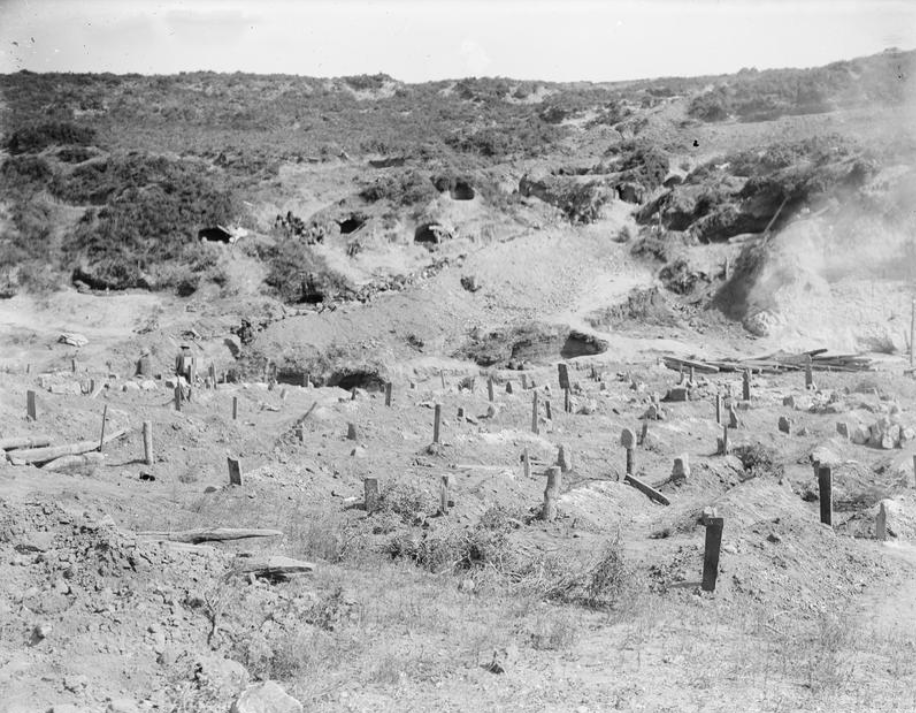
A Turkish cemetery on the battlefield behind the Krithia Sector
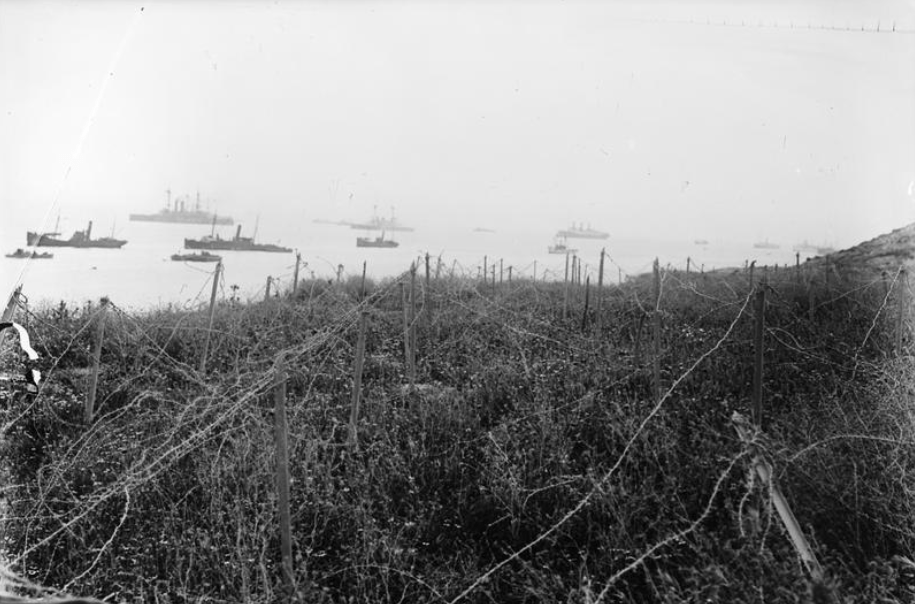
Barbed wire entanglements near Sedd el Bahr at Cape Helles, still in position after the landing on April 25th 1915.
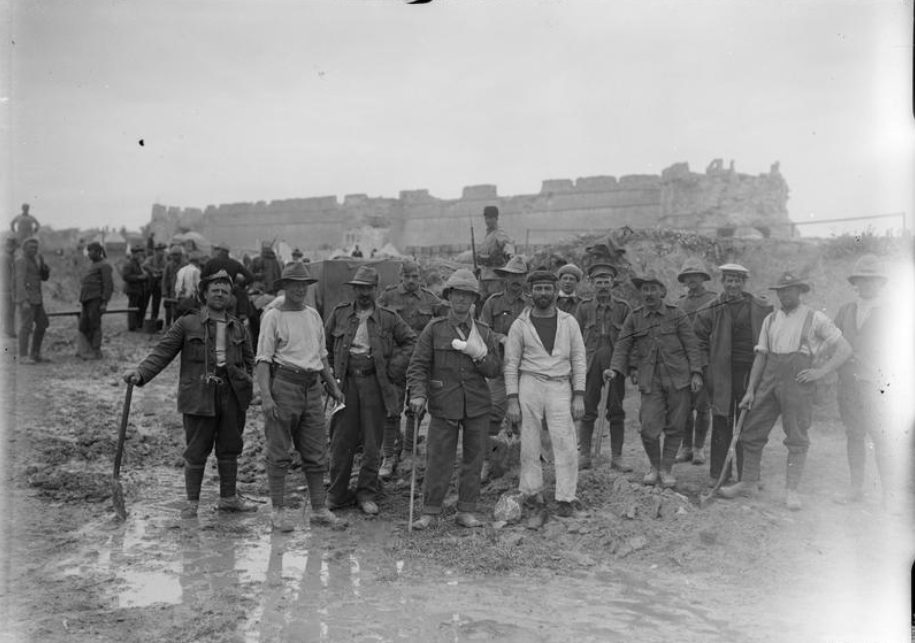
An ANZAC road-making party, and a number of men of several units with a fatigue party of Turkish men, and French soldiers further back. In the background is the Old Castle at Sedd el Bahr.
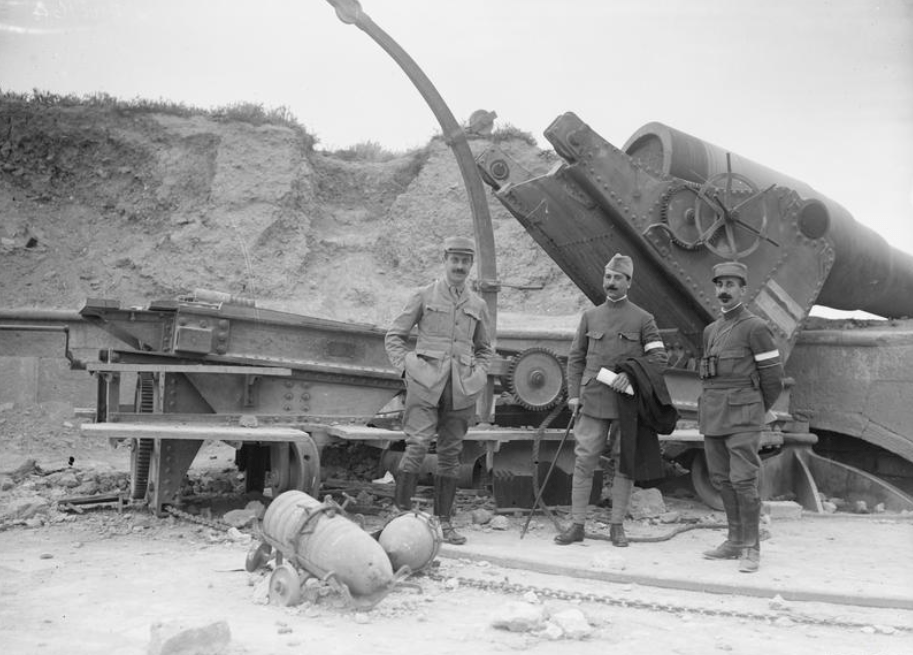
Three French staff officers within the Old Fort at Sedd el Bahr. They are standing by one of the guns destroyed by the bombardments of the British Navy.
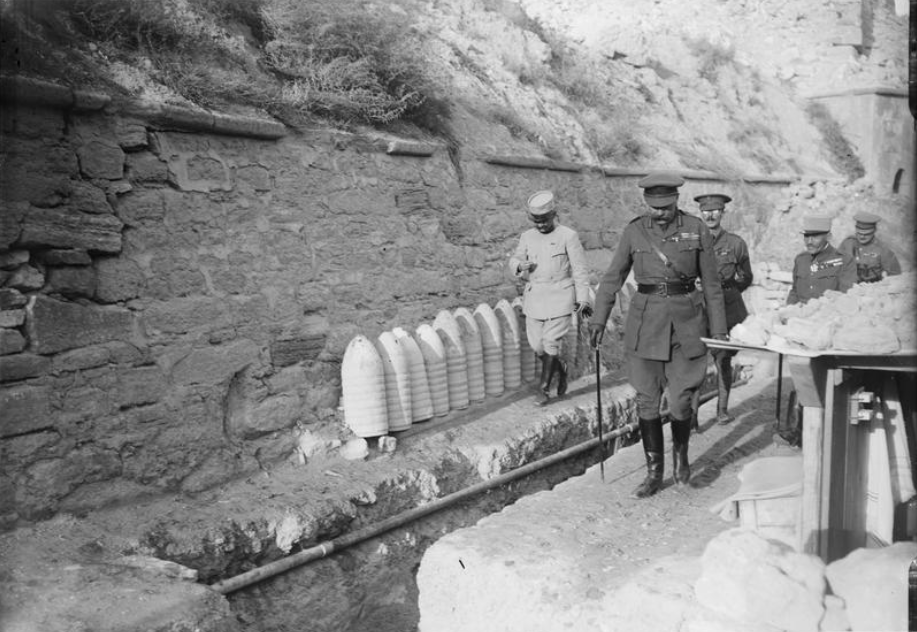
Lord Kitchener visits the remnants of the French garrison at the fort of Sedd el Bahr, 12th November 1915. Behind him are General Jean-Marie Brulard, the Commander-in-Chief of the Corps Expeditionaire d’Orient, and General Henry McMahon, the High Commissioner for Egypt. The shells are Turkish ones in the ruined old castle.
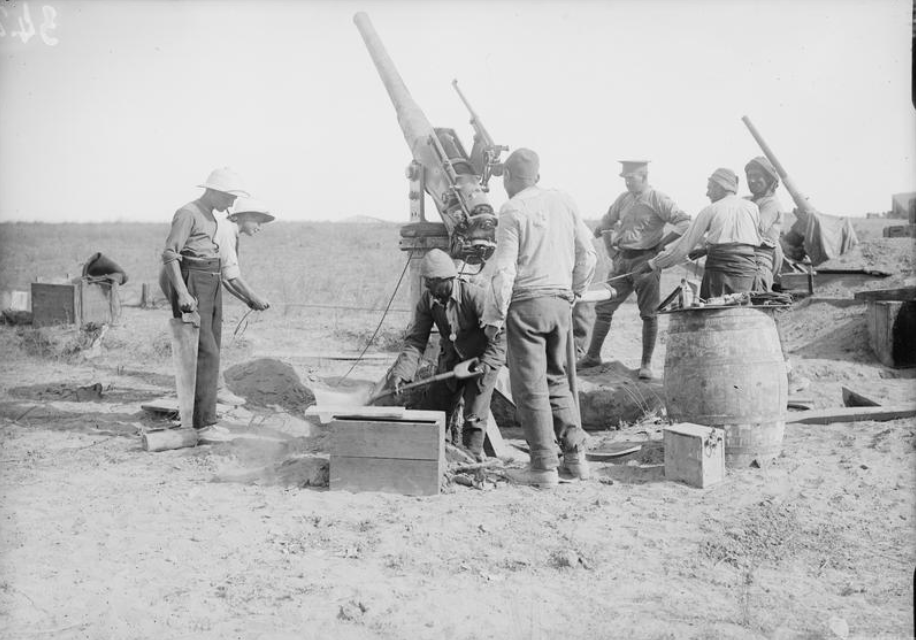
Turkish prisoners proved themselves excellent workmen, and are here seen building a platform for an anti-aircraft gun intended for use against enemy aeroplanes.
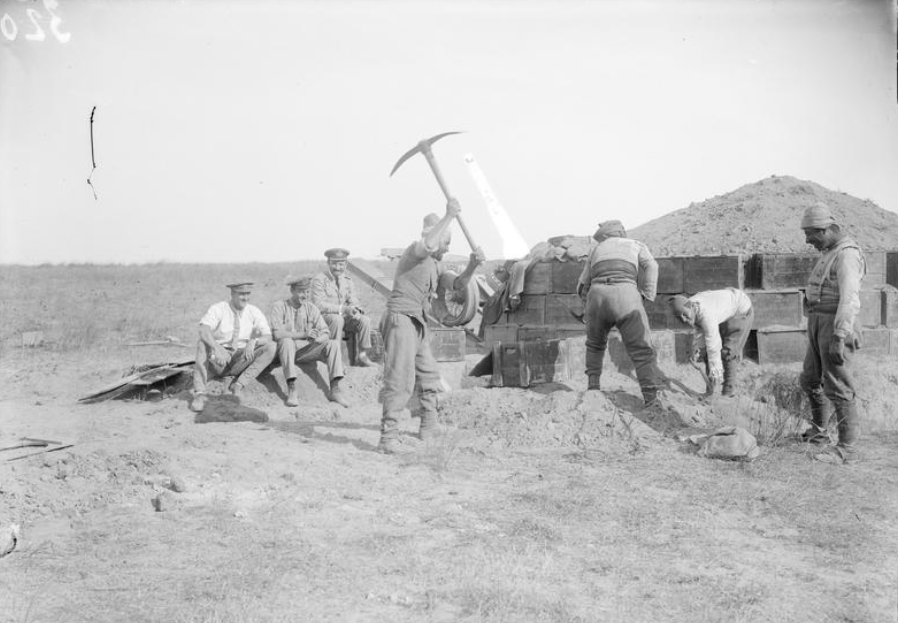
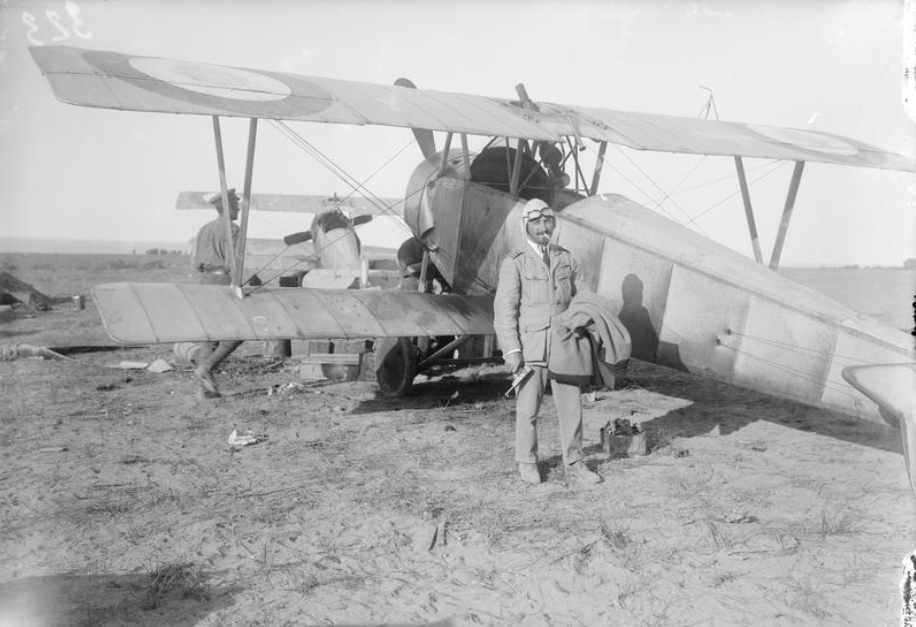
Wing Commander Charles Rumney Samson of No. 3 Squadron RNAS and two of his pilots watching Turkish prisoners prepare a gun platform, Lemnos.
Wing Commander Charles Rumney Samson of No. 3 Squadron RNAS about to start on one of excursions over the Turkish lines.
A Turkish Sniper photographed immediately after capture, and while he was being brought in under guard. The Turk was ingeniously screened by a Jack-In-The-Green arrangement of foliage attached to his clothing.
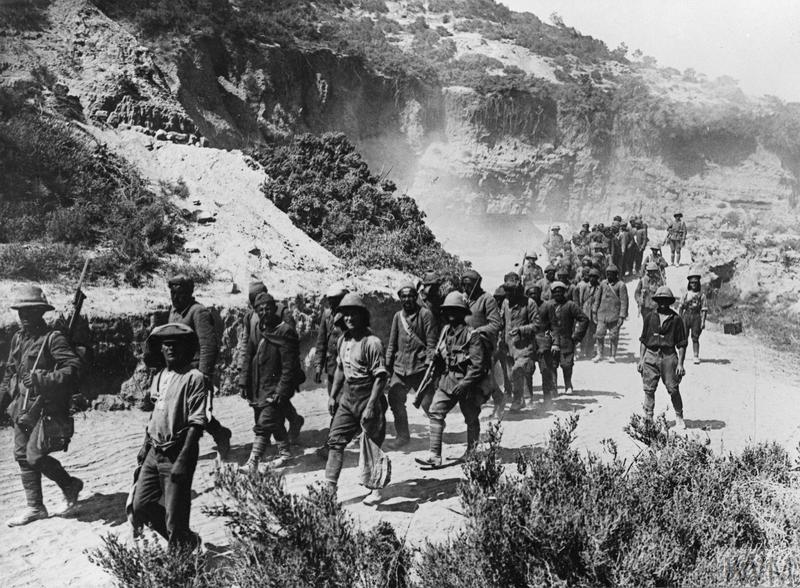
Turkish prisoners being taken back through Gully Ravine.
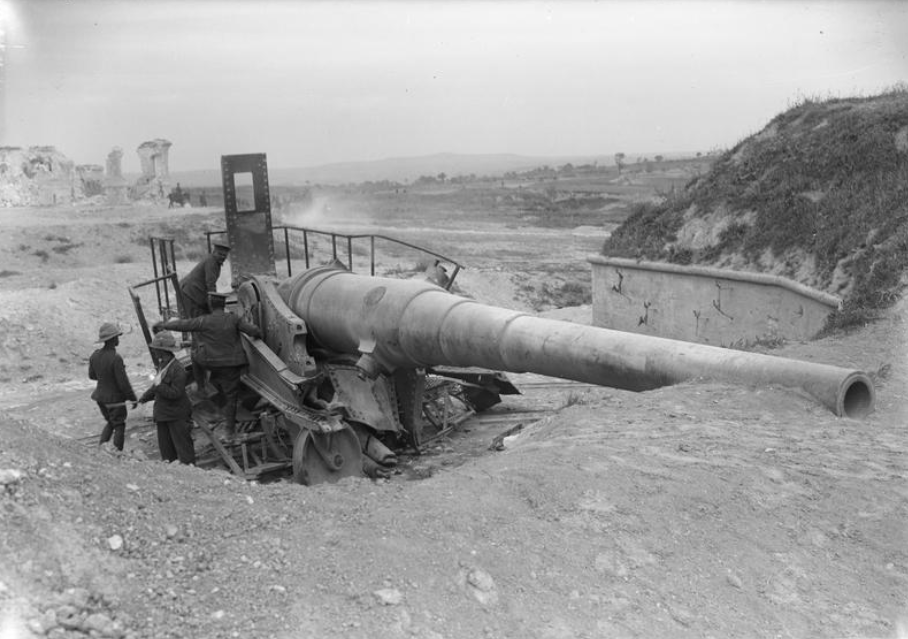
A scene after the naval bombardment of the Dardanelles ports, prior to the Gallipoli landings. British soldiers examine a 9.4 inch coastal defence gun on Fort I (on ‘V’ Beach, Cape Helles) having been dismounted by a direct hit, believed to have been fired from Y Turret of HMS QUEEN ELIZABETH on 25th February 1915. In the background is Hill 141.
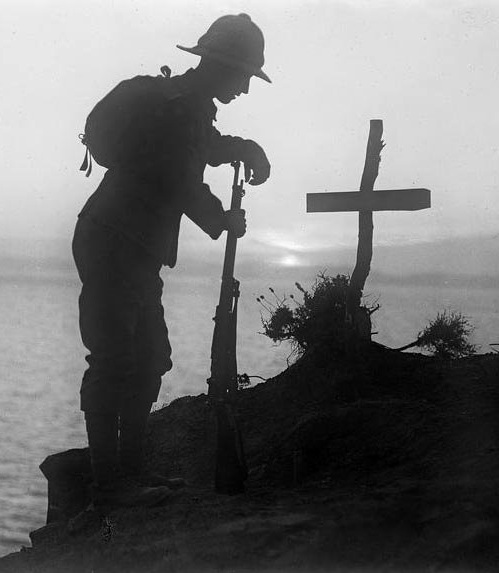
The grave of three officers, Captain Thomas Bowyer-Lane Maunsell, Captain Aubery Jocelyn Nugent Thomas, and Lieutenant Ellis Clark, 1st Battalion, Lancashire Fusiliers who were killed in action on ‘W’ Beach, Cape Helles, Gallipoli on 25 April 1915.
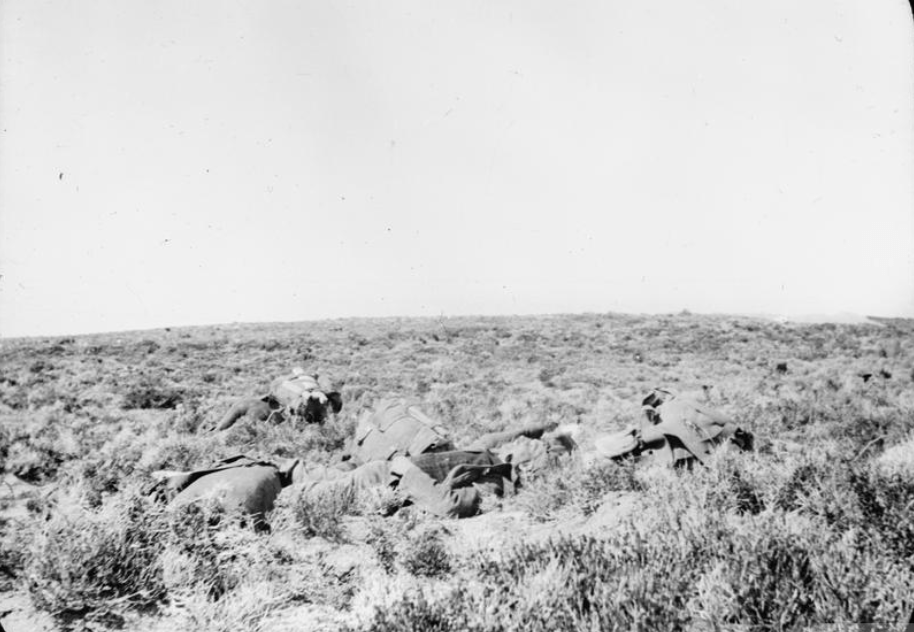
Dead on the cliffs that were taken by the 1st Battalion, Lancashire Fusiliers, Cape Helles, Gallipoli, 26 April 1915.
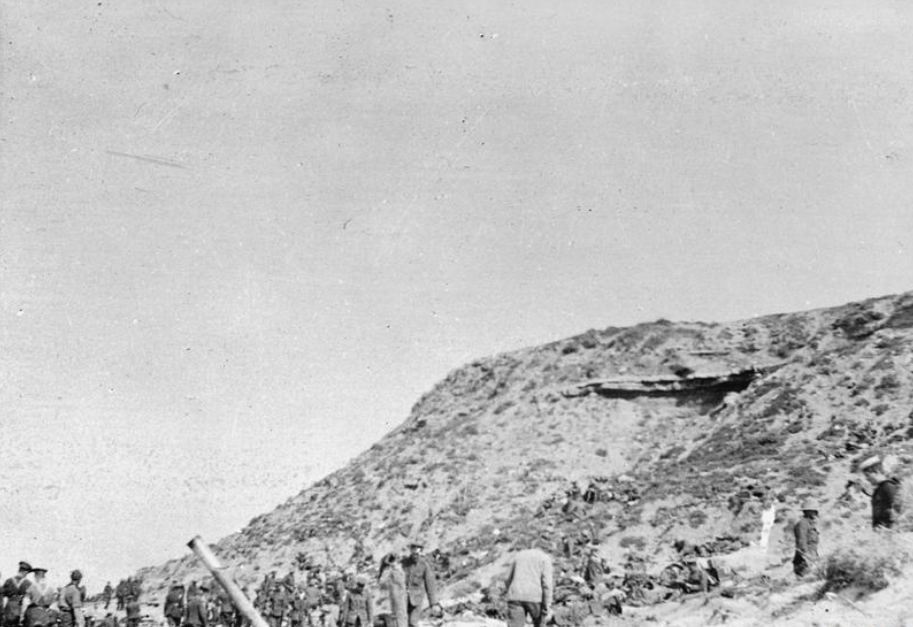
‘W’ Beach (Lancashire Landing), Cape Helles, Gallipoli. The cliff stormed by the 1st Battalion, Lancashire Fusiliers.
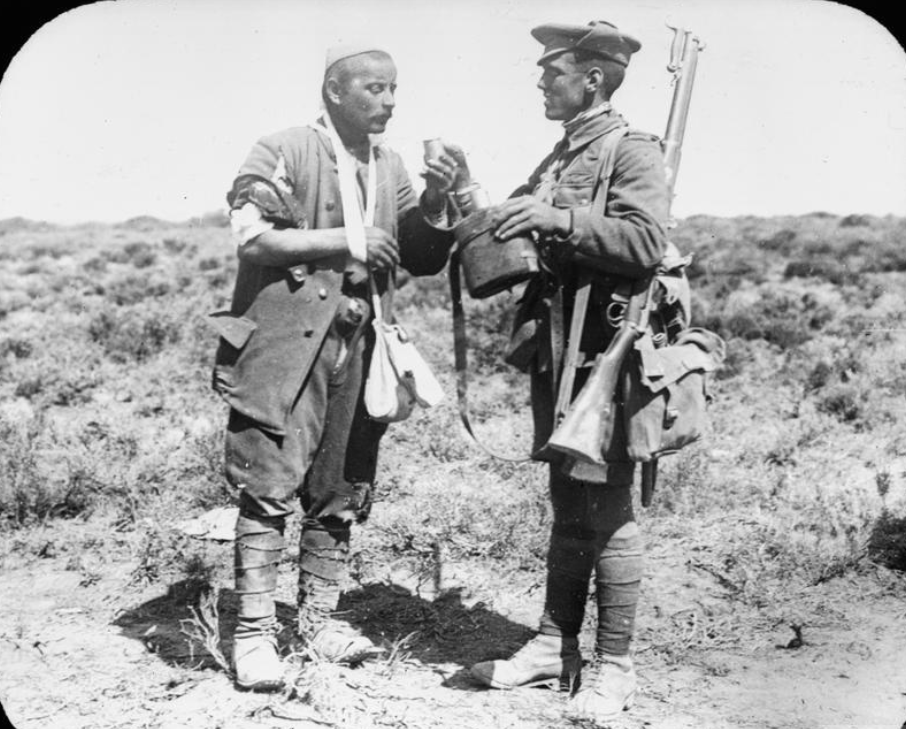
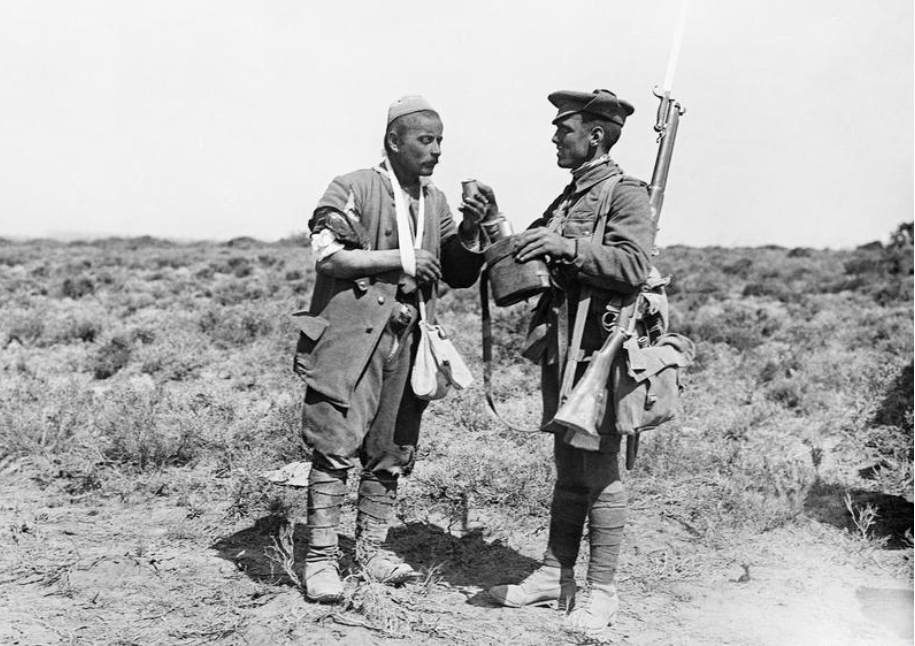
A British soldier giving a Turkish prisoner a drink from his water bottle, Gallipoli.
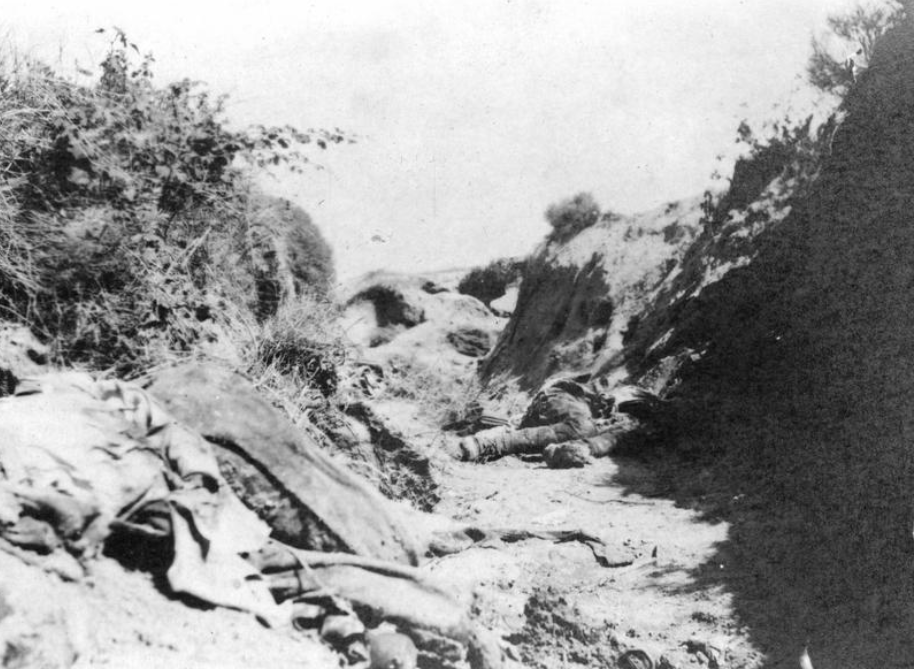
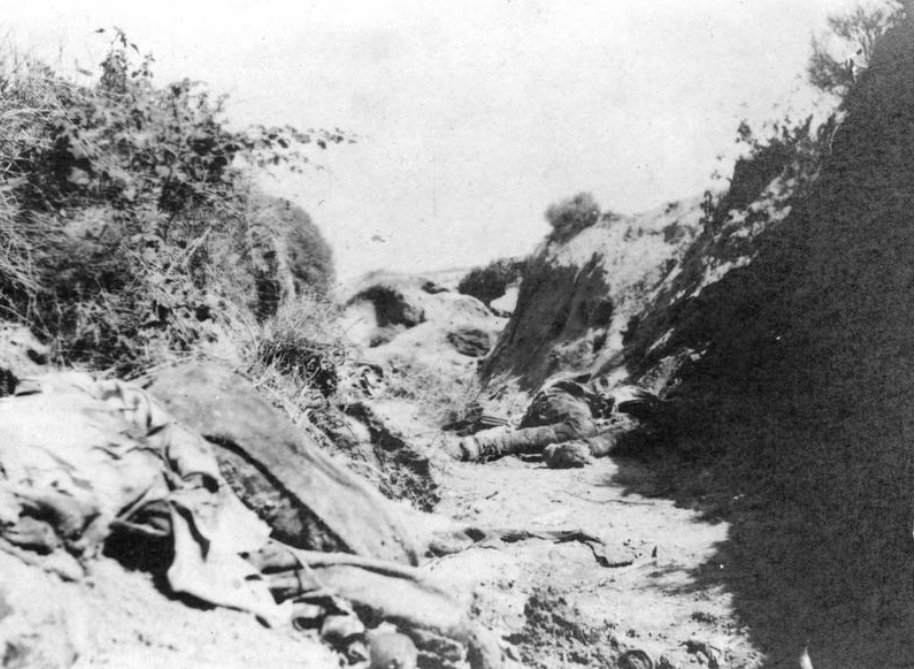
An abandoned Turkish trench, Gallipoli, 1915.
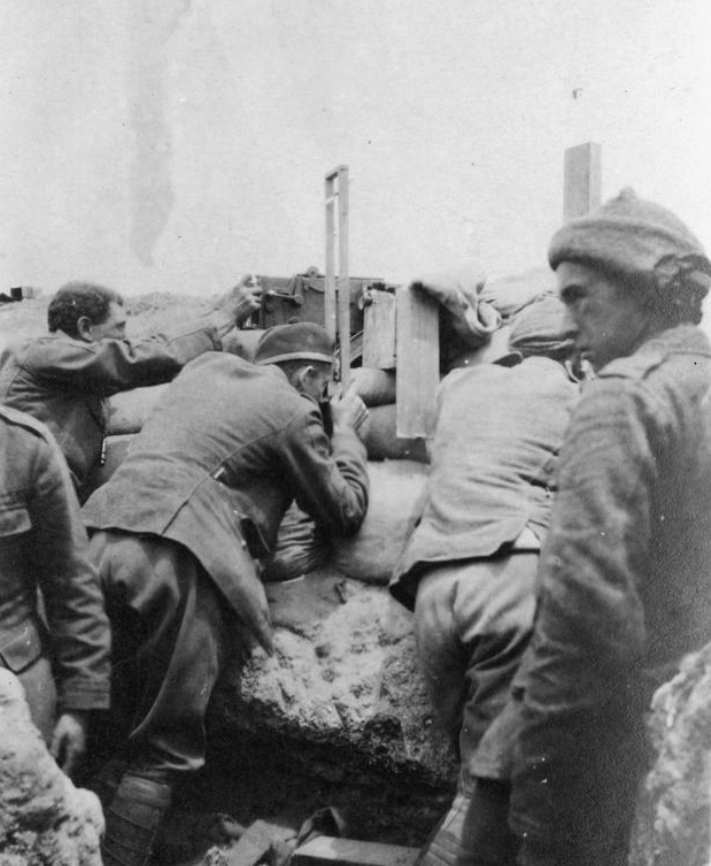
Men of the 6th Battalion, Manchester Regiment manning a machine gun and using periscopes, Gallipoli, 1915.
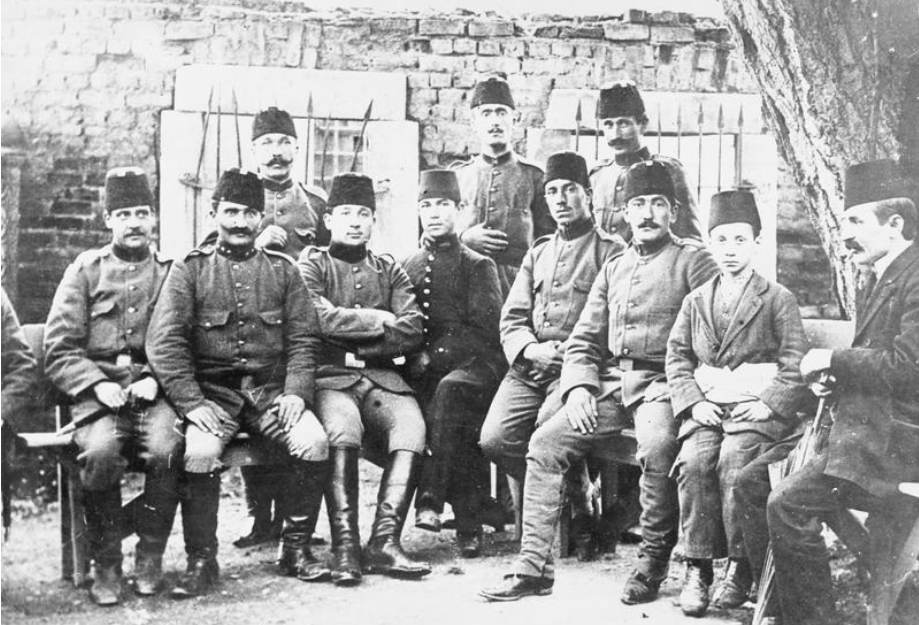
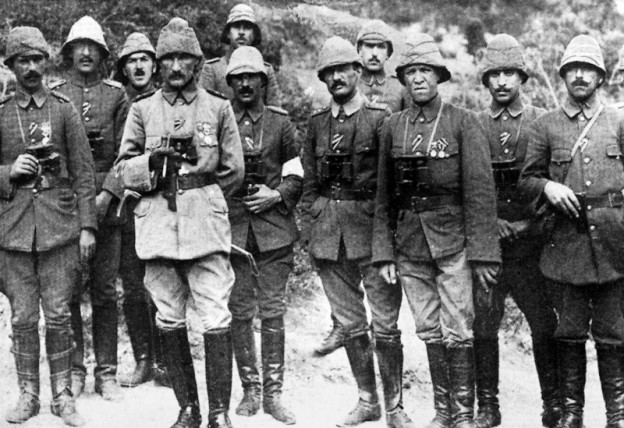
Group of Turkish officers at Dardanelles, 1915.
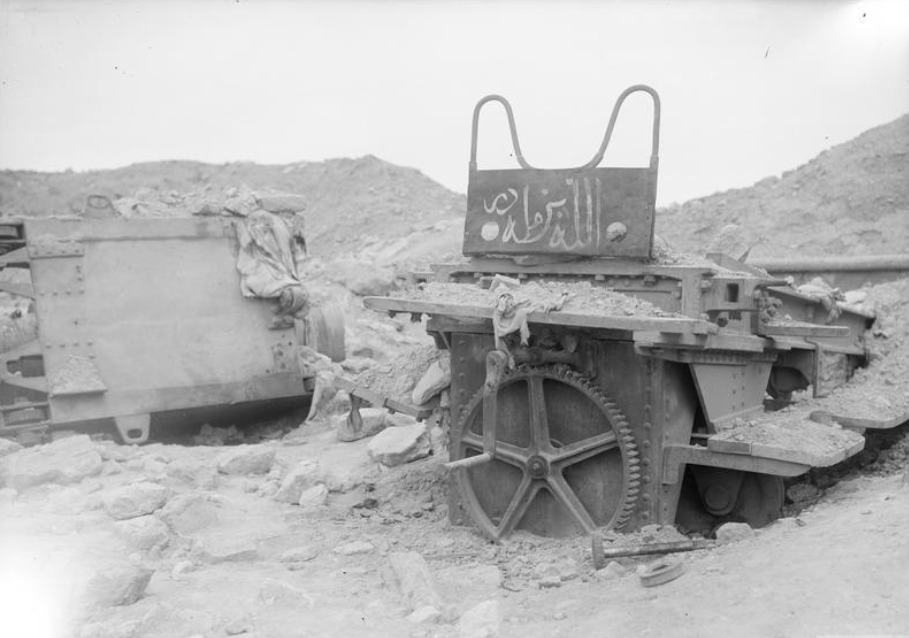
A gun in the old fortress at Sedd el Bahr at Cape Helles, which was destroyed by a naval bombardment from HMS CORNWALLIS prior to the Gallipoli landings. The gun bears aTurkish inscription meaning “God, be with us”
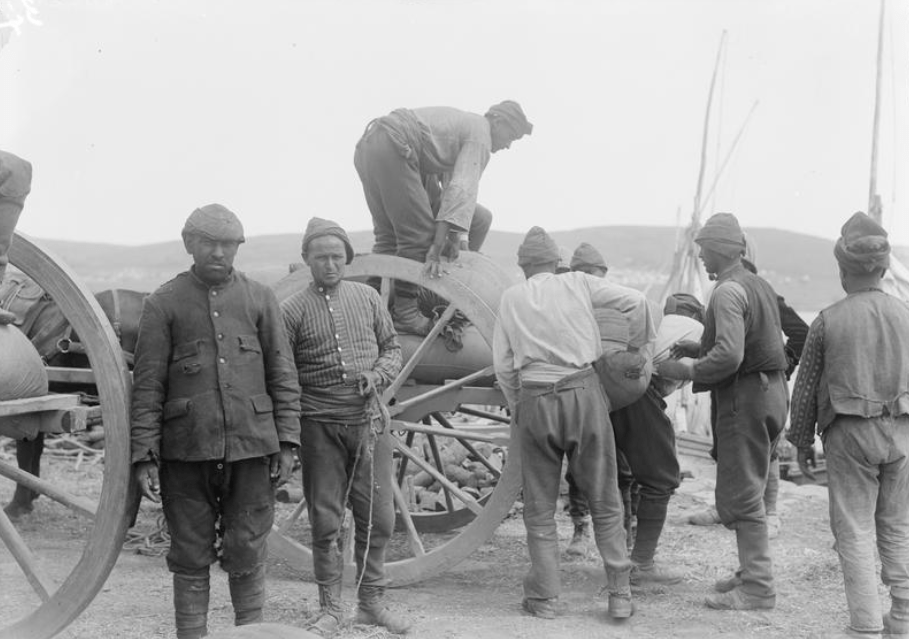
Turkish prisoners, captured duirng the Gallipoli campaign, loading a cart in the French Sector of ‘V’ Beach at Sedd el Bahr, Cape Helles.
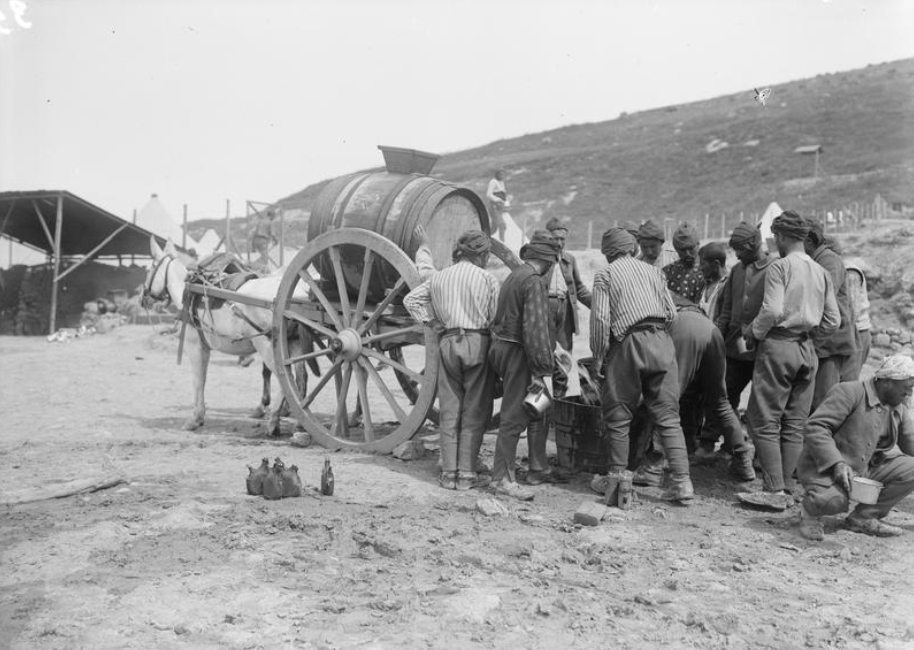
Turkish prisoners, captured duirng the Gallipoli campaign, drawing water from a water-cart in the French Sector of ‘V’ Beach at Sedd el Bahr, Cape Helles.
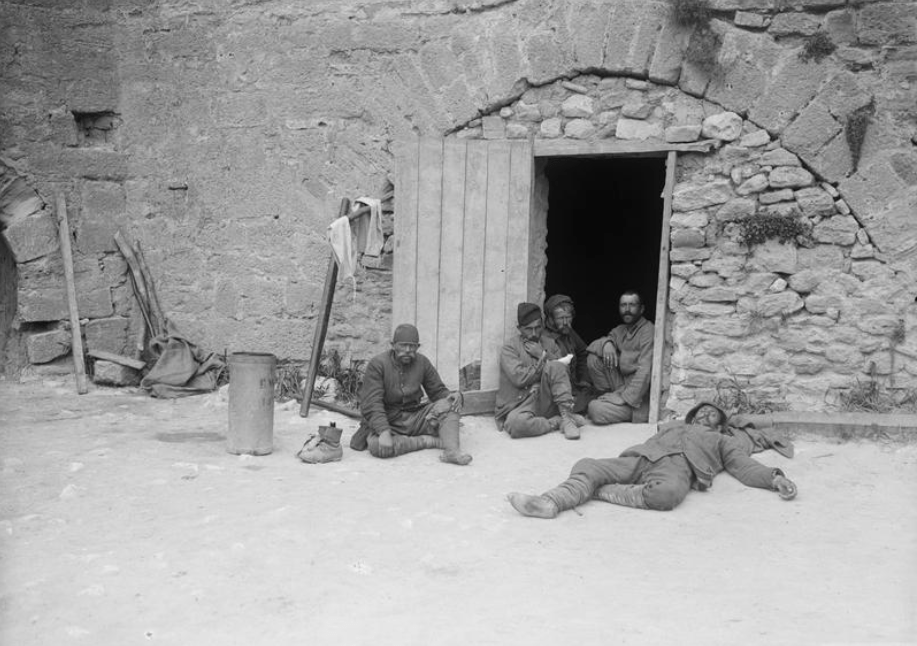
Turkish prisoners captured during the landings at Gallipoli seen in the courtyard of the old fort at Sedd el Bahr, Cape Helles, Turkey.
An abandoned Turkish trench, Gallipoli, 1915.
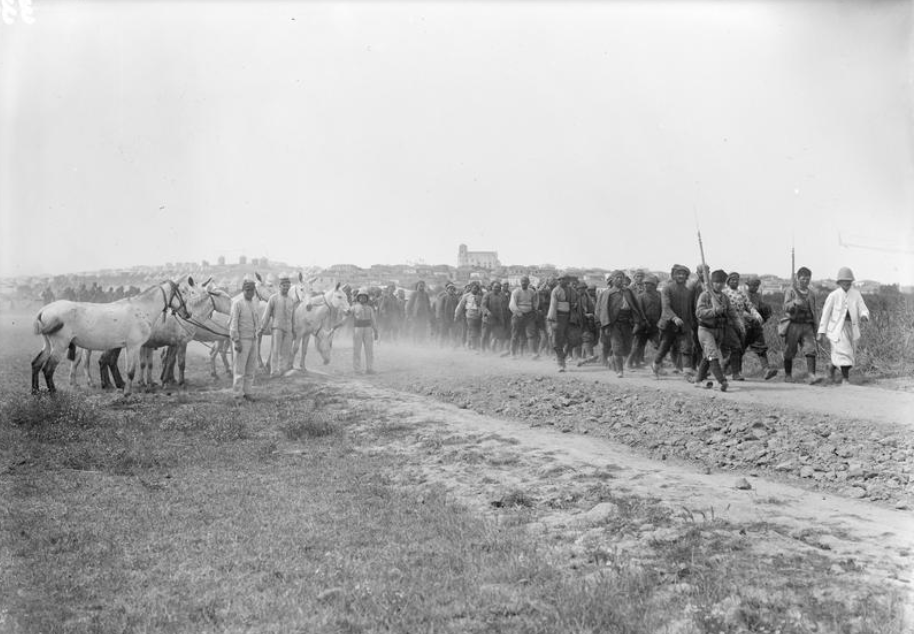
Turkish prisoners, captured during the Gallipoli campaign on the march with a French Zouave escort. Sedd el Bahr village and French Camps are seen in the background.
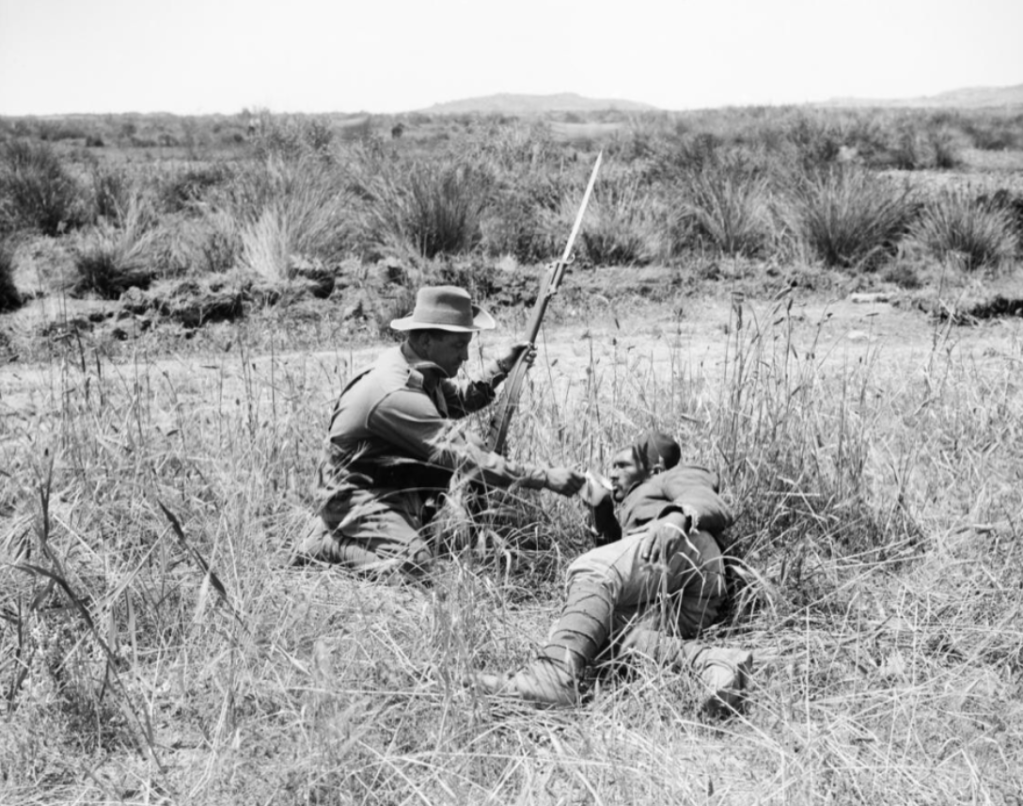
An Australian infantryman gives a drink to a wounded Turkish soldier during the Gallipoli Campiagn, 1915.
A Royal Irish Fusilier at Gallipoli in 1915, attempts to draw the fire of a Turkish sniper to reveal his position.
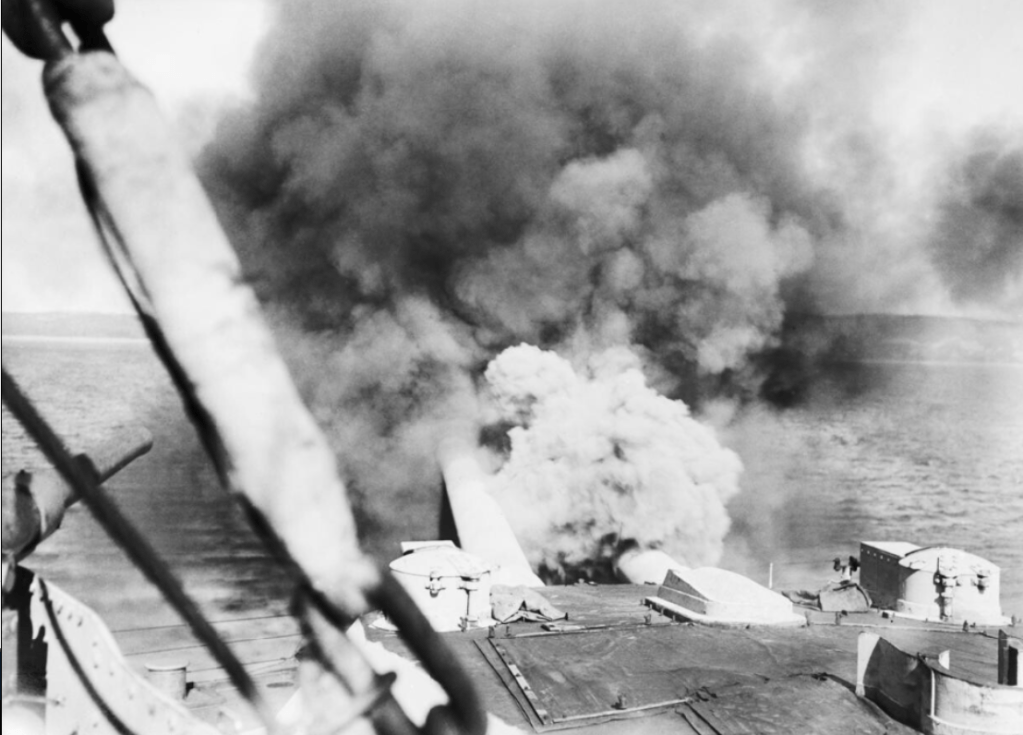
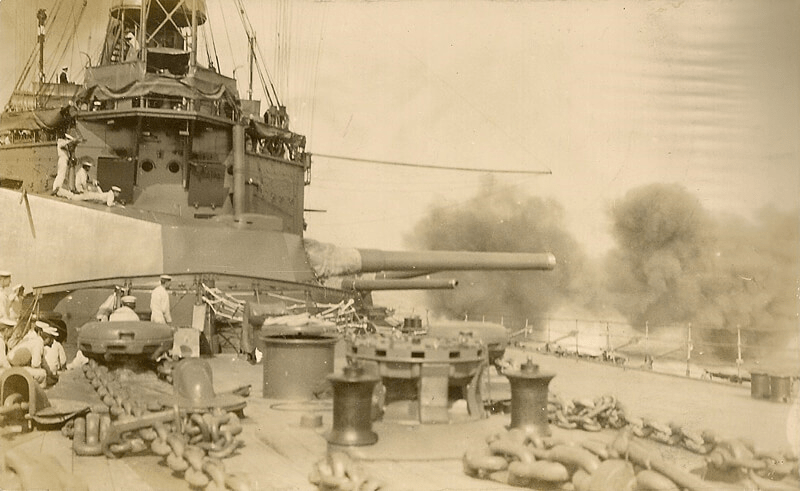
The 12-inch guns of the Royal Navy battleship HMS CANOPUS fire at Turkish batteries during operations in the the Dardanelles during 1915.
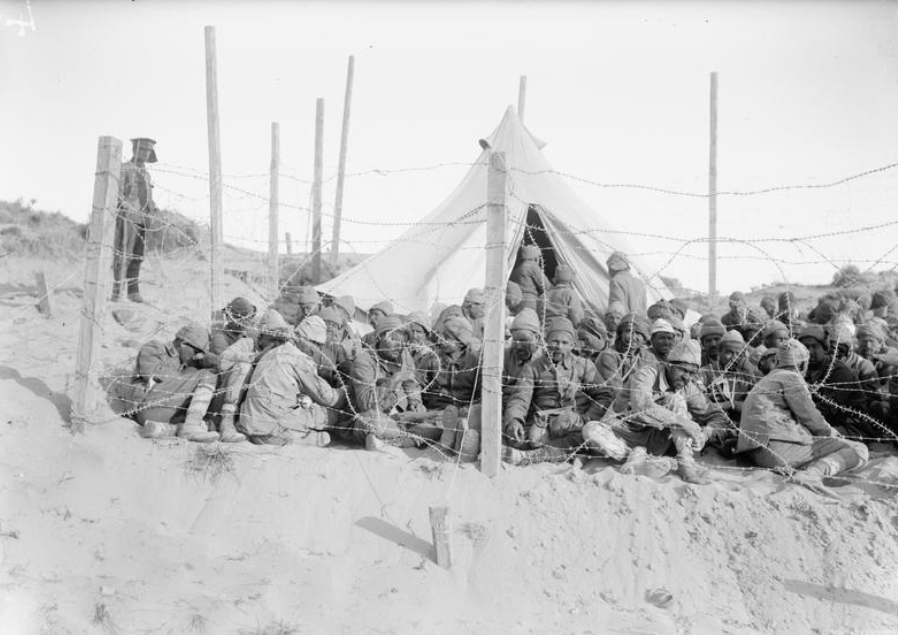
Turkish prisoners in a wire cage at Sedd El Bahr, having been captured by 42nd (East Lancashire) Division during the 3rd Battle of Krithia, 4th June 1915. A tent is visible within the cage.
British escort from the 42nd (East Lancashire) Division, is seen giving a wounded Turkish prisoner a drink from his water-bottle following capture during the Third Battle of Krithia, 4th June 1915.
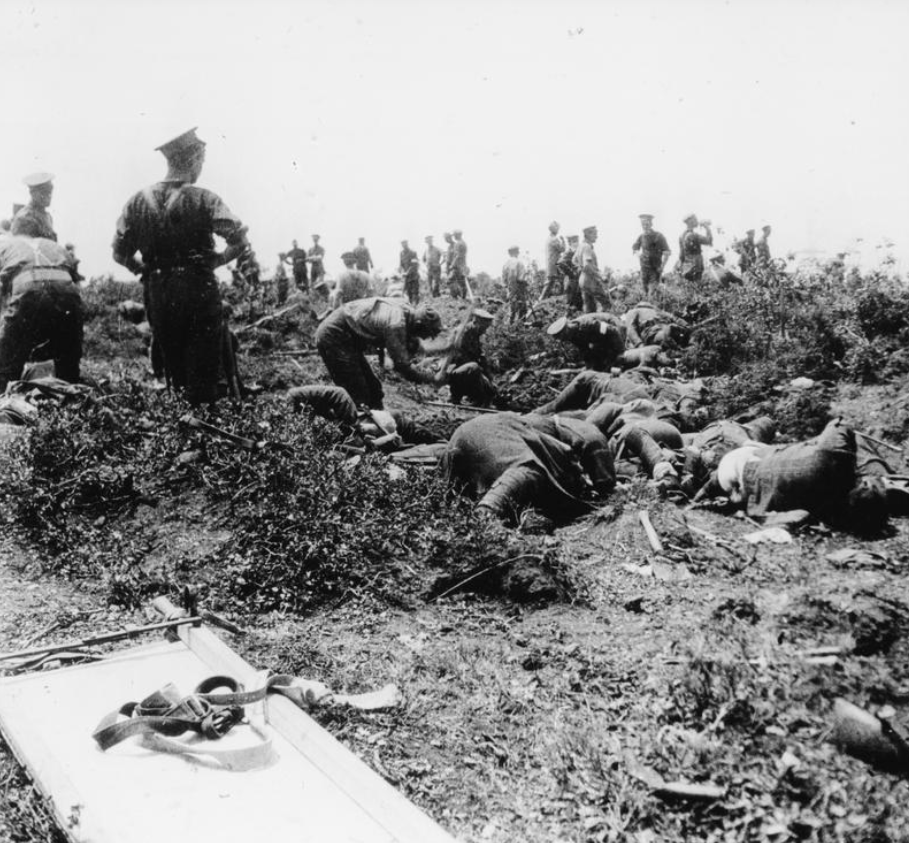
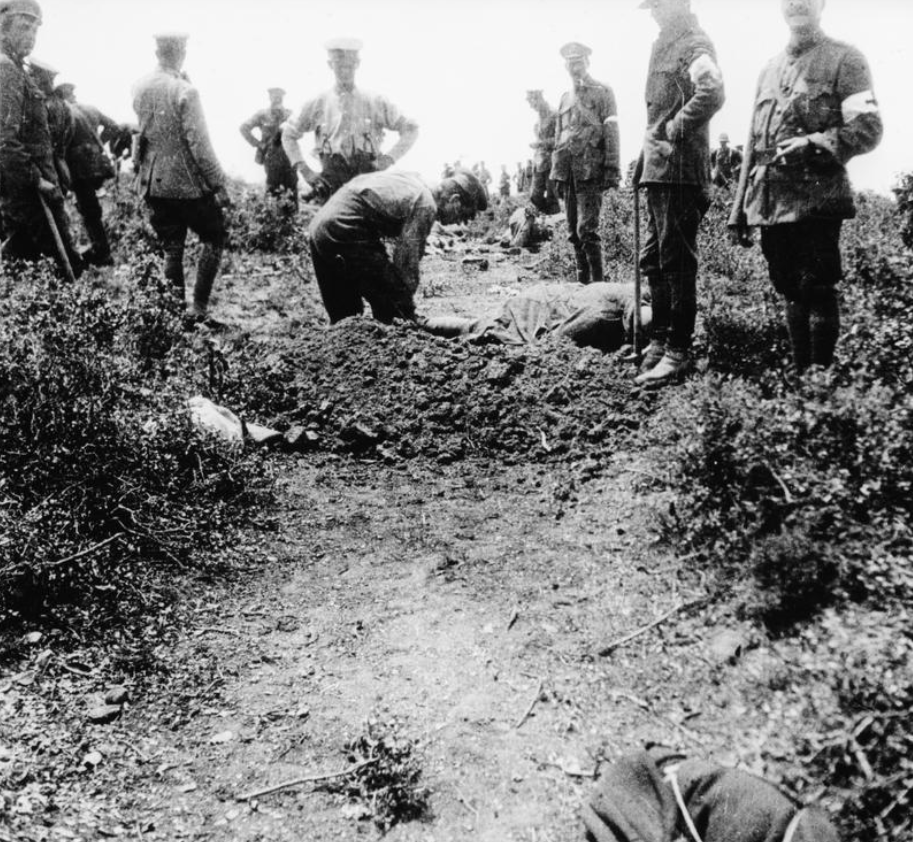
ANZAC soldiers burying dead Turkish soldiers near Anzac Beach, 1915.
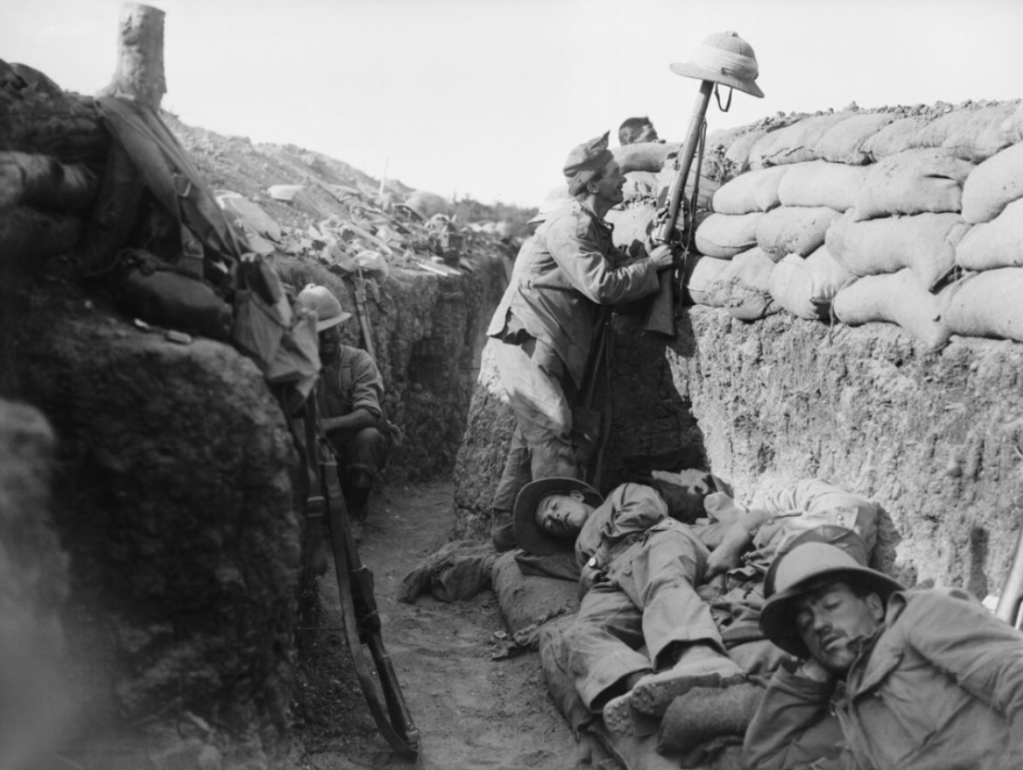
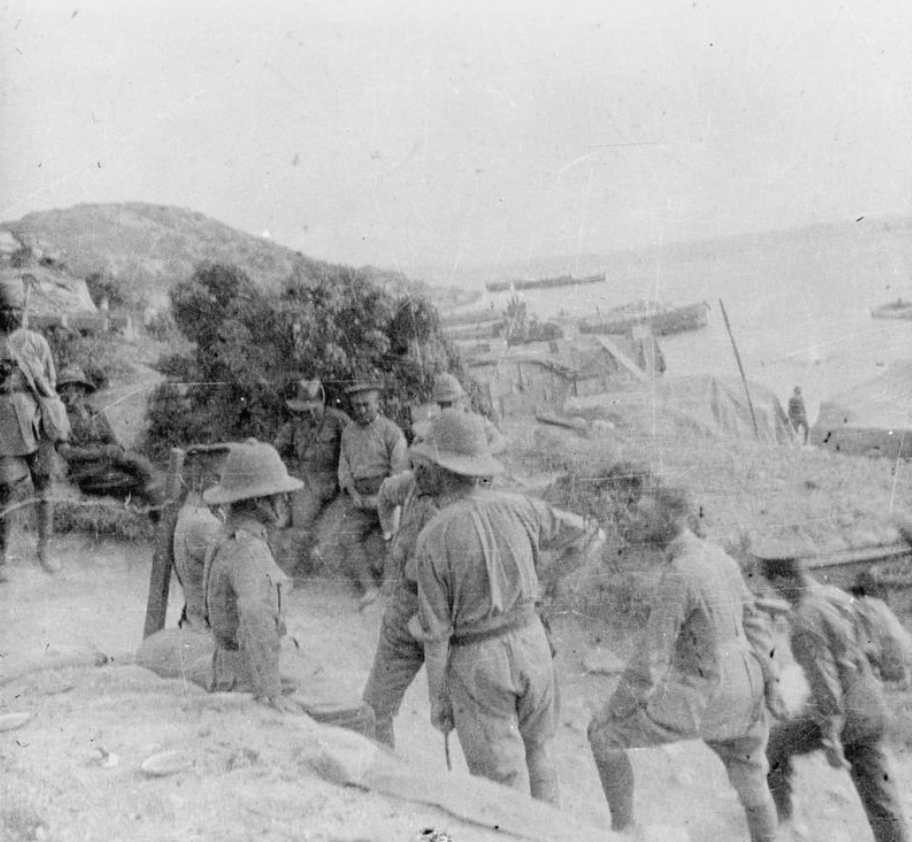
ANZAC soldiers in their trench overlooking Anzac Beach, 1915.
ANZAC soldiers in their trenches on Anzac Beach, 1915.
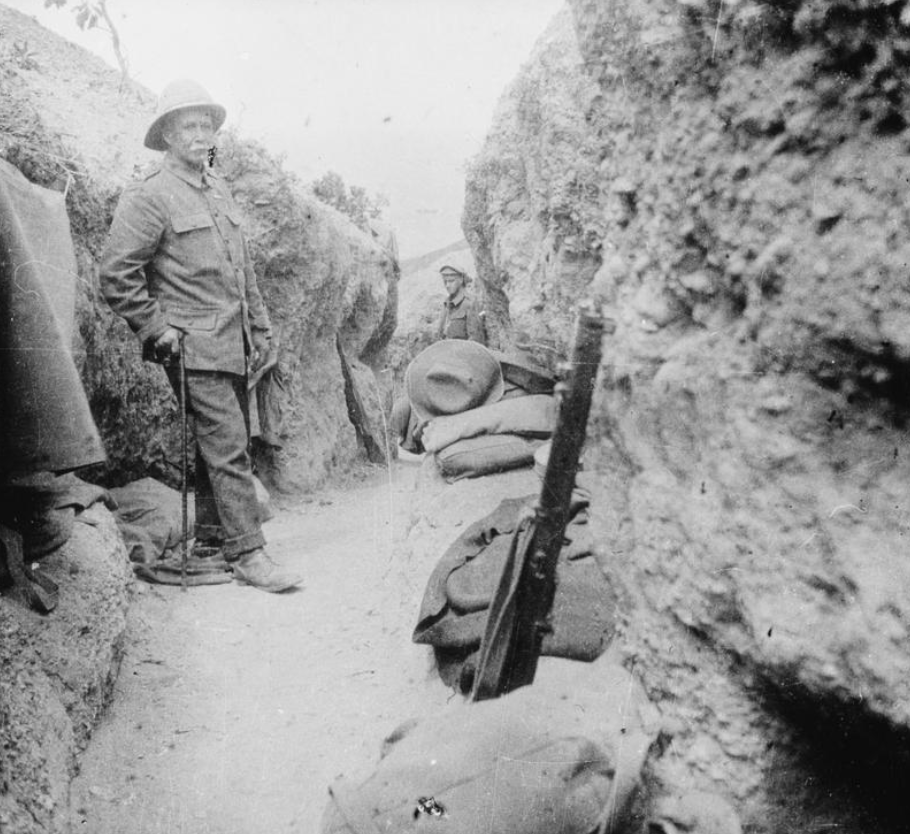
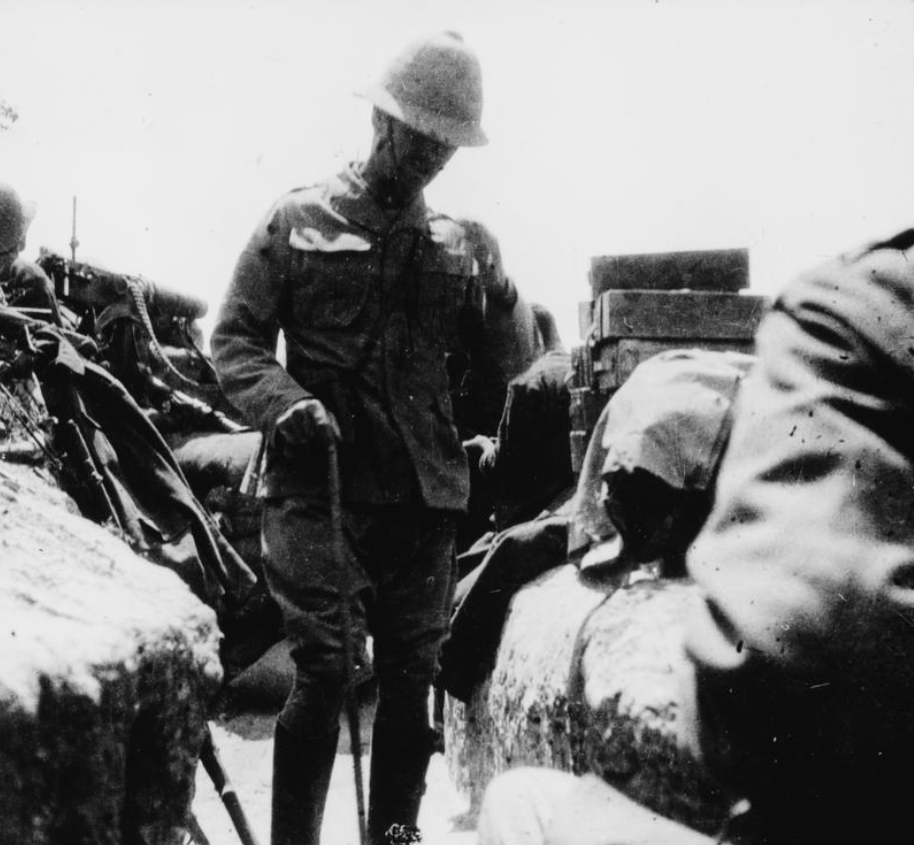
An ANZAC soldier in his trench on Anzac Beach, 1915.
ANZAC soldiers burying dead Turkish soldiers near Anzac Beach, 1915.
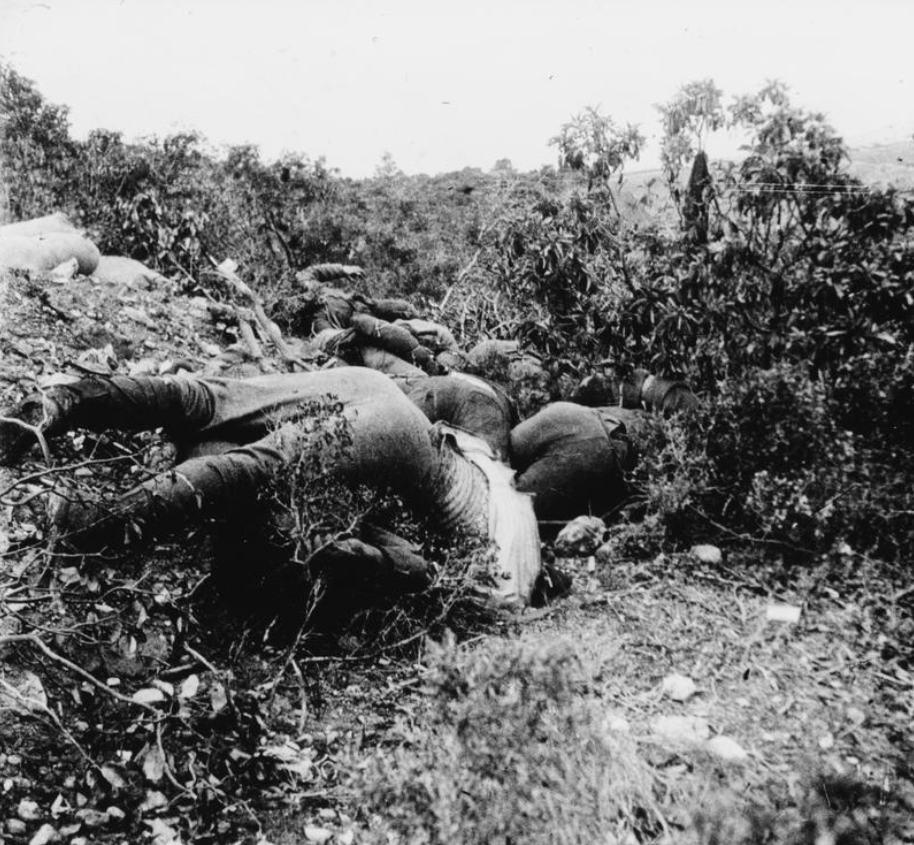
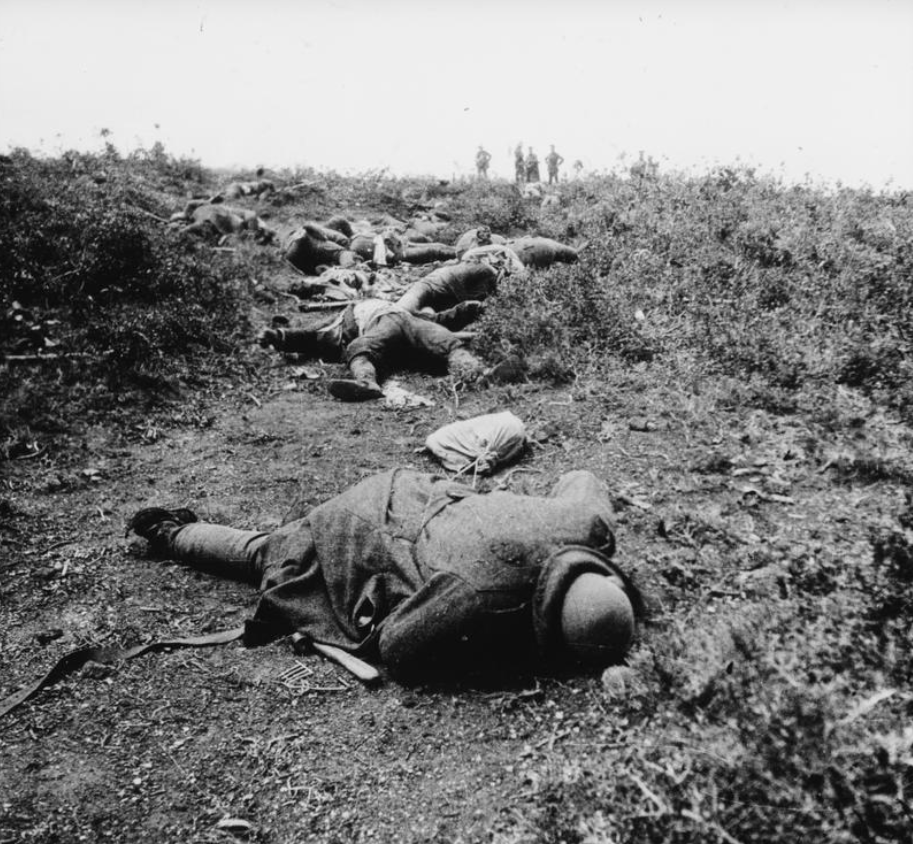
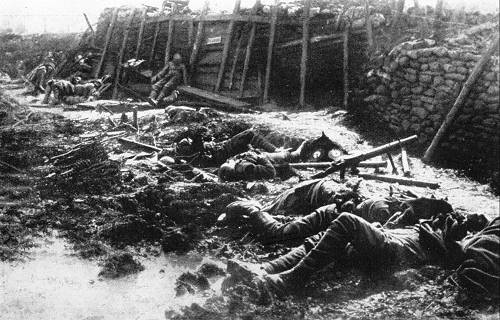
Dead Turkish soldiers on Anzac Beach, 1915.
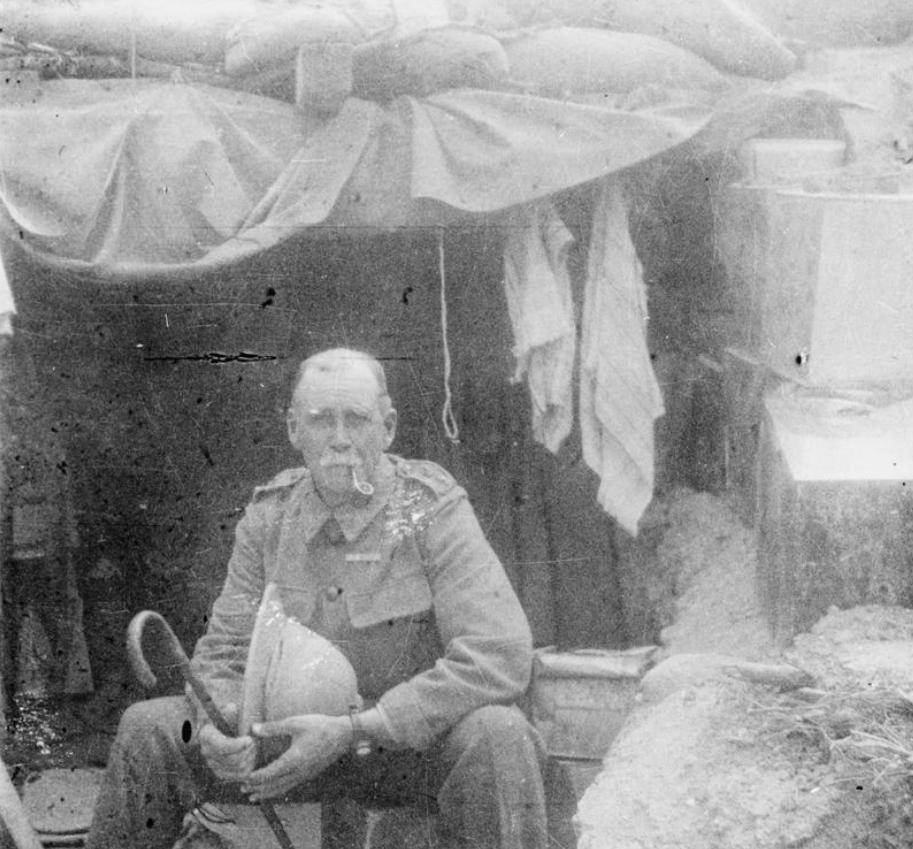
An ANZAC officer outside his hut on Anzac Beach, 1915.
Dead Turkish soldiers on Anzac Beach, 1915.
For a campaign that lasted less than a year the death toll at Gallipoli was very high. Approximately 44,000 British, French, ANZAC and Indian troops were killed. Coming so early in the war, this huge loss of life had a powerful impact on those at home particularly in Australia and New Zealand as this was the first time they had suffered such heavy losses. Estimates of those killed from the Ottoman Empire range between 66,000 and 86,000.
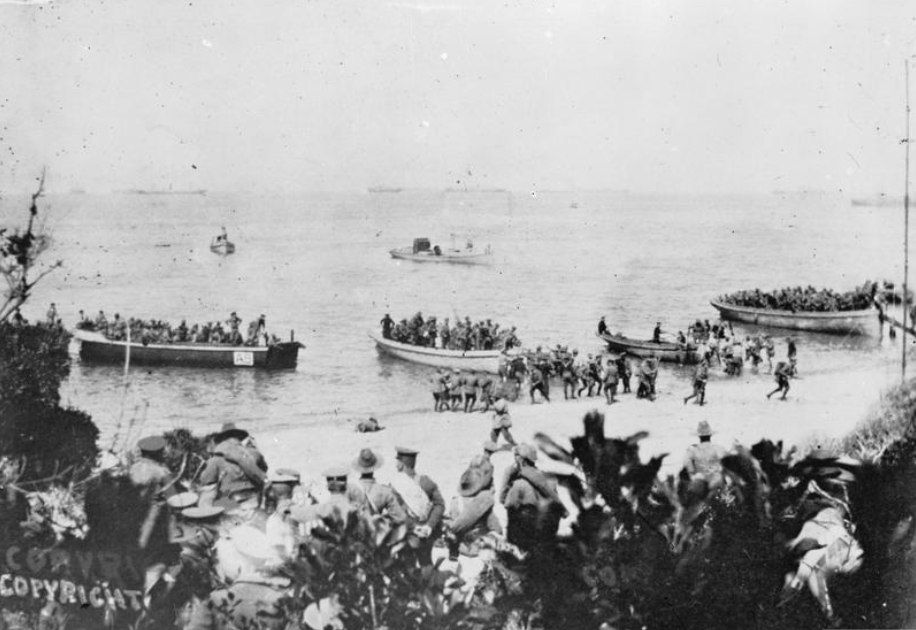
Landings at Anzac Cove at 8am, 25 April 1915—–On 25 April 1915 Allied troops landed on a series of beaches along the Gallipoli peninsula. The Turkish defences were well prepared and Allied troops struggled to get ashore as the Turks contained the landings. Both sides suffered devastating losses. In this photograph Sapper R Reynolds lies at the waters edge, an Australian engineer, and the first to fall during the campaign.
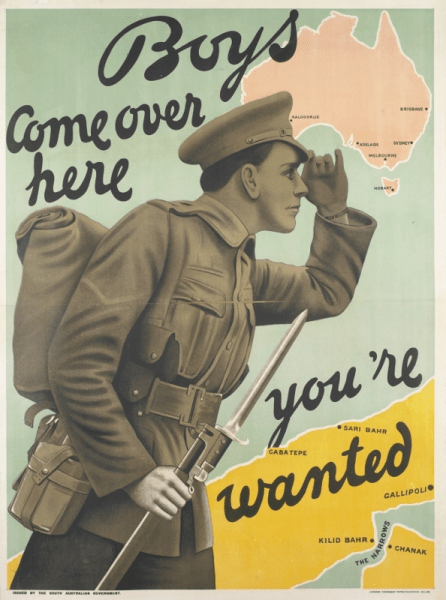
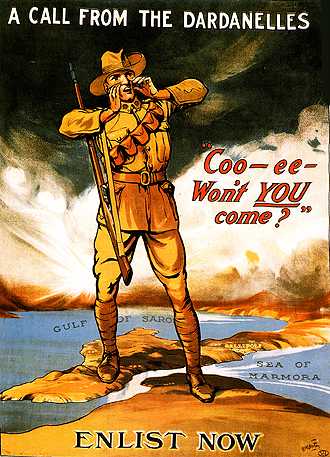
Australian Enlistment poster——The land campaign in Gallipoli meant that the Allies’ already limited resources were stretched even further. They now needed to send thousands of men along with supplies such as food, weapons and munitions to a new front. In 1915 Gallipoli was the only campaign that soldiers from the Australia and New Zealand Army Corps (ANZAC) were involved with. It became a focus for recruitment in those countries and has remained one of the most defining and unifying moments in Australia and New Zealand’s history.
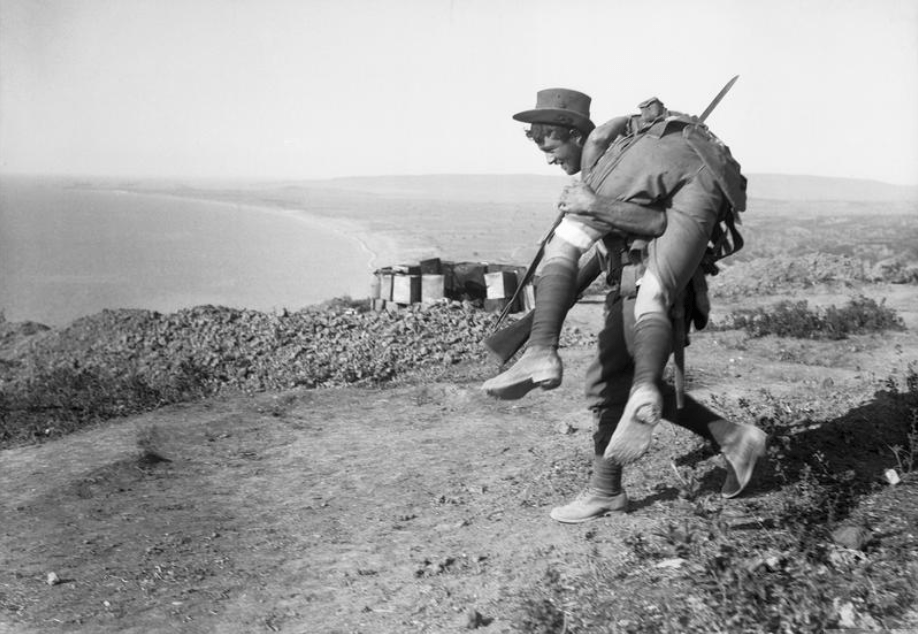
A legacy of ‘mateship’ was cemented in the Australian and New Zealand ranks during the Gallipoli campaign. This characterised ANZAC soldiers as tough, resourceful men, loyal to their mates and their country. They were seen as courageous in battle and having a healthy disdain for any authority. This photograph shows an Australian carrying a wounded comrade on his shoulders on Walkers Ridge down to a medical aid post.
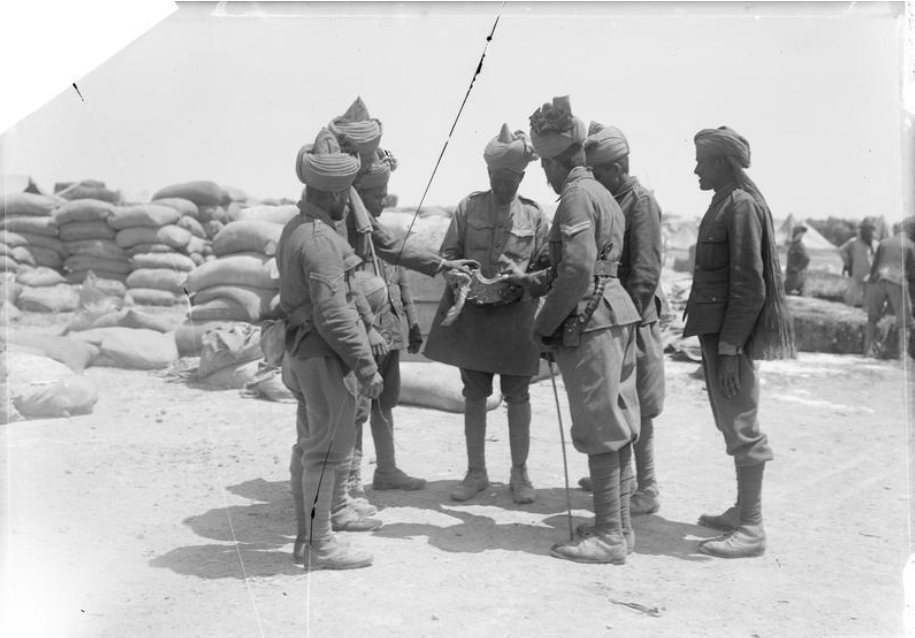
Troops from all over the world fought at Gallipoli. The British army included men from Britain, Ireland, Australia, New Zealand, India and Newfoundland (now part of Canada). The French army included men from many of their North African colonies as well as France itself. This photograph shows troops of the 14th Sikhs of the 29th Indian Infantry Brigade examining a piece of shell from “Asiatic Annie“, a notorious Turkish gun that constantly shelled the Allied forces at Helles.
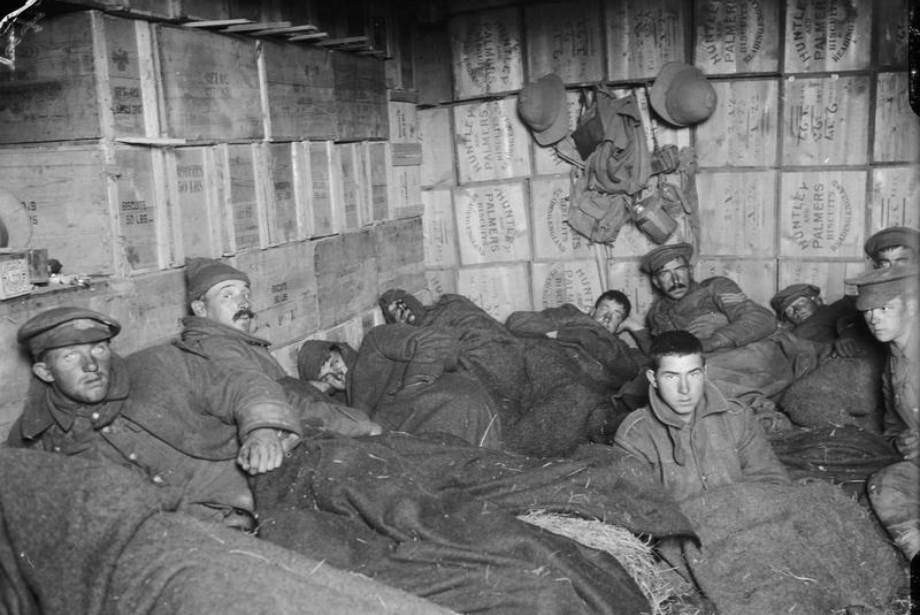
Scorching heat during summer gave way to torrential autumn rain and a freezing winter. Almost all soldiers suffered from dysentery. This photograph shows frost-bitten soldiers lying on straw in shelters constructed of biscuit boxes, after a blizzard in November 1915 that caused some 160,000 cases of frostbite, and froze 280 men to death.
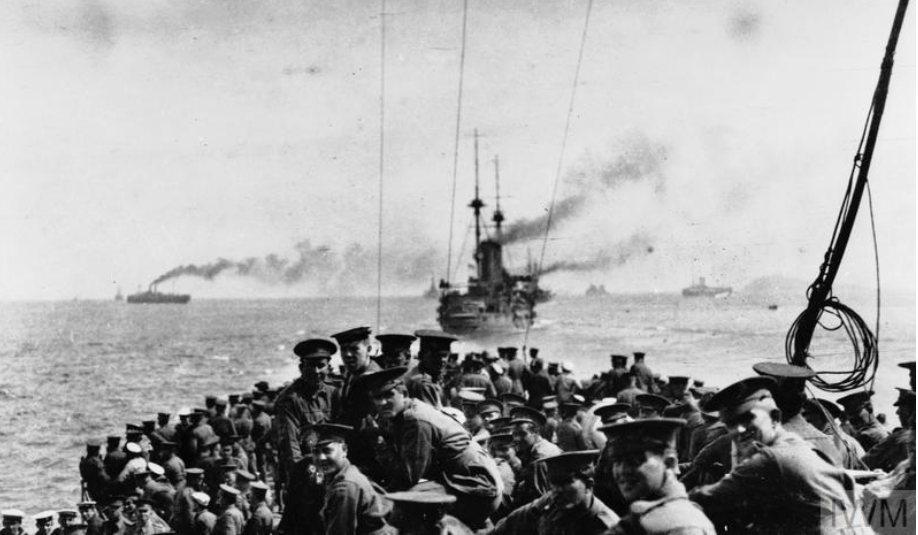
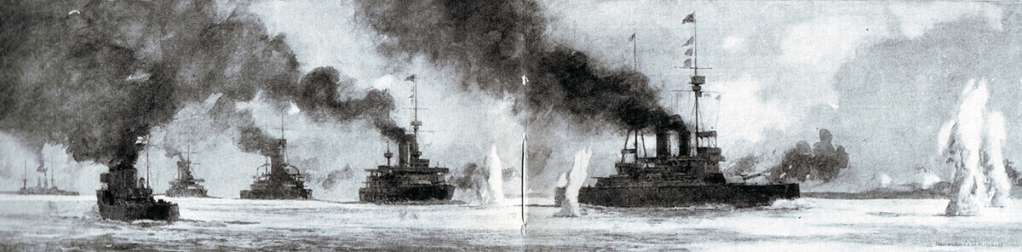
British Dardanelles fleet
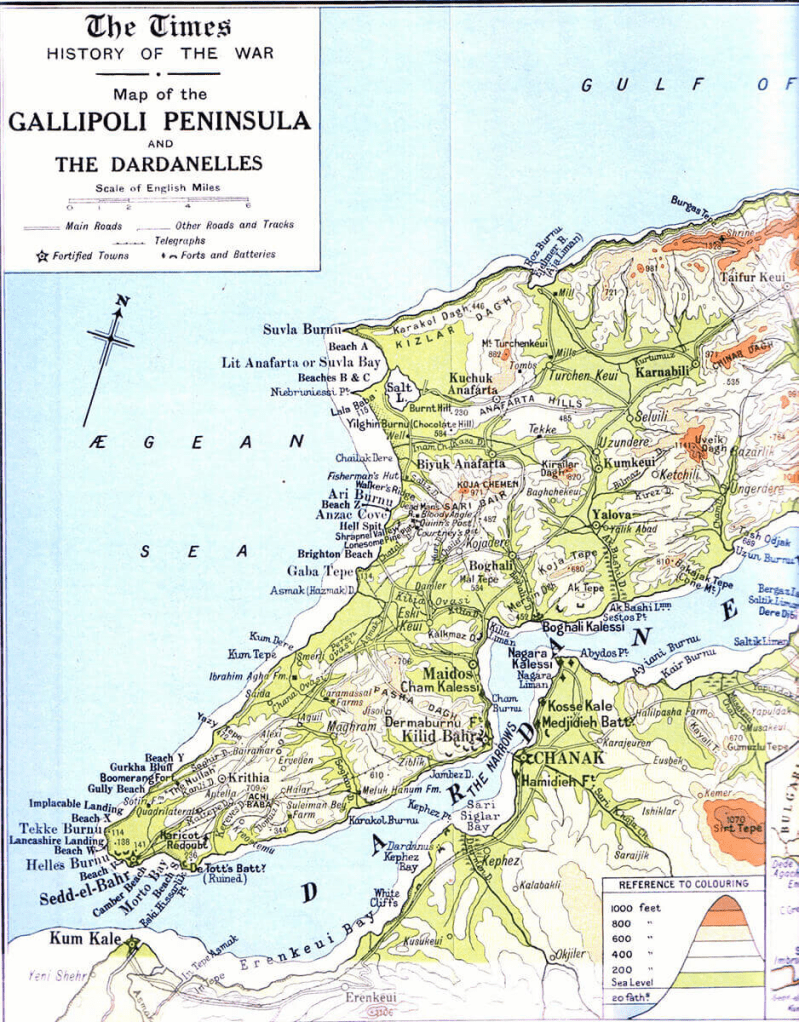
map
British battleship HMS Agamemnon bombarding the Dardanelles Straits March 1915
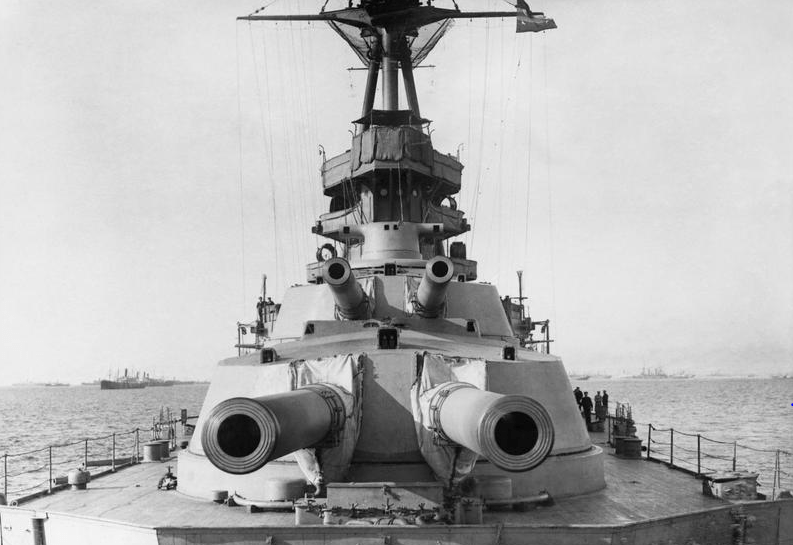
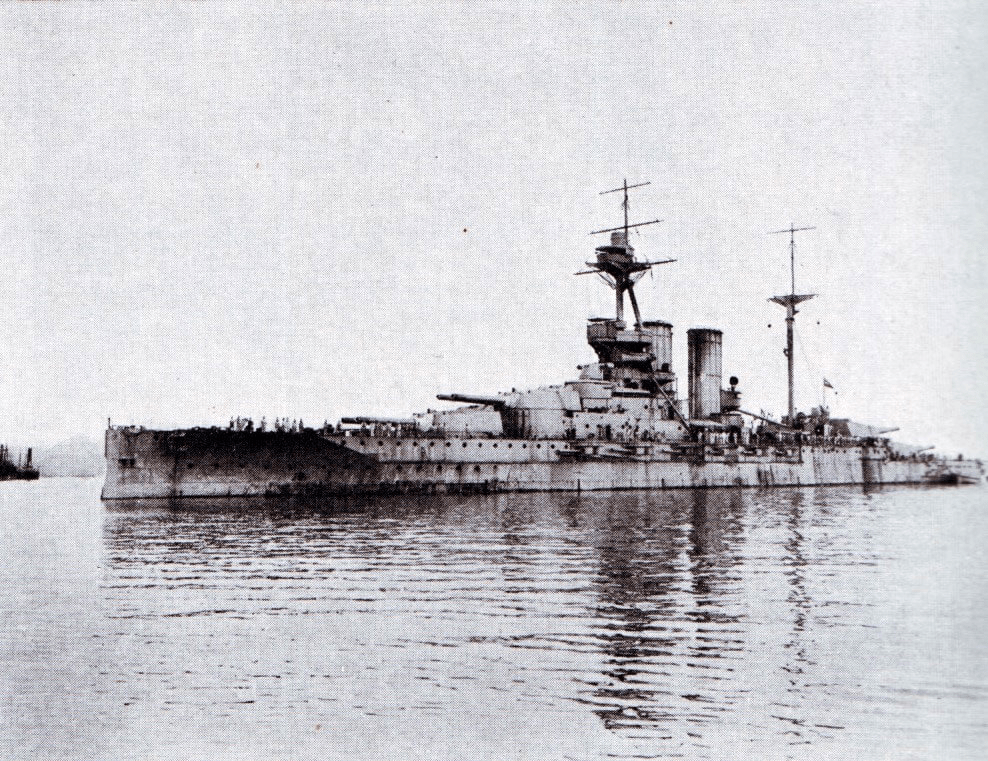
HMS QUEEN ELIZABETH
HMS QUEEN ELIZABETH on their way to Gallipoli.
The British and French Fleets attacking the Turkish fortifications in the Dardanelles waterway in March 1915
Queen Elizabeth was the most powerful battleship in the British Fleet bombarding the Gallipoli Peninsular during the 1915 campaign
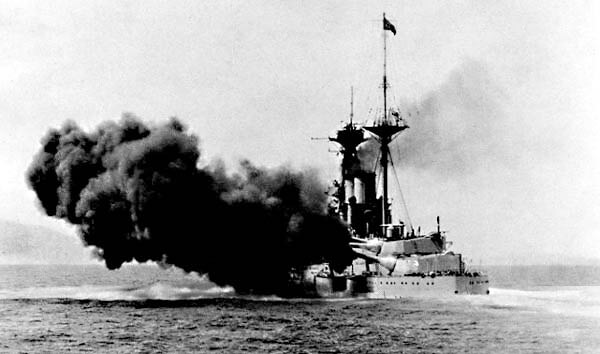
The British battleship HMS Queen Elizabeth firing a 15 inch broadside.
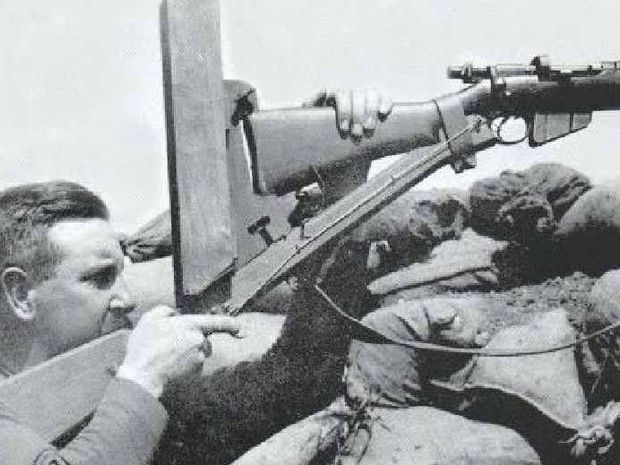
The periscope rifle used at Gallipoli, designed by an Australian, allowed the Anzacs to remain hidden while shooting at the enemy.
Remains of an ANZAC trench , Gallipoli 1915
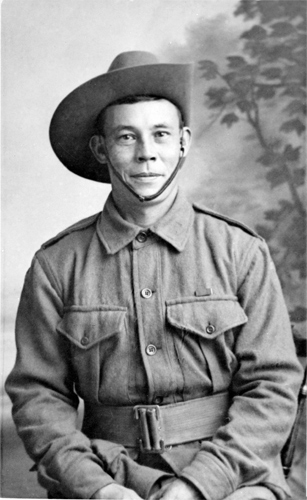
Billy Sing earned the nicknames “The Murderer” and “The Assassin” as a deadly sniper who shot more than 200 Ottoman troops during the Gallipoli campaign of World War I.
He was also part-Chinese and among thousands from non-European backgrounds, some of whom hid their identity, who joined the Australian Imperial Force to fight for their country despite being legally barred from signing up.
A British soldier visits a friend. Gallipoli, 1915
enlist now
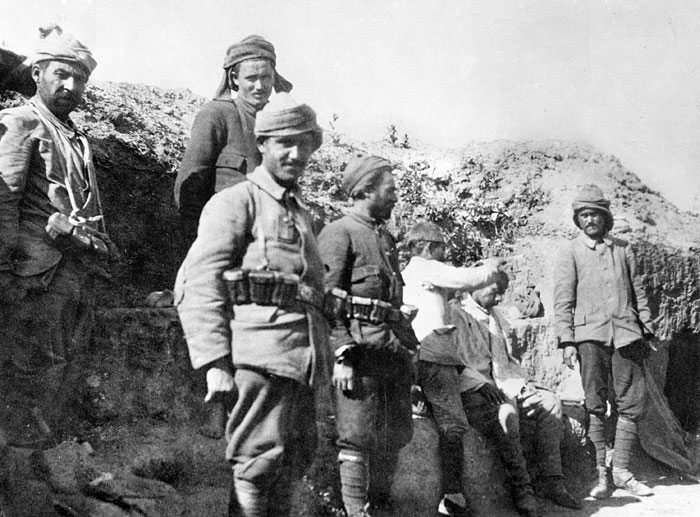
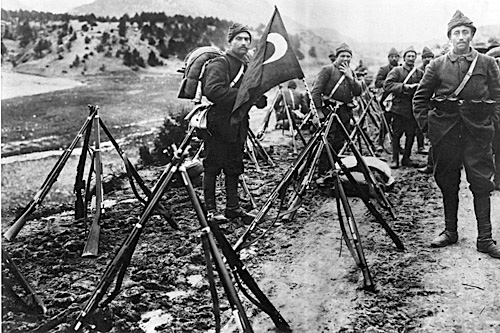
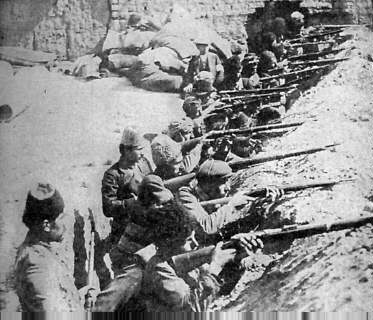
Turkish soldiers in a trench at Gallipoli.
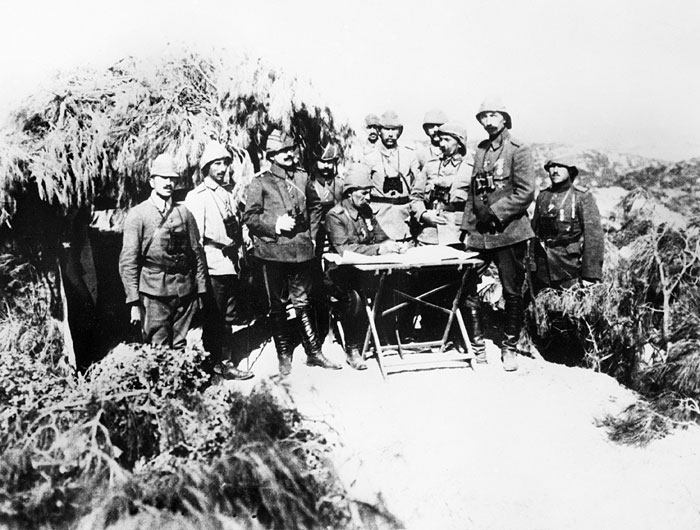
Esat Pasha, the commander of the 3rd Turkish Corps and some of his officers.
A group of Turkish soldiers at Gallipoli
Turkish soldiers in a trench at Gallipoli. 1915
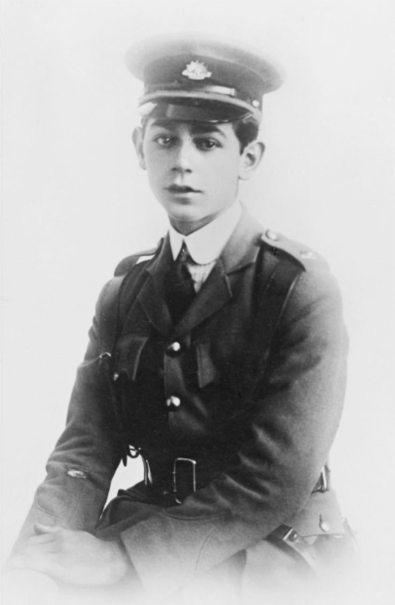
John Augusto Emilio Harris killed in action at Gallipoli aged 15 years young.
Turkish troops at Gallipoli
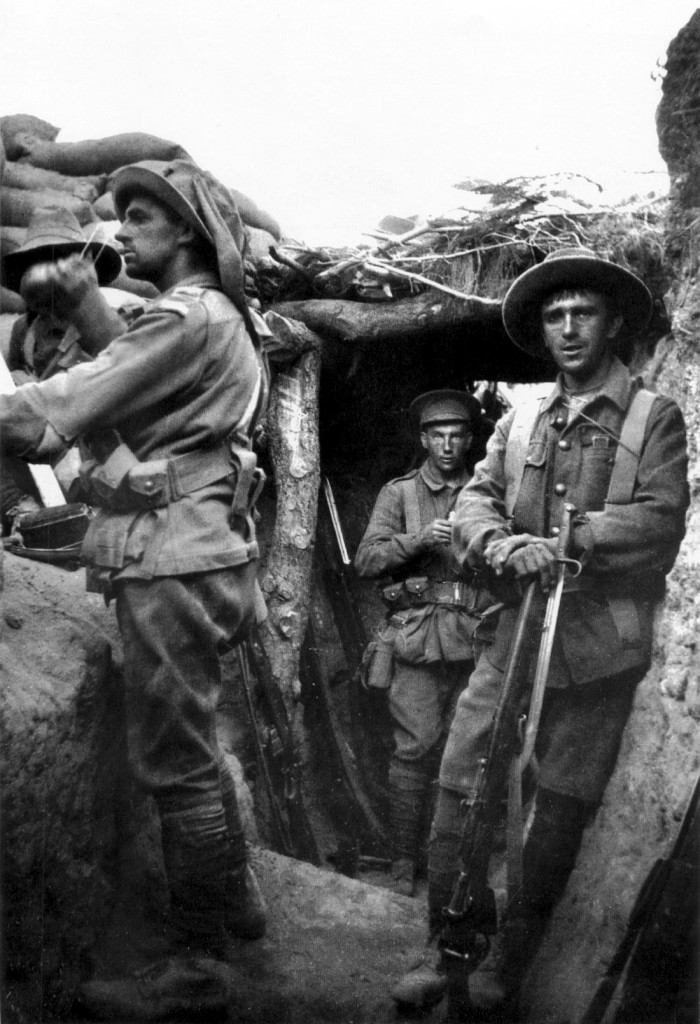
Australian troops in the trenches at Gallipoli, 1915.
Turkish defenses at Gallipoli, spring 1915.
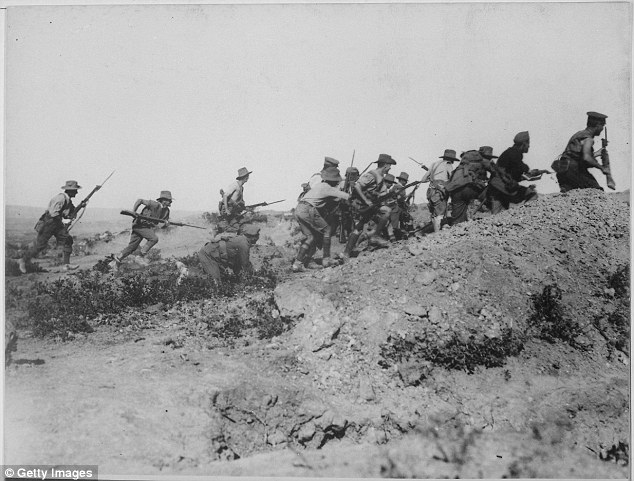
Allied soldiers land and begin the attack at Gallipoli

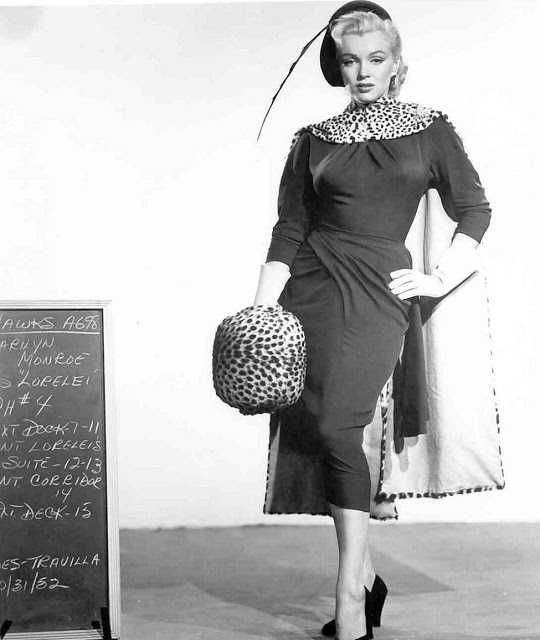
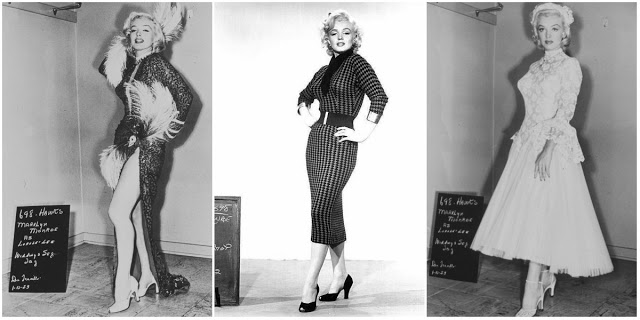
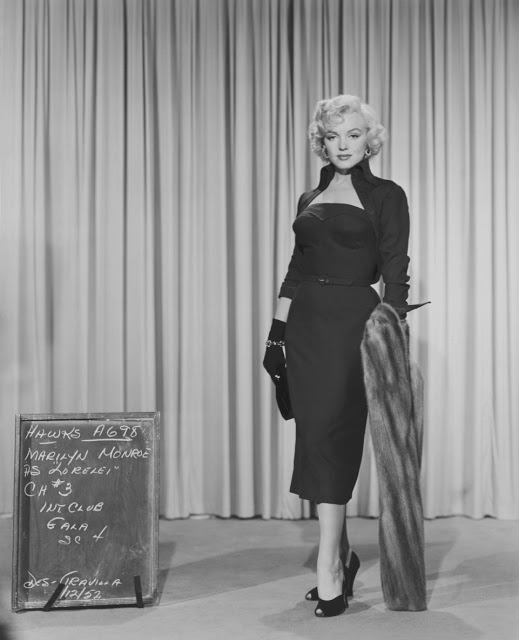
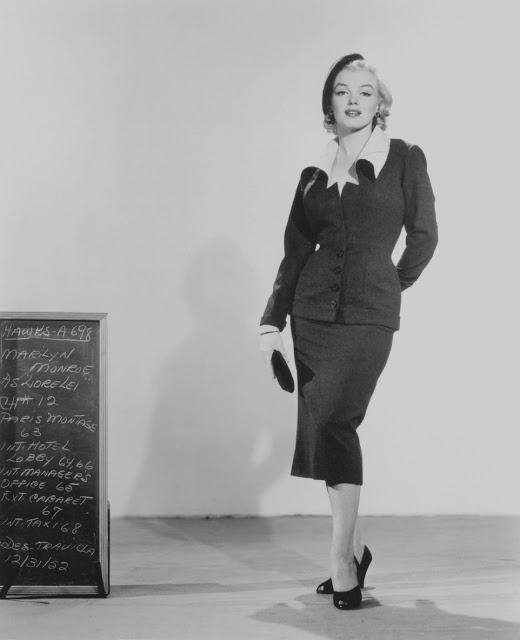
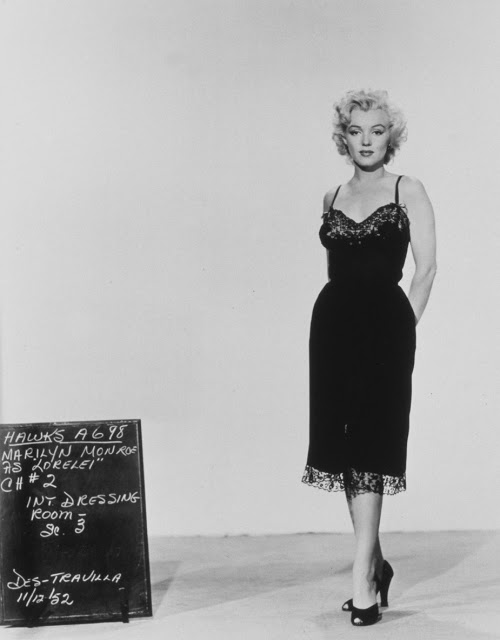
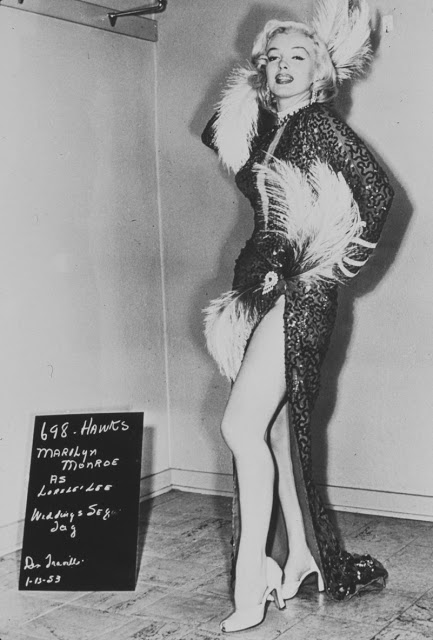
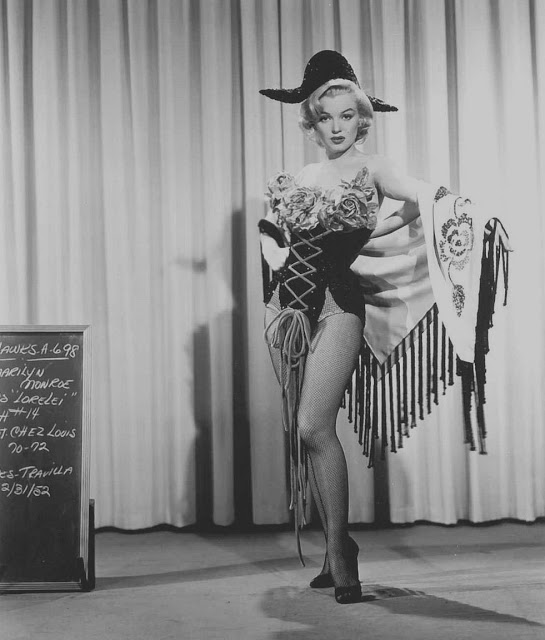
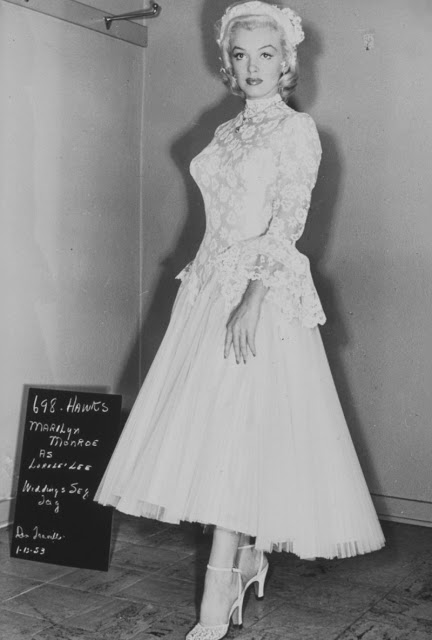
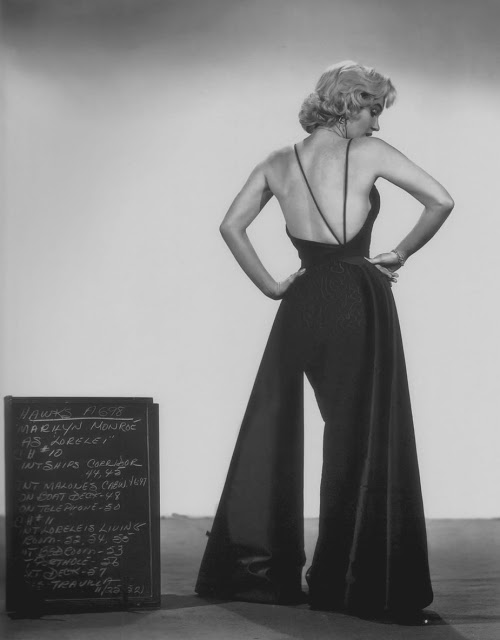
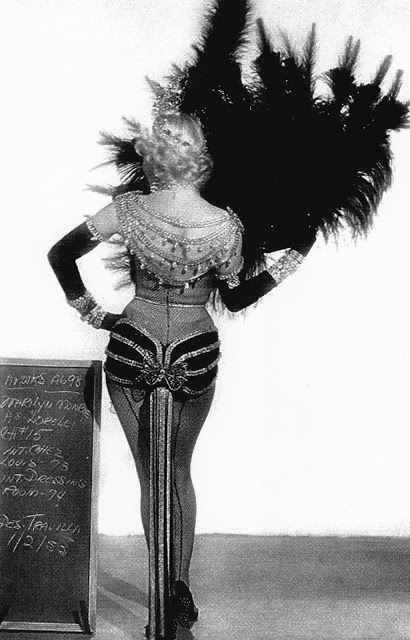
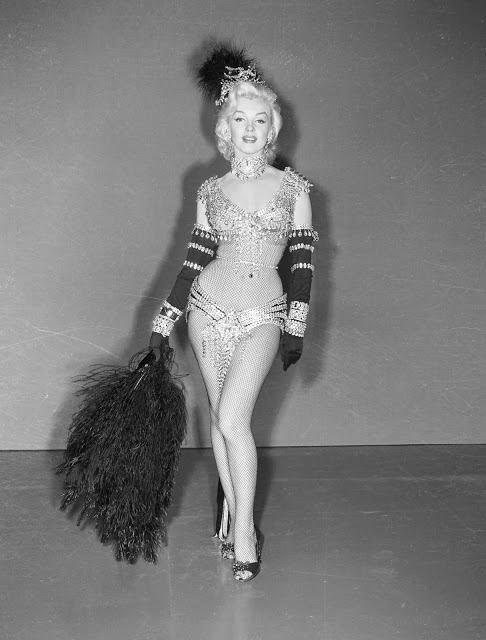
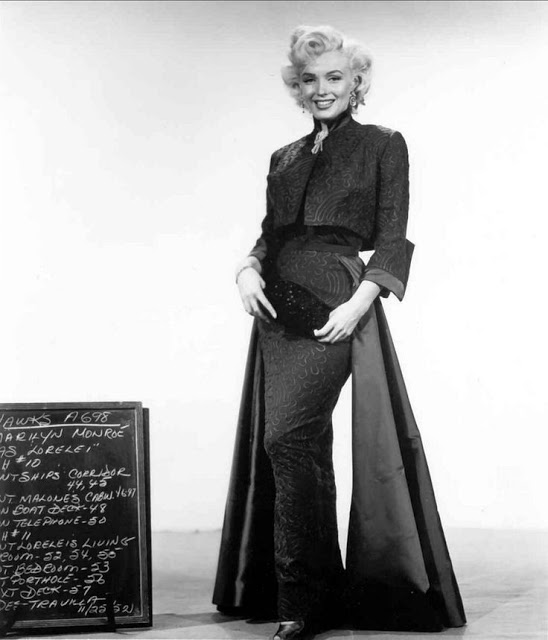
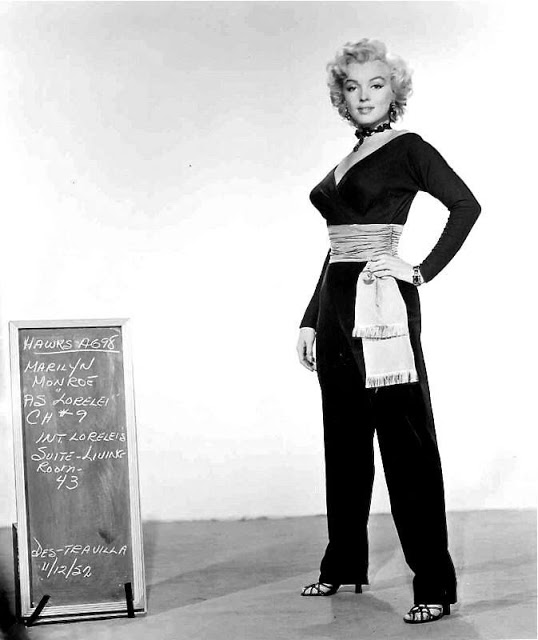
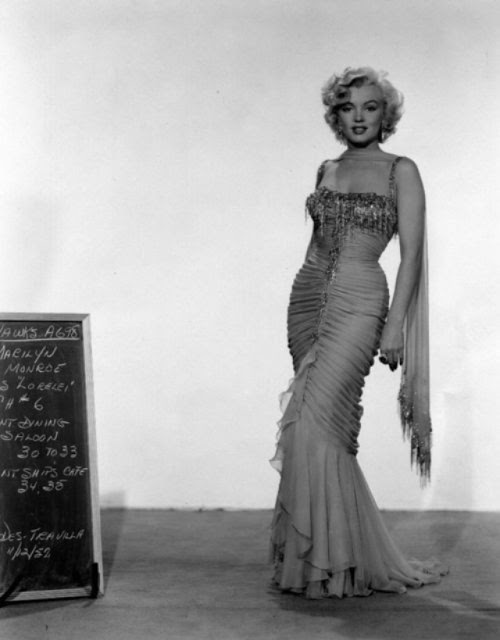
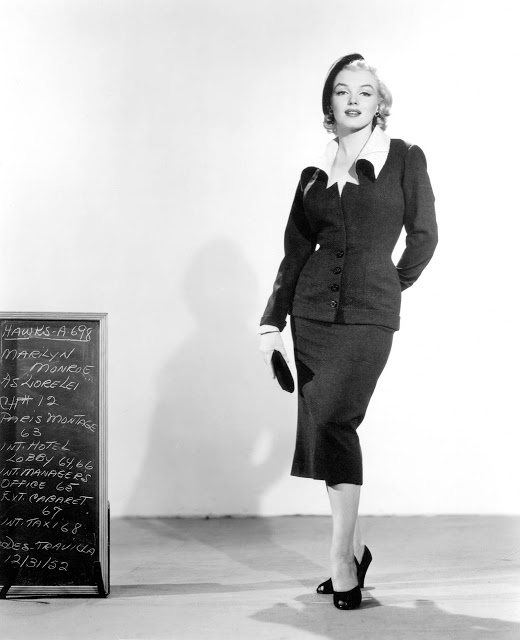
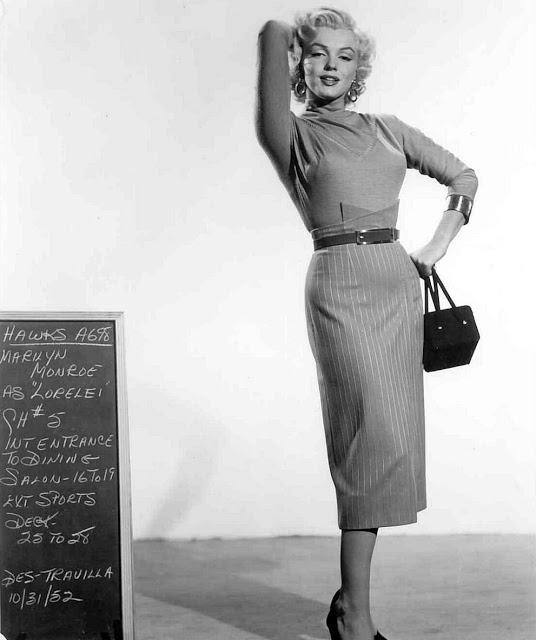
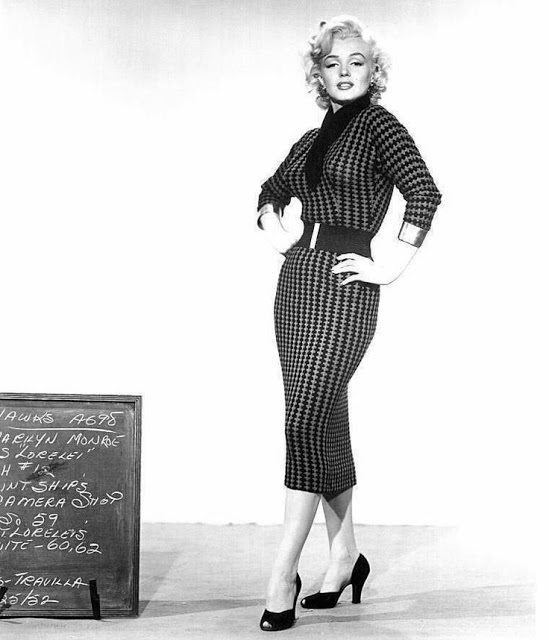
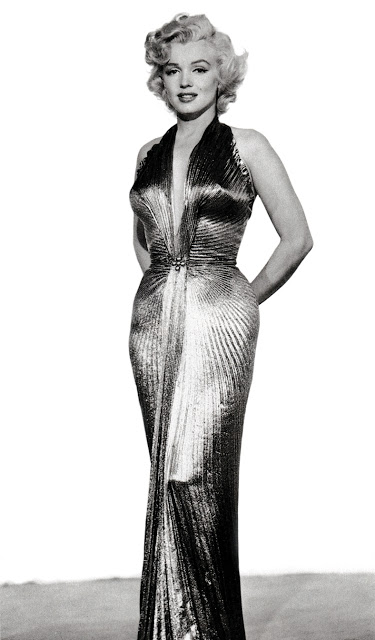
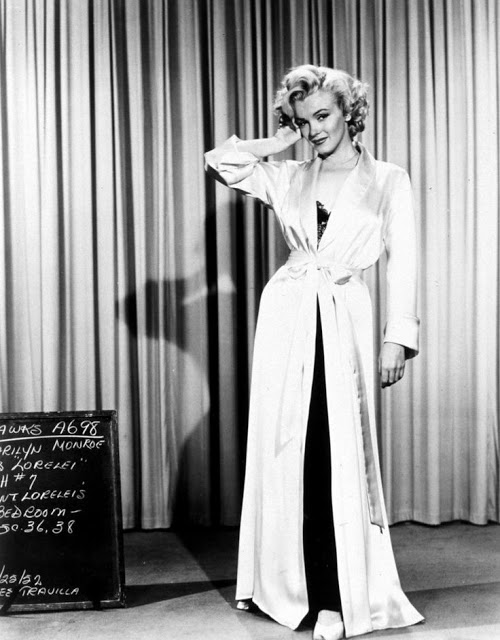
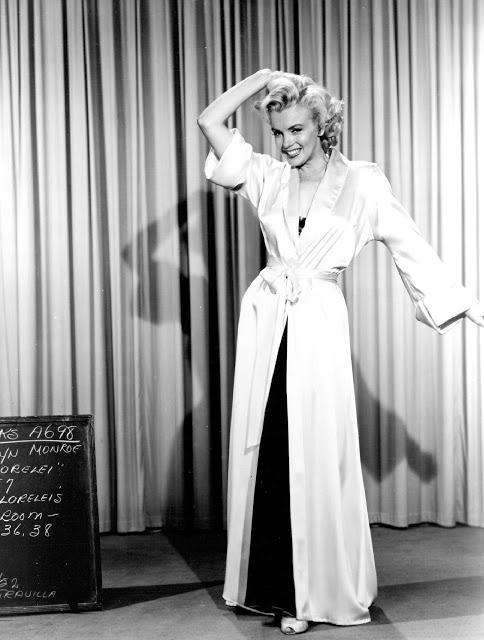
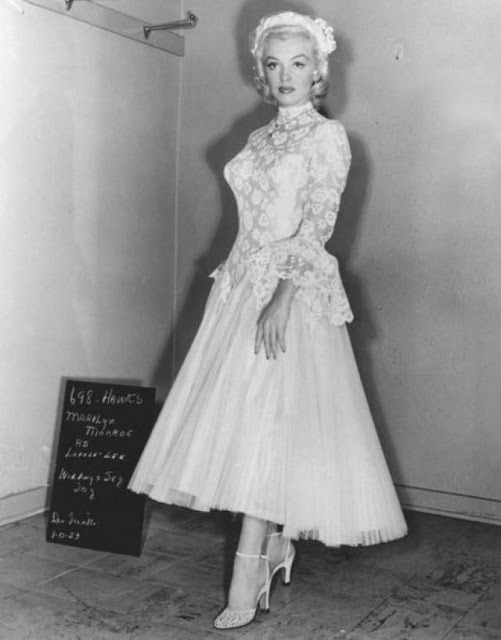
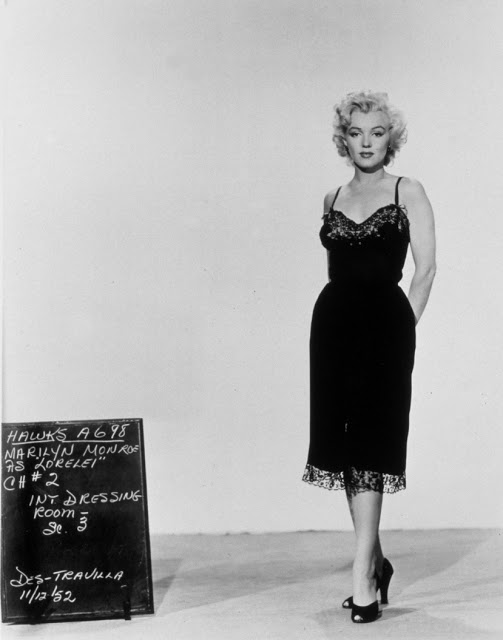
22 Photos of Marilyn Monroe Wardrobe Tests as Lorelei Lee in ‘Gentlemen Prefer Blondes’, 1953.

Gentlemen Prefer Blondes is a 1953 American musical comedy film based on the 1949 stage musical of the same name. It was directed by Howard Hawks and stars Jane Russell and Marilyn Monroe, with Charles Coburn, Elliott Reid, Tommy Noonan, George Winslow, Taylor Holmes and Norma Varden in supporting roles.

The film is filled with comedic situations and musical numbers, choreographed by Jack Cole, while the music was written by Hoagy Carmichael, Harold Adamson, Jule Styne and Leo Robin. The songs by Styne and Robin are from the Broadway show, while the songs by Carmichael and Adamson were written especially for the film. Despite the film’s title, Monroe was paid her usual contract salary of $500 a week, while Russell, the better known actress at the time, earned $200,000.

While Russell’s down-to-earth, sharp wit has been observed by most critics, it was Monroe’s turn as the gold-digging Lorelei Lee for which the film is often remembered. Monroe’s rendition of the song “Diamonds Are a Girl’s Best Friend” and her pink dress are considered iconic, and the performance has inspired homages by Madonna, Beyoncé, Geri Halliwell, Kylie Minogue, Nicole Kidman, Margot Robbie, Anna Nicole Smith, Christina Aguilera, Ariana Grande, and James Franco.

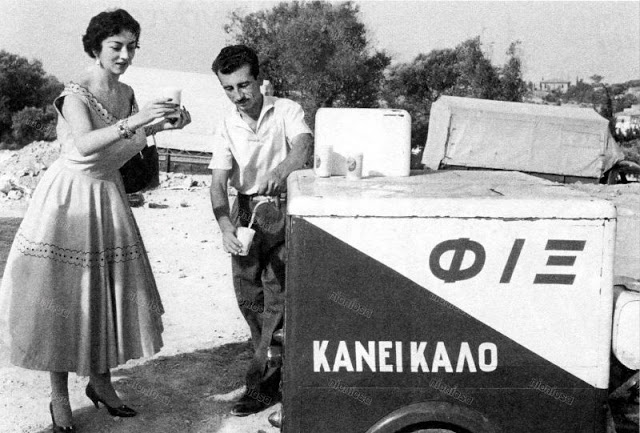
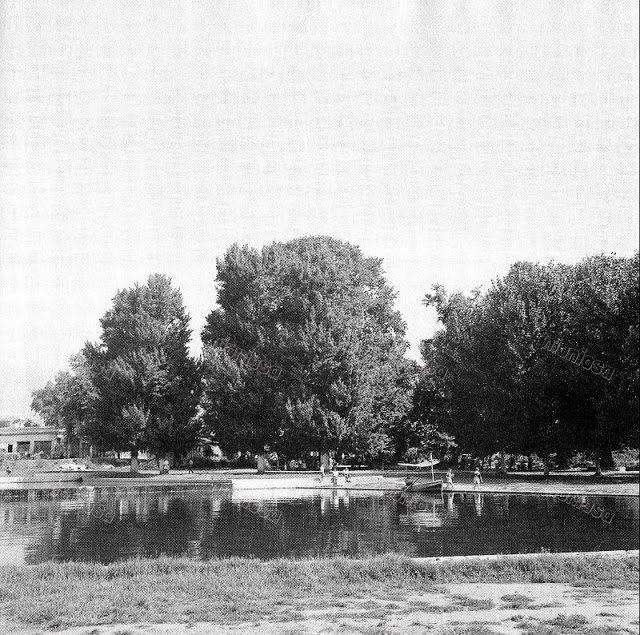
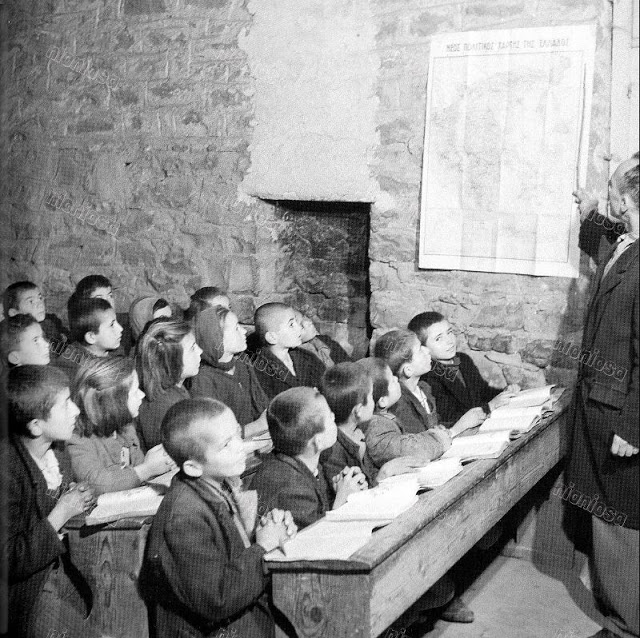
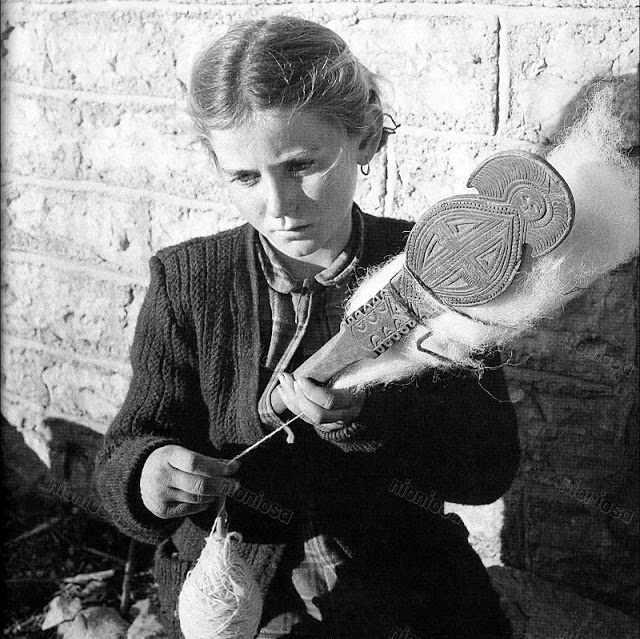
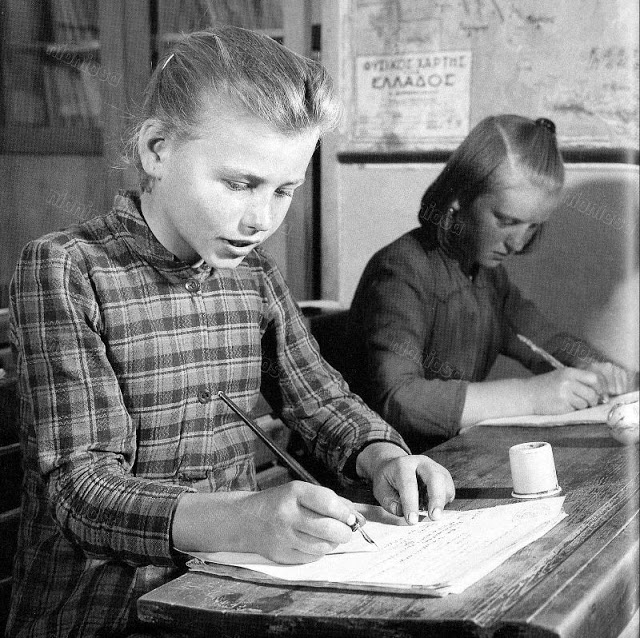
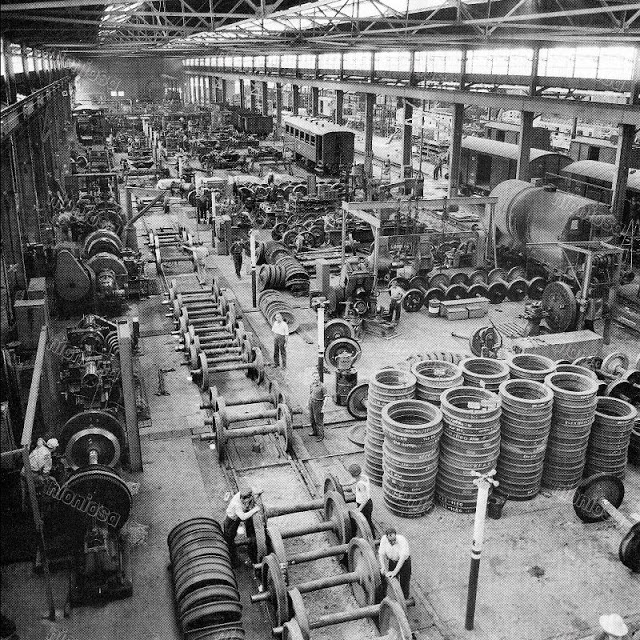
47 Amazing Photos That Show Everyday Life in Greece During the 1950s

Greece is a country located in Southeast Europe. Its population is approximately 10.7 million as of 2018; Athens is its largest and capital city, followed by Thessaloniki. Situated on the southern tip of the Balkans, Greece is located at the crossroads of Europe, Asia, and Africa. It shares land borders with Albania to the northwest, North Macedonia and Bulgaria to the north, and Turkey to the northeast. The Aegean Sea lies to the east of the mainland, the Ionian Sea to the west, the Cretan Sea and the Mediterranean Sea to the south. Greece has the longest coastline on the Mediterranean Basin and the 11th longest coastline in the world at 13,676 km (8,498 mi) in length, featuring many islands, of which 227 are inhabited. Eighty percent of Greece is mountainous, with Mount Olympus being the highest peak at 2,918 metres (9,573 ft). The country consists of nine traditional geographic regions: Macedonia, Central Greece, the Peloponnese, Thessaly, Epirus, the Aegean Islands (including the Dodecanese and Cyclades), Thrace, Crete, and the Ionian Islands.

Greece is considered the cradle of Western civilization, being the birthplace of democracy, Western philosophy, Western literature, historiography, political science, major scientific and mathematical principles, theatre and the Olympic Games. From the eighth century BC, the Greeks were organised into various independent city-states, known as poleis (singular polis), which spanned the Mediterranean and the Black Sea. Philip II of Macedon united most of present-day Greece in the fourth century BC, with his son Alexander the Great rapidly conquering much of the ancient world, from the eastern Mediterranean to India. The subsequent Hellenistic period saw the height of Greek culture and influence in antiquity. Greece was annexed by Rome in the second century BC, becoming an integral part of the Roman Empire and its continuation, the Byzantine Empire, which was culturally and linguistically predominantly Greek. The Greek Orthodox Church, which emerged in the first century AD, helped shape modern Greek identity and transmitted Greek traditions to the wider Orthodox world. After falling under Ottoman dominion in the mid-15th century, Greece emerged as a modern nation state in 1830 following a war of independence. The country’s rich historical legacy is reflected in part by its 18 UNESCO World Heritage Sites.

Greece is a unitary parliamentary republic, and a developed country, with an advanced high-income economy, and a high quality of life, ranking simultaneously very high in the Human Development Index. Its economy is the largest in the Balkans, where it is an important regional investor. A founding member of the United Nations, Greece was the tenth member to join the European Communities (precursor to the European Union) and has been part of the Eurozone since 2001. It is also a member of numerous other international institutions, including the Council of Europe, the North Atlantic Treaty Organization (NATO), the Organisation for Economic Co-operation and Development (OECD), the World Trade Organization (WTO), the Organization for Security and Co-operation in Europe (OSCE), and the Organisation internationale de la Francophonie (OIF). Greece’s unique cultural heritage, large tourism industry, prominent shipping sector and geostrategic importance classify it as a middle power.(Wikipedia)
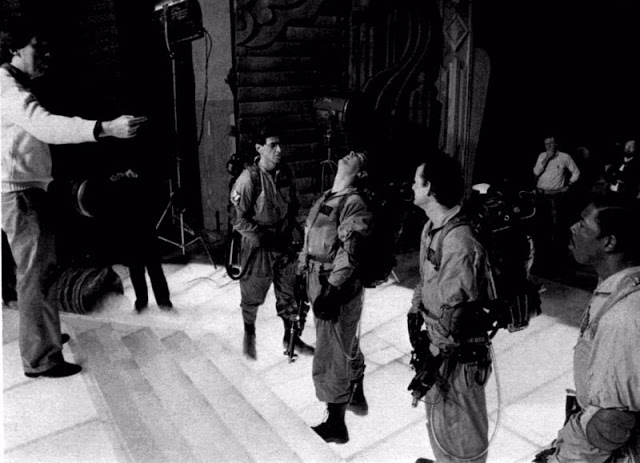
Beer planner in Greece, 1950
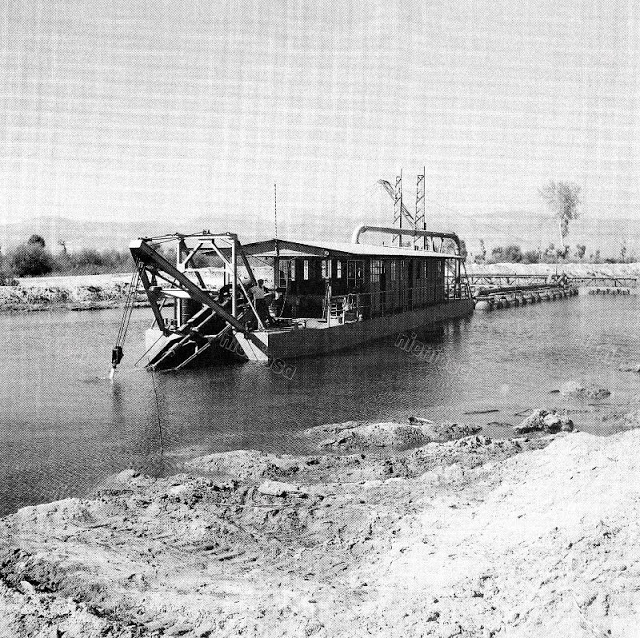
Aluminum rice-making plant, Serres, September 1950
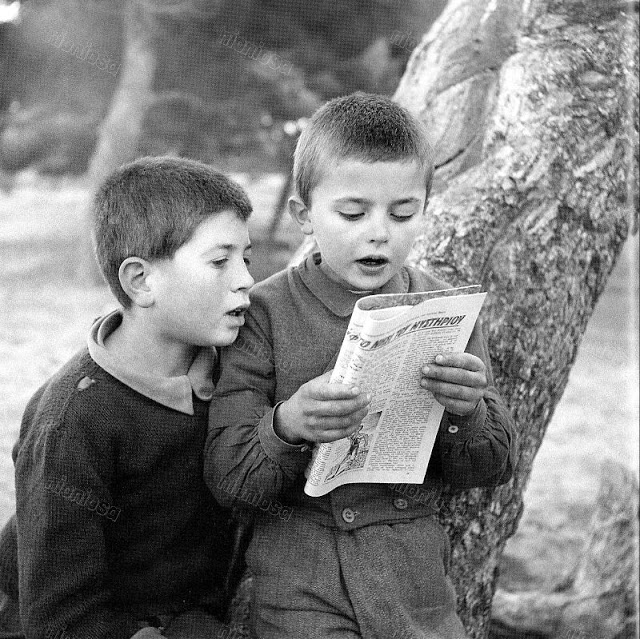
Boys reading a book, 1950
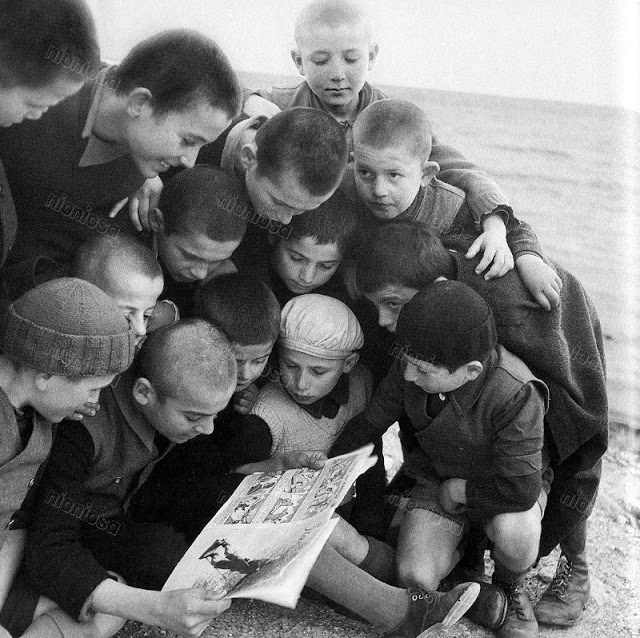
Boys reading a comic book, 1950
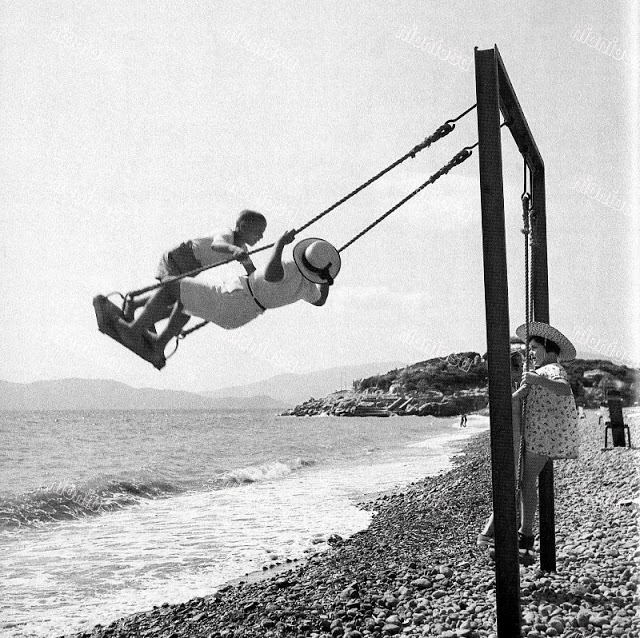
Children swing, 1950
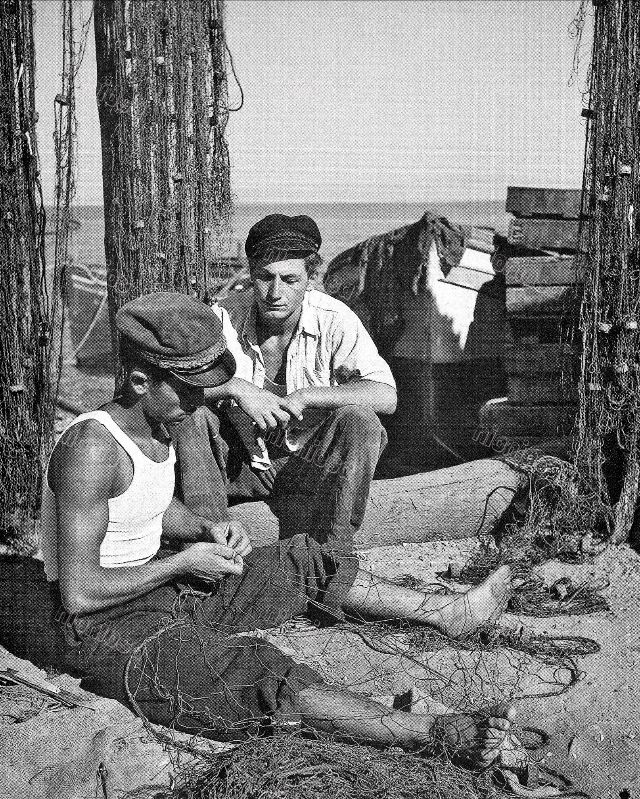
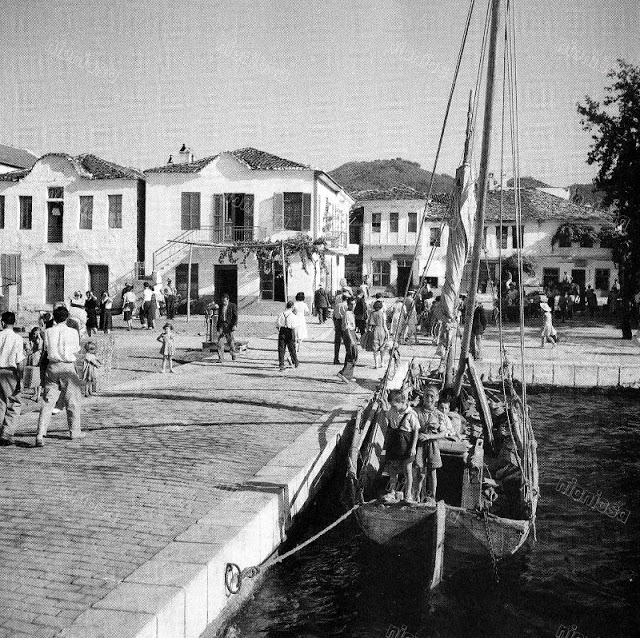
Fishermen at port, Thassos, August 1950
Floods on the Nestos River, Macedonia – Thrace border, September 1950
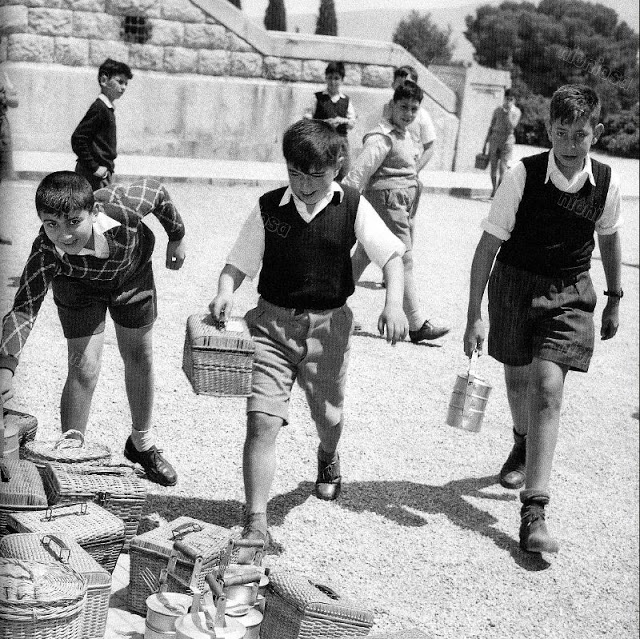
Hellenic Red Cross, Voula, Attica, 1950
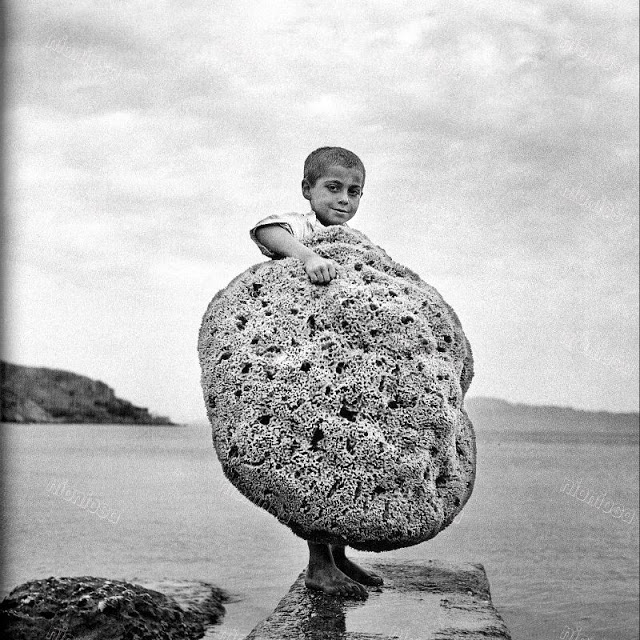
Kalymnos, 1950
Kavala Prefecture, September 1950
Limenas Thassos, August 1950
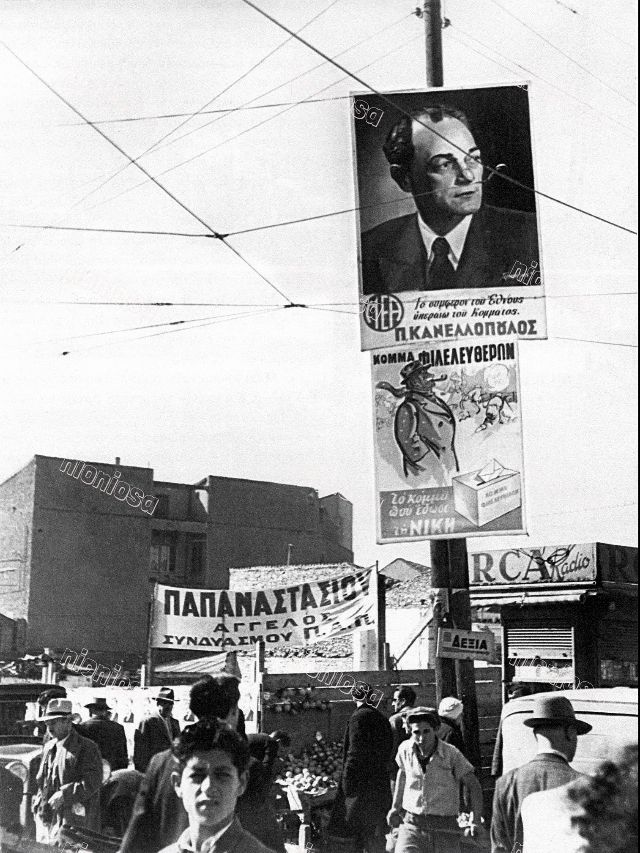
Pre-election picture in the early 1950s
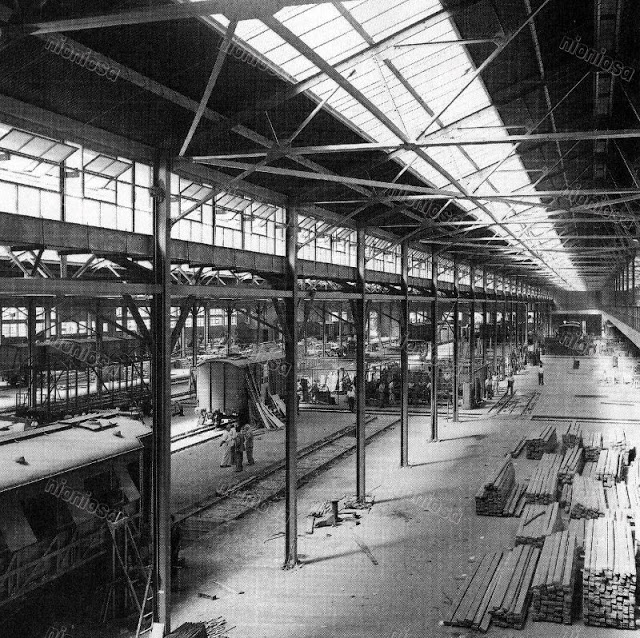
Thessaloniki Railway Station, September 1950
Athenians vote in the municipal elections, 1951
Dafni, Attica, 1952
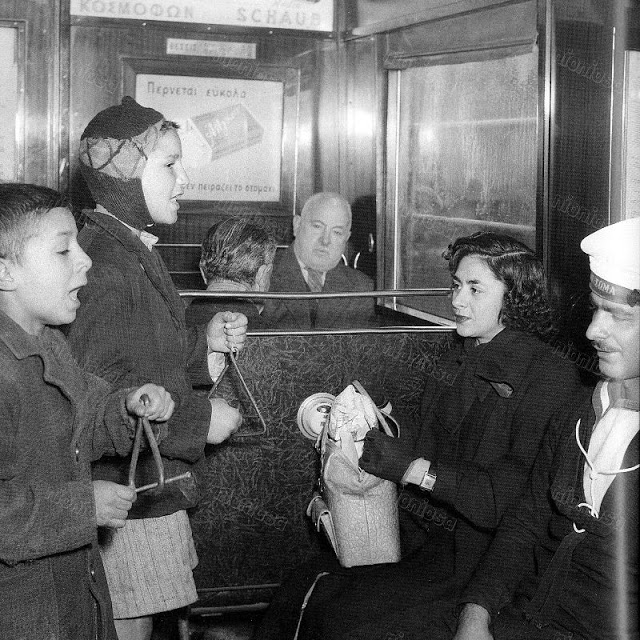
Athens Electric Railway, 1953
Drama, August 1953
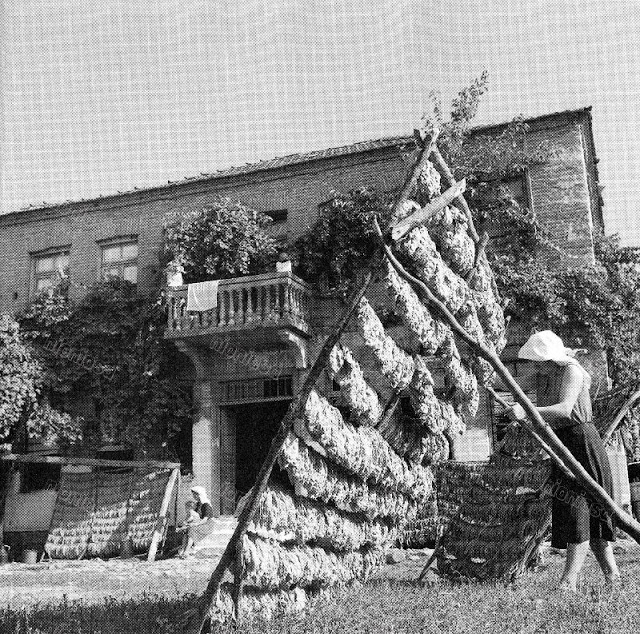
Smoke drying, Macedonia, August 1953
Tobacco harvest, Macedonia, August 1953
Athens College, 1954
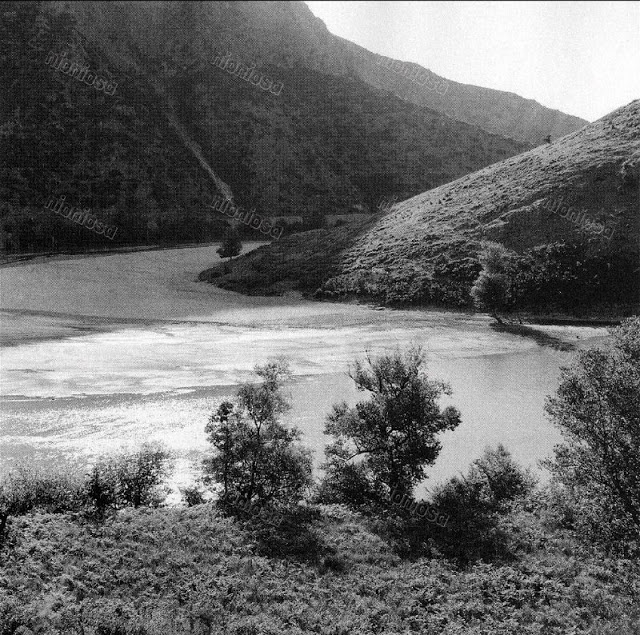
Nestos River, Macedonian-Thracian border, July 1954
Smoke drying, Drama, July 1954
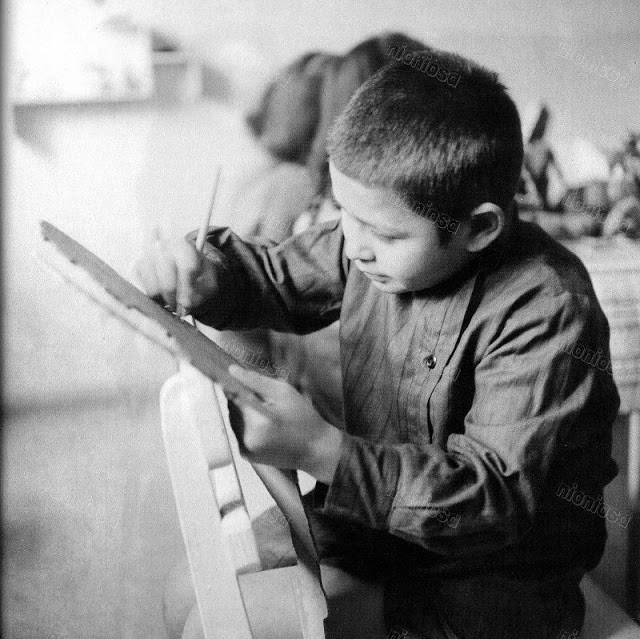
Boy drawing, 1955
Boy with kite, Athens, 1955
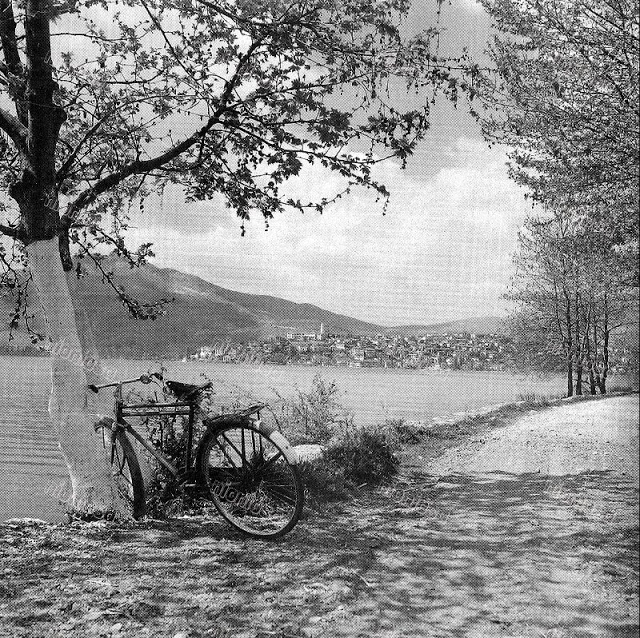
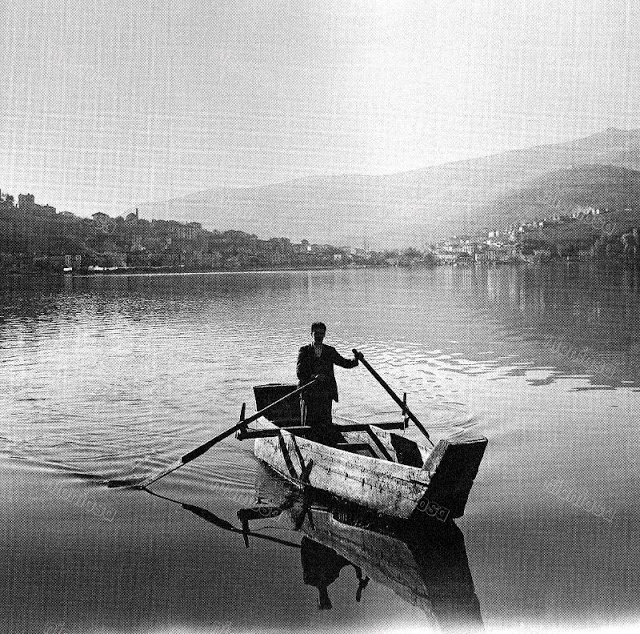
Kastoria, May 1955
Kastoria, May 1955
Kastoria, May 1955
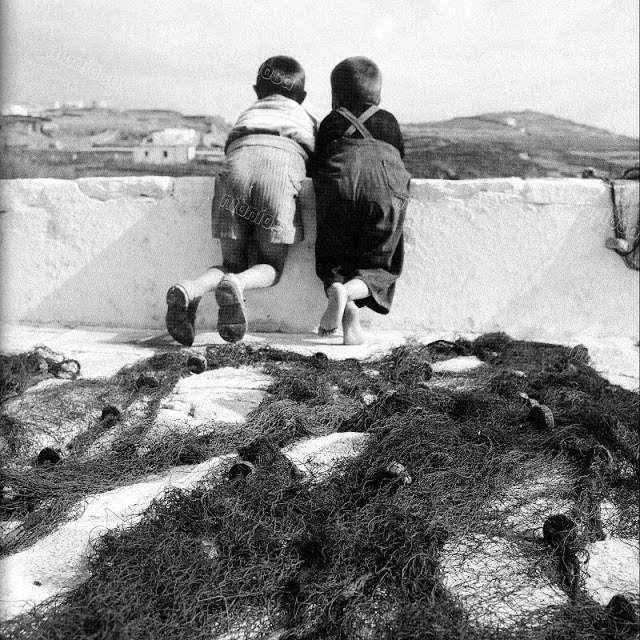
Mykonos, 1955
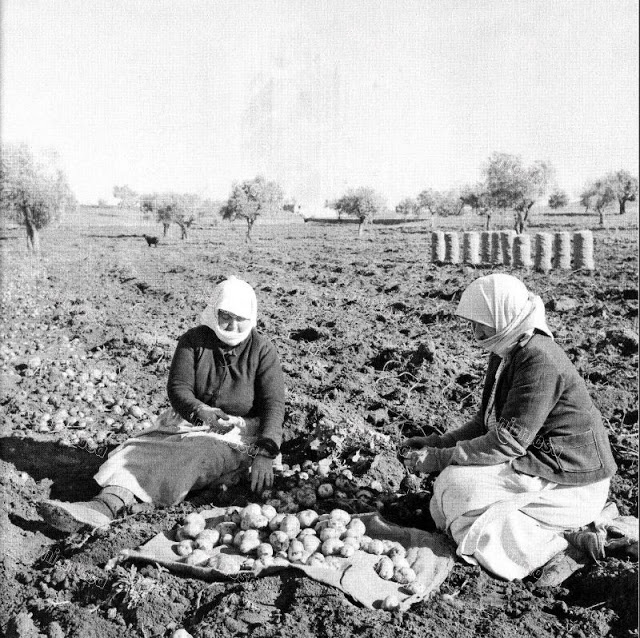
Potato harvest in Thebes, 1955
School hall, circa 1950-55
Boys playing, Epirus, 1957
Children’s playground ‘Kali Panagia’, Veria, 1957
During slavery at the glassworks of the Chemical Products and Fertilizers Company, Drapetsona, 1957
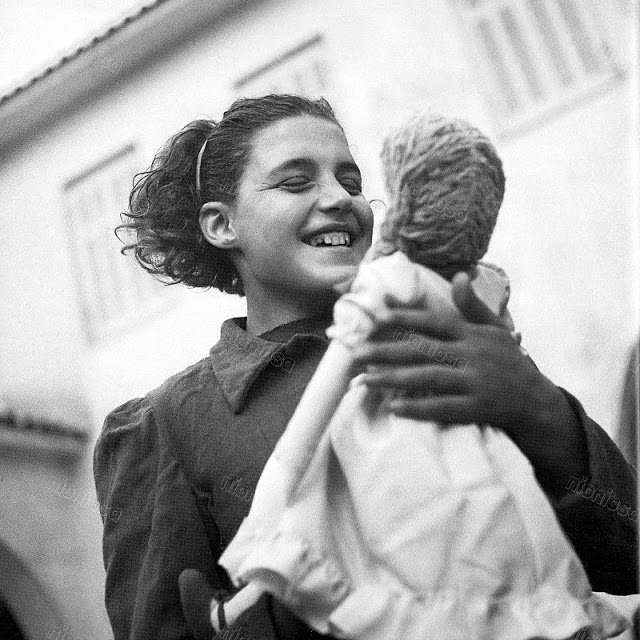
Girl in Bizani, Epirus, 1957
Girls at a school in Thessaly, 1957
Thessaloniki Railway Station, July 1957
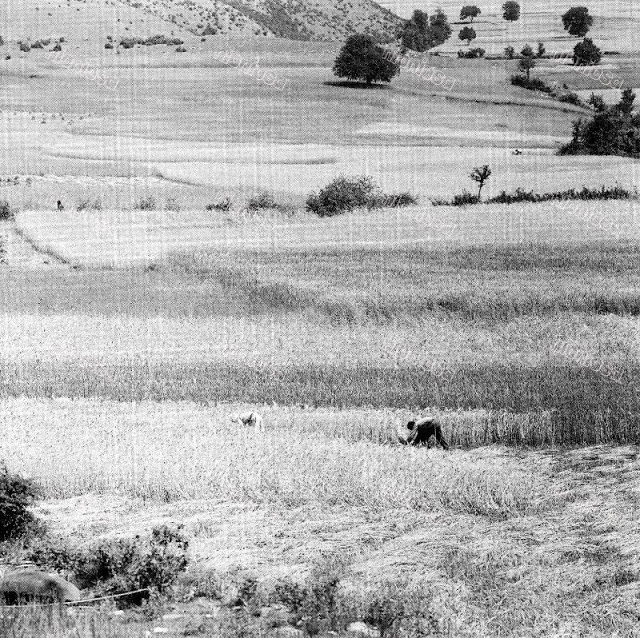
Wheat harvesting, Western Macedonia, June 1957
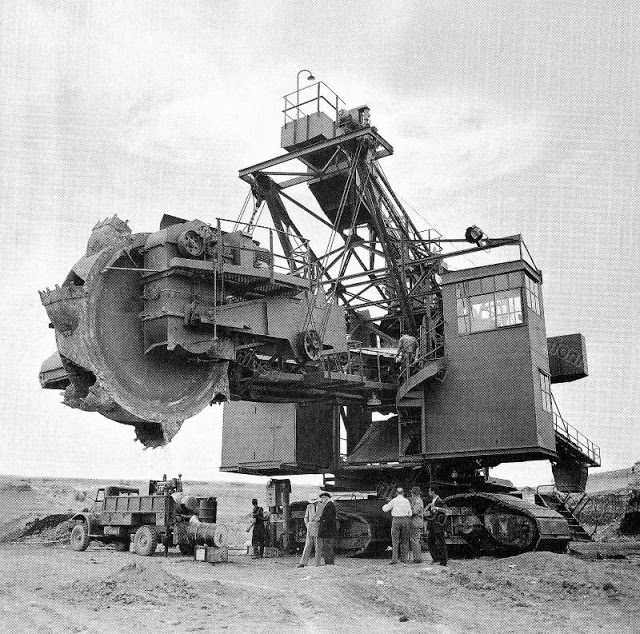
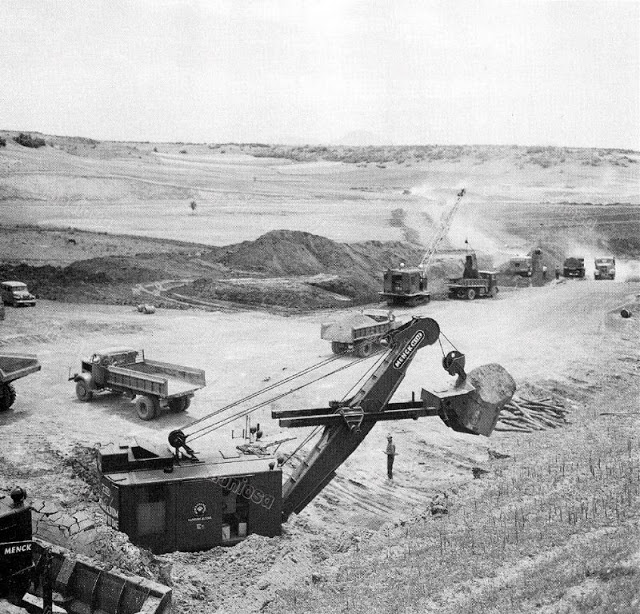
Wider region of Ptolemaida, Prefecture of Kozani, June 1957
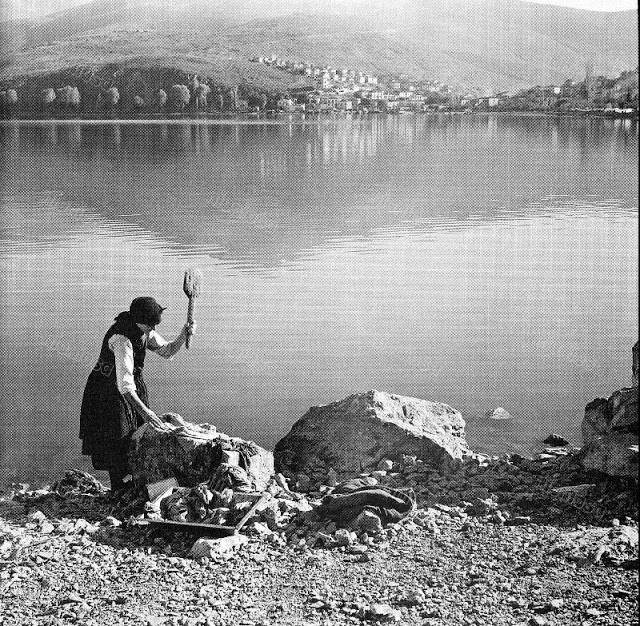
Kastoria, November 1958
Family on a street in Athens

29 Wonderful Vintage Photos of Behind the Scenes at James Bond Auditions in 1967

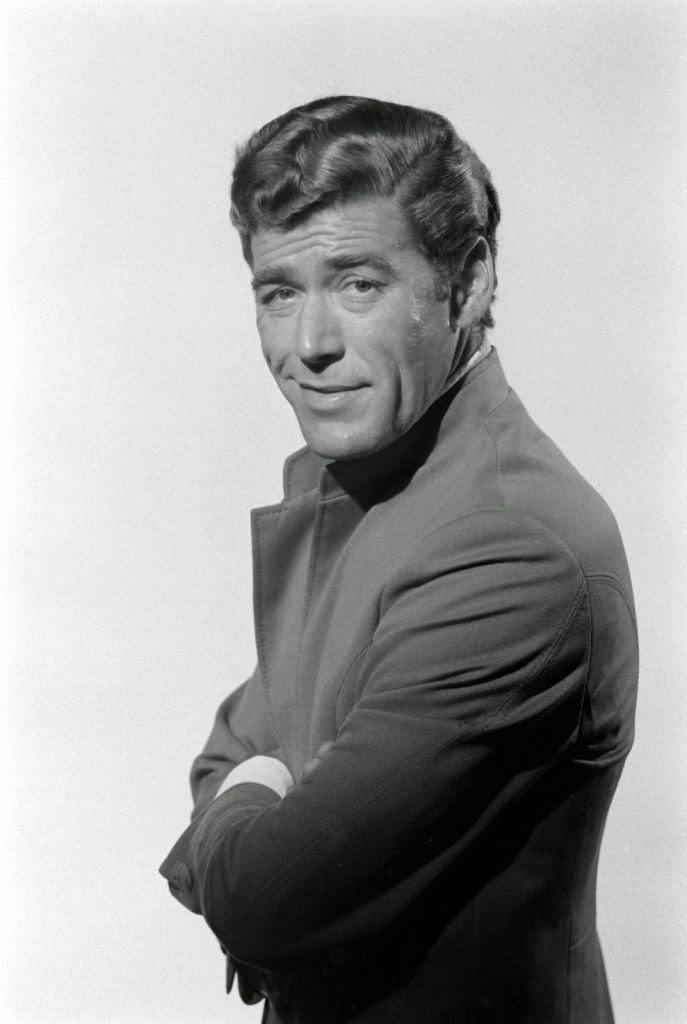
In the early 1960s, movie producers adapting Ian Fleming’s novels about a suave British spy named James Bond plucked a relative unknown, Sean Connery, from obscurity and offered him the role of a lifetime. And when Connery left the franchise after five movies (although he would briefly be back, in 1971, in Diamonds Are Forever) the hunt for another Bond was on.
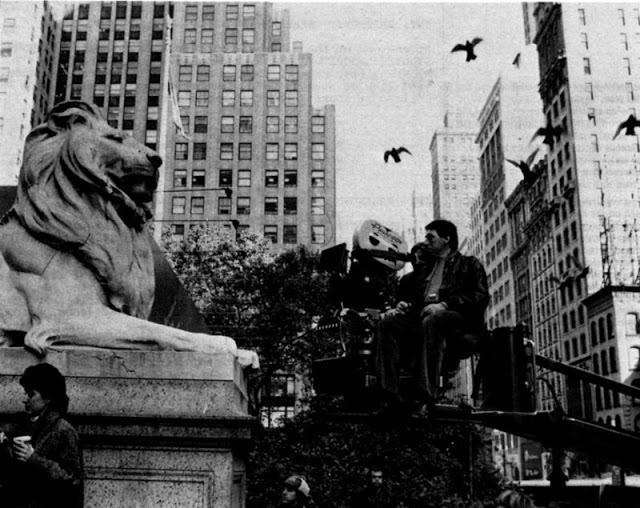
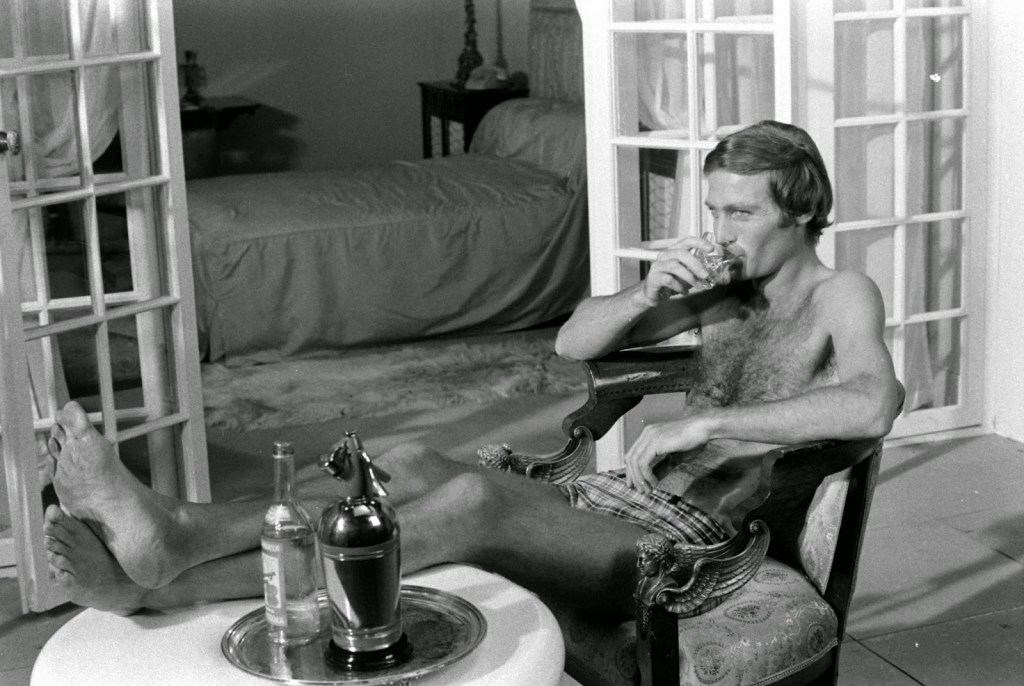
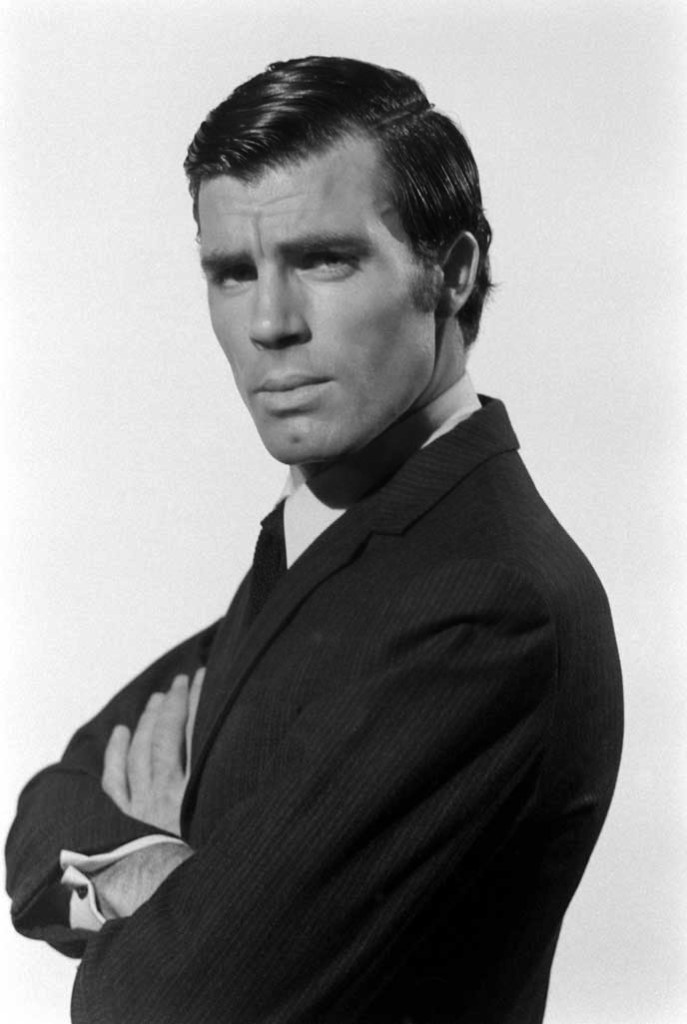
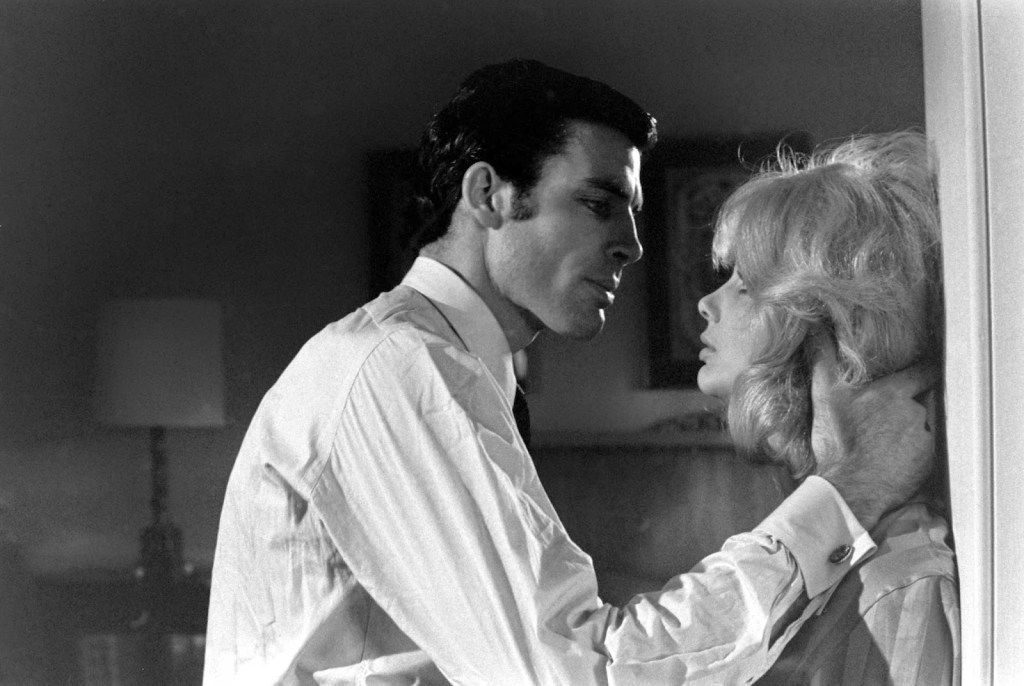
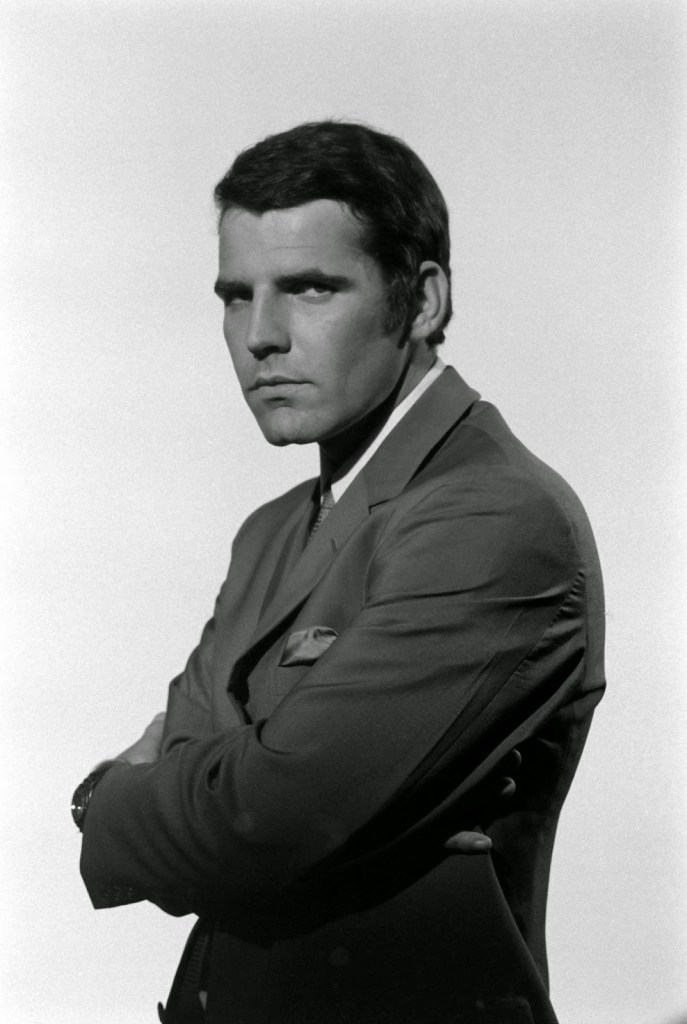
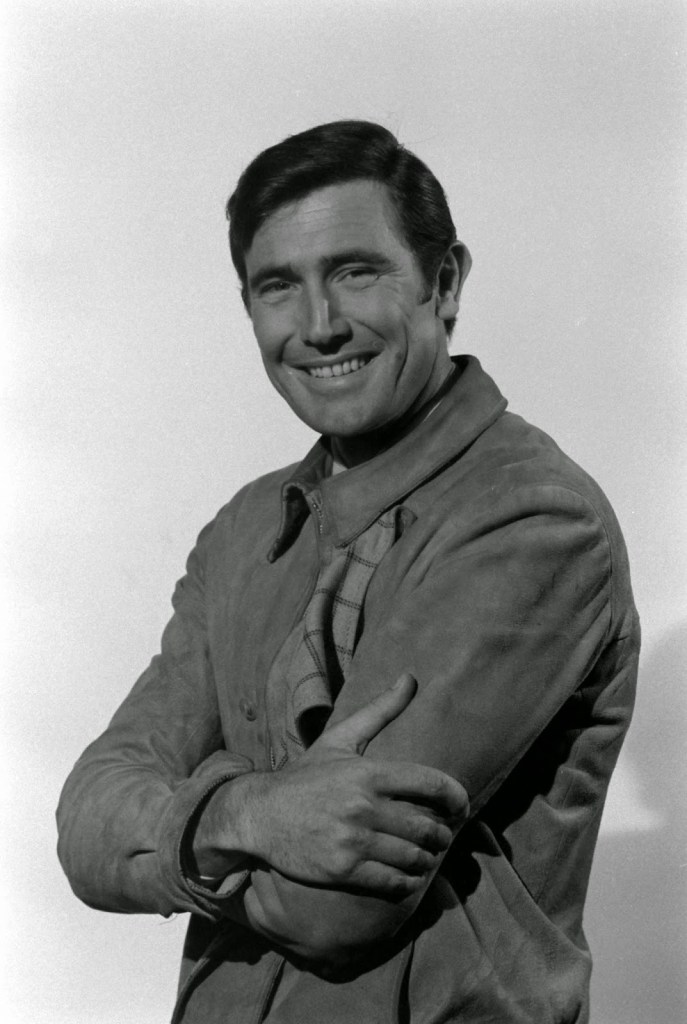
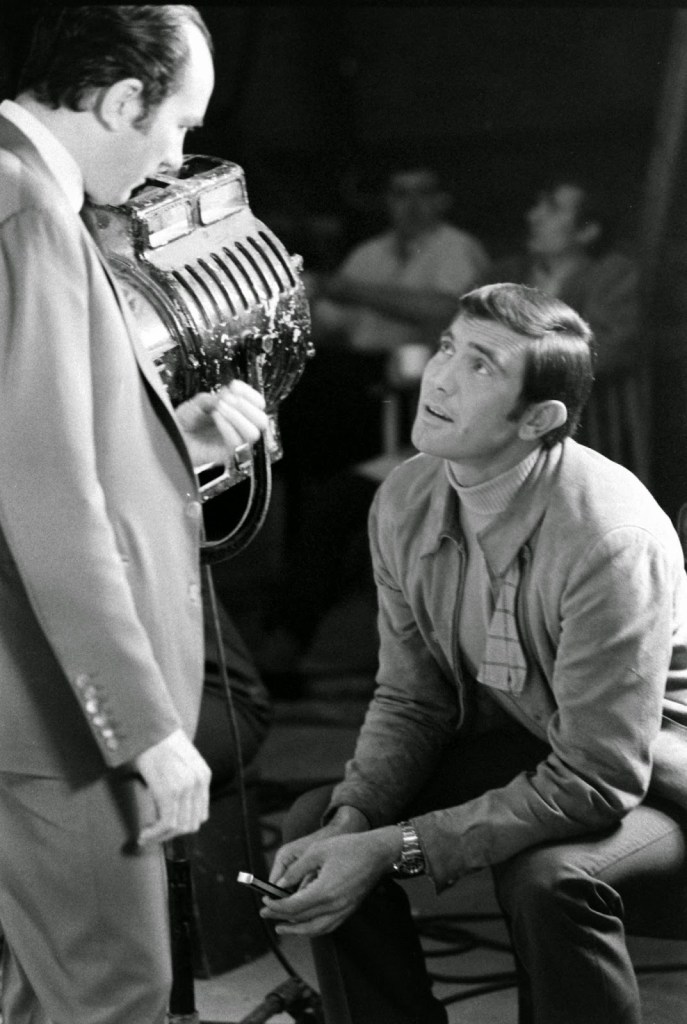
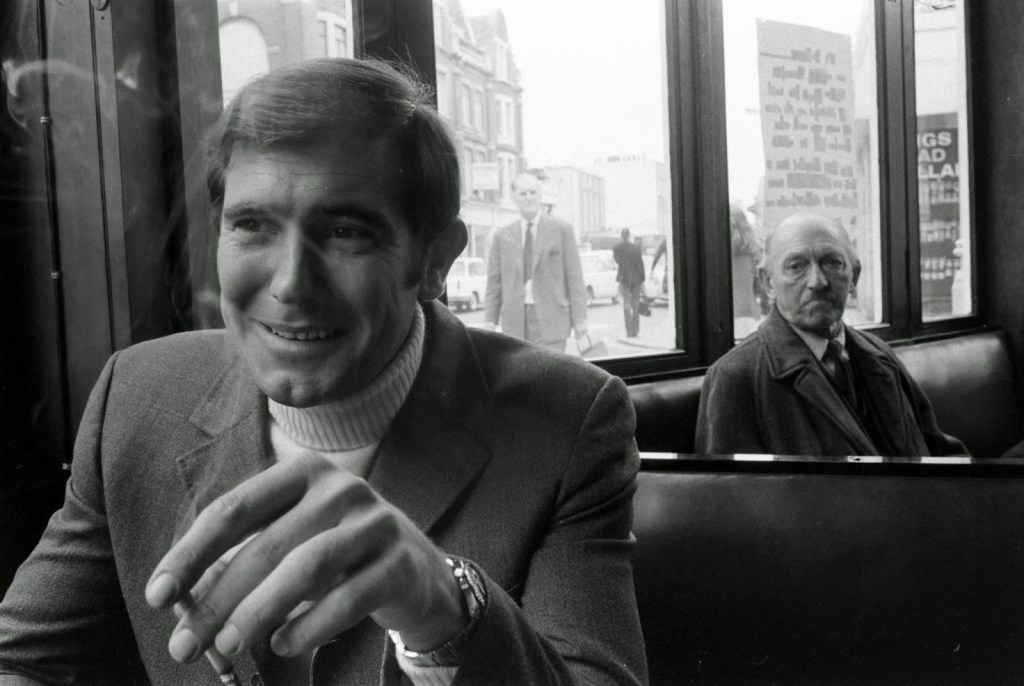
In 1967, LIFE sent photographer Loomis Dean to casting sessions for the James Bond movie, On Her Majesty’s Secret Service. The photographer took some of interesting photos from the 1967 James Bond auditions, featuring the five top candidates — including George Lazenby, who would eventually win the coveted role.

A composite image of the five top candidates (including ultimate choice George Lazenby, bottom right). Published in the October 11, 1968, issue of LIFE.
John Richardson during James Bond auditions, 1967.
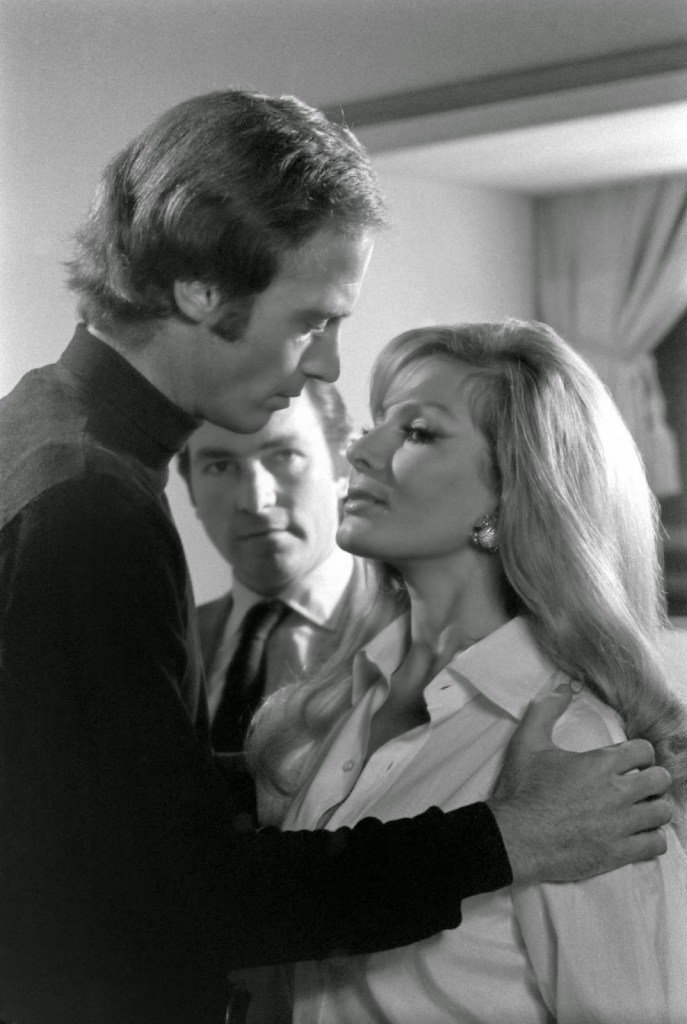
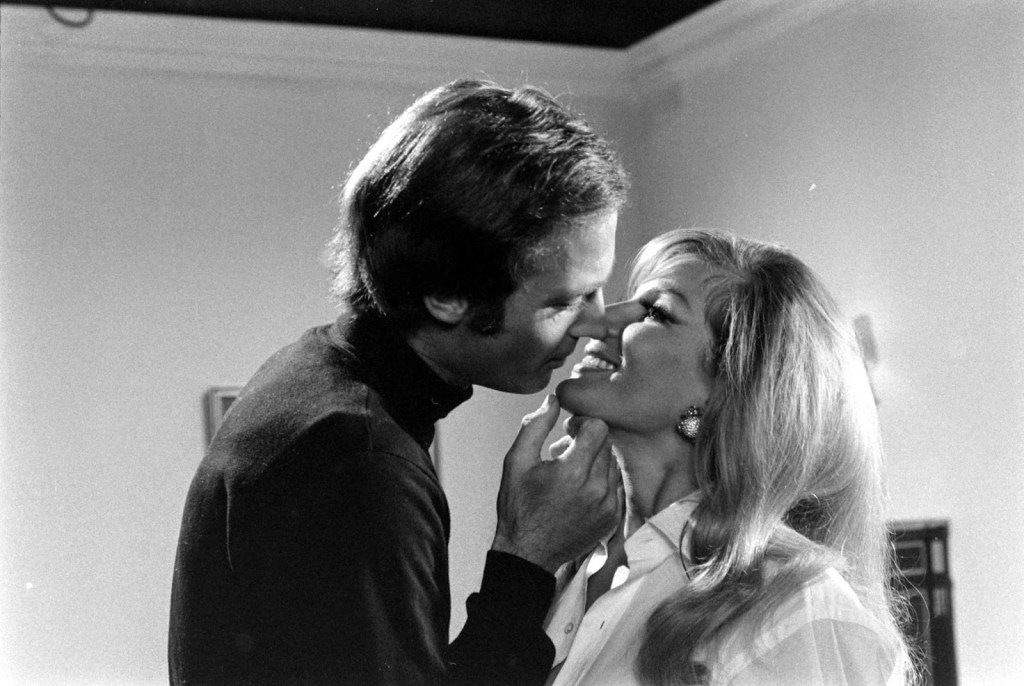
On Her Majesty’s Secret Service director Peter R. Hunt oversees a test love scene between John Richardson and an actress, moving her leg just so.
John Richardson during James Bond auditions, 1967.
James Bond audition candidate John Richardson (left), in profile, 1967.
John Richardson reacts as his screen-test costar pulls out a gun, 1967.
Director Peter Hunt studies John Richardson during his audition, 1967.
John Richardson continued to act after he lost out on the Bond role, appearing in On a Clear Day You Can See Forever (1970) and a string of Italian movies.
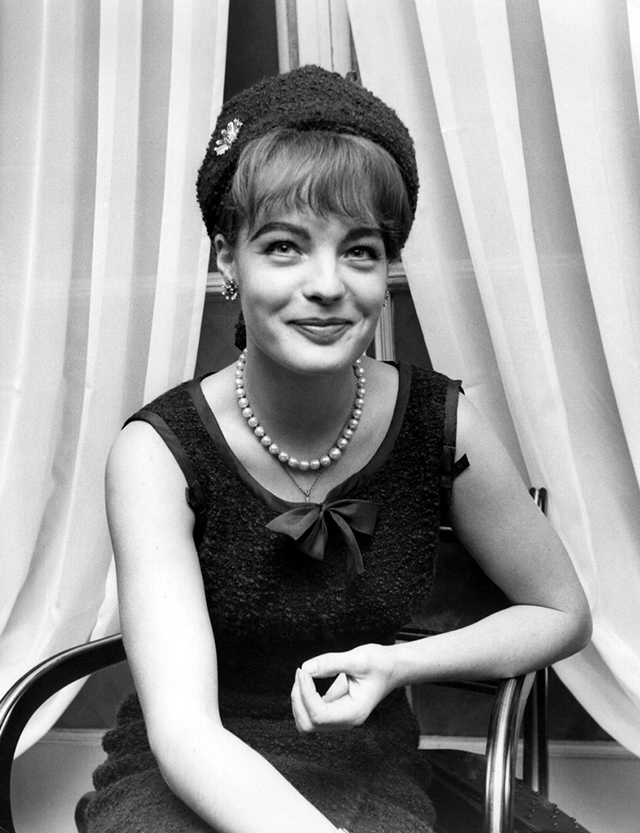
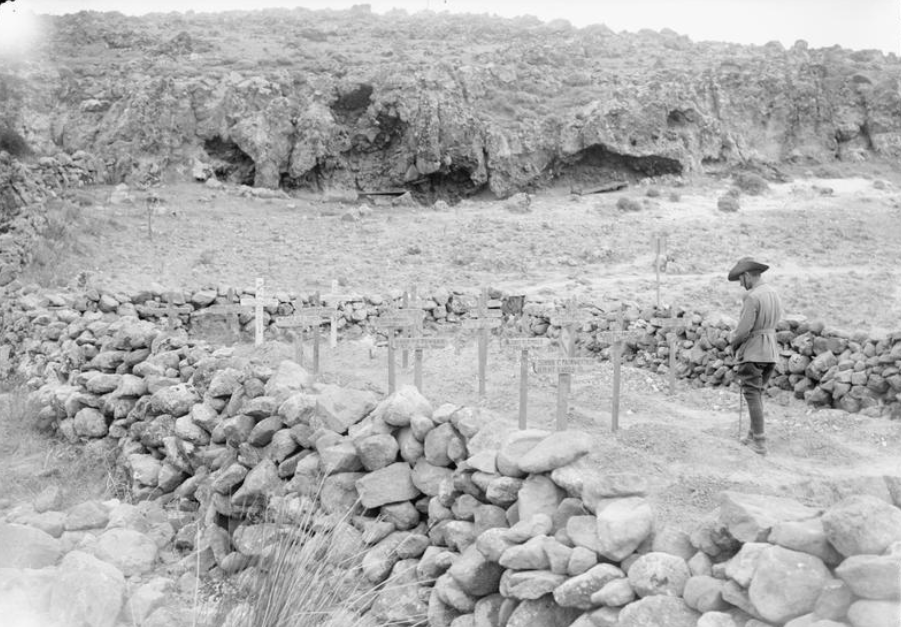
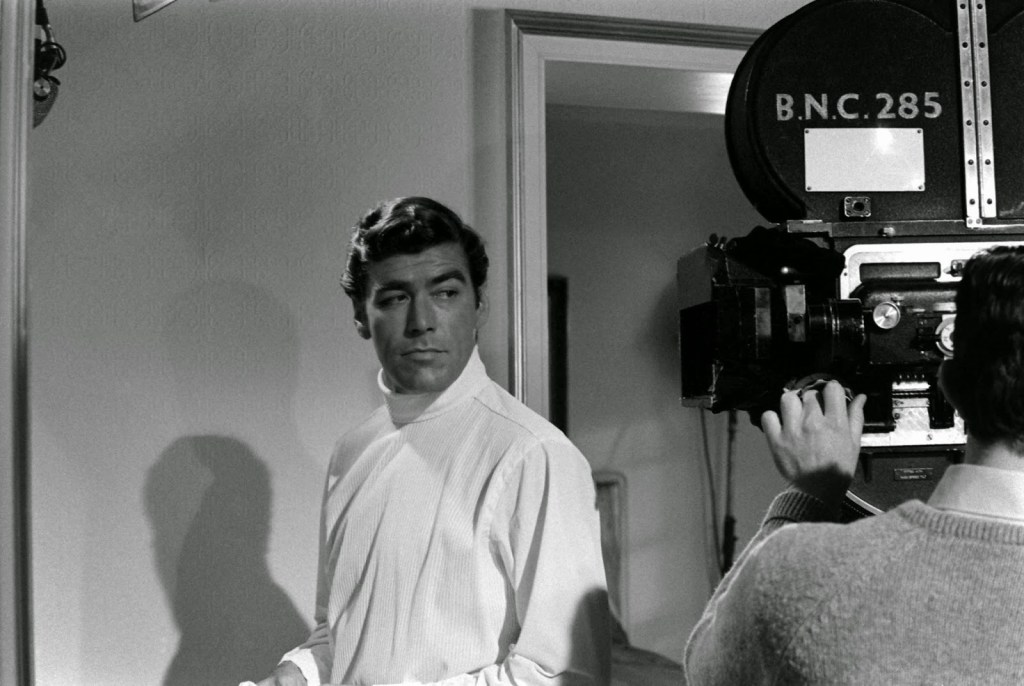
James Bond audition finalist Anthony Rogers, 1967.
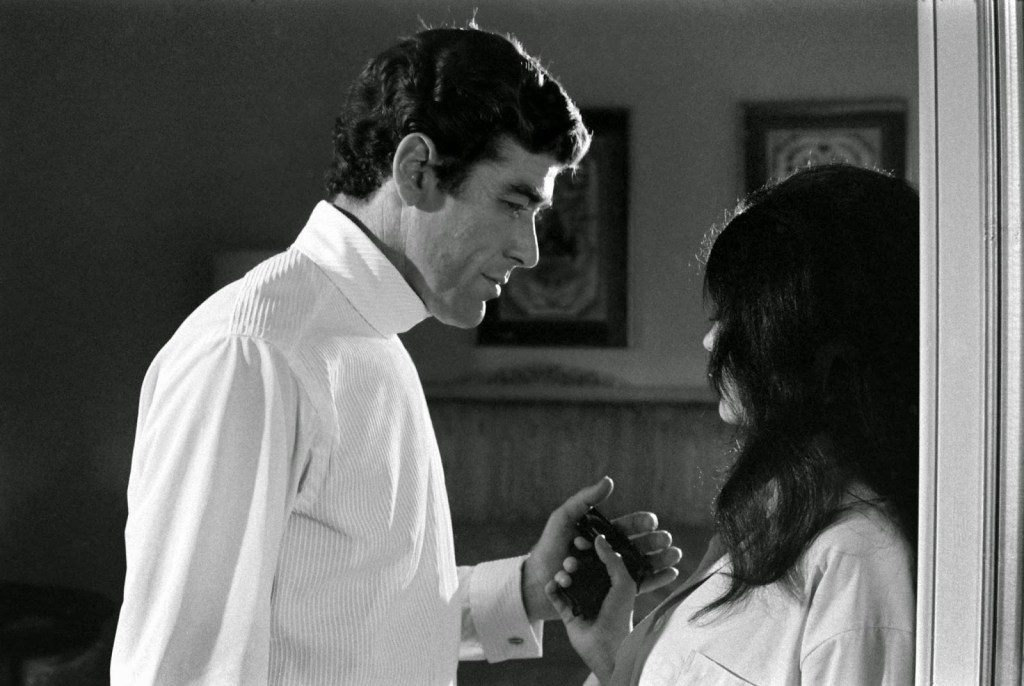
Anthony Rogers and an actress during a screen test, 1967.
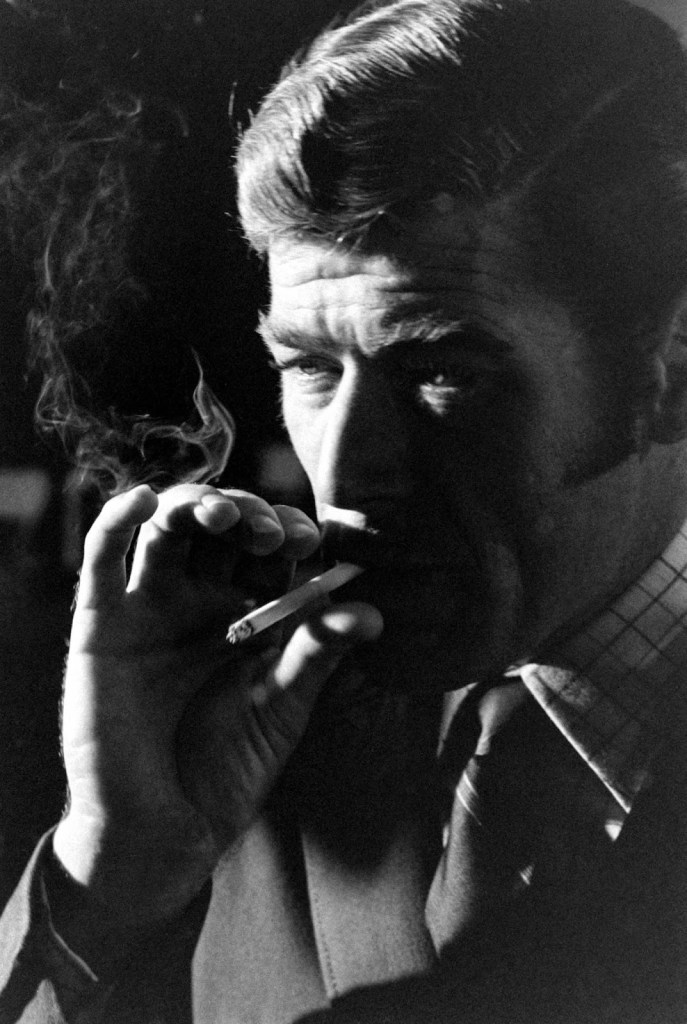
Anthony Rogers smokes a cigarette during his James Bond audition, 1967.
Anthony Rogers during his James Bond audition, 1967.
Robert Campbell during James Bond auditions, 1967.
Director Peter R. Hunt helps Robert Campbell get into a shoulder holster, 1967.
Robert Campbell checks a page of lines during a James Bond audition, 1967.
James Bond hopeful Robert Campbell adjusts his shirt and jacket, 1967.
Robert Campbell looks in the mirror between filming scenes for his James Bond audition, 1967.
Robert Campbell during a kissing test, opposite actress France Anglade, 1967.
Hans de Vries during James Bond audition, 1967.
Hans De Vries and France Anglade, James Bond audition, 1967.
Hans de Vries during James Bond audition, 1967.
George Lazenby during James Bond audition, 1967.
James Bond hopeful George Lazenby fiddles with a knife while chatting with Bond director Peter R. Hunt, 1967.
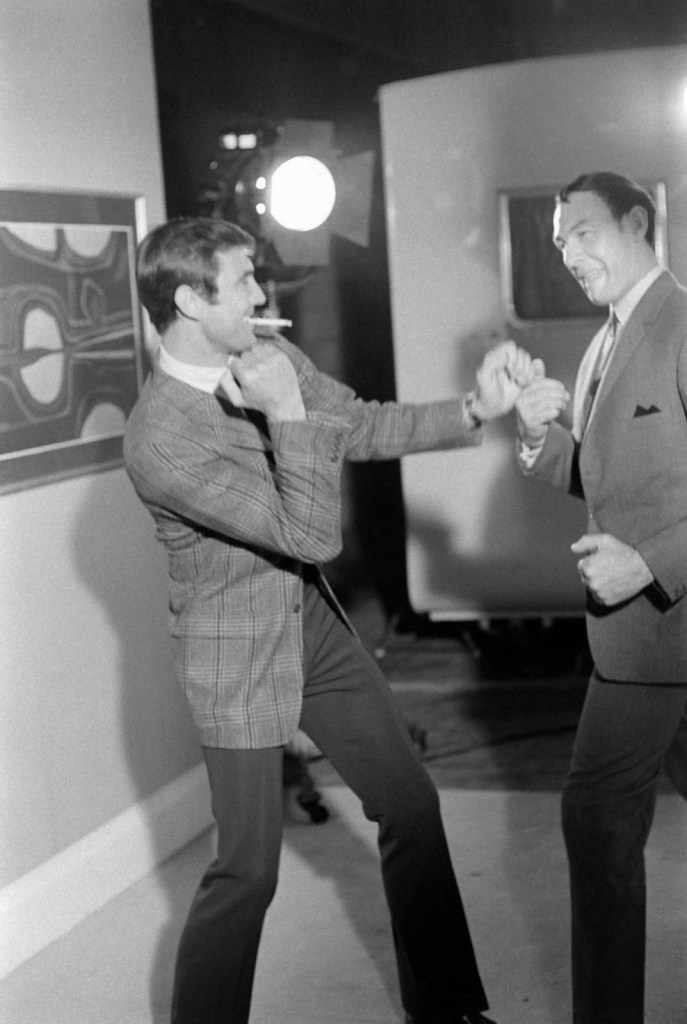
George Lazenby goofs off behind the scenes of his screen test, boxing with an unidentified man, 1967.
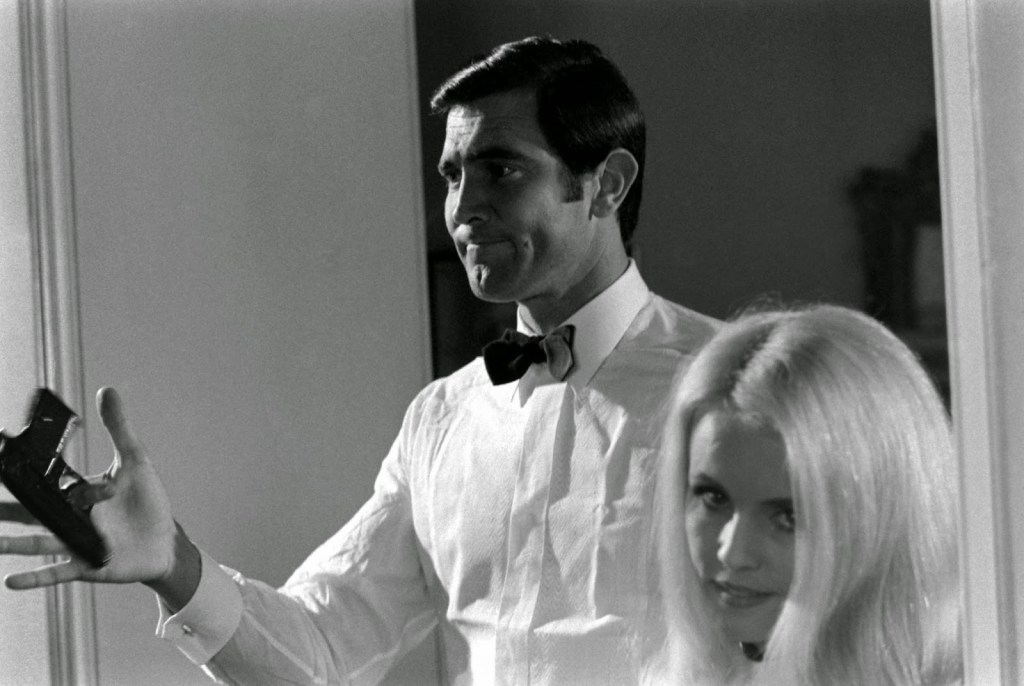
George Lazenby twirls a gun beside potential Bond Girl Marie-France Boyer, 1967.
George Lazenby during auditions for the role of James Bond, 1967.
George Lazenby and Bond Girl hopeful Agneta Eckemyr, 1967.
George Lazenby leans against a bar during a moment away from James Bond auditions, 1967.
George Lazenby, 1967.

Yesterday Today

Bringing You the Wonder of Yesterday - Today

Skip to content ↓