Subscribe to continue reading
Become a paid subscriber to get access to the rest of this post and other exclusive content.
Bringing You the Wonder of Yesterday – Today

Become a paid subscriber to get access to the rest of this post and other exclusive content.

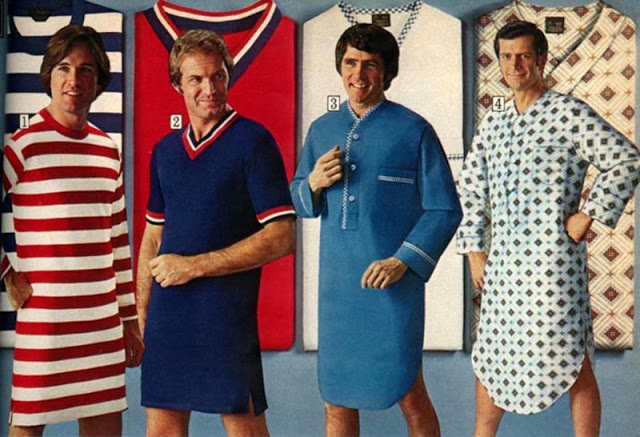
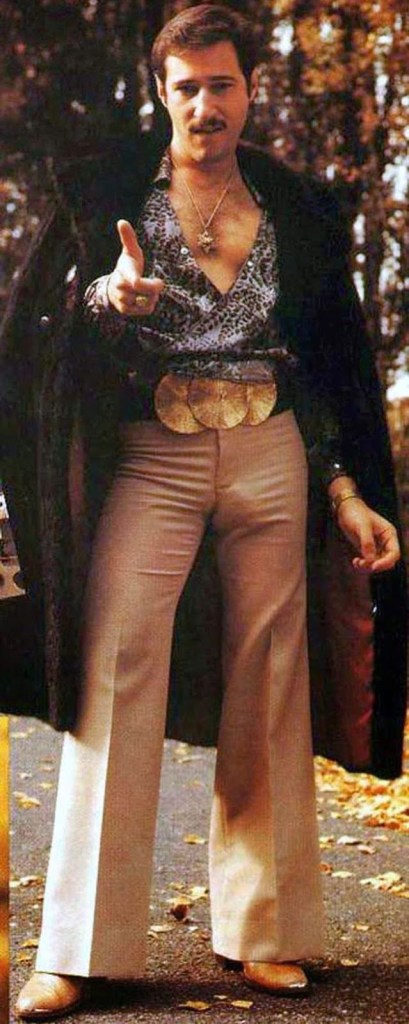
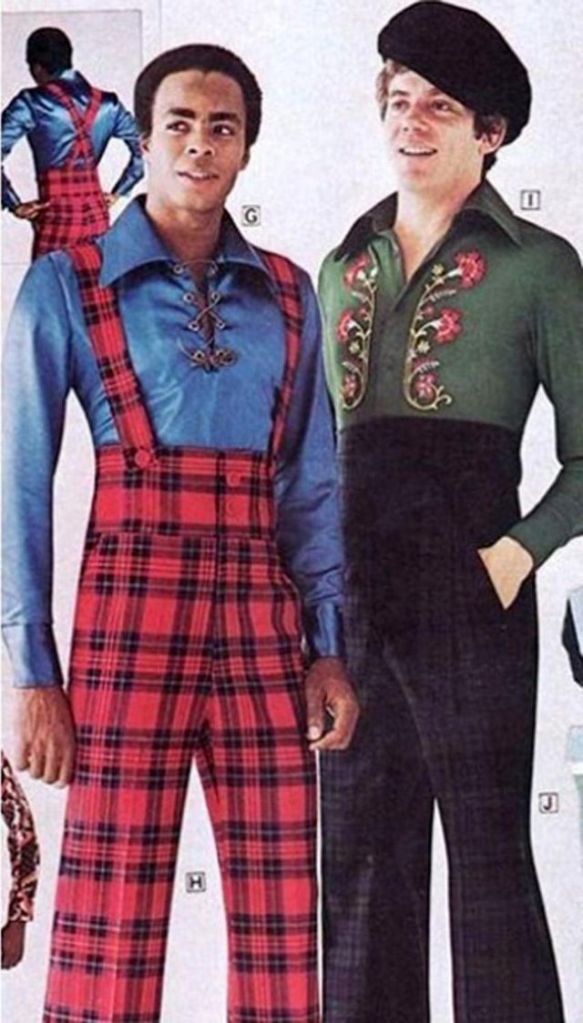
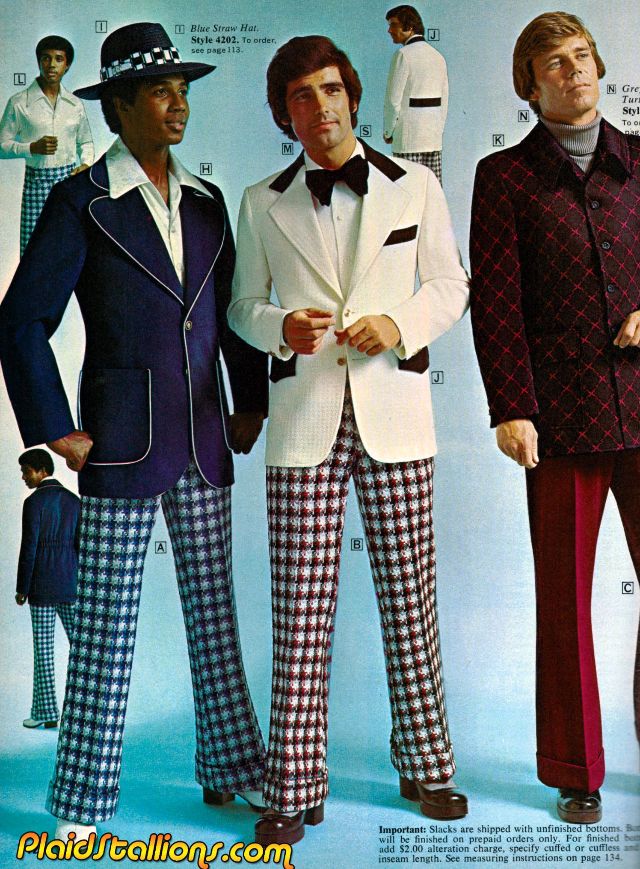
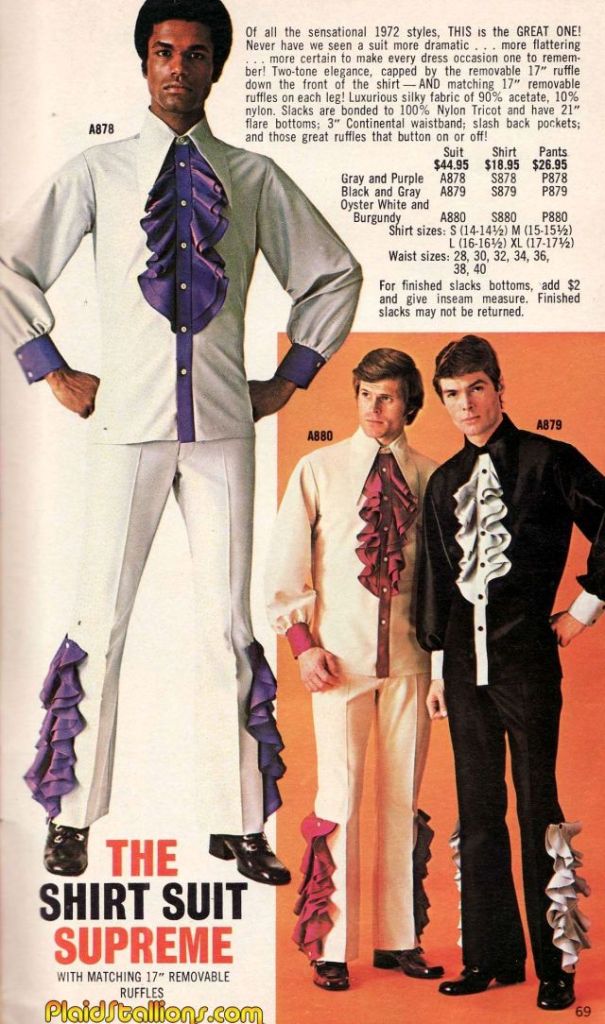
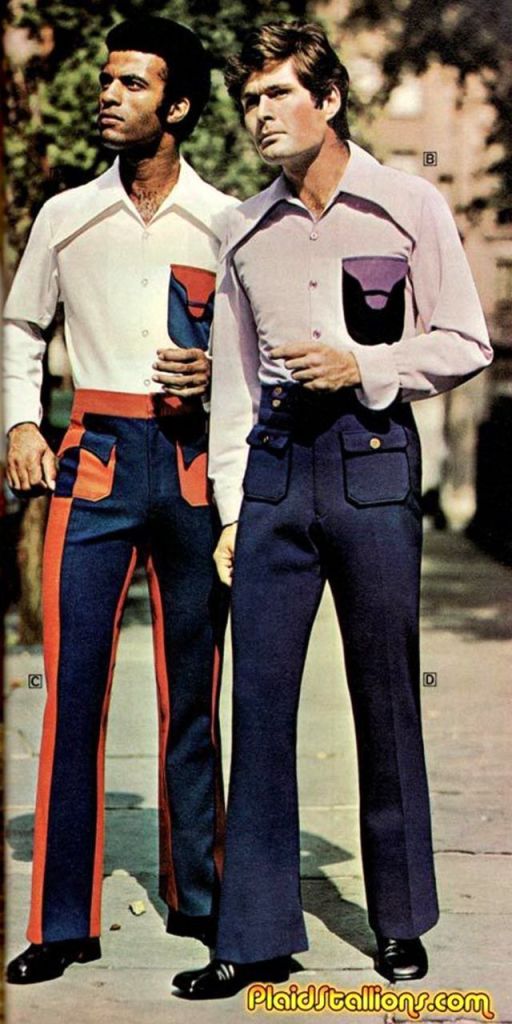
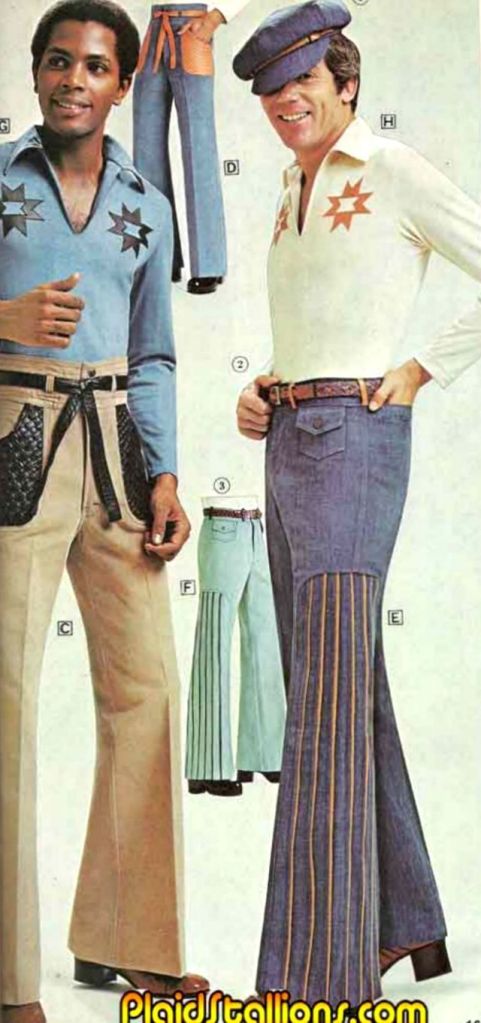
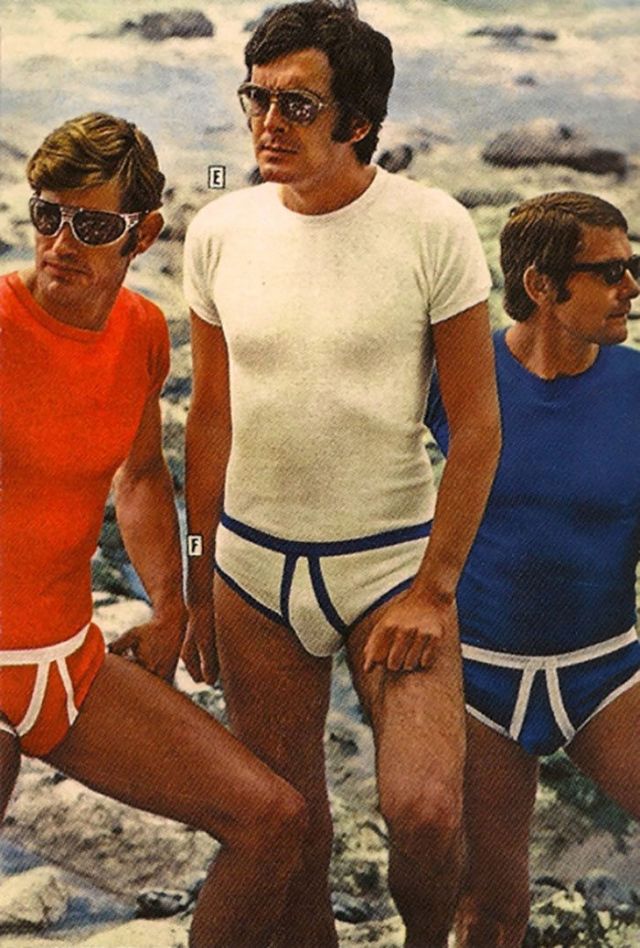
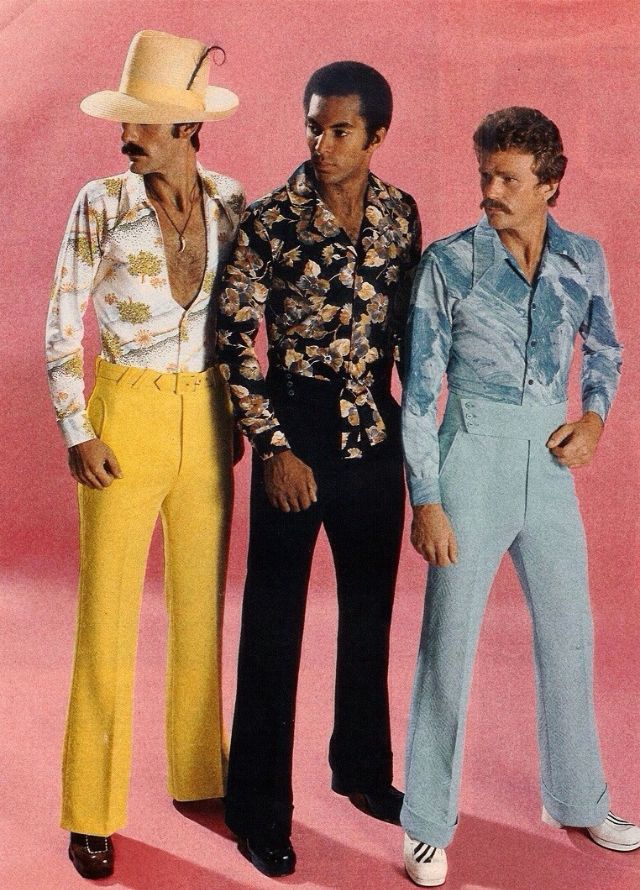
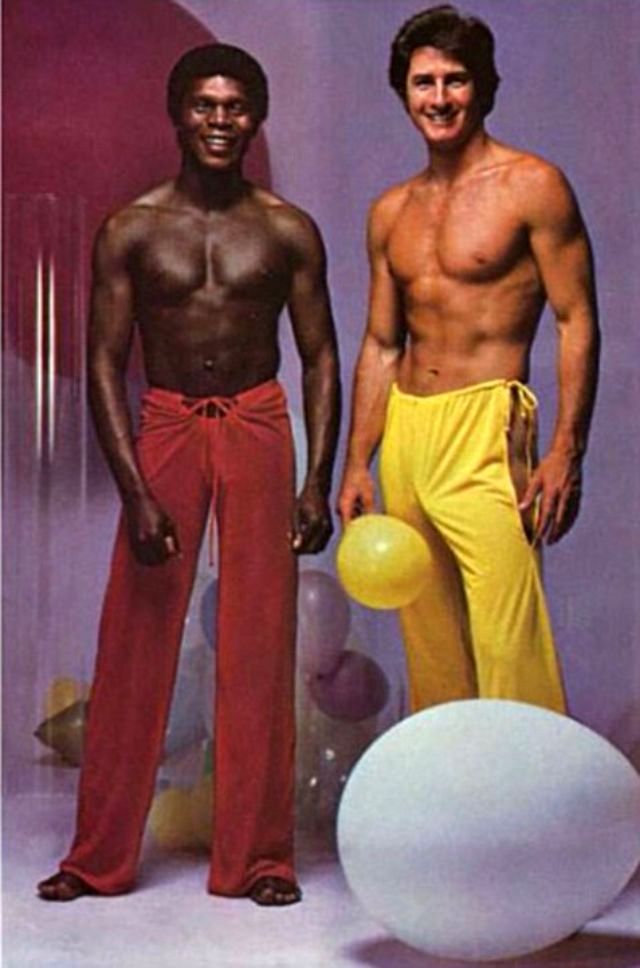
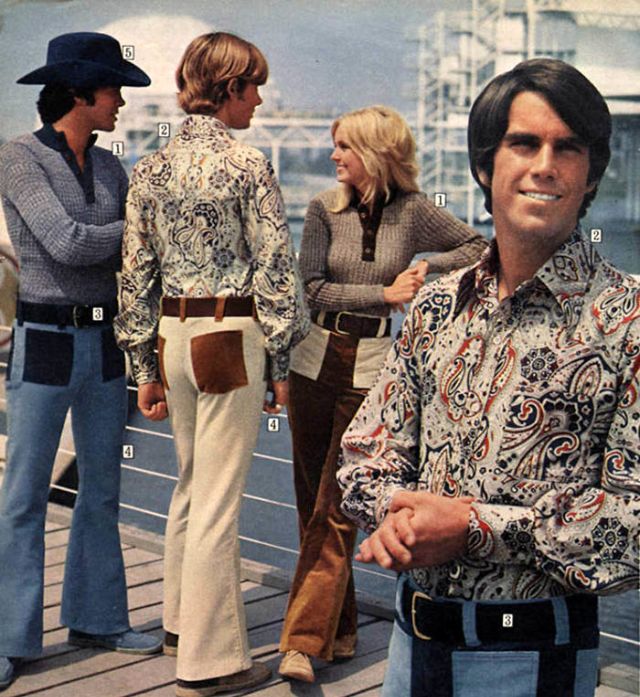
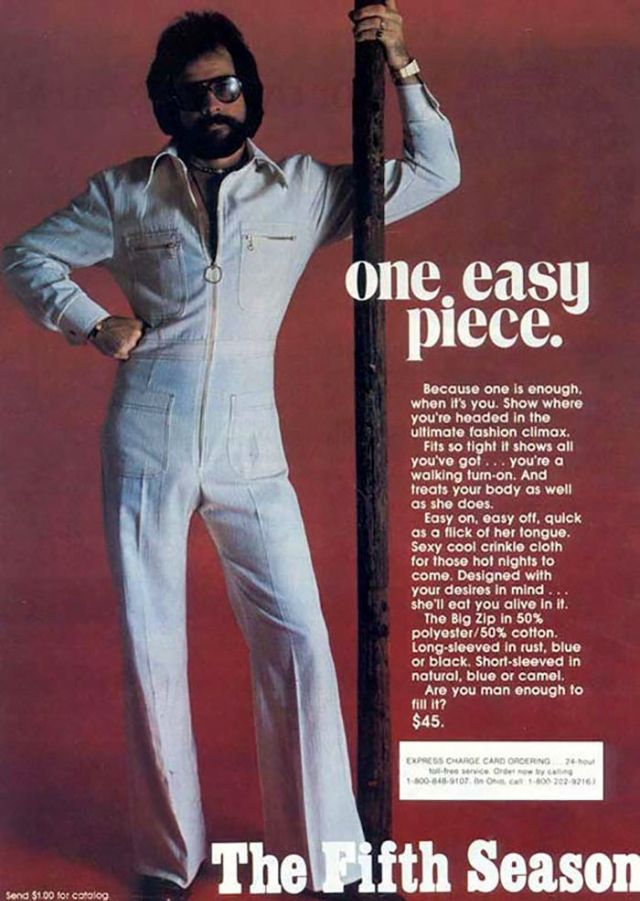
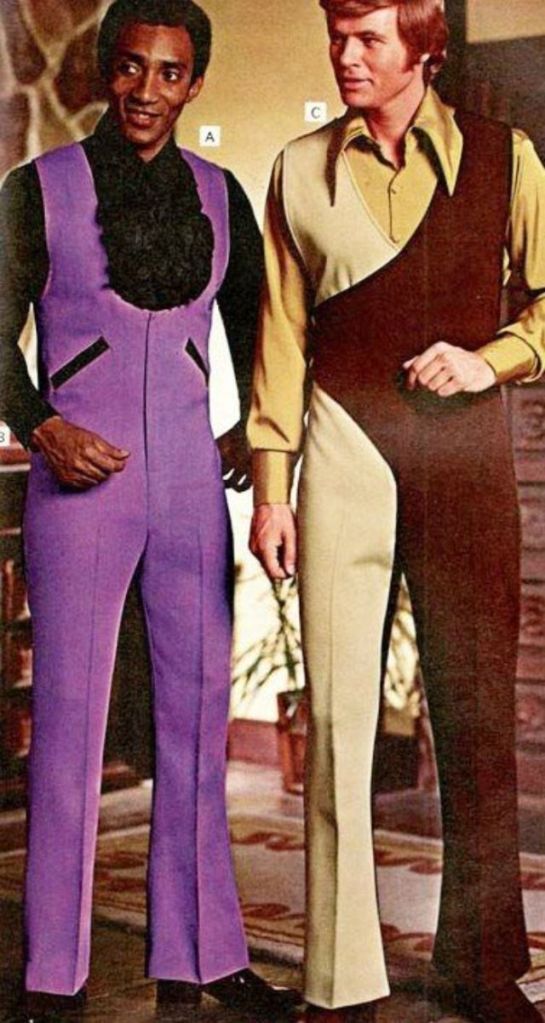
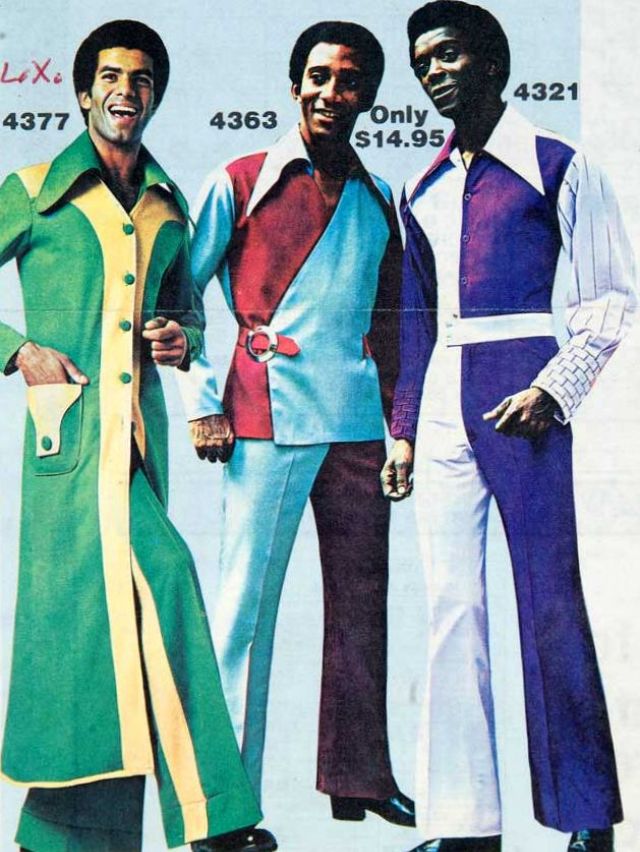
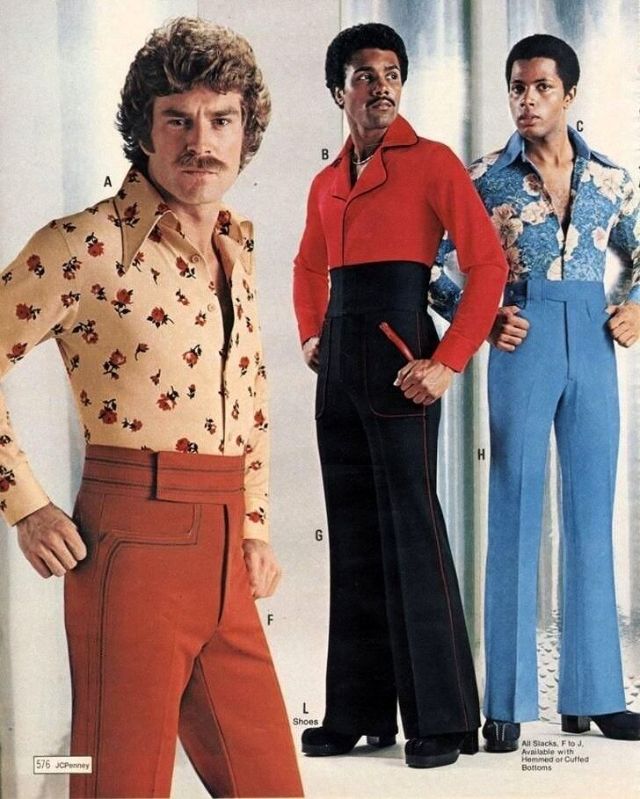
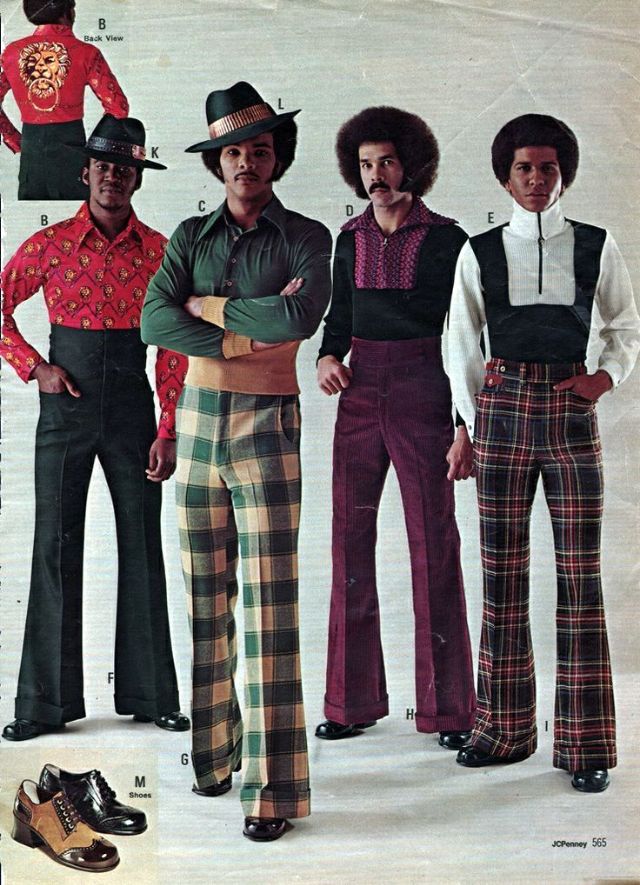
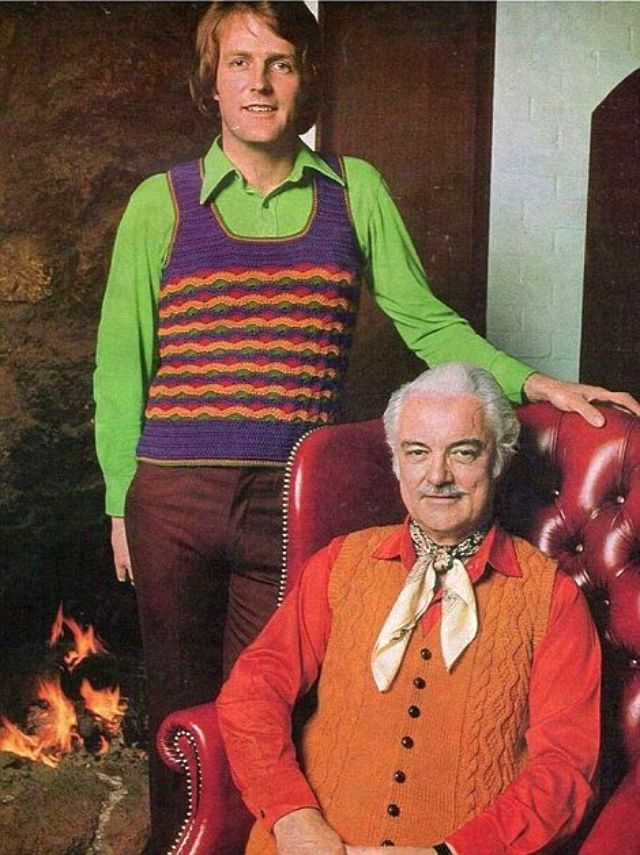
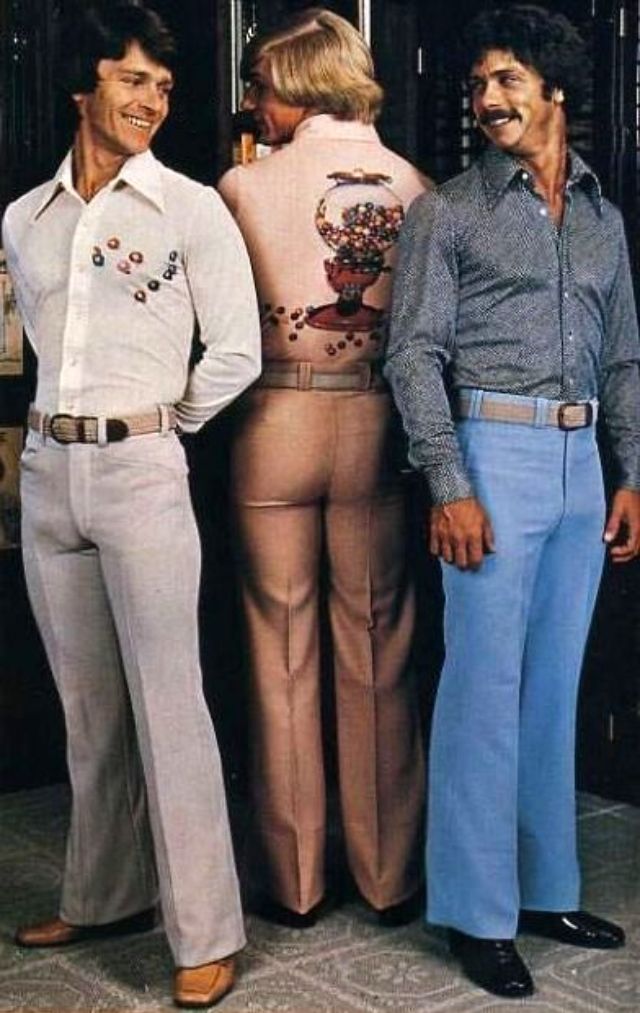
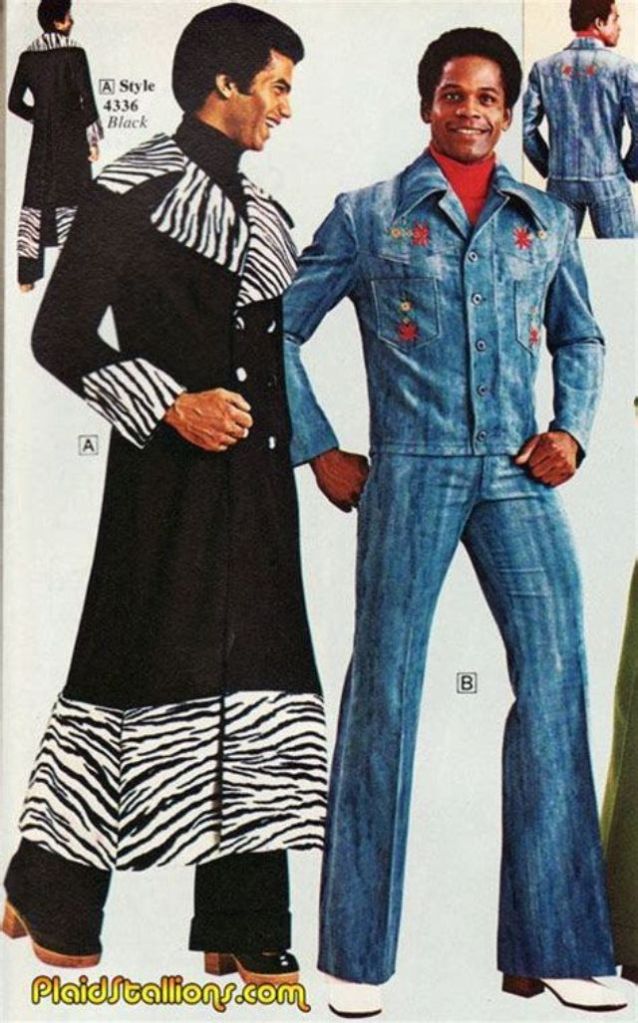
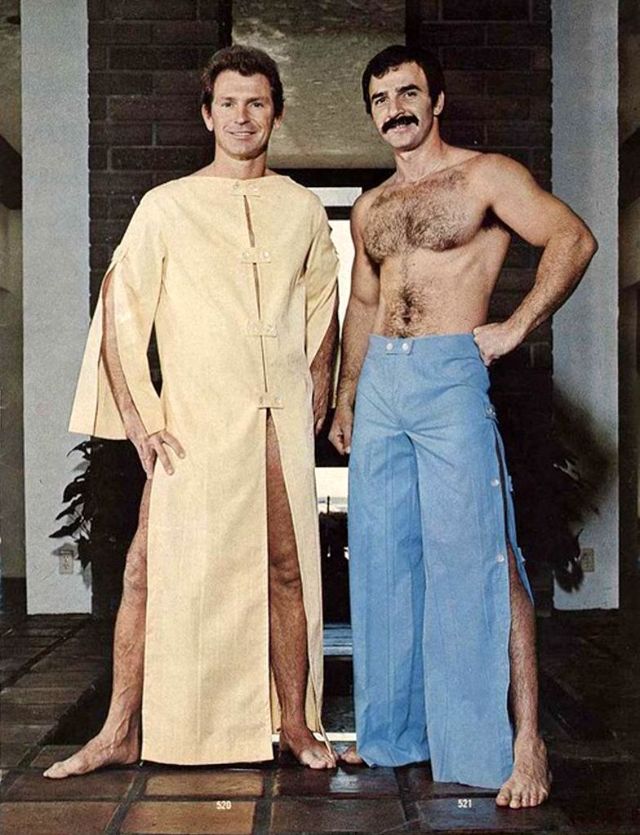
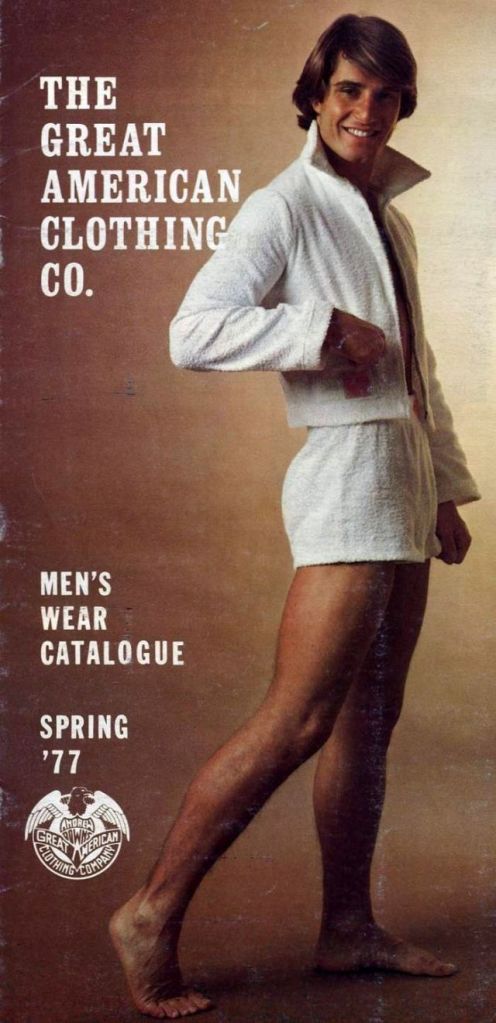
Men’s fashion in the 1970s changed fashion history. Never before did men have so many choices. Wide flare jeans, platform boots and leisure suits…
As well as their bold use of colour, peacock looks usually included satin shirts, ruffles, tunics, turtlenecks, Cuban heeled boots, bell-bottoms, and braided belts.
Suits also featured bright colours and unusual styles. In particular, double-breasted designs in corduroy and crushed velvet were popular.
Take a look at these pics to see what men’s fashion looked like in the 1970s.






















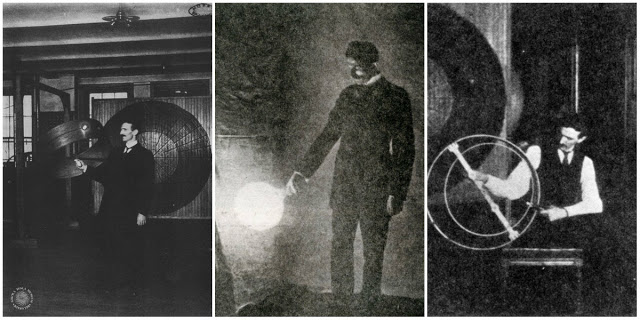
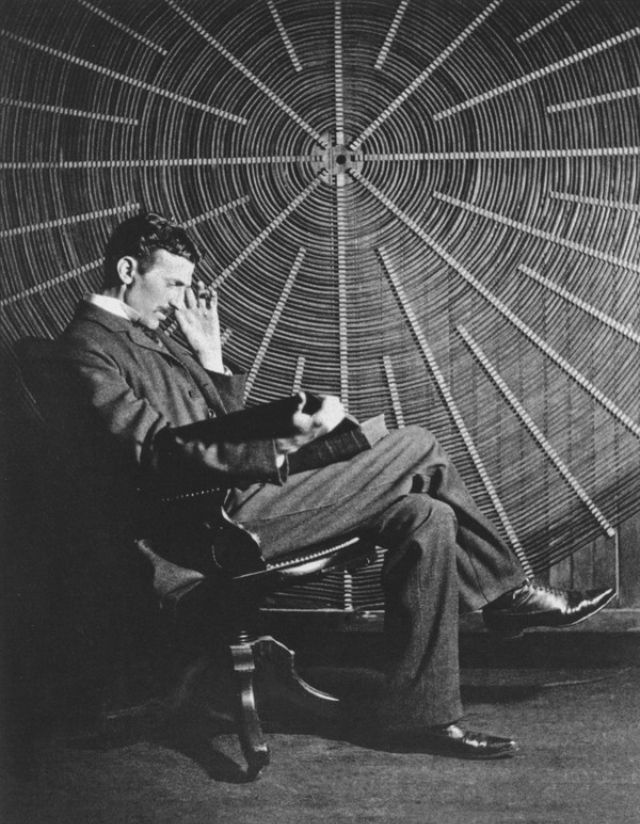
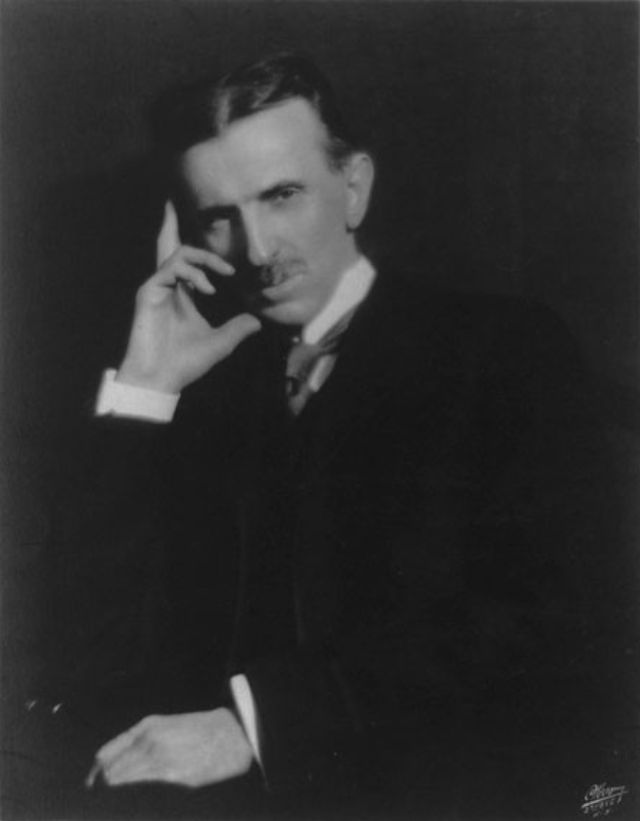
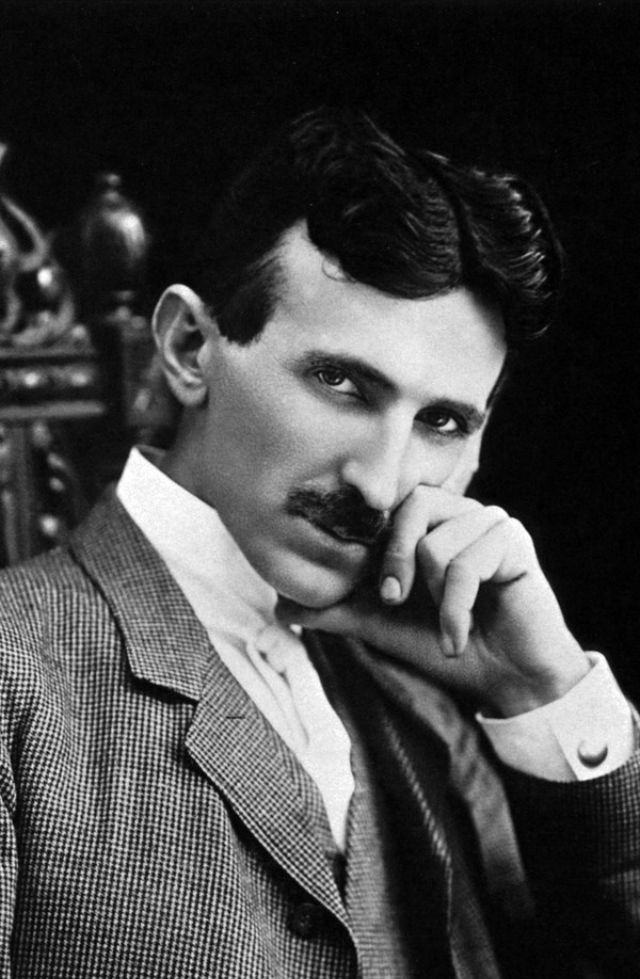
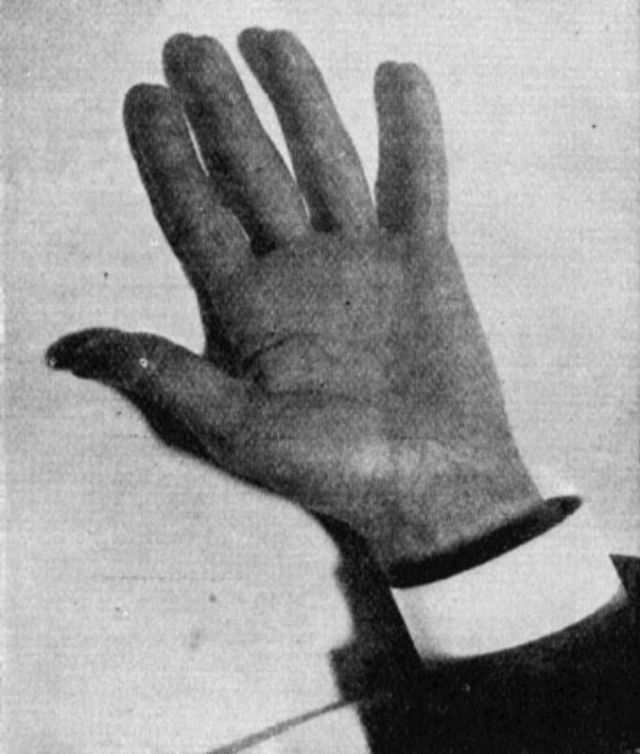
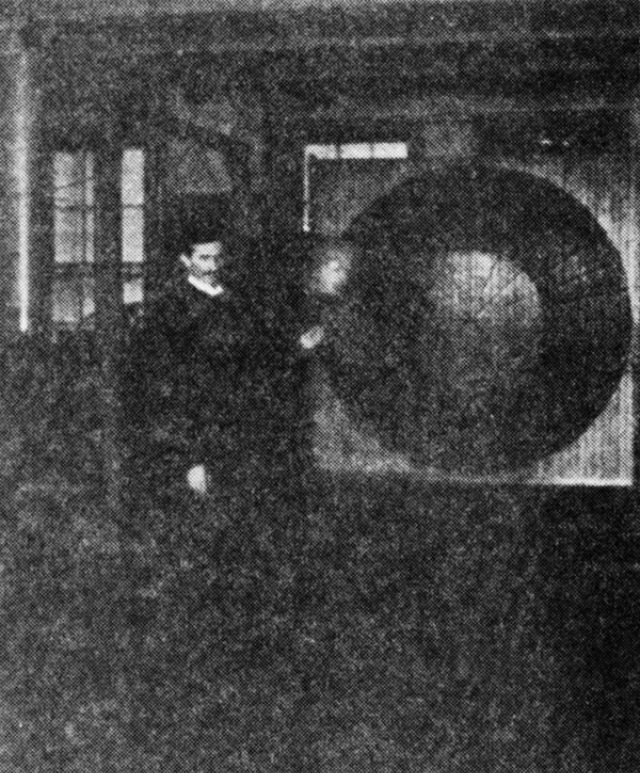
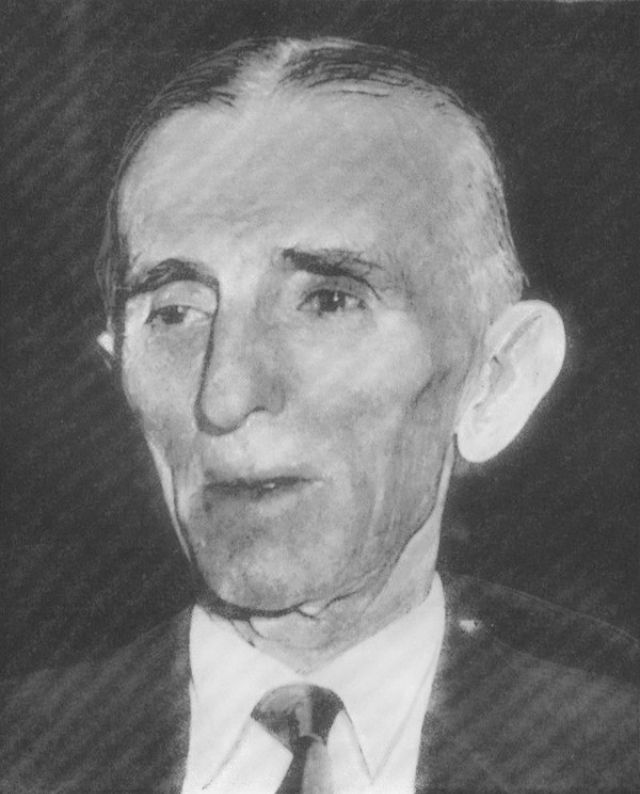
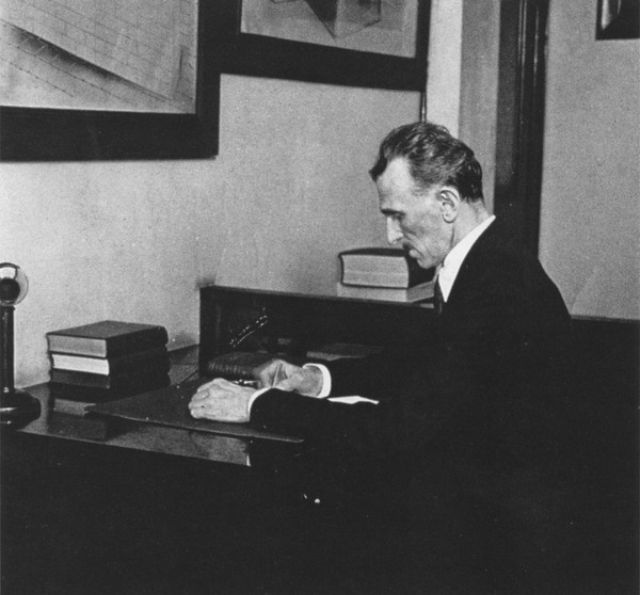
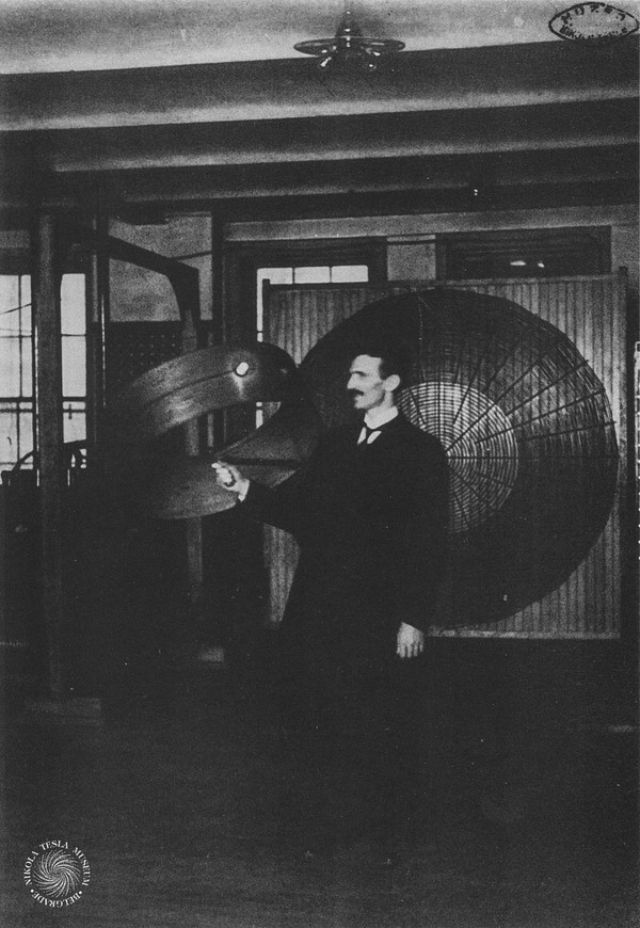
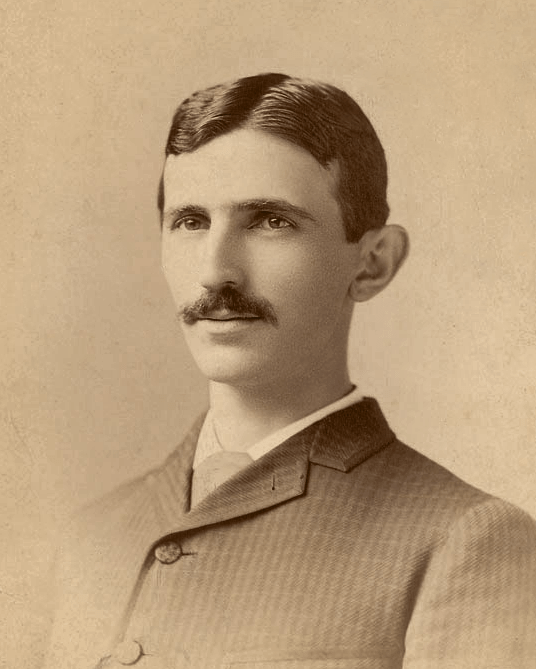
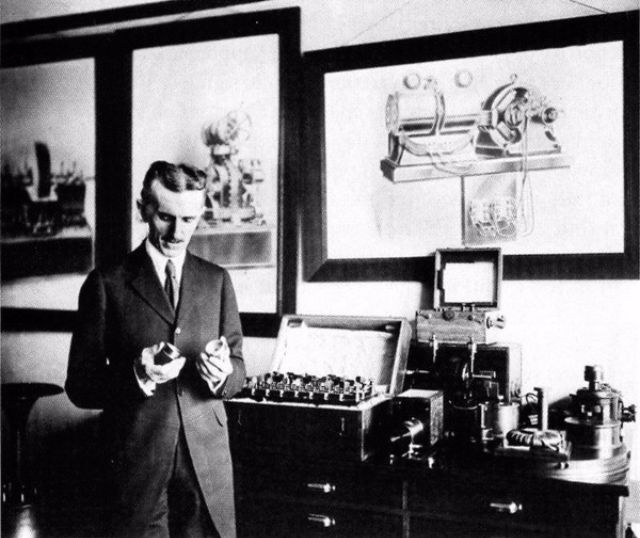
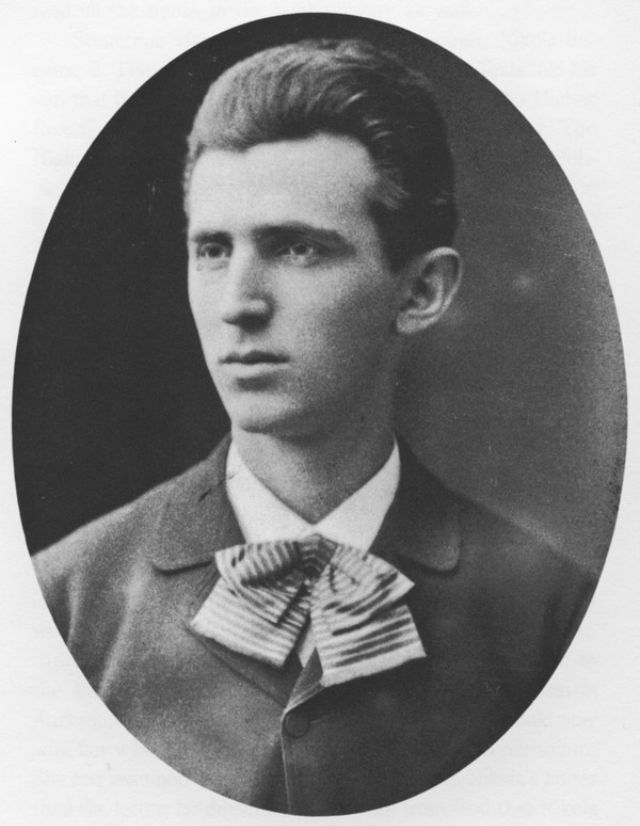
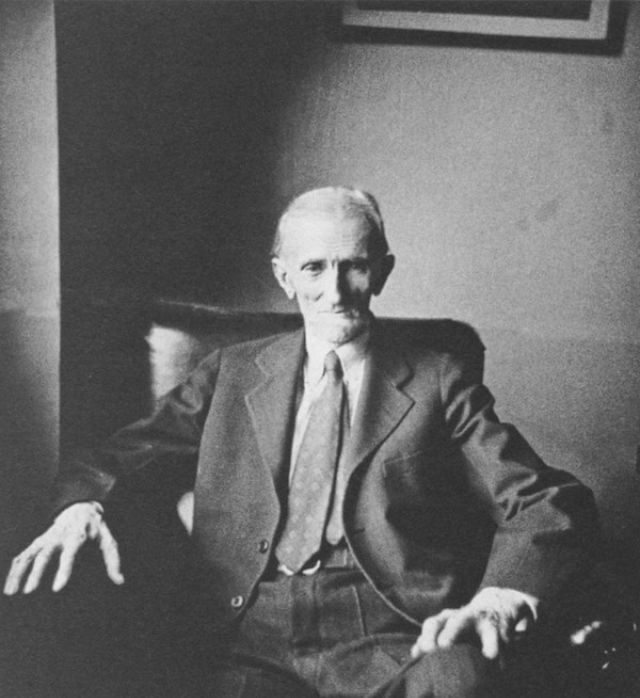
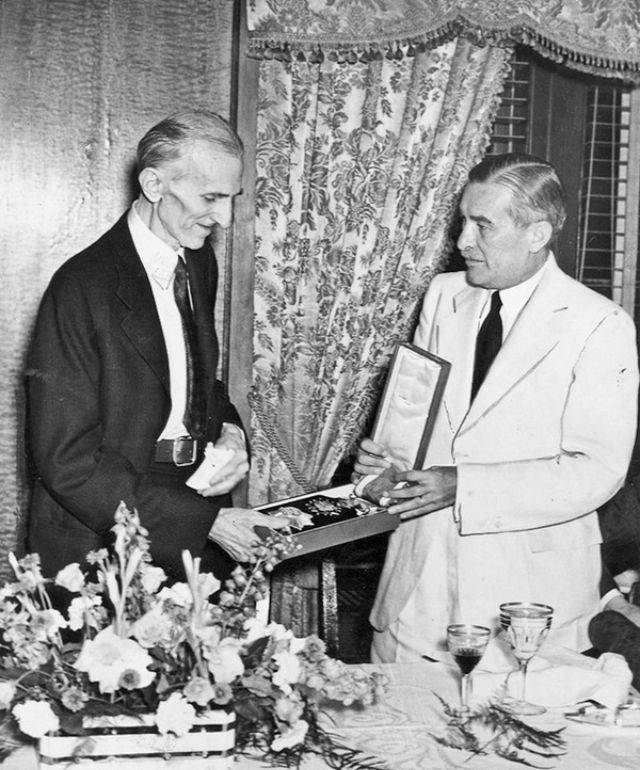
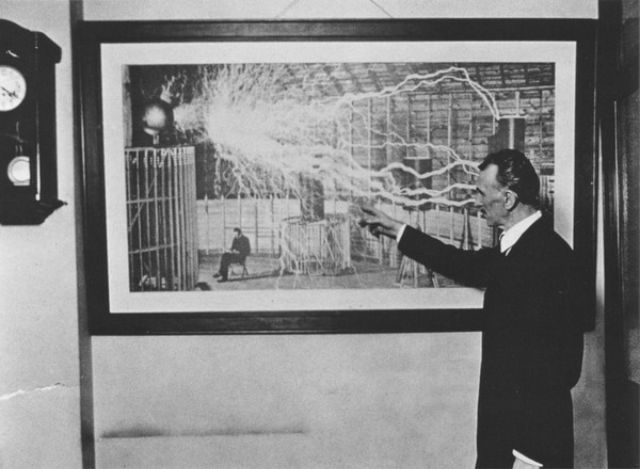
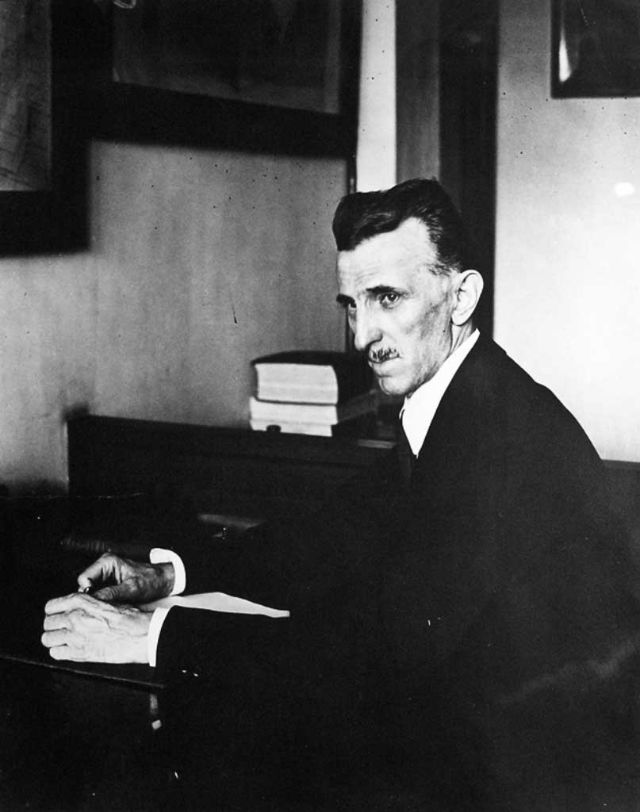
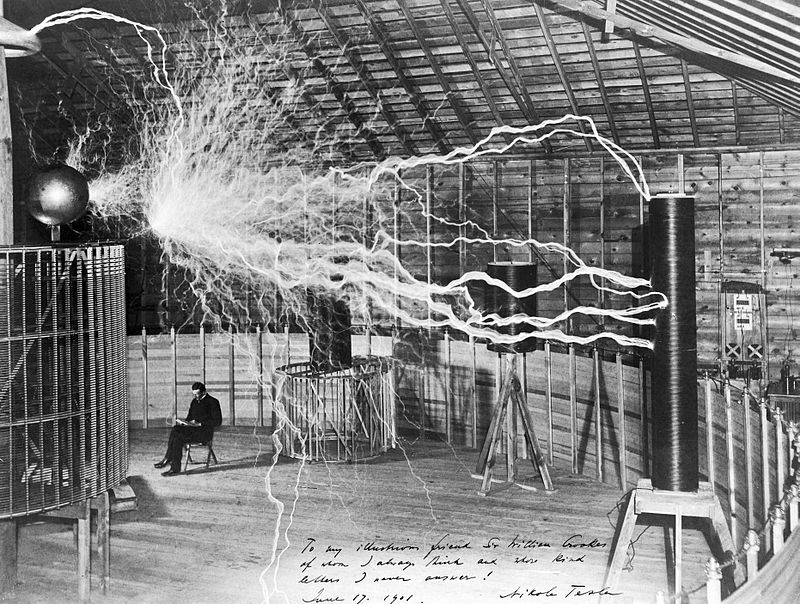
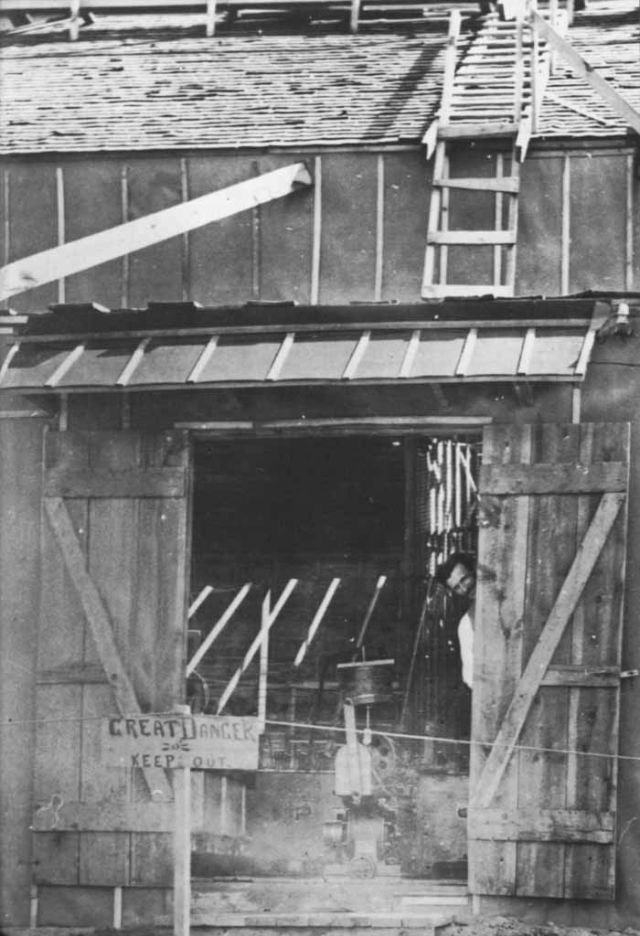
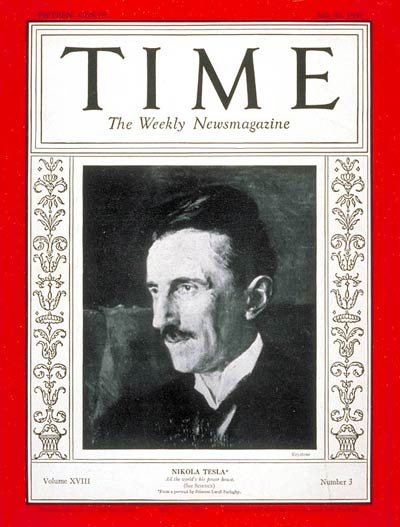
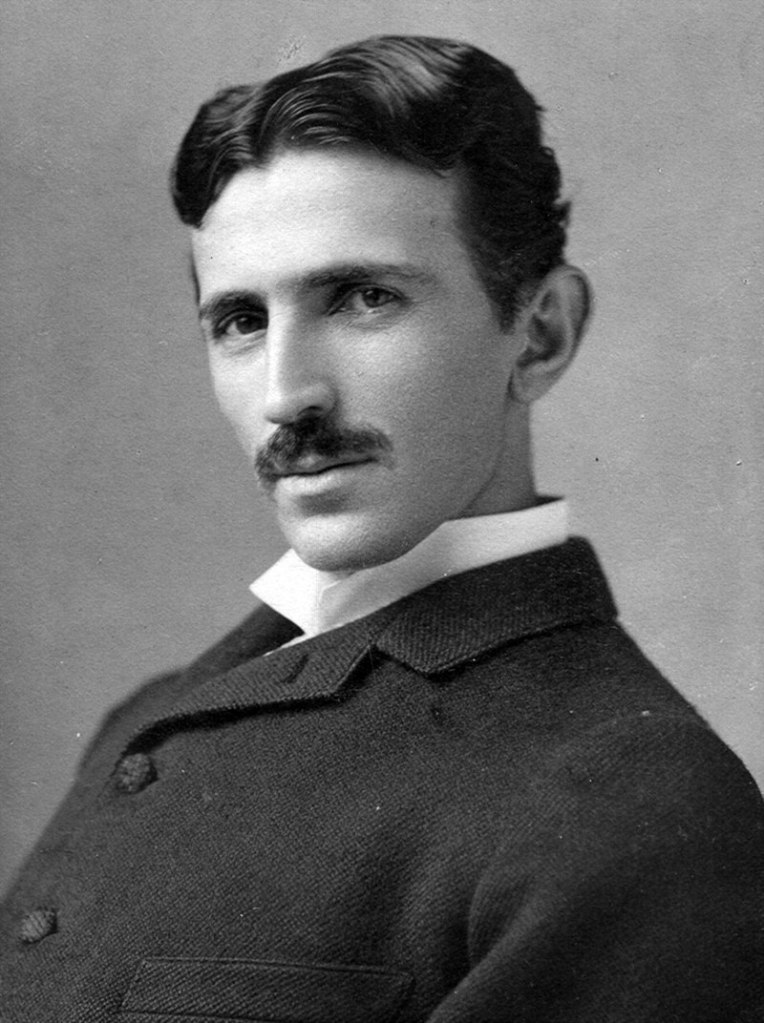
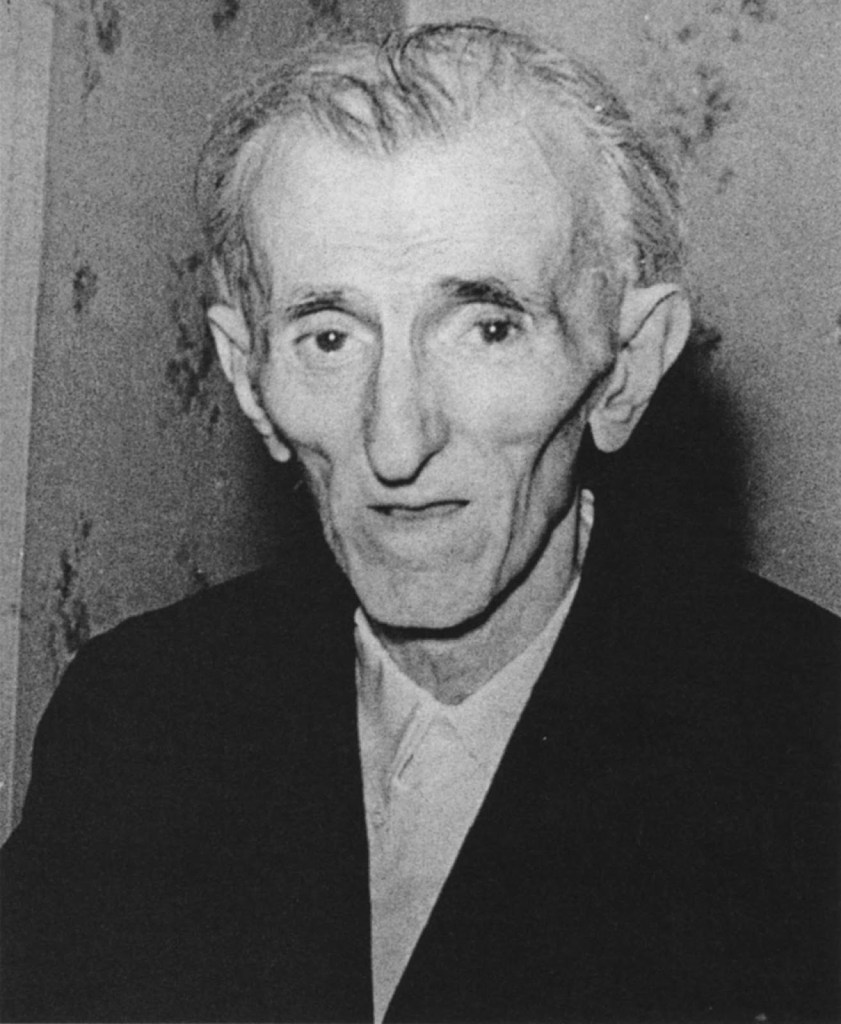
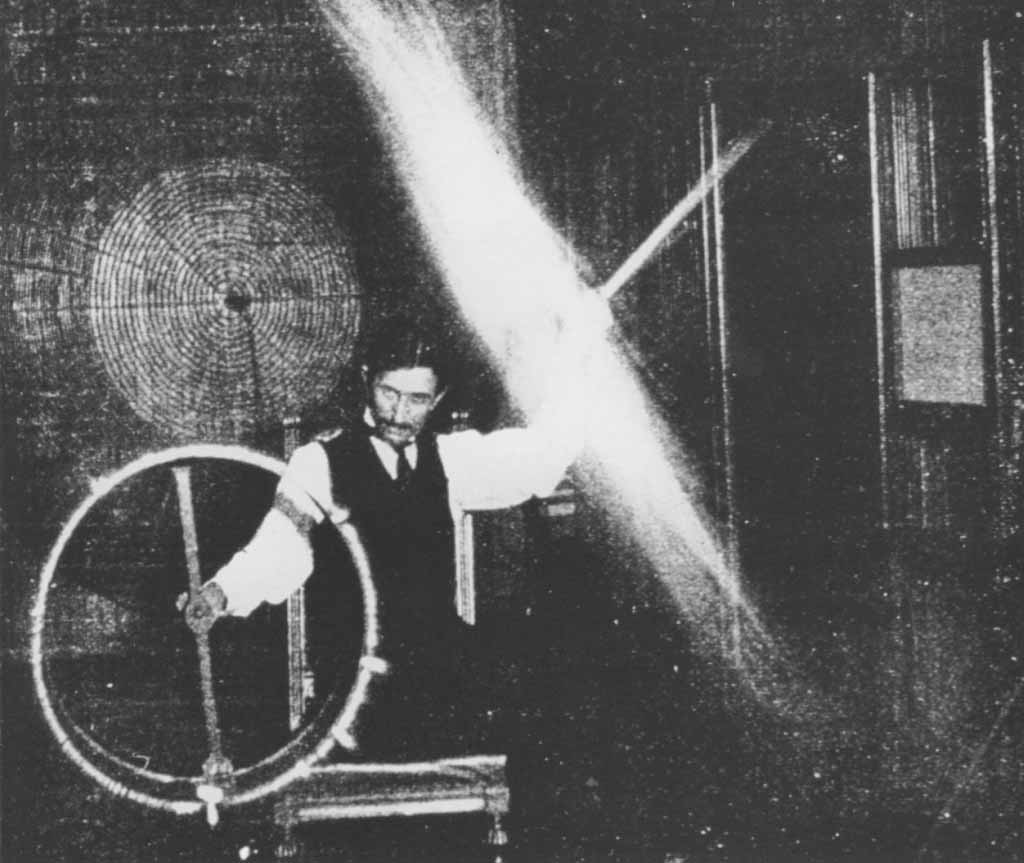
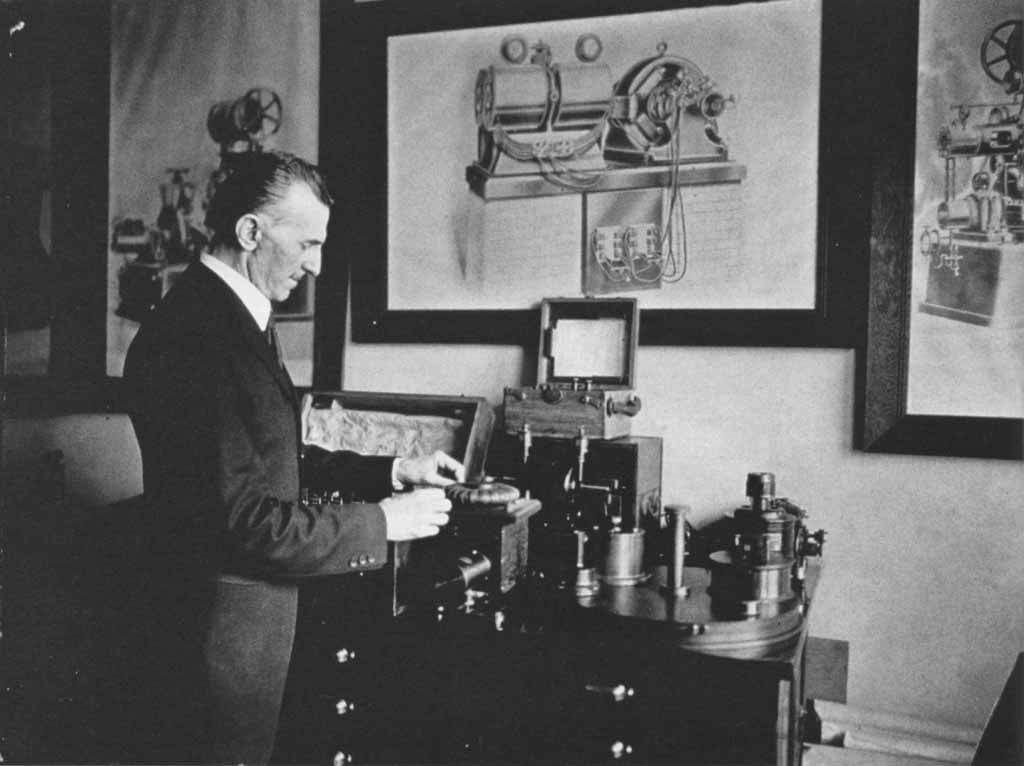
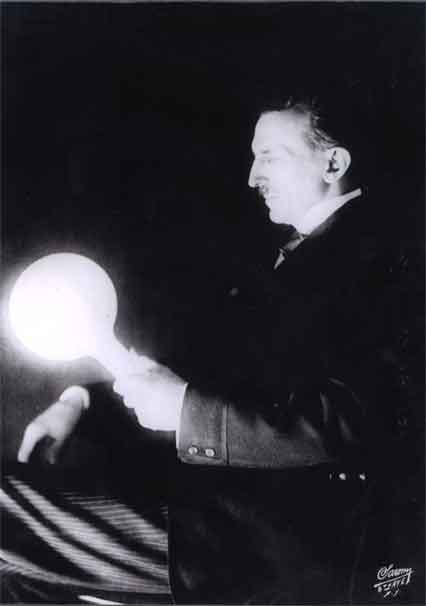
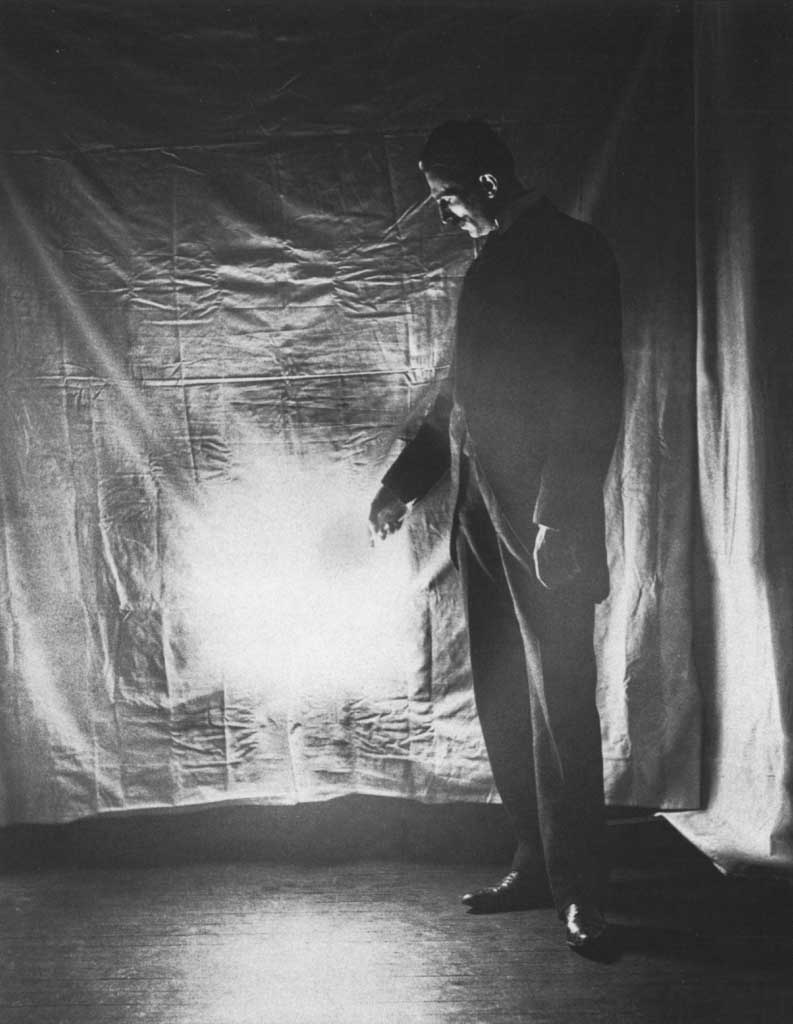
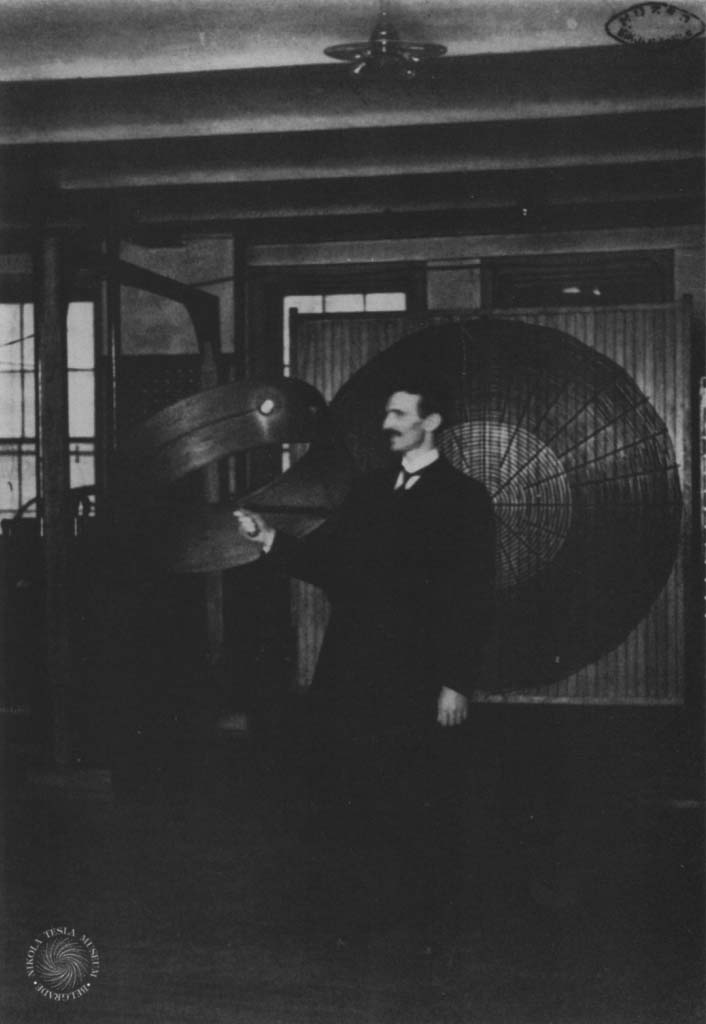
Nikola Tesla (10 July 1856 – 7 January 1943) was a Serbian-American inventor, electrical engineer, mechanical engineer, and futurist best known for his contributions to the design of the modern alternating current (AC) electricity supply system.
Born and raised in the Austrian Empire, Tesla studied engineering and physics in the 1870s without receiving a degree, gaining practical experience in the early 1880s working in telephony and at Continental Edison in the new electric power industry. In 1884 he emigrated to the United States, where he became a naturalized citizen. He worked for a short time at the Edison Machine Works in New York City before he struck out on his own. With the help of partners to finance and market his ideas, Tesla set up laboratories and companies in New York to develop a range of electrical and mechanical devices. His alternating current (AC) induction motor and related polyphase AC patents, licensed by Westinghouse Electric in 1888, earned him a considerable amount of money and became the cornerstone of the polyphase system which that company eventually marketed.
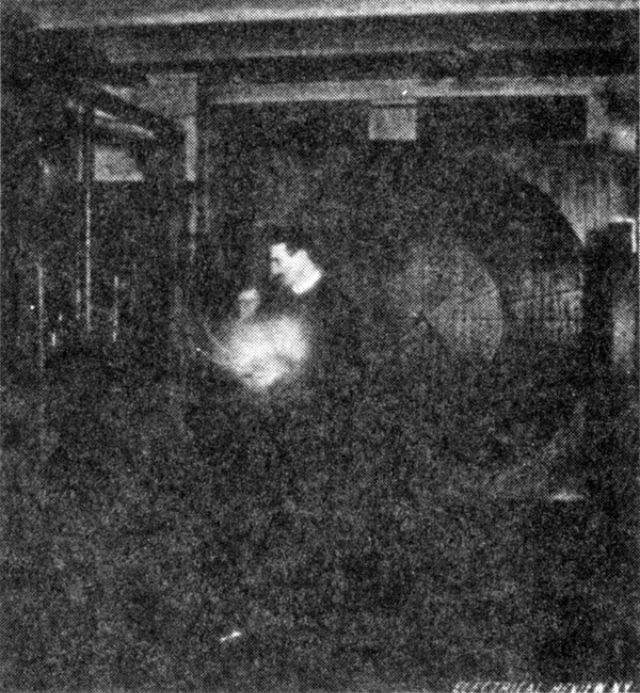
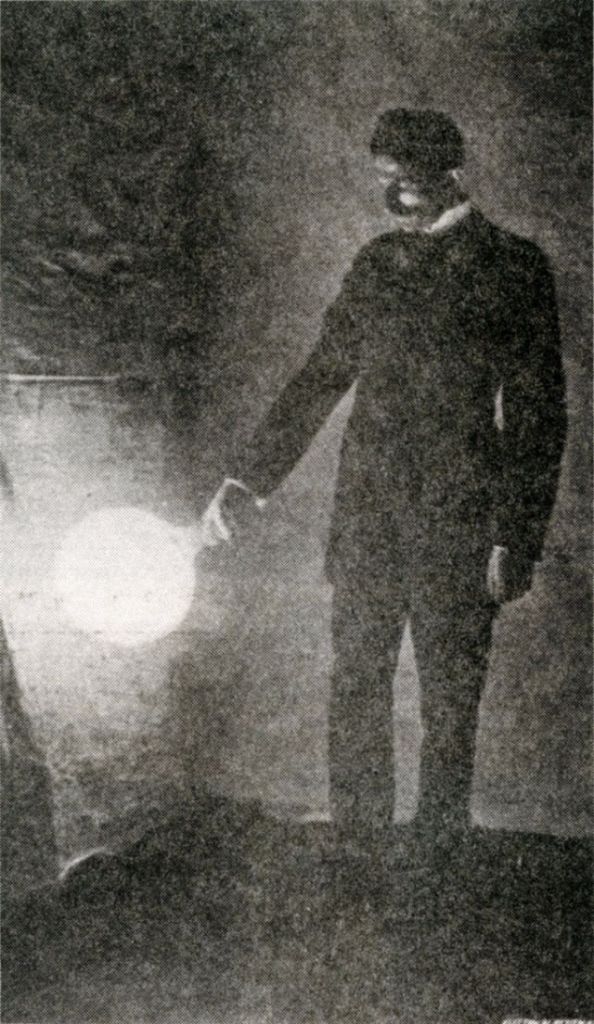
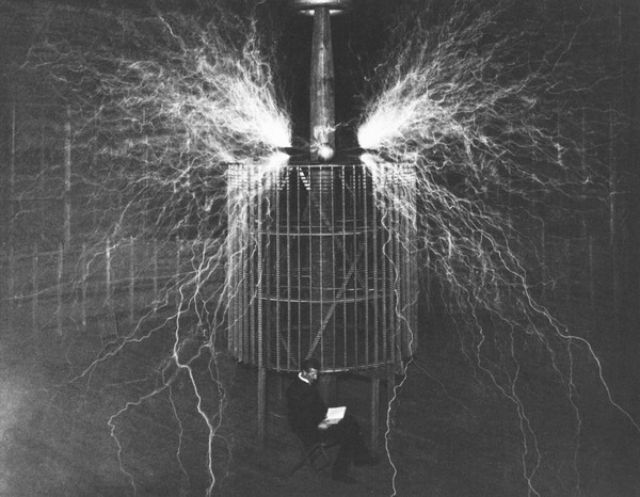
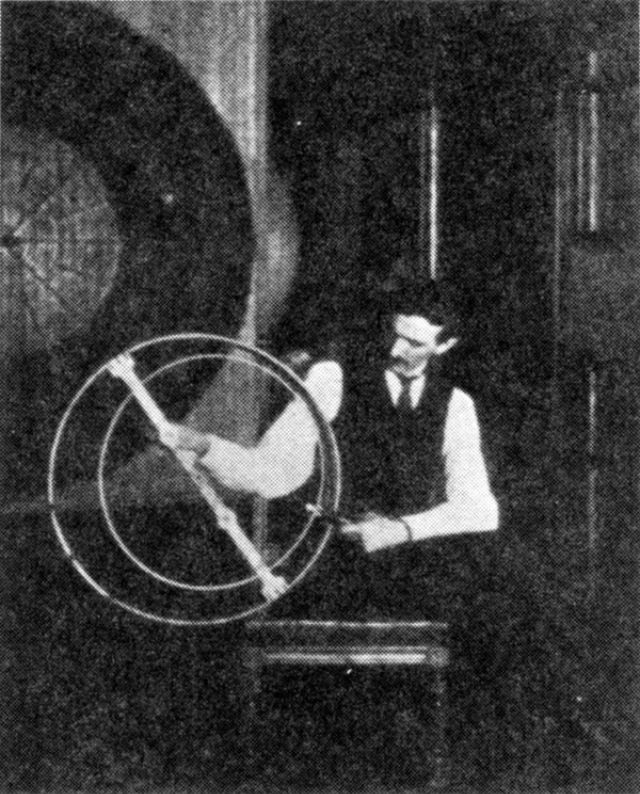
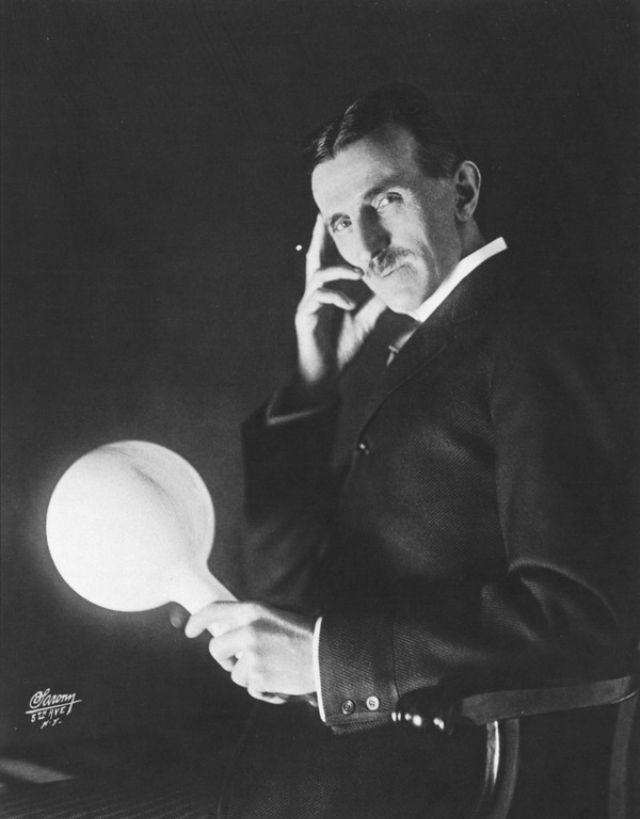
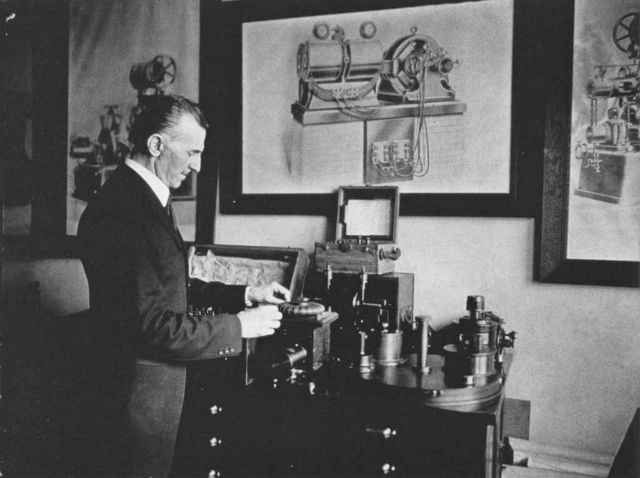
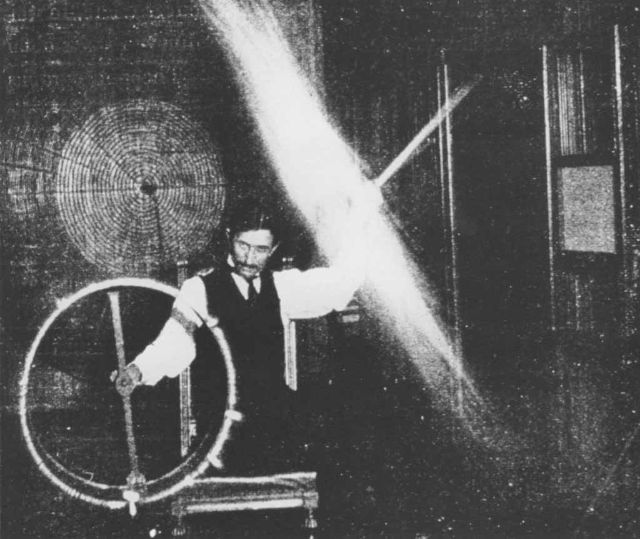
Attempting to develop inventions he could patent and market, Tesla conducted a range of experiments with mechanical oscillators/generators, electrical discharge tubes, and early X-ray imaging. He also built a wireless-controlled boat, one of the first-ever exhibited. Tesla became well known as an inventor and demonstrated his achievements to celebrities and wealthy patrons at his lab, and was noted for his showmanship at public lectures. Throughout the 1890s, Tesla pursued his ideas for wireless lighting and worldwide wireless electric power distribution in his high-voltage, high-frequency power experiments in New York and Colorado Springs. In 1893, he made pronouncements on the possibility of wireless communication with his devices. Tesla tried to put these ideas to practical use in his unfinished Wardenclyffe Tower project, an intercontinental wireless communication and power transmitter, but ran out of funding before he could complete it.
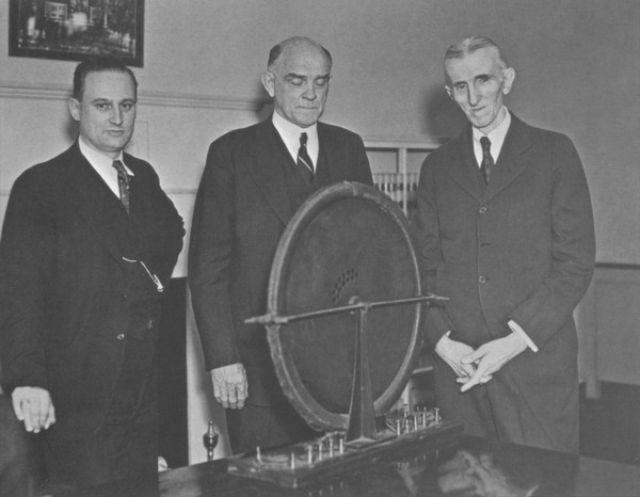
After Wardenclyffe, Tesla experimented with a series of inventions in the 1910s and 1920s with varying degrees of success. Having spent most of his money, Tesla lived in a series of New York hotels, leaving behind unpaid bills. He died in New York City in January 1943. Tesla’s work fell into relative obscurity following his death, until 1960, when the General Conference on Weights and Measures named the SI unit of magnetic flux density the tesla in his honor. There has been a resurgence in popular interest in Tesla since the 1990s.

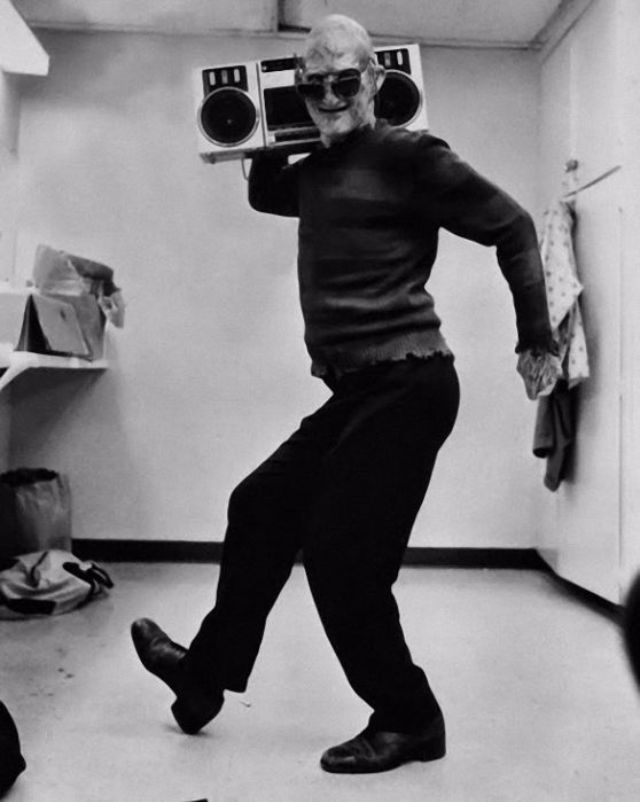
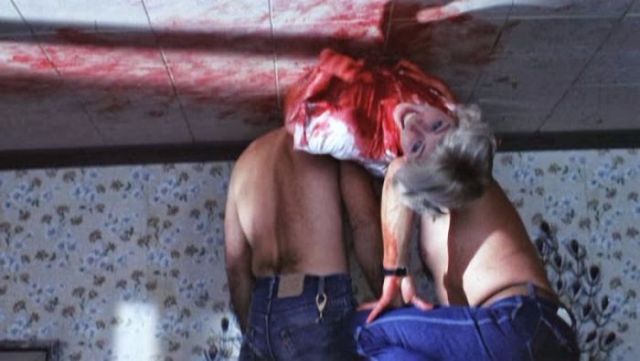
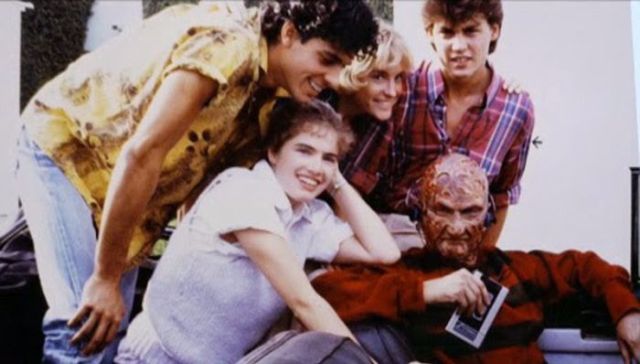
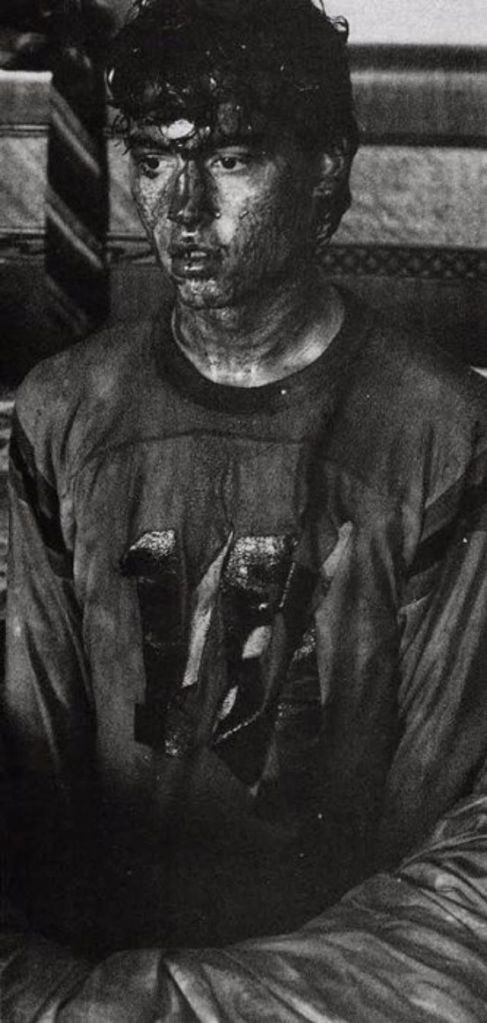
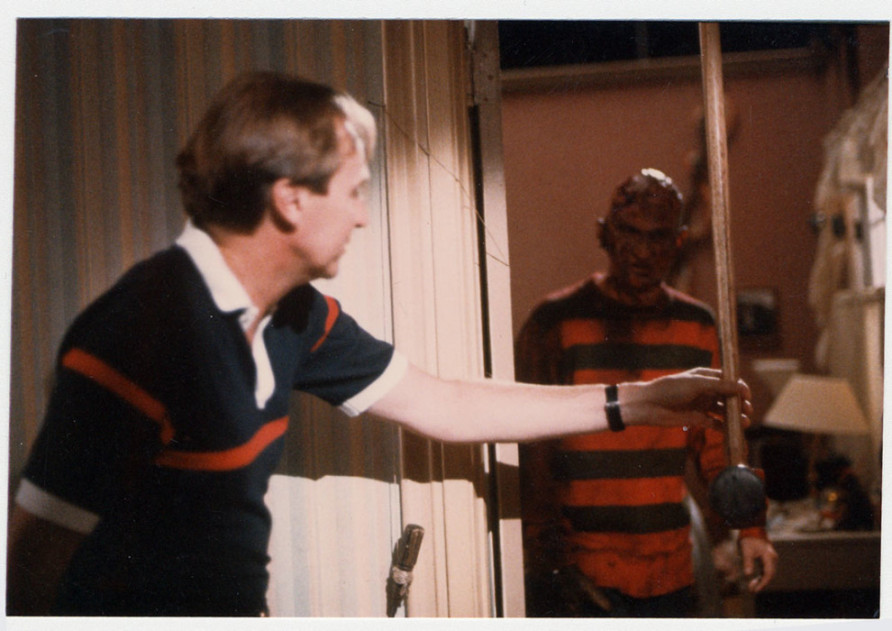
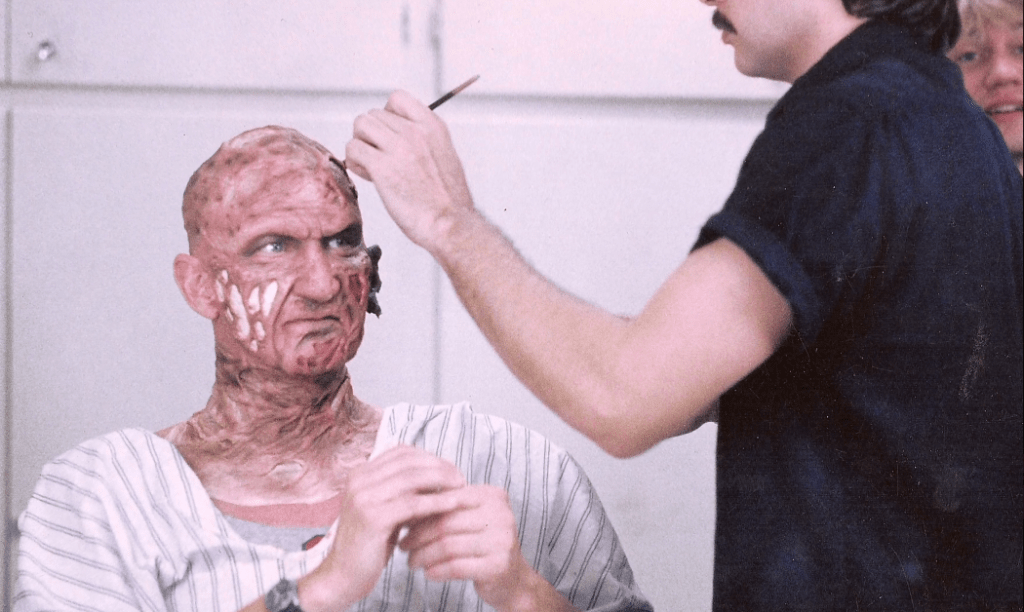
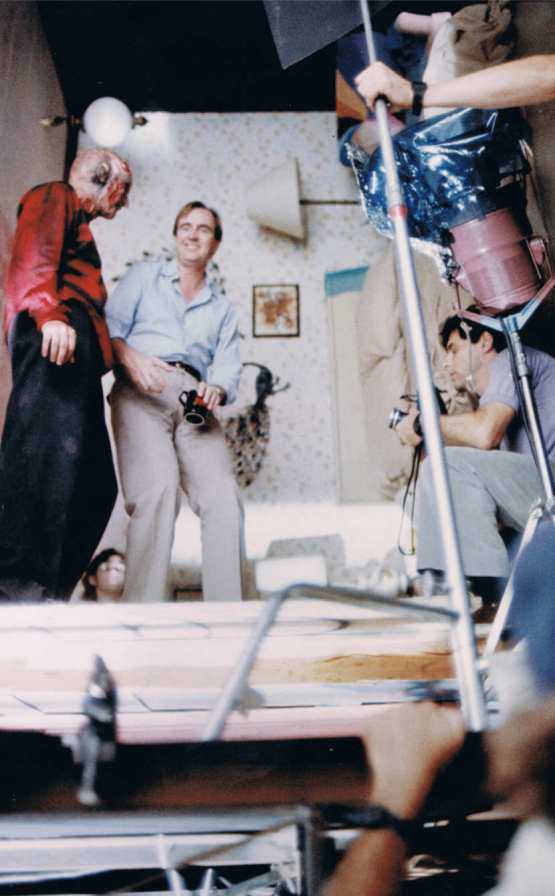
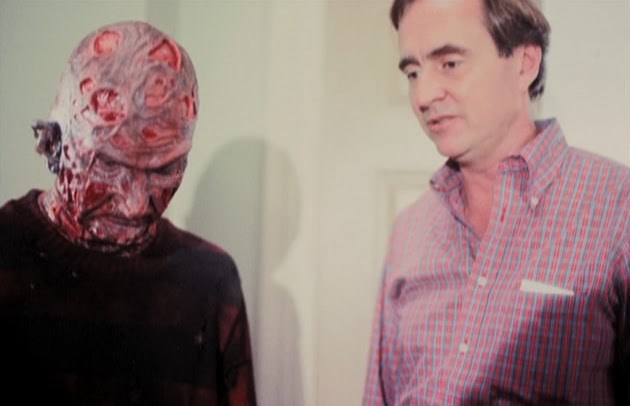
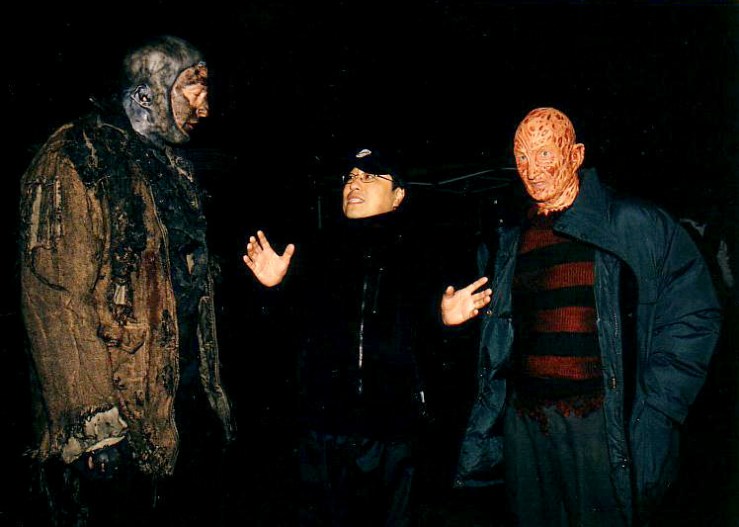
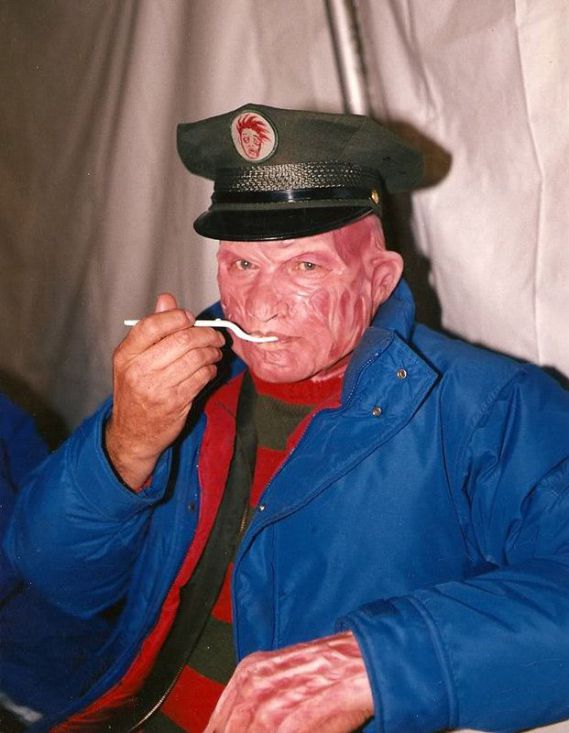
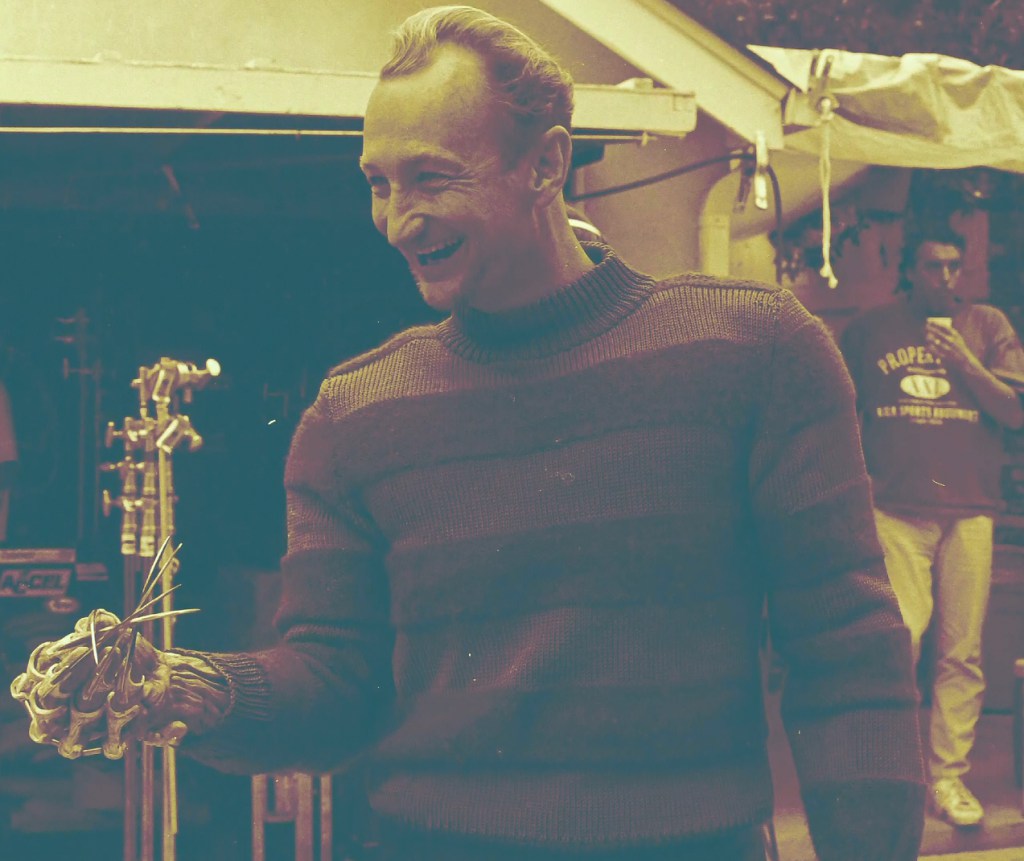
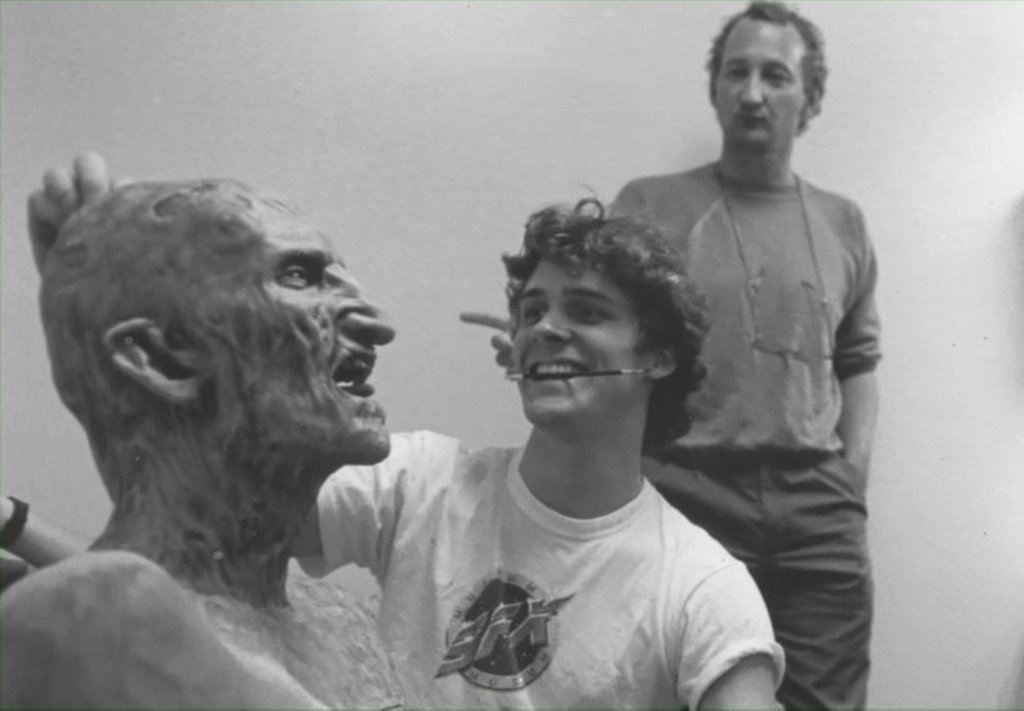
A Nightmare on Elm Street is a 1984 American slasher film written and directed by Wes Craven. The film stars Heather Langenkamp, John Saxon, Ronee Blakley, Amanda Wyss, Jsu Garcia, Robert Englund, and Johnny Depp in his feature film debut. Set in the fictional Midwestern town of Springwood, Ohio, the plot revolves around several teenagers who are stalked and killed in their dreams (and thus killed in reality) by Freddy Krueger. The teenagers are unaware of the cause of this strange phenomenon, but their parents hold a dark secret from long ago.
The film is credited with carrying on many tropes found in low-budget horror films of the 1970s and 1980s, originating in John Carpenter’s 1978 horror film Halloween, including the morality play that revolves around sexual promiscuity in teenagers resulting in their eventual death, leading to the term “slasher film”.
A Nightmare on Elm Street contains many biographical elements, taking inspiration from director Wes Craven’s childhood. The basis of the film was inspired by several newspaper articles printed in the LA Times in the 1970s on a group of Khmer refugees, who, after fleeing to the United States from the results of American bombing in Cambodia, were suffering disturbing nightmares, after which they refused to sleep.






































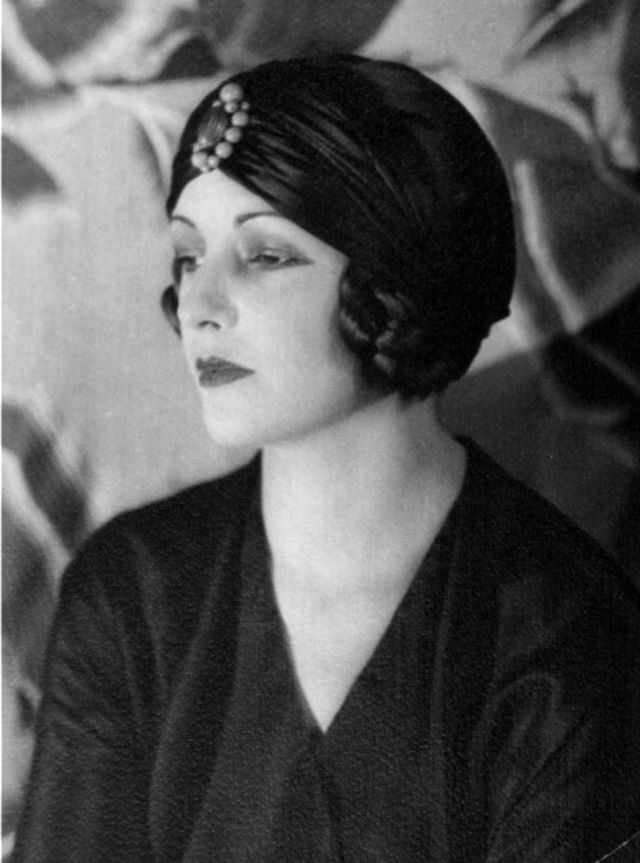
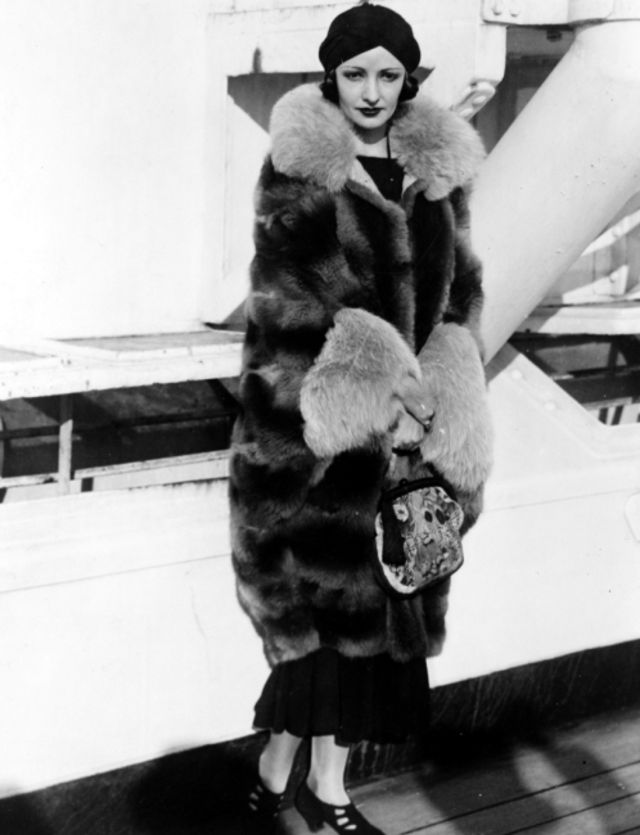
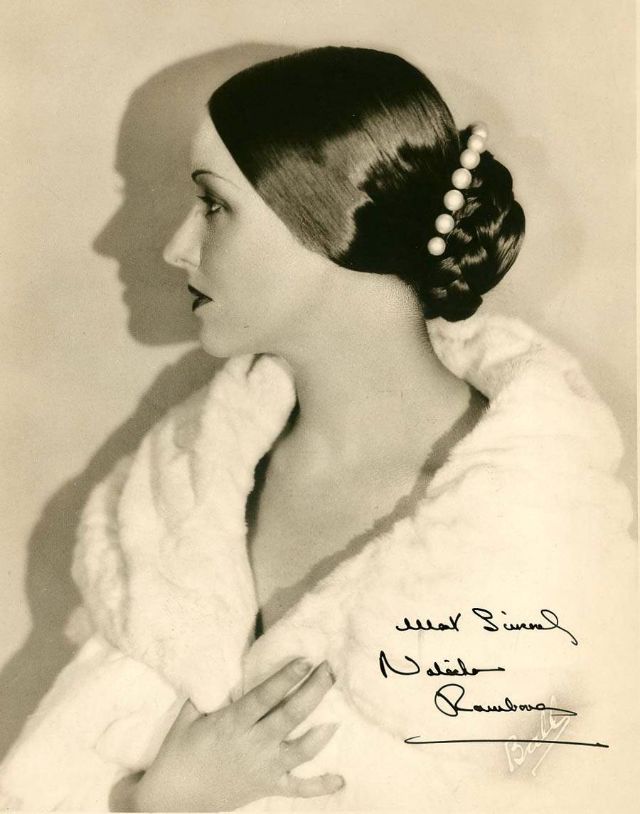
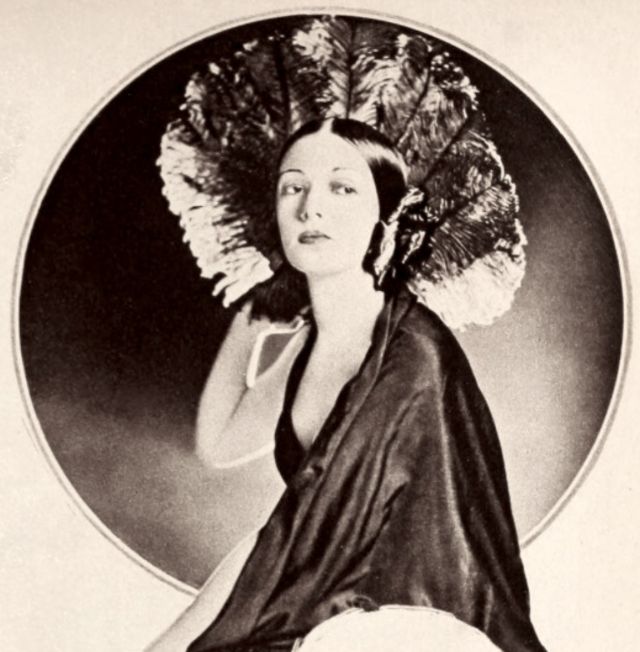
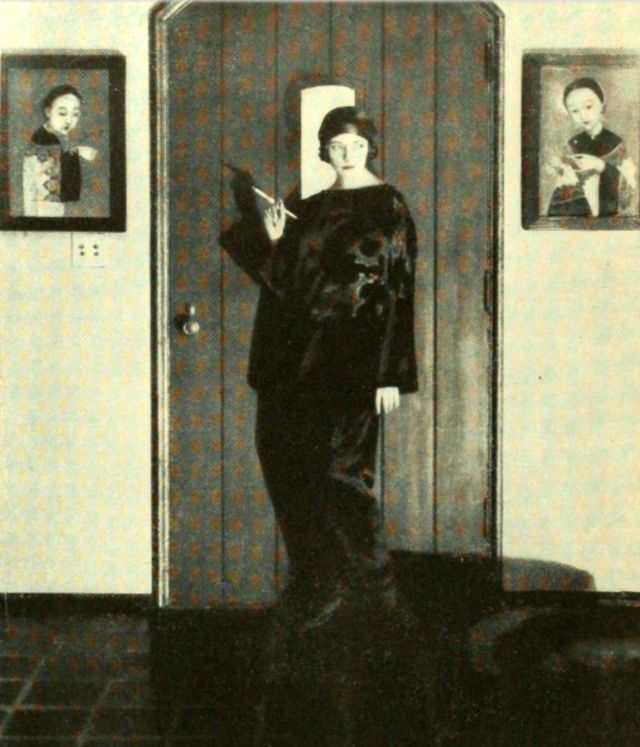
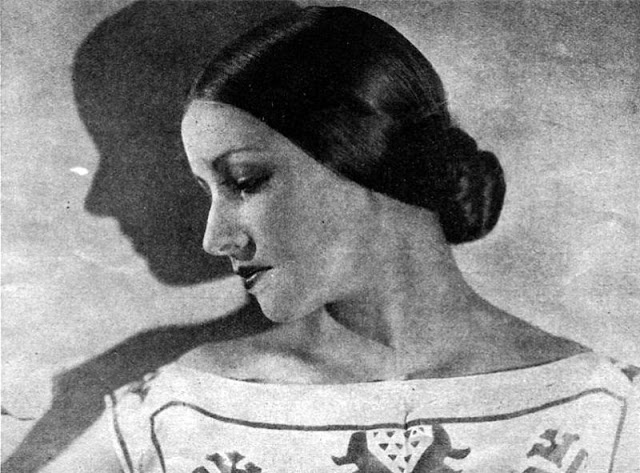
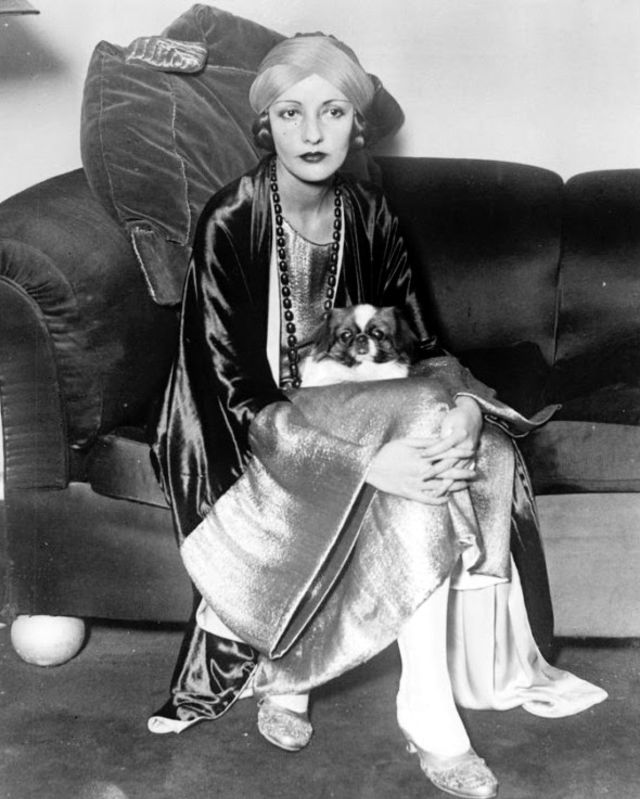
Natacha Rambova (born Winifred Kimball Shaughnessy; January 19, 1897 – June 5, 1966) was an American film costume designer, set designer, and occasional actress who was active in Hollywood in the 1920s. In her later life, she abandoned design to pursue other interests, specifically Egyptology, a subject on which she became a published scholar in the 1950s.
Rambova was born into a prominent family in Salt Lake City who were members of The Church of Jesus Christ of Latter-day Saints. She was raised in San Francisco and educated in England before beginning her career as a dancer, performing under Russian ballet choreographer Theodore Kosloff in New York City. She relocated to Los Angeles at age 19, where she became an established costume designer for Hollywood film productions. It was there she became acquainted with actor Rudolph Valentino, with whom she had a two-year marriage from 1923 to 1925. Rambova’s association with Valentino afforded her a widespread celebrity typically afforded to actors. Although they shared many interests such as art, poetry and spiritualism, his colleagues felt that she exercised too much control over his work and blamed her for several expensive career flops.
After divorcing Valentino in 1925, Rambova operated her own clothing store in Manhattan before moving to Europe and marrying the aristocrat Álvaro de Urzáiz in 1932. It was during this time that she visited Egypt and developed a fascination with the country that remained for the rest of her life. Rambova spent her later years studying Egyptology and earned two Mellon Grants to travel there and study Egyptian symbols and belief systems. She served as the editor of the first three volumes of Egyptian Religious Texts and Representations (1954–7) by Alexandre Piankoff, also contributing a chapter on symbology in the third volume. She died in 1966 in California of a heart attack while working on a manuscript examining patterns within the texts in the Pyramid of Unas.
Rambova has been noted by fashion and art historians for her unique costume designs that drew on and synthesized a variety of influences, as well as her dedication to historical accuracy in crafting them. Academics have also cited her interpretive contributions to the field of Egyptology as significant. In popular culture, Rambova has been depicted in several films and television series, figuring significantly in the Valentino biopics The Legend of Valentino (1975), in which she was portrayed by Yvette Mimieux, and Ken Russell’s Valentino (1977) by Michelle Phillips. She was also featured in a fictionalized narrative in the network series American Horror Story: Hotel (2015), portrayed by Alexandra Daddario.

















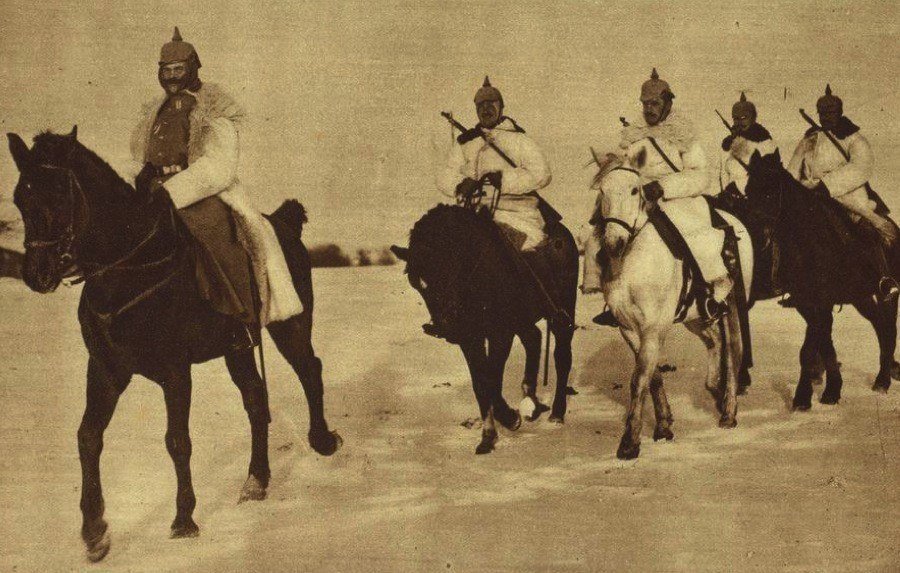
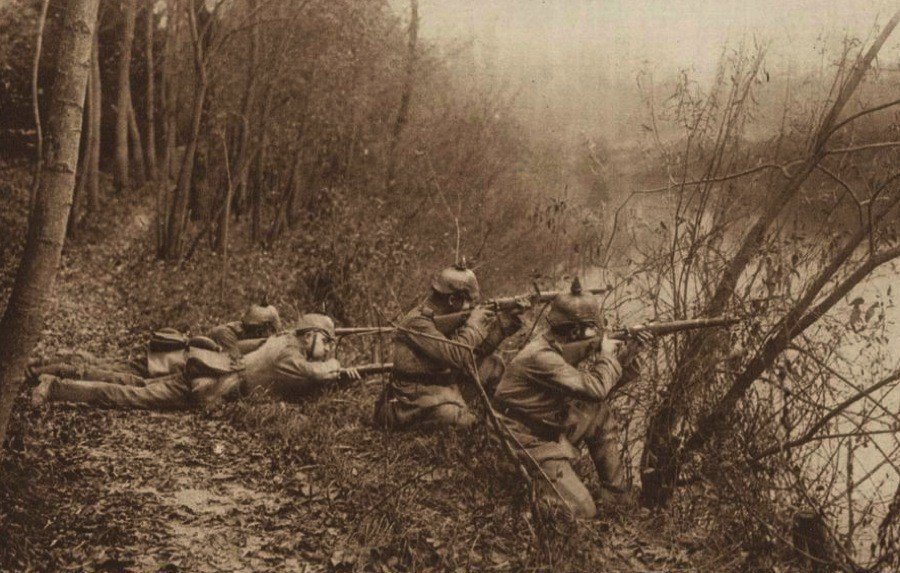
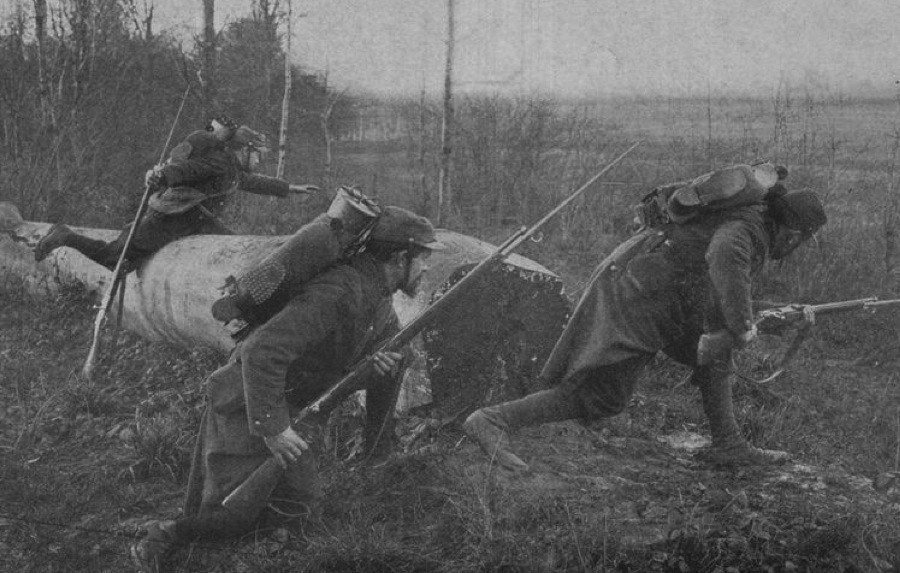
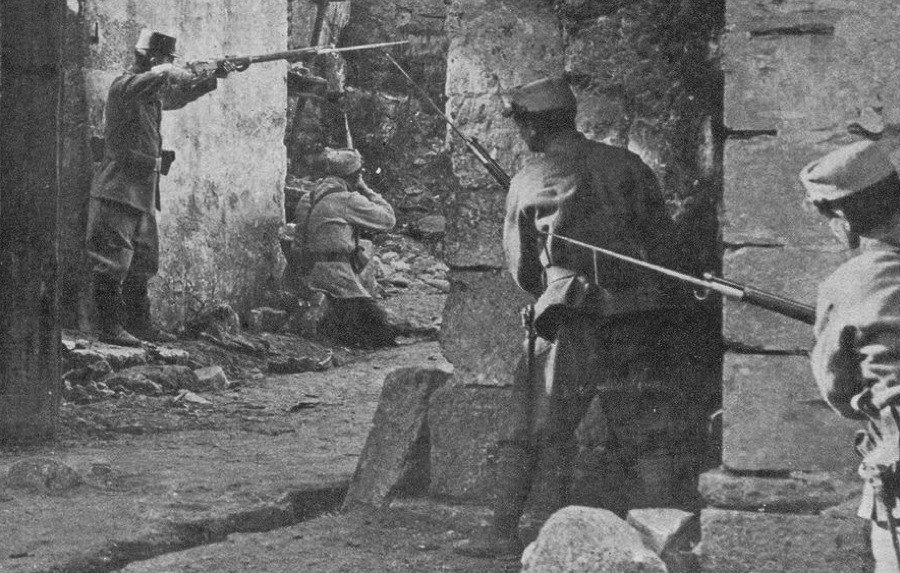
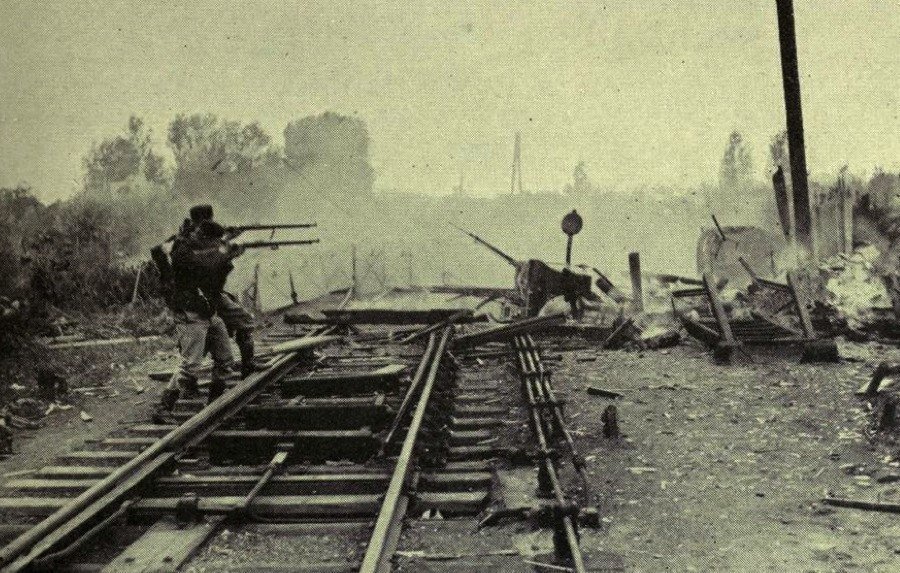
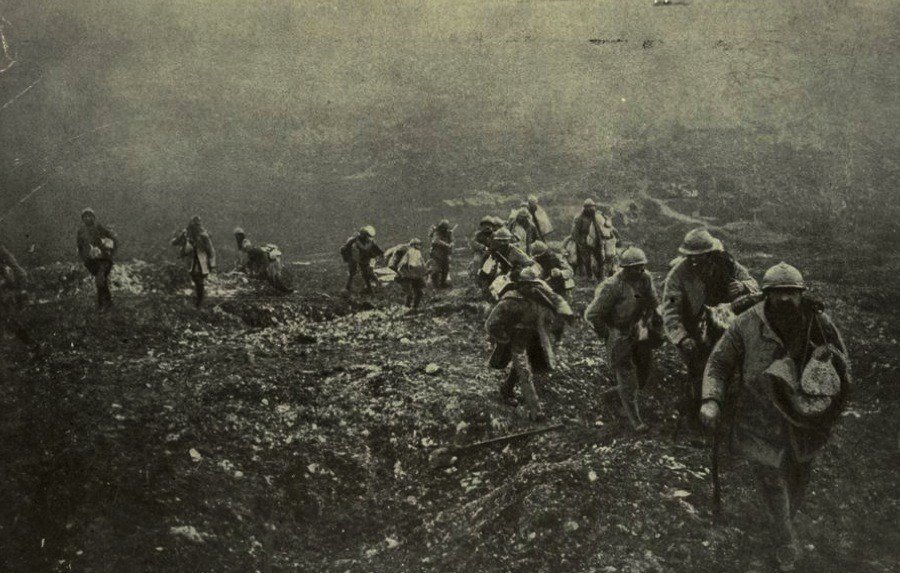
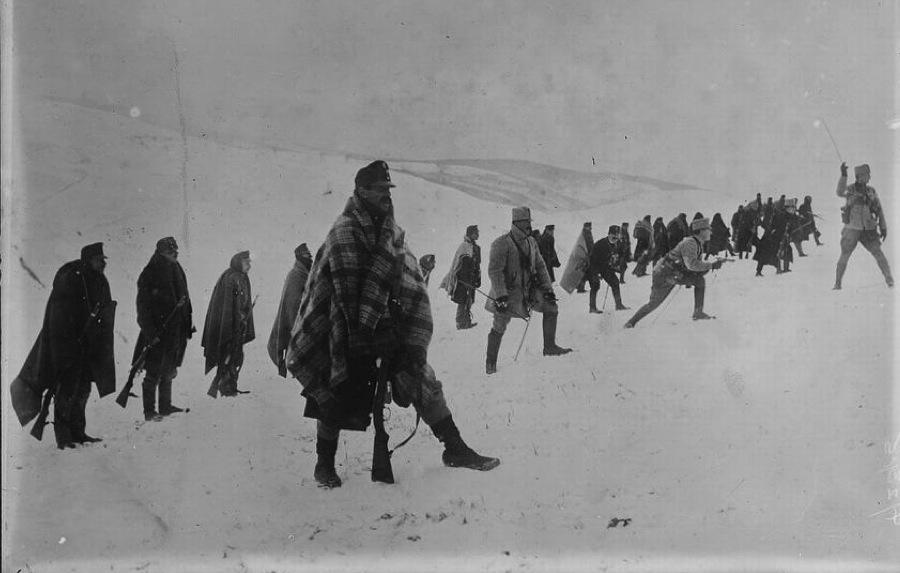
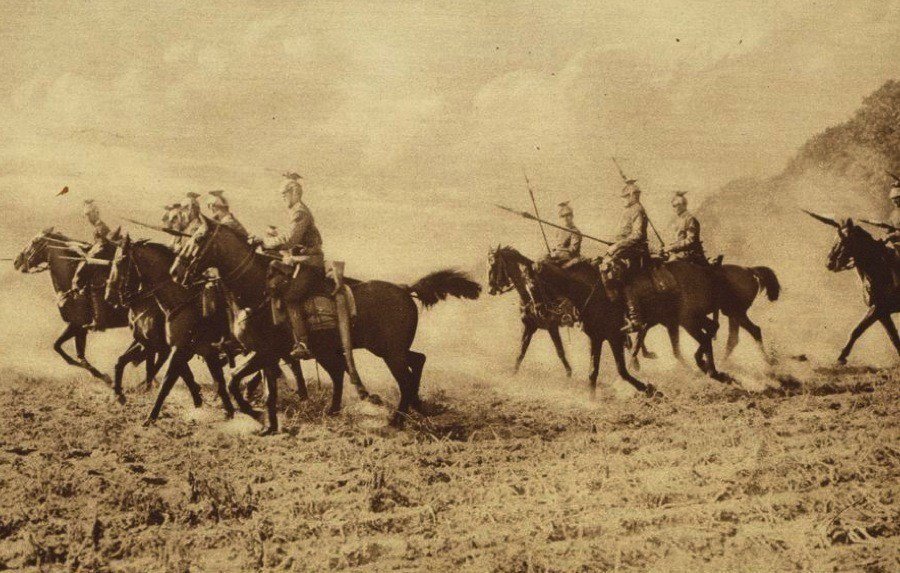
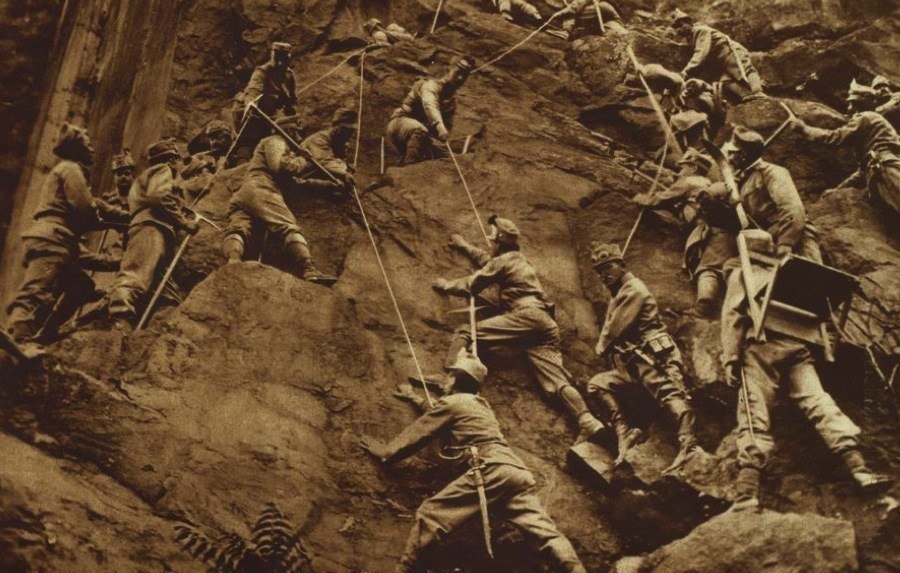
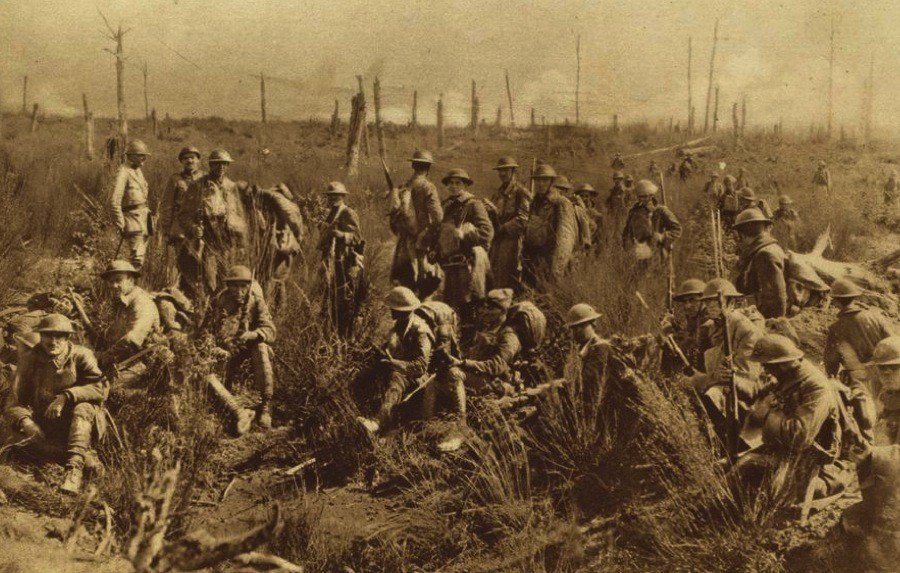
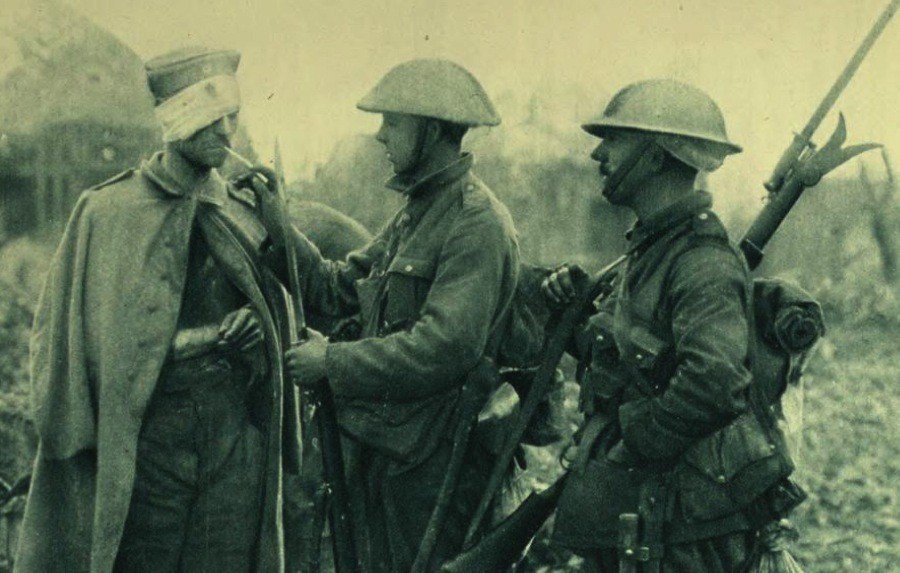
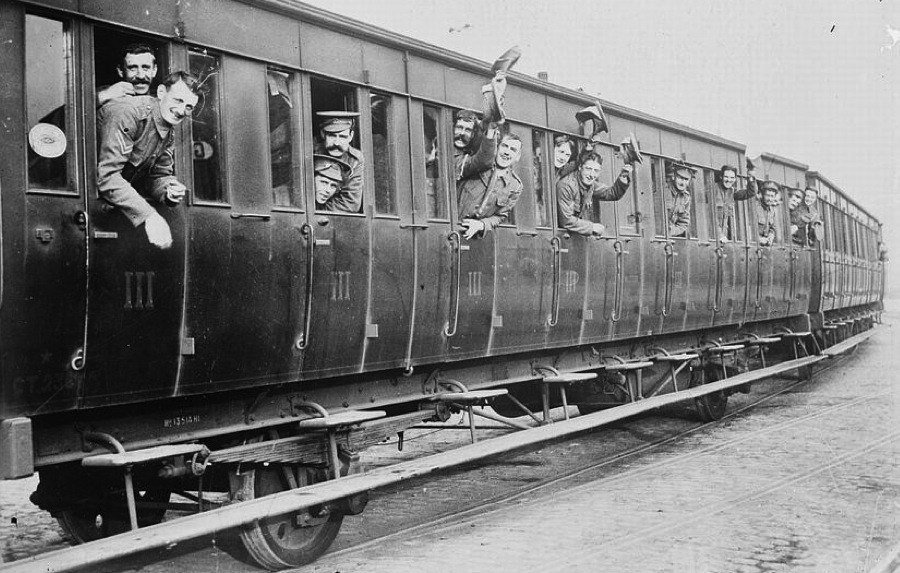
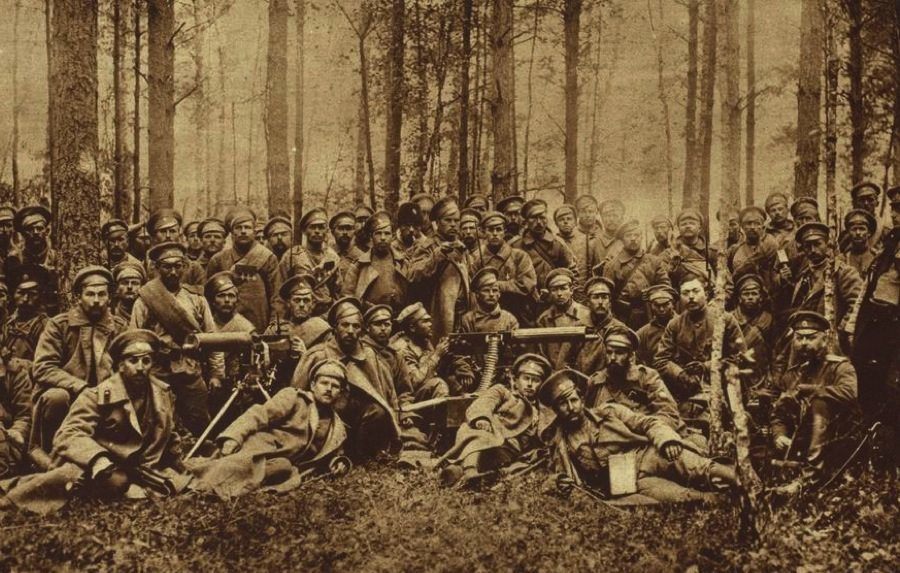
World War I or the First World War, often abbreviated as WWI or WW1, was a global war originating in Europe that lasted from 28 July 1914 to 11 November 1918. Contemporaneously known as the Great War, the World War, and “the war to end all wars”, it led to the mobilisation of more than 70 million military personnel, including 60 million Europeans, making it one of the largest wars in history, and also one of the deadliest conflicts in history, with an estimated 8.5 million combatant deaths and 13 million civilian deaths as a direct result of the war. Resulting genocides and the related 1918 Spanish flu pandemic caused another 17–100 million deaths worldwide, including an estimated 2.64 million Spanish flu deaths in Europe and as many as 675,000 in the United States.
On 28 June 1914, Gavrilo Princip, a Bosnian Serb Yugoslav nationalist and member of the Serbian Black Hand military society, assassinated the Austro-Hungarian heir Archduke Franz Ferdinand in Sarajevo, leading to the July Crisis. In response, Austria-Hungary issued an ultimatum to Serbia on 23 July. Serbia’s reply failed to satisfy the Austrians, and the two moved to a war footing. A network of interlocking alliances enlarged the crisis from a bilateral issue in the Balkans to one involving most of Europe. By July 1914, the great powers of Europe were divided into two coalitions: the Triple Entente, consisting of France, Russia, and Britain; and the preestablished Triple Alliance of Germany, Austria-Hungary, and Italy. The Triple Alliance was only defensive in nature, allowing Italy to stay out of the war until 26 April 1915, when it joined the Allied Powers after its relations with Austria-Hungary deteriorated. Russia felt it necessary to back Serbia, and approved partial mobilisation after Austria-Hungary shelled the Serbian capital of Belgrade, which was a few kilometres from the border, on 28 July 1914. Full Russian mobilisation was announced on the evening of 30 July; the following day, Austria-Hungary and Germany did the same, while Germany demanded Russia demobilise within twelve hours. When Russia failed to comply, Germany declared war on Russia on 1 August 1914 in support of Austria-Hungary, the latter following suit on 6 August 1914. France ordered full mobilisation in support of Russia on 2 August 1914. In the end, World War I would see the continent of Europe split into two major opposing alliances; the Allied Powers, primarily composed of the United Kingdom of Great Britain and Ireland, the United States, France, the Russian Empire, Italy, Japan, Portugal, Greece, Serbia and Montenegro; and the Central Powers, primarily composed of the German Empire, the Austro-Hungarian Empire, the Ottoman Empire and Bulgaria.
Germany’s strategy for a war on two fronts against France and Russia was to rapidly concentrate the bulk of its army in the West to defeat France within 6 weeks, then shift forces to the East before Russia could fully mobilise; this was later known as the Schlieffen Plan. On 2 August, Germany demanded free passage through Belgium, an essential element in achieving a quick victory over France. When this was refused, German forces invaded Belgium on 3 August and declared war on France the same day; the Belgian government invoked the 1839 Treaty of London and, in compliance with its obligations under this treaty, Britain declared war on Germany on 4 August. On 12 August, Britain and France also declared war on Austria-Hungary; on 23 August, Japan sided with Britain, seizing German possessions in China and the Pacific. In November 1914, the Ottoman Empire entered the war on the side of Austria-Hungary and Germany, opening fronts in the Caucasus, Mesopotamia, and the Sinai Peninsula. The war was fought in (and drew upon) each power’s colonial empire also, spreading the conflict to Africa and across the globe.
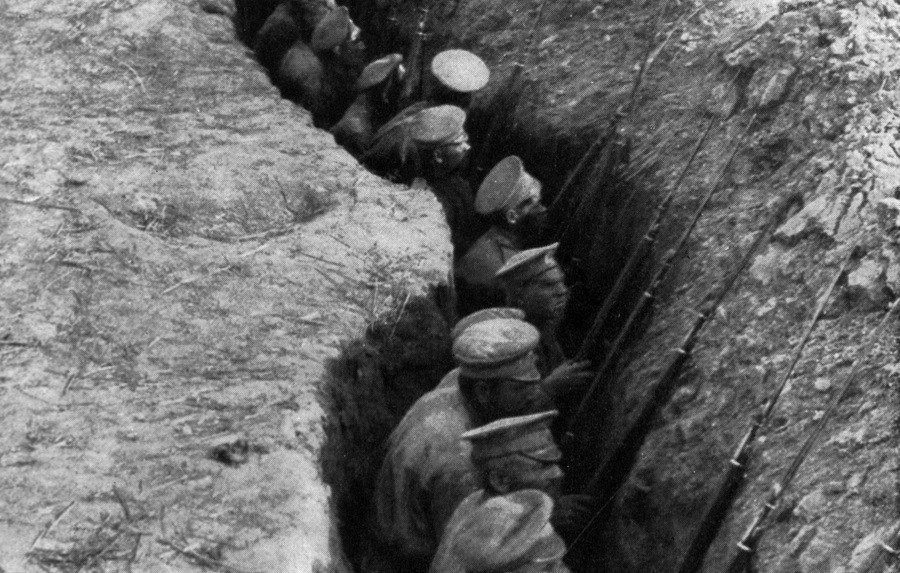
The German advance into France was halted at the Battle of the Marne and by the end of 1914, the Western Front settled into a war of attrition, marked by a long series of trench lines that changed little until 1917 (the Eastern Front, by contrast, was marked by much greater exchanges of territory). In 1915, Italy joined the Allied Powers and opened a front in the Alps. Bulgaria joined the Central Powers in 1915 and Greece joined the Allies in 1917, expanding the war in the Balkans. The United States initially remained neutral, though even while neutral it became an important supplier of war materiel to the Allies. Eventually, after the sinking of American merchant ships by German submarines, the declaration by Germany that its navy would resume unrestricted attacks on neutral shipping, and the revelation that Germany was trying to incite Mexico to initiate war against the United States, the U.S. declared war on Germany on 6 April 1917. Trained American forces did not begin arriving at the front in large numbers until mid-1918, but the American Expeditionary Force ultimately reached some two million troops.
Though Serbia was defeated in 1915, and Romania joined the Allied Powers in 1916, only to be defeated in 1917, none of the great powers were knocked out of the war until 1918. The 1917 February Revolution in Russia replaced the Monarchy with the Provisional Government, but continuing discontent with the cost of the war led to the October Revolution, the creation of the Soviet Socialist Republic, and the signing of the Treaty of Brest-Litovsk by the new government in March 1918, ending Russia’s involvement in the war. Germany now controlled much of eastern Europe and transferred large numbers of combat troops to the Western Front. Using new tactics, the German March 1918 Offensive was initially successful. The Allies fell back and held. The last of the German reserves were exhausted as 10,000 fresh American troops arrived every day. The Allies drove the Germans back in their Hundred Days Offensive, a continual series of attacks to which the Germans had no countermove. One by one, the Central Powers quit: first Bulgaria (September 29), then the Ottoman Empire (October 31) and the Austro-Hungarian Empire (November 3). With its allies defeated, revolution at home, and the military no longer willing to fight, Kaiser Wilhelm abdicated on 9 November and Germany signed an armistice on 11 November 1918, ending the war.
World War I was a significant turning point in the political, cultural, economic, and social climate of the world. The war and its immediate aftermath sparked numerous revolutions and uprisings. The Big Four (Britain, France, the United States, and Italy) imposed their terms on the defeated powers in a series of treaties agreed at the 1919 Paris Peace Conference, the most well known being the Treaty of Versailles with Germany. Ultimately, as a result of the war, the Austro-Hungarian, German, Ottoman, and Russian Empires ceased to exist, and numerous new states were created from their remains. However, despite the conclusive Allied victory (and the creation of the League of Nations during the peace conference, intended to prevent future wars), a second world war followed just over twenty years later.
(Wikipedia)













Before the 1920s, stockings, if worn, were worn for warmth. In the 1920s, as hemlines of dresses rose, people began to wear stockings to cover the exposed legs. These stockings were sheer, first made of silk or rayon (then known as “artificial silk”), and after 1940 of nylon.
The introduction of nylon in 1939 by chemical company DuPont began a high demand for stockings in the United States with up to 4 million pairs being purchased in one day. Nylon stockings were cheap, durable, and sheer compared to their cotton and silk counterparts.
When America entered World War II on December 11, 1941, DuPont ceased production of nylon stockings and retooled their factories to produce parachutes, airplane cords, and rope. This led to a mass shortage and creation of a black market for stockings. At the end of the war DuPont announced that the company would return to producing stockings but could not meet demand. This led to a series of disturbances in American stores labeled the nylon riots until DuPont was able to ramp up production.
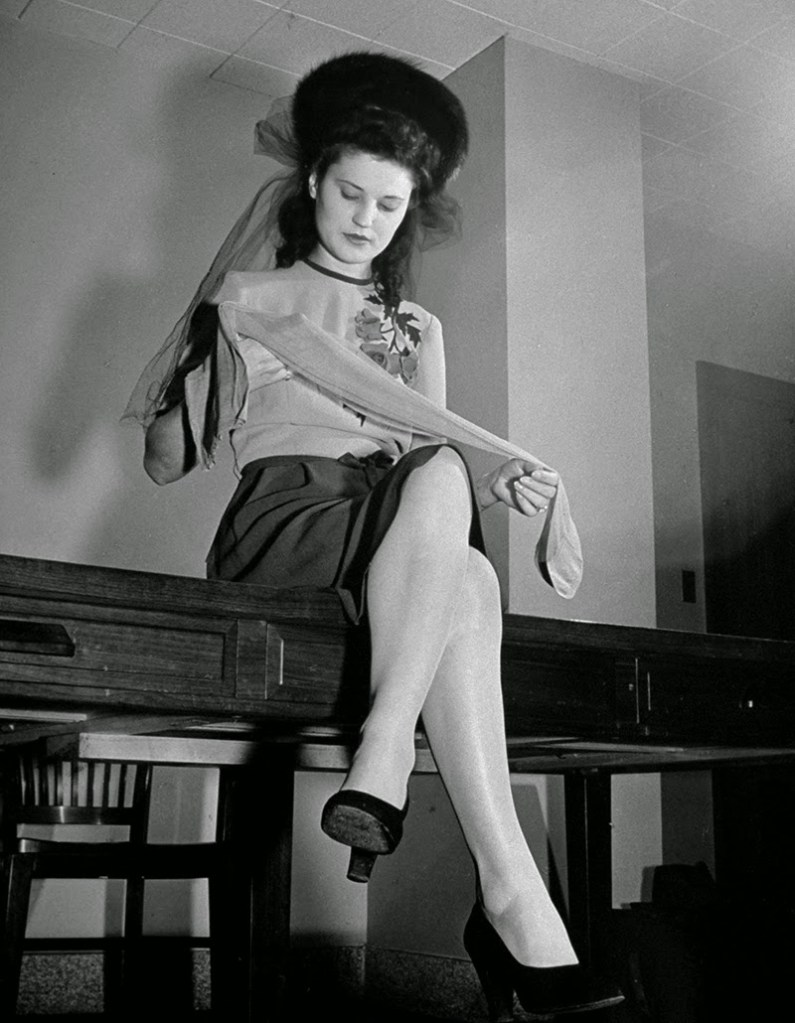


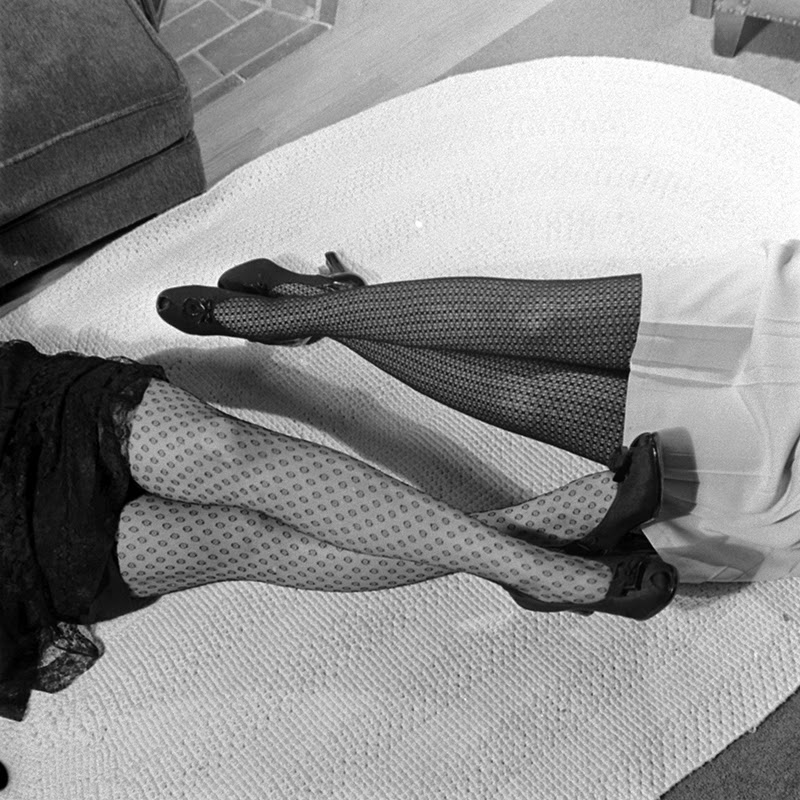
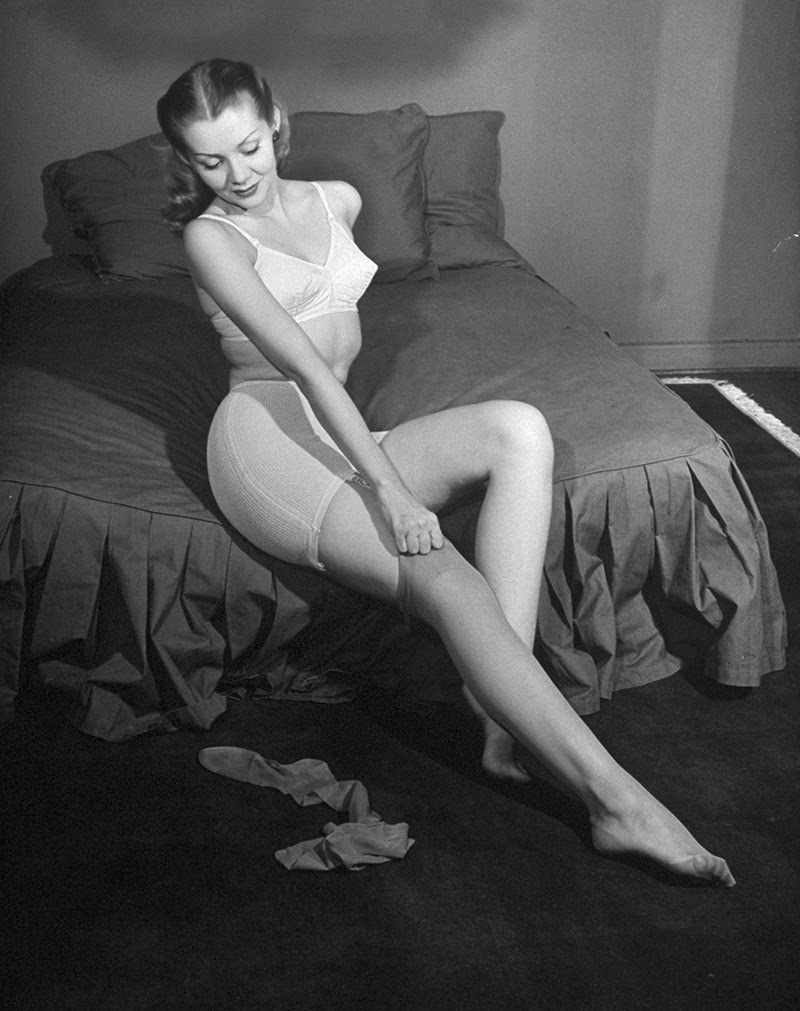

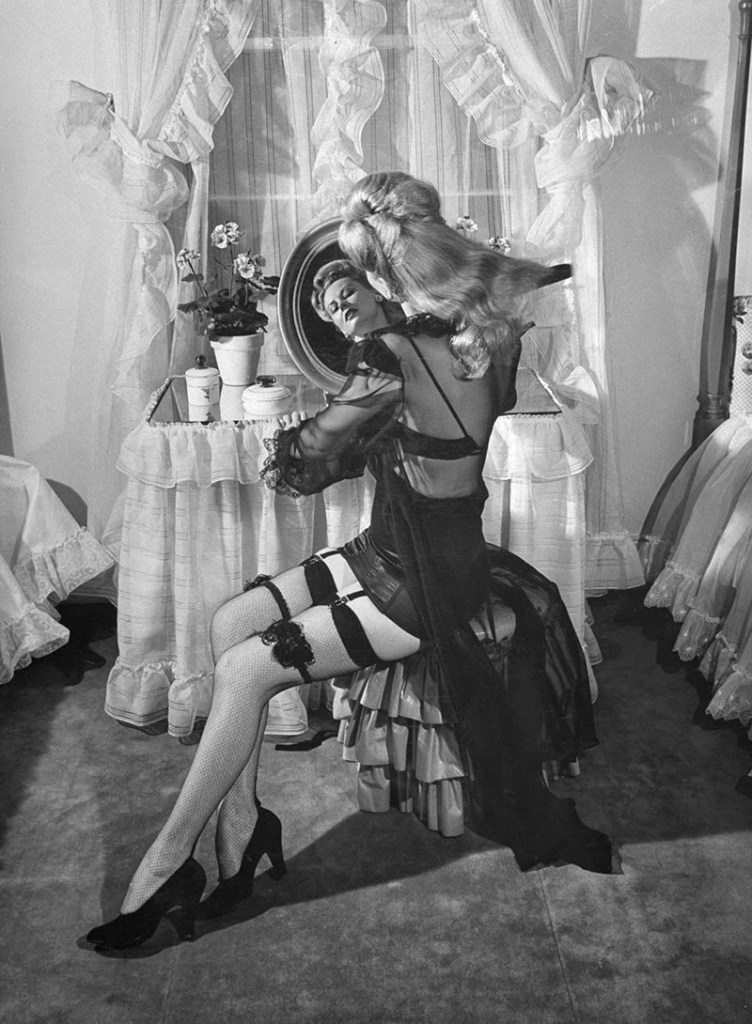

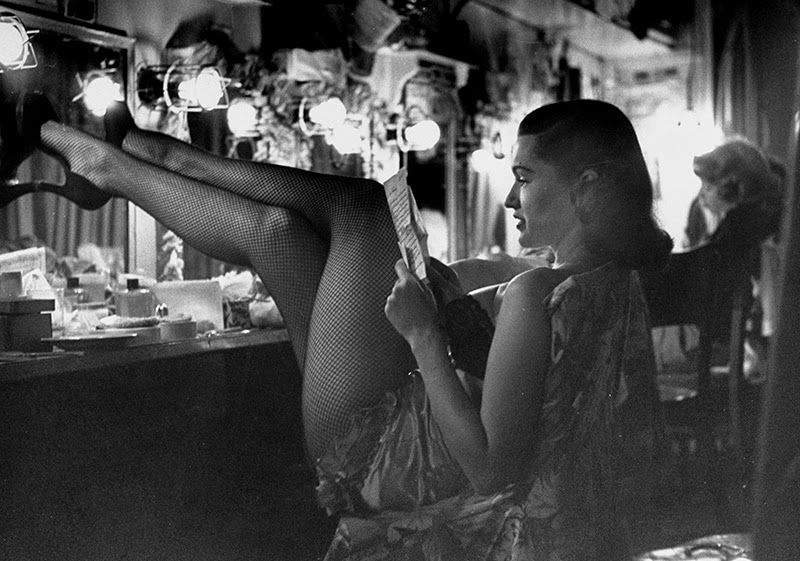
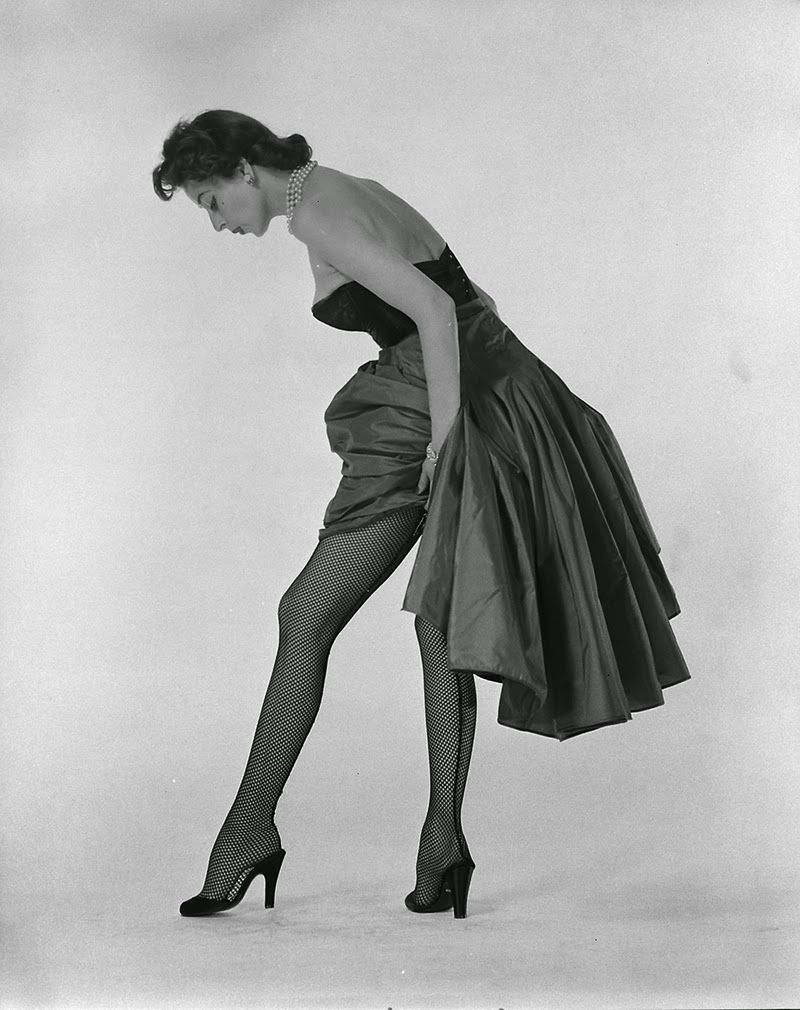

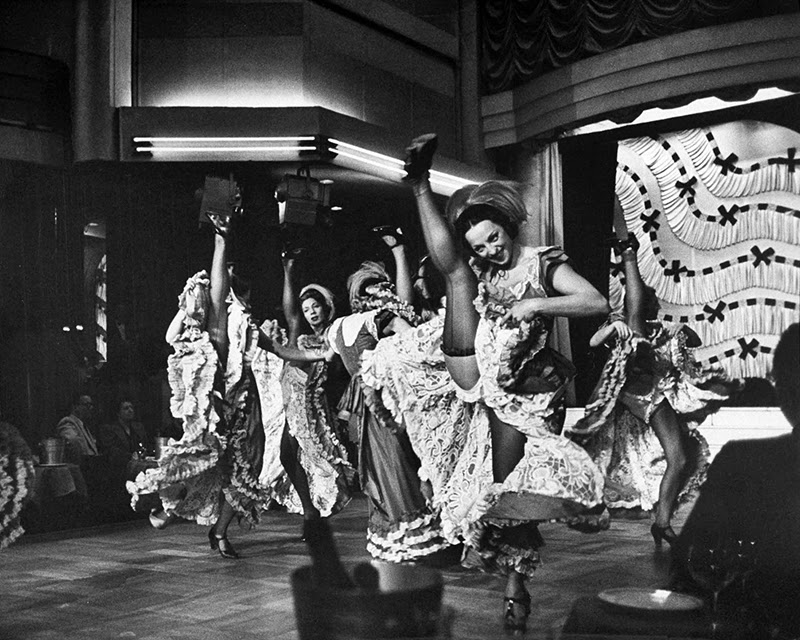
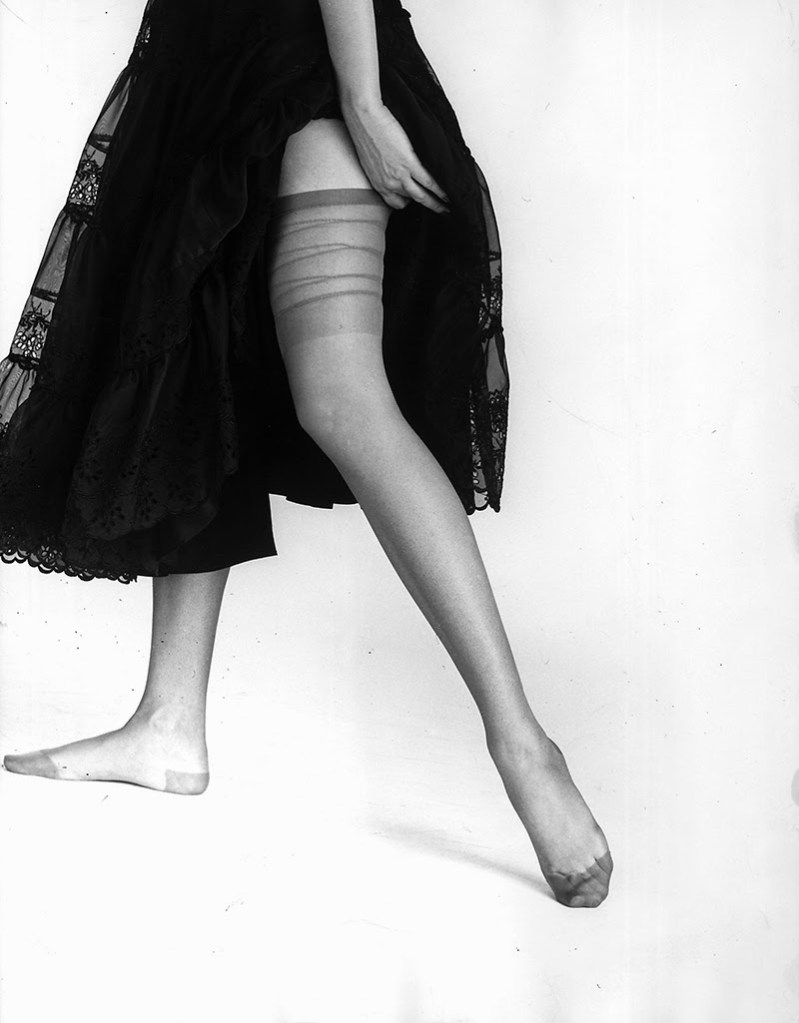
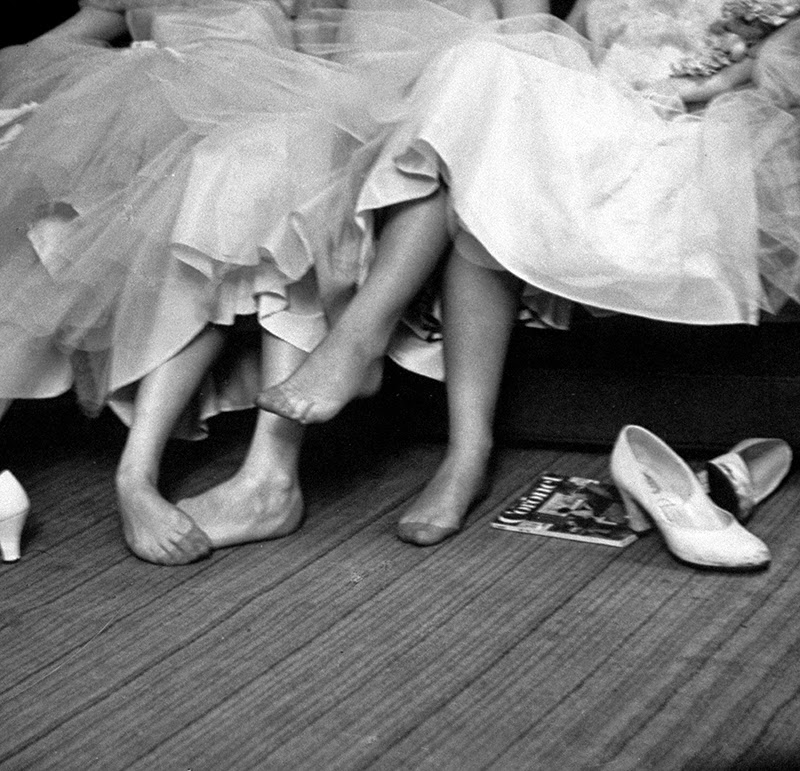


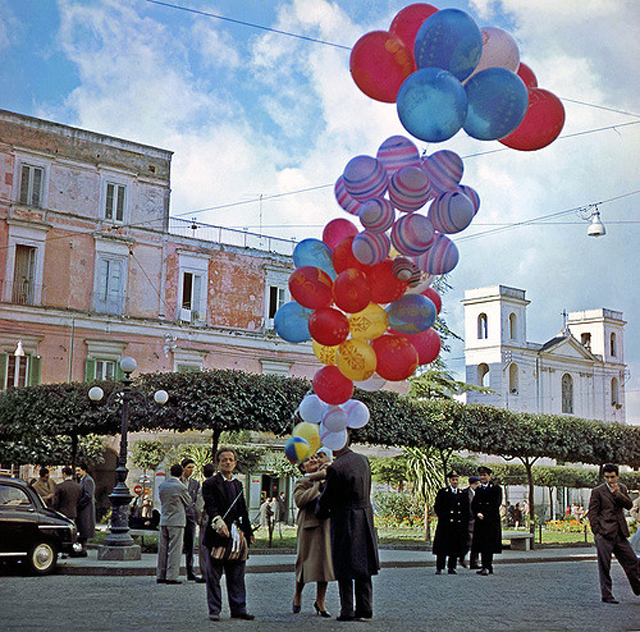




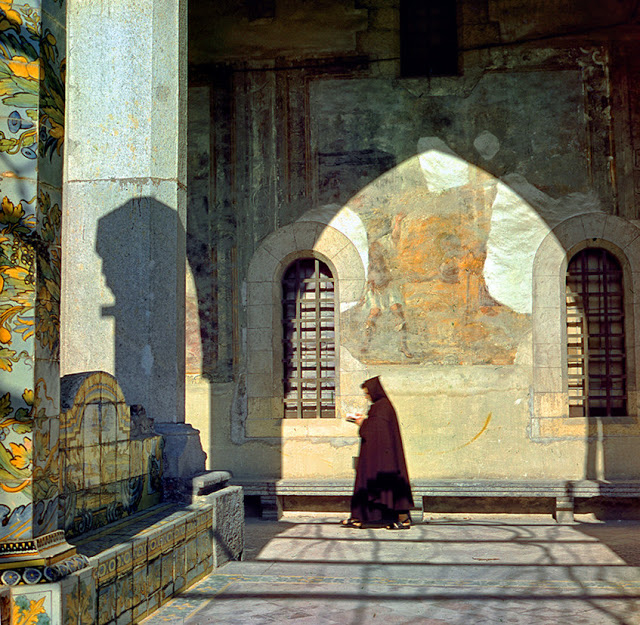




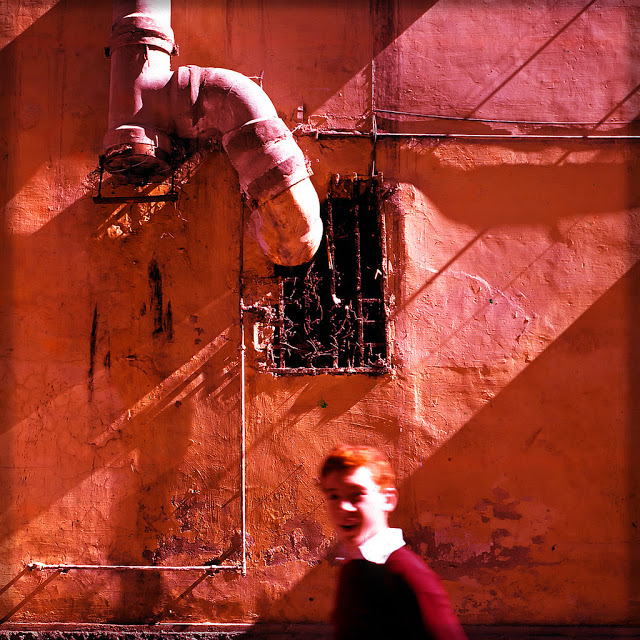
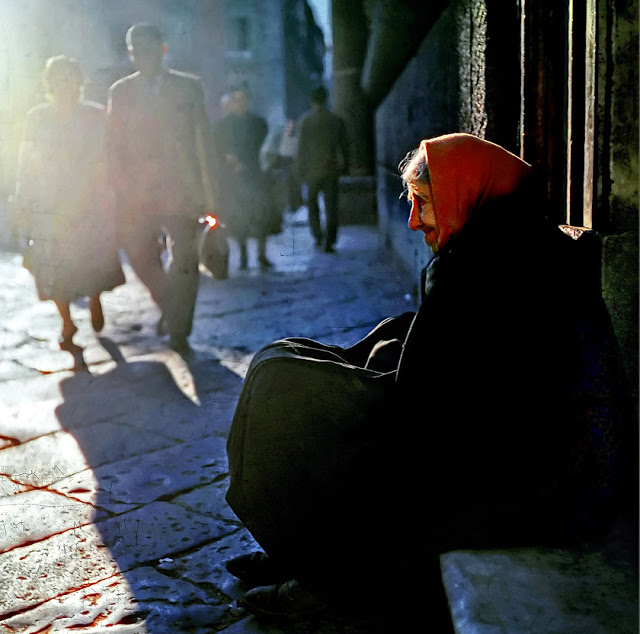


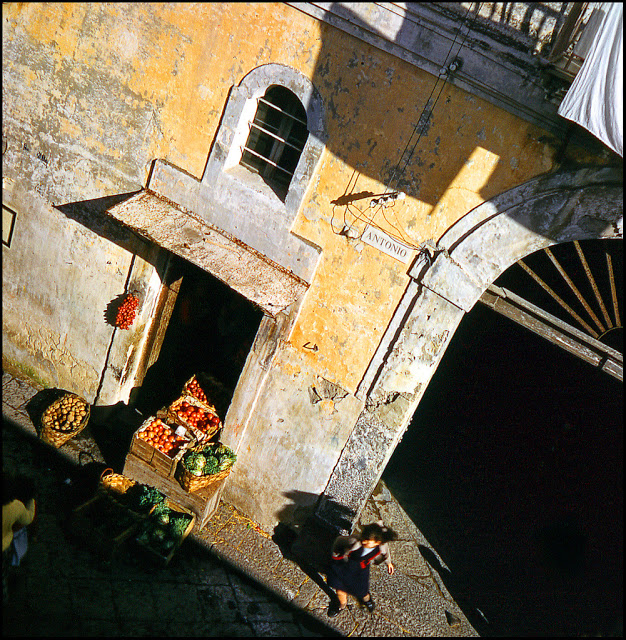
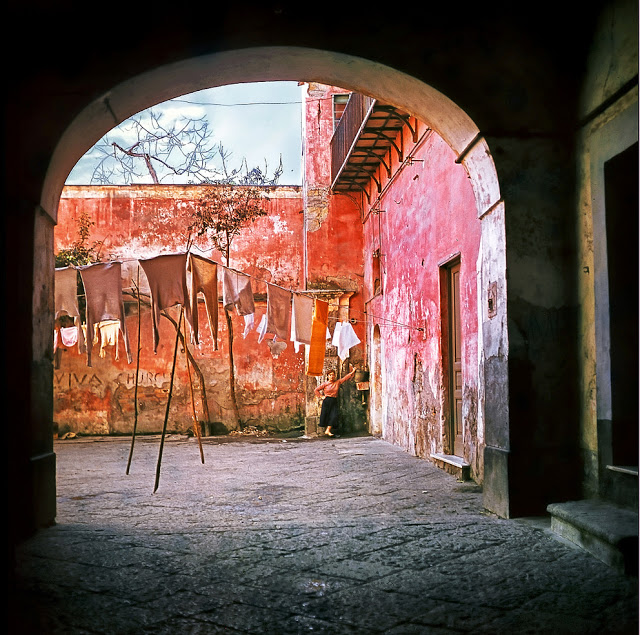
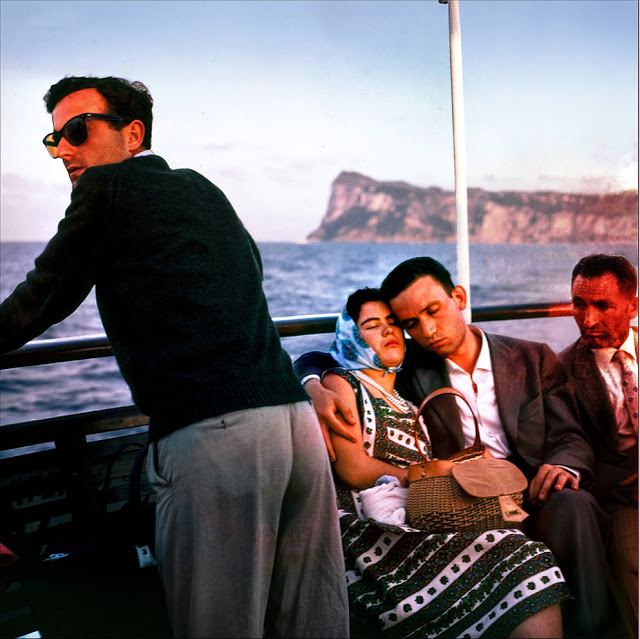


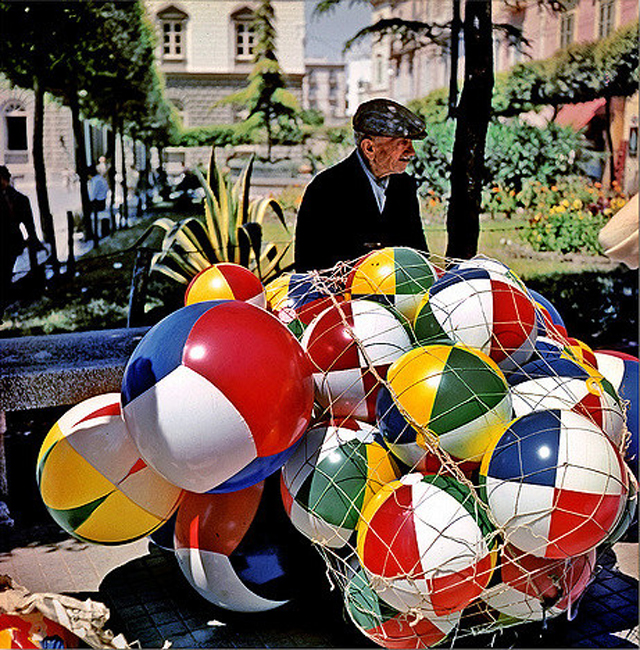


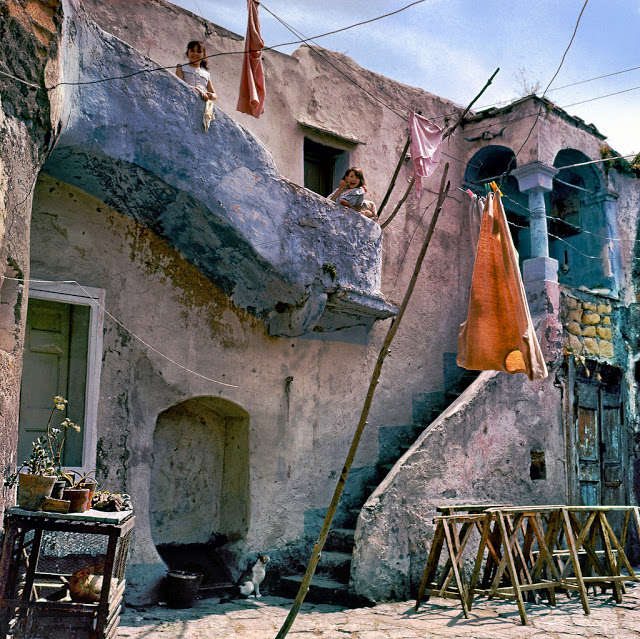

(Photos by Victor Pandolfi)

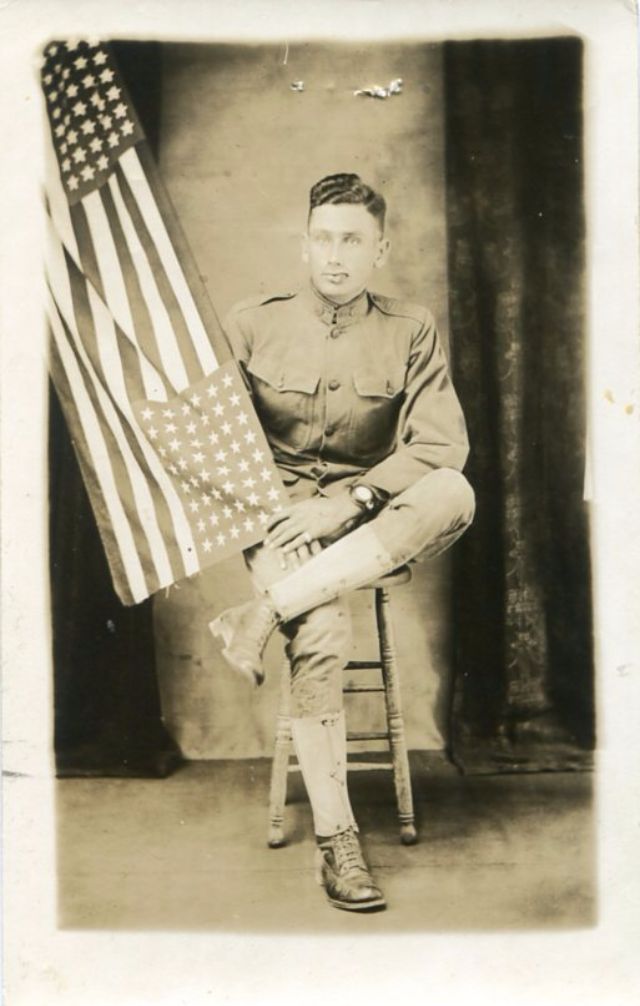
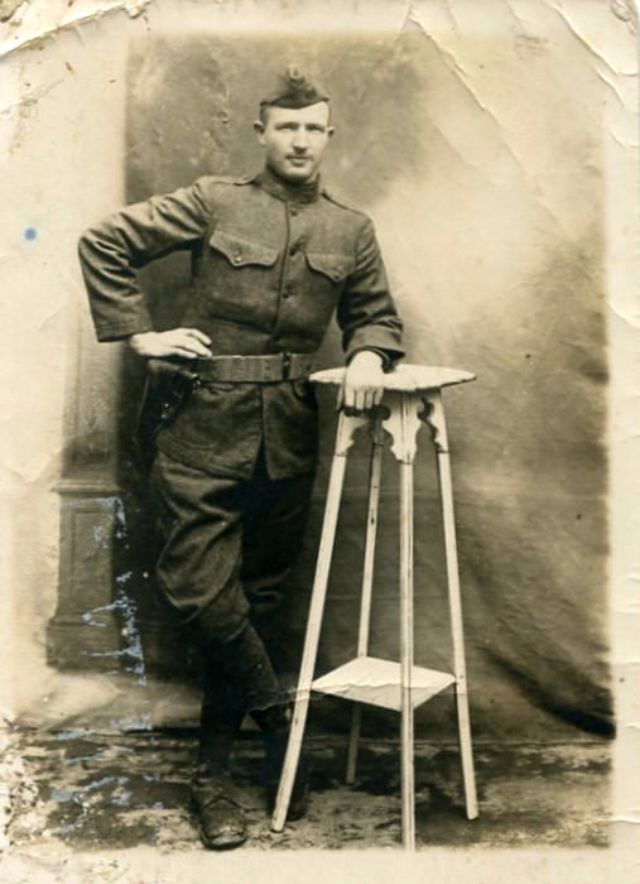
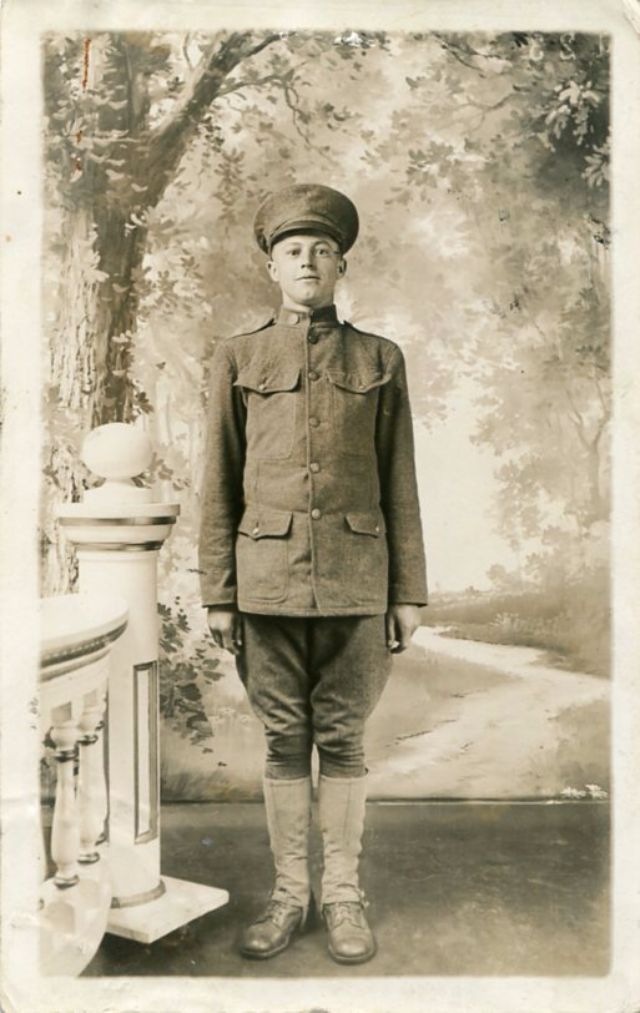
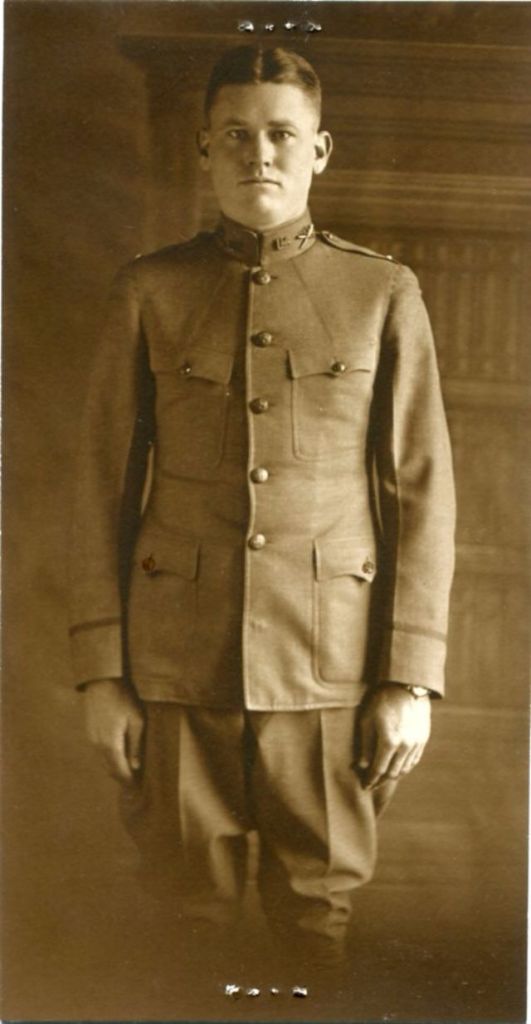
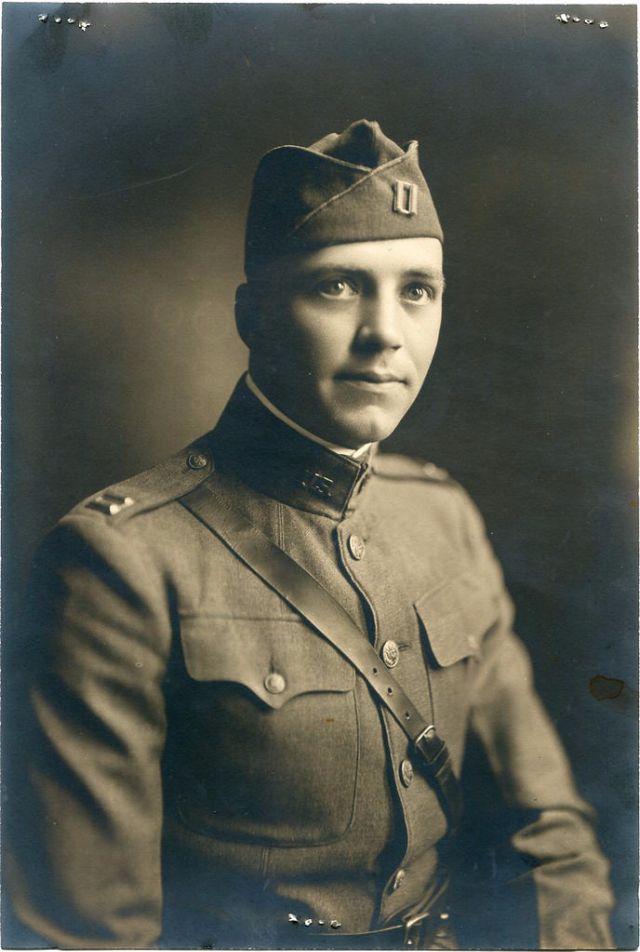
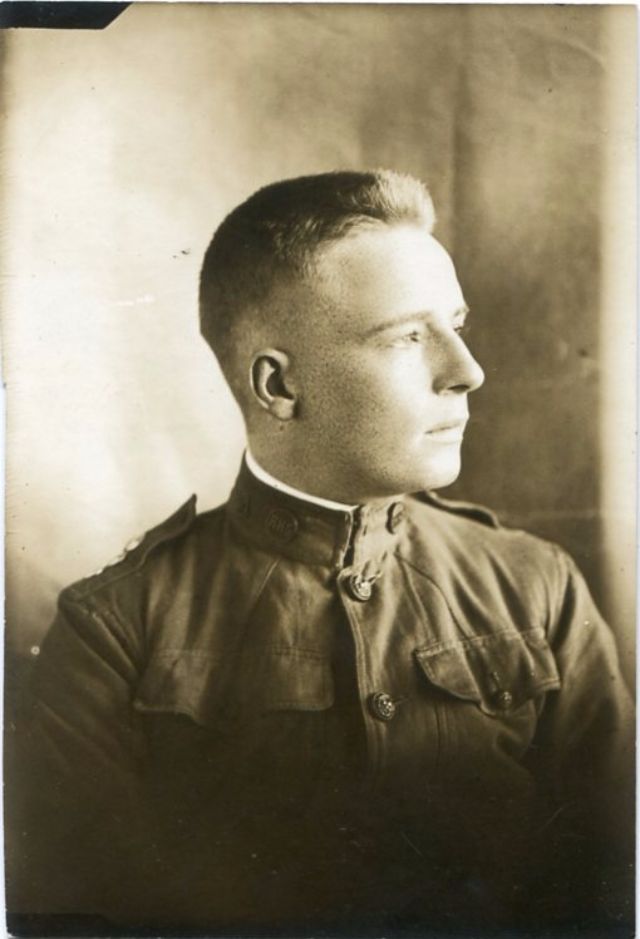
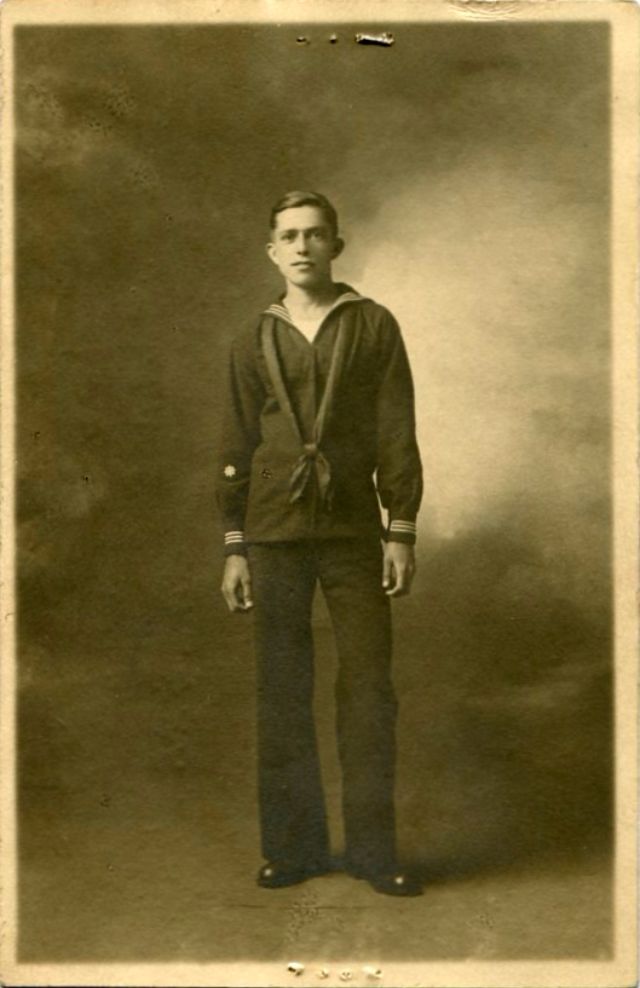
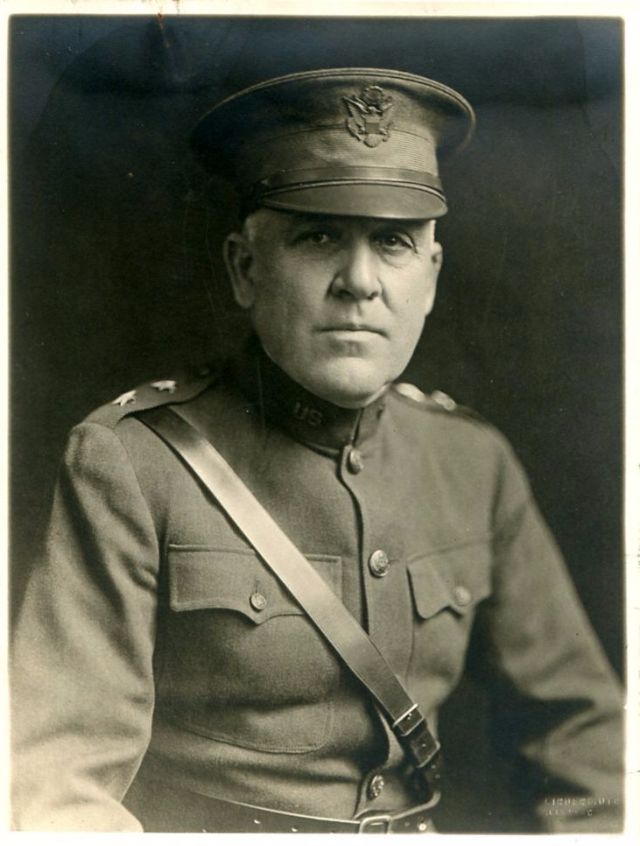
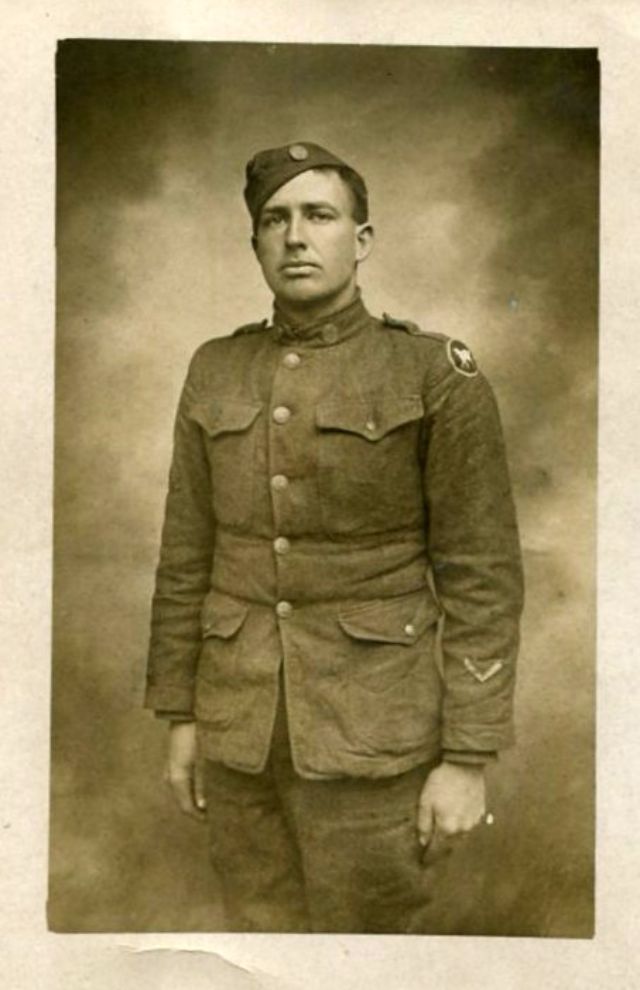
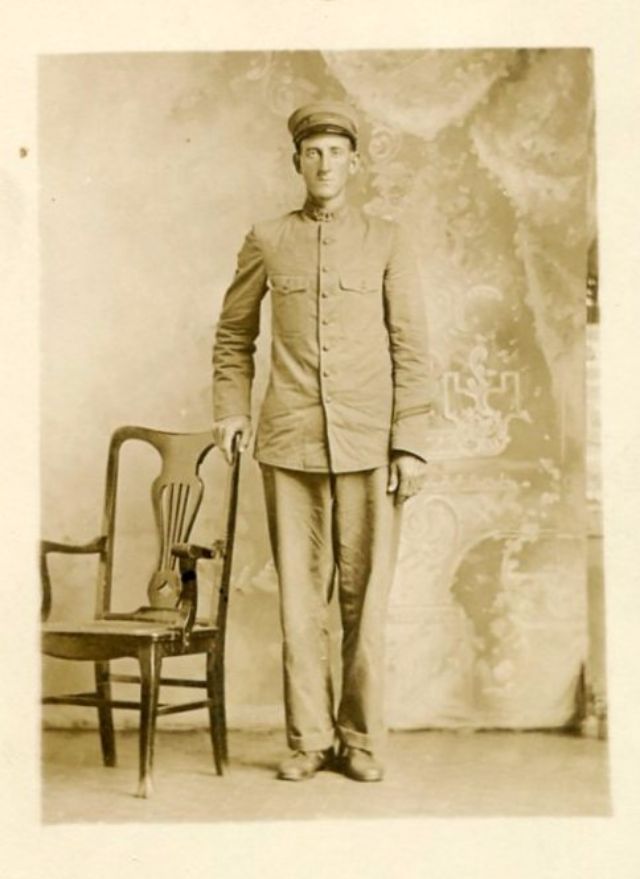
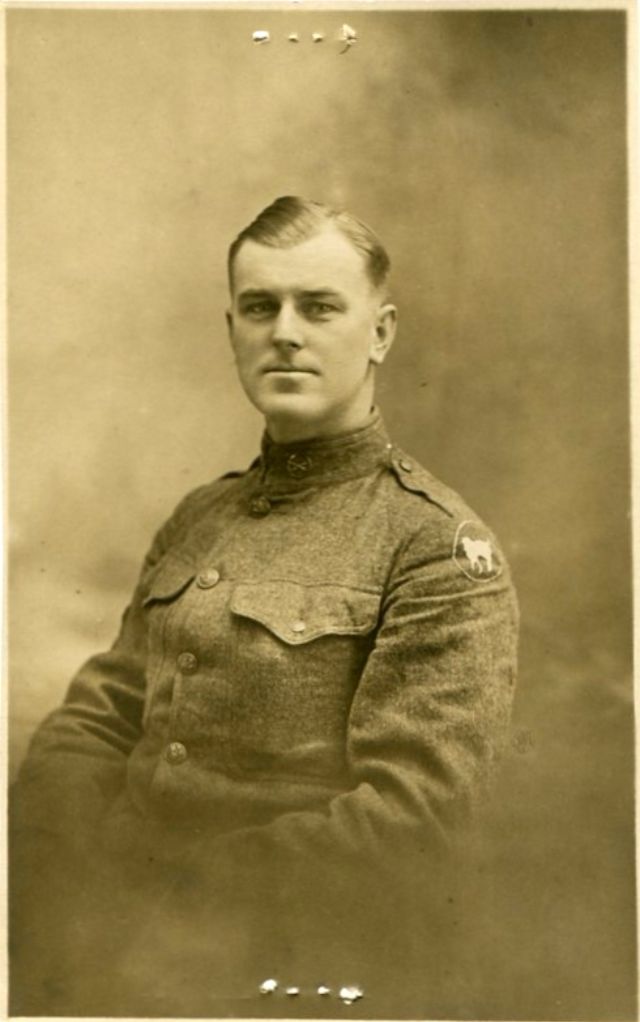
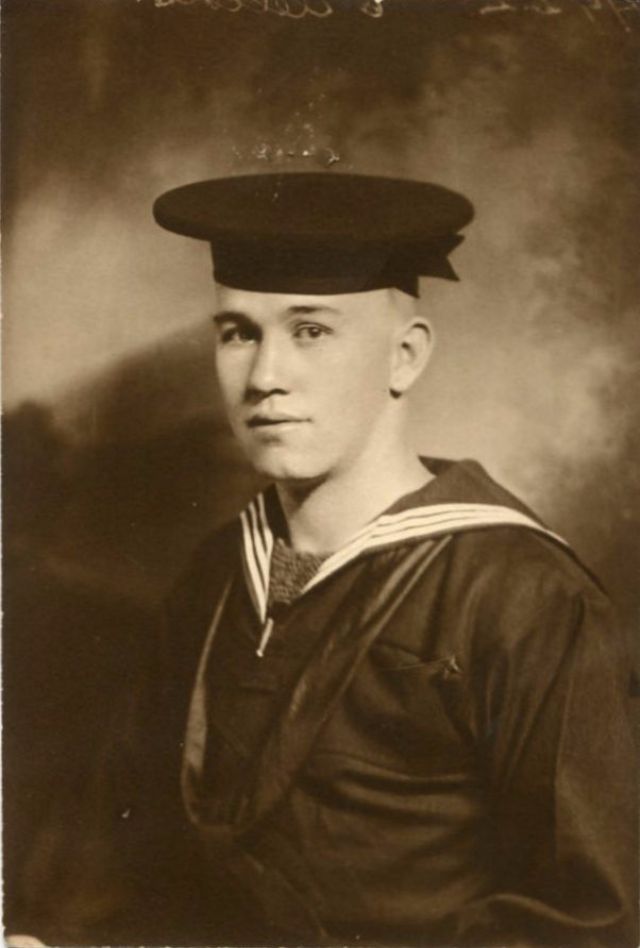
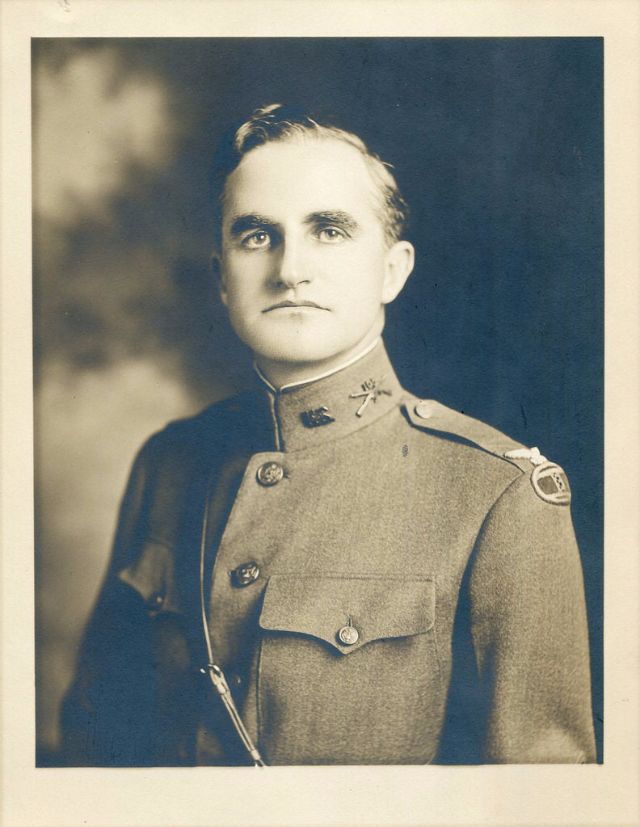
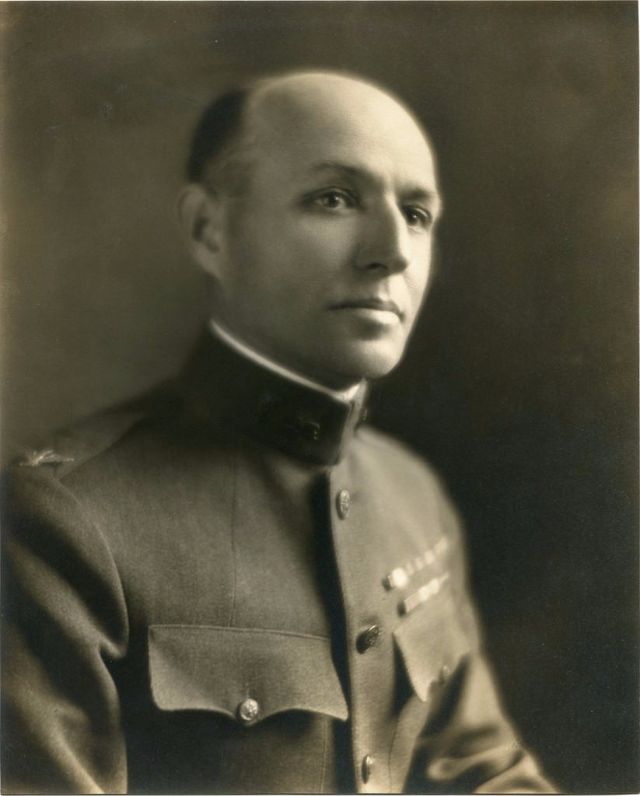
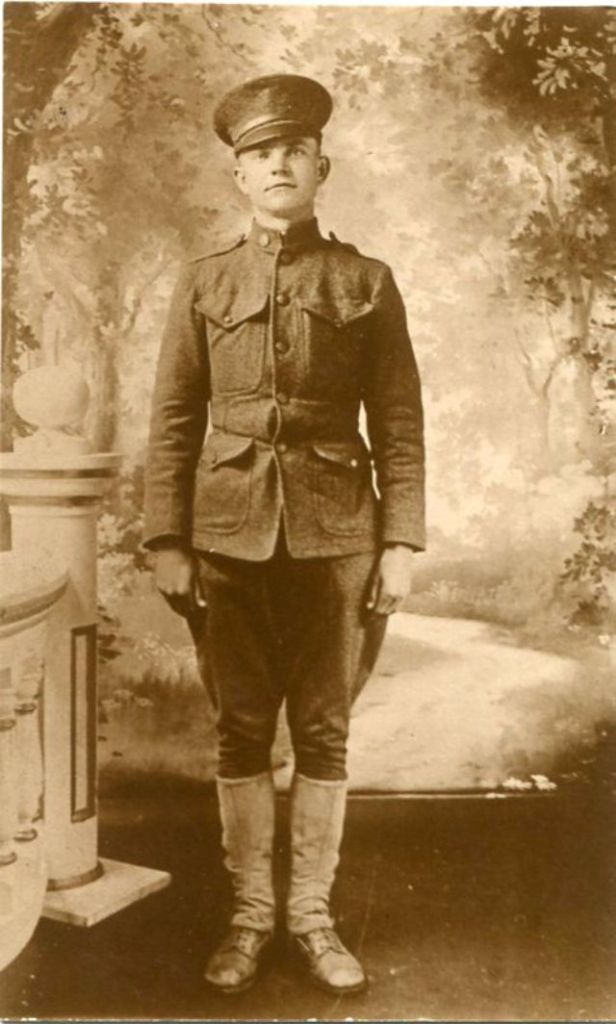
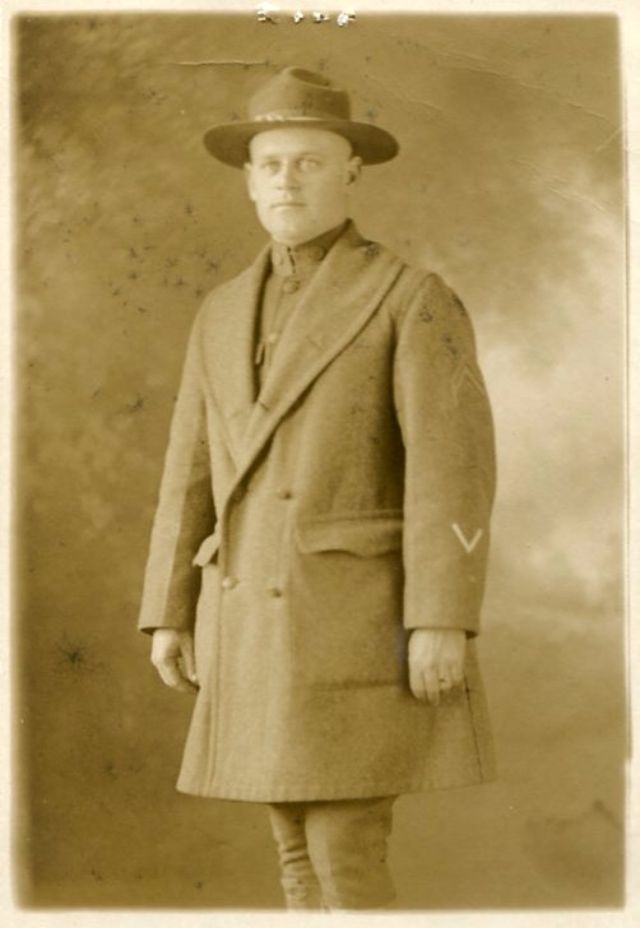
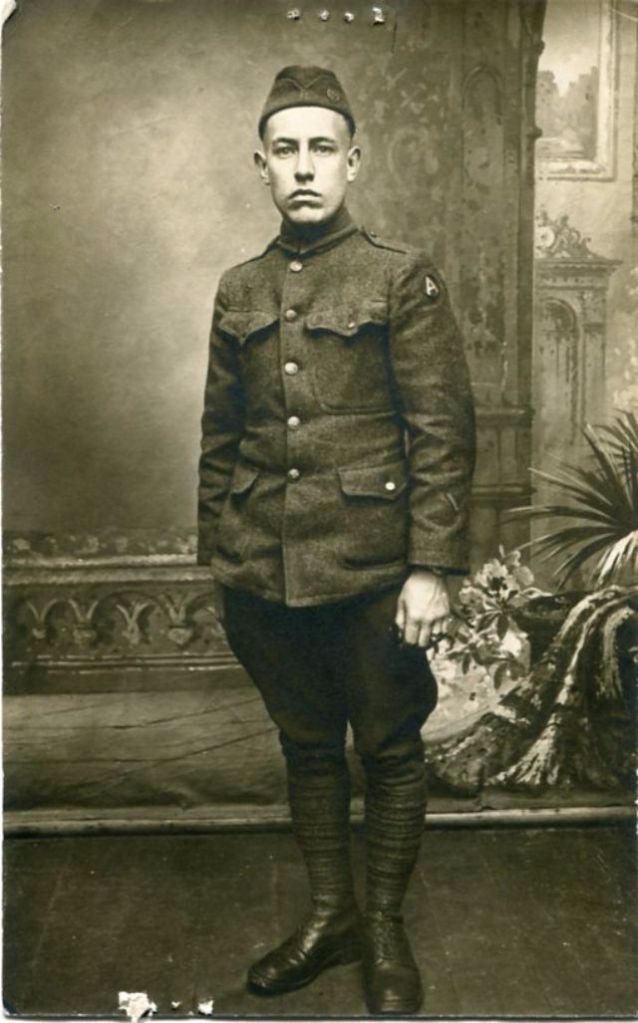
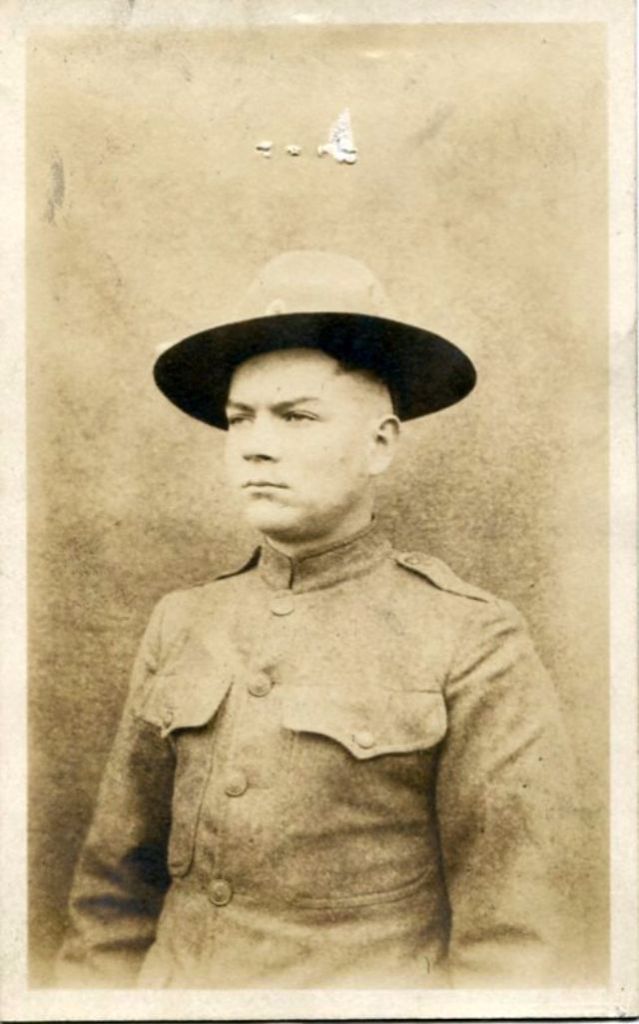
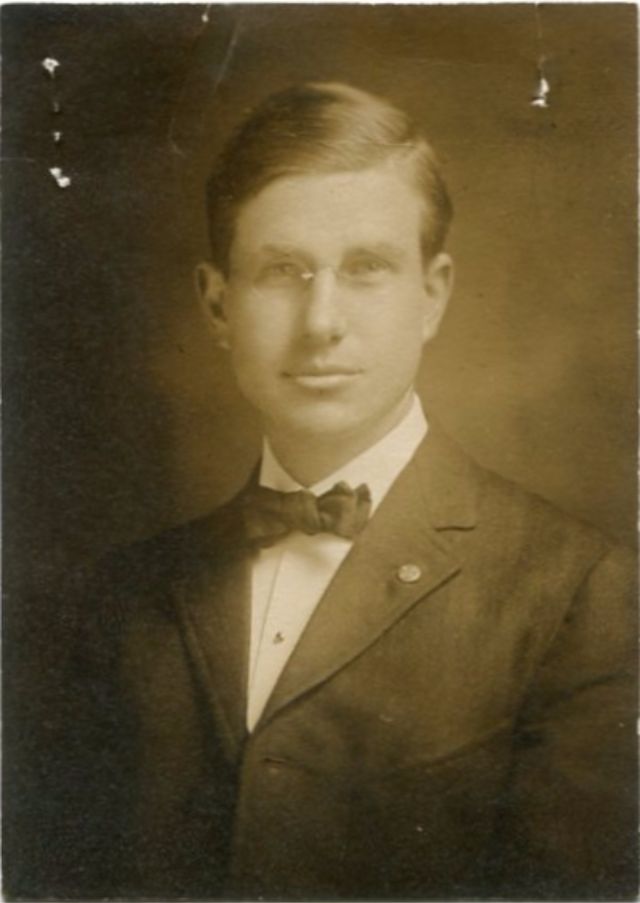
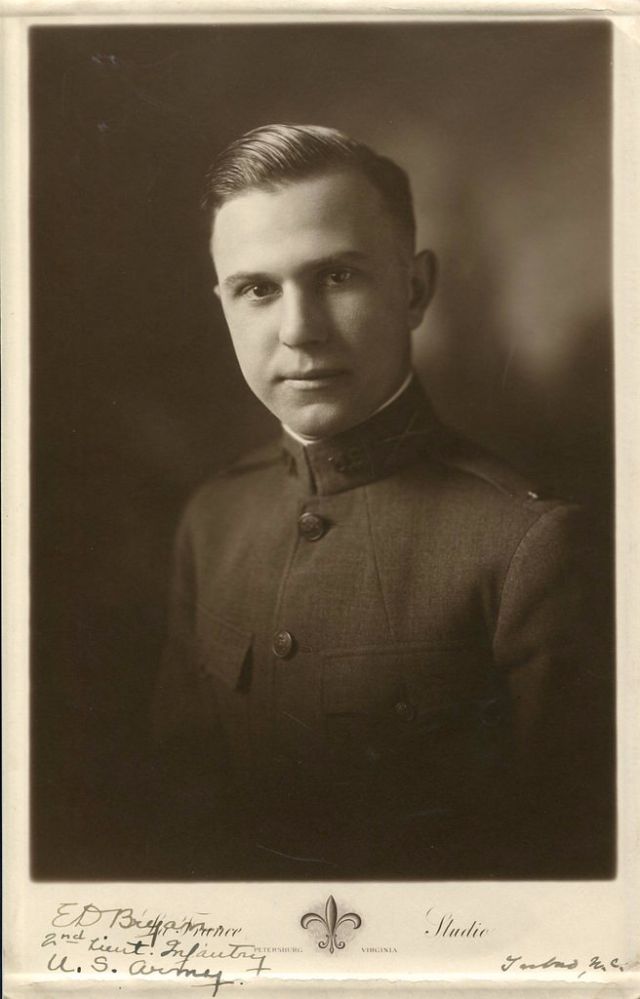
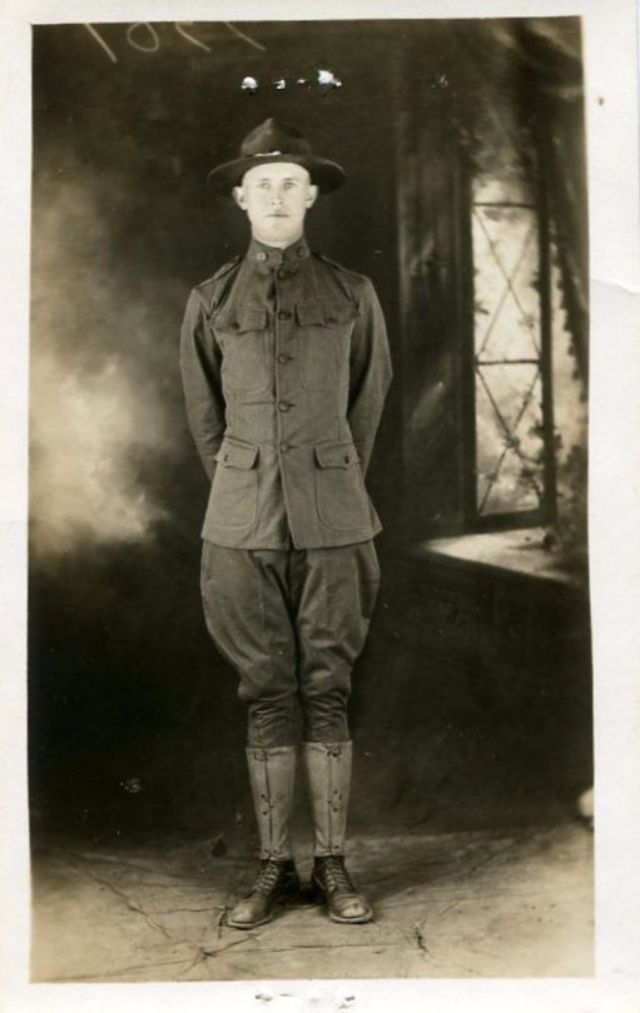
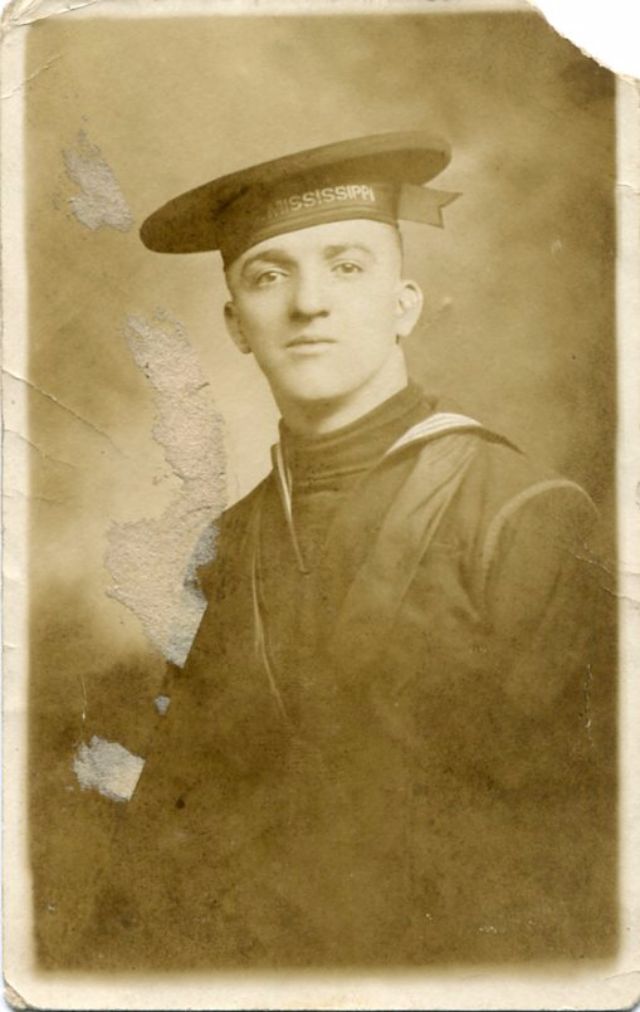
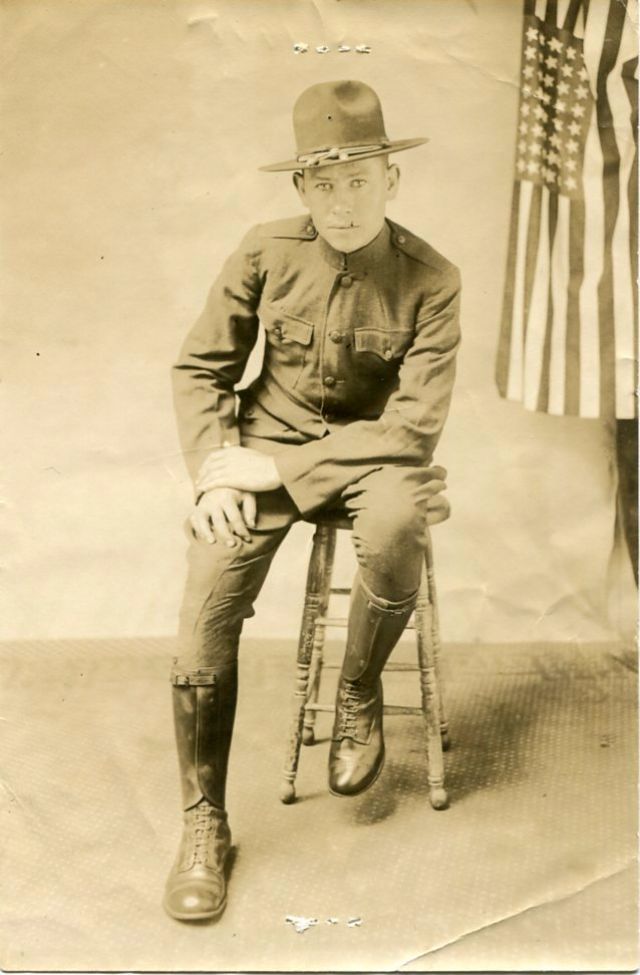
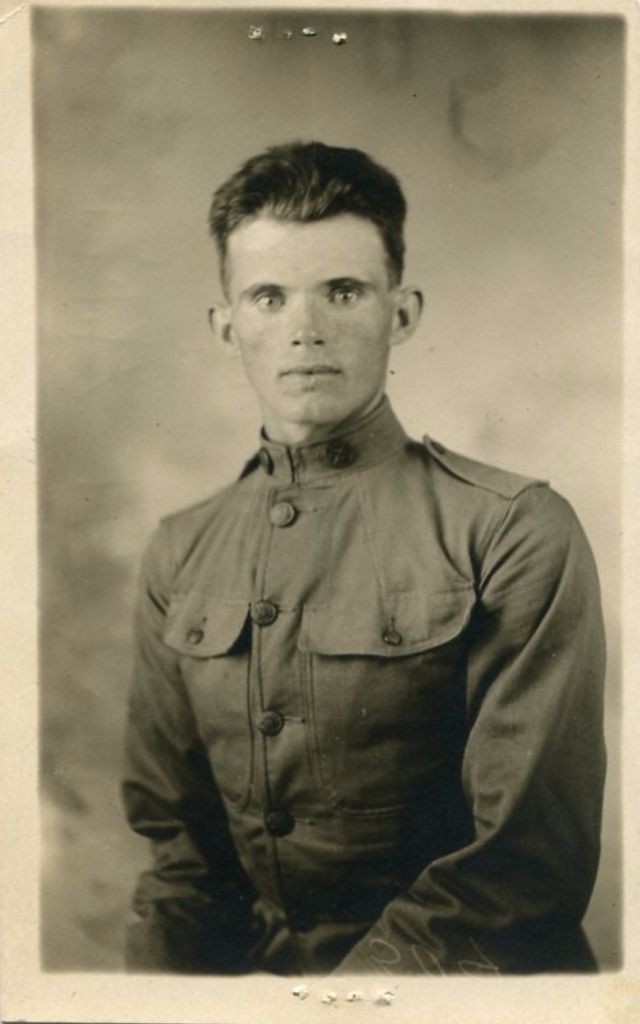
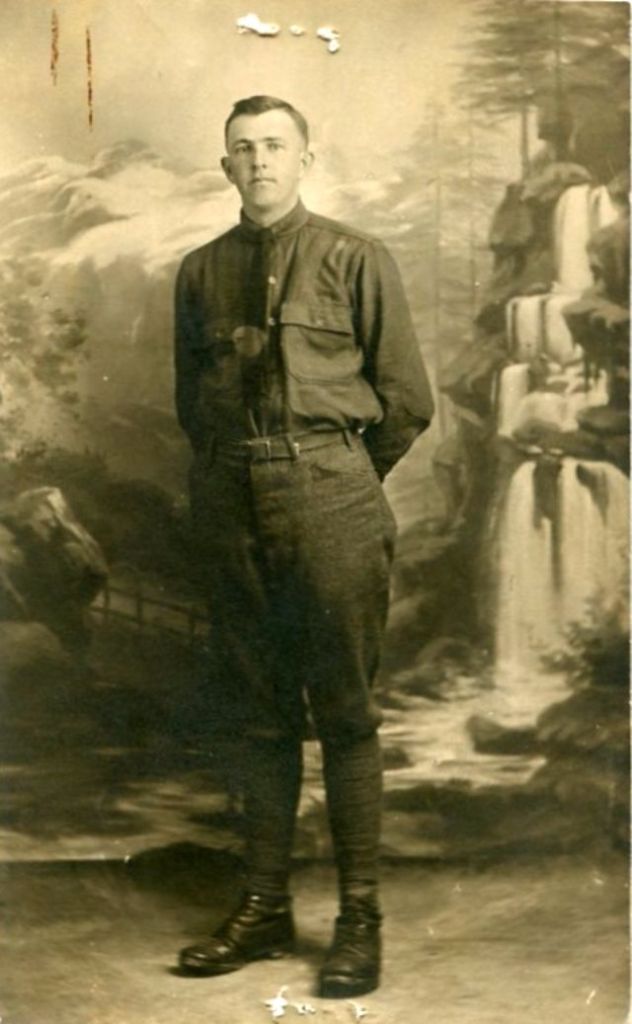
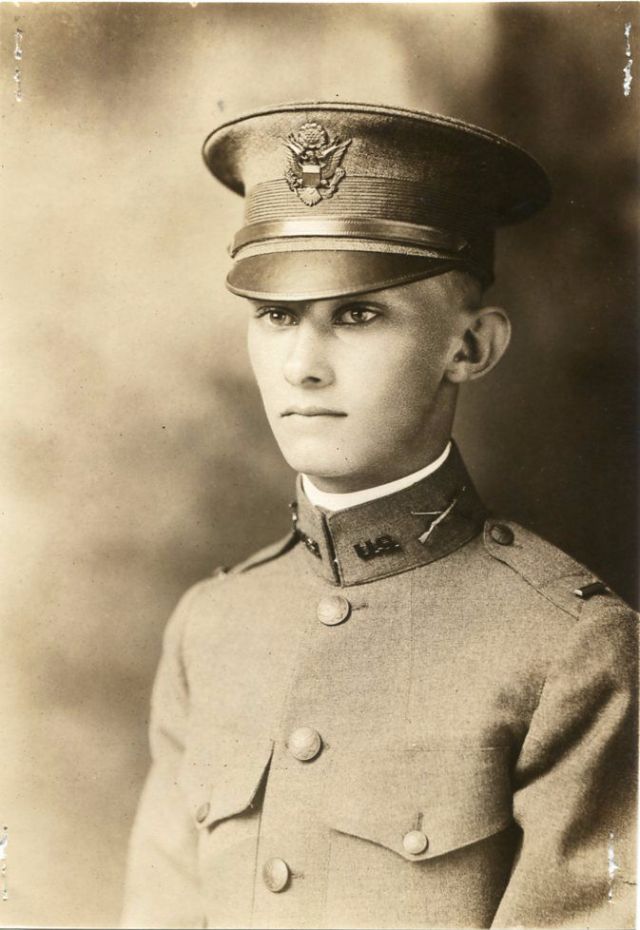
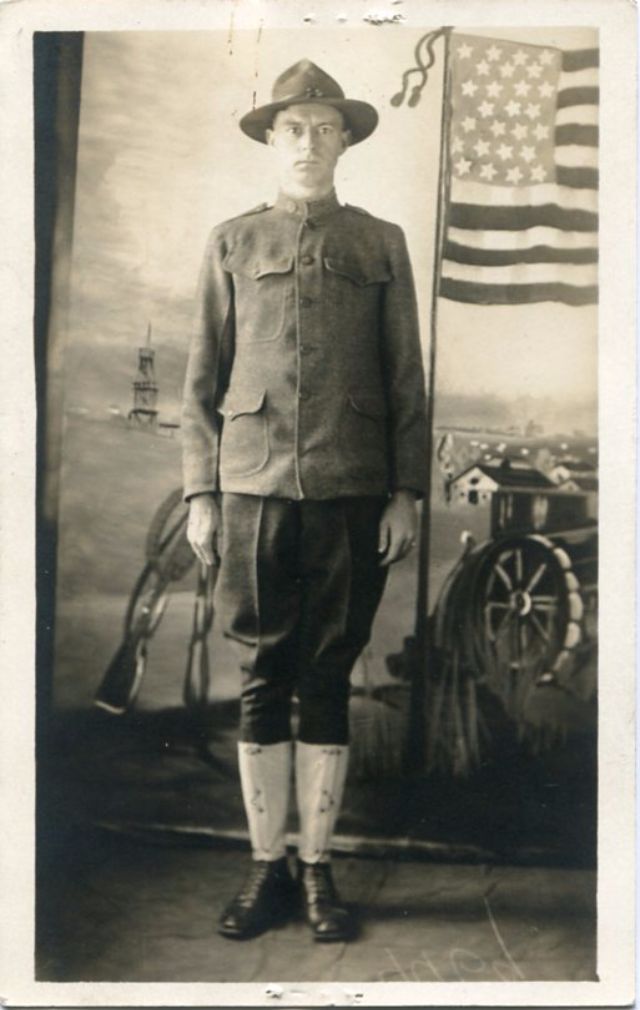
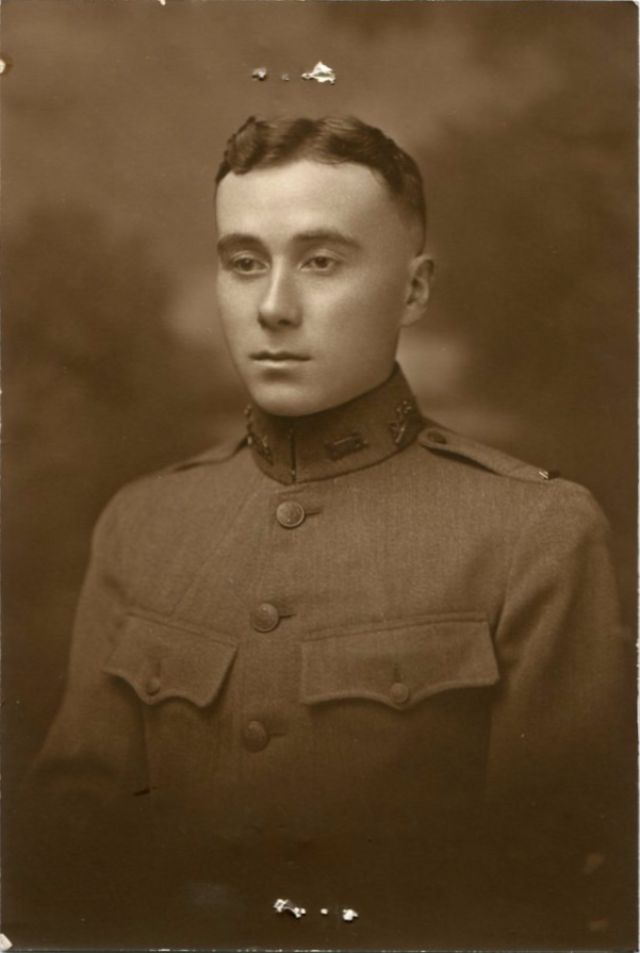
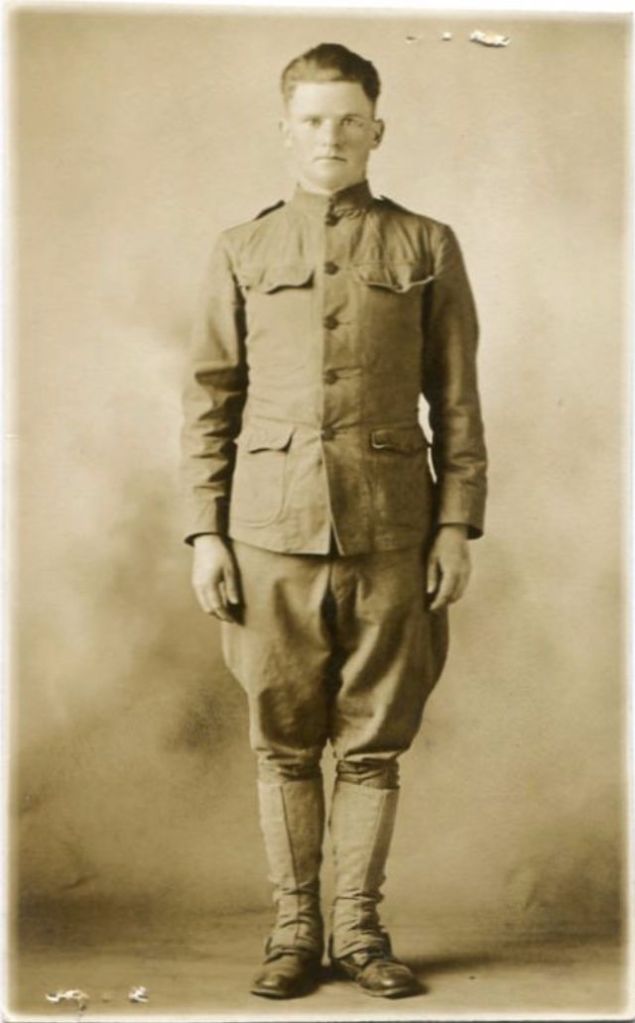
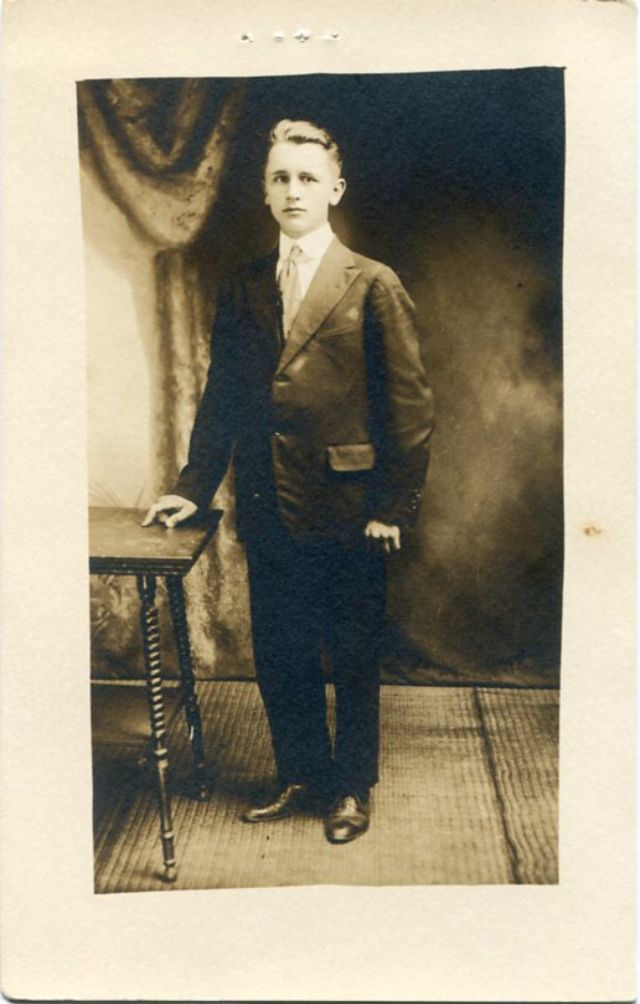
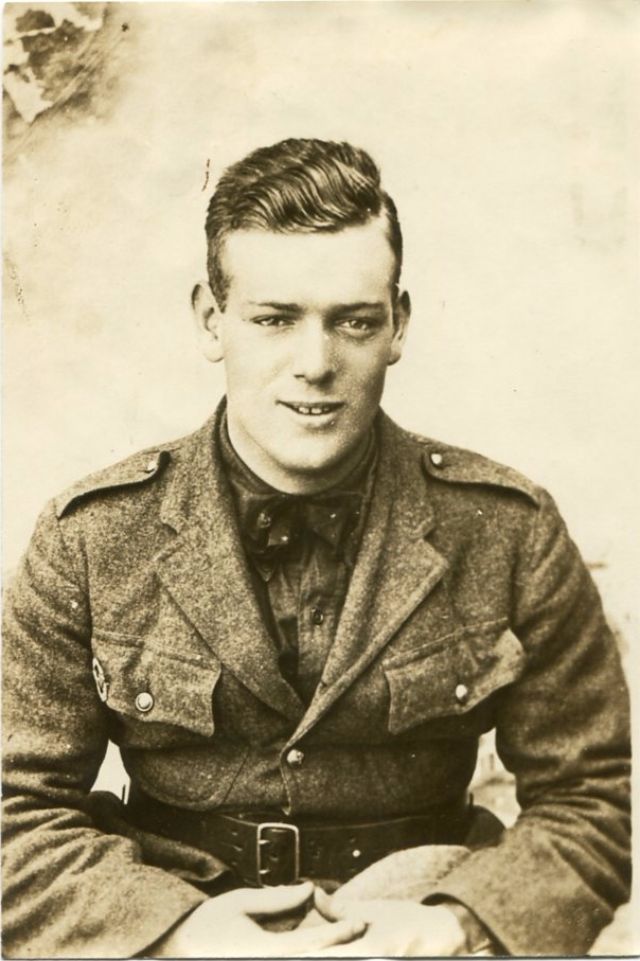
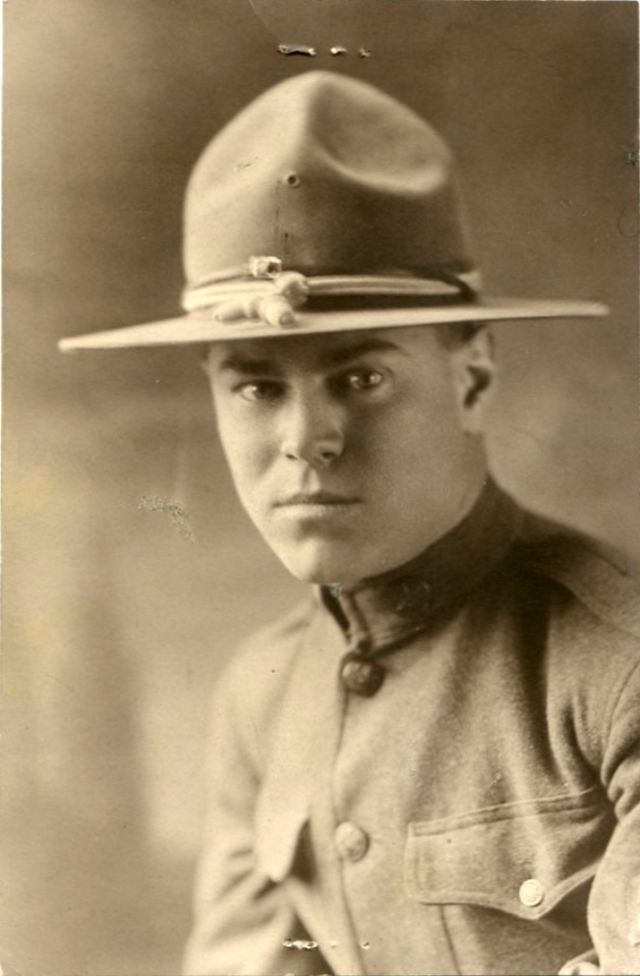
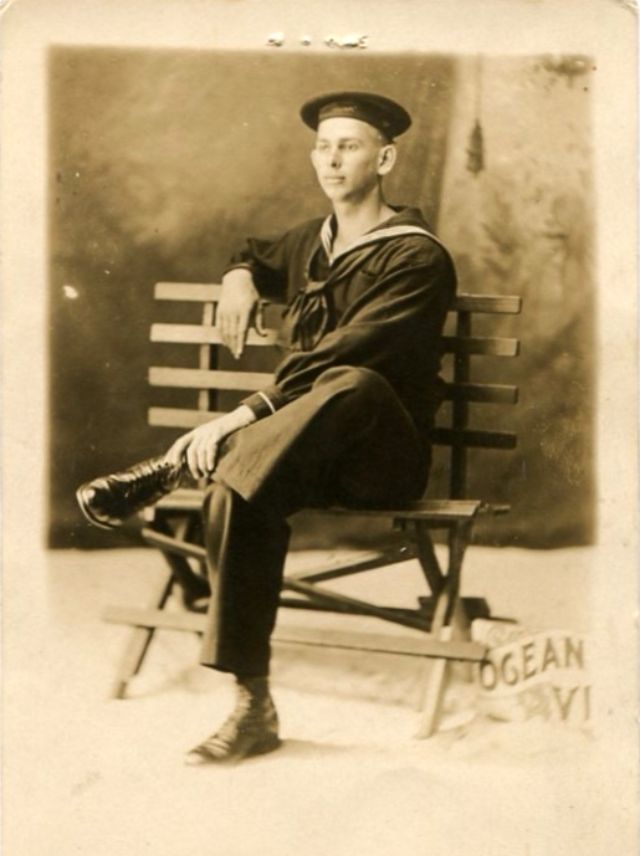
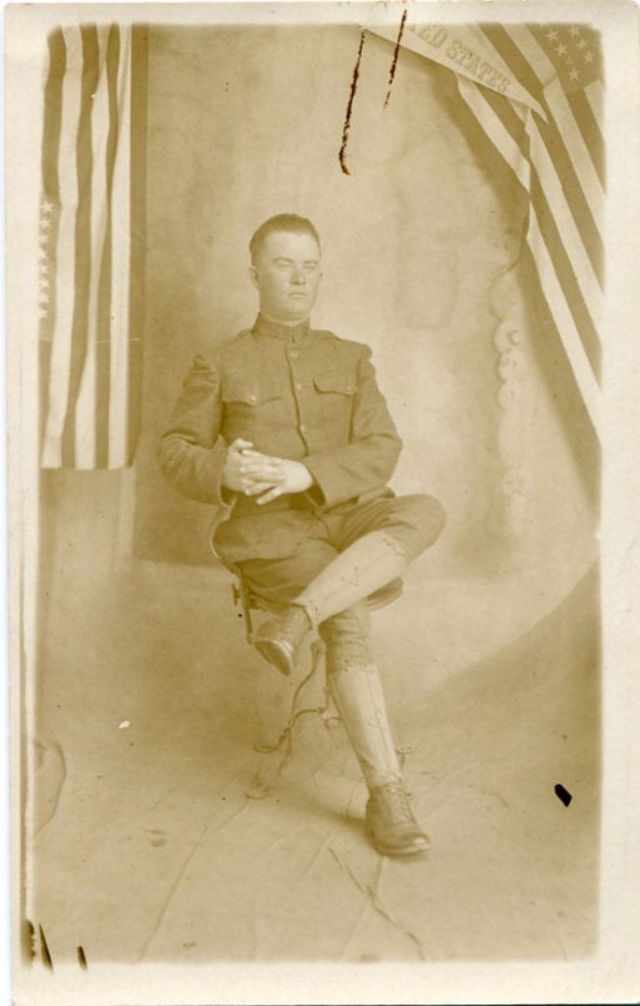
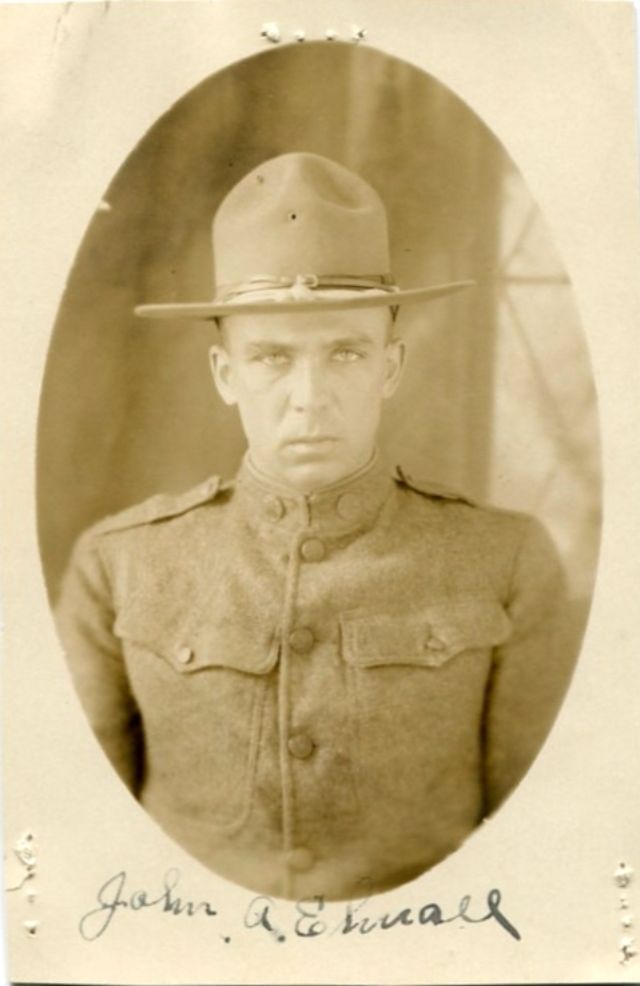
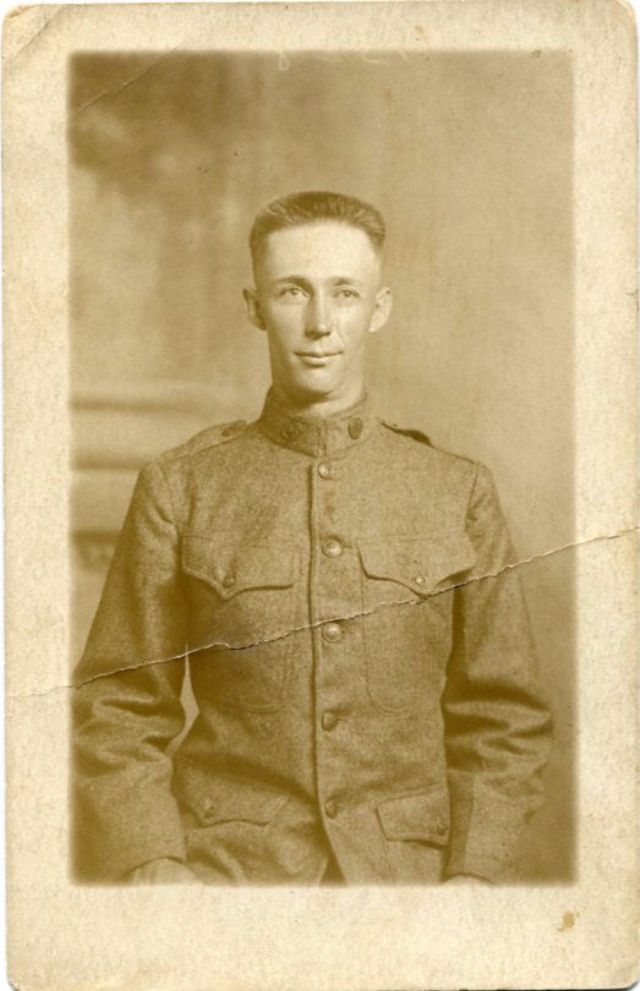
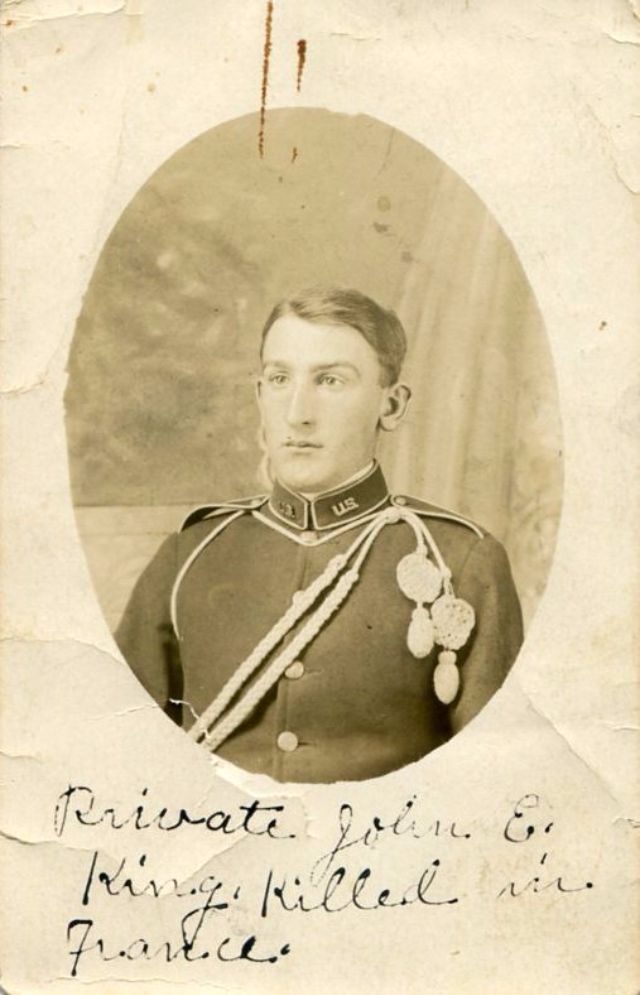
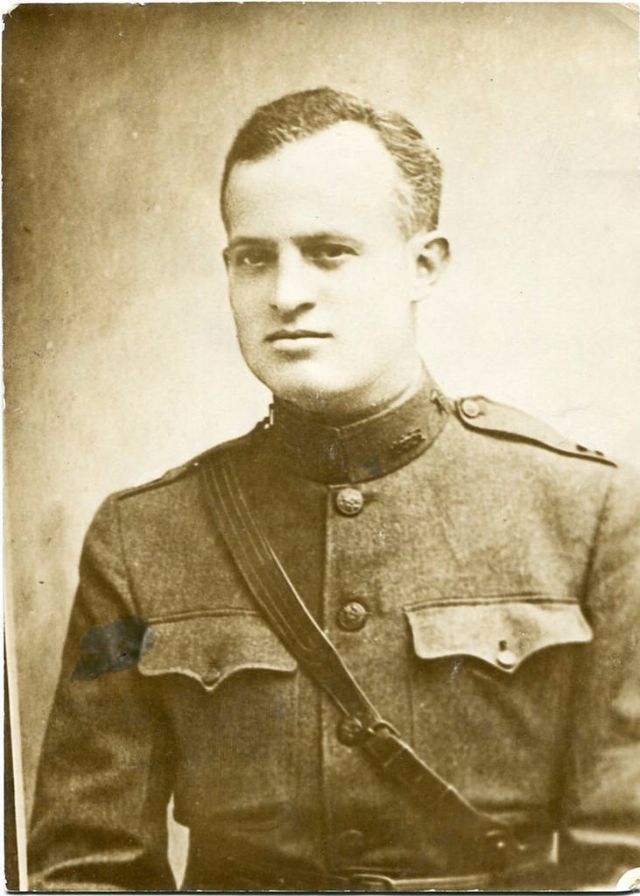
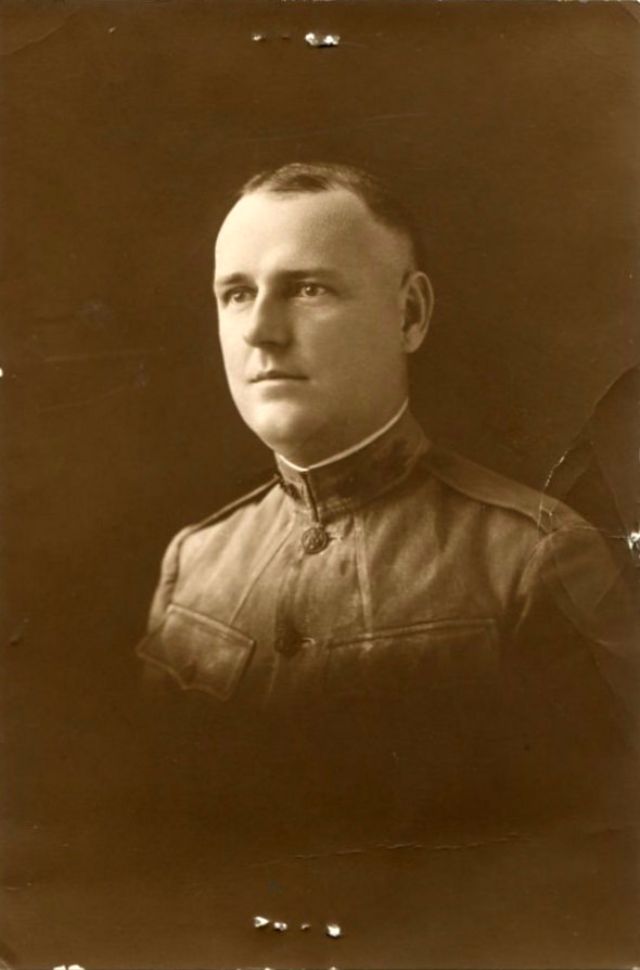
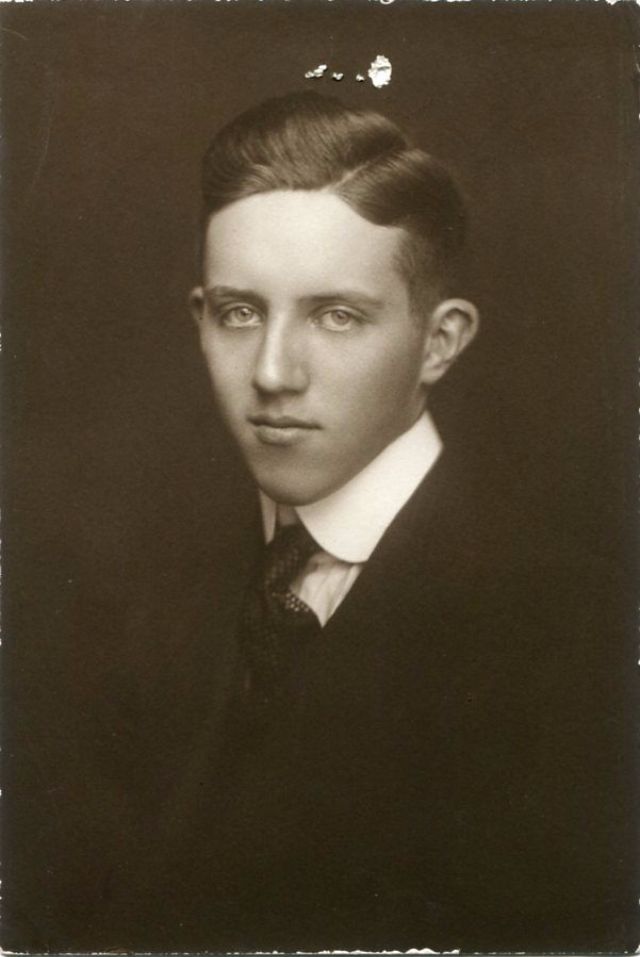
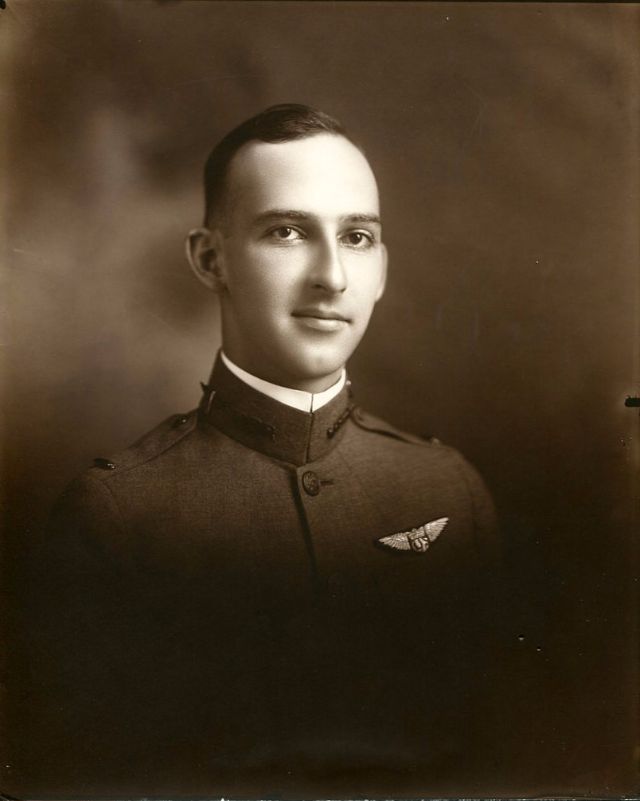
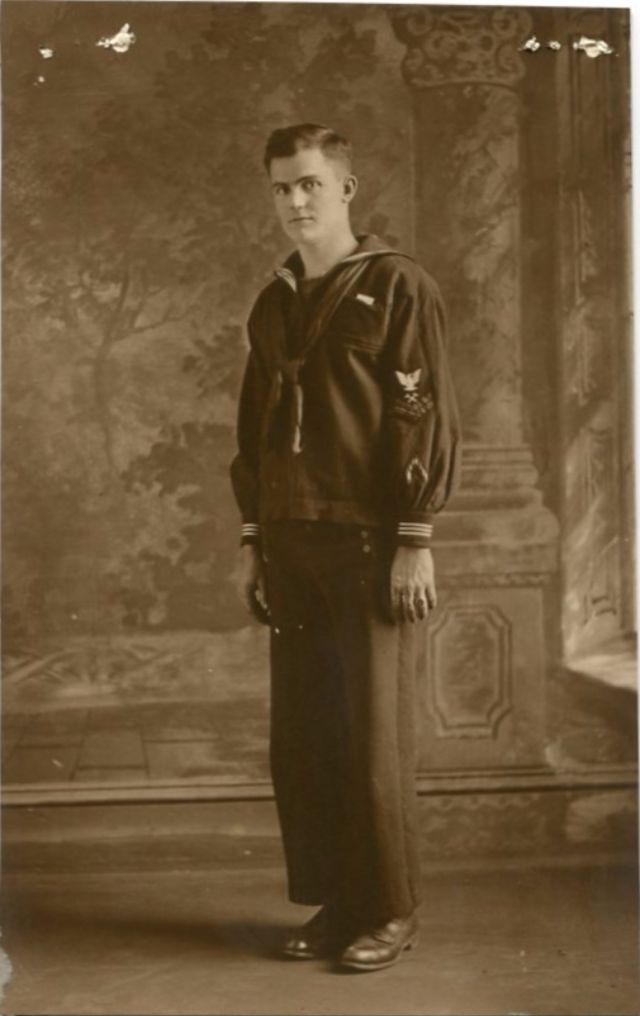
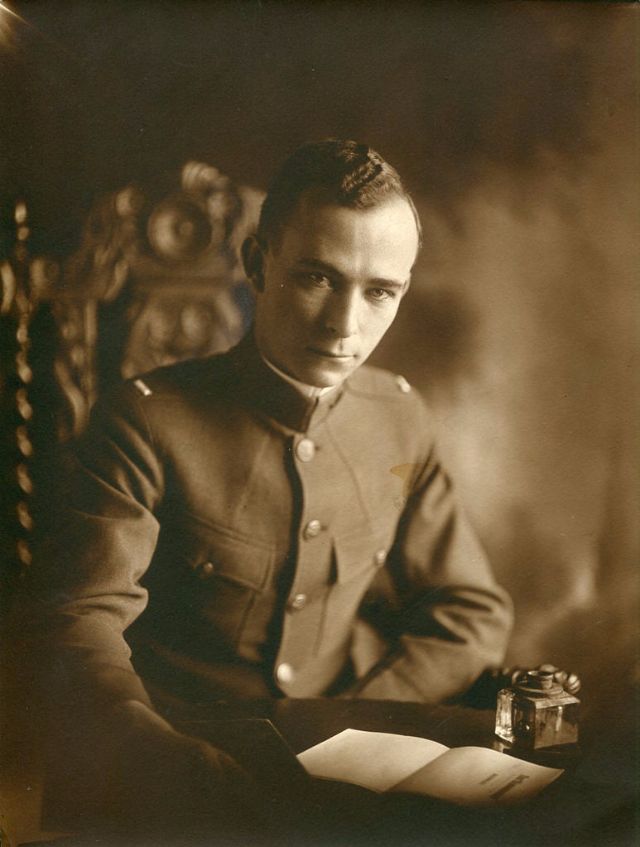
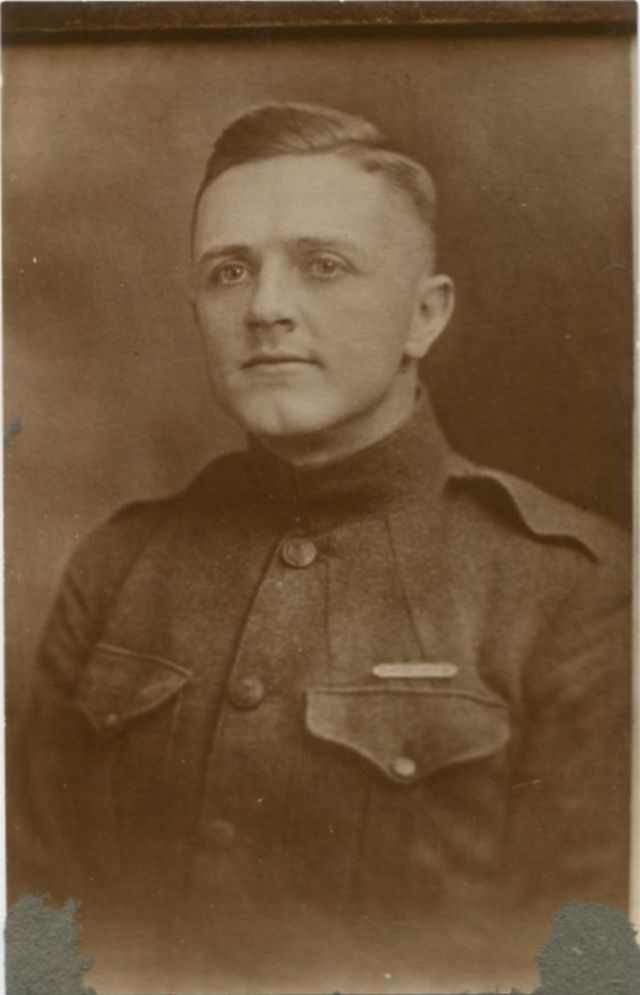
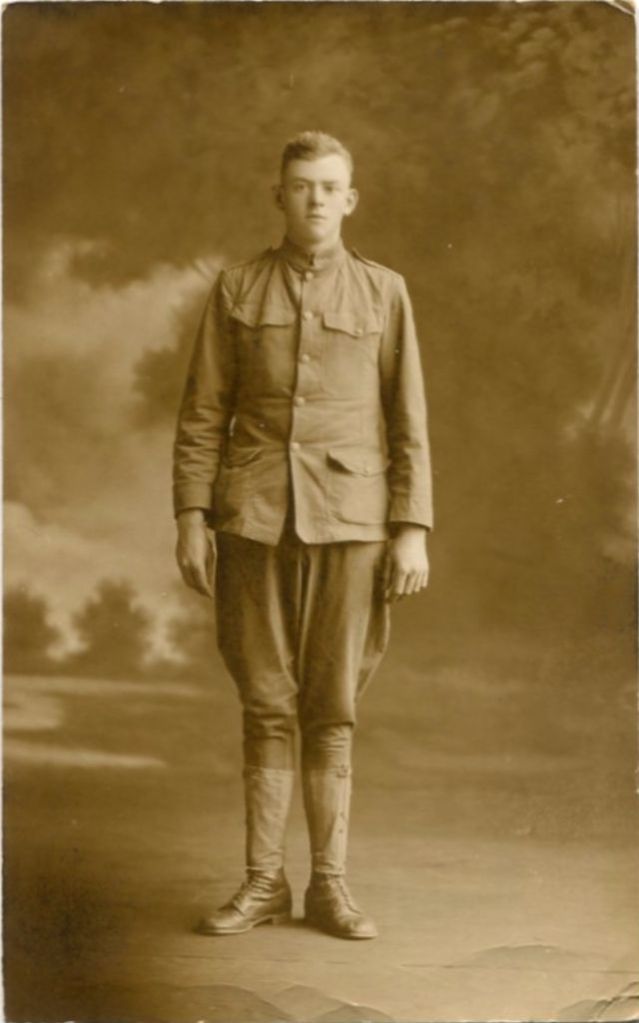
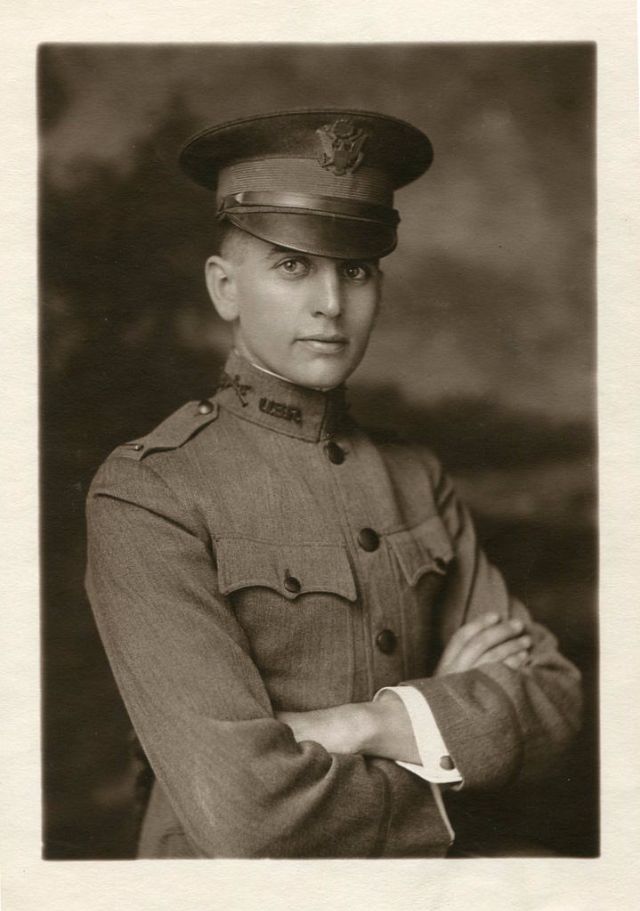
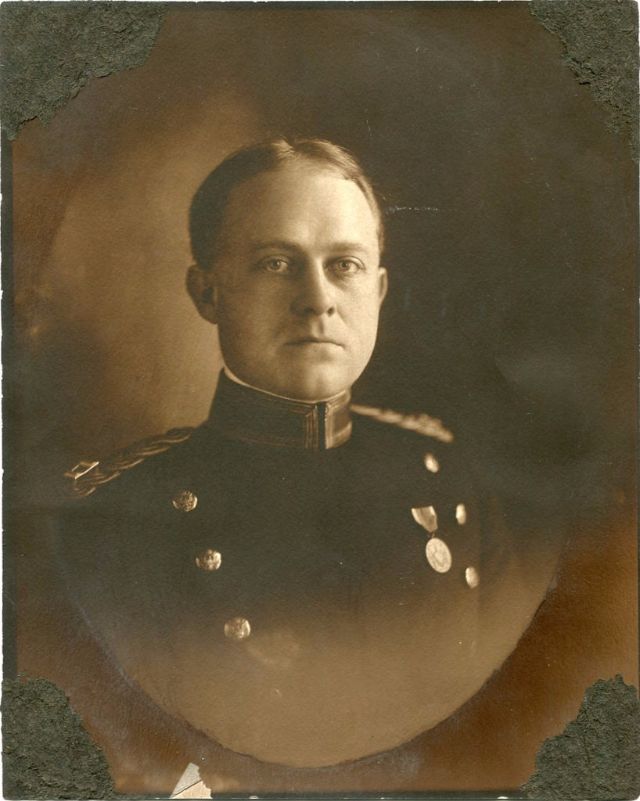
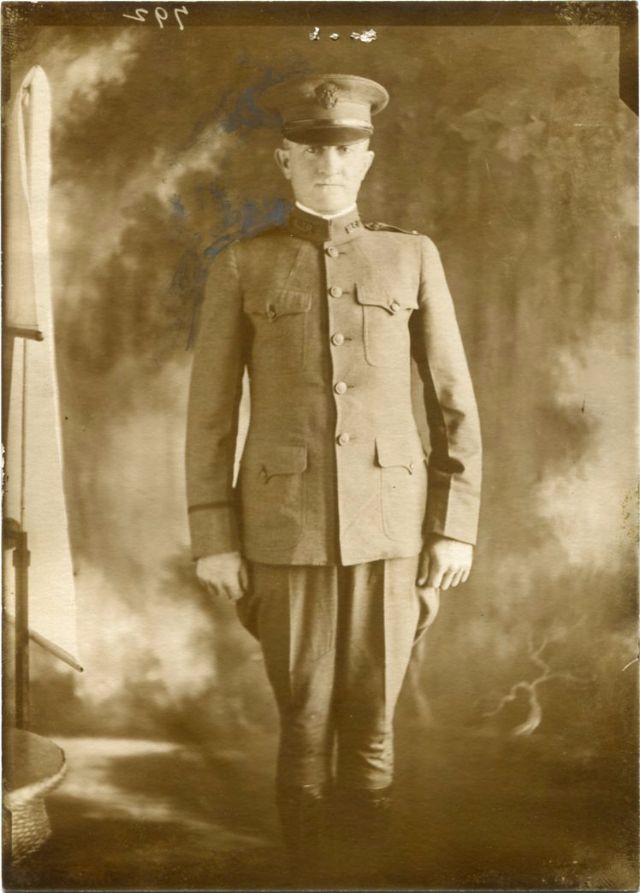
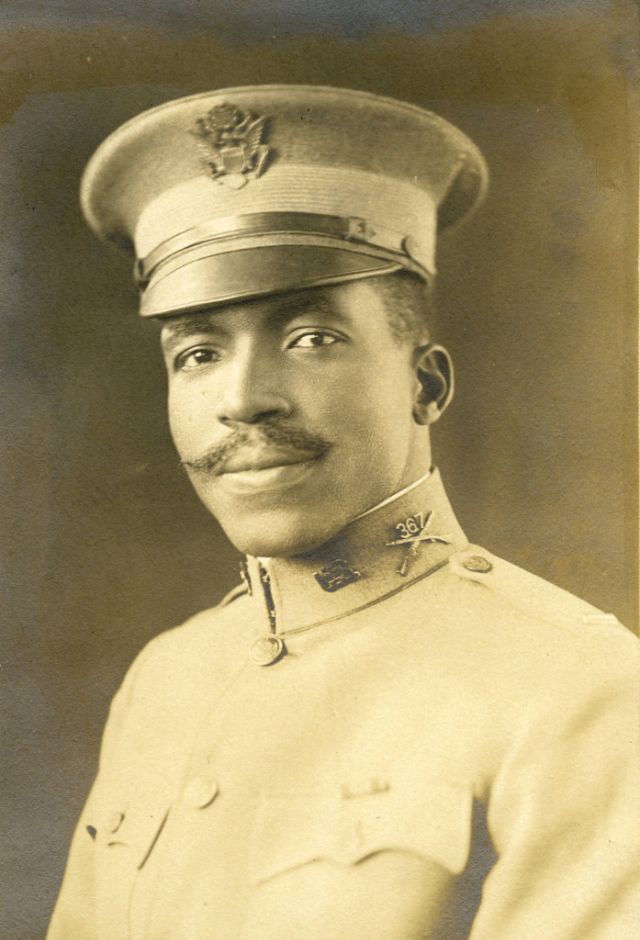
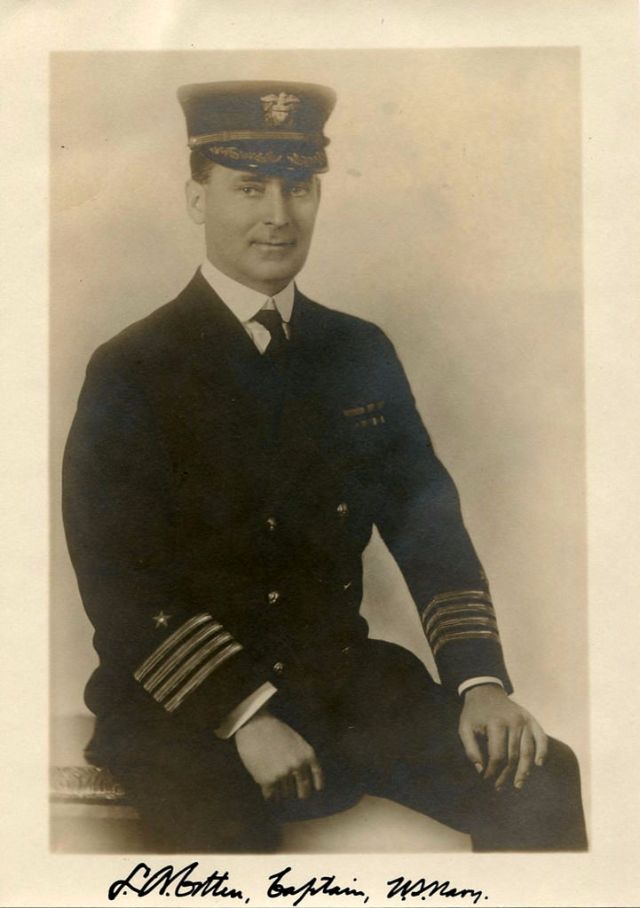
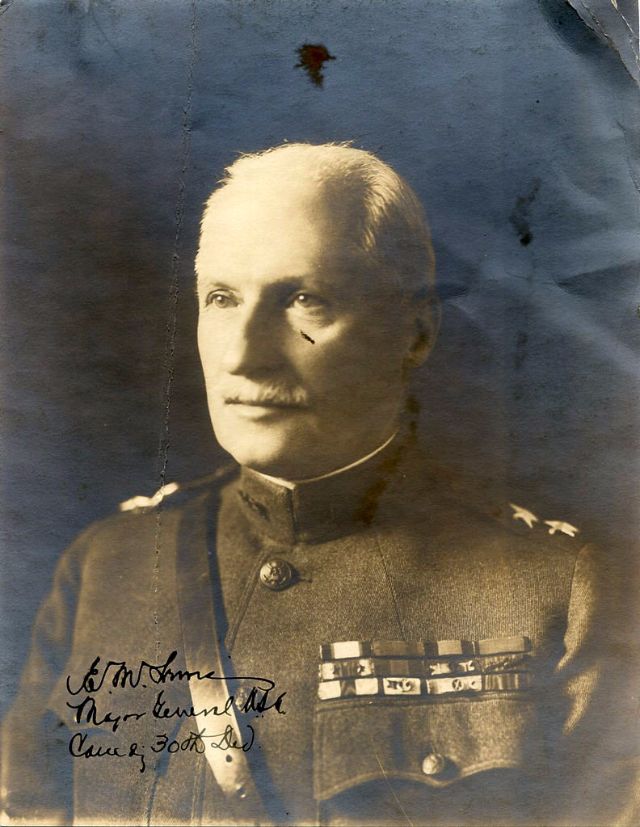
Nearly 100 years ago, thousands of North Carolina men shipped out to Europe to serve in the Great War. The photographs in this album are from the collection Warren County Compiled Individual Military Service Records (WWI 92) in the WWI Papers of the Military Collection at the State Archives of North Carolina.
The collection is composed of compiled military service record forms and photographs documenting the World War I service of 108 Warren and Halifax Counties, N.C., military service individuals. The majority of the collection documents men from Warren County. The collection also includes materials for men from Halifax County, N.C., who had been serving in the Warren County unit of the North Carolina National Guard—Company H, 3rd Infantry—which was converted into Company H, 120th Infantry, 30th Division, under federal U.S. Army service during WWI. The collection was compiled by W. Brodie Jones, the volunteer War Records Collector for Warren County, N.C., on behalf of the North Carolina Historical Commission during WWI.
This collection contains the largest set of North Carolina African Americans’ WWI portraits in the Military Collection. Many of these images were recently identified and had been unknown as representing black soldiers.