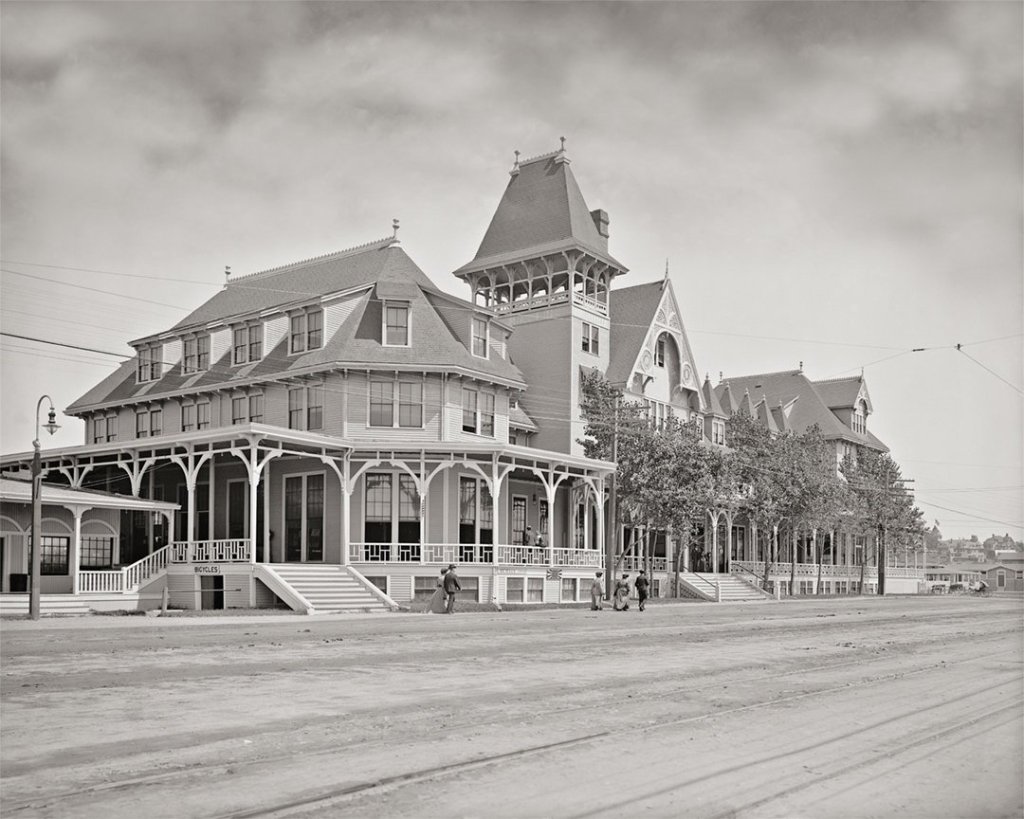
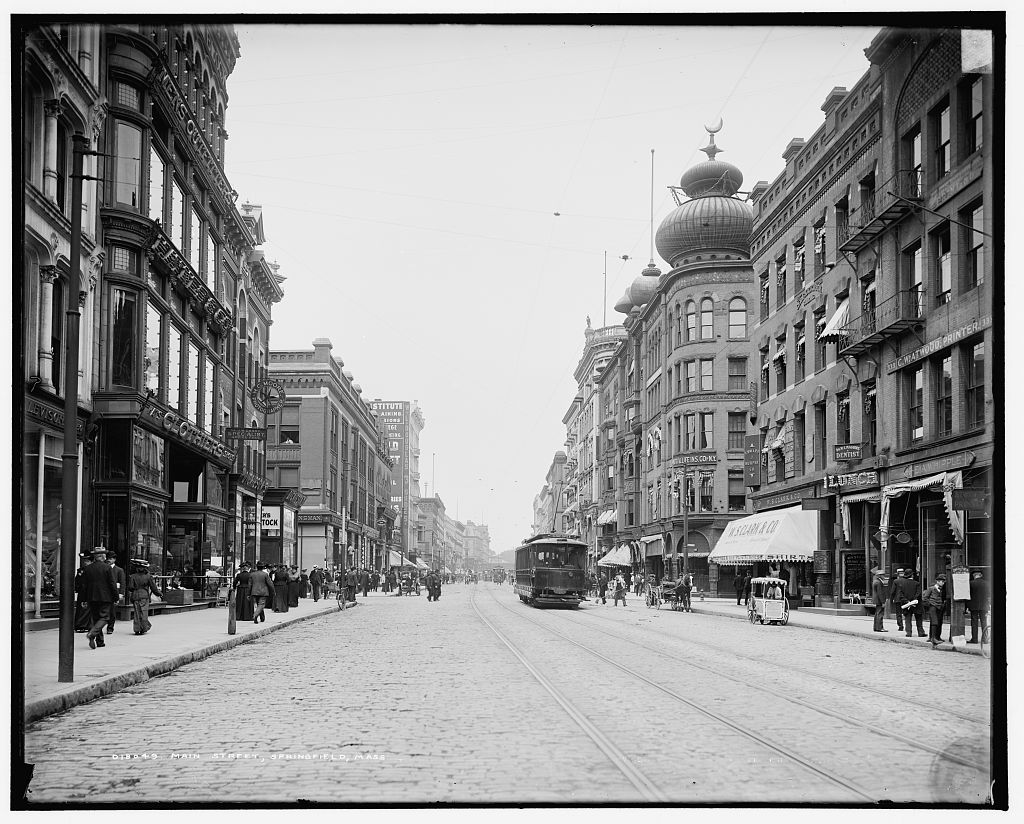
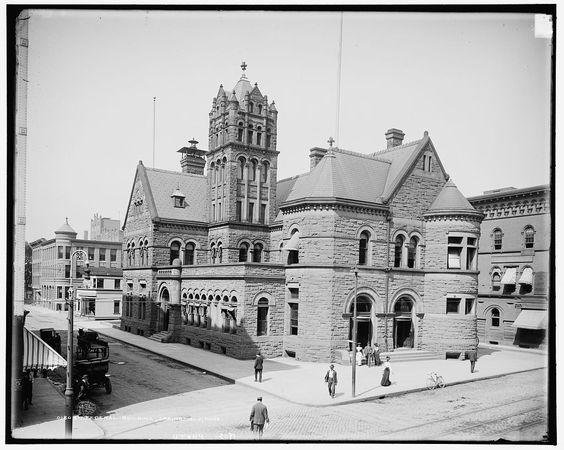
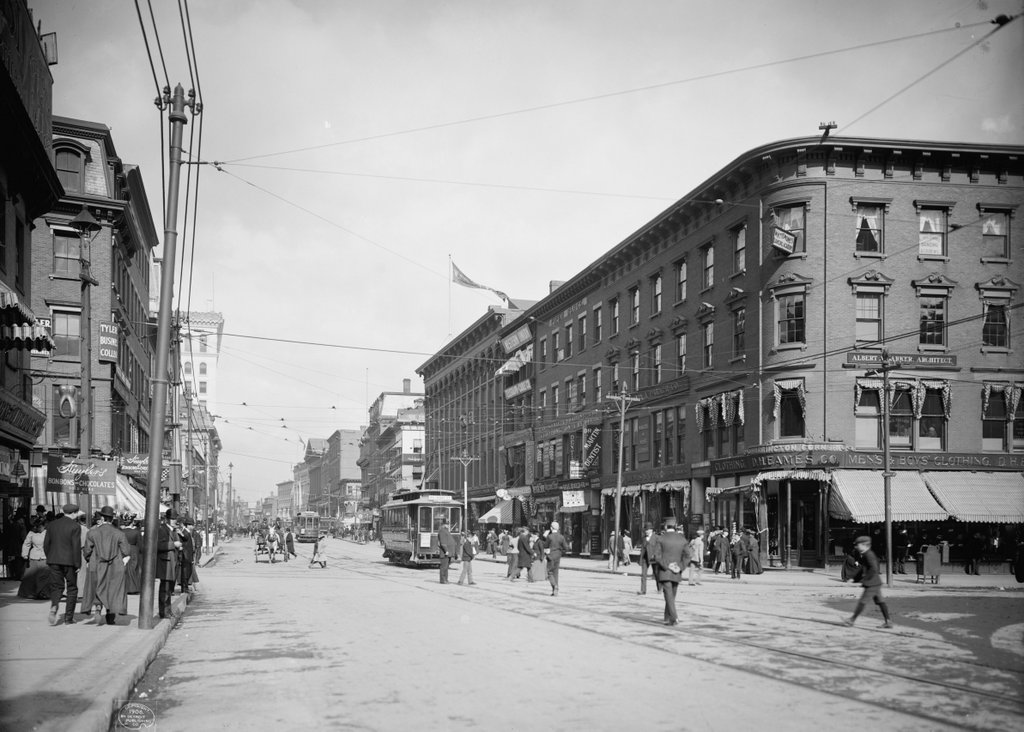
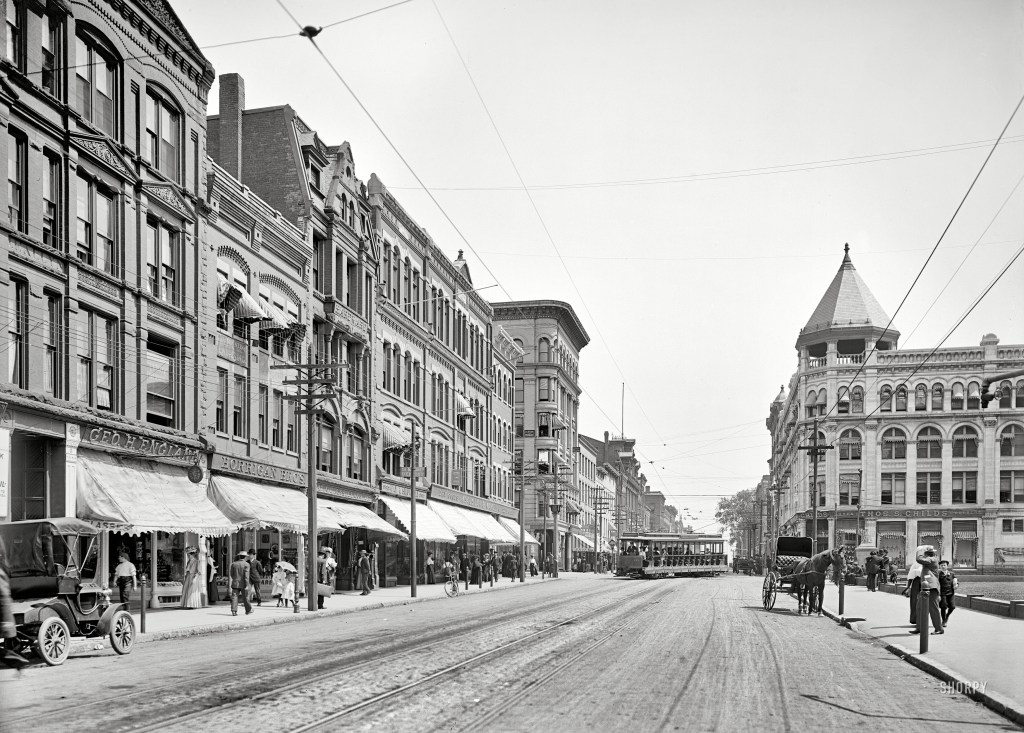
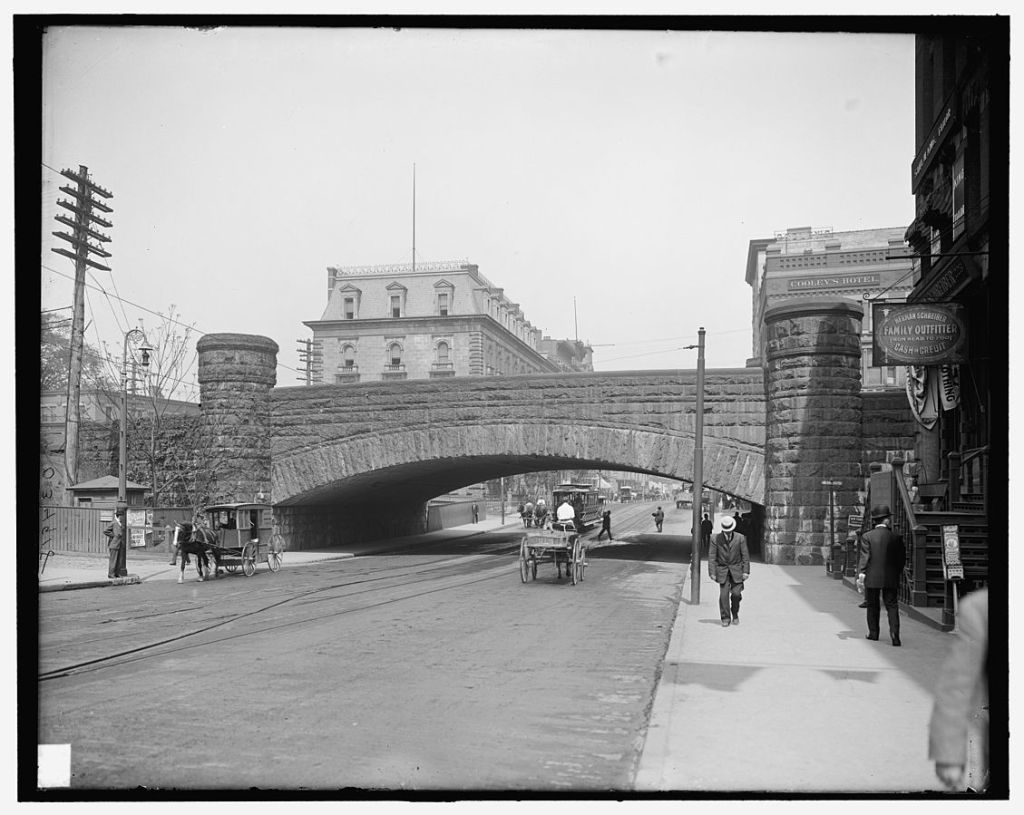
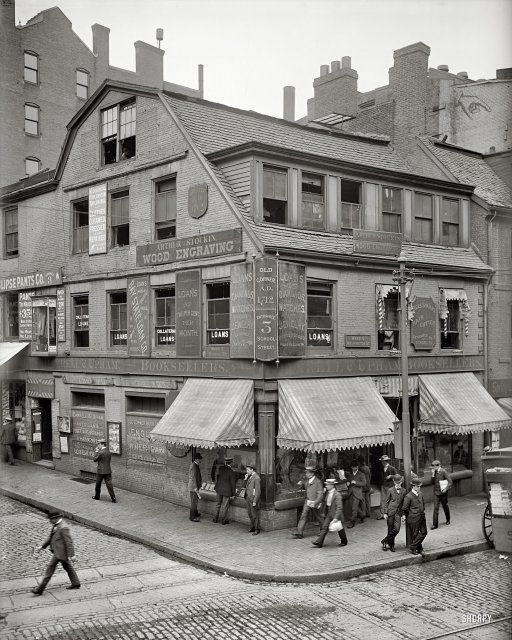
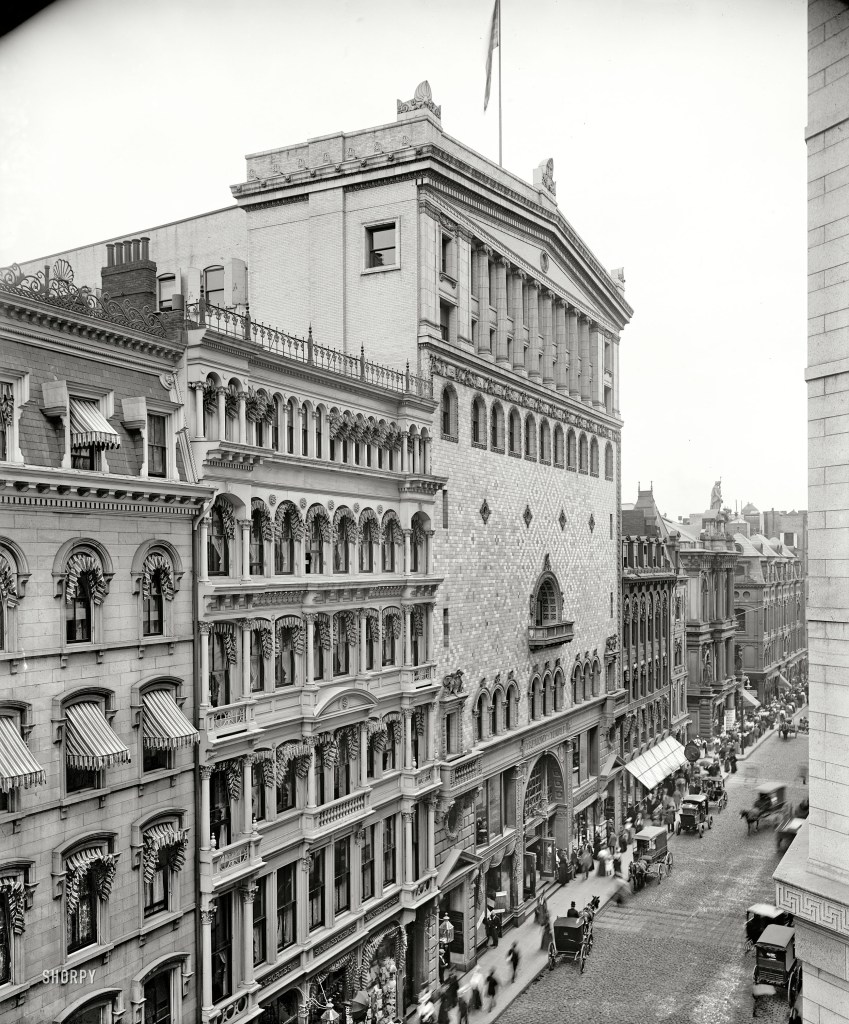
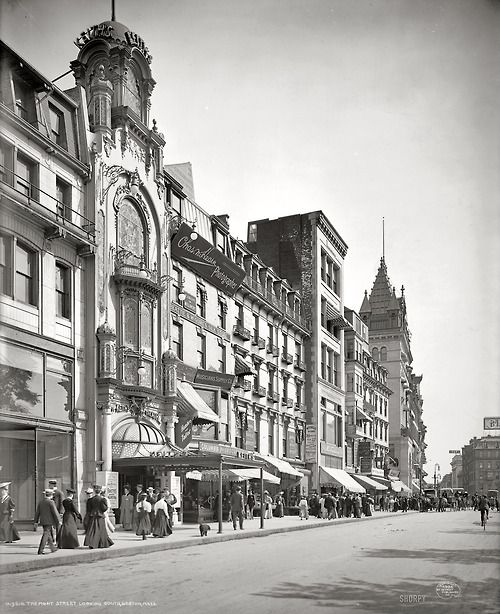
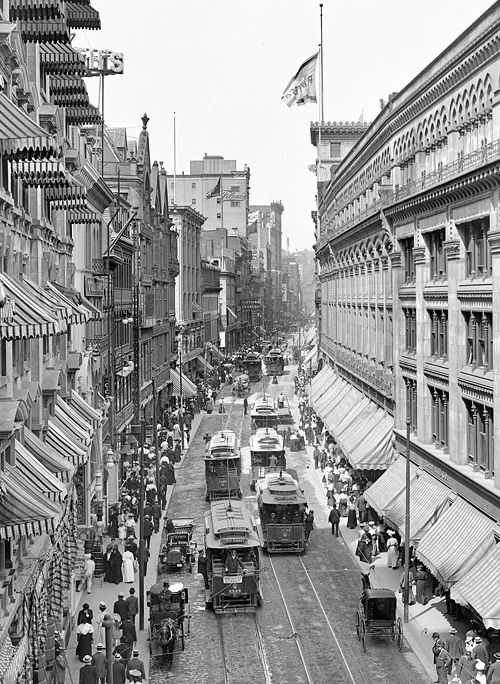
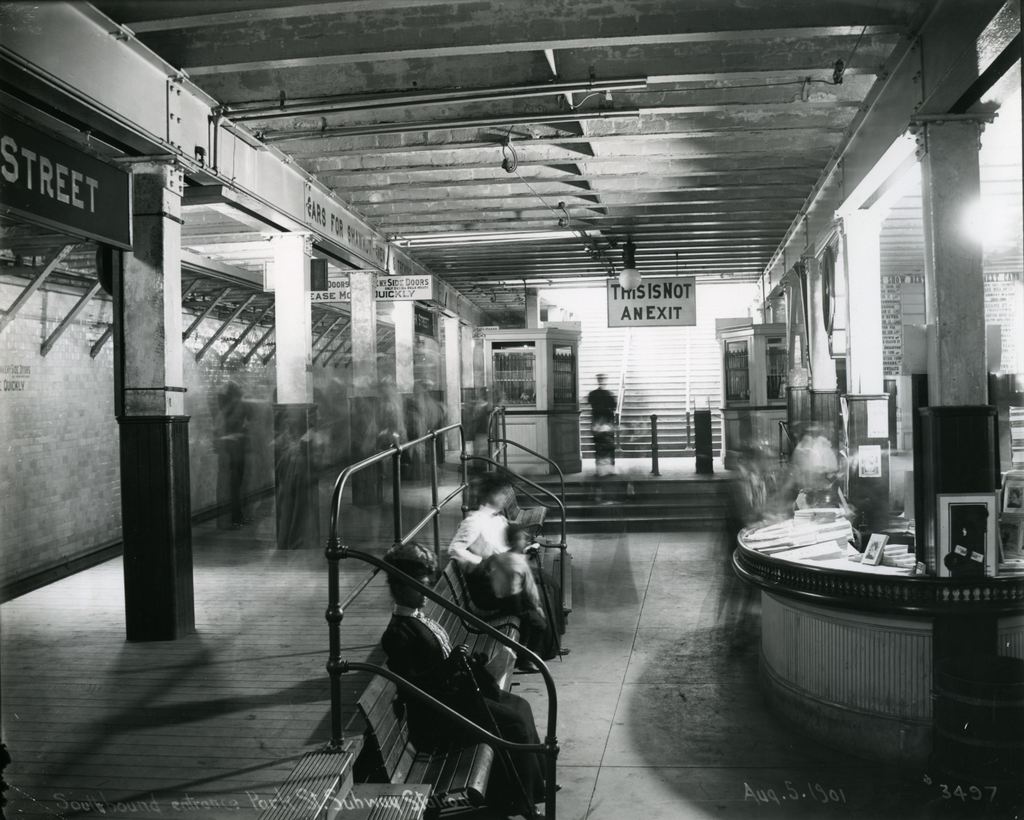
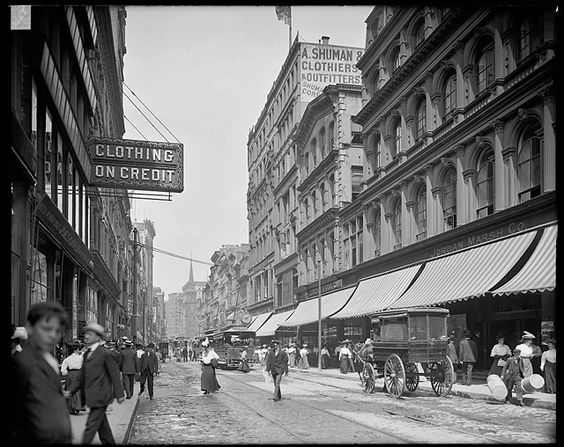
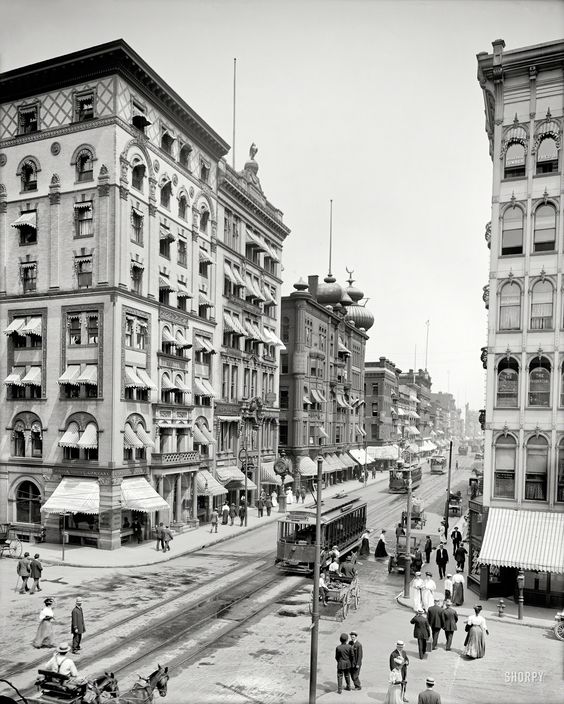
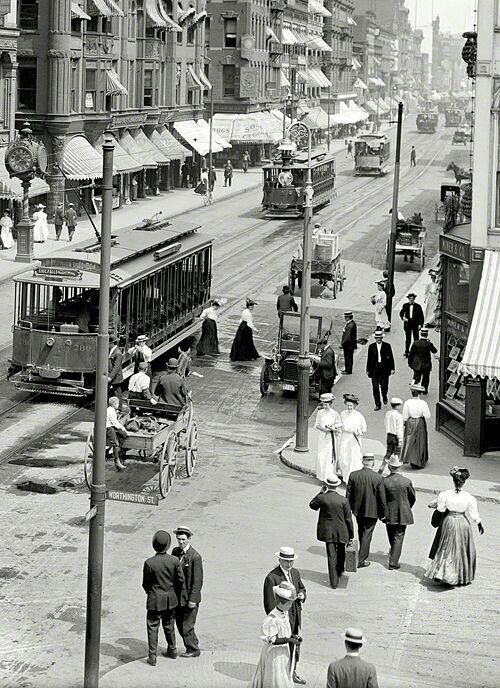
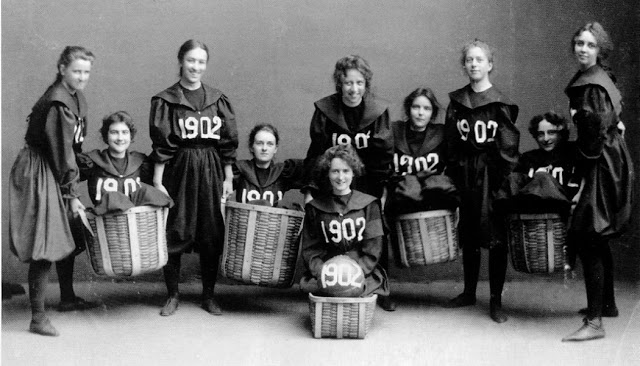
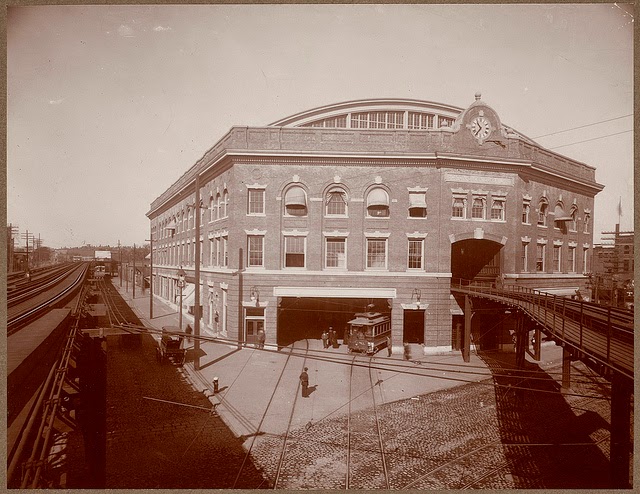
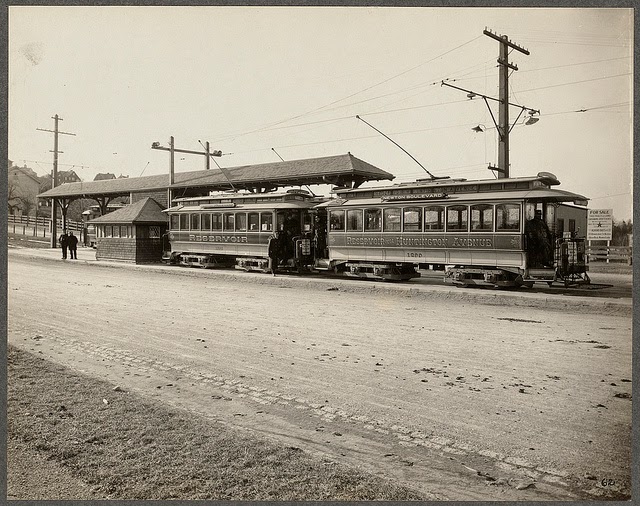
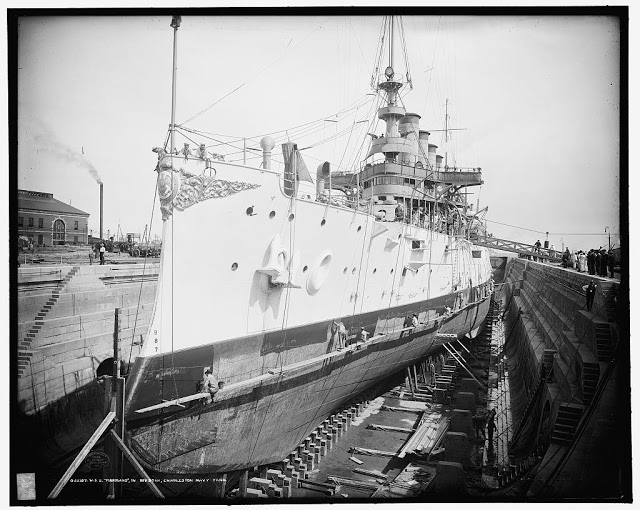
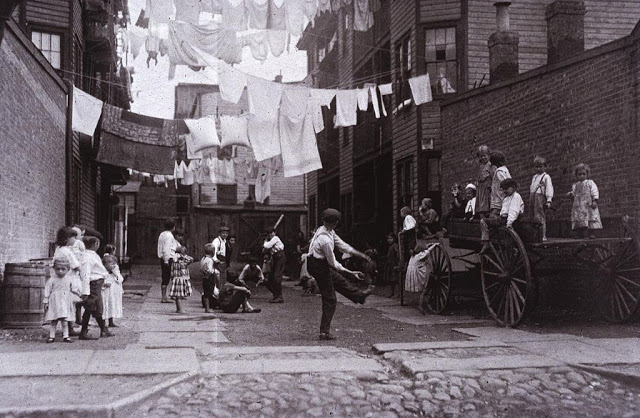
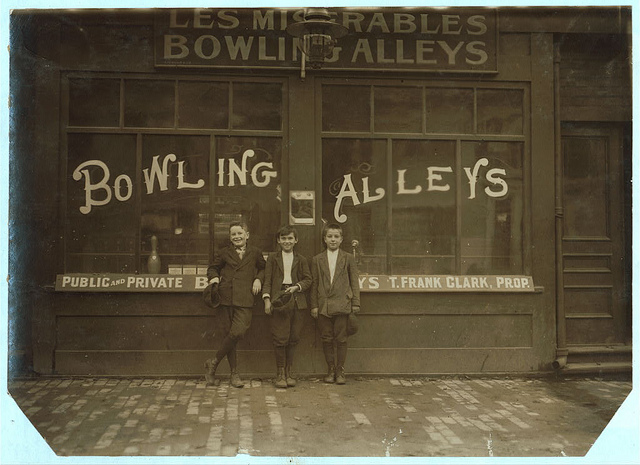
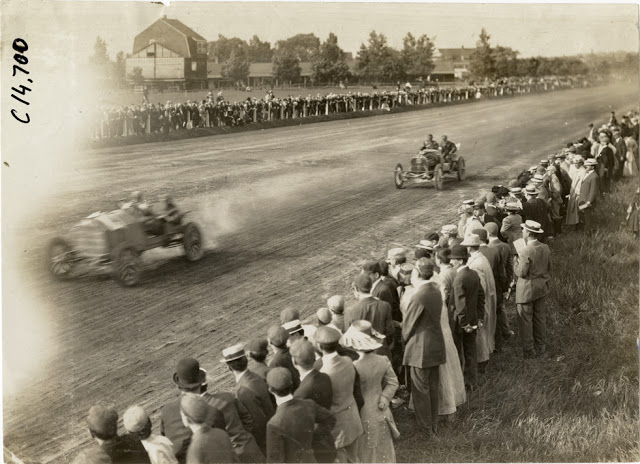
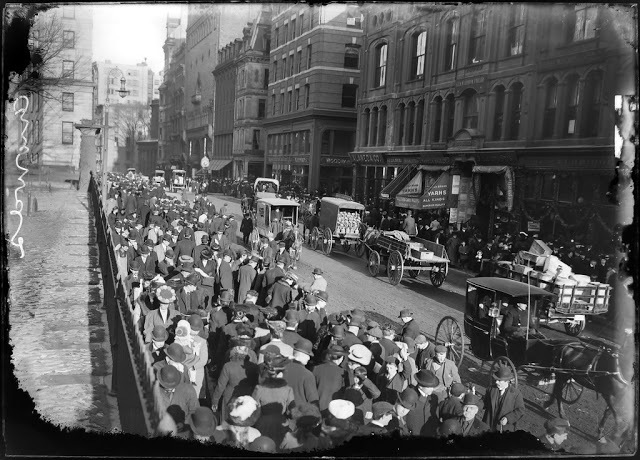
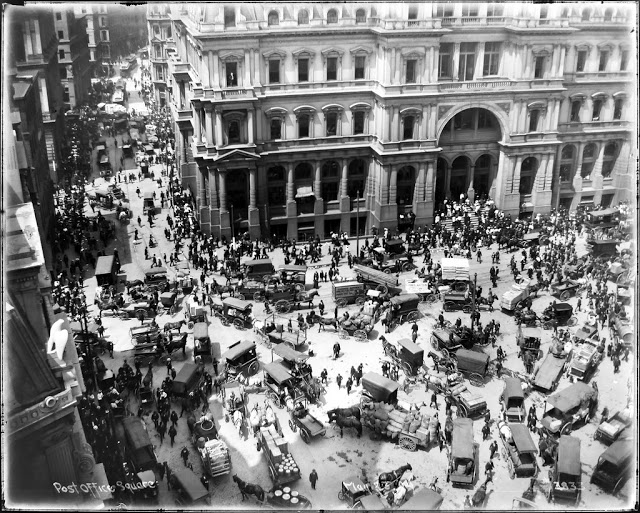
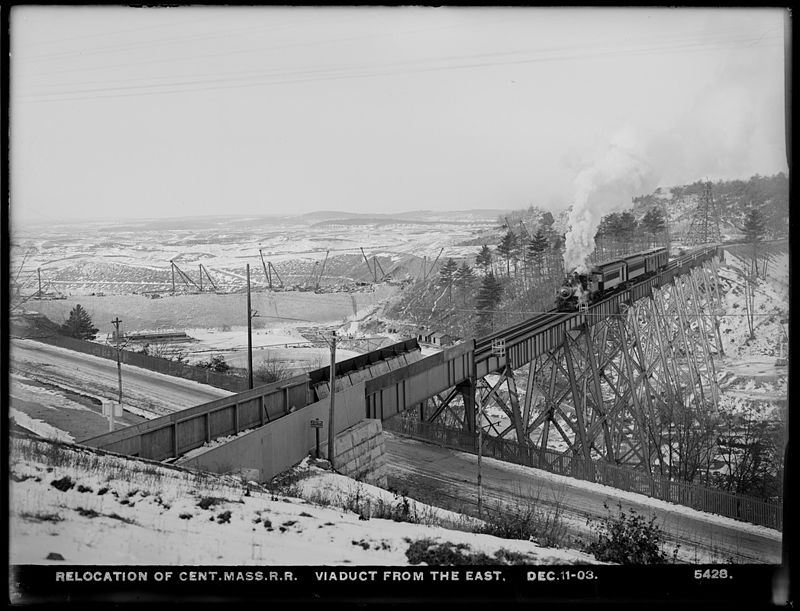
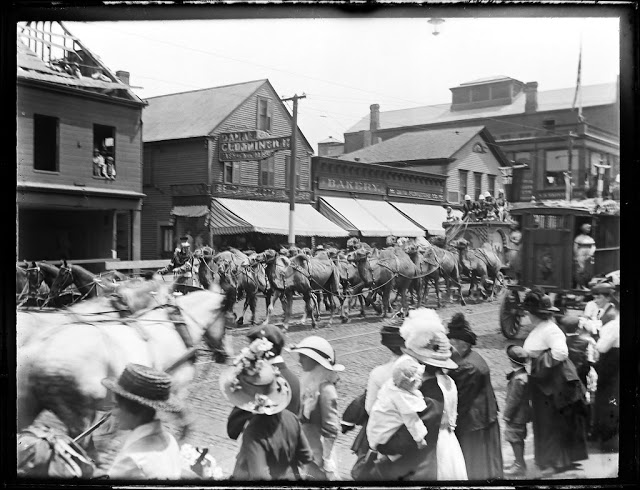
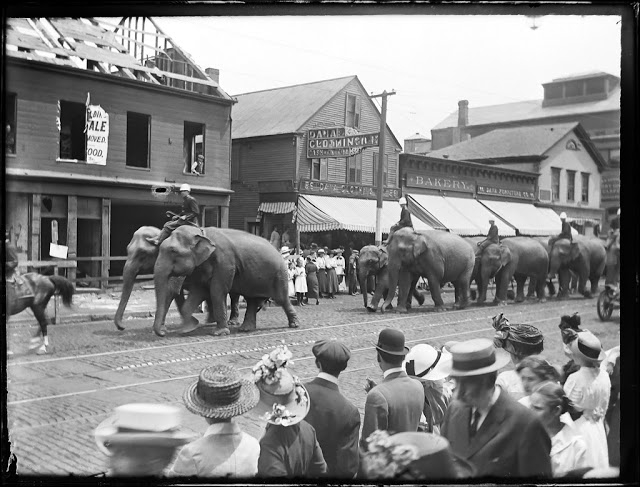
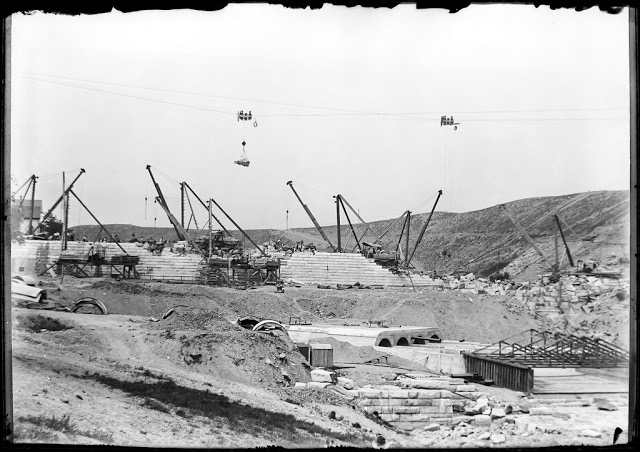
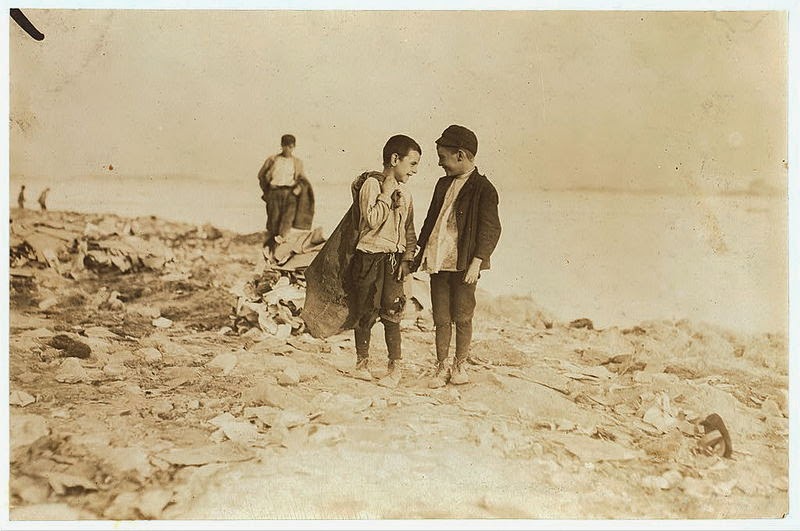
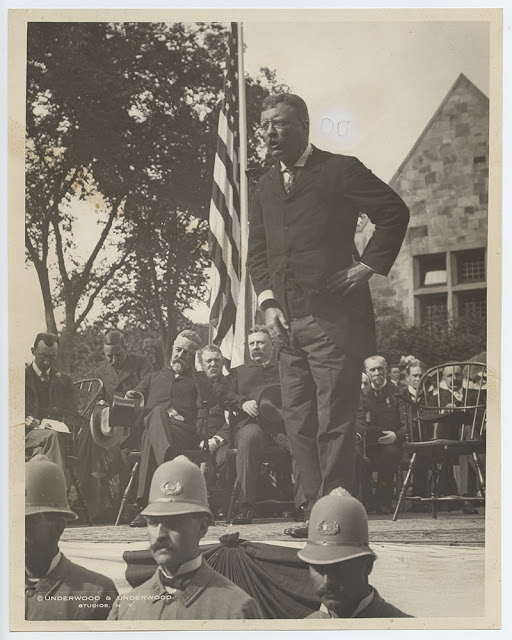
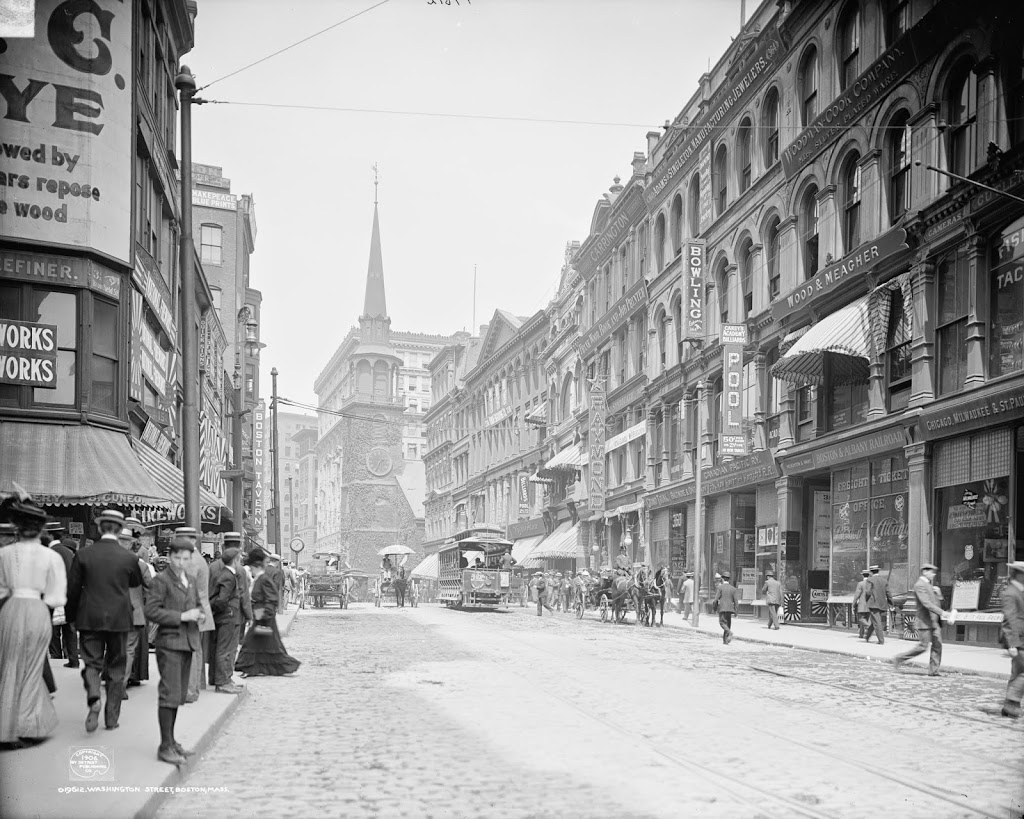
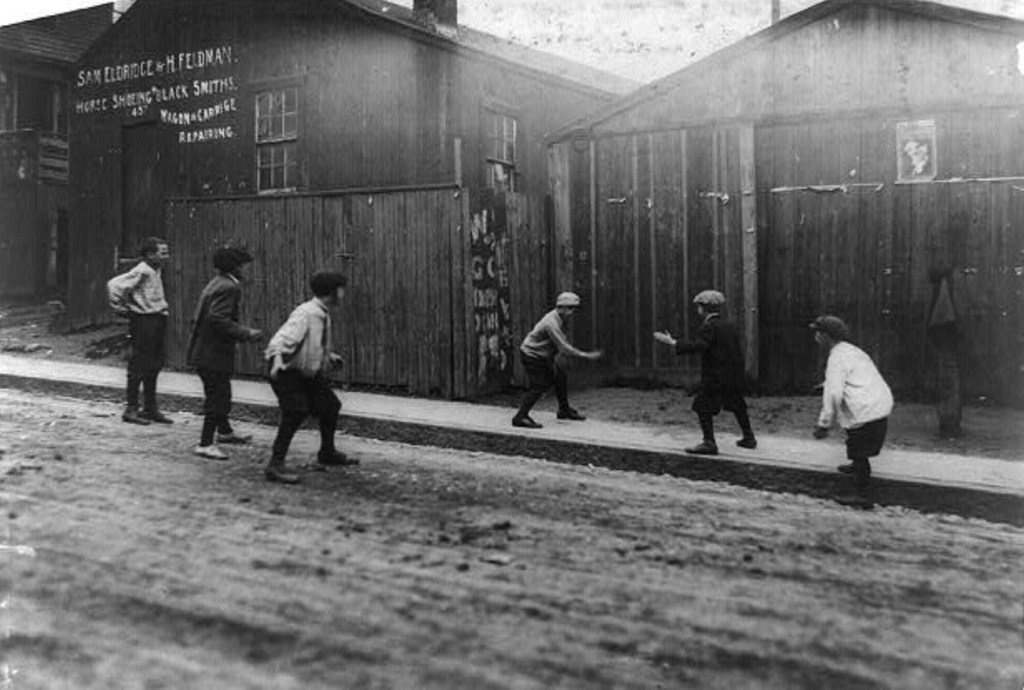
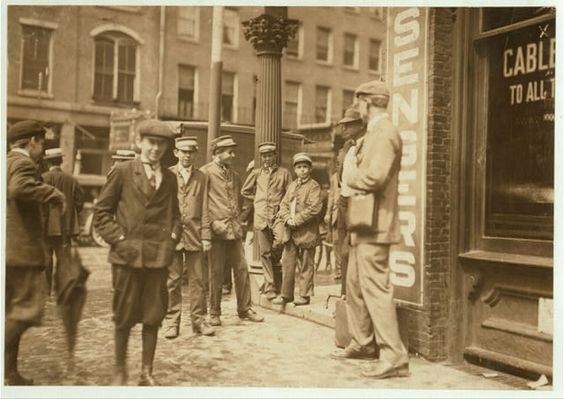
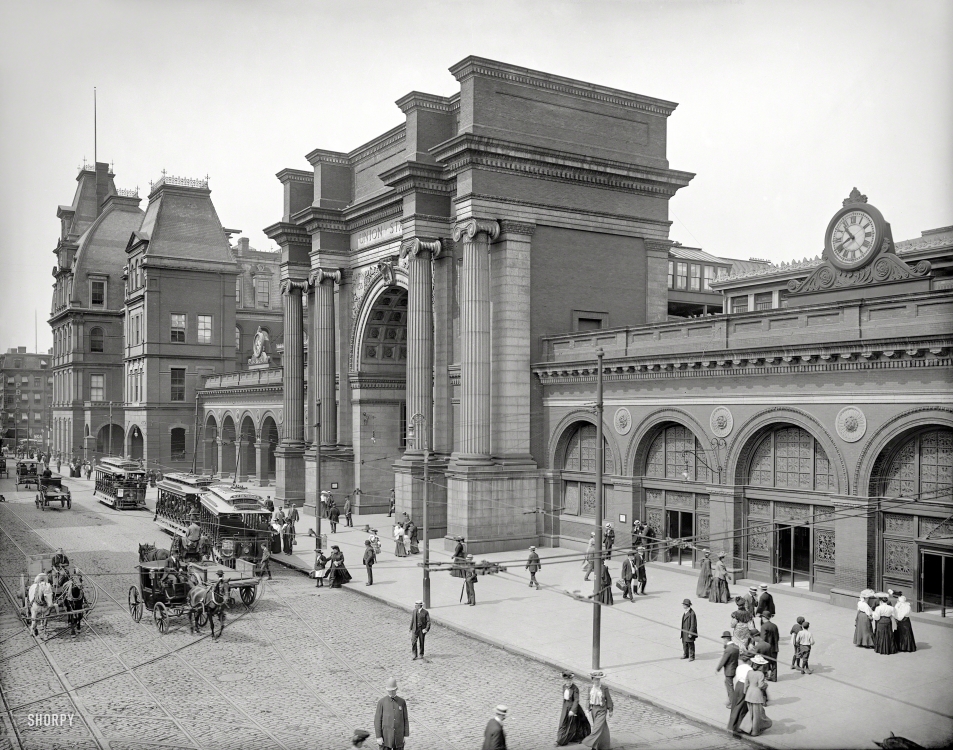
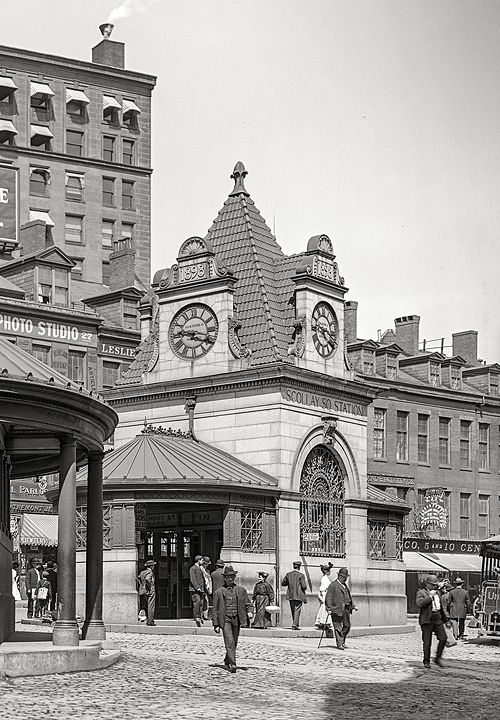
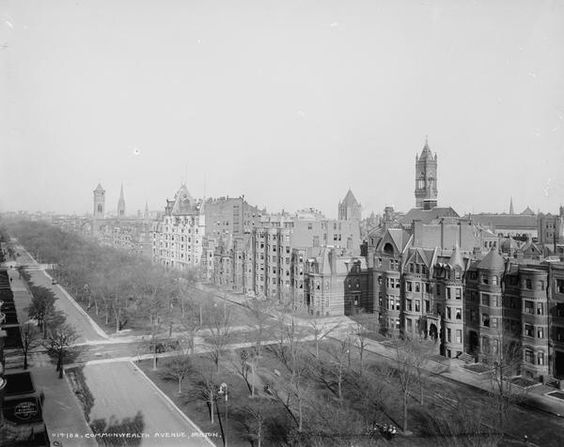
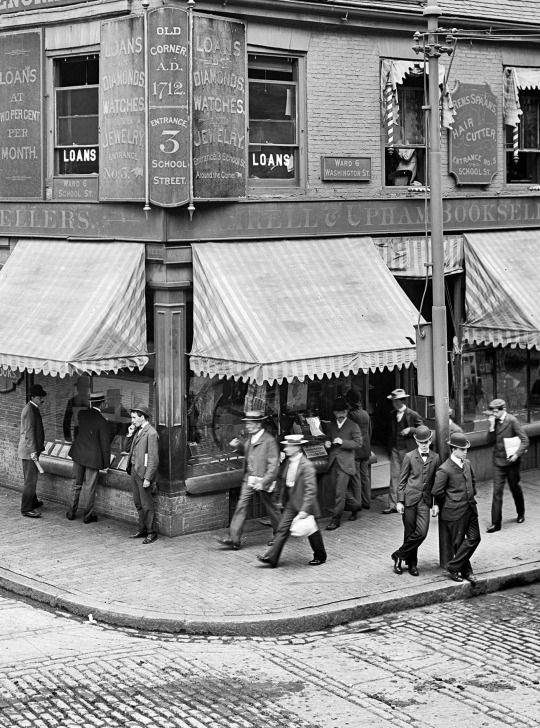
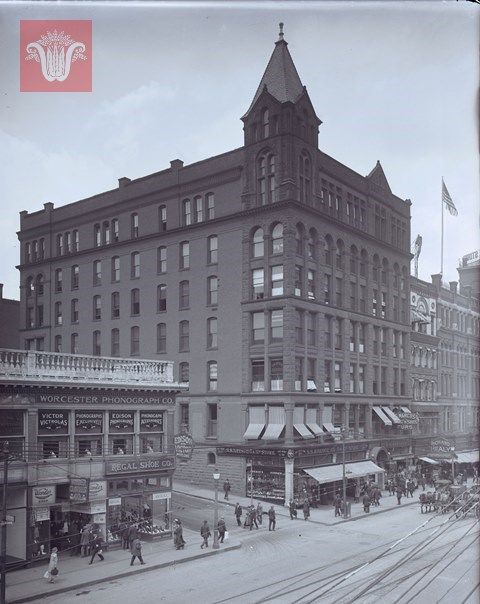
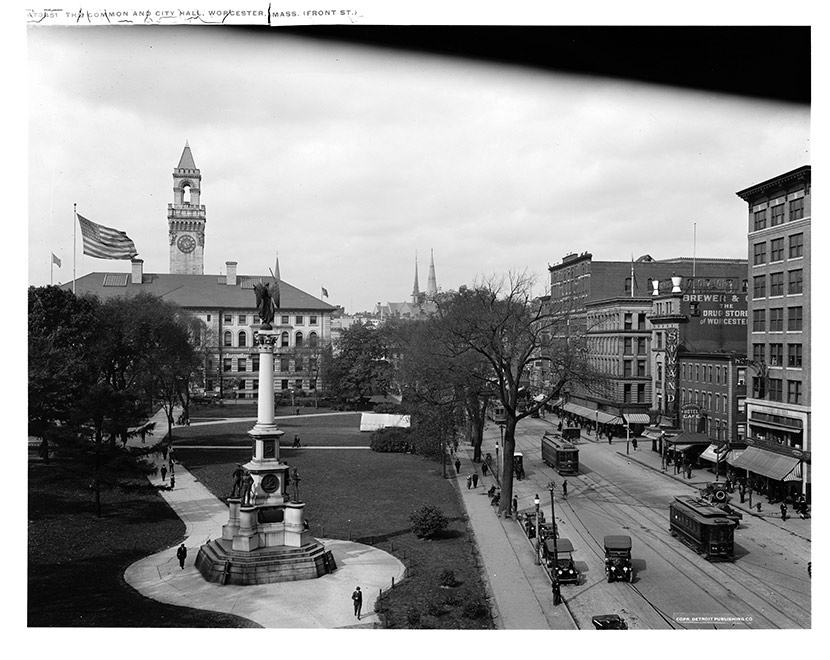
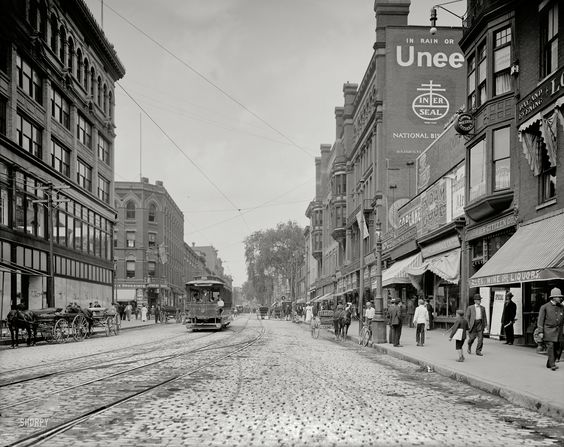
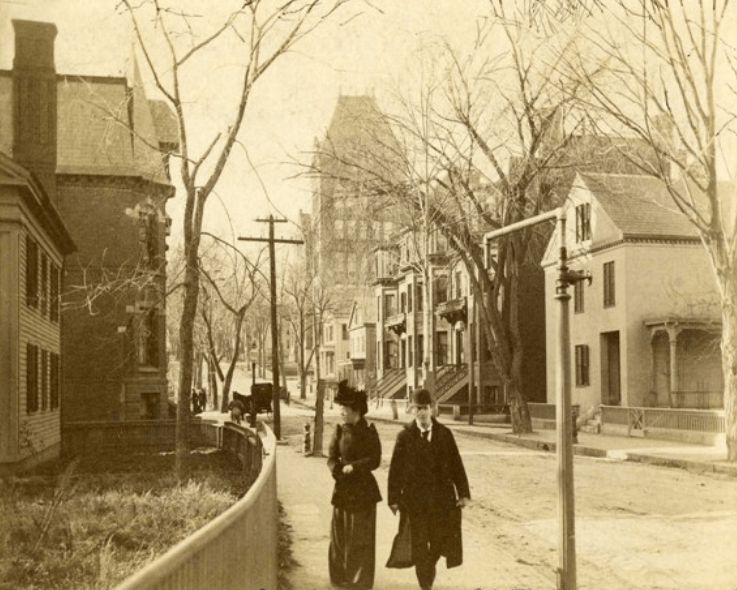
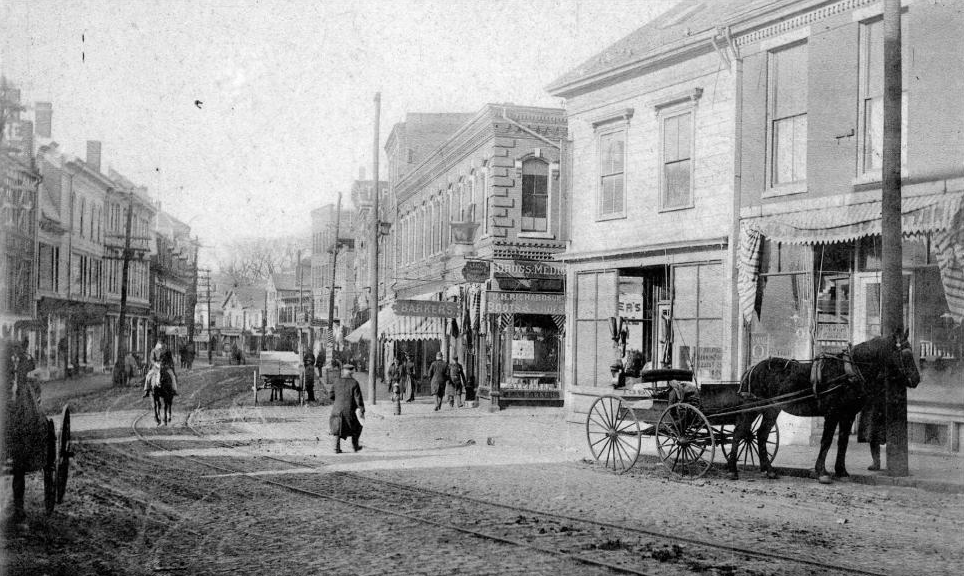
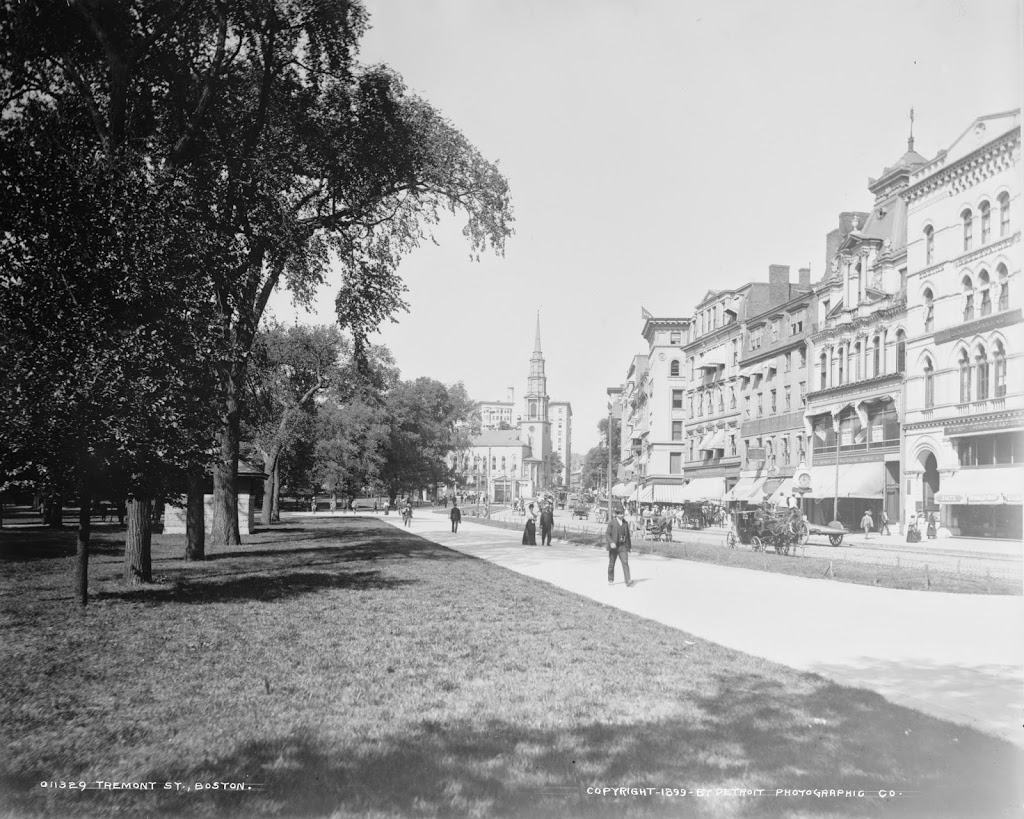
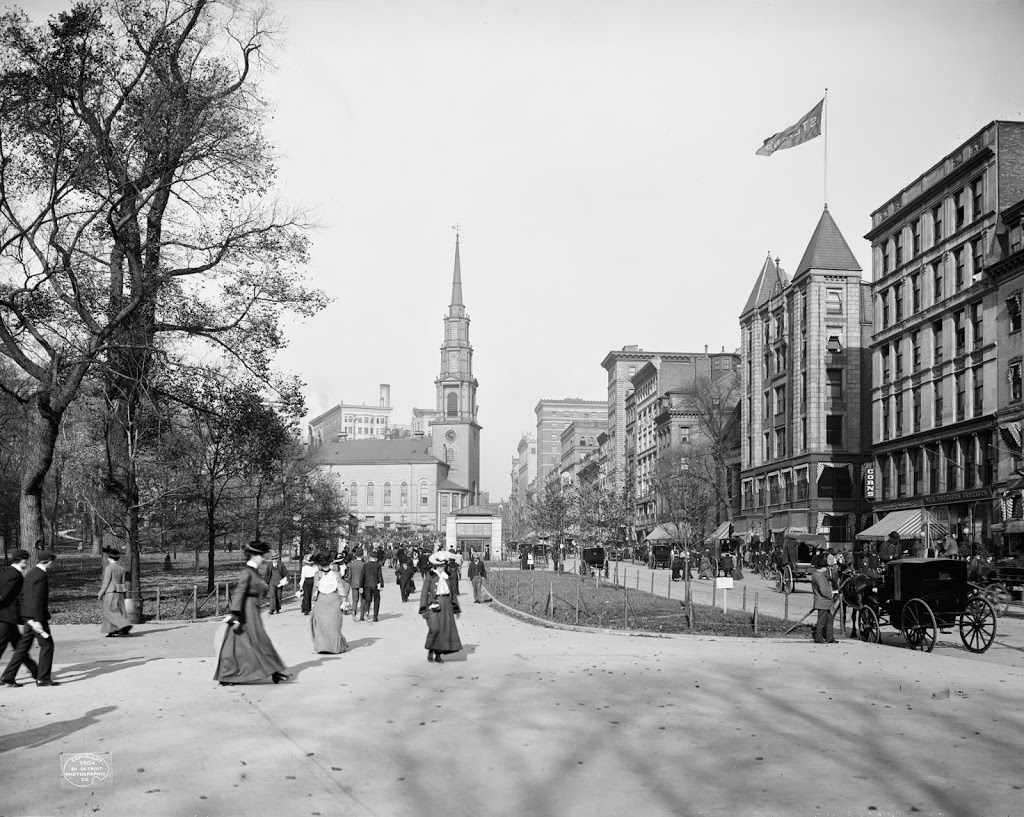
Massachusetts was an amazing place in the early 20th century. From bustling cities to quiet rural communities and even historic landmarks, these vintage photos show just how different life in this state was in the early 1900s.

Bringing You the Wonder of Yesterday – Today
Massachusetts was an amazing place in the early 20th century. From bustling cities to quiet rural communities and even historic landmarks, these vintage photos show just how different life in this state was in the early 1900s.

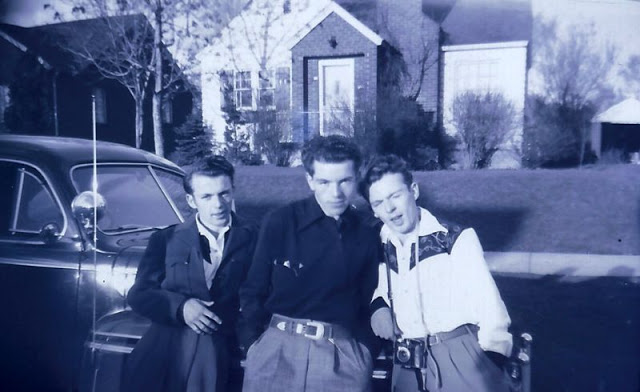
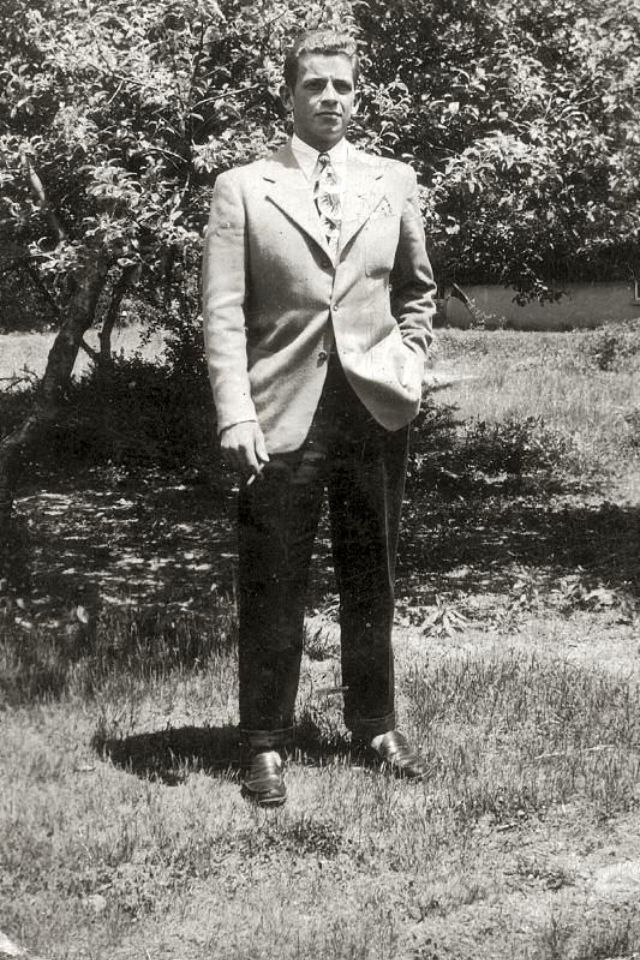
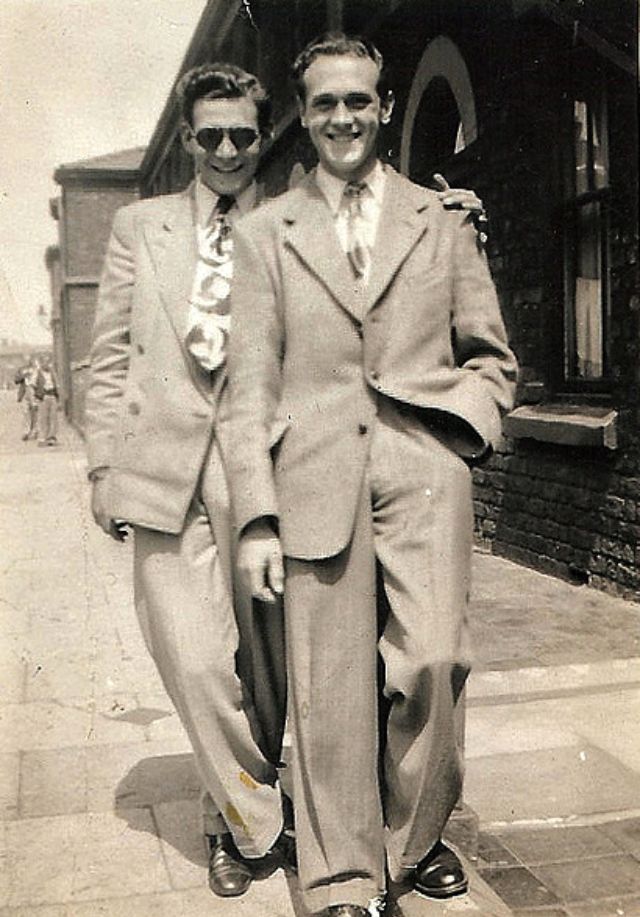
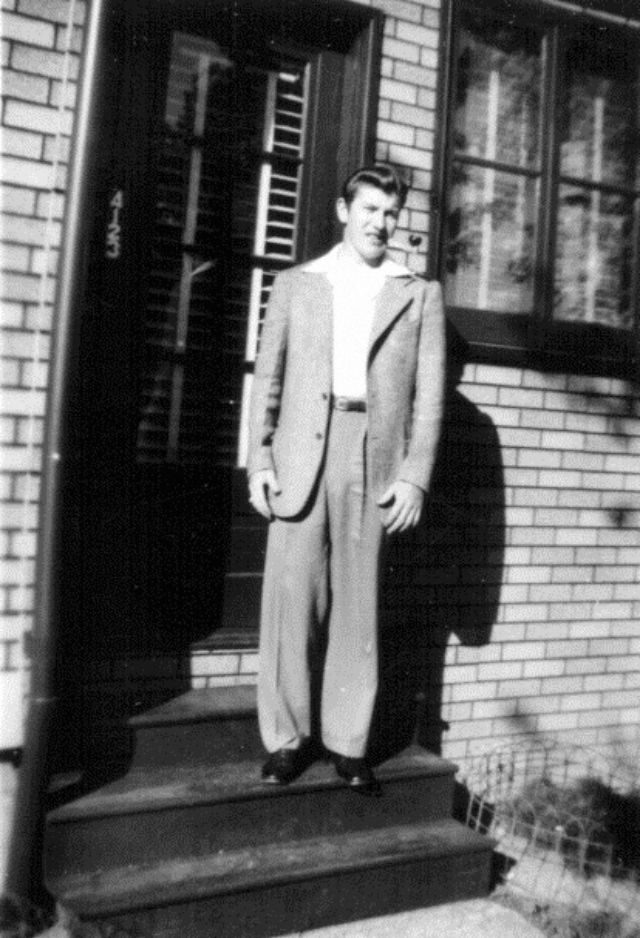
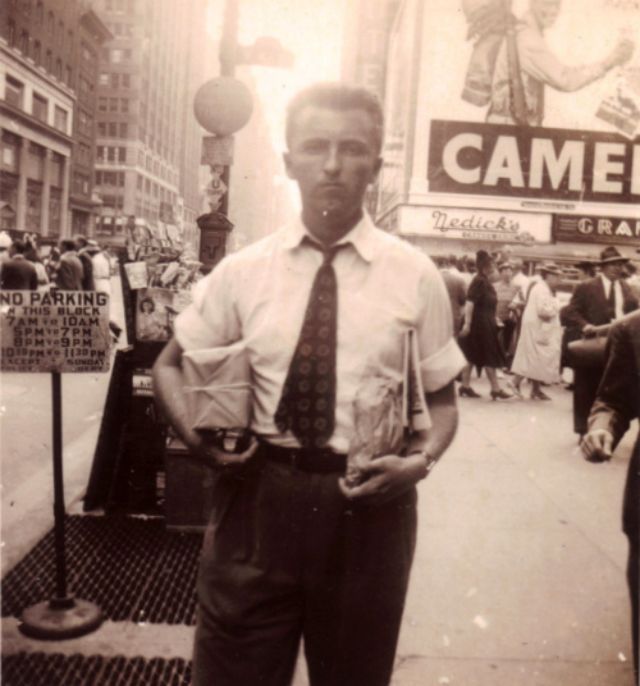
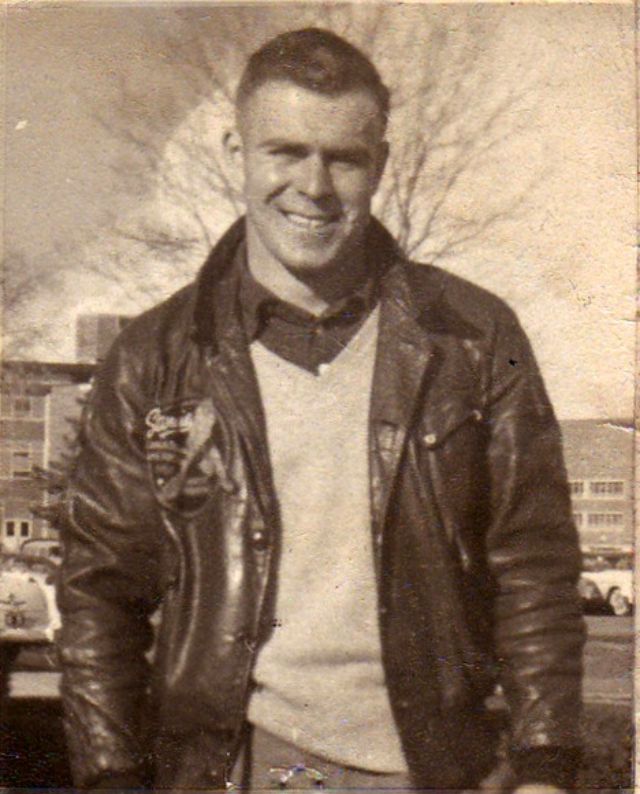
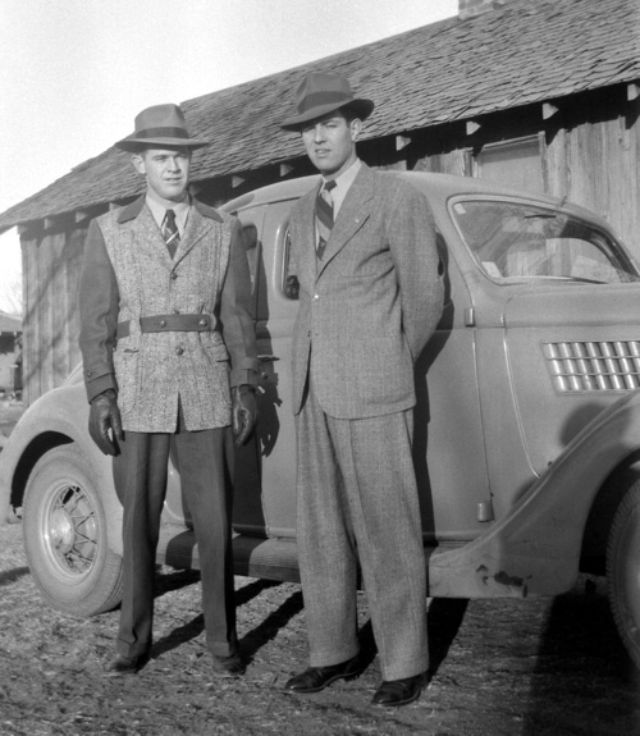
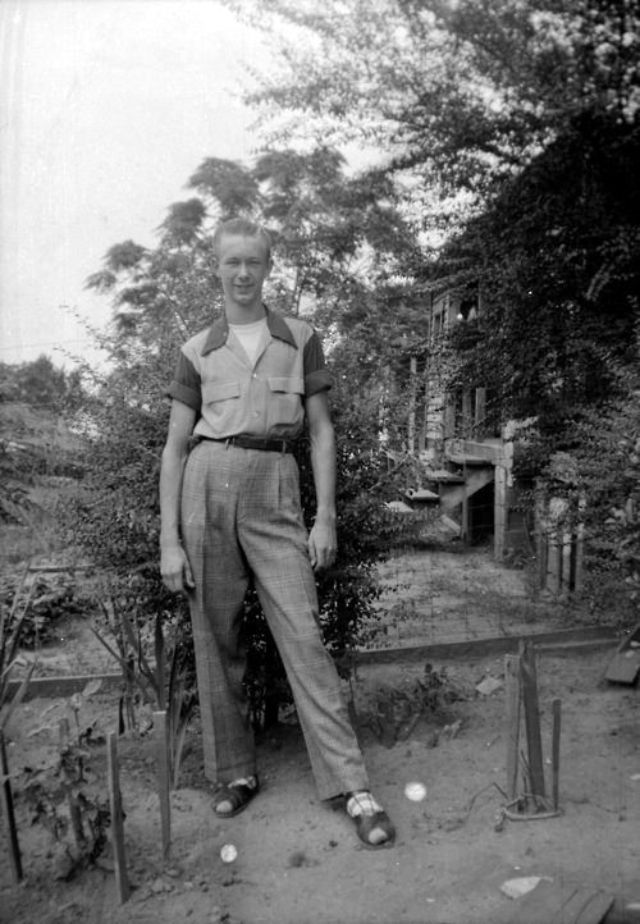
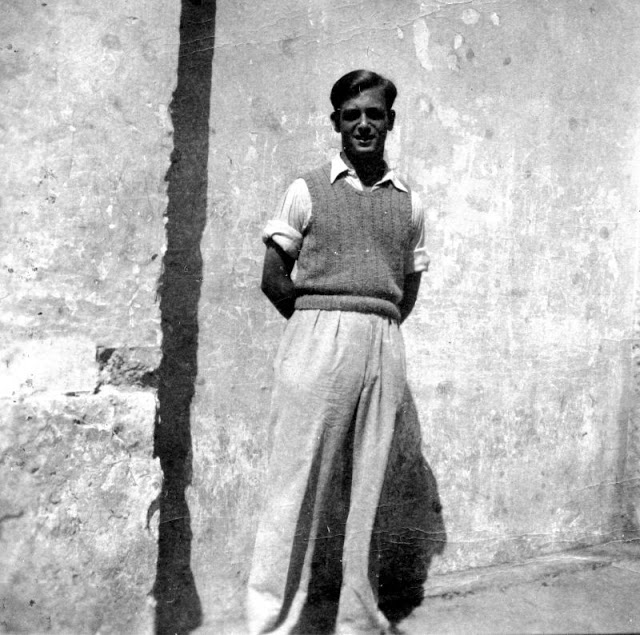
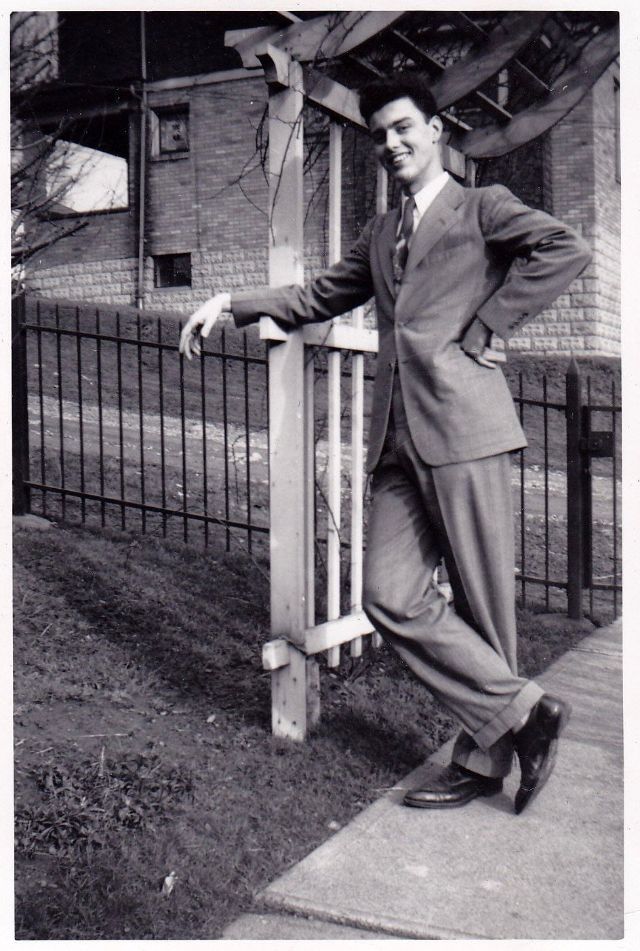
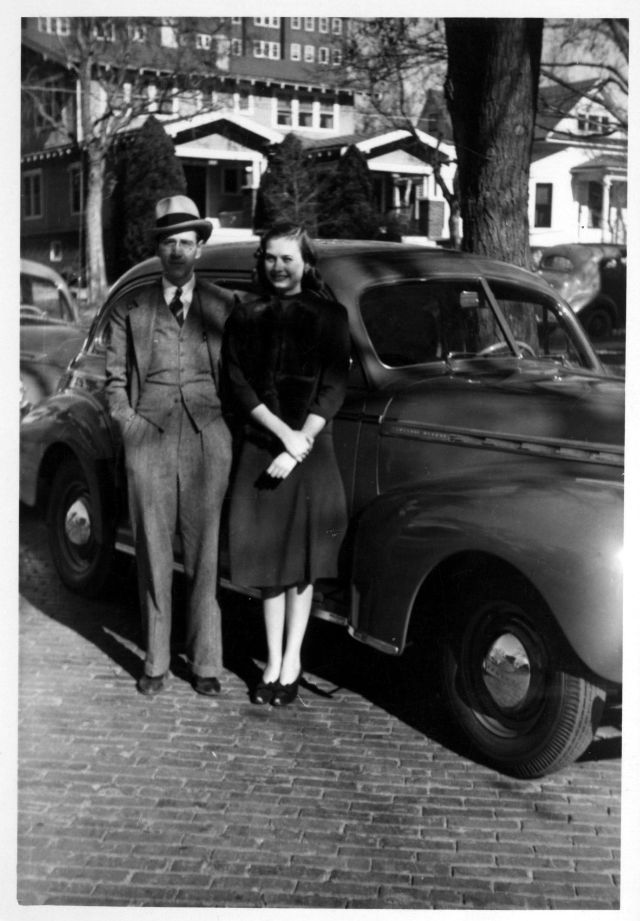
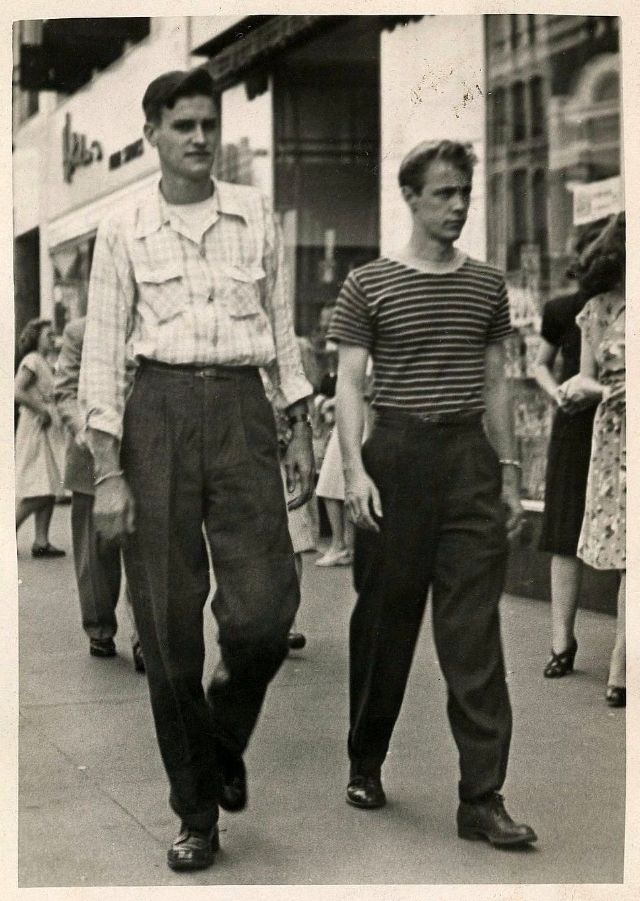
Men’s fashion in the 1940s enjoyed what some may consider its last great hurrah in true gentlemanly style and elegance. It was an era that initially began with practical styles due to the Second World War starting in 1939 and ending in 1945. Once the war was over, the end of strict rationing was celebrated by fashion becoming more extravagant and stylish.
Men’s suits lost their vest, pocket flaps and trouser cuffs. Since the majority of men were out fighting the war, those who remained at home wanted to appear as austere as possible. All clothes became basic which led to the male wardrobe becoming much more simple and plain, with such a shortage of fabric the level of detail on men’s clothes became simple if not almost nonexistent.


















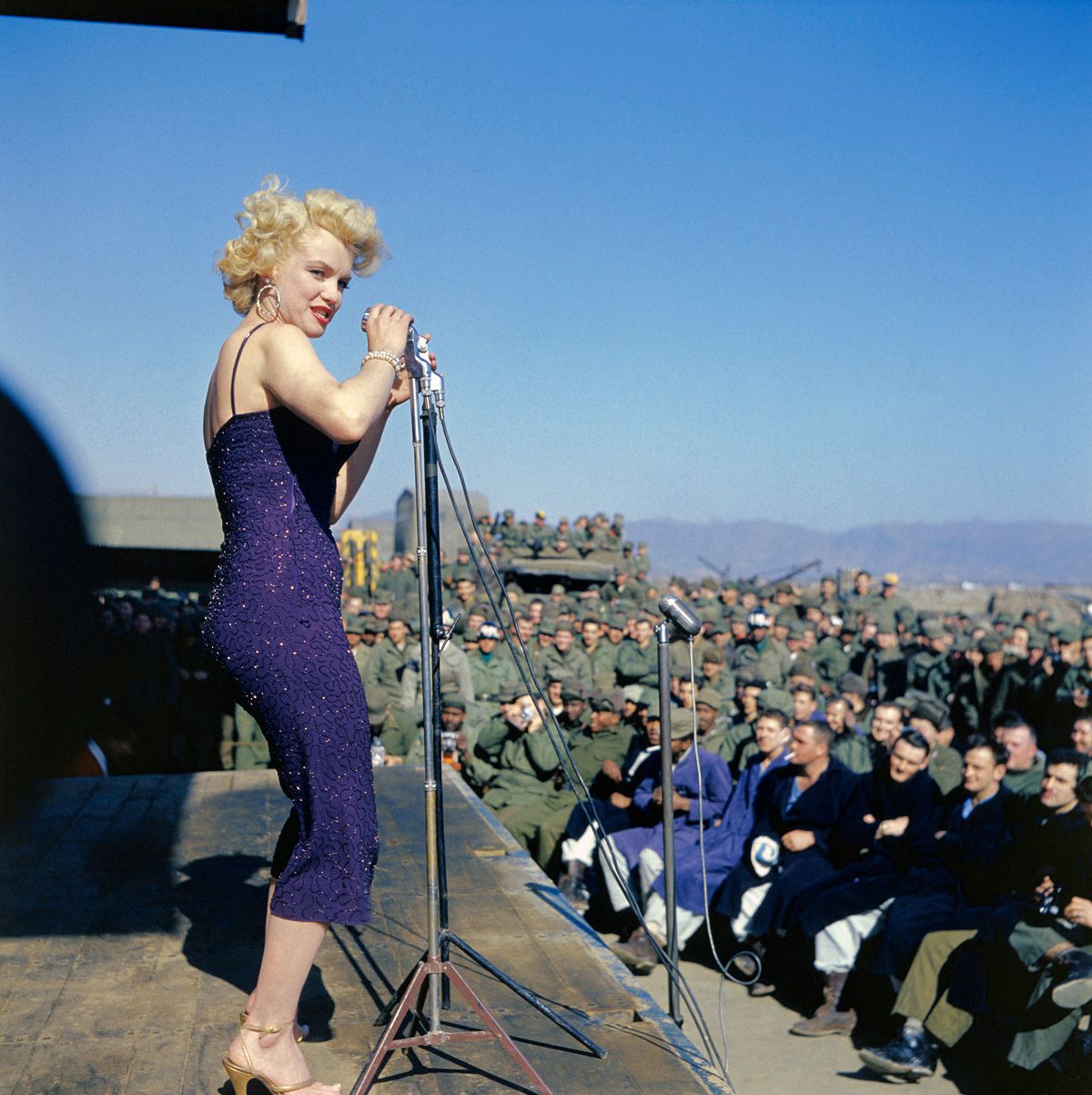
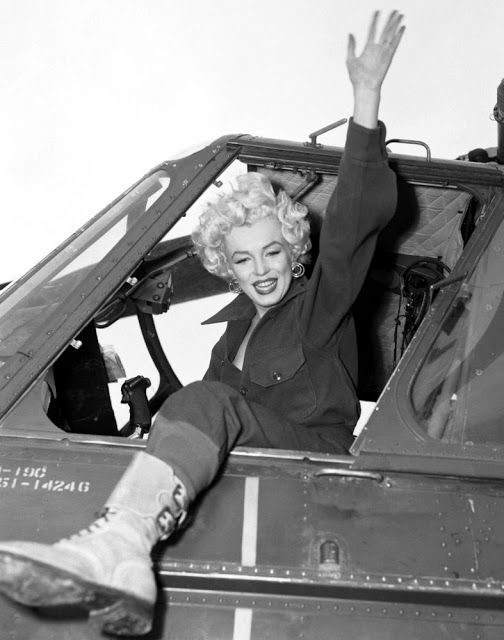
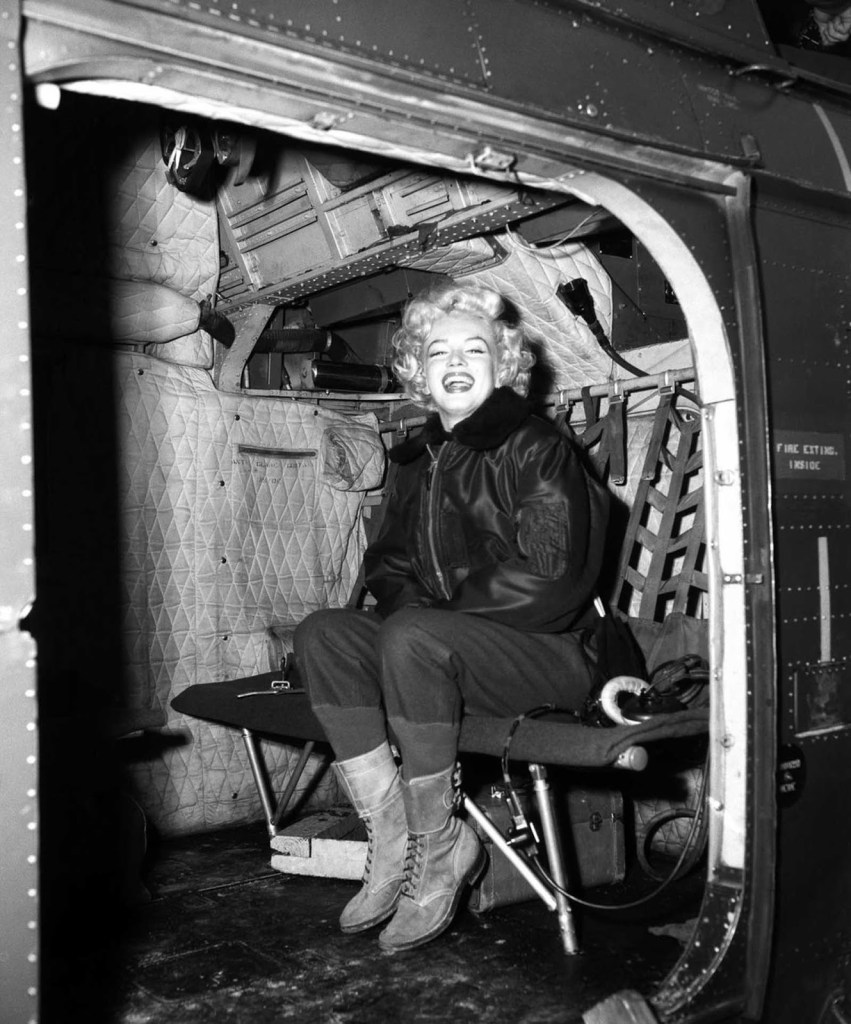
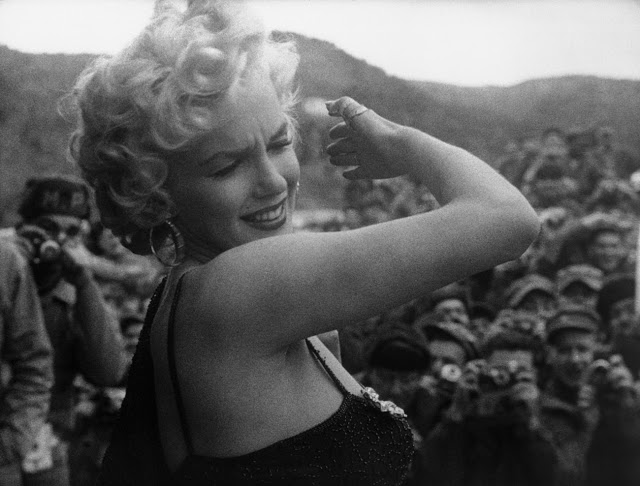
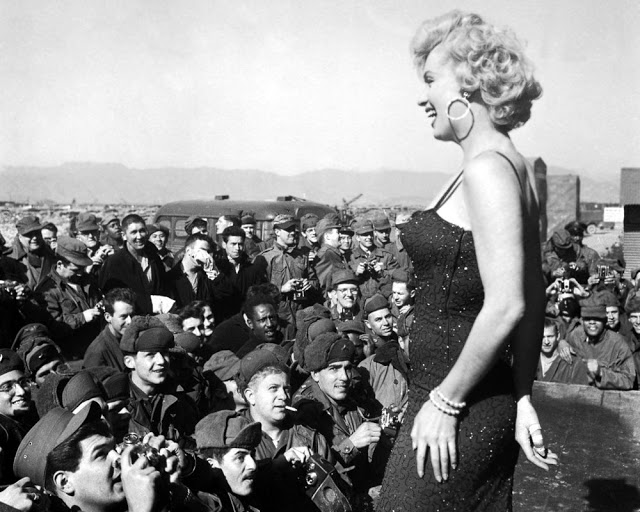
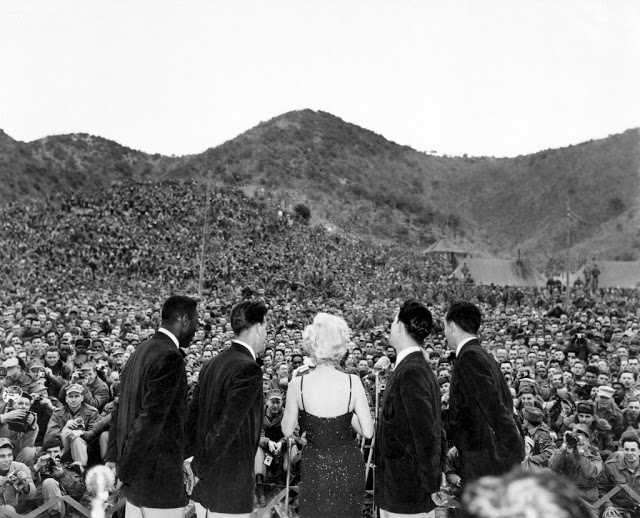
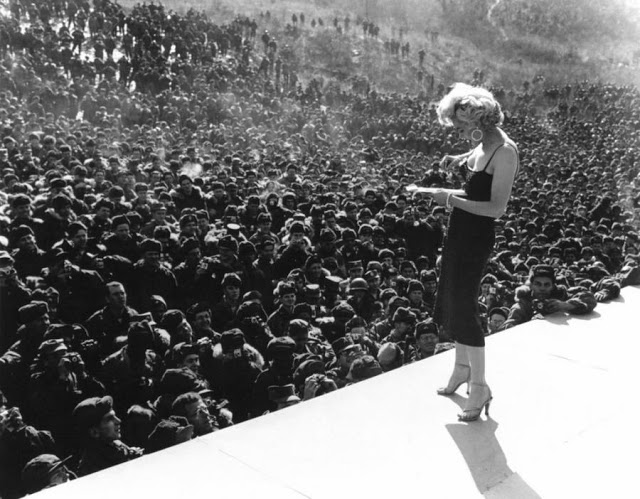
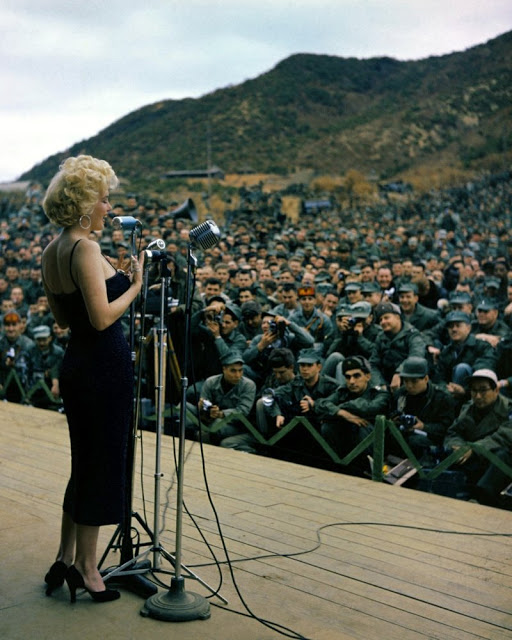
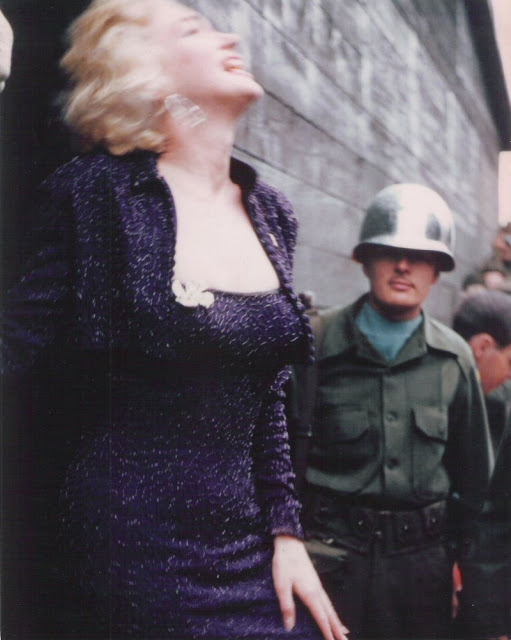
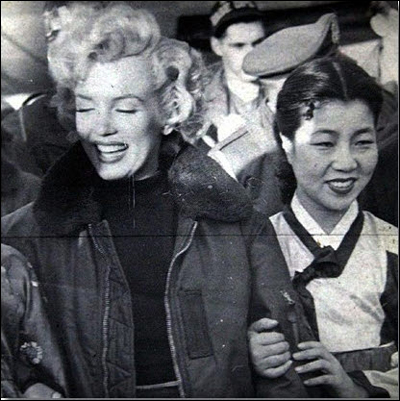
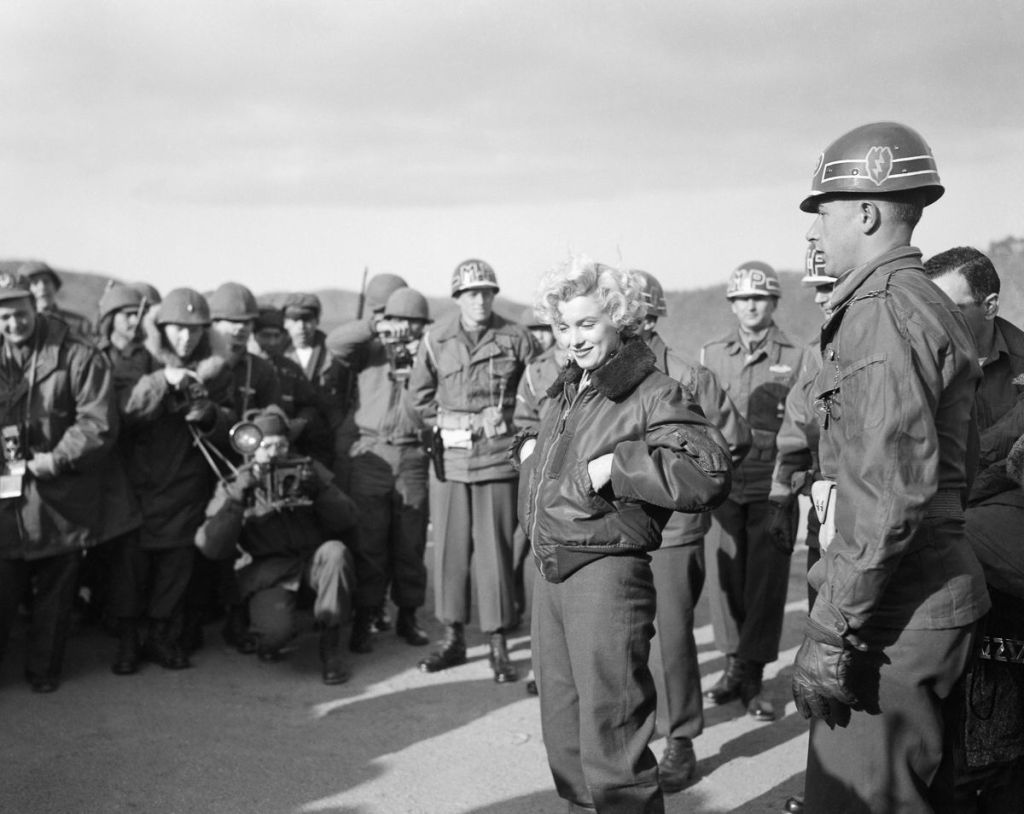
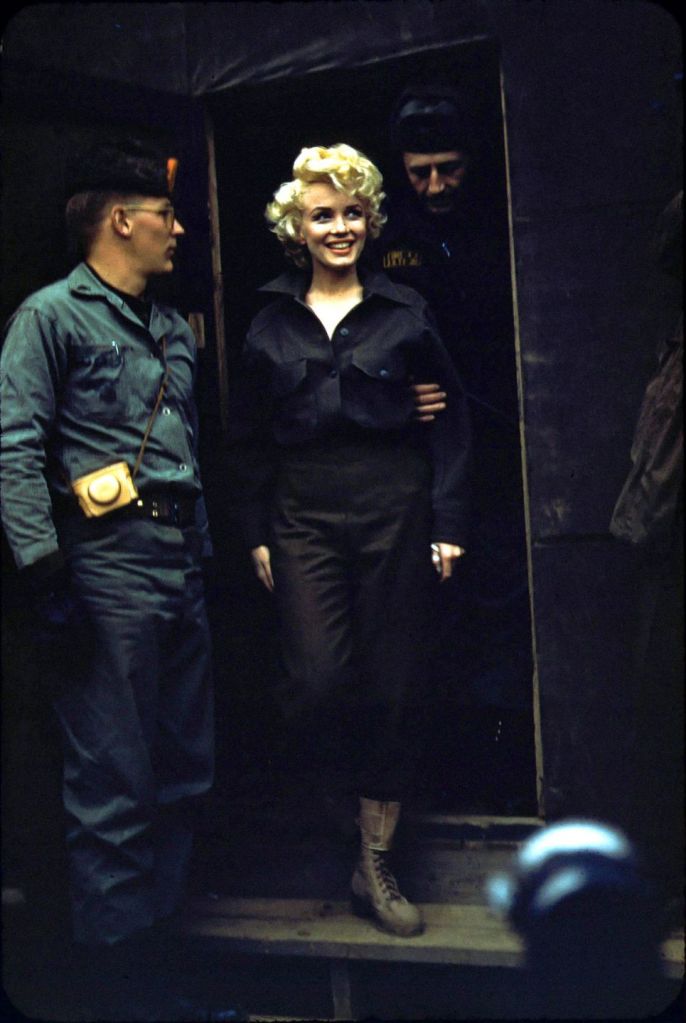
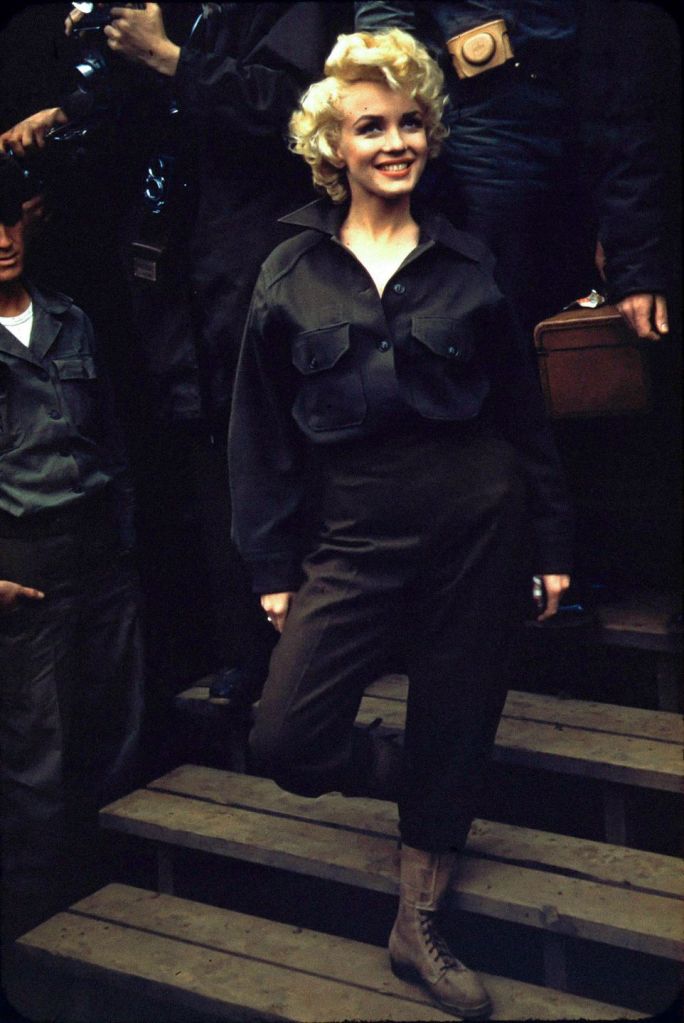
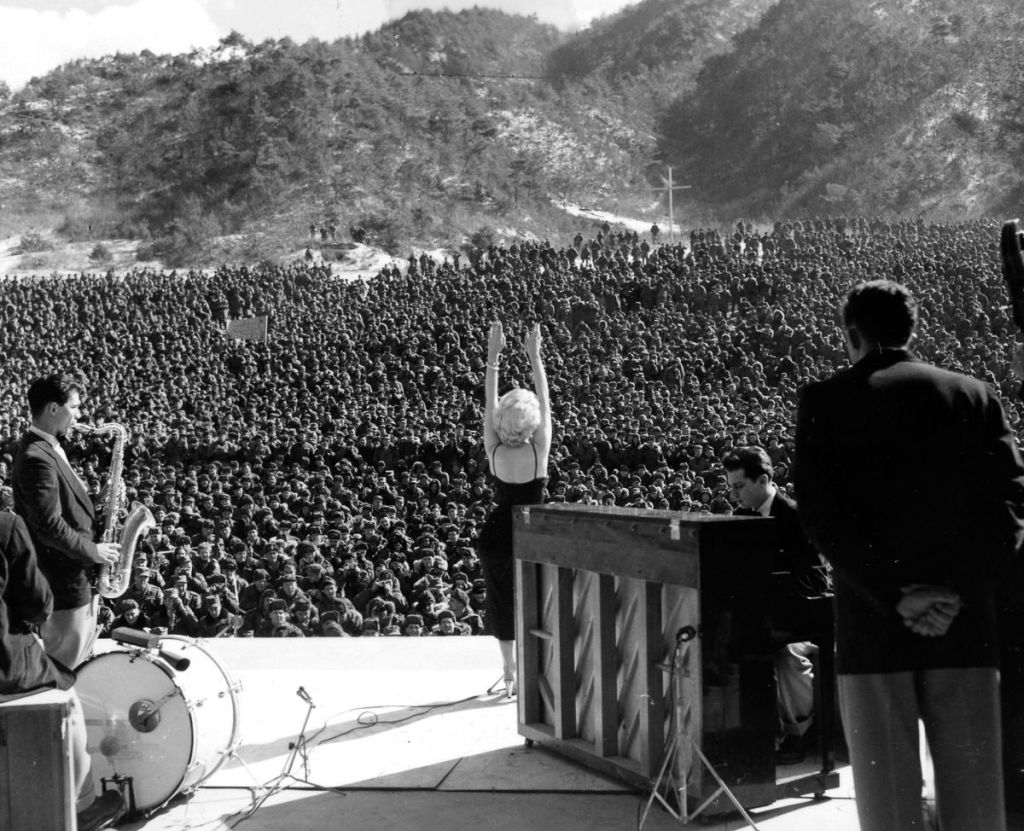
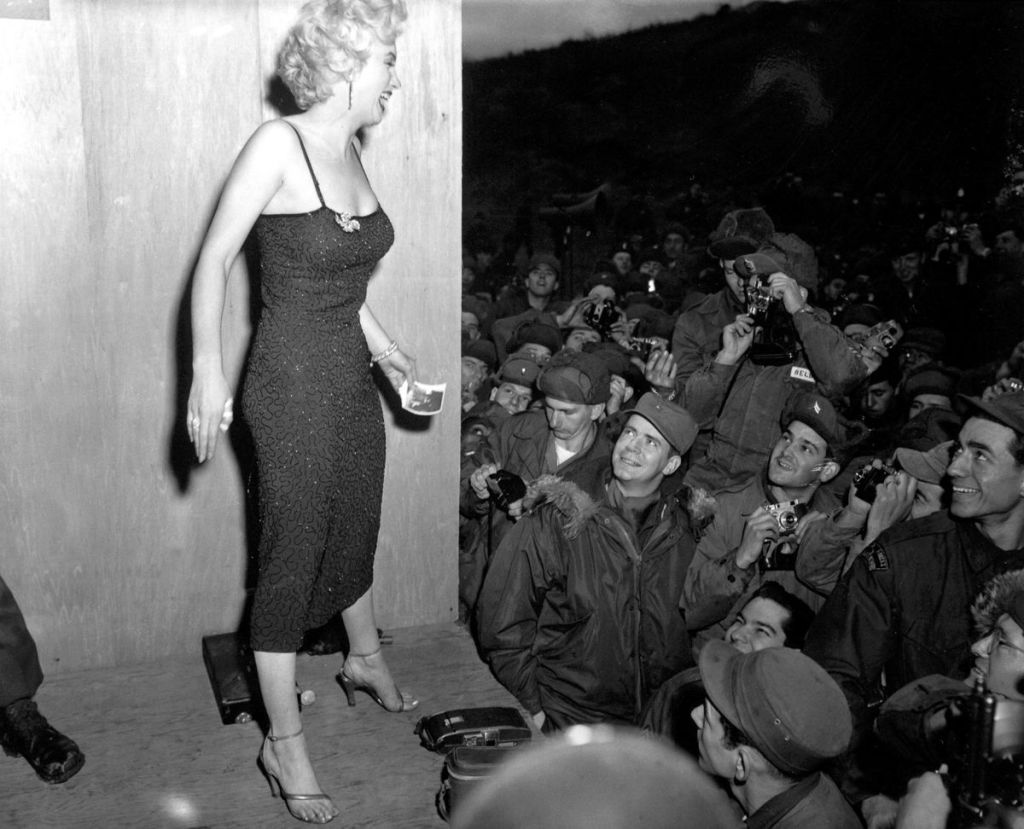
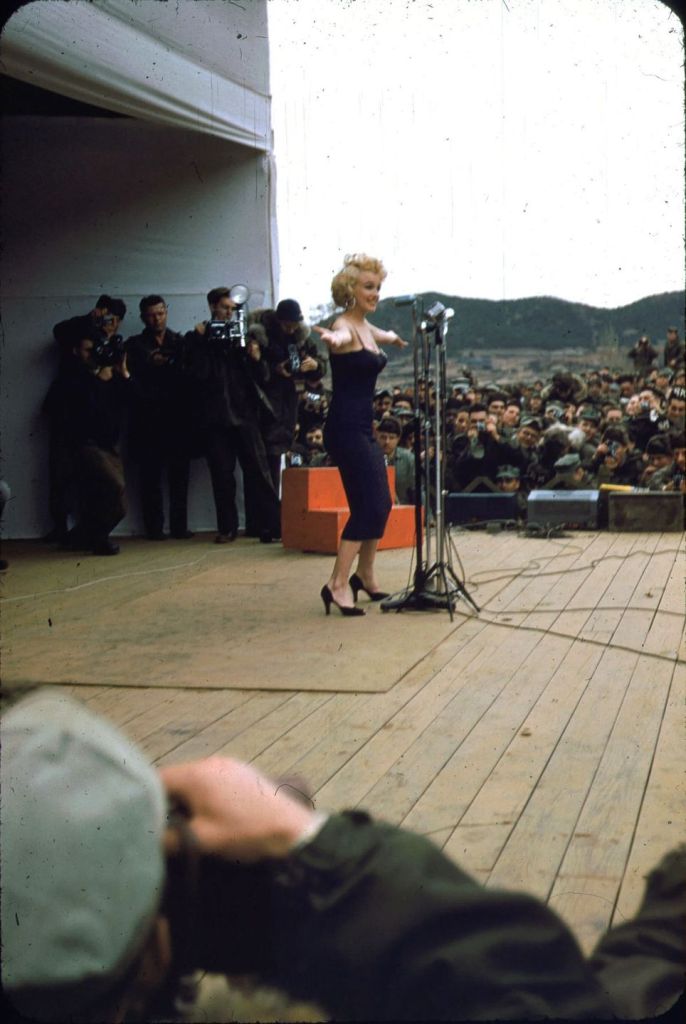
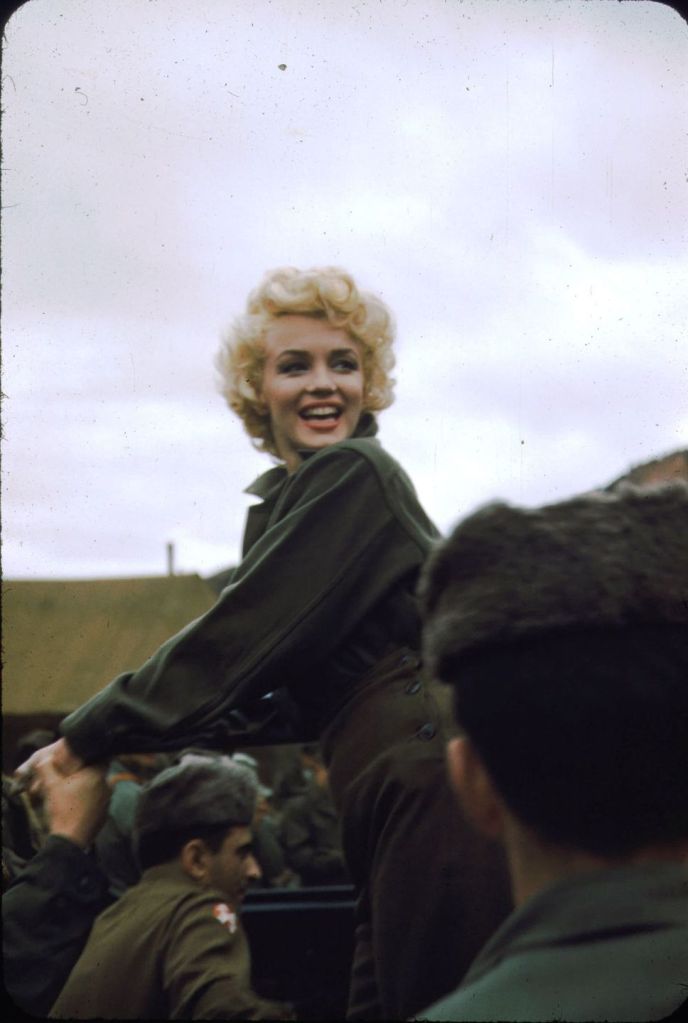
Marilyn Monroe and Joe DiMaggio were on their honeymoon in Tokyo, Japan in February of 1954 when Marilyn received an invitation from General John E. Hull’s Far East command to entertain the U.S. troops stationed in war torn Korea. After a little thought and discussion with her husband she said yes. It should be said though that Joe objected to her going to Korea at that time as he feared for her safety. The armistice had just been signed in July of 1953 and she was going to do some of her shows very close to the front lines which was still a very dangerous place at that time, but she said it was ”the least she could do.”
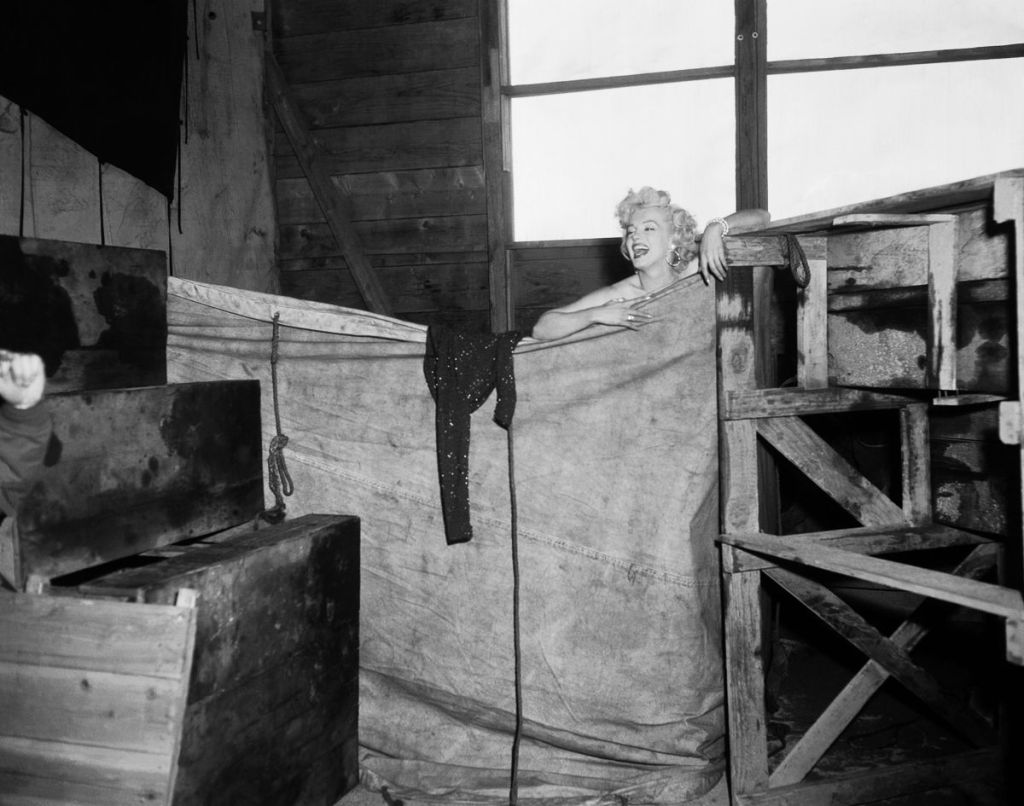
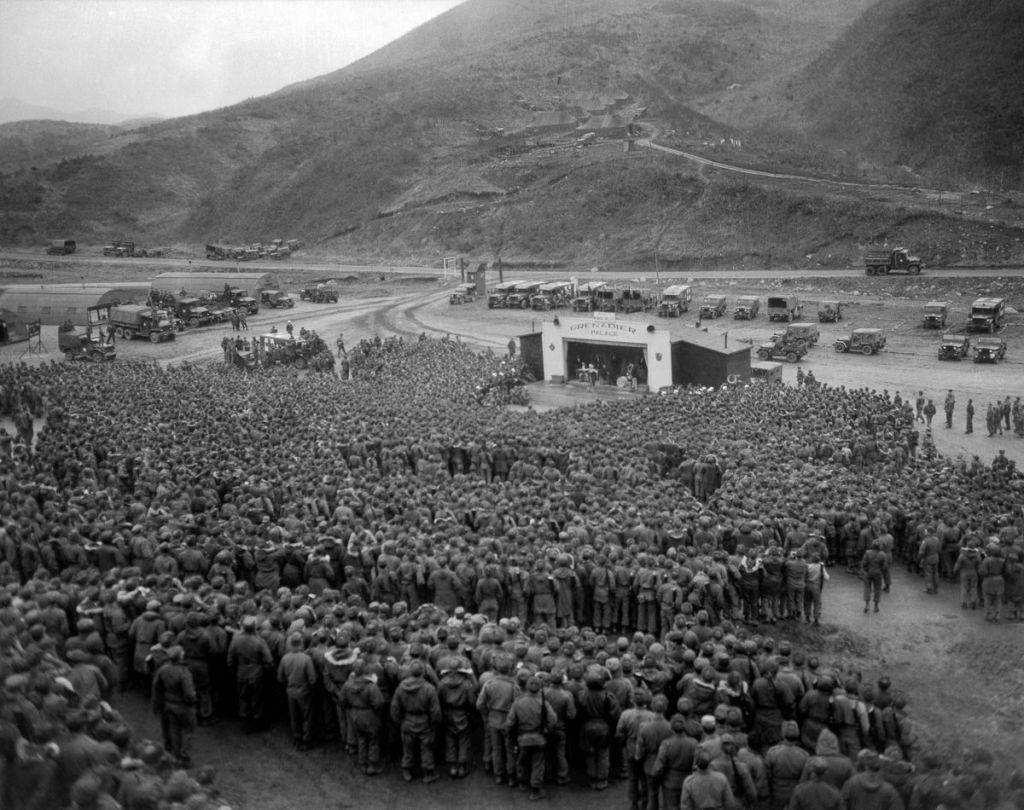
Her whirlwind tour consisted of ten shows in four days in sub-zero temperatures. Wearing nothing but a skin tight, low cut, plum colored sequined gown, she wowed the troops with her singing, dancing, and banter. Everywhere she went she was greeted with warmth and appreciation. One Army Corps of Engineers officer said of Marilyn, “Of all the performers who came to us in Korea-and there were a half a dozen or so-she was the best…
It was bitter cold, but she was in no hurry to leave. Marilyn was a great entertainer. She made thousands of GI’s feel like she really cared.” Marilyn performed with a band made up of eleven servicemen called Anything Goes. Her pianist, Albert Guastafeste was taken aback by how down to earth and modest she was. He was quoted as saying,”Someone ought to go up to her and tell her she is Marilyn Monroe. She doesn’t seem to realize it. When you make a goof she tells you she’s sorry. When she goofs, she apologizes to me!”
During her tour she also visited hospitals in Japan where wounded servicemen lay, stopping to talk, shaking hands, signing autographs, posing with all that asked for pictures. Even though she was totally exhausted from the tour and caught a mild case of pneumonia, she later told her friend Amy Greene that the Korea tour was one of the highlights of her entire career.









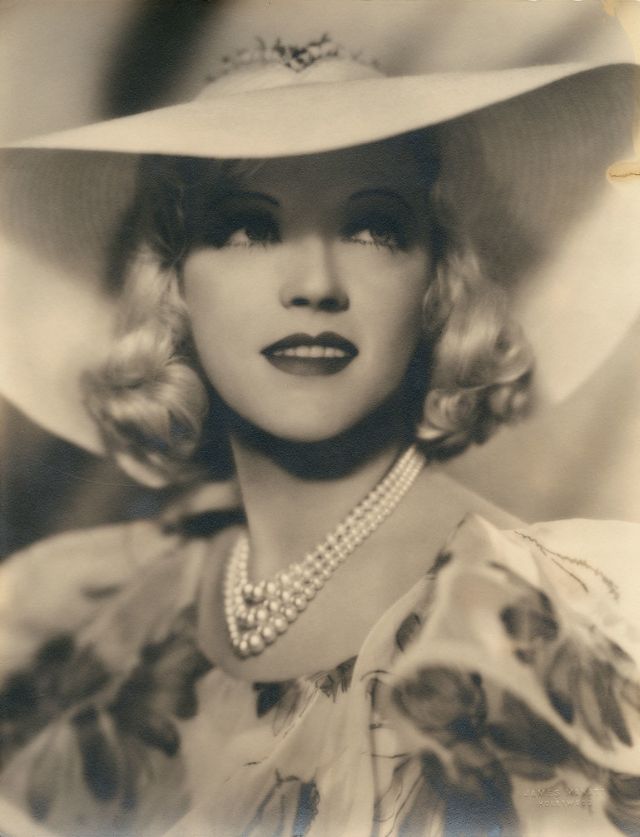
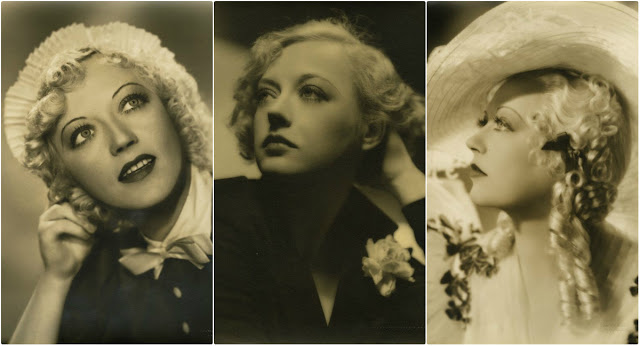
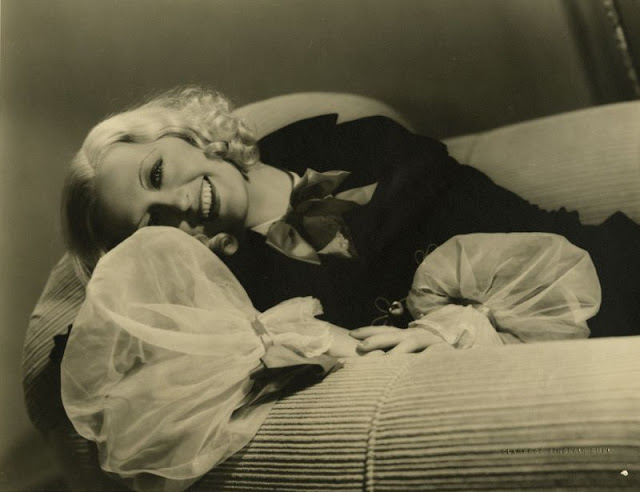
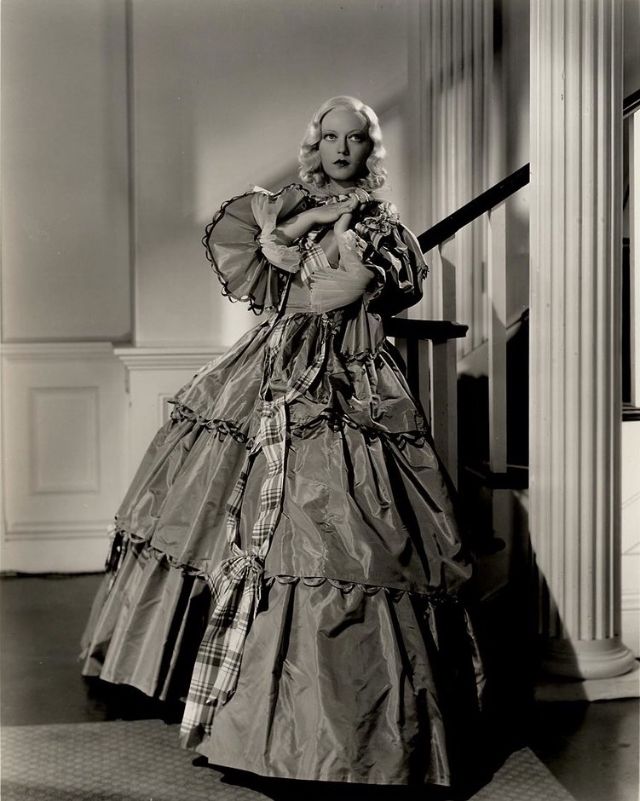
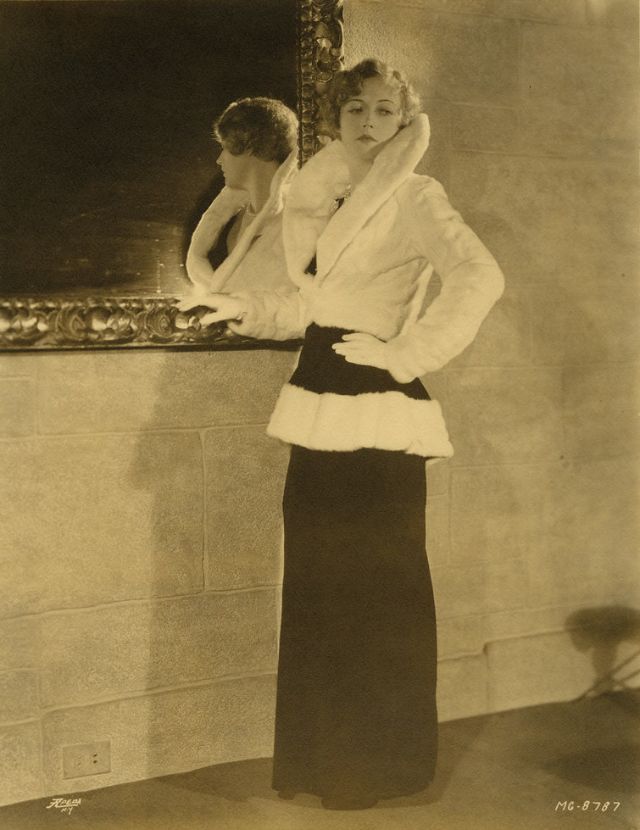
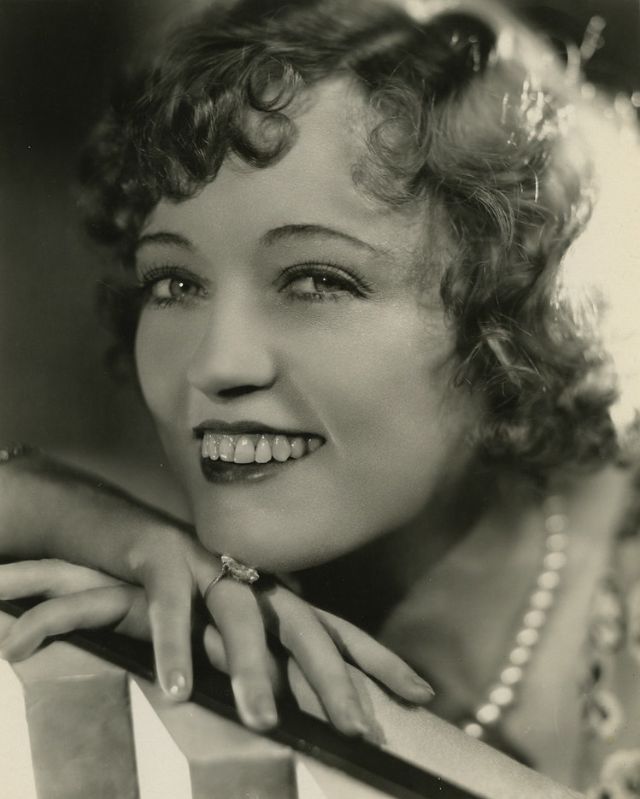
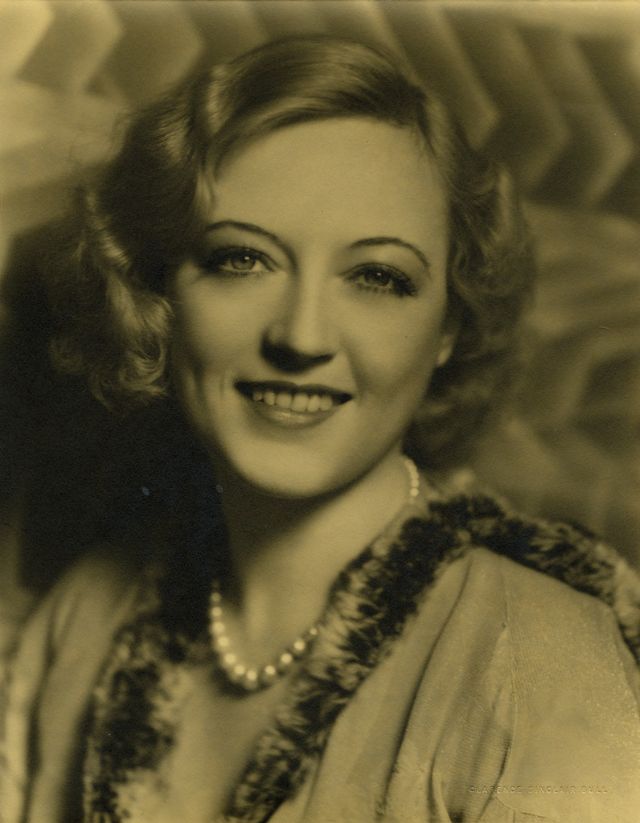
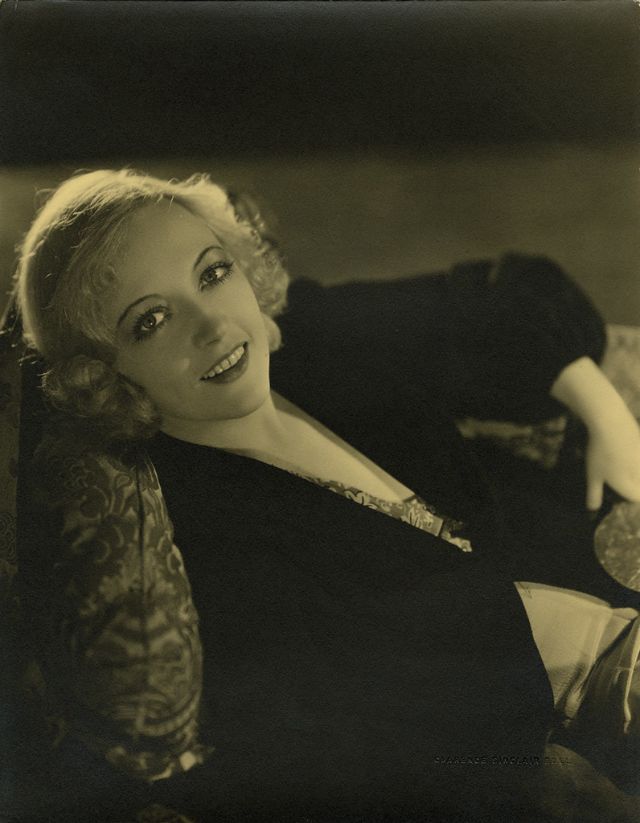
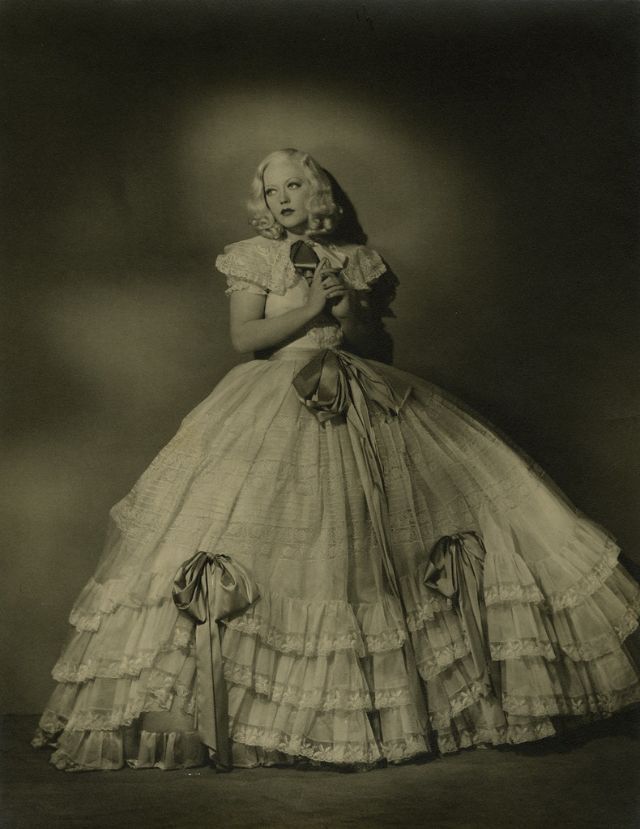
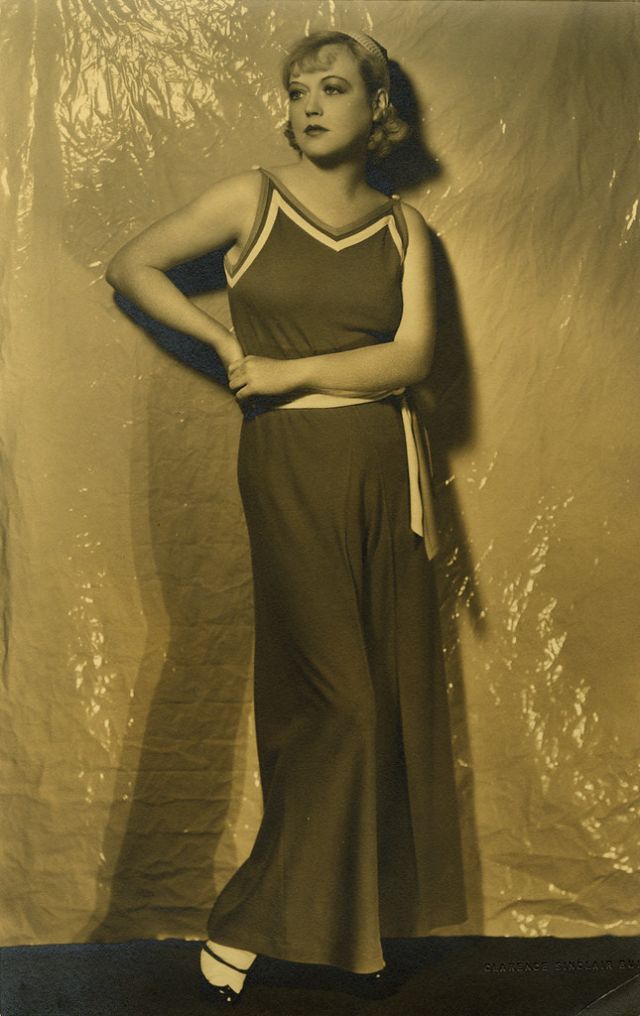
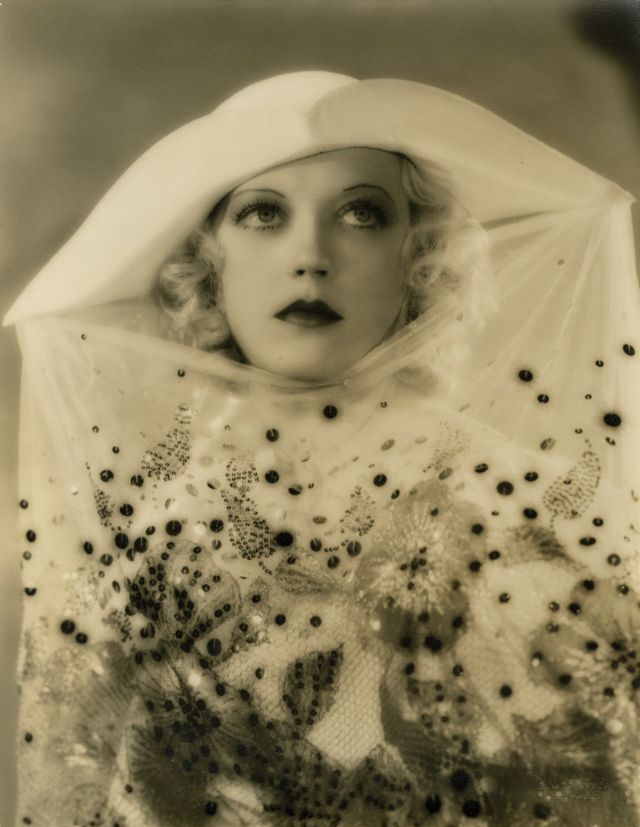
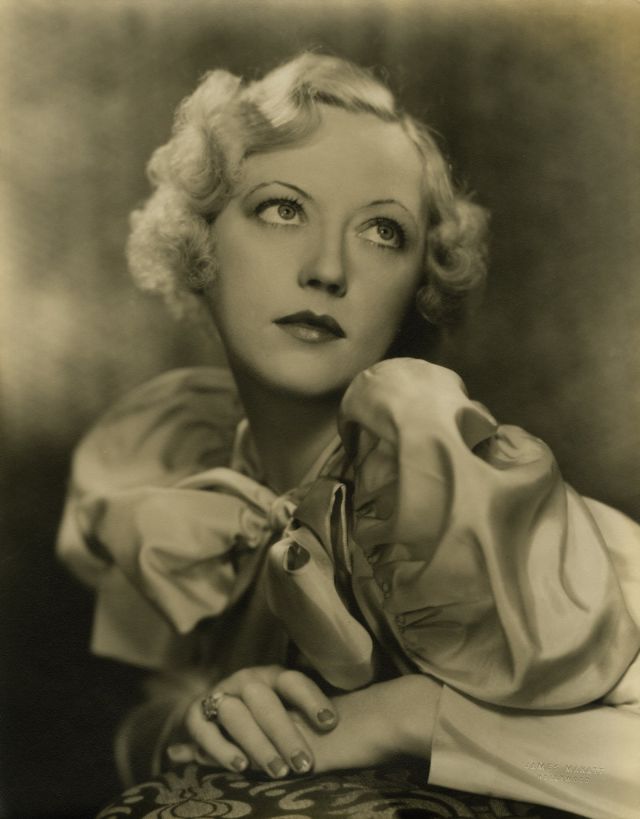
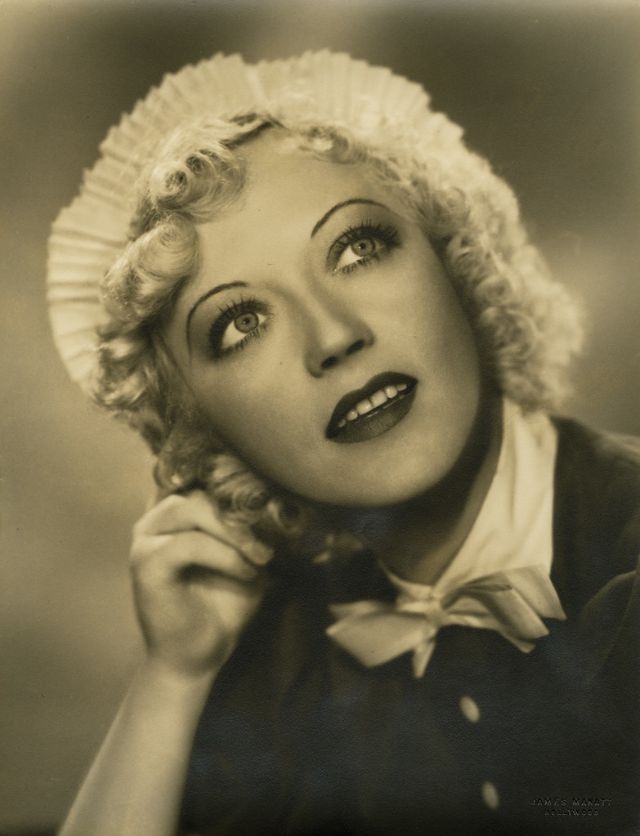
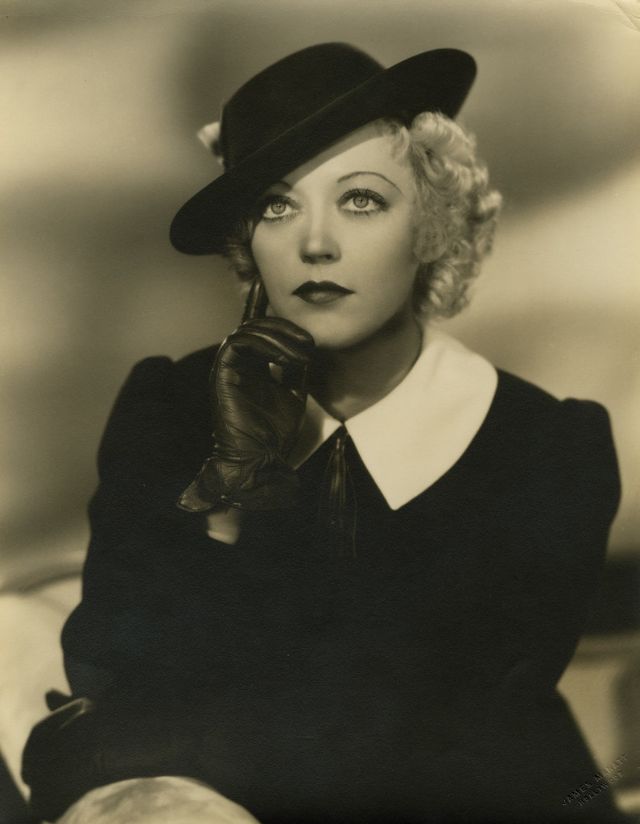
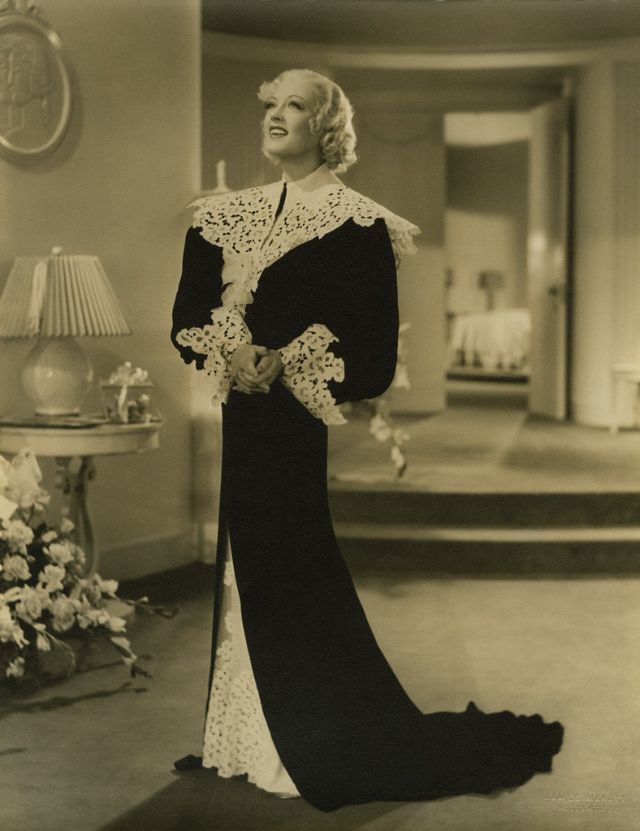
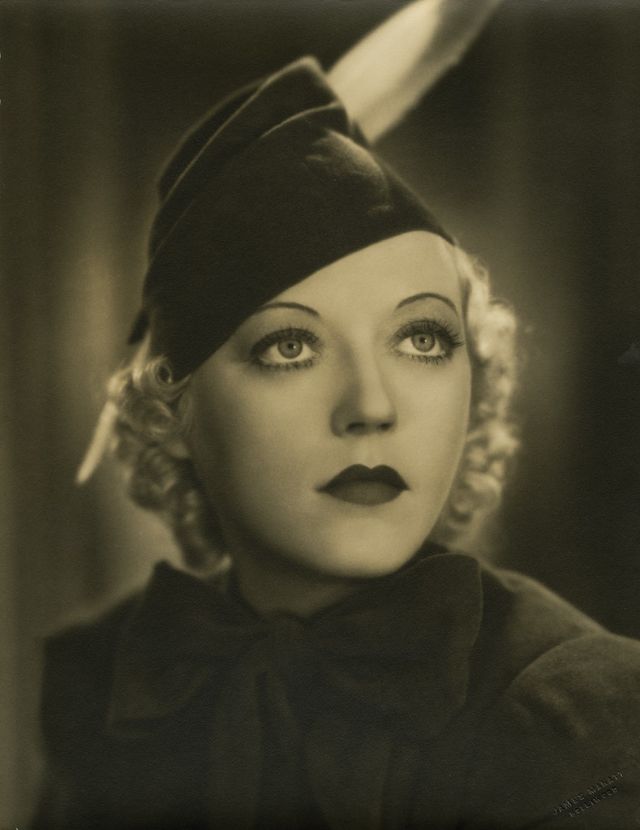
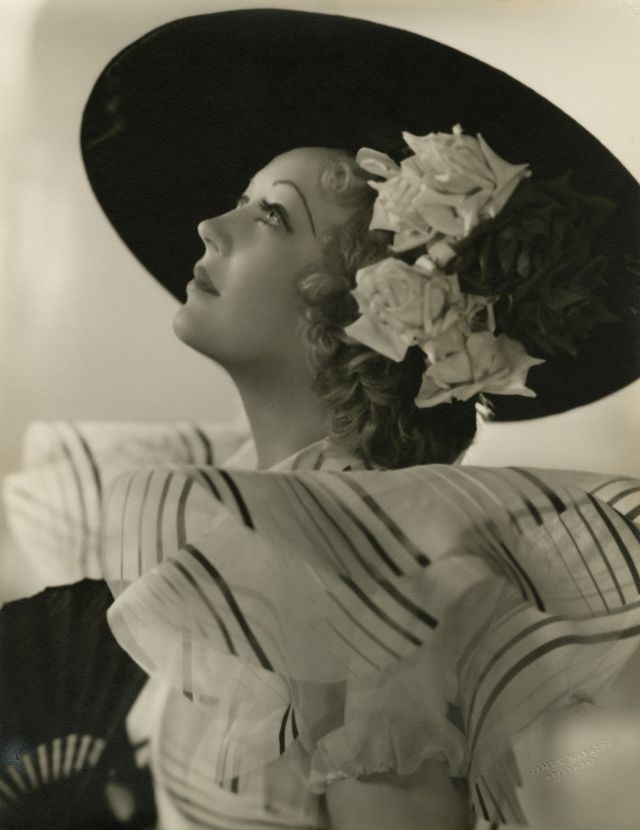
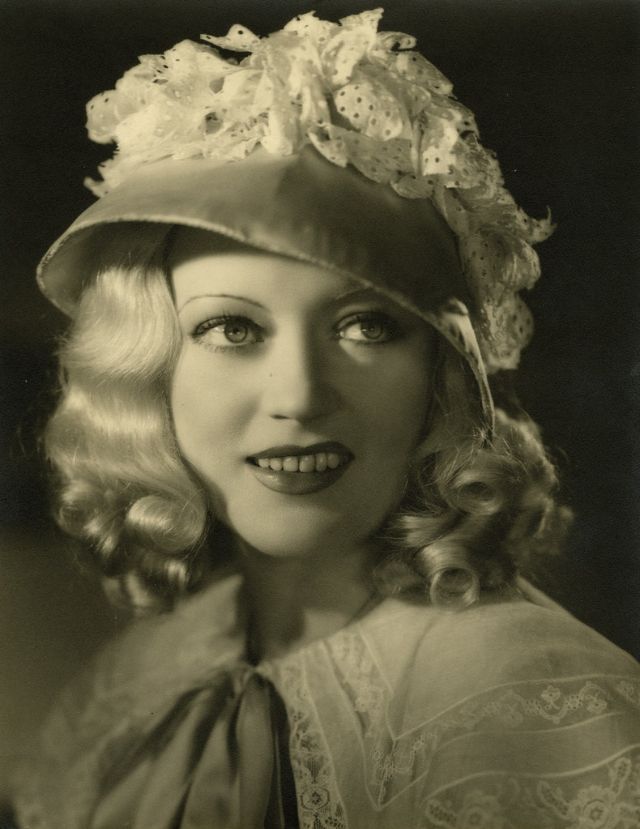
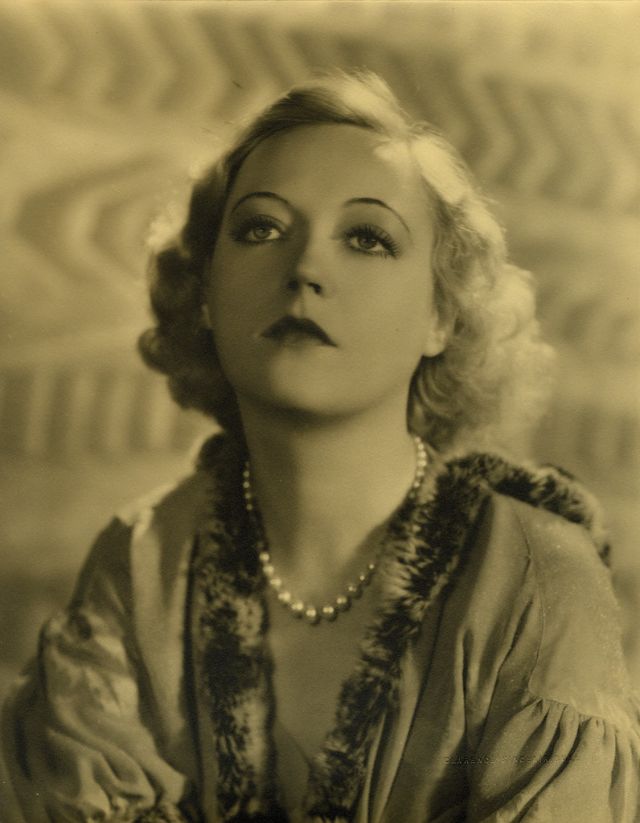
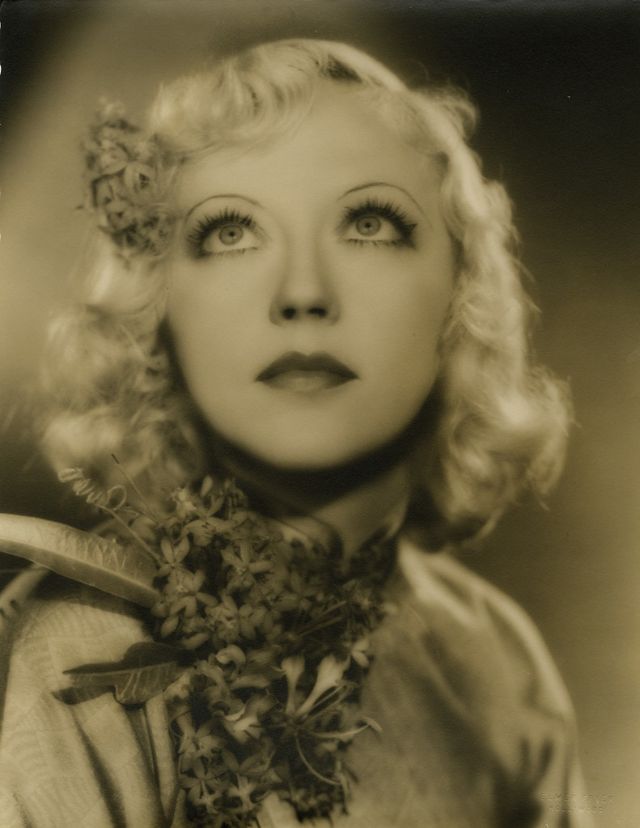
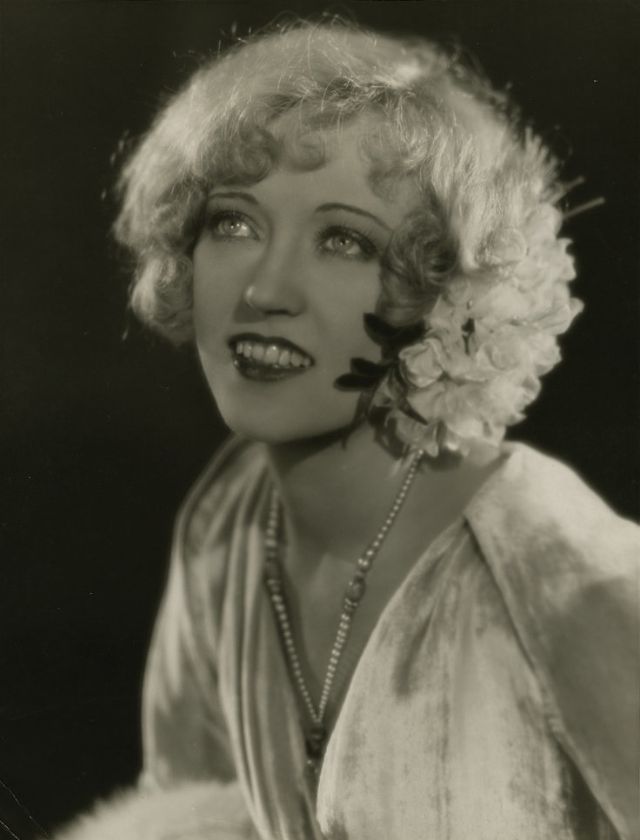
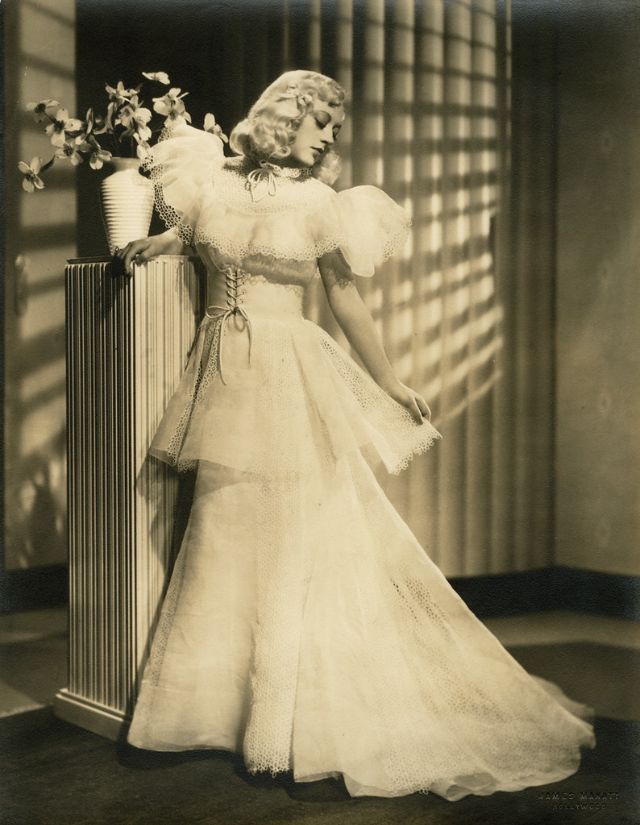
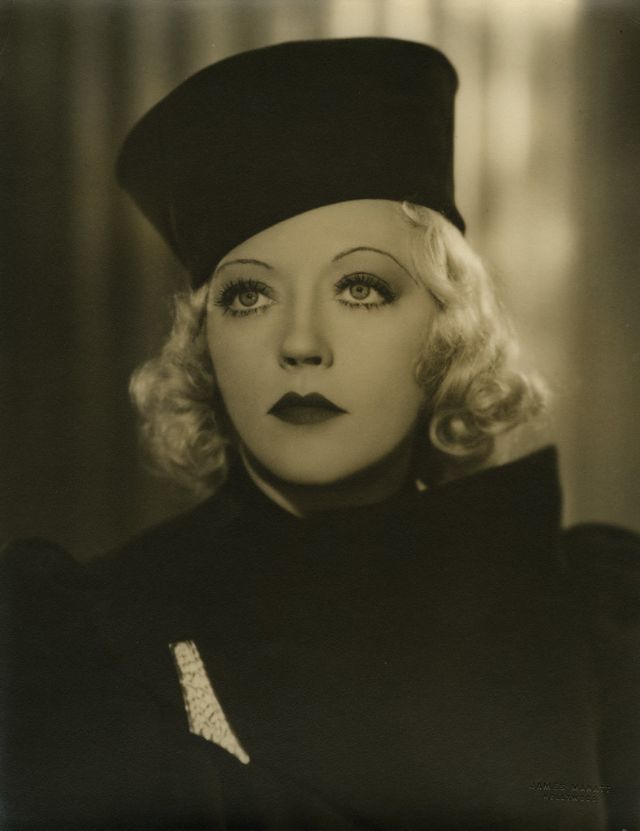
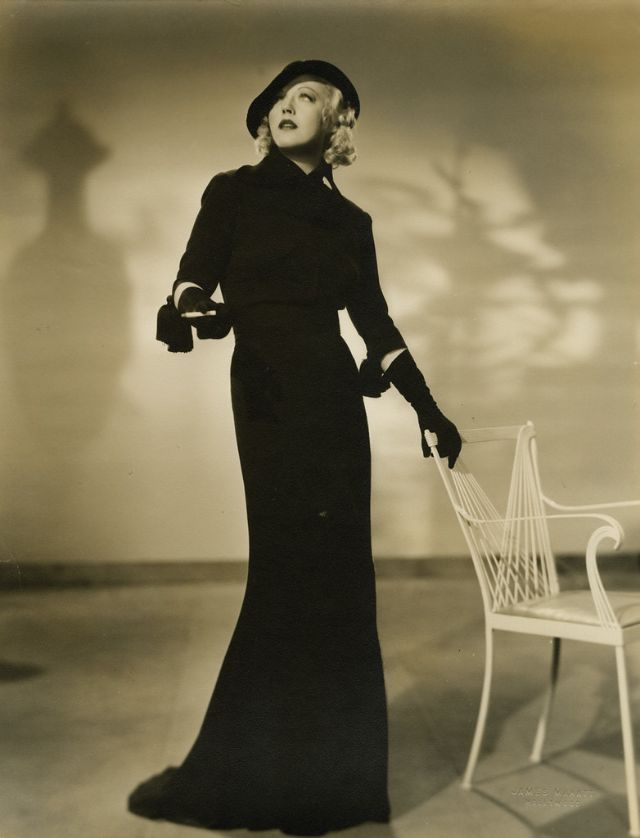
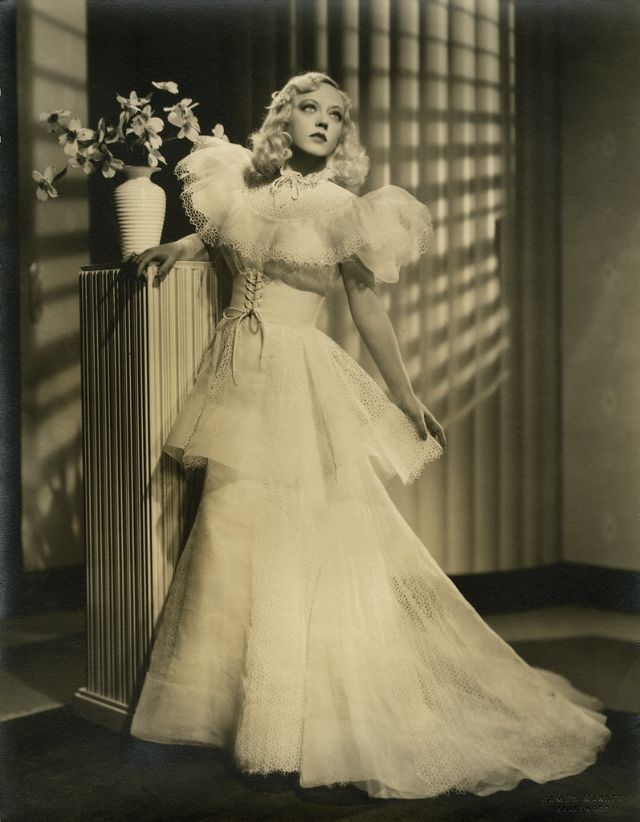
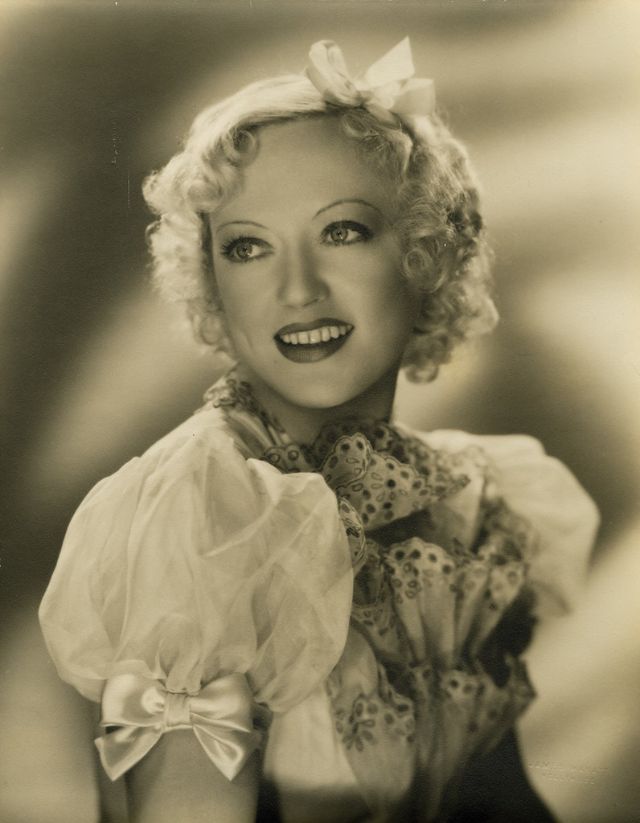
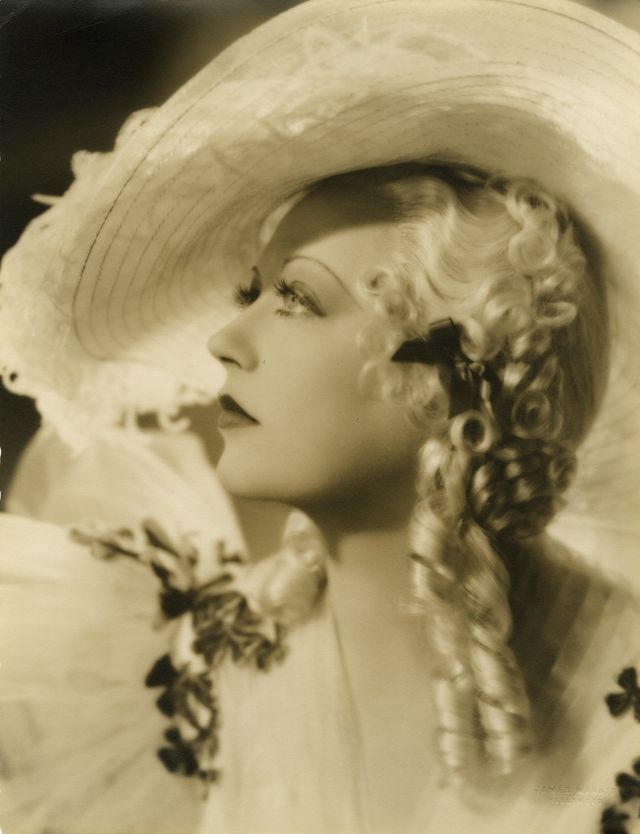
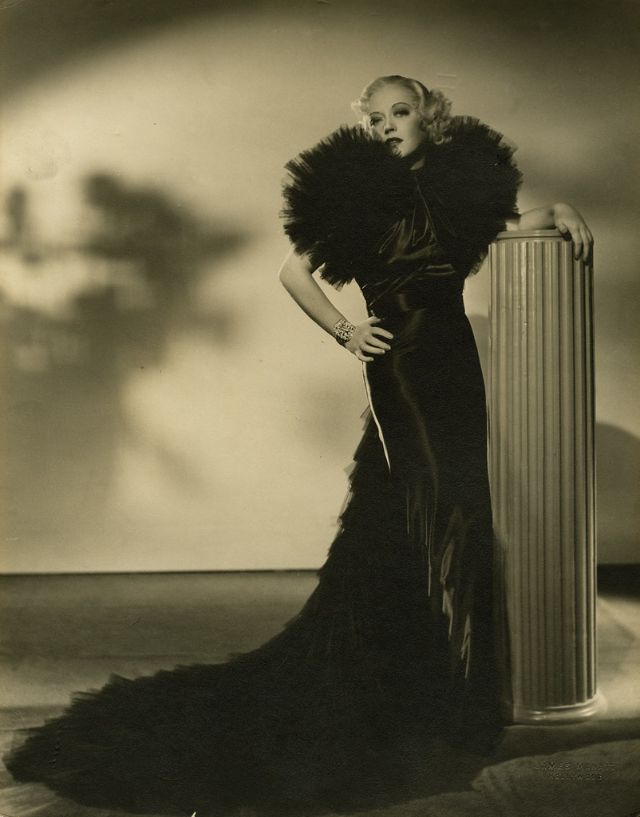
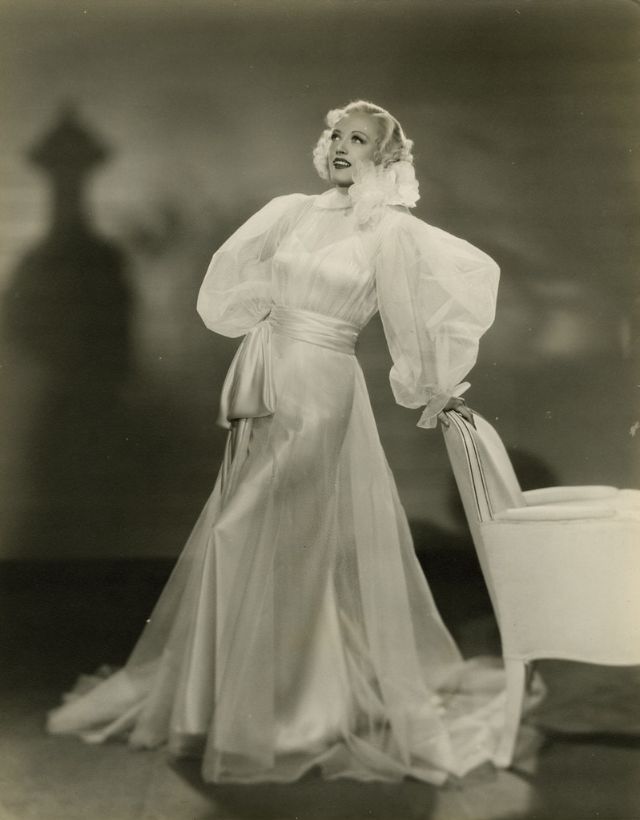
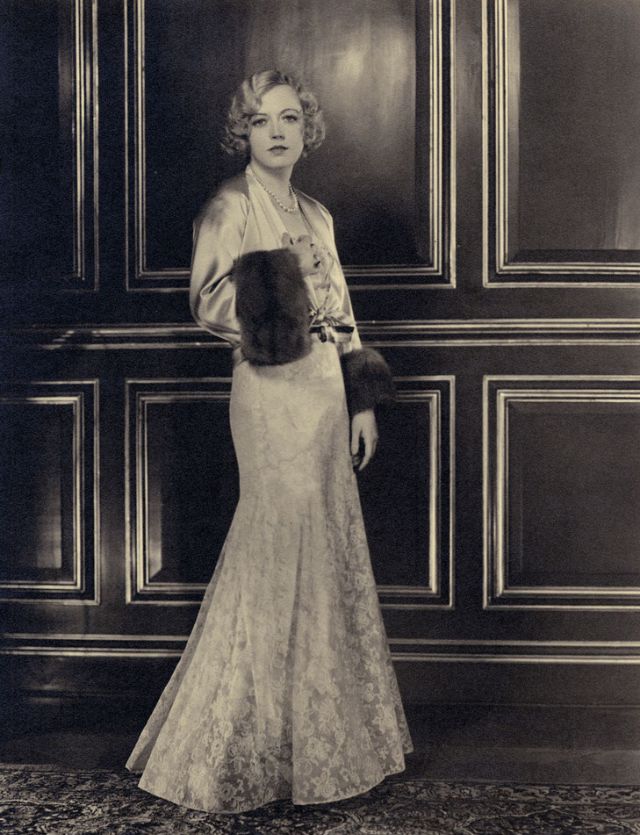
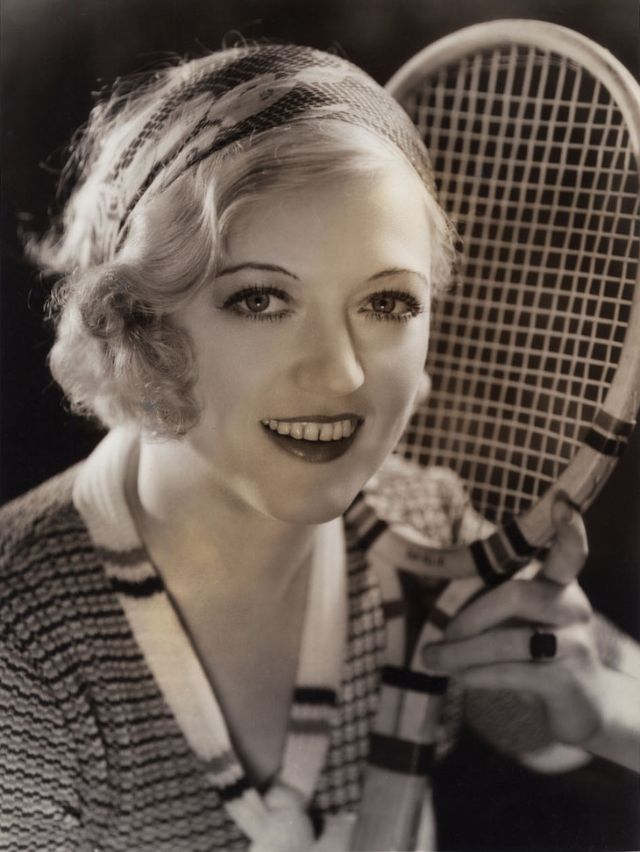
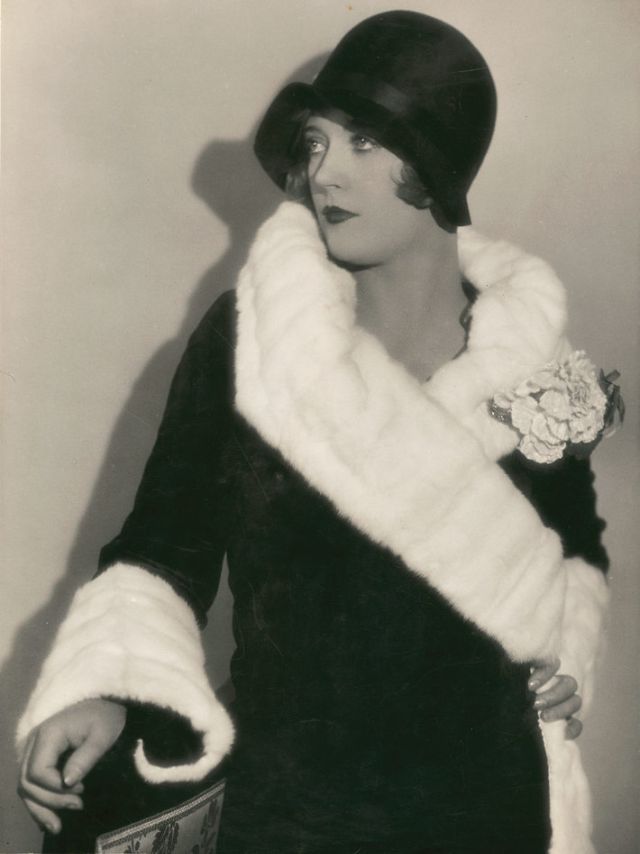
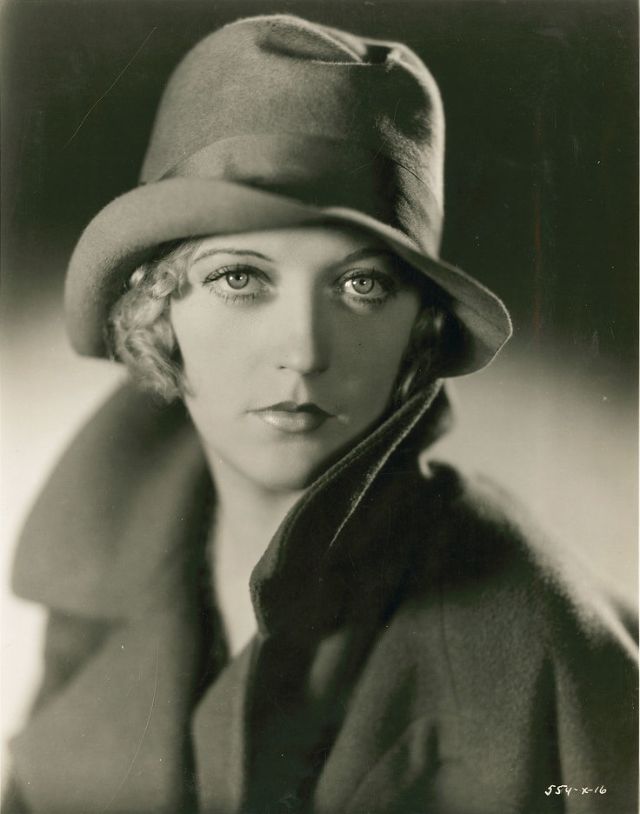
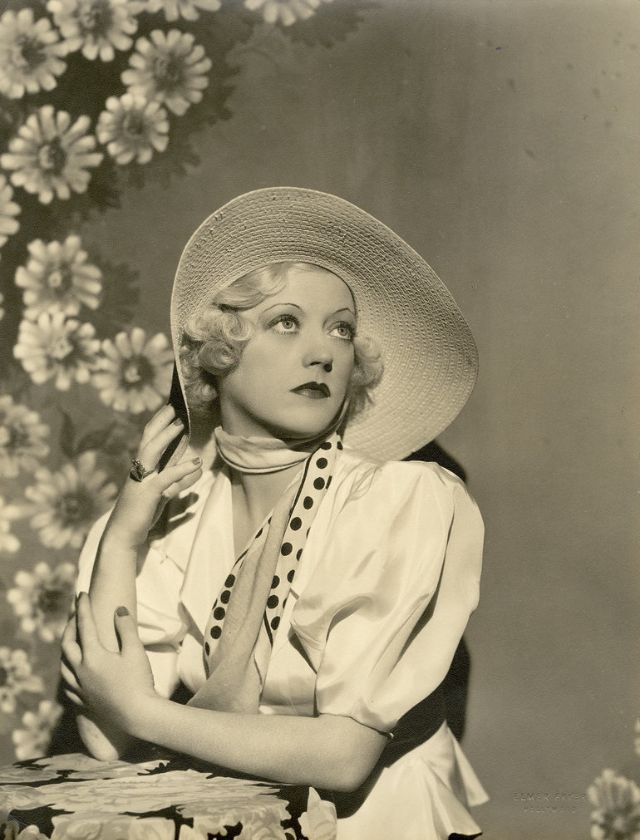
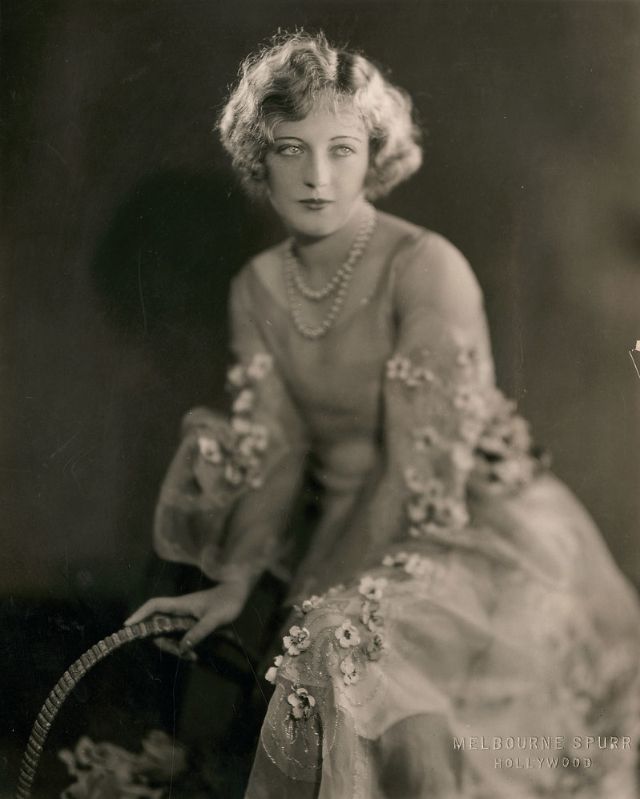
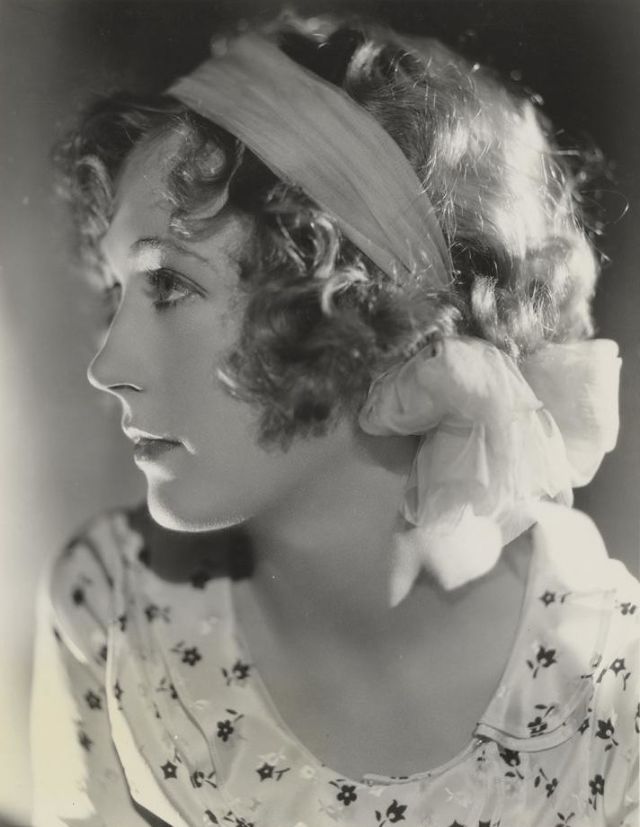
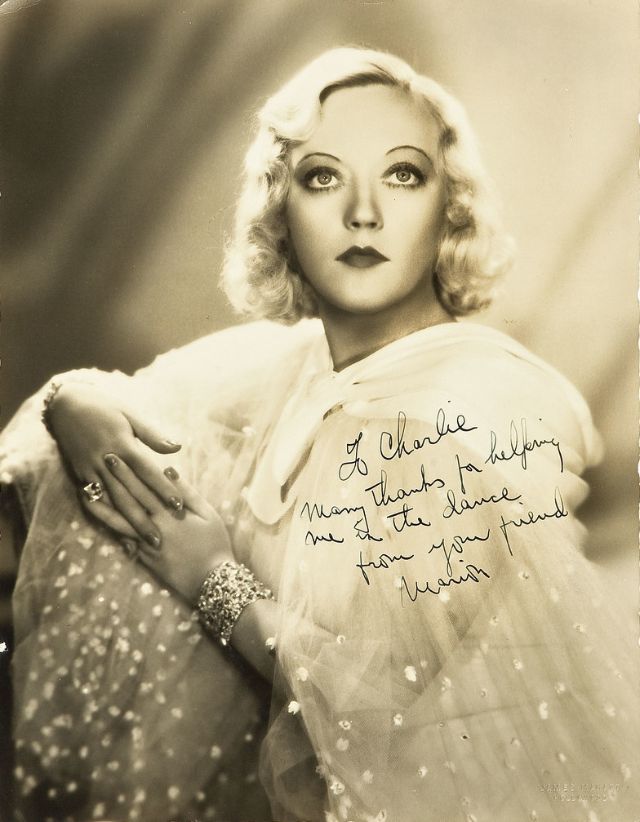
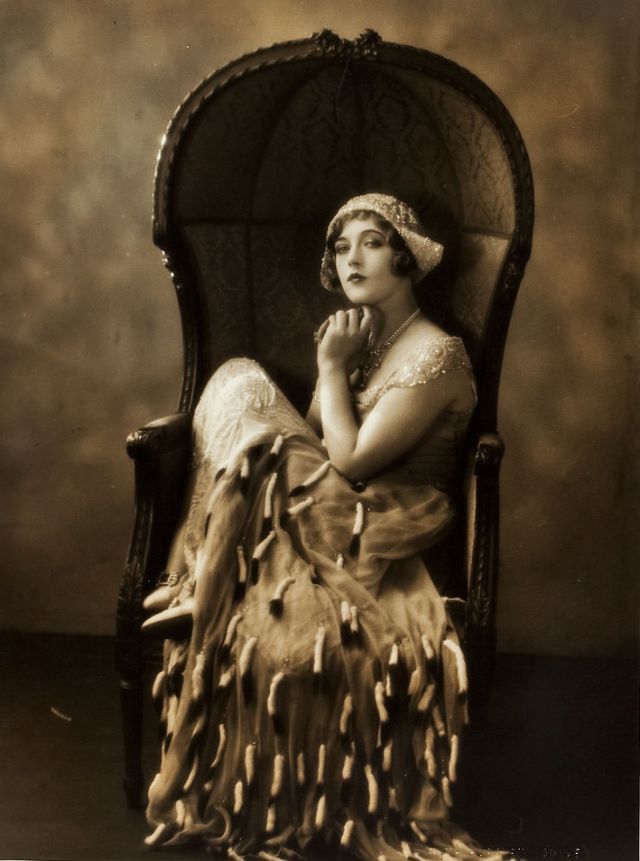
Marion Cecilia Davies (born Marion Cecilia Douras;[a] January 3, 1897 – September 22, 1961) was an American actress, producer, screenwriter, and philanthropist. Educated in a religious convent, Davies fled the school to pursue a career as a chorus girl. As a teenager, she appeared in several Broadway musicals and one film, Runaway Romany (1917). She soon became a featured performer in the Ziegfeld Follies. While performing in the 1916 Follies, the nineteen-year-old Marion met the fifty-three-year-old newspaper tycoon, William Randolph Hearst, and became his mistress. Hearst took over management of Davies’ career and promoted her as a motion picture actress. Hearst financed Davies’ pictures and promoted her career extensively in his newspapers and Hearst newsreels. He founded Cosmopolitan Pictures to produce her films. By 1924, Davies was the number one female box office star in Hollywood because of the popularity of When Knighthood Was in Flower and Little Old New York, which were among the biggest box-office hits of their respective years. During the zenith of the Jazz Age, Davies became renowned as the hostess of lavish soirees for Hollywood actors and political elites. However, in 1924, her name became linked with scandal when film producer Thomas Ince died at a party aboard Hearst’s yacht.
Following the decline of her film career during the Great Depression, Davies struggled with alcoholism. She retired from the screen in 1937 to devote herself to an ailing Hearst and charitable work. In Hearst’s declining years, Davies remained his steadfast companion until his death in 1951. Eleven weeks after Hearst’s death, she married sea captain Horace Brown. Their marriage lasted until Davies’ death at 64 from malignant osteomyelitis (bone cancer) of the jaw in 1961.
By the time of her death, her popular association with the character of Susan Alexander Kane in the film Citizen Kane (1941) already overshadowed Davies’ legacy as a talented actress. The title character’s second wife—an untalented singer whom he tries to promote—was widely assumed to be based upon Davies. However, many commentators, including writer-director Orson Welles, defended Davies’ record as a gifted actress and comedienne to whom Hearst’s patronage did more harm than good. In his final years, Welles attempted to correct the widespread misconceptions the film had created about Davies’ popularity and talents as an actress.







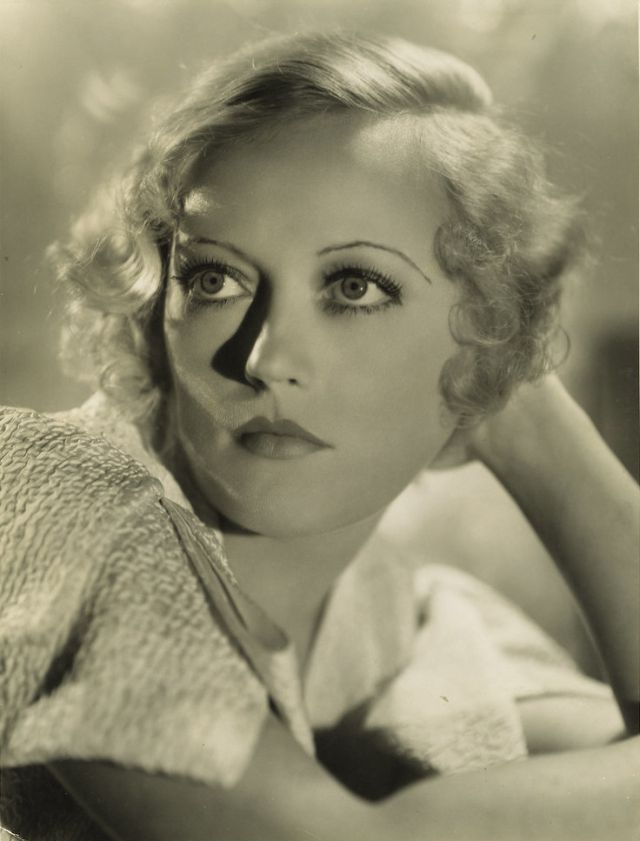
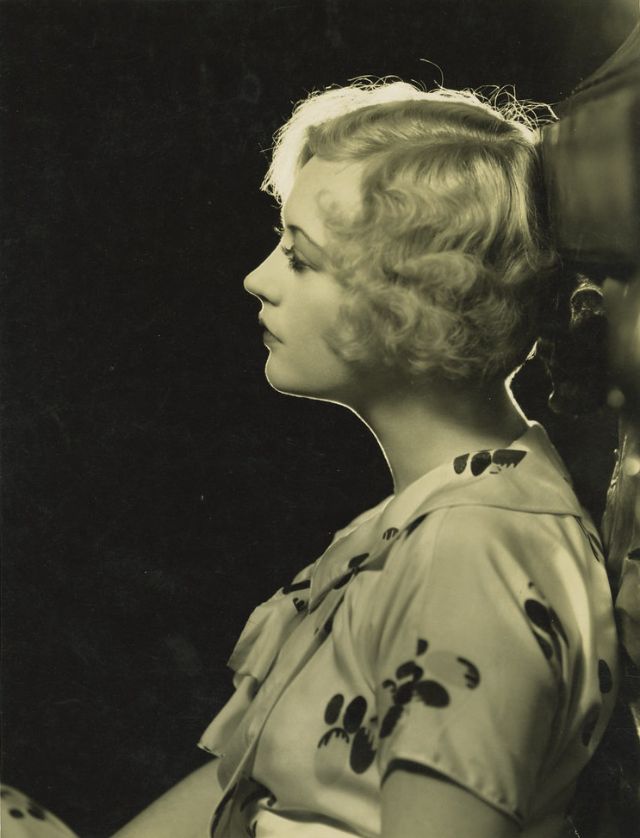
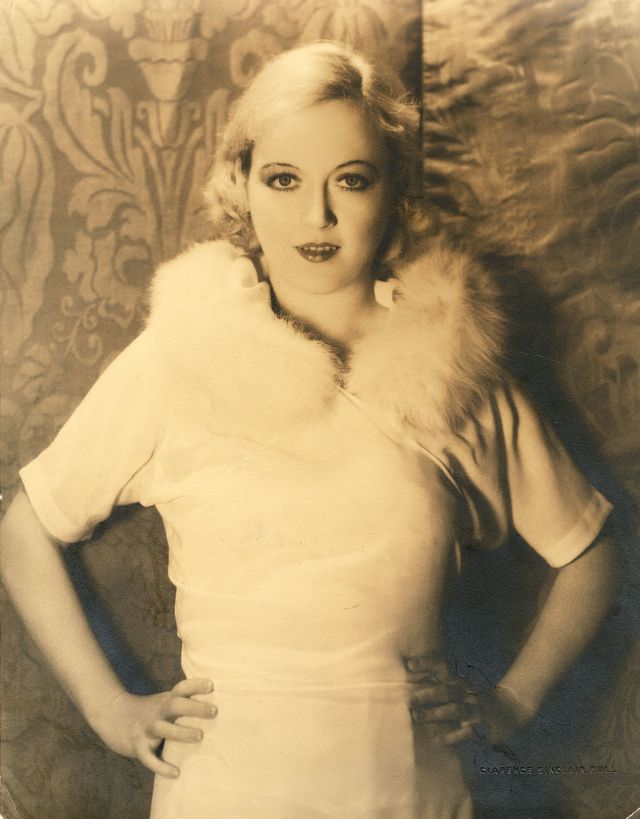
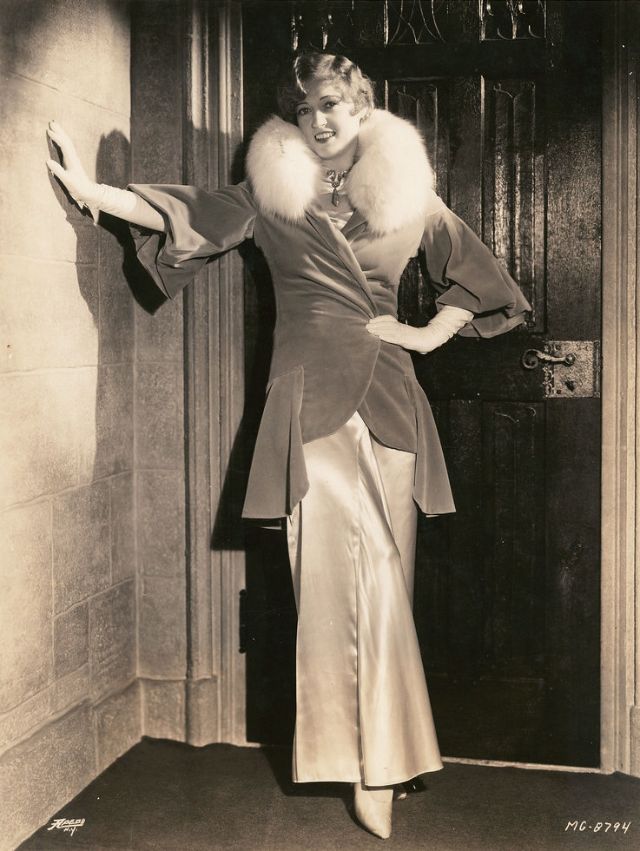



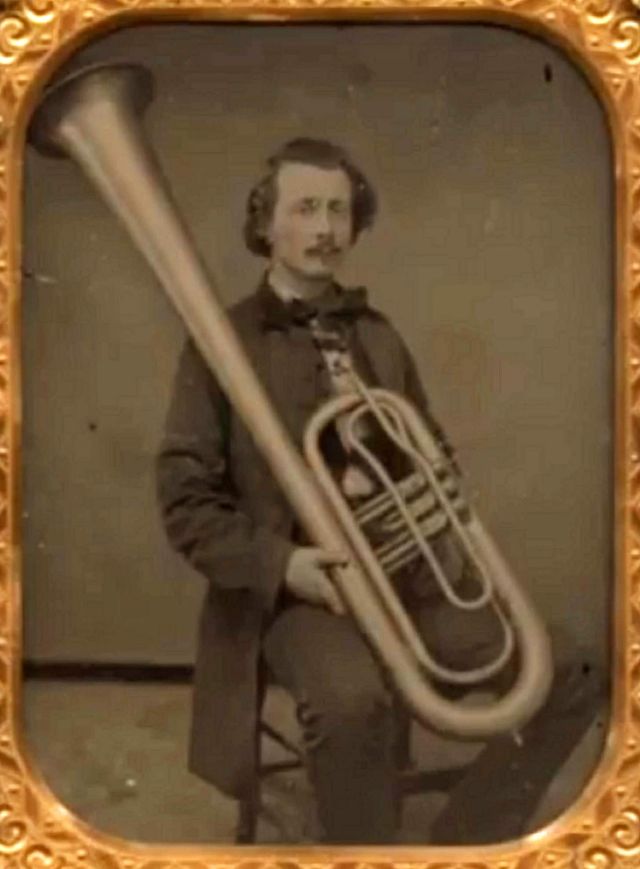
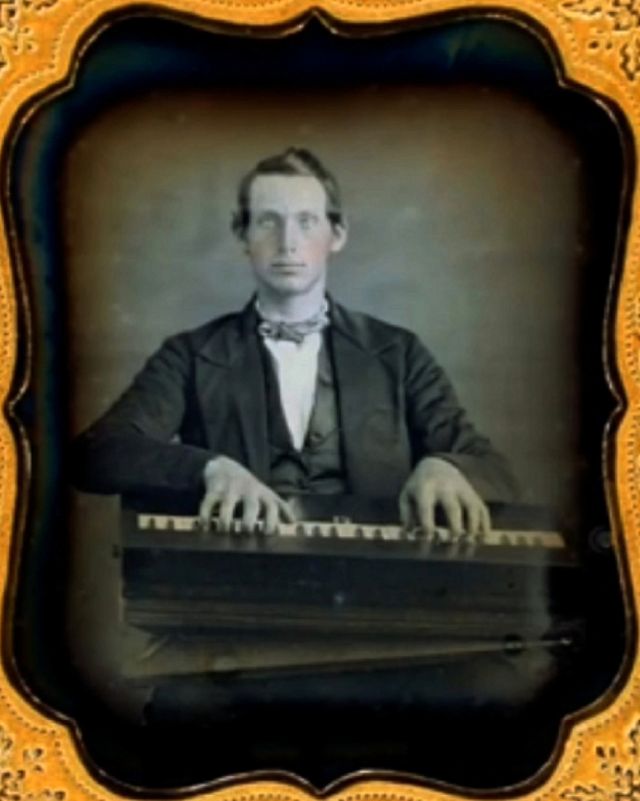
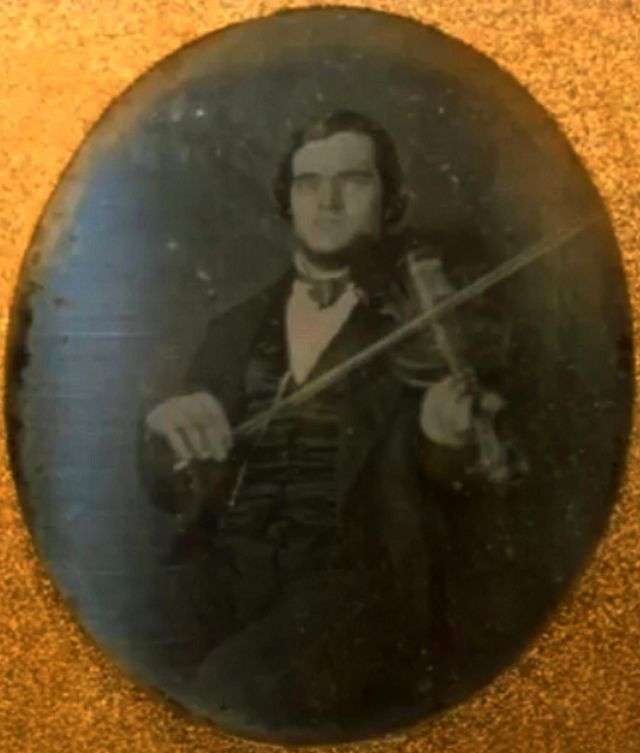
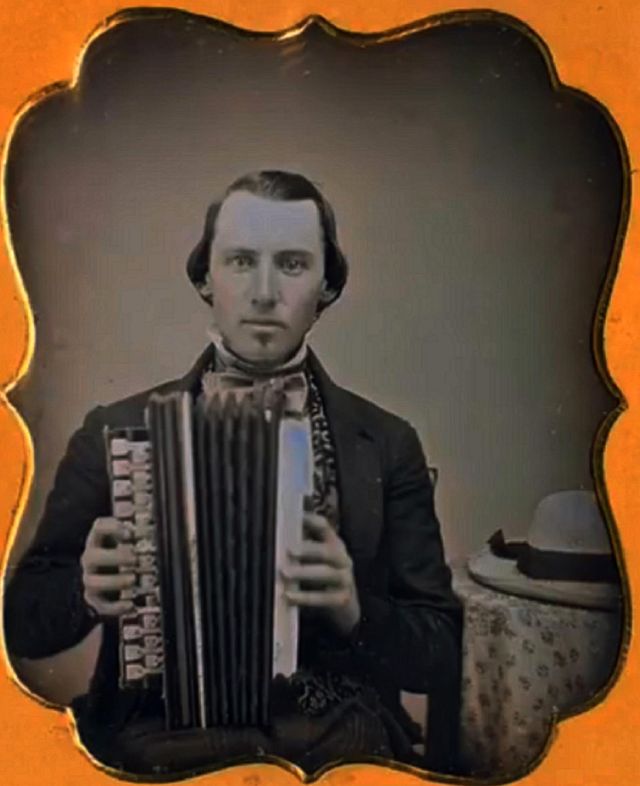
These amazing photographs that captured portraits of musicians in the 1850s and 1860s.
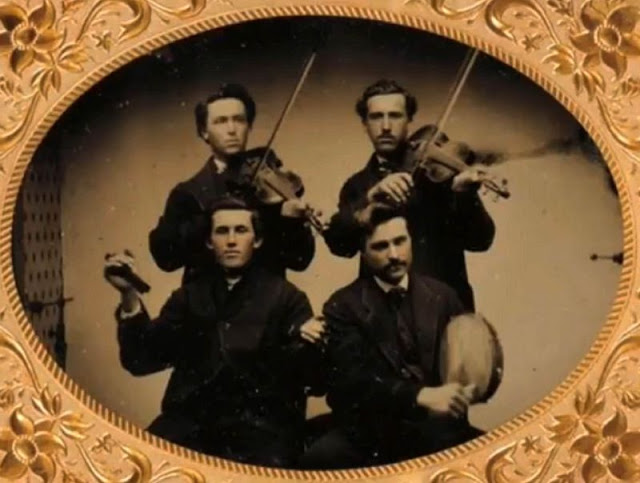
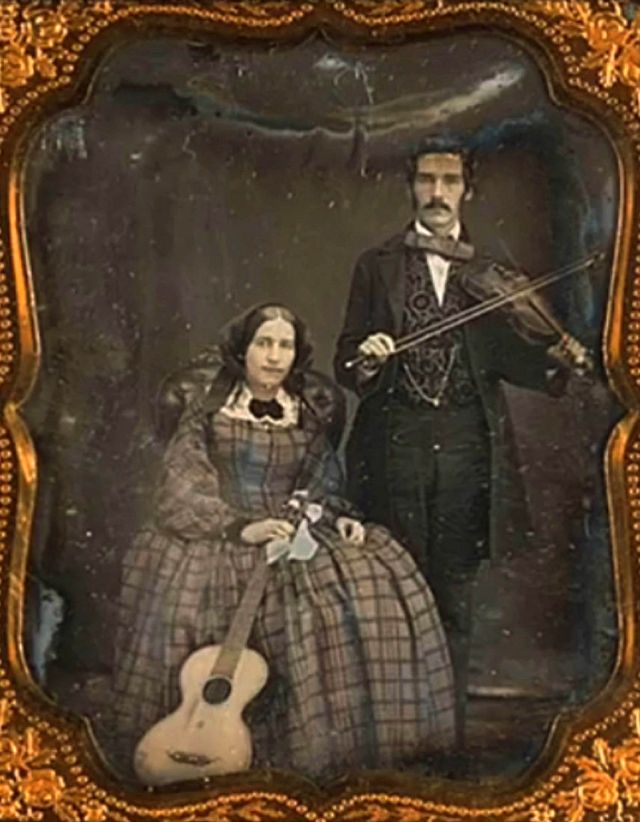
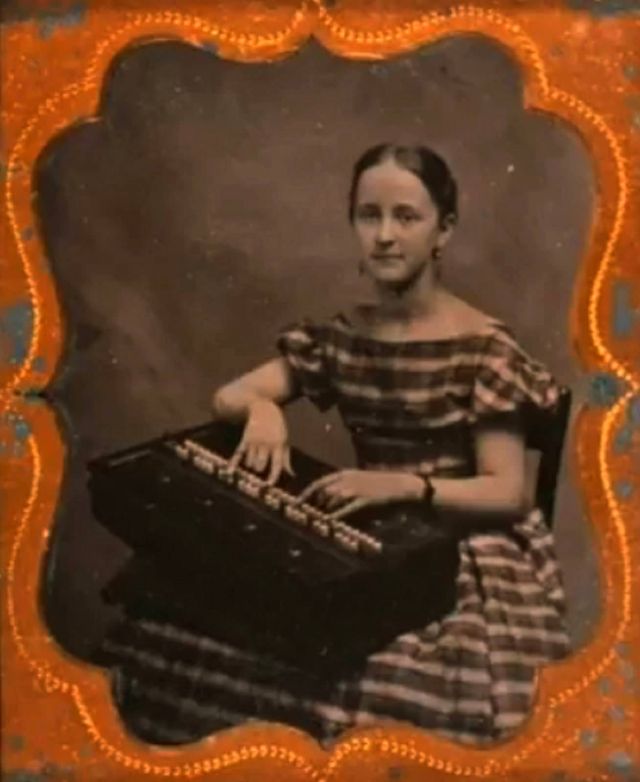
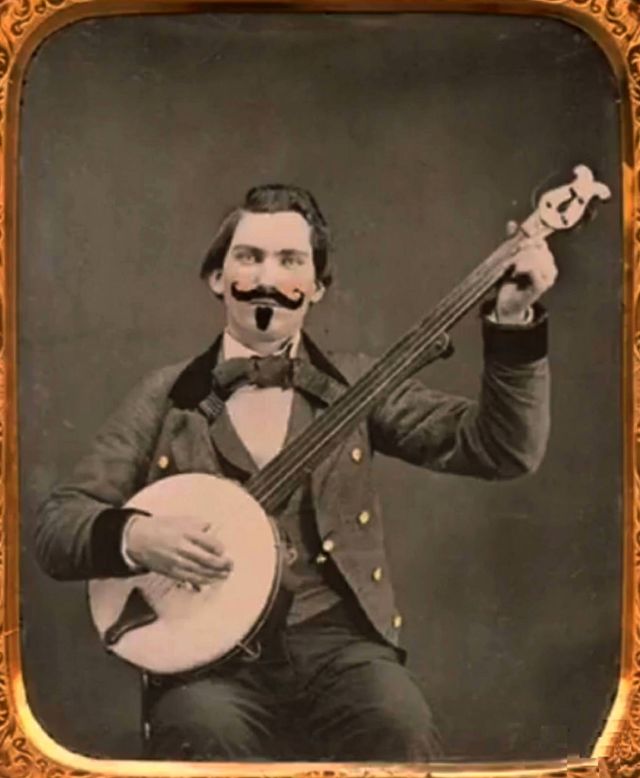
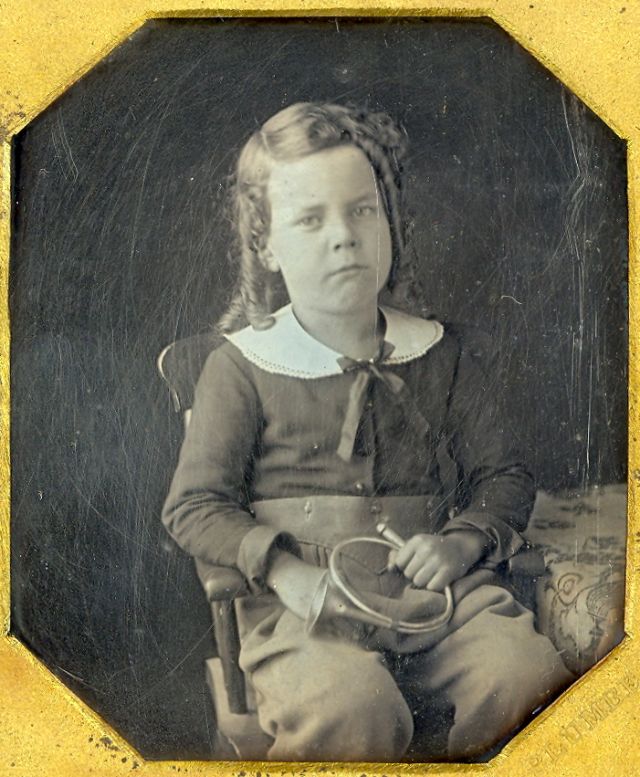
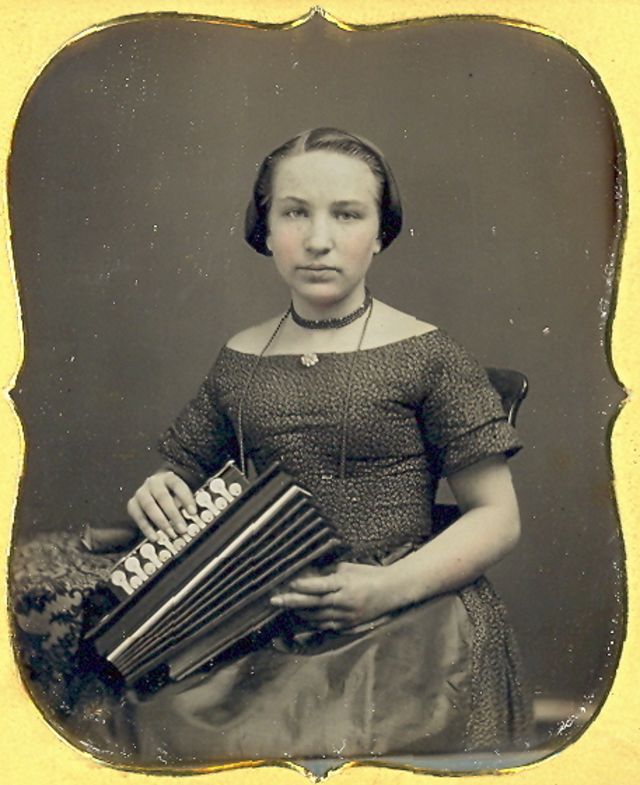
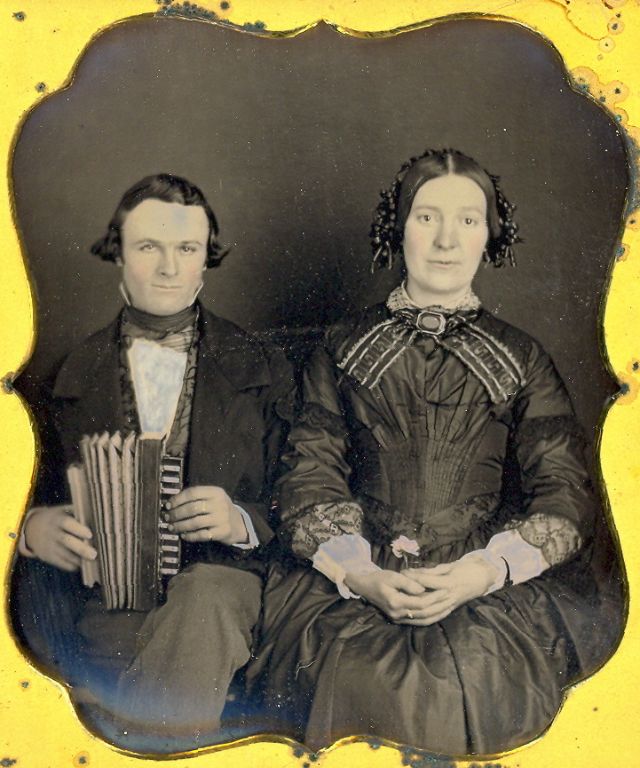
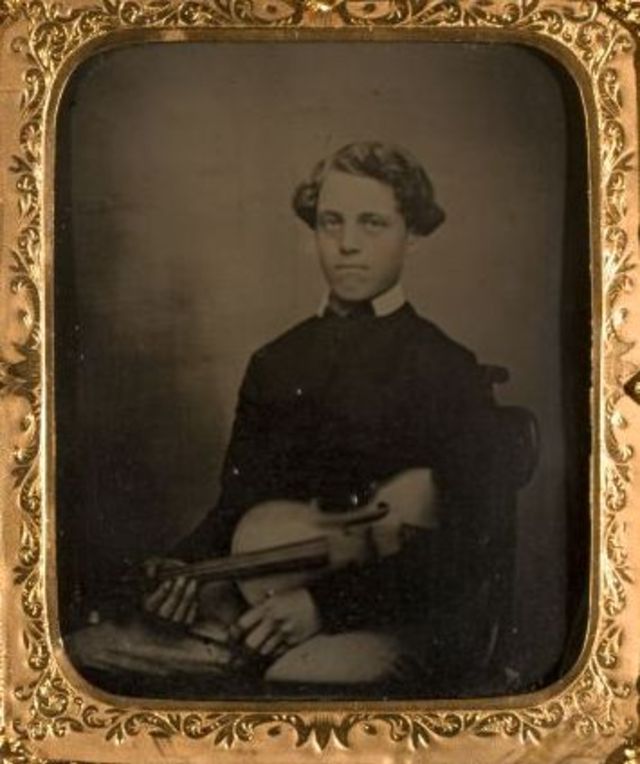
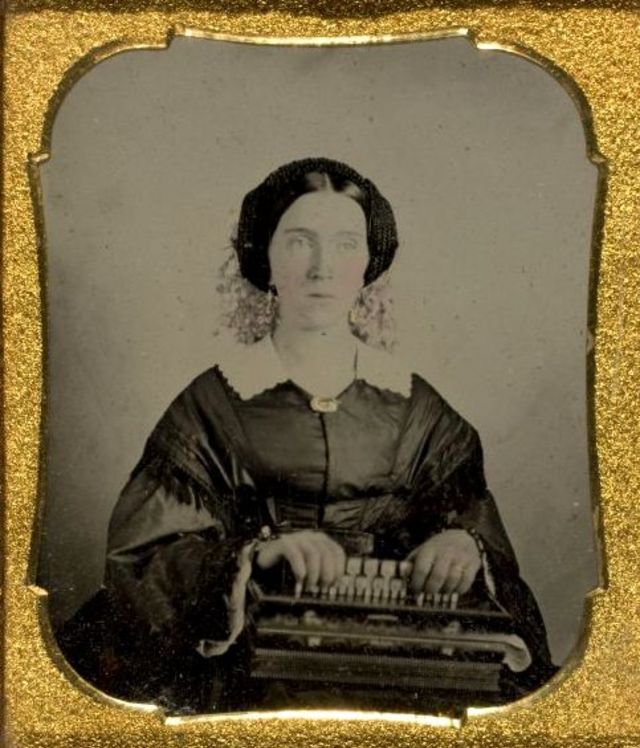
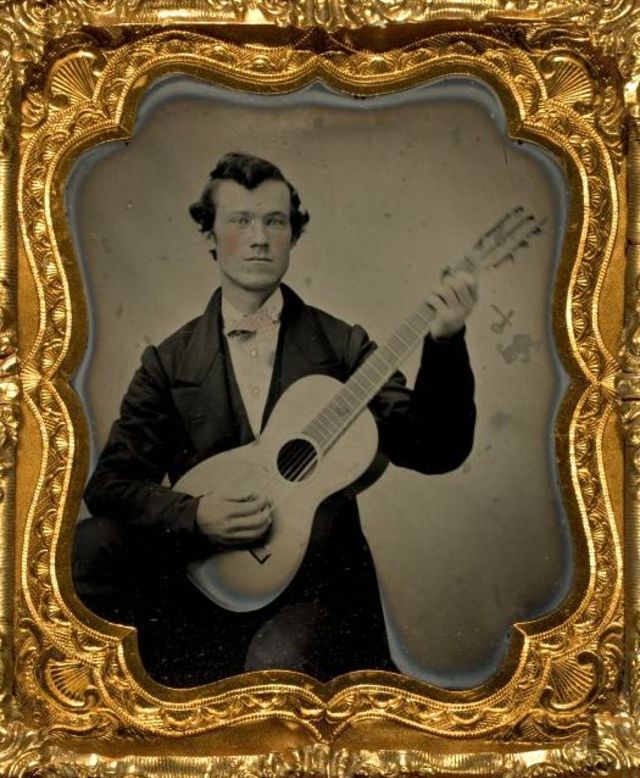
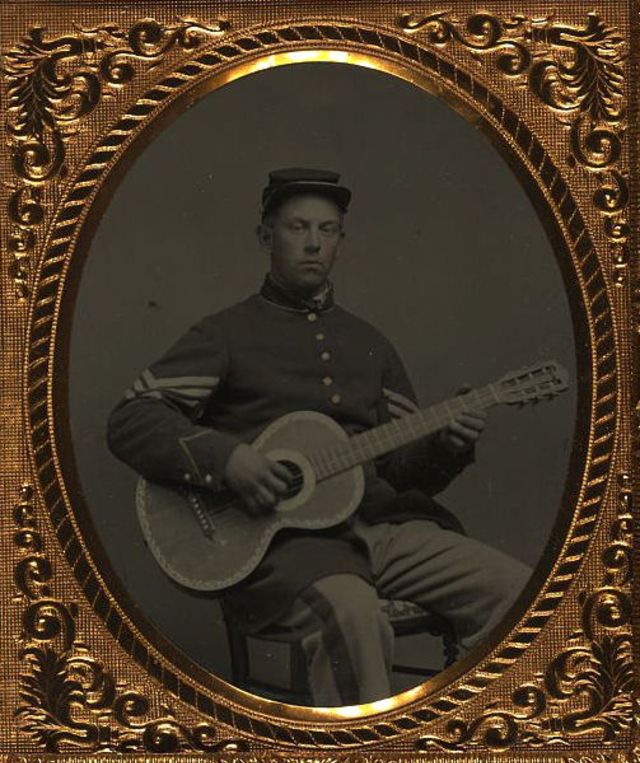
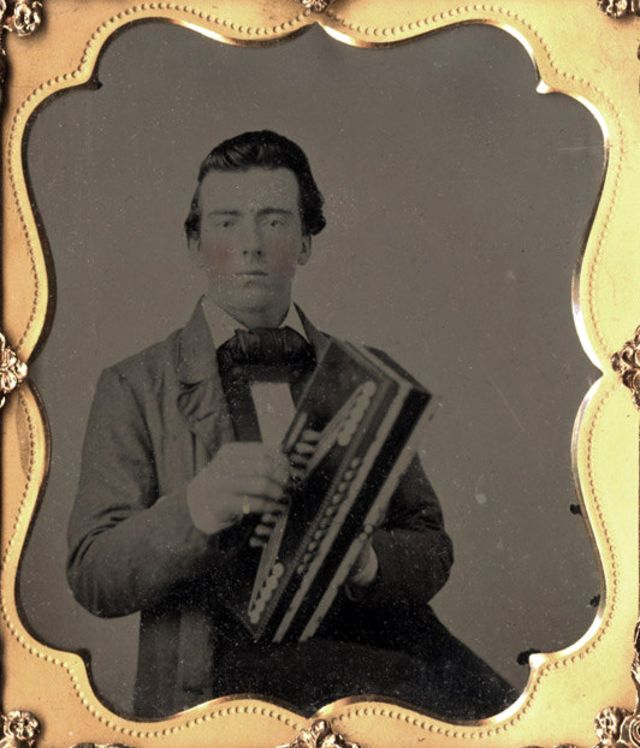
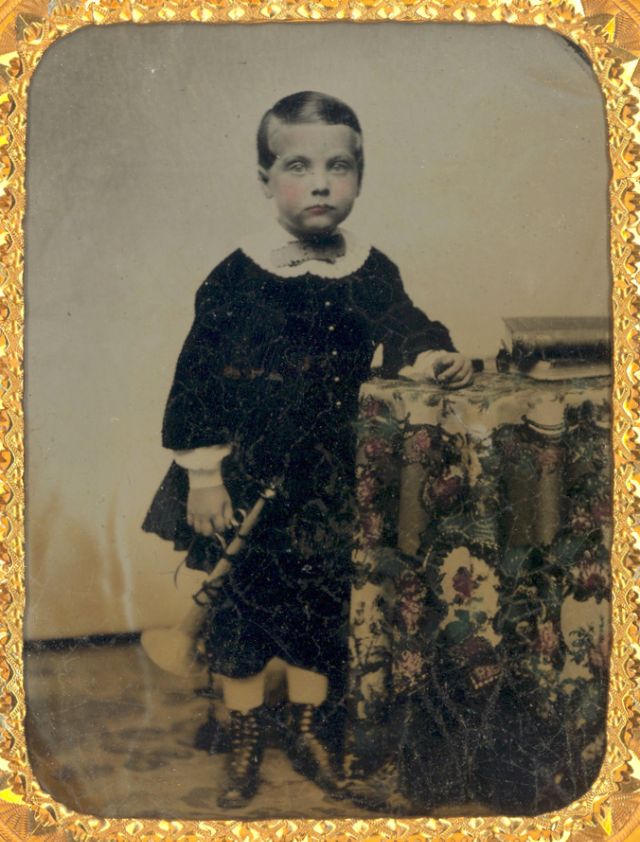
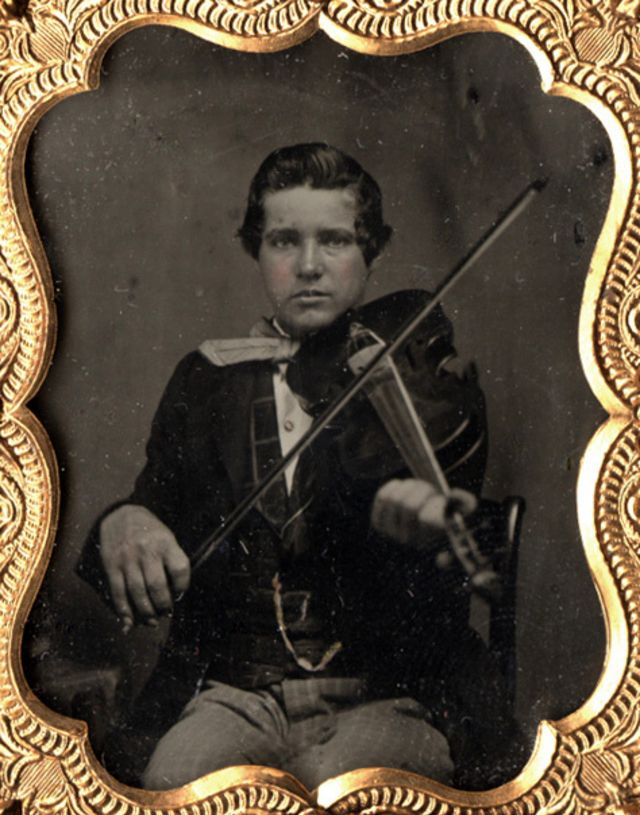
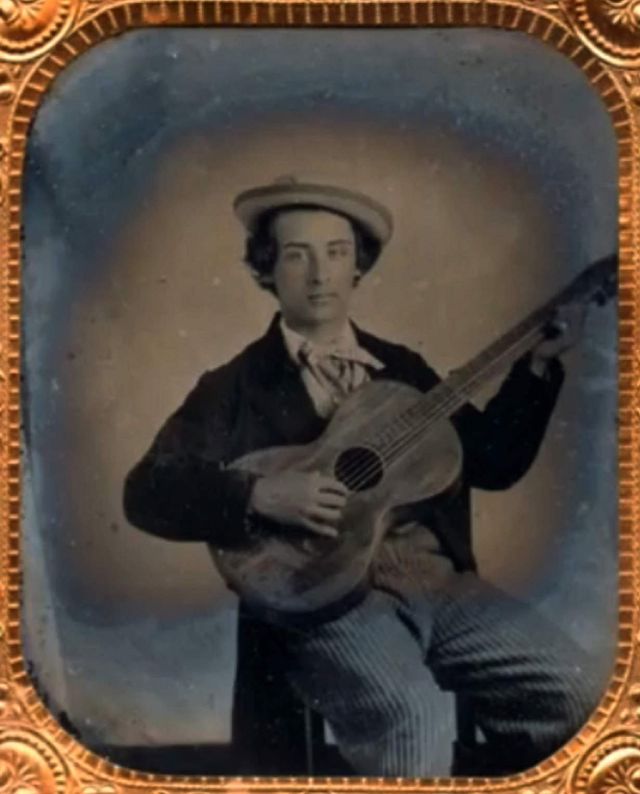
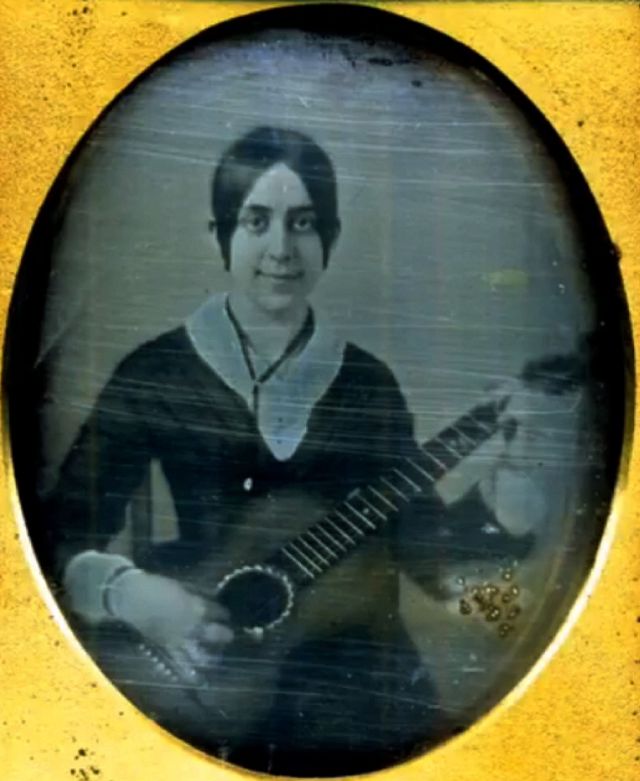
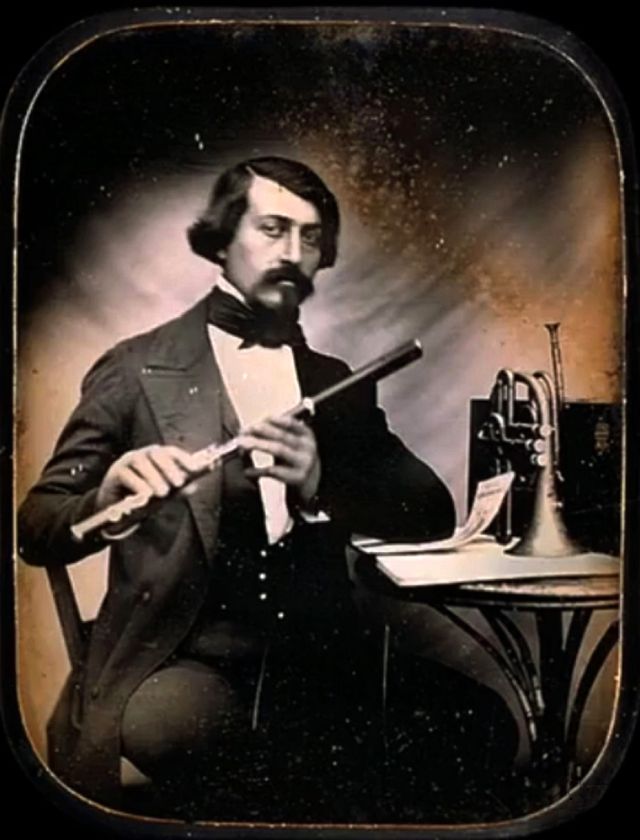
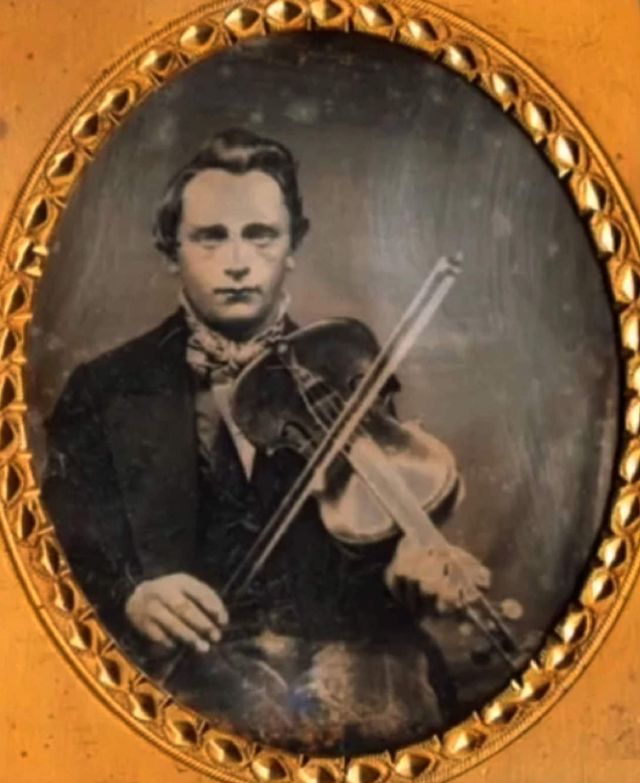
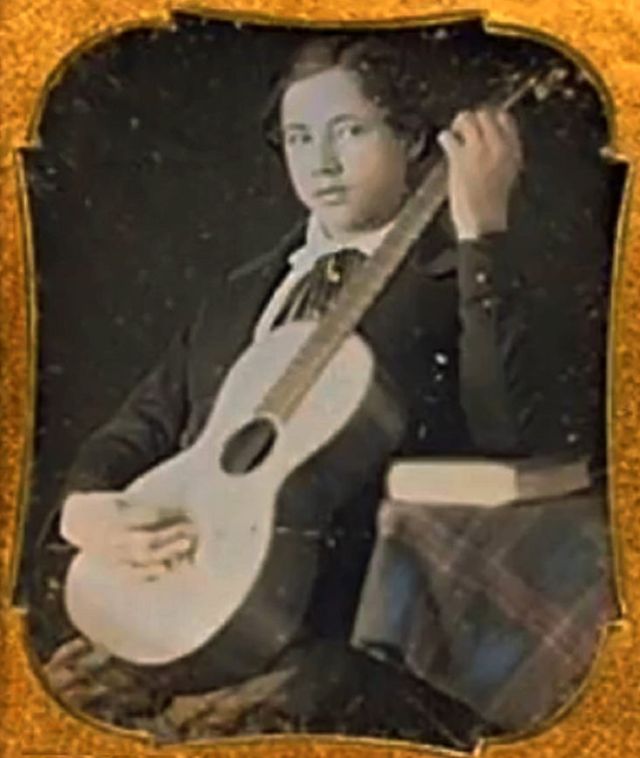
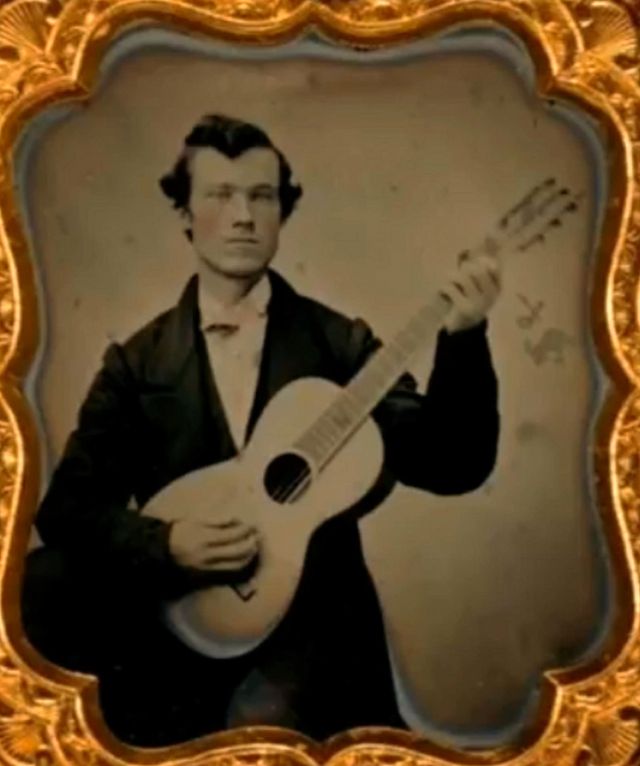
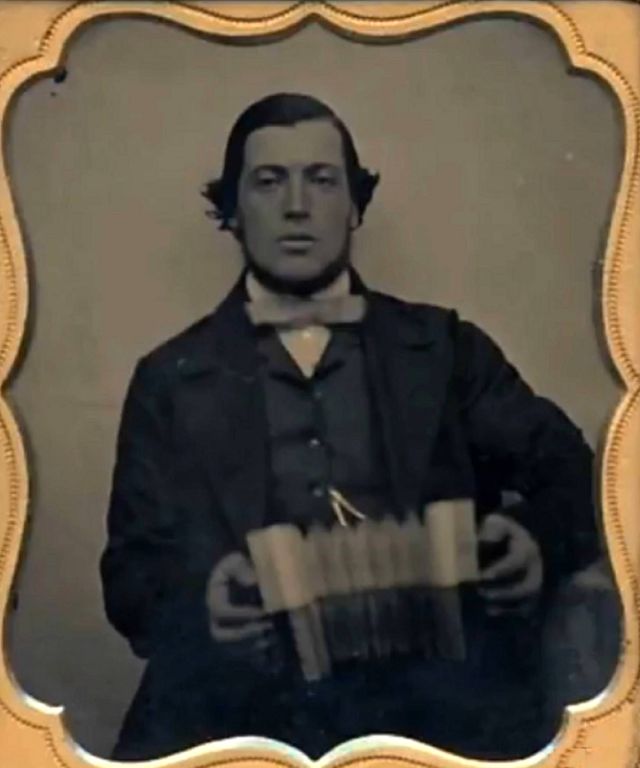
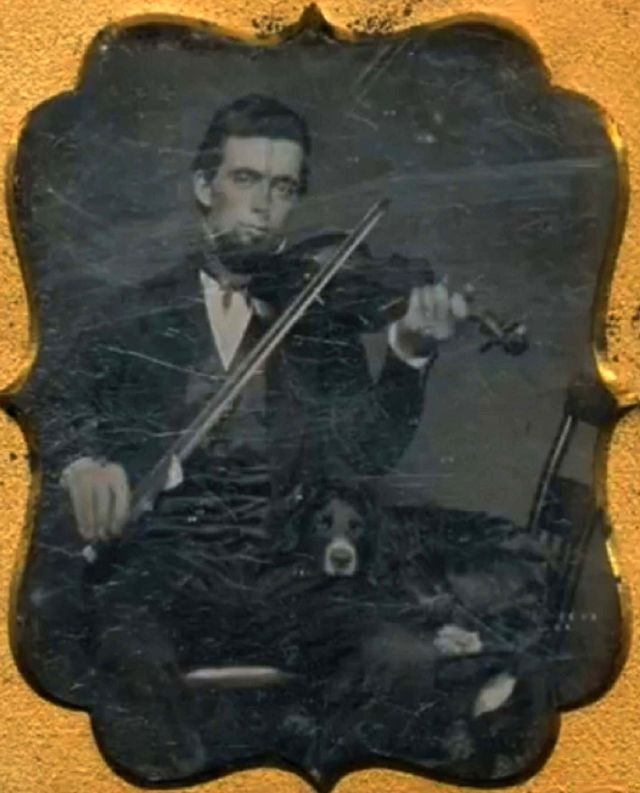
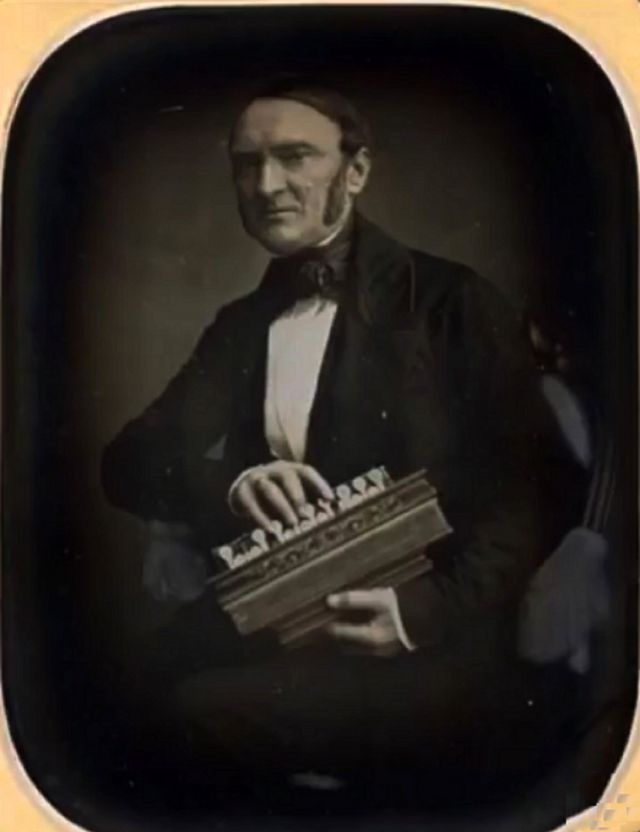

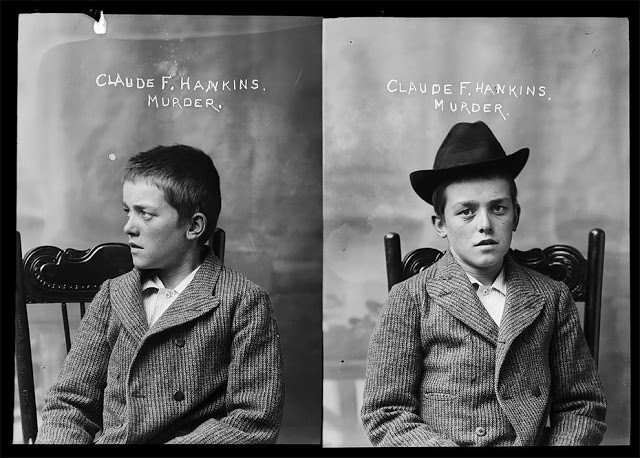
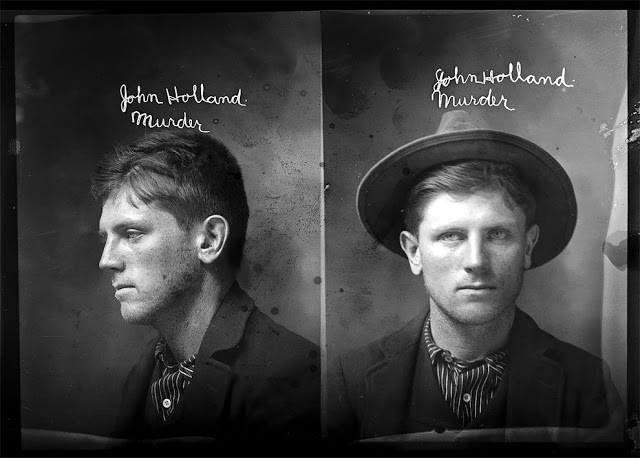
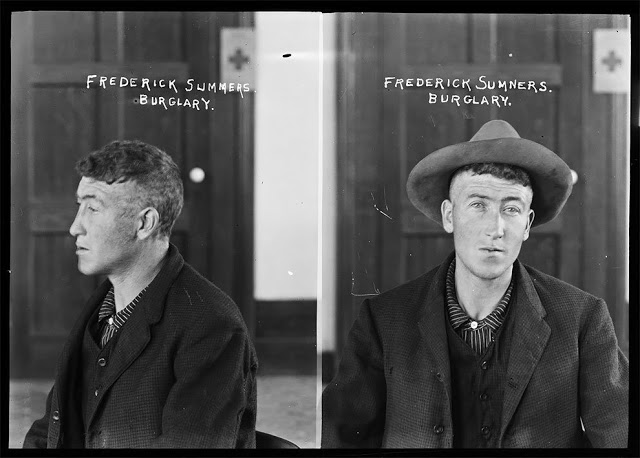
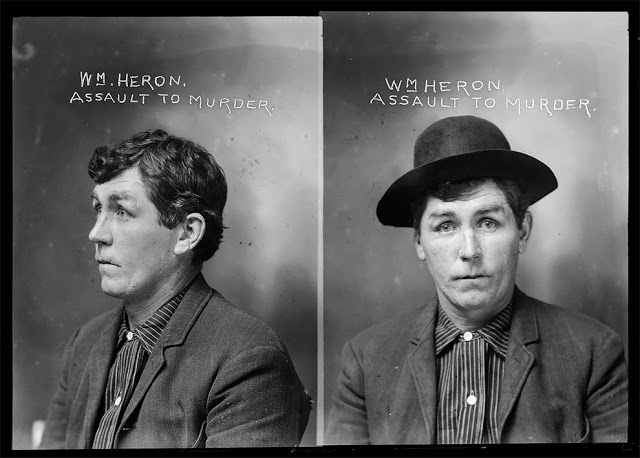
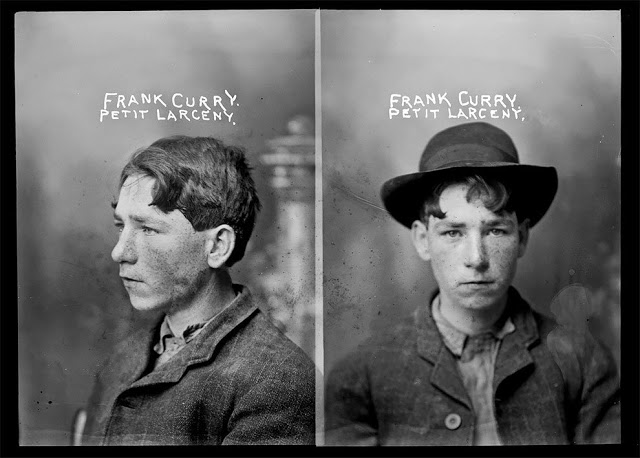
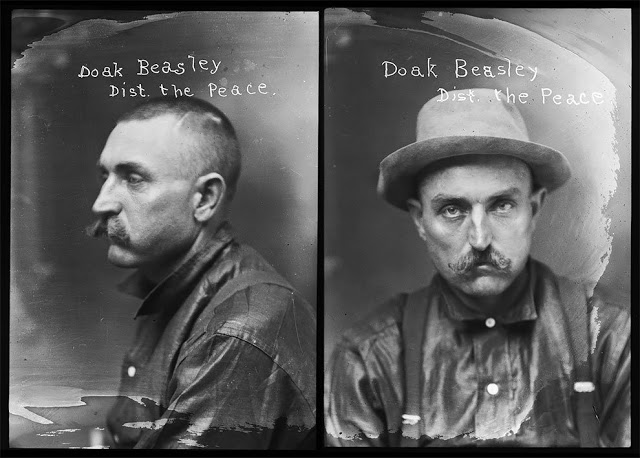
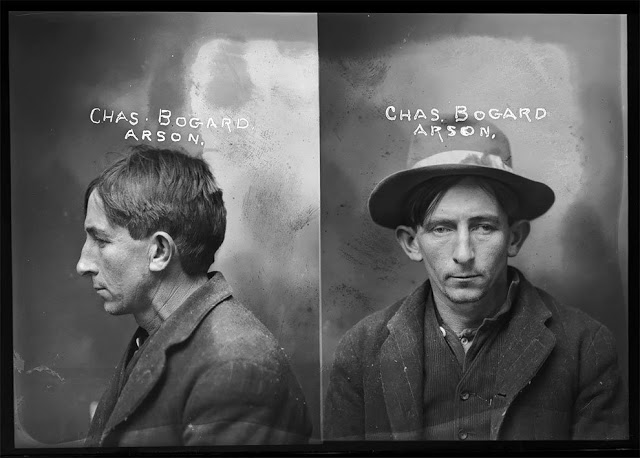
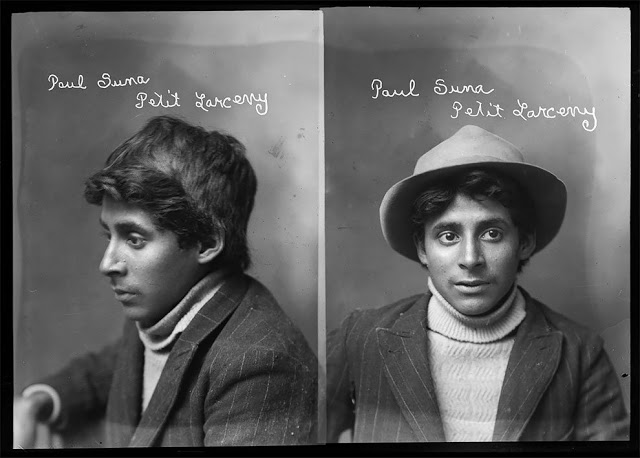
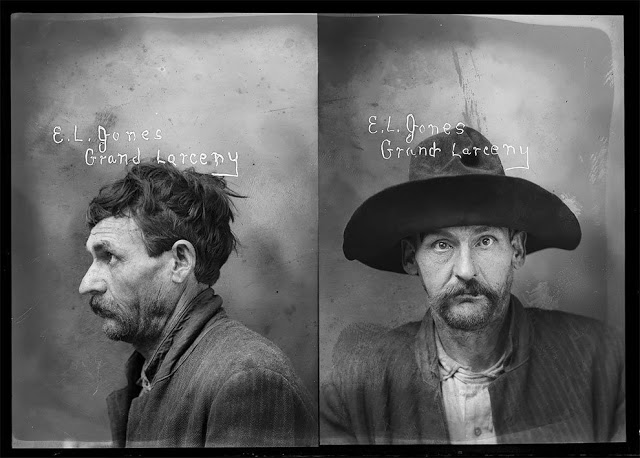
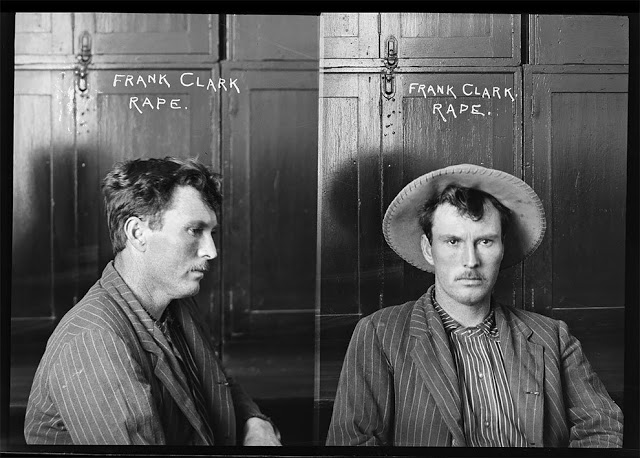
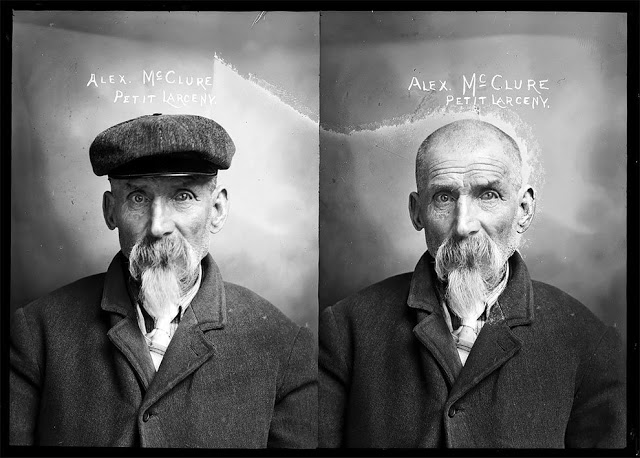
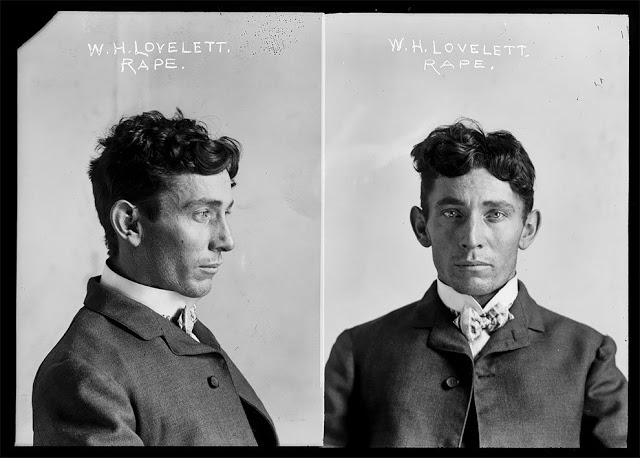
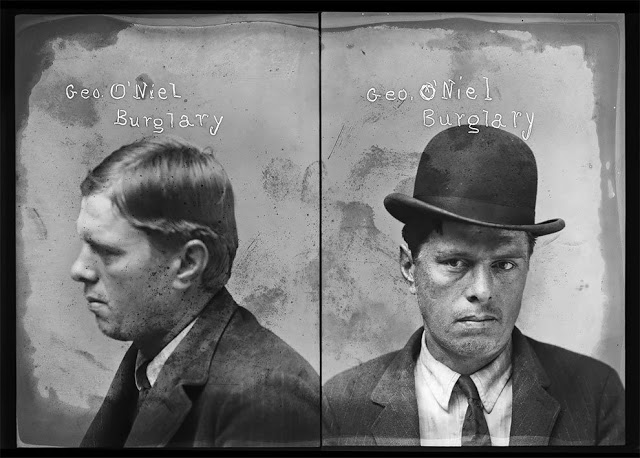
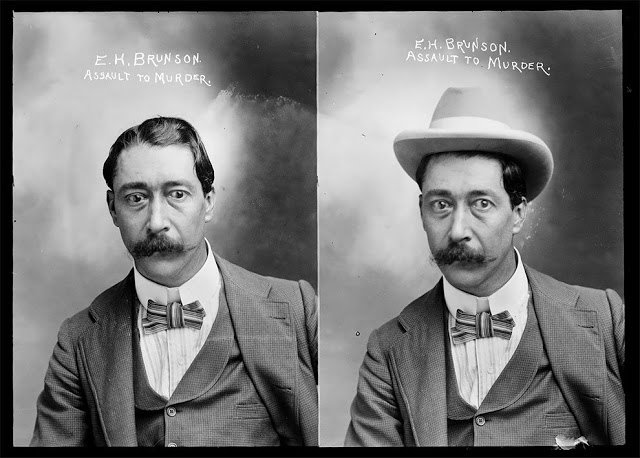
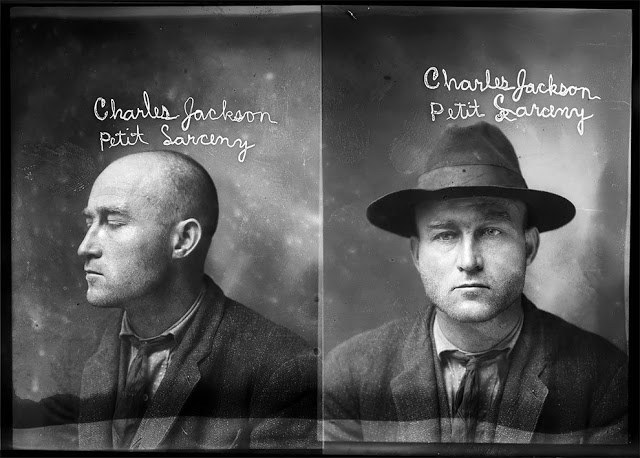
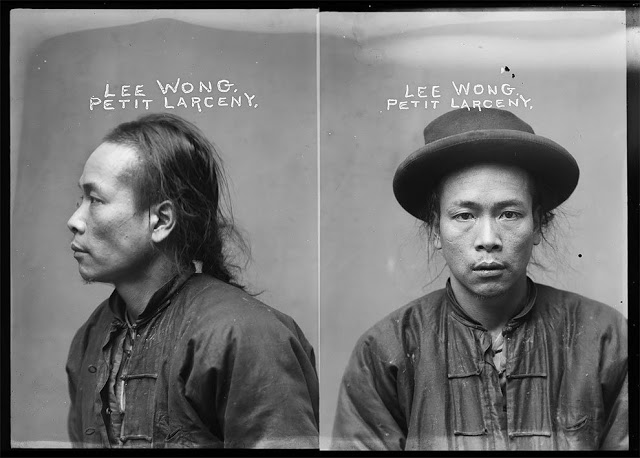
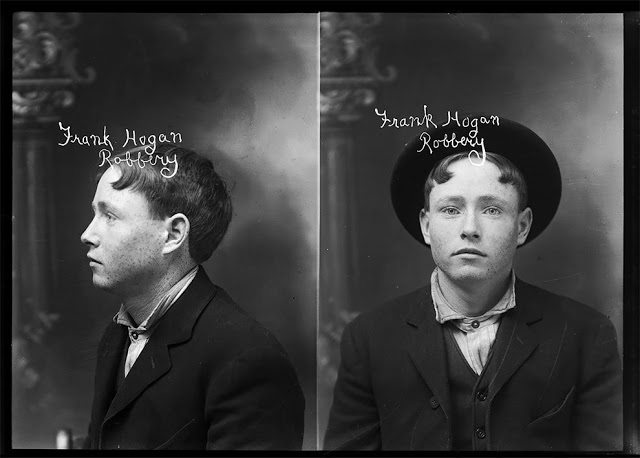
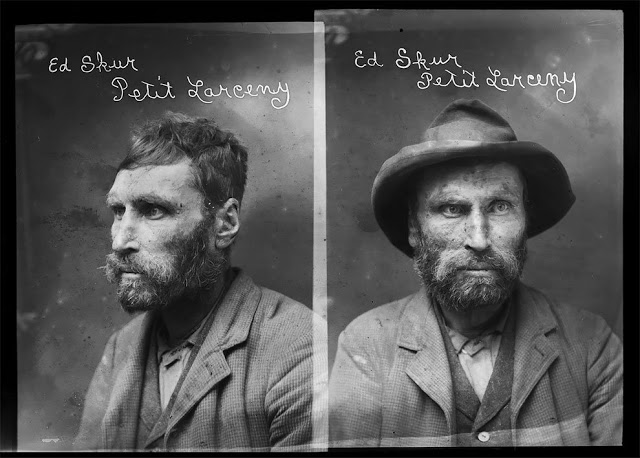
“Some years ago I discovered a cache of glass negative mug shots taken in the early 20th century; each negative was inscribed with the man’s name and alleged crime. In order to research the life of each man pictured in the 500 negatives, I spent the next three years traveling back and forth from New York to the small Northern California town where the photos were taken. I discovered the photographs were taken by Clara Smith, a town photographer more accustomed to taking images of brides and babies than newly arrested suspects. The only extant records of the men’s crimes were the newspapers of the time, so I read through every copy of the daily newspaper(s) from 1901 to 1908 to find news of the men pictured in the images. The project resulted in the book, Prisoners, a collection of 70 images with accompanying narrative text on each subject.” — Arne Svenson
In Prisoners, New York artist and photographer Arne Svenson presents some two dozen portraits of turn-of-the-century prisoners, which the artist developed from found negatives. Each image (about one to two feet) is a diptych mug-shot (full face and profile), with the criminal’s name and crime etched into the emulsion and visible above the subject’s head. The crimes range from petty larceny to murder in various ages and races.





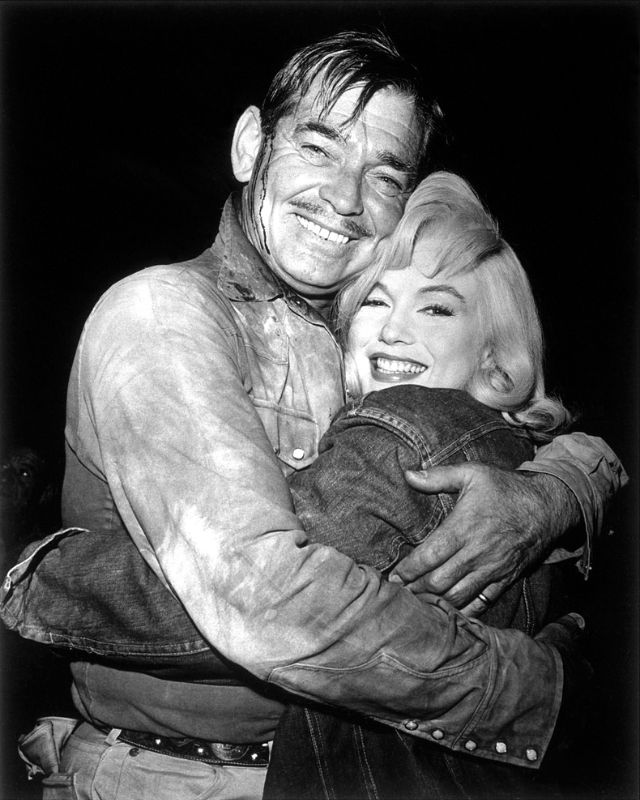
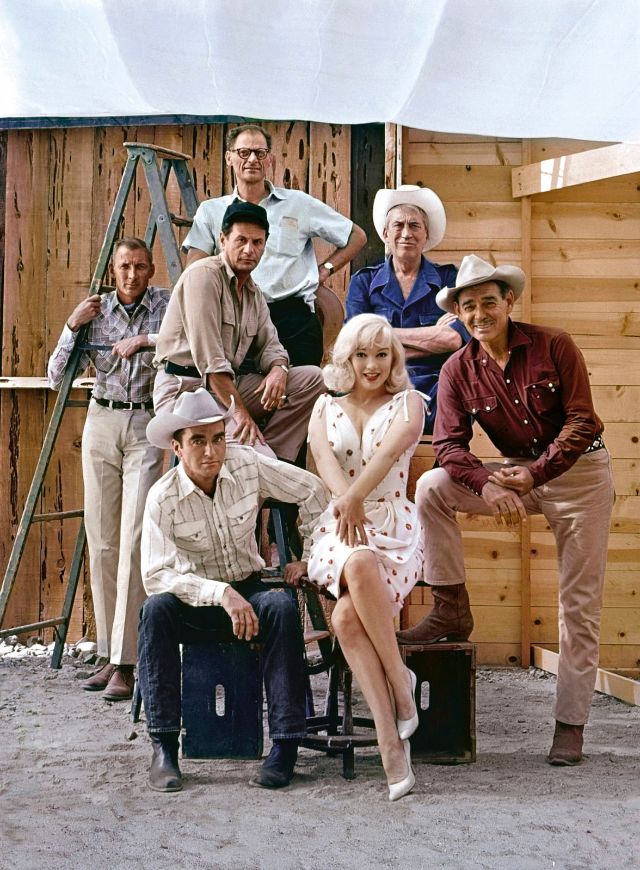
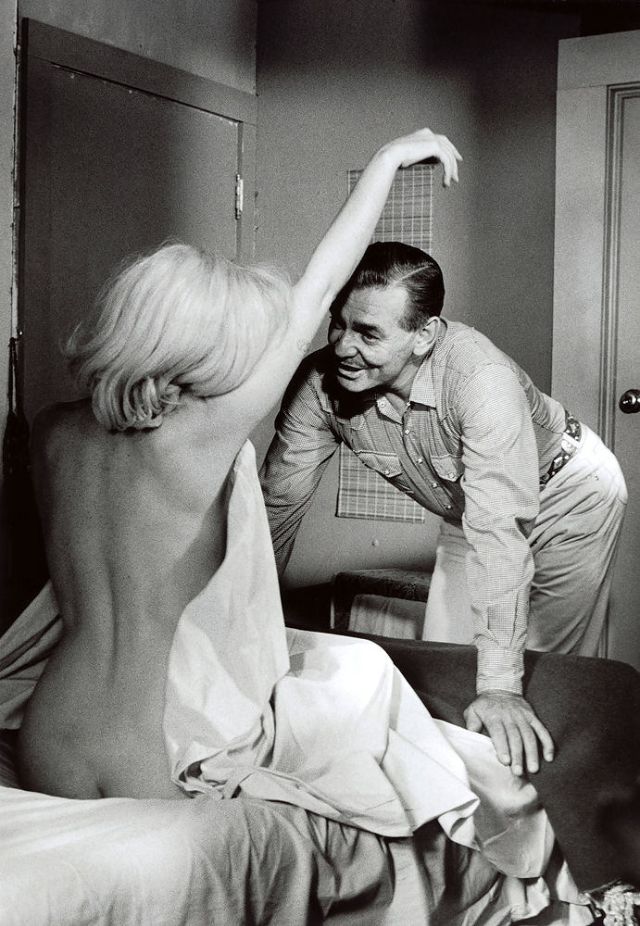
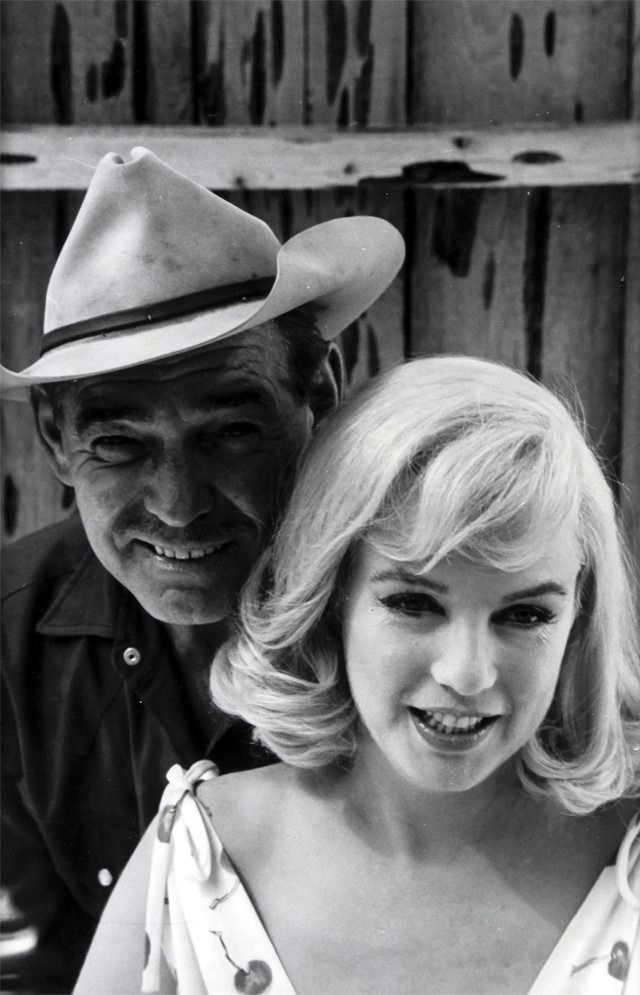
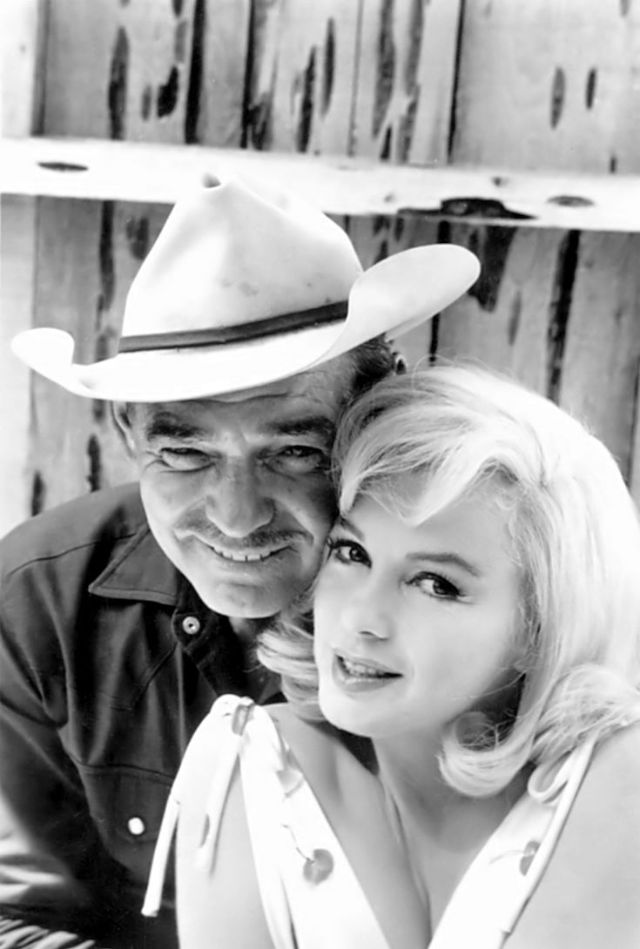
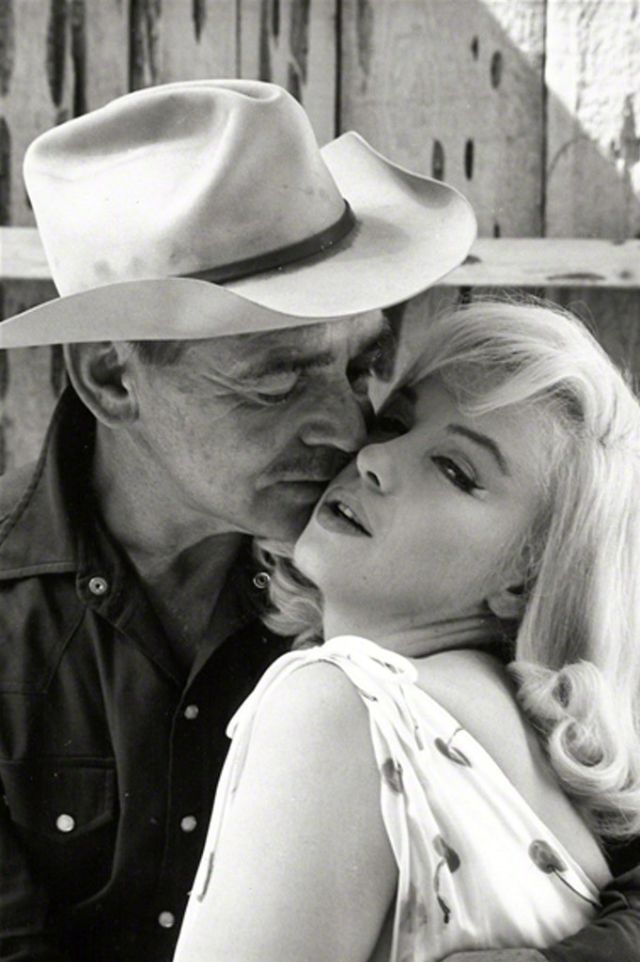
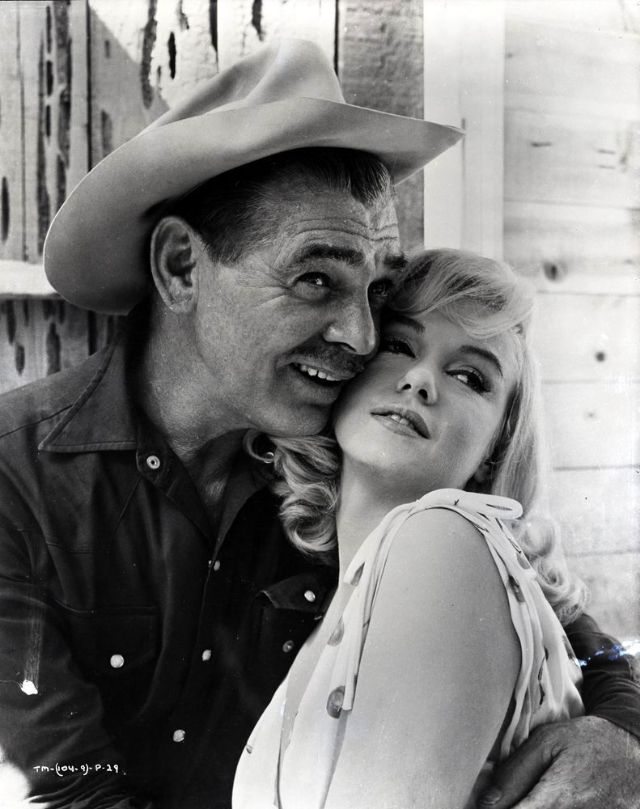
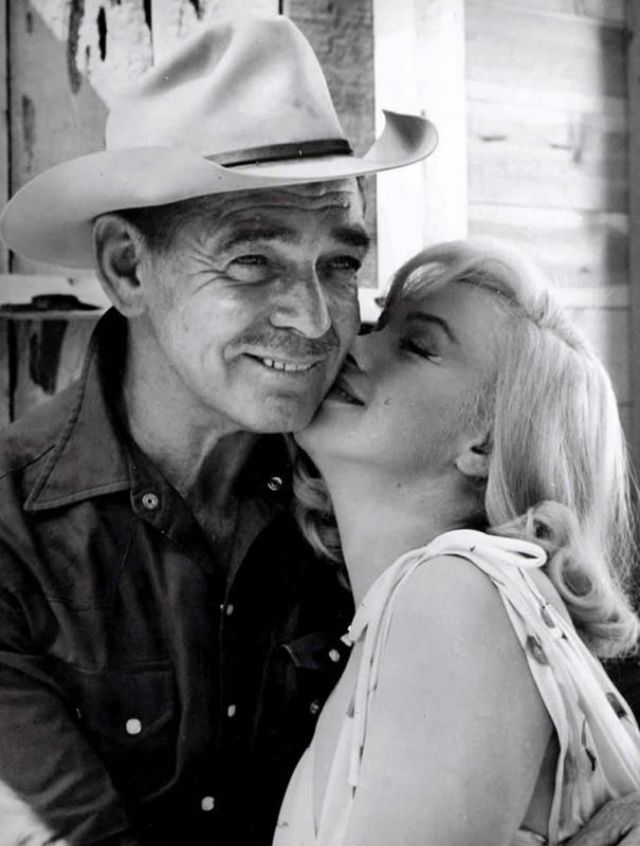
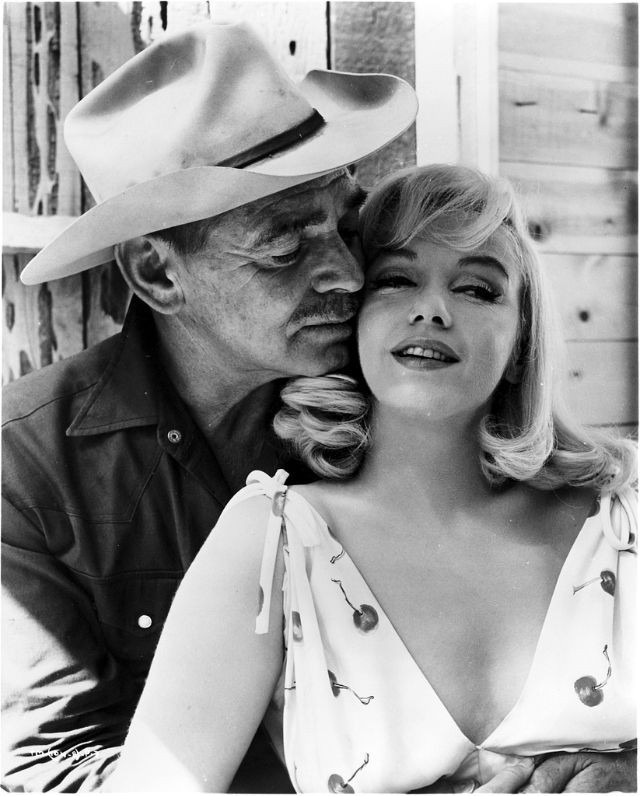
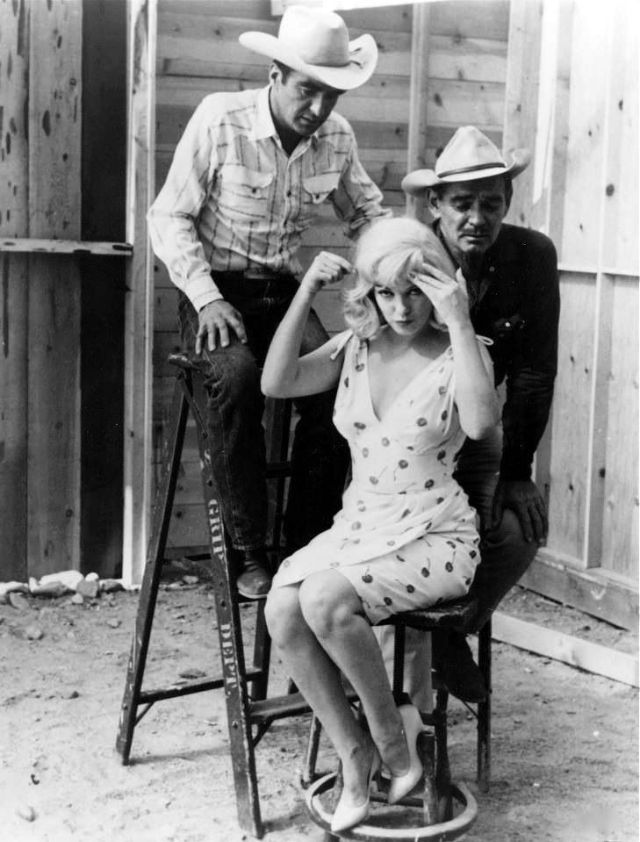
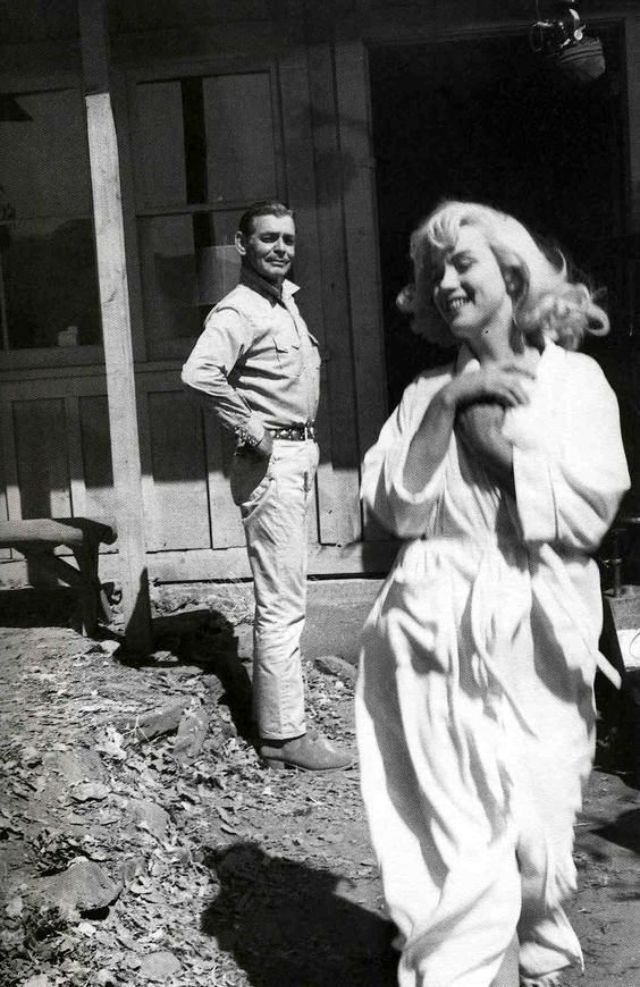
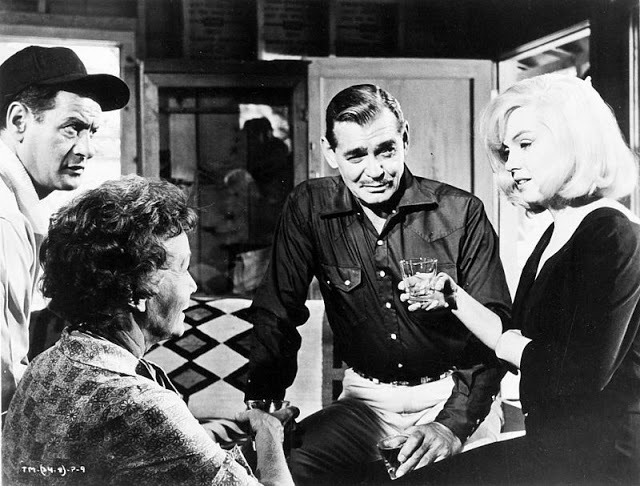
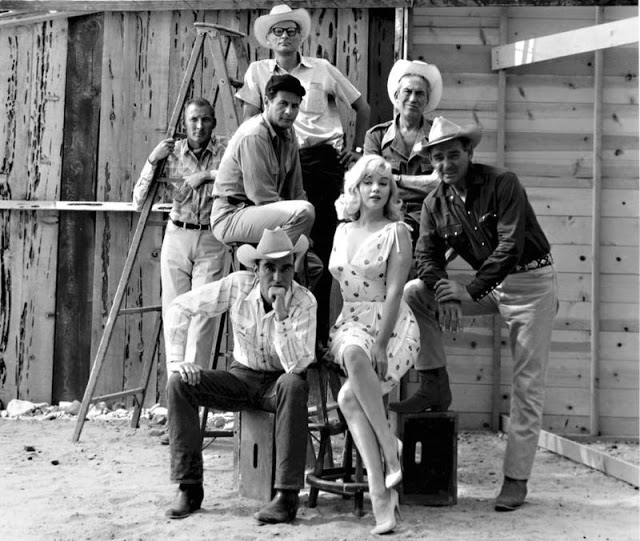
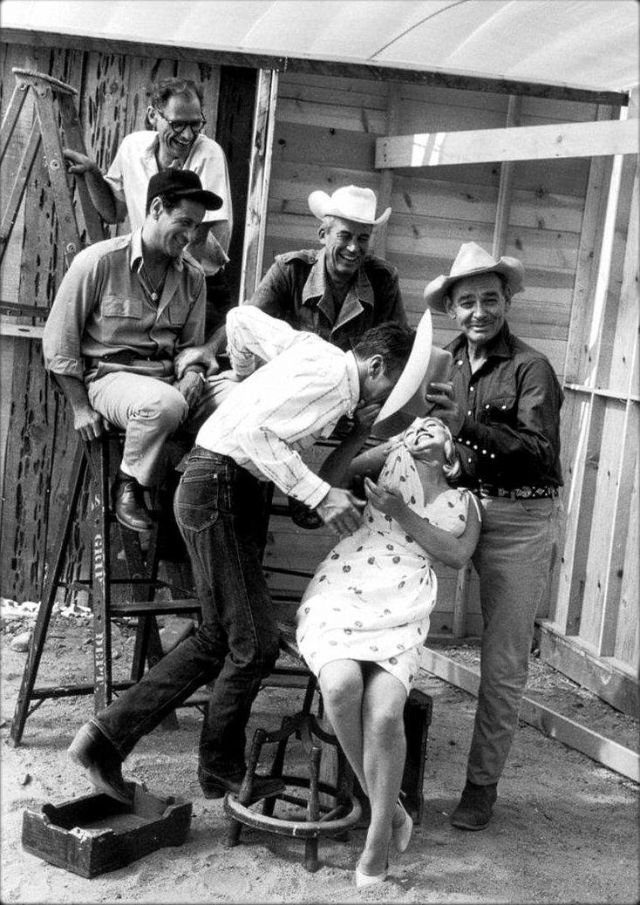
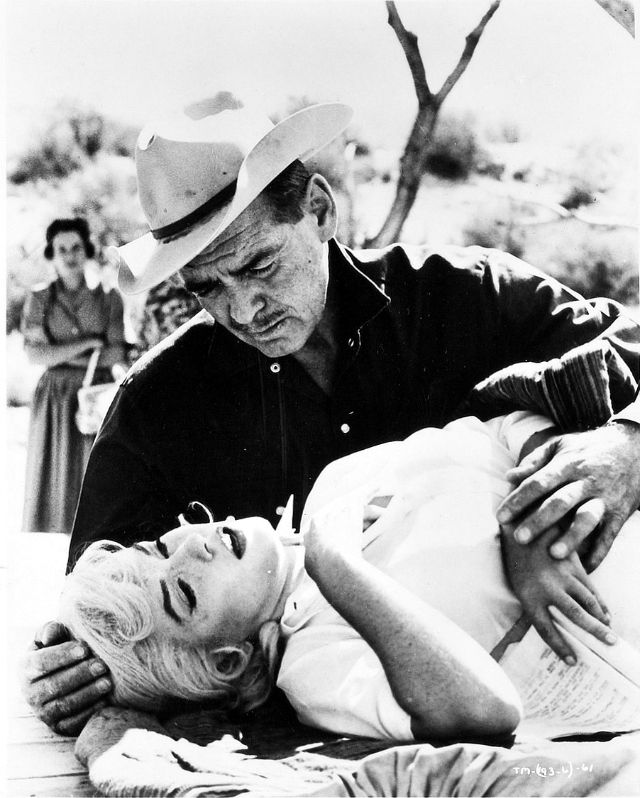
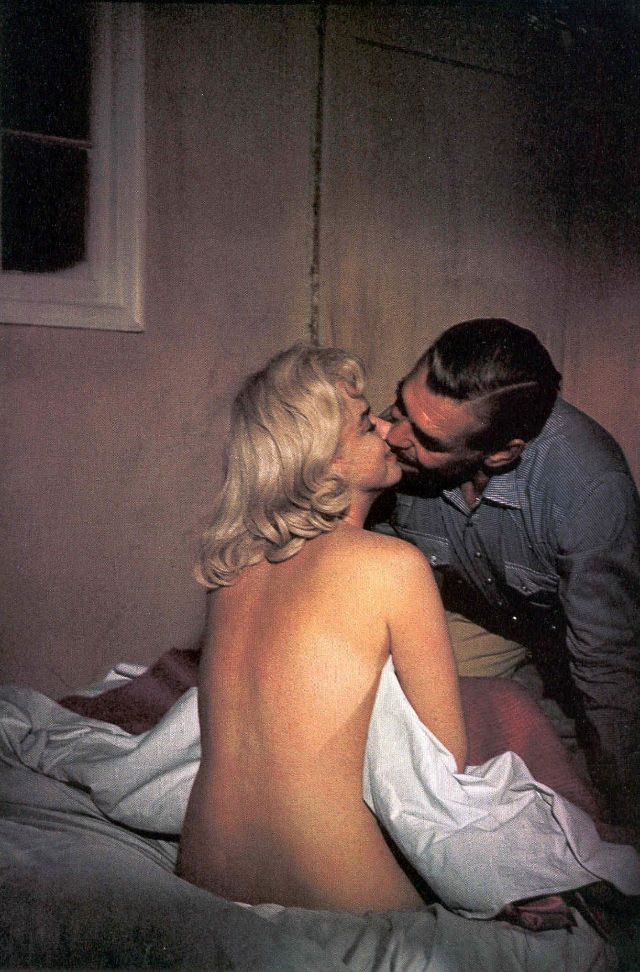
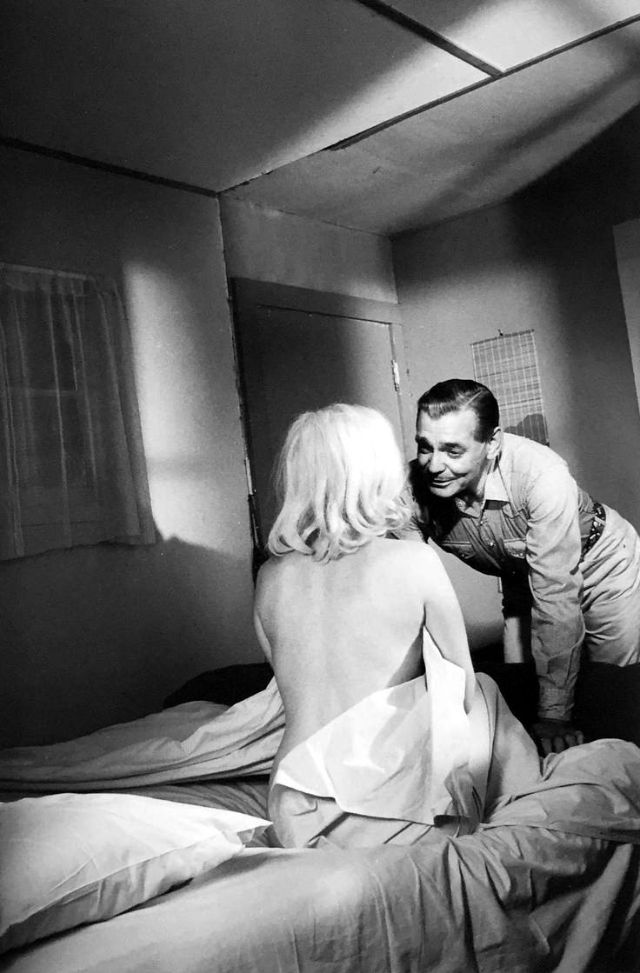
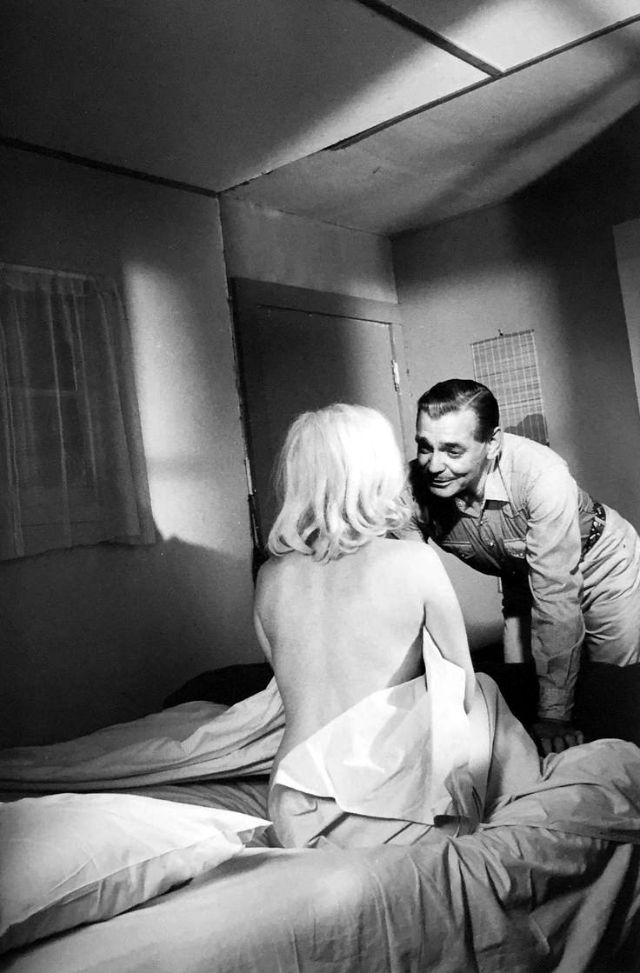
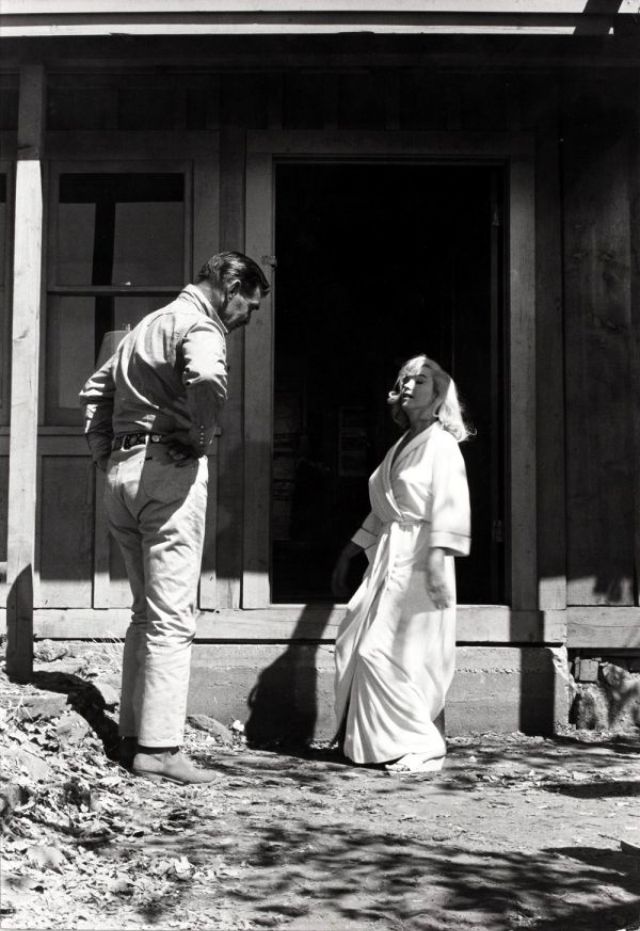
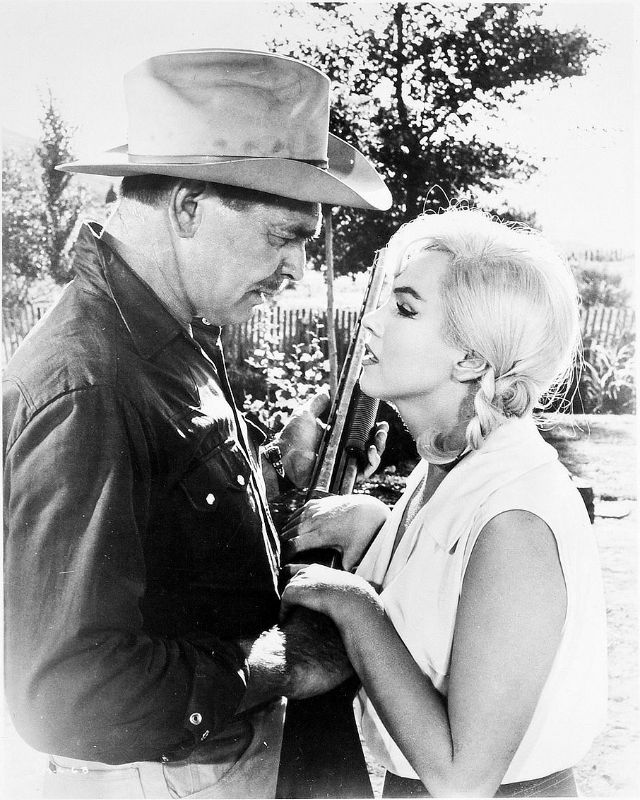
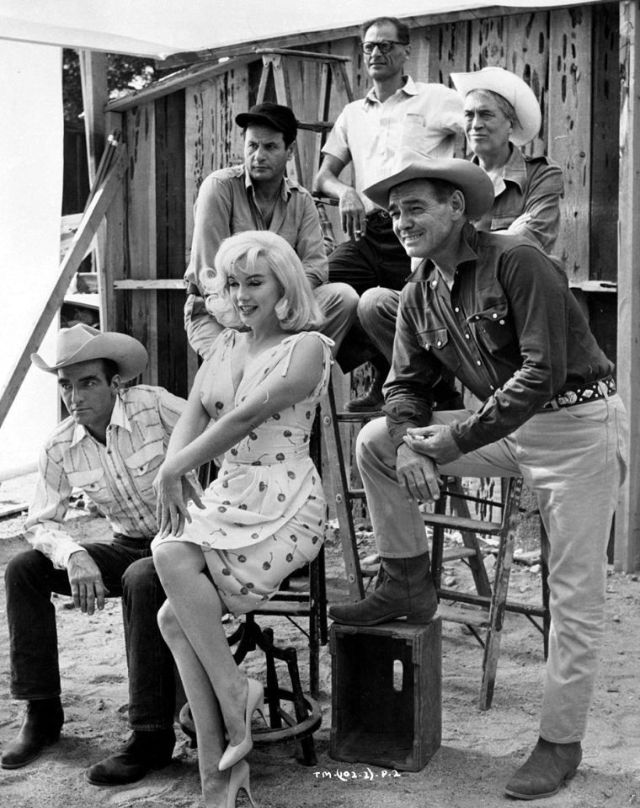
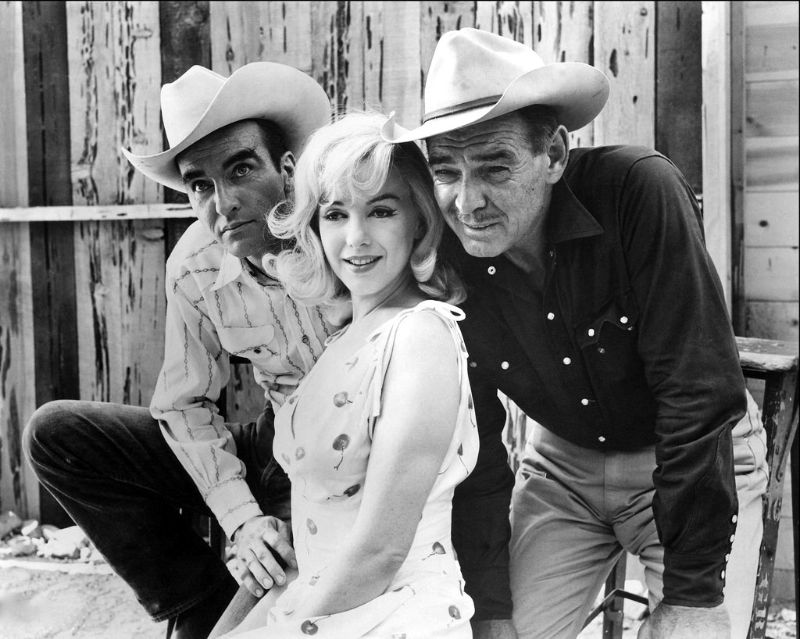
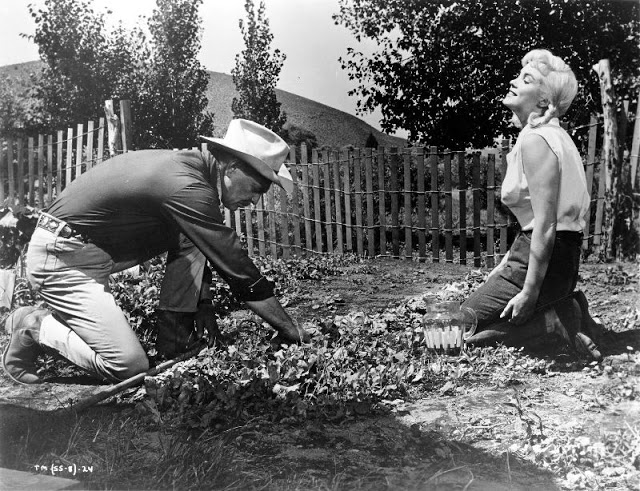
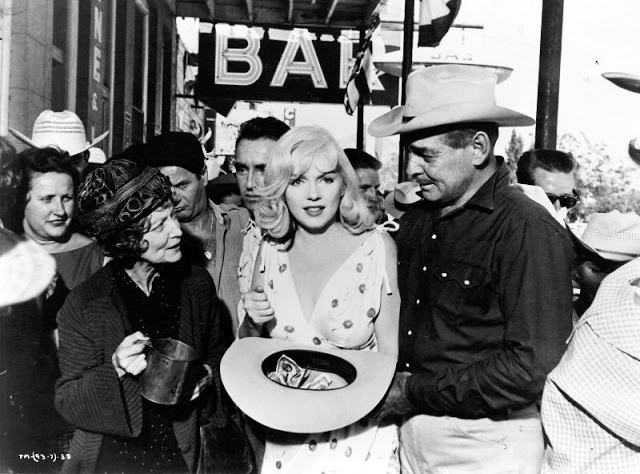
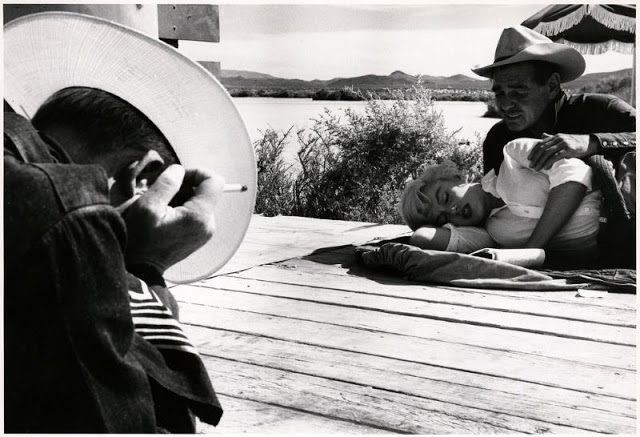
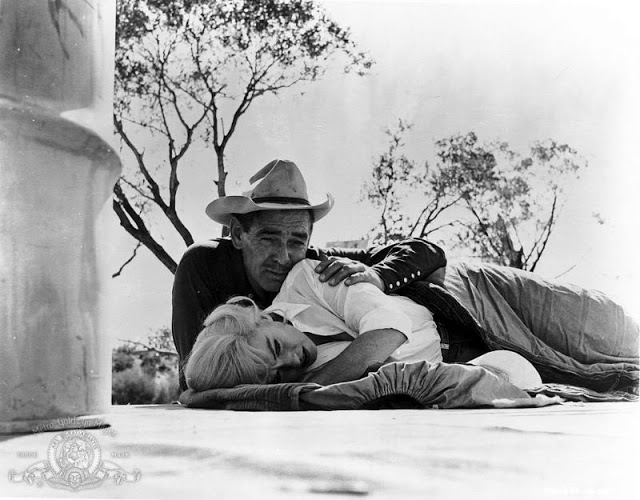
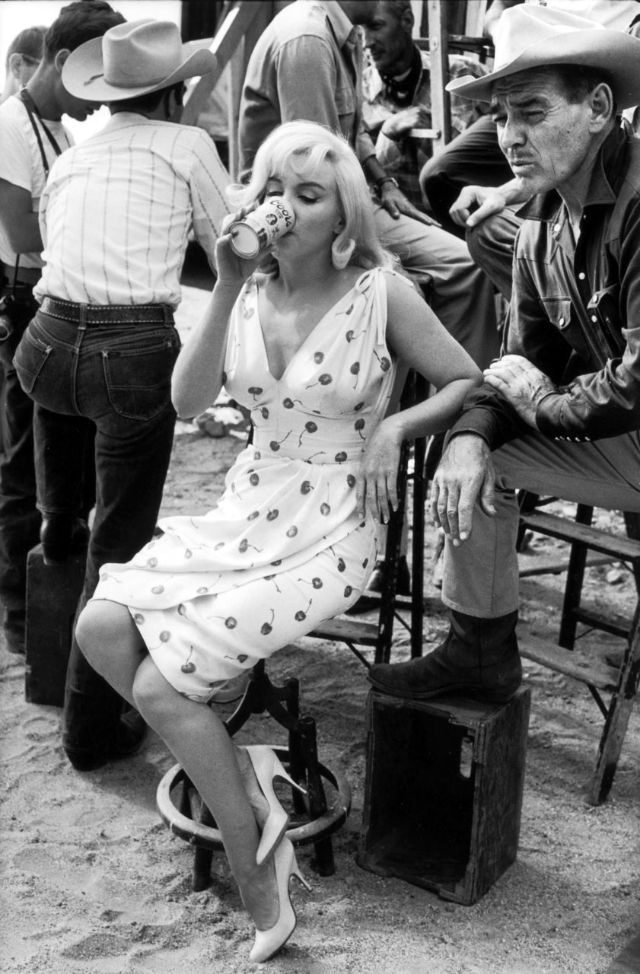
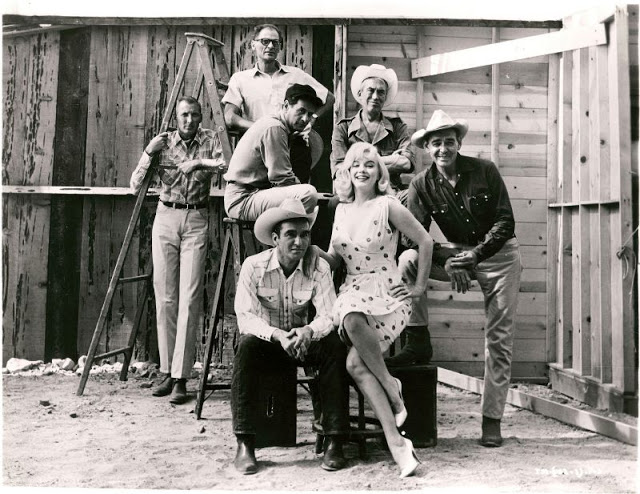
The Misfits is a 1961 American drama film written by Arthur Miller, directed by John Huston, and starring Clark Gable, Marilyn Monroe and Montgomery Clift. The supporting cast features Thelma Ritter, Eli Wallach and Kevin McCarthy. It marked the last completed film of both Gable and Monroe. For Gable, the film was posthumously released, while Monroe died the following year.
The plot centers on a recently divorced woman (Monroe) and her time spent with a cowboy (Gable), his tow truck-driving friend (Wallach) and his rodeo-riding friend (Clift) in the Western Nevada desert in the 1960s. The film was a commercial failure at the time of its release, but received positive critical comments for its script and performances, and is highly regarded today.
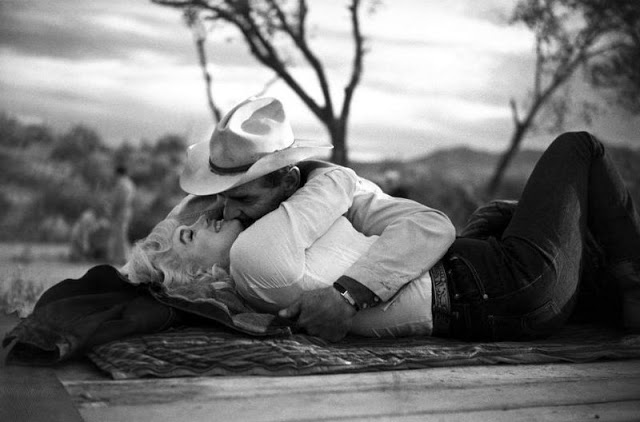
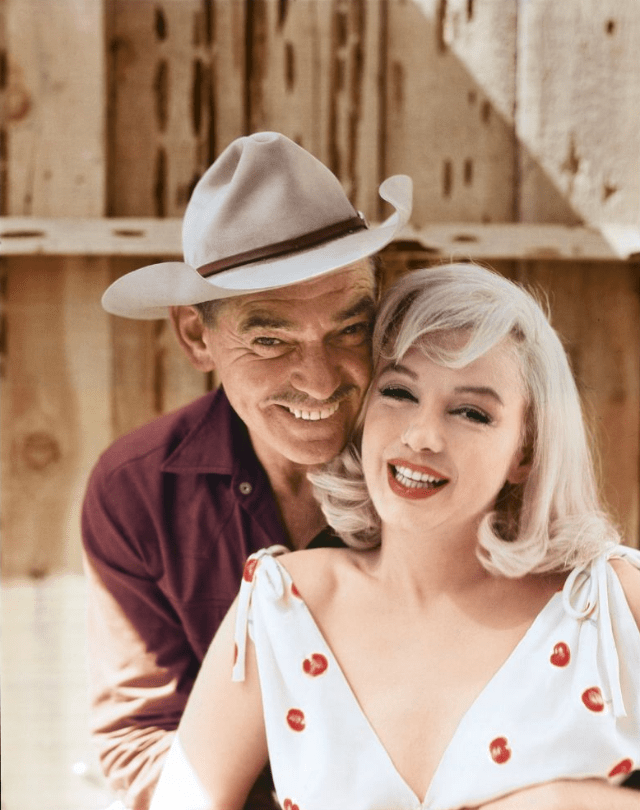
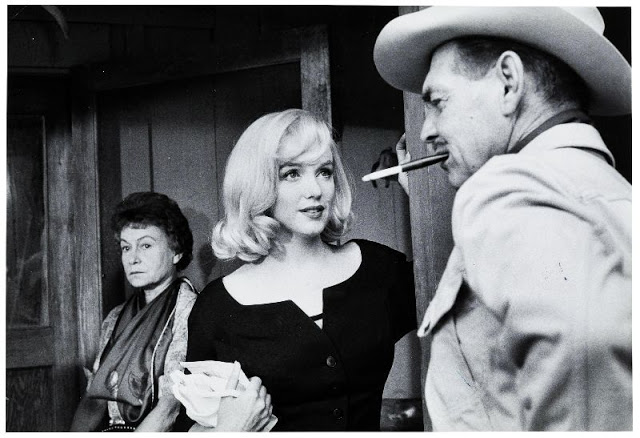
Here below are lovely photos that captured behind the scenes of Marilyn Monroe and Clark Gable while filming “The Misfits” in 1960.
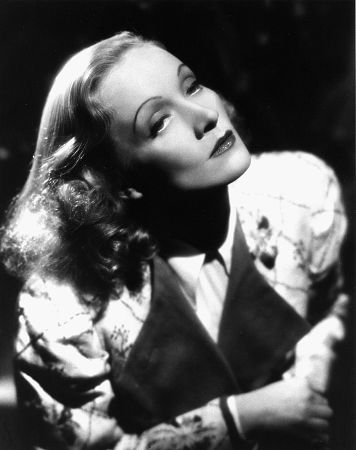
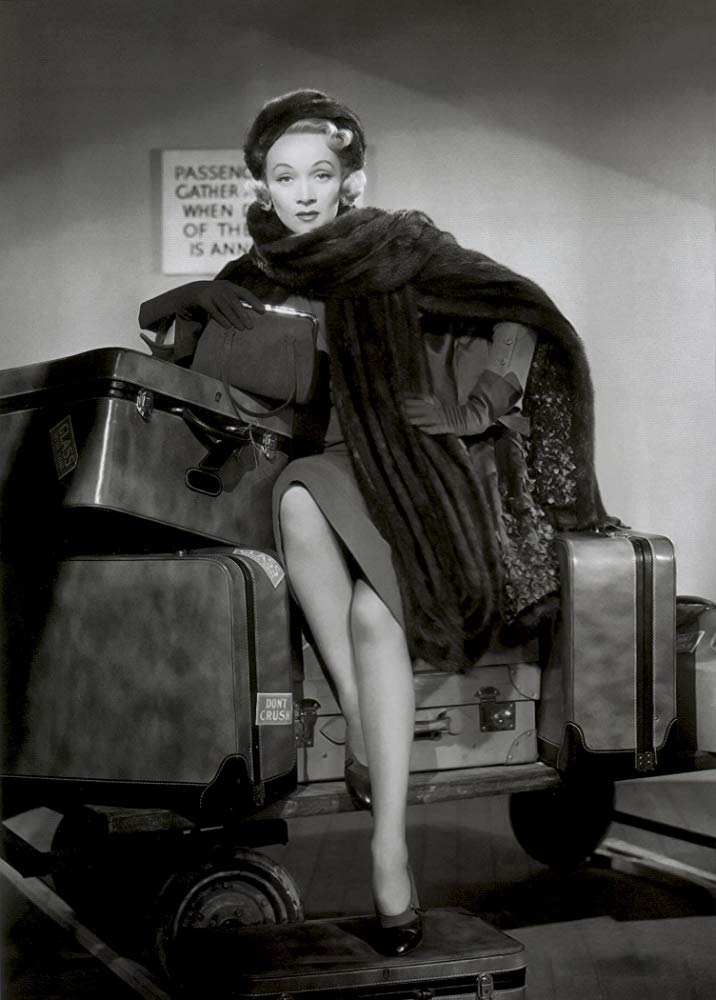
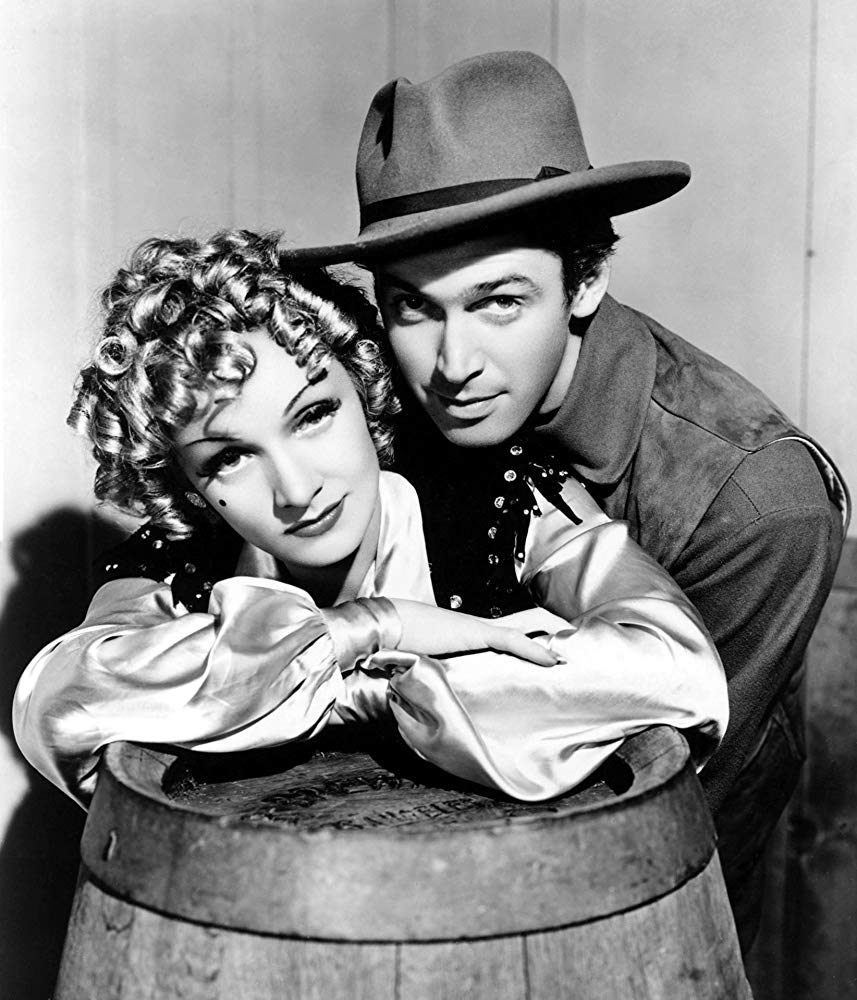
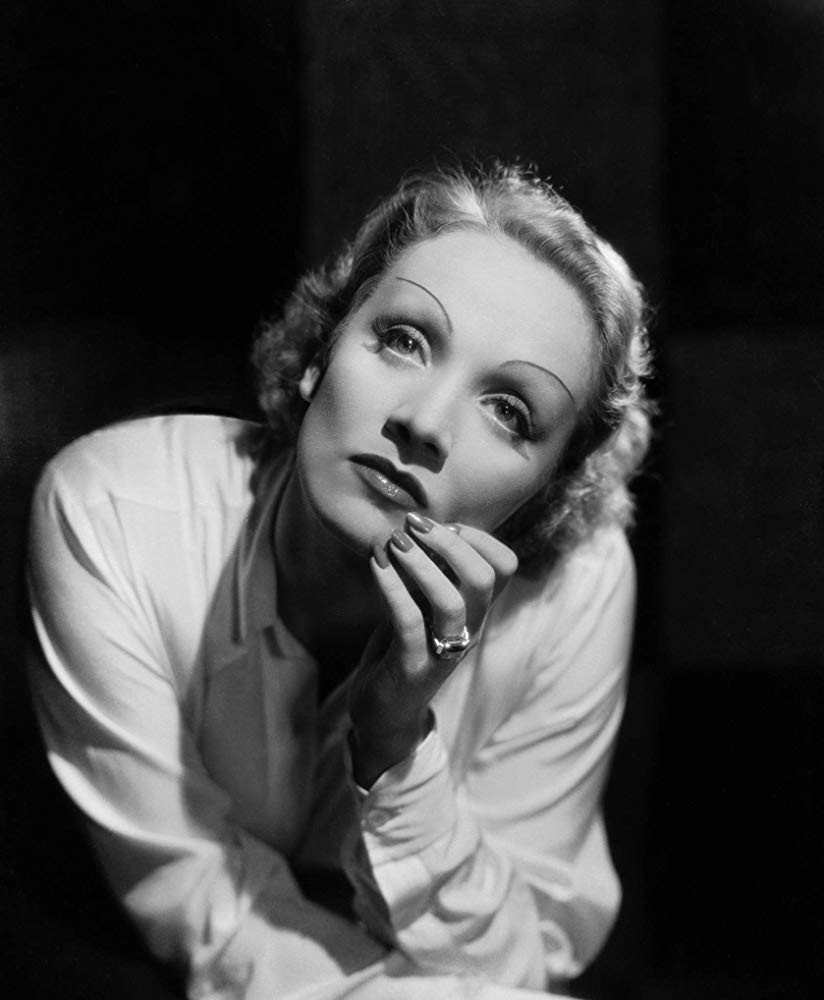
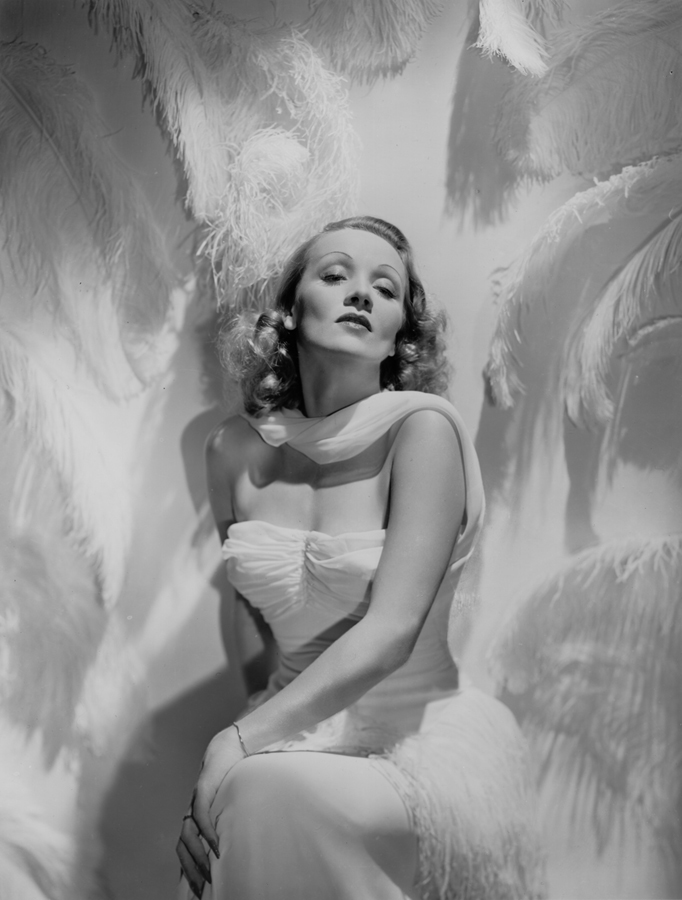
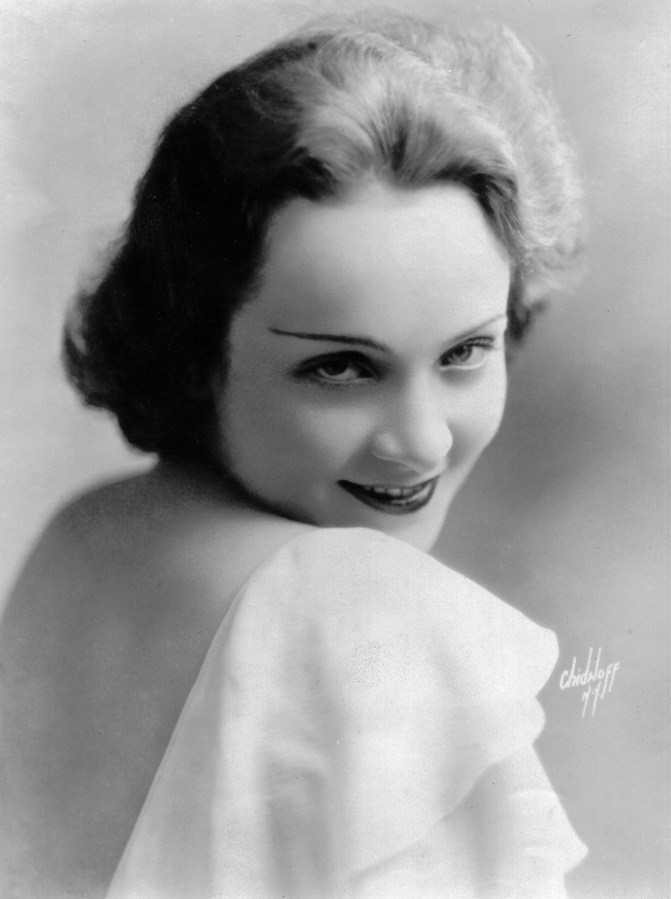
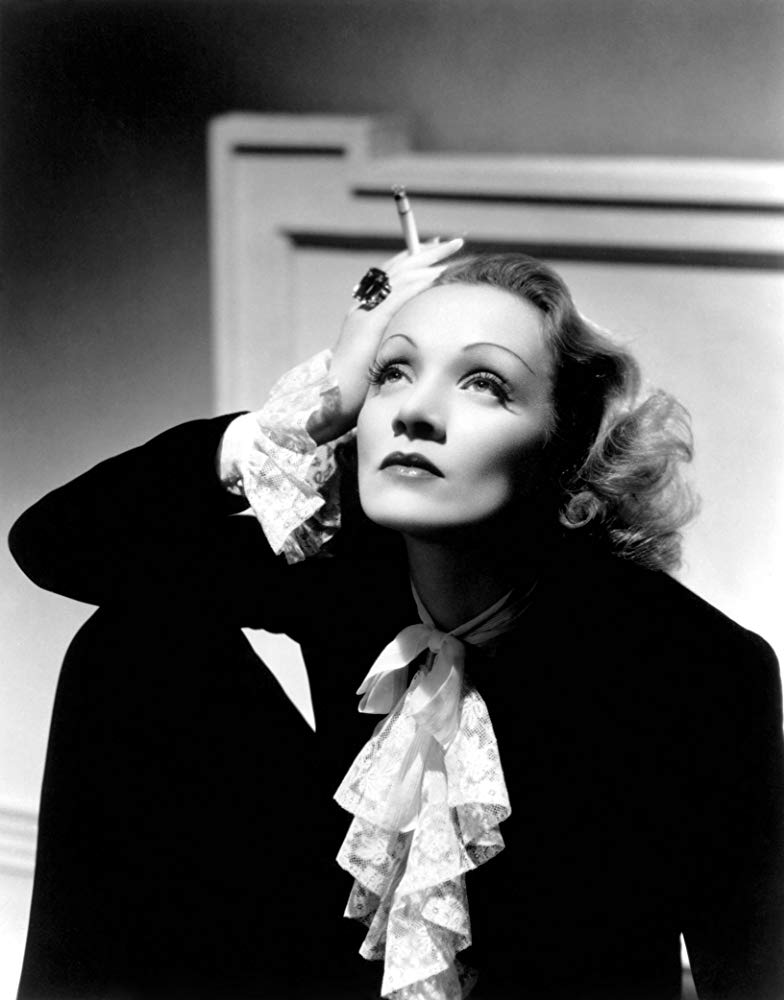
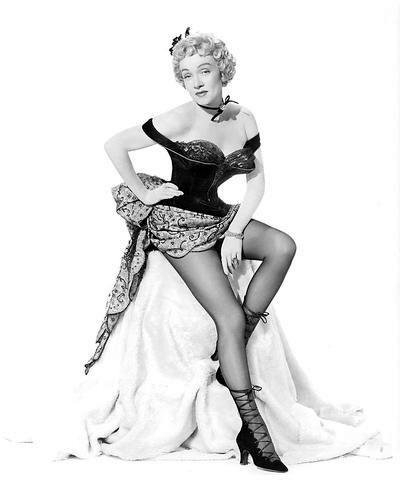
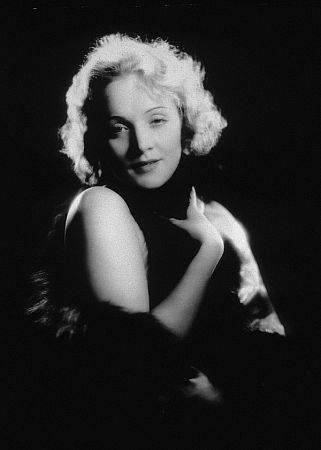
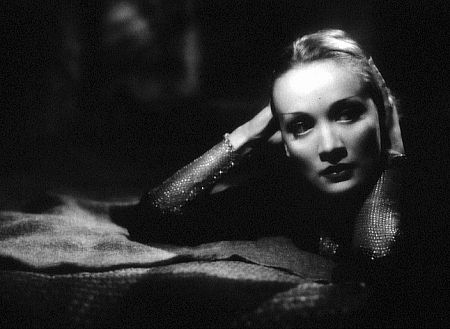
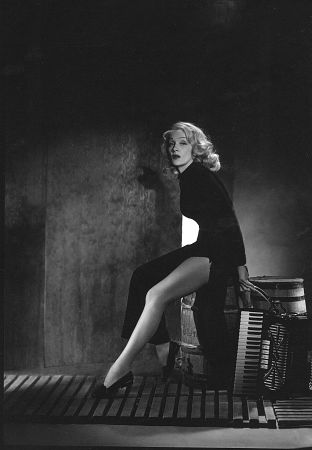
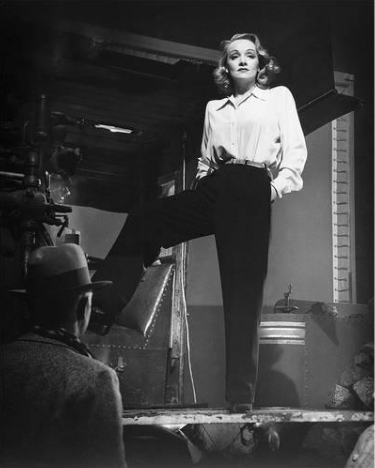
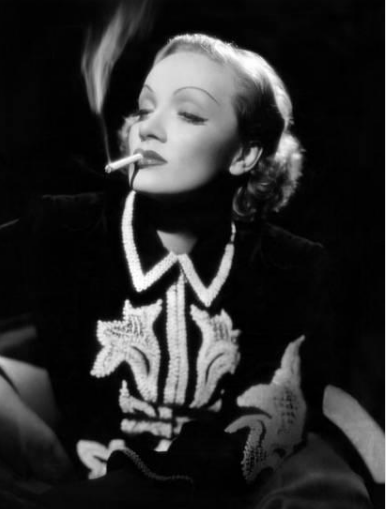
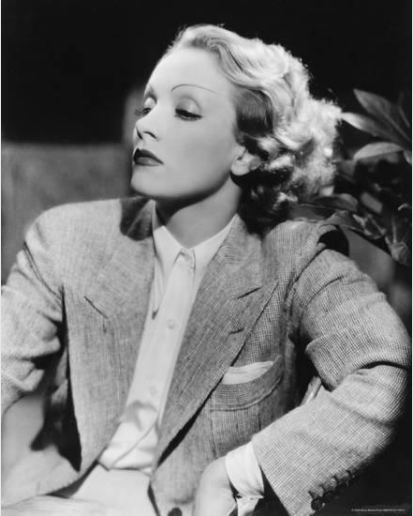
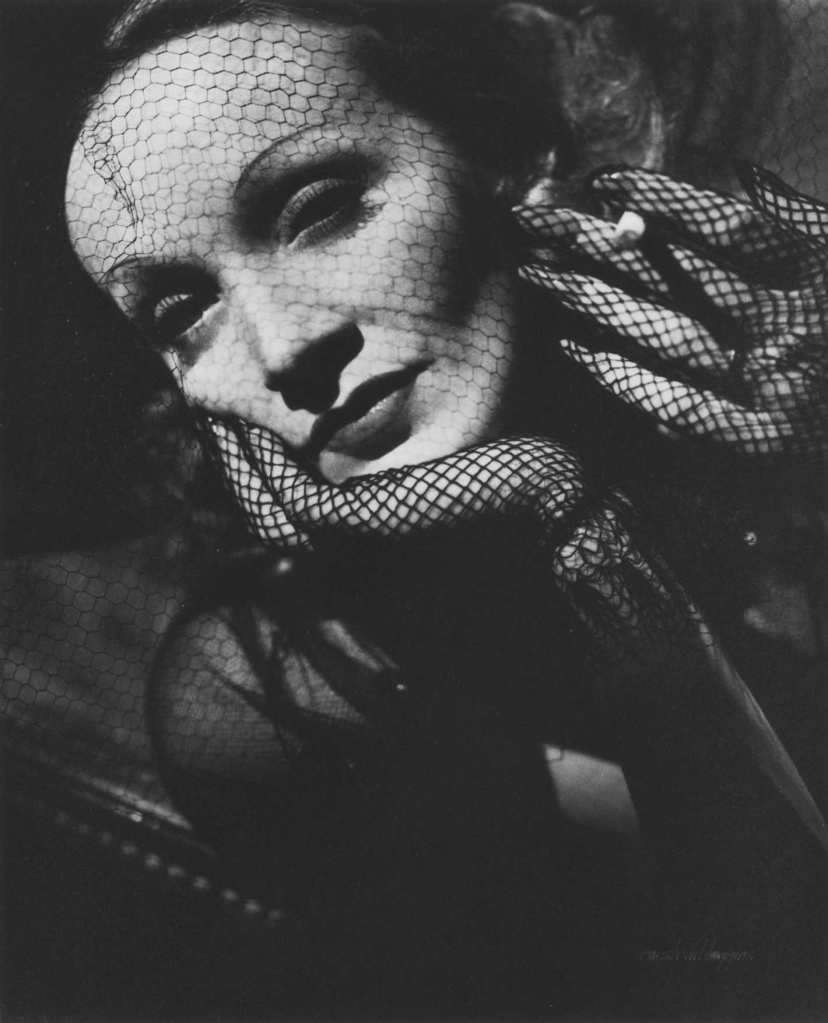
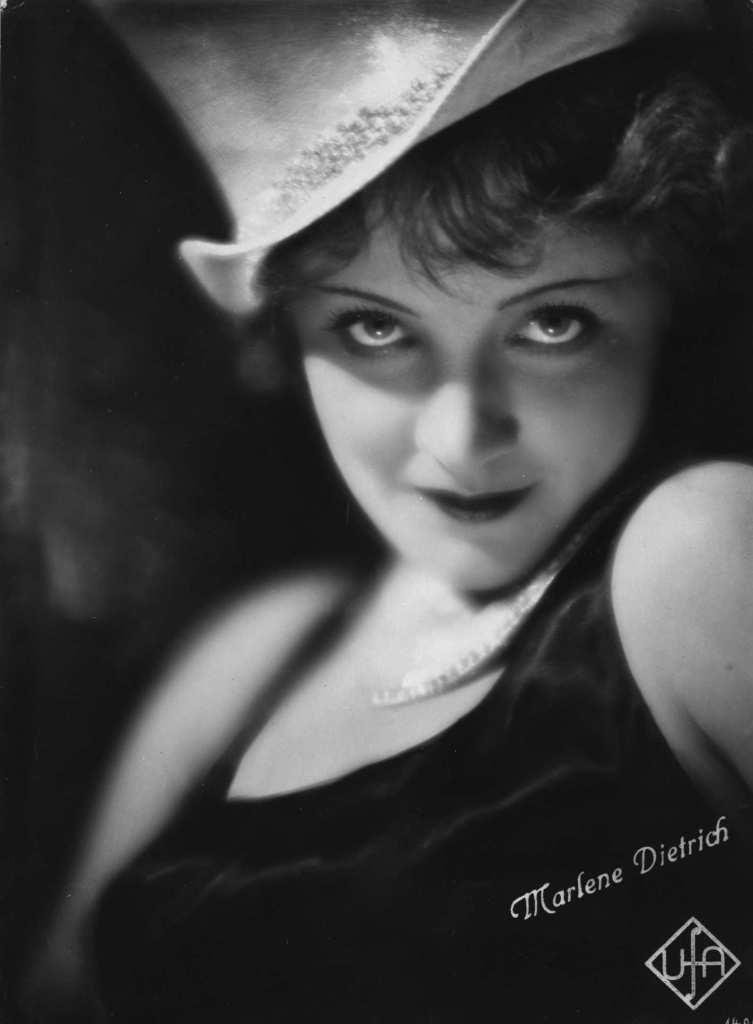
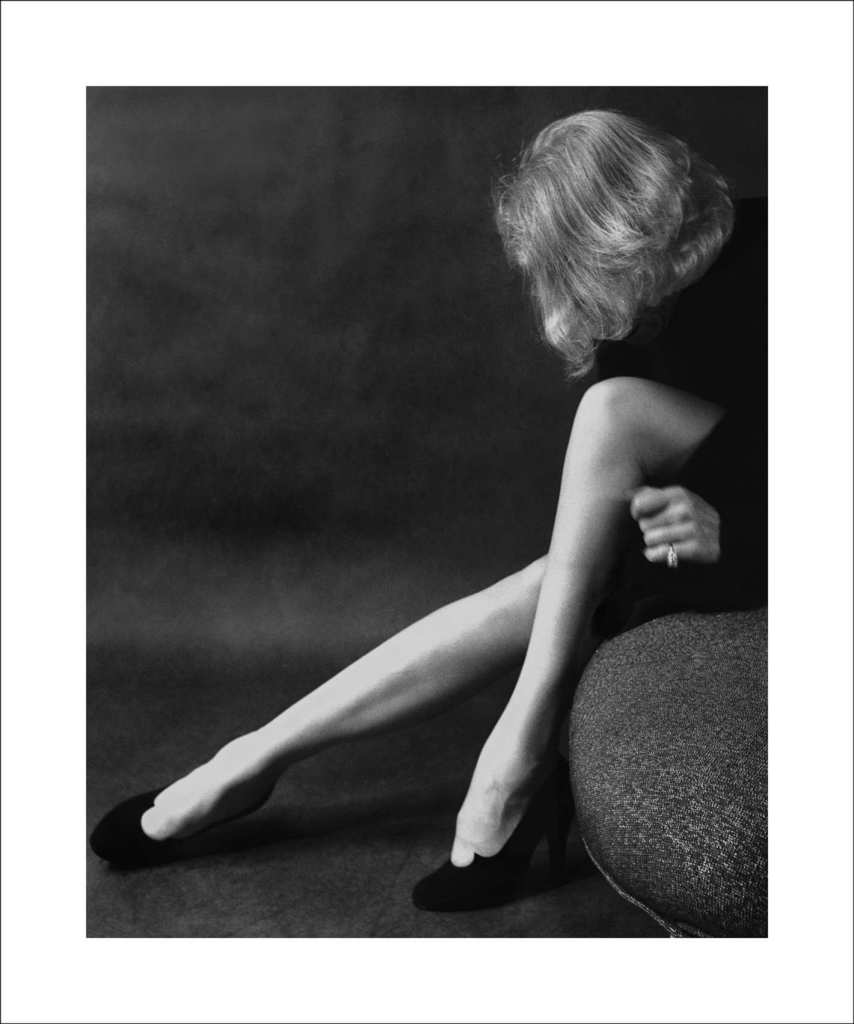
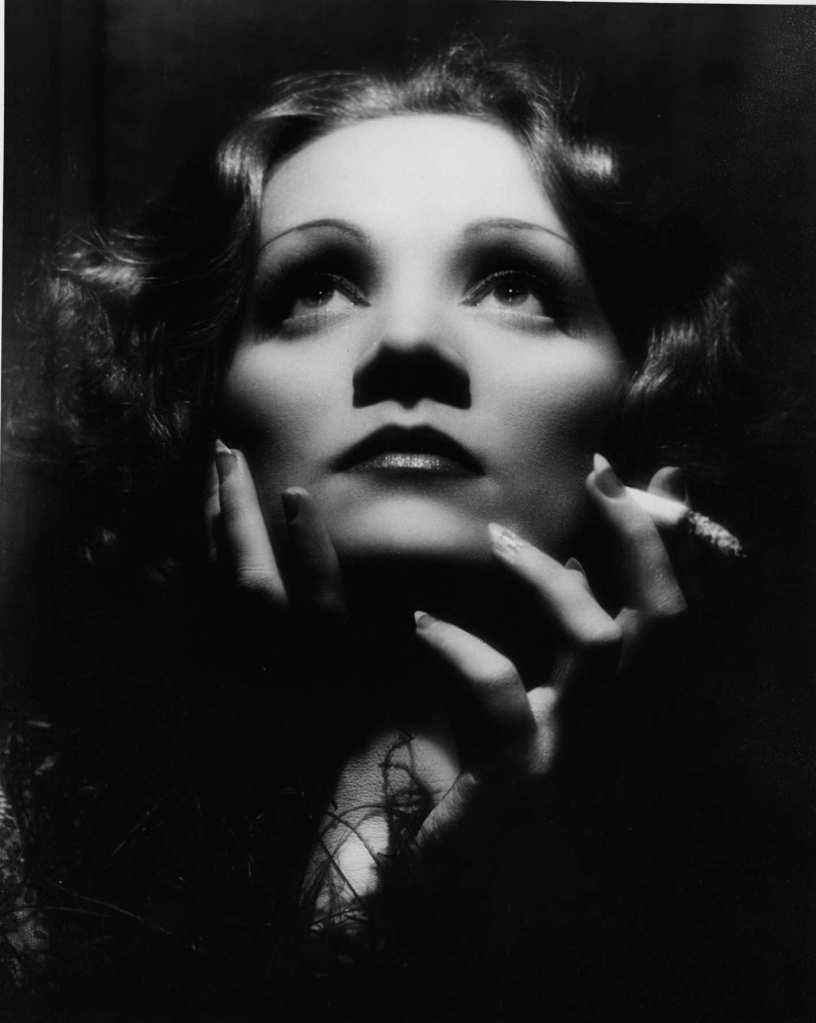
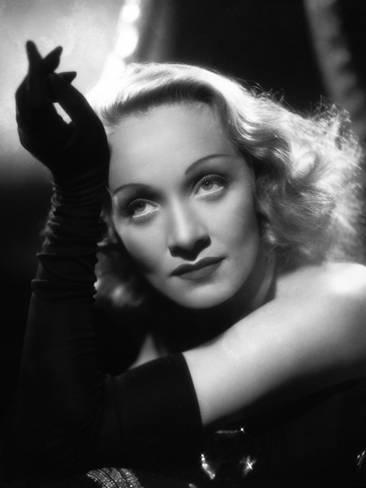
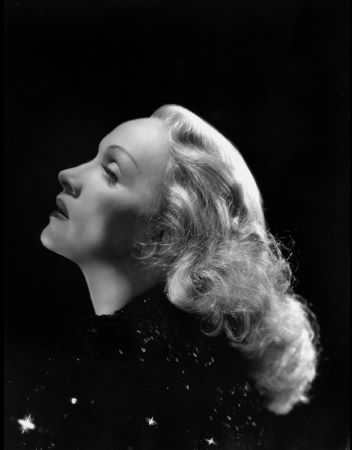
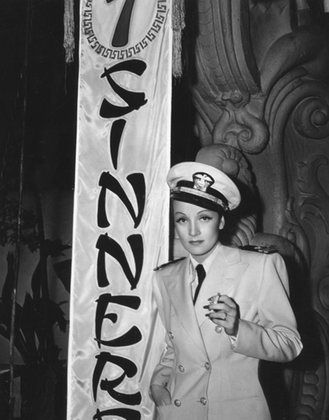
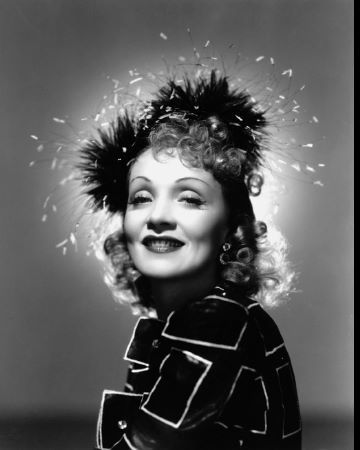
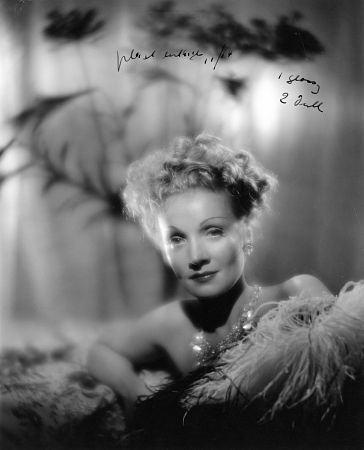
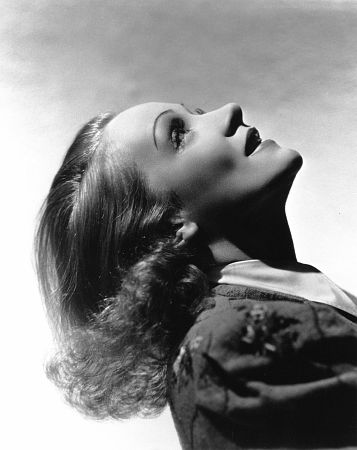
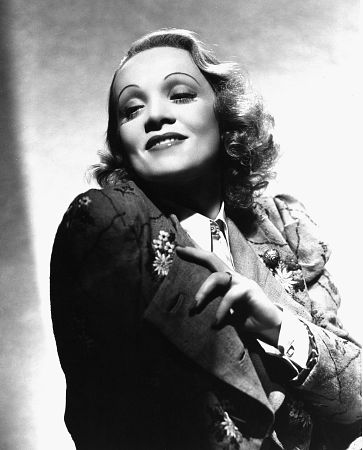
Marie Magdelene Dietrich was born in Berlin, Germany on December 27, 1901. Her father was an army officer who had served in the Franco-Prussian War. Because of his constant absences from the family due to his army duties, Marlene and the rest had to rely on themselves. When he died, while she was 11, Marlene’s mother married Eduard von Losch. Marlene enjoyed music and attended concerts. She was adept at playing the violin and piano. By the time she was in her mid-teens, Marlene had discovered the stage. Acting was to be her vocation. In 1921, Marlene applied for an acting school run by Max Reinhardt. She was accepted. She appeared in several stage production, but never had more than a couple of spoken lines. In short, she wasn’t setting the stage world on fire. She attempted films for the first time in 1922 Her first film was The Little Napoleon (1923) which was followed by Love Tragedy (1923). On this last project, she met Rudolf Sieber and married him in 1924. The union lasted until his death in 1976 although they didn’t live together that whole time. The remainder of her early film career was generally filled with bit roles that never amounted to a whole lot. After being seen in the German production of The Blue Angel (1930) in 1930, Marlene was given a crack at Hollywood. Her first US film was Morocco (1930) with Gary Cooper later that year followed, by Dishonored (1931) in 1931. This latter movie had her cast as a street walker who is appointed a spy. The film was a rather boring affair but was a success because of Marlene’s presence. Movie goers were simply attracted to her. In 1932, Marlene filmed Shanghai Express (1932) which proved to be immensely popular raking in $3 million. Once again, she was cast as a prostitute. The next film was Blonde Venus (1932) which turned out to be a horrible production. Her co-star was Cary Grant and once again she was cast as a prostitute. Marlene seemed to be typecast as a woman of low morals and she wanted different parts. Some films such as Desire (1936) in 1936 didn’t do that but she wanted to expand. Her chance came in 1939 in Destry Rides Again (1939) when she was cast as “Frenchy”, a Western saloon hostess. This began a new direction for Marlene since it shed the typecasting which she was forced to endure during her career. All through the 1940s, she appeared in well-produced, well-directed films such as Manpower (1942), The Spoilers (1942), The Lady Is Willing (1942) and Pittsburgh (1942) all in 1942. Afterwards the roles came fewer, perhaps one to two films every year. In 1945, Marlene didn’t appear in any. She only made seven productions in the 1950’s. Her last role of any substance was Judgment at Nuremberg (1961) in 1961. Despite the lack of theatrical roles, Marlene still made appearances on the stage. However, by 1979, she was a shell of her former self. After breaking her leg in one performance, she never made a go of it in show business again. Spending the last 12 years of her life bed-ridden, Marlene died on May 6, 1992 in Paris, France of natural causes at the age of 90.
(Text bt Denny Jackson via IMDB.com)

























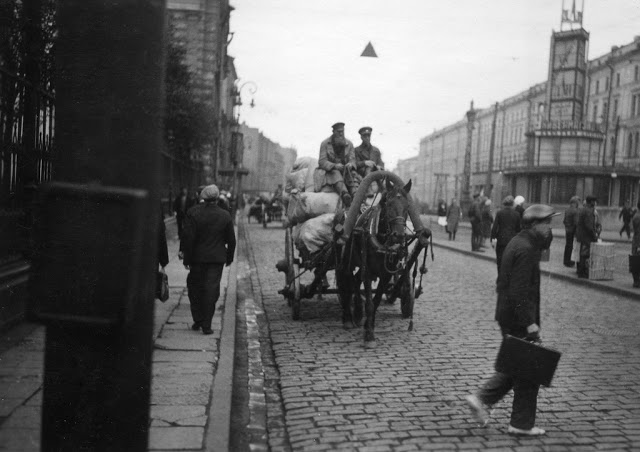
Eirik Sundvor (1902 – 1992) was a Norwegian journalist of Avisa Nidaros from 1924 to 1940, and 1945 to 1957. Sundvor fled to England where he was the editor of the Norwegian Tidend in London with his wife during the war. He was responsible for the release of the first free Norwegian newspaper in Finnmark in 1945.
After Avisa Nidaros entered as a daily newspaper, Sundvor moved back to Bergen, where he originally came from. Here he worked as a correspondent for Dagbladet in Western Norway.
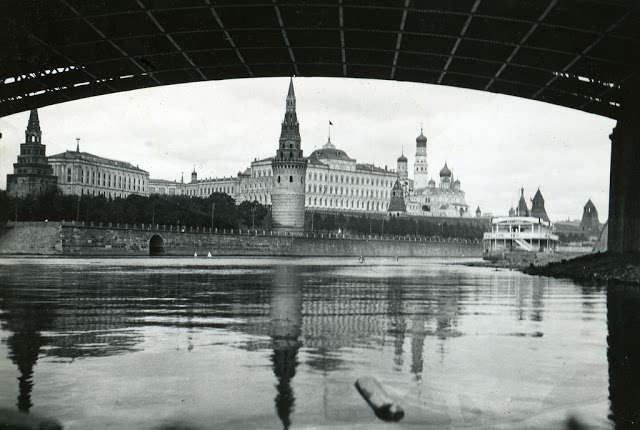
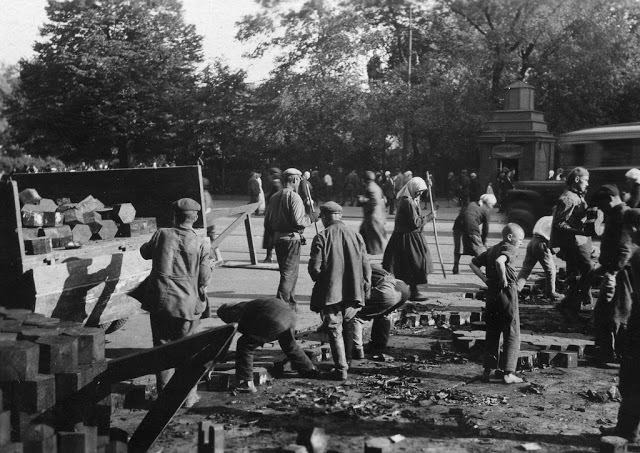
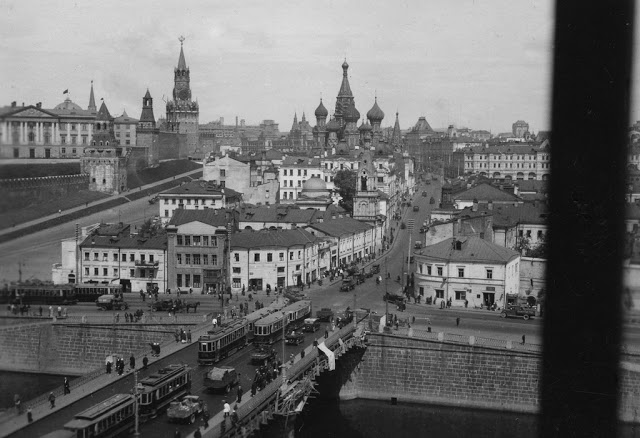
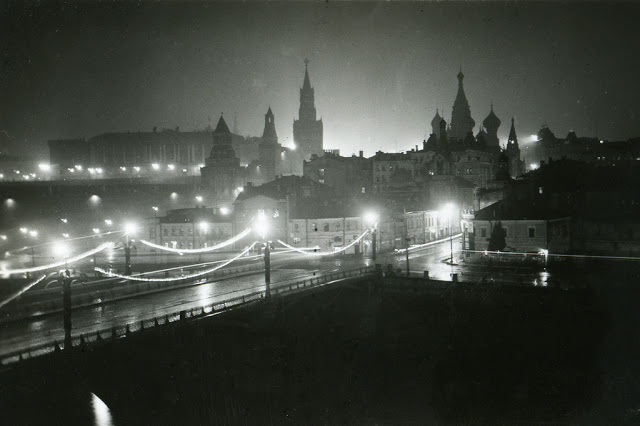
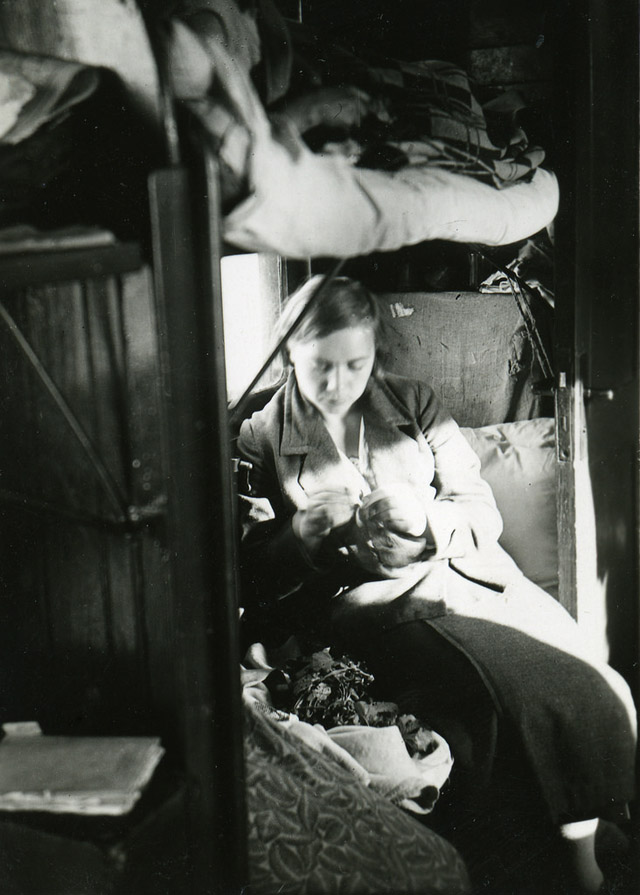
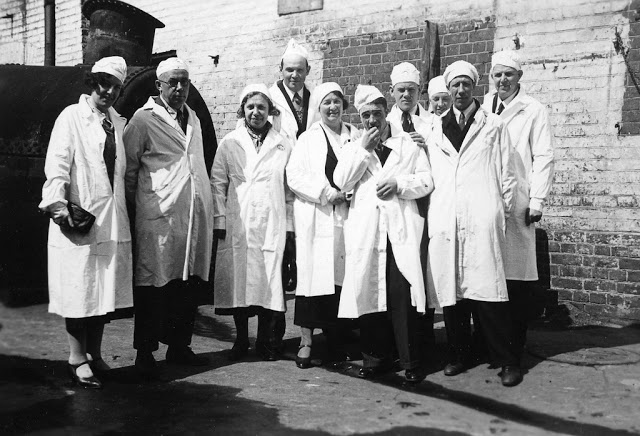
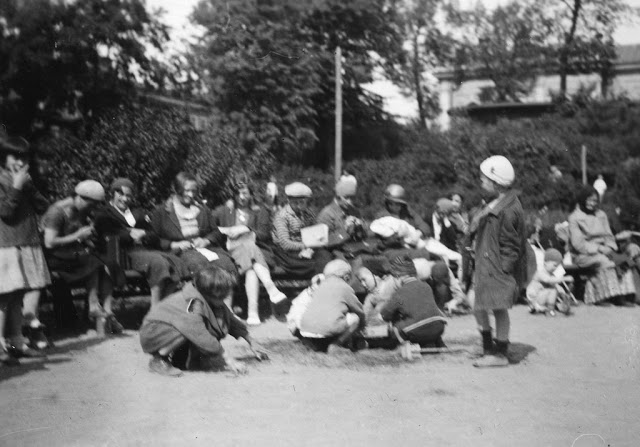
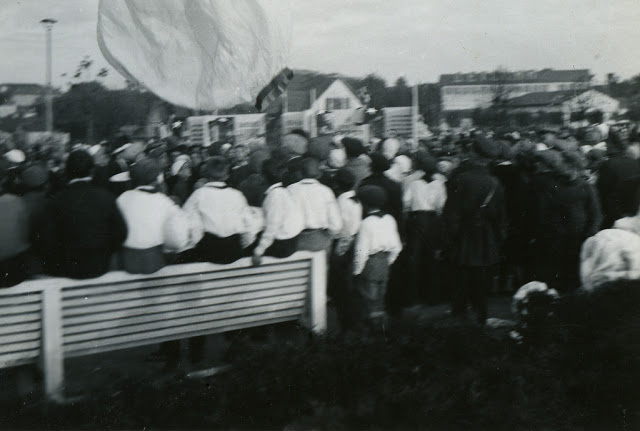
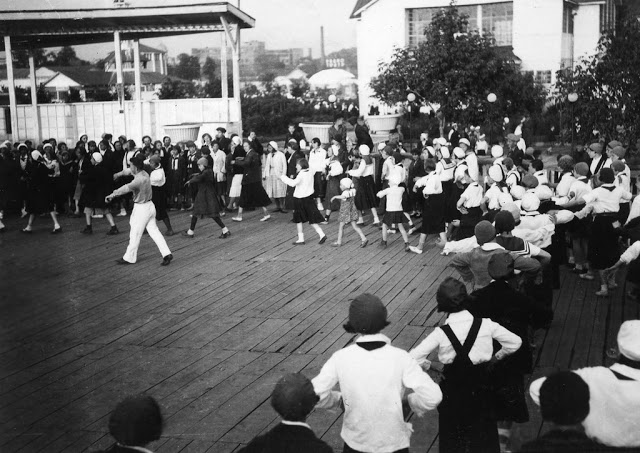
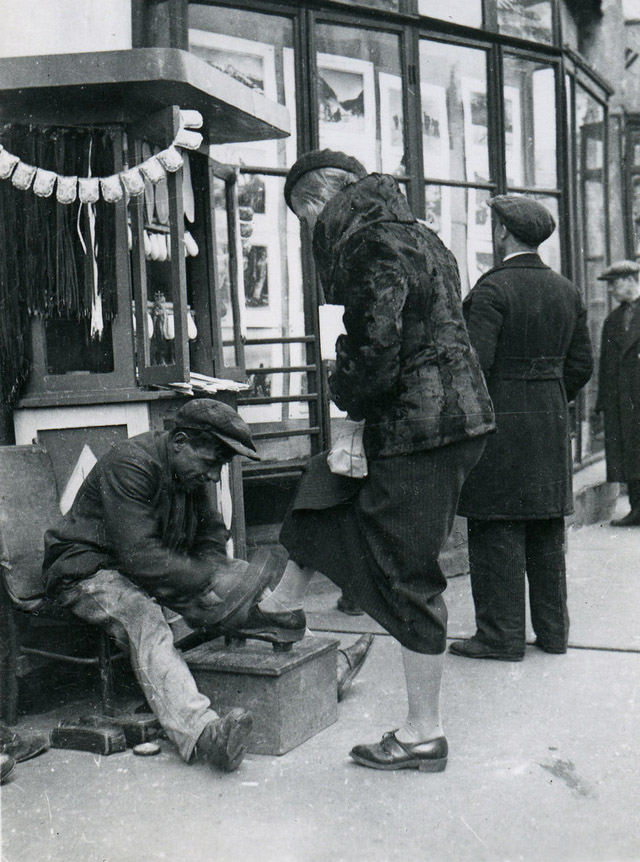
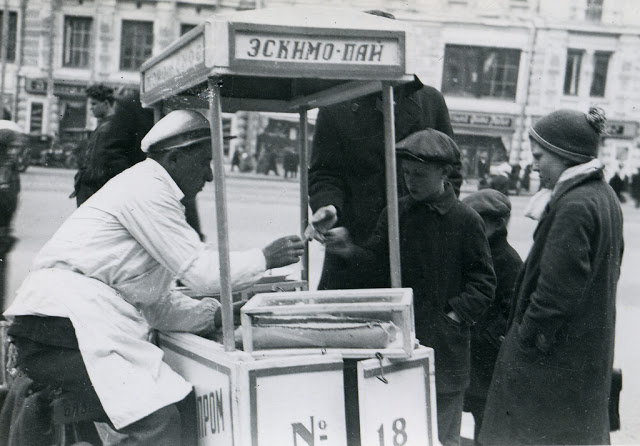
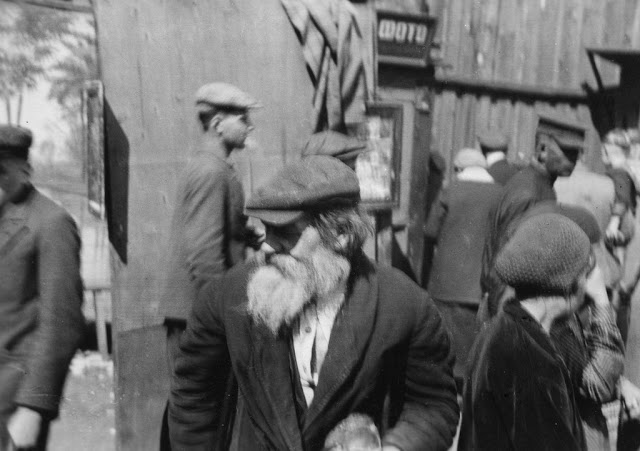
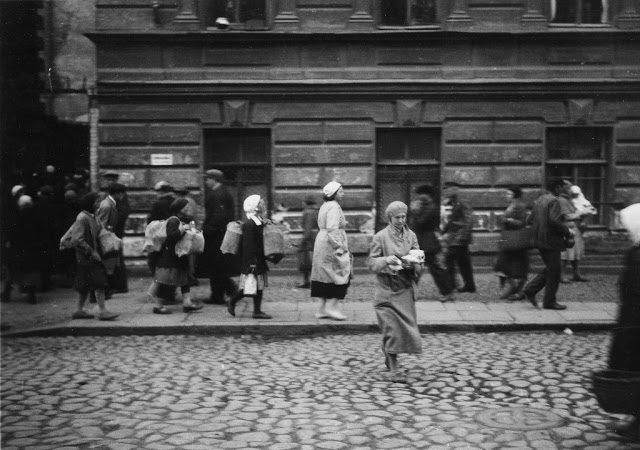
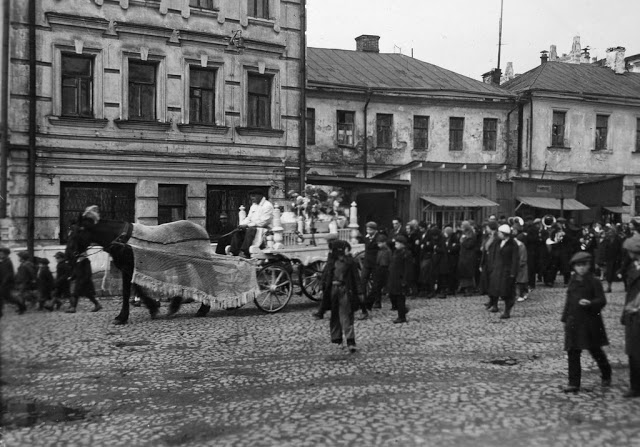
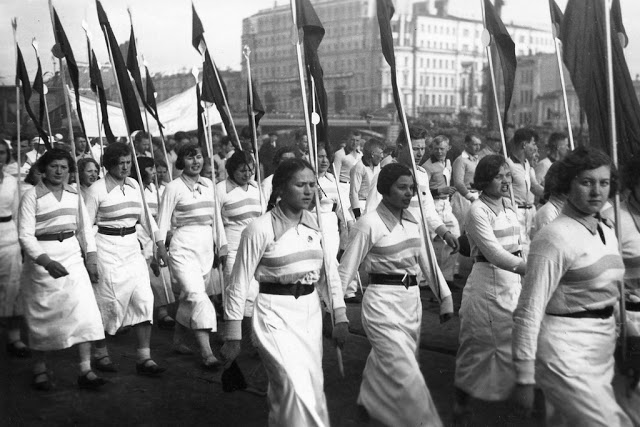
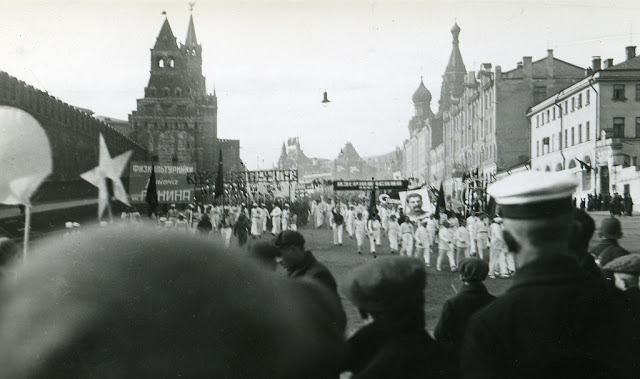
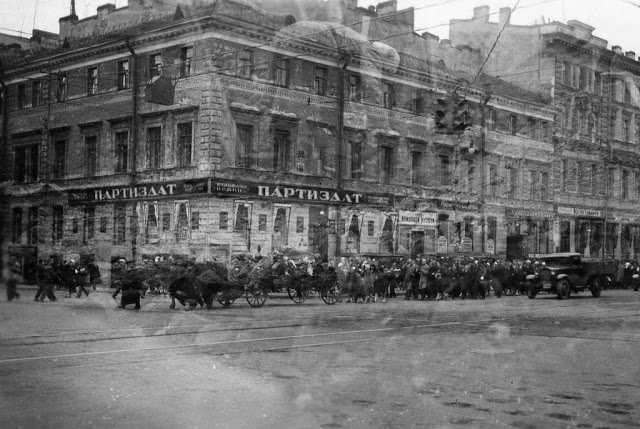
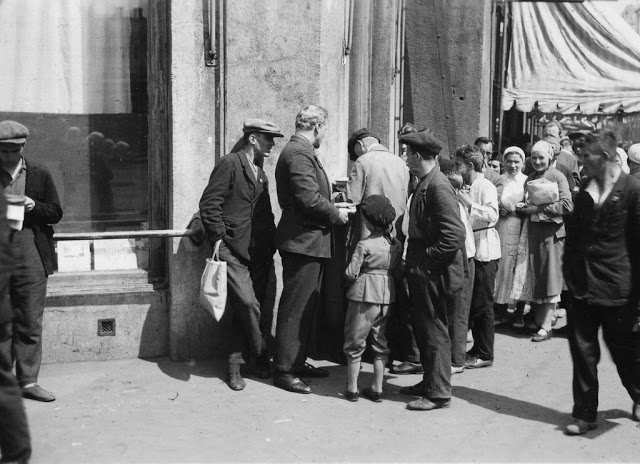
These amazing photos are from a trip to the Soviet Union made by Eirik Sundvor. They document everyday life of Moscow in 1935.
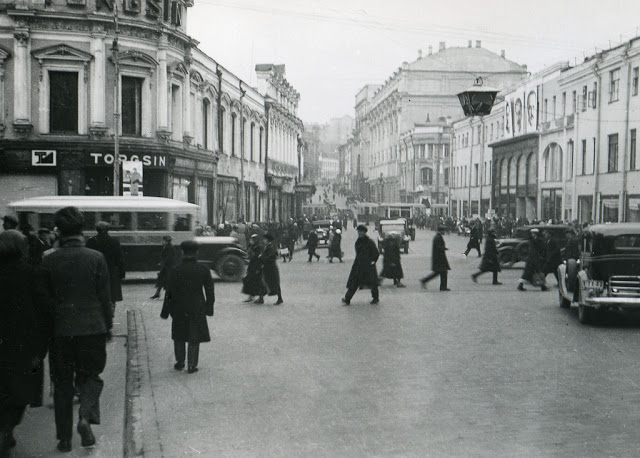
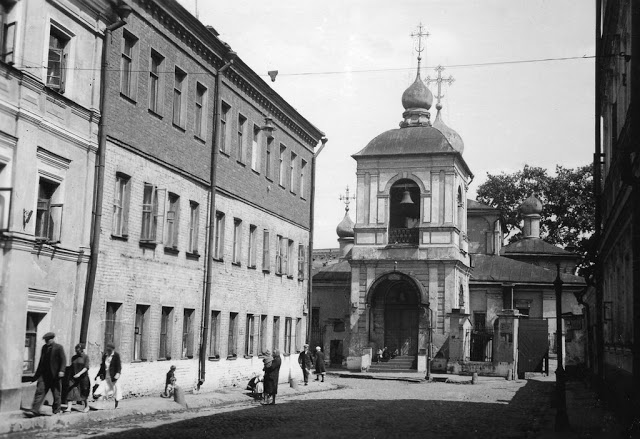
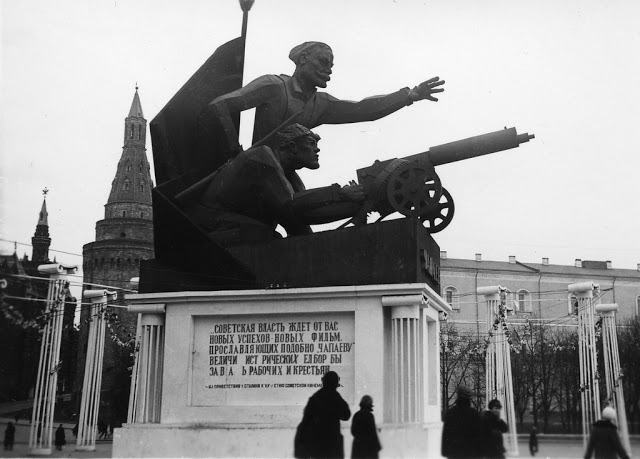

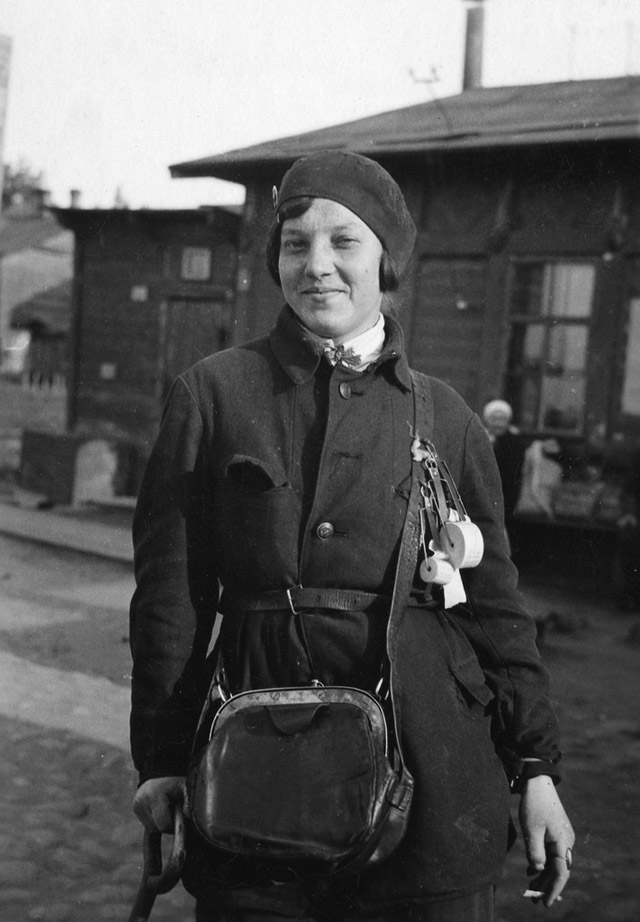
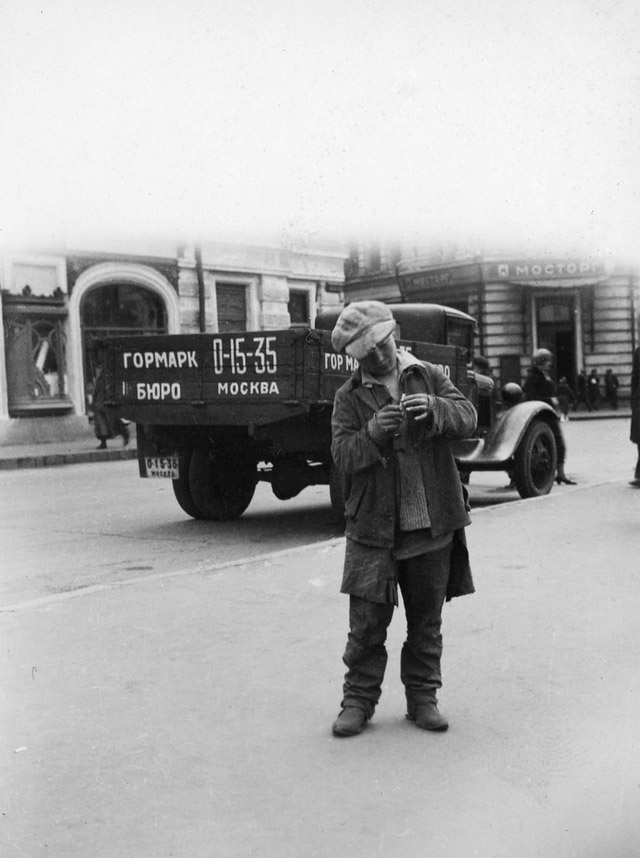
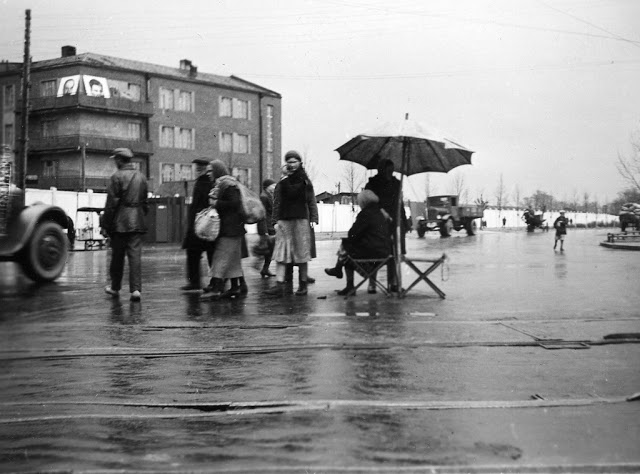
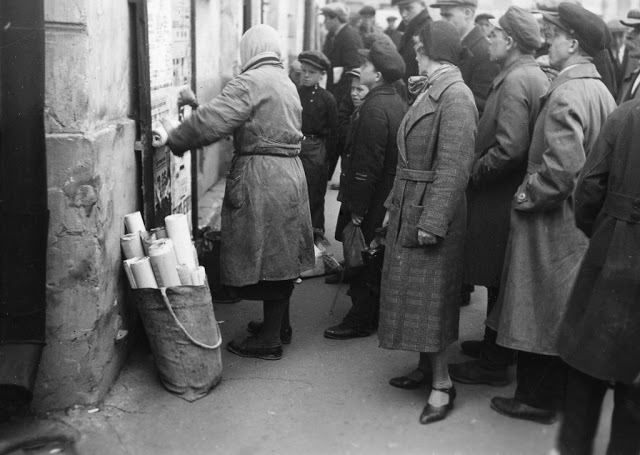
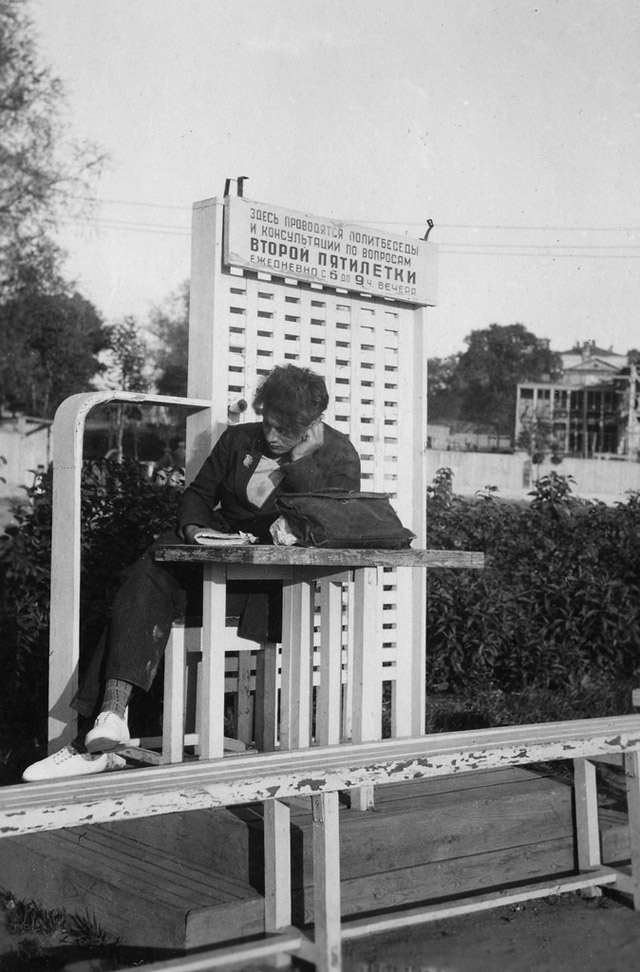
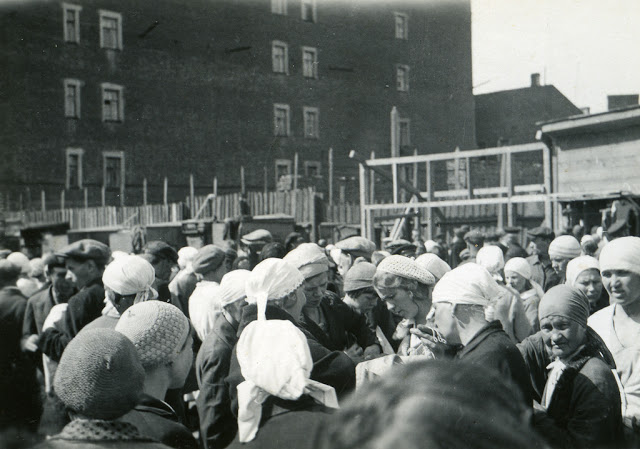
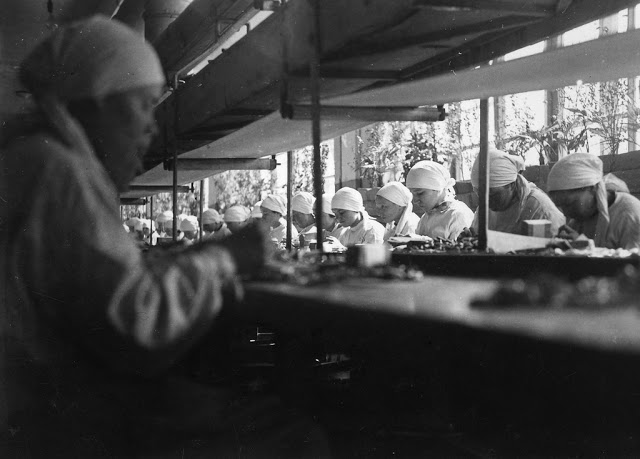
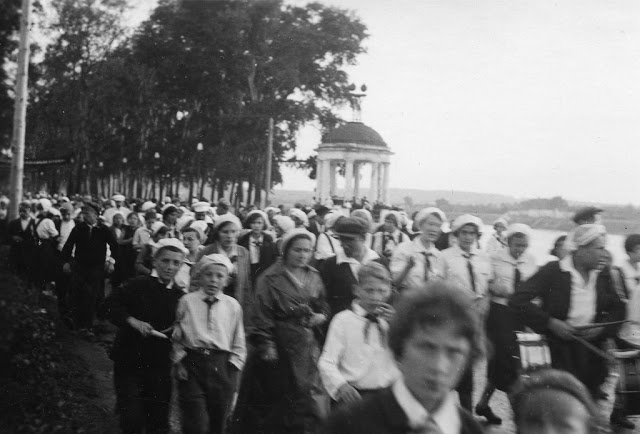
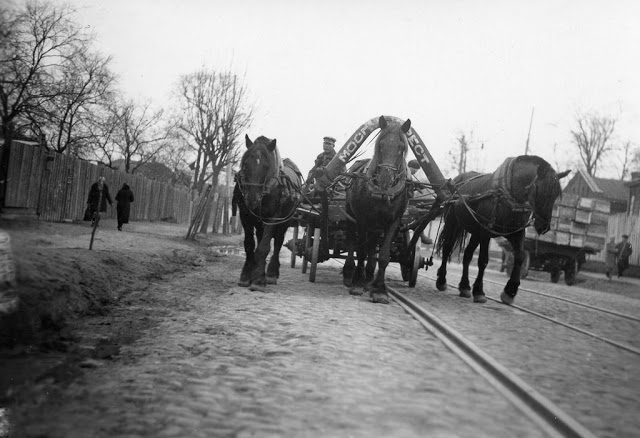
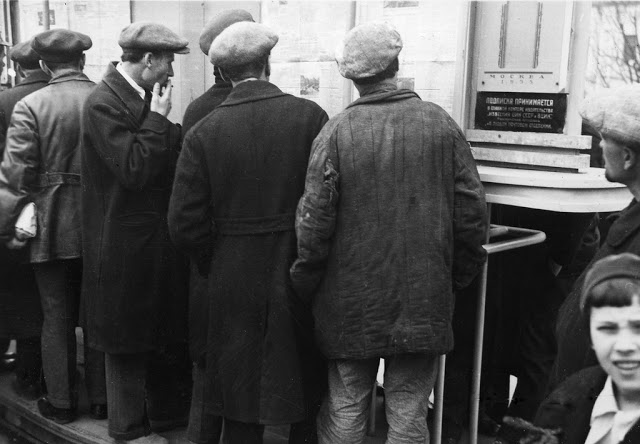
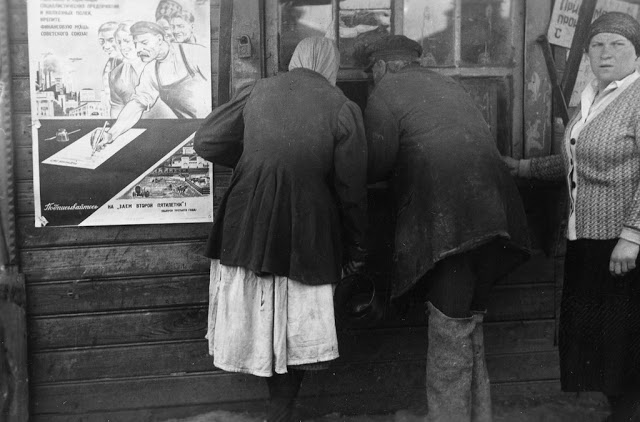
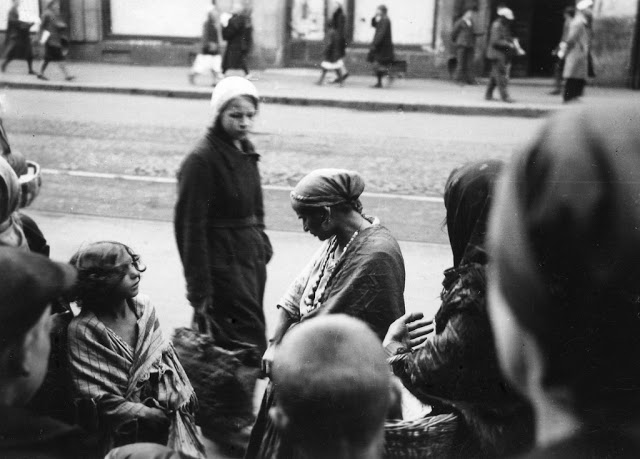
(Photos by Eirik Sundvor)
